Stacyville Community Nursing Home
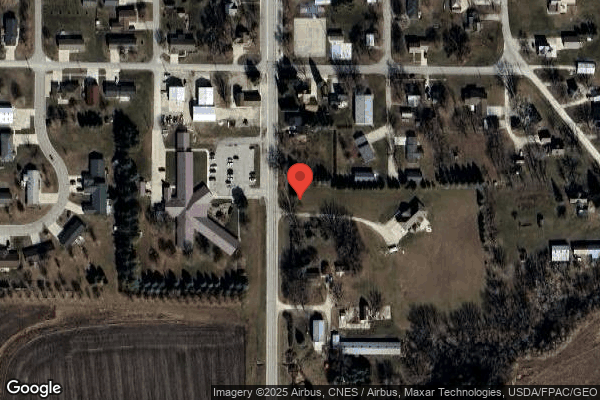
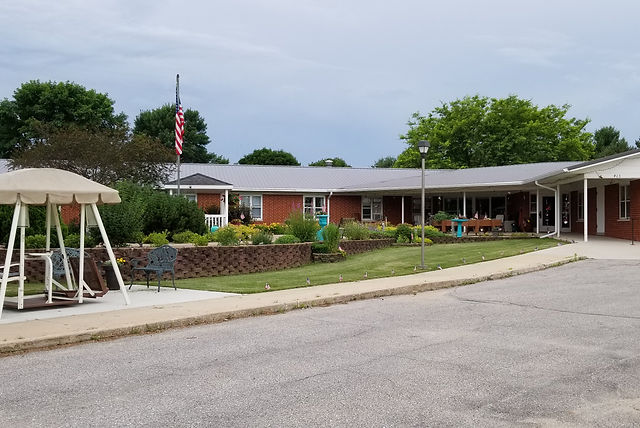
413 SOUTH BROAD STREET, STACYVILLE, IA 50476 (641) 710-2215
Non profit - Corporation 34 Beds Independent Data: November 2025
Trust Grade
28/100
#384 of 392 in IA
Last Inspection: June 2025

Inspected within the last 6 months. Data reflects current conditions.

Overview

Stacyville Community Nursing Home has received a Trust Grade of F, which indicates poor performance with significant concerns. Ranking #384 out of 392 facilities in Iowa places it in the bottom half, and as #5 out of 5 in Mitchell County, it is the lowest-rated option locally. The facility's condition is worsening, with the number of reported issues increasing from 14 in 2024 to 20 in 2025. Staffing is a relative strength, rated at 4 out of 5 stars with zero turnover, which is well below the Iowa average, and there is better RN coverage than 92% of Iowa facilities. However, concerning incidents include a serious medication error that resulted in a resident being hospitalized, and another resident suffered a fatal fall due to inadequate preventative measures. Additionally, there are $21,986 in fines, which is higher than 83% of similar facilities, indicating ongoing compliance issues.

Trust Score
F
28/100
In Iowa
#384/392
Bottom 3%
Safety Record
Moderate
Needs review
Inspections
Getting Worse
14 → 20 violations
Staff Stability
○ Average
Turnover data not reported for this facility.
Penalties
○ Average
$21,986 in fines. Higher than 58% of Iowa facilities. Some compliance issues.
Skilled Nurses
✓ Good
Each resident gets 82 minutes of Registered Nurse (RN) attention daily — more than 97% of Iowa nursing homes. RNs are the most trained staff who catch health problems before they become serious.
Violations
⚠ Watch
37 deficiencies on record. Higher than average. Multiple issues found across inspections.
★☆☆☆☆
1.0
Overall Rating
★★★★☆
4.0
Staff Levels
★★★★☆
4.0
Care Quality
★☆☆☆☆
1.0
Inspection Score
Stable
2024: 14 issues
2025: 20 issues

The Good

  • 4-Star Staffing Rating · Above-average nurse staffing levels
  • 4-Star Quality Measures · Strong clinical quality outcomes
  • Full Sprinkler Coverage · Fire safety systems throughout facility
  • No fines on record

Facility shows strength in staffing levels, quality measures, fire safety.

The Bad

1-Star Overall Rating

Below Iowa average (3.0)

Significant quality concerns identified by CMS

Federal Fines: $21,986

Below median ($33,413)

Minor penalties assessed

The Ugly 37 deficiencies on record

2 actual harm
Jun 2025 4 deficiencies
CONCERN (D)

Potential for Harm - no one hurt, but risky conditions existed

Report Alleged Abuse (Tag F0609)

Could have caused harm · This affected 1 resident

**NOTE- TERMS IN BRACKETS HAVE BEEN EDITED TO PROTECT CONFIDENTIALITY** Based on electronic health record (EHR)review, policy review, resident, and staff interviews the facility failed to report an al...

Read full inspector narrative →
**NOTE- TERMS IN BRACKETS HAVE BEEN EDITED TO PROTECT CONFIDENTIALITY** Based on electronic health record (EHR)review, policy review, resident, and staff interviews the facility failed to report an allegation of abuse within the required time frame to the Iowa Department of Inspection, Appeals, and Licensing (DIAL) for 1 of 1 resident reviewed (Resident #9). The facility reported a census of 22 residents. Findings Include: Resident #9's Minimum Data Set (MDS) assessment dated [DATE] identified a Brief Interview for Mental Status (BIMS) score of 15, indicating intact cognition. The MDS included diagnoses of renal (kidney) insufficiency (poor functioning), stroke and end stage renal disease (ESRD). The MDS documented Resident #9 received dialysis services outside of the facility. During an interview on 6/2/25 at 12:10 PM, Resident #9 reported he had money missing and someone took his money. Resident #9 reported approximately $250 missing from his room over a month ago and another $57 within the past week. Resident #9 stated he reported the missing funds to the staff on each occasion. A review of the EHR Profile tab listed Resident #9 as his own responsible party. The Care Plan Focus initiated 12/9/24 listed the facility provided Resident #9 a lock box. Resident #9 had an undetermined amount of money that he refused to let the staff count. The Intervention directed the following: a. Resident #9 would keep the lock box in his room and safeguard it. He refuses to allow staff to safely lock up the money in a secure location. b. Resident #9 refused to allow staff to count the money in his possession. The review of the facility reported incidents to DIAL lacked reports of Resident #9's missing money for 2/11/25 and 5/27/25, after he reported the incident to the staff. During an interview on 6/4/25 Staff B, Certified Nursing Assistant (CNA), revealed she knew Resident #9 reported his money missing. Staff B explained she reported it to the nurse that Resident #9 reported missing money. During an interview on 6/4/25 at 10:00 AM Staff C, Social Services, verified Resident #9 reported to him on 5/27/25 that he had $57 missing. He had the money sitting out in the open in a bank envelope in his room. Staff C reported the missing money to the Administrator the next morning. Staff C confirmed Resident #9 reported a previous incident of missing money. Staff C provided a summary/investigation of report Resident #9's missing money after he reported to him on 2/11/25. The investigation documented Resident #9 reported someone stole $400 from his room. During an interview on 6/4/25 at 10:57 AM the Administrator and Staff C reported they started an ongoing investigation on 5/27/25 for Resident #9's reported missing money. The Administrator stated she talked with Resident #9 about keeping his money locked up in his facility provided lockbox. The Administrator acknowledged she didn't report Resident #9's previous or current incidents of missing money to DIAL. A review of the undated facility Abuse Policy defined: Misappropriation of Resident property as the deliberate (on purpose) misplacement, and exploitation (wrongful temporary or permanent use of a Resident's belongings or money without the resident's consent). The policy directed staff to report all allegations of resident abuse, neglect, exploitation, mistreatment, injuries of unknown origin, and misappropriation immediately to the charge nurse. The charge nurse is responsible for immediately reporting the allegations of abuse to the Administrator, or designated representative. All allegations of resident abuse shall be reported to the Department of Health and Human Services (DHHS) no later than 2 hours after the allegation is made, if the allegation resulted in serious bodily injury, or no later than 24 hours if the allegation involved neglect, exploitation, mistreatment, injuries of unknown origin, and misappropriation, but do not result in serious bodily injury. If there is a reasonable suspicion that the allegation of abuse also constitutes a crime committed against the resident by any person, whether or not facility employed the alleged perpetrator, the Elder Justice Act required the facility report the situation to law enforcement. While the federal regulations required all abuse allegations reported to DIAL within 2 hours, the Elder Justice Act has a different reporting timeframe to the police/sheriff. If the allegation of abuse (that resulted from a crime) resulted in serious bodily injury to a resident, a report must be made to law enforcement no later than 2 hours after the allegation is made. If the allegation of abuse does not result in serious bodily injury, the facility must report to law enforcement no later than 24-hours. The policy defined serious bodily injury as an injury involving extreme physical pain; involving substantial risk of death; involving protracted loss or impairment of the function of a bodily member, organ, mental faculty, or required surgery, hospitalization, or physical rehabilitation. If the person in charge is the alleged abuser, the staff member shall directly report the abuse to the DHHS immediately, pursuant to the deadlines established above. If the allegations of dependent adult abuse involve a caretaker not employed by the facility (e.g., family member, visitor), a report must also be made immediately to DHHS.
CONCERN (D)

Potential for Harm - no one hurt, but risky conditions existed

Deficiency F0637 (Tag F0637)

Could have caused harm · This affected 1 resident

Based on electronic health record (EHR) review, clinical record review, the Centers for Medicare and Medicaid Services (CMS) Long term Care (LTC) Facility Resident Assessment Instrument (RAI) 3.0 User...

Read full inspector narrative →
Based on electronic health record (EHR) review, clinical record review, the Centers for Medicare and Medicaid Services (CMS) Long term Care (LTC) Facility Resident Assessment Instrument (RAI) 3.0 User's Manual, and staff interview the facility failed to complete a Significant Change Status Assessment (SCSA) Minimum Data Set (MDS) assessment after a resident elected to start hospice for 1 of 1 residents (Resident #17) reviewed on hospice services. The facility reported a census of 22 residents. Findings include: Resident #17's Clinical Census reviewed 6/3/25 documented hospice as their primary payer effective 4/30/25. The Health Status Note dated 4/30/25 at 12:27 PM reflected Resident #17 admitted to hospice care services. The MDS 3.0 Summary page in Resident #17 EHR revealed the facility failed to complete the SCSA MDS when hospice services had been elected. The Hospice Election Statement signed by Resident #17's Representative on 4/30/25 listed they elected hospice to start that day. During an interview on 6/4/25 at 11:08 AM Staff A, MDS Coordinator, reported she started working at the facility on 5/5/25. She acknowledged Resident #17 elected hospice prior to her starting at the facility. Staff A explained they followed the RAI manual when they completed the required assessments. Staff A reported the facility had 14 days after election of hospice to complete the SCSA assessment. Staff A acknowledged the facility didn't complete Resident #17's SCSA assessment. During an interview on 6/4/25 at 11:15 AM, the Administrator acknowledged the facility followed the RAI manual timelines when they completed the MDS assessments. The Administrator confirmed the facility didn't complete Resident #17's SCSA assessment. The LTC RAI 3.0 User's manual Version 1.19.1 October 2024 identified the manual required the facility complete a SCSA when a terminally ill resident enrolled in a hospice program or changed hospice providers and remained a resident at the nursing home. The RAI Manual specified the SCSA MDS completion date as 14 days from the determination that a significant change in resident status occurred (determination date plus 14 calendar days).
CONCERN (D)

Potential for Harm - no one hurt, but risky conditions existed

Assessment Accuracy (Tag F0641)

Could have caused harm · This affected 1 resident

**NOTE- TERMS IN BRACKETS HAVE BEEN EDITED TO PROTECT CONFIDENTIALITY** Based on clinical record review and staff interviews the facility failed to accurately document and submit an accurate Minimum D...

Read full inspector narrative →
**NOTE- TERMS IN BRACKETS HAVE BEEN EDITED TO PROTECT CONFIDENTIALITY** Based on clinical record review and staff interviews the facility failed to accurately document and submit an accurate Minimum Data Set (MDS) Assessment for 1 of 6 residents reviewed (Resident #6). The facility reported a census of 22 residents. Findings include: Resident #6's Minimum Data Set (MDS) assessment dated [DATE] identified a Brief Interview of Mental Status (BIMS) score of 13, indicating intact cognition. The MDS included diagnoses of hypertension (high blood pressure), diabetes, and obesity. Resident #6 received injections of insulin 7 out of 7 days during the lookback period. Resident #6's clinical record lacked documentation of insulin or even an injection given during the lookback period. During an interview on 6/4/25 at 1:43 PM the MDS coordinator reported the previous MDS coordinator coded the medication wrong. During an interview on 6/5/25 the MDS coordinator reported the facility didn't have a policy for MDS accuracy and completion. She reported the facility followed the RAI Manual.
CONCERN (D)

Potential for Harm - no one hurt, but risky conditions existed

Deficiency F0658 (Tag F0658)

Could have caused harm · This affected 1 resident

**NOTE- TERMS IN BRACKETS HAVE BEEN EDITED TO PROTECT CONFIDENTIALITY** Based on clinical record review and staff interview, the facility failed to follow physician's orders for 2 of 6 residents revie...

Read full inspector narrative →
**NOTE- TERMS IN BRACKETS HAVE BEEN EDITED TO PROTECT CONFIDENTIALITY** Based on clinical record review and staff interview, the facility failed to follow physician's orders for 2 of 6 residents reviewed (Resident #6 and #11). The facility reported a census of 22 residents. Findings include: 1. Resident #6's Minimum Data Set (MDS) assessment dated [DATE] identified a Brief Interview of Mental Status (BIMS) score of 13, indicating intact cognition. The MDS included diagnoses of hypertension (high blood pressure), diabetes, and obesity. Review of Resident #6's Treatment Administration Record lacked documentation of Ozempic given on 4/4/25. Review of Resident #6's Progress Note on 4/4/25 at 3:27 PM documented the Ozempic (GLP1 medication used to treat diabetes and obesity) medication will be coming from the pharmacy that evening. Further review of the Progress Notes lacked documentation that the medication came from the pharmacy and was given. During an interview on 6/4/25 at 3:50 PM the MDS coordinator reported the medication was missed on 4/4/25. It should have been given and was missed. It didn't come in from the pharmacy. During an interview on 6/5/25 8:55 AM, the Administrator reported the facility didn't have a facility policy related to following physician orders. 2. Resident #11's MDS assessment dated [DATE] identified a Brief Interview of Mental Status (BIMS) score of 15, indicating intact cognition. The MDS included diagnoses of hypertension (high blood pressure), depression and dementia. During an interview on 6/2/25 at 12:53 PM, Resident #6 reported she told the Administrator she wanted to ride the bike in therapy again. The Health Status Note dated 4/2/25 at 2:35 PM documented the doctor ordered Physician Therapy (PT) to evaluate and treat because Resident #11 wanted to use the bike in the therapy room. Resident #6's clinical record lacked PT seeing them on or after 4/2/25. During an interview on 6/3/25 at 1:14 PM the Director of Nursing reported the nursing staff who received the physician orders for therapy are supposed to notify the facility's contracted therapy group. The staff missed Resident #6's order on 4/2/25 and didn't call it in.
Apr 2025 5 deficiencies
CONCERN (D) 📢 Someone Reported This

A family member, employee, or ombudsman was alarmed enough to file a formal complaint

Potential for Harm - no one hurt, but risky conditions existed

Resident Rights (Tag F0550)

Could have caused harm · This affected 1 resident

**NOTE- TERMS IN BRACKETS HAVE BEEN EDITED TO PROTECT CONFIDENTIALITY** Based on observations, clinical record review, resident interview, staff interviews and the Resident [NAME] of Rights the facili...

Read full inspector narrative →
**NOTE- TERMS IN BRACKETS HAVE BEEN EDITED TO PROTECT CONFIDENTIALITY** Based on observations, clinical record review, resident interview, staff interviews and the Resident [NAME] of Rights the facility failed to allow a resident to make his own decisions and follow physician orders for 1 resident reviewed (Resident #4). The facility reported a census of 27 residents. Findings include: Resident's #4 Minimum Data Set (MDS) assessment dated [DATE] identified a Brief Interview for Mental Status (BIMS) score of 13, indicating intact cognition. The MDS indicated Resident #4 didn't walk, but used a manual wheelchair. The MDS included diagnoses of Parkinson's disease, anxiety and repeated falls. A Care Plan Focus initiated 6/23/22 listed activities of daily living (ADL). The Interventions included the following: a. Revised 2/13/25: Resident #4 used an electric wheelchair to move around the facility. He must keep his wheelchair speed at the lowest speed at all times. The staff must provide close supervision while he drove his wheelchair in hallways due to his fluctuated capabilities of his keeping his chair straight. A Rehab Communication form dated 2/6/25 signed by the medical doctor (MD) on 2/13/25 directed the following: a. Resident #4 must keep wheelchair speed at the lowest speed of 1 at all times. b. Staff provide close supervision while Resident #4 drove his wheelchair in the hallways due to his fluctuated capabilities of keeping the chair straight. Review of a facilities Corrective Action Plan dated 4/1/25 reflected a staff member failed to obtain a physician's order to discontinue Resident #4's electric wheelchair prior to taking his electric wheelchair. During an interview on 3/27/25 at 3:27 PM Resident #4 indicated his life changed drastically (his words) since the facility staff took his wheelchair away because he couldn't get around anymore. He had to wait for staff assistance which he didn't like. Resident #4 confirmed he hit walls at times but denied ever hitting residents or having caused injury to himself. Review of the facilities Residents' Rights form (not dated) instructed a resident had the right to a reasonable accommodation of needs so long as it didn't endanger the health or safety of themselves or other residents.
CONCERN (D) 📢 Someone Reported This

A family member, employee, or ombudsman was alarmed enough to file a formal complaint

Potential for Harm - no one hurt, but risky conditions existed

Deficiency F0657 (Tag F0657)

Could have caused harm · This affected 1 resident

**NOTE- TERMS IN BRACKETS HAVE BEEN EDITED TO PROTECT CONFIDENTIALITY** Based on observation, clinical record review, resident interview, staff interview and facility policy review the facility failed...

Read full inspector narrative →
**NOTE- TERMS IN BRACKETS HAVE BEEN EDITED TO PROTECT CONFIDENTIALITY** Based on observation, clinical record review, resident interview, staff interview and facility policy review the facility failed to maintain a complete and accurate Care Plan based on the individual resident needs for 4 residents of residents reviewed (Residents #2, #3, #4, and #5). The facility identified a census of 27 residents. Findings include: 1. Resident #2's Minimum Data Set (MDS) assessment dated [DATE] identified Resident #2 had a function limitation in range of motion (ROM) to both lower extremities (hip, knee, ankle, foot). She used a wheelchair for mobility and required the helper to do all of the effect for sitting to lying, lying to sitting on side of bed, chair/bed-to-chair transfer, and tub/shower transfer. Resident #2's MDS related to restorative nursing programs indicated she didn't receive at least 15 minutes a day of restorative in the lookback period. Resident #2's Restorative Nursing Recommendations form dated 3/30/24 indicated she had an exercise and a ROM program for her upper and lower body once a day for 3 5 times a week. Resident #2's Care Plan failed to address her restorative program. 2. Resident #3's MDS assessment dated [DATE] identified they used a walker and a wheelchair for mobility. Resident #3's MDS related to restorative nursing programs indicated he didn't receive at least 15 minutes a day of restorative in the lookback period. Resident #3's Restorative Nursing Recommendations form dated 2/2/24 indicated reflected he had an ambulation, an upper, and a lower ROM program scheduled for once a day, 3 5 times a week. Resident #3's Care Plan failed to address his restorative program. 3. Resident #4's Minimum Data Set (MDS) assessment dated [DATE] identified a Brief Interview for Mental Status (BIMS) score of 13, indicating intact cognition. The MDS indicated Resident #4 didn't walk but used a manual wheelchair. The MDS included diagnoses of Parkinson's disease, anxiety and repeated falls. A Care Plan Focus initiated 6/23/22 listed activities of daily living (ADL). The Interventions included the following: a. Revised 2/13/25: Resident #4 used an electric wheelchair to move around the facility. He must keep his wheelchair speed at the lowest speed at all times. The staff must provide close supervision while he drove his wheelchair in hallways due to his fluctuated capabilities of his keeping his chair straight. The Communication - with Family/NOK/POA Note dated 2/5/25 at 12:15 PM indicated the Assistant Director of Nursing (ADON) visited with Resident #4's Power of Attorney (POA) regarding concerns with his electric wheelchair and how he couldn't always control the chair safely. Resident #4's POA explained he recently had his medications adjusted and asked for additional time to evaluate his safety. The ADON offered 2 weeks, and the POA agreed that would be a good time to evaluate him. A Rehab Communication form dated 2/6/25 signed by the medical doctor (MD) on 2/13/25 directed the following: a. Resident #4 must keep wheelchair speed at the lowest speed of 1 at all times. b. Staff provide close supervision while Resident #4 drove his wheelchair in the hallways due to his fluctuated capabilities of keeping the chair straight. The Health Status Note dated 2/7/25 at 10:52 PM identified the staff observed Resident #4 hit the medication cart and almost another resident while trying to move between the 2. When asked if he experienced stiffness, Resident #4 reported it worsened. The note ended to evaluate that Monday if Resident #4 kept his electric wheelchair. The Health Status Note dated 2/16/25 at 6:10 PM documented Resident #4 struck the wall at a slow speed while attempting to turn after dinner, he received no injuries. The Health Status Note dated 2/18/25 at 11:28 AM indicated Resident #4 nearly missed the wall while leaving breakfast before running into the table. The Health Status Note dated 2/18/25 at 12:48 PM reflected Resident #4 ran into the table in the living room in front of the nurses' station after lunch. The Health Status Note dated 2/19/25 at 9:59 PM identified Resident #4 ran over his phone and charger that evening. During an interview on 3/27/25 at 3:27 PM Resident #4 indicated his life changed drastically (his words) since the facility staff took his wheelchair away because he couldn't get around anymore. He had to wait for staff assistance which he didn't like. Resident #4 confirmed he hit walls at times but denied ever hitting residents or having caused injury to himself. The Care Plan lacked revision following the removal of Resident #4's electric wheelchair. 4. Resident #5's MDS assessment dated [DATE] identified she had a function limitation in ROM to 1 side of her upper extremities. Resident #5 used a walker and wheelchair for mobility. Resident #5 required the helper to do more than half the effort for shower/bathe self, lower body dressing, putting on/taking off footwear, and transferring in and out of the tub. Resident #5's MDS related to restorative nursing programs indicated she didn't receive at least 15 minutes a day of restorative in the lookback period. The Morse Fall Scale dated 11/8/24 reflected a score of 35, indicating Resident #5 had a moderate risk for falling. A Transfer Training form signed by a facility representative 1/8/25 indicated Resident #5 as on a standing task restorative program 3 5 times a week. Resident #5's Restorative Nursing Recommendations form dated 1/10/25 indicated she had an ambulation, upper, and lower ROM programs scheduled for 1 a day, 3 5 times a week. Resident #3's Care Plan failed to address her restorative program or risk for falls. According to an email 3/31/25 at 2:45 PM the Administrator confirmed the facility failed to address restorative programs on the Care Plans of two (2) residents (Residents #3 and #5). In addition, the facility failed to address Resident #5 as a fall risk on her Care Plan.
CONCERN (D) 📢 Someone Reported This

A family member, employee, or ombudsman was alarmed enough to file a formal complaint

Potential for Harm - no one hurt, but risky conditions existed

Deficiency F0688 (Tag F0688)

Could have caused harm · This affected 1 resident

**NOTE- TERMS IN BRACKETS HAVE BEEN EDITED TO PROTECT CONFIDENTIALITY** Based on observation, clinical record review and staff interview the facility failed to provide restorative services to resident...

Read full inspector narrative →
**NOTE- TERMS IN BRACKETS HAVE BEEN EDITED TO PROTECT CONFIDENTIALITY** Based on observation, clinical record review and staff interview the facility failed to provide restorative services to residents as a means to maintain their highest level of functioning (Residents #2, #3, and #5). The facility identified a census of 27 residents. Findings include: 1. Resident #2's Minimum Data Set (MDS) assessment dated [DATE] identified Resident #2 had a function limitation in range of motion (ROM) to both lower extremities (hip, knee, ankle, foot). She used a wheelchair for mobility and required the helper to do all of the effect for sitting to lying, lying to sitting on side of bed, chair/bed-to-chair transfer, and tub/shower transfer. Resident #2's MDS related to restorative nursing programs indicated she didn't receive at least 15 minutes a day of restorative in the lookback period. Resident #2's Restorative Nursing Recommendations form dated 3/30/24 indicated she had an exercise and a ROM program for her upper and lower body once a day for 3 5 times a week. Resident #2's Care Plan failed to address her restorative program. Resident #2's January 2025 Restorative Flow Record identified staff documented restorative for 1/9/25, 1/14/25, 1/20/25, 1/21/25, 1/23/25, 1/27/25, 1/28/25, and 1/30/25. The record lacked documentation for the other days of the month indicating Resident #2 received or staff offered her restorative exercises. Resident #2's February 2025 Restorative Flow Record identified staff documented restorative for 2/4/25, 2/6/25, 2/11/25, 2/13/25, 2/18/25, 2/27/25, and not applicable (NA) on 2/3/25. The record lacked documentation for the other days of the month indicating Resident #2 received or staff offered her restorative exercises. Resident #2's March 2025 Restorative Flow Record identified staff documented restorative for 3/4/25, 3/10/25, 3/22/25, and 3/25/25. The record lacked documentation for the other days of the month indicating Resident #2 received or staff offered her restorative exercises. 2. Resident #3's MDS assessment dated [DATE] identified a Brief Interview for Mental Status (BIMS) score of 15, indicating intact cognition. Resident #3 used a walker and a wheelchair for mobility. Resident #3's MDS related to restorative nursing programs indicated he didn't receive at least 15 minutes a day of restorative in the lookback period. Resident #3's Restorative Nursing Recommendations form dated 2/2/24 indicated reflected he had an ambulation, an upper, and a lower ROM program scheduled for once a day, 3 5 times a week. During an interview on 3/27/25 at 1:50 PM Resident #3 reported the staff performed his restorative exercises when they got to it and when they had enough staff. Resident #3's Care Plan failed to address his restorative program. Resident #3's January 2025 Restorative Flow Record identified staff documented restorative for 1/20/25 and 1/27/25. The record lacked documentation for the other days of the month indicating Resident #3 received or staff offered him restorative exercises. Resident #3's February 2025 identified staff documented restorative he received lower body ROM, refused ambulation, and upper body ROM on 2/3/25. The record lacked documentation for the other days of the month indicating Resident #3 received or staff offered him restorative exercises. Resident #3's March 2025 Restorative Flow Record identified staff documented restorative for 3/10/25, 3/22/25, and 3/23/25. The record lacked documentation for the other days of the month indicating Resident #3 received or staff offered him restorative exercises. 3. Resident #5's MDS assessment dated [DATE] identified she had a function limitation in ROM to 1 side of her upper extremities. Resident #5 used a walker and wheelchair for mobility. Resident #5 required the helper to do more than half the effort for shower/bathe self, lower body dressing, putting on/taking off footwear, and transferring in and out of the tub. Resident #5's MDS related to restorative nursing programs indicated she didn't receive at least 15 minutes a day of restorative in the lookback period. The Morse Fall Scale dated 11/8/24 reflected a score of 35, indicating Resident #5 had a moderate risk for falling. A Transfer Training form signed by a facility representative 1/8/25 indicated Resident #5 as on a standing task restorative program 3 5 times a week. Resident #5's Restorative Nursing Recommendations form dated 1/10/25 indicated she had an ambulation, upper, and lower ROM programs scheduled for 1 a day, 3 5 times a week. Resident #5's Care Plan failed to address her restorative program. Resident #5's January 2025 Restorative Flow Record identified staff documented restorative for 1/20/25 and 1/27/25. The record lacked documentation for the other days of the month indicating Resident #5 received or staff offered her restorative exercises. Resident #5's February 2025 identified staff documented restorative as she refused on 2/3/25. The record lacked documentation for the other days of the month indicating Resident #5 received or staff offered her restorative exercises. Resident #5's March 2025 Restorative Flow Record identified staff documented restorative for 3/22/25 and 3/23/25. The record lacked documentation for the other days of the month indicating Resident #5 received or staff offered her restorative exercises. During an interview on 3/27/25 at 11:00 AM Staff C, Certified Nursing Assistant (CNA), confirmed the facility sustained a restorative program pending the availability of the CNAs and/or if the facility had a staffing issue. Staff C confirmed the staff didn't always complete restorative due to the said staffing issues. During an interview on 3/27/25 at 12:53 PM the Assistant Director of Nursing (ADON) indicated sometimes the CNAs got pulled to work the floor and she couldn't say if they performed the restorative tasks/exercises as assigned.
CONCERN (D) 📢 Someone Reported This

A family member, employee, or ombudsman was alarmed enough to file a formal complaint

Potential for Harm - no one hurt, but risky conditions existed

Pharmacy Services (Tag F0755)

Could have caused harm · This affected 1 resident

Based on clinical record review, staff interview and facility policy review the facility staff failed to follow professional standards of practice as they allowed staff to compound (mix together) trea...

Read full inspector narrative →
Based on clinical record review, staff interview and facility policy review the facility staff failed to follow professional standards of practice as they allowed staff to compound (mix together) treatment ointments/creams prior to application for one (1) resident reviewed (Resident #1). The facilities identified a census of 27 residents. Findings include: Resident #1's March 2025 Treatment Administration Record (TAR) form included the following physician orders: a. Ordered 12/31/24: Clotrimazole Betamethasone cream 1 0.05% (for fungal skin infections of the skin) apply to affected areas topically (applied to the skin) every 12 hours as needed (PRN) for a rash until healed. b. Ordered 1/20/25: Nystatin powder (for fungal or yeast infections of the skin) apply topically to bilateral under breasts every 12 hours PRN for wound care. During an interview 3/27/25 at 10:03 AM Staff A, Licensed Practical Nurse (LPN), confirmed she compounded Resident #1's Nystatin and Clotrimazole treatment powder and cream on 2 separate occasions. The amount of each of the medications she compounded/mixed had been based on a guess/estimate of each medication. Staff A confirmed Staff B, LPN, redirected her related to compounding as an unacceptable standard of practice. Resident #1's clinical record lacked an order to compound the Nystatin and Clotrimazole treatments. According to an email dated 3/31/25 at 3:03 PM the Administrator confirmed compounding the 2 treatments didn't follow acceptable practice and/or out of the scope of practice for staff/nurses to have mixed creams/ointments and powders prior to application on residents.
CONCERN (F) 📢 Someone Reported This

A family member, employee, or ombudsman was alarmed enough to file a formal complaint

Potential for Harm - no one hurt, but risky conditions existed

Deficiency F0865 (Tag F0865)

Could have caused harm · This affected most or all residents

Based on facility record review and staff interviews, the facility failed to have an effective quality assurance (QA) program in place to assist in the provision of quality care for residents. The fac...

Read full inspector narrative →
Based on facility record review and staff interviews, the facility failed to have an effective quality assurance (QA) program in place to assist in the provision of quality care for residents. The facility identified a census of 27 residents. Findings include: Review of the facilities Department of Health and Human Services Centers For Medicare & Medicaid Services form (also known as a 2567 form) with the completed complaint survey dated 2/7/25 reflected the facility received deficiencies for Resident Rights, Pharmacy Services, and Quality Assurance and Performance Improvement (QAPI). The survey investigation determined deficient practices again on the complaint and revisit investigation concluded 4/1/25. During an interview 4/1/25 at 2:35 PM the Business Office Manager, responsible for monitoring the QAPI program, explained QAPI remained ineffective due to the previous management and the continued learning curve of the current management staff.
Feb 2025 11 deficiencies
CONCERN (D) 📢 Someone Reported This

A family member, employee, or ombudsman was alarmed enough to file a formal complaint

Potential for Harm - no one hurt, but risky conditions existed

Report Alleged Abuse (Tag F0609)

Could have caused harm · This affected 1 resident

Based on clinical record review, staff interview, and facility policy review the facility failed to report missing narcotics from the facility's emergency narcotic box within the required 24 hours. Th...

Read full inspector narrative →
Based on clinical record review, staff interview, and facility policy review the facility failed to report missing narcotics from the facility's emergency narcotic box within the required 24 hours. The facility identified a census of 28 residents. Findings include: Review of a facility self-reported incident #126148 I revealed on 1/15/25 the facility identified a discrepancy with the emergency narcotic lock box. The facility failed to report the missing narcotics to the Department of Inspections, Appeals and Licensing until 1/23/25 at 11:51 AM. During an interview on 1/23/25 at approximately 5:10 PM the current Interim Administrator and current Administrator indicated they failed to report the missing narcotics to the Department in a timely manner because of their investigation being progressive.
CONCERN (D) 📢 Someone Reported This

A family member, employee, or ombudsman was alarmed enough to file a formal complaint

Potential for Harm - no one hurt, but risky conditions existed

Quality of Care (Tag F0684)

Could have caused harm · This affected 1 resident

**NOTE- TERMS IN BRACKETS HAVE BEEN EDITED TO PROTECT CONFIDENTIALITY** Based on observations, clinical record review, staff interview, and facility policy review, the facility failed to provide adequ...

Read full inspector narrative →
**NOTE- TERMS IN BRACKETS HAVE BEEN EDITED TO PROTECT CONFIDENTIALITY** Based on observations, clinical record review, staff interview, and facility policy review, the facility failed to provide adequate assessments and interventions in a timely manner for 1 of 3 residents reviewed (Resident #3) following a change of condition. The facility identified a census of 28 residents. Findings include: Resident #3's Minimum Data Set (MDS) assessment dated [DATE] identified a Brief Interview for Mental Status (BIMS) score of 9, indicating moderately impaired cognition. The MDS listed Resident #3 as always continent of bowel and bladder. The Health Status Note dated 11/4/24 at 8:00 AM indicated as Resident #3 sat at the breakfast table he started to rub his abdomen, then his entire demeanor changed. He started grimacing and when asked if he had pain he replied yes. The writer observed him for about ten minutes, he took 2 bites of his food then stopped eating. He then just sat there in pain so the writer went to him and asked him where he had pain. He rubbed his lower right side of his abdomen and the writer asked if it hurt worse when they touched it he said yes. The writer had him stand up and stand on his [NAME] toes, that made him almost fall over in pain with tears. His blood pressure went from 128/97 (average 120/80) at 7:00 AM to 178/110 at that time. The entry failed to include any further assessments such as bowel sounds, lung sounds, last bowel movement, edema and etc. The Health Status Note dated 11/4/24 at 8:40 AM reflected the facility spoke with the local emergency room (ER) staff to let them know about Resident #3 being on his way by ambulance for severe right-side pain that began around 8:00 AM that morning, he had a history of an ileus (slow movement in the intestines that may cause a blockage of the stool), he still maintained his appendix, he had elevated blood pressure, he grimaced, held his abdomen, exhibited labored breathing, and became tearful. The entry failed to include any further assessments as stated above. According to an email dated 1/28/25 at 2:16 PM the facility's Administrator confirmed she expected the facility staff to assess and document for 3 days or until asymptomatic (without symptoms) for 3 consecutive days with a condition change and/or a fall. Review of the facility's Hot Charting Guidelines form dated 7/6/23 directed the following: a. Change in general condition: Assess and document every shift until stable for any resident with a change in their general condition. b. Fall without injury: Assessments and interventions every shift for 3 days. c. Fall with injury: Assessments and interventions every shift until stable. A Change of Condition policy or procedure dated 2024 defined a resident assessment as the licensed nurse completed a head to toe assessment, including full vital signs (neuro signs if indicated).
CONCERN (D) 📢 Someone Reported This

A family member, employee, or ombudsman was alarmed enough to file a formal complaint

Potential for Harm - no one hurt, but risky conditions existed

Accident Prevention (Tag F0689)

Could have caused harm · This affected 1 resident

**NOTE- TERMS IN BRACKETS HAVE BEEN EDITED TO PROTECT CONFIDENTIALITY** Based on clinical record review, staff interviews, and policy review, the facility failed to maintain a safe environment for one...

Read full inspector narrative →
**NOTE- TERMS IN BRACKETS HAVE BEEN EDITED TO PROTECT CONFIDENTIALITY** Based on clinical record review, staff interviews, and policy review, the facility failed to maintain a safe environment for one (1) resident residents reviewed (Resident #15). While assisting Resident #15, the nurse found a marijuana pipe and a medication bottle labeled Lasix (diuretic) with contents unknown in his drawer. Instead of removing the items, the nurse allowed Resident #15 to keep the items in his room with direction for his family to pick up. The facility reported a census of 28. Findings include: Resident #15's Minimum Data Set (MDS) assessment dated [DATE] identified a Brief Interview for Mental Status (BIMS) score of 15, indicating intact cognition. Resident #15 reported an occasional pain rating of 5, indicating moderate pain (based on 0 = no pain and 10 = very severe horrible). The Health Status Note dated 4/14/24 at 9:49 AM reflected as the nurse put Resident #15's wallet in his top drawer of the end table, they found a box, a pot (marijuana) pipe, a lighter, and a medication bottle labeled Lasix (antidiuretic). The nurse called Staff E, Licensed Practical Nurse (LPN), who told the nurse to tell Resident #15 they could either lock it up or have his daughter pick up the items. After the nurse told Resident #15, he replied cooperatively that he told them he wouldn't smoke there, so he didn't know why they brought it. The nurse didn't confiscate the items, but notified Staff E. The nurse reported she didn't have his daughter's phone number to call. The clinical record lacked a physician's order to use marijuana, notification to the physician that the resident had the items, or what happened to the items after that entry.
CONCERN (E) 📢 Someone Reported This

A family member, employee, or ombudsman was alarmed enough to file a formal complaint

Potential for Harm - no one hurt, but risky conditions existed

Resident Rights (Tag F0550)

Could have caused harm · This affected multiple residents

**NOTE- TERMS IN BRACKETS HAVE BEEN EDITED TO PROTECT CONFIDENTIALITY** Based on clinical record review, resident interview, staff statements and review of Resident Rights, the facility staff failed t...

Read full inspector narrative →
**NOTE- TERMS IN BRACKETS HAVE BEEN EDITED TO PROTECT CONFIDENTIALITY** Based on clinical record review, resident interview, staff statements and review of Resident Rights, the facility staff failed to treat one (1) resident with dignity and respect while speaking with them (Resident #9). The facility reported a census of 28 residents. Findings include: Resident #9's Minimum Data Set (MDS) assessment dated [DATE] identified a Brief Interview for Mental Status (BIMS) score of 15, indicating intact cognition. During an interview on 1/23/25 at 12:35 PM Resident #9 indicated the previous evening (1/22/25) she attempted to speak with Staff C, Licensed Practical Nurse (LPN), as she slept in a recliner in the front lounge area of the facility. Resident #9 aroused Staff C and asked her if one (1) of her duties included the management of the dining area at which time the nurse stated, no, I am in charge of meds and that is all. Resident #9 described the staff member's tone of voice as not pleasant and the failure of staff to help all Residents eat in the dining area as no big deal which pissed her off. At that point a staff member called Staff D, LPN/Assistant Director of Nursing (ADON), who arrived at the facility and escorted Staff C out of the building. According to a written statement dated 1/27/25 at 3:00 PM Staff E, Certified Nursing Assistant (CNA), confirmed she witnessed Staff C as she failed to treat an unknown resident with dignity and respect on 1/22/25 as she rolled her eyes at the resident when she requested pain medication. Review of the undated facility's Residents' Rights form instructed each resident had the right to be treated with respect and dignity.
CONCERN (E) 📢 Someone Reported This

A family member, employee, or ombudsman was alarmed enough to file a formal complaint

Potential for Harm - no one hurt, but risky conditions existed

Pharmacy Services (Tag F0755)

Could have caused harm · This affected multiple residents

**NOTE- TERMS IN BRACKETS HAVE BEEN EDITED TO PROTECT CONFIDENTIALITY** Based on clinical record review, staff interview and facility policy review the facility staff failed to follow professional sta...

Read full inspector narrative →
**NOTE- TERMS IN BRACKETS HAVE BEEN EDITED TO PROTECT CONFIDENTIALITY** Based on clinical record review, staff interview and facility policy review the facility staff failed to follow professional standards of practice for 1 resident reviewed (Resident #1). Staff A, Registered Nurse (RN), drew up liquid morphine, Roxanol (pain medication), without a witness in a 1 milliliter (ml) syringe. Staff B, the Interim Director of Nursing (DON)/Licensed Practical Nurse (LPN), took the syringe from Staff A and administered it to Resident #1. The facility identified a census of 28 residents. Findings include: Resident #1's Minimum Data Set (MDS) assessment dated [DATE] indicated they received an opioid medication during the lookback period. During an interview on 1/21/25 at 2:03 PM Staff A, Registered Nurse (RN), confirmed she drew up a dose of liquid Morphine/Roxanol with no witness present and for Resident #1 (on a date unknown) and took it with her to the Administrator's office. Upon arrival and after a dispute Staff B, Licensed Practical Nurse (LPN) / Interim DON, took the syringe from Staff A, went to Resident #1's room and administered the medication without direct knowledge of the syringe contents. During an interview on 1/30/24 at 2:10 PM Staff B confirmed she administered the liquid Morphine/Roxanol as stated above. A Controlled Substances policy dated 2024 directed the facility staff reconciled (review) controlled substances upon receipt, administration, disposition (disposal), and at the end of each shift.
CONCERN (E) 📢 Someone Reported This

A family member, employee, or ombudsman was alarmed enough to file a formal complaint

Potential for Harm - no one hurt, but risky conditions existed

Room Equipment (Tag F0908)

Could have caused harm · This affected multiple residents

Based on observation, clinical record review, staff interview and equipment invoices, the facility failed to maintain patient care equipment in safe operating condition. The facility identified a cens...

Read full inspector narrative →
Based on observation, clinical record review, staff interview and equipment invoices, the facility failed to maintain patient care equipment in safe operating condition. The facility identified a census of 28 residents. Findings include: 1. Resident #2's clinical record reflected he had a code status (what to do in an emergency when resident's heart rate stops) of do not resuscitate (DNR). The Call Summary Report dated 11/14/24 included a call remark at 9:57 AM that indicated Resident #2 choked on peanut butter and the suction didn't work. The Health Status Note dated 11/14/24 at 10:00 AM reflected the writer got a call to go to the living room stat (immediately). When they arrived the found Resident #2 blue and purple with his eyes rolled back into his as he tried to gasp for air. When the Heimlich didn't work, the writer tried to suction his throat, sweeping it clean with their pointer finger. Staff D, assisted after her morning meeting with trying to get the suction machine to work. Then, Staff F, Maintenance, worked on the suction machine to find why it wouldn't work. The Health Status Note dated 11/14/24 at 10:53 AM indicated the staff observed Resident #2 in the communal area (living room) eating peanut butter crackers, when he started to choke. The staff performed finger sweeps and attempted to suction in order to dislodge the peanut butter crackers without success. On 1/17/25 at 4:00 PM Staff D reported the suction machine didn't function when a resident choked, but the staff responded appropriately. 2. An undated typed statement written by Staff D, Licensed Practical Nurse (LPN)/Assistant Director of Nursing (ADON), they indicated Resident #1 was drowning in her aspirations (inhaled secretions into the lungs) and the suction machine didn't work properly. When the nurse consultant investigated the suction machine, she determined the machine had the wrong canister used and it couldn't create a suction. The staff received education and the facility corrected the issue. According to an invoice from the facility's equipment provider dated 11/14/24 the facility purchased new plastic suction canisters for their suction machine.
CONCERN (F) 📢 Someone Reported This

A family member, employee, or ombudsman was alarmed enough to file a formal complaint

Potential for Harm - no one hurt, but risky conditions existed

Deficiency F0725 (Tag F0725)

Could have caused harm · This affected most or all residents

**NOTE- TERMS IN BRACKETS HAVE BEEN EDITED TO PROTECT CONFIDENTIALITY** Based on staff provide photograph, resident, and staff interviews, the facility failed to have a licensed nurse awake and capabl...

Read full inspector narrative →
**NOTE- TERMS IN BRACKETS HAVE BEEN EDITED TO PROTECT CONFIDENTIALITY** Based on staff provide photograph, resident, and staff interviews, the facility failed to have a licensed nurse awake and capable of rendering nursing service for 1 day reviewed. On 1/22/24, residents and the facility saw observed Staff C, Licensed Practical Nurse (LPN), sleeping in the front lounge. The facility reported a census of 28 residents. Findings include: 1. Resident #12's Minimum Data Set (MDS) assessment dated [DATE] identified a Brief Interview for Mental Status (BIMS) score of 15, indicating intact cognition. A photo, (not time stamped) revealed Staff C as she sat reclined in a chair in the front lounge of the facility with her eyes closed. The view out the front picture window revealed it as dark outside. During an interview on 1/23/25 at 12:35 PM Resident #12 indicated she observed Staff C as she slept in the front lounge of the facility while on duty the evening prior. 2. Resident #9's Minimum Data Set (MDS) assessment dated [DATE] identified a Brief Interview for Mental Status (BIMS) score of 15, indicating intact cognition. During an interview on 1/23/25 at 12:35 PM Resident #9 indicated the previous evening (1/22/25) she attempted to speak with Staff C, Licensed Practical Nurse (LPN), as she slept in a recliner in the front lounge area of the facility. Resident #9 aroused Staff C and asked her if one (1) of her duties included the management of the dining area at which time the nurse stated, no, I am in charge of meds and that is all. At that point a staff member called Staff D, LPN/Assistant Director of Nursing (ADON), who arrived at the facility and escorted Staff C out of the building. According to a written statement dated 1/27/25 at 3:00 PM Staff E, Certified Nursing Assistant (CNA), confirmed she witnessed Staff C sleep while in work status. Review of a time card revealed Staff C worked 1/22/25 from 1:52 PM until 6:29 PM. An email from the Administrator on 1/31/25 at 10:16 AM reflected Staff C didn't take a scheduled break, as it depended on their workflow. The Administrator added it is not acceptable to sleep/mediate in the lounge area of the facility.
CONCERN (F) 📢 Someone Reported This

A family member, employee, or ombudsman was alarmed enough to file a formal complaint

Potential for Harm - no one hurt, but risky conditions existed

Deficiency F0726 (Tag F0726)

Could have caused harm · This affected most or all residents

**NOTE- TERMS IN BRACKETS HAVE BEEN EDITED TO PROTECT CONFIDENTIALITY** Based on clinical record reviews, staff interviews, the Iowa Nursing Board Chapter 6 regarding the Nursing Practice For Register...

Read full inspector narrative →
**NOTE- TERMS IN BRACKETS HAVE BEEN EDITED TO PROTECT CONFIDENTIALITY** Based on clinical record reviews, staff interviews, the Iowa Nursing Board Chapter 6 regarding the Nursing Practice For Registered Nurses (RN)/Licensed Practical Nurses (LPN), the Iowa Department of Inspections, Appeals, and Licensing (DIAL) website page related to the RN/LPN Role & Scope, audio of a submitted video, and employee records, the facility failed to have competent staff to work at the facility. The facility had an LPN perform intravenous (IV) medications via a peripherally-inserted central catheter (a IV that provide medications into a large vein that can stay in for multiple months) for 1 of 1 residents reviewed (Resident #15) without an Iowa approved certification. In addition, the unqualified facility staff diagnosed a resident, they didn't know when to properly intervene when two (2) residents expressed erratic behaviors, and used an unsecure social media platform to communicate with clinic staff about resident's conditions. The facility reported a census of 28 residents. Findings include: 1. Resident #15's Minimum Data Set (MDS) assessment dated [DATE] identified a Brief Interview for Mental Status (BIMS) score of 15, indicating intact cognition. The MDS included diagnoses of wound infection and personal history of a pulmonary embolism (blood clot in the lung). Resident #15 received an antibiotic during the lookback period. Resident #15 received on admission and while a resident IV medications of antibiotics via a central line (PICC). Resident #15's April 2024 Medication Administration Record (MAR) included the following orders: a. Daptomycin (antibiotic) intravenous solution reconstituted (daptomycin) dated 4/13/24. Use 100 milliliters (ML) intravenously one time a day for 750 milligrams (MG) in sodium chloride (NaCl 0.9%) related to an infection following a procedure, other surgical site, initial encounter for 23 days. i. Signed as administered by Staff D, Licensed Practical Nurse (LPN)/Assistant Director of Nursing (ADON) on 4/26 and 4/27. b. Ertapenem Sodium (antibiotic) Injection Solution Reconstituted (Ertapenem Sodium) dated 4/12/24. Use 10 ml intravenously one time a day for skin and soft tissue infection for 23 days. i. Staff D signed on 4/26 and 4/27, indicating they administered the medication. c. Sodium Chloride (PF) Injection Solution 0.9 % (Sodium Chloride) dated 4/12/24. Use 3 ml intravenously every 12 hours for line care infuse 3 ml into venous catheter every 12 hours. i. Staff D signed the 8:00 PM record on 4/15, 4/20, 4/22, 4/26, and 4/29. ii. Staff D signed the 8:00 AM record on 4/26 and 4/27. The Health Status Note dated 5/6/24 at 1:13 PM written by Staff D indicated the provider order to remove the PICC line. The line got removed under sterile technique with pressure held for 3 minutes and a pressure bandage applied to the site. Resident #15 tolerated the removal without any complications. Staff D's Nursing Certificate of Completion dated 10/14/22 indicated they received 2 contact hours of PIV insertion and discontinuing in the Radiology Practice. The certificate indicated the facility designed the activity based on the Minnesota Board of Nursing rules for continuing education in which 1 contact hour equaled 60 minutes of learning activity. Staff D's Mayo Clinic Certificate of Completion dated 5/2/23 reflected they successfully completed the 2023 Nursing Competency: Central Lines. The certificate listed contact hours as not applicable (N/A). The bottom of the certification included the certificate denoting general completion only. The recipient is responsible for verifying that it meets requirements for practice-specific licensing or credentialing organizations. An email from the Administrator on 2/5/24 at 3:45 PM indicated Staff D learned from the Iowa Board of Nursing, she needed to take an IV class in Iowa or have approval from the Iowa Board of Nursing. The DIAL website page related to RN/LPN Role & Scope reviewed on 1/23/25 included a section labeled Expanded Intravenous Therapy Course for the LPN. Iowa law and Administrative Rule allows the LPN to perform IV therapy functions. The IV therapy course is currently offered by some Iowa Community College Continuing Education (CE) Department and other Board approved CE providers. The IV Therapy course content is based on the latest standards of practice. An approved Iowa Board of Nursing provider of nursing CE must offer the course. As of September 2021, the providers who have access to curriculum included 7 colleges in Iowa, and one specialty infusion service in Omaha, Nebraska. The list lacked any programs outside of the 8 listed, including the Mayo Clinic of Minnesota. 2. During an interview on 1/21/25 at 2:03 PM Staff A, Registered Nurse (RN), confirmed on an unknown date, she reported a change of condition for Resident #1 to Staff B, Licensed Practical Nurse (LPN). Staff B, who hadn't been in the building to perform an assessment, proceeded to diagnosis Resident # with a TIA (Transient Ischemic Attack/Stroke). Staff A confirmed the nurse's scope of practice failed to include the ability to self-diagnosis a resident. Staff A explained the task remained the responsibility of a physician. In addition, Staff A confirmed she knew Staff B used Snapchat (a non secured platform) to report condition changes and requests to the physician and/or their nurses. A video submitted by Staff A made on 10/3/24 at 12:49 PM of a conversation with Staff B and an unknown Board Member indicated Staff B admitted to diagnosing Resident #1 with a TIA because a physician indicated the resident would have another TIA within a couple days. The diagnosis upset Staff A because Staff B hadn't even been in the building. 3. According to an email 2/4/24 at 3:50 PM Staff B indicated the facility management staff/board failed to educate her on how to manage residents with erratic, psychological behaviors and/or suspected illegal drug use/abuse while they resided at the facility. 4. According to an undated and untimed typed statement from Staff D, LPN/ Assistant Director of Nursing (ADON), they confirmed Staff B informed her she used the platform Snap Chat (not secured) to communicate with hospital staff and receive physician orders for a resident housed at the facility at that time. According to an email dated 2/6/25 at 8:10 AM the Interim Administrator confirmed any social media as inappropriate communication with hospitals.
CONCERN (F) 📢 Someone Reported This

A family member, employee, or ombudsman was alarmed enough to file a formal complaint

Potential for Harm - no one hurt, but risky conditions existed

Deficiency F0727 (Tag F0727)

Could have caused harm · This affected most or all residents

Based on schedule review, time card review, staff interview and facility policy review the facility failed to provide a Registered Nurse (RN) in the facility for eight (8) consecutive hours per day as...

Read full inspector narrative →
Based on schedule review, time card review, staff interview and facility policy review the facility failed to provide a Registered Nurse (RN) in the facility for eight (8) consecutive hours per day as required by the Federal Regulations. In addition, the facility failed to designate a RN as the Director of Nursing. The facility reported a census of 28 residents. Findings include: 1. Review of staffing calendars provided by the facility from the conclusion of their re certification survey on 9/17/24 that identified staff concerns with inadequate RN staff hours. The facility failed to provide 8 hours of RN coverage on the following dates: 12/4/24, 11/1/24, 11/11/24, 11/18/24, 11/19/24, 11/25/24, 11/26/24, 10/7/24, 10/19/24, 9/1/24, 9/2/24, 9/8/24, 9/16/24, 9/23/24, 9/30/24, 8/10/24, 8/11/24, 8/14/24, 8/18/24, 8/19/24, 8/24/24, 8/31/24, 9/19/24, 9/20/24, 9/27/24 and 9/28/24. An email dated 1/29/25 at 5:08 PM indicated the administrative staff confirmed they failed to staff 8 hours of RN coverage per day. 2. A Quick Confirm License Verification Report form dated 12/13/23 at 5:51 PM revealed Staff B Single Contact License & Background Check form dated Staff B's, Licensed Practical Nurse (LPN)/Interim DON, employee file identified an active LPN license from 6/5/19 thru 10/15/24. The employee file revealed the facility hired Staff B on 12/13/23 as a part time charge nurse, then on 4/15/24 the facility promoted her to the Interim DON position. ON 10/10/24, the facility terminated Staff B for failure to follow the nursing standards of practice. During an interview on 1/30/25 at 2:10 PM Staff B confirmed during her employment at the facility the Provisional Administrator and the Board of Directors directed her to perform tasks outside of her scope of practice as an LPN, such as flushing PICC lines and confirmed the management staff failed to properly train her as a DON.
CONCERN (F) 📢 Someone Reported This

A family member, employee, or ombudsman was alarmed enough to file a formal complaint

Potential for Harm - no one hurt, but risky conditions existed

Administration (Tag F0835)

Could have caused harm · This affected most or all residents

Based on interviews, employee records reviews, and clinical record reviews, the facility failed to provide an effective leadership to follow the required Federal Regulations and state rules of a long-...

Read full inspector narrative →
Based on interviews, employee records reviews, and clinical record reviews, the facility failed to provide an effective leadership to follow the required Federal Regulations and state rules of a long-term care nursing facility. The facility failed to follow the Federal Regulation to have a Registered Nurse (RN) designated as the Director of Nursing (DON). The provisional Administrator designated Staff B, Licensed Practical Nurse (LPN), as the Interim DON knowing she didn't have her RN. In addition, the facility failed to ensure proper chain of command regarding concerns with the DON. The facility reported a census of 28 residents. Findings include: 1. An undated Job Description form for an Administrator identified their supervisor as the Board of Directors. The description indicated the Position Authority and Accountability of the Administrator instructed the Administrator oversees the total operation of the facility. They initiate planning, organization, direction and control over financial and material resources in order to assure residents receive the highest possible quality of care. They function independently with extensive autonomy, within the constraints of policy, and procedure as established by the Board of Directors. The General Functions include the following: a. Assumed accountability for compliance with Federal, State and other regulations within scope of control and of which informed. b. Observed safety hazards and emergency situations, and reports to appropriate person or takes corrective action according to establish procedures, works safely without danger to self or others. c. Assured the facility operated according to established company policy and procedure In compliance with all applicable federal, state and local regulations. d. Interpreted company policies, procedures, job descriptions and other guidelines in order to meet the specific needs of the facility, while at the same time maintaining the intent and integrity of the company's practices. e. Implemented, enforced, and abided by the policies and procedures necessary to the operation of the facility. f. Assured that facility staff implemented programs and services to have met the health, nutritional, and psycho social care and activity needs of the residents. g. Serve as an in-house expert with regard to federal and state regulations and laws, company policy and procedure, and effective business and management practices. Staff B's, Licensed Practical Nurse (LPN)/Interim DON, Employee Performance Evaluation (Clinical) dated 4/15/24 reflected the Administrator moved her to the Interim DON until further notice. The evaluation listed Staff B's goals as a. Train as a Director of Nursing b. Learn Federal and State Guidelines c. Take management courses to better job performance The Director's/Supervisor's comments documented Staff B excelled quickly and had the potential to become the DON full time permanently if she obtained her Registered Nurse (RN). The unsigned Director of Nursing Orientation form dated 2020 reflected the Supervisory Responsibilities included rules/regulations regarding Federal and Iowa Code Chapter 58. 2. During an interview on 1/21/25 at 2:03 PM Staff A, Registered Nurse (RN), confirmed she drew up a dose of liquid Morphine/Roxanol with no witness present for Resident #1 (on a date unknown) and took it with her to the Administrator's office. Upon arrival and after a dispute Staff B, Licensed Practical Nurse (LPN) / Interim Director of Nursing, took the syringe from Staff A, went to Resident #1's room and gave her the medication without direct knowledge of the syringe contents. A forwarded email written by Staff A on 10/2/24 at 9:48 AM indicated at around 10:30 AM on 10/1/24 she went to the previous Administrator's office to ask where to locate the funeral home in a resident's chart. The Interim DON arrived at the facility around 11:00 AM and took over the care for the resident. Staff A felt uncomfortable giving the resident morphine due to her condition and the family's continuous denial to allow the resident to have the morphine. Staff B gave the resident the morphine and then called Staff A to her office. While in the office Staff A felt Staff B degraded her as a nurse, told her she wasn't a strong, confident nurse, and she question too much stuff. This resulted in Staff A feeling uncomfortable with talking with Staff B. A mp4 (video file) owned by Staff A created 10/3/24 included audio with a black screen of a conversation between her, Staff B, and an unnamed board member. During the meeting the unnamed board member and the Interim DON, Staff A received guidance to show her confidence in front of a family. The unnamed board member instructed Staff A to go to the clinical management regarding a clinical related concern. He said if the staff member had concerns with the Interim DON for something other than clinical such as she was smoking pot, then she could go to the Administrator for this. The Interim DON agreed that if there was an issue bigger than the clinical then she could go to the Administrator. During the meeting, the unnamed board member discussed the provisional Administrator would be leaving the facility soon due to not fulfilling her educational requirements. 3. According to an email dated 2/4/24 at 4:50 PM sent to Staff B regarding if the facility management staff/board educated her on how to manage residents with erratic, psychological behaviors and/or suspected illegal drug use/abuse while they resided at the facility. Staff B replied on 2/4/25 at 5:26 PM she had a total of 2.5 shifts of training from an actual nurse total for her time spent there, so her answer to the question was no. An Invoice dated 5/3/24 indicated the facility got billed for 5 hours of DON training.
CONCERN (F) 📢 Someone Reported This

A family member, employee, or ombudsman was alarmed enough to file a formal complaint

Potential for Harm - no one hurt, but risky conditions existed

Deficiency F0865 (Tag F0865)

Could have caused harm · This affected most or all residents

Based on facility record review and staff interviews, the facility failed to have an effective quality assurance (QA) program in place to assist in the provision of quality care for residents. See F72...

Read full inspector narrative →
Based on facility record review and staff interviews, the facility failed to have an effective quality assurance (QA) program in place to assist in the provision of quality care for residents. See F727 for additional information regarding RN coverage. The facility identified a census of 28 residents. Findings include: The Recertification, Complaint, Incident survey dated 7/17/24 included a deficiency for F727 regarding sufficient nursing staff. The facility's submitted Plan of Correction listed a correction date as 8/16/24. The plan indicated the facility failed to schedule a Registered Nurse for at least 8 consecutive hours a day for 10 days out of 90. The facility reviewed the RN coverage for the rest of the schedule with the Staffing Coordinator for lack of RN coverage. The Administrator created advertisements, with the local newspaper, flyers in local businesses, posted to social media, and raised the starting wage for an RN. The facility requested RN coverage through staffing agency until the RN/ADON could start employment. The monitoring section indicated the Administrator, DON, or Staffing Coordinator would monitor the daily schedule to ensure the facility had 8 hours of RN coverage. After 8/16/24 the facility would use an audit tool weekly for 8 weeks. The DON applied for an RN waiver as of 8/14/24. The QA / Quality Assurance Performance Improvement (QAPI) meeting minutes dated 8/16/24 listed the facility census as 30 residents with 51 staff. The staffing section reflected the facility had 51 staff and they had flyers hung up to recruit. The August 2024 Quality Improvement Plan of Action forms lacked a plan regarding nursing staff. The QA / QAPI meeting minutes dated 9/9/24 indicated the facility's census as 31 residents with 55 staff. The section labeled Old Business reflected a review of the previous deficiencies progress. The documentation lacked documentation related to the nursing staff.
Jul 2024 12 deficiencies 1 Harm
SERIOUS (G) 📢 Someone Reported This

A family member, employee, or ombudsman was alarmed enough to file a formal complaint

Actual Harm - a resident was hurt due to facility failures

Deficiency F0760 (Tag F0760)

A resident was harmed · This affected 1 resident

**NOTE- TERMS IN BRACKETS HAVE BEEN EDITED TO PROTECT CONFIDENTIALITY** Based on record review, facility provided education, policy review, staff and Pharmacist interviews the facility failed to provi...

Read full inspector narrative →
**NOTE- TERMS IN BRACKETS HAVE BEEN EDITED TO PROTECT CONFIDENTIALITY** Based on record review, facility provided education, policy review, staff and Pharmacist interviews the facility failed to provide 1 of 6 residents (Resident #1) their prescribed medications. After Resident #1 received another resident's medications, she went to the local hospital. Due to Resident #1's level of sedation, the hospital admitted her. The facility reported a census of 31 residents. Findings include: Resident #1's Minimum Data Set (MDS) assessment dated [DATE] identified a Brief Interview of Mental Status (BIMS) of 13, indicating intact cognition. The MDS lacked documentation of neurological, psychiatric, or mood disorders. An untitled statement, dated 4/11/24 reflected on 4/11/24, Resident #1 received another resident's medications consisting of: a. Benztropine mesylate (anticholinergic, helps decrease muscle stiffness and improves walking ability in people with Parkinson's disease) 0.5 milligrams (mg) b. Atorvastatin 40 mg (blocks an enzyme in the body needed to make cholesterol) c. Clozapine 300 mg (antipsychotic, change activity of substances in the brain) d. Cranberry 500 mg (intended to help prevent urinary tract infections) e. Flomax 0.4 mg (helps relax muscles in the prostate and bladder so urine can flow easily) f. Senokot 8.6 50 (increases activity in the intestines to cause a bowel movement) g. Sertraline 150 mg (increases the amounts of serotonin, a natural substance in the brain that helps maintain mental balance) Resident #1, Medication Review Report dated 4/8/24 indicated he didn't take the following medications: a. Benztropine mesylate 0.5 mg b. Atorvastatin 40 mg c. Clozapine 300 mg d. Cranberry 500 mg g. Sertraline 150 mg The Health Status Note dated 4/11/24 at 10:18 PM reflected Staff H, Licensed Practical Nurse (LPN), received a call related to Resident #1 sleeping in his chair since supper and the staff had hard time waking him. Staff G, Registered Nurse (RN) stated Resident #1 kept asking for his supper time medications before supper. Staff G gave Resident #1 the wrong medications, but he remained stable at that time. Staff H notified the on-call doctor that Resident #1 received the wrong medication. The on-call doctor instructed to monitor him, if his oxygen and vitals got worse send him to the emergency room (ER). Record review of Resident #1 Progress Note dated 4/12/24 a 4:24 AM documented: Resident #1 is being monitored due to being given the wrong medications, routine checks completed with vital signs and between checks resident had emesis (thrown up) and has also not urinated. Record review of Resident #1 Progress Note dated 4/12/24 at 9:28 AM documented his respirations (breaths) have increased to 36 per minute (normal 12 20 breaths per minute). Call placed to on call doctor to get ok to transfer. Record review of a Notice of Resident Transfer/Discharge for Resident #1 dated 4/12/24 documented he went to the hospital because he received the wrong medications. Record review of Resident #1 MDS log in his Electronic Health Record (EHR) informed he discharged on 4/12/24 and returned on 4/14/24. Record review of Resident #1 Discharge Summary from the local hospital dated 4/14/24 documented discharge diagnoses of: a. Acute COVID infection b. Inadvertent dose of antipsychotic medication, patient given dosing error causing a fair about of sedation An emailed statement completed by Staff E, Certified Nurse Aide (CNA), dated 4/15/24 at 3:16 PM reflected on 4/11/24, the facility had an agency nurse that night. Around 4:30 PM Resident #1 went to the nurses' station and asked for night time medications. At 4:45 PM, Resident #1 returned to the nurses' station, the Staff E looked up and saw Resident #1 receive more medications. When they questioned the nurse why he received more medication, as they thought he only got one thing of medication at night, the nurse responded he hesitated to give him the medication. The nurse got the Staff E at 5:15 PM that evening and went to Resident #1's room. They found him asleep in his wheelchair. Staff E told the nurse this was uncommon for Resident #1 because he hadn't eaten dinner yet. He usually ate dinner, went to his room, then got ready for bed. When they attempted to wake up Resident #1, he wouldn't wake up. The nurse didn't do anything about it, until 9:00 PM. At that time, he called the Director of Nursing (DON). Staff E expressed the nurse should have called sooner and double checked who he gave medication to. An emailed statement written by Staff B, Certified Medication Aide (CMA), on 4/15/24 at 3:49 PM identified when Staff G got to the facility, he asked the aide what time they give the evening and bedtime medications. He continued asking the aides who each resident was and where he could find them. Before 5:00 PM, he started giving medications in the lobby area and gave Resident #1 his Tylenol, he normally received at supper. Staff B explained she worked with 2 other staff who stopped to check the monitor, when they saw Staff G give Resident #1 a cup full of medications and asked him his name. He told him, here take these, they are your bedtime medications. Staff E asked Staff G what he gave Resident #1 as he only received 1 medication at supper. Staff E asked Staff B how many medications he received at supper, Staff B reported Resident #1 usually got 1 medication not a whole cup full. Staff B stopped Staff E and took her to Resident #1's room, when they arrived he asked if Resident #1 acted normal for him being that zonked out. Staff E got Staff B and the other staff, together they went into Resident #1's room. After looking at Resident #1, then went and told Staff G that wasn't normal for him. Staff E questioned Staff G if he gave Resident #1 his correct medications, he responded that he did give him the correct medications. He questioned why Resident #1 wanted his bedtime medications so early. Resident #1 appeared in a deep sleep, snoring, and he didn't respond to the sternum (breast bone) stimulation (deep pressure rub). The staff carried him from his chair to his recliner to prevent him from falling on the floor. The CNAs had concerns Resident #1 didn't receive the correct medications, so they reached out to the on-call nurse. Before the nurse arrived, Staff G went to Staff B and Staff E remarking that he didn't know if he gave Resident #1 the correct medications. He explained he just used the last name, not realizing the facility had 2 residents with that name. They had different first names but the first name of one matched the last name of the other. A handwritten statement by Staff D, CNA, on 4/15/24 indicated Resident #1 went to the desk to get his evening pill. Then around 5:00 PM, Staff G asked who was Resident #1. Staff D told Staff G, Resident #1 was in his room. When Staff E said, he already gave Resident #1 his medications at the nursing station. She questioned if he was looking for a different resident with the same last name as Resident #1's first name. Staff G reported he didn't give him his medications because he had them. Staff E reiterated that she saw him give Resident #1 medications. Staff G left and gave Resident #1 his medications. Then he, Resident #1, became sleepy. An undated handwritten statement by Staff F, LPN, identified on 4/11/24, she followed the agency nurse who gave Resident #1 the wrong medications. When she started working she did huddle with the CNAs and immediately went to Resident #1's vital signs. Resident #1 had increased respirations, so they check his vitals every 15-30 minutes, making sure to check his respirations and pulse every time. Staff F reported she checked the depth of his breaths and didn't find him having shallow breaths. Around 2:30 AM Resident #1's respiratory rate returned to his normal limits, so she decreased checking on him to every 30 minutes to an hour. Staff F checked his blood pressure that night 2 times with a result of 115/62 (average person - 120/80), in addition she checked his oxygen level which never dropped below 91% (average person greater than 90%). Around 4:00 AM as the staff changed him, they called Staff F into his room as he vomited. The staff cleaned him and noted his respirations increased. As Staff F called Resident #1's name, he opened his eyes but didn't verbally respond. When Staff F checked his vitals, everything remained stable except his elevated respiratory rate. Staff F believed the repositioning may have cause the increased respiratory rate. Staff F received report from Staff G around 11:30 PM that night. He gave a vague report and bounced around a lot. When talking about what happened, he stated Resident #1 repeated his name multiple times and asked multiple times for his medication. He could receive it as early as 3:00 PM and he previously asked for Tylenol, which he didn't usually do. Staff F checked the medication cart and found Resident #1's medications given. Staff G left after he gave report. During an interview on 7/15/24 at 12:50 PM Resident #1's Pharmacist explained she found Resident #1 received clozapine concerning as it is an antipsychotic medication and sedation would be concerning. She added based on how much he received (300 mg) it would take its full effect in two (2) hours to get to the peaks and every 12 hours it would go down and be out of his system in 3 days. She reported every person is a little different with how their body processes medications and because he used a lot of those medications, it shouldn't cause many issues. During an interview on 7/16/24 at 4:20 PM the DON reported the on-call nurse came in and assessed Resident #1 on 4/11/24. She seen him tired, but it was also bedtime. She added she came to work the morning of 4/12/24, the night shift reported nothing changed with him throughout the night as he slept, but she chose to send him out that morning as he didn't act like his normal self and she felt he needed evaluated. During an interview on 7/17/24 at 11:39 AM the Administrator confirmed she expected every resident get the right medications every day and errors like that shouldn't happen. The undated document titled, Medication Orders and Potential Errors provided by the facility to all staff after Resident #1's medication error on 4/11/24 instructed nurses on how to conduct a proper medication pass and to report a concern without fear. The Medication and Treatment Administration policy instructed all medications and treatments must have orders to administer. Make sure to complete the five (5) rights when administering medications: a. Right medication b. Right dose c. Right time d. Right route e. Right resident
CONCERN (D) 📢 Someone Reported This

A family member, employee, or ombudsman was alarmed enough to file a formal complaint

Potential for Harm - no one hurt, but risky conditions existed

PASARR Coordination (Tag F0644)

Could have caused harm · This affected 1 resident

**NOTE- TERMS IN BRACKETS HAVE BEEN EDITED TO PROTECT CONFIDENTIALITY** Based on record review, staff interviews, and policy review the facility failed to submit a new Pre admission Screening and Resi...

Read full inspector narrative →
**NOTE- TERMS IN BRACKETS HAVE BEEN EDITED TO PROTECT CONFIDENTIALITY** Based on record review, staff interviews, and policy review the facility failed to submit a new Pre admission Screening and Resident Review (PASRR) for 1 of 1 resident (Resident #11) for review when he received new diagnoses documented in his medical record. The facility reported a census of 31 residents. Findings include: Resident #11's Minimum Data Set (MDS) assessment dated [DATE] included diagnoses of depression and psychotic disorder. Resident #11's Medical Diagnoses reviewed on 7/16/24 listed the following diagnoses: a. 7/28/21 - Major depression disorder b. 2/22/22 - Unspecified psychosis not due to a substance or known physiological condition Resident #11's current PASRR dated 3/17/20 lacked major depression disorder and unspecified psychosis not due to a substance or known physiological condition. During an interview on 7/17/24 at 11:39 AM the Administrator reported she submitted Resident #11's PASRR for review that day. The PASRR triggered the need for a Level II review. The facility provided an untitled policy dated 2023 that lacked instruction on when to submit new mental health diagnoses for PASRR review.
CONCERN (D) 📢 Someone Reported This

A family member, employee, or ombudsman was alarmed enough to file a formal complaint

Potential for Harm - no one hurt, but risky conditions existed

Comprehensive Care Plan (Tag F0656)

Could have caused harm · This affected 1 resident

**NOTE- TERMS IN BRACKETS HAVE BEEN EDITED TO PROTECT CONFIDENTIALITY** Based on clinical record review, and staff interview and policy review, the facility failed to accurately complete a comprehensi...

Read full inspector narrative →
**NOTE- TERMS IN BRACKETS HAVE BEEN EDITED TO PROTECT CONFIDENTIALITY** Based on clinical record review, and staff interview and policy review, the facility failed to accurately complete a comprehensive Care Plan 3 of 14 residents reviewed (Resident #9, #25 and #28). The facility reported a census of 31 residents. Finding include: 1. Resident #9's Minimum Data Set (MDS) assessment dated [DATE] identified a Brief Interview for Mental Status (BIMS) score of 14, indicating intact cognition. The MDS included diagnoses of arthritis, stage 3 pressure ulcer to left and right hip, hypertension (high blood pressure), and heart failure. The MDS reflected Resident #9 used bed rails as a physical restraint (physical restraints are any manual method or physical or mechanical device, material or equipment attached or adjacent to the resident's body that the individual cannot remove easily which restricts freedom of movement or normal access to one's body). On 7/14/24 at 2:31 PM Resident #9 reported he is able to get in and out of bed independently with the bed rails on. During an interview on 7/16/24 at 4:50 PM, the Interim DON reported his Care Plan should include bed rails. During an interview on 7/17/24 at 12:05 PM, the Administrator reported his Care Plan should include bed rails. She reported the facility followed the Resident Assessment Instrument (RAI) manual. She reported they didn't have a Care Plan policy 2. Resident #25's MDS assessment dated [DATE] identified a BIMS score of 15, indicating intact cognition. The MDS listed Resident #25 used a catheter. The Care Plan Focus dated 5/15/24 reflected Resident #25 had bladder incontinence. The Interventions directed the staff Resident #25 used disposable medium briefs, change every 2 hours as needed (PRN). In addition, the Care Plan included an intervention to clean peri-area with each incontinence episode. On 7/24/24 at 2:33 PM observed Resident #25 with a urinary catheter. During an interview on 7/16/24 at 4:35 PM, the Interim DON reported the Care Plan should address the use of a urinary catheter. She verbalized Resident #25 isn't incontinent of urine as she had a urinary catheter, so the Care Plan did not accurately address her needs. During an interview on 7/15/24 at 11:48 AM, the Administrator reported the Care Plan should address the use of a catheter for Resident #25. 3. Resident #28's MDS assessment dated [DATE] listed an admission date of 6/12/24. The MDS identified a Brief Interview of Mental Status (BIMS) of 13, indicating intact cognition. On 7/14/24 at 3:45 PM Resident #28 reported she felt no one listened to her or cared about what she wants. She felt like they don't do anything and she is living in a jail. Review of Resident #28 current Care Plan on 7/16/24 lacked interventions specific to her care and treatment needs. During an interview on 7/16/24 at 4:14 PM the DON said she expected each resident have a comprehensive Care Plan with specific resident goals and interventions completed within 21 days from admission. During an interview on 7/17/24 at 11:39 AM the Administrator explained she expected a completed comprehensive Care Plan within 21 days of admission to the facility.
CONCERN (D) 📢 Someone Reported This

A family member, employee, or ombudsman was alarmed enough to file a formal complaint

Potential for Harm - no one hurt, but risky conditions existed

Deficiency F0657 (Tag F0657)

Could have caused harm · This affected 1 resident

**NOTE- TERMS IN BRACKETS HAVE BEEN EDITED TO PROTECT CONFIDENTIALITY** Based on record review and staff interview the facility failed to revise 1 of 1 Residents (Resident #11) Care Plan when Diagnose...

Read full inspector narrative →
**NOTE- TERMS IN BRACKETS HAVE BEEN EDITED TO PROTECT CONFIDENTIALITY** Based on record review and staff interview the facility failed to revise 1 of 1 Residents (Resident #11) Care Plan when Diagnoses of Psychosis and depression were documented in his medical record to ensure proper interventions were in place. The facility reported a census of 31 residents. Findings include: Resident #11's Minimum Data Set (MDS) assessment dated [DATE] included diagnoses of depression and psychotic disorder. Resident #11's Medical Diagnoses reviewed on 7/16/24 listed the following diagnoses: a. 7/28/21 - Major depression disorder b. 2/22/22 - Unspecified psychosis not due to a substance or known physiological condition Resident #11's Current Care Plan reviewed on 7/15/24 lacked instruction and interventions related to his major depression disorder and psychosis. During an interview on 7/17/24 at 11:39 AM the Administrator reported they reviewed Resident #11's Care Plan on 7/18/24 with a consulting agency. She added she expected a resident's Care Plan to include interventions and directions for staff related to the residents' diagnoses.
CONCERN (D) 📢 Someone Reported This

A family member, employee, or ombudsman was alarmed enough to file a formal complaint

Potential for Harm - no one hurt, but risky conditions existed

Deficiency F0660 (Tag F0660)

Could have caused harm · This affected 1 resident

**NOTE- TERMS IN BRACKETS HAVE BEEN EDITED TO PROTECT CONFIDENTIALITY** Based on record review, policy review, resident, and staff interview the facility failed to implement discharge planning upon ad...

Read full inspector narrative →
**NOTE- TERMS IN BRACKETS HAVE BEEN EDITED TO PROTECT CONFIDENTIALITY** Based on record review, policy review, resident, and staff interview the facility failed to implement discharge planning upon admission for 1 of 1 resident reviewed (Resident #28). Resident #28 voiced she would like to discharge upon admission to a different facility. The facility reported a census of 31 residents. Findings include: Resident #28's MDS assessment dated [DATE] listed an admission date of 6/12/24. The MDS identified a Brief Interview of Mental Status (BIMS) of 13, indicating intact cognition. On 7/14/24 at 3:45 PM Resident #28 reported she wanted to go to a different nursing home in Minnesota. She felt like a prisoner at the facility. The Progress Note dated 6/14/24 at 9:25 PM reflected Resident #28 became upset and said she would like to leave the facility. The Care Plan reviewed on 7/16/24 lacked a comprehensive review and interventions for her to discharge to another facility. During an interview on 7/16/24 at 4:14 PM with the Director of Nursing (DON) reported Resident #28 needed 24-hour care due to not taking care of herself at home. The Deaths/Discharges policy, dated 2023, lacked instruction to staff on how to incorporate residents wishes and goals to discharge home.
CONCERN (D)

Potential for Harm - no one hurt, but risky conditions existed

Medication Errors (Tag F0758)

Could have caused harm · This affected 1 resident

**NOTE- TERMS IN BRACKETS HAVE BEEN EDITED TO PROTECT CONFIDENTIALITY** Based on record review and staff interviews the facility failed to ensure 1 of 1 resident (Resident #28) received an anti psycho...

Read full inspector narrative →
**NOTE- TERMS IN BRACKETS HAVE BEEN EDITED TO PROTECT CONFIDENTIALITY** Based on record review and staff interviews the facility failed to ensure 1 of 1 resident (Resident #28) received an anti psychotic medication (Olanzapine) for only the diagnoses related to psychiatric/mood disorders upon admission. The facility reported a census of 31 residents. Findings include: Resident #28's MDS assessment dated [DATE] listed an admission date of 6/12/24. The MDS identified a Brief Interview of Mental Status (BIMS) of 13, indicating intact cognition. The MDS lacked documentation of psychiatric or mood disorders. The Order Note dated 6/23/24 at 7:36 PM reflected an order for olanzapine in the evening related to dementia in other diseases classified elsewhere, unspecified severity, without behavioral disturbance, psychotic disturbance, mood disturbance, and anxiety. The History and Physical (H&P) dated 6/12/24 lacked documentation that Resident #28 received an antipsychotic medication at home prior to her hospitalization on 5/25/24. Resident #28's Clinic Nursing Home Note, dated 6/13/24, identified her provider instructed, he would have her continue on olanzapine, but with a goal to try to wean her down over time. Resident #28 current Care Plan on 7/16/24 lacked a comprehensive review and interventions for goals and interventions for use of anti psychotic medication. During an interview on 7/16/24 at 4:14 PM the Director of Nursing (DON) reported she didn't know Resident #28 received an anti psychotic medication for dementia and didn't take it prior to her admission to the facility.
CONCERN (D)

Potential for Harm - no one hurt, but risky conditions existed

Infection Control (Tag F0880)

Could have caused harm · This affected 1 resident

**NOTE- TERMS IN BRACKETS HAVE BEEN EDITED TO PROTECT CONFIDENTIALITY** Based on observations, staff interviews, the Centers for Medicare and Medicaid Services (CMS), and the Assure Prism Manual, the ...

Read full inspector narrative →
**NOTE- TERMS IN BRACKETS HAVE BEEN EDITED TO PROTECT CONFIDENTIALITY** Based on observations, staff interviews, the Centers for Medicare and Medicaid Services (CMS), and the Assure Prism Manual, the facility failed to adequately sanitize the blood sugar meter and use barrier when doing blood sugar checks and insulin for 3 of 3 residents reviewed (Resident #25, #10,and #26). The facility reported a census of 31. Findings include: 1. Resident #25's MDS assessment dated [DATE] identified a BIMS score of 15, indicating intact cognition. The MDS included a diagnosis of diabetes. The MDS listed Resident #25 received insulin injections. During an observation on 7/16/24 at 8:05 AM, Staff B, Certified Medication Aide reported she planned to check Resident #25's blood sugar. Staff B performed hand hygiene, gathered the Assure Prism blood sugar meter (a device used to measure the concentration of glucose in the blood, typically using a small drop of blood placed on a disposable test strip) supplies, and went to the dining table. Staff B set the supplies down on the table, cleansed Resident #25's finger with alcohol and poked their finger with the lancet (device with a needle to collect the blood drop). Staff B set the lancet on the table, picked up the meter, and got the blood on the test strip. Staff B set the meter back down on the table and gathered her supplies. After Staff B finished the blood sugar check, they returned the meter to the medication cart. Staff B placed the blood sugar meter in the plastic basket without cleaning the meter. During an interview on 7/16/24 11:35 AM, Staff A, Registered Nurse (RN), reported the staff need to clean the blood sugar machines between each resident and have a barrier under the supplies. On 7/16/24 at 11:38 AM the Interim Director of Nursing (DON) reported the staff should clean the Accu Chek machines between each resident. 2. Resident #10's Minimum Data Set (MDS) assessment dated [DATE] identified a Brief Interview for Mental Status (BIMS) score of 11, indicating moderately impaired cognition. The MDS included a diagnosis of diabetes. The MDS listed Resident #10 received insulin injections. During an observation on 7/16/24 at 8:10 AM, Staff C, RN, reported she planned to check Resident #10's blood sugar and give him insulin. Staff C performed hand hygiene, gathered the Assure Prims blood sugar meter, insulin and supplies. Staff A went to Resident #10's room set blood sugar supplies on a Kleenex and insulin down on the bedside table. Staff A cleaned Resident #10's finger with alcohol, then poked their finger with the lancet. Staff C set the lancet on the Kleenex, picked up the meter, and got the blood on the test strip. Staff C set the meter down on the table, picked up the insulin, an alcohol wipe, and cleaned the site with the alcohol wipe, then gave Resident #10 insulin. After Staff C finished, she gathered her supplies and returned to the medication cart. Staff C placed the blood sugar meter in a plastic basket without cleaning it and put the insulin back in the cart in Resident #10's bin. 3. Resident #26's MDS assessment dated [DATE] identified they had modified independence for cognition. The MDS included a diagnosis of diabetes. The MDS listed Resident #26 received insulin. During an observation on 7/16/24 at 8:35 AM, Staff C, Registered Nurse (RN) reported she planned to check Resident #26's blood sugar and give her insulin. Staff C performed hand hygiene, gathered the Assure Prims blood sugar meter, insulin, and supplies. Staff C went to Resident #26 in the dining room, set the blood sugar supplies, and insulin down on the table. Staff C cleansed Resident #26's finger with alcohol and poked the finger with the lancet. Staff C set the lancet on the Kleenex, picked up the meter, and got the blood on the test strip. Staff C set the meter down on the Kleenex, picked up the insulin, an alcohol wipe, and cleaned the site with the alcohol wipe. Staff C gave Resident #26 insulin and the insulin pen on a different dining table next to Resident #26's dining table, where another resident sat. After Staff C finished, she gathered her supplies and returned to the medication cart. Staff C placed the blood sugar meter in the plastic basket without cleaning it and put the insulin back in the cart in Resident #26's bin. The Assure Prism Glucose Manufacturer's Quality Assurance/ Quality Control Reference Manual revised April 2015 directed the following: a. Before performing a blood glucose test, observe the following safety precautions: i. Consider all components that come into contact with blood samples biohazardous capable of transmitting viral diseases between patients and healthcare professionals. ii. Before testing each patient, the nurse should wear a new pair of clean gloves. iii. Wash hands thoroughly with soap and water before putting on the new pair of gloves and performing the next patient's test. iv. Use only an auto disabling, single use lancing device for each patient. After use on each patient, clean and disinfect the meter. b. Cleaning and disinfecting the meter to minimize the risk of transmitting blood borne pathogens. The staff should clean and disinfect as recommended in the instructions. The staff should clean and disinfect the meter after use on each patient. The Assure Prism Multi-Blood Glucose Monitoring System may only use the meter to test multiple patients when following the standard precautions and manufacturer's disinfection procedures. The staff must follow the cleaning procedure to clean dirt, blood, and other bodily fluids off the exterior of the meter before performing the disinfection procedure. The meter needed the disinfection procedure to prevent the transmission of blood borne pathogens. The meter had a variety of the most commonly used EPA registered wipes tested and approved for cleaning and disinfecting of the Assure Prism Multi-Blood Glucose Monitoring System. c. Cleaning: i. Step 1: Wear appropriate protective gear such as disposable gloves. ii. Step 2: Open the towelette container, pull out 1 towelette, and close the lid. iii. Step 3: Wipe the entire surface of the meter 3 times horizontally and 3 times vertically using 1 towelette to clean blood and other body fluids. iv. Step 4: Dispose of the used towelette in a trash bin. d. Disinfecting (The staff must clean the meter prior to disinfection.): i. Step 5: Open the towelette container, pull out 1 towelette, and close the lid. ii. Step 6: Wipe the entire surface of the meter 3 times horizontally and 3 times vertically to remove blood borne pathogens. iii. Step 7: Dispose of the used towelette in a trash bin. iv. Step 8: Allow exteriors to remain wet for the appropriate contact time and then wipe the meter using a dry cloth. v. Step 9: After disinfection, the user should remove, throw away their gloves, and wash their hands before proceeding to the next patient. The Injection Safety related to Infection Prevention during Blood Glucose Monitoring and Insulin Administration summary reviewed 3/2/11 indicated CDC became concerned about the risks for transmitting hepatitis B virus (HBV a serious liver infection) and other infectious diseases during assisted blood glucose (blood sugar) monitoring and insulin administration. The CDC alerted all persons who assist others with blood glucose monitoring and/or insulin administration of the following infection control requirements: a. Never use a fingerstick device for more than one person b. Whenever possible, don't share the blood glucose meters. If the facility must share the meter, they should clean and disinfect the device after every use, per the manufacturer's instructions. Unsafe practices during assisted monitoring of blood glucose and insulin administration that have contributed to transmission of HBV or have put persons at risk for infection include: a. Using a blood glucose meter for more than one person without cleaning and disinfecting it in between uses. Blood glucose meters are devices that measure blood glucose levels. a. Whenever possible, assign blood glucose meters to an individual person and not share. b. If unable to not share blood glucose meters, the user must clean and disinfect the device after every use, per manufacturer's instructions, to prevent carry over of blood and infectious agents. If the manufacturer didn't specify how they should clean and disinfect the device then they shouldn't share.
CONCERN (D) 📢 Someone Reported This

A family member, employee, or ombudsman was alarmed enough to file a formal complaint

Potential for Harm - no one hurt, but risky conditions existed

Deficiency F0882 (Tag F0882)

Could have caused harm · This affected 1 resident

Based on staff interviews, the facility failed to provide a qualified Infection Preventionist to monitor and provide oversight to the facility infection prevention program. The facility reported a cen...

Read full inspector narrative →
Based on staff interviews, the facility failed to provide a qualified Infection Preventionist to monitor and provide oversight to the facility infection prevention program. The facility reported a census of 31 residents. Findings include: During an interview on 7/15/24 at 12:20 PM, the Administrator reported Staff A, Registered Nurse (RN), didn't have her certification but took the class and finished it but needed to take the test. During an interview on 7/16/24 at 11:34 AM Staff A reported she took the class but didn't complete the test.
CONCERN (D)

Potential for Harm - no one hurt, but risky conditions existed

Deficiency F0883 (Tag F0883)

Could have caused harm · This affected 1 resident

Based on record review, staff interviews, and policy review the facility failed to have a system in place for residents to decline vaccinations if desired for 3 of 4 residents (Resident #16, #5, and #...

Read full inspector narrative →
Based on record review, staff interviews, and policy review the facility failed to have a system in place for residents to decline vaccinations if desired for 3 of 4 residents (Resident #16, #5, and #20). The facility reported a census of 31 residents. Findings include: Resident #16's Immunization History reflected he received his last Influenza vaccine on 10/22/21. Resident #5's Immunization History identified he never received an influenza vaccine. Resident #20's Immunization History indicated they received their last Influenza vaccine on 11/26/12. During an email correspondence on 7/17/24 at 11:14 AM the Administrator reported the Infection Preventionist (IP) didn't get written documentation showing she educated Residents #16, #5, and #20 about the risks and benefits of the Influenza vaccine. In addition, the IP didn't document their choice to receive or decline the Influenza vaccine. The Influenza Vaccine Program directed the documentation in the resident's medical record will include: a. The resident or the resident's representative received education regarding the benefits and potential side effects of the influenza vaccine. b. The resident received the influenza vaccine or the resident didn't receive the influenza vaccine and the reason why.
CONCERN (F) 📢 Someone Reported This

A family member, employee, or ombudsman was alarmed enough to file a formal complaint

Potential for Harm - no one hurt, but risky conditions existed

Deficiency F0727 (Tag F0727)

Could have caused harm · This affected most or all residents

Based on time card review, schedule review, and staff interviews, the facility failed to provide a Registered Nurse (RN) in the facility for eight (8) consecutive hours per day as required by the Fede...

Read full inspector narrative →
Based on time card review, schedule review, and staff interviews, the facility failed to provide a Registered Nurse (RN) in the facility for eight (8) consecutive hours per day as required by the Federal Regulations. The facility reported a census of 31 residents. Finding include: Review of all RN Timesheets from 1/1/24 thru 3/31/24 and schedules from 6/14/24 thru 7/14/24 revealed the facility failed to staff an RN on the following dates: 2/10/24, 3/9/24, 3/23/24, 3/24/24, 3/31/24, 6/16/24, 6/22/24, 6/30/24, 7/8/24, and 7/10/24. During an interview on 7/16/24 at 1:30 PM, the Administrator reported the facility thought they had a waiver for RN coverage. The Administrator learned they didn't, so the facility had times without an RN covering for 8 hours in a day.
MINOR (B) 📢 Someone Reported This

A family member, employee, or ombudsman was alarmed enough to file a formal complaint

Minor Issue - procedural, no safety impact

Assessment Accuracy (Tag F0641)

Minor procedural issue · This affected multiple residents

**NOTE- TERMS IN BRACKETS HAVE BEEN EDITED TO PROTECT CONFIDENTIALITY** Based on clinical record review, staff interviews and the Resident Assessment Instrument (RAI) manual the facility failed to acc...

Read full inspector narrative →
**NOTE- TERMS IN BRACKETS HAVE BEEN EDITED TO PROTECT CONFIDENTIALITY** Based on clinical record review, staff interviews and the Resident Assessment Instrument (RAI) manual the facility failed to accurately document and submit accurate resident Minimum Data Set (MDS) Assessment for 4 of 7 residents reviewed (Resident #9, #20, #29 and #3). The facility reported a census of 31 residents. Findings include: 1. Resident #9's Minimum Data Set (MDS) assessment dated [DATE] identified a Brief Interview for Mental Status (BIMS) score of 14, indicating intact cognition. The MDS included diagnoses of arthritis, stage 3 pressure ulcer to left and right hip, hypertension (high blood pressure), and heart failure. The MDS reflected Resident #9 used bed rails as a physical restraint (physical restraints are any manual method or physical or mechanical device, material or equipment attached or adjacent to the resident's body that the individual cannot remove easily which restricts freedom of movement or normal access to one's body). On 7/14/24 at 2:31 PM Resident #9 reported he could get in and out of bed independently with the bed rails on. During an interview on 7/16/24 at 4:50 PM, the Interim Director of Nursing (DON) reported they shouldn't code the bed rails as a restraint on the MDS. She reported the MDS nurse is new, and is still learning. During an interview on 7/17/24 at 12:05 PM, the Administrator reported they shouldn't code the bed rails as a restraint on the MDS. She reported the facility follows the RAI manual for MDS completion. 2. Resident #20's MDS assessment dated [DATE] identified them as severely cognitive impaired. The MDS included diagnoses of hypertension, dementia, and COVID 19. The MDS lacked documentation Resident #20 received opioid medication during the look back period. Resident #20's June 2024 Medications Administration Record (MAR) reflected they received morphine (an opioid drug) during the look back period. During an interview on 7/16/24 at 4:37 PM, the Interim DON reported they should code Morphine on the MDS. During an interview on 7/17/24 at 11:56 AM, the Administrator reported they should code Morphine on the MDS. 3. Resident #29's MDS assessment dated [DATE] identified a BIMS score of 15, indicating intact cognition. The MDS included diagnoses of atrial fibrillation (abnormal heart rate), coronary artery disease, and hypertension. The MDS lacked documentation Resident #29 received an anticoagulant medication during the look back period. Resident #29's June 2024 MAR indicated they received Eliquis (anticoagulant medication) during the look back period. During an interview on 7/16/24 at 4:36 PM, the DON reported they should code Eliquis on the MDS. During an interview on 7/17/24 at 11:51 AM, the Administrator reported they should code Eliquis on the MDS. 4. Resident #3's MDS assessment dated [DATE] indicated they used bed rail restraints daily during the seven day look back period. The Care Plan Focus revised 3/25/24 indicated Resident #3 used physical restraint bed rails. The Resident Assessment Instrument (RAI) Manual revised October 2023, defines a physical restraint as any manual method, physical, or mechanical device, material, or equipment attached or adjacent to the resident's body that the individual cannot remove easily, which restricts freedom of movement or normal access to one's body. On 7/16/24 at 4:14 PM the DON acknowledged Resident #4's bed rails didn't meet the definition of a restraint. They shouldn't code them as restraints on the MDS.
MINOR (C)

Minor Issue - procedural, no safety impact

Staffing Data (Tag F0851)

Minor procedural issue · This affected most or all residents

Based on nursing time card review and staff interview, the facility failed to accurately report the Payroll Based Journal (PBJ) for licensed nursing staff during the second quarter of fiscal year 2024...

Read full inspector narrative →
Based on nursing time card review and staff interview, the facility failed to accurately report the Payroll Based Journal (PBJ) for licensed nursing staff during the second quarter of fiscal year 2024. The facility reported a census of 31 residents. Findings include: Review of the PBJ report provided by the Centers for Medicare and Medicaid Services (CMS) for Fiscal year 2024 second quarter, indicated the facility didn't have licensed nurse coverage 24 hours a day, seven days a week. The second quarter 2024 Nursing Timecards reflected the facility had licensed nurse coverage 24 hours a day, seven days a week. During an interview on 7/16/24 at 1:30 PM, the Administrator reported she submitted the PBJ wrong for the 24-hour nursing coverage. She reported the facility did have 24 hours a day, seven days a week nursing coverage.
Feb 2024 2 deficiencies 1 Harm
SERIOUS (G) 📢 Someone Reported This

A family member, employee, or ombudsman was alarmed enough to file a formal complaint

Actual Harm - a resident was hurt due to facility failures

Accident Prevention (Tag F0689)

A resident was harmed · This affected 1 resident

**NOTE- TERMS IN BRACKETS HAVE BEEN EDITED TO PROTECT CONFIDENTIALITY** Based on clinical record review, staff and provider interviews, facility investigation records, and policy review the facility f...

Read full inspector narrative →
**NOTE- TERMS IN BRACKETS HAVE BEEN EDITED TO PROTECT CONFIDENTIALITY** Based on clinical record review, staff and provider interviews, facility investigation records, and policy review the facility failed to implement root cause analysis and provide interventions for 1 of 3 residents reviewed (Resident #8) to prevent future falls. Resident #8 had a Fall on [DATE] that resulted in admission to the hospital for a subdural hematoma (brain bleed) that may have been an injury caused from the fall or the reason the fall occurred, Resident #8 passed away on [DATE]. The facility reported a census of 22 residents. Findings include: The Minimum Data Set (MDS) for Resident #8 dated, [DATE] revealed she was rarely/never understood and had short-term and long-term memory problems. Resident #8 needed extensive assistance of one staff for bed mobility, transfers, walking in her room, locomotion on and off the unit, dressing, and toilet use. It documented she takes a daily antidepressant and anticoagulant. It listed diagnoses of atrial fibrillation (A-Fib), chronic diastolic congestive heart failure (CHF), dementia, depression, anxiety, and hypertension. Record review of Resident #8 Care Plan on [DATE] last revised on [DATE] instructed staff - Resident #8 turns her pressure alarm off when in bed, so she has a motion alarm to alert staff when she is up by herself. Record review of an untitled document, completed by an unknown employee, dated [DATE] of the facilities investigation for Resident #8 Fall revealed the following: a. On [DATE] at 2040 a call was received and was notified of Resident #8 fell and went unresponsive for a few minutes but slowly started to respond. Resident #8 sustained a laceration to the back of her head, and is going to the hospital. b. On [DATE] the investigation into the fall was completed. A phone discussion with Resident #8's Physician documented Resident #8 sustained a brain bleed and the Physician was unable to tell if the bleed was there first and caused the fall or if the fall caused the bleed. c. On [DATE] Resident #8 passed away. Record review of a Witness Statement dated [DATE] by Staff B, Certified Nurses Aide (CNA) revealed the following: On [DATE] at around 9:10 PM Staff B was directed to assist Resident #8 to bed by Staff C, CNA. Staff B took Resident #8 to the restroom. I assisted her to bed, ensured her call light was clipped to her so it would go off, lowered the bed, and put her walker by the bed. I left the door open and the bathroom light on. She put another resident to bed and then heard a loud thump and found Resident #8 on the floor by the bathroom with blood coming from her head. Record review of a Witness Statement dated [DATE] by Staff C, CNA revealed the following: On [DATE] at about 8:45 PM she heard a loud noise and there was no alarm going off, she went to check on Resident #8 and found her on the floor. She then documented after helping with the fall she noticed Resident #8's alarm was not on. Record review of the local dispatch log to the facility, titled Call Summary Report dated [DATE] at 9:36 PM documented the following: a. [DATE] at 8:36 PM a call was received for a [AGE] year old who fell and is unresponsive at this time. b. [DATE] at 8:37 PM Unit is responding c. [DATE] at 8:41 PM Unit is at the scene. Record review of a local Emergency Medical Service (EMS) report for Resident #8 dated [DATE] documented the following: Upon arrival Resident #8 was sitting on the floor, alert but confused, has bruising around her nose, and a laceration to the back of her head that was not bleeding, her heart rate and respirations were normal. Her blood pressure was elevated at 171/78 and she had no signs of a coma per the Glasgow Coma Score of 15 that was completed. Record review of Resident #8 History and Physical, Final Report completed by the local hospital on [DATE] informed the following: Resident #8 had a laceration on the back of her head, she was taken back to have a CT scan and discovered to have a subarachnoid hemorrhage, small, and a subdural hematoma, about 6.5 millimeters (mm) in diameter to the left front of her head. Discussed with another provider Resident #8 is not a surgical candidate, and there is a good chance that if they can reverse her blood thinner medication, this will come around. Anticipate she will probably survive this, but it is certainly a precarious situation, and the family is aware of that. Plan is to send her back to the nursing facility in 4 days. Record review of Resident #8 Progress Note, Final Report completed by the local hospital on [DATE] informed the following: Early in the morning Resident #8 became comatose and continues to be comatose. She does not respond to painful stimulus or anything basically. Record review of Resident #8 Certificate of Death filed on [DATE] documented she died on [DATE] at 3:57 AM at the local hospital. The immediate cause of death as a subdural hematoma due to or as a consequence of fall and atrial fibrillation on anticoagulation. During an interview on [DATE] at 12:10 PM with the facilities prior Director of Nursing, Staff D, Registered Nurse (RN) revealed she worked at the facility for a couple months and completed Resident #8 [DATE] fall investigation. She informed Resident #8 would get up routinely when she wasn't supposed to since she needed assistance. She informed the fall that took place on [DATE] there should have been an alarm in place and she can't recall if it was not working or if Resident #8 turned the alarm off. She is unsteady when she would get up, so the alarm was in place to alert staff when she was up. She did not have many falls, usually she would be out in the lobby, she would stand up and we would assist. I talked to Resident #8's Physician and he could not tell if the brain bleed was prior to the fall or if the fall caused it. During an interview on [DATE] at 11:05 with Resident #8's Physician revealed, Resident #8 was was on a blood thinner medication. When she got the the emergency room (ER) her Computerized Tomography (CT) scan showed a Subdural Hematoma (brain bleed), and called the neurosurgeon and determined Resident #8 was too old to have surgery. Resident #8 went unconscious a couple hours later then passed a couple hours after that. He revealed the Subdural Hematoma could have contributed to why the fall occurred, but you would never know unless a CT scan was completed right before the fall. It could have been there prior to the fall, but when you hear Resident #8 hit her head, that's probably some of the cause of it too. Record review of an undated policy titled Falls Policy instructed staff each fall incident is followed up with an action plan determined by the details of the fall. The residents Care Plan is to be updated in the computer, with an intervention related to the fall. Falls and near falls are monitored on a continuous basis and tracked monthly as a number of falls under Risk Management in the computer.
CONCERN (D) 📢 Someone Reported This

A family member, employee, or ombudsman was alarmed enough to file a formal complaint

Potential for Harm - no one hurt, but risky conditions existed

Resident Rights (Tag F0550)

Could have caused harm · This affected 1 resident

**NOTE- TERMS IN BRACKETS HAVE BEEN EDITED TO PROTECT CONFIDENTIALITY** Based on resident and staff interviews, and policy review the facility failed to ensure 1 of 3 residents reviewed (Resident #4) ...

Read full inspector narrative →
**NOTE- TERMS IN BRACKETS HAVE BEEN EDITED TO PROTECT CONFIDENTIALITY** Based on resident and staff interviews, and policy review the facility failed to ensure 1 of 3 residents reviewed (Resident #4) was spoken to respectfully and in a dignified manner by facility staff. The facility reported a census of 22 residents. Findings include: The Minimum Data Set (MDS) dated [DATE] for Resident #4 documented a Brief Interview for Mental Status (BIMS) score of 15 indicating he was cognitively intact. During an interview on 2/7/24 at 2:04 PM Staff A, facilities prior Administrator's Assistant at the facility informed she witnessed an encounter with Staff D and Resident #4 in July of 2023. She revealed Staff D walked down to Resident #4's room to ask questions regarding the status of his Medicaid application since things were not going as planned. Staff D knocked on the door, and instantly started shouting asking questions regarding where Resident #4's information was for the Medicaid application. Resident #4 felt attacked and shouted back at Staff D and said, I do not appreciate you coming in here and yelling at me, that is not okay and that is where I draw the line. Staff D then said to Resident #4 she wasn't yelling. During an interview on 2/8/24 at 12:10 PM Staff D revealed she was trying to get Resident #4's Medicaid application completed and he was reluctant to give information, it was a daily issue. I would have to use my mom voice, I had to be more stern with him, not mean, he would make up stories and always have an excuse so I had to be more strict with him. During an interview on 2/8/24 at 1:01 PM Resident #4 revealed he felt Staff D was a real bitch and never did any nurse work. She was rude and he would avoid her. He informed he did not understand how she had a nursing license, her attitude would switch so fast, she would be nice then just rude. I didn't have issues with other staff like I did with her. She never abused me, but would say things that made me feel this small (held up his right hand and pinched fingers almost together). Said he is happy she no longer works here. During a follow up interview on 2/14/24 at 3:10 PM Resident #4 revealed Staff D was very rude and spoke down to him, he tried to avoid her at all times and stay in his room, he informed he didn't feel abused, but she was very disrespectful. Review of an undated policy titled, Resident Rights - Reprisal instructed the following of all staff: To ensure that all residents have the right to be free of interference, coercion, discrimination, and reprisal from the facility is exercising their rights. a. The facility will not hamper, compel by force, treat differently, or retaliate against residents for exercising their rights. b. The facility will provide ongoing opportunities for residents to be aware of and to exercise their rights.
May 2023 3 deficiencies
CONCERN (D)

Potential for Harm - no one hurt, but risky conditions existed

PASARR Coordination (Tag F0644)

Could have caused harm · This affected 1 resident

**NOTE- TERMS IN BRACKETS HAVE BEEN EDITED TO PROTECT CONFIDENTIALITY** Based on clinical record review, staff interview, and policy review, the facility failed to submit a Level 2 Preadmission Screen...

Read full inspector narrative →
**NOTE- TERMS IN BRACKETS HAVE BEEN EDITED TO PROTECT CONFIDENTIALITY** Based on clinical record review, staff interview, and policy review, the facility failed to submit a Level 2 Preadmission Screening and Resident Review (PASRR) evaluation for 1 of 1 residents reviewed with a new mental health diagnosis (Resident #4). The facility reported a census of 17 residents. Findings include: The Minimum Data Set (MDS) dated [DATE] documented Resident #4 had a Brief Interview for Mental Status (BIMS) of 13 indicating intact cognition. The MDS further documented the resident had diagnoses including psychotic disorder, depression, and Parkinson's disease. The Care Plan for Resident #4 revised 4/14/20 with a focus area psycho-social well-being/mood state directed staff to observe for signs and symptoms of decrease in mood/behavior and to allow the resident to express his feelings and offer him reassurance about things that happened in the past. Clinical record review revealed Resident #4 had a diagnosis effective 2/2/22 of unspecified psychosis. Clinical record review further revealed the resident did not have a Level 2 PASRR evaluation submitted following the psychosis diagnosis. Review of the May 2023 Medication Administration Record (MAR) for Resident #4 revealed he had an order for Seroquel 25 Milligrams (MG) in the morning and 50 MG in the evening related to psychosis. Review of the undated facility policy titled, Procedure for Mood and Behavior, documented the facility will report any changes to the state mental health authority or state intellectual disability authority promptly for a referral for a Level 2 Resident Review Evaluation for a resident who demonstrates increased behavioral, psychiatric, or mood-related symptoms. During an interview 5/16/23 at 12:43 PM the Minimum Data Set (MDS) nurse acknowledged a Level 2 PASSR evaluation had not been submitted following Resident #4's psychosis diagnoses as expected. During an interview 5/16/23 at 1:45 PM the Administrator revealed it would be an expectation for a Level 2 PASSR evaluation to be completed for a resident with a new diagnosis of psychosis.
CONCERN (D)

Potential for Harm - no one hurt, but risky conditions existed

Pressure Ulcer Prevention (Tag F0686)

Could have caused harm · This affected 1 resident

**NOTE- TERMS IN BRACKETS HAVE BEEN EDITED TO PROTECT CONFIDENTIALITY** Based on observation, record review, and staff interview the facility failed to routinely assess a resident with a pressure ulce...

Read full inspector narrative →
**NOTE- TERMS IN BRACKETS HAVE BEEN EDITED TO PROTECT CONFIDENTIALITY** Based on observation, record review, and staff interview the facility failed to routinely assess a resident with a pressure ulcer and report changes to the provider for any necessary treatment and services to promote healing and prevent infection for 1 of 3 residents reviewed (Resident #3). The facility reported a census of 17 residents. Findings include: According to the Minimum Data Set (MDS) assessment dated [DATE] Resident #3 scored 15 on the Brief Interview for Mental Status (BIMS) indicating no cognitive impairment. The resident required extensive assistance with transfer, dressing, eating, and personal hygiene. The resident's diagnoses included cerebrovascular disease, renal failure, diabetes, and chronic lung disease. The resident had 2 unstageable pressure ulcers and 2 arterial/venous ulcers. The MDS Describes the stages of pressure ulcers: Stage 1 An observable, pressure related alteration of intact skin whose indicators, as compared to an adjacent or opposite area on the body, may include changes in one or more of the following parameters: skin temperature (warmth or coolness); tissue consistency (firm or boggy); sensation (pain, itching); and/or a defined area of persistent redness in lightly pigmented skin, whereas in darker skin tones, the injury may appear with persistent red, blue, or purple hues. Stage 2 A partial thickness loss of dermis presenting as a shallow open ulcer with a red-pink wound bed, without slough or bruising. May also present as an intact or open/ruptured blister. Stage 3 Full thickness tissue loss. Subcutaneous fat may be visible but bone, tendon or muscle is not exposed. Slough may be present but does not obscure the depth of tissue loss. May include undermining or tunneling. Stage 4 Full thickness tissue loss with exposed bone, tendon or muscle. Slough or eschar may be present on some parts of the wound bed. Often includes undermining and tunneling. Slough Non-viable yellow, tan, gray, green or brown tissue; usually moist, can be soft, stringy and mucinous in texture. Slough may be adherent to the base of the wound or present in clumps throughout the wound bed. Eschar Dead or devitalized tissue that is hard or soft in texture; usually black, brown, or tan in color, and may appear scablike. Necrotic tissue and eschar are usually firmly adherent to the base of the wound and often the sides/ edges of the wound. Deep tissue injury (DTI) A purple or maroon area of discolored intact skin due to damage of underlying soft tissue. The area may be preceded by tissue that is painful, firm, mushy, boggy, warmer or cooler as compared to adjacent tissue. Unstageable pressure ulcer Ulcers with coverage of the wound bed by slough and/or eschar. The Care Plan revised 1/6/23 identified the resident had unstageable pressure ulcers on her right foot and had the potential for pressure ulcer development related to immobility and edema. The interventions included: Assessing/recording/monitoring the wound healing weekly. Measuring the length, width and depth where possible. Assessing and documenting the status of the wound perimeter, wound bed and healing progress. Reporting improvements and declines to the physician. Following the facility policies/protocols for the prevention/treatment of skin breakdown. Monitoring the dressing to ensure it was intact and adhering. Reporting a loose dressing to the treatment nurse. Monitoring/documenting/reporting as needed (PRN) any changes in skin status: appearance, color, wound healing, signs/symptoms (s/s) of infection, wound size (length X width X depth), and stage. Foot cradle on the bed to reduce pressure on feet/legs. Heel protector boots at all times except during transfers. Pressure reducing device on bed. Weekly treatment documentation including measurement of each area of skin breakdown's width, length, depth, and type of tissue and exudate. The Progress Notes dated 1/3/23 at 10:47 a.m. documented the resident had increased edema (swelling), pain, drainage, and redness to both lower extremities, up to her pubic area. Both legs had redness and warmth. Both lower extremities were also shiny. New areas noted on top of her right foot measuring 3 x 2 cm, and side of the foot measuring 1 x 1 cm. An area at the back of the right shin with thin yellow drainage. The front of the left leg with clear drainage, both in copious amounts. Notified the Physician and received orders for antibiotic and a diuretic. The resident's legs were open to air. The Director of Nursing (DON) would like the Physician or a wound nurse to assess the resident due to the increases. The Progress Notes dated 1/5/23 at 12:14 p.m. documented the wound nurse assessed the resident's skin areas to her bilateral lower extremities. All wounds were diagnosed and measured by the wound nurse. The resident had an unstageable pressure ulcer to her right lateral foot and right dorsal foot. The right lateral foot measured 2.2 x 4 cm and the right dorsal foot measured 1.4 x 1 x 0.1 cm. The Progress Notes dated 1/17/23 at 4:04 p.m. documented the resident admitted to hospice due to cerebral infarction. The Progress Notes dated 3/17/23 at 9:10 a.m. documented the resident discharged from hospice per the family choice. The Progress Notes dated 3/29/23 at 11:21 a.m. documented the resident had 2 wound areas in need of treatment orders/clarification. Wound #1 located on the outer side of her right foot measuring 1.5 cm by 1.3 cm by 0.1 cm. The wound appeared necrotic in appearance, with no drainage or odor, increased pain/tenderness. Wound #2 located on the posterior side of the left calf measuring 3.1 cm by 2.0 cm. Slough and epithelial tissue present, a scant amount of purulent drainage noted, no odor, increased pain/tenderness noted. Current treatment in place for both included cleansing with wound cleanser, applying adaptic non-adhering dressing, covering with non-adherent pad, and securing with coban or gauze wrap and tape. The Treatment Administration Record (TAR) for May 2023 documented the resident's right lateral foot ulcer treatment included cleansing with normal saline, applying vaseline gauze to the wound base, covering with gauze, and securing with tape, every day shift Monday, Thursday, Saturday for wound care with an order date of 1/30/23 and a discontinue date of 5/2/23 (3 months with no alteration in treatment). A Skin Report dated 1/3/23 documented the resident had a superficial removal of skin with a black bruise under it on the right side outer foot 1 by 1 cm. Additional documentation included: On 1/5/23 the area measured 2.2 by 4 cm, 50% blister, 50% deep tissue injury. On 1/11/23 see wound nurse measurements. On 1/20/23 the area measured 2 by 0.6, blood blister with dry skin. On 1/26/23 the area measured 2 by 0.5 and 1 by 4 cm, blood blister and blood blister with dry skin, worsening. On 2/2/23 the area measured 2 by 0.5 and 1 by 4 cm, blood blister, popped and dry, progressing. Missed a weekly assessment. On 2/16/23 the area measured 1 by 2 cm, old popped blister, progressing. On 2/23/23 the area measured 1 by 2 cm, old, popped, dry blister. Missed 4 weekly assessments. On 3/29/23 the area measured 1.5 by 1.3 cm, necrotic looking, not progressing. On 4/3/23 the area measured 1.5 by 1.3 cm, necrotic, dry, no change. On 4/10/23 the area measured 1.8 by 1.5 cm, scant drainage, worsening. The skin sheet lacked any further assessments. Despite the wound showing necrotic tissue the clinical record lacked notification of the physician. The Progress Notes dated 4/29/23 at 1:09 p.m. documented the condition of the wounds to the right side of the resident's foot and posterior left leg. They had been doing the same treatment for sometime with no change. The right foot had hard black eschar and the side of the foot was red, warm, and tender to touch. The left posterior leg was a Stage 3 decubitus (pressure sore). Recommended changing the foot treatment to Santyl and leg treatment to collagen dressing. The clinical record lacked assessment including measurements. A fax dated 4/29/23 notified the physician the side of the resident's right foot was red, warm and tender to touch. The fax questioned an antibiotic and a change in treatment. The physician responded 5/1/23 with orders for an antibiotic and okay with treatment change. On 5/15/23 at 4:01 p.m. the foot cradle was not positioned in bed, and the blankets laid on the resident's feet. The resident had boots on bilaterally. On 5/16/23 at 11:16 a.m. the resident wore heel protector boots bilaterally and the bed cradle was on the bed. Staff C Certified Nursing Assistant (CNA) and Staff D CNA transferred the resident from bed to the wheel chair with the total mechanical lift. The resident complained of pain when touching her legs/feet. On 5/17/23 at 9:17 a.m. Staff A Licensed Practical Nurse (LPN) prepared to do the resident's dressing changes, and Staff B LPN assisted. The left lower leg ulcer measured 3.3 by 2 cm (last measured 0.9 by 0.9 by 0.1 cm on 4/10/23), with dark tissue coving the wound. The resident groaned when her legs were moved. The right outer foot wound was covered with brown necrotic tissue, with a foul odor, and the redness covered about 1/2 of the resident's foot. Staff A completed the dressing change to the right foot. Staff B asked the resident about pain in her feet/legs and she said 8 (on a scale of 1-10, with 10 being the worst) indicating severe pain. The resident was offered and accepted Morphine for pain. On 5/18/23 at 1:10 p.m. Staff A changed the resident's right foot dressing. The ulcer measured 3.1 by 2.5 cm (last recorded measurement on 4/10/23 at 1.8 by 1.5 cm). On 5/18/23 at 7:50 a.m. the DON stated the resident's physician had already been at the facility and saw the resident. At 7:55 a.m. Staff B stated the doctor looked at the resident's right foot, debrided the ulcer, and said he would order antibiotics. A Physician's Order dated 5/18/23 directed starting the resident on Cipro 250 mg 2 times a day for 10 days for cellulitis of the right foot. On 5/18/23 at 9:22 a.m. the DON stated after she started (about 3 weeks prior) at the facility some of the CNA's came to her and asked her to look at the resident's foot. They said it was so red and and had been getting worse. The nurses didn't say anything about it. The resident had the same treatment for a long time. When she looked at her legs she could not believe how they looked. She got a different dressing change and antibiotics for her. She got the dressings changed daily. They had not been assessing the wounds. She asked the previous interim DON who should have been assessing the wounds and she said she didn't know. She said wounds should be assessed at least weekly and the physician notified if not progressing or worsening, for different treatment orders. The facility Skin Care & Wound Management policy originating 5/2023 documented the facility staff strove to prevent resident skin impairment and to promote the healing of existing wounds. The interdisciplinary team worked with the resident/family/responsible party to identify and implement interventions to prevent and treat potential skin integrity issues. The interdisciplinary team evaluated and documented identified skin impairments and pre-existing signs to determine the type of impairment, the underlying condition contributing to it, and description of impairment to determine appropriate treatment. Components of the skin care and wound management program included, but not limited to, the following: Daily monitoring of existing wounds.
CONCERN (D)

Potential for Harm - no one hurt, but risky conditions existed

Medication Errors (Tag F0758)

Could have caused harm · This affected 1 resident

**NOTE- TERMS IN BRACKETS HAVE BEEN EDITED TO PROTECT CONFIDENTIALITY** Based on clinical record review, policy review, and staff interview, the facility failed to limit as needed (PRN) antipsychotic ...

Read full inspector narrative →
**NOTE- TERMS IN BRACKETS HAVE BEEN EDITED TO PROTECT CONFIDENTIALITY** Based on clinical record review, policy review, and staff interview, the facility failed to limit as needed (PRN) antipsychotic medication to 14 days without a new order and without evaluating the resident for 1 of 5 residents reviewed for unnecessary medications (Resident #9). The facility reported a census of 17 residents. Findings include: The Minimum Data Set (MDS) dated [DATE] documented Resident #9 had a Brief Interview for Mental Status (BIMS) of 11 indicating moderately impaired cognition. The MDS further revealed she had diagnoses including anxiety, depression, and non-Alzheimer's dementia. The Care Plan revised 5/1/23 documented Resident #9 had a behavior problem related to significant anxiety and dementia. The Care Plan and directed staff to intervene as necessary to protect the rights and safety of others. Review of the Medication Administration Record dated May 2023 for Resident #9 revealed she had an order for Seroquel (antipsychotic) 25 milligrams (MG) every 4 hours as needed for anxiety and agitation with an order date of 4/25/23. Review of the MAR further revealed the resident received the as needed antipsychotic medication 5 times past the 14-day order date. Review of facility policy titled Behavior Management dated 5/2023, documented PRN antipsychotic orders are limited to 14 days only. The policy further documented PRN antipsychotic orders may not be extended beyond the 14 day limit and to document the clinical rationale for the new order, which should include how the resident benefits from the medication as a result of the PRN order. During an interview 5/16/23 at 1:38 PM the Director of Nursing acknowledged Resident #9's order for PRN Seroquel should have been discontinued after 14 days.
Understanding Severity Codes (click to expand)
Life-Threatening (Immediate Jeopardy)
J - Isolated K - Pattern L - Widespread
Actual Harm
G - Isolated H - Pattern I - Widespread
Potential for Harm
D - Isolated E - Pattern F - Widespread
No Harm (Minor)
A - Isolated B - Pattern C - Widespread

Questions to Ask on Your Visit

  • "Can I speak with families of current residents?"
  • "What's your RN coverage like on weekends and overnight?"

Our Honest Assessment

Strengths
  • • Licensed and certified facility. Meets minimum state requirements.
Concerns
  • • Multiple safety concerns identified: 2 harm violation(s), Payment denial on record. Review inspection reports carefully.
  • • 37 deficiencies on record, including 2 serious (caused harm) violations. Ask about corrective actions taken.
  • • $21,986 in fines. Higher than 94% of Iowa facilities, suggesting repeated compliance issues.
  • • Grade F (28/100). Below average facility with significant concerns.
Bottom line: Trust Score of 28/100 indicates significant concerns. Thoroughly evaluate alternatives.

About This Facility

What is Stacyville Community Nursing Home's CMS Rating?

CMS assigns Stacyville Community Nursing Home an overall rating of 1 out of 5 stars, which is considered much below average nationally. Within Iowa, this rating places the facility higher than 0% of the state's 100 nursing homes. A rating at this level reflects concerns identified through health inspections, staffing assessments, or quality measures that families should carefully consider.

How is Stacyville Community Nursing Home Staffed?

CMS rates Stacyville Community Nursing Home's staffing level at 4 out of 5 stars, which is above average compared to other nursing homes.

What Have Inspectors Found at Stacyville Community Nursing Home?

State health inspectors documented 37 deficiencies at Stacyville Community Nursing Home during 2023 to 2025. These included: 2 that caused actual resident harm, 33 with potential for harm, and 2 minor or isolated issues. Deficiencies causing actual harm indicate documented cases where residents experienced negative health consequences.

Who Owns and Operates Stacyville Community Nursing Home?

Stacyville Community Nursing Home is owned by a non-profit organization. Non-profit facilities reinvest revenue into operations rather than distributing to shareholders. The facility operates independently rather than as part of a larger chain. With 34 certified beds and approximately 23 residents (about 68% occupancy), it is a smaller facility located in STACYVILLE, Iowa.

How Does Stacyville Community Nursing Home Compare to Other Iowa Nursing Homes?

Compared to the 100 nursing homes in Iowa, Stacyville Community Nursing Home's overall rating (1 stars) is below the state average of 3.0 and health inspection rating (1 stars) is much below the national benchmark.

What Should Families Ask When Visiting Stacyville Community Nursing Home?

Based on this facility's data, families visiting should ask: "Can I visit during a mealtime to observe dining assistance and food quality?" "How do you handle medical emergencies, and what is your hospital transfer rate?" "Can I speak with family members of current residents about their experience?"

Is Stacyville Community Nursing Home Safe?

Based on CMS inspection data, Stacyville Community Nursing Home has a clean safety record: no substantiated abuse findings (meaning no confirmed cases of resident harm), no Immediate Jeopardy citations (the most serious violation level indicating risk of serious injury or death), and is not on the Special Focus Facility watch list (a federal program monitoring the lowest-performing 1% of nursing homes). The facility has a 1-star overall rating and ranks #100 of 100 nursing homes in Iowa. While no facility is perfect, families should still ask about staff-to-resident ratios and recent inspection results during their visit.

Do Nurses at Stacyville Community Nursing Home Stick Around?

Stacyville Community Nursing Home has not reported staff turnover data to CMS. Staff turnover matters because consistent caregivers learn residents' individual needs, medications, and preferences. When staff frequently change, this institutional knowledge is lost. Families should ask the facility directly about their staff retention rates and average employee tenure.

Was Stacyville Community Nursing Home Ever Fined?

Stacyville Community Nursing Home has been fined $21,986 across 1 penalty action. This is below the Iowa average of $33,299. While any fine indicates a compliance issue, fines under $50,000 are relatively common and typically reflect isolated problems that were subsequently corrected. Families should ask what specific issues led to these fines and confirm they've been resolved.

Is Stacyville Community Nursing Home on Any Federal Watch List?

Stacyville Community Nursing Home is not on any federal watch list. The most significant is the Special Focus Facility (SFF) program, which identifies the bottom 1% of nursing homes nationally based on persistent, serious quality problems. Not being on this list means the facility has avoided the pattern of deficiencies that triggers enhanced federal oversight. This is a positive indicator, though families should still review the facility's inspection history directly.