Stratford Specialty Care
1200 HIGHWAY 175 EAST, STRATFORD, IA 50249 (515) 838-2795
Non profit - Corporation 53 Beds CARE INITIATIVES Data: November 2025 1 Immediate Jeopardy citation
Trust Grade
31/100
#302 of 392 in IA
Last Inspection: May 2025

Inspected within the last 6 months. Data reflects current conditions.

Overview

Stratford Specialty Care has received a Trust Grade of F, indicating significant concerns about the quality of care provided. Ranking #302 out of 392 facilities in Iowa places it in the bottom half of the state, although it is #1 out of 3 in Hamilton County, meaning only one other local option is available. The facility's trend is worsening, with issues increasing from 8 in 2024 to 9 in 2025. Staffing is a mixed bag; while it has a 3/5 star rating, the turnover rate is concerning at 55%, which is higher than the state average. Notably, there were serious incidents where the facility failed to notify providers about a resident's declining condition after a fall, contributing to an immediate jeopardy situation, and residents reported long wait times for staff assistance. Despite having good RN coverage, families should weigh these significant weaknesses against the strengths when considering care options.
Trust Score
F
31/100
In Iowa
#302/392
Bottom 23%
Safety Record
High Risk
Review needed
Inspections
Getting Worse
8 → 9 violations
Staff Stability
⚠ Watch
55% turnover. Above average. Higher turnover means staff may not know residents' routines.
Penalties
✓ Good
$14,518 in fines. Lower than most Iowa facilities. Relatively clean record.
Skilled Nurses
✓ Good
Each resident gets 57 minutes of Registered Nurse (RN) attention daily — more than average for Iowa. RNs are trained to catch health problems early.
Violations
⚠ Watch
27 deficiencies on record. Higher than average. Multiple issues found across inspections.
★★☆☆☆
2.0
Overall Rating
★★★☆☆
3.0
Staff Levels
★★☆☆☆
2.0
Care Quality
★★☆☆☆
2.0
Inspection Score
Stable
2024: 8 issues
2025: 9 issues

The Good

  • Full Sprinkler Coverage · Fire safety systems throughout facility
  • No fines on record

Facility shows strength in fire safety.

The Bad

2-Star Overall Rating

Below Iowa average (3.0)

Below average - review inspection findings carefully

Staff Turnover: 55%

Near Iowa avg (46%)

Frequent staff changes - ask about care continuity

Federal Fines: $14,518

Below median ($33,413)

Minor penalties assessed

Chain: CARE INITIATIVES

Part of a multi-facility chain

Ask about local staffing decisions and management

Staff turnover is elevated (55%)

7 points above Iowa average of 48%

The Ugly 27 deficiencies on record

1 life-threatening
May 2025 8 deficiencies
CONCERN (D)

Potential for Harm - no one hurt, but risky conditions existed

Deficiency F0582 (Tag F0582)

Could have caused harm · This affected 1 resident

**NOTE- TERMS IN BRACKETS HAVE BEEN EDITED TO PROTECT CONFIDENTIALITY** Based on clinical record review, staff interviews and review of Medicare guidelines, the facility failed to provide a Skilled Nu...

Read full inspector narrative →
**NOTE- TERMS IN BRACKETS HAVE BEEN EDITED TO PROTECT CONFIDENTIALITY** Based on clinical record review, staff interviews and review of Medicare guidelines, the facility failed to provide a Skilled Nursing Facility Advance Beneficiary Notice of Non Coverage (SNFABN) form for 2 of 2 residents (Resident #33 and #27) whose skilled stay ended and they continued to reside in the facility. The facility reported a census of 36 residents. Findings include: 1. Resident #33's Minimum Data Set `MDS` assessment dated [DATE] identified a Brief Interview for Mental Status (BIMS) score of 00, which indicated severely impaired cognition. The MDS included diagnoses of hypertension, cerebrovascular accident (CVA), aphasia (difficulty speaking) and dysphagia (difficulty swallowing). The MDS documented Resident #33 used a feeding tube while a resident in the last 7 days. The Clinical Census revealed Resident #33 was admitted to the facility for a Medicare Part A skilled stay on 10/4/24, was discharged from Medicare on 1/6/25 and remained in the facility private pay. The Clinical record lacked documentation a SNFABN form was given to Resident #33 or a resident representative when Resident #33 was discharged from Medicare Part A to private pay. 2. Resident #27's Minimum Data Set `MDS` assessment dated [DATE] identified a Brief Interview for Mental Status (BIMS) score of 5, which indicated severely impaired cognition. The MDS included diagnoses of pneumonia, urinary tract infection, depression, coronary artery disease and hypertension. The Clinical Census revealed Resident #29 was admitted to the facility for a Medicare Part A skilled stay on 3/7/25, was discharged from Medicare on 4/3/25 and remained in the facility private pay. The Clinical record lacked documentation a SNFABN form was given to Resident #33 or a resident representative when Resident #27 was discharged from Medicare Part A to private pay. On 5/19/25 at 12:59 PM, the Administrator reported she could not locate a SNF ABN Form CMS 1055 for Resident #33 or Resident #27 when they were discharged from Medicare Part A and remained in the facility. On 5/19/25 at 2:22 PM, the Administrator reported it was an expectation for the SNF ABN Form CMS 105 to be completed when a resident was discharged from Medicare Part A and remained in the facility. The facility policy titled Medicare Advanced Beneficiary Notice dated April 221 documented it was the facility policy to inform residents in advance when changes will occur to their bills. The policy directed that if the admission coordinator or business office manager believed that Medicare would not pay for an otherwise covered skilled service, the resident or representative would be notified in writing why the service may not be covered and the resident's potential liability for payment of the non covered service. The facility issues the Skilled Nursing Facility Advance Beneficiary Notice of Non Coverage CMS 105 to the resident prior to providing care that Medicare usually covers, but may not pay for because the care was considered not medically reasonable and necessary, or custodial. The resident or representative may choose to continue receiving the skilled services that may not be covered, and assume financial responsibility.
CONCERN (D) 📢 Someone Reported This

A family member, employee, or ombudsman was alarmed enough to file a formal complaint

Potential for Harm - no one hurt, but risky conditions existed

Quality of Care (Tag F0684)

Could have caused harm · This affected 1 resident

**NOTE- TERMS IN BRACKETS HAVE BEEN EDITED TO PROTECT CONFIDENTIALITY** Based on observation, clinical record review, staff interviews and policy review, the facility failed to complete and document a...

Read full inspector narrative →
**NOTE- TERMS IN BRACKETS HAVE BEEN EDITED TO PROTECT CONFIDENTIALITY** Based on observation, clinical record review, staff interviews and policy review, the facility failed to complete and document appropriate assessments and interventions for the necessary care and services, to maintain the residents' highest practical physical well being for 1 of 1 residents reviewed (Resident #13). The facility failed to immediately assess Resident #13 after she was lowered to the floor and scraped her back on the wheelchair. Findings include: Resident #13's Minimum Data Set `MDS` assessment dated [DATE] identified a Brief Interview for Mental Status (BIMS) score of 15, indicating intact cognition. The MDS indicated Resident #13 required substantial/maximal assistance with bed mobility, transfers and ambulation. The MDS included diagnoses of hypertension (high blood pressure), viral hepatitis (infection affection the liver), diabetes mellitus, bipolar disorder and anxiety disorder. The MDS revealed Resident #13 had 2 or more falls without injury since the last assessment. On 5/18/25 at 2:43 PM, Resident #13 reported she fell all the time. She said her legs didn't work and she kept trying. She reported she last fell about a week ago. She said 2 staff members need to help her transfer and she only had 1 staff member. She reported the staff member dropped her. She added she wouldn't fall if the staff member had more help. She explained she scratched her back on the wheelchair, but the scratch didn't hurt. The Incident Report (IR) dated 5/15/25 at 8:10 PM documented a staff member was assisting Resident #13 with peri care after toileting and asked Resident #13 to sit back down so she could get assistance to help with the transfer. The IR documented Resident #13 was impatient and attempted to transfer herself back into the wheelchair, misjudged the distance and staff had to assist Resident #13 to the floor to prevent falling. The IR documented an injury post incident that included an abrasion of the vertebrae. A Progress Note dated 5/16/25 at 5:48 AM revealed Resident #13 was assisted to the floor to prevent falling. The progress note documented Resident #13 was assessed but the note lacked any documentation or an assessment regarding an abrasion to Resident #13's back. A facility form titled Wound Evaluation dated 5/16/25 at 10:15 PM documented Resident #13 had an abrasion to the spine that measured 6 cm (centimeters)(width) x 18.39 cm (length). The form documented that the area occurred on 5/15/25. A Progress Note titled Communication with Physician dated 5/17/25 at 2:39 AM documented on 5/16/25 nurse was notified that Resident #13 received skin area to back during the 5/15/25 incident. The note documented the nurse assessment skin head to toe and noted an abrasion/scratch and bruise to Resident #13's back. On 5/20/25 at 10:28 AM, Staff A, CNA (Certified Nursing Assistant) reported she was going down the hallway and Resident #13 roommate came out of the room without her pants on and told her that Resident #13 needed help. She said she went into the room and Resident #13 had transferred herself onto the toilet. She said there was bowel movement (BM) everywhere on the floor all the way to the bathroom. She reported she cleaned up the floor and then proceed to help Resident #13. Staff A said Resident #13 reported she had transferred herself from the wheelchair to the toilet but she thought Resident #13 may have ambulated to the toilet because of all the BM on the floor. She said she put a gait belt on Resident #13 and stood her up to clean up her bottom and then had her sit back down on the toilet. She said Resident #13 required assistance of 2 for transfers so she stepped out of the bathroom, went to check the room number on the outside door and walkie for assistance. She said she was gone maybe a minute and when she went back into the room, she saw Resident #13 was already transferring herself from the toilet and her knees were buckling. She said the gait belt was still in place and she tried to assist Resident #13 but could not get her back into the wheelchair so she lowered her to the floor. She said Resident #13 had scraped her back on the wheelchair and there were two small skin tears that were bleeding a little bit so she knew the nurse would need to take pictures. She said she found the nurse passing medications in the center hall. She said the nurse did not come to Resident #13's room for at least 30-40 minutes. She said the nurse finished passing medications in the center hallway and the right hall before she came to assess Resident #13. Staff A reported she kept trying to walkie for the nurse but the nurse's walkie talkie was dead. She said after waiting 15-20 minutes for the nurse to come and assess Resident #13 and she did not come so herself and two other aides got Resident #13 off the floor and into her wheelchair. She said one staff member stayed with Resident #13 until the nurse came and the other two staff members went to lay other residents down. When asked how she knew how long it took for the nurse to come she said she knew it was a long time as the staff was able to lay down several residents while waiting for the nurse to come. She said after the nurse came and assessed Resident #13, she left her in the wheelchair and did not tell the staff and Resident #13 tried to self-transfer again. She reported she had tried to call the DON (Director of Nursing) regarding the nurse but the DON did not answer. On 5/20/25 at 3:45 PM, Staff B, CNA reported Resident #13's call light had been on and she had transferred herself to the toilet and then was lowered to the floor. She said the aide who lowered her to the floor used the walkie talkie for help. She said the nurse's walkie was on but was not sure where the walkie was located. She said she did not know if the walkie talkie was with the nurse or at the nurses' station. She said the staff used the walkie talkie multiple times asking the nurse to come and also went in person and told the nurse Resident #13 was on the floor. Staff B reported the nurse said she was coming. She said the nurse was at the table in the living room with her lap tap. She said they waited about 10 minutes before herself and two other aides got Resident #13 off the floor. She said she was not going to leave Resident #13 sitting on the floor. She said they lifted her with a gait belt into the wheelchair. She said they left Resident #13 in her wheelchair for a while for the nurse to check her out. She said they put Resident #13 to bed right before 10 PM and that she was the last one to go to bed. She said she did not witness the nurse going into the room. She said the nurse could have and she was not aware of it. On 5/20/25 at 9:57 PM, Staff C, RN (Registered Nurse) reported on the evening of 5/15/25, she was down the center hall passing medications. She said Staff A, CNA approached her and told her that Resident #13 had taken herself to the BR, had a BM and Staff A had cleaned her up on the toilet. Staff C said Staff A told her that she had gone to check the room number and call for assistance. She said in the meantime Resident #13 decided to self-transfer from the toilet to the wheelchair and Staff A saw that Resident #13 was not going to make it so she assisted Resident #13 by lowering her to the floor to prevent a fall. Staff C reported she was in the middle of passing medication along with giving insulin and she did not want to make a medication error so she finished up with that resident before going to Resident #13's room. She acknowledged and reported that there was a delay in response. She said she made the decision based on the facts that she knew Resident #13 was lowered to the floor, did not actually fall and had not hit her head. She reported when she completed the medications for the one resident, she secured her lap top and med cart and went to Resident #13's room. She said by then there was a 2nd staff member present (Staff B) and the staff had gotten Resident #13 up off the floor and into the wheelchair. She verified Resident #13 had not been assessed before she was moved off the floor. When asked how much time had passed from when she was first told Resident #13 was on the floor by the time she got to the room, she said she did not feel like it was longer than 10 minutes. She said she assessed Resident #13 which included her vital signs and range of motion. She reported she had been notified Resident #13 had an injury on her back. She said she did not look at her lower back at that time. She said she was going to go back when Resident #13 was in bed to look at her back and she did not. She stated she had forgotten and got busy. She said the next day the day shift nurse evaluated Resident #13's back. On 5/21/25 at 11:15 AM, the DON reported she would expect the nurse to complete a nursing assessment before the resident was assisted off the floor. In addition, the DON reported she would expect the nurse to assess Resident #13 back after the fall. The DON said she had identified Resident #13 did not have an assessment completed of her back until the following day. She acknowledged when a staff member lowers a resident to the floor that it was still considered fall and the staff would complete the required fall documentation. The DON reported she was aware and acknowledged there had been a delay in the nurse assessing Resident #13 after a fall. She said she expected the nurse to stop the medication pass and assess the resident after the fall. She said she was in the process of completing a write up for the nurse and would provide the surveyor with a copy. A facility form titled Corrective Action Form dated 5/21/25 documented Resident #13 had a witnessed fall on 5/15/25 in which she was lowered to the floor by Staff A. The form documented that it was reported Staff C did not respond to the fall to complete an assessment timely on 5/20/25 to the DON. The form documented Resident #13 was found to have an abrasion to her spine on 5/16/25 by the day shift nurse. The form revealed the corrective action documented, it was an expectation that Staff C do a full head to toe assessment including skin checks and vital on any resident that has a fall prior to the resident being moved from the position they are in. In addition, if Staff C was completing the medication pass, it was an expectation that Staff C stop what she was doing and attend to the resident. The facility policy titled Change of Condition/Hot Chart Protocol dated January 2015 documented the purpose of the policy was to provide care to residents through nursing assessment, interventions and appropriate follow up. The policy documented a change in condition was an alteration from normal status with could include but not limited to an accident, incidents with or without injury, and skin changes.
CONCERN (D) 📢 Someone Reported This

A family member, employee, or ombudsman was alarmed enough to file a formal complaint

Potential for Harm - no one hurt, but risky conditions existed

Accident Prevention (Tag F0689)

Could have caused harm · This affected 1 resident

**NOTE- TERMS IN BRACKETS HAVE BEEN EDITED TO PROTECT CONFIDENTIALITY** Based on observations, interviews, facility policy review, and record review, the facility failed to ensure the safety of 2 resi...

Read full inspector narrative →
**NOTE- TERMS IN BRACKETS HAVE BEEN EDITED TO PROTECT CONFIDENTIALITY** Based on observations, interviews, facility policy review, and record review, the facility failed to ensure the safety of 2 residents reviewed (Residents #13 and #14) for safety and nursing supervision. After Resident #13 took themselves to the bathroom, the staff failed to use the required staff to assisted them after they found them on the toilet. In addition, the staff member left Resident #13 in the bathroom alone. This allowed Resident #13 to get up from the toilet to attempt to self-transfer. The staff member intercepted Resident #13 and lowered her to the floor as her knees gave out. With Resident #14, when they fell the facility failed to put an intervention in place to prevent future falls. The facility reported a census of 36 residents. Findings include: Resident #13's Minimum Data Set (MDS) assessment dated [DATE] identified a Brief Interview for Mental Status (BIMS) score of 15, indicating intact cognition. The MDS indicated Resident #13 required substantial/maximal assistance with bed mobility, transfers and ambulation. The MDS included diagnoses of hypertension (high blood pressure), viral hepatitis (infection affection the liver), diabetes mellitus, bipolar disorder and anxiety disorder. The MDS revealed Resident #13 had 2 or more falls without injury since the last assessment. On 5/18/25 at 2:43 PM, Resident #13 reported she fell all the time. She said her legs didn't work and she kept trying. She reported she last fell about a week ago. She said 2 staff members need to help her transfer and she only had 1 staff member. She reported the staff member dropped her. She added she wouldn't fall if the staff member had more help. She explained she scratched her back on the wheelchair, but the scratch didn't hurt. The Incident Report (IR) dated 5/15/25 at 8:10 PM documented a staff member assisted Resident #13 with peri-care after helping her with using the toilet. The staff member asked Resident #13 to sit back down so she could get assistance to help her transfer. The IR documented Resident #13 as impatient and she attempted to transfer herself back into the wheelchair, misjudged the distance, and the staff member assisted Resident #13 to the floor to prevent falling. The IR documented an injury post incident included an abrasion of the vertebrae. The Incident, Accident, Unusual Occurrence Note dated 5/16/25 at 5:48 AM indicated the staff member provided care to Resident #13, then had her sit on the toilet. After she sat on the toilet, the staff member went to get help to transfer her. While the staff member remained out of the bathroom, Resident #13 became impatient and attempted to transfer self-back into her wheelchair (w/c), she misjudged the distance, and the staff assist her to the floor to prevent her falling. Resident #13 reported she had to go to the bathroom and didn't want to poop her pants. The COMMUNICATION with Physician Note dated 5/17/25 at 2:39 AM reflected on 5/16/25 the staff notified the nurse that Resident #13 received skin area to her back during the incident on 5/15/25. The Fall Risk Evaluation completed on 5/15/25 identified a score of 13, a total score of 10 or above represented a high risk. The CNA Kardex reviewed 5/20/25 at 9:01 AM indicated Resident #13 required 2 staff and a standing mechanical lift for all transfers, toilet use, and listed as non-ambulatory. The Kardex included the following safety interventions: a. She had a one way slide in her wheelchair. b. Resident #13 had a sign on her refrigerator to call for assistance when she wanted a snack. c. Place body pillow next to Resident #13 after assisting her to bed for boundary identification. d. Sign in room to call for assistance to get out of bed. e. Staff to stay with Resident #13 while in the restroom. f. She had a bolster mattress on her bed to assist me with boundary identification. g. Resident #13 had T bars (a bar used for bed mobility) placed on bilateral sides of bed to assist with mobility. h. Place Resident #13's bed in lowest position while in bed. The Care Plan Focus revised 3/17/25 identified Resident #13 had actual falls. The Interventions dated 5/16/25 included Resident #13 had a one way slide in her wheelchair. The Care Plan Focus dated 8/15/24 reflected Resident #13's activities of daily living (ADL's). The Interventions directed the following: a. Revised 1/31/25: Ambulation/Mobility - Resident #13 required assistance of 2 staff with a front wheeled walker (FWW) with a wheelchair to follow. She sometimes used a wheelchair for long distances, encourage her to walk. - Updated 5/19/25: Resident #13 required the assistance of 2 staff and the standing mechanical lift for all transfers, as she didn't walk. b. Revised 11/25/24: Toileting - Resident #13 needed 2 staff assistance and had incontinence. - Updated 5/19/25: Resident #13 needed 2 staff assistance with a standing mechanical lift. c. Revised 11/25/24: Transfer - Resident #13 needed 2 staff for assistance with all transfers. She used a FWW. - Updated 5/19/25: Resident #13 needed 2 staff for assistance with the standing mechanical lift for all transfers The Root Cause Analysis (RCA) effective 5/16/25 identified Resident #13 as impatient and attempted to self-transfer to her wheelchair from the toilet, after she self-transferred to the toilet. The note listed an Intervention as a one-way slide in her wheelchair. The Staff Statement for Staff A, Certified Nurse Aide (CNA), completed by Staff C, Registered Nurse (RN), on 5/16/25 reflected she walked into Resident #13's room to answer her call light. She saw Resident #13 transferred herself to the toilet. Staff A cleaned her up and asked her to sit back down so she could ask for transfer assistance. Resident #13 self-transferred and tried to put herself in the wheelchair. Staff A had to lower Resident #13 to the floor. On 5/20/25 at 10:28 AM, Staff A reported as she went down the hallway, Resident #13's roommate came out of the room without her pants on and told her Resident #13 needed help. She went into the room and noted Resident #13 transferred herself on to the toilet. She said the room had bowel movement (BM) everywhere on the floor all the way to the bathroom. She reported she cleaned up the floor and then proceed to help Resident #13. Staff A said Resident #13 reported she transferred herself from the wheelchair to the toilet but she thought Resident #13 may have ambulated to the toilet because of all the BM on the floor. She said she put a gait belt on Resident #13 and stood her up to clean up her bottom, then had her sit back down on the toilet. She said Resident #13 required assistance of 2 for transfers so she stepped out of the bathroom, went to check the room number on the outside door, and used the walkie for assistance. She reported being gone maybe a minute and when she went back into the room, she saw Resident #13 already transferring herself from the toilet and saw her knees buckling. She said Resident #13 had the gait belt still in place and she tried to assist her but couldn't get her back into the wheelchair so she lowered her to the floor. She said Resident #13 scraped her back on the wheelchair and had 2 small skin tears that bled a little bit so she knew the nurse needed to take pictures. She said she found the nurse passing medications in the center hall. She said the nurse didn't come to Resident #13's room for at least 30-40 minutes. She explained the nurse finished passing medications in the center hallway and the right hall before she came to assess Resident #13. Staff A reported she kept trying to walkie for the nurse but the nurse's walkie talkie was dead. She said after she waited 15-20 minutes for the nurse to come and assess Resident #13, when she didn't come herself and two other aides got Resident #13 off the floor and into her wheelchair. She said one staff member stayed with Resident #13 until the nurse came and the other 2 staff members went to lay other residents down. When asked how she knew how long it took for the nurse to come she said she knew it was a long time as the staff was able to lay down several residents while waiting for the nurse to come. She said after the nurse came and assessed Resident #13, she left her in the wheelchair. The nurse didn't tell the staff and Resident #13 tried to self-transfer again. She reported she tried to call the DON (Director of Nursing) regarding the nurse but they didn't answer. When asked about standing Resident #13 up to do peri care by herself, she said she was told that she could stand Resident #13 up and clean her but could not transfer her alone. She reported she tried to call the DON regarding the nurse but the DON did not answer. When asked if she left a message or sent a text message, she said no. When asked if she came to the facility to talk with the DON, she said no. She said she didn't work since then. On 5/20/25 at 3:45 PM, Staff B, CNA, reported Resident #13 had her call light on and she transferred herself to the toilet, then she got lowered to the floor. She said the aide who lowered her to the floor used the walkie talkie for help. She reported the nurse had their walkie talkie on but Staff B didn't know where the nurse had the walkie talkie. She didn't know if the nurse had the walkie talkie or if stayed at the nurses' station. She said the staff used the walkie talkie multiple times asking the nurse to come, and also went in person to tell the nurse about Resident #13 being on the floor. Staff B reported the nurse said she was coming. She said the nurse she saw the nurse at the table in the living room with her laptop. She said they waited about 10 minutes before herself and 2 other aides got Resident #13 off the floor. She said she wasn't going to leave Resident #13 sitting on the floor. She said they lifted her with a gait belt into the wheelchair. She said they left Resident #13 in her wheelchair for a while for the nurse to check her out. They put Resident #13 to bed right before 10:00 PM and added she went to bed last. She said she didn't witness the nurse going into Resident #13's room. She added the nurse could have, but she didn't know about her going into the room. She said they had made sure Resident #13 was okay and comfortable. When asked if she had told any administrative staff about the concerns with the nurse, she said no. She said the aide who lowered her to the floor was going to report it. On 5/20/25 at 3:37 PM, Staff I, Nurse Aide (NA), reported she worked at the facility for about 2 weeks as a noncertified nurse aide. She reported things went well. She said she knew about Resident #13 getting lowered to the floor due to her trying to self-transfer. She said Resident #13 scraped her back. She reported herself, Staff A, and Staff B, CNA, assisted Resident #13 off the floor. She said they had an aide under each arm, one in front, and her chair behind her. On 5/20/25 at 10:48 AM, the Administrator reported the facility scheduled each shift 7 days per week: a. CNAs: First shift 3-4, second shift 3-4, and third shift 2-3. b. Nurses: Day shift 1 nurse and 1 nurse or 1 med aide; Night shift 1 nurse On 5/20/25 at 12:45 PM, the DON reported she completed a corrective action form for Staff A related to Resident #13's fall on 5/16/25. She said Staff A didn't work since the fall so she hadn't reviewed or gave them the corrective action form yet. She said she expected Staff A to use assist of two with all transfers which included standing Resident #13 from the toilet to complete care. The DON reported she didn't know Staff A left Resident #13 unattended in the bathroom. She acknowledged her root cause analysis as not thorough. She reported she expected staff to follow the Care Plan. The DON reported they changed Resident #13 use an standing mechanical lift for transfers on 5/19/25 due to the weakness in her legs. She said Resident #13 wanted to walk and will ask the staff to take her. On 5/20/25 at 9:57 PM, Staff C reported on the evening of 5/15/25, she was down the center hall passing medications. She said Staff A approached her to tell her Resident #13 took herself to the BR and had a BM. Staff A cleaned her up on the toilet. Staff C said Staff A told her she went to check the room number and call for assistance. She said in the meantime Resident #13 decided to self-transfer from the toilet to the wheelchair and Staff A saw Resident #13 wouldn't make it so she lowered her to the floor to prevent a fall. Staff C reported being in the middle of passing medications and giving insulin. She didn't want to make a medication error so she finished up helping that resident before she went to Resident #13's room. She acknowledged a delay in response. She said she made the decision based on the facts she knew the CNA lowered Resident #13 to the floor, as she didn't actually fall, and she didn't hit her head. She reported when she completed the medications for the one resident, she secured her laptop and med cart, then she went to Resident #13's room. She said by then Resident #13 had a second staff member present (Staff B). The staff got Resident #13 off the floor and into the wheelchair. She verified no one assessed Resident #13 before they moved her off the floor. When asked how much time passed from when the staff first told her about Resident #13 on the floor by the time she got to the room, she said she didn't feel like it was longer than 10 minutes. She said she assessed Resident #13, including her vital signs and range of motion. She reported the staff told her Resident #13 had an injury on her back. She said she didn't look at her lower back at that time. She said she planned to go back when Resident #13 was in bed, to look at her back and she didn't. She explained she forgot and got busy. She said the next day the day shift nurse evaluated Resident #13's back. When asked if she had concerns with Staff A standing Resident #13 up on her own and providing incontinence care, she said yes as Staff A knew Resident #13 needed 2 staff for assistance. Staff C acknowledged Staff A didn't follow the Care Plan and if she did, it may have prevented the fall. On 5/21/25 at 11:15 AM, the DON reported she expected the nurse to complete a nursing assessment before staff assisted the resident off the floor. In addition, the DON reported she expected the nurse to assess Resident #13's back after she fell. The DON said she identified Resident #13 didn't have an assessment completed of her back until the following day. She acknowledged when a staff member lowered a resident to the floor, they still considered it a fall and the staff would complete the required fall documentation. The DON reported she knew and acknowledged Resident #13 had a delay in the nurse's assessment after the fall. She said she expected the nurse to stop the medication pass and assess the resident after they fell. She said she was in the process of completing a write up for the nurse and would provide the surveyor with a copy. 2. Resident #14's Minimum Data Set (MDS) dated [DATE] identified a Brief Interview for Mental Status (BIMS) score of 10, indicating moderate cognitive impairment. The MDS listed Resident #14 as independent with rolling left and right, sitting to lying, lying to sitting on the side of bed, and sitting to standing. The MDS listed Resident #14 as partial/moderate assistance with chair/bed to chair transfers and toilet transfers. The MDS described Resident #14 as frequently incontinent of urine. Resident #18's MDS included diagnoses of Alzheimer's disease, non Alzheimer's dementia, anxiety and depression. The Incident Report dated 8/26/24 at 4:34 PM indicated a peer reported to the nursing staff Resident #14 fell on the floor. The nursing staff proceeded to check rooms and found Resident #14 lying on the floor on his left side. Resident #14 stated as he came back from the bathroom and attempted to go from the wheelchair to bed, he got dizzy and fell down. He added he bumped his head on the side of the bed. Two staff assisted Resident #14 to a standing position with a gait belt. The Care Plan with an initiated date of 4/4/17 lacked an intervention for the fall on 8/26/24. On 5/20/25 at 2:15 PM the Director of Nursing (DON) stated that she didn't work at the facility during that time, but acknowledged she couldn't find an intervention for the fall on 8/26/24. The DON stated she expected an intervention put in place at the time of the fall. The policy named QA & A Falls Protocol dated January 2015 instructed the facility would investigate all falls to identify possible causative factors and interventions for prevention. The medical record would reflect the occurrence, findings, action taken, and outcome as appropriate. The charge nurse is responsible for the following interventions at the time of the fall. The nurse must immediately evaluate the resident for injury, complete head-to-toe assessment with vital signs, neurological checks, and orthostatic blood pressures. The charge nurse should provide emergency first aid, document in the clinical record, notify the physician, and the family. In addition, the charge nurse should complete the incident form, when they have completed all areas, place the form in the DON's mailbox. The DON had the responsibility for conducting further investigation and reviewing data, including interviews with staff or others knowledgeable about the event. The DON would review the information to determine if major injury occurred and if they needed to file a self-report. The Care Plan will be reviewed and revised with recommended actions, then communicated to direct care staff.
CONCERN (D)

Potential for Harm - no one hurt, but risky conditions existed

Tube Feeding (Tag F0693)

Could have caused harm · This affected 1 resident

**NOTE- TERMS IN BRACKETS HAVE BEEN EDITED TO PROTECT CONFIDENTIALITY** Based on observations, interviews, policy review, and clinical record review, the facility failed to have orders for verifying t...

Read full inspector narrative →
**NOTE- TERMS IN BRACKETS HAVE BEEN EDITED TO PROTECT CONFIDENTIALITY** Based on observations, interviews, policy review, and clinical record review, the facility failed to have orders for verifying the amount of water to flush the feeding tube when administering medications for 1 of 1 residents reviewed (Resident #35). The facility reported a census of 36 residents. Findings include: Resident #35's Minimum Data Set (MDS) dated [DATE] assessment identified a Brief Interview for Mental Status (BIMS) was not able to be completed. A Staff Assessment for Mental Status indicated Resident #35 had severely impaired decision making. The MDS identified Resident #35 was dependent on staff for bed mobility and transfers Resident #35's MDS included diagnoses of traumatic brain injury, traumatic subdural hemorrhage (bleeding in the brain), altered mental status, persistent vegetative state (inability to move or talk), and dysphasia (difficulty speaking). The MDS documented Resident #35 used a feeding tube while a resident in the last 7 days. The Care Plan Focus revised 2/6/25 indicated Resident #35 had a tube feeding of osmolyte. The Interventions directed to check for tube placement and gastric contents/residual volume per facility protocol and record. On 5/18/25 at 9:37 AM Staff J, Registered Nurse (RN) reported Resident #35 received a bolus of feeding and medications through his tube. She report he could have some liquids as needed like chocolate milk and water. She said he didn't get any food due to possible pocketing and aspiration. On 5/19/25 at 6:50 PM, Staff D, Licensed Practical Nurse (LPN), reported she already gave Resident #35 his medications via his feeding tube (g tube) that morning. She reported if he didn't drink his formula when he got up, she would give him it as a bolus through the tube and let the surveyor know for observations. Resident #35's Medication Administration Record (MAR) listed his diet order as a regular, no added salt diet of a full liquid texture. He could drink fluids of choice. The MAR included the following orders: a. 2/25/25: Enteral tube feeding bolus of Osmolyte 1.5 calorie (cal). Give bolus of 240 milliliters (ML) every four hours followed by 150 ML of water. He could drink his feeding bolus if he desired. If he couldn't drink the bolus give per his feeding tube. The Order Note dated 2/24/25 at 3:33 PM reflected Resident #35 received a new order to discontinue duloxetine (antidepressant) and start venlafaxine (antidepressant) twice a daily via g-tube. The Communication - with Physician Note dated 2/24/25 at 2:37 PM the doctor saw Resident #35 at the facility that day who gave new orders to: a. Keep nothing by mouth (NPO) with sips of water and ice chips b. Continue oral care c. If Resident #35's family opted to continue oral intakes, discuss risks and benefits with them and let them know aspiration could occur. He wouldn't be sent to the ER for further evaluation unless the family wants him sent d. Continue Hospice consultation as ordered the Dietitian to review his diet to ensure adequacy. The facility clarified orders verbally with the doctor and replied okay to keep NPO for food intake and may drink fluids as desired, give all medications via g tube, change divalproex to valproic acid liquid form. The doctor would review his order for duloxetine and change later that day to liquid form. Spoke with wife [NAME] and she is in agreement with diet change and new orders at this time. On 5/19/25 at 8:55 AM, Staff D reported Resident #35 normally drinks his osmolyte mixed with chocolate milk during the day while awake and up in his chair every four hours at 8AM, Noon and 4PM. She reported he gets his bolus feedings via g tube at night while in bed. She reported he drinks his water when sitting at the dining room table. She reported she checks for tube placement prior to medication administration per standard of practice. She reported she does not check for residual. She reported Resident #35 has tolerated his feedings without any problems. On 5/19/25 at 3:27 PM, watched Staff D complete Resident #35 administration of medications. She crushed 2 medications (Seroquel and docusate sodium) and put each crushed medication in a separate plastic cup. She measured 30 ML of water and added the water to each cup to dissolve the medication. She explained she used 30 ML of water was per the facility protocol. She entered Resident #35's room carrying a barrier, 2 cups of dissolved medications, and a cup of plain water. She sat the barrier down on the bed side table, placed the medications, and water on top of the barrier. She put on a gown, sanitized her hands, and got the syringe out of the closet. The syringe had a date of 5/19/25. She put on gloves and checked placement by checking for residual and then reinserted the stomach contents (small amount noted in syringe approximately 10 ML). She reported she normally checked placement with air but the facility added residual checks to the MAR that day after the surveyor asked about residual checks. She then flushed the tube with 60 ML of water, gave 1 medication, flushed with 15 ML of water, gave the second medication, and then flushed tube with 15 ML of water. She said she followed the policy regarding how much water to give before, in between and after the medication. After she finished, she rinsed the syringe, put it back in the bag for storage. She removed her gloves, gown, and sanitized her hands. The facility policy titled Feeding Tube Residual Check Policy dated December 2011 described the purpose of the policy as to check tube placement, patency, and/or residual from the tube feeding. The policy instructed that checking for residual helped minimize risk of overfeeding and helped evaluate how the resident tolerated the feeding. - Use 30-60 ML of syringe to slowly withdraw stomach contents. Check and record amount and appearance of residual in the nurse's notes. - Inject residual back into feeding tube, unless residual is very large. Check physician orders for specific guidelines for reinserting residuals. - After re injecting the residual, flush the tube with 20 30 ML of water. Flushing the tube helps prevent clogging. The policy titled Medication Administration through a Feeding Tube dated December 2011 - Crush all tablets. Mix powder with 15 30 ML of water depending on tube diameter - Verify tube placement - Check for gastric residual - Flush tube with 15 30 ML of water before administering medications - Administer each medication separately and flush the feeding tube with 5-10 ML of water between the administration of each medication. - Flush the feeding tube with at least 15 30 ML of water after the completion of the medication administration On 5/20/25 at 12:45 PM, the DON reported she expected staff to follow the facility policy regarding checking placement, residuals, and water flushes with medication administration. The Corporate Nurse reported all homes in the Corporation she went to used the same policies. The Corporate Nurse reported checking placement/residual was not a requirement anymore. The DON reported when Resident #35 first admitted the Physician said they didn't require residual checks but she didn't have documentation to prove that. On 5/20/25 at 2:58 PM, the DON reported the staff received verbal education regarding feeding tubes when Resident #35 first came to the facility but she didn't think she documented anything. When asked if the nurses had access to the feeding tube policies, the DON reported they used to have a folder at the nurses' station with the policies but the staff couldn't find it yesterday when they looked for it. When asked if the medication cart had policies for the nurses to follow, she said no.
CONCERN (D)

Potential for Harm - no one hurt, but risky conditions existed

Respiratory Care (Tag F0695)

Could have caused harm · This affected 1 resident

**NOTE- TERMS IN BRACKETS HAVE BEEN EDITED TO PROTECT CONFIDENTIALITY** Based on observations, record review, staff interviews, resident interview and policy review, the facility failed to change nebu...

Read full inspector narrative →
**NOTE- TERMS IN BRACKETS HAVE BEEN EDITED TO PROTECT CONFIDENTIALITY** Based on observations, record review, staff interviews, resident interview and policy review, the facility failed to change nebulizer tubing for 1 of 1 resident reviewed (Resident #33) for respiratory services. The facility reported a census of 36 residents. Findings Include: The Minimum Data Set (MDS) assessment for Resident #33 dated 4/3/25 identified a Brief Interview for Mental Status (BIMS) score of 00, which indicated severely impaired cognition. The MDS included diagnoses of hypertension, cerebrovascular accident (CVA), aphasia (difficulty speaking) and dysphagia (difficulty swallowing). The MDS documented Resident #33 used a feeding tube while a resident in the last 7 days. On 5/18/25 at 9:24 AM, observed Resident #33's nebulizer machine sitting on the bed side table with the tubing connected to the machine and mask/chamber sitting behind the machine on the table. The nebulizer mask/chamber was marked/dated 10/14/24. The nebulizer mask was dirty with dust particles and had dried liquid spots on it. Review of Resident #33's May 2025 Medication Administration Record (MAR) revealed there were no current orders for nebulizer treatments. Review of the clinical record revealed Resident #33 was admitted on [DATE] with an order to administer albuterol sulfate nebulization 3 ml (milliliters) every 4 hours as needed. A Progress Note dated 2/28/25 documented the albuterol nebulizer solution was discontinued due to non use. Review of the clinical record and the January 2025 MAR revealed Resident #33 had received three nebulizer treatments on 1/6, 1/10 and 1/11. On 5/20/25 at 8AM, observed Resident #33's nebulizer machine with mask/tubing dated 10/14/24 remained at the bed side. On 5/20/25 at 8:05 AM, the ADON went to Resident #33 ' s room with the surveyor. The ADON acknowledged the date on the nebulizer mask/chamber was dated 10/14/24 and the mask was dirty with dust particle/dried spots. The ADON threw the tubing, mask/chamber in the garbage and removed the nebulizer machine from Resident #33's room. The ADON reported she would sanitize the machine. She said she thought the machine was being rented. The ADON reported the expectation was to change the nebulizer tubing and masks weekly on Sunday and document either on the MAR or TAR. A facility policy titled Inhalation Treatment with Machine dated January 2015 documented to replace the tubing apparatus weekly. In addition, the policy documented nightly cleaning consisted of cleaning the equipment per manufacturer's instructions, label, date and bag after cleaning.
CONCERN (D)

Potential for Harm - no one hurt, but risky conditions existed

Infection Control (Tag F0880)

Could have caused harm · This affected 1 resident

**NOTE- TERMS IN BRACKETS HAVE BEEN EDITED TO PROTECT CONFIDENTIALITY** Based on observations, clinical record review, staff interviews, and policy review, the facility failed to provide a safe and sa...

Read full inspector narrative →
**NOTE- TERMS IN BRACKETS HAVE BEEN EDITED TO PROTECT CONFIDENTIALITY** Based on observations, clinical record review, staff interviews, and policy review, the facility failed to provide a safe and sanitary environment to prevent the development and transmission of communicable diseases and infections for 1 of 1 resident (Resident #35) with a feeding-tube. In addition, the facility failed to complete adequate hand hygiene and gloving for 2 of 8 residents reviewed (Residents #29 and #21) during medication administration. The facility reported a census of 36 residents. Findings include: 1. Resident #35's Minimum Data Set (MDS) dated [DATE] assessment identified a Brief Interview for Mental Status (BIMS) was not able to be completed. A Staff Assessment for Mental Status indicated Resident #35 had severely impaired decision making. The MDS identified Resident #35 was dependent on staff for bed mobility and transfers Resident #35's MDS included diagnoses of traumatic brain injury, traumatic subdural hemorrhage (bleeding in the brain), altered mental status, persistent vegetative state (inability to move or talk), and dysphasia (difficulty speaking). The MDS documented Resident #35 used a feeding-tube while a resident in the last 7 days. The Care Plan Focus revised 2/6/25 indicated Resident #35 had a feeding-tube. The Interventions directed the following: a. Use enhanced barrier precautions (EBP). b. Provide local care to the g-tube site (gastrostomy tube) (medical device used to deliver nutrition directly to the stomach or small intestine when a person is unable to eat or drink normally) as ordered. c. Monitor for signs and symptoms of infection. A Physician order dated 11/5/24 directed staff to cleanse the g-tube site and apply bacitracin ointment to the site twice a day. A Physician order dated 11/5/24 directed staff to complete EBP due to tube feeding status. A Physician order dated 3/24/25 directed staff to cleanse Resident #35's g-tube site with soap and water or wound cleanser and apply a split sponge and secure with tape every day and as needed. On 5/18/25 at 9:37 AM observed an EPB sign posted on Resident #35 door. The sign directed everyone must clean their hands, including before entering and when leaving the room. The sign directed providers and staff to wear gloves and a gown following high contact resident care activities which included device care or use of a feeding-tube. On 5/19/25 at 10:05 AM observed Staff D, LPN (Licensed Practical Nursing), complete a dressing change to Resident #35's g-tube site. Staff D pushed the treatment cart into Resident #35's room. She put a barrier on the top of the treatment cart, without sanitizing the top of the treatment cart. Staff D washed her hands at the sink, got supplies out of the treatment cart, and placed them on the barrier. Staff D applied gloves and sprayed wound cleanser onto the gauze pad. Staff D removed the old dressing from the peg-tube site with her gloves hands and cleansed the g-tube site with the wet gauze pad. With the same pair of gloves, Staff D opened the bacitracin packet, put the bacitracin ointment on the split gauze pad, she spread the ointment around on the gauze pad using the packet and then applied the split gauze with the ointment to the g-tube site. With the same pair of gloves, Staff D applied tape to the dressing. After securing the dressing, Staff D removed their gloves, used hand sanitizer, and dated the dressing. She then applied gloves, discarded the supplies, and put away the wound cleanser in the bottom drawer. For the entire treatment, Staff D didn't wear a gown. On 5/19/25 at 3:45 PM, Staff D acknowledged she didn't wear a gown when performing Resident #35's dressing change to their g-tube site. She reported she remembered after she finished the treatment. She reported she had training on EPB and knew she should wear the gown. In addition, Staff D verified she used the same pair of gloves during the dressing change procedure. Staff D acknowledged she needed to change her gloves and complete hand hygiene between dirty and clean tasks. On 5/20/25 at 12:45 PM, the Director of Nursing (DON) reported she expected the staff to follow EBP and wear a gown when performing a dressing change to a g-tube site. In addition, the DON reported she expected the staff to change gloves and complete hand hygiene between dirty and clean procedures. A facility policy titled Enhance Barrier Precautions dated 3/28/24 indicated the facility needed to implement enhanced barrier precautions for the prevention of transmission of multidrug resistant organisms (MDRO). The policy defined EBP as an infection control intervention designed to reduce transmission of MDROs the staff employ targeted gown and gloves usage during high contact resident care activities. The policy documented to initiate an order for EBP for residents with any indwelling medical devices, including feeding-tubes even if the resident didn't have a known infection or colonization of a MDRO. The policy indicated high contact resident care activities included device care or use with feeding-tubes. A facility policy titled Dressing Change Clean dated January 2015 documented the purpose of the policy as the following: a. To protect wound and enhanced healing process b. To prevent irritation c. To prevent infection d. To prevent the spread of infection if present. The policy documented the following guidelines: a. Wash hands. b. Gather equipment and take it to the bedside. c. Set up a clean area for dressing materials. Open dressing pack. Cut tape with scissors pre-sanitized with alcohol. d. Put on gloves. e. Remove soiled dressing and discard. f. Remove gloves and discard. g. Wash hands or use sanitizer. Put on clean gloves and cleanse the wound with prescribed solution if ordered. h. Remove gloves and discard. i. Wash hands or use sanitizer. Put on clean gloves. j. Apply prescribed medications as ordered. k. Apply dressing and secure with tape. l. Remove gloves and wash hands. 2. On 5/19/25 at 10:00 AM, observed Staff E, CMA (Certified Medication Aide), sanitize her hands using hand sanitizer at the medication cart. She then took a pair of gloves, a tissue, and the eye drop box from the medication cart then went to Resident #29's room. She handed Resident #29 the tissue, then applied the pair of gloves, took the eye drop bottle out of the box, and sat it on Resident #29's beside table without a barrier. Staff E administered one eye drop in each eye and then placed the eye drop bottle in the box. Staff E removed their gloves while leaving the room, then carried the gloves to the medication cart, and threw them away. After removing their gloves and without completing hand hygiene, Staff E proceeded to unlock the medication cart. She put the eye drop box back in the medication cart and then took out a box of nebulizer solution from the medication cart for Resident #21. She took a nebulizer vial out of the box then put the box back in the medication cart and locked the cart. Staff E went down the hallway to Resident #21's room and applied a pair of gloves from the box in the resident's room without completing hand hygiene prior. Staff E put the nebulizer medication into the nebulizer chamber and handed it to Resident #21. Staff E then removed gloves and left the room without completing hand hygiene. Staff E acknowledged the infection control concerns with hand hygiene, gloving, and placing the eye drop box on the table without a barrier. On 5/20/25 at 12:40 PM, the DON reported she expected staff to complete hand hygiene when removing gloves, between residents, and when entering a resident room. A facility policy titled Handwashing revised 3/9/20 defined handwashing as a way to prevent contagion and protect residents from nosocomial infections. The policy directed the frequency as before and after resident care. In addition, the policy documented the recommendation for handwashing per the CDC guidelines (Centers for Disease Control and Prevention) as the following: - Contact with patient's intact skin - Contact with environmental surfaces in the immediate vicinity of patients - After glove removal. A facility policy titled Gloves dated April 2018 instructed handwashing as necessary even if using gloves were used.
CONCERN (E) 📢 Someone Reported This

A family member, employee, or ombudsman was alarmed enough to file a formal complaint

Potential for Harm - no one hurt, but risky conditions existed

Deficiency F0725 (Tag F0725)

Could have caused harm · This affected multiple residents

**NOTE- TERMS IN BRACKETS HAVE BEEN EDITED TO PROTECT CONFIDENTIALITY** Based on clinical record review, Payroll Based Journal (PBJ) data, staff, and resident interviews, the facility failed to provid...

Read full inspector narrative →
**NOTE- TERMS IN BRACKETS HAVE BEEN EDITED TO PROTECT CONFIDENTIALITY** Based on clinical record review, Payroll Based Journal (PBJ) data, staff, and resident interviews, the facility failed to provide enough staff to care for residents in a timely manner. The facility reported a census of 36 residents. Findings include: 1. Resident #9 Minimum Data Set (MDS) assessment dated [DATE] identified a Brief Interview for Mental Status (BIMS) score of 14, indicating intact cognition. On 5/18/25 at 11:29 AM, Resident #9 reported staff could take 30 to 45 minutes and sometimes longer to answer his call light because the facility being short staffed. He reported staff will either quit or have gotten fired. Resident #9 reported he used the clock on the wall to know the length of time of the call light response. Resident #9 said sometimes staff came in, shut off the call light, say they will be back, and then forget to come back. He said the staff run around like their heads are cut off trying to take care of the people. The PBJ Fiscal Year Quarter 1 2025 (October 1 - December 31) date reflected excessively low weekend staffing. A facility form titled Grievance/Concern Investigation dated 2/5/25 documented Resident Council reported call light times between 15 - 30 minutes. The form documented the action and follow up as to continue to audit times and educate on times. The Administrator reviewed the form on 2/5/25. 2. On 5/20/25 at 9:28 AM, Resident #19 reported the facility had more staff than they normally had related to the annual survey and surveyors being present in the building. On 5/20/25 at 10:28 AM, Staff A, CNA (Certified Nursing Assistant), reported the facility was very short staffed and the management staff did not help out. She said there have been times when there was 1 Nurse and 1 CNA for almost 40 residents. She said the facility had a lot of bullying and finger pointing between the staff without any consequences, because of this the staff leave. She said some of her co workers struggled with the DON (Director of Nursing). She said the DON would be on call and when no one shows up or calls in, she would tell the staff to figure it out. She said the DON told the staff they have to find their own replacements. On 5/20/25 at 3:45 PM, Staff B, CNA, reported being mentally and physically exhausted due to the lack of staff on the evening shift. She reported the facility had a lot of times with only 2 aides between 2:00 PM - 4:00 PM and after supper in the main area. She said she tried to get baths done from 2:00 PM - 4:00 PM but that it was very difficult at times. She reported having the memory care unit open made staffing more difficult. She said it could get stressful at bed time as they had a lot of call lights on and residents wanting to go to bed. She said some of the residents exhibited behaviors and yelled at her. Staff B described the shift as overwhelming and overstimulating because of everything going on. She reported she talked to the DON about the staffing and the DON responded all shifts hurt for help. She said the facility hired staff but some of them don't stay and then others are not reliable. She reported she thought the facility's location made it difficult to find staff. She said on weekends it could be worse when the management staff are not there. She said the staff are more likely to call in on the weekends because they can get away with it. She said it is left up to the nurses to find replacements when the facility had call ins and at times the nurse can't find replacements. She said some staff will come in an hour early. On 5/20/25 at 9:57 PM, Staff C, RN (Registered Nurse),, reported usually on the evening shift there are 2.5 CNAs in the main area and once in a while if they are lucky they will have 3 CNAs. She reported staffing was challenging at times. She reported sometimes it can be hard to get to the call lights in a timely manner. She said she tried to respond and help as much as possible but if the resident required the assistance of 2 people she couldn't do it by herself. When asked if any residents had complaints regarding long call lights, she said, I'm sure we do. On 5/21/25 at 11:15 AM, the DON reported they expected the staff to answer call lights within 15 minutes per the policy. She reported when the facility had a call-in during business hours, the ADON and herself help find replacements. She said on the schedules they have a designated staff member scheduled stay over 4 hours if the facility had a call in on the next shift. The DON gave an example: if they have a call in on the 2 - 10 shift, a designated day shift aide would have to stay over until 6 PM. She reported staff members who call in are to try to find their own replacement but it didn't always happen. When asked about after hours or on the weekend, she said the nurses are to attempt to try to find replacements and if they're not able, then they must notify the on call nurse. When asked about the expectation of the on-call nurse, she said it depended on the staffing situation at the time. She said if the facility had 2 or less CNAs, then they expect the on call nurse to come in. She reported 1 nurse and 2 CNAs in the main area was not ideal but manageable. She said she has worked the shift herself and it was doable. When asked about getting baths done with 2 CNAs, she said they usually only have 4 - 5 baths scheduled. She said if they have a call in on the evening shift then the day shift would try to help out to get the baths done. She said her ideal staffing pattern is 3 CNAs in the main area with 1 CNA in the unit on the day and evening shift. For the overnight shift, 2 CNAs in the main area and 1 CNA in the unit. The facility policy titled Answering the Call Light revised March 2021 documented the purpose of the policy as to ensure timely responses to the resident's requests and needs.
CONCERN (F) 📢 Someone Reported This

A family member, employee, or ombudsman was alarmed enough to file a formal complaint

Potential for Harm - no one hurt, but risky conditions existed

Deficiency F0865 (Tag F0865)

Could have caused harm · This affected most or all residents

Based on review of the facility's Quality Assurance Performance Improvement (QAPI) plan, the facility's past surveys, and staff interview, the facility failed to correct their own deficiencies for 1 o...

Read full inspector narrative →
Based on review of the facility's Quality Assurance Performance Improvement (QAPI) plan, the facility's past surveys, and staff interview, the facility failed to correct their own deficiencies for 1 of concern. The facility reported a census of 36 residents. Findings include: The Quality Assurance and Performance Improvement (QAPI) Program revised March 2020 is overseen and implemented by the QAPI committee, which reports its findings, actions and results to the Administrator and governing body. The Administrator, whether a member of the QAPI Committee or not, is ultimately responsible for the QAPI program and for interpreting its results and findings to the governing body. The governing body is responsible for ensuring that the QAPI program is implemented and maintained to address identified priorities; is sustained through transitions of leadership and staffing; is adequately resourced and funded, including the provision of money, time, equipment, training and staff coverage sufficient to conduct the activities of the program; is based on data, resident and staff input and other information that measures performance and focuses on problems and opportunities that reflect processes, functions and services provided to the residents The facility had the following concerns identified at the current survey, previously cited at surveys in the past year: a. Sufficient Nursing Staff On 5/21/25 at 1:22 PM the Administrator reported they did interviews with the residents. The Administrator stated that we all have community connections and the residents didn't tell the staff their concerns with the call lights. The Administrator explained the residents tell the surveyors their concerns. Even if they had one time six months ago the staff didn't get to their call light soon enough, some residents didn't forget. The Administrator verbalized the one thing that residents don't bring up anymore is call lights. The Administrator stated regarding staff, she felt they would never say they had enough help. The more you have, didn't necessarily mean the work got done faster or more efficiently, and the staff have proved that. The Administrator stated she did call light audits within the last year. The Administrator stated any deficiency they received for staffing, resulted because of resident's interviews and not observation.
Jan 2025 1 deficiency
CONCERN (D) 📢 Someone Reported This

A family member, employee, or ombudsman was alarmed enough to file a formal complaint

Potential for Harm - no one hurt, but risky conditions existed

Resident Rights (Tag F0550)

Could have caused harm · This affected 1 resident

**NOTE- TERMS IN BRACKETS HAVE BEEN EDITED TO PROTECT CONFIDENTIALITY** Based on clinical record review, policy/procedure review, resident and staff interview the facility failed to treat residents wi...

Read full inspector narrative →
**NOTE- TERMS IN BRACKETS HAVE BEEN EDITED TO PROTECT CONFIDENTIALITY** Based on clinical record review, policy/procedure review, resident and staff interview the facility failed to treat residents with respect and dignity in a manner that promotes maintenance or enhancement of his or her quality of life for 1 out of 10 resident reviewed. (Resident #9). The facility identified a census of 37 residents. Findings include: Resident #9's Minimum Data Set (MDS) dated [DATE], indicated they could make themselves understood and could understand others. The MDS identified a Brief Interview for Mental Status (BIMS) score of 15, indicating intact cognition. The MDS listed Resident #9 as dependent with putting on/taking off footwear and showers/baths. The MDS included diagnoses of cancer, anemia (low blood iron), hypertension (high blood pressure), anxiety, depression and reduced mobility. The Care Plan Focus initiated 2/10/23 indicated Resident #9 could independently meet their emotional, intellectual, physical and social needs. The Interventions included: a. All staff will converse with her while providing care. b. Resident #9 enjoyed writing letters to her friends c. Invite her to scheduled activities. d. Monitor and document her feelings relative to sadness, anxiety and depression. An undated Summary Report, documented during an investigation, the facility determine Resident #9 had issues with a staff member. Resident #9 stated sometimes in the evenings she didn't like to ask for help. She stated all but one staff member treated her well. She identified Staff A, (Certified Nursing Assistant) CNA, as the staff member. Resident #9 stated Staff A said to her, what do you want now? Can't you take your own socks off. Resident #9 has a BIMS score of 15. Staff A stated she and Resident #9, joked around a lot. Staff A stated this is something they do often and she would never say something to intentionally hurt Resident #9's feelings. Interview on 1/2/25 at 11:00 AM, Resident #9 confirmed Staff A liked to joke and she wanted the joking to stop. Resident #9 did not feel Staff A degraded or demeaned them. Resident #9 just wanted to be treated with dignity and respect at the facility. Interview on 12/31/24 at 2:15 PM, the facility Administrator confirmed and verified that the expectation of the staff are to treat residents with dignity and respect at all times. The Residents [NAME] of Rights dated January 2017, instructed that the resident had the right to a dignified existence, self-determination, and communication with and access to persons and services inside and outside the facility, including those specified in this section. (1) A facility must treat each resident with respect, dignity, and care for each resident in a manner and in an environment that promotes maintenance or enhancement of his or her quality of life, recognizing each resident's individuality. The facility must protect and promote the rights of the resident.
Jul 2024 4 deficiencies
CONCERN (D)

Potential for Harm - no one hurt, but risky conditions existed

Deficiency F0688 (Tag F0688)

Could have caused harm · This affected 1 resident

**NOTE- TERMS IN BRACKETS HAVE BEEN EDITED TO PROTECT CONFIDENTIALITY** Based on observations, interviews, and record review, the facility failed to complete assessments for 1 of 1 resident reviewed (...

Read full inspector narrative →
**NOTE- TERMS IN BRACKETS HAVE BEEN EDITED TO PROTECT CONFIDENTIALITY** Based on observations, interviews, and record review, the facility failed to complete assessments for 1 of 1 resident reviewed (Resident #26) to determine if his abilities remained unchanged or declined. Resident #26 had impairment on both sides of his upper and lower extremities. He did not have a restorative nursing program. The facility reported a census of 34. Findings include: Resident #26's Minimum Data Set (MDS) dated [DATE], indicated he had an impairment on one side of his upper and lower extremities. Resident #26's MDS dated [DATE], indicated he had an impairment on both sides of his upper and lower extremities. The Care Plan reviewed lacked a restorative nursing program. The Nursing to Therapy Communications dated 12/11/23 indicated physical and occupational therapy to evaluate and treat due to admission to the facility. The Occupational Therapy Treatment Encounter Note(s) dated a. 12/22/23 reflected Resident #26 stated he is weak and would benefit from a Restorative Nursing Program (RNP). Therapy educated Resident #26 and the staff on his RNP. Resident #26 could demonstrate tolerance. b. 12/24/23 indicated Resident #26 discharged from therapy due to declination of payment from managed care payor. The note identified Resident #26 would benefit from continued Occupational Therapy under a different payor source if he chooses to do so. A Restorative Nursing Program in place to maintain current level of function. On 7/24/24 at 9:41 AM, interview with the Director of Nursing (DON) and MDS Coordinator revealed that Resident #26 just finished Physical Therapy for strengthening and weakness. Therapy would send a Restorative program to the MDS Coordinator. The program would trigger a Restorative Care Plan, which will trigger the staff to document in the electronic health record. The DON revealed the facility didn't really have a Restorative program due to the fact that they didn't have the residents to participate, as only maybe one or two participated. The DON reported they tried to restructure the program. As of the time of interview, Resident #26 didn't have a Restorative Care Plan as he just finished therapy on 7/18/24. On 7/24/24 at 10:15 AM, the Occupational Therapist described the process as they wrote the RNP when the resident discharged from therapy and give it to the MDS coordinator. On 7/24/24 at 1:30 PM, interview with the Administrator reported Resident #26 admitted to the facility at a skilled level of care. After he discharged from therapy, the facility didn't receive recommendations for the Restorative program. In December 2023 they completed the RNP on paper and the facility couldn't find the RNP or documentation that Resident #26 had a restorative program. Currently they document the process as a therapy to nursing communication. They did receive an RNP that day (7/24/24) from his last therapy. The Restorative Nursing Services policy revised July 2017 directed the facility to provide Residents with a restorative nursing care as needed to help promote optimal safety and independence. a. Restorative nursing care consists of nursing interventions accompanied with or without formalized rehabilitative services (e.g., physical, occupational or speech therapies). b. Residents may start on a restorative nursing program upon admission, during the course of stay or when discharged from rehabilitative care. c. They individualize and resident center the Restorative goals and objectives. The resident's Plan of Care includes the outline of the Restorative goals. d. The facility will include the resident or representative in determining goals and the Plan of Care. e. Restorative goals may include, but not limited to supporting and assisting the resident in: i. Adjusting or adapting to changing abilities; ii. Developing, maintaining or strengthening his/her physiological and psychological resources; iii. Maintaining his/her dignity, independence and self esteem; and iv. Participating in the development and implementation of his/her plan of care.
CONCERN (D)

Potential for Harm - no one hurt, but risky conditions existed

Respiratory Care (Tag F0695)

Could have caused harm · This affected 1 resident

Based on observations, interviews, and record review, the facility failed to change and label oxygen (O2) tubing for 1 of 2 residents reviewed (Resident #87). Review of Resident #87's July 2024 Medica...

Read full inspector narrative →
Based on observations, interviews, and record review, the facility failed to change and label oxygen (O2) tubing for 1 of 2 residents reviewed (Resident #87). Review of Resident #87's July 2024 Medication Administration Record/Treatment Administration Record (MAR/TAR) reflected the facility failed to add weekly O2 tubing change on to Resident #87's record. The facility reported a census of 34 residents. Findings include: Resident #87's Census listed an admission date of 7/5/24, a hospitalization on 7/13/24, and then return to the facility on 7/15/24. The Clinical Physician Orders reviewed on 7/25/24 at 8:31 AM, included an order dated 7/5/24 for O2 via nasal cannula (NC) at 2 liters (L) while awake and 3 L while sleeping. The orders lacked an order to change Resident #87's 02 tubing. Resident #87's MAR/TAR printed on 7/25/24 at 11:08 AM, identified an order with a start date of 7/28/24 to change the oxygen tubing weekly and as needed (PRN) one time a day every Sunday for Infection Control Change and label Oxygen tubing. On 7/24/24 at 3:41 PM, observed Resident #87's O2 tubing not labeled. Resident #87 appeared asleep and lying in bed with the O2 tubing lying on the floor. When asked about the O2 tubing, the Director of Nursing (DON) responded Resident #87 removed his tubing. This DON stated they change O2 tubing every Sunday on day shift. The DON walked down to Resident #87's room and concurred the O2 tubing didn't have a label with a date. The DON stated he knew for sure the tubing had a label on Monday, because he audited on Monday and all the residents' tubing had a label at the time of audit. The DON stated Resident #87 left the facility often and has left his O2 tubing at his house in town. The DON said his best guess was that sometime between when the DON did his audit on Monday and the time of their interview, Resident #87 went to his house in town and left the oxygen there. The DON added then on Resident #87's return to the facility, he received new tubing. This DON stated they should sign the O2 tubing changed on the MAR/TAR. When told the MAR/TAR didn't included documentation for Resident #87, he stated it should be. On 7/24/24 at 4:11 PM, the DON reported he added to change the oxygen tubing weekly on to Resident #87's MAR/TAR. The DON stated he talked with a nurse who said she changed the oxygen tubing on the prior Sunday (7/21/24). This DON acknowledged the MAR/TAR should have included the oxygen tubing change. On 7/25/24 at 9:45 AM, Resident #87 stated they haven't changed the tubing since his admission to the facility. The Oxygen Administration policy revised October 2010 defined the purpose of the procedure is to provide guidelines for safe oxygen administration. Verify that there is a physician's order for this procedure. Review the physician's orders or facility protocol for oxygen administration. Review the resident's Care Plan to assess for any special needs of the resident. Assemble the equipment and supplies as needed. After completing the oxygen setup or adjustment, the staff should record the following information in the resident's medical record: a. The date and time they performed the procedure. b. The name and title of the individual who performed the procedure. c. The rate of oxygen flow, route, and rationale. d. The frequency and duration of the treatment. The reason for PRN administration. All assessment data obtained before, during, and after the procedure. e. How the resident tolerated the procedure. If the resident refused the procedure, the reason(s) why and the intervention taken. The signature and title of the person recording the data.
CONCERN (E) 📢 Someone Reported This

A family member, employee, or ombudsman was alarmed enough to file a formal complaint

Potential for Harm - no one hurt, but risky conditions existed

Deficiency F0725 (Tag F0725)

Could have caused harm · This affected multiple residents

**NOTE- TERMS IN BRACKETS HAVE BEEN EDITED TO PROTECT CONFIDENTIALITY** Based on record review, staff and resident interviews, the facility failed to ensure staff answered resident call lights and res...

Read full inspector narrative →
**NOTE- TERMS IN BRACKETS HAVE BEEN EDITED TO PROTECT CONFIDENTIALITY** Based on record review, staff and resident interviews, the facility failed to ensure staff answered resident call lights and responded to resident needs in a timely manner, within fifteen minutes, for 3 out of 3 residents interviewed (Residents #2, #33 and #87). The facility reported a census of 34 residents. Finding include: 1. Resident #2's Minimum Data Set (MDS) assessment dated [DATE] identified a Brief Interview for Mental Status (BIMS) score of 15, indicating intact cognition. Resident #2 required total assistance from staff for transfers, bed mobility, dressing and toilet use. The MDS included diagnoses of hypertension (high blood pressure), heart failure, renal insufficiency (impaired kidney function), depression and post-traumatic stress disorder (PTSD). On 7/25/24 at 8:00 AM with Resident #2 reported he waited for someone to answer the call light longer than 15 minutes frequently. Resident #2 reported he tracked the time by looking at his watch. 2. Resident #33's Minimum Data Set (MDS) assessment dated [DATE] identified a Brief Interview for Mental Status (BIMS) score of 15, indicating intact cognition. Resident #33 required maximal assistance with transfers, bed mobility, and toilet use. The MDS included diagnoses of hypertension (high blood pressure), heart failure, diabetes mellitus, and arthritis. On 7/22/24 at 10:53 AM, Resident #33 stated, they waited longer than 15 minutes for the staff to answer their call light. When asked how she knew it took longer than 15 minutes, Resident #33 replied she looked at the clock on the wall when she pushed the call light. 3. Resident #87's Brief Interview for Mental Status (BIMS) assessment completed on 7/23/24 identified a score of 15, indicating intact cognition. Resident #87's Medical Diagnoses reviewed on 7/25/24 at 8:30 AM included hemiplegia (weakness to half of the body), chronic obstructive pulmonary disease (long-term lung disease), diabetes mellitus and depressive disorder. The Care Plan Focus initiated 7/5/24 related to activities of daily living (ADLs) included Interventions for Resident #87 that reflected he needed assistance from staff for transfers and toilet use. On 7/22/24 at 11:28 AM Resident #87 stated, he had to wait longer than 15 minutes for the staff to answer his call light. When asked how he knew how long it took, he responded he looked at his watch. On 7/25/24 at 9:47 AM the Director of Nursing (DON) reported he expected the staff to answer the call lights within 15 minus. The Answering the Call Light policy revised March 2021 defined the purpose of the procedure as to ensure timely responses to the resident's requests and needs.
CONCERN (E)

Potential for Harm - no one hurt, but risky conditions existed

Food Safety (Tag F0812)

Could have caused harm · This affected multiple residents

Based on observations, staff interviews, and facility policy review the facility failed to prepare and serve food under sanitary conditions. The facility identified a census of 34 residents. Findings ...

Read full inspector narrative →
Based on observations, staff interviews, and facility policy review the facility failed to prepare and serve food under sanitary conditions. The facility identified a census of 34 residents. Findings include: On 7/24/24 at 11:55 AM watched Staff A, Cook, during the noon meal. Without preforming hand hygiene, Staff A applied gloves started to prepare and serve the meal. Staff A touched the plates, utensils, serving pans, and paper menus. Without changing their gloves or completing hand hygiene, Staff A reached into the bread sack to get a piece of bread, placed it on the plate, added meat with the utensil, and then used the knife to cut the sandwich. Staff A continued with the soiled gloves touching the meat and bread to pull them apart to add the mashed potatoes in between them. Staff A removed their gloves to get a cup of butter and barbeque sauce for another staff person. Staff A washed his hands and applied new gloves. Staff A continued to serve the noon meal with his gloved hands touching the utensils, serving pans, menus, plates, meat, and bread. On 7/24/24 at 1:45 PM the Administrator and the Dietary Manager reported they knew Staff A served the meal wrong and needed to figure out a different way to serve that meal type. The Food Preparation and Service policy revised April 2019 defined the food and nutrition services employees prepare and serve food in a manner that complied with safe food handling practices directed the following: a. Food and nutrition services staff, including nursing services personnel, wash their hands before serving food to residents. b. Employees also wash their hands after collecting soiled plates and food waste prior to handling food trays. c. Staff must wear gloves when handling food directly and change them between tasks.
Jun 2024 1 deficiency
CONCERN (D) 📢 Someone Reported This

A family member, employee, or ombudsman was alarmed enough to file a formal complaint

Potential for Harm - no one hurt, but risky conditions existed

Deficiency F0725 (Tag F0725)

Could have caused harm · This affected 1 resident

**NOTE- TERMS IN BRACKETS HAVE BEEN EDITED TO PROTECT CONFIDENTIALITY** Based on record review, staff, and resident interviews, the facility failed to ensure staff answered resident call lights and re...

Read full inspector narrative →
**NOTE- TERMS IN BRACKETS HAVE BEEN EDITED TO PROTECT CONFIDENTIALITY** Based on record review, staff, and resident interviews, the facility failed to ensure staff answered resident call lights and responded to resident needs in a timely manner, within fifteen minutes, for 3 out of 3 residents interviewed (Residents #1, #3 and #7). The facility reported a census of 36 residents. Finding included: 1. Resident #1's Minimum Data Set (MDS) assessment dated [DATE] identified a Brief Interview for Mental Status (BIMS) score of 15, indicating intact cognition. Resident #1 required total assistance from staff for transfers, bed mobility, dressing, and toilet use. The MDS included diagnoses of hypertension (high blood pressure), heart failure, and renal insufficiency (poor kidney function). In an interview on 6/13/24 at 10:45 AM, Resident #1 reported he waited for someone to answer his call light for longer than 15 minutes frequently. Resident #1 reported that he tracked the time by looking at his watch. 2. Resident #3's Minimum Data Set (MDS) assessment dated [DATE] identified a Brief Interview for Mental Status (BIMS) score of 15, indicating intact cognition. The MDS showed Resident #3 is dependent on transfers, bed mobility, dressing and toileting. The MDS diagnosis included multiple sclerosis, functional quadriplegia, and muscle weakness. In an interview on 6/13/24 at 10:45 AM, Resident #3 said he has waited longer than 15 minutes for the staff to answer his call light. When asked Resident #3 how he knows it's been longer than 15 minutes, he explained he looked at the clock on the wall when he pushed the call light. 3. Resident #7's Minimum Data Set (MDS) assessment dated [DATE] identified a Brief Interview for Mental Status (BIMS) score of 15, indicating intact cognition. Resident #7 required assistance from staff for transfers, bed mobility, dressing and toilet use. The MDS included diagnoses of fracture, osteoporosis (weakened bone density), and diabetes mellitus. Interview on 6/13/24 at 2:00 PM with Staff I reported that it depended on the day if they have enough staff to answer the call lights in a timely manner, she reported if they had call in's then no, but when all the staff show up then yes, they do. In an interview on 6/17/24 at 10:45 AM, Resident #7 reported she waited for someone answer the call light longer than 15 minutes at least once a day. Resident #7 reported she tracked the time by looking at the clock on the wall. Interview on 6/17/24 at 10:30 AM, questioned Staff J and Staff K, if the facility had sufficient staff to answer call lights timely, they reported it depended on how staffing is, stated it got better that last month, but before they didn't have enough staff for 4 out 7 days. Interview on 6/17/24 at 11:59 AM Staff L reported she didn't feel they had enough staff to answer call lights in a timely manner. Interview on 6/17/24 at 11:40 AM the Assistance Director of Nursing (ADON) reported they expected the staff to answer the call lights within 15 minus. They asked all staff to answer the call light and if it is something that this staff member can't do, the ADON expected them to find another staff member who could to assist the resident. The Answering the Call Light policy revised March 2021 directed to ensure timely responses to the resident's requests and needs by completing the following: a. Upon admission and periodically as needed, explain and demonstrate the use of the call light to the resident. b. Ask the resident to return the demonstration. c. Explain to the resident that a call system is also located in his/her bathroom. d. Be sure that the call light is plugged in and functioning at all times. e. When the resident is in bed or confined to a chair be sure the call light is within easy reach of the resident. f. Some residents may not be able to use their call light. Be sure you check these residents frequently. g. Report all defective call lights to the nurse supervisor promptly.
Mar 2024 2 deficiencies
CONCERN (D) 📢 Someone Reported This

A family member, employee, or ombudsman was alarmed enough to file a formal complaint

Potential for Harm - no one hurt, but risky conditions existed

Deficiency F0558 (Tag F0558)

Could have caused harm · This affected 1 resident

**NOTE- TERMS IN BRACKETS HAVE BEEN EDITED TO PROTECT CONFIDENTIALITY** Based on observation, resident and staff interviews, the facility staff failed ensure residents could reach their call lights fo...

Read full inspector narrative →
**NOTE- TERMS IN BRACKETS HAVE BEEN EDITED TO PROTECT CONFIDENTIALITY** Based on observation, resident and staff interviews, the facility staff failed ensure residents could reach their call lights for 3 of 5 residents reviewed (Residents #3, #7 and #8). Findings include: 1. Resident #3's Minimum Data Set (MDS) assessment dated [DATE] identified a Brief Interview for Mental Status (BIMS) score of 14, indicating intact cognition. The assessment indicated Resident #3 required total assistance from staff with bed mobility, toilet use and personal hygiene. The MDS listed Resident #3 as frequently incontinent of bowel and bladder. The MDS included diagnoses of heart failure, arthritis, depression, post-traumatic stress disorder and restless leg syndrome. The Care Plan dated of 2/13/24, indicated Resident #3 had a risk for falls related to deconditioning (declining), gait, and balance problems. The Intervention directed the staff to ensure he could reach his call light and encourage him to use it for assistance as needed. Provide prompt response to all requests for assistance. On 3/18/24 at 3:05 PM, observed Resident #3's call light out of his reach, wrapped around the top half of his side rail. On 3/18/24 at 3:06 PM, Resident #3 confirmed he couldn't reach his call light and has a difficult time trying. 2. Resident #7's Minimum Data Set (MDS) assessment dated [DATE] identified a BIMS score of 11, indicating moderately impaired cognition. Resident #3 could complete his activities of daily living (ADLs) with none to partial/moderate assistance. The MDS included diagnoses of hypertension (high blood pressure), non Alzheimer dementia, Parkinson, seizure disorder and dysphasia. On 3/18/24 at 3:27 PM, observed Resident #7 sitting his wheelchair without a call light within reach. Witnessed the call light down between the wall and the mattress. 3. Resident #8's MDS assessment dated [DATE] indicated he had adequate hearing, could make himself understood and could understand others. The MDS identified a BIMS score of 9, indicating moderately impaired cognition. He required partial assistance with activities of daily living. The MDS reflected Resident #8 as frequently incontinent of bowel and bladder. The MDS included diagnoses of hypertension, diabetes mellitus, non Alzheimer dementia, traumatic brain injury, bipolar disorder, and difficulty with walking. On 3/18/24 at 3:25 PM, observed Resident #8's call light on the floor, out of his reach. On 3/18/24 at 4:27 PM, the Facility Business Office Manager and the Facility Nurse Manager, confirmed the residents needed to have their call light within reach at all times. They expected the staff to make sure the call light is within reach.
CONCERN (D) 📢 Someone Reported This

A family member, employee, or ombudsman was alarmed enough to file a formal complaint

Potential for Harm - no one hurt, but risky conditions existed

ADL Care (Tag F0677)

Could have caused harm · This affected 1 resident

**NOTE- TERMS IN BRACKETS HAVE BEEN EDITED TO PROTECT CONFIDENTIALITY** Based on clinical record review, staff, and resident interviews, the facility failed to provide two baths a week as directed for...

Read full inspector narrative →
**NOTE- TERMS IN BRACKETS HAVE BEEN EDITED TO PROTECT CONFIDENTIALITY** Based on clinical record review, staff, and resident interviews, the facility failed to provide two baths a week as directed for 1 out of 4 residents reviewed (Resident #2). Findings include: Resident #2's Minimum Data Set (MDS) assessment dated [DATE], identified a Brief Interview for Mental Status (BIMS) score of 15, indicating intact cognition. Resident #2 didn't resist care and required total assistance with showering or bathing. The MDS included diagnoses of heart failure, hypertension (high blood pressure), renal insufficiency (poor functioning kidneys), diabetes mellitus, non Alzheimer dementia, and Parkinson's. Resident #2's Clinical Census report listed an admission date of 11/8/23, an emergency room visit from 11/20/24 through 11/24/24, and a discharge date of 1/16/24. Resident #2's November 2023's Documentation Survey Report V2 lacked documentation to indicate he had a bath on 11/14/23 or 11/17/23. Resident #2's December 2023's Documentation Survey Report V2 lacked documentation to indicate he had a bath on 12/15/23 or 12/19/23. On 3/20/24 at 11:20 AM, the Facility's Nurse Manager verified Resident #2 only received on bath in those two weeks and she expected the staff to provide two showers a week. In addition, she added if is not documented it wasn't done and the staff knew they needed to document when a resident refused their shower. She reported she already looked in the progress notes and didn't find documentation of Resident #2 refusing his shower.
Jan 2024 1 deficiency
CONCERN (E) 📢 Someone Reported This

A family member, employee, or ombudsman was alarmed enough to file a formal complaint

Potential for Harm - no one hurt, but risky conditions existed

Infection Control (Tag F0880)

Could have caused harm · This affected multiple residents

Based on observation, staff interviews, facility policy, Center for Disease Control and Prevention (CDC) guidance the facility failed perform hand hygiene after staff touched their mask prior to deliv...

Read full inspector narrative →
Based on observation, staff interviews, facility policy, Center for Disease Control and Prevention (CDC) guidance the facility failed perform hand hygiene after staff touched their mask prior to delivering food; failed to put a barrier under medication supplies; and failed to remove (doffing) personal protective equipment (PPE) and complete hand hygiene after exiting a COVID positive room to prevent the spread of COVID-19 for residents. The facility reported a census of 37 residents. Findings include: On 1/2/23 at 12:03 PM observed Staff D, Dietary Manager Assistant, pull her mask back up prior to delivering the meal to a resident in the dining room without doing hand hygiene. As she delivered the meal, she touched the rim of the glasses with her hands. On 1/2/23 at 12:28 PM witnessed Staff C, Dietary Cook, on her phone, then put her phone into her scrubs pocket, and adjust her mask. She did not perform hand hygiene and proceeded to grab a foam container for food, touching the inside of the container with her hand, and placing the food on the same surface she touched. She then adjusted her glasses on her face and failed to perform hand hygiene. She then grabbed two cups, then poured juice and milk. Without completing hand hygiene, Staff C served a resident a cup of milk and a cup of juice, by touching the rim of the cup. On 1/2/23 at 12:40 PM watched Staff A, Licensed Practical Nurse (LPN), unclip her hair and place the hair clip on the medication cart in front of Staff B, Certified Medication Aide (CMA), while talking to her. After adjusting her hair, Staff A picked up the clip and placed it back in her hair. Neither Staff A or Staff B sanitized the medication cart after the occurrence. Staff B adjusted her mask before removing the morphine bottle and syringe from the medication cart without sanitizing her hands after adjusting her mask. She drew up the dose and placed the syringe on the unclean medication cart with no barrier underneath. Staff B proceeded to the dining room and administered the medication by putting the syringe in the resident's mouth. On 1/2/24 at 12:58 PM observed Staff A deliver lunch trays to the isolation rooms. She stopped at the isolation cart of the first room at the end of the left hallway and donned (applied) PPE. Without performing PPE, she went into the room with the drinks and came back out into the hallway in full PPE from the isolation room. Staff A grabbed the food and took it into the isolation room. She walked out into the hallway to take off her gown and gloves. Without performing hand hygiene, she proceeded down the hallway still wearing the mask and face shield from the isolation room. While still wearing the mask and face shield, Staff A went to the first room on the left hallway, then donned a new gown and gloves. During this time a resident wheeled past in the hallway. She went into the isolation room with drinks and came back out into the hallway in full PPE to get the food. During that time a staff member wheeled a resident past in the hall. After she delivered the food she doffed her PPE in the hallway. She did not perform hand hygiene and got a new mask. On 1/2/24 at 1:15 PM observed Staff A down the right hallway in front of the first isolation room. Without completing hand hygiene, Staff A donned PPE took the drinks into the room. She then came out into the hallway in full PPE and grabbed the food taking it back into the room. After leaving the room, Staff A doffed the gown and gloves before she proceeded down the hallway to the next isolation room while still wearing the mask and face shield from the prior isolation room. She donned new gown and gloves, then delivered the food and drinks to the isolation room. She then doffed the gown and gloves before she proceeded to the last isolation room. On 1/2/23 at 1:21 PM witnessed Staff A donned a gown and gloves, then entered the last isolation room on the right hallway with food and drinks. She then came out of the room in full PPE doffing all PPE except her mask and enter the room across the hall which was not an isolation room wearing her mask from the isolation room and not performing hand hygiene. She exited the room putting on a new gown, gloves and face shield enter the isolation room. On 1/2/23 at 2:00 PM the Director of Nursing (DON) and Infection Preventionist (IP) verbalized the isolation cart is outside the COVID positive room and there are signs on the door for staff for donning (putting on PPE) and doffing (taking off PPE). She expects staff to follow the guidelines for donning and doffing for COVID positive isolation rooms. She didn't know if they should doff the PPE done inside the room or outside the room. She needed to read the policy to remember and would follow-up after. On 1/2/24 at 2:10 PM the Administrator, reported she expected the staff to follow PPE guidelines for donning and doffing. She reported staff should put on PPE prior to entering an isolation room and remove it at the door of the room. She reports the facility followed the current CDC guidelines. On 1/2/24 at 2:16 PM the Corporate Consultant, reported the staff are to change their mask when coming out of an isolation room. The staff are not to wear the same mask going from one isolation room to another down the hallway. On 1/4/24 at 8:30 AM the DON verbalized she expected the staff to take their PPE off in the isolation room by the door prior to exiting the room. The facility signs for Donning and Doffing are from the CDC and documented to remove PPE at doorway before leaving patient room or in anteroom (small room leading to a main room). Perform hand hygiene immediately after removing all PPE. The CDC Website included the Use of PPE When Caring for Patients with Confirmed or Suspected COVID-19 directed the following: a. Staff must apply PPE correctly before entering the patient area (e.g., isolation room). b. PPE must remain in place and worn correctly for the duration of work in potentially contaminated areas. Staff shouldn't adjust their PPE during patient care. c. Staff must remove their PPE slowly and deliberately in a sequence that prevents self- contamination. The facility should develop a step-by-step process and use during training and patient care. The section labeled Preferred PPE use includes: a. Face shield or goggles b. N95 mask or higher respirator c. One pair of clean, non-sterile gloves d. Isolation gown. The Guidance directs under Donning (putting on the gear): a. Perform hand hygiene b. Put on an isolation gown. c. Put on a NIOSH-approved N95 facepiece or respirator. d. Put on face shield or goggles. e. Put on gloves. The section labeled Doffing (taking off the gear): a. Remove gloves. b. Remove gown c. HCP may exit the patient room. d. Perform hand hygiene e. Remove the face shield or goggles. f. Remove or discard the N95 mask. g. Perform hand hygiene after removing the N95 mask. The CDC Interim Infection Prevention and Control Recommendations for Healthcare Personnel During the Coronavirus Disease 2019 (COVID-19) Pandemic, dated September 27, 2022, provided the following guidance under Personal Protective Equipment: 1. Health Care Personnel (HCP) who enter the room of a patient with suspected or confirmed Severe Acute Respiratory Syndrome (SARS)-COVID 19 infection should adhere to Standard Precautions (Universal Precautions) and use a NIOSH-approved particulate respirator with N95 filters or higher, gown, gloves, and eye protection (i.e., goggles or a face shield that covers the front and sides of the face). 2. The intended use of universal precautions is to prevent parenteral, mucous membrane, and nonintact skin exposures of health-care workers to bloodborne pathogens.
Nov 2023 3 deficiencies
CONCERN (D) 📢 Someone Reported This

A family member, employee, or ombudsman was alarmed enough to file a formal complaint

Potential for Harm - no one hurt, but risky conditions existed

Quality of Care (Tag F0684)

Could have caused harm · This affected 1 resident

**NOTE- TERMS IN BRACKETS HAVE BEEN EDITED TO PROTECT CONFIDENTIALITY** Based on clinical record review, staff interview, and facility policy review, the facility failed to promptly identify and inter...

Read full inspector narrative →
**NOTE- TERMS IN BRACKETS HAVE BEEN EDITED TO PROTECT CONFIDENTIALITY** Based on clinical record review, staff interview, and facility policy review, the facility failed to promptly identify and intervene for an acute change in a resident's condition after a fall for 1 of 4 residents reviewed (Resident #2). The facility failed to recognize the change in condition with Resident #2 as he rubbed his right knee and grimaced during cares for two days before an x-ray revealed a fracture in his hip. Findings include: Resident #2's Minimum Data Set (MDS) assessment dated [DATE], identified a Brief Interview for Mental Status (BIMS) score of 0, indicating severely impaired cognition. He required extensive assistance of 2 persons with all activities of daily living (ADLs). The assessment reflected that he did not have limitations in his range of motion (ROM) for his upper or lower extremities. The MDS indicated that Resident #2 did not experience pain. The assessment included diagnoses of hypertension (high blood pressure), non-Alzheimer's dementia, anxiety, bipolar disorder (a mental health disorder affecting the mood), and muscle weakness. The Care Plan Focus area dated 8/17/22, indicated that Resident #2 had chronic knee pain related to arthritis. The Interventions dated 8/17/22 included the following: a. Anticipate his need for pain relief and respond immediately to any complaints of pain. b. Monitor and document for probable cause of each pain episode. Remove or limit causes where possible. c. Monitor, document, and report to nurse as needed any signs or symptoms of non-verbal pain: changes in breathing (noisy, deep/shallow, labored, fast/slow); vocalizations (grunting, moans, yelling out, silence); mood/behavior (changes, more irrigatable, restless, aggressive, squirmy, constant motion); eyes (wide open/narrow slits/shut, glazed, tearing, no focus) face (sad, crying, worried, scared, clenched teeth, grimacing); body (tense, rigid, rocking, curled up, thrashing). d. Monitor, document, and report to nurse as needed if Resident #2 complained of pain or requested for pain treatment e. Notify physician if interventions are unsuccessful or if current complaint is a significant change from Resident #2's experience of pain. On 8/15/23 at 7:45 PM, the Incident, Accident, Unusual Occurrence Note labeled Late Entry: reflected that a Certified Nurse Aide call the nurse to Resident #2's room due to a fall. Resident #2 laid partially on his right side and back, halfway in his doorway and the hall. The nurse observed him with his head in the hall facing the exit door with his legs in his room and incontinent of urine. His right shoe appeared to come off his right foot. Resident #2 attempted to stand back up. No alarm heard as he sat in his wheelchair in the dining room. The nurse's assessment reflected his neurological function (neuros) and ROM within normal limits (WNL). The assessment did not show new abrasions, skin tears, skin discoloration, swelling, shortening or rotation of his extremities. No observations of signs and/or symptoms of pain. Resident #2 stood with the assistance of 2 and a gait belt without issue and assisted into bed. Then the staff provided incontinence care to Resident #2. Nurse Practitioner notified and ordered to follow the facility's protocol for falls. On 8/16/23 at 3:23 PM, the Focused Evaluation, Note: indicated the reason for evaluation as a follow up of an incident, accident, and/or an unusual occurrence. The note listed Resident #2's vital signs and neuros as WNL. Resident #2 did not have complaints or nonverbal cues of pain. He had active ROM (AROM) to all extremities. Resident #2's August 2023 Medication Administration Record (MAR) included an order dated 6/16/23: Morphine sulfate (concentrate) oral solution 20 milligrams/milliliter (mg/ml). Give 0.25 ml by mouth every 2 hours as needed (PRN) for pain and/or air hunger. Discontinued 8/18/23. i. Administered on 8/17/23 due to pain determined by the 1-10 pain scale, (1 lowest level of pain, 10 being the highest level of pain): - At 1:32 AM for pain level of 5. - At 1:54 PM for pain level of 5. - At 7:30 PM for pain level of 4. On 8/17/23 at 1:32 AM, the Orders - Administration Note indicated that Resident #2 received morphine sulfate 0.25 ml for pain due to him guarding his right knee and grimacing with cares. On 8/17/23 at 1:54 PM, the Orders - Administration Note indicated that Resident #2 received morphine sulfate 0.25 ml for pain due to pain due to him holding his knee. On 8/17/23 at 3:02 PM the SPN - Focused Evaluation Note indicated the reason for evaluation as a follow up of an incident, accident, and/or an unusual occurrence. Resident #2 required continued follow-up assessments for his fall. The assessment listed neuros WNL and had AROM with all his extremities. He refused concerns but had a low-grade temperature of 99.2. On 8/17/23 at 7:30 PM, the Orders - Administration Note: Morphine Sulfate (Concentrate) Oral Solution 20 MG/ML, Give 0.25 ml by mouth every 2 hours as needed for pain/air hunger, grabbing and rubbing right knee. On 8/17/23 at 11:50 PM the SPN - Focused Evaluation Note Text indicated the reason for evaluation as a follow up of an incident, accident, and/or an unusual occurrence. Resident #2 completed AROM to all extremities post-fall incident with signs and/or symptoms discomfort to right knee noted, as he held and rubbed his knee. The nurse administered his PRN morphine that appeared effective. Resident #2 used assistance of 1-2 persons with ambulation and cares. For supper he sat in a Broda chair (special wheelchair for comfort) for supper. He exhibited a poor appetite. The assessment revealed no new injuries, vital sign, and mental status WNL. On 8/18/23 at 9:01 AM, the Hospice Note labeled Late Entry reflected that Resident #2 had a displaced subcapital fracture of his right hip (common type of hip fracture) following his fall on 8/15/23. His family decided to keep patient in house and keep him comfortable. New orders received for fentanyl (pain medication) 50 micrograms (mcg)/hour patch applied topically, change every 72-hours and scheduled morphine 20 mg/ml. The morphine order directed to administer 0.25 ml every 4 hours and continue his PRN dose as previously ordered. The Order Details dated 8/18/23 at 9:19 AM, instructed staff to obtain right hip and pelvis 2 view x-ray due to pain and non-weight bearing. The order included a handwritten addition to have the x-ray portable due to immobility. A facsimile dated 8/18/23 with no time, documented patient has probable broken hip-awaiting x-ray report. Needs pain relief. A nurse received a verbal order from the provider to start scheduled morphine 20 mg/ml. Give 0.25 ml by mouth every four hours and keep PRN order as ordered. The Patient X-ray Report dated 8/18/23 at 11:32 AM, documented reason for x-ray pain and nonweight bearing. The Impression indicated that Resident #2 had a displaced right subcapital hip fracture. Orthopedic consultation is necessary. Interview on 11/2/23 at 1:30 PM, the physician confirmed and verified that it is the expectation of the nursing staff to notify if a change in condition is seen in a resident, including more pain medication given. On 11/6/23 at 12:30 PM, the Director of Nursing (DON), confirmed that the nurses are expected to notify the physician if a change in condition is seen in a resident, along with following the policy and procedure for a change in the resident's condition. The Change in Resident Condition or Status policy revised February 2021 listed the policy statement as the facility promptly notifies the resident, their attending physician, and the resident's representative of changes in the resident's medical condition, mental condition, and /or status. (changes in level of care). The policy directed the nurse to notify the resident's attending physician or the physician on-call when observations reveal a significant change in the resident's physical, emotional, and/or mental condition. In addition, the policy directed if the physician gives specific instruction to notify the physician of changes in the resident's condition.
CONCERN (D) 📢 Someone Reported This

A family member, employee, or ombudsman was alarmed enough to file a formal complaint

Potential for Harm - no one hurt, but risky conditions existed

Accident Prevention (Tag F0689)

Could have caused harm · This affected 1 resident

**NOTE- TERMS IN BRACKETS HAVE BEEN EDITED TO PROTECT CONFIDENTIALITY** Based on clinical record review, staff interviews and facility policy review the facility failed to implement Care Plan interven...

Read full inspector narrative →
**NOTE- TERMS IN BRACKETS HAVE BEEN EDITED TO PROTECT CONFIDENTIALITY** Based on clinical record review, staff interviews and facility policy review the facility failed to implement Care Plan interventions and adequate supervision to ensure the safety of residents at the facility following a resident to resident altercation on 8/6/23 for 2 of 3 residents reviewed (Residents #2 and #3). Resident #2 went into Resident #3's room as he slept. When Resident #3 woke up and asked Resident #2 to leave his room, Resident #2 hit Resident #3 with a shoehorn. Finding include: 1. Resident #2's Minimum Data Set (MDS) assessment dated [DATE], identified a Brief Interview for Mental Status (BIMS) score of 0, indicating severely impaired cognition. He required extensive assistance of 2 persons with all activities of daily living (ADLs). The assessment included diagnoses of hypertension (high blood pressure), non-Alzheimer's dementia, anxiety, bipolar disorder (a mental health disorder affecting the mood), and muscle weakness. The MDS documented the resident with physical behavioral symptoms directed towards others (hitting, kicking, pushing, scratching, grabbing,) and other behavioral symptoms not directed towards others ( pacing, rummaging, verbal/vocal symptoms like screaming, disruptive sounds) and wandering behaviors. Resident #2 required extensive assistance with bed mobility, transfers, personal hygiene, dressing and toileting. The Care Plan Focus revised 4/21/22 described Resident #2 as an elopement risk/wanderer related to his history of attempts to leave the facility unattended. The Interventions directed the following dated 4/21/22: a. Approach him in a positive, calm, accepting manner. b. Alert staff to his wandering behavior c. If he wanders away from the unit, instruct staff to stay with him, converse, and gently persuade him to walk back to designated area with them. The Care Plan Focus revised 7/13/22, reflected that Resident #2 had a potential to be physically aggressive related to dementia and a history of harm to others. The Interventions include: a. 3/23/23: Door alarm to frame of his door. Turn on when he is in his room. b. 12/17/22: He grabbed onto another resident's arm when he became agitated. Staff to redirect Resident back to his room when he becomes agitated. c. 8/17/22: When Resident #2 becomes agitated intervene before agitation escalates and guide away from the source of distress. d. 8/7/23: Resident #2 tapped another resident on the forearm with a shoehorn. Staff education to be provided. The Care Plan Focus revised 12/19/22 indicated that Resident #2 had a behavior problem of wandering. The Interventions directed the following dated 9/22/22: a. Divert his attention. Remove him from situations as needed and take him to an alternate location as needed b. Anticipate and meet his needs c. Intervene as necessary to protect the rights and safety of others. The Care Plan Focus revised 7/10/23 reflected that Resident #2 had a risk for falls. The Interventions instructed the following: a. 7/6/23: Staff to ensure Resident #2 is not left unattended while in assisted dining room. The Incident Report dated 8/6/23 at 9:45 PM identified that an incident occurred on 8/6/23 at 9:45 PM, in which the nurse heard yelling down the right hall. Staff A, Certified Nurse Aide (CNA), went into Resident #3's room and came out with Resident #2 holding her hand. Resident #2 appeared calm and cooperative. The staff no longer heard Resident #3 yell. Resident #2 could not give a description. The Incident Report listed an Immediate Intervention that staff walked Resident #2 to his room. On the way Staff A noticed Resident #2 had a skin tear on his right index finger. It appeared that Resident #2 bumped his hand when he got upset, as it looked like a new skin tear. The staff treated the skin tear and then the staff took Resident #2 to his room, assisted him to use the toilet and assisted into bed. Resident #2 remained cooperative the entire time. 2. Resident #3's MDS assessment dated [DATE] identified a BIMS score of 12, indicating moderately impaired cognition. The MDS listed that Resident #3 had verbal behaviors directed towards others (threatening, screaming, and cursing at others). The assessment listed Resident #3 as independent in the facility with activities of daily living (ADLs) except that he needed set up assistance of 1 person for personal hygiene and dressing. The MDS included diagnoses of anemia (low blood iron), hypertension (high blood pressure), diabetes mellitus, psychotic disorder and schizophrenia. The Incident Report dated 8/6/23 at 9:45 PM identified that an incident occurred on 8/6/23 at 9:45 PM, in which the nurse heard yelling down the right hall. Staff A, Certified Nurse Aide (CNA), went into Resident #3's room and came out with Resident #2 holding her hand. Resident #2 appeared calm and cooperative. The staff no longer heard Resident #3 yell. When Staff A asked what happened, Resident #3 responded that as he slept Resident #2 came to his room. When Resident #3 woke up from a noise, he saw Resident #2 looking in his stuff. (this is when Resident #3 started yelling) When this nurse asked Resident #3 what happened, Resident #3 stated, Resident #2 hit him with a shoehorn like this, then he lightly tapped his arm to show how. The Incident Report listed an Immediate Intervention that staff walked Resident #2 to his room. Resident #3 stopped yelling after Resident #2 left. The nurse looked at his left forearm, where Resident #2 allegedly hit him with a shoe horn. The skin color appeared within normal limits for him, intact, and without swelling. Resident #3 denied pain related to the incident. On 11/1/23 at 3:00 PM, Resident #3 confirmed that Resident #2 came into his room and went over to the drawer underneath the window. He proceeded to open the drawer and get some food out. Resident #3 woke up and asked Resident #2 to leave his room, Resident #2 came over and hit Resident #3 on top of his hand with a shoehorn. Resident #3 explained that Resident #2 liked to wander around the facility and go into other residents' rooms. On 11/6/23 at 11:30 AM, Staff A explained that they not did know that Resident #2 went into Resident #3's room until they heard yelling coming out of the room. Staff A, went to Resident #3 room and saw Resident #2 in the room. Staff A then proceeded to remove Resident #2 from the room. Staff A verified that Resident #2 liked to wander around the facility and go into other residents' rooms. On 11/6/23 at 2:15 PM, the Director of Nursing (DON) confirmed that Resident #2 needed more supervision since the other resident to resident altercations. The DON explained that it is the facility's responsibility to keep residents supervised and safe. The Safety and Supervision of Residents policy dated July 2017, directed the policy of the facility strives to make the environment as free from accident hazards as possible. Resident safety and supervision and assistance to prevent accidents are facility-wide priorities. a. The facility-oriented approach to safety addresses risks for groups of residents. b. Safety risks and environmental hazards are identified on an ongoing basis through a combination of employee training, employee monitoring, and reporting process; QAPI reviews of safety and incident/accident data; and a facility-wide commitment to safety at all levels of the organization. c. Employees shall be trained on potential accident hazards and demonstrate competency on how to identify and report accident hazards, and try to prevent avoidable accidents. d. Resident supervision is a core component of the systems approach to safety. The type and frequency of resident supervision is determined by the individual resident assessed needs and identified hazards in the environment.
CONCERN (D) 📢 Someone Reported This

A family member, employee, or ombudsman was alarmed enough to file a formal complaint

Potential for Harm - no one hurt, but risky conditions existed

Deficiency F0760 (Tag F0760)

Could have caused harm · This affected 1 resident

**NOTE- TERMS IN BRACKETS HAVE BEEN EDITED TO PROTECT CONFIDENTIALITY** Based on clinical record review, facility policy review, staff, and physician interview, the facility failed to prevent medicati...

Read full inspector narrative →
**NOTE- TERMS IN BRACKETS HAVE BEEN EDITED TO PROTECT CONFIDENTIALITY** Based on clinical record review, facility policy review, staff, and physician interview, the facility failed to prevent medication errors for residents for 1 of 3 residents reviewed (Resident #1). The facility failed to administer an intramuscular medication as ordered, resulting in Resident #1 receiving more that his ordered medication dosage. Findings include: 1. Resident #1's Minimum Data Set (MDS) assessment dated [DATE] identified a Brief Interview for Mental Status (BIMS) score of 3, indicating severely impaired cognition. Resident #1 required extensive assistance from 2 persons for transfers, dressing, toilet use, and personal hygiene. The assessment listed Resident #1 as frequently incontinent of bowel and bladder. The MDS included diagnoses of non-Alzheimer's dementia, anxiety, schizophrenia and obsessive compulsive disorder. The MDS reflected that Resident #1 received an antipsychotic medication for 7 out of 7 days in the lookback period. The Transfer Form dated 9/18/23 at 9:13 AM, listed diagnoses of dementia, moderate with psychotic disturbance, schizoaffective disorder, anxiety, other obsessive-compulsive disorder, and paranoid schizophrenia. The Medications section indicated that Resident #1 received his Paliperidone Palmitate 156 milligrams (mg) injection on 9/7/23 at 11:27 AM. The Discharge to Nursing Home Instructions electronically signed on 9/18/23 at 11:26 AM by the provider, identified an injection date of 10/5/23. The Additional Information/Education section directed the next Invega Injection dose due on or around 10/5/23. The Order Summary Report dated 9/18/23 at 2:46 PM, documented Paliperidone Palmitate Extended Release (ER) Intramuscular (IM) Suspension Prefilled Syringe 156 mg/milliliters (ml). Inject 156 mg intramuscular one time a day every 28 days related to paranoid schizophrenia with a start date of 9/19/23. Resident #1's September 2023 Medication Administration Record (MAR) included an order dated 9/19/23 to administer Paliperidone Palmitate ER IM Suspension Prefilled syringe 156 mg/ml. Inject 156 mg IM one time a day every 28 days, related to paranoid schizophrenia. The MAR included documentation to indicate Resident #1 received the medication on 9/19/23. On 9/18/23 at 3:59 PM the SPN - Admit/Re-Admit note indicated that Resident #1's sisters brought him to the facility. On 9/20/23 at 4:06 PM the Skilled Evaluation note indicated that Resident #1 fell on his way to the bathroom. At 4:00 PM, Resident #1 returned from his doctor appointment. The nurse resumed his neurological checks at next time due. The provider from the mental health clinic gave a new order to start Invega Sustenna 1 ml IM every 28 days. On 9/21/23 at 5:31 PM, the Incident, Accident, Unusual Occurrence note reflected that Resident #1 received Paliperidone Palmitate ER IM Suspension Prefilled Syringe 156 MG/ML on 9/19/23 with his next dose on 10/17/23. The assessment revealed no adverse effects at the time. Per the mental health clinic, no need to send to the emergency department (ED), monitor in the facility. On 9/22/23 at 8:15 AM, the Nurses Note indicated the facility requested his mental health primary care provider to see him via telehealth in the facility. On 9/24/23 at 2:13 PM the Incident, Accident, Unusual Occurrence note identified residents in the assistive dining room participating in an activity. Resident #1 sat in a wheelchair. Residents yelled to the nurse about an emergency. Upon entering the assistive dining room, the nurse observed Resident #1 lying on the floor on his right side/back, with blood on his lip/face, from a cut on his lip. Also noted a red area on his forehead. Resident #1 appeared nonresponsive, with his pupils fixed and pin point. His vital signs assessed within normal limits, however, noted to have abnormal breathing and periods of apnea (no breaths). No movement or rotation of his extremities noted. The nurse placed a pillow under Resident #1's head and called 911. The residents who sat in the dining room at the time reported that Resident #1 fell out of his wheelchair and looked like he had seizure-like activity. On 9/24/23 at 2:17 PM the SPN - Nursing/Therapy Communication indicated that Resident #1 had a fall and became nonresponsive, so the facility sent him to the ER. On 9/24/23 at 4:25 PM the Nurses Note reflected a late entry. At 3:51 PM, Resident #1 returned from the hospital by ambulance with diagnoses of dehydration and transient ischemic attack (TIA). On 9/27/23 at 12:00 AM, the Encounter note listed the date of service as 9/27/23, for an acute visit/follow-up. The note included that administration of paliperidone palmitate ER IM Suspension Prefilled Syringe 156 MG/ML on 9/19/23 with his next dose on 10/17/23. The provider saw Resident #1 for their first time. Resident #1's sister sat at the bedside visiting. Per the nursing report Resident #1 fell on Sunday, went to the ED after becoming unresponsive. At the ED they diagnosed him with a TIA and dehydration. The hospital gave him fluids and sent him back to the facility. Per Resident #1's sister, they told her that Resident #1 would continue having TIAs and they could not do anything else for him while in the ED. The discharge orders from the ED suggested that patient could be started on baby aspirin. The provide discussed with the sister about other preventive medications for TIAs, but she requested aspirin for now. Resident #1's sister reported that as a family they have decided on getting Resident #1 evaluated for hospice care. They completed the Advanced Care Plan on the previous visit. Resident #1's sister reported that his conditions declining per her observation. Resident #1's sister said the decline probably related to his recent medication error, as he received a second dose of Invega injection before the due date. Resident #1's psych doctor recommended to hold his olanzapine until after the next Invega dose on the 10/17/23. Resident #1's hospice approval remained pending at that time. The staff to continue to monitor his blood pressure, as his blood pressure ran low that morning probably related to his dehydration. The provider encouraged Resident #1's sister to push water intake due to him not drinking and/or eating much while maintaining aspiration precautions. On 9/28/23 at 12:00 AM the Encounter note listed the date of service as 9/28/23 for an initial History and Physical. The provider noted it being their first time meeting Resident #1 and we reviewed his hospital records, medical history, testing, and medications. He has severe schizophrenia and paranoid personality disorder. His family took him to the hospital after him not being able to take care of himself at home. He saw psychiatry in the hospital and started on a new medication of Invega injection every 28 days. When he arrived to the facility, he had orders for the new Invega medication. The facility gave him the Invega and discovered he also received the initial injection of the medication in the hospital prior to discharge. Resident #1 received 2 doses of the injection within 1 week. He is somnolent (sleepy) when the provider saw him. The provider discussed with him and his sister that he recommended stopping his oral Zyprexa, oral sertraline, and lorazepam to minimize his overall medication with the double dose of Paliperidone. The provider learned later that the family refused to stop the medications and chose to continue all his oral psychiatric medications in addition to the Invega despite the doubled dose. They also discussed with hospice his rapid functional decline and the hospice program with the facility and hospice team. Otherwise, he denied chest pain, palpitations, shortness of breath, abdominal pain, nausea, or vomiting. On 11/2/23 at 10:00 AM, the Director of Nursing reported that she educated the nurses to make sure and read the entire discharge instructions with discharge medications. That is how she pieced together the concern. Resident #1 admitted to the facility on [DATE], the facility received orders from the hospital, the nurse put the orders in the MAR for the Invega injection with a start date of 9/19/23, and did not see that the hospital gave the Invega injection on 9/7/23. The order directed to administer the next dose on 10/5/23. The nurse who put the orders in the MAR put it in for 9/19/23. After finding the medication error, the facility notified the physician who gave new orders to give the next injection on 10/17/23. On 11/2/23 at 2:30 PM, the facility physician said that the extra dose of Invega did not cause the rapid decline in the resident, yes it could cause the lethargy, somnolent, and sleepiness. The facility physician felt that the extra dose did not contribute to Resident #1's death. The Admission/readmission Orders policy revised September 2017, reflected a policy statement is that physicians shall provide appropriate admission and readmission orders. a. Residents will receive appropriate treatments and services starting upon admission b. Resident/patients will not suffer complications because of incomplete, inaccurate or delayed admission orders. c. admission orders should reflect applicable clinical practices, as discussed in these policies and related references, reviewing cause of symptoms, recognizing possible complications and medication-related adverse consequences in individuals transferred from the community or an acute hospital, respecting resident/patient rights to decliner medical treatment.
May 2023 6 deficiencies
CONCERN (D)

Potential for Harm - no one hurt, but risky conditions existed

Resident Rights (Tag F0550)

Could have caused harm · This affected 1 resident

**NOTE- TERMS IN BRACKETS HAVE BEEN EDITED TO PROTECT CONFIDENTIALITY** Based on observation, interviews and policy review, the facility failed to treat a resident with respect and dignity for 1 of 5 ...

Read full inspector narrative →
**NOTE- TERMS IN BRACKETS HAVE BEEN EDITED TO PROTECT CONFIDENTIALITY** Based on observation, interviews and policy review, the facility failed to treat a resident with respect and dignity for 1 of 5 residents reviewed (Residents #5). Findings included: Resident #5's Minimum Data Set, dated [DATE] identified a Brief Interview for Mental Status score of 3, indicating severely impaired cognition. The MDS included diagnoses of non-Alzheimer's dementia, aphasia, profound intellectual disabilities and bipolar disorder. Residents #5 Care Plan Focus revised 4/13/23 indicated that she had times that she hit or bit herself and would yell out loudly. The Goal specified to decrease inappropriate behavior occurrences by next review. The Interventions directed the following: a. Revised: 10/12/18 - Sometimes Resident #5 has restlessness, yells out, and excessively bites her arm protectors indicating that she is too warm or there is too much stimulus around her. b. Revised: 10/12/18 - Take her for a walk in her wheelchair outside as the weather permits. On 5/23/23 at 12:35 PM witnessed Resident #5 yelling out in the dining room. As a staff member pushed a resident's wheel chair from the dining table, a resident near Staff C, Registered Nurse (RN), voiced to go ahead and take crazy. Staff C paused then stated that she would go ahead and take rowdy back to her room. On 5/23/23 at 12:56 PM Staff C explained that Resident #5 is blind, has severe Mental Retardation and requires total assistance. Staff C confirmed that she should not have slipped and said crazy. On 5/23/23 at 01:13 PM during an interview with the Director of Nursing (DON) acknowledged that Staff C acted inappropriate. The DON expressed that she did not even know what to say. The Resident's [NAME] of Rights dated 2017 indicated that the facility must treat each resident with respect and dignity.
CONCERN (D)

Potential for Harm - no one hurt, but risky conditions existed

Deficiency F0578 (Tag F0578)

Could have caused harm · This affected 1 resident

**NOTE- TERMS IN BRACKETS HAVE BEEN EDITED TO PROTECT CONFIDENTIALITY** Based on clinical record review and staff interviews the facility failed to have a resident's correct advanced directives (what ...

Read full inspector narrative →
**NOTE- TERMS IN BRACKETS HAVE BEEN EDITED TO PROTECT CONFIDENTIALITY** Based on clinical record review and staff interviews the facility failed to have a resident's correct advanced directives (what to do in case a resident's heart stops beating) in their electronic health record (EHR) and the facility's Code Status book for 1 of 16 residents reviewed (Resident #3). Findings include: Resident #3's Minimum Data Set (MDS) assessment dated [DATE] list an admission date of [DATE]. The MDS identified a Brief Interview for Mental Status (BIMS) score of 8, indicating moderately impaired cognition. The MDS included diagnoses of heart failure, renal insufficiency (poor kidney function), and diabetes mellitus. Resident #3 Clinical Physician Orders listed an order dated [DATE] of do not resuscitate (DNR). The facility's Code Status book, located at the nurses' station, included Resident #3's Cardiopulmonary Resuscitation and DNR Oder Declaration Form, signed by him on [DATE]. The form identified that Resident #3 wished to have cardiopulmonary resuscitation (CPR) to prolong his life. The facility would provide CPR until the emergency responders arrived. On [DATE] at 3:23 PM Staff A, Licensed Practical Nurse (LPN), reported that in a code situation if a resident stopped breathing, she would look at the Code Status book at the nurses' station for the resident's code status. On [DATE] at 2:25 PM the Director of Nursing expressed that she expected the Code Status book have the updated current order.
CONCERN (D)

Potential for Harm - no one hurt, but risky conditions existed

Deficiency F0582 (Tag F0582)

Could have caused harm · This affected 1 resident

**NOTE- TERMS IN BRACKETS HAVE BEEN EDITED TO PROTECT CONFIDENTIALITY** Based on clinical record review and staff interview, the facility failed to provide at least two days' notice to a resident or t...

Read full inspector narrative →
**NOTE- TERMS IN BRACKETS HAVE BEEN EDITED TO PROTECT CONFIDENTIALITY** Based on clinical record review and staff interview, the facility failed to provide at least two days' notice to a resident or their representative before they discharged from skilled services (SNF) for 1 of 3 residents reviewed for liability and appeal notices (Resident #136). Findings include: Resident #136's Minimum Data Set (MDS) assessment dated [DATE] listed her most recent Medicare Stay as 4/30/22 until 5/10/22. The MDS identified a Brief Interview for Mental Status (BIMS) score of 1, indicating severe cognitive impairment. The MDS included diagnoses of cancer, Alzheimer's disease, and chronic obstructive pulmonary disease (long-term lung impairment that affects breathing). The SNF Beneficiary Protection Notification review completed by the facility for Resident #136 listed the she started skilled services on 4/30/22 and the last day of covered Part A services (skilled services) as 5/10/22. The form indicated that the facility determined Resident #136's end of her skilled services as voluntary and/or self-initiated in consultation with the physician or her family. The form specified that the facility provided Resident #136 a SNF Advanced Beneficiary Notice (ABN). The section regarding a Form CMS 10123- Notice of Medicare Non-Coverage (NOMNC) lacked completion by the facility. The SNFABN form dated 5/10/22 listed that Resident #136 no longer had a condition change after COVID-19 to warrant continued skilled services. The form identified that starting on 5/11/22, she may need to pay out of pocket for the care provided if she did not have any other insurance of an estimated cost of $472.00 per day. The third option identified that they did not want the care listed above and they understood that she had no responsibility for paying, and that she could not appeal to see if Medicare would pay. The signature section indicated that Resident #136's Son gave verbal approval on 5/10/22. The NOMNC form dated 5/10/22 indicated that Resident #136's skilled services would end on 5/10/22. The from identified that Resident #136's Son provided verbal acknowledgement on 5/10/22. The facility's communication to the provider dated 5/9/22 regarding Resident #136 listed a situation that she finished her antivirals and no longer had symptoms or lasting effects from COVID-19. The form included a request to discontinue Resident #136 from skilled care. The physician replied yes on 5/10/22. On 5/23/23 at 10:55 AM the Director of Nursing (DON) reported that she knew of the 2-day notification requirement but explained that they had difficulty reaching Resident #136's son. The DON did not provide information regarding if the facility contacted Resident #136's son prior to her discharge from skilled services. The DON reported that she would investigate it further. The undated Centers for Medicare and Medicaid Services (CMS) Form Instructions Advance Beneficiary Notice of Non-coverage (ABN) instructed that the facility ABN must review with the beneficiary or his/her representative and any questions raised during the review that the facility must answer before they sign the form. The facility must deliver the ABN far enough in advance that the beneficiary or representative has time to consider the options and make an informed choice. Employees or subcontractors of the notifier may deliver the ABN. The is never an ABN required in emergency or urgent care situations. Once they complete all the blanks and sign the form, the facility provides a copy to the beneficiary or representative. In all cases, the notifier must retain a copy of the ABN delivered to the beneficiary on file. The undated CMS form instructions for the Notice of Medicare Non-Coverage (NOMNC) CMS-10123 instructed that the facility must be deliver the notice at least two calendar days before Medicare covered services end.
CONCERN (D)

Potential for Harm - no one hurt, but risky conditions existed

Deficiency F0638 (Tag F0638)

Could have caused harm · This affected 1 resident

Based on clinical record reviews and staff interviews, the facility failed to complete the quarterly Minimum Data Set (MDS) assessment within the required 92 days for one of sixteen residents reviewed...

Read full inspector narrative →
Based on clinical record reviews and staff interviews, the facility failed to complete the quarterly Minimum Data Set (MDS) assessment within the required 92 days for one of sixteen residents reviewed (Resident #30). Findings include: Resident #30's clinical record reviewed on 5/22/23 identified an admission MDS assessment completed on 1/20/23. The clinical record listed a quarterly assessment due by 4/22/23. Resident #30's clinical record lacked documentation of a completed quarterly assessment. The MDS Completion and Submission Timeframes revised July 2017 documented timeframes for completion and submission is based on the current requirements published in the Resident Assessment Instrument (RAI) Manual. The Centers for Medicare and Medicaid Services (CMS) instructed that the Quarterly assessment is an Omnibus Budget Reconciliation Act of 1987 (OBRA, a law passed by congress in 1987 to reform nursing homes) that directs that a resident must have a non-comprehensive assessment completed at least every 92 days following the previous OBRA assessment of any type. The facility tracks the comprehensive assessments to ensure monitoring of critical indicators of a gradual change in a resident's status. As such, not all MDS items appear on the Quarterly assessment. The ARD (A2300) must be not more than 92 days after the ARD of the most recent OBRA assessment of any type. During an interview on 5/23/23 at 2:25 PM, the Director of Nursing (DON) confirmed that Resident #30 did not have a completed quarterly assessment. The DON reported that she expected each resident to have a quarterly assessments completed when due.
CONCERN (D)

Potential for Harm - no one hurt, but risky conditions existed

Deficiency F0657 (Tag F0657)

Could have caused harm · This affected 1 resident

**NOTE- TERMS IN BRACKETS HAVE BEEN EDITED TO PROTECT CONFIDENTIALITY** Based on resident interviews, clinical record reviews, and staff interview, the facility failed to include a resident in the Car...

Read full inspector narrative →
**NOTE- TERMS IN BRACKETS HAVE BEEN EDITED TO PROTECT CONFIDENTIALITY** Based on resident interviews, clinical record reviews, and staff interview, the facility failed to include a resident in the Care Plan participation/conference for one of twelve residents reviewed (Resident #12). Findings include: Resident #12's Minimum Data Set (MDS) assessment dated [DATE] listed an admission date of 2/8/23. The MDS included diagnoses of cancer and anxiety disorder. The MDS identified a Brief Interview for Mental Status (BIMS) score of 15, indicating no cognitive impairment for decision-making. On 5/21/23 at 1:39 PM Resident #12 stated she has not attended a Care Conference since her admission. The Care Plan Conference Signature Page included Resident #12's name to indicate the staff reviewed the Baseline Care Plan and Order Listing Report on 2/10/23 with her. The form lacked additional documentation that Resident #12 attended a Care Conference. On 5/23/23 at 2:25 PM, the Director of Nursing stated she expected the staff to offer the resident inclusion in the participation of their Care Plan Conferences.
CONCERN (D)

Potential for Harm - no one hurt, but risky conditions existed

Deficiency F0658 (Tag F0658)

Could have caused harm · This affected 1 resident

Based on interviews, observations, and clinical record review, the facility failed to follow the six rights of Medication Administration (dose, time, label, person, medication, and route) for 1 out of...

Read full inspector narrative →
Based on interviews, observations, and clinical record review, the facility failed to follow the six rights of Medication Administration (dose, time, label, person, medication, and route) for 1 out of 7 residents reviewed (Resident #7). During an observation of the medication pass, the nurse discovered an incorrect count of a resident's controlled substances. After determining, a different resident received that medication the nurse removed the medication from that resident. After removing the medication, the nurse reported that she planned to tape the medication into the resident's card of medications to make it even. Findings include: Resident #7's May 2023 Medication Administration Record (MAR) listed an order dated 12/7/20 for Lyrica (pain medication that works on the nerves) Capsule 150 milligrams (MG) (Pregabalin). The order directed to give 150 MG by mouth three times a day for pain. Resident #30's May 2023 MAR listed an order dated 3/28/23 20 for Lyrica Capsule 150 milligrams (MG) (Pregabalin). The order directed to give 150 MG by mouth three times a day for neuropathy (nerve pain). On 5/22/23 at 8:52 AM observed Staff B, Registered Nurse (RN), as they administered medications. During the observation, Staff B discovered the medication card for Resident #7's Lyrica did not match the narcotic/controlled substance record book. The book indicated Resident #7 had eleven (11) pills, but the card with the pills only had ten (10) pills. Staff B asked Staff C, RN, to join and both agreed that they had accurate counts that morning. Staff C discovered resident #30 had the same medication with a total of forty-seven (47) pills in the card but the narcotic/controlled substance book listed forty-six (46) pills in the card. Staff C removed a Lyrica pill from Resident #30's card and dropped it on the ground. Staff C picked up the pill and explained that she would tape the pill in Resident #7's card, then they would be even. Staff B reported that the pill needed destroyed. After a call to the Director of Nurses (DON), she arrived, and agreed to waste the pill that Staff C held in the drug buster chemical solution process. On 5/22/23 at 9:00 AM the DON and the Corporate RN support staff, both agreed due to the accounted medication, no resident received the wrong medication. The DON corrected Resident #7's MAR record and acknowledged the staff did not follow the rights of medication administration. On 5/22/23 at 1:03 PM, the DON reported that all staff received additional trainings on the rights of medication administration. The DON explained the training included that the staff are to ensure the right medication, right dose, right resident, right route, and right time. The DON acknowledge the incident as an error even though Resident #30 took the same medication. The nurse should not take the medication from another resident. The Employee Coaching Worksheet dated 8/2/22 indicated a concern of Staff C counting the narcotic medications per policy. The facility conducted audits to improve performance. The Controlled Substance Record Book, Protocol dated 2/14/22 directed the staff to begin the narcotic count with the on-coming shift by counting the number of cards. The number of cards should be the same as the non-yellowed lines on the Index sheet. Then verify each medication to proper page number for actual count. The Protocol instructed to count each card bubble and the actual medication. The section related to Refusal of Already Punched Out Medication or Contaminated Medication guided that if a resident refused an already punched medication or if the medication dropped on the floor or became contaminated, then two nurses need to cosign wasting of the medication on the sheet.
Feb 2023 1 deficiency 1 IJ
CRITICAL (J) 📢 Someone Reported This

A family member, employee, or ombudsman was alarmed enough to file a formal complaint

Immediate Jeopardy (IJ) - the most serious Medicare violation

Notification of Changes (Tag F0580)

Someone could have died · This affected 1 resident

**NOTE- TERMS IN BRACKETS HAVE BEEN EDITED TO PROTECT CONFIDENTIALITY** Based on clinical record review, facility policy review, provider guidelines, staff, and nurse practitioner interview the facili...

Read full inspector narrative →
**NOTE- TERMS IN BRACKETS HAVE BEEN EDITED TO PROTECT CONFIDENTIALITY** Based on clinical record review, facility policy review, provider guidelines, staff, and nurse practitioner interview the facility failed to notify the provider on a resident that had a decline in condition after a fall on 9/3/23, for which the resident started to present with changes in altered mental status, unstable vital signs, and vomiting. The resident passed away at the facility on 9/5/22. (Resident #1). This failure put the facility into an Immediate Jeopardy to the health, safety, and security of the resident. The facility also failed to notify a provider of a resident that contacted the Suicide Hotline and required 1-1 supervision. (Resident #9). The facility identified a census of 37 residents. The State Agency informed the facility of the Immediate Jeopardy (IJ) on January 30, 2023 at 3:16 PM. The facility removed the Immediate Jeopardy on January 30, 23 through the following actions: a. The need to assess and intervene on vitals that are not within normal parameters must be addressed with interventions per provider direction - if the intervention is not effective this information must be relayed to the provider and further directions will be given per the provider. b. Low oxygen levels with saturation of oxygen intervention that is not effective must have another conversation with the provider. c. Education on Acute Condition Changes - Clinical Protocols The scope lowered from a J to D at the time of the survey after ensuring the facility implemented education and their policy and procedures. Findings Include: 1. Resident #1's admission Minimum Data Set (MDS) assessment dated [DATE], included diagnoses of coronary artery disease, renal insufficiency, diabetes mellitus, non-Alzheimer's dementia, depression, and a history of falling. The MDS identified a Brief Interview for Mental Status (BIMS) score of 9, indicating moderate decision-making abilities. The MDS documented the resident with adequate hearing, vision and had the ability to be understood and understand others. The MDS indicated that Resident #1 required supervision with bed mobility, transfers and personal hygiene. In addition, Resident #1 required limited assistance with dressing and toilet use. The Care Plan Focus dated 8/15/22 listed transitional Care Planning. The Focus included an Intervention to transition home with goals met. The Care Plan Focus dated 8/15/22 identified Resident #1 as a risk for falls. The Focus included the following interventions: *Encourage Resident #1 to use his call light for assistance. *Resident #1 needs a safe environment without clutter. *Monitor Resident #1 for unsteady gait. The Care Plan Focus dated 8/15/22 indicated that Resident #1 had a defibrillator related to atrial fibrillation. The Focus included an intervention to monitor, document, and report as needed any signs and symptoms of altered cardiac output or pacemaker malfunction, dizziness, syncope, difficulty breathing (dyspnea), pulse rate lower than programmed rate, lower than baseline blood pressure. The Care Plan Focus dated 8/15/22 listed that Resident #1 had an impaired cognitive function/dementia or impaired thought processes related to Lewy Body Dementia. The Focus Intervention that directed staff to monitor, document, and report as needed any changes in cognitive function, specifically changes in: decision making abilities, memory, recall and general awareness, difficulty expressing self, difficulty understanding others, level of consciousness, and mental status. Review of Progress notes documented on: *9/4/22 at 12:08 AM, Incident, Accident, Unusual Occurrence Note, indicated the nurse heard Resident #1 yell for help. The nurse observed him sitting on the floor with his left leg bent at the knee and lying on the floor. His right leg bent at the knee and his foot on the floor. Sitting on his right butt cheek. He was able to straighten his legs with no rotation noted, he denied pain. He helped get up by placing his feet flat on the floor. Two staff lifted him and sat him on the bed. The floor was wet with urine. His blankets were on the floor with him and half on the bed. He leaned on the pillow between him and the bed while resting his head on the pillow. He was barefoot, with his brief off and on the floor next to him. His urinal was on the other side of the bed on the table with urine in the urinal. He tells the nurse that he was trying to sit in the recliner. Blood pressure 114/74 (average range 90/60 to 120/80), temperature (temp) 98.8 degrees Fahrenheit (average temperature 98.6), Pulse 92 (average 80 to 100), Respirations 16 (average 12-20), pulse oximetry 93% (average 90 to 100%), blood sugar is 72 (average 80-130) which is low for this resident. The nurse gave him chocolate milk and pudding, then rechecked his blood sugar and remained at 72. Vital Signs, blood pressure 176/71 (elevated), temperature 98.7 degrees Fahrenheit, pulse 90, respirations 16 and 90% for pulse oximetry, he is very shaky but his speech is clear and he could feed himself. Continued with cheese, [NAME] crackers and grape juice. Temperature 98.4, blood pressure 154/72 (elevated), pulse 100, respirations 16, pulse oximetry 91% and Blood sugar is 122. The nurse added a note in the Doctor's book to update him on the fall and low blood sugar. The nurse planned to call the wife in the morning. *9/4/22 at 1:20 AM, Administration Note: Tylenol, Tablet 325 Milligrams (MG), give 2 tablets by mouth every 6 hours as needed for pain. *9/4/22 at 3:06 AM, Alert Note: BLOOD PRESSURE WARNING: Value: 164/77 (high of 150 exceeded), after a fall and has a fever. *9/4/22 at 3:09 AM, Alert Note: BLOOD PRESSURE WARNING: Value: 176/71 (systolic high of 150 exceeded), after a fall and a low blood sugar. *9/4/22 at 3:10 AM, Alert Note: pulse oxygenation (ox) 87.0, (Low of 89.0 exceeded), breathing through his mouth and a low blood sugar *9/4/22 at 3:14 AM, Alert Note: TEMPERATURE, WARNING: Value: 100.7, (High of 99.0 exceeded) *9/4/22 at 3:28 AM, Administration Note Text: Tylenol Tablet 325 MG Give 2 tablets by mouth every 6 hours as needed for pain as needed (PRN) Administration was ineffective Temp 100.2 from 100.8. *9/4/22 at 3:37 AM, Alert Note Text: BLOOD PRESSURE, WARNING: Value: 151/68, (Systolic High of 150 exceeded), after a fall and has a temperature. *9/4/22 at 3:38 AM, Alert Note Text: TEMPERATURE, WARNING: Value: 100.2, (High of 99.0 exceeded), after the Tylenol *9/4/22 at 9:19 AM, Administration Note: Tylenol Tablet 325 MG, give 2 tablets by mouth every 6 hours as needed for Pain, Temp 100.3 Tylenol repeated. *9/4/22 at 10:21 AM, Administration Note: Atorvastatin calcium Tablet, give 10 mg by mouth one time a day for lower cholesterol, held due to vomiting. *9/4/22 at 10:22 AM, Administration Note: Cholecalciferol Tablet 50 micrograms (MCG) (2000 UT) give 2 tablets by mouth one time a day for supplement, held due to vomiting. *9/4/22 at 1:27 PM, Alert Note: BLOOD PRESSURE WARNING: Value: 127/58, (Diastolic low of 60 exceeded).] No adverse effect noted. *9/4/22 at 1:30 PM, Alert Text: TEMPERATURE WARNING: Value: 99.4 (High of 99.0 exceeded). Noted resident currently ill. *9/4/22 at 2:48 PM, Focused Evaluation Text: Reason for Evaluation: Incident/Accident/Unusual Occurrence Follow-up Charting: Vitals Temp - 99.4, Route: Forehead (non-contact) Blood pressure (BP) - 107/65 - Position: Lying left/arm Pulse (P) - 61, Regular Respirations (R) - 16 Resident lying in bed with eyes closed. Skin pale warm to touch. Temperature (T)- 100.3 other Vital signs at 9:19 AM Resident status post falls this early AM, Tylenol given per PRN order. At 9:30 AM assisted the resident to the side of the bed for breakfast. Resident was awake and conversing normally. Took a few bites of breakfast and vomited undigested food. Denies abdominal pain, assisted resident to lie down abdomen soft with active bowel sounds x four quadrants. Tested for COVID as resident has clear nasal drainage and elevated temp but the test negative. Blood sugar 225 but insulin held due to emesis, Resident #1 not eating, and retaining food. At 10:30 AM Resident #1 retained his Tylenol and other meds. Temp down to 99.4. Blood sugar went up to 309 so insulin is given. Resident resting in bed. At 11:30 AM, Resident temp remains at 99.2 with no further nausea or vomiting. Cares given and assisted to the recliner by two staff for lunch. Resident sluggish at first but then fully awake and able to feed himself his lunch with staff supervision. Resident #1 able to take his fluids well. *9/4/22 at 3:26 PM, Focused Evaluation Note: Reason for Evaluation: Hot Charting (Not related to incident/accident/unusual occurrence). Vitals T 99.4 Route: Forehead (non-contact) BP 107/65 Position: Lying left/arm P 61 Regular R 16. Oxygen Saturation (O2) at 91.0% on room air Changes in Condition At 2:00 PM, Resident #1 rested quietly in bed. Retained all of his lunch and medications. Skin pink, warm, and dry. Resident #1 responds readily to stimuli. *9/4/22 at 8:34 PM Nurses Note: Hour of sleep (HS) pills given. Resident #1 appeared soaking wet. The nurse changed him, cared for him, and changed his sheets. Resident #1 wet again and the nurse changed him again. Blood Sugar 127 at the time. *9/4/22 at 10:35 PM, Nurses Text: Blood Sugar is 86 with a temperature of 100.8 at the time. Tylenol given. Resident #1 could talk with clear speech. Resident #1's skin felt warm and dry. Resident #1 did not shake at the time. At the time Resident #1 was incontinent of urine and the staff changed his bedding. *9/4/22 at 11:07 PM, Nurses Note: Resident states he feels fine. Skin is warm to touch, Tylenol given to him. Blood pressure 78/61 (below normal), temperature 100.9, pulse 98, respirations 18, pulse ox 87%. No use of accessory muscles to breathe. Denies shortness of breath. Respirations are even and unlabored. His oxygen does go up to the 90% when he breathes in through his nose and out his mouth. He is a mouth breather. He did not have a fever until 10:00 PM. *9/5/22 at 12:24 AM, Nurses Note: Note left in the doctor's book to update the two nights in a row he had low blood sugars and spiked a fever. *9/5/22 at 1:08 AM, Focused Evaluation Note: Reason for Evaluation: Hot Charting & Incident/Accident/Unusual Occurrence Follow-up Charting Vitals Temperature 100.0 Route: Forehead (non-contact) BP 78/61 (low blood pressure) P 84 Type: Regular R 18 O2 89.0% Method: Room Air Changes in Condition Other, No injuries from his fall. Denies pain. The nurse received a report that Resident #1 had a fever, could not stand with help, or feed himself off and on through the day. He did sit up on the edge of the bed and ate a portion of his supper. Resident #1's blood sugar stayed good that day. That night his blood sugar dropped again and he needed help to eat, but he could eat and swallow. Resident #1 could talk with clear speech. Resident #1's temp spiked to 100.0 and the nurse gave him Tylenol. Resident #1 had 24 hours and two nights of his temp spiking and his O2 in the high 80's. Respirations are even and unlabored. Denies pain in his ribs and/or pain with breathing. He had a blood sugar of 122. Resident #1 was very incontinent throughout the day. Resident #1 required two assist at times with his care. The nurse put a note in the doctor's book to update on his temp and low O2 at HS although he breathes with his mouth. FYI related to his blood sugars dropping. *9/5/22 at 2:44 AM, Alert Note: Low of 89. oxygen saturation, bounces between 91% and 86%. Resident #1 breathes through his mouth. Respirations are even and unlabored. Resident #1 denied shortness of breath. *9/5/22 at 2:46 AM, Alert Note: TEMPERATURE WARNING: Value: 100.0, (High of 99.0 exceeded) LITTLE ELEVATED. blood sugar WAS LOW. *9/5/22 at 2:47 AM, Alert Note: TEMPERATURE WARNING: Value: 100.9, (High of 99.0 exceeded). Tylenol given. *9/5/22 at 2:49 AM, Alert Note: BLOOD PRESSURE WARNING: Value: 78/61, (systolic Low of 90 exceeded). Resident #1 also had a low blood sugar at the time. *9/5/22 at 2:49 AM, Alert Note: BLOOD PRESSURE WARNING: Value: 83/65, (systolic Low of 90 exceeded). Resident #1 laid most of the day, on his left side. He did sit up on the edge of the bed for supper without any dizziness or feelings of being light-headed. *9/5/22 at 12:54 PM, Administration Note: Obtain weight upon admission then for three weeks for a total of four weekly weights, every Monday day shift. Resident #1 refused to get out of bed that shift, the nurse documented that they would continue to attempt to get his weight. *9/5/22 at 3:08 PM, Focused Evaluation Note: Reason for Evaluation: Hot Charting & Incident/Accident/Unusual Occurrence Follow-up Charting Vitals T 97.5 Route: Forehead (non-contact) BP 113/50 Position: Sitting right/arm Pulse 95 pulse Type: Regular R 16 O2 91 % Method: Room Air Resident post fall follow up with neuros. Resident #1 appeared restless that shift, with incontinence of bowel and bladder. The staff assisted Resident #1 to get changed and provided peri-cares. Resident #1 then rested in bed. The nurse noted a small pinpoint abrasion to the right forehead. Resident #1 denied pain or discomfort. *9/5/22 at 5:16 PM, Administration Note: when the nurse entered the room to administer medications resident noted without pulse, without respirations, and fixed pupils. During an interview on 1/26/23 at 3:02 PM, the regional corporate nurse confirmed and verified that the clinical record lacked any documentation of the provider being notified of Resident #1's change in condition. The Regional Nurse explained that it is the expectation of the nurses to notify a provider of mental status changes, vital sign changes, and to follow the guideline and policy and procedure for changes in condition. During an interview on 1/26/23 at 4:37 PM, Staff A, Registered Nurse (RN), explained that Staff B, Licensed Practical Nurse (LPN), told Staff A that Resident #1 had a fall on 9/3/22 around 11:30 PM. Staff B explained they started a neurological (neuro) flow sheet in the clinical record. Staff A continued with the neuro flow sheet per the facility policy. Staff A verified that Staff A failed to notify the provider of the changes in the resident's condition, for which included abnormal vital signs, vomiting, changes in blood pressures, and holding his medications. Staff A confirmed that they failed to notify the provider. Staff A stated it is expected that the nurses notify the provider of any changes in mental status and abnormal vital signs. Staff A acknowledged that the resident had a change in condition while doing neuros and was shocked when the resident had passed away. Staff A verified that they failed to notify the provider or call 911 to have the resident sent out after the change of condition. During an interview on 1/26/23 at 5:00 PM, Staff B, said that Resident #1 had an unwitnessed fall in his room and neuros were started according to the facility policy and procedure. Staff B said that Resident #1's vital signs started to become abnormal during the morning hours on 9/4/22. Staff B confirmed that they failed to notify the provider with the change in resident vital signs and his change in condition. Staff B explained that it is expected that nurses follow the facility policy and procedure for notifying a provider of a resident's change in condition. During an interview on 1/30/22 at 10:30 AM, the facility Administrator verified that the clinical record lacked documentation of the provider being notified of Resident #1's change in condition. The Administrator reported that she expected the nurses to inform the provider of any changes in a resident's condition and to follow the facility policy and procedures. During an interview on 1/30/23 at 1:40 PM, Staff C, Advanced Registered Nurse Practitioner (ARNP), stated that they did not know of Resident #1's change in condition. Staff C explained that at the nurses' station is a binder that has guidelines on when to notify the provider on an urgent and non-urgent notification. Staff C explained that it would be expected by the facility nurses to notify a provider of a change in resident condition. Staff C explained that the health clinic didn't have an opportunity to take care of the resident to assess or intervene as needed to see if there was something else going on that changed his mental status and his change in condition. Staff C explained that it was unfortunate that no one notified the provider to transfer Resident #1 from the facility to determine the change in the resident or to do any interventions while the resident was still at the facility. Review of the undated Guidelines directed that *ensure to call the correct Provider for the patient *be prepared to take orders This is meant to serve as a general guideline. However, please do not hesitate to call if you have concerns for your patient. CALL IMMEDIATELY FOR: *any unstable patient *falls with injury *altered mental status *unstable vital signs *chest pain *fever *hypoxia *shortness of breath *syncope (fainting) 2. Resident #9's admission MDS assessment dated [DATE], included diagnoses of anemia, osteoporosis, multiple sclerosis, seizure disorder or epilepsy, malnutrition, anorexia nervosa, chronic pain syndrome and adult failure to thrive. The MDS identified a BIMS score of 15, indicating no impairment for decision making abilities. The MDS documented Resident #9 had adequate hearing, vision, with the ability to understand and be understood. The MDS indicated that Resident #9 required extensive assistance with bed mobility, dressing, toilet use, and personal hygiene. The MDS explained that over the last 2 weeks the resident had trouble falling or staying asleep, feeling tired, having little energy, no thoughts of being better off dead, hurting herself in some way, feeling down, depressed, or hopeless. The Care Plan Focus reviewed on 2/2/23 at 3:33 PM stated that Resident #9 has a behavior problem of manipulation. The Care Plan Focus reviewed on 2/2/23 at 3:33 PM indicated that Resident #9 felt down, depressed, or hopeless. The Interventions included: * One-on-one (1:1 (line of sight)) until cleared by doctor or ARNP for safety concerns. * 1:1 visit with Resident #9. * Activities to visit with me and provide brief opportunities for me to share in common activities. * Allow me to verbalize my feelings and listen in a non-judgmental manner. * Psychiatric talk therapy evaluated for new on-set signs or symptoms of depression. * Monitor Resident #9 for suicidal ideations. * Observe Resident #9 for changes in her mood status. * Refer Resident #9 to a psychological counseling/mental health specialist. Activities staff to visit with her and provide diversional activities. * Administer medications as ordered. Monitor for and document any side effects and effectiveness. * Anticipate and meet Resident #9's needs. * Assist Resident #9 with a selection of appropriate coping mechanisms. * Do not argue with her. * Explain all procedures to Resident #9 before starting and allow her a couple minutes to adjust to changes. * Resident #9 has a history of telling one staff member something and then telling another staff member something different or denying her original comments. * Resident #9 has started calling the All-purpose Talk line. Resident #9 tells different staff different stories as to what she is doing, who she is calling, and why she called. Review of Progress notes documented on: *1/30/23 at 5:22 AM, Focused Evaluation Note Text: Reason for Evaluation: Hot Charting (Not related to incident/accident/unusual occurrence). Vitals T 97.3 Route: Forehead (non-contact) BP 122/75 P 72 Pulse Type: Regular R 18 O2 96.0 % Method: Room Air Behaviors Other (specify) Monitoring for issues with eating solids. Resident #9 needs much encouragement to get up in her wheelchair or chair for supper. The staff offered it multiple times. After the start of supper getting served Resident #9 wanted to get up after multiple refusals or simply not answering staff when asked. Resident #9 had no issues with eating or drinking. The staff reported that night they overheard a resident on the phone talking to someone. Later Resident #9 told another staff she used the phone to call the suicide hotline. The nurse spoke with Resident #9 regarding the phone call. Resident #9 reported that she called them twice that day. She reported that she felt like she is too fat, that everyone hates her, that she makes everyone upset all the time, and that she didn't want to be here. Resident #9 reported no plan in action to harm herself and that she had no thoughts of self-harm. While speaking with the nurse, Resident #9 appeared tearful at times then fine. Would frequently look at the nurse and not answer for a minute, then she would repeat herself. Resident #9 could not stay on the current subject she was talking about without changing the subject and asking can you do this, I need this. On 1/30/23 at 5:04 PM, Focused Evaluation Note Text: Reason for Evaluation: Incident/Accident/Unusual Occurrence Follow-up Charting, Vitals T 97.3 Route: Forehead (non-contact) BP 122/75 P 72 Pulse Type: Regular R 18 O2 96.0 % Method: Room Air Resident #9 appeared very argumentative and cross that day. She argued about her shower, the food, what was brought, not brought, who would bring her shot, her medications, her water, her milk, on and on. She refused to come to the dining room for meals and refused a shower as she didn't want to be wet. Resident #9 just wanted to call the facility over and over again and have the staff come to her room to assist her frequently. She doesn't like the noise her roommate makes. Asks that she be medicated. She has made no comments as to suicide or feeling down/depressed, even when asked. The nurse would continue to monitor. On 1/31/23 at 1:53 AM, Focused Evaluation Note Text: Reason for Evaluation: Hot Charting (Not related to incident/accident/unusual occurrence). Vitals T 97.3 Route: Forehead (non-contact) BP 122/75 P 72 Pulse Type: Regular R 18 O2 96.0% Method: Room Air No choking noted this evening, Resident #9 went out to the dining room for the supper meal. No observed coughing, on auscultation (listening) Resident #9's lungs sounded clear. Resident #9 appeared to seek attention per her baseline. The staff did not report that Resident #9 called the suicide hotline. On 1/31/23 at 10:08 AM, Note Text: call placed to physician's office to get Psychological services ordered, the provider was out of office, so the nurse asked to speak to another provider nurse that resident has seen. The office reported that they didn't have anyone available and voiced it was alright to go through the facility's Medical Director. The staff reported that Resident #9 has called the suicide hotline. The nurse went to talk to Resident #9 regarding the report to check on her to see if she still had thoughts of hurting herself. Resident #9 denied ever calling the line or having those thoughts. The nurse reached out for orders on talk therapy and will have the Psychiatrist see her. On 1/31/23 at 1:16 PM, Focused Evaluation Note Text: Reason for Evaluation: Hot Charting (Not related to incident/accident/unusual occurrence). Vitals T 97.3 Route: Forehead (non-contact) BP 122/75 P 72 Pulse Type: Regular R 18 O2 96.0 % Method: Room Air Behaviors: Residents declined to eat breakfast today. Did come to the doctor's for lunch but immediately afterward wanted to go back to her room after eating only bites. She began crying out for help and acting out. The doctor's staff attempted to calm and redirect her, but in the end, it was better to appease her and allow her to return to her room. She was changed and happy. Resident #9 is very manipulative and requires more of the staff's time than is necessary. Resident #9 can be argumentative at times, she denied suicidal ideation, or thoughts, and she does not have a plan or want to hurt herself. The nurse would continue to monitor. On 1/31/23 at 1:13 PM, Resident #9 continued to call the suicide hot line, while denying that she did. The staff could hear her on the call with the person's responses to her. During an interview on 1/30/22 at 5:22 PM, Staff D, LPN, stated that they overheard a conversation between staff that Resident #9 was on the telephone with the suicide hotline. Staff D explained that they went into Resident #9 room and proceeded to ask the resident if they were going to harm themselves or if she had a plan to harm herself, but she reported no. Staff D verified that they failed to notify the provider of the phone conversation and that is it the expectation of the nurses to notify the provider of resident change in status. During an interview on 1/31/22 at 4:30 PM, the facility's Regional Corporate Nurse Consultant confirmed that the clinical record lacked documentation of notification to the provider of Resident #9's phone call to the suicide hotline. The Regional Corporate Nurse Consultant explained that she expected the nurses to notify the provider of changes in a resident condition according to the facility's policy and procedure. During an interview on 1/31/23 at 4:30 PM, the Administrator confirmed that the clinical record lacked documentation that the provider got notified of Resident #9's phone call with the suicide hotline. The Administrator reported that she expected the nurses to notify the provider of changes in a resident's condition according to the facility's policy and procedure. During an interview on 1/31/23 at 5:15 PM, Staff E, LPN, stated that the provider did not get notified of Resident #9's calling the suicide hot line. Staff E reported that it is expected that the nurses follow the facility policy and procedure for notifying the provider of a change of condition with a resident. During an interview on 2/1/23 at 12:00 PM, Staff F, certified nursing assistant (CNA), overheard the lady on the other end of the phone telling Resident #9, that if she continued to have suicidal thoughts to call them back. During an interview on 2/1/23 at 2:28 PM, Staff G, RN, said that she checked the call logs and there is not a phone call from the facility to inform the provider that Resident #9 called the suicide hotline. Staff G said that it is the expectation for the nurses to notify the provider on call or at the office of the phone conversation. During an interview on 2/2/23 at 2:15 PM, Staff H, RN, said that Staff F, notified them that they heard the tail end of a phone conversation between Resident #9 and someone else for which the person on the other end of the phone told Resident #9 that if she continued to have suicidal thoughts to call back. Staff H confirmed that they failed to notify the provider of the phone conversation and that it is expected to notify the provider of a change in resident condition. Review of the facility policy for Change in Residents Condition or Status dated March 2021, explained that the facility promptly notifies the resident, his or her attending physician, and the resident's representative of changes in the resident's medical/mental condition and/or statute (changes in level of care). 1. The nurse will notify the resident's attending physician or physician on call when there has been a *accident or incident involving the resident *discovery of injuries of unknown source *significant change in the resident's physical/emotional/mental conditions *specific instruction to notify the physician of changes in the resident's condition. 2. A significant change of condition is a major decline or improvement in the resident's status that: *will not normally resolve itself without intervention by staff or by implementing standard disease-relate clinical interventions *impacts more than one area of the resident's health status.
Understanding Severity Codes (click to expand)
Life-Threatening (Immediate Jeopardy)
J - Isolated K - Pattern L - Widespread
Actual Harm
G - Isolated H - Pattern I - Widespread
Potential for Harm
D - Isolated E - Pattern F - Widespread
No Harm (Minor)
A - Isolated B - Pattern C - Widespread

Questions to Ask on Your Visit

  • "What changes have you made since the serious inspection findings?"
  • "Why is there high staff turnover? How do you retain staff?"
  • "Can I speak with families of current residents?"
  • "What's your RN coverage like on weekends and overnight?"

Our Honest Assessment

Strengths
  • • Licensed and certified facility. Meets minimum state requirements.
Concerns
  • • Multiple safety concerns identified: 1 life-threatening violation(s). Review inspection reports carefully.
  • • 27 deficiencies on record, including 1 critical (life-threatening) violation. These warrant careful review before choosing this facility.
  • • $14,518 in fines. Above average for Iowa. Some compliance problems on record.
  • • Grade F (31/100). Below average facility with significant concerns.
Bottom line: Trust Score of 31/100 indicates significant concerns. Thoroughly evaluate alternatives.

About This Facility

What is Stratford Specialty Care's CMS Rating?

CMS assigns Stratford Specialty Care an overall rating of 2 out of 5 stars, which is considered below average nationally. Within Iowa, this rating places the facility higher than 0% of the state's 100 nursing homes. A rating at this level reflects concerns identified through health inspections, staffing assessments, or quality measures that families should carefully consider.
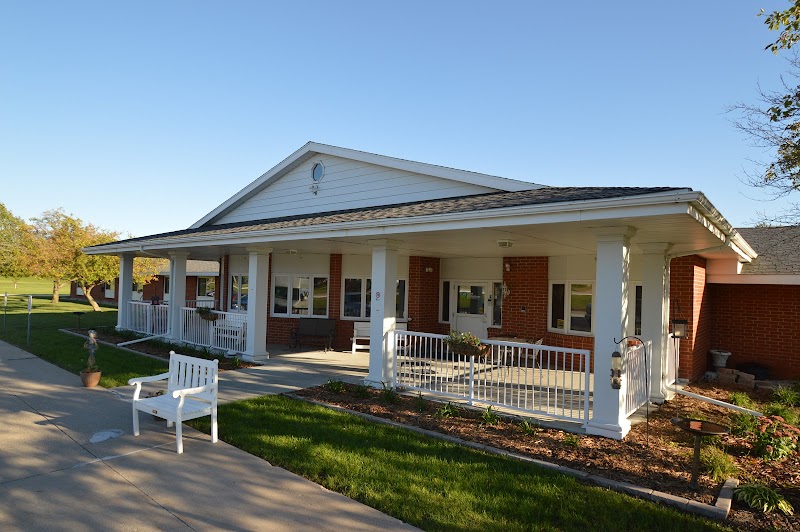
How is Stratford Specialty Care Staffed?
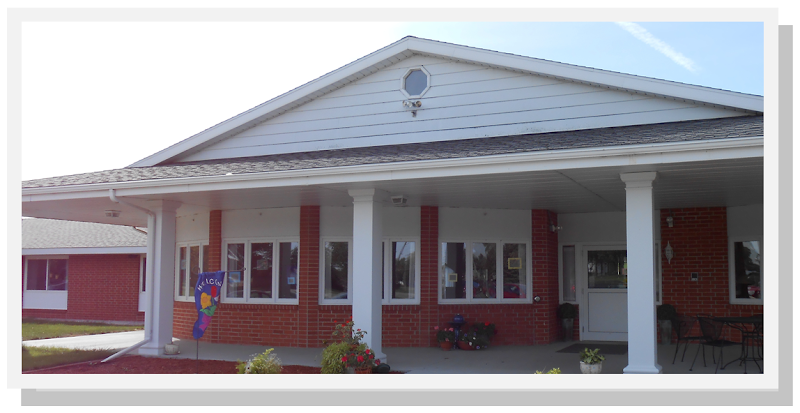
CMS rates Stratford Specialty Care's staffing level at 3 out of 5 stars, which is average compared to other nursing homes. Staff turnover is 55%, which is 9 percentage points above the Iowa average of 46%. High turnover can affect care consistency as new staff learn residents' individual needs. RN turnover specifically is 67%, which is notably high. RNs provide skilled clinical oversight, so turnover in this role can affect medical care quality.

What Have Inspectors Found at Stratford Specialty Care?

State health inspectors documented 27 deficiencies at Stratford Specialty Care during 2023 to 2025. These included: 1 Immediate Jeopardy (the most serious level, indicating potential for serious harm or death) and 26 with potential for harm. Immediate Jeopardy findings are rare and represent the most serious regulatory concerns. They require immediate corrective action.

Who Owns and Operates Stratford Specialty Care?

Stratford Specialty Care is owned by a non-profit organization. Non-profit facilities reinvest revenue into operations rather than distributing to shareholders. The facility is operated by CARE INITIATIVES, a chain that manages multiple nursing homes. With 53 certified beds and approximately 36 residents (about 68% occupancy), it is a smaller facility located in STRATFORD, Iowa.

How Does Stratford Specialty Care Compare to Other Iowa Nursing Homes?

Compared to the 100 nursing homes in Iowa, Stratford Specialty Care's overall rating (2 stars) is below the state average of 3.0, staff turnover (55%) is near the state average of 46%, and health inspection rating (2 stars) is below the national benchmark.

What Should Families Ask When Visiting Stratford Specialty Care?

Based on this facility's data, families visiting should ask: "What changes have been made since the serious inspection findings, and how are you preventing similar issues?" "How do you ensure continuity of care given staff turnover, and what is your staff retention strategy?" "Can I visit during a mealtime to observe dining assistance and food quality?" "How do you handle medical emergencies, and what is your hospital transfer rate?" These questions are particularly relevant given the facility's Immediate Jeopardy citations and the facility's high staff turnover rate.

Is Stratford Specialty Care Safe?

Based on CMS inspection data, Stratford Specialty Care has documented safety concerns. Inspectors have issued 1 Immediate Jeopardy citation (the most serious violation level indicating risk of serious injury or death). The facility has a 2-star overall rating and ranks #100 of 100 nursing homes in Iowa. Families considering this facility should ask detailed questions about what corrective actions have been taken since these incidents.

Do Nurses at Stratford Specialty Care Stick Around?

Staff turnover at Stratford Specialty Care is high. At 55%, the facility is 9 percentage points above the Iowa average of 46%. Registered Nurse turnover is particularly concerning at 67%. RNs handle complex medical decisions and coordinate care — frequent RN changes can directly impact care quality. High turnover means new staff may not know residents' individual needs, medications, or preferences. It can also be disorienting for residents, especially those with dementia who rely on familiar faces. Families should ask: What is causing the turnover? What retention programs are in place? How do you ensure care continuity during staff transitions?

Was Stratford Specialty Care Ever Fined?

Stratford Specialty Care has been fined $14,518 across 1 penalty action. This is below the Iowa average of $33,224. While any fine indicates a compliance issue, fines under $50,000 are relatively common and typically reflect isolated problems that were subsequently corrected. Families should ask what specific issues led to these fines and confirm they've been resolved.

Is Stratford Specialty Care on Any Federal Watch List?

Stratford Specialty Care is not on any federal watch list. The most significant is the Special Focus Facility (SFF) program, which identifies the bottom 1% of nursing homes nationally based on persistent, serious quality problems. Not being on this list means the facility has avoided the pattern of deficiencies that triggers enhanced federal oversight. This is a positive indicator, though families should still review the facility's inspection history directly.