Southfield Wellness Community
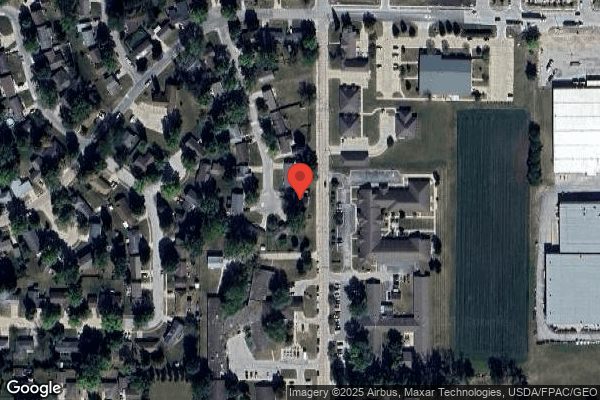
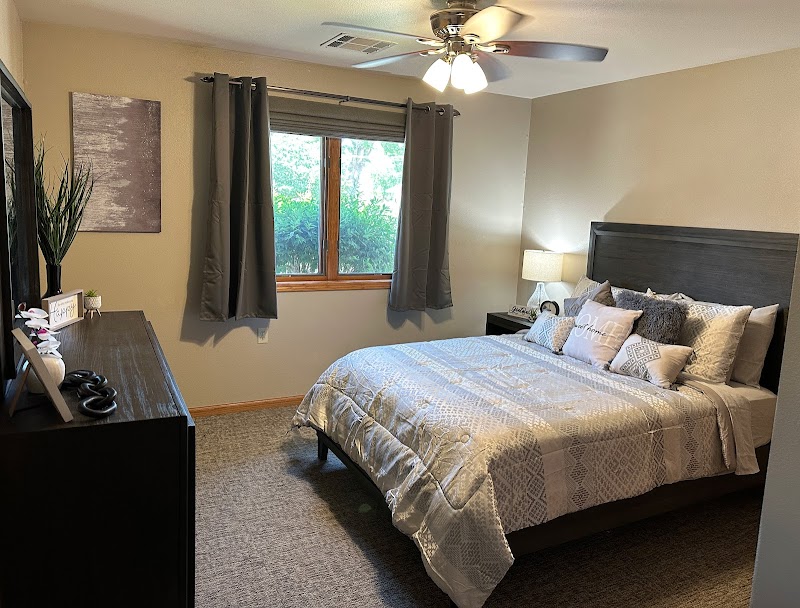
2416 DES MOINES STREET, WEBSTER CITY, IA 50595 (515) 832-3881
For profit - Limited Liability company 65 Beds CASCADE CAPITAL GROUP Data: November 2025
Trust Grade
5/100
#380 of 392 in IA
Last Inspection: March 2025

Within standard 12-15 month inspection cycle. Federal law requires annual inspections.

Overview

Southfield Wellness Community has received a Trust Grade of F, indicating significant concerns and poor performance. It ranks #380 out of 392 facilities in Iowa, placing it in the bottom half of nursing homes statewide, and is the lowest-ranked option in Hamilton County. The facility's trend is worsening, with issues increasing from 3 in 2024 to 12 in 2025. Staffing is a relative strength, earning 4 out of 5 stars, but the 52% turnover rate is average and may impact resident care continuity. However, the facility has concerning fines totaling $71,897, which are higher than 90% of Iowa facilities, signaling potential compliance problems. Specific incidents include a failure to provide proper care for a resident needing assistance with a medical issue, which required multiple interventions at a specialist clinic. Additionally, the facility did not follow necessary bladder care protocols for residents, leading to serious health issues like urethral erosion. While the staffing rating reflects some stability, the overall care and compliance issues present significant weaknesses that families should consider.
Trust Score
F
5/100
In Iowa
#380/392
Bottom 4%
Safety Record
High Risk
Review needed
Inspections
Getting Worse
3 → 12 violations
Staff Stability
⚠ Watch
52% turnover. Above average. Higher turnover means staff may not know residents' routines.
Penalties
○ Average
$71,897 in fines. Higher than 53% of Iowa facilities. Some compliance issues.
Skilled Nurses
○ Average
Each resident gets 38 minutes of Registered Nurse (RN) attention daily — about average for Iowa. RNs are the most trained staff who monitor for health changes.
Violations
⚠ Watch
47 deficiencies on record. Higher than average. Multiple issues found across inspections.
★☆☆☆☆
1.0
Overall Rating
★★★★☆
4.0
Staff Levels
★★☆☆☆
2.0
Care Quality
★☆☆☆☆
1.0
Inspection Score
Stable
2024: 3 issues
2025: 12 issues

The Good

  • 4-Star Staffing Rating · Above-average nurse staffing levels
  • Full Sprinkler Coverage · Fire safety systems throughout facility
  • No fines on record

Facility shows strength in staffing levels, fire safety.

The Bad

1-Star Overall Rating

Below Iowa average (3.0)

Significant quality concerns identified by CMS

Staff Turnover: 52%

Near Iowa avg (46%)

Higher turnover may affect care consistency

Federal Fines: $71,897

Well above median ($33,413)

Moderate penalties - review what triggered them

Chain: CASCADE CAPITAL GROUP

Part of a multi-facility chain

Ask about local staffing decisions and management

The Ugly 47 deficiencies on record

5 actual harm
Mar 2025 12 deficiencies
CONCERN (D)

Potential for Harm - no one hurt, but risky conditions existed

Resident Rights (Tag F0550)

Could have caused harm · This affected 1 resident

**NOTE- TERMS IN BRACKETS HAVE BEEN EDITED TO PROTECT CONFIDENTIALITY** Based on resident interviews, staff interview and policy review, the facility failed to provide care for 1 out of 21 residents r...

Read full inspector narrative →
**NOTE- TERMS IN BRACKETS HAVE BEEN EDITED TO PROTECT CONFIDENTIALITY** Based on resident interviews, staff interview and policy review, the facility failed to provide care for 1 out of 21 residents reviewed (Resident #24) in a manner to promote dignity and respect. The facility reported a census of 54 residents. Findings include: Resident #24's Minimum Data Set (MDS) assessment dated [DATE]identified a Brief Interview for Mental Status (BIMS) score of 14, indicating intact cognition. On 2/24/25 at 11:22 AM, Resident #24 said she became incontinent of BM (bowel movement) a couple of times since she admitted to the facility, due to not having enough staff. She reported she felt like a baby when she became incontinent. On 2/26/25 at 4:00 PM, the Administrator reported she expected staff to treat residents with respect, dignity, and provide them care as soon as possible. On 2/27/25 at 8:30 AM, Resident #24 reported she knew when she needed to have a BM and became incontinent of BM a couple times recently as she waited for someone to help her. The facility policy titled Resident Rights - Dignity and Respect revised April 2024 defined the purpose of the policy as to lay the foundation for treating all residents with dignity, respect, and maintaining and enhancing his or her self esteem and self worth. In addition, the policy directed that each resident has the right to considerate, respectful care, treated with honesty, dignity and with reasonable accommodation of individual needs except where the health, safety, or rights of the resident or other individuals in the facility would be endangered.
CONCERN (D)

Potential for Harm - no one hurt, but risky conditions existed

Comprehensive Care Plan (Tag F0656)

Could have caused harm · This affected 1 resident

**NOTE- TERMS IN BRACKETS HAVE BEEN EDITED TO PROTECT CONFIDENTIALITY** Based on clinical record review, staff interview and policy review the facility failed to develop a Care Plan to address risk fa...

Read full inspector narrative →
**NOTE- TERMS IN BRACKETS HAVE BEEN EDITED TO PROTECT CONFIDENTIALITY** Based on clinical record review, staff interview and policy review the facility failed to develop a Care Plan to address risk factors and interventions for 1 of 21 residents reviewed (Resident #25) for comprehensive Care Plans. The facility reported a census of 54 residents. Findings include: Resident #13's Minimum Data Set (MDS) assessment dated [DATE] identified a Brief Interview for Mental Status (BIMS) score of 15, indicating intact cognition. The MDS included diagnoses of diabetes mellitus, non Alzheimer's dementia, depression and post-traumatic stress disorder (PTSD). The MDS documented Resident #13 received anti anxiety medication and a hypoglycemic medication during the lookback period. Resident #13's February 2025 Medication Administration Record listed the following orders: a. Metformin HCL 1000 mg (milligrams) - give 1 tablet 2 times a day for type 2 diabetes mellitus. b. Sitagliptin 100mg - give 1 tablet 1 time a day for type 2 diabetes mellitus. c. Buspirone HCL (anti anxiety medication) 10 mg - give 1 tablet 3 times a day related to dementia. d. Freestyle Libre 14-day reader device (continuous glucose system receiver) - inject 1 device intramuscularly (IM) every 14 days related to type 2 diabetes mellitus. e. Insulin Glargine 100 unit/ml (milliliter) dated 2/25/25 - inject 22 units subcutaneously (fatty tissue under the skin) 1 time a day for 3 days. The MAR directed staff to increase insulin by 3 units every 72 hours until fasting glucose was less than 150 mg/dl (milligrams per deciliter). f. Insulin Lispro 100 unit/ml - inject per sliding scale listed on MAR at breakfast, lunch, supper and at hour of sleep. g. Insulin Lispro 100 unit/ml - inject 17 units subcutaneously 3 times a day related to type 2 diabetes mellitus. The Care Plan with a target date 5/20/25 lacked direction regarding the treatment and management of type 2 diabetes mellitus and insulin usage. The Care Plan lacked risk factors and interventions regarding blood sugar monitoring and parameters on when to report to the Physician, signs/symptoms to monitor for related to hyper/hypoglycemia (high/low blood sugars), and potential adverse reactions/complications. In addition, the Care Plan did not address the ant anxiety medication, potential side effects and what to monitor for while taking the high-risk medication. On 2/25/25 at 2:35 PM, Staff A, Nurse Consultant, verified the current Care Plan didn't address the insulin and antianxiety medications. The nurse consultant reported she expected the Care Plan include high risk medications. The facility policy titled Care Plan Policy revised July 2023 described the purpose of the policy as to ensure all Care Plans including the Baseline Care Plan are in conjunction with federal regulations including the completion of the Baseline Care Plan within 48 hours of admission and a comprehensive Care Plan developed after the comprehensive assessment of a resident. The policy added Interdisciplinary Team would review and revise the Care Plan after the completion of the MDS assessments when applicable and with changes that warrant a Care Plan revision.
CONCERN (D)

Potential for Harm - no one hurt, but risky conditions existed

Deficiency F0676 (Tag F0676)

Could have caused harm · This affected 1 resident

**NOTE- TERMS IN BRACKETS HAVE BEEN EDITED TO PROTECT CONFIDENTIALITY** Based on observations, record review, resident and staff interviews and policy review, the facility failed to provide restorativ...

Read full inspector narrative →
**NOTE- TERMS IN BRACKETS HAVE BEEN EDITED TO PROTECT CONFIDENTIALITY** Based on observations, record review, resident and staff interviews and policy review, the facility failed to provide restorative care for 2 of 2 residents reviewed (Residents #43 and #46). The facility failed to initiate a restorative program for Resident #43 for 18 days after the Physical Therapist (PT) recommended restorative care. In addition, they failed to provide restorative care as (PT) recommended for Resident #46. The facility reported a census of 54 residents. Findings include 1. Resident #43's Minimum Data Set (MDS) assessment dated [DATE] included diagnoses of a stable fractur of the thoracic spine and muscle weakness. The MDS listed Resident #43 received Physical Therapy (PT) and Occupational Therapy (OT). Resident #43's Clinical Physician Orders reviewed 2/25/25 included an order dated 1/14/25 for physical therapy to evaluate and treat. Resident #43's MDS assessment dated [DATE] a Medicare part A stay from 1/14/25 - 2/12/25. Resident #43 received 489 minutes of PT and 317 minutes of OT. A document titled Therapy Discharge Notification to Nursing dated 2/7/25 indicated Resident #43 reached her potential and they set-up a restorative maintenance program. The PT and the Director of Nursing (DON) signed the document on 2/7/25. Resident #43's Care Plan lacked the restorative program recommended by PT on 2/7/25. An e mail sent from the Administrator on 2/25/25 at 4:39 PM detailed Resident #43 discharged from PT. They indicated Resident #43 have a restorative nursing program setup but it didn't get completed. 2. Resident #46's MDS assessment dated [DATE] identified brief interview for mental status (BIMS) score of 15, indicating intact cognition. Resident #46 required substantial assistance of 2 staff for transfers and toileting. The MDS included a diagnosis of hemiplegia (paralysis of one side of the body). The Point of Care (POC) Response History reviewed 2/25/25 for the previous 30 days listed a task for a restorative program to include active assist range of motion (AAROM) for bilateral upper extremities (BUE) with the left upper extremity supported with a brace and bilateral lower extremities (BLE) for 15 minutes, 2 to 3 times a week and as tolerated (PRN). A standing activity in steady stand for duration as tolerated. The documentation reflected Resident #46 received restorative on: a. 1/27/25 completed 0 minutes. b. 1/29/25 completed 10 minutes. c. 1/31/25 completed 0 minutes. d. 2/1/25 completed 25 minutes. e. 2/2/25 completed for 10 minutes f. 2/3/25 completed 0 minutes. g. 2/5/25 completed 0 minutes. h. 2/7/25 completed for 15 minutes. i. 2/8/25 completed 0 minutes. j. 2/9/25 completed 0 minutes. k. 2/12/25 completed for 15 minutes. l. 2/15/25 completed 0 minutes. m. 2/17/25 completed for 10 minutes. n. 2/20/25 completed for 35 minutes. o. 2/24/25 completed 0 minutes. h. 2/25/25 completed for 20 minutes. The documentation reflected a response not required on 1/30/25, 2/4/25, 2/10/25, 2/11/25, 2/16/25, 2/23/25. Resident #46's GG Assessment - V3 dated 2/10/25 by the DON included an assessment of the Activities of Daily Living (ADL) functional goals. Resident #46's Progress Notes lacked documentation by the restorative nurse to evaluate his restorative care progress. During an interview on 2/24/25 at 1:56 PM, Resident #46 said he thought he should have his restorative program for daily exercises but he only received restorative care one time a week due to Staff C, Restorative Aide, get pulled to do certified nursing aide (CNA) work instead. During an interview on 2/25/25 at 10:21 AM Staff C stated she got pulled to do CNA duties often and verified she was the only restorative aide. Staff C stated she completed the restorative work due to the residents only needing it two times a week and documented the completion in POC Response History restorative task. During an interview on 2/27/25 at 9:02 AM, the DON reported being responsible for the restorative program since December 2024. The DON stated the PT communicated every Thursday in a case load meeting with nursing and discussed which residents would discharge from therapy with a communication form, it included if they provided recommendations. The DON stated the restorative nurse duties were to oversee the restorative aide and to document progress in the nurse's notes. The DON stated she didn't document nor evaluate the progress of residents in the restorative program. The DON stated she didn't know why Resident #43 did not have their restorative care program set up yet. The DON added Resident #46 didn't address concerns about not receiving his restorative care as ordered. A policy titled Restorative Care revised 1/20/11 directed the following: a. Residents who are candidates for restorative nursing care shall be appropriately assessed, Care Planned and evaluated for progress. b. Measurable objectives and interventions documented in the Care Plan. c. Evidence of periodic evaluation by a licensed nurse in the clinical record. d. Nursing assistants trained in the techniques that promote resident function. e. These activities are carried out or supervised by members of the nursing staff. f. The technique, procedure, or activity is practiced for a total of at least 15 minutes over a 24-hour time period. g. A licensed nurse should evaluate the resident's program for appropriateness. h. The rehabilitation/restorative summary will be documented according to the following schedule: i. With each assessment admission, annual, change of condition, and/or quarterly. ii. When the resident is discharged from the rehabilitation/restorative program.
CONCERN (D) 📢 Someone Reported This

A family member, employee, or ombudsman was alarmed enough to file a formal complaint

Potential for Harm - no one hurt, but risky conditions existed

Quality of Care (Tag F0684)

Could have caused harm · This affected 1 resident

**NOTE- TERMS IN BRACKETS HAVE BEEN EDITED TO PROTECT CONFIDENTIALITY** 3. Resident #27's MDS assessment dated [DATE] identified a BIMS score of 15, indicating intact cognition. The MDS included diagn...

Read full inspector narrative →
**NOTE- TERMS IN BRACKETS HAVE BEEN EDITED TO PROTECT CONFIDENTIALITY** 3. Resident #27's MDS assessment dated [DATE] identified a BIMS score of 15, indicating intact cognition. The MDS included diagnoses of medically complex conditions, anemia, hypertension, hyperlipidemia (elevated cholesterol levels increasing the risk for stroke or heart attacks) and paraplegia (the loss or impairment of motor and sensory functions in the lower half of the body). The MDS identified Resident #27 received a diuretic during the lookback period. The Care Plan Focus with a target date of [DATE], indicated Resident #27 had a risk for altered cardiovascular functioning related to hypertension. The Interventions directed the following: a. Monitor vital signs, weight and labs as ordered. b. Knee high TED hose (specialized stocking to prevent blood clots). The Care Plan Focus with a target date of [DATE] indicated Resident #27 required the use of diuretic medication related to edema. The Interventions instructed to monitor weights. The POC Response History reviewed [DATE] listed a task to apply compression stockings (thigh high to his right and left leg, apply in the morning and remove as bedtime). The documentation indicated the staff applied the stockings on [DATE], then removed his stockings on [DATE] and [DATE]. Resident #27's TAR included an order dated [DATE] and discontinued on [DATE] to apply thigh high compression socks on in the morning and off in the evening. Resident #27's clinical record lacked documentation of the compression socks after [DATE]. Resident #27's Clinical Physician Orders reviewed [DATE] included the following orders. a. [DATE]: Furosemide oral tablet (a diuretic) 20 mg, two tablets by mouth in the morning related to localized edema and essential (primary) hypertension b. [DATE]: Hydrochlorothiazide oral tablet (a diuretic) 1.5 tablet by mouth one time a day related to essential (primary) hypertension. The clinical record lacked documentation of an order for weights. Resident #27's Weights and Vitals reviewed on [DATE] reflected the following weights: a. admission weight [DATE]: 210.6 pounds (lbs.) b. [DATE]: 221.2 lbs. c. [DATE]: 218.2 lbs. d. [DATE]: 219.4 lbs. e. [DATE]: 220.6 lbs. f. [DATE]: 219.8 lbs. g. [DATE]: 238.0 lbs. h. [DATE], [DATE], and [DATE]: 240.2 lbs. i. [DATE]: 240.9 lbs. j. [DATE]: 253.8 lbs. k. [DATE]: 255.6 lbs. From [DATE] to [DATE], Resident #27 gained 18.2 lbs. in approximately 2 weeks, indicating a significant weight gain of 8.28%. From [DATE] until [DATE], Resident #27 gained 34.4 lbs. in less than 6 months' time, indicating a 15.55% weight gain. During an observation of Resident #27 on [DATE], saw Resident #27 wearing thigh high compression socks on both legs. During an interview [DATE] at 8:21 AM, the Director of Nursing (DON) stated Resident #27's ARNP ordered to apply thigh high compression stockings in the morning and remove in the evening back in September of 2024 at admission and he still had the order in place. The DON didn't know why the order didn't exist in his clinical record. The DON said the staff should document the compression stockings (ted hose) in tasks. The order didn't get added to tasks because the system didn't auto generate it, but it has been generated as of [DATE]. The DON acknowledged the order didn't get documented in Resident #27's clinical record for the months of January and February 2025. She expected the staff document the compression stockings they put on and took off at the correct times. The DON added she expected an order is in place and in his clinical record. Resident #27 wore the compression stockings daily in January and February of 2025. During an interview [DATE] at 9:00 AM, Resident #27's ARNP stated he had chronic edema since 2019. He wore thigh high compression stockings since his admission to the facility in September of 2024. She briefly had the facility hold off on the compression stockings at the end of December when due to his hospitalization, then he went back to needing to wear them daily on [DATE]. The ARNP stated due to Resident #27 being on more than one diuretic and having chronic edema, he should have daily weights taken. The ARNP expected the facility to notify her of a 3-pound weight gain in a day and a 5-pound weight gain in a week. The ARNP stated she didn't see someone notified her of any concerning weight gains, or of a 3 - or 5-pound weight gain. The ARNP stated Resident #27's weight gain since admission could be related to having consistent meals and eating more regularly. In December, around Christmas time, Resident #27 had a normal fluid overload test completed. The ARNP stated she last saw Resident #27 in the facility on [DATE]. She didn't have any concerns for Resident #27 at the time, however stated the facility should weigh him daily and he should wear the thigh high compression stockings daily. During an interview [DATE] at 11:43 AM, the DON stated she couldn't find an order for Resident #27's weights. She added they follow the standard practice for weights, if they didn't have an order and they should follow the standard practice for the resident's diagnoses and medications. If a resident had chronic edema and used a diuretic such as Resident #27, they should weigh the resident more than the standard once a month. The DON stated if a resident with chronic edema taking a diuretic didn't have an order for weights, they should follow up with the physician to determine how often the resident should be weighed. The DON stated they didn't follow up with the physician on weights and didn't track daily weights or consistent weights for Resident #27. Based on clinical record review, staff interviews, and policy review the facility failed to provide assessment and interventions necessary for the care and services, to maintain the residents' highest practical physical well being for 3 of 21 residents reviewed (Residents #55, #20, and #27). The facility reported a census of 54 residents. Findings include: 1. Resident #55's MDS (Minimum Data Set) assessment dated [DATE] identified a BIMS (Brief Interview for Mental Status) score of 11, indicating moderately impaired cognition. Resident #55 required substantial to maximal assistance with bed mobility and all transfers. The MDS included diagnosis of heart failure (inability for the heart to pump blood), hypertension (high blood pressure), atrial fibrillation (irregular heart beat), diabetes mellitus and acute kidney failure. The MDS documented Resident #55 received diuretic medication during the lookback period. The Care Plan Focus with a target date of [DATE] documented Resident #55 had a risk for altered cardiovascular functioning related to CHF (congestive heart failure). The Care Plan directed the following interventions: a. Encourage/assist Resident #55 to elevate his legs when sitting. b. Encourage/assist Resident #55 with changing position slowly when going from lying, standing and sitting. c. Administer medication as ordered. d. Monitor and report to Practitioner any signs or symptoms of cardiac complications. e. Monitor for increased edema and report to the Practitioner. f. Monitor vital signs, weight and labs as ordered. A Progress Note dated [DATE] documented the ARNP (Advanced Registered Nurse Practitioner) saw Resident #55 and gave the following new Physician orders: a. Give Lasix (diuretic medication) 40 mg (milligrams) now and then daily. b. Start Aspirin 81 mg daily. c. Discontinue empagliflozin (diabetic medication). d. Obtain daily weights and if weight is greater than 3 lbs. (pounds) in 24 hours give additional 20 mg of Lasix. e. Increase Spironolactone (diuretic medication) to 25 mg daily. f. Obtain the following labs and x ray i. CMP (complete metabolic panel) ii. BNP (brain natriuretic peptide) iii. CBC with differential (complete blood count) iv. portable chest x ray. g. Resident #55 may benefit from evaluation by Hospice. Resident #55's [DATE] TAR (Treatment Administration Record ) included an order started [DATE] to complete a 5-minute respiratory assessment every shift for CHF which included auscultation (listen) of lung sounds, pulse, respirations and oxygen saturation monitoring. Review of the respiratory assessments on the TAR lacked documentation of Resident #55's lung sounds. The TAR lacked documentation of daily weights on [DATE], [DATE], [DATE] and [DATE]. The Weight Summary lacked daily weights for the same dates. Due to the lack of documentation of the daily weights resulted in the lack of documentation regarding the need or administration of Lasix 20 mg if Resident #55's weight was greater than 3 lbs. in 24 hours. A Progress Note dated [DATE] (Sunday) at 1:08 AM documented the facility received Resident #55's lab results for the CBC with differential, CMP and BNP. The progress note documented the following abnormalities: a. Auto hematology - Auto monocyte percent - 14.8(H) (expected equal to or under 12, may indicate infection), - RBC (Red blood cells) - 3.87(L) (expected 4.6 - 6.20), - Hemoglobin (Hgb) - 9.6 (L) (expected 13.5 - 18), Hematocrit (Hct) - 32.6(L) (expected 37 - 47) - MCH (a measure of the average Hgb in the RBCs) - 24.8(L) (expected 29 - 35), - RDW (measures the size of the RBC) - 20.2(H) (expected 11.5 - 14.5). b. General Chemistry - Glucose - 151(H) (expected 70 - 99) - BUN (measures kidney function) - 35(H) (expected 7-21) - Creatinine (measures kidney function) - 1.42(H) (expected 0.6 - 1.3) - BUN/Creat ratio - 25(H) (expected 10 - 20) - eGFR CKD EPI (measure kidney disease stages) - 47(L) (expected greater than 90, 47 indicated moderate impairment) - AST (measures liver function) - 9(L) (expected 15-37), - Total protein - 6.3(L) (expected 6.4 - 8.2) - Albumin (measures the liver and kidney function) - 2.6(L) (expected 3.4 - 5) - Globulin (measures kidney and liver function) - 3.7(H) (expected 2.3 - 3.5) - A/G ratio (measures nutritional status, immune function, and overall health) - 0.7(L) (expected 1.1 - 2). c. Cardiac Isoenzymes (checks heart function) - NT proBNP (checks heart function) - 7919(H) (expected 0-450). The Progress Note on [DATE] at 1:08 AM reflected Resident #55 had a BNP result of7,919 pg/ml (picograms per milliliter), with a reference range of 0 450. (A high BNP level may indicate heart failure, kidney failure, pulmonary embolism or other conditions).The progress note documented they faxed the lab results to the ARNP for review. A Progress Note dated [DATE] at 2:29 PM documented Resident #55 continued to have increased weight gain with pitting edema noted to hands, arms and back. A Progress Note dated [DATE] at 6:28 PM documented Resident #55's abnormal chest x ray results. The chest x ray impression showed an enlarged cardiac silhouette (impaired heart function), mild pulmonary vascular congestion (fluid in the lungs) and small bilateral pleural effusions with bibasilar atelectasis (partial collapse of the lungs due to buildup of fluid between the lung and the tissue lining) and or consolidation (buildup of fluid inside the lung). The noted documented they faxed the abnormal results to the ARNP for review. Review of the clinical record lacked documentation that staff monitored Resident #55's lung sounds from [DATE] to [DATE] after the increase in diuretic medications and the abnormal labs/chest x ray results. Review of the clinical record lacked documentation of an assessment or monitoring of Resident #55's edema after [DATE]. A Progress Note dated [DATE] at 1:45 PM revealed Resident #55 expired (died) at 11:07 AM. Review of the clinical record lacked documentation that the ARNP addressed the abnormal lab results the facility faxed on [DATE]. Review of the Progress Notes lacked documentation that the ARNP addressed the abnormal chest x ray results the facility faxed on [DATE]. Review of Resident #55's chest x ray results dated [DATE] revealed the ARNP signed/noted the x ray on [DATE] after Resident #55 expired. A communication form titled Reminders provided by the facility on [DATE] for Resident #55 revealed on [DATE] at 1:49 PM the ARNP reviewed the abnormal lab results and directed her nurse to call the facility with the results and inquire how Resident #55's shortness of breath was. The form documented the ARNP's nurse spoke to a facility nurse on [DATE] at 4:52 PM. The form documented the facility nurse reported Resident #55 was down 2 lbs. and was doing okay. The form lacked any further direction or Physician orders regarding the abnormal lab results. On [DATE] at 2:43 PM, the Administrator reported the facility didn't have a policy for obtaining daily weights. In addition, the Administrator reported the facility didn't have a policy about following Physician orders. The Administrator reported the facility followed the standard of care. On [DATE] at 5:50 PM, Staff A, Nurse Consultant, verified the lack of documentation for daily weights. Staff A reported she expected the facility to follow the physician order. Staff A verified the facility faxed the lab results on [DATE] (Sunday) and the Provider didn't review them until [DATE] (Wednesday). Staff A verified a lack of follow up regarding the lab results. In addition, Staff A verified the Provider didn't follow-up or review the chest x ray results until [DATE]. The Nurse Consultant reported the facility worked with the ARNP on her timeliness of addressing concerns and had multiple meetings to discuss this. A facility policy titled Alert Charting Guidelines revised [DATE] defined the purpose as to provide guidelines for monitoring documentation that may be needed following a change in patient condition or status. The guidelines indicated patients are entered on the Alert Charting Log when they are identified as requiring continued follow up and documentation. Patients should remain on the log for a minimum period of 72 hours unless their condition improved. Patients are removed from the Alert Charting Log when the patient's status stabilized or the condition or symptoms prompting the initial placement on the log has resolved or stabilized. The guidelines directed documentation in the electronic clinical record may include, but is not limited to patient evaluation findings, physician notifications/responses, family notification, and any new orders or instructions received. The licensed nurse can reference the alert charting log at the start of each shift to identify patients requiring continued follow up and documentation. 2. Resident #20's MDS assessment dated [DATE] identified a BIMS score of 6, indicating severely impaired cognition. The MDS identified Resident #55 required substantial to maximal assistance with bed mobility and all transfers. The MDS included diagnosis of anemia (low blood iron level), heart failure (inability for the heart to pump blood), hypertension (high blood pressure), diabetes mellitus, malnutrition (inadequate intake of nutrition) and non Alzheimer's disease. The Care Plan Focus with a target date [DATE] documented Resident #20 had a risk for altered skin integrity related to fragile skin. The Care Plan directed the following interventions: a. Administer treatment per physician orders. b. Apply barrier cream to the peri area/buttocks as needed. c. Encourage good nutrition and hydration in order to promote healthier skin. d. Encourage Resident #20 to reposition. e. Keep nails trimmed to reduce risk of scratch/injury. f. Observe skin condition with ADL (Activities of Daily Living) care. g. Pressure reducing device on bed and chair. h. Resident #20 to have ice cubes to her hot drinks. Resident #20's February 2025 Medication Administration Record (MAR) included the following orders: a. Aspirin 81 mg (milligrams) daily started [DATE]. Give 1 tablet by mouth 1 time a day related to cerebral infarction (stroke). b. Plavix 75 mg daily (both antiplatelet medications) started [DATE]. Give 1 tablet by mouth 1 time a day related to cerebral infarction. On [DATE] at 3:30 PM, observed bruises to Resident #20's right hand and arm. During an interview, Resident #20 couldn't say how the bruises occurred. The bruises appeared the following: a. Dark colored (red/purple) bruise between the first two knuckles on the right hand b. Dark colored (black/red) circular bruise to the right hand below the thumb. c. Bruise (yellow, red, purple in color) below the wrist on the right arm d. Bruise (red/purple in color) on the right forearm below the elbow. Review of the clinical record lacked any documentation, assessments or notifications of the bruises to the right knuckle, hand or right arm. On [DATE] at 9:30 AM, Staff B, LPN (Licensed Practical Nurse), reported staff are to observe for new skin areas during care and baths. She reported if they observed a new skin area, they need to assess the area for causative factors, complete a skin sheet, notify the Physician and family, then follow the skin area weekly until healed. Staff B observed the bruises to Resident #20's right hand and arm, then reported she would look into the areas. On [DATE] at 10:10 AM, Staff B verified the clinical record lacked documentation of Resident #20's bruises to her right hand and arm. She said she would assess and document the areas. On [DATE] at 4:00 PM, Staff A reported she expected staff to monitor Resident #20's skin with cares and baths, then report any new areas to the nurse. Staff A reported the facility was working on implementing weekly skin assessments for the residents but not all residents had assessments in place at the time. A facility policy titled Skin Management Guide revised [DATE] defined the purpose of the policy as to describe the process steps required for identification of patients at risk for the development of skin alteration, identify prevention techniques and interventions to assist with the management of pressure injuries and skin alterations. The policy directed staff to do the following in the event a patient experience a new non pressure injury: a. Complete the skin evaluation b. Notify the attending Physician and obtain treatment orders c. Notify the family/responsible party d. Communicate findings to interdisciplinary team for additional evaluation needed e. Enter the event in the electronic Risk Management System if applicable (bruises of unknown origin). Determine the root cause and initiate modifications in the patient's plan of care as indicated. f. Document in the patient's electronic health record
CONCERN (D) 📢 Someone Reported This

A family member, employee, or ombudsman was alarmed enough to file a formal complaint

Potential for Harm - no one hurt, but risky conditions existed

Accident Prevention (Tag F0689)

Could have caused harm · This affected 1 resident

**NOTE- TERMS IN BRACKETS HAVE BEEN EDITED TO PROTECT CONFIDENTIALITY** Based on clinical record review, staff interviews, and policy review the facility failed to provide adequate nursing supervision...

Read full inspector narrative →
**NOTE- TERMS IN BRACKETS HAVE BEEN EDITED TO PROTECT CONFIDENTIALITY** Based on clinical record review, staff interviews, and policy review the facility failed to provide adequate nursing supervision to prevent accidents and injuries for 1 of 2 residents reviewed (Resident #20) for falls. The facility failed to complete a thorough root cause analysis and implement a fall intervention after a fall occurred. The facility reported a census of 54 residents. Findings include: Resident #20's Minimum Data Set (MDS) assessment dated [DATE] identified a Brief Interview for Mental Status (BIMS) score of 6, indicating severely impaired cognition. Resident #20 required substantial to maximal assistance with bed mobility and all transfers. The MDS included diagnoses of anemia (low iron levels in the blood), heart failure (inability for the heart to pump blood), hypertension (high blood pressure), diabetes mellitus, malnutrition (inadequate intake of nutrition) and non Alzheimer's disease. The MDS documented Resident #20 had one fall with injury since last assessment. The Care Plan Focus with a target date 5/12/25 documented Resident #20 had a risk for falls and required assistance with ADLs (activities of daily living). The Care Plan directed the following interventions: a. Assist Resident #20 with ambulation and transfers using a gait belt, standard walker and substantial/maximal assistance of 1 staff member. Staff may us an EZ stand (standing mechanical lift) as needed. b. Call light within reach. c. Dycem (nonskid pad) to wheelchair. d. Nonskid footwear. e. Therapy evaluation and treatment as needed. A Progress Note titled Incident Report dated 11/21/24 at 4:54 PM documented a CNA (certified nursing assistant) called the nurse to Resident #20's room. Upon arrival, the nurse noted Resident #20 lying on the floor in her bedroom. Resident #20 laid positioned on her right side, propped up on her right arm with her legs stretched straight out. Resident #20 and the CNA reported as they came from the bathroom to sit in the wheelchair and Resident #20 tripped over her own feet. The carpet looked dry and free of clutter. The note documented Resident #20 wore tennis shoes, along with a gait belt and had her walker. The note revealed Resident #20 obtained skin tears from the fall to the right elbow that measured 4.5 x 3.5 and right knee that measured 2 x 1.5. The note documented the preliminary recommendation for further preventive measures as an OT (occupational therapy) evaluation and treatment for ambulation. The Clinical Record lacked documentation of obtaining a physician order for the OT evaluation and treatment for Resident #20 after the fall. Review of a facility form titled Risk Management dated 11/21/24 documented the root cause analysis described Resident #20 as weak and lost her footing. The note recommended a PT (Physical Therapy) evaluation and treatment. The root cause analysis lacked documentation on why Resident #20 lost her footing or tripped causing her to fall. The clinical record lacked documentation the facility obtained a physician order for PT evaluation and treatment. Resident #20's Care Plan lacked documentation of a fall intervention for 11/21/24. On 2/26/25 at 11:35 AM, the Administrator reported an OT evaluation and treat as the preliminary recommendation and upon further investigation by the former DON (Director of Nursing) she determined that PT (Physical Therapy) should be ordered and it did not happen. On 2/26/25 at 4:00 PM, Staff A, Nurse Consultant reported the facility completed a root cause analysis under risk management but it wasn't good. She reported the previous DON planned to get PT orders due to weakness but did not follow through. The facility policy titled Fall Risk Assessment and Intervention revised 6/25/12 instructed the facility to assess residents upon admission, readmission, and change in condition for potential risk factors associated with falls. Initial interventions specific to the resident would be implemented at the time of the assessment. The policy directed to complete an incident report and quality assurance investigation form should a resident experience a fall. Assess each fall to try to determine the cause. Review the Care Plan with each occurrence and add new/different approach relative to the assessed cause of the fall.
CONCERN (D)

Potential for Harm - no one hurt, but risky conditions existed

Deficiency F0698 (Tag F0698)

Could have caused harm · This affected 1 resident

Based on clinical record review and staff interview, the facility failed to provide dialysis care to meet the needs of a resident for 1 of 1 residents reviewed (Resident #34). The facility failed to n...

Read full inspector narrative →
Based on clinical record review and staff interview, the facility failed to provide dialysis care to meet the needs of a resident for 1 of 1 residents reviewed (Resident #34). The facility failed to notify the primary care physician (PCP) of weight gain according to the parameters ordered by the PCP. The facility reported a census of 54 residents. Findings include: Resident #34's Minimum Data Set (MDS) assessment, dated 12/6/24, identified a Brief Interview for Mental Status (BIMS) score of 15, indicating intact cognition. The MDS included diagnoses of medically complex conditions, heart failure, hyperlipidemia (elevated cholesterol increasing the risk of stroke or heart attack) and end stage renal (kidney) disease (ESRD). The MDS indicated Resident #34 received dialysis. The Care Plan with a target date of 3/16/25 included the following Focuses: a. Resident #34 required dialysis related to a diagnosis of end stage renal disease. i. The Intervention directed to monitor weights. b. Resident #34 required the use of diuretic (medication used to reduce the amount of fluid) medication related to ESRD. i. The Intervention instructed to monitor weights and report abnormal findings to the practitioner. Resident #34's Order Details dated 9/11/22 directed to complete daily weights related to chronic kidney disease. The order directed to notify the physician of a weight gain of 2 3 pounds in 24 hours or 5 pounds in 5 days. The POC Response History related to weights reviewed 2/27/25 for the previous 30 days reflected the following weights that required physician notification: a. 4-pound gain between 12/1 to 12/2 b. 4-pound gain between 12/4 to 12/5 c. 6-pound gain between 12/5 to 12/6 d. 5-pound gain between 12/7 to 12/8 e. 6-pound gain between 12/16 to 12/17 f. 5-pound gain between 12/19 to 12/20 g. 5-pound gain between 12/21 to 12/22 h. 5-pound gain between 12/22 to 12/23 i. 5-pound gain between 12/25 to 12/26 j. 5-pound gain between 12/28 to 12/29 k. 8.4-pound gain between 12/29 to 12/30 l. 4-pound gain between 12/31 to 1/1/25 m. 5-pound gain between 1/2 to 1/3 n. 6-pound gain between 1/16 to 1/17 o. 8-pound gain between 1/18 to 1/19 p. 4-pound gain between 1/21 to 1/22 q. 7-pound gain between 1/26 to 1/27 r. 4-pound gain between 1/28 to 1/29 s. 4-pound gain between 1/30 to 1/31 t. 5-pound gain between 2/2 to 2/3 u. 5-pound gain between 2/4 to 2/5 v. 8-pound gain between 2/6 to 2/7 w. 6-pound gain between 2/8 to 2/9 x. 4-pound gain between 2/19 to 2/20 y. 6-pound gain between 2/20 to 2/21 z. 4-pound gain between 2/22 to 2/23 The clinical record lack documentation of notification to the physician regarding Resident #34's weight gains under the parameters of the physician order. During an interview 2/27/25 at 1:50 PM, the Director of Nursing (DON) reported she couldn't locate the physician notifications related to Resident #34's weight gains. The DON acknowledged no one notified the physician about Resident #34's weight changes as ordered. During an interview 2/27/25 at 3:25 PM, the Administrator said she expected the staff to follow physician's orders. The Administrator stated the facility didn't have a policy regarding this, as they use the standard of care.
CONCERN (D)

Potential for Harm - no one hurt, but risky conditions existed

Deficiency F0713 (Tag F0713)

Could have caused harm · This affected 1 resident

**NOTE- TERMS IN BRACKETS HAVE BEEN EDITED TO PROTECT CONFIDENTIALITY** Based on clinical record review, staff interviews and policy review, the facility failed to ensure the Physician responded promp...

Read full inspector narrative →
**NOTE- TERMS IN BRACKETS HAVE BEEN EDITED TO PROTECT CONFIDENTIALITY** Based on clinical record review, staff interviews and policy review, the facility failed to ensure the Physician responded promptly to a notification of abnormal laboratory results and chest x ray results for 1 of 21 residents (Resident #55) reviewed. See F684 for additional information regarding Resident #55. The facility reported a census of 54 residents. Findings include: Resident #55's MDS (Minimum Data Set) assessment dated [DATE] identified a BIMS (Brief Interview for Mental Status) score of 11, indicating moderately impaired cognition. Resident #55 required substantial to maximal assistance with bed mobility and all transfers. The MDS included diagnosis of heart failure (inability for the heart to pump blood), hypertension (high blood pressure), atrial fibrillation (irregular heart beat), diabetes mellitus and acute kidney failure. The MDS documented Resident #55 received diuretic medication during the lookback period. A Progress Note dated [DATE] documented the ARNP (Advanced Registered Nurse Practitioner) saw Resident #55 and ordered the following: a. Obtain the following labs and x ray i. CMP (complete metabolic panel) ii. BNP (brain natriuretic peptide) iii. CBC with differential (complete blood count) iv. portable chest x ray. b. Resident #55 may benefit from evaluation by Hospice. A Progress Note dated [DATE] (Sunday) at 1:08 AM documented the facility received Resident #55's lab results for the CBC with differential, CMP and BNP. The progress note documented the following abnormalities: a. Auto hematology - Auto monocyte percent - 14.8(H) (expected equal to or under 12, may indicate infection), - RBC (Red blood cells) - 3.87(L) (expected 4.6 - 6.20), - Hemoglobin (Hgb) - 9.6 (L) (expected 13.5 - 18), Hematocrit (Hct) - 32.6(L) (expected 37 - 47) - MCH (a measure of the average Hgb in the RBCs) - 24.8(L) (expected 29 - 35), - RDW (measures the size of the RBC) - 20.2(H) (expected 11.5 - 14.5). b. General Chemistry - Glucose - 151(H) (expected 70 - 99) - BUN (measures kidney function) - 35(H) (expected 7-21) - Creatinine (measures kidney function) - 1.42(H) (expected 0.6 - 1.3) - BUN/Creat ratio - 25(H) (expected 10 - 20) - eGFR CKD EPI (measure kidney disease stages) - 47(L) (expected greater than 90, 47 indicated moderate impairment) - AST (measures liver function) - 9(L) (expected 15-37), - Total protein - 6.3(L) (expected 6.4 - 8.2) - Albumin (measures the liver and kidney function) - 2.6(L) (expected 3.4 - 5) - Globulin (measures kidney and liver function) - 3.7(H) (expected 2.3 - 3.5) - A/G ratio (measures nutritional status, immune function, and overall health) - 0.7(L) (expected 1.1 - 2). c. Cardiac Isoenzymes (checks heart function) - NT proBNP (checks heart function) - 7919(H) (expected 0-450). The Progress Note on [DATE] at 1:08 AM reflected Resident #55 had a BNP result of 7,919 pg/ml (picograms per milliliter), with a reference range of 0 450. (A high BNP level may indicate heart failure, kidney failure, pulmonary embolism or other conditions).The progress note documented they faxed the lab results to the ARNP for review. A Progress Note dated [DATE] at 2:29 PM documented Resident #55 continued to have increased weight gain with pitting edema noted to hands, arms and back. A Progress Note dated [DATE] documented Resident #55's abnormal chest x ray results. The chest x ray impression showed the cardiac silhouette was enlarged, mild pulmonary vascular congestion and small bilateral pleural effusions with bibasilar atelectasis and or consolidation. The note documented the abnormal results were faxed to the ARNP for review. Review of the clinical record lacked documentation that the ARNP addressed the abnormal lab results faxed on [DATE]. The progress notes lacked any follow up or other means of communication with the ARNP regarding the abnormal lab results. Review of the Progress Notes lacked documentation the ARNP addressed the abnormal chest x ray results faxed on [DATE]. The progress notes lacked any follow up or other means of communication with the ARNP regarding the abnormal chest x ray results. The Progress Note dated [DATE] at 1:45 PM revealed Resident #55 expired at 11:07 AM. Review of Resident #55's chest x ray results dated [DATE] revealed the ARNP signed/noted the x ray on [DATE] after Resident #55 has expired. A communication form titled Reminders provided by the facility on [DATE] for Resident #55 revealed on [DATE] at 1:49 PM the ARNP reviewed the abnormal lab results and directed her nurse to call the facility with the results and inquired about Resident #55's shortness of breath. The form documented the ARNP's nurse spoke to a facility nurse on [DATE] at 4:52 PM. The form documented the facility nurse reported Resident #55 lost 2 lbs. and was doing okay. The form lacked additional direction or Physician orders regarding the abnormal lab results. On [DATE] at 5:50 PM, Staff A, Nurse Consultant, verified the facility faxed the lab results on [DATE] (Sunday) and the Provider didn't review them until [DATE]. Staff A verified a lack of follow up regarding the lab results. In addition, Staff A verified the Provider didn't follow-up or review Resident #55's chest x ray results until [DATE]. The Nurse Consultant reported the facility was working with the ARNP on her timeliness of addressing concerns and had multiple meetings to discuss this. On [DATE] at 11:27 AM, the ARNP reported she didn't provide coverage over the weekend ([DATE]) and that a hospitalist covered for her. The ARNP reported she not being in work status on 11/25 and 11/26. She said she returned to work status on 11/27 and reviewed the labs then. She said she had her nurse call the facility to follow up on Resident #55 and the facility nurse reported him as doing ok. When asked if he had a BNP lab completed prior, she reported Resident #55 as a new patient for her starting in [DATE]. She explained she didn't have a baseline BNP. When asked about the chest x ray results, the ARNP reported she didn't review the results the week of [DATE]. She reported she looked for the chest x ray results in the chart last night ([DATE]) and the next morning ([DATE]), but she couldn't locate the results. She said usually an outside provider sent a copy of the results and then someone scanned the results in the chart. She said she didn't work [DATE] or [DATE]. She said the following week she had clinic day on Thursday, [DATE] and her clinic folder would have the fax with the chest x ray results inside. She reported she noted the chest x ray report on that day which was consistent with the date on the chest x ray form in the facility chart. She reported she didn't know of the facility's policy but if the patient's condition changed or if they had a concern, the facility generally reached out to her. On [DATE] at 12:53 PM, Staff A reported she expected the staff to follow up on the lab and chest x ray results with another means of communication if the Provider didn't respond in a timely manner. Staff A reported critical lab values should be reported immediately and non critical abnormal labs reported within 24 hours. A facility policy titled Laboratory/Diagnostic Value Reporting revised [DATE] directed to promptly notify the ordering physician, physician assistant, nurse practitioner or clinical nurse specialist of laboratory, radiology and other diagnostic services with results that are in a critical reference range. The policy directed the facility would promptly notify the resident's attending physician, when STAT (immediate) laboratory results are available or when lab results are clinically considered critical. When the laboratory received any critical laboratory result or detected by the nursing staff, the result would be communicated to the physician/ordering clinician promptly. If the resident didn't have their attending physician available, then they should contact the Medical Director or appropriate facility practitioner for notifications and orders. Radiology reports with findings conclusive of acute abnormalities or significant changes in conditions would be communicated to the resident's attending physician promptly. If the resident's attending physician was not available, the Medical Director or appropriate facility practitioner would be contacted for notifications or orders.
CONCERN (D)

Potential for Harm - no one hurt, but risky conditions existed

Deficiency F0725 (Tag F0725)

Could have caused harm · This affected 1 resident

**NOTE- TERMS IN BRACKETS HAVE BEEN EDITED TO PROTECT CONFIDENTIALITY** Based on observation, clinical record review, resident, and staff interviews, the facility staff failed to consistently answer c...

Read full inspector narrative →
**NOTE- TERMS IN BRACKETS HAVE BEEN EDITED TO PROTECT CONFIDENTIALITY** Based on observation, clinical record review, resident, and staff interviews, the facility staff failed to consistently answer call lights within a reasonable amount of time (15 minutes). Residents reported having to wait thirty to forty five minutes for someone to answer their call light numerous times during the week. The facility reported a census of 54 residents. Findings include: 1. Resident #46's Minimum Data Set (MDS) assessment dated [DATE] identified a Brief Interview for Mental Status (BIMS) score of 15, indicating intact cognition. Resident #46 required substantial assistance of 2 staff for transfers and toileting. The MDS included a diagnosis of hemiplegia (paralysis of one side of the body). During an interview on 2/24/25 at 12:41 PM, Resident #46 stated the staff took a long time to answer their call light. Observed Resident #46 in a wheelchair, with his left leg and left arm secured to the wheelchair arm rest. Resident #46 stated it took 30 minutes to an hour in the afternoon and evening shifts. Resident #46 stated, he didn't have accidents but squirmed, it made him feel low on the priority list. Resident #46 stated when his call light pendant broke, it didn't get replaced, he couldn't reach the call light and had to yell for help. A call light response document for Resident #46 revealed: a. On 2/18/25 at 7:36 AM a call response time of 37 minutes. b. On 2/29/25 at 6:04 PM a call response time of 18 minutes. c. On 2/19/25 at 6:44 PM a call response time of 37 minutes. d. On 2/20/25 at 12:10 PM a call response time of 32 minutes. e. On 2/21/25 at 11:48 AM a call response of 1 hour and 5 minutes. f. On 2/25/25 at 6:39 AM using pendent, a call response time of 36 minutes. 3. Resident #24's Minimum Data Set (MDS) assessment dated [DATE] identified a Brief Interview for Mental Status (BIMS) score of 14, indicating intact cognition. Resident #24's Clinical Census listed an admission date of 2/6/25, into Room A7 1. On 2/24/25 at 11:22 AM, Resident #24 said she became incontinent of BM (bowel movement) a couple of times since she admitted to the facility, due to not having enough staff. She reported she felt like a baby when she became incontinent. She said the staff might answer her call light in 5 minutes but then took 40 minutes to come back and help her. She reported last night (2/23/25) she put her call light on at 1:15 AM and asked for some Tylenol and she didn't get it until that morning around 7:30 AM. She reported the staff are nice but they didn't have enough people. She described 2 staff members for 3 hallways as not enough. A facility form titled Past Events for dates 2/6/25 to 2/26/25 for Room A 7 reflected the following call light elapsed times greater than 15 minutes: a. 2/6/25 - 8:48 PM = 1 hour 30 minutes b. 2/7/25 - 10:15 PM = 25 minutes c. 2/8/25 8:44 PM = 23 minutes d. 2/10/25 - 8:42 AM = 25 minutes e. 2/12/25 - 4:44 AM = 20 minutes f. 2/14/25 - 7:33 AM = 30 minutes g. 2/15/25 - 7:43 AM = 46 minutes h. 2/15/25 - 9:15 PM = 20 minutes i. 2/16/25 - 10:02 PM = 21 minutes j. 2/18/25 - 6:56 AM = 26 minutes k. 2/18/25 - 7:57 AM = 28 minutes l. 2/19/25 - 8:32 AM = 25 minutes m. 2/20/25 - 8:39 AM = 20 minutes n. 2/21/25 - 7:16 AM = 28 minutes o. 2/21/25 - 9:06 AM = 24 minutes p. 2/22/25 - 7:58 AM = 29 minutes q. 2/23/25 - 7:36 AM = 20 minutes r. 2/24/25 - 1:31 AM = 27 minutes s. 2/24/25 - 7:43 AM = 34 minutes 4. dated 2/3/25 Resident #13 identified a BIMS score of 15, indicating intact cognition. The Clinical Census revealed Resident #13 was admitted to the facility on [DATE] and resided in Room B45 1. On 2/24/25 1:33 PM, Resident #13 said he can wait up to 30 minutes for his call light to be answered. He explained he pooped his pants before waiting for someone to answer his call light, he added it made him feel embarrassed. He reported he used his phone to time the call light response. A facility form titled Past Events for dates 1/25/25 to 2/26/25 for Room B 45 revealed the following call light elapsed times greater than 15 minutes: a. 1/27/25 - 9:48 PM = 26 minutes b. 1/29/25 - 9:43 AM = 28 minutes c. 1/29/25 - 12:49 PM = 24 minutes d. 1/31/25 - 5:44 PM = 25 minutes e. 1/31/25 - 6:46 PM = 58 minutes f. 2/1/25 - 11:11 AM = 25 minutes g. 2/1/25 - 5:25 PM = 29 minutes h. 2/1/25 - 6:42 PM = 27 minutes i. 2/4/25 - 1:12 AM = 23 minutes j. 2/4/25 - 5:37 PM = 23 minutes k. 2/5/25 - 9:05 PM = 1 hour 4 minutes l. 2/6/25 - 4:20 PM = 21 minutes m. 2/6/25 - 5:42 PM = 26 minutes n. 2/6/25 - 6:24 PM = 27 minutes o. 2/7/25 - 11:08 AM = 39 minutes p. 2/7/25 - 10:14 PM = 27 minutes q. 2/8/25 - 12:09 AM = 21 minutes r. 2/8/25 - 2:57 PM = 20 minutes s. 2/8/25 - 6:24 PM = 20 minutes t. 2/8/25 - 7:08 PM = 45 minutes u. 2/10/25 - 7:14 PM = 33 minutes v. 2/12/25 - 12:37 PM = 42 minutes w. 2/12/25 - 4:32 PM = 21 minutes x. 2/12/25 - 9:14 PM = 30 minutes y. 2/13/25 - 11:42 AM = 21 minutes z. 2/13/25 - 5:06 PM = 22 minutes aa. 2/14/25 - 1:49 PM = 20 minutes bb. 2/15/25 - 8:14 AM = 39 minutes cc. 2/15/25 - 12:17 PM = 31 minutes dd. 2/16/25 - 7:56 PM = 28 minutes ee. 2/19/25 - 9:59 AM = 27 minutes ff. 2/19/25 - 4:22 PM = 22 minutes gg. 2/19/25 - 7:54 PM = 32 minutes hh. 2/20/25 - 8:23 AM = 37 minutes ii. 2/21/25 - 8:40 PM = 21 minutes jj. 2/22/25 - 7:52 PM = 21 minutes kk. 2/24/25 - 7:15 PM = 26 minutes On 2/26/25 at 11:30 AM, Staff F, CNA (certified nursing assistant), reported Resident #13 had times when he requested to go to the bathroom, but the staff were busy and not available to take him. Staff F confirmed Resident #13 had incontinence of bowel and bladder while waiting for staff to assist him. On 2/26/25 at 10:15 AM, the Administrator reported she expected the staff to answer call lights within 15 minutes. The facility policy titled Call Light Policy revised September 2023 instructed to ensure a prompt response to a resident's call for assistance and to ensure the call system properly worked. The policy included the facility should answer call lights in a timely manner and when answering a call light, respond to the request. If they couldn't provide immediate assistance and the resident didn't have an emergent need, they can turn the call light off and inform the resident a staff member would be back to assist them shortly. 2. Resident #6's Minimum Data Set (MDS) assessment dated [DATE] identified a Brief Interview for Mental Status (BIMS) score of 15, indicating intact cognition. Resident #6 required total assistance from staff toileting hygiene and lower body dressing. Resident #6 used a wheelchair for mobility. The MDS included diagnoses of progressive neurological conditions, diabetes mellitus and multiple sclerosis. During an interview 2/24/25 at 1:16 PM, Resident #6 stated over the past weekend she waited for 2 hours in the bathroom for staff to help her. Resident #6 stated she needed help getting dressed and in the bathroom for toileting hygiene. Resident #6 stated she had times at night when the facility only had 1 nurse and 1 CNA for the whole building, then someone would come in later sometimes to help. The facility used agency staff sometimes and did the past weekend. Resident #6 described herself as partially clothed, while she sat on the toilet for 2 hours waiting for someone to help. She reported her legs and butt hurt after sitting on the toilet for 2 hours. Resident #6 reported it as frustrating. They came in to help her get on the toilet, and then left, saying they would be back in a few minutes, but they didn't come back in a few minutes. Resident #6 said after waiting several minutes for staff to return to help her off the toilet and help with toileting hygiene, she turned her call light on again. Someone came back, saying they needed another person and would be back again. Resident #6 stated she waited for 2 hours for someone to come back to assist her off the toilet, with toileting hygiene, and lower body dressing. Resident #6 stated she had other times she waited longer than 15 minutes for a call light response. The facility call light report for the past 30 days for Resident #6, from 1/29/25 to 2/25/25, listed 12 instances where Resident #6 waited longer than 20 minutes for a call light response: a. 1/30/25 at 7:18 PM, 20:54 minutes b. 1/31/25 at 9:34 AM, 21:58 minutes c. 1/31/25 at 1:26 PM, 32:01 minutes d. 2/4/25 at 8:33 AM, 39:29 minutes e. 2/7/25 at 5:07 PM, 43:08 minutes f. 2/8/25 at 10:39 AM, 34:11 minutes g. 2/9/25 at 7:41 AM, 30:03 minutes h. 2/13/25 at 12:41 PM, 30:20 minutes i. 2/16/25 at 11:05 AM, 26:18 minutes j. 2/17/25 at 12:44 PM, 20:20 minutes k. 2/24/25 at 8:21 AM, 47:21 minutes l. 2/25/25 at 7:21 PM, 24:57 minutes
CONCERN (D)

Potential for Harm - no one hurt, but risky conditions existed

Deficiency F0726 (Tag F0726)

Could have caused harm · This affected 1 resident

**NOTE- TERMS IN BRACKETS HAVE BEEN EDITED TO PROTECT CONFIDENTIALITY** Based on clinical record review, resident and staff interviews and policy review, the facility failed to adequately trained staf...

Read full inspector narrative →
**NOTE- TERMS IN BRACKETS HAVE BEEN EDITED TO PROTECT CONFIDENTIALITY** Based on clinical record review, resident and staff interviews and policy review, the facility failed to adequately trained staff to perform a treatment for 1 of 1 resident reviewed (Resident #6). The facility failed to have a nurse flush Resident #6's catheter as ordered. Instead of the nurse, a Certified Nursing Aide (CNA) the irrigated/flushed Resident #6's catheter. The facility reported a census of 54 residents. Findings include: Resident #6's Minimum Data Set (MDS) assessment dated [DATE] identified a Brief Interview for Mental Status (BIMS) score of 15, indicating intact cognition. The MDS included diagnoses of progressive neurological conditions, diabetes mellitus, neurogenic bladder (a condition that affects the bladder's ability to function properly due to damage to the nerves that control it), and multiple sclerosis. The MDS identified the resident had an indwelling catheter. The Care Plan Focus with a target date of 3/11/25, indicated Resident #6 required the use of a suprapubic catheter (a thin, flexible tube inserted through a small incision in the lower abdomen directly into the bladder) related to a neurogenic bladder. The Interventions instructed to irrigate/flush Resident #6's catheter as ordered. During an interview 2/24/25 at 1:18 PM, Resident #6 stated on the previous Saturday (2/22/25), the nurse didn't know how to flush her catheter. The nurse said she did, but then said she didn't. Resident #6 stated she flushed her catheter herself with the help of a CNA. During an interview 2/27/25 at 1:26 PM, Resident #6 stated an agency nurse worked the Saturday night of 2/22/25. The agency nurse said she didn't know how to flush the catheter. Resident #6 reported the flush as an antibiotic flush, that the agency nurse didn't know how to do. Resident #6 stated Staff E, CNA, and her did the flush together. Resident #6 reported the flush as her gentamicin bladder irrigation flush. Resident #6 stated they didn't have complications. In addition, Staff E wore a gown and gloves. Resident #6's Order Details directed to irrigate the bladder with gentamicin bladder irrigation (a procedure that involved instilling a solution of the antibiotic gentamicin directly into the bladder to treat or prevent urinary tract infections) 240 milligrams (mg) / 500 milliliters (ml) normal saline, one time a day for infection prevention. The Order instructed to instill 30 ml into bladder daily, clamp for 30 minutes then drain. The order listed a start date of 10/17/24 and scheduled for Resident #6's hour of sleep (HS). During an interview 2/27/25 at 2:15 PM, Staff E stated she worked at the facility for 6 years, full time hours as a CNA. She explained she didn't train for any other job duty other than a CNA. She worked primarily in the back hall, where Resident #6 resides. Staff E stated she worked the last Saturday, 2/22/25, on the 2:00 PM to 10:00 PM shift with an agency nurse that night. That night, around 9:15 PM, Staff E went and told the agency nurse that Resident #6 was ready for her flush. The agency nurse said what is that? Staff E stated she explained the flush to the agency nurse and the agency nurse said they didn't know what they were doing. The agency nurse thought the CNA's could do more than what they could and asked throughout the night for the CNA's help. Staff E stated she told the agency nurse CNA's couldn't do certain cares, including the flush. The agency nurse told Staff E to do the flush for Resident #6. Staff E stated she went into Resident #6's room by herself, the agency nurse didn't go with her at all, and she performed Resident #6's flush/irrigation, with Resident #6 telling her what to do. Staff E stated she admits she did this, that she didn't have the training to do this, and shouldn't done the treatment. She stated Resident #6 walked her through what to do. Staff E stated she clamped where Resident #6 told her to clamp, unhooked the bag, put the flush/antibiotic fluid in, unclamped and pushed the flush in and then put the resident's catheter back together. Staff E stated she felt it went okay and Resident #6 told her it went okay. Staff E stated she wore a gown and gloves. Staff E stated she left a note for the Director of Nursing (DON) about what she did. Staff E stated the DON talked to her and told her not to do it again, she said nothing else happened as far as discipline. Staff E stated an awareness she is not trained or qualified to perform this task, a licensed nurse should have performed it. During an interview 2/27/25 at 2:35 PM, the DON stated she didn't know anything about Staff E performing a flush/irrigation with Resident #6 over the weekend. She added Staff E didn't leave her a note and she didn't talk to Staff E about the situation. The DON stated a CNA didn't have training to perform this type of care and Staff E knew she shouldn't perform the care, as it wasn't within her scope of practice. The DON stated they did have an agency nurse work the past Saturday night, 2/22/25. The Administrator was present during the interview and stated she didn't know about this taking place either. The DON and the Administrator stated they expected the staff to not perform cares beyond their scope of practice and training. A review of the facility CNA job description document, revised December 2014, documented in the general summary, a CNA helps with activities of daily living and effectively implements, communicates and documents resident care.
CONCERN (E)

Potential for Harm - no one hurt, but risky conditions existed

ADL Care (Tag F0677)

Could have caused harm · This affected multiple residents

**NOTE- TERMS IN BRACKETS HAVE BEEN EDITED TO PROTECT CONFIDENTIALITY** 4. Resident #24's Minimum Data Set (MDS) assessment dated [DATE] identified a Brief Interview for Mental Status (BIMS) score of ...

Read full inspector narrative →
**NOTE- TERMS IN BRACKETS HAVE BEEN EDITED TO PROTECT CONFIDENTIALITY** 4. Resident #24's Minimum Data Set (MDS) assessment dated [DATE] identified a Brief Interview for Mental Status (BIMS) score of 14, indicating intact cognition. The MDS identified Resident #24 as dependent on staff members for showering/bathing. The MDS included diagnoses of cancer, multiple sclerosis, and pathological fracture of the right femur. Resident #24's Clinical Census listed an admission date of 2/6/25. The Care Plan with a target date of 5/20/25 identified Resident #24 required assistance of two staff members to complete the bathing task. The Care Plan directed staff to assist Resident #24 with shower/bathing per schedule. The POC Response History reviewed 2/25/25 for the previous 30 days related to as needed bathing. The documentation reflected they received a bath on 2/14/25. On 2/7/25 and 2/8/25 reflected she didn't receive a bath. The POC Response History reviewed 2/25/25 for the previous 30 days related to scheduled baths reflected Resident #24 preferred a bath 2 times a week. The documentation reflected they received a bath on 2/24/25 and didn't receive one on 2/20/25. The document lacked any other documentation. The forms lacked documentation that Resident #24 had refused any showers or baths. According to the documentation Resident #24 received two baths since admission on [DATE]. The Clinical Record lacked documentation of any attempts to offer or encourage Resident #24 to shower or bathe. On 2/25/25 at 11:22 AM, Staff G, RN (Registered Nurse), reported the only place she knew the staff documented bathing was in the computer. When asked who had the responsibility to give baths when they didn't have a bath aide scheduled, Staff G referred the question to the DON. On 2/25/25 at 11:25 AM, the DON reported the facility attempted to schedule a bath aide daily. The DON described the bath aide position as not essential. At times they pulled the bath aide to the floor to work as a CNA (certified nursing assistant). The DON reported she expected the CNAs to complete the baths as much as possible when they didn't have a bath aide. She reported the facility faced staffing issues and were bringing agency staff in the building. When asked if there were concerns with getting baths done, she said yes, they had a problem sometimes. On 2/25/25 at 11:50 AM, Staff H, RN, reported they documented baths under tasks in the electronic health record. She reported Resident #24 had their baths scheduled for Monday and Thursday. She verified Resident #24 had two baths documented since admission. When asked if there were concerns with getting baths done, she said yes. She reported the facility attempted to schedule two bath aides one for the front and one for the back of the building but then the bath aides are pulled to work the floor due to staffing concerns and then baths don't get done. Staff H said the staff try to work in the missed baths but there are 7 12 baths scheduled every day so it is hard to fit more baths in. Staff H reported that usually if a resident missed a bath, the bath was not done again until the next scheduled bath day. On 2/25/25 at 12:22 PM, the DON reported she expected the staff to offer residents a bath at a minimum 2 times per week and if a resident refused a bath that the staff reproach and reoffer the bath that day. The DON reported she expected the nurses to document refusals in the progress notes. On 2/25/25 at 3:11 PM, the Administrator reported the facility didn't have a bathing policy and they follow the standard of care. Based on clinical record review, resident interview, staff interview and policy review, the facility failed to provide resident bathing to maintain good personal hygiene and personal choice for residents unable to carry out the activity of daily living (ADL) independently, for four of four residents reviewed (#6, #24, #27 and #48). The facility reported a census of 54 residents. Findings include: 1. Resident #6's Minimum Data Set (MDS) assessment dated [DATE] identified a Brief Interview for Mental Status (BIMS) score of 15, indicating intact cognition. The MDS indicated Resident #6 used a wheelchair and required total assistance from staff to shower/bathe. The MDS included diagnoses of progressive neurological conditions, diabetes mellitus and multiple sclerosis. The Care Plan Focus with a target date of 3/11/25 indicated Resident #6 required assistance with ADL's. The Interventions instructed the staff with the following: a. Assist Resident #6 with shower/bathing per schedule. b. Resident #6 needed total assistance of 1 with bathing. During an interview 2/24/25 at 1:30 PM, Resident #6 stated she is to receive a shower daily, however in the last few months she is only receiving a shower approximately every other day. The POC Response History reviewed 2/25/25 related to the task of bathing, asked if Resident #6 received a shower or bath daily. Resident #6's December 2024 Documentation Survey Report (DSR) related to bathing indicated they didn't receive a bath / shower on the following days: Sunday, 12/1/24, Saturday, 12/14/24, Sunday, 12/15/24 Resident #6's January 2025 DSR related to bathing reflected they didn't receive a bath on Sunday, 1/12/25. Resident #6's February 2025 DSR lacked documentation for Thursday 2/13/25 that they received a bath. During an interview 2/25/25 at 10:30 AM, Staff C, Certified Nursing Aide (CNA), stated the facility had days when they have agency staff, usually on the weekends. The agency staff sometimes call in and don't show up for work. When this happens, the facility don't replace the agency staff and then they pull the bath aides to help on the floor. They can't get baths done on those days for all of the residents who have a bath scheduled for that day, usually on a weekend, but it could happen during the week as well. During an interview 2/25/25 at 10:40 AM, Staff D, CNA, stated they have times when agency staff don't show up for work, and then they have to pull the bath aides to work on the floor. When this happens, they are not able to give all residents scheduled that day, their baths. During an interview 2/25/25 at 3:54 PM, the Director of Nursing (DON) stated they expected residents receive their shower on their scheduled bath days, or as many times a week they request a shower. The DON acknowledged Resident #6 is scheduled to receive a bath/shower daily and the task section didn't indicate she received them daily. The DON stated the staff only document the baths/showers in the task locations. 2. Resident #27's MDS assessment dated [DATE] identified a BIMS score of 15, indicating intact cognition. Resident #27 required substantial/maximal assistance from staff to shower/bathe. The MDS documented Resident #27 used a walker and a wheelchair. The MDS included diagnoses of medically complex conditions and paraplegia (the loss or impairment of motor and sensory functions in the lower half of the body). The Care Plan Focus with a target date of 4/8/25, indicated Resident #27 required assistance with ADL's. The Interventions instructed the following: a. Assist Resident #27 with their shower/bathing per schedule. b. Resident #27 required substantial/maximal with assist of 1 staff member(s) to complete bathing. Resident #27's December 2024 DSR related to bathing indicated a schedule for Monday and Thursdays. The documentation reflected (N), indicating Resident #27 didn't receive a bath on 12/11/24. The documentation reflected RR, indicating Resident #27 refused a bath on 12/4/24, 12/8/24, 12/18/24, and 12/25/24. Resident #27's January 2025 DSR related to bathing reflected a schedule for Mondays and Thursdays. The documentation listed RR for 1/5/25 and 1/8/25. The Documentation reflected an N for 1/22/25 and 1/29/25. The record indicated Resident #27 only received a shower on 1/27/25 and 1/30/25. The POC Response History reviewed on 3/3/25 for bathing regarding the previous 30 days, listed Resident #27 as scheduled for Mondays and Thursdays for bathing. The task documented Resident #27 only received a bath on 2/17/25 and 2/20/25. During an interview 2/24/25 at 11:17 AM, Resident #27 stated he didn't get his shower 2 times a week. He added he wanted it twice a week on Mondays and Wednesdays, but sometimes it is just once a week. They say they are busy to shower him. Resident #27 stated on some Mondays they say they are too busy and he is only showered once a week. During an interview 2/25/25 at 3:54 PM, the DON stated she expected residents receive their shower on the days they are scheduled, or as many times a week they request a shower. The DON acknowledged Resident #27 didn't receive his showers on all of his scheduled days. 3. Resident #48's MDS assessment dated [DATE] identified a BIMS score of 15, indicating intact cognition. The MDS indicated Resident #48 used a walker and a wheelchair. The MDS listed Resident #48 required partial/moderate assistance to shower/bathe. The MDS included diagnoses of debility, cardiorespiratory conditions, heart failure, diabetes mellitus, and chronic kidney disease. The Care Plan Focus with a target date of 5/20/25, indicated Resident #48 required assistance with ADL's. The Interventions instructed the following a. Assist Resident #48 with shower/bathing per schedule. b. Resident #48 required substantial/maximal with assist of 1 staff member(s) to complete this ADL. Resident #48's December 2024 DSR reflected a schedule for Monday, Wednesday, and Saturdays for him to get a bath. The Documentation reflected the following: a. N - No bath: 12/2/24, 12/14/24 b. RR - Resident Refused: 12/4/24 c. Y, S - Yes, Shower: 12/7/24, 12/16/24, 12/23/24, 12/25/24, and 12/28/24. Resident #48's January 2025 DSR reflected a schedule for Monday, Wednesday, and Saturdays for him to get a bath. The Documentation reflected the following: a. Y, S - Yes, Shower: 1/1/25, 1/6/25, 1/13/25, 1/18/25, 1/22/25, 1/25/25, 1/29/25. b. N - No bath: 1/11/25, 1/20/25. During an interview 2/24/25 at 3:09 PM, Resident #48 stated in the past 3 months he only got 10 showers. He stated he is supposed to get them 3x's a week, on Monday, Wednesday, and Saturday. Resident #48 stated they are shorthanded. He usually didn't get his bath on Saturdays. Resident #48 stated he wanted a shower 3 times a week. During an interview 2/25/25 at 3:54 PM, the DON said she expected the residents receive their shower on their scheduled days, or as many times a week they request a shower. The DON stated Resident #48 has talked to her about he didn't receive his showers as often as he would like them during the week. The DON acknowledged Resident #48 didn't receive all of his scheduled showers.
CONCERN (F)

Potential for Harm - no one hurt, but risky conditions existed

Deficiency F0865 (Tag F0865)

Could have caused harm · This affected most or all residents

Based on review of the facility's Quality Assurance Performance Improvement (QAPI) plan, the facility's past surveys, and staff interviews, the facility failed to correct their own deficiencies for 7 ...

Read full inspector narrative →
Based on review of the facility's Quality Assurance Performance Improvement (QAPI) plan, the facility's past surveys, and staff interviews, the facility failed to correct their own deficiencies for 7 of 12 areas of concern. The facility reported a census of 54 residents. Findings include: The facility QAPI Plan reviewed 1/14/24 defined the mission as to provide resident centered healthcare services, excellence in clinical care, and to promote care giver engagement and empowerment to better serve the resident, family and the community. The guiding principles consisted of the following: QAPI has a prominent role in our management and board functions on par with monitoring reimbursement and maximizing revenue. QAPI outcomes are directly related to the quality of care and the quality of life of the residents. - The organization uses QAPI to make decisions and guide the day to day operations. QAPI included all employees, all departments and all services provided. The QAPI program focuses on our organization's systems and processes and the facility strives to continually identify and make changes to the systems/processes in order to improve outcomes. The organization makes QAPI decisions based on data gathered from the input and experience of the caregivers, residents, health care practitioners, families, and other stakeholders. The organization sets goals for performance and measures progress towards those goals. The organization supports performance improvement by encouraging the employees to support each other as well as to be accountable for their own professional performance and practice. The organization maintains a culture that encourages, rather than punishes, employees who identify errors or system breakdowns. The survey identified the following concerns duirng the current survey, that were also cited at surveys in the past year: a. Development/Implement comprehensive Care Plan b. ADL (activity of daily living) care provided for dependent residents c. Quality of care d. Free of accident hazards/supervision/devices e. Dialysis f. Sufficient Nursing Staff g. QAPI program/plan, disclosure/good faith attempt On 3/3/25 at 11:02 AM, the Administrator acknowledged the repeated concerns and reported she thought the facility had a better plan in place to address the concerns. The Administrator voiced the importance of having the right people in the right position and that several administration nurses are no longer in the building. She reported the facility was working on culture change and voiced change didn't happen overnight. The Administrator reported the facility worked on accountability factors with the staff, working on building an effective nursing administration team, and working on replacing agency staff members. She reported the Corporation assigned the Regional Nurse Consultant to the facility in November and they helped provide support to the facility including training the DON (Director of Nursing).
CONCERN (F)

Potential for Harm - no one hurt, but risky conditions existed

Antibiotic Stewardship (Tag F0881)

Could have caused harm · This affected most or all residents

Based on observation, antibiotic stewardship policy, clinical record review, and staff interview, the facility failed to follow policies with all residents. The Infection Preventionist (IP) identified...

Read full inspector narrative →
Based on observation, antibiotic stewardship policy, clinical record review, and staff interview, the facility failed to follow policies with all residents. The Infection Preventionist (IP) identified residents with an infection using a facility map, but couldn't provide evidence of when the antibiotic began, the monitoring of laboratory data, and the evaluation of the treated infections. The facility had 2 residents (Residents #43 and #37) with active urinary tract infections (UTIs) and 1 resident (Resident #35) who completed an antibiotic for a methicillin resistant staphylococcus aureus (MRSA) infection (a contagious infection that requires treatment with specific medication due to the infection not responding to other medications). The facility reported a census of 54 residents. Findings include: 1. The Health Status Note dated 1/16/25 at 7:50 AM reflected Resident #37 returned form an appointment with the following new orders: a. Start Bactrim DS (antibiotic) 800 - 160 MG 1 tablet by his g-tube (tube inserted in the stomach to bypass the esophagus to prevent issues with swallowing or increase nutritional intake) for 14 days for a UTI. The New Order Note dated 1/27/25 at 11:51 AM indicated Resident #37 returned from the Urologist appointment with new orders for the following: a. Increase urinary catheter changes to every 3 weeks or 21 days. b. Start nitrofurantoin (antibiotic) 100 milligrams (MG) nightly for 90 days. c. Start D-Mammose (a sugar that may help treat and prevent UTIs by blocking E. coli bacteria) 1000 MG twice a day 2. Resident #43's Clinical Physician's Order reviewed 2/25/25 listed an order for Cipro oral tablet 250 MG from 2/18/25 - 2/25/25. 3. The Nutrition/Dietary Note dated 2/24/25 at 10:50 AM indicated Resident #35 used an antibiotic due to a diagnosis of MRSA. During an interview on 2/24/25 at 3:04 PM Staff F reported Resident #35 needed quarantined the previous week but no longer needed. During an interview on 2/27/25 at 2:17 PM, the Director of Nursing (DON) reported being the current infection Preventionist (IP) and having the responsibility for the infection prevention and antibiotic stewardship program. The DON provided a monthly map of the facility with color coding of infections. The map failed to provide evidence of the antibiotic used for the infections, or the monitoring of the lab data or evidence-based criteria for the evaluation of the treated infections. The DON stated the facility would soon start using a system on the computer that would track the infections. During an interview on 2/27/25 at 2:29 PM, the Administrator explained she had to get permission before she could provide the infection tracking process due to it being Quality Assurance (QA) material. During an interview on 2/27/25 at 3:02 PM, the Administrator couldn't provide evidence of an active antibiotic stewardship program. A policy titled Antibiotic Stewardship Program dated 1/23/25 revealed: a. The antibiotic stewardship program committee included the DON and the Infection Prevention Program Coordinator. b. The DON was accountable to educate and implement antibiotic stewardship protocol for nursing staff, assess, monitor and communicate changes in the resident's condition by monitoring laboratory/x ray reports associated with the disease. The DON was responsible to communicate results/effectiveness of the antibiotic therapy to the medical provider. c. The infection Preventionist (IP) gathers data and tracks when antibiotics start, monitoring adherence to evidenced based published criteria during the evaluation and management of the treated infections. The IP reviews the antibiotic resistance patterns and understands which infections are caused by resistant organisms, presents the collected data to the monthly Quality Assurance committee meeting and assists with antibiotic stewardship education to staff, residents and families.
Dec 2024 3 deficiencies 2 Harm
SERIOUS (G) 📢 Someone Reported This

A family member, employee, or ombudsman was alarmed enough to file a formal complaint

Actual Harm - a resident was hurt due to facility failures

Quality of Care (Tag F0684)

A resident was harmed · This affected 1 resident

**NOTE- TERMS IN BRACKETS HAVE BEEN EDITED TO PROTECT CONFIDENTIALITY** Based on observations, interviews, and record review, the facility failed to routinely assess and provide interventions for retr...

Read full inspector narrative →
**NOTE- TERMS IN BRACKETS HAVE BEEN EDITED TO PROTECT CONFIDENTIALITY** Based on observations, interviews, and record review, the facility failed to routinely assess and provide interventions for retracting the foreskin of the penis and returning to its original position for 1 out of 3 residents reviewed (Resident #2). Resident #2 required intervention at the Urology Clinic to reduce paraphimosis (foreskin pulled back but unable to return to its original position over the head, or glans, of the penis) on 3 different occasions. This facility reported a census of 52 residents. Findings include: Resident #2's Minimum Data Set assessment dated [DATE], listed an admission from an acute hospital stay on 9/24/24. The MDS identified a Brief Interview for Mental Status (BIMS) score of 11, indicating moderately impaired cognition. Resident #2 required substantial assistance with rolling left and right, toileting hygiene, and dressing. The MDS listed Resident #2 had a catheter. The MDS included diagnoses of congestive heart failure (CHF), renal (kidney) insufficiency, chronic obstructive pulmonary disease (COPD), and paraphimosis. A list provided by the facility on 11/25/24 of residents with BIMS scoring 8 or greater reflected Resident #2's score of 13, indicating intact cognition. Resident #2's Hospital Records dated 9/24/24 listed the following physician orders: a. Admit to skilled level of care. b. Physical Therapy (PT) and Occupational Therapy (OT) to evaluate and treat upon arrival. c. Urology placed a urinary catheter, recommend leaving the catheter in place until the patient is more mobile and penoscrotal (penis/scrotum) edema (swelling) has improved. The Structured Progress Note dated 9/24/24 at 1:29 PM reflected the note as the admission Nursing Assessment. The note indicated Resident #2 had abnormalities, edema, with his genitalia. The note lacked documentation of a catheter. The Health Status Note dated 10/4/24 at 4:50 PM indicated the nurse assessed Resident #2's penis due to a report of it looking swollen. Upon assessment the nurse documented Resident #2 penis as swollen at the base of the tip on top. It looked like a crescent starting from one side and going to the other side of the tip. The note reflected the nurse attempted the doctor's suggestion to try and pull his foreskin back with lubricant, but had no success. The swelling is noted as part of the skin under the foreskin. Underneath his penis looked discolored, he denied pain to area. The doctor directed to send Resident #2 to the emergency room if he started to complain of pain and it started turning purple. The Health Status Note dated 10/6/24 at 6:16 AM written by Staff L, Registered Nurse (RN), indicated the certified nurse aides (CNAs) reported Resident #2 got up to the bathroom multiple times throughout the night. The nurse catheterized him to see if he had residual (urine left in bladder after urinating). The nurse emptied 1,025 milliliters (ml) of urine, and left the urinary catheter left in place. The day nurse would notify family and the provider. The Skilled Note dated 10/10/24 at 10:45 PM identified Resident #2's had 2 plus (+) edema. Urinary catheter remains in place. The Health Status Note dated 10/11/24 at 12:38 PM reflected the facility's Advanced Registered Nurse Practitioner (ARNP) saw Resident #2 on 10/10/24 at the facility. The ARNP wrote orders to use a secure lock for his urinary catheter to prevent pulling. In addition, related to his paraphimosis put an icepack to his groin area for 20 minutes, then try manual manipulation with KY gel. The ARNP planned to see him the next week. The Communication with the Physician Note on 10/13/24 at 9:27 PM indicated the facility faxed an update to Resident #2's primary care provider (PCP) that the current treatment didn't help his paraphimosis. The New Order Follow-Up Note dated 10/14/24 at 9:19 AM reflected Resident #2's urinary catheter drained yellow urine. His penile edema remained. The staff continued to apply ice for 20 minutes and attempted manipulation without success. Resident #2 continued to have flat affect, but compliant with care and assessment stating he'd do what the girls told him. Resident is quiet, responded when spoken to but didn't offer conversation per his usual. The Physician Visit Note dated 10/16/24 at 4:05 PM, indicated Resident #2 returned to the facility without incident from seeing the Urology Clinic Provider ARNP. They ordered medication and directed to follow-up at his appointment on 11/20/24 at 3:00 PM. The nurse updated the Medication Administration Record (MAR), faxed the pharmacy, updated the calendar, and notified his daughter. The Urology Progress Notes dated 10/16/24, identified Resident #2 had urethral (urinary tract opening at end of penis) erosion (breakdown of tissue surrounding the urethra) and paraphimosis. The Urology staff reduced the paraphimosis in the clinic. The Urology team would provide education to the nursing staff at his care facility. The Impression/Plan listed they reduced the paraphimosis at the bedside. They provided education to the nursing home (NH) staff to ensure they retract the foreskin back over the head of the penis after catheter care. The New Order Follow-up Note dated 10/17/24 at 12:43 PM, reflected Resident #2 appeared more tired than usual and would see the facility ARNP the next day on rounds. The Urology Clinic Provider and facility ARNP discontinued the treatment of ice and manipulation. The Communication - with Outside Vendor dated 10/18/24 at 2:06 PM reflected the facility received a fax from the Urology Clinic Provider. The fax identified the Urology clinic would do the next couple catheter changes. Resident #2 would follow up in the office on 10/20/24 at 3:00 PM. The provider gave a new order to apply bacitracin to tip of penis/urethra twice a day (BID) and ensure the foreskin is not behind the head of penis. The note instructed to pull the foreskin back and clean it daily then pull it back over the penile head to prevent edema paraphimosis. A Clinical Physician's Order dated 10/18/24, directed to apply bacitracin (antibiotic ointment) to the tip of the penis twice a day. The order directed the nurses to ensure the foreskin is not behind the head of the penis. The note instructed to pull the foreskin back and clean it daily then pull it over the penile head, twice a day for paraphimosis. In a Urology Clinic Conversation between a Urology Clinic Nurse and the Urology Clinic Provider dated 10/18/24, the provider instructed the Clinic Nurse to make sure the NH staff know they need alternate the catheter so it didn't cause tension. The NH needs an order to apply bacitracin to the end of the penis/urethra twice daily on the sore area. In addition, make sure they know when they do catheter care they must make sure the foreskin is not left behind the head of the penis. Resident #2 had significant swelling/paraphimosis when they saw him from this. They should pull the foreskin back daily and clean with catheter care but the foreskin needed returned over the penile head. The Health Status Note dated 10/28/24 at 12:23 AM reflected Resident #2's penis remained enlarged. The attempts to apply cooling packs and ointment to get the foreskin over the head of penis without success. Resident #2 became very tearful at times. The Health Status Note dated 10/28/24 at 10:03 PM indicated Resident #2's penis remained full of fluid. Resident #2 denied discomfort or pain. The Health Status Note dated 10/30/24 at 11:01 PM, reflected the nurse applied triple antibiotic to tip of Resident 2's penis. The head of his penis remained enlarged. The staff provided peri care and attempted to pull his foreskin over his penis without success. The Physician Visit Note dated 10/31/24 at 2:43 PM identified the facility ARNP saw Resident #2 and ordered labs. The Communication - with Physician dated 10/31/24 at 2:54 PM, indicated the facility called the Urology Clinic to report edema to Resident #2's foreskin of his penis. The Urology Clinic Provider would see Resident #2 the next day on 11/1/24 at 9:00 AM. The Health Status Note dated 10/31/24 at 11:36 PM reflected the staff provided catheter care. His penis remained swollen and they couldn't to pull foreskin over the penis head. The Appointment Note dated 11/1/24 at 8:15 AM identified Resident #2 left the facility via van to an appointment with his Urology Clinic Provider. The Appointment Note dated 11/1/24 at 9:55 AM, indicated Resident #2 returned to the facility. The Communication Sheet lacked notes, transportation reported the clinic would call. A Urology Clinic Progress Note dated 11/1/24, reflected the reason for Resident #2's visit as his foreskin retracted and the NH unable to get it back in place. It caused pain and paraphimosis. The clinic saw Resident #2 that day for penile pain and swelling. The NH called the previous day and reported his foreskin was retracted and they couldn't get it back over the head of his penis. The Urology Clinic Provider managed to manipulate the foreskin back. The clinic called the NH and gave instructions to Staff G, Licensed Practical Nurse (LPN). The instructions were to avoid fully retracting the foreskin all the way behind the glans, only pull back enough to clean, apply ointment, and place back. Staff G verbalized understanding and thanks. The Health Status Note dated 11/6/24 at 11:13 PM identified Resident #2's penis didn't have redness. The staff applied ointment as ordered. The catheter patent (in place and working) at the time with urine in the drainage bag. The Health Status Note dated 11/11/24 at 11:03 PM indicated Resident #2's penis remained swollen. The staff completed his treatments as ordered. The New Order Follow-Up Note dated 11/12/24 at 7:02 AM reflected Resident #2's penile edema remained. Resident #2 denied complaints of pain/discomfort. The Skin Condition Note dated 11/14/24 at 4:00 PM identified the facility completed the weekly skin assessment. The note lacked information regarding Resident #2's penis or scrotum. The Health Status Note dated 11/15/24 at 7:42 PM indicated Resident #2 didn't have a sore on his penis. The Health Status Note dated 11/18/24 at 10:17 PM reflected Resident #2 continued to have large amounts of edema in his lower body, as well as penile edema. The New Order Note dated 11/20/24 at 4:37 PM identified Resident #2 returned from his urology appointment. The instructions directed to continue with routine monthly catheter changes. In addition, nursing must pull the foreskin back over the head of penis after peri-cares. The Health Status Note dated 11/20/24 8:00 PM indicated Resident #2's penis remained swollen. The attempt to bring his foreskin over the penis failed. The Urology Progress Notes dated 11/20/24 identified Resident #2 as well since his last visit, but again noted to have paraphimosis. The clinic has instructed the staff at his nursing facility on 2 separate occasions to make sure they pull the foreskin back over the penile head with peri-care, however, it appeared that didn't happen. The clinic would reach out again to the facility with proper instructions. Resident #2's October 2024 and November 2024 Treatment Administration Records (TARS) reflected the nurses started signing on 10/18/24 at his hour of sleep (HS) that they applied bacitracin to the tip of the penis twice a day. The documentation reflected the nurses signed they ensured the foreskin wasn't behind the head of the penis, it should be pulled back, and cleaned daily then pulled forward over the penile head. On 11/25/24 at 10:32 AM, the Urology Clinic Nurse stated they saw Resident #2 three times at their Urology Clinic. She stated all 3 times Resident #2 had paraphimosis that the clinic's provider had to reduce. The Urology Clinic Nurse stated she talked with the NH's Director of Nursing (DON) on 10/16/24 and discussed the clinic's concerns. The Urology Clinic Nurse stated at the 11/20/24 visit, it took approximately 10 minutes to reduce the paraphimosis. She described the reduction of the paraphimosis (pulling the foreskin back into place over the penile head) as painful and almost like torture for him. On 11/25/24 at 10:44 AM, the Urology Clinic Provider stated the first visit they had with Resident #2 happened on 10/16/24, he had a catheter in place. Resident #2 had erosion of the penis, edema, and paraphimosis. The Urology Clinic Provider stated the erosion looked like it started from the catheter tension to the urethra. On 11/1/24, Resident #2 had paraphimosis again and the Provider was able to reduce it. The Provider called and told them to only pull the foreskin back enough to clean the head and apply ointment then put foreskin back over the glans penis. On 11/20/24 the Urology Clinic Nurse described Resident #2's penis as significantly swollen again with the foreskin stuck behind the glans. Resident #2 didn't have his catheter connected properly to the leg and caused tension. It was very painful for him. The Urology Clinic Provider stated they didn't have any way to know how long he had his foreskin pulled back. The Urology Clinic Provider stated Resident #2 already had CHF so he would already have more swelling to that area. Resident #2 told the clinic staff that he had pain since the last time he came to the clinic. The Urology Clinic Provider reported they had a lot more difficulty with getting his foreskin back in place on that visit then his prior visits and he had extreme pain. The Urology Clinic Provider described Resident #2 as not one to complain. The Urology Clinic Provider stated she called the facility and gave education every time and sent orders. She didn't know if the facility needed more education or what. The Urology Clinic Provider reported it as concerning that he had paraphimosis on all of 3 of his visits. On 11/25/24 at 1:30 PM, Resident #2 and his wife sat in their room together. They gave permission to enter the room and close the door. Resident #2 stated he didn't have any pain. He nodded in agreement when asked about the 3 times the Urology Center had to move the foreskin back over the head of his penis. He said the girls do a good job at the facility and the only time he had pain happened when they cleaned him up down there. He stated they did those cares in the morning and in the evening. He stated he believed his foreskin was, at this time, over the head of his penis and his wife agreed. Resident #2 gave permission to observe peri-care in the morning. On 11/25/24 at 7:32 PM, Staff E, LPN, stated she knew Resident #2 returned with a doctor's order instructing the aides only to pull the foreskin back so far. Staff E stated they used ice packs and ointment to try to get the foreskin back over the glans penis. Staff E stated Resident #2 didn't say anything about being in pain. She described his foreskin as just a tiny bit past the head of the penis. She stated the penis didn't change colors at all. Staff E reported to her knowledge the Urology Clinic didn't ever get the foreskin back over the head of the penis. She stated the past week was the first time the Urology clinic ever got the foreskin back over the head of the penis. Staff E said she never saw Resident #2's foreskin pulled back into place until the prior week. Staff E said to her knowledge the other 2 times Resident #2 went to Urology, they couldn't get the foreskin back into place. When they said they did, Staff E said she never saw it. When asked when would it be considered urgent to send Resident #2 out, Staff E replied if his penis turned blue or something like that. Staff E said they tried to make the swelling go down with an ice pack and putting the lubrication on it. She said the TAR included that treatment. Staff E stated they checked his penis and foreskin every night. Staff E said she taught a new CNA how to do it appropriately. Staff E said the CNA told her they never learned how to pull the foreskin back in place in school. So, Staff E showed the CNA how to do it. Staff E couldn't remember the name of the CNA. Staff E couldn't believe they didn't teach the CNA that in school. On 11/25/24 at 7:41 PM, Staff F, LPN, reported she knew when Resident #2 first came to the facility he had a fluid filled (edema) area on the shaft of his penis. Staff F described it as hard to get the foreskin to retract and go back over the head of Resident #2's penis. Staff F stated Resident #2 always had sensitivity down there. She said it didn't look like the swelling came from trauma. Staff F stated she always could get the foreskin retracted back from the head of his penis and then back over the head of the penis. Staff F said Resident #2 never complained (of pain) to her. Staff F stated she only worked at the facility as needed (PRN), like 2 or 3 times a month. She only worked with Resident #2 a couple of times. Staff F never saw any of the moments where the foreskin couldn't be pulled back into place over the head of the penis. Staff F never saw any difficulties with the CNAs being able to replace the foreskin back over the head of the penis. Staff reported they went with the CNAs because they had to apply the bacitracin on to the tip of Resident #2's penis. Staff F stated it took a few more steps to get the foreskin retracted and then pulled back over into place related to the swelling. Staff F stated Resident #2 could voice his concerns and he would voice if he had pain. On 11/26/24 at 7:15 AM, observed Staff H, Certified Medication Aide (CMA)/CNA, and Staff I, CNA, provide morning care for Resident #2. Observed edema in his lower legs and feet. During the peri-care/catheter care witnessed Resident #2's foreskin retracted half way down the head of his penis, they cleaned the penile head, and returned the foreskin back in place. The observation showed no redness, discharge, or swelling. The DON applied the bacitracin to the penis after retracting the foreskin and then she pulled the foreskin back over the glans. On 11/26/24 at 8:00 AM, Staff H and Staff I stated they both received training on how to do peri care on an uncircumcised resident. They both said they had to corrected their peers at times for not pulling the foreskin back over the head of the penis and/or not retracting the foreskin to clean the head of the penis. Staff I explained if they don't retract the foreskin to clean, then discharge can build up under the foreskin, which could result in it becoming cheesy and yellow. They didn't see anything recently where they needed to intervene with the staff. Staff H stated Resident #2 came into the facility with the foreskin retracted and the head of his penis swollen. She stated she thought he went to have it taken care of about 1 week after he got to the facility. On 11/26/24 at 8:25 AM, Staff J, CNA, stated she received training on how to clean an uncircumcised penis. She stated when Resident #2 first came into the facility, Staff J couldn't tell if Resident #2 was circumcised or not because of the swelling in his penis. In addition, she couldn't tell if he even had a foreskin. Staff J stated Resident #2 retained a lot of water. She stated she gave him a bath the previous Sunday (11/24/24) and his penis looked swollen but he had the foreskin pulled over the head of his penis. On 11/26/24 at 8:40 AM, Staff K, CMA/CNA, reported she learned how to provide peri care to uncircumcised males. She explained the process as you need to pull the foreskin back, cleanse the penis, and then replace the foreskin back over the penis. She described Resident #2's penis as swollen. Staff K saw him with his foreskin pulled back behind the head of the penis, when they couldn't pull it back over the penis. She estimated it was probably the previous week, but she didn't know a certain day. She stated when she realized this she went and told the nurse. She stated she didn't observe any of her peers leaving the foreskin down. She stated they used to be able to take the foreskin down, clean the head of the penis, and then pull the foreskin back up, but then his penis started swelling. She didn't know when or who pulled the foreskin down and didn't get it back up over the head of his penis. On 11/26/24 at 11:46 AM, the DON reported he didn't document the conversation she had with the Urology Clinic on 11/20/24 and 11/21/24 as it just happened. She stated she would document the conversation. When asked about the admission order to remove the catheter after his penile and scrotal swelling decrease, but his clinical record lacked documentation of penile and scrotal swelling until 10/4/24 with exception of a mention in an admission note, she responded it would be in the daily skilled documentation. When asked about Resident #2 having paraphimosis on 10/16/24, she replied she would look into it more. When asked how the nurses signed that they applied the bacitracin BID to the tip of his penis and ensured they pulled the foreskin back over the head of his penis, but, Resident #2 went out again on 11/1/24 and 11/20/24 with paraphimosis, the DON responded she needed to look into it more. She stated that since changing corporations, they updated the systems and they are looking into getting information that the survey team requested. She reported she understood the concern with the lack of documentation of assessments and interventions. On 12/3/24 at 3:55 PM, Staff L, RN, stated Resident #2 had a lot of edema to his penis in general as well as the foreskin and the shaft. Staff L stated Resident #2 had an issue with his foreskin for a long time. The staff pulled it back to perform peri-care and then they couldn't get it back over because of the swelling. She stated this already happened when she started working with him. Staff L said her first encounter with Resident #2 happened when she catheterize him on 10/4/24. Staff L noticed his foreskin retracted and they couldn't pull it back over the head of the penis. Staff L stated if his penis was like that prior to Staff L putting the catheter in, she didn't know of it. Staff L didn't recall when they put the bacitracin order in place. After the beginning of November, when Staff L went back to day shift, he already had the order to apply bacitracin to his penis in place. Staff L stated she applied the bacitracin to Resident #2 multiple times. He had foreskin retracted where it couldn't be pulled back over, except right before he moved to the back on 11/26/24, somebody did get it back over the penis head. The majority of the time his penis had too edema and it hurt him, the facility staff couldn't get the foreskin back over. Staff L noticed one time he had his foreskin back over the head of his penis. Luckily on that day she could pull the foreskin back, do his treatment, and replace the foreskin back over the penis. Staff L stated she didn't recall if the bacitracin order directed to pull the foreskin back over the head of the penis. Staff L said she didn't remember his penis being discolored at all. Staff L stated she didn't know if anyone reported it to the Provider. Staff L stated he already had the issue when she went to the day shift. Staff L said if somebody reported the issue it wouldn't been her. Staff L reported it as questionable too, how long it had been like that. She said she believed that at one of his Urology appointments, they couldn't pull the foreskin back over. When told the documentation showed they did reduce the paraphimosis at all 3 of his appointments, she responded after he came back from one of his appointments, she didn't know if it was that same day or the next morning when she did the treatment, she looked at it and they didn't get the foreskin back over. When read the 11/20/24 progress note to Staff L, she replied she may have said that wrong. Staff L stated she saw issues with not being able to pull his foreskin over the glans prior to 11/20/24. Staff L stated she worked on 11/22/24 and described his penis as edematous, during care, treatment, and retracting of the foreskin back over the head of his penis. Staff L stated she didn't believe she knew the bacitracin order directed to pull the foreskin back over the glans penis. Staff L explained ideally, they would perform the necessary cares and treatment. In Resident #2's case, he had a very painful and edematous penis. Staff L stated she didn't remember Urology telling them know how to decrease the edema. Staff L stated in Resident #2's case, they thought they would do more damage to him to try and force the foreskin back over the head of the penis then to leave it. He didn't really complain much but they could tell that it was tender, and when they tried to pull the foreskin back over the penile head, it caused him pain. Staff L reported she would probably described it as tender because of the edema with the foreskin pulled back. He didn't complain of it bothering him on a day to day basis when they had issues. Staff L wondered if the facility could do something. Staff L said that after his last Urology appointment, the DON told them Urology called. She explained they were really mad and wanted to know if staff didn't clean him well, or what the problem was because they had to pull his foreskin back again over the head of his penis. The DON wanted 2 nurses to do Resident #2's peri-care to ensure the foreskin got put back into place. Staff L described it as very frustrating. On 12/4/24 at 2:13 PM, Staff M, LPN, stated she didn't remember for sure the first time she got report of Resident #2's retracted foreskin. The facility ARNP told Staff M to ice and elevate the penis, then try to retract. Staff M stated the Facility ARNP said if Staff M could get the swelling down then to use ointment to try and pull the foreskin back over. Staff M stated they couldn't get the swelling down. Staff M stated the ice and elevation didn't work. Staff M stated she told the Facility ARNP, who made a Urology appointment. Staff M stated Resident #2 never really complained of pain. She said that Urology told them to use bacitracin and that didn't really work to get the foreskin back over. Staff M said she knew Resident #2 had a history of paraphimosis and swelling. Staff M wondered if the catheter was a contributing factor to the swelling and paraphimosis. Staff M stated she made sure the staff did proper catheter care. Staff M didn't see any concerns with the CNAs providing care. Staff M didn't recall talking to the Urology Clinic Provider or anyone about anything other than to schedule the appointment. Staff M stated they couldn't return the foreskin back over the head of the penis at the facility. When the documentation was read to Staff M that the Urology Clinic Provider wrote they talked to Staff M, she responded she didn't remember talking to anyone on the phone. She explained she didn't say it didn't happen, she just didn't remember it. Staff M stated she remembered an order basically saying the same thing read to her. Staff M stated they looked into his visits, they didn't remember the date, but they wrote a note to not fully retract the foreskin. Staff M stated she applied bacitracin to his urethra several different times. Staff M acknowledged she knew the order directed to pull the foreskin back over the head of the penis after applying the bacitracin. Staff M stated she honestly didn't know if she called a physician/provider to let them know the nurses couldn't get the foreskin back over the penile head. Staff M stated she knew she talked to the Facility ARNP about it at different times. Basically, we had the bacitracin order and he went to urology. Staff M stated they could try ice too. When asked if she should have called a provider she said yes. She stated at the time, because it wasn't new, she just . She added again it wasn't new. On 12/4/24 at 3:36 PM, the Facility ARNP stated she knew she saw Resident #2 in October. They had difficulty getting his foreskin back over the penile head. The Facility ARNP believed she ordered a consult to Urology at that time. The Facility ARNP stated she didn't know that the paraphimosis was persistent and stated she didn't receive any calls from the facility regarding his ongoing paraphimosis. She stated she is available all the time and the facility's nurses didn't call her reporting persistent paraphimosis. She acknowledged the bacitracin order was to ensure they could move the foreskin back into place twice a day and acknowledged no one notified her that they couldn't get it back. The Facility ARNP stated Resident #2 had a urinary catheter that drained correctly. On 12/4/24 at 4:35 PM, the Administrator and the DON, stated periodically the nurses couldn't pull Resident #2's foreskin back into place, but not always. When informed about the concern of nurses documenting twice a day they pulled the foreskin back over the head of the penis after retracting it to apply ointment, and the facility ARNP stated no one contacted her regarding not being able to pull the foreskin back over the head of the penis, nor did she know he had this as a persistent problem, the DON and the Administrator acknowledged the concern. The DON and Administrator couldn't provide any further information regarding documentation of the penile/scrotal swelling . The DON didn't provide the documentation from the conversation she had with the Urology Clinic. The facility couldn't provide any additional documentation from the skilled daily nursing notes. The facility stated they follow the standard of practice for assessment, intervention, following doctor's orders, and peri care on un circumcised males.
SERIOUS (G) 📢 Someone Reported This

A family member, employee, or ombudsman was alarmed enough to file a formal complaint

Actual Harm - a resident was hurt due to facility failures

Incontinence Care (Tag F0690)

A resident was harmed · This affected 1 resident

**NOTE- TERMS IN BRACKETS HAVE BEEN EDITED TO PROTECT CONFIDENTIALITY** Based on observations, interviews and record review, the facility failed to follow standards for bladder care and services for 2...

Read full inspector narrative →
**NOTE- TERMS IN BRACKETS HAVE BEEN EDITED TO PROTECT CONFIDENTIALITY** Based on observations, interviews and record review, the facility failed to follow standards for bladder care and services for 2 out of 3 residents reviewed (Residents #1 and #2). Resident #2 had a voiding trial (trial to see if resident could go without a catheter to drain the urine from his bladder) without measuring output or documenting his output for 1 shift. Resident #2 couldn't urinate on a separate shift and had over 1 liter of urine drained from his bladder. Resident #2 had urethral erosion (tissue breakdown around the urinary meatus, opening at the end of the penis) from a Urinary catheter (tube placed in the urethra to drain urine out of the bladder). The facility failed to ensure Resident #2 wore a secure device to hold the catheter in place and to prevent pulling on the catheter. The facility failed to provide timely incontinence care to Resident #1. The facility reported a census of 52 residents. Findings include: 1. Resident #2's Minimum Data Set assessment dated [DATE], listed an admission from an acute hospital stay on 9/24/24. The MDS identified a Brief Interview for Mental Status (BIMS) score of 11, indicating moderately impaired cognition. Resident #2 required substantial assistance with rolling left and right, toileting hygiene, and dressing. The MDS listed Resident #2 had a catheter. The MDS included diagnoses of congestive heart failure (CHF), renal (kidney) insufficiency, chronic obstructive pulmonary disease (COPD), and paraphimosis. Resident #2's Hospital Records dated 9/24/24 listed the following physician orders: a. Admit to skilled level of care. b. Physical Therapy (PT) and Occupational Therapy (OT) to evaluate and treat upon arrival. c. Urology placed a urinary catheter, recommend leaving the catheter in place until the patient is more mobile and penoscrotal (penis/scrotum) edema (swelling) has improved. d. Recommend voiding trial at nursing facility in 3 to 4 days. The orders repeated to please do a voiding trial at nursing facility in 3 to 4 days to remove the urinary catheter. The Care Plan Focus initiated 10/8/24 indicated Resident #2 required the use of an indwelling catheter related to obstructive uropathy (blocked urinary passage). The Interventions directed staff to use a catheter securement device. The Structured Progress Note dated 9/24/24 at 1:29 PM reflected the note as the admission Nursing Assessment. The note indicated Resident #2 had abnormalities, edema, with his genitalia. The note lacked documentation of a catheter. The Structured progress notes on 9/26/24 at 4:16 PM, 9/27/24 at 7:46 PM, 9/28/24 at 8:06 PM, 9/29/24 at 10:16 PM, and 9/30/24 at 8:58 PM indicated Resident #2 had an indwelling catheter. The Skilled Note on 10/1/24 at 9:57 PM reflected Resident #2's urinary catheter remained. The New Order Note dated 10/2/24 at 4:18 PM indicated the facility received new orders to remove Resident #2's urinary catheter from the physician. The orders directed if once removed Resident #2 can't void within 8 hours, replace the urinary catheter and notify the provider then refer to urology. The Skilled Note dated 10/2/24 at 10:24 PM reflected they took out the catheter as ordered and gave Resident #2 a urinal. The Skill Note dated 10/2/24 at 11:44 PM, indicated the staff provided 100% assistance with urinary catheter management. The Health Status Note dated 10/6/24 at 6:16 AM written by Staff L, Registered Nurse (RN), reflected the certified nurse aides (CNAs) reported to the nurse Resident #2 went to the bathroom multiple times throughout the night. The nurse catheterized Resident #2 to see if he had residual (urine remaining after voiding), he had 1,025 milliliters (ml) of urine out. The nurse left the urinary catheter in place. The day nurse would notify the family and provider. The General Progress Note dated 10/6/24 at 9:27 PM identified Resident #2's urinary catheter as intact and patent (in place and working). The urinary output appeared clear and yellow with adequate output noted. Resident #2 denied pain/discomfort with the re insertion of his catheter. The Health Status Note 10/7/24 at 10:27 PM, identified Resident #2 had a large amount of urine in his bag (3/4 full at 8:00 PM) that night. The nurse asked the staff to empty the catheter bag. The Skilled Note dated 10/7/24 at 11:14 PM indicated Resident #2's urinary catheter remained in place. The New Order Follow-up Note dated 10/8/24 at 9:43 AM identified Resident #2 had a catheter in place, patent, and draining clear yellow urine. The Skilled Note dated 10/8/24 at 7:51 PM indicated Resident #2's urinary catheter remained in place. The New Order Follow-up Note dated 10/9/24 at 12:10 PM reflected Resident #2 had a patent catheter draining clear yellow urine. Resident #2 reported he didn't feel the urge to go constantly, like he did before. He explained he actually could get some sleep. No tearfulness observed on assessment. The Skilled Note dated 10/9/24 at 6:57 PM indicated Resident #2's urinary catheter remained in place. The Health Status Note dated 10/9/24 at 9:08 PM identified Resident #2 had a patent catheter draining clear yellow urine. He denied urinary discomfort. The New Order Follow-up Note dated 10/10/24 at 7:10 AM, reflected Resident #2 reported he had relief when they placed the catheter as he didn't have the constant urge to urinate. The Skilled Note dated 10/10/24 at 10:45 PM, identified Resident #2's scrotum had 2+ edema and his urinary catheter remained in place. The Health Status Note dated 10/11/24 at 12:38 PM reflected the facility's Advanced Registered Nurse Practitioner (ARNP) saw Resident #2 on 10/10/24 at the facility. The ARNP wrote orders to use a secure lock for his urinary catheter to prevent pulling. In addition, related to his paraphimosis put an icepack to his groin area for 20 minutes, then try manual manipulation with KY gel. The ARNP planned to see him the next week. The Skilled Note dated 10/11/24 at 11:31 PM indicated Resident #2's urinary catheter remained in place. The Skilled Note dated 10/12/24 at 7:32 PM indicated Resident #2's urinary catheter remained in place. The Skilled Note dated 10/13/24 at 11:53 PM, indicated Resident #2's urinary catheter remained in place. The Communication - with Outside Vendor dated 10/18/24 at 2:06 PM reflected the facility received a fax from the Urology Clinic Provider. The fax identified the Urology clinic would do the next couple catheter changes. Resident #2 would follow up in the office on 10/20/24 at 3:00 PM. The provider gave a new order to apply bacitracin to tip of penis/urethra twice a day (BID) and ensure the foreskin is not behind the head of penis. The note instructed to pull the foreskin back and clean it daily then pull it back over the penile head to prevent edema paraphimosis. Resident #2's October 2024 Documentation Survey Report related to bladder elimination report lacked documentation on the night shift of 10/4/24. The report didn't document the amount of urine output for each shift. It documented Resident #2 had a catheter in on 10/2/24 and 10/6/24 on the first shift. The documentation between the two shifts reflected Resident #2 as continent or incontinent, with the exception of the 10/4/24 night shift due to no documentation. The Clinical Physician's Order printed 12/3/24 included an order by the Facility Advanced Registered Nurse Practitioner (ARNP) dated 10/11/24 entered in the electronic health record by the Director of Nursing (DON), to place a urinary catheter secure lock to prevent pulling of the catheter two times a day (BID) for catheter safety. Resident #2's October 2024 and November 2024 Treatment Administration Records (TARs) reflected the nurses started signing on 10/11/24 at bedtime (HS) twice a day that he had a secure lock in place. In addition, the TARs reflected the nurses started signing on 10/18/24 at HS that they applied bacitracin to the tip of his penis twice a day. The documentation reflected the nurses signed they ensured the foreskin wasn't behind the head of the penis, it should be pulled back, and cleaned daily then pulled forward over the penile head. The Clinical Physician Orders dated 10/18/24, directed to apply bacitracin (antibiotic ointment) to the tip of the penis twice a day. The order directed the nurses to ensure the foreskin is not behind the head of the penis. The note instructed to pull the foreskin back and clean it daily then pull it over the penile head, twice a day for paraphimosis. The Urology Progress Notes dated 10/16/24, identified Resident #2 had a recent hospitalization and had urinary retention. They placed a urinary catheter and started tamsulosin. The facility reported conducting 2 separate voiding trials without success. After further discussion with him and his daughter, they attempted a voiding trial, however, he couldn't urinate. They discussed starting a catheter and adjusting his medications. They planned to do a follow-up voiding trial in one month. If unsuccessful at that time, they would start a permanent catheter that the nursing home (NH) could change monthly. He is not a surgical candidate and not interested in surgery. He didn't have hematuria or urinary tract infection issues. He did have urethral (urinary tract opening at end of penis) erosion (breakdown of tissue surrounding the urethra) and paraphimosis (foreskin pulled back but unable to return to its original position over the head, or glans, of the penis). The Urology staff reduced the paraphimosis in the clinic. The Urology team would provide education to the nursing staff at his care facility. The Impression/Plan listed they reduced the paraphimosis at the bedside. They provided education to the nursing home (NH) staff to ensure they retract the foreskin back over the head of the penis after catheter care. The Urology Clinic would do the next couple of catheter changes. In a Urology Clinic Conversation between a Urology Clinic Nurse and the Urology Clinic Provider dated 10/18/24, indicated the facility needed urinary catheter instructions sent to them. In addition, the provider instructed the Clinic Nurse to make sure the NH staff knew they needed to alternate the catheter so it didn't cause tension. The NH needs an order to apply bacitracin to the end of the penis/urethra twice daily on the sore area. In addition, make sure they know when they do catheter care they must make sure the foreskin is not left behind the head of the penis. Resident #2 had significant swelling/paraphimosis when they saw him from this. They should pull the foreskin back daily and clean with catheter care but the foreskin needed returned over the penile head. A Clinical Physician's Order dated 10/18/24, directed to apply bacitracin (antibiotic ointment) to the tip of the penis twice a day. The order directed the nurses to ensure the foreskin is not behind the head of the penis. The note instructed to pull the foreskin back and clean it daily then pull it over the penile head, twice a day for paraphimosis. The Urology Progress Note dated 11/20/24, reflected the staff provided urethral erosion education to the NH staff, apply bacitracin BID, and adjust the urinary catheter to avoid tension on the catheter. On 11/26/24 at 7:15 AM, observed Staff H, Certified Medication Aide (CMA)/CNA, and Staff I, CNA, in Resident #2's room to provide his morning care. When they rolled Resident #2 to his left side, he had his catheter bag attached to the right side of the bed with the tubing taunt (pulled tight). The Director of Nursing (DON) entered the room to apply bacitracin to the glans penis, and noted the tight tubing. She grabbed the tubing and pulled on the bag side to provide slack to the catheter insertion site of Resident #2's urethra, then they placed the catheter bag on the bed. The DON applied the bacitracin to the penis after retracting the foreskin and then she pulled the foreskin back over the glans (head of the penis) after applying the bacitracin. The DON stated something about a secure lock for him when they took the slack out of the tubing. She left and retrieved a secure lock then applied it to his right leg, removed the catheter from the catheter strap on the left leg and placed the tubing in the secure lock. She then moved the leg strap over to the right leg as well, right below the secure lock and put the tubing through the catheter strap as well. When asked who can apply the secure lock the DON replied it wasn't licensed. Both the CNA and the CMA stated they never put a secure lock on a resident before. Unable to visualize Resident #2's full urethra as they didn't fully pull down the foreskin over the glans penis. On 11/26/24 at 8:00 AM, Staff H and Staff I both stated they didn't like working with the catheter lock device the DON placed on Resident #2. On 11/26/24 at 8:25 AM, Staff J, CNA, stated when Resident #2 first came into the facility, they couldn't tell if Resident #2 was circumcised or not due to the swelling in his penis and she couldn't tell if he had foreskin. The CNA stated Resident #2 retained a lot of water. She stated she gave him a bath the previous Sunday (11/24/24) and his penis looked swollen but he had his foreskin pulled over the head of the penis. When asked about the secure locks, she said she hated those things. She said the facility normally didn't put the secure locks on but residents who come from the hospital wore them. Staff J stated that, in fact, Resident #2 had one on the day she gave him a bath, but she took it off and put a catheter strap on him instead because they are more comfortable for the resident and they didn't have the risk of spinning the tubing. She said the secure lock on Resident #2 caused the tubing to be too tight on his leg. When asked how they knew what each resident needed and what they are Care Planned for, she said it's in the tablets, such as if they had a catheter or how they transfer. She added at the beginning of each shift the nurse would let them know if about any changes to the residents' plan of care. On 11/26/24 at 11:46 AM, the DON reported she didn't document the conversation she had with the Urology Clinic on 11/20/24 and 11/21/24 as it just happened. She stated she would document the conversation. When asked about removal of the catheter on 10/2/24 and then Resident #2's clinical record didn't have anything documented about outputs or tolerance until 10/6/24 when the nurse did a residual and he voided over 1 liter of urine, she replied she would look into it. She stated since changing corporations, they updated the systems and they are looking into getting information that the survey team requested. She reported she understood the concern with the lack of documentation of assessments and interventions. On 12/3/24 at 3:55 PM, Staff L, RN, reported she had her first encounter with Resident #2 when she catheterized him. Staff L reported she worked as the overnight nurse in the back area of the facility until November 1st. It happened very early in the morning when the CNAs came to her and told her Resident #2 wasn't urinating. Staff L said Resident #2 kept saying to the CNAs that he had to go to the bathroom and he kept trickling urine. That's when Staff L looked into it more and discovered Resident #2 was on a voiding trial. Staff L went ahead and catheterized Resident #2. She got over 1,000 milliliters (ml) out. Staff L left the catheter in and the dayshift nurse Staff M, LPN, was to call the physician. It was around 6:00 AM when they asked if Resident #2's clinical record had documentation for the voiding trial. Staff L stated she didn't know what they were doing as far as monitoring because she was the night shift nurse for the back. Staff L stated that usually, for a trial, the nurses ask the staff or resident, if they could tell them, if they are voiding. Staff L stated she read the order that night, and that's how she knew. Staff L stated she knew that they told her in report they removed his catheter. Staff L saw the order that directed if he didn't void in 8 hours or something like that to place a catheter. That's when Staff L inserted a catheter for Resident #2 and he had residual urine. On 12/4/24 at 2:13 PM, Staff M stated she knew Resident #2 had a sticky strap (catheter tubing holder) when he first came in and they switched it to a catheter strap. On 12/4/24 at 4:35 PM, the Administrator and the DON, stated they didn't have further information on Resident #2's voiding trial as they sent what they had which was mostly the CNAs documentation on output. The DON stated that a secure lock meant a leg strap. When asked if she had a policy on that, she stated no, it's a standard of practice. When asked if leg straps are Care Planned on residents with catheters, she stated no. When asked if an order is needed for a leg strap she said no. When asked why she wrote an order then for a Secure Lock, this DON stated she didn't remember writing an order for a Secure Lock. She checked another resident's (who also had a catheter) doctor's orders to see if he had a secure lock order, and he didn't. Information was then requested from the Administrator and the DON, to be sent that would show a secure lock was the same as a catheter leg strap. When shared the concern regarding a delay in the start of a voiding trial, a shift going without documentation of whether or not he voided, and Resident #2 ending up retaining over 1 liter of urine, they acknowledged the concern. When shared the concern regarding the observation of the pulling of Resident #2's catheter during care and no secure lock in place at the time, the DON and Administrator acknowledged the concern. The DON acknowledged walking in during the care, noticing the tension on the catheter tubing and relieving the tension on the tubing. The DON acknowledged she then left the room and grabbed a Stat Lock (secure lock), then placed it on his leg and also applied the catheter leg strap on his leg attaching the catheter tubing to both of the devices. This DON acknowledged Resident #2 had urethral erosion. As of 12/5/24 at 4:30 PM, the facility provided no regarding a secure lock. On 12/5/24 at 3:12 PM, the Facility's ARNP responded the secure lock she ordered was for a stat lock device, as they are the same thing. The facility stated they follow the standard of practice for following doctor's orders. 2. Resident #1's Minimum Data Set (MDS) assessment dated [DATE] identified a Brief Interview for Mental Status (BIMS) score of 10, indicating moderately impaired cognition. Resident #1 required supervision/touching assistance with toileting transfers and partial/moderate assistance with toileting hygiene. The MDS listed Resident #1 as frequently incontinent of bowel and bladder. The MDS included diagnoses of hypertension (high blood pressure), renal disease (kidney), cerebrovascular accident (CVA), non Alzheimer's dementia, Parkinson's disease, and neurocognitive disorder with Lewy bodies (a type of dementia). The Care Plan Focus with a target date of 12/24/24 reflected Resident #1 required assistance with activities of daily living (ADL's) related to neurocognitive disorder with Lewy bodies, possible stroke, confusion and weakness. The Care Plan Interventions directed the staff the following: a. Provide extensive assistance from 1 staff member for toileting needs. b. See if Resident #1 was incontinent, aid with incontinence cares, and changing incontinence products. The Care Plan lacked direction on how often to check Resident #1 for incontinence. On 11/25/24 at 8:22 AM, Resident #1's daughter reported she came to the facility on 9/21/24 in the afternoon. She stated the staff told her that her dad was sleeping and they couldn't get him up. She stated she returned to the facility later that evening and found her dad in a urine-soaked bed. She stated the aide (Staff B) cried because of it. On 11/25/24 at 4:35 PM, Staff B, CMA, described Resident #1 as combative and resistant to care at times. Staff B stated the Assistant Director of Nursing (ADON) called her into Resident #1's room to help with incontinent cares. She stated Resident #1's daughter was present. Staff B reported Resident #1 stayed in bed all day. Staff B reported Resident #1 looked like nobody touched him all day. She described Resident #1's clothes and bedding as soaked with urine. She stated Resident #1 had urine from the back of his knees to his hair line. Staff B reported she broke down and started crying. She stated she cleansed Resident #1's back side and changed his bedding. She stated she had to wipe down the bed with a sanitizing wipe. She reported confusion on why the other aides didn't tell her no one changed Resident #1 or did his care. She stated she didn't understand why the other aides didn't take care of Resident #1 themselves or tell her so she could. She stated reported there was a big difference between being in bed all day and not receiving care. On 11/26/24 at 8:12 AM, the ADON reported she expected the staff to complete incontinence care and check on the residents every 2 hours and as needed (PRN). The ADON reported they had a time when they didn't perform incontinence cares for Resident #1 and the facility took disciplinary actions. She explained the 2 10 shift was involved and the first shift may have been a contributing factor. The ADON reported she came in to work at 6 PM and around 6:30 PM, she observed Resident #1 laying in a wet bed full of urine. She described Resident #1 as very sleepy (lethargic) and he didn't get up that day. She couldn't recall if Resident #1 ate or not that day. She stated it was common for Resident #1 to have days where he was sleepier than others. She identified herself as the one to issue the disciplinary actions with the staff members who were involved. On 11/26/24 at 8:16 AM, Staff C, CNA, reported Resident #1's daughter came to the facility and told the staff to leave Resident #1 be as he slept. Staff C described Resident #1 as very noncompliant with his care. She stated she worked 6 AM to 6 PM that day. Staff C reported she went in Resident #1's room approximately every 2 hours to check on him. Staff C stated she asked Resident #1 if she could change him and he told her no, he wanted to be left alone. She stated it was uncommon for him to be in bed and not get up. She stated he didn't eat either. She stated Resident #1's daughter instructed her to let him sleep. Staff C reported she received a write up for not completing incontinence care. She stated she wrote a statement on the write up that the daughter wanted him to be left alone. A facility form titled Employee Counseling form dated 9/21/24 for Staff B, Staff C, and Staff D listed the problem as providing and assisting Resident #1 with incontinence cares approximately every 2 hours or as needed. The form described Resident #1 as laying in urine-soaked bedding from head to toe at 6 PM. The counseling forms documented the following employee statements: a. Staff B documented she received report at 2 PM that Resident #1's daughter stated he was comfortable sleeping, leave him because he had an eventful night before. b. Staff C documented Resident #1's daughter told them not to mess with Resident #1. c. Staff D documented multiple people, multiple times tried to get Resident #1 changed, but he refused. Resident #1's daughter came and she told them to leave him and let him sleep. Staff D documented the daughter commented she couldn't get him to wake up or do anything. A facility form titled Employee Counseling form dated 9/21/24 for Staff A, CMA, listed the problem as a failure to report to the charge nurse due to lack of care for Resident #1. The form indicted they found Resident #1 lying in a urine-soaked bedding from head to toe at 6 PM. Staff A documented on the counseling form that Resident #1's daughter said to leave him around noon when they tried to re approach him to check and change him, so they left him be. On 11/26/24 at 11:42 AM, the Administrator reported the facility didn't have a policy related to urinary incontinence and the facility followed the standard of care. On 11/26/24 at 11:45 AM, the DON reported she expected the staff to check for incontinence after each meal, at HS, and on rounds during the night, approximately every 2 hrs. The DON reported Resident #1's daughter dictated his care and would help develop interventions. She stated if a resident refused to get out of bed or have cares completed, she expected the staff to check on the resident, reproach, and offer care again. An Appropriate Use of an Indwelling Catheter Policy, revised on 12/10/05, directed to not use an indwelling catheter unless there is valid medical justification. It will be discontinued as soon as clinically warranted and services will be provided to restore or improve normal bladder function after the removal of the catheter. A resident will receive appropriate care and services to prevent urinary tract infections while utilizing an indwelling catheter. The assessment for indwelling catheter use should include consideration of the risks and benefits (supra pubic or urethral); the potential for removal of the catheter; and consideration of complications resulting from the use of an indwelling catheter, such as, but not limited to: a. Symptoms of blockage of the catheter with associated bypassing of urine. b. Expulsion of the catheter. c. Pain d. Discomfort and bleeding. A Care Plan will be implemented to detail the treatment regime with the following information: a. Measurable objectives with time frames to be able to assess whether the objectives have been met. b. Interventions specific enough to outline treatment required including approaches to minimize risk of infection. Interventions may include, but not be limited to the following: i. Type of drainage device. ii. Tubing and bag care. iii. Catheter care. iv. Time frames for changing the catheter, tubing and bag. v. Type of anchoring device to prevent excessive tension on the catheter during transfers and care delivery. vi. Assessing and managing catheter related pain. An indwelling catheter for which continuing use is not medically justified will be discontinued as soon as clinically warranted.
CONCERN (D) 📢 Someone Reported This

A family member, employee, or ombudsman was alarmed enough to file a formal complaint

Potential for Harm - no one hurt, but risky conditions existed

Deficiency F0658 (Tag F0658)

Could have caused harm · This affected 1 resident

**NOTE- TERMS IN BRACKETS HAVE BEEN EDITED TO PROTECT CONFIDENTIALITY** Based on clinical record reviews, staff interviews, family interview, facility records, and policy review, the facility failed t...

Read full inspector narrative →
**NOTE- TERMS IN BRACKETS HAVE BEEN EDITED TO PROTECT CONFIDENTIALITY** Based on clinical record reviews, staff interviews, family interview, facility records, and policy review, the facility failed to provide care and services according to accepted standards of clinical practice for 1 of 4 residents reviewed (Residents #1). The facility failed to follow physician orders to administer the correct dose of an antipsychotic medication for 7 days (9/20/24 to 9/27/24). The facility reported a census of 52 residents. Findings include: Resident #1's Minimum Data Set (MDS) assessment dated [DATE] identified a Brief Interview for Mental Status (BIMS) score of 10, indicating moderately impaired cognition. Resident #1 required supervision or touching assistance with bed mobility and transfers. The MDS included diagnoses of hypertension (high blood pressure), renal disease (kidney), cerebrovascular accident (CVA), non Alzheimer's dementia, Parkinson's disease, and neurocognitive disorder with Lewy bodies (a type of dementia). The MDS documented Resident #1 received antipsychotic medication during the 7 day look back period. The Care Plan with a target date of 12/24/24 revealed Resident #1 used antipsychotic medication due to delusions, hallucinations, and behavioral symptoms that could present a danger to himself and others. A Progress note dated 9/19/24 at 3:40 PM documented Resident #1 in the front lounge agitated that his wife left while exit seeking. A CNA (certified nursing assistant) and Nurse attempted to redirect Resident #1. Resident #1 put up his fist and told the nurse he was going to break the glasses of theirs. The note documented the nurse tried to de escalate Resident #1 outburst. Resident #1 tried to hit the CNA standing between himself and a resident sitting in a wheelchair. Resident #1 tried to swing at the staff. Resident #1 put his hands behind his head, grabbed the CNA by the neck, then forcibly began to squeeze, and pull at the CNA's neck. The nurse and two other CNAs intervened. The nurse called Resident #1's son in law to assist with the situation. A Progress note dated 9/19/24 at 5:04 PM documented a phone call was placed to the Psychiatric Mental Health Nurse Practitioner (PMHNP) to report an increase in severity and frequency of Resident #1's behaviors. The note reflected they received new orders to increase Seroquel (antipsychotic) to 50 mg (milligrams) every AM (morning) and start Ativan (antianxiety) 0.5 mg IM (intramuscular) PRN (as needed) every 6 hours. Resident #1's September 2024 Medication Administration Record (MAR) included an order dated 9/20/24 that directed staff to administer Seroquel 50 mg one tablet one time a day at breakfast related to severe vascular dementia with other behavioral disturbance. The MAR identified the Seroquel 50 mg at breakfast signed off with staff initials starting on 9/20/24, indicating they gave the medication as ordered. The Incident Report Medication Event Note dated 9/27/24 indicated an increase to Resident #1's Seroquel on 9/19/24 to 50 mg twice a day. The medication didn't arrive from the pharmacy. The note documented the previous physician order was for Seroquel 25 mg in the AM and 50 mg at HS (hour of sleep). The note listed the facility notified Resident #1's family and the PMHNP regarding the medication error. A facility investigation dated 9/27/24 documented a CMA (certified medication aide) identified Resident #1 didn't receive the increased dose of Seroquel as ordered by the PMHNP on 9/19/24. The investigation documented the root cause analysis for the medication error as the medication got ordered from the wrong pharmacy. The investigation documented Resident #1 switched pharmacies with a change in level of care. On 11/25/24 at 8:22 AM, Resident #1's daughter reported the PMHNP had made some medication changes for her dad. She stated she got a call from the DON (Director of Nursing) reporting they sent the physician orders to the wrong pharmacy. She stated her dad didn't get the change in the medications for 2 weeks. On 11/25/24 at 2:15 PM, the DON reported Resident #1 had behavioral problems and a PMHNP followed him. The DON reported they received a new physician order to increase Resident #1's Seroquel from 25 mg to 50 mg in the morning. She stated the facility utilized two different pharmacies depending on the resident's level of care. She stated Resident #1 switched pharmacies and the PMHNP sent the medication script to the wrong pharmacy. She stated the pharmacy who received the script didn't fill the order and didn't call the facility. She stated a CMA identified the medication error. The DON stated they changed the MAR to reflect the new order of Seroquel 50 mg each morning and the medication card with Seroquel 25 mg remained in the medication cart. She stated the staff gave Seroquel 25 mg each morning instead of the 50 mg for a few days. She stated they updated Resident #1's daughter along with the PMHNP regarding the error. The DON stated the nurses and CMA received education after identifying the error. On 11/26/24 at 7:10 AM, Staff A, CMA, reported she found Resident #1's medication error while passing medications. She stated Resident #1's Seroquel was being under dosed. She stated she reported the error to the ADON (Assistant Director of Nursing). She stated she noticed the medication change on the MAR as the list was shorter and when she compared the change to the punch packs they didn't match. She stated after the medication error occurred the DON followed the medication aides during a medication pass. A facility policy titled Medication Error and Medication Discrepancy Report revised July 2005 directed to prepare and administer drugs and biologicals in accordance with physician's orders, manufacturer's specifications, and accepted professional standards and principles. In addition, the policy indicated the facility had systems designed to minimize medication error and that require investigation and corrective action when errors are discovered to prevent recurrence. On 11/26/24 at 8:37 AM, the Administrator reported the facility didn't have a facility policy for medication administration. She stated the facility follows the 6 rights of medication administration and the standard of care. On 11/26/24 at 11:45 AM, the DON reported she expected the staff to follow the MAR and the 6 rights of medication administration when passing medications.
Nov 2023 24 deficiencies 2 Harm
SERIOUS (G) 📢 Someone Reported This

A family member, employee, or ombudsman was alarmed enough to file a formal complaint

Actual Harm - a resident was hurt due to facility failures

Pressure Ulcer Prevention (Tag F0686)

A resident was harmed · This affected 1 resident

**NOTE- TERMS IN BRACKETS HAVE BEEN EDITED TO PROTECT CONFIDENTIALITY** Based on observation, interview and record review the facility failed to implement treatment orders for pressure sores for 2 of ...

Read full inspector narrative →
**NOTE- TERMS IN BRACKETS HAVE BEEN EDITED TO PROTECT CONFIDENTIALITY** Based on observation, interview and record review the facility failed to implement treatment orders for pressure sores for 2 of 3 residents reviewed (Residents #307 and #39). In addition, the facility failed to identify a new skin injury for 1 of 3 residents (Resident #307). Resident #307 admitted to the facility on [DATE] with 2 skin injuries but the facility failed to get him treatment orders until 10/30/23. On 11/1/23 staff found Resident #307 with 2 additional areas of concern. Resident #39 had a chronic ulcer on his sacrum and saw a wound specialist on 10/25/23. The recommended treatment changes did not get implemented until 10/30/23. Findings include: The MDS (Minimum Data Set) assessment identifies the definition of pressure ulcers: Stage I is an intact skin with non-blanchable redness of a localized area usually over a bony prominence. Darkly pigmented skin may not have a visible blanching; in dark skin tones only, it may appear with persistent blue or purple hues. Stage II is partial thickness loss of dermis presenting as a shallow open ulcer with a red or pink wound bed, without slough (dead tissue, usually cream or yellow in color). May also present as an intact or open/ruptured blister. Stage III Full thickness tissue loss. Subcutaneous fat may be visible but bone, tendon or muscle is not exposed. Slough may be present but does not obscure the depth of tissue loss. May include undermining and tunneling. Stage IV is full thickness tissue loss with exposed bone, tendon or muscle. Slough or eschar (dry, black, hard necrotic tissue). may be present on some parts of the wound bed. Often includes undermining and tunneling or eschar. 1. The Baseline Care Plan (BCP) dated 10/26/23, identified that Resident #307 required assistance from 2 persons with bed mobility, transfers and toilet use. He had a coccyx wound that measured 1.2 centimeters (cm) length x 1 cm width x 0.1 cm depth. In addition, he had a sore on his penis that measured 1 cm x 1 cm x 0.1 cm. The BCP described Resident #307 as very weak and admitted to the facility with hospice services. The Medical Diagnosis Sheet reviewed on 11/1/23 at 10:02 AM listed diagnoses of pneumonia and congestive heart failure. The Care Plan with a Target Date of 1/24/24 included the following Focuses: a. Resident #307 had a terminal prognosis related to heart failure. The Intervention directed the following: 1. Work with nursing staff to provide maximum comfort and wishes with him and/or his family. In addition, assure all staff knew of his requests. b. Resident #307 need assistance with his activities of daily living (ADL) related to sarcopenia (accelerated loss of muscle mass and function), his terminal status, and progressing overall weakness. The Interventions directed the following: 1. Resident #307 required total assistance with incontinence care. Please check and change him approximately every two hours. 2. and staff were to provide maximum comfort and to check and change him every 2 hours. 3. He required extensive assistance from 2 staff to turn and reposition. 4. Check his skin for redness and open areas. On 10/30/23 at 2:49 PM observed Resident #307 grimaced in pain as laid in bed on his back with a couple of his family members visiting. He said that the staff didn't come in very often to reposition him and he had difficulty moving around on his own. He said that he had a sore on his bottom that caused him some pain. Resident #307's October 2023 Medication and Treatment Administration Record (MAR/TAR) lacked orders to treat his wounds. On 10/31/23 at 12:57 PM the Hospice nurse said that they planned to have a wound specialist evaluate Resident #307. She did not know that he did not have any wound treatment orders. She expected the facility to call hospice for any orders that they needed. The on-going observation of Resident #307 on 10/31/23 revealed the following: a. 12:35 PM on his back in bed. b. 1:32 PM same position sleeping. c. 2:47 PM same position sleeping. d. 3:33 PM same position on his back. e. 4:12 PM same position on his back. On 11/1/23 at 7:50 AM, observed Staff L, Certified Medication Aide (CMA), and Staff O, Certified Nurse Aide (CNA), as they provided morning cares and cleaning for Resident #307. Staff L noted that he had two open areas on his coccyx where he initially only had one. Resident #307 had a red irritated spot on his right upper thigh where he had a sticker there to secure the urinary catheter. Staff O said that he had the sticker on his thigh since admission. The Skin Condition note dated 11/1/23 at 3:44 PM reflected a new abrasion to Resident #307's right inner thigh that measured 5 cm x 5 cm caused by the urinary catheter securement sticker. The document noted a reddened coccyx area but did not include measurements. On 11/2/23 at 10:52 AM the Director of Nursing (DON) said that Hospice should have provided orders for the treatments upon admission. She agreed that the spot on the thigh caused by the catheter sticker should have been found sooner. 2. Resident #39's MDS assessment dated [DATE] identified a BIMS score of 12, indicating moderately impaired cognition. Resident #39 required limited assistance from one person for bed mobility, transfers, dressing. The MDS included diagnoses of sepsis, muscle weakness, open wound of unspecified buttock, limitation due to disability, a stage 2 pressure ulcer of sacral region (base of the spine), and diabetes mellitus. On 10/31/23 at 8:14 AM, observed Resident #39 lying in bed with the wheelchair at the foot of the bed. He said that he had a sore on his bottom that was supposed to get changed daily but that did not happen every day. The Baseline Care Plan dated 9/15/23 at 1:36 PM, indicated that Resident #39 had an ulcer labeled as a stage III on his sacrum that measured 5 centimeters (cm) length x 5.5 cm width x 0.2 depth. The additional information detailed that he had a septic decubitus ulcer (bed sore) to his sacrum that he had for his last 3 hospitalizations. He had an above knee right amputation and could get himself into a wheelchair with good upper body strength. The Skin Condition Note dated 10/5/23 at 3:51 PM indicated Resident #39 had an area to his sacrum that measured 7 cm x 3 cm x 0.2 cm with a scant amount of serosanguineous drainage noted to bandage. The wound appeared beefy red. The wound looked as the size increased some, with some granulation, and some pain noted to area. He denied any complaints or needs at that time. Resident #39's October 2023 Medication and Treatment Administration Record (MAR/TAR) included an order dated 10/24/23 to apply Bactroban (an antibiotic ointment to treat skin infections) and cover with an Allevyn sacrum dressing daily. The Wound Care * Skin Integrity * Evaluation dated 10/25/23 reflected a change in treatment orders. The Treatment Intervention directed to clean the wound with normal saline. Then apply a collagen pad to the wound bed to promote autolytic debridement (slow, painless, removal of dead tissue through a moist environment that causes the body's natural enzymes to liquify). Cover with silicone bordered super absorbent dressing. Change dressing daily and as needed. On 10/31/23 at 2:56 PM the Wound Nurse Specialist said that she first saw Resident #307 on 10/26/23 and made some recommendations for treatment changes at that time. According to the electronic charting, the order did not get entered until 10/30/23 at 10:24 AM. On 11/1/23 at 9:15 AM, the Pharmacy Technician said that they received the new treatment order at the pharmacy on 10/30/23 at 10:50 AM. They delivered the supplies at 9:00 PM on 10/30/23. The Pressure Ulcer Risk Assessment and Documentation policy updated January 2011 instructed that to prevent pressure sores, interventions include to assist with repositioning immobile residents at a minimum of approximately every 2 hours. Observe for proper placement of tubing to reduce pressure risk and obtain treatment orders from the physician.
SERIOUS (G) 📢 Someone Reported This

A family member, employee, or ombudsman was alarmed enough to file a formal complaint

Actual Harm - a resident was hurt due to facility failures

Accident Prevention (Tag F0689)

A resident was harmed · This affected 1 resident

**NOTE- TERMS IN BRACKETS HAVE BEEN EDITED TO PROTECT CONFIDENTIALITY** 2. Resident #11's Minimum Data Set (MDS) assessment dated [DATE] identified a Brief Interview for Mental Status (BIMS) score of ...

Read full inspector narrative →
**NOTE- TERMS IN BRACKETS HAVE BEEN EDITED TO PROTECT CONFIDENTIALITY** 2. Resident #11's Minimum Data Set (MDS) assessment dated [DATE] identified a Brief Interview for Mental Status (BIMS) score of 15, indicating intact cognition. The assessment described her as independent with set up assistance with locomotion on and off the unit. The MDS indicated the she used a wheelchair. The Care Plan with a Target Date of 12/5/23 indicated that Resident #11 used a motorized wheelchair. The Interventions directed the following: a. Resident #11 understood that she must maintain the appropriate skill in the manipulation of an electric wheelchair to have the freedom of its use for independent locomotion. b. Resident #11 could go outside in the community with her electric wheelchair. The Incident Report Note dated 8/25/23 at 11:30 AM reflected that staff noted a burn to Resident #11's left mid back. Resident #11 reported that it happened over the weekend when she had too hot of a hot pack put on her back. The area measured 2.8 centimeters (cm) by 4 cm with part of the area open and not fluid filled. Resident #11 did complain of some discomfort to the burned area. The note listed preventative measures as educating the staff on heat packs and safety. Resident #11's clinical records lacked an order for a heat pad at the time of the incident. During an interview on 11/2/23 at 11:50 AM, Staff D, Licensed Practical Nurse (LPN) reported that Resident #11 no longer had a hot pack order. She verbalized they removed the order after the incident on 8/25/23. During an interview on 11/2/23 at 12:00 PM, Staff L, Certified Medication Aide (CMA), reported that the staff would heat the rice hot pack in the microwave in the therapy room. She explained that Resident #11 told the staff how long she wanted it heated. During an interview on 11/2/23 at 12:34 PM, Resident #11 reported that the nurse on the evening shift of 8/24/23 recommended a heat pad due to her being constipated. The staff heated the pad up and applied it to her back when she laid in the bed. Resident #11 reported that she felt burning on her back but could not remove the heat pad herself so she put on her call light. Due to it being supper time, the staff assisted residents to and from the dining room, so it took a long time for them to answer her call light. She reported that after the incident the staff never used a heat pad again for her. During an interview on 11/2/23 at 12:40 PM, the Director of Nursing (DON) reported she expected the staff to offer other options for pain relief and to not use a heat pad if they do not have an order for one. She reported that she remembered them talking about the incident at the safety meeting but they did not do a root cause analysis. She did not know which staff applied the heat pad because the facility did not investigate the incident further. She reported the facility put an intervention to no longer use a heat pad for residents. During an interview on 11/2/23 at 1:15 PM, Staff M, Certified Nurse Aide (CAN) reported that staff received education to heat the heat packs only in the microwave in the therapy room and wrap it in a towel, but they are no longer able to use heat pads. During an interview on 11/2/23 at 1:25 PM, Staff N, CMA, reported the staff received education to heat the heat pads only in the microwave in the therapy room and wrap it in a towel, but they are no longer able to use heat pads. An email communication provided from the facility on 11/2/23 at 4:00 PM documented on 9/18/23 to change to no hot pads in the facility and to get orders to discontinue the current orders for any residents who have an order for hot packs. 3. Resident #28's MDS assessment dated [DATE] identified a BIMS score of 3, indicating severely impaired cognition. Resident #11 required moderate assistance with transfers and supervision with ambulation. The MDS included diagnoses of dementia, type 2 diabetes, hypertension (high blood pressure), and malignant melanoma (a type of skin cancer). The Care Plan with a target date of 11/29/23 listed that Resident #28 had a risk for falls related to gait and balance problems. The included interventions indicated the following: a. Be sure that his call light is within reach and encourage him to use it for assistance as needed. b. Grip strips to be put in front of recliner. c. Ensure that he wore appropriate footwear when ambulating, transferring or mobilizing in his wheelchair. d. Leave Resident #28's door open at night. The Incident Report Note dated 10/12/23 at 9:15 PM reflected that staff found Resident #28 lying on the floor on his left side. He appeared alert, denied pain, and immediately requested to get up. He denied hitting his head when assessed. The completed assessment revealed vital signs within normal limits. The Incident Report Note dated 10/15/23 at 12:00 AM indicated that someone called the nurse to Resident #28's room. The nurse visualized Resident #28 lying on the floor in the bathroom doorway in front of his sink, positioned on his left side/buttock with walker in reach. Resident #28 reported that he lost his balance coming out of the bathroom. He had his shoes on and his floor appeared clean, dry, and without clutter. The Incident Report Note dated 10/21/23 at 5:27 AM labeled Late Entry reflected the staff found Resident #28 on the floor with his back against the wall. The CNA reported that she heard a thud that came from room C37 while at the desk. Resident #28 could not say what he did before his fall. He laid on the floor in front of his recliner, lying on his right arm, stomach, with his head, and feet toward his TV. He reported that he hit his head. The nurse completed the assessment with neurological checks (neuros) revealing a blood pressure of 170/79. His right outer leg had a skin tear and his head had some scrapes. The Incident Report Note dated 10/29/23 at 12:15 PM reflected that the CNA called the nurse to Resident #28's room. Upon arrival, the nurse observed Resident #28 on the floor, near his window, lying on his left side with his left arm behind his back. He could not say what he tried to do when he fell. The note described Resident #28 as having a decline in his cognition, had increased restlessness, confusion, agitation, and aggression in the previous few days. Resident #28 used as needed Ativan (antianxiety medication). The assessment revealed abrasions to his left forehead, the left side of his head, and a skin tear to his left cheek. During an interview on 10/30/23 at 1:00 PM, the DON reported that the facility does not do root cause analyses. The facility reviews the incident reports and discusses interventions to put into place at Quality Assurance (QA) and safety meetings. During an interview on 10/31/23 at 1:20 PM, the Administrator reported that any information collected for QA and safety is privileged information protected by law and he could not give that information out. 4. Resident #1's Minimum Data Set (MDS) assessment dated [DATE] identified a Brief Interview for Mental Status (BIMS) score of 1, indicating severely impaired cognition. The MDS indicated that Resident #1 required extensive assistance of one person for bed mobility, transfers, ambulation, dressing, and personal hygiene, and extensive assistance of two persons for toilet use. The MDS included diagnoses of non-traumatic brain dysfunction, diabetes, Alzheimer's disease, moderate intellectual disabilities, and Down syndrome. Resident #1's Care Plan revealed that resident is to transfer with one assist using a gait belt and four wheeled walker. On 10/30/23 at 2:00 PM, observed Resident #1 sitting in a chair at the nurses' station. Staff G, CNA, and Staff J, CNA, approached him, then assisted him to stand by putting their arms under his armpits and pulled up on the belt loops of his pants. No observation of the CNAs using a gait belt with Resident #1 for his transfer. On 11/1/23 at 1:30 PM, Staff J stated that she knew she should have used a gait belt to assist Resident #1 to stand. On 11/2/23 at 2:25 PM, the DON said that she expected the CNA's to use a gait belt to transfer the resident. Based on observation, interview, and record review the facility failed to keep residents safe from accidents and hazards for 4 of 4 residents reviewed (Resident #7, #28, #1, and #11). Staff failed to use a gait belt or ensure proper footwear use when transferring Resident #7. Resident #7 fell on her way to the bathroom and sustained a major injury. After Resident #28 fell, the staff failed to complete neurological assessments. During an observation of a transfer of Resident #1, staff failed to use a gait belt. After Resident #11 sustained a foot injury while off campus, the facility failed to complete an incident report. Findings include: 1. Resident #7's Minimum Data Set (MDS) assessment dated [DATE], identified a Brief Interview for Mental Status score (BIMS) of 12, indicating moderately impaired cognition. She required extensive assistance from 1 person for bed mobility, transfers, walking, dressing and toilet use. She used a walker and wheelchair for mobility. Resident #7's MDS assessment dated [DATE] identified a BIMS score of 9, indicating moderately impaired cognition. She required extensive assistance from 2 persons for bed mobility, transfers, dressing, and toilet use. The Care Plan with a target date of 11/28/23 included the following Focuses a. Resident #7 had a risk for falls related to deconditioning and bilateral lower extremity weakness. The Interventions directed the following: - Please ensure that Resident #7 wore appropriate footwear when she walked, transferred, or moved in her wheelchair. b. Resident #7 required assistance with her activities of daily living (ADLs) related to weakness, fatigue, and a fracture. - 2/17/23: She needed limited assistance from 1 staff with toilet needs, revised 9/17/23. - 9/17/23: She needed extensive assistance from 2 staff with toilet needs. The Incident Report provided by an anonymous source dated 8/31/23 at 4:35 PM lacked an incident description, an immediate action, and indicated that Resident #7 did not go to the hospital. Resident #7 had a pain level of 10 out of 10 on the pain scale, indicating severe pain with a mental status of oriented to person, place, time, and situation. The report indicate that Resident #7 did not have injuries observed following the incident. The Predisposing Factors reflected the following: a. Environmental: Other (Describe) b. Physiological: Gait imbalance c. Situational: Ambulating with assistance and using a wheeled walker. d. Other info listed oxygen tubing. The facility's report labeled Investigation, Summary and Findings, dated 9/1/23 showed that Resident #7 had a BIMS score of 12, indicating she is alert and oriented. On August 31 at approximately 4:35 PM, Staff I, Certified Nurse Aide (CNA), walked with Resident #7 to the bathroom. Resident #7 fell, landing on her right knee. She complained of severe pain to her right knee. Staff Q, Registered Nurse (RN), called for an emergency transfer to the hospital. While at the hospital, they found that Resident #7 had a distal femoral periprosthetic fracture (broken bone that occurs around an implants following a bone replacement) to her right leg. Staff Q reported that she just finished completing a treatment for Resident #7 and putting the supplies away. At that time, Resident #7 stood up and started walking to the bathroom. When she saw this, Staff Q called for Staff I to help Resident #7 to the bathroom due to her being nearby at the time. Staff I reported that she did not have time to apply a gait belt to Resident #7 because she already started walking hurriedly towards the bathroom. Staff I said that as Resident #7 reached for the bathroom light, her legs gave out and she fell on her knee. Staff Q reported that she could not complete range of motion (ROM) due to the amount of pain Resident #7 had. The reported reflected that Resident #7 could use the toilet and transfer independently in her room with her walker but, required limited assistance from one staff member to assist with her toilet needs. The Care Plan included the intervention for Resident #7 to wear appropriate footwear. At the time of her fall, Resident #7 did wear appropriate footwear. The handwritten statement received by the facility on 9/7/23 from Staff I indicated that she used the gait belt when transferring or assisting a resident with ambulating. For the incident with Resident #7, she did not have the opportunity to put a gait belt on her, due to her already standing and walking to the bathroom. Instead, she continued to help Resident #7 balance by holding her arm while she walked without difficulty. Staff I added that she felt the gait belt would not have prevented the fall from happening. On 10/30/23 at 12:30 PM, observed staff prepare to transfer Resident #7 from her bed to the bathroom with the use of a sit to stand lift. Resident #7 said that she remembered some things about the fall and thought that she may have tripped on the transition going to the bathroom. Resident #7's family member stated that a few days before that fall, Resident #7 got lowered to the ground. They alerted the staff that her legs did not appear as strong as before and that she needed extensive assistance. On 10/30/23 at 4:18 PM, Staff I said that on the afternoon when Resident #7 fell, she did not put on her call light for help. Staff I walked down the hall and noted the nurse just left Resident #7's room, the nurse stepped out and told Staff I that Resident #7 needed to use the restroom. When Staff I entered the room, she saw Resident #7 standing with her walker, heading towards the bathroom. She said she didn't have time to put on the gait belt. I saw her already standing up. I couldn't catch her. She reported that Resident #7 already started to fall when she entered the room. She maintained that Resident #7 wore shoes and stockings. Staff I said that she ran to catch Resident #7 but did not have time to put a gait belt on. Staff I reported it as unusual for Resident #7 to get up on her own, she usually waited. Resident #7 never refused to wear a gait belt. Staff I said that when the paramedics arrived, they used the full-body mechanical lift to get her off the floor. She said that Resident #7 wore her oxygen while ambulating and it dragged behind her during the fall, Staff I did not think that she tripped on the tubing. The Emergency Services Report dated 8/31/23 at 4:53 PM indicated that the Emergency Medical Services (EMS) arrived to find Resident #7 leaning on a pillow on her right side. The staff reported that Resident #7 walked with only socks to the bathroom when she slipped and landed on her right knee. Resident #7 appeared stuck between the door and the toilet in a very small restroom. They applied a gait belt to Resident #7 and a blanket beneath her arms to assist her to stand on her good leg. Resident #7 rated her pain at a 10 with movement but denied pain with movement. On 10/31/23 at 10:45 AM Staff Q said that around supper time she began providing wound treatment for Resident #7. Resident #7 stood by her bed as she did the wound treatment on her coccyx. Resident #7 told her then that she needed to use the restroom. Staff Q said that she still had a lot of the treatment left to complete. Resident #7 sat down on the bed as Staff Q stepped out in the hallway and asked Staff I to take her to the bathroom. Staff Q saw Resident #7 start to stand with her walker, then left the room when Staff I started to walk her toward the bathroom. Staff I did not put on a gait belt. Staff Q got a little way down the hallway when she heard a thump. She did not know for sure what Resident #7 had on her feet, she thought it was either non-skids stockings, shoes, or slippers. When the paramedics came in they put on a gait belt, assisted her to stand on her good leg and pivoted her to the cot. On 11/2/23 at 10:52 AM when asked if the oxygen tubing could have caused the fall, the Administrator reported that Resident #7 reported 4 different things that may have caused the fall, indicating that she had confusion. He said that he did not think they could have done anything differently to prevent the fall. On 11/6/23 at 9:38 AM the Paramedic that picked up Resident #7 on 8/31/23 said that she remembered Resident #7 wore socks, not gripper socks, and no shoes. She remembered this because when getting Resident #7 off the floor, she put her foot up against her foot to help support her and noticed the socks. They put a gait belt on her and wrapped her with a blanket to use as a gait belt as well. She said that they had her put weight on her left leg and pivoted her to the cot. She reported the bathroom as a very tight and small making it difficult to maneuver her off the floor. The Transfer/Gait Belts/Ambulation and Use of Safety Straps/Belts policy reviewed November 2008 directed the staff to use gait belts on residents who required assistance with transfers and /or ambulation when not using a mechanical lifting devices.
CONCERN (D)

Potential for Harm - no one hurt, but risky conditions existed

Notification of Changes (Tag F0580)

Could have caused harm · This affected 1 resident

**NOTE- TERMS IN BRACKETS HAVE BEEN EDITED TO PROTECT CONFIDENTIALITY** Based on clinical record review and staff interview, the facility failed to notify the physician of significant weight gains for...

Read full inspector narrative →
**NOTE- TERMS IN BRACKETS HAVE BEEN EDITED TO PROTECT CONFIDENTIALITY** Based on clinical record review and staff interview, the facility failed to notify the physician of significant weight gains for 1 of 2 residents reviewed (Resident #38). Findings include: Resident #38's Minimum Data Set (MDS) assessment dated [DATE] identified a Brief Interview for Mental Status (BIMS) score of 15, indicating intact cognition. The assessment indicated that Resident #38 weighed 237 pounds (lbs.) and had no significant changes in weight. The MDS included diagnoses of heart failure, atrial fibrillation, end stage renal disease, respiratory failure, diabetes, and obstructive sleep apnea. Resident #38's undated Care Plan documented that she had a risk for dehydration related to her dialysis and fluid restriction. The Interventions listed on the Care Plan directed the staff to weigh her at the same time of day with the wheelchair scale, then notify the physician of a weight gain of 2-3 lbs. in 24 hours or 5 lbs. in 5 days. Resident #38's Weight Summary lacked weights for August on the 1st, 6th, 18th, 23rd, 25th, 28th, and 31st. In September, the summary did not have weights for the 14th and the 17th. It also revealed the following 24-hour weight gains that lacked documentation of physician notification: a. 8/3 (237 lbs.) - 8/4 (244.8 lbs.): 7 lb. increase b. 8/10 (228.2 lbs.) - 8/11 (235.8 lbs.): 7.6 lb. increase c. 8/19 (231.2 lbs.) - 8/20 (236 lbs.): 4.8 lb. increase d. 9/3 (235.6 lbs.) - 9/4 (244 lbs.): 8.4 lb. increase e. 9/7 (235.2 lbs.) - 9/8 (241 lbs.): 5.8 lb. increase f. 9/9 (233.6 lbs.) - 9/10 (239.2 lbs.): 5.6 lb. increase g. 9/16 (234.2 lbs.) - 9/18 (241.6 lbs.): 7.4 lb. increase for 48 hours due to no weight documented on 9/17/23. h. 9/21 (231.6 lbs.) - 9/22 (237 lbs.): 5.4 lb. increase i. 9/28 (231.6 lbs.) - 9/29 (240 lbs.): 8.4 lb. increase j. 10/1 (239 lbs.) - 10/2 (245 lbs.): 6 lb. increase k. 10/3 (237.8 lbs.) - 10/4 (244.2 lbs.): 6.4 lb. increase l. 10/14 (237 lbs.) - 10/15 (242.3): 5.3 lb. increase m. 10/17 (239.6 lbs.) - 10/18 (244.6 lbs.): 5 lb. increase n. 10/19 (234.4 lbs.) - 10/20 (242 lbs.): 7.6 lb. increase o. 10/26 (240 lbs.) - 10/27 (249 lbs.): 9 lb. increase p. 10/29 (244.6 lbs.) - 10/30 (250.2): 5.6 lb. increase In an interview on 11/2/23 at 2:25 PM the Director Of Nursing stated that the facility should have notified the physician.
CONCERN (D)

Potential for Harm - no one hurt, but risky conditions existed

Report Alleged Abuse (Tag F0609)

Could have caused harm · This affected 1 resident

**NOTE- TERMS IN BRACKETS HAVE BEEN EDITED TO PROTECT CONFIDENTIALITY** Based on interview, staff file review and policy review the facility failed to report a potential abuse to the surveying agency ...

Read full inspector narrative →
**NOTE- TERMS IN BRACKETS HAVE BEEN EDITED TO PROTECT CONFIDENTIALITY** Based on interview, staff file review and policy review the facility failed to report a potential abuse to the surveying agency for 1 of 3 residents (Resident #308). Staff reported to the administration that Staff I, Certified Nurse Aide (CNA), pushed Resident #308 back into a chair in a rough manner. A video recording contained the interaction and the personal file contained a counseling note. The facility did not report the incident to the proper authorities. Findings include: Resident #308's Minimum Data Set (MDS) dated [DATE] identified a Brief Interview for Mental Status (BIMS) score of 3, indicating severely impaired cognition. Resident #308 required extensive assistance from 1 person for dressing, toilet use, and hygiene. In addition, Resident #308 required limited assistance from 1 person for locomotion. The MDS included diagnoses of unspecified dementia with behavioral disturbances, generalized anxiety disorder, and unspecified dementia with agitation. The Care Plan cancelled on 9/6/23, reflected that Resident #308 had a risk for falls related to his gait and balance problems, in addition, to his impaired safety awareness. The Interventions indicated that he needed assistance from 1 person with a front wheeled walker and he needed frequent checks due to his impulsivity at time. Staff I's Employee Counseling form dated 7/13/23 indicated that she violated resident cares as she pushed a resident back into his chair with too much force. Another CNA reported the incident and security cameras confirmed the incident. The Administrator talked with her about resident safety. The Behavior Note dated 7/13/23 at 4:37 PM reflected that Resident #308 stomped around the front lounge following the Office Manager, as he mistakes her for his wife. He continued to pace circles around the front lounge while angry for approximately 45 minutes. In addition, he attempted to exit see at the front door. On 11/2/23 at 1:11 PM Staff I described Resident #308 as very sick and had dementia. She said that he got very upset on the evening of 7/13/23, cussing at staff. One time that night she tried to stop him from going outside and then he pushed her. She said that he tried to stand up on his own but kept falling. Once when he tried to stand, he pushed her and she pushed him into the chair. She said that it wasn't forceful. The Administrator talked to her about it the following day but she told him just to forget it because Resident #308 had dementia and she understood that he didn't know what he was doing when he pushed her. She said that she hadn't gotten hurt. She did not know of a disciplinary report in her file. On 11/2/23 at 6:14 AM, the Administrator said that the incident involved Resident #308, and he did an investigation. His investigation determined that it was not abuse. He explained that the facility had a video, but they didn't have it any longer. He said that he didn't remember which staff member witnessed and reported the incident. He felt that he did a thorough investigation. A review of the incidents reported to the Department of Inspections, Appeals, and Licensing lacked a report for the incident. The Mandatory Reporting of Dependent Adult Abuse, Crimes and Other Notifications policy effective 4/3/17, instructed that any reasonable suspicion of a crime against any individual who is a resident or receiving care from a long-term care facility must be reported to the state survey agency.
CONCERN (D)

Potential for Harm - no one hurt, but risky conditions existed

Investigate Abuse (Tag F0610)

Could have caused harm · This affected 1 resident

**NOTE- TERMS IN BRACKETS HAVE BEEN EDITED TO PROTECT CONFIDENTIALITY** Based on interview, staff file review and policy review the facility failed to thoroughly investigate a potential abuse situatio...

Read full inspector narrative →
**NOTE- TERMS IN BRACKETS HAVE BEEN EDITED TO PROTECT CONFIDENTIALITY** Based on interview, staff file review and policy review the facility failed to thoroughly investigate a potential abuse situation for 1 of 1 resident reviewed (Resident #308). The staff reported to the Administration that Staff I, Certified Nurse Aide (CNA) pushed Resident #308 into a chair in a forceful manner. A video recording contained the interaction and the facility counseled Staff I. Findings include: Resident #308's Minimum Data Set (MDS) dated [DATE] identified a Brief Interview for Mental Status (BIMS) score of 3, indicating severely impaired cognition. Resident #308 required extensive assistance from 1 person for dressing, toilet use, and hygiene. In addition, Resident #308 required limited assistance from 1 person for locomotion. The MDS included diagnoses of unspecified dementia with behavioral disturbances, generalized anxiety disorder, and unspecified dementia with agitation. The Care Plan cancelled on 9/6/23, reflected that Resident #308 had a risk for falls related to his gait and balance problems, in addition, to his impaired safety awareness. The Interventions indicated that he needed assistance from 1 person with a front wheeled walker and he needed frequent checks due to his impulsivity at time. Staff I's Employee Counseling form dated 7/13/23 indicated that she violated resident cares as she pushed a resident back into his chair with too much force. Another CNA reported the incident and security cameras confirmed the incident. The Administrator talked with her about resident safety. The Behavior Note dated 7/13/23 at 4:37 PM reflected that Resident #308 stomped around the front lounge following the Office Manager, as he mistakes her for his wife. He continued to pace circles around the front lounge while angry for approximately 45 minutes. In addition, he attempted to exit see at the front door. On 11/2/23 at 1:11 PM Staff I described Resident #308 as very sick and had dementia. She said that he got very upset on the evening of 7/13/23, cussing at staff. One time that night she tried to stop him from going outside and then he pushed her. She said that he tried to stand up on his own but kept falling. Once when he tried to stand, he pushed her and she pushed him into the chair. She said that it wasn't forceful. The Administrator talked to her about it the following day but she told him just to forget it because Resident #308 had dementia and she understood that he didn't know what he was doing when he pushed her. She said that she hadn't gotten hurt. She did not know of a disciplinary report in her file. On 11/2/23 at 6:14 AM, the Administrator said that he needed to gather his notes and compile a summary of the event. He said that the incident involved Resident #308, and he did an investigation and determined that it was not abuse. He said there was a video, but they didn't have that video any longer. He said that he didn't remember who the staff member was that witnessed and reported the incident. He said he felt that he did a thorough investigation. The Administrator provided a typed summary of the camera footage of the incident on 7/13/23. The bullet point format indicated that Staff I supported Resident #308 to sit in a wheelchair. Resident #308 sat back into the chair firmly but without force. The Form included a note that Staff I received counseling regarding proper care techniques for residents having behaviors. The summary lacked staff interviews or documentation of a resident assessment. The Abuse Prevention, Training and Investigation policy revised 12/30/20 instructed that the person in charge of the facility would immediately separate the alleged perpetrator from the victim. The facility would interview the alleged perpetrator ant notify the victims' attending physician. Every abuse investigation would be thoroughly investigated to include interviews with potential witnesses.
CONCERN (D)

Potential for Harm - no one hurt, but risky conditions existed

Transfer Notice (Tag F0623)

Could have caused harm · This affected 1 resident

**NOTE- TERMS IN BRACKETS HAVE BEEN EDITED TO PROTECT CONFIDENTIALITY** Based on clinical record review and staff interviews the facility failed to send a copy of a notice of transfer to a representat...

Read full inspector narrative →
**NOTE- TERMS IN BRACKETS HAVE BEEN EDITED TO PROTECT CONFIDENTIALITY** Based on clinical record review and staff interviews the facility failed to send a copy of a notice of transfer to a representative of the Office of the State Long Term Care Ombudsman for 3 of 3 residents reviewed (Resident #4, #49, and #38). Findings include: 1. Resident #4's Minimum Data Set (MDS) assessment dated [DATE] identified a Brief Interview for Mental Status (BIMS) score of 15 indicating cognitively intact. Resident #4's Clinical Census reviewed on 10/31/23 listed a status of hospital paid leave on 8/9/23 and 9/22/23. The August 2023 Ombudsman Notification form lacked documentation of her discharge to the hospital on 8/9/23. The September 2023 Ombudsman Notification form lacked documentation of her discharge to the hospital on 9/22/23. 2. Resident #49's MDS assessment dated [DATE] listed a readmission date of 7/23/23 from an acute hospital. The MDS identified a BIMS score of 14, indicating intact cognition. Resident #49's Clinical Census listed a status of hospital paid leave on 7/17/23 and 7/19/23. The July 2023 Ombudsman Notification form lacked documentation that Resident #49 discharged on 7/17/23 and 7/19/23. During an interview on 10/31/23 at 2:36 PM, the Administrator reported that he expects discharged or transferred residents be listed on the form sent to the Ombudsman. He explained that the Social Worker who completed the report no longer worked at the facility and he could not ask them why the reports lacked those residents. #3. Resident #38's Minimum Data Set (MDS) assessment dated [DATE] identified a Brief Interview for Mental Status (BIMS) score of 15, indicating intact cognition. The assessment indicated that Resident #38 weighed 237 pounds (lbs.) and had no significant changes in weight. The MDS included diagnoses of heart failure, atrial fibrillation, end stage renal disease, respiratory failure, diabetes, and obstructive sleep apnea. The Health Status Note dated 5/17/23 at 12:27 AM reflected that the hospital admitted Resident #38 with an unknown diagnosis. The facility lacked documentation of notifying the Ombudsman about Resident #38's hospital admission on [DATE].
CONCERN (D)

Potential for Harm - no one hurt, but risky conditions existed

Deficiency F0625 (Tag F0625)

Could have caused harm · This affected 1 resident

**NOTE- TERMS IN BRACKETS HAVE BEEN EDITED TO PROTECT CONFIDENTIALITY** Based on clinical record review, staff interviews and policy review the facility failed to provide a bed hold notice for 2 or 3 ...

Read full inspector narrative →
**NOTE- TERMS IN BRACKETS HAVE BEEN EDITED TO PROTECT CONFIDENTIALITY** Based on clinical record review, staff interviews and policy review the facility failed to provide a bed hold notice for 2 or 3 residents reviewed (Residents #4 and #49). Findings include: 1. Resident #4's Minimum Data Set (MDS) assessment dated [DATE] identified a Brief Interview for Mental Status (BIMS) score of 15 indicating cognitively intact. Resident #4's Clinical Census reviewed on 10/31/23 listed a status of hospital paid leave on 9/22/23. The clinical records lacked documentation that the facility provided a bed hold notification to Resident #4 or Resident #4's Representative when the she discharged to the hospital on 9/22/23. On 10/31/23 at 3:00 PM, the Director of Nursing (DON) reported they did not do a bed hold because Resident #4 went out on 9/22/23 and came back in the early morning at 4:30 AM on 9/23/23. She verbalized she realized she was out overnight so it should have been done. The Reserve Bed Policy, revised September 2013 directed that the facility provide the resident or the resident's representative a generic Reserved Bed Notice upon transfer to the hospital with a follow-up done within one business day of the transfer. 2. Resident #49's MDS assessment dated [DATE] listed a readmission date of 7/23/23 from an acute hospital. The MDS identified a BIMS score of 14, indicating intact cognition. Resident #49's Clinical Census listed a status of hospital paid leave on 7/17/23 and 10/24/23. The clinical records lacked documentation that the facility provided a bed hold notification to Resident #49 or Resident #49's Representative when he resident was discharged on 7/17/23 and 10/2423. On 10/31/23 at 3:05 PM, the DON provided bed holds for both dates unsigned by Resident #49 nor Resident #49's Representative. The DON verbalized she did not know why they forms did not have a signature but that they did send them to the family. She voiced she did not know if someone communicated with the family on the bed holds.
CONCERN (D)

Potential for Harm - no one hurt, but risky conditions existed

PASARR Coordination (Tag F0644)

Could have caused harm · This affected 1 resident

**NOTE- TERMS IN BRACKETS HAVE BEEN EDITED TO PROTECT CONFIDENTIALITY** Based on clinical record review staff interview, the facility failed to complete a new Preadmission and Resident Review (PASRR) ...

Read full inspector narrative →
**NOTE- TERMS IN BRACKETS HAVE BEEN EDITED TO PROTECT CONFIDENTIALITY** Based on clinical record review staff interview, the facility failed to complete a new Preadmission and Resident Review (PASRR) evaluation as required for 2 of 3 reviewed (Residents #4 and #11). Findings include: 1. Resident #4's Minimum Data Set (MDS) assessment dated [DATE] reflected that she had a level II PASRR condition of intellectual disability. The MDS identified a Brief Interview for Mental Status (BIMS) score of 15 indicating cognitively intact. The MDS included diagnoses of anxiety disorder, bipolar disorder, and borderline personality disorder. Resident #4's Notice PASRR Level II Outcome dated 5/7/23 listed the date the short-term approval ends as 11/3/23. Resident #4's clinical records lacked documentation that the facility tried to move toward a successful discharge to a lower level of care prior to the short-term approval ending. During an interview on 11/1/23 at 11:35 AM, the Social Worker reported she resubmitted a new PASRR for short-term stay on Monday (10/30/23). She reported she did not speak with Resident #4 about plans for discharge to a lower level of care at that time. She reported that she started working for the facility on 10/9/23 so did not know if the facility did anything prior to her starting. She verbalized she did not know that she needed to submit a PASRR within 7-10 days prior to expiration. 2. Resident #11's MDS assessment dated [DATE] identified a BIMS score of 15, indicating intact cognition. The MDS included diagnoses of depression and psychotic disorder. Resident #11 took an antidepressant for 7 out of 7 days in the lookback period. The Pharmacy Review - Gradual Dose Reduction (GDR) Request Psychotropic Medications signed by the provider on 7/12/23 listed a diagnosis of major depression. The Level I Form - PASRR dated 3/1/13 lacked the diagnoses of psychotic disorder and major depression. Resident #11's clinical record lacked an updated PASRR. During an interview on 11/1/23 at 11:40 AM, the Social Worker reported she just started at the facility at the beginning of October, so she did not know why Resident #11 did not have a new PASRR submitted with a change in diagnosis but she would resubmit one right away.
CONCERN (D)

Potential for Harm - no one hurt, but risky conditions existed

Comprehensive Care Plan (Tag F0656)

Could have caused harm · This affected 1 resident

**NOTE- TERMS IN BRACKETS HAVE BEEN EDITED TO PROTECT CONFIDENTIALITY** Based on clinical record review, staff interview, and policy review the facility failed to develop a Care Plan that addressed ri...

Read full inspector narrative →
**NOTE- TERMS IN BRACKETS HAVE BEEN EDITED TO PROTECT CONFIDENTIALITY** Based on clinical record review, staff interview, and policy review the facility failed to develop a Care Plan that addressed risk factors and interventions related to type 2 diabetes for 1 out of 20 residents (Resident #25) reviewed for comprehensive Care Plans. Findings include: Resident #25's Minimum Data Set (MDS) assessment dated [DATE] identified a Brief Interview for Mental Status (BIMS) score of 4, indicating severely impaired cognition. The MDS indicated that Resident #25 required extensive assistance of two persons with bed mobility, transfers and toilet use. The MDS included diagnoses of anemia, heart failure (inability of the heart to pump blood), renal disease (kidney), diabetes mellitus, and Alzheimer's disease. The MDS documented Resident #25 received insulin injections 7 out of 7 days in the lookback period. Resident #25's November 2023 Medication Administration Record (MAR) included the following orders: a. Start date 11/4/22: Insulin Aspart (rapid-acting insulin) Solution inject 22 units subcutaneously (SQ, fatty tissue under the skin) one time a day related to type 2 diabetes. b. Start date 10/17/22: Levemir (long-acting insulin) Solution 100 unit/ML (milliliters) inject 32 units SQ one time a day related to type 2 diabetes. c. Start date 11/5/22: Insulin Aspart Solutions inject 18 units SQ two times a day related to type 2 diabetes. d. Start date 6/2/23: Check blood glucose levels three times related to type 2 diabetes. The Care Plan with a target date 11/15/23 lacked direction regarding the treatment and management of type 2 diabetes and insulin usage. The Care Plan lacked risk factors and interventions regarding blood sugar monitoring and parameters on when to report to the Physician, signs/symptoms to monitor for related to hyper/hypoglycemia (high/low blood sugars), and potential adverse reactions/complications. On 11/1/23 at 3:50 PM, Staff A, RN (Registered Nurse) and the MDS Coordinator acknowledged that Resident #25 Care Plan lacked the risk factors and interventions related to type 2 diabetes and insulin. Staff A reported that she would update the Care Plan. On 11/2/23 at 8:05 AM, the Administrator reported the facility did not have a policy related to Care Plans.
CONCERN (D)

Potential for Harm - no one hurt, but risky conditions existed

Deficiency F0657 (Tag F0657)

Could have caused harm · This affected 1 resident

**NOTE- TERMS IN BRACKETS HAVE BEEN EDITED TO PROTECT CONFIDENTIALITY** Based on clinical record, and staff interview, the facility failed to update care plans with fall interventions and feeding assi...

Read full inspector narrative →
**NOTE- TERMS IN BRACKETS HAVE BEEN EDITED TO PROTECT CONFIDENTIALITY** Based on clinical record, and staff interview, the facility failed to update care plans with fall interventions and feeding assistance needs for 2 of 6 residents reviewed (Residents #1 and #5). The facility reported a census of 55 residents. Findings include: 1. Resident #1's Minimum Data Set (MDS) assessment dated [DATE] identified a Brief Interview for Mental Status (BIMS) score of 1, indicating severely impaired cognition. The MDS indicated that Resident #1 required extensive assistance of one person for bed mobility, transfers, ambulation, dressing, and personal hygiene, and extensive assistance of two persons for toilet use. The MDS included diagnoses of non-traumatic brain dysfunction, diabetes, Alzheimer's disease, moderate intellectual disabilities, and Down syndrome. The Care Plan, dated 8/14/23 included a Focus that Resident #1 had a risk for falls related to confusion, gait problems, balance problems, incontinence, vision problems, hearing problems, and unaware of his safety needs. The Interventions directed the following: a. Keep him up in recliner at nurses' station until he is ready to go to bed. b. Assist him to bed at approximately 8:30 PM c. Review information on his past falls and attempt to determine cause. In addition, record possible root causes, alter. or remove if possible. Resident #1's Progress Notes listed that he fell on the following days: a. 9/9/23 at 8:40 PM: Found on the floor in front of his chair at the nurses' station. b. 9/17/23 at 8:30 PM: Found on the floor in his room in front of his chair. c. 10/7/23 at 8:20 PM: Found on the floor in his room sitting in front of his recliner. Resident #1's Care Plan lacked a root cause analysis or updated interventions to prevent further falls. 2. Resident #5's MDS dated [DATE] identified that he had both long and short term memory impairment. The MDS indicated that he required extensive assistance from 2 persons for bed mobility, transfers, dressing, toilet use, and personal hygiene. The assessment reflected that Resident #5 did not walk in his room or the corridor during the lookback period. The MDS included diagnoses of progressive neurological conditions, non-Alzheimer's dementia, Parkinson's disease. The PNA - Resident Dining assessment dated [DATE] identified Resident #5 as appropriate to have assistance with eating by a Paid Nutritional Assistant (PNA). Resident #5's Care Plan Focus with a Target Date of 12/26/23 indicated that he had a potential of impairment of skin integrity related to fragile skin. The Intervention directed to encourage him to eat and drink plenty of fluids. The Care Plan lacked information that a PNA could assist Resident #5 with eating as he could not feed himself and needed assistance. In an interview on 11/1/23 at 3:40 PM the Director of Nursing (DON) she reported that per the Administrator, Risk Management information was privileged and not available to the survey team.
CONCERN (D) 📢 Someone Reported This

A family member, employee, or ombudsman was alarmed enough to file a formal complaint

Potential for Harm - no one hurt, but risky conditions existed

Deficiency F0658 (Tag F0658)

Could have caused harm · This affected 1 resident

**NOTE- TERMS IN BRACKETS HAVE BEEN EDITED TO PROTECT CONFIDENTIALITY** 3. Resident #49's MDS assessment dated [DATE] listed a readmission date of 7/23/23 from an acute hospital. The MDS identified a ...

Read full inspector narrative →
**NOTE- TERMS IN BRACKETS HAVE BEEN EDITED TO PROTECT CONFIDENTIALITY** 3. Resident #49's MDS assessment dated [DATE] listed a readmission date of 7/23/23 from an acute hospital. The MDS identified a BIMS score of 14, indicating intact cognition. The assessment reflected that Resident #49 had impaired range of motion (ROM) to one side of the upper extremity. The hospital Transfer/Discharge/Active Orders dated 4/18/23 included an order for continuous use of a splint to his right wrist, hand, remove 3 times a day to complete hygiene cares and check for skin breakdown. Resident #49's October 2023 Treatment Administration Record (TAR) included an order on 5/13/23 for edema glove on in morning (AM) and off at bedtime (HS). On 10/30/23 at 11:54 AM observed Resident #49 in the dining room without an edema glove and/or a splint to his right hand. On 10/30/23 at 4:00 PM witnessed Resident #49 in his room without an edema glove and/or a splint to his right hand. On 10/31/23 at 9:45 AM observed Resident #49 in his room without an edema glove and/or a splint to his right hand. On 10/31/23 at 1:45 PM observed Resident #49 in his room resting in his recliner without an edema glove and/or a splint to his right hand. On 11/1/23 at 9:00 AM witnessed Resident #49 in the dining room without an edema glove and/or a splint to his right hand. On 10/1/23 at 1:00 PM observed Resident #49 in his room without an edema glove and/or a splint to his right hand. During an interview on 11/1/23 at 1:10 PM, Staff E, Registered Nurse (RN), reported she signed off on the edema glove and splint on the TAR because it is on at HS and off in AM. After clarifying the orders, Staff E, RN reported that the orders read confusing so staff has been putting the edema glove and splint on at HS and taking off in AM. An interview on 11/1/23 at 1:30 PM, the DON reported that she did not know that the staff did not follow the orders correctly for Resident #49 to wear an edema glove and splint to his right hand. Based on observations, interviews and record review the facility failed to follow physician's orders for 3 of 20 residents (Residents #307, #39 and 49). Resident #307 admitted to the facility on [DATE] with an order to apply supplemental oxygen as needed (PRN) for air hunger. On 10/30/23 Resident #307's family member mentioned that he had shortness of breath. Resident #307's order for supplemental oxygen did not get entered or used until 10/30/23. Resident #39 had a chronic pressure ulcer. The wound nurse changed his treatment orders on 10/25/23, but the facility did not implement the order until 10/30. Despite that Resident #49 had an order to apply an edema glove daily, the staff failed to apply the glove. Findings include: 1. The Baseline Care Plan dated 10/26/23 identified that Resident #307 experience dyspnea (shortness of breath) with minimal effort, eating, and repositioning. He appeared very weak and fatigued. Resident #307 experienced dyspnea with talking or any activity. The note indicated that Hospice would order an oxygen concentrator. The Care Plan with a target date of 1/24/23, indicated that Resident #307 elected hospice services. The Interventions reflected that hospice would provide his oxygen concentrator. On 10/30/23 at 2:49 PM observed Resident #307 grimaced in pain as laid in bed on his back with a couple of his family members visiting. His family said that he experienced some shortness of breath and wondered if he could get some supplemental oxygen. Just outside of his door in the hallway, witnessed an oxygen concentrator. Resident #307's facility Clinical Physician Orders reviewed on 10/31/23 lacked an order for oxygen until 10/30/23. The Hospice Physician's Orders form dated 10/26/23 included an order for oxygen 2 liters (L) via nasal cannula (NC) for comfort as needed for end of life care. The Communication - with Hospice note dated 10/26/23 at 5:32 PM indicated the facility received hospice orders. The order was entered the electronic chart on 10/30/23 at 5:09 PM oxygen 2L for comfort as needed. 2. Resident #39's MDS assessment dated [DATE] identified a BIMS score of 12, indicating moderately impaired cognition. Resident #39 required limited assistance from one person for bed mobility, transfers, dressing. The MDS included diagnoses of sepsis, muscle weakness, open wound of unspecified buttock, limitation due to disability, a stage 2 pressure ulcer of sacral region (base of the spine), and diabetes mellitus. The Baseline Care Plan dated 9/15/23 at 1:36 PM, indicated that Resident #39 had an ulcer labeled as a stage III on his sacrum that measured 5 centimeters (cm) length x 5.5 cm width x 0.2 depth. The additional information detailed that he had a septic decubitus ulcer (bed sore) to his sacrum that he had for his last 3 hospitalizations. The MDS assessment identifies a Stage III Full thickness tissue loss. Subcutaneous fat may be visible but bone, tendon or muscle is not exposed. Slough may be present but does not obscure the depth of tissue loss. May include undermining and tunneling. Resident #39's October 2023 Medication and Treatment Administration Record (MAR/TAR) included an order dated 10/24/23 to apply Bactroban (an antibiotic ointment to treat skin infections) and cover with an Allevyn sacrum dressing daily. The Wound Care * Skin Integrity * Evaluation dated 10/25/23 reflected a change in treatment orders. The Treatment Intervention directed to clean the wound with normal saline. Then apply a collagen pad to the wound bed to promote autolytic debridement (slow, painless, removal of dead tissue through a moist environment that causes the body's natural enzymes to liquify). Cover with silicone bordered super absorbent dressing. Change dressing daily and as needed. The Clinical Physician Orders reviewed on 11/1/23 lacked the new order for a collagen pad to the wound covered with a silicone bordered super absorbent dressing until 10/30/23. On 11/1/23 at 10:35 AM the Administrator said that they did not have a specific policy for following physician orders.
CONCERN (D) 📢 Someone Reported This

A family member, employee, or ombudsman was alarmed enough to file a formal complaint

Potential for Harm - no one hurt, but risky conditions existed

ADL Care (Tag F0677)

Could have caused harm · This affected 1 resident

**NOTE- TERMS IN BRACKETS HAVE BEEN EDITED TO PROTECT CONFIDENTIALITY** Based on observations, interviews, and chart review the facility failed to offer the use of a toilet on a timely basis to 1 of 3...

Read full inspector narrative →
**NOTE- TERMS IN BRACKETS HAVE BEEN EDITED TO PROTECT CONFIDENTIALITY** Based on observations, interviews, and chart review the facility failed to offer the use of a toilet on a timely basis to 1 of 3 residents reviewed (Resident #45). An observation revealed Resident #45 sitting in his chair for over 4 hours before someone offered to take him to the toilet. Findings include: Resident #45's Minimum Data Set (MDS) assessment dated [DATE], identified a Brief Interview for Mental Status (BIMS) score of 2, indicating severely impaired cognition. The MDS lacked behavior symptoms. He used a walker and a wheelchair. He required substantial assistance (more than half of the effort) with toilet use. The assessment described Resident #45 as frequently incontinent of bladder. The MDS included diagnoses of non-traumatic brain dysfunction, dementia and psychotic disorder. The Care Plan with a Target Date of 1/9/24 included the following Focuses: a. Resident #45 had bladder incontinence. b. Resident #45 had a risk for falls related to confusion, gait/balance problems, incontinence and he lack of awareness of his safety needs safety needs. The ongoing observation of Resident #45 on 10/30/23 revealed the following: 11:59 AM in the dining room in a cubed wheelchair sleeping 12:28 PM still in the dining room sleeping, no meal served yet 1:21 PM still in the dining room, dining room table cleared of food. 1:23 PM the Director of Nursing (DON) pushed him out to the dayroom near the nurse's station. 1:48 PM in the dayroom sleeping 2:01 PM still in the dayroom with feet elevated 3:00 PM still in dayroom sleeping in chair, with feet elevated. 3:32 PM in the same position 4:30 PM Resident #45 remained in the dayroom in the same position. No observation of staff attempting or offering to use the toilet. The ongoing observation of Resident #45 on 10/31/23 revealed the following: 7:05 AM out in the dayroom in recliner and awake. 7:16 AM taken to the dining room for breakfast. 9:09 AM staff pushed him back into the dayroom area. 10:12 AM taken to his room for toileting. On 11/2/23 at 10:52 AM the DON said that Resident #45 should be toileted every 2 hours. The Enhancing and Maintaining Quality of Life policy dated 10/19/05 directed that the facility would care for its residents in a manner and in an environment that promotes maintenance or enhancement of each resident's quality of life. The facility would provide reasonable accomodations of residents' individual needs and preferences related to their care and environment. Directed toward assisting the resident to maintain and/or achieve their highest practicable level of functioning, promoting dignity and well-being, except when the health or safety of the individual or other residents would be endangered. In an electronic mail (e-mail) on 11/1/23, the Administrator reported that the facility did not have a policy related to toilet use.
CONCERN (D)

Potential for Harm - no one hurt, but risky conditions existed

Quality of Care (Tag F0684)

Could have caused harm · This affected 1 resident

**NOTE- TERMS IN BRACKETS HAVE BEEN EDITED TO PROTECT CONFIDENTIALITY** Based on clinical record review and staff interviews the facility failed to reassess 1 of 1 resident reviewed (Resident #11) for...

Read full inspector narrative →
**NOTE- TERMS IN BRACKETS HAVE BEEN EDITED TO PROTECT CONFIDENTIALITY** Based on clinical record review and staff interviews the facility failed to reassess 1 of 1 resident reviewed (Resident #11) for electric wheelchair safety after an accident. Findings include: 1. Resident #11's Minimum Data Set (MDS) assessment dated [DATE] identified a Brief Interview for Mental Status (BIMS) score of 15, indicating intact cognition. The assessment described her as independent with set up assistance with locomotion on and off the unit. The MDS indicated the she used a wheelchair. The Communication - with Resident note dated 9/15/23 at 3:00 PM identified that Resident #11 reported to the nurse that while she went to the library on the previous day, the left foot pedal got pushed with her foot on it. She explained that the elevator door pushed her foot pedal up far, bending her foot up. She said she noticed some pain while transferring to the bed the previous night but did not say anything due to it being mild. Resident #11 reported to the nurse that she had increased pain of an 8 out of 10 on the pain scale (0 is no pain, 10 severe pain) and wanted an x-ray. The assessment revealed 3 plus (+) pitting edema on the top of her foot. The New Order Follow Up Note dated 9/15/23 at 11:37 PM reflected that Resident #11 would receive an x-ray of her left foot on 9/16/23. Her left foot had 4+ pitting edema. The nurse applied a cold pack to her foot and elevated on pillows in her bed. The Communication - with Resident note dated 9/16/23 at 11:21 AM Resident #11 complained of increased pain to her foot. She requested to go to the emergency room (ER) for a faster outcome with orders. The Orders - Administration Note dated 9/16/23 at 3:25 PM identified that Resident #11 returned from the ER with discharge instructions. She reported that she had a broken toe of her second toe on her left foot. Resident #11's clinical record lacked an electric wheelchair assessment following the incident on 9/14/23 to determine her safety in the wheelchair. Her record listed the last assessment on 3/3/23. In addition, her record lacked an Incident Report until 9/18/23, 4 days after her incident. The Care Plan with a Target Date of 12/5/23 indicated that Resident #11 used a motorized wheelchair. The Interventions directed the following: a. Resident #11 understood that she must maintain the appropriate skill in the manipulation of an electric wheelchair to have the freedom of its use for independent locomotion. b. Resident #11 could go outside in the community with her electric wheelchair. During an interview on 11/1/23 at 1:40 PM, the Corporate Consultant reported that she would look into seeing if the staff reevaluated Resident #11's use of her electric wheelchair to see if she could safely use it. During an interview on 11/2/23 at 12:38 PM, the Director of Nursing (DON) reported that the facility did not reassess for safety with the electric wheelchair after the incident on 9/14/23.
CONCERN (D) 📢 Someone Reported This

A family member, employee, or ombudsman was alarmed enough to file a formal complaint

Potential for Harm - no one hurt, but risky conditions existed

Deficiency F0688 (Tag F0688)

Could have caused harm · This affected 1 resident

**NOTE- TERMS IN BRACKETS HAVE BEEN EDITED TO PROTECT CONFIDENTIALITY** 3. Resident #12's Minimum Data Set (MDS) assessment dated [DATE], identified a Brief Interview for Mental Status (BIMS) of 99, i...

Read full inspector narrative →
**NOTE- TERMS IN BRACKETS HAVE BEEN EDITED TO PROTECT CONFIDENTIALITY** 3. Resident #12's Minimum Data Set (MDS) assessment dated [DATE], identified a Brief Interview for Mental Status (BIMS) of 99, indicating that he could not complete the interview. The MDS indicated that Resident #12 required total assistance from two persons for bed mobility, transfers, dressing, toilet use, and personal hygiene. Resident #12 required total assistance from one person with eating, locomotion on and off the unit. In addition, Resident #12 did not walk during the lookback period. Resident #12 used a wheelchair for mobility. The MDS included diagnoses of traumatic spinal cord dysfunction (injury to the spinal cord), cerebral palsy (group of disorders that affect movement, muscle tone, balance, and posture), seizure disorder, traumatic brain injury, and quadriplegia (paralysis of all arms and legs). The Care Plan with a target date of 1/30/24 included a Focus that Resident #12 had problems with communicating. The Interventions included the following: a. Uses a white board or his eyes for communication. b. Can answer yes/no questions by looking to the left for no or to the right for yes. d. Resident #12 also utilizes an alphabet board to make his needs known. During an interview on 10/30/23 at 3:10 PM Resident #12's sister explained that she is concerned that Resident #12 did not get his Passive Range of Motion (PROM) as he should. She stated that the facility is short staffed and there is no consistency with the care. Review of Resident #12's clinical record Orders, revealed an order written on 5/20/22 and revised on 10/25/23 for PROM to be completed four times a day, and that nursing staff is to follow up that it is being completed and sign off for accountability that it has been completed. During an interview on 11/12/23 at 3:35 PM with Resident #12 and his sister, she stated that staff have told her that they just can't do it because it's too difficult. She reported that she has taught the staff the proper way to do PROM for residents' hands and extremities. She said it can take upwards of 30 minutes to do it properly, and she can tell if it's not being done or not being done long enough because it gets more difficult to do. When question if staff consistently did the PROM, Resident #12 indicated no by looking to the left. When further questioned by his sister, Resident #12 indicated that the early morning Certified Nurse's Assistant (CNA) did not do his PROM. Resident #12's sister stated that is probably the most important time to do it as he goes to bed at 7:30 PM and staff rarely come in before 10:00 AM to get him up. When inquired if he ever refused PROM, Resident #12 indicated no. Resident #16's sister reported that the PROM feels good to Resident #12. When it does not get done, he gets stiff and then it does hurt to do it. Resident #12's September 2023 and October 2023 Treatment Administration Record (TAR) lacked documentation that he received his PROM for the following: a. 9/26/23 no documentation of midafternoon PROM b. 10/12/23 hold PROM c. 10/22/23 hold PROM d. 10/27/23 no documentation of early morning PROM e. 10/31/23 no documentation of early morning PROM In an interview on 11/1/23 at 3:40 PM, the Director of Nursing (DON) stated that the CNA's do not document anything for doing the PROM. They are to tell the nurse when it is completed and then the nurse will sign it off. Based on observations, interview and record review the facility failed to reposition residents to prevent pressure for 2 of 3 residents (Residents #307 and #45). In addition, the facility failed to provide range of motion exercises as recommended for 1 of 1 residents (Resident #12). Findings include: 1. The Baseline Care Plan (BCP) dated 10/26/23, identified that Resident #307 required assistance from 2 persons with bed mobility, transfers and toilet use. He had a coccyx wound that measured 1.2 centimeters (cm) length x 1 cm width x 0.1 cm depth. The BCP described Resident #307 as very weak and admitted to the facility with hospice services. The Medical Diagnosis Sheet reviewed on 11/1/23 at 10:02 AM listed diagnoses of pneumonia and congestive heart failure. The Care Plan with a Target Date of 1/24/24 included the following Focuses: a. Resident #307 had a terminal prognosis related to heart failure. The Intervention directed the following: 1. Work with nursing staff to provide maximum comfort and wishes with him and/or his family. In addition, assure all staff knew of his requests. b. Resident #307 need assistance with his activities of daily living (ADL) related to sarcopenia (accelerated loss of muscle mass and function), his terminal status, and progressing overall weakness. The Interventions directed the following: 1. Resident #307 required total assistance with incontinence care. Please check and change him approximately every two hours. 2. and staff were to provide maximum comfort and to check and change him every 2 hours. 3. He required extensive assistance from 2 staff to turn and reposition. 4. Check his skin for redness and open areas. On 10/30/23 at 2:49 PM observed Resident #307 grimaced in pain as laid in bed on his back with a couple of his family members visiting. He said that the staff didn't come in very often to reposition him and he had difficulty moving around on his own. He said that he had a sore on his bottom that caused him some pain. The on-going observation of Resident #307 on 10/31/23 revealed the following: a. 12:35 PM on his back in bed. b. 1:32 PM same position sleeping. c. 2:47 PM same position sleeping. d. 3:33 PM same position on his back. e. 4:12 PM same position on his back. On 11/1/23 at 7:50 AM, observed Staff L, Certified Medication Aide (CMA), and Staff O, Certified Nurse Aide (CNA), as they provided morning cares and cleaning for Resident #307. Staff L noted that he had two open areas on his coccyx where he initially only had one. 2. Resident #45's Minimum Data Set (MDS) assessment dated [DATE], identified a Brief Interview for Mental Status (BIMS) score of 2, indicating severely impaired cognition. The MDS lacked behavior symptoms. He used a walker and a wheelchair. He required substantial assistance (more than half of the effort) with toilet use. The assessment described Resident #45 as frequently incontinent of bladder. The MDS included diagnoses of non-traumatic brain dysfunction, dementia and psychotic disorder. The Care Plan with a Target Date of 1/9/24 included the following Focuses: a. Resident #45 had bladder incontinence. b. Resident #45 had a risk for falls related to confusion, gait/balance problems, incontinence and he lack of awareness of his safety needs safety needs. The ongoing observation of Resident #45 on 10/30/23 revealed the following: 11:59 AM in the dining room in a cubed wheelchair sleeping 12:28 PM still in the dining room sleeping, no meal served yet 1:21 PM still in the dining room, dining room table cleared of food. 1:23 PM the Director of Nursing (DON) pushed him out to the dayroom near the nurse's station. 1:48 PM in the dayroom sleeping 2:01 PM still in the dayroom with feet elevated 3:00 PM still in dayroom sleeping in chair, with feet elevated. 3:32 PM in the same position 4:30 PM Resident #45 remained in the dayroom in the same position. No observation of staff attempting or offering to reposition him. The ongoing observation of Resident #45 on 10/31/23 revealed the following: 7:05 AM out in the dayroom in recliner and awake. 7:16 AM taken to the dining room for breakfast. 9:09 AM staff pushed him back into the dayroom area. 10:12 AM taken to his room for toileting. On 11/2/23 at 10:52 AM the DON said that Resident #45 should be moved every 2 hours. A facility policy titled: Pressure Ulcer Risk Assessment and Documentation updated in January of 2011 showed that to prevent pressure sores interventions include assist with repositioning immobile residents a minimum of approximately every 2 hours. In an electronic mail (e-mail) on 11/1/23, the Administrator reported that the facility did not have a policy related to positioning.
CONCERN (D)

Potential for Harm - no one hurt, but risky conditions existed

Deficiency F0692 (Tag F0692)

Could have caused harm · This affected 1 resident

**NOTE- TERMS IN BRACKETS HAVE BEEN EDITED TO PROTECT CONFIDENTIALITY** 3. Resident #46's MDS assessment dated [DATE] identified a BIMS score of 15 indicating cognitively intact. Resident #46 ate with...

Read full inspector narrative →
**NOTE- TERMS IN BRACKETS HAVE BEEN EDITED TO PROTECT CONFIDENTIALITY** 3. Resident #46's MDS assessment dated [DATE] identified a BIMS score of 15 indicating cognitively intact. Resident #46 ate with set-up help and supervision. The MDS included diagnoses of heart failure, hypertension, and renal insufficiency. Resident #46 received a mechanically altered diet and a therapeutic diet. The Care Plan with a target date of 12/20/23 included a Focus that indicated Resident #46 had nutritional risks related to diabetes mellitus type 2, congestive heart failure, end stage renal disease, and dialysis. He needed a mechanical and therapeutic diet. The Interventions directed the following: a. Encourage him to follow his order for fluid restriction b. Resident #46 would receive a renal diet, mechanical soft texture, regular fluid consistency, and a 1500 cc fluid restriction. c. Order for a fluid restriction of 1500 cc per day - refer to specific breakdown and guidelines. The Communication - with Physician Note dated 9/18/23 at 4:35 PM reflected that the facility received a fax from the doctor with orders for a 1500 cc fluid restriction. The Nutrition/Dietary Note dated 10/9/23 at 11:44 AM reflected that on 9/18/23 Resident #46 received a 1500 cc fluid restriction. The Nutrition Dietary Note dated 10/30/23 at 12:19 PM indicated that Resident #46 had a diet order for 1500 cc fluid restriction as of 10/11/23. Resident #46's clinical records lacked documentation of his intakes to monitor his fluid restriction. During an interview on 11/1/23 at 8:50 AM, the DON reported that the facility did not keep track of intakes and outputs for the two residents who are on dialysis and on a fluid restriction. She reported they tracked fluids with meals. She verbalized that Resident #46 is compliant with his fluid restriction and the other resident who is on the fluid restriction is not always. When asked how she knows they are complaint without documentation she reported she just knows by what the nurses have said to her. #2. Resident #38's Minimum Data Set (MDS) assessment dated [DATE] identified a Brief Interview for Mental Status (BIMS) score of 15, indicating intact cognition. The assessment indicated that Resident #38 weighed 237 pounds (lbs.) and had no significant changes in weight. The MDS included diagnoses of heart failure, atrial fibrillation, end stage renal disease, respiratory failure, diabetes, and obstructive sleep apnea. Resident #38 received a mechanically altered diet and a therapeutic diet. Resident #38 received dialysis while a resident during the lookback period. The Care Plan with a target date of 12/12/23 included the following Focuses: a. Resident #38 had a nutritional risk related to morbidly obese body mass index (BMI), chronic right foot ulcer, and diagnoses of diabetes mellitus, end stage renal disease, gastroparesis, congestive heart failure. Resident #38 needed dialysis, a mechanically altered diet, a therapeutic diet, and a 1500 cubic centimeter (fluid measurement cc) fluid restriction. The Intervention directed the following: - She receives a renal, 2 gram sodium, mechanical soft, small portions diet with regular liquids and a 1500 cc Fluid restriction as ordered. Encourage her to follow her diet, as she is often noncompliant with her diet recommendations. Resident #38 often eats foods not in her diet order. In addition, she often has her family bring in food. Please continue to educate her. b. Resident #38 had a risk for dehydration and/or fluid deficit related to dialysis and her fluid restriction. The Interventions directed the following: - Encourage her to drink fluids through the day as staff provide her care. She enjoys drinking flavored water and a has a 1500 cc fluid restriction per day. - Resident #38's doctor ordered to record intakes, with a recommended intake amount of 1500 cc. c. Resident #38 received hemo-dialysis 3 times a week related to renal failure. The Intervention directed the following: - Record her fluid intake. She has a fluid restriction of 1500 cc daily. Resident #38's clinical record lacked documentation of her daily fluid intake or output. Based on observation, interview and record review the facility failed to monitor residents for adequate hydration and fluid restriction for 3 of 3 residents reviewed (Residents #307, #46, and #38). On two separate occasions, Resident #307 did not have any water in his room. Two residents, Residents #46 and #38, had fluid restrictions that the staff failed to monitor the fluid intakes throughout the day. Findings include: 1. The Baseline Care Plan (BCP) dated 10/26/23 identified that Resident #307 required assistance from 2 persons with bed mobility, transfers and toilet use. He experienced dyspnea (shortness of breath, feeling of air hunger) with minimal effort such as talking, eating, and repositioning. The BCP described Resident #307 as lethargic and frail with a recommendation for a mechanical soft diet with nectar thickened liquids. The Nutrition/Dietary Note dated 10/30/23 at 12:43 PM reflected to offer him a mechanical soft diet with nectar liquids. Resident #307 appears to have fair intakes of 64% since admission. The intakes did not meet his estimated needs. On 10/30/23 at 2:49 PM observed Resident #307 grimaced in pain as laid in bed on his back with a couple of his family members visiting. They said Resident #307 reported being thirsty, so they asked if he could have some water. The family member said that she visited often and never had seen a pitcher or glass of water in his room. On 11/2/23 at 5:55 AM, observed Resident #307 sleeping in bed. He did not have any water or juice in his room. Staff P, Certified Nurse Aide (CNA), and Staff H, CNA, worked the overnight shift and said they passed water pitchers around 4 AM to all the residents. If the residents received thickened liquids, they gave them a glass of thickened water with a straw. On 11/02/23 at 8:06 AM, witnessed Resident #307 or his room still did not have water. On 11/2/23 at 10:52 AM the Director of Nursing (DON) said that when staff passed ice water, residents that receive thickened water should receive a glass of thickened water.
CONCERN (D) 📢 Someone Reported This

A family member, employee, or ombudsman was alarmed enough to file a formal complaint

Potential for Harm - no one hurt, but risky conditions existed

Tube Feeding (Tag F0693)

Could have caused harm · This affected 1 resident

**NOTE- TERMS IN BRACKETS HAVE BEEN EDITED TO PROTECT CONFIDENTIALITY** Based on observation, interview and record review the facility failed to provide enteral (fluids delivered directly into the sto...

Read full inspector narrative →
**NOTE- TERMS IN BRACKETS HAVE BEEN EDITED TO PROTECT CONFIDENTIALITY** Based on observation, interview and record review the facility failed to provide enteral (fluids delivered directly into the stomach) water as ordered for 1 of 2 residents reviewed (Resident #42). Resident #42 required tube feedings and experienced increased vomiting. On 10/27/23 the dietician recommended a decrease in the water flow in his 24-hour tube feedings. An order was entered on 10/30/23 to decrease the fluids with feedings from 25 milliliters (ml) an hour to 20 ml. On 10/30/23, 10/31/23 and 11/1/23 an observation revealed the water flow still set on 25 ml. As of 11/1/23 at 7:00 AM the facility still did implement the order change. Findings include: Resident #42's Minimum Data Set (MDS) assessment dated [DATE], identified that he had severely impaired cognitive skills for daily decision making. Resident #42 required total assistance from one staff for bed mobility, transfers, locomotion, toilet use, and personal hygiene. The MDS included diagnoses of cerebral palsy (a group of disorders that affects movement, muscle tone, balance, and posture), septicemia (a serious blood infection), seizure disorder. Resident #42 could not tolerate any food by mouth and required an abdominal feeding tube. The Care Plan with a Target Date of 2/5/24 included a focus that indicated that Resident #42 had a nutritional risk due to receiving 100% of his nutrition and hydration through a gastrostomy (G tube, device inserted into stomach through abdomen). The Interventions directed the staff to follow orders for flushes, formula and medication administration. Resident #42's October 2023 Medication Administration Record (MAR) listed the following orders for enteral feeding (nutrition delivered directly into the stomach): a. 2/20/23: Purified water 25 ml per hour for 24 hours along with feeding. Order discontinued on 10/30/23. b. 10/30/23: Purified water 20 ml per hour for 24 hours along with feeding. The Nutrition assessment dated [DATE] at 10:42 AM reflected that Resident #42 received nothing by mouth (NPO) and received 100% nutrition and hydration through a g-tube. Resident #42 experienced emesis and frequent holding of his formula. Weight loss, malnutrition, and/or fluid loss occurs with emesis and holding form. With 100% of his intakes, Resident #42 appeared to meet his kilocalories and protein. However, he exceeded his hydration need with formula added water. Resident #42 had a history of weight loss with frequent and previous hospitalizations, holding formula, and water after emesis. Weight gain anticipated with current orders if resident did not continue to struggle with aspiration (substances entering the airway or lungs), seizures, vomiting, holding of formula, frequent infections, and hospitalizations. Despite fluid appearing to exceed needs, staff states urine looks normal, and not too white. The labs completed on 8/29/23 indicated he had electrolytes within normal limits (WNL). Loss of fluids occurring with emesis and holding formula/water. Recommend a decrease in water given with formula to 20 ml per hour for 24-hours. On 10/30/23 at 1:25 PM, 10/31/23 at 9:06 AM, and 11/1/23 at 6:51 AM observed Resident #42's feeding pump water flow set at 25 ml an hour over 24-hours. On 11/1/12 at 7:00 AM observed with the Director of Nursing (DON) Resident #42's pump set to the previous order. The DON reported that she thought that the order got entered incorrectly that morning. She did not know about the feeding pump water flow set at 25 ml an hour for the two previous days. The Enteral Feeding and Medication Administration updated on February 2019 directed to obtain a physician order and the reason/medical rationale for the need to administer feedings, fluids, and medications via the feeding tube. Then enter the order into the electronic chart. The Dietician would monitor weights monthly and assess a minimum of quarterly to determine whether nutritional needs are met, and then adjust accordingly.
CONCERN (D)

Potential for Harm - no one hurt, but risky conditions existed

Deficiency F0698 (Tag F0698)

Could have caused harm · This affected 1 resident

**NOTE- TERMS IN BRACKETS HAVE BEEN EDITED TO PROTECT CONFIDENTIALITY** Based on record review, staff interviews and policy review the facility failed to do a dialysis assessment or a complete before ...

Read full inspector narrative →
**NOTE- TERMS IN BRACKETS HAVE BEEN EDITED TO PROTECT CONFIDENTIALITY** Based on record review, staff interviews and policy review the facility failed to do a dialysis assessment or a complete before and/or after dialysis assessment for 2 of 2 residents reviewed (Resident #46 and #38). Findings include: 1. Resident #46's MDS assessment dated [DATE] identified a BIMS score of 15 indicating cognitively intact. Resident #46 ate with set-up help and supervision. The MDS included diagnoses of heart failure, hypertension, and renal insufficiency. Resident #46 received a mechanically altered diet and a therapeutic diet. The MDS listed that Resident #46 received dialysis while a resident at the facility during the lookback period. The Care Plan with a target date of 12/20/23 included the following Focuses: a. Resident #46 received dialysis 3 times a week. The Interventions directed the following: - Resident #46 received dialysis on Monday, Wednesday, and Friday. - Nursing staff to check his port (fistula or dialysis access) on his left upper arm and document any concerns. - Staff to check thrill/bruit (sound heard by a stethoscope to determine if the dialysis access is working) on fistula and document findings and/or concerns on his dialysis assessment to his dialysis team as needed. b. Resident #46 had a risk for altered fluid balance due to chronic kidney disease, heart failure, and hemodialysis. The Interventions directed the following - Evaluate blood pressure, cough, edema, shortness of breath, heart rate character, heart rhythm, lung sounds, pulse oximetry, skin turgor, temperature, and weight. Resident #46's clinical records regarding dialysis assessments lacked the following information: a. Full post-dialysis assessments: 9/18/23, 9/22/23, 9/29/23, 10/20/23, and 10/23/23. b. Vital signs on post assessments: 9/11/23 and 10/11/23. c. Daily weights: 9/6/23, 9/7/23, 9/9/23, 9/10/23, 9/11/23, 9/12/23, 9/13/23, 10/24/23, 10/29/23, and 11/1/23. During an interview on 10/31/23 at 4:00 PM, the Administrator reported the facility follows the dialysis critical element pathway from the Centers for Medicare and Medicaid services (CMS) dated October 2023. The pathway highlighted by the Administrator documented the nursing home will assess and documents vital signs, weights, access site monitoring pre-dialysis and access site monitoring post-dialysis. During an interview on 11/2/23 at 10:00 AM, Staff E, Registered Nurse (RN), reported the nurse assesses vitals, lung sounds, weight and fistula for thrill/bruit for dialysis residents. She reported that sometimes the weight is missed prior to leaving for dialysis. She reports a pre and post assessment is done on dialysis days and one assessment completed on days they do not go to dialysis. 2. Resident #38's MDS assessment dated [DATE] identified a BIMS score of 15, indicating intact cognition. The assessment indicated that Resident #38 weighed 237 pounds (lbs.) and had no significant changes in weight. The MDS included diagnoses of heart failure, atrial fibrillation, end stage renal disease, respiratory failure, diabetes, and obstructive sleep apnea. Resident #38 received a mechanically altered diet and a therapeutic diet. Resident #38 received dialysis while a resident during the lookback period. The Care Plan with a target date of 12/12/23 reflected that Resident #38 went to dialysis three times a week related to renal failure. The Interventions directed the following: a. She received hemodialysis treatment on every Monday, Wednesday, and Friday. b. Monitor dialysis port daily. c. Monitor her for effects and side effects related to dialysis treatment. d. Obtain and record her weight daily. e. Monitor, document, and report as needed for signs and/or symptoms of renal insufficiency such as: changes in level of consciousness, changes in skin turgor, oral mucosa, heart, and lung sounds. Resident #38's Clinical Record lacked the following dialysis assessments: a. Pre-dialysis assessments: 8/9/23, 8/14/23, 8/18/23, 9/15/23, and 10/27/23. b. Post-dialysis assessments: 8/2/23, 8/4/23, 8/9/23, and 10/16/23. c. New vital signs completed on post-dialysis assessment: 8/30/23 (all vitals); blood pressures - 9/4/23, 9/18/23, and 10/4/23. d. Late assessment: 8/16/23 Resident #38 returned from dialysis at 3:25 PM, her post-dialysis assessment did not get completed until 11:15 PM The facility reported that they did not have a dialysis policy.
CONCERN (D)

Potential for Harm - no one hurt, but risky conditions existed

Deficiency F0757 (Tag F0757)

Could have caused harm · This affected 1 resident

**NOTE- TERMS IN BRACKETS HAVE BEEN EDITED TO PROTECT CONFIDENTIALITY** Based on record review and staff interview, the facility failed to provide adequate monitoring of prophylactic (preventative) an...

Read full inspector narrative →
**NOTE- TERMS IN BRACKETS HAVE BEEN EDITED TO PROTECT CONFIDENTIALITY** Based on record review and staff interview, the facility failed to provide adequate monitoring of prophylactic (preventative) antibiotic use for 1 resident reviewed, (Resident #38). The facility notified Resident #38's primary provider. When the primary provider replied that a specialist provided the order, the facility failed to contact the prescribing provider to review the prophylatic order. Findings include: Resident #38's Minimum Data Set (MDS) assessment dated [DATE] identified a Brief Interview for Mental Status (BIMS) score of 15, indicating intact cognition. The assessment indicated that Resident #38 weighed 237 pounds (lbs.) and had no significant changes in weight. The MDS included diagnoses of heart failure, atrial fibrillation, end stage renal disease, respiratory failure, diabetes, and obstructive sleep apnea. Resident #38 received a mechanically altered diet and a therapeutic diet. The assessment indicated that she used an antibiotic for 7 out of 7 days in the lookback period. Resident #38 received dialysis while a resident during the lookback period. The Care Plan for Resident #38, dated 5/2/23 identified a diagnosis of urinary tract infection (UTI). The Physician Orders included an order dated 7/24/23 for ciprofloxacin 500 mg once a day for UTI prophylaxis. The New Order Follow Up Note dated 7/24/23 at 2:50 PM reflected that Resident #38's dialysis provider gave an order for ciprofloxacin 250 milligrams (mg) every day by mouth prophylactically for UTIs. The Pharmacy Review - General Recommendations signed by the Pharmacist on 8/17/23 reflected the recommendation to evaluate that the benefits outweigh the potential risks at the time and note a statement below if no change in therapy is made. The Advanced Registered Nurse Practitioner responded on 8/30/23 that they believed the order came from a specialist. Resident #38's clinical record lacked documentation to indicate that the facility contacted the prescribing physician of the pharmacy's recommendation. During an interview on 11/2/23 at 2:25 PM, the Director of Nursing (DON) agreed that someone should have contacted the prescribing physician and added that she would contact him regarding the recommendation.
CONCERN (D) 📢 Someone Reported This

A family member, employee, or ombudsman was alarmed enough to file a formal complaint

Potential for Harm - no one hurt, but risky conditions existed

Medication Errors (Tag F0758)

Could have caused harm · This affected 1 resident

**NOTE- TERMS IN BRACKETS HAVE BEEN EDITED TO PROTECT CONFIDENTIALITY** Based on observation, interview and record review the facility failed to discontinue an as needed (PRN) antipsychotic medication...

Read full inspector narrative →
**NOTE- TERMS IN BRACKETS HAVE BEEN EDITED TO PROTECT CONFIDENTIALITY** Based on observation, interview and record review the facility failed to discontinue an as needed (PRN) antipsychotic medication (haloperidol or Haldol) or seen by the provider within 14 days to determine the necessity of the medication for 1 of 5 residents reviewed (Resident #45). The Pharmacist recommended that the physician see Resident #45 still needed the medication, the benefit of the medication, and/or if the medication helped him. The facility failed to implement the recommendation for two months after the pharmacy review. Findings include Resident #45's Minimum Data Set (MDS) assessment dated [DATE], identified a Brief Interview for Mental Status (BIMS) score of 2, indicating severely impaired cognition. The MDS lacked behavior symptoms. He used a walker and a wheelchair. He required substantial assistance (more than half of the effort) with toilet use. The assessment described Resident #45 as frequently incontinent of bladder. The MDS included diagnoses of non-traumatic brain dysfunction, dementia and psychotic disorder. The assessment list that Resident #45 took an antipsychotic during the 7 days in the lookback period. The Care Plan with a target date of 1/9/24 indicated that Resident #45 used psychotropic medications related to dementia, behavior management, and anxiety. The Interventions directed the following: a. Monitor for side effects b. Consult with pharmacy and doctor to consider dosage reduction when clinically appropriate. The Pharmacy Review - General Recommendation dated 7/10/23 at 6:53 PM reflected that Resident #45 had an order haloperidol (antipsychotic medication), 5 milligrams (mg) per milliliter to give intermuscular every 4 hours as needed (PRN). The recommendation directed the doctor to examine Resident #45 to determine if he still needed the medication on a PRN basis, the benefit to him, had his condition improved because of the medication use. The physician responded to discontinue the medication. The recommendation reflected a lock date of 9/12/23 at 11:00 AM. The Physician Orders dated 7/31/23 indicated to give Resident #45 Haldol 5 mg by mouth every six hours for behaviors. The order lacked direction related to the IM dose for Haldol. Resident #45's Medication Administration Record (MAR) included an order dated 7/3/23 for haloperidol lactate solution 5 mg/ml. Inject 1 dose IM every 4 hours PRN for agitation and aggression related to unspecified dementia. The order indicated a discontinuation date of 9/12/23 (72 days, 58 days longer than required stop date of 14 days). Resident #45 received the order after 7/17/23 (14 days) in addition to the scheduled Haldol order on 7/31/23, 8/2/23, and 8/10/23. On 11/2/23 at 10:52 AM the Director of Nursing (DON) said that they usually faxed the pharmacy recommendations and waited for a response from the doctor. She did not know why no one followed up on the order. The Antipsychotic Drug Use policy revised July 2007 instructed that each residents drug regimen would be free from unnecessary drugs, including excessive dose and duplicate therapy.
CONCERN (D)

Potential for Harm - no one hurt, but risky conditions existed

Infection Control (Tag F0880)

Could have caused harm · This affected 1 resident

**NOTE- TERMS IN BRACKETS HAVE BEEN EDITED TO PROTECT CONFIDENTIALITY** Based on observation and staff interview, the facility failed to wear gloves to remove a used dirty dressing while completing wo...

Read full inspector narrative →
**NOTE- TERMS IN BRACKETS HAVE BEEN EDITED TO PROTECT CONFIDENTIALITY** Based on observation and staff interview, the facility failed to wear gloves to remove a used dirty dressing while completing wound care for 1 of 1 resident reviewed (Resident #26). Findings include: Resident #26's Minimum Data Set (MDS) dated [DATE] identified a Brief Interview for Mental Status (BIMS) score of 15, indicating intact cognition. The MDS included diagnoses of atrial fibrillation, heart failure, hypertension, renal failure, asthma, chronic respiratory failure, and a stage 4 pressure ulcer of the left ankle. The Physician Orders' reviewed on 11/2/23 at 11:30 AM included the following orders: a. Dated 10/16/23: Clean right lateral ankle with soap and water, then apply Providone iodine swabs to wound bed, then apply triamcinolone 0.1% cream around the wound bed, and cover with a Mepilex dressing. b. Dated 10/16/23: Clean left ankle wound with soap and water, then apply Providone iodine swabs to wound bed, then apply triamcinolone 0.1% cream around the wound bed, and cover with a Mepilex dressing. On 11/2/23 at 10:00 AM Staff D, Licensed Practical Nurse (LPN), washed their hands, dried them, and removed the dirty dressing from Resident #26's left ankle. She then sanitized her hands, applied gloves and continued with wound care. After completing the left ankle wound care, Staff D sanitized her hands and removed the dirty dressing from Resident #26's right ankle with her bare hands. She then sanitized her hands, applied gloves and finished the wound care. On 11/2/23 at 2:25 PM the Director of Nursing (DON) agreed that the nurse should wear gloves when removing dirty dressings.
CONCERN (E) 📢 Someone Reported This

A family member, employee, or ombudsman was alarmed enough to file a formal complaint

Potential for Harm - no one hurt, but risky conditions existed

Deficiency F0725 (Tag F0725)

Could have caused harm · This affected multiple residents

**NOTE- TERMS IN BRACKETS HAVE BEEN EDITED TO PROTECT CONFIDENTIALITY** Based on observation, resident, family, and staff interviews the facility failed to answer call lights in a timely manner for 4 ...

Read full inspector narrative →
**NOTE- TERMS IN BRACKETS HAVE BEEN EDITED TO PROTECT CONFIDENTIALITY** Based on observation, resident, family, and staff interviews the facility failed to answer call lights in a timely manner for 4 of 4 residents reviewed (Residents #11, #25, #12 and #7). Findings include: 1. Resident #11's Minimum Data Set (MDS) dated [DATE] identified a Brief Interview for Mental Status (BIMS) score of 15, indicating intact cognition. The assessment indicated that Resident #11 required extensive assistance from 2 persons for transfers and toilet use. Resident #11 required extensive assistance from 1 person with bed mobility and dressing. The MDS included diagnoses of depression and psychotic disorder. During an interview on 10/30/23 at 1:46 PM, Resident #11 reported that she sometimes waits 45 minutes in afternoon and evening for staff to come answer her call light. During an interview on 11/2/23 at 8:21 AM, Resident #11 reported that the morning staff has put her in the bathroom on the toilet and left her there. She added that at times she waits up to 45 minutes for the staff come back, after she pulls the call light. During an interview on 11/2/23 at 12:34 PM, Resident #11 explained that the incident that happened on 8/24/23 where she got burned, she had her call light on in the evening at supper time. She added that she had to wait for staff for a while due to supper time. The Past Calls log for 8/24/23 all shifts for Resident #11's room revealed that staff did not answer her call light for 32 minutes and 41 seconds at 7:20 AM. In addition, during suppertime on 8/24/23, it took 16 minutes and 8 seconds to answer her call light. 2. Resident #25's MDS assessment dated [DATE] identified a BIMS score of 4, indicating severely impaired cognition. The MDS indicated that Resident #25 required extensive assistance of two persons with bed mobility, transfers and toilet use. The MDS included diagnoses of anemia, heart failure (inability of the heart to pump blood), renal disease (kidney), diabetes mellitus, and Alzheimer's disease. The MDS documented Resident #25 received insulin injections 7 out of 7 days in the lookback period. During an interview on 10/30/23 at 1:35 PM, Resident #25's daughter reported during several occasions while she visited, it took the staff up to 40 minutes to answer her call light. She verbalized it is mostly in the evenings. She explained that she felt it is due to the facility not having enough staff to meet the residents' needs, as several residents had sundowning. On 11/2/23 observed Resident #25's call light on at 8:30 AM. No one answered her call light until 8:51 AM. 3. Resident #12's Minimum Data Set (MDS) assessment dated [DATE], identified a Brief Interview for Mental Status (BIMS) of 99, indicating that he could not complete the interview. The MDS indicated that Resident #12 required total assistance from two persons for bed mobility, transfers, dressing, toilet use, and personal hygiene. Resident #12 required total assistance from one person with eating, locomotion on and off the unit. In addition, Resident #12 did not walk during the lookback period. Resident #12 used a wheelchair for mobility. The MDS included diagnoses of traumatic spinal cord dysfunction (injury to the spinal cord), cerebral palsy (group of disorders that affect movement, muscle tone, balance, and posture), seizure disorder, traumatic brain injury, and quadriplegia (paralysis of all arms and legs). Resident #12's Care Plan revealed that the resident is totally dependent and required the Hoyer lift to be used to transfer resident in and out of bed with two people assisting. In an interview on 10/30/23 at 3:10 PM Resident #12's sister stated that she visited Resident #12 every afternoon into the evening. She said that he lived at the facility for 9 years. She added that the facility had staffing issues and no consistency. The sister explained that she witnessed staff standing in his room for a half hour on their cell phone, waiting for a second staff to assist them to transfer with the mechanical lift, Resident #12 into bed for the night. She started to assist them just so Resident #12 could go to bed, without having to sit and wait until someone showed up. Eventually they just assumed that she would help. She said that the hall that Resident #12 is on, is a heavy hall, meaning many of the residents require two staff to transfer or do their cares. She stated staff get burned out and don't want to work the hall because the resident care load is so heavy. She has overheard staff say not to worry about putting Resident #12 to bed because she would be there to help soon. She has turned the call light on at times while there and has waited upwards of 30 plus minutes for it to be answered. The sister stated Resident #12 is unable to use a call light due to his cerebral palsy/quadriplegia and so staff know she turned it on and it still took forever. She stated that nurses put his nebulizer mask on and leave him for half an hour or more. She has seen the strap marks on his face from him wearing it so long. He has complained that if he yawns with it on, it pokes him in the eyes. That usually happened just before lunch because usually whoever brings his lunch is the one who removes the mask. She had several conversations with the Director of Nursing (DON) about that. The facility has a timer for the nurse to use and set it for 10 minutes to remind the nurse to return to remove his mask. She reported that never happened and the nurses she questioned about it, denied knowing anything about setting a timer. She stated both the Administrator and DON know that she helps to put Resident #12 to bed every night for a long time. In an interview with the DON and Administrator on 11/1/23 at 3:40 PM, the Administrator stated he expected that call lights would be answered in 15 minutes. 4. Resident #7's MDS assessment dated [DATE] identified a BIMS score of 9, indicating moderately impaired cognition. She required extensive assistance with the help of 2 staff for bed mobility, transfers, dressing and toileting. The Care Plan with a target date of 11/28/23 included the following Focuses a. Resident #7 needed assistance with activities of daily living related to weakness and fatigue. b. Resident #7 had a risk for falls related to deconditioning and bilateral lower extremity weakness. The Focus included an Intervention to ensure she had her call light within reach and encourage her to use it. On 11/2/23 at 5:57 AM observed Resident #7 in bed and awake. She said that she had her call light on for quite some time, for someone to come change her brief. Staff H, Certified Nurse Aide (CNA), came into the room and turned the call light off. She didn't know how long she had her call light on, and she didn't have her phone with her that would tell her how long she waited for a response.
CONCERN (E)

Potential for Harm - no one hurt, but risky conditions existed

Food Safety (Tag F0812)

Could have caused harm · This affected multiple residents

Based on observation, staff interview, facility documentation, and policy review, the facility failed to ensure staff used proper hand sanitizing to prevent or spread infection. The facility also fail...

Read full inspector narrative →
Based on observation, staff interview, facility documentation, and policy review, the facility failed to ensure staff used proper hand sanitizing to prevent or spread infection. The facility also failed to act on resident's personal refrigerators that were out of safe temperature ranges for storing food. The facility reported a census of 55 residents. Findings include: On 10/31/23 at 7:50 AM, observed Staff F, Personal Nutritional Assistant (PNA), assisting two residents to eat their breakfast. Staff F sat down between the two residents and began to alternate feeding the residents. She then got up, grabbed a paper from another table, came back and resumed feeding the residents. Observed Staff F use her hand to put her hair behind her ears and continue to help the residents eat without completing hand hygiene. Staff F got up again and went to a counter and picked up a walkie talkie. She returned to the residents sat down and continued to feed the residents without completing hand hygiene. Witnessed the Director of Nursing (DON) approach Staff F and speak with her. As the DON walked away, Staff F picked up hand sanitizer from the table and began to use it. Reviewed random personal refrigerator temperature logs for September and October. Three residents had multiple out of safe range refrigerator temperatures. The facility's logs directed that the refrigerator temperatures should be 33 to 41 degrees Fahrenheit and to contact supervisor or maintenance per policy. Resident #16's September 2023 Refrigerator Logs reflected from 9/25/23 - 9/30/23 the lowest temperature of 45 degrees and the highest temperature of 47. Resident #25's September 2023 Refrigerator Logs indicated safe temperatures on 9/1/23, 9/4/23 - 9/7/23, 9/9/23, 9/10/23, 9/12/23, 9/15/23, 9/18/23, 9/21/23, 9/23/23, 9/24/23, and 9/26/23. The remainder of the temperatures ranged from the lowest temperature of 44 degrees to the highest temperature of 53 degrees. Resident #25's October 2023 Refrigerator Logs listed unsafe temperatures ranging from 42 degrees to 51 degrees on 10/1/23, 10/3/23, 10/6/23, 10/9/23 - 10/12/23, 10/14/23 - 10/20/23, and 10/24/23 - 10/31/23. Resident #12's October 2023 Refrigerator Logs listed unsafe temperatures ranging from 42 degrees to 49 degrees on 10/2/23, 10/3/23, 10/6/23, 10/9/23, 10/10/23, 10/14/23, 10/15/23, 10/17/23, 10/19/23, 10/21/23 - 10/26/23, 10/29/23, and 10/30/23. On 11/2/23 at 3:35 PM the Administrator stated that there is no policy or procedure for what to do when resident refrigerators are out of normal range. He stated that it would be impossible to document everything that went wrong. On 11/2/23 Staff K, Housekeeping Manager, stated that if the refrigerators temperatures are out of range they check to make sure it wasn't defrosted, the door was shut and that the circuit breaker didn't blow. She reported that there is no more documentation than that. The Infection Prevention and Control Program (IPCP) Guidelines policy revised September 2022 instructed staff that hand hygiene should be performed before and after assisting residents with meals.
CONCERN (E)

Potential for Harm - no one hurt, but risky conditions existed

Deficiency F0865 (Tag F0865)

Could have caused harm · This affected multiple residents

Based on facility record review and staff interviews, the facility failed to provide satisfactory evidence that they identified their own high risk, high volume, and problem-prone quality deficiencies...

Read full inspector narrative →
Based on facility record review and staff interviews, the facility failed to provide satisfactory evidence that they identified their own high risk, high volume, and problem-prone quality deficiencies, and made a good faith attempt to correct them. The facility reported a census of 55 residents. Findings included: During an interview on 11/2/23 at 10:00 AM, the Administrator reported information discussed at safety meeting and Quality Assurance (QA) are privileged information and protected by law so he could not give that information. Review of a document provided by the Director of Nursing (DON) on 11/2/23 at 10:45 AM listed 3 incidents for residents that happened in September. The document reflected the type of incident that occurred and the intervention put in place. The document lacked a complete detailed report of investigating, analysis, and prevention of adverse events. During an interview on 11/2/23 at 12:40 PM, the DON reported that the facility did not do root cause analyses for incident reports. She verbalized the facility goes over the incident by talking about what happened and putting interventions in place. When clarifying what intervention, the facility put in place for a resident's incident where they sustained a fractured toe, she verbalized she did not know of the intervention. The DON added that she did not know why the QA document lacked discussion of the resident's incident. Review of the facility's past survey violations documented that the facility failed to follow-up after incidents and failed to reassess resident's safety. The facility continued to be in violation and lacked documentation of implementing plans of action to correct the identified quality deficiency. The QAPI Plan dated 5/26/23 directed that the facility will strive to continually identify and make changes to their systems/processes to improve outcomes. The facility will develop and implement appropriate plans of action to correct identified quality deficiencies. The facility will use highly organized/structured root cause analysis approach to fully understand the problem, its cause and implications of a change.
CONCERN (E)

Potential for Harm - no one hurt, but risky conditions existed

Deficiency F0943 (Tag F0943)

Could have caused harm · This affected multiple residents

Based on personnel file reviews, facility policy review, and staff interview, the facility failed to provide dependent adult abuse recertification training within 3 years for 1 of 5 employees reviewed...

Read full inspector narrative →
Based on personnel file reviews, facility policy review, and staff interview, the facility failed to provide dependent adult abuse recertification training within 3 years for 1 of 5 employees reviewed (Staff B). The facility identified a census of 55 residents. Findings include: The personnel file for Staff B, Licensed Practical Nurse (LPN), listed a hired date of 9/12/22. Staff B's Dependent Adult Abuse Mandatory Reporter Training Certificates reflected that they completed the 2 hour dependent adult abuse training on 2/21/20 and a 1 hour dependent adult mandatory reporter recertification training on 5/23/23. The Dependent Adult Abuse Awareness and Training Policy revised 12/30/20 instructed that each employee shall be required to take a 1 hour recertification training within 3 years of the initial 2 hour training and every three years thereafter. On 11/2/23 at 9:05 AM, Staff C, Human Resources, acknowledged that Staff B completed their Dependent Adult Abuse Recertification training late.
Apr 2023 3 deficiencies 1 Harm
SERIOUS (G) 📢 Someone Reported This

A family member, employee, or ombudsman was alarmed enough to file a formal complaint

Actual Harm - a resident was hurt due to facility failures

Accident Prevention (Tag F0689)

A resident was harmed · This affected 1 resident

**NOTE- TERMS IN BRACKETS HAVE BEEN EDITED TO PROTECT CONFIDENTIALITY** Based on observations, interviews, and record reviews, the facility failed to ensure safety interventions were followed during a...

Read full inspector narrative →
**NOTE- TERMS IN BRACKETS HAVE BEEN EDITED TO PROTECT CONFIDENTIALITY** Based on observations, interviews, and record reviews, the facility failed to ensure safety interventions were followed during a transfer of 1 out of 3 residents reviewed (Resident #2). Resident #2 was transferred by 1 staff instead of 2 using an EZ Stand (lift for transfers) which resulted in the resident sliding down from the stand. Follow up after this incident was not sufficient from the covering nurse to ensure resident was assessed, to prevent future falls, and to report the incident to the oncoming shift so they would have knowledge about this incident. Resident was diagnosed the following day with a fractured leg. This resident was transferred with 1 staff and the EZ stand again at least three times after this incident and prior to being sent out to the hospital the following day with the fracture. The facility reported a census of 52. Findings include: A Minimum Data Set, dated [DATE], documented that Resident #2's diagnoses included congestive heart failure (CHF) and Chronic Obstructive Pulmonary Disease (COPD). This resident had a Brief Interview for Mental Status score of 15 out of 15, which indicated her cognition was intact. This resident required extensive assist of 2 for transfers. A Care Plan with a focus area revised on 4/11/16, documented that Resident #2 needed assistance with her ADL's (activities of daily living) related to limited ROM (range of motion). An intervention created on 4/11/22 directed staff that Resident #2 needed extensive assistance of 2 staff and EZ stand for all transfers. It documented that on 2/14/23 the transfer was revised to direct staff that Resident #2 needed extensive assistance of 2 staff and a Hoyer lift for all transfers. An Incident Report dated 2/12/23 at 6:42 a.m., and documented as a late entry for 2/11/23 at 4:10 a.m., documented the following: -Describe Situation: Staff A, Certified Nurse Aide, (CNA) summoned Staff B, Registered Nurse (RN) to Resident #2's room where Staff A was transferring Resident #2 via the EZ-Stand from the bed to the wheelchair. As Staff A was performing the transfer Staff A noted that the resident was starting to slide out of the sling and lower towards the floor. Staff B arrived and Resident #2 was still standing up right with the EZ stand but knees were bending and the resident was chicken winging her bilateral arms slowly out of the EZ stand. Staff B was able to slide behind this resident before her bilateral buttocks came to a rest on the floor, slowly as Staff A lowered Resident #2 to that position for safety. Staff B remained behind resident with Staff B's leg pressed up firmly against this resident's back serving as a backrest to a chair for the resident as Staff A retrieved the hoyer lift (a lift that does not require standing) to be used to assist Resident #2 from sitting position on the floor into her wheelchair. -The Assessment of Resident Including ROM and pain: documented that Resident #2 complained of discomfort to bilateral lower extremities as she was resting on the floor in a sitting position due to Resident #2 sitting with her left lower extremity bent to the left as she was positioned on the floor during the landing and there was a very limited amount of space to do transfer and it was too cramped of an area to unbend her knee as she was lowered to the floor. -Describe Any Injury Noted: none visible, Resident #2 only complained of pain to bent knee but after Resident #2 was assisted to wheelchair via Hoyer and assist of 3 staff and was able to straighten leg out better, pain significantly subsided. -List Any Treatment Provided: none -List Relevant Interventions That Were in Place At The Time of Incident: (left blank) -Preliminary Recommendations, If any, for consideration as further preventative measures: Assist with 2 staff with Hoyer ONLY! For resident and staff safety. Physician was notified This Incident Report was signed by Staff B. A 24 hour follow up to incident report dated 2/12/23 at 4:38 a.m., documented the following: -Describe the Incident Being Followed Up on:: staff assist fall lowered to floor via EZ stand. -Document New Interventions Placed following the incident: Resident #2 to be assist X 2 with hoyer at all times for transfers. -Document Any Further Notifications Regarding Incident: (no entry) -Document any New Injuries discovered after the initial assessment that are a Result of Incident:: None visible or reported by resident. A Communication with Physician, progress note, dated 2/12/23 at 1:18 p.m., documented that this nurse (Staff E, Licensed Practical Nurse (LPN)) was notified that Resident #2 fell out of the EZ stand yesterday a.m. Staff E was called STAT (immediately) to this resident's room this a.m. at 5:30 to help get resident back in her wheelchair. Assist X 4 was needed with the EZ stand to get resident scooted back in her wheelchair. This nurse informed staff to only transfer this resident with a hoyer. This resident informed of this and explained why. Resident #2 then complained of left knee pain and rated it at an 8 out of 10 (with 10 being the worst pain) and described it as an aching pain with movement. Resident #2 denied pain with movement. This resident denied pain at rest. Scheduled and PRN (as needed) acetaminophen given with little relief. A bruise and crease mark noted to lower left knee measuring 5 cm X 4.5 cm. The bruise was brown in color. The provider was notified and a new order to get a STAT X-ray of the left knee was obtained. Message was left for the daughter and skin sheet was updated. This Resident was aware of the orders. A Transfer to Hospital Summary, progress note, dated 2/12/23 at 5:03 p.m., documented the following: Reason for transfer: Recent fall, suspected femur (thigh bone) fracture post X-ray. A Diagnostic Test progress note documented as a late entry on 2/12/23 at 9:30 p.m., documented that X-ray results were received. Left knee findings included a comminuted oblique fracture of the distal left femoral metaphysis. (a fracture of the thigh bone close to the knee) The distal fracture component is displaced and angulated posteriorly and medially (the fracture is angled off the bone). Moderate to severe tricompartmental degenerative diagnosis (knee arthritis). Diffuse osteopenia (decrease in bone density). A hospital Final Report dictated or performed on 2/15/23, documented that Resident #2's injury was an acute, comminuted displaced distal left femoral metadiaphyseal (growth plate at the end of a long bone fracture) fracture. It documented that procedure done was an ORIF (Open Reduction Internal Fixation) of left femur on 2/13/23. A Therapy Screen done on 2/14/23 documented that Resident #2 was now non-weight bearing on Left lower extremity and unable to use EZ stand. It documented that Resident #2 would now require a hoyer lift to complete safe transfers. On 4/12/23 at 11:14 a.m., Resident #2 was up in her wheelchair with a Hoyer sling underneath her. She stated she did not remember if there were 1 or 2 staff that normally transferred her with a stand lift (EZ Stand). She stated the night that she fell, there were 2 staff there. Resident #2 stated she really didn't know why she fell. Resident #2 stated that they use the swing lift (Hoyer) on her now. She stated she had to go to the hospital after her fall. On 4/12/23 at 12:56 p.m., Resident stated she wanted to go back to bed to get cleaned up. Staff C, CNA called the Director of Nursing (DON) to come to room. The DON entered room and stood by the window to watch. Resident #2 stated I'm scared of this thing (referring to the Hoyer lift). The DON responded to Resident #2 to just hug yourself. Resident #2 stated don't let me fall and I've fallen too many times now. Staff C and the Certified Occupational Therapy Aide (COTA) lifted resident up with the Hoyer lift from her wheelchair and turned the resident toward the bed. Resident stated I don't like this. They had to turn the resident around in the Hoyer (so that her feet would be at the end of the bed and her head at the top of the bed), then lowered her onto her bariatric bed. On 4/13/23 at 11:22 a.m., Staff A stated she was working night shift and this resident was to get up early before the day shift arrived. Staff A stated this resident was care planned to wake up early as that is what this resident wanted. Staff A stated that Resident #2 usually gets up by using the EZ Stand. They then would transfer her to a commode in the room as the EZ Stand they used to transfer this resident was a large one and would not fit into the bathroom. Staff A stated she had gotten Resident #2 up to the commode the morning of her fall and then she was transferring Resident #2 from the commode to the chair. Staff A stated that when she was turning the EZ Stand with Resident #2 in it from the commode to the chair, Resident #2 started saying put me down, put me down. Staff A stated Resident #2 was not above the chair when she was saying this. Staff A stated she called the nurse for help on the walkie. The nurse came before completely putting this resident down. Staff A stated that Resident #2 was close to the chair but not close enough for her to sit. Staff A stated that Staff B came right away as Staff A was not very far away. Staff A stated that Staff B was trying to hold her. Staff A stated she said she could let the lift down and that Staff B was not able to hold her. Staff A then let the lift down slowly. Staff A stated Resident #2 was sitting on the floor on top of Staff B's leg. Staff A stated she then grabbed the hoyer lift and then lifted Resident #2 to the bed. Staff A stated that Resident #2 didn't complain of pain. Staff A stated they then transferred Resident #2 from the bed to the wheelchair using the hoyer lift. She stated Resident #2 did not like the hoyer lift. Staff A did not remember Resident #2 complaining of pain. Staff A stated that she and Staff B asked Resident #2 if she had pain and Resident #2 said no, she didn't have any pain. When asked why she lifted this resident by herself using the EZ Stand, Staff A stated the care plan said 1-2 for EZ Stand. When the care plan was read to Staff A, Staff A stated she thought the care plan stated 1 person. Staff A stated she was trained to transfer by herself using an EZ Stand in school and at the facility. Staff A stated she did not remember who trained her at the facility. Staff A stated the Care Plan that was read to her directed to use 2 people with the EZ stand transfer for Resident #2. Staff A stated she looks at the care plan in the computer and that staff have tablets and Kardex in the computer that they can find anything they need to know about a resident. Staff A stated she did not know that Resident #2 was a 2 person lift, and stated she had been transferring Resident #2 by herself without a second person. On 4/13/23 at 11:50 a.m., the Administrator and the Nurse Consultant were asked about care plan directing staff to use extensive assist of 2 with EZ stand for transfers. The Administrator stated he did not know if he followed up with sister regarding need for a 2nd person for the transfer. The Administrator stated he would look at his notes to see if the conversation happened. The Nurse Consultant looked up the Care Plan and concurred that at the time of the fall the Care Plan directed staff to use an extensive assist of 2 with the EZ Stand for Resident #2's transfers. When the Administrator and Nurse Consultant were told that there was a concern with this, they both nodded in understanding. When told a concern would be submitted to the office, they nodded in understanding. On 4/13/23 at 2:30 p.m., the Administrator stated that he does not know all of the resident's Care Plans and depends on the DON to provide that information. On 4/13/23 at 3:29 p.m., the DON stated she did not know that Staff A had transferred Resident #2 by herself. The DON stated that when she came in on Monday (2/13/23), she was told that Resident #2 had slipped out of the EZ stand and staff had just sat her down. The DON stated she had talked to Staff A about it and the Administrator also talked to Staff A about it. The DON stated that Staff A did not tell the DON that Staff A had transferred Resident #2 by herself. She stated then Staff A talked with the Administrator. The DON stated her expectations were for the CNAs to follow what the Care Plan says and to know how to access the POC (Point Of Care(care plan interventions on Kardex/where CNAs document when they complete interventions)). The DON stated she had not talked with Staff A after her initial conversation with Staff A following the incident. On 4/13/23 at 6:30 p.m., Staff B, RN, stated she was walking down the hall Resident #2 lives on at the time of the incident, so she was right outside of the room. Staff B noticed that Resident #2 was probably about ½ way to the floor sliding out of the EZ Stand. Staff B went to the side of Resident #2 and helped ease her the rest of the way down to the floor. Staff B stated that Resident #2's back was against Staff B's leg and Resident #2 was kind of propped up against Staff B. Staff B stated that Staff A then went and got the Hoyer lift. Staff B believed the Hoyer lift was out in the hall. Staff B stated another CNA came into the room to help with the transfer off of the floor but was not sure which CNA helped. The other CNA helped maneuver Resident #2 and transferred this resident with the Hoyer to her to the wheelchair. Staff B stated she did not remember if they lifted Resident #2 to the bed first or to her wheelchair. Staff B stated they may have put her in the bed, but she honestly could not remember. Staff B stated she then did an assessment. Staff B stated this resident's vital signs were within normal limits. Staff B stated Resident #2 was not complaining of pain then or the rest of the day, until she complained of pain on the following day. When asked about why her documentation read that Resident #2 had pain while Resident #2 was sitting on the floor, Staff B stated that maybe Resident #2 did say that, but once they got her up, Resident #2 was better. Staff B added, that now that she was thinking about it they were kind of in tight quarters and Resident #2's legs were kind of bent. When asked if Staff B had checked Resident #2's ROM, She stated she did. Staff B stated she moved Resident #2's legs as much as Staff B could move them. Staff B stated that Resident #2 was a larger woman and that Resident #2 did not do a lot of bending. When asked how this resident transferred, Staff B stated she believed Resident #2 was supposed to be assist of 2. Staff B stated she talked with Staff A about the transfer after they got Resident #2 all situated. Staff B stated she asked Staff A wasn't Resident #2 an assist of 2 and Staff A answered she didn't know that. Staff B stated she thought everyone knew that. Staff B stated she thought Resident #2 was care planned (to use an EZ Stand lift with assist of 2 staff). Staff B stated she hadn't witnessed any staff prior to this that were transferring with using just one person. Staff B stated that staff have access to see what assistance level each resident needed, so Staff B stated she would think they would all know. Staff B stated that for safety Resident #2 should have always been a 2 person transfer with the EZ Stand. Staff B stated if she were to transfer Resident #2, Staff B would have always used 2 staff. Staff B stated she thought with Resident #2's size that definitely Resident #2 was more of safety risk for sure. Staff B stated that Resident #2 really didn't stand all that well to begin with. Staff B said she had not helped with transfers for Resident #2 before but had walked in before to do something with Resident #2's roommate and have seen the girls (staff CNAs) taking Resident #1 to the bathroom. Staff B stated the girls have always said that taking her from the bed to the bathroom was difficult to push Resident #2 in the EZ Stand and with her weight and all, they always used 2. Staff B stated she had never seen anyone transferring Resident #2 alone. Staff B stated Resident #2 was not one to complain at all about pain. Staff B stated she felt that Resident #2's weight and all and going down in the EZ Stand probably caused her leg to break. When asked why Staff B thought this, she stated that Resident #2 has had a broken leg in the past. Staff B said that Resident #2's weight going down on that leg was probably what caused the fracture. Staff B stated she was surprised that they did operate on Resident #2's leg because Staff B did not think Resident #2 would have been a surgical candidate. Resident #2 guessed that Resident #2 had low bone density. On 4/17/23 at 1:08 p.m., Staff D, CNA, stated she did not know about Resident #2's fall when she transferred Resident #2. Staff D stated that when she transferred Resident #2, Resident #2 complained of her knee and her leg hurting. Staff D did not know what day this resident was complaining of pain with transfer, if it was the day she went to the hospital or the day before. Staff D stated she told the nurse and the nurse came to look at it. Staff D didn't know which nurse she told. Resident #2's knee was red and was starting to bruise. Staff D stated she transferred Resident #2 once by herself that's when Resident #2 complained and once with someone else on the day the resident complained of pain. Staff D stated she did not know what the care plan directed. Staff D stated she tried to get help whenever she could because Resident #2 was kind of heavy and the transfer could hurt Staff D. Staff D stated she did know how to look up things in the care plan. Staff D reiterated she didn't know that this resident was a 2 person transfer. Staff D stated that when she was trained in January, she was told that Resident #2 was a one person transfer. Staff D did not remember who trained her as she was kind of just thrown in to it. Staff D thought she had maybe a couple of days of training. Staff D stated they have to use the laptop or the computer to get to the care plan. Staff D stated they use the facilities phones to get to the Kardex, and that was what they carry because it has all of their charting on it as well as the call light system. When Staff D was asked to pull up this resident's Kardex on her phone and Staff D did. Staff D pulled up Resident #2's Kardex and stated that it documented I need extensive assist of 2 with a hoyer for all transfers. On 4/17/23 at 1:49 p.m., the DON stated her expectation for follow up after a fall would be to assess immediately after the fall and then again 24 hours after a fall, unless the resident had hit their head, then neuros (neurological assessment) need to be done. When repeated back to DON, that the expectation for nurse assessment and follow up would be that unless the resident hit their head, the nurses did not need to assess a resident again after a fall until 24 hours after the fall, she stated that was true, unless they hit their head, or there was pain, or other extenuating circumstance that would require closer evaluation. On 4/17/23 at 1:57 p.m., Staff E, Licensed Practical Nurse (LPN), stated she did not know that Resident #2 had slipped in the EZ Stand. The nurse (Staff B) had not told Staff E that Resident #2 had fallen the day before. Staff E stated staff were struggling with Resident #2 using the EZ Stand about 5:30 a.m., on 2/12/23. Staff E stated that she had arrived to the facility at 5:00 a.m. that morning. Staff E stated that Staff H, CNA was transferring Resident #2 by herself. Staff E told Staff H that she needed to use 2 staff for Resident #2's transfers. Staff E stated she did not know why people don't know that Resident #2 was an assist of 2 with all transfers. Staff E stated that staff can look up Resident #2's transfer needs in her care plan as well. Staff E stated that Staff H responded that she didn't know that Resident #2 required assist of 2 for transfers. Staff E stated she was very upset that Staff B had not told her that this incident had happened the day before. Staff E stated that Staff B told her she did not think it was a fall. Staff E told her that it was an incident. That any time a resident goes from a higher elevation to a lower elevation and it is not purposeful, it was considered a fall. Staff E stated that Staff B had to do a late entry for the fall after they had this discussion on 2/12/23, after Staff E found out that this resident had a fall in the EZ stand. Staff E stated that Resident #2 was not expressing a lot of signs of pain, which is crazy. Staff E stated because Resident #2 was bruising and if you just moved her a little, you can tell she had signs of pain. Staff E stated Resident #2 was having facial grimacing, but verbally she would say she was fine. Staff E stated that Resident #2 was not really a complainer. Staff E stated that Resident #2 liked to be told everything staff are doing, because she finds things scary. Staff E stated she changed Resident #2 to a hoyer lift and Resident #2 wanted Staff E there in the room for a couple of transfers. Staff E stated that the slip in the EZ stand the day prior was an incident even if you go from one level to another, you have to report it. And chart on it of course. Staff E stated the morning of 2/12/23 they got Resident #2 into her bed. Staff E stated she could tell Resident #2 was in pain. Staff E stated Resident #2 had a bruise on her left knee. Staff E stated they ordered a STAT X-ray too. Staff E stated the X-ray tech said leave her in bed as he saw there was a fracture. Staff E stated they did not know if Resident #2 would be a surgical candidate, but Staff E stated she called the doctor and the doctor wanted Resident #2 sent out. Staff E stated what should have happened was when there's an observed fall the nurse does a 24 hour and then a week follow up assessment. Staff E stated that the fall should be documented in Risk Management and the nurse (Staff B) should have verbally told Staff E (the oncoming shift nurse). Staff E stated that with each fall the nurses are to notify whoever is on call. Staff E doubted that Staff B notified the on call. Staff E stated that Staff B put in an incident report the other day. Staff E stated that Resident #2 was probably transferred 3 or 4 times after her 'fall' that morning and that Staff E wasn't told that Resident #2 was in pain prior to that. 4/18/23 at 11:16 a.m., Staff H, contact attempted, voicemail left and text sent requesting a call back. A Southfield Wellness Community Documentation Survey Report (CNA documentation of work done) for 2/2023 printed on 4/13/23, revealed that the 8 of the 18 transfers for Resident #2 were documented from 2/1/23 to 2/12/23, were documented as 1 person transfers. Staff A's initials were not on this document. Staff D signed that she transferred Resident #2 on 2/11/23 twice by herself at 10:23 a.m. and at 4:38 p.m. Staff D signed that she transferred Resident #2 once on 2/12/23 at 11:58 a.m. with a second person. Staff F, Staff K, and Staff L had all signed that they had transferred the resident by themselves during the time period above (2/1/23 to 2/12/23). Staff L's initials were not on this document the morning of 2/12/23 when Staff L stated she transferred this resident by herself with the EZ stand. 4/18/23 at 11:32 a.m., Staff F, CNA, stated they were told to transfer Resident #2 using a 2 person assist with the EZ stand. Staff F stated she wouldn't feel comfortable transferring her without a second person. Staff F stated she would not have transferred Resident #2 by herself especially because Resident #2 is larger and Staff F would not feel comfortable at all transferring her alone. When asked about signing that she did a limited assist transfer by herself, she stated that she started in November and really doesn't know all of the residents, so she probably got this resident mixed up with another resident. Staff F added that if she charted it was a limited assist of 1 then she was probably charting about doing part of Resident #2's care and charted in the wrong place. On 4/18/23 at 2:00 p.m., Staff K, CNA, stated that Resident #2 had always been a 2 assist EZ Stand transfer. Staff K stated that at first it was a regular EZ Stand and then it was changed to the larger EZ Stand. When asked about her documenting that she transferred Resident #2 by herself, Staff K stated that she had transferred Resident #2 once or twice because no one would come to help her. Staff K stated she would walkie (radio) others for help and go looking for help, but because no one was coming and it was taking so long, Staff K just went ahead and transferred Resident #2. On 4/19/23 at 9:52 a.m., Staff L, CNA, stated that she transferred Resident #2 by herself. Staff L stated she did not know Resident #2 was a 2 person EZ stand transfer. Staff E stated that direction might be in the Kardex or Resident #2's care plan but Staff L was not trained on how to look the information up. Staff E stated nobody had told her that Resident #2 was a 2 person EZ stand. Staff L stated that every place she had worked prior to this facility EZ stand transfers had been done by 1 person. Staff L stated she was never told anything until the incident that Staff L had with the resident. Staff L stated that she talked with other staff and they told Staff L that when COVID 19 hit the facility changed their policy to 1 person EZ stand transfers. Staff L stated that it would have been nice to know that Resident #2 had fallen the day before. Staff E stated she wasn't informed of the fall until after the fact. When asked if she knew why the information wasn't shared, Staff L stated that from her understanding there was a bunch of miscommunication about it, they said she didn't fall, but Resident #2 told Staff L that she had fallen and Resident #2's roommate said the same thing. Staff L stated she had an incident the day after the fall, on the morning of 2/12/23 around 5:00 a.m Staff L stated she transferred Resident #2 by herself and Resident #2 did not fall, but Staff L could not get this resident far enough back in to the wheelchair, so Staff L called for help. Staff L stated when she called for help the EZ stand was still attached to Resident #2. Staff L stated Resident #2 complained of pain during the transfer. Staff L asked Resident #2 what was wrong, and Resident #2 stated it was her leg. Staff L stated later on Resident #2 said that the fall had hurt her the day before. When asked if she was talked to the day she transferred Resident #2 to her wheelchair, Staff L stated the charge nurse didn't tell Staff L that this resident was a 2 person assist with EZ stand. Staff L stated the DON called Staff L after this. Staff L stated she asked the DON if this resident was a 2 person EZ stand transfer and the DON said this resident was a 2 person assist with EZ stand. Staff L stated she then asked the DON what to do if they didn't have enough help and the DON answered that Staff L would need to do the transfer by herself. Staff L stated that when she transferred Resident #2 the morning that she could not get this resident far enough back in her wheelchair seat, the night shift nurse (Staff B) was still there and Staff B and Staff E were going back and forth about why the fall the night before wasn't reported. Staff L stated that it was a big deal. Staff L stated that Staff B said that Resident #2 had not fallen. Staff L stated that this resident said she had fallen and Staff E said that the resident had fallen and they had to use a hoyer to get this resident off of the ground. Staff L stated that this resident told her that her leg did hurt and that her leg was stuck under the bed the day before, Staff L stated that Resident #2 was well aware of what was going on. Staff L stated the staff have had no training regarding EZ stand transfers after these incidents occurred On 4/12/23 at 11:46 a.m., Staff G, CNA stated she has worked at the facility since January. She stated she looks at point of care for residents ADL and transfer needs. She stated it will say how a resident is to be transferred. She stated that an EZ stand can be run by 1 or 2 staff. She stated a hoyer lift always takes 2 staff and sometimes 3. When asked about Resident #2 and if she had transferred her with an EZ stand prior to her fall, Staff G stated she had but she would always use 2 staff as the EZ stand was a wide one and she would not be comfortable with transferring Resident #2 by herself. Staff G stated the lift could get wobbly and possibly tip. Staff G stated that she also would use 3 people when using the Hoyer lift on Resident #2 now, depending on the day. This CNA stated she had not been trained at this facility on how to transfer with the EZ Stand by herself. She stated she had education on this at another facility prior to coming to this facility. On 4/12/23 at 11:50 a.m., Staff H, CNA stated that it was on the computer where we find what a resident's plan of care was. Staff H stated that the nurse would also let the CNA's know if there were any changes. Staff H stated that the EZ stands normally require 2 staff because a lot of the residents do the chicken wing thing with their arms, so they have 2 people even if it would say 1 or 2 people in the care plan. Staff H stated she had not worked with Resident #2 as usually Staff H worked in the front of the building. On 4/12/23 at 12:00 p.m., Staff I, CNA, stated there should always be 2 staff with EZ stands. There may be someone that says 1 or 2 but Staff I preferred 2. Staff I stated that sometimes they may need 3 to transfer using a Hoyer lift. Staff I stated she thought there was 1 resident who was care planned as a 1 assist EZ Stand, she stated even then she always used 2. Staff I stated that she received no official training on a 1 person EZ Stand Transfer and added that Hoyer lifts are always at least 2 assist. A Fall Risk Assessment & Intervention Policy revised on 2/2000, documented that residents will be assessed upon admission, re-admission, and change in condition for potential risk factors associated with falls. Initial interventions specific to the resident will be implemented at the time of the assessment. Procedure: 1. The assigned nurse will complete the admission / readmission Fall Risk Assessment and Interventions tool on new admissions, readmissions, and residents experiencing a significant change in condition. a. If the facility prefers, they may use the Falls Risk Assessment from Dextrosity instead of the admission / readmission Fall Risk Assessment and Interventions tool. 2. Determine the risk factors placing the resident at risk for falls by highlighting or circling those factors (left side of admission / readmission Fall Risk Assessment and Interventions tool). 3. Determine what interventions could be used, specific to the resident, and highlight or circle the appropriate interventions - and /or write additional interventions (right side of admission / readmission Fall Risk Assessment and Interventions tool). 4. The nurse completing the falls assessment will be responsible to communicate interventions to appropriate staff. 5. Risk factors and interventions identified on the falls assessment tool should be carried over - and used - to facilitate development of the resident's plan of care. (The tool may be added as a part of the care plan). 6. Elicit ideas to reduce the likelihood of falls from the resident (if capable), family members, therapies, physician, and interdisciplinary staff. 7. Orthostatic blood pressure should be taken, if possible, following a fall to determine whether the fall could be related to dizziness associated with a sudden drop in blood pressure with position changes. a. Refer to the Orthostatic Hypotension policy for guidelines related to protocol for taking orthostatic blood pressures. 8. Should the resident experience a fall, an Incident Report and Quality Assurance Investigation form will be completed. a. Each fall will be assessed to try to determine the cause (may need to reenact the fall by taking a team and actually going to the site where the fall occurred). b. The care plan must be reviewed with each occurrence and new/different approaches added relative to the assessed cause of the fall.
CONCERN (D) 📢 Someone Reported This

A family member, employee, or ombudsman was alarmed enough to file a formal complaint

Potential for Harm - no one hurt, but risky conditions existed

Deficiency F0658 (Tag F0658)

Could have caused harm · This affected 1 resident

**NOTE- TERMS IN BRACKETS HAVE BEEN EDITED TO PROTECT CONFIDENTIALITY** Based on clinical record review, resident, and staff interviews, the facility failed to provide care and services according to a...

Read full inspector narrative →
**NOTE- TERMS IN BRACKETS HAVE BEEN EDITED TO PROTECT CONFIDENTIALITY** Based on clinical record review, resident, and staff interviews, the facility failed to provide care and services according to accepted standards of clinical practice for 1 of 3 residents reviewed (Resident #6) for administration of treatments. The facility reported a census of 52 residents. Findings include: Resident #6's Minimum Data Set (MDS) dated [DATE] documented a Brief Interview for Mental Status (BIMS) was not completed. The Staff Assessment for Mental Status revealed the resident's short term and long-term memory were ok. The MDS documented the resident had diagnoses including heart failure, chronic obstructive pulmonary disease (COPD), and asthma and required physical assistance of one (1) staff for bed mobility, dressing, and locomotion off the unit. The Care Plan with a target date 2/15/23 for Resident #6 documented the resident had a diagnosis of COPD related to smoking and directed staff to administer aerosol or bronchodilators as ordered and that she used nebulizer treatments to help with her breathing. The Care Plan further directed staff to monitor her for difficulty breathing and acute respiratory distress including shortness of breath at rest. Review of Resident #6's current Treatment Administration Record (TAR) revealed the following physician order: a. Ipratropium-Albuterol Solution 0.5-2.5 (3) milligrams (MG)/3 milliliters (ML) 1 vial inhale orally four times a day related to COPD with a start date 4/20/2021. Interview 4/12/23 at 12:45 PM, Resident #6 reported she does not always get her breathing treatments as scheduled. Review of Resident #6's March 2023 TAR lacked a signature indicating nebulizer treatments were given or refused on the following dates and times: a. 3/9/23- midafternoon b. 3/11/23- hour of sleep c. 3/12/23- midafternoon d. 3/15/23- hour of sleep e. 3/16/23- hour of sleep f. 3/24/23- hour of sleep g. 3/25/23- hour of sleep Review of Resident #6's April 2023 TAR dated 4/1/23-4/12/23 lacked a signature indicating nebulizer treatments were given or refused on the following dates and times: a. 4/7/23- midafternoon b. 4/11/23- midafternoon On 4/13/23 at 11:22 AM, the Administrator revealed the facility did not have a specific medication administration policy but followed professional nursing judgement and manufacturer's guidelines. The Administrator further revealed there is not a policy for medication refusal. On 4/13/23 at 2:59 PM the Director of Nursing (DON) revealed it is an expectation nurse's document when a resident has received a nebulizer treatment and document if a resident refuses a treatment. The DON further revealed she had talked to the nurse's as to why they aren't documenting as expected and stated they didn't have an excuse when asked.
CONCERN (D)

Potential for Harm - no one hurt, but risky conditions existed

Deficiency F0886 (Tag F0886)

Could have caused harm · This affected 1 resident

Based on interviews with the Infection Preventionist, Administrator and staff, and record review, the facility failed to test all residents for Covid-19 after a staff member tested positive for Covid-...

Read full inspector narrative →
Based on interviews with the Infection Preventionist, Administrator and staff, and record review, the facility failed to test all residents for Covid-19 after a staff member tested positive for Covid-19 the following day after working at the facility the evening before and passing medications throughout the facility. The facility reported a census of 52 residents. Findings include: On 4/13/23 at 4:00 p.m., the Infection Preventionist (IP) stated that Staff J, Certified Medication Aide (CMA), passed medications throughout the whole building on 3/22/23 and then tested positive for Covid 19 on 3/23/23. The IP stated that Staff J did not return to the facility after that as she had taken a different job. The facility had all of the staff test for Covid 19 and they did not have any positive employees. When asked if all of the residents were tested, the IP stated she would have to double check on that. On 4/17/23 at 11:00 a.m., the Administrator, stated that Staff J had worked the night 3/22/23 and left early. She tested positive the following day. They did not test the residents because they were in outbreak status. He was not sure if there was another Covid positive case or if the county rate was high, but Staff J was wearing a mask and she was one that did really good hand hygiene in between passing meds so they did not feel they needed to test the residents. On 4/18/23 at 11:19 a.m., Staff J stated the night before she tested positive she would have been passing medications. Staff J stated she didn't feel great, her symptoms were nasal pressure, headache, and congestion. Staff J stated she may have left early, but she wouldn't have left unless just a few medications were left that the night shift could pass. Staff J stated she passed medications throughout the facility in all of the halls that night. Staff J stated she returned to work the next day and was feeling worse. Staff J stated her headache had worsened and the pressure was more intense. Staff J stated she went in and tested in the front privacy lounge. Staff J stated she knew they were supposed to test ourselves a couple of times a week, and since she was feeling worse, she went ahead and tested herself right away. Staff J stated she tested positive, so she did not go into the facility and went home. Staff J stated her husband had it the week before so she was pretty sure that is how she got Covid 19. Staff J stated that no residents in the facility that she knew of had Covid 19 at that time. Staff J stated she did wear a mask the night before. On 4/18/23 at 3:19 p.m., the Administrator sent in an email that since Staff J was not considered to have met the definitions on page 2 for close contact nor high risk exposure the day before testing positive, the residents were not preventatively screened for COVID. On 4/18/23 at 3:52 p.m., the Administrator stated that Staff J was not in close contact with any one resident for 15 minutes. When asked if they had asked Staff J about this, he stated that they made the decision according to her position of medication passer the shift that she worked. The administrator said she would not need to spend more than 15 minutes with a resident when passing medications. He stated she would have been wearing a mask. The facility made the decision to not test the residents without verifying that Staff J did not spend more than 15 minutes during her shift with any one resident on 3/22/23. A Job Title: Certified Medication Aide revised on 2/2014, directed that job duties included: -Perform and satisfactorily provide ordered treatments, and administer ordered medications per facility policy and accordance to medication system within the facility. -Administer medications within the allowed time frame. -Notify the charge nurse of any change in a resident's condition -Complete charting, follow up on PRN's (as needed medications), and alert Charge Nurse to co-sign for all PRN's. -Assist CNAs as time allows -Perform all other duties as assigned by proper authority A Pandemic COVID-19 - Testing Guidelines revised on 3/10/22, directed the facility will test residents and facility staff-- including individuals providing services under arrangement and volunteers-- for COVID-19. At a minimum, the facility will conduct testing based on parameters set forth by the QSO memo 20-38-NH revised 3/10/22. It documented that Close Contact- referred to someone who has been within 6 feet of a COVID-19 positive person for a cumulative total of 15 minutes or more over a 24-hour period. The Table 1 Testing Summary documented that for newly identified COVID-19 positive staff or resident in a facility that is unable to identify close contacts, the facility is to test all residents, regardless of vaccination status, facility-wide or at a group level (e.g., unit, floor, or other specific area(s) of the facility).
Aug 2022 5 deficiencies
CONCERN (D)

Potential for Harm - no one hurt, but risky conditions existed

Quality of Care (Tag F0684)

Could have caused harm · This affected 1 resident

**NOTE- TERMS IN BRACKETS HAVE BEEN EDITED TO PROTECT CONFIDENTIALITY** Based on observations, clinical record reviews, facility policy review, staff, and resident interviews the facility failed to re...

Read full inspector narrative →
**NOTE- TERMS IN BRACKETS HAVE BEEN EDITED TO PROTECT CONFIDENTIALITY** Based on observations, clinical record reviews, facility policy review, staff, and resident interviews the facility failed to reassess 2 of 3 residents (Residents #10 and #15) reviewed for smoking after their initial Smoking Assessment done at admission for safety and interventions when smoking. The facility reported a census of 52 residents. Findings include: On 8/10/22 at 4:15 PM observed Resident #10 and Resident #15 smoking in the facility's designated smoking area without utilizing any smoking safety equipment. 1. Resident #10's Minimum Data Set (MDS) assessment dated [DATE] identified a Brief Interview for Mental Status (BIMS) score of 99, indicating that she could not complete the interview. The Staff Assessment documented the resident had okay long and short-term memory. Resident #10 could make her decisions related to tasks of daily life independently. Resident #10's Smoking assessment dated [DATE] documented the need for a smoking apron to be used when smoking. Resident #10's Care Plan History dated 8/11/22 documented a created date of 5/16/19 for the intervention: It has been determined that Resident #10 required a smoking apron while smoking for safety. The intervention recorded a resolved date of 12/6/19. Resident #10's Progress Notes for the Month of December, 2019 lacked documentation and/or an assessment for the discontinuation of the smoking apron. Resident #10's Assessments tab in the electronic health records (EHR) documented a Smoking Assessment completed on 8/10/22. 2. Resident #15's MDS assessment dated [DATE] identified a BIMS score of 12, indicating moderately impaired cognition. Resident #15's Assessment tab in the EHR indicated the last smoking assessment completed before the survey as 3/13/20. Resident #15's Assessment tab in the EHR documented a Smoking Assessment completed on 8/10/22, after the start of the survey. The undated Care Plan Focus created on 8/10/22 documented that Resident #15 preferred to use cigarettes. The included interventions indicated the following: a. Resident #15 would not sustain significant smoking related injuries. b. Level of assistance: Resident #15 could smoke on her own without supervision. Resident #15 required assistance going outside at times. Resident #15 required a pendant from the staff before she could go out on her own. c. Mitigation of Risk: Resident #15 required a smoking apron while smoking for safety. d. Mitigation of Risk: Resident #15 used safety gloves to protect her fingertips During an interview on 8/10/22 at 4:00 PM the Director of Nursing (DON) reported that Resident #10 and Resident #15 did not have a completed Smoking Assessment since their initial Smoking Assessment. The DON included that the Smoking Assessments did not have any changes made. Smoking Privileges policy revised 5/13/19 documented the following: 1. If a resident wishes to have smoking privileges, a smoking assessment will be completed and reviewed by the resident and the interdisciplinary team. 2. The smoking assessment will be reviewed approximately annually 12-15 months with a significant change in condition, or at the discretion of the interdisciplinary team. 3. The purpose of the assessment is to identify the level of risk associated with the resident smoking independently and to identify if risk factors can be mitigated with safety interventions including: a. Provision of weather-appropriate outerwear; b. Assistance with exiting/re-entering the building; c. Locked storage for flammable items including matches or flame producing lighter; d. Provision of electronic lighter; e. A non-flammable tray for their wheelchair to set a tabletop ashtray safely; f. Smoke grabbing self-extinguishing ashtray to drop cigarette butts into without extinguishing; g. Use of a smoking apron to protect clothing and other personal items; h. Safety gloves to protect fingertips i. Direct supervision and/or assistance 4. If safety interventions are indicated, these will be discussed with the resident and outlined within a negotiated risk agreement.
CONCERN (D)

Potential for Harm - no one hurt, but risky conditions existed

Accident Prevention (Tag F0689)

Could have caused harm · This affected 1 resident

Based on observation, record review, staff and resident interviews and policy review the facility failed to reassess 2 of 3 residents (Resident #10 and #15) for adaptive equipment needed to ensure saf...

Read full inspector narrative →
Based on observation, record review, staff and resident interviews and policy review the facility failed to reassess 2 of 3 residents (Resident #10 and #15) for adaptive equipment needed to ensure safety when smoking. The facility reported a census of 52 residents. Findings include During an observation on 08/10/2022 at 04:15 PM of Resident #10 and Resident #15 in the facilities designated smoking area revealed them smoking without any smoking adaptive equipment being used. During an interview on 08/10/22 at 04:00 PM with the Director of Nursing (DON) revealed a Smoking Assessment has not been completed on Resident #10 and Resident #15 since their initial admission Smoking Assessment. She also revealed no changes have been made since then. Record Review on 08/11/22 of Resident #10 Assessments documented a Smoking Assessment completed on 08/10/22. Record Review on 08/11/22 of Resident #15 Assessments documented a Smoking Assessment completed on 08/10/22 with direction to wear a smoking apron. During an observation on 08/11/22 at 01:10 PM of Resident #15 revealed her in the designated smoking section with no smoking apron on. During an interview on 08/11/22 at 10:15 AM with the Director of Nursing (DON) revealed Resident #10 has dropped ashes on her blanket and it has burn holes in it. She also revealed Resident #15 had burn holes on her winter coat and received the burn holes when smoking this past winter. During an interview on 08/11/22 at 10:10 AM with the Administrator revealed Resident #15 had some burn holes from smoking on her blanket this past winter. The Admin returned with a follow up interview on 08/11/22 at 10:40 AM revealing Resident #15 family member contacted the facility to report burn holes on her winter coat this past winter when she was at the facility visiting but he did not see burn holes on the winter coat. During an observation on 08/11/22 at 10:30 AM with the Administrator of Resident #15 closet lacked burn holes on her clothing and unable to locate a winter coat. During an interview on 08/11/22 at 01:10 PM with Resident #15 and Resident #10 revealed they sometimes get ashes on themselves when smoking but just flick them off. Record review of a policy titled Smoking Privileges, revised 05/13/2019 documented the following: 1. If a resident wishes to have smoking privileges, a smoking assessment will be completed and reviewed by the resident and the interdisciplinary team. 2. The smoking assessment will be reviewed approximately annually 12-15 months with a significant change in condition, or at the discretion of the interdisciplinary team. 3. The purpose of the assessment is to identify the level of risk associated with the resident smoking independently and to identify if risk factors can be mitigated with safety interventions including: a. Provision of weather-appropriate outerwear; b. Assistance with exiting/re-entering the building; c. Locked storage for flammable items including matches or flame producing lighter; d. Provision of electronic lighter; e. Nonflammable tray for wheelchair to set tabletop ashtray safely; f. Smoke grabbing self-extinguishing ashtray to drop cigarette butts into without extinguishing; g. Use of a smoking apron to protect clothing and other personal items; h. Safety gloves to protect fingertips; i. Direct supervision and/or assistance 4. If safety interventions are indicated, these will be discussed with the resident and outlined within a negotiated risk agreement. 5. A staff person will orient the resident to the designated smoking area(s). 6. Portable oxygen is not permitted within the designated smoking area(s). 7. An ashtray will be provided in each designated smoking area. 8. Residents will have a means of alerting staff while outside smoking in the designated area(s).
CONCERN (D)

Potential for Harm - no one hurt, but risky conditions existed

Deficiency F0883 (Tag F0883)

Could have caused harm · This affected 1 resident

**NOTE- TERMS IN BRACKETS HAVE BEEN EDITED TO PROTECT CONFIDENTIALITY** Based on clinical record reviews, facility document reviews, facility policy review, and staff interviews, the facility failed t...

Read full inspector narrative →
**NOTE- TERMS IN BRACKETS HAVE BEEN EDITED TO PROTECT CONFIDENTIALITY** Based on clinical record reviews, facility document reviews, facility policy review, and staff interviews, the facility failed to follow the Centers for Disease Prevention and Control (CD) recommendations related to influenza and pneumococcal vaccinations for one of five residents reviewed (Resident #37). The facility failed to ensure Resident #37 received their Pneumococcal 13-Valent Conjugate (PCV13) and the facility failed to ensure that Resident #37 received an influenza vaccine during the influenza season. The facility identified a census of 52 residents. Findings include: Resident #37's Minimum Data Set (MDS) assessment dated [DATE] identified a Brief Interview for Mental Status (BIMS) score of 5, indicating severe impaired cognition. The MDS included diagnoses of hypertension, chronic obstructive pulmonary disease and atrial fibrillation. The MDS documented Resident #37 did not receive her influenza and/or her pneumococcal vaccine. The MDS indicated that the facility offered and Resident #37 declined to receive the influenza and pneumococcal vaccinations. The admission / readmission Nursing Assessment / Baseline Care Plan 0519 assessment dated [DATE] completed by the Director of Nursing (DON) documented Resident #37 did not have a novel Coronavirus 2019 (COVID-19) vaccine. The Assessment failed to assess the vaccination status for influenza or pneumococcal. The electronic health record (EHR) did not note an allergy to the Influenza or Pneumococcal vaccinations. The Admission/readmission Checklist dated 12/28/21 section labeled Immunizations directed to provide education, obtain consents, and document in the EHR. If the resident has not had a pneumococcal vaccine and is older than 65, we must offer it. Flu shots are to be offered during the months of October - March. The Admission/readmission Checklist under Immunizations had been initiated. The form included initials indicating completion of the task. Resident #37's Iowa Immunization Registry Information System (IRIS) report documented that she received an influenza booster on 11/3/04 and the Pneumococcal Polysaccharide 23 (PPSV23) on 3/10/20. The IRIS report lacked documentation that Resident #37 received a PCV13 vaccination or an influenza vaccination for the 2021 - 2022 season. A Pneumococcal Vaccination Consent form signed by Resident #37's Power of Attorney over healthcare and finances on 12/28/21 granted permission for her to get the PCV13 vaccination and the influenza vaccination. A review of the EHR progress notes, assessments, miscellaneous documents and the medication administration sheets (MAR)/treatment administration sheets (TAR) from December 2021 thru August 2022 failed to show documentation that Resident #37 had received the PCV13 or the influenza vaccines for the year of 2021-2022. During an interview on 8/11/22 at 7:48 a.m. the Administrator reported that the DON looked and she could not find any additional information regarding Resident #37's vaccinations. He reported that if a resident had a signed consent to receive vaccinations, the facility should have followed up and gave the vaccinations. The Infection Prevention and Control Program (IPCP) Guidelines Policy, revised 11/17, provided by the facility, section labeled Policy documented that through the means of surveillance, investigation, prevention, control, and reporting, the facility maintains an infection control program that helps prevent the development and transmission of communicable diseases and infections and balances precautionary measures with promoting individual resident rights and well-being. The section labeled Guidelines directed the DON or designated person serves as the coordinator of the infection, prevention, and control program and is responsible for oversight and administering of the annual resident influenza vaccination as well as monitoring and administering resident's pneumococcal vaccination. The Influenza and Pneumococcal Pneumonia Vaccines Policy, revised 3/14/20, provided by the facility, documented the following: a. admission orders should include annual influenza vaccination. The vaccine will be administered on an annual basis, after an assessment for contraindications is completed or resident declines administration of the vaccine. b. The need for pneumococcal vaccination will be assessed upon admission and administered following an order from the medical provider for the type of pneumococcal vaccination needed. c. Residents or their responsible party will receive education regarding the benefits and potential side effects of the immunizations before they are offered the immunizations and there will be documentation of such in the medical record along with consent or declination of vaccination. The Procedure included: 1. Upon admission, determine when the resident last received the influenza and pneumococcal vaccines by assisting the resident/responsible party with completing the admission Influenza and Pneumococcal Vaccination Information form (page7). a. The resident/responsible party can sign the form indicating preferences to receive or not to receive the pneumococcal vaccines. Provide fact sheets to residents/responsible parties by accessing the Centers for Disease Control website at www.cdc.gov/vaccines vaccine information, scroll about half-way down the page to select specific vaccination. If previously vaccinated with a pneumococcal vaccine, determine if one or both were given and include the date administered if known. If the resident received the pneumococcal vaccine prior to September 2014 then they probably received only the PPSV23 vaccine and will be eligible to receive the PCV 13 vaccine, if desired, once 12 months have passed. b. Record dates of vaccinations in EHR under the Immunization tab. c. Place the admission Influenza and Pneumococcal Vaccination Information form in the resident's medical record or scan and upload to PCC. d. admission orders should include annual administration of influenza vaccine unless contraindicated. e. The need for pneumococcal vaccination will be assessed upon admission and administered following an order from the medical provider for the type of pneumococcal vaccination needed. 2. Prior to administering the influenza or Pneumococcal vaccines to any resident at any time, provide the resident and/or responsible party with education related to risks/benefits associated with receiving the vaccine(s) and potential side effects. The Procedure proceeded to direct staff to place the education material (benefits of receiving vaccination and potential side effects) sent to the resident/responsible party; and the signed/dated request to receive or deny vaccination for the upcoming flu season in the resident's medical record or scan and upload to PCC. Residents who have refused vaccination in the past should continue to be offered the opportunity to receive vaccination on an annual basis unless contraindicated or allergic. 3. Influenza: a. Residents will be screened to determine eligibility for the influenza vaccination between October 1 and December 31 of each year (residents admitted after that date will be offered influenza immunization through March 31). b. Influenza vaccinations will be administered annually. 4. Pneumonia Vaccines: a. Two pneumococcal pneumonia vaccines - Pneumococcal Polysaccharide (PPSV23) and Pneumococcal 13-Valent Conjugate - also known as Prevnar 13 (PCV13) will be offered to residents who have never received the vaccines or are unsure as to whether they have received the vaccines. b. Pneumococcal pneumonia vaccines can be administered any time of the year. c. PPSV23 should not be administered within 4 weeks of administration of Zostavax. d. PPSV23 - All residents should be offered PPSV23 at age [AGE]. Those who received PPSV23 at or after age [AGE] years should receive only a single dose. ii. Residents between the ages of 19-64 with the following underlying medical conditions or other indications should be considered for administration of PPSV23 (Advisory Committee on Immunization Practices, 2010).
CONCERN (D)

Potential for Harm - no one hurt, but risky conditions existed

Deficiency F0887 (Tag F0887)

Could have caused harm · This affected 1 resident

**NOTE- TERMS IN BRACKETS HAVE BEEN EDITED TO PROTECT CONFIDENTIALITY** Based on reviews of clinical records, facility documents, facility policy, and staff interviews, the facility failed to address ...

Read full inspector narrative →
**NOTE- TERMS IN BRACKETS HAVE BEEN EDITED TO PROTECT CONFIDENTIALITY** Based on reviews of clinical records, facility documents, facility policy, and staff interviews, the facility failed to address COVID-19 vaccination status for 1 of 5 residents (Resident #37) reviewed. The facility identified a census of 52 residents. Findings include: Resident #37's Minimum Data Set (MDS) assessment dated [DATE] identified a Brief Interview for Mental Status (BIMS) score of 5, indicating severe impaired cognition. The MDS included diagnoses of hypertension, chronic obstructive pulmonary disease and atrial fibrillation. The admission / readmission Nursing Assessment / Baseline Care Plan 0519 assessment dated [DATE] completed by the Director of Nursing (DON) documented Resident #37 did not have a novel Coronavirus 2019 (COVID-19) vaccine. Resident #37's Iowa Immunization Registry Information System (IRIS) report identified her as eligible to receive the COVID-19 vaccination. Resident #37's electronic health record (E.H.R.) lacked documentation she or her representative received education regarding the COVID-19 vaccination. Resident #37 ' s E.H.R. and paper clinical record lacked documentation of an administration of a COVID-19 vaccination. During an interview on 8/11/22 at 7:48 a.m. the Administrator reported the Director of Nursing (DON) had not been able to find any additional information pertaining to Resident #37's vaccination status. During an interview on 8/11/22 at 8:35 p.m. the Administrator reported the Resident's Power of Attorney is very difficult to approach on the subject of COVID-19 vaccination and stated he had approached several times, but acknowledged the lack of documentation in the medical record. The Vaccine Policy Coronavirus (COVID-19), updated 8/11/21, provided by the facility directed the following: 1. Residents will be screened and offered COVID-19 vaccination when available to the facility unless medically contraindicated or the individual is already vaccinated. The Policy directed individuals should be offered a vaccination regardless of history of symptomatic or asymptomatic COVID-19. 2. Residents may be screened to determine eligibility for vaccination with COVID-19 vaccine as part of the admission/readmission process, during completion of the annual MDS, and after review of facility vaccination rates that may impact visitation status. 3. The Centers for Disease Control (CDC) and the Advisory Committee on Immunization Practices (APIC) have determined COVID-19 vaccines are safe and effective and that individuals eligible should get a COVID-19 vaccine as soon as they can. 4. The Infection Preventionist will provide education regarding the benefits and potential side effects of the immunization before offering the immunization and will retain evidence of this in the medical record along with consent or declination of vaccination. 5. The resident or responsible party has the right to accept or decline the COVID-19 vaccination and to change their mind to receive the vaccination at any point in time. The Facility should not interfere, coerce, discriminate, or retaliate against a resident for exercising the right to refuse vaccination; however, facility staff should document the refusal and continue to provide and document education provided to the resident as to the risks/benefits and potential adverse effects from receiving vaccination. The Policy goes on to direct the COVID-19 Vaccination is currently recommended for everyone [AGE] years of age or older. There are currently three different COVID-19 vaccinations approved by the Food and Drug Administration (FDA) via an Emergency Use Authorization.
CONCERN (E)

Potential for Harm - no one hurt, but risky conditions existed

Deficiency F0886 (Tag F0886)

Could have caused harm · This affected multiple residents

**NOTE- TERMS IN BRACKETS HAVE BEEN EDITED TO PROTECT CONFIDENTIALITY** Based on review of facility documents, facility policy, and staff interviews the facility failed to follow the Center for Diseas...

Read full inspector narrative →
**NOTE- TERMS IN BRACKETS HAVE BEEN EDITED TO PROTECT CONFIDENTIALITY** Based on review of facility documents, facility policy, and staff interviews the facility failed to follow the Center for Disease Prevention and Control (CDC) guidelines for testing employees twice a week during an outbreak in the facility for 2 of 10 staff (Staff A, Registered Nurse, and Staff B, Certified Nurse Aide) sampled. The facility identified a census of 52 residents. Findings include: During an interview on 8/10/22 at 10:00 a.m. the Administrator reported that the staff are responsible to test themselves for novel Coronavirus 2019 (COVID-19) prior to the start of their shifts. He added that he oversees and verifies that staff completed their testing. He explained that if he noticed on the COVID-19 Test Log that the staff member did not test, then he would go find that employee, have them test, and then sign the COVID-19 Testing Log sheet. During an interview on 8/10/22 at 1:55 p.m. the Director of Nursing (DON) reported the Administrator is responsible for the tracking of staff COVID-19 testing and that he kept the records for the staff COVID-19 testing. During an Infection Control Interview on 8/10/22 at 2:00 p.m. the Administrator reported that one paid nutritional assistant and two certified nurse aides (CNAs) tested positive for COVID-19 on 6/28/22. At that time, the facility implemented staff testing twice a week due to the COVID-19 outbreak. He explained that he checked the Iowa Department of Public Health (IDPH) website on Wednesday mornings each week at a minimum. From there, he goes by the CDC numbers to figure out their weekly community transmission rate. He referred to the IDPH website Community Transmission Information, Novel Coronavirus - COVID-19 Reporting which listed the IDPH website for COVID-19 reporting for positive test rate per 100,000 population by county of residence in the last seven days. The Community Transmission Information documented the numbers listed to determine what level of community transmission your county is in by using the following graphic: (New cases per 100,000 persons in the past 7 days) A. Low <10 B. Moderate 10- 49.99 C. Substantial 50 - 99.99 D. High >100 The Facility Public Posting Notice for cases of COVID-19 in residents and staff, provided by the facility, documented new COVID-19 cases on the following days: 6/27/22, 6/28/22, 6/30/22, 7/2/22, 7/5/22, 7/8/22, and 7/11/22. The facility continued to have current lab confirmed COVID-19 positive cases of staff through 8/8/22 and resident lab confirmed COVID-19 cases through 7/26/22. On 8/10/22 the Administrator provided copies of the Daily Huddle meeting forms as documentation of the facilities tracking of weekly COVID-19 community transmission rate tracking. A Daily Huddle meeting form dated 7/18/22 documented under COVID-19 Updates: 8 residents and 4 staff were positive for COVID-19, please test yourself for COVID-19 at least twice a week! The form included documentation under the Employee Announcements high (Community COVID-19) positivity rate. A Daily Huddle meeting form dated 7/26/22 documented under COVID-19 Updates: Positivity rate 129 (indicating high COVID-19 Community Transmission Rate). The Form Under Employee Announcements directed for everybody to please test twice this week. A Daily Huddle meeting form dated 7/27/22 documented under COVID-19 Update: Positivity rate now 203 - very high. A Daily Huddle meeting form dated 8/04/22 documented under COVID-19 Update: Positivity rate at 142 still in the high category. 1. A review of the July 2022 COVID-19 Testing Logs, provided by the facility, documented Staff A, Registered Nurse (RN), signed she had completed her COVID-19 testing on 7/11/22, 7/15/22, 7/19/22, 7/25/22, and 7/29/22. A review of the August 2022 COVID-19 Testing Logs, provided by the facility, documented Staff A had not signed the COVID-19 testing logs to indicate she had completed any COVID-19 testing from 8/1/22 thru 8/10/22. An undated COVID-19 Staff Vaccination Status for Providers Matrix, completed by the facility, documented Staff A did not receive any COVID-19 booster shots. During an interview on 8/10/22 at 3:00 p.m. the Administrator reported that Staff A attends the morning huddle meetings so she would have been expected to sign in and test herself twice a week. The Administrator reviewed the COVID-19 Test Logs that had been provided to the Surveyor from 7/9/22 - 8/8/22. He reported that she tested on [DATE], 7/15/22, 7/19/22, 7/25/22 and 7/28/22. During an interview on 8/10/22 at 3:04 p.m. the DON reported that Staff A had not tested positive for COVID-19 since November 2021. A Punch Detail Report (payroll), dated 7/9/22 - 8/10/22, provided by the facility documented that Staff A worked the following dates and hours in the facility: a. 7/10/22 0.50 hours b. 7/11/22 8.50 hours c. 7/12/22 12/75 hours d. 7/14/22 7.25 hours e. 7/15/22 7.50 hours f. 7/16/22 4.50 hours g. 7/17/22 2.00 hours h. 7/18/22 6.50 hours i. 7/19/22 6.75 hours j. 7/20/22 7.25 hours k. 7/21/22 7.75 hours l. 7/22/22 7.75 hours m. 7/25/22 7.75 hours n. 7/26/22 8.50 hours o. 7/27/22 7.00 hours p. 7/28/22 7.25 hours q. 7/29/22 8.50 hour r. 8/01/22 8.75 hours s. 8/03/22 5.50 hours t. 8/04/22 7.00 hours u. 8/05/22 4.00 hours 2. A review of the July 2022 COVID-19 Testing Logs, provided by the facility, documented Staff B, Certified Nursing Assistant (CNA), completed her COVID-19 testing on 7/12/22, 7/21/22 and 7/25/22. A review of the August 2022 COVID-19 Testing Logs, provided by the facility indicated that Staff B completed her COVID-19 testing on 8/2/22 and 8/5/22. During an interview on 8/10/22 at approximately 3:10 p.m. the Administrator reported that Staff B had not tested positive for COVID-19 in the past 4 weeks. A Punch Detail Report (Payroll), dated 7/9/22 - 8/10/22, provided by the facility, documented that Staff B worked the following date and hours in the facility: a. 7/10/22 4.50 hours b. 7/11/22 7.50 hours c. 7/12/22 7.25 hours d. 7/14/22 7.25. hours e. 7/15/22 7.50 hours f. 7/16/22 11.50 hours g. 7/17/22 7.75 hours h. 7/18/22 7.25 hours i. 7/21/22 7.25 hours j. 7/22/22 7.75 hours k. 7/23/22 4.75 hours l. 7/25/22 7.50 hours m. 7/26/22 7.25 hours n. 7/28/22 7.25 hours o. 7/29/22 7.50 hours p. 7/30/22 7.50 hours q. 7/31/22 7.50 hours r. 8/01/22 2.00 hours s. 8/02/22 6.75 hours t. 8/03/22 6.25 hours u. 8/04/22 6.50 hours v. 8/05/22 7.50 hours During an interview on 8/10/22 at 3:15 p.m. the Administrator reported that he looks at the (COVID-19) testing logs daily to oversee if the staff completed their testing as required. If he sees that a staff member has not tested, he will go find the employee, remind them they need to complete the (COVID-19) testing, and sign the testing log. During the interview he stated he thinks the facility needs a new system so they have an easier (COVID-19) log to review. He reported that he expects the staff to test for COVID-19 twice a week or according to the current (CDC) guidelines as directed by the facility. During an interview on 8/10/22 at approximately 3:30 p.m. the Administrator clarified that Staff C, Business Office Assistant, tested positive on 7/29/22 and she returned to work on 8/9/22. The facility had no further cases of COVID-19 for the staff after she tested positive. The [Facility ' s] Emergency Preparedness COVID-19 Testing Policy, updated 3/18/22, under the section labeled Definitions, defined an Outbreak as follows: the CDC defines an outbreak as one new COVID-19 infection in any staff or any nursing home-onset COVID-19 infection in a resident. The IDPH defines an outbreak as at least 3 resident cases within the same 14 day period. A resident is any resident living in the nursing facility or skilled nursing facility. Facility staff includes employees, consultants, contractors, volunteers, and caregivers who provide on-site care and services to residents on behalf of the facility, and students in the facility's nurse aide training programs or from affiliated academic institutions. The Policy section labeled Outbreak states that upon identification of a single new case of COVID-19 in any staff or resident, testing should begin immediately. The Policy directed to perform testing for all residents and health care personnel on the affected unit(s), regardless of vaccination status, immediately but not earlier than 24 hours after the exposure, if known and, if negative 5-7 days later. The CDC COVID-19 Interim Infection Prevention and Control Recommendations to Prevent SARS-CoV-2 Spread in Nursing Homes, updated February 2, 2022 directed the following: Health Care Personnel (HCP) who are up to date (Up-to-Date means a person has received all recommended COVID-19 vaccines, including any booster dose(s) when eligible) may be exempt from expanded screening testing. In nursing homes,the HCP who are not up to date with all recommended COVID-19 vaccine doses should continue expanded screening testing based on the level of community transmission as follows: A. In nursing homes located in counties with substantial to high community transmission, these HCP should have a viral test twice a week. B. If these HCP work infrequently at these facilities, they should ideally be tested within the 3 days before their shift (including the day of the shift). C. In nursing homes located in counties with moderate community transmission, these HCP should have a viral test once a week. D. In nursing homes located in counties with low community transmission, expanded screening testing for asymptomatic HCP, regardless of vaccination status, is not recommended. Per recommendations above, these facilities should prioritize resources to test symptomatic people and all close contacts, as well as be prepared to initiate outbreak response immediately if a nursing home-onset infection is identified among residents or HCP. E. Under New Infection in Healthcare Personnel or Residents, the CDC provides the following guidance: if testing of close contacts reveals additional HCP or residents with SARS-CoV-2 infection, contact tracing should be continued to identify residents with close contact or HCP with higher-risk exposures to the newly identified individual(s) with SARS-CoV-2 infection. A facility-wide or group-level (e.g., unit, floor, or other specific area(s) of the facility) approach should be considered if all potential contacts cannot be identified or managed with contact tracing or if contact tracing fails to halt transmission. If the outbreak investigation is broadened to either a facility-wide or unit-based approach, follow recommendations below for alternative approaches to individual contact tracing. F. Alternative, broad-based approach: If a facility does not have the expertise, resources, or ability to identify all close contacts, they should instead investigate the outbreak at a facility-level or group-level (e.g., unit, floor, or other specific area(s) of the facility). Broader approaches might also be required if the facility is directed to do so by the jurisdiction's public health authority, or in situations where all potential contacts are unable to be identified, are too numerous to manage, or when contact tracing fails to halt transmission. G. Perform testing for all residents and HCP on the affected unit(s), regardless of vaccination status, immediately (but generally not earlier than 24 hours after the exposure, if known) and, if negative, again 5-7 days later.
Understanding Severity Codes (click to expand)
Life-Threatening (Immediate Jeopardy)
J - Isolated K - Pattern L - Widespread
Actual Harm
G - Isolated H - Pattern I - Widespread
Potential for Harm
D - Isolated E - Pattern F - Widespread
No Harm (Minor)
A - Isolated B - Pattern C - Widespread

Questions to Ask on Your Visit

  • "Can I speak with families of current residents?"
  • "What's your RN coverage like on weekends and overnight?"

Our Honest Assessment

Strengths
  • • Licensed and certified facility. Meets minimum state requirements.
Concerns
  • • Multiple safety concerns identified: 5 harm violation(s), $71,897 in fines. Review inspection reports carefully.
  • • 47 deficiencies on record, including 5 serious (caused harm) violations. Ask about corrective actions taken.
  • • $71,897 in fines. Extremely high, among the most fined facilities in Iowa. Major compliance failures.
  • • Grade F (5/100). Below average facility with significant concerns.
Bottom line: Trust Score of 5/100 indicates significant concerns. Thoroughly evaluate alternatives.

About This Facility

What is Southfield Wellness Community's CMS Rating?

CMS assigns Southfield Wellness Community an overall rating of 1 out of 5 stars, which is considered much below average nationally. Within Iowa, this rating places the facility higher than 0% of the state's 100 nursing homes. A rating at this level reflects concerns identified through health inspections, staffing assessments, or quality measures that families should carefully consider.
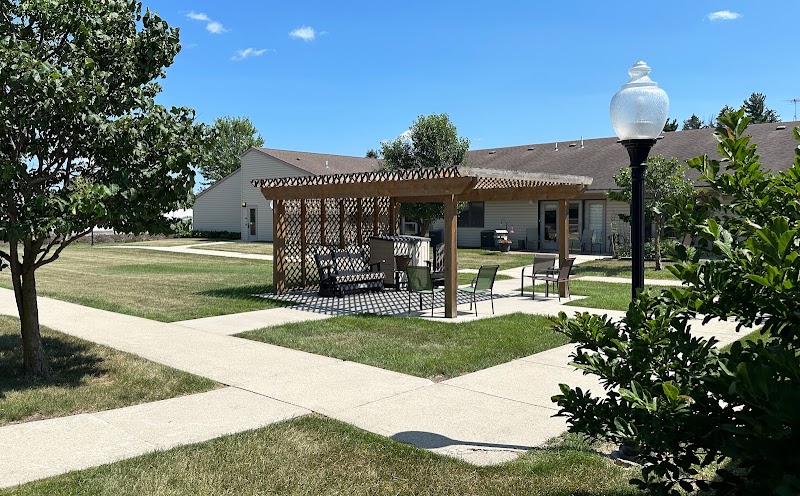
How is Southfield Wellness Community Staffed?

CMS rates Southfield Wellness Community's staffing level at 4 out of 5 stars, which is above average compared to other nursing homes. Staff turnover is 52%, compared to the Iowa average of 46%. RN turnover specifically is 56%, which is notably high. RNs provide skilled clinical oversight, so turnover in this role can affect medical care quality.

What Have Inspectors Found at Southfield Wellness Community?

State health inspectors documented 47 deficiencies at Southfield Wellness Community during 2022 to 2025. These included: 5 that caused actual resident harm and 42 with potential for harm. Deficiencies causing actual harm indicate documented cases where residents experienced negative health consequences.

Who Owns and Operates Southfield Wellness Community?

Southfield Wellness Community is owned by a for-profit company. For-profit facilities operate as businesses with obligations to shareholders or private owners. The facility is operated by CASCADE CAPITAL GROUP, a chain that manages multiple nursing homes. With 65 certified beds and approximately 56 residents (about 86% occupancy), it is a smaller facility located in WEBSTER CITY, Iowa.

How Does Southfield Wellness Community Compare to Other Iowa Nursing Homes?

Compared to the 100 nursing homes in Iowa, Southfield Wellness Community's overall rating (1 stars) is below the state average of 3.0, staff turnover (52%) is near the state average of 46%, and health inspection rating (1 stars) is much below the national benchmark.

What Should Families Ask When Visiting Southfield Wellness Community?

Based on this facility's data, families visiting should ask: "Can I visit during a mealtime to observe dining assistance and food quality?" "How do you handle medical emergencies, and what is your hospital transfer rate?" "Can I speak with family members of current residents about their experience?"

Is Southfield Wellness Community Safe?

Based on CMS inspection data, Southfield Wellness Community has a clean safety record: no substantiated abuse findings (meaning no confirmed cases of resident harm), no Immediate Jeopardy citations (the most serious violation level indicating risk of serious injury or death), and is not on the Special Focus Facility watch list (a federal program monitoring the lowest-performing 1% of nursing homes). The facility has a 1-star overall rating and ranks #100 of 100 nursing homes in Iowa. While no facility is perfect, families should still ask about staff-to-resident ratios and recent inspection results during their visit.

Do Nurses at Southfield Wellness Community Stick Around?

Southfield Wellness Community has a staff turnover rate of 52%, which is 6 percentage points above the Iowa average of 46%. Moderate turnover is common in nursing homes, but families should still ask about staff tenure and how the facility maintains care continuity when employees leave.

Was Southfield Wellness Community Ever Fined?

Southfield Wellness Community has been fined $71,897 across 2 penalty actions. This is above the Iowa average of $33,798. Fines in this range indicate compliance issues significant enough for CMS to impose meaningful financial consequences. Common causes include delayed correction of deficiencies, repeat violations, or care failures affecting resident safety. Families should ask facility leadership what changes have been made since these penalties.

Is Southfield Wellness Community on Any Federal Watch List?

Southfield Wellness Community is not on any federal watch list. The most significant is the Special Focus Facility (SFF) program, which identifies the bottom 1% of nursing homes nationally based on persistent, serious quality problems. Not being on this list means the facility has avoided the pattern of deficiencies that triggers enhanced federal oversight. This is a positive indicator, though families should still review the facility's inspection history directly.