Karen Acres Care Center
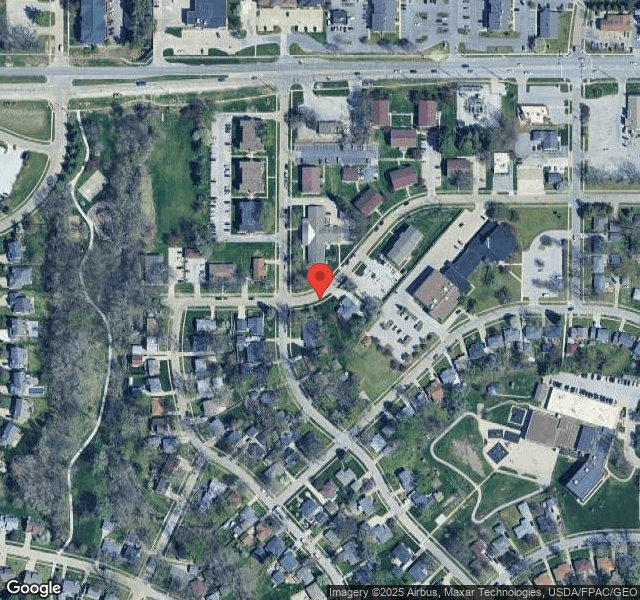
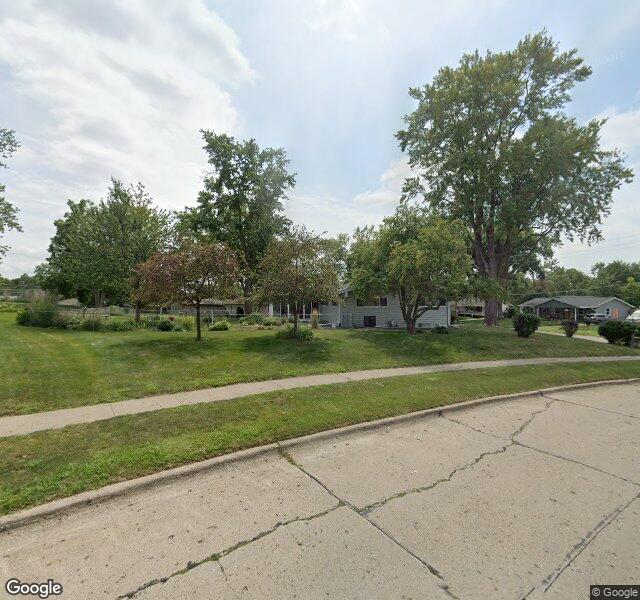
3605 Elm Drive, Urbandale, IA 50322 (515) 276-4969
For profit - Corporation 35 Beds Independent Data: November 2025
Trust Grade
80/100
#121 of 392 in IA
Last Inspection: June 2025

Inspected within the last 6 months. Data reflects current conditions.

Overview

Karen Acres Care Center in Urbandale, Iowa, has a Trust Grade of B+, indicating it is above average and recommended for families considering care options. It ranks #121 out of 392 facilities in Iowa, placing it in the top half, and #12 out of 29 in Polk County, suggesting that there are only a few local options that are better. The facility is currently improving, with issues decreasing from 6 in 2024 to just 1 in 2025. Staffing is average with a turnover rate of 44%, which matches the state average, but the absence of any fines is a positive sign of compliance. However, recent inspections found several concerns, including cluttered hallways that could pose safety risks for residents and improper food storage practices, indicating some areas need attention despite the overall strengths of the facility.

Trust Score
B+
80/100
In Iowa
#121/392
Top 30%
Safety Record
Low Risk
No red flags
Inspections
Getting Better
6 → 1 violations
Staff Stability
○ Average
44% turnover. Near Iowa's 48% average. Typical for the industry.
Penalties
✓ Good
No fines on record. Clean compliance history, better than most Iowa facilities.
Skilled Nurses
○ Average
Each resident gets 39 minutes of Registered Nurse (RN) attention daily — about average for Iowa. RNs are the most trained staff who monitor for health changes.
Violations
○ Average
9 deficiencies on record. Average for a facility this size. Mostly minor or procedural issues.
★★★★☆
4.0
Overall Rating
★★★☆☆
3.0
Staff Levels
★★★★☆
4.0
Care Quality
★★★★☆
4.0
Inspection Score
Stable
2024: 6 issues
2025: 1 issues

The Good

  • 4-Star Quality Measures · Strong clinical quality outcomes
  • Full Sprinkler Coverage · Fire safety systems throughout facility
  • No fines on record
  • Staff turnover below average (44%)

    4 points below Iowa average of 48%

Facility shows strength in quality measures, fire safety.

The Bad

Staff Turnover: 44%

Near Iowa avg (46%)

Typical for the industry

The Ugly 9 deficiencies on record

Jun 2025 1 deficiency
CONCERN (D)

Potential for Harm - no one hurt, but risky conditions existed

Accident Prevention (Tag F0689)

Could have caused harm · This affected 1 resident

Based on observations, clinical record review, staff interview, and facility policy review, the facility failed to follow the Care Plan for proper and safe transfer for 1 of 1 residents reviewed, resu...

Read full inspector narrative →
Based on observations, clinical record review, staff interview, and facility policy review, the facility failed to follow the Care Plan for proper and safe transfer for 1 of 1 residents reviewed, resulting in a fall (Resident #27). The facility reported a census of 28 residents. Findings include: The Minimum Data Set (MDS) Assessment of Resident #27 dated 3/5/25 identified a Brief Interview for Mental Status score of 15, which indicated intact cognition. The MDS documented the resident had suffered no falls since the last assessment. The Care Plan, last reviewed 6/9/25, identified a Focus Area of Activities of Daily Living (ADL) Self Care Performance. The Care Plan directed staff that Resident #27 required assistance with transfers, and ambulation with a gait belt (a belt worn around the resident's waist to assist the caregiver to provide support and stability) and a walker. The Care Plan identified an additional Focus Area of high risk for falls related to history of frequent falls. Resident #27 score 75 on the Morse Fall Scale (a clinical tool used to assess a resident's risk of falling) dated 2/26/25, classifying her as a very high risk of falls. Scoring for Morse is as follows: Low Risk 0-24 Moderate Risk 25-44 High Risk, 45 or higher The Incident Note dated 5/28/25 authored by the Staff B, Licensed Practical Nurse documented Resident #27 was being assisted to the dining room when the resident indicated she needed to use the restroom. Staff A, Certified Nurse Aide (CNA) stopped at the shower room on the way to the dining room. The note documented the CNA stopped to move an object from the entrance and the resident followed her and lost her balance and fell. The fall was witnessed and she hit her left hand resulting in a skin tear. No other injuries. On 6/10/25 at 2:31 pm, Staff A, CNA stated she was assisting Resident #27 to the shower room. She stated when she got to the shower room, she stopped to unlock the door and the shower chair was blocking access to the toilet. Staff A verified she let go of the gait belt around Resident #27's waist to move the shower chair out of the way. The resident then attempted to follow the CNA and lost her balance and fell. On 6/10/25 at 2:35 pm, an observation of the shower room revealed a closed curtain to the left immediately upon entering the room. Behind the curtain the shower chair was observed perpendicular to the toilet, blocking access as described. On 6/10/25 at 3:55 Staff B, LPN stated the fall was witnessed. She stated the CNA told her she had moved away only for a moment and the resident attempted to follow her and that is how she fell. On 6/10/25 at 4:14 pm, Staff C, CNA was observed walking Resident #27 from the restroom back to her recliner. Staff C was not using a gait belt during the ambulation/transfer. At 4:17 pm, Staff C stated Resident #27 required the assistance of one staff member for transferring and walking. She stated she should have used a gait belt and failed to do so. On 6/11/25 at 9:05 am, the Director of Nursing stated staff should always use gait belts for transfers and ambulation. The undated facility document titled Gait Belt Use identified the following: Point 1: Each nursing staff member will have a gait belt readily available for use when on duty. Point 2: Gait belts are to be used to transfer unsteady, heavier, poor weight bearing residents, or who require assistance to ambulate.
Jul 2024 5 deficiencies
CONCERN (D) 📢 Someone Reported This

A family member, employee, or ombudsman was alarmed enough to file a formal complaint

Potential for Harm - no one hurt, but risky conditions existed

Resident Rights (Tag F0550)

Could have caused harm · This affected 1 resident

**NOTE- TERMS IN BRACKETS HAVE BEEN EDITED TO PROTECT CONFIDENTIALITY** Based on resident clinical record, staff and family interviews, policy review and video evidence, the facility failed to protect...

Read full inspector narrative →
**NOTE- TERMS IN BRACKETS HAVE BEEN EDITED TO PROTECT CONFIDENTIALITY** Based on resident clinical record, staff and family interviews, policy review and video evidence, the facility failed to protect a resident from abuse when a certified nursing assistant utilized a personal smartphone to video record a resident (Resident #4) and distribute the recording on a social media site and labeled the video with the resident's name. The facility reported a census of 28 residents. Findings include: The Quarterly Minimum Data Set (MDS) dated [DATE] for Resident#4 revealed a diagnosis of dementia, depression, anxiety and chronic kidney disease and required the assistance of staff for personal hygiene, toileting and dressing needs. The Brief Interview for Mental Status (BIMS) score of 10 which suggested a moderate cognitive impairment and disorganized thinking with difficulty keeping track of what is being said. The Care Plan directed staff to monitor, document, and report a change in behavior, mood and cognition to include hallucinations and delusions, social isolation, suicidal thoughts, withdrawal and to encourage social interaction or leisure activity. The Progress Note dated 3/22/24 at 9:56 am documented, the facility staff notified the resident's family of the self-report to the Department of Inspection of Appeals (DIA) that involved a staff member who posted a video to social media that had her mother in the video. The Incident Summary dated 3/21/24 revealed: a. Staff G, Certified Nursing Assistant (CNA) posted a video involving Resident #4 to social media. b. The video appeared benign but does include Resident#4's face, Staff G's face and text that read say hi to (Resident #4's first name). c. Interview with Staff G whom stated he didn't really think about it. d. Corrective action: Staff G, CNA terminated immediately per company's zero tolerance policy related to posting videos/images of residents to personal social media. Nursing Facility Abuse Prevention, Identification, Investigation, and Reporting Policy (dated 10/2022) included documentation that prohibited nursing staff from taking part in acts that result in personal degradation, including taking or using photographs or using recording devices in any manner that would demean or humiliate a resident and prohibits using any type of equipment (cameras, smart phones, or other electronic devices) to take, keep or distribute photographs or recordings on social media or through social media messages. Signed by Staff G, CNA, dated 8/9/23. A Cell Phone Policy that prohibited cell phone use while on duty except when on break to make a call. Any use of photographs or recordings for use on social media will lead to disciplinary action and/or termination of the employee. Signed by Staff G, CNA, dated 8/9/23. During an interview on 7/7/24 at 1:48 pm, Staff H, CNA stated Staff G, CNA had an Instagram account that she was on and Staff G posted a video with Resident#4 in it. Staff H stated she saw the phone recording 8 hours after it was posted. Staff H stated Resident#4 was dressed, lying in bed, which contained her face, her voice talking random words and Staff G posted Say Hi to (Resident#4's first name) everyone. Staff H stated all of Staff G's followers could see the video. Staff H stated she was aware of the cell phone policy and reported the video to Staff D, Licensed Practical Nurse (LPN) and Staff I, Director of Nursing (DON). Staff H stated after the video was turned over to the administration, she deleted it off her phone. Staff H stated Resident#4 was confused 90% of the time, will repeat stuff on the news repeatedly, but will say yes or no for showering or eating. During an interview on 7/7/24 at 12:26 pm, Staff D, LPN stated Staff H, CNA revealed the video, Staff G, CNA was in the video, Resident#4 was in the bed covered and dressed, and rambling. Staff D stated it was hard to say what she was talking about, I didn't get it, she was rambling. Staff D stated she reported the video to the DON. During an interview on 7/7/24 at 12:04 pm, Staff B, CNA stated he had worked for this facility for 29 years. Staff B stated he was aware of the cell phone, no video recording, and no pictures. Staff B stated he had taken pictures of residents with his personal phone, uploaded to the Administrator so the pictures could be processed for resident records or on the facility web site. Staff B stated the staff are not allowed to take videos yet it had happened in the past twice, 2 people have made that mistake. During an interview on 7/8/24 at 12:30 pm, Staff G, CNA stated that in March 2024 (unable to remember the exact date) he was provided care for Resident #4. Staff G stated he had his cell phone and was in Resident#4's room, Just me and (first name of Resident #4), chilling and talking, she was giving me advice. Staff G stated I videoed it (Resident #4) and put it on my Instagram and left it out there, in 24 hours it will delete itself but this was up for 3 hours. Staff G stated he thought about the post and took it down. Staff G stated the person who knew about the video (Staff H) turned it in, She waited days to report it. Staff G stated he had worked 3-4 days after taking the video, then the administration instructed him to not report to work until further notice, then terminated his employment the next day. Staff G stated, They confused me because they said if I make a mistake, I get 3 strikes before termination, and this was my mistake. Staff G stated he had completed the Dependent Adult Abuse class (DAA) and he had witnessed other people posting pictures and thought it was ok. Staff G denied signing a form instructing him not to video. The facility provided 8 seconds of video evidence of Staff G, CNA wearing a hoodie, rubbing his chin and rolling his eyes while Resident#4's voice rambling in the background. The text read, everyone say hi to (Resident#4's first name), then the video switched to Resident#4 talking randomly, not looking at the camera, appeared to be clothed and in bed. During an interview on 7/9/24 at 10:26 am The Power of Attorney (POA) stated the facility had notified her that there was a video involving her mother posted on social media. The POA stated the information that she received was vague and a few days after the facility administration were made aware of it since the staff member was fired. The POA stated she asked to see the video but the administration told her that it was not available. The POA stated My mom has had Dementia for some time now and why would he video her, was he trying to embarrass her? The POA stated she didn't know what the CNA was trying to do but had to trust that the facility staff was going to do the right thing. During an interview 7/8/24 at 1:322 pm The DON stated his expectation, that the nurses need to hold the CNA's accountable. During an interview on 7/7/24 at 12:42 pm The Administrator stated the incident was reported, an investigation was completed, they terminated the employee and reported it to the DIA. The Administrator stated she provided training immediately and took the information to the management team. The Administrator stated the nursing staff implemented the cell phone policy.
CONCERN (D) 📢 Someone Reported This

A family member, employee, or ombudsman was alarmed enough to file a formal complaint

Potential for Harm - no one hurt, but risky conditions existed

Infection Control (Tag F0880)

Could have caused harm · This affected 1 resident

**NOTE- TERMS IN BRACKETS HAVE BEEN EDITED TO PROTECT CONFIDENTIALITY** 2. On 7/5/24 at 8:51 am, Staff A, Registered Nurse (RN), Director of Nursing (DON), was observed obtaining the blood glucose of ...

Read full inspector narrative →
**NOTE- TERMS IN BRACKETS HAVE BEEN EDITED TO PROTECT CONFIDENTIALITY** 2. On 7/5/24 at 8:51 am, Staff A, Registered Nurse (RN), Director of Nursing (DON), was observed obtaining the blood glucose of Resident #19. After obtaining the blood glucose, Staff A stated there are no sharps containers in the resident rooms and he would dispose of the used lancet (a small needle used to prick the skin and draw a small drop of blood for blood sugar testing) in the sharps container at the medication cart. Staff A placed the used lancet in a container which also had a blood sugar monitor, a bottle of blood sugar test strips, and an insulin pen in it. Staff A, RN, carried the container out of Resident #19's room and walked down the hall to the medication cart. He placed the container in the bottom drawer of the medication cart and shut the drawer and then prepared the medications for Resident #19. He then removed the blood glucose container to obtain the insulin pen. He was not observed wearing gloves. He noted the used lancet in the container and picked it up and disposed of it in the sharps container. He obtained the insulin pen and placed the container back in the medication cart and closed the drawer. Staff A was not observed cleaning or sanitizing the container or any of the equipment in the container which contained the used lancet during the observation. On 7/07/24 at 10:08 AM, the Administrator stated staff should have immediately placed the lancet in the sharps container and should not have transported the lancet in the resident's supply container. The undated policy title Finger Stick for Blood Glucose directed staff to dispose of lancet in container for sharps, return equipment to storage area, and clean as needed. Based on observations, record review, staff interview, and policy review, the facility failed to implement infection control practices to prevent cross contamination of invasive medical equipment for one of one blood glucose test observations. Facility staff also failed to decrease possible spread of infection for one of one resident reviewed for a urinary catheter (Resident#28) . The facility reported a census of 27 residents. Findings include: 1. On 7/05/24 at 7:22 AM, Resident #28 was observed sitting in her wheelchair with her indwelling catheter drainage bag hanging on the underside wheelchair frame and the tubing lying on the floor. On 7/5/24 at 8:31 AM, a second observation revealed the resident's indwelling catheter tubing was still lying on the floor. The admission Minimum Data Set (MDS) dated [DATE] revealed the resident had a Brief Interview for Mental Status (BIMS) score of 14 out of 15 which indicated completely intact cognition. It included diagnoses of Cancer, hemiparesis (one-sided muscle weakness), and Chronic Kidney Disease. It also indicated the resident had an indwelling catheter, and required maximum assistance with toileting hygiene. The Care Plan revised 6/24/24 indicated the resident had an indwelling catheter and indicated the resident would remain free from catheter-related trauma through the 9/15/24 review date. On 7/07/24 at 10:08 AM, the Administrator stated Foley catheter tubing should not contact the ground. An undated policy titled Routine Catheter Care indicated the rationale for the policy was for the prevention of infections to the residents who are at risk due to the use of an indwelling Foley catheter.
CONCERN (E)

Potential for Harm - no one hurt, but risky conditions existed

Safe Environment (Tag F0584)

Could have caused harm · This affected multiple residents

**NOTE- TERMS IN BRACKETS HAVE BEEN EDITED TO PROTECT CONFIDENTIALITY** Based on observations, staff interviews and facility policy review, the facility failed to maintain uncluttered hallways to prom...

Read full inspector narrative →
**NOTE- TERMS IN BRACKETS HAVE BEEN EDITED TO PROTECT CONFIDENTIALITY** Based on observations, staff interviews and facility policy review, the facility failed to maintain uncluttered hallways to promote a safe and homelike environment for one of three hallways. The facility also used a shower room for equipment storage. The facility reported a resident census of twenty eight. Findings include: On 7/5/24 at 9:50 am, the 300 Hallway was noted to be very cluttered. One full side of the hallway had multiple wheelchairs, full body and standing mechanical lifts and a dining chair. On the opposite side of the hall, one room had an isolation cart outside of the doorway. The doorway to room [ROOM NUMBER], room of Resident #22, was noted to be partially obstructed by the wheels of a wheelchair. The Minimum Data Set of Resident #22, dated 6/19/24 documented the resident needed supervision or touching assistance for wheelchair locomotion up to 150 feet. On 7/7/24 at 9:22 am, the Director of Therapy stated Resident #22 generally had a staff member assist him when propelling his wheelchair but he can self propel out of his room if he desires. On 7/5/24 at 9:59 am, Staff B, Certified Nurse Aide (CNA) stated the mechanical lifts are generally left in the hallway near the rooms of the residents who use them. He noted the wheelchair which was obstructing room [ROOM NUMBER] and stated the doorway should not be blocked. He moved the wheelchair from that area and placed it further down the hall. On 7/5/24 at 10:24 am, Staff B, CNA was observed removing a wheelchair from the hallway. He stated he was taking it to the garage for storage. He also said it had belonged to a resident who was no longer in the facility. On 7/6/24 at 8:56 am, all wheelchairs had been removed from the 300 hallway. Full body mechanical lifts were still stored on the hallway. Staff C, Licensed Practical Nurse was observed performing medication pass. She was observed moving a mechanical lift out of the way to obtain access to place her medication cart to administer medications for room [ROOM NUMBER]. On 7/6/24 at 9:00 am, Staff D, LPN was observed removing a full body lift from the 300 hallway and moving it into the shower room and leaving it in the shower room. On 7/6/24 at 9:12 am, Staff B, CNA was observed removing a second full body mechanical lift from the 300 hallway and taking it to a different hallway. On 7/7/24 at 10:08 am, The Administrator stated resident equipment storage, including mechanical lifts, should be limited to one side of the hall. She stated the building is older and storage space is extremely limited. The undated Facility Policy Accommodation of Needs and Preferences and Homelike Environment policy included in the Policy statement The facility will provide a safe, clean, comfortable, and homelike environment, allowing the resident to use his or her personal belongings to the extent possible. The Objective statement read The objective of the accommodation of resident needs and preferences is to create an individualized, home-like environment to maintain and/or achieve independent functioning, dignity, and well-being to the extent possible in accordance with the resident's own needs and preference. On 7/7/24 at 11:01 am, the Administrator stated the facility does not have a policy for equipment storage.
CONCERN (E)

Potential for Harm - no one hurt, but risky conditions existed

Menu Adequacy (Tag F0803)

Could have caused harm · This affected multiple residents

**NOTE- TERMS IN BRACKETS HAVE BEEN EDITED TO PROTECT CONFIDENTIALITY** Based on observations, menu review, and staff interview, the facility failed to serve the appropriate menu for two of two meals ...

Read full inspector narrative →
**NOTE- TERMS IN BRACKETS HAVE BEEN EDITED TO PROTECT CONFIDENTIALITY** Based on observations, menu review, and staff interview, the facility failed to serve the appropriate menu for two of two meals observed. The facility also failed to follow a standard pureed process for two of two pureed food prep observations. Findings include: The facility's menu for lunch on 7/6/24 identified the following items to be served to diets. #6 Scoop (sc) Tator tot casserole 8 ounces (oz) Serving Toss salad/dressing 4 oz Serving chilled fruit 1 each bread/[NAME] 1 Square (SQ) Smores Brownies 8 oz Milk Continuous observation of lunch preparation and service began on 7/6/24 at 10:50 AM. Staff E, Cook, placed two 4 oz servings of tator tot casserole into the blender. She blended the casserole. When done with the puree process, Staff used spatula, placed servings into clean pan, and placed into oven. No measurement of the volume of pureed casserole was done. Staff E stated she placed two servings of peaches in bowl which was prepared prior to observation beginning. She placed the peaches in the blender. She blended the peaches. When done with the puree process, Staff used spatula, placed servings into two separate bowls, covered them, and placed them in the refrigerator. No measurement of the volume of peaches was done. The peaches for regular diet, prepared prior to observation beginning. Staff E placed two 4 oz servings of coleslaw into the blender. She blended the coleslaw. When done with the puree process, Staff used the spatula, placed servings into two separate bowls, covered them, and placed them in the refrigerator. No measurement of the volume of coleslaw was done. The coleslaw for regular diet, prepared prior to observation beginning. Staff E stated she prepared the bread and butter which was prepared prior to observation beginning. She placed two servings into blender. She added milk and pureed the bread and butter. When done with the puree process, Staff used the spatula, placed the servings into two separate bowls, covered them, and placed them on the counter next to the prepared bread and butter. No measurement of the volume of bread and butter was done. Staff E removed tator tat casserole from oven, placed in steam cart, placed coleslaw on ice, peaches were pulled out last and placed on cart. On 7/6/24 at 11:31 AM Staff E, Staff F, Dietary Aide, began to serve the meal. Staff E used a #8 sc to serve the Tator tot casserole for mechanical and puree diet, and 4 oz ladle to serve the regular diet, a 4 oz draining ladle to serve the coleslaw, peaches in fruit dish prepared prior, and used thongs placed bread and butter on plate. Staff E did not prepare or serve smores brownies, no dessert provided. The facility's menu for breakfast on 7/7/24 identified the following items to be served to diets. 1 serving Choice of Cereal 1 each Egg 1 each Muffin 1 each Sausage Patty 8 oz Milk 4 oz Choice of Juice On 7/7/24 at 7:25 AM Staff E prepared cinnamon roll, oatmeal, cream of wheat, prior to observations. Noted Staff E used #8 scoop (sc) for oatmeal and cream of wheat, and used thongs to serve 1 cinnamon roll each. Staff E used 4 ounce (oz) ladle, scooped liquid egg, 3-4 times placed on grill, added cheese, onion, peppers, folded and flipped egg, cut into 2-3 servings, placed on plate, served. No sausage patty was prepared or served. On 7/6/24 1:45 PM Staff K, Executive Chef reported #6 scoop (sc) holds 51/3 ounce (oz) and a #8 scoop holds 4 oz, also observed a 4 oz ladle and 5 oz ladle. Menu was reviewed with serving sizes. Staff K described the pureed process as follows; - Put the serving size it in the blender, if needed add milk/water, blend, measure it in measuring cup, look at chart and note what scoop to use, put the food in appropriate container and put where it needs to be. Staff K instructed use of Food Portion Chart as follows: -You look at how much is in the cup (total volume) and how many servings you put need and then it tells you what scoop to use. Staff K reported that the menus have what amount of food to provide each resident no matter what dies the resident is on. The Executive Chef (EC) agreed that the cook needs more education about serving size/utensils. The EC also commented that he wants to review with new Registered Dietician as he thinks serving size appears larger than it should be.
CONCERN (E)

Potential for Harm - no one hurt, but risky conditions existed

Food Safety (Tag F0812)

Could have caused harm · This affected multiple residents

Based on observations, staff interviews, and facility policy review, the facility failed to maintain sanitary practices by improperly storing resident food. The facility reported a census of 27 reside...

Read full inspector narrative →
Based on observations, staff interviews, and facility policy review, the facility failed to maintain sanitary practices by improperly storing resident food. The facility reported a census of 27 residents. Findings include: On 7/05/24 at 7:30 AM, a kitchen observation identified the following findings: A True refrigerator contained: 1) An undated, previously opened jar of mayonnaise. 2) An unlabeled bowl of meat and vegetables. 3) An unlabeled, undated tub of a chopped orange item. 4) An unlabeled, undated, and partially uncovered bowl of chopped cantaloupe. 5) An unlabeled, undated tub of a shredded orange item. A True freezer contained: 1) An unlabeled, undated bag of meat. 2) An unlabeled, undated block of meat wrapped in Saran wrap. A shelf located in the kitchen contained an undated, previously opened jar of peanut butter. On 7/07/24 at 10:08 AM, the Administrator stated food should be labeled, dated, and covered when stored. A policy titled Dining Services Storage dated June 2018 indicated foods held in refrigerator or other storage areas shall be appropriately covered, labeled, and dated.
Mar 2024 1 deficiency
CONCERN (D) 📢 Someone Reported This

A family member, employee, or ombudsman was alarmed enough to file a formal complaint

Potential for Harm - no one hurt, but risky conditions existed

Resident Rights (Tag F0550)

Could have caused harm · This affected 1 resident

Based on observation, resident and staff interviews, the facility failed to treat each resident in a dignified manner for 3 of 8 residents reviewed (Resident #2, #5 and #9). The facility reported a ce...

Read full inspector narrative →
Based on observation, resident and staff interviews, the facility failed to treat each resident in a dignified manner for 3 of 8 residents reviewed (Resident #2, #5 and #9). The facility reported a census of 28 residents. Findings include: 1. The Minimum Data Set (MDS) of Resident #2 dated 1/23/24 identified a Brief Interview for Mental Status (BIMS) score of 8, which indicated moderate cognitive impairment. The MDS documented diagnoses that included Alzheimer's disease. The Care Plan of Resident #2, revision date 1/8/24 identified a focus area of Impaired Cognitive Function related to Alzheimer's disease. On 3/11/24 at 11:42 am Staff F, a staff member who requested to stay anonymous, stated that on an earlier date, she had been in the room of a resident nearby the room of Resident #2. She stated Staff D, Certified Nurse Aide (CNA) was in the room of Resident #2 providing cares to the resident. She stated she heard Staff D tell Resident #2 to shut up. She further reported she has heard staff members be rude to various residents a number of times and some of the instances have happened in the presence of members of the management team with no response or intervention by management. She stated that Staff D, CNA has a very loud voice and it was clear to hear what was said. She explained Resident #2 has dementia and is unable to speak of the care she receives. 2. The MDS of Resident #5 dated 3/4/24 identified a BIMS score of 15, which indicated intact cognition. The MDS indicated the resident had no diagnosis of dementia or any mood disorders. On 3/11/24 at 2:08 pm, Resident #5 stated she rang her call light earlier in the day and reported to three staff members she wished to have her incontinence brief changed. She stated it was three hours before her brief was changed after reporting this to three different staff members. She stated Staff E, CNA told her she had other people to get up and she would have to wait until she had time. She stated when Staff E did eventually come to perform cares, she was very rushed and felt that she nearly fell out of bed when Staff E was turning her to provide cares. She stated there is no bed rail and when she was turned towards the door her legs fell off the bed but Staff E intervened and she did not fall but she felt rushed. She pointed out that after lunch she was sitting in her chair and the staff had failed to provide her call light within reach of her. She stated that Staff E is a nice person but she felt that they didn't hit it off when the resident admitted to the facility but she tries to get along with her. 3. The MDS of Resident #9 dated 2/27/24 identified a BIMS score of 14, which indicated intact cognition. The MDS indicated the resident had no diagnosis of dementia but her diagnoses did include depression. On 3/12/24 at 8:04 am, Staff A, CNA was heard by the State Surveyor speaking to Resident #9 as she layed in bed. Staff A stated to Resident #9 to get her hand off the button (of her call light) and asking her what she needed. Resident #9 responded she wanted some water and Staff A stated that she had water right in front of her. Staff A further stated to Resident #9 she did not need to be ringing her call light anymore that morning. When the State Surveyor stood at the doorway of the room, Staff A then asked Resident #9 if she needed anything else and verified her comfort and told her he would return to gather her breakfast tray. The State Surveyor reported this observation to the Administrator. On 3/12/24 at 8:28 am, Resident #9 stated she had no concerns regarding her interaction with Staff A. She stated she is treated well and she understands she can push her call light anytime she needs anything. On 3/12/24 at 8:50 am, Staff B, Licensed Practical Nurse (LPN) stated she has not had any concerns with the residents not being treated with dignity. She stated if she ever witnessed an episode she would first separate the staff from the resident and speak privately to the staff member about it. She stated she would also notify the management. She stated her expectation is that if a resident rings their call light repeatedly, she would want the CNA to report this to her so she could assess the resident in case the resident was experiencing pain or anxiety that required a nursing intervention. On 3/12/24 at 9:10 am, Staff C, an anonymous employee, stated she has witnessed the staff be rude to residents on more than one occasion. She stated there are two CNAs, Staff D and Staff E who at times have a disrespectful tone of voice to the residents. She stated she has not reported this to management because at times she feels management has the same attitude as the other staff members. She stated she can be in another room and hear the staff speaking to residents from down the hall in an unkind manner. On 3/12/24 at 9:33 am, the Director of Nursing (DON) stated her expectation is that every resident should be treated with dignity. She stated she had spoken to Staff A regarding his interaction with Resident #9 and he felt he was not rude but he knows his voice is loud at times. She stated he told her that Resident #9 kept pushing her call button and he was unable to cancel it from the call system and that is why he told her to take her finger off the button. The DON stated she also spoke to Resident #9 who stated she had no concerns. On 3/12/24 at 9:43 am, Staff A stated he has been a CNA for 35 years and has worked at this facility for 14 years. He stated that Resident #9 often will continue to re trigger her call light even when staff is in the room and that he is unable to cancel the call light if she continues to push the button. He stated he did not mean to sound short with the resident. He reported it was a busy morning and he was running with a lot of call lights on. He explained he was aware of the resident's preference to have her breakfast tray removed immediately and he when he told her she didn't need to be ringing her call light any more, he meant that he would be back to gather her tray and she didn't need to call for it. He reiterated that he works with the residents daily and he knows their routines well and he always makes an effort to know that he is here for them. He stated he apologized if it appeared he was out of line and he cares very much about the residents. On 3/12/24 at 12:19 pm via email, the DON stated the facility has only a policy on preventing and reporting abuse but does not have a policy regarding resident dignity.
Oct 2023 2 deficiencies
CONCERN (D)

Potential for Harm - no one hurt, but risky conditions existed

Infection Control (Tag F0880)

Could have caused harm · This affected 1 resident

Based on observation, staff interviews, facility documentation and guidance from the Centers for Disease Control (CDC), the facility failed to handle a urinary catheter bag and tubing with appropriate...

Read full inspector narrative →
Based on observation, staff interviews, facility documentation and guidance from the Centers for Disease Control (CDC), the facility failed to handle a urinary catheter bag and tubing with appropriate infection control standards of practice for 1 of 1 residents reviewed (Resident #17). The facility reported a census of 29 residents. Findings include: The Minimum Data Set (MDS) of Resident #17 dated 9/22/23 identified a BIMS score of 11 out of 15 which indicated moderate cognitive impairment. The MDS coded the presence of an indwelling catheter. The MDS documented diagnoses that included stroke, hemiparesis (paralysis of one side of the body), urine retention, and neuromuscular dysfunction of the bladder. The Care Plan dated 10/4/23 documented the resident to have an indwelling catheter related to neurogenic bladder. Observation began on 10/11/23 at 11:28 am and included the following: -Staff A, Certified Nurse Aide (CNA) and Staff B, CNA stated they would empty the drainage bag and transfer the resident from recliner to wheelchair to go to lunch. Observed both staff members put isolation gowns on from the cart outside of the resident room. Observed both staff members then place gloves on their hands prior to entering the room. No hand hygiene was witnessed prior to placement of gloves. -Upon entering the room, observed the catheter urine collection bag sitting on the floor next to the resident's recliner. Observed the bag not in a dignity bag nor was it hooked to any hard surface. -Staff A, CNA knocked on the bathroom door prior to entering the bathroom. She exited the bathroom a moment later with paper towels and a urinal. She placed the paper towels on the floor and placed the urinal on top of the paper towels. Staff B, CNA picked the urine collection bag up off of the floor and held it up for Staff A to empty it. Staff A, CNA opened the drain and allowed the urine to flow into the urinal. She then closed the drain and replaced the drain into the protective covering on the bag. No cleansing of the drain was observed. Staff A went into the restroom and emptied the urinal into the toilet. Staff B, CNA hooked the empty urine collection bag onto the recliner. No hand hygiene was observed by Staff B gloves were not changed. -Staff A, CNA performed hand hygiene and put clean gloves on after emptying the urinal. Staff B, CNA assisted the resident to scoot to the end of the chair and placed the sling behind the resident to transfer her using a mechanical lift wearing the same gloves worn since entering the room. -Staff A, CNA guided the mechanical lift into place. Staff B, CNA removed her gloves and stepped into the hallway wearing her isolation gown. Staff B, CNA retrieved the wheelchair of the resident and returned to the room. Staff B, CNA placed new gloves on her hands. No hand hygiene observed. -Staff B, CNA held the resident's catheter bag as the staff transferred the resident via mechanical lift into her wheelchair. Staff B, CNA attached the catheter bag to the wheelchair bar once the resident was sitting in the wheelchair. No dignity bag used to cover the drainage bag. -Still wearing the same gloves, Staff B, CNA opened the dresser drawer of the resident and got her hairbrush out and brushed the resident's hair. -When ready to leave the room, both staff members removed their gloves and gowns and put them in the trash can. Staff B, CNA used her hands to press the items down to make them fit into the trash bag. Staff B, CNA tied the trash bag and carried it out of the room with her. -Staff A, CNA used hand sanitizer in the hallway prior to escorting the resident to the dining room. -Staff B, CNA used hand sanitizer while still carrying the trash bag. She opened the storage room in the hallway to dispose of the trash, and then proceeded to the dining area. On 10/11/23 at 3:42 pm, the Director of Nursing (DON) stated the facility has no policy or procedure guide for emptying catheter urine collection bags. On 10/12/23 at 10:05 am, Staff A, CNA stated she was aware she had forgotten to use alcohol swabs when emptying the drainage bag. She stated the proper procedure would have been to use an alcohol swab when opening the drain and to use a second alcohol swab after draining the urine when locking the drain. She also stated the urine collection bag should not have been on the floor. The facility document Nurse Aide Skills Checklist Unit V, Skills Checklist #27 noted in the employee file of Staff A, CNA. Observed the document dated 8/18/2017 and signed by an instructor. The skills checklist documented the steps to empty a drainage bag to include: • Assemble equipment. • Hand hygiene. • Put on gloves. • Remove outer cover of catheter bag. • Place plastic barrier under graduate, positioned under drainage bag. • Open drain and let urine run into graduate. Be sure you do not contaminate drain. • Close drain. • Wipe drainage tube with antiseptic. • Replace drainage tube into protective covering on bag. • Check position of drainage bag and tubing to make sure it is positioned correctly. • Replace outer covering over cath-bag. The guidelines from the CDC document Catheter-Associated Urinary Tract Infections (CAUTI) direct • Keep the collection bag below the level of the bladder at all times. Do not rest the bag on the floor.
CONCERN (E)

Potential for Harm - no one hurt, but risky conditions existed

Food Safety (Tag F0812)

Could have caused harm · This affected multiple residents

Based on observation, staff interview, and facility policy review the facility failed to store food in accordance with professional standards by not labeling foods that were open with open dates and d...

Read full inspector narrative →
Based on observation, staff interview, and facility policy review the facility failed to store food in accordance with professional standards by not labeling foods that were open with open dates and did not practice appropriate hand hygiene by touching food and contaminated objects without hand hygiene and not changing gloves. The facility reported a census of 29 residents. Findings include: On 10/9/23 from 11:30 AM through 12:15 PM a continuous observation during the initial kitchen tour revealed: a. Dry storage had three 1 pound bags of gelatin open and undated. b. Dry storage had two 16 oz bags of chips open and undated. c. Dry storage had a 4 oz bag of corn / rice puffs open and undated. d. Dry storage had a freezer bag of cake mix open and undated. e. Dry storage had 32 oz. thickened dairy beverage open 03/08/23 open and unrefrigerated f. Dry storage had two 46 oz. thickened orange juice expiration date 2/9/23 g. Dry storage had two 46 oz. thickened orange juice expiration 8/5/23 h. Dry storage had a plastic storage container of cereal open and undated. i. Dry storage had a plastic wrapped bag of spaghetti open and undated. j. Dry storage had a plastic wrapped bag of brown sugar open and undated. k. Dry storage had a plastic wrapped bag of stuffing mix open and undated. l. Dry storage had a plastic wrapped bag of powdered sugar open and undated. m. Freezer had a 3 gallon container of ice cream open and undated. n. Freezer had a freezer bag of frozen sausages open and undated. o. Refrigerator had a plastic wrapped bag of whipped topping open and undated. p. Refrigerator had a bottle of grape juice expired 7/17/23 opened 8/17/23. During a continuous lunch service observation on 10/11/23 at 11:30 AM through 12:30 PM Staff D applied gloves without completing hand hygiene and continuously wore the same gloves throughout the entire lunch service. Staff D with the same gloves through each resident's lunch service obtained a plate with her right hand, a bowl was obtained with right hand, a bun was obtained with right hand, ground hot dog scooped with right hand, baked beans were scooped with right hand, and corn was then scooped with right hand. Staff D then gave the plate to Staff C to serve to the resident. Review of policy dated June 2018 titled facility Dining Services Storage revealed foods held in refrigerator or other storage areas shall be appropriately covered, labeled and dated. On 10/9/23 at 12:15 PM Staff C stated thickened milk should have been refrigerated after it was opened. Staff C stated the expired items should have been thrown away. Staff C stated everything open should have had an open date on the package. On 10/12/23 at 10:55 AM the Administrator stated she would expect hand hygiene would be completed prior to donning gloves and whenever a dirty surface is touched. The Administrator stated she would expect that hand hygiene and glove change would have occurred after touching the spoon handles and before touching the hot dog buns. The facility's expectation is that all open food in the kitchen would have been labeled with the open dates and expired items would have been thrown away.
Understanding Severity Codes (click to expand)
Life-Threatening (Immediate Jeopardy)
J - Isolated K - Pattern L - Widespread
Actual Harm
G - Isolated H - Pattern I - Widespread
Potential for Harm
D - Isolated E - Pattern F - Widespread
No Harm (Minor)
A - Isolated B - Pattern C - Widespread

Questions to Ask on Your Visit

  • "Can I speak with families of current residents?"
  • "What's your RN coverage like on weekends and overnight?"

Our Honest Assessment

Strengths
  • • Grade B+ (80/100). Above average facility, better than most options in Iowa.
  • • No major safety red flags. No abuse findings, life-threatening violations, or SFF status.
  • • No fines on record. Clean compliance history, better than most Iowa facilities.
  • • 44% turnover. Below Iowa's 48% average. Good staff retention means consistent care.
Concerns
  • • No significant concerns identified. This facility shows no red flags across CMS ratings, staff turnover, or federal penalties.
Bottom line: Generally positive indicators. Standard due diligence and a personal visit recommended.

About This Facility

What is Karen Acres Care Center's CMS Rating?

CMS assigns Karen Acres Care Center an overall rating of 4 out of 5 stars, which is considered above average nationally. Within Iowa, this rating places the facility higher than 99% of the state's 100 nursing homes. This rating reflects solid performance across the metrics CMS uses to evaluate nursing home quality.

How is Karen Acres Care Center Staffed?

CMS rates Karen Acres Care Center's staffing level at 3 out of 5 stars, which is average compared to other nursing homes. Staff turnover is 44%, compared to the Iowa average of 46%. This relatively stable workforce can support continuity of care. RN turnover specifically is 57%, which is notably high. RNs provide skilled clinical oversight, so turnover in this role can affect medical care quality.

What Have Inspectors Found at Karen Acres Care Center?

State health inspectors documented 9 deficiencies at Karen Acres Care Center during 2023 to 2025. These included: 9 with potential for harm.

Who Owns and Operates Karen Acres Care Center?

Karen Acres Care Center is owned by a for-profit company. For-profit facilities operate as businesses with obligations to shareholders or private owners. The facility operates independently rather than as part of a larger chain. With 35 certified beds and approximately 29 residents (about 83% occupancy), it is a smaller facility located in Urbandale, Iowa.

How Does Karen Acres Care Center Compare to Other Iowa Nursing Homes?

Compared to the 100 nursing homes in Iowa, Karen Acres Care Center's overall rating (4 stars) is above the state average of 3.1, staff turnover (44%) is near the state average of 46%, and health inspection rating (4 stars) is above the national benchmark.

What Should Families Ask When Visiting Karen Acres Care Center?

Based on this facility's data, families visiting should ask: "Can I visit during a mealtime to observe dining assistance and food quality?" "How do you handle medical emergencies, and what is your hospital transfer rate?" "Can I speak with family members of current residents about their experience?"

Is Karen Acres Care Center Safe?

Based on CMS inspection data, Karen Acres Care Center has a clean safety record: no substantiated abuse findings (meaning no confirmed cases of resident harm), no Immediate Jeopardy citations (the most serious violation level indicating risk of serious injury or death), and is not on the Special Focus Facility watch list (a federal program monitoring the lowest-performing 1% of nursing homes). The facility has a 4-star overall rating and ranks #1 of 100 nursing homes in Iowa. While no facility is perfect, families should still ask about staff-to-resident ratios and recent inspection results during their visit.

Do Nurses at Karen Acres Care Center Stick Around?

Karen Acres Care Center has a staff turnover rate of 44%, which is about average for Iowa nursing homes (state average: 46%). Moderate turnover is common in nursing homes, but families should still ask about staff tenure and how the facility maintains care continuity when employees leave.

Was Karen Acres Care Center Ever Fined?

Karen Acres Care Center has no federal fines on record. CMS issues fines when nursing homes fail to meet care standards or don't correct problems found during inspections. The absence of fines suggests the facility has either maintained compliance or corrected any issues before penalties were assessed. This is a positive indicator, though families should still review recent inspection reports for the full picture.

Is Karen Acres Care Center on Any Federal Watch List?

Karen Acres Care Center is not on any federal watch list. The most significant is the Special Focus Facility (SFF) program, which identifies the bottom 1% of nursing homes nationally based on persistent, serious quality problems. Not being on this list means the facility has avoided the pattern of deficiencies that triggers enhanced federal oversight. This is a positive indicator, though families should still review the facility's inspection history directly.