Royal Oaks Nursing and Rehabilitation Center
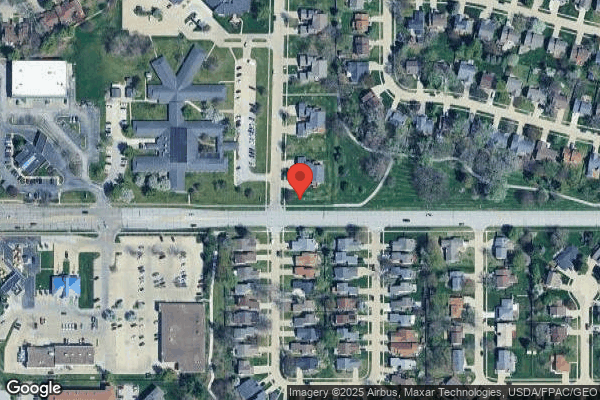

4614 NW 84th Street, Urbandale, IA 50322 (515) 270-6838
For profit - Corporation 115 Beds CAMPBELL STREET SERVICES Data: November 2025 1 Immediate Jeopardy citation
Trust Grade
0/100
#299 of 392 in IA
Last Inspection: May 2025

Inspected within the last 6 months. Data reflects current conditions.

Overview

Royal Oaks Nursing and Rehabilitation Center has received a Trust Grade of F, indicating significant concerns regarding care quality. With a state ranking of #299 out of 392 facilities in Iowa, they fall in the bottom half of nursing homes in the state, and at #20 of 29 in Polk County, they are one of the less favorable options locally. Although the facility's trend is improving, reducing issues from 31 in 2024 to 12 in 2025, the staffing situation is troubling, with a poor rating of 1 out of 5 stars and a turnover rate of 63%, which is significantly higher than the state average. Additionally, the center has incurred $122,058 in fines, indicating compliance problems that are concerning, and they have less RN coverage than 90% of Iowa facilities, which could affect the quality of care. Specific incidents include a resident suffering fractures from an improper transfer, and another resident experiencing two weeks without necessary antipsychotic medication due to identity verification failures, resulting in serious psychological distress. While the facility has some strengths in quality measures, the overall picture raises red flags for families considering care for their loved ones.
Trust Score
F
0/100
In Iowa
#299/392
Bottom 24%
Safety Record
High Risk
Review needed
Inspections
Getting Better
31 → 12 violations
Staff Stability
⚠ Watch
63% turnover. Above average. Higher turnover means staff may not know residents' routines.
Penalties
⚠ Watch
$122,058 in fines. Higher than 85% of Iowa facilities, suggesting repeated compliance issues.
Skilled Nurses
⚠ Watch
Each resident gets only 25 minutes of Registered Nurse (RN) attention daily — below average for Iowa. Fewer RN minutes means fewer trained eyes watching for problems.
Violations
⚠ Watch
56 deficiencies on record. Higher than average. Multiple issues found across inspections.
★★☆☆☆
2.0
Overall Rating
★☆☆☆☆
1.0
Staff Levels
★★★★★
5.0
Care Quality
★☆☆☆☆
1.0
Inspection Score
Stable
2024: 31 issues
2025: 12 issues

The Good

  • 5-Star Quality Measures · Strong clinical quality outcomes
  • Full Sprinkler Coverage · Fire safety systems throughout facility
  • No fines on record

Facility shows strength in quality measures, fire safety.

The Bad

2-Star Overall Rating

Below Iowa average (3.0)

Below average - review inspection findings carefully

Staff Turnover: 63%

17pts above Iowa avg (46%)

Frequent staff changes - ask about care continuity

Federal Fines: $122,058

Well above median ($33,413)

Significant penalties indicating serious issues

Chain: CAMPBELL STREET SERVICES

Part of a multi-facility chain

Ask about local staffing decisions and management

Staff turnover is elevated (63%)

15 points above Iowa average of 48%

The Ugly 56 deficiencies on record

1 life-threatening 4 actual harm
May 2025 12 deficiencies 2 Harm
SERIOUS (G) 📢 Someone Reported This

A family member, employee, or ombudsman was alarmed enough to file a formal complaint

Actual Harm - a resident was hurt due to facility failures

Accident Prevention (Tag F0689)

A resident was harmed · This affected 1 resident

**NOTE- TERMS IN BRACKETS HAVE BEEN EDITED TO PROTECT CONFIDENTIALITY** Based on clinical record review, hospital record review, resident and staff interviews, facility education review and facility p...

Read full inspector narrative →
**NOTE- TERMS IN BRACKETS HAVE BEEN EDITED TO PROTECT CONFIDENTIALITY** Based on clinical record review, hospital record review, resident and staff interviews, facility education review and facility policy review, the facility failed to ensure safety during transfers for 1 of 3 residents reviewed (Resident #61). This failure caused harm when Resident #61 was improperly transferred in the shower room, resulting in a fall with two fractures. These fractures caused the resident to have an increase in pain, a need for increased pain management and a decrease in her ability to transfer. During observations of other residents, the facility additionally failed to properly use a full body mechanical lift in a safe manner and per manufacturer's instructions for Residents #4, #17 and #39. The facility reported a census of 84 residents. Findings Include: 1. The Quarterly Minimum Data Set (MDS) of Resident #61 dated 3/13/25 identified a Brief Interview for Mental Status Score of 15 which indicated cognition intact. The MDS coded the resident required partial/moderate assistance to move from sitting to standing and for shower transfers. The MDS documented diagnoses which included seizure disorder or epilepsy. The MDS recorded the resident experienced pain during the 5-day look back period and rated her pain as moderate and over the last 5 days had rarely or not at all limited her day to day activities because of pain. The Care Plan of Resident #61 identified a Focus Area of ADL (Activities of Daily Living) Performance Deficit, initiated on 12/13/24, revised on 4/22/24. The interventions included a transfer status of one staff participation with transfers, dated 12/13/24. The Care Plan reflected this status was changed to assistance of two staff members with a full body mechanical lift, revised on 5/1/25. The Care Plan additionally identified a focus area of a left fibula fracture after a fall dated 4/25/25 and an additional care area of leg numbness and weakness due to fibula fracture as well as prior laminectomy surgery (a surgical procedure of the spine to relieve pressure on the spinal cord or nerves), initiated on 5/8/25. The Care Plan identified an additional focus area of acute pain due to fracture of the left fibula initialed 5/8/25. Facility Incident Report #2833, dated 4/20/25 at 10:00 am identified a fall incident with the following information: Nursing Description: Staff stated that she was transferring resident to a shower chair and the resident fell. Resident Description: Resident stated she fell and jammed her knee against the wall. Then she fell on left hip. Fall Intervention: Resident to have proper footwear on feet and utilize staff assistance when transferring. Predisposing Situation Factors: Bare feet or inappropriate footwear. The impression findings of radiology reports from a local hospital dated 4/20/25 documented an acute-appearing minimally impacted proximal left fibular diaphyseal fracture, localizing proximal to a chronic-appearing fibular deformity (a fracture near the top part of the left fibula, the smaller bone in the lower leg. Appears recent but is near an area of an older deformity or previously healed injury) On 5/12/25 at 9:42 am, Resident #61 stated a staff member (Staff A, Certified Nurse Aide [CNA]) had taken her from her room to the shower room in her wheelchair. She stated once in the shower room, she was standing up, trying to reach for the grab bars. She said she lost her grip and fell to the floor. She stated Staff A was aware she was attempting to stand but did not offer assistance but that she was behind her. She stated Staff A apologized to her, telling her she was so sorry after the fall. Resident #61 stated when she fell she started screaming in pain. On 5/13/25 at 1:14 pm, Staff B, Registered Nurse (RN) stated she was working at the time Resident #61 suffered her fall, although she was not assigned to the resident. She said Staff A, CNA came out of the shower room for assistance explaining the fall. When Staff B entered the shower room, she noted Resident #61 was barefoot, and there was no gait belt (a safety device used to assist patients with limited mobility during transfers and walking. It provides a secure grip around the patient's waist, allowing caregivers to help with balance, prevent falls and guide them safely between surfaces) observed on the resident or anywhere in the room. She stated the shower floor was wet. She noted the position of the resident's chair and the position the resident was lying in and asked Staff A what had happened. Staff B stated Staff A had turned away from the resident with no gait belt on and wearing no footwear. She stated Resident #61 during the post fall assessment asked Staff B to pray with her and that she was in a lot of pain. Staff B described the shower room as when a person enters the room, and goes towards the back left, there is a corner where the shower chair is kept then a half wall separating the storage stall from the shower stall. She stated Staff A had pushed Resident #61 into the shower stall, near the grab bars in her wheelchair. She believed Staff A had left Resident #61 to grab the shower chair. She said that Staff A had told her that she had stood the resident up at the grab bars and then stepped away to get the shower chair which was out of reach, and that is when the resident fell. On 5/13/25 at 2:44 pm, Staff A, CNA stated she assisted Resident #61 from her room to the shower room via wheelchair. She stated she was getting ready to switch her into the shower chair. She said the resident had partially stood up and she (Staff A) reached for the shower chair to place it under her. She stated the resident had a reaction or something. She felt the resident's mind had just blanked for a moment, her hand fell off of the grab bar and she fell. Staff A stated she thought the resident was barefoot but may have been wearing socks. She said the resident was clothed from the waist down. She said she had turned her head away from the resident for only about two seconds and the resident slipped. She verified she had not used a gait belt during the transfer. She then went for help and found Staff B first and asked her to come help. On 5/13/25 at 4:04 pm, the Administrator stated the resident was barefoot at the time of the fall She stated any resident who is a one staff member assist would require the use of a gait belt. She confirmed a gait belt was not used during the transfer. The Administrator stated the resident now required a two person assist using a full body mechanical lift due to her fracture and her weight bearing status. She stated the resident's pain had increased, especially when she returned from the hospital and began working with physical therapy. She stated due to the facility not being able to get the resident's pain under control, they sent her back to the hospital for a second evaluation. The Administrator stated that during the second hospital visit, a Computed Tomography (CT scan) was performed and a second fracture was found on the CT scan. The Administrator stated she felt that having not known about the second fracture (a tibial fracture, the larger and stronger of the two bones of the lower leg), her leg was not stabilized and working with therapy increased her pain in the leg. She stated following the fall, transfer audits and education to staff were started immediately. The CT scan dated 5/7/25 identified a subacute (delayed related) fracture of the proximal tibial metaphysis with a slightly greater displacement compared to prior study (a fracture near the top of the shinbone, which has shifted slightly more since the prior imaging. The fracture was at the wider part of the bone shaft, near the knee joint.) The hospital notes dated 5/7/25 documented the resident presented to the emergency department for evaluation of left lower extremity pain. It stated the resident had sustained a left fibular fracture on 4/20/25 after a fall and was discharged back to the facility for rehabilitation. The note documented that despite taking Oxycodone (a narcotic pain medication) the resident had continued to experience left lower extremity pain radiating from her knee to her ankle, worse with movement as well as swelling of the lower extremity and chronic numbness. The Assessment/Plan notes stated she would be kept NPO (no food or drink) for potential surgical intervention and be admitted inpatient to the hospital. The orthopedic physician who saw her during this hospitalization documented that another physician would plan for a surgical revision of knee arthroplasty (knee replacement) within the following week. The Medication Administration Report (MAR) of Resident #61 for April of 2025 documented the resident had an order for Tramadol (a less potent opioid pain medication) scheduled twice a day which was discontinued on 4/25/25. A new order for Oxycodone, 5 mg every four hours as needed began on 4/25/25 and was discontinued on 4/28/25. At that time, the order was changed to be scheduled four times a day. The Pain Scale portion of the resident's Electronic Health Record documented that in the month prior to the fall, the resident rated her pain as zero on most days, with other days rating her pain as high as a 6 out of 10. On the day of the fall, 4/20/25, she rated her pain a 10/10. The following dates leading up to her second hospitalization, she rated her pain anywhere from 0 up to a 10 with greater than 10 instances of rating her pain at an 8 or above. The Consult report from a local hospital dated 5/13/25 documented the resident was hospitalized following left total knee arthroplasty revision performed on that date. Per this note, the resident's pain was poorly controlled, rated 8/10 and was requiring 2 liters of oxygen. The Medication Discharge Report dated 5/19/25 documented the resident's order for pain management to be Oxycodone, 5 mg, every 8 hours as needed for pain (severe 7-10) and acetaminophen, 1000 mg every six hours. The Progress Note dated 5/20/25 at 12:05 am documented the resident had returned from the hospital on 5/19/25 at 6:00 pm following her knee surgery six days prior. The Progress Note dated 5/20/25 at 2:06 am documented the resident requested pain medication at 1:10 am. The staff provided 500 mg of acetaminophen first, followed by Oxycodone half an hour later. The resident voiced these interventions were ineffective and stated she wanted to go to the hospital and would call 911. The staff contacted the physician on call and received orders for Morphine (an opioid pain medication) which was administered. The Progress Note dated 5/20/25 at 10:34 am documented the Advanced Registered Nurse Practitioner (ARNP) was notified of the resident's pain being uncontrolled during the overnight shift. The ARNP wrote orders to resume prior pain medication orders of 7.5 mg of Oxycodone scheduled every 8 hours and an additional 5 mg as needed every 8 hours. The facility provided undated records of Educational Inservice with topics of Proper Footwear and Gait Belt Education. The subject lines noted the following: A. Proper Footwear: All residents must have proper foot wear on when being transferred. Examples are gripper socks or tennis shoes. Do not transfer barefoot. B. Gait Belt Education: Gait belts are to be worn with all transfers. Must be around the resident's waist with about a finger wiggle room between belt and waist so belt does not slide up when transferring. On 5/14/25 at 1:49 pm, Staff M, Licensed Practical Nurse, Assistant Director of Nursing (LPN, ADON) stated education for staff began the day of the fall, on 4/20/25. She stated the education continued over several days until all staff had been educated. 3. The Significant Change MDS for Resident #17, performed on 12/16/2024, documented the following relevant diagnoses: Heart Failure, Hypertension, Peripheral Vascular Disease, Arthritis, and Hemiplegia or Hemiparesis (partial paralysis). It documented the resident was fully dependent on staff for all transfers and most cares. The Care plan for Resident #17, last revised on 4/23/2025, documented the resident required a mechanical lift transfer and assistance of two staff members with initiated date of 12/15/2015. A direct observation on 5/12/2025 at 4:07 pm revealed Staff Q, CNA, and Staff O, CNA, performing a two-person full body transfer with a mechanical lift for Resident #17. During the transfer the adjustable base of the mechanical lift was in the closed position while transferring across the room. During the transfer the resident was observed to tilt and the mechanical lift wobbled. 4. The Significant Change MDS for Resident #4, dated 2/7/2025, documented the following relevant diagnoses: Cerebrovascular event (stroke), Paraplegia, and seizure disorder. It further documented the resident was fully dependent on staff for all transfers. The Care Plan of Resident #4, last revised on 5/12/2025, documented the resident required two-person assistance for transfers in a full body mechanical transfer. During an observation on 5/12/2025 at 4:17 pm, Staff Q, CNA, and Staff O, CNA, performed a full body mechanical transfer using a mechanical lift for Resident #4. During the observation, the adjustable base of the mechanical lift was in the closed position, and Resident #4 was observed to tilt and wobble, at one time appearing to lift slightly off the floor as she was transferred across the room. The adjustable base of the mechanical lift was not opened until it needed to be opened to fit around the resident's wheel chair and closed during the transfer across the room. In an interview on 5/15/2025 at 10:41 am, Staff O, CNA, was unable to describe safe transfer technique with a full body mechanical lift. She was unaware what position the adjustable base should be in during transfers. She stated the legs of a mechanical lift must be in the closed position at all times. This finding is discrepant from appropriate transfer techniques for the machine that was used. In an interview on 5/15/2025 at 12:05 pm, Staff K, CNA, stated the mechanical lifts only move if the legs of the adjustable base are in the closed position due to age of the machines. She stated she has noticed side to side movement and residents swinging back and forth on the lift when transferring them with the legs closed. In an interview on 5/15/2025 at 10:43 am, the Director of Nursing (DON), she stated staff are instructed to follow the manufacturer's recommendations for the positioning of adjustable bases, and acknowledged that failure to follow those recommendations could result in injury. Review of the user manual for the mechanical lift used during the observations, with a copyright of 2022, documented the following on page 12: It warns users that failure to follow these instructions creates a potentially hazardous situation which could result in injury or death. The Manual instructs as the user that the adjustable base of the lift must be in the maximum/open position before lifting and while transferring residents short distances. It again warns the user that failure to follow these instructions could cause the model to tip, potentially causing injury. The facility provided document titled Transfer with a mechanical lift, long-term care, revision date November 15th, 2019, documented the following: Set the mechanical lift's adjustable base to its widest position to help ensure optimal stability. The facility policy Gait Belt Use, revision date 5/27/2021 documented the following: Policy statement: Nursing staff may utilize gait belts on residents who need one- person assistance or more for transferring and ambulation unless the use is contraindicated. Gait belts can be used to promote ambulation by providing increased security for resident and staff and to provide a firm, grasping surface for staff to help protect the resident from accidental trauma to the skin. Gait belt use should be included in the resident's medical record when indicated. Guideline: Using a gait belt while transferring or walking with a resident can provide you and the resident with increased safety and security. You can help control a resident's balance and keep the resident from falling by using a gait belt. Point 9: Instruct the resident to be ready to stand at a predetermined signal. Simple instructions are to tell the resident to be prepared to stand on the count of three. Point 13: If the resident loses their balance, use the belt to help them regain it. Point 14: If the resident begins to fall, and you cannot prevent it, slowly lower them to the floor, using the gait belt to help control the descent. It is also helpful to let the resident slide down your leg if possible for a safe, controlled assist to the floor. 2. Review of Resident #39's Significant Change MDS dated [DATE] revealed diagnoses of Stage 3 pressure ulcer of left heel, non-traumatic brain dysfunction, non-Alzheimer 's dementia, senile degeneration of the brain not elsewhere classified and chronic peripheral venous insufficiency. The MDS further revealed total dependence or assistance of 2 or more helpers for toilet hygiene, personal hygiene, rolling left and right, sit to lying, lying to sitting on side of bed, sit to stand, chair to bed transfer, toilet transfer and tub/shower transfer. In addition, the MDS indicated the resident is unable to ambulate. Review of Resident #39's Care Plan revealed interventions for transfers initiated 3/10/20 and revised 4/11/25 as assist of 2 with a full body mechanical lift. Observation of Staff F, Licensed Practical Nurse (LPN) and Staff I, CNA, began on 5/13/25 at 9:25 am. The two staff transferred Resident #39 from her wheelchair to the bed using a full body mechanical lift. When raising Resident #39 from the wheelchair in the mechanical lift sling, the legs of the lift were observed to be extended. Staff retracted the legs of the lift when moving Resident #39 to the bed. On 5/13/25 at 9:25 am, Staff I CNA stated the legs of the lift were opened only to get around the wheelchair and then they are to be retracted. Staff F did not make a comment. On 5/14/25 at 8:45 am, Staff F stated that the legs are extended to get around the wheelchair as well and then retracted. Staff F then demonstrated the use of the full body mechanical lift the way Staff F had described.
SERIOUS (G) 📢 Someone Reported This

A family member, employee, or ombudsman was alarmed enough to file a formal complaint

Actual Harm - a resident was hurt due to facility failures

Deficiency F0760 (Tag F0760)

A resident was harmed · This affected 1 resident

**NOTE- TERMS IN BRACKETS HAVE BEEN EDITED TO PROTECT CONFIDENTIALITY** Based on family and staff interviews, resident record review, and policy review, the facility failed to verify resident identity...

Read full inspector narrative →
**NOTE- TERMS IN BRACKETS HAVE BEEN EDITED TO PROTECT CONFIDENTIALITY** Based on family and staff interviews, resident record review, and policy review, the facility failed to verify resident identity to ensure accurate resident antipsychotic medications were ordered upon admission for 1 of 3 residents reviewed (#56). The facility failed to identify the discrepancy which prevented Resident #56 from receiving antipsychotic medications for two (2) weeks. This resulted in psychosocial harm to Resident #56 due to exacerbation of psychosis, agitation, antipsychotic medication withdrawal symptoms, and subsequent hospitalization with a worsening sacral pressure ulcer. The facility reported a census of 84 residents. Finding include: On 5/13/25, Resident #56 indicated she believed she had been hospitalized but wasn't sure. On 5/13/25 at 12:00 PM, Resident #56's family member verified Resident #56 transferred from another Long-Term Care (LTC) facility on 4/17/25. She stated a facility staff member contacted her on 5/01/25 and reported Resident #56 looked out of it. She also stated when she arrived to the facility, Resident #56 looked like she had a stroke with left-side affect and was sent to the hospital because she appeared to have had a stroke. She added Resident #56 did not meet admission criteria to the first hospital due to her declined physical abilities. She further stated when she questioned the Director of Nursing (DON) if Resident #56 received her psychotropic medications, the DON confirmed the orders the facility received and entered into the Electronic Health Record (EHR) were not for Resident #56. The Minimum Data Set (MDS) assessment dated [DATE] revealed Resident #56 had a Brief Interview for Mental Status (BIMS) score of 12 out of 15 which indicated moderately impaired cognition. It included diagnoses of hypertension, Gastroesophageal Reflux Disease (GERD - acid reflux), hypothyroidism, schizoaffective disorder, and Fibromyalgia (chronic condition that causes musculoskeletal pain, fatigue, and memory, mood, and sleep disturbances). It revealed the resident was independent with repositioning in bed; required setup assistance with eating; supervision with oral hygiene, personal hygiene, sit-to-lying, and lying-to-sitting; moderate assistance with toileting, dressing, and all transfers and mobility; and maximal assistance with bathing, and footwear. It also indicated the resident did not exhibit physical or behavioral symptoms directed at others or herself nor had she rejected care. It also indicated she was occasionally incontinent of bowels and frequently incontinent of urine. It further indicated she was at risk of developing pressure ulcers but did not have any. It revealed she received antidepressants but not antianxiety or antipsychotic medications within the 7-day look-back period. The resident's initial Order Summary Report (list of current orders) was scanned into Resident #56's EHR on 4/15/25 by the Director of Admissions and Marketing. It contained the resident's name, date of birth , allergies, and transferring facility. The Order Summary Report included the following medication orders: a) Benztropine Mesylate Oral Tablet 0.5 MG Give 0.5 mg by mouth every morning and at bedtime for involuntary movements related to other long term (current) drug therapy b) Levothyroxine Sodium Oral Tablet 175 MCG Give 1 tablet by mouth one time a day for hypothyroidism c) Olanzapine Oral Tablet 10 MG (Olanzapine) Give 10 mg by mouth at bedtime for mood related to Schozoaffective disorder, unspecified with 20 mg tab at bedtime d) Olanzapine Oral Tablet 20 MG (Olanzapine) Give 20 mg by mouth at bedtime for mood related to Schozoaffective disorder, unspecified give with 10 mg Olanzapine e) Seroquel Oral Tablet (Quetiapine Fumarate) Give 50 mg by mouth in the morning related to Schozoaffective disorder, unspecified f) Seroquel Oral Tablet (Quetiapine Fumarate) Give 75 mg by mouth at bedtime related to Schozoaffective disorder, unspecified The Medication Administration Record (MAR) dated April 2025 revealed Resident #56 did not receive any of the aforementioned medications between 4/18/25 and 4/30/25. The Physician Orders revealed the aforementioned medications were ordered on 5/01/25. A Progress Note dated 4/24/25 revealed Resident #56 expressed a strong desire to return home and appeared somewhat emotional. Subsequent progress notes dated 4/30/25 by Staff GG, Licensed Practical Nurse (LPN) revealed Resident #56 refused all her morning medications because the meds are poisoned and she would not take them. A secondary progress note indicated Resident #56 had been refusing all meds and did not enjoy any of the food. It also revealed the resident complained of generalized all over discomfort/pain, did not want staff to get her out of bed, and stated she wanted to see Jesus, she was dying and wanted to drop dead. A Progress Note dated 5/01/25 revealed Staff M, LPN documented the resident's orders the facility received upon admission were incorrect and Resident #56 had not been receiving her psych meds since admission on [DATE]. It further revealed she was slurring her words that afternoon, was calling staff names, and her eyes were observed to be glossed over and jumping when neurological system was checked. A Progress Note dated 5/05/25 revealed Staff H, LPN documented the resident refused all meds over the weekend and refused all meds and cares that morning. This nurse and two other nurses attempted to give her meds but the resident cursed and yelled at every attempt. New orders were obtained to send the resident to the hospital for a psych evaluation. A Progress Note on 5/08/25 indicated the resident returned from the hospital with a stage 3 sacral pressure ulcer. The Care Plan dated 4/18/25 included information accurately applicable to Resident #56. It also included her date of birth . The resident's hospital notes for 5/06/25 date of service revealed the resident received the following medications: a) 5/05/25 at 9:54 PM - Quetiapine Fumarate 300 mg b) 5/06/25 at 2:29 AM - Haloperidol Lactate 2.5 mg c) 5/06/25 at 3:30 AM - Haloperidol Lactate 5 mg On 5/13/25 at 4:02 PM, the DON stated she received Resident #56's admission paperwork and gave it to Staff AA, former Assistant Director of Nursing (fADON) to complete the admission process which included entering admission orders into Resident #56's EHR. The DON also stated the original admission paperwork could not be located. She provided the Cover Letter and Order Summary Report the Director of Admissions and Marketing electronically sent her on 4/17/25 at 10:08 AM. She stated Staff AA, fADON would've entered the admission data and orders in the EHR because the resident was admitted to her unit. She clarified that another ADON could have entered the orders. The Cover Letter and Order Summary Report revealed the information was for a resident at a different Long-Term Care (LTC) facility with the same name and psychiatric provider but different date of birth . It also contained a statement OK. For transfer to <facility name> continue same medications and treatments Follow-up with Primary Care Physician (PCP) there - <receiving ARNP name> goes there from <provider's group> if desired. It was signed by the transferring Advanced Registered Nurse Practitioner (ARNP). The EHR for Resident #56 revealed five documents with an accurate resident date of birth identifier were scanned and available prior to her admission on [DATE]. On 5/13/25 at 4:33 PM, Staff P, Director of Admissions and Marketing stated he receives a face sheet (demographic sheet), History & Physical (H&P), medication list, and Preadmission Screening and Resident Review (PASRR - screening tool used for appropriate Long-Term Care (LTC) facility placement for people with mental health illness or disabilities) prior to a resident's admission. He provided a document of resident information that is required (name, date of birth , SSN, demographics sheet, rehabilitation notes, History & Physical, medication list, PASRR, sex offender check) prior to the resident admission and stated he loads the documents into the EHR. He indicated Staff D, LPN ADON was responsible for reconciliating the resident's information. On 5/14/25 at 8:02 AM, a staff member at the different LTC facility confirmed the resident with the same name still resided there and still received care by the same psychiatric provider. On 5/14/25 at 9:00 AM, Staff D, LPN ADON stated previously, ADON's usually did their own admission but would enter other admission's orders if needed. She also stated she usually enters orders for others, if needed, but completes all of her own admissions. She further stated after she enters the orders, she usually gives the ADON of the admitting unit the orders back so they can check the orders. She indicated the admissions department gets orders, scans them into the EHR, and brings the paper copies to the ADONs. The ADONs enter the orders in the EHR, faxes them to pharmacy, and returns the paper to the admitting unit ADON. She stated the 6 rights of medication administration (patient, medication, dose, route, time, documentation) should be verified while entering the orders but admitted she did not confirm the 6 rights when she entered them into the EHR. She stated she took the paperwork to Staff AA, fADON who should have verified the reconciled orders. On 5/14/25 at 4:50 PM, the fDON stated the medication order error was identified by the resident's sister on 5/01/25 and corrected. The resident was sent to the hospital, returned, and resent on 5/05/25. On 5/15/25 at 8:29 AM, the medical provider's office director stated the transferring ARNP wrote the order but would not have been the one to have sent it. 5/15/25 at 8:48 AM, the transferring ARNP stated she was not directly involved in the transfer process. Her understanding was she believed the facility sending the resident is who sends the paperwork to the accepting facility. On 5/15/25 at 10:03 AM, the medical provider's office director stated his office received an email from the transferring facility which indicated Resident #56 was being admitted to another facility. The provider's office staff pulled a similarly named resident's file and sent it to the transferring facility which was signed by the practitioner. He also stated his staff nor the practitioner verified the date of birth to ensure the correct resident orders were sent to the facility. On 5/15/25 at 10:29 AM, the Director of Admissions and Marketing provided an email that he received the admission orders from the transferring facility staff on 4/17/25 at 9:54 AM. On 5/19/25 at 2:59 PM the contracted Pharmacist stated the potential risks of abruptly stopping Resident #56's Seroquel could lead to rebound psychosis (return of psychotic symptoms and potential physical symptoms such as agitation, difficulty sleeping, and not feeling well. He also stated abruptly stopping her Olanzapine could result in Parkinson-type symptoms such as tremors, rigidity, or return of extrapyramidal symptoms that may or may not resolve over time. On 5/19/25 at 3:25 PM, the facility provided a provider encounter note that revealed Resident #56 had a re-admit and post-hospitalization for psychotic episodes and a urinary tract infection (UTI). It also revealed some of her medications were not started at admission and she was showing signs of psychiatric distress and altered mental status on 5/1/2025. It further revealed she was sent to the ED where she was given a dose of Olanzipine. She returned to the facility with no new orders. Discussed restarting Olanzipine and Seroquel. Tapering them up to previous doses. The note continued that the resident was re-sent to the ED and admitted to hospital on [DATE], returning to the facility on 5/8/25. She got a pressure area to her coccyx during hospitalization, following by wound Nurse Practitioner. The Psychiatric Consultation from the hospital dated 5/5/25 documented the following entries; Patient is seen at bedside in the Emergency Department (ED) today, she is resting with her eyes closed. When approached she states You gave me Prolixin, I can't have that. I'm a Medical Doctor (MD), what are they? I know they are all below me. Advised patient we did not give her any Prolixin and attempted to ask about her medications, she states she is taking Only Latuda, my heart medication, and Levothyroxine for my high thyroid. Patient is adamant she has hyperthyroidism instead of hypothyroidism. She states her mood is shit because I'm in Hell. She is unable to elaborate on this statement. She does deny SI, HI but tells this resident she is done speaking and declines further interview. Psychosis: Endorses being an MD and that everyone else is beneath her and states she is talking to God. She also states we gave her Prolixin in the ED which was not done. Psychiatric treatment: - START Quetiapine XR 300 mg oral at bedtime for mania, psychosis, mood stabilization - Start Quetiapine 25 mg oral every 6 hours as needed for agitation OR Haloperidol 2.5 mg IM every 6 hours as needed for severe agitation ED MD Note dated 5/5/2025 documented as follows: Resident#66 presented to the ED via EMS for altered mental status, behavioral issues and medication noncompliance. History obtained from patient and nursing staff at the Royal Oaks nursing and rehabilitation center; external records reviewed. Vitals on arrival were largely within normal limits and nonconcerning. Pertinent workup was obtained to assess the patients' current medical condition. All data - including labs, imaging and EKG's - were independently interpreted and integrated into the clinical decision-making process. Royal Oaks nursing staff was contacted upon patient's arrival. Patient was without her psychiatric medications for the past 2 weeks. Due to this and her altered mental status, an expanded diagnostic workup was obtained. CT head was negative for any acute intracranial process. Complete Blood Count (CBC) and Comprehensive Metabolic Panel (CMP) were largely unremarkable. Liver enzymes were mildly elevated, but this was similar to prior. Polly ingestion labs were negative but the patient's TSH was elevated at 27.700 with a free T4 low at 0.5. Per chart review, this was worse than 11 years ago. Troponin was mildly elevated but EKG was reassuring against cardiac ischemia and her urinalysis was questionable for an underlying infection. On reevaluation, patient continued to become more altered. She was saying that she was a medical doctor and that everybody around her was below her. Due to her underlying psychiatric history with recent medication noncompliance, IP psychiatry was consulted. They recommended admission to the hospital under geriatric psychiatry with internal medicine as a consult due to her hypothyroidism and concern for polypharmacy. The case was further discussed with Dr. <name redacted> (IM) who agreed to consult on the patient and she was ultimately admitted under Dr. <name redacted> (Psychiatry). While in the ED, patient was restarted on her Quetiapine and as needed Haldol was ordered. Her presentation is most consistent with an acute psychiatric illness. Her labs are concerning for hypothyroidism, but her presentation is not consistent with myxedema coma as she is without hemodynamic instability, bradycardia or hypothermia. Patient was made aware of admission. Admitting team(s) to reassess and adjust care as needed. On 5/19/25 at 11:06 AM, the DON stated staff are expected to enter the correct orders. On 5/20/25 at 3:00 PM, Staff AA, ADON stated she was not working the week Resident #56 was admitted and did not receive the admission packet that accompanied the resident. A policy titled Reconciliation of Medications on Admission dated 2001 indicated when a resident is transferred to another facility, or within the organization, the reconciled medication list will be sent to the receiving care provider and the communication will be documented. It also directed staff to; 1. Gather the information needed to reconcile the medication list: a. Approved medication reconciliation form; b. Discharge summary from referring facility; c. admission order sheet; d. All prescription and supplement information obtained from the resident/family during the medication history; and e. Most recent Medication Administration Record (MAR), if this is a readmission. 2. Find a quiet place that is free from distractions.
CONCERN (D) 📢 Someone Reported This

A family member, employee, or ombudsman was alarmed enough to file a formal complaint

Potential for Harm - no one hurt, but risky conditions existed

Resident Rights (Tag F0550)

Could have caused harm · This affected 1 resident

**NOTE- TERMS IN BRACKETS HAVE BEEN EDITED TO PROTECT CONFIDENTIALITY** Based on observations, record review, resident and staff interview, and policy review, the facility failed to provide incontinen...

Read full inspector narrative →
**NOTE- TERMS IN BRACKETS HAVE BEEN EDITED TO PROTECT CONFIDENTIALITY** Based on observations, record review, resident and staff interview, and policy review, the facility failed to provide incontinence care at the resident's request for 1 of 23 residents (Res #81). The facility reported a census of 84 residents. Findings include: On 5/12/25 at 8:27 AM, Resident #81 propelled her wheelchair in the hall up to Staff Y, Licensed Practical Nurse (LPN) and notified her that she needed help because she wet her pants. Staff Y informed Resident #81 that Staff Z, Certified Nursing Assistant (CNA) would be in to change her. Staff Y continued to administer medications to other residents. She did not call for any staff to assist the resident. The resident remained in the hall in her wheelchair. At 8:28 AM, Resident #81 told Staff Y that she still needed help because she wet her pants. Staff Y told the resident someone would be in to help her. Staff Y did not call for assistance for the resident and continued to administer medications to other residents. At 8:29 AM, Staff Y pointed to the resident's room, asked the resident if she wanted to go to her room, and told the resident the aide would come help her. She entered the resident's room and activated the resident's call light. Staff Y returned to the medication cart and continued to pass meds to other residents. The resident propelled herself in her wheelchair to her room. At 8:34 AM, Staff Y asked Staff Z, CNA to assist Resident #81 change her underwear when she had time because the resident was wet. Staff Z said ok and entered another resident's room. At 8:38 AM, Staff Z responded to another resident's call light, exited the room, and went to get that resident some orange juice. At 8:39 AM, Staff Z returned to the other resident's room with the resident's requested orange juice. At 8:40 AM, Staff Z entered Resident #81's room to provide incontinence assistance. At 8:52 AM, Resident #81 stated she felt bad because she felt like the nurse didn't want to help her. The Quarterly Minimum Data Set (MDS) dated [DATE] revealed Resident #81's Brief Interview for Mental Status (BIMS) score of 15 out of 15 which indicated completely intact cognition. It included diagnoses of anemia, hip fracture, need for assistance with personal care, muscle weakness, and age-related cognitive decline. It indicated the resident required supervision with eating, moderate assistance with oral and personal hygiene and upper body dressing, maximal assistance with footwear and bathing, and was dependent with toileting and lower body dressing. It also indicated the resident used a walker or wheelchair and required moderate assistance with mobility. It further indicated she required supervision with transfers. The Care Plan dated 1/02/25 indicated the resident was incontinent of urine and directed staff to provide incontinence care as needed. On 5/19/25 at 11:06 AM, the Director of Nursing (DON) stated the nurse could have stopped after the current task of medication pass and either helped the resident or found a CNA to make sure that the task was completed in a timely manner. A policy titled Resident Rights revised January 2019 indicated employees shall treat all residents with kindness, respect, and dignity. It also indicated the resident rights included the resident had the right to a dignified existence.
CONCERN (D)

Potential for Harm - no one hurt, but risky conditions existed

Deficiency F0655 (Tag F0655)

Could have caused harm · This affected 1 resident

**NOTE- TERMS IN BRACKETS HAVE BEEN EDITED TO PROTECT CONFIDENTIALITY** Based on observation, clinical record review, staff interviews, and policy review, the facility failed to develop a baseline car...

Read full inspector narrative →
**NOTE- TERMS IN BRACKETS HAVE BEEN EDITED TO PROTECT CONFIDENTIALITY** Based on observation, clinical record review, staff interviews, and policy review, the facility failed to develop a baseline care plan within 48 hours after admission for 1 of 23 residents reviewed (#60). The facility reported a census of 84 residents. Findings include: On 5/12/25 at 4:07 PM, Resident #60 stated the she took medication for chronic pain and anxiety. The Quarterly Minimum Data Set (MDS) assessment dated [DATE] revealed Resident #60 had a Brief Interview for Mental Status (BIMS) score of 14 out of 15 which indicated completely intact cognition. The MDS documented the resident had diagnoses including Anxiety, depression, contracture of both feet, pain in joints of right hand, unspecified osteoarthritis. It also indicted she received antianxiety, antidepressant, antipsychotic, and opioid medication within the 7-day lookback period. It further indicated the resident was admitted to the facility on [DATE]. Social Service Note dated 8/28/24 at 9:45 AM documented the following; resident transferred from another nursing facility admit orders included Cymbalta 60 milligrams (mg) for Major Depression Disorder (MDD), Buspar 15 mg for three times a day (TID) for diagnoses of Anxiety, plus Clonazepam TID for diagnoses of Anxiety. Electronic Medication Administration Note on 8/23/24 at 12:38 PM documented the following; Oxycodone HCL (opioid pain medication) 10 mg every four hours as needed for pain, Resident complained of pain in joints especially in shoulder, she normally received pain pill with lunch and in evening. The Care Plan was initiated on 9/05/24. The Baseline Care Plan did not include chronic pain nor psychotropic medication use and lacked a date and time of completion. On 5/14/25 at 8:29 AM, Staff BB, MDS Registered Nurse (MDS RN), stated the Baseline Care Plan did not have a signature nor a date. She added they usually obtain verbal confirmation from the resident or family if the resident is not able to sign. The Progress Notes lacked documentation of Baseline Care Plan confirmation from the resident or her family members. On 5/19/25 at 11:06 AM, the Director of Nursing (DON) stated the expectation is that all baseline care plans are dated and signed within the regulation timeline. A policy tilted Care Plans- Baseline revised March 2022 indicated a baseline plan of care to meet the resident's immediate health and safety needs is developed for each resident within forty-eight (48) hours of admission.
CONCERN (D)

Potential for Harm - no one hurt, but risky conditions existed

Deficiency F0658 (Tag F0658)

Could have caused harm · This affected 1 resident

Based on observation, staff interviews, and clinical record review, the facility failed to follow the physician's orders for 1 of 23 residents (#66). The facility reported a census of 32 residents. Fi...

Read full inspector narrative →
Based on observation, staff interviews, and clinical record review, the facility failed to follow the physician's orders for 1 of 23 residents (#66). The facility reported a census of 32 residents. Findings include: The Minimum Data Set (MDS) for Resident #66 dated 2/24/25 revealed a Brief Interview for Mental Status (BIMS) score of 02 out of 15 which indicated severely impaired cognition. The MDS documented the resident had the diagnoses including congestive heart failure, kidney disease, Non-Alzheimer's Dementia, and a right heel pressure ulcer. The MDS indicated the resident required maximal assistance with eating oral hygiene, bathing, and upper body dressing. It also indicated she was dependent with all other aspects of Activities of Daily Living (ADLs), mobility, and transfers. The Electronic Health Record (EHR) included a Physician's Order dated 3/14/25 for Prevalon boots on at all times as tolerated except when weight bearing every shift for promote wound healing. The Care Plan with initiated date of 4/14/25 included the resident's right heel ulcer and directed staff to apply Prevalon boots (a device used to prevent/treat heel pressure ulcers) to feet at all times as resident allows. On 5/13/25 at 9:30 AM, Resident #66 was observed in her wheelchair in front of the nurses' station not wearing the Prevalon boots. On 5/14/25 at 11:02 AM, Resident #66's Prevalon boots could not be located in her room. At 11:10 AM, Resident #66 was observed sitting in her wheelchair in front of another nurses' station not wearing Prevalon boots. At 1:31 PM, Resident #66 was observed lying in bed not wearing Prevalon boots. At 1:36 PM, Staff CC, Certified Medication Aide (CMA) stated weight-bearing means that the resident can stand. She added Resident #66 was non-weight bearing and required a mechanical lift for mobility and transfers. She also added if an order indicated to have an item off except for weight-bearing, the item should be applied after the resident is in a wheel-chair. At 1:49 PM, Staff E, Licensed Practical Nurse (LPN) stated a resident sitting in a wheelchair is not considered a weight-bearing activity. At 1:56 PM, Staff DD, Certified Nurse Aide (CNA) stated if the boots were to be on except when weight-bearing, the boots should be on while the resident is in bed, in a mechanical lift sling, or a wheelchair. At 2:13 PM, Staff EE, CNA transferred Resident #66 from her wheelchair to her bed. She stated the resident never refused care from her, and not was she aware the resident ever refused care by any other staff member. She added if the resident refused care, the nurse would be notified. At 2:25 PM, Staff O, CNA stated the resident had not refused care during her shift and was not informed about the Prevalon boots during shift change. She checked the resident's feet and confirmed the boots were not on the resident and was not able to locate the boots in the resident's room. At 2:32 PM, Staff E, LPN, stated she was not notified the resident refused any care during the shift. She added she was not aware the resident was not wearing the boots. On 5/19/25 at 11:06 AM, the Director of Nursing (DON) stated the expectation is that this would be included on the Care Plan as an intervention and not a physician's order. A policy titled Physician Services with effective date 3/2015 indicated the attending physician shall be responsible for the medical evaluation of the resident and shall prescribe a planned regimen of total resident care which incorporates all of the components of the resident's care and shall designate the resident's appropriate level of care.
CONCERN (D)

Potential for Harm - no one hurt, but risky conditions existed

Respiratory Care (Tag F0695)

Could have caused harm · This affected 1 resident

**NOTE- TERMS IN BRACKETS HAVE BEEN EDITED TO PROTECT CONFIDENTIALITY** Based on clinical record review, observations, resident interviews, staff interviews, and policy review the facility failed to p...

Read full inspector narrative →
**NOTE- TERMS IN BRACKETS HAVE BEEN EDITED TO PROTECT CONFIDENTIALITY** Based on clinical record review, observations, resident interviews, staff interviews, and policy review the facility failed to provide respiratory care and services in accordance with professional standards of practice for 2 of 4 residents reviewed (Residents #48, and #83) requiring the use of oxygen. The facility reported a census of 84 residents. Findings include: 1. Review of Resident #48 Minimum Data Set (MDS) dated [DATE] revealed an admission date to the facility of 3/25/25 from a short-term general hospital stay. The MDS further revealed a Brief Interview for Mental Status (BIMS) score of 15 indicating intact cognition. Observation 5/12/25 at 3:36 PM revealed no label or date on Resident #48's oxygen tubing as to when the tubing was changed. Interview 5/12/25 at 3:36 PM with Resident #48 revealed that the oxygen tubing had not been changed since being at the facility. Review of the Electronic Healthcare Record (EHR) page titled, Physician's Orders revealed orders for oxygen tubing to be changed weekly on Thursday PM shift with date on the tubing, as well as an order for 3 liters of oxygen via nasal cannula continuously related to chronic obstructive pulmonary disease. Interview 5/13/25 at 11:27 AM with Staff E Licensed Practical Nurse (LPN) revealed oxygen tubing is changed weekly, but is done on the PM shift. Staff E then revealed that when the tubing is changed it is to be labeled and dated with initials and date that it is changed. Interview 5/13/25 at 11:30 AM with Staff F LPN revealed oxygen tubing is changed on Sundays on the night shift. Staff F then revealed that tubing should be labeled with the date and initials of the person changing the oxygen tubing. Interview 5/13/25 at 12:08 PM with the Director of Nursing (DON) revealed her expectation would be for oxygen tubing to be changed weekly, and that tubing should be labeled and dated. 2. The discharge MDS for Resident #83, performed on 04/29/2025, documented the following relevant diagnoses: Heart Failure, Respiratory Failure, and Obstructive Sleep Apnea. It also documented Resident #83 used a non-invasive medical ventilator (Bi-Pap). The Care Plan for Resident #83, last revised on 05/07/2025, lacked documentation of a Bi-pap machine, but did document the resident is on continuous oxygen. A direct observation on 05/12/2025 at 09:58 AM revealed Resident #83 on oxygen, but an inspection of his portable oxygen concentrator showed the oxygen machine was unlabeled and undated. At the time of this observation the Bi-Pap machine was not in Resident #83's room. A follow-up visit and inspection of the portable oxygen concentrator on 05/13/2025 at 03:06 PM revealed a tag was found with a labeled date of 05/13/2025. Review of the nursing progress notes from 04/01/2025 until 05/15/2025 revealed the following: On 04/22/2025 the order was noted by the facility for a Bi-pap machine. On 04/23/2025 the Bi-pap machine was delivered to the facility. On 04/24/2025 the Bi-pap machine was marked as unavailable. On 04/26/2025 a progress note indicated the resident did not use the bi-pap machine. On 04/28/2025 a progress note indicated the resident did not use the bi-pap machine. On 04/29/2025 a progress note indicated the resident did not use the bi-pap machine. From 04/29/2025 until 05/05/2025 there is no documentation regarding the bi-pap. On 05/05/2025 a progress note indicated the resident did not use the bi-pap machine. On 05/06/2025 the resident did not use the bi-pap machine. On 05/07/2025 the resident did not use the bi-pap machine. On 05/07/2025 it is reported in the progress notes the bi-pap machine is missing. On 05/08/2025 the machine is still marked as missing. On 05/09/2025 it is reported staff are unable to locate the machine. On 05/12/2025 it is again reported the machine is not in the resident's room. On 05/12/2025 a progress note documented a new Bi-pap machine was ordered, but the facility was informed they would need to pay for both the missing and ordered bi-pap machine. On 05/12/2025 a progress note states they would ask the physician to discontinue the Bi-pap machine due to non-use. On 05/12/2025 An order is received to discontinue the Bi-Pap machine due to non-use. Review of the treatment administration record (TAR) from 04/01/2025 through 05/15/2025 documented the following: On 04/22/2025 the Bi-pap order was received. It was documented to be unavailable. On 04/23/2025 There is no documentation in the TAR indicating if the resident was provided with the Bi-pap. On 04/26/2025 the bi-pap is listed as unavailable. On 05/05/2025 the bi-pap is listed as unavailable during the day shift, but marked as provided on the evening shift. - this is discrepant from the nursing progress notes. On 05/06/2025 The bi-pap is listed as unavailable during the day shift, but marked as provided on the evening shift. - This is discrepant from the nursing progress notes. On 05/07/2025 The bi-pap is marked as unavailable. On 05/08/2025 The machine is marked as unavailable during the day, but marked as provided during the night. This is discrepant from the nursing progress notes. On 05/09/2025 The machine is marked as unavailable during the day, but marked as provided during the night. This is discrepant from the nursing progress notes. On 05/10/2025 Both the day and evening shifts marked this as having been provided. This is discrepant from the nursing progress notes. On 05/11/2025 Both the day and evening shifts marked this as having been provided. This is discrepant from the nursing progress notes. On 05/12/2025 the machine is marked as unavailable and then discontinued. An interview on 05/12/2025 at 09:58 AM with Resident #83 in which he stated his Bi-pap machine had been taken away by the facility, and they could not find it. He stated he is supposed to have it on at night, but it has not been available for him to wear. He stated he doesn't always wear it all night, but he was to be discharged home soon and wanted to make sure he had what he needed to prevent readmission to a facility. He stated it had been missing since April 2025. A follow-up interview on 05/13/2025 at 03:00 PM with Resident #83 in which he again stated the Bi-pap machine had been missing since the end of April. He stated he never told the facility he would not use it, and did not refuse to put it on. He stated he would sometimes take it off in the night, but agreed to wear it. He reiterated one day he had it and the next night they could not find it. He stated several Certified Nurses Aides (CNAs) as well as the Assistant Director of Nursing had looked for it, but had been unable to locate it, and they told him they would address it. He stated he was never told they were discontinuing the bi-pap, and informed the survey team he wanted the bi-pap machine. An interview on 05/14/2025 at 09:20 AM with Staff B, Registered Nurse (RN), in which she stated she was aware Resident #83 had an order for a Bi-pap machine. She stated she did not work nights and did not know if Resident #83 refused to put the machine on, but that he was never wearing it when she came in during the morning shift. She stated the Bi-pap machine was delivered on 04/24/2025, but she had never used it. An interview on 05/14/2025 at 09:24 AM with Staff F, Licensed Practical Nurse (LPN), in which she stated she was aware the Bi-pap machine had been reported missing and that Resident #83 was going without it. She believes it was reported missing around 05/10/2025. She stated Resident #83 did wear the bi-pap at night when he was sleeping. She stated people were documenting they were placing the Bi-pap on him at night on the treatment administration record (TAR) after the bi-pap machine had been reported missing. She stated she had helped look for the machine when it was reported to her the machine had been missing, but could not find it. She stated they are supposed to label and date the oxygen tubing on Thursday of every week, and that she had been informed the oxygen label fell off and was instructed to relabel it. An interview on 05/14/2025 at 09:40 AM with Staff T, RN, in which she stated Resident #83 had reported the Bi-pap machine missing to her around 05/07/2025. She looked for it, but was not able to locate it and entered a Nursing Progress Note at this time. She informed the ADON it was missing. She stated she would never mark the task of placing the Bi-pap on the resident as completed when the bi-pap machine was unavailable or missing. She stated you would mark it as unavailable. She stated there have been issues with documentation, and stated if someone marked the task as completed after it was reported missing it was a lie. She acknowledged oxygen tubing should be labeled and dated. An interview on 05/14/2025 at 10:24 AM with the Director of Nursing (DON), it was stated her expectation is that staff members do not document a task is completed in the treatment administration record if it wasn't actually done. She acknowledged they could not have been providing the bi-pap machine to the resident at the same time it was missing. She stated she did not recall when the bi-pap machine was reported missing. She stated it was not fair to the resident to discontinue an order for non-use when the resident had not been offered opportunities to use the item and only two documented refusals were present. Review of a facility provided document titled Equipment management with a last revised date of 02/27/2019, it instructed staff to change the tubing to oxygen concentrators weekly and attach a dated label. Attempts were made to reach staff who were shown to have documented they provided the bi-pap machine to Resident #83 after it was reported missing, but they did not make themselves available for interview.
CONCERN (D) 📢 Someone Reported This

A family member, employee, or ombudsman was alarmed enough to file a formal complaint

Potential for Harm - no one hurt, but risky conditions existed

Deficiency F0740 (Tag F0740)

Could have caused harm · This affected 1 resident

**NOTE- TERMS IN BRACKETS HAVE BEEN EDITED TO PROTECT CONFIDENTIALITY** Based on record review, staff interviews, and policy review, the facility failed to include psychotropic medication target behav...

Read full inspector narrative →
**NOTE- TERMS IN BRACKETS HAVE BEEN EDITED TO PROTECT CONFIDENTIALITY** Based on record review, staff interviews, and policy review, the facility failed to include psychotropic medication target behaviors and non-pharmacologic interventions in the Care Plan for staff for 1 of 23 residents (#60). The facility reported a census of 84 residents. Findings include On 5/12/25 at 4:07 PM, Resident #60 was stated she took medication for anxiety. The Minimum Data Set (MDS) assessment dated [DATE] revealed Resident #60 had a Brief Interview for Mental Status (BIMS) score of 14 out of 15 which indicated completely intact cognition. It included diagnoses of anxiety, depression, and unspecified osteoarthritis. It also indicted she received antianxiety, antidepressant, and antipsychotic medication within the 7-day lookback period. It further indicated the resident was admitted to the facility on [DATE]. The Progress Notes included multiple documentation the resident seemed less anxious or no anxiety noted but did not include associated target behaviors. It also did not include details or depression or associated target behaviors. The Electronic Health Record (EHR) included a Physician's Order dated 10/29/24 which indicated the resident needed follow-up in two weeks on the effectiveness of the antidepressant. It did not include the associated target behaviors for staff to monitor. The EHR behavior observation history included the following behaviors: a) Physical behaviors directed at others b) Grabbing others c) Hitting others d) Kicking others e) Pushing others f) Physically aggressive towards others g) Scratching others h) Verbal behavior directed at others i) Accusing of others j) Cursing at others k) Express frustration/anger at others l) Screaming at others m Threatening others n) Socially inappropriate behaviors o) Disruptive sounds p) Disrobing in public q) Entering other resident's room/personal space r) Public sexual acts s) Repetitive motions t) Rummaging u) Spitting v) Throwing/smearing food w) Throwing/smearing body waste x) Other behaviors not directed at others y) Agitated z) Anxious, restless A Psychiatric Services provider note dated 1/15/25 revealed on 10/14/24, the resident's target behavior was documented as tearful when depressed. It also revealed on 12/10/24, the resident's target behavior was documented as increased call light use without identified needs when anxious. The Care Plan was initiated on 9/16/24 included psychotropic medication use but did not include associated target behaviors for staff to monitor. It also failed to include non-pharmacological interventions for staff to implement. On 5/19/25 at 11:06 AM, the Director of Nursing (DON) stated the expectation is that target behaviors and non-pharmacologic interventions are included in the Care Plan. A policy titled Care Plans, Comprehensive Person-Centered revised March 2022 indicated The comprehensive, person-centered care plan: a. includes measurable objectives and timeframes; i. describes the services that are to be furnished to attain or maintain the resident's highest practicable physical, mental, and psychosocial well-being, including: (1) services that would otherwise be provided for the above, but are not provided due to the resident exercising his or her rights, including the right to refuse treatment; (2) any specialized services to be provided as a result of PASARR recommendations; and (3) which professional services are responsible for each element of care; j. includes the resident's stated goals upon admission and desired outcomes; k. builds on the resident's strengths; and l. reflects currently recognized standards of practice for problem areas and conditions.
CONCERN (D) 📢 Someone Reported This

A family member, employee, or ombudsman was alarmed enough to file a formal complaint

Potential for Harm - no one hurt, but risky conditions existed

Deficiency F0761 (Tag F0761)

Could have caused harm · This affected 1 resident

Based on observation, clinical record review and staff interview, the facility failed to have a process in place for a consistent accurate count of controlled medications. This failure resulted in nar...

Read full inspector narrative →
Based on observation, clinical record review and staff interview, the facility failed to have a process in place for a consistent accurate count of controlled medications. This failure resulted in narcotic medications prescribed to Resident #3 becoming unaccounted for. The facility reported a census of 84 residents. Findings include: The Quarterly Minimum Data Set (MDS) of Resident #3, dated 4/17/25, documented diagnoses that included cerebral palsy, stroke, and polyneuropathy (a condition affecting multiple nerves throughout the body which can cause numbness, weakness, burning, sharp pain and muscle cramping). The MDS coded the resident received scheduled and as needed pain medications during the 5-day look back period. The MDS documented the resident was receiving opioid medications. The Care Plan of Resident #3 identified a focus area of chronic pain, revised on 4/22/22. The Care Plan identified sources of pain as cerebral palsy, neuropathy, low back pain and muscle spasms, and directed staff to administer analgesic (pain relieving) medications as per physician orders. A self report from the facility to the Department of Inspections, Appeals and Licensing (DIAL) submitted on 4/18/25 at 6:57 pm revealed the facility staff were unable to account for a card of Oxycodone/acetaminophen, also known as Percocet, prescribed to Resident #3, which was believed to have had 12 administrations remaining. The controlled drug record sheet related to this card of medication was also missing, as well as the total count sheet (each medication cart in the facility had a count sheet for how many individual items of controlled medications were stored in the cart) for the medication cart. On 5/12/25 at 3:09 pm, the Director of Nursing (DON) stated that the contracted pharmacy had delivered a card of the Percocet on 2/4/25 for Resident #3 and another card was received on 2/14/25. When the card of 30 tablets was delivered on 2/14/25, the total count at that time was 50 tablets. It was counted daily with no discrepancies. The two count sheets were combined into one showing a total of 50 tabs. On 3/30/25, that sheet was down to 45 tabs, then the next sheet after that was the one that was missing. The DON stated that on 4/17/25, Staff U, Registered Nurse (RN) started a new count sheet, which showed being cosigned by Staff B, RN. That sheet stated there were 30 tabs. The DON said that Staff B, RN denied signing this count sheet and that it was not her signature. The DON said they compared the signature to other places she had signed and they were similar but differences could be seen. The DON stated she had checked how many other doses of the medication had been documented as administered and believed that 12 tablets of the Percocet were missing from the card that was delivered on 2/4/25. The full card of 30 tablets delivered on 2/14/25 was present. The DON stated the expected procedure when a card is empty is for the empty card and the narcotic count sheet that goes with it to be placed in a drop box outside of the Assistant Director of Nursing (ADON) office. She stated staff should not have combined the two cards onto a single count sheet and the expectation is for each card to have its own record. The DON continued, stating that Staff B was working on 4/17/25 at Station 1 and Staff U was working at Station 2 (separate hallways of the facility). She said that Staff U had walked down to Station 1 and asked Staff B to cosign for a Fentanyl patch which she agreed to but that she did not sign the Percocet sheet. The DON stated when she asked Staff U about why he had started a new count sheet for the Percocet he was hmmmming a lot and then told her that there had been no room left on the prior sheet and that is why he started a new one. The DON reported the facility staff had gone through every shred bin in the facility more than once, checked all of the medication rooms and everywhere else they could think of looking for the missing narcotic sheet or the narcotic card and nothing was found. On 5/13/25 at 1:24 pm, Staff B, RN stated she got called into work on 4/17/25. She stated when a Fentanyl patch is removed from a resident, two nurses are to sign that it is being correctly disposed of. She stated Staff U asked her to cosign for the Fentanyl patch which she did. She said the signature on the Percocet sheet was not her signature. She stated she only uses gel pens which she always carries with her. She stated she could tell by the ink on the sheet it was not gel pen ink and she always uses her own pen to sign. On 5/15/25 at 11:23 am, Staff J, Licensed Practical Nurse (LPN) stated she worked the day shift on 4/17/25. She administered one tablet of the as needed Percocet to Resident #3 and she had completed a narcotic count with Staff U at the end of her shift on the 17th. She recalled on the total count sheet, they had counted 24 items in the cart, which was 23 cards of medications and a box of a controlled nasal spray which had two administrations inside the box. The following morning, 4/18/25, she overheard Staff H, LPN and Staff S, LPN doing their morning count. She said the total count sheet for the cart was missing. Staff H and Staff S at that time started a new one, and Staff J heard them counting a total of 23 items. She said that Staff S had told them that the night before, Staff U had told her the box of nasal spray counted as two items, not one, so she signed the count sheet listing 24 items. Staff J stated the box of nasal spray only counts as one but that Staff S was a newer employee and she recognized why Staff S could have misunderstood the total count. She said at that time, they stopped everything and started investigating to see if they could find what was missing. Staff J stated they called the DON and started at that time looking through shred bins for the missing total count sheet. She stated she went to Station 1 and asked Staff U to come down and told him the sheet was missing. She stated that around 7:00 am, Staff H asked her to complete the full cart count with her so that she could start passing medications. As they went through the book, when they got to Res #3, they realized a card of his Percocet was missing. Both Staff H and Staff J knew that there had previously been two cards of the as needed Percocet and there was now only one full card but the partial card was missing. She stated she knew when she had counted with Staff U the evening before, there had been two cards but when she asked Staff U about it, he stated no, there had only been one. The narcotic sheet for the Percocet was missing, the total count sheet for the cart was missing and the partial card of Percocet was missing. Staff J stated that when she had administered an as needed dose of the Percocet on the prior day, she knew there were several tablets still on the card. She did not recall exactly how many but thought it was at least 7 or 8 tablets. She stated the count sheet for the Percocet the prior evening was approximately half full. On 5/19/25 at 9:18 am, during a second interview, Staff B stated on 4/17/25 she worked approximately from 6:00 pm to 10:00 pm at Station 1. She said she came in just to help out with medication pass, but she never actually had keys to a cart. She stated that Staff AA, who was an ADON at the time (no longer employed at the facility) was doing a medication cart audit and organizing the cart and she had the cart keys. She said because she never had any keys that night, she never signed any count sheets. She again stated the only thing she signed that night was for the Fentanyl patch. She stated Staff U was working at Station 2 and was still in training. She said they had been hired on the same day and she thought it was odd he was still in training when she was working independently. She stated it was strange that he came and asked her to cosign the Fentanyl patch when there was another nurse on the hall he was working, but she also stated he had asked her out on dates multiple times and sent her personal text messages. She felt he had come and asked her to sign for the Fentanyl patch just so he could flirt with her. On 5/19/25 at 9:48 am, Staff S, LPN stated she had counted with Staff U at approximately 11:00 pm on 4/17/25. She stated there was an issue about what nurse was assigned to which cart but once they straightened that out, they counted. She said the total count sheet for the cart was 24 but she only counted 23 items. She stated she accepted the keys because he told her there were two sprays in the box and that made the 24 items. She believed him and she signed the count sheet. She stated after they were done counting, she was headed back to the skilled hall but she had noticed Staff U had not signed to the total count sheet. She said as she was walking away, she told him he needed to sign the sheet. She said she did not look at the log book again until morning. Staff S stated she and Staff H, LPN counted in the morning. When they realized things were missing and they asked Staff U about it, she stated Staff U got defensive and immediately said that they were accusing him of taking medications. She stated that Staff H and Staff J went through the medications and realized it was Res #3's Percocet that was missing because Staff J remembered it from the day before. She stated Staff U left before the DON arrived. She was not sure when he left but he was not there when she arrived. On 5/19/25 at 9:58 am, Staff H, LPN stated she came to work the morning of 4/17/25 and was assigned the cart which included Res #3. She stated she began to count with Staff S, LPN. She stated before starting the count, Staff S told her how she had completed the total count with Staff U the night before, counting the nasal spray as two items rather than one. Staff H said she then went to the book and looked for the total count sheet as Staff S told her about Staff U not signing it the night before. She stated she told Staff S that they would just complete the count but then realized the total count sheet was missing. She said that Staff S told her the count sheet at 10:00 pm had said 24 but that the count was only 24 if the nasal spray was counted as two. She said that they then completed a total count and there were 23 items, not 24. The DON was called and was coming in. Staff H stated she said they needed to have Staff U come to the station and they could all figure it out together. She stated Staff U instantly got very defensive. She said he made comments about still being in training and that the other staff were picking on him. She stated she told everyone that they all needed to remain in the building until the DON arrived but within 10 minutes he had left. She stated it took the DON 30-40 minutes to arrive after she was called. She said during that time, she and Staff J did a full count. She said Staff J had the narcotic book and she was going through the medications. She stated she had worked on 4/16/25 on that cart and Staff J had worked on 4/17/25 on the cart and they both remembered there had been two cards of as needed Percocet for Resident #3. She thought there had been at least 8 or 9 tablets left. She stated as they counted, they both realized that card was missing. When the DON arrived, we told her that card was missing. Res #3 also had scheduled Percocet three times a day and generally, that was enough to hold him over. He did not use the as needed medication very often. It could not have been all used up in that short of a period of time. She stated Staff S had not worked that hall very often so when she counted the night before, she would not have known there had been two cards previously. Staff U had started a count sheet for 30 tablets and that was what was there so she agreed with the count. But Staff J and she both knew that there had never been a sheet for just those 30 tablets. Both cards had been on the same sheet and had been for quite some time. She stated they could not locate that sheet which had been there when she had worked two days earlier. She stated the staff searched shred bins, through the nursing stations, the medication carts, other narcotic books, and multiple other places throughout the facility and neither the total count sheet nor the Percocet sheet were found. On 5/19/25 at 10:25 am, Staff AA, former ADON stated she was on Hall 1 the entire time on 4/17/25. She stated she was doing medication cart audits on Hall 1 and cleaning the carts. She stated part of her duties were to check stock medications being dated, checking signatures in the books, etc but she was only doing this at Station 1 and not the cart with the missing medications. She stated she was not on call and was not told about the missing medications until the next morning. After the phone interview with Staff AA, she then sent a text message at 10:31 am on 5/19/25. She stated she had brought multiple concerns regarding Staff U to management about his behaviors and his general lack of nursing knowledge. She said Staff U had been working at the facility for over a week and being alone on the medication carts before his references were even checked from his employment application. She stated when in house management did not respond to her concerns, the concerns were also shared with the corporate management. On 5/19/25 at 10:36 am, Staff V, LPN stated she worked with Staff U on 4/17/25 from 6:00 pm to 10:00 pm. She stated he took Cart A and she took Cart C on the 200 hall. She stated when she clocked on, Staff U had already counted Cart A so she took Cart C. When she was ready to leave at 10:00 pm, she counted her cart with him and he had keys to both carts at that time. She stated she was there when Staff S arrived, but Staff S went straight to the skilled hall. She stated when she arrived to work, Staff U had gotten straight to work and had taken the medication cart down the hall. When she was done with her medication pass, he was at the nurses station and had completed his work. She stated there was really no communication between the two of them during the shift and she did not have any interactions with him. On 5/19/25 at 10:58 am, Staff X, RN stated she worked with Staff U on 4/17/25 from 10:00 pm until 6:00 am. She stated he had trained with Staff V from 6:00 pm - 10:00 pm. She stated when Staff S arrived, she and Staff U had a disagreement about who needed to work the Hall 2 carts that shift. She stated she told Staff S that Staff U was still in training and if she needed any help, she would help her. So Staff S had keys to both carts on Hall 2 and the cart on the skilled hallway. Staff X was working on Hall 1. Staff S wanted Staff U to keep one of the Hall 2 carts for the shift. Staff X stated she told Staff S that when someone was still in training, they should not have a cart and then she returned to Hall 1 and Staff U also went to Hall 1. She stated around 2:00 am, she went to check and see how Staff S was doing and if she needed any assistance. She stated that Staff S still verbalized that Staff U should have kept one of the carts. She stated she offered assistance to Staff S and she asked for help printing the midnight census. She stated she knew that Staff S was relatively new so she wanted to assist her. She stated she stayed with her for a while and then returned to Hall 1. She stated she did not know anything about missing medications as that was not discovered until the morning. She stated she knew that Staff S and Staff U had counted before Staff S took the keys but she was not there when they counted. She only knew about the disagreement about her having three carts for the night. Then in the morning when Staff S was counting a cart with morning staff, she was told a paper was missing. She stated she asked Staff U what he knew about it and she stated he was upset about how he was being treated. On 5/19/25 at 12:15 pm, an attempt was made to reach Staff U for an interview. Staff U did not answer the phone and did not respond to a voicemail left for him. On 5/19/25 at 12:55 pm, Staff B, RN verified that if there were two cards of the same medication, even if they share a count sheet, they would be counted separately on the total count sheet. She stated the box of controlled nasal spray, Naylizam (for seizures) was for Resident #10. She stated it had caused confusion in the total count before as some nurses counted it as one and others counted it as two. She stated the box of medication was still in the cart and was still being counted daily. When she looked at the electronic health record (EHR) of Resident #10, she was unable to find an active order for the Naylizam. On 5/19/25 at 1:00 pm, it was observed during an inspection of the medication cart that the Naylizam box was opened and contained two administrations. The box was in the double locked portion of the medication cart. The count sheet showed it had last been counted that morning at 6:00 am. The Nursing note dated 4/25/25 at 5:25 pm, authored by Staff D, ADON, documented that the Nayzilam had been discontinued that day due to non use. The note detailed that the resident's Medication Administration Record had been updated, pharmacy had been notified and the resident/resident family had been made aware of the order. On 5/19/25 at 1:26 pm, Staff D stated the normal process when she notes orders for a discontinuation of a medication is to discontinue it in the EHR, and to make sure the pharmacy and the family were aware. She stated she would make the nurses aware to pull the medication from the cart and if it was a controlled medication, to waste the medication with two nurses. She stated she does not chart in her notes who she instructs to pull the medication from the cart. She stated without looking at the schedule, she would not know who had worked that day. When staff D was informed that the medication was still in the cart, several weeks after being discontinued, she stated That would be on the nurses. On 5/19/25 at 1:31 pm, Staff W, CNA stated she was at Station 2 for the night shift of 4/17/25. She stated she was there when Staff S and Staff U were counting the carts but she was sitting and charting and not really paying attention to what they were doing. She stated she did overhear them disagreeing about who needed to have the cart for the overnight shift but she did not really consider it an argument. She stated Staff U said that he was training with Staff X and that Staff S responded that he was still a nurse and should be able to pass medications. In Staff W's written statement, she had named an incorrect name as the female nurse on duty at this time. She verified in her phone interview that it was Staff S that she was referring to. She stated she only heard them discussing who needed to take the carts for the shift and she did not hear any issues regarding the medications until the morning. She stated she was not involved in it and when she completed her charting in the morning, she went home. On 5/19/25 at 4:20 pm, the Administrator stated if a medication had been discontinued, she would expect it to be removed from the cart. The Administrator also stated following the missing Percocet incident, staff education had been provided and a system put in place so everyone was aware of how the total count system was to be completed.
CONCERN (E)

Potential for Harm - no one hurt, but risky conditions existed

Deficiency F0804 (Tag F0804)

Could have caused harm · This affected multiple residents

**NOTE- TERMS IN BRACKETS HAVE BEEN EDITED TO PROTECT CONFIDENTIALITY** Based on clinical record review, observation, resident interview, staff interview, and policy review the facility failed to prov...

Read full inspector narrative →
**NOTE- TERMS IN BRACKETS HAVE BEEN EDITED TO PROTECT CONFIDENTIALITY** Based on clinical record review, observation, resident interview, staff interview, and policy review the facility failed to provide food at an appetizing temperature to 2 of 2 residents (Residents #64, and #79) reviewed. The facility reported a census of 84 residents. Findings include: 1. Review of Resident #64's Quarterly Minimum Data Set (MDS) dated [DATE] revealed a Brief Interview for Mental Status (BIMS) score of 15 indicating intact cognition. Interview 5/12/25 at 1:34 PM with Resident #64 revealed that the food is constantly cold, and tastes bland. 2. Review of Resident #79's admission MDS dated [DATE] revealed a BIMS score of 13 indicating intact cognition. Interview 5/12/25 at 2:08 PM with Resident #79 revealed that the food is often bland in taste, and that the food is often cold when served on a room tray. Observation 5/13/25 at 12:38 PM a sample tray was obtained from the South Hallway. Temperatures were obtained with the ham temping at 120.3 degrees Fahrenheit, and the green beans temping at 119 degrees Fahrenheit. It was also observed that the ice cream was soft to the touch and not frozen. 05/13/25 12:45 PM Interview with Staff C Dietary Supervisor revealed that the food should be served at the appropriate temps. Review of a facility provided policy titled, Serving of Food with a revision date of 7/2023 revealed: a. All food items shall be served to the resident at a palatable temperature.
CONCERN (E)

Potential for Harm - no one hurt, but risky conditions existed

Medical Records (Tag F0842)

Could have caused harm · This affected multiple residents

Based on observations, staff interviews, and policy review, the facility failed to properly protect resident information from unauthorized access. The facility reported a census of 84 residents. Find...

Read full inspector narrative →
Based on observations, staff interviews, and policy review, the facility failed to properly protect resident information from unauthorized access. The facility reported a census of 84 residents. Findings include: On 5/12/25 at 8:21 AM, an unsecured document was observed, face-up, on a medication cart containing resident specific health information. There were no residents or visitors in the hall however, several residents on that hall were independently mobile. On 5/12/25 at 8:23 AM, Staff Y, Licensed Practical Nurse (LPN) stated the information is normally supposed to be face down but a resident called her to take his blood pressure. She turned the paper over at that time. On 5/13/25 at 8:06 AM, an unattended, open laptop was observed with multiple residents' Electronic Health Information (EHR) visible. There were several mobile residents within eyesight of the laptop. Staff FF, Registered Nurse (RN) stated he made a mistake and left the laptop open. On 5/19/25 at 11:06 AM, the Director of Nursing (DON) stated protected health information should be secured at all times. A policy titled Confidentiality of Information and Personal Privacy revised October 2017 indicated the facility will safeguard the personal privacy and confidentiality of all resident personal and medical records. It also indicated access to resident personal and medical records will be limited to authorized staff and business associates.
CONCERN (E)

Potential for Harm - no one hurt, but risky conditions existed

Infection Control (Tag F0880)

Could have caused harm · This affected multiple residents

**NOTE- TERMS IN BRACKETS HAVE BEEN EDITED TO PROTECT CONFIDENTIALITY** 4. On 5/15/25 at 7:11 AM, Staff B, Registered Nurse (RN) dropped a resident's medication on a report sheet on the medication car...

Read full inspector narrative →
**NOTE- TERMS IN BRACKETS HAVE BEEN EDITED TO PROTECT CONFIDENTIALITY** 4. On 5/15/25 at 7:11 AM, Staff B, Registered Nurse (RN) dropped a resident's medication on a report sheet on the medication cart. She picked up the medication with ungloved hands, put it back in the resident's medication cup, took it to the resident's room, and administered it to the resident. At 7:36 AM, Staff B stated she should've had gloves on or used a spoon to prepare medications. She also stated she should've never touched the medication with her hands. On 5/19/25 at 11:06 AM, the Director of Nursing (DON) stated the staff should have discarded the pill and gotten a new pill. An undated document titled Infection Control prevention directed staff to use strict aseptic technique when changing connections, accessing catheters, given IV push medications, changing bags, handling supplies, changing dressings, flushing and starting an IV. Based on clinical record review, observation, staff interview, and policy review the facility failed to utilize Enhanced Barrier Precautions (EBP) during wound care and while completing catheter care for 2 of 3 residents (Resident #39, and #52) reviewed. The facility further failed to properly disinfect a full body mechanical lift after use on a resident with EBP in place, and then taking the lift to another room to utilize the lift with another resident. The facility further failed to complete appropriate hand hygiene while completing medication pass. The facility reported a census of 84 residents. Findings include: 1. Review of Resident #52's Quarterly Minimum Data Set (MDS) dated [DATE] revealed diagnoses of obstructive uropathy, hemiplegia, and need for assistance with personal care. The MDS further revealed the utilization of an indwelling catheter. Review of the Electronic Healthcare Record (EHR) page titled, Physician's Orders revealed an order for a 22Fr. Foley catheter with 30ml cath bulb. Ensure the catheter is intact and patent every shift. This page further revealed an order for Enhance Barrier Precautions for catheter use. Observation 5/14/25 at 2:33 PM Staff G Certified Nursing Assistant (CNA) completed hand hygiene and donned gloves. Staff G then placed a barrier onto the floor with a urine graduate and drained Resident #52's catheter drainage bag. Staff G was observed not wearing a gown for EBP. Interview 5/14/25 at 2:41 PM with Staff G CNA revealed that he should have worn a gown for EBP while draining Resident # 52's catheter. Interview 5/14/25 at 2:51 PM with the Director of Nursing (DON) revealed that she would expect gowns to be worn when catheter care and drainage are being completed. The DON further revealed she would expect full body mechanical lifts to be cleaned between being used for residents. The DON then revealed that her expectation would be for EBP to be utilized for any wound. 3. In a direct observation on 05/12/2025 at 04:07 PM Staff Q, CNA, and Staff O, CNA, were performing a transfer of two residents. The mechanical lift was taken from one residents' room and brought into the room of Resident #17. It was not cleaned or sanitized before being taken into Resident #17's room. They performed the transfer, then immediately took the mechanical lift down the hall and began to transfer Resident #4. Again, no cleaning or sanitation of the machine was performed. After transferring both residents it was taken down another hall and parked. No cleaning was witnessed. An interview on 05/12/2025 at 04:11 PM with Staff Q, where she stated they sanitize the mechanical lifts at the end of the day on second shift. Not between residents. An interview on 05/15/2025 at 12:05 PM with Staff K, where she stated they clean the mechanical lifts at the end of every day, not between residents. An interview on 05/15/2025 at 10:43 AM with The Director of Nursing (DON), where she stated her expectation is that staff sanitize the mechanical lifts in between each resident. Review of a facility provided file with the title Transfer with a mechanical lift, long-term care with a last revised date of November 15th, 2019, documented staff are to ensure the mechanical lifts undergo proper cleaning and disinfection before use to help prevent the transmission of microorganisms. 2. The MDS of Resident #39 dated 4/15/2025 documented diagnoses including Stage 3 pressure ulcer of left heel, non-traumatic brain dysfunction, non-Alzheimer's dementia, senile degeneration of the brain not elsewhere classified and chronic peripheral venous insufficiency. The MDS coded the resident required total dependence for toilet hygiene, personal hygiene, rolling left and right, sit to lying, lying to sitting on side of bed, sit to stand, chair to bed transfer, toilet transfer and tub/shower transfer. The MDS indicated the resident was unable to ambulate. Review of the EHR page titled, Physician's Orders revealed an order for a dressing change to resident's left heel and to left shin. It further reveals the use of pressure relieving boots and an alternating air mattress on bed. Observation on 5/12/2025 at 11:07 AM Staff H Licensed Practical Nurse (LPN) completed hand hygiene and placed a barrier on the bedside table for dressing change supplies. Staff H was observed not performing hand hygiene between glove changes during Resident #39's dressing change. Additionally, Staff H did not wear a gown during Resident #39's wound dressing change. Interview on 5/12/2025 at 11:07 AM Staff H revealed that Resident #39 was on EBP. Additionally, Staff H revealed that she did not wear the proper Personal Protective Equipment (PPE).
CONCERN (F) 📢 Someone Reported This

A family member, employee, or ombudsman was alarmed enough to file a formal complaint

Potential for Harm - no one hurt, but risky conditions existed

Food Safety (Tag F0812)

Could have caused harm · This affected most or all residents

Based on observation, staff interview, and policy review the facility failed to store, prepare, distribute and serve food in accordance with professional standards for food service safety. In addition...

Read full inspector narrative →
Based on observation, staff interview, and policy review the facility failed to store, prepare, distribute and serve food in accordance with professional standards for food service safety. In addition, the facility failed to maintain the kitchen in a safe and hygienic manner that promotes food safety. The facility reported a census of 84. Findings include: During the initial kitchen observation on 05/12/2025 at 07:44 AM, it was noted approximately 1-2 inches of standing water covering half of the kitchen floor, with the deepest part of the water located near the walk-in cooler and freezer. One staff member was preparing breakfast while the Dietary Manager attempted to push water down the drain to help it clear faster. The ceiling above the food prep table was hanging several inches. The tiles of the floor were uneven, cracked, and in places missing. The ceiling above the oven was also hanging, with black spots covering the area. The sink was broken and spraying water, contributing to the water pooling inside of the kitchen. The walk-in freezer had a large buildup of ice on the floor and walls, making the interior of the freezer difficult to navigate, there was also a buildup of ice on several food items and boxes. The walk-in cooler had standing water that was draining only when the door to the cooler was opened, again contributing to the standing water in the kitchen. Pictures were taken during the observation. In subsequent visits to the kitchen on the mornings of 05/13/2025 and 05/14/2025, the kitchen and walk-in cooler had standing water on both occasions. The sink remained broken and continued to leak, though the leak was no longer spilling onto the kitchen floor. Ice buildup remained on the floor and walls of the walk-in freezer. An interview on 05/12/2025 at 07:58 AM with Staff N, Cook, she stated the water in the kitchen is an every-day occurrence that has gotten worse in the last year. She stated the ceiling, floor, sink, and water have all been reported previously to management. An interview on 05/15/2025 at 10:36 AM with Staff L, Cook, she stated she has been here for approximately 7 months and the flooding issue and kitchen conditions existed when she started. She noted this has been reported to management a number of times. An interview on 05/12/2025 at 08:23 AM with the Dietary Manager, she stated the water is building up in the cooler, then spills into the kitchen when they open the cooler first thing in the morning. She stated this has been occurring since she was first hired nearly three years ago. The state of the kitchen, including the collapsing ceiling, broken tiles, water pooling, and build up of black spots has been repeatedly reported to management since she first started working here. She noted the kitchen sink has been leaking/broken for over a month, and while they had already ordered a replacement sink the replacement had arrived damaged and they were back to waiting for the sink to arrive. She stated helping the water drain, cleaning the walk-in cooler, and then attempting to clean and dry the floors when they first arrive in the morning has taken a considerable amount of time and she feels it takes valuable time away from food preparation. She stated they did not have maintenance or service logs for the walk-in cooler or freezer. An interview on 05/14/2025 at 11:55 AM with the Administrator, she acknowledged the kitchen was in bad shape, needing numerous repairs. She stated the kitchen is next on her list of renovations, she offered to send scheduling emails to show evidence of good faith attempts to address the situation but these were not provided. She acknowledged the sink had been broken for some time and a new one had been purchased, and acknowledged the flooding issues were an ongoing issue since she took over as administrator in January of 2025. She stated they had contacted a plumber at an earlier date, but that had not remedied the situation. In a follow-up interview on 05/15/2025 at 09:54 AM with the Administrator, she stated they had remedied the kitchen flooding issue. She stated the walk-in cooler had been improperly installed, causing water to build up and flood the area. Review of facility provided document titled Kitchen Sink Invoice documented the facility had purchased a replacement kitchen sink on 04/22/2025. 2. During a continuous meal observation on 05/12/2025 starting at 11:11 AM and ending at 12:30 PM revealed the following. At 11:25 AM - Staff EE, Certified Nurses Aide (CNA), serving food to a resident while directly touching the vegetable with an ungloved hand. At 11:28 AM - Staff EE, CNA, again serving food to a resident while directly touching it with an ungloved hand. At 11:29 AM - Staff R, Cook, touching a resident's dessert with ungloved hands while serving it to him. At 11:39 AM - A resident who had been served food by Staff R flagged down another staff member and reported that someone had a finger in his dessert and he would not eat it. He sent the food item away. At 11:54 AM - Staff P, Marketing Director, confirmed the resident had stated a finger was in his food and refused to eat it. Staff P reported he brought the resident a new item for replacement but stated he was unsure if someone had actually had a finger in his food. During a continuous meal observation on 05/13/2025 starting at 11:40 AM and ending at 12:31 PM revealed the following. At 11:45 AM Staff R was observed touching what appeared to be green beans on a resident's plate as he served them their food. At 12:10 PM Room trays were taken to a resident hallway. They were observed to have ill-fitting coverings that came off of the food for several trays as they were taken down the hallway. At 12:26 PM The Room trays remained sitting untouched, with several of them being partially or fully uncovered. At 12:29 PM The first room tray was served by Staff EE. - The last room tray served in this hallway had temperatures taken which revealed Ham and green beans were below acceptable temperatures and the ice cream was melted. An interview on 05/15/2025 at 10:41 AM with Staff O, CNA, stated that when she serves residents she is to avoid touching a resident's food with bare hands, and that room trays are to be served as they go out. They should not be waiting. An interview on 05/15/2025 at 12:05 PM with Staff K, CNA, she stated the staff or told to get the food out while it is nice and hot, and she feels she does a good job of that. She feels some CNAs take their time and let food sit and when it gets to the resident it is barely warm. She stated they are also instructed to avoid touching a resident's food, if they do make contact they are supposed to offer a replacement. An interview on 05/15/2025 at 11:42 AM with The Dietary Manager, she stated staff are never supposed to touch a resident's food with their bare hands. If they do accidentally make contact, they are supposed to replace the item they touched. She stated she had been aware the lids used to cover food as it was transported to rooms did not fit properly. She stated she had made the administrator aware they did not fit correctly shortly after they were purchased, she believed that was in February of 2025. She also acknowledged food should not be sitting undelivered to rooms in the hall way. She stated food is supposed to be served as it arrives in the hallway. An interview on 05/15/2025 at 10:43 AM with the Director of Nursing (DON), she acknowledged staff members could not touch food with bare hands. She stated if staff members do touch a resident's food they are supposed to discard the food item and offer the resident another. She also acknowledged food should be served as it arrives in the hallway, not sit and wait. She acknowledged 20 minutes was too long for food to sit unserved. An interview on 05/14/2025 at 11:55 AM with the Administrator, she acknowledged she had been previously informed the covers did not fit and had been told by the dietary manager she needed to replace them. Review of a facility provided document titled Culinary Services Policy and Procedures, last revised in July 2023, documented the following: On Page 5 it stated food must be served at a safe and appetizing temperature. On Page 22 it stated staff are to never touch a residents food with bare hands directly, and that food must be covered for transportation. On Page 63 it stated equipment repairs that require outside help will be reported to the maintenance department and approved on an as-needed basis. On Page 73 it stated freezers will be defrosted as needed (when frost is ½ inch thick, the freezer should be defrosted), or per the manufacturer's recommendation.
Dec 2024 12 deficiencies 1 IJ
CRITICAL (J) 📢 Someone Reported This

A family member, employee, or ombudsman was alarmed enough to file a formal complaint

Immediate Jeopardy (IJ) - the most serious Medicare violation

Pharmacy Services (Tag F0755)

Someone could have died · This affected 1 resident

Based on observation, clinical record review, staff interview and facility policy review the facility failed to follow professional standards of practice as they allowed the Unit Managers/Supervisors ...

Read full inspector narrative →
Based on observation, clinical record review, staff interview and facility policy review the facility failed to follow professional standards of practice as they allowed the Unit Managers/Supervisors to draw up liquid Morphine (pain medication) and Lorazepam (anti-anxiety medication) in one (1) milliliter (ml) syringes and placed them labeled and unlabeled in the medication carts 3 residents (Res #8, #11 and #13). The staff that drew up the medications failed to dispense the medications and were not licensed pharmacists. The facility also failed to provide sufficient detail to enable an accurate reconciliation and drug records in order to account for all controlled drugs. (Res #2 and #13) The facility identified a census of 83 residents. The State Agency informed the facility of the Immediate Jeopardy (IJ) that began as of November 11, 2024 at 3:21 p.m. The Facility Staff removed the Immediate Jeopardy on November 22, 2024 through the following actions: a. Assessment of all medication carts and treatment carts for assurance all medications and treatment ointments/creams and etc. were appropriately labeled. b. Staff education on appropriate labeling and administration of narcotic and anti-anxiety medications. c. Medication administration education updates dated November 20, 2024. d. Destruction of all liquid narcotic and anti-anxiety medications on November 15 2024. e. Pain assessments on all residents completed November 20, 2024. f. QAPI meeting conducted on November 20, 2024. g. Assurance of ongoing monitoring and review. The scope lowered from a J to G at the time of the survey after ensuring the facility implemented education and their policy and procedures Findings include: 1. During an observation and interview 11.20.24 at 10:10 a.m. revealed a plastic container in the Terrace A and B medication cart contained nine (9) unlabeled Morphine syringes as identified by Staff I, Licensed Practical Nurse (LPN) who confirmed the Nurse Managers/Supervisors drew up liquid Morphine and Lorazepam in unlabeled syringes for 2 months. During an interview 11.20.24 at 10:40 a.m., Staff A, LPN/Nurse Manager/Supervisor confirmed she pre-drew up the liquid Morphine as an estimate to how many a resident may have used in a 24 hour period of time based on the Physician orders. At 10:45 a.m. the staff member confirmed she pre-drew up Resident #13's Morphine syringes, not labeled. During an interview 11.20.24 at 10:40 p.m., the Interim Director of Nursing (DON) confirmed the above described liquid Morphine for Resident #13 had been pre-drawn on 11.17.24 at which time Staff A changed her verbiage and indicated she drew up resident's Morphine and Lorazepam every 24 hours as needed (PRN). During an interview 11.20.24 at 11:31 a.m., Staff J, LPN verbalized frustration because she had pulled Staff A aside that morning and told her the above documented practice had not been acceptable. An email dated 12.20.24 at 1:15 p.m. addressed Staff A pre-drew up liquid Morphine and/or Lorazepam for Resident #8, #11 and #13. 2. Review of the Controlled Drug Record form for Resident #2 with the first date of 11.1.24 revealed several open spaces where staff failed to reconcile Pregabalin (Gabapentin) 100 milligram (mg) tablets delivered on 10.25.24 at a count of 90 pills. According to an email dated 12.13.24 at 12:44 p.m. the Director of Nursing (DON) confirmed the facility staff failed to count the medication with two (2) staff members according to policy and procedure on 11.1.24 ,11.3,11.4, 11.7 thru 11.19, 11.25, 11.29, 11.30 and 12.1 thru 12.4.24. 3. Review of the Controlled Drug Record form for Resident #13 with the first date of 12.3.24 revealed several open spaces where staff failed to reconcile Morphine Sulfate Solution 20 mg/ml. delivered 12.3.24 with the amount of 30 cc/ml in the bottle. According to an email dated 12.13.24 at 3:17 p.m. the DON confirmed the facility staff failed to count the medication with 2 staff members on 12.3 thru 12.12.2024. Review of the Controlled Drug Record form for Resident #13 with the first date of 12.10.24 revealed several open spaces where staff failed to reconcile Fentanyl patches. According to an email dated 12.13.24 at 3:33 p.m. the DON confirmed the facility staff failed to count the medication with 2 staff members 11.23, 11.24, 11.26, 11.27, 11.29, 11.30, 12.1, 12.3, and 12.4. A Storage of Medications policy revised 4.2007 indicated the Policy Statement included the following: The facility should have stored all drugs and biological's in a safe secure and orderly manner. The Policy Interpretation and Implementation included the following: a. Drugs and biological's should have been stored in the packaging, containers or other dispensed systems in which received. Only the issuing pharmacy had been authorized to transfer medications between containers. b. Drug containers that had missing, incomplete, improper or incorrect labels should have been returned to the pharmacy for proper labels before storage. The facilities Controlled Substances policy revised 12.2021 indicated the Policy Statement included the following: The facility complied with all laws, regulations and other requirement related to handling, storage, disposal and documentation of Schedule II and other controlled substances. The Policy Interpretation and Implementation included the following: a. The Charge Nurse on duty maintained the keys to the controlled substance containers. The Director of Nursing (DON) would maintain the set of back-up keys for all medication storage areas which included the controlled substance containers. b. Nursing staff must have counted controlled medications at the end of each shifts. The nurse that came on duty and the nurse that went off duty counted together. They must have documented and reported any discrepancies to the DON. c. The DON maintained and disseminated to appropriate individuals a lit of personnel who had access to medication storage areas and controlled substance containers.
CONCERN (D) 📢 Someone Reported This

A family member, employee, or ombudsman was alarmed enough to file a formal complaint

Potential for Harm - no one hurt, but risky conditions existed

Comprehensive Care Plan (Tag F0656)

Could have caused harm · This affected 1 resident

Based on clinical record review, staff interview and policy review the facility failed implement Care Plans for one (1) resident reviewed (Resident #6) The facility reported a census of 83 residents. ...

Read full inspector narrative →
Based on clinical record review, staff interview and policy review the facility failed implement Care Plans for one (1) resident reviewed (Resident #6) The facility reported a census of 83 residents. Findings include: A Minimum Data Sent (MDS) assessment form dated 9.5.24 indicated Resident #6 as dependent on staff with personal hygiene, which included shaving. A Care Plan with a Focus area revised 11.4.24 indicated the resident required assistance with her activities of daily living (ADL's) due to Multiple Sclerosis (MS). The Interventions included the following: a. The resident preferred 1 staff assistance with personal hygiene (revised 11.4.24). An observation 12.3.24 at 2:50 p.m. revealed approximately ¼ to ½ inch long whiskers on her chin. An observation 12.3.24 at 4 p.m. revealed approximately ¼ to ½ inch long whiskers on her chin. During an interview at the same time the resident indicated she wanted them shaved and she had not liked them on her chin. Activities of Daily Living (ADL's) Supporting Policy with revised date March 2018 directed staff as follows; Residents who are unable to carry out activities of daily living independently will receive the services necessary to maintain good nutrition, grooming and person and oral hygiene. Appropriate care and services will be provided for resident who are unable to carry out ADL's independently, with the consent of the resident and in accordance with the plan of care, indcluding appropriate support and assistance with: a. Hygiene (bathing, dressing, grooming, and oral care) b. Mobility (transfer and ambulation, including walking) c. Elimination (toileting) d. Dining (meals and snacks) e. Communication (speech, language, and any functional communication systems).
CONCERN (D) 📢 Someone Reported This

A family member, employee, or ombudsman was alarmed enough to file a formal complaint

Potential for Harm - no one hurt, but risky conditions existed

Deficiency F0658 (Tag F0658)

Could have caused harm · This affected 1 resident

Based on clinical record review, staff interview and facility policy review, a facility staff member documented she performed a treatment for one (1) resident on the Treatment Administration Record (T...

Read full inspector narrative →
Based on clinical record review, staff interview and facility policy review, a facility staff member documented she performed a treatment for one (1) resident on the Treatment Administration Record (TAR) (Resident #10) when the treatment had not been performed. The facility identified a census of 83 residents. Findings include: A TAR dated 11.1.24 thru 11.30.24 for Resident #10 indicated the resident received a Physician Order dated 10.30.24 as follows: a. Ammonium Lactate Lotion 12% applied to his bilateral lower extremities (BLE) one time a day (QD) for his Xeroderma (skin condition), covered with a super absorb and non-adherent dressing over the open areas, wrap with Kerlix gauze and secured with Ace Wraps. On 11.19.24 Staff J, Licensed Practical Nurse (LPN) initialed the treatment as completed. During an observation and interview 11.20.24 at 2:14 p.m. Staff J, LPN confirmed the bandages on the resident's legs as dated 11.18.24. The staff member confirmed the Physician ordered dressing changes QD. During clinical record review and an interview on 11.20.24 at 2:43 p.m. the TAR form dated 11.1.24 thru 11.30.24 for Resident #10 revealed on 11.19.24 Staff J initialed the treatment order which indicated she performed the treatment. When questioned the staff member confirmed she initialed the order because Staff Q, LPN told her she performed the treatment. Administering Medications Policy with revised date December 2012 included directions for staff as follows; a. the individual administering the medication must document such in the Electronic Medication Administration Record (EMAR) system after giving each medication and before administering the next ones. b. the individual administering medications must verify the right resident, right medication, right dosage, rigth time and right method (route) of administration before giving the medication
CONCERN (D) 📢 Someone Reported This

A family member, employee, or ombudsman was alarmed enough to file a formal complaint

Potential for Harm - no one hurt, but risky conditions existed

Accident Prevention (Tag F0689)

Could have caused harm · This affected 1 resident

Based on observation and staff interview the facility staff failed to maintain a locked and secured treatment cart and failed to provide appropriate nursing supervision to prevent a fall for one resid...

Read full inspector narrative →
Based on observation and staff interview the facility staff failed to maintain a locked and secured treatment cart and failed to provide appropriate nursing supervision to prevent a fall for one resident.(Resident #8). The facility identified a census of 83 residents. Findings include: On 11.21.24 at a time unknown the Interim Administrator identified 13 residents who wandered in the facility. Observations revealed the following as dated and timed: a. 11.14.24 at 1:11 p.m. a treatment cart in area of emergency crash cart across from nurse's station on the Terrace neighborhood left unlocked and unattended with no staff present. b. 11.19.24 at 12:09 p.m. observed the above treatment cart, in the same location, unlocked and unattended. c. 11.19.24 at 12:59 p.m. observed an unlocked and unattended medication cart positioned along the wall outside the nurse's station across from the emergency crash cart location on Terrace neighborhood. d. 11.20.24 at 10:04 a.m. Terrace cart B and C had been unlocked and unattended medication cart positioned along the outer wall of the nurse's station. e. 11.20.24 at approximately. 3 p.m. observed an unlocked and unattended medication cart located along the nurse's station wall on Generation neighborhood. During an interview 11.22.24 at 12 p.m. Staff E, Certified Medication Aide (CMA) and CNA confirmed she sometimes observed unlocked and unattended medication and treatment carts. An Administering Medications policy revised 12.2012 directed the facility staff medications should have been administered in a safe and timely manner and as prescribed. The Policy Interpretation and Implementation portion included the following: a. During the administration of the medications, the medication cart would have been kept closed and locked when out of sight of the nurse or CMA. 2. A Minimum Data Set Assessment (MDS) form dated 8.8.24 indicated Resident #8 had diagnosis that included Non-Alzheimer's Dementia, Neurocognitive disorder with Lewy Bodies, muscle weakness, difficulty walking and unsteadiness on her feet. The assessment identified the Resident had severely impaired cognitive skills, short and long term memory deficits, dependent on staff with transfers and non-ambulatory. A Care Plan identified the resident required staff assistance with her activities of daily living (ADL's) (revised 7.5.22) and transfers due to impaired mobility and at risk for falls (revised 3.16.23). The Interventions included the following areas: a. Transferred with two (2) staff assistance and an assistive device (revised 6.22.23). b. Mobility with one (1) staff assistance positioned in a modified wheel chair (revised 10.9.24). An Incident Report form dated 11.29.24 at 4:15 p.m. indicated the resident fell in her room and landed on her right side on the floor and sustained a hematoma (a bruise that appeared swollen, discolored and a lump under the skin) on her forehead. During an interview 12.5.24 at 12:47 p.m. Staff C, CMA/CNA confirmed she worked the afternoon the resident fell. At the time, the resident had been position in her specialized wheel chair in the Terrace B hallway as she became agitated and cried. Staff G, Licensed Practical Nurse (LPN) directed Staff C to take the resident to her to her room as it had been a facility standard of practice when the resident became agitated. Staff C propelled the resident to her room and positioned her with the back of the specialized chair against her bed facing the door and leaned her chair as far back as possible. At the time the resident had not leaned one direction or the other while positioned with wheel chair. The staff member then told her planned to return later. The staff member stated it had not been very long later when she heard a crash and when she entered the resident's room she noted her positioned on her right side on the floor with the wheel chair partially over on it's side, the foot pedal between the resident's legs and the bed side stand was tipped over on the right side. The staff member noted a goose egg size protrusion with bruising as it started to form on the resident's right forehead. The staff member confirmed a resident identified as a fall risk, positioned in a specialized wheel chair and dependent on staff should not have been left unattended in her room. During an interview 12.5.24 at 2:25 p.m. the Director of Nursing (DON)confirmed any resident documented as a fall risk should not have been left unattended in their room and/or rooms.
CONCERN (D) 📢 Someone Reported This

A family member, employee, or ombudsman was alarmed enough to file a formal complaint

Potential for Harm - no one hurt, but risky conditions existed

Deficiency F0761 (Tag F0761)

Could have caused harm · This affected 1 resident

Based on observation, clinical record review, staff interview and facility policy review the facility failed to label liquid Morphine (narcotic) and Lorazepam (anti-anxiety medications) as expected fo...

Read full inspector narrative →
Based on observation, clinical record review, staff interview and facility policy review the facility failed to label liquid Morphine (narcotic) and Lorazepam (anti-anxiety medications) as expected for 3 of 3 residents reviewed. (Resident #8, #11 and #13 ) The facility identified a census of 83 residents. Findings include: During an observation and interview 11.20.24 at 10:10 a.m. revealed a plastic container in the Terrace A and B medication cart contained nine (9) unlabeled Morphine syringes as identified by Staff I, Licensed Practical Nurse (LPN) who confirmed the Nurse Managers/Supervisors drew up liquid Morphine and Lorazepam in unlabeled syringes for 2 months. During an interview 11.20.24 at 10:40 a.m., Staff A, LPN/Nurse Manager/Supervisor confirmed she pre-drew up the liquid Morphine as an estimate to how many a resident may have used in a 24 hour period of time based on the Physician orders. At 10:45 a.m. the staff member confirmed she pre-drew up Resident #13's Morphine syringes, not labeled. During an interview 11.20.24 at 10:40 p.m., the Interim Director of Nursing (DON) confirmed the above described liquid Morphine for Resident #13 had been pre-drawn on 11.17.24 at which time Staff A changed her verbiage and indicated she drew up resident's Morphine and Lorazepam every 24 hours as needed (PRN). During an interview 11.20.24 at 11:31 a.m., Staff J, LPN verbalized frustration because she had pulled Staff A aside that morning and told her the above documented practice had not been acceptable. An email dated 12.20.24 at 1:15 p.m. addressed Staff A pre-drew up liquid Morphine and/or Lorazepam for Resident #8, #11 and #13. An observation and interview 11.20.24 at 11:35 a.m. revealed Staff A, Interim DON and the Regional Director of Clinical Operations as they ambulated to the office of Staff A. Staff A unlocked her office door and confirmed herself and the Interim Administrator had keys to her office. All entered the office as Staff A pulled the narcotic box from the file cabinet located next to her desk. The box contained two (2) bottles of liquid Morphine Sulfate. One bottle had no Controlled Drug Record form sheet present and had been opened but not dated when opened with 27 milliliters (ml's) present as confirmed by the Interim DON. Staff began to search for the Controlled Drug record and at 12:30 p.m. found the form on the floor beside the desk. The 2nd bottle presented as unopened and contained a Controlled Drug Record form which stated the bottle arrived 10.8.24. During an interview 12.11.24 at 12:13 p.m., Staff A volunteered she heard it right then from nursing school, if you had not drawn up the medication you are not to have administered the medication. During an interview 11.15.24 at 12:10 p.m., the Interim DON indicated the above documented process went on since prior to December 2023. During an interview 12.5.24 at 1:06 p.m., Staff C, Certified Nursing Assistant/Certified Medication Aide (CNA/CMA) confirmed she administered liquid Morphine and Lorazepam to residents which the facilities Nursing Supervisors/Managers pre-drew up in syringes unlabeled in various medication carts for administration. During an interview 12.4.24 at 1:25 p.m. Staff G, Licensed Practical Nurse (LPN) confirmed she administered liquid Morphine and Lorazepam to residents which the facilities Nursing Supervisors/Managers pre-drew up in syringes unlabeled in various medication carts for administration. During an interview 11.22.24 at 12 p.m. Staff E, CNA/CMA confirmed she administered liquid Morphine and Lorazepam to residents which the facilities Nursing Supervisors/Managers pre-drew up in syringes unlabeled in various medication carts for administration. During an interview 11.20.24 at 10:30 a.m., Staff F, LPN confirmed she liquid Morphine had been pre-drawn and not labeled in the medication carts and she had administered those unlabeled syringes to residents. During an interview 11.20.24 at 12:55 p.m., Staff J, LPN confirmed the above documented procedure had not been an acceptable standard of practice. During an interview 11.20.24 at 12:55 p.m. Staff I, LPN indicated the facilities Managers had pre-set up liquid Morphine and Lorazepam since she began employment 2 months prior and she had verbalized concerns about the process with Staff A. The staff member indicated there had been times the syringes presented as hand labeled by Staff A but most of the time they contained no labels. During an interview 11.20.24 at 4:16 p.m., Staff J, LPN/Nurse Manager/Supervisor confirmed she pre-drew up liquid Lorazepam for an unknown resident an verbalized her concern with the procedure to the Interim Administrator. The staff member confirmed she had been aware that only a Pharmacist can pre-set up liquid narcotics and anti-anxiety medications. An observation and interview 11.20.24 at 11 a.m. revealed Staff I, as she entered the facilities conference room and obtained the keys for two (2) medication carts for Terrace hallway from Staff A, which also contained the narcotic lock box key, from Staff A. Staff A confirmed she failed to count the medications located in the lock box of the said medication cart prior to the forfeit of the keys to Staff I. A Storage of Medications policy revised 4.2007 indicated the Policy Statement included the following: The facility should have stored all drugs and biological's in a safe secure and orderly manner. The Policy Interpretation and Implementation included the following: a. Drugs and biological's should have been stored in the packaging, containers or other dispensed systems in which received. Only the issuing pharmacy had been authorized to transfer medications between containers. b. Drug containers that had missing, incomplete, improper or incorrect labels should have been returned to the pharmacy for proper labels before storage. The facilities Controlled Substances policy revised 12.2021 indicated the Policy Statement included the following: The facility complied with all laws, regulations and other requirement related to handling, storage, disposal and documentation of Schedule II and other controlled substances. The Policy Interpretation and Implementation included the following: a. The Charge Nurse on duty maintained the keys to the controlled substance containers. The Director of Nursing (DON) would maintain the set of back-up keys for all medication storage areas which included the controlled substance containers. b. Nursing staff must have counted controlled medications at the end of each shifts. The nurse that came on duty and the nurse that went off duty counted together. They must have documented and reported any discrepancies to the DON. c. The DON maintained and disseminated to appropriate individuals a lit of personnel who had access to medication storage areas and controlled substance containers.
CONCERN (D) 📢 Someone Reported This

A family member, employee, or ombudsman was alarmed enough to file a formal complaint

Potential for Harm - no one hurt, but risky conditions existed

Infection Control (Tag F0880)

Could have caused harm · This affected 1 resident

**NOTE- TERMS IN BRACKETS HAVE BEEN EDITED TO PROTECT CONFIDENTIALITY** Based on observation, facility record review, staff interview and facility policy review, the facility staff failed to DONN (put...

Read full inspector narrative →
**NOTE- TERMS IN BRACKETS HAVE BEEN EDITED TO PROTECT CONFIDENTIALITY** Based on observation, facility record review, staff interview and facility policy review, the facility staff failed to DONN (put on) Personal Protective Equipment (PPE) while they provided direct resident cares with catheters, PICC lines and open skin treatments for 3 of 3 residents reviewed (Resident #2, #10), and failed to maintain a proper catheter tubing placement as a means to prevent infection for one (1) resident reviewed. (Resident #9) The facility identified a census of 83 residents. Findings include: 1. A photo dated 11.21.24 at 2:59 p.m. of an Enhanced Barrier Precautions sign posted on resident doors with such precautions included the following PPE directives to DONN when caring for residents: a. Gloves and gowns worn with the following high contact resident care activities: 1. Dressing, bathing/showering, transfers, linen changes, provision of hygiene, brief changes, toileting assistance, device care or use of a central line, urinary catheter, feeding tube or tracheotomy and wound care. 2. A photo taken 11.21.24 at 2:34 p.m. revealed the above documented signage on the door of Resident #2. An observation 11.20.24 at 4:30 p.m. revealed Staff O, Registered Nurse ( RN) as she entered the resident's room, washed hands and gloved but failed to DONN a gown. The staff member then observed the resident's peripherally inserted central catheter (PICC) line located on her left inner arm dated 11.8.24 and removed the antibiotic bulb attached to the PICC line port, used an alcohol (ETOH) pad and cleansed the port, flushed it with 10 cubic centimeters (CC) of normal saline (NS) and replaced the cap to the PICC line. The staff member then washed her hands, regloved and pulled/removed the resident's PICC line but failed to gown as directed. An observation 11.21.24 at 2:21 p.m. revealed Staff G, Licensed Practical Nurse (LPN) as she entered the resident's room along with Staff K, LPN/Nurse Manager/Supervisor. Staff G washed her hands and gloved but failed to DONN a gown. The staff member then poured Acetic Acid into graduate labeled 11.21.24, filled a syringe with 60 cc of Acetic Acid, approached the resident, disconnected the supra pubic catheter from the catheter bag tubing, flushed catheter, reconnected the devices but failed to cleanse the port with ETOH. Staff member then used the same gloved hands and touched the skin around the resident's supra pubic catheter as she stated that she needed to cleanse the site because of drainage. The staff member then proceeded to touch the resident's person, bedding and clothing with the same gloved hands. Staff G. [NAME] removed gloves, washed hands and left room to gather supplies to cleanse around the site. During an interview 11.21.24 at 2:35 P.M. Staff K confirmed Staff G failed to DONN a gown, touched the resident's bedding with the gloved hands and failed to cleanse the catheter connecting site with ETOH. Note: supplies available in a three (3) compartment plastic storage container located in the resident's room/home. During an observation and interview 11.20.24 at 2:14 p.m. Staff J, LPN entered the room of Resident #10 washed her hands and gloved but failed to DONN a gown as removed a soiled bandage from the resident's left lower leg which contained a small amount of green drainage and then proceeded to perform the treatment as prescribed. During an interview at the same time the staff member confirmed she failed to DONN a gown as expected. 3. A photo taken 11.15.24 at 10:28 a.m. revealed the catheter tubing for Resident #9 directly positioned on the floor in his room. 4. During an interview 12.3.24 at 1:30 p.m., Staff D, Certified Nursing Assistant (CNA) confirmed she witnessed some staff failed to properly DONN PPE during provision of direct resident cares with catheters and PICC lines.
CONCERN (E) 📢 Someone Reported This

A family member, employee, or ombudsman was alarmed enough to file a formal complaint

Potential for Harm - no one hurt, but risky conditions existed

Resident Rights (Tag F0550)

Could have caused harm · This affected multiple residents

Based on observation, clinical record review, staff interview and facility policy review the facility failed to allow residents to make their own choices (Resident #2) and treat 3 of 3 residents with ...

Read full inspector narrative →
Based on observation, clinical record review, staff interview and facility policy review the facility failed to allow residents to make their own choices (Resident #2) and treat 3 of 3 residents with dignity and respect when they spoke with two (2) residents (Res #7 and #18) and failed to knock and wait for an invitation to enter a residents room/home for 2 residents reviewed (Resident #1 and #2). The facility identified a census of 83 residents. Finding include: 1. During an interview 11.14.24 at 1:35 p.m. Res #2, identified by the facility as interviewable, indicated she had a problem with Staff B, Certified Nursing Assistant (CNA) who made her go to bed when she had not been ready and had been rough with her during direct resident cares. 2. During an interview 12.3.24 at 1:28 p.m. Resident # 7, identified as interviewable by the facility, indicated Staff B presented as rude, disrespectful or unkind. The resident further described a recent incident when she asked the staff member where her call light had been positioned. The staff member then slapped her on the belly and threw her call light/button in the direction of her face which landed on her neck. The resident indicated the incident startled her. The resident also indicated she witnessed the same staff member as she treated her roommate rude, disrespectful and unkind around the same time but not on the same date. The resident indicated as she sat in her wheel chair on her side of the room she looked at the mirror over the sink and observed the staff member as she transferred her roommate without a required lift device into bed as her roommate cried stop, stop. The staff member then said to the resident, do not start with me now old lady. During an interview 11.22.24 at 12 p.m. Staff E, Certified Medication Aide (CMA) and CNA confirmed she witnessed random staff as they provided resident cares with an attitude and a poor tone of voice. 3. An observation 11.15.24 at 10:25 a.m. Staff A, Licensed Practical Nurse (LPN) Nurse Manager/Supervisor knocked and walked right into the room of Resident #1 without an invitation to enter. During an interview with the resident at the same time he indicated staff knock and walk right into his room at times which startled him. An observation 11.21.24 at 2:21 p.m. revealed Staff P, Activities as he knocked and walked right into the room of Resident #2 without an invitation to enter and while staff flushed and cleansed the resident's supra pubic catheter site. During an interview 12.3.24 at 1:30 p.m. Staff D, CNA confirmed there had been times staff walked directly into resident rooms without knocking and waiting for an invitation to enter. In fact, she had been guilty herself. During an interview 11.22.24 at 12 p.m. Staff E, CNA/CMA confirmed she observed staff as they knocked and walked right into resident rooms uninvited. The staff member stated, what had been the point to knock if a person walked right into the room. 4. An Abuse Policy (not dated) included the following directive: The residents had a right to have been treated with respect and dignity.
CONCERN (E) 📢 Someone Reported This

A family member, employee, or ombudsman was alarmed enough to file a formal complaint

Potential for Harm - no one hurt, but risky conditions existed

Deficiency F0558 (Tag F0558)

Could have caused harm · This affected multiple residents

Based on observation, staff interview, resident interview and facility policy review, the facility failed to maintain call lights in reach of 4 of 4 residents reviewed. The facility identified a censu...

Read full inspector narrative →
Based on observation, staff interview, resident interview and facility policy review, the facility failed to maintain call lights in reach of 4 of 4 residents reviewed. The facility identified a census of 83 residents. Findings include: An observation 11.14.24 at 1:10 p.m. revealed the call light light/button positioned on the floor on the left side/window side of the Resident#13's bed while the resident had been positioned in bed and not in reach. An observation 11.14.24 at 1:24 p.m. revealed a pad type call light as it hung down the left side of the bed of Resident #12. The resident flagged down the surveyor and requested assistance to call his wife. As Staff A, Licensed Practical Nurse (LPN)/Nursing Supervisor/Manager ambulated down the hallway she had been informed the resident required assistance. When asked the resident where his call light had been located he reached for the positioning bar of the bed along wall side. When the call light had been pointed at on the left side of his bed/closest to the door the resident attempted to reach the device but had been unable to do so. During an interview at 1:28 p.m. Staff A confirmed the call light as not in reach. A photo taken 11.14.24 at 1:29 p.m. revealed the call light/button positioned on the floor to the left of the bed of Resident #13 while she had been positioned in the bed. During an interview 11.15.24 at 10:25 a.m. Resident #1 confirmed his call light/button had not always within his reach so when that occurred he yelled for assistance. When staff responded he let them have it. During an interview 12.5.24 at 1:06 p.m., Staff C, Certified Nursing Assistant (CNA) confirmed every once in awhile she noticed call lights/buttons positioned out of reach of residents. The staff member indicated she noted them hooked to the light fixture or curtain which she described as ridiculous. During an interview 12.3.24 at 1:30 p.m., Staff D, CNA confirmed she found resident call lights/buttons positioned under their bed spreads and out of reach of the residents. During an interview 11.22.24 at 12 p.m. Staff E, Certified Medication Aide (CMA) and CNA indicated the resident's call lights/buttons as not at all in reach of residents. Activities of Daily Living (ADL's) Supporting with revised date of March 2018 directed staff as follows; Residents will be provided care, treatment, and services as appropriate to maintain their ability to carry out activites of daily living.
CONCERN (E) 📢 Someone Reported This

A family member, employee, or ombudsman was alarmed enough to file a formal complaint

Potential for Harm - no one hurt, but risky conditions existed

Safe Environment (Tag F0584)

Could have caused harm · This affected multiple residents

Based on observation, facility record review, staff interview and facility policy review, the facility failed to provide a clean, sanitary and homelike atmosphere for the residents who resided in the ...

Read full inspector narrative →
Based on observation, facility record review, staff interview and facility policy review, the facility failed to provide a clean, sanitary and homelike atmosphere for the residents who resided in the facility and failed to maintain the cleanliness of resident transfer devices. The facility identified a census of 83 residents. Findings included: A photo taken 11.19.24 at 1:45 p.m. revealed a .25 cent size area of dried and hard oatmeal and other food debris on the bedside stand of Resident #3 along with dried food on the floor between the resident's bed and the wall, a brown stain consistent with a bowl movement on the wall beside the resident's bed and a long silver metal tray under the resident's bed with a large amount of a dried black substance with the appearance of dried coffee or a dried loose bowel movement with a dead bug adhered to the area. During an interview 12.4.24 at 1:25 p.m. Staff G, Licensed Practical Nurse (LPN) described resident's rooms as in disarray. During an interview 11.22.24 at 12 p.m. Staff E, Certified Nursing Assistant/Certified Medication Aide (CNA/CMA) confirmed she observed dried food in resident rooms. During a tour of the facility 11.15.24 at 10:36 a.m. noted a long lasting foul odor of urine present on Terrace A hallway. During a tour of the facility 11.22.24 at 10:30 a.m. noted a long lasting foul odor of urine present on the Terrace A hallway. During a tour of the facility 11.19.24 at 12:30 p.m. a long lasting foul odor of urine had been present down Generation C hallway. During an interview 11.22.24 at 12 p.m. Staff E, CNA/CMA confirmed she noted a foul long lasting smell of urine in the Terrace and Generation neighborhoods. A Safe Resident Handling/Transfers policy (not dated) indicated the policy assured the facility staff handled and transferred residents safely for prevention or minimized risks for injury and provided and promoted a safe, secure and comfortable experience for the resident. The Compliance Guidelines included the following: a. The lifts would have been cleansed and disinfected according to the manufacturer's instructions and after each resident's use.
CONCERN (E) 📢 Someone Reported This

A family member, employee, or ombudsman was alarmed enough to file a formal complaint

Potential for Harm - no one hurt, but risky conditions existed

ADL Care (Tag F0677)

Could have caused harm · This affected multiple residents

**NOTE- TERMS IN BRACKETS HAVE BEEN EDITED TO PROTECT CONFIDENTIALITY** Based on observation, clinical record review, staff interview and facility policy review the facility failed to properly transfe...

Read full inspector narrative →
**NOTE- TERMS IN BRACKETS HAVE BEEN EDITED TO PROTECT CONFIDENTIALITY** Based on observation, clinical record review, staff interview and facility policy review the facility failed to properly transfer one (1) resident who required an assistive device (Resident #18), failed to provide appropriate oral cares for 2 residents reviewed (Resident #4 and #11) and failed to properly groom female resident's facial hair for 1 resident (Resident #6). The facility identified a census of 83 residents. Findings include: 1. A Quarterly Minimum Data Set (MDS) assessment form dated 11.14.24 indicated Resident #18 with diagnosis that included Non-Alzheimer's Dementia and Venous Insufficiency. The assessment indicated the resident with moderately impaired cognitive skills and as dependent on staff with transfers with an assistive lift device. A Care Plan identified Focus areas that included the resident sustained an actual fall revised 4.30.24 and required assistance with activities of daily living (ADL's) revised 11.2.23. The Interventions included the following: a. Staff education provided to have utilized an assistive device when the resident appeared acutely weaker than her baseline (revised 9.10.24). b. The resident preferred transfers with two (2) staff assistance, a front wheeled walker and a pivot transfer (revised 1.9.22). During an interview 12.3.24 at 1:28 p.m. Resident #7, identified by the facility as interviewable, indicated she witnessed Staff B, Certified Nursing Assistant (CNA) as she transferred Resident #18 independently and without the use of a required assistive device from her chair to bed as the resident cried out stop, stop. During an interview 11.22.24 at 12 p.m. Staff E, CNA/Certified Medication Aide (CMA) confirmed she observed random CNA's as they entered and exited resident rooms with an assistive lift device so it had been obvious they transferred the resident by themselves. During an interview 12.5.24 at 3:15 p.m. Staff N, Physical Therapy Director confirmed she expected staff to have transferred a resident with any lift device with two (2) staff assistance. During an interview 12.5.24 at 1:06 p.m., Staff C, Certified Nursing Assistant/Certified Medication Aide (CNA/CMA) confirmed she witnessed random staff as they transferred residents who require a lift device independently. The staff member also confirmed she felt like in the morning staff rushed to get random residents up for meals and failed to provide appropriate oral cares as she noted [NAME] on resident's teeth. 2. A photo taken 11.21.24 at 2:58 p.m. revealed the denture cup for Resident #11 dated 6.24.24. The photo of the partial plate in the denture cup taken 11.21.24 at 2:59 p.m. revealed the denture plate with a build of a large amount of a brown substance/food particles. A photo taken 11.21.24 at 2:58 p.m. revealed the only tooth brush present for Resident #4 entangled with a moderate amount of dark colored longer hair from a resident/person's head. During an interview 11.22.24 at 12 p.m. Staff E, CNA/CMA described resident tooth brushes as disgusting and obviously not used. 3. A Minimum Data Sent (MDS) assessment form dated 9.5.24 indicated Resident #6 as dependent on staff with personal hygiene, which included shaving. A Care Plan with a Focus area revised 11.4.24 indicated the resident required assistance with her activities of daily living (ADL's) due to Multiple Sclerosis (MS). The Interventions included the following: a. The resident preferred one (1) staff assistance with personal hygiene (revised 11.4.24). An observation 12.3.24 at 2:50 p.m. revealed approximately ¼ to ½ inch long whiskers on her chin. An observation 12.3.24 at 4 p.m. revealed approximately ¼ to ½ inch long whiskers on her chin. During an interview at the same time the resident indicated she wanted them shaved and she had not liked them on her chin. According to an email 12.12.24 at 2:31 p.m. the Director of Nursing (DON) expected the facility staff to have groomed/removed female facial hair on shower days and as residents requested. A Safe Resident Handling/Transfers policy (not dated) indicated the policy assured the facility staff handled and transferred residents safely for prevention or minimized risks for injury and provided and promoted a safe, secure and comfortable experience for the resident. The Compliance Guidelines included the following: a. Resident lifts and transfers preformed according to the resident's individual plan of care. b. Staff performed mechanical lifts/transfers according to the manufacturer's instructions for the use of the device. c. The lifts would have been cleansed and disinfected according to the manufacturer's instructions and after each resident's use. The user's manual for assistive lift devices recommended the assistance of 2 staff members when such devices had been used for transfers. An Activities of Daily Living (ADL's), Supporting policy (revised 3.2018) included the following Policy Statement: Resident unable to have carried out ADL's independently received the services necessary to have maintained good nutrition, grooming, personal and oral hygiene. The Policy Interpretation and Implementation included the following: a. Appropriate care and services provided for resident unable to have carried out ADL'S independently, with consent of the resident and in accordance with the plan of care, including the appropriate support and assistance with the following: 1. Hygiene (bathing, dressing, grooming and oral cares).
CONCERN (E) 📢 Someone Reported This

A family member, employee, or ombudsman was alarmed enough to file a formal complaint

Potential for Harm - no one hurt, but risky conditions existed

Quality of Care (Tag F0684)

Could have caused harm · This affected multiple residents

Based on observation, clinical record review, staff interview and facility policy review, the facility staff failed to properly assess 2 of 3 following a fall, an injury and/or change of condition (Re...

Read full inspector narrative →
Based on observation, clinical record review, staff interview and facility policy review, the facility staff failed to properly assess 2 of 3 following a fall, an injury and/or change of condition (Resident #5 and #8) and failed to follow Physician orders for 2 of 3 residents reviewed. (Resident #2 and #17 ) The facility identified a census of 83 residents. Findings include: 1. A Quarterly Minimum Data Set (MDS) form dated 8.8.24 indicated Resident #8 had diagnosis that included Non-Alzheimer's Dementia, Neurocognitive disorder with Lewy Bodies, muscle weakness, difficulty walking and unsteadiness on her feet. The assessment identified the Resident had severely impaired cognitive skills, short and long term memory deficits, dependent on staff with transfers and non-ambulatory. A Care Plan identified the resident required staff assistance with her activities of daily living (ADL's) (revised 7.5.22) and transfers due to impaired mobility and at risk for falls (revised 3.16.23). The Interventions included the following areas: a. Transferred with two (2) staff assistance and an assistive device (revised 6.22.23). b. Mobility with one (1) staff assistance positioned in a modified wheel chair (revised 10.9.24). An Incident Report form dated 11.29.24 at 4:15 p.m. indicated the resident fell in her room and landed on her right side on the floor and sustained a hematoma (a bruise that appeared swollen, discolored and a lump under the skin) on her forehead. During an interview 12.5.24 at 12:47 p.m. Staff C, CMA/CNA confirmed she worked the afternoon the resident fell. At the time, the resident had been position in her specialized wheel chair in the Terrace B hallway as she became agitated and cried. Staff G, Licensed Practical Nurse (LPN) directed Staff C to take the resident to her to her room as it had been a facility standard of practice when the resident became agitated. Staff C propelled the resident to her room and positioned her with the back of the specialized chair against her bed facing the door and leaned her chair as far back as possible. At the time the resident had not leaned one direction or the other while positioned with wheel chair. The staff member then told her planned to return later. The staff member stated it had not been very long later when she heard a crash and when she entered the resident's room she noted her positioned on her right side on the floor with the wheel chair partially over on it's side, the foot pedal between the resident's legs and the bed side stand was tipped over on the right side. The staff member noted a goose egg size protrusion with bruising as it started to form on the resident's right forehead. Review of the Resident's Progress Notes revealed staff failed to properly assess the resident per facility policy on the following dates and shifts post fall: a. 11.30.24 afternoon/evening shift, 12.1.24 afternoon/evening shift and 12.2.24 all shifts. A Falls Management System policy (revised 2019) directed the facility staff to have provided follow-up and assessment document for a minimum of every shift for 72 hours. 2. An observation 11.14.24 at 3:19 p.m. revealed the Resident #5 as he propelled through the dining room in his wheel chair Noted Band-Aid on left mid elbow area with dried blood and yellow on the 2 x 2 covered with clear Tegaderm with no date or staff initials. Clinical record review revealed no treatment ordered but an entry in the Progress Notes dated 11.11.24 at 10:36 p.m. the resident sustained a left forearm-small skin tear with no further documentation present pertaining to the resident's skin condition and/or treatment. A Progress Notes entry dated 11.12.24 at 2:21 p.m. indicated the resident's skin as intact with no dressing changes. A Progress Notes entry dated 11.13.24 at 6:38 p.m. indicated the resident's skin with scattered bruises/scabs on his bilateral arms with no documentation as to the cause or the skin tear. A Progress Notes entry dated 11.14.24 at 4:04 p.m. indicated the resident with a left arm skin tear with no further documentation present pertaining to the resident's skin condition and/or treatment. A photo taken 11.15.24 at 10:57 a.m. revealed a dressing on the left elbow of Resident #5 with the clear covered dressing partially folded up and the white 2 x 2 bandage under the clear dressing 3/4 covered with dark red blood which circled around a tanish colored drainage. During an interview 11.14.24 at 4:51 p.m. the resident indicated he had been unaware of when and how he received the open area on his arm covered with a bandage. All he said was I don't know, I got it here. An Incident Report dated 11.11.24 at 8:01 p.m., not located in the electronic medical record, rather emailed 11.21.24 at 12:51 p.m. by the Interim Administrator, indicated the resident sustained a skin tear to his left anterior elbow that measured 1.0 centimeters (cm's) by (x) 1.0 cm and 0.1 cm deep with a small amount of thin, serosanguinous exudate caused from placement of his arm between the wheel chair and the wheel. There had been no follow up assessments provided on the form. Review of the resident's Treatment Administration Record (TAR) dared 11.1.24 thru 11.30.24 revealed no treatment order to the skin tear. 3. A photo taken 11.20.24 at 2:18 p.m. revealed a leg dressing that consisted of gauze and tape for Resident #10 dated 11.18.24. A Treatment Administration Record (TAR) dated 11.1.24 thru 11.30.24 for Resident #10 indicated the resident received a Physician Order dated 10.30.24 as follows: a. Ammonium Lactate Lotion 12% applied to his bilateral lower extremities (BLE) one time a day (QD) for his Xeroderma (skin condition), covered with a super absorbed non-adherent dressing over the open areas, wrap with Kerlix gauze and secured with Ace Wraps. During an observation and interview 11.20.24 at 2:14 p.m. Staff J, Licensed Practical Nurse (LPN) confirmed the bandages on the resident's legs as dated 11.18.24. The staff member confirmed the Physician ordered dressing changes every day. During an interview 11.22.24 at 12 p.m. Staff E, Certified Nurses Aide/Certified Medication Aide (CNA/CMA) indicated she performed random daily resident treatments as prescribed and then had been off work for a couple of days and when she returned her bandage had still been in place as noted by the date and her initials on the bandage During clinical record review and an interview 11.20.24 at 2:43 p.m. the resident's MAR and TAR dated 11.1.24 thru 11.30.24 revealed on 11.19.24 Staff J initialed the treatment order which indicated she performed the treatment. When questioned the staff member confirmed she initialed the order because Staff Q, LPN told her she performed the treatment. 4. Review of the facilities Medication Administration Times form (not dated) revealed staff had been directed to administer medications within the following time span. a. Early AM: 5 a.m. 7 a.m. b. AM (morning): 7 a.m. until 10 a.m. c. MID (mid day): 11 a.m. until 2 p.m. d. PM (afternoon/evening): 3 p.m. until 6:30 p.m. e. HS (hour of sleep): 7 p.m. until 10 p.m. 5. Review of a Medication Administration Audit Report form dated 11.20.24 at 4:03 p.m. Resident #2 maintained the following Physician orders to have been administered according to the Medication Administration Record (MAR) dated 11.1.24 thru 11.30.24: a. Daptomycin Intravenous Solution Reconstituted Use 650 mg intravenously in the evening for positive Vancomycin Resistant Enterococci (VRE) in urine for 12 days: Administered 11.14.24 at 9:47 p.m. b. Omeprazone, Soifenacin Succcinate, Flonase nasal spray, Meloxicam, Polythylene Glycol Powder, Senna-Docusate Sodium, Cranberry Concentrate, Cholecalciferol, Tizanidine, Baclofen, Buspar, Simethicone, Oxcarbazepine, Duloxetine, Vitamin B12, Lyrica and Midodrine all ordered in the AM but administered on 11.16.24 between 10:31 a.m. and 10:46 a.m. 6. Review of a Medication Administration Audit Report form dated 11.15.24 for Resident #17 revealed the facility staff failed to administer the following medications ordered in the AM. a. Namenda, Iron, Cymbalta, Pantoprazole, Lidocaine External Patch 4 % and Nandolol all administered at 1:11 p.m. b. Tylenol, Amlodipine Besylate, Polethylene Glycol 3350 Powder and Vitamin D all administered at 1:12 p.m. 7. An Administering Medications policy revised 12.2012 directed the facility staff medications should have been administered in a safe and timely manner and as prescribed. The Policy Interpretation and Implementation portion included the following: a. The individual that administered the medications documented such in the Electronic Medication Administration Record (eMAR)system after each medication administration.
CONCERN (E) 📢 Someone Reported This

A family member, employee, or ombudsman was alarmed enough to file a formal complaint

Potential for Harm - no one hurt, but risky conditions existed

Deficiency F0925 (Tag F0925)

Could have caused harm · This affected multiple residents

Based on observation, facility pesticide invoices and staff interviews, the facility failed to provide a resident environment free of cock roaches. The facility identified a census of 83 residents. F...

Read full inspector narrative →
Based on observation, facility pesticide invoices and staff interviews, the facility failed to provide a resident environment free of cock roaches. The facility identified a census of 83 residents. Findings include: During an interview 11.22.24 at 12 p.m. Staff E, CNA/CMA confirmed she observed cock roaches everywhere in the facility, in fact she killed a cock roach as it climbed/scattered across her medication cart that morning. The staff member observed cock roaches as they came out of resident sinks and resident rooms, up to and including a dead cock roach in the bed of Resident #20. During an interview 12.12.24 at 2:14 p.m. a family member confirmed he observed an alive cockroach on the sink in his mom's room just the other day. A photo taken 11.22.24 at 12:41 p.m. revealed multiple over 21 dead cock roaches in a trap in room of Resident #19 which is occupied by a resident with multiple cock roaches in a trap. During an observation and interview 12.3.24 at 1:50 p.m. revealed two (2) house cleaners in room of Resident #19 as they cleaned with the resident positioned in her bed. During an interview Staff L, housekeeper confirmed she observed both dead and alive cock roaches in the resident's room in the traps and in various other places around the room. During an interview 12.3.24 at 1:52 p.m. Staff M, housekeeper confirmed he observed dead and alive cockroaches on this end of the building (200 hallway) but mostly dead. Review of the facilities extermination invoices as dated below revealed the following information: a. 10.16.24 from 11:55 a.m. until 1 p.m. - Sprayed a specified insecticide, a broad spectrum chemical that exterminated a variety of vermin including roaches. The operator/applicator also place many sticky traps. b. 9.20.24 from 1:52 p.m. until 2:52 p.m. - Sprayed a different specified insecticide which targeted mice in the kitchen areas where rodent feeding had been observed. The operator/applicator also applied gel type and a glue board specified insecticide which targeted cock roaches in the kitchen where activity had been observed. The invoice detailed the following infestation information: 1. At 2:40 p.m. - German Roaches found in the kitchen with an infestation of 11 to 25. 2. 2:40 p.m. - Spiders found in the kitchen with an infestation of 5 to 10. 3. 2:31 p.m. - Rodent feeding/infestation around the exterior parameter of the facility ran at 50-75%. During an interview 12.12.24 at 11:34 a.m. the exterminator companies manager clarified the following as documented above from the invoices: a. The pesticides the company utilized the extermination of bugs and vermin had been considered broad spectrum which exterminated basically, everything under the sun. The manager indicated the agents had not been considered a direct kill, rather a residual effect with high activity and when considered a high infestation. The exterminator company had reached out to management staff on various occasions (example maintenance and the Administrator) who indicated they required corporate approval for appropriate treatment and an increase in services to terminate all of the vermin and bugs. b. Roaches task information had been described as they made a home and regenerate so they observed clumps of roaches in a nesting area of which they commonly preferred a warm environment such as appliances and etc. c. If the facility staff observed roaches in resident sink drains he described that situation as a pretty bad infestation. d. The definition of activity found on an invoiced referred to the fact roaches, mice and other bugs had been found alive. According to Google A1 Overview (not dated) website cock roaches could have been threat to humans health because they contaminate food, food preparation surfaces, dishes and eating utensils with disease pathogens and could cause infections left behind by cockroaches as the area could have became infected because of the bacteria carried by the pests.
Oct 2024 3 deficiencies
CONCERN (D) 📢 Someone Reported This

A family member, employee, or ombudsman was alarmed enough to file a formal complaint

Potential for Harm - no one hurt, but risky conditions existed

Quality of Care (Tag F0684)

Could have caused harm · This affected 1 resident

**NOTE- TERMS IN BRACKETS HAVE BEEN EDITED TO PROTECT CONFIDENTIALITY** Based on observation, clinical record review, staff and resident interviews and policy review, the facility failed to provide as...

Read full inspector narrative →
**NOTE- TERMS IN BRACKETS HAVE BEEN EDITED TO PROTECT CONFIDENTIALITY** Based on observation, clinical record review, staff and resident interviews and policy review, the facility failed to provide assessment and intervention for the necessary care and services for 1 of 3 residents reviewed (Resident #1). The facility lacked assessments of the resident following a fall and an assessment prior to the resident being transferred to a higher level of care for evaluation and treatment. The facility reported a census of 77 residents. Findings include: The admission Minimum Data Set (MDS) dated [DATE] documented the resident had a Brief Interview for Mental Status (BIMS) score of 15, indicating intact cognition. The MDS indicated the resident carried diagnoses that included: atrial fibrillation, end stage renal disease, diabetes mellitus, seizure disorder, fractured tibia and fibula, liver and kidney transplant status, and hemiplegia. Resident #1 required set-up assistance for eating, substantial assistance for bathing and personal hygiene and was dependent on staff for toileting and transfers. Per a facility provided incident report dated 9/8/24 at 10:07 PM the resident was being transferred from the wheelchair to bed with the sliding board and lost his balance and slid to the floor on his buttocks. At 9:30 PM the call light was on and the nurse went to answer the light and witnessed the resident being lowered to the floor. The resident was able to move the right upper and lower extremities without any complaints. The resident had known left sided weakness. No injuries were noted. Vital signs were within normal limits at: 120/62-66-18-98.2- and 98% on room air. The wheelchair brakes were on and the resident had proper footwear on. The resident stated I was transferring with the sliding board and slipped. The resident was assisted off the floor utilizing 2 staff and a gait belt and placed back in his wheelchair. The resident's daughter and the Assistant Director of Nursing (ADON) were made aware. No injuries were observed at the time of the incident. The resident was oriented x 3. Predisposing physiological factors included weakness and gait imbalance. Review of the facility progress notes revealed the following: 9/8/24 at 21:47 [9:47 PM]: Resident was being transferred from w/c [wheelchair] to bed with the sliding board and lost his balance and slid to the floor at 2130 [9:30 PM]. Call light was on and this writer went to answer light and witnessed resident being lowered to the floor. Resident was 2 assisted off the floor using the gait belt and back into his w/c. Able to move RUE [right upper extremity] RLE [right lower extremity] without any complaints. Resident has left sided weakness. No injuries noted. W/c brakes on, proper footwear on. VS WNL [within normal limits]: 120/62-66-18-98.2- 98% RA [room air]. Daughter/ADON [Assistant Director of Nursing] notified. 9/10/24 at 18:00 [6:00 PM]: [AGE] year old male returned to facility on hospital gurney via ambulance transport team after having been sent to ER [emergency room] for evaluation of AMS and family request on 9/9/24 pm. Resident met at front door by writer and escorted back to own room by writer. Alert and oriented x 3 - voiced gratefulness to being back and not to be in the hospital. Assisted slide transfer back to bed from gurney with x 4 assist. Denied c/o [complaints of] prior to/during and after transfer. 0/10 pain scale. Skin W/D/P [warm/dry/pink]. Alert and speech clear. Mucous membranes pink and moist. PEARLA [pupils equal and reactive to light and accommodation] bilaterally - facial symmetry is equal - hand grips equal with known loss/weakness to LUE/LLE [left upper extremity/left lower extremity] secondary to CVA/DX [cardiovascular accident/diagnosis]. Resp [respirations] ENL[even and non-labored]/purposeful . LSCTA [lung sounds clear to auscultation] all fields. Denies cough/wheeze or SOB [shortness of breath]. Able to answer questions appropriately. ABD [abdomen] soft BLE [bilateral lower extremities] (LLE > RLE) [left lower extremity greater than right lower extremity]. Homan's negative bilaterally. PPP [pedal pulse present] x 2 - Cap [capillary} refill less than 3 seconds. Able to demonstrate AROM/PROM [active range of motion/passive range of motion] unlimited in RLE/RUE - is weaker in LLE/LUE. Continues to wear immobilizing brace to LLE - dry flaky ski9n [skin] observed when Non skid socks removed for exam. Noted area on Lt [left] heel - tender to touch and deep purple fluid filled blister to Lt heel - area cleaned and patted dry - Soft PROFO boots placed for support and comfort - after settled in bed heels floated with positioning devices. Set up dinner tray and reoriented to room/call light/tv and bed controllers. Assisted in calling wife to notify of return to facility. Message left with residents message. Call light attached to chest. Complete skin assessment to be completed after supper meal completed per resident request. ARNP [Advanced Registered Nurse Practitioner] notified of return to facility. Hot charting updated - 97.6-78-18-123/68-94% RA [room air] The facility lacked any follow-up documentation relating to the fall or the request to send the resident to the hospital for evaluation and treatment status post fall. The Care Plan dated 9/6/24 for Resident #1 included a focus area for the resident having an actual fall and being at high risk for falls related to poor balance. The goal was that the resident would have no injuries from falls through the rating period. Interventions included ensuring the call light was in reach as allowed, ensuring proper footwear was in place during transfers as allowed, resident had a weak left side from previous cardiovascular accident and staff education was provided for safe slider board transfers. The Care Plan also included a focus area related to alteration in activities of daily living functioning and transfers requiring the assistance of staff with a goal that the resident would increase functioning with activities of daily living and transfers through the review date. Interventions included the resident was to utilize 2 staff for transfers using the slider board. In an interview on 10/15/24 at 11:18 AM, the Interim Director of Nursing (DON) stated it was the expectation with all falls that staff complete an assessment for pain and injury and document their finding every shift for 72 hours. The fall should be placed on Hot Charting at the nurses station and documentation placed in the electronic health record. The Interim DON stated she would further expect an assessment to be completed and documentation put in the electronic health record if a resident was being transferred out of the facility along with how and when they left the facility. In a facility provided policy titled Change in a Resident's Condition or Status with a revision dated of 12/16/21, it stated the nurse was to record in the resident ' s medical record information relative to changes in the resident's medical/mental condition or status. In a facility provided policy titled Falls Management System last revised 9/2022, it stated when a resident sustained a fall an evaluation for injury by a licensed nurse was to be completed and the results documented in the medical record. Follow-up assessments and documentation were to be conducted for a minimum of every shift for 72 hours.
CONCERN (D) 📢 Someone Reported This

A family member, employee, or ombudsman was alarmed enough to file a formal complaint

Potential for Harm - no one hurt, but risky conditions existed

Pressure Ulcer Prevention (Tag F0686)

Could have caused harm · This affected 1 resident

**NOTE- TERMS IN BRACKETS HAVE BEEN EDITED TO PROTECT CONFIDENTIALITY** Based on observation, clinical record review, staff and resident interview and policy review, the facility failed to provide tre...

Read full inspector narrative →
**NOTE- TERMS IN BRACKETS HAVE BEEN EDITED TO PROTECT CONFIDENTIALITY** Based on observation, clinical record review, staff and resident interview and policy review, the facility failed to provide treatment and services to promote the healing of a pressure ulcer for 1 of 3 residents reviewed (Resident #1). The facility reported a census of 77 residents. Findings include: The admission Minimum Data Set (MDS) dated [DATE] documented the resident admitted to the facility on [DATE] and had a Brief Interview for Mental Status (BIMS) score of 15, indicating intact cognition. The MDS indicated the resident carried diagnoses that included: atrial fibrillation, end stage renal disease, diabetes mellitus, seizure disorder, fractured tibia and fibula, liver and kidney transplant status, and hemiplegia. Resident #1 required set-up assistance for eating, substantial assistance for bathing and personal hygiene and was dependent on staff for toileting and transfers. Resident was at risk for developing a pressure ulcer, and received dialysis. The Medication and Treatment Administration Record for Resident #1 dated 9/1/24 to 9/30/24 documented the following physician orders: a. Braden Assessment weekly x 4 every day shift every 7 days. On admission then weekly x 3. Scheduled for 9/7/24, 9/14/24 and 9/21/24. (signed for on 9/14/24 and 9/21/24 but only the 9/21/24 was actually completed per documentation) Start dated 9/7/24. b. Skin Prep Wipes - Apply to left heel blister topically every shift for blister care related to difficulty walking. Start date 9/11/24. c. Weekly skin assessment every shift every Monday. Start date 9/9/24. discontinued on 9/23/24. (Signed for on 9/16/24 only. Not completed on 9/9/24) d. Weekly skin assessment every shift every Tuesday. Start date 9/24/24. A Braden Scale for Predicting Pressure Sore Risk was completed on 9/21/24 at 5:06 PM with a score of 17 indicating Resident #1 was at risk for development of a pressure sore. A Weekly Non-pressure Injury Evaluation completed on 9/13/24 revealed: Right anterior wrist hematoma - not resolved and buttock redness. Both were first noted on 9/6/24 (on admission). Physician and family notified 9/6/24. No mention of the left heel wound. A Weekly Skin Review completed on 9/16/24 indicated Resident #1's skin was intact and dry. The fistula to the right inner bicep and the left heel purple blister continues to heal- skin prep treatment to be completed twice a day. Left lower extremity skin was dry and lotion was applied. Hematoma to right wrist present and slight redness to inner buttocks. A Weekly Skin Review completed on 9/24/24 indicated Resident #1's skin was dry. Left heel blister continued to heal. Left elbow had a red area from rubbing on the wheelchair - 3 centimeter (cm) x 3 cm and was left open to air. Resident could benefit from sling to flaccid left arm. Review of the Progress notes for resident #1 revealed the following: a. Date: 09/06/2024 15:39 [3:39 PM] admission assessment - Abnormalities noted with skin assessment: Redness to buttocks; intact. Dry skin throughout, L [left] forearm is darkened in color-end stage renal failure. R [right] anterior wrist has a hematoma present, R [right] post FA [forearm] bruise-1 Fistula to R [right] inner bicep, L [left] heel purple blister- 3.5cmx3cm intact. b .Date: 09/08/2024 12:11 [12:11 PM] -Daily Skilled Charting. skin is C/D/I [clean/dry/intact]. c. Date: 09/10/2024 18:00 [6:00 PM] Alert Note - Noted area on Lt [left] heel - tender to touch and deep purple fluid filled blister to Lt [left] heel - area cleaned and patted dry- Soft PROFO boots placed for support and comfort- after settled in bed heels floated with positioning devices. Complete skin assessment to be completed after supper meal completed per resident request. ARNP [Advanced Registered Nurse Practitioner] notified of return to facility . Hot charting updated - 97.6-78-18-123/68-94% RA [Room Air] d. Date: 09/11/2024 11:00 [11:00 AM] Nursing Note Note Text : New order for skin prep to left heel blister BID [bis in die] (twice a day). Resident notified. e. Date: 09/12/2024 14:15 [2:15 PM] *Skilled Nursing Note - Blister to L [left] heel- skin prep BID [bis in die] (twice a day) currently intact, float heels when in bed x2 f. Date: 09/14/2024 13:15 [1:15 PM] *Skilled Nursing Note- Skin/Dressing Changes/Repositioning : No skin issues noted g. Date: 09/16/2024 22:21 [10:21 PM] *Skilled Nursing Note. : No new skin issues noted. h. Date: 09/18/2024 18:43 [6:43 PM] *Skilled Nursing Note. skin dry and intact , skin prep to the left heel, Res able to propel self in chair and in bed. i. Date: 09/20/2024 03:41 [3:41 AM] *Skilled Nursing Not [Note]. wound care provided to left heel. blackened area intact to left heel. heel protectors on bilaterally. no new skin issues noted, reported. j. Date: 09/21/2024 13:38 [1:38 PM] *Skilled Nursing Note. : Left heel skin prep applied. k. Date: 09/24/2024 08:06 [8:06 AM] *Skilled Nursing Note. Res has a necrotic area to the left heel, treatment in place. l. Date: 09/25/2024 19:30 [7:30 PM] *Skilled Nursing Note. Skin W/D/ [warm/dry] with necrotic left heel, treatment in place. Resident #1's Care Plan dated 9/6/24 included a focus area for the resident being at risk for skin breakdown related to decreased mobility with a goal the resident would maintain skin integrity through the review period. Interventions included completing a Braden Scale weekly x 4, then quarterly, to keep the residents' skin clean and dry and to complete weekly skin assessments. The MDS nurse added the left heel blister to the care plan on 9/16/24. The left heel blister was noted on admission on [DATE] and measured 3.5 cm x 3 cm. The facility failed to report or set up assessments/monitoring or a treatment to the area. The skin prep treatment was not initiated until 9/11/24. The facility failed to complete the weekly skin assessment as ordered on 9/9/24. The assessment was completed on 9/16/24 and 9/24/24 but was not complete as ordered on 9/9/24. The facility failed to complete the Braden Scale on admission and weekly x 3 as ordered on 9/7/24. The only one completed was on 9/21/24. The facility Care Plan failed to address the left heel blister being present on admission and was not noted on the care plan until 9/16/24. In an interview on 10/15/24 at 1:18 PM, the Interim Director of Nursing (DON) stated it was the expectation that a skin assessment be completed weekly and when a wound was identified. The physician was to be notified the same day a wound was identified, and an assessment completed and a treatment and interventions set up. A Braden Scale was also to be done on admission and weekly x 3 and as needed with any new skin issues. In a facility provided policy titled Pressure Injury Surveillance with no date noted, it stated the licensed nurses were to participate in surveillance through assessment of residents and reporting changes in condition to the resident's physicians and management staff, per protocol for notification of changes and in-house reporting of new or worsened pressure injuries. All pressure injuries were to be tracked. Data to be used in the surveillance activities may include, but were not limited to: 24-hour shift reports, incident reports, focused incident reviews, pressure injury/wound assessments, medication and treatment records, and rounding observation data.
CONCERN (D) 📢 Someone Reported This

A family member, employee, or ombudsman was alarmed enough to file a formal complaint

Potential for Harm - no one hurt, but risky conditions existed

Accident Prevention (Tag F0689)

Could have caused harm · This affected 1 resident

**NOTE- TERMS IN BRACKETS HAVE BEEN EDITED TO PROTECT CONFIDENTIALITY** Based on observation, clinical record review, staff and resident interviews and policy review, the facility failed to provide a ...

Read full inspector narrative →
**NOTE- TERMS IN BRACKETS HAVE BEEN EDITED TO PROTECT CONFIDENTIALITY** Based on observation, clinical record review, staff and resident interviews and policy review, the facility failed to provide a safe transfer for 1 of 3 residents reviewed (Resident #1). The facility failed to utilize 2 staff for a sliding board transfer as directed by the care plan resulting in a fall. The facility reported a census of 77 residents. Findings include: The admission Minimum Data Set (MDS) dated [DATE] documented the resident had a Brief Interview for Mental Status (BIMS) score of 15, indicating intact cognition. The MDS indicated the resident carried diagnoses that included: atrial fibrillation, end stage renal disease, diabetes mellitus, seizure disorder, fractured tibia and fibula, liver and kidney transplant status, and hemiplegia. Resident #1 required set-up assistance for eating, substantial assistance for bathing and personal hygiene and was dependent on staff for toileting and transfers. The resident received antipsychotic, antidepressant, diuretic, opioid, and hypoglycemic medications and was receiving dialysis. Per a facility provided incident report dated 9/8/24 at 10:07 PM the resident was being transferred from the wheelchair to bed with the sliding board and lost his balance and slid to the floor on his buttocks. At 9:30 PM the call light was on and the nurse went to answer the light and witnessed the resident being lowered to the floor. The resident was able to move the right upper and lower extremities without any complaints. The resident had known left sided weakness. No injuries were noted. Vital signs were within normal limits at: 120/62-66-18-98.2- and 98% on room air. The wheelchair brakes were on and the resident had proper footwear on. The resident stated I was transferring with the sliding board and slipped. The resident was assisted off the floor utilizing 2 staff and a gait belt and placed back in his wheelchair. The resident's daughter and the Assistant Director of Nursing (ADON) were made aware. No injuries were observed at the time of the incident. The resident was oriented x 3. Predisposing physiological factors included weakness and gait imbalance. Review of the facility provided Set Sheet dated 9/9/24 revealed Resident #1 was non-weight bearing to the left lower extremity and staff were to use 2 staff assistance with the slider board. Review of the facility progress notes revealed the following: a. Date: 9/8/24 at 21:47 [9:47 PM]: Resident was being transferred from w/c [wheelchair] to bed with the sliding board and lost his balance and slid to the floor at 2130 [9:30 PM]. Call light was on and this writer went to answer light and witnessed resident being lowered to the floor. Resident was 2 assisted off the floor using the gait belt and back into his w/c [wheelchair]. Able to move RUE [right upper extremity] RLE [right lower extremity] without any complaints. Resident has left sided weakness. No injuries noted. W/c [wheelchair]brakes on, proper footwear on. VS [vital signs] WNL [within normal limits]: 120/62-66-18-98.2- 98% RA [room air]. Daughter/ADON [Assistant Director of Nursing] notified. b. Date: 09/13/2024 09:25 [9:25 AM] IDT [interdisciplinary team] met to discuss fall 9/8/24. RCA [root cause analysis] performed and resident education completed to utilize call light when transferring. c. Date: 09/15/2024 10:43 [10:42 AM] Res [Resident] is two assist with slide board for transfers. The Care Plan dated 9/6/24 for Resident #1 included a focus area for the resident having an actual fall and being at high risk for falls related to poor balance. The goal was that the resident would have no injuries from falls through the rating period. Interventions included ensuring the call light was in reach as allowed, ensuring proper footwear was in place during transfers as allowed, resident had a weak left side from previous cardiovascular accident and staff education was provided for safe slider board transfers. The Care Plan also included a focus area related to alteration in activities of daily living functioning and transfers requiring the assistance of staff with a goal that the resident would increase functioning with activities of daily living and transfers through the review date. Interventions included the resident was to utilize 2 staff for transfers using the slider board. In an interview on 10/8/24 at 3:30 PM, Staff A, Licensed Practical Nurse (LPN) reported on 9/8/24 during rounds, Staff B, Certified Nursing Assistant (CNA) was putting Resident #1 to bed. The resident was in his wheelchair and was going to transfer into his bed. Staff A, LPN heard Staff B, CNA yelling Help! Help! Staff A, LPN stated when she entered the resident's room she saw Staff, B, CNA lowering the resident to the floor. Staff A, LPN stated the resident had reported to Staff B, CNA that he could transfer using the slide board without assistance. He stated he just lost his balance and fell. Staff A, LPN and Staff B, CNA assisted him off the floor and into bed using a gait belt. Staff A, LPN did state there was only 1 staff present during the attempted sliding board transfer. Staff B, CNA reported to Staff A, LPN that the resident had said they could do it together. No injuries were noted at the time of the incident. Staff A, LPN reported it was care planned for the resident to use the slide board for transfer with the assistance of 2 staff as she checked the care plan after the incident. In an interview on 10/9/24 at 5:20 PM, Staff B, CNA stated she remembered Resident #1's fall on 9/8/24 and she was the staff person assisting him from his wheelchair to his bed. She stated she was aware the sliding board transfer was to be completed with 2 staff assisting but stated the resident acted like he could do it himself. She stated she had planned to get help but once she got the board in place, Resident #1 just started moving. He then told her after the fall that it was not the first time he had fallen while transferring. The resident had indicated that he could do it himself. Staff B, CNA stated it wasn't her fault and she should not be blamed for the incident. Staff B, CNA stated that information on how a resident transfers was found in the resident information book. She stated she did not see it there but knew the transfer should be a 2 person assist. In an interview on 10/15/24 at 1:18 PM, Interim Director of Nursing (DON) stated it was the expectation 2 staff complete all lift transfers and staff follow the care plan for sliding board transfers. A facility provided policy titled Falls Management System with a revision date of 9/2022 stated when a resident sustains a fall, an evaluation may include investigation to determine probable causal factors considering environmental factors, resident medical condition, resident behavioral manifestations and medical or assistive devices that may be implicated in the fall. The investigation and appropriate interventions will be evaluated at the time of the fall and reviewed by Nursing Management or the interdisciplinary team. Interventions secondary to the investigation will be documented in the Care Plan, as indicated.
Sept 2024 1 deficiency
CONCERN (D) 📢 Someone Reported This

A family member, employee, or ombudsman was alarmed enough to file a formal complaint

Potential for Harm - no one hurt, but risky conditions existed

Incontinence Care (Tag F0690)

Could have caused harm · This affected 1 resident

**NOTE- TERMS IN BRACKETS HAVE BEEN EDITED TO PROTECT CONFIDENTIALITY** Based on clinical record review, observation, staff interview, and facility policy review, the facility failed to follow physici...

Read full inspector narrative →
**NOTE- TERMS IN BRACKETS HAVE BEEN EDITED TO PROTECT CONFIDENTIALITY** Based on clinical record review, observation, staff interview, and facility policy review, the facility failed to follow physician orders for 2 of 3 residents reviewed for catheter order (Residents #2 and #5). The facility reported a census of 83 residents. Findings include: 1. The Quarterly Minimum Data Sheet (MDS) assessment dated [DATE] identified a BIMS score of 15 which indicated cognition intact. The MDS revealed the resident required maximum assistance of 2 for toileting hygiene and showering. The MDS revealed the resident totally dependent upon 2 person physical assistance for bed mobility and transfers. The MDS coded the presence of an indwelling catheter. The MDS reflected the resident always incontinent of bowel. The MDS documented diagnoses that included: Renal insufficiency, Neurogenic bladder, Diabetes Mellitus, Hypertension, Lymphedema, Polyosteoarthritis, Anxiety, and Depression. The MDS revealed Insulin, Antidepressant, Anticoagulant, Antibiotic, Diuretic, and Opioid. The Care Plan revised 6/3/24 directed staff as follows; catheter change as ordered. The Electronic Medication Administration Record (eMAR) on 9/6/24 identified physician order indwelling Foley catheter 16-18 French (FR) 10 cc (no initiated date documented for order). No documentation found to direct staff when the catheter was to be changed. On 9/7/24 at 11:02 AM Staff A obtained permission from the Resident #2 to observe indwelling catheter Foley size and cc. The Resident #2 granted permission. Staff A performed hand sanitized, donned gloves, removed blankets, located the lumen, showed the catheter information: 22 FR 10cc. The Staff A checked the Foley for securement, covered the Resident #2 with blankets, removed soiled gloves, and hand washed. The Staff A stated indwelling catheters are changed every 28 to 30 days unless the doctor orders differently. On 9/7/24 at 2:15 PM Interm Director of Nursing (DON) stated spoke with the nurse on duty and the nurse did not document, the indwelling catheter was changed on 8/31/24 related to leakage. The DON reported she did not know why the catheter was not documented correctly when it was changed, or why the catheter is 22Fr 10cc. The DON stated she was not in house during that time of occurence. 2.) The Quarterly Minimum Data Sheet (MDS) assessment dated [DATE] identified a BIMS score of 14 which indicated cognition intact. The MDS revealed the resident required maximum assistance of 2 for toileting hygiene, showering, bed mobility, and transfers. The MDS coded the presence of an indwelling catheter. The MDS reflected the resident occasionally incontinent of bowel. The MDS documented diagnoses that included: Heart Failure, Neurogenic bladder, Diabetes Mellitus, Hypertension, Chronic Obstructive Pulmonary Disease, Anxiety, Fibromyalgia (a chronic condition that causes widespread pain and tenderness in the body), Pulmonary Fibrosis, and Rheumatoid Arthritis. The MDS revealed Insulin, Antidepressant, Antianxiety, Diuretic, and Opioid. The Care Plan revised 5/13/24 identified catheter change as ordered. The eMAR on 9/6/24 identified physician order indwelling foley catheter 16FR 10cc: to be changed on the 19th, monthly with start date of 5/23/24. Documentation revealed catheter last changed 7/19/24 per the Medication Administration Record. On 9/7/24 at 11:00 AM Staff A obtained permission from the Resident #5 to observe indwelling catheter Foley size and cc. Resident #5 granted permission. Staff A performed hand sanitized, donned gloves, removed blankets, located the lumen, showed the catheter information: 18FR 10cc. Staff A checked the foley for securement, covered the Resident #5 with blankets, removed soiled gloves, and hand washed. Staff A stated indwelling catheters are changed every 28 to 30 days unless the doctor orders differently. On 9/7/24 at 1:03 PM Interm DON stated she just came to the facility Tuesday. The DON does not know why the nursing staff have not changed the indwelling catheter since 7/19/24. The DON does not know why the catheter is not the correct size. The facility policy titled Administering Medications revised 12/2012 instructed staff Medications must be adminstered in accordance with the orders, including any required time frame. The facility policy titled Catheter Care implemented 12/2023 instruced staff it is the policy of this facility to ensure that residents with indwelling catheters receive appropriate catheter care and maintain their dignity and privacy when indwellin catheters are in use. The facility policy titled Physician Services revised 4/2013 instructed staff physician orders and progress notes shall be maintained in accordance wiht current Omnibus Budget Reconciliation Act (OBRA) regulations and facility policy
Jul 2024 12 deficiencies
CONCERN (D)

Potential for Harm - no one hurt, but risky conditions existed

Resident Rights (Tag F0550)

Could have caused harm · This affected 1 resident

**NOTE- TERMS IN BRACKETS HAVE BEEN EDITED TO PROTECT CONFIDENTIALITY** Based on record review, resident interview, staff interview, collateral interview and policy review, the facility failed to assu...

Read full inspector narrative →
**NOTE- TERMS IN BRACKETS HAVE BEEN EDITED TO PROTECT CONFIDENTIALITY** Based on record review, resident interview, staff interview, collateral interview and policy review, the facility failed to assure each resident was treated with dignity and respect 1 of 2 residents reviewed for dignity (Resident #48). The facility reported a census of 80 residents. Findings include: The admission Minimum Data Set (MDS) dated [DATE] documented Resident #48 had a Brief Interview for Mental Status score of 11, which indicated moderate cognitive impairment. The MDS further documented the resident had diagnoses to include hip and knee replacement, cancer, multiple sclerosis and glaucoma. The Care Plan for Resident #48, with a revision date of 4/23/24, documented in the problem section the resident had a self-care deficit post-fall at home with fractured head of femur as evidenced by requiring assistance with transfers, impaired balance during transitions due to increased pain, and need for assistance with Activities of Daily Living (ADL's). In the intervention section, the resident is a one person assist for bed mobility and for dressing and undressing. During an interview 6/25/24 at 9:16 AM, a family member stated approximately a week ago a male staff member roughly put Resident #48 into bed at night, grabbing her by the ankles. The family member stated bruising was observed on the resident's ankles last week. Resident #48 told the family member about this staff member, saying the staff person grabbed her by the ankles and said she was afraid of him and afraid he was going to beat her up. The family member advised she told the facility about the incident the resident described, and the observed injuries. The family member stated she talked to a member of the Administrative team and they told her they would look into it. The family member was told the staff member would no longer provide any care for the resident. This staff person worked the night shift. The family member advised there is a family friend who visited the resident almost daily, and the resident told this person about this incident as well and the family member asked the facility to reach out to this person for more information. During an interview 6/25/24 at 10:15 AM, the Administrator reported the facility did receive a call from a family member about this incident and the Social Services Director (SSD) took the call and talked to the family member. The Administrator had the SSD come into the office to talk about this incident. The SSD stated she received a call from a family member last Monday, the 17th of June. The family member reported Resident #48 had a rough weekend and wanted the SSD to call a family friend who had more information. The SSD stated the family member told her an incident happened either Friday or Saturday night (the SSD did not say at this point in the interview what the incident was). The SSD stated she called the family friend and left a voice mail message on the 17th, the family friend returned her phone call on the 18th of June. The family friend told the SSD Resident #48 was upset on the 15th when he came to visit her. The resident was upset about how an aide transferred her to bed the night before. The SSD stated she went down to the resident's room on the 18th after talking to the family friend and asked to look at the resident's feet. The SSD observed bruising on the resident's toe (cannot remember which foot) and swelling to her feet. The SSD asked the resident how she got the bruise on her toe and the resident said she dropped her cell phone on her foot. The SSD told the charge nurse about the swelling and bruising. They educated the resident on wearing proper footwear, such as tennis shoes. When asked what the family member told her specifically about what the resident said, the SSD said the family member told her the resident said she was transferred to bed roughly by an aide, she did not know the name of the aide but described him as being African American and did not speak English well. The SSD said they have several staff who fit this description. When asked if they narrowed it down by who worked that night, the SSD said yes, there was a male aide who worked that night on the unit where the resident resided who would have been the person alleged responsible. The SSD stated the family member told her that the staff member grabbed the resident by the ankles roughly. The SSD said she did not see bruising on the resident's ankles when she looked at her on the 18th of June. When asked what the resident reported to the family member and the family friend, the SSD said the resident reported the staff member transferred her roughly and she was nervous and anxious around him. When asked what the resident told the SSD when she talked to the resident, the SSD stated the resident told her the staff member moved fast with her during a transfer and she was anxious around him. When asked if the facility made a report to the Department of Inspections and Appeals and Licensing (DIAL), the Administrator stated they did not make a self report to DIAL, they did not feel it was abuse after they did an investigation. When asked if they interviewed the staff member alleged responsible, the Administrator said they did not, and he is still working at the facility. When asked if they had documentation regarding their investigation, the SSD said she did document this, however the Administrator cannot find the documentation at this moment, she will continue to look for this. A Grievance Form with the date of grievance as 6/17/24 included the following documentation; Summary of Grievance: Resident#48's family member and family friend reported that Saturday night the staff member transferred the resident to bed more roughly than usual, and the resident did not appreciate the staff's way of caring for her. The family member and family friend requested the facility look into the occurance. Resolution to Greivance: The Social Worker interviewed the resident about the concerns that took place on Saturday night, and details of staff cares. Staff member was educated on caution of cares with transfering of residents. The date of emplyee notification 6/18/24 Investigator signature and date included the Social Workers signature on 6/18/24 Director of Nursing signature and dated was documented as 6/18/24 The signature of the Administrator was dated 6/21/24 Further documentation on the back of the form from the Director of Nursing included as follows; The DON talked to the resident on 6/18/24 and observed her; documented resident had a bruise on toe area of her foot, resident stated she dropped her cell phone on it. Also noted the resident had faint bruises on bilateral knees and out upper calf region. Resident said these were from a fall. When asked about Saturday's interaction around a male staff, resident reported I don't know if he had somewhere to be, but he seemed to be in a hurry. When asked for further clarification on what rough meant, resident reported that her body doesn't get around or as fast as it use to and that she will frequently drop her cell phone, bump things, so when he helped get her legs into bed quickly and ran out of the room it was not very pleasant. The DON followed up with the male CNA (Certified Nursing Assistant), who reported he was with a new resident when seen her walking by herself, he assisted her to bed then saw other resident in the hall leaning forward out of a chair like he was getting ready to fall on his face, so he stated I needed to make sure she was safe. Staff educated to call for assistance explaining what you are doing and more mindful to slow down. This was the extent of what was documented on the back side of the form by the DON. Inquired from the Administrator if the male staff member had any disciplinary action, the Administrator stated there was no disciplinary action or write up. The Administrator provided the name of the male staff member, the staff member continue to be employed by the facility and continues to provide care for Resident #48. On 06/25/24 12:28 PM the Administrator reported that the Grievance Form was the full extend of their internal investigation. During an interview 6/25/24 at 1:35 PM, Resident #48 stated there was a staff person who was rough with her one time, she does not know why, resident said he was so rough that he left marks on me, on my ankles. Resident said the staff person, he, was going to put her to bed, he was tough and rough with me. When asked who this staff person was, the resident did not know his name, she said he was a male staff, he was African American and an average looking guy. Resident was observed to be wearing blue skid socks that went just right above her ankles. Resident pushed her socks down and stated she does not have any current bruising on her ankles, however stated she did have bruising after it happened. Resident said it happened this month, however she could not give a date. Resident was not observed to have bruising on her ankles. Resident said the staff member squeezed her ankles and her legs, stated this caused her to have injuries. When asked how this made the resident feel, the resident said this gave her anxiety. Review of the June 2024 facility work schedule revealed Staff D, Certified Nurses Aide (CNA), the staff person allegedly responsible, worked the weekend of 6/14/24, working 6/14, 6/15 and 6/16. On 6/14, Staff D worked the 2pm to 10 pm shift on Hall A (in the 100's rooms). On 6/15 Staff D worked the 2pm to 10 pm shift on Hall C (in the 100's rooms), then the 10 pm to 6 am shift on Hall C (in the 300's rooms- where Resident #48 resides). On 6/16 Staff D worked the 10 pm to 6 am shift on Hall A (in the 100's rooms). During an interview on 6/26/24 at 3:45 PM, the family member advised they were told by the facility that Staff D would not work on the unit with the resident anymore. During an interview on 6/26/24 at 5:00 PM, Staff D, CNA reported he had worked at the facility for two years, he worked full time and worked on every unit in the building. Staff D stated he is not aware of any resident reporting that he had been rough with them. Staff D stated the DON talked to him recently about being in a hurry. Staff D stated he was told another resident in the 300 unit (Resident #6) reported he was in a hurry with her recently. Staff D stated the DON talked to him about this resident (Resident #6), not Resident #48. Staff D stated he was in a hurry one time recently with this other resident (Resident #6) as he thought another resident in the hallway was going to fall. He said he was helping this other resident after she used the bathroom. He did not move Resident #6's legs and was not rough with her, he was just in a hurry. Staff D reported Resident #48 is the only resident in her short hallway and she is usually in bed when he comes on for his shift at night, however he has repositioned her legs on her bed. Resident #48 did not push her call light very often. Given the lower number of residents in the 300 unit there is only one CNA on at at time, and one Registered Nurse (RN). Staff D stated he did work the weekend of the 14th of June, on Saturday (the 15th of June) he worked in the 300 unit from 10 PM to 6 AM. He said when he arrived to the unit Saturday night Resident #48 was already in bed. Staff D stated he was never talked to by anyone in Administration about Resident #48 saying he was rough with her, he stated he was only talked to about being fast with the other resident (Resident #6). Staff D advised he heard that Resident #48 had a bruise on her toe from dropping her cell phone on her toe. Staff D stated he gets along well with Resident #48 and denied ever being rough with her and stated he had never left an injury on her as far as he was aware. Staff D stated he had never been told that he cannot provide care to Resident #48, and he had provided care for her this past week, and is working on her unit today. During an interview 6/27/24 at 11:00 AM, a family friend advised he visited with Resident #48 at the facility almost daily. He recalled on the 16th of June (a Sunday) he was at the facility to visit with the resident, they were sitting outside having a cigarette. He checks her feet when he visits with her as he wants to check on swelling she had in her feet. While he was checking her feet he noted 2 bruises, one on each ankle, on the inside of each ankle. He said they were thumbprint size bruises. One was darker than the other one, but each bruise appeared to be surface bruising, and not deep tissue bruising. He asked the resident how she got the bruises and she said last night (Saturday night) the guy who worked was rough with her, a male staff member. She said the staff person put her feet back in bed roughly and said she was scared of him. The family friend stated Resident #48 needs help getting her feet back into bed when she sits on the edge of the bed. Resident #48 told the family friend the staff was rough with her, she kept saying how rough he was and she said she was scared of him. She told him she was scared this staff person would work again Sunday night and was scared he would be rough with her again. She did not know the staff person's name, she said he was a black man. He told her no staff should be rough with her. Resident #48 kept saying it happened last night, Saturday night. She was so worried on Sunday that this person would work again she kept talking about it and saying how scared she was. He came back to the facility Sunday night to spend the night in her room because she was so worried. He stayed until around midnight and did not see the staff person that she described working in the unit Saturday night. After talking with Resident #48, he called a family member, she said she would call the facility on Monday to talk to Administration. The family member called the facility on Monday and talked to the Social Services Director (SSD). The SSD left him a message on Monday and he was able to talk to her on Tuesday. He reported to the SSD everything that he just reported in our conversation, that he observed bruising on the resident's ankles and she stated a male staff member was rough with her and that she was scared. He stated he told the SSD that he did not want this person working with the resident again and the SSD told him that this person would not provide care to the resident again and that they would look into the concern. He stated he came to visit the resident later on Tuesday after talking to the SSD. He talked to the SSD at the facility and she told him she talked with the resident and the team observed her ankles. The SSD told him he and the family member did not have to worry, that the staff person would not provide care to the resident again. The SSD did not tell him the name of the staff person. He stated that he asked the resident 3 different ways on Sunday about what happened and she continued to stay consistent in her reporting that a staff person was rough with her, caused injuries on her ankles and that she was afraid of this staff person. She said she was scared. He advised he believed her. He stated he knows the resident has confusion at times, but she was not confused about this. He stated the bruising did not last very long, he did not take pictures of the bruising. During an interview 6/27/24 at 11:40 AM, the Administrator and the SSD were present. Inquired from the SSD what she was told specifically by the family friend regarding the concern with Resident #48. The SSD stated she talked to the family friend on Tuesday, the 18th of June. He told her that a CNA, a male staff, was working on the resident's unit Saturday night and she was upset about how a transfer went into bed. The SSD said the resident thought she had bruising, and the family friend said a possibility of bruising. When asked if the family friend reported to her he observed bruising on the resident's ankles, the SSD said she did not remember if he said this specifically, but he might have. The family friend did report he was concerned about what happened. The SSD stated she told the family friend that management meets every morning at 9:30 AM and that it would be brought up at the meeting and that she would talk to the Administrator and the management team. She told him she would get back in touch with him. The SSD stated she talked with the family friend again on Wednesday evening, the 19th, while he was at the facility. She told him that she talked to the management team and they did an assessment of the resident. She told him the staff person would be talked to, she did not tell him the staff person's name. They determined whom the staff person was as he was the only CNA working in that unit Saturday night. The SSD stated she never told the family member or the family friend that the staff person wouldn't have contact with the resident. During an interview 6/27/24 at 12:45 PM, the DON stated she recalled the facility receiving a report that a male staff was rough with Resident #48 on a Saturday night and left bruising on her ankles. The DON stated she went to see the resident on June 18, 2024 (Tuesday). The incident was reported to have occurred on Saturday night, the 15th of June. The DON stated she did not observe bruising on the resident's ankles on Tuesday the 18th. She did observe a bruise on the resident's big toe and the resident said she dropped her cell phone on her toe. The DON stated she asked the resident about Saturday night, and the resident reported the staff person was in a hurry and it seemed like he had somewhere to go. The resident did not use the word rough with the DON and said she felt safe when the DON asked her. Staff D worked Saturday night on the 300 unit where the resident resides, and he was the only CNA working on the unit. The DON advised she talked to Staff D on the 18th, she told him the facility received a grievance on a resident in the 300 hallway about him being fast. She did not tell him the resident's name. The DON recalls Staff D saying oh, you're talking about Resident #48. He said he saw the resident walking on her own out of the bathroom and went to help her get into bed. He said he then saw another resident look like they were going to fall out of their wheelchair. He said he had Resident #48 on the edge of her bed and he did not think he could leave her on the edge of the bed so he hurried to get her legs on the bed. He said he felt he needed to be 1 on 1 with the other resident and said he picked up her feet quickly and put them on the bed. The DON stated she did education with Staff D about calling the charge nurse. The DON recalled talking to the Administrator after her interview with Staff D. The DON stated she felt Staff D said Resident #48, not Resident #6 who he was fast with that night. Discussed with the DON Staff D said he did not put Resident #48 into bed Saturday night and reported he was in a hurry with another resident, not Resident #48. DON said maybe he said Resident #6, but she thought he said Resident #48. Discussed with the DON Staff D stated he was never told a report had been made against him regarding Resident #48. The facility policy titiled Promoting/Maintaining Resident Dignity witha reference copyright date of 2023 directed staff as follows; It is the practice of this facility to protect and promote resident rights and treat each resident with respect and dignity as well as care for each resident in a manner and in an environment, that maintains or enhances resident ' s quality of life by recognizing each resident ' s individuality .
CONCERN (D)

Potential for Harm - no one hurt, but risky conditions existed

Deficiency F0578 (Tag F0578)

Could have caused harm · This affected 1 resident

**NOTE- TERMS IN BRACKETS HAVE BEEN EDITED TO PROTECT CONFIDENTIALITY** Based on clinical record review, policy review and staff interview, the facility failed to ensure code status between the Iowa P...

Read full inspector narrative →
**NOTE- TERMS IN BRACKETS HAVE BEEN EDITED TO PROTECT CONFIDENTIALITY** Based on clinical record review, policy review and staff interview, the facility failed to ensure code status between the Iowa Physician's for Scope of Treatment (IPOST) and Care Plan were congruent for 1 of 1 residents reviewed for advanced directives (Resident #64). The facility reported a census of 80 residents. Findings include: Review of Resident #64's physician orders revealed a Do Not Resuscitate (DNR) order effective [DATE]. Review of Resident #64's IPOST form dated [DATE] revealed a DNR status. Review of Resident #64's Care Plan revised [DATE] revealed the resident and her responsible party requested a cardiopulmonary resuscitation (CPR)/full code status and the code status will be honored through the next review with a target date of [DATE]. The Care Plan directed staff to provide emergency measures as appropriate including CPR. Review of facility policy titled, Advanced Directives, revised [DATE], revealed changes or revocations of a directive may be made at any time and the care plan team will be informed of such changes and/or revocations so that appropriate changes can be made in the care plan. The policy further revealed the Director of Nursing Services (DON) or designee will notify the attending physician of advance directives so that appropriate orders can be documented in the resident ' s medical record and plan of care. During an interview [DATE] at 2:19 PM, the Administrator revealed it would be an expectation that code status matched between the physician's orders and the Care Pan. During an interview [DATE] at 8:30 AM, the Administrator acknowledged the code status between Resident # 64's IPOST and Care Plan did not match. The Administrator further revealed the staff usually refer to the IPOST for code status.
CONCERN (D) 📢 Someone Reported This

A family member, employee, or ombudsman was alarmed enough to file a formal complaint

Potential for Harm - no one hurt, but risky conditions existed

Notification of Changes (Tag F0580)

Could have caused harm · This affected 1 resident

**NOTE- TERMS IN BRACKETS HAVE BEEN EDITED TO PROTECT CONFIDENTIALITY** Based on record review, staff interview and policy review, the facility failed to notify the physician of a change in a resident...

Read full inspector narrative →
**NOTE- TERMS IN BRACKETS HAVE BEEN EDITED TO PROTECT CONFIDENTIALITY** Based on record review, staff interview and policy review, the facility failed to notify the physician of a change in a resident's nutritional status for 1 of 2 residents reviewed for nutrition and weight loss (Resident #6). The facility reported a census of 80 residents. Findings include: The admission Minimum Data Set (MDS) dated [DATE] documented Resident #6 had a Brief Interview for Mental Status (BIMS) of 9, which indicatyed moderate cognitive impairment. The MDS further documented the resident had diagnoses to include medically complex conditions, renal insufficiency, osteoporosis and depression. The Care Plan for Resident #6, with an initiation date of 5/30/24, documented under the problem section resident is at risk for weight loss related to decreased appetite, with a goal the resident will weigh 160-170 pounds through the next review, with interventions to assess nutritional status quarterly and as needed, and to monitor weight and notify doctor of any significant change. Review of the electronic health record for Resident #6 revealed the resident weighed 160.15 pounds on 5/15/24 at admission, and weighed 138.6 pounds on 6/20/24, a loss of 21.55 pounds in a month, a 13.43 percent weight loss. Review of the electronic health record for Resident #6 revealed a lack of documentation of notification to the physician of the change in the resident's nutritional status and significant change in the resident's weight. During an interview 6/26/24 at 9:35 AM, Staff B, Dietician, advised they are monitoring Resident #6's weight and acknowledged the resident had a significant weight loss since her admission in May of this year. Staff B acknowledged the physician was not notified of the significant weight loss and stated an expectation that the physician be notified of the loss. Staff B advised she is the person responsible for getting the fax ready to send to the physician and acknowledged she did not complete the fax to notify the physician of the change in the resident's nutritional status. Review of the facility policy Nutrition (Impaired)/Unplanned Weight Loss - Clinical Protocol, with a revision date of September 2017, documented the staff will report to the physician significant weight gains or losses or any abrupt or persistent change from baseline appetite or food intake.
CONCERN (D)

Potential for Harm - no one hurt, but risky conditions existed

Report Alleged Abuse (Tag F0609)

Could have caused harm · This affected 1 resident

**NOTE- TERMS IN BRACKETS HAVE BEEN EDITED TO PROTECT CONFIDENTIALITY** Based on record review, resident interview, staff interview, collateral interview and policy review, the facility failed to repo...

Read full inspector narrative →
**NOTE- TERMS IN BRACKETS HAVE BEEN EDITED TO PROTECT CONFIDENTIALITY** Based on record review, resident interview, staff interview, collateral interview and policy review, the facility failed to report an allegation of alleged abuse to the State survey and certification agency for 1 of 1 residents reviewed for abuse (Resident #48). The alleged abuser also continued to work with residents. The facility reported a census of 80 residents. Findings include: The admission Minimum Data Set (MDS) dated [DATE] documented Resident #48 had a Brief Interview for Mental Status score of 11, indicating moderate cognitive impairment. The MDS further documented the resident had diagnoses to include hip and knee replacement, cancer, multiple sclerosis and glaucoma. The Care Plan for Resident #48, with a revision date of 4/23/24, documented in the problem section the resident has a self-care deficit post-fall at home with fractured head of femur as evidenced by requiring assistance with transfers, impaired balance during transitions due to increased pain, and need for assistance with ADL's (Activities of Daily Living). In the intervention section, the resident is a one person assist for bed mobility and for dressing and undressing. During an interview 6/25/24 at 9:16 AM, a family member stated approximately a week ago a male staff member roughly put Resident #48 into bed at night, grabbing her by the ankles. The family member stated bruising was observed on the resident's ankles last week. Resident #48 told the family member about this staff member, saying the staff person grabbed her by the ankles and said she was afraid of him and afraid he was going to beat her up. The family member advised she told the facility about the incident the resident described, and the observed injuries. The family member stated she talked to a member of the Administrative team and they told her they would look into it. The family member was told the staff member would no longer provide any care for the resident. This staff person worked the night shift. The family member advised there is a family friend who visited the resident almost daily, and the resident told this person about this incident as well and the family member asked the facility to reach out to this person for more information. During an interview 6/25/24 at 10:15 AM, the Administrator reported the facility did receive a call from a family member about this incident and the Social Services Director (SSD) took the call and talked to the family member. The Administrator had the SSD come into the office to talk about this incident. The SSD stated she received a call from a family member last Monday, the 17th of June. The family member reported Resident #48 had a rough weekend and wanted the SSD to call a family friend who had more information. The SSD stated the family member told her an incident happened either Friday or Saturday night (the SSD did not say at this point in the interview what the incident was). The SSD stated she called the family friend and left a voice mail message on the 17th, the family friend returned her phone call on the 18th of June. The family friend told the SSD Resident #48 was upset on the 15th when he came to visit her. The resident was upset about how an aide transferred her to bed the night before. The SSD stated she went down to the resident's room on the 18th after talking to the family friend and asked to look at the resident's feet. The SSD observed bruising on the resident's toe (cannot remember which foot) and swelling to her feet. The SSD asked the resident how she got the bruise on her toe and the resident said she dropped her cell phone on her foot. The SSD told the charge nurse about the swelling and bruising. They educated the resident on wearing proper footwear, such as tennis shoes. When asked what the family member told her specifically about what the resident said, the SSD said the family member told her the resident said she was transferred to bed roughly by an aide, she did not know the name of the aide but described him as being African American and did not speak English well. The SSD said they have several staff who fit this description. When asked if they narrowed it down by who worked that night, the SSD said yes, there was a male aide who worked that night on the unit where the resident resided who would have been the person alleged responsible. The SSD stated the family member told her that the staff member grabbed the resident by the ankles roughly. The SSD said she did not see bruising on the resident's ankles when she looked at her on the 18th of June. When asked what the resident reported to the family member and the family friend, the SSD said the resident reported the staff member transferred her roughly and she was nervous and anxious around him. When asked what the resident told the SSD when she talked to the resident, the SSD stated the resident told her the staff member moved fast with her during a transfer and she was anxious around him. When asked if the facility made a report to the Department of Inspections and Appeals and Licensing (DIAL), the Administrator stated they did not make a self-report to DIAL, they did not feel it was abuse after they did an investigation. When asked if they interviewed the staff member alleged responsible, the Administrator said they did not, and he is still working at the facility. When asked if they had documentation regarding their investigation, the SSD said she did document this, however the Administrator cannot find the documentation at this moment, she will continue to look for this. Resolution to Grievance: The Social Worker interviewed the resident about the concerns that took place on Saturday night, and details of staff cares. Staff member was educated on caution of cares with transferring of residents. The date of employee notification 6/18/24 Investigator signature and date included the Social Workers signature on 6/18/24 Director of Nursing signature and dated was documented as 6/18/24 The signature of the Administrator was dated 6/21/24 Further documentation on the back of the form from the Director of Nursing included as follows; The DON talked to the resident on 6/18/24 and observed her; documented resident had a bruise on toe area of her foot, resident stated she dropped her cell phone on it. Also noted the resident had faint bruises on bilateral knees and out upper calf region. Resident said these were from a fall. When asked about Saturday's interaction around a male staff, resident reported I don't know if he had somewhere to be, but he seemed to be in a hurry. When asked for further clarification on what rough meant, resident reported that her body doesn't get around or as fast as it used to and that she will frequently drop her cell phone, bump things, so when he helped get her legs into bed quickly and ran out of the room it was not very pleasant. The DON followed up with the male CNA (Certified Nursing Assistant), who reported he was with a new resident when seen her walking by herself, he assisted her to bed then saw other resident in the hall leaning forward out of a chair like he was getting ready to fall on his face, so he stated I needed to make sure she was safe. Staff educated to call for assistance explaining what you are doing and more mindful to slow down. This was the extent of what was documented on the back side of the form by the DON. Inquired from the Administrator if the male staff member had any disciplinary action, the Administrator stated there was no disciplinary action or write up. The Administrator provided the name of the male staff member, the staff member continued to be employed by the facility and continues to provide care for Resident #48. During an interview on 06/25/24 at 12:28 PM when queried if the male staff member had any disciplinary action, the Administrator stated there was no disciplinary action or write up. The Administrator provided the name of the male staff member, the staff member continued to be employed by the facility and continues to provide care for Resident #48. The Administrator advised this was the full extent of their internal investigation. During an interview 6/25/24 at 1:35 PM, Resident #48 stated there was a staff person who was rough with her one time, she does not know why, resident said he was so rough that he left marks on me, on my ankles. Resident said the staff person, he, was going to put her to bed, he was tough and rough with me. When asked who this staff person was, the resident did not know his name, she said he was a male staff, he was African American and an average looking guy. Resident was observed to be wearing blue skid socks that went just right above her ankles. Resident pushed her socks down and stated she does not have any current bruising on her ankles, however stated she did have bruising after it happened. Resident said it happened this month, however she could not give a date. Resident was not observed to have bruising on her ankles. Resident said the staff member squeezed her ankles and her legs, stated this caused her to have injuries. When asked how this made the resident feel, the resident said this gave her anxiety. Review of the June 2024 facility work schedule revealed Staff D, Certified Nurses Aide (CNA), the staff person allegedly responsible, worked the weekend of 6/14/24, working 6/14, 6/15 and 6/16. On 6/14, Staff D worked the 2 pm to 10 pm shift on Hall A (in the 100's rooms). On 6/15 Staff D worked the 2 pm to 10 pm shift on Hall C (in the 100's rooms), then the 10 pm to 6 am shift on Hall C (in the 300's rooms- where Resident #48 resides). On 6/16 Staff D worked the 10 pm to 6 am shift on Hall A (in the 100's rooms). During an interview 6/26/24 at 3:45 PM, the family member advised they were told by the facility that Staff D would not work on the unit with the resident anymore. During an interview 6/26/24 at 5:00 PM, Staff D was in work status and working on the 300 unit, where Resident #48 resides. Staff D stated he has worked at the facility for two years, he works full time and works on every unit in the building. Staff D stated he has worked on the 300 unit where Resident #48 resides and has provided care to the resident. Staff D stated he is not aware of any resident reporting that he has been rough with them. Staff D stated the DON talked to him recently about being in a hurry. Staff D stated he was told another resident in the 300 unit (Resident #6) reported he was in a hurry with her recently. Staff D stated the DON talked to him about this resident (Resident #6), not Resident #48. Staff D stated he was in a hurry one time recently with this other resident (Resident #6) as he thought another resident in the hallway was going to fall. He said he was helping this other resident after she used the bathroom. He did not move Resident #6's legs and was not rough with her, he was just in a hurry. Staff D advised Resident #48 is the only resident in her short hallway and she is usually in bed when he comes on for his shift at night, however he does and has repositioned her legs on her bed. Resident #48 does not push her call light very often. Given the lower number of residents in the 300 unit there is only one CNA on at that time, and one Registered Nurse (RN). Staff D stated he did work the weekend of the 14th of June, on Saturday (the 15th of June) he worked in the 300 unit from 10 PM to 6 AM. He said when he arrived to the unit Saturday night Resident #48 was already in bed. Staff D stated he was never talked to by anyone in Administration about Resident #48 saying he was rough with her, he stated he was only talked to about being fast with the other resident (Resident #6). Staff D advised he heard that Resident #48 had a bruise on her toe from dropping her cell phone on her toe. Staff D stated he gets along well with Resident #48 and denied ever being rough with her and stated he has never left an injury on her as far as he is aware. Staff D stated he has never been told that he cannot provide care to Resident #48 and he has provided care for her this past week, and is working on her unit today. During an interview 6/27/24 at 11:00 AM, a family friend advised he visits with Resident #48 at the facility almost daily. He recalled on the 16th of June (a Sunday) he was at the facility to visit with the resident, they were sitting outside having a cigarette. He checks her feet when he visits with her as he wants to check on swelling she has in her feet. While he was checking her feet he noted 2 bruises, one on each ankle, on the inside of each ankle. He said they were thumbprint size bruises. One was darker than the other one, but each bruise appeared to be surface bruising and not deep tissue bruising. He asked the resident how she got the bruises and she said last night (Saturday night) the guy who worked was rough with her, a male staff member. She said the staff person put her feet back in bed roughly and said she was scared of him. The family friend stated Resident #48 needs help getting her feet back into bed when she sits on the edge of the bed. Resident #48 told the family friend the staff was rough with her, she kept saying how rough he was and she said she was scared of him. She told him she was scared this staff person would work again Sunday night and was scared he would be rough with her again. She did not know the staff person's name, she said he was a black man. He told her no staff should be rough with her. Resident #48 kept saying it happened last night, Saturday night. She was so worried on Sunday that this person would work again she kept talking about it and saying how scared she was. He came back to the facility Sunday night to spend the night in her room because she was so worried. He stayed until around midnight and did not see the staff person that she described working in the unit Saturday night. After talking with Resident #48, he called a family member, she said she would call the facility on Monday to talk to Administration. The family member called the facility on Monday and talked to the Social Services Director (SSD). The SSD left him a message on Monday and he was able to talk to her on Tuesday. He reported to the SSD everything that he just reported in our conversation, that he observed bruising on the resident's ankles and she stated a male staff member was rough with her and that she was scared. He stated he told the SSD that he did not want this person working with the resident again and the SSD told him that this person would not provide care to the resident again and that they would look into the concern. He stated he came to visit the resident later on Tuesday after talking to the SSD. He talked to the SSD at the facility and she told him she talked with the resident and the team observed her ankles. The SSD told him he and the family member did not have to worry, that the staff person would not provide care to the resident again. The SSD did not tell him the name of the staff person. He stated that he asked the resident 3 different ways on Sunday about what happened and she continued to stay consistent in her reporting that a staff person was rough with her, caused injuries on her ankles and that she was afraid of this staff person. She said she was scared. He advised he believed her. He stated he knows the resident has confusion at times, but she was not confused about this. He stated the bruising did not last very long, he did not take pictures of the bruising. During an interview 6/27/24 at 11:40 AM, the Administrator and the SSD were present. Inquired from the SSD what she was told specifically by the family friend regarding the concern with Resident #48. The SSD stated she talked to the family friend on Tuesday, the 18th of June. He told her that a CNA, a male staff, was working on the resident's unit Saturday night and she was upset about how a transfer went into bed. The SSD said the resident thought she had bruising, and the family friend said a possibility of bruising. When asked if the family friend reported to her he observed bruising on the resident's ankles, the SSD said she did not remember if he said this specifically, but he might have. The family friend did report he was concerned about what happened. The SSD stated she told the family friend that management meets every morning at 9:30 AM and that it would be brought up at the meeting and that she would talk to the Administrator and the management team. She told him she would get back in touch with him. The SSD stated she talked with the family friend again on Wednesday evening, the 19th, while he was at the facility. She told him that she talked to the management team and they did an assessment of the resident. She told him the staff person would be talked to, she did not tell him the staff person's name. They determined whom the staff person was as he was the only CNA working in that unit Saturday night. The SSD stated she never told the family member or the family friend that the staff person wouldn't have contact with the resident. Inquired from the Administrator if the team came back together after Tuesday, the 18th of June, to discuss this concern further and the Administrator stated they did not staff it again. During an interview 6/27/24 at 12:45 PM, the DON stated she recalls the facility receiving a report that a male staff was rough with Resident #48 on a Saturday night and left bruising on her ankles. The DON stated she went to see the resident on Tuesday, the 18th. The incident was reported to have occurred on Saturday night, the 15th of June. The DON stated she did not observe bruising on the resident's ankles on Tuesday the 18th. She did observe a bruise on the resident's big toe and the resident said she dropped her cell phone on her toe. The DON stated she asked the resident about Saturday night and she said the staff person was in a hurry and it seemed like he had somewhere to go. The resident did not use the word rough with the DON and said she felt safe when the DON asked her. Staff D worked Saturday night on the 300 unit where the resident resides. He was the only CNA working on the unit. The DON advised she talked to Staff D on the 18th, she told him the facility received a grievance on a resident in the 300 hallway about him being fast. She did not tell him the resident's name. The DON recalls Staff D saying oh, you're talking about Resident #48. He said he saw the resident walking on her own out of the bathroom and went to help her get into bed. He said he then saw another resident look like they were going to fall out of their wheelchair. He said he had Resident #48 on the edge of her bed and he did not think he could leave her on the edge of the bed so he hurried to get her legs on the bed. He said he felt he needed to be 1 on 1 with the other resident and said he picked up her feet quickly and put them on the bed. The DON stated she did education with Staff D about calling the charge nurse. The DON recalls talking to the Administrator after her interview with Staff D. The DON stated she felt Staff D said Resident #48, not Resident #6 who he was fast with that night. Discussed with the DON Staff D said he did not put Resident #48 into bed Saturday night and reported he was in a hurry with another resident, not Resident #48. DON said maybe he said Resident #6, but she thought he said Resident #48. Discussed with the DON Staff D stated he was never told a report had been made against him regarding Resident #48. Review of facility policy and procedure Abuse and Neglect prevention, with a revision date of August 2016 documents under the investigation section the Administrator and/or designee are responsible for initiation of the investigation immediately upon notification of alleged events or findings. The facility will document investigation findings, including witness statements, corrective actions and conclusions in administrative file. Should an incident or suspected incident of resident abuse, mistreatment or neglect, or injury of unknown source be reported, the Administrator will appoint a member of management to investigate the alleged incident. The Administrator will file an initial report to the State agency and others as required by state and local laws.
CONCERN (D)

Potential for Harm - no one hurt, but risky conditions existed

Investigate Abuse (Tag F0610)

Could have caused harm · This affected 1 resident

**NOTE- TERMS IN BRACKETS HAVE BEEN EDITED TO PROTECT CONFIDENTIALITY** Based on record review, resident interview, staff interview, collateral interview and policy review, the facility failed to init...

Read full inspector narrative →
**NOTE- TERMS IN BRACKETS HAVE BEEN EDITED TO PROTECT CONFIDENTIALITY** Based on record review, resident interview, staff interview, collateral interview and policy review, the facility failed to initiate and complete a thorough investigation of alleged abuse for 1 of 1 residents reviewed for abuse (Resident #48). The facility reported a census of 80 residents. Findings include: The admission Minimum Data Set (MDS) dated [DATE] documented Resident #48 had a Brief Interview for Mental Status score of 11, indicating moderate cognitive impairment. The MDS further documented the resident had diagnoses to include hip and knee replacement, cancer, multiple sclerosis and glaucoma. The Care Plan for Resident #48, with a revision date of 4/23/24, documented in the problem section the resident has a self-care deficit post-fall at home with fractured head of femur as evidenced by requiring assistance with transfers, impaired balance during transitions due to increased pain, and need for assistance with ADL's (Activities of Daily Living). In the intervention section, the resident is a one person assist for bed mobility and for dressing and undressing. During an interview 6/25/24 at 9:16 AM, a family member stated approximately a week ago a male staff member roughly put Resident #48 into bed at night, grabbing her by the ankles. The family member stated bruising was observed on the resident's ankles last week. Resident #48 told the family member about this staff member, saying the staff person grabbed her by the ankles and said she was afraid of him and afraid he was going to beat her up. The family member advised she told the facility about this, about what the resident told her happened and the observed injuries. The family member stated she talked to a member of the Administrative team and they told her they would look into it. The family member was told the staff member would no longer provide any care for the resident. This staff person worked the night shift. The family member advised there is a family friend who visited the resident almost daily and the resident told this person about this incident as well and the family member asked the facility to reach out to this person for more information. During an interview 6/25/24 at 10:15 AM, the Administrator advised the facility did receive a call from a family member about this incident and the Social Services Director (SSD) took the call and talked to the family member. The Administrator had the SSD come into the office to talk about this incident. The SSD stated she received a call from a family member last Monday, the 17th of June. The family member reported Resident #48 had a rough weekend and wanted the SSD to call a family friend who would have more information. The SSD stated the family member told her an incident happened either Friday or Saturday night (the SSD did not say at this point in the interview what the incident was). The SSD stated she called the family friend and left a voice mail message on the 17th, the family friend returned her phone call on the 18th of June. The family friend told the SSD Resident #48 was upset on the 15th when he came to visit her. She was upset about how an aide transferred her to bed the night before. The SSD stated she went down to the resident's room on the 18th after talking to the family friend and asked to look at the resident's feet. The SSD observed bruising on the resident's toe (cannot remember which foot) and swelling to her feet. The SSD asked the resident how she got the bruise on her toe and the resident said she dropped her cell phone on her foot. The SSD told the charge nurse about the swelling and bruising. They educated the resident on wearing proper footwear, such as tennis shoes. When asked what the family member told her specifically about what the resident said, the SSD said the family member told her the resident said she was transferred to bed roughly by an aide, she did not know the name of the aide but described him as being African American and did not speak English well. The SSD said they have several staff who fit this description. When asked if they narrowed it down by who worked that night, the SSD said yes, there was a male aide who worked that night on the unit where the resident resides who would have been the person alleged responsible. The SSD stated the family member told her that the staff member grabbed the resident by the ankles roughly. The SSD said she did not see bruising on the resident's ankles when she looked at her on the 18th of June. When asked what the resident reported to the family member and the family friend, the SSD said the resident reported the staff member transferred her roughly and she was nervous and anxious around him. When asked what the resident told the SSD when she talked to the resident, the SSD stated the resident told her the staff member moved fast with her during a transfer and she was anxious around him. When asked if the facility made a report to the Department of Inspections and Appeals and Licensing (DIAL), the Administrator stated they did not make a self report to DIAL, they did not feel it was abuse after they did an investigation. When asked if they interviewed the staff member alleged responsible, the Administrator said they did not, and he is still working at the facility. When asked if they had documentation regarding their investigation, the SSD said she did document this, however the Administrator cannot find the documentation at this moment, she will continue to look for this. A Grievance Form with the date of grievance as 6/17/24 included the following documentation; Summary of Grievance: Resident#48's family member and family friend reported that Saturday night the staff member transferred the resident to bed more roughly than usual, and the resident did not appreciate the staff's way of caring for her. The family member and family friend requested the facility look into the occurrence. Resolution to Grievance: The Social Worker interviewed the resident about the concerns that took place on Saturday night, and details of staff cares. Staff member was educated on caution of cares with transferring of residents. The date of employee notification 6/18/24 Investigator signature and date included the Social Workers signature on 6/18/24 Director of Nursing signature and dated was documented as 6/18/24 The signature of the Administrator was dated 6/21/24 Further documentation on the back of the form from the Director of Nursing included as follows; The DON talked to the resident on 6/18/24 and observed her; documented resident had a bruise on toe area of her foot, resident stated she dropped her cell phone on it. Also noted the resident had faint bruises on bilateral knees and out upper calf region. Resident said these were from a fall. When asked about Saturday's interaction around a male staff, resident reported I don't know if he had somewhere to be, but he seemed to be in a hurry. When asked for further clarification on what rough meant, resident reported that her body doesn't get around or as fast as it used to and that she will frequently drop her cell phone, bump things, so when he helped get her legs into bed quickly and ran out of the room it was not very pleasant. The DON followed up with the male CNA (Certified Nursing Assistant), who reported he was with a new resident when seen her walking by herself, he assisted her to bed then saw other resident in the hall leaning forward out of a chair like he was getting ready to fall on his face, so he stated I needed to make sure she was safe. Staff educated to call for assistance explaining what you are doing and more mindful to slow down. This was the extent of what was documented on the back side of the form by the DON. Inquired from the Administrator if the male staff member had any disciplinary action, the Administrator stated there was no disciplinary action or write up. The Administrator provided the name of the male staff member, the staff member continued to be employed by the facility and continues to provide care for Resident #48. On 06/25/24 12:28 PM the Administrator reported that the Grievance Form was the full extend of their internal investigation. During an interview on 06/25/24 at 12:28 PM when queried if the male staff member had any disciplinary action, the Administrator stated there was no disciplinary action or write up. The Administrator provided the name of the male staff member, the staff member continue to be employed by the facility and continues to provide care for Resident #48. The Administrator advised this was the full extent of their internal investigation. During an interview 6/25/24 at 1:35 PM, Resident #48 stated there was a staff person who was rough with her one time, she does not know why, resident said he was so rough that he left marks on me, on my ankles. Resident said the staff person, he, was going to put her to bed, he was tough and rough with me. When asked who this staff person was, the resident did not know his name, she said he was a male staff, he was African American and an average looking guy. Resident was observed to be wearing blue skid socks that went just right above her ankles. Resident pushed her socks down and stated she does not have any current bruising on her ankles, however stated she did have bruising after it happened. Resident said it happened this month, however she could not give a date. Resident was not observed to have bruising on her ankles. Resident said the staff member squeezed her ankles and her legs, stated this caused her to have injuries. When asked how this made the resident feel, the resident said this gave her anxiety. Review of the June 2024 facility work schedule revealed Staff D, Certified Nurses Aide (CNA), the staff person allegedly responsible, worked the weekend of 6/14/24, working 6/14, 6/15 and 6/16. On 6/14, Staff D worked the 2pm to 10 pm shift on Hall A (in the 100's rooms). On 6/15 Staff D worked the 2pm to 10 pm shift on Hall C (in the 100's rooms), then the 10 pm to 6 am shift on Hall C (in the 300's rooms- where Resident #48 resides). On 6/16 Staff D worked the 10 pm to 6 am shift on Hall A (in the 100's rooms). During an interview 6/26/24 at 3:45 PM, the family member advised they were told by the facility that Staff D would not work on the unit with the resident anymore. During an interview 6/26/24 at 5:00 PM, Staff D was in work status and working on the 300 unit, where Resident #48 resides. Staff D stated he has worked at the facility for two years, he works full time and works on every unit in the building. Staff D stated he has worked on the 300 unit where Resident #48 resides and has provided care to the resident. Staff D stated he is not aware of any resident reporting that he has been rough with them. Staff D stated the DON talked to him recently about being in a hurry. Staff D stated he was told another resident in the 300 unit (Resident #6) reported he was in a hurry with her recently. Staff D stated the DON talked to him about this resident (Resident #6), not Resident #48. Staff D stated he was in a hurry one time recently with this other resident (Resident #6) as he thought another resident in the hallway was going to fall. He said he was helping this other resident after she used the bathroom. He did not move Resident #6's legs and was not rough with her, he was just in a hurry. Staff D advised Resident #48 is the only resident in her short hallway and she is usually in bed when he comes on for his shift at night, however he does and has repositioned her legs on her bed. Resident #48 does not push her call light very often. Given the lower number of residents in the 300 unit there is only one CNA on at at time, and one Registered Nurse (RN). Staff D stated he did work the weekend of the 14th of June, on Saturday (the 15th of June) he worked in the 300 unit from 10 PM to 6 AM. He said when he arrived to the unit Saturday night Resident #48 was already in bed. Staff D stated he was never talked to by anyone in Administration about Resident #48 saying he was rough with her, he stated he was only talked to about being fast with the other resident (Resident #6). Staff D advised he heard that Resident #48 had a bruise on her toe from dropping her cell phone on her toe. Staff D stated he gets along well with Resident #48 and denied ever being rough with her and stated he has never left an injury on her as far as he is aware. Staff D stated he has never been told that he cannot provide care to Resident #48 and he has provided care for her this past week, and is working on her unit today. During an interview 6/27/24 at 11:00 AM, a family friend advised he visits with Resident #48 at the facility almost daily. He recalled on the 16th of June (a Sunday) he was at the facility to visit with the resident, they were sitting outside having a cigarette. He checks her feet when he visits with her as he wants to check on swelling she has in her feet. While he was checking her feet he noted 2 bruises, one on each ankle, on the inside of each ankle. He said they were thumbprint size bruises. One was darker than the other one, but each bruise appeared to be surface bruising and not deep tissue bruising. He asked the resident how she got the bruises and she said last night (Saturday night) the guy who worked was rough with her, a male staff member. She said the staff person put her feet back in bed roughly and said she was scared of him. The family friend stated Resident #48 needs help getting her feet back into bed when she sits on the edge of the bed. Resident #48 told the family friend the staff was rough with her, she kept saying how rough he was and she said she was scared of him. She told him she was scared this staff person would work again Sunday night and was scared he would be rough with her again. She did not know the staff person's name, she said he was a black man. He told her no staff should be rough with her. Resident #48 kept saying it happened last night, Saturday night. She was so worried on Sunday that this person would work again she kept talking about it and saying how scared she was. He came back to the facility Sunday night to spend the night in her room because she was so worried. He stayed until around midnight and did not see the staff person that she described working in the unit Saturday night. After talking with Resident #48, he called a family member, she said she would call the facility on Monday to talk to Administration. The family member called the facility on Monday and talked to the Social Services Director (SSD). The SSD left him a message on Monday and he was able to talk to her on Tuesday. He reported to the SSD everything that he just reported in our conversation, that he observed bruising on the resident's ankles and she stated a male staff member was rough with her and that she was scared. He stated he told the SSD that he did not want this person working with the resident again and the SSD told him that this person would not provide care to the resident again and that they would look into the concern. He stated he came to visit the resident later on Tuesday after talking to the SSD. He talked to the SSD at the facility and she told him she talked with the resident and the team observed her ankles. The SSD told him he and the family member did not have to worry, that the staff person would not provide care to the resident again. The SSD did not tell him the name of the staff person. He stated that he asked the resident 3 different ways on Sunday about what happened and she continued to stay consistent in her reporting that a staff person was rough with her, caused injuries on her ankles and that she was afraid of this staff person. She said she was scared. He advised he believed her. He stated he knows the resident has confusion at times, but she was not confused about this. He stated the bruising did not last very long, he did not take pictures of the bruising. During an interview 6/27/24 at 11:40 AM, the Administrator and the SSD were present. Inquired from the SSD what she was told specifically by the family friend regarding the concern with Resident #48. The SSD stated she talked to the family friend on Tuesday, the 18th of June. He told her that a CNA, a male staff, was working on the resident's unit Saturday night and she was upset about how a transfer went into bed. The SSD said the resident thought she had bruising, and the family friend said a possibility of bruising. When asked if the family friend reported to her he observed bruising on the resident's ankles, the SSD said she did not remember if he said this specifically, but he might have. The family friend did report he was concerned about what happened. The SSD stated she told the family friend that management meets every morning at 9:30 AM and that it would be brought up at the meeting and that she would talk to the Administrator and the management team. She told him she would get back in touch with him. The SSD stated she talked with the family friend again on Wednesday evening, the 19th, while he was at the facility. She told him that she talked to the management team and they did an assessment of the resident. She told him the staff person would be talked to, she did not tell him the staff person's name. They determined whom the staff person was as he was the only CNA working in that unit Saturday night. The SSD stated she never told the family member or the family friend that the staff person wouldn't have contact with the resident. Inquired from the Administrator if the team came back together after Tuesday, the 18th of June, to discuss this concern further and the Administrator stated they did not staff it again. During an interview 6/27/24 at 12:45 PM, the DON stated she recalls the facility receiving a report that a male staff was rough with Resident #48 on a Saturday night and left bruising on her ankles. The DON stated she went to see the resident on Tuesday, the 18th. The incident was reported to have occurred on Saturday night, the 15th of June. The DON stated she did not observe bruising on the resident's ankles on Tuesday the 18th. She did observe a bruise on the resident's big toe and the resident said she dropped her cell phone on her toe. The DON stated she asked the resident about Saturday night and she said the staff person was in a hurry and it seemed like he had somewhere to go. The resident did not use the word rough with the DON and said she felt safe when the DON asked her. Staff D worked Saturday night on the 300 unit where the resident resides. He was the only CNA working on the unit. The DON advised she talked to Staff D on the 18th, she told him the facility received a grievance on a resident in the 300 hallway about him being fast. She did not tell him the resident's name. The DON recalls Staff D saying oh, you're talking about Resident #48. He said he saw the resident walking on her own out of the bathroom and went to help her get into bed. He said he then saw another resident look like they were going to fall out of their wheelchair. He said he had Resident #48 on the edge of her bed and he did not think he could leave her on the edge of the bed so he hurried to get her legs on the bed. He said he felt he needed to be 1 on 1 with the other resident and said he picked up her feet quickly and put them on the bed. The DON stated she did education with Staff D about calling the charge nurse. The DON recalls talking to the Administrator after her interview with Staff D. The DON stated she felt Staff D said Resident #48, not Resident #6 who he was fast with that night. Discussed with the DON Staff D said he did not put Resident #48 into bed Saturday night and reported he was in a hurry with another resident, not Resident #48. DON said maybe he said Resident #6, but she thought he said Resident #48. Discussed with the DON Staff D stated he was never told a report had been made against him regarding Resident #48. Review of facility policy and procedure Abuse and Neglect prevention, with a revision date of August 2016 documents under the investigation section the Administrator and/or designee are responsible for initiation of the investigation immediately upon notification of alleged events or findings. The facility will document investigation findings, including witness statements, corrective actions and conclusions in administrative file. Should an incident or suspected incident of resident abuse, mistreatment or neglect, or injury of unknown source be reported, the Administrator will appoint a member of management to investigate the alleged incident. The Administrator will file an initial report to the State agency and others as required by state and local laws.
CONCERN (D)

Potential for Harm - no one hurt, but risky conditions existed

Transfer Notice (Tag F0623)

Could have caused harm · This affected 1 resident

**NOTE- TERMS IN BRACKETS HAVE BEEN EDITED TO PROTECT CONFIDENTIALITY** Based on record review, staff interview, and policy review the facility failed to notify the Long Term Care Ombudsman of dischar...

Read full inspector narrative →
**NOTE- TERMS IN BRACKETS HAVE BEEN EDITED TO PROTECT CONFIDENTIALITY** Based on record review, staff interview, and policy review the facility failed to notify the Long Term Care Ombudsman of discharge/transfer of residents as required for 1 of 3 residents reviewed who were discharged /transferred from the facility (Resident #26). The facility reported a census of 80 residents. Findings include: Review of the MDS (Minimum Data Set) assessment dated [DATE] and the facility's computer software program used for electronic medical record documentation revealed Resident #26 had discharged from the facility on 12/25/23, and hospitalized until reentered the facility on 12/29/23. The clinical record lacked documentation of notification to the LTC Ombudsman that Resident #26 had discharged to the hospital as required by federal regulation. During an interview 06/27/24 at 08:34 AM the Administrator stated the facility had not notified the Ombudsman when the resident discharged to the hospital. Review of the facility policy Transfer and Discharge, with a copyright date of 2023, documented notice must be provided to the LTC ombudsman as soon as practicable before the transfer or discharge and the facility will maintain evidence that the notice was sent to the Ombudsman.
CONCERN (D)

Potential for Harm - no one hurt, but risky conditions existed

PASARR Coordination (Tag F0644)

Could have caused harm · This affected 1 resident

**NOTE- TERMS IN BRACKETS HAVE BEEN EDITED TO PROTECT CONFIDENTIALITY** Based on clinical record review and staff interview, the facility failed to refer a resident (Resident #78) with a Level I Pread...

Read full inspector narrative →
**NOTE- TERMS IN BRACKETS HAVE BEEN EDITED TO PROTECT CONFIDENTIALITY** Based on clinical record review and staff interview, the facility failed to refer a resident (Resident #78) with a Level I Preadmission Screening and Resident Review (PASARR) with a diagnosed serious mental disorder for evaluation of a Level II PASARR at the time the diagnosis was known to the facility for 1 of 1 residents reviewed for PASARR. The facility reported a census of 80. Findings include: The Minimum Data Set (MDS) for Resident #78 dated 3/28/24 documented a Brief Interview for Mental Status (BIMS) of 6, indicating severe cognitive impairment. The MDS further documented diagnoses of acute diastolic heart failure, stage 3 chronic kidney disease, protein-calorie malnutrition, dementia, major depressive disorder and post-traumatic stress disorder (PTSD). The MDS reflected the resident was taking an antidepressant medication. The care plan dated 10/6/23 for Resident #78 documented a focus area related to resident being at risk for emotional and/or physical distress related to Post Traumatic Stress Disorder (PTSD) due to she and her family having to leave Bosnia in the early 1990's because of war and were refugees in [NAME] before moving the United States. Resident was taking an antidepressant medication to aide in treatment of his PTSD. The Level I PASARR for Resident #78 was completed 10/6/23 prior to admission to the facility, this was the last PASARR screening completed for Resident #78. The Level I PASARR documented no Level II PASARR was required as the resident had no serious mental impairment, intellectual disability or other related conditions. The Level I PASARR documented the resident to have a diagnosis of depression/depressive disorder and further documented the Resident #78 received sertraline 50 milligrams (mg) for depression. In addition, this screening documented no further PASARR screening was required unless there was a significant change. Review of the electronic health records for Resident #78 under medical diagnoses reflected the resident carried a diagnosis of PTSD that she had upon admission to the facility but the facility failed to submit a Level II PASARR with the diagnosis. Review of Medication Administration Record (MAR) for Resident #78 documented the resident received the psychotropic medication sertraline HCL oral tablet 25 mg give 1.5 tablets (37.5 mg) one time a day for major depressive disorder with a start date of 4/26/24. In an interview on 6/27/24 at 8:32 AM, the Administrator stated the facility did not have a policy relating to PASARR's but the facility followed the guidelines for PASARR completion. In an interview on 6/27/24 at 1:56 PM the Administrator stated the facility has a part time social worker that is responsible for the PASARR process and ensuring they are completed. She stated it was the expectation this social worker completed all PASARR's and ensures they are submitted accurately and timely.
CONCERN (D)

Potential for Harm - no one hurt, but risky conditions existed

Comprehensive Care Plan (Tag F0656)

Could have caused harm · This affected 1 resident

**NOTE- TERMS IN BRACKETS HAVE BEEN EDITED TO PROTECT CONFIDENTIALITY** Based on record review, resident interview, staff interview and policy review, the facility failed to develop and implement a co...

Read full inspector narrative →
**NOTE- TERMS IN BRACKETS HAVE BEEN EDITED TO PROTECT CONFIDENTIALITY** Based on record review, resident interview, staff interview and policy review, the facility failed to develop and implement a comprehensive person-centered care plan for a resident with a urostomy and urostomy bag (a surgical procedure that creates an opening in the abdomen to redirect urine away from the bladder and into a bag outside the body for collection) for 1 of 3 residents reviewed for urinary catheter (Resident #17). The facility reported a census of 80 residents. Findings include: The admission Minimum Data Set (MDS) dated [DATE] documented Resident #17 had a Brief Interview for Mental Status (BIMS) score of 15, indicating the resident is cognitively intact. The MDS further documented the resident had diagnoses to include other neurological conditions, neurogenic bladder and paraplegia. The MDS documented that the resident had ostomy under the bladder and bowel section. The Care Plan for Resident #17, with a revision date of 6/5/24, documented under the problem section the resident is at risk for medical complications due to urostomy related to diagnosis of neuromuscular dysfunction of bladder. The Care Plan directed staff as follows; a. to allow resident time to vent feelings and frustrations regarding urostomy b. nursing to observe urostomy for signs of infection, decreased output and report if noted, observe for abdominal distention, decreased output, diarrhea, nausea and/or vomiting, abdominal pain and report to physician if indicted and promote adequate nutrition/hydration. The Care Plan further documented in the problem section the resident had a self-care deficit as evidenced by requiring assistance with ADLs (Activities of Daily Living), impaired balance during transitions requiring assistance and /or walking and incontinence. The Care Plan documented in the intervention section under the toileting ADL, resident does not use a toilet, bed pan or bed side commode, please assist with checking and changing brief and provide peri-care with every incontinent episode and as necessary as resident allows. The residents Care Plan did not provide instruction on care of the urostomy bag or monitoring/documenting intake and output. During an interview 6/24/24 at 11:29 AM, Resident #17 stated she had what she referred to as a catheter bag, stated staff do not come to empty the bag very often and the bag gets really full. Resident #17 stated staff might empty it once a day, but only when it is really full. During an interview 7/01/24 at 9:17 AM, the Director of Nursing (DON) advised the resident admitted to the facility with a urostomy tube. The drainage bag should be emptied at least once a shift, and more if it is noted that the bag is full. Staff should check the bag when they enter the resident's room. The bag should be emptied at least 3 times a day and the output documented. The DON stated it is standard of care to empty the bag every shift, 3 times a day, if not more. The DON acknowledged the Care Plan did not contain instruction on the care of the urostomy bag, or instruction on changing the bag and documenting intake and output. During an interview 7/01/24 at 10:33 AM, the DON advised the urostomy bag for Resident #17 holds 2000 cc's (cubic centimeters) of fluid. The DON stated they are transitioning over to charting in their electronic health care system for the tasks and will no longer do charting on paper. The DON provided paper charting for catheter care for Resident #17 for emptying the bag and documenting the amount. The paper charting started on 5/23/24 (day of admission for the resident) and ended on 6/16/24, when they transitioned to electronic charting. Review of the paper charting for Resident #17 for the task of emptying the urostomy bag and documenting the amount revealed the bag was emptied 2-3 times per day (most days 3 times) with amounts ranging from 490 cc's up to 1,980 cc's. Review of the electronic health record for Resident #17 for the task of emptying the catheter bag (urostomy bag) and documenting the amount revealed on the 17th of June, there is only entry, there are no entries on the 18th of June, there is only one entry on the 19th of June, there are no entries on the 20th, 21st, or 22nd of June. There is one entry on the 23rd and one entry on the 24th of June. On the 25th of June there are two entries, for the second entry at 23:08, the output was documented to be 2000 cc's. There is one entry on the 27th, no entries on the 28th, one entry on the 29th and one entry on the 30th of June. During an interview 7/1/24 at 10:45 AM, the DON stated an expectation for the documentation to be completed by staff for the emptying of the bag and the output. The output should be monitored. The DON believed staff were completing this task, however were not documenting or monitoring the task. The DON further advised the Care Plan should comprehensively address the urostomy and urostomy bag and be implemented fully by staff. Review of facility policy Care Plans, Comprehensive Person-Centered, with a revision date of September 2022, documented the Interdisciplinary Team (IDT), in conjunction with the resident and his/her family or legal representative, develops and implements a comprehensive, person-centered care plan for each resident. The comprehensive, person-centered care plan will include measurable objectives and timeframes.
CONCERN (D) 📢 Someone Reported This

A family member, employee, or ombudsman was alarmed enough to file a formal complaint

Potential for Harm - no one hurt, but risky conditions existed

Deficiency F0658 (Tag F0658)

Could have caused harm · This affected 1 resident

**NOTE- TERMS IN BRACKETS HAVE BEEN EDITED TO PROTECT CONFIDENTIALITY** Based on observation, record review, resident, family, and staff interview and policy review, the facility failed to provide ser...

Read full inspector narrative →
**NOTE- TERMS IN BRACKETS HAVE BEEN EDITED TO PROTECT CONFIDENTIALITY** Based on observation, record review, resident, family, and staff interview and policy review, the facility failed to provide services that met professional standards regarding following physician orders related to flushing catheters, proper medication administration with insulin pens and allowing a resident to self-administer a cream without a physician order for 4 of 18 residents observed. (Resident #21, #40, and #61). The facility reported a census of 80 residents. Findings include: 1. The Quarterly Minimum Data Set (MDS) assessment for Resident #21 dated 5/28/24 included diagnoses of multiple sclerosis, anxiety disorder, chronic cystitis, peripheral vascular disease, major depressive disorder and chronic pain. The MDS identified a Brief Interview for Mental Status (BIMS) score of 15 which indicated intact cognition. The MDS documented the resident was dependent on staff for all activities of daily living and had a catheter. The Care Plan dated 10/12/16 with a revision date of 1/18/24 revealed a focus area for indwelling suprapubic catheter and interventions including: catheter care every shift, change suprapubic catheter every 4 weeks, cleanse catheter site with wound cleanser, empty catheter bag every shift and as needed and irrigate catheter daily per orders. The Treatment Administration Record (TAR) for April, May and June 2024 revealed an order dated 2/17/24 to flush catheter with 60 milliliters (ML) of acetic acid daily and as needed. Review of the TAR for April 2024 revealed the daily catheter flush was not completed on 4/1/24. Review of the TAR for May 2024 revealed the daily catheter flush was not completed on 5/5/24, 5/19/24, and 5/26/24. Review of the TAR for June 2024 revealed the daily catheter flush was not completed on 6/1/24, 6/2/24, 6/6/24, 6/14/24, 6/18/24, 6/19/24 and 6/24/24. On 6/27/24 at 1:23 PM, the Director of Nursing (DON) reported it was the expectation catheter irrigation be completed as ordered. If the resident refused it should be documented and the appropriate people notified. The resident should receive education on the risks of refusing the flush and the staff were to monitor the resident's output. The facility provided Policy titled Catheter Care dated 12/1/23 which directed the facility staff to ensure residents with indwelling catheters receive appropriate catheter care and maintain their dignity and privacy when indwelling catheters are in use. 2. The Quarterly MDS assessment for Resident #40 dated 6/13/24 included diagnoses of diabetes mellitus, stroke, high blood pressure, and depression. The MDS identified a BIMS of 15 indicating intact cognition. The MDS documented the resident required substantial assistance with showering and toileting, total assistance with transfers and set up assistance with eating and personal hygiene. The MDS documented the resident received insulin injections. The Care Plan with a revision date of 12/12/23 revealed a focus area related to Resident #40's diagnosis of diabetes mellitus with frequent infections, visual impairment, renal implications and interventions that included administering medications as ordered by the physician and blood sugar checks as ordered by the physician. An observation on 6/26/24 at 8:15 AM revealed Staff A, Registered Nurse (RN), administered Resident #50's scheduled insulin. Staff A, RN obtained resident's Lantus flex pen and Humalog flex pen from the medication cart and put the needles on both pens. The resident was to receive 45 units of Humalog. She dialed the pen to 45 units and did not prime the pen prior to administering. She administered the insulin into the resident's left lower quadrant of her abdomen and left the needle under the skin for a count of ten before removing. The resident was also to receive 66 units of Lantus but the pen only had 59 units left in it so she went and obtained a new Lantus flex pen and placed a needle on it. She then dialed the initial pen to 59 units and the new pen to 7 units. She did not prime either of the pens with 2 units. The RN proceeded to administer the insulin into residents right lower quadrant of her abdomen. She failed to leave either of the pens under the skin for a count of ten after injecting the medication and before removing the needle. A facility provided policy titled Insulin Pen Administration with revised date January of 2018 revealed staff are to perform a safety test before each dose by completing the following: a. Select a dose of 2 units by turning the dosage selector b. Take off the outer needle cap. If using a non-safety needle, keep it to remove the used needle after injection. In addition, if using a non-safety needle, take off the inner needle cap and discard it c. Hold the pen with the needle facing upwards d. Tap the insulin reservoir so that any air bubbles rise up towards the needle e. Press the injection button all the way in. Check if insulin comes out of the needle tip f. If no insulin comes out, check for air bubbles and repeat the safety test up to two more times g. If still no insulin comes out, the needle may be blocked. Change the needle and try again h. If no insulin comes out after changing the needle, the pen may be damaged. Do not use this It further stated, to inject the dose: a. Insert the needle directly into the skin b. Deliver the dose by pressing the injection button in all the way. The number in the dose window will return to zero as you inject. c. Keep the injection button pressed all the way in and slowly count to ten before you withdraw the needle from the skin. This ensures that the full dose will be delivered. In an interview on 6/27/24 at 1:32 PM, the DON stated it was the expectation the staff prime the insulin pen with 3-4 units prior to administering the insulin and more if it was a new pen. They were to leave the needle under the skin after injecting for 10 seconds to make sure the insulin was all administered. 3. A Quarterly MDS assessment dated [DATE] for Resident #61 revealed a BIMS had not been completed. The MDS further revealed the resident had renal (kidney) insufficiency and obstructive uropathy (urine flow). Clinical record review revealed a physician's order dated 7/24/24 to flush Resident #61's catheter three times a day with 60 cubic centimeters (cc) of acidic acid. During an interview 6/25/24 at 8:09 AM, Resident #61 reported staff are not consistently flushing his catheter 3 times a day. Review of the June 2024 Treatment Administration Record (TAR) for Resident #61 revealed as of 6/26/24 at 10:27 AM, his catheter had not been flushed as ordered for a total of 20 times on the following dates and times: 6/1- AM 6/2- AM/PM/hour of sleep (HS) 6/6- AM/PM/HS 6/7- PM 6/14- AM/PM/HS 6/15-HS 6/18- AM/PM/HS 6/19- AM/PM 6/20- PM/HS 6/24-AM Review of facility policy titled, Provision of Physician Ordered Services, dated February 2023 revealed professional standards of quality means that care and services are provided according to accepted standards of clinical practice. During an interview 6/27/24 at 8:20 AM, the Administrator revealed it is an expectation physician orders are followed as ordered.
CONCERN (D)

Potential for Harm - no one hurt, but risky conditions existed

Accident Prevention (Tag F0689)

Could have caused harm · This affected 1 resident

**NOTE- TERMS IN BRACKETS HAVE BEEN EDITED TO PROTECT CONFIDENTIALITY** Based on observation, record review, resident interview, staff interview, and collateral interview, the facility failed to ensur...

Read full inspector narrative →
**NOTE- TERMS IN BRACKETS HAVE BEEN EDITED TO PROTECT CONFIDENTIALITY** Based on observation, record review, resident interview, staff interview, and collateral interview, the facility failed to ensure a resident's environment was free from accident hazards for 1 of 1 residents reviewed for smoking (Resident #48). The facility reported a census of 80 residents. Findings include: The admission Minimum Data Set (MDS) dated [DATE] documented Resident #48 had a Brief Interview for Mental Status score of 11, which indicated moderate cognitive impairment. The MDS further documented the resident had diagnoses to include hip and knee replacement, cancer, multiple sclerosis and glaucoma. The Care Plan for Resident #48, with a revision date of 5/25/24, documented in the problem area the resident had acute delirium related to declining mental health status and instructed staff in the intervention section to engage resident in simple, structured activities that avoid overly demanding tasks, redirect and provide gentle reality orientation as required, reorient to person, place, time, and situation as required. The Care Plan further documented in the problem area the resident is at risk for falls related to impaired balance, poor safety awareness, and decreased function related to diagnosis of left neck of femur fracture. One of the interventions for this problem area documented resident needs a safe environment. The Care Plan further documented in the problem area the resident has impaired cognitive function and impaired decision making capabilities. Interventions for this problem area included staff to cue, orient and supervise as needed. During an observation 6/24/24 at 1:36 PM, Resident #48 had 3 packs of cigarettes on her night stand by her bed. During an interview 6/24/24 at 1:40 PM, Resident #48 stated she is a smoker and had to wait for other people who want to smoke to be able to go outside to smoke at the facility. Resident #48 could not say how often she smokes or where she goes to smoke at the facility. During an interview 6/25/24 at 1:25 PM, the Administrator stated they do not allow smoking on their grounds, if a resident smokes they have to sign themselves out and leave the property to smoke, and then sign themselves back in. They do not have a smoking schedule and staff do not monitor or observe residents when they smoke. When asked where smoking supplies are kept, the Administrator stated residents keep their own smoking supplies with them. When asked if an assessment is completed on residents who smoke to ensure they have capacity to smoke safely or keep supplies safely in their rooms, the Administrator stated she did not know for sure. The Administrator stated if a resident had cognitive decline they would keep the cigarettes and smoking paraphernalia in the medication cart locked with the nurse. The Administrator acknowledged Resident #48 had cognitive decline. The Administrator stated she had a list of residents who smoke and advised Resident #48 is not on this list. During an observation and interview 6/25/24 at 1:40 PM, Resident #48 had 3 packs of cigarettes on the night stand next to the bed in her room. Inquired from the resident if she also keeps a lighter in her room, resident was wearing a fanny pack and reached into a pocket in her fanny pack and pulled out a lighter. Resident #48 stated she always has the lighter in her room, she said she used to have two lighters in her room, but one went missing. Resident #48 advised she has to have someone take her outside to smoke, she cannot go outside alone to smoke. Usually her daughter or family friend will take her outside to smoke. Resident #48 demonstrated that she could use the lighter and knowledge on how to use the lighter. Review of the electronic health record for Resident #48 revealed the facility did not conduct a smoking safety assessment or evaluation for the resident. During an interview 6/25/24 at 4:00 PM, the Administrator and Director of Nursing (DON) stated Resident #48 is not approved to go outside on her own. Both stated an awareness of the resident smoking. The Administrator and DON stated they were not aware of the resident having smoking supplies, to include a lighter, in her room, they thought the family brought her supplies in. The DON stated she would have concern for the resident having the supplies in her room given her cognitive impairment. The DON stated the resident fluctuates in her cognition and comprehension and is cognitively impaired. The DON stated she did not know the resident had the supplies in her room. The Administrator stated they are a non smoking facility and residents have to be able to sign themselves out to smoke. Resident #48 is not able to sign herself out, her family takes her out to smoke, they sign her out. The DON stated therapy does an evaluation upon admission to see if a resident can sign themselves out. The Administrator believed Resident #48 would have an evaluation. During an interview 6/25/24 at 4:35 PM, the Administrator stated the therapy evaluation would be paper copy, however there is not an evaluation on Resident #48 as they only do an evaluation if a resident requests to go outside on their own and the resident has not requested to go outside on her own. During an interview 6/26/24 at 3:45 PM, a family member advised Resident #48 has had her cigarettes in her room at the facility since her admission, stating the resident likes to have them by her, they have been out in her room, on the bedside table, since April of this year. The family member advised Resident #48 also has a lighter in her room. The family member stated a concern with the resident having a lighter in her room and has a concern about this because of a worry the resident will smoke in her room and forget what she is doing due to her cognitive impairment and harm herself or start a fire. The family member stated the cigarettes have always been in plain sight in the resident's room, and the resident will keep a lighter in her fanny pack in her room or on her person. During an interview 6/27/24 at 9:30 AM, Staff C, CNA, advised she has worked on the unit where Resident #48 resides and has observed cigarettes in the resident's room. Staff C stated Resident #48 has always had cigarettes in her room, they have been on her bedside table since the resident was admitted . Staff C advised awareness the resident also had a lighter in her room. During an interview 6/27/24 at 11:00 AM, a family friend advised Resident #48 does smoke. A few days after her admission to the facility in April of this year, Resident #48 talked about wanting to smoke at the facility. The family friend stated no smoking signs were observed on the property, however other residents had been observed smoking on the property outside so the family friend asked at the front desk if the resident could smoke and was advised that someone would have to take the resident outside to smoke, off the property grounds. The family friend advised the resident kept her cigarette supplies in her room up until just a few days ago when the facility asked if they could keep them for her. The resident kept her cigarettes on her bedside table and also had a lighter, she liked to keep her lighter in her fanny pack. The family friend stated they were not thrilled about the resident having a lighter due to her cognition issues at times. The resident would always ask to have her lighter and kept it in her room. The family friend advised having a concern about the resident having a lighter in her room and felt it was a safety issue. The facility never said anything about the resident not being able to have her cigarettes and lighter in her room, and they were in plain sight. The Administrator advised the facility does not have a smoking policy, the facility is a non-smoking facility.
CONCERN (D)

Potential for Harm - no one hurt, but risky conditions existed

Deficiency F0868 (Tag F0868)

Could have caused harm · This affected 1 resident

Based on facility record review and staff interview, the facility failed to have the minimum required members present at their quarterly Quality Assurance (QA) meetings as directed by Centers for Medi...

Read full inspector narrative →
Based on facility record review and staff interview, the facility failed to have the minimum required members present at their quarterly Quality Assurance (QA) meetings as directed by Centers for Medicare and Medicaid Services (CMS). The facility reported a census of 80 residents. Findings include: Record review reviewed revealed QA meetings were conducted on the following dates: 1. 4/20/23 2. 7/20/23 3. 9/25/23 4. 10/12/23 5. 2/16/24 6. 5/25/24 7. 6/13/24 Further record review revealed mandatory QA members were not present during the following meetings: 1. 4/20/23-No Administrator 2. 7/20/23-No Infection Preventionist 3. 9/25/23-No Infection Preventionist 4. 10/12/23- No Infection Preventionist 5. 2/16/24-No Medical Director During an interview 6/27/24 at 8:20 AM, the Administrator acknowledged all the required members were not present at the quarterly Quality Assurance meetings as expected.
CONCERN (D)

Potential for Harm - no one hurt, but risky conditions existed

Smoking Policies (Tag F0926)

Could have caused harm · This affected 1 resident

**NOTE- TERMS IN BRACKETS HAVE BEEN EDITED TO PROTECT CONFIDENTIALITY** Based on observation, record review, resident interview, staff interview, collateral interview and policy review, the facility f...

Read full inspector narrative →
**NOTE- TERMS IN BRACKETS HAVE BEEN EDITED TO PROTECT CONFIDENTIALITY** Based on observation, record review, resident interview, staff interview, collateral interview and policy review, the facility failed to establish policies regarding smoking, smoking areas, and smoking safety for 1 of 1 residents reviewed for smoking (Resident #48). The facility reported a census of 80 residents. Findings include: The Minimum Data Set (MDS) dated [DATE] documented Resident #48 had a Brief Interview for Mental Status score of 11, indicating moderate cognitive impairment. The MDS further documented the resident had diagnoses to include hip and knee replacement, cancer, multiple sclerosis and glaucoma. The Care Plan for Resident #48, with a revision date of 5/25/24, documented in the problem area the resident has acute delirium related to declining mental health status and instructed staff in the intervention section to engage resident in simple, structured activities that avoid overly demanding tasks, redirect and provide gentle reality orientation as required, reorient to person, place, time, and situation as required. The Care Plan further documented in the problem area the resident is at risk for falls related to impaired balance, poor safety awareness, and decreased function related to diagnosis of left neck of femur fracture. One of the interventions for this problem area documented resident needs a safe environment. The Care Plan further documented in the problem area the resident has impaired cognitive function and impaired decision making capabilities. Interventions for this problem area included staff to cue, orient and supervise as needed. On 6/24/24 at 9:00 AM, a male resident was observed sitting at a table outside the main door on the property grounds. The table was on the pathway leading to the main entrance door. Cigarette butts were observed on the ground on this pathway. During an observation 6/24/24 at 1:36 PM, Resident #48 had 3 packs of cigarettes on her night stand by her bed. During an interview 6/24/24 at 1:40 PM, Resident #48 stated she is a smoker and has to wait for other people who want to smoke to be able to go outside to smoke at the facility. Resident #48 could not say how often she smokes or where she goes to smoke at the facility. On 6/24/24 at 4:10 PM, a male resident was observed sitting in a wheelchair smoking outside the main door on the property grounds. During an interview 6/25/24 at 1:25 PM, the Administrator stated they do not allow smoking on their grounds, if a resident smokes they have to sign themselves out and leave the property to smoke, and then sign themselves back in. They do not have a smoking schedule and staff do not monitor or observe residents when they smoke. Advised the Administrator residents have been observed smoking at a table or in a wheelchair outside the front door and on the property grounds. The Administrator stated residents are told not to smoke on the property and residents would be redirected if observed by a staff member to be smoking on the property. When asked where smoking supplies are kept, the Administrator stated residents keep their own smoking supplies with them. When asked if an assessment is completed on residents who smoke to ensure they have capacity to smoke safely or keep supplies safely in their rooms, the Administrator stated she did not know for sure. The Administrator stated if a resident has cognitive decline they would keep the cigarettes and smoking paraphernalia in the medication cart locked with the nurse. The Administrator acknowledged Resident #48 has cognitive decline. The Administrator stated she has a list of residents who smoke and advised Resident #48 is not on this list. During an observation and interview 6/25/24 at 1:40 PM, Resident #48 had 3 packs of cigarettes on the night stand next to the bed in her room. Inquired from the resident if she also keeps a lighter in her room, resident was wearing a fanny pack and reached into a pocket in her fanny pack and pulled out a lighter. Resident #48 stated she always has the lighter in her room, she said she used to have two lighters in her room, but one went missing. Resident #48 advised she has to have someone take her outside to smoke, she cannot go outside alone to smoke. Usually her daughter or family friend will take her outside to smoke. Resident #48 demonstrated that she could use the lighter and knowledge on how to use the lighter. Review of the electronic health record for Resident #48 revealed the facility did not conduct a smoking safety assessment or evaluation for the resident. On 6/25/24 at 3:40 PM, the Administrator sent an email stating our non-smoking policy is located in our admission packet on page 10 and we have signs posted. During an interview 6/25/24 at 4:00 PM, the Administrator and Director of Nursing (DON) stated Resident #48 is not approved to go outside on her own. Both stated an awareness of the resident smoking. The Administrator and DON stated they were not aware of the resident having smoking supplies, to include a lighter, in her room, they thought the family brought her supplies in. The DON stated she would have concern for the resident having the supplies in her room given her cognitive impairment. The DON stated the resident fluctuates in her cognition and comprehension and is cognitively impaired. The DON stated she did not know the resident had the supplies in her room. The Administrator stated they are a non smoking facility and residents have to be able to sign themselves out to smoke. Resident #48 is not able to sign herself out, her family takes her out to smoke, they sign her out. The DON stated therapy does an evaluation upon admission to see if a resident can sign themselves out. The Administrator believed Resident #48 would have an evaluation. During an interview 6/25/24 at 4:35 PM, the Administrator stated the therapy evaluation would be paper copy, however there is not an evaluation on Resident #48 as they only do an evaluation if a resident requests to go outside on their own and the resident has not requested to go outside on her own. On 6/25/24 at 4:45 PM, a male resident was observed sitting in a wheelchair smoking outside the main door on the property grounds. On 6/25/24 at 5:00 PM, a male resident was observed sitting in a wheelchair smoking outside the main door on the property grounds. Cigarette butts were observed on the ground on the pathway to the main door, on property grounds. During an interview 6/26/24 at 3:45 PM, a family member advised Resident #48 has had her cigarettes in her room at the facility since her admission, stating the resident likes to have them by her, they have been out in her room, on the bedside table, since April of this year. The family member advised Resident #48 also has a lighter in her room. The family member stated a concern with the resident having a lighter in her room and has a concern about this because of a worry the resident will smoke in her room and forget what she is doing due to her cognitive impairment and harm herself or start a fire. The family member stated the cigarettes have always been in plain sight in the resident's room, and the resident will keep a lighter in her fanny pack in her room. During an interview 6/27/24 at 9:30 AM, Staff C, CNA, advised she has worked on the unit where Resident #48 resides and has observed cigarettes in the resident's room. Staff C stated Resident #48 has always had cigarettes in her room, they have been on her bedside table since the resident was admitted . Staff C advised awareness the resident also had a lighter in her room. During an interview 6/27/24 at 11:00 AM, a family friend advised Resident #48 does smoke. A few days after her admission to the facility in April of this year, Resident #48 talked about wanting to smoke at the facility. The family friend stated no smoking signs were observed on the property, however other residents had been observed smoking on the property outside so the family friend asked at the front desk if the resident could smoke and was advised that someone would have to take the resident outside to smoke, off the property grounds. They started taking the resident off the property ground to smoke, but said over time they have moved closer and closer to the building and to the front entrance. They now smoke at a table under the archways on the sidewalk going to the front entrance, on the property grounds. The family friend advised they have observed other residents smoking outside in this same area, at tables closer to the front entrance, on property grounds. They have never been told by staff to move. The family friend advised the resident kept her cigarette supplies in her room up until just a few days ago when the facility asked if they could keep them for her. The resident kept her cigarettes on her bedside table and also had a lighter, she liked to keep her lighter in her fanny pack. The family friend stated they were not thrilled about the resident having a lighter due to her cognition issues at times. The resident would always ask to have her lighter and kept it in her room. The family friend advised having a concern about the resident having a lighter in her room and felt it was a safety issue. The facility never said anything about the resident not being able to have her cigarettes and lighter in her room, and they were in plain sight. Review of the facility admission packet, page 10, documents the provider operates a non-smoking facility. Smoking may be permitted outside only in provider designated areas. The facility does not have any other policies with regard to smoking.
Jan 2024 3 deficiencies
CONCERN (D) 📢 Someone Reported This

A family member, employee, or ombudsman was alarmed enough to file a formal complaint

Potential for Harm - no one hurt, but risky conditions existed

Resident Rights (Tag F0550)

Could have caused harm · This affected 1 resident

Based on observations, clinical record review, resident and staff interviews the facility failed to provide catheter drainage bag covers for 3 of 4 residents (Resident #1, #11, and #15) reviewed for d...

Read full inspector narrative →
Based on observations, clinical record review, resident and staff interviews the facility failed to provide catheter drainage bag covers for 3 of 4 residents (Resident #1, #11, and #15) reviewed for dignity. The facility reported a census of 80 residents. Findings include: 1. The quarterly Minimum Data Set (MDS) assessment tool with a reference date of 1/18/24 documented Resident #1 had a Brief Interview of Mental Status (BIMS) score of 15. A BIMS score of 15 suggested no cognitive impairment. The MDS documented she had an indwelling catheter. The MDS documented the following diagnoses: neurogenic bladder, multiple sclerosis (MS), malnutrition, anxiety, and depression. The Care Plan focus area with a revision date of 1/18/24 documented Resident #1 had an indwelling suprapubic catheter with diagnoses of neurogenic bladder and urinary retention related to MS. On 1/23/24 at 1:39 PM observed Resident #1 in her motorized wheelchair throughout the facility with her catheter drainage bag attached to the front of her wheelchair, with no dignity bag to cover the drainage bag. Observed the catheter drainage bag visible to anyone she passed in the halls. On 1/24/24 at 12:21 PM Resident #1 stated if her catheter drainage bag is uncovered but not visible to other people that does not bother her. She added it does bother her if it is not covered and others can see it. 2. The quarterly MDS assessment tool with a reference date of 12/13/23 documented Resident #11 had a BIMS score of 8. A BIMS score of 8 suggested mild cognitive impairment. The MDS documented she had an indwelling catheter and the following diagnoses: neurogenic bladder, aphasia, MS, anxiety, and depression. The Care Plan focus area with a revision date of 8/29/22 documented she had a urinary catheter. The care plan encouraged staff to place her catheter bag in a dignity bag. On 1/24/24 at 7:57 AM observed the resident lying in bed with her catheter drainage bag attached to the bedframe on the left side, towards the foot of her bed, facing the hallway. This allowed anyone that walked by her room to see her catheter drainage bag. 3. The significant change MDS assessment tool with a reference date of 11/7/23 documented Resident #15 had modified independent cognitive skills for daily decision making. The MDS documented she had an indwelling catheter and the following diagnoses: atrial fibrillation, renal insufficiency, neurogenic bladder, anxiety, and depression. The Care Plan focus area with a revision date of 12/1/21 documented she had a supra pubic catheter with disease of neuromuscular dysfunction of bladder. On 1/25/24 at 7:43 AM observed the resident lying in her bed with her catheter drainage bag attached to her bedframe in the middle of her bed, on the left side, facing the hallway. This allowed anyone that walked by her room to see her catheter drainage bag. On 1/25/24 at 10:30 AM Staff C Licensed Practical Nurse (LPN) stated residents with catheters should have dignity bags on their drainage bags at all times, even when residents are in their rooms. On 1/25/24 at 11:31 AM Staff D LPN acknowledged dignity bags should be on at all times. On 1/25/24 at 11:59 PM the Director of Nursing stated dignity bags should be on resident's catheter drainage bags at all times unless they refuse to use them. When asked who has refused to utilized them she stated Resident #17. The facility's Catheter Care Policy with an implementation date of 12/1/23 documented it is the policy of this facility to ensure that residents with indwelling catheters receive appropriate catheter care and maintain their dignity and privacy when indwelling catheters are in use. Policy Explanation: privacy bags will be available and catheter drainage bags will be covered all times while in use.
CONCERN (E) 📢 Someone Reported This

A family member, employee, or ombudsman was alarmed enough to file a formal complaint

Potential for Harm - no one hurt, but risky conditions existed

Infection Control (Tag F0880)

Could have caused harm · This affected multiple residents

**NOTE- TERMS IN BRACKETS HAVE BEEN EDITED TO PROTECT CONFIDENTIALITY** Based on observations, clinical record review, staff interviews and facility policy review the facility failed to perform proper...

Read full inspector narrative →
**NOTE- TERMS IN BRACKETS HAVE BEEN EDITED TO PROTECT CONFIDENTIALITY** Based on observations, clinical record review, staff interviews and facility policy review the facility failed to perform proper hand hygiene during 2 of 3 residents (Resident #4 and #5) reviewed for wound dressing and treatments. The facility also failed to ensure resident assistive devices were maintained in a manner to keep them sanitary. The facility also failed to ensure resident's toilets were cleaned, failed to ensure the resident's drainage canisters were changed in an adequate timeframe and dated when they were changed out. The facility failed to properly wash the clothes of residents with COVID-19 and residents without COVID-19 appropriately to stop the spread of COVID-19. The facility reported a census of 80 residents. Findings include: 1. The quarterly Minimum Data Set (MDS) assessment tool with a reference date of 12/17/23 documented Resident #4 had a Brief Interview of Mental Status (BIMS) score of 10. A BIMS score of 10 suggested mild cognitive impairment. The MDS documented she had moisture associated skin damage (MASD), utilized a pressure reducing device for her bed, nonsurgical dressings and ointments other than to her feet. The following diagnoses were documented for the resident: neurogenic bladder, multiple sclerosis (MS), seizure disorder, and respiratory failure. The Care Plan focus area with a revision date of 12/28/23 documented Resident #4 had actual impaired skin integrity and is at risk for edema, skin/tissue color changes, swelling, pain and pressure ulcers. The care plan encouraged the resident to have good nutrition and hydration in order to promote healthier skin, staff to reposition her frequently, complete treatments as ordered and utilize pressure reduction equipment/procedures as indicated for prevention. On 1/24/24 at 9:31 AM Staff A Licensed Practical Nurse (LPN) had performed a treatment and dressing change to Resident #3's left buttock pressure ulcer. Staff A washed her hands, donned a pair of gloves and cleansed the wound with cleanser and gauze, and removed her gloves. Staff A then opened the top drawer of the resident's nightstand to obtain a pair of scissors, and donned a pair of gloves without performing proper hand hygiene. Staff A cut a piece of medicated dressing, placed the scissors back in the night stand, applied it the resident's wound and covered it with a foam dressing. She removed her gloves, positioned the resident's brief to cover her, and left the room. Staff A again failed to perform hand hygiene and failed to clean the scissors. 2. The quarterly MDS assessment tool with a reference date of 12/31/22 documented Resident #5 had a BIMS score of 11. A BIMS score of 11 suggested mild cognitive impairment. The MDS documented he had one Stage 4 pressure ulcer, utilized a pressure reducing device for his bed, pressure ulcer/injury care, and application of dressings to his feet. The MDS documented the following diagnoses for Resident #5: peripheral vascular disease, renal insufficiency, and seizure disorder. The Care Plan focus area with a revision date of 1/11/24 documented he has a stage 3 pressure ulcer to his left achilles related to a diagnosis of peripheral vascular disease (PVD) and diabetes mellitus. The care plan encouraged staff to provide treatment as ordered, followed up by wound care. On 1/24/24 at 11:15 AM Staff A completed his wound treatments to his toes and left achilles. Staff A washed her hands, donned a pair of gloves, removed Resident #5's right gripper sock and he stated it hurt. He agreed to a pain pill, Staff A removed her gloves and administered a pain pill. Staff A then donned a new pair of gloves without performing hand hygiene, and removed the gauze between his toes on his right foot. Staff A removed her gloves, donned a new pair, opened a gauze packet, cut it to size and applied it to his toes. Staff A removed her gloves, donned a new pair of gloves and put a new gripper sock on his right foot. She failed to perform proper hand hygiene between changing of her gloves. Staff A then removed his left gripper sock, washed her hands then cleansed a pair of scissors. She then donned a new pair of gloves, cleansed his wounds, removed her gloves, donned a new pair, placed the dressing to his wounds, removed her gloves, and wrapped his foot per orders. Staff A again failed to perform hand hygiene between tasks. On 1/24/24 at 3:17 PM Staff A stated that she thought that if a resident had multiple wounds then she would do hand hygiene after treatments and dressing for one wound before treated the next wound. She acknowledged she should have cleaned the scissors after pulling them out of Resident #4's nightstand. On 1/25/24 at 10:30 AM Staff C LPN stated hand hygiene should be performed before and after any time your hands are soiled, between change of your gloves during dressing changes and treatments. She added you can sanitize or wash your hands and if using scissors, they should be cleaned after use. On 1/25/24 at 11:31 AM Staff D LPN stated hand hygiene should be performed before and after completing wound treatments and dressing, during wound cares, after taking off the bandage, etc. Staff D stated when scissors or needed for a treatment and dressing change they should be cleaned before and after use. On 1/25/24 at 11:59 MA the Director of Nursing (DON) stated when staff complete treatments and dressing changes staff should perform hand hygiene before starting, going from clean to dirty, and when entering and leaving the room. They should wash their hands or use hand sanitizer. Her rule would be if you're going from clean to dirty would rather be safe and wash or sanitize their hands, if they question whether it should be done, then they should clean their hands. The DON stated if staff are using scissors during treatments and dressing changes they should be cleaned after they are used. The facility's Handwashing/Hand Hygiene Policy with a revision date of 1/2019 documented the facility considers hand hygiene the primary means to prevent the spread of infections. All personnel shall follow the handwashing/hand hygiene procedures to help prevent the spread of infections to other personnel, residents, and visitors. Staff are to use alcohol based hand rub alternatively, or soap and water for the following situations: b. before and after direct contact with residents d. before performing any non-surgical invasive procedures g. before handling clean or soiled dressing, gauze pads, etc i. after contact with a resident's intact skin k. after handling used dressings l. after removing gloves The use of gloves does not replace hand washing/hand hygiene. Integration of glove use along with routine hygiene is recognized as the best practice for preventing healthcare-associated infections. The facility provided a documented titled Wound Care. It documented the purpose of this procedure is to provide guidelines for the care of wounds to promote healing. Steps in procedures: - wash and dry hand thoroughly -put on gloves, loosen tape and remove dressing -pull glove over dressing and discard into appropriate receptacle, wash and dry your hands thoroughly -put on gloves -cleanse wound, dry the wound -dress wound -remove disposable gloves, wash and dry hands thoroughly 3. Observations starting on 1/24/24 at 8:01 AM revealed: -In a shared bathroom between rooms [ROOM NUMBERS] the seat of a toilet riser had multiple dry yellow and light brown spots on the seat, bottom rim portion of the seat riser and a brown ring in the toilet. At 11:54 AM the spots remained on the seat of the riser, rim and toilet. On 1/25/24 at 11:45 AM the spots remained on the seat of the rise, rim and toilet. -In a shared bathroom between rooms [ROOM NUMBERS] observed a commode without a collection bucket placed over the toilet. On the metal bar below the seat the paint had chipped significantly and had a taupe color substance hanging from the metal bar. This device would not be able to be sanitized appropriately. On the toilet bowl facing outward, multiple black specks. At 11:55 AM and 2:30 PM the device remained above the toilet and the toilet bowl remained dirty. On 1/25/24 at 7:44 AM and 11:45 AM the device remained above the toilet and the toilet bowl remained dirty. -In Resident #1's bathroom the lid of the toilet had light, dry brown stains throughout. Observed a clear canister on the toilet lid with no date or resident's name on it. The toilet seat had light brown, dry stains on it and a darker brown substance at the lip of the toilet seat. Brown/orange stains throughout the toilet bowl, with brown spots towards the front of the toilet bowl noted. On 1/25/24 the toilet lid, seat, and bowl remained dirty. Observation on 1/25/24 at 7:39 AM revealed the toilet in the bathroom of room [ROOM NUMBER] had dry, yellow stains on the toilet seat and lid of the toilet. On top of the toilet lid sat a clear canister dated 11/16/23 with Resident #17's name on it for his Foley. On 1/25/24 at 10:30 AM Staff C stated the canisters should be dated and changed out weekly. She believed the overnight staff did this. She also stated the housekeepers clean the toilet if they are dirty and was not sure if the Certified Nursing Assistants (CNA) could do it. On 1/25/24 at 11:31 AM Staff D stated the canisters should be changed out every day and the date should be written on them. She added the night shift is usually the one that does that. When asked who is responsible for cleaning toilets if they notice they are dirty, she stated if staff notice them dirty they can clean them. She added housekeeping usually will clean them. On 1/25/24 at 1:45 PM pointed out to the DON the dirty toilet, unsanitizable commode over the toilet, and canisters. At 11:59 AM she stated they removed the commode from the shared bathroom between rooms [ROOM NUMBERS] and put a new one in there. She indicated the clear canisters should be changed out monthly or as needed and dated. She stated if a resident's toilet is dirty housekeeping will clean them but the CNAs can too. If the CNAs can't get them cleaned they can call housekeeping to come clean them. She has talked to environmental services going around and checking all the bathroom to get them cleaned. On 1/25/24 at 12:40 PM the housekeeping supervisor stated resident bathrooms are to be cleaned daily. If a CNA notices a spill they can clean it. If this is during off hours and housekeeping is out of the building, staff do have keys to the clean cart closet so they can get supplies to clean if needed. On 1/25/24 at 12:48 PM the Environmental Supervisor provided a checklist titled Housekeeper B. Under resident rooms, clean bathroom is listed. She indicated this is a list of daily tasks to be completed by housekeeping staff. 4. Review of the facility's COVID Outbreak Charting December 2023 revealed the first positive case was found on 12/1/23 and the last positive case was found on 1/4/24 with 31 case total and a last day of isolation of 1/15/24. On 1/23/24 at 3:00 PM Staff F Housekeeping Aide stated during COVID-19 outbreak they would have red bags to put the contaminated linens in and the noncontaminated linens would go in black bags. Staff H decided to put COVID-19 linens and non COVID-19 linens in one bag together then put them in one bin but they needed to be separated. Staff F stated she reported this to her supervisor multiple times. Staff H stated rules had changed but Staff F had never heard of mixing contaminated and noncontaminated lines when washing them. She stated they were to gown up to put the contaminated clothes in the washer, let it cycle through then separate according to what the items were: lights, [NAME], towels then wash with noncontaminated clothes. That's how she did it and how she was initially taught on what to do. She had a co-worker that told her to be careful because they were no longer doing COVID-19 clothes in black bags and said that's how it goes now. She stated when you don't see yellow or red bags, you don't know if it's COVID-19 or not so they don't wear the appropriate protective equipment to wash the clothes. On 1/25/24 at 11:59 PM the Director of Nursing stated when they were in their COVID-19 outbreak they would put the contaminated laundry in yellow bags. When asked if they mixed the contaminated and noncontaminated clothes together, she stated they should not have. On 1/25/24 at 2:04 PM Staff E Housekeeping Aide stated the facility was putting COVID-19 positive resident clothes together with residents that did not have COVID-10 when doing laundry. They were not separating them and she was unsure why this was happening. She added at her previous job they always separated the clothing. For residents that had COVID-19 their laundry was placed in either a yellow or red basket, removed from the room to the laundry room and combined with non COVID-19 contaminated clothes. She indicated Staff F was told to combine the clothing and they were not separating them anymore but no one informed the laundry aide they were doing it this way now. She would not wash clothes. She would be in laundry room when the other aide would sort the clothes that were brought in on big bin. They would bring the laundry back and just dump them all together, she thought they were separating the contaminated and non contaminated cloths but they were just dumping them all together. Their supervisor had no idea what was going on. Staff E stated it is common sense to separate contaminated from noncontaminated clothing. On 1/25/24 at 2:10 PM Staff G previous Laundry Aide stated she was not at the facility during their last outbreak in December. She indicated the Environmental Service Supervisor told them to wash the COVID-19 and non COVID-19 clothes separate. Then Staff H Assistant Director of Nursing (ADON) said they did not need to put the COVID-19 positive resident clothes in the biohazards boxes to put them in regular laundry bags. Staff G acknowledged she washed the COVID-19 positive resident clothes with the non COVID-19 resident clothes together because her boss told her to. On 1/25/24 at 2:35 PM the housekeeping supervisor stated during a COVID-19 outbreak laundry staff will put on a mask, gloves, and washable gloves and place the COVID-19 positive resident clothes in the washing machine alone with the washable gown. After that wash cycle is over, they will sort that laundry according to colors, towels, and sheets then do another wash to include the laundry of residents that do not have COVID-19. She added the first wash with just the COVID-19 resident clothes would kill the germs before doing the second wash. On 1/26/24 at 1:26 PM Staff H stated their last COVID-19 outbreak started roughly at the end of December through January 7th. They had 23 residents with COVID-19 during this outbreak but a lot of residents were not symptomatic. Staff H stated during this last outbreak the COVID-19 positive resident clothes were kept separate, not in biohazard bags, but in bins. When asked if the clothes are then washed separately from the resident's that do not have COVID-19 she stated she was unsure because she does not work in laundry. She was informed that staff indicated she advised to them they were no longer washing the contaminated and noncontaminated clothes separately. She indicated they had an issue before when they put the contaminated clothes in red biohazard bags, they would go to the biohazard shed, and when picked up the items in the bags were never returned. Some of the resident's lost their items. She spoke with management and decided they did not need to put the contaminated clothes in biohazards bags, they could go in regular bags. Once they were in regular bins, staff would try to collect the items in the same COVID-19 bin and put in the laundry room or service hall. When she was informed that staff had washed contaminated and noncontaminated items together she indicated she was not aware of that happening. On 1/26/24 at 3:51 PM the Administrator provided the following documented titled Washing COVID/Isolation Linen: All yellow bags must remain closed and in a covered container until you are ready to load them in to the machines. Preparing to wash COVID/Isolation Linen: goggles, gloves and N95 masks must be worn while loading the machine with linen in a yellow bag. Yellow Personal Protection Equipment (PPE) must be worn while loading machines with linen in a yellow bag. After loading the machine, place the yellow gown in the washer with the isolation linen. Loading the machines: ensure all PPE is on correctly (gloves, goggles, mask, gown). Do NOT sort isolation linen. Place isolation directly into the machine from the yellow bag. Wash all linen on cycle 3 (personals/colors). After first cycle: remove clothes from the washer and sort into the correct bins. Reload the machines as normal and run on normal cycles. All isolation linen should be washed twice to ensure that we are meeting infection control standards.
CONCERN (E) 📢 Someone Reported This

A family member, employee, or ombudsman was alarmed enough to file a formal complaint

Potential for Harm - no one hurt, but risky conditions existed

Safe Environment (Tag F0921)

Could have caused harm · This affected multiple residents

**NOTE- TERMS IN BRACKETS HAVE BEEN EDITED TO PROTECT CONFIDENTIALITY** Based on observations, staff interviews and cleaning schedule review the facility failed to maintain a safe and sanitary environ...

Read full inspector narrative →
**NOTE- TERMS IN BRACKETS HAVE BEEN EDITED TO PROTECT CONFIDENTIALITY** Based on observations, staff interviews and cleaning schedule review the facility failed to maintain a safe and sanitary environment. The facility reported a census of 80 residents. Findings include: Observations starting on 1/24/24 at 8:01 AM revealed the following: -room [ROOM NUMBER]'s wall air unit vent, where the air is pushed out of the unit in to the resident's room, observed multiple black specks throughout the area. - room [ROOM NUMBER]'s wall air unit vent was on and set at 80 degrees Fahrenheit (F). Where the air is pushed out of the unit in to the resident's room, observed black specks throughout the area. -room [ROOM NUMBER]'s wall air unit was on and set at 70 degrees F. Where the air is pushed out of the unit in to the resident's room observed black specks through out the area. - room [ROOM NUMBER]'s wall air unit vent was on and set at 80 degrees F. Where the air is pushed out of the unit in to the resident's room, observed multiple black specks throughout the area. - room [ROOM NUMBER]'s wall air unit vent was on and set at 75 degrees F. Where the air is pushed out of the unit in to the resident's room, observed multiple black specks throughout the area. The filter hung out of the bottom of the unit. Observations starting on 1/25/24 at 7:39 AM revealed the following: -room [ROOM NUMBER]'s wall air unit vent was on and set at 77 degrees F. Where the air is pushed out of the unit into the resident's room, it was heavily covered in black specks throughout the vent. On 1/23/24 at 3:00 PM Staff F housekeeping aide stated there was mold in the facility and had residents complain their air units having mold in them too. On 1/25/24 at 12:30 PM Staff B Maintenance Staff stated the wall units are cleaned monthly and that includes the filters and coils. He acknowledged this included the air vents where the air is pushed out in resident's rooms. Staff B was taken to room [ROOM NUMBER] to see the wall unit's air vent and said wow when he saw it and agreed that it was pretty dirty. He added housekeeping cleans them and would speak with them about getting that done. When asked if maintenance has cleaning logs or schedules on what should be completed on a regular basis, he stated they do not but would get with housekeeping to see what they can do. On 1/25/24 at 12:40 PM the Environmental Supervisor stated the wall units were cleaned in the middle of December and will now do an audit to make sure they are clean. When asked if the housekeepers have a schedule or lists of what needed to be completed routinely, she acknowledged cleaning the air wall unit vents was not listed as something that needed to be completed. On 1/25/24 at 12:48 PM the Environmental Supervisor provided a checklist titled Housekeeping Deep Cleaning Instructions and Check List. Under the dusting category vents is listed as needing to be dusted. She was asked what included, she stated some interpret that as the ceiling vents or heating vents on the floor. Others interrupt that to include the wall unit vents. She indicated this checklist is what needed to be completed monthly.
Dec 2023 5 deficiencies 2 Harm
SERIOUS (G) 📢 Someone Reported This

A family member, employee, or ombudsman was alarmed enough to file a formal complaint

Actual Harm - a resident was hurt due to facility failures

Pressure Ulcer Prevention (Tag F0686)

A resident was harmed · This affected 1 resident

**NOTE- TERMS IN BRACKETS HAVE BEEN EDITED TO PROTECT CONFIDENTIALITY** Based on clinical record review, observation, resident and staff interviews, provider interview, and facility policy review the ...

Read full inspector narrative →
**NOTE- TERMS IN BRACKETS HAVE BEEN EDITED TO PROTECT CONFIDENTIALITY** Based on clinical record review, observation, resident and staff interviews, provider interview, and facility policy review the facility failed to ensure 1 of 3 residents (Resident #9) reviewed for pressure ulcers received care and services to prevent pressure ulcers from forming while resided at the facility. The facility reported a census of 81 residents. Findings include: The MDS (Minimum Data Set) assessment identifies the definition of pressure ulcers: Stage I is an intact skin with non-blanchable redness of a localized area usually over a bony prominence. Darkly pigmented skin may not have a visible blanching; in dark skin tones only it may appear with persistent blue or purple hues. Stage II is partial thickness loss of dermis presenting as a shallow open ulcer with a red or pink wound bed, without slough (dead tissue, usually cream or yellow in color). May also present as an intact or open/ruptured blister. Stage III Full thickness tissue loss. Subcutaneous fat may be visible but bone, tendon or muscle is not exposed. Slough may be present but does not obscure the depth of tissue loss. May include undermining and tunneling. Stage IV is full thickness tissue loss with exposed bone, tendon or muscle. Slough or eschar (dry, black, hard necrotic tissue). may be present on some parts of the wound bed. Often includes undermining and tunneling or eschar. Unstageable Ulcer: inability to see the wound bed. Other staging considerations include: Deep Tissue Pressure Injury (DTPI): Persistent non-blanchable deep red, maroon or purple discoloration. Intact skin with localized area of persistent non-blanchable deep red, maroon, purple discoloration due to damage of underlying soft tissue. This area may be preceded by tissue that is painful, firm, mushy, boggy, warmer or cooler as compared to adjacent tissue. These changes often precede skin color changes and discoloration may appear differently in darkly pigmented skin. This injury results from intense and/or prolonged pressure and shear forces at the bone-muscle interface. The admission Minimum Data Set (MDS) assessment dated [DATE], revealed Resident #9 had diagnosis of sepsis, diabetes, septicemia (bacterial infection in the blood), and cellulitis (bacterial skin infection) on the right lower limb. The MDS documented the resident admitted to the facility on [DATE]. The MDS documented the resident had a risk for pressure ulcers but had no skin wounds or concerns. The MDS assessment dated [DATE], documented the resident had a risk for pressure ulcers but had no current pressure ulcers or skin concerns. The MDS indicated the resident required assistance of one for bed mobility and transfers. The MDS indicated the resident had a Brief Interview for Mental Status (BIMS) score of 15 out of 15, indicating cognition intact. The electronic health record diagnoses list revealed the following: right lower limb cellulitis (added 7/27/23), Stage 2 pressure ulcer left heel (added 10/16/23), Stage 3 pressure ulcer to the right heel (added 11/14/23), and an open wound on the right toe (added 11/27/23). The admission Narrative Bundle assessment dated [DATE] revealed the Braden score of 17, indicating the resident at risk for development of pressure ulcers. The Care Plan revised 8/30/23 revealed Resident #9 had an activities of daily living (ADL) self-care deficit. The staff directives included to provide assistance of one for bed mobility. The Care Plan revealed the diagnoses of diabetes mellitus and directed staff to inspect the feet daily for open areas, sores, and pressure areas. The Care Plan lacked information regarding altered skin integrity or pressure ulcers, as well as the interventions to prevent development of pressure areas. The Order Summary Report included the following orders: -Weekly skin assessment every Thursday on the evening shift started on 9/7/23. -Extra strength (ES) acetaminophen (Tylenol) 500 milligrams (mg) give 2 tablets by mouth (PO) every 8 hours as needed (PRN) for increased pain started on 10/7/23. -Float bilateral heels on pillows while in bed for skin integrity started on 10/8/23. -Tramadol (opioid pain medication) 50 mg PO every 6 hours PRN for pain started on 10/8/23. -Encourage resident to keep shoes off when not weight bearing to promote wound healing started on 10/12/23. -Place Prevalon boots (used to keep heels floated and relieve pressure to help reduce risk of bedsores) on bilateral feet at bedtime (HS) to promote wound healing for blister on left heel and wound on the right heel started on 10/12/23. -Apply skin prep to the left outer heel topically two times a day for a fluid filled intact blister. Stop skin prep and notify the doctor if the blister opened. The order started on 10/8/23 at 7:00 PM, and discontinued on 10/23/23. -Cleanse left and right heel wound with cleanser of choice, apply silver alginate (dressing to absorb wound fluid) to wound bed, cover with heel foam dressing, wrap with gauze wrap, secure with tape daily and PRN ordered on 11/14/2023. -Cleanse left foot 4th digit with cleanser of choice and apply skin prep daily started on 11/27/23. -Prafo (device to offload and manage pressure to heel/ankles) boots to bilateral feet on during the day, off at HS to promote wound healing started 11/29/23. The Treatment Administration Record (TAR) dated 10/1 -10/31/23 revealed a portable x-ray of the right heel and foot for his foot wound documented as completed on 10/31/23. The TAR 10/1 - 11/30/23 lacked documentation of wound treatment to the left heel wound on 10/26/23, 11/14/23, and 11/21/23. The TAR also lacked documentation of the right heel wound treatment on 11/14/23 and 11/21/23, and weekly skin assessment on 10/26/23. The TAR dated 11/1 - 11/30/23 had an entry for an air mattress to promote wound healing due to bilateral heel wounds added on 11/28/23 at 2:00 PM, and documented as completed on 11/28/23. The Medication Administration Record (MAR) dated 10/1/23-10/31/23 revealed the following orders: -ES Tylenol 500 mg two tablets every 8 hours PRN for increased pain started on 10/7/23. PRN ES Tylenol administered on 10/11, 10/12, 10/16/23 for pain rated up to 5 on a 1-10 scale. This was in addition to scheduled doses of ES Tylenol administered. -Tramadol 50 mg PO every 6 hours PRN for pain started on 10/8/23. A total of 17 doses were administered to the resident between 10/16 - 10/30/23 for pain rated up to 7 on a 1-10 pain scale. -Levaquin (antibiotic) 500 mg PO for wound administered 10/12/23 to 10/21/23. -Prevalon Boots to bilateral feet at HS to promote wound healing to blister on the left heel and wound on the right heel started on 10/12/23 at 6:00 PM and discontinued on 11/28/23. The MAR dated 11/1/23 - 11/30/23 revealed: -Tramadol 50 mg PO every 6 hours PRN for pain administered 9 times 11/1 to 11/14/23 for pain rated at up to 9 on a 1-10 pain scale. -Juven (protein supplement) in the evening related to stage 2 pressure ulcer to left heel and stage 3 pressure ulcer to right heel started on 11/14/23. -Flagyl (antibiotic) 500 mg PO three times a day for wound care started on 11/15/23 to 11/22/23. -Levaquin 750 mg PO daily for wound started on 11/16/23 until 11/22/23. -ES Tylenol 500 mg two tablets every 8 hours PRN for increased pain started on 10/7/23. ES Tylenol administered on 11/2/23 for pain rated at 5, 11/14/23 for pain rated at 6, 11/21/23 for pain rated at 4, and 11/22/23 for pain rated at 5. -A wound culture of right lateral heel wound completed 11/28/23 at 2:02 PM. The Progress Notes for the resident revealed the following: -On 8/2/23 at 9:48 AM, no open areas or skin issues, and no surgical wounds. -On 8/29/23 at 4:28 PM, resident had an unwitnessed fall and sent to the hospital. -On 9/1/23 at 5:16 PM, resident readmitted to the facility. -On 9/4/23 at 2:07 PM, resident sent to the hospital for weakness and altered mental status. -On 9/7/23 at 11:40 AM, readmitted to facility from the hospital. Skin assessment abnormalities included abrasions to bilateral knees and the left lower extremity, and a pressure ulcer to the left buttock. -On 9/22/23 at 2:14 PM, no open areas/skin issues and no surgical wounds -On 10/7/23 at 6:00 AM, resident had increased pain during the shift from a right outer ankle pressure sore. Tylenol administered. -On 10/8/23 at 8:23 AM, pressure ulcer on the right outer heel below the ankle measured 2 centimeter (cm) x 4.2 cm. Wound bed dark in color with 50% wound bed slough. The bed sheet and resident's sock had a moderate amount of serosanguinous drainage. Surrounding skin moist, boggy, and pale in color. Area cleansed with normal saline and an optifoam border dressing applied. Resident complains of pain in right foot and heel off and on. Pain is most severe while lying in bed. Resident educated to keep bilateral lower extremities (BLE) elevated on a pillow while in bed. The outer aspect of left heel below the ankle had an intact fluid filled blister 3 cm x 3.2 cm. Orders received to cleanse skin over blister with normal saline and apply skin prep twice a day while blister remained intact. Placed on wound nurse practitioner's list to evaluate and treat resident on 10/9/23. Order also received for Tramadol 50mg 1 tab PO every 6 hours PRN and to float bilateral heels on pillows while in bed. -On 10/9/23 at 9:37 PM, wound provider saw resident to assess area of concern to buttock and bilateral heels. Staff report the resident had been in and out of the hospital secondary to falls and sepsis in early to mid-September. No recent hospitalization in the past month. He has Type 2 diabetes. He requires staff assistance for transfers. He is able to ambulate short distances with staff assistance and a wheeled walker. He has tennis shoes that are not new and in good repair. Foam cushion in the wheelchair. He reports his right heel is tender. There is a foam dressing on the right heel and odor noted upon removal of the dressing. The resident had a right lateral heel unstageable pressure ulcer measuring 2.8 cm x 1.5 cm x 0.1cm and had a moderate amount of thin, serous drainage. The surrounding skin appeared macerated, and reddened. Pain rated at a 2-3 on a 1 to 10 scale. The treatment order included to cleanse wound with cleanser of choice, apply silver alginate to the wound bed, wrap with gauze wrap, and secure with tape daily and PRN. A left lateral heel Stage 2 pressure ulcer measured 3.0 cm x 3.0 cm x 0.1cm and had an intact serous blister. Treatment order included to cleanse area with cleanser of choice and apply skin prep daily and PRN. Additional orders included to administer Bactrim DS 1 tab PO for 10 days for right heel infection, apply Prevalon boots at HS, and encourage the resident to keep shoes off when not weight bearing to promote wound healing. -On 10/11/23 at 3:32 PM, order to start Levaquin 500mg PO daily for 10 days for wound care. -On 10/15/23 at 10:09 PM, resident complained of pain to bilateral heels. Open blisters noted upon assessment. Legs offloaded with pillow and gauze bandage applied to heels. Scheduled Tramadol administered. -On 10/16/23 at 4:43 PM, resident continues on Levaquin for wound infection. Bilateral heels in bunny boots. Will continue to monitor. -On 10/17/23 at 2:22 AM, at approximately 11:40 PM, while repositioning resident in bed, observed the treatment dressings on both heels had fallen off in the bed. Bilateral heel wounds cleansed with normal saline and treatment performed as ordered. Wound beds dark purple in color and dry. Pain at 8/10 on pain scale with touch and when treatment performed. Resident repositioned in bed, protective boots applied to BLE's, and PRN Tramadol administered. -On 11/1/23 at 3:55 PM, wound round notes from 10/30/23 entered. The notes included: Resident seen to assess area of concern to bilateral heels. Resident wears his tennis shoes when working in therapy. Resident encouraged to take shoes off when not working in therapy. Resident stated he would rather give up his feet then give up his shoes. Education provided about shoes not recommended until the wounds healed. Resident had tenderness to right heel. The right lateral heel wound (Stage 3 pressure area) measured 3.2 cm x 1.8 cm x 0.2 cm and had 100 % unstable eschar and a moderate amount of this serous drainage. Resident rated pain 3-4 out of 10. The left lateral heel (Stage 3 pressure ulcer) measured 3.2 cm x 5.0 cm x 0.1cm (2 areas) and had a moderate amount of serous drainage. The resident rated pain 0-2 out of 10. Treatment to both wounds included to cleanse with cleanser of choice, apply calcium alginate with silver to wound bed, cover with heel foam dressing, wrap with gauze wrap, and secure with tape three times a week and PRN. -On 11/27/23 at 2:22 PM, resident wears tennis shoes when working in therapy. Encouraged to take shoes off when not working in therapy. Recommendation not followed well by the resident. Resident reports he does not wear his Prevalon boots at HS. He is sitting in recliner upon entry into room with feet in a dependent position. Resident had tenderness to bilateral heel wounds. The left heel had no heel foam dressing on. Staff reported their supply is nearly exhausted. The right lateral heel wound (Stage 3 pressure area) measured 2.1 cm x 1.0 cm x 0.4 cm and had a moderate amount of this serous drainage. Resident rated pain 1-3 out of 10. The left lateral heel (Stage 3 pressure ulcer) measured 4.0 cm x 5.0 cm x 0.2 cm (2 areas) and had a moderate amount of serous drainage. The wound bed was boggy and not able to assess. The resident rated pain 0-1 out of 10. Orders to continue treatment to bilateral heel wounds: cleanse with cleanser of choice, apply calcium alginate with silver to wound bed, cover with heel foam dressing, wrap with gauze wrap, and secure with tape three times a week and PRN. A diabetic foot ulcer to the left 4th digit measured 0.5 cm x 0.6 cm x 0.1 cm with eschar. Order to cleanse with cleanser of choice and apply skin prep daily and PRN. In addition, a PCR DNA wound culture obtained of the right lateral heel. Orders included: -Discontinue Prevalon boots per resident request -Place air mattress to promote wound healing -Prafo boots to bilateral feet on during the day and off at HS to promote wound healing On 11/28/23 at 2:45 PM, observed Staff K, Registered Nurse (RN), perform a treatment and dressing changes to Resident #9's bilateral heels and left 4th toe as he sat in his recliner. The resident's right lateral heel had an open area with a moderate amount of purulent drainage. The left lateral and back of the heel had a necrotic area. Resident #9 asked Staff K if he was going to need his feet cut off. Staff K told the resident no, but she had not seen his wounds before. Prevalon boots sat on top of a large cabinet in the resident's room. The resident refused to wear the boots. Staff K encouraged the resident to keep his legs elevated and heels floated. During an interview on 12/4/23 at 10:15 AM, Resident #9 reported he had wounds on both heels for about 4 months. The staff treated it with silver and placed dressings on the area. One wound started out as a blister about the size of a half dollar, then it opened up, and it was painful. He stated the wounds don't hurt as bad when he received pain medication, but sometimes he had trouble getting pain medication. During an interview on 12/4/23 at 11:25 AM, the wound Nurse Practitioner (NP) reported Resident #9 had wounds on both heels, and wounds classified as pressure ulcers. The NP stated she didn't know if the resident had pressure sores on feet when he came to the facility, she only saw the resident when staff had notified her to see the resident because he had wounds. The resident had been in and out of the hospital. The NP reported the heel wounds treated with calcium alginate, heel foam dressing, and wrapped with kerlix. The wound treatment order changed last week by an on-call provider who wasn't familiar with the treatment being done for the resident. The NP changed orders back to calcium alginate and heel foam dressing on 12/4/23. The NP reported the resident not always compliant with recommendations. The resident had Prevalon boots but said he wasn't going to wear them. She ordered Prafo boots to offload the area and allow the resident to walk in them but they were waiting for delivery of the boots. During an interview on 12/4/23 at 12:45 PM, Staff L, certified nursing assistant (CNA) reported she just watched residents and saw if they needed help, and helped residents with ADL's. Staff L reported she didn't look at the computer or know anything about a pocket care plan to reference on what resident needed for cares or interventions, she just asked someone what to do for the resident. During an interview on 12/4/23 at 1:00 PM, Staff N, Licensed Practical Nurse (LPN) reported the nurse performed a head to toe skin assessment whenever a resident admitted to the facility, and documented the assessment on the computer. A Braden scale filled out upon admission, and a head to toe skin assessment completed weekly on each resident. Staff also filled out a shower sheet and marked if any skin concerns observed and the nurse on duty checked the resident's skin and signed off on shower sheet. A progress note entered if staff noted any skin concerns. If a resident at risk for pressure sores, staff repositioned and toileted the resident every 2-3 hours. A roho cushion or air mattress used if needed, depending upon the resident's skin risk. During an interview on 12/4/23 at 1:40 PM, Staff F, Assistant Director of Nursing (ADON) reported a skin assessment completed upon admission or at least within the first 24 hours of a resident's admission. A Braden scale completed with the admission bundle assessment. The ADON reported interventions if a resident at risk for developing a pressure ulcer, such as an air mattress placed on the bed, education provided to resident about moving off their bottom, and encourage resident to wear different pants to prevent clothes from rubbing the area. Bunny boots used if the skin looked or felt boggy and heels floated as much as possible. Resident encouraged to consume protein and supplements, and a referral made to the dietician. A resident also added to the wound provider's list to see the resident when a wound developed. During an interview on 12/4/23 at 1:50 PM, Staff E, ADON, reported the resident skin assessments completed upon admission and weekly by the nurses. The admission skin assessment documented on the admission assessment bundle, that included the Braden scale assessment. Weekly skin assessments typically done to coincide with the resident's shower day, and recorded on the TAR. Interventions put into place if a resident had a risk for pressure ulcer. Interventions such as limited linens on the bed, use one chux, and skin checks by CNA's during cares. An air mattress placed on the bed if a resident had skin issues. Treatments documented on the TAR. Staff E reported she expected interventions in place to prevent pressure ulcers if the resident is at risk for pressure ulcers. Staff E reported Resident #9 noncompliant and liked to sit with his feet down or on foot pedals. The resident developed pressure areas on heels after admission to the facility. He refused to wear bunny boots. Resident told staff he would rather donate his feet then wear bunny boots, and he would rather go to jail then give up his shoes. Staff E reported Prafo boots are on order. During an interview on 12/5/23 at 2:10 PM, Staff M, CNA, reported no care plans or pocket care plan for her to know what to do for the residents. She went off what people told her about the residents and what cares and things needed done. Staff M reported she didn't have access to look at the residents' care plan on the computer. During an interview on 12/6/23 at 10:15 AM, Staff O, CNA, reported she had worked at the facility awhile and normally assigned to work on the same hall, so she was familiar with the residents and what they needed. Staff O reported sometimes they had a set sheet to look at but if no set sheet available, then took a form with resident names and room number and wrote down things needed for the residents. Staff O reported she had the capability to look things up on the computer. Staff O reported Staff F and the DON updated the set sheet. The set sheet included how a resident transferred, if resident needed assistance with eating, if used glasses or dentures, and how the resident liked things done. Pressure ulcer not included on the set sheet. If a resident had a pressure sore and she didn't have certain devices such as bunny boots in place, someone stopped and told her the resident needed them on. During an interview on 12/6/23 at 10:45 AM, the MDS Coordinator, reported she completed the MDS and care plans for the residents. The MDS Coordinator reported the facility had a transition period when the ADON was responsible for completion of care plans on skilled residents, and she mainly worked on MDS and care plans for the other units. For awhile, no ADON on the skilled unit so she worked on MDS completions and worked on resident care plans one day a month for the entire building when she had time to work on them. The transition period without an ADON lasted 2-3 months but there had been three transitions in the past year. The MDS Coordinator reported a baseline care plan completed and care plan built from there. The MDS Coordinator reported she obtained information for care plans from MDS assessment, hospital notes, progress notes, MAR, TAR, and meetings about transition of resident care and needs. The ADON's updated the set sheet for staff reference about resident cares. The MDS Coordinator reported a pressure sore or wound listed on the care plan under focus area of skin, along with the devices needed such as a cushion, mattress, floating heels, etc. if a resident had a pressure area. The MDS Coordinator reported she knew Resident #9 had pressure ulcers and seen by a wound provider. She expected interventions for pressure ulcers placed on the care plan but she hadn't gotten to Resident #9's care plan yet. A Skin Integrity and Pressure Injuries Protocol effective 9/2023 revealed the resident received care consistent with professional standards of practice to prevent pressure injuries and will not develop pressure injuries unless the individual's clinical condition demonstrated pressure injury unavoidable. The resident with pressure injuries received the necessary treatment and services to promote healing, prevent infection, and prevent development of new ulcers. Prevention guidelines included: identification of residents at risk for developing a pressure injury upon admission, quarterly, and a change in condition utilizing the Braden risk scale. Evaluation of risk factors and changes in condition that may impact development and healing of pressure injury, and implementation of interventions to reduce or remove underlying risk factors. Based on assessment and the resident's clinical condition, basic or routine care include but not limited to interventions such as provide appropriate pressure redistributing, support surfaces, non-irritation surfaces, maintain or improve nutrition and hydration status, and provide treatment to prevent the development of additional pressure injuries.
SERIOUS (G) 📢 Someone Reported This

A family member, employee, or ombudsman was alarmed enough to file a formal complaint

Actual Harm - a resident was hurt due to facility failures

Respiratory Care (Tag F0695)

A resident was harmed · This affected 1 resident

**NOTE- TERMS IN BRACKETS HAVE BEEN EDITED TO PROTECT CONFIDENTIALITY** Based on clinical record review, staff interview, and facility policy review, the facility staff failed to ensure a resident who...

Read full inspector narrative →
**NOTE- TERMS IN BRACKETS HAVE BEEN EDITED TO PROTECT CONFIDENTIALITY** Based on clinical record review, staff interview, and facility policy review, the facility staff failed to ensure a resident who needed respiratory care was provided oxygen for a doctor's appointment for 1 of 3 residents reviewed for oxygen use (Resident #4). The facility reported a census of 81 residents. Findings include: The Minimum Data Set (MDS) assessment dated [DATE] revealed Resident #4 had diagnoses of heart failure, breast cancer, and seizures. The MDS documented the resident had severely impaired cognition. The MDS indicated the resident had shortness of breath when lying flat and used oxygen. The Care Plan revised on 8/7/23 revealed Resident #4 on oxygen therapy related to a respiratory illness. The staff directives included to apply oxygen as ordered. The Order Summary Report revealed an order started on 8/4/23 for continuous oxygen at 2-4 liters (L) per nasal cannula (NC) to keep oxygen greater than 88 % (percent), and monitor oxygen every shift. The Treatment Administration Record revealed documentation of oxygen set at 3 L and oxygen saturation 93% on 11/6/23. A physician's Progress Note dated 11/6/23 revealed Resident #4 arrived at doctor's office again without any oxygen (which she required chronically) and the clinic had to supply with hospital supplies. This had happened multiple times on 7/24/23 and 11/6/23 and is poor patient care. This resulted in mismanaged time away from the appointment time and caused the patient distress. During an interview on 11/27/23 at 1:55 PM, clinic staff reported the facility sent Resident #4 to her appointment on 11/6/23 without oxygen. The resident needed oxygen 24/7. This was the second time this had happened. The first time the resident came to her appointment without oxygen was on 7/24/23. The resident appeared to struggle without oxygen. A pulse ox was taken, and it was 91 %. The pulse ox reading was 98 % after oxygen applied. The clinic staff reported the resident would've went approximately two hours without oxygen if they had not been able to get her supplemental oxygen there. The timeframe included travel time to and from appointment and time at the appointment. During an interview on 11/30/23 at 4:35 PM, the Director of Nursing (DON) reported whenever a resident is on oxygen and went to a doctor's appointment, she expected the resident continued on oxygen and an oxygen tank went with the resident. The DON stated there had been times when a resident went to an appointment without oxygen. Resident #4 supposed to be on oxygen at all times. The facility switched oxygen vendors in 9/2023. The former respiratory vendor came and took Resident #4's concentrator and didn't replace with an oxygen tank. The new vendor hadn't delivered oxygen yet to replace the one she had. It turned out to be a big incident. She contacted the former respiratory vendor and made them aware of what happened. During an interview on 12/4/23 at 12:45 PM, Staff L, certified nursing assistant (CNA) stated she had only worked at the facility a month. When asked how she knew what cares needed done for residents and to know if a resident used oxygen she reported she just watched residents to see if they need help, and asked another staff person what to do for the resident. Staff L stated she didn't look at the computer to check the residents' care plan. During an interview on 12/4/23 at 12:50 PM, the Administrator reported there was an incident when Resident #4 went to a doctor's appointment and didn't have her oxygen. The facility got a call from doctor's office and sent a staff person from the facility to the clinic to deliver oxygen for the resident. During an interview on 12/5/23 at 2:10 PM, Staff M, CNA, reported there are no care plans or pocket care plan for CNA's to view in order to know what to do for the residents. Staff M stated she goes off the information other people told her on what to do for the residents. Staff M reported she had worked other places and always had a care plan to know what the residents needed done. The facility had a lot of agency, and they don't know what to do either. Staff M agreed if a resident used oxygen, she should know about it and it should be on the care plan about how many liters of oxygen needed, so she could can check the setting. However the facility had no care plan or anything that showed information such as a resident's oxygen use. Staff M stated she just watched and learned how to do things. During an interview on 12/5/23 at 4:25 PM, clinic staff reported Resident #4 presented to the clinic without oxygen several times. The physician wrote a progress note to the facility that Resident #4 needed oxygen and concerns about the resident coming to appointments without oxygen on more than one occasion. The clinic staff verified no oxygen tank brought in by facility staff to the doctor's office on 11/6/23 after Resident #4 arrived to her appointment without oxygen on. During an interview on 12/6/23 at 10:45 AM, the MDS Coordinator, reported she completed the MDS and care plans for the residents, and the ADON's helped review the care plan. The MDS Coordinator reported she expected oxygen listed on the care plan if a resident had oxygen. She typically entered oxygen under the pertinent diagnoses to show the reason why a resident used oxygen. A policy and procedure for oxygen storage, handling and delivery revised 10/5/15 revealed oxygen administered per physician's orders. Oxygen orders included the liter flow, mode of administration, and frequency of use.
CONCERN (D) 📢 Someone Reported This

A family member, employee, or ombudsman was alarmed enough to file a formal complaint

Potential for Harm - no one hurt, but risky conditions existed

Comprehensive Care Plan (Tag F0656)

Could have caused harm · This affected 1 resident

**NOTE- TERMS IN BRACKETS HAVE BEEN EDITED TO PROTECT CONFIDENTIALITY** Based on clinical record review, observations, resident and staff interviews, and facility policy review, the facility failed to...

Read full inspector narrative →
**NOTE- TERMS IN BRACKETS HAVE BEEN EDITED TO PROTECT CONFIDENTIALITY** Based on clinical record review, observations, resident and staff interviews, and facility policy review, the facility failed to develop comprehensive care plans for three of four residents reviewed (Resident #6, #7, and #9). The facility reported a census of 81 residents. Findings include: 1. The Minimum Data Set (MDS) assessment dated [DATE] identified Resident #6 had diagnoses of COVID-19, asthma, and sleep apnea. The MDS documented the resident used oxygen. The Care Plan revised 1/10/22 revealed the resident at risk for alteration in skin integrity and required ear cushions on his oxygen tubing at all times. The Care Plan lacked information regarding oxygen use, care, and settings. The Bedside [NAME] Report dated 11/30/23 lacked information about oxygen use or staff directives for oxygen application and care. The Order Summary Report revealed an order for supplemental oxygen 2-3 liters (L) per nasal cannula (NC) continuously started on 11/3/22. Observation revealed: a. On 11/28/23 at 9:15 AM, Resident #6 had oxygen on via NC while lying in bed. b. On 11/28/23 at 2:15 PM, the resident had oxygen on via NC while lying in bed. c. On 11/29/23 at 7:35 AM, the resident had oxygen on via NC while lying in bed. During an interview 12/6/23 at 10:45 AM, the MDS Coordinator, reported she completed the MDS and care plans for the residents. The MDS Coordinator reported the facility had a transition period when the Assistant Director of Nursing (ADON) was responsible for completion of care plans on skilled residents, and she mainly worked on MDS and care plans for the other units. She stated that for awhile, there was no ADON on the skilled unit so she completed MDS assessments on all of the residents at the facility, and also worked on reviewing and updating resident care plans one day a month for the entire building when she had time to work on them. The transition period without an ADON lasted 2-3 months but there had been three transitions in the past year. The MDS Coordinator reported a baseline care plan completed and she built the care plan from there. The MDS Coordinator reported she obtained information for care plans from the resident's MDS assessment, hospital notes, progress notes, medication and treatment records, and from meetings about transition of resident care and their needs. The ADON's updated the set sheet for staff reference about resident cares. The MDS Coordinator reported she expected oxygen listed on the care plan if a resident had oxygen. She typically entered oxygen under the pertinent diagnoses to show the reason why a resident used oxygen. The Care Plan policy revised 9/2022 revealed a comprehensive, person-centered care plan developed and implemented for each resident to meet the resident's physical, psychosocial, and functional needs. The Interdisciplinary Team (IDT), in conjunction with the resident and his/her representative, developed and implemented a comprehensive, person-centered care plan for each resident. The care plan interventions were derived from a thorough analysis of the information gathered as part of the comprehensive assessment. The comprehensive, person-centered care plan described the services to attain or maintain the resident's highest practicable physical, mental, and psychosocial well-being; Care plans revised as information about the residents and the residents' conditions changed. Care plans reviewed at least quarterly and updated when a significant change in the resident's condition or whenever desired outcomes not met. 2. The MDS assessment dated [DATE] identified Resident #7 had diagnoses of cerebrovascular accident (CVA) (stroke), dementia, and pressure ulcer. The MDS documented the resident had total dependence on staff for dressing, toileting, personal hygiene, and transfers. The MDS also revealed the resident had a risk for pressure ulcer. The MDS recorded the resident had no hearing aids. The Care Plan updated 10/31/23 revealed the resident had chronic pain and increased risk for injury related to history of hip dislocation and spinal stenosis. The Care Plan lacked information or staff directives for activities of daily living (ADL's), interventions for management of skin integrity, or adaptive devices such as hearing aids used. Observations revealed the following: a. On 11/28/23 at 2:15 PM the resident sat in a recliner chair and had a sling under him. b. On 11/29/23 at 8:40 AM, Staff P, certified nursing assistant (CNA), and Staff Q, CNA, provided incontinence cares for Resident #7, then used a mechanical lift and transferred the resident from the bed to a recliner. Observed Staff Q place hearing aids in the resident's ears. During an interview on 12/6/23 at 10:45 AM, the MDS Coordinator, reported she expected ADL's such as how a resident transferred, toileted, and if required feeding assistance, be listed on the resident's care plan. 3. The MDS assessment dated [DATE], revealed Resident #9 had diagnosis of diabetes and cellulitis (bacterial skin infection) on the right lower limb. The MDS documented the resident had a risk for pressure ulcers but had no current pressure ulcers or skin concerns. The MDS indicated the resident required assistance of one for bed mobility and transfers. The MDS indicated the resident had a Brief Interview for Mental Status (BIMS) score of 15 out of 15, indicating cognition intact. The electronic health record diagnoses list revealed the following: right lower limb cellulitis (added 7/27/23), Stage 2 pressure ulcer left heel (added 10/16/23), Stage 3 pressure ulcer to the right heel (added 11/14/23), and an open wound on the right toe (added 11/27/23). The Care Plan revised 8/30/23 revealed Resident #9 had an activities of daily living (ADL) self-care deficit. The staff directives included to provide assistance of one for bed mobility. The care plan lacked information regarding altered skin integrity or pressure ulcers, as well as the interventions to prevent development of pressure areas and monitoring of the resident's skin condition. The progress notes revealed the following: a. On 10/8/23 at 8:23 AM, pressure ulcer on the right outer heel below the ankle measured 2 centimeter (cm) x 4.2 cm. The outer aspect of left heel below the ankle had an intact fluid filled blister 3 cm x 3.2 cm. Orders received for treatments and to float bilateral heels on pillows while in bed. b. On 11/27/23 at 2:22 PM, resident had a right lateral heel wound (Stage 3 pressure area) measured 2.1 cm x 1.0 cm x 0.4 cm and left lateral heel (Stage 3 pressure ulcer) measured 4.0 cm x 5.0 cm x 0.2cm (2 areas). Orders to continue treatment to bilateral heel wounds: cleanse with cleanser of choice, apply calcium alginate with silver to wound bed, cover with heel foam dressing, wrap with gauze wrap, and secure with tape three times a week and PRN (as needed). The resident also had a diabetic foot ulcer to the left 4th digit. Order to cleanse with cleanser of choice and apply skin prep daily and PRN. Other orders place air mattress to promote wound healing and Prafo boots to bilateral feet on during the day and off at HS (bedtime) to promote wound healing On 11/28/23 at 2:45 PM, observed Staff K, Registered Nurse (RN), perform a treatment and dressing changes to Resident #9's bilateral heels and left 4th toe as he sat in his recliner. The resident's right lateral heel had an open area with a moderate amount of purulent drainage. The left lateral and back of the heel had a necrotic area. Staff K encouraged the resident to keep his legs elevated and heels floated. During an interview 12/6/23 at 10:45 AM, the MDS Coordinator reported she expected a pressure sore or wound listed on the care plan under focus area of skin, along with the devices needed such as a cushion, mattress, floating heels, etc. if a resident had a pressure area. The MDS Coordinator reported she knew Resident #9 had pressure ulcers and seen by a wound provider. She expected interventions for pressure ulcers placed on the care plan but she hadn't gotten to Resident #9's care plan yet.
CONCERN (D) 📢 Someone Reported This

A family member, employee, or ombudsman was alarmed enough to file a formal complaint

Potential for Harm - no one hurt, but risky conditions existed

Deficiency F0658 (Tag F0658)

Could have caused harm · This affected 1 resident

**NOTE- TERMS IN BRACKETS HAVE BEEN EDITED TO PROTECT CONFIDENTIALITY** Based on clinical record review, observation, resident and staff interviews, and facility policy review, the facility staff fail...

Read full inspector narrative →
**NOTE- TERMS IN BRACKETS HAVE BEEN EDITED TO PROTECT CONFIDENTIALITY** Based on clinical record review, observation, resident and staff interviews, and facility policy review, the facility staff failed to follow physician's orders for a treatment and dressing change performed for 1 of 3 residents reviewed for treatment and dressing changes (Resident #5). The facility also failed to follow physician's orders and ensure a resident had oxygen on when a resident was sent out of the facility to a doctor's appointment for 1 of 3 residents reviewed for oxygen use (Resident #4). The facility reported a census of 81 residents. Findings include: 1. The Minimum Data Set (MDS) assessment dated [DATE] revealed Resident #5 had diagnoses of cerebral palsy, Parkinson's Disease, and renal disease. The MDS also revealed the resident had a surgical wound. Resident #5's Care Plan revised on 12/16/22 revealed the resident had a chronic buttock wound and impaired skin integrity related to a surgical dehiscence. Staff directives included to apply treatments per doctor's order. The Order Summary Report revealed orders to cleanse the left buttock wound with quarter strength Dakins (a strong topical antiseptic widely used to clean infected wounds), apply scant amount of triple antibiotic ointment (TAO) to the wound bed, loosely pack wound cavity with calcium alginate with silver, and cover with silicone super absorbent dressing daily and as needed (PRN) started on 10/9/23. The electronic health record (EHR) order screen revealed an order to cleanse the left buttock wound with quarter strength Dakins', apply scant amount of TAO to wound bed, loosely pack wound cavity with calcium alginate with silver, and cover with silicone super absorbent dressing daily and PRN started 10/9/23. The Medication Administration Record revealed an order to apply Dakins (1/4 strength) external solution to left buttocks topically one time a day for wound care that started on 7/6/23. Staff C, Registered Nurse, initials documented on the MAR on 9/29/23. During observation on 11/29/23 at 7:10 AM, Staff C, Registered Nurse (RN) sanitized her hands, obtained supplies, placed the supplies on paper towels on an overbed table by the resident's bed and donned gloves. The resident positioned himself lying on his right side in bed. Staff C took 4 x 4 gauze and placed it over the opening of a bottle of ¼ strength Dakins' solution and poured the solution onto the gauze, then placed the wet dressing on a barrier on the table. Staff C removed the tabs on the resident's brief. Staff C removed the soiled dressing that covered the left buttock wound area. Staff C changed gloves, then took gauze with Dakins' solution and cleansed the buttock wound. Staff C changed her gloves, then applied Dakins' solution to another gauze dressing and placed the Dakins' soaked gauze over the wounds. Staff C applied a silicone dressing over the Dakins' gauze dressing, removed her gloves and washed her hands. During an interview on 11/30/23 at 4:35 PM, the Director of Nursing (DON) reported she followed up on the treatment order for Resident #5, and talked with Staff C who did the treatment with the surveyor on 11/29/23. Staff C told her she got frazzled and nervous when she performed Resident #5's dressing change on 11/29/23, and the reason she didn't do the treatment as ordered. The DON stated Staff C went in later and redid Resident #5's treatment. The surveyor however was not present when Staff C did that treatment and dressing change. During an interview 11/30/23 at 2:50 PM, Staff J, Nurse Practitioner (NP) reported the wound NP saw Resident #5. Staff J checked the computer and reported Resident #5's treatment orders since 7/18/23 to cleanse the left buttock wound with quarter strength Dakins, apply triple antibiotic ointment to wound bed, loosely pack wound cavity with calcium alginate with silver, and cover with a silicone super absorbent dressing daily and PRN. Staff J reported she thought maybe when Resident #5 went to the hospital, the previous order wasn't closed out or discontinued in the computer. Staff J reported she expected staff to follow orders for treatments. During an interview on 12/4/23 at 11:25 AM, the wound NP reported Resident #5 had wounds on his buttocks for a long time. He had two wounds that merged into one large wound but now had to two wounds. The treatment consisted of cleansing the wound area with Dakins' solution, then apply triple antibiotic ointment, calcium alginate with silver, and a silicone dressing to the area. The wound NP reported she added the TAO when the resident developed pseudomonas in the wound. A Skin Integrity Nursing Protocol effective 9/2023 revealed the resident with pressure injuries shall receive necessary treatment and services consistent with professional standards of practice to promote healing, prevent infection, and prevent new ulcers from developing. Treatments provided to heal the area when a pressure injury is present. 2. The MDS assessment dated [DATE] revealed Resident #4 had diagnoses of heart failure, breast cancer, and seizures. The MDS documented the resident had severely impaired cognition. The MDS indicated the resident had shortness of breath when lying flat and used oxygen. The Care Plan revised on 8/7/23 revealed Resident #4 on oxygen therapy related to a respiratory illness. The staff directives included to apply oxygen as ordered. The Order Summary Report revealed an order for continuous oxygen at 2-4 liters (L) per nasal cannula (NC) to keep oxygen greater than 88 % (percent), and monitor oxygen every shift started on 8/4/23. The Treatment Administration Record revealed documentation of oxygen set at 3 L and oxygen saturation 93% on 11/6/23. A physician's Progress Note dated 11/6/23 revealed Resident #4 arrived at doctor's office again without any oxygen (which she required chronically) and the clinic had to supply with hospital supplies. This had happened multiple times on 7/24/23 and 11/6/23 and is poor patient care. This resulted in mismanaged time away from the appointment time and caused the patient distress. During an interview on 11/27/23 at 1:55 PM, clinic staff reported the facility sent Resident #4 to her appointment on 11/6/23 without oxygen. The resident needed oxygen 24/7. This was the second time this had happened. The first time the resident came to her appointment without oxygen was on 7/24/23. The resident appeared to struggle without oxygen. A pulse ox was taken, and it was 91 %. The pulse ox reading was 98 % after oxygen applied. The clinic staff reported the resident would've went approximately two hours without oxygen if they had not been able to get her supplemental oxygen there. The timeframe included travel time to and from appointment and time at the appointment. During an interview on 11/30/23 4:35 PM, the DON reported whenever a resident is on oxygen and went to a doctor's appointment, she expected the resident continued on oxygen and an oxygen tank went with the resident. The DON stated there had been times when a resident went to an appointment without oxygen. Resident #4 is supposed to be on oxygen at all times. The facility switched oxygen vendors in 9/2023. The former respiratory vendor came and took Resident #4's concentrator and didn't replace with an oxygen tank. The new vendor hadn't delivered oxygen yet to replace the one she had and it turned out to be a big incident. She contacted the former respiratory vendor and made them aware of what happened. During an interview on 12/4/23 at 12:45 PM, Staff L, certified nursing assistant (CNA) stated she had only worked at the facility a month. When asked how she knew what cares needed to be done for resident and to know if a resident used oxygen she reported she just watched residents to see if they need help, and asked another staff person what to do for the resident. Staff L stated she didn't look at the computer to check the residents' care plan. During an interview 12/4/23 at 12:50 PM, the Administrator reported there was an incident when Resident #4 went to a doctor's appointment and didn't have her oxygen. The facility got a call from doctor's office and sent a staff person from the facility to the clinic to deliver oxygen for the resident. During an interview on 12/5/23 at 2:10 PM, Staff M, CNA, reported there are no care plans or pocket care plan for CNA's to view in order to know what to do for the residents. Staff M stated she goes off the information other people told her on what to do for the residents. Staff M reported she had worked other places and always had a care plan to know what the residents needed done. The facility had a lot of agency, and they don't know what to do either. Staff M agreed if a resident used oxygen, she should know about it and it should be on the care plan. However the facility had no care plan or anything that showed information such as a resident's oxygen use. Staff M stated she just watched and learned how to do things. During an interview on 12/5/23 at 4:25 PM, clinic staff reported Resident #4 presented to the clinic without oxygen several times. The physician wrote a progress note to the facility that Resident #4 needed oxygen and concerns about the resident coming to appointments without oxygen on more than one occasion. The clinic staff verified no oxygen tank brought in by facility staff to the doctor's office on 11/6/23 after Resident #4 arrived to her appointment without oxygen on. A policy and procedure for oxygen storage, handling and delivery revised 10/5/15 revealed oxygen administered per physician's orders.
CONCERN (E) 📢 Someone Reported This

A family member, employee, or ombudsman was alarmed enough to file a formal complaint

Potential for Harm - no one hurt, but risky conditions existed

Pharmacy Services (Tag F0755)

Could have caused harm · This affected multiple residents

**NOTE- TERMS IN BRACKETS HAVE BEEN EDITED TO PROTECT CONFIDENTIALITY** Based on clinical record review, staff interview, and facility policy review, the facility failed to ensure staff accurately rec...

Read full inspector narrative →
**NOTE- TERMS IN BRACKETS HAVE BEEN EDITED TO PROTECT CONFIDENTIALITY** Based on clinical record review, staff interview, and facility policy review, the facility failed to ensure staff accurately recorded controlled substance medications counts, and failed to ensure proper destruction of controlled substances for 1 of 3 residents (Resident #1) reviewed for use of controlled substances. The facility also failed to ensure the facility staff documented two staff signatures to indicate they performed and witnessed the narcotic counts whenever the facility had a transition in staff for 2 of 2 medication carts reviewed. The facility reported a census of 81 residents. Findings include: 1. The Minimum Data Set (MDS) assessment dated [DATE], revealed Resident #1 had diagnoses of non-Alzheimer's dementia, Parkinson's Disease, and renal insufficiency. The MDS documented the resident had a Brief Interview for Mental Status score of 6, indicating severely impaired cognition. The MDS indicated the resident took scheduled and PRN (as needed) opioid pain medication 4 of 7 days during the look-back period. The resident rated pain at a 4 on a 1-10 pain scale. Resident #1's Care Plan revised 7/13/23 revealed the resident had a risk for pain related to cervical disc degeneration. The resident also had impaired cognition related to dementia and Parkinson's. The staff directives included to administer medications as ordered, and monitor for side effects and effectiveness. The Order Summary revealed the following: -Tramadol 50 milligrams (mg) by mouth (PO) three times a day (TID) for pain started on 8/30/23. -Tramadol changed to 100 mg PO TID for moderate pain started on 9/8/23. -Hydrocodone 5/325 mg PO TID for pain started on 9/20/23. The Progress Notes documented by Staff A, Registered Nurse (RN) revealed the following: -On 8/12/23 at 2:25 PM, residents pain well controlled with scheduled APAP (Tylenol) and muscle rub this shift. Continue to monitor. -On 8/27/23 at 1:28 PM, resident complained of pain in his neck and left knee. PRN Tramadol given with effective results. -On 8/30/23 at 1:09 PM, new order received per advanced registered nurse practitioner (ARNP) to discontinue Tramadol 25 mg and start Tramadol 50 mg TID. -On 9/8/23 at 2:42 PM, resident sent to the Emergency Department (ED) for possible DVT (deep vein thrombosis) (blood clot) in his RLE (right lower extremity). Resident left at 11:15 AM by ambulance, and returned to the facility at 2:00 PM. Diagnosed with RLE calf muscle strain. -On 9/8/23 at 2:47 PM, the MDS Coordinator documented: new order from ARNP to increase Tramadol to 100 mg TID, if Tramadol does not help, provider plans to start low dose Hydrocodone. -On 9/20/23 at 12:23 PM, resident had increased pain in his bilateral lower extremities (BLE). Resident flinches when legs and feet gently touched. Resident stated both my legs hurt really bad today. Staff noticed resident appeared to struggle while ambulating in the hall and appeared short of breath. New orders received per ARNP to discontinue Tramadol and start Hydrocodone 5/325 milligrams (mg) three times a day (TID). -On 9/23/23 at 2:16 PM, resident complained of pain in BLE, and states his right foot and ankle hurts really bad. Scheduled Hydrocodone given and unsure of effectiveness. Continue to monitor. The Medication Administration Record (MAR) dated 9/1/23 to 9/30/23 revealed: -Tramadol 50 mg PO TID for pain started on 8/30/23 and discontinued on 9/8/23. -Tramadol 100 mg PO TID for moderate pain started on 9/8/23 and discontinued on 9/20/23 at 11:07 AM. -Hydrocodone 5-325 mg tablets PO TID for pain started on 9/20/23. The MAR revealed Staff A's initials documented on the [DATE]/8/23 as giving the last dose of Tramadol 50 mg, and on 9/20/23 as giving the last dose of Tramadol 100 mg. The MAR also revealed Staff A's initials documented the mid-morning dose of Hydrocodone administered on 9/23/23. The Medication Administration Audit Report dated 9/23/23 revealed Hydrocodone 5/325 mg administered at 10:55 AM by Staff A. The facility's investigation summary for self-report revealed on 9/23/23, Staff A, RN, worked on Station 1A hall cart on the 6 AM-6 PM shift. Staff C, RN, was the oncoming nurse at 6 PM who took over Station 1A hall cart. Staff B, RN, worked on Station 1C hall cart on the 2-10 PM shift. As Staff A was leaving she stated to Staff C, by the way we already took care of Resident #1's meds. Staff C later asked Staff B what Staff A meant by that statement. Staff B and Staff C then went to the ADON's box on station 1 to retrieve the empty narcotic sheets and cards out of the box. Staff B and Staff C examined the narcotic log sheet and the three empty cards. The Narcotic sheet for Resident #1 for Tramadol 50 mg tab had instructions to take 2 tablets (50 mg each) PO TID. There were also three empty Tramadol cards in which all medication had been popped out. The last logged amount indicated 86 bubbles of medication for a total 172 -50mg pills. On the top right corner of the narcotic log sheet, Staff A indicated a destruction took place of 86 pills on 9/23/23 via a drug buster. On the second signature line the initials EW written in. Staff B observed the EW and knew this was not her signature, and knew she did not complete any medication destruction with Staff A. Resident #1 had an order for Tramadol 100 mg TID a day for pain was discontinued on 9/20/23. Hydrocodone 5-325 mg TID was started on 9/20/23. Staff E, ADON, notified the Director of Nursing (DON) on 9/23/23 at 7:02 PM that Staff B and Staff C approached Staff E about a concern regarding wasted narcotics completed by Staff A earlier in the day. Staff E reported Staff B found her initials on a narcotic sheet indicating she was a witness to the destruction of Resident #1's Tramadol but did not witness or have knowledge of the destruction. Investigation began by DON and Staff E, and interviews completed with Staff A, Staff B, and Staff C. Staff A reported Staff B went to B-Bops for a break between 4 - 4:30 PM, and medication destruction took place between 4-6 PM. Staff A stated she popped the pills into a medication cup at the nurse's station and dumped them all into the drug buster. Staff B stated she neither witnessed nor co-signed any destruction of 86 pills of Tramadol with Staff A. Staff C stated Staff A told her she took care of Resident #1's Tramadol, and she brought it up in conversation with Staff B. Staff B denied any knowledge of the event and brought concerns to Staff E who was on duty at that time. Staff A was put on suspension during the initial investigation interview conducted by the DON and Staff E, as Staff A was the witness on 9/23/23. Staff interviews completed and the Police Department notified. Education provided to certified medication aides (CMA's) and nurses on 9/27/23. Education included processes on how to: administer controlled medications, reconcile narcotics, documenting on the narcotic log, receiving narcotics, and the new process for all destruction of medications to be completed by the DON and designee. The facility's investigation file included the following: -A written staff statement, signed by Staff B, dated 9/23/23 revealed on return from a 30-minute break, Staff B neither witnessed nor co-signed the destruction of narcotic medication (Tramadol) as alleged by Staff A. When she returned from a 30-minute break she realized from the incoming nurse her initials had been forged by the outgoing nurse as witnessing the destruction of 86 tabs of Tramadol. -A written statement dated 9/23/23, and signed by Staff C, revealed Staff C arrived at work at 6 PM and was told by the outgoing nurse she took care of Resident #1's Tramadol which had been discontinued for over a week. Staff B worked on the other hall and stopped by. She stated finally we have more room on this cart because Staff A said the Tramadol had been wasted. Staff B said she was here since 2 PM and didn't destroy any narcotics with Staff A. Staff C states she went to the ADON's office door with Staff B and noticed Staff A had forged her signature on the narcotic count sheet so they immediately reported this to the ADON present at the facility. -A typed witness statement dated 9/23/23 and signed by Staff E revealed between 6 - 6:30 PM, Staff B and Staff C approached this nurse at Station 3 and reported a concern. Staff C informed her that after controlled substance count completed, she received report from Staff A, the off going nurse. Staff A made a comment to Staff C they had already took care of Resident #1's meds. Staff C didn't think much of it but once Staff A had clocked out and left the building, a few minutes later Staff C asked Staff B what Staff A meant by the comment to which Staff B responded, We? I don't recall anything with Resident #1's meds. Staff C then went to the ADON's mailbox and retrieved 3 empty controlled substance cards and the correlated forms for Resident #1. They inspected the forms and empty cards and brought them to Staff E. The cards for Tramadol 50 mg 2 tabs in each pill pocket to equal the dose 100 mg for Resident #1 and the signed controlled substance log that correlated with the cards. However, Staff B, the other nurse that would have witnessed it or signed initials, stated she didn't witness the destruction of these meds and did not sign the form to witness the waste. All pill pockets had been emptied (90 slots, 2 pills each = 180 total). Upon further assessment of the forms, a total of 86 pills were destroyed as 4 doses had been used previously which equaled a total of 172 pills destroyed. On the log/form there was a line diagonally through the empty space of the form where future dosages would be documented with the words DESTROYED on it, and in the top right hand corner of the form a box for destruction of medication were the signatures of Staff A as the first witness and EW on the second witness line. Upon assessment of signatures and in comparison to Staff B's previous signatures it is obvious the EW was not Staff B's signature style. The signature on the form was light and in a cursive style. Staff E contacted the DON and informed her of the situation. Staff E and the DON spoke with Staff A and asked about the events. Staff A stated she was on the Hall A cart, and Staff B was on Hall C cart. Staff A confirmed she did a drug destruction while on duty between 4-6 PM for Resident #1's Tramadol. She stated she went to the medication room with Staff B after Staff B returned from a break at B-Bops, and Staff B witnessed the destruction of 172 pills and she signed the form she was the second witness. Staff A asked a couple times in the conversation what was wrong and to conclude the conversation. The DON informed Staff A would be suspended from work pending investigation as the nurse witness verification could not be confirmed at this time. Staff A said well let me know when I am off suspension, I guess it doesn't matter, I guess just let me know what happens with the investigation, and the call ended. Staff E asked Staff B follow up questions. Staff B said she went to B-Bops and returned with fries and after she returned, she went to the nurse's station, then sat to chart and eat. She denied going into the medication room with Staff A for a med destruction. She denied signing Resident #1's controlled substance form for anything or a drug destruction. She didn't know a medication destruction took place during her shift on A Hall on 9/23/23. Staff E concluded a drug diversion took place. To add to the evidence, the destruction of 172 pills and 86 pockets to empty would take at least 5 to 10 minutes and would be rememberable. When Staff E spoke with Staff F, ADON, the next day she stated why would she have destroyed them anyway. Staff E just told her and all of her staff that even though the order changed from PRN to scheduled the resident could still use the pills and they could simply update the order on the form and cards so he didn't get charged for both refills. Police contacted between 10:30-11:00 PM and informed of possible theft and concern to make a police report. An officer was sent the following day to take a report. -Staff education provided by the DON on 6/21/23 to all nursing staff regarding Fentanyl patches and a second nurse or CMA signature required on the administration narcotic log line. Two nurses or nurse/CMA observed the destruction of Fentanyl patch into the drug buster. On 7/26/23, education provided to all nursing staff and medication aides regarding the medication destruction policy. All discontinued medications need pulled from the cart immediately to be destroyed or sent to pharmacy to prevent medication errors. During an interview on 11/27/23 at 3:10 PM, Staff B reported two nurses are required to witnessed the destruction of controlled substances. Controlled substances counted with another staff person and the keys handed over at shift change as well as if going to be away from the facility for an extended time. Two staff signed off on the narcotic log sheets when a narcotic count completed. Staff notified the ADON if there is a discrepancy in the narcotic count. Staff B reported sometimes a narcotic medication administered but didn't get signed out, or a counting error occurred. Staff B reported she looked at the computer to see if the medication was given and if it had been signed out. Narcotic medication documented on the electronic MAR and signed out on the controlled drug record when the medication administered. Staff B reported the facility had a lot of discrepancies with controlled substance medications when she started working at the facility. The DON and ADON were the only ones who could waste narcotic medications. Staff B reported on the day of the incident (with Tramadol), she worked the 2-10 PM shift on Station 1 Hall C, and Staff A worked on Station 1 Hall A. Each nurse had keys to their assigned medication cart. Staff B stated she told Staff A she was going on break. Staff B kept the keys to the Hall C medication cart while on break. Staff B reported she walked to B-Bops. When she returned to the facility, she ate the food in the break room. After break, she started to pass medications in the dining room. After she completed passing medications to residents in the dining room, she wheeled the medication cart back to her hall and passed medications to residents in their rooms. Staff B reported she saw Staff C pass by the dining room while she was in the dining room passing pills but didn't get a chance to talk to her at that time. Staff B stated when she walked up to the nurse's station where Staff C sat, Staff C told her Staff A told her the narcotics had already been taken care of and destroyed. Staff B said she questioned in her mind how? Resident #1's medication order had changed from Tramadol to Hydrocodone but the Tramadol was kept in the medication cart and they continued to count the medication at shift change. Staff B reported she did not count the narcotics on Hall A's medication cart at the start of her shift because it wasn't her assigned cart. It was Staff A's cart. Staff B reported she only counted the narcotics for Hall C medication cart. Staff B reported whenever the medication bubble card emptied, they placed the bubble card in the mailbox holder by the ADON's door. Staff B reported she had an instinct, and out of curiosity, she checked the card in the ADON's mailbox and saw the controlled drug record for Resident #1's Tramadol. She looked at the controlled drug record wrapped around the medication cards and saw there were 86 doses disposed and the form had her initials listed but the initials or signature were not her, and no credentials with RN or LPN by the initials written on the form. Staff B stated she did not see Staff A or anyone pop the pills out the medication card bubble packs or witness the wastage of the Tramadol for Resident #1. Staff B reported Staff A had already left the facility. Staff B reported her concerns to Staff E who was working at the facility. Staff B told Staff E it wasn't her signature or initials listed by the disposition of doses, and there were 86 Tramadol missing. Staff C was the nurse who took over Hall A medication cart from Staff A. Staff B reported she did not notice any behaviors or concerns of Staff A being under the influence of drugs when she worked with Staff A during the shift but Staff A worked the opposite hall and on a different medication cart than Staff B. During an interview on 11/28/23 at 10:40 AM, Staff C reported the process with controlled substances. Pharmacy delivered the narcotics to the facility, and two nurses or a nurse and CMA entered the medications into the medication cart and signed the controlled substance sheet. Controlled substance recorded on the controlled drug record whenever staff took medication out of the medication cart. A narcotic count completed at the end of the shift with the on-coming shift nurse or CMA. The nurse or CMA going off shift checked the controlled drug forms in the book, while the on-coming nurse or CMA checked the medication cards for the number of pills left in each card. If a discrepancy found in the count as they compared the card with the controlled drug record for each resident then they tried to figure out what happened. Staff C reported sometimes a resident had scheduled medication such as twice a day, the nurse gave the medication and recorded on the MAR but the medication dose didn't get recorded on the controlled drug record in the book. Staff C reported each nurse/ CMA had keys to their assigned medication cart only. Staff normally kept the medication cart/narcotic keys whenever they went on break. Staff C reported controlled substances placed in the drug buster with another nurse/CMA, and she recorded the number of pills wasted on the narcotic sheet. Both staff who witnessed the waste had to sign the controlled drug record. Staff C reported on the day of the incident (9/23/23), she worked the 6 PM- 6 AM shifts on Hall A. She followed Staff A who was going off shift. Staff C confirmed the Tramadol pills for Resident #1 had been in the medication cart and counted at the end of the shift. He was no longer on the medication but the medication remained in the medication cart. On the day of the incident, Staff C reported she completed the narcotic count with Staff A. Staff A said she took care of the meds for Resident #1. Staff C stated she didn't think too much about it. The narcotic count was correct. Staff A left after they counted the narcotics. When Staff B came by the desk, Staff C said to Staff B they finally had some room in the medication cart because Staff A said she took care of medication. Staff B asked Staff C what do you mean she took care of the meds? Staff C stated Staff A took care of the Tramadol. Staff B asked Staff C who did she check the medications with? Staff C said I don't know, Staff A said she destroyed them. Staff C reported whenever a narcotic medication card emptied and taken out of the medication cart, the empty card and controlled drug record placed into the manager's mailbox. Staff B was curious and they went to the manager's mailbox, took out the medication cards and paper inside the mailbox, and looked at the form and the empty cards. Staff C asked Staff B if the initials on the controlled drug record were for Staff B. The initials EW was listed on the form. Staff C reported they spoke to Staff E about what they found. Staff E called Staff A and asked her about the Tramadol. Staff A said she wasted it with Staff B. Staff B said she didn't waste the Tramadol with Staff A or see her waste it. Staff C stated she wrote a statement about the incident before she left work on 9/24/23 AM. Staff C reported she had not worked with Staff A other than receiving a brief report and counting narcotics at shift change. Staff C reported she had not noticed anything unusual or had concerns of staff or noticed Staff A being under the influence of drugs or alcohol. During an interview on 11/29/23 at 1:20 PM, Staff D, RN, reported she worked the 10 PM- 6 AM shift, and worked all areas. Staff D stated no controlled substance medication wasted unless she dropped a pill or a resident changed their mind and didn't want the medication, then the medication wasted and placed in the drug buster and two licensed staff had to witness the destruction. Staff D reported narcotic counts done at shift change by two staff. She and another staff person counted the number of cards in the medication cart and wrote the count on the narcotic count sheet, then they counted the quantity of pills left of each resident's medication card and compared the number to the controlled drug record. They also signed each controlled drug record form with the quantity left. The on-call manager notified if unable to resolve the discrepancy or figure out what happened. Staff D stated she would call the on-call nurse if she had a concern about staff who appeared under the influence of drugs or alcohol. Narcotics signed out on the narcotic sheet and documented on the MAR when a narcotic given. During an interview on 11/28/23 at 12:30 PM, Staff E reported she had worked at the facility since 2/1/23. Staff E stated the facility had adjusted their process with controlled substance due to a couple of drug diversions at the facility this past year. The controlled substance medication process entailed both nurses counted the number of medication cards in the medication cart and matched it to the narcotic count sheet in the book, then staff read off the number of pills left in the medication card, and checked the controlled drug record forms to ensure the numbers matched. Both nurses signed off on the narcotic count sheet if the narcotic count correct. Staff E reported she had worked agency at other facilities before and the process was done that way too. The process got adjusted after the state agency visited the facility, and now staff had to sign off on each residents' controlled record form a count line and the amount of medication left in the card. Pharmacy delivered controlled substance medication, and the only way to obtain a refill was through the facility's online software program or a fax sent to the pharmacy. The nurse checked the delivery slip and confirmed the medications delivered to the facility, signed the controlled drug record form, and then delivered the medication to the nurse for that unit. The nurse on the unit received the medication and also signed the controlled drug record form. Staff E reported the facility had no automated system for narcotics and no camera in the medication room. Staff E reported only the nurse had keys and access to their assigned medication cart. Anytime they had a transfer in the keys, she expected a narcotic count completed and a count signed off on each resident's form. If the nurse chose to take a break, she offered to take their keys and do a narcotic count when the nurse left and returned from break. Staff E acknowledged she worked on the day of the incident with Tramadol. Staff E reported she got called into work the 6-10 PM shift on Station 3. She had just completed the narcotic counts on her medication cart when Staff C came to her with a controlled drug record and medication cards. Staff B came to work at 2:00 PM. Staff B went to B-Bops to get food, and asked Staff A if she wanted anything. It was around 5:00 PM or so. Staff B left the facility and came back with food. Staff C and Staff A completed the narcotic count. Staff A told Staff C oh by the way don't worry about Resident #1's medication, they took care of it. Staff B walked in. Staff B asked Staff C what Staff A meant by Resident #1's meds. Staff B didn't know about Resident #1's medications. Prior to 9/2023, two nurse's destroyed medications. After 9/2023, the empty cards and corresponding sheets placed in the ADON's mailbox outside the office door. Staff B didn't know what she meant and went to the ADON's mailbox and pulled the cards and form out. Staff B said the initials/signature was not hers. Staff E reported when she looked at Resident #1's controlled drug record form it was not Staff B's signature. Staff E stated she does audits all of the time and knows staff signatures/initials. Staff B used the same pen for a period of time. The pen color on the form with staff initials under the medication destruction, was not the same pen color of pen Staff B used and the initials looked different from other signatures of this nurse. Staff E stated she called the DON. The DON called Staff A on speaker phone. The DON asked questions, about if any medication destruction took place on her shift, for which resident, and where the destruction took place. At first Staff A said it took place at the medication cart but then she said it took place in the medication room. Staff A told them Staff B signed off on the destruction of the Tramadol. Staff A asked her what this was about, and what's going on. The DON told her she had to suspend her. Staff A responded ok let me know then. Staff A didn't offer to come in or try to figure out what happened. Staff A had put in her notice, then retracted. She had applied for an ADON job, but then this incident happened. Staff E stated the next day she spoke with Staff F, ADON. Staff F said she told staff and Staff A face to face not to destroy the Tramadol for Resident #1 because he got charged for them and she wanted to hold on it. Staff E thought the resident's medication had changed from scheduled to PRN, but not exactly sure. Staff E reported there were 86 bubble packs with 2 pills in each bubble pack, for a total of 172 pills missing. Staff E reported staff who worked at the facility were also familiar with Staff A from working with her at other facilities. Staff A had injured her shoulder sometime but not at this facility. She made it clear to residents and staff she was in a lot of pain, had a sling on all of the time. She also had financial issues. Staff B told Staff E she never went into the medication room, had no recollection of popping pills from the medication cards, and no recollection of signing the narcotic destruction form. Staff E reported narcotic medications are supposed to be destroyed in the drug buster and witnessed by two nurses. Staff B had a certain pen she used during that time. She had a sparkly blue pen. However, it looked like a black pen was used to sign Staff B's initials. Since incident (with the Tramadol) happened, the facility changed the way the narcotics are handled. No major destructions done by staff. If a pill dropped or the resident refused the medication, the nurses could waste and sign off on this but not an excess number of narcotic pills. Narcotics placed in a double locked lockbox in Station 2's medication room. The DON and ADON had a key to the lock box, and destroyed the narcotics now. The facility also did away with liquid morphine since the prior investigation by State for a drug diversion. During an interview on 11/29/23 at 11:30 AM, the Director of Nursing (DON) reported she had worked at the facility for a year. The DON stated the process how controlled substances handled: pharmacy delivered medications to the facility. Two nurses counted medications, logged the number of pills, and a count documented on each controlled drug sheet. The nurses counted the number of cards in the medication cart, entered the number of cards on the narcotic log sheet and both nurses signed the narcotic log sheet. The DON stated she expected narcotics counted whenever the nurse or certified medication aides had a handover of keys, and both staff signed the narcotic count sheet. The DON reported whenever a controlled substance medication administered, staff documented on the resident's electronic MAR as well as the controlled drug record. The empty medication cards placed in ADON mailbox along with controlled drug sheet for the ADON to review for auditing purposes. The DON reported controlled substances destroyed by two nurses or a nurse and CMA and placed in the drug buster. The date / time when medication destroyed, how much destroyed, and the two nurses who witnessed the waste/destruction is entered on controlled substance log. The DON confirmed no camera in the medication room or by the nurse's station. The DON reported Staff E called her on the day of the incident, 9/23/23. Staff B and Staff C reported to Staff E nobody observed the destruction of Resident #1's Tramadol. Staff E was in the facility working on another unit. Staff A had already left the facility. The DON stated she spoke with Staff B and Staff E. They had retrieved empty medication cards and the signature page for Resident #1's Tramadol. Staff B said she didn't waste the medication with Staff A but her initials had been put on the form as the person who witnessed the medication destruction. Staff B heard Staff C she was told in report by Staff A by the way they took care of the Tramadol. Staff B asked Staff C what do you mean it was taken care of? They went to the ADON's mailbox, pulled out the empty cards and sheet and looked at it. It wasn't Staff B's signature on the form. She called Staff A with Staff E on the call. Staff A didn't answer at first, so she tried to call her again with Staff E on the call. Staff A told them Staff B wasted the Tramadol with her. Staff A said she popped the pills out of the medication cards at medication cart, took the pills into the medication room, and placed the pills in the drug buster. Staff A asked if there's a problem and why the DON asked her questions about it. The DON placed Staff A on immediate suspension due to the circumstances, and no second nurse witnessed or observed the destruction of Tramadol. Staff A responded Ok let me know when I'm off suspension. The DON reported Staff B told Staff E and the DON she didn't witness any waste or destruction of medication with Staff A that day. Staff A had put notice in at the beginning of 9/2023 for a term date at the end of 9/2023. The DON reported she did not allow Staff A to return to work at the facility. The DON stated she called the administrator and Regional Consultant and started an investigation. She had staff write up statements. No written statement from Staff A because she was suspended. Police contacted and made a report. After this incident, she and ADON's reviewed controlled substance cards and nurse destruction of medications, and checked the PRN controlled substance medications administered. The DON stated Resident #1 had more pain, and his medication got switched from Tramadol to Hydrocodone TID on 9/20/23. During an interview on 11/28/23 at 5:10 PM, Staff G, CNA, confirmed he worked 9/23/32 on the 2:00 - 10:00 PM shift. Staff G reported he never witnessed a nurse or CMA punching out a number of medications from a medication card, but he doesn't do anything with medications, he focused on the tasks he needed to do in caring for residents. Staff G didn't notice anything on the days he worked with Staff A or other nurses. Staff G stated he had not worked with staff who appeared under the influence of drugs or alcohol but he would report it if had any concerns or suspicion to management. During an interview on 11/28/23 at 5:20 PM, Staff H, CNA, confirmed he worked the 2-10 PM shift on Station 1 on 9/23/23. Staff H stated he did not observe nursing staff or anyone punching out multiple pills from medication cards on 9/23/23 or other days when he worked. Staff H reported he had not worked with anyone who appeared to be under the influence of drugs or other chemicals that he knew about. He would report to the manager if he had concerns or observed something. During an interview on 11/28/23 at 5:30 PM, Staff I, CNA, confirmed he worked the 2:00 PM to 6:00 AM shift on 9/23/23, and worked on Station 1 and Station 2. Staff I stated he had not witnessed staff punching a number of medications from medication cards or take medication when he worked. Staff I reported he was not aware of any staff being under the influence of drugs or alcohol at work, but would report it to the charge nurse if he had seen this. During an interview 11/29/23 at 3:30 PM, Staff F, Licensed Practical Nurse and ADON reported she had worked at the facility 2 ½ years, and 1 ½ years as the ADON for
Sept 2023 2 deficiencies
CONCERN (D) 📢 Someone Reported This

A family member, employee, or ombudsman was alarmed enough to file a formal complaint

Potential for Harm - no one hurt, but risky conditions existed

Deficiency F0658 (Tag F0658)

Could have caused harm · This affected 1 resident

**NOTE- TERMS IN BRACKETS HAVE BEEN EDITED TO PROTECT CONFIDENTIALITY** Based on record review, resident and staff interview along with the facility policy/procedure, the facility failed to follow phy...

Read full inspector narrative →
**NOTE- TERMS IN BRACKETS HAVE BEEN EDITED TO PROTECT CONFIDENTIALITY** Based on record review, resident and staff interview along with the facility policy/procedure, the facility failed to follow physician orders for 1 of 3 residents reviewed for which the resident failed to receive their Parkinson's Disease medication for two days, this caused the resident to be admitted to the hospital with severe tremors.(Resident #2). The facility reported a census of 83 residents. Findings include: 1. A Quarterly Minimum Data Set (MDS) dated [DATE] identified Resident #2 with diagnoses that included: Parkinson Disease, tremors, Peripheral Vascular Disease and hypertension. The MDS revealed a Brief Interview for Mental Status (BIMS) score of 14 for which indicated no cognitive impairment. The resident was independent in activities of daily living and had the ability to be understood and understands others The Admit to Nursing Facility Order dated 4/25/2023, instructed staff to give Amantadine HCL ER (Gocovri)(Parkinson medication) 137 milligrams (mg) capsules, Take 274 mg by mouth every morning. The Medication Administration Record for August 2023, instructed staff to give Gocovri, (Amantadine HCL) oral capsule extended release 24 hour 137 mg. Give 2 capsules by mouth one time a day for hyperkinesia (excessive movement) related to Parkinson. The 8/1/23 and 8/2/23 had a #11 in the initial box. The Progress Notes documented on 8/2/2023 at 11:18 a.m., Text: Re-supply request: Gocovri capsule ER 24 hour 137 mg, give 2 capsules daily for hyperkinesia related to Parkinson's. The Progress Notes documented on 8/2/2023 at 9:29 p.m., Transfer to Hospital Summary Note Text: Resident was diaphoretic during the shift. Temperature 98.5. Blood Sugar: 97. Resident had uncontrollable shaking. Two staff were by resident's side to prevent injury. Resident was alert and oriented. Orders for resident to be sent to ER for evaluation. Resident transferred to the hospital. Resident admitted for OBSERVATION. Will continue to update. The Progress Notes documented on 8/3/2023 at 2:37 p.m., Communication - with Family Text: This nurse spoke with family about condition of resident. Family asked about a medication Gocovri that was first ordered in April for similar signs/symptoms of 8/2/2023 hospitalization (uncontrollable tremors/convulsions) due to Parkinson, and excessive diaphoresis. This nurse confirmed with staff that she has attempted to reorder the medication through the pharmacy for dates 8/1/2023 and 8/2/2023 when the certified medication aide marked on the MAR medication not available. This nurse called the pharmacy. Pharmacist states that they have not filled medication GOCOVIRI for resident ever as it is not available through them. This nurse called doctor office and spoke with assistant and explained the situation. The doctors office states they sent the order to the Pharmacy. The Final Report dated 8/2/2023 at 9:47 p.m., documented the chief complaint as resident was sent from long term care facility for exacerbation in Parkinson's symptoms. Thrashing around in bed, involuntary movements. Answers questions appropriately, very diaphoretic. [AGE] year old male present to the hospital because of increase in tremor and involuntary movement of upper extremities and head shaking left and right. Patient has a history of Parkinson Disease. Patient was admitted for involuntary movement of upper extremities. The Progress Notes dated 8/9/2023 at 8:51 a.m., from the attending hospital, documented, patient is a [AGE] year-old gentleman who presented to the hospital from an outside facility. Resident was brought in for increased hyperkinesis secondary to the Parkinson's syndrome. Is reported that the resident ran out of the antihyperkinetic medications and started to develop worsening of the hyperkinesis. The resident home medications have been restarted with symptomatic improvement. The resident had involuntary movement upon arrival to the Emergency Room. Received antianxiety medications for the uncontrolled movements. Impression: Parkinson Disease with increase in chronic hyperkinetic movements secondary to Parkinson's disease, triggered by with holding medication for hyperkinesia (excessive movements) (Gocovri) due to unknown reasons. The Encounter Note dated 8/14/2023, documented, Chief Complaint: Resident is being seen for routine medical exam after a hospitalization for Parkinson's tremors and hypernatremia. Resident returned to the facility on 8/11/2023 with order to follow up with Neurology today. Chronic conditions stable, continue with current medications and follow up as scheduled. Interview on 8/28/2023 at 2:45 p.m., Resident #2 confirmed and verified that the medication was not given on 8/1/23 and 8/2/23 per physician orders and that by not getting the medication as ordered this caused the uncontrolled tremors for which then the resident was transferred to the hospital. Resident #2 stated that the medication does control the Parkinson Disease with reducing the tremors to the extremities. Resident #2 stated that they get anxiety when the medication is not given per physician orders and worries about going back to the hospital due to having uncontrollable tremors. Interview on 9/6/2023 at 10:10 a.m., the facility Director of Nursing confirmed and verified that the staff need to follow the physicians orders as written and that Resident #2 failed to receive the hyperkinesia medication on 8/1/23 and 8/2/23 as ordered. Per Google reference on Gocovri (Amantidine HCL) How should I take Gocovri: *Take as exactly as your doctor tells you. *If your doctor tells you to take 2 capsules, take them together at bedtime. *Do not stop or change before talking with your doctor. Call your doctor if you have symptoms of withdrawal such as fever, confusion, or severe muscle stiffness. * If you have forgotten to take the medication, contact your doctor. The Administrating Medication Policy dated 05/2022, stated medications shall be administered in a safe and timely manner and as prescribed, Guideline include: *The Director of Nursing Services will supervise and direct all nursing personnel who administer medications and/or have related functions. *If a drug is withheld, refused or given at a time other than the scheduled time, the individual administering the medication shall initial and circle the Medication Administration Record space provided for that drug and dose. *The individual administering the medication must check the label three times to verify the right medication, right dosage, right time, and right method (route) of administration before giving the medication. *Each nurses station will have access to a current medication reference manual.
CONCERN (D) 📢 Someone Reported This

A family member, employee, or ombudsman was alarmed enough to file a formal complaint

Potential for Harm - no one hurt, but risky conditions existed

Deficiency F0761 (Tag F0761)

Could have caused harm · This affected 1 resident

**NOTE- TERMS IN BRACKETS HAVE BEEN EDITED TO PROTECT CONFIDENTIALITY** Based on clinical record review, staff interview and facility policy review, the facility failed to properly destroy Resident #6...

Read full inspector narrative →
**NOTE- TERMS IN BRACKETS HAVE BEEN EDITED TO PROTECT CONFIDENTIALITY** Based on clinical record review, staff interview and facility policy review, the facility failed to properly destroy Resident #6's narcotic (pain) medication per facility policy/procedure. The facility identified a census of 83 residents. Findings include: 1. Resident #6' s Minimum Data Set (MDS) dated [DATE], documented a Brief Interview for Mental Status (BIMS) of 00, indicating no decision making abilities and an opiod (pain medication) was used in the last 7 days of the look back period. The MDS documented the resident with frequent pain in the last 5 days of the look back period and on a numeric scale of 1-10 as a 5, (Please rate your worst pain over the last 5 days on a zero to ten scale, with zero being no pain and ten as the worst pain you can imagine) and less than 6 month life expectancy. Diagnosis include heart failure, hypertension, other fracture, cerebral palsy, anxiety and depression. An Investigation Summary for Self-Report with date of incident 6/22/23 documented, On 6/23/23, Staff A, (licensed practical nurse) was going through narcotic sheets and matching them with delivery sheets, when came across the Morphine Concentration 100 mg/5 ml for Resident #6. Staff A identified that there should still be 2.25 ml in the bottle but Staff A did not have the physical bottle turned in, only the narcotic log sheet. Staff A began investigating further to figure out where the discrepancy came from. During the interviews, Staff B (certified medication aide) states bottle of Morphine was bone dry so it was thrown away. After this interview Staff A identified this as an issues and it was brought to the attention of the facility Director of Nursing. Interventions identified with our internal process review and were to utilize immediate release tabs to be used instead of the liquid form of Morphine. A document titled Controlled Drug Record form dated 5/26/23, documented Morphine Solution, take 0.25 ml (5 mg) by mouth or sublingual every 8 hours as needed for pain. The document further revealed on 6/17/23 amount to be remaining as 2.50 ml with a late entry of 0.25 given on 6/11/23 at 7:04 p.m. Amount to be left in bottle to be 2.25 ml. Interview on 8/28/23 at 5:00 p.m., Staff C (registered nurse) confirmed and verified that the facility policy/procedure for destroying narcotic medications is to have two nursing staff to verify that the medication is completed and no longer in the bottle or narcotic card and sign off on the narcotic log sheet and then turn the sheet along with the card or bottle to the director of nursing or assistant director of nursing, if any medication is left over, then the policy is to destroy in the drug buster in the nurses station and follow the same procedure. Interview on 8/28/23 at 2:00 p.m., Staff D (registered nurse) confirmed and verified that the facility policy for destroying medications is to have two nursing staff verify that the medication is no longer needed or that the card or bottle is empty, sign off together on the narcotic log sheet and then give the card, or bottle to the director of nursing or assistant director of nursing. Interview on 8/29/23 at 12:45 p.m., Staff A, confirmed and verified that the narcotic log sheet and the bottle of empty morphine was not in the box outside of the door so that Staff A could follow the facility policy for destroying and checking the narcotic log sheet against the bottle of morphine and it is the expectation of the staff to follow the facility policy for destroying narcotics. Interview on 9/5/23 at 12:45 p.m., the facility Director of Nursing and the facility Administrator confirmed and verified that the staff failed to follow the facility protocol/policy/procedure for disposing of the narcotics, that the nurse needed to remove the narcotics from the medication cart and destroy with another nurse and dispose of properly through the drug buster. A Narcotic Count Education with no date, instructed staff to: *Oncoming nurses count the cards. *Off going nurse count at book. *On coming nurse count actual number of cards in the narcotic box. *Both nurses need to make sure the correct number of cards are accounted and logged on the narcotic sheet. *Both on coming and off going nurses need to sign the narcotic count sheet. This is non-negotiable. *Corrective action will be taken if you continue to not sign at the beginning and end of your shift. *NOTIFY THE ON-CALL NURSE IF THERE ARE ANY DISCREPANCIES IMMEDIATELY! The Controlled Substance policy dated 09/2022, stated that the facility shall comply with all laws, regulations and other requirements to handling, storage, disposal and documentation of Schedule II and other controlled substances. Guidelines: *Liquid controlled substances may be dispensed in opaque bottles indicating an approximate volume. While it may not be absolutely accurate in tracking, there must be a tracking system that included, the amount initially received, subtraction of the dose given, and record of the remaining amount. Observe for discrepancies of observed amounts verses recorded amounts, visual changes, reports of spills if diversion is suspected. *Nursing staff must count controlled drugs at the end of each shift. The nurse coming on duty and the nurse going off duty must make the count together. They must document and report any discrepancies to the Director of Nursing Services. *The Director of Nursing Services shall investigate any discrepancies in narcotics reconciliation to determine the cause and identify the responsibility parties,a and shall give the Administrator and pharmacist a report of such findings. The Director of Nursing Services shall consult with the Administration whether any further legal action is indicated. *Controlled substances will be disposed of in a secure and safe method, per state and federal guidelines. The Discarding and Destroying of Medications policy dated 05/2022, stated that medications that can not be returned to the dispensing pharmacy shall be destroyed as permitted by stated regulations. Implementation: *Schedule II, III, and IV controlled drugs must be destroyed by the Director of Nursing Services and another licensed nurse or per state law. *Unless otherwise instructed, flush tablets, capsules, liquids, and contents of vials and ampules down the toilet. *Who ever witnesses's the destruction/disposal of medications must sign and date the medication disposition record. *Staff shall contact the provider pharmacy if they are unsure of proper disposal methods for a medication.
Apr 2023 6 deficiencies
CONCERN (D)

Potential for Harm - no one hurt, but risky conditions existed

Deficiency F0582 (Tag F0582)

Could have caused harm · This affected 1 resident

**NOTE- TERMS IN BRACKETS HAVE BEEN EDITED TO PROTECT CONFIDENTIALITY** Based on record review and staff interview, the facility failed to provide residents or their representative the appropriate wri...

Read full inspector narrative →
**NOTE- TERMS IN BRACKETS HAVE BEEN EDITED TO PROTECT CONFIDENTIALITY** Based on record review and staff interview, the facility failed to provide residents or their representative the appropriate written notices when they no longer qualified for Skilled Care Services covered by Medicare for 3 of 3 residents reviewed (Resident #9, #20 and #62). The facility reported a census of 81 residents. Findings Include: 1. Resident #9's Clinical Census page showed she was on Medicare A (Skilled Care) from 11/11/22 to 12/6/22. A review of Resident #9's record showed the resident's representative signed a Notice of Medicare Non-Coverage (NOMNC) indicating her Skilled Nursing Services would end 12/5/22. Resident #9's record lacked a Skilled Nursing Facility Advanced Beneficiary Notice (SNF ABN) was presented to the resident's representative as required. 2. Resident #20's Clinical Census page showed she was on Medicare A from 2/17/23 to 3/30/23. A review of Resident #20's record showed the resident's representative signed a NOMNC indicating her Skilled Nursing Services would end 3/29/23. Resident #20's record lacked an SNF ABN was presented to the resident's representative as required. 3. Resident #62's Census List documented the resident admitted [DATE] and had a payer change on 1/14/22. On 4/4/23 the Director of Nursing (DON) confirmed the resident admitted on [DATE] and was on Medicare A until 1/14/23. A review of Resident #62's record showed the resident signed a NOMNC indicating his Skilled Nursing Services would end 1/13/23. Resident #62's record lacked an SNF ABN was presented to the resident as required. On 4/3/23 at 3:07 p.m. the Administrator stated the Social Worker had not given the SNF ABN 10055 to the residents. She was newer and apparently did not know she needed to. She expected both notices to be given. The facility's Beneficiary Notices Policy revised 3/2023 documented the resident/representative should receive the NOMNC and the SNF ABN. The SNF ABN would be given when the Interdisciplinary Team proposed stopping all extended care items because they expected Medicare would not pay. The form should be prepared and provided to the resident prior to stopping the services.
CONCERN (D)

Potential for Harm - no one hurt, but risky conditions existed

Deficiency F0692 (Tag F0692)

Could have caused harm · This affected 1 resident

**NOTE- TERMS IN BRACKETS HAVE BEEN EDITED TO PROTECT CONFIDENTIALITY** Based on observation, clinical record review, staff interviews and policy review, the facility failed to provide care and servic...

Read full inspector narrative →
**NOTE- TERMS IN BRACKETS HAVE BEEN EDITED TO PROTECT CONFIDENTIALITY** Based on observation, clinical record review, staff interviews and policy review, the facility failed to provide care and services to maintain acceptable parameters of nutritional status for 1 of 2 residents reviewed for nutrition (Resident #54). The facility reported a census of 81 residents. Findings Include: The Minimum Data Set (MDS) assessment dated [DATE] for Resident #54 identified a Brief Interview for Mental Status (BIMS) score of 14 out of 15, which indicated cognition intact. The MDS revealed the resident required setup help from staff to eat and ate independently following set up. The MDS documented diagnoses that included: end stage renal disease (kidney failure), anemia, diabetes mellitus, hyperkalemia (high potassium) and malnutrition. The MDS identified a weight loss of 5% or more in the last month or loss of 10% or more in the last 6 months. The MDS dated [DATE] for Resident #54 continued to identify a diagnosis of malnutrition and a weight loss of 5% or more in the last month or loss of 10% or more in the last 6 months. The Care Plan for Resident #54, revised 3/15/23, identified the resident at risk for nutritional deficit. The Care Plan directed the resident to receive the supplement Glucerna as ordered, intervention dated 9/23/21. The Care Plan failed to reflect any further interventions for weight loss prior to 3/30/23. On 3/30/23 an intervention was added directing the Resident eats very slowly, doesn't accept assist/prompts and to serve the resident at the beginning of meal service. A Weight Change note authored by a prior Registered Dietitian for the facility dated 8/10/22 reflected the resident had experienced a weight loss of 11.2% in 30 days. The Progress Notes failed to record any further Dietary Notes between 8/10/22 and 3/27/23. The current Registered Dietitian began employment at the facility in August of 2022. A Dietary Note authored by the Registered Dietitian dated 3/27/23 at 1:45 p.m., revealed Resident #54 had a current weight of 91 pounds. The note recorded the resident had varying weights between 81 pounds and 96 pounds which triggered significant changes and Glucerna was provided three times a day. The weights for Resident #54 were documented as follows: a. On 9/28/22 = 107.0 pounds. b. On 10/10/22 = 97.2 pounds, flagging for a 16.1% weight loss from June of 2022. c. On 11/2/22 = 95.2 pounds, flagging for a 17.8 % weight loss from June of 2022. d. On 12/9/22 = 96.4 pounds, flagging for a 16.8% weight loss from June of 2022. e. On 1/13/23 = 97.2 pounds, flagging for a 13.2% weight loss from July of 2022. f. On 2/8/23 = 94.0 pounds, flagging for an 11% weight loss from September of 2022. g. On 3/10/23 = 91.2 pounds, flagging for an 11.1% weight loss from September of 2022. h. On 3/27/23 = 91.0 pounds, a 14.95% weight loss in 6 months. On 3/28/23 at 10:06 a.m., Resident #54 reported she attends off site Dialysis on Mondays, Wednesdays and Fridays and leaves the facility at approximately 11:00 am. She stated she gets breakfast at the facility and takes a banana and a Glucerna shake with her to Dialysis. She also stated she has told staff she does not like the chocolate flavor and will not drink it if this is the only flavor offered. On 3/30/23 at 10:41 a.m., the Dietary Manager stated Resident #54 eats breakfast daily at the facility. She said a banana is sent with her on dialysis days and further stated no sack lunches are sent to dialysis. She verified she is aware the resident has had a significant weight loss. She related that the resident gets focused on watching TV in the dining room and fails to eat her meal when she is watching TV. The Dietary Manager stated she knew that Resident #54 would only drink the chocolate flavored Glucerna. On 3/30/23 at 12:35 p.m., the Registered Dietitian stated Resident #54 is very difficult and in her mind the resident has Obsessive Compulsive Disorder. She described Resident #54 as being very regimented on what she wants and how she wants it done. She stated she gets served first in the dining room and offered to reheat meals if they get cold due to her eating slow. She stated she cannot eat a meal at Dialysis because she eats too slowly and it would take the entire treatment time for her to eat. She voiced she had planned to bring up in the skin and weight meeting about the possibility of an appetite stimulant or a house supplement. She voiced she had not entered Progress Notes due to notes being included in Quarterly Dietary Assessments. When asked about what interventions had been tried in regards to several consecutive months of Resident #54 flagging for significant weight loss, the Registered Dietitian stated no food can be added because she eats too slow and is so regimented. She stated providing a banana for Dialysis and having her be the first resident served at meals were the only interventions tried at that point. The Dietary assessment dated [DATE] reflected a note stating Resident #54 weighed 107 pounds, nutrients provided were in excess of estimated needs and no changes were needed. The Dietary assessment dated [DATE] reflected a note stating Resident #54 weighed 95 pounds, no changes and the resident is currently stable. The Dietary assessment dated [DATE] reflected at note stating Resident #54 weighed 97 pounds and this reflected a significant weight loss of 13 pounds in 6 months. It documented nutrients provided were in excess of estimated needs and no changes were needed. The Dietary assessment dated [DATE] reflected a note stating Resident #54 weighed 95 pounds and that nutrients provided were in excess of estimated needs and no changes were needed. The Facility Nutrition Program document, last revised 9/2022 directs: a. Physicians and related Health Care Practitioners will help the staff identify specific factors in individual residents that may be affecting a resident's appetite, nutritional needs, nutrition utilization and hydration status. b. A facility Dietitian will help assess the nutritional needs and risks of all residents and patients in the facility, and help the facility assure that it provides appropriate meals and other nutritional interventions.
CONCERN (E)

Potential for Harm - no one hurt, but risky conditions existed

Comprehensive Care Plan (Tag F0656)

Could have caused harm · This affected multiple residents

**NOTE- TERMS IN BRACKETS HAVE BEEN EDITED TO PROTECT CONFIDENTIALITY** 4. The MDS for Resident #6 dated 12/19/22 documented diagnoses that included: heart dysrhythmia, heart failure, asthma, chronic ...

Read full inspector narrative →
**NOTE- TERMS IN BRACKETS HAVE BEEN EDITED TO PROTECT CONFIDENTIALITY** 4. The MDS for Resident #6 dated 12/19/22 documented diagnoses that included: heart dysrhythmia, heart failure, asthma, chronic obstructive pulmonary disease (COPD) and respiratory failure. The MDS recorded Resident #6 received diuretic medications on 7 out of 7 days of the assessment reference period. The MDS coded the resident received oxygen therapy in the facility. The Comprehensive Care Plan, reviewed 3/9/23, failed to identify the resident to have cardiac or respiratory illness. The Care Plan failed to document the use of diuretic medication or the need to monitor for effectiveness or side effects of this medication. The Care Plan additionally failed to document the usage of oxygen or the need to monitor oxygen levels or safe usage of oxygen. On 4/3/23 at 3:30 p.m., the MDS Coordinator reported she began employment at the facility in July of 2022. She stated she dedicates a minimum of one day of each week to reviewing and revising Care Plans and states it is an error to have not included respiratory or cardiac focus areas on the Care Plan for Resident #6. 3. The Quarterly MDS assessment dated [DATE] identified Resident #71 with diagnoses that included anemia, coronary artery disease, heart failure, septicemia, malnutrition, anxiety disorder, and depression. The resident had a BIMS score of 15 out of 15, indicating intact cognition. Resident #71 required limited assistance of 1 staff for bed mobility, transfers and toileting and was independent with setup assistance for eating. The MDS indicated the resident received an antidepressant, anticoagulant and diuretic medication daily. The Care Plan with review date of 3/9/23 revealed focus areas for Resident #71 that included a Pre-admission Screening and Resident Review (PASRR) for a 120 day short-term Nursing Facility stay, discharge plan, nutritional risk, fall risk, activities deficit risk, self-care deficit, and potential mood deficit. The Care Plan lacked information that pertained to resident's need for a high risk medication anticoagulant. Review of March 2022 Medication Administration Record (MAR) for Resident #71 revealed resident had orders for the following: a. Check International Normalized Ratio (INR) (test that indicated how well the blood is able to clot) and if less than 2 start Eliquis 2.5 milligrams (mg) if greater than 2 hold Coumadin. -Start Date- 03/28/2023 at 7:00 a.m. -Discontinue (D/C) Date- 03/29/2023 1057 b. Plavix 75 mg (Clopidogrel Bisulfate) give 1 tablet by mouth one time a day for anticoagulation. -Start Date- 09/30/2022 at 8:00 a.m. c. Eliquis Oral Tablet 2.5 MG (Apixaban) give 1 tablet by mouth two times a day related to abnormal coagulation profile. -Start Date- 03/28/2023 at 7:00 a.m. d. Coumadin 2 mg (Warfarin Sodium) give 1 tablet by mouth in the evening. -Start Date- 03/22/2023 at 3:00 p.m. -Hold Date- from 03/27/2023 to 03/30/2023. -D/C Date- 03/30/2023. e. Coumadin 2.5 mg (Warfarin Sodium) Give 1 tablet by mouth in the evening until 03/20/2023, recheck INR in 2 weeks on 3/21/23 . -Start Date- 03/08/2023 at 3:00 p.m. In an interview on 4/3/23 at 3:30 PM, the Director of Nursing (DON) stated it was the expectation anticoagulants be addressed on the Care Plan and there was to be every shift monitoring for side effects of the medication documented on the MAR. Review of the facility provided policy titled Using the Care Plan revised 9/2012 revealed changes of condition would be reported per community protocol, Care Plans updated accordingly and changes in the resident's condition would be reported to the MDS Assessment Coordinator for applicable review of Care Plan. Based on record review, Medication Administration Records and Facility Policy reviews and staff interviews, the facility failed to develop a Comprehensive Care Plan that included measurable objectives and time frames related to resident specific concerns in regards to medications prescribed for 4 of 19 residents reviewed (Resident #6, #14, #73, and #71). The facility reported a census of 81 residents. Findings Include: 1. According to the Minimum Data Set (MDS) assessment dated [DATE] Resident #14 scored 14 out of 15 on the Brief Interview for Mental Status (BIMS) indicating no cognitive impairment. The resident had diagnoses including arthritis, Parkinson's disease, bipolar disorder, anxiety disorder, atrial fibrillation, and a stroke. The resident received antidepressant, hypnotic, and opioid medications. The March Medication Administration Record (MAR) documented Resident #14 received the following medications: a. Xanax (antianxiety) 0.5 milligrams (mg) 3 times a day for anxiety with a start date of 1/30/23. b. Zolpidem (hypnotic) 10 mg at bedtime for insomnia with a start date of 1/14/23. c. Sertraline (antidepressant) 25 mg daily for mood with a start date of 1/15/23. d. Hydrocodone (narcotic)-Acetaminophen 5-325 mg every 6 hours as needed for pain with a start date of 1/14/23. e. Apixaban (anticoagulant) 5 mg 2 times a day with a start date of 1/14/23. Resident #14's current Care Plan with goal target dates of 4/14/23 failed to specifically address the resident's high risk medications with goals and interventions related to the resident's individual needs related to each of the medications. 2. According to the MDS assessment dated [DATE] Resident #73 scored 11 out of 15 on the BIMS indicating moderate cognitive impairment. The resident had diagnoses including history of a hip fracture, atrial fibrillation and a stroke. The resident received an anticoagulant medication. The Medication Administration Record for February 2023 documented Resident #73 received the anticoagulant Warfarin, and after a hospitalization from 2/17-21/23, the anticoagulant Apixaban. The resident's Care Plan lacked any identification the resident received anticoagulant medication. On 3/29/23 at 3:56 p.m. the Director of Nursing (DON) stated the medications with Black Box Warnings (meant to draw attention to a medications serious side effects or risks, included all of the residents medications listed above) should have the medications care planned. She expected psychotropic medications and anticoagulants would be on the resident's Care Plan.
CONCERN (E)

Potential for Harm - no one hurt, but risky conditions existed

Menu Adequacy (Tag F0803)

Could have caused harm · This affected multiple residents

Based on observation, Menu review, and staff interview, the facility failed to serve the appropriate portion of meat for 5 of 5 residents who received pureed meat (Resident #12, #18, #40, #51 and #52)...

Read full inspector narrative →
Based on observation, Menu review, and staff interview, the facility failed to serve the appropriate portion of meat for 5 of 5 residents who received pureed meat (Resident #12, #18, #40, #51 and #52) and failed to serve the posted Menu for 4 of 4 residents who received full pureed meals (Resident #12, #18, #40 and #52). The facility reported a census of 81 residents. Findings Include: The facility's Week 3 Menu for Wednesday lunch identified the following items to be served for the meal on Wednesday, 3/29/23: a. Apple butter pork loin, 3 oz b. Stuffing, #12 scoop (2 & 2/3 oz) c. Roasted butternut squash, 4 oz Resident Diet Orders revealed 5 residents with orders for pureed texture meats and 4 residents with complete meal puree texture. During observation on 3/29/23 starting at 10:09 a.m., Staff A, [NAME] reported she was preparing six servings of pureed meat. She said four residents had a puree diet and one resident had puree meats only, and one extra serving would be prepared. After performing appropriate hand hygiene and gathering equipment and foods, Staff A placed 6 pre portioned pork loin pieces along with 3 slices of bread into the food processor. She added chicken stock to obtain a puree consistency. She poured the contents into a measuring pitcher and measured 3.5 cups of puree. Using the Puree Diet Portion Sizes/Scoops Chart, she determined the appropriate serving size to be a #6 scoop (5 & 1/3 oz). Staff A completed the puree process for the butternut squash and determined the scoop size for serving to be #8 scoop. Staff A did not puree any stuffing. During meal service, 5 plates were served using a #8 scoop (4 oz) for the puree pork. Each resident received greater than 1 ounce less of the pork than the stated menu. None of the residents who received a full puree meal received any of the stuffing listed on the menu. Mashed potatoes were served to puree residents. At the end meal service there was a significant amount of puree pork left over. On 3/29/23 at 12:25 p.m., the Registered Dietitian stated her expectation of the puree process is for the [NAME] to calculate the serving amount using the volume method and to serve the food using the correct scoop indicated on the Puree Diet Portion Sizes/Scoops Chart provided. On 3/29/23 at 2:16 p.m., the Dietary Manager stated her expectation is the [NAME] should have pureed the stuffing and served the stated menu. She voiced there was no need to serve mashed potatoes in place of the stuffing and also said she had no idea why the [NAME] added bread to the pork loin during puree. She additionally stated her expectation was for the appropriate scoop size to be used when serving the resident meals.
CONCERN (E)

Potential for Harm - no one hurt, but risky conditions existed

Food Safety (Tag F0812)

Could have caused harm · This affected multiple residents

Based on observation and employee interviews, the facility failed to properly sanitize resident dishes and utensils to prevent potential foodborne illness when the facility's dishwasher failed to heat...

Read full inspector narrative →
Based on observation and employee interviews, the facility failed to properly sanitize resident dishes and utensils to prevent potential foodborne illness when the facility's dishwasher failed to heat the water to a proper temperature during the wash and rinse cycles. The facility reported a census of 81 residents. Findings Include: In the observation of meal service preparation beginning on 3/29/23 at 10:04 a.m., it was observed the dishwasher was being used to prepare for lunch service. Staff A, Cook, completed the puree process. During the puree process, she used the dishwasher multiple times to wash the measuring pitchers and the food processor bowl. When preparing for full meal service, on 3/29/23 at 10:55 a.m., the Dietary Manger reported the booster for the heat box on the dishwasher was currently broken. She further explained she was aware this was broken on 3/28/23 and that the dishwasher was continued to be used but the water was not getting as hot as it normally does. During observation of meal service for the residents on 3/29/23 at 12:43 p.m., the dining room residents had been served and service was still being completed for resident room trays. Styrofoam serving containers were brought into the dining room. The Dietary Manager stated they had run out of plate covers and could not wash the dirty ones because the dishwasher was not working appropriately. Meal service was completed using Styrofoam serving containers. On 3/29/23 at 12:47 p.m., the Registered Dietitian stated she was aware the heat box on the dishwasher had been broken since Monday (3/27/23). She directed to check with the Administrator regarding the servicing of the dishwasher. On 3/29/23 at 2:07 p.m., the Administrator stated she was made aware on Monday 3/27/23 the dishwasher was leaking. She reported she had only been made aware on 3/29/23 that there was an issue with the dishwasher not reaching appropriate temperature and that the Maintenance Team was needing a part to repair it. She voiced the dishwasher is rented through the food service company but the high temperature heat box is owned by the facility. She stated the staff had been directed to use the 3 sink method for washing and sanitizing the dishes until this was repaired. She stated her expectation to be the staff should have started using the 3-sink method for washing and sanitizing as soon as they were aware the dishwasher was not reaching appropriate sanitizing temperatures. On 3/29/23 at 2:16 p.m., the Dietary Manager stated she still needed to speak with the maintenance team regarding the status of the dishwasher repair. She reported the dishwasher temperature logs showed the dishwasher was reaching temperatures of 160 degrees for wash and 180 degrees for rinse on Monday 3/27/23. She said she was informed on Monday morning the dishwasher was flooding and water was coming out of the back of the heat box. The repair for this was to turn off the heat box but continued to use the dishwasher. She stated on Tuesday, 3/28/23 at lunch service the rinse cycle was running at 150 degrees (temperature must reach 180 degrees for proper sanitizing). Lunch service and evening meal service was completed without proper sanitizing of the dishes on 3/28/23. Breakfast and lunch service were done on 3/29/23 without proper sanitizing of the dishes. The Dietary Manager stated the 3-sink method for washing and sanitizing was started during lunch service on 3/29/23. She acknowledged she should have directed the staff to begin the 3-sink method as soon as the dishwasher was no longer reaching appropriate temperatures.
MINOR (C)

Minor Issue - procedural, no safety impact

Transfer Notice (Tag F0623)

Minor procedural issue · This affected most or all residents

**NOTE- TERMS IN BRACKETS HAVE BEEN EDITED TO PROTECT CONFIDENTIALITY** 2. The MDS Assessment for Resident #2 dated 9/29/22 identified Resident #2 discharged to an Acute Care hospital on September 29,...

Read full inspector narrative →
**NOTE- TERMS IN BRACKETS HAVE BEEN EDITED TO PROTECT CONFIDENTIALITY** 2. The MDS Assessment for Resident #2 dated 9/29/22 identified Resident #2 discharged to an Acute Care hospital on September 29, 2022. The MDS recorded this was an unplanned discharge and the facility anticipated the resident would return to the facility. On 4/3/23 at 8:04 a.m., the Administrator stated no LTC Ombudsman notification was completed for residents who went to the hospital in September of 2022. On 4/3/23 at 4:20 p.m., the Administrator stated the facility does not have a policy regarding Ombudsman notification but they follow the Department of Inspections and Appeals regulations regarding Ombudsman notification. Based on clinical record review, staff interview and policy review the facility failed to notify the State Long Term Care (LTC) Ombudsman for 2 of 4 residents reviewed for transfers out of the facility (Resident #2 and #20). The facility reported a census of 81 residents. Findings Include: 1. Review of the Census List for Resident #20 revealed the resident's status as on Hospital Leave on 10/25/22 and returned on 10/31/22. Review of Minimum Data Set (MDS) assessment dated [DATE] revealed Resident #20 re-admitted to the facility on [DATE] from the Hospital. The facility had no documentation that staff notified the LTC Ombudsman when Resident #20 transferred from the facility to the hospital on [DATE]. The Notice of Transfer Form to LTC Ombudsman for the facility lacked documentation of Resident #20 being sent to the hospital in October 2022. In an interview on 4/3/23 at 9:50 A.M., the Administrator reported the facility did not have a policy on LTC Ombudsman notification of hospitalizations. She stated the facility followed the Department of Inspections and Appeals (DIA) recommendations for notification of LTC Ombudsman with any hospitalizations. In an interview on 4/3/23 at 9:52 A.M., the Administrator stated it was the expectation notification be sent to the LTC Ombudsman monthly with residents who had been hospitalized or discharged .
Understanding Severity Codes (click to expand)
Life-Threatening (Immediate Jeopardy)
J - Isolated K - Pattern L - Widespread
Actual Harm
G - Isolated H - Pattern I - Widespread
Potential for Harm
D - Isolated E - Pattern F - Widespread
No Harm (Minor)
A - Isolated B - Pattern C - Widespread

Questions to Ask on Your Visit

  • "What changes have you made since the serious inspection findings?"
  • "Why is there high staff turnover? How do you retain staff?"
  • "Can I speak with families of current residents?"
  • "What's your RN coverage like on weekends and overnight?"

Our Honest Assessment

Strengths
  • • Licensed and certified facility. Meets minimum state requirements.
Concerns
  • • Multiple safety concerns identified: 1 life-threatening violation(s), 4 harm violation(s), $122,058 in fines, Payment denial on record. Review inspection reports carefully.
  • • 56 deficiencies on record, including 1 critical (life-threatening) violation. These warrant careful review before choosing this facility.
  • • $122,058 in fines. Extremely high, among the most fined facilities in Iowa. Major compliance failures.
  • • Grade F (0/100). Below average facility with significant concerns.
Bottom line: Trust Score of 0/100 indicates significant concerns. Thoroughly evaluate alternatives.

About This Facility

What is Royal Oaks Nursing And Rehabilitation Center's CMS Rating?

CMS assigns Royal Oaks Nursing and Rehabilitation Center an overall rating of 2 out of 5 stars, which is considered below average nationally. Within Iowa, this rating places the facility higher than 0% of the state's 100 nursing homes. A rating at this level reflects concerns identified through health inspections, staffing assessments, or quality measures that families should carefully consider.
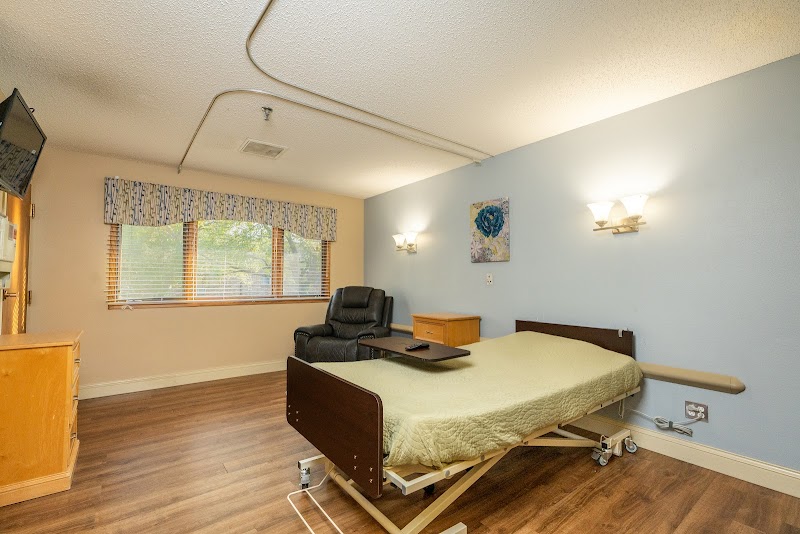
How is Royal Oaks Nursing And Rehabilitation Center Staffed?

CMS rates Royal Oaks Nursing and Rehabilitation Center's staffing level at 1 out of 5 stars, which is much below average compared to other nursing homes. Staff turnover is 63%, which is 17 percentage points above the Iowa average of 46%. High turnover can affect care consistency as new staff learn residents' individual needs. RN turnover specifically is 80%, which is notably high. RNs provide skilled clinical oversight, so turnover in this role can affect medical care quality.

What Have Inspectors Found at Royal Oaks Nursing And Rehabilitation Center?

State health inspectors documented 56 deficiencies at Royal Oaks Nursing and Rehabilitation Center during 2023 to 2025. These included: 1 Immediate Jeopardy (the most serious level, indicating potential for serious harm or death), 4 that caused actual resident harm, 50 with potential for harm, and 1 minor or isolated issues. Immediate Jeopardy findings are rare and represent the most serious regulatory concerns. They require immediate corrective action.
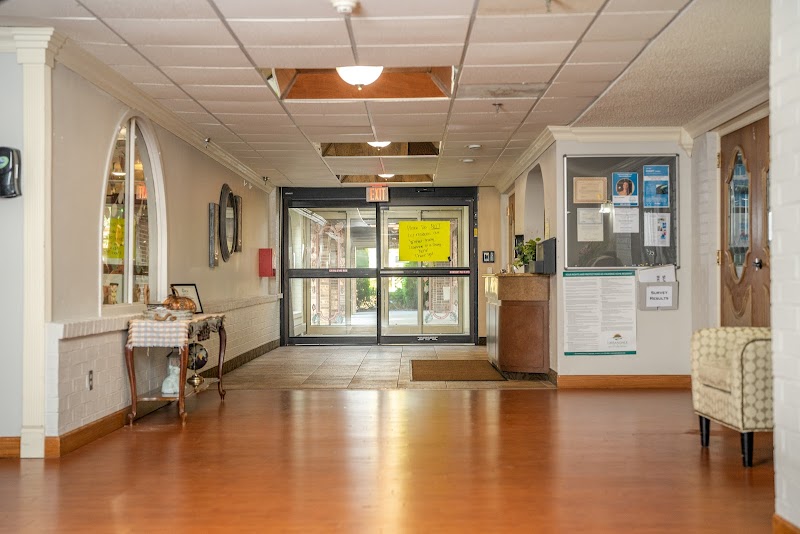
Who Owns and Operates Royal Oaks Nursing And Rehabilitation Center?

Royal Oaks Nursing and Rehabilitation Center is owned by a for-profit company. For-profit facilities operate as businesses with obligations to shareholders or private owners. The facility is operated by CAMPBELL STREET SERVICES, a chain that manages multiple nursing homes. With 115 certified beds and approximately 84 residents (about 73% occupancy), it is a mid-sized facility located in Urbandale, Iowa.

How Does Royal Oaks Nursing And Rehabilitation Center Compare to Other Iowa Nursing Homes?

Compared to the 100 nursing homes in Iowa, Royal Oaks Nursing and Rehabilitation Center's overall rating (2 stars) is below the state average of 3.0, staff turnover (63%) is significantly higher than the state average of 46%, and health inspection rating (1 stars) is much below the national benchmark.

What Should Families Ask When Visiting Royal Oaks Nursing And Rehabilitation Center?

Based on this facility's data, families visiting should ask: "What changes have been made since the serious inspection findings, and how are you preventing similar issues?" "How do you ensure continuity of care given staff turnover, and what is your staff retention strategy?" "Can you walk me through typical staffing levels on day, evening, and night shifts?" "Can I visit during a mealtime to observe dining assistance and food quality?" These questions are particularly relevant given the facility's Immediate Jeopardy citations, the facility's high staff turnover rate, and the below-average staffing rating.

Is Royal Oaks Nursing And Rehabilitation Center Safe?

Based on CMS inspection data, Royal Oaks Nursing and Rehabilitation Center has documented safety concerns. Inspectors have issued 1 Immediate Jeopardy citation (the most serious violation level indicating risk of serious injury or death). The facility has a 2-star overall rating and ranks #100 of 100 nursing homes in Iowa. Families considering this facility should ask detailed questions about what corrective actions have been taken since these incidents.

Do Nurses at Royal Oaks Nursing And Rehabilitation Center Stick Around?

Staff turnover at Royal Oaks Nursing and Rehabilitation Center is high. At 63%, the facility is 17 percentage points above the Iowa average of 46%. Registered Nurse turnover is particularly concerning at 80%. RNs handle complex medical decisions and coordinate care — frequent RN changes can directly impact care quality. High turnover means new staff may not know residents' individual needs, medications, or preferences. It can also be disorienting for residents, especially those with dementia who rely on familiar faces. Families should ask: What is causing the turnover? What retention programs are in place? How do you ensure care continuity during staff transitions?

Was Royal Oaks Nursing And Rehabilitation Center Ever Fined?

Royal Oaks Nursing and Rehabilitation Center has been fined $122,058 across 3 penalty actions. This is 3.6x the Iowa average of $34,299. Fines at this level are uncommon and typically indicate a pattern of serious deficiencies, repeated violations, or failure to correct problems promptly. CMS reserves penalties of this magnitude for facilities that pose significant, documented risk to resident health or safety. Families should request specific documentation of what issues led to these fines and what systemic changes have been implemented.

Is Royal Oaks Nursing And Rehabilitation Center on Any Federal Watch List?

Royal Oaks Nursing and Rehabilitation Center is not on any federal watch list. The most significant is the Special Focus Facility (SFF) program, which identifies the bottom 1% of nursing homes nationally based on persistent, serious quality problems. Not being on this list means the facility has avoided the pattern of deficiencies that triggers enhanced federal oversight. This is a positive indicator, though families should still review the facility's inspection history directly.