Pine Acres Rehabilitation and Care Center
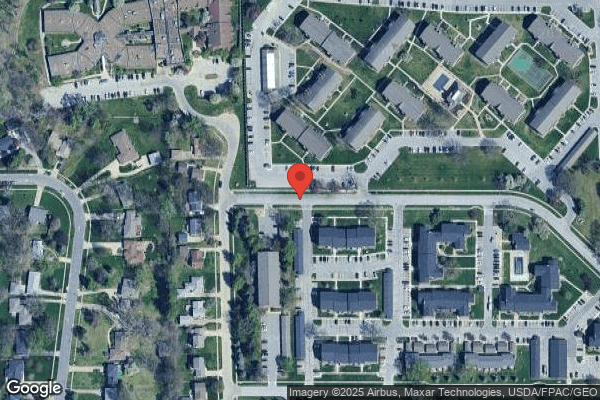
1501 OFFICE PARK ROAD, WEST DES MOINES, IA 50265 (515) 223-1223
For profit - Limited Liability company 140 Beds AKIKO IKE Data: November 2025 7 Immediate Jeopardy citations
Trust Grade
0/100
Last Inspection: June 2025

Inspected within the last 6 months. Data reflects current conditions.

Overview

Pine Acres Rehabilitation and Care Center has received an Trust Grade of F, indicating significant concerns about the quality of care provided. It ranks poorly, as it has no ranking in Iowa or Polk County, which suggests there are no better local options. The facility is showing signs of improvement, with the number of issues decreasing from 22 in 2024 to 16 in 2025, but it still faces serious challenges. Staffing is a critical weakness, with a high turnover rate of 56%, significantly above the Iowa average, and only average RN coverage. Additionally, there are concerning incidents, including staff failing to report allegations of rough treatment towards residents and a lack of proper response to resident needs, which raises serious safety and care quality issues.
Trust Score
F
0/100
In Iowa
#112/223
Top 50%
Safety Record
High Risk
Review needed
Inspections
Getting Better
22 → 16 violations
Staff Stability
⚠ Watch
56% turnover. Above average. Higher turnover means staff may not know residents' routines.
Penalties
✓ Good
$347,309 in fines. Lower than most Iowa facilities. Relatively clean record.
Skilled Nurses
○ Average
Each resident gets 31 minutes of Registered Nurse (RN) attention daily — about average for Iowa. RNs are the most trained staff who monitor for health changes.
Violations
⚠ Watch
100 deficiencies on record. Higher than average. Multiple issues found across inspections.
☆☆☆☆☆
0.0
Overall Rating
☆☆☆☆☆
0.0
Staff Levels
☆☆☆☆☆
0.0
Care Quality
☆☆☆☆☆
0.0
Inspection Score
Stable
2024: 22 issues
2025: 16 issues

The Good

  • Full Sprinkler Coverage · Fire safety systems throughout facility
  • No fines on record

Facility shows strength in fire safety.

The Bad

Staff Turnover: 56%

Near Iowa avg (46%)

Frequent staff changes - ask about care continuity

Federal Fines: $347,309

Well above median ($33,413)

Significant penalties indicating serious issues

Chain: AKIKO IKE

Part of a multi-facility chain

Ask about local staffing decisions and management

Staff turnover is elevated (56%)

8 points above Iowa average of 48%

The Ugly 100 deficiencies on record

7 life-threatening 4 actual harm
Aug 2025 4 deficiencies
CONCERN (D) 📢 Someone Reported This

A family member, employee, or ombudsman was alarmed enough to file a formal complaint

Potential for Harm - no one hurt, but risky conditions existed

Incontinence Care (Tag F0690)

Could have caused harm · This affected 1 resident

Based on observation, staff interview, and policy review the facility failed to provide appropriate incontinence care for one (#11) of three residents reviewed. The facility reported a census of 79 re...

Read full inspector narrative →
Based on observation, staff interview, and policy review the facility failed to provide appropriate incontinence care for one (#11) of three residents reviewed. The facility reported a census of 79 residents. Findings include:The Minimum Data Set (MDS) assessment for Resident #11, dated 5/22/25, included diagnoses of stroke, Non-Alzheimer's Dementia, and hemiplegia (paralysis of one side of the body). The MDS identified the resident was dependent on staff for toilet hygiene and was always incontinent of urine and frequently incontinent of bowel. The MDS indicated the resident had a Brief Interview for Mental Status score of 9, indicating moderate cognitive impairment. Observation on 8/20/25 at 8 AM, Staff A, Certified Nursing Assistant (CNA) and Staff C, CNA entered Resident 11's room and washed hands and donned gloves. With the resident lying in bed, Staff A removed the resident's visibly wet brief, cleansed above the penis, the penis, and the scrotum, without cleansing the inner thighs. The resident was turned to his side and Staff A cleansed between the resident's buttocks and inner buttocks, didn't cleanse the outer buttocks and hips.Facility policy Perineal Care, revised 08/2025, documented cleanse buttocks and anus.Interview on 8/26/25 at 11:10 AM, the Director of Nursing stated expectation to cleanse all areas of buttocks and hips when completing incontinence care.
CONCERN (E) 📢 Someone Reported This

A family member, employee, or ombudsman was alarmed enough to file a formal complaint

Potential for Harm - no one hurt, but risky conditions existed

Safe Environment (Tag F0584)

Could have caused harm · This affected multiple residents

**NOTE- TERMS IN BRACKETS HAVE BEEN EDITED TO PROTECT CONFIDENTIALITY** Based on observations, resident and staff interviews and facility policy review, the facility failed to maintain a safe, clean a...

Read full inspector narrative →
**NOTE- TERMS IN BRACKETS HAVE BEEN EDITED TO PROTECT CONFIDENTIALITY** Based on observations, resident and staff interviews and facility policy review, the facility failed to maintain a safe, clean and comfortable environment, free of possible hazards. The facility reported a census of 79 residents. Findings include:On 08/07/23 at 11:00 AM observation of room [ROOM NUMBER] noted carpet flooring throughout an entire room. The dark beige carpet was excessively stained with dark and pink color spills. The bathroom had a walk-in shower that was not used for bathing. The shower had multiple clear plastic trash bags filled with empty pop cans. The personal hygiene items were stored on the floor (disposable incontinence products). 1. Dining room observation on 8/25/25 at 10:25 am revealed the following:a. Peeling paint in several areas on the ceiling. 2 areas measuring about 1ftx1ft each had eroded from a water leak to the point the drywall was visible and the plaster had fallen off, with the peeled and dried paint hanging down from the ceiling about 5-10 inches in the air. 1 of these areas had a dining table right underneath. b. A large vent located in the center of the dining room had a buildup of fuzzy, dust-like particles around it. c. In the adjacent dining room several areas were noted with brown color circular stains in the ceiling tiles. d. Large glass windows to the exterior were noted to be stained and extensive residue of translucent film as from old tape marks were observed throughout the windows and doors. e. Sink next to the ice machine had visible corrosion from water around the base of the cabinet and the wall. The tile underneath the ice machine and the sink was saturated with water from the water line that was actively dripping. f. Nurses station located in the center of 4 residential hallways displayed a carpeted floor. Throughout most of the floor, large dark stains were noted in the carpet. g. On one of the four residential hallways, a skylight between rooms #308 and #309 several ceiling tiles stained with brown circular spots. One of the ceiling tiles surrounding the skylight had a spot with brown and black discoloration that had powder-like particles falling out of it accumulating on the carpeted floor. h. The entertainment area where residents were noted to spend time watching TV had a large ceiling vent. The grey filter in the vent had a buildup of fuzzy and black colored substance accumulated throughout the base. i. The carpeted floor in the main area of the facility, between the dining room and the TV noted to be soiled with varies shapes and colors.In an interview on 8/25/25 at 3:00 pm with the Maintenance Director who has been in the position for about 2 weeks, he revealed that he was new to the facility and confirmed the mentioned above areas of the facility needed improvement. He reported that the carpet cleaning machine was out of service at the moment but the replacement parts were ordered. He further stated that meanwhile a smaller carpet shampooing unit was in use to spot clean areas but it wasn't large enough to deep clean large carpeted areas such as by the nursing desk or by the main dining room area. 2. Record Review of Resident #8 Minimum Data Set (MDS) dated [DATE] documented a Brief Interview of Mental Status (BIMS) of 14 indicating intact cognition. The MDS reflected Resident #8 utilized a wheelchair for mobility. The MDS further documented Resident #8 required substantial/maximal assistance total from staff for performing activities of daily living but he was able to independently use the wheelchair. In an interview with Resident #8 on 8/24/25 at 10:30 am it was noted the wheelchair was visible soiled and a buildup of debris around the structural parts. The cushion seat had multiple cigarette burns extending from the center towards the edge of the seat. The lock on the left side of the wheel was not functional. Resident #8 stated the lock did not work properly for a long time and he wanted his wheelchair to look clean and the brakes fixed.In an interview with the Director of Nursing (DON) on 8/26/25 at 10:30 am she stated that the facility staff were to clean residents' wheelchairs at a minimal weekly and on as needed basis. She further stated that the carpet in room [ROOM NUMBER] had been shampooed multiple times but the stains were not lifted successfully. The DON further stated that her expectations were for the wheelchairs to be clean and the carpets to be stain-free to promote a homelike environment for the residents. The facility provided policy titled Safe and Homelike Environment revised 1/2025 documented: Housekeeping and maintenance services will be provided as necessary to maintain a sanitary, orderly and comfortable environment.
CONCERN (E) 📢 Someone Reported This

A family member, employee, or ombudsman was alarmed enough to file a formal complaint

Potential for Harm - no one hurt, but risky conditions existed

Deficiency F0725 (Tag F0725)

Could have caused harm · This affected multiple residents

Based on record review, resident interviews, observations, staff interviews, and policy review the facility failed to provide nursing staff to assure resident safety by not responding to call lights i...

Read full inspector narrative →
Based on record review, resident interviews, observations, staff interviews, and policy review the facility failed to provide nursing staff to assure resident safety by not responding to call lights in a timely manner to 5 of 5 residents reviewed (Resident #8, #12, #17 , and #5). The facility reported a census of 79 residents. Findings include:1.The Minimum Data Set (MDS) assessment for Resident #16, dated 7/20/25, included diagnoses of morbid obesity and heart failure. The MDS identified the resident was dependent on staff for all cares except eating. The MDS indicated the resident had a Brief Interview for Mental Status score of 13, indicating mild cognitive impairment. Interview on 8/28/25 at 4:00 PM, Resident #16 stated the staff don’t answer the call lights timely, that it takes way over 15 minutes, and the afternoon shift is the worst and the facility is always understaffed. The resident stated the other day it was over 2 hours before they answered his call light as he had timed it on his phone. 2.The MDS assessment for Resident #17, dated 7/22/25, included diagnoses of morbid obesity and heart failure. The MDS identified the resident required substantial/maximal assistance of staff for transfers and toileting and is frequently incontinent of bladder and always incontinent of bowel. The MDS indicated the resident had a Brief Interview for Mental Status score of 15, indicating no cognitive impairment. Interviews on 8/28/25 at 4:10 PM and 8/26/25 at 7:40 AM, Resident #17 stated he wished the staff would answer call lights quicker as earlier today it was 1 hour and 40 minutes before the staff answered his light. The resident stated he was wet, needed to be changed, and does have sores on his bottom and the staff are treating the sores but the sores are not getting better with not getting changed quicker. The resident stated frequently staff come in and shut off his call light, then state they will go get help and don’t return. The resident stated he will wait 15 minutes and then will turn on the call light again, as he times it on his phone. The resident stated he had asked for 2 liners placed in his brief as staff are not able to change him frequently enough and he is tired of wetting through his clothes. The resident stated he usually voids all at one time about every 1.5 hours, the brief will hold if he voids 1 time but if he voids 2 or more times then he wets thru to his clothes. The resident stated it takes 2 staff to provide cares and change him, he needed the stand lift which requires 2 staff, and frequently don’t have 2 staff available to change him that often. Additionally, the resident stated he frequently waits 1 hour to get cares completed after he asks. 3.The MDS assessment for Resident #11, dated 5/22/25, included diagnoses of stroke, Non-Alzheimer’s Dementia, and hemiplegia (paralysis of one side of the body). The MDS identified the resident was dependent on staff for transfers, dressing, and toileting. The MDS indicated the resident had a Brief Interview for Mental Status score of 9, indicating moderate cognitive impairment. Interview on 8/19/25 at 11:43 AM, Resident #11 stated staff turn off his call light and say they will be back, not come back for an hour, and this happens frequently in the morning when the resident wants to get up. The resident stated it also happens throughout the day. 4. The MDS assessment for Resident #8, dated 7/10/25, included diagnoses of stroke and hemiplegia (paralysis of one side of the body). The MDS identified the resident required substantial/maximal assistance of staff for transfers, toileting, and dressing. The MDS indicated the resident had a Brief Interview for Mental Status score of 14, indicating mild cognitive impairment. Interview on 8/19/25 at 12:25 PM, Resident #8 stated it takes about 1 hour for staff to answer his call light frequently and that can be anytime of the day. The resident stated the staff will come in and turn off the light, say they will be back, and don’t come right back. 5. The MDS assessment for Resident #12, dated 7/1/25, included diagnoses of stroke and hemiplegia (paralysis of one side of the body). The MDS identified the resident was dependent on staff for all cares except eating, was wheelchair dependent, and not able to propel self in wheelchair. The MDS indicated the resident had a Brief Interview for Mental Status score of 15, indicating no cognitive impairment. Observation on 8/19/25 at 11:30AM, Resident #11 in his room, reclined in a wheelchair approximately 5 feet from the bed with the call light down between the resident’s bed and wall, not within reach of the resident. Observation on 8/26/25 at 7:50AM, Resident #11 in his wheelchair approximately 4 feet from his bed, with the call light cord draped over the resident’s bed foot board, with the call button down between the mattress and footboard, not within reach of the resident. Resident asked where the call light was and confirmed he was not able to reach the call light. Facility Policy Call Lights: Accessibility and Timely Response revised 10/202 documented staff will ensure the call light is within reach of resident and secured, as needed Interview on 8/26/25 at 11:10 AM, the Director of Nursing stated the facility policy did not address the timeliness of answering a call light but her expectation was for call lights to be answered within 15 minutes and for call lights to be within reach of the residents. 6. The MDS for Resident #5 dated 7/24/25 documented BIMS of 15 indicating no cognitive impairment. The MDS further documented Resident #5 had diagnoses of anxiety, depression and diabetes type 2 with daily insulin injections. In an Interview on 8/25/25 at 12:00 pm Resident #5 revealed call light is not answered for up to 1 hour sometimes. Resident #5 further revealed she watched the clock and often had to leave the room in her wheelchair and look for staff herself to get help. The call light in her room was functioning.
CONCERN (E) 📢 Someone Reported This

A family member, employee, or ombudsman was alarmed enough to file a formal complaint

Potential for Harm - no one hurt, but risky conditions existed

Infection Control (Tag F0880)

Could have caused harm · This affected multiple residents

**NOTE- TERMS IN BRACKETS HAVE BEEN EDITED TO PROTECT CONFIDENTIALITY** Based on clinical record review, observations, staff interviews and policy review the facility failed to maintain infection cont...

Read full inspector narrative →
**NOTE- TERMS IN BRACKETS HAVE BEEN EDITED TO PROTECT CONFIDENTIALITY** Based on clinical record review, observations, staff interviews and policy review the facility failed to maintain infection control practices for 8 of 8 residents reviewed. The facility failed to ensure use of EBP when required, failed to maintain hand hygiene with dining and failed to maintain infection control practices during catheter care. The facility reported a census of 79 residents. Findings include: 1. Observation on 8/19/25 at 12:20 PM Staff B, Certified Nursing Assistant (CNA) was sitting at a rounded table assisting 4 residents to dine. Staff B touched 1 resident’s leg with her gloved hands, then with her gloved hand picked up a 2nd resident’s bread stick and placed the bread stick in the resident’s mouth, then proceeded to touch 2 other residents’ silverware and napkins, Staff B continued to assist all 4 residents throughout the lunch meal with the same pair of gloves on and no hand hygiene performed. 2. The Minimum Data Set (MDS) assessment for Resident #9, dated 6/17/25, included diagnoses of neurogenic bladder (inability to control urination) and urinary tract infection. The MDS identified the resident had an indwelling catheter (tube into penis to bladder to drain urine) and needed partial/moderate assistance of staff for toileting hygiene. The MDS indicated the resident had a Brief Interview for Mental Status score of 11, indicating moderate cognitive impairment. Observation on 8/20/25 at 1:40 PM, Staff D, CNA and Staff F, CNA donned gown, gloves and mask and entered Resident #9’s room. Staff D placed a graduated container (container to drain and measure urine from a catheter bag) directly on the carpeted floor, without placing a barrier between the container and the floor, and proceeded to empty the catheter bag into the graduated container, touching the drain spout to the inside of the graduated container. 3.The MDS assessment for Resident #18, dated 5/15/25, included diagnoses of neurogenic bladder and stroke. The MDS identified the resident had an indwelling catheter (tube into penis to bladder to drain urine) and needed substantial/maximal assistance of staff for toileting hygiene. The MDS indicated the resident had a Brief Interview for Mental Status score of 9, indicating moderate cognitive impairment. Observation on 8/20/25 at 1:08 PM- Staff A, CNA and Staff E, CNA sanitized their hands, donned gown and gloves, and entered Resident #18’s room, that is shared with another resident. Staff E placed a barrier on the floor, with the graduated container on the barrier. Staff E removed the catheter bag from the dignity bag, cleansed the drain tube spout, drained the urine from the bag with the spout touching the inside of the graduated container while draining. Staff E cleansed the drain tube spout again and then with Staff A holding the catheter bag, the drain tube spout again touched the inside of the graduated container 2 more times. Staff E placed the spout back into the spout holder, emptied the urine, rinsed the graduated container, placed a paper towel in the container and placed on the back of the toilet, did not cover the container. Facility policy Catheter Drainage Bag Emptying Checklist, undated, documented the container placed on a flat service below bladder, open drainage spout without touching container, and allow urine to drain completely. 4. Observation on 8/20/25 at Staff A and Staff C, CNA provided incontinence care to Resident #11. While completing cares, Staff C placed the package of perineal wipes on the resident’s bottom bed sheet by the resident. After completing cares, Staff C moved the package of wipes to the resident’s roommate’s bedside tray table. Interview on 8/26/25 at 11:10 AM, the Director of Nursing (DON) stated expectations for the urine graduate container to be placed on a barrier and to not allow the drain spout to touch the inside of the graduated container when emptying the catheter bag. The DON further stated expectation for staff to complete hand hygiene between assisting residents and a resident’s package of wipes used for cares to not be placed on another resident’s bedside table. 5. The MDS dated [DATE] for Resident #5 documented the following diagnoses: multidrug-resistant organism (MDRO), neurogenic bladder, pressure ulcers, cellulitis of right upper limb, and yeast infection. The MDS also indicated use of an indwelling catheter and ostomy. An observation on 8/21/25 at 1:50 pm of Resident #4 revealed a staff member was in the room providing ostomy care without a personal protective gown on. In an interview with Staff G, Registered Nurse (RN) on 8/21/25 at 1:52 pm she visualized staff completing the ostomy care and confirmed the staff in Resident #4’s room should have been following enhanced barrier precautions and utilizing Personal Protective Equipment (PPE) but was not and she was told it was because there were no gown available. Staff G proceeded to look into the supply bin located outside of Resident #4’s room and there were no gowns. Staff G proceeded to walk down the hallway and opened 6 other supply bins with enhanced barrier items/PPE, but only found 1 cart had gowns in it. She stated she will restock the PPE bins and she wasn’t aware of the bins not being stocked with PPE.
Jun 2025 10 deficiencies
CONCERN (D)

Potential for Harm - no one hurt, but risky conditions existed

Deficiency F0628 (Tag F0628)

Could have caused harm · This affected 1 resident

Based on clinical record review, staff interview, and policy review the facility failed to document a resident's transfer to the hospital, physician and family notification, and a bed hold for 1 of 3 ...

Read full inspector narrative →
Based on clinical record review, staff interview, and policy review the facility failed to document a resident's transfer to the hospital, physician and family notification, and a bed hold for 1 of 3 residents reviewed. (Resident #7) The facility reported a census of 75 residents. Findings include: The Minimum Data Set (MDS) for Resident #7 dated 4/10/25, included diagnoses of Non-Alzheimer's Dementia, stroke, and heart failure and a Brief Interview for Mental Status score of 99 indicating the resident was not able to complete the assessment due to severe cognitive impairment. Resident #7's Clinical Census documented the resident on hospital leave 1/27/25 - 2/12/25. The Progress Notes for Resident #7's revealed the following: 1/28 - 2/11/25 - hospitalized . 2/3/25 at 5:43 PM - resident was admitted to the hospital. 2/12/25 at 1:20 PM - resident returned. Review of Resident #7's Progress Notes 1/27/25 - 2/12/25 lacked documentation of the resident's transfer to the hospital, physician and family notification of transfer to the hospital, and bed hold completed. Resident #7's hospital discharge and transfer form dated 2/12/25 documented primary discharge diagnosis of altered mental status. Facility policy Transfer and Discharge reviewed/revised 2/2025 revealed: 1. The facility will obtain a physician's order for emergency transfer 2. For transfer to another provider, ensure necessary information is provided along with the facility's transfer form. 3. Document assessment findings and other relevant information regarding the transfer in the medical record. 4. Provide a notice of transfer and the facility's bed hold notice policy to the resident and representative. On 6/9/25 at 1:20 PM, the Corporate Nurse confirmed she was unable to find any documentation in the resident's electronic health record (EHR) on the resident assessment prior to transfer to the hospital, the bed hold provided to the family, transferring information provided to the receiving facility, and physician and family notification. Additionally, the Corporate Nurse stated her expectation for all the information to be documented in the resident's EHR.
CONCERN (D)

Potential for Harm - no one hurt, but risky conditions existed

Assessment Accuracy (Tag F0641)

Could have caused harm · This affected 1 resident

Based on clinical record review, staff interview, and policy review the facility failed to accurately complete a Minimum Data Set (MDS) Assessment by not identifying a resident had a serious mental il...

Read full inspector narrative →
Based on clinical record review, staff interview, and policy review the facility failed to accurately complete a Minimum Data Set (MDS) Assessment by not identifying a resident had a serious mental illness as considered by the state level II Preadmission Screening and Resident Review (PASRR) for 1 of 16 residents (Resident #34) reviewed. The facility reported a census of 75 residents. Findings include: The MDS for Resident #34, dated 3/22/25, included diagnoses of Psychotic Disorder, Anxiety Disorder, and depression and documented the resident was not currently considered by the state level II PASRR process to have serious mental illness. Resident #34's Notice of PASRR Level II Outcome dated 1/20/24, revealed an approved PASRR Level II outcome with the determination explanation of the resident meets PASRR criteria for serious mental illness for the diagnosis of Major Depressive Disorder. Facility policy, Conducting an Accurate Resident Assessment reviewed/revised 1/2025 revealed that all residents receive an accurate assessment and correctly document the resident's medical, functional, and psychosocial problems. On 6/09/25 at 2:21 PM, the Corporate Nurse stated her expectation was the resident's MDS to be completed accurately.
CONCERN (D)

Potential for Harm - no one hurt, but risky conditions existed

PASARR Coordination (Tag F0644)

Could have caused harm · This affected 1 resident

**NOTE- TERMS IN BRACKETS HAVE BEEN EDITED TO PROTECT CONFIDENTIALITY** Based on clinical record review, staff interview, and policy review, the facility failed to submit an updated Preadmission Scree...

Read full inspector narrative →
**NOTE- TERMS IN BRACKETS HAVE BEEN EDITED TO PROTECT CONFIDENTIALITY** Based on clinical record review, staff interview, and policy review, the facility failed to submit an updated Preadmission Screening and Resident Review (PASRR) evaluation for 1 of 4 residents reviewed with mental health diagnosis and medications (Resident #31). The facility reported a census of 75 residents. Findings include: Review of the Minimum Data Set (MDS) dated [DATE], revealed Resident #31 was admitted to the facility on [DATE], a Brief Interview for Mental Status (BIMS) score of 15, indicating cognitively intact and diagnoses of cancer, heart failure, peripheral vascular disease, renal insufficiency, alcoholic cirrhosis of liver, cannabis abuse, Werrnicke's encephalopathy (serious brain disorder caused by a deficiency of thiamine. Often associated with chronic alcohol abuse) delusional disorders, Non-Alzheimer's Dementia, anxiety disorder, depression, and psychotic disorder. The MDS indicated Resident #31 is taking the following pharmacological classed medications; antipsychotics, antianxiety, antidepressant, anticoagulant, diuretic, and hypoglycemic. Review of Resident #31's Care Plan indicated the following: 1. Created on 12/26/2023, Resident #31 is at risk for alterations in mood and behaviors, as evidenced by time of being non-compliant with cares, treatments, and medications. Resident #31 has a history of trouble adjusting to the nursing facility and blaming family for placement. This is related to dementia, delusional disorder, depression and anxiety. Resident #31 also has a history of cannabis and alcohol use. 2. Created on 12/18/2024, Resident #31 is at risk for verbal behavioral symptoms related to depression, ineffective coping skills, and poor impulse control. 3. Created on 5/4/2023, Resident #31 has impaired cognitive function/dementia or impaired thought processes related to Werrnicke's Encephalopathy. 4. Created on 5/24/2023, Resident #31 uses antianxiety medications, hydroxyzine and buspirone related to anxiety. 5. Created on 5/24/2023, Resident #31 uses antidepressant medications, duloxetine and mirtazapine related to depression. 6. Created on 5/24/2023, Resident #31 uses psychotropic medications related to behavior management. 7. Created 1/28/2025, Resident #31 has a diagnosis of anxiety, depression, with loss of impulse and takes antianxiety medication, antidepressants and antipsychotics. Review of Resident #31's Order Summary Report, revealed Resident #31 receives the following medications: 1. Buspirone 10mg by mouth three times daily for anxiety. 2. Duloxetine 60mg by mouth twice daily for depression. 3. Hydroxyzine 25mg by mouth three times daily for anxiety 4. Mirtazapine 15mg by mouth at bedtime for depression. 5. Risperidone 1mg by mouth at bedtime for delusional disorders. Review of Resident #31's PASRR, submitted on admission, dated 6/5/2023 indicated Resident #31 had no mental health diagnoses, substance related diagnoses, or dementia/neurocognitive disorders. No interpersonal behaviors or mental health symptoms. And Resident #31 was not receiving mental health medications including, antidepressants, mood stabilizers, antipsychotics, or other mental health medications. The PASRR outcome rationale stated the following: The level I screen indicates that a PASRR disability is not present because of the following reason: there is no evidence of a PASRR condition of an intellectual/developmental disability or a serious behavioral health condition. If changes occur or new information refutes these findings, a new screen must be submitted. During an interview on 6/4/25 at 10:51 AM, Staff D, Social Services, stated audits had been completed on all Resident's PASRRs that are in Point Click Care (PCC)(Electronic Health Record Program) and stated the PASRRs in PCC are the most current for each resident. Staff D, reviewed Resident #31's PASRR located in PCC and stated she will check the online site to see if there were more current PASRR documents for Resident #31. On 6/04/25 at 4:40 PM, Staff D, Social Services, stated the provided PASRR is all the facility had and had been informed by Administration this document had been reviewed during the last certification in December of 2024, and found there was no concerns with it so no changes had been made. During an interview on 6/5/25 at 11:27 AM, Staff G, Administration, stated Resident #31's PASRR had been asked about during the Recertification in December 2024, this discussion was not related to Resident #31's current diagnoses and medications. Staff G stated the PASRR should have been resubmitted with Resident #31's current diagnoses and medications at the time Resident #31's Care Plan was updated indicating the diagnoses, behaviors, and medications. Review of Facility provided, Resident Assessment- Coordination with PASARR Program Policy, revised 2/2025 stated the following: This facility coordinates assessments with the preadmission screening and resident review (PASARR) program under Medicaid to ensure that individuals with a mental disorder, intellectual disability, or a related condition receives care and services in the most integrated setting appropriate to their needs. 1. All applicants to this facility will be screened for serious mental disorders or intellectual disabilities and related conditions in accordance with the State's Medicaid rules for screening. a. PASARR Level I - initial pre-screening that is completed prior to admission i. Negative Level I Screen - permits admission to proceed and ends the PASARR process unless a possible serious mental disorder or intellectual disability arises later. ii. Positive Level I Screen - necessitates a PASARR Level II evaluation prior to admission. b. PASARR Level II - a comprehensive evaluation by the appropriate state-designated authority (cannot be completed by the facility) that determines whether the individual has MD, ID, or related condition, determines the appropriate setting for the individual, and recommends any specialized services and/or rehabilitative services the individual needs. 2. The Social Services Director shall be responsible for keeping track of each resident's PASARR screening status, and referring to the appropriate authority. 3. Any resident who exhibits a newly evident or possible serious mental disorder, intellectual disability, or a related condition will be referred promptly to the state mental health or intellectual disability authority for a level II resident review. Examples include: a. A resident who exhibits behavioral, psychiatric, or mood related symptoms suggesting the presence of a mental disorder (where dementia is not the primary diagnosis). b. A resident whose intellectual disability or related condition was not previously identified and evaluated through PASARR. c. A resident transferred, admitted , or readmitted to the facility following an inpatient psychiatric stay or equally intensive treatment.
CONCERN (D)

Potential for Harm - no one hurt, but risky conditions existed

Comprehensive Care Plan (Tag F0656)

Could have caused harm · This affected 1 resident

**NOTE- TERMS IN BRACKETS HAVE BEEN EDITED TO PROTECT CONFIDENTIALITY** Based on observation, clinical record review, resident interview, staff interview and policy review, the facility failed to deve...

Read full inspector narrative →
**NOTE- TERMS IN BRACKETS HAVE BEEN EDITED TO PROTECT CONFIDENTIALITY** Based on observation, clinical record review, resident interview, staff interview and policy review, the facility failed to develop and implement a comprehensive person-centered care plan for 1 of 20 residents reviewed (Resident #25). The facility reported a census of 75 residents. Findings include: According to the Minimum Data Set (MDS) assessment dated [DATE], Resident #25 scored 14 on the Brief Interview for Mental Status (BIMS) indicating intact cognition. The MDS included diagnoses for Resident #25 of debility, cardiorespiratory conditions, heart failure, diabetes mellitus, respiratory failure and need for assistance with personal care. The resident was dependent on staff for toileting hygiene and the resident did not perform the activity of toilet transfer. The resident was frequently incontinent of urine and always incontinent of bowel in the look back period. The resident was not on a urinary or bowel toileting program. The Care Plan, with an initiation date of 6/24/22, included the resident had a self care deficit as evidenced by requiring assistance with Activities of Daily Living (ADL's), impaired balance during transitions requiring assistance and/or walking, incontinence. The Care Plan for Resident #25 lacked interventions/tasks and goals for toileting hygiene, assistance and cares. During an interview 6/2/25 at 2:28 PM, Resident #25 stated she was not on a toileting program, she stated she was incontinent of both bowel and bladder. The resident stated staff are not consistent with when they check on her to determine if she had been incontinent and required assistance with toileting hygiene. During an observation 6/2/25 at 2:30 PM, Resident #25's room had a strong odor of urine. Resident #25 shared a room with another resident. During an observation 6/4/25 at 2:30 PM, Resident #25's room had a strong odor of urine. During an observation 6/5/25 at 9:27 PM, Resident #25's room had a strong odor of urine. During an interview 6/5/25 at 10:48 AM, Staff A, Certified Nursing Assistant (CNA), stated they look at the computer system, Point Click Care (PCC) to determine care needs for residents. Staff A stated Resident #25 should be checked every two hours to see if she had an incontinent episode and changed. Staff A stated the resident's room had an odor of urine sometimes, she believed it was partially due to the resident making her bed in the morning and the sheets are wet. Staff A stated the resident is a two person assist Hoyer lift for all transfers. Staff should check the resident's bed every morning to see if the sheets are wet. During an interview 6/5/25 at 11:16 AM, the Director of Nursing (DON) acknowledged toileting is not identified in the Care Plan with interventions and steps for Resident #25. The DON stated an expectation of toileting being in the Care Plan, with interventions, goals and steps outlined. During an observation 6/9/25 at 10:08 AM, Resident #25's room had a strong odor of urine. During an interview 6/9/25 at 10:09 AM, the DON acknowledged Resident #25's room had an odor of urine when she went into the room on 6/5/25. Staff located soiled clothing and a soiled brief under the roommate's bed and removed this on 6/5/25. The room continues to have an odor of urine. Review of the facility Comprehensive Care Plans policy, revised 3/2025, documented it is the policy of this facility to develop and implement a comprehensive person-centered care plan for each resident, consistent with resident rights, that includes measurable objectives and timeframes to meet a resident's medical, nursing, and mental and psychosocial needs and all services that are identified in the resident's comprehensive assessment and meet professional standards of quality.
CONCERN (D)

Potential for Harm - no one hurt, but risky conditions existed

Deficiency F0657 (Tag F0657)

Could have caused harm · This affected 1 resident

**NOTE- TERMS IN BRACKETS HAVE BEEN EDITED TO PROTECT CONFIDENTIALITY** Based on clinical record review, staff interview and facility policy review, the facility failed to revise the comprehensive car...

Read full inspector narrative →
**NOTE- TERMS IN BRACKETS HAVE BEEN EDITED TO PROTECT CONFIDENTIALITY** Based on clinical record review, staff interview and facility policy review, the facility failed to revise the comprehensive care plan to accurately reflect status of 1 of 20 (Resident #48) residents reviewed. The facility reported a census of 75. Findings include: Review of Resident #48's Minimum Data Set (MDS) dated [DATE] revealed a Brief Interview for Mental Status (BIMS) score of 99, (indicating a resident is unable to complete the interview due to not being able to understand the questions, unable to respond, or other barriers to conducting the interview). The MDS indicated, Resident #48's preferred language is Bosnia and an interpreter is needed to communicate. Resident #48's diagnoses included hypertension, Non-Alzheimer's Dementia, anxiety disorder, and depression. The MDS also indicated Resident #48's mobility assistance for transfers required substantial/maximal assistance and supervision or touching assistance for walking with a walker. Review of Resident #48's Electronic Health Record (EHR) revealed on 4/7/25 at 7:48 PM, Nursing Health Status note: Alerted by staff, resident was on the floor in her room. Resident self-transferred from her wheelchair. Upon entering the room, resident was found sitting upright on her butt leaning to the right side against a plastic bin with drawers. Vital signs assessed BP 125/67, P 56, R 16, 97% SpO2 on room air. Skin assessment with red abrasion to midback, range of motion to all four extremities, resident complains of pain to right shoulder, pain medications administered. Call placed to on-call provider with order for x-ray to right shoulder and to follow facility fall protocol. Intervention is to educate staff on interventions in place. Call placed to resident's representative and is aware of the plan. Monitoring continues at this time. Review of X-ray Report dated 4/9/25 revealed Resident #48 fractured right clavicle. Further review of Resident #48's EHR revealed the following: On 4/9/25 at 1:49 PM appointment made for Resident #48 at ortho clinic for tomorrow 4/10/25 at 10:30. On 4/10/25 at 6:32 PM, Resident #48 returned from the ortho clinic with a new order for weight barring as tolerated (WBAT) to right arm. Physical Therapy/Occupational Therapy to evaluate and treat. Follow up with ortho clinic in four weeks. On 4/10/25 at 8:11 PM, resident continues on fall follow up. Returned from ortho clinic with order for WBAT to right arm related to clavicle fracture. On 5/15/25 at 2:30 PM, Resident #48 returned from ortho clinic with a new order for WBAT to Right Upper Extremity. (RUE) Review of Physician's Orders document dated 5/15/25 indicated Resident #48 WBAT RUE. Review of Resident #48's Care Plan revealed Resident #48 is at risk of falls related to poor balance and poor communication/comprehension. Resident #48 has a history of non-compliance with use of call light and Resident #48 abandons walker from time to time with cares. Interventions related to Resident #48's fall resulting in clavicle fracture on 4/7/25 included, Therapy to evaluate wheelchair for safety and positioning related to fall. Resident #48 is independent with transfers and utilizes a walker. At times of weakness she will use a wheelchair. Intervention dated 4/11/25, 20 inch wheelchair set at low height with anti-rollbacks. Resident #48's Care Plan failed to indicate the resident fracturing right clavicle and being WBAT RUE. An interview on 6/9/25 at 1:55 PM, the DON stated she would expect Resident #48's Care Plan to indicate the clavicle fracture and WBAT RUE status. Review of Facility Provided Care Plan Revision Upon Status Change Policy, revised 5/25 revealed the following: Policy Explanation and Compliance Guidelines: 1. The comprehensive care plan will be reviewed, and revised as necessary, when a resident experiences a status change. 2. Procedure for reviewing and revising the care plan when a resident experiences a status change: a. Upon identification of a change in status, the nurse will notify the MDS Coordinator, the physician, and the resident representative, if applicable. b. The MDS Coordinator and the Interdisciplinary Team will discuss the resident condition and collaborate on intervention options. c. The team meeting discussion will be documented in the nursing progress notes. d. The care plan will be updated with the new or modified interventions. e. Staff involved in the care of the resident will report resident response to new or modified interventions. f. Care plans will be modified as needed by the MDS Coordinator or other designated staff member. g. The Unit Manager or other designated staff member will communicate care plan interventions to all staff involved in the resident's care. h. The Unit Manager or other designated staff member will conduct an audit on all residents experiencing a change in status, at the time the change in status is identified, to ensure care plans have been updated to reflect current resident needs. 3. The MDS Coordinator will determine whether a Significant Change in Status Assessment is warranted. If so, the assessment will be completed according to established procedures.
CONCERN (D) 📢 Someone Reported This

A family member, employee, or ombudsman was alarmed enough to file a formal complaint

Potential for Harm - no one hurt, but risky conditions existed

Accident Prevention (Tag F0689)

Could have caused harm · This affected 1 resident

**NOTE- TERMS IN BRACKETS HAVE BEEN EDITED TO PROTECT CONFIDENTIALITY** Based on observation, record review, resident interviews, staff interviews and policy review, the facility failed to ensure the ...

Read full inspector narrative →
**NOTE- TERMS IN BRACKETS HAVE BEEN EDITED TO PROTECT CONFIDENTIALITY** Based on observation, record review, resident interviews, staff interviews and policy review, the facility failed to ensure the resident's environment was free from hazards and each resident received adequate supervision to prevent accidents and ensure safety for 2 of 4 residents reviewed (Resident #75 and #5). The facility reported a census of 75 residents. Findings include: 1. According to the Minimum Data Set (MDS) assessment dated [DATE], Resident #75 scored 15 on the Brief Interview for Mental Status (BIMS) indicting intact cognition. Diagnoses for the resident included medically complex conditions, atrial fibrillation, hypertension, asthma, chronic obstructive pulmonary disease (COPD), and respiratory failure. The Care Plan, initiated 5/16/25, included Resident #75 may smoke with supervision per smoking assessment. Resident must have supervision by nursing with removing his oxygen and monitoring signs/symptoms of low oxygen saturation. The facility Safe Smoking Assessment Form, dated 5/16/25 for Resident #75 documented the resident needed adaptive equipment, a smoking apron. The resident is unable to open the door to go outside, staff is needed to assist. The team decision was resident safe to smoke with supervision. The facility Smoking: Accidents and Supervision form, signed by Resident #75 on 5/16/25, documented the resident required supervision while smoking, protective gear needed was a smoking apron and resident's lighter to be kept at the nurses station. During an interview 6/3/25 at 9:07 AM, Resident #75 stated he smoked cigarettes and he kept his smoking supplies in his room, including his cigarettes and lighter. The resident stated he did not wear an apron when he smoked and did not require supervision to smoke. The resident stated his smoke time varied. During an observation 6/3/25 at 9:10 AM, Resident #75 had his cigarettes and lighter in his room, located in the pouch of his wheelchair. During an observation 6/4/25 at 10:32 AM, Resident #75 went to the outdoor courtyard to smoke independently, no staff member assisted the resident and no staff member supervised the resident while he smoked. The resident was not wearing a smoking apron. The resident had his supplies with him, in the pouch of his wheelchair and lit his own cigarette with the lighter kept with him. After the resident smoked one cigarette, the resident returned to his room, keeping his cigarettes and lighter. During an interview 6/4/25 at 11:03 AM, Resident #75 stated he has never worn an apron while he smoked at the facility and has always kept his cigarette supplies with him in his room, including his lighter. The resident recalled signing forms when he admitted to the facility in May of this year, he did not recall signing another smoking assessment. The resident stated he had supervision by staff when he first admitted to the facility, but has not had staff supervise his smoking for awhile now. During an interview 6/5/25 at 11:48 AM, Staff D, Social Services, stated she completed another smoking assessment yesterday with Resident #75, he is considered safe now to smoke independently. Staff D believed she completed the assessment on the resident in the morning yesterday, he signed the new assessment. Staff D stated if the resident was observed to smoke independently prior to the new assessment he was not cleared to smoke independently. Staff D stated an expectation the resident follow the current smoking assessment and an expectation Resident #75 have supervision, wear an apron and not have his lighter in his room prior to the new assessment. Staff D stated the new smoking assessment has now been uploaded into Point Click Care (PCC). The Safe Smoking Assessment Form, dated 6/4/25, had a lock date of 6/4/25 at 11:42 AM. The team decision was the resident was safe to smoke without supervision, encourage resident to utilize smoking apron due to extra precaution for skin. Review of the facility Resident Smoking policy, with a revision date of 1/2025, documented it is the policy of this facility to provide a safe and healthy environment for residents, visitors, and employees, including safety as related to smoking. Safety protections apply to smoking and non-smoking residents. Residents who smoke will be further assessed, using the Resident Safe Smoking Assessment, to determine whether or not supervision is required for smoking, or if resident is safe to smoke at all. 2. According to the MDS assessment dated [DATE], Resident #5 scored a 10 on the BIMS indicating moderate cognitive impairment. The resident had diagnoses to include fractures and other multiple trauma, stroke, Multiple Sclerosis (MS), anxiety disorder and depression. The resident had lower extremity impairment on both sides. The resident required moderate assistance with toileting hygiene, shower/bathe self and lower body dressing and required substantial/maximal assistance for sit to stand, chair/bed to chair transfer and toilet transfer in the look back period. Car transfer and walking 10 feet was not attempted due to medical condition or safety concerns. The Care Plan included Resident #5 was at risk for falls related to impaired balance and mobility and to assist with mobility. The resident had an ADL self care performance deficit related to left femur fracture repair and MS. A Progress Note, titled Nursing and dated 5/3/25 at 11:44 AM, documented Resident #5 was located on cell phone. He had a friend pick him up and take him to the bank. Resident was educated on letting his nurse know he is leaving the facility and resident needs to sign out when he leaves. Progress Note written by Staff H, Registered Nurse (RN). A Progress Note, titled Nursing and dated 5/3/25 at 12:19 PM, documented elopement assessment done with no risk of elopement. BIMS shows cognitively intact. Resident repeated education back to this nurse on notifying staff and signing out when leaving facility in the future. Progress Note written by Staff I, RN. During an interview 6/4/25 at 1:43 PM, Staff H stated on the 3rd of May she was working as floor nurse for Resident #5's hall. One of the Certified Nursing Assistants (CNA's) saw the resident sitting by the front area and then saw his wheelchair out front by the circle drive without him in it. They looked all over the facility for him and the maintenance man started driving around looking for the resident. They went to the resident's room and hit redial on his room phone. His friend answered and said he took the resident to the bank. He said he forgot to sign the resident out. Staff H stated she talked to the resident when he got back to the facility and told him he needed to tell her or nursing staff when he was leaving the building. Staff H stated the resident does come up to her now and says he is going to the bank, he has gone to the bank again. Staff H felt the resident understood when she told him about the reasons he needed to let them know when he leaves. Staff H stated she told the resident he scared her and she was worried. Staff H stated she had concern too about how the resident transferred into his friend's car and if he tried to walk. During an interview 6/5/25 at 9:04 AM, Resident #5 stated he cannot remember how long he has been at the facility. He said he came from the Assisted Living side, he had a fall there. He stated he is not sure how long he will be here, but he is getting Physical Therapy (PT) and is hoping to walk again on his own. When asked if he ever leaves the facility to go places, he said no, no he does not leave. When asked if he ever did leave the facility, he said one time, it was the 3rd of the month, he couldn't remember which month, he wanted to go get some cash from the bank, he said he liked having cash. Resident #5 stated he called his friend and his friend came and got him and drove him to the drive thru of the bank. They then drove to get some cigarettes and some chocolate. Resident #5 stated he did not get out of the car. He said the facility called everyone looking for him, he said they called his mom, his family and then called his friend on his car phone. His friend answered from the car and said Resident #5 was with him, the facility said to please come back. The resident said he felt like he was on America's most wanted with how everyone was looking for him. He said he did not know he had to sign out or tell anyone he was leaving, he said he did not have to do this at Assisted Living. He said he understands now that when he wants to leave he needs to tell the nurse and sign out. The resident stated he will not leave the facility again without telling someone. Resident #5 stated his friend helped him into his car. During an interview 6/5/25 at 1:11 PM with a family member of Resident #5, the family member stated the facility called her last month and said they lost Resident #5, they said they could not find him. She told the facility she wondered if he found a way to get to the bank, but told them she did not know who would have taken him to the bank. They called her back later and said they located him, he did find someone to take him to the bank. He said he did not know that he couldn't just leave. During an interview 6/5/25 at 1:40 PM, Staff I, RN, stated she was working on the 3rd of May, she works on the skilled hall (400-500 hall), not on Resident #5's hall. She recalled on the 3rd someone saying they couldn't find the resident, his wheelchair was found by the front door. They found out he left with a friend. Staff I was told to complete a BIMS assessment on the resident when he returned and an elopement assessment. Staff I stated she completed these assessments and thought the resident was alert and oriented, he answered all of her questions. Review of the Incident Summary for Resident #5 leaving the facility on 5/3/25 documented the resident left the facility premises with a friend without signing out as per facility protocol. Preventive Measures included: 1. Reinforced sign-out protocol with resident and family. 2. Staff were re-educated on the importance of monitoring and communication. The Staff Communication section, sent to all staff members, with a subject line Reminder-Resident Sign-Out Protocol: Please be reminded of the importance of ensuring all residents sign out when leaving the facility, this ensures we can account for all residents at all times and respond appropriately in any emergency, thank you for staying diligent in maintaining resident safety and accountability. Review of the Facility Elopement Drill, dated 5/3/25, time drill started 11:07 AM, time drill ended 11:41 AM. Summary of drill: Found resident wheelchair sitting outside by loading zone so did head count and found resident missing. Results of drill: Head count determined it was Resident #5, a full sweep of facility was conducted and drove the neighborhood and went to resident's bank and could not find him. Called family and they did not know where he was. Searched his phone records and he had his friend pick him up, resident returned. During an interview 6/09/25 at 2:40 PM, the Administrator recalled the incident that occurred on 5/3/25 with Resident #5. The Administrator stated the resident left the facility without informing staff and did not sign out. The Administrator acknowledged staff should be aware of resident's whereabouts for safety reasons and residents should inform staff when they plan on leaving the facility. The Administrator stated Resident #5 would have been informed of the procedure to leave the facility during admission, the resident would have been informed of the need to tell staff where he was going and sign out. The Administrator stated he completed an incident summary. The Administrator stated they completed a Facility Elopement Drill when staff realized the resident was not in the facility. The Administrator believed the resident was gone for approximately 15 minutes after he was made aware. The Administrator stated an expectation staff are aware of resident whereabouts at all times and provide appropriate supervision. The Administrator stated the facility did not treat this incident as an elopement as they completed an Elopement assessment and BIMS assessment on that date, the resident scored a low risk for elopement and his BIMS score indicated he was cognitively intact. The Administrator acknowledged the resident scored an 8 on his BIMS assessment on the 4/8/25 MDS and a 10 on his BIMS assessment on the 5/16/25 MDS, indicating moderate cognitive impairment. Review of the facility admission Agreement, revised 11/1/2023, documented the resident may leave the facility at any time, however the resident is required to provide at least twenty-four hours advance notice. The admission Agreement further documented the resident has a right to a safe environment, including but not limited to receiving treatment and supports for daily living safely.
CONCERN (D)

Potential for Harm - no one hurt, but risky conditions existed

Deficiency F0726 (Tag F0726)

Could have caused harm · This affected 1 resident

**NOTE- TERMS IN BRACKETS HAVE BEEN EDITED TO PROTECT CONFIDENTIALITY** Based on record review, staff interview and policy review, the facility failed to ensure knowledge and techniques necessary to c...

Read full inspector narrative →
**NOTE- TERMS IN BRACKETS HAVE BEEN EDITED TO PROTECT CONFIDENTIALITY** Based on record review, staff interview and policy review, the facility failed to ensure knowledge and techniques necessary to care for residents' medication management in a timely manner for 1 of 5 residents reviewed for unnecessary medications, chemical restraints/psychotropic medications and medication regimen review (Resident #31). The facility reported a census of 75. Findings include: Review of the Minimum Data Set (MDS) dated [DATE], revealed Resident #31 was admitted to the facility on [DATE], a Brief Interview for Mental Status (BIMS) score of 15, indicating cognitively intact and diagnoses of cancer, heart failure, peripheral vascular disease, renal insufficiency, alcoholic cirrhosis of liver, cannabis abuse, Werrnicke's Encephalopathy (serious brain disorder caused by a deficiency of thiamine. Often associated with chronic alcohol abuse) delusional disorders, Non-Alzheimer's dementia, anxiety disorder, depression, and psychotic disorder. The MDS indicated Resident #31 is taking the following pharmacological classed medications; antipsychotics, antianxiety, antidepressant, anticoagulant, diuretic, and hypoglycemic. Review of Resident #31's Order Summary Report, revealed Resident #31 receives Mirtazapine 15mg by mouth at bedtime for depression. Review of Pharmacist's Recommendation to Prescriber dated 5/12/25 revealed the following: Resident #31 has been taking the following psychotropic medications: 1. Mirtazapine tab 15mg, one tablet by mouth at bedtime for depression. 2. Buspirone tab 10mg, one tablet by mouth three times daily. 3. Risperidone tab 1mg, one tablet by mouth at bedtime. 4. Duloxetine cap 60mg, one capsule by mouth twice daily. 5. Hydroxyzine tab 25mg, one tablet by mouth three times daily. According to documentation, Resident #31 is a candidate for gradual dose reduction (GDR). Recommendation: 1. GDR to Mirtazapine tab 15mg, one tablet by mouth at bedtime for depression. 2. Monitor for symptom recurrence. Prescriber's response: agree to recommendation and noted we can try this. Signed by facility's Nurse Practitioner on 6/3/2025 Pharmacist's recommendation to prescriber document, failed to indicate notation of the charge nurse who received and/or processed the order. During an interview on 6/5/25 at 3:35 PM, the Pharmacist's recommendation GDR was reviewed with the Director of Nursing (DON), and identified, Resident #31's current dosage of 15mg Mirtazapine was the same as the recommended dosage for reduction. DON acknowledged the need to contact the Nurse Practitioner to receive a clarification for the recommended GDR. Electronic Health Record (EHR) Review on 6/09/25 at 11:09 AM, Resident #31's medications orders and nursing progress notes failed to indicate documentation of GDR dated 5/12/25 or clarification from the Nurse Practitioner regarding the recommended Mirtazapine reduction dosage. On 6/9/25 at 11:11AM, Review of Resident #31's June Medication Administration Record (MAR) revealed Mirtazapine 15mg, take one tablet by mouth at bedtime for depression. Start date 12/17/2024. Review of Facility provided Medication Order Policy, revised 5/2024 revealed the following: Documentation of Medication Orders: A. Each medication order should be documented with the date, time, and signature of the person receiving the order. The order should be recorded on the physician order sheet, and the Medication Administration Record (MAR). B. Clarify the order. C. Enter the order on the medication order and receipt record. D. If using electronic medication records, input the medication order according to the electronic health record (EHR) instructions and facility policy. E. Call or fax the medication order to the provider pharmacy. F. Transcribe newly prescribed medications on the MAR or treatment record or ensure the order is in the electronic MAR. G. When a new order changes the dosage of a previously prescribed medication, discontinue previous entry by writing DC'd and the date, or discontinue the order as per the electronic software instructions and retype the new order. H. Enter the new order on the MAR or ensure the new order is in the electronic MAR. I. Notify resident's sponsor/family of new medication order. Specific Procedures for Medication Orders: A. Handwritten Order Signed by the Physician - The charge nurse on duty at the time the order is received should note the order and enter it on the physician order sheet or electronic order format, if not written by the physician. If necessary, the order should be clarified before the physician leaves the nursing station, whenever possible.
CONCERN (D)

Potential for Harm - no one hurt, but risky conditions existed

Deficiency F0761 (Tag F0761)

Could have caused harm · This affected 1 resident

Based on observation, staff interview, and policy review, the facility failed to safely store and label resident's medications. The facility reported a census of 75 residents. Findings include: Observ...

Read full inspector narrative →
Based on observation, staff interview, and policy review, the facility failed to safely store and label resident's medications. The facility reported a census of 75 residents. Findings include: Observation of a medication cart on 6/3/25 at 10:31 AM, revealed a medicine cup with approximately 12 pills, labelled with Resident #31's name. Staff B, Certified Medication Aide (CMA) stated He likes his meds later. Continued observation revealed unsealed/opened stock medications that were not dated with the date the bottle was opened. On 6/3/25 at 10:40 AM, the Director of Nursing (DON) was notified of undated stock medications. The DON observed the bottles in the medication cart and acknowledged the failure to indicate the opening dates. The DON stated the facility follows the Pharmacy's recommendations for labeling medications. During an interview on 6/5/25 at 3:35 PM, the DON stated residents medications should not be set up and left in the medication cart. The DON's expectations are meds to be prepared at the time the medications are administered. If residents prefer their medications later or at a different time than what is scheduled, DON expects staff to notify her to determine if administration times need to be changed and consult with the resident's provider. Review of Facility provided Expiration Dating, Disposal of Medications, Medication Related Equipment Policy, revised August 2024 stated, When the manufacturer's original seal is broken by Long Term Care facility personnel, the date opened shall be indicated on the medications.
CONCERN (E) 📢 Someone Reported This

A family member, employee, or ombudsman was alarmed enough to file a formal complaint

Potential for Harm - no one hurt, but risky conditions existed

Deficiency F0865 (Tag F0865)

Could have caused harm · This affected multiple residents

Based on staff interview, review of CMS-2567 reports, and facility policy review, the facility failed to ensure an effective QAPI (Quality Assurance Performance Improvement) process to address previou...

Read full inspector narrative →
Based on staff interview, review of CMS-2567 reports, and facility policy review, the facility failed to ensure an effective QAPI (Quality Assurance Performance Improvement) process to address previously identified quality deficiencies, resulting in multiple repeat deficiencies identified on the facility's current recertification survey. The facility reported a census of 75 residents. Findings include: Review of facility's CMS 2567 from recertification and complaint surveys on 12/19/24, 10/31/24, 10/10/24, and 6/19/24 revealed the facility received non-harm level citations for Develop/Implement Comprehensive Care Plan, Care Plan Timing and Revision, Free of Accident Hazards/Supervision/Devices, Label/Storage Drugs & Biologicals, Sufficient/Competent and Infection Prevention & Control. The facility's plan of correction for an annual recertification survey dated 12/19/24, revealed correction date of 1/23/25 for Develop/Implement Comprehensive Care Plans, Care Plan Timing and Revision, Free of Accident/Hazards/Supervision/Devices, and Infection Prevention and Control, revealed documentation present at the end of the CMS-2567 form included the following: We assert that all correctives described in this plan of correction have been implemented. In regard to the specific deficiencies, we have outlined our corrective actions and continued interventions to assure compliance with regulations and our plan of actions. Develop/Implement Comprehensive Care Plans Corrective Action 1. On or before 1/23/2025, the MDS coordinator updated the care plan for resident #29 to include insulin and antidepressants. 2. On or before 1/23/25, the MDS coordinator updated resident #57's care plan in concurrence with the resident's updated smoking assessment. Resident #57's most recent assessment determined that he is independent with smoking and, therefore, may maintain all smoking materials on his person. Identification of Others 1. On or before 1/23/25, the MDS Coordinator updated residents' care plans for those prescribed antidepressants or insulin to ensure a comprehensive care plan. 2. On or before 1/23/25, the MDS coordinator updated residents' care plans for smokers to reflect their most recent smoking assessment. Systemic Changes to Prevent Future Occurrence On or before 1/23/25, the IDT team, including the MDS Coordinator, Director of Nursing (DON), and Social Services Director, was educated regarding comprehensive care plans, including medications and smoking. On or before 1/23/25, nursing staff were educated regarding following the comprehensive care plan. Monitoring The MDS Coordinator, director of nursing (DON), or designee will review 2 residents' Care plans per week for 12 weeks to ensure that the care plan Is Comprehensive and is followed. Audits will consist of residents who take insulin's, antidepressants, and those that smoke. Audit results and additional corrected action will be reported and discussed in QAPI, and further corrections will be in the monthly meeting for 6 months or until sustained compliance is achieved. Compliance Date: 01/23/25 Care Plan Timing and Revision Corrective Action 1. On or before 1/23/25, the MDS Coordinator reviewed and revised the care plans for residents # 10, 21, 26, 34, 45, and 61 to ensure they were by their smoking status or elected Advanced Directive status. 2. On or Before 1/23/25 The DON or MDS ensured Resident # 10's IPOST was updated to reflect DNR status 3. On or before 1/23/25 the DON or SSD updated resident 34's care plan to indicate DNR status per Resident/Responsible party wishes. 4. On or before 1/23/25, the DON or SSD updated resident 45's Care plan to indicate their code status. 5. On or before 1/23/25, The DON or Designee updated the smoking assessment for resident 21 to ensure the care plan had appropriate interventions in place in the care plan. 6. On or before 1/23/25 the DON or designee updated the smoking assessment for resident 26 to ensure the resident had appropriate interventions in place in the care plan 7. On or before 1/23/25, the [NAME] or designee evaluated the resident's smoking status and ensured an appropriate assessment was in place, and the care plan was updated appropriately. Identification of Others The deficient practice could potentially affect residents. On or before 1/23/25, the Social Services Director completed a whole-house audit to review residents' codes and smoking status. The care plan was updated to reflect these changes, and discrepancies were corrected immediately. Systemic Changes to Prevent Future Occurrence The IDT Team, including the social services director and MDS coordinator, was educated on or before 01/23/25 regarding care plan timing and revision. Monitoring The MDS Coordinator, Social Services Director, or designee will audit 2 residents' care plans weekly for 12 weeks to ensure the Code status is accurate, the order is in place, IPOST is in place, and the care plan is updated. The MDS Coordinator, Social Services Director, or Designee will audit 2 residents smoking status to ensure the care plan is in place, updated, and followed. Audit results and additional corrected action will be reported and discussed in QAPI, and further corrections in the monthly meeting for 6 months or until sustained compliance is achieved. Compliance Date: 01/23/25 Free of Accident/Hazards/Supervision/Devices Corrective Action 1. On or before 1/23/25, the DON or designee provided education to all staff regarding using foot pedals appropriately while assisting resident #20 in the wheelchair 2. On or before 1/23/25, the DON evaluated residents #21, 26, and 61 for appropriate use of a smoking apron. 3. On or before 1/23/25, the DON, SSD, or Administrator educated residents #21, 26, and 57 about maintaining their smoking materials. An evaluation was completed, and the residents 21 and 57 were determined to be independent with smoking. Resident 26 was determined to be supervised and need assistance with smoking. The policy was revised. Identification of Other Residents who smoke have the potential to be affected. On or before 1/23/25, the facility completed a whole-house audit of smoking residents. The policy was revised, residents who smoke were reevaluated, and their care plans were updated. Systemic Changes to Prevent Future Occurrence On or before 1/23/25, staff were educated on the revised smoking policy, and residents were reevaluated and determined to be independent or require supervised smoking at designated times. Newly admitted residents will be evaluated if they smoke and provided with the policy and education. Current residents who smoke will be reviewed with a change in condition or quarterly for safety with smoking. The care plan will reflect the residents' status. Monitoring the Administrator, Social Services Director, or DON will conduct a random audit three times weekly for 12 weeks to ensure that all residents appropriately abide by the smoking policy. Audit results and additional corrected actions will be reported and discussed in QAPI, and further corrections will be discussed in the monthly meeting for 6 months or until sustained compliance is achieved. Compliance Date: 01/23/25 Infection Prevention and Control Corrective Action On or about 12/05/24, the DON immediately educated staff B regarding gloving, emptying the catheter bag, and UTI prevention by keeping the catheter bag lower than the bladder for resident #28. Identification of others residents that have an indwelling catheter have the potential to be affected. Systemic changes to prevent future occurrence 1. On or before 1/23/25 the Director of Nursing (DON) or designee conducted education for all nursing staff regarding gloving, emptying the catheter bag, and UTI prevention by keeping the catheter bag lower level than the bladder. 2. On or before 1/23/25, the Director of Nursing (DON) or designee conducted a competency for catheter care for all Certified Nursing Assistants. Monitoring the Director of Nursing (DON) or designee will randomly audit a 2-resident sample weekly for 12 weeks to ensure that catheter care is completed appropriately. Audit results and additional corrected actions will be reported and discussed in QAPI, and further corrections will be discussed in the monthly meeting for 6 months or until sustained compliance is achieved. Compliance Date: 01/23/25 The facility's plan of correction for complaint survey dated 10/31/24, revealed correction date of 11/17/24 Free of Accident Hazards/Supervision/Devices revealed documentation present at the end of the CMS-2567 form included the following: We assert that all correctives described on this plan of correction have been implemented. In regard to the specific deficiencies, we have outlined our corrective actions and continued interventions to assure compliance with regulations and our plan of actions. Free from Accidents and Hazards Immediate Corrective action: 1. The MDS coordinator reviewed section E of the MDS and associated CAA. Care plans were reviewed and updated to reflect the audit findings 2. Resident #1 is no longer a current resident of the facility. 3. Appropriate revisions were made to Care Plans and wander guards were checked for appropriate functioning. 4. All doors were immediately checked for proper functioning, and no concerns were identified. 5. Appointment made to outside company to have alarms inspected on 10/23/24 no issues identified. 6. Immediate education with all staff provided on the elopement and wander guard policy on 10/23/24. 7. The IDT team ensured that all residents identified as at risk for falls had safety measures and resident-specific interventions added to their care plans. 8. The DON or designee will audit all new admissions for elopement risk and ensure interventions are in place. 9. On 10/24/24, the IDT reviewed the most recent fall risk assessments for all residents identified as potentially at risk for falls. Residents determined to be at risk have completed care plan updates, and the interventions currently in place are appropriate. 10. The IDT team ensured that the safety measures and resident-specific interventions added to the care plans were also reflected on Kardex so that the CNAs had access to this information in both POC and Kardex. 11. The DON and designee(s) instructed the CNAs to review the updated Kardex before their next shift. Identification of Residents Affected or Likely to be Affected: On or before 10/31/24 The IDT (Interdisciplinary team) reviewed all residents and re-evaluated those that were at risk for elopement. Residents determined to be at risk their Care plan updates are complete and interventions that are currently in place are appropriate. Actions taken/systems put into place to prevent future occurrence include: 1. The social services designee will educate all new hires on elopement, wandering and resident safety. 2. The main entrance was moved to 1499 door, and receptionists were placed in front of it. 3. IDT team do Guardian Angel rounds to help with resident's quality care and resident safety checks. 4. The DON or designee educated all staff on facility Fall Prevention Program, all facility fall-related policies, how to conduct an RCA, and how to ensure timely and complete incident investigations. 5. The DON or designee will audit new admissions daily to ensure the completion of the Fall Risk Assessment Tool and the risk factors, safety measures, and resident-specific interventions are reflected in the care plan and updated on Kardex. 6. The DON or designee will review all falls at the daily stand-up meeting with the IDT for three months to ensure appropriate fall interventions are implemented, the resident care plan has been reviewed and revised and the Kardex has been updated. How the corrective action will be monitored: 1. The nursing management team will review each incident report upon occurrence to ensure appropriate interventions are implemented and the plan of care is updated. The Director of Nursing (DON), or designee, will complete 5 random weekly chart audits for six (6) consecutive weeks then 2 random weekly chart audits for six (6) consecutive weeks and review all fall incident reports to ensure that appropriate interventions have been put in place to reduce the risk of resident falls/accidents and that care plans have been updated to reflect these interventions. 2. The nursing management team will review each incident report upon occurrence to ensure appropriate interventions are implemented and the plan of care is updated. The Director of Nursing (DON), or designee, will complete 5 random weekly chart audits for six (6) consecutive weeks then 2 random weekly chart audits for six (6) consecutive weeks and review all residents at risk for elopements and update assessments as needed. 3. Audit results and additional corrected action will be reported and discussed in QAPI and further corrections in the monthly meeting for 6 months or until sustained compliance is achieved. 4. All exit doors will be checked daily for 30 days to ensure proper use and function. The facility's plan of correction for complaint survey dated 10/10/24, revealed correction date of 10/29/24 Free of Accident Hazards/Supervision/Devices revealed documentation present at the end of the CMS-2567 form included the following: We assert that all correctives described on this plan of correction have been implemented. In regard to the specific deficiencies, we have outlined our corrective actions and continued interventions to assure compliance with regulations and our plan of actions. Free from Accidents and Hazards Immediate Corrective action: 1. The Director of Nursing Services and the MDS coordinator met with the nursing and direct care staff on or before 10/10/24 to provide education in regard to appropriate interventions and measures to mitigate falls. 2. Resident #2 is no longer a current resident of the facility. 3. Appropriate revisions were made to the Care plan/Kardex to reflect all current safety interventions at the time of the fall. Identification of other residents having the potential to be affected: On or before 10/25/24 The IDT (Interdisciplinary team) reviewed the most recent fall risk assessments for all residents who have been identified as having a potential risk for falls. Residents determined to be at risk their Care plan updates are complete and interventions that are currently in place are appropriate. Actions taken/systems put into place to prevent future occurrence include: 1. On or before 10/10/24 all Licensed Nursing staff have been in-service on the facility policy for Falls, fall risk, and appropriate interventions to mitigate falls. 2. All resident falls/accidents will be reviewed daily in clinical five times per week by the IDT (Interdisciplinary team) to ensure appropriate implementation of safety interventions including updating the Care plan/Kardex and ensuring interventions are physically in place. How the corrective action will be monitored: 1. The nursing management team will review each incident report upon occurrence to ensure appropriate interventions are implemented and plan of care is updated. The Director of Nursing (DON), or designee, will complete 5 random weekly chart audits for six (6) consecutive weeks then 2 random weekly chart audits for six (6) consecutive weeks and review all fall incident reports to ensure that appropriate interventions have been put in place to reduce the risk of resident falls/accidents and that care plans have been updated to reflect these interventions. 2. Audit results and additional corrected action will be reported and discussed in QAPI and further corrections in the monthly meeting for 6 months or until sustained compliance is achieved. The facility's plan of correction for complaint survey dated 6/19/24, revealed correction date of 7/19/24 Free of Accident Hazards/Supervision/Devices revealed documentation present at the end of the CMS-2567 form included the following: We assert that all correctives described on this plan of correction have been implemented. In regard to the specific deficiencies, we have outlined our corrective actions and continued interventions to assure compliance with regulations and our plan of actions. Accidents hazards/supervision/devices Corrective Action 1. Resident #3's care plan was reviewed for appropriateness. Resident #3 is independent with Ambulation per a Therapy screen completed on 6/20/2024 to ensure safe ambulatory status. Identification of Others: The facility determined that all residents at risk for falls can be affected. Systemic Changes to Prevent Future Occurrence: On or before 7/19/2024, the DON or designee conducted an in-service education program with all staff regarding fall prevention, including appropriate assessment, scene analysis, implementation of immediate interventions, and preventative measures for those at risk. The IDT team reviews all Falls at daily clinical x5/week to ensure the Root Cause Analysis is complete and appropriate interventions are in place. Monitoring: The Director of Nursing Services, or designee, will conduct a random audit of five (5) residents at risk for falls per week for four (4) consecutive weeks. Then a random audit of 10 per month for 2 months. These residents ' medical records will be reviewed to ensure the care plan is updated promptly and interventions are in place. in place. Audit results and additional corrected action will be reported and discussed in QAPI, and further corrections will be in the monthly meeting for 6 months or until sustained compliance is achieved. The facility's current recertification survey, entrance date 6/2/25, resulted in multiple repeated non-harm level deficient practices for the following areas: Develop/Implement Comprehensive Care Plan, Care Plan Timing and Revision, Free of Accident Hazards/Supervision/Devices, Label/Storage Drugs & Biologicals, Sufficient/Competent and Infection Prevention & Control. Review of Centers For Medicare and Medicaid Services (CMS) CASPER Report, updated 5/27/25 revealed the Facility's repeat deficiencies for Annual Recertification Surveys: Develop/Implement Comprehensive Care Plan: December 2024, August 2023, and May 2022. Care Plan Timing and Revision: December 2024, August 2023, and May 2022. Free of Accident Hazards/Supervision/Devices: December 2024, August 2023 Sufficient/Competent and Infection Prevention & Control: December 2024, August 2023 Review of Facility provided Quality Assurance and Performance Improvement (QAPI) Policy, revised 6/2024 revealed the following: The governing body and/or executive leadership is responsible and accountable for the QAPI program. Governing oversight responsibilities include, but are not limited to the following: a. Approving the QAPI plan annually, and as needed. b. Ensuring the program is ongoing, defined, implemented, maintained, and addresses identified priorities. 1. Ensuring the program is sustained during transitions in leadership and staffing. 2. Ensuring the program is adequately resourced, including ensuring staff time, equipment, and technical training as needed. 3. Ensuring the program identifies and prioritizes problems and opportunities that reflect organizational processes, functions, and services provided to residents based on performance indicator data, and resident and staff input, and other information. 4. Ensuring that corrective actions address gaps in systems, and are evaluated for effectiveness. 5. Setting clear expectations around safety, quality, rights, choice, and respect. c. The QAA Committee shall communicate its activities and the progress of its subcommittee activities to the governing body (if leadership role is greater than the administrator) at least quarterly, with a formal meeting no less than annually. d. The QAA Committee shall submit supporting documentation of ongoing QAPI activities to the Governing Body upon request. e. QAPI training that outlines and informs staff of the elements of QAPI and goals of the facility will be mandatory for all staff. Program Systematic Analysis and Systemic Action - a. The facility takes actions aimed at performance improvement as documented in QAA Committee meeting minutes and action plans. Performance/success of the actions will be monitored and documented in subsequent QAA Committee or sub-committee meetings. b. To ensure improvements are sustained, the effectiveness of performance improvement activities will be monitored in QAA Committee meetings in accordance with the QAPI plan, but no less than annually.
CONCERN (E)

Potential for Harm - no one hurt, but risky conditions existed

Infection Control (Tag F0880)

Could have caused harm · This affected multiple residents

**NOTE- TERMS IN BRACKETS HAVE BEEN EDITED TO PROTECT CONFIDENTIALITY** Based on observation, staff interview and policy review the facility failed to provide a safe and sanitary environment to help p...

Read full inspector narrative →
**NOTE- TERMS IN BRACKETS HAVE BEEN EDITED TO PROTECT CONFIDENTIALITY** Based on observation, staff interview and policy review the facility failed to provide a safe and sanitary environment to help prevent the development and transmission of communicable diseases and infections. The facility reported a census of 75 residents. Findings include: During a continuous observation 6/2/25 beginning at 11:50 AM, Staff E, dietary staff, served residents drinks going from table to table in the dining room during lunch service. Observed Staff E place her hand on the rim of a drinking glass and place the glass down on the table in front of a resident. Staff E placed this same hand in a trash bag attached to the serving cart more than once, then used this hand to prepare drinks for residents, placing her hand on the rim of the drinking cup for several residents without sanitizing her hands. Staff E put this same hand on the spoon portion of a spoon, not the handle, and placed the spoon into a coffee cup and handed this to a resident. Staff E placed her hand in the trash bag several times during the approximate 25 minutes of observation, and placed her hand on the rim of drinking glasses several times. At no point while serving residents did Staff E sanitize her hands. During a continuous observation 6/2/25 beginning at 12:17 PM, Staff F, Certified Nursing Assistant (CNA), assisted residents in the assisted section of the dining room during lunch service. Staff F picked up a french fry with bare hands off of a resident's plate and placed the french fry in a resident's mouth. Without sanitizing hands, Staff F picked up a french fry for another resident off the resident's plate with bare hands and placed it in the resident's mouth. Without sanitizing hands, Staff F picked up a french fry for a separate resident with bare hands and placed it in the resident's mouth. In between placing the french fries in the resident's mouths, Staff F had her hands on the sides on her chair and on the table. Staff F continued to go back and forth between two residents picking up a french fry off of resident's plate with bare hands and placing it in the resident's mouths, without sanitizing hands or wearing gloves. After several minutes of this, Staff F was then observed to sneeze into her shirt and then with the same hand used to place french fries in residents mouth, swiped her hand up and over her nose. At no point did Staff F sanitize or wash her hands. After wiping her nose with her hand, Staff F got up from the table and walked over to the main dining room to get a drink for a resident from the drink cart, touching the rim of the glass and the lid. Staff F returned to the assistive area to bring the drinks she prepared to a resident. Then, without sanitizing or washing hands, Staff F brought a plate of food to a resident. During a continuous observation 6/3/25 beginning at 9:54 AM, Staff C, CNA, exited resident room [ROOM NUMBER] with EZ Stand (a transfer-assist unit which actively engages the resident in the standing process) and pushed the stand in the hallway to enter resident room [ROOM NUMBER] with the stand. Staff B, CNA entered room [ROOM NUMBER] to assist. Approximately 15 minutes later, Staff B exited room [ROOM NUMBER] with the EZ Stand and parked it in the hallway. Staff C then exited room [ROOM NUMBER] and removed the battery off the EZ Stand and walked down the hallway. At no point during the observation did staff clean or sanitize the EZ Stand, the stand was not cleaned in between resident use. During an interview 6/4/25 at 1:18 PM, the Director of Nursing (DON) stated an expectation for staff to use infection control practices while assisting residents during meals and while serving residents. The DON stated staff should sanitize their hands in between serving residents food or drink if they touched the rim of the glass or the part of a utensil that a resident would use to eat. The DON stated staff should not touch food with bare hands and staff should wash hands after sneezing. During an interview 6/9/25 at 4:21 PM, the DON stated an expectation the EZ Stand is cleaned/sanitized in between resident use for infection control purposes. The DON stated she also observed staff not cleaning the EZ Stand in between resident use recently and provided education to staff about this last week. Review of the facility Hand Hygiene and Maintaining a Sanitary Tray Line policies, revised 7/2024 and 2/2025 respectively, documented all staff will perform proper hand hygiene procedures to prevent the spread of infection. Hand hygiene is required after sneezing, coughing and/or blowing or wiping nose. Staff shall wear gloves when handling food items, particularly when direct contact between the hands and food occurs or when handling ready to eat foods. Review of the facility policy Cleaning and Disinfection of Resident-Care Equipment, with a revision date of 1/2025, documented resident-care equipment can be a source of indirect transmission of pathogens. Reusable resident-care equipment will be cleaned and disinfected in accordance with current CDC recommendations in order to break the chain of infection. Multiple-resident use equipment shall be cleaned and disinfected after each use.
May 2025 2 deficiencies
CONCERN (D) 📢 Someone Reported This

A family member, employee, or ombudsman was alarmed enough to file a formal complaint

Potential for Harm - no one hurt, but risky conditions existed

Quality of Care (Tag F0684)

Could have caused harm · This affected 1 resident

**NOTE- TERMS IN BRACKETS HAVE BEEN EDITED TO PROTECT CONFIDENTIALITY** Based on resident interview, staff interview, clinical record review, and facility policy review, the facility failed to provide...

Read full inspector narrative →
**NOTE- TERMS IN BRACKETS HAVE BEEN EDITED TO PROTECT CONFIDENTIALITY** Based on resident interview, staff interview, clinical record review, and facility policy review, the facility failed to provide assessments, obtain orders, or follow up with physician on a resident with an identified central line for 1 of 3 residents (Resident #2) reviewed for assessment and intervention. The facility reported a census of 65 residents. Findings include: The admission Minimum Data Set (MDS), dated [DATE], revealed Resident #2 admitted to the facility from an acute hospital on 3/20/25. A Brief Interview for Mental Status (BIMS) score of 14 out of 15, indicated intact cognition. Resident #2 diagnoses included atrial fibrillation, cirrhosis of liver, End Stage Renal Disease (ESRD), viral hepatitis, Diabetes Mellitus, immunodeficiency, and dependence on renal dialysis. The admission Assessment, dated 3/20/25, revealed Resident #2 required Hemodialysis for ESRD and had an arteriovenous left sided fistula. admission Assessment lacked identification of central or intravenous lines present upon admission. The Care Plan, initiated 3/21/25, lacked identification of central line or interventions for the care or infection prevention of central line. Review of Resident #2's Nursing Progress Notes revealed the following documentation: 1. On 3/20/25 at 10:40 PM, a Note identified that Resident #2 had a central venous catheter, dialysis catheter, located on left side internal jugular vein, covered with a transparent dressing that appeared clean, dry, and intact. Note lacked request for treatment orders or daily monitoring for signs of infection of the identified central line. 2. On 3/23/25 at 3:54 AM, nursing documented that Resident #2 had an active dialysis graft to left upper arm with bruit and thrill present, and noted that Resident #2 reported dialysis graft is currently used at dialysis appointments. Note revealed Resident #2 also had a triple lumen catheter line on left neck area and was unknown why line had not been removed prior to hospital discharge. Note lacked physician notification of central line, or request for treatment orders for the identified line. 3. On 4/10/25 at 11:23 AM, nursing documentation revealed that Resident #2 had returned from a dialysis appointment and noted to have a left supraclavicular central line with dressing dated 2/11/25, and also had hemodialysis catheter on the same (left) arm. Nursing notified physician, present at the facility, who advised to call the dialysis center for clarification. 4. On 4/14/25 at 10:16 AM. nursing reported calling the dialysis center regarding central line in left neck and had been informed this was not used for dialysis. A verbal order received from Provider to remove central line. On 4/15/25 at 4: 24 PM, Note revealed Resident #2's dressing, stabilization sutures, and central line to left neck removed without difficulty. Note revealed pressure was applied with gauze to insertion site after removal with no signs or symptoms of infection observed and catheter removed remained intact. A new border gauze dressing was applied and secured. Review of Resident #2's March 2025, and April 2025, Medication and Treatment Administration Records, lacked orders for monitoring central line, insertion site care, or dressing change frequency to prevent infection. On 4/29/25 at 10:00 AM, Resident #2 reported he had a central line to left neck for approximately 2 months. Resident #2 denied having staff change dressings to site on left neck and revealed that some staff were talking about it getting dirty. Resident #2 stated yes, when asked if he felt the dressing to the left central line was dirty. On 4/30/25 at 1:00 PM, Staff G, Registered Nurse (RN), confirmed documenting on 4/10/25 that Resident #2 had central line to left neck with dressing dated 2/11/25. Staff G stated Resident #2 told staff this site was being used by dialysis center. Staff G had physician look at site and was instructed to call dialysis center for clarification. Staff G recalled a transparent dressing had been on central line site and site appeared without infection. Staff G reported that no orders were in place for Resident #2's central line. On 4/30/25 at 1:30 PM, Staff C, RN, confirmed working on 4/15/25 and removed Resident #2's central line with 3 lumens from the left side of neck as ordered. Staff C reported she was asked to remove the line due to Resident #2 having a left arm fistula that was used for dialysis. Staff C denied complications or signs of infection when line was removed. Staff C reported the dressing had been intact and believed it was dated March, but had been hard to read. On 5/01/25 at 9:15 AM, physician confirmed looking at site per RN request and instructed nursing to contact dialysis center as it appeared that dressing had not been changed in a while. Physician revealed there would be a risk for infection if central line had not received monitoring for signs and symptoms of infection, insertion site cleaning or dressing change for several weeks. On 5/01/25 at 3:00 PM, Nurse Consultant, denied seeing orders for a central line on Resident #2's admission assessment and believed this site was being managed by dialysis center but informed that facility nurses would monitor site for signs of infection. The facility policy, titled Wound Treatment Management, revised 1/2023, revealed expectation of licensed nurse to notify physician to obtain treatment orders in absence of orders for treatment.
CONCERN (D) 📢 Someone Reported This

A family member, employee, or ombudsman was alarmed enough to file a formal complaint

Potential for Harm - no one hurt, but risky conditions existed

Deficiency F0741 (Tag F0741)

Could have caused harm · This affected 1 resident

**NOTE- TERMS IN BRACKETS HAVE BEEN EDITED TO PROTECT CONFIDENTIALITY** Based on staff and resident interviews, clinical record review, staff training schedule review, and facility policy review, the ...

Read full inspector narrative →
**NOTE- TERMS IN BRACKETS HAVE BEEN EDITED TO PROTECT CONFIDENTIALITY** Based on staff and resident interviews, clinical record review, staff training schedule review, and facility policy review, the facility failed to ensure the behavioral health program was effective for a resident with history of Substance Use Disorder (SUD), when direct care staff reported a lack of training for SUD, resident plan of care lacked plans to prevent substance use in the facility, or interventions for suspected or identified substance use by resident, and lacked plans for the potential of an overdose emergency, when Resident #1 displayed erratic behaviors resulting in hospitalization with positive Methamphetamines drug test for 1 of 3 residents (Resident #1) reviewed for behavioral health. The facility reported a census of 65 residents. Findings include: The Minimum Data Set (MDS) Discharge Assessment, dated 4/24/25, for Resident#1 revealed a Brief Interview for Mental Status (BIMS) score of 15 out of 15, which indicated intact cognition. The MDS revealed that Resident #1 had verbal behaviors and other non-verbal or non-physical types of behavioral symptoms for one to three days of the seven day assessment look back period. Resident #1 utilized a wheelchair for mobility and was able to self-propel at least 150 feet. Diagnoses included: Bipolar Disorder, Schizophrenia, anxiety disorder, psychoactive substance abuse with mood disorder, alcohol abuse, and orthopedic aftercare following surgical amputation. Resident #1 utilized opioid, antipsychotic, and antidepressant medications. The Care Plan, dated 1/29/25 revealed a focus area for risk of substance use (alcohol/drugs) related to a history of addition with the goal that Resident #1 would have decreased episodes of alcohol or drug seeking behaviors by the next review. Interventions included: -Monitor laboratory test results and report abnormal results to the physician. -Evaluate the need for psychiatric or behavioral health consult. -Communicate facility rules to resident, resident representative, and all visitors that use of alcohol and non-prescribed drugs are not permitted while resident is in the facility. -Offer information for substance use programs, support the referral process, if needed and accepted. -Provide an environment that is conducive to the resident's ability to get adequate sleep. -Allow time for expression of feelings; Provide empathy, encouragement, and reassurance. The Care Plan lacked risk assessment, with identified triggers, for Resident #1's potential of substance use, signs and symptoms to monitor for specific substance use, or interventions for behaviors when substance use is suspected or identified. The Care Plan lacked signs and symptoms of overdose to monitor for, or a safety plan, with instruction for staff response, related to risk of overdose from substance use. A History and Physical Note, completed by a Hospital prior to facility admission, dated 1/03/25, revealed admission related to bilateral foot wounds and an ongoing problem list that included: Methamphetamines use, marijuana use, alcohol abuse, Schizophrenia, Bipolar Disorder, and suicide risk. Resident #1's social history included the following substances used within the past 12 months: Methamphetamines, cocaine, marijuana, and alcohol abuse. The Note identified Resident #1 had severe agitation upon hospital admission from suspected Methamphetamines use and had a history of polysubstance abuse and psychosis. Review of Resident #1's Pre admission Screening and Resident Review (PASRR), dated 1/15/25, revealed a Level 1 screen, convalescence category, for Nursing Facility short stay approval. Resident #1's current mental health diagnoses included Schizophrenia, Bipolar Disorder, anxiety disorder, and Attention Deficit Disorder with Hyperactivity (ADHD). The PASRR revealed Resident #1's substance related diagnoses included cannabis and amphetamines, and listed both substances had been used within the previous 7-14 days. Review of Resident #1's Nursing Progress notes revealed the following entries: 1. On 4/18/25 at 11:30 AM, nursing received an order for Resident #1 to have a urine drug screen. Sample collected and awaiting results. 2. On 4/19/25 at 8:16 PM, Resident #1 noted to have erratic behaviors, pacing the hallways in wheelchair with music playing loudly from a portable speaker. Resident #1 able to be redirected at times, given a dose of as needed Hydroxyzine for anxiety. 3. On 4/19/25 at 9:25 PM, nursing described Resident #1 as having paranoid and delusional conversations with behaviors that continued to escalate and staff unable to redirect. Note indicated receiving a report from another resident that Resident #1 was threatening to burn down the place and kill, stab someone to death tonight. Note informed when Resident #1 was asked about the threats, he confirmed making statements and reported he snapped. Nursing remained with Resident #1 until transferred out of the facility to the Hospital via ambulance with assistance from the Police Department. Resident #1 reported having 2 lighters in his room, nursing found and retrieved the lighters. 4. On 4/20/25 at 4:24 AM, Note informed that Resident #1 was given antipsychotic medications at the hospital and tested negative for drug screen. Resident #1 returned to the facility at this time. 5. On 4/20/25 at 11:34 AM, Note revealed Resident #1 wheeled chair up and down the hallway, threw chairs, Kleenex, and puzzles around the lounge room, and argued with other residents in the lounge room. Resident #1 asked staff for cigarettes, lighters, and money. Nursing report Resident #1 created an unsafe environment for all residents and staff and was transferred back to the hospital for psychiatric evaluation via ambulance with assistance from the Police Department. 6. On 4/20/25 at 6:46 PM, Note revealed hospital called nursing to report Resident #1 would be admitted for agitation, Methamphetamines abuse, and insomnia. 7. On 4/23/25 at 12:38 PM, Resident #1 returned to the facility via company van. At 6:16 PM, a Note informed that staff spoke with Resident #1 regarding incidents and behaviors that put himself and others at risk for injury. A behavioral contract given to Resident #1 which stated that if he again has behaviors that place others in harm, he will be issued a 30-day discharge notice. Note informed that Resident #1 voiced understanding of the contract. 8. On 4/24/25 at 6:40 AM, Note revealed that Resident #1 had manic behaviors throughout the night with increased anxiety and hallucinations. Resident #1 paced up and down hallways, wanting to go outside to smoke every 10 minutes at the nurses station and spoke of past drug abuse and alcohol consumption. Staff able to redirect with difficulty at times, attempts to educate Resident #1 on behavior expectations were ineffective, and an as needed dose of Hydroxyzine was given for anxiety. Note informed that when Resident #1 was redirected to his room, he unrolled toilet paper, emptied a box of Kleenex, urinated, and spat on the floor in his room. 9. On 4/24/25 at 12:05 PM, Note revealed that staff follow up with Resident #1 regarding continued behaviors and reviewing the resident's behavior contract. Resident #1 voiced understanding and at 12:30 PM, the resident requested to discharge immediately back to the community. A Hospital Discharge summary, dated [DATE], revealed Resident #1's diagnoses included: Agitation or violent behavior, delusional disorders/paranoia, history of Bipolar Disorder, Methamphetamines abuse, other stimulant abuse. The Laboratory Toxicology Report, dated 4/21/25, revealed Resident #1 had positive detection of amphetamines and opioids. Review of Behavioral Contract, dated 4/23/25, signed by the facility Social Service Worker and Resident #1, revealed that if any of the behaviors witnessed on 4/19/25 and 4/20/25 were to happen again, the outcome of non-compliance would be a 30-day discharge notice and additional outcome included resident's arrest. On 4/29/25 at 12:10 PM, Staff A, Registered Nurse (RN), confirmed working with Resident #1 on 4/19/25 and 4/20/25 overnight shifts. Staff A revealed that Resident #1 had manic behavior and erratic conversations which had been worsening throughout the shift. Staff A claimed Resident #1 had been pacing the hallways in his wheelchair and told other residents that he hated being at facility, wanted to burn the place down, and had friends with a gang who would come to facility and harm people. Staff A stated Certified Nursing Assistant (CNA) staff had reported that Resident #1 was scaring residents and reported when asking Resident #1 about his comments he said people should stop making me mad and people better be careful. Staff A stated at least 2 residents were genuinely scared. Staff A reported staying with Resident #1 until transferred to the hospital. When queried about Resident #1's substance use, Staff A denied seeing Resident #1 using any substance or with any drug paraphernalia, but did confiscate 2 lighters from his room and claimed to hear from another resident that Resident #1 had shown him a smoking pipe that he had in possession. Staff A claimed to notify the facility's staff scheduler about allegation that Resident #1 had a smoking pipe but did not know how to proceed with it when no pipe had been seen. On 4/30/25 at 1:00 PM, Staff B, RN claimed to have seen Resident #1 with erratic behaviors and had been upset claiming that someone took 20 dollars from him. Staff B denied seeing any substances or paraphernalia in the facility but stated other staff have said they smelled it. Staff B denied having SUD training provided by the facility. On 4/30/25 at 1:20 PM, Staff C, RN, confirmed working on 4/24/25 and reported Resident #1 had a lot of yelling and screaming, and was seen wheeling self all over the place. Staff C informed that Resident #1 did not have any assigned one on one supervision with staff but had been very visible. Staff C denied having received training on SUD. On 4/30/25 at 4:52 PM, Staff D, Certified Nursing Assistant (CNA) confirmed working overnight shift when Resident #1 returned from the hospital and recalled being told by staff from the previous shift to watch out for Resident #1 as he could hurt you. Staff D denied receiving any training or education on how to care for SUD behaviors. Staff D informed that Resident #1 had not been one on one supervision with staff but was kept within sight on the days she worked. On 5/01/25 at 8:25 AM, Staff E, CNA stated when Resident #1 came back from the hospital he had been off the wall, up all night and having erratic conversations. Staff E recalled keeping an eye on Resident #1 to make sure he was not going in to any other resident's rooms. Staff E stated that she had been trained to take care of the elderly and believed facility staff needed some kind of training specific to SUD. Staff E reported hearing from other staff that Resident #1 was using a substance while residing at the facility but had not personally seen this. On 5/01/25 at 12:30 PM, Staff F, Minimum Data Set (MDS) Coordinator, revealed sharing concern with facility Administration that Resident #1 remained in room with roommate upon return from hospital as there had been verbal altercations between the two men. Resident #1 had moved to another room. Staff F recalled hearing rumors about Resident #1 using substance while at facility but denied seeing it. On 5/01/25 at 3:00 PM, Nurse Consultant reported Resident #1 had some questionable behaviors the week before hospitalization and the facility ordered a urine drug screen which had first tested negative but the 3rd screen done at hospital was found to be positive for Methamphetamines Nurse Consultant recalled Resident #1 had behaviors such as tissue throwing, requesting a cigarette every 10 minutes, and being very disruptive. Regional Nurse Consultant revealed that she had been informed that Resident #1 had drugs but questioned every staff member about this allegation and reported that all denied seeing Resident #1 with substances in possession. Nurse Consultant reported that when Resident #1 returned from the hospital on 4/23/25, facility had him sign a behavior contract and moved to a single room. Regional Nurse Consultant reported the facility does not do one on one supervision but do eyes on resident to make sure they're safe. The facility provided a document, titled Monthly Education Calendar 2025, which revealed that facility was scheduled to provide behavioral health in-service education twice per year in the months of April and October. Review of 4/17/25 behavioral health training included a PowerPoint presentation with slide titled Behavioral Health and categories that included: Common mental disorders, anxiety disorder, mood disorder, depression, Bipolar Disorder, and Schizophrenia with treatment options listed as: medications, person centered care, resident goals, and interdisciplinary approach. Training lacked identification of SUD education provided to staff. Review of facility policy titled, Behavioral Health Services, dated 4/2025, revealed purpose of policy to ensure all residents receive necessary behavioral health services to assist them in reaching and maintaining their highest level of mental and psychosocial functioning and well being. The policy revealed expectation of all facility staff, including contracted staff and volunteers to have received education to ensure appropriate competencies and skill sets for meeting the behavioral health needs of residents and identified education to provide care specific to the individual needs of residents that are diagnosed with mental, psychosocial, or Substance Use Disorder (SUD).
Dec 2024 13 deficiencies 1 IJ
CRITICAL (J)

Immediate Jeopardy (IJ) - the most serious Medicare violation

Deficiency F0687 (Tag F0687)

Someone could have died · This affected 1 resident

Based on clinical record review, policy review, and resident and staff interviews, the facility failed to ensure Resident#32 received diabetic shoes as ordered by the physician on 7/10/24 to maintain ...

Read full inspector narrative →
Based on clinical record review, policy review, and resident and staff interviews, the facility failed to ensure Resident#32 received diabetic shoes as ordered by the physician on 7/10/24 to maintain good foot health and to prevent complications for a resident with a known history of bilateral foot diabetic ulcers. The failure continued throughout July and an encounter note on 7/26/24 recorded the resident required diabetic shoes due to a history of type 2 diabetes mellitus with foot ulcer and neuropathy (nerve damage). the facility failed to follow up with a shoe vendor to ensure the shoes ordered. On 8/26/24 the resident expressed a desire for the diabetic shoes and on 8/30/24, the facility identified the resident had developed a foot ulcer. The survey team found concerns with 1 of 1 residents reviewed with a history of diabetic wounds(Resident #32). The facility reported a census of 61 residents. The IJ was determined on 12/16/24 at 3:00 PM. The IJ began on 7/26/24. The IJ immediacy was removed on 12/18/24 at 11:55 AM. The facility staff removed the Immediate Jeopardy on 12/19/24 through the following actions: · The DON and designee(s) conducted a full-house audit on diabetic residents to determine at-risk diabetics and ensure proper preventative foot care. · An audit was conducted to ensure all treatments, supplies, and equipment were readily available for order by the physician and were being followed to ensure residents received the proper preventative foot care. · DON or designee(s) reviewed the medical records of diabetic residents to ensure that weekly skin assessments were completed and treatment recommendations/orders were in place. · The DON or designee conducted a care plan audit to ensure that treatment recommendations/orders were included in the care plan and that they were being followed · All facility policies and procedures related to podiatry services, skin integrity foot care, and physician orders reviewed and revised as needed. · Education provided to regional Clinical Manager at Curana to ensure that all practitioners that come to Pine Acres will be collaborating with the IDT team to ensure referrals are made timely and appropriately · An audit of orders, interventions, and devices regarding foot care and foot services was conducted by the Nursing Supervisor(s) to ensure proper use. · The DON/Corporate Nurse/Consultant educated all licensed nurses on facility policies and procedures related to diabetes, foot care, and appropriate wound treatment measures. This included ensuring residents had necessary support surfaces and pressure-relieving devices and that staff followed the manufacturer's recommended use. · The DON/Corporate Nurse/Consultant educated all licensed nurses on appropriate documentation, which included transcription and entering treatment orders on the physician's order sheet in the EHR and the resident's TAR. · DON/Corporate Nurse/Consultant educated all nurse aides on preventative diabetic foot care. · DON/Corporate Nurse/Consultant conducted daily treatment record and nursing documentation audits to ensure accurate and complete documentation of diabetic foot care and preventative measures. · For residents returning from the hospital, treatment recommendations/orders and wound care appointments will be transcribed and overseen by the DON and Corporate Nurse · DON/Corporate Nurse/Consultant Monitoring will continue to monitor/audit the following: o Observation of treatments for diabetic foot care prevention and orders o Weekly physician orders o Weekly diabetic skin treatment orders related to diabetics. o Treatment recommendations and orders are being added and processed into the EHR and TAR · A QAPI PIP has been initiated to report on the above monitoring and auditing procedures. All findings from the PIP will be presented at the monthly QAA meeting. Monitoring/auditing and reporting will continue for a minimum of three months. The scope lowered from J to G at the time of the survey after ensuring the facility implemented education and their policy and procedure. Findings include: The Quarterly Minimum Data Set(MDS) assessment tool, dated 8/11/24, listed diagnoses for Resident #32 which included diabetes, muscle weakness, and repeated falls. The MDS listed the resident's Brief Interview for Mental Status(BIMS) score as 15 out of 15, indicating intact cognition. Care Plan entries, dated 5/24/23, stated the resident was at risk for diabetic ulcers of the left and right feet and would have no complications related to the ulcer through the review date. The entries directed staff as follows; - ensure the application of appropriate protective devices to the affected areas. -inspect feet daily for open areas, sores, pressure areas, blisters, edema or redness. -monitor, document, and report as needed signs and symptoms of infection to any open areas to include; redness, pain, heat swelling or pus formation A 7/10/24 shoe vendor Diabetic Footwear Prescription Form listed the diagnoses of polyneuropathy (a disease that affected multiple nerves throughout the body, causing weakness, numbness, and pain) and a history of callus (a thickened area of skin that formed on the body as a result of repeated friction, pressure, or irritation) and listed the covered procedures as depth shoes and diabetic inserts. The top of the form stated the prescription must be accompanied by a signed statement of certifying physician. A 7/26/24 00:00 provider Encounter Note stated the resident had a history of Type 2 diabetes with foot ulcers and required diabetic shoes. Encounter Note dated 8/16/24 00:00 listed medication Sulfamethoxazole/Trimethoprim (antibiotic) DS (double strength) take twice daily for ten days, indicated use: left foot and heel infection. An 8/21/24 00:00 provider Encounter Note stated the resident requested diabetic shoes and (facility staff) placed the order. An 8/30/24 4:27 PM Nursing Note stated the resident had a wound to his left heel which measured 5 inches x 3 inches across the entire heel. The facility obtained a treatment order and an order for boots, including no shoe to left foot until healed. The facility lacked further documentation regarding the provision of the resident's diabetic shoes. The facility lacked documentation of communication or follow-up with the shoe vendor between 7/10/24 and 8/30/24 when the resident developed the heel wound. A 9/3/24 provider Encounter Note stated the resident had wounds to his left foot and the resident was not aware of how he sustained the wounds. A diabetic shoe order was completed on 7/26/24 and staff waited to hear back from the shoe vendor regarding the shoes. A 9/11/24 Skin/Wound note stated the wounds deteriorated and the resident had an order for an antibiotic, labs, and an x-ray. A 9/17/24 provider Encounter Note stated the left heel was not improving. The resident would likely need debridement(a procedure which involved removing dead or infected tissue from a wound). A 9/25/24 Nursing Note stated the resident underwent debridement. A 10/1/24 provider Encounter Note stated the resident's heel was not improving. A 10/7/24 Order Note stated facility staff informed the shoe vendor his diabetic shoe order was on hold due to his foot ulcer. The facility documentation lacked action of the facility to reach out, and follow up with getting the resident diabetic shoes, to help protect the residents other foot. A 10/14/24 Nursing Note stated the resident's wound would not heal. 10/15/24 Nursing Notes stated the resident's heel had redness around the wound with an odor. The notes documented a new treatment order and the resident received an order for vascular testing(a test to determine blood flow). A 10/24/24 Nursing Note stated the facility received a call from the foot clinic and the resident's wound worsened. The clinic wished to send the resident to a surgeon for evaluation. A 10/25/24 Nursing Note stated the resident admitted to the hospital. A hospital Progress Note, dated 10/31/24, stated the resident had an X-ray of the left foot on 10/24/24 which showed acute osteomyelitis(inflammation of the bone) and a wound culture which showed pseudomonas(a bacteria). The resident underwent a left foot amputation on 10/26/24. An 11/2/24 Nursing Note stated the resident had an above the ankle amputation on 10/31/24. An 11/13/24 provider Encounter Note stated the resident had a left foot amputation on 10/26/24 and a left below the knee amputation on 10/31/24. The facility policy Wound Treatment Management, revised 11/2024, stated in order to promote wound healing the facility would provide evidence-based treatments in accordance with current standards of practice and physician orders. On 12/2/24 at 11:59 a.m., Resident #32 stated he had to have his leg amputated and he was upset about it. He stated he did not know how this happened. On 12/5/24 at 8:37 a.m., via phone Staff G shoe vendor Office Manager stated they requested additional paperwork from the facility in order to carry out the shoe order but they did not receive it. She stated she called the facility and informed them of this but they continued to send the same paperwork. On 12/5/24 at 8:55 a.m., via phone, Staff F Medical Doctor(MD) stated he could not say for certain if the shoes would have prevented the resident's ulcers but stated the shoes would help reduce ulcers. He stated if there was an order for diabetic shoes, he would want this carried out as soon as possible. He stated the facility would follow-up with the paperwork to make sure they obtained them. On 12/5/24 at 9:58 a.m., the Director of Nursing(DON) stated if they faxed an order for shoes, they would follow up within 24-48 hours and absolutely would follow up within 2 weeks. She stated staff should keep checking on this until it was resolved. On 12/5/24 at 2:59 p.m., the Administrator stated she had no additional documentation related to communication between the facility and the shoe vendor.
CONCERN (D)

Potential for Harm - no one hurt, but risky conditions existed

Abuse Prevention Policies (Tag F0607)

Could have caused harm · This affected 1 resident

Based on employee file review, staff interview, and policy review, the facility failed to complete a criminal record check and dependent adult/child abuse registry check prior to an employee's rehire ...

Read full inspector narrative →
Based on employee file review, staff interview, and policy review, the facility failed to complete a criminal record check and dependent adult/child abuse registry check prior to an employee's rehire date for 1 of 5 employee files reviewed. The facility reported a census of 61. Findings include: Employee record review of Staff E, Registered Nurse, showed a rehire date of 9/9/24. Staff E's updated Single Contact License and Background Check was initiated on 9/4/24 at 3:57 PM. The Criminal History Background Check indicated further research required and to await Division of Criminal Investigation's (DCI) final response. Staff E's employee record did not show that any further follow-up completed prior to working with residents. The facility initiated another Single Contact License and Background Check on 11/11/24 at 3:57 PM. The background check process was completed on this date. However Staff E had been working with residents from 9/9/24-11/11/24. During an interview on 12/5/24 at 10:45 AM, the Provisional Administrator acknowledged that the criminal and dependent adult/child abuse registry check was not completed prior to Staff E's re-hire date of 9/9/24. This oversight was identified during the facility's employee record audit the Administrator completed on 11/11/24. The facility policy titled Background Investigations revised 11/2024 stated The Human Resource department will conduct all applicable background investigation(s) on each individual making application for employment with this company and on any current employee if such background investigation is appropriate for position for which the individual has applied.
CONCERN (D)

Potential for Harm - no one hurt, but risky conditions existed

Comprehensive Care Plan (Tag F0656)

Could have caused harm · This affected 1 resident

**NOTE- TERMS IN BRACKETS HAVE BEEN EDITED TO PROTECT CONFIDENTIALITY** 2. On 12/02/24 at 11:21 AM, Resident #57 stated he smoked and was observed with his cigarettes and lighter in his shirt pocket. ...

Read full inspector narrative →
**NOTE- TERMS IN BRACKETS HAVE BEEN EDITED TO PROTECT CONFIDENTIALITY** 2. On 12/02/24 at 11:21 AM, Resident #57 stated he smoked and was observed with his cigarettes and lighter in his shirt pocket. He stated he keeps his cigarettes with him because the facility would not replace lost cigarettes. The Quarterly Minimum Data Set (MDS) dated [DATE] for Resident #57 revealed a Brief Interview for Mental Status (BIMS) score of 13 out of 15 which indicated completely intact cognition. It included diagnoses of depression, hypertension (HTN), Parkinsons (brain conditions that cause slowed movements, stiffness, and tremors), right upper limb cellulitis, hypothyroidism, and malignant neoplasm (cancerous tumor) of the thyroid gland. It indicated he was independent with eating and applying/removing footwear, required setup assistance with oral hygiene and upper body dressing, and required maximum assistance with all other Activities of Daily Living (ADLs). It also revealed he did not ambulate, required setup and supervision with toilet transfer and shower transfer; respectively, and was independent with all other aspects of mobility. The Electronic Health Record (EHR) included a Safe Smoking Assessment Form that indicated the resident was safe to smoke without supervision but his cigarettes and lighter would be kept at the nurses' station. The Care Plan included potential for injury because the resident liked to smoke. It directed staff to ensure that there was no lighter/cigarettes at bedside and staff would provide such during smoking time in the smoking room. On 12/05/24 at 12:36 PM, the Director of Nursing (DON) stated staff should follow the Care Plan or document noncompliance. A policy titled Comprehensive Care Plan revised 11/2024 indicated the Care Plan would include resident specific interventions that reflect the resident's needs and preferences and align with the resident's cultural identity, as indicated. It also indicated the facility would develop and implement a comprehensive person-centered care plan for each resident, consistent with resident rights, that includes measurable objectives and timeframes to meet a resident's medical, nursing, and mental and psychosocial needs that are identified in the resident's comprehensive assessment. Based on clinical record review, policy review, and staff interview, the facility failed to ensure the Care Plan addressed high risk medications such as insulin and antidepressants for 1 of 5 residents reviewed for medications(Resident #29). The facility also failed to follow the Care Plan with regard to smoking materials for 1 of 4 residents reviewed for smoking (Resident #57). The facility reported a census of 61 residents. Findings include: 1. The admission Minimum Data Set(MDS) assessment tool, dated 10/19/24, listed diagnoses for Resident #29 which included diabetes, anxiety, and depression. The MDS stated the resident received insulin (a medication used to lower blood sugar), antianxiety medications, and antidepressant medications and listed her Brief Interview for Mental Status(BIMS) score as 15 out of 15, which indicated intact cognition. The December 2024 Medication Administration Record(MAR) listed the following: a. an 11/29/24 order for Lispro insulin(a type of fast-acting insulin) per sliding scale b. an 11/30/24 order for Duloxetine(an antidepressant) 30 milligrams(mg) daily The resident's Care Plan, as of 12/4/24, did not address the resident's antidepressant or insulin and lacked information for staff regarding side effects to monitor for. On 12/5/24 at 11:21 a.m., the Director of Nursing(DON) stated care plans should address high risk medications such as insulin and antidepressants.
CONCERN (D)

Potential for Harm - no one hurt, but risky conditions existed

Deficiency F0678 (Tag F0678)

Could have caused harm · This affected 1 resident

**NOTE- TERMS IN BRACKETS HAVE BEEN EDITED TO PROTECT CONFIDENTIALITY** Based on clinical record review, staff interviews, and facility policy review the facility failed to provide physician orders re...

Read full inspector narrative →
**NOTE- TERMS IN BRACKETS HAVE BEEN EDITED TO PROTECT CONFIDENTIALITY** Based on clinical record review, staff interviews, and facility policy review the facility failed to provide physician orders related to code status and accurately document in clinical records so that staff know immediately what action to take or not take when an emergency arises for 2 of 24 residents reviewed (Residents #10 and #34). The facility reported a census of 61 residents. Findings include: 1. Review of Resident #10's Iowa Physician Orders for Scope of Treatment (IPOST), dated [DATE], revealed Resident #10 indicated in the event she had no pulse and was not breathing, Do Not Attempt Resuscitation (DNR). Review of Resident #10's Care Plan dated [DATE], indicated Resident #10 requested Full code status, indicating providing emergency measures as appropriate, including CPR (Cardiopulmonary Resuscitation). Review of Resident #10's Electronic Health Record (EHR) indicated on the page header, Resident's code status as Full code/CPR Review of Resident #10's Physicians order dated [DATE] indicated Resident #10's code status of CPR. Review of a Care Conference Attendance Record for Resident #10, dated [DATE], indicated Resident #10's code status as DNR. 2. Review of Resident #45's IPOST, dated [DATE], indicated Full Code/CPR to attempt resuscitation. Review of Resident #45's Care Plan dated [DATE], failed to indicate Resident's code status. Review of Resident #34's EHR, indicated on the page header, Resident's code status as Full Code/CPR Review of Resident #34's Physicians order dated [DATE] indicated Resident #10's code status of CPR. During an interview on [DATE] at 12:20 PM, Staff I, CMA, said she would look at the resident's EHR page header to identify a resident's code status. During an interview on [DATE] at 12:24 PM, Staff J, LPN, stated she looks at the header in resident's EHR to find their code status. During an interview on [DATE] at 11:56 AM, Staff H, Social Worker stated, on admission residents fill out an IPOST indicating their wishes for code status. The IPOST is then signed by the Physician on admission or the next day. IPOST and code status is also reviewed or updated with the resident and their representative during the resident's Quarterly Care Conferences. Staff H stated, once the IPOST is completed (on admission or Care Conference) she scans them to the resident's EHR and updates the resident's Care Plan. If IPOST changes are completed by nursing staff, Staff H, is notified of change during morning meetings or by the nursing staff and updates resident's Care Plan. During an interview on [DATE] at 1:00 PM, the Director of Nursing (DON) stated, nurses complete a resident's IPOST on admission and obtain the Physician's signature. Then Staff H, Social Worker, will scan the IPOST to the resident's EHR and update their Care Plan. IPOST and code status are reviewed by Staff H during resident's Care Conferences and updates resident's Care Plan with any changes. The nurse will initiate a new order indicating the resident's code status preference and send it to the Physician. Once the order is signed by the Physician, the nurse will process the order in the resident's EHR and this will trigger the code status header. Review of facility provided, Communication of Code Status Policy, revised 11/24 stated the following: 1. The facility will follow facility policy regarding a resident's right to request, refuse and/or discontinue medical or surgical treatment and to formulate an Advance Directive. 2. When an order is written pertaining to a resident's presence or absence of an Advance Directive, the directions will be clearly documented in designated sections of the medical record. Examples of directions to be documented include, but are not limited to: a. Full Code b. Do Not Resuscitate c. Do Not Intubate d. Do not Hospitalize 3. The nurse who notates the physician order is responsible for documenting the directions in all relevant sections of the medical record. 4. The designated sections of the medical record PCC; Profile; code status. 5. Additional means of communication of code status include: IPOST,MOST, POLST forms depending on the state. 6. In the absence of an Advance Directive or further direction from the physician, the default direction will be Full Code. 7. The presence of an Advance Directive or any physician directives related to the absence or presence of an Advance Directive shall be communicated to Social Services. 8. The Social Services Director shall maintain a list of residents who have an Advance Directive on file. 9. The resident's code status will be reviewed at least quarterly and documented in the medical record.
CONCERN (D)

Potential for Harm - no one hurt, but risky conditions existed

Deficiency F0698 (Tag F0698)

Could have caused harm · This affected 1 resident

**NOTE- TERMS IN BRACKETS HAVE BEEN EDITED TO PROTECT CONFIDENTIALITY** Based on observation, resident and staff interviews, record review, and policy review, the facility failed to consistently perfo...

Read full inspector narrative →
**NOTE- TERMS IN BRACKETS HAVE BEEN EDITED TO PROTECT CONFIDENTIALITY** Based on observation, resident and staff interviews, record review, and policy review, the facility failed to consistently perform required pre-dialysis and post-dialysis assessments for 1 of 1 resident (#35). The facility reported a census of 61. Findings include: On 12/02/24 at 2:34 PM, Resident #35 stated staff had not routinely performed assessments before or after her hemodialysis treatments. The Minimum Data Set (MDS) dated [DATE] revealed a Brief Interview for Mental Status (BIMS) score of 13 out of 15 which indicated completely intact cognition. It included diagnoses of anemia, hypertension, End-Stage Renal Disease (ESRD), Diabetes Mellitus (DM), epilepsy, psychotic disorder, and Non-Alzheimer's dementia. It also revealed the resident required maximum assistance with eating and oral hygiene, and was dependent with all other Activities of Daily Living (ADLs). It indicated the resident received dialysis within previous 14 days. The Care Plan dated 7/10/22 included a dialysis focus and directed staff to perform pre/post dialysis assessments. The Electronic Health Record (EHR) included a physician's order to complete a pre and post dialysis assessment on dialysis days every Monday, Wednesday, and Friday for dialysis chair time of 7:45 AM. The EHR Progress Notes lacked pre-dialysis assessment documentation for 11/11/24 and included post-dialysis assessment documentation only for 11/08/24, 11/13/24, 11/25/24, and 11/29/24. There were no documented post-dialysis assessments located for the other eight (8) dialysis treatments Resident #35 received during November 2024. On 12/05/24 at 7:41 AM, Staff A, Registered Nurse (RN), stated a pre-dialysis and post-dialysis assessment should be completed for dialysis residents and documented in the EHR. On 12/05/24 at 8:10 AM, the Director of Nursing (DON) stated nurses should complete the specific user-defined assessments (UDA) in the EHR. A policy titled Hemodialysis revised 11/2024 indicated the nurse will ensure that the dialysis access site (e.g. AV shunt or graft) is checked before and after dialysis treatments and every shift for patency by auscultating for a bruit and palpating for a thrill. If absent, the nurse will immediately notify the attending physician, dialysis facility and/or nephrologist.
CONCERN (D)

Potential for Harm - no one hurt, but risky conditions existed

Deficiency F0725 (Tag F0725)

Could have caused harm · This affected 1 resident

Based on observation, clinical record review, policy review, and staff interviews, the facility failed to provide resident care needs for 1 of 1 residents reviewed for staffing(Resident #51). The faci...

Read full inspector narrative →
Based on observation, clinical record review, policy review, and staff interviews, the facility failed to provide resident care needs for 1 of 1 residents reviewed for staffing(Resident #51). The facility reported a census of 61 residents. Findings include: The Minimum Data Set(MDS) assessment tool, dated 11/5/24, listed diagnoses for Resident #51 which included hemiplegia(one-sided weakness), anxiety, and diabetes, and stated the resident was dependent on staff for toilet transfers and toileting hygiene. The MDS stated the resident was occasionally incontinent of urine and listed his Brief Interview for Mental Status(BIMS) score as 15 out of 15, indicating intact cognition. The facility policy Call Lights: Accessibility and Timely Response, reviewed 11/2024, stated all staff members who saw or heard an activated call light was responsible for responding and stated if the staff member could not provide what the resident desired, the appropriate personnel should be notified. Care Plan entries, dated 12/12/22, stated the resident had the potential for impaired skin integrity related to frequent episodes of incontinence of bowel and bladder. A Care Plan entry, dated 3/23/23, stated the resident required the assistance of 1 staff member for personal hygiene. Observations on 12/3/24 revealed the following: At 8:35 a.m., Resident #51 sat in the hall and wore black shorts. The resident stated his shorts were wet and he needed changed. At 8:39 p.m., the resident entered his room and alerted his call light. At 8:41 am. a staff member walked by, but did not enter the room. The resident yelled help. At 9:00 a.m., the resident's call light remained on and a staff member walked by his room but did not enter. The resident's call light remained on until 9:06 a.m. and the resident intermittently yelled help At 9:07 a.m., Staff D Certified Nursing Assistant(CNA) entered the resident's room. While she was in the room, the resident's call light went off. Staff D exited the resident's room at 9:08 a.m. At 9:09 a.m., the resident remained in his room and wore black shorts. He stated they had to hurry and come on. No staff entered the resident's room from 9:07 a.m. until 9:17 a.m. and the resident continued to intermittently yell come on. At 9:18 a.m., the State Agency informed the Administrator the resident needed assistance. At 9:19 a.m., Staff D entered the resident's room. On 12/5/24 at 11:21 a.m., the Director of Nursing(DON) stated ideally staff should respond to the call light within 5 minutes. Staff should leave the light on and find the appropriate staff(to care for the resident).
CONCERN (D)

Potential for Harm - no one hurt, but risky conditions existed

Infection Control (Tag F0880)

Could have caused harm · This affected 1 resident

Based on observation, resident and staff interview, record review, and policy review, the facility failed to implement infection control practices to prevent urinary tract infection (UTI) for 1 of 1 r...

Read full inspector narrative →
Based on observation, resident and staff interview, record review, and policy review, the facility failed to implement infection control practices to prevent urinary tract infection (UTI) for 1 of 1 resident (#28). The facility reported a census of 61. Findings include: On 12/02/24 at 2:07 PM, the urine in the resident's indwelling catheter was noted to be opaque and cloudy. The Minimum Data Set (MDS) revealed a Brief Interview for Mental Status (BIMS) score of 15 out of 15 which indicated completely intact cognition. It included diagnoses of obstructive uropathy (urine unable to drain normally), acute renal failure, and anemia. It indicated the resident required moderate assistance with personal hygiene and was dependent with toileting hygiene. It also revealed the resident had developed a urinary tract infection (UTI) while a resident. The Care Plan dated 7/05/24 included an indwelling catheter focus and directed staff to position the catheter bag and tubing below the level of the bladder and away from entrance room door. The Electronic Health Record (EHR) Progress Notes indicated the resident was hospitalized for a UTI on 6/22/24. It also indicated the resident received Cefepime for a UTI per a progress note dated 10/09/24. The Treatment Administration Record (TAR) dated October 2024 revealed the resident received Cefepime antibiotic from 10/01/24 to 10/08/24. On 12/05/24 at 10:15 AM, a continuous indwelling catheter care observation revealed Staff B, Certified Nurse Aide (CNA) grabbed the resident's wheelchair and moved it with gloved hands. She turned to the bedside table, opened an alcohol pad package and placed it on paper towel on the bedside table. She lifted the resident's urine catheter bag above the resident while the resident lied in bed. Urine was observed flowing back into the resident. She positioned the urine drainage bag over the measuring cylinder, opened the drain bag spigot, and emptied the urine into the cylinder. She grabbed the alcohol swab with the same left gloved hand, wiped the drain spigot, clamped it, and placed it back in the holder. On 12/05/24 at 10:30 AM, Staff B stated she should've performed hand hygiene and changed gloves before wiping the drain spigot. She also stated her training was to not lift the urine bag above the resident's bladder. On 12/05/24 at 12:50 PM, the Director of Nursing (DON) stated staff should follow the policy, appropriately perform hand hygiene, and not lift the bag above the bladder. A policy titled Catheter Care revised 11/2024 directed staff to ensure drainage bag is located below the level of the bladder to discourage backflow of urine.
CONCERN (D)

Potential for Harm - no one hurt, but risky conditions existed

Deficiency F0883 (Tag F0883)

Could have caused harm · This affected 1 resident

**NOTE- TERMS IN BRACKETS HAVE BEEN EDITED TO PROTECT CONFIDENTIALITY** Based on electronic health record (EHR) review, staff interview, and policy review, the facility failed to ensure 1 of 5 residen...

Read full inspector narrative →
**NOTE- TERMS IN BRACKETS HAVE BEEN EDITED TO PROTECT CONFIDENTIALITY** Based on electronic health record (EHR) review, staff interview, and policy review, the facility failed to ensure 1 of 5 residents reviewed for immunizations was provided up to date pneumococcal vaccinations (Resident #45). The facility reported a census of 61 residents. Findings include: Resident #45's Face Sheet listed her age as [AGE] years old. The original admission date listed as 12/6/22. The Immunization Record for Resident #45 lacked documentation on the resident's pneumococcal vaccination status. On 7/25/23, Resident #45 signed the Pneumococcal Vaccine Consent Form and Wavier, which indicated an interest in receiving the vaccine. The EHR lacked documentation if the vaccine had been administered as requested. During an interview on 12/5/24 at 2:00 PM , the Provisional Administrator acknowledged the lack of documentation for Resident #45's pneumococcal vaccination status and if the vaccine was administered in 2023. The Infection Prevention and Control Program document reviewed/revised on 7/2024 states residents will be offered the pneumococcal vaccines recommended by the Centers for Disease Control upon admission, unless contraindicated or received the vaccines elsewhere. The General Immunization/Vaccination policy reviewed/revised on 11/2024 states The resident ' s medical record or staff/volunteer's medical file will include documentation .that the resident received or did not receive the immunization(s) due to medical contraindication or refusal.
CONCERN (D)

Potential for Harm - no one hurt, but risky conditions existed

Deficiency F0887 (Tag F0887)

Could have caused harm · This affected 1 resident

**NOTE- TERMS IN BRACKETS HAVE BEEN EDITED TO PROTECT CONFIDENTIALITY** Based on electronic health record (EHR) review, staff interview, and policy review, the facility failed to ensure 2 of 5 residen...

Read full inspector narrative →
**NOTE- TERMS IN BRACKETS HAVE BEEN EDITED TO PROTECT CONFIDENTIALITY** Based on electronic health record (EHR) review, staff interview, and policy review, the facility failed to ensure 2 of 5 residents reviewed for immunizations were provided up to date Covid vaccinations (Resident #2 and Resident #45). The facility reported a census of 61 residents. Findings include: 1. Resident #2's Face Sheet listed her age as [AGE] years old. The original admission date listed as 9/27/14. The Immunization Record for Resident #2 documented the last Covid vaccination was administered on 11/29/22. The EHR lacked documentation if an updated Covid vaccine was offered or administered in 2023. 2. Resident #45's Face Sheet listed her age as [AGE] years old. The original admission date listed as 12/6/22. The Immunization Record for Resident #45 documented the last Covid vaccination was administered on 12/21/2021. The EHR lacked documentation if an updated Covid vaccine was offered or administered in 2022 or 2023 During an interview on 12/5/24 at 2:00 PM , the the Provisional Administrator acknowledged the lack of documentation for Resident #2 and Resident #45's Covid vaccination status. The Infection Prevention and Control Program document reviewed/revised on 7/2024 states residents will be offered the COVID-19 vaccine when vaccine supplies are available to the facility. The General Immunization/Vaccination policy reviewed/revised on 11/2024 states The resident's medical record or staff/volunteer's medical file will include documentation .that the resident received or did not receive the immunization(s) due to medical contraindication or refusal.
CONCERN (E)

Potential for Harm - no one hurt, but risky conditions existed

Deficiency F0657 (Tag F0657)

Could have caused harm · This affected multiple residents

**NOTE- TERMS IN BRACKETS HAVE BEEN EDITED TO PROTECT CONFIDENTIALITY** Based on observation, clinical record review, staff interviews, and facility policy review the facility failed to fully review a...

Read full inspector narrative →
**NOTE- TERMS IN BRACKETS HAVE BEEN EDITED TO PROTECT CONFIDENTIALITY** Based on observation, clinical record review, staff interviews, and facility policy review the facility failed to fully review and revise the comprehensive Care Plans when a resident had a change in advance directives and smoking status for 6 of 24 residents reviewed (Residents #10, #21, #26, #34, #45, and #61). The facility reported a census of 61 residents. Findings include: 1. Review of Resident #10's Iowa Physician Orders for Scope of Treatment (IPOST), dated [DATE], revealed Resident #10 indicated in the event she had no pulse and was not breathing, Do Not Attempt Resuscitation (DNR). Review of Resident #10's Care Plan dated [DATE], indicated Resident #10 requested Full Code status, indicating providing emergency measures as appropriate, including CPR (Cardiopulmonary Resuscitation). 2. Review of Resident #34's IPOST, dated [DATE], indicated DNR code status. Review of Resident #34's Care plan dated [DATE], revealed Full Code status. 3. Review of Resident #45's IPOST, dated [DATE], indicated Full Code/CPR to attempt resuscitation. Review of Resident #45's Care Plan dated [DATE], failed to indicate Resident's code status. During an interview on [DATE] at 11:56 AM, Staff H, Social Worker stated, on admission residents fill out an IPOST indicating their wishes for code status. The IPOST is then signed by the facility Physician on admission or the next day. IPOST and code status is also reviewed or updated with the resident and their representative during the resident's Quarterly Care Conferences. Staff H stated, once the IPOST is completed (on admission or Care Conference) she scans these to the resident's EHR (Electronic Health Record) and updates the resident's Care Plan. If IPOST changes are completed by nursing staff, Staff H, is notified of change during morning meetings or by the nursing staff and updates the resident's Care Plan. During an interview on [DATE] at 1:00 PM, the Director of Nursing (DON) stated, nurses complete a resident's IPOST on admission and obtain the Physician's signature, then Staff H, Social Worker, will scan the IPOST to the resident's EHR and update their Care Plan. IPOST and code status are reviewed by Staff H during resident's Care Conferences and updated in the resident's Care Plan if any changes. Review of facility provided, Residents' Rights Regarding Treatment and Advance Directives Policy, revision date 11/24, revealed the following: 1. On admission, the facility will determine if the resident has executed an advance directive, and if not, determine whether the resident would like to formulate an advance directive. 2. Upon admission, should the resident have an advance directive, copies will be made and placed on the chart as well as communicated to the staff. 3. During the care planning process, the facility will identify, clarify, and review with the resident or legal representative whether they desire to make any changes related to any advance directives. 4. Decisions regarding advance directives and treatment will be periodically reviewed as part of the comprehensive care planning process, the existing care instructions and whether the resident wishes to change or continue these instructions. 5. Any decision making regarding the resident's choices will be documented in the resident's medical record and communicated to the interdisciplinary team and staff responsible for the resident's care. 4. Review of Resident #21's Smoking Assessment, dated [DATE], indicated for safety Resident #21's smoking materials (cigarettes and lighter) will be kept at the nurses' station and Resident #21 is to wear a smoking apron. Review of Resident #21's Care Plan, dated [DATE], identified Resident as a smoker and not at risk for smoker related injury. Resident #21 may smoke independently per facility assessment. Interventions included, instructing Resident about the facility policy on smoking: locations, times and safety concerns. Resident #21's Care Plan failed to indicate resident is to wear a smoking apron while smoking. 5. Review of Resident #26's Smoking Assessment, dated [DATE], revealed Resident #26 had past accidents/incidents with smoking materials, visible burn marks on Resident's clothing/coat and need for a smoking apron. IDCT (Interdisciplinary Care Team) decision of Smoking Assessment indicated, Resident #26 refused to wear the smoking apron and is not safe smoking cigarettes. Resident had been approved to use a Vape, but not approved to smoke cigarettes. Review of Resident #26's Care Plan, dated [DATE], revealed Resident #26 needing supervision and to wear an apron while smoking. Resident #26's Care Plan failed to indicate Resident's approval for Vape and no approval to smoke cigarettes due to safety concerns. 6. On [DATE] at 2:59 PM, Resident #61, was observed smoking a cigarette, supervised by staff, and not wearing a smoking apron. On [DATE] at 3:04 PM, Resident #61, was observed smoking a cigarette, supervised by staff, and wearing a smoking apron. Review of Resident #61's EHR, failed to indicate a completed Smoking Assessment. Review of Resident #61's Care Plan, dated [DATE], failed to indicate Resident #61 is a smoker and identify any interventions. During an interview on [DATE] at 12:20 PM, Facility Administrator stated, Smoking Assessments are completed on admission, if resident voices interest in smoking, and/or any changes in condition. On completion of the Smoking Assessment, the nurse administering the assessment will then update the resident's Care Plan. During an interview on [DATE] at 1:00 PM, DON stated, nurses complete the Smoking Assessment for residents that want to smoke, the Smoking Assessment is then reviewed by IDCT to determine safety interventions for the resident while smoking. Once IDCT determination is made, the resident's Care Plan is updated. During an interview on [DATE] 11:07 AM, Staff M, MDS Coordinator stated, she receives notification during morning meeting of any changes that need to be made to a resident's Care Plan. If it is a drastic change, like Hospice care, the Care Plan will be updated right away. All changes in resident's conditions/status should be relayed to the MDS Coordinator to be added/updated in the resident's Care Plan. Staff M stated, she tries to have the update completed within 24 hours. Review of facility provided, Resident Smoking Policy revision date 6/24 stated the following: 1. Any resident who is deemed safe to smoke, with or without supervision, will be allowed to smoke in designated smoking areas (weather permitting), at designated times, and in accordance with his/her care plan 2. If resident who smokes experiences any decline in condition or cognition, he/she will be reassessed for ability to smoke independently and/or to evaluate whether any additional safety measures are indicated 3. All safe smoking measures will be documented on each resident's care plan and communicated to all staff, visitors, and volunteers who will be responsible for supervising residents while smoking. Supervision will be provided as indicated on each resident's care plan Review of facility provided, Care Plan Revisions Upon Status Change Policy, revised 11/24 stated the following: The Comprehensive Care Plan will be reviewed and revised as necessary, when a resident experiences a status change. Procedure for reviewing and revising the Care Plan when a resident experiences a status change: a. Upon identification of a change in status, the nurse will notify the MDS Coordinator, the physician, and the resident representative, if applicable. b. The MDS Coordinator and the Interdisciplinary Team will discuss the residents condition and collaborate on intervention options. c. The team meeting discussion will be documented in the nursing progress notes. d. The care plan will be updated with the new or modified interventions. e. Staff involved in the care of the resident will report resident's response to new or modified interventions. f. Care plans will be modified as needed by the MDS Coordinator or other designated staff member. g. The Unit Manager or other designated staff member will communicate care plan interventions to all staff involved in the resident ' s care. h. The Unit Manager or other designated staff member will conduct an audit on all residents experiencing a change in status, at the time the change in status is identified, to ensure care plans have been updated to reflect current resident needs.
CONCERN (E)

Potential for Harm - no one hurt, but risky conditions existed

Accident Prevention (Tag F0689)

Could have caused harm · This affected multiple residents

**NOTE- TERMS IN BRACKETS HAVE BEEN EDITED TO PROTECT CONFIDENTIALITY** 2. Review of Resident #21's MDS, dated [DATE], identified the resident had a Brief Interview for Mental Status (BIMS) of 13, whi...

Read full inspector narrative →
**NOTE- TERMS IN BRACKETS HAVE BEEN EDITED TO PROTECT CONFIDENTIALITY** 2. Review of Resident #21's MDS, dated [DATE], identified the resident had a Brief Interview for Mental Status (BIMS) of 13, which indicated intact cognition. The MDS documented Resident #21's current tobacco use, having no impairment of upper or lower extremities, and independent with use of walker or wheelchair for mobility. Review of Resident #21's Care Plan, dated 11/15/24, identified Resident as a smoker and not at risk for smoker related injury. Resident #21 may smoke independently per facility assessment. Interventions included instructing Resident about the facility policy on smoking: locations, times and safety concerns. Review of Resident #21's Smoking Assessment, dated 3/16/24, documented Resident #21's need for adaptive equipment including use of a smoking apron, all smoking materials (cigarettes and lighter) will be kept at the nurses' station, and safe to smoke without supervision. Progress Note dated 8/26/24, Facility Administrator, documented speaking to Resident #21 about smoking policy, made Resident aware of smoking aprons, and Resident gave Facility Administrator a lighter and smoking material to lock at nurses' station. Progress Note dated 10/2/24, Staff H, Social Services, documented finding a lighter in Resident #21's room. Staff H, documented removing the lighter from Resident's room and placed with smoking items at the nurses' station. Observation on 12/2/24 at 2:59 PM, revealed Staff K, CMA, supervising smokers outside in the smoking area. Resident #21 was observed sitting in his wheelchair with a lit cigarette in his hand and not wearing a smoking apron. Observation on 12/3/24 at 10:56 AM, revealed three unsupervised residents outside in the smoking area, Resident #21 observed in his wheelchair with a lit cigarette in hand and not wearing a smoking apron. At 11:00 AM, Staff D, CNA, was observed exiting the building to the smoking area, saying to the three residents What are you doing? It's not smoke time. Where did you get the cigarettes and lighter? Stuff D, CNA, supervised the three residents until completing their cigarettes and did not provide smoking aprons. 3. Review of Resident #26's MDS, dated [DATE], identified the resident had a BIMS of 15, indicating intact cognition. The MDS documented Resident #26 having no current tobacco use, having no impairment of upper or lower extremities, needing moderate to maximal assistance with transfers and cares, and use of wheelchair for mobility. Resident #26's MDS indicated diagnoses of hemiplegia affecting the right side and major depressive disorder. Review of Resident #26's Care Plan, dated 8/8/24, identified Resident #26 is a supervised smoker and cannot safely get in and out of the smoking doors, to the outside. Care plan indicated to assess Resident #26's ability to smoke independently and safely, Resident #26 utilizes a smoking apron for safety and requires close monitoring while smoking in the smoking area. Staff are to ensure there is no lighter and cigarettes at bedside: staff will provide items during smoking time in the smoking room and observe clothing and skin for signs of cigarette burns. Review of Resident #26's Smoking Assessment, dated 9/13/24, revealed Resident #26 had past accidents/incidents with smoking materials, visible burn marks on Resident's clothing/coat, all smoking materials (cigarettes, lighter and electronic smoking device) will be kept at the nurses' station and resident needs to wear a smoking apron. IDCT (Interdisciplinary Care Team) decision of Smoking Assessment indicated Resident #26 refused to wear the smoking apron and is not safe smoking cigarettes. Resident #26 requires supervision and had been approved to use a Vape, but not approved to smoke cigarettes. Progress note dated 9/17/24, Former Director of Nursing (DON), documented Resident #26 is upset that he was told he can no longer smoke. He is not following the smoking policy and has been instructed several times regarding the smoking policy. Resident refuses to wear smoking apron and does not have his own smoking materials. The DON and Administrator compromised with Resident #26 and will allow resident to vape. Smoking assessment 9/13/24 and revised 9/17/24, Resident #26 is not safe to smoke, he had several burn holes in his clothes. Progress note dated 9/24/24, Staff L, RN, documented confiscating a pack of cigarettes from Resident #26 ' s room as Resident was outside smoking without supervision, Resident had failed smoking assessment prior to this. Progress note dated 10/9/24, Staff H, Social Worker, documented Resident #26 has agreed to follow smoking policy and has not been abiding to the agreement. Resident has been keeping smoking materials at the nurses' station and also storing additional materials in his room. Resident has been smoking outside of designated smoking times, according to smoking assessment Resident #26 must comply with wearing a smoking apron. Progress note dated 11/20/24, Staff H, Social Worker, documented Resident #26 agreed to follow the smoking policy, Resident does have to be reminded to wear a smoking apron and will wear one upon reminder. Observation on 12/2/24 at 2:59 PM, revealed Staff K, CMA, supervising smokers outside in the smoking area. Resident #26 was observed sitting in his wheelchair with a lit cigarette in his hand and not wearing a smoking apron. Observation on 12/3/24 at 10:56 AM, revealed three unsupervised residents outside in the smoking area, Resident #26 observed in his wheelchair with a lit cigarette in hand and not wearing a smoking apron. At 11:00 AM, Staff D, CNA, was observed exiting the building to the smoking area, saying to the three residents What are you doing? It's not smoke time. Where did you get the cigarettes and lighter? Stuff D, CNA, supervised the three residents until completing their cigarettes and did not provide smoking aprons. Observation on 12/4/24 at 2:54 PM, revealed Resident #26 attempting to exit the door to go to the designated smoking area, setting off the door alarm. Staff C, CNA, quickly responded to the door alarm and stopped Resident #26 from exiting the building. Staff C, CNA reminded Resident #26 smoking is at 3:00 PM and Resident cannot go outside without someone to supervise. Staff C asked Resident #26 to give her a few more minutes to finish what she was working on, then she would take Resident outside to smoke. Resident observed in his wheelchair with a blanket draped over his lap holding a cigarette in one hand and lighter in the other. Interview on 12/4/24 at 2:54 PM, Staff C, CNA stated the protective aprons are available by the door to go outside and acknowledged Resident #26 is to wear one when smoking. Staff C also revealed, she was not aware of any residents using a vape or an electronic cigarette. Observation on 12/4/25 at 3:04 PM, revealed Staff C, CNA supervising the four residents smoking, all were wearing smoking aprons and Resident #26 was smoking a cigarette and had a lighter in his other hand. 4. Review of Resident #61's MDS, dated [DATE], identified the resident had a BIMS of 13, indicating intact cognition. The MDS documented Resident #61 having no impairment of upper or lower extremities, and independent with cares and mobility. Resident #61's MDS indicated a diagnosis of Schizophrenia and history of nicotine dependence. Review of Resident #61's admission MDS, dated [DATE], documented Resident #61 having no current tobacco use. Review of Resident #61's Care Plan, dated 8/29/24, failed to indicate Resident #61 as a smoker and identify any interventions. Review of Resident #61's EHR, failed to indicate a completed Smoking Assessment. On 12/2/24 at 2:56 PM, observation of Staff K, CMA, taking residents outside to smoke. Staff K was getting smoking materials at the nurses' station and stated there's no lighter Resident #61 approached the nurses' station, Staff K asked Resident #61 if he had a lighter. Resident #61 acknowledged Staff K, saying he had one and pulled it out of his jacket pocket. Observation on 12/2/24 at 2:59 PM, revealed Staff K, CMA, supervising smokers outside in the smoking area. Resident #61 was observed standing, smoking a cigarette and not wearing a smoking apron. During an interview on 12/5/24 at 12:20 PM, Facility Administrator stated Smoking Assessments are completed on admission, if resident voices interest in smoking, and/or any changes in condition. On completion of the Smoking Assessment, the nurse administering the assessment will then update the resident's Care Plan. The Administrator stated all Resident's smoking materials are locked at the nurses station and the staff members supervising smokers are notified by the resident's nurse of any changes. During an interview on 12/5/24 at 1:00 PM, DON stated, nurses complete the Smoking Assessment for residents that want to smoke, the Smoking Assessment is then reviewed by IDCT to determine safety interventions for the resident while smoking. Once IDCT determination is made, the resident's Care Plan is updated. DON revealed, there's a Smoking Book at the nurses' station that includes the facility's Smoking Policy, a list of residents that smoke with their listed restrictions and provisions. DON also indicated the storage of resident's smoking materials is dependent on the level of independence of each resident. There is a lock box at the nurses' station to hold the smoking materials. Review of facility provided Resident Smoking Policy revision date 6/24 stated the following: 1. Smoking is prohibited in all areas except the designated smoking area. 2. All residents will be asked about tobacco use during the admission process, and during each quarterly or comprehensive MDS assessment process. 3. Residents who smoke will be further assessed, using the Resident Safe Smoking Assessment, to determine whether or not supervision is required for smoking, or if resident is safe to smoke at all. 4. Electronic cigarettes (e-cigarettes/vapes/vapor pen) can catch on fire and/or explode if not handled and stored safely. Safety measure for the us of electronic cigarettes by residents will include, but are not limited to: a. A safe smoking assessment will be completed on all residents using e-cigarettes. b. Staff supervision of resident use if indicated. c. Encourage residents to use e-cigarette devices with safety features such as firing button locks, vent holes, and protection again overcharging. Any resident who is deemed safe to smoke, with or without supervision, will be allowed to smoke in designated smoking areas (weather permitting), at designated times, and in accordance with his/her care plan. If resident who smokes experiences any decline in condition or cognition, he/she will be reassessed for ability to smoke independently and/or to evaluate whether any additional safety measures are indicated. All safe smoking measures will be documented on each resident ' s care plan and communicated to all staff, visitors, and volunteers who will be responsible for supervising residents while smoking. Supervision will be provided as indicated on each resident ' s care plan. If resident or family does not abide by this policy or the resident ' s plan of care will not be permitted to supervise resident ' s smoking Smoking materials of residents requiring supervision with smoking will be maintained by nursing staff. The interdisciplinary team, with guidance from the physician, will help to support the resident ' s right to make an informed decision regarding smoking by: a. Including the resident, family, and/or resident representative in discussion regarding the risks associated with smoking. b. Developing a safe smoking plan, or an individualized plan to quit smoking. Documentation to support decision making will be included in the medical record, including but not limited to: a. Resident ' s wishes, or those of the resident ' s representative. b. Assessment of relevant functional and cognitive factors affecting ability to smoke safely. c. Response to smoking cessation interventions. d. Compliance with smoking policy. Based on observation, resident and staff interview, record and policy review, the facility failed to provide services to protect the resident from accidents or hazards by transferring a resident in a wheelchair without foot pedals (#20), not providing supervision or apron during resident smoking breaks for 3 of 3 residents (#21, #26, and #61), and not retrieving smoking materials from 3 of 3 residents (#21, #26, and #57). The facility reported a census of 61. Findings include: 1) On 12/02/24 at 11:21 AM, Resident #57 stated he smoked and was observed with his cigarettes and lighter in his shirt pocket. He stated he keeps his cigarettes with him because the facility would not replace lost cigarettes. The Minimum Data Set (MDS) dated [DATE] for Resident #57 revealed a Brief Interview for Mental Status (BIMS) score of 13 out of 15 which indicated completely intact cognition. It included diagnoses of depression, hypertension (HTN), Parkinsons (brain conditions that cause slowed movements, stiffness, and tremors), right upper limb cellulitis, hypothyroidism, and malignant neoplasm (cancerous tumor) of the thyroid gland. It indicated he was independent with eating and applying/removing footwear, required setup assistance with oral hygiene and upper body dressing, and required maximum assistance with all other Activities of Daily Living (ADLs). It also revealed he did not ambulate, required setup and supervision with toilet transfer and shower transfer; respectively, and was independent with all other aspects of mobility. The Electronic Health Record (EHR) included a Safe Smoking Assessment Form that indicated the resident was safe to smoke without supervision but his cigarettes and lighter would be kept at the nurses' station. The Care Plan included potential for injury because the resident liked to smoke. It directed staff to ensure that there was no lighter/cigarettes at bedside and staff would provide such during smoking time in the smoking room. A policy titled Resident Smoking revised 6/2024 indicated if a resident or family does not abide by the smoking policy or care plan (e.g. smoking materials are provided directly to the resident, smoking in non-smoking areas, does not wear protective gear), the plan of care may be revised to include additional safety measures. It also indicated any resident who is deemed safe to smoke, with or without supervision, will be allowed to smoke in designated smoking areas (weather permitting), at designated times, and in accordance with his/her care plan. On 12/05/24 at 12:36 PM, the Director of Nursing (DON) stated staff should collect the cigarettes and lighter from the resident and secure them in the lockbox otherwise document resident refusals. 5. The Minimum Data Set(MDS) assessment tool, dated 11/5/24, listed diagnoses for Resident #20 which included difficulty walking, heart failure, and diabetes and stated the resident was independent with propelling wheelchair. The MDS listed the resident's Brief Interview for Mental Status(BIMS) score as 14 out of 15, indicating intact cognition. A 6/29/22 Care Plan entry stated the resident had altered cardiovascular status and was at risk for pain, numbness, and weakness in the extremities. On 12/2/24, Staff C Certified Nursing Assistant(CNA) pushed Resident #20 in his wheelchair from the 200 Hall to the scale located near the nursing station. The resident held his feet up but they dangled very close to the floor during the transport. The facility policy Safe Resident Handling/Transfers, reviewed 11/2024, stated staff members should maintain compliance with safe transfer practices. The policy did not specifically address foot pedals. On 12/5/24 at 11:21 a.m., the Director of Nursing(DON) stated resident's feet should sit on foot pedals while staff pushed them in a wheelchair.
CONCERN (E)

Potential for Harm - no one hurt, but risky conditions existed

Deficiency F0800 (Tag F0800)

Could have caused harm · This affected multiple residents

Based on observations, record review, staff interview, and policy review, the facility failed to ensure food prepared and maintained at the appropriate temperature as well as dishes and utensils clean...

Read full inspector narrative →
Based on observations, record review, staff interview, and policy review, the facility failed to ensure food prepared and maintained at the appropriate temperature as well as dishes and utensils cleaned in a sanitary manner related to incomplete food and dishwasher logs. The facility reported a census of 61. Findings include: 1. The Food Temperate Record logs reviewed for the months of September, October, and November. From 9/1/25 thru 10/5/24, 24 meals were incomplete or did not have any food temperatures recorded out of 105 meals. From 10/6/24 thru 11/2/24, 24 meals were incomplete or did not have any food temperatures recorded out of 84 meals. From 11/3/24 thru 11/30/24, 13 meals were incomplete or did not have any food temperatures recorded out of 84 meals. A food thermometer and alcohol wipes were observed in the food prep area for staff use. 2. The Dishmachine Quality Assurance Forms reviewed for the months of October and November. From 10/7/24 thru 11/3/24, 8 out of 84 meals did not have verification that the dischmachine chemical sanitizer reached 50 ppm or greater. From 11/4/24 thru 12/1/24, 16 out of 84 meals did not have verification that the dishmachine chemical sanitizer reached 50 parts per million (ppm) or greater. During an interview on 12/2/24 at 11:00 AM, the Certified Dietary Manager (CDM) acknowledged the gaps in both the food temperature and dishmachine logs. Cooks are expected to record food temperatures (hot and cold items) just prior to meal service. This is done for each meal, 3 meals per day. The washer is expected to check the chemical sanitizer level of the dishmachine 3 times per day, correlating with meals. Test strips were observed in a plastic folder along with the Dishmachine Quality Assurance Form. The policy Food Safety Requirements reviewed/revised on 11/2024 states food shall be prepared as directed until recommended temperature for the specific foods are reached. The policy further stated all equipment used in handling of food shall be cleaned and sanitized and handled in a manner to prevent contamination. The policy Sanitation Inspection reviewed/revised 11/2024, states food service staff shall inspect .dishwasher temperatures daily.
CONCERN (E)

Potential for Harm - no one hurt, but risky conditions existed

Food Safety (Tag F0812)

Could have caused harm · This affected multiple residents

Based on observations, policy review, and staff interview, the facility failed to ensure food is stored in a sanitary manner to prevent contamination and foodborne illness. The facility reported a cen...

Read full inspector narrative →
Based on observations, policy review, and staff interview, the facility failed to ensure food is stored in a sanitary manner to prevent contamination and foodborne illness. The facility reported a census of 61. Findings include: Initial kitchen tour completed on 12/2/24 at 10:00 AM revealed the following: a. Walk-in freezer floor with excess debris (food crumbs, several small food items, packing tape from delivery boxes) b. Fryer, which was not in use, full of oil with no cover c. Plastic cereal containers with no label or dates During an interview on 12/2/24 at 11:00 AM, the Certified Dietary Manger (CDM) reported there are no required daily or weekly cleaning checklists which staff completed. A general checklist of cleaning needs is located on the whiteboard as staff enters the kitchen. Walk-in cooler and freezer floors are swept out as needed. When not in use, the fryer should have a sheet pan over the oil to protect from contamination. The CDM acknowledged the lack of labels for the cereal containers since the cereals are not stored in their original packaging. The policy Food Safety Requirements reviewed/revised on 11/2024 states Storage of food in a manner that helps prevent deterioration or contamination of the food, including from growth of microorganisms. The policy also notes equipment used in the handling of food shall be cleaned and sanitized and handled in a manner to prevent contamination. The policy Sanitation Inspection reviewed/revised 11/2024 states food service staff shall inspect refrigerators/coolers, freezers . daily. The policy also directs the dietary manager to complete weekly inspections of the food service area weekly to ensure areas are clean and comply with sanitation and food service regulations. This includes the food preparation area, main production area, and the refrigerator/freezer.
Oct 2024 1 deficiency 1 IJ
CRITICAL (J) 📢 Someone Reported This

A family member, employee, or ombudsman was alarmed enough to file a formal complaint

Immediate Jeopardy (IJ) - the most serious Medicare violation

Accident Prevention (Tag F0689)

Someone could have died · This affected 1 resident

**NOTE- TERMS IN BRACKETS HAVE BEEN EDITED TO PROTECT CONFIDENTIALITY** Based on observation, record review, family and staff interviews, hospital notes, Emergency Medical Service (EMS) report and pol...

Read full inspector narrative →
**NOTE- TERMS IN BRACKETS HAVE BEEN EDITED TO PROTECT CONFIDENTIALITY** Based on observation, record review, family and staff interviews, hospital notes, Emergency Medical Service (EMS) report and policy review, the facility failed to ensure residents were adequately supervised for 1 of 3 resident's reviewed for elopement (Resident #1). The facility staff failed to know Resident #1 left the facility unattended, was severely cognitively impaired and wore a wander guard bracelet to alert staff if attempting to leave the facility. Resident #1 was last seen by staff on 10/21/24 at approximately 1:45 PM. The resident ambulated approximately 0.2 miles from the facility and suffered a fall. The EMS was called and they alerted the facility on 10/21/24 at approximately 2:15 PM that the resident had fallen and would be transported to the Emergency Department (ED) for evaluation. The facility failed to provide adequate supervision to prevent 1 of 4 residents, who the facility identified as being at risk for elopement, from exiting the facility unsupervised. The State Agency informed the facility on 10/28/24 at 5:30 PM of the Immediate Jeopardy (IJ) that began as of 10/21/24. The facility staff removed the IJ on 10/29/24 through the following actions: a. Residents at risk for elopement were re-evaluated using Point Click Care (PCC) (facility's electronic health care system) elopement risk assessment tool, care plans were updated, and wander guards were checked for appropriate functioning. b. All doors were immediately checked for proper functioning, and no concerns were identified. A call was placed to make an appointment to have doors and alarms inspected. This was completed on 10/23/24, with no active issues regarding door functioning and alarm systems. c. Immediate education with all staff provided on the elopement and wander guard policy and will continue to educate until all staff have been thoroughly informed and trained. d. The Minimum Data Set (MDS) coordinator reviewed section E of the MDS and associated Care Area Assessments (CAA). Care plans were reviewed and updated to reflect the audit findings. Concerns were not identified. e. The Director of Nursing (DON) or designee will audit all new admissions for elopement risk and ensure interventions are in place. f. On 10/24/24, the Interdisciplinary Team (IDT) reviewed the most recent fall risk assessments for all resident identified as potentially at risk for falls. Residents determined to be at risk have completed care plan updates, and the interventions currently in place are appropriate. g. The IDT ensured that all residents identified as at risk for falls had safety measures and resident-specific interventions added to their care plans. h. The IDT ensured that the safety measures and resident-specific interventions added to the care plans were also reflected on the Kardex so the Certified Nurses Assistants (CNAs) had access to this information. i. The DON and designee(s) instructed the CNA's to review the updated Kardex before their next shift. The scope lowered from a J to an G at the time of the survey after ensuring the facility implemented education and made appropriate changes to their process and procedures. The facility identified a census of 68 residents. Findings include: The admission MDS assessment dated [DATE] revealed Resident #1 admitted to the facility on [DATE] and had diagnoses of Alzheimer's disease, dementia, seizure disorder, a hip fracture, malnutrition, depression, osteoporosis, tachycardia, history of falling, and dizziness. The MDS recorded the resident had a Brief Interview for Mental Status (BIMS) score of 0 out of 15 indicating severe cognitive impairment. The resident had wandering behavior that occurred daily. The MDS indicated the resident used a walker and had independence for toileting, dressing, bed mobility and transfers. The MDS documented the resident had a life expectancy of 6 months or less and was receiving hospice care. It further documented the resident had a wander/elopement alarm used daily. The Care Plan initiated on 11/11/22 revealed the resident had a self-care deficit in activities of daily living (ADL's) related weakness and decreased mobility secondary to diagnoses of convulsions, Alzheimer's disease and osteoporosis. The resident transferred and ambulated independently using a four-wheeled walker. The Care Plan revealed the resident was receiving hospice services, took medication for depression and a seizure disorder, and an opioid medication as needed for pain management related to hospice care and the resident had a risk for falls. The Care Plan further documented a Focus Area for resident being at risk for elopement. Interventions for staff included: wander guard to left ankle and check for proper function every shift, encourage participation in activity program, signage outside the resident's room so resident can locate correct room and consider any pattern of exit seeking need or behavior to alter resident schedule, treatment, medications or environment to manage behavior and ensure safety. An admission assessment dated [DATE] completed by Staff A, Licensed Practical Nurse (LPN), revealed Resident #1 admitted from the hospital. Resident alert and oriented to person, place and time and not deemed an elopement risk at that time. An Elopement Risk Assessment completed on 1/28/24 by Staff B, LPN, revealed Resident #1 had a score of 13 indicating resident was at risk for elopement. A wander guard bracelet was applied at that time. The Clinical Physician Orders documented an order dated 1/28/24 for a wander guard safety device. Please verify that device is in place and working. Replace if non-functioning. A Quarterly/Comprehensive Assessment was completed on 8/24/24 and the Elopement Risk Assessment revealed a score of 19 indicating the resident to be at risk for elopement. Progress Notes dated 1/1/24 through 10/21/24 indicated the following related to exit seeking and elopement: a. 1/8/24 at 1:54 PM - Social Services made resident and family aware of room move to be completed. Stated no concerns. b. 1/11/24 at 2:16 PM - Social Services noted resident was moved to new room, and reoriented to room. c. 1/12/24 at 7:31 PM - Nursing noted resident was transitioning to new room without difficulty. Up an about per norm today. No other concerns. d. 1/14/24 at 6:04 PM - Nursing noted resident presenting with increased confusion this shift. Continues to go to 300 hall to look for his room. When he finds his items are no longer there he walks around the halls looking for his new room. Redirected resident to room [ROOM NUMBER] times prior to evening meal. Resident is very pleasant and always grateful to be brought back home. e. 1/28/24 at 7:00 PM - Nursing noted Resident #1 observed walking towards front exit door to look out window and within seconds the front door alarm sounded. Staff B, LPN responded to alarm immediately. Resident seen walking out the door and down the front walkway. Resident then turned to the right following sidewalk. Staff B followed behind resident calling his name. Resident heard his name and turned around. Asked resident what he was doing out here? Resident replied my house is just up this street. pointing to the sidewalk. Attempted to re-orient resident that he has lived at the facility since he became ill and it was pretty chilly to be walking around outside. Resident agreed it is chilly. and was agreeable that he did live at the community and we could go back. Resident was escorted back to his room. Given comfort meds for restlessness. Reassessed for elopement risk with a score of 13 and at risk for elopement. A wander guard applied at this time. Hospice, Power of Attorney (POA), and Administration notified of attempted elopement and addition of wander guard. Primary Care Provider (PCP) on-call notified and order obtained. f. 1/29/24 at 4:04 AM - Nursing noted resident up asking to go home. Resident stated his house was just right across the street. Resident redirected back to his room. g. 1/29/24 at 6:14 AM - Nursing noted alarm sounding in activity dining room, resident noted by maintenance man to fall as he walked out the door. Resident fell onto left buttocks. Light blue discoloration noted to left side. Resident stated he had some pain in left buttocks. No skin issues noted. Resident then said, the pain is gone now. Maintenance man stated resident did not hit his head. Hospice and doctor notified. Regional Nurse on-call notified. h. 1/29/24 at 6:39 AM - Nursing noted the Power of Attorney (POA) was notified of fall. i. 1/29/24 at 4:00 PM - Nursing noted the resident attempting to go out front door. Staff with resident. Resident insisted on going outside. Three staff members walked with resident. Resident insisted on walking around the building looking for his house. Resident assisted into maintenance door of building. j. 1/29/24 at 4:18 PM - Nursing noted a call was placed to hospice and family by social services to see if family would come visit or hospice would send someone to see resident. Music therapist from hospice with the resident at this time. k. 1/30/24 at 10:51 AM - Social Services noted the resident has had some increased confusion and wandering last few days. Hospice volunteer was in house to help with resident getting more acclimated to his room. l. 1/30/24 at 2:12 PM - Nursing noted no wandering or exit seeking behaviors this shift. Urinalysis (UA) sent to lab, awaiting results. No behaviors noted. m. 1/30/24 at 8:24 PM - Nursing noted resident remains on 15 minute checks, no wandering noted. Resident has been staying in room. n. 2/1/24 at 1:59 PM - Nursing noted no exit seeking behaviors. o. 2/1/24 at 8:17 PM - Activities noted resident has had no exit seeking behaviors today. He has been to meals in dining room and ambulates around inside of facility. Denies having any lower abdominal discomfort or dysuria. No abnormal urine odors reported. Continues on fall follow up. Denies acute pain. p. 2/2/24 at 3:00 AM - Nursing noted resident currently resting quietly in bed. Resident has not been up and down the hall this shift or exit seeking. Resident has not exited the facility in the past 3 days and therefore, the 15 minute checks is suspended at this time. Call light within reach. q. 3/1/24 at 9:30 AM - Nursing noted the maintenance manager came to nurse and informed that resident followed him outside when maintenance manager was going to his work shed. Maintenance manager noticed resident coming through the facility door and assisted resident in turning around and brought resident back inside. DON, Administrator, Advanced Registered Nurse Practitioner (ARNP), POA and also hospice notified. r. 3/4/24 at 8:20 AM - The Interdisciplinary team (IDT) met to discuss resident exiting with maintenance person. Redirected easily at this time. No injuries noted. No changes noted to cognition, function or behavior. Immediate intervention was to call hospice and provide distraction. Encourage to participate in activities in community and request increase visit from hospice music therapist. s. 4/5/24 at 10:09 AM - The IDT met to discuss resident's exit seeking behaviors. Resident's room is down the hall away from the exit door. Resident is ambulatory and independent with his walker. Resident is very restless, anxious. Resident likes to ambulate. Resident is on hospice services. Registered Nurse (RN) will notify hospice of resident's behaviors and have them come assess resident. Resident continues to wear his wander guard. Staff will continue to monitor. Will follow up next week to discuss resident. Resident likes to watch the birds t. 4/16/24 at 3:26 PM - Nursing noted resident has been observed wandering and attempting to go outside, resident easily re-directed and now resting in room. u. 6/5/24 3:45 PM - Nursing noted resident exit seeking. Resident redirected. Hospice and POA notified. v. 6/17/24 at 3:11 PM - Nursing noted resident went out the side door of the facility. Staff acknowledged resident was outside. Staff assisted resident back inside the building. Staff offered to take resident for a walk, resident declined. Resident offered coffee. Resident went to the dining room for coffee. w. 7/18/24 at 9:49 AM - Nursing noted resident has been exit seeking this morning. Staff have redirected resident with coffee. Resident in the dining room drinking coffee and people watching. x. 7/18/24 at 1:07 PM - Nursing noted resident has been exit seeking most of the shift. Staff are re-directing resident, offering coffee, offered to sit and talk with resident. Hospice and POA notified. y. 7/19/24 at 10:52 AM - Nursing noted resident's POA, hospice, and case manager notified of resident's exit seeking. z. 7/20/24 at 1 :45 PM - Nursing noted resident continues to be exit seeking, resident re-directed. aa. 7/21/24 at 11:45 AM - Nursing noted resident continues to be exit seeking this shift, resident not easily re-directed. bb. 7/21/24 at 5:50 PM - Nursing noted resident has not been exit seeking on this shift. Continue to monitor. Wander guard noted to be in place and functioning properly. cc. 7/22/24 at 1:39 PM - Nursing noted no exit seeking reported this shift. Hospice nurse here today and took resident outside. Resident has not voiced desire to leave facility. dd. 7/22/24 at 9:33 PM - Nursing noted resident has had no exit seeking behavior this shift. ee. 8/3/24 at 10:46 AM - Nursing noted resident has been exit seeking most of the shift, resident not easily redirected. Call placed to family to come and sit with resident ff. 8/6/24 at 1:00 PM - Nursing noted resident has been exit seeking throughout the building. Resident is easily redirected with a cup of coffee, a snack, or 1:1. Hospice updated. gg. 8/8/24 at 4:15 PM - Nursing noted resident continues to be exit seeking, resident not easily redirected. Family has been notified and came in to visit. hh. 8/21/24 at 12:54 PM - Nursing noted no exit seeking behaviors thus far into shift. Resident remains hospice level of care, no acute changes or concerns. All medications and treatments administered per orders. Will continue to monitor ii. 8/30/24 at 10:55 AM - Nursing noted they talked with hospice about resident being very addiment about leaving. Hospice directed to give PRN (as needed) lorazepam and morphine. Also called POA to see if family could come visit. Will call back in an hour. jj. 10/21/24 at 6:00 PM - Nursing noted per hospice phone call to the facility resident has a C1 and C2 fracture. He has a C-collar on. Unsure at this time regarding discharge plan. Resident will see neurosurgeon. kk. 10/21/24 at 8:16 PM - IDT met to discuss resident exiting the facility, at this time root cause analysis reveals resident exited immediately following a hospice visit. New intervention, care conference scheduled with family and hospice to ensure visitors check out with facility staff prior to leaving so the facility can provide diversional activities. Resident remains in the hospital at this time will monitor for changes and update the plan of care as indicated. ll. 10/21/24 at 10:36 PM - Nursing noted EMS came to facility. Asked if resident lived here. EMS reported resident was found outside and had fallen. 911 called by a neighbor. EMS came to the facility for a face sheet and medication list. They are taking him to the hospital. The Treatment Administration Record (TAR) dated 10/1/24 through 10/31/24 revealed orders for the following: a. To monitor for refusal of care, withdrawn, or social isolation. Note that specific behaviors for individual resident will be documented in resident's progress note when behavior is identified. Complete every shift for behavior. Observations select N if monitored and no behaviors were observed. Select Y if monitored and behaviors were observed. Select chart code Behavior observation and document behaviors in progress note. Started 10/6/23. b. Resident has wander guard safety device. Please verify that device is in place and working. Replace if non-functioning every shift related to Alzheimer's disease, + working and - not working. Started 1/28/24. Documentation indicated it was checked and functioning on day shift on 10/21/24. An EMS report created at 1:55 PM on 10/21/24 revealed the ambulance was dispatched to a private residence for a fall. Upon arrival at 2:02 PM, the patient was found in a right lateral recumbent position. Bystanders on scene stated that their neighbor had seen an elderly man lying on the ground outside of their home via the ring doorbell. The neighbors who owned the property where the patient was located, called the bystanders to check on the patient. Patient stated that he was currently a resident at a nearby facility. Patient stated he was bored and wanted to take a walk. Patient ended up walking approximately 2 blocks away from the facility prior to the fall. Patient denied loss of consciousness from the fall. Patient originally stated he was on a blood thinner. Patient stated he was having pain in his neck from the fall. Patient denied pain anywhere else in his body. EMS staff were able to obtain further information on the patient from the nearby facility. Per the EMS staff the facility staff reported the patient was on hospice care and was currently a resident of the facility. Staff stated they had no idea the patient had left the facility. Medication and medical history list were provided by staff. Medication list revealed patient was not currently taking a blood thinner. Upon assessment, patient was alert and oriented to baseline. Patient has a history of Alzheimer's and was able to answer the majority of questions but still had baseline confusion. Patient's airway was patent, breathing was non-labored. Skin was pink, warm and dry. Patient's pupils were equal and reactive. Upon physical assessment, patient neck was palpated which revealed pain and tenderness. Patient rated his pain 9/10 in his neck. Patient was also noted to have a minor abrasion to the top of his head. Patient was placed in a c-collar. Patient was placed on a scoop stretcher and lifted to the cot. Patient was removed from scoop stretcher and placed in a supine position. Patient was administered 4 mg of Zofran prior to Fentanyl administration due to spinal immobilization, patient having a history of Zofran use and concern for vomiting. Due to patient's pain, patient was administered 40 mcg of Fentanyl. Patient appeared much more comfortable after administration and patient positioning. Patient was noted to close his eyes during transport. Patient arrived at the ED at 2:36 PM and placed in a room and was sheet lifted to hospital bed while c-spine was held mid-line. Patient was left with his belongings. ED report dated 10/21/24 at 2:43 PM revealed resident was brought to the ED via ambulance and admitted to the hospital on [DATE] at 3:10 PM with report of unwitnessed fall. Resident is under hospice care at a nursing home and was found 2 blocks away. Complains of head and neck pain. Denied loss of consciousness. History of Alzheimer's. Diagnoses included closed displaced fracture of first cervical vertebra, closed odontoid fracture (fracture of C2 vertebrae) and abrasion on scalp without infection. Of note, according to family, the resident had been recommended to be an elopement risk from the facility, and had an ankle bracelet that was supposed to notify staff if he attempted to exit the building. It appears facility staff were unaware that the resident had exited the building until after he had sustained his injury. Neurosurgery management recommendation for the cervical spine fractures will be immobilization in a cervical collar. Family made aware of the significantly elevated risk of aspiration given acute cervical spine fractures and necessity for cervical spine immobilization. An Elopement Risk Assessment was completed on 10/21/24 after his most recent elopement with a score of 20 putting the resident at risk for elopement related to resident being mobile with a walker, verbalization of desire or plan to leave the facility unsupervised, Alzheimer's disease, being cognitively impaired and being on 2 or more medications including psychoactive's. Per the Incident Report dated 10/21/22 at 10:28 PM competed by the DON, at approximately 2:14 PM EMS came to the facility asking if Resident #1 resided here, once confirmed EMS requested a face sheet and medication list. Information given to EMS. EMS reported to DON that the resident was found approximately 0.2 miles away on the same road as the facility. EMS reported resident fell and a neighbor called 911. They were taking the resident to ED. Immediate action taken: Elopement policy and procedure education provided to the staff and an investigation was initiated. Resident taken to the hospital. Notes included: a. On 10/21/24 at approximately at 6:00 PM the hospital called to report injury noted post evaluation included C1 and C2 Fractures. Family declined surgery. Administrator aware. b. An IDT reviewed of the investigation completed on 10/22/24 determined that the root cause was that resident can be regimented. He travels from his room to the dining room and for coffee. If these areas are occupied this may have thrown his pattern off. Resident was last seen at 1:45 PM by housekeeping. He walked by while they were cleaning his room. When there is a deviation from his schedule it may increase confusion. New intervention is to provide diversional 1 on 1 activities when resident's visitors leave and when there is deviation from his schedule such as room cleaning. The Facility's Investigation File revealed the following information: Per the DON at approximately 2:15 PM on 10/21/24, EMS arrived at the facility asking if Resident #1 resided at the facility. Once the RN confirmed that the resident did reside at the facility, she provided EMS a face sheet and current medication list. EMS reported to the DON that the resident was found approximately 0.2 miles on the same road as the facility, in a residential area. One of the homeowners contacted EMS to report that this resident had fallen, and EMS was taking the resident to the ED for evaluation. Resident was able to ambulate independently throughout the facility with a four-wheeled walker. Resident had a visitor from hospice prior to lunch which could have potentially altered his daily routine. After lunch, the resident was returning to his room, which was being cleaned at approximately 1:45 PM, which prompted the resident to not go directly into his room as per his normal routine. Per the Facility Investigation File permanent measures to prevent recurrence included the following: a. 1:1 was placed immediately on the front door until confirmation of proper functioning was obtained by maintenance and all active wander guards were tested to ensure alarm function. All doors were immediately checked for proper functioning and no concerns were identified. A call was placed to make an appointment to have doors and alarms inspected. This was completed on 10/23/24, with no active issues regarding door functioning and alarm systems. b. All residents that were at risk for elopement were re-evaluated utilizing the elopement risk assessment tool in PCC, care plans updated, and wander guards checked for appropriate functioning. c. Immediate education with all staff provided on the elopement and wander guard policy and will continue to educate, until all staff have been educated. d. MDS coordinator reviewed section E of the MDS and associated CAA, care plans were reviewed and updated to reflect the audit findings. Concerns were not identified. e. The DON or designee will audit all new admissions for elopement risk and ensure interventions are in place. f. All new hires will receive education on elopement, wandering and resident safety from the social services designee. g. All exit doors will be checked daily for 30 days to ensure proper use and function. h. A Quality Assurance Performance Improvement (QAPI) plan was implemented, and all findings will be discussed in the monthly meeting. i. Main entrance was moved to the 1499 door, and a receptionist was placed in front of that door, and the old entrance door is no longer in use as a main entrance door and is locked per fire safety regulations. Visitors are encouraged to use the new entrance to ensure resident safety and monitoring. The Facility Investigation File revealed the following written statements: a. A written statement dated 10/21/24 by Staff C, Certified Nursing Assistant (CNA), stated they were on the 100 hall all day. Staff C did not see any residents leave or hear any alarms going off. b. A written statement dated 10/21/24 by Staff D, Director of Recreation, stated at about 11:00 AM Resident #1 was sitting in the main dining room. Staff D asked the resident if he would like to have a bag of popcorn and he replied yes. Staff D then gave the resident a bag. c. A written statement dated 10/21/24 by Staff E, Cook, stated they left at 1:55 PM and at that time Staff E, did not see any residents walking around outside when they were leaving. d. A written statement dated 10/21/24 by staff F, Housekeeping Aide, stated they were cleaning resident #1's room at 1:45 PM and Resident #1 was walking around. e. A written statement dated 10/21/24 by Staff D, stated Resident #1's wander guard was checked in the afternoon. Tested monitor and it was working properly on the resident's right ankle. Staff D, further stated Resident #4's wander guard was checked and was on the resident's right wrist and was working properly. f. A written statement dated 10/21/24 by Staff G, Dietary Aide, stated they saw Resident #1 at lunch time around 12:30 PM g. A written statement dated 10/21/24 by Staff H, Food Service Supervisor, stated they saw Resident #1 about 12:30 PM at lunch. Resident #1 was sitting at the table eating lunch talking to a hospice lady. h. A written statement not dated by Staff I, CNA stated they were working on hall 2 and never heard the alarm go off or saw Resident #1 leave the building. Staff I saw the resident at lunch and walking the hall around 12:15 PM. Resident #1 was wearing dark pants, a long sleeve shirt and shoes. i. A written statement dated 10/23/24 by the Provisional Administrator stated she had reached out to Hospice to get notes in regards to a scheduled visit for Resident #1 on the day of 10/21/24. At the time she was awaiting statements from any visitors from hospice. J. A written statement not dated by Staff J, RN, stated they were at the nurse's station for end of shift charting. At approximately 2:20 PM a woman dressed in a uniform came into the facility. Staff J stood up from the desk to address her. She asked if she could see Resident #1. Staff J asked if they could ask who they were? She stated they had just found Resident #1 up the street. Staff J immediately walked her to the DON's office and explained the situation. Staff J stated they did not see Resident #1, they were on hall 1. The facility provided audits on door alarms that were being completed weekly on the following dates: 8/30/24, 9/6/24, 9/13/24, 9/20/24, 9/27/24, 10/4/24, 10/11/24, and 10/18/24. The exits audited included: For Fountain West: TV lounge, side conference room, patio room, hall 2, hall 3, hall 4, therapy entrance, main kitchen, main entrance and center courtyard. For Heritage Court: north courtyard, south courtyard, front entrance, north exit and south exit. All audits indicated alarms were functional with no problems noted. An Elopement Drill Documentation Form stating Elopement drills are to be conducted at least twice a year and across all shifts, was completed on 10/22/24 for the day and evening shift with 43 staff signing they participated in the drill. Another Elopement drill was completed on 10/29/24 in the 300 hall with 22 staff signing they were involved in the drill. They were educated on the different types of alarms used in the facility at that time as well. In an interview on 10/23/24 at 10:05 AM, a staff person with an outside vendor there to check the doors for safety stated they were asked to come to the facility to check on the alarmed door going from the main entrance into the long-term care (LTC) area and also the alarmed south door off the nurse's station to ensure they were functioning properly. The south door is an exterior door and the other is an interior door to enter into the LTC area. They stated the doors were functional and working correctly. The alarms were functional on both the interior and exterior door. In an interview on 10/24/24 at 10:18 AM, a family member of Resident #1 stated the resident wore a wander guard bracelet all the time but they were unsure if it was functional at the time of the elopement. They reported they were not sure the facility even knew the resident was missing as the facility was not the ones who found the resident. The resident was found about 2 blocks away, at 1200 15th street. They stated that a homeowner in the community was not at home but happened to see the resident fall or on the ground on his Ring camera. He called a neighbor and asked if they would go check to see what was going on. That is when the neighbor found the resident and called the EMS. They reported the resident suffered a fracture of the C1 and C2 vertebrae. They reported that EMS had said they tried to call the facility but no one answered the phone. They reported the resident was [AGE] years old and was in hospice prior to this incident. They do not plan any type of surgical intervention for the resident due to resident being too frail. The resident will be in comfort care and hospice again once leaving the hospital. They reported the hospital will be keeping the resident for further observation prior to discharge as he is having increased difficulty swallowing and the hospital physician wants to monitor that for a bit. The resident is currently in a neck brace and they prefer he wear it but since he is comfort care, he can wear it as he tolerates. They stated the resident has removed it for the time being as he found it uncomfortable. The hospital has the resident's pain well controlled with the medications they are using. They reported there is currently not a discharge date planned but they know they will need to place the resident somewhere. They stated they are fearful to return the resident to this facility as they have allowed him out 3 or 4 times in the past but found him in the parking lot the other times. This time the resident actually got out and went up the very large hill and two blocks down the street using his walker and no one even noticed him missing it sounds like. They stated they haven't heard anything more from this facility since the initial call stating the resident had eloped, fell and was taken to the hospital. In a phone interview on 10/28/24 at 9:53 AM, Staff K, Supervisor with hospice reported that per their records, Resident #1 was seen on 10/21/24 by Staff L, CNA with hospice from 8:01 AM to 9:07 AM for a routine visit. Staff M, Licensed Massage Therapist (LMT) with hospice was in house to see him from 1:55 PM to 2:10 PM. Staff M's notes indicated the resident was not in the room and Staff M notified the staff. No other facility visits were noted on that day. They do have documentation that they were notified at 2:27 PM by the facility DON of the resident's elopement and that he was found 2 blocks away in a residential area and EMS was called by a homeowner. Hospice spoke with the POA who was in the ED with the resident at 3:14 PM related to the need to suspend hospice services at that time. In an interview on 10/28/24 at 11:45 AM, the Provisional Administrator stated at the time of the elopement there were 2 main entrances. One was the South entrance by the nurse's station and the other was the main entrance that was open and to the right was assisted living and the left was the nursing area. The main entrance that was monitored every ½ hour until midnight on 10/21/24 was the South entrance by the nurse's station. That door was locked from the outside and everyone was now being directed to the other main[TRUNCATED]
Oct 2024 1 deficiency 1 Harm
SERIOUS (G) 📢 Someone Reported This

A family member, employee, or ombudsman was alarmed enough to file a formal complaint

Actual Harm - a resident was hurt due to facility failures

Accident Prevention (Tag F0689)

A resident was harmed · This affected 1 resident

Based on observations, clinical record review, hospital documentation, staff interviews and facility policy review the facility failed to ensure 1 of 3 residents reviewed (Resident #2) was free from a...

Read full inspector narrative →
Based on observations, clinical record review, hospital documentation, staff interviews and facility policy review the facility failed to ensure 1 of 3 residents reviewed (Resident #2) was free from accidents. Resident #2 experienced a fall on 6/26/24 and staff were to ensure he had gripper socks on per his care plan. On 6/27/24 Resident #2 experienced another fall and was found to have regular socks on, not gripper socks. Resident #2 complained of right hip pain and the nurse noted the resident's right foot to be rotated externally. The resident was sent to the hospital for evaluation and found to have a right hip fracture. The facility reported a census of 68 residents. Findings include: According to Resident #2's admission Minimum Data Set (MDS) assessment tool with a reference date of 6/14/24 documented he had a Brief Interview of Mental Status score (BIMS) of 4. A BIMS score of 4 suggested severe cognitive impairment. Resident #2 exhibited wandering behavior daily. The MDS documented Resident #2 was independent for indoor mobility and required supervision or touching assistance for lying to sitting, sit to stand, chair/bed to chair transfer, toilet transfer, walk 10 feet, walk 50 feet with two turns. Resident #2 utilized a wheelchair and had no impairments to his upper and lower extremities. The MDS documented the following diagnoses for Resident #2: end stage renal disease, atrial fibrillation, benign prostatic hyperplasia, obstructive uropathy, UTI) last 30 days), thyroid disease, malnutrition, cognitive communication deficit. The Care Plan focus area with an initiated date of 6/24/24 documented Resident #2 was at high risk for falls due to weakness, end stage renal disease and poor safety awareness. The following interventions were put in place: staff were instructed to anticipate and meet his needs (initiated 6/24/24), be sure his call light is within reach (initiated 6/25/24), encourage him to use the call light for assistance, ensure he is wearing appropriate footwear, shoes or gripper socks when ambulating or mobilizing in his wheelchair (initiated 6/26/24) and his wheelchair foot pedals are to be removed unless he is being assisted in his wheelchair (initiated 6/26/24). On 10/10/24 at 8:50 AM Resident #2 sat in his wheelchair with yellow gripper socks on. The Progress Notes documented the following: a) On 6/26/24 at 9:28 AM Certified Nursing Assistants (CNA) called this nurse to the dining room due to Resident #2 falling. Staff in the dining room reported resident was standing up from his wheelchair to ambulate and fell. When the resident was asked what happened, he stated he tripped over the wheelchair peddles. Resident #2 had regular socks on and no shoes on. b) On 6/26/24 at 2:25 PM the interdisciplinary team (IDT) discussed resident and 2 falls in less than 24 hours. Resident did not have shoes on but had socks on. Intervention: no foot pedals on his wheelchair unless resident is being pushed. Staff will continue to monitor the resident. c) On 6/27/24 at 5:10 PM the Registered Nurse (RN) was called to the resident's room by the CNA. Resident #2 was in the supine position when the nurse arrived. He complained of pain to his right hip that worsened with leg movement. His right foot rotated externally, pain with palpation but denied hitting his head. The nurse noted no other visible injuries and was able to move his upper extremities, with normal left leg movement. Order received to send to the emergency room (ER) and left the facility at 6:00 PM. d) On 6/27/24 at 11:58 PM Resident #2 has a right hip fracture per his wife. e) On 6/28/24 at 8:15 AM the IDT reviewed resident's fall. Resident continues to self-transfer himself has had 3 falls in 3 days. Resident does not use his call light to call for assistance. With this fall he was wearing regular socks and when he got up to transfer himself from the bed to the chair he slipped and fell. Resident is currently in the hospital, already in therapy. f) On 7/3/24 at 10:17 PM resident readmitted from the hospital at approximately 7:00 PM. Resident had a fracture on his right acetabular (socket of the ball and socket hip joint). The facility provided the following document titled Witnessed Fall: a) Dated 6/26/24 at 8:50 AM CNAs called this nurse to the dining room due to Resident #2 falling. Staff in the dining room reported resident was standing up from his wheelchair to ambulate and fell. Resident reported he tripped over his wheelchair peddles. Resident #2 had regular socks on and no shoes. Resident as oriented to person and the form had a check mark next to socks in the predisposing environmental factors. In the predisposing physiological factors section there were check marks next to confused and impaired mobility. A check mark was next to ambulating without assistance in the predisposing situation factors section. The facility provided the following documents titled Un-witnessed Fall: a) Dated 6/25/24 at 3:00 PM staff noted resident kneeling on the floor next to the bed. Resident stated he was attempting to self-transfer to bed and the bed pushed to the side. No injuries noted. b) Dated 6/27/24 at 5:42 PM Resident #2 was in the supine position when the nurse arrived. Noted pain to right hip what worsened with leg movement. Resident #2 denied hitting his head. Resident's call light was on his bed and he stated he slipped getting up to sit on the chair. In the predisposing environmental factors section there was a check mark next to socks. Gripper socks and shoes were not checked. In the predisposing physiological factors section there was a check mark next to impaired memory. There were no predisposing situation factors checked. In the other information section staff documented resident self-transferred himself. He is an assistance of 1 staff with a front wheeled walker. Resident is non-compliant with this and self-transfers often. This is the resident's third fall in three days. Clinical record review revealed a Trauma admission History and Physical (H&P) with a performed or dictated date of 6/28/24 at 12:39 AM. The H&P documented it was reported that Resident #2 has had a few falls at the facility and now has right hip pain. He was evaluated in the Emergency Department and was found to have a right acetabulum fracture. A CT scan of his abdomen and pelvis showed comminuted fracture of the right acetabulum. Orthopedics recommended non-surgical management. On 10/10/24 at 1:25 PM the Director of Nursing (DON) stated when Resident #2 first came to the facility he was there for rehab and was doing really well. He has had a few falls because he self-transfers a lot and they have tried all kinds of things to help prevent them. The day they sent him to the Emergency Room, she was in the vicinity so she assessed him. She was pretty sure his hip was broken because his foot was externally rotated. He told her he was getting up because he wanted to leave. When asked what interventions were in place at that time she stated the changed his push call light to a pad one, then wrapped it in bright tape to encourage him to use it. They made sure his bed was in the lowest position, fall mat on the floor, made sure his bed was against the wall. After he fell on 6/26/24 they noted he had regular socks on so they added that he needed to have gripper socks on. He would just get up on his own and fall; he just could not bare his weight. The DON stated he most likely should have had his gripper socks on while in bed given his 3 falls in 3 days and him self-transferring. On 10/10/24 at 2:03 PM the Administrator stated after Resident #2's fall on 6/26/24 they added grippy socks to his care plan, signs in his room to use his call light and bright tape on the call light. For the 6/27/24 fall the Administrator indicated the note stated socks when she was informed he was not wearing gripper socks before that fall. She was informed the unwitnessed fall document had checked socks with gripper socks being an option, she acknowledged she saw that. She was also informed the IDT note documented he wore regular socks when he got up to transfer himself from the bed to the chair, he slipped and fell. She acknowledged that's what the note read. When asked since Resident #2 had had 3 falls in 3 days, with reports of self-transferring without using a call light, should his gripper socks been worn on 6/27/24, she stated if it was an intervention that was put in place, they should have been on. The facility provided a document titled Fall Prevention Program with a revised/reviewed date of 7/2023 indicated each resident will be assessed for fall risk and will receive care and services in accordance with their individualized level of risk to minimize the likelihood of falls.
Jun 2024 5 deficiencies
CONCERN (D) 📢 Someone Reported This

A family member, employee, or ombudsman was alarmed enough to file a formal complaint

Potential for Harm - no one hurt, but risky conditions existed

Deficiency F0658 (Tag F0658)

Could have caused harm · This affected 1 resident

Based on clinical record review, staff interviews and laboratory interview, the facility failed to provide care and services according to accepted standards of clinical practice for 2 of 3 residents r...

Read full inspector narrative →
Based on clinical record review, staff interviews and laboratory interview, the facility failed to provide care and services according to accepted standards of clinical practice for 2 of 3 residents reviewed (Residents #2, #3). The facility failed to obtain labs per Physician orders. The facility reported a census of 55 residents. Findings include: 1. The Minimum Data Set (MDS) assessment for Resident #2 dated 1/13/24 identified a Brief Interview for Mental Status (BIMS) score of 11, which indicated moderately impaired cognition. The MDS included diagnoses of coronary artery disease, heart failure (inability for the heart to pump enough blood), hypertension (high blood pressure), end stage renal disease (kidney), diabetes mellitus, acute and chronic respiratory failure with hypoxia (low level of oxygen in body tissue), pulmonary hypertension (type of high blood pressure that affects the arteries in the lungs and right side of the heart), and chronic obstructive pulmonary disease(COPD)(chronic inflammatory lung disease that causes obstructive air flow from the lungs). The February 2024 Medication Administration Record (MAR) directed staff to administer Warfarin Sodium (Coumadin/blood thinner) 2.5 mg (milligrams) by mouth in the afternoon (start date 1/25/24) related to atherosclerotic heart disease (hardening of the arteries from plaque buildup). A Progress Note dated 2/1/24 at 10:26 PM documented Resident #2's INR lab result (international normalized ratio) (how long it takes for blood to clot) was 3.2. The note documented new orders were received to continue the same dose of Coumadin and recheck INR in one week. A facility form titled MD/Nursing Communications form dated 2/1/24 directed staff to continue the same dose of Coumadin and recheck an INR in one week. The form was signed by NP (Nurse Practitioner) on 2/2/24. A facility form titled MD/Nursing Communications form dated 2/6/24 directed staff to obtain a straight catheter for urinalysis culture and sensitivity (UA C&S) as recent UA's x 2 have been contaminated and repeat a CBC with differential (complete blood count). An Encounter Note dated and signed by the NP on 2/8/24 directed staff to repeat CBC and refer to GI (Gastrointestinal) as previously ordered and if unable to obtain UA via straight catheter to send through Vikor. A Progress Note on 2/8/24 at 11:00 AM documented staff was unable to collect INR this morning. A facility form titled MD/Nursing Communications form dated and signed by NP on 2/9/24 documented previously requested that if unable to obtain UA via straight catheter, then please send via Vikor. Also requested repeat CBC. Please ensure this lab has been drawn. An Encounter Note dated and signed by NP on 2/12/24 documented repeat CBC ordered and awaiting UA results. The Clinical record lacked any follow up or documentation that the INR was obtained on 2/8/24 or after. The clinical record lacked any lab results for the UA and CBC ordered 2/6/24 to 2/12/24. On 6/17/24 at 4:30 PM, the DON (Director of Nursing ) verified she could not locate Resident #2's UA and CBC results in the clinical record that were ordered 2/6 to 2/12/24. She stated she would call the laboratory to see if the results were not faxed to the facility. On 6/17/24 at 5:15 PM, the DON reported the facility was to send a UA through VIkor and no one currently knows how to use it or log into the portal. On 6/17/24 at 11:34 AM, the laboratory verified a UA and CBC for Resident #2 was not received from 2/6/24 to 2/12/24. The lab reported they received a lab (CBC with diff) on 2/19/24. On 6/18/24 at 2:10 PM, the DON reported the facility had an INR machine and did the INR labs in house. The DON acknowledged and verified she could not locate that an INR was completed for Resident #2 on 2/8/24 or after. She stated it was an expectation to obtain labs per physician orders. On 6/18/24 at 8:56 AM, Staff B, LPN reported Vikor was a way to take a urine specimen out of a soiled brief. She said she had not used one and was not familiar with how it worked. She stated she thought it was a last resort and not a common practice. On 6/18/24 at 3:57 PM, The DON reported she heard back from Vikor. She stated Vikor had an order for a UA for Resident #2 but nothing was ever sent in. 2. The Quarterly MDS assessment for Resident #3 dated 5/24/24, BIMS assessment was not completed. The Staff Assessment for Mental Status which indicated severely impaired decision making. The MDS included diagnoses of anemia, coronary artery disease, hypertension, hip fracture, Alzheimer's disease and Non-Alzheimer's disease. A Physician Order dated 5/29/24 directed staff to obtain UA C&S, clean catch, and send the UA specimen to the facility preferred lab. The order directed to fax the results to hospice. The Progress Notes lacked documentation regarding the Physician order from 5/29/24 and lacked follow up documentation regarding obtaining the UA. The May 2024 Medication Administration Record (MAR) directed staff to obtain UA C&S, clean catch and send it to the facility's preferred lab. The MAR directed staff to fax the UA results to hospice. The UA was signed off with a check mark and staff initials on 5/30/24 indicating the UA was obtained. The Clinical record lacked UA results from 5/30/24. On 6/19/24 at 1:50 PM, the DON reported she called the laboratory and there was no UA specimen sent in for 5/30/24. The DON reported she does not believe the UA was obtained. A facility policy titled Laboratory Services and Reporting reviewed/revised on 4/2024 documented the facility must provide or obtain laboratory services when ordered by a Physician, Physician Assistant, Nurse Practitioner, or Clinical Nurse Specialist in accordance with state law. The policy compliance guidelines document that the facility must provide or obtain laboratory services to meet the needs of its resident and is responsible for the timeliness of services.
CONCERN (D) 📢 Someone Reported This

A family member, employee, or ombudsman was alarmed enough to file a formal complaint

Potential for Harm - no one hurt, but risky conditions existed

Accident Prevention (Tag F0689)

Could have caused harm · This affected 1 resident

**NOTE- TERMS IN BRACKETS HAVE BEEN EDITED TO PROTECT CONFIDENTIALITY** Based on clinical record reviews, observations, staff interviews and policy review, the facility failed to provide adequate nurs...

Read full inspector narrative →
**NOTE- TERMS IN BRACKETS HAVE BEEN EDITED TO PROTECT CONFIDENTIALITY** Based on clinical record reviews, observations, staff interviews and policy review, the facility failed to provide adequate nursing supervision to prevent accident and injuries for 1 of 3 residents reviewed (Resident #3) for falls. The facility reported a census of 55 residents. Findings include: The Quarterly MDS assessment for Resident #3 dated 5/24/24, BIMS assessment was not completed. The Staff Assessment for Mental Status indicated severely impaired decision making. The MDS identified Resident #3 was independent with bed mobility and transfers. The MDS documented Resident #3 used a walker, and had impairment on both lower extremities. The MDS documented diagnoses of anemia, coronary artery disease, hypertension, hip fracture, Alzheimer's disease and Non-Alzheimer's disease. An Incident Report dated 5/17/24 at 9:15 PM documented staff found Resident #3 laying on the floor at the end of hall 3. Resident stated, I was walking around and I fell. Resident #3 was laying on his back with his legs stretched out in front of him. Resident #3 complained of acute pain to the left leg and hip with limited range of motion. The left leg was rotated outwards. The incident report documented a phone call placed to the power of attorney(POA) and hospice. The POA and Hospice requested Resident #3 be transferred to the hospital for an evaluation and 911 was called for transport. A Progress note dated 5/18/24 at 1:15 PM documented Resident #3 had been admitted to hospital for a left hip fracture. A Physician Discharge summary dated [DATE] documented Resident #3 diagnosis was a closed left hip fracture. The summary documented discharge orders included: -Activity as tolerated with posterior hip precautions for 6 weeks. -Weight bearing as tolerated -Leave dressing on the left hip, keep it clean, dry and intact until clinic visit. A Progress Note dated 5/20/24 at 1:06 PM documented Resident #3 had a left hip displaced femoral neck fracture status post hemiarthroplasty posterior approach left hip. The note documented Resident #3 returned back to the facility at approximately 11 AM. Resident #3 had an order for weight bearing as tolerated. New intervention documented in progress note was for Resident #3 to require assistance of one with transfers and ambulation and to use a wheelchair for long distances. A Fall Risk assessment dated [DATE] documented a score of 18 which indicated Resident #3 was at high risk for falls. The Fall Care Plan revised on 5/20/24 documented Resident #3 was at risk for falls related to impaired balance, poor safety awareness, neuromuscular/functional impairment and/or the use of medications that may increase fall risks related to diagnosis of Alzheimer, convulsions, epilepsy, and orthostatic hypotension. The Care Plan documented Resident #3 had a fall on 5/17/24 that resulted in a left hip displaced posterior neck fracture status post hemiarthroplasty posterior approach of the left hip. The Fall Care Plan documented the following new interventions: · Posterior hip precautions for 6 weeks. Date Initiated: 05/20/2024 · Stop sign up on 300 Hall to detour Resident #3 from entering the empty hall. Date Initiated: 05/17/2024 · W/C for long distances due to left hip fracture Date Initiated: 05/20/2024 · Weight bearing as tolerated. Staff assistance X 1 with ambulation and transfers. Date Initiated: 05/20/2024 A Progress Note dated 6/4/24 at 6:09 PM documented therapy recommended Resident #3 to receive assistance of one staff member with four wheeled walker for gait outside of room and to and from meals. Resident #3 may transfer and gait with a four wheeled walker independently in the room. A Physical Therapy evaluation note dated 6/4/24 documented Resident #3 will benefit from assistance of one for safety with gait outside of his room long distances and with pain however demonstrates safety with modified independence in room using FWW (front wheeled walker). On 6/18/24 at 8:10 AM, observed Resident #3 ambulate independently from his room to the dining room table in the dining room with a four wheeled walk with a steady gait. On 6/19/24 at 11:15 AM, Staff H, LPN (Licensed Practical Nurse) reported Resident #3 walks with his FWW by himself. She stated he is not supposed to but he does. On 6/19/24 at 11:22 AM, Staff I, CMA (Certified Medication Aide) reported Resident #3 was supposed to be the assistance of one. She stated Resident #3 does walk independently with a walker in the hallway. She stated he does get up by himself. She stated if she sees Resident #3 walking by himself she does try to walk with him. On 6/19/24 at 11:35 AM, Staff J, CNA (Certified Nursing Assistant) reported Resident #3 was independent with his walker and he walked around the building by himself. 6/19/24 at 11:46 AM, Staff D, CNA reported Resident #3 walks independently inside and outside of his room with this walker. She stated he needs some cueing on when to go to meals and activities but he goes on his own. On 6/19/24 at 12:25 PM, the DON (Director of Nursing) reported Resident #3 was supposed to be assist of one outside of his room but he refuses to let staff help him. She stated he gets up and goes on his own. She stated therapy evaluated Resident #3 and recommended assistance of one outside of his room. She stated IDT (interdisciplinary care team) needs to review Resident #3's level of assistance. The DON stated Resident #3 was receiving Hospice but she could look into getting a one time Physical therapy evaluation to reevaluate him. She stated he was unsteady and does trip in the hallways at times. The facility policy titled Accidents and Supervision reviewed/revised 2/2024 documented the resident environment to remain free of accident hazards as is possible. Each resident to receive adequate supervision and assistive devices to prevent accidents. The policy further documented supervision as an intervention and a means of mitigating accident risk. The facility will provide adequate supervision to prevent accidents.
CONCERN (D) 📢 Someone Reported This

A family member, employee, or ombudsman was alarmed enough to file a formal complaint

Potential for Harm - no one hurt, but risky conditions existed

Incontinence Care (Tag F0690)

Could have caused harm · This affected 1 resident

**NOTE- TERMS IN BRACKETS HAVE BEEN EDITED TO PROTECT CONFIDENTIALITY** Based on observation, clinical record review, staff interviews, and policy review the facility failed to provide appropriate inc...

Read full inspector narrative →
**NOTE- TERMS IN BRACKETS HAVE BEEN EDITED TO PROTECT CONFIDENTIALITY** Based on observation, clinical record review, staff interviews, and policy review the facility failed to provide appropriate incontinence care for 1 of 3 residents reviewed (Resident #4). The facility reported a census of 55 residents. Findings include: The Quarterly Minimum Data Set (MDS) assessment for Resident #4 dated 3/4/24 identified a Brief Interview for Mental Status (BIMS) score of 14, which indicated intact cognition. The MDS identified Resident #4 was dependent on staff for toileting hygiene and transfers.The MDS included diagnoses of heart failure (inability for the heart to pump enough blood), hypertension (high blood pressure), renal disease (kidney), diabetes mellitus, and overactive bladder. The MDS identified Resident #4 was always incontinent of bowel and bladder. The Care Plan with target date 9/1/24 revealed Resident #4 had the potential for infection related to history of UTIs and pneumonia with initiated date of 6/7/2022. The Care Plan directed staff to monitor/document/report to the physician signs and symptoms of a urinary tract infection. The Care Plan also directed staff to check and change Resident #4 four times per shift and as needed. The Clinical Census revealed Resident #4 hospitalized from [DATE] to 5/30/24. A Progress Note dated 5/26/24 at 1:39 PM documented Resident #4 was admitted to the hospital for Sepsis (a serious condition when the body responds improperly to an infection) and Urinary Tract Infection (UTI). A Hospital History and Physical (H&P) dated 5/26/24 revealed Resident #4 was hospitalized due to acute toxic/metabolic encephalopathy (alterations in mental status), acute hypoxemic respiratory failure (not enough oxygen in the blood), severe sepsis and UTI. On 6/18/24 at 9:07 AM, observed staff D, CNA (Certified Nursing Assistant) and Staff F, CNA complete Resident #4's incontinence cares with the DON (Director of Nursing) present in the room. Observed a package of incontinence wipes, tube of cream and an incontinence brief laying on the end of the bed with no barrier. Staff D and Staff F applied gloves from their shirt pockets. The bed sheet was pulled back and Staff F checked the incontinence brief (Observed the incontinence brief was wet as the line on the pad was blue). Staff D assisted with holding up Resident #4's abdominal fold while Staff F completed peri care in the front. Staff F with her dirty gloves assisted with turning Resident #4 to her right side, touching the bedding. Staff F removed the wet incontinence brief by pulling it out from underneath Resident #4. Staff F placed a clean incontinence brief underneath Resident #4 and touched the package of incontinence wipes with her dirty gloves. Staff F proceeded to cleanse the buttocks with the same pair of dirty gloves, wiping back to front three times, then switched and wiped front to back. Staff F did not cleanse or wipe the lower back or bilateral hips. Staff F applied cream to Resident #4's buttocks with the same pair of dirty gloves. Staff F then removed the gloves, applied hand sanitizer from Staff D and applied new gloves. Staff F applied cream to the front peri area and reported to the DON that there was some redness from Resident #4's brief. Surveyor observed a red linear line on Resident #4's right upper thigh/leg. After applying cream, Staff F did not remove her gloves and pulled up the incontinent brief, fasten it and pulled down Resident #4's shirt. Staff F then removed her gloves, did not sanitize her hands, and pulled up Resident #4's blanket. Staff F proceeded to sack up the garbage and left the room without washing or sanitizing her hands. On 6/18/24 at 9:20 AM, the DON acknowledged and verified concerns with the incontinence care she observed. She reported Staff F was a newer CNA and that she would provide education regarding the peri care process, hand hygiene and gloving. On 6/18/24 at 3:57 PM, the DON said she expected staff to complete hand hygiene when changing gloves, change gloves between dirty and clean tasks, have clean gloves on when applying cream and perform complete peri care that would include the lower back and hips. A facility policy titled Perineal Care reviewed/revised 2/2024 documented it is the practice of the facility to provide perineal care to all incontinent residents during routine bath and as needed in order to promote cleanliness and comfort, prevent infection to the extent possible, and to prevent and assess for skin breakdown. A facility policy titled Hand Hygiene reviewed/revised 12/2023 documented that all staff will perform proper hand hygiene procedures to prevent the spread of infection to other personnel, residents, and visitors. Staff will perform hand hygiene when indicated, using proper technique consistent with accepted standard of practice. The policy further documented the use of gloves does not replace hand hygiene. If the tasks required gloves, perform hand hygiene prior to donning gloves, and immediately after removing gloves. A facility policy titled Personal Protective Equipment reviewed/revised 5/2024 documented the following regarding glove usage: a. Perform hand hygiene before donning gloves and after removal. Gloves are not a substitute for hand hygiene. b. Change gloves and perform hand hygiene between clean and dirty tasks, when moving from one body part to another, when heavily contaminated or when torn.
CONCERN (D) 📢 Someone Reported This

A family member, employee, or ombudsman was alarmed enough to file a formal complaint

Potential for Harm - no one hurt, but risky conditions existed

Respiratory Care (Tag F0695)

Could have caused harm · This affected 1 resident

Based on observations, record review, staff interviews, and policy review, the facility failed to provide oxygen according to physician orders for 3 of 4 residents reviewed (Residents #2, #6, and #7) ...

Read full inspector narrative →
Based on observations, record review, staff interviews, and policy review, the facility failed to provide oxygen according to physician orders for 3 of 4 residents reviewed (Residents #2, #6, and #7) for respiratory services. The facility reported a census of 55 residents. Findings Include: 1. The Annual Minimum Data Set (MDS) assessment for Resident #2 dated 12/4/23 identified a Brief Interview for Mental Status (BIMS) score of 15, which indicated intact cognition. The MDS included diagnoses of coronary artery disease, heart failure (inability for the heart to pump enough blood), hypertension (high blood pressure), end stage renal disease (kidney), diabetes mellitus, acute and chronic respiratory failure with hypoxia (low level of oxygen in body tissue), pulmonary hypertension (type of high blood pressure that affects the arteries in the lungs and right side of the heart), and chronic obstructive pulmonary disease(COPD)(chronic inflammatory lung disease that causes obstructive air flow from the lungs).The MDS documented Resident #2 was on oxygen therapy while a resident at the facility. The Care Plan initiated on 4/14/23 revealed Resident #2 had oxygen therapy related to ineffective gas exchange. The Care Plan directed staff to administer oxygen via nasal cannula at 5 liters. The December 2023 Medication Administration Record (MAR) directed staff to administer oxygen via nasal cannula at 5 liters to keep oxygen levels above 90% every shift. A Progress Note dated 12/4/23 at 6:57 PM documented a nurse responded to Resident #2's bathroom call light. Resident was noted to be incontinent of urine and bowel. Peri care was given and incontinent brief changed. Resident #2 was short of breath and the portable oxygen tank was empty. Resident #2's incontinent brief was pulled up but Resident #2 was not able to stand long enough to get the underpants and outer pants up. Resident #2 refused to stand up again. Resident #2 was wheeled in a wheelchair from bathroom to bedroom quickly due to an empty portable oxygen tank. Resident #2 was switched from a portable tank to an oxygen concentrator in the room. On 6/17/24 at 1:27 PM, Staff A, LPN (Licensed Practical Nurse) reported on 12/4/23 Resident #2 had either been to an activity or supper and needed to go to the bathroom. Staff A stated Resident #2 was super short of breath and when troubleshooting she realized the portable oxygen tank was empty. Staff A stated she put the call light on to get a new tank but that did not happen quickly so she switched Resident #2 to the oxygen concentrator in her room. Staff A reported she was not sure how long the oxygen tank was empty for. Staff A reported she did not think the facility had a process for checking the portable oxygen tanks. 2. The MDS assessment for Resident #6 dated 3/24/24 identified a BIMS score of 5, which indicated severely impaired cognition. The MDS included diagnoses of heart failure, hypertension, diabetes mellitus, and chronic atrial fibrillation (irregular heart beat). The Care Plan with a target date of 9/12/24 revealed Resident #6 had altered cardiovascular status and was at risk for shortness of breath, chest discomfort/pain/tightness, pain/numbness/weakness in extremities and diagnosis of atrial fibrillation and congestive heart failure. The care plan directed staff to administer oxygen via nasal cannula as ordered. The June 2024 Treatment Administration Record (TAR) directed staff to administer oxygen at 3 liters per minute via nasal cannula continuously. On 6/18/24 at 7:27 AM, observed Resident #6 was sitting in the hallway in her wheelchair with a portable oxygen tank in a bag hanging on the back of the wheelchair. The portable oxygen tank was set at 2 liters and the dial on the tank was on red which indicated the tank was empty. Staff B, LPN verified the portable tank was empty and that Resident #6 needed a new tank. Staff B yelled down the hallway and requested a new oxygen tank. Staff C, MDS Coordinator changed out the portable oxygen tank and reported he set the tank to 2 Liters. Observation revealed the new portable oxygen tank was set at 2 liters. On 6/18/24 at 7:38 AM, Staff D, CNA (Certified Nursing Assistant) reported she assisted getting Resident #6 up this morning. She stated she did not check the portable tank as she was all over assisting with the residents. On 6/18/24 at 8:11 AM, Resident #6 was sitting in the dining room in a wheelchair with portable oxygen on at 2 liters per nasal cannula. On 6/19/24 at 7:34 AM, Resident #6 was sitting in the dining room in a wheelchair with portable oxygen on at 2 liters per nasal cannula. 3. The MDS assessment for Resident #7 dated 5/14/24 identified a BIMS score of 7, which indicated severely impaired cognition. The MDS included diagnoses of hypertension, acute and chronic respiratory failure, COPD, anxiety and depression. The MDS documented Resident #7 was on oxygen therapy while a resident at the facility The Care Plan with a target date of 7/2/24 revealed Resident #7 had COPD. The Care Plan lacked information or interventions related to oxygen therapy. The June 2024 Treatment Administration Record (TAR) directed staff to administer supplemental oxygen at 2 liters at all times every shift for shortness of breath. On 6/18/24 at 7:42 AM, observed Resident #7 sitting at the dining room table with a nasal cannula in her nose and a portable oxygen tank on the back of the wheelchair. The portable oxygen tank was set at 2 liters and the dial on the tank was on red which indicated the tank was empty. Staff E, PTA (Physical Therapy Assistant) verified Resident #7's tank needed to be changed and stated she would take care of it. On 6/18/24 at 8:10 AM, Resident #7 returned to dining with PTA. The portable oxygen tank was changed and set at 2 liters per nasal cannula. On 6/18/24 at 2:10 PM, the DON (Director of Nursing) stated she expected the staff to check the portable oxygen tanks when putting the resident on the portable tank. She stated the staff should check to make sure the portable tank was full or had enough oxygen in it. She verified the CNAs are to get a nurse to change the tank if it is low or empty. She stated the staff need to make sure when they switch the portable oxygen to a concentrator that the portable tank is turned off. The DON reported she expected staff to follow physician orders related to oxygen administration. A facility policy titled Oxygen Administration revises/reviewed 4/2024 documented oxygen to be administered to residents who need it, consistent with professional standards of practice, the comprehensive person-centered care plans, and the resident's goals and preferences. The policy further documented oxygen to be administered under orders of a physician. The policy directed the resident's care plan shall identify the interventions for oxygen therapy, based on the resident's assessment and orders.
CONCERN (D) 📢 Someone Reported This

A family member, employee, or ombudsman was alarmed enough to file a formal complaint

Potential for Harm - no one hurt, but risky conditions existed

Deficiency F0778 (Tag F0778)

Could have caused harm · This affected 1 resident

Based on clinical record review, hospital record review, staff interview and policy review, the facility failed to arrange and/or provide transportation services to Physician appointments for 2 out of...

Read full inspector narrative →
Based on clinical record review, hospital record review, staff interview and policy review, the facility failed to arrange and/or provide transportation services to Physician appointments for 2 out of 3 resident reviewed (Residents #2, #3). The facility reported a census of 55 residents. Findings include: 1. The Quarterly Minimum Data Set (MDS) assessment for Resident #2 dated 1/13/24 identified a Brief Interview for Mental Status (BIMS) score of 11, which indicated moderately impaired cognition. The MDS identified Resident #2 was dependent on staff for bed mobility and chair/bed to chair transfers. The MDS documented Resident #2 used a wheelchair. The MDS included diagnoses of coronary artery disease, heart failure (inability for the heart to pump enough blood), hypertension (high blood pressure), end stage renal disease (kidney), diabetes mellitus, acute and chronic respiratory failure with hypoxia (low level of oxygen in body tissue), pulmonary hypertension (type of high blood pressure that affects the arteries in the lungs and right side of the heart), and chronic obstructive pulmonary disease(COPD)(chronic inflammatory lung disease that causes obstructive air flow from the lungs). A Hospital Physician Transfer Report dated 1/8/24 documented Resident #2 had an appointment for a Carotid Complete Test scheduled for 1/16/24 at 3:00 PM with Cardiology and a follow up appointment on 2/1/24 at 4:30 PM with Cardiology. The report documented Resident #2 was hospitalized for Urinary Tract Infection (UTI), Sepsis(a serious condition when the body responds improperly to an infection), Acute Kidney Injury, Influenza A and Chronic Respiratory failure with hypoxia (not enough oxygen in the blood). Resident #2's Clinical record lacked documentation Resident #2 went to the cardiology appointments scheduled on 1/16/24 and 2/1/24. A Hospital note titled Appointment dated 1/16/24 documented Resident #2 was a no show for her appointment scheduled for 1/16/24 at 3:00 PM. A Hospital note titled Appointment dated for 2/1/24 documented Resident #2 was a no show for her appointment schedule for 2/1/24 at 4:30 PM. A Hospital note titled Telephone dated for 2/9/24 at 11:19 AM documented Hospital RN (Registered Nurse) spoke to facility nurse and facility nurse reported she was not sure why Resident #2 was a no show for appointment on 2/1/24. The note documented Resident #2 was rescheduled for 2/12 and provided information to the facility nurse. The facility nurse was to check with transportation to ensure they are able to bring Resident #2 and to call back if unable to transport. A Hospital note dated for 2/12/24 documented Resident #2 was a no show for her appointment schedule for 2/12/24 at 1:00 PM. A Hospital note titled Telephone dated for 2/16/24 at 3:11 PM documented Hospital RN called facility to check on Resident #2. Hospital RN reported Resident #2 was a no show again on 2/12 and voiced frustration with missing appointments. The note documented Hospital RN rescheduled Resident #2's appointment for 2/22/24. On 6/18/24 at 2:45 PM, the Administrator reported Resident #2 used an outside transportation service for bariatric residents to get to and from appointments. On 6/19/24 at 1:08 PM, Senior Manager for the outside transportation company reported Resident #2 was not scheduled for transportation services on 1/16/24, 2/1/24 and 2/12/24. 2. The Quarterly MDS assessment for Resident #3 dated 5/24/24, BIMS assessment was not completed. The Staff Assessment for Mental Status indicated severely impaired decision making. The MDS identified Resident #3 was independent with bed mobility and transfers. The MDS documented Resident #3 used a walker. The MDS included diagnoses of anemia, coronary artery disease, hypertension, hip fracture, Alzheimer's disease and Non-Alzheimer's disease. A Hospital Physician Transfer Report dated 5/20/24 documented Resident #3 had a follow up appointment scheduled with orthopedic surgery on 5/30/24 at 10:00 AM. The report documented Resident #3 had a closed fracture of the left hip. The discharge instructions documented to leave dressing on the left hip, keep the dressing clean, dry and intact until clinic visit. The Clinical record revealed Resident #3 went to the follow up appointment on 6/4/24 instead of 5/30/24. The Progress note dated 6/4/24 at 11:04 AM documented Resident #3 returned from a follow up appointment with Orthopedics. On 6/19/24 at 10:23 AM, Staff G, Transportation Aide reported she had rescheduled Resident #3's appointment for 5/30/24 to 6/4/24 due to two residents scheduled at the same time. She stated the other resident needed to be seen as it was an appointment for a surgery. She stated she took Resident #3 on June 4th and met his family there. She stated they did not try to schedule with an outside transportation company as the facility normally handles transportation in house. Staff G reported she did not find out about Resident #3 ' s appointment until the day of. On 6/19/24 at 10:30 AM, the DON (Director of Nursing) stated the nurse should have filled out a transportation form for Resident #3's appointment to be added to the transportation calendar. She stated the transportation aide should not have been notified the day off the appointment. She said she was not sure what happened. On 6/19/24 at 12:00 PM, the Provisional Administrator reported she was not aware Resident #3's appointment on May 30th was rescheduled. She stated she would expect the transportation aide to let her know so they could look at other options to accommodate both appointments. She reported the facility does not have any contracts with outside transportation companies. A facility policy titled Transportation Services reviewed/revised 4/2024 documented the facility will assist and/or provide resident/patient transportation services when needed to ensure that each resident/patient receives a full continuum of services. The policy further documented the facility is to schedule transportation as soon as a date and time of appointment is known.
Apr 2024 2 deficiencies
CONCERN (D) 📢 Someone Reported This

A family member, employee, or ombudsman was alarmed enough to file a formal complaint

Potential for Harm - no one hurt, but risky conditions existed

Deficiency F0658 (Tag F0658)

Could have caused harm · This affected 1 resident

**NOTE- TERMS IN BRACKETS HAVE BEEN EDITED TO PROTECT CONFIDENTIALITY** Based on clinical record review, and staff interviews, the facility failed to give medications as directed per the physicians or...

Read full inspector narrative →
**NOTE- TERMS IN BRACKETS HAVE BEEN EDITED TO PROTECT CONFIDENTIALITY** Based on clinical record review, and staff interviews, the facility failed to give medications as directed per the physicians orders for 2 or 4 residents reviewed. (Resident #1 and Resident #6). The facility reported a census of 56 residents. Finding include: 1. The Minimum Data Set (MDS) assessment dated [DATE], revealed Resident #1 had diagnoses for which included anemia, hip fracture, cerebrovascular accident, seizure disorder, traumatic brain injury anxiety and depression. The MDS documented the resident scored a 3 on the Brief Interview for Mental Status (BIMS). A score of 3 identified severely impaired cognitive abilities. The MDS assessment documented the resident required substantial to maximal assistance with activities of daily living. The Medication Discharge report signed and dated by the physician on 1/11/24 at 10:50 a.m., instructed staff to apply a Lidocaine (pain) topical pad (4%) transdermal every day. The Electronic Order transmitted to the pharmacy dated 1/11/24, instructed staff to apply Lidocaine Pad 4%, apply 1 patch on at 8:00 a.m., and off at 8:00 p.m. The Medication Administration Record (MAR), date 1/11/24-1/31/24, documented Lidocaine Patch 4%, apply 1 patch topically and change daily (apply at 8:00 a.m., and remove at 8:00 p.m.) started on 1/15/24 at 8:00 p.m. Interview on 3/28/24 at 2:33 p.m., the facility Interim Administrator stated that the expectation of the staff are to follow the physicians orders. 2. The MDS assessment dated [DATE], revealed Resident #6 had diagnosis for which included anemia, renal failure, arthritis, osteoporosis, non-Alzheimer dementia, anxiety and depression. The MDS documented the resident scored a 3 on the BIMS for which identified severely impaired cognitive abilities, required substantial to dependent assist with activities of daily living and frequently incontinent of bowel and bladder. The Care Plan with an initiated dated 6/9/2022, identified Resident #6 has episodes of behaviors as evidenced by: exhibiting physical aggression towards another resident, and refusal of cares. Interventions include: *Administer medications as ordered. Monitor/document for side effects and effectiveness. *Intervene as necessary to protect the rights and safety of others. Approach/Speak in a calm manner. Divert attention. * Remove from situation and take to alternate location as needed. *Observe and chart behaviors and report to physician as indicated Monitor/ document/ report as necessary any changes in cognitive function, specifically changes in the following: decision making ability, memory, recall and general awareness, difficulty expressing self, difficulty understanding others, level of consciousness, mental status *Obtain labs as ordered. Report any abnormal values to physician. A Physicians Orders dated 2/28/24 at 11:08 a.m., documented, Urine Analysis (UA) with culture and sensitivity for increased altered mental status, irritability, lethargy and low grad temperature. The Progress Notes documented on these dates and times: *2/28/2024 3:35 p.m., Note Text: Weekly notes received from Hospice of the Midwest, new order for UA with culture and sensitivity from Advanced Registered Nurse Practitioner (ARNP). *2/28/2024 10:20 p.m., Note Text: Straight catheter UA attempted this shift. Bladder was empty at this time. *2/29/2024 12:02 p.m., Social Service Note Text: Resident has had an increase in confusion and some behaviors. *3/1/2024 1:47 p.m., Medication Administration Note Text: Obtain UA C&S every shift for labs discontinue (D/C) ONCE OBTAINED, Unable to obtained. *3/1/2024 9:59 p.m., Medication Administration Note Text: Obtain UA C&S every shift for labs D/C ONCE OBTAINED, Straight catheter attempted via sterile technique. Bladder empty at this time. *3/2/2024 5:02 p.m., Medication Administration Note Text: Obtain UA C&S every shift for labs D/C ONCE OBTAINED, lab pick up not available on weekend *3/3/2024 8:52 p.m., Medication Administration Note Text: Obtain UA C&S every shift for labs D/C ONCE OBTAINED, Sample obtained this shift via swab and sample to be sent via Fed Ex. *3/12/2024 00:19 a.m., Nursing Note Text: Received UA results with instructions from ARNP to start Ciprofloxin (antibiotic) (antibiotic) 250 milligrams by mouth twice daily for 10 days. order faxed to pharmacy. Waiting confirmation. *3/13/2024 9:38 p.m., Nursing Note Text: Medication received. A Scientific Report with a facsimile dated 3/9/24 at 8:08 a.m., documented, Collected date 3/6/2024 Received date 3/8/2024 Report dated 3/9/2024 Sample type=Urine swab The Order Electronically Transmitted From Pharmacy dated 3/11/24, documented Cirpofloxacin Tablet 250 milligrams, one tablet by mouth twice daily for 10 days. Interview on 4/2/24 at 4:35 p.m., the Regional Director of Operations confirmed and verified that the physicians orders were not followed and it is the expectation of the staff to follow the physicians orders.
CONCERN (D) 📢 Someone Reported This

A family member, employee, or ombudsman was alarmed enough to file a formal complaint

Potential for Harm - no one hurt, but risky conditions existed

ADL Care (Tag F0677)

Could have caused harm · This affected 1 resident

**NOTE- TERMS IN BRACKETS HAVE BEEN EDITED TO PROTECT CONFIDENTIALITY** Based on clinical record review and staff and resident interview, the facility failed to provide two baths a week as directed fo...

Read full inspector narrative →
**NOTE- TERMS IN BRACKETS HAVE BEEN EDITED TO PROTECT CONFIDENTIALITY** Based on clinical record review and staff and resident interview, the facility failed to provide two baths a week as directed for 3 out of 4 residents reviewed (#1, #2, and #3). The facility reported a census of 56 residents. Findings include: 1. The Minimum Data Set (MDS) assessment dated [DATE], revealed Resident #1 had diagnoses for which included anemia, hip fracture, cerebrovascular accident, seizure disorder, traumatic brain injury anxiety and depression. The MDS documented the resident scored a 3 on the Brief Interview for Mental Status (BIMS). A score of 3 identified severely impaired cognitive abilities. The MDS assessment documented the resident required substantial to maximal assistance with showers/bathing. Review of electronic documentation of task completion (bathing) for Resident #1 revealed the facility failed to provide baths between: *December 21,2023 and December 28, 2023 *January 15, 2024 and January 22, 2024 *February 5, 2024 and February 12, 2024. 2. The MDS assessment dated [DATE], revealed Resident #2 had diagnosis for which included anemia, coronary artery disease, heart failure, anxiety, depression and muscle weakness. The MDS documented the resident scored a 12 on the BIMS for which indicated moderate cognitive abilities. The MDS assessment documented the resident required dependence on bathing/shower activity. Review of the electronic documentation of task completion (bathing) for Resident #2 revealed the facility failed to provide baths between: *March 8,2024 and March 15, 2024. Interview on 3/27/24 at 10:10 a.m., Resident #2 expressed that they would like a shower twice a week. 3. The MDS assessment dated [DATE], revealed Resident #3 with diagnosis for which included anemia, renal failure, diabetes mellitus, non-Alzheimer dementia, anxiety and depression. The MDS documented the resident scored a 9 on the BIMS for which indicated moderately impaired decision making abilities. The MDS documented the resident required substantial to maximum assistance with showers/bathing. Review of the electronic documentation of task completion (bathing) for Resident #3 revealed the facility failed to provide bath between: *December 4, 2023 and December 11, 2023 *March 8, 2024 and March 15, 2024 Interview on 3/28/24 at 3:00 p.m., the facility Interim Administrator confirmed and verified that baths were not completed twice a week and that the expectation of the staff are to give the resident two baths a week.
Dec 2023 7 deficiencies
CONCERN (D) 📢 Someone Reported This

A family member, employee, or ombudsman was alarmed enough to file a formal complaint

Potential for Harm - no one hurt, but risky conditions existed

Deficiency F0658 (Tag F0658)

Could have caused harm · This affected 1 resident

**NOTE- TERMS IN BRACKETS HAVE BEEN EDITED TO PROTECT CONFIDENTIALITY** Based on clinical record review, observation, staff interview, and policy review, the facility staff failed to follow physician'...

Read full inspector narrative →
**NOTE- TERMS IN BRACKETS HAVE BEEN EDITED TO PROTECT CONFIDENTIALITY** Based on clinical record review, observation, staff interview, and policy review, the facility staff failed to follow physician's orders to cleanse a wound after a soiled dressing removed and before application of new treatment products, failed to ensure staff performed hand hygiene prior to or after completion of treatment and dressing change, and failed to change gloves when going from a dirty to a clean area for one of two resident treatments observed (Resident #11). The facility reported a census of 57 residents. Findings include: The Minimum Data Set (MDS) assessment dated [DATE] revealed Resident # 11 had diagnoses of septicemia (infection in the blood) and an open wound on her left buttock. The MDS indicated the resident had a Stage 4 pressure ulcer (full thickness tissue loss with exposed bone, tendon or muscle) and took an antibiotic during the 7-day look-back period. The Care Plan initiated 5/17/23 and revised on 10/17/23 revealed the resident had a stage 4 pressure ulcer on her sacrum related to immobility. The Care Plan directed staff to administer treatments per physician's orders and monitor for effectiveness. The Order Summary Report revealed treatment orders to cleanse the sacrum wound with Vashe (an antimicrobial wound cleanser), apply a nickel-thick layer of Santyl to the wound bed, pack collagen loosely inside the wound, and cover with a foam border dressing once a day and as needed started on 12/5/23. The Treatment Administration Record (TAR) dated 12/1/23 to 12/31/23 revealed Vashe wound solution to the sacrum topically once a day started on 12/6/23. The TAR 12/13/23 at 8:54 AM revealed Staff A's Licensed Practical Nurse (LPN) initials documented on the administration of the Vashe topical solution. During observations on 12/13/23 at 9:05 AM, Staff A, Licensed Practical Nurse (LPN), placed dressing supplies on a paper plate on an overbed table next to the resident's bed and placed a bottle of Vashe wound cleanser on the table. Staff A donned a pair of gloves. Staff C, Certified Nursing Assistant (CNA), donned a pair of gloves and rolled the resident onto her left side. Staff A removed the resident's brief, then removed the dressing to the resident's coccyx area, and placed the soiled dressing into a trashbag. Staff A opened a package of Q-tips, calcium alginate, and a foam border dressing, and placed the supplies on a paper plate. Another paper plate and two 4x4 gauze dressings fell off the overbed table onto the floor. Staff A said it's a good thing she didn't need those. Staff A took a Q-tip, squeezed Santyl onto the end of the Q-tip, then placed the Santyl inside the wound bed. Staff A applied calcium alginate and a border foam dressing to the coccyx wound, then removed her gloves. Staff A did not perform hand hygiene or wash her hands prior to or after completion of treatment and dressing change, did not cleanse the coccyx wound after she removed the soiled dressing and before application of new treatment products, and failed to change gloves when she went from a dirty to a clean area. During an interview 12/18/23 at 2:45 PM, the Infection Preventionist (IP) reported she expected staff washed or sanitized their hands before and after gloves changed, and whenever going from a dirty to a clean area. The IP reported she expected staff changed gloves whenever gloves visibly soiled, and whenever went between dirty to clean tasks. The IP stated she expected staff followed the physician's order for cleansing a wound. During an interview 12/18/23 at 3:15 PM, Staff I, Assistant Director of Nursing (ADON), stated she expected gloves changed before and after a treatment performed, and whenever went between a dirty to clean area or task. Staff I reported she expected staff sanitized their hands before and after treatments. Staff I stated she expected staff followed the physician's order for treatments. A facility's Hand Hygiene policy reviewed 12/2023 revealed all staff shall perform proper hand hygiene procedures to prevent the spread of infection to others. Hand hygiene entails cleaning hands with soap and water or an alcohol-based hand rub. Hand hygiene required whenever hands are visibly soiled or contaminated with blood or body fluids, before and after removal of gloves, before and after handling clean or soiled dressings, and whenever moved from a contaminated body site to a clean body site. The use of gloves does not replace hand hygiene. A facility's Clean Dressing Change policy reviewed 12/2023 revealed wound care provided in a manner to decrease the potential for infection and cross-contamination. The procedural steps included: a. Place a disposable cloth on the overbed table with needed supplies for wound cleansing and dressing application. b. Wash hands and don gloves. c. Remove existing dressing. d. Remove gloves. e. Wash hands and don gloves. f. Cleanse the wound as ordered and pat dry with a gauze. g. Apply topical ointment and dressing to the wound as ordered. h. Remove gloves i. Wash hands. A facility's Wound Treatment Management policy reviewed 12/2023 revealed the facility provided treatments in accordance with standards of practice and physician's orders. A Personal Protective Equipment policy reviewed 12/2023 revealed gloves changed and hand hygiene performed whenever went between dirty and clean tasks and when heavily contaminated.
CONCERN (D) 📢 Someone Reported This

A family member, employee, or ombudsman was alarmed enough to file a formal complaint

Potential for Harm - no one hurt, but risky conditions existed

Quality of Care (Tag F0684)

Could have caused harm · This affected 1 resident

**NOTE- TERMS IN BRACKETS HAVE BEEN EDITED TO PROTECT CONFIDENTIALITY** Based on record review, observation, resident and staff interviews, pharmacy interview, and policy review, the facility failed t...

Read full inspector narrative →
**NOTE- TERMS IN BRACKETS HAVE BEEN EDITED TO PROTECT CONFIDENTIALITY** Based on record review, observation, resident and staff interviews, pharmacy interview, and policy review, the facility failed to ensure an Albuterol inhaler was reordered from pharmacy in a timely manner for one of five residents reviewed for medication administration (Resident #9). The facility also failed to follow physician's orders for obtaining daily weights, failed to notify the physician of significant weight gains, and failed to implement standards of care for resident who had diagnoses of congestive heart failure of one of five residents reviewed for assessment/intervention (Resident #9). The facility reported a census of 57 residents. Findings include: The Minimum Data Set (MDS) assessment dated [DATE] revealed Resident #9 had diagnoses of Congestive Heart Failure (CHF) and Chronic Obstructive Pulmonary Disease (COPD) (emphysema). The MDS revealed the resident on oxygen (O2) and took a diuretic medication during the 7-day look-back period. The MDS documented the resident had a Brief Interview for Mental Status (BIMS) score of 15, indicating cognition intact. The Care Plan revised 3/24/23 revealed Resident #9 had a diagnoses of heart failure and COPD. The Care Plan directives included obtain weights and notify the physician as needed, administer medication as ordered, monitor vital signs, O2 at 4 liters (L) per nasal cannula (NC), and fluid restrictions 2000 milliliters (ml) per day. The Hospital Visit Summary dated 11/4/23 revealed education material about living with heart failure, the ways to help manage the disease, and the importance of following the treatment plan. The order summary revealed the following: a. Weigh daily on the day shift. Notify the physician if the resident had a 3 lbs (pounds) weight (wt) gain in 24 hours or 5 lbs within 7 days started 11/4/23. b. Albuterol inhaler 2 puffs by mouth (PO) every 4 hours as needed (PRN) for COPD and shortness of breath (SOB) had a start date 11/4/23. c. Send to the emergency room (ER) for evaluation per resident request for SOB and difficulty breathing on 11/30/23 at 11:30 AM. d. Send to the ER for evaluation related to anxiety disorder on 12/6/23 at 11:45 AM. d. Albuterol inhaler 2 puffs every 4 hours PRN for SOB ordered and electronically transmitted from pharmacy on 12/8/23. e. Bumex (used to remove excess water from the body/edema) 2 milligrams (mg) PO twice a day (BID) for edema started on 12/8/23. f. Lasix (used to remove excess water from the body/edema) 40 mg IM (intramuscular) every day for 5 days for wt increase related to CHF, edema, and COPD started on 12/12/23. g. May self-administer Albuterol inhaler per phone order had a start date 12/19/23. The Medication Administration record (MAR) dated 11/1/23 to 11/30/23 revealed Albuterol inhaler every 4 hours PRN started on 11/4/23 and discontinued on 12/6/23. A PRN dose documented as administered on 11/4/23. The MAR dated 12/1 - 12/31/23 revealed Albuterol inhaler 2 puffs every 4 hours PRN for SOB started on 11/4/23 and discontinued on 12/6/23, then resumed on 12/8/23. Albuterol inhaler use documented on 12/13/23 at 5:36 AM and the medication effective. The weights/vitals section in the Electronic Health Record (EHR) had the following weights recorded: 10/23/23 10:25 AM 515.6 Lbs 11/3/23 8:00 PM 489.2 Lbs 11/8/23 1:33 PM 492.4 Lbs 11/10/23 1:12 PM 493.8 Lbs 11/11/23 2:33 PM 490.0 Lbs 11/13/23 10:26 AM 494.7 Lbs 11/14/23 10:22 AM 497.8 Lbs 11/16/23 8:36 AM 502.5 Lbs (wt gain of 8.7 lbs in 1 week (11/10 -1 11/16/23)) 11/20/23 1:52 PM 517.2 Lbs (wt gain of 14.7 lbs in 4 days (11/16 - 11/20/23)) 11/21/23 7:14 AM 515.2 Lbs (Dr notified 11/21) 11/22/23 1:09 PM 513.2 Lbs 11/23/23 7:30 AM 514.6 Lbs 11/24/23 9:52 PM 515.1 Lbs 12/1/23 8:53 PM 509.2 Lbs 12/3/23 8:00 AM 510.0 Lbs 12/5/23 6:27 PM 509.8 Lbs 12/7/23 3:22 PM 509.0 Lbs 12/8/23 8:22 PM 507.6 Lbs 12/12/23 9:30 AM 515.1 Lbs (wt gain of 6.1 lbs in 6 days (12/7-12/12/23)) 12/15/23 9:12 AM 521.4 Lbs (wt gain of 13.8 in 1 week (12/8- 12/15/23) ) The weights completed on 11/3/23, 11/24/23, 12/1/23, 12/5/23, and 12/8/23 were not completed on day shift per the physician orders. The census tab revealed the resident hospitalized 10/25- 11/3/23 and 12/6/23. The record lacked documentation of physician notification 11/10 -11/16/23 and 12/8- 12/15/23 for increased weights. The treatment administration record revealed: Weights documented on: 11/10, 11/11, 11/13, 11/14, 11/16, 11/20-24, 12/3, 12/7, 12/10, 12/12, and 12/15/23. Documentation revealed the resident refused weights on: 11/4, 11/5, 11/12, 11/15, 11/26, 11/27, 11/29, 11/30, 12/2, 12/5, 12/6, 12/11, and 12/14/23. The record lacked documentation of Resident #9's weights 10 of 27 days during 11/4 to 11/30/23, and 4 of 15 days during 12/1 to 12/15/23. The last recorded blood pressure (B/P), pulse (P), and respirations (R) recorded on 11/29/23 at 4:38 PM in the EHR under the vitals section. The records lacked routine assessments of the resident's vital signs and lung sounds. The Progress Notes revealed the following: a. On 11/4/23 at 12:16 PM, wt daily for CHF and edema. Notify provider if resident had a wt gain of more than 3 lbs in 24 hrs or 5 lbs in 7 days. b. On 11/21/21 at 7:35 PM, resident had 12.7 lb wt increase in the past week. Fax sent to healthcare provider (HCP). c. On 11/29/23 at 11:24 AM, resident refused to weigh. The resident stated he couldn't make it down (to weigh) due to his oxygen levels and shortness of breath when he ambulated. d. On 12/1/23 at 8:23 PM, resident self-propelled wheelchair to the shower room. Resident had to stop every 100 feet to catch his breathe. The resident had shortness of breath with exertion during the shower. Resident stood for 5 minutes during shower. Required two breaks during a 20-minute shower. Pulse ox dropped to mid-80's, then recovered to 92% after rest. e. On 12/8/23 at 8:21 PM, resident had shortness of breath with exertion during his shower and required several rest breaks. f. On 12/11/23 at 9:24 AM, resident refused to weigh. g. On 12/12/23 at 12:00 PM, physician (Dr) saw resident. Dr informed of resident's wt increase to 515.1 lbs. Verbal order obtained to give Lasix 40 mg IM daily for 5 days. h. On 12/13/23 at 5:44 AM, behavior note: resident requested PRN albuterol inhaler for SOB this morning. Refused to give inhaler back to the nurse. Stated he had to have it so he could utilize it when he is SOB walking around his room. Explained to him we needed to document when inhaler utilized and the instructions for administration. Resident still refused to give the inhaler back. i. On 12/13/23 at 5:45 AM, notification to the physician of medications in room. j. On 12/13/23 at 5:31 PM, IM Lasix administered this shift. B/P 84/52, P 89, R 20, pulse ox 96% on O2 at 8 L via NC. Lung sounds diminished in lung fields. Resident reports O2 saturations dropped into the 70s when he ambulated to the bathroom but does not ask for assessment or call for help when this happens. k. On 12/14/23 at 2:03 PM, resident continued on IM Lasix and tolerating well. P 100, R 22, B/P 100/56, pulse ox 96% on 6 L of 02. Resident stated he is less short of breath today and the swelling went down in his legs compared to yesterday. Refused weight in AM shift, stated he will get it in the evening. l. On 12/15/23 at 7:22 PM, resident experienced SOB while exerting during bathing. Required several stops to catch his breath. Review of pharmacy requisitions and proof of delivery dated 10/1/2023 to 12/12/23 revealed the projected delivery of albuterol inhaler on 12/12/23 and proof of delivery on 12/12/23 at 7:04 PM. Other medications delivered for Resident #9 on 12/5/23, 12/6/23, and 12/8/23 but lacked an albuterol inhaler. The EHR assessment screen revealed no evaluation or assessment for self-medication administration of albuterol inhaler until 12/19/23 at 8:30 AM. The EHR orders section revealed the Corporate Nurse entered an order on 12/19/23 the resident may self-administer albuterol inhaler. The Corporate Nurse also entered an order on 12/20/23 at 7:00 AM to weight resident daily in the AM as resident allowed. Notify the physician if weight gain more than 3 lbs in 24 hours or 5 lbs in 1 week. Look at previous 7 days of weight to assess weight gain or loss. The geriatric physician's encounter notes revealed: a. On 11/6/23, resident seen for post hospitalization and CHF exacerbation. Orders included: to continue oxygen, monitor respiratory status, monitor edema, and monitor blood pressure. b. On 11/14/23, resident seen for CHF exacerbation. Resident took bumex 2 mg BID (twice a day) and aldactone 12.5 mg daily. Had 3+ bilateral leg edema. Orders to start Lasix 40 mg IM daily for 3 days. Continue to monitor edema. c. On 11/20/23, resident seen for an acute encounter to follow up on edema and medication changes. Resident had Lasix IM for 3 days. Edema improved and supplemental oxygen use decreased from 8 L to 6 L. Continue current medications and oxygen. d. On 11/27/23, seen for acute encounter to follow up on edema, abnormal labs, and medication changes. Attempted to discuss plan of care and difficulty balancing CHF and renal failure, and need for medication adjustment. Resident became angry and cursed at provider. Exam was complete but visit discontinued before rest of plan discussed. Pulse ox 95 %. Order for Prednisone 20 mg PO daily for 7 days. e. On 12/12/23, seen for edema and volume overload. Had 4 + edema. Pulse ox 92 % on 3 L per NC. Medication doses frequently adjusted due to renal failure and weight fluctuations. Orders for Lasix 40 mg IM daily for 5 days starting 12/12/23. Resident used treligy and albuterol inhalers, and supplemental O2. f. On 12/18/23, 12 lbs weight gain in 2 weeks. Resident continues to complain of SOB. Bumex and metolazone doses frequently adjusted due to renal failure and weight fluctuations. A Dr/ Nursing Communication fax revealed: a. On 11/21/23, weight increased 12.7 lbs in past week. Weight is 515.2 lbs. Resident compliance a challenge. Fax sent to Dr for review. The Dr responsed back on 11/22/23 with orders for daily weights. b. On 11/27/23, resident refused AM bumex. States his kidneys are severely damaged. Resident seen by provider this AM. Printer/fax is down. Nurse has not seen any notes or orders yet, pending repair of machine. Resident stated he will take PM dose of bumex today. Dr responded back on 11/28/23: Prednisone started 11/27/23. Monitor respiratory status. During an interview on 12/12/23 at 7:50 AM, Resident #9 reported he had problems with kidneys retaining water and had to watch his sodium intake. He took Lasix and on fluid restrictions. His legs were very swollen. The resident reported he had gained a lot of weight due to fluid in his body. The resident stated he used a pro-air (albuterol) inhaler. He kept the inhaler in his room and used it when needed. He reported he had been out of the inhaler since Wednesday (12/6) last week. He told Staff A, Licensed Practical Nurse (LPN) on 12/6 it was low, she said she would get it ordered, then he told another nurse on Friday (12/8) he needed a new inhaler and she told him she would get it ordered. Resident #9 stated as of 12/12/23 he still didn't have the inhaler. He needed the inhaler to help with his breathing. It really helped him, but he can tell when he hadn't used the inhaler in awhile. The resident reported Staff B, LPN, told him she would order it today (12/12). Observations revealed the following: a. On 12/12/23 at 7:50 AM, Resident #9 sat in a chair in his room with O2 on via NC. O2 connected to an O2 concentrator with a humidifier bottle attached. The resident's legs were very swollen. Ace wraps on bilateral lower legs. b. On 12/12/23 at 10:25 AM, resident leaning over a table in a common area. Had O2 on via NC, and a portable O2 tank next to him. Resident #9 reported he just had his shower and had to catch his breath. c. On 12/12/23 at 10:30 AM, Resident #9 ambulated through the common area to the hall (approximately 15 foot) then leaned over the railing in the hallway. The resident reported since he didn't have his inhaler, it took him longer to catch his breath but he'll make it. It just took him awhile to get back to his room. d. On 12/12/23 at 10:33 AM, Resident #9 walked down the hall toward his room while he pushed an O2 tank in a holder, then again leaned over the railing in the hallway. Resident appeared short of breath but able to talk. e. On 12/12/23 at 10:38 AM, Resident #9 entered his room and sat on the bed. During an interview on 12/13/23 at 8:40 AM, Resident #9 reported the nurse told him he couldn't have his inhaler in his room because State won't let them. They would get in trouble for it. He got really mad about it and the nurse finally let him have his rescue inhaler at 5 AM, when his pulse ox was in the 80's. He is doing better now but his last pulse ox reading was at 88 %. The resident stated he really needed his inhaler to help open up his airway so he can breathe. The inhaler really helped his breathing. The resident reported he tried to weigh himself but sometimes he felt too short of breath to walk down to the scale to weigh. During an interview on 12/12/23 at 9:00 AM, Staff D, Certified Medication Assistant (CMA) reported whenever resident medication needed reordered, she clicked on the resident and the medication that needed ordered in the EMAR, click on order, then re-order. Staff D reported the pharmacy delivered the medication. Staff D reported whenever she worked, she typically had to reorder a number of medications because the card was empty or she dispensed the last pill from the medication card. Staff D provided an example of medications she had prepared and punched out the last pill on the card. Staff D demonstrated how to reorder the medication on the computer. Staff D stated she reordered medications frequently whenever she worked. The pharmacy always knew when she worked because of the number of medications she re-ordered. The pharmacy then delivered a tote full of medications later in the day. When asked if there was a system or protocol for when medication should be reordered, she pointed out the medication bubble cards had a reorder listed on it, indicating to reorder such as when there are five pills left. Inhalers reordered the same way on the computer if an inhaler running low. If a resident ran out of the inhaler, she checked the E-kit (emergency kit) to see if the medication inside, and pulled the medication from the E-kit. During an interview on 12/12/23 at 2:00 PM, Staff E, Registered Nurse (RN) reported the nurse or CMA reordered medication from pharmacy whenever they ran low on the medication. Staff E reported a nurse or CMA logged into the resident's EMAR, clicked on the medication, and clicked on order to reorder a medication. The pharmacy delivered the medication within a day. During an interview 12/13/23 at 10:00 AM, Staff C, CNA, reported the nurse gave her a list of residents who needed weighed. She had to get weights completed by end of her shift. The nurse documented the weights in the computer. During an interview 12/18/23 at 10:35 AM, the pharmacy confirmed an Albuterol inhaler dispensed and delivered to the facility on [DATE] and 12/12/23, and a Trilegy inhaler dispensed on 11/9/23 and 12/4/23 for Resident #9. The pharmacy reported facility staff faxed a request for a medication refill, sent a request electronically, or called the pharmacy whenever medication needed. The pharmacy reported they received a call from facility staff for Resident #9's inhalers in 12/2023 but had no record of a fax or electronic reorder request on file. During an interview 12/18/23 at 1:20 PM, Staff A, LPN, reported medications reordered in the computer by clicking on the resident and the medication needed, click on order, then reorder or she could remove the sticker from the medication card, place the sticker in the pharmacy book, and initial the form. She also pulled medication from the E-kit if needed. Staff A pulled up the EMAR for Resident #9 and reported the Albuterol inhaler had been ordered on 12/9/23. Staff A stated the facility didn't track when medication was delivered from the pharmacy. Medication most likely delivered later in the day when it was ordered. Staff A reported resident weights obtained by the CNA's. She gave the CNA's a list of residents who needed weighed, then documented the weights under the weight/vitals tab in the EHR. Staff A reported she sent Resident #9 to the hospital on 12/6 because he had abdominal pain and wanted to go to the hospital. During an interview 12/18/23 at 2:45 PM, the infection preventionist reported the nurses reordered medication on the computer whenever medication ran low or out. When reorder medication, go into the resident's EMAR summary, click on the medication needed, and click on reorder. A date when the reorder was submitted will show up. The infection preventionist stated if medication ordered before 5:00 PM, the pharmacy delivered the medication by 9:00 PM. The infection preventionist stated residents could keep medication in their room but it depended on if they had an order to have the medication at the bedside, such as an emergency inhaler. They went by the resident BIMS and if the resident could use the medication on their own. During an interview 12/18/23 at 3:15 PM, Staff I, RN and Assistant Director of Nursing, reported a resident able to have medication in their room but they had to have an order for it, a lock box to put the medication in, and the resident had to demonstrate how to administer the medication. It's a resident's right to self-administer and keep the medication in their room. During an interview 12/19/23 at 8:25 AM, Staff H, LPN, reported they needed a Dr's order for a resident to self-administer medication. Staff H reported Resident #9 had an inhaler in his room. She told the resident she would send a fax to the Dr. Staff H stated she thought an assessment needed done on residents in order to for them to keep a medication in their room and self-administer the medication, but the assessment done by management. When she called the on-call Dr, the Dr said to reapproach and continue to educate the resident. On 12/19/23 AM, the resident brought it up to her again, and she sent another communication to the Dr this AM. Staff H voiced concern with over-use of the inhaler medication. She wanted the resident to let her know when he used the inhaler, so she could document when he used it. She sent a communication to the Dr when she worked, but then she was off a couple of days and thinks that's when things kind of got out of sorts and put on the back burner. She followed up on the inhaler when she came back to work. Staff H reported the AM shift normally obtained the resident's weight. During an interview 12/19/23 at 1:30 PM, Staff B, LPN, reported Resident #9 told her he needed his inhaler. She noticed he had an order for the Albuterol inhaler and contacted the pharmacy. The Albuterol inhaler was delivered later in the day. The resident didn't have an order to keep the inhaler in his room or to self-administer the inhaler. She told him they needed an order for that. Staff B reported an assessment needed in order to determine if a resident able to use or self-administer the medication. Staff B checked Resident #9's orders and stated as of 12/19, he had an order to self-administer the albuterol medication. During an interview 12/19/23 at 3:15 PM, the Corporate Nurse reported she got an order for Resident #9 to keep the albuterol inhaler in his room and she entered the order in the computer today (12/19/23). The Corporate Nurse reported Resident #9 not always compliant with getting weights and his diet. He ate a lot of fried foods and ordered pizza out a lot. He also got SOB and set his O2 at 7 L sometimes. The Corporate Nurse acknowledged staff could take the resident in a wheelchair to get weighed. They tried to weigh him on shower days. Staff should document in the progress notes if a resident refused to be weighed or refused other treatments, and the education that was provided to the resident. On 12/20/23 at 9:55 AM, the Corporate Nurse reported she checked Resident #9's record and reviewed his weights after she spoke with the surveyor on 12/19/23. She also followed up with Staff B about the resident's inhaler. Staff B told her she ordered the Albuterol inhaler on 12/12/23 when the resident told her he needed it. A pharmacy requisition showed albuterol inhaler delivered on 12/12/23 at 7:04 PM. The previous delivery occurred on 11/6/23. Resident weights are recorded on the TAR. Resident #9 sometimes refused weights in the AM and weighed himself in the afternoon or evening so staff entered those weights in the EHR under the weights section. The Corporate Nurse reported Resident #9 seen by the nurse practitioner on 11/6/23 after he got out of the hospital. He was hospitalized for CHF exacerbation and COPD. The provider saw the resident at the facility several times in the past couple of months. She found provider encounter notes in a pile of papers to be scanned. The provider is aware of the resident's weight gains and put him on IM Lasix. During an interview 12/20/23 2:40 PM, Staff E, RN, reported the amount of fluid a resident consumed during the shift documented on the TAR if a resident on fluid restriction. During an interview 12/20/23 at 3:00 PM, Staff L, RN, reported a resident who had a diagnoses of CHF not always placed on fluid restriction or daily weights. Staff L stated a Dr's order needed for daily weights or fluid restriction. Staff L stated she was not sure what nursing interventions she would do without a Dr's order for a resident with a history or diagnoses of CHF. In an email 12/20/23 at 3:32 PM, the Administrator wrote she was not been able to locate a policy for assessment or care of a resident with CHF. During an interview 12/20/23 at 4:00 PM, the Corporate Nurse reported no policy for assessment or care of a resident with a CHF diagnoses. During an interview 12/21/23 at 9:10 AM, Staff A, LPN, reported no protocol or interventions put into place for residents who had a diagnoses of CHF, they just follow the Dr's orders, such as obtaining weights and using TED hose. During an interview 12/21/23 at 9:15 AM, the Corporate Nurse provided the surveyor information about CHF from the National Institute of Health (NIH). This would be a resource they would use to educate staff on what to do if a resident had CHF. During an interview 12/21/23 at 10:25 AM, the Clinic Nurse reported if a resident had a diagnoses of CHF, the provider would expect daily weights done and weight changes reported to the physician. Also to monitor the resident's respirations, pulse ox, signs of edema, and SOB. Fluid restrictions depended on lab results and the resident's kidney function. A document provided by the facility titled United States National Institute of Health: CHF revealed the treatment for CHF included monitoring and self-care. Knowing the symptoms and when heart failure is getting worse in order to help stay healthier and out of the hospital: Watch for changes in heart rate, pulse, blood pressure (b/p), and weight. Weight gain, especially over a day or two, could be a sign the body held onto extra fluid and heart failure worsening. It is very important to take medicine as directed to help treat heart failure. A Medication Reordering policy reviewed 12/2023 revealed the facility accurately and safely obtained medications in a timely manner to meet the needs of each resident. The nurse reordered the medication whenever six or less medication doses left.
CONCERN (D) 📢 Someone Reported This

A family member, employee, or ombudsman was alarmed enough to file a formal complaint

Potential for Harm - no one hurt, but risky conditions existed

Incontinence Care (Tag F0690)

Could have caused harm · This affected 1 resident

**NOTE- TERMS IN BRACKETS HAVE BEEN EDITED TO PROTECT CONFIDENTIALITY** Based on clinical record review, observation, staff interview, and policy review the facility failed to provide incontinence car...

Read full inspector narrative →
**NOTE- TERMS IN BRACKETS HAVE BEEN EDITED TO PROTECT CONFIDENTIALITY** Based on clinical record review, observation, staff interview, and policy review the facility failed to provide incontinence care to prevent cross contamination and infection for two of three residents observed for incontinence care (Resident #11 and #12). The facility reported a census of 57 residents. Findings include: 1. The Quarterly Minimum Data Set (MDS) assessment dated [DATE] revealed Resident # 11 had diagnoses of Alzheimer's disease and septicemia (infection in the blood). The MDS indicated the resident had a catheter, and took an antibiotic during the 7-day look-back period. The MDS revealed the resident had dependence on staff for toileting. The Care Plan initiated 5/10/23 and revised on 11/21/23 revealed the resident had self-care deficit in activities of daily living (ADL's) related to Alzheimer's disease and a recent hospitalization due to severe sepsis. The Care Plan directed staff to provide assistance of one for toileting, and use a Hoyer and two staff for transfers. During observation on 12/12/23 at 1:13 PM, Staff C, Certified Nursing Assistant (CNA), and Staff F, CNA, donned gloves. Staff C and Staff F connected sling straps to an EZ way mechanical lift while Resident #11 sat in a wheelchair. Staff F hung the catheter bag with urine on the mechanical lift bar, above the level of the resident's chest. Staff C and Staff F transferred the resident from the wheelchair to her bed, then hung the catheter bag on the bedframe. At 1:15 PM, Staff C and Staff F donned a pair of gloves. Staff C removed the tabs on Resident #11's brief, took disposable wipes and cleansed the resident's groin and front area. Staff F rolled the resident onto her left side. Staff C took disposable wipes and cleansed the resident's buttocks using a new wipe after each swipe. The resident had a small amount of stool present. Staff C used additional wipes and cleansed between the buttocks. Staff C placed a clean brief under the resident, rolled the resident onto her back, and attached the brief tabs. Staff C then reached into her uniform pocket, and pulled out an alcohol pad. Staff F obtained a graduate container and sat the container on a paper towel on the floor next to the resident's bed. Staff C removed the catheter port, unclamped the catheter, emptied the catheter bag contents into the graduate container, and reclamped the port. Staff C used an alcohol pad and cleansed the end of the catheter port, then placed the port into the catheter bag holder. Staff C then removed her gloves and sanitized her hands. During an interview 12/18/23 at 2:45 PM, the Infection Preventionist (IP) reported she expected staff washed their hands upon entry or exit to the resident's room, before and after gloves use, and whenever went from a dirty to a clean area. The IP stated she expected gloves changed whenever visibly soiled or whenever staff went between clean and dirty tasks. The IP reported a catheter needed placed below the level of the bladder even during a transfer. During an interview 12/18/23 at 3:15 PM, Staff I, Assistant Director of Nursing, stated she expected gloves changed before and after cares, and whenever going between dirty to clean area or tasks. Staff I reported she expected staff sanitized their hands before and after cares. An undated Perineal Care policy revealed perineal care provided to all incontinent residents as needed to promote cleanliness, prevent infection, and prevent skin breakdown. The perineal care included the following procedural steps: a. Perform hand hygiene and don gloves b. Set up supplies c. Cleanse buttocks and anus front to back; vagina to anus in females. Use a separate washcloth or wipe. Thoroughly dry area. d. Reposition resident in supine (on back) position e. Change gloves if soiled and continue perineal care. f. Cleanse perineum front to back. Use a new disposable wipe with each stroke. g. Turn resident on side and cleanse the anal area starting at the posterior vaginal opening and wipe front to back. h. Remove gloves. i. Perform hand hygiene. A facility's Catheter Care policy reviewed 12/2023 revealed drainage bag kept below the level of the bladder to discourage backflow of urine. A facility's hand hygiene policy reviewed 12/2023 revealed all staff shall perform proper hand hygiene procedures to prevent the spread of infection to others. Hand hygiene entails cleaning hands with soap and water or an alcohol-based hand rub. Hand hygiene required whenever hands are visibly soiled or contaminated with blood or body fluids, before and after removal of gloves, and whenever moved from a contaminated body site to a clean body site. The use of gloves does not replace hand hygiene. 2. The Quarterly MDS assessment dated [DATE] revealed Resident #12 had diagnoses of dementia. The resident had a BIMS score of 6, indication cognition severely impaired. The MDS documented the resident had incontinence and had dependence on staff for toileting and lower body dressing. The Care Plan revised 4/19/23 revealed the resident had a self-care deficit and required assistance with ADL's and incontinence. The Care Plan staff directives included assistance of two for peri-care and incontinence episodes. During observation on 12/12/23 at 9:35 AM, Staff C, CNA, donned a pair of gloves and removed the tabs on the resident's brief. Staff C took a disposable wipe, cleansed the resident's right groin, then folded the wipe and cleansed the left groin. Staff C pushed the resident's brief further down using her gloved hand, then took disposable wipes and cleansed the perineal area. Staff C rolled the resident onto her left side then removed the soiled brief. The resident had a large amount of stool present on her buttocks and skin. Staff C took disposable wipes and cleansed the buttocks. Staff C continued to use disposable wipes to cleanse the buttock area even though she had stool on her glove. Staff C then tried to remove one glove on her right hand with the soiled glove on her left hand as she leaned her right arm on the resident's hip. Staff C then took additional wipes to cleanse between the buttocks. Staff C tucked a clean brief under the resident, then rolled the resident onto her back. Staff C changed her gloves and pulled the resident's brief up, removed the soiled pad on the bed, and attached the brief tabs. Staff C took the bed control, lowered the bed toward the floor, placed a mat on the floor by the bed, then changed her gloves. An undated Infection Control Preventing the Spread of Infection in-service training guide revealed the facility maintained a safe, sanitary, and comfortable environment to help prevent the transmission of communicable diseases and infections.
CONCERN (D) 📢 Someone Reported This

A family member, employee, or ombudsman was alarmed enough to file a formal complaint

Potential for Harm - no one hurt, but risky conditions existed

Deficiency F0725 (Tag F0725)

Could have caused harm · This affected 1 resident

**NOTE- TERMS IN BRACKETS HAVE BEEN EDITED TO PROTECT CONFIDENTIALITY** Based on clinical record review, observations, staff interview, and policy review, the facility staff failed to ensure resident'...

Read full inspector narrative →
**NOTE- TERMS IN BRACKETS HAVE BEEN EDITED TO PROTECT CONFIDENTIALITY** Based on clinical record review, observations, staff interview, and policy review, the facility staff failed to ensure resident's call light within reach for two of nine residents reviewed for call light response and accessibility (Resident #11 and Resident #12). The facility reported a census of 57 residents. Findings include: 1. The Minimum Data Set (MDS) assessment dated [DATE] revealed Resident # 11 had diagnoses of Alzheimer's disease. The MDS revealed the resident had a Brief Interview for Mental Status score of 5, indicating cognition severely impaired. The MDS documented the resident dependent for toileting, and required substantial to maximal assistance for transfers. The MDS documented the resident had two or more falls since admission. Resident #11's Care Plan initiated 5/17/23 and revised on 11/21/23 revealed the resident had a risk for falls related to gait and balance problems, and unaware of safety needs. The Care Plan directed staff to ensure the resident's call light within reach, encourage the resident to use the call light for assistance as needed, and provide a prompt response to all requests for assistance. 2. The MDS assessment dated [DATE] revealed Resident #12 had diagnoses of dementia. The MDS revealed the resident had a BIMS score of 6, indicating cognition severely impaired. The MDS documented the resident had dependence on staff for transfers. Resident #12's Care Plan revised on 6/9/22 revealed the resident had falls related to impaired balance and poor safety awareness. The Care Plan directed staff to place the call light within reach. Observations revealed the following: a. On 12/12/23 at 9:20 AM, Resident #11 lying in bed. A mat lying on the floor by the bed. The call light was draped over the air mattress control box, and the call light push button hung near the floor at the end of bed and out of reach of the resident. A sign on the wall revealed for the resident to use her call light for things out of reach. b. On 12/12/23 at 9:25 AM, Staff C, Certified Nursing Assistant (CNA), reported another aide helped her put Resident #11 back in bed. c. On 12/12/23 at 10:55 AM, Resident #11 lying in bed. The call light remained at the end of the bed out of reach. d. On 12/12/23 at 12:50 PM, Staff A, Licensed Practical Nurse (LPN) wheeled Resident #11 in a wheelchair from the dining room to her room. At 12:55 PM, Staff A wheeled Resident #12 in a wheelchair to the same room as Resident #11. At 1:00 PM, Resident #11 and Resident #12 sat in their wheelchair in their room facing each other. The call light for Resident #11 remained draped over the air mattress control box at the end of the bed and the call button hung near the floor out of reach of the resident. Resident #12 sat in a wheelchair in the middle of the room and the call light out of reach. At 1:13 PM, Staff C and Staff F, CNA provided cares for Resident #11. Staff F then placed the call light by the resident and left the room. During an interview 12/18/23 at 2:45 PM, the Infection Preventionist reported she expected the call light clipped to the resident or placed by the resident. Staff should ensure the resident had their call light in reach. During an interview 12/18/23 at 3:15 PM, Staff I, Assistant Director of Nursing, reported she expected the call light placed in reach of the residents. Review of the facility's Call Light Accessibility and Timely Response policy reviewed 12/2023, revealed staff will ensure the resident's call light within reach and secured as needed to allow the resident to call for assistance.
CONCERN (E) 📢 Someone Reported This

A family member, employee, or ombudsman was alarmed enough to file a formal complaint

Potential for Harm - no one hurt, but risky conditions existed

Deficiency F0761 (Tag F0761)

Could have caused harm · This affected multiple residents

Based on observations, staff interviews, and policy review, the facility failed to ensure treatment and medication carts kept locked when not attended by staff for 3 of 4 treatment carts observed. The...

Read full inspector narrative →
Based on observations, staff interviews, and policy review, the facility failed to ensure treatment and medication carts kept locked when not attended by staff for 3 of 4 treatment carts observed. The facility reported a census of 57 residents. Findings include: Observations revealed the following: a. On 12/11/23 at 12:25 PM, a treatment cart on the 400-500 Hall sat by the wall with drawers facing outward, and cart unlocked. The treatment cart drawers contained various medicated creams and treatments, such as wound cleanser, dakin's solution, ascetic acid solution, Nystatin, and betadine solution b. On 12/12/23 at 10:20 AM the treatment cart on the 200 hall appeared to be locked, however when pulled on the drawer the drawer opened. At the time, Staff E, Registered Nurse (RN) reported it's a manufacturer error. If the lock button is pushed in, it is expected the cart is locked, but if the drawer isn't pushed all the way in it won't lock. Staff E stated the staff assigned to the 200 hall cart is an agency staff and she wouldn't know that. Staff E didn't know what kind of training the agency staff received before worked the floor and passed medications. Agency nurse educated to ensure the drawers on the cart are all in before the cart locked. At 10:30 AM, Staff K, Licensed Practical Nurse (LPN), stated she thought she locked the treatment cart on the 200 hall. c. On 12/12/23 at 10:45 AM the treatment cart on the 300 hall unlocked. At 10:50 AM, the Corporate Nurse walked up to treatment cart, stated they're going to have to find it, then pushed the treatment cart into a room labeled nursing office. The Corporate Nurse told staff in the office there was a problem with the lock not sticking and the drawers could be opened even though the cart looked locked. Staff J, LPN, walked out of the office and started checking drawers on the medication and treatment carts in the other halls. d. On 12/12/23 at 11:00 AM, the 100 hall treatment cart found unlocked. The treatment cart contained resident treatments such as wound cleanser, betadine, and ascetic acid. At 11:02 AM, Staff A, LPN, walked out of a resident's room and locked the cart. Staff A told the surveyor she just went into a resident's room to check on a resident. e. During observations on 12/13/23 at 9:00 AM, Staff A laid dressing supplies on a paper plate on the treatment cart. Staff A reported she needed to find a CNA (certified nursing assistant) to assist her, then walked down the 100 hall toward the activity hall and dining room. Staff A left the treatment cart on the 100 Hall unlocked. Staff A then walked past the same treatment cart and into Resident #11's room. The treatment cart on the 100 hall remained unlocked. During an interview 12/12/23 at 11:05 AM, Staff B, LPN reported she was sure she locked the 100 hall treatment cart before she went to do a treatment for Resident #9. Staff B reported they had trouble with the drawers locking on the carts. During an interview 12/12/23 at 1:20 PM, the Corporate Nurse reported she called the pharmacy to send a technician to the facility to look at the carts that are not locking due to the drawer sliding out. During an interview 12/18/23 at 1:20 PM, Staff A, LPN, reported she let maintenance know whenever equipment not working. During an interview 12/18/23 at 1:45 PM, Staff G, CNA, reported she told maintenance about broken equipment or when equipment not working properly. During an interview 12/18/23 at 3:15 PM, Staff I, Assistant Director of Nursing, reported she expected staff always locked medication and treatment carts. Staff I stated a sign placed on the treatment carts last week to remind staff to lock the cart. During an interview 12/19/23 at 3:15 PM, the Corporate Nurse reported a pharmacy technician came to the facility and checked the treatment and medication carts because the drawers on the carts not locking. The drawer tracks get dirty and then the drawers don't close like they should, preventing the cart from locking. The pharmacy serviced the treatment and medication carts. A Medication Storage policy reviewed 12/2023 revealed all medications and biologicals stored in locked in medication storage area or carts.
CONCERN (E) 📢 Someone Reported This

A family member, employee, or ombudsman was alarmed enough to file a formal complaint

Potential for Harm - no one hurt, but risky conditions existed

Infection Control (Tag F0880)

Could have caused harm · This affected multiple residents

**NOTE- TERMS IN BRACKETS HAVE BEEN EDITED TO PROTECT CONFIDENTIALITY** Based on clinical record review, observation, staff interview, and policy review, the facility failed to ensure staff performed ...

Read full inspector narrative →
**NOTE- TERMS IN BRACKETS HAVE BEEN EDITED TO PROTECT CONFIDENTIALITY** Based on clinical record review, observation, staff interview, and policy review, the facility failed to ensure staff performed hand hygiene prior to or after completion of treatment and dressing change, failed to cleanse a wound after a soiled dressing removed and before application of new treatment products per physician's orders, and failed to change gloves when went from a dirty to a clean area for one of two resident treatments observed (Resident #11). The facility also failed to change gloves and sanitize hands after performed incontinence care and before touched other objects such a bed control or catheter for two of three residents observed for incontinence care (Resident #11 and #12) The facility staff also failed to wear gloves when a blood sugar performed for one of two blood sugar checks observed. The facility reported a census of 57 residents. Findings include: 1. The Quarterly Minimum Data Set (MDS) assessment dated [DATE] revealed Resident # 11 had diagnoses of septicemia (infection in the blood) and an open wound on her left buttock. The MDS indicated the resident had a Stage 4 pressure ulcer (full thickness tissue loss with exposed bone, tendon or muscle) and took an antibiotic during the 7-day look-back period. The Care Plan initiated 5/17/23 and revised on 10/17/23 revealed the resident had a stage 4 pressure ulcer on her sacrum related to immobility. The Care Plan directed staff to administer treatments per physician's orders and monitor for effectiveness. The Order Summary Report revealed treatment orders to cleanse the sacrum wound with Vashe (an antimicrobial wound cleanser), apply a nickel-thick layer of Santyl to the wound bed, pack collagen loosely inside the wound, and cover with a foam border dressing once a day and as needed started on 12/5/23. The Treatment Administration Record (TAR) dated 12/1/23 to 12/31/23 revealed Vashe wound solution to the sacrum topically once a day started on 12/6/23. The TAR 12/13/23 at 8:54 AM revealed Staff A's initials documented on the administration of the Vashe topical solution. During observations on 12/13/23 at 9:05 AM, Staff A, Licensed Practical Nurse (LPN), placed dressing supplies on a paper plate on an overbed table next to the resident's bed and placed a bottle of Vashe wound cleanser on the table. Staff A donned a pair of gloves. Staff C, certified nursing assistant (CNA), donned a pair of gloves and rolled the resident onto her left side. Staff A removed the resident's brief, then removed the dressing to the resident's coccyx area, and placed the soiled dressing into a trashbag. Staff A opened a package of Q-tips, calcium alginate, and a foam border dressing, and placed the supplies on a paper plate. Another paper plate and two 4x4 gauze dressings fell off the overbed table onto the floor. Staff A said it's a good thing she didn't need those. Staff A took a Q-tip, squeezed Santyl onto the end of the Q-tip, then placed the Santyl inside the wound bed. Staff A applied calcium alginate and a border foam dressing to the coccyx wound, then removed her gloves. Staff A did not perform hand hygiene or wash her hands prior to or after completion of treatment and dressing change, did not cleanse the coccyx wound after she removed the soiled dressing and before application of new treatment products, and failed to change gloves when she went from a dirty to a clean area. During an interview 12/18/23 at 2:45 PM, the Infection Preventionist (IP) reported she expected staff washed or sanitized their hands before and after gloves changed, and whenever went from a dirty to a clean area. The IP reported she expected staff changed gloves whenever gloves visibly soiled, and whenever went between dirty to clean tasks. During an interview 12/18/23 at 3:15 PM, Staff I, Assistant Director of Nursing, stated she expected gloves changed before and after a treatment performed, and whenever went between a dirty to clean area or task. Staff I reported she expected staff sanitized their hands before and after treatments. A facility's Clean Dressing Change policy reviewed 12/2023 revealed wound care provided in a manner to decrease the potential for infection and cross-contamination. The procedural steps included: a. Place a disposable cloth on the overbed table with needed supplies for wound cleansing and dressing application. b. Wash hands and don gloves. c. Remove existing dressing. d. Remove gloves. e. Wash hands and don gloves. f. Cleanse the wound as ordered and pat dry with a gauze. g. Apply topical ointment and dressing to the wound as ordered. h. Remove gloves i. Wash hands. A facility's Wound Treatment Management policy reviewed 12/2023 revealed the facility provided treatments in accordance with standards of practice and physician's orders. 2. During observation on 12/12/23 at 9:35 AM, Staff C, CNA, provided incontinence care for Resident #12. Staff C pulled the resident's brief up, removed the soiled pad on the bed, then took the bed control, lowered the bed toward the floor, and placed a mat on the floor by the bed. Staff C then changed her gloves. During an interview 12/18/23 at 2:45 PM, the Infection Preventionist (IP) reported she expected staff washed or sanitized their hands before and after gloves changed, and whenever went from a dirty to a clean area. The IP reported she expected staff changed gloves whenever gloves visibly soiled, and whenever went between dirty to clean tasks. An undated Perineal Care policy revealed gloves changed whenever soiled. A Personal Protective Equipment policy reviewed 12/2023 revealed gloves changed and hand hygiene performed whenever went between dirty and clean tasks and when heavily contaminated. 3. During observation on 12/12/23 at 1:13 PM, after Staff C provided incontinence care for Resident #11, she placed a clean brief under the resident and attached the brief tabs. Staff C wore the same gloves, reached into her uniform pocket, and obtained an alcohol pad. Staff C then removed the catheter port, and emptied the catheter bag contents into a graduate container. Staff C took the alcohol pad and cleansed the end of the catheter port, placed the port into the catheter bag holder. Staff C then removed her gloves and sanitized her hands. During an interview 12/18/23 at 2:45 PM, the Infection Preventionist (IP) reported she expected staff washed or sanitized their hands before and after gloves changed, and whenever went from a dirty to a clean area. The IP reported she expected staff changed gloves whenever gloves visibly soiled, and whenever went between dirty to clean tasks. An undated Perineal Care policy revealed gloves changed whenever soiled. A Personal Protective Equipment policy reviewed 12/2023 revealed gloves changed and hand hygiene performed whenever went between dirty and clean tasks and when heavily contaminated. 4. Observation on 12/12/23 at 11:10 AM, Staff A, Licensed Practical Nurse, took a lancet and poked Resident #7's finger without gloves on. Staff A squeezed the resident's finger to obtain a drop of blood. Staff A looked up and saw the surveyor, then said, Oh I forgot my gloves. Staff A then donned a pair of gloves, placed a drop of blood on a strip inside the blood sugar machine, and removed her gloves. At 11:12 AM, Resident #7 reported to Staff A her finger was bleeding. A large drop of blood present on the resident's finger. Staff A stated she didn't hold the gauze on long enough. Staff A applied a bandaid to the resident's finger without gloves worn. During an interview 12/18/23 at 2:45 PM, the Infection Preventionist stated she expected gloves worn whenever staff performed a blood sugar, and anytime a potential contact with blood or body fluids. During an interview 12/18/23 at 3:15 PM, Staff I, Assistant Director of Nursing, stated she expected gloves worn whenever a blood sugar performed and anytime staff dealt with bodily fluids. A Standard Precautions Infection Control policy reviewed 10/2022 revealed all staff shall assume residents are potentially infected or had an organism that could be transmitted during provision of cares. All staff shall adhere to standard precautions to prevent the spread of infection to residents. All staff must wear personal protective equipment whenever had contact with residents and a likely exposure to blood or body fluid. A blood glucose monitoring policy reviewed 12/2023 revealed the nurse will abide by infection control practices. The procedural steps included to don gloves prior to using lancet to puncture the resident's finger. A facility's Hand Hygiene policy reviewed 12/2023 revealed all staff shall perform proper hand hygiene procedures to prevent the spread of infection to others. Hand hygiene entails cleaning hands with soap and water or an alcohol-based hand rub. Hand hygiene required whenever hands are visibly soiled or contaminated with blood or body fluids, between resident contacts, after handled contaminated objects, before invasive procedures, before and after removal of gloves, before and after handling clean or soiled dressings, whenever moved from a contaminated body site to a clean body site. The use of gloves does not replace hand hygiene.
CONCERN (F) 📢 Someone Reported This

A family member, employee, or ombudsman was alarmed enough to file a formal complaint

Potential for Harm - no one hurt, but risky conditions existed

Administration (Tag F0835)

Could have caused harm · This affected most or all residents

Based on facility record review, policy review, and staff interviews, the facility failed to have an effective quality assurance (QA) program in place to assist in the provision of quality care for re...

Read full inspector narrative →
Based on facility record review, policy review, and staff interviews, the facility failed to have an effective quality assurance (QA) program in place to assist in the provision of quality care for residents and attain substantial compliance with Federal regulations and State rules. The facility identified a census of 57 residents. Findings include: Review of the Department of Inspections, Appeals and Licensing (DIAL) website under the facility's visit history revealed repeated deficient practices identified during the facility's annual survey 5/31/22 and 8/16/23, complaint investigations completed 8/16/23 and 10/31/23, and the current complaint investigations. The repeat deficiencies cited included: F658 cited 5/31/22, 8/16/23, 10/25/23, and during the current survey F684 cited 8/16/23, 10/25/23 and during the current survey. F690 cited 8/16/23 and during the current survey F725 cited 8/16/23, 10/25/23 and during the current survey F761 cited 10/25/23 and during the current survey F880 cited 8/16/23 and during the current survey A Quality Assurance and Performance Improvement Plan (QAPI)) Plan established 7/2023 revealed the QAPI as a systematic approach for improving quality of care and services provided to the residents. The QAPI focused on systems and processes, identified system gaps, and identified root causes of concern. The principles guided what the facility does, why it does it, and how it does it. The QAPI committee set priorities for performance improvement projects (PIP) giving priority to issues identified as high risk, high volume, and those that fall within problem prone areas. The QAPI identified areas for improvement, developed plans of correction, and monitored system progress to ensure interventions or actions implemented made effective and sustained improvements. Policies also established to ensure the QAPI program kept sustained during transitions in leadership and staff turnover. In an interview 12/21/23 at 2:30 PM, the Director of Clinical Services and Administrator reported awareness of repeated deficiencies cited during the past couple of surveys and the current survey. The Director of Clinical Services reported they were cited for the same tag but for different reasons and didn't hit the mark. They came up with a new way to fix the problem and implemented new interventions to address the concerns.
Oct 2023 11 deficiencies 2 IJ
CRITICAL (J) 📢 Someone Reported This

A family member, employee, or ombudsman was alarmed enough to file a formal complaint

Immediate Jeopardy (IJ) - the most serious Medicare violation

Investigate Abuse (Tag F0610)

Someone could have died · This affected 1 resident

**NOTE- TERMS IN BRACKETS HAVE BEEN EDITED TO PROTECT CONFIDENTIALITY** 2. The Quarterly MDS assessment with a reference date of 6/28/23 for Resident #1 documented a score of 10 of 15 on Brief Intervi...

Read full inspector narrative →
**NOTE- TERMS IN BRACKETS HAVE BEEN EDITED TO PROTECT CONFIDENTIALITY** 2. The Quarterly MDS assessment with a reference date of 6/28/23 for Resident #1 documented a score of 10 of 15 on Brief Interview for Mental Status (BIMS) test which indicated moderate cognitive impairment. The resident had diagnoses that included dementia, osteoporosis, muscle weakness, and anxiety and required extensive assistance of one staff for bed mobility, transfer, ambulation, dressing, toilet use, and personal hygiene. The resident had no falls since reentry. A Nursing Care Plan dated as initiated on 8/1/22 identified a focus area: Activities of Daily Living (ADL) self-care deficit, with a goal of maintaining current level of function, and directed the following interventions: Transfers and ambulates with the assistance of 1 staff member and four wheeled walker (FWW), and one person assist for toileting. The Care Plan further identified resident has had falls related to impaired balance, poor safety awareness, neuromuscular/functional impairment and/or the use of medications that may increase fall risk, with a goal that resident will have no serious injury from falls, and directed the following interventions: Ensure resident is wearing proper footwear, follow all facility protocol related to falls which included: report, investigate, and immediate intervention and long-term interventions. A Fall Risk assessment dated [DATE] documented a score of 18 which indicated a high risk of falls. Observation on 10/18/23 at 2:15 p.m. Resident #1 was observed to transfer. Resident appeared anxious, and was noted to shakily and unpredictably move her arms, and yell out in a high-pitched tone. A Progress Note written by Staff C, Registered Nurse (RN) at 6:29 a.m. 8/19/23 documented that Staff C was alerted by the CNA that the resident had been lowered to the floor on 8/19/23 at 6:03 a.m. in the resident's restroom. Staff C assessed and suspected a right shoulder injury. The resident was placed in a wheelchair and a call to the on-call was placed to obtain permission to send to the local hospital. On 10/16/23 at 4:05 p.m., Staff C, RN recalled he had been called to Resident #1's room by Staff A, CNA who had reported the resident was on the floor. Staff C reported that he responded immediately and found the resident on the floor near the toilet in her room. Confirmed Staff A had been the only staff person in the room at the time of the fall, and had reported the resident had lost balance during the transfer, was flailing around, and hurt the arm while being lowered to the ground. Staff C stated that he had documented in a progress note but thought someone else had filled out the incident report. Staff C confirmed that an incident report or risk assessment should be filled out with all falls. During an interview on 10/16/23 at 2:52 p.m., Staff D, Licensed Practical Nurse (LPN) confirmed that she had responded to the room to assess Resident #1 who was on the floor and yelling in pain. Staff D recalled that the resident had complained of right arm pain. Staff D reported that after an assessment was completed staff assisted the resident from the floor with a gait belt. Staff D stated that she would expect staff to use a gait belt for all staff assisted transfers. Staff D responded that Staff A had reported trying to get resident over to the toilet, the resident was flailing around and she lowered her to the floor. Staff D responded she had not filled out an incident report, that would have been the responsibility of Staff C, RN. Staff D reported that she had assumed that he had filled out the incident report due to the fact that there was a fall, and the process would be to do a fall-risk management assessment to fully investigate the circumstances of the fall. In an interview on 10/16/23 at 2:59 p.m., Staff A, CNA recalled on 8/18/23, at approximately 6:00 a.m. she had gone in to provide care to Resident#1. The Resident requested to use the bathroom, so she assisted the resident to walk to the bathroom with her walker. Once in the bathroom, the resident started to turn, and Staff A reported to assist with removal of the residents clothing. Staff A reported the resident became hysterical without warning and started flailing her arms. Staff A reported she had heard a sound like clothes ripping, and noticed the resident's arm was limp and lowered the resident to the floor. Staff A denied that she had seen resident strike arm on anything. Staff A responded that she had not used a gait belt to ambulate and transfer the resident. Staff A, clarified that she had not anticipated that she would need a gait belt, no gait belt was available in the room and she was not wearing one. Staff A stated she knew that she should have used a gait belt, but would have had to go get one and didn't. Further interview on 10/17/23 at 5:18, Staff A clarified that she had eased the resident to the floor by grasping the waist of the resident's pants. Staff A denied that she had grasped the resident by the arm at any time. In an interview on 10/16/23 at 2:45 p.m. the Administrator stated that she had referred the investigation to the previous DON. The Administrator reported she would have expected that a Interdisciplinary report and investigation would have been completed, however she was unable to provide it. The Administrator stated that she wasn't as involved at the time as she reported now being. In an interview on 10/16/23 at 6:15 p.m. the previous DON confirmed she had completed the investigation but could not recall the specifics. The previous DON stated there should have been a risk assessment completed. In an interview on 10/17/23 at 5:00 p.m. the Administrator and Interim Director of Nursing (IDON) stated that they had questioned how Staff A had transferred the resident and had received a text message that she had transferred by grasping at the waist of the resident. The IDON had questioned the previous DON if a gait belt had been used, but the DON had resigned without answering her question. An Investigation Self-Report Amendment submitted to the Department by the facility included the following; Resident#1 had a fall with injury on 8/19/23. The resident was in the restroom and staff were assisting to the resident to the bathroom. The resident grabbed the grab bar for assistance. Staff A, CNA while assisting heard a pop in the resident's right arm. Staff A lowered the resident to the floor and notified the nurse. Resident#1 assessed and sent to the local emergency room (ER) for evaluation. Resident#1 sustained a fracture of the right humerus. The Resident was admitted to hospital and surgery was performed. A Hospital Operative Report dated 8/21/23 documented a preoperative diagnosis of closed right displaced, comminuted (broken in numerous pieces) humerus (upper arm bone) fracture. History documented resident sustained a fall resulting in the injury. Decision was made to operatively repair the fracture. Review of a facility policy titled, Use of Gait Belt, dated 4/2/22 directed to use gait belts with residents that cannot independently ambulate or transfer for the purpose of safety. The policy included the following guidelines: Responsibility of each employee to ensure they have a gait belt available for use at all times when at work. Failure to use gait belt properly may result in termination. Review of a facility policy dated as reviewed on 7/2023 included: Investigation of alleged abuse, neglect, and exploitation. An immediate investigation is warranted when suspicion of abuse, neglect, or exploitation, or reports of abuse, neglect or exploitation occur. Identifying and interviewing all involved persons, focusing the investigation on determining if abuse, neglect, exploitation and/or mistreatment has occurred, the extent, and the cause. Providing complete and thorough documentation of the investigation. Based on observation, clinical record review, staff interview and facility policy review the facility failed to thoroughly investigate a major injury (Resident #1) and separate an alleged abuser from the victim (Resident #11), for 2 of 5 residents reviewed. On 09/10/2023, Staff N, Certified Nurses Aide (CNA) was reported as being rough with Resident #11 during repositioning by jerking and pulling on Resident #11's neck and then Staff N continued to work the rest of the shift on 09/10/2023 and also the entire shift on 09/11/2023, caring for Resident #11 and other vulnerable residents. This failure resulted in Immediate Jeopardy to the health, safety, and security of the resident. On 8/19/23 at approximated 6:00 a.m., Staff A, Certified Nursing Assistant (CNA) assisted Resident #1 to transfer. During transfer the resident became anxious, was waiving her arms, Staff A heard a loud sound and lowered the resident to the floor. Resident #1 sustained a right arm fracture and required hospitalization and surgery. The facility investigation failed to identify that Staff A, CNA had failed to use a gait belt during the transfer. The facility reported a census of 73 residents. The facility was notified of the Immediate Jeopardy (IJ) on October 23, 2023 at 3:40 p.m. The IJ was removed on October 25, 2023. The Facility Staff removed the Immediate Jeopardy through the following education: Compliance with Reporting Allegations of Abuse/Neglect/Exploitation: It is the policy of this facility to report all allegations of abuse/neglect/exploitation or mistreatment, including injuries of unknown sources and misappropriation of resident property are reported immediately to the Administrator of the facility and to other appropriate agencies in accordance with current state and federal regulations. *Compliance Guidelines: The facility will develop and operational policies and procedures for screening and training employees, protection of residents and for the prevention, identification, investigation, and reporting of abuse, neglect, mistreatment, and misappropriation of property. The purpose is to assure that the facility is doing all that is written its control to prevent occurrences. 1. Screening 2. Training 3. Prevention 4. Identification 5. Alleged violation 6. Investigation 7. Protection 8. Reporting/Response The scope and severity was lowered from an J to and G at the time of the survey after ensuring the plan of correction was put in place and implemented. Finding include: 1. The Significant Change in Status Minimum Data Set (MDS) for Resident #11, with an assessment reference dated 9/25/2023, documented diagnoses including Cancer, Osteoporosis, Malnutrition, Depression, Anxiety, Bipolar Disorder, and restlessness and agitation. The MDS revealed the resident with short and long term memory problems, severely impaired for decision making abilities, verbal and other behavioral symptoms directed towards others, does not resist cares, and required total assist of two staff for all aspects of daily living. The MDS revealed no functional limitations in range of motion to upper or lower extremities and the wheelchair as primary mode of transportation. The Care Plan with a initiated date of 11/10/2021 revealed resident has self care deficit as evidenced by requiring assistance with activity of daily living (ADL's), impaired balance during transitions requiring assistance and/or walking, incontinence Dx: intellectual disability, abnormal posture, muscle weakness, bipolar, history of cancer, glaucoma, rheumatic valve disease. Interventions include: *TOILETING: 1 Assist. Provide peri-care with every incontinent episode and PRN *TRANSFER: 2 people assist. with mechanical hoyer lift *Use full body slings for hoyer transfer. *EATING: Assist x 1- Dependent on staff *Ask yes/no questions as indicated in order to determine needs. An Incident Summary Report Dated 9/11/2023, at 5:20 p.m. documented as follows; with an incident occurred dated 9/10/2023 at 8:00 a.m., report that this writer received a statement from Staff J, Assistant Director of Nursing (ADON) at approximately 2:45 p.m., in regards to an allegation of abuse made by employee Staff M, CNA, against employee Staff N, CNA. The employee indicated she was in the dining room at breakfast and saw Resident #11 slumped over the side of her chair with her face resting on the arm rest and her arm hanging over the left side of her chair. Staff reported that she attempted to reposition and indicated she did not know this resident as the employee was new to the community. Employee waited for Staff N to come and assist her. Staff M, indicated that when Staff N, came to assist the resident that Staff N jerked patients head and the resident's top half moved to the right in the chair. The resident is extremely contracture and had jerky movements. Resident can be difficult to reposition due to her rigidity. The Progress Notes dated 9/11/2023 at 3:58 p.m., documented as follows; Incident Note, Late Entry: Staff M reported that on 9/10/2023, while in dining room waiting on a room tray noted that Resident #11 was leaned over in her wheelchair with her head resting on the arm rest. Staff M attempted to reposition her and asked Staff N, to assist. Staff M, stated that Staff N, put her hand on Resident #11 top of head. Then jerked on Resident #11 neck when trying to reposition her. Staff M could not say for sure that this action was done with the intent of Harming the resident. She was unable to give further details but felt as though it was rougher then was intended/needed. This nurse reviewed skin around head/forehead, no redness, bruises or abrasions were noted to the head. Resident did not appear to be in pain at this time. Resident is primarily non-verbal. She will at times look towards a voice or person. She was resting in recliner per her norm at this time. Resident has very poor truck control and is regularly in a contracted position. She prefers to lean or lay on her right side. She will at times kick her legs out or wiggle herself but does not do this with purpose. On 10/10/2023 at 10:12 a.m., Staff M, CNA confirmed and verified that the facility was aware of the allegation of abuse on 9/10/2023 right after breakfast. On 10/11/2023 at 11:00 a.m., Staff L, Licensed Practical Nurse (LPN) confirmed and verified that Staff M, CNA, reported the allegation of abuse to the facility nurses on 09/10/2023, sometime after the breakfast meal. Interview on 10/11/2023 at 2:30 p.m., Staff N, CNA, confirmed and verified that they continued to work their entire shift on 9/10/2023 and also their entire shift on 9/11/2023 with all the residents in the facility. Interview on 10/17/2023 at 9:22 a.m., the facility Administrator confirmed and verified that Staff N, CNA, continued to work their entire shift on 9/10/2023 and 9/11/2023 and that the facility failed to separate the alleged abuser from the victim. The Employee Timecard Report with a period dated 09/10/2023 to 09/23/2023, revealed Staff N, CNA, punched in on: *9/10/2023 at 5:51 a.m., and punched out at 2:07 p.m. *9/11/2023 at 5:52 a.m., and punched out at 2:05 p.m. The Abuse, Neglect and Exploitation policy with a date of 07/2023, stated that it is the policy of this facility to provide protections for the health, welfare and rights of each resident by developing and implementing written policies and procedures that prohibit and prevent abuse, neglect, exploitation and misappropriations of residents property. *Procedure for Response and Reporting Allegations of Abuse/Neglect/Exploitation: When suspicion of abuse/neglect/exploitation or reports of abuse/neglect/exploitation occur, the following procedure will be initiate. 1. The Licensed Nurse will: *Respond to the needs of the resident and protect him/her from further incident/ *Remove the accuse employee from resident care areas. *Notify the Director of Nursing or designee *Notify the Administrator or designee *Notify the attending physician, residents family/legal representative *Document actions taken in the medical record *Complete an incident report is indicated
CRITICAL (J) 📢 Someone Reported This

A family member, employee, or ombudsman was alarmed enough to file a formal complaint

Immediate Jeopardy (IJ) - the most serious Medicare violation

Quality of Care (Tag F0684)

Someone could have died · This affected 1 resident

**NOTE- TERMS IN BRACKETS HAVE BEEN EDITED TO PROTECT CONFIDENTIALITY** Based on clinical record review, hospital records, resident, staff and advanced registered nurse practicitioner interview along ...

Read full inspector narrative →
**NOTE- TERMS IN BRACKETS HAVE BEEN EDITED TO PROTECT CONFIDENTIALITY** Based on clinical record review, hospital records, resident, staff and advanced registered nurse practicitioner interview along with the facility protocol/policy, at the time of the investigation, the facility failed to provide ongoing assessment and intervention for a resident who demonstrated an unstageable wound to the right lateral plantar foot that was covered with eschar. The facility was not able to provide any wound documentation, and failed to follow through with wound clinic referral for which resulted in the resident being admitted to the hospital with septic shock (blood poisoning, for which can lead to organ failure, and death) related to osteomyelitis (infection in the bone for which travels in the bloodstream) and gangrene (tissues death) to the residents right foot for which resulted in the resident having a guillotine (emergency surgical amputation to prevent the spread of infection) amputation (removal of the limb) on 9/12/23 and a below the knee amputation on 9/20/23 for 1 of 6 residents reviewed. (Resident #12). This failure resulted in Immediate Jeopardy to the health, safety, and security of the resident. The facility identified a census of 73 residents. The facility was notified of the Immediate Jeopardy (IJ) on October 17, 2023 at 5:16 p.m. The IJ was removed on October 19, 2023. The Facility Staff removed the Immediate Jeopardy through the following actions: 1. To accurately asses each residents skin status 2. On 10/6/2023 skin evaluation orders were updated and the process for skin assessment was updated to be completed in the Assessment tab in PCC. 3. On 10/6/2023 skin evaluation orders were updated and the process for skin assessment was updated to be completed in the Assessment tab of PCC with a stand-alone assessment to be completed every 7 days by a licensed nurse. 4. On 10/3/2023 and ongoing all licensed and Certified staff have been educated on wound care, Skin assessment, Timely intervention, Wound intervention, prevention, and healing. Verification of an understanding of this material was done through a Nurse and/or Nurse aide Competency Test. 5. A complete house sweep was conducted to identify any new areas of concern, following the audit systems results, on 10/17/2023. 6. Director of Nursing (DON) or designee will monitor documentation of treatments (5) Resident records per week for (1) month then (10) records every (1) month for (2) months. Discrepancies will be promptly reported to the Administrator and Nurse Consultant for immediate corrective action. 7. This plan of correction will be monitored at the monthly Quality Assurance meeting until such time consistent substantial compliance has been met. The scope and severity was lowered from an IJ to and G at the time of the survey after ensuring the plan of correction was put in place and implemented. Findings include: 1. A Quarterly Minimum Data Set (MDS) assessment form dated 7/30/2023, documented Resident #12 had diagnosis that included orthostatic hypotension, renal insufficiency, renal failure, diabetes mellitus, need for assistance with personal care, varicose veins of bilateral lower extremities with pain and abnormalities of gait and mobility . The assessment documented the resident with a Brief Interview for Mental Status (BIMS) score of 15, for which indicated intact cognition and had the ability to make needs known, needing limited assistance of two (2) staff members with bed mobility, extensive assistance of (2) for transfers, dressing, toilet use and bathing. The assessment also documented the resident with being at risk for developing pressure ulcers/injuries with no use of pressure reducing device for bed, chair and no turning/repositioning program. A Care Plan with a initiated date of 7/31/2023 and revision date of 8/03/2023, documented the resident had a Stage 5 pressure ulcer on resident right foot related to immobility. Interventions include the following: *Administer treatments as ordered and monitor for effectiveness. *Educate the resident/family/caregivers as to causes of skin break down, including: transfer/positioning requirements, importance of taking care during ambulating/mobility/, good nutrition and frequent repositioning. *Follow facility policies/protocols for the prevention/treatment of skin breakdown. *heel protectors on at all times, float heels while in bed, monitor and report if area deteriorates. *Inform the resident/family/caregivers of any new area of skin breakdown. *Weekly treatment documentation to include measurement of each area of skin breakdowns width, length, depth, type of tissue and exudate. The Progress Notes dated 7/31/2023 at 11:10 a.m., documented communication - with Physician Situation: Noted to have a 1.0 cm x 0.5 cm x 0.2 cm open area to foot. Area appears to be pressure related at this time. Area had small amount of drainage. No odor. Resident reports pain when pressure is applied. The Progress Notes dated 7/31/2023 at 8:04 p.m., documented Text: new orders: heel protection treatment and protection all times. An Occupational Therapy Evaluation an Plan of Treatment dated 8/01/2023-8/11/2023, documented patient training initiated with positioning in wheelchair as patient displays skin breakdown on ball of right foot and awaiting appointment with wound doctor outside of the facility. The Progress Notes dated 8/03/2023 at 8:28 a.m., documented, Order Note: New order obtained at this time to discontinue current treatment for heel. Start Cleanse with wound cleanser of choice, apply betadine moistened gauze, cover with abdominal pad and wrap with gauze, change daily and PRN (as needed). Refer to wound clinic. Prevalon boot at all times as tolerated. Will set up appointment for wound clinic. The Care Plan lacked documentation of the Prevalon boot at all times as tolerated order dated 8/3/23 at 8:28 a.m. from the Progress Note. The Progress Notes dated 8/04/2023 at 4:39 p.m., documented, Skin/Wound Text: Wound area to right foot ( heel). Additional amino acid supplement to promote wound healing. A Weekly Pressure Wound Assessment tool dated 8/10/2023 at 2:37 p.m., documented acquired pressure area to right foot as healed. The Progress Notes dated 8/10/2023 at 5:56 p.m., documented, Order Note: Encounter note received from ARNP (Advanced Registered Nurse Practitioner) with new orders to discontinue wound treatment to heel. Continue heel protection and notify office if redness, bogginess or open wound recurs. A Weekly Skin Review Form dated 8/13/2023 at 3:39 p.m., documented resident presents with dry skin to the lower shins. Charting reflects resident frequently refuse preventive treatments. Post-podiatry visit resident has areas of concern noted to her right foot. Areas included: *right lower leg (front) dry patch measuring 6 centimeters (cm) by 2 cm with scabs throughout. *right toe(s), 3rd toe nail was trimmed by podiatry, nail was cut short and open area formed. Scant blood drainage noted on sock. Band-Aid removed. Wound cleaned and new Band-Aid applied. 1 cm by 1 cm open spot at the first knuckle of the same toe. No drainage or sign/symptoms of infection noted. *right toe(s), right 4th and 5th metatarsal-contains a callous that has been shaved leaving a open spot in the interior measuring 6 millimeters by 5 millimeters with a 3 millimeter depth. Skin is hard and dry around the edges with a soft dark red interior wound bed. No signs/symptoms of infection at this time. The Progress Notes dated 8/13/2023 at 4:19 p.m.,documented, Note Text: Skin assessment completed on right foot this afternoon after concerned noted post podiatry visit. -3rd toe nail was trimmed by podiatry nail was cut short and open area formed. 4 mm x 1 mm. Scant blood drainage noted on sock. Band-Aid removed. Wound cleaned and new Band-Aid applied. 1x1 mm open spot at the first knuckle of the same toe. No drainage or s/s of infection noted. -Right 4th and 5th Metatarsal area contains a callous that has been shaved leaving a open spot in the interior measuring 6 mm x 5 mm with a 3 mm depth. Skin is hard and dry around the edges with a soft dark red interior wound bed. No signs/symptoms of infection at this time. The Progress Notes dated 8/14/2023 at 9:00 a.m., documented, Nursing Note Text: Fax received to apply triple antibiotic ointment to open areas and cover with non-adherent dressing once daily. Monitor for improvement and report if not improving or patient has signs/symptoms of infection. A Metro Geriatric Service Encounter note dated 8/28/2023 at 2:42 p.m., revealed resident chief complaint-right foot wound. *This patient is seen for routine encounter. *Right lower extremity wound. Unable to be seen by wound nurse practitioner due to hemodialysis schedule. Right lateral plantar foot with eschar. Unstageable pressure wound. Will discontinue triple antibiotic ointment and start betadine and refer to wound clinic. *Orders and Requisitions: *Refer to wound clinic *Please use Prevalon boots as ordered. *Plan Notes: *Continue current level of care. *Dressing changes as above. *Refer to wound clinic. The Progress Notes dated 9/01/2023 at 12:36 p.m. documented, Health Status, Note Text: Call placed to Wound Clinic to follow up on information that was sent for referral. Appointment scheduled at this time for Friday at 7:30 a.m Awaiting call back from transport to set up transportation. The Progress Notes dated 9/12/23 at 6:15 a.m., documented Health Status Note Text: During 5:00 a.m., medication pass resident was not responding to nurse, resident would open her eyes then shut them, when checking mental status she would state her name but didn't know place month or year. Resident was twitching and jerking. Blood pressure attempted to get via manual cuff. Resident unable to swallow sips of water to take medication. Call placed to receive orders to send to Emergency Room. Call placed to family, left message on cell phone of resident being transferred to emergency room. The Progress Notes dated 9/12/2023 at 11:02 p.m., documented, Note Text: Call placed to Hospital to check in on resident admitted to Critical Care Unit (CCU) Admitting Diagnosis: Sepsis The Pre-Arrival Summary dated 9/12/2023 at 7:14 a.m., documented, patient was brought into the emergency department due to confusion and twitching this morning at 5:00 a.m. The emergency room notes dated 9/12/2023 at 7:15 a.m., documented, this patient present with weakness and lethargy. The onset was just prior to arrival. The character of symptoms is generalized. Patient was ok last night when went to bed at 11:00 p.m., but when they woke her up at 5:00 a.m., patient was less alert and twitching per facility On emergency medical service arrival patient was more alert and oriented but had borderline low blood pressure. Patient appears fatigued on arrival but arousable to voice and denies any complaints. Chronic right foot ulceration. skin appears to be warm, dry with large necrotic ulceration to right foot with surrounding erythema and warmth. Antibiotic ordered due to suspected right foot as source of sepsis. Diagnosis=septic shock, soft tissue infection of right foot. Condition=critical The Hospital Progress notes dated 9/12/2023 at 11:19 a.m., documented, [AGE] year-old female with a history of end stage renal disease, chronic hypotension who presents with septic shock suspected secondary to soft tissue infection on the right foot. Will obtain MRI of the right lower extremity to rule out osteomyelitis. Reviewing with the patient, a large colonic chronic foot wound measuring 4 cm by 4 cm appearing somewhat deep. Patient with large 4 cm by 4 cm necrotic wound on the distal lateral plantar aspect of the right foot. The Pharmacy Antibiotic Kinetic Consult dated 9/12/2023 at 1:36 p.m., documented patient brought into the emergency department due to confusion and twitching this morning at 5:00 a.m. Blood pressure that time was noted to be 70/59. Patient has large colonic chronic foot wound measuring 4 cm by 4 cm appearing somewhat deep. Facility nurse reports they have been dealing with this foot wound for the last 3 to 4 weeks, and have had wound care consulted, with regular wound care occurring. The Vascular Consult dated 9/12/2023 at 6:09 p.m., documented, patient with bilateral Charcot foot deformity, chronic right foot wound. *Right foot x-ray, numerous gas bubbles overlying the distal fifth metatarsal and abnormal appearance of the distal fifth metatarsal suspicious for osteomyelitis *Sepsis Today's Plan= consulted with podiatry for poor prognosis of right lower extremity limb salvage, discussed at length risks and benefits of proceeding with guillotine amputation versus keeping the patient comfortable, patient agreed to proceed with amputation this evening. will perform right above ankle guillotine amputation. The Podiatrist Surgery Progress Note dated 9/12/2023 at 6:21 p.m., documented, resident with plantar left forefoot ulcer, necrotic right forefoot ulcer/cellulite/developing abscess with probable osteomyelitis, poor prognosis for right lower extremity limb salvage, will consult vascular surgery. The Vascular Amputation Operative Note dated 9/12/2023 at 9:21 p.m., documented, preoperative diagnosis= septic right deep space diabetic foot infection, with hypotension. Procedure= Guillotine right foot amputation. Podiatry had evaluated the patients septic right diabetic foot, and deemed it unsalvageable. The patient was evaluated, and noted to have deep space tenderness, and foul gangrenous tissue in the lateral foot. The right foot is chronically inverted, due to Charcot diabetic foot. The History and Physical Consultation dated 9/13/2023 at 2:48 p.m., documented on arrival to the emergency department on 9/12/2023, patient reports that she got confused. Reviewing with the patient she has a large right colonic chronic foot wound measuring 4 cm by 4 cm appearing somewhat deep. Patient was evaluated at the bedside. Right foot x-ray personally reviewed and was significant for gas bubbles overlying the distal fifth metatarsal and abnormal appearance of the distal fifth metatarsal suspect osteomyelitis. Guillotine amputation of right lower extremity covered in surgical bandages with swelling and erythema appreciated proximal to bandaging. The Vascular Operative Notes dated 9/20/2023 at 2:40 p.m., documented pre-operative diagnosis= sepsis/right foot osteomyelitis/status post urgent right ankle guillotine amputation. Procedure=right below knee amputation The History and Physical Consultation report dated 9/21/2023 at 9:41 p.m., documented patient presented to the emergency department on 9/12/2023 in the early morning by the emergency medical service as an emergent transfer from a local nursing home. Reportedly she was confused and has a chronic foot wound measuring 4 cm by 4 cm for the last 3-4 weeks, her normal self yesterday, however at about 5:00 a.m., this morning she was no longer objectively alert and oriented to person, place and time which is her baseline. Patient was lethargic, arounsable but only alert to persons, place, or time or situation. She was found to be in septic shock and transferred to the Intensive Care Unit for pressor support. Septic Shock was secondary to osteomyelitis of her right foot and positive culture for proteus (acquired infection), vascular was consulted and status/post guillotine amputation on 09/12/2023 and later status/post below knee amputation on 9/20/2023. Assessment/Plan *Acute Right foot osteomyelitis secondary to right foot gangrene. *Chronic Diabetic right foot wound with bilateral Charcot foot deformity status/post below knee amputation *9/12/2023, right foot x-ray, numerous gas bubbles overlying the distal fifth metatarsal, abnormal appearance of the distal fifth metatarsal suspect osteomyelitis. *9/15/2023, pathology= right foot, above ankle amputation, ulcer with gangrenous necrosis and acute osteomyelitis, margins grossly viable. The Hospital Progress notes dated 10/10/2023 at 3:42 p.m., documented the hospital course, patient initially presented to the emergency department from local nursing home on 9/12/2023, due to weakness/lethargy, right foot wound and hypotension. Patient was found to be in septic shock with right foot osteomyelitis. Patient was admitted to Intensive Care Unit for pressor support and was started on broad spectrum antibiotics. Vascular surgery was consulted and patient underwent right ankle amputation on 9/12/2023 and then on returned to the operating room on 9/20/2023 for right below the knee amputation. Pathology showed nonviable subcutaneous tissue involving stump, focal calcifications tibia arteries, and excision margin with grossly viable tissues. Interview on 10/9/23 at 3:30 p.m., Resident #12, confirmed and verified that the hospital did an emergency guillotine amputation on 9/12/2023 and a below the knee amputation on 9/202023 and that they were not aware of the area on their right foot was necrotic and had gangrene. Resident #12, felt that if the facility would of done the twice weekly bathing and did weekly skin assessment as required the amputation could of been prevented. Interview on 10/16/23 at 4:45 p.m., Staff I, LPN (licensed practical nurse)(mds coordinator), confirmed and verified that the clinical record lacked documentation of the weekly skin sheets being completed on Resident #12 after 8/13/2023. Staff I also confirmed and verified that the expectation of the nursing staff are to do weekly skin assessments and complete baths as scheduled two times per week. Interview on 10/16/2023 at 5:00 p.m., the facility administrator, confirmed and verified that the clinical record lacked documentation of Resident #12 skin sheets being completed weekly after 8/13/2023, and it is the expectation of the nursing staff to do them weekly and the facility will take responsibility to make sure the resident receives the cares that they deserve. Interview on 10/17/23 at 3:10 p.m., Staff J, LPN, confirmed and verified that Resident #12 clinical record lacked any documentation of weekly skin sheets being completed after 8/13/2023 and that it is expected that nursing staff complete the skin sheets weekly. Interview on 10/18/23 at 9:45 a.m., the facility Advanced Registered Nurse Practitioner (ARNP) was aware of the necrotic area on Resident #12's right lateral plantar foot with eschar from a visit on 8/28/2023 and explained that an order was given to have the resident seen at the wound clinic and if the facility would of informed the ARNP that Resident #12 was not seen at the wound clinic an order to send Resident #12 to the emergency room would of been given due to the area being necrotic and would of expected the facility to notify and inform of any changes. Completing an Accurate Assessment Regarding Pressure Injuries, Facility Policy and Practice with no date, revealed that the assessment must accurately assess the residents status and to assure that each resident receives an accurate assessment reflective of the residents status at the time of the assessment by staff that are qualified to assess relevant care areas and knowledge about the resident status, needs, strengths, and areas of decline. Why Its Done- to accurately assess each residents skin status. First things First-Read the instructions in the RAI manual How You Do It- 1. Following the instructions in the RAI manual (utilization guidelines), complete the MDS section M and Care Area Assessment using: a. Staff member interviews (if appropriate) b. Observations/wound assessments c. Medical Record review Complete the Electronic Medication Administration Record (EMAR), skin assessment in EMAR Go to assessments, open up weekly skin review. Complete for date scheduled. If new area, measure and document in assessment. If new areas identified, open risk management. Notify Medical Doctor and Power of Attorney Obtain treatment order Document in progress notes Notify wound nurse
SERIOUS (G) 📢 Someone Reported This

A family member, employee, or ombudsman was alarmed enough to file a formal complaint

Actual Harm - a resident was hurt due to facility failures

Accident Prevention (Tag F0689)

A resident was harmed · This affected 1 resident

**NOTE- TERMS IN BRACKETS HAVE BEEN EDITED TO PROTECT CONFIDENTIALITY** Based on observation, clinical record review, staff interviews, and facility policy review, the facility failed to ensure two (2...

Read full inspector narrative →
**NOTE- TERMS IN BRACKETS HAVE BEEN EDITED TO PROTECT CONFIDENTIALITY** Based on observation, clinical record review, staff interviews, and facility policy review, the facility failed to ensure two (2) of five (5) residents actively reviewed (#1 & #4), received adequate supervision to protect against hazards in the environment. Review revealed Resident #1 required assistance of one staff with a gait belt for transfer. On 8/19/23 at approximated 6:00 a.m., Staff A, Certified Nursing Assistant (CNA) assisted Resident #1 to transfer without a gait belt. During transfer the resident became anxious, was waiving her arms, Staff A heard a loud sound and lowered the resident to the floor. Resident #1 sustained a right arm fracture and required hospitalization and surgery. Additionally, the facility failed to provide 1:1 supervision as assigned for Resident #4 identified with agitation, aggression, exit seeking and trespassing behaviors. On 9/27/23 Staff B, CNA left Resident #4 unsupervised to go on break. Resident #4 exited the building without authorization. The facility reported a census of 73 residents. Findings include: 1. The Quarterly Minimum Data Set (MDS) assessment with a reference date of 6/28/23 for Resident #1 documented a score of 10 of 15 on Brief Interview for Mental Status (BIMS) test which indicated moderate cognitive impairment. The resident had diagnoses that included dementia, osteoporosis, muscle weakness, and anxiety and required extensive assistance of one staff for bed mobility, transfer, ambulation, dressing, toilet use, and personal hygiene. The resident had no falls since reentry. A Nursing Care Plan dated as initiated on 8/1/22 identified a focus area: ADL (Activities of Daily Living) self-care deficit, with a goal of maintaining current level of function, and directed the following interventions: Transfers and ambulates with the assistance of 1 staff member and FWW (four wheeled walker), and one person assist for toileting. The care plan further identified resident has had falls related to impaired balance, poor safety awareness, neuromuscular/functional impairment and/or the use of medications that may increase fall risk, with a goal that resident will have no serious injury from falls, and directed the following interventions: Ensure resident is wearing proper footwear, follow all facility protocol related to falls which included: report, investigate, and immediate intervention and long-term interventions. A Fall Risk assessment dated [DATE] documented a score of 18 which indicated a high risk of falls. Observation on 10/18/23 at 2:15 p.m. Resident #1 was observed to transfer. Resident appeared anxious, and was noted to shakily and unpredictably mover her arms, and yell out in a high-pitched tone. A Progress Note dated at written by Staff C, Registered Nurse (RN) at 6:29 a.m. 8/19/23 documented that Staff C was alerted by the CNA that the resident had been lowered to the floor on 8/19/23 at 6:03 a.m. in the resident's restroom. Staff C assessed and suspected a right shoulder injury for the resident. The resident was placed in a wheelchair and a call to the on-call was placed to obtain permission to send to the local hospital. In an interview on 10/16/23 at 4:05 p.m., Staff C, RN recalled he had been called to Resident #1's room by Staff A, CNA who had alerted resident was on the floor. Staff C stated responded immediately and found resident on the floor near the toilet in her room. Confirmed Staff A had been the only staff person in the room at the time of the fall, and had reported resident had lost balance during transfer, was flailing around, and hurt the arm while being lowered to the ground. In an interview on 10/16/23 at 2:52 p.m., Staff D, Licensed Practical Nurse (LPN) confirmed that she had responded to the room to assess Resident #1 who was on the floor and yelling in pain. Staff D, recalled that the resident had complained of right arm pain. Staff D stated after the assessment the staff had assisted the resident from the floor with a gait belt. Staff D stated that she would expect staff to use a gait belt for all staff assisted transfers. Staff D stated that Staff A had reported trying to get the resident over to the toilet and, the resident was flailing around and Staff A, CNA lowered the resident to the floor. In an interview on 10/16/23 at 2:59 p.m., Staff A, CNA recalled on 8/18/23, at approximately 6:00 a.m. she had gone in to provide care to Resident#1. The resident requested to use the bathroom, so Staff A assisted the resident to walk to the bathroom with her walker. Once in the bathroom, Staff A started to turn and assist the resident with her clothing. Staff A reported the resident became hysterical without warning and started flailing her arms. Staff A reported she had heard a sound like clothes ripping, and noticed the resident's arm was limp and lowered resident to the floor. Staff A denied that she had seen resident strike arm on anything. Staff A responded that she had not used a gait belt to ambulate and transfer resident. Staff A clarified that she had not anticipated that she would need a gait belt, no gait belt was available in the room and she was not wearing one. Staff A stated she knew that she should have used a gait belt, but would have had to go get one and didn't. Further interview on 10/17/23 at 5:18, Staff A clarified that she had eased to the floor by grasping the waist of the resident's pants. Staff A denied that she had grasped the resident by the arm at any time. In an interview on 10/17/23 at 5:00 p.m. the Administrator and Interim Director of Nursing (IDON) stated that they had questioned how Staff A had transferred the resident and had received a text message that she had transferred by grasping at the resident at the waist. The IDON had questioned the previous DON if a gait belt had been used, but the previous DON had resigned without answering her question. An investigation self-report amendment submitted to the Department by the facility included the following; Resident had a fall with injury on 8/19/23. The resident was in the restroom and staff were assisting the resident to the bathroom. The resident grabbed the grab bar for assistance. Staff member assisting heard a pop in the resident's right arm. Staff member lowered resident to the floor and notified the nurse. Resident assessed and sent to the local emergency room (ER) for evaluation. Resident reported to have a fracture of the right humerus. Resident admitted to hospital and surgery performed. A Hospital Operative Report dated 8/21/23 documented a preoperative diagnosis of closed right displaced, comminuted (broken in numerous pieces) humerus (upper arm bone) fracture. History documented resident sustained a fall resulting in the injury. Decision was made to operatively repair the fracture. Review of a facility policy titled, Use of Gait Belt, dated 4/2/22 directed to use gait belts with residents that cannot independently ambulate or transfer for the purpose of safety. The policy included the following guidelines: Responsibility of each employee to ensure they have a gait belt available for use at all times when at work. Failure to use gait belt properly may result in termination. 2. The Quarterly MDS assessment with a reference date of 9/3/23 for Resident #4 documented a score of 9 of 15 on Brief Interview for Mental Status (BIMS) test which indicated moderate cognitive impairment. The resident had diagnoses that included a stroke, anxiety, dementia and independent bed mobility, transfer, ambulation, dressing, toilet use, and personal hygiene. The MDS documented that verbal behavioral symptoms directed towards others and wandering occurred 1-3 days. A Nursing Care Plan dated as initiated on 2/20/23 identified a focus area as follows; Resident has episodes of behaviors as evidenced by being combative, negative verbalizations, refusal of medications/cares. The Care Plan included the following directives: Administer medications as ordered, intervene as necessary to protect the rights and safety of others. Approach/speak in a calm manner, divert attention, remove from situation and take to alternate location. Minimize the potential for the resident's disruptive behaviors by offering tasks which divert attention. Observe for early warning signs of oncoming behaviors. Call by name. Remove from unwanted stimuli. Utilize the language line for communication. The Nursing Care Plan further identified a focus area: Resident an elopement risk/wanderer related to history of attempts to leave facility unattended, impaired safety awareness dated as initiated on 4/18/23, with a goal that resident will not leave the facility unattended and included the following directives: 8/7/23 Resident attempted to leave the facility: monitor hours of sleep, stop sign place on skilled door to remind, continue wander guard in place and redirect as appropriate. 9/23/25 Resident attempted to leave facility, due to extreme behaviors sent to hospital for evaluation 9/25/23 Resident attempted to leave the facility, 1:1, wander guard in place Disguise exits: cover door knobs, handles and tape floor Distract resident from wandering by offering pleasant diversions, structured activities, food, conversation, television, book Identify pattern of wandering, and intervene as appropriate Provide structured activities: toileting, walking inside and outside, reorientation strategies including signs, pictures and memory boxes. Wander alert device, verify device is working every night and replace if it is not functioning appropriately. When resident wants to go outside assist the resident to exit. If the resident refuses to re-enter the facility call family to assist per request. An Interdisciplinary Team Progress Note dated 9/26/23 at 9:57 a.m. documented that alarms triggered staff to the activity room door where resident was noted to be outside. Resident discharging home on Friday with daughter. Immediate interventions: 1 on 1, wander guard in place, continue with medication management. A Nursing Progress note dated 9/28/23 at 2:53 a.m., Staff E, Licensed Practical Nurse (LPN) documented on 9/27/23 at 9:50 p.m. she was at the nurse's desk when the door alarm goes off. Alarm board alerted the door at the bottom of the 200 hall was sounding. Staff E ran to the door and exited and found resident in the parking lot sitting in wheelchair self-propelling to the bottom of the hill, another staff person also responded. Approached resident who was waving fists, and throwing rocks. Police were summoned for assistance, resident was returned inside facility buildings. Assisted to his room and given snacks and fluids. One on one assigned to resident for the night shift with new staff member. One on one supervision will continue through the shift. In an interview on 10/11/23 at 4:20 p.m., Staff F, LPN stated on 9/27/23 on the evening shift Staff B, CNA had been assigned to provided 1 on 1 supervision for Resident #4 due to behaviors and elopement risk. Staff F stated that he had observed Staff B on a hand-held electronic device during the shift so he reminded Staff B that she was supposed to be watching the resident. The nurse stated that he felt Staff B was not being attentive to the resident so he helped out by redirecting and anticipating the resident's needs. Staff F stated when he left work at approximately 9:45 p.m. Staff B was sitting at the front desk with the resident and he had assured that staff knew that he was leaving. Staff F, LPN responded that a one on one for a resident with dementia and behaviors is required to have all their attention focused on the resident so you can quickly identify changes in behavior and intervene. Staff F reported that he would not leave a one on one resident unattended unless he had been assured that someone else was assigned the responsibility and able to provide 1 on 1 supervision. In an interview on 10/16/23 at 12:42 p.m., Staff E LPN stated that she worked the night shift starting 9/27/23, when she arrived at work she passed Staff F, who was leaving work. Staff E reported that she was aware that a 1 on 1 had been initiated for the resident based on his behaviors and that the resident had gotten outside, with supervision previously. Staff E recalled when she arrived Staff B CNA was at the front desk, and was assigned the 1 on 1, however Resident #4 was not in sight. Staff E questioned Staff B who was with the resident and Staff B shrugged her shoulders and stated that she needed a break, Staff B then denied that she had assured responsibility for 1 on 1 had been assigned to another staff person to take break. At that same time the 200 hall exit alarm sounded and Staff E responded. Staff Ee exited the facility and noted that the resident was outside but with two oncoming staff. Staff E confirmed staff stayed with the resident until the resident returned inside the facility and 1 on 1 supervision reinstated. Staff E, LPN stated she would expect a staff person assigned to 1 on 1 supervision to be with that resident at all times, to anticipate needs, redirect, diffuse behaviors, and keep safe. Staff E responded that she would never expect staff to leave resident unattended and the staff person assigned to the 1 on 1 would be responsible to ask for help, have someone else assigned to resident before leaving their responsibility as the 1 on 1 staff member. In an interview on 10/12/23 at 12:30 p.m. Staff B, CNA confirmed that she had been assigned the 1 on 1 supervision for Resident #4. Staff B responded that she understood her responsibility was to be with the resident at all times, and stated that she should not have left the resident to go into the breakroom unless a peer had assumed responsibility for Resident #4. Staff B further responded under no circumstances would you leave a resident who required 1 on 1 supervision unattended. An Interdisciplinary Team Note dated 9/28/23 at 9:51 a.m., initiated by the DON documented that a complete skin assessment of the resident was completed with no skin issues. Continue 1 on 1, wander guard in place. Review of an Employee Disciplinary Form dated 9/27/23 documented that Staff B, CNA was issued a suspension for an occurrence that was described as: Staff B was assigned to resident #4 as a 1 to 1 for resident that eloped on 9/27/23. Review of a facility Staff In-Service Training attendance sign in sheet dated 9/27/23 documented staff were educated that for a 1 to 1, keep resident in eyesight at all times. Observation on 10/11/23 at 3:00 p.m. the 200-door exit was alarmed but not a wander guard exit. Observation revealed an interior exit door, a foyer and an exterior alarmed exit. Beyond the exterior door there is a cemented area that leads to the front parking lot. The DON provided a screenshot from her cell phone that was sent to staff on 9/25/23 at 11:00 p.m. that directed Resident #4 required 1 to 1 supervision. The facility was unable to provide a facility policy that addressed the responsibility of a 1 to 1 situation.
CONCERN (D) 📢 Someone Reported This

A family member, employee, or ombudsman was alarmed enough to file a formal complaint

Potential for Harm - no one hurt, but risky conditions existed

Resident Rights (Tag F0550)

Could have caused harm · This affected 1 resident

Based on clinical record review, policy and procedure review and staff interviews the facility failed to treat a resident with respect and dignity in a manner that promotes maintenance or enhancement ...

Read full inspector narrative →
Based on clinical record review, policy and procedure review and staff interviews the facility failed to treat a resident with respect and dignity in a manner that promotes maintenance or enhancement of his or her quality of life for 1 out of 5 resident reviewed. (Resident #11). The facility identified a census of 73 residents. Findings include: 1. The Significant Change in Status Minimum Data Set (MDS) for Resident #11, with an assessment reference dated 9/25/2023, documented diagnosis for which included Cancer, Osteoporosis, Malnutrition, Depression, Anxiety, Bipolar Disorder, and restlessness and agitation. The MDS revealed the resident with short and long term memory problems, severely impaired for decision making abilities, verbal and other behavioral symptoms directed towards others, and required total assist of two staff members for all aspects of daily living. The Care Plan with a initiated date 4/23/2022, stated the resident has impaired cognitive function and/or impaired though processes as evidenced by short/long term memory deficit, impaired decisions making and/or impaired ability to understand others related to diagnosis of intellectual disability. Interventions include: *Ask yes/no questions as indicated in order to determine the residents needs. * Cue, reorient and supervise as needed. *Monitor document/ report as necessary any changes in cognitive function, specifically changes in the following: decision making ability, memory, recall and general awareness, difficulty expressing self, difficulty understanding others, level of consciousness, mental status. *Use terms, gestures that resident can understand. Anticipate any non-verbal needs * Provide support and allow resident to express feelings, fears and concerns An Incident Summary Report Dated 9/11/2023, at 5:20 p.m. documented the following; with an incident occurred dated 9/10/2023 at 8:00 a.m., report that this writer received a statement from Staff J, Assistant Director of Nursing (ADON) at approximately 2:45 p.m., in regards to an allegation of abuse made by employee Staff M, Certified Nursing Assistant (CNA) against employee Staff N, CNA. The employee indicated she was in the dining room at breakfast and saw Resident #11 slumped over the side of her chair with her face resting on the arm rest and her arm hanging over the left side of her chair. Staff indicated she attempted to reposition and indicated she did not know this resident as the employee was new to the community. Employee waited for Staff N to come and assist her. Staff M, indicated that when Staff N, came to assist the resident that Staff N jerked patients head and the residents top half moved to the right in the chair. The resident is extremely contracture and has jerky movements. Resident can be difficult to reposition due to her rigidity. The Progress Notes dated 9/11/2023 at 3:58 p.m., documented, Incident Note, Late Entry: Staff M reported that on 9/11/2023, while in dining room waiting on a room tray noted that Resident #11 was leaned over in her wheelchair with her head resting on the arm rest. Staff M attempted to reposition her and asked another Staff N, to assist her as she was still leaning over. She stated that Staff N, put her hand on Resident #11 top of head. Then jerked her when trying to reposition her. Staff M could not say for sure that this action was done with the intent of Harming the resident. She was unable to give further details but felt as though it was rougher then was intended/needed. This nurse reviewed skin around head/forehead, no redness, bruises or abrasions were noted to the head. Resident did not appear to be in pain at this time. Resident is primarily non-verbal. She will at times look towards a voice or person. She was resting in recliner per her norm at this time. Resident has very poor truck control and is regularly in a contracted position. She prefers to lean or lay on her right side. She will at times kick her legs out or wiggle herself but does not do this with purpose. On 10/11/2023 at 2:30 p.m., Staff N, said that when she was coming down the 200 hall way, Staff M, was in the dining room and asked if Staff N could help with repositioning Resident #11. Staff N said that she went over to the residents wheelchair and place Staff N hands behind the residents shoulders and attempted to reposition the resident with her shoulders. Staff N did confirm and verify that they did grab the residents shoulders and pull the resident back in the wheelchair. Staff N did also confirm and verify that there was a sling underneath the resident and the sling needed to be used to reposition the resident and not the resident shoulders. Interview on 10/11/2023 at 2:30 p.m., Staff O, Certified Occupation Therapy Assistant (COTA), confirmed and verified that the sling needed to be used to position Resident #11, and not to pull, jerk or attempt to position the by using the resident neck. On 10/12/2023 at 2:30 p.m., Staff J, ADON, confirmed and verified that the sling needed to be used to position Resident #11 when they are leaning in their wheelchair. On 10/13/2023 at 10:15 a.m., the facility Administrator confirmed and verified that the sling needed to be used to position the resident and it is the expectation of staff to treat all resident with dignity and respect. The Promoting/Maintaining Resident Dignity Policy dated 1/2023, it is the practice of this facility to protect and promote resident rights and treat each resident with respect and dignity as well as care for each resident in a manner and in an environment that maintains or enhances residents quality of life by recognizing each residents individuality. 1. All staff members are involved in providing care to residents to promote and maintain resident dignity and respect resident rights. 5. When interacting with a resident, pay attention to the resident as an individual. 10. Speak respectfully to residents, avoid discussions about resident that may be over heard. 14. Each resident will be provided equal access to quality care regardless of diagnosis, severity of condition or payment source.
CONCERN (D) 📢 Someone Reported This

A family member, employee, or ombudsman was alarmed enough to file a formal complaint

Potential for Harm - no one hurt, but risky conditions existed

Notification of Changes (Tag F0580)

Could have caused harm · This affected 1 resident

**NOTE- TERMS IN BRACKETS HAVE BEEN EDITED TO PROTECT CONFIDENTIALITY** Based on clinical record, and staff interview, the facility failed to notify the facility physician of a urinary analysis that w...

Read full inspector narrative →
**NOTE- TERMS IN BRACKETS HAVE BEEN EDITED TO PROTECT CONFIDENTIALITY** Based on clinical record, and staff interview, the facility failed to notify the facility physician of a urinary analysis that was not collected in a timely manner for 1 of 4 residents reviewed (Resident #5). The facility reported a census of 73 residents. Findings include: 1. The admission Minimum Data Set (MDS) dated [DATE], for Resident #5 revealed a Brief Interview for Mental Status (BIMS) score of 13 for which indicated no impaired cognition. The MDS documented the resident with verbal behavioral symptoms towards others, and required supervision of set-up assistance for transfers, locomotion on and off the unit, toilet use and personal hygiene and was frequently incontinent of bladder. The MDS revealed the resident had diagnoses which included muscle weakness and personal history of urinary tract infections and was on an antibiotic in the last 7 days. The Encounter Note dated 7/31/2023 at 3:54 p.m., documented New admission to the facility. History includes urinary incontinence. Past Medical History for urinary tract infection, anxiety, weakness and repeated falls. The Nursing Communications form dated 8/17/2023 at 9:01 p.m., documented that resident states that she has burning sensation and discomfort when trying to go to the bathroom. May we have an order for a urine analysis (UA) and culture and sensitivity (C&S). Response from physician on 8/23/2023 gave orders for UA, and C&S if indicated. The Progress notes dated 8/17/2023 at 9:01 p.m., COMMUNICATION - with Physician Situation: UA C&S Background/Data: Resident states that she has a burning sensation and discomfort when trying to void. May we have an order for a UA C&S?? The Progress notes dated 8/23/2023 at 12:50 p.m., documented,Order Note Text: New order obtained at this time for UA with C&S if indicated. Staff aware to obtain UA. The Progress notes dated 8/24/2023 at 3:39 p.m., documented Note Text: UA, C&S sample was collected and sent to laboratory. The Bacteriology Routine testing with a documented urine collected dated on 8/24/2023 at 1:36 p.m., and verified dated of 8/27/2023 at 9:32 a.m., and order dated 8/28/2023 by the Advanced Registered Nurse Practitioner (ARNP), to start antibiotic for 7 days. The Progress notes dated 8/25/2023 at 7:11 p.m., documented Note Text: Received returned fax from Primary Care Physician (PCP) regarding UA result. Awaiting final culture and sensitivity. The Progress notes dated 8/27/2023 at 8:16 p.m., documented Health Status Note Text: Received susceptible list for UTI, call placed to on call spoke with physician received new order for Bactrim DS (antibiotic) 1 capsule by mouth twice a day for 5 days for UTI. The Progress notes dated 8/28/2023 at 9:04 p.m., documented Health Status Note Text: Received returned fax from PCP regarding susceptibility results. New Order to discontinue Bactrim and start Cipro (antibiotic) 250 mg tab by mouth twice a day for 7 days. The Encounter Note dated 9/07/2023 at 11:19 a.m., documented, Routine 30 day visit with history of urinary incontinence. Recently completed antibiotic for treatment of urinary tract infection. Past Medical History with urinary tract infections, weakness and repeated falls. The Encounter Note dated 10/02/2023 at 1:11 p.m., documented Routine 60 days visit with history of urinary incontinence. Resident does complain of dysuria and frequency of urine. Will obtain a UA. Past Medical History of urinary tract infections, weakness and repeated falls. Orders to obtain a UA. The Progress notes dated 10/3/2023 at 1:06 a.m., documented Nursing Note Text: Encounter form received with new orders for labs and UA. A Urine Testing with a collection dated 10/3/2023 at 7:33 a.m., documented to await final culture and sensitivity by the ARNP. A Bacteriology Routine testing with collection dated of 10/3/2023 at 7:33 a.m., documented by the ARNP to await final report and If signs/symptoms persist please send catheter urine specimen for UA/C&S if indicated. OK to straight catheter to obtain, signed and dated by ARNP on 10/05/2023. The Progress notes dated 10/3/2023 at 10:18 a.m., documented Nursing Note Text: UA obtained and sent to lab. The Progress notes dated 10/4/2023 at 12:49 p.m., documented Nursing Note Text: Resident culture results came back from lab for U/A. Resident found to have e-coli 10,000-50,000 susceptibility to follow. Will await susceptibility. Results faxed to MD. Fluids encouraged. Resident remains afebrile. No further concerns. The Progress notes dated 10/4/2023 at 5:56 p.m., documented Nursing Note Text: UA received with no new orders. Await C&S. The Progress notes dated 10/5/2023 at 1:24 p.m., documented Nursing Note Text: Lab fax received back from PCP stating Await final culture and sensitivity. The Progress notes dated 10/9/2023 at 5:28 p.m., documented Nursing Note Text: This writer spoke with Lab regarding residents UA and they informed of that the UA was contaminated will recollect. The Progress notes dated 10/9/2023 at 5:57 p.m., Nursing Note Text: Straight catheter UA attempted this shift with little to no urine return. Brief was noted to be wet at the time pericare was completed by this nurse indicating bladder was likely empty. Will pass on instructions to attempt collection to later shift. The Progress notes dated 10/12/2023 at 11:28 a.m., documented Nursing Note Text: UA obtained via clean catch and sent to lab. A Bacteriology Routine testing with collection dated 10/12/2023 at 11:15 a.m., documented upon further incubation, three or more bacterial species isolated from urine indicating superficial or fecal contamination. Orders signed and dated by the ARNP to please obtain new UA with C&S if indicated. The Progress notes dated 10/13/2023 at 12:27 p.m., documented Nursing Note Text: Resident U/A results received and culture was indicated and found to have 10,000 to 50,000 cfu/ml of Escherichia coli and susceptibility to follow. With clinical record review the facility failed to notify the facility physician of a urinary the analysis that was not collected in a timely manner, due to contamination. The Progress notes dated 10/15/2023 at 5:55 p.m., documented Nursing Note Text: urine collected for sample was contaminated per lab. urine will need to be obtained on 10/16 via straight catheter. family was very upset that their has been a time delaying in obtaining urine and results. A Facsimile dated and signed by the ARNP on 10/16/2023 at 9:55 a.m. documented to obtain UA with C&S if indicated per straight catheter. Please call office once sample obtained so we can start antibiotics while awaiting results. A Progress note dated 10/16/2023 at 11:00 a.m., documented, facsimile faxed over that we got a urine sample from resident so we could get her started on something. A Facsimile dated and signed by the ARNP on 10/16/2023 at 1:46 p.m., with orders to start Nitrofuarntoin (antibiotic) 100 milligrams times 7 days. Please follow up and notify office when culture results are back. The Progress notes dated 10/16/2023 at 1:55 p.m., documented Social Service Note Text: Spoke with resident this am with nurse regarding collecting a urine sample, after nurse went over process resident was willing to allow her to proceed with the process. The Progress notes dated 10/16/2023 at 9:49 p.m., documented Nursing Note Text: Nurse reported Straight catheter UA successful this am. Lab report indicated need for C&S. New order received to Start Nitrofurntoin 100 mg PO BID x 7 days and notify when there are culture results for reassessment of order. Interview on 10/19/23 at 12:00 p.m., Staff H, Licensed Practical Nurse (LPN) explained that a clean catch ua would be attempted three times and after the third attempt with no success than an order would be obtained by the physician to do a straight catheter ua. Interview on 10/19/23 at 12:15 p.m., Staff H, Registered Nurse (RN) explained that the facility has no policy/procedure for the collection of an urine analysis, and it is the expectation of the nursing staff to attempt a clean catch urine analysis three times and after the third failed attempt to notify the physician that a straight catheter urine analysis is needed.
CONCERN (D) 📢 Someone Reported This

A family member, employee, or ombudsman was alarmed enough to file a formal complaint

Potential for Harm - no one hurt, but risky conditions existed

Report Alleged Abuse (Tag F0609)

Could have caused harm · This affected 1 resident

Based on clinical record review, staff interview and review of policy and procedures, the facility failed to ensure all alleged violations involving mistreatment, neglect, or abuse of a resident and/o...

Read full inspector narrative →
Based on clinical record review, staff interview and review of policy and procedures, the facility failed to ensure all alleged violations involving mistreatment, neglect, or abuse of a resident and/or residents are reported immediately to management staff per facility policy and to the Iowa Department of Inspection and Appeals within two hours. (Resident #11). The facility reported a census of 73 residents. Findings include: 1. The Significant Change in Status Minimum Data Set (MDS) for Resident #11, with an assessment reference dated 9/25/2023, documented diagnoses including Cancer, Osteoporosis, Malnutrition, Depression, Anxiety, Bipolar Disorder, and restlessness and agitation. The MDS revealed the resident with short and long term memory problems, severely impaired for decision making abilities, verbal and other behavioral symptoms directed towards others, and required total assist of two staff members for all aspects of daily living. The Care Plan with a initiated date 4/23/2022, stated the resident has impaired cognitive function and/or impaired though processes as evidenced by short/long term memory deficit, impaired decisions making and/or impaired ability to understand others related to diagnosis of intellectual disability. Interventions include: *Ask yes/no questions as indicated in order to determine the residents needs. * Cue, reorient and supervise as needed. *Monitor document/ report as necessary any changes in cognitive function, specifically changes in the following: decision making ability, memory, recall and general awareness, difficulty expressing self, difficulty understanding others, level of consciousness, mental status. *Use terms, gestures that resident can understand. Anticipate any non-verbal needs * Provide support and allow resident to express feelings, fears and concerns An Incident Summary Report Dated 9/11/2023, at 5:20 p.m., with an incident occurred dated 9/10/2023 at 8:00 a.m., report that this writer received a statement from Staff J Assistant Director of Nursing (ADON) at approximately 2:45 p.m., in regards to an allegation of abuse made by employee Staff M, Certified Nurses Aide CNA against employee Staff N, CNA. The employee indicated she was in the dining room at breakfast and saw Resident #11 slumped over the side of her chair with her face resting on the arm rest and her arm hanging over the left side of her chair. Staff indicated she attempted to reposition and indicated she did not know his resident as the employee was new to the community. Employee waited for Staff N to come and assist her. Staff M, indicated that when Staff N, came to assist the resident that Staff N jerked patients head and the resident top half moved to the right in the chair. The resident is extremely contracture and has jerky movements. Resident can be difficult to reposition due to her rigidity. The Progress Notes dated 9/11/2023 at 3:58 p.m., documented, Incident Note, Late Entry: Staff M reported that on 9/11/2023, while in dining room waiting on a room tray noted that Resident #11 was leaned over in her wheelchair with her head resting on the arm rest. Staff M attempted to reposition her and asked another Staff N, to assist her as she was still leaning over. She stated that Staff N, put her hand on Resident #11 top of head. Then jerked her when trying to reposition her. Staff M could not say for sure that this action was done with the intent of Harming the resident. She was unable to give further details but felt as though it was rougher then was intended/needed. This nurse reviewed skin around head/forehead, no redness, bruises or abrasions were noted to the head. Resident did not appear to be in pain at this time. Resident is primarily non-verbal. She will at times look towards a voice or person. She was resting in recliner per her norm at this time. Resident has very poor truck control and is regularly in a contracted position. She prefers to lean or lay on her right side. She will at times kick her legs out or wiggle herself but does not do this with purpose. On 10/10/2023 at 10:12 a.m., Staff M, CNA confirmed and verified that the facility was aware of the allegation of abuse on 9/10/2023 right after breakfast. On 10/11/2023 at 11:00 a.m., Staff L, Licensed Practical Nurse (LPN) confirmed and verified that Staff M, CNA, reported the allegation of abuse to the facility nurses on 09/10/2023, sometime after the breakfast meal. Staff L, confirmed and verified that Staff N continued to work their entire shift with all residents in the facility. On 10/11/2023 at 2:30 p.m., Staff N, CNA, confirmed and verified that they continued to work their entire shift on 9/10/2023 and also their entire shift on 9/11/2023 with all the residents in the facility. On 10/17/2023 at 9:22 a.m., the facility Administrator confirmed and verified that they failed to report the incident with in the two hour time frame that the facility policy and procedure stated and that Staff N worked the entire shift on 9/10/2023 and 9/11/2023. The Employee Timecard Report with a period dated 09/10/2023 to 09/23/2023, revealed Staff N, CNA, punched in on: *9/10/2023 at 5:51 a.m., and punched out at 2:07 p.m. *9/11/2023 at 5:52 a.m., and punched out at 2:05 p.m. The Abuse, Neglect and Exploitation policy with a date of 07/2023, documented that it is the policy of this facility to provide protections for the health, welfare and rights of each resident by developing and implementing written policies and procedures that prohibit and prevent abuse, neglect, exploitation and misappropriations of residents property. Reporting/Response *Reporting of all alleged violations to the Administrator, state agency, adult protective services and to all other required agencies with in specific timeframe's: *Immediately, but not later than 2 hours after the allegation is made, if the events that cause the allegation involve abuse or result in serious bodily injury or *Not later than 24 hours if the events that cause the allegation do not involve abuse and do no result in serious bodily injury.
CONCERN (D) 📢 Someone Reported This

A family member, employee, or ombudsman was alarmed enough to file a formal complaint

Potential for Harm - no one hurt, but risky conditions existed

Deficiency F0658 (Tag F0658)

Could have caused harm · This affected 1 resident

**NOTE- TERMS IN BRACKETS HAVE BEEN EDITED TO PROTECT CONFIDENTIALITY** Based on observation, clinical record review, resident, and staff interviews, the facility failed to provide care and services a...

Read full inspector narrative →
**NOTE- TERMS IN BRACKETS HAVE BEEN EDITED TO PROTECT CONFIDENTIALITY** Based on observation, clinical record review, resident, and staff interviews, the facility failed to provide care and services according to accepted standards of clinical practice for 2 of 3 residents reviewed (Resident #2 and #12) and failed to give medications as directed per the physicians orders during the medication pass for (Resident #15 and Resident #16). The facility failed to assure Resident #2 attended follow up cardiac appointment as ordered following a May hospitalization. Resident's appointment was canceled on 6/1/23 for lack of transportation and 6/7/23 due to lack of communication. Resident was again hospitalized and on 8/14/23 the resident was seen for a follow up cardiac appointment, however no record of her medications was sent to the clinic despite their request. Resident #12 had an appointment with the wound clinic on 9/8/2023, Resident #12 was late for the appointment and was not able to be seen. The facility reported a census of 73 residents. Findings include: 1. According to the Quarterly Minimum Data Set (MDS) assessment dated [DATE] Resident #2 had a Brief Interview for Mental Status (BIMs) score of 9, indicating moderately impaired cognition. The MDS identified Resident #2 required extensive assistance for bed mobility, transfer, dressing and toilet use. The progress notes lacked documentation of canceled appointments. Review of Hospital discharge orders dated 5/16/23 at 12:45 p.m. directed follow up appointment on 6/1/23 at 2:50 p.m. with cardiac specialist. Review of facility appointment calendar for June 1, 2023 documented appointment for Resident #2 at 2:50 p.m. with a local cardiology appointment with a notation that read: appointment canceled by the contract transportation service. See new appointment 6/7/23 at 3:20 p.m. Interview on 10/24/23 at 3:00 p.m., Staff H, Registered Nurse (RN) revealed that she had reviewed the appointment book for 6/7/23 and found no notation regarding a rescheduled appointment for Resident #2. Staff H stated she would have expected the rescheduled appointment to be placed on the appointment calendar as part of their process to assure resident's attend appointments as scheduled, would also expect paperwork, which would include a list of current medications to accompany the resident as requested. Review of a Cardiology Recheck report dated 8/14/23 documented Resident #2 seen for follow-up after hospitalization in May. Unfortunately, we have no records of her medications from the facility despite reaching out to them. The report additionally noted that the resident had not followed up with Cardiology since the hospitalization and had been re-hospitalized on 8/7-8/11/23. The facility reported no policy regarding scheduling of appointments. 2. According to the Quarterly MDS assessment dated [DATE], Resident #12 had a BIMS score of 15, which indicated no impaired decision making abilities. The MDS identified Resident #12 required limited assistance with bed mobility, personal hygiene and locomotion on and off the unit, and activity did not occur with ambulation. The MDS documented that the resident required dressing changes and applications of ointments/medications to the skin. The Progress notes dated 9/1/2023 at 12:36 p.m., documented, call placed to wound clinic to follow up on information that was sent for referral. Appointment scheduled at this time for Friday (9/8/23) at 7:30 a.m. Awaiting call back from transport to set up transportation. The progress notes lacked any documentation of the resident not being seen on 9/8/2023 at the wound clinic. Review of facility appointment calendar for September 8, 2023 documented appointment for Resident #12 to wound clinic, to be picked up at 7:30 a.m. Interview on 10/17/2023 at 3:10 p.m., Staff J, LPN, confirmed and verified that the facility needed to follow up on the wound clinic appointment for which the resident did not get seen due to being late. 3. The Quarterly MDS assessment dated [DATE], documented Resident #15 with diagnosis for which included anxiety, depression, and respiratory failure. The resident had a BIMS score of 11 for which indicated no impaired cognition and required total to extensive assistance of two for bed mobility, transfers, personal hygiene and toilet use. The Clinical Physicians Orders on the Point Click Care Program dated 10/17/2023, instructed to take one capsule of Omeprazole (Prilosec)(medication to treat heartburn) 20 milligrams by mouth daily *take 60 minutes before meals, do not chew/crush. The Physicians Order for Prilosec documented that the resident was to take the medication related to Gastro-Esophageal Reflux Disease (when stomach acid repeatedly flows back into the tube connecting your mouth and stomach). Observation on 10/17/2023 at 8:25 a.m., Staff L, Licensed Practical Nurse (LPN), proceeded to give Resident #15 morning medications at the dining room table which included Prilosec 20 milligrams (mg) (1) before meals. Resident #15 was in the process of eating an omelet, and two slices of toast. Interview on 10/17/2023 at 8:35 a.m., Resident #15, confirmed and verified that they get all their medications at the same time, and also explained they get up around 6:00 a.m., every day and that they get heartburn after eating. Resident #15 explained that they would like their Prilosec given 60 minutes prior to their breakfast meal. Interview on 10/17/2023 at 11:15 a.m., Staff L LPN, confirmed and verified that the Prilosec needed to be given 60 minutes prior to meals and that the Prilosec was given with breakfast and the physicians orders were not followed. 4. The Quarterly MDS assessment dated [DATE], documented Resident #16 with diagnoses for which included anemia, heart failure, depression, restlessness and agitation The resident had a BIMS score of 7 for which indicated moderately impaired cognition and required extensive assistance with bed mobility, transfers, personal hygiene and toilet use. The Clinical Physicians Orders on the Point Click Care Program dated 10/17/2023, instructed to take Omeprazole (Prilosec)(medication to treat heartburn) 20 mg, by mouth daily *take 60 minutes before meals, do not crush/chew. The Residents Clinical Record documented a listing of Medical Diagnoses which included Gastro-Essophageal Reflux Disease (disease which caused heartburn). Observation on 10/17/2023 at 8:44 a.m., Staff Q, Registered Nurse (RN) proceeded to give Resident #16 morning medications at the dining room table which included Prilosec 20 mg (1) before meals. Resident #16 was in the process of eating a bowl of oatmeal with dried cranberries. Interview on 10/17/2023 at 9:30 a.m., Resident #16, confirmed and verified that they get up in the morning around 7:00 a.m., and that they get all their medications at the dining room table and that they would prefer to have their Prilosec before the meals and as the physician ordered. Interview on 10/17/2023 at 11:45 a.m., Interim DON (corporate nurse), confirmed and verified that the nurses need to follow the physicians orders for giving the Prilosec as directed 60 minutes prior to meals.
CONCERN (D) 📢 Someone Reported This

A family member, employee, or ombudsman was alarmed enough to file a formal complaint

Potential for Harm - no one hurt, but risky conditions existed

Deficiency F0730 (Tag F0730)

Could have caused harm · This affected 1 resident

Based on personnel record review and staff interview, the facility failed to do an annual performance evaluation for 1 of 6 employee records reviewed. (Staff A). The facility identified a census of 73...

Read full inspector narrative →
Based on personnel record review and staff interview, the facility failed to do an annual performance evaluation for 1 of 6 employee records reviewed. (Staff A). The facility identified a census of 73 residents. 1. Record Review on 10/23/2023 at 11:00 a.m., revealed Staff A, Certified Nursing Assistant (CNA) had a hire date of 5/03/2017. *A Performance Evaluation dated 3/26/2021, revealed an annual evaluation, signed and dated by Staff A on 5/28/2021. The Personnel record lacked any documentation of Annual Performance Evaluations completed for 2022 and 2023. Interview on 10/24/2023 at 10:00 a.m., the facility Interim DON (corporate nurse), confirmed and verified that the personnel record lacked annual performance evaluations for 2022/2023 and that the expectations are that the performance evaluations to be completed yearly.
CONCERN (E) 📢 Someone Reported This

A family member, employee, or ombudsman was alarmed enough to file a formal complaint

Potential for Harm - no one hurt, but risky conditions existed

ADL Care (Tag F0677)

Could have caused harm · This affected multiple residents

**NOTE- TERMS IN BRACKETS HAVE BEEN EDITED TO PROTECT CONFIDENTIALITY** 4. The Quarterly MDS assessment dated [DATE], revealed Resident #13 had diagnoses that included a history of acute and chronic r...

Read full inspector narrative →
**NOTE- TERMS IN BRACKETS HAVE BEEN EDITED TO PROTECT CONFIDENTIALITY** 4. The Quarterly MDS assessment dated [DATE], revealed Resident #13 had diagnoses that included a history of acute and chronic respiratory failure, severe obesity, and muscle weakness. The MDS documented the resident scored 15 on the Brief Interview for Mental Status (BIMS). A score of 15 identified cognitively intact. The MDS assessment documented the resident frequently incontinent of bladder, occasionally incontinent of bowel and dependent on physical help of two staff for part of bathing. Review of electronic documentation of task completion for Resident #13 revealed the facility failed to provide baths in August 2023 on 8/7/23 and 8/10/23, in September 9/23 and 9/30/23, and in October 10/7/23, In an interview on 10/10/23 at 4:00 p.m. Resident #13 stated that she often had not received two showers per week In an interview on 10/10/23 at 3:00 p.m. Staff K, Certified Medication Aide (CMA) responded that baths were not being completed, and Administration is aware. Based on clinical record review and staff and resident interview, the facility failed to provide two baths a week as directed for 4 out of 5 residents reviewed (#6, #7, #8 and #13). The facility reported a census of 73 residents. Findings include: 1. The Annual Minimum Data Set (MDS) assessment dated [DATE], revealed Resident #6 had diagnoses for which included heart failure, hypertension, anxiety, depression and morbid obesity. The MDS documented the resident scored a 15 on the Brief Interview for Mental Status (BIMS) which indicated the resident to be cognitively intact. The MDS assessment documented the resident with no rejection of cares, and the bathing activity itself did not occur and the entire 7-day look back period with this assessment. Review of electronic documentation of task completion for Resident #6 revealed the facility failed to provide baths in September on 9/27/2023 and for the dates October on 10/4/2023, and 10/7/0223. In an interview on 10/17/2023 at 3:50 p.m., Resident #6 stated that they did not receive their bath/showers on the above dates and would like to have their bath/shower two times per week. 2. The Quarterly MDS assessment dated [DATE], revealed Resident #7 had diagnoses that included heart failure, hypertension, renal insufficiency, quadriplegia and depression. The MDS documented the resident scored a 7 on the BIMS which indicated moderate impaired cognition. The MDS documented that the resident did not resist cares. The MDS assessment documented the resident with a catheter. The MDS documented that the resident required extensive assistance of two staff for bathing. Review of the electronic documentation of task completion for Resident #7 revealed the facility failed to provide baths in September on 9/26/2023 and in October on 10/3/2023 and 10/5/2023. In an interview on 10/18/2023 at 3:00 p.m., Resident #7 confirmed and verified that they do not receive two bath/shower per week and would like to have two a week. 3. The Annual MDS assessment dated [DATE], revealed Resident #8 had diagnoses that included benign prostatic hyperplasia, renal insufficiency, arthritis, depression and severe obesity. The MDS documented the resident scored a 9 on the BIMS. A score of 9 indicates moderately impaired cognition and no resisting of cares. The MDS documented the resident with total dependence of two staff for bathing activity. Review of the electronic documentation of task completion for Resident #8 revealed the facility failed to provide baths in September on 9/20/2023 and 9/30/2023 and in October on 10/4/2023. In an interview on 10/11/2023 at 2:30 p.m., Staff N, Certified Nursing Assistant (CNA) confirmed and verified that the baths are not getting complete two times a week. In an interview on 10/18/2023 at 4:00 p.m., Staff P, CNA/CMA, confirmed that the baths/showers are not getting completed two times per week and that the residents are lucky to get one bath/shower a week.
CONCERN (E) 📢 Someone Reported This

A family member, employee, or ombudsman was alarmed enough to file a formal complaint

Potential for Harm - no one hurt, but risky conditions existed

Deficiency F0725 (Tag F0725)

Could have caused harm · This affected multiple residents

**NOTE- TERMS IN BRACKETS HAVE BEEN EDITED TO PROTECT CONFIDENTIALITY** 4. The Quarterly MDS assessment dated [DATE], revealed Resident #13 had diagnoses that included a history of acute and chronic r...

Read full inspector narrative →
**NOTE- TERMS IN BRACKETS HAVE BEEN EDITED TO PROTECT CONFIDENTIALITY** 4. The Quarterly MDS assessment dated [DATE], revealed Resident #13 had diagnoses that included a history of acute and chronic respiratory failure, sever obesity, and muscle weakness. The MDS documented the resident scored 15 on the Brief Interview for Mental Status (BIMS). A score of 15 identified cognitively intact. The MDS assessment documented the resident frequently incontinent of bladder, occasionally incontinent of bowel and dependent on physical help of two staff for part of bathing. Review of electronic documentation of task completion for Resident #13 revealed the facility failed to provide baths in August 2023: on 8/7/23 and 8/10/23, in September 2023: on 9/23 and 9/30/23, and in October 2023: 10/7/23. In an interview on 10/10/23 at 4:00 p.m. Resident #13 stated that she often had not gotten two showers per week, adding that she thinks they just don't have enough staff. In an interview on 10/10/23 at 3:00 p.m. Staff K, Certified Medication Aide (CMA) responded that baths were not being completed, and Administration is aware. Staff K reported that they are not fully staffed, and often are staffed with only 2 staff in the 200 hall, where there is just too many 2 person lifts and cares to have a person in the shower room. Based on clinical record review, resident and staff interview the facility failed to complete bathing/showers as required for 4 of 5 residents reviewed. (#6, #7, #8 and #13) The facility census was 73 residents. Findings include: 1. The Annual Minimum Data Set (MDS) assessment dated [DATE], revealed Resident #6 had diagnoses which included heart failure, hypertension, anxiety, depression and morbid obesity. The MDS documented the resident scored a 15 on the Brief Interview for Mental Status (BIMS). A score of 15 identified cognitively intact. The MDS assessment documented the resident with no rejection of cares, and the bathing activity itself did not occur and the entire 7-day look back period. Review of electronic documentation of task completion for Resident #6 revealed the facility failed to provide baths in September on 9/27/2023 and in October on 10/4/2023, and 10/7/0223. In an interview on 10/17/2023 at 3:50 p.m., Resident #6 stated that they did not receive their bath/showers on the above dates and would like to have their bath/shower two times per week and due to not enough staff, showers/baths are not being completed. 2. The Quarterly MDS assessment dated [DATE], revealed Resident #7 had diagnosis that included heart failure, hypertension, renal insufficiency, quadriplegia and depression. The MDS documented the resident scored a 7 on the BIMS. A score of 7 identified moderate impaired cognition and no resisting of cares. The MDS assessment documented the resident with a catheter, and extensive assistance of physical help of two staff for bathing. Review of the electronic documentation of task completion for Resident #7 revealed the facility failed to provide baths in September on 9/26/2023 and in October on 10/3/2023 and 10/5/2023. In an interview on 10/18/2023 at 3:00 p.m., Resident #7 confirmed and verified that they do not receive two bath/shower per week and would like to have two a week. 3. The Annual MDS assessment dated [DATE], revealed Resident #8 had diagnoses that included benign prostatic hyperplasia, renal insufficiency, arthritis, depression and severe obesity. The MDS documented the resident scored a 9 on the BIMS. A score of 9 indicates moderately impaired cognition and no resisting of cares. The MDS documented the resident with total dependence of two staff for bathing activity. Review of the electronic documentation of task completion for Resident #8 revealed the facility failed to provide baths in September on 9/20/2023 and 9/30/2023 and in October on 10/4/2023. In an interview on 10/11/2023 at 2:30 p.m., Staff N, Certified Nursing Assistant (CNA) confirmed and verified that the baths are not getting complete two times a week due to not enough staff. In an interview on 10/18/2023 at 4:00 p.m., Staff P, CNA/CMA, confirmed that the baths/showers are not getting completed two times per week and that the residents are lucky to get one bath/shower a week due to shortage of staff to have them completed.
CONCERN (E) 📢 Someone Reported This

A family member, employee, or ombudsman was alarmed enough to file a formal complaint

Potential for Harm - no one hurt, but risky conditions existed

Deficiency F0761 (Tag F0761)

Could have caused harm · This affected multiple residents

**NOTE- TERMS IN BRACKETS HAVE BEEN EDITED TO PROTECT CONFIDENTIALITY** Based on observation, policy review and staff interview, the facility failed to ensure the medication cart was locked on 3 occas...

Read full inspector narrative →
**NOTE- TERMS IN BRACKETS HAVE BEEN EDITED TO PROTECT CONFIDENTIALITY** Based on observation, policy review and staff interview, the facility failed to ensure the medication cart was locked on 3 occasions when the Certified Medication Aide (CMA)/Nurse responsible for the cart was not in sight. The facility reported a census of 73 residents. Findings include: 1. Observation 10/25/23 at 10:50-10:57 a.m. revealed the medication cart was unlocked and unoccupied just outside room [ROOM NUMBER] in the 100 hallway. At 10:57 a.m., Staff G, Licensed Practical Nurse (LPN) approached the cart and acknowledged it had not been locked as expected. Staff G, LPN stated she was responsible for the medication cart and confirmed and demonstrated that the drawers to the cart were able to be opened when the cart not locked and the drawers contained medications. 2. Observation on 10/10/23 at 12:12 p.m., - 12:20 p.m., revealed the medication cart was unlocked and unattended/unoccupied in the 200 hallway. At 12:20 p.m., Staff J, LPN was approached by this surveyor and was informed that the medication cart was unlocked, Staff J proceeded down the hallway and locked the medication cart, Staff L, LPN, came down the hallway and confirmed and verified that the medication cart needed to be kept locked at all times. 3. Observation on 10/16/23 at 1:15 p.m., revealed the medication cart was unlocked and unattended down the 300 hallway and Staff F, LPN, was sitting behind the nurses station with the medication cart not in line of view. Interim DON (corporate nurse) came by and proceeded to lock the medication cart, confirmed and verified that the medication cart needed to be kept locked at all times when not in use and the drawers contained resident medications. The Medication Administration Policy/Procedure dated 01/2023, directed faciltiy staff as follow; Medications are to be administered by a licensed nurses, or other staff who are legally authorized to do so in this state, as ordered by the physician and in accordance with professional standards of practice, in a manner to prevent contamination or infection. Policy Explanation and Compliance Guidelines: *Keep medication cart clean, organized, locked and stocked with adequate supplies. *Cover and date fluids and food.
Aug 2023 36 deficiencies 3 IJ (3 facility-wide)
CRITICAL (L)

Immediate Jeopardy (IJ) - the most serious Medicare violation

Free from Abuse/Neglect (Tag F0600)

Someone could have died · This affected most or all residents

⚠️ Facility-wide issue

9. Observation on 7/24/23 at 4:25 PM, Resident #44 ambulated down the hall with her walker and asked to get some Kleenex. Staff Y, Certified Nurse Aide (CNA) stated OK, I'll get you but did not turn a...

Read full inspector narrative →
9. Observation on 7/24/23 at 4:25 PM, Resident #44 ambulated down the hall with her walker and asked to get some Kleenex. Staff Y, Certified Nurse Aide (CNA) stated OK, I'll get you but did not turn around to face the resident. The resident repeated her request and added it was for her and her roommate. Staff Y said, ok without facing the resident. Another staff member heard the request and walked away. Staff Y was advised to tend to the resident's needs. Staff Y walked into a storage room in close proximity to the resident. Staff Y returned and stated to the resident there was no Kleenex in the storage room. Staff Z, CNA, approached the resident and, while chewing gum with an opened mouth, asked the resident what she wanted. She was then told by the staff member who initially walked away that the delivery truck had not delivered any supplies yet. Staff Z looked at the resident and told the resident the facility didn't have any Kleenex. The resident asked inquisitively, you don't have any Kleenex? Why? Staff Z continued to chew gum in the same manner and replied because the delivery truck hasn't come yet! The resident asked when she could get some Kleenex and Staff Z said in an abrupt tone, in about 3 days! The resident initially responded oh, OK as she turned around to walk away. She furrowed her eyebrows with a bewildered look, turned back toward Staff Z and said, Three days? Why would it take three days to get Kleenex? Staff Z exclaimed, lam not telling you a story! in a defensive tone (similar to someone accused of lying). He turned to his right, pointed in the direction of the resident with his left thumb over his left shoulder, walked away and said aloud someone come tell her I'm not telling her any stories. He did not turn around toward the five staff members, one visitor, or two other residents in the hall. On 7/24/23 at 4:45, the Director of Nursing (DON) stated that Staff Z's behavior toward the resident was not acceptable. On 7/24/23 at 5:15 PM, Resident #44 stated that Staff Z's response made her feel as though he was telling her to fend for herself. She said she felt it was rude and he shouldn't talk to anyone like that. On 7/25/23 at 9:05 AM, the Administrator stated Staff Z's behavior was not acceptable. Based on observation, clinical record review, policy review, staff interview, and resident interview, the facility failed to provide an environment free from physical abuse for 7 residents who reported staff were rough with them during cares (Residents #7, #10, #24, #26, #32, #65, and #276) and failed to treat a resident with respect for 1 of 1 residents observed during a general observation (Resident #37). A serious adverse outcome was likely to occur as the facility additionally failed to report and thoroughly investigate all allegations of abuse. One identified staff member whom residents reported an issue with remained actively working with access to all residents. Additionally, without the thorough investigation, it was unknown if other staff members could be identified. There was an immediate need for the facility to take steps to ensure all residents were protected from the risk of abuse. The facility reported a census of 79 residents. On 8/1/23, the Iowa Department of Inspections, Appeals, and Licensing (DIAL) staff contacted the facility staff to notify them the Department staff determined an Immediate Jeopardy situation existed at the facility. The facility staff removed the immediacy on 8/2/23 after the facility staff completed the following: a. Identification of Residents Affected or Likely to be Affected. b. Administrator and Director of Nursing (DON) in-serviced immediately, on Abuse and Neglect. c. Abuse policies were reviewed/updated to include all sources of abuse. d. Abuse investigation procedure and documentation process were reviewed and revised. Administrator and DON educated all staff on changes. e. Social Services Director, DON, and Administrator re-educated all staff on facility abuse policies. f. Social Services Director, DON and Administrator re-education all staff on abuse prevention and reporting. g. Staff member identified to be alleged perpetrator was suspended by the DON and Admin on 8/1/2023. h. Self report completed and submitted to DIAL for review. The scope lowered from L to an F at the time of the survey. Findings Include: 1. The MDS(Minimum Data Set) assessment tool, dated 7/21/23, listed diagnoses for Resident #276 which included dislocation of the right hip and restless leg syndrome. The MDS stated the resident required limited assistance of 2 staff for bed mobility, extensive assistance of 1 staff for dressing and personal hygiene, extensive assistance of 2 staff for toilet use, and depended completely on 2 staff for transfers and bathing. The MDS listed the resident's Brief Interview for Mental Status (BIMS) score as 13 out of 15, indicating intact cognition. On 7/26/23 at 11:08 p.m., Staff O Certified Nursing Assistant (CNA) stated she worked night shift Mondays-Fridays and was responsible for both the skilled and the 300 hall. She said it was difficult to take care of everyone and stated call lights could remain on for a long time because when she was in one hall a call light may alert in the other hall. She stated she did not know how long the call lights were on because she was in the other hall. She stated she did not have time to get to everyone in a timely manner and stated the residents in the skilled hall were in pain and were needy. On 7/27/23 at 2:25 p.m., Staff P CNA stated she was concerned regarding a complaint from Resident #276 that Staff O was rough with her. Staff P stated she turned in a statement to the DON but the DON stated she needed Staff O to cover staffing needs. On 7/27/23 at 2:33 p.m., the surveyor informed the Administrator about the concerns related to Staff O and she stated she would take care of it immediately. She stated staff were now bringing her concerns about staff to her but prior to her time here it was pushed under the rug. She stated no one brought her any concerns related to Staff O prior to this. In email correspondence on 7/27/23 at 3:20 p.m., the Administrator stated Staff JJ Registered Nurse(RN) interviewed the resident and the resident stated Staff O tapped her on the arm. The email did not mention the resident reported the staff member was rough. In email correspondence on 7/31/23 at 1:32 p.m. , Staff JJ stated she met with the resident on 7/27/23 and the resident stated earlier in the week as she slept a CNA entered her room and tapped her on the shoulder and instructed her to roll over so she could provide cares. The resident stated she felt the staff member was rough and felt like the CNA was angry with a bed attitude which concerned her. In email correspondence on 7/27/23 at 4:20 p.m., the Administrator stated she spoke with Staff O and Staff O stated the resident did not share any concerns with her and she had not been rough. The Administrator stated she informed all staff to be mindful when approaching residents not to startle them with a touch. On 7/31/23 at 10:38 a.m., Resident #276 stated that she had an incident where a staff member came into her room at 5:30 a.m. and slapped her on the back and was rough. She stated she informed one of the CNAs about it a couple of nights later. The resident stated this was uncalled for. In a phone interview on 7/31/23 at 3:30 p.m., Staff P stated she submitted a statement to the Social Worker and the DON regarding Staff O. She stated she submitted the note sometime in July and dated the note. She stated there was no follow-up completed related to her concerns. In email correspondence on 8/1/23, the Administrator stated they would discuss the process for reporting care concerns or roughness and stated the DON conducted staff interviews and no staff reported residents sharing concerns of staff being rough. The facility lacked documentation of resident interviews or further investigation conducted as of 8/1/23 related to allegations of staff roughness. On 8/1/23 at 11:05 a.m., the resident clarified that the staff member did not slap her but tapped' her on the back but was very rough when turning her. On 8/1/23 at 12:40 p.m. , Staff E Licensed Practical Nurse(LPN) stated Staff O worked the night shift on 7/31/23-8/1/23. Employee Time Card Reports revealed Staff O worked 21 shifts in July of 2023 from 7/2/23-7/29/23. An additional Time Card report revealed Staff O worked 7/31/23. On 8/1/23 at approximately 5:10 p.m., the Administrator stated the facility suspended Staff O. In a phone interview on 8/8/23 at 11:08 a.m., Staff O stated she was never rough with residents and never hit or slapped a resident. She stated she could not remember who Resident #276 was. 2. The Quarterly MDS assessment tool, dated 6/19/23, listed diagnoses for Resident #32 which included Alzheimer's disease, non-Alzheimer's dementia, and depression. The MDS stated the resident required extensive assistance of 2 staff for bed mobility, transfers, walking, dressing, toilet use, and personal hygiene, and completely depended on 2 staff for bathing. The MDS listed her BIMS score as 5 out of 15, which indicated severely impaired cognition. A Care Plan entry, dated 3/3/22, stated the resident required assistance with Activities of Daily Living(ADLs). On 7/25/23 at 9:19 a.m., Resident #32 stated she had trouble with a black guy who was tall and slender (Staff Q CNA). She stated if she did not move as fast as he wanted her to he yanks at her and this made her feel bad. She stated someone came in and talked to her about the situation but she did not know who this was. She stated after this he was not supposed to care for her but he did. She stated there were other staff also who jerk you around. She stated Staff Q wanted her to go to bed at 6:30 p.m. but she wanted to go to bed at 9:30 p.m. She stated she loses every night. On 7/26/23 at 10:21 a.m., Staff E stated residents complained that staff were rude, primarily on the night shift. She stated residents had been manhandled by the night shift. She stated residents asked to stay up late and the night shift told them they had to go to bed now. She stated she heard from Resident #32 that Staff Q was rude and condescending. She stated there were residents that he was not allowed to care for. Staff E stated she questioned why he was working here and stated they needed to get him out of here. She stated she spoke to the DON about it and informed her staff had been rough. On 7/26/23 at 10:33 a.m., Staff D CNA stated 2 weekends ago, there was a complaint related to Staff Q and Resident #32. Staff D stated the resident told her Staff Q was not nice. She stated Staff Q was not supposed to go in her room because they clash. The resident told her that she didn't want to go to bed at 7:00 p.m. and Staff Q stated they were putting everyone to bed. Staff D stated she informed Staff W LPN about the situation. In a phone interview on 7/26/23 at 11:36 a.m., Staff C LPN stated that she recently turned in a statement related to Staff FF CNA. Staff GG CNA informed her that Resident #32 told her Staff FF was rough with her. Staff C stated Staff GG wrote out a statement and put it in the DON's door. She stated she thought the facility fired her. Staff C stated she did not work with Staff Q much but that he was rude to the residents. On 7/26/23 at 12:42 p.m., Staff GG CNA stated Resident #32 thanked her for being here instead of Staff FF and the resident stated Staff FF was rough and rude with her. Staff GG stated she informed Staff C and wrote out a statement and taped it to the DON's door. On 7/26/23 at 10:46 a.m., Staff CC CNA stated there were a few residents down the 200 hall who preferred not to work with Staff Q. She stated Resident #32 reported to her that Staff Q cussed at her and made her go to bed right after dinner. On 7/26/23 at 4:07 p.m., the resident stated when staff were rough with her she felt terrible. On 8/1/23 at 8:06 a.m., Staff II Social Services Assistant stated she was not sure of the time but staff had reported concerns to her about other staff. She stated a CNA came to her one morning and stated that Resident #32 stated one of the overnight staff would not provide her toileting assistance before they assisted her to bed and stated she alerted her call light around midnight and the staff member came in and took her oxygen off and pulled her call light out of the wall. She stated she completed a concern form and gave it to the DON and the Administrator at the time. In a phone interview on 8/1/23 at 4:00 p.m., Staff W LPN stated Resident #32 told her staff entered her room and turned the call light off. She stated she believed she left a note for the DON. An Employee Time Card Report revealed Staff Q worked 13 shifts in July of 2023 with his final shift 7/24/23. A review of Staff Q's employee file revealed no disciplinary actions or concern forms related to resident complaints prior to 7/24/23. On 7/25/23 at 11:02 a.m., the DON stated she heard complaints of staff being rude but received no other reports of staff being rough. She stated Resident #32 never complained about Staff Q and there was never a rule that he couldn't care for her. 3. The Quarterly MDS assessment tool, dated 7/20/23, listed diagnoses for Resident #26 which included kidney disease, Alzheimer's disease, and seizure. The MDS stated the resident required extensive assistance of 1 staff member for bed mobility, dressing, and personal hygiene, depended completely on 1 staff for toilet use, and depended completely on 2 staff for transfers. The MDS listed the resident's BIMS score as 10 out of 15, indicating moderately impaired cognition. Care Plan entries, dated 2/2/23, stated the resident required assistance with ADLs due to weakness. On 7/24/23 at 1:29 p.m., Resident #26 stated there were staff on all of the shifts who were rough when they changed her incontinent brief. On 7/26/23 at 1:24 p.m., when asked how it felt when staff were rough with her, Resident #26 held up her thumb and index finger to indicate she felt small. 4. The Quarterly MDS assessment tool, dated 7/19/23, listed diagnoses for Resident #7 which included anxiety disorder, depression, and muscle weakness. The MDS stated the resident required limited assistance of 1 staff for transfers and extensive assistance of 1 staff for bed mobility, dressing, toilet use, personal hygiene, and bathing. The MDS listed the resident's cognition as 15 out of 15, indicating intact cognition. A Care Plan entry, dated 12/2/20, stated the resident had an ADL deficit related to fatigue, chronic pain, and vision deficit. A 7/12/23 Night Shift Meeting Notes stated Resident #7 stated night staff was rude and she asked a CNA not to be so rough when touching her back and she acted like she did not hear her. Resident #7 asked her what her name was and she ignored her. A 7/12/23 Grievance Form stated Resident #7 reported there was a night shift staff who was rude to her and she would not tell her her name. The Grievance Form Official Follow-up stated she had a meeting with the night shift and went over resident interviews that the nurse manager carried out. A 7/12/23 Night Shift Meeting Notes documented the following: a. Resident #7 stated night staff was rude and she asked a CNA not to be so rough when touching my back and she acted like she did not hear her. Resident #7 asked her what her name was and she ignored her. b. Resident #40 stated an overnight worker was rude to him and they talked on the phone with ear buds in and did not engage with him during care. c. Resident #9 stated the overnight shifts are very loud and sat outside the resident rooms and talked on the phone. She stated staff did not answer call lights in a timely manner and when the CNAs come in to respond tot he call lights they say what do you want? like they were inconvenienced by the residents need. d. Resident #36 stated one aide did no want to work with her and stated when she worked with her friends she came in to change her incontinent brief and her conversation was loud and it was a personal conversation. She stated it was so rude. The facility lacked documentation of follow-up actions related to the 7/12/23 meeting concerns. A 7/17/23 Employee Disciplinary Form stated residents down two different hallways named Staff FF in 2 concerns, being rude and rough while providing cares. The form also stated that Staff FF told residents to mind your own business. The form stated the resident would be suspended. A 7/17/23 Grievance Form stated that Resident #7 reported that the aide was in her room again and she said the same thing as before and she was Staff FF. The form stated that the staff member would be terminated. On 7/25/23 at 10:19 a.m., Resident #7 stated that the girls, mostly the overnight staff, were rough when they took care of her. On 7/26/23 at 1:37 p.m., she stated when staff were rough with her she didn't understand why they would do that to elderly people. 5. The MDS assessment tool, dated 5/26/23, listed diagnoses for Resident #24 which included coronary artery disease, kidney disease, and diabetes. The MDS stated the resident required extensive assistance of 2 staff for bed mobility, dressing, toilet use, and personal hygiene, and depended completely on 2 staff for transfers. The MDS listed the resident's BIMS score as 14 out of 15, indicating intact cognition. A Care Plan entry, dated 5/20/22, stated the resident required assistance with ADLs. On 7/24/23 at 1:47 p.m., Resident #24 stated that 50% of staff were horrible. She stated they said mean things and were rough when changing her. She stated they also hurt her bottom when they cleansed her with a washcloth. On 7/26/23 at 1:31 p.m., the resident stated she was scared of staff when they were rough because she could not get away. 6. The Quarterly MDS assessment tool, dated 5/19/23, listed diagnoses for Resident #65 which included coronary artery disease, stroke, and low back pain. The MDS stated the resident required extensive assistance of 1 staff for personal hygiene and dressing, extensive assistance of 2 staff for bed mobility, transfers, and toilet use, and depended completely on 2 staff for bathing. The MDS documented that the resident scored a 13 out of 15 for the Brief Interview for Mental Status (BIMS), which indicated intact cognitive skills. Care Plan entries, dated 12/12/22 stated the resident needed assistance with ADLs related to weakness and decreased mobility. A 2/12/23 concern/Recommendation stated Resident #65 pulled his call light on the night shift 2/12/23 and did not have his urinal so he wet his bed. When the 2 aides came in to change him, they insisted he roll to be changed and when he said he couldn't because of his arm they got rough with him tossing(rolling) him back and forth, tugging and pulling on his bad arm. The facility lacked any follow-up to this concern form. On 8/1/23 at 8:06 a.m., Staff II Social Services Assistant stated Resident #65 had been here a year and he continuously did not get the help he deserved. She said he would scream when his call light was on and stated there could be multiple staff members at the nursing station and they just sat there and did not answer his light. She stated this was 4-5 months ago. 7. The admission MDS assessment tool, dated 5/1/23, listed diagnoses for Resident #10, which included end stage renal (kidney) disease, diabetes, and arthritis. The MDS stated the resident required extensive assistance of 1 staff for dressing and personal hygiene and extensive assistance of 2 staff for bed mobility, and transfers. The MDS listed the resident's BIMS score as 15 out of 15, which indicated intact cognition. A 5/1/23 Care Plan entry stated the resident had a self-care performance deficit. On 7/26/23 at 10:44 a.m., Staff U LPN stated she wrote a statement regarding Resident #10 regarding his complaint about Staff HH being rough with him in the Hoyer. She stated she thought she either wrote a statement or called the DON regarding the issue. She stated Staff HH returned to work after the allegation. Staff HH's file contained no disciplinary action or information related to Resident #10's complaint. 8. The Resident Council Meeting minutes for May 2023 stated all residents agreed staff had a bad attitude and were rude, mainly the newer staff. Resident Council Meeting minutes for July 2023 stated residents felt that overnight staff did not check on them frequently enough to ensure their needs were met. Resident council Meeting minutes for June 2023 stated staff are mean and disrespectful. The facility policy Abuse Prevention, Identification, Investigation, and Reporting, revised 4/20/22, defined abuse to include verbal abuse and mental abuse, and mistreatment of a resident and stated resident must not be subjected to abuse by anyone. On 7/25/23 at 9:54 a.m., the Administrator stated she had received no allegations of abuse. On 7/26/23 at 10:13 a.m., Staff L CNA stated staff verbally abuse the residents and talk to them in a rude way. She said half of the staff are rude. She stated when she arrived at the facility at 6:00 a.m. for her shift, residents were soaking wet. She stated there was a resident which they made to go to bed early. On 7/27/23 at 9:14 a.m. the Administrator stated there were residents who had complaints about Resident Council and they had an in-service. She stated it sounded like there was resolution and then the issue occurred again. She stated they eliminated staff including Staff Q, FF, and HH. She stated she didn't handle anything related to staff being rough with Resident #10. On 7/27/23 at 1:01 p.m., the Administrator stated she did not have anything additional related to follow-ups for Resident Council other than the emails she sent on 7/26/23. In email correspondence, sent on 7/27/23 at 4:06 p.m., the DON stated she did not receive any specific staff grievances with the exception of the complaint about Staff FF from Resident #7. On 7/31/23 at 4:52 p.m., the Administrator stated if a resident complained of staff being rough more questions would be asked. On 8/1/23 at 8:03 a.m., the Social Worker stated no one submitted any concerns to her about any staff but stated Staff II handled concerns regarding staff. On 8/10/23 at 8:38 a.m., the Administrator stated staff should treat residents with dignity and respect and should not be utilizing their phones while providing cares. On 8/2/23 at 1:53 p.m., the DON stated she expected to be informed about allegations of abuse. She stated they would suspend the alleged perpetrator, report to the State Agency, and complete an investigation.
CRITICAL (L)

Immediate Jeopardy (IJ) - the most serious Medicare violation

Report Alleged Abuse (Tag F0609)

Someone could have died · This affected most or all residents

⚠️ Facility-wide issue

Based on clinical record review, policy review, staff interview, and resident interview, the facility staff failed to ensure 5 allegations were reported to the Administrator and the State Agency (SA)....

Read full inspector narrative →
Based on clinical record review, policy review, staff interview, and resident interview, the facility staff failed to ensure 5 allegations were reported to the Administrator and the State Agency (SA). Five residents reported allegations of staff being rough with cares (Residents #7, #10, #32, #65, and #276). Staff interviews confirmed that staff were aware of residents verbalizing allegations of roughness during cares with no evidence the allegations were reported to the SA. A serious adverse outcome was likely to occur as the facility failed to report and thoroughly investigate all allegations of abuse. One identified staff member whom residents reported an issue with remained actively working with access to all residents. Additionally, without the thorough investigation, it was unknown if other staff members could be identified. There was an immediate need for the facility to ensure all allegations of abuse were reported to management and the SA per regulatory timeframes so interventions could be taken to protect all residents from the potential for physical abuse. The facility reported a census of 79 residents. On 8/1/23 at 1:00 p.m. the Iowa Department of Inspections, Appeals, and Licensing (DIAL) staff contacted the facility staff to notify them the Department staff determined an Immediate Jeopardy situation existed at the facility. The facility staff removed the immediacy on 8/2/23 after the facility staff completed the following: a. Disciplinary action was taken with staff member accused of abuse. b. All Federal and State protocols were followed in investigating and reporting the abuse allegation(s). c. Residents with Brief Interview for Mental Status (BIMS) scores of 8 or higher were interviewed/assessed by Social Services Director and/or Nursing Supervisors to identify if they felt safe and if they had experienced abuse while living at the facility. d. All Residents with a BIMS of 7 or lower, the Power of Attorney (POA) was called to identify any concerns. e. Abuse policies were reviewed. f. Reviewed the Iowa Healthcare Association; Nursing facility abuse prevention, identification, investigation, and reporting Policy. g. Education / Review of Iowa Healthcare Association; Compliance with reporting allegations of abuse and neglect. h. Abuse investigation procedure and documentation process were reviewed and revised. i. Director of Nursing (DON) and designees educated all staff on facility abuse policies. j. DON and designees educated all staff on abuse prevention and reporting. k. The DON or designee reviewed facility abuse policies and procedures with any agency staff prior to their shift. l. Staff members were not permitted to work a shift until education completed. m. The Administrator, DON, and Social Services Director received education from a Regional Director of Operations Compliance with reporting to the Administrator and the State Agency (SA) n. The Regional Consultant team member would visit the facility weekly to provide oversight, audits, and additional training as needed. o. The Activities Director held a Resident Council meeting in which the residents were educated on the facility's abuse policies and procedures. p. The Social Services Director began discussing facility abuse policies with residents and families at the initial care plan conference (upon admission). q. The Administrator or designee would continue to interview residents with BIMS scores of 8 or higher on a monthly basis to ensure they have not experienced abuse. The findings of these interviews would be presented to the Quality Assurance(QA) committee as a Performance Improvement Plan (PIP) project. The scope lowered from L to an F at the time of the survey. Findings include: 1. The MDS (Minimum Data Set) assessment tool, dated 7/21/23, listed diagnoses for Resident #276 which included dislocation of the right hip and restless leg syndrome. The MDS stated the resident required limited assistance of 2 staff for bed mobility, extensive assistance of 1 staff for dressing and personal hygiene, extensive assistance of 2 staff for toilet use, and depended completely on 2 staff for transfers and bathing. The MDS listed the resident's Brief Interview for Mental Status(BIMS) score as 13 out of 15, which indicated intact cognition. On 7/26/23 at 11:05 p.m., Staff O Certified Nursing Assistant (CNA) stated she worked night shift Mondays-Fridays and was responsible for both the skilled and the 300 hall. She said it was difficult to take care of everyone and stated call lights could remain on for a long time because when she was in one hall a call light may alert in the other hall. She stated she did not know how long the call lights were on because she was in the other hall. She stated she did not have time to get to everyone in a timely manner and stated the residents in the skilled hall were in pain and were needy. On 7/27/23 at 2:25 p.m., Staff P CNA stated she was concerned regarding a complaint from Resident #276 that Staff O was rough with her. Staff P stated she turned in a statement to the DON but the DON stated she needed Staff O to cover staffing needs. On 7/27/23 at 2:33 p.m., the surveyor informed the Administrator about the concerns related to Staff O and she stated she would take care of it immediately. She stated staff were now bringing her concerns about staff to her but prior to her time here it was pushed under the rug. She stated no one brought her any concerns related to Staff O prior to this. In email correspondence on 7/27/23 at 3:20 p.m., the Administrator stated Staff JJ Registered Nurse (RN) interviewed the resident and the resident stated Staff O tapped her on the arm. The email did not mention the resident reported the staff member was rough. In email correspondence on 7/31/23 at 1:32 p.m. , Staff JJ stated she met with the resident on 7/27/23 and the resident stated earlier in the week as she slept a CNA entered her room and tapped her on the shoulder and instructed her to roll over so she could provide cares. The resident stated she felt the staff member was rough and felt like the CNA was angry with a bed attitude which concerned her. In email correspondence on 7/27/23 at 4:20 p.m., the Administrator stated she spoke with Staff O and Staff O stated the resident did not share any concerns with her and she had not been rough. The Administrator stated she informed all staff to be mindful when approaching residents not to startle them with a touch. On 7/31/23 at 10:38 a.m., Resident #276 stated that she had an incident where a staff member came into her room at 5:30 a.m. and slapped her on the back and was rough. She stated she informed one of the CNAs about it a couple of nights later. The resident stated this was uncalled for. In a phone interview on 7/31/23 at 3:30 p.m., Staff P stated she submitted a statement to the Social Worker and the DON regarding Staff O. She stated she submitted the note sometime in July and dated the note. She stated there was no follow-up completed related to her concerns. In email correspondence on 8/1/23, the Administrator stated they would discuss the process for reporting care concerns or roughness and stated the DON conducted staff interviews and no staff reported residents sharing concerns of staff being rough. The facility lacked documentation of resident interviews or further investigation conducted as of 8/1/23 related to allegations of staff roughness. On 8/1/23 at 11:05 a.m., the resident clarified that the staff member did not slap her but tapped' her on the back but was very rough when turning her. On 8/1/23, Staff E Licensed Practical Nurse(LPN) stated Staff O worked the night shift on 7/31/23-8/1/23. Employee Time Card Reports revealed Staff O worked 21 shifts in July of 2023 from 7/2/23-7/29/23. An additional Time Card report revealed Staff O worked 7/31/23. On 8/1/23 at approximately 5:10 p.m., the Administrator stated the facility suspended Staff O. In a phone interview on 8/8/23 at 11:08 a.m., Staff O stated she was never rough with residents and never hit or slapped a resident. She stated she could not remember who Resident #276 was. 2. The Quarterly MDS assessment tool, dated 6/19/23, listed diagnoses for Resident #32 which included Alzheimer's disease, non-Alzheimer's dementia, and depression. The MDS stated the resident required extensive assistance of 2 staff for bed mobility, transfers, walking, dressing, toilet use, and personal hygiene, and completely depended on 2 staff for bathing. The MDS listed her BIMS score as 5 out of 15, indicating severely impaired cognition. A Care Plan entry, dated 3/3/22, stated the resident required assistance with Activities of Daily Living(ADLs). On 7/25/23 at 9:19 a.m., Resident #32 stated she had trouble with a black guy who was tall and slender(Staff Q CNA). She stated if she did not move as fast as he wanted her to he yanks at her and this made her feel bad. She stated someone came in and talked to her about the situation but she did not know who this was. She stated after this he was not supposed to care for her but he did. She stated there were other staff also who jerk you around. She stated Staff Q wanted her to go to bed at 6:30 p.m. but she wanted to go to bed at 9:30 p.m. She stated she loses every night. On 7/26/23 at 10:21 a.m., Staff E stated residents complained that staff were rude, primarily on the night shift. She stated residents had been manhandled by the night shift. She stated residents asked to stay up late and the night shift told them they had to go to bed now. She stated she heard from Resident #32 that Staff Q was rude and condescending. She stated there were residents that he was not allowed to care for. Staff E stated she questioned why he was working here and stated they needed to get him out of here. She stated she spoke to the DON about it and informed her staff had been rough. On 7/26/23 at 10:33 a.m., Staff D CNA stated 2 weekends ago, there was a complaint related to Staff Q and Resident #32. Staff D stated the resident told her Staff Q was not nice. She stated Staff Q was not supposed to go in her room because they clash. The resident told her that she didn't want to go to bed at 7:00 p.m. and Staff Q stated they were putting everyone to bed. Staff D stated she informed Staff W LPN about the situation. In a phone interview on 7/26/23 at 11:36 a.m., Staff C LPN stated that she recently turned in a statement related to Staff FF CNA. Staff GG CNA informed her that Resident #32 told her Staff FF was rough with her. Staff C stated Staff GG wrote out a statement and put it in the DON's door. She stated she thought the facility fired her. Staff C stated she did not work with Staff Q much but that he was rude to the residents. On 7/26/23 at 12:42 p.m., Staff GG CNA stated Resident #32 thanked her for being here instead of Staff FF and the resident stated Staff FF was rough and rude with her. Staff GG stated she informed Staff C and wrote out a statement and taped it to the DON's door. On 7/26/23 at 10:46 a.m., Staff CC CNA stated there were a few residents down the 200 hall who preferred not to work with Staff Q. She stated Resident #32 reported to her that Staff Q cussed at her and made her go to bed right after dinner. On 7/26/23 at 4:07 p.m., the resident stated when staff were rough with her she felt terrible. On 8/1/23 at 8:06 a.m., Staff II Social Services Assistant stated she was not sure of the time but staff had reported concerns to her about other staff. She stated a CNA came to her one morning and stated that Resident #32 stated one of the overnight staff would not provide her toileting assistance before they assisted her to bed and stated she alerted her call light around midnight and the staff member came in and took her oxygen off and pulled her call light out of the wall. She stated she completed a concern form and gave it to the DON and the Administrator at the time. In a phone interview on 8/1/23 at 4:00 p.m., Staff W LPN stated Resident #32 told her staff entered her room and turned the call light off. She stated she believed she left a note for the DON. An Employee Time Card Report revealed Staff Q worked 13 shifts in July of 2023 with his final shift 7/24/23. A review of Staff Q's employee file revealed no disciplinary actions or concern forms related to resident complaints prior to 7/24/23. On 7/25/23 at 11:02 a.m., the DON stated she heard complaints of staff being rude but received no other reports of staff being rough. She stated Resident #32 never complained about Staff Q and there was never a rule that he couldn't care for her. 3. The Quarterly MDS assessment tool, dated 7/19/23, listed diagnoses for Resident #7 which included anxiety disorder, depression, and muscle weakness. The MDS stated the resident required limited assistance of 1 staff for transfers and extensive assistance of 1 staff for bed mobility, dressing, toilet use, personal hygiene, and bathing. The MDS listed the resident's cognition as 15 out of 15, which indicated intact cognition. A Care Plan entry, dated 12/2/20, stated the resident had an ADL deficit related to fatigue, chronic pain, and vision deficit. A 7/12/23 Night Shift Meeting Notes stated Resident #7 stated night staff was rude and she asked a CNA not to be so rough when touching her back and she acted like she did not hear her. Resident #7 asked her what her name was and she ignored her. A 7/12/23 Grievance Form stated Resident #7 reported there was a night shift staff who was rude to her and she would not tell her her name. The Grievance Form Official Follow-up stated she had a meeting with the night shift and went over resident interviews that the nurse manager carried out. A 7/12/23 Night Shift Meeting Notes documented the following: a. Resident #7 stated night staff was rude and she asked a CNA not to be so rough when touching my back and she acted like she did not hear her. Resident #7 asked her what her name was and she ignored her. b. Resident #40 stated an overnight worker was rude to him and they talked on the phone with ear buds in and did not engage with him during care. c. Resident #9 stated the overnight shifts are very loud and sat outside the resident rooms and talked on the phone. She stated staff did not answer call lights in a timely manner and when the CNAs come in to respond tot he call lights they say what do you want? like they were inconvenienced by the residents need. d. Resident #36 stated one aide did no want to work with her and stated when she worked with her friends she came in to change her incontinent brief and her conversation was loud and it was a personal conversation. She stated it was so rude. The facility lacked documentation of follow-up actions related to the 7/12/23 meeting concerns. A 7/17/23 Employee Disciplinary Form stated residents down two different hallways named Staff FF in 2 concerns, being rude and rough while providing cares. The form also stated that Staff FF told residents to mind your own business. The form stated the resident would be suspended. A 7/17/23 Grievance Form stated that Resident #7 reported that the aide was in her room again and she said the same thing as before and she was Staff FF. The form stated that the staff member would be terminated. On 7/25/23 at 10:19 a.m., Resident #7 stated that the girls, mostly the overnight staff, were rough when they took care of her. On 7/26/23 at 1:37 p.m., she stated when staff were rough with her she didn't understand why they would do that to elderly people. 4. The Quarterly MDS assessment tool, dated 5/19/23, listed diagnoses for Resident #65 which included coronary artery disease, stroke, and low back pain. The MDS stated the resident required extensive assistance of 1 staff for personal hygiene and dressing, extensive assistance of 2 staff for bed mobility, transfers, and toilet use, and depended completely on 2 staff for bathing. Care Plan entries, dated 12/12/22 stated the resident needed assistance with ADLs related to weakness and decreased mobility. A 2/12/23 concern/Recommendation stated Resident #65 pulled his call light on the night shift 2/12/23 and did not have his urinal so he wet his bed. When the 2 aides came in to change him, they insisted he roll to be changed and when he said he couldn't because of his arm they got rough with him tossing(rolling) him back and forth, tugging and pulling on his bad arm. The facility lacked any follow-up to this concern form. On 8/1/23 at 8:06 a.m., Staff II Social Services Assistant stated Resident #65 had been here a year and he continuously did not get the help he deserved. She said he would scream when his call light was on and stated there could be multiple staff members at the nursing station and they just sat there and did not answer his light. She stated this was 4-5 months ago. 5. The admission MDS assessment tool, dated 5/1/23, listed diagnoses for Resident #10, which included end stage renal(kidney) disease, diabetes, and arthritis. The MDS stated the resident required extensive assistance of 1 staff for dressing and personal hygiene and extensive assistance of 2 staff for bed mobility, and transfers. The MDS listed the resident's BIMS score as 15 out of 15, which indicated intact cognition. A 5/1/23 Care Plan entry stated the resident had a self-care performance deficit. On 7/26/23 at 10:44 a.m., Staff U LPN stated she wrote a statement regarding Resident #10 regarding his complaint about Staff HH being rough with him in the hoyer. She stated she thought she either wrote a statement or called the DON regarding the issue. She stated Staff HH returned to work after the allegation. Staff HH's file contained no disciplinary action or information related to Resident #10's complaint. 6. The Resident Council Meeting minutes for May 2023 stated all residents agreed staff had a bad attitude and were rude, mainly the newer staff. Resident Council Meeting minutes for July 2023 stated residents felt that overnight staff did not check on them frequently enough to ensure their needs were met. Resident council Meeting minutes for June 2023 stated staff are mean and disrespectful. The facility policy Abuse Prevention, Identification, Investigation, and Reporting, revised 4/20/22, defined abuse to include verbal abuse and mental abuse, and mistreatment of a resident and stated resident must not be subjected to abuse by anyone. The facility policy Abuse Prevention, Identification, Investigation, and Reporting, revised 4/20/22, stated all allegations of abuse would be reported to the State Agency within 24 hours of the alleged incident. On 7/25/23 at 9:54 a.m., the Administrator stated she had received no allegations of abuse. On 7/26/23 at 10:13 a.m., Staff L CNA stated staff verbally abuse the residents and talk to them in a rude way. She said half of the staff are rude. She stated when she arrived at the facility at 6:00 a.m. for her shift, residents were soaking wet. She stated there was a resident which they made to go to bed early. On 7/27/23 at 9:14 a.m. the Administrator stated there were residents who had complaints about Resident Council and they had an in-service. She stated it sounded like there was resolution and then the issue occurred again. She stated they eliminated staff including Staff Q, FF, and HH. She stated she didn't handle anything related to staff being rough with Resident #10. On 7/27/23 at 1:01 p.m., the Administrator stated she did not have anything additional related to follow-ups for Resident Council other than the emails she sent on 7/26/23. In email correspondence, sent on 7/27/23 at 4:06 p.m., the DON stated she did not receive any specific staff grievances with the exception of the complaint about Staff FF from Resident #7. On 7/31/23 at 4:52 p.m., the Administrator stated if a resident complained of staff being rough more questions would be asked. On 8/1/23 at 8:03 a.m., the Social Worker stated no one submitted any concerns to her about any staff but stated Staff II handled concerns regarding staff. On 8/2/23 at 1:53 p.m., the DON stated she expected to be informed about allegations of abuse. She stated they would suspend the alleged perpetrator, report to the State Agency, and complete an investigation. On 8/10/23 at 8:38 a.m., the Administrator stated staff should treat residents with dignity and respect and should not be utilizing their phones while providing cares. She stated the facility should report allegations of abuse to the State Agency within 2 hours.
CRITICAL (L)

Immediate Jeopardy (IJ) - the most serious Medicare violation

Investigate Abuse (Tag F0610)

Someone could have died · This affected most or all residents

⚠️ Facility-wide issue

Based on clinical record review, policy review, staff interview, and resident interview, the facility staff failed to thoroughly investigate all allegations of abuse, and separate an possible abuser f...

Read full inspector narrative →
Based on clinical record review, policy review, staff interview, and resident interview, the facility staff failed to thoroughly investigate all allegations of abuse, and separate an possible abuser from residents. Five residents reported staff were rough during cares(Residents #7, #10, #32, #65, and #276). The facility lacked documentation of thorough investigations. The facility failed to conduct resident and staff interviews to determine the extent of the allegations, if other residents and/or staff involved. A serious adverse outcome was likely to occur as the facility failed to report and thoroughly investigate all allegations of abuse. One identified staff member whom residents reported an issue with remained actively working with access to all residents. Additionally, without the thorough investigation, it was unknown if other staff members could be identified. There was an immediate need for the facility to ensure all allegations of abuse are thoroughly investigated to protect all residents from the potential for physical abuse. On 8/1/23, the Iowa Department of Inspections, Appeals, and Licensing(DIAL) staff contacted the facility staff to notify them the Department staff determined an Immediate Jeopardy situation existed at the facility. The facility staff removed the immediacy on 8/2/23 after the facility staff completed the following: a. Disciplinary action was taken with staff member accused of abuse. b. All Federal and State protocols were followed in investigating and reporting the abuse allegation(s) c. Residents with BIMS scores of 8 or higher were interviewed/assessed by Social Services Director and/or Nursing. Supervisors to identify if they felt safe and if they had experienced abuse while living at the facility. All Residents with a BIMS of 7 or lower, the Power of Attorney (POA) was called to identify any concerns. Resident nurses notes were updated to reflect interventions, physician and family notification. e. Abuse policies were reviewed. f. Abuse investigation procedure and documentation process were reviewed and revised. The Administrator implemented a new abuse investigation checklist to ensure investigations were initiated and completed thoroughly. g. The DON and Administrator educated all staff on these changes. h. DON and designees educated all staff on facility abuse policies. i. DON and designees educated all staff on abuse prevention and reporting. j. The DON or designee reviewed facility abuse policies and procedures with any agency staff prior to their shift. k. Staff members were not permitted to work a shift until education has been completed. l. The Administrator, DON, and Social Services Director received education from a Regional Director of Operations on timely and thorough abuse investigations, and reporting protocol, and initiation of the abuse investigation checklist. m. The regional/corporate/hired consultant team member will visit the facility weekly to provide oversight, audits, and additional training as needed. n. The Activities Director held a Resident Council meeting in which the residents were educated on the facility's abuse policies and procedures. o. The Social Services Director began discussing facility abuse policies with residents and families at the initial care plan conference (upon admission). p. The Administrator or designee will continue to interview residents with BIMS scores of 8 or higher on a monthly basis to ensure they have not experienced abuse. The findings of these interviews will be presented to the Quality Assurance(QA) Committee as a Performance Improvement Project(PIP) project. The scope lowered from L to an F at the time of the survey. Findings: 1. The MDS(Minimum Data Set) assessment tool, dated 7/21/23, listed diagnoses for Resident #276 which included dislocation of the right hip and restless leg syndrome. The MDS stated the resident required limited assistance of 2 staff for bed mobility, extensive assistance of 1 staff for dressing and personal hygiene, extensive assistance of 2 staff for toilet use, and depended completely on 2 staff for transfers and bathing. The MDS listed the resident's Brief Interview for Mental Status(BIMS) score as 13 out of 15, indicating intact cognition. On 7/26/23 at 11:05 p.m., Staff O Certified Nursing Assistant(CNA) stated she worked night shift Mondays-Fridays and was responsible for both the skilled and the 300 hall. She said it was difficult to take care of everyone and stated call lights could remain on for a long time because when she was in one hall a call light may alert in the other hall. She stated she did not know how long the call lights were on because she was in the other hall. She stated she did not have time to get to everyone in a timely manner and stated the residents in the skilled hall were in pain and were needy. On 7/27/23 at 2:25 p.m., Staff P CNA stated she was concerned regarding a complaint from Resident #276 that Staff O was rough with her. Staff P stated she turned in a statement to the DON but the DON stated she needed Staff O to cover staffing needs. On 7/27/23 at 2:33 p.m., the surveyor informed the Administrator about the concerns related to Staff O and she stated she would take care of it immediately. She stated staff were now bringing her concerns about staff to her but prior to her time here it was pushed under the rug. She stated no one brought her any concerns related to Staff O prior to this. In email correspondence on 7/27/23 at 3:20 p.m., the Administrator stated Staff JJ Registered Nurse(RN) interviewed the resident and the resident stated Staff O tapped her on the arm. The email did not mention the resident reported the staff member was rough. In email correspondence on 7/31/23 at 1:32 p.m. , Staff JJ stated she met with the resident on 7/27/23 and the resident stated earlier in the week as she slept a CNA entered her room and tapped her on the shoulder and instructed her to roll over so she could provide cares. The resident stated she felt the staff member was rough and felt like the CNA was angry with a bed attitude which concerned her. In email correspondence on 7/27/23 at 4:20 p.m., the Administrator stated she spoke with Staff O and Staff O stated the resident did not share any concerns with her and she had not been rough. The Administrator stated she informed all staff to be mindful when approaching residents not to startle them with a touch. On 7/31/23 at 10:38 a.m., Resident #276 stated that she had an incident where a staff member came into her room at 5:30 a.m. and slapped her on the back and was rough. She stated she informed one of the CNAs about it a couple of nights later. The resident stated this was uncalled for. In a phone interview on 7/31/23 at 3:30 p.m., Staff P stated she submitted a statement to the Social Worker and the DON regarding Staff O. She stated she submitted the note sometime in July and dated the note. She stated there was no follow-up completed related to her concerns. In email correspondence on 8/1/23, the Administrator stated they would discuss the process for reporting care concerns or roughness and stated the DON conducted staff interviews and no staff reported residents sharing concerns of staff being rough. The facility lacked documentation of resident interviews or further investigation conducted as of 8/1/23 related to allegations of staff roughness. On 8/1/23 at 11:05 a.m., the resident clarified that the staff member did not slap her but tapped' her on the back but was very rough when turning her. On 8/1/23, Staff E Licensed Practical Nurse(LPN) stated Staff O worked the night shift on 7/31/23-8/1/23. Employee Time Card Reports revealed Staff O worked 21 shifts in July of 2023 from 7/2/23-7/29/23. An additional Time Card report revealed Staff O worked 7/31/23. On 8/1/23 at approximately 5:10 p.m., the Administrator stated the facility suspended Staff O. In a phone interview on 8/8/23 at 11:08 a.m., Staff O stated she was never rough with residents and never hit or slapped a resident. She stated she could not remember who Resident #276 was. 2. The MDS assessment tool, dated 6/19/23, listed diagnoses for Resident #32 which included Alzheimer's disease, non-Alzheimer's dementia, and depression. The MDS stated the resident required extensive assistance of 2 staff for bed mobility, transfers, walking, dressing, toilet use, and personal hygiene, and completely depended on 2 staff for bathing. The MDS listed her BIMS score as 5 out of 15, indicating severely impaired cognition. A Care Plan entry, dated 3/3/22, stated the resident required assistance with Activities of Daily Living(ADLs). On 7/25/23 at 9:19 a.m., Resident #32 stated she had trouble with a black guy who was tall and slender(Staff Q CNA). She stated if she did not move as fast as he wanted her to he yanks at her and this made her feel bad. She stated someone came in and talked to her about the situation but she did not know who this was. She stated after this he was not supposed to care for her but he did. She stated there were other staff also who jerk you around. She stated Staff Q wanted her to go to bed at 6:30 p.m. but she wanted to go to bed at 9:30 p.m. She stated she loses every night. On 7/26/23 at 10:21 a.m., Staff E stated residents complained that staff were rude, primarily on the night shift. She stated residents had been manhandled by the night shift. She stated residents asked to stay up late and the night shift told them they had to go to bed now. She stated she heard from Resident #32 that Staff Q was rude and condescending. She stated there were residents that he was not allowed to care for. Staff E stated she questioned why he was working here and stated they needed to get him out of here. She stated she spoke to the DON about it and informed her staff had been rough. On 7/26/23 at 10:33 a.m., Staff D CNA stated 2 weekends ago, there was a complaint related to Staff Q and Resident #32. Staff D stated the resident told her Staff Q was not nice. She stated Staff Q was not supposed to go in her room because they clash. The resident told her that she didn't want to go to bed at 7:00 p.m. and Staff Q stated they were putting everyone to bed. Staff D stated she informed Staff W LPN about the situation. In a phone interview on 7/26/23 at 11:36 a.m., Staff C LPN stated that she recently turned in a statement related to Staff FF CNA. Staff GG CNA informed her that Resident #32 told her Staff FF was rough with her. Staff C stated Staff GG wrote out a statement and put it in the DON's door. She stated she thought the facility fired her. Staff C stated she did not work with Staff Q much but that he was rude to the residents. On 7/26/23 at 12:42 p.m., Staff GG CNA stated Resident #32 thanked her for being here instead of Staff FF and the resident stated Staff FF was rough and rude with her. Staff GG stated she informed Staff C and wrote out a statement and taped it to the DON's door. On 7/26/23 at 10:46 a.m., Staff CC CNA stated there were a few residents down the 200 hall who preferred not to work with Staff Q. She stated Resident #32 reported to her that Staff Q cussed at her and made her go to bed right after dinner. On 7/26/23 at 4:07 p.m., the resident stated when staff were rough with her she felt terrible. On 8/1/23 at 8:06 a.m., Staff II Social Services Assistant stated she was not sure of the time but staff had reported concerns to her about other staff. She stated a CNA came to her one morning and stated that Resident #32 stated one of the overnight staff would not provide her toileting assistance before they assisted her to bed and stated she alerted her call light around midnight and the staff member came in and took her oxygen off and pulled her call light out of the wall. She stated she completed a concern form and gave it to the DON and the Administrator at the time. In a phone interview on 8/1/23 at 4:00 p.m., Staff W LPN stated Resident #32 told her staff entered her room and turned the call light off. She stated she believed she left a note for the DON. An Employee Time Card Report revealed Staff Q worked 13 shifts in July of 2023 with his final shift 7/24/23. A review of Staff Q's employee file revealed no disciplinary actions or concern forms related to resident complaints prior to 7/24/23. On 7/25/23 at 11:02 a.m., the DON stated she heard complaints of staff being rude but received no other reports of staff being rough. She stated Resident #32 never complained about Staff Q and there was never a rule that he couldn't care for her. 3. The MDS assessment tool, dated 7/19/23, listed diagnoses for Resident #7 which included anxiety disorder, depression, and muscle weakness. The MDS stated the resident required limited assistance of 1 staff for transfers and extensive assistance of 1 staff for bed mobility, dressing, toilet use, personal hygiene, and bathing. The MDS listed the resident's cognition as 15 out of 15, indicating intact cognition. A Care Plan entry, dated 12/2/20, stated the resident had an ADL deficit related to fatigue, chronic pain, and vision deficit. A 7/12/23 Night Shift Meeting Notes stated Resident #7 stated night staff was rude and she asked a CNA not to be so rough when touching her back and she acted like she did not hear her. Resident #7 asked her what her name was and she ignored her. A 7/12/23 Grievance Form stated Resident #7 reported there was a night shift staff who was rude to her and she would not tell her her name. The Grievance Form Official Follow-up stated she had a meeting with the night shift and went over resident interviews that the nurse manager carried out. A 7/12/23 Night Shift Meeting Notes documented the following: a. Resident #7 stated night staff was rude and she asked a CNA not to be so rough when touching my back and she acted like she did not hear her. Resident #7 asked her what her name was and she ignored her. b. Resident #40 stated an overnight worker was rude to him and they talked on the phone with ear buds in and did not engage with him during care. c. Resident #9 stated the overnight shifts are very loud and sat outside the resident rooms and talked on the phone. She stated staff did not answer call lights in a timely manner and when the CNAs come in to respond tot he call lights they say what do you want? like they were inconvenienced by the residents need. d. Resident #36 stated one aide did no want to work with her and stated when she worked with her friends she came in to change her incontinent brief and her conversation was loud and it was a personal conversation. She stated it was so rude. The facility lacked documentation of follow-up actions related to the 7/12/23 meeting concerns. A 7/17/23 Employee Disciplinary Form stated residents down two different hallways named Staff FF in 2 concerns, being rude and rough while providing cares. The form also stated that Staff FF told residents to mind your own business. The form stated the resident would be suspended. A 7/17/23 Grievance Form stated that Resident #7 reported that the aide was in her room again and she said the same thing as before and she was Staff FF. The form stated that the staff member would be terminated. On 7/25/23 at 10:19 a.m., Resident #7 stated that the girls, mostly the overnight staff, were rough when they took care of her. On 7/26/23 at 1:37 p.m., she stated when staff were rough with her she didn't understand why they would do that to elderly people. 4. The MDS assessment tool, dated 5/19/23, listed diagnoses for Resident #65 which included coronary artery disease, stroke, and low back pain. The MDS stated the resident required extensive assistance of 1 staff for personal hygiene and dressing, extensive assistance of 2 staff for bed mobility, transfers, and toilet use, and depended completely on 2 staff for bathing. Care Plan entries, dated 12/12/22 stated the resident needed assistance with ADLs related to weakness and decreased mobility. A 2/12/23 concern/Recommendation stated Resident #65 pulled his call light on the night shift 2/12/23 and did not have his urinal so he wet his bed. When the 2 aides came in to change him, they insisted he roll to be changed and when he said he couldn't because of his arm they got rough with him tossing(rolling) him back and forth, tugging and pulling on his bad arm. The facility lacked any follow-up to this concern form. On 8/1/23 at 8:06 a.m., Staff II Social Services Assistant stated Resident #65 had been here a year and he continuously did not get the help he deserved. She said he would scream when his call light was on and stated there could be multiple staff members at the nursing station and they just sat there and did not answer his light. She stated this was 4-5 months ago. 5. The MDS assessment tool, dated 5/1/23, listed diagnoses for Resident #10, which included end stage renal(kidney) disease, diabetes, and arthritis. The MDS stated the resident required extensive assistance of 1 staff for dressing and personal hygiene and extensive assistance of 2 staff for bed mobility, and transfers. The MDS listed the resident's BIMS score as 15 out of 15, which indicated intact cognition. A 5/1/23 Care Plan entry stated the resident had a self-care performance deficit. On 7/26/23 at 10:44 a.m., Staff U LPN stated she wrote a statement regarding Resident #10 regarding his complaint about Staff HH being rough with him in the hoyer. She stated she thought she either wrote a statement or called the DON regarding the issue. She stated Staff HH returned to work after the allegation. Staff HH's file contained no disciplinary action or information related to Resident #10's complaint. 6. The Resident Council Meeting minutes for May 2023 stated all residents agreed staff had a bad attitude and were rude, mainly the newer staff. Resident Council Meeting minutes for July 2023 stated residents felt that overnight staff did not check on them frequently enough to ensure their needs were met. Resident council Meeting minutes for June 2023 stated staff are mean and disrespectful. The facility policy Abuse Prevention, Identification, Investigation, and Reporting, revised 4/20/22, defined abuse to include verbal abuse and mental abuse, and mistreatment of a resident and stated resident must not be subjected to abuse by anyone. The facility policy Abuse Prevention, Identification, Investigation, and Reporting, revised 4/20/22, stated all allegations of abuse would be reported to the State Agency within 24 hours of the alleged incident. The facility policy Abuse Prevention, Identification, Investigation, and Reporting, revised 4/20/22, stated the facility would carry out an investigation of alleged allegations of abuse and complete documentation and collect supporting documents related to the alleged incident. The investigation should include resident assessments, notifications to the provider, and witness statements. The policy stated during the investigation, the facility would immediately implement measures to prevent further potential abuse by separating the employee accused of abuse from all residents. On 7/25/23 at 9:54 a.m., the Administrator stated she had received no allegations of abuse. On 7/26/23 at 10:13 a.m., Staff L CNA stated staff verbally abuse the residents and talk to them in a rude way. She said half of the staff are rude. She stated when she arrived at the facility at 6:00 a.m. for her shift, residents were soaking wet. She stated there was a resident which they made to go to bed early. On 7/27/23 at 9:14 a.m. the Administrator stated there were residents who had complaints about Resident Council and they had an in-service. She stated it sounded like there was resolution and then the issue occurred again. She stated they eliminated staff including Staff Q, FF, and HH. She stated she didn't handle anything related to staff being rough with Resident #10. On 7/27/23 at 1:01 p.m., the Administrator stated she did not have anything additional related to follow-ups for Resident Council other than the emails she sent on 7/26/23. In email correspondence, sent on 7/27/23 at 4:06 p.m., the DON stated she did not receive any specific staff grievances with the exception of the complaint about Staff FF from Resident #7. On 7/31/23 at 4:52 p.m., the Administrator stated if there were allegations of roughness, she expected staff interviews and resident interviews to be conducted and they would carry out a physical assessment. She stated they would ask more questions if there was an allegation of roughness. On 8/1/23 at 8:03 a.m., the Social Worker stated no one submitted any concerns to her about any staff but stated Staff II handled concerns regarding staff. On 8/2/23 at 1:53 p.m., the DON stated she expected to be informed about allegations of abuse. She stated they would suspend the alleged perpetrator, report to the State Agency, and complete an investigation. On 8/10/23 at 8:38 a.m., the Administrator stated staff should treat residents with dignity and respect and should not be utilizing their phones while providing cares. She stated the facility should report allegations of abuse to the State Agency within 2 hours and the facility would suspend the alleged perpetrator.
SERIOUS (G) 📢 Someone Reported This

A family member, employee, or ombudsman was alarmed enough to file a formal complaint

Actual Harm - a resident was hurt due to facility failures

Quality of Care (Tag F0684)

A resident was harmed · This affected 1 resident

**NOTE- TERMS IN BRACKETS HAVE BEEN EDITED TO PROTECT CONFIDENTIALITY** 2. The MDS assessment tool, dated 5/31/23, listed diagnosis for Resident #56 which included stroke, diabetes, and muscle weaknes...

Read full inspector narrative →
**NOTE- TERMS IN BRACKETS HAVE BEEN EDITED TO PROTECT CONFIDENTIALITY** 2. The MDS assessment tool, dated 5/31/23, listed diagnosis for Resident #56 which included stroke, diabetes, and muscle weakness. The MDS stated the resident required extensive assistance of 1 staff for bed mobility, transfers, walking, dressing, toilet use, and personal hygiene. The MDS stated the activity of bathing did not occur during he 7-day look back period. The MDS listed the resident's BIMS score as 13 out of 15, indicating intact cognition. On 8/8/23 at 8:58 a.m., Resident #56 stated that on Saturday 8/5/23 Staff R (Certified Nursing Assistant)CNA assisted her and noticed that her toenail had been ripped off. She stated Staff R then informed Staff B Licensed Practical Nurse (LPN) around noon but stated Staff B did not address the toe. She stated Staff R informed Staff E about it also but she could not assist because she was working down another hallway. She stated it was not until her daughter arrived and asked Staff B about it did he do anything. She stated Staff B then acted like he did not know anything about it prior to then. On 8/9/23 at 1:21 p.m., Staff E LPN stated on 8/5/23, Staff R CNA informed her that Resident #56's toenail had come off. Staff E stated this was around noon and she told Staff R to let Resident #56's nurse know. During an interview on 8/9/23 at 12:30 p.m., Staff R CNA stated that when he was helping Resident #56 last weekend he noticed that her sock had blood on it and when he took the sock off the toenail was bent back. He stated he notified the nurse Staff B LPN about it around noon. He stated he also informed Staff E but she was working down another hallway. The resident's Progress notes lacked documentation of an assessment of the resident's toe on 8/5/23. The resident's clinical record lacked an assessment of the toe. 3. The MDS assessment tool, dated 6/19/23, listed diagnoses for Resident #32 which included Alzheimer's disease, non-Alzheimer's dementia, and depression. The MDS stated the resident required extensive assistance of 2 staff for bed mobility, transfers, walking, dressing, toilet use, and personal hygiene and completely depended on 2 staff for bathing. The MDS listed her BIMS score as 5 out of 15, indicating severely impaired cognition. On 7/26/23 at 8:39 a.m., Staff L and Staff M Certified Nursing Assistants(CNAs) entered the residents room and the resident stated she had diarrhea. When Staff L and Staff M opened the resident's incontinent brief the staff commented that the resident did have diarrhea. The resident had loose stool on her front and back perineal areas. The staff members cleansed her and put on a new brief. On 8/10/23 at approximately 8:30 a.m., the resident stated that she still had diarrhea and that staff had not done anything about it. Progress Notes from 7/26/23-8/10/23 lacked documentation of follow-up regarding the resident's diarrhea. On 8/10/23 at 8:38 a.m. the Administrator stated that if a resident had a toe injury, the nurse should carry out an assessment. On 8/10/23 at 10:22 a.m., the Director of Nursing(DON) stated if a resident had diarrhea, the nurse should carry out an assessment. The facility policy Notification of Changes, revised 1/2023, directed staff to notify the provider when there was a change requiring notification. Based on record review and staff interview, the facility failed to provide adequate assessment and timely intervention for a change in condition for 3 of 4 residents reviewed (Resident #77, #56, & #32). The facility failed to identify Resident #77 had developed sores and scratches on her arms. A family member discovered them and alerted staff. The resident then saw the Advanced Registered Nurse Practitioner (ARNP) and received orders for a steroid, an antibiotic, and to notify her if no improvement by the next week. The facility failed to assess/reassess the wounds to determine if they improved. The resident developed additional signs of a problem, and was hospitalized in the intensive care unit. The facility reported a census of 79 residents. Findings include: 1) According to the Minimum Data Set (MDS) assessment dated [DATE] Resident #77 scored 7 on the Brief Interview for Mental Status (BIMS) indicating severe cognitive impairment. The resident required supervision with transfer and ambulation. The resident's diagnoses included Alzheimer's disease. The Care Plan revised 7/12/22 identified the resident had (potential for) impaired skin integrity and was at risk for edema, skin/tissue color changes, sensitivity towards heat/cold, swelling and pain. The interventions included: a. Avoiding scratching and keeping hands and body parts from excessive moisture, b. Keeping fingernails short, c. Encouraging good nutrition and hydration in order to promote healthier skin, d. Keeping skin clean and dry, e. Using lotion on dry skin, f. Monitoring/documenting location, size and treatment of skin injury, g. Reporting abnormalities, failure to heal, signs/symptoms of infection, maceration etc. to MD, h. Weekly treatment documentation to include measurement of each area of skin breakdown's width, length, depth, type of tissue, any exudate and any other notable changes or observations. A General Chemistry report dated 1/6/23 documented the resident had results of potassium 4 (reference range 3.5-5), anion gap 8 (reference range 4-14), BUN 15 (reference range 5-23), and Creatinine 1.8 (reference range 0.4-1.10). Emails from the resident's family member and power of attorney (POA) included: 1. On 2/6/23 at 9:42 a.m. an email from the resident's family member to the previous Administrator documented she had a very big concern about the resident. When she visited the resident the previous afternoon they were shocked at the sight of her arms. The resident had multiple open sores and she picked at them. She was so stunned by this and couldn't believe no one had called her about it. The family member questioned why they did not notify her, the resident had to be uncomfortable. 2. On 2/6/23 at 2:14 p.m. an email response documented the Administrator could understand the family member's frustration and concern. The Director of Nursing (DON) and Assistant (A)DON were included on the email. The email asked if they could speak to her concerns, and if they had something documented on it. The previous ADON responded she wanted to say she was sorry the resident's arms were so scratched up. The ADON went and looked at her and she did have some much smaller areas on her shins but not on her stomach, back or head. The resident told the ADON she didn't itch and they were nothing. Obviously, there were quite a few. The ADON could suggest having some Eucerin lotion applied to help keep her skin hydrated and prevent her from itching. She could also have a doctor visit set up with her to look at the area and see if there were any further interventions to help heal the area up. 3. On 2/6/23 at 2:50 p.m. the family member responded she wanted the resident to have a doctor come and see her as soon as possible. They would like to know once that had been scheduled. The family member wrote if they knew the resident, she would never tell them if something bothered her. She would always say she's fine, The resident had Alzheimer's so she didn't remember things. When the family member visited with the resident she scratched and picked at her arms. The family member stated this did not happen overnight and she still had not received an answer why she was not notified or if there were any documentation on her sores in her daily records. 4. On 2/26/23 at 5:51 p.m. the new Director of Nursing DON replied she would be talking to the staff and doing some 1:1 education. She would have staff meetings the next week and bring the issue up. They would be doing some education. She did not have an answer to why staff never called, all she could do moving forward was hold staff accountable and let them know this was an expectation. 5. On 2/7/23 at 9:19 a.m. the family member responded she appreciated the response. She was glad to hear they would do 1:1 training so something like that did not happen again and just get ignored. The Progress Notes dated 2/6/23 at 2:14 p.m. documented the tenant had large areas of multiple scabs to her bilateral upper extremities. The resident denied itching or irritation. The areas were small and non bleeding, and family had concerns. Questioned an order for Eucerin cream, and having the resident placed on the provider visit list for it. The Progress Notes dated 2/7/23 dated 9:24 p.m. documented the receipt of an order for Eucerin Cream 2 times a day to the bilateral upper extremities until healed, then as needed for dryness, and would see at the next visit. The resident's POA notified. An Encounter note dated 2/9/23 documented the physical exam included the resident had widespread abrasions and scratches on the bilateral upper extremities and upper chest wall. Some with surrounding erythema. Dermatitis added to the list of diagnoses. New orders included Prednisone (steroid, anti-inflammatory) and Keflex (antibiotic), monitor rash and notify if no improvement by the next week. The Progress Notes dated 2/10/23 at 3:08 a.m. documented the Encounter form received with new orders. Point Click Care (PCC, facility electronic health record) updated, faxed to pharmacy, and POA aware. At 2/10/2023 at 12:49 p.m. the resident's family member updated on new orders for prednisone and Keflex. The clinical record lacked any additional documentation regarding the areas to her upper extremities and upper chest wall. The Progress Notes dated 2/14/20 at 7:20 p.m. documented a certified nursing assistant (CNA) was ambulating the resident to the dining area, then suddenly the resident began jerking, and staff lowered her down on the floor. The nurse thoroughly assessed the resident and no concern for symptoms/indication noted at the time. The resident alert and oriented x 3 (person, place, time) and stated she was fine, she did not feel sick at all, and said she jerked sometimes. Staff helped her get up. VS: Temperature (T) 97.4, Pulse (P) 87, Respirations (R) 18, Blood Pressure (BP) 134/68, Pulse Oximetry (PO) 97% on room air (RA). The resident ate and socialized with peers/staff without any difficulty. The clinical record lacked an incident report, follow up of the incident, or documentation of physician/family notification of the incident or the the jerking. The Progress Notes dated 2/15/23 at 4:09 p.m. documented the resident had emesis at 4 p.m. A general assessment done. The resident alert and oriented x 2-3. She stated not sick at that time, cream for itching had been given. The Progress Notes dated at 2/15/23 at 9:21 p.m. documented the resident has symptom of jerking and unable to walk. She had a brownish vomiting in the evening, and a general assessment done. T 97.8, P 79, R 18, BP 129/79, PO 96% RA. Lung sounds clear all lobes, no cough/shortness of breath (SOB)/respiratory distress noted at the time, please advise. The Progress Notes dated 2/16/23 at 3:05 a.m. documented staff alerted the nurse to the resident's room. The resident noted in bed twitching, would open her eyes when the nurse called her name but quickly shut her eyes. She could not answer the nurses' questions. She had a small brown emesis in her hair and on the bed sheets. Last bowel movement 2 days ago. Vitals obtained T 98.8, P 77, R 18, BP 142/88, PO 96% on RA. Call placed to the doctor on call and received orders to send to the emergency room (ER) for evaluation. Call placed to the family member to inform her of the situation, and to go to the ER. The ambulance arrived and the resident left the building at 3:03 a.m. A hospital History and Physical dated 2/16/23 at 9:18 a.m. documented the resident came to the ER for altered mental status (AMS), difficulty walking, and twitching. She had recently finished an antibiotic and steroid for rash. She was not making any urine and had jerky movements. She answered when aggressively stimulated and called her name, but would not answer any questions. The principal problem acute renal failure. An intensive care unit (ICU) progress note dated 2/16/23 at 6 p.m. documented the acute problems included acute kidney failure, anuria (failure of the kidneys to produce urine), urine in the blood, severe AGMA (anion gap metabolic acidosis, can be caused by kidney disease). Patient with BUN 224, and Creatinine 27. No history of renal disease. Blood gas shows metabolic acidosis, anion gap 36. Lasix given without response. Consult to nephrology for HD (hemodialysis), HD cath placed, 1 liter fluid bolus given, with little change to creatinine, hyperkalemia (high potassium (K)). The resident presented with K of 7.8 The resident received medical therapies and K down to mid 6's today, planned for dialysis On 07/27/23 at 10 a.m. Staff B Licensed Practical Nurse (LPN) stated he looked at his charting and thinks they actually lowered her to a chair (on 2/14/23) . He did not witness the incident himself. He did not notify the physician or family because the resident said she did that. He said then he did send a fax to the provider the next day (2/15/23 late evening). On 7/27/23 at 10:10 a.m. Staff D CNA stated the day they eased the resident to the floor, she had jerking movements and she would have fallen if not assisted. She said it could have been to the chair. She said if it was to the chair she reported it because it was not normal for her. On 7/26/23 at 11:47 a.m. Staff C LPN stated she had been told at report that the resident had not been feeling well and not acting right. A night CNA said the resident was shaking and not responding. Staff C called the physician right away and had her transferred to the hospital. She called the hospital later and they told her she was in kidney failure, and the wounds she had were the toxins the kidneys could not excrete coming out through the skin. On 7/27/23 at 7:55 a.m. the resident's family member stated the facility had moved the resident about two weeks before (she noticed the areas on her arms), into another room because she was incontinent. She didn't really understand that but she went along with it. The resident had Alzheimer's and would not say if something bothered her. The family member went to visit the resident in the new room and she sat in a chair and she wore a T-shirt, which was unusual for her. She usually wore long sleeves. She noticed the resident had redness and scratches on her arms. The family member stated surprise to see that. She had not been notified about these areas. She sent an email to the administrator asking about these areas, why she had not been informed about them, and what caused them. She heard back from them and they said they would get the resident an appointment with the provider the next visit. The family member said absolutely, that's what she wanted. The night the resident went to the hospital they called her about 2 to 2:30 a.m. They sent her to the hospital because she was not able to walk. Nobody called her and told her she was having difficulty walking. She said they went to the hospital and were told the sores the resident had were caused from kidney failure, and she would need to have dialysis or she wouldn't make it. The family member noted sores on her face that were not there when she last saw her. On 7/31/23 at 1:10 p.m. Staff A Certified Medication Aide (CMA) stated she worked the day shift and evening shift before the resident went to the hospital. She said the resident kept puking and she had hadn't eaten. She said the resident had been going downhill. Before she moved from one hall to the other she was independent, and after she moved, she declined. On 7/31/23 at 1:17 p.m. Staff CC CNA stated she recalled the resident scratching and having areas on her arms but she didn't really recall anything else. On 7/31/23 at 2:19 p.m. Staff DD CNA stated she didn't realize the resident had anything wrong with her because half the time they didn't get report from the previous shift. The night the resident went to the hospital she breathed heavy and not alert, not her old self. They knew something was not right. On 7/31/23 at 2:39 p.m. Staff EE CNA stated the night the resident went to the hospital she had been sleeping earlier in the shift and then when she went to check on her, she had a coffee ground emesis. Staff EE said she didn't think she had gotten report on the resident that night so she didn't know there were any issues prior to that. On 8/1/23 at 3:30 p.m. Staff S Advanced Registered Nurse Practitioner (ARNP) stated she did not she did not remember the resident. She said that based on the information, if they had called earlier about her symptoms of the jerking and difficulty walking she would have ordered lab including a basic metabolic panel (BMP)(includes kidney function tests and potassium), complete blood count (CBC) and a urine analysis (UA). So they may have identified issues prior to her hospitalization. She could not say if it would have changed anything including the outcome. The resident was such an acute case.
SERIOUS (G) 📢 Someone Reported This

A family member, employee, or ombudsman was alarmed enough to file a formal complaint

Actual Harm - a resident was hurt due to facility failures

Pressure Ulcer Prevention (Tag F0686)

A resident was harmed · This affected 1 resident

**NOTE- TERMS IN BRACKETS HAVE BEEN EDITED TO PROTECT CONFIDENTIALITY** 2. The admission MDS of Resident #230 dated 7/16/23 identified an admission date of 7/11/23. The MDS identified Resident #230 ha...

Read full inspector narrative →
**NOTE- TERMS IN BRACKETS HAVE BEEN EDITED TO PROTECT CONFIDENTIALITY** 2. The admission MDS of Resident #230 dated 7/16/23 identified an admission date of 7/11/23. The MDS identified Resident #230 had a BIMS score of 13 which indicated cognition intact. The MDS recorded the resident had no pressure ulcers present. The admission assessment dated [DATE] documented the resident's skin as follows; skin warm and dry and skin color is within normal limits. Skin turgor is normal. Mucous membranes are moist. There are no open areas. The Baseline Care Plan dated 7/13/23 documented the resident's skin as being intact. The Comprehensive Care Plan of Resident #230 documented a focus area dated 7/24/23 as follows; the resident has the potential for pressure ulcer development related to decrease in mobility, poor nutrition and urinary incontinence. The Care Plan directed staff to follow facility policies and protocols for the prevention and treatment of skin breakdown. The History and Physical from the hospital, dated 6/22/23 documented under the physical exam several excoriations (scraped or abraded) noted on upper and lower extremities, also the presence of a Stage 1 pressure ulcer to the sacrum (the base of the spine). Wound care had been seeing the resident. The Encounter Note from authored by Staff S, Nurse Practitioner, dated 7/13/23 documented the resident had right hip and sacral wounds and would be referred to the wound care physician. The Wound Treatment Plan note dated 7/25/23 by the wound physician documented the resident had a Stage 3 pressure ulcer to the right greater trochanter (hip) measuring 0.7 cm x 0.5 cm x 0.1 cm. The wound status was documented a new. The note also documented the physician found the resident wearing a foam dressing from the right hip during her visit which she removed to assess and clean the wound. The Treatment Administration Record of Resident #230 for July of 2023 documented treatment orders for the pressure wound were initiated on 7/25/23. No prior treatment was noted. The Pressure Ulcer Weekly Assessment Tool dated 7/25/23 documented the initial assessment of the wound was 7/25/23, and was documented as a stage three pressure ulcer. On 7/27/23 at 11:53 am Staff B, LPN stated he completed the admission assessment for Resident #230 on 7/11/23 and the resident's skin was intact upon his assessment. The facility policy Pressure Injury Prevention Guidelines, revision date 1/2023 documents: • In the absence of prevention orders, the licensed nurse will utilize nursing judgment in accordance with pressure injury prevention guidelines to provide care, and will notify physician to obtain orders • Compliance with interventions will be documented in the medical record. - For residents who have a pressure injury present: treatment or medication administration records; weekly wound summary charting. Based on observation, clinical record review, policy review,and staff interview, the facility failed to implement and carry out interventions to prevent avoidable pressure ulcers for 2 of 3 residents reviewed for pressure ulcers (Residents #26 and #230). This resulted in harm to these two residents who developed pressure ulcers. The facility reported a census of 79 residents. Findings include: The MDS (Minimum Data Set) assessment identifies the definition of pressure ulcers: Stage I is an intact skin with non-blanchable redness of a localized area usually over a bony prominence. Darkly pigmented skin may not have a visible blanching; in dark skin tones only it may appear with persistent blue or purple hues. Stage II is partial thickness loss of dermis presenting as a shallow open ulcer with a red or pink wound bed, without slough (dead tissue, usually cream or yellow in color). May also present as an intact or open/ruptured blister. Stage III Full thickness tissue loss. Subcutaneous fat may be visible but bone, tendon or muscle is not exposed. Slough may be present but does not obscure the depth of tissue loss. May include undermining and tunneling. Stage IV is full thickness tissue loss with exposed bone, tendon or muscle. Slough or eschar (dry, black, hard necrotic tissue). may be present on some parts of the wound bed. Often includes undermining and tunneling or eschar. Unstageable Ulcer: inability to see the wound bed. Other staging considerations include: Deep Tissue Pressure Injury (DTPI): Persistent non-blanchable deep red, maroon or purple discoloration. Intact skin with localized area of persistent non-blanchable deep red, maroon, purple discoloration due to damage of underlying soft tissue. This area may be preceded by tissue that is painful, firm, mushy, boggy, warmer or cooler as compared to adjacent tissue. These changes often precede skin color changes and discoloration may appear differently in darkly pigmented skin. This injury results from intense and/or prolonged pressure and shear forces at the bone-muscle interface. 1. The 1/23/23 5-day admission Minimum Data Set(MDS) listed diagnoses for Resident #26 which included kidney disease, non-Alzheimer's dementia, and difficulty walking. The MDS stated the resident required limited assistance of 1 staff for transfers, walking, and personal hygiene, and extensive assistance of 1 staff for bed mobility, dressing, and toilet use. The MDS stated the resident did not have a pressure ulcer and stated the resident was at risk for developing pressure ulcers. The MDS listed the resident's Brief Interview for Mental Status(BIMS) score as 10 out of 15, which indicated moderately impaired cognition. The facility policy Pressure Injury Prevention Guidelines, revised 1/2023, stated the purpose of the policy was to prevent the formation of avoidable pressure injuries and to promote the healing of existing pressure injuries. The policy stated the facility would utilize prevention devices such as heel flotation devices and carry out documentation of compliance with interventions. The [Company name redacted] admission Assessment/readmission Bundle Section G Baseline Care Plan, dated 1/18/23, stated the resident's skin was intact. The Baseline Care Plan lacked documentation of interventions to prevent the development of a pressure ulcer. A 1/22/23 [Company redacted] Braden Scale for Predicting Pressure Sore Risk, dated 1/22/23, stated the resident was at risk for developing pressure ulcers. [Company name redacted]-Pressure Wound-Weekly Assessment Tool(s) revealed the following: a. 2/14/23 The resident had a Suspected Deep tissue Injury(SDTI-a localized are of discolored intact skin or blood-filled blister due to the damage of underlying soft tissue from pressure an/or shear)pressure ulcer to the left heel, acquired 2/14/23. The document included the measurement as follows; length 20 millimeters (mm), width 18 mm, depth 1 mm b. 2/14/23 The resident had a Stage 2 (partial thickness loss of skin) pressure ulcer to the right heel, acquired 2/14/23. The document included the measurement as follows; length 4 mm, width 4 mm, depth 1 mm. Wound Treatment Plans, documented by the wound doctor, revealed the following: a. A 2/28/23 note stated the resident reported her left heel was slightly tender and had boots to her bilateral feet. The note stated the resident had a State 2 pressure ulcer to the right heel 0.3 centimeters(cm) x 0.3 cm x 0.1 cm(length x width x depth) and an unstageable pressure ulcer of the left heel 2.0 x 1.5 x 0.1 cm. b. A 3/7/23 note stated the resident wore Prevalon boots to the bilateral feet during this visit. The note stated the resident's right heel wound measured 0.3 x 0.2 x 0.1 and the left heel wound measured 1.6 x 1.5 x 0.1 cm. c. A 3/21/23 note stated the resident's right heel ulcer was 0.3 cm x 0.3 cm x 0.1 cm and her left heel ulcer was 0.5 cm x 0.1 cm x 0.1 cm. d. A 3/28/23 note stated the resident's right heel ulcer was 0 x 0 x 0 resurfaced(healed) and her left heel ulcer was 0.5 x 0.1 x 0.1 cm. The Prevalon boots were not on today but she allowed application of the boots at conclusion of visit. e. A 7/18/23 note stated the resident had a left heel Stage 3 pressure ulcer 0.2 x 0.5 cm x 0.1 cm. mechanical debridement 4/12/23 Care Plan entries stated the resident had a Stage 3 pressure ulcer to the left heel related to decreased mobility, and directed staff to administer L-Arginine oral tablet(helps promote wound healing) twice daily, monitor nutritional status, and place Prevalon boots to bilateral feet as tolerated at bedtime, and teach the importance of changing positions for the preventions of pressure ulcers. The entries stated the resident should not wear shoes until the pressure ulcer was healed but could wear slippers. The Care Plan lacked any prior interventions related to the prevention of the heel pressure ulcers. On 7/25/23 at 1:01 p.m., the resident stated she had a sore on her left foot. The resident wore a boot on her left foot but did not wear a boot on the right foot. On 7/25/23 at 2:56 p.m. and 4:02 p.m., the resident laid in bed with a boot on her left foot but no boot on her right foot. On 7/26/23 at 9:05 a.m. the resident laid in bed and wore a boot on her left leg. She did not have a boot on her right foot and wore only a gripper sock. The resident's right heel was in direct contact with the mattress. Staff E Licensed Practical Nurse(LPN) measured a dark red area on the inside portion of the resident's left heel as 2 cm x 2 cms (length x width) and a smaller red area inside of the dark red area as 0.5 cm x 0.3 cm. Staff E then cleansed the area with betadine and wrapped it with gauze. During the dressing change, the resident stated that her right foot now hurt. Staff E felt the area and stated her right heel was boggy and she would get a pillow to float her heel. On 7/26/23 at 10:21 a.m., Staff E LPN stated Resident #26's heel ulcers developed here at the facility and the implementation of the boots occurred after the wounds developed. She stated there were times when the resident would not wear the boots but that had improved. She stated until today, she just wore the boot on the right foot. On 8/2/23 at 1:53 p.m., the Director of Nursing(DON) stated if a resident was at risk for the development of pressure ulcers, they would implement an intervention and stated they would implement boots to prevent heel ulcers.
CONCERN (D) 📢 Someone Reported This

A family member, employee, or ombudsman was alarmed enough to file a formal complaint

Potential for Harm - no one hurt, but risky conditions existed

Deficiency F0567 (Tag F0567)

Could have caused harm · This affected 1 resident

**NOTE- TERMS IN BRACKETS HAVE BEEN EDITED TO PROTECT CONFIDENTIALITY** 3. The Quarterly Minimum Data Set (MDS) dated [DATE] for Resident #4 documented a Brief Interview for Mental Status (BIMS) score...

Read full inspector narrative →
**NOTE- TERMS IN BRACKETS HAVE BEEN EDITED TO PROTECT CONFIDENTIALITY** 3. The Quarterly Minimum Data Set (MDS) dated [DATE] for Resident #4 documented a Brief Interview for Mental Status (BIMS) score of 15, which signified intact cognition. On 7/24/23 at 10:48 am, Resident #4 stated she was concerned about so many staff leaving, especially the turnover in the 'banker' and Director of Nursing positions. She indicated she had to wait 2 months for a refund sent to the facility that was supposed to go to her. The resident didn't want the funds in a facility account, she wanted it in her bank account. She stated she finally received the check but believed it was still short $56. She was told the facility was still working on that, but did not receive an explanation for the delay. Resident #4's progress notes lacked documentation of her discussions with staff regarding personal funds. On 7/26/23 at 11:12 am, the Administrator stated she was the person responsible for resident funds on site. When a resident requested funds, she ensured the resident had money available and then submitted the request to the company that handled their resident funds. The Administrator stated funds requested in the morning might result in a check being available by the end of the day but getting the cash took at least 24 to 36 hours. This was due to a 24-hour waiting period required by their bank once a check was deposited. Residents did not have immediate access to their personal funds. The Administrator indicated that she was working with the owner on an alternate solution. She acknowledged Resident #4's receipt of a check on 6/27/23 and stated knew the resident expected an additional $56. The Administrator stated she contacted the company that handled the funds on 7/7/23 and has not followed up with them since. Based on resident interviews, staff interview and observations, the facility failed to provide ready access to resident's personal funds managed by the facility for 3 of 12 residents sampled. (#4, #12 & #55) Findings include: 1. The Quarterly Minimum Data Set (MDS) for Resident #12 dated 6/28/23 identified a Brief Interview of Mental Status (BIMS) score of 12 which indicated moderate cognitive impairment. The Care Plan of Resident #12, last review date of 4/7/23 failed to reveal any documentation regarding a Personal Funds Account with the facility. On 7/24/23 at 11:23 am Resident #12 stated she is supposed to receive $50 a month but the facility never wants to give it to her. She stated when she knows she has a shopping trip coming up she will make a request for the money but she it is always delayed. She described this as very aggravating. She stated there is only 1 staff member who can access the money for any of the residents. On 7/26/23 at 9:50 am, signage was observed on the door to facility business office which documented resident fund banking hours are Tuesdays from 10:00 am - 12:00 pm and Thursdays 10:00 am - 12:00 pm. 2. The Quarterly MDS of Resident #55 dated 5/5/23 recorded a BIMS score of 15, which indicated intact cognition. On 7/24/23 at 11:32 am, Resident #55 stated that he requested $50 from his personal funds account on 7/06/23 but had not received it yet. On 7/26/23 at 2:00 pm, the resident stated he received his requested personal funds from the facility earlier that day, the funds which he had requested 20 days earlier. On 7/26/23 at 9:55 am the Administrator stated resident funds are kept in a service managed by an outside company. She stated the procedure for a resident receiving funds is for the resident to come to her to make the request. She then logs into the managing company's site to verify the amount of funds the resident has available. She stated she then needs to make a request electronically and waits for notification that a check can be printed made out to the facility. Based on the time of day of the request, that check may not be available until the following business day. Once she is able to print that check, a team member must drive that check to a local bank and deposit it. It then must be in the bank for 24 hours before a withdrawal can be made so the money can be given to the resident. She stated on average it is 24-48 hours after a request is made before the resident can receive any funds. She also stated no funds are available for residents after hours or on weekends unless they have notified her prior. If a resident has an unplanned shopping trip or outing for a meal they have no access to their funds.
CONCERN (D) 📢 Someone Reported This

A family member, employee, or ombudsman was alarmed enough to file a formal complaint

Potential for Harm - no one hurt, but risky conditions existed

Deficiency F0568 (Tag F0568)

Could have caused harm · This affected 1 resident

**NOTE- TERMS IN BRACKETS HAVE BEEN EDITED TO PROTECT CONFIDENTIALITY** Based on interviews, record review, and policy review, the facility failed to maintain accurate and complete accounting records ...

Read full inspector narrative →
**NOTE- TERMS IN BRACKETS HAVE BEEN EDITED TO PROTECT CONFIDENTIALITY** Based on interviews, record review, and policy review, the facility failed to maintain accurate and complete accounting records by failing to credit personal fund account deposits in an acceptable timeframe for 1 of 3 residents (#2). The facility identified a census of 79 residents. Findings include: 1. The Quarterly Minimum Data Set (MDS) dated [DATE] included a Brief Interview for Mental Status (BIMS) score of 03, which indicated severely impaired cognition. It revealed medical diagnoses of anxiety, depression, Amyotrophic Lateral Sclerosis (Lou Gehrigsdisease - a neurologic disease that causes the nerves responsible for muscle movement to degenerate and die). On 8/02/23 at 12:30 PM, Resident #2's family member stated that the facility failed to properly credit the resident's personal trust fund for deposits on 5/25/23 and 7/25/23 and failed to credit billing statements for 7/7/23. A billing statement dated 6/28/23 included an upcoming resident liability charge due on 7/01/23. An endorsed check revealed the facility received and deposited the resident's 7/01/23 payment on 7/07/23. A billing statement dated 7/25/23 indicated the resident had an unpaid balance for liability charges on 7/01/23. On 8/03/23, a facility resident billing transaction history indicated the facility received a payment on 7/07/23 for the 7/01/23 charges. A signed facility receipt dated 5/25/23 indicated the facility received a deposit to Resident #2's personal funds account. The facility's personal funds transaction history revealed the resident's personal funds account deposit was credited on 6/27/23. A signed facility receipt indicated the facility received a deposit to Resident #2's personal funds account on 7/25/23 to cover the resident's beauty appointment on 8/02/23. On 7/31/23 at 3:04 PM, the Administrator stated that the facility did not have a petty cash box for emergent use. On 8/02/23, the resident's family member stated the resident missed her beauty appointment due to an insufficient personal fund account balance. The facility's personal funds transaction history revealed the resident's personal funds account deposit was not credited as of 8/03/23. On 8/03/23 at 1:12 PM, the Administrator stated she officially started processing resident personal fund accounts on 6/23/23. She added that she could not provide details of previous transactions or errors. She also stated that the check scanning device used to process deposits malfunctioned and she was currently attempting to process and credit the resident's 7/25/23 personal fund deposit. She also stated the facility did not have a process in place to notify the resident or responsible party of a delay in deposits. On A policy titled Resident Personal Funds revised 7/23 directed the facility to maintain a system that assured a complete and separate accounting of each resident's personal funds according to generally accepted accounting principles. On 8/07/23, the facility provided an updated document titled Facility Expected Workflow that indicated checks would be deposited at a minimum of once per week It also directed the facility to maintain all cash logs, resident funds request, and reconcile the cash box weekly.
CONCERN (D)

Potential for Harm - no one hurt, but risky conditions existed

Deficiency F0578 (Tag F0578)

Could have caused harm · This affected 1 resident

**NOTE- TERMS IN BRACKETS HAVE BEEN EDITED TO PROTECT CONFIDENTIALITY** Based on observation, interviews, and clinical record review, the facility failed to accurately document advance directives for ...

Read full inspector narrative →
**NOTE- TERMS IN BRACKETS HAVE BEEN EDITED TO PROTECT CONFIDENTIALITY** Based on observation, interviews, and clinical record review, the facility failed to accurately document advance directives for 1 of 24 residents (#44). The facility reported a census of 79 residents. Findings include: The resident's Electronic Health Record (EHR) included medical diagnoses of chronic respiratory failure and heart failure. The Quarterly Minimum Data Set (MDS) dated [DATE] revealed the resident's Brief Interview for Mental Status (BIMS) score was 05, indicating severe cognitive deficit. On 7/25/23 at 8:54 AM, a record review of Resident 44's EHR included a Do Not Resuscitate (DNR) order entered 4/18/23. On 7/25/23 at 9:19 AM, a review of Resident #44s three (3) Iowa Physician Order for Scope of Treatment (iPOST) forms indicated the resident's Durable Power of Attorney (POA) Advance Directive was Full Code choice. On 7/25/23 at 9:56 AM, Staff M, Certified Nurse Aide (CNA) stated the EHR was the first place she would look for the resident's active code status. On 7/25/23 at 10:20 AM, Staff K, Certified Medication Aide (CMA), stated the EHR was the first place she would look for the resident's active code status. On 7/25/23 at 4:15 PM, Staff N, Licensed Practical Nurse (LPN); Assistant Director of Nursing (ADON) stated all iPOSTs are entered in the EHR or in the iPOST binder at the nurses' station. She confirmed the EHR was the first resource used to determine a resident's current code status. She also confirmed Resident #44's EHR code status was entered incorrectly as DNR. On 7/26/23 at 8:32 AM, the resident's Care Plan indicated the resident's representative requested Full Code status. On 7/26/23 at 10:22 AM, the Director of Nursing stated the expectation was the EHR and the iPOST code status should match each other. As of 8/03/23, the facility was not able to provide an Advance Directives policy.
CONCERN (D) 📢 Someone Reported This

A family member, employee, or ombudsman was alarmed enough to file a formal complaint

Potential for Harm - no one hurt, but risky conditions existed

Notification of Changes (Tag F0580)

Could have caused harm · This affected 1 resident

**NOTE- TERMS IN BRACKETS HAVE BEEN EDITED TO PROTECT CONFIDENTIALITY** Based on record review and staff interview the facility failed to notify the physician and family of a resident's change in cond...

Read full inspector narrative →
**NOTE- TERMS IN BRACKETS HAVE BEEN EDITED TO PROTECT CONFIDENTIALITY** Based on record review and staff interview the facility failed to notify the physician and family of a resident's change in condition for 1 of 4 residents reviewed (Resident #77). The facility reported a census of 79 residents. Findings include: 1) According to the Quarterly Minimum Data Set (MDS) assessment dated [DATE] Resident #77 scored 7 on the Brief Interview for Mental Status (BIMS) which indicated severe cognitive impairment. The resident required supervision with transfer and ambulation. The resident's diagnoses included Alzheimer's disease. The Care Plan revised 7/12/22 identified the resident had (potential for) impaired skin integrity and was at risk for edema, skin/tissue color changes, sensitivity towards heat/cold, swelling and pain. The interventions included: a. Avoiding scratching and keeping hands and body parts from excessive moisture, b. Keeping fingernails short, c. Encouraging good nutrition and hydration in order to promote healthier skin, d. Keeping skin clean and dry, e. Using lotion on dry skin, f. Monitoring/documenting location, size and treatment of skin injury, g. Reporting abnormalities, failure to heal, signs/symptoms of infection, maceration etc. to MD, h. Weekly treatment documentation to include measurement of each area of skin breakdown's width, length, depth, type of tissue, any exudate and any other notable changes or observations. Emails from the resident's family member and Power of Attorney (POA) included: 1. On 2/6/23 at 9:42 a.m. an email from the resident's family member to the previous Administrator documented she had a very big concern about the resident. When she visited the resident the previous afternoon they were shocked at the sight of her arms. The resident had multiple open sores and she picked at them. She was so stunned by this and couldn't believe no one had called her about it. The family member questioned why they did not notify her, the resident had to be uncomfortable. 2. On 2/6/23 at 2:14 p.m. an email response documented the Administrator could understand the family member's frustration and concern. The Director of Nursing (DON) and the Assistant (A)DON were included on the email. The email asked if they could speak to her concerns, and if they had something documented on it. The previous ADON responded she wanted to say she was sorry the resident's arms were so scratched up. The ADON went and looked at her and she did have some much smaller areas on her shins but not on her stomach, back or head. The resident told the ADON she didn't itch and they were nothing. Obviously, there were quite a few. The ADON could suggest having some Eucerin lotion applied to help keep her skin hydrated and prevent her from itching. She could also have a doctor visit set up with her to look at the area and see if there were any further interventions to help heal the area up. 3. On 2/6/23 at 2:50 p.m. the family member responded she wanted the resident to have a doctor come and see her as soon as possible. She would like to know once that had been scheduled. The family member wrote if they knew the resident, she would never tell them if something bothered her. She would always say she's fine, The resident had Alzheimer's so she didn't remember things. When the family member visited with the resident she scratched and picked at her arms. The family member stated this did not happen overnight and she still had not received an answer why she was not notified, or if they had any documentation on her sores in her daily records. 4. On 2/26/23 at 5:51 p.m. the new DON replied she would be talking to the staff and doing some 1:1 education. She would have staff meetings the next week and bring the issue up. They would be doing some education. She did not have an answer to why staff never called, all she could do moving forward was hold staff accountable and let them know this was an expectation. 5. On 2/7/23 at 9:19 a.m. the family member responded she appreciated the response. She was glad to hear they would do 1:1 training so something like that did not happen again, and just get ignored. The Progress Notes dated 2/6/23 at 2:14 p.m. documented the tenant had large areas of multiple scabs to her bilateral upper extremities. The resident denied itching or irritation. The areas were small and non bleeding, and family had concern. Questioned an order for Eucerin cream, and having the resident placed on the provider visit list for it. The Progress Notes dated 2/7/23 at 9:24 p.m. documented the receipt of an order for Eucerin Cream 2 times a day to the bilateral upper extremities until healed, then as needed for dryness, and would see at the next visit. The resident's POA notified. The Progress Notes dated 2/10/23 at 3:08 a.m. documented the Encounter form received with new orders. Point Click Care (PCC, facility electronic health record) updated, faxed to pharmacy, and POA aware. At 12:49 p.m. the resident's family member updated on new orders for prednisone and Keflex. The Progress Notes dated 2/14/20 at 7:20 p.m. documented a certified nursing assistant (CNA)-was ambulating the resident to the dining area, then suddenly the resident began jerking, and staff lowered her down on the floor. The nurse thoroughly assessed the resident and no concern for symptoms/indication noted at the time. The resident alert and oriented x 3 (person, place, and time) and stated she was fine, she did not feel sick at all, and said she jerked sometimes. Staff helped her get up. VS: Temperature (T) 97.4, Pulse (P) 87, Respirations (R) 18, Blood Pressure (BP) 134/68, Pulse Oximetry (PO) 97% on room air (RA). The resident ate and socialized with peers/staff without any difficulty. The clinical record lacked an incident report, follow up of the incident, or documentation of physician/family notification of the incident or the jerking. The Progress Notes dated 2/15/23 at 4:09 p.m. documented the resident had emesis at 4 p.m. A general assessment done. The resident alert and oriented x 2-3. She stated not sick at that time, cream for itching had been given. The Progress Notes dated at 2/15/23 at 9:21 p.m. documented the resident had symptom of jerking and unable to walk. She had a brownish vomiting in the evening, and a general assessment done. T 97.8, P 79, R 18, BP 129/79, PO 96% RA. Lung sounds clear all lobes, no cough/shortness of breath (SOB)/respiratory distress noted at the time, please advise. The clinical record lacked documentation of family notification of the vomiting, jerking or inability to walk. The Progress Notes dated 2/16/23 at 3:05 a.m. documented staff alerted the nurse to the resident's room. The resident noted in bed twitching, would open her eyes when the nurse called her name but quickly shut her eyes. She could not answer the nurses' questions. She had a small brown emesis in her hair and on the bed sheets. Last bowel movement 2 days previous. Vitals obtained T 98.8, P 77, R 18, BP 142/88, PO 96% on RA. Call placed to the doctor on call and received orders to send to the emergency room (ER) for evaluation. Call placed to the family member to inform her of the situation, and to go to the ER. The ambulance arrived and the resident left the building at 3:03 a.m. On 07/27/23 at 10 a.m. Staff B Licensed Practical Nurse (LPN) stated he looked at his charting and thinks they actually lowered the resident to a chair (on 2/14/23) . He did not witness the incident himself. He did not notify the physician or family because the resident said she did that. He said then he did send a fax to the provider the next day (2/15/23 late evening). On 7/27/23 at 10:10 a.m. Staff D CNA stated the day they eased the resident to the floor, she had jerking movements and she would have fallen if not assisted. She said it could have been (eased) to the chair. She said if it was to the chair she reported it because it was not normal for her. On 7/31/23 at 1:10 p.m. Staff A Certified Medication Aide (CMA) stated she worked the day shift and evening shift before the resident went to the hospital. She said the resident kept puking and she had hadn't eaten. On 8/2/23 at 10:03 a.m. the resident's family member stated she would have wanted to know of any changes in the resident's condition. On 8/7/23 at 5:10 p.m. the DON stated she had not been at the facility very long when this occurred. The physician and family should be notified if a resident had a change in condition.
CONCERN (D)

Potential for Harm - no one hurt, but risky conditions existed

Abuse Prevention Policies (Tag F0607)

Could have caused harm · This affected 1 resident

Based on employee personnel files, policy review, and staff interview, the facility failed to ensure 1 of 8 staff reviewed had current Dependent Adult Abuse (DAA) Mandatory Reporter Training. The faci...

Read full inspector narrative →
Based on employee personnel files, policy review, and staff interview, the facility failed to ensure 1 of 8 staff reviewed had current Dependent Adult Abuse (DAA) Mandatory Reporter Training. The facility also failed to perform a criminal history and abuse registry check before hire for 1 of 6 staff reviewed (Staff B). The facility reported a census of 79 residents. Findings included: 1. The facility policy Abuse Prevention, Identification, Investigation, and Reporting, revised 4/20/22, stated each employee shall complete depended adult abuse identification and reporting training every 3 years. An undated facility document listed Staff O Certified Nursing Assistant(CNA) hire date as 10/12/21. Review of Staff O's personnel file revealed the following: Staff O completed. DAA Mandatory Report Training on 1/25/20. The certificate directed the staff member to complete a refresher course within the next 3 years. Staff O completed DAA Mandatory Report Training on 8/1/23. The facility lacked documentation that Staff O completed DAA Mandatory Reporter's Training from 1/25/23-8/1/23. In email correspondence on 8/10/23 at 11:32 a.m., the Administrator stated she did not have further documentation related to Staff Os DAA Mandatory Reporter's Training. On 8/10/23 at 8:38 a.m., the Administrator stated staff DAA Mandatory Reporter's Training should be current. 2. A List of all Employees form showed Staff B Licensed Practical Nurse (LPN) had a hire date of 2/7/23. A review of Staff B's personnel file revealed it lacked a criminal background and abuse registry checks. On 7/26/23 at 8:11 a.m. the Administrator stated they did not have a criminal or abuse registry check for Staff B. The facility Abuse Prevention, Identification, Investigation, and Reporting policy revised 4/20/22 documented the facility would conduct an Iowa criminal record check and dependent adult/child abuse registry checks on all prospective employees prior to hire.
CONCERN (D)

Potential for Harm - no one hurt, but risky conditions existed

Deficiency F0625 (Tag F0625)

Could have caused harm · This affected 1 resident

Based on clinical record review and staff interview, the facility failed to provide a bed hold and ask the resident and/or family member about holding a bed for 1 of 1 resident reviewed (#55). The fac...

Read full inspector narrative →
Based on clinical record review and staff interview, the facility failed to provide a bed hold and ask the resident and/or family member about holding a bed for 1 of 1 resident reviewed (#55). The facility reported a census of 79. Findings include: On 7/24/23 at 11:15 AM, Resident #55 stated he went to the hospital for worsened leg edema (swelling in the leg due to fluid retention) on 5/30/23 and returned 6/09/23. He stated he was not notified of his room change until he returned to the facility. The Quarterly Minimum Data Set (MDS) assessment indicated the resident's Brief Interview for Mental Status (BIMS) score of 15, which indicated intact cognition The Electronic Health Record (EHR) included medical diagnoses of Congestive Heart Failure, Hypertension, morbid obesity, and edema. The progress notes dated 3/27/23 to 8/01/23 lack documentation that resident received bed hold information prior to or immediately after the resident was transferred to the hospital on 5/20/23. On 7/31/23 at 2:37 PM, the Director of Nursing (DON) stated the nurses were responsible to notify the resident of the bed hold policy when the residents transfer to the hospital. On 7/31/23 at 4:03 PM, the Social Worker stated residents' bed holds are discussed with the resident on the transfer date or within 24 hours after. She also stated that new staff members recognized documentation errors and were auditing charts. On 8/03/23 at 3:35 PM, a policy titled Resident Bed Hold dated 6/21/19 detailed the following procedure for all residents with a temporary absence from the facility. All Residents with a temporary absence from the facility will be notified as follows: • At the time of the notification of the temporary absence, the facility designee will contact the Resident or Resident's Legal Representative and inquire if the legal representative would like to hold the bed. • The facility designee will document in the Resident record the information was given and the response of the Resident or Resident's Legal Representative. • A copy of the Bed Hold Notice will be included with the transfer documents for hospitalization. • The facility designee will coordinate signature with the Resident or Resident's Legal Representative and a copy of the signed Bed Hold Policy will be filed in the Resident's record.
CONCERN (D)

Potential for Harm - no one hurt, but risky conditions existed

Assessment Accuracy (Tag F0641)

Could have caused harm · This affected 1 resident

**NOTE- TERMS IN BRACKETS HAVE BEEN EDITED TO PROTECT CONFIDENTIALITY** Based on clinical record review, staff interviews, and policy review, the facility failed to assure each resident received an ac...

Read full inspector narrative →
**NOTE- TERMS IN BRACKETS HAVE BEEN EDITED TO PROTECT CONFIDENTIALITY** Based on clinical record review, staff interviews, and policy review, the facility failed to assure each resident received an accurate Minimum Data Set (MDS) assessment, reflective of the resident's status at the time of the assessment for 2 of 2 resident (#63, #230) reviewed for Accuracy of Assessment. The facility reported a census of 79. Findings include: 1. The Quarterly MDS dated [DATE] identified Resident #63 had a Brief Interview for Mental Status (BIMS) score of 09 which indicated moderately impaired cognition. The MDS indicated the resident did not have a psychotic disorder (other than schizophrenia) or schizophrenia diagnosis but received antipsychotic medication in the 7-day lookback period. It also indicated the resident did not receive antianxiety medication and did not exhibit any psychotic behaviors. The resident's Electronic Health Record (EHR) included diagnoses of anxiety, cerebral infarction (stroke), depression, encephalopathy, dementia without behavioral disturbance, psychotic disturbance, mood disturbance, and anxiety. The Comprehensive Care Plan, initiated date of 2/20/23 indicated the resident had episodes of behaviors as evidenced by being combative, negative verbalizations, refusal of medications/cares, resisted cares. It also included the resident was at risk for adverse side effects due to the use of psychotropic medications to aid with the treatment of the diagnoses of anxiety and depression. The progress notes dated from 2/17/23 to 5/25/23 included documentation of resident's combative behavior and attempting to strike staff on 4/29/23 at 11:52 pm. The April 2023 Medication Administration Record (MAR) revealed the resident received an antianxiety medication on 4/29/23 at 4:49 PM and an antipsychotic medication continuously for the 7-day lookback period. The Point of Care (POC) MDS Response Import form included the resident's documented yelling, screaming, and grabbing at staff that occurred on 4/28/23, 4/29/23, and 4/30/23. On 7/31/23 at 1:26 pm, Staff T, Licensed Practical Nurse (LPN) stated that the rule of 3's is used which indicated the behavior must occur at least three (3) times in each MDS assessment section within the 7-day lookback period. She also stated that previous entry inconsistencies have been identified. On 7/31/23 at 2:15 pm, the Director of Nursing (DON) stated she expected the MDS information to be as accurate as possible. The policy MDS 3.0 Completion revised 7/2023 directed the facility to conduct initially and periodically a comprehensive, accurate and standardized assessment of each resident's functional capacity, using the Resident Assessment Instrument (RAI) specified by the State. 2. The MDS of Resident #230 dated 7/16/23 identified an admission date of 7/11/23. The MDS identified Resident #230 had a BIMS score of 13 which indicated cognition intact. The MDS recorded the resident had no pressure ulcers present. The Comprehensive Care Plan of Resident #230 dated 7/24/23 documented the resident to be at risk of pressure ulcer development. The History and Physical from the hospital, dated 6/22/23 documented the presence of a Stage 1 pressure ulcer to the sacrum (the base of the spine). The Encounter Note authored by Staff S, Nurse Practitioner, dated 7/13/23 documented the resident had right hip and sacral wounds and would be referred to the wound care physician. The Wound Treatment Plan note authored by the wound physician, dated 7/25/23 documented the resident had a Stage 3 pressure ulcer to the right greater trochanter (hip) measuring 0.7 cm x 0.5cm x 0.1cm. The facility policy MDS 3.0, revision date 7/2023 documents • A Modification Request is used when an MDS record (assessment, entry tracking record, or death in facility tracking record) is in the QIES ASAP system (already transmitted and accepted by CMS), but the information in the record contains clinical or demographic errors. It must be corrected within 14 days after identifying the errors.
CONCERN (D)

Potential for Harm - no one hurt, but risky conditions existed

PASARR Coordination (Tag F0644)

Could have caused harm · This affected 1 resident

Based on clinical record review, hospital record review and staff interview, the facility failed to refer one resident (Resident #8) with a Level I PASRR with a previously unknown serious mental disor...

Read full inspector narrative →
Based on clinical record review, hospital record review and staff interview, the facility failed to refer one resident (Resident #8) with a Level I PASRR with a previously unknown serious mental disorder for evaluation of a Level II PASRR at the time the diagnosis was known to the facility. The facility also failed to complete an initial pre-screening prior to admission to the facility for one resident (Resident #275). Findings include: 1. The Quarterly Minimum Data Set (MDS) for Resident #8 dated 7/16/23 identified a Brief Interview of Mental Status (BIMS) score of 3 which indicated severe cognitive impairment. The MDS documented the resident exhibited no hallucinations or delusions during the 7-day assessment reference period. The MDS documented the resident to have a primary diagnoses of dementia without behavioral disturbance, psychotic disturbance, mood disturbance and anxiety. The MDS documented other diagnoses that included anxiety and depression. The MDS failed to identify Resident #8 as having a psychotic disorder. The MDS documented the resident received antipsychotic medication on 7 out of 7 days of the assessment reference period. The Focus Area Psychotropic Medications on the Care Plan of Resident #8, dated 4/5/23, documented the resident was prescribed antipsychotic medication related to her diagnosis of dementia. The goal listed for this focus area was for Resident #8 to remain free of psychotropic drug related complications including cognitive/behavioral impairment. An intervention directed staff to discuss with the physician the ongoing need for the use of medication and to review behaviors and interventions and alternate therapies attempted per facility policy. The Encounter Note for Resident #8, authored by Staff S, Nurse Practitioner, dated 4/17/23 documented Resident #8 to have a diagnosis of dementia and taking Olanzapine (an antipsychotic medication) for the dementia. The Note failed to reveal documentation of delusional behaviors upon assessment or an active diagnosis of delusional disorder. The Pharmacy Note to Attending Physician/Prescriber, dated 4/21/23, requested a diagnosis clarification for Resident #8's usage of the antipsychotic medication Olanzapine. Staff S, Nurse Practitioner, responded Resident #8 had the diagnosis of Delusional Disorder, signed 4/28/23. The Medication Review Report dated 6/29/23 and signed by Staff S, Nurse Practitioner, listed active diagnoses including Unspecified dementia without behavioral disturbance, psychotic disturbance, mood disturbance and anxiety Major depressive disorder, unspecified Anxiety disorder, unspecified. No further psychiatric diagnoses were documented. The Preadmission Screening and Resident Review (PASRR) dated 3/1/23 documented Major Depression as the only mental health diagnosis for Resident #8. On 8/8/23 at 5:49 pm via email, the Administrator provided to the State Surveyor documentation of Resident #8 having the prior diagnosis of Delusional Disorder. The documentation included paperwork from the hospital with an encounter date of 2/10/23. The Problem List (diagnosis list) with a review date of 1/25/23 included delusions of parasitosis. The documentation also included a Medication Review Report (MRR) dated 1/25/23 from the resident's prior nursing facility. The MRR listed a diagnosis of delusional disorder. On 8/9/23 at 9:57 am the Social Services Director director stated when she is informed a new medication or diagnosis is added to a resident's record she submits that information for PASRR referral. She stated she needs the information to be in the EHR in order for her to submit this information to PASRR for a referral for a Level II PASRR. The Active Diagnosis page of the Electronic Health Record (EHR), accessed on 8/9/23 at 12:35 pm continued to lack documentation of the resident's diagnosis of delusional disorder. 2. The admission MDS for Resident #275 dated 7/21/23 documented the resident had an admission date to the facility of 7/14/23. The PASRR of Resident #275 reflected a submission date of 8/9/23. On 8/14/23 at 10:30 am, Social Services Director stated when a resident admits to the facility from Assisted Living, the Social Worker at that facility would normally provide a PASRR. She stated it should be done prior to the resident admitting to the nursing facility. She also stated the PASRR was place in service matters review prior to being completed on August 9th but that she had submitted the initial information prior to August 9th. She was unable to provide a date she had submitted the information. On 8/14/23 at 10:56 am, a representative with Iowa PASRR stated that office received the submission on 8/9/23 and completed the review the same day. She stated no information was submitted prior to that date for this review. She stated the resident had a prior PASRR completed in 2021. On 8/16/23 at 10:14 am the Administrator stated that every resident who admits to the facility for long term care should have a PASRR at that time. She stated this is normally done by the hospital if the resident came from the hospital or the Social Services Director at the facility would complete that. She stated the PASRR should be done prior to admit and again after admission if the resident expereiences a change which would require a new PASRR to be done. The facility was unable to provide a policy regarding PASRR.
CONCERN (D)

Potential for Harm - no one hurt, but risky conditions existed

Comprehensive Care Plan (Tag F0656)

Could have caused harm · This affected 1 resident

**NOTE- TERMS IN BRACKETS HAVE BEEN EDITED TO PROTECT CONFIDENTIALITY** Based on clinical record review, staff interviews, and policy review, the facility failed to implement interventions included in...

Read full inspector narrative →
**NOTE- TERMS IN BRACKETS HAVE BEEN EDITED TO PROTECT CONFIDENTIALITY** Based on clinical record review, staff interviews, and policy review, the facility failed to implement interventions included in the comprehensive care plan for 1 of 1 resident reviewed (#11). The facility reported a census of 79 residents. Findings include: The Quarterly Minimum Data Set (MDS) assessment dated [DATE] revealed Resident #11 had diagnoses of Altered Mental Status, Chronic Kidney Disease, and Diabetes Mellitus. The MDS identified a Brief Interview of Mental Status (BIMS) score of 15, indicating intact cognition. Resident #11's comprehensive care plan, revised 12/12/22, identified the resident received dialysis three days per week and directed the nursing staff to perform pre and post dialysis assessments. On 7/27/23 at 11:34 AM, Staff B, Licensed Practical Nurse (LPN) stated pre and post-dialysis assessments were performed by the on-duty nurse upon leaving and returning to the facility. He also stated the assessments consisted of a pain assessment, skin assessment, and vital signs and were documented in the resident's Electronic Health Record (EHR). A review of the resident's EHR included instructions confirming the resident's dialysis schedule every Tuesday, Thursday, and Saturday and revealed one (1) pre-dialysis assessment dated [DATE] was completed. No other pre or post dialysis assessments were documented. The resident's Treatment Administration Record (TAR) for July 2023 did not include dialysis assessments. On 7/27/23 at 11:58 AM, the Director of Nursing (DON) stated that the pre and post dialysis assessments had not been done. On 7/31/23 at 2:16 PM, the DON stated the resident's Care Plan must be followed at all times. On 8/01/23, a policy titled Comprehensive Care Plans revised 7/23 indicated qualified staff responsible for carrying out interventions specified in the care plan were notified of their roles and responsibilities for carrying out the interventions.
CONCERN (D)

Potential for Harm - no one hurt, but risky conditions existed

Deficiency F0657 (Tag F0657)

Could have caused harm · This affected 1 resident

**NOTE- TERMS IN BRACKETS HAVE BEEN EDITED TO PROTECT CONFIDENTIALITY** Based on record review, observation, staff interviews, and facility policy review, the facility failed to update the Comprehensi...

Read full inspector narrative →
**NOTE- TERMS IN BRACKETS HAVE BEEN EDITED TO PROTECT CONFIDENTIALITY** Based on record review, observation, staff interviews, and facility policy review, the facility failed to update the Comprehensive Care Plan care for 3 of 21 (Resident #8 #62, & #74) residents reviewed for care plan completion and revision. Findings include: 1. The Significant Change Minimum Date Set (MDS) dated [DATE] identified Resident #8 had received hospice services during the 14 day lookback period. The census line for Resident #8 identified the resident began hospice services on 4/13/23. The Comprehensive Care Plan, target review date of 7/27/23 failed to reveal documentation of the resident receiving hospice services. On 7/26/23 at 10:28 am the MDS Coordinator stated she began employment with the facility in March of 2023 and was in the process of updating care plans. She stated she opened a care plan review for the lookback period correlating with the MDS date to get all care plans reviewed and updated. She stated she would update Resident #8's Care Plan to include hospice cares. 2. The Annual MDS dated [DATE] for Resident #62 documented the resident wants or needs an interpreter to communicate with staff and notes her primary language to be Bosnian. The Care Plan documented a focus area of Potential for Communication Deficit secondary to English as a second language dated 6/9/22. The Care Plan Directed: • Be conscious of resident's position when in groups, activities, dining room to promote proper communication with others. • Communication: Use the residents preferred name. Face her when speaking and make eye contact. Attempt to reduce any distractions-turn off TV/radio, close the door, etc. She understands consistent, simple direct sentences. Provide her with necessary cues as needed. • Monitor/ document/ report as necessary any changes in: Ability to communicate, contributing factors for communication, potential for improvement/decline. • Use terms, gestures that the resident can understand. Anticipate any non-verbal needs as indicated. The Progress Note dated 8/7/23 at 12:40 pm documented the Social Services Director used the facility's translation line to communicate with the resident. On 8/7/23 at 12:48 pm, observation of a communication board hung within reach at resident's bedside. Has photos of needs like food, drink, toilet that the resident can point to. On 8/7/23 at 1:11 pm the Activities Director stated the resident responds to pointing and hand gestures. She stated the resident has a niece who is active in her care and is supportive of staff to speak with the resident and to leave notes in the resident's native language to assist in communication. The Care Plan failed to reveal communication interventions of a facility translation line, use of a communication board or assistance from the resident's family with translation. 3. The admission MDS dated [DATE] for Resident #74 documented an admission date to the facility of 2/10/23. The MDS identified the resident experienced falls prior to admission to the facility and experienced 2 or more falls without injury since admission to the facility. The Care Plan, dated 3/2/23 revealed a Focus Area of Falls. The Care Plan documented three interventions for falls. • Determine and address causative factors of the fall • Neuro checks per facility policy • Physical Therapy consult for strength and mobility. The Risk Management documents revealed Resident #74 experienced eight falls in the month of February 2023, nine falls in the month of March 2023 and eight falls in the month of March 2023. No additional fall interventions were placed on the care plan for these falls. On 8/01/23 at 9:00 am the MDS Coordinator stated she was sure she probably missed getting interventions on the Care Plan at the time of the falls due to trying to get prior care plans caught up at the time she began employment. The facility policy Comprehensive Care Plans, revision date 7/2023 documents: • It is the policy of this facility to develop and implement a comprehensive person-centered care plan for each resident, consistent with resident rights, that includes measurable objectives and time frames to meet a resident's medical, nursing, and mental and psychosocial needs that are identified in the resident's comprehensive assessment.
CONCERN (D)

Potential for Harm - no one hurt, but risky conditions existed

Deficiency F0658 (Tag F0658)

Could have caused harm · This affected 1 resident

Based on clinical record review, resident and staff interviews, and facility policy review, the facility failed to follow physician orders for 2 residents (Resident #31 and Resident #275). Findings i...

Read full inspector narrative →
Based on clinical record review, resident and staff interviews, and facility policy review, the facility failed to follow physician orders for 2 residents (Resident #31 and Resident #275). Findings include: 1. The Quarterly Minimum Data Set (MDS) of Resident #31 dated 6/1/23 identified a Brief Interview of Mental Status (BIMS) score of 10 which indicated moderate cognitive impairment. The MDS documented diagnoses that included stroke. The Care Plan of Resident #31, review date 6/12/23 failed to reveal documentation of cognitive impairment. On 8/1/23 at 10:20 am, Resident #31 and one of his family members requested to speak to the State Surveyor. Resident #31 reported he has been requesting to see a neurologist. He stated he is wanting cognition testing done as he wishes to have his power of attorney revoked. Resident #31's family member stated a physician invoked the resident's power of attorney at the time of his stroke in 2021. The resident and his family member state the Resident has made improvements in his cognition since having physical and occupational therapy and would like the Power of Attorney now revoked which requires an appointment with an outside physician. The resident and his family member stated they have asked the facility several times to assist in getting an appointment for this. The Order Note dated 6/10/23 at 7:53 pm documented Staff S, Advanced Registered Nurse Practitioner, wrote an order for a neuropsychology referral for cognitive and decision making testing. On 8/1/23 at 11:36 am the MDS Coordinator stated she had spoken to the the Director of Nursing (DON) regarding this and was told the neuro clinic would not see the resident without labs and an MRI. His insurance company would not cover the cost of the MRI so they were unable to proceed with the referral. The State Surveyor requested further information regarding when this was communicated to the ARNP, the resident and what steps were taken for any further referrals to assist the resident. No further information was given to the State Surveyor. Review of Progress Notes failed to reveal documentation of the communication with the neuropsychology clinic regarding the referral. The Progress notes failed to reveal documentation of communication with the resident or his family regarding the referral being denied. The Progress Notes failed to reveal documentation of communication with the ARNP regarding the referral being denied. The Progress Notes failed to reveal documentation of a referral to any other neuropsychology clinic. 2. The admission MDS of Resident #275 dated 7/21/23 identified a BIMS score of 7 which indicated severe cognitive impairment. The MDS The documented Resident #275 had cataracts, glaucoma or macular degeneration. The Care Plan, initiated 7/14/23, documented Resident #275 had macular degeneration. a. The active orders of Resident #275 documented orders for the medication Latanoprost, 1 drop in each eye at bedtime and an order for Timolol, 1 drop in each eye daily. Both of these medications are used to treat glaucoma or pressure in the eye. On 8/10/23 2:05 pm, a family member of Resident #275 stated the resident reported to her she had not been receiving her eye drops at the facility. During an observation 8/14/23 at 9:14 at, the State Surveyor requested Staff A, Certified Medication Aide, to provide the prescribed eye drops of Resident #275. Staff A was unable to locate the Timolol eye drops. Staff A had documented on the Medication Administration Record (MAR) that she had administered the eye drops earlier that morning. Staff A stated it was an error that she documented she had given the eye drops and she would edit that documentation. Staff A stated all eye drops are kept in the medication cart and there is nowhere else they should be kept. Staff A was initially unable to locate the Latanoprost eye drops but did locate them in the treatment cart rather than the medication cart. Upon inspection, this bottle appeared full with little to no administrations missing from the bottle. The Open date was not recorded on the box. Review of the MAR documented Resident #275 had received 17 (34 drops) doses of Latanoprost in July and 13 doses (26 drops) in August. The 2.5 ml bottle, when full, held approximately 80 drops of solution. On 8/15/23 at 11:31 am, Staff JJ, Registered Nurse, stated she would look for the missing Timolol eye drops. She was unable to locate them. On 8/16/23 at 10:07 am, the Director of Nursing (DON) stated the facility had recently gotten a new medication cart. She stated some things may still be in transition moving from one med cart to the other and she would see if she could find the bottle of the Timolol drops. She stated she would also look at the Latanoprost drops bottle. The facility policy Medication Administration, revision date 01/2023 documented: Medications are administered by licensed nurses, or other staff who are legally authorized to do so in this state, as ordered by the physician and in accordance with professional standards of practice. b. Upon admission, the nursing staff entered the resident's medication orders into Point Click Care (PCC, a software program for the Electronic Health Record). PCC flagged two of the resident's medications as having a severe drug interaction which when administered together can cause hyperkalemia (high potassium). The facility notified the physician of this warning and received a response on 7/17/23 to notify the pharmacy of this warning. The pharmacy was notified and responded on the same day stating these medications were ok to give together but the resident's potassium needed to be monitored. The facility received an order on 7/19/23 to draw multiple labs including a Complete Metabolic Panel (CMP) which includes a potassium level. The resident's blood was drawn for these labs on 7/20/23. On the evening of 7/20/23, the laboratory notified the facility that a lab error was made and the CMP was not ran for that blood work. The facility did not re-draw the blood for one week, until 7/27/23. At the time of the 7/27/23, the resident's potassium was 6.0. A normal potassium level is 3.4-5.0 and a critically high potassium level begins at 6.1. Symptoms of hyperkalemia include heart palpitations, shortness of breath, chest pain, nausea or vomiting. Sudden or severe hyperkalemia can be a life-threatening condition. The next blood draw was done on 8/1/23 which did result in a critically high potassium of 6.1. The Nursing Note dated 8/2/23 at 11:16 pm documented a critical potassium level was received. Orders were received to discontinue the resident's diuretic medication and to draw a new potassium level blood draw the following day, 8/3/23. This was placed on the facility's lab book and on the Treatment Administration Sheet (TAR) scheduled for 8/4/23. It was not signed off as being complete in either the lab book or the TAR. When requested on 8/14/23 at 10:04 am for the lab to fax all blood results on file for Resident #275, no results after 8/1/23 were received for potassium levels. No evidence of any follow up labs from the critical level of potassium 13 days earlier were presented. Labs were drawn on 8/10/23 which was a magnesium check only. The Nursing Note dated 8/7/2023 at 7:38 pm documented the resident complained of vomiting two times. An as needed anti nausea medication was administered. Vomiting is one symptom of hyperkalemia. On 8/14/23 at 11:33 am via an email, the DON stated lab days for the facility is Thursdays. So when the lab notified the facility of the error, it was not scheduled to be redrawn until the following Thursday, 7/27/23. On 8/16/23 at 10:07 am, the DON stated there are exceptions to labs being drawn on Thursdays. She stated if an order is for now, or stat, it would be drawn right away but otherwise the routine is to draw the next Thursday. The facility policy Laboratory Services and Reporting, revision date of 7/17/23 documented: The facility must provide or obtain laboratory services when ordered by a physician, physician assistant, nurse practitioner, or clinical nurse specialist in accordance with state law. The Guidelines of the policy included: • The facility must provide or obtain laboratory services to meet the needs of its residents. • The facility is responsible for the timeliness of the services.
CONCERN (D) 📢 Someone Reported This

A family member, employee, or ombudsman was alarmed enough to file a formal complaint

Potential for Harm - no one hurt, but risky conditions existed

Deficiency F0660 (Tag F0660)

Could have caused harm · This affected 1 resident

**NOTE- TERMS IN BRACKETS HAVE BEEN EDITED TO PROTECT CONFIDENTIALITY** 2. The Quarterly Minimum Data Set (MDS) dated [DATE] for Resident #63 identified the resident admitted to the facility on [DATE]...

Read full inspector narrative →
**NOTE- TERMS IN BRACKETS HAVE BEEN EDITED TO PROTECT CONFIDENTIALITY** 2. The Quarterly Minimum Data Set (MDS) dated [DATE] for Resident #63 identified the resident admitted to the facility on [DATE] and that he needed an interpreter to communicate with health care staff. The MDS also identified a BIMS score of 9 which indicated moderate cognitive impairment. The Care Plan, initiated on 2/20/23, with a review date of 6/1/23, failed to identify any discharge plans. The Nursing Note dated 3/4/23 at 10:50 pm documented Resident #63's daughter stated her plan was to move back to the Des Moines area and to move the resident out of the facility and into her home. The Nursing Note dated 4/29/23 at 11:52 pm documented the daughter of Resident #63 stated she planned for the Resident to discharge from the facility and move into her home in July of 2023. The Social Service Note dated 6/27/23 at 10:40 am documented the daughter of Resident #63 planned to transfer the resident to her home. The Behavior Note dated 6/30/23 at 12:05 pm documented the daughter of Resident #63 still planned to transfer the resident to her home. The Nursing Note dated 8/10/23 at 1:30 pm documented the daughter of Resident #63 indicated she was she was looking at a possible alternate placement that could meet his dementia needs. The Social Service Note dated 8/13/23 at 10:13 am documented an email was sent to the Resident's family listing memory care units that take Medicaid. The note documented the facility advised the family to reach out to places due to facilities having waiting lists. The Social Service Note dated 8/14/23 at 12:37 pm documented the Social Services director provided information to the daughter of the resident of other facilities that accept Medicaid and the need for a memory care unit. The facility policy Discharge Planning Process, dated 9/2022 documented: Discharge planning is a process that generally begins on admission and involves identifying each resident ' s discharge goals and needs, developing and implementing interventions to address them, and continuously evaluating them throughout the resident ' s stay to ensure a successful discharge. The policy further documented: The facility will determine the resident ' s expected goals and outcomes regarding discharge upon admission, routinely in accordance with the MDS assessment cycle, and as needed. Initial information and discharge goals will be included in the resident ' s baseline care plan. Subsequent assessment information and discharge goals will be included in the resident ' s comprehensive plan of care Based on record review, staff interview, and facility policy review, the facility failed to assure a resident's contact person was notified when a resident chose to leave against medical advice (AMA) for 1 resident reviewed (Resident #224). The facility also failed to implement a discharge planning process for Resident #63. The facility reported a census of 79 residents. Findings include: 1. The Progress Notes dated 7/12/23 at 6:31 p.m. documented the Resident #224 arrived via ambulance around 2:30 p.m. Paperwork received. Faxed discharge papers from the hospital to the primary care provider (PCP) and pharmacy. The resident used a wheelchair, able to propel self, and had bilateral above the knee amputations. Resident #224's clinical record included Hospital Discharge records. A Hospitalist Progress Note dated 7/10/23 contained documentation a psychiatric evaluation noted the resident not competent to make his own decisions, and listed a family member as his primary contact. The Baseline Care Plan completed 7/12/23 at 2:15 p.m. documented the resident's representative not applicable. The Progress Notes dated 7/13/23 at 11:01 a.m. documented the resident continued to voice his wish to go back into the community. He was alert and oriented asking to go outside of his room most of the day. Hospice there to visit. The resident got up in his wheelchair, able to propel self, fed self, and denied complaints of pain. The Progress Notes dated 7/13/23 at 5:06 p.m. documented the resident hollered at staff he was leaving this place. He didn't want to be there and they could not keep him there. The resident wanted to go outside, wanting some fresh air. The resident went outside in the court yard for a brief moment. He asked to speak to the nurse. He asked how to get out, he was not staying. He had friends in the camp under the bridge on [NAME] Street. They took care of him and helped him get in and out of his wheel chair. He had taken care of himself all this time and he could do it now. He had been homeless about 8 months. He had a BIMS (Brief Interview for Mental Status) of 14/15 (indicating no cognitive impairment). Hospice care taker there to see if she could talk him into staying. She stated he was not going to be happy until he was back with his friends. The resident was hospitalized for a cerebrovascular accident (CVA/stroke), respiratory failure, peripheral vascular disease (PVD) and cellulitis. He had a history of anxiety, insomnia, congestive heart failure (CHF), alcohol and drug abuse. He was a well nourished, [AGE] year old. Report from the hospital indicated he could not utilize his left arm.(Per report to this nurse upon admit on 7/12/2023). The resident could use his left arm to propel the wheelchair, and to pick up objects, with no signs of neglect to the left side noted. The resident agreed to stay and eat supper. Fluids and food intake good. He was adamant he would not stay. Spoke to hospice, administrator, and social services. Resident would leave the facility AMA. He agreed to let them do an assessment and vital signs (VS). BP noted to be 200/131(manual cuff), Pulse 88. respirations 18. Noted resident was diaphoretic. Recheck BP 180/120. He denied complaints of chest pain, SOB, dizziness, N/V. Hospice still there and both nursing and hospice talked to the resident about being evaluated in the ER for his elevated BP. The resident said he would not go to the ER and started propelling himself outside. He had signed his AMA papers. The nurse reviewed with him about the risk of him not taking his medications prescribed, meal intake, medical diagnosis. The nurse offered to send 3 days of medications but he declined. Nursing staff expressed to him their concern for him returning to the community without medications, ability to monitor his BP's, no bus pass, and no source of meal intake for the evening. The resident agreed to take a sack lunch with him. With the resident having no bus pass, and no way to get transported back to his prior living situation, they provided transportation for the location of his choice. The resident admitted with no belongings. Hospice faxing over their AMA/Discharge form for him to sign. They never received a fax from hospice. Resident discharged . Hospice made aware that we did not receive their form prior to him leaving the facility. The Administrator, ombudsman, medical director, social services notified of his AMA status. On 7/25/23 at 9:20 a.m. the Social Worker (SW) stated she and the other SW were both gone when the resident admitted , they were not expecting him that day. He left AMA the day after he admitted . They had no contact information for family. The information sent from the hospital documented he was homeless and had no family. It listed his sister further down in the info, but they usually checked the face sheet. On 7/25/23 at 9:35 a.m. the Director of Nursing (DON) stated they tried to talk to the resident, distract him, offer choices, and he was not going to stay. They did the process for AMA. The hospital documented he was not capable of making his his own decisions, but he had a BIMS of 14 and he was determined to go. On 7/25/23 at 10:51 a.m. the resident's family member stated she was relieved when the resident transferred to the home, thinking he would be safe. She was very upset they let him go AMA without even calling her. She said hospice called her. She did not have Power Of Attorney (POA). When he was intubated he could not give consent for POA. She lived in Arizona and she came back for 2 weeks when they didn't know if he would make it. She said he was not capable of making decisions for himself. On 7/25/23 at 1:22 p.m. the hospital Social Worker stated the resident's family member assisted with decisions prior to his discharge to the facility. The facility policy Discharge Planning Process, dated 9/2022 documented in cases where the resident wishes to be discharged to a setting that does not appear to meet his or her post-discharge needs, or appears unsafe, the interdisciplinary team will treat this situation similarly to refusal of care and discuss with the resident, (and/or his or her representative, if applicable) and document the implications and/or risks of being discharged to a location that is not equipped to meet his/her needs and attempt to ascertain why the resident is choosing that location.
CONCERN (D) 📢 Someone Reported This

A family member, employee, or ombudsman was alarmed enough to file a formal complaint

Potential for Harm - no one hurt, but risky conditions existed

Accident Prevention (Tag F0689)

Could have caused harm · This affected 1 resident

**NOTE- TERMS IN BRACKETS HAVE BEEN EDITED TO PROTECT CONFIDENTIALITY** Based on clinical record review, facility records, staff interviews and facility policy review, the facility failed to analyze t...

Read full inspector narrative →
**NOTE- TERMS IN BRACKETS HAVE BEEN EDITED TO PROTECT CONFIDENTIALITY** Based on clinical record review, facility records, staff interviews and facility policy review, the facility failed to analyze the cause of falls and provide interventions to prevent further falls for 1 of 3 residents (Resident #74) reviewed for accidents and falls. Findings include: The admission Minimum Data Set (MDS) dated [DATE] for Resident #74 documented an admission date to the facility of 2/10/23. The MDS identified a Brief Interview of Mental Status (BIMS) score of 4 which indicated severe cognitive impairment. The MDS identified the resident experienced falls prior to admission to the facility and experienced 2 or more falls without injury since admission to the facility. The MDS documented a diagnosis of Parkinson's disease. The Care Plan, with initiated date 3/2/23 documented a Focus Area of Falls as follows; the resident has had an actual fall with (no injury, minor injury, serious injury) poor balance, poor communication/comprehension, and unsteady walking. The Care Plan documented three interventions for falls. • Determine and address causative factors of the fall • Neuro checks per facility policy • Physical Therapy consult for strength and mobility. The Risk Management documents revealed Resident #74 experienced eight falls in the month of February 2023, nine falls in the month of March 2023 and eight falls in the month of April 2023. No additional fall interventions were placed on the care plan for these falls. The Preadmission Screening and Resident Review (PASRR) evaluation dated 2/11/23 documentation included the following: • The resident had a significant change in functioning and prior to this had not had a PASRR Level II completed • On 1/12/23 the resident was seen at a hospital emergency room due to altered mental status/confusion and frequent falls in the last several days prior. The resident had gotten out of the family home that day and was found by a neighbor. (prior to admission to the facility) • The resident was diagnosed with delusional disorder • Delusional disorder is characterized by false beliefs which may lead to behavioral disturbances and confusion which may impact overall functioning and safety. • The resident was also diagnosed with Parkinson's disease which impacts short-term memory and as such the resident may have needed help thinking through and completing tasks, needing guidance and supervision throughout the day. On 8/1/23 at 8:41 am, Staff KK, Certified Occupational Therapy Assistant (COTA) stated during therapy sessions she noticed a decline in the resident. She was unable to hold conversations as she did at baseline. She stated it was a gradual change. She stated the resident's husband expressed concerns about her medications. On 8/1/23 at 8:42 am, Staff F, Director of Rehab (DOR) stated most of the resident's falls were in her room. She stated she didn't recall her ever having specific injuries. She recalls a lot of conversations about her medications and the resident being so confused and lethargic during the daytime and wandering and awake all night. She had her days and nights mixed up. On 8/01/23 at 9:00 am the MDS Coordinator stated she was sure she probably missed getting interventions on the Care Plan at the time of the falls due to trying to get prior care plans caught up at the time she began employment in March of 2023. On 8/1/23 at 9:06 am the Director of Nursing (DON) stated her normal process when a resident has a fall is to look at the resident's medical diagnoses and medications and other pertinent information. She looks to see if anything correlates as a cause for falls. The DON stated she did not recall Resident #74. She stated her current process of analyzing the falls wasn't in place in April 2023 and she has recently started this process. She stated the prior ADON who left employment in May or June was responsible for the resident falls at the time Resident #74 was a resident in the facility and that is why she was unable to remember the resident. No evidence of root cause analysis of falls or interventions for the resident's 25 falls in a three month period were provided during the survey. No evidence of the resident's diagnosis of delusional disorder, which, as stated on her PASRR, could lead to behavioral disturbances and confusion which may have impacted overall functioning and safety, was found in the resident's record at the facility. The facility policy Fall Prevention Program, revision date 7/2023 documented • Provide interventions that address unique risk factors measured by the risk assessment tool: medications, psychological, cognitive status, or recent change in functional status. • Provide additional interventions as directed by the resident's assessment, including but not limited to: i. Assistive devices ii. Increased frequency of rounds iii. Sitter, if indicated iv. Medication regimen review v. Low bed vi. Alternate call system access vii. Scheduled ambulation or toileting assistance viii. Family/caregiver or resident education ix. Therapy services referral • When any resident experiences a fall, the facility will review the resident's care plan and update as indicated.
CONCERN (D)

Potential for Harm - no one hurt, but risky conditions existed

Incontinence Care (Tag F0690)

Could have caused harm · This affected 1 resident

Based on clinical record review, observation, staff interview, and policy review, the facility failed to ensure one resident (Resident #46) received incontinence cares in a timely manner resulting in ...

Read full inspector narrative →
Based on clinical record review, observation, staff interview, and policy review, the facility failed to ensure one resident (Resident #46) received incontinence cares in a timely manner resulting in the resident sitting in a pool of urine. Findings include: The Quarterly Minimum Data Set (MDS) of Resident #46 dated 7/14/23 identified a Brief Interview of Mental Status (BIMS) score of 6 which indicated severe cognitive impairment. The MDS revealed the resident required extensive physical assistance of 2 people for bed mobility and toileting and the resident totally dependent upon 2 person physical assistance for transfers. The MDS reflected the resident always incontinent with urine and bowel. The Care Plan, revised 7/25/22 identified the resident at risk for impaired skin integrity and directed staff to encourage the resident to shift her weight every 2 hours and to assist her as needed. The Care Plan also identified the resident to have a self care deficit as evidenced by required assistance with Activities of Daily Living and having incontinence. Continuous observation of Resident #46 began on 8/8/23 at 8:35 am. Resident #46 self propelled in her wheelchair from the morning meal, and returned to her room. On 8/8/23 at 8:50 am Staff LL, Certified Nurse Aide (CNA) and Staff NN, Speech Language Pathologist (SLP) assisted the roommate of Resident #46 to use the restroom. Resident #46 remained in her wheelchair in her portion of the shared room. On 8/8/23 at 9:06 am, cares were completed for Resident #46's roommate and staff left the room. No offers of cares or incontinence checks were done for Resident #46. On 8/8/23 at 9:10 am, Staff LL, CNA walked past Resident #46's room and glanced into the room but did not enter. On 8/8/23 at 9:38 am, Staff LL, CNA continued to do rounds in the halls, again glanced into the room but did not enter the room of Resident #46. At that time the Activities Assistant escorted Resident #46 to morning activities. Resident #46 remained in morning activities and actively participated through the length of activity programs until 11:00 am. On 8/8/23 at 11:06 am, the Activity Assistant escorted Resident #46 back to her room. The resident sat in her wheelchair at her bedside table coloring in a coloring book. On 8/8/23 at 11:16 am Staff LL entered the room of Resident #46 and exited a moment later without providing cares. On 8/8/23 at 11:20 am Staff LL, CNA and Staff MM entered the room of Resident #46. Staff LL, CNA told Resident #46 it was time to get changed. Staff MM, CNA left the room to gather additional supplies. Staff JJ, Registered Nurse (RN) entered the room for observation. On 8/8/23 at 11:27 am Staff LL and Staff MM, CNAs, transferred Resident #46 to the toilet using the EZ stand (stand up mechanical transfer lift). A puddle of urine was visible in the wheelchair cushion. Staff JJ, RN, verified the observed the puddle of urine in the wheelchair cushion. After Resident #46 was safely transferred to the toilet, Staff MM, CNA, cleansed the wheelchair cushion. Staff LL and Staff MM, CNAs, toileted the resident, provided incontinence cares and put clean clothing on the resident. On 8/8/23 at 1:45 pm, Staff LL, CNA stated Resident #46 had received incontinence cares after breakfast. After the State Surveyor stated continuous observation had begun following breakfast and the first witnessed toileting had occurred at 11:27 am, Staff LL, CNA then stated that Staff R, CNA had toileted Resident #46 earlier in the day. On 8/8/23 at 2:27 pm, Staff MM, CNA stated she had spoken on the phone to Staff R, CNA and he had stated Resident #46 had been toileted at 7:30 am. On 8/9/23 at 9:53 am, Staff R, CNA verified that he had provided incontinence cares to Resident #46 approximately 7:30 am on 8/8/23. The facility policy Incontinence, revision date 12/2022 documented: Residents that are incontinent of bladder or bowel will receive appropriate treatment to prevent infections and to restore continence to the extent possible.
CONCERN (D) 📢 Someone Reported This

A family member, employee, or ombudsman was alarmed enough to file a formal complaint

Potential for Harm - no one hurt, but risky conditions existed

Deficiency F0692 (Tag F0692)

Could have caused harm · This affected 1 resident

**NOTE- TERMS IN BRACKETS HAVE BEEN EDITED TO PROTECT CONFIDENTIALITY** Based on record review and staff interview the facility failed to assure adequate nutrition and hydration for 1 of 4 residents r...

Read full inspector narrative →
**NOTE- TERMS IN BRACKETS HAVE BEEN EDITED TO PROTECT CONFIDENTIALITY** Based on record review and staff interview the facility failed to assure adequate nutrition and hydration for 1 of 4 residents reviewed (Resident #75). The facility reported a census of 79 residents. Findings include: According to the Minimum Data Set (MDS) assessment dated [DATE] Resident #75 scored 0 on the Brief Interview for Mental Status (BIMS) which indicated severe cognitive impairment. The resident depended on staff for transfer and required extensive assist with eating. The resident's diagnoses included aphasia (language disorder), dysphagia (difficulty swallowing), and cerbrovascular accident (stroke). The Care Plan identified the resident at risk for altered nutritional status due to dysphagia, compromised dentition, fair-poor intakes of solids (pureed food) with preferences for liquids. The resident was totally dependent on staff or family for assistance with feeding solids and liquids. The interventions included providing and serving oral nutritional supplements as ordered per the physician/registered dietician recommendations, weight per facility protocol. The Progress Notes dated 2/2/2023 at 3:32 p.m. documented a phone call to the resident's family member to retrieve nutrition history/inofrmation. The family member had observed him thinner in appearance compared to his usual, unsure of actual amount of weight lost. The Progress Notes dated 2/16/2023 at 2:11 p.m. documented the nursing staff stated the resident avoided most foods offered. He liked the Ensure (usually vanilla flavored), and staff asking for double. The Weight Summary record showed the resident weighed 173.6 pounds on 2/16/23. No other weights were found. The Documentation Survey Report for February 2023 showed the following scale used to document meal consumption amounts: 0 = 0-25% 1 = 26-50% 2 = 51-75% 3 =76-100%. From 2/3-8/23 with documentation 2 times a day the resident had documented intakes of: 0, 4 times 1, 5 times 2, 1 time no documentation 2 times. From 2/9-28/23 with documentation 3 times a day the resident had documented intakes of: 0, 29 times 1, 12 times 2, 5 times 3, 6 times no documentation 6 times. The resident's clinical record lacked documentation of amount of supplement given and how much if any accepted. The Progress Notes dated 2/28/23 at 2:11 p.m. documented the resident's family member accompanied the resident to a doctor appointment. The Hospital called stating the resident went to the E.R. The hospital History & Physical dated 2/28/23 documented the resident admitted for failure to thrive, abnormal weight loss, and dehydration. On 8/1/23 at 10:18 a.m. when asked about the resident having only 1 weight documented, the Director of Nursing (DON) stated the resident's family member didn't allow them to do things. The clinical record lacked documentation the resident or his family refused to have him weighed. On 8/3/23 at 3:18 p.m. the Dietary Manager (DM) stated sometimes the nurses gave supplements and sometimes the kitchen did. She said nursing documented the intakes. She didn't know how they documented the Ensure, it may have been included in the fluid intake. On 08/07/23 11:49 a.m. the Dietician stated the resident had terrible teeth and dental infection and he needed to have his teeth extracted. She said when the resident sat up he was very stiff and she thinks that's why he didn't have more weights because it was difficult to do. She said he wasn't eating much for food and so they gave him double Ensure twice a day so that would be 480 CC 's if he took it all. When looking at his intakes she could see that the pureed food was not going down well, and some of the fluid intakes were not much, but in the last week or two it did look like it got better. She said his family member did say she thought he was losing weight but she couldn't say how much. The dietician stated she documented it (weight loss) was unfounded because they found no other weights. She looked through his hospital records from his stay prior to coming and there were no weights documented. She said she could see based on his intakes that he maybe wasn't taking enough fluids. On 8/8/23 at 4:44 p.m. the Dietician stated she could see they needed to find a way to document Ensure separately from fluids so they could show how much Ensure a person consumed, and how much fluid they took. The facility Weight Monitoring policy implemented 5/2022 documented for newly admitted residents - monitor weight weekly for 4 weeks.
CONCERN (D) 📢 Someone Reported This

A family member, employee, or ombudsman was alarmed enough to file a formal complaint

Potential for Harm - no one hurt, but risky conditions existed

Respiratory Care (Tag F0695)

Could have caused harm · This affected 1 resident

Based on clinical record review, resident interview, and staff interview, the facility failed to provide necessary respiratory care by failing to provide portable oxygen tanks for 1 of 1 resident revi...

Read full inspector narrative →
Based on clinical record review, resident interview, and staff interview, the facility failed to provide necessary respiratory care by failing to provide portable oxygen tanks for 1 of 1 resident reviewed for respiratory care (#55). The facility reported a census of 79. Findings include: On 7/24/23 at 11:27 AM, Resident #55 stated staff told him on 6/20/23 the facility did not have portable oxygen tanks. He also stated he was confined to his room because his oxygen concentrator mobility limitations. The Electronic Health Record (EHR) listed diagnoses of Congestive Heart Failure (CHF), Chronic Obstructive Pulmonary Disease (COPD) (lung disease making it difficult to breathe), morbid obesity, muscle weakness, and lower back pain. The Quarterly Minimum Data Set (MDS) assessment included diagnoses of CHF, COPD, and morbid obesity and indicated the resident's Brief Interview for Mental Status (BIMS) score was 15, which indicated intact cognition. It also revealed the resident was dependent on supplemental oxygen. The Care Plan dated 3/24/23 included the resident's dependence on supplemental oxygen related to COPD and directed staff to provide portable oxygen or extension tubing for ambulatory residents. A Progress Note dated 6/20/23 at 5:42 PM indicated staff informed Resident #55 the facility was out of portable oxygen tanks. Additional documentation revealed the facility had portable oxygen tanks and staff didn't know where to look for them. It also revealed the resident had two oxygen concentrators in his room. On 7/27/23 at 11:10 AM, Staff A, Certified Medication Aide (CMA) stated the facility ran out of portable oxygen tanks in June and the residents had to stay in their rooms until the oxygen delivery came. Staff A was unable to identify who was responsible for portable oxygen tank inventory. An observation of the portable oxygen tank supply room revealed eight (8) of 12 full oxygen tanks were labeled resident specific. On 7/27/23 at 11:30 AM, Staff B, Licensed Practical Nurse (LPN) stated nurses were supposed to order portable oxygen tanks based on Certified Nurse Aide (CNA) reported inventory. Staff B denied knowledge of facility not having portable oxygen tanks. On 7/27/23 at 12:37 PM, the oxygen supplier branch manager stated the facility received deliveries on Fridays and Mondays and provided documentation that revealed the following oxygen deliveries: • 6/06/23 - facility delivery - 2 tanks • 6/09/23 - facility delivery - 8 tanks • 6/12/23 - facility delivery - 12 tanks • 6/23/23 - Resident #55 delivery - 5 tanks • 6/30/23 - Resident #55 delivery - 3 tanks • 7/07/23 - Resident #55 delivery - 16 tanks On 7/31/23 at 2:19 PM, the Director of Nursing (DON) stated the expectation was for staff to notify the DON if tanks are needed. She also confirmed that oxygen concentrators cannot be taken into the shower. On 8/01/23, a policy titled Quality of Care revised 1/22 indicated each resident must receive, and the company must provide, the necessary care and services to attain and maintain the highest practicable physical, mental, and psychosocial well-being, in accordance with the comprehensive assessment and plan of care. As of 8/03/23, the facility was not able to provide a policy for Respiratory Care.
CONCERN (D)

Potential for Harm - no one hurt, but risky conditions existed

Deficiency F0697 (Tag F0697)

Could have caused harm · This affected 1 resident

**NOTE- TERMS IN BRACKETS HAVE BEEN EDITED TO PROTECT CONFIDENTIALITY** Based on clinical record review, staff and family member interviews, and facility policy review, the facility failed to adequate...

Read full inspector narrative →
**NOTE- TERMS IN BRACKETS HAVE BEEN EDITED TO PROTECT CONFIDENTIALITY** Based on clinical record review, staff and family member interviews, and facility policy review, the facility failed to adequately provide pain relief for 1 of 3 residents (Resident #10) reviewed for pain management. The facility reported a resident census of 79. Findings include: The 5-Day Minimum Data Set (MDS) Assessment of Resident #10 dated [DATE] documented diagnoses that included renal insufficiency, diabetes, osteomyelitis (bone infection) and osteoarthritis. The MDS recorded the resident experienced pain during the 5-day look back period and received pain medications both scheduled and as needed. The MDS recorded the resident reported pain on a frequent basis and rated the worst pain at a 8 on a 00 to 10 pain scale with 10 being the worst pain imaginable. The MDS additionally recorded the resident reported pain interfered with sleep and caused the resident to limit his day to day activities during the 7 day lookback period. The Care Plan of Resident #10 dated [DATE] recorded the resident suffered from chronic pain. The Care Plan directed staff to: • Administer medications as ordered by physician • Assess if pain intensity is acceptable to resident • Monitor/record/report any signs or symptoms of non verbal pain • Notify physician if interventions are unsuccessful or if current complaint is a significant change from residents past experience of pain. • Observe and report changes in usual routine, sleep patterns, decrease in functional abilities, decrease ROM, withdrawal or resistance to care. • Report to Nurse any change in usual activity attendance patterns or refusal to attend activities related to signs/symptoms or complaints of pain or discomfort. Review of the Medication and Treatment Administration Record revealed Resident #10 had, in addition to other pain medications, orders for a Lidocaine patch (a topical pain medication) to be administered daily. In the month of July, 2023, prior to the resident's death, the record showed the following: • The medication was administered as ordered 7 times • For 6 administrations, the medication was held. No explanation was documented as a reason it was held. • Two administrations the medication was not given prior to to the resident leaving for dialysis. It was documented as resident being out on pass and he did not receive. • Two administrations were charted as refused. The resident died two days after the order was discontinued. The Nursing Note dated [DATE] at 1:19 pm documented the resident to be suffering from intense discomfort in his back. The note documented the resident was seated and crying due to the severity of pain. The resident was transferred to the hospital for pain control. The Nursing Note dated [DATE] at 11:02 pm documented a family member visited the resident and voiced concern about pain control. The family member, per the Note, stated the medications that were on order for the facility did not match the discharge orders from the hospital. The facility at that time updated the resident's medication orders and scheduled the provider to address pain management when in facility that week. The Nursing Note dated [DATE] at 3:08 pm documented a family member of the resident phoned the facility with concerns that the resident had been left in a wheelchair and was unable to get into bed until midnight. The note documented the family member also expressed further concerns about pain management. The Nursing Note dated [DATE] at 12:23 pm documented lab work was ordered and a referral made to orthopedic physician for pain management. The Nursing Note dated [DATE] at 8:40 pm documented a family member of the resident became angry at staff due to the resident being in uncontrolled pain. The resident was again sent to the hospital for pain management. The Order Note dated [DATE] at 7:39 pm documented a family member of the resident again voiced concerns regarding the resident's pain management. The facility called an on call physician but documented in the note no changes were made due to the request being made on a weekend. The Communication with Physician Note dated [DATE] at 4:11 am documented a family member of the resident visited and expressed desire for the resident to receive hospice services due to him being in so much pain. On [DATE] at 9:50 am, a family member of the resident stated when the resident was in the hospital for pain management, his pain was immediately under control and kept under control throughout the hospital stay. He stated the medication was ordered for every 4 hours and was received every 4 hours. But at the facility the medication was given sporadically. He stated it might be given an hour early once and then an hour late the next time, resulting in 6 hours between administrations. Once the medication schedule got off track, then his pain would get out of control and it could take days to get it back under control again. The family member stated Resident #10 was not turned/repositioned as he should have been and he developed bed sores which caused more pain. He stated one of the nurses did not provide the foam dressing that was ordered which helped with pain on the resident's tailbone. On [DATE] at 8:54 am, Staff R, Certified Nurse Aide (CNA) stated he knew Resident #10 was always in an extreme amount of back pain. He stated he felt bad even rolling the resident for cares, or helping him to sit up because he was in so much pain. On [DATE] at 9:17 am, the Activities Director stated the resident was not active in activities due to his pain level. He chose to stay in his room. He was offered individual activities in his room. The facility policy Pain Management, dated 4/2019 documented: • The facility must ensure that pain management is provided to residents who require such services, consistent with professional standards of practice, the comprehensive person-centered care plan, and the residents ' goals and preferences. • In order to help a resident attain or maintain his/her highest practicable level of physical, mental and psychosocial well-being and to prevent or manage pain, the facility will: a. Recognize when the resident is experiencing pain and identify circumstances when the pain can be anticipated. b. Evaluate the resident for pain upon admission, during ongoing scheduled assessments, and when a significant change in condition or status occurs (e.g. new pain or an exacerbation of pain). c. Manage or prevent pain, consistent with the comprehensive assessment and plan of care, current professional standards of practice, and the resident's goals and preferences. • Based upon the evaluation, the facility in collaboration with the attending physician/prescriber, other health care professionals and the resident and/or the resident ' s representative will develop, implement, monitor and revise as necessary interventions to prevent or manage each individual resident ' s pain beginning at admission. • The interdisciplinary team and the resident and/or the resident 's representative will collaborate to arrive at pertinent, realistic and measurable goals for treatment. • If re-assessment findings indicate pain is not adequately controlled, the pain management regimen and plan of care will be revised as indicated.
CONCERN (D)

Potential for Harm - no one hurt, but risky conditions existed

Deficiency F0698 (Tag F0698)

Could have caused harm · This affected 1 resident

**NOTE- TERMS IN BRACKETS HAVE BEEN EDITED TO PROTECT CONFIDENTIALITY** Based on record review, policy review, and interviews, the facility failed to ensure ongoing assessment and oversight of the res...

Read full inspector narrative →
**NOTE- TERMS IN BRACKETS HAVE BEEN EDITED TO PROTECT CONFIDENTIALITY** Based on record review, policy review, and interviews, the facility failed to ensure ongoing assessment and oversight of the resident before, and after dialysis treatments including ongoing communication and collaboration with the dialysis facility for 2 of 2 residents (Resident #45 & Resident #11) reviewed for dialysis care. The facility also failed to ensure one resident (Resident #11) received transportation to dialysis service. The facility reported a census of 79 residents. Findings include: 1. The Quarterly Minimum Data Set (MDS) dated [DATE] for Resident #45 documented diagnoses of end stage renal disease, seizure disorder, and psychotic disorder. The Brief Interview for Mental Status (BIMS) revealed a score of 4, which indicated severely impaired cognition. The resident required extensive physical assistance of 2 staff with bed mobility, toilet use, personal hygiene, and dressing. Care plan focus areas initiated 7/10/22 for Resident #45 documented dialysis 3 times per week and indicated a risk for an infected access site. Interventions included the following: a. monitor/document/report any signs or symptoms of infection to access site immediately including redness, swelling, soreness, and/or a feeling of warmth at the access site b. monitor document and report as needed any signs and symptoms of infection to access site, to physician immediately to include, redness, swelling soreness, and or a feeling of warmth around the access site; fever chills, and/or achy feeling. c. monitor document and report any signs or symptoms of potential blood clot to include absence of the vibration (thrill) or sound (bruit) at fistula or graft site; swelling of arm; lower skin temperature around the access site d. perform pre and post dialysis assessments A Progress Note labeled communication with physician and dated 7/18/23 noted a 1 cm x 1 cm blister found under the resident's dialysis port. An Order Note dated 7/20/23 for Resident #45 documented the nurse practitioner wanted dialysis to assess the blister and draw labs. Staff did not reach the dialysis provider and indicated they would ask the night nurse to ensure the order was passed on to the dialysis center. On 7/23/23, the facility received the labs from dialysis and faxed them to the doctor. The documentation lacked mention of the blister. The Treatment Administration Record (TAR) dated 7/27/23 for Resident #45 lacked documentation of treatment for a blister near the resident's port. On 7/27/23 at 9:48 AM, Staff J, Licensed Practical Nurse (LPN) stated she was not aware of follow up treatment or orders and was unable to locate documentation related to this communication with dialysis. At 10:29 AM, Staff J stated that she had contacted the dialysis center and there were no new orders. A Progress Note dated 7/27/23 at 10:59 AM for Resident #45 documented a phone call to the dialysis provider regarding their assessment of the blister. No skin concerns were noted by the dialysis team and resident proceeded with dialysis. Documentation included notation of a small scab. 2. The Quarterly MDS of Resident #11 dated 5/03/23 revealed diagnoses of Altered Mental Status, Chronic Kidney Disease, and Diabetes Mellitus. The MDS identified a Brief Interview of Mental Status (BIMS) score of 15, which indicated intact cognition. Resident #11's comprehensive Care Plan, revised 12/12/22, identified the resident was receiving dialysis three days per week and directed the nursing staff to perform pre and post dialysis assessments and encourage the resident to attend scheduled dialysis treatments. On 7/24/23 at 12:46 PM, Resident #11 stated that she missed dialysis on 7/1/23 due to lack of transportation. She stated she attended a make-up dialysis treatment on 7/7/23. The Progress Notes lacked documentation as to why the resident did not have dialysis on 7/1/23. On 7/27/23 at 8:19 AM, a dialysis facility nurse confirmed Resident #11 did not receive dialysis on 7/01/23 due to transportation issues. She stated the dialysis nurse made three (3) unsuccessful attempts to contact the facility via the main phone number on 7/4/23 and 7/5/23 to schedule a make-up dialysis session but was not able to get in touch with anyone. She also stated that later on 7/5/23, the dialysis staff was able to speak directly to the resident's nurse to schedule a make-up dialysis session for 7/7/23. She confirmed that the resident's facility was responsible for arranging dialysis transportation. On 7/27/23 at 11:34 AM, Staff B, Licensed Practical Nurse (LPN) stated pre and post-dialysis assessments were performed by the on-duty nurse upon leaving and returning to the facility. He also stated the assessments consisted of a pain assessment, skin assessment, and vital signs and were documented in the resident's Electronic Health Record (EHR). He denied knowledge of why the resident did not receive dialysis on 7/1/23. A review of the resident's EHR included instructions confirming the resident's dialysis schedule every Tuesday, Thursday, and Saturday and revealed one (1) pre-dialysis assessment dated [DATE] was completed. No other pre or post dialysis assessments were documented. The resident's Treatment Administration Record (TAR) for July 2023 did not include dialysis assessments. On 7/27/23 at 11:58 AM, the Director of Nursing (DON) stated that the pre and post dialysis assessments had not been done. On 7/31/23 at 1:14 PM, Staff J, Licensed Practical Nurse stated the facility nurse should contact the dialysis facility, by phone only, and reschedule a resident's missed dialysis treatment. She also stated the communication should be documented in the resident's progress notes. On 7/31/23 at 1:16 PM, the Director of Nursing (DON) stated the on-duty nurse was responsible to notify the dialysis facility and provide DON's cell number to the dialysis facility in this situation. Facility policy titled Quality of Care revised 1/22 indicated each resident must receive, and the company must provide, the necessary care and services to attain and maintain the highest practicable physical, mental, and psychosocial well-being, in accordance with the comprehensive assessment and plan of care. Facility policy titled Dialysis dated 8/25/20 directed staff to assess all functioning dialysis access sites daily. It also indicated the facility would assist with the set-up of transportation to and from the resident's dialysis center if the resident's family did not provide transportation or the resident had his or her own plan for transport established.
CONCERN (D)

Potential for Harm - no one hurt, but risky conditions existed

Medication Errors (Tag F0758)

Could have caused harm · This affected 1 resident

**NOTE- TERMS IN BRACKETS HAVE BEEN EDITED TO PROTECT CONFIDENTIALITY** 2. The Quarterly MDS dated [DATE] identified Resident #63 had medical diagnoses of a cerebrovascular accident (stroke), non-Alzh...

Read full inspector narrative →
**NOTE- TERMS IN BRACKETS HAVE BEEN EDITED TO PROTECT CONFIDENTIALITY** 2. The Quarterly MDS dated [DATE] identified Resident #63 had medical diagnoses of a cerebrovascular accident (stroke), non-Alzheimer's dementia, anxiety, depression, and encephalopathy (disturbance of brain function). It also revealed a Brief Interview for Mental Status (BIMS) score of 09 which indicated moderately impaired cognition. It indicated the resident had not received antianxiety medications in the 7-day lookback period. The resident's Electronic Health Record (EHR) included diagnoses of cerebral infarction (stroke), dementia without behavioral disturbance, psychotic disturbance, mood disturbance, anxiety, depression and encephalopathy. The Comprehensive Care Plan, initiated date of 2/20/23 indicated the resident had episodes of behaviors as evidenced by being combative, negative verbalizations, refusal of medications/cares, resisted cares. It also included the resident was at risk for adverse side effects due to the use of psychotropic medications to aid with the treatment of the diagnoses of anxiety and depression. The EHR included an order dated 3/22/23 that increased an as needed (PRN) antianxiety medication from every 12 hours to every 6 hours. The progress notes revealed Medication Regimen Reviews (MRR) were completed on 2/17/23, 3/16/23, 4/19/23, 5/15/23, and 6/30/23. Each MRR recommended physician responses for PRN antianxiety medication orders. A document titled Note To Attending Physician/Prescriber dated 5/15/23 revealed a repeated pharmacy request to the physician to either discontinue the use of or provide a rationale for the continued use of the resident's PRN antianxiety medications. No order indication or physician signature was noted on the document. A progress note dated 5/18/23 indicated Staff W, Licensed Practical Nurse (LPN) indicated the physician discontinued the PRN antianxiety medication per pharmacy recommendations. The progress note included a staff request to continue the PRN antianxiety medication. A faxed form from the physician's office titled Progress Notes *NEW* dated 5/19/23 revealed a clinician granted the continued use of the antianxiety medication with no provided rationale. A progress note dated 5/19/23 indicated Staff X acknowledged receipt of the antianxiety medication continued use fax. An order dated 6/09/23 changed the antianxiety medication dose but continued the PRN schedule with no rationale for continued use. On 7/26/23 at 10:33 AM, the Director of Nursing (DON) stated an evaluation of residents' use of PRN psychotropic medications should be performed and include the entire clinical picture to determine discontinued use or a change to scheduled use. She added that the evaluation should be on-going by the bedside clinician depending on the frequency of clinician-to-resident interaction. On 7/27/23 at 12:00 PM, the DON stated she looked for order changes or reductions but not necessarily rationales for continued PRN medication use. The facility policy Use of Psychotropic Medication, revised 12/22 indicated If the attending physician or prescribing practitioner believes that it is appropriate for the PRN order to be extended beyond 14 days, he or she shall document their rationale in the resident's medical record and indicate the duration for the PRN order. Based on record review, staff interview, and facility policy review, the facility failed to administer antipsychotic medication for a diagnosed and documented specific condition for 1 of 5 residents (Resident #8) reviewed for unnecessary medications. The facility also failed to ensure the physician documented a rationale for the continued use of an PRN (as needed) psychotropic drug past the 14-day limit for 1 of those 5 residents reviewed (Resident #63). The facility reported a resident census of 79. Findings include: 1. The Quarterly Minimum Data Set (MDS) for Resident #8 dated 7/16/23 identified a Brief Interview of Mental Status (BIMS) score of 3 which indicated severe cognitive impairment. The MDS documented the resident exhibited no hallucinations or delusions during the 7-day assessment reference period. The MDS documented the resident to have a primary diagnoses of dementia without behavioral disturbance, psychotic disturbance, mood disturbance and anxiety. The MDS documented other diagnoses that included anxiety and depression. The MDS failed to identify Resident #8 as having a psychotic disorder. The MDS documented the resident received antipsychotic medication on 7 out of 7 days of the assessment reference period. The Focus Area Psychotropic Medications on the Care Plan of Resident #8, dated 4/5/23, documented the resident was prescribed antipsychotic medication related to her diagnosis of dementia. The goal listed for this focus area was for Resident #8 to remain free of psychotropic drug related complications including cognitive/behavioral impairment. An intervention directed staff to discuss with the physician the ongoing need for the use of medication and to review behaviors and interventions and alternate therapies attempted per facility policy. The Encounter Note for Resident #8, authored by Staff S, Nurse Practitioner, dated 4/17/23 documented Resident #8 to have a diagnosis of dementia and taking Olanzapine (an antipsychotic medication) for the dementia. The Note failed to reveal documentation of delusional behaviors upon assessment or an active diagnosis of delusional disorder. The Pharmacy Note to Attending Physician/Prescriber, dated 4/21/23, requested a diagnosis clarification for Resident #8's usage of the antipsychotic medication Olanzapine. Staff S, Nurse Practitioner, responded Resident #8 had the diagnosis of Delusional Disorder, signed 4/28/23. The Medication Review Report dated 6/29/23 and signed by Staff S, Nurse Practitioner, listed active diagnoses including • Unspecified dementia without behavioral disturbance, psychotic disturbance, mood disturbance and anxiety • Major depressive disorder, unspecified • Anxiety disorder, unspecified. No further psychiatric diagnoses were documented. On 8/1/23 at 3:30 pm Staff S, Nurse Practitioner stated Resident #8 was all ready taking the medication Olanzapine upon admission to the facility and it was not initiated during her stay. She stated upon her assessment, the resident expressed delusional thoughts and was not oriented. She stated she presumed Resident #8 had the diagnosis of Delusional Disorder and that was why she documented the diagnosis on the Pharmacy Note. The facility policy Use of Psychotropic Medication, revision date of 12/2022 documented • Residents are not given psychotropic drugs unless the medication is necessary to treat a specific condition, as diagnosed and documented in the clinical record, and the medication is beneficial to the resident, as demonstrated by monitoring and documentation of the resident's response to the medication(s). • The indications for use of any psychotropic drug will be documented in the medical record. • Pre-admission screening and other pre-admission data shall be utilized for determining indications for use of medications ordered upon admission to the facility.
CONCERN (D) 📢 Someone Reported This

A family member, employee, or ombudsman was alarmed enough to file a formal complaint

Potential for Harm - no one hurt, but risky conditions existed

Unnecessary Medications (Tag F0759)

Could have caused harm · This affected 1 resident

Based on observation, clinical record review, policy review, and staff interview, the facility failed to ensure the facility was free of a medication error rate of 5 percent or greater. The facility's...

Read full inspector narrative →
Based on observation, clinical record review, policy review, and staff interview, the facility failed to ensure the facility was free of a medication error rate of 5 percent or greater. The facility's medication error rate was 10.71% which affected 2 out of 5 residents observed during the medication pass(Resident #274 and #177). The facility reported a census of 79 residents. Findings: 1. Resident #274's Minimum Data Set(MDS) assessment tool, dated 7/15/23, listed diagnoses for Resident #274 which included depression, non-Alzheimer's dementia, and respiratory failure. The MDS listed the resident's Brief Interview for Mental Status(BIMS) as 8 out of 15, indicating moderately impaired cognition. A 7/15/23 Care Plan entry stated the resident had chronic respiratory failure. A 7/24/23 Care Plan entry stated the resident received an antidepressant. On 7/26/23 at 7:50 a.m. Staff A Certified Medication Aide(CMA) prepared Resident #274's morning medications which included Resident #275's sertraline(an antidepressant) 25 milligrams(mg) half tablet(12.5 mg). Staff A also removed the resident's Trelegy Ellipta(fluticasone furoate, umeclidinium bromide and vilanterol trifenatate powder-used to treat respiratory conditions) inhaler from the cart. Staff A acknowledged she was ready to administer the medications to the resident which required surveyor intervention to stop Staff A to avoid a medication error. Staff A then removed the sertraline from the medication cup and stated she needed to retrieve the correct medication from the emergency kit. Staff A left the cart and returned with 25 mg of sertraline. Staff A added the medication to the cup, entered the resident's room and administered all of the resident's oral mediations. Staff A then left the room and stated she was finished with the administration of the resident's medications. Staff A did not administer the resident's Trelegy. Staff A then began to prepare medications for another resident. Immediate review of the Medication Administration Record revealed Staff A signed out that she administered the resident's Trelegy. Resident #274's Medication Administration Record (MAR) listed a 7/22/23 order for sertraline 25 mg 1 tablet and a 7/12/23 order for fluiticasone-umedlidin-vilant inhalation aerosol power breath activated 200-62.5-25(Trelegy Ellipta). 2. On 7/26/23 at 8:33 a.m. ,Staff H CMA prepared the resident's morning medications and stated Resident #177's cranberry was not available. Resident #177's MDS listed diagnoses which included kidney disease, septicemia(infection of the blood), and chronic pain syndrome. The MDS listed the resident's BIMS score as 11 out of 15, indicating moderately impaired cognition. Resident #177's MAR listed an order for cranberry 500 mg 1 capsule by mouth daily. The facility policy Medication Administration revised 1/2023, stated staff would administer medications in accordance with professional standards of practice and directed staff to review the MAR to identify the medication required for administration. On 8/2/23 at 1:53 p.m., the Director of Nursing(DON) stated staff should carry out the rights of medication administration such as the right time in order to prevent medication errors.
CONCERN (D)

Potential for Harm - no one hurt, but risky conditions existed

Deficiency F0804 (Tag F0804)

Could have caused harm · This affected 1 resident

Based on observations, food temperatures recorded during meal service, and interviews, the facility failed to maintain temperatures in an acceptable range for food delivered to resident rooms during 1...

Read full inspector narrative →
Based on observations, food temperatures recorded during meal service, and interviews, the facility failed to maintain temperatures in an acceptable range for food delivered to resident rooms during 1 of 1 observations. The facility reported a census of 79 residents. Findings include: During an individual interview on 07/24/23 at 10:38 AM, Resident #22 stated the food could be better. The resident felt that too many people yell in the dining room so she chose to eat in her room for some meals. She stated the delivered food was not warm enough, medium to cold. During an individual interview on 07/24/23 at 10:48 AM, Resident #4 stated she ate breakfast in her room and other meals in the dining room most days. She stated sometimes trays were passed too slow and veggies got cold. Most of the time she could eat it but sometimes it was hard. Resident Council Meeting notes dated May 2023 documented the following comment from residents; breakfast is always cold. On 07/26/23 at 08:16 AM the Dietary Manager agreed to provide a test tray for temperatures at lunch. Observation on 07/26/23 at 12:22 PM revealed dining staff pushed the test tray to the 200 hall with the other resident meals in a metal cart with closed doors. 4 staff opened the cart doors and served meals. At 12:26 PM observed the cart doors open with resident meals and the test tray inside. At 12:31 PM, staff prepped the last two trays for residents. The test tray food temperatures recorded at; meat 100.1 degrees, mixed vegetables 129.1 degrees, and potatoes 120.7 degrees. On 7/26/23 at 12:51 PM Resident #4 sat in her room with a tray in front of her. The resident stated she wasn't feeling well enough to eat. She ate one bite of meat and one bite of vegetables. On 7/2/23 at 12:53 PM Resident #22 stated her food was not very warm. On 07/26/23 at 11:12 AM the Administrator indicated she expected staff to notify the kitchen if a resident complained that their food was too cold. They should provide a replacement meal or a sandwich, depending on the resident's preference. On 7/26/23 at 4:20 PM, Staff K, Certified Medication Aide (CMA), stated food was warmed up if a resident indicated the temperature was cold.
CONCERN (D)

Potential for Harm - no one hurt, but risky conditions existed

Food Safety (Tag F0812)

Could have caused harm · This affected 1 resident

**NOTE- TERMS IN BRACKETS HAVE BEEN EDITED TO PROTECT CONFIDENTIALITY** Based on observation, policy review and staff interview, the facility failed to ensure they were not serving expired food items ...

Read full inspector narrative →
**NOTE- TERMS IN BRACKETS HAVE BEEN EDITED TO PROTECT CONFIDENTIALITY** Based on observation, policy review and staff interview, the facility failed to ensure they were not serving expired food items and failed to label and date food items when opened to reduce the risk of contamination and food-borne illness. The facility reported a census of 79 residents. Findings include: On 07/24/23 at 9:47 AM during the initial tour of the facility kitchen with the Certified Dietary Manager (CDM), revealed the following: a. 8 bags of marshmallows with an expiration date of 3/28/23 b. 3 boxes of corn muffin mix with an expiration date of 4/5/22 c. 1 container of soy milk with an expiration date of 7/18/23 d. 1 bottle of [NAME] Designer Dessert Sauce Kiwi Lime with an expiration date of 7/6/23 e. 3 bags of Tostitos chips with an expiration date of 7/18/23 f. 1 jar molasses with an expiration date of 12/22/19 g. 19 packages of Peach Durazno with an expiration date of 5/11/23 h. 4 bags of Corn Chex cereal with an expiration date of 2/19/23 i. 1 bag of [NAME] Chex cereal with an expiration date of 1/27/23 j. 1 open bag of brown gravy not labeled or dated when opened. In an interview on 7/24/23 at 11:03 AM, the CDM stated it was the expectation that staff check for outdated or expired food items when stocking the shelves with new items. She further stated it was the expectation that food items be dated and placed in a plastic bag when opened. Facility provided policy, titled Dry Storage: Expired Food and/or Supplies dated July 24, 2023 stated dates on all food items received would be checked prior to being stocked to the shelves. It also stated a monthly audit would be performed by the CDM or a support staff to inventory all dry storage items so any expired items could be properly disposed of.
CONCERN (D)

Potential for Harm - no one hurt, but risky conditions existed

Deficiency F0839 (Tag F0839)

Could have caused harm · This affected 1 resident

Based on personnel file review and staff interview, the facility failed to verify licensure prior to hire for 1 of 6 staff reviewed (Staff B). The facility reported a census of 79 residents. Findings ...

Read full inspector narrative →
Based on personnel file review and staff interview, the facility failed to verify licensure prior to hire for 1 of 6 staff reviewed (Staff B). The facility reported a census of 79 residents. Findings include: A List of all Employees form showed Staff B Licensed Practical Nurse (LPN) had a hire date of 2/7/23. Staff B's personnel file lacked verification of his licensure prior to hire, and check for any disciplinary action. On 7/26/23 at 8:11 a.m. the Administrator stated they did not have verification of Staff B's licensure prior to hire. The facility Abuse Prevention, Identification, Investigation, and Reporting policy revised 4/20/22 documented for prospective employees who held licenses the facility would conduct a check of the appropriate licensing board to assure there were no disciplinary actions against the applicant's professional license.
CONCERN (D)

Potential for Harm - no one hurt, but risky conditions existed

Infection Control (Tag F0880)

Could have caused harm · This affected 1 resident

Based on observation, clinical record review, policy review, and staff interview, the facility failed to cleanse a glucometer(a machine which checks blood sugar levels) in between uses for 2 of 2 resi...

Read full inspector narrative →
Based on observation, clinical record review, policy review, and staff interview, the facility failed to cleanse a glucometer(a machine which checks blood sugar levels) in between uses for 2 of 2 residents reviewed for glucometer checks(Resident #1 and #36) and failed to carry out infection control measures during medication administration for 1 of 5 residents observed during the medication pass(Resident #274). The facility reported a census of 79 residents. Findings: 1. On 7/24/23 at 4:38 p.m., Staff I Licensed Practical Nurse(LPN) obtained a blood sugar on Resident #36 in the resident's room. Staff I then exited the room and placed the glucometer directly on the medication cart without barrier. After Staff I administered Resident #36's insulin she then took the same glucometer and entered Resident #1's room without sanitizing the glucometer. She placed the glucometer directly on the resident's table without a barrier. Staff I then obtained Resident #1's blood sugar, exited the room, and placed the glucometer into the medication cart without sanitizing the glucometer. 2. On 7/26/23 at 7:50 a.m., Staff A Certified Medication Aide(CMA) prepared Resident #274's medications but incorrectly added another resident's medication to the medication cup. Upon realization of the error, Staff A reached into the medication cup with her bare hands to retrieve and dispose of the incorrect medication. Upon doing this, Staff A's bare fingers made contact with the rest of the resident's medications. Staff A then administered the medications to the resident. The facility policy Glucometer Disinfection, revised 7/2023, directed staff to clean and disinfect glucometer after each use. The facility policy Medication Administration revised 1/2023, stated staff would administer medications in accordance with professional standards of practice in a manner to prevent contamination or infection and directed staff not to touch medications with bare hands. On 8/2/23 at 1:53 p.m., the Director of Nursing(DON) stated staff should utilize wipes to disinfect the glucometers and should not touch medications with their bare hands.
CONCERN (D)

Potential for Harm - no one hurt, but risky conditions existed

Deficiency F0882 (Tag F0882)

Could have caused harm · This affected 1 resident

Based on interview and facility documentation, the facility failed to employ a qualified Infection Preventionist for a time period of 7 weeks from 6/7/23 through 7/26/23. The facility reported a resid...

Read full inspector narrative →
Based on interview and facility documentation, the facility failed to employ a qualified Infection Preventionist for a time period of 7 weeks from 6/7/23 through 7/26/23. The facility reported a resident census of 79. Findings include: On 7/25/23 at 8:11 am, in an email, the Administrator stated the Director of Nursing (DON) was also the facility's Infection Preventionist. On 7/25/23 at 3:00 pm, via email, The DON/Infection Preventionist provided a Certificate of Completion of Training in Infection Preventionist Specialized Training dated 11/27/17. The Certificate documented an expiration date of three years from date of issue. On 7/25/23 at 3:24 pm, via email, the DON stated she was aware of the expiration date of the training certificate. She stated the former Infection Preventionist was the prior Assistant Director of Nursing whose last date of employment was 6/7/23. She also stated she registered for a virtual course for October of 2023 to update her training. On 7/26/23 at 8:41 am, via email, the DON stated she had registered for the Nursing Home Infection Preventionist Training Course through the Centers for Disease Control (CDC) website. On 7/31/23 at 10:09 am, the Administrator provided a Certificate of Training for Staff I, Licensed Practical Nurse (LPN) documenting completion of the Nursing Home Infection Preventionist Training Course dated 7/27/23. The facility document titled RN-Clinical Educator/Infection Preventionist - Job Description directs required qualifications of the Infection Preventionist includes: • Completed specialized training in infection prevention and control through accredited continuing education.
CONCERN (E) 📢 Someone Reported This

A family member, employee, or ombudsman was alarmed enough to file a formal complaint

Potential for Harm - no one hurt, but risky conditions existed

Resident Rights (Tag F0550)

Could have caused harm · This affected multiple residents

**NOTE- TERMS IN BRACKETS HAVE BEEN EDITED TO PROTECT CONFIDENTIALITY** Based on observations, resident interview, and staff interview, the facility failed to treat each resident with respect and dign...

Read full inspector narrative →
**NOTE- TERMS IN BRACKETS HAVE BEEN EDITED TO PROTECT CONFIDENTIALITY** Based on observations, resident interview, and staff interview, the facility failed to treat each resident with respect and dignity by staff speaking to residents in a derogatory manner, confining residents to their rooms with no clinical indication, and by not following the appropriate plan of care when toileting assistance was requested for 4 of 24 residents reviewed (#37, #56, #71, #230). The facility reported a census of 79. Findings include: 1. Resident #37's Quarterly Minimum Data Set (MDS) dated [DATE] included a Brief Interview for Mental Status (BIMS) score of 09, which indicated moderately impaired cognition. On 7/24/23 at 4:25 pm, an observation revealed Resident #37 ambulating down the hall with her walker and asked to get some Kleenex. Staff Y, Certified Nurse Aide (CNA) stated OK, I'll get you but did not turn around to face the resident. The resident repeated her request and added it was for she and her roommate. Staff Y said, ok without facing the resident. Another staff member heard the request and walked away. Staff Y was advised to tend to the resident's needs. Staff Y walked into a storage room in close proximity to the resident. Staff Y returned and stated to the resident there was no Kleenex in the storage room. Staff Z, CNA, approached the resident and, while chewing gum with an opened mouth, asked the resident what she wanted. He was then told by the staff member who initially walked away that the delivery truck had not delivered any supplies yet. Staff Z looked at the resident and told the resident the facility didn't have any Kleenex. The resident asked inquisitively, You don't have any Kleenex? Why? Staff Z continued to chew gum in the same manner and replied because the delivery truck hasn't come yet! The resident asked when she could get some Kleenex and Staff Z said in an abrupt tone, in about 3 days! The resident initially responded oh, OK as she turned around to walk away. She furrowed her eyebrows with a bewildered look, turned back toward Staff Z and said, Three days? Why would it take three days to get Kleenex? Staff Z exclaimed, l'm not telling you a story! in a defensive tone (similar to someone accused of lying). He turned to his right, pointed in the direction of the resident with his left thumb over his left shoulder, walked away and said aloud someone come tell her I'm not telling her any stories. He did not turn around toward the five staff members, one visitor, or two other residents in the hall who witnessed the interaction. On 7/24/23, the Director of Nursing (DON) stated that Staff Z's behavior toward the resident was not acceptable. On 7/24/23 at 5:15 pm, Resident #37 stated that Staff Z's response made her feel as though he was telling her to fend for herself. She said she felt it was rude and he shouldn't talk to anyone like that. On 7/25/23 at 9:05 am, the Administrator stated Staff Z's behavior was not acceptable. The Policy Title: Quality of Care with revised date of 1/2022 included documented directives for staff as follows; to ensure quality of care consistent with applicable legal requirements and standards of practice. It is complany policy that each resident receives the necessary care to attain or maintain the highest practicable physical, mental, and psychosocial well-being, in accordance with the resident's comprehensive assessment and plan of care. 2. The admission MDS of Resident #230 dated 7/16/23 identified an admission date of 7/11/23. The MDS identified Resident #230 had a BIMS score of 13 which indicated cognition intact. The MDS coded the resident was in isolation for an active infectious disease while a resident at the facility. The MDS coded the resident was not in isolation in the 14 day lookback period while not a resident in the facility. The Comprehensive Care Plan of Resident #230 dated 7/24/23 failed to reveal documentation of Resident #230 being in transmission based precautions/isolation. On 7/24/23 at 3:08 pm observation of Resident #230 to be in transmission based precautions. Signage at door to his room instructed staff to wear Personal Protective Equipment (PPE) when providing cares. Additional signage instructed visitors to check with nursing staff prior to entering the room. A cart at the doorway was stocked with hand sanitizer, gloves, surgical masks and isolation gowns. The History and Physical (H&P) from the hospital, dated 6/22/23 stated the resident had been hospitalized in April of 2023 and was treated for Vancomycin-resistant Enterococci (VRE, a bacteria resistant to powerful antibiotics) and ESBL (Extended Spectrum Beta-Lactamase (an enzyme found in some bacteria that is also resistant to many antibiotics). The H&P documented the resident returned to the hospital in June of 2023 and was diagnosed with pneumonia. He initially was given a prescription for antibiotics and discharged . The resident failed to fill the prescription and returned to the hospital days later and was admitted . Due to his prior history of VRE and ESBL, the hospital treated the pneumonia with a regimen of antibiotics that would treat ESBL, VRE as well as Methicillin-resistant Staphylococcus aureus (MRSA, another type of infection that if resistant to many antibiotics). The H&P did not document any test culture results of the resident having VRE, ESBL or MRSA during his June hospitalization. The admission Orders to the facility from the hospital dated 7/11/23 failed to reveal the resident had orders for any antibiotics or for isolation precautions. The Order Summary Report dated 8/1/23 failed to reveal the resident had any orders for contact isolation precautions. On 7/27/23 at 12:03 pm, the Director of Nursing (DON)/Facility Infection Preventionist Nurse stated she was unaware of the resident being under transmission based precautions. During the interview she asked for clarification if the resident had an isolation cart outside of his room and what room he was in. She stated she would do some digging and try to find out why he was in isolation. On 8/1/23 at 10:07 am Resident #230 stated his biggest concern with being in isolation was he really wanted to make a trip to the bank. He stated he had reported this to staff a few times but was unable to note who he spoke to. He also stated it would be nice to be able to go outside every once in a while. On 8/1/23 at 9:51 am, the State Surveyor requested follow up from the DON/Infection Preventionist via email regarding why Resident #230 was in isolation, how long it was anticipated he would stay in isolation, why he was on no antibiotics and why he had no active orders for isolation. On 8/1/23 at 11:22 am, the DON/Infection Preventionist replied via email that she had obtained an order to discontinue isolation. 3. The Quarterly MDS assessment tool, dated 5/31/23, listed diagnosis for Resident #56 which included stroke, diabetes, and muscle weakness. The MDS indicated the resident required extensive assistance of 1 staff for bed mobility, transfers, walking, dressing, toilet use, and personal hygiene. The MDS documented the activity of bathing did not occur during the 7-day look back period. The MDS listed the resident's BIMS score as 13 out of 15, indicating intact cognition. On 8/8/23 at 8:58 a.m., Resident #56 stated she had her call light on last night 8/7/23 because she had to go to the bathroom. She stated a female staff member told her to urinate in her incontinent brief or use a bed pan. The resident stated she did not want to go in her brief and could not urinate in a bed pan. She stated she had to hold her urine for a long time and then they finally took her to the toilet and she went immediately. A Care Plan entry, dated 4/21/23, stated the resident required assistance of 1 staff member for toileting. 4. The admission MDS assessment tool, dated 5/23/23, listed diagnoses for Resident #71 which included mild cognitive impairment, pain in the left hip, and repeated falls. The MDS documented the resident required limited assistance of 2 staff for bed mobility, extensive assistance of 1 staff for dressing, toilet use, and personal hygiene, and extensive assistance of 2 staff for transfers. The MDS listed the resident's BIMS score as 10 out of 15, which indicated moderately impaired cognition. On 8/8/23 at 8:58 a.m., Resident #56 stated that on 8/7/23, staff came in and assisted her roommate, Resident #71, onto the side of the bed and left her sitting there. She stated she fell back and yelled for 2 hours. She stated when they came back in they were nasty to her. She stated the resident requested to put some pants on and they said that's not happening and walked out of the room. Care Plan entries, dated 6/1/23, documented Resident#71 had impaired cognitive function/dementia or impaired thought processes related to cognitive impairment and directed staff to anticipate and meet the resident's needs. On 8/10/23 at 8:38 a.m., the Administrator stated staff should treat residents with dignity and respect.
CONCERN (E)

Potential for Harm - no one hurt, but risky conditions existed

Deficiency F0565 (Tag F0565)

Could have caused harm · This affected multiple residents

Based on Resident Council Meeting notes, general resident meeting notes, policy review, and staff interview, the facility failed to thoroughly act upon grievances voiced in Resident Council for 3 of 3...

Read full inspector narrative →
Based on Resident Council Meeting notes, general resident meeting notes, policy review, and staff interview, the facility failed to thoroughly act upon grievances voiced in Resident Council for 3 of 3 months of meeting minutes reviewed and for 1 of 1 night shift resident meeting reviewed. The facility reported a census of 79 residents. Findings: The facility policy Resident and Family Grievances, reviewed 1/2023, stated the facility would support each resident's right to voice grievances and stated the Grievance Official would take steps to resolve the grievance. The Resident Council Meeting minutes for May 2023 stated all residents agreed staff had a bad attitude and were rude, mainly the newer staff. The document did not include a specific date. A 5/26/23 Staff Meeting sign-in sheet listed the contents of the meeting as Resident's Rights/Approach, Professionalism, Respect and Team Work. The facility lacked further documentation of follow-up to the meeting and lacked documentation of follow-up prior to 5/26/23. Resident Council Meeting minutes for June 2023 stated staff are mean and disrespectful. The document did not include a specific date. Resident Council Meeting minutes for July 2023 stated residents felt that overnight staff did not check on them frequently enough to ensure their needs were met. The document did not include a specific date. On 8/10/23, the Administrator provided the following in-services: 4/25/23-4/26/23: Call lights, Dignity, Housekeeping, Bathing, Assessments, Discharge, Medication Errors, Medication Management 5/2/23 Medication Administration 5/4/23 Behavior Health, Menus, Infection Control Hydration, Communication, Adequate Nutrition 5/13/23-5/14/23 Survey Education, Call lights, Dignity, Housekeeping, Bathing, Assessments, Medication Management On 7/26/23, the Administrator provided a 7/12/23 Night Shift Meeting Notes which documented the following: a. Resident #7 stated night staff was rude and she asked a Certified Nursing Assistant (CNA) not to be so rough when touching her back and she acted like she did not hear her. Resident #7 asked her what her name was and she ignored her. b. Resident #40 stated an overnight worker was rude to him and they talked on the phone with ear buds in and did not engage with him during care. c. Resident #9 stated the overnight shifts were very loud and sat outside the resident rooms and talked on the phone. She stated staff did not answer call lights in a timely manner and when the CNAs came in to respond to the call lights they say what do you want? like they were inconvenienced by the residents need. d. Resident #36 stated one aide did no want to work with her and stated when she worked with her friends she came in to change her incontinent brief and her conversation was loud and it was a personal conversation. She stated it was so rude. The facility lacked further documentation of follow-up to the concerns the residents voiced in the May-July Resident Council meeting notes and lacked further investigation related to the concerns voiced on 7/12/23. On 7/27/23 at 1:01 p.m., the Administrator stated she did not have any additional follow-ups related to Resident Council other than what she sent on 7/26/23. On 8/10/23 at 8:38 a.m., the Administrator stated the facility conducted in-services in April and completed an overnight in-service. She stated she would try to locate additional documentation of follow-ups to resident council. In email correspondence on 8/10/23 at 11:32 a.m., the Administrator directed to see attachments of several in-services that took place since she was in the facility. The email stated the facility utilized a mobile application to relay information to staff. She stated she could not obtain this information but would send a screenshot of one of the messages to show the facility carried out education. In email correspondence on 8/10/23 at 11:33 a.m., the Administrator sent a screen shot of a text sent out to staff members which stated that resident reported staff speaking in their native language, no answering call lights, talking on cell phones, and sitting in chairs in the hallways not taking care of resident needs. The screenshot appeared to be incomplete and did not display the entire text. On 8/10/23 at 10:22 a.m., the Director of Nursing(DON) stated the facility should address Resident Council grievances.
CONCERN (E) 📢 Someone Reported This

A family member, employee, or ombudsman was alarmed enough to file a formal complaint

Potential for Harm - no one hurt, but risky conditions existed

Safe Environment (Tag F0584)

Could have caused harm · This affected multiple residents

**NOTE- TERMS IN BRACKETS HAVE BEEN EDITED TO PROTECT CONFIDENTIALITY** 2. The Minimum Data Set (MDS) dated [DATE] for Resident #53 documented diagnoses that included morbid obesity. The MDS coded the...

Read full inspector narrative →
**NOTE- TERMS IN BRACKETS HAVE BEEN EDITED TO PROTECT CONFIDENTIALITY** 2. The Minimum Data Set (MDS) dated [DATE] for Resident #53 documented diagnoses that included morbid obesity. The MDS coded the resident totally dependent upon 2 staff for transfers. A care plan focus area dated 7/8/22 revealed the resident required assistance with activities of daily living due to impaired balance during transitions. A care plan intervention dated 4/20/23 directed staff to provide transfer assistance with a mechanical hoyer lift. Observation on 07/24/23 at 01:25 PM revealed the carpet tile transition strip at the entrance to Resident #53's room was dislodged and sat diagonal on the floor exposing black and brown stains. Upon notification of the observation, Staff E, Licensed Practical Nurse (LPN), returned the strip to cover the carpet/tile meeting point. Observation on 07/25/23 at 07:43 AM revealed the carpet tile transition strip at the entrance to Resident #53's room dislodged and at an angle on the floor. Observation on 07/25/23 at 03:13 PM revealed Staff F, Director of Rehabilitation, pushed the mechanical hoyer lift into the room. The hoyer lift stuck on the carpet tile transition strip, which again dislodged. It took two tries to get the lift over the strip. Staff F moved the carpet tile transition strip back into position once she passed it. Observation on 07/26/23 at 10:34 AM revealed Staff G, Certified Medication Aide (CMA), attempted to move the lift into the resident's room. The carpet tile transition strip caught on the lift wheels twice as she attempted to enter the room. The strip was not replaced once the lift was in the resident's room. On 07/26/23 at 11:12 AM, the Administrator stated staff were expected to enter requests for repairs into their reporting system, contact the maintenance supervisor, or contact the Administrator. 3. Observation on 07/27/23 at 2:02 PM revealed 11 floor tiles in the dining area near the ice machine arched up from the ground and caved in when pushed down. Warped tiles curved against the baseboard behind the ice machine. The perimeter of each arched tile contained a dry white substance and/or a dark colored liquid substance that squeezed out from under the tiles when stepped on. A document titled Facility Assessment Tool and dated 8/18/17 indicated 2 maintenance techs available per day, Monday through Friday and on call. To ensure appropriate maintenance, staff were responsible for notifying managers of issues with equipment and managers periodically inspected equipment for proper functioning during rounds. On 07/26/23 at 11:12 AM, the administrator stated staff were expected to enter requests for repairs into their reporting system, contact the maintenance supervisor, or contact the Administrator. On 07/27/23 at 02:33 PM, the administrator confirmed the tiles were really soft and stated they needed to be taken care of right away. Based on observation, policy review, and staff interview, the facility failed to ensure residents had a clean and homelike environment in common areas of the facility and hallways by ensuring carpeting and tiling were clean and in good repair. The facility reported a census of 79 residents. Findings included: 1. An observation on 7/25/23 at 10:58 a.m. revealed the carpeting at the main nursing station, throughout halls 100, 200, and 300, and in the TV area covered with multiple dark stains, ranging in size up to 2 feet in diameter. Observations on the following days revealed the stains remained: 7/26/23, 7/27/23, 7/31/23, 8/1/23. The facility policy Routine Cleaning and Disinfection, dated 4/2019, stated the facility would ensure the provision of routine cleaning in order to provide a safe and sanitary environment. The policy directed staff to clean horizontal surfaces on a regular basis and when soiling and spills occurred. On 8/10/23 at 8:38 a.m., the Administrator stated after a comment was made about the carpets 2 weeks ago, she ordered a carpet extractor. She stated she expected carpets to be clean.
CONCERN (E) 📢 Someone Reported This

A family member, employee, or ombudsman was alarmed enough to file a formal complaint

Potential for Harm - no one hurt, but risky conditions existed

ADL Care (Tag F0677)

Could have caused harm · This affected multiple residents

**NOTE- TERMS IN BRACKETS HAVE BEEN EDITED TO PROTECT CONFIDENTIALITY** 3. The Quarterly Minimum Data Set (MDS) assessment of Resident #55, dated 5/5/23 included diagnoses of CHF, COPD, and morbid obe...

Read full inspector narrative →
**NOTE- TERMS IN BRACKETS HAVE BEEN EDITED TO PROTECT CONFIDENTIALITY** 3. The Quarterly Minimum Data Set (MDS) assessment of Resident #55, dated 5/5/23 included diagnoses of CHF, COPD, and morbid obesity and indicated the resident's Brief Interview for Mental Status (BIMS) score was 15, which indicated intact cognition. It also revealed the resident required limited, one-person assistance with ambulating and toileting and supervision, one-person assistance with bathing and other ADLs. The Care Plan dated 3/23/23 indicated the resident needed assistance of 1 staff member for bathing. The Electronic Health Record (EHR) listed diagnoses of Congestive Heart Failure (CHF), Chronic Obstructive Pulmonary Disease (COPD, a lung disease making it difficult to breathe), morbid obesity, muscle weakness, lower back pain, and needing assistance with personal care. The Therapy Note dated 6/20/23 at 5:42 PM indicated staff informed Resident #55 the facility was out of portable oxygen tanks. Additional documentation revealed the facility had portable oxygen tanks and staff didn't know where to look for them. It also revealed the resident had two oxygen concentrators in his room. On 7/24/23 at 11:27 am, Resident #55 stated he received one bath per week on several occasions. He stated he missed a shower in June because of a lack of portable oxygen tanks. On 7/26/23 at 1:00 pm, Staff R, Certified Nurse Aide (CNA) stated all residents were supposed to get two (2) baths each week. Staff R also stated that the Shower Aide (SA) stayed until all residents' scheduled baths were completed and the SA was responsible for documenting completed baths or showers. On 7/27/23 at 9:25 am, electronic and paper bath documentation revealed Resident #55 missed a bath or shower on 6/20/23 due to no available supplemental oxygen tanks. On 7/31/23 at 2:16 pm, the Director of Nursing (DON) stated if a resident missed a bath, staff was to notify the DON and schedule a make-up bath for the next day. 4. The MDS of Resident #46 dated 7/14/23 identified a BIMS score of 6 which indicated severe cognitive impairment. The MDS revealed the resident required extensive physical assistance of 2 people for bed mobility and toileting and the resident totally dependent upon 2 person physical assistance for transfers. The MDS reflected the resident always incontinent with urine and bowel. The Care Plan, revised 7/25/22 identified the resident at risk for impaired skin integrity and directed staff to encourage the resident to shift her weight every 2 hours and to assist her as needed. The Care Plan also identified the resident to have a self care deficit as evidenced by requiring assistance with Activities of Daily Living and having incontinence. Continuous observation of Resident #46 began on 8/8/23 at 8:35 am. Resident #46 was self propelling in her wheelchair returning to her room from the morning meal. On 8/8/23 at 8:50 am Staff LL, CNA and Staff NN, Speech Language Pathologist (SLP) assisted the roommate of Resident #46 to use the restroom. Resident #46 remained in her wheelchair in her portion of the shared room. On 8/8/23 at 9:06 am, cares were complete for Resident #46's roommate and staff left the room. No offers of cares or incontinence checks were done for Resident #46. On 8/8/23 at 9:10 am, Staff LL, CNA walked past Resident #46's room and glanced into the room but did not enter. On 8/8/23 at 9:38 am, Staff LL, CNA continued rounding the halls, again glanced into the room but did not enter the room of Resident #46. At that time the Activities Assistant came to escort Resident #46 to morning activities. Resident #46 remained in morning activities through the length of activity programs until 11:00 am. On 8/8/23 at 11:06 am, the Activity Assistant escorted Resident #46 back to her room. The resident sat in her wheelchair at her bedside table coloring in a coloring book. On 8/8/23 at 11:16 am Staff LL entered the room of Resident #46 and exited a moment later without providing cares. On 8/8/23 at 11:20 am Staff LL, CNA and Staff MM, CNA entered the room of Resident #46. Staff LL, CNA told Resident #46 it was time to get changed. Staff MM, CNA left the room to gather additional supplies. Staff JJ, Registered Nurse (RN) entered the room for observation. On 8/8/23 at 11:27 am Staff LL and Staff MM, CNAs, began transferring Resident #46 to the toilet using the EZ stand (stand up mechanical transfer lift). A puddle of urine was visible in the wheelchair cushion. Staff JJ, RN, verified the observed the puddle of urine in the wheelchair cushion. After safely transferring Resident #46 to the toilet, Staff MM, CNA, cleansed the wheelchair cushion. Staff LL and Staff MM, CNAs, completed toileting the resident, providing incontinence cares and changing into clean clothing. On 8/8/23 at 1:45 pm, Staff LL, CNA stated Resident #46 had received incontinence cares after breakfast. After the State Surveyor stated continuous observation had begun following breakfast and the first witnessed toileting had occurred at 11:27 am, Staff LL, CNA then stated that Staff R, CNA had toileted Resident #46 earlier in the day. On 8/8/23 at 2:27 pm, Staff MM, CNA stated she had spoken on the phone to Staff R, CNA and he had stated Resident #46 had been toileted at 7:30 am. On 8/9/23 at 9:53 am, Staff R, CNA verified that he had provided incontinence cares to Resident #46 approximately 7:30 am on 8/8/23. The facility policy Incontinence, revision date 12/2022 documented: Residents that are incontinent of bladder or bowel will receive appropriate treatment to prevent infections and to restore continence to the extent possible. 5. The MDS dated [DATE] for Resident #63 identified the resident needed an interpreter to communicate with health care staff. The MDS identified a BIMS score of 9 which indicated moderate cognitive impairment. The Care Plan Focus Area ADL self-care performance deficit dated 3/23/23 directed staff the resident required assistance of 1 staff for toileting. Additional direction stated the resident required assistance of 1 staff to dress and to perform personal hygiene. The Nursing Note dated 8/12/23 at 9:14 pm documented 911 was called due to the resident having attempts to elope the facility and the resident was transported to the hospital. The Nursing Note dated 8/13/23 at 7:20 am documented Resident #63 returned from the hospital. On 8/14/23 2:17 pm a family member of Resident #63 stated she was at the facility on the morning of 8/13/23 she entered the room of Resident #63. She reported the floor of the room was sticky with residue and there was a strong odor of urine in the room. Resident #63 had not been in the room overnight as he had spent the night in the hospital. She reported his bed linens were wet with urine and he had a food tray from the last meal he had been served prior to the hospitalization still in the room. She reported she opened his closet and found a large pile of urine soaked laundry on the floor of his closet. She found bags in his trash can and she loaded his clothing into bags to take home and wash herself. She stated the facility often dresses Resident #63 in scrubs rather than wash his own clothing. On 8/15/23 at 8:40 am, a Police Officer with the City of [NAME] Des Moines stated he was called to the facility on the morning of 8/13/23. He stated when he was in the room of Resident #63 he observed 4-5 grocery bags full of laundry which had a strong smell of urine which the resident's family member was taking home to wash. He also stated the floor of the resident's room was sticky to walk on. 6. The MDS of Resident #275 dated 7/21/23 identified a BIMS score of 7 which indicated severe cognitive impairment. The MDS revealed the activity of bathing did not occur during the 7-day look back period. The Care Plan, initiated 7/14/23, directed the resident required assistance of 1 staff member for bathing twice weekly and as needed. On 8/10/23 at 2:05 pm a family member of Resident #265 reported the resident had not received a bath or shower since her admission on [DATE]. The bathing record in the resident's Electronic Health Record documented Resident #275 received a shower on 8/10/23. This was the only bath/shower documented for entirety of her time in the facility from 7/14/23 through 8/14/23. Review of the separate bathing sheets provided by the facility failed to document the resident being scheduled for a bath during the time period of 7/14/23-8/14/23. The bath sheets provided indicated which residents received baths on Mondays/Thursdays and which residents received baths on Tuesdays/Fridays. The resident's name and/or room number was not listed on any of the bath sheets provided. On 8/15/23 at 11:23 am Staff MM, CNA/Bath Aide stated she was not aware the resident was even in the building initially. She stated the shower sheets had not been updated and she wasn't even aware of her admission for at least the first week. She stated with the newest shower sheets a third shower schedule of Wednesday/Saturday had been added which included the room Resident #265 was in. She also stated she did not recall bathing the resident more than one time during her stay. The facility policy Quality of Care, revision date 1/2022 documented: • The Company must develop a comprehensive care plan for each resident that includes measurable objectives and timetables to meet a resident's medical, nursing, mental and psychosocial needs that are identified in the comprehensive assessment. • A resident must be given the appropriate treatment and services to maintain or improve his or her ability to bathe, dress, groom, transfer and ambulate. • Each resident must receive and the company must provide the necessary care and services to attain and maintain the highest practicable physical, mental, and psychosocial well-being, in accordance with the comprehensive assessment and plan of care. The facility was unable to provide a policy regarding providing assistance for ADL's for dependant residents. Based on observations, clinical record review, resident and staff interview, and policy review, the facility failed to provide Activities of Daily Living (ADLs) assistance including bathing, positioning, oral cares, incontinence cares and clean clothing for 6 of 12 residents reviewed (#32, #46, #55, #56, #63, & #275). The facility reported a census of 79 residents. Findings include: 1. The Quarterly Minimum Data Set (MDS) assessment tool for Resident #32, dated 6/19/23, listed diagnoses which included Alzheimer's disease, non-Alzheimer's dementia, and depression. The MDS stated the resident required extensive assistance of 2 staff for personal hygiene and listed her Brief Interview of Mental Status (BIMS) score as 5 out of 15, indicating severely impaired cognition. Continuous observation on 7/26/23 revealed the resident in bed from 7:15 a.m. through 8:39 a.m. At 8:05 a.m., staff delivered the resident's breakfast and she ate it in bed. At 8:39 a.m. Staff L, Certified Nursing Assistant (CNA) and Staff M, CNA entered the resident's room and assisted the resident with incontinence cares, dressing, transferring to the recliner, and hair brushing. Staff then put a blanket over her and asked her if she needed anything else. The resident stated she did not and Staff L and Staff M left the room. Staff M returned to the resident's room with water but then exited again. Neither Staff L or Staff M offered the resident tooth brushing assistance during the cares. A Care Plan entry, dated 3/23/23, stated the resident required the assistance of 1 staff member for oral cares and directed staff to encourage and assist with oral cares. The facility policy Oral Care reviewed 7/2023, stated it was the practice of the facility to provide oral care to residents in order to prevent and control plaque-associated oral diseases. On 8/2/23 at 1:53 p.m., the Director of Nursing (DON) stated staff should assist residents with oral care every night and every morning. 2. The Quarterly MDS of Resident #56, dated 5/31/23, listed diagnoses which included stroke, diabetes, and muscle weakness. The MDS stated the resident required extensive assistance of 1 staff for bed mobility, transfers, walking, dressing, toilet use, and personal hygiene. The MDS stated the activity of bathing did not occur during the 7-day look back period. The MDS listed the resident's BIMS score as 13 out of 15, indicating intact cognition. On 8/8/23 at 8:58 a.m., Resident #56 stated she only received a shower once per week. The untitled bathing record for Resident #56 revealed for the period of 7/11/23-8/7/23, the resident had 4 showers on the following dates: 7/11/23, 7/18/23, 7/25/23, and 8/7/23. The report lacked documentation of further shower assistance given. A 4/21/23 Care Plan entry stated the resident required the assistance of 1 staff for showering twice per week and as necessary. A 7/19/23 Progress Note revealed the resident discharged to the hospital. A 7/22/23 Progress Note revealed the resident readmitted to the facility. Progress notes for the period of 7/11/23-8/7/23 lacked documentation the resident refused additional showers. On 8/10/23 at 8:38 a.m., the Administrator stated residents should receive bathing assistance twice per week or more.
CONCERN (E) 📢 Someone Reported This

A family member, employee, or ombudsman was alarmed enough to file a formal complaint

Potential for Harm - no one hurt, but risky conditions existed

Deficiency F0725 (Tag F0725)

Could have caused harm · This affected multiple residents

**NOTE- TERMS IN BRACKETS HAVE BEEN EDITED TO PROTECT CONFIDENTIALITY** 3. The Minimum Data Set (MDS) dated [DATE] for Resident #40 documented diagnoses of stroke, hemiplegia, and orthostatic hypotens...

Read full inspector narrative →
**NOTE- TERMS IN BRACKETS HAVE BEEN EDITED TO PROTECT CONFIDENTIALITY** 3. The Minimum Data Set (MDS) dated [DATE] for Resident #40 documented diagnoses of stroke, hemiplegia, and orthostatic hypotension and included a Brief Interview for Mental Status (BIMS) score of 12, which indicated moderately impaired cognition. The MDS coded the resident extensive physical assistance with bed mobility, transfers, and toileting. Care plan focus areas dated 11/14/22 documented resident #40 needed assistance with activities of daily living (ADL) related to hemiplegia, hemiparesis, and radiculopathy. A focus area dated 12/7/22 documented the resident was at risk for falls related to impaired balance, poor safety awareness, functional impairments, and the use of medications that might increase fall risk. Interventions included education regarding the use of call lights. On 07/24/23 at 11:04 AM Resident #40 stated that staff take too long to answer call lights, sometimes hours in the evening. He often had to wait to go to the bathroom. The resident reported he had an accident (incontinence) while waiting for the call light to be answered. On 07/27/23 at 08:13 AM Resident #40 confirmed he had a recent fall in the bathroom. He stated he had his call light on but it was taking too long so he decided to try to get up by himself and fell. A Progress Note labeled Communication with Physician dated 7/11/23 at 4:06 PM described a fall in the resident's bathroom. The resident was found on the floor between the toilet and his wheelchair. The call light was on. On 07/26/23 at 11:13 AM the Administrator stated staff are expected to answer call lights in 15 minutes or less by at least acknowledging the resident's need. On 07/27/23 at 10:29 AM, Staff J, Licensed Practical Nurse (LPN), stated she worked both day and evening shift. She indicated that second shift can take longer to answer call lights. She confirmed more than one resident has complained of being incontinent waiting for call lights to be answered. The resident council minutes dated May 2023 documented concerns from residents that call lights remained an issue evenings and overnights, and indicated residents cannot find staff after 9:30 because they are in the breakroom waiting to clock out. 4. On 07/27/23 at 5:05 AM, an observation revealed room of Resident #177 504's call light was activated. Staff K, Certified Medication Aide (CMA) and Staff AA, Certified Nurse Aide (CNA) walked around at the nurses' station. Staff AA walked approximately 15 feet down hall 400/500 then turned around and walked toward hall 300. Another staff member asked her at that time to assist with a resident on the 300 numbered hall. At 5:30 am, Staff BB, Licensed Practical Nurse (LPN) walked around the corner of the hall that separated the 400 from 500 rooms. She looked up at the illuminated light above 504's door and asked Staff AA to check the resident in room [ROOM NUMBER] because the call light was on. On 7/27/23 at 1:27 PM, the Director of Nursing (DON) stated the expectation was to have call lights answered within 15 minutes. 5. The Annual MDS for Resident #33 dated 5/18/23 identified the resident had a BIMS score of 15 which indicated cognition intact. The MDS revealed the resident required extensive physical of 2 persons for transfers, toileting and personal hygiene. The MDS reflected the resident always incontinent with urine. The Care Plan with a review date of 5/10/23 documented Resident #33 has a self care deficit and needs assistance with his activities of daily living including bed mobility, dressing, personal hygiene and toileting. The Care Plan also documented the resident to have urine incontinence and that he had impaired skin integrity related to Moisture Associated Skin Damage to the buttocks and groin. On 7/24/23 at 10:48 am, Resident #33 stated that approximately two weeks earlier, he was wearing wet briefs for several hours. He stated he requested assistance to change his brief multiple times. He also stated he rang his call light and staff would come to the room and cancel the call light, as well as deliver his meals but would continue to postpone assisting him with incontinence cares. Based on observation, clinical record review, policy review, and staff interview the facility failed to ensure enough staffing to ensure timely call light response times for 5 of 18 residents reviewed (Resident #24, #33, #40, #65, and #177) The facility reported a census of 79 residents. Findings: 1. The Quarterly Minimum Data Set(MDS) assessment tool, dated 5/26/23, listed diagnoses for Resident #24 which included coronary artery disease, kidney disease, and diabetes. The MDS stated the resident required extensive assistance of 2 staff for bed mobility, dressing, toilet use, and personal hygiene, and depended completely on 2 staff for transfers. The MDS listed the resident's BIMS score as 14 out of 15, indicating intact cognition. In an interview on 7/24/23 at 1:47 p.m., Resident #24 stated call light wait times were horrible. She stated yesterday she had her call light on for hours and no one came in. She stated she timed it with the clock in her room. A Care Plan entry, dated 5/20/22, stated the resident required assistance with Activities of Daily Living(ADLs). 2. The Quarterly MDS assessment tool, dated 5/19/23, listed diagnoses for Resident #65 which included coronary artery disease, stroke, and low back pain. The MDS stated the resident required extensive assistance of 1 staff for personal hygiene and dressing, extensive assistance of 2 staff for bed mobility, transfers, and toilet use, and depended completely on 2 staff for bathing. Care Plan entries, dated 12/12/22, stated the resident needed assistance with ADLs related to weakness and decreased mobility. On 8/1/23 at 8:06 a.m., Staff II Social Services Assistant stated Resident #65 had been here a year and he continuously did not get the help he deserved. She said he would scream when his call light was on and stated there could be multiple staff members at the nursing station and they just sat there and did not answer his light. She stated this was 4-5 months ago. The facility policy Call Lights: Accessibility and Timely Response, reviewed 7/2023 stated call lights would directly relay to a staff member and directed staff members to respond to call lights, listen to the resident's request and respond accordingly. On 7/26/23 at 11:05 p.m., Staff O Certified Nursing Assistant (CNA) stated she worked full time at night and was responsible for both the skilled hall and the 300 hall. She stated it was difficult to take care of everyone. and stated call lights could be on for a long time because she does not have time to get to everyone in a timely manner. She stated when she was down one hall, a call light may go off on the other hall and she didn't know how long they were on. On 8/2/23 at 1:53 p.m., the Director of Nursing(DON) stated staff should answer call lights within 15 minutes and stated the facility was overstaffed.
CONCERN (E) 📢 Someone Reported This

A family member, employee, or ombudsman was alarmed enough to file a formal complaint

Potential for Harm - no one hurt, but risky conditions existed

Pharmacy Services (Tag F0755)

Could have caused harm · This affected multiple residents

**NOTE- TERMS IN BRACKETS HAVE BEEN EDITED TO PROTECT CONFIDENTIALITY** 5. The Quarterly Minimum Data Set (MDS) dated [DATE] for Resident #53 documented diagnoses of hypothyroidism (not enough thyroid...

Read full inspector narrative →
**NOTE- TERMS IN BRACKETS HAVE BEEN EDITED TO PROTECT CONFIDENTIALITY** 5. The Quarterly Minimum Data Set (MDS) dated [DATE] for Resident #53 documented diagnoses of hypothyroidism (not enough thyroid hormone in your bloodstream), chronic kidney disease, and pain. The Brief Interview for Mental Status (BIMS) revealed a score of 9 which signified moderately impaired cognition. The resident required extensive physical assistance of 2 staff with bed mobility, dressing, and toilet use and was totally dependent on 2 staff for transfers. A Care Plan focus area dated 7/8/22 documented self-care deficits which required assistance with activities of daily living (ADL) and incontinence. A care plan focus area updated 6/28/23 documented impaired skin integrity related to morbid obesity, stage 3 chronic kidney disease, and hypertension. Interventions included Desitin to buttocks morning and evening, clean dry skin with the use of lotion, Nystatin to armpit, groin, buttock, and abdomen BID (twice per day), and treatments as ordered. The Treatment Administration Record (TAR) dated 7/31/23 indicated Silvadene topical cream was ordered for every shift and PRN (as needed) for wound care. The TAR showed the cream was unavailable 7/10/23 (day), 7/11/23 (evening), and 7/12/23 (day). The TAR indicated that the cream was applied 7/10/23 (evening and night), 7/11/23 (day and night), and 7/12/23 (evening). Progress notes dated 7/10/23, 7/11/23, and 7/12/23 indicated the silvadene cream was unavailable and awaiting pharmacy delivery. The EMar Medication Administration notes dated 7/18/23 for Nystatin Powder 100000 unit/gm documented the powder was not applied to resident's neck or abdominal folds as ordered while awaiting pharmacy delivery. The EMar Medication Administration notes dated 7/27/23, 7/28/23, 7/29/23, and 7/31/23 for Levothyroxine Sodium Tablet 112 MCG, ordered for hypothyroidism, documented this medication was unavailable. The note dated 7/29/23 included a comment that management was notified on 7/27/23 and 7/28/23. A Medication Administration policy, dated 1/2023, directed staff that medications are administered by licensed nurses, or other staff who are legally authorized to do so in this state, as ordered by the physician and in accordance with professional standards of practice, in a manner to prevent contamination or infection. Guideline 20 directed staff to correct any discrepancies and report to nurse manager. The policy lacked instructions for medications ordered and listed on the MAR but not available to dispense. On 07/25/23 at 03:19 PM, Staff E, LPN, indicated that Resident #53 did not get up very often and was repositioned every couple of hours. On 7/27/23 at 1:28 PM, the Director of Nursing stated she is aware there are things they need to fix. She stated education is planned and mentioned fall assessments, staff competencies, and skin assessments. Based on observation, clinical record review, policy review, and staff interview, the facility failed to ensure the availability of routine ordered medications for 3 of 5 residents observed in the medication pass (Resident #274, #177 & #53). The facility also failed to establish a system of disposition to enable an accurate reconciliation of controlled drugs for 2 of 2 residents reviewed (Resident #60 and #427). The facility reported a census of 79 residents. Findings include: 1. Resident #274's admission Minimum Data Set(MDS) assessment tool, dated 7/15/23, listed diagnoses which included depression, non-Alzheimer's dementia, and respiratory failure. The MDS documented the resident's Brief Interview for Mental Status(BIMS) as 8 out of 15, whcih indicated moderately impaired cognition. A 7/24/23 Care Plan entry documented the resident received an antidepressant. On 7/26/23 at 7:50 a.m. Staff A Certified Medication Aide(CMA) prepared Resident #274's morning medications and had to retrieve the resident's Sertraline (an antidepressant) 25 milligrams(mg) from the emergency kit. Resident #274's Medication Administration Record (MAR) listed an order for Sertraline 25 mg 1 tablet daily for depression. The entries for 7/22/23 and 7/23/23 lacked checkmarks to indicate the administration of the medication. A 7/22/23 7:50 a.m. eMAR-Medication Administration note stated the resident's sertraline was not available and sent for reorder. A 7/23/23 eMAR-Medication Administration note stated the resident's sertraline was on order. 2. Resident #177's admission MDS listed diagnoses which included kidney disease, septicemia(infection of the blood), and chronic pain syndrome. The MDS listed the resident's BIMS score as 11 out of 15, which indicated moderately impaired cognition. On 7/26/23 at 8:33 a.m., Staff H Certified Medication Assistant (CMA) stated Resident #177's cranberry was not available. Resident #177's MAR listed an order for cranberry 500 mg 1 capsule by mouth daily. The MAR lacked checkmarks for the 7/22/23 and 7/26/23 entries to indicate the administration of the medication. Further review of the resident's MAR revealed on order for Budesonide (a medication used to treat respiratory conditions) 0.5 mg/milliliter(ml) twice daily. The 7/20/23, 7/21/23, and 7/22/23 morning entries lacked checkmarks to indicate the administration of the medication. 7/20/23 and 7/21/23 eMAR -Medication Administration notes stated the facility was awaiting delivery of the resident's Budesonide. 7/22/23 eMAR-Medication Administration notes stated the resident's cranberry capsules were not in the facility. A 7/26/23 eMar-Medicaiton Administration stated the resident's cranberry was not available. The facility policy Community Pharmacy Policy and Procedure Manual for Long Term Care, effective April 2018, stated the pharmacy would provide regular and reliable service to provide residents with prescription and non-prescription medications and routine and timely pharmacy services. On 7/26/23 at 10:21 a.m., Staff E Licensed Practical Nurse(LPN) stated there were times when they lacked medications and waited on pharmacy. On 8/2/23 at 1:53 p.m., the Director of Nursing (DON) stated she did not know of medications not being available but stated staff should call the pharmacy if they did not have medications to administer. 3. Resident #60's Physicians Orders included Oxycodone 5 mg every 6 hours as needed for moderate to severe pain 11/21/22 to 2/14/22, then Oxycodone 5 mg every 8 hours as needed for moderate to severe pain 2/14/23 to 2/16/23, then Oxycodone every 6 hours as needed for moderate to severe pain with a start date of 2/16/23. A Misappropriation of Medication Investigation dated 3/8/23 documented Staff U Licensed Practical Nurse (LPN) talked to the Director of Nursing (DON) about a card of Oxycodone for Resident #60 (in the hospital at the time). Staff V Certified Medication Aide (CMA)/Scheduler told Staff U it was in the DON's office. Staff V said she would come in, but did not. Staff U and the DON went into the scheduling office to see if they could locate the blister pack. They found a blister pack in a file cabinet, with no narcotic sheet present. The blister pack was empty. The DON was uncertain if it was the bubble pack in question. Staff U placed a couple more calls to see if Staff V was coming in to produce a bubble pack and narcotic sheet. On 3/9/23 Staff V called off (did not come to work) and the DON needed to locate the requests off forms so she could work on the next few days schedule. Inside the scheduling binder was a narcotic sheet folded in half, the narrcotic sheet that went with the bubble pack in question. The narcotic sheet indicated there were 2 oxycodone left in the bubble pack. The bubble pack was empty. They received a bubble pack of 30 pills with a delivery date of 2/28/23, Oxycodone 5mg every 8 hours as needed (PRN) for Resident #60, (admitted to hospital that day). The narcotic sheet was found in a stack of scheduling papers on Staff V's desk. The narcotic sheet lacked any documentation these pills were destroyed. 4. Resident #427's Orders included Oxycodone 20 mg every 2 hours as needed for pain initiated 10/26/22. The Misappropriation of Medication Investigation initiated 3/8/23 documented they found the narcotic sheet for Resident #427 with a delivery date of 1/29/23. The sheet showed 11 Oxycodone remaining. No blister pack found to confirm this amount and no documentation of medication destruction. 7/31/23 3:50 p.m. the DON confirmed they had found many narcotic sheets in the previous scheduler's office showing there should be additional pills left, with no pills found, and no documentation the pills were destroyed by 2 nurses. The Controlled Drug Sheet showed the following dates and times lacked 2 signatures signifying narcotics were counted and the number confirmed correct by the nurse going off and the nurse coming on, for January 2023 : a. 1/4 at 10 p.m. b. 1/5 at 6 a.m. and 2 p.m. c. 1/8 at 2 p.m. and 10 p.m. d. 1/12 at 2 p.m. and 10 p.m. e. 1/13 at 6 a.m. 2 p.m. and 10 p.m. f. 1/14 at 6 a.m. g. 1/15 at 2 p.m. and 10 p.m. The sheet for February 2023: h. 2/14 at 6 a.m. and 2 p.m. i. 2/22 at 6 a.m. 2 p.m. and 10 p.m. The sheet for March 2023: j. 3/1 at 10 p.m. k. 3/2 at 6 a.m. l. 3/6 at 10 p.m. m. 3/8 at 2 p.m. and 10 p.m. n. 3/15 at 2 p.m. and 10 p.m. o. 3/16 at 2 p.m. and 10 p.m. p. 3/17 at 10 p.m. q. 3/18 at 6 a.m. r. 3/23 at 2 p.m. and 10 p.m. The sheet for April 2023: s. 4/6 at 10 p.m. t. 4/7 at 6 a.m. u. 4/13 at 2 p.m. and 10 p.m. v. 4/14 at 6 a.m. and 2 p.m. w. 4/17 at 6 a.m. x. 4/22 at 10 p.m. y. 4/23 at 6 a.m. The facility policy, Controlled Substance Administration & Accountability implemented 4/2019, revised 7/2023 documented it was the policy of the facility to promote safe, high quality patient care, compliant with state and federal regulations regarding monitoring the use of controlled substances. The facility would have safeguards in place in order to prevent loss, diversion or accidental exposure. For areas without automated dispensing systems, two licensed nurses account for all controlled substances and access keys at the end of each shift.
Apr 2023 8 deficiencies
CONCERN (D) 📢 Someone Reported This

A family member, employee, or ombudsman was alarmed enough to file a formal complaint

Potential for Harm - no one hurt, but risky conditions existed

Resident Rights (Tag F0550)

Could have caused harm · This affected 1 resident

**NOTE- TERMS IN BRACKETS HAVE BEEN EDITED TO PROTECT CONFIDENTIALITY** Based on observations, interviews, and record review, the facility failed to treat residents with dignity. Observations revealed...

Read full inspector narrative →
**NOTE- TERMS IN BRACKETS HAVE BEEN EDITED TO PROTECT CONFIDENTIALITY** Based on observations, interviews, and record review, the facility failed to treat residents with dignity. Observations revealed that 1 resident (Resident #19) was pulled backwards in a Broda chair to and from the dining room and 2 residents were called honey, baby, and mama during the survey (Resident #19 and Resident #20) without the names being care planned as a preference for the residents. The facility reported a census of 83. Findings include: 1. A Quarterly Minimum Data Set (MDS) dated [DATE], documented that Resident #19 had a Brief Interview for Mental Status (BIMS) score of 00 out of 15. This indicated that this resident's cognition was severely impaired. This resident required extensive assist of 1 for locomotion on the unit. A review of this resident's Care Plan printed on 3/15/23, lacked direction to staff that Resident #19 wanted to be called names other than her given one. On 2/23/23 at 12:30 p.m., Staff B, Certified Nurse Aide (CNA) was observed pulling Resident #19 backwards in a Broda Chair to the Dining Room from her room and then back to her room from the dining room. On the way back to her room this resident was yelling out aaaahhhh. Staff B assisted this resident to dine. Staff B called this resident honey and baby while assisting this resident to dine. 2. A MDS dated [DATE], documented that Resident #20 had a BIMS score of 12 out of 15. This indicated this resident's cognition was moderately impaired. The MDS documented that this resident had a diabetic foot ulcer. A review of this resident's Care Plan printed on 3/15/23, lacked direction to staff that Resident #20 wanted to be called names other than her given one. On 3/1/23 at 9:31 a.m., Staff H, Registered Nurse (RN), provided treatment to Resident #20's feet wounds. During the treatment, Staff H called Resident #20 mama several times On 3/1/23 at 9:05, Staff B, CNA called a male resident in the hallway baby and honey. On 3/1/23 at 12:40 p.m., Staff B, called a female resident in the dining room baby and honey. On 3/6/23 at 5:00 p.m., the Administrator and the Director of Nursing (DON) acknowledged that a resident should not have been pulled in her wheelchair backwards. They acknowledged that staff do call the residents honey, baby and other names. The Administrator stated they did have a Resident Council Meeting a few months back and the residents there stated they didn't mind being called names of endearment. The administrator stated she would provide the minutes from that meeting. A Special Request Resident Council Meeting minutes dated November 10, documented that the residents stated they do not mind when staff use names of endearment toward them. Review of the residents present at this meeting revealed that Resident #19 and #20 were not at the meeting. A Promoting/Maintaining Resident Dignity policy dated 1/2023, directed staff that it was the practice of this facility to protect and promote resident rights and treat each resident with respect and dignity as well as care for each resident in a manner and in an environment, that maintains or enhances resident's quality of life by recognizing each resident's individuality. Interview results will be documented; the provision of care and care plans will be revised, if appropriate, based on information obtained from resident interviews. The resident's former lifestyle and personal choices will be considered when providing care and services to meet the resident's needs and preferences.
CONCERN (D) 📢 Someone Reported This

A family member, employee, or ombudsman was alarmed enough to file a formal complaint

Potential for Harm - no one hurt, but risky conditions existed

Safe Environment (Tag F0584)

Could have caused harm · This affected 1 resident

**NOTE- TERMS IN BRACKETS HAVE BEEN EDITED TO PROTECT CONFIDENTIALITY** Based on observations, interviews, and record review, the facility failed to keep a resident's room sanitary and orderly. Observ...

Read full inspector narrative →
**NOTE- TERMS IN BRACKETS HAVE BEEN EDITED TO PROTECT CONFIDENTIALITY** Based on observations, interviews, and record review, the facility failed to keep a resident's room sanitary and orderly. Observations of Resident #8's room revealed a variety of items on every surface area in her room including her floor. The facility reported a census of 83 residents. Findings include: A Quarterly Minimum Data Set, dated [DATE], documented that diagnoses for Resident #8 included Parkinson's, seizure disorder, anxiety and depression. A Brief Interview for Mental Status for Resident #8 revealed she had a score of 12 out of 15, which indicated her cognition was moderately impaired. The resident was independent with set up help only for transfers and walking in room and corridor. On 2/23/23 at 3:01 p.m., Resident #8 stated that she is not happy with her brother being her durable power of attorney. She stated the reasons were she needs to shop more, and he told her she is not in her right mind. She was unable to say what she needed to shop for specifically, just said all kinds of things. She stated her memory isn't good and lost her train of thought several times. Observation of her room during the above interview revealed the room was full of her personal belongings. Her belongings were on every surface on her side of the room, including the floor. Her belongings covered most of the surfaces. The items consisted of ½ empty drinks, old cups, wrappers, food, puzzles, books, boxes, clothes, etcetera. Her personal belongings took up more than 1/2 of the room and were on her roommate's side of the room. Pictures were taken. A follow up conversation was done with the Administrator after the above observation/interview. The Administrator stated that Resident #8's mental health is fragile. She had been a hoarder all of her life. The Administrator stated they were working with Resident #8 to move into a different room and pare down her belongings in the process. The administrator stated they had been trying to get the resident out of her room so they could clean it but had not been able to do so. A progress note written on 1/30/23 at 4:20 am., documented that the nurse entered this resident's room to administer medication and was unable to get to the resident's bed due to the clutter on the floor. The nurse asked the resident if she could make a pathway and the resident stated she was under the impression she was moving. The nurse asked if she could help to clear a path because the nurse was concerned the resident might fall. The resident stated no and said she would clear it in the morning. The nurse offered to arrange staff to help her in the morning and Resident #8 said no. The nurse told Resident #8 that she was concerned about her bending over to pick up heavy items up off the floor and Resident #8 stated she could handle it. The nurse told this resident that the nurse was going to let Administration know about her room so that they could make her room safe and clutter free. The Clinical Census page for Resident #8, documented that Resident #8 moved to room [ROOM NUMBER]B on 6/22/21. It documented that she was moved into room [ROOM NUMBER]B on 2/27/23. A Routine Cleaning and Disinfection policy revised on 1/2023, directed staff that it was the policy of the facility to ensure the provision of routine cleaning and disinfection in order to provide a safe, sanitary environment and to prevent the development and transmission of infections to the extent possible. Routine cleaning and disinfection of frequently touched or visibly soiled surfaces will be performed in common areas, resident rooms, and at the time of discharge.
CONCERN (D) 📢 Someone Reported This

A family member, employee, or ombudsman was alarmed enough to file a formal complaint

Potential for Harm - no one hurt, but risky conditions existed

Transfer Requirements (Tag F0622)

Could have caused harm · This affected 1 resident

**NOTE- TERMS IN BRACKETS HAVE BEEN EDITED TO PROTECT CONFIDENTIALITY** Based on interviews, facility policy, and record review, the facility failed to provide documentation for 1 of 3 residents revie...

Read full inspector narrative →
**NOTE- TERMS IN BRACKETS HAVE BEEN EDITED TO PROTECT CONFIDENTIALITY** Based on interviews, facility policy, and record review, the facility failed to provide documentation for 1 of 3 residents reviewed (Resident #7) regarding discharge from the facility. Resident #7's record revealed there was not a discharge summary documented that would support a safe and effective transition in care. The facility reported a census of 83 residents. Findings include: An Emergency Order from the Clerk of District Court dated 11/17/22, documented that Resident #7 was a dependent adult who needed protective services and lacked the capacity to consent to the receipt of such services. It documented that Resident #7 was to remain at the hospital until discharged by the treating medical providers. It documented that when discharged , Resident #7, would be placed as determined by DHS (Department of Human Services) in consultation with the treating medical providers. A Entry Minimum Data Set (MDS) dated [DATE], documented that Resident #7 was admitted to the facility on [DATE] from an acute hospital setting. A Discharge-return not anticipated MDS dated [DATE], documented that Resident #7 was discharged to the community. It documented that the discharged was unplanned. On 2/28/23 at 2:30 p.m., the Social Services Director (SSD), stated that they went through the acceptance process for Resident #7 with the facility team and the hospital social worker. The SSD stated that both she and the hospital Social Worker (SW), talked with the DHS worker. Then the DHS worker contacted the SSD to set up the admission to the facility. The DHS worker called the SSD and told the SSD that she would be in the next day to get the paperwork signed. The SSD stated that when a person who has been deemed not able to make their own cognitive decisions, should not be able to sign an AMA (Against Medical Advice). The SSD stated that she typically would put an admission note in the charts when residents were admitted . She stated that she did not get a note put in. She stated an email thread was sent out to the team and it had all the information regarding the resident's needs. An email dated 3/1/23 at 10:12 a.m., the SSD wrote that she was unable to provide the email thread that was sent out to the team. A Progress Note dated 1/4/23 at 2:53 a.m., documented that Resident #7 had come out of room to the nurses' station asking for medications and was given the explanation that she had already had her medications but could have PRN (as needed) medications. Resident #7 began saying she wanted to leave and wanted the police called. The nurse called the on call provider (Nurse Practitioner Specialist) and was advised that if Resident #7 was wanting to leave that they couldn't stop her from leaving the building. The nurse documented that she was advised to call Administrator/Director of Nursing (DON). The nurse documented that Resident #7 had her bags of stuff and was by the door wanting to leave the facility. The nurse obtained AMA paperwork and explained and read the paperwork to Resident #7. The nurse documented that Resident #7 signed the paperwork and continued to tell the nurse to call the cops to have her transported back to where she was previously. EMS (Emergency Medical Services) was called and they transported Resident #7 to the hospital. The nurse called the emergency room (ER) and gave them a report. On 2/28/23 at 4:02 p.m., the Nurse Practitioner Specialist stated she did not remember the above call or the incident at all. She stated she did not remember anything about an AMA. She stated she did not want to say it was made up, she just did not remember it. The Progress Note entry was read to this provider. She repeated she does not remember this at all. Nothing about it brought up any memory. When the passage was read about advising the nurse that if the resident wanted to leave then they couldn't stop her, and that the nurse was advised to call the administrator., this provider said that she would have advised the nurse to call the administrator but does not remember saying anything about not keeping a resident in the building, or letting the resident sign an AMA. On 3/1/23 at 11:00 p.m., the Social Service Assistant (SSA), stated she did not help with Resident #7's admission because it happened so fast. The SSA stated Resident #7 came in to the facility about 4:30 p.m. The SSA stated she knew DHS was involved with Resident #7. In an email dated 3/2/23 at 12:40 p.m., the Administrator provided a list of 9 residents that resided at their facility that used Wander Guards (a device worn by a resident that when they approach or open an exit the staff are notified by a sounding alarm). On 3/6/23 at 2:08 p.m., the DHS Social Work Case Manager 2, stated she was informed that Resident #7 was accepted to the facility. She stated the hospital transported Resident #7 over to the facility where Resident remained at the facility for about 12 hours. This DHS SW stated she was then informed by the SSD that Resident #7 went to the hospital in the middle of the night. The DHS SW stated she spoke to the administrator on 1/4/23. The DHS SW said that the administrator told the DHS SW the following: - that Resident #7 was fine at 8 p.m., -then at 1:00 a.m., Resident #7 was awake and wanted her pain medication. -Resident #7 was leaving and the on call doctor said to just send her to the hospital. -The administrator said she did not know why AMA was signed the doctor said to transfer her to the hospital. -the administrator said they can't take anyone at the facility with an elopement risk. -the administrator said that maybe Resident #7 could have been confused as it was her first night. - the administrator said Resident #7 wanted to leave but there was no actual attempt to leave. The DHS SW stated after this conversation she called the facility back and asked for assessments and paperwork AMA. She stated no discharge planning was done. The DHS SW stated that Resident #7 was not competent to make her own decisions. The DHS SW stated she did not feel they tried to do any assessments or to calm Resident #7 down, or ask the doctor for pain medication. The DHS SW stated according to the hospital she was transferred to another hospital because the hospital she was originally transferred to did not have a bed open. An email sent to the Administrator from the DHS SW dated 1/4/23 at 2:36 p.m., documented that after more thought into Resident #7's situation, the DHS SW documented that it was the facility's responsibility to take Resident #7 back. The DHS SW documented that Resident #7 did not leave the facility AMA and the DHS SW would expect the documents to be rescinded. She documented that the family doctor gave the direction for Resident #7 to go to the hospital, therefore Resident #7 did not leave AMA. The DHS SW documented that there was no medical reason for Resident #7 to remain at the hospital. She requested that the facility make arrangements with the hospital to have Resident #7 return to the facility. The DHS SW documented that Resident #7 had been diagnosed with encephalopathy with underlying neuro-cognitive issues. She documented that Resident #7 was going to be confused and disoriented, especially with it being her first night in a new place. She documented that when Resident #7 was accepted for admission, there were no elopement risks listed. She documented that Resident #7 did not attempt to leave the hospital the whole time Resident #7 was there. She documented that the use of a Wander Guard may need to be instituted. She documented that it was listed in Resident #7's paperwork that Resident #7 was under DHS's purview and that no one at DHS was contacted regarding the issue. She documented that she should have been contacted when the incident happened. She documented that she actually heard from the hospital first. She documented to please email her with the confirmation that Resident #7 had returned to the facility and that she was hoping they could avoid having to go further with this situation. On 3/6/23 at 3:56 p.m., Staff F, Nurse Supervisor, Licensed Practical Nurse (LPN), reviewed Resident #7's Progress Notes. Staff F stated she had came in on the 2-10 shift and Resident #7 was very calm and cooperative with Staff F when she was doing assessments. Staff F stated about 2:30 in the morning Staff F came out of her room and said she was wanting to go home. Staff F stated she offered her pain medicines to see if that would help calm Resident #7. Staff F stated she thought there was issues with Resident #7's home because Resident #7 was in the hospital for a long time prior to coming to the facility. Staff F stated she had to call a cop too because Resident #7 was threatening to leave, Resident #7 was kind of irate, getting anxious and stuff. Staff F stated she called the doctor and the doctor said to take Resident #7 to psych because she was wanting to walk out of the facility. Staff F stated Resident #7 was approaching the door (employee entrance). Staff F stated she got a chair for Resident #7 and put the chair out in the hall. Resident #7 stated she was sitting out at the desk with Resident #7. Staff F stated she had Resident #7 sign an AMA, as Staff F wanted to make sure she was doing it right. Staff F stated she also talked with Staff G, Nurse Supervisor, LPN, that night Regarding what to do too. Staff F stated she was explaining to Resident #7 that it wasn't the best idea to leave and Resident #7 said she didn't care. There was nobody listed to contact in this resident's electronic health record, because that's what Staff F would normally do. Staff F stated they had about 7 residents using Wander Guard and stated Resident #7 was getting upset with me at this time in the morning and Staff F didn't think Resident #7 would have responded well to a Wander Guard. Staff F stated she knew something like she didn't have a home but there was nothing about a DHS case manager. Staff F added if she did know about the Case Worker, she did not know how to contact that person. Staff F stated from her beginning assessments, Staff F thought that Resident #7 would have been able to sign an AMA, but in the middle of the night Resident #7 was different. Staff F stated that she had done a Wander Guard assessment on Resident #7 earlier and Staff F did not feel Resident #7 was at risk for eloping. Staff F stated that the doctor did say that Staff F could give her a shot of Ativan (anti-anxiety medication) or something, but Staff F didn't think Resident #7 would have let Staff F near enough to give Resident #7 medication. Staff F repeated that the on call provider told staff F to send Resident #7 to Psych, but the ambulance crew said since Resident #7 did not want to go there all they could do was take her to the ER. Following the above conversation, Staff G, Nursing Supervisor stated that Resident #7 was wanting to leave and not wanting to stay at the facility. Staff G stated Resident #7 was wanting narcotics, and didn't want the pain medication that the facility had to offer. The cop came and talked with this resident separately and he couldn't get out of her either what she wanted. She kept saying she was wanting to go to the hospital. She wasn't clear on what she wanted. Staff G stated she remembered talking about getting an AMA but was not sure what happened. Staff G thought they had contacted the doctor, as they did not want Resident #7 to walk out the door. She did not have family. Staff G stated she did not remember anything about Resident #7 having a DHS case worker. Staff G stated that Resident #7 was demanding that she was going to leave, so the doctor said it was okay for her to go to the hospital. On 3/6/23 at 4:55 p.m., the Administrator stated they did not accept Resident #7 back to the facility because their facility could not meet the resident's needs. The Administrator stated that Resident #7 had to be restrained in the ER and that is why the hospital transferred Resident #7 on to another hospital. The Administrator stated that Resident #7 was hitting the ER staff and then was placed in a special unit in a different town. The administrator stated that she would forward on the ER information. The Administrator stated she guessed they did not have the information from the ER after all and were not able to get the information as Resident was no longer a resident. A Transfer and Discharge (including AMA) policy revised on 1/2023, directed staff the facility will evaluate and determine the level of care needed for the resident prior to admission to ensure the facility's ability to meet the resident's needs.
CONCERN (D) 📢 Someone Reported This

A family member, employee, or ombudsman was alarmed enough to file a formal complaint

Potential for Harm - no one hurt, but risky conditions existed

Safe Transfer (Tag F0626)

Could have caused harm · This affected 1 resident

**NOTE- TERMS IN BRACKETS HAVE BEEN EDITED TO PROTECT CONFIDENTIALITY** Based on interviews and record review, the facility failed to follow discharge regulations for 1 of 3 residents reviewed (Reside...

Read full inspector narrative →
**NOTE- TERMS IN BRACKETS HAVE BEEN EDITED TO PROTECT CONFIDENTIALITY** Based on interviews and record review, the facility failed to follow discharge regulations for 1 of 3 residents reviewed (Resident #7). The facility lacked documentation that would permit the facility to allow Resident #7 to return to the facility after Resident #7 was hospitalized . The facility reported a census of 83 residents. Findings include: An Emergency Order from the Clerk of District Court dated 11/17/22, documented that Resident #7 was a dependent adult who needed protective services and lacked the capacity to consent to the receipt of such services. It documented that Resident #7 was to remain at the hospital until discharged by the treating medical providers. It documented that when discharged , Resident #7, would be placed as determined by DHS (Department of Human Services) in consultation with the treating medical providers. A Entry Minimum Data Set (MDS) dated [DATE], documented that Resident #7 was admitted to the facility on [DATE] from an acute hospital setting. A MDS dated [DATE], documented that Resident #7 was discharged to the community. It documented that the discharged was unplanned. On 2/28/23 at 2:30 p.m., the Social Services Director (SSD), stated that they went through the acceptance process for Resident #7 with the facility team and the hospital social worker. The SSD stated that both she and the hospital Social Worker (SW), talked with the DHS worker. Then the DHS worker contacted the SSD to set up the admission to the facility. The DHS worker called the SSD and told the SSD that she would be in the next day to get the paperwork signed. The SSD stated that when a person who has been deemed not able to make their own cognitive decisions, should not be able to sign an AMA (Against Medical Advice). The SSD stated that she typically would put an admission note in the charts when residents were admitted . She stated that she did not get a note put in. She stated an email thread was sent out to the team and it had all the information regarding the resident's needs. An email dated 3/1/23 at 10:12 a.m., the SSD wrote that she was unable to provide the email thread that was sent out to the team. A Progress Note dated 1/4/23 at 2:53 a.m., documented that Resident #7 had come out of room to the nurses' station asking for medications and was given the explanation that she had already had her medications but could have PRN (as needed) medications. Resident #7 began saying she wanted to leave and wanted the police called. The nurse called the on call provider (Nurse Practitioner Specialist) and was advised that if Resident #7 was wanting to leave that they couldn't stop her from leaving the building. The nurse documented that she was advised to call Administrator/Director of Nursing (DON). The nurse documented that Resident #7 had her bags of stuff and was by the door wanting to leave the facility. The nurse obtained AMA paperwork and explained and read the paperwork to Resident #7. The nurse documented that Resident #7 signed the paperwork and continued to tell the nurse to call the cops to have her transported back to where she was previously. EMS (Emergency Medical Services) was called and they transported Resident #7 to the hospital. The nurse called the emergency room (ER) and gave them a report. On 2/28/23 at 4:02 p.m., the Nurse Practitioner Specialist stated she did not remember the above call or the incident at all. She stated she did not remember anything about an AMA. She stated she did not want to say it was made up, she just did not remember it. The Progress Note entry was read to this provider. She repeated she does not remember this at all. Nothing about it brought up any memory. When the passage was read about advising the nurse that if the resident wanted to leave then they couldn't stop her, and that the nurse was advised to call the administrator., this provider said that she would have advised the nurse to call the administrator but does not remember saying anything about not keeping a resident in the building, or letting the resident sign an AMA. On 3/1/23 at 11:00 p.m., the Social Service Assistant (SSA), stated she did not help with Resident #7's admission because it happened so fast. The SSA stated Resident #7 came in to the facility about 4:30 p.m. The SSA stated she knew DHS was involved with Resident #7. In an email dated 3/2/23 at 12:40 p.m., the Administrator provided a list of 9 residents that resided at their facility that used Wander Guard. On 3/6/23 at 2:08 p.m., the DHS Social Work Case Manager 2, stated she was informed that Resident #7 was accepted to the facility. She stated the hospital transported Resident #7 over to the facility where Resident remained at the facility for about 12 hours. This DHS SW stated she I was then informed by the SSD that Resident #7 went to the hospital in the middle of the night. The DHS SW stated she spoke to the administrator on 1/4/23. The DHS SW said that the administrator told the DHS SW the following: - that Resident #7 was fine at 8 p.m., -then at 1:00 a.m., Resident #7 was awake and wanted her pain medication. -Resident #7 was leaving and the on call doctor said to just send her to the hospital. -The administrator said she did not know why AMA was signed the doctor said to transfer her to the hospital. -the administrator said they can't take anyone at the facility with an elopement risk. -the administrator said that maybe Resident #7 could have been confused as it was her first night. - the administrator said Resident #7 wanted to leave but there was no actual attempt to leave. The DHS SW stated after this conversation she called the facility back and asked for assessments and paperwork AMA. She stated no discharge planning was done. The DHS SW stated that Resident #7 was not competent to make her own decisions. The DHS SW stated she did not feel they tried to do any assessments or to calm Resident #7 down, or ask the doctor for pain medication. The DHS SW stated according to the hospital she was transferred to another hospital because the hospital she was originally transferred to did not have a bed open. An email sent to the Administrator from the DHS SW dated 1/4/23 at 2:36 p.m., documented that after more thought into Resident #7's situation, the DHS SW documented that it was the facility's responsibility to take Resident #7 back. The DHS SW documented that Resident #7 did not leave the facility AMA and the DHS SW would expect the documents to be rescinded. She documented that the family doctor gave the direction for Resident #7 to go to the hospital, therefore Resident #7 did not leave AMA. The DHS SW documented that there was no medical reason for Resident #7 to remain at the hospital. She requested that the facility make arrangements with the hospital to have Resident #7 return to the facility. The DHS SW documented that Resident #7 had been diagnosed with encephalopathy with underlying neuro-cognitive issues. She documented that Resident #7 was going to be confused and disoriented, especially with it being her first night in a new place. She documented that when Resident #7 was accepted for admission, there were no elopement risks listed. She documented that Resident #7 did not attempt to leave the hospital the whole time Resident #7 was there. She documented that the use of a Wander Guard may need to be instituted. She documented that it was listed in Resident #7's paperwork that Resident #7 was under DHS's purview and that no one at DHS was contacted regarding the issue. She documented that she should have been contacted when the incident happened. She documented that she actually heard from the hospital first. She documented to please email her with the confirmation that Resident #7 had returned to the facility and that she was hoping they could avoid having to go further with this situation. On 3/6/23 at 3:56 p.m., Staff F, Nurse Supervisor, Licensed Practical Nurse (LPN), reviewed Resident #7's Progress Notes. Staff F stated she had came in on the 2-10 shift and Resident #7 was very calm and cooperative with Staff F when she was doing assessments. Staff F stated about 2:30 in the morning Staff F came out of her room and said she was wanting to go home. Staff F stated she offered her pain medicines to see if that would help calm Resident #7. Staff F stated she thought there was issues with Resident #7's home because Resident #7 was in the hospital for a long time prior to coming to the facility. Staff F stated she had to call a cop too because Resident #7 was threatening to leave, Resident #7 was kind of irate, getting anxious and stuff. Staff F stated she called the doctor and the doctor said to take Resident #7 to psych because she was wanting to walk out of the facility. Staff F stated Resident #7 was approaching the door (employee entrance). Staff F stated she got a chair for Resident #7 and put the chair out in the hall. Resident #7 stated she was sitting out at the desk with Resident #7. Staff F stated she had Resident #7 sign an AMA, as Staff F wanted to make sure she was doing it right. Staff F stated she also talked with Staff G, Nurse Supervisor, LPN, that night Regarding what to do too. Staff F stated she was explaining to Resident #7 that it wasn't the best idea to leave and Resident #7 said she didn't care. There was nobody listed to contact in this resident's electronic health record, because that's what Staff F would normally do. Staff F stated they had about 7 residents using Wander Guard and stated Resident #7 was getting upset with me at this time in the morning and Staff F didn't think Resident #7 would have responded well to a Wander Guard. Staff F stated she knew something like she didn't have a home but there was nothing about a DHS case manager. Staff F added if she did know about the Case Worker, she did not know how to contact that person. Staff F stated from her beginning assessments, Staff F thought that Resident #7 would have been able to sign an AMA, but in the middle of the night Resident #7 was different. Staff F stated that she had done a Wander Guard assessment on Resident #7 earlier and Staff F did not feel Resident #7 was at risk for eloping. Staff F stated that the doctor did say that Staff F could give her a shot of Ativan (anti-anxiety medication) or something, but Staff F didn't think Resident #7 would have let Staff F near enough to give Resident #7 medication. Staff F repeated that the on call provider told staff F to send Resident #7 to Psych, but the ambulance crew said since Resident #7 did not want to go there all they could do was take her to the ER. Following the above conversation, Staff G, Nursing Supervisor stated that Resident #7 was wanting to leave and not wanting to stay at the facility. Staff G stated Resident #7 was wanting narcotics, and didn't want the pain medication that the facility had to offer. The cop came and talked with this resident separately and he couldn't get out of her either what she wanted. She kept saying she was wanting to go to the hospital. She wasn't clear on what she wanted. Staff G stated she remembered talking about getting an AMA but was not sure what happened. Staff G thought they had contacted the doctor, as they did not want Resident #7 to walk out the door. She did not have family. Staff G stated she did not remember anything about Resident #7 having a DHS case worker. Staff G stated that Resident #7 was demanding that she was going to leave, so the doctor said it was okay for her to go to the hospital. On 3/6/23 at 4:55 p.m., the Administrator stated they did not accept Resident #7 back to the facility because their facility could not meet the resident's needs. The administrator stated that Resident #7 had to be restrained in the ER and that is why the hospital transferred Resident #7 on to another hospital. The Administrator stated that Resident #7 was hitting the ER staff and then was placed in a special unit in a different town. The administrator stated that she would forward on the ER information. The Administrator stated she guessed they did not have the information from the ER after all and were not able to get the information as Resident #7 was no longer a resident. A Transfer and Discharge (including AMA) policy revised on 1/2023, directed staff the facility will evaluate and determine the level of care needed for the resident prior to admission to ensure the facility's ability to meet the resident's needs.
CONCERN (D) 📢 Someone Reported This

A family member, employee, or ombudsman was alarmed enough to file a formal complaint

Potential for Harm - no one hurt, but risky conditions existed

ADL Care (Tag F0677)

Could have caused harm · This affected 1 resident

**NOTE- TERMS IN BRACKETS HAVE BEEN EDITED TO PROTECT CONFIDENTIALITY** Based on record review, facility policy, and interviews, the facility failed to provide twice weekly showers to 1 out of 1 resid...

Read full inspector narrative →
**NOTE- TERMS IN BRACKETS HAVE BEEN EDITED TO PROTECT CONFIDENTIALITY** Based on record review, facility policy, and interviews, the facility failed to provide twice weekly showers to 1 out of 1 resident reviewed (Resident #17). Review of shower records revealed that this resident was given 1 shower in a 30 day look back period. The facility reported a census of 83 residents. Findings include: A Minimum Data Set (MDS) dated [DATE], documented that Resident #17 required extensive assist of 2 for dressing, transfers, personal hygiene and toileting. The MDS documented that the activity of bathing had not occurred. The MDS documented that the resident had scored a 15 out of 15 for the Brief Interview for Mental Status, which indicated the resident had been cognitively intact. A POC (Point of Care) Response History, with bathing as the task and a 30 day look back period, printed on 3/2/23, revealed Resident #17 received 1 shower on 2/12/23 from 2/1/23 until the day it was printed. Staff shower sheets were provided by the Director of Nursing (DON). Review of the sheets for the above period of time revealed resident's name was on the sheets but was not initialed that the shower was given. One sheet dated 2/14/23, documented that Resident #17 had refused. On 3/2/23 at 11:05 a.m., Resident #17 stated he did not receive showers routinely. In an email response to how to tell if the shower was given if it was not initialed on the sheets provided by the DON, the DON responded on 3/8/23 at 1:03 p.m. The DON responded that it looked like staff were not using the shower form correctly, so the form could be interpreted differently. The DON added she would be educating the staff on the use of the form and to make sure they are documenting in the POC. A Resident Showers policy revised on 1/2023, directed staff that it was the practice of the facility to assist residents with bathing to maintain proper hygiene, stimulate circulation and help prevent skin issues as per current standards of practice. Residents will be provided showers as per request or as per facility schedule protocols and based upon resident safety.
CONCERN (D) 📢 Someone Reported This

A family member, employee, or ombudsman was alarmed enough to file a formal complaint

Potential for Harm - no one hurt, but risky conditions existed

Quality of Care (Tag F0684)

Could have caused harm · This affected 1 resident

**NOTE- TERMS IN BRACKETS HAVE BEEN EDITED TO PROTECT CONFIDENTIALITY** Based on observations, interviews and record review, the facility failed to follow professional standards of practice for 2 of 7...

Read full inspector narrative →
**NOTE- TERMS IN BRACKETS HAVE BEEN EDITED TO PROTECT CONFIDENTIALITY** Based on observations, interviews and record review, the facility failed to follow professional standards of practice for 2 of 7 residents reviewed (Resident #11 and Resident #21). Resident # 11's treatment cream was left on her bedside table and was not applied per the doctor's orders. Resident #21 was administered eye drops (gtts) for Glaucoma into both eyes instead of the one eye for which the medication was ordered. The facility reported a census of 83 residents. Findings include: 1. A Minimum Data Set (MDS) dated [DATE], documented diagnoses for Resident #11 included obesity. Resident #11's Brief Interview for Mental Status (BIMS) score was 15 out of 15, indicating intact cognition. This resident required extensive assist of 2 for bed mobility. It documented that this resident had MASD (Moisture Associated Skin Damage). The February Treatment Administration Record, documented that barrier cream was to be applied to the rectal/sacral area BID (twice a day) for Moisture-Associated Skin Damage (MASD). The a.m. dose was signed as given by Staff A. This treatment had a start date of 11/11/22. On 2/20/23 at 4:24 p.m., an observation of a small clear medicine cup (30 cc cup) with a thick white substance in it was noted on Resident #11's bedside table. When resident was asked what it was, she said she didn't know. She said when she had asked about it earlier she was told 'just don't eat it'. This resident was not able to identify who told her that. Directly after this, Staff F, Nurse Supervisor went into Resident #11's room to look at the substance. Staff F stated it was cream for this resident's bottom. Staff F had picked it up and rubbed some of the white thick substance between her fingers. She stated the cream would have been left by the day shift. She told the resident this as well, that it was her 'butt' cream, and told her she would apply some cream after supper. The resident laughed. On 2/23/23 at 11:13 a.m., Staff A, LPN-looked at the Medication Administration Record (MAR) and verified that she had signed that she had applied the cream to Resident #11's bottom the morning of 2/20/23. She stated she would not leave a cream on a bed side table for the Certified Nurses Aides (CNA's) to apply. She stated she would need to apply it herself as she would need to check for redness and see how a wound was coming along. She stated she remembered on that morning that Staff B, CNA helped her position this resident on her side so she could apply the cream. Directly after the above conversation, Staff B, CNA stated that Staff A Licensed Practical Nurse (LPN) had asked Staff B CNA to assist with rolling this resident on to her side so Staff A could apply the cream but Staff B could not help as she was busy. Staff B stated she did not help Staff A. Staff B stated that maybe her coworker that day did. Staff B then motioned to Staff C, CNA and asked if Staff C assisted Staff A on 2/20/23 with rolling Resident#11 on to her side so that Staff A could apply cream. Staff C verified that she did work that day with Staff B on this resident's hall, but stated she (Staff C) did not help turn this resident so that Staff A could apply the cream. 2. A Quarterly MDS dated [DATE], documented diagnoses for Resident #21 included unspecified glaucoma. Resident #21's BIMS of 05 out of 15, indicating severe cognitive impairment. The February 2023 Medication Administration Record, documented that Dorzolamide HCl-Timolol solution 2-0.5% was to be administered by instilling one drop in left eye two times a day for eye related to unspecified glaucoma. The medication had a start date of 6/30/23. During an observation of a medication administration pass on 2/23/23 that began at 3:27 p.m., Staff I, LPN, administered 1 drop of Dorzolamide HCL-Timolol into both of Resident #21's eyes. When asked about why she put the drops into both eyes, Staff I stated she accidentally put the drops into both eyes and she should have put 1 drop in her left eye only. Staff I then made a note of the error and sent it to the doctor. In a Medication Administration policy dated 1/2023, directed staff that medications are administered by licensed nurses, or other staff who are legally authorized to do so in this state, as ordered by the physician and in accordance with professional standards of practice, in a manner to prevent contamination or infection.
CONCERN (D) 📢 Someone Reported This

A family member, employee, or ombudsman was alarmed enough to file a formal complaint

Potential for Harm - no one hurt, but risky conditions existed

Pressure Ulcer Prevention (Tag F0686)

Could have caused harm · This affected 1 resident

**NOTE- TERMS IN BRACKETS HAVE BEEN EDITED TO PROTECT CONFIDENTIALITY** Based on observations, interviews and record review, the facility failed to provide assessment and intervention to prevent press...

Read full inspector narrative →
**NOTE- TERMS IN BRACKETS HAVE BEEN EDITED TO PROTECT CONFIDENTIALITY** Based on observations, interviews and record review, the facility failed to provide assessment and intervention to prevent pressure ulcer development for 1 of 3 residents reviewed (Resident #17). Resident #17 developed a wound on his foot and a large hematoma (bruise) on his shin. The facility failed to do a nursing assessment and failed to set up treatment for these areas the day they were identified 2/27/23. Documentation on 2/27/23 revealed there was a large bruise on this resident's shin and an open area on this resident's foot. Documentation on 2/28/23 revealed there was no other skin issues other than the hematoma and skin tear on this resident's shin. Documentation on 3/2/23 revealed there was an open area on this resident's left lateral foot. It documented that this was not a pressure area. The wound on his foot was determined to be a Stage 3 Pressure Ulcer on 3/7/23. The facility reported a census of 83 residents. Findings include: The MDS (Minimum Data Set) assessment identifies the definition of pressure ulcers: Stage I is an intact skin with non-blanchable redness of a localized area usually over a bony prominence. Darkly pigmented skin may not have a visible blanching; in dark skin tones only it may appear with persistent blue or purple hues. Stage II is partial thickness loss of dermis presenting as a shallow open ulcer with a red or pink wound bed, without slough (dead tissue, usually cream or yellow in color). May also present as an intact or open/ruptured blister. Stage III Full thickness tissue loss. Subcutaneous fat may be visible but bone, tendon or muscle is not exposed. Slough may be present but does not obscure the depth of tissue loss. May include undermining and tunneling. Stage IV is full thickness tissue loss with exposed bone, tendon or muscle. Slough or eschar (dry, black, hard necrotic tissue). may be present on some parts of the wound bed. Often includes undermining and tunneling or eschar. Unstageable Ulcer: inability to see the wound bed. Other staging considerations include: Deep Tissue Pressure Injury (DTPI): Persistent non-blanchable deep red, maroon or purple discoloration. Intact skin with localized area of persistent non-blanchable deep red, maroon, purple discoloration due to damage of underlying soft tissue. This area may be preceded by tissue that is painful, firm, mushy, boggy, warmer or cooler as compared to adjacent tissue. These changes often precede skin color changes and discoloration may appear differently in darkly pigmented skin. This injury results from intense and/or prolonged pressure and shear forces at the bone-muscle interface. A admission Minimum Data Set (MDS) dated [DATE], documented that Resident #17's diagnoses included chronic kidney disease, diabetes, and multiple sclerosis. Resident #17's Brief Interview for Mental Status (BIMS) score was 15 out of 15, indicating intact cognition. Resident #17 required extensive assist of 2 for dressing, transfers, personal hygiene and toileting. It documented that this resident had a Stage 2 pressure ulcer. It documented that at the time of the MDS this resident was not on dialysis. A doctor's order dated 1/13/23, directed staff to complete a pre and post dialysis assessment on dialysis days. Days and times: Monday, Wednesday and Friday at 10:30 a.m. In a therapy note/update dated 2/27/23 at 4:00 p.m., Staff K, Occupational Therapist (OT), documented that Resident #17 called her into his room, stating he wanted her to look at his feet. She assessed patient's bilateral feet and legs, noting bluish bruising on right shin, approximately 2 in diameter, and open wound on lateral aspect of left foot, approximately 1/2 in diameter. She notified nursing of skin integrity concerns. In a nursing note dated 2/28/23 at 1:40 p.m., the Director of Nursing (DON), documented that it was noted from Resident #17's hemodialysis clinic appointment yesterday, upon return, that this resident was noted to have a raised hematoma (bruise) to right shin 2.5cm (centimeters) x(by) 2.25cm with center area measuring 0.6 cm circle area of thin layer of skin flap. Center of the area is dry and the hematoma is deep purple. No redness, drainage or open area noted. No edema noted. Denies complaints of pain. Both lower extremities skin integrity assessed and no other issues noted. Skin is dry with positive pedal (foot) pulses. Range of motion is within normal limits. He does not remember hitting his shin on anything. This area was not present yesterday morning prior to leaving for dialysis. Call has been placed to the clinic to ask for treatment. A doctor's order dated 2/28/23, directed staff to apply Triple Antibiotic External Ointment (Neomycin-Bacitracin-Polymyxin) then wrap left lateral foot with dry dressing to allow area to stay dry and allow area to breath. Do this twice a day. Dr will see him on Monday. On 3/2/23 at 11:05 a.m., Resident #17 was in his room lying in bed. Resident #17 stated he had a wound on his leg and on his foot. He stated he was not sure when the wounds happened. This resident pulled his cover back and there was undated kerlix around right shin. Resident #17 stated staff had put him into the EZ stand machine (to transfer) and his leg got whacked on the EZ stand. He stated he did not know when it happened or who was transferring him. He stated the wound on his shin was like a growing hematoma and it hurt like hell. He stated the area grew and started draining as it must have opened at some point. Resident #17 stated he got confused as far as when and what happened. Resident #17 stated the dialysis people noted the wounds on Monday and asked him about the wounds on his legs. On 3/2/23 at 11:50 a.m., Staff H, Registered Nurse (RN), stated she was talking to this resident about his wound on Monday when he got back from dialysis. Staff H stated that Resident #17 told her he couldn ' t remember hurting his shin anytime, not with transfers or anything. She stated he had a large hematoma. She stated they talked about it and the only thing they could come up with was the EZ stand because the shin padding on the EZ stand hit him right where the bruise is. Staff H stated they will use the Hoyer lift in the meantime until the wound is healed. On 3/2/23 at 1:22 p.m. Staff H changed the dressing on resident's right shin. A dark bruised area with an open area in the middle of the hematoma was noted. The open area appeared to have necrotic (dead) tissue. Staff H stated the area was reported to the Wound Specialist on Monday and the Wound Specialist wasn ' t able to see Resident #17. Staff H applied bacitracin with zinc to open area. She stated she couldn't find the triple antibiotic, so she obtained a new order for bacitracin with zinc. Staff H stated the Wound Specialist came to the facility on Tuesdays. Staff H reported she felt the area had gotten better and the swelling had gone down. When asked about the necrotic area, she said it happened on Monday, that's when they noticed it. She stated she wished that dialysis would have contacted them to let the facility know about it on Monday. She didn ' t see the area prior to Monday however. She said you can tell the area was new by the coloring of the bruising as it was purple and dark without green and yellow coloring. When asked about the necrotic (black tissue) area, she thought it was probably dark because of the bruising. She added that maybe when the Wound Specialist looked at it on Tuesday, she would debrided it and then they will have a better idea. In a Nurse progress note on 3/2/23 at 1:40 p.m., the Director of Nursing (DON) documented that she was asked to assess this resident's left outer lateral foot. Noted an open area (not pressure) to the left lateral foot, 2.5 cm x 1.5 cm x 0.2 cm tear. On her skin assessment on 2/28 the areas in question today,was a dry calloused area at that time. A dry dressing applied call was placed to wound doctor. Resident 17 confirmed that he bumped his foot on the air mattress motor and extra cushion has been placed at the bottom of bed to distance his feet from the air mattress motor to decrease the risk of further injury. In a handwritten note dated 3/2/23, Staff J, Licensed Practical Nurse (LPN), wrote that on 2/27/23, Resident #17 was up and dressed for dialysis. Staff J wrote that upon return from dialysis no reports from staff or Resident #17 of skin issues were received. On 3/2/23 at 2:50 p.m., the DNP, WCS stated an area, if it truly is a hematoma, an open area will have congealed blood on it and can appear very dark. She stated she had not seen the area, but she had received a note today that she needed to look at the area on Resident #17's shin and an area on his foot. She stated she would be at the facility on Tuesday (3/7/23) to check into this further. In a Wound Treatment Plan generated on 3/7/23 at 9:14 a.m., the Doctor of Nursing Practice (DNP), Certified Wound Specialist (CWS), documented her skin inspection revealed a hematoma on resident's right shin measuring 2.3 cm x 2.3 cm x 0.1 cm. The wound status was new tissue 95% eschar (dead tissue), 5% scab around edges and she was unable to assess the wound bed. She documented the wound on the left foot, lateral was a pressure ulcer, Stage 3 that measured 5.5 cm x 1.5 cm x 0.1 cm. The wound status was new tissue 20% biofilm (microorganisms that bind to each other), 20% epithelial (tissue), and 60% brown epithelial. The DNP, CWS, directed the facility to apply a pool noodle to ridge of foot board. On 3/14/23 at 1:46 p.m., Staff K, Occupational Therapist (OT), stated that on the 2/27/23 this resident had called her into his room. She stated this resident wanted me to look at both of his legs after he had returned from dialysis. Staff K stated that on the right leg there was a hematoma. The right shin was not open it was just the bruising. There was an area on his left foot and it appeared to be open. She stated she notified nursing so that they could do a thorough assessment on it. She stated she notified Staff J as he was at the medication cart. Staff K stated that Staff J said he would take a look at it. Staff K stated she then put a progress note into Resident #17's electronic health record just around 4:00 p.m., and it was around 3:30 p.m. or 4:00 p.m. when she had notified Staff J. Staff K stated that this resident was agitated that he had new skin concerns. Staff K stated this resident had called her into his room because he wanted her to look at the areas and wanted her to document it. When Staff K was asked if she had conveyed this resident ' s agitation to Staff J, she stated she doesn ' t ' t remember telling Staff J about this resident ' s frustration level. She stated she remembered Staff J asking her if the wound was on this resident's buttocks. She clarified it wasn ' t' t and let him know where the areas of concerns were. On 3/20/23 at 2:36 p.m., Staff J stated that on the day this resident returned from dialysis, (Monday 2/27/23) no one had reported to him that there were any issues with this resident ' s shin or this resident ' s foot. He stated he works 16 hour days on Mondays. He stated the resident did not say anything about it. He stated the therapy staff did report to him that there was an area on the same day the DON had already been in the room. He stated he went into the room to look at the areas and the resident told him that the DON had already been in the room that day and took care of it. He stated the DON had obtained a doctor ' s order, so he knew she had been in the room. When told the DON assessed him on 2/28/23 (Tuesday), the following day after the resident had returned from dialysis, he stated that would make sense. He stated he works 2:00 p.m. to 10:00 p.m., on Tuesdays and he went into the room about 10 minutes after the therapist had told him about the areas. He stated he was surprised to see the areas, as no one had reported anything the day before, and that was when this resident told him that the DON had already been in the room. On 2/27/23 at 2:40 p.m., Staff J stated they check skin often and staff are good about reporting any differences in skin at the time they see something. Staff J stated once a skin issue is reported, the nurses would take a look at the area and then relay the information on to the physician to for interventions. A Pressure Injury Prevention and Management revised on 1/2023, directed staff that the facility shall establish and utilize a systematic approach for pressure injury prevention and management, including prompt assessment and treatment; intervening to stabilize, reduce or remove underlying risk factors; monitoring the impact of the interventions; and modifying the interventions as appropriate. Nursing assistants will inspect skin during bath and will report any concerns to the resident's nurse immediately after the task.
CONCERN (D) 📢 Someone Reported This

A family member, employee, or ombudsman was alarmed enough to file a formal complaint

Potential for Harm - no one hurt, but risky conditions existed

Deficiency F0725 (Tag F0725)

Could have caused harm · This affected 1 resident

**NOTE- TERMS IN BRACKETS HAVE BEEN EDITED TO PROTECT CONFIDENTIALITY** Based on observations, facility policy and interviews, the facility failed to answer call lights in a timely manner. An observat...

Read full inspector narrative →
**NOTE- TERMS IN BRACKETS HAVE BEEN EDITED TO PROTECT CONFIDENTIALITY** Based on observations, facility policy and interviews, the facility failed to answer call lights in a timely manner. An observation revealed a call light was on without being answered for longer than the accepted 15 minute time frame. The facility reported a census of 83. Findings include: 1. A Minimum Data Set (MDS) dated [DATE], documented diagnoses for Resident #11 included heart failure, obesity and diabetes. Resident #11's Brief Interview for Mental Status (BIMS) score was 15 out of 15, indicating intact cognition. This resident required extensive assist of 2 for bed mobility, toileting, and personal hygiene. 2. A MDS dated [DATE], documented diagnoses for Resident #12 included anxiety, non-Alzheimer's dementia and Chronic Obstuctive Pulmonary Disease (COPD). Resident #12's BIMS score was 07 out of 15, indicating a severe cognitive deficit. This resident required extensive assist of 2 for bed mobility, toileting and personal hygiene. On 2/20/23 at 4:24 p.m., Resident #11's phone was ringing. Resident #11 was overheard telling whoever she was talking to on the phone that she had been waiting for someone to answer her call light for over 50 minutes. This resident's call light was on at this time. This resident's roommate (Resident #12) stated that she had turn on her call light as well. It appeared that there were 2 lights on the square panel behind the Resident #12's chair. Resident #12 stated she turned her call light on because Resident #11 had been waiting for over 50 minutes for staff to answer her call light and no one had. At 4:40 p.m., Staff E, CNA came into the room and asked Resident #11 if she wanted to wear a gown to bed. Resident #11 asked Staff E what she had said and Staff E repeated herself. Resident #11 answered yes. Staff E then walked over to Resident #12's side of the room and asked what she wanted to wear to bed, a gown? Resident #12 said yes and she laid a gown on Resident #12's bed (the curtain was closed between the roommates). Staff E then started to walk out of the room and saw that there was a 3rd person in the room. Staff E then looked at the call light panel behind Resident #12's chair in the room and said, oh, your call light is on, do you need something? Resident #12 told Staff E that her roommate needed help. Staff E then went over to Resident #11 and asked if she needed something. Resident #11 said yes, she needed lifted up in the bed. Resident #11 said she had been waiting over 50 minutes. Staff E then asked another Staff D, CNA to come into the room. He did and said yes, she needs help lifted up in the bed. This resident was ¼ of the way down her bed. They then lifted her up (scooched her up to the head of her bed) and left the room. Resident #11 stated she had been needing help for over an hour. When asked how she knew how long it had been, Resident #11 pointed at the clock on the wall. She stated it was hard for her to breathe when she lays flat in the bed. Resident #11 had a harsh cough and was overheard coughing throughout this observation and interview/s. After the above observation, Staff D was asked how he had known she needed assistance. Staff D stated he stopped in Resident #11's room earlier and she said she needed assisted with scooching up further into her bed. He stated he told her he needed to get assistance. He said that was about a half an hour ago. He stated, usually he can find help right away, it was just a busier than usual night. He stated he had to answer several call lights all at once. On 3/6/23 at 5:00 p.m., the Administrator and the Director of Nursing (DON) acknowledged that the call light should have been answered within 15 minutes. A Call Lights: Accessibility and Timely Response revised on 1/2023, directed staff that the purpose of the policy was to assure the facility is adequately equipped with a call light at each residents' bedside, toilet, and bathing facility to allow residents to call for assistance. Call lights will directly relay to a staff member or centralized location to ensure appropriate response. It directed the Process for responding to call lights was: a. Turn off the signal light in the resident's room. b. Identify yourself and call the resident by name. c. Listen to the resident's request and respond accordingly. Inform the resident if you cannot meet the need and assure him/her that you will notify the appropriate personnel. d. Inform the appropriate personnel of the resident's need. e. Do not promise something you cannot deliver. f. If assistance is needed with a procedure, summon help by using the call light. Stay with the resident until help arrives.
Understanding Severity Codes (click to expand)
Life-Threatening (Immediate Jeopardy)
J - Isolated K - Pattern L - Widespread
Actual Harm
G - Isolated H - Pattern I - Widespread
Potential for Harm
D - Isolated E - Pattern F - Widespread
No Harm (Minor)
A - Isolated B - Pattern C - Widespread

Questions to Ask on Your Visit

  • "What changes have you made since the serious inspection findings?"
  • "Why is there high staff turnover? How do you retain staff?"
  • "Can I speak with families of current residents?"
  • "What's your RN coverage like on weekends and overnight?"

Our Honest Assessment

Strengths
  • • Licensed and certified facility. Meets minimum state requirements.
Concerns
  • • Multiple safety concerns identified: 7 life-threatening violation(s), Special Focus Facility, 4 harm violation(s), $347,309 in fines, Payment denial on record. Review inspection reports carefully.
  • • 100 deficiencies on record, including 7 critical (life-threatening) violations. These warrant careful review before choosing this facility.
  • • $347,309 in fines. Extremely high, among the most fined facilities in Iowa. Major compliance failures.
  • • Grade F (0/100). Below average facility with significant concerns.
Bottom line: This facility is on CMS's Special Focus list for poor performance. Consider alternatives strongly.

About This Facility

What is Pine Acres Rehabilitation And Care Center's CMS Rating?

Pine Acres Rehabilitation and Care Center does not currently have a CMS star rating on record.
How is Pine Acres Rehabilitation And Care Center Staffed?

Staff turnover is 56%, which is 10 percentage points above the Iowa average of 46%. High turnover can affect care consistency as new staff learn residents' individual needs. RN turnover specifically is 62%, which is notably high. RNs provide skilled clinical oversight, so turnover in this role can affect medical care quality.

What Have Inspectors Found at Pine Acres Rehabilitation And Care Center?

State health inspectors documented 100 deficiencies at Pine Acres Rehabilitation and Care Center during 2023 to 2025. These included: 7 Immediate Jeopardy (the most serious level, indicating potential for serious harm or death), 4 that caused actual resident harm, and 89 with potential for harm. Immediate Jeopardy findings are rare and represent the most serious regulatory concerns. They require immediate corrective action.
Who Owns and Operates Pine Acres Rehabilitation And Care Center?

Pine Acres Rehabilitation and Care Center is owned by a for-profit company. For-profit facilities operate as businesses with obligations to shareholders or private owners. The facility is operated by AKIKO IKE, a chain that manages multiple nursing homes. With 140 certified beds and approximately 71 residents (about 51% occupancy), it is a mid-sized facility located in WEST DES MOINES, Iowa.

How Does Pine Acres Rehabilitation And Care Center Compare to Other Iowa Nursing Homes?

Compared to the 100 nursing homes in Iowa, Pine Acres Rehabilitation and Care Center's staff turnover (56%) is near the state average of 46%.

What Should Families Ask When Visiting Pine Acres Rehabilitation And Care Center?

Based on this facility's data, families visiting should ask: "What changes have been made since the serious inspection findings, and how are you preventing similar issues?" "How do you ensure continuity of care given staff turnover, and what is your staff retention strategy?" "Can I visit during a mealtime to observe dining assistance and food quality?" "How do you handle medical emergencies, and what is your hospital transfer rate?" These questions are particularly relevant given the facility's Immediate Jeopardy citations and the facility's high staff turnover rate.

Is Pine Acres Rehabilitation And Care Center Safe?

Based on CMS inspection data, Pine Acres Rehabilitation and Care Center has documented safety concerns. Inspectors have issued 7 Immediate Jeopardy citations (the most serious violation level indicating risk of serious injury or death). The facility is currently on the Special Focus Facility watch list (a federal program monitoring the lowest-performing 1% of nursing homes nationwide). The facility has a 0-star overall rating and ranks #100 of 100 nursing homes in Iowa. Families considering this facility should ask detailed questions about what corrective actions have been taken since these incidents.

Do Nurses at Pine Acres Rehabilitation And Care Center Stick Around?

Staff turnover at Pine Acres Rehabilitation and Care Center is high. At 56%, the facility is 10 percentage points above the Iowa average of 46%. Registered Nurse turnover is particularly concerning at 62%. RNs handle complex medical decisions and coordinate care — frequent RN changes can directly impact care quality. High turnover means new staff may not know residents' individual needs, medications, or preferences. It can also be disorienting for residents, especially those with dementia who rely on familiar faces. Families should ask: What is causing the turnover? What retention programs are in place? How do you ensure care continuity during staff transitions?

Was Pine Acres Rehabilitation And Care Center Ever Fined?

Pine Acres Rehabilitation and Care Center has been fined $347,309 across 3 penalty actions. This is 9.5x the Iowa average of $36,552. Fines at this level are uncommon and typically indicate a pattern of serious deficiencies, repeated violations, or failure to correct problems promptly. CMS reserves penalties of this magnitude for facilities that pose significant, documented risk to resident health or safety. Families should request specific documentation of what issues led to these fines and what systemic changes have been implemented.

Is Pine Acres Rehabilitation And Care Center on Any Federal Watch List?

Pine Acres Rehabilitation and Care Center is currently on the Special Focus Facility (SFF) watch list. This federal program identifies the roughly 1% of nursing homes nationally with the most serious and persistent quality problems. SFF facilities receive inspections roughly twice as often as typical nursing homes. Factors in this facility's record include 7 Immediate Jeopardy findings and $347,309 in federal fines. Facilities that fail to improve face escalating consequences, potentially including termination from Medicare and Medicaid. Families considering this facility should ask for documentation of recent improvements and what specific changes have been made since the designation.