Azria Health Rose Vista
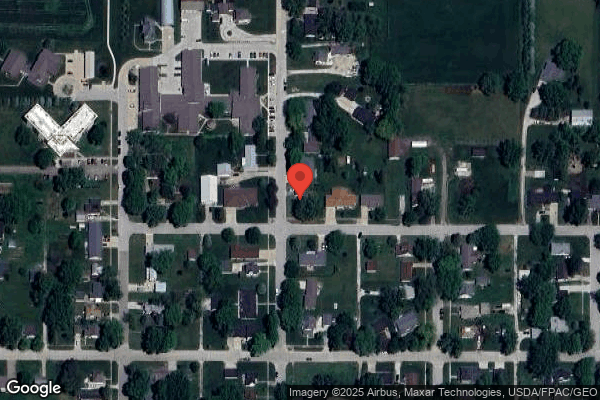
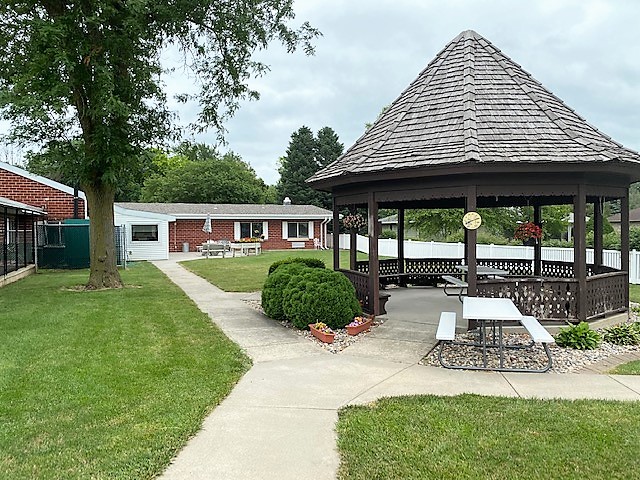
1109 Normal Street, Woodbine, IA 51579 (712) 647-2010
For profit - Limited Liability company 76 Beds AZRIA HEALTH Data: November 2025
Trust Grade
58/100
#251 of 392 in IA
Last Inspection: November 2024

Within standard 12-15 month inspection cycle. Federal law requires annual inspections.

Overview

Azria Health Rose Vista in Woodbine, Iowa has a Trust Grade of C, indicating it is average and in the middle of the pack among nursing homes. It ranks #251 out of 392 facilities in Iowa, placing it in the bottom half, but it is #1 of 3 in Harrison County, meaning it is the best option locally. Unfortunately, the facility is experiencing a worsening trend, with issues increasing from 6 in 2023 to 8 in 2024. Staffing is somewhat of a strength, with a 3/5 rating and a low turnover of 27%, well below the Iowa average of 44%. However, the facility has concerning RN coverage, being lower than 93% of other Iowa facilities, which could affect the quality of care. Specific incidents noted by inspectors include serving incorrect portion sizes of fried rice to residents on carbohydrate-controlled diets, which could impact their health, and improper food storage practices that raise sanitation concerns. Additionally, during meal assistance, staff were observed standing over residents instead of sitting next to them, which does not align with the facility's policy and may affect the dignity of the residents during meals. Overall, while Azria Health Rose Vista has some strengths, it also faces significant challenges that families should consider when researching options.

Trust Score
C
58/100
In Iowa
#251/392
Bottom 36%
Safety Record
Low Risk
No red flags
Inspections
Getting Worse
6 → 8 violations
Staff Stability
✓ Good
27% annual turnover. Excellent stability, 21 points below Iowa's 48% average. Staff who stay learn residents' needs.
Penalties
✓ Good
No fines on record. Clean compliance history, better than most Iowa facilities.
Skilled Nurses
⚠ Watch
Each resident gets only 26 minutes of Registered Nurse (RN) attention daily — below average for Iowa. Fewer RN minutes means fewer trained eyes watching for problems.
Violations
⚠ Watch
19 deficiencies on record. Higher than average. Multiple issues found across inspections.
★★☆☆☆
2.0
Overall Rating
★★★☆☆
3.0
Staff Levels
★☆☆☆☆
1.0
Care Quality
★★★☆☆
3.0
Inspection Score
Stable
2023: 6 issues
2024: 8 issues

The Good

  • Low Staff Turnover (27%) · Staff stability means consistent care
  • Full Sprinkler Coverage · Fire safety systems throughout facility
  • No fines on record
  • Staff turnover is low (27%)

    21 points below Iowa average of 48%

Facility shows strength in staff retention, fire safety.

The Bad

2-Star Overall Rating

Below Iowa average (3.0)

Below average - review inspection findings carefully

Chain: AZRIA HEALTH

Part of a multi-facility chain

Ask about local staffing decisions and management

The Ugly 19 deficiencies on record

Nov 2024 4 deficiencies
CONCERN (D)

Potential for Harm - no one hurt, but risky conditions existed

Deficiency F0658 (Tag F0658)

Could have caused harm · This affected 1 resident

**NOTE- TERMS IN BRACKETS HAVE BEEN EDITED TO PROTECT CONFIDENTIALITY** Based on observations, clinical record review, staff interview and resident interview, the facility failed to follow physician's...

Read full inspector narrative →
**NOTE- TERMS IN BRACKETS HAVE BEEN EDITED TO PROTECT CONFIDENTIALITY** Based on observations, clinical record review, staff interview and resident interview, the facility failed to follow physician's positioning orders for 1 of 1 resident's (#16) reviewed. The facility reported a census of 49 residents. Findings Include: On 11/04/24 at 10:51 AM, Resident #16 was observed lying supine (flat on the back) in bed. A sign was observed at the head of her bed that directed staff to keep the head of her bed elevated above a 30-degree angle at all times. The resident's Minimum Data Set (MDS) assessment dated [DATE] revealed a Brief Interview for Mental Status (BIMS) score of 00 out of 15 which indicated severely impaired cognition. It included diagnoses of Alzheimer's disease, Non-Alzheimer's dementia, dysphagia (difficulty swallowing), Gastro-Esophageal Reflux Disease (GERD), and Calculus of Gallbladder (gallstones). It indicated the resident was dependent with all aspects of Activities of Daily Living (ADL's). The Electronic Health Record (EHR) included a physician order dated 7/19/22 to elevate the head-of-bed (HOB) to 30 degrees when in bed. The Care Plan dated 7/19/22 listed an intervention for head-of-bed to be elevated 30 degrees. It also included an intervention revised 10/26/24 which directed staff to elevate the resident's HOB related to emesis (vomiting). The Progress Notes included long term care evaluations dated 7/21/24 and 10/23/24 which confirmed the resident's HOB was elevated. The progress note dated 7/21/24 indicated the resident's HOB was elevated related to emesis. On 11/06/24 at 8:58 AM, Staff F, Certified Nurse Aide (CNA) stated she did not know why the resident required her HOB to be elevated. The facility did not have a policy specific to following physician's orders. On 11/06/24 at 4:05 PM, the Administrator stated staff should follow the Care Plan.
CONCERN (D)

Potential for Harm - no one hurt, but risky conditions existed

Infection Control (Tag F0880)

Could have caused harm · This affected 1 resident

Based on observations, staff interview, clinical record review and policy review the facility failed to provide appropriate catheter and peri-care to prevent the development of communicable disease an...

Read full inspector narrative →
Based on observations, staff interview, clinical record review and policy review the facility failed to provide appropriate catheter and peri-care to prevent the development of communicable disease and infection for 2 of 2 residents (#16 & #27) reviewed. The facility reported a census of 49 residents. Findings include: 1. On 11/04/24 at 3:16 pm, Resident #16 was observed with an indwelling catheter. The Minimum Data Set (MDS) assessment for Resident #16 dated 9/11/24 revealed a Brief Interview for Mental Status (BIMS) score of 9 out of 15 which indicated moderately impaired cognition. It included diagnoses of heart failure, peripheral vascular disease, Non-Alzheimer's dementia, Stage 4 Chronic Kidney Disease, and neurogenic bladder (condition that affects bladder control due to damage to the brain, spinal cord, or nerve). The MDS indicated Resident #16 required setup assistance with eating, was dependent with toileting hygiene, required moderate assistance with personal hygiene. It indicated the resident had an indwelling catheter. The Care Plan revised 7/26/24 revealed the resident had bacteria in her urine on 7/21/24. It included a goal that the resident would be free from catheter related trauma through the review date of 12/03/24. On 11/06/24 at 9:46 AM, Staff B, Licensed Practical Nurse (LPN) and Staff C, Certified Nurse Aide (CNA) donned Personal Protective Equipment (PPE - gown, gloves, and face shield). Staff C got hygiene wipes, removed the trash bag from the resident's trash bin, tore off a new trash bag stored under the active bag, and replaced the active bag back in the trash bin. Staff B got a brief from the resident's cabinet and placed it on the resident's bed. Staff B & Staff C pulled the resident's covers off the resident and instructed the resident to relax her legs and warned her that a cold cloth would be used. At 9:50 am, Staff C moved the resident's right leg and the catheter tubing was observed not secured to the resident. Staff C grabbed some hygiene wipes from the packaging and wiped the resident's left groin from top to bottom. She grabbed another hygiene wipe and wiped the resident's right groin from top to bottom. She repeated the process for the perineal area and wiped from front to back four (4) times and included wiping the catheter tubing. No hand hygiene or glove change was performed between touching the trash bin and performing perineal care. Staff C grabbed the urine drain bag and hung it from her left front pocket. Staff C removed her gloves, grabbed another pack of hygiene wipes, performed hand hygiene with sanitizer, and donned new gloves. Staff B & C repositioned the resident on her left side. Staff C grabbed a hygiene wipe and wiped the resident's perianal area. She repeated this process six (6) times. Staff C removed her gloves, performed hand hygiene, donned new gloves and repositioned the resident on her right side. The catheter tubing was observed partially under the resident's draw pad and put tension on the catheter tubing. Staff C removed her gloves, performed hand hygiene, donned new gloves, entered the resident's restroom, got several napkins, and the urine drain cylinder. She placed the cylinder on a few of the napkins on the floor. She opened the alcohol (ETOH) swab pack and placed it on the bedside table. She opened the drain bag spigot with the napkins, drained the urine into the cylinder, grabbed the ETOH swab, and wiped the spigot. She emptied the urine, removed her gloves and performed hand hygiene. No hand hygiene or a glove change was performed between getting the napkins, drainage cylinder, and ETOH swab and accessing the urine drainage spigot. On 11/06/24 at 10:04 AM, Staff C stated she should've changed gloves and performed hand hygiene before wiping the resident's catheter tubing. She also stated urinary catheters should be secured but didn't know where the resident's securement device was. She didn't secure it when she was finished. 2. On 11/04/24 at 3:27 PM, Resident #27 was observed with a urinary catheter. The MDS assessment for Resident #27 dated 9/04/24 revealed a BIMS score of 10 out of 15 which indicated moderately impaired cognition. It included diagnoses of peripheral vascular disease, vascular dementia, Parkinsonism, and obstructive uropathy. The MDS indicated Resident #27 required setup assistance with eating and oral hygiene, was dependent with toileting hygiene, required supervision with personal hygiene, and required moderate-to-maximal assistance with all other Activities of Daily Living (ADLs). It indicated the resident had an indwelling catheter. The Care Plan dated 4/23/24 included the resident's urinary catheter and directed staff to utilize proper hand hygiene techniques. The Electronic Health Record (EHR) included a urinalysis dated 11/01/24 that indicated the resident had greater than (>) 100,000 colony-forming units/milliliter (cfu/ml) of Proteus Mirabilis Extended Spectrum Beta-Lactamase (ESBL - multi-drug resistant organism). It also included the following physician's orders: a) 10/17/24 Ciprofloxacin tablet 250 milligrams (mg) take 1 tablet by mouth twice daily for 7 days for Urinary Tract Infection (UTI). b) 11/05/24 Gentamicin injection 40 mg/ml inject 2.5 ml (100 mg) intramuscular (IM) three time daily for 3 total days for UTI. On 11/06/24 at 9:30 AM, Staff D, Certified Nurse Aide (CNA) and Staff E, CNA donned PPE and entered Resident #27's room. Staff E gave Staff D a face shield. Staff D removed the face shield from the plastic packaging, and pulled the protective film from the shield. Staff D & E donned gloves. Staff D entered the resident's restroom and got some napkins and a drainage cylinder. She placed the napkins on the floor and the cylinder on the napkins. She opened an alcohol (ETOH) swab pack and placed it on the napkins beside the collection cylinder. She grabbed the resident's urine drainage bag, stood up, lifted the catheter drainage bag above the resident's bladder, pulled the spigot from the spigot chamber, lowered the bag over the cylinder, unlocked the spigot and drained the urine into the cylinder. While the urine was draining, some urine splashed over onto the napkin directly in front of the opened end of the ETOH swab package. When the urine bag was empty, Staff D locked the spigot, grabbed the ETOH swab from the opened package, wiped the spigot tip, and secured it back in the spigot chamber. No hand hygiene or glove change was performed during the procedure. A facility policy titled Handwashing/Hand Hygiene revised 8/2019 directed all personnel should follow the handwashing/hand hygiene procedures to help prevent the spread of infections to other personnel, residents, and visitors. It also directed staff to use alcohol-based hand rub or soap and water before and after handling an invasive device and after contact with objects in the immediate vicinity of the resident. On 11/06/24 at 4:05 PM, the Administrator stated staff should follow the facility's hand hygiene policy.
CONCERN (E)

Potential for Harm - no one hurt, but risky conditions existed

Menu Adequacy (Tag F0803)

Could have caused harm · This affected multiple residents

**NOTE- TERMS IN BRACKETS HAVE BEEN EDITED TO PROTECT CONFIDENTIALITY** Based on observation, menu review, clinical record review, staff interviews, and policy review, the facility failed to serve the...

Read full inspector narrative →
**NOTE- TERMS IN BRACKETS HAVE BEEN EDITED TO PROTECT CONFIDENTIALITY** Based on observation, menu review, clinical record review, staff interviews, and policy review, the facility failed to serve the appropriate portion of fried rice for 13 of 15 residents who received carbohydrate controlled or consistent carbohydrate diets. The facility reported a census of 49 residents. Findings include: On 11/05/24 at 11:57 AM, Staff A, cook, identified the following lunch menu items and corresponding serving size scoop size: a) Sweet & Sour chicken - 6-ounce (oz) scoop b) Oriental vegetables - 4 oz scoop c) Fried rice - 4 oz scoop A review of the Diet Type Report indicated 15 residents were ordered carbohydrate controlled/consistent carbohydrate diets. On 11/05/24 beginning at 12:09 pm, a continuous lunch service observation revealed 13 residents with Carbohydrate Controlled/Consistent Carbohydrate (CCHO) diets were served 4-ounce (oz) servings of fried rice instead of 2 2/3 oz servings as ordered. Four (4) of the residents with CCHO diets received full 3 x 2.5 servings of mandarin orange cake instead of a 0.5 serving size. One (1) resident was out of the facility with family and one (1) resident ate a chef salad as an alternate menu option. On 11/05/24 at 12:58 PM, Staff A stated the [NAME] Brothers conversion chart was used to identify serving size scoops. A review of the Diet Spreadsheet indicated CCHO residents' fried rice portion size required a #12 scoop. The [NAME] Brothers conversion chart revealed a #12 scoop was 2 2/3 oz. A policy titled Therapeutic Diets revised 10/2017 indicated therapeutic diets will be determined in accordance with the resident's treatment goals. It identified diabetic/calorie-controlled diets as therapeutic diets. On 11/06/24 at 4:05 PM, the Administrator stated staff should follow the diet spreadsheets.
CONCERN (E)

Potential for Harm - no one hurt, but risky conditions existed

Food Safety (Tag F0812)

Could have caused harm · This affected multiple residents

Based on observations, staff interviews, and facility policy review, the facility failed to maintain sanitary practices by improperly storing food. The facility reported a census of 49 residents. Find...

Read full inspector narrative →
Based on observations, staff interviews, and facility policy review, the facility failed to maintain sanitary practices by improperly storing food. The facility reported a census of 49 residents. Findings include: On 11/04/24 at 9:45 AM, a kitchen observation identified the following findings: 1. Three (3) unlabeled plastic containers with cereal-like contents on a kitchen counter. Two (2) were not dated. 2. An unlabeled bowl of macaroni-like substance in an Arctic Air refrigerator. 3. An undated, unlabeled bag of hamburger bun-like items in the dry goods storage area. 4. An unlabeled bag of hot dog bun-like items. 5. A rack of trays with multiple undated & unlabeled plates of yellow, pie-like items in the Norlake walk-in refrigerator. 6. A tube of undated & unlabeled ground beef-like meat in the Norlake walk-in refrigerator. 7. Seven (7) trays of multiple bowls of undated, unlabeled, and uncovered salad-like substance. The bowls' contents were in direct contact with the bottom surface of the tray placed directly on them. 8. A bag of unlabeled and undated waffle-like items in the Norlake walk-in freezer. 9. An unlabeled, undated, and uncovered barrel of solid, white substance in the Norlake walk-in freezer stored on the floor. The Certified Dietary Manager (CDM) identified the barrel substance as old grease that was to be thrown away when the garbage was picked-up. On 11/05/24 at 12:40 pm, a follow-up kitchen observation identified the following findings: 1. A tray of round pans with unlabeled pink, pie-like substance. The Certified Dietary Manager identified the items as creamy cherry pie and stated the probably should be labeled. 2. A bag of unlabeled and undated waffle-like items in the Norlake walk-in freezer. 3. An unlabeled, undated, and uncovered barrel of solid, white substance in the Norlake walk-in freezer stored on a crate. A policy titled Food Receiving and Storage revised 10/2017 indicated all foods stored in the refrigerator or freezer will be covered, labeled, and dated. It also indicated dry foods that are stored in bins will be removed from original packaging, labeled and dated. On 11/06/24 at 4:05 PM, the Administrator stated food that is removed from an identifying box must be dated, labeled and stored properly.
May 2024 1 deficiency
CONCERN (D) 📢 Someone Reported This

A family member, employee, or ombudsman was alarmed enough to file a formal complaint

Potential for Harm - no one hurt, but risky conditions existed

Quality of Care (Tag F0684)

Could have caused harm · This affected 1 resident

Based on clinical record review, family interview, staff interview, and policy review the facility failed to provide needed services in accordance with professional standards by not completing an x-ra...

Read full inspector narrative →
Based on clinical record review, family interview, staff interview, and policy review the facility failed to provide needed services in accordance with professional standards by not completing an x-ray ordered by a physician in a timely manner for 1 of 3 (Resident #1) residents reviewed. The facility reported a census of 45 residents. Findings include: Review of the Minimum Data Set (MDS) for Resident #1, dated 4/24/24 revealed a Brief Interview for Mental Status (BIMS) score of 00 indicating severe cognitive impairment. The MDS further revealed Resident #1 totally dependent on staff for assistance with sitting to lying, sitting to standing, the ability to transfer to or from bed to chair, and transferring to the toilet. Review of the Progress Notes for Resident #1 documented the following: On 5/1/24 at 10:30 PM Resident #1 found in the sitting position facing her bed on the floor. Range of motion per Resident #1's normal per progress notes. Neurological assessments initiated and hospice services, the Director of Nursing (DON), and primary care physician notified. On 5/2/24 at 12:18 AM Resident #1 complaining of left wrist pain and rated the pain at a 2 on a scale of 0-10. The nurse further documented the left wrist swollen with yellow/purple bruising measuring 5.5 cm x 4 cm and the area raised and had a hard bump. Ice applied to the site and as needed Tylenol was given at this time. On 5/2/24 at 2:14 PM Hospice services at the facility and discussed the issue with the left arm, and left knee and agreed to obtain an order to obtain an x-ray. On 5/4/24 at 10:00 AM the x-ray company in the building and had obtained the x-rays as ordered. Review of facility provided radiology reports dated 5/4/24 revealed Resident #1 had sustained an acute fracture of the distal radius (arm bone by the wrist), and a recent fracture to the left femoral neck (upper leg bone by the hip). During an interview 5/16/24 at 1:45 with Resident #1's family member revealed they had heard the facility had not obtained an x-ray until 5/4/24. During an interview 5/21/24 at 9:08 AM with Staff A revealed that she agreed with Staff B's assessment of Resident #1 showing no signs of pain and that the facility had treated Resident #1's wrist with ice and stabilized the area. Staff A then revealed that when she came back to the facility on 5/4/24 that the x-ray had still not been completed and that she would no longer wait to get this x-ray obtained. Staff A further reveal that Resident #1 had no external or internal rotation or shortening on the left lower extremity at this time. Staff A then revealed that while Resident #1 in bed post fall that pain medications were increased for Resident #1's comfort. During an interview 5/21/24 at 9:37 AM with Staff B revealed that she had been notified by the facility on 5/2/24 and assessed Resident #1 at the facility around 1:40 AM. Staff B stated Resident #1 sitting in a wheelchair when she arrived and was showing no signs or symptoms of discomfort. Staff B further revealed that an x-ray order was obtained the morning of 5/2/24, and further revealed that the x-ray was not obtained until 5/4/24. During an interview 5/21/24 with the DON revealed her expectation would be for physician's orders to be followed in a timely manner. The DON further revealed that she would expect an x-ray to be obtained within 24 hours, and if it was a stat x-ray order to be carried out immediately. Review of a facility provided policy titled, Medication and Treatment Orders, with a revision date of July 2016 documented: Physician orders shall be followed, if unable to follow physician orders, notify Director of Nursing Services/Designee and physician as appropriate.
Mar 2024 3 deficiencies
CONCERN (D) 📢 Someone Reported This

A family member, employee, or ombudsman was alarmed enough to file a formal complaint

Potential for Harm - no one hurt, but risky conditions existed

Notification of Changes (Tag F0580)

Could have caused harm · This affected 1 resident

**NOTE- TERMS IN BRACKETS HAVE BEEN EDITED TO PROTECT CONFIDENTIALITY** Based on clinical record review, staff interview, family interview and policy review the facility failed to notify the Power of ...

Read full inspector narrative →
**NOTE- TERMS IN BRACKETS HAVE BEEN EDITED TO PROTECT CONFIDENTIALITY** Based on clinical record review, staff interview, family interview and policy review the facility failed to notify the Power of Attorney (POA) with resident medication changes for 1 of 3 residents (Residents #4) reviewed. The facility reported a census of 48 residents. Findings include: 1. The Minimum Data Set (MDS) dated [DATE] documented Resident #4 had a Brief Interview for Mental Status (BIMS) score of 15 indicating no cognitive impairment. The BIMS documented Resident #4 frequently incontinent of urine and always incontinent of bowel. The Progress Notes dated 3/21/24 at 10:14 PM documented new orders for a tapered dose of Quetiapine. The notes lacked documentation of family notification. Review of Resident #4's medication administration record (MAR) documented Quetiapine 100 mg give 1 tablet by mouth and Quetiapine 25 mg give 1.5 tablets by mouth. Both medications ordered 3/21/24 and started 3/22/24. On 3/26/24 at 9:50 AM Resident #4's family member, power of attorney (POA) stated the facility is supposed to call her every single time with any medication changes and any changes in conditions. The family member stated the facility failed many times at notifying her of medication changes. She stated she was not notified of the taper dose of Quetiapine from 3/21/24. She stated she wants to be notified of all medication changes and condition changes and not being notified of these changes is an issue to her. On 3/26/24 at 11:45 AM the DON stated the facility's expectation is every new order the family, if POA, would be updated. Review of the policy titled, Change in a Resident's Condition or Status revised 2/21 documented the facility would promptly notify the resident representative of changes in the resident's medical/mental condition and/or status. Except in medical emergencies notifications will be made within 24 hours of a change occurring in the resident's medical/mental conditions or status.
CONCERN (D) 📢 Someone Reported This

A family member, employee, or ombudsman was alarmed enough to file a formal complaint

Potential for Harm - no one hurt, but risky conditions existed

Medication Errors (Tag F0758)

Could have caused harm · This affected 1 resident

**NOTE- TERMS IN BRACKETS HAVE BEEN EDITED TO PROTECT CONFIDENTIALITY** Based on clinical record review, staff interviews and facility policy review, the facility failed to obtain consent from the Pow...

Read full inspector narrative →
**NOTE- TERMS IN BRACKETS HAVE BEEN EDITED TO PROTECT CONFIDENTIALITY** Based on clinical record review, staff interviews and facility policy review, the facility failed to obtain consent from the Power of Attorney (POA) to start a psychotropic medication for 1 of 3 residents reviewed (Resident #1). The facility reported a census of 48 residents. Findings include: The Minimum Data Set (MDS) dated [DATE] documented Resident #1 had a Brief Interview for Mental Status (BIMS) score of 00 indicating severe cognitive impairment. The Progress Notes dated 1/3/24 at 11:56 AM documented the facility received a new order for Rexulti 0.5mg every day for one week and then increase the medication to 1 mg daily if family consents. Nurse called the family member and explained this. Family member stated she would speak with her family and get back to the facility. Order faxed, hold this if the pharmacy does deliver tonight until we receive the okay from the family member. Review of document titled, Fax Cover Sheet with date of 1/3/24 documented physicians response to fax to start Resident #1 on Rexulti 0.5 mg every day for 1 week then 1 mg daily if Resident #1's family consents. The Progress Notes dated on 1/10/24 at 12:08 PM by the Director of Nursing (DON) documented the family member at the facility that day to see Resident #1. DON documented Rexulti started on 1/4/24. DON documented resident #1's family member did not want the resident on Rexulti. DON documented the medication orders were discontinued and medication returned to the pharmacy. DON documented an update sent to the physician and she explained the situation to the family member in the facility. The DON documented Resident #1's family member upset the medication started but is glad it had been stopped. Review of document titled, Fax Cover Sheet with date of 1/10/24 from DON documented Resident #1 started on Rexulti 0.5 mg for 7 days. DON documented the family was not sure if they wanted Resident #1 started on the medication. DON documented the resident's family at the facility 1/10/24 and wants medication stopped. The DON documented orders discontinued and medication returned to the pharmacy. DON documented request for any recommendations to help flush medication out of Resident #1 system. Resident is very tired. The physician responded that time will help to flush the medication. Review of Resident #1's medication administration records (MAR) for Month of January 2024 documented Rexulti 0.5 mg tablet started on 1/4/24 and stopped on 1/10/24. On 3/26/24 at 11:45 AM the DON stated the facility's expectation is consent should have been obtained from resident family member (POA) prior to starting the medication Rexulti for Resident #1. Review of policy titled, Psychotropic Medication Use revised 7/22 documented that residents, family, and or representatives are involved in the medication management process.
CONCERN (D) 📢 Someone Reported This

A family member, employee, or ombudsman was alarmed enough to file a formal complaint

Potential for Harm - no one hurt, but risky conditions existed

Infection Control (Tag F0880)

Could have caused harm · This affected 1 resident

**NOTE- TERMS IN BRACKETS HAVE BEEN EDITED TO PROTECT CONFIDENTIALITY** Based on observations, policy review, resident interview, and staff interview the facility failed to provide appropriate infecti...

Read full inspector narrative →
**NOTE- TERMS IN BRACKETS HAVE BEEN EDITED TO PROTECT CONFIDENTIALITY** Based on observations, policy review, resident interview, and staff interview the facility failed to provide appropriate infection prevention practices when providing personal care for 2 of 3 residents reviewed (Resident #2 and #4). The facility reported a census of 48 residents. Findings include: 1. The Minimum Data Set (MDS) dated [DATE] documented Resident #2 had a Brief Interview for Mental Status (BIMS) score of 12 indicating moderate cognitive impairment. The MDS documented Resident #2 always incontinent of urine and bowel. On 3/25/24 at 1:45 PM observed Staff A, Certified Nurses Assistant (CNA) and Staff B, CNA complete hand hygiene and apply gloves. Staff B provided personal care to Resident #2 and then removed her gloves. She did not perform hand hygiene and no gloves applied. Staff B turned Resident #2 over to his left side and applied a clean brief. Staff B provided assistance to Resident #2 when turning to his right side. Staff B unrolled the brief, pulled the front of the brief up and completed the application. Staff B pulled the sheet and blanket up over the resident, gathered garbage and dirty linen. Staff B completed hand hygiene and exited Resident #2's room. On 3/26/24 at 9:10 AM observed personal cares on Resident #2 by Staff A, CNA and Staff D, CNA. Staff A and Staff D completed hand hygiene. Staff D cleansed and dried the peri area, removed gloves and failed to complete hand hygiene. Staff D applied Resident #2's brief without gloves, gathered garbage, turned the resident's television on with the remote, and clipped his call light to the blanket. Staff D completed hand hygiene and exited the room. 2. The MDS dated [DATE] documented Resident #4 had a BIMS score of 15 indicating no cognitive impairment. The MDS documented Resident #4 frequently incontinent of urine and always incontinent of bowel. On 3/25/24 at 1:30 PM Resident #4 stated that he would like his foreskin retracted and the area cleansed and the foreskin replaced during personal care. Resident #4 stated he is not crazy about the care being completed but it needs to be done to keep the area clean. On 3/25/24 at 1:05 PM observed personal cares on Resident #4 by Staff A and Staff E CNA/ Certified Medication Assistant (CMA). Staff A applied the lift cloth for transfer and transfer completed without difficulties. Staff E offered Resident #4 to use the toilet but the resident refused. Staff A and Staff E both completed hand hygiene and applied gloves. Staff E cleansed Resident #4's penis, but failed to retract the foreskin during personal care. Staff E completed perineal care and then completed hand hygiene. On 3/26/24 at 8:50 AM observed personal cares on Resident #4 by Staff A and Staff D. Staff A and Staff D both completed hand hygiene. Staff A applied the lift cloth for transfer and transfer completed without difficulties. Staff A removed the lift cloth. Staff D cleansed Resident #4's penis but failed to retract Resident #4's foreskin. Staff D continued perineal care. Staff D removed her gloves but failed to perform hand hygiene. Staff D with the help of the resident and Staff A turned to his right side. Staff D placed a brief under the resident without any gloves on. Staff D gathered dirty linen and garbage and then completed hand hygiene and exited the room. On 3/26/24 at 11:45 AM the DON stated the facility's expectation is for staff to complete hand hygiene when they enter the room and apply gloves. The DON stated once the gloves are soiled the gloves would be removed, hand hygiene completed, and new gloves applied. The DON stated the facility's expectation is the foreskin on an uncircumcised male would be retracted during peri care and then replaced to previous position. Review of policy titled, Hand Washing / Hand Hygiene revised 8/19 documented the use of alcohol-based hand rub or soap and water before and after direct contact with residents, before moving from a contaminated body site to a clean body site during resident care, after contact with a resident ' s intact skin, and after contact with bodily fluids. Review of policy titled, Perineal Care revised 2/18 documented when cares are completed on a male resident to retract the foreskin of the uncircumcised male, wash area, rinse area, and reposition foreskin of the uncircumcised male.
Sept 2023 6 deficiencies
CONCERN (D)

Potential for Harm - no one hurt, but risky conditions existed

Abuse Prevention Policies (Tag F0607)

Could have caused harm · This affected 1 resident

Based on personnel file review, facility record review, facility policy review, and staff interview the facility failed to complete a back-ground check for a new employee, prior to employment, for 1 o...

Read full inspector narrative →
Based on personnel file review, facility record review, facility policy review, and staff interview the facility failed to complete a back-ground check for a new employee, prior to employment, for 1 of 5 staff reviewed. The facility reported a census of 49 residents. Findings Include: Facility New Employee Data form documented the facility hired Staff D, Registered Nurse on 4/28/23. Single Contact License & Background Check for Staff D, documented completion on 5/1/23 at 8:17 AM. Facility payroll record for Staff D, revealed Staff D worked 4/29/23 at 1:45 PM - 6:30 PM and 4/30/23 at 11:45 AM - 6:30 PM. Facility policy Background Check Investigations, revised 3/2019, documented background and criminal checks are initiated with offer of employment or contract agreement, and completed prior to employment. Interview on 9/27/23 at 3:16 PM, the Business Office Manager confirmed Staff D worked 2 days prior to Staff D's background check being completed and stated the background check should have been completed prior to Staff D being allowed to work. Interview on 9/27/23 at 3:20 PM, the Administrator stated expectation for background check to be completed before an employee is hired.
CONCERN (D)

Potential for Harm - no one hurt, but risky conditions existed

PASARR Coordination (Tag F0644)

Could have caused harm · This affected 1 resident

Based on clinical record review and staff interview, the facility failed to refer a resident to the appropriate state-designated authority for a Level II Preadmission Screening and Resident Review (PA...

Read full inspector narrative →
Based on clinical record review and staff interview, the facility failed to refer a resident to the appropriate state-designated authority for a Level II Preadmission Screening and Resident Review (PASARR) evaluation and determination who was identified with a newly evident mental disorder for one of three residents reviewed (Resident #20). The facility reported a census of 49 residents. Findings include: The Minimum Data Set assessment for Resident #20, dated 7/12/23, included diagnoses of anxiety disorder, depression, and psychotic disorder. Review of Resident #20's PASARR Level I Screen form dated 12/17/20, documented anxiety disorder and dementia only. Review of Resident #20's Medication Administration Records dated 9/1/23 - 9/30/23, documented the resident received Sertraline (antidepressant medication) 37.5 milligrams daily related to major depressive disorder. Review of Resident #20's medical diagnosis sheet revealed diagnoses of unspecified psychosis not due to a substance or known physiological condition starting 7/9/21,during facility stay, and major depressive disorder, recurrent starting 7/19/21. Interview on 9/27/23 at 3:42 PM, the Social Services Director (SSD) confirmed the resident was diagnosed with psychosis and major depressive disorder after admission to the facility and a status change was not submitted. The SSD stated expectation for a status change to be submitted with new diagnoses.
CONCERN (D)

Potential for Harm - no one hurt, but risky conditions existed

Comprehensive Care Plan (Tag F0656)

Could have caused harm · This affected 1 resident

Based on clinical record review, staff interviews, and policy review the facility failed to provide a comprehensive care plan related to edema for a resident with an order for a diuretic with a diagno...

Read full inspector narrative →
Based on clinical record review, staff interviews, and policy review the facility failed to provide a comprehensive care plan related to edema for a resident with an order for a diuretic with a diagnosis of localized edema for 1 of 1 residents reviewed (Resident #47). The facility reported a census of 49 residents. Findings include: Review of the Minimum Data Set (MDS) for Resident #47 dated 7/1/23 revealed a Brief Interview of Mental Status (BIMS) score of 3 out of 15 indicating severe cognitive impairment. The MDS further revealed Resident #47 re-entered the facility 6/26/23. Review of the Electronic Health Record (EHR) page titled Clinical Physician Orders revealed an order for Furosemide 40 mg tab take one tablet by mouth daily for a related diagnosis of localized edema (swelling). Review of the Care Plan dated 7/7/23 for Resident #47 revealed no comprehensive care plan for diuretic use or edema. During an interview 9/26/23 at 3:08 PM with the MDS Coordinator revealed her expectations are to update the care plans when there are changes with the residents status. During an interview 9/26/23 at 3:15 PM with the Director of Nursing (DON) revealed her expectation is to update the care plan as changes occur with residents. Review of a facility provided policy titled Care Plans, Comprehensive Person-Centered with a revision date of 3/2022 documented: The interdisciplinary team reviews and updates the care plan: When the resident has been readmitted to the facility from a hospital stay; and at least quarterly, and in conjunction with the required quarterly MDS assessment.
CONCERN (D)

Potential for Harm - no one hurt, but risky conditions existed

Deficiency F0658 (Tag F0658)

Could have caused harm · This affected 1 resident

**NOTE- TERMS IN BRACKETS HAVE BEEN EDITED TO PROTECT CONFIDENTIALITY** Based on clinical record review, staff interview and policy review the facility failed to follow a physician order for 1 of 8 re...

Read full inspector narrative →
**NOTE- TERMS IN BRACKETS HAVE BEEN EDITED TO PROTECT CONFIDENTIALITY** Based on clinical record review, staff interview and policy review the facility failed to follow a physician order for 1 of 8 residents reviewed (Resident #44). The resident was found to have audible wheezes in her breathing and the doctor prescribed a steroid medication. The order did not get entered into the electronic chart or get administered. The facility reported a census of 49 residents. Findings include According to the Minimum Data Set (MDS) dated [DATE], Resident #44 had a Brief Interview for Mental Status (BIMS) score of 8 out of 15 indicating moderate cognitive deficits. The MDS documented the resident required extensive assistance with the help of 2 staff for bed mobility, dressing and hygiene. The Care Plan updated on 6/12/23 documented Resident #44 had cognitive impairment, and dementia and was admitted to Hospice services for end of life care on 1/16/23. The resident was on a house supplement for wound healing, staff were directed to monitor for signs and symptoms of respiratory distress and to report to the doctor. The Progress Notes for Resident #44 documented the following: On 7/17/23 at 8:49 AM the resident had audible wheezes and glossy eyes. On 7/18/23 at 10:02 the resident received a new order to start her on Prednisone 20 milligrams (mg) for five days. A Facsimile Communication dated 7/18/23 at 7:39 AM, noted by the Licensed Practical Nurse (LPN) on 7/18/23 at 10:02 AM documented an order for Prednisone 20 milligrams (mg) daily for 5 days. The chart lacked the order as administered. The Progress Note dated 7/25/23 at 1:53 PM showed that the doctor was at the facility to see Resident #44 and noted that she still had a cough and crackles in her lungs. He wrote a new order for Omnicef (antibiotic) 300 mg three times a day for 10 days for pneumonia of the right lower lobe. In an observation on 9/27/23 at 1:12 PM, observed Resident #44 sitting at the dinner table and getting assistance with her meal. She smiled when spoken to but she did not speak. Observed not in distress, not coughing or having any difficulty breathing. On 9/28/23 at 10:33 AM, The Director of Nursing (DON) stated she recognized they were having a challenge with their process for entering orders. The process included having the nurse fax the new medication order to the pharmacy, and the pharmacy put the order into the electronic chart. The nurse was then to verify and double check. In this case, the nurse failed to fax the order to the pharmacy so the order did not get entered. A facility policy titled: Medication and Treatment Orders dated 2016. Drug and biological orders must be recorded on physician's order sheet and resident chart. Physician's order shall be followed.
CONCERN (D)

Potential for Harm - no one hurt, but risky conditions existed

Deficiency F0692 (Tag F0692)

Could have caused harm · This affected 1 resident

**NOTE- TERMS IN BRACKETS HAVE BEEN EDITED TO PROTECT CONFIDENTIALITY** Based on clinical record review, observation, and staff interview the facility failed to ensure that residents were offered nutr...

Read full inspector narrative →
**NOTE- TERMS IN BRACKETS HAVE BEEN EDITED TO PROTECT CONFIDENTIALITY** Based on clinical record review, observation, and staff interview the facility failed to ensure that residents were offered nutritional supplements when meal consumption had decreased for Resident #1. The resident had a decline in health that included significant weight loss and the dietician recommended a supplement as needed. The supplement was not used. The facility reported a census of 49 residents. Findings include: According to the Minimum Data Set (MDS) dated [DATE], Resident #1 had a Brief Interview for Mental Status (BIMS) score of 0 out of 15 indicating severe cognitive deficit. The MDS documented the resident required extensive assistance with help of 2 staff for dressing, toileting and hygiene, and extensive assistance with the help of 1 staff for eating. The Care Plan updated on 8/31/23, showed that Resident #1 had cognitive impairment related to dementia due to head trauma and staff were to encourage fluids. On 1/17/23, the resident was started on hospice services. The following was discovered in an ongoing observation on 9/25/23: a. At 12:38 PM, observed Resident #1 sitting in his wheel chair at the lunch table with a neck pillow and sleeping. He had a pureed meal in front of him, an unidentified staff member sat between him and another resident. The staff member attempted to wake him but he did not wake up. b. At 1:02 PM, observed a staff member come over and wash his hands and face with a wash cloth c. At 1:05 PM observed no staff at the table and the resident still sleeping with the plate of food in front of him. d. At 1:09 PM, observed the plate removed, food appeared untouched and the table cleared. The Medication Administration Record (MAR) for September 2023 documented Resident #1 had an order dated 9/15/23 at 11:44 AM for Med Pass 2.0 (a fortified nutrition shake provides calories and protein) every 24 hours As Needed (PRN). The document revealed the supplement had not been given to the resident in the month of September. According to an electronic document titled: Task, ADL (Activities of Daily Living) Eating, Resident #1 had eaten 0-25% at the lunch meal on 9/25/23. The documentation showed that from 9/15 - 9/24/23, Resident #1 had 17 meals where he ate 0-25% of the meal. According to the weight summary report, on 1/5/23 at 7:13 AM, the resident weighed 179.2 and on 9/4/23 his weight was 158; a weight loss of 21.2 pounds. On 9/26/23 at 11:15 AM, the Dietician stated the PRN order for the Med Pass was from Hospice. She was not aware that it did not include directives on when to offer the supplement and said that she would expect staff to offer it if/when the resident was refusing meals. On 9/26/23 at 11:45 AM, Certified Medication Aide (CMA) Staff A, stated he would offer a PRN supplement if he noticed that the resident was not eating much at meals. He said that he would consult with the nurse before giving it. On 9/27/23 at 3:30 PM the Director of Nursing (DON) stated the Med Pass order would be best with parameters. The dietician called the facility that morning and asked that the order include parameter's for giving the supplement whenever the resident refused meals. A facility policy titled: Food and Nutrition Services, dated 2017 documented the multidisciplinary staff including nurse staff and attending physician and the dietitian would assess each resident nutritional needs, food likes and dislikes and eating habits as well as physical functional and psychosocial factors that affect eating and nutritional intake and utilization. Meals and/or nutritional supplements would be provided per order.
CONCERN (E) 📢 Someone Reported This

A family member, employee, or ombudsman was alarmed enough to file a formal complaint

Potential for Harm - no one hurt, but risky conditions existed

Resident Rights (Tag F0550)

Could have caused harm · This affected multiple residents

Based on observations, staff interview, and policy review the facility failed to treat residents with dignity while providing assistance with meals. The facility reported a census of 49 residents. Fin...

Read full inspector narrative →
Based on observations, staff interview, and policy review the facility failed to treat residents with dignity while providing assistance with meals. The facility reported a census of 49 residents. Findings include: During continuous observation of lunch service on 9/25/23 from 12:20 through 12:40 PM observed two staff standing over residents while feeding them. During continuous observation of lunch service on 9/26/23 from 12:20 PM through 1:00 PM observed Staff B Certified Nursing Assistant (CNA) standing and assisting a resident to eat. Staff B then moved and stood between two residents and assisted both residents to eat. During continuous observation on 9/26/23 of lunch service, at 12:37 PM observed Staff C CNA standing between two residents assisting to dine. During an interview on 9/26/23 at 3:27 PM with the Administrator revealed her expectations are for staff to sit while feeding residents. Review of the facility provided policy titled, Assistance with Meals with a revision date of 3/2022 documented: Residents who cannot feed themselves will be fed with attention to safety, comfort and dignity, for example: Not standing over residents while assisting them with meals.
Aug 2022 5 deficiencies
CONCERN (D)

Potential for Harm - no one hurt, but risky conditions existed

Notification of Changes (Tag F0580)

Could have caused harm · This affected 1 resident

**NOTE- TERMS IN BRACKETS HAVE BEEN EDITED TO PROTECT CONFIDENTIALITY** Based on clinical record review and staff, family, and medical provider interview, the facility failed to notify the resident's ...

Read full inspector narrative →
**NOTE- TERMS IN BRACKETS HAVE BEEN EDITED TO PROTECT CONFIDENTIALITY** Based on clinical record review and staff, family, and medical provider interview, the facility failed to notify the resident's psychiatric provider as ordered and also failed to notify family in a timely manner of a medication change (Resident #96). The facility reported a census of 45 residents. Findings include: According to the Minimum Data Set (MDS) dated [DATE], Resident #96 had a Brief Interview for Mental Status (BIMS) score of 15 (intact cognitive ability). The resident was independent with activities of daily living (ADL). An MDS dated [DATE] documented Resident #96 had a significant decline in function and required extensive assist of one staff for dressing, transfers, toilet use, and personal hygiene. Resident #96's care plan dated 4/10/14 showed that Resident #96 had dependent personality disorder, bipolar disorder. and a history of alcohol abuse. The care plan directed staff to encourage the family to contact the facility with questions, and inform the family of changes. The care plan revealed the resident had a history of hiding medication and threatening staff. On 2/24/22 the resident told the therapist she had thoughts of wanting to shoot herself in the head like her brother. Interventions added to the care plan on 2/25/22 directed staff to assist the resident to breathe slowly and count to 3 or 4 and out very slowly and count to 6 or 8, repeat as often as necessary. The following is a sequence of events (documented in the nursing notes) that led up to an evaluation at the emergency room on 1/14/22: On 1/12/22 at 1:55 PM, the resident reported feeling depressed/suicidal. On 1/12/22 at 2:22 PM, Resident #96 reported her depression was out of control and the nurse called the behavioral health Nurse Practitioner (NP). The NP instructed staff to use the PRN (as needed) medications to help with her anxiety. On 1/12/22 at 2:37 PM, staff administered the resident clonazepam 0.5 milligrams (mg) and documented the medication as ineffective at 4:28 PM. On 1/12/22 at 2:57 PM, facility staff sent a fax to the primary physician to report Resident #96 complained of feeling depressed/suicidal. In a New Prescription Summary dated 1/12/22 at 4:57 PM, the physician responded with an order for staff to give dextroamphetamine-amphetamine 20 mg tab daily for treatment resistant depression and instructed the staff to also notify the resident's psychiatric ARNP know about the new order. The document showed staff stamped and initialed it to show they faxed it to the pharmacy, notified family, and entered the progress notes and the order into the electronic record. Staff did not include a date or time with the initials, but the record showed the chart contained a progress note entered on 1/13/22 at 6:22 AM and dated 1/13/22 at 6:26 AM that recorded the resident's primary physician gave staff a new order and staff notified family and the pharmacy of the new order. The Medication Administration Audit Report on page 65 showed staff administered the first dose of Adderall at 8:16 AM on 1/13/22. The progress notes revealed on 1/13/22 at 7:38 PM, Resident #96 requested her evening medications. The nurse told her there was no set time for med administration and she should go back to her room because she refused to wear a face mask. The progress notes contained no other progress notes for that evening or night. The Medication Administration Audit Report page 71 documented staff gave a second dose of Adderall on 1/14/22 at 8:59 AM. On 1/14/222 at 1:22 PM, the progress notes documented the resident began yelling and reported dissatisfaction with the medication changes. At 2:50 p.m., staff administered clonazepam at 5:10 PM and documented it as ineffective because the resident demonstrated increased anxiety. On 1/14/22 at 4:33 PM, the progress note revealed staff had spoken with the resident's daughter multiple times that day with the daughter voicing multiple concerns about the resident taking the medication Adderall. The daughter called again and told staff she wanted the Adderall discontinued. Staff faxed the physician and waited for a response. On 1/14/22 at 5:49 PM, the resident said that she is flying high, and angry, and threatened to call 911. The physician sent a return fax with an order that directed staff to discontinue the Adderall, give Haldol 5 mg now and Ativan every 4 hours. Staff documented they notified the resident's daughter of the new order. On 1/14/22 at 6:45 PM, the resident exhibited anxiety, refused her medications, and requested 1 on 1 time with staff. The nurse told Resident #96 the facility could not provide her a 1:1 staff person at this time. On 1/14/22 at 7:20 PM, the resident reported anxiety and the nurse suggested that she go to the hospital if she could not control her anger. The resident and the daughter requested that she be sent to the emergency room. Her vital signs were within normal limits except for a heart rate of 120 beats per minute. The nurse called the administrator and at 7:35 PM and the administrator indicated that they could send the resident to the hospital if the daughter agreed to transport her back to the facility when discharged back. On 1/14/22 at 8:05 PM, the police were at the facility and sitting with the resident until the rescue squad could get there. On 1/14/22 at 8:33 PM, the emergency team arrived and transported the resident to the hospital. On 8/10/22 at 3:40 PM, the behavioral health nurse practitioner said that she had not been made aware of the Adderall order for Resident #96 and if she had, she would have suggested not to use that medication because the resident had a diagnosis of bi polar and she was manic. The Nurse Practitioner added that the Adderall did not cause the resident's psychotic break due to the resident's history of mania. The Nurse Practitioner verified staff did not notify her of the Adderall order at the time of the prescription and learned about it later. On 8/15/22 at 1:08 PM, the police chief said that the officer that had been called out to the facility on 1/14/22 said that the resident was not threatening, but agitated and just not happy about the situation. The call that came into the dispatcher to the police station was concerning due to suicidal ideation. The officer went to the facility, sat with the resident, and waited for the EMT's to arrive. On 8/16/22 at 1:04 PM, the administrator communicated through email that there was a nursing note indicating that the family and BH had been notified of the medication change and the stamp initialed by the nurse that family was notified.
CONCERN (D)

Potential for Harm - no one hurt, but risky conditions existed

PASARR Coordination (Tag F0644)

Could have caused harm · This affected 1 resident

**NOTE- TERMS IN BRACKETS HAVE BEEN EDITED TO PROTECT CONFIDENTIALITY** Based on clinical record review and staff interview, the facility failed to refer 2 residents with a negative Level I result for...

Read full inspector narrative →
**NOTE- TERMS IN BRACKETS HAVE BEEN EDITED TO PROTECT CONFIDENTIALITY** Based on clinical record review and staff interview, the facility failed to refer 2 residents with a negative Level I result for the Pre-admission Screening and Resident Review (PASRR), who was later identified with newly evident or possible serious mental disorder, intellectual disability, or other related condition, to the appropriate state-designated authority for Level II PASRR evaluation and determination for 2 of 2 residents (Residents #28 and #42) reviewed for PASRR requirements. The facility reported a census of 45 residents. Findings include: 1. The Minimum Data Set (MDS) assessment dated [DATE] for Resident #28 documented diagnosis of anxiety disorder, depression, psychotic disorder and other specified disorders of adult personality and disorder. The Notice of Negative Level I Screen Outcome dated 12/31/19 for Resident #28 recorded no further level 1 screening is required unless you are known to have or are suspected of having a Major Mental Illness (MMI) or an intellectual or developmental disability and exhibit a significant change in treatment needs. The Diagnosis Report dated 8/8/22 for Resident #28 revealed a diagnosis of delusional disorder with an onset date of 4/30/21. The facility failed to resubmit the PASRR with the MMI diagnosis. 2. The Minimum Data Set (MDS) assessment dated [DATE] for Resident #42 documented diagnosis of anxiety disorder, depression and psychotic disorder. The Notice of Negative Level I Screen Outcome dated 4/23/21 for Resident #42 recorded no further level 1 screening is required unless you are known to have or are suspected of having a major mental illness or an intellectual or developmental disability and exhibit a significant change in treatment needs. The Diagnosis Report dated 8/8/22 for Resident #42 revealed a diagnosis of delusional Disorder with an onset date of 5/6/21. The facility failed to resubmit the PASRR with the MMI diagnosis. The Behavior Assessment Intervention and Monitoring policy last revised March 2019 instructed the new onset in behavior that indicates newly evident or possible serious mental disorder, intellectual disability, or a related disorder will be referred for a PASRR level 2 evaluation. In an Interview on 08/11/22 at 09:18 AM, the Administrator acknowledged that she already identified both PASRRs needed to be resubmitted due to the MMI diagnosis. The Administrator relayed the Social Worker has been out, but the PASRRs are on his desk and will be resubmitted upon his return.
CONCERN (D)

Potential for Harm - no one hurt, but risky conditions existed

Pressure Ulcer Prevention (Tag F0686)

Could have caused harm · This affected 1 resident

**NOTE- TERMS IN BRACKETS HAVE BEEN EDITED TO PROTECT CONFIDENTIALITY** The Minimum Data Set (MDS) assessment dated [DATE] for Resident #9 documented diagnosis of congestive heart failure, respiratory...

Read full inspector narrative →
**NOTE- TERMS IN BRACKETS HAVE BEEN EDITED TO PROTECT CONFIDENTIALITY** The Minimum Data Set (MDS) assessment dated [DATE] for Resident #9 documented diagnosis of congestive heart failure, respiratory failure and obesity. The Physician's Telephone Order for 7/29/22 instructed staff to start Santyl ointment to wound on the right buttock twice a day and cover with silicone foam border dressing and Therahoney twice a day to open wounds on left buttock until healed. Observation on 8/10/22 at 10:36 AM the wound nurse consult revealed Resident #9 did not have a silicone foam border dressing to her right buttock as ordered on 7/29/22. The Wound Nurse acknowledged that wound care had not been completed as ordered. During the consult Staff F, Certified Nursing Assistant (CNA) provided perineal care for Resident #9, left the bedside, entered the bathroom, and opened and closed a dresser drawer to look for ointment while still wearing the same gloves. After Staff F returned to the resident, she finished peri care, removed the glove,s and assisted the resident to reposition without performing hand hygiene. The Dressing Dry Clean policy revised September 2013 instructed staff to apply the ordered dressing and secure it with tape or border dressing. I also instructed staff to notify the supervisor if the resident refuses a dressing change. The Handwashing Hygiene policy revised August 2019 instructed to perform hand hygiene after removing gloves. In an interview on 08/11/22 at 09:18 AM, the Administrator and Director of Nursing reported that they expect nursing to follow physician orders regarding dressing changes and that staff should perform hand hygiene between glove changes. Based on observations, interviews, and record review, the facility failed to provide adequate interventions to prevent worsening pressure ulcers for 2 of 3 residents reviewed (Resident #5 & #9). Resident #9 experienced with a chronic ulcer to the gluteal/ischemic area and required daily attention. According to the Treatment Administration Record (TAR) the resident was refusing treatments. The chart lacked documentation of the reasons for refusals or that the doctor had been notified. In an observation it was discovered that Resident #9 did not have the ordered treatment in place. The facility reported a census of 45 residents. Findings include: The MDS (Minimum Data Set) assessment identifies the definition of pressure ulcers: Stage I is an intact skin with non-blanchable redness of a localized area usually over a bony prominence. Darkly pigmented skin may not have a visible blanching; in dark skin tones only it may appear with persistent blue or purple hues. Stage II is partial thickness loss of dermis presenting as a shallow open ulcer with a red or pink wound bed, without slough (dead tissue, usually cream or yellow in color). May also present as an intact or open/ruptured blister. Stage III Full thickness tissue loss. Subcutaneous fat may be visible but bone, tendon or muscle is not exposed. Slough may be present but does not obscure the depth of tissue loss. May include undermining and tunneling. Stage IV is full thickness tissue loss with exposed bone, tendon or muscle. Slough or eschar (dry, black, hard necrotic tissue). may be present on some parts of the wound bed. Often includes undermining and tunneling or eschar. Unstageable Ulcer: inability to see the wound bed. 1) According to the Minimum Data Set (MDS) dated [DATE], Resident #5 had a Brief Interview for Mental Status (BIMS) score of 10 (moderate cognitive deficit). The resident required extensive assistance with the help of two staff for bed mobility and transfers, and extensive assistance with the help of one for toilet use and personal hygiene. The care plan updated on 4/8/20 showed that the resident had impaired skin integrity and a Stage III, non-healing pressure injury to the right gluteal/ischium. The goal was to be free from infection. An order dated midnight on 4/21/22, instructed staff to use a Mesalt Rope to pack the wound and cover with Mesalt dressing daily to the pressure ulcer of right buttock. According to the manufacturer website, Monlnlycke, Masalt stimulates the cleansing of heavily discharging wounds in the inflammatory phase by absorbing exudate, bacteria and necrotic material. Retrieved from: Mesalt sodium chloride dressing for discharging wounds | Mölnlycke (molnlycke.us) on 8/16/22. In an observation on 8/9/22 at 9:17 AM, Resident #5 was in bed and laying on her right side. Registered Nurse (RN) Staff E looked at the area of concern on her bottom and noted that there was no packing in the open ulcer and no dressing covering the area. Around the open wound, the skin was red and Staff E stated that the dressing had probably fallen off after the resident's brief change that morning. On 08/10/22 at 09:47 AM, the roommate for Resident #5, Resident #36 (according to MDS dated [DATE] had a BIMS of 15) said that she had not ever heard her roommate refuse her evening wound treatment. On 8/10/22 at 9:50 AM Resident #5 said that she hadn't ever refused the evening wound treatment and the nurses do not always come in and offer. She said that the treatment had not been done the previous night and it was not offered. In an observation on 8/10/22 at 11:48, RN Staff E stated that the resident had just gotten back from a doctor appointment. The resident was laying in her bed on her right side and agreed to have the nurse take a look at the area. There was no packing in the wound and Staff E said that she put cream on it earlier that morning and did not see packing at that time. The area around the open spot on the right gluteal was raised and blistered. Staff E agreed that the blistered and reddened appearance was new. The Medication and Treatment Administration Record (MAR/TAR), RN Staff F documented Resident #5 had refused her wound treatment on the following days: June 13th and June 21st July 12, 15, 16, 17, 22, and 25. Treatment not done on the 8th August 4th and 5th The following was found in the electronic chart on the Skin Alteration Evaluation documents: On 3/31/22 at 1:03 PM the coccyx wound measured 0.4 centimeters (cm) length x 0.8 cm width x 3 cm depth, with no tunneling. On 5/9/22 at 12:46 PM the area measured 1.7 cm x 0.5 cm x 3 cm with no tunneling. On 7/13/22 at 3:37 PM the same area measured 1.5 cm x 0.4 cm x 3 cm with 4 cm tunneling On 8/10/22 at 4:15 PM the coccyx wound measured 3 cm. x 0.3 cm x 3 cm depth with 3.5 cm. tunneling. On 8/10/22 at 10:11 AM RN Staff G said that she hadn't had Resident #5 refuse cares for her. She said sometimes the approach made the difference. RN Staff E said that sometimes the resident would refuse a doctor appointment. On 8/11/22 at 02:33 PM, the Director of Nursing (DON) stated that because the doctor had signed off on the MAR and TAR every visit, she assumed that the doctor was aware of the treatment refusals. The DON said that she was aware that the resident had refused treatments sometimes but she did not know that it had been so often. On 08/11/22 at 1:43 PM an employee at the clinic that provides the wound care for Resident #5 reviewed the doctor notes for the month of July and August and could not locate any documentation that showed the facility notified the clinic the resident refused her wound treatments. The employee reported the file contained a note from the nurse dated 8/10/22 that documented the resident the resident was not tolerating the treatments and they considered obtaining a different order. On 8/16/22 at 8:43 AM, RN Staff F said that the resident is very compliant with treatment but had become increasingly uncomfortable with the wound packing so she made the decision to flush out the wound at night and not pack it until they got more direction from the doctor. She said that she could tell that the wound was getting worse because there had been increased drainage. She said that in the previous couple of weeks they were waiting to get more testing on the depth of the injury. Staff F said that she didn't want to make the resident uncomfortable. She said that when the dressing was not completed as ordered or if there was a change in the wound she would leave a note for the DON and assumed that she followed up with the doctors. According to the facility policy titled: Wound Care, dated October of 2010, staff were to document in the residents record when the resident refused care and why and to notify the supervisor and doctor when appropriate.
CONCERN (D)

Potential for Harm - no one hurt, but risky conditions existed

Accident Prevention (Tag F0689)

Could have caused harm · This affected 1 resident

**NOTE- TERMS IN BRACKETS HAVE BEEN EDITED TO PROTECT CONFIDENTIALITY** Based on observations, record review, and interviews, the facility failed to provide safe transfer techniques for 2 of 3 residen...

Read full inspector narrative →
**NOTE- TERMS IN BRACKETS HAVE BEEN EDITED TO PROTECT CONFIDENTIALITY** Based on observations, record review, and interviews, the facility failed to provide safe transfer techniques for 2 of 3 residents reviewed (Residents #25 & 36). Resident #36 required assist of two staff and a a mechanical lift for surface to surface transfers. The resident reported the mechanical lift tipped while staff transferred her to the wheel chair. Resident #25 wheeled herself into a shower room to use the toilet without staff knowledge and sustained a fall with fracture. The facility reported a census of 45 residents. Findings include: 1) According to the Minimum Data Set (MDS) dated [DATE] the resident had a Brief Interview for Mental Status (BIMS) score of 15 (intact cognitive ability). The resident was totally dependent on staff for transfers with the use of the Hoyer mechanical lift. She required extensive assistance with the help of two staff for toileting and dressing. The diagnosis tab in the electronic chart showed that Resident #36 had diagnosis that included chronic pain in the right knee, morbid (severe) obesity, peripheral vascular disease and osteoarthritis. A focus area in the care plan dated 4/16/21 showed that the resident was at risk for injury related to weakness and concerns that she had no feeling in her legs. In an observation on 8/08/22 at 08:11 AM, Certified Nursing Assistants (CNA) Staff C and Staff D were providing incontinence cares for the resident and moving her from side-to-side in bed. As Staff D applied edema wear to the lower legs, Resident #36 cried out in pain several times. On 8/04/22 at 12:24 PM, Resident #36 said that about a week prior, a couple of staff had been transferring her to the wheel chair when the lift tipped. She said that it scared her a little bit but she was not hurt and she fell right into the wheel chair. On 8/08/22 at 8:27 AM CNA Staff C and Staff D moved the Hoyer lift to the bedside to transfer the resident from the bed to the wheel chair. As they raised the resident off of the bed, Staff C decided that they needed more help so they lowered the resident back down onto the bed and waited for a 3rd CNA. At 8:29 AM a third CNA came in to help maneuver the resident in the air to position her over the wheel chair. The Hoyer machine creaked as they lifted and lowered the resident. On 8/9/22 at 9:48 AM Staff A CNA and Licensed Practicing Nurse (LPN) Staff B used the Reliant 450 Hoyer, lift to transfer the resident from the wheel chair to the bed. Staff B said that she usually worked in the assisted living area and she was unsure how to use the lift. Staff A showed her how to open the legs on the lift. As she lifted that resident out of the wheel chair, the resident's left leg was hitting the front bar of the machine and the resident cried out that her leg hurt. Staff A moved the residents left leg but the right leg then got hooked on the outside of the bar. Staff B moved the Hoyer legs under the bed while Staff A went around to the other side of the bed, knelt on the bed and pulled back pm the sling to try to clear the residents legs away from the bar and swing her into bed but she was not strong enough. The resident's face became increasingly red and she struggled to breath. Staff A then got off the bed and went around to get the oxygen nasal cannula applied to the resident. The resident's right leg was still bumping against the bars of the Hoyer and she stated that it was hurting her. Staff B then got on the Walkie Talkie and called for a third person to assist. The Director of Nursing (DON) came in and LPN Staff I help pull resident back so her feet could clear the bar. As they lowered her down into the bed the front wheel of the Hoyer came up off the floor. On 8/09/22 at 10:07 AM, the DON looked at Hoyer and agreed that the other Hoyer that is designed to move residents up to 600 pounds, may have more clearing room from hook arms. 08/09/22 10:28 AM, Staff J said that she and another CNA were transferring Resident #36 into the wheel chair and the other CNA said that she preferred to lower the resident into the wheel chair from the side. With the resident in the sling, Staff J moved the Hoyer to the side of the wheel chair and when the other CNA pulled the resident back to position her over the seat, the Hoyer tipped and the wheel went over the toe of Staff J. She said that the resident had been positioned right over the chair so she plopped down in to the wheel chair. She said that she told the DON and the Administrator about the situation and they told her to do an incident report for her toe but did not mention an incident report for the resident. On 8/09/22 at 10:41 AM, the Administrator said she that she was aware of the incident and understood that the incident with the Hoyer was just that it ran over the foot of the staff member. She said that she did not know that the resident fell into the chair when the lift tipped. She said that the staff are educated on Hoyer transfers. A policy titled: Safe Lifting and Moving of Residents dated July 2017 indicated that resident safety, dignity, comfort and medical condition will be incorporated into goals and decisions regarding the safe lifting and moving of residents According to a Nurse Aide Skill Competency Checklist dated 6/12/22, transferring a resident competency checklist lacked specific skills for use of mechanical lifts. 2) According to the MDS dated [DATE] Resident #25 had a BIMS score of 12 (moderate cognitive deficit). The resident required extensive assistance with the help of two staff for transfers, dressing and toileting, and used a wheel chair for mobility. The care plan for Resident #25 showed that she was at risk for falls and had a history of falls dated August of 2020. The resident had an unwitnessed fall on 7/8/21, and staff applied a non-skid mat under the cushion of her wheel chair. An incident report dated 9/24/21 at 5:20 PM showed that staff heard someone hollering for help and found Resident #25 on her back in the shower room. She reported to the staff that she was trying to take herself to the bathroom. She was transferred to the hospital. A nursing note dated 9/24/21 at 9:12 PM indicated that the resident returned to the facility at that time with her right arm in a sling. The resident was diagnosed with a fracture of the proximal end of the right humerus. On 8/08/22 at 2:50 PM, the DON said that staff would sometimes take the resident to the shower room to use the toilet if their restroom was not available due to roommate use. The DON said that the shower rooms now all have keyed locks which they did not have at the time of the fall. On 8/11/22 at 11:44 the MDS nurse remembered when Resident #25 fell in the shower room. She said that the resident had been eating in the front dining room and sometimes would be assisted to the shower room to use the toilet due to the convenient location. Resident #25 would scoot herself around the facility in her wheel chair and on that day she took herself into the shower room to use the toilet. The doors were not locked at the time.
CONCERN (E)

Potential for Harm - no one hurt, but risky conditions existed

Deficiency F0658 (Tag F0658)

Could have caused harm · This affected multiple residents

**NOTE- TERMS IN BRACKETS HAVE BEEN EDITED TO PROTECT CONFIDENTIALITY** Based on observations and resident interviews the facility did ensure staff followed professional standards of nursing practice ...

Read full inspector narrative →
**NOTE- TERMS IN BRACKETS HAVE BEEN EDITED TO PROTECT CONFIDENTIALITY** Based on observations and resident interviews the facility did ensure staff followed professional standards of nursing practice for56 of 6 residents reviewed (#17, #28, #42, #96 and #145). The facility reported a census of 45 residents. Findings include: 1. The Minimum Data Set (MDS) assessment dated [DATE] for Resident #17 identified a Brief Interview of Mental Status (BIMS) score of 15 points (no cognitive impairment). In an interview on 08/08/22 at 11:04 AM, Resident #17 reported the nurses left medications in her room. She stated, one of the times the nurse left my pills but I fell asleep. I had to be sleeping for at least a couple of hours before I finally took them. 2. The MDS assessment dated [DATE] for Resident #28 identified a BIMS score of 15 which indicated no cognitive impairment. In an interview on 08/08/22 at 09:40 AM, Resident #28 stated, quite a few nurses leave medications in my room. I told them that they're not supposed to leave medication here but they do anyway. 3. The MDS assessment dated [DATE] for Resident #145 identified a BIMS score of 15 which indicated no cognitive impairment. In an interview on 08/08/22 at 10:49 AM, Resident #145 reported the nurses leave pills for him, but if nurses leave pills he takes them. The Administering Oral Medications policy revised October 2010 instructed staff to remain with the resident until all medications have been taken. In an interview on 08/11/22 at 09:18 AM, the Administrator and Director of Nursing stated that they expected staff to remain with the residents until all medications have been ingested. According to the Minimum Data Set (MDS) dated [DATE], Resident #96 had a Brief Interview for Mental Status (BIMS) score of 15 (intact cognitive ability). The resident was independent with activities of daily living (ADL). An MDS dated [DATE] indicated that Resident #96 had a significant decline in function and required extensive assistance with the help of one staff for dressing, transfers, toileting and hygiene. The care plan for Resident #96 dated 4/10/14 indicated that she had dependent personality disorder and history of alcohol abuse. 6/24/20 levothyroxine increase on 1/15/20. 1/14/19 Encourage family to contact facility with questions. Family would be informed of changes. 10/21 resident requesting 1 on 1 attention at night, 12/26/21 hiding medication and threatening staff and on 2/24/22 told the therapist that she had thoughts of wanting to shoot herself in the head like her brother. Interventions added on 2/25/22 to help the resident to breathe slowly and count to 3 or 4 and out very slowly and count to 6 or 8, repeat as often as necessary. On 6/23/17 when resident became agitated to intervene before agitation escalates, guide away from source of distress, engage calmly walk away and approach later. December of 2021 mother passed away and resident reported increased symptoms of depression, anxiety and suicidal ideation. The nursing note on 1/28/21 at 3:27 PM revelaed the psychiatric doctor issued the following order for agitation: 1.) Haldol 5 milligrams (mg) first, wait Amiens and if no improvement- 2.) Clonazepam 1 mg disintegrating tablet. Use counted controlled breathing: Breathe in slowly to a count of 3 or 4 and out very slowly to a count of 6 or 8. Repeat as often as necessary and encourage use prior to feeling out of control. The nursing notes on 2/3/22 at 3:23 PM documented the resident was having suicidal thoughts. The MAR showed that at 3:32 1 mg of clonazepam was given then at 4:42 Haldol was administered. Chart lacked documentation of controlled breathing exercises. The nursing notes on 2/6/22 at 11:28 showed resident threatened to throw herself on the floor to get attention. At 11:42, resident threw herself on the floor. According to the MAR clonazepam was given at 12:18 PM. Chart lacked documentation that Haldol was given first or that controlled breathing was practiced with the resident. A discharge order from the emergency room on 1/14/22 at 10:37 PM page 9 showed that the resident had thyroid hormone imbalance and staff were directed to increase the levothyroxine from 125 mirgrograms (mcg) to 150 mcg. The order did not get entered on the MAR until 1/24/22. The Medication and Treatment Order Practice policy dated November 2014 directed physician orders shall be followed. If unable to follow physician order, notify the DON and physician as appropriate. According to the MDS dated [DATE], Resident #42 had a BIMS score of 4 of 15 (severe cognitive deficit). In an observation on 8/10/22 at 6:44 AM Resident #42 was in her room sitting in recliner with the bedside table in front of her with a cup and substance at the bottom of the cup. She acknowledged that it was her Miralax and that the nurses will leave the medicine for her to take on her own.
Understanding Severity Codes (click to expand)
Life-Threatening (Immediate Jeopardy)
J - Isolated K - Pattern L - Widespread
Actual Harm
G - Isolated H - Pattern I - Widespread
Potential for Harm
D - Isolated E - Pattern F - Widespread
No Harm (Minor)
A - Isolated B - Pattern C - Widespread

Questions to Ask on Your Visit

  • "Can I speak with families of current residents?"
  • "What's your RN coverage like on weekends and overnight?"

Our Honest Assessment

Strengths
  • • No major safety red flags. No abuse findings, life-threatening violations, or SFF status.
  • • No fines on record. Clean compliance history, better than most Iowa facilities.
  • • 27% annual turnover. Excellent stability, 21 points below Iowa's 48% average. Staff who stay learn residents' needs.
Concerns
  • • 19 deficiencies on record. Higher than average. Multiple issues found across inspections.
  • • Grade C (58/100). Below average facility with significant concerns.
Bottom line: Mixed indicators with Trust Score of 58/100. Visit in person and ask pointed questions.

About This Facility

What is Azria Health Rose Vista's CMS Rating?

CMS assigns Azria Health Rose Vista an overall rating of 2 out of 5 stars, which is considered below average nationally. Within Iowa, this rating places the facility higher than 0% of the state's 100 nursing homes. A rating at this level reflects concerns identified through health inspections, staffing assessments, or quality measures that families should carefully consider.
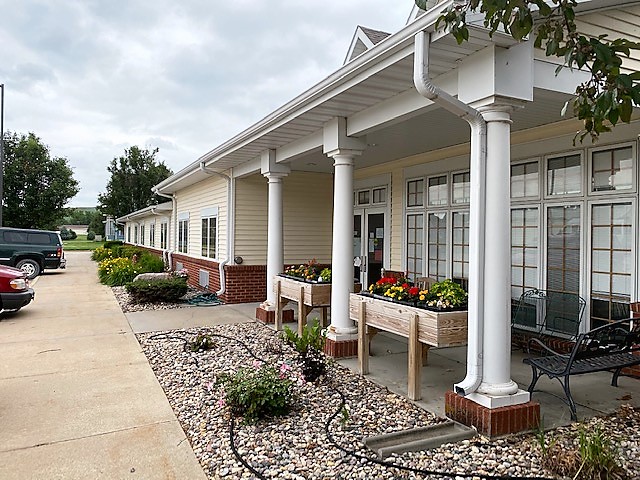
How is Azria Health Rose Vista Staffed?

CMS rates Azria Health Rose Vista's staffing level at 3 out of 5 stars, which is average compared to other nursing homes. Staff turnover is 27%, compared to the Iowa average of 46%. This relatively stable workforce can support continuity of care.

What Have Inspectors Found at Azria Health Rose Vista?

State health inspectors documented 19 deficiencies at Azria Health Rose Vista during 2022 to 2024. These included: 19 with potential for harm.

Who Owns and Operates Azria Health Rose Vista?

Azria Health Rose Vista is owned by a for-profit company. For-profit facilities operate as businesses with obligations to shareholders or private owners. The facility is operated by AZRIA HEALTH, a chain that manages multiple nursing homes. With 76 certified beds and approximately 59 residents (about 78% occupancy), it is a smaller facility located in Woodbine, Iowa.

How Does Azria Health Rose Vista Compare to Other Iowa Nursing Homes?

Compared to the 100 nursing homes in Iowa, Azria Health Rose Vista's overall rating (2 stars) is below the state average of 3.0, staff turnover (27%) is significantly lower than the state average of 46%, and health inspection rating (3 stars) is at the national benchmark.

What Should Families Ask When Visiting Azria Health Rose Vista?

Based on this facility's data, families visiting should ask: "Can I visit during a mealtime to observe dining assistance and food quality?" "How do you handle medical emergencies, and what is your hospital transfer rate?" "Can I speak with family members of current residents about their experience?"

Is Azria Health Rose Vista Safe?

Based on CMS inspection data, Azria Health Rose Vista has a clean safety record: no substantiated abuse findings (meaning no confirmed cases of resident harm), no Immediate Jeopardy citations (the most serious violation level indicating risk of serious injury or death), and is not on the Special Focus Facility watch list (a federal program monitoring the lowest-performing 1% of nursing homes). The facility has a 2-star overall rating and ranks #100 of 100 nursing homes in Iowa. While no facility is perfect, families should still ask about staff-to-resident ratios and recent inspection results during their visit.

Do Nurses at Azria Health Rose Vista Stick Around?

Staff at Azria Health Rose Vista tend to stick around. With a turnover rate of 27%, the facility is 19 percentage points below the Iowa average of 46%. Low turnover is a positive sign. It means caregivers have time to learn each resident's needs, medications, and personal preferences. Consistent staff also notice subtle changes in a resident's condition more quickly. Registered Nurse turnover is also low at 17%, meaning experienced RNs are available to handle complex medical needs.

Was Azria Health Rose Vista Ever Fined?

Azria Health Rose Vista has no federal fines on record. CMS issues fines when nursing homes fail to meet care standards or don't correct problems found during inspections. The absence of fines suggests the facility has either maintained compliance or corrected any issues before penalties were assessed. This is a positive indicator, though families should still review recent inspection reports for the full picture.

Is Azria Health Rose Vista on Any Federal Watch List?

Azria Health Rose Vista is not on any federal watch list. The most significant is the Special Focus Facility (SFF) program, which identifies the bottom 1% of nursing homes nationally based on persistent, serious quality problems. Not being on this list means the facility has avoided the pattern of deficiencies that triggers enhanced federal oversight. This is a positive indicator, though families should still review the facility's inspection history directly.