MEMORIAL HOSPITAL LTCU (VILLAGE MANOR)
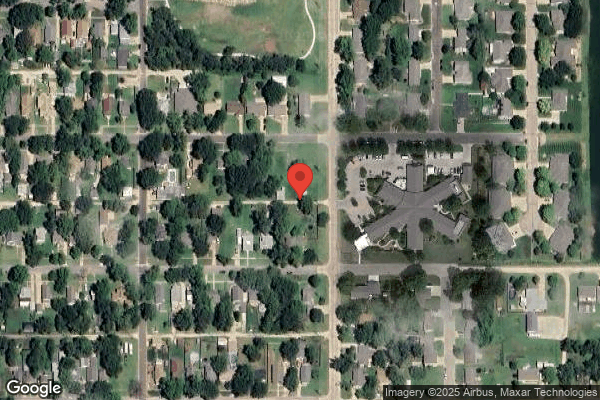
705 N BRADY STREET, ABILENE, KS 67410 (785) 263-1431
Government - Hospital district 75 Beds Independent Data: November 2025 1 Immediate Jeopardy citation
Trust Grade
36/100
#210 of 295 in KS
Last Inspection: September 2024

Within standard 12-15 month inspection cycle. Federal law requires annual inspections.

Overview

Memorial Hospital LTCU (Village Manor) has a Trust Grade of F, indicating significant concerns about the care provided. Ranking #210 out of 295 facilities in Kansas places it in the bottom half, while being #2 of 4 in Dickinson County means there is only one local option that is better. The facility is worsening, with issues increasing from 7 in 2023 to 10 in 2024. Staffing is rated 4 out of 5 stars, which is good, but a turnover rate of 52% is average, suggesting that while staff are generally stable, there is room for improvement. However, there are serious issues, including a critical incident where a resident fell and suffered a brain injury due to improper transfer procedures, as well as another incident that resulted in a fractured bone from a failed lift attempt. Additionally, the facility has $23,036 in fines, indicating potential compliance problems. Overall, while staffing appears to be a relative strength, the facility has significant weaknesses that families should carefully consider.

Trust Score
F
36/100
In Kansas
#210/295
Bottom 29%
Safety Record
High Risk
Review needed
Inspections
Getting Worse
7 → 10 violations
Staff Stability
⚠ Watch
52% turnover. Above average. Higher turnover means staff may not know residents' routines.
Penalties
✓ Good
$23,036 in fines. Lower than most Kansas facilities. Relatively clean record.
Skilled Nurses
○ Average
Each resident gets 32 minutes of Registered Nurse (RN) attention daily — about average for Kansas. RNs are the most trained staff who monitor for health changes.
Violations
⚠ Watch
18 deficiencies on record. Higher than average. Multiple issues found across inspections.
★★☆☆☆
2.0
Overall Rating
★★★★☆
4.0
Staff Levels
★☆☆☆☆
1.0
Care Quality
★★★☆☆
3.0
Inspection Score
Stable
2023: 7 issues
2024: 10 issues

The Good

  • 4-Star Staffing Rating · Above-average nurse staffing levels
  • Full Sprinkler Coverage · Fire safety systems throughout facility
  • No fines on record

Facility shows strength in staffing levels, fire safety.

The Bad

2-Star Overall Rating

Below Kansas average (2.9)

Below average - review inspection findings carefully

Staff Turnover: 52%

Near Kansas avg (46%)

Higher turnover may affect care consistency

Federal Fines: $23,036

Below median ($33,413)

Minor penalties assessed

The Ugly 18 deficiencies on record

1 life-threatening 1 actual harm
Sept 2024 10 deficiencies
CONCERN (D)

Potential for Harm - no one hurt, but risky conditions existed

Notification of Changes (Tag F0580)

Could have caused harm · This affected 1 resident

**NOTE- TERMS IN BRACKETS HAVE BEEN EDITED TO PROTECT CONFIDENTIALITY** The facility had a census of 65 residents. The sample included 17 residents. Based on observation, record review, and interview,...

Read full inspector narrative →
**NOTE- TERMS IN BRACKETS HAVE BEEN EDITED TO PROTECT CONFIDENTIALITY** The facility had a census of 65 residents. The sample included 17 residents. Based on observation, record review, and interview, the facility failed to notify the physician of changes in status or condition for Resident (R) 168, who made statements of self-harm. This placed the resident at risk of delayed treatment due to a delay in physician involvement. Findings included: - The Electronic Medical Record (EMR) for R168 documented diagnoses of dementia without behavioral disturbance (a progressive mental disorder characterized by failing memory and confusion), bipolar disorder (a major mental illness that causes people to have episodes of severe high and low moods), traumatic brain injury (TBI-an injury to the brain caused by external forces), depression (a mood disorder that causes a persistent feeling of sadness and loss of interest), and as of 08/26/24, suicidal ideation (the thought process of having ideas of not wanting to live). The admission Minimum Data Set (MDS), dated [DATE], documented R168 had severely impaired cognition and required partial assistance with toileting, dressing, personal hygiene, and was independent with eating, mobility, transfers, and ambulation. The assessment documented R168 had trouble concentrating for four to six days, had no behaviors, and received an antipsychotic (a class of medication used to treat major mental conditions that cause a break from reality) and antianxiety (a class of medications that calm and relax people) medication. R168's Baseline Care Plan, dated 08/20/24, documented R168 was oriented to person, and was able to make his needs known. R168 was independent with grooming, dressing, shaving, and eating. The update dated 08/24/24 documented R168 received lorazepam (an antianxiety medication), 0.5 milligrams (mg), by mouth, three times per day as needed for agitation. R168's Care Plan, dated 09/10/24, documented R168 had a potential for mood swings due to depression, bipolar disorder, and statements of wanting to die. The care plan directed staff to administer medications as ordered, monitor for adverse side effects, and notify the physician if behavior interferes with the functioning of his activities of daily living and safety to himself or others. The plan directed staff to involve him in activities daily, notify the physician immediately if any suicidal ideation, self-harm threats, behaviors of threat of harm to others, and to see behavioral health physician and social services as needed. The Physician's Order, dated 08/20/24, directed staff to administer mirtazapine (an antidepressant medication), 15 mg, by mouth, daily for depression and risperidone (an antipsychotic medication), 0.5 mg, at bedtime for bipolar. The Physician's Order, dated 09/10/24, directed staff to administer lurasidone hydrochloride (an antipsychotic medication), 40 mg, by mouth, for dementia without behavioral disturbance and directed staff to discontinue the risperidone medication. The Nurse's Note, dated 08/20/24 documented R168 was wandering the halls, asking staff repeatedly when he could leave, and calling his family several times. The Nurse's Note dated 08/21/25 at 09:45 PM, documented R168 was anxious all shift, wandered the halls, called his family several times, and asked staff when he could leave. The Physician's Order, dated 08/22/24, directed staff to administer Valium, (an antianxiety medication), 2 mg, by mouth, twice per day for mood. This medication was discontinued on 09/05//24. The Nurse's Note, dated 08/25/24 at 06:13 AM, documented R168 had suicidal ideation from 04:30 AM to 05:45 AM. R168 stated he wanted to be dead and made a shot to the head gesture. He stated he was going to fail everyone and thought he might as well be dead. The note further documented R168 paced the hallways and mumbled aggressive things. R168 was placed on 15-minute checks and staff were directed to keep him occupied. Staff continued to monitor him throughout the shift. The note lacked evidence the physician was notified. The Nurse's Note, dated 08/27/24 at 03:24 PM, documented that staff notified the physician regarding R168's suicidal ideation from 08/25/24 and requested a behavioral health visit. The note directed staff to administer lorazepam, 0.5 mg, by mouth three times per day and to administer lorazepam, 0.5 mg. by mouth three times per day, as needed, for agitation. The Nurse's Note, dated 09/02/24 at 10:51 AM, documented that R168 made comments about wanting to hurt himself and stated he was tired of not being able to do anything anymore. R168 stated it was a daily chore to keep living and wanted to blow out his brain. R168 stated he did not understand why his family didn't want to take care of him and felt they did not want him around anymore. The note documented staff explained to him that he was loved by his family and was at the facility for extra help. Staff asked R168 if he wanted to go outside for fresh air. Staff took R168 outside and walked with him for 10-15 minutes before he asked to go back inside. The staff checked on him frequently to make sure he was ok, and the nurse told him that if he started to feel that way again, she would come back and talk with him. Staff checked on the resident every hour for safety precautions and monitored for any changes or repeated suicidal thoughts. R168's EMR lacked documentation the physician was notified and any further documentation regarding R168's suicidal ideation. The Nurse's Note, dated 09/07/24 at 11:15 AM, documented R168 paced, was agitated, and was seen by the behavioral health physician. The note further documented R168 was given an as-needed lorazepam. The Nurse's Note, dated 09/07/24 at 02:00 PM, documented R168's family called and stated he was agitated and requested he be administered as-needed medication. R168 paced, was upset and agitated, and staff took him outside for a walk. The Nurse's Note, dated 09/08/24 at 11:00 am, documented R168 paced, was agitated and wanted his glasses and jacket so he could leave. R168 stated That's not sharp enough for what I need, R168 stated he would deal with God when he got there. Staff placed R168 on 15-minute checks, administered as-needed lorazepam, and took R168 outside for a walk. Staff provided 1:1. R168 stated, This is not what I signed up for and was pleasant and cooperative after walking outside with staff. On 09/10/24 at 07:45 AM, observation revealed R168 in the dining room of the Special Care Unit. He had a sad affect. When asked how his day was going, R168 stated, Not very good. He stated he did not understand why he was living there and did not think it was God's plan for him. He stated he had been living there for a short time, but it seemed like a lot longer. R168 stated no one does anything for him to help him and he does not know what to do. Observation on 09/10/24 at 09:45 AM, Consultant GG visited with R168, and the resident was smiling and engaged in conversation. On 09/10/24 at 08:45 AM, Administrative Nurse D stated she saw the note about R168's verbalizations of self-harm the day after it happened and probably called the doctor but did not think to document it. Administrative Nurse D further stated the nursing staff would document if R168 had any statements of self-harm and verified the physician was not notified of R168's threat of self-harm. Administrative Nurse D said she expected staff to ensure R168 was monitored and safe. Administrative Nurse D further stated she talked with R168 and he did not remember making those statements. Administrative Nurse D said staff should contact the physician whenever a resident makes statements of self-harm. On 09/10/24 at 09:50 AM, Consultant GG stated he was not opposed to staff calling him if the resident discussed self-harm. The facility's Nurse Notification of Physician policy, undated, documented licensed nurses were responsible for reporting to the resident's physician any time they believed a resident had a clinical issue that required physician notification and or intervention. If the physician was an on-call physician, identify the resident's attending physician. In situations when immediate action was necessary due to a life-threatening condition, as warranted by the resident and/or resident's representative, the decision to be transported when the physician cannot be reached immediately, contact emergency medical services to request immediate transport to the hospital. Monitor and reassess the resident's status and response to interventions. The facility failed to notify the physician of R168's statements of self-harm. This placed the resident at risk for delayed treatment due to a delay in physician involvement.
CONCERN (D)

Potential for Harm - no one hurt, but risky conditions existed

Grievances (Tag F0585)

Could have caused harm · This affected 1 resident

**NOTE- TERMS IN BRACKETS HAVE BEEN EDITED TO PROTECT CONFIDENTIALITY** The facility had a census of 65 residents. The sample included 17 residents with one reviewed for missing personal property. Bas...

Read full inspector narrative →
**NOTE- TERMS IN BRACKETS HAVE BEEN EDITED TO PROTECT CONFIDENTIALITY** The facility had a census of 65 residents. The sample included 17 residents with one reviewed for missing personal property. Based on observation, record review, and interview, the facility staff failed to log and promptly resolve Resident (R) 18's grievance when she reported to staff that she had missing clothing items. This placed the resident at risk for unresolved grievances and decreased quality of life. Findings included: - R18's Electronic Medical Record (EMR) documented that R18 had diagnoses of bipolar disorder (a major mental illness that causes people to have episodes of severe high and low moods) and major depressive disorder (a major mood disorder that causes persistent feelings of sadness). R18's Quarterly Minimum Data Set (MDS), dated [DATE], documented that R18 had a Brief Interview of Mental Status (BIMS) score of 15, which indicated intact cognition. The MDS documented R18 was independent with most activities of daily living (ADLs), R18's Care Plan, revised 07/03/24, documented R18 had mood swings and instructed staff to notify the nurse if behaviors interfered with functioning, involve R18 in daily activities, notify the physician immediately of any suicidal ideation, self-harming threats, behaviors, or threats of harm to others, and encourage R18 to verbalize feelings and provide validation and reassurance as needed. A review of the Resident Grievance/Complaint Log from 03/13/23 to 08/23/24 lacked documentation of R18's grievance regarding missing clothing items. R18's clinical record lacked documentation regarding R18's missing clothing. On 09/09/24 at 01:00 PM, observation revealed R18 ambulated down the hall. She wore pink leggings with the Nike emblem down the left side of her pants and a pink t-shirt. On 09/09/24 at 10:01 AM, during an interview with R18, she reported the following missing clothing items since February 2024: Green Nike leggings with glitter running down the left side around the Nike emblem. White men's T-shirt with festival design including fruits across the front. Mint green outfit Men's T-shirt with fish on the front. Black daisy jeggings with frayed hem and a drawstring waist. Brown Nike short outfit with a goat on the front of the shirt. Nike bike shorts. Blue Nike gym shorts with roll-down waistband with Nike written across the waistband. Black valley lace (delicate fabric made of yarn or thread in an open weblike pattern) underwear. Nike [NAME] pink sleeve t-shirt with matching wind shorts. On 09/10/24 at 09:10 AM, Certified Nurse Aide (CNA) R stated R18 had reported that she had some missing clothing. CNA R said she notified the laundry supervisor and the social service designee (SSD). CNA R stated the facility had a new laundry staff and a lot of the residents' clothes were mixed up, so staff were looking for them. CNA R stated staff had found some of R18's missing clothes. On 09/11/24 at 10:15 AM, Licensed Nurse (LN) G stated R18 mentioned missing clothing. LN G said she reported to the SSD in an e-mail but did not fill out a form. On 09/10/24 at 08:35 AM, Social Services X stated R18 had mentioned the missing clothing, but she did not fill out a grievance or place it on the grievance log because she considered R18's issue a complaint and she did not place missing clothing on the log. Social Service X stated the facility had replaced some of the items, but others could be items R18 wanted the facility to buy for her. Social Services X stated R18's friend had also helped her cut down her clothing collection, and some were bagged and given away without telling staff. Social Services X stated she filled out the grievance form for the resident's issues based on the severity of the issue or if a resident stated they wanted a grievance form filled out. On 09/10/24 at 09:49 AM, Administrative Nurse D stated if a resident reported to staff that he/she was missing a clothing item, she expected staff to report to the SSD. Administrative Nurse D said she probably would start a grievance form. On 09/10/24 at 01:58 PM, Housekeeping Staff (HS) U stated R18 reported to her what clothing items were missing but she did not write them down. HS U stated if R18 went through her closet, she would probably find the missing items. The facility's Grievances/Complaints, Recording, and Investigating Policy, revised in March 2017, documented that all grievances and complaints filed with the facility would be investigated and corrective actions would be taken to resolve the grievances(s). Upon receiving a grievance and complaint report, SSD or designee would begin an investigation into the allegation. The SSD or designee would record and maintain all grievances and complaints on the Resident Grievance Complaint Log. The following information would be recorded and maintained in the log: The date the grievance, and complaint were received. The name and room number of the resident filing the grievance or complaint The name and relationship of the person filing the grievance, complaint on behalf of the resident The date the alleged incident took place The name of the person investigating the incident The date the resident or interested party was informed of the findings and the disposition of grievance (for example resolved, dispute, etcetera (etc.). The facility failed to log and promptly resolve R18's grievance. This placed the resident at risk for unresolved grievances and decreased quality of life.
CONCERN (D)

Potential for Harm - no one hurt, but risky conditions existed

Report Alleged Abuse (Tag F0609)

Could have caused harm · This affected 1 resident

**NOTE- TERMS IN BRACKETS HAVE BEEN EDITED TO PROTECT CONFIDENTIALITY** The facility had a census of 65 residents. The sample included 17 residents with one reviewed for abuse. Based on observation, r...

Read full inspector narrative →
**NOTE- TERMS IN BRACKETS HAVE BEEN EDITED TO PROTECT CONFIDENTIALITY** The facility had a census of 65 residents. The sample included 17 residents with one reviewed for abuse. Based on observation, record review, and interview, the facility failed to identify an injury of unknown origin as potential abuse and report immediately to the administrator for Resident (R) 57, who had bilateral (both sides) upper arm bruises. This placed the resident at risk for further injury and unidentified abuse or mistreatment. Findings included: - The Electronic Medical Record (MR) documented R57 had diagnoses of dementia (a progressive mental disorder characterized by failing memory and confusion), anxiety (mental or emotional reaction characterized by apprehension, uncertainty, and irrational fear), neurocognitive disorder with Lewy body (a progressive brain disorder that causes a gradual decline in thinking abilities and other functions), depression (a mood disorder that causes a persistent feeling of sadness and loss of interest), and posttraumatic stress disorder (PTSD- a mental disorder characterized by an acute emotional response to a traumatic event or situation involving severe environmental stress.) The Annual Minimum Data Set (MDS), dated [DATE], documented R57 had severely impaired cognition. R57 required partial assistance with dressing, supervision with dressing, showers, toileting, and personal hygiene; R57 was independent with mobility, transfers, and ambulation. The assessment documented R57 had no functional impairment and no skin issues. R57's Care Plan, dated 06/26/24, initiated on 08/08/23, directed staff to observe her skin during care and her showers and notify the nurse of any abnormal findings. The plan directed staff to provide skin assessments weekly based on the Braden scale (a tool used to assess a resident's risk of developing pressure ulcers, or skin breakdown). The Nurse's Note, dated 07/15/24 at 02:32 PM, documented that R57 received a shower and had bilateral upper arm bruises. The Facility Shower Sheet, dated 07/25/24, documented that R57 had bilateral deltoid (the large triangular muscle that lies over the shoulder joint and upper arm) bruises. R57's EMR lacked documentation further assessment was completed regarding the status of the bruises, or how the injuries were obtained. On 09/11/24 at 07:35 AM, observation revealed R57 sat at the dining table with her eyes closed. On 09/10/24 at 10:35 AM, Certified Nurse Aide (CNA) M stated she was unaware of any bruises found on R57's upper arms and said she would make sure she notified the nurse if the resident had any skin issues. CNA M further stated that R57 had not had any recent falls, was independent with transfers and ambulation, was severely cognitively impaired, and would not be able to tell staff what happened. On 09/11/24 at 08:54 AM, Licensed Nurse (LN) G stated the CNA staff complete a skin assessment if there are any skin issues. LN G said R57 was cognitively impaired and was unable to say what happened so she would report any injuries of unknown origin to the administration for an investigation to be completed. On 09/11/24 at 09:00 AM, Administrative Nurse D stated she was unaware of the bilateral bruises on R57 and said that due to the bruises on both arms, she would be investigating immediately and re-educating staff on the importance of reporting to administration to rule out abuse. On 09/11/24 at 12:15 PM, Administrative Staff A stated he was unaware of the bruises on R57's bilateral upper arms and said it was important for staff to notify him and the Director of Nursing of any injuries of unknown origin so that they could investigate, and report as needed. The facility's Reporting Abuse to Facility Management policy, dated 03/17, documented it was the responsibility of the employees, facility consultants, attending physicians, family members, and visitors, to promptly report any incident or suspected incident of neglect or resident abuse, including injuries of unknown source, and theft or misappropriation of resident property to facility management. The facility failed to identify R57's injury of unknown origin as potential abuse and report it to administration staff immediately. This placed the resident at risk for further injury and unidentified abuse or mistreatment.
CONCERN (D)

Potential for Harm - no one hurt, but risky conditions existed

Transfer Notice (Tag F0623)

Could have caused harm · This affected 1 resident

**NOTE- TERMS IN BRACKETS HAVE BEEN EDITED TO PROTECT CONFIDENTIALITY** The facility had a census of 65 residents. The sample included 17 residents with three reviewed for hospitalization. Based on re...

Read full inspector narrative →
**NOTE- TERMS IN BRACKETS HAVE BEEN EDITED TO PROTECT CONFIDENTIALITY** The facility had a census of 65 residents. The sample included 17 residents with three reviewed for hospitalization. Based on record review and interview the facility failed to provide a written notice for a facility-initiated transfer for Resident (R) 42 or his representatives as soon as practicable when he was transferred to the hospital. The facility also failed to notify the Office of the Long-Term Care Ombudsman (LTCO-a public official who works to resolve resident issues in nursing facilities) of R42's discharge. This placed the resident at risk for impaired rights and uninformed care choices. Findings included: - R42's Electronic Medical Record (EMR) documented the resident had diagnoses of cirrhosis (chronic degenerative disease of the liver) of the liver, ascites (a condition characterized by an excessive buildup of fluid in the abdomen, or belly), and acute pancreatitis (inflammation of the pancreas). R42's Quarterly Minimum Data Set (MDS), dated [DATE], documented the resident had a Brief Interview of Mental Status (BIMS) of seven, which indicated severe cognitive impairment. The MDS documented R42 required partial to moderate staff assistance with toileting, showering, upper and lower body dressing, and toilet transfers. R42 required supervision or touching assistance with shower transfers and setup for personal hygiene. R42 was independent with eating, oral hygiene, putting on and taking off footwear, bed mobility, chair-to-bed, bed-to-chair, and sit-to-stand transfers, and ambulation. R42's Care Plan, revised 09/04/24, documented that R42 was at risk for dehydration (a condition in which you lose so much body fluid that your body can't function normally) related to his diuretics. He was at risk for weight gain and had increased abdominal girth (a measurement of the distance around the abdomen at a specific point, usually the belly button) related to cirrhosis of the liver (chronic degenerative disease of the liver). R42's Progress Note, dated 12/30/23 at 09:05, documented R42 was admitted to hospital for pancreatitis The Progress Note, dated 02/12/24 at 17:55, documented that R42 was admitted to the hospital for abdominal pain retaining to pancreatitis (a condition that causes inflammation of the pancreas (a gland that produces digestive enzymes and hormones). The Progress Note, dated 03/21/24 at 19:01, documented R42 res was admitted to the hospital on [DATE] for gastrointestinal (GI) bleed (when there is blood loss from any of the several organs included in your digestive system). The Progress Note, dated 05/3/24, documented R42 was admitted to the hospital for pancreatitis symptoms. R42's clinical record lacked evidence the resident or representative was provided a written notice when R42 was transferred to the hospital on the dates. On 09/09/24 at 12:30 PM, observation revealed R42 sat in a chair at the dining room table with no signs or symptoms of pain. On 09/10/24 at 08:35 AM, Social Service X stated was unaware she was required to provide R42 or his representative with written notice when he was transferred to the hospital, or that she was to notify the LTCO when residents were discharged . On 09/11/24 at 10:30 AM, Administrative Nurse D Stated Social Service X or the Administrative Nurse business office manager was responsible for providing R42 or his representative with written notice of the transfer and notifying the LTCO when the resident was transferred to the hospital. The facility's Bed-Holds and Returns Policy, revised in March 2017, documented that before a transfer, written information would be given to the residents and the resident representatives that explains in detail the following: The rights and limitations of the resident regarding bed-holds. The reserve bed payment policy is indicated by the state plan (Medicaid residents). The facility per diem rate required to hold a bed (non-Medicaid residents), or to hold a bed beyond the state bed-hold period (Medicaid residents); and The details of the transfer (per the Notice of Transfer). The facility failed to provide R42 or his representative written notice regarding R42's transfers to the hospital as soon as practicable. The facility also failed to notify the LTCO when he was discharged . This placed the resident and/or her representative at risk of impaired rights and uninformed care choices.
CONCERN (D)

Potential for Harm - no one hurt, but risky conditions existed

Deficiency F0625 (Tag F0625)

Could have caused harm · This affected 1 resident

**NOTE- TERMS IN BRACKETS HAVE BEEN EDITED TO PROTECT CONFIDENTIALITY** The facility had a census of 65 residents. The sample included 17 residents. Based on observation, record review, and interview,...

Read full inspector narrative →
**NOTE- TERMS IN BRACKETS HAVE BEEN EDITED TO PROTECT CONFIDENTIALITY** The facility had a census of 65 residents. The sample included 17 residents. Based on observation, record review, and interview, the facility failed to provide Resident (R)42 or his representative with written information regarding the facility bed hold policy when R42 was transferred to the hospital. This placed R42 at risk for impaired ability to return and resume residence in the nursing facility. Findings included: - R42's Electronic Medical Record (EMR) documented the resident had diagnoses of cirrhosis (chronic degenerative disease of the liver) of the liver, ascites (a condition characterized by an excessive buildup of fluid in the abdomen, or belly), and acute pancreatitis (inflammation of the pancreas). R42's Quarterly Minimum Data Set (MDS), dated [DATE], documented the resident had a Brief Interview of Mental Status (BIMS) of seven, which indicated severe cognitive impairment. The MDS documented R42 required partial to moderate staff assistance with toileting, showering, upper and lower body dressing, and toilet transfers. R42 required supervision or touching assistance with shower transfers and setup for personal hygiene. R42 was independent with eating, oral hygiene, putting on and taking off footwear, bed mobility, chair-to-bed, bed-to-chair, and sit-to-stand transfers, and ambulation. R42's Care Plan, revised 09/04/24, documented that R42 was at risk for dehydration. He was at risk for weight gain and had increased abdominal girth related to cirrhosis of the liver. R42's Progress Notes, dated 12/30/23, 02/12/24, 03/21/24, and 05/03/24, documented the resident was transferred to the hospital. R42's clinical record lacked evidence the resident or representative was provided the bed hold policy when R42 was transferred to the hospital on the above dates. On 09/09/24 at 12:30 PM, observation revealed R42 sat in a chair at the dining room table with no signs or symptoms of pain. On 09/11/24 at 10:30 AM, Administrative Nurse D stated that Social Service X or the Administrative Nurse business office manager was responsible for providing the bed hold policy to residents on admission. Administrative Nurse D said she was unaware the bed hold policy was to be provided when residents were transferred to the hospital. On 09/10/24 at 08:35 AM, Social Service X stated she was unaware she was required to provide R42 or his representative with the bed hold policy when he was transferred to the hospital. Social Service X stated the facility provided the bed hold policy on admission, and if the resident received Medicaid the facility would automatically hold his bed. The facility's Bed-Holds and Returns Policy, revised in March 2017, is documented before transfers and therapeutic leaves, residents or resident representatives would be informed in writing of the bed-hold and return policy. Before a transfer, written information would be given to the residents and the resident representatives that explains in detail: The rights and limitations of the resident regarding bed-holds. The reserve bed payment policy is indicated by the state plan (Medicaid residents). The facility per diem rate required to hold a bed (non-Medicaid residents), or to hold a bed beyond the state bed-hold period (Medicaid residents); and The details of the transfer (per the Notice of Transfer). The facility failed to provide R42 or his representative with the bed hold policy upon transfer to the hospital. This placed the resident at risk for impaired ability to return and resume residence in the nursing facility.
CONCERN (D)

Potential for Harm - no one hurt, but risky conditions existed

Deficiency F0661 (Tag F0661)

Could have caused harm · This affected 1 resident

**NOTE- TERMS IN BRACKETS HAVE BEEN EDITED TO PROTECT CONFIDENTIALITY** The facility had a census of 65 residents. The sample included 17 residents. Based on record review and interview the facility f...

Read full inspector narrative →
**NOTE- TERMS IN BRACKETS HAVE BEEN EDITED TO PROTECT CONFIDENTIALITY** The facility had a census of 65 residents. The sample included 17 residents. Based on record review and interview the facility failed to complete a recapitulation (summary) post-discharge for Resident (R) 17, who had a self-initiated discharge from the facility. This placed the resident at risk of unidentified and unmet care needs. Findings included: - The Electronic Medical Record (EMR) documented R17 had diagnoses of infection and inflammatory reaction to an indwelling catheter (a tube inserted into the bladder to drain the urine into a collection bag), atherosclerotic (plaque build narrowing of blood flow) heart disease, chronic pain, dementia (a progressive mental disorder characterized by failing memory and confusion), muscle weakness, diabetes mellitus (DM-when the body cannot use glucose, not enough insulin is made, or the body cannot respond to the insulin), reduced mobility, and mixed receptive-expressive language (trouble understanding language) disorder. R17's EMR documented R17's admission date of 05/14/24 and discharge date of 06/17/24. The admission Minimum Data Set (MDS), dated [DATE], documented that R17 had severe cognitive impairment. R17 used a wheelchair and required substantial/maximal assistance with personal hygiene, and partial/moderate assistance with mobility. R17 had an indwelling urinary catheter and was always incontinent of bowel. The MDS further documented that R17 had moisture-associated skin damage (MASD- inflammation or skin erosion caused by prolonged exposure to a source of moisture such as urine, stool, sweat, wound drainage, saliva, or mucous), received pain medication and an antiplatelet (medication that prevents forming blood clots). R17 had speech, occupational, and physical therapy services, and wanted to be asked about returning to the community. R17's Care Plan, dated 05/14/24, documented discharge planning for R17 to his home with family members. The care plan directed staff to contact the family to assist in arranging home health and therapy follow-up as needed. The care plan further directed staff to provide referrals to be given for lifeline (provides help or support), meals on wheels, bathing aid, and assistance for transferring equipment as needed. The plan directed staff to ensure that continuity of care is maintained by giving a detailed summary of care needed when discharged . The Physician Order dated 06/17/24 directed staff to discharge R17. The Progress Note dated 06/17/24 at 10:00 AM documented the social worker spoke with R17's family, and the family assured the social worker they had everything they needed to provide care for the resident in their home before his hospital stay. The family reported having a lift and slide board and would pick up the resident for discharge. The Progress Note dated 06/17/24 at 06:13 PM, documented R17 was discharged from the facility. R17's clinical record lacked evidence of a recapitulation of R17's stay in the facility. On 09/11/27 at 07:42 AM, Administrative Nurse D reported she was not aware of the need for a recapitulation of R17's facility course of care in the facility following the resident's discharge. Upon request, the facility did not provide a policy for recapitulation for discharged residents. The facility failed to complete a recapitulation post-discharge for R17. This placed R17 at risk of unidentified and unmet care needs.
CONCERN (D)

Potential for Harm - no one hurt, but risky conditions existed

Deficiency F0745 (Tag F0745)

Could have caused harm · This affected 1 resident

**NOTE- TERMS IN BRACKETS HAVE BEEN EDITED TO PROTECT CONFIDENTIALITY** The facility had a census of 65 residents. The sample included 17 residents. Based on observation, record review, and interview,...

Read full inspector narrative →
**NOTE- TERMS IN BRACKETS HAVE BEEN EDITED TO PROTECT CONFIDENTIALITY** The facility had a census of 65 residents. The sample included 17 residents. Based on observation, record review, and interview, the facility failed to provide medically related social services to attain or maintain the highest practicable physical, mental, and psychosocial well-being of one sampled resident, Resident (R) 168, who made statements of self-harm. This placed R168 at risk for further decline in his emotional and mental well-being. Findings included: - The Electronic Medical Record (EMR) for R168 documented diagnoses of dementia without behavioral disturbance (a progressive mental disorder characterized by failing memory and confusion), bipolar disorder (a major mental illness that causes people to have episodes of severe high and low moods), traumatic brain injury (TBI-an injury to the brain caused by external forces), depression (a mood disorder that causes a persistent feeling of sadness and loss of interest), and as of 08/26/24, suicidal ideation (the thought process of having ideas of not wanting to live). The admission Minimum Data Set (MDS), dated [DATE], documented R168 had severely impaired cognition and required partial assistance with toileting, dressing, personal hygiene, and was independent with eating, mobility, transfers, and ambulation. The assessment documented R168 had trouble concentrating for four to six days, had no behaviors, and received an antipsychotic (a class of medication used to treat major mental conditions that cause a break from reality) and antianxiety (a class of medications that calm and relax people) medication. R168's Baseline Care Plan, dated 08/20/24, documented R168 was oriented to person, and was able to make his needs known. R168 was independent with grooming, dressing, shaving, and eating. The update dated 08/24/24 documented R168 received lorazepam (an antianxiety medication), 0.5 milligrams (mg), by mouth, three times per day as needed for agitation. R168's Care Plan, dated 09/10/24, documented R168 had a potential for mood swings due to depression, bipolar disorder, and statements of wanting to die. The care plan directed staff to administer medications as ordered, monitor for adverse side effects, and notify the physician if behavior interferes with his activities of daily living and safety to himself or others. The plan directed staff to involve him in activities daily, notify the physician immediately if any suicidal ideation, self-harm threats, behaviors of threat of harm to others, and to see behavioral health physician and social services as needed. The Physician's Order, dated 08/20/24, directed staff to administer mirtazapine (an antidepressant medication), 15 mg, by mouth, daily for depression and risperidone (an antipsychotic medication), 0.5 mg, at bedtime for bipolar. The Physician's Order, dated 09/10/24, directed staff to administer lurasidone hydrochloride (an antipsychotic medication), 40 mg, by mouth, for dementia without behavioral disturbance and directed staff to discontinue the risperidone medication. The Nurse's Note, dated 08/20/24 documented R168 wandering the halls, asking staff repeatedly when he could leave, and calling his family several times. The Nurse's Note dated 08/21/25 at 09:45 PM, documented R168 was anxious all shift, wandered the halls, called his family several times, and asked staff when he could leave. The Physician's Order, dated 08/22/24, directed staff to administer Valium, (an antianxiety medication), 2 mg, by mouth, twice per day for mood. This medication was discontinued on 09/05//24. The Nurse's Note, dated 08/25/24 at 06:13 AM, documented R168 had suicidal ideation from 04:30 AM to 05:45 AM. R168 stated he wanted to be dead and made a shot to the head gesture. He stated he was going to fail everyone and thought he might as well be dead. The note further documented R168 paced the hallways and mumbled aggressive things. R168 was placed on 15-minute checks and staff were directed to keep him occupied. Staff continued to monitor him throughout the shift. The note lacked evidence the physician was notified. The Nurse's Note, dated 08/27/24 at 03:24 PM, documented that staff notified the physician regarding R168's suicidal ideation from 08/25/24 and requested a behavioral health visit. The note directed staff to administer lorazepam, 0.5 mg, by mouth three times per day and to administer lorazepam, 0.5 mg. by mouth three times per day, as needed, for agitation. The Nurse's Note, dated 09/02/24 at 10:51 AM, documented that R168 made comments about wanting to hurt himself and stated he was tired of not being able to do anything anymore. R168 stated it was a daily chore to keep living and wanted to blow out his brain. R168 stated he did not understand why his family didn't want to take care of him and felt they did not want him around anymore. The note documented staff explained to him that he was loved by his family and was at the facility for extra help. Staff asked R168 if he wanted to go outside for fresh air. Staff took R168 outside and walked with him for 10-15 minutes before he asked to go back inside. The staff checked on him frequently to make sure he was ok, and the nurse told him that if he started to feel that way again, she would come back and talk with him. Staff checked on the resident every hour for safety precautions and monitored for any changes or repeated suicidal thoughts. R168's EMR lacked documentation the physician was notified of any further documentation regarding R168's suicidal ideation. The Nurse's Note, dated 09/07/24 at 11:15 AM, documented R168 paced, was agitated, and was seen by the behavioral health physician. The note further documented R168 was given an as-needed lorazepam. The Nurse's Note, dated 09/07/24 at 02:00 PM, documented R168's family called and stated he was agitated and requested he be administered as-needed medication. R168 paced, was upset and agitated, and staff took him outside for a walk. The Nurse's Note, dated 09/08/24 at 11:00 am, documented R168 paced, was agitated and wanted his glasses and jacket so he could leave. R168 stated That's not sharp enough for what I need, R168 stated he would deal with God when he got there. Staff placed R168 on 15-minute checks, administered as-needed lorazepam, and took R168 outside for a walk. Staff provided 1:1. R168 stated, This is not what I signed up for and was pleasant and cooperative after walking outside with staff. R168's clinical record lacked evidence of a social work follow-up to address R168's suicidal verbalizations, feelings of sadness, and potential spiritual crisis. On 09/10/24 at 07:45 AM, observation revealed R168 in the dining room of the Special Care Unit. He had a sad affect. When asked how his day was going, R168 stated, Not very good. He stated he did not understand why he was living there and did not think it was God's plan for him. He stated he had been living there for a short time, but it seemed like a lot longer. R168 stated no one does anything for him to help him and he does not know what to do. Observation on 09/10/24 at 09:45 AM, Consultant GG visited with R168, and the resident was smiling and engaged in conversation. On 09/10/24 at 08:27 AM, Social Service X stated she had talked with R168's previous caregiver and was told that he had made statements like that before but never acted upon them. Social Service X verified she had not discussed with R168 his suicidal ideation because she did not want to bring it up. Social Service X further stated she does spend time with him quite often but did not document her visits, She said she has taken him outside to talk. Social Service X stated she has been in contact with the behavioral health physician and R168 had been seen once since admission and would be seen on Tuesdays and Thursdays. On 09/10/24 at 08:45 AM, Administrative Nurse D stated she saw the note about R168's verbalizations of self-harm the day after it happened and probably called the doctor but did not think to document it. Administrative Nurse D further stated the nursing staff would document if R168 had any statements of self-harm and verified the physician was not notified of R168's threat of self-harm. Administrative Nurse D said she expected staff to ensure R168 was monitored and safe. Administrative Nurse D further stated she talked with R168 and he did not remember making those statements. Administrative Nurse D said staff should contact the physician whenever a resident makes statements of self-harm. On 09/10/24 at 09:50 AM, Consultant GG stated he officially saw R168 in the facility twice but knew him out in the community and had known him for a long time. Consultant GG stated R168 had a history of alcohol and drug addiction, had mood fluctuations, and could be impulsive but Consultant GG did not feel R168 would harm himself. Consultant GG further stated he was not opposed to staff calling him if the resident discussed self-harm. Consultant GG stated he expected social services to follow and document how R168 was adjusting to the facility as well as statements of self-harm. On 09/10/24 at 10:38 AM, Certified Nurse Aide (CNA) M stated R168 paced back and forth and did not understand why he was in the facility. CNA M stated she often talked with R168 to try to help him adjust and make sure he was feeling ok but had not been there when he had threats of self-harm. CNA M stated she would notify the nurse if she did. CNA M further stated she has had training for residents with dementia and behaviors, and stated the psychiatrist comes to talk with R168 but she was not sure how often. CNA M stated she had not seen Social Service X visit with the resident but said it could have happened when she was not working. On 09/11/24 at 08:54 AM, Licensed Nurse (LN) G stated staff should redirect R168 talk with him if he is having threats of self-harm, and notify the physician. LN G stated if R168 threatened or had intent to self-harm she would call 911. LN G said staff monitored R168 and documented on a tracking form every 15 minutes, 30 minutes, or hourly depending upon on situation just like all residents in the Special Care Unit. The facility's Behavioral Health Services, policy, undated, documented the facility would have sufficient staff that provided direct services to residents with the appropriate competencies and skill set to provide nursing and related services to assure resident safety and attain or maintain the highest practicable physical, mental, and psychosocial well-being of each resident, as determined by the resident assessments and individual plan of care. The resident would be monitored for suicidal issues. If any indicated the Director of Nursing would be notified immediately and safety protocols would be implemented. The facility must provide medically related social services to attain or maintain the highest practicable physical, mental, and psychosocial well-being of each resident. The facility failed to provide medically related social services to attain or maintain the highest practicable physical, mental, and psychosocial well-being for R168. This placed R168 at risk for further decline in his emotional and mental well-being.
CONCERN (D)

Potential for Harm - no one hurt, but risky conditions existed

Medication Errors (Tag F0758)

Could have caused harm · This affected 1 resident

**NOTE- TERMS IN BRACKETS HAVE BEEN EDITED TO PROTECT CONFIDENTIALITY** The facility had a census of 65 residents. The sample included 17 residents. Based on observation, record review, and interview,...

Read full inspector narrative →
**NOTE- TERMS IN BRACKETS HAVE BEEN EDITED TO PROTECT CONFIDENTIALITY** The facility had a census of 65 residents. The sample included 17 residents. Based on observation, record review, and interview, the facility failed to ensure an appropriate indication of use or a documented physician rationale which included the multiple unsuccessful attempts for nonpharmacological symptom management and risk versus benefits for the continued use of an antipsychotic (class of medications used to treat mental disorder characterized by a gross impairment in reality testing) for Resident (R) 43. This placed the resident at risk for unnecessary psychotropic (alters mood or thought) medication and related complications. Finding included: - R43's Electronic Medical Record (EMR) documented diagnoses of diabetes mellitus (DM-when the body cannot use glucose, not enough insulin is made, or the body cannot respond to the insulin), history of urinary tract infection (UTI-an infection in any part of the urinary system), pain, hypertension (HTN-elevated blood pressure), weakness, and a need for assistance with personal care. The Quarterly Minimum Data Set (MDS), dated [DATE], documented that R43 had moderately impaired cognition, evidence of an acute change in mental status, no symptoms of psychosis (any major mental disorder characterized by a gross impairment in reality perception), and exhibited no behaviors. R43 required set-up assistance with oral and personal hygiene, partial/moderate assistance with toileting hygiene, dressing, and mobility. The MDS further documented that R43 had a diagnosis of depression (a mood disorder that causes a persistent feeling of sadness and loss of interest), and received an antipsychotic, antidepressant (a class of medications used to treat mood disorders), diuretic (a medication to promote the formation and excretion of urine), antiplatelet (medication that prevents forming blood clots), and hypoglycemic (class of medications used to lower blood sugar levels). R43's Care Plan, dated 08/24/24, documented that R43 was at risk for increased depression due to diagnosis. The care plan directed staff to notify the physician if behaviors interfered with functioning, encourage the resident to verbalize feelings, provide reassurance as needed, redirect the resident when feeling depressed or upset, involve the resident in activities daily, and obtain a psychiatric consult as indicated. The plan lacked interventions related to the use of antipsychotics, behavioral interventions, and drug information including side effects and warnings. The Physician Visit Note, dated 04/18/24, documented that R43 had decreased confusion and possible hallucinations (sensing things while awake that appear to be real, but the mind created) in the evenings. The note documented the physician would check a urine analysis (lab analysis of urine) and treat it if indicated. The physician discussed if the urine test was normal and if the confusion of R43 seeing her husband was distressing enough for the resident, the physician would start medication to help treat symptoms. The Physician Order dated 04/22/24 directed staff to discontinue R43's Trazodone (an antidepressant) and start Zyprexa (an antipsychotic) 2.5 milligrams (mg) daily for hallucinations. On 06/24/24, the Consultant Pharmacist Review recorded that the use of an antipsychotic for diagnosis other than schizophrenia (a mental disorder characterized by gross distortion of reality, disturbances of language and communication, and fragmentation of thought), Huntington's (a rare abnormal hereditary condition characterized by progressive mental deterioration, a disabling central nervous system movement disorder), or Tourette's (condition of the nervous syndrome causing uncontrollable repetitive movements or unwanted sounds)is discouraged and leads to a reduced star rating and fines for the facility. Antipsychotics for the behavior of dementia show a 35% increase in mortality and a 50% increase in hospitalization. Scheduled pain medication may help with behaviors. Periodic review is needed due to the Box Warning for sudden death and the risk of elevated lipid (fat), glucose, EPS (movement disorders as a result of taking certain medications), seizures, stroke, pneumonia, falls, and leg or lung blood clots. For behaviors of dementia (a progressive mental disorder characterized by failing memory and confusion), results may be no better than a placebo (a substance that has no therapeutic effect). Guidelines advise limiting antipsychotic use to residents who present a danger to themselves or others or show persistent inconsolable distress. The physician's response to the Consultant Pharmacist Review documented that R43 still hallucinated, but they were not distressing with the medication. R43's EMR lacked documentation of any history of, or ongoing, hallucinations or behaviors. On 09/10/24 at 07:44 AM., observation revealed R43 sat in the dining room, dressed and groomed appropriately for the day. She ate breakfast with other female residents. She fed herself and took her medications without difficulty. On 09/10/24 at 09:24 AM, Certified Medication Aide (CMA) R reported that R43 had not exhibited behaviors, nor had there been reports from other staff of R43 experiencing hallucinations or behaviors. On 09/11/24 at 10:21 AM, Licensed Nurse (LN) H reported when R43 was first admitted to the facility she seemed depressed and self-isolated, adjusting to placement. R43 received therapy services, gained functional abilities, and started coming out to the dining room for meals. LN H stated that R43 had not reported hallucinations to her nor exhibited behaviors and she thought R43 was adjusting well at this time. On 09/11/24 at 12:22 PM, Administrative Nurse D reported that nurses are to monitor and document behaviors in the EMR. Administrative Nurse D verified she could not find documentation in the medical record of hallucinations by staff. Administrative Nurse D verified the care plan lacked R43's use of an antipsychotic and medication information. The updated facility's Psychotropic's and PRN Orders policy documented residents who have not used psychotropic drugs are not given these drugs unless the medication is necessary to treat a specific condition as diagnosed and documented in their clinical record with a supporting diagnosis. Every resident on psychotropic medication will have a care plan, interventions, diagnosis, medication list, black box warning, and family/resident consent form that will be done annually or with changes. Behavioral and sleep monitoring will be done every shift on EMR. The facility failed to ensure an appropriate CMS approved indication or the required physician documentation for continued use of R43's antipsychotic. This placed the resident at risk for unnecessary psychotropic medications and adverse side effects.
CONCERN (D)

Potential for Harm - no one hurt, but risky conditions existed

Deficiency F0761 (Tag F0761)

Could have caused harm · This affected 1 resident

**NOTE- TERMS IN BRACKETS HAVE BEEN EDITED TO PROTECT CONFIDENTIALITY** The facility had a census of 65 residents. The sample included 17 residents. Based on observation, record review, and interview,...

Read full inspector narrative →
**NOTE- TERMS IN BRACKETS HAVE BEEN EDITED TO PROTECT CONFIDENTIALITY** The facility had a census of 65 residents. The sample included 17 residents. Based on observation, record review, and interview, the facility failed to store and label biologicals, including insulin (a hormone that lowers the level of glucose in the blood) as required when staff failed to place an open date on Resident (R) 22's Admelog Solostar (fast-acting insulin) and Tresiba (long-acting insulin) insulin pen (a device used to inject insulin). This placed the resident at risk of receiving an expired and ineffective dose of insulin. Findings included: - On [DATE] at 11:35 AM, observation of the 500-hall medication cart revealed R22's Admelog and Tresiba flex pens without an open date or discard date. On [DATE] at 11:35 AM, Licensed Nurse (LN) H verified the above finding. LN H stated the insulin should be labeled with an open date. LN H took the insulin pens from the cart and stated he would take them to the director of nursing. On [DATE] at 07:50 AM, Administrative Nurse D stated she expected staff to label open insulin pens with the date opened whenever staff get a new pen for R22. Medlineplus.gov documented all unrefrigerated, open pens of Admelog and Tresiba insulin can be used within 28 days, but after that time they must be discarded. Upon request, the facility did not provide an insulin storage policy. The facility failed to place open and/or discard dates on R22's Admelog and Tresiba flex pen. This placed the resident at risk of receiving an expired or ineffective dose of insulin.
CONCERN (F)

Potential for Harm - no one hurt, but risky conditions existed

Staffing Data (Tag F0851)

Could have caused harm · This affected most or all residents

The facility had a census of 65 residents. Based on record review and interview, the facility failed to submit complete and accurate staffing information through the Payroll Based Journal (PBJ) as req...

Read full inspector narrative →
The facility had a census of 65 residents. Based on record review and interview, the facility failed to submit complete and accurate staffing information through the Payroll Based Journal (PBJ) as required. This deficient practice placed the residents at risk for unidentified and ongoing inadequate nurse staffing. Findings included: - The PBJ report provided by the Centers for Medicare & Medicaid Services (CMS) for Fiscal Year (YR) 2024 Quarters 1, 2, and 3 indicated the facility did not have licensed nurse coverage 24 hours a day, seven days a week on multiple days, (Quarter 1: 18 dates, Quarter 2: 19 dates, Quarter 3: 13 dates). A review of the facility's licensed nurse data or the dates listed on the PBJ revealed a licensed nurse was on duty for 24 hours a day seven days a week. On 09/11/24 at 08:54 AM, observation revealed a licensed nurse on duty in the facility. On 09/11/24 at 12:00 PM, Administrative Staff A stated the schedule was input into the computer. Administrative Staff A stated he submitted the PBJ and he thought that since he did not receive an error report, all was correct. Administrative Staff A further stated he looked at the information provided to CMS and noted that some of the licensed nurse hours were not input into the computer. He stated he would make sure he checks it prior to sending it to CMS. A policy for Payroll Based Journaling was not provided by the facility. The facility failed to submit accurate PBJ data which placed the residents at risk for unidentified and ongoing inadequate staffing.
Jul 2023 1 deficiency 1 IJ
CRITICAL (J) 📢 Someone Reported This

A family member, employee, or ombudsman was alarmed enough to file a formal complaint

Immediate Jeopardy (IJ) - the most serious Medicare violation

Accident Prevention (Tag F0689)

Someone could have died · This affected 1 resident

The facility identified a census of 72 residents with three reviewed for accidents and hazards. Based on record review, observation, and interview, the facility failed to ensure staff provided adequat...

Read full inspector narrative →
The facility identified a census of 72 residents with three reviewed for accidents and hazards. Based on record review, observation, and interview, the facility failed to ensure staff provided adequate assistance to prevent avoidable accidents for cognitively impaired Resident (R) 1, who required a full body lift with assistance of two staff for transfers. On 06/25/23 Certified Nurse Aide (CNA) M sent her coworker on break and then took R1 to her room and proceeded to transfer R1 using a full body lift without a second staff member. R1 slid from the lift sling and fell to the floor. CNA M notified a nurse, who assessed R1 and noted R1 was not responding to commands and R1's eyes were rolled back in her head. The facility emergent transported R1 to the hospital where she was diagnosed with bilateral subarachnoid hemorrhages (bleeding in the space that surrounds the brain). The facility failure to ensure staff provided appropriate care as directed by the resident's care plan which resulted in an avoidable accident and placed R1 in immediate jeopardy. Findings included: - The Electronic Medical Record (EMR) documented R1 had diagnoses of diabetes (when the body cannot use glucose, not enough insulin made or the body cannot respond to the insulin) hypertension (high blood pressure), and major depressive disorder (major mood disorder). The Quarterly Minimum Data Set (MDS), dated 04/19/23, documented R1 had a Brief Interview for Mental Status score of nine, which indicated moderately impaired cognition. The MDS documented R1 was totally dependent on two staff for bed mobility, transfer, locomotion, toileting, bathing, and personal hygiene. R1 required extensive assistance of two staff for dressing and limited assistance of one staff for eating. The MDS documented R1 had no falls during the look back period. The Activities of Daily Living Functional/Rehabilitation Potential CAA, dated 10/19/22, documented R1 had limited range of motion and was unable to move herself significantly in an independent manor and required two staff assistance with most of her activities of daily living (ADLs). The Activities of Daily Living Care Plan, dated 04/26/23, directed staff to know R1 required two staff assistance with transferring, using a full lift. The Progress Note dated 06/25/23 at 09:12 PM documented at around 08:30 PM, CNA M notified Licensed Nurse (LN) G that R1 was on the floor. When LN G entered R1's room, she found R1 laying on the floor. LN G asked CNA M what happened, and CNA M said she was lifting R1 and R1 slid out of the sling. There was nobody in the room with R1 except CNA M. LN G assessed R1 and found that R1 could not squeeze LN G's hands. R1 had a golf ball sized bump on the back of her head, and R1's eyes were rolled back. R1 responded to her name. R1's blood pressure was 160/83 millimeters of mercury (mmHg). Staff notified R1's representative at 08:45 PM. Emergency Medical Service (EMS) was called and arrived at 08:50 PM. LN G gave report to the emergency room nurse at 09:00 PM. CNA M was too upset to fill out a witness statement and was notified that she had to leave the facility. The Radiology Report, dated 06/25/23, documented R1 sustained bilateral subarachnoid hemorrhages on the right side in the frontal region measured 5.2 millimeters (mm) and on the left side over the parietal region measured 9.3 centimeters (cm) with soft tissue swelling at the occipital (back of skull) region, with no underlying bony skull fracture (broken bone). The Progress Note, dated 06/25/23 10:52 PM, documented LN G received a call from the emergency room nurse stating R1's family wanted to keep R1 comfortable and directed the facility to perform neurological checks per policy, keep R1's head of the bed elevated, and to stop aspirin until further notice. The Progress Note, dated 06/25/23, documented R1 returned from the emergency room. R1 received fentanyl (pain medication) 50 micrograms. R1 rested in bed comfortably. The Progress Note, dated 06/26/23 05:30 AM, documented R1 was in bed audibly snoring with her hands curled up on her chest, with the head of the bed elevated. R1 roused easily by softly calling her name, and R1 appeared comfortable. R1 was asked if she was in pain and R1 pointed her finger at the nurse but did not speak. R1 went back to sleep with no non-verbal indicators of pain. The Progress Note, dated 06/26/23 07:18 AM, documented R1 remained in bed and appeared comfortable with the head of bed elevated. R1 responded to her name when called by opening her eyes. R1's speech was clear, and R1 was confused and drowsy. R1's left and right extremities were weak. R1 did not answer questions about pain or headache. R1's pupils were sluggish at 1 millimeter. R1's eyes rolled back in her head until the light was removed and only opened her eyelids partially, independently. R1 was confused and did not appear to have non-verbal indicators of pain. R1's blood pressure was 189/77 mmHg. No emesis (vomit) or seizures noted. The Progress Note, dated 06/26/23 08:28 AM, documented staff contacted R1's primary care physician who was out so the nurse talked with the on-call doctor's nurse and requested to discontinue R1's prednisone (steroid), obtained orders for morphine (pain medication), rectal Ativan (anxiety medication), and obtained orders for hospice (comfort care for terminal illness). R1's representative also called the on-call doctor's nurse to request hospice services. The Progress Note, dated 06/26/23 at 03:09 PM, documented R1 admitted to hospice. The Progress Note, dated 06/27/23, documented R1 ate below 25% of breakfast and required total assistance from staff with eating. R1 only spoke one word the entire morning. When asked if she was pain, R1 just looked at staff. R1 had bruising to the back of her head though the swelling went down slightly. The Progress Note, dated 06/28/23 at 08:27 AM, documented hospice was notified regarding R1's blood pressure being 200/100 mmHg and her temperature was 100 degrees Fahrenheit (F). R1 was non-responsive when spoken to. The Progress Note, dated 06/28/23 at 08:57 AM, documented a Hospice LN called back and instructed to give R1 Tylenol (pain medication) and Ativan, rectally. The Progress Note, dated 06/28/23 at 01:31 PM, documented R1 was placed on hospice and did not appear to have any non-verbal indicators of pain. When staff asked R1 if she was in pain, R1 did not answer or open her eyes. R1 was in bed and staff turned her every two hours. R1 had a fever of 100 degrees F and a blood pressure of 200/100 mmHg. Staff called hospice and received verbal orders to give R1 a Tylenol suppository and Ativan rectally. R1 was able to wake up and take her morning medication by mouth, without difficulty, in pudding. R1 pocketed food and had loose stools. R1's temperature was 98.3 degrees F and blood pressure was 168/80 mmHg. R1's neurological checks were within normal limits except for sluggish bilateral pupils and R1 would not grasp fingers bilaterally. The back of R1's head still showed bruising and had a slight swollen area. The Witness Statement, dated 06/28/23, documented CNA N checked with CNA M to make sure it was an okay time for CNA N to take her break. CNA M was on her way to a resident's room, so CNA N asked if CNA M wanted/needed any help before CNA N left on break. CNA M stated she did not need any help and instructed CNA N to go ahead and leave. CNA N did not witness the incident as it must have occurred after she left the facility or right as she was leaving. The Progress Note, dated 06/29/23 at 09:45 AM, documented R1 continued hospice care services. R1 was not eating or drinking. R1 would not verbally respond. The Facility Incident Report, dated 06/29/23, documented on 06/25/23 at 08:30 PM, CNA M transferred R1 via a full lift when R1 slid out of the lift sling and fell to the floor hitting her head. CNA M made sure R1 was comfortable and went and informed LN G R1 fell. LN G assessed R1 and noted R1 had abnormal pupil response and a large goose egg to the back of R1's head. LN G notified the on-call physician and received orders to send R1 to the local hospital emergency room via EMS. EMS arrived at the facility at 08:50 PM. Administrative Nurse D received notification of the incident at 09:00 PM. Administrative Nurse D asked LN G how R1 slipped out of the sling. LN G stated R1 was being lifted and started to slide and CNA M could not stop R1 from sliding out. Administrative Nurse D asked who the second CNA was in the room during the transfer and LN G stated CNA M was the only CNA in the room as her partner was sent to lunch, and CNA M stated she just wanted get her done. Administrative Nurse D called Staffing Coordinator GG and told her CNA M needed to be placed on Do Not Return status from the facility and CNA M needed to fill out a witness statement prior to leaving the facility. Staffing Coordinator GG called LN G to give her instructions regarding CNA M and heard CNA M state she knew of the facility's policy that mechanical lifts required two staff. Staffing Coordinator GG told CNA M to leave the hall and fill out a witness statement before leaving the facility. CNA M refused to fill out a witness statement. Staffing Coordinator GG contacted the nursing staff agency the next day and the staffing agency convinced CNA M to fill out a witness statement. Upon investigation, CNA N asked CNA M if it was okay for her to go to lunch and then noticed CNA M on the way down the hall to assist with a resident and asked CNA M if she needed assistance. CNA M told CNA N she did not need assistance. The Witness Statement, dated 06/29/23, documented CNA M stated R1 complained of her bottom hurting. CNA M cleaned R1's dentures and then hooked R1 to the lift about 08:20 PM. CNA M stated she lifted R1 in the full lift and while she was moving R1 towards the bed, R1 began to slip out of the sling. R1 fell and her head and body hit the floor. CNA M went to get the nurse after checking to make sure R1 was comfortable. The nurse then came, and CNA M went to replace the sling with another sling. LN G and CNA M lifted R1 onto the bed. R1's vital signs were assessed, and LN G decided to call the emergency medical service. The Witness Statement, dated 06/29/23, documented CNA M notified LN G that R1 was on the floor. LN G went to R1's room and R1 was lying on the floor. LN G asked CNA M what happened. CNA M stated the sling that the other CNA had put on R1 was a bath sling, not a full body sling, and CNA N had to go on break. CNA M stated staff do it here all the time by ourselves so she let CNA N go on break. LN G again told CNA M that she needed a witness statement and CNA M stated she did not know what to write and that she was too upset to do it. LN G then told CNA M she would have to leave the premises until further notice. The Witness Statement, dated 06/20/23, documented Staffing Coordinator GG received a phone call from Administrative Nurse D at 09:06 PM regarding an incident causing injury to R1 and R1 was transported to the local hospital. Administrative Nurse D asked Staffing Coordinator GG to obtain transportation for R1 in case she was released from the local hospital that evening. Staffing Coordinator GG called LN G and instructed her to be sure all staff involved wrote a witness statement. Staffing Coordinator GG instructed LN G to remove CNA M from the hall immediately. Staffing Coordinator GG instructed LN G to have CNA M fill out a witness statement before leaving the building. The Progress Note, dated 07/01/23 at 02:33 PM, documented R1 rested in bed with her eyes closed. Staff attempted to wake R1, to no avail. Staff attempted to offer R1 a drink, but she would not open her mouth. Staff performed oral care with a swab and R1 had a weak non-productive cough. R1 could not communicate or follow any commands and staff provided repositioning and cares. The Progress Note, dated 07/02/23 at 02:49 PM, documented R1 continued hospice care with little change. R1 remained nonresponsive to commands or questions. R1 took a few drinks that morning, but otherwise did not eat or drink. Staff continued to frequently reposition R1 and provide cares. Staff did not give R1 medications or food, due to safety, as R1 was not responsive. R1 did moan/holler with repositioning. On 07/05/23 at 10:30 AM, observation revealed R1 laid in bed with her eyes closed and her mouth open. R1 was unresponsive to verbal stimuli. On 07/05/23 at 10:45 AM, CNA O stated the facility policy for transferring any residents with a full lift, or a sit to stand lift, was to have two staff perform the transfer for safety. On 07/05/23 at 12:50 PM, Administrative Nurse D stated she expected all facility staff to follow the facility's safe lifting policy, at all times. Administrative Nurse D stated it was unfortunate the facility would be punished for CNA M's choice to not follow the policy. Administrative Nurse D stated CNA M was an agency staff member who would not be allowed to return to the facility and said all new staff including agency staff were educated on the facility policies regarding abuse, neglect, and exploitation as well as safe lifting protocols. The facility's Safe Lifting and Movement of Residents Policy, dated July 2017, documented in order to protect the safety and well-being of staff and residents and to promote quality care, this facility uses appropriate techniques and devices to lift and move residents. Two staff will be present for all mechanical lifts for safety. The facility failed to ensure staff provided adequate assistance to prevent avoidable accidents for cognitively impaired R1, who required a full body lift with assistance of two staff for transfers. This deficient practice placed R1 in immediate jeopardy. On 06/29/23 the facility completed all corrective actions which included the permanent removal of CNA M from the facility on 06/25/23. All staff and agency staff were re-educated on mechanical lift policy requiring two people for all transfers. All mechanical lifts were marked with big red lettering 2 STAFF AT ALL TIMES. All new agency and new staff would sign a packet with abuse/neglect policy, safe lifting and moving of resident's policy, call light policy, and dignity policy. The onsite surveyor verified the corrective actions were completed prior to the survey entrance therefore the deficient practiced was deemed past non-compliance and existed at a J scope and severity.
Mar 2023 1 deficiency 1 Harm
SERIOUS (G) 📢 Someone Reported This

A family member, employee, or ombudsman was alarmed enough to file a formal complaint

Actual Harm - a resident was hurt due to facility failures

Accident Prevention (Tag F0689)

A resident was harmed · This affected 1 resident

**NOTE- TERMS IN BRACKETS HAVE BEEN EDITED TO PROTECT CONFIDENTIALITY** The facility identified a census of 69 residents. The sample included three residents reviewed for falls and accidents. Based on...

Read full inspector narrative →
**NOTE- TERMS IN BRACKETS HAVE BEEN EDITED TO PROTECT CONFIDENTIALITY** The facility identified a census of 69 residents. The sample included three residents reviewed for falls and accidents. Based on observation, record review, and interview, the facility failed to transfer Resident (R) 1 in accordance with her plan of care, which resulted in an avoidable accident where R1 sustained a left tibia (bone of the lower leg) fracture (broken bone). On 03/04/23 Certified Nurse Aide (CNA) M and Nursing Student (NS) GG attempted to perform a stand pivot transfer, without a gait belt, with R1. R1, who required a full body lift for transfers, leaned to the left and staff lowered her to the floor resulting in a left tibia fracture. Findings included: - R1's Electronic Medical Record (EMR) documented R1 had diagnoses of cerebral infarction (sudden death of brain cells due to lack of oxygen caused by impaired blood flow to the brain by blockage or rupture of an artery to the brain), right femur (upper leg bone) fracture, and fracture of the upper end of the left humerus (bone of the upper arm). The Quarterly Minimum Data Set (MDS), dated [DATE], documented R1 had a Brief Interview for Mental Status (BIMS) score of fifteen, which indicated intact cognition. The MDS documented R1 required limited assistance of one staff for bed mobility, transfers, toilet use, personal hygiene, and bathing, R1 required extensive assistance of one staff for dressing. The MDS documented R1 had two or more falls with minor injury during the look back period. The Activities of Daily Living Care Area Assessment (CAA), dated 10/10/22, documented R1 had become more dependent with cares since her surgery and had one fall in the last three months since her last assessment. The Activities of Daily Living Care Plan, revised 02/17/23, directed staff to transfer R1 with a full body lift due to her non-weight bearing status. The Fall Risk Assessment, dated 01/11/23 documented a score of thirteen, which indicated R1 had a high risk for falls. The Nurses Note, dated 01/12/23, documented R1 fell and sustained a left humerus fracture. R1 was to always have an immobilizer to her left arm. The Nurses Note, dated 02/05/23, documented R1 had a fall when she was going to the bathroom and sustained a right hip fracture. The Nurses Note, dated 02/14/23, documented R1 arrived at the facility from the hospital post right hip fracture for physical and occupational therapy to work on strengthening, ambulation, and balance. R1 required a full body lift for all transfers. The Nurses Note, dated 02/28/23, documented R1 continued skilled services for physical and occupational therapies. Therapy told nursing staff R1 was to be transferred with a full body lift due to R1's left arm being non-weight bearing. R1 had anxiety about the full body lift and education was provided to R1 related to safety and the healing process of her left humerus fracture and her right hip fracture. The Nurses Note, dated 03/04/23, documented CNA M came to the nurse on duty and stated R1 was being assisted to the commode; when R1 stood up, she started to lean to the left and R1 was assisted to the ground. The nurse on duty, upon arriving to the room, observed R1 lying on her left side, with no gait belt on, and non-skin socks on R1's feet. The nurse asked CNA M and NS GG what happened. CNA M stated she thought R1 was a full body lift, but another CNA told her that caregivers were standing R1 with a walker and walking R1 to the commode. Staff assisted R1 off of the floor with a full body lift and four staff assist. No injuries were noted at that time. The Fall Incident Report, dated 03/04/23, documented R1 was not being transferred properly as R1 was non-weight bearing and required a full body lift. Staff also did not use a gait belt. Staff attempted to stand R1 with a walker and two staff assist. R1's transfer status was not communicated to staff and staff education was completed. The Nurses Note, dated 03/05/23 at 07:06 AM, documented the nurse on duty received report from the night shift that R1 complained of left ankle pain. R1 received pain medication at 04:00 AM and when the nurse on duty checked with R1 about the pain medication effectiveness, R1 stated she still had pain from her left ankle up to the middle of her left calf; the pain was throbbing. No bruising was noted, but R1 asked the nurse not to touch her left leg because it was hurting so badly. Staff notified R1's on-call provider and received an order for R1 to be sent to the hospital for x-rays. The Nurses Note, dated 03/05/23 at 08:46 AM, documented the hospital called the facility and notified the nurse on duty that R1 had a tibial fracture in her left leg and would need to wear the boot they were sending R1 back with; R1 was to only remove the boot for bathing. The Nurses Note, dated 03/05/23 at 09:45 AM, documented R1 returned to the facility from the hospital with a boot on her left lower extremity. Orders were noted to keep the controlled ankle motion (CAM) boot on and remove for bathing only. The order directed staff to use rest, ice, compression, and elevation (RICE) therapy as indicated and call R1's primary care physician and the orthopedist (bone doctor) on the following Monday. The Nurses Note, dated 03/05/23, documented R1 continued skilled care services for strengthening post right hip fracture, left shoulder fracture, and left tibial fracture. R1's CAM boot was in place on left lower extremity and left shoulder/arm sling in place to R1's left upper extremity. R1was a full body lift, non-weight bearing status. The Nurses Note, dated 03/07/23, documented R1 continued skilled services for strengthening post right hip fracture, left shoulder fracture, and closed left distal tibia fracture. R1 complained of pain all over. The Nurses Note, dated 03/08/23 at 01:15 PM, documented R1 had an appointment with the orthopedist and received new orders for aspirin 81 milligrams (mg) for four weeks and a recommendation for non-operational treatment of the left tibial fracture. The order directed R1 to wear the CAM boot to her left leg during the day and directed staff to remove the boot daily for skin checks to ensure R1 was not getting any skin wounds. The order noted staff may remove the boot at night and directed non-weight bearing status to R1's left lower extremity, weight bearing as tolerated to her right lower extremity; R1 was ok to use her left upper extremity to use a walker. The Nurses Note, dated 03/09/23 documented R1 complained of all over pain rated at a seven out of 10 on a 0-10 scale (pain scale with zero being no pain and 10 the worst pain imaginable). Staff administered as needed pain medication and noted R1 was sleeping more and feeling more depressed due to her limited mobility. The Nurses Note, dated 03/12/23, documented R1 rated her pain level at an eight out of 10. Staff noted R1 was tearful at times. On 03/20/23 at 10:00 AM, observation revealed R1 sat up in her recliner with a hospital gown on. R1 wore a CAM boot to her left lower extremity. R1 stated that she did not have pain in her right hip or her left arm, but her left leg hurt so bad that it kept her awake at times. On 03/20/23 at 09:45 AM, Licensed Nurse (LN) G stated R1 had been a full body lift since her hip fracture and all staff were to use a full body lift to transfer R1. On 03/20/23 at 12:00 PM, Occupational Therapy Assistant GG stated therapy had been very transparent with nursing staff regarding R1's transfer status as a full body lift for all transfers and R1 should never have been stood to transfer to the commode. On 03/20/23 at 12:45 PM, CNA N stated R1 had been a full body lift for transfers since her right hip fracture. CNA N stated R1 transfer status was on the [NAME] and in her care plan. On 03/20/23 at 01:00 PM, Administrative Nurse D stated information related to the method of R1's transfer status was not communicated effectively to all staff and R1's fall on 03/04/23 should not have happened. Administrative Nurse D stated she expected all of the facility staff to follow the residents plan of care when caring for residents at the facility. The facility Safe Lifting and Moving of Residents, policy, revised July 2017, documented to protect the safety and well-being of staff and residents and to promote quality of care, the facility uses appropriate techniques and devices to lift and move residents. Resident safety, dignity, comfort, and medical conditions will be incorporated into goals and decisions regarding safe lifting and moving of residents. Manual lifting of residents will be eliminated when feasible. Nursing staff shall assess individual residents' needs for transfer assistance on an on-going basis. Staff will document resident transferring and lifting needs in the care plan. Such items may include weight bearing status and the resident's goals for rehabilitation including restoring or maintaining functional abilities. Staff responsible for direct care will be informed of the proper needs of each resident (ie: care plan, hall sheet, [NAME]). The facility failed to transfer R1 with a full lift resulting in an avoidable accident where R1 sustained a left tibia fracture with subsequent pain and decrease in mobility. On 03/08/23 the facility completed the following corrective actions: Staff were re-educated on transfer, gait belt use, and [NAME] (tool which explains how to care for the residents) location, and a process placed for staff to carry electronic tablets and review [NAME] during report. The facility created [NAME] hall sheets implemented for all staff to use the hall sheets. The [NAME] hall sheets were checked by nurse management staff for use. The facility reviewed all care plans to ensure correct ADL levels were care planned. The facility created a student information book for all incoming students to ensure students as well as staff had access to relevant resident information and facility policy and procedure for transfers and gait belt use. The corrective actions were completed prior to the onsite survey so the deficient practice was cited at past noncompliance.
Feb 2023 5 deficiencies
CONCERN (D) 📢 Someone Reported This

A family member, employee, or ombudsman was alarmed enough to file a formal complaint

Potential for Harm - no one hurt, but risky conditions existed

Deficiency F0582 (Tag F0582)

Could have caused harm · This affected 1 resident

The facility had a census of 72 residents, with three reviewed for Center for Medicare and Medicaid Services (CMS) Beneficiary Liability notices. Based on record review and interview, the facility fai...

Read full inspector narrative →
The facility had a census of 72 residents, with three reviewed for Center for Medicare and Medicaid Services (CMS) Beneficiary Liability notices. Based on record review and interview, the facility failed to provide on the CMS form 10055, the estimated cost to continue services for skilled services to the resident or their representative for two of three reviewed residents, Resident (R)45, R47, and R177, placing the residents at risk for uninformed decisions regarding skilled services Findings included: - The Medicare Advance Beneficiary Notice (ABN) form 10055 informed the beneficiaries that Medicare may not pay for future skilled therapy and did not provide an estimated cost to continue their services. The form included an option for the beneficiary to (1) receive specified services listed, and bill Medicare for an official decision on payment. I understand if Medicare does not pay, I will be responsible for payment, but can appeal to Medicare. (2) receive therapy listed, but do not bill Medicare, I am responsible for payment of services. (3) I do not want the listed services. The facility lacked documentation staff provided R45 (or their representative) the estimated cost on CMS form 10055 when the resident's skilled services ended 1/11/23. The facility had provided a facility generated form which lacked a cost estimate for continued services. The facility lacked documentation staff provided R47(or their representative) the estimated cost on CMS form 10055 when the resident's skilled services ended 1/13/23. The facility had provided a facility generated form which lacked a cost estimate for continued services. The facility lacked documentation staff provided R177 (or their representative) the estimated cost on CMS form 10055 when the resident's skilled services ended 01/06/23. The facility had provided a facility generated form which lacked a cost estimate for continued services. On 02/02/23 at 02:49 PM, Social Service X stated she was responsible for filling out the Medicare ABN forms, and verified the lack of estimated cost on CMS form 10055. Social Services X stated she was unaware of the estimated cost for the above residents to continue services if they requested. On 02/02/23 at 03:00 PM, Administrative Staff A verified the facility had not provided the cost estimate for continued services on the CMS form 10055. Administrative Staff A stated he was unaware of the estimated cost for the above residents to continue services if they requested. Upon request the facility failed to provide a policy regarding beneficiary notification. The facility failed to provide R45, R47, and R177 with the appropriate non-coverage notice and cost estimate for further services, placing the resident at risk for uninformed decisions regarding skilled services.
CONCERN (D) 📢 Someone Reported This

A family member, employee, or ombudsman was alarmed enough to file a formal complaint

Potential for Harm - no one hurt, but risky conditions existed

Comprehensive Care Plan (Tag F0656)

Could have caused harm · This affected 1 resident

**NOTE- TERMS IN BRACKETS HAVE BEEN EDITED TO PROTECT CONFIDENTIALITY** The facility had a census of 72 residents. The sample included 18 residents, with five reviewed for unnecessary medications. Bas...

Read full inspector narrative →
**NOTE- TERMS IN BRACKETS HAVE BEEN EDITED TO PROTECT CONFIDENTIALITY** The facility had a census of 72 residents. The sample included 18 residents, with five reviewed for unnecessary medications. Based on observation, record review, and interview, the facility failed to develop a comprehensive care plan for Ativan, which required a Black Box Warning for one sampled resident, Resident (R) 47. This placed the resident at risk for adverse side effects. Findings included: - The Electronic Medical Record (EMR) for R47 documented diagnoses of anxiety (mental or emotional reaction characterized by apprehension, uncertainty and, irrational fear), hypertension (high blood pressure), and insomnia (inability to sleep). The admission Minimum Data Set (MDS), dated [DATE], documented R47 had severely impaired cognition and required extensive assistance of two staff for bed mobility, transfers, dressing, and limited assistance of one staff or ambulation, and personal hygiene. The MDS further documented R47 received an antidepressant (class of medications used to treat mood disorders and relieve symptoms of depression), anticoagulant (medication that is used to prevent and treat clots in blood vessels and the heart), and diuretic (medication to promote the formation and excretion of urine) medications. R47's EMR lacked documentation of a Black Box Warning (BBW-indicates that the drug carries a significant risk of serious or even life threatening adverse effects) care plan for the use of the PRN Ativan. The Physician Order, dated 01/20/23, directed staff to administer Ativan, 1 milligram (mg), by mouth, twice daily, PRN for anxiety. R47's EMR lacked documentation the PRN Ativan had a 14 day stop date or physician's rationale for extended use. The Medication Administration Record for February 2023 documented PRN Ativan had been used on 02/07/23. On 02/08/23 at 09:12 AM, observation revealed R47 in bed, eyes closed. On 02/08/23 at 10:16 AM, Administrative Nurse D verified R47 did not have a care plan for the Ativan that required a Black Box Warning. The facility's Comprehensive Care Plan policy, undated, documented comprehensive and quarterly care planning and the care delivery process involved collecting, analyzing information, choosing and initiating interventions, monitoring and then adjusting the interventions. The facility failed to develop a comprehensive care plan for the use of Ativan, placing R47 at risk for adverse side effects.
CONCERN (D) 📢 Someone Reported This

A family member, employee, or ombudsman was alarmed enough to file a formal complaint

Potential for Harm - no one hurt, but risky conditions existed

ADL Care (Tag F0677)

Could have caused harm · This affected 1 resident

**NOTE- TERMS IN BRACKETS HAVE BEEN EDITED TO PROTECT CONFIDENTIALITY** - The Electronic Medical Record (EMR) for R2 documented diagnoses of cerebrovascular accident (stroke), hemiplegia (paralysis of...

Read full inspector narrative →
**NOTE- TERMS IN BRACKETS HAVE BEEN EDITED TO PROTECT CONFIDENTIALITY** - The Electronic Medical Record (EMR) for R2 documented diagnoses of cerebrovascular accident (stroke), hemiplegia (paralysis of one side of the body), depression (abnormal emotional state characterized by exaggerated feelings of sadness, worthlessness and emptiness), and need for assistance with personal cares. R2's Quarterly Minimum Data Set (MDS), dated [DATE], documented R2 had intact cognition and required limited assistance of one staff for bed mobility, transfers, dressing, toileting, and supervision and set-up assistance for personal hygiene. The MDS further documented R2 required extensive assistance of one staff for bathing. The admission MDS, dated 12/19/22, documented R2 had intact cognition and required limited assistance of one staff member for bed mobility, transfers, dressing, ambulation, toileting and personal hygiene. The MDS further documented R2 required extensive assistance of one staff for bathing. The Care Plan, dated 10/12/22, directed staff to monitor her skin with each bathing and report anything abnormal to the nurse, complete shaves and nails as needed, and complete oral care. The update dated 01/24/23 directed staff to give R2 a shower or whirlpool two times a week on Wednesday and Sunday between 9 and 10 per her request. The December 2022 and January 2023 Bathing Report and Facility shower Sheets documented R2 had not received a shower or whirlpool during the following days. 12/18/22-01/05/23 (18 days) 01/19/23--1/28/23 (10 days) The EMR documented R2 refused a shower 01/01/23, 01/04/23, and 01/08/23. On 02/02/23 at 09:30 AM, observation revealed R2 had uncombed hair and was observed to have multiple chin hairs approximately one-half inch long. On 02/07/23 at 02:58 PM, observation revealed R2, in her room with uncombed hair. On 02/08/22 at 09:45 AM, Certified Nurse Aide (CNA) P stated R2 would refuse her shower on her scheduled day but then would want one the next day. CNA P stated if the resident refused, she would go back and ask several times to see if the resident changed her mind. On 02/08/23 at 10:16 AM, Administrative Nurse D stated she expected staff to assist the resident as needed to comb their hair. Administrative Nurse D further stated, if a resident refused, it was charted in the chart. The facility's ADL policy, undated, documented the facility assisted residents in achieving maximum function and provide and assist as necessary, encouraging residents to participate in care as much as possible. The facility failed to provide consistent bathing services for R2. This placed the resident at risk for complications related to poor hygiene. - The Electronic Medical Record (EMR) for R5 documented diagnoses of dementia without behavioral disturbance (progressive mental disorder characterized by failing memory and confusion caused by decreased blood flow), Parkinson's disease (slowly progressive neurological disorder characterized by resting tremor, rolling of the fingers, masklike faces, shuffling gait, muscle rigidity, and weakness), and depression (abnormal emotional state characterized by exaggerated feelings of sadness, worthlessness, emptiness and hopelessness). The admission Minimum Data Set (MDS), dated [DATE], documented R5 had severely impaired cognition and required extensive assistance of two staff for bed mobility, transfers, ambulation, dressing, and toileting. The MDS further documented R5 was dependent upon one staff for bathing. The Care Plan, dated 11/30/22, directed staff to assist with oral care every morning, evening and as needed, and R5 received bathes on Monday and Friday evening. On 02/02/23 at 09:46 AM, observation revealed R5's hair was disheveled and smashed to the back of her head. Further observation revealed R5's compression hose were bunched up and indented around each ankle. On 02/07/23 at 03:01 PM, observation revealed R5's hair was wild and messy looking. On 02/08/23 at 09:45 AM, Certified Nurse Aide (CNA) Q stated when he got resident's up out of bed he combed their hair, brushed their teeth, and assisted them with dressing. On 02/08/23 at 10:16 AM, Administrative Nurse D stated she expected staff to assist the resident as needed to comb her hair. Administrative Nurse D further stated, if a resident refused, it was charted in the chart. The facility's ADL policy, undated, documented the facility assisted residents in achieving maximum function and provide and assist as necessary, encouraging resident's to participate in care as much as possible. The facility failed to provide assistance with personal hygiene for R5. This placed R5 at risk for impaired dignity. The facility had a census of 72 residents. The sample included 18 residents with seven reviewed for activities for daily living (ADL). Based on observation, record review and interview the facility failed to provide meal assistance for Resident (R) 8 and grooming assistance for R2 and R5. This placed the residents at risk for impaired psychosocial well-being, weight loss and complication related to poor hygiene. Findings included: - R8's Electronic Medical Record (EMR) recorded a diagnosis of Dementia (a group of thinking and social symptoms that interferes with daily functioning). R8's Quarterly Minimum Data Set, dated 11/07/22, documented the resident had a Brief Interview for Mental Status score of six, which indicated severely impaired cognition. The MDS further documented R8 required meal set up, and was able to feed himself. The Activities of Daily Living care plan, dated 11/17/22, directed the staff to encourage and observe meal intake and assist with meals as needed. On 02/06/23 at 08:15AM, observation revealed R8 seated in his wheelchair at the dining table. Further observation revealed a pancake with syrup on the plate. R8 had a spoon and attempted to pick up the pancake with the spoon dropping the pancake on the floor. On 02/06/23 at 08:40AM, observation revealed a dietary aide picked up R8's plate from the table. R8's pancake remained on the floor. On 02/06/23 at 01:00PM, observation revealed R8 seated in his wheelchair at the dining table. Further observation revealed on the table in front of R8 was a plate with roast beef, potatoes and carrots.R8 attempted to use a fork and pick up the roast beef. The roast beef was a large piece and the resident then put the roast beef back on the plate. The surveyor then alerted staff R8 needed assistance with cutting up the roast beef. Certified Nurse Aide then cut up the roast beef for R8. R8 then used his fork and able to pick up the roast beef on the fork to eat. On 02/06/23 at 10:00AM, Certified Nurse Aide (CNA) O stated they use a care sheet to direct them on what care each resident is to receive. The care sheet documented R8 should receive assistance with meals as needed. On 02/07/23 at 02:45PM, Administrative Nurse B verified she would expect the staff to cut up R8's food. The facility's undated Activities of Daily Living policy, stated residents who require dining assistance are to receive assistance. Food is to be cut up into small portions for residents. The facility failed to provide meal assistance for R8, placing him at risk for weight loss, undignified dining experience.
CONCERN (D) 📢 Someone Reported This

A family member, employee, or ombudsman was alarmed enough to file a formal complaint

Potential for Harm - no one hurt, but risky conditions existed

Medication Errors (Tag F0758)

Could have caused harm · This affected 1 resident

**NOTE- TERMS IN BRACKETS HAVE BEEN EDITED TO PROTECT CONFIDENTIALITY** The facility had a census of 72 residents. The sample included 18 residents, with five reviewed for unnecessary medications. Bas...

Read full inspector narrative →
**NOTE- TERMS IN BRACKETS HAVE BEEN EDITED TO PROTECT CONFIDENTIALITY** The facility had a census of 72 residents. The sample included 18 residents, with five reviewed for unnecessary medications. Based on observation, record review, and interview, the facility failed to obtain a stop date for PRN (as needed) Ativan (antianxiety medication) for two sampled residents, Resident (R) 47 and R58. This placed the resident's at risk for receiving unnecessary medications. Findings included: - The Electronic Medical Record (EMR) for R47 documented diagnoses of anxiety (mental or emotional reaction characterized by apprehension, uncertainty and, irrational fear), hypertension (high blood pressure), and insomnia (inability to sleep). The admission Minimum Data Set (MDS), dated [DATE], documented R47 had severely impaired cognition and required extensive assistance of two staff for bed mobility, transfers, dressing, and limited assistance of one staff or ambulation, and personal hygiene. The MDS further documented R47 received an antidepressant (class of medications used to treat mood disorders and relieve symptoms of depression), anticoagulant (medication that is used to prevent and treat clots in blood vessels and the heart), and diuretic (medication to promote the formation and excretion of urine) medications. R47's EMR lacked documentation of a Black Box Warning (BBW-indicates that the drug carries a significant risk of serious or even life threatening adverse effects) care plan for the use of the PRN Ativan. The Physician Order, dated 01/20/23, directed staff to administer Ativan, 1 milligram (mg), by mouth, twice daily, PRN for anxiety. R47's EMR lacked documentation the PRN Ativan had a 14 day stop date or physician's rationale for extended use. The Medication Administration Record for February 2023 documented PRN Ativan had been used on 02/07/23. On 02/08/23 at 09:12 AM, observation revealed R47 in bed, eyes closed. On 02/08/23 at 10:16 AM, Administrative Nurse D verified R47's PRN Ativan did not have a 14 day stop date and was unaware a physician ordered stop date was required for continued use of the PRN Ativan. The facility's Psychotropic and PRN Order policy, undated, documented routine psychotropic drugs would gradually be reduced and PRN orders limited to 14 days if an antipsychotic or 1 year for all otherwise noted per he physician. The policy further documented, the physician must assess psychotropic's in person for the continued need or PRN antipsychotics beyond the 14 days. The facility failed to identify the lack of a stop date for R47's PRN Ativan, placing the resident at risk for receiving unnecessary medications. - The Electronic Medical Record (EMR) for R58 documented diagnoses of diabetes mellitus type 2 (when the body cannot use glucose, not enough insulin made or the body cannot respond to the insulin), hypertension (high blood pressure), and anxiety (mental or emotional reaction characterized by apprehension, uncertainty and, irrational fear). The admission Minimum Data Set (MDS), dated [DATE], documented R58 had moderately impaired cognition and required extensive assistance of two staff for bed mobility, dressing, and toileting. The MDS further documented R58 received antianxiety (a class of medication that calm and relax people with excessive anxiety, nervousness, or tension), antidepressant (class of medications used to treat mood disorders and relieve symptoms of depression), anticoagulant (medication that is used to prevent and treat clots in blood vessels and the heart), and diuretic (medication to promote the formation and excretion of urine) medications. The Care Plan, dated 01/04/23, documented Ativan had the following Black Box Warning: (indicated that the drug carries a significant risk of serious or even life-threatening adverse effects) the resident was at risk for profound increase in sedation and respiratory suppression, and monitor for adverse reactions. The Physician Order, dated 12/20/22, directed staff to administer Ativan, 0.5 milligrams (mg), by mouth, every 4 hours, PRN (as needed) for anxiety. R58's EMR lacked documentation the PRN Ativan had a 14 day stop date or physician's rationale for extended use. The Medication Administration Record for January 2023 documented PRN Ativan had been used on 01/04/23. On 02/08/23 at 09:00 AM, observation revealed R58, in bed, eyes closed. On 02/08/23 at 10:16 AM, Administrative Nurse D verified R47's PRN Ativan did not have a 14 day stop date and was unaware a physician ordered stop date was required for continued use of the PRN Ativan. The facility's Psychotropic and PRN Order policy, undated, documented routine psychotropic drugs would gradually be reduced and PRN orders limited to 14 days if an antipsychotic or 1 year for all otherwise noted per he physician. The policy further documented, the physician must assess psychotropic's in person for the continued need or PRN antipsychotics beyond the 14 days. The facility failed to identify the lack of a stop date for R58's PRN Ativan, placing the resident at risk for receiving unnecessary medications.
CONCERN (E) 📢 Someone Reported This

A family member, employee, or ombudsman was alarmed enough to file a formal complaint

Potential for Harm - no one hurt, but risky conditions existed

Accident Prevention (Tag F0689)

Could have caused harm · This affected multiple residents

**NOTE- TERMS IN BRACKETS HAVE BEEN EDITED TO PROTECT CONFIDENTIALITY** The facility had a census of 72 residents. The sample included 18 residents. Based on observation, record review and interview t...

Read full inspector narrative →
**NOTE- TERMS IN BRACKETS HAVE BEEN EDITED TO PROTECT CONFIDENTIALITY** The facility had a census of 72 residents. The sample included 18 residents. Based on observation, record review and interview the facility failed to provide adequate assistance for Resident (R) 4 with transfers and failed to ensure a safe environment for four cognitively impaired independently mobile residents who had access to chemicals on a housekeeping cart. Findings included: - R4's Electronic Medical Record (EMR) documented she had diagnoses of Alzheimer's disease (a disorder affecting thinking and social systems that interferes with daily functioning). R4's Quarterly Minimal Data Set (MDS), dated [DATE], documented the resident has a Brief Interview of Mental Status (BIMS) score of ten, which indicated moderately impaired cognition. The MDS documented the resident required assistance with all transfers. R4's Safety Care Plan, dated 12/28/22, documented R4 required one to two staff assistance for transfers in and out of her wheelchair. The care plan further documented staff are to use a gait belt (a belt that is placed around the resident's waist for staff to hold when transferring) with all transfers. On 02/02/23 at 12:30PM, observation revealed R4 seated in her wheelchair in the dining room sitting area. Further observation revealed Certified Nurse Aide (CNA) M pushed R4's wheelchair over to a recliner, then placed his hands under R4's arm pits and lifted her from the wheelchair over to the recliner. On 02/06/23 at 10:30AM, observation revealed Certified Nurse Aide N pushed R4 in her wheelchair over to a recliner in the dining room sitting area. Further observation revealed CNA N placed her hands under R4's arm pits and lifted her out of the wheelchair to the recliner. On 02/06/23 at 11:15AM, Certified Nurse Aide (CNA) O stated the direct care staff have a care sheet they use which contains care to provide for each resident. CNA O verified staff are to use a gait belt when transferring R4 to and from her wheelchair. On 02/07/23 at 02:50PM, Administrative Nurse B verified staff are to use a gait belt for all transfers for R4. The facility's Safe Lifting and Movement of a Resident, policy dated 07/2017, stated in order to protect the safety and well-being of residents, and to promote quality of care, the facility staff are to use appropriate techniques and devices to lift and move residents. The facility failed to safely transfer R4 from her wheelchair, placing her at risk for injury. - On 02/06/23 at 01:46PM, observation revealed a housekeeping cart in hallway of the 300 household. Further observation revealed no housekeeping staff in the area. The cart had two spray bottles hanging on the side of the cart. Further observation revealed a quart spray bottle contained crew toilet bowl cleaner and the other quart spray bottle contained spree all-purpose disinfectant cleaner. Label on both spray bottles stated can cause eye irritation, avoid contact with eyes and can be hazardous of swallowed. On 02/06/23 at 02:10PM, Housekeeping Staff U returned to the cart. Housekeeping Staff U stated she did not know she could not leave the chemicals hanging on the side of the cart and did not know where she should place the chemical spray bottles. On 02/06/23 at 02:20PM, Administrative Nurse B verified Hall 300 had four cognitively impaired independently mobile residents. On 02/06/23 at 02:30PM, Administrative Staff A stated the expectation for the use of chemicals by housekeeping staff is they are to be in a secure locked area when not in use. The facility's Chemical Storage, policy dated 01/2022, stated chemicals shall be stored in the proper locations and under lock and key when not in use. Chemicals should not be left out to protect residents. The facility failed to store chemicals in a secure area, placing the four cognitively impaired independently mobile residents at risk for injury.
Aug 2021 1 deficiency
CONCERN (D)

Potential for Harm - no one hurt, but risky conditions existed

Food Safety (Tag F0812)

Could have caused harm · This affected 1 resident

The facility had a census of 65 residents. The sample included 16 residents. Based on observation, record review, and interview, the facility failed to ensure the refrigerator was clean in one of four...

Read full inspector narrative →
The facility had a census of 65 residents. The sample included 16 residents. Based on observation, record review, and interview, the facility failed to ensure the refrigerator was clean in one of four households. Findings included: - On 08/01/21 at 10:15 AM, during initial tour, observation revealed in the 500 household, the refrigerator had orange colored liquid spilled in the bottom of the refrigerator that had seeped underneath the bottom crisper drawer. Further observation revealed a single, brown hair approximately three inches in length hanging from the second shelf of the refrigerator door and the freezer door with several layers of ice and frost. On 08/02/21 at 03:00 PM, observation revealed in the 500 household, the refrigerator had orange colored liquid spilled in the bottom of the refrigerator that had seeped underneath the bottom crisper drawer. Further observation revealed a single, brown hair approximately three inches in length hanging from the second shelf of the refrigerator door and the freezer door with several layers of ice and frost. On 08/03/21 at 10:30 AM, observation revealed the refrigerator in the 500 household was clean except the freezer door still had several layers of ice and frost. On 08/03/21 at 10:30 AM, dietary staff stated she had cleaned the refrigerator that morning. On 08/03/21 at 10:30 AM, Dietary Manager (DM) BB verified the refrigerator freezer was frosted over and needed defrosted. DM BB stated dietary staff as well as housekeeping are responsible to clean the refrigerators daily. The facility's undated Refrigerators and Freezers policy documented the refrigerators and freezers will be kept clean, free of debris and mopped with sanitizing solution on a scheduled basis and more often as necessary. The facility failed to store food under sanitary conditions in the 500 household refrigerator, placing the residents at risk to ingest contaminated foods or beverages.
Understanding Severity Codes (click to expand)
Life-Threatening (Immediate Jeopardy)
J - Isolated K - Pattern L - Widespread
Actual Harm
G - Isolated H - Pattern I - Widespread
Potential for Harm
D - Isolated E - Pattern F - Widespread
No Harm (Minor)
A - Isolated B - Pattern C - Widespread

Questions to Ask on Your Visit

  • "What changes have you made since the serious inspection findings?"
  • "Can I speak with families of current residents?"
  • "What's your RN coverage like on weekends and overnight?"

Our Honest Assessment

Strengths
  • • Licensed and certified facility. Meets minimum state requirements.
Concerns
  • • Multiple safety concerns identified: 1 life-threatening violation(s), 1 harm violation(s). Review inspection reports carefully.
  • • 18 deficiencies on record, including 1 critical (life-threatening) violation. These warrant careful review before choosing this facility.
  • • $23,036 in fines. Higher than 94% of Kansas facilities, suggesting repeated compliance issues.
  • • Grade F (36/100). Below average facility with significant concerns.
Bottom line: Trust Score of 36/100 indicates significant concerns. Thoroughly evaluate alternatives.

About This Facility

What is Memorial Hospital Ltcu (Village Manor)'s CMS Rating?

CMS assigns MEMORIAL HOSPITAL LTCU (VILLAGE MANOR) an overall rating of 2 out of 5 stars, which is considered below average nationally. Within Kansas, this rating places the facility higher than 0% of the state's 100 nursing homes. A rating at this level reflects concerns identified through health inspections, staffing assessments, or quality measures that families should carefully consider.

How is Memorial Hospital Ltcu (Village Manor) Staffed?

CMS rates MEMORIAL HOSPITAL LTCU (VILLAGE MANOR)'s staffing level at 4 out of 5 stars, which is above average compared to other nursing homes. Staff turnover is 52%, compared to the Kansas average of 46%.

What Have Inspectors Found at Memorial Hospital Ltcu (Village Manor)?

State health inspectors documented 18 deficiencies at MEMORIAL HOSPITAL LTCU (VILLAGE MANOR) during 2021 to 2024. These included: 1 Immediate Jeopardy (the most serious level, indicating potential for serious harm or death), 1 that caused actual resident harm, and 16 with potential for harm. Immediate Jeopardy findings are rare and represent the most serious regulatory concerns. They require immediate corrective action.

Who Owns and Operates Memorial Hospital Ltcu (Village Manor)?

MEMORIAL HOSPITAL LTCU (VILLAGE MANOR) is owned by a government entity. Government-operated facilities are typically run by state, county, or municipal agencies. The facility operates independently rather than as part of a larger chain. With 75 certified beds and approximately 70 residents (about 93% occupancy), it is a smaller facility located in ABILENE, Kansas.

How Does Memorial Hospital Ltcu (Village Manor) Compare to Other Kansas Nursing Homes?

Compared to the 100 nursing homes in Kansas, MEMORIAL HOSPITAL LTCU (VILLAGE MANOR)'s overall rating (2 stars) is below the state average of 2.9, staff turnover (52%) is near the state average of 46%, and health inspection rating (3 stars) is at the national benchmark.

What Should Families Ask When Visiting Memorial Hospital Ltcu (Village Manor)?

Based on this facility's data, families visiting should ask: "What changes have been made since the serious inspection findings, and how are you preventing similar issues?" "Can I visit during a mealtime to observe dining assistance and food quality?" "How do you handle medical emergencies, and what is your hospital transfer rate?" "Can I speak with family members of current residents about their experience?" These questions are particularly relevant given the facility's Immediate Jeopardy citations.

Is Memorial Hospital Ltcu (Village Manor) Safe?

Based on CMS inspection data, MEMORIAL HOSPITAL LTCU (VILLAGE MANOR) has documented safety concerns. Inspectors have issued 1 Immediate Jeopardy citation (the most serious violation level indicating risk of serious injury or death). The facility has a 2-star overall rating and ranks #100 of 100 nursing homes in Kansas. Families considering this facility should ask detailed questions about what corrective actions have been taken since these incidents.

Do Nurses at Memorial Hospital Ltcu (Village Manor) Stick Around?

MEMORIAL HOSPITAL LTCU (VILLAGE MANOR) has a staff turnover rate of 52%, which is 6 percentage points above the Kansas average of 46%. Moderate turnover is common in nursing homes, but families should still ask about staff tenure and how the facility maintains care continuity when employees leave.

Was Memorial Hospital Ltcu (Village Manor) Ever Fined?

MEMORIAL HOSPITAL LTCU (VILLAGE MANOR) has been fined $23,036 across 2 penalty actions. This is below the Kansas average of $33,309. While any fine indicates a compliance issue, fines under $50,000 are relatively common and typically reflect isolated problems that were subsequently corrected. Families should ask what specific issues led to these fines and confirm they've been resolved.

Is Memorial Hospital Ltcu (Village Manor) on Any Federal Watch List?

MEMORIAL HOSPITAL LTCU (VILLAGE MANOR) is not on any federal watch list. The most significant is the Special Focus Facility (SFF) program, which identifies the bottom 1% of nursing homes nationally based on persistent, serious quality problems. Not being on this list means the facility has avoided the pattern of deficiencies that triggers enhanced federal oversight. This is a positive indicator, though families should still review the facility's inspection history directly.