CHAPMAN VALLEY MANOR
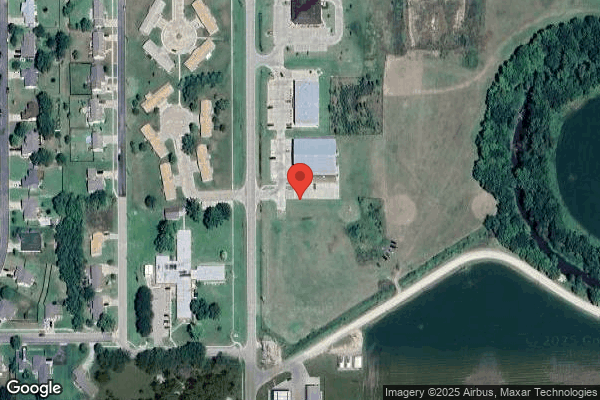

1009 N MARSHALL, CHAPMAN, KS 67431 (785) 922-6525
Non profit - Corporation 35 Beds Independent Data: November 2025
Trust Grade
65/100
#55 of 295 in KS
Last Inspection: September 2024

Within standard 12-15 month inspection cycle. Federal law requires annual inspections.

Overview

Chapman Valley Manor has a Trust Grade of C+, which means it is decent and slightly above average compared to other facilities. It ranks #55 out of 295 in Kansas, placing it in the top half of nursing homes in the state, and #1 out of 4 in Dickinson County, making it the best local option. Unfortunately, the facility is worsening, with issues increasing from 6 in 2023 to 10 in 2024. Staffing here is rated at 4 out of 5 stars, but the 50% turnover rate is about average for Kansas, indicating some staff consistency. It is concerning that they have less RN coverage than 89% of other facilities, which could affect the quality of care. There have been some serious issues at the facility. For example, one resident suffered a broken nasal bone after staff failed to follow fall prevention protocols, leaving them without the necessary safety equipment. Additionally, the facility did not conduct proper water management checks, which could expose residents to harmful bacteria. On a positive note, the facility has not incurred any fines, reflecting a commitment to compliance in other areas. Overall, while Chapman Valley Manor has strengths in its ranking and no fines, families should be aware of the increasing number of issues and specific incidents of concern.

Trust Score
C+
65/100
In Kansas
#55/295
Top 18%
Safety Record
Moderate
Needs review
Inspections
Getting Worse
6 → 10 violations
Staff Stability
⚠ Watch
50% turnover. Above average. Higher turnover means staff may not know residents' routines.
Penalties
✓ Good
No fines on record. Clean compliance history, better than most Kansas facilities.
Skilled Nurses
⚠ Watch
Each resident gets only 24 minutes of Registered Nurse (RN) attention daily — below average for Kansas. Fewer RN minutes means fewer trained eyes watching for problems.
Violations
⚠ Watch
21 deficiencies on record. Higher than average. Multiple issues found across inspections.
★★★★☆
4.0
Overall Rating
★★★★☆
4.0
Staff Levels
★★★★☆
4.0
Care Quality
★★★★☆
4.0
Inspection Score
Stable
2023: 6 issues
2024: 10 issues

The Good

  • 4-Star Staffing Rating · Above-average nurse staffing levels
  • 4-Star Quality Measures · Strong clinical quality outcomes
  • Full Sprinkler Coverage · Fire safety systems throughout facility
  • No fines on record

Facility shows strength in staffing levels, quality measures, fire safety.

The Bad

Staff Turnover: 50%

Near Kansas avg (46%)

Higher turnover may affect care consistency

The Ugly 21 deficiencies on record

1 actual harm
Sept 2024 8 deficiencies
CONCERN (D)

Potential for Harm - no one hurt, but risky conditions existed

Deficiency F0582 (Tag F0582)

Could have caused harm · This affected 1 resident

The facility had a census of 31 residents with three reviewed for Center for Medicare and Medicaid Services (CMS) Beneficiary Liability notices. Based on record review and interview, the facility fail...

Read full inspector narrative →
The facility had a census of 31 residents with three reviewed for Center for Medicare and Medicaid Services (CMS) Beneficiary Liability notices. Based on record review and interview, the facility failed to provide the correct CMS Form 10055, Advanced Beneficiary Notice (ABN), to the resident or their representative for Resident (R) 28, and R137. This placed the residents at risk for uninformed decisions regarding skilled services. Findings included: - The Medicare ABN form informed the beneficiaries Medicare may not pay for future skilled therapy and did not provide an estimated cost to continue their services. The form included options for the beneficiary to (1) receive specified services listed, and bill Medicare for an official decision on payment. I understand that if Medicare does not pay, I will be responsible for the payment, but I can appeal to Medicare. (2) receive therapy listed, but do not bill Medicare, I am responsible for payment for payment of services. (3) I do not want the listed services. The facility's Medicare ABN form staff provided to R28 (or their representative) was CMS-R-131 when the resident's skilled services ended on 06/12/24. The facility's Medicare ABN form staff provided to R137 (or their representative) was form CMS-R-131 when the resident's skilled services ended on 04/01/24. On 08/17/24 at 09:00 AM, Social Services X stated she did not realize she had been providing the families with the incorrect CMS form. The facility's ABN Policy, revised 11/01/19, documented the facility would provide timely notices regarding Medicare eligibility and coverage. The policy documented for Part A items and services; the facility should use the Skilled Nursing Facility Advance Beneficiary Notice (SNFABN) form CMS 10055. The facility failed to provide R28 and R137 the correct ABN form CMS 10055 as required. This placed the residents at risk for uninformed decisions regarding skilled services.
CONCERN (D)

Potential for Harm - no one hurt, but risky conditions existed

Deficiency F0726 (Tag F0726)

Could have caused harm · This affected 1 resident

The facility had a census of 31 residents. The sample included 12 residents. Based on observation, record review and interview the facility failed to ensure staff possessed the necessary knowledge and...

Read full inspector narrative →
The facility had a census of 31 residents. The sample included 12 residents. Based on observation, record review and interview the facility failed to ensure staff possessed the necessary knowledge and competency to respond immediately when a hospice Certified Nurse Aide (CNA) removed Resident (R) R29's fentanyl (narcotic pain medication with a high risk for abuse) patch and further failed to dispose of the patch per the standards of practice and manufactures instructions. This placed the residents at risk for inadequate care. Findings included- - On 09/16/24 at 02:25 PM, observation revealed R29 rested in bed on her back with oxygen on per nasal cannula. R29 reported the hospice CNA removed her fentanyl patch while providing R29 a bed bath today after stating that it was expired. On 09/16/24 at 02:28 PM, when asked about the removal of R29's fentanyl patch, Licensed Nurse (LN) H stated the hospice CNA told her the patch came off when providing R29 a bed bath. LN H stated she did not remember what the CNA said she did with the fentanyl patch. LN H stated she thought the CNA tossed it in R29's trash can but the aide had already left so she could not ask her. Observation revealed LN H and LN I went to R29's room, applied gloves, and searched the bathroom trash can and the bedside trash can but the fentanyl patch was not found. LN H then searched R29's chest and back area, and the bed but the fentanyl patch was not found. LN H went back to the nurse's station, phoned hospice services, and spoke to the hospice CNA. LN H said the hospice CNA had reported to her she had taken the trash from R29's room and placed it in the shower room across the hall. Further observation revealed LN H went to the shower room, applied gloves, and searched the trash can. LN H found the fentanyl patch, folded in half in the trash can; it was dated 09/13/24. LN H discarded the fentanyl patch in Sharp's container (a specialized, puncture-resistant container used to safely dispose of sharp objects, such as needles and syringes) on the medication cart. LN H stated that R29 was scheduled to receive a new fentanyl patch at 04:00 PM. On 09/17/24 at 03:36 PM, LN G stated if a CNA reported to her that R29's fentanyl patch had come off and the CNA tossed it in the trash can, she would immediately go to R29's room and retrieve it. LN G stated a fentanyl path was an important medication, and a CNA should not be taking it off and discarding it. On 9/18/24 at 12:03 PM, Administrative Nurse D stated if a CNA reported to the nurse a resident's fentanyl patch came off and she tossed it in the trash can, the nurse should immediately go and retrieve it and discard it in Sharp's container. The Food and Drug Administration (FDA.Gov) instructs that fentanyl patches contain a powerful opioid medicine that can be dangerous to people it's not prescribed for. This adhesive patch delivers a strong pain medicine through the skin. Even after a patch is used, a lot of the medicine remains. Fentanyl comes with instructions to fold and flush used or leftover patches. The facility failed to ensure staff possessed the skill and competency required to safely monitor and dispose of R29's fentanyl patch. This placed the residents at risk for inadequate care.
CONCERN (D)

Potential for Harm - no one hurt, but risky conditions existed

Drug Regimen Review (Tag F0756)

Could have caused harm · This affected 1 resident

**NOTE- TERMS IN BRACKETS HAVE BEEN EDITED TO PROTECT CONFIDENTIALITY** The facility had a census of 31 residents. The sample included 12 residents, with five reviewed for unnecessary medications. Bas...

Read full inspector narrative →
**NOTE- TERMS IN BRACKETS HAVE BEEN EDITED TO PROTECT CONFIDENTIALITY** The facility had a census of 31 residents. The sample included 12 residents, with five reviewed for unnecessary medications. Based on observation, record review, and interview, the facility failed to ensure the Consultant Pharmacist identified and reported Resident (R) 26's as needed (PRN) Haldol (antipsychotic medication that treats mental and neurological disorders) did not have a 14-day stop date. This placed the resident at risk for unnecessary psychotropic (alters mood or thought) medications. Findings included: - R26's Electronic Medical Record (EMR) revealed diagnoses of dementia (a progressive mental disorder characterized by failing memory and confusion), anxiety (mental or emotional reaction characterized by apprehension, uncertainty and irrational fear), cerebrovascular accident (CVA-stroke- sudden death of brain cells due to lack of oxygen caused by impaired blood flow to the brain by blockage or rupture of an artery to the brain), and major depression (abnormal emotional state characterized by exaggerated feelings of sadness, worthlessness, and emptiness). The Quarterly Minimum Data Set (MDS), dated [DATE], documented R26 had severely impaired cognition. R26 required minimal staff supervision for activities of daily living (ADLs). R26 had delusions, verbal and other behaviors directed towards others one to three days a week, and received antianxiety, antipsychotic, and antidepressant medication. R26's Care Plan, dated 04/02/24, directed the staff to monitor the resident for physical aggression, R26 had threatened and struck out at staff due to anger. R26 had poor impulse control due to frontal lobe dementia and was a new resident of the facility. The care plan directed staff to de-escalate the resident by calmly allowing him to talk, give him reassurance, and distract him once he calms down. The care plan directed staff to administer medications as ordered and document if effective. The Physician Order, dated 04/23/24 directed staff to administer Haldol (an antipsychotic), 1 milligram (mg), by mouth, every hour, PRN as needed for aggression. The order lacked a stop date. The Medication Administration Record for August 2024 documented R26 received the PRN medication on 08/01/24 and 08/12/24. The Medication Administration Record for September 2024 documented R26 received the PRN medication on 09/14/24. R26's Consultant Pharmacist monthly medication reviews completed on 05/26/24, 06/16/24, 07/22/24, and 08/20/24 lacked evidence the CP identified and reported the PRN Haldol with no stop date. On 09/17/24 at 09:40 AM, observation revealed Certified Medication Aide (CMA) R administered R26's morning medication without difficulty. On 09/18/24 at 02:40 PM, Administrative Nurse D verified R26's Haldol did not have a stop date and the consultant pharmacist did not notify her of the need for a stop date. The Consultant Pharmacist Services Provider-Requirements, policy dated 07/29/2023, documented the consulting pharmacist agrees to render the required services in accordance with local, state, and federal laws, regulations, guidelines, facility policies and procedures, and community standards of practice. The consulting pharmacist provides services, including but not limited to reviewing the medication regimen of each resident at least monthly, utilizing federally mandated standards of care in addition to other applicable standards, and documenting the review and findings in the resident's medical record. Reviewing medication administration records (MARs) and physician orders at least monthly to assure proper documentation of medication orders and administration of medications to residents. The consultant pharmacist would submit a written report of findings and recommendations resulting from the review of the medication regimen and nursing. The facility failed to ensure the CP identified and reported R26's PRN Haldol did not have a 14-day stop date. This placed the resident at risk for unnecessary psychotropic medications.
CONCERN (D)

Potential for Harm - no one hurt, but risky conditions existed

Medication Errors (Tag F0758)

Could have caused harm · This affected 1 resident

**NOTE- TERMS IN BRACKETS HAVE BEEN EDITED TO PROTECT CONFIDENTIALITY** The facility has a census of 31 residents. The sample included 12 residents, with five reviewed for unnecessary medications. Bas...

Read full inspector narrative →
**NOTE- TERMS IN BRACKETS HAVE BEEN EDITED TO PROTECT CONFIDENTIALITY** The facility has a census of 31 residents. The sample included 12 residents, with five reviewed for unnecessary medications. Based on observation, record review, and interview, the facility failed to ensure Resident (R)26's as-needed (PRN) antipsychotic (a class of medications used to treat major mental conditions that cause a break from reality) had a 14-day stop date. This placed the resident at risk for unnecessary psychotropic (alters mood or thought) medications and related complications. Findings included: - R26's Electronic Medical Record (EMR) revealed diagnoses of dementia (a progressive mental disorder characterized by failing memory and confusion), anxiety (mental or emotional reaction characterized by apprehension, uncertainty and irrational fear), cerebrovascular accident (CVA-stroke- sudden death of brain cells due to lack of oxygen caused by impaired blood flow to the brain by blockage or rupture of an artery to the brain), and major depression (abnormal emotional state characterized by exaggerated feelings of sadness, worthlessness, and emptiness). The Quarterly Minimum Data Set (MDS), dated [DATE], documented R26 had severely impaired cognition. R26 required minimal staff supervision for activities of daily living (ADLs). R26 had delusions, verbal and other behaviors directed towards others one to three days a week, and received antianxiety, antipsychotic, and antidepressant medication. R26's Care Plan, dated 04/02/24, directed the staff to monitor the resident for physical aggression, R26 had threatened and struck out at staff due to anger. R26 had poor impulse control due to frontal lobe dementia and was a new resident of the facility. The care plan directed staff to de-escalate the resident by calmly allowing him to talk, give him reassurance, and distract him once he calms down. The care plan directed staff to administer medications as ordered and document if effective. The Physician Order, dated 04/23/24 directed staff to administer Haldol (an antipsychotic), 1 milligrams (mg), by mouth, every hour, PRN as needed for aggression. The order lacked a stop date. The Medication Administration Record for August 2024 documented R26 received the PRN medication on 08/01/24 and 08/12/24. The Medication Administration Record for September 2024 documented R26 received the PRN medication on 09/14/24. On 09/17/24 at 09:40 AM, observation revealed Certified Medication Aide (CMA) R administered R26's morning medication without difficulty. On 09/17/23 at 10:30 PM, Administrative Nurse D verified R26's Haldol did not have a stop date. Administrative Nurse D stated the consultant pharmacist did not notify her that the Haldol did not have a stop date. The facility's Monitoring of Antipsychotics policy dated April 12, 2016, documented that residents would receive antipsychotic medications only when medically necessary. Every effort would be made to ensure that residents who use antipsychotics receive the intended benefit of the medication and that unwanted side effects are kept to a minimum. The facility failed to obtain the required 14-day stop date for R26's PRN antipsychotic medication. This placed the resident at risk for unnecessary medications and related complications.The Physician Order, dated 04/23/24 directed staff to administer Haldol (an antipsychotic), 1 milligrams (mg), by mouth, every hour, PRN as needed for aggression. The order lacked a stop date. The Medication Administration Record for August 2024 documented R26 received the PRN medication on 08/01/24 and 08/12/24. The Medication Administration Record for September 2024 documented R26 received the PRN medication on 09/14/24. On 09/17/24 at 09:40 AM, observation revealed Certified Medication Aide (CMA) R administered R26's morning medication without difficulty. On 09/17/23 at 10:30 PM, Administrative Nurse D verified R26's Haldol did not have a stop date. Administrative Nurse D stated the consultant pharmacist did not notify her that the Haldol did not have a stop date. The facility's Monitoring of Antipsychotics policy dated April 12, 2016, documented residents would receive antipsychotic medications only when medically necessary. Every effort would be made to ensure that residents who use antipsychotics receive the intended benefit of the medication and that unwanted side effects are kept to a minimum. The facility failed to obtain the required 14-day stop date for R26's PRN antipsychotic medication. This placed the resident at risk for unnecessary medications and related complications.
CONCERN (D)

Potential for Harm - no one hurt, but risky conditions existed

Deficiency F0760 (Tag F0760)

Could have caused harm · This affected 1 resident

**NOTE- TERMS IN BRACKETS HAVE BEEN EDITED TO PROTECT CONFIDENTIALITY** The facility had a census of 31 residents. The sample included 12 residents. Based on observation, record review, and interview ...

Read full inspector narrative →
**NOTE- TERMS IN BRACKETS HAVE BEEN EDITED TO PROTECT CONFIDENTIALITY** The facility had a census of 31 residents. The sample included 12 residents. Based on observation, record review, and interview the facility failed to ensure one of the five residents, Resident (R) 19, reviewed during the medication administration pass remained free of medication errors. This placed the resident at risk for adverse reactions from the medication. Findings included: - R19's Electronic Health Record (EHR) revealed diagnosis of neoplasm of the esophagus (cancer that forms in the lining of the esophagus or throat), gastroesophageal reflux (GERD-backflow of stomach contents to the esophagus), hypertension (HTN-elevated blood pressure), and diabetes mellitus (DM-when the body cannot use glucose, not enough insulin is made, or the body cannot respond to the insulin) R19's Quarterly Change Minimum Data Set (MDS), dated [DATE], recorded R19 had a Brief Interview for Mental Status score of 14 and was cognitively intact. The MDS recorded he required extensive assistance from two staff with bed mobility and transfers. The MDS documented the resident received hospice services. R19's Care Plan, dated 07/16/24, recorded that R19 required extensive assistance with most activities of daily living (ADL) care. R19's Care Plan documented the resident received hospice services due to a terminal prognosis and directed staff to adjust the provision of ADLs to compensate for R19's change in needs. The care plan directed the staff to observe the resident closely for signs of pain, administer pain medications as ordered, and notify the physician if there is breakthrough pain. The Physician Order, dated 08/13/24, directed the staff to administer Wellbutrin XL (medication used to treat depression) oral tablet extended release 24-hour 150 milligrams (mg,), give one tablet via the feeding tube in the morning for increased anxiety and depression. On 09/17/24 at 08:00 AM, observation revealed License Nurse (LN) G crushed R19's morning medications including the Wellbutrin 150 milligram (mg), XL extended-release pill, then placed the crushed medication in a plastic medication cup. LN G took a spoon, removed the Wellbutrin pill coating, and discarded it. Continued observation revealed LN G administered the crushed medication with water in the resident's gastrostomy tube (G-tube: tube surgically placed through an artificial opening into the stomach). On 09/17/24 at 08:30 AM, LN G stated R19 received his medications crushed due to administration through the G-tube. LN G stated she had voiced her concern about crushing the extended-release medication to hospice and the order had not been changed. On 09/17/24 at 09:30 AM, Administrative Nurse D verified the extended-release medication should not be crushed and said it should be administered whole due to the extended release of the medication. Administrative Nurse D said she would contact the physician to get the medication in another form that can be crushed and administered through the G-tube. Medlineplus.gov directed that sustained-release and extended-release tablets should be taken whole; do not split, chew, or crush them. The facility's Medication Administration policy, dated 01/04/24, documented that medications are administered as prescribed, in accordance with good nursing principles and practices and by persons legally authorized to do so. Personnel authorized to administer medications do so only after they have familiarized themselves with the medications. The policy documented that if safe to do so, medication tablets may be crushed or capsules emptied out when a resident has difficulty swallowing or a tube-fed, using the following guidelines: Long-acting or enteric-coated dosage forms should generally not be crushed and require a physician-specific order to do so. The facility failed to ensure R19 remained free from medication errors when staff crushed an extended-release medication prior to administration. This placed the resident at risk for adverse reactions from the medication.
CONCERN (D)

Potential for Harm - no one hurt, but risky conditions existed

Deficiency F0804 (Tag F0804)

Could have caused harm · This affected 1 resident

The facility had a census of 31 residents. The sample included 12 residents. Based on observation, record review, and interview, the facility failed to correctly prepare a pureed diet for three reside...

Read full inspector narrative →
The facility had a census of 31 residents. The sample included 12 residents. Based on observation, record review, and interview, the facility failed to correctly prepare a pureed diet for three residents who required the modified textured food to retain both nutritive value and palatability. This placed the affected residents at risk for impaired nutrition and decreased quality of life. Findings included: - On 09/17/24 at 10:30 AM, observation revealed Dietary Staff (DS) BB prepared three pureed diets. DS BB placed three ounces of chicken fried steak in the Xtreme blender (a food processor) and added two teaspoons of beef base mixed with 1.5 cups of water, and 1.5 slices of bread. DS BB blended the meat to a thin consistency and emptied the blended chicken fried steak into a metal pan and placed the pan into the oven. Observation revealed DS BB then placed three cups of cabbage in the Xtreme blender, 1.5 slices of bread, and two teaspoons of vegetable base mixed in one-half of a cup of water and mixed the ingredients to a puree texture. DS BB emptied the pureed cabbage into a metal pan and placed the pan into the warming well. Continued observation revealed DS BB placed three pieces of chocolate and vanilla marble birthday cake in a bullet-style personal blender and was going to add 2.5 cups of milk. Upon questioning the amount of liquid, DS BB asked the Certified Dietary Manager who instructed DS BB to use one cup of milk and add more if needed. Continued observation revealed the consistency was a runny liquid after adding one cup of milk, so DS BB added four teaspoons of thickener to obtain the correct pureed texture. On 09/17/24 at 02:40 PM, DS BB verified he did not follow a pureed recipe. DS BB did locate a puree recipe book in the kitchen that had copies of the food he prepared for the lunch meal with the correct amounts to obtain the appropriate pureed texture for the residents. The facility's Texture and consistency-Modified Diets policy, dated 2017, documented that texture and consistency-modified diets would be individualized with modifications made by the speech-language pathologist (SLP) and physician with the registered dietician nutritionist (RD) or designee and director of food and nutrition services. The food and nutrition services department would be responsible for preparing and serving the diet texture and fluid consistency as ordered. Care would be taken to serve the food and fluids as ordered by the physician or designee using the diet order form or other facility communication. The facility failed to prepare three pureed diets using professional standards for food service to maintain both nutritive and palatability. This placed the affected residents at risk for impaired nutrition and decreased quality of life.
CONCERN (D)

Potential for Harm - no one hurt, but risky conditions existed

Deficiency F0849 (Tag F0849)

Could have caused harm · This affected 1 resident

**NOTE- TERMS IN BRACKETS HAVE BEEN EDITED TO PROTECT CONFIDENTIALITY** - R29's Electronic Health Record (EHR) revealed diagnoses of chronic obstructive pulmonary disease (COPD- a progressive and irre...

Read full inspector narrative →
**NOTE- TERMS IN BRACKETS HAVE BEEN EDITED TO PROTECT CONFIDENTIALITY** - R29's Electronic Health Record (EHR) revealed diagnoses of chronic obstructive pulmonary disease (COPD- a progressive and irreversible condition characterized by diminished lung capacity and difficulty or discomfort in breathing) and congestive heart failure (CHF-a condition with low heart output and body becomes congested with fluid). R29's admission Minimum Data Set (MDS), dated 08/21/24, recorded R29 had a Brief Interview for Mental Status score of 12, which indicated mildly impaired cognition. The MDS documented R29 was dependent on staff for most activities of daily living (ADLs). The MDS documented the resident received hospice services. R29'sCare Plan, dated 08/20/24, documented R29's dependence on staff with most ADLs. The care plan documented that R29 had a mood problem retaining to her disease process of end-stage COPD and CHF and received hospice services. The care plan instructed staff to administer medications as the physician ordered, monitor and document for side effects and effectiveness of the medications, and report as needed (PRN) any verbalization of risk for harm to self or acute episodes of feeling or sadness to the physician. The plan lacked interventions related to the equipment, supplies, and medications provided or the frequency of hospice visits. The Hospice Agreement for the provision of hospice services to nursing home residents between R29's hospice provider and the facility dated 01/01/24 documented the hospice shall develop, at the time an eligible resident is admitted into the hospice program, a hospice care plan in cooperation with the interdisciplinary care team of the care home. On 09/16/24 at 02:25 PM, observation revealed R29 resting in bed on her back with oxygen on per nasal cannula. On 9/17/24 at 12:02 PM, Administrative Nurse D verified the facility lacked specific information on the facility's care plan that coordinated with the hospice care plan. The Coordination of Hospice Services policy, dated 02/01/20, documented the facility would maintain a written agreement with hospice providers that specifies the care and services to be provided and the process for hospice and nursing home communication of necessary information regarding resident's care. The facility and hospice provider would coordinate a plan of care would implement interventions in accordance with the resident's needs, and goals, and recognize standards of practice in consultation with the resident's attending physician/practitioner and resident's representative, to the extent possible. The plan of care would identify the care and services that each entity would provide to meet the needs of the resident and his/her expressed desire for hospice care. The facility would communicate with the hospice and identify, communicate, follow, and document all interventions put into place by the hospice and the facility. The facility would monitor and evaluate the residents to the hospice care plan. All residents receiving hospice would continue to receive the same facility services as the residents who have not elected hospice. The facility would immediately contact and communicate with the hospice staff, attending physician/practitioner, and the family resident representative regarding significant changes in the resident's status, clinical complications, or emergent situations. The facility failed to coordinate care between the facility and the hospice provider for R29. This placed the resident at risk for inadequate end-of-life care. The facility had a census of 31 residents. The sample included 12 residents with two reviewed for hospice (a type of health care that focuses on the terminally ill patient's pain and symptoms and attending to their emotional and spiritual needs at the end of life) services. Based on observation, record review, and interview, the facility failed to ensure a coordinated plan of care, which coordinated care and services provided by the facility with the care and services provided by hospice, was developed and available for Resident (R)19 and R29. This placed the residents at risk for inappropriate end-of-life care. Findings included: - R19's Electronic Health Record (EHR) revealed diagnosis of neoplasm of the esophagus (cancer that forms in the lining of the esophagus or throat), gastroesophageal reflux (GERD-backflow of stomach contents to the esophagus), hypertension (HTN-elevated blood pressure), and diabetes mellitus (DM-when the body cannot use glucose, not enough insulin is made, or the body cannot respond to the insulin). R19's Quarterly Change Minimum Data Set (MDS), dated [DATE], recorded R19 had a Brief Interview for Mental Status score of 14 and was cognitively intact. The MDS recorded he required extensive assistance from two staff with bed mobility and transfers. The MDS documented the resident received hospice services. R19'sCare Plan, dated 07/16/24, recorded that R19 required extensive assistance with most activities of daily living (ADL) care. R19's Care Plan documented the resident received hospice services due to a terminal prognosis and directed staff to adjust the provision of ADLs to compensate for R19's change in needs. The care plan directed the staff to observe the resident closely for signs of pain, administer pain medications ordered, and notify the physician if there is breakthrough pain. The care plan lacked instruction on the services provided by hospice visits, supplies and medical equipment provided by hospice, medications covered by hospice, and the hospice provider including their address and phone number. A review of R19's medical records revealed the resident was admitted to hospice care on 04/09/24. The facility had a plan of care provided by hospice in a communication book but it did not list specifics on the care provided. On 09/16/24 at 02:40 PM, R19 sat in a recliner in his room. He had a musician playing the guitar at his bedside. On 09/17/24 at 11:30 AM, Administrative Nurse D verified the facility lacked specific information on the facility care plan that coordinated with the hospice care plan. The Coordination of Hospice Services policy, dated 02/01/20, documented the facility would maintain a written agreement with hospice providers that specifies the care and services to be provided and the process for hospice and nursing home communication of necessary information regarding resident's care. The facility and hospice provider would coordinate a plan of care would implement interventions in accordance with the resident's needs, and goals, and recognize standards of practice in consultation with the resident's attending physician/practitioner and resident's representative, to the extent possible. The plan of care would identify the care and services that each entity would provide to meet the needs of the resident and his/her expressed desire for hospice care. The facility would communicate with the hospice and identify, communicate, follow, and document all interventions put into place by the hospice and the facility. The facility would monitor and evaluate the residents to the hospice care plan. All residents receiving hospice would continue to receive the same facility services as the residents who have not elected hospice. The facility would immediately contact and communicate with the hospice staff, attending physician/practitioner, and the family resident representative regarding significant changes in the resident's status, clinical complications, or emergent situations. The facility failed to coordinate care between the facility and the hospice provider for R19, who received hospice services. This deficient practice placed him at risk for inappropriate end-of-life care
CONCERN (F)

Potential for Harm - no one hurt, but risky conditions existed

Infection Control (Tag F0880)

Could have caused harm · This affected most or all residents

The facility had a census of 31 residents. The sample included 12 residents. Based on record review and interviews the facility failed to conduct a risk assessment to identify risks and implement a wa...

Read full inspector narrative →
The facility had a census of 31 residents. The sample included 12 residents. Based on record review and interviews the facility failed to conduct a risk assessment to identify risks and implement a water management program to mitigate the risk of Legionella disease (Legionella is a bacterium spread through mist, such as from air-conditioning units for large buildings. Adults over the age of 50 and people with weak immune systems, chronic lung disease, or heavy tobacco use are most at risk of developing pneumonia caused by Legionella) and other waterborne pathogens. This placed the residents in the facility at risk for infectious disease. Findings Included: - On 09/17/24 at 03:00 PM, Maintenance Staff U verified he was not aware of any routine facility water management checks and verified the facility had some rooms presently unoccupied. Maintenance Staff U stated housekeeping staff flushed the water in the unoccupied rooms on occasion, but not routinely. On 09/18/24 at 08:00 AM, Administrative Nurse E verified the facility did not have a system to check for standing water in any unoccupied rooms or other potential areas to mitigate potential Legionella growth inside the facility. The facility's Water Management Procedure policy, dated 08/14/24, documented the facility would develop a program to reduce the risk of Legionella growth and spread. The policy documented the water management team would review the elements of the program at least once a year and revise the program as needed. The facility would identify building water systems for which Legionella control measures are needed; assess how much risk the hazardous conditions in those water systems pose; and apply control measures to reduce the hazardous conditions, whenever possible, to prevent Legionella growth and spread. The facility would make sure the program is running as designed and is effective. The facility failed to conduct a risk assessment to identify risks and implement a water management program to mitigate the risk of waterborne pathogens placing the residents who resided in the facility at risk of contracting Legionella disease.
Jan 2024 2 deficiencies 1 Harm
SERIOUS (G) 📢 Someone Reported This

A family member, employee, or ombudsman was alarmed enough to file a formal complaint

Actual Harm - a resident was hurt due to facility failures

Accident Prevention (Tag F0689)

A resident was harmed · This affected 1 resident

The facility identified a census of 28 residents with three residents reviewed for falls and accidents. Based on record review, observation, and interview, the facility failed to follow Resident (R) 1...

Read full inspector narrative →
The facility identified a census of 28 residents with three residents reviewed for falls and accidents. Based on record review, observation, and interview, the facility failed to follow Resident (R) 1's fall interventions, which resulted in a fall from R1's bed and R1 sustained a broken nasal bone. On 01/07/23 at 04:15 PM, staff provided care to R1 but did not replace the fall mat next to R1's bed when they left the room. Certified Medication Aide (CMA) M later found R1 lying on the floor on her stomach with her face in a pool of blood and blood running out of her nose. R1 was transferred to the emergency room where she was diagnosed with a broken nasal bone. This deficient practice also placed R1 at risk for injury, pain, and bruising. Findings included: - R1's Electronic Medical Record (EMR) documented diagnoses of dementia (progressive mental disorder characterized by failing memory, and confusion) with behavioral disturbance, cerebral infarction (stroke - sudden death of brain cells due to lack of oxygen caused by impaired blood flow to the brain by blockage or rupture of an artery to the brain), and seizures (violent involuntary series of contractions of a group of muscles). The Quarterly Minimum Data Set (MDS), dated 10/09/23, documented R1 had a Brief Interview for Mental Status (BIMS) score of two which indicated severely impaired cognition. The MDS documented R1 required substantial/maximum assistance from staff for eating, oral hygiene, upper body dressing, personal hygiene, and bed mobility. The MDS documented R1 was dependent on staff for lower body dressing, putting on and taking off shoes, transfer, bathing, and locomotion in a wheelchair. The Cognitive Loss/Dementia Care Area Assessment (CAA), dated 01/07/24, documented R1 had late-stage dementia, was unable to follow simple commands, and often answered questions inappropriately. The CAA documented R1 could not focus, a history of restlessness, and a history of lethargy. The Falls CAA, dated 01/07/24, documented R1 had to be transferred with a full body lift and had a suspected stroke with right-sided flaccidity. The CAA documented fall interventions including decreasing R1's time in bed, a slightly built-up mattress, and a memory foam fall mattress. R1's Care Plan initiated on 01/19/22 and revised on 01/08/24 documented R1 had an unwitnessed roll out of bed with a major injury dated 11/04/23. The care plan directed staff to get R1 up when she was awake (11/06/23), place a fall mat at her bed side (01/08/24), ensure bed was in lowest position (01/19/23), and ensure a sensor alarm was in place when R1 occupied her bed (01/08/24). The care plan directed staff to transfer R1 with two staff assist and a full body lift (12/29/23) and R1 was dependent on staff for locomotion in her wheelchair (10/11/23). R1's Fall Risk Assessment, dated 11/04/23, documented R1 was a high fall risk. The Incident Note, dated 01/07/24, documented CMA M reported R1 was lying face down on the floor by her bed. R1's bed was in the lowest position. Licensed Nurse (LN) G documented she and CMA M were in R1's room a few minutes before the fall attempting to help R1 keep her shirt on. LN G let R1 know a Certified Nurse's Aide (CNA) would be in shortly to get her up for supper. LN G documented she moved the fall mat with the sensor alarm from R1's bedside when she was putting R1's shirt back on and did not put it back because the CNA was going to be getting R1 up for supper soon. LN G placed a U-shaped pillow around R1 and gave her the call light. LN G documented after R1 fell, R1's nose was swollen and purple with a small cut on the bridge of R1's nose and a moderate amount of blood coming from both nostrils. LN G applied pressure to stop the bleeding. R1 had a 5 centimeter (cm) hematoma to the left side of her head and a 3.5 cm hematoma (abnormal pooling of blood in the body under the skin that results from a broken or ruptured blood vessel) to her left forehead. R1 was alert and oriented to herself only and had equal hand grips. R1 answered questions appropriately for her. Emergency Medical Staff (EMS) arrived and transferred R1 to the emergency room. The Incident Note, dated 01/07/24, documented LN G received a phone call from the emergency room nurse with a report regarding R1. R1 had extensive bruising to her face and had a right nasal bone fracture. R1 received a dose of blood pressure medication in the emergency room due to elevated blood pressure. The Incident Note, dated 01/07/24, documented R1 returned to the facility at 08:05 PM. R1 had dark purple discoloration on her left forehead, mouth, under her right eye, and across the bridge of her nose. The Incident Note, dated 01/08/24, documented R1 had extensive bruising to her face and swelling to her nose due to a nasal fracture. The fall mats and sensor alarms remained in place while R1 was in bed. The Facility Incident Report, dated 01/08/24, documented staff assisted R1 in putting her shirt back on correctly then placed a U-shaped pillow in the bed with R1 and covered R1. Staff left R1's room to assist another resident. R1's fall mat was moved by LN G and LN G did not put the fall mat back by the side of the bed. When staff went back to R1's room, R1 was face down on the floor. R1 had a bloody nose and a bump at the top of her nose that started to bruise and swell. The investigation recorded the corrective actions included the U-shaped pillow was removed from R1's room, staff continued R1's bed in the low position, and staff received education on replacing the fall mat before leaving the room and following R1's plan of care. Staff were to ensure the sensor pad was on R1's bed, and R1's fall mat was changed to a memory foam topper. On 01/17/24 at 10:00 AM, observation revealed R1 sat in her wheelchair in the dining room with her eyes closed. R1 continued to have extensive bruising under her eyes, across her nose, and up into her forehead. R1 did not respond to verbal stimuli. On 01/17/24 at 10:10 AM, observation revealed a memory foam fall mat on top of R1's bed. On 01/17/24 at 10:15 AM, CMA N stated R1's fall interventions in place before the last fall was for staff to ensure the sensor alarm was in her bed and ensure R1 had a fall mat at her bedside. CMA N stated the sensor alarm was to follow R1 wherever she went. On 01/17/24 at 10:30 AM, Administrative Nurse D stated she expected all of her staff to follow R1's care plan and ensure the fall mat was in place before leaving R1's room. The facility's Fall Prevention Policy, dated 01/06/23, documented each resident will be assessed for the risks of falling and will receive care and services in accordance with the level of risk to minimize the likelihood of falls. Primary interventions included: a low bed, fall mats, clear pathways, assistive devices, and monitoring for changes in the resident's cognition, gait, ability to rise/sit, and balance. The facility failed to ensure a safe environment for R1 when staff failed to place her fall mat at the bedside as directed by R1's care plan. This deficient practice resulted in a facial fracture due to a fall from the bed and placed R1 at risk for pain. On 01/10/24, the facility identified and completed all corrective actions including staff education on following residents' plan of care and fall prevention interventions. All actions were completed before the onsite survey therefore the deficient practice was deemed past noncompliance and remained at a G scope and severity.
CONCERN (D) 📢 Someone Reported This

A family member, employee, or ombudsman was alarmed enough to file a formal complaint

Potential for Harm - no one hurt, but risky conditions existed

Deficiency F0760 (Tag F0760)

Could have caused harm · This affected 1 resident

The facility identified a census of 28 residents with three residents reviewed for medication errors. The facility failed to prevent a significant medication error when staff administered amlodipine (...

Read full inspector narrative →
The facility identified a census of 28 residents with three residents reviewed for medication errors. The facility failed to prevent a significant medication error when staff administered amlodipine (medication used to treat high blood pressure) instead of amiodarone (medication used to regulate heart rate) to Resident (R) 2. This deficient practice placed R2 at risk for health complications and medication-related adverse effects. Findings included: - R2's Electronic Medical Record (EMR) documented R2 had diagnoses of atrial fibrillation (fast, irregular heartbeat), hypertension (high blood pressure), and chronic pain. The admission Minimum Data Set (MDS), dated 10/27/23, documented R2 had a Brief Interview for Mental Status (BIMS) score of nine which indicated moderate cognitive impairment. The MDS documented R2 required substantial/maximum staff assistance for bed mobility, transfer, and ambulation. R2 required partial/moderate staff assistance for eating, toileting hygiene, upper body dressing, and personal hygiene. The Cognitive Loss/Dementia Care Area Assessment, dated 10/27/23, documented R2 was forgetful, and her husband helped her at home to remember things and keep track of the days. R2 had depression (a mood disorder that causes a persistent feeling of sadness and loss of interest) due to chronic pain. R2's Care Plan directed staff to administer R2's medications as ordered and to monitor R2 for any adverse side effects. The Electronic Medication Administration Record (EMAR) dated 10/21/23, documented R1 was prescribed amiodarone 200 mg by mouth daily. The Health Status Note, dated 11/17/23, documented R2's primary care physician discontinued R2's amlodipine 10 milligrams (mg) daily. The Facility Incident Report, dated 11/27/23, documented R2 received the wrong medication, (amlodipine). R2 received amlodipine 10 mg from 11/18/23 through 11/24/23 due to the medication card not being removed from the medication cart. Staff administered amlodipine incorrectly instead of amiodarone. The investigation documented corrective action for the situation was a system in which the nurse who received the order to discontinue a medication would pull the discontinued medication immediately. The Facility Facsimile, dated 11/27/23, documented Administrative Nurse D notified R2's primary care physician R2 received amlodipine 10 mg daily from 11/18/23 through 11/24/23 after being discontinued and did not receive amiodarone 200 mg daily during the same time. Administrative Nurse D faxed R2's blood pressure and pulses and reported R2 continued to have swelling. On 01/17/24 at 10:00 AM, observation revealed R2 sat at a table with friends talking and drinking coffee. On 01/17/24 at 10:00 AM, R2 stated that she liked living in the facility and it felt just like home. R2 stated she received good care at the facility. On 01/27/23 at 11:00 AM, Administrative Nurse D stated that she expected staff to follow the rights of medication administration and ensure they were administering the correct medications to the residents. The facility's Medication Administration Policy, dated 01/04/24, documented medications are administered as prescribed, in accordance with good nursing principles and practices, and only by persons legally authorized to do so. Personnel authorized to administer medications do so only after they have familiarized themselves with the medications. The facility failed to follow the standards rights of drug administration in checking for the right medication which resulted in a significant medication error for R2. This deficient practice placed R2 at risk for health complications and medication-related adverse effects.
Mar 2023 6 deficiencies
CONCERN (D)

Potential for Harm - no one hurt, but risky conditions existed

Deficiency F0582 (Tag F0582)

Could have caused harm · This affected 1 resident

The facility had a census of 27 residents, with three reviewed for Center for Medicare and Medicaid Services (CMS) Beneficiary Liability notices. Based on record review and interview, the facility fai...

Read full inspector narrative →
The facility had a census of 27 residents, with three reviewed for Center for Medicare and Medicaid Services (CMS) Beneficiary Liability notices. Based on record review and interview, the facility failed to provide on the CMS form 10055, the estimated cost to continue services for skilled services to the resident or their representative for two of three reviewed residents, Resident (R)7 and R24 placing the residents at risk for uninformed decisions regarding skilled services Findings included: - The Medicare Advance Beneficiary Notice (ABN) form 10055 informed the beneficiaries that Medicare may not pay for future skilled therapy and did not provide an estimated cost to continue their services. The form included an option for the beneficiary to (1) receive specified services listed, and bill Medicare for an official decision on payment. I understand if Medicare does not pay, I will be responsible for payment, but can appeal to Medicare. (2) receive therapy listed, but do not bill Medicare, I am responsible for payment of services. (3) I do not want the listed services. The facility lacked documentation staff provided R7 (or their representative) the estimated daily cost on CMS form 10055 when the resident's skilled services ended 10/17/22. The facility lacked documentation staff provided R24 (or their representative) the estimated cost on CMS form 10055 when the resident's skilled services ended 09/28/22. On 02/02/23 at 03:00 PM, Administrative Nurse D stated she was responsible for providing CMS form 10055. Administrative Nurse D verified R7 and R24's CMS form 10055 lacked documentation they (or their representative) were provided with the estimated cost. Upon request the facility failed to provide a policy regarding beneficiary notification. The facility failed to provide R7 and R24 with the cost estimate for further services, placing the residents at risk for uninformed decisions regarding skilled services.
CONCERN (D)

Potential for Harm - no one hurt, but risky conditions existed

Comprehensive Care Plan (Tag F0656)

Could have caused harm · This affected 1 resident

**NOTE- TERMS IN BRACKETS HAVE BEEN EDITED TO PROTECT CONFIDENTIALITY** The facility had a census of 27 residents. The sample included 12 residents of which one was reviewed for tube feeding (gastrost...

Read full inspector narrative →
**NOTE- TERMS IN BRACKETS HAVE BEEN EDITED TO PROTECT CONFIDENTIALITY** The facility had a census of 27 residents. The sample included 12 residents of which one was reviewed for tube feeding (gastrostomy tube, directly into the stomach, used to provide liquid nourishment, fluids, and medications by bypassing oral intake), Resident (R)16. Based on observation, record review, and interview, the facility failed to develop a comprehensive care plan for the use of the gastrostomy tube placing R16 at risk for inappropriate care. Findings included: - R16's Electronic Health Record (EHR) documented diagnoses of gastrostomy tube, edema (swelling, caused by excess fluid in body's tissues), and dementia (a group of thinking and social symptoms that interferes with daily functioning). The Significant Change Minimum Data Set (MDS) dated [DATE], documented the resident had a Brief Interview for Mental Status score of four, indicating severely impaired cognition. The MDS documented the resident required extensive assistance with transfers, and had a gastrostomy feeding tube that supplied all nutrition and fluids. The Care Area Assessment Summary (CAA), dated 12/08/22, documented R16 had cellulitis (a bacterial skin infection) in her face and neck causing difficulty with swallowing. A gastrostomy tube was placed to receive the nutrition and fluids needed. R16's EMR lacked a care plan for use of the gastrostomy tube. R16's EMR documented R16 discharged and admitted to the hospital with diagnosis of cellulitis on 11/23/22. R16 readmitted to the facility on [DATE] with a gastrostomy tube. The Physician Order dated 12/05/22 recorded an enteral feeding order for gastrostomy tube and directed staff to administer Jevity (high calorie, high protein, liquid nutrition) four times a day (QID), 350 milliliters (ml) at 05:30AM, 350 ml at 11:30AM, 500 ml at 06:00PM and 500 ml at 10:30PM. The Registered Dietician documentation dated 12/11/22, stated R16 was to receive a total of 1700 ml of nutritional supplement and 480 ml of water flushes through the gastrostomy tube daily. The Treatment Administration Record (TAR) dated 12/05/22, directed the staff to document intake through the gastrostomy tube every shift. Review of the TAR revealed the following: No documentation for 12/05/22 to 12/31/22. No documentation for 01/01/23 to 01/31/23. Minimal documentation for 02/01/23 to 02/28/23. Documentation for 03/01/23 to 03/06/23, each shift with amounts lacking the 1700ml of nutritional feeding and lacked the total amount of water flushes R16 was to receive through the gastrostomy tube. On 03/02/23 at 11:35 AM, observation revealed R16 sat on a chair in her room. Licensed Nurse (LN) G administered Jevity 350 ml through the gastrostomy tube and administered 120 ml of water before and after the Jevity. On 03/07/23 at 10:10 AM, LN G verified she was to document the amount of Jevity and water administered through the gastrostomy tube every shift. LN G also verified she was unsure of how much water to administer and stated she just administered the amount of water she thought R16 needed. LN G verified there was no care plan for the use of the gastrostomy tube. On 03/07/23 at 10:30AM, Administrative Nurse D verified the lack of documentation for what was administered through the gastrostomy tube. Administrative Nurse D also verified her expectation of the licensed nurses to document the amount of Jevity and water administered. Administrative Nurse D stated she was unsure of the amount to be administered and said there was no comprehensive care plan completed for the use of the gastrostomy tube. The Overall Care Plan, policy dated 11/29/22, states each resident will receive care based on their individual needs, and personalized with long and short term goals. A comprehensive care plan is to be developed for staff direction for care of each resident. The facility failed to develop a comprehensive care plan for R16's feeding tube, placing R16 at risk for inappropriate care of the gastrostomy tube.
CONCERN (D)

Potential for Harm - no one hurt, but risky conditions existed

Deficiency F0661 (Tag F0661)

Could have caused harm · This affected 1 resident

**NOTE- TERMS IN BRACKETS HAVE BEEN EDITED TO PROTECT CONFIDENTIALITY** The facility had a census of 27 residents. The sample included 12 residents. Based on record review and interview, the facility ...

Read full inspector narrative →
**NOTE- TERMS IN BRACKETS HAVE BEEN EDITED TO PROTECT CONFIDENTIALITY** The facility had a census of 27 residents. The sample included 12 residents. Based on record review and interview, the facility failed to develop a discharge summary for one of the residents reviewed for discharge that included a recapitulation (a concise summary of the resident's stay and course of treatment in the facility) of the resident's stay and post discharge plan for Resident (R) 27. This placed the resident at risk for receiving inadequate care. Findings included: - R27's Electronic Medical Record (EMR) revealed the resident admitted to the facility on [DATE]. The admission Minimum Data Set (MDS), dated 01/13/23, documented the resident had a Brief Interview of Mental Status score of 15, which indicated intact cognition. The MDS documented R27 required extensive staff assistance with bed mobility, transfers, locomotion on and off unit, limited staff assistance with walk in room and corridor, and personal hygiene, and independent with eating. The MDS documented R27 expected to be discharged to the community. The admission Care Plan, dated 01/06/23, documented R27 required staff assistance with activities of daily living (ADLs) and was at the facility for therapy. The care plan recorded R27 wanted to return home. The Nurse's Note, dated 02/03/2023 at 11:45 AM, documented R27 discharged from the facility to home. Review of R27's EMR lacked a discharge summary, which included a recapitulation of her stay. On 03/02/23 at 08:54 AM, Administrative Nurse D verified R27's EMR lacked a discharge summary which included the resident's recapitalization of her stay. Administrative Nurse D stated she forgot to complete it. Upon request the facility failed to provide a policy regarding discharge summaries which included recapitulation of resident stay. The facility failed to develop a discharge summary that included a recapitulation of R27's stay and post discharge plan. This placed the resident at risk for receiving inadequate care.
CONCERN (D)

Potential for Harm - no one hurt, but risky conditions existed

Tube Feeding (Tag F0693)

Could have caused harm · This affected 1 resident

**NOTE- TERMS IN BRACKETS HAVE BEEN EDITED TO PROTECT CONFIDENTIALITY** The facility had a census of 27 residents. The sample included 12 residents of which one was reviewed for tube feeding (gastrost...

Read full inspector narrative →
**NOTE- TERMS IN BRACKETS HAVE BEEN EDITED TO PROTECT CONFIDENTIALITY** The facility had a census of 27 residents. The sample included 12 residents of which one was reviewed for tube feeding (gastrostomy tube, directly into the stomach, used to provide liquid nourishment, fluids, and medications by bypassing oral intake), Resident (R)16. Based on observation, record review, and interview, the facility failed to monitor the amount of intake of feeding and fluids administered through the gastrostomy tube, placing R16 at risk for malnutrition and dehydration and possible fluid overload. Findings included: - The Electronic Medical Record (EMR) documented diagnoses of gastrostomy tube, edema (swelling, caused by excess fluid in body's tissues), and dementia (a group of thinking and social symptoms that interferes with daily functioning). The Significant Change Minimum Data Set (MDS) dated [DATE], documented the resident had a Brief Interview for Mental Status score of four, indicating severely impaired cognition. The MDS documented the resident required extensive assistance with transfers, and had a gastrostomy feeding tube that supplied all nutrition and fluids. The Care Area Assessment Summary (CAA), dated 12/08/22, documented R16 had cellulitis (a bacterial skin infection) in her face and neck causing difficulty with swallowing. A gastrostomy tube was placed to receive the nutrition and fluids needed. R16's EMR lacked a care plan for use of the gastrostomy tube. R16's EMR documented R16 discharged and admitted to the hospital with diagnosis of cellulitis on 11/23/22. R16 readmitted to the facility on [DATE] with a gastrostomy tube. The Physician Order dated 12/05/22 recorded an enteral feeding order for gastrostomy tube and directed staff to administer Jevity (high calorie, high protein, liquid nutrition) four times a day (QID), 350 milliliters (ml) at 05:30AM, 350 ml at 11:30AM, 500 ml at 06:00PM and 500 ml at 10:30PM. The Registered Dietician documentation dated 12/11/22, stated R16 was to receive a total of 1700 ml of nutritional supplement and 480 ml of water flushes through the gastrostomy tube daily. The Treatment Administration Record (TAR) dated 12/05/22, directed the staff to document intake through the gastrostomy tube every shift. Review of the TAR revealed the following: No documentation for 12/05/22 to 12/31/22. No documentation for 01/01/23 to 01/31/23. Minimal documentation for 02/01/23 to 02/28/23. Documentation for 03/01/23 to 03/06/23, each shift with amounts lacking the 1700ml of nutritional feeding and lacked the total amount of water flushes R16 was to receive through the gastrostomy tube. On 03/02/23 at 11:35 AM, observation revealed R16 sat on a chair in her room. Licensed Nurse (LN) G administered Jevity 350 ml through the gastrostomy tube and administered 120 ml of water before and after the Jevity. On 03/07/23 at 10:10 AM, LN G verified she was to document the amount of Jevity and water administered through the gastrostomy tube every shift. LN G also verified she was unsure of how much water to administer and stated she just administered the amount of water she thought R16 needed. LN G verified there was no care plan for the use of the gastrostomy tube. On 03/07/23 at 10:30AM, Administrative Nurse D verified the lack of documentation for what was administered through the gastrostomy tube. Administrative Nurse D also verified her expectation of the licensed nurses to document the amount of Jevity and water administered. Administrative Nurse D stated she was unsure of the amount to be administered and said there was no comprehensive care plan completed for the use of the gastrostomy tube. The Dehydration policy dated 11/03/22, states residents are to receive sufficient amount of fluids based on individual needs to prevent dehydration. The facility failed to monitor the amount of intake of feeding and fluids administered through the gastrostomy tube, placing R16 at risk for malnutrition and dehydration and possible fluid overload.
CONCERN (D)

Potential for Harm - no one hurt, but risky conditions existed

Medication Errors (Tag F0758)

Could have caused harm · This affected 1 resident

The facility had a census of 27 residents. The sample included 12 residents with five reviewed for unnecessary medications. Based on observation, record review, and interview, the facility failed to d...

Read full inspector narrative →
The facility had a census of 27 residents. The sample included 12 residents with five reviewed for unnecessary medications. Based on observation, record review, and interview, the facility failed to document appropriate indications for administration for a psychotropic (medication used to treat mental health disorders) for Resident (R)22. This placed the resident at risk for unnecessary medications and related complications. Findings included: - R22's Electronic Medical Record (EMR) documented R22 had diagnoses of anxiety disorder (mental or emotional reaction characterized by apprehension, uncertainty and irrational fear), dementia (progressive mental disorder characterized by failing memory, confusion) with behavioral disturbance, and hypertension (elevated blood pressure). R22's Annual Minimum Data Set(MDS), dated , 01/06/23, documented R22 had a Brief Interview of Mental Status (BIMS) score of one, which indicated severe cognitive impairment. The MDS documented the resident required extensive staff assistance with activities of daily living (adls) except supervision with eating. The MDS documented the resident had inattention, disorganized thinking, altered level of consciousness, behaviors that fluctuate (come and go) which significantly intruded on the privacy or activities of other residents. The MDS documented R22 received antipsychotic (class of medications used to treat any major mental disorder characterized by a gross impairment in reality testing and other mental emotional conditions) and antianxiety (class of medications that calm and relax people with excessive anxiety, nervousness, or tension) medications during the seven day lookback period. R22's Psychotropic Medication Care Area Assessment (CAA), dated 01/06/23, documented R22 had the potential to have adverse effects from these medications but had none at that time. R22's Psychotropic Medication Care Plan, revised 02/15/23, instructed staff to administer R22's medication as physician ordered, monitor her for side effects and effectiveness, complete an quarterly and as needed Abnormal Involuntary Movement (AIMs) assessment (checklist completed by a healthcare provider to assess the presence and severity of abnormal movements of the face, limbs, and body in patients)as long as R22 was receiving Seroquel (antipsychotic medication) and consult with pharmacist, physician to consider dosage reduction when clinically appropriate at least quarterly. The care plan instructed staff to educate R22's family/caregivers about risk, benefits and the side effects and or toxic symptoms of Seroquel, monitor /document/report any adverse reactions to the physician, and monitor/record occurrence of target behavior symptoms. The Physician Order Sheet, dated 11/03/22, documented the following medications with inappropriate indication for use: Seroquel tablet, 100 milligram (mg), for dementia with behavioral disturbance. Seroquel tablet, 25 mg, daily in the morning related to dementia with behavioral disturbance The Physician Order Sheet, dated 11/03/22, directed staff to administer Seroquel, 100 milligram (mg) tablet at bedtime and 25 mg daily in the morning related to dementia with behavioral disturbance. The Pharmacist Recommendation, dated 03/21/22, documented the pharmacist indicated R22's diagnoses for Seroquel was an inappropriate diagnosis and recommended he change it to one an appropriate diagnosis. The recommendation asked for a gradual dose reduction of the medication and the physician replied R22 had required this medication for years and was recent admit to facility and would leave order at current dose for now. The physician did not respond to the inappropriate diagnosis for Seroquel. On 08/24/22 a Pharmacist Recommendation,, documented the pharmacist indicated R22's diagnoses for Seroquel was an inappropriate diagnose and recommended the physician change it to one of the following appropriate diagnoses: schizophrenia (psychotic disorder characterized by gross distortion of reality, disturbances of language and communication and fragmentation of thought), Huntingtons (rare abnormal hereditary condition characterized by progressive mental deterioration; a disabling central nervous system movement disorder )or Tourette's (neurological condition that causes unwanted, involuntary muscle movements and sounds known as tics). The pharmacist recommended a gradual dose reduction for R22's Seroquel and the physician replied no change to the gradual dose reduction but did not address the inappropriate diagnosis for Seroquel. On 03/01/23 at 01:35 PM, observation revealed R22 sat quietly in a wheelchair at the dining room table and visited with two family members in a polite voice. On 03/07/23 at 01:22 PM, Administrative Nurse D verified the resident's Seroquel had an inappropriate indication for use. The facility's Monitoring of Antipsychotic's Policy, revised 04/12/2016, documented residents who received an antipsychotic medication only if one of the following diagnoses was documented in the resident's EMR or if the resident was under psychiatric care for a particular condition not included on the following list: Schizophrenia-affective disorder, delusional disorder, psychotic mood disorder (including mania and depression with psychotic features), acute psychotic episode, brief reactive psychosis, schizophrenia disorder, atypical psychosis, Tourette's disorder, Huntington's disease, organic mental syndrome (including dementia) with associated psychotic or agitated features as defined by specific behaviors quantitatively documented (number of episodes) and objectively described (biting, kicking , scratching, etc.) by the facility that caused the resident to represent a danger to themselves, or represents a danger to others, which may include staff, or interfere with the ability of the staff to provide care. The facility failed to ensure an appropriate indication for use for R22's antipsychotic medication. This placed the resident at risk for receiving an unnecessary psychotropic medication.
CONCERN (E)

Potential for Harm - no one hurt, but risky conditions existed

Infection Control (Tag F0880)

Could have caused harm · This affected multiple residents

- R22's Electronic Medical Record (EMR) documented the resident had diagnoses dementia (progressive mental disorder characterized by failing memory, confusion) with behavioral disturbance and anxiety ...

Read full inspector narrative →
- R22's Electronic Medical Record (EMR) documented the resident had diagnoses dementia (progressive mental disorder characterized by failing memory, confusion) with behavioral disturbance and anxiety disorder (mental or emotional reaction characterized by apprehension, uncertainty and irrational fear). R22's Annual Minimum Data Set, dated 01/06/23, documented R22's had a Brief Interview of Mental Status score of one, which indicated severe cognitive impairment. The MDS documented the resident required extensive staff assistance with activities of daily living (ADLs) except supervision with eating. The MDS documented R22 was frequently incontinent of urine and occasionally incontinent of bowel. R22's Incontinence Care Area Assessment (CAA), dated 01/06/23, documented R22 incontinence fluctuated (comes and goes) with her cognition and behaviors. R22's ADL Care Plan, revised 02/15/23, documented R22 required limited staff assistance with cueing with personal hygiene and staff supervision to limited assistance with toileting. On 03/02/23 at 01:43 PM, observation revealed Certified Nurse Aide (CNA) O propelled R22 in a wheelchair to her room and CNA N came into the room, both applied gloves. The CNAs used a gait belt, and assisted R22 to transfer from a wheelchair to her bed which revealed the back of R22's gray pants were wet across the buttocks area. CNA O removed the resident's pants and incontinent brief, and then CNA N left the room. CNA O provided perineal (genital area) care. Then, with the same soiled gloves, placed a new incontinent brief under R22, assisted the resident in turning to her left side touching R22's clothing, fastened the new incontinent brief, placed a pillow underneath the resident's head, and placed a blanket on R22. CNA O then removed and discarded her gloves in a trash bag. Continued observation revealed CNA O tied the bag, failed to wash her hands, left the room with the bag and carried to the dirty utility where CNA O still did not wash her hands. On 03/07/23 at 07:45 AM, observation revealed R22 sat in a wheelchair at the dining room table with shoes on. She visited and laughed with staff. On 03/07/23 at 01:22 PM, Administrative Nurse D stated she expected staff to remove gloves and wash hands after providing perineal care for R22. The facility's Incontinence Care Policy revised 01/11/21, documented after staff complete perineal care, they should remove their gloves and apply a clean brief on a resident. The facility's Hand Washing Policy, revised 09/21/22, documented recommendations for hand hygiene before moving from work on a soiled body site to a clean body site on same resident. The facility staff failed to change gloves and wash hands when providing R22 incontinent cares and continued to provide care with the same soiled gloves. This placed the resident at risk for infection. The facility had a census of 27 residents. The sample included 12 residents. Based on observation, record review and interview the facility failed to provide adequate hand hygiene when caring for Resident (R) 9 and R 22 during incontinence cares, placing the affected residents at risk for infection. Findings included: - R9's Electronic Medical Record (EMR) documented diagnosis of dementia (a group of thinking and social symptoms that interferes with daily functioning), and osteoarthritis (flexible tissue at the ends of bones wears down). The Quarterly Minimum Data Set dated 11/11/22, documented the resident had severely impaired cognition and required total assistance from staff for transfers, bed mobility. R9 was incontinent of bowel and bladder. The Activities of Daily Living [ADL] Care Plan dated 11/11/22, directed the staff to provide incontinent care for the resident and apply clean incontinent brief as needed. On 03/02/23 at 11:45 AM, observation revealed R9 laid on her bed; Certified Nurse Aide (CNA) M pushed a total body lift into the room with CNA N. CNA M shut the resident's door, closed the curtains, and then CNA M and CNA N applied clean gloves. Each CNA stood on opposite sides of R9's bed, uncovered the resident and rolled her over to her right side. CNA N removed the incontinent brief revealing R9 was incontinent of stool. CNA N used incontinent wet wipes and cleansed R9's buttocks, removing the stool, and then placed a clean incontinent brief on the resident without changign gloves. CNA M and CNA N then placed the full lift sling under the resident, CNA M attached the lift to the sling then lifted R9 up from the bed while CNA N pushed the wheelchair closer. The CNAs then lowered R9 into her wheelchair. CNA N picked up the clear plastic bag with the soiled brief while CNA M pushed the resident in her wheelchair to the dining room. CNA M and CNA N then removed their soiled gloves and placed them in the trash container on the side of the medication cart. CNA M and CNA N walked up to the kitchen door and started passing lunch trays out to residents seated in the dining room. Continued observation revealed no handwashing by CNA M or CNA N after removing their soiled gloves and before passing lunch trays to the residents in the dining room. On 03/07/23 at 01:00PM, Administrative Nurse E verified staff were to change soiled gloves after providing incontinent care and were to apply clean gloves to put on a clean incontinent brief; gloves were to be removed before leaving a resident's room and hand hygiene was to be done by the staff. On 03/07/23 at 01:20PM, Administrative Nurse D statedshe expected staff to change gloves and complete hand hygiene when providing incontinent care. The Incontinence Care policy, dated 01/11/21, states all residents will receive incontinent care as needed, gloves will be changed when soiled. Staff will cleanse hands when care is completed. The Hand Hygiene policy dated 09/21/22, states hand hygiene should be done after removal of gloves, and gloves are to be changed if soiled. The facility failed to provide appropriate glove changing and hand hygiene when providing care for R9, then proceeded to pass lunch trays in the dining room. This deficient practice placed the affected residents at risk for infection.
Sept 2021 5 deficiencies
CONCERN (D)

Potential for Harm - no one hurt, but risky conditions existed

Investigate Abuse (Tag F0610)

Could have caused harm · This affected 1 resident

**NOTE- TERMS IN BRACKETS HAVE BEEN EDITED TO PROTECT CONFIDENTIALITY** The facility had a census of 29 residents. The sample included 12 residents. Based on observation, interview, and record review,...

Read full inspector narrative →
**NOTE- TERMS IN BRACKETS HAVE BEEN EDITED TO PROTECT CONFIDENTIALITY** The facility had a census of 29 residents. The sample included 12 residents. Based on observation, interview, and record review, the facility failed to investigate Resident (R) 15's skin tears of unknown origin. Findings included: - The Quarterly Minimum Data Set (MDS), dated [DATE], documented the resident had severely impaired cognition. The MDS documented the resident was totally dependent on two staff for transfers and toilet use, and dependent on one staff for bed mobility, locomotion on and off the unit, dressing, and eating. The assessment revealed the resident had no skin issues. The Activities of Daily Living (ADLs) Care Plan, dated 04/23/21, documented the resident required assistance with all her ADLs. The care plan documented the resident preferred to lay on her side with arms close to her chest and feet drawn up, and only able to change her extremity position slightly. The care plan further documented the resident at risk for skin breakdown and prior to her current dementia diagnosis, very resistant to cares, which led her to develop the contractures. The Nurse's Note, dated 08/13/21 at 10:31 PM, documented two skin tears to left lower extremity measuring 2.3 cm by 1.5 cm and 2.0 cm by 4.0 cm obtained by transfer. The nurse's notes documented she cleansed the area with normal saline, steri strips applied and left open to air. The Physician Order, dated 08/14/21, directed staff to cleanse the two skin tears to the lower left extremity with normal saline and leave open to air daily until healed. The Nurse's Note, dated 08/23/21 at 10:01 PM, documented the resident received a new skin tear on left ankle measuring 1.3 centimeters (cm) by 1.5 cm. The nurse documented she cleansed the wound with normal saline, applied steri strips , and documented no signs or symptoms of infection. The Physician Order, dated 08/24/21, directed staff to cleanse the skin tear to the left ankle with normal saline and leave open to air daily until healed. Review of the medical records lacked an investigation or incident report for the 08/13/21 and 08/23/21 skin tears. On 09/02/21 at 12:40 PM, observation revealed the resident sat in a broda chair in the dining room. Further observation revealed Certified Nurse Aide (CNA) M and CNA N transferred the resident from her broda chair to bed with gait belt, stood and pivoted, then lowered her head to the bed, grabbed both of the resident's ankles and placed her feet in bed. On 09/01/21 at 11:00 AM, Administrative Nurse D verified she was not aware or informed of the resident's skin tears and she did not do an investigation. Administrative Nurse D verified the charge nurse should relay the information to Administration and an investigation and incident report would be completed. On 09/02/21 at 08:00 AM, Administrative Nurse D stated the nurse and aide on duty when the skin tears happened completed witness statements and upon investigation felt the tears, we due to one aide transferring the resident. Administrative Nurse D verified the resident required two staff for transfer, due to the residents fragile, thin skin. The facility's Abuse, Neglect, and Exploitation policy, dated 08/25/21, recorded facility employees, family members and volunteers are educated that all alleged or suspected violations involving mistreatment, neglect, abuse or exploitation including injuries of unknown origin and involuntary seclusion and misappropriation of property are reported immediately to the Administrator. Incidents in which an elder is injured or had the potential for injury and the cause of the incident is unknown will also be promptly investigated. The policy recorded the individual interviewed will complete a witness statement summarizing the events related to the incident that will sign and dated in front of a Notary Public. The policy documented Investigations of injuries of unknown origin or suspicious injuries must be immediately investigated to rule out abuse. The facility failed to investigate R15's skin tears, placing the resident at risk for further skin tears and injuries.
CONCERN (D)

Potential for Harm - no one hurt, but risky conditions existed

Deficiency F0657 (Tag F0657)

Could have caused harm · This affected 1 resident

**NOTE- TERMS IN BRACKETS HAVE BEEN EDITED TO PROTECT CONFIDENTIALITY** The facility had a census of 29 residents. The sample included 12 residents. Based on observation, record review, and interview,...

Read full inspector narrative →
**NOTE- TERMS IN BRACKETS HAVE BEEN EDITED TO PROTECT CONFIDENTIALITY** The facility had a census of 29 residents. The sample included 12 residents. Based on observation, record review, and interview, the facility failed to update and revise the care plan for one of five residents reviewed for accidents, Resident (R) 15. Findings included: - The Quarterly Minimum Data Set (MDS), dated [DATE], documented the resident had severely impaired cognition. The MDS documented the resident was totally dependent on two staff for transfers and toilet use, and dependent on one staff for bed mobility, locomotion on and off the unit, dressing, and eating. The assessment revealed the resident had no skin issues. The Activities of Daily Living (ADLs) Care Plan, dated 04/23/21, documented the resident required assistance with all her ADLs. The care plan documented the resident preferred to lay on her side with arms close to her chest and feet drawn up, and only able to change her extremity position slightly. The care plan further documented the resident at risk for skin breakdown and prior to her current dementia diagnosis, very resistant to cares, which led her to develop the contractures. The Nurse's Notes, dated 08/13/21 at 10:31 PM, documented two skin tears to left lower extremity measuring 2.3 centimeters (cm) by 1.5 cm and 2.0 cm by 4.0 cm obtained by transfer. The nurse's notes documented she cleansed the area with normal saline, steri strips applied and left open to air. The Physician Order, dated 08/14/21, directed staff to cleanse the two skin tears to the lower left extremity with normal saline and leave open to air daily until healed. The Nurse's Notes, dated 08/23/21 at 10:01 PM, documented the resident received a new skin tear on left ankle measuring 1.3 cm by 1.5 cm. The nurse documented she cleansed the wound with normal saline, applied steri strips , and documented no signs or symptoms of infection. The Physician Order, dated 08/24/21, directed staff to cleanse the skin tear to the left ankle with normal saline and leave open to air daily until healed. Review of the medical records lacked an investigation or incident report for the 08/13/21 and 08/23/21 skin tears. On 09/02/21 at 12:40 PM, observation revealed the resident sat in a broda chair in the dining room. Further observation revealed Certified Nurse Aide (CNA) M and CNA N transferred the resident from her broda chair to bed with gait belt, stood and pivoted, then lowered her head to the bed, grabbed both of the resident's ankles and placed her feet in bed. On 09/01/21 at 11:00 AM, Administrative Nurse D verified she was not aware or informed of the resident's skin tears and she did not do an investigation. Administrative Nurse D verified the charge nurse should relay the information to administration and an investigation and incident report would be completed. On 09/02/21 at 08:00 AM, Administrative Nurse D stated the nurse and aide on duty when the skin tears occurred completed witness statements and upon investigation felt the tears were due to one aide transferring the resident. Administrative Nurse D verified the resident required two staff for transfer due to the residents fragile, thin skin. On 09/02/21 at 08:00 AM, Administrative Nurse D verified the resident's ADL care plan was not updated to document the resident required two staff for transfers. The facility's Care Plan Update policy, dated 10/05/20, documented the care plan is to be individualized based on the resident care. The plan of care should be reviewed and revised as needed, but no less than every 90 days. The facility failed to update R15's care plan after a change in transfer status, placing the resident at risk for further injury and accidents.
CONCERN (D)

Potential for Harm - no one hurt, but risky conditions existed

Accident Prevention (Tag F0689)

Could have caused harm · This affected 1 resident

**NOTE- TERMS IN BRACKETS HAVE BEEN EDITED TO PROTECT CONFIDENTIALITY** The facility had a census of 29 residents. The sample included 12 residents, with five reviewed for accidents. Based on observat...

Read full inspector narrative →
**NOTE- TERMS IN BRACKETS HAVE BEEN EDITED TO PROTECT CONFIDENTIALITY** The facility had a census of 29 residents. The sample included 12 residents, with five reviewed for accidents. Based on observation, record review and interview, the facility failed to provide adequate nursing care and supervision to prevent accidents for one sampled resident, Resident (R) 15. Findings included: Findings included: - The Quarterly Minimum Data Set (MDS), dated [DATE], documented the resident had severely impaired cognition. The MDS documented the resident was totally dependent on two staff for transfers and toilet use, and dependent on one staff for bed mobility, locomotion on and off the unit, dressing, and eating. The assessment revealed the resident had no skin issues. The Activities of Daily Living (ADLs) Care Plan, dated 04/23/21, documented the resident required assistance with all her ADLs. The care plan documented the resident preferred to lay on her side with arms close to her chest and feet drawn up, and only able to change her extremity position slightly. The care plan further documented the resident at risk for skin breakdown and prior to her current dementia diagnosis, very resistant to cares, which led her to develop the contractures. The Nurse's Notes, dated 08/13/21 at 10:31 PM, documented two skin tears to left lower extremity measuring 2.3 centimeters (cm) by 1.5 cm and 2.0 cm by 4.0 cm obtained by transfer. The nurse's notes documented she cleansed the area with normal saline, steri strips applied and left open to air. The Physician Order, dated 08/14/21, directed staff to cleanse the two skin tears to the lower left extremity with normal saline and leave open to air daily until healed. The Nurse's Notes, dated 08/23/21 at 10:01 PM, documented the resident received a new skin tear on left ankle measuring 1.3 cm by 1.5 cm. The nurse documented she cleansed the wound with normal saline, applied steri strips , and documented no signs or symptoms of infection. The Physician Order, dated 08/24/21, directed staff to cleanse the skin tear to the left ankle with normal saline and leave open to air daily until healed. Review of the medical records lacked an investigation or incident report for the 08/13/21 and 08/23/21 skin tears. On 09/02/21 at 12:40 PM, observation revealed the resident sat in a broda chair in the dining room. Further observation revealed Certified Nurse Aide (CNA) M and CNA N transferred the resident from her broda chair to bed with a gait belt, stood and pivoted, then lowered her head to the bed, grabbed both of the resident's ankles and placed her feet in bed. On 09/01/21 at 11:00 AM, Administrative Nurse D verified she was not aware or informed of the resident's skin tears and she did not do an investigation. Administrative Nurse D verified the charge nurse should relay the information to administration and an investigation and incident report would be completed. On 09/02/21 at 08:00 AM, Administrative Nurse D stated the nurse and aide on duty when the skin tears occurred completed witness statements and upon investigation felt the tears were due to one aide transferring the resident. Administrative Nurse D verified the resident required two staff for transfer due to the residents fragile, thin skin. The facility's Accident or Incident Procedures policy, dated 05/28/21, documented if an accident or incident occurs in which a resident is involved, a report must be completed by the charge nurse, signed by a witness if applicable and submitted to the administrator. The resident's physician should be called if the resident is injured. The resident will be treated at the facility as appropriate and taken to the emergency room if further treatment is needed. The policy documented accidents or incidents in which residents are involved are charted in detail in the resident's chart, including disposition and follow up care. The facility failed to provide adequate nursing care and supervision for R15, who received skin tears with transfers, placing the resident at risk for further skin tears and injuries.
CONCERN (D)

Potential for Harm - no one hurt, but risky conditions existed

Drug Regimen Review (Tag F0756)

Could have caused harm · This affected 1 resident

**NOTE- TERMS IN BRACKETS HAVE BEEN EDITED TO PROTECT CONFIDENTIALITY** The facility had a census of 29 residents. The sample included 12 residents, with five reviewed for unnecessary medications. Bas...

Read full inspector narrative →
**NOTE- TERMS IN BRACKETS HAVE BEEN EDITED TO PROTECT CONFIDENTIALITY** The facility had a census of 29 residents. The sample included 12 residents, with five reviewed for unnecessary medications. Based on observation, record review, and interview, the facility's Consultant Pharmacist failed to identify and report to the Director of Nursing, physician, and medical director, the lack of monitoring for hypoglycemia/hyperglycemia (low or high blood glucose) for one of the five residents reviewed who received insulin injections (a protein hormone to regulate high blood glucose) on a daily basis, and the unavailability of insulin for Resident (R) 16. Findings included: - The Quarterly Minimum Data Set (MDS), dated [DATE], documented the resident cognitively intact. The MDS documented the resident received insulin injections daily. The Diabetes Mellitus (a disorder in which the body does not produce enough insulin) Care Plan, dated 05/14/21 directed staff to administer a long-acting insulin at bedtime to help control R16's blood sugar. The care plan directed staff to monitor for side effects and effectiveness for the use of the insulin. The Physician Order, dated 05/13/21, directed staff to administer Levemir FlexTouch Solution (a long acting insulin medication) Pen-injector 100 UNIT/ML(milliliter) inject 3 units subcutaneously (SQ) at bedtime. The Physician Order, directed staff to check blood glucose daily for two weeks and fax results to the physician. On 06/02/21 the facility sent a fax communication to the physician asking if the facility was to continue daily blood glucose monitoring. The facility received no response from the physician and the facility did not follow up to obtain a response. On 06/23/21 the facility obtained lab for a Chemistry Profile (a blood test to determine an individual's overall electrolyte balance and functioning of major organs), and the resident's blood glucose level was 278 mg/dl (milligrams per deciliter, monitoring glucose in the blood). The normal result for this test is 70 mg/dl - 106 mg/dl. On 08/04, 08/05, 08/06, 08/07, 08/08, 08/09 and 08/10/21 the August Medication Administration Record (MAR) documented, Levemir FlexTouch Solution Pen-injector 100 UNIT/ML three units subcutaneously at bedtime not administered medication unavailable. No documentation of the resident's blood glucose levels. Review of the monthly Consultant Pharmacy documentation revealed on 05/25, 06/25, 07/26, and 08/24/21 no recommendation for blood glucose monitoring or addressing the unavailability of the insulin for 08/04, 08/05, 08/06, 08/07, 08/08, 08/09 and 08/10/21. The Nurse Notes, dated 08/11/21, documented the resident not feeling well, resident having nausea (a feeling of sickness with an inclination to vomit) and no documentation of a blood glucose level in the medical record. On 09/01/21 at 07:50 AM, observation revealed the resident seated on the side of his bed with a bedside table in front of him. On 09/01/21 at 07:50 AM, R16 stated, I used to keep track of my blood sugar before I came here, I just do not know why they don't seem to be concerned about checking it since I have been here, They give me insulin at night. On 09/02/21 at 09:30 AM, Administrative Nurse D verified the resident did receive insulin at bedtime and the facility had not been checking the resident's blood glucose. Administrative Nurse D verified the facility should have followed up with the physician regarding daily blood glucose monitoring and verified the facility did not have the insulin available for the resident on 08/04, 08/05, 08/06, 08/07, 08/08, 08/09 or 08/10/21. The facility's Medication policy, dated 10/10/20, documented the residents are to be supplied medications as ordered by the physician, and residents are to be monitored for adverse reactions from the use of medications. The facility's Consultant Pharmacist Services policy, dated 06/09/15, documented the medication regiment of each resident to be done monthly. Communicating to the Director of Nursing and the physician potential or problems detected with medications a resident receives. The facility's Consultant Pharmacist failed to identify and report to the Director of Nursing, physician, and medical director, R16's lack of blood glucose monitoring due to the resident's use of insulin and insulin unavailability, placing the resident at risk for hypoglycemia/hyperglycemia.
CONCERN (D)

Potential for Harm - no one hurt, but risky conditions existed

Deficiency F0757 (Tag F0757)

Could have caused harm · This affected 1 resident

**NOTE- TERMS IN BRACKETS HAVE BEEN EDITED TO PROTECT CONFIDENTIALITY** The facility had a census of 29 residents. The sample included 12 residents, with five reviewed for unnecessary medications. Bas...

Read full inspector narrative →
**NOTE- TERMS IN BRACKETS HAVE BEEN EDITED TO PROTECT CONFIDENTIALITY** The facility had a census of 29 residents. The sample included 12 residents, with five reviewed for unnecessary medications. Based on observation, record review, and interview, the facility failed to monitor one of the five residents for hypoglycemia/hyperglycemia (low or high blood glucose) who received insulin injections (a protein hormone to regulate high blood glucose) on a daily basis, and failed to have the medication available for use for Resident (R) 16. Findings included: - The Quarterly Minimum Data Set (MDS), dated [DATE], documented the resident cognitively intact. The MDS documented the resident received insulin injections daily. The Diabetes Mellitus (a disorder in which the body does not produce enough insulin) Care Plan, dated 05/14/21 directed staff to administer a long-acting insulin at bedtime to help control R16's blood sugar. The care plan directed staff to monitor for side effects and effectiveness for the use of the insulin. The Physician Order, dated 05/13/21, directed staff to administer Levemir FlexTouch Solution (a long acting insulin medication) Pen-injector 100 UNIT/ML(milliliter) inject 3 units subcutaneously (SQ) at bedtime. The Physician Order, directed staff to check blood glucose daily for two weeks and fax results to the physician. On 06/02/21 the facility sent a fax communication to the physician asking if the facility was to continue daily blood glucose monitoring. The facility received no response from the physician and the facility did not follow up to obtain a response. On 06/23/21 the facility obtained lab for a Chemistry Profile (a blood test to determine an individual's overall electrolyte balance and functioning of major organs), the resident's blood glucose level was 278 mg/dl (milligrams per deciliter, monitoring glucose in the blood) the normal result for this test is 70 mg/dl - 106 mg/dl. On 08/04, 08/05, 08/06, 08/07, 08/08, 08/09 and 08/10/21 the August Medication Administration Record (MAR) documented, Levemir FlexTouch Solution Pen-injector 100 UNIT/ML three units subcutaneously at bedtime not administered medication unavailable. No documentation of the resident's blood glucose levels. The Nurse Notes, dated 08/11/21, documented the resident not feeling well, resident having nausea (a feeling of sickness with an inclination to vomit) and no documentation of a blood glucose level in the medical record. On 09/01/21 at 07:50 AM, observation revealed the resident seated on the side of his bed with a bedside table in front of him. On 09/01/21 at 07:50 AM, R16 stated, I used to keep track of my blood sugar before I came here, I just do not know why they don't seem to be concerned about checking it since I have been here, They give me insulin at night. On 09/02/21 at 09:30 AM, Administrative Nurse D verified the resident did receive insulin at bedtime and the facility had not been checking the resident's blood glucose. Administrative Nurse D verified the facility should have followed up with the physician regarding daily blood glucose monitoring. Administrative Nurse D verified the facility did not have the insulin available for the resident on 08/04, 08/05, 08/06, 08/07, 08/08, 08/09 or 08/10/21. The facility's Medication policy, dated 10/10/20, documented the residents are to be supplied medications as ordered by the physician, and residents are to be monitored for adverse reactions from the use of medications. The facility failed to monitor R16's blood glucose and have insulin medication available, placing him at risk for hypoglycemia/hyperglycemia.
Understanding Severity Codes (click to expand)
Life-Threatening (Immediate Jeopardy)
J - Isolated K - Pattern L - Widespread
Actual Harm
G - Isolated H - Pattern I - Widespread
Potential for Harm
D - Isolated E - Pattern F - Widespread
No Harm (Minor)
A - Isolated B - Pattern C - Widespread

Questions to Ask on Your Visit

  • "Can I speak with families of current residents?"
  • "What's your RN coverage like on weekends and overnight?"

Our Honest Assessment

Strengths
  • • No fines on record. Clean compliance history, better than most Kansas facilities.
Concerns
  • • 21 deficiencies on record, including 1 serious (caused harm) violation. Ask about corrective actions taken.
Bottom line: Mixed indicators with Trust Score of 65/100. Visit in person and ask pointed questions.

About This Facility

What is Chapman Valley Manor's CMS Rating?

CMS assigns CHAPMAN VALLEY MANOR an overall rating of 4 out of 5 stars, which is considered above average nationally. Within Kansas, this rating places the facility higher than 99% of the state's 100 nursing homes. This rating reflects solid performance across the metrics CMS uses to evaluate nursing home quality.

How is Chapman Valley Manor Staffed?

CMS rates CHAPMAN VALLEY MANOR's staffing level at 4 out of 5 stars, which is above average compared to other nursing homes. Staff turnover is 50%, compared to the Kansas average of 46%.

What Have Inspectors Found at Chapman Valley Manor?

State health inspectors documented 21 deficiencies at CHAPMAN VALLEY MANOR during 2021 to 2024. These included: 1 that caused actual resident harm and 20 with potential for harm. Deficiencies causing actual harm indicate documented cases where residents experienced negative health consequences.

Who Owns and Operates Chapman Valley Manor?

CHAPMAN VALLEY MANOR is owned by a non-profit organization. Non-profit facilities reinvest revenue into operations rather than distributing to shareholders. The facility operates independently rather than as part of a larger chain. With 35 certified beds and approximately 22 residents (about 63% occupancy), it is a smaller facility located in CHAPMAN, Kansas.

How Does Chapman Valley Manor Compare to Other Kansas Nursing Homes?

Compared to the 100 nursing homes in Kansas, CHAPMAN VALLEY MANOR's overall rating (4 stars) is above the state average of 2.9, staff turnover (50%) is near the state average of 46%, and health inspection rating (4 stars) is above the national benchmark.

What Should Families Ask When Visiting Chapman Valley Manor?

Based on this facility's data, families visiting should ask: "Can I visit during a mealtime to observe dining assistance and food quality?" "How do you handle medical emergencies, and what is your hospital transfer rate?" "Can I speak with family members of current residents about their experience?"

Is Chapman Valley Manor Safe?

Based on CMS inspection data, CHAPMAN VALLEY MANOR has a clean safety record: no substantiated abuse findings (meaning no confirmed cases of resident harm), no Immediate Jeopardy citations (the most serious violation level indicating risk of serious injury or death), and is not on the Special Focus Facility watch list (a federal program monitoring the lowest-performing 1% of nursing homes). The facility has a 4-star overall rating and ranks #1 of 100 nursing homes in Kansas. While no facility is perfect, families should still ask about staff-to-resident ratios and recent inspection results during their visit.

Do Nurses at Chapman Valley Manor Stick Around?

CHAPMAN VALLEY MANOR has a staff turnover rate of 50%, which is about average for Kansas nursing homes (state average: 46%). Moderate turnover is common in nursing homes, but families should still ask about staff tenure and how the facility maintains care continuity when employees leave.

Was Chapman Valley Manor Ever Fined?

CHAPMAN VALLEY MANOR has no federal fines on record. CMS issues fines when nursing homes fail to meet care standards or don't correct problems found during inspections. The absence of fines suggests the facility has either maintained compliance or corrected any issues before penalties were assessed. This is a positive indicator, though families should still review recent inspection reports for the full picture.

Is Chapman Valley Manor on Any Federal Watch List?

CHAPMAN VALLEY MANOR is not on any federal watch list. The most significant is the Special Focus Facility (SFF) program, which identifies the bottom 1% of nursing homes nationally based on persistent, serious quality problems. Not being on this list means the facility has avoided the pattern of deficiencies that triggers enhanced federal oversight. This is a positive indicator, though families should still review the facility's inspection history directly.