MEDICALODGES ARKANSAS CITY
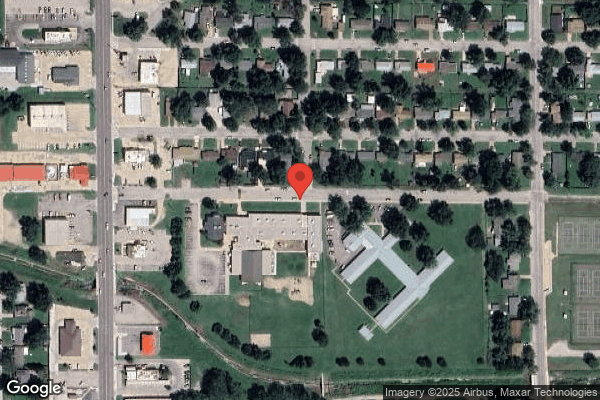
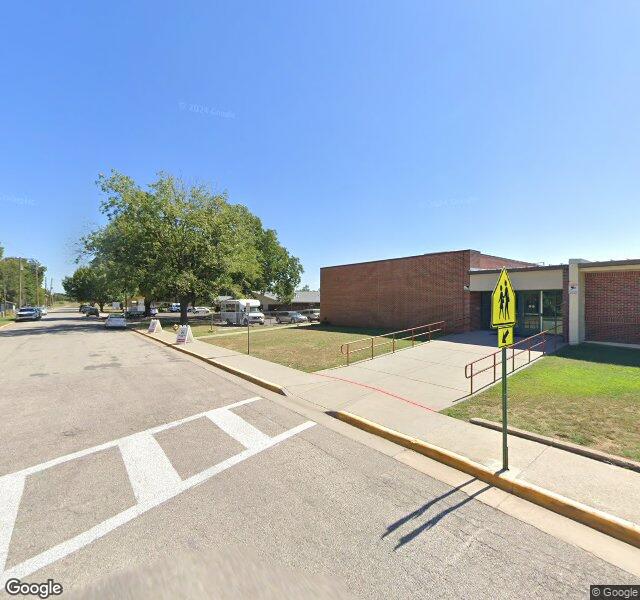
203 E OSAGE AVENUE, ARKANSAS CITY, KS 67005 (620) 442-9300
For profit - Corporation 45 Beds MEDICALODGES, INC. Data: November 2025 5 Immediate Jeopardy citations
Trust Grade
0/100
#263 of 295 in KS
Last Inspection: June 2025

Inspected within the last 6 months. Data reflects current conditions.

Overview

Medicalodges Arkansas City has received a Trust Grade of F, indicating poor performance with significant concerns. It ranks #263 out of 295 nursing homes in Kansas, placing it in the bottom half, and #6 out of 6 in Cowley County, meaning there are no better local options. The facility's situation is worsening, with issues jumping from 1 in 2024 to 17 in 2025. Staffing is relatively strong with a rating of 4 out of 5 stars, although turnover is at 58%, which is average for the state. However, the facility has alarming fines totaling $64,586, higher than 92% of Kansas facilities, suggesting repeated compliance problems. Critical incidents reported include a failure to prevent resident-to-resident abuse, where one resident inappropriately touched others multiple times, and the facility did not take sufficient protective measures after these incidents. While staffing appears to be a strength, the overall safety and quality of care are serious concerns at this facility.

Trust Score
F
0/100
In Kansas
#263/295
Bottom 11%
Safety Record
High Risk
Review needed
Inspections
Getting Worse
1 → 17 violations
Staff Stability
⚠ Watch
58% turnover. Above average. Higher turnover means staff may not know residents' routines.
Penalties
✓ Good
$64,586 in fines. Lower than most Kansas facilities. Relatively clean record.
Skilled Nurses
○ Average
Each resident gets 35 minutes of Registered Nurse (RN) attention daily — about average for Kansas. RNs are the most trained staff who monitor for health changes.
Violations
⚠ Watch
42 deficiencies on record. Higher than average. Multiple issues found across inspections.
★☆☆☆☆
1.0
Overall Rating
★★★★☆
4.0
Staff Levels
★★☆☆☆
2.0
Care Quality
★☆☆☆☆
1.0
Inspection Score
Stable
2024: 1 issues
2025: 17 issues

The Good

  • 4-Star Staffing Rating · Above-average nurse staffing levels
  • Full Sprinkler Coverage · Fire safety systems throughout facility
  • No fines on record

Facility shows strength in staffing levels, fire safety.

The Bad

1-Star Overall Rating

Below Kansas average (2.9)

Significant quality concerns identified by CMS

Staff Turnover: 58%

12pts above Kansas avg (46%)

Frequent staff changes - ask about care continuity

Federal Fines: $64,586

Above median ($33,413)

Moderate penalties - review what triggered them

Chain: MEDICALODGES, INC.

Part of a multi-facility chain

Ask about local staffing decisions and management

Staff turnover is elevated (58%)

10 points above Kansas average of 48%

The Ugly 42 deficiencies on record

5 life-threatening 3 actual harm
Jun 2025 14 deficiencies 1 Harm
SERIOUS (G) 📢 Someone Reported This

A family member, employee, or ombudsman was alarmed enough to file a formal complaint

Actual Harm - a resident was hurt due to facility failures

Free from Abuse/Neglect (Tag F0600)

A resident was harmed · This affected 1 resident

The facility identified a census of 40 residents. The sample included 14 residents. Based on observation, record review, and interview, the facility failed to ensure residents remained free from resid...

Read full inspector narrative →
The facility identified a census of 40 residents. The sample included 14 residents. Based on observation, record review, and interview, the facility failed to ensure residents remained free from resident-to-resident sexual abuse when Resident (R) 1, who had a history of inappropriate sexual behaviors, exposed his genitals to R9, a cognitively impaired resident. This deficient practice resulted in the residents being at risk for impaired psychosocial well-being including fear and embarrassment, and risk for ongoing sexual abuse. Findings included: - R1's Electronic Medical Record (EMR) revealed the following diagnoses: schizophrenia (a mental disorder characterized by gross distortion of reality, disturbances of language and communication, and fragmentation of thought), delusions (untrue persistent belief or perception held by a person although evidence shows it was untrue), and anxiety (mental or emotional reaction characterized by apprehension, uncertainty, and irrational fear). R1's 12/06/24 Annual Minimum Data Set (MDS) documented a Brief Interview for Mental Status (BIMS) of 15, indicating intact cognition. The MDS recorded R1 had no symptoms of depression or behaviors. The MDS noted R1 received antipsychotic (a class of medications used to treat major mental conditions that cause a break from reality) and antidepressant (a class of medications used to treat mood disorders) medications. R1's 12/06/24 Psychotropic Drug Use Care Area Assessment (CAA) documented R1 took antipsychotic medications to manage his schizophrenia and delusional disorder and an antidepressant to manage his depression. R1's Care Plan intervention dated 12/28/16 directed staff to speak calmly to him during a behavior. He had childlike behaviors and lacked impulse control. The plan directed staff to attempt to redirect though it may be difficult. The plan directed staff that if R1 becomes disruptive, allow personal space; and use positive reinforcement. R1's Care Plan dated 12/07/24 documented R1 took antipsychotic medications for delusional disorder and schizophrenia. He took Zyprexa (an antipsychotic medication), Clozaril (an antipsychotic medication), valproic acid (a mood stabilizing medication), and Paxil (a medication to treat depression that lowers libido). R1 occasionally displayed the following behaviors: obsessive with needs, rude and demanding of staff, hoarding, and food obsession; he made statements of feeling sad. R1's Care Plan dated 12/07/24 documented R1 had obsessive behaviors with his needs; he was rude and demanding of staff. The plan noted he made statements of feeling sad, had sexually inappropriate behaviors, and had hallucinations (sensing things while awake that appear to be real, but the mind created) and paranoia (a thought process believed to be heavily influenced by anxiety or fear to the point of irrational thinking) that are monitored by staff. R1's Care Plan dated 06/24/25 documented R1's Paxil was increased related to increased sexual behavior. R1's Physician's Orders documented a 09/12/19 order for one tablet of Estrace (a hormone), one milligram (mg), by mouth one time a day for delusional disorder. R1's Physician's Orders documented a 09/26/23 order for one tablet of Zyprexa, five mg, by mouth at bedtime related to delusional disorder. R1's Physician's Orders documented a 02/12/24 order for two capsules of valproic acid 250 mg, by mouth one time a day, for mood disorder. R1's Physician's Orders documented a 04/23/24 order for one Clozaril 100 mg tablet by mouth one time a day and two tablets at bedtime for schizophrenia and anxiety. R1's Physician's Orders documented on 06/25/25 the psychiatric provider ordered one Paxil 20 mg by mouth one time a day for increased sexual behaviors related to anxiety. R1's EMR behavior monitoring tasks documented R1 was sexually inappropriate one time in the last 30 days and refused care one time in the last 30 days. No other behaviors were documented. R1's Progress Notes dated 06/21/25 at 04:31 PM documented R9 (a female resident with severe cognitive impairment) reported to Administrative Staff B that R1 inappropriately touched her leg and exposed himself to her. The facility called the police who came to the facility and interviewed both residents. The officer stated he would write a report. The note documented R1 would be one-on-one with staff. Staff notified Administrative Staff A and R1's Durable Power of Attorney (DPOA). R1's Behavior Note dated 06/22/25 at 04:13 AM documented R1 was one-on-one for inappropriate behaviors. He had behaviors of taking items from his room and giving them to the nurse. R1 reported he did not want the items, or he thought they were not his. R1's Behavior Note dated 06/22/25 at 03:13 PM documented he was one-on-one for inappropriate behaviors. The note documented R1 had no behaviors. R1's EMR lacked evidence indicating one-on-one documentation for the night shift on 06/22/25. R1's Nurse's Note dated 06/23/25 at 10:01 AM documented staff called R1's physician to notify her of R1's change in behavior. The staff received an order for a urine analysis (UA). The order directed if the UA was negative, to refer to R1's mental health provider for possible medication adjustments. R1's Nurse's Note dated 06/23/25 at 10:25 AM documented staff obtained the UA and sent it to the lab. R1's Behavior Note dated 06/23/25 at 06:37 PM documented he was one-on-one for inappropriate behaviors; no behaviors were noted. R1's Nurse's Note dated 06/24/25 at 12:53 AM documented the UA did not show infection. The note recorded staff received a new order from Consultant II to increase R1's Paxil from 10 mg to 20mg once a day. R1's RISK Progress Note dated 06/24/25 at 05:05 PM documented R1's behavior was due to his mental status. R1's Behavior Note dated 06/24/25 at 07:15 PM documented R1 had impatient behaviors and was redirected. A review of the incident packet provided by the facility during the survey revealed the facility identified 46 facility staff but only 20 staff signed off on the education provided on 06/23/25 on abuse, neglect, and exploitation prevention. On 06/24/25 at 03:24 PM, observation revealed R1 wandered the halls without staff present. On 06/25/25 at 11:32 AM, observation revealed R1 wandered the halls without staff present. On 06/25/25 at 01:11 PM, R1 sat in a chair next to another female in the dining area, Administrative Nurse D walked by and did not say anything. During an interview on 06/25/25 at 10:44 AM, R9 stated she was in the family room when R1 walked in the room, touched her leg then pulled down his pants and exposed himself. R9 stated she was shocked and felt sad. R1 said, Goodbye and walked away. She stated that no staff came in. She said this was the first time R1 was ever inappropriate with her, and she reported it to Administrative Staff B. R9 said the police came and talked to her about it. R9 stated she was a little bit scared now when she sees him, and she sometimes sees him in the dining room. He does not sit beside her, but he says, Hi. R9 stated she felt like the staff would keep her safe and said R1 was pretty friendly' with other staff and residents. R9 said she wished she could have stopped R1, but it just happened so fast. R9 started crying. During an interview with 06/25/25 at 12:26 PM, Administrative Staff B stated she walked into the family room when R9 asked to talk to her. R9 told Administrative Staff B that R1 came into the family room and said hi, he touched her knee and then exposed himself. R1 then left the room. Administrative Staff B stated she brought R9 to the dining room where she felt safe, then told Licensed Nurse (LN) G and Administrative Staff A. During an interview on 06/25/25 at 01:15 PM Certified Medication Aide (CMA) T said R1 was not supposed to be near other female residents and said R1 should be one-on-one with staff. CMA T went to the staff that was one-on-one with another resident and instructed her that she was to be with R1, also. During an interview with 06/25/25 at 02:23 PM, LN G said she called Administrative Staff A who directed her to make a police report. The police officer interviewed the residents involved and said he was going to write a report and left. LN G said staff kept the residents separated and initiated one-on-one status. LN G said it was her first day back, and she was unsure if staff continued one-on-one for R1. LN G said staff still separated the residents if they saw them together. LN G said R1 had not gone near R9 since the incident. During an interview with 06/25/25 at 02:28 PM, Administrative Nurse D stated when Administrative Staff A was notified, they immediately separated R1 and R9 and then called the police. Administrative Nurse D stated R1 and R9 had been separated since the incident and staff did one on one for R1 until labs were completed and R1's medications were changed. Administrative Nurse D said she did not know about R1's history until after the incident. Administrative Staff A and the Nurse Consultant discussed the situation and one on one was the immediate intervention. Administrative Nurse D said that Administrative Staff A and the Nurse Consultant discussed the situation, and determined the one-on-one would be discontinued and the medication change was made. During an interview on 06/25/25 at 02:41 PM, Administrative Staff A reported that Administrative Staff B called her and notified her of the incident. They notified the Nurse Consultant and requested a urinalysis due to this and other behavior changes. Administrative Staff A said she and the Nurse Consultant interviewed R9 who stated she felt safe now. Administrative Staff A confirmed R1 was one-on-one through the weekend. R1 saw a psychologist on Monday, and she will see him again in mid-July. During an interview on 06/30/25 at 08:50 AM, Administrative Staff D said that all the staff that work with the residents should have received and signed the education. During an interview on 06/30/25 at 11:46 AM, Consultant Staff JJ stated all staff should have had the education. During an interview on 07/01/25 at 02:39 PM, Consultant Staff II, a psychiatric nurse practitioner stated the nurse called her on 06/24/25 at 10:00 AM to report the situation. Consultant Staff II reports this is the first time she was aware of any behaviors of that kind, and she had only been working with R1 a few months, so she really did not know him that well. Consultant Staff II will follow up with R1 on 07/12/25, to evaluate the progress he has made and discuss behaviors at that time. Consultant Staff II said it would be beneficial for R1 to remain away from female residents until they know how he will react to the medication change. The facility policy Abuse, Neglect, and Exploitation, dated 09/2017 explained that the resident has the right to be free from verbal, sexual, physical, and mental abuse and involuntary seclusion. The policy indicated that sexual abuse included, but wasn't limited to, sexual harassment, sexual coercion, or sexual assault. It further indicated that mental abuse included, but was not limited to, verbal, and non-verbal conduct that causes or has the potential to cause humiliation, intimidation, fear, shame, agitation, degradation, harassment, or threats of punishment or deprivation. The policy further explained that all residents would be assessed and/or monitored for unmet needs and/or behaviors that might lead to conflict, neglect, aggression, and any other behaviors that might lead to abuse or mistreatment from or toward other residents and/or staff. The policy also indicated that resident care plans would include problems observed and/or a history of previous problems such as signs of self-injurious behavior, wandering into other resident rooms, communication disorders, etc., which might result in aggressive behavior, agitation, and/or conflict. Based on the negative psychosocial impact including verbalizations of sadness and fear and as evidenced by tearfulness, this deficient practice is cited at a G to represent the actual psychosocial harm for R9.
CONCERN (D)

Potential for Harm - no one hurt, but risky conditions existed

Report Alleged Abuse (Tag F0609)

Could have caused harm · This affected 1 resident

The facility reported a census of 40 residents. The sample included three residents reviewed for abuse. Based on observation, record review, and interview, the facility failed to ensure staff reported...

Read full inspector narrative →
The facility reported a census of 40 residents. The sample included three residents reviewed for abuse. Based on observation, record review, and interview, the facility failed to ensure staff reported an incident of verbal abuse immediately to the Administrator as required when Certified Nurse Aide (CNA) M began taunting Resident (R)1 and making fun of R1's eyebrows and wrinkles. This deficient practice placed R1 at risk for impaired psychosocial wellbeing and ongoing abuse.Findings Include:- R1's Electronic Medical Record (EMR) revealed the following diagnoses: encephalopathy (broad term for any brain disease that alters brain function or structure), depression (a mood disorder that causes a persistent feeling of sadness and loss of interest), diabetes mellitus (the body cannot use glucose, not enough insulin made or the body cannot respond to the insulin), hypertension (HTN-elevated blood pressure), hypothyroidism (condition characterized by decreased activity of the thyroid gland), chronic kidney disease (a condition where the kidneys are damaged and cannot filter blood effectively leading to a buildup of waste and extra fluid).R1's 04/04/25 admission Minimum Data Set (MDS) documented a Brief Interview for Mental Status (BIMS) score of zero indicating severely cognitive impairment. The MDS recorded R1 had physical behaviors towards others occurring one to three days during the look back period; verbal behaviors towards others occurred one to three days during the look back period; and other behaviors such as hitting occurred one to three days during the look back period.R1's 03/04/25 Cognitive Loss Care Area Assessment (CAA) triggered secondary to orientation, memory and recall deficits noted during the BIMS interview. Contributing factors included long and short-term memory loss., self-care deficits, falls and injuries, incontinence, decreased socialization, skin breakdown, weight loss and fluid imbalance.R1's Care Plan dated 04/04/25 directed staff to monitor behaviors such as resistance to cares, grabbing, and pushing staff away. The plan directed staff If R1 appeared restless, anxious or wandered, assess R1 for pain, thirst or hunger.R1's Care Plan dated 04/04/25 indicated R1 experiences mood, behavior and psychosocial problems. The plan directed staff to monitor for aggressive and attention seeking behavioral expressions. The plan instructed staff to intervene as necessary to protect the rights and safety of others. Staff were directed to speak in a calm manner, divert attention from the situation, and take to an alternative location as needed.R1's Risk Progress Notes dated 08/05/25 at 11:56 AM documented a root cause that indicated a staff member did not follow policy and procedure regarding appropriate interactions with a resident. The note listed interventions which included a state report, law enforcement and family notification, suspension of the staff member, nursing assessment, an all-staff in-service on the abuse neglect and exploitation policy; R1's Care Plan was updated.R1's Administrator Note dated 08/06/25 at 12:30 PM documented Administrative Staff A was able to contact R1's durable power of attorney (DPOA) that day after several attempts over the past couple of days to notify her of an abuse allegation involving R1.The facility's investigation documented that during the evening shift on 07/31/25, R1 got up after being put to bed at 06:20 PM and wheeled herself to the dining room. R1 began calling the staff explicit names and CNA M and her coworker started to laugh because it was so random. R1 then started throwing hands and elbows to the two staff that tried to help her so CNA M went to try and help lay R1 down. CNA M started to antagonize R1 with statements that her eyebrows were bushy, and her skin was wrinkled. A report was made with the local law enforcement with a case number of A25-10288.CNA O's Witness Statement dated 08/04/25 documented between 08:30 PM to 9:00 PM on 07/31/25 there was three CNA staff in the is dining room when CNA M tried to take R1 to her room. CNA O noted R1 turned around and elbowed CNA M because she was not ready to go back to her room. CNA M continued to keep her hand on the handle of the wheelchair and mocked R1 making comments about her eyebrows and her wrinkled skin. CNA P's Witness Statement dated 08/04/25 documented R1 got up out of bed and came into the dining room R1 was interested in what the staff members were doing with their eyelashes; R1 then made an inappropriate statement to the staff. The staff started laughing and tried to take R1 back to bed. R1 did not want to go back to bed, and she started to stand up at the nurses' station. CNA P was able to get her to sit down so she would not fall but R1 did swing at that staff member. CNA M was making fun of R1's eyebrows then proceeded to clock out and go home.On 08/12/25 at 09:50 AM R1 sat in the commons area in her wheelchair having a conversation with another staff member.During an interview on 08/12/25 at 08:25 AM, R1 revealed that she has not had any staff members were mean to her. R1 said it was great there, everyone was nice to her.During an interview on 08/12/25 at 12:05 PM CNA N said she observed CNA M on the evening shift on 07/31/25 being rude to R1 and making fun of her. CNA N also said she did not know what to do during the situation when it happened. She said she notified Administrative Staff A in the morning on the next day. CNA N confirmed she received training on abuse, neglect and exploitation as well as reporting.During an interview on 08/12/25 at 12:11 PM, CNA O revealed that CNA M started making comments about R1's eyebrows and the wrinkles on her face on 07/31/25. CNA O said she did tell CNA M to leave R1 alone, and attempted to contact Administrative Staff A but could not find the number. CNA O stated her shift ended at 10:00 PM so she was not aware of what happened after that time. CNA O stated she contacted Administrative Staff A the next day and attended the in-service on abuse, neglect, exploitation and reporting.During an interview on 08/12/25 at 01:28 PM, CNA P said the incident with CNA M and R1 happened in the dining room and started with R1 calling the two other staff members an explicit name. CNA M said something back to the R1. CNA P said CNA M did finish her shift that night and she did not know if the director of nursing or the administrator had been notified. CNA P verified she attended an in-service on abuse. neglect and exploitation plus reporting after the incident.During an interview on 08/12/25 at 02:30 PM, Administrative Staff A revealed she had heard about the incident on 08/01/25. She said she suspended CNA M and started her investigation. Administrative Staff A said she did not think the acting director of nursing knew about the verbal abuse.During an interview on 08/12/25 at 03:17 PM, Administrative Staff D revealed he could not recall being notified of the incident. He stated a CNA from night shift told him about the resident being aggressive and nothing about CNA M being rude to R1.The facility's policy Abuse, Neglect, and Exploitation revised on 10/2022 explained all alleged violations involving abuse, neglect, exploitation or mistreatment, including injuries of unknown source and misappropriation of resident property are to be reported immediately to the Administrator and/or their designated representative, the appropriate state agency and when applicable, law enforcement not later than two hours after the allegation is made if the allegation involves abuse OR results in serious bodily injury or not later than 24 hours if the allegation does not involve abuse AND does not result in serious bodily injury.On 08/04/25 the facility completed corrective actions which included re-education for all staff on prevention of abuse, neglect and exploitation (ANE), reporting all allegations of ANE immediately to the Administrator, and the residents' right to be free from ANE. CNA M was terminated from the facility. Facility staff monitored R1 for any negative psychosocial impact, and there was none noted or reported.All corrective actions were completed prior to the onsite survey therefore the noncompliance was deemed past noncompliance at a scope and severity of D to reflect the potential for more than minimal risk to the resident but no actual harm.
CONCERN (D) 📢 Someone Reported This

A family member, employee, or ombudsman was alarmed enough to file a formal complaint

Potential for Harm - no one hurt, but risky conditions existed

Assessment Accuracy (Tag F0641)

Could have caused harm · This affected 1 resident

**NOTE- TERMS IN BRACKETS HAVE BEEN EDITED TO PROTECT CONFIDENTIALITY** The facility reported a census of 40 residents; the sample included 14. Based on observation, interview, and record review, the ...

Read full inspector narrative →
**NOTE- TERMS IN BRACKETS HAVE BEEN EDITED TO PROTECT CONFIDENTIALITY** The facility reported a census of 40 residents; the sample included 14. Based on observation, interview, and record review, the facility failed to complete an accurate Minimum Data Set (MDS) for Resident (R)1, regarding antidepressants (medications used to treat symptoms of depression, a mood disorder that can cause persistent sadness, loss of interest in activities, and difficulties with daily functioning) medication. This placed the resident at risk for impaired care due to unidentified care needs. Findings included: - R1's Electronic Medical Record (EMR) included the following diagnoses: schizophrenia (a mental disorder characterized by gross distortion of reality, disturbances of language and communication, and fragmentation of thought), anxiety (mental or emotional reaction characterized by apprehension, uncertainty, and irrational fear) and delusional disorders (untrue persistent belief or perception held by a person although evidence shows it was untrue). R1's Annual Minimum Data Set (MDS), dated [DATE], documented the resident had a Brief Interview for Mental Status (BIMS) score of 15, indicating intact cognition. He received an antipsychotic and antidepressant (medications used to treat symptoms of mood disorders that can cause persistent sadness, loss of interest in activities, and difficulties with daily functioning) medications during the assessment period. The Psychotropic Drugs Care Area Assessment (CAA), dated 12/06/24, documented the resident took psychotropic medications to manage his diagnoses of Schizophrenia and delusional disorder. R1's Quarterly MDS, dated 06/06/25, documented the resident had a BIMS score of 13, indicating intact cognition. He received antipsychotic medications during the assessment period. The MDS inaccurately documented the resident did not receive antidepressant medications during the observation period. R1's Care Plan revised 03/25/25 instructed staff the resident occasionally displayed behaviors and staff were to be firm but gentle when redirecting with the resident. R1's EMR revealed the following physician's order: Paxil (an antidepressant medication), 10 milligrams (mg), by mouth (PO), every day (QD), for a diagnosis of anxiety, ordered 04/30/25. On 06/30/25 at 02:11 PM, the resident ambulated in the hall and the commons area. On 06/30/25 at 07:55 AM, Administrative Nurse D confirmed the Quarterly MDS, dated 06/06/25, was inaccurate as the resident received anti-depressant medication during the assessment period. The facility reported they utilized the Resident Assessment Instrument (RAI) for accurate completion of the MDS and did not provide a policy.
CONCERN (D) 📢 Someone Reported This

A family member, employee, or ombudsman was alarmed enough to file a formal complaint

Potential for Harm - no one hurt, but risky conditions existed

Comprehensive Care Plan (Tag F0656)

Could have caused harm · This affected 1 resident

**NOTE- TERMS IN BRACKETS HAVE BEEN EDITED TO PROTECT CONFIDENTIALITY** The facility reported a census of 40 residents; the sample included 14 residents. Based on observation, record review, and inter...

Read full inspector narrative →
**NOTE- TERMS IN BRACKETS HAVE BEEN EDITED TO PROTECT CONFIDENTIALITY** The facility reported a census of 40 residents; the sample included 14 residents. Based on observation, record review, and interview, the facility failed to complete a comprehensive care plan for Resident (R)23, regarding Black Box Warnings (BBW), placing the resident at risk for inadequate care due to uncommunicated care needs. Findings included: - R23's Electronic Medical Record (EMR) included psychotic disorder with delusions (significant impairment in an individual's perception of reality, leading to the presence of false beliefs that are not based in reality) and high-risk behaviors (actions that significantly increase the likelihood of experiencing negative consequences). R23's admission Minimum Data Set (MDS), dated [DATE], documented the resident had a Brief Interview for Mental Status (BIMS) score of three, indicating severe cognitive impairment. The resident did not receive any high-risk medication during the assessment period. The Psychotropic Drug Use Care Area Assessment (CAA), dated 01/21/25, did not trigger. R23's Quarterly MDS, dated 04/18/25, documented the resident had a BIMS score of three, indicating severe cognitive impairment. He received antipsychotic (medications used to manage psychosis, including symptoms like delusions, hallucinations, and disordered thoughts) and antidepressant (medications used to treat symptoms of depression, a mood disorder that can cause persistent sadness, loss of interest in activities, and difficulties with daily functioning) medications during the assessment period. R23's Care Plan revised 04/21/25, lacked staff instruction regarding Black Box Warnings (BBW) for medications the resident received. R23's EMR revealed the following physician's orders: Sertraline (an antidepressant medication), 100 milligrams (mg), by mouth (PO), every day (QD), for a diagnosis of psychotic disorder with delusions, ordered 05/22/25. Zyprexa (an antipsychotic medication), 5 mg, PO, QD, for a diagnosis of high-risk behaviors, ordered, 05/22/25. A review of R23's Medication Administration Mar (MAR) for May 2025, revealed the resident received the medications, as ordered. On 06/30/25 at 07:55 AM, Administrative Nurse D stated he expected expectation all BBW medications to be included in the care plan. The facility policy for Electronic Care Plans revised 12/2020, included: Medications will be addressed in each resident's care plan.
CONCERN (D) 📢 Someone Reported This

A family member, employee, or ombudsman was alarmed enough to file a formal complaint

Potential for Harm - no one hurt, but risky conditions existed

Deficiency F0657 (Tag F0657)

Could have caused harm · This affected 1 resident

The facility identified a census of 40 residents. The sample included 14 residents. Based on observation, interview, and record review, the facility failed to revise Resident (R) 3's Care Plan with th...

Read full inspector narrative →
The facility identified a census of 40 residents. The sample included 14 residents. Based on observation, interview, and record review, the facility failed to revise Resident (R) 3's Care Plan with the interventions to prevent further weight loss. This deficient practice placed the resident at risk for continued weight loss due to uncommunicated care needs. Findings: - R3's Electronic Medical Record (EMR) revealed the following diagnoses: unspecified psychosis (any major mental disorder characterized by a gross impairment in reality perception), depression (a mood disorder that causes a persistent feeling of sadness and loss of interest), and anxiety (mental or emotional reaction characterized by apprehension, uncertainty, and irrational fear) R3's 07/26/24 Annual Minimum Data Set (MDS) documented a Brief Interview for Mental Status (BIMS) of five, indicating severely impaired cognition. The MDS recorded R3's weight was 193 pounds, and she had no known weight loss. R3 consumed a regular textured diet with no eating or swallowing concerns. The 07/26/24 Nutritional Status Care Area Assessment (CAA) documented R3's weight as 193 pounds, and her height as five foot two inches. R3's risk factors included weight instability, impaired fluid balance, abnormal lab values, and impaired skin integrity. R3's 04/25/25 Quarterly MDS documented a BIMS score of four, indicating severely impaired cognition. The MDS recorded R3's weight was 173 pounds, and she had no known weight loss. R3 consumed a regular textured diet with no eating or swallowing concerns. R3's Care Plan dated 05/29/24 documented she likes cranberry juice and black coffee at breakfast and any juice at lunch and supper. The plan directed staff to provide a regular diet and encourage low sugar and low sodium. Updated on 09/05/24, the plan documented R3 needed set up and or physical help for meals. On 06/25/25 R3's Care Plan was updated to include a mug with a handle, lid, and straw. The plan noted R3 gets tired and may not be able to hold her cup for long. The plan directed staff to provide R3 with built-up utensils at every meal as they are easier for her to grab and hold. R3's Care Plan lacked documentation that R3 was on a fortified diet and had an order for health shakes. R3's Physician's Orders noted a sugar-free supplement one time a day for a nutritional supplement, ordered on 02/21/25. R3's Physician's Orders documented an order for a fortified foods diet, regular texture, and regular consistency fluids dated 06/10/25. R3's Progress Note from the Registered Dietician (RD) dated 05/05/25 at 12:56 PM documented R3 currently weighed 164 pounds and continued to lose weight due to inadequate oral intake related to pneumonia (an infection in the lungs). R3 took a few bites at lunch and fell asleep. The Certified Medication Aide (CMA) reported R3 had been declining the sugar-free supplements. The RD noted the resident needed about 1700 calories per day to maintain current weight and 1950 calories per day for a half-pound weight gain per week. The RD recommends the addition of a fortified diet to the current diet order due to weight loss. The RD recommended staff notify the physician of the significant weight loss. On 06/26/25 at 11:28 AM Certified Nurse Aide (CNA) S sat beside R3. R3 had a clothing protector on and had a cup with a lid a handle, and a straw. Staff did not offer her a drink and she did not take a drink. At 11:45 AM, R3 remained at the table, staff had not offered her a drink. At 11:48 AM, R3's food arrived. It was a wrap with french fries. CNA S gently touched R3 and asked her if she wanted to take a bite. CNA S placed some French fries on the fork and offered her a bite. R3 did not want the bite. CNA S waited for a minute then pushed the food to the middle of the table and left to go assist another resident. They did not provide built-up utensils as directed in the care plan. On 06/30/25 at 08:50 AM, Administrative Nurse D stated that he or the MDS Nurse completed the care plans and was responsible for updating them. Administrative Nurse D said fortified foods should have been updated on the care plan. Administrative Nurse D stated he was unsure about the built-up utensils but had not seen the resident use them. The facility policy Electronic Care Plan, dated 12/2020, documented the resident's person-centered plan of care as an active working document that reflects the care needs and resident's voice.
CONCERN (D) 📢 Someone Reported This

A family member, employee, or ombudsman was alarmed enough to file a formal complaint

Potential for Harm - no one hurt, but risky conditions existed

Accident Prevention (Tag F0689)

Could have caused harm · This affected 1 resident

**NOTE- TERMS IN BRACKETS HAVE BEEN EDITED TO PROTECT CONFIDENTIALITY** - R30's Electronic Medical Record (EMR) revealed a diagnosis of cardiovascular accident (CVA-also known as a stroke, a medical e...

Read full inspector narrative →
**NOTE- TERMS IN BRACKETS HAVE BEEN EDITED TO PROTECT CONFIDENTIALITY** - R30's Electronic Medical Record (EMR) revealed a diagnosis of cardiovascular accident (CVA-also known as a stroke, a medical emergency where blood flow to a part of the brain is interrupted, leading to brain cell damage). R30's Annual Minimum Data Set (MDS), dated [DATE], documented the resident had a Brief Interview for Mental Status (BIMS) score of 13, indicating intact cognition. He required set-up assistance for mobility in his manual wheelchair. He had impairment on one side of his upper and lower extremities. The Functional Abilities Care Area Assessment (CAA), dated 01/24/25, documented the resident had left upper and lower extremity weakness and decreased safety awareness. Staff were to expect further activity of living (ADL) decline. R30's Quarterly MDS, dated 04/25/25, documented the resident had a BIMS score of 12, indicating moderately impaired cognition. He had upper and lower extremity weakness on one side and was independent with mobility in his manual wheelchair. R30's Care Plan, revised 4/21/25, instructed staff the resident would propel himself in his wheelchair by placing one foot on top of the other, but he would frequently request staff assistance in propelling him in his wheelchair. A review of the resident's EMR from 05/28/25 through 06/25/25 revealed the resident was occasionally dependent on staff assistance with mobility in his wheelchair. On 06/26/25 at 09:20 AM, Certified Medication Aide (CMA) T propelled R30 in his wheelchair from the front commons area to the beauty shop to administer medication. R30's left foot was not on the foot pedal of his wheelchair and became caught underneath the seat of the wheelchair when CMA T began to propel the wheelchair. R30 had facial grimacing and audible moans and exclamations of pain. Upon assessment, the resident had no injury. On 06/26/25 at 09:20 PM, R30 stated his left foot had not been on the foot pedal when CMA T began to propel his wheelchair. He said his foot became caught underneath the wheelchair which caused him pain in his foot and ankle. The resident stated the pain went away once staff placed his foot back onto the foot pedal. On 06/26/25 at 09:20 AM, CMA T stated the resident's left foot did not always stay on the foot pedal of his wheelchair. CMA T said the resident would often propel himself in the wheelchair and staff would propel him at times, as well. On 06/30/25 at 09:43 AM, Administrative Nurse D stated it was the expectation for staff to utilize foot pedals while propelling residents in their wheelchairs. The facility did not provide a policy for utilizing foot pedals while propelling residents in their wheelchairs. - R24's Electronic Medical Record (EMR) revealed a diagnosis of dementia (a progressive mental disorder characterized by failing memory and confusion). R24's admission Minimum Data Set (MDS), dated [DATE], documented the resident had a Brief Interview for Mental Status (BIMS) score of one, indicating severe cognitive impairment. He had impairment on one side of his lower extremity and was dependent on staff for mobility in his wheelchair. The Functional Abilities Care Area Assessment (CAA), dated 11/01/24, documented the resident required staff assistance with all activities of daily living (ADLs). R24's Quarterly MDS, dated 05/02/25, documented the resident had a BIMS score of three, indicating severe cognitive impairment. He had impairment on one side of his lower extremity and was independent with wheelchair mobility. R24's Care Plan, revised 04/29/25, instructed staff the resident was able to propel himself in his wheelchair but required staff assistance at times. On 06/24/25 at 03:50 PM, Certified Nurse Aide (CNA) N propelled the resident in his wheelchair to the dining room. R24's shoed feet skimmed the floor underneath the wheelchair during transport. The wheelchair lacked foot pedals. On 06/24/25 at 03:50 PM, CNA N stated the resident's wheelchair did not have foot pedals because he would propel himself at times. On 06/26/25 at 03:20 PM, CNA R stated staff should utilize foot pedals when propelling residents in their wheelchairs. On 06/30/25 at 09:43 AM, Administrative Nurse D stated it was the expectation for staff to utilize foot pedals while propelling residents in their wheelchairs. The facility did not provide a policy for utilizing foot pedals while propelling residents in their wheelchairs. The facility reported a census of 40 residents; the sample included 14 residents including seven residents reviewed for accidents. Based on observation, interview, and record review, the facility failed to implement appropriate interventions following falls for Residents (R)9 and the facility failed to utilize foot pedals for R30 and R24, placing the residents at risk for injuries and further accidents. Findings included: - R9's Electronic Medical Records (EMR) documented R9 had diagnoses that included intellectual disability (a significantly below-average score on a test of mental ability or intelligence and limitations in the ability to function in areas of daily life), generalized muscle weakness, and anxiety (mental or emotional reaction characterized by apprehension, uncertainty, and irrational fear). R9's 02/14/25 Annual Minimum Data Set (MDS) documented a Brief Interview for Mental Status (BIMS) score of seven, indicating R9 had severe cognitive impairment. The MDS documented R9 had no falls. The 02/14/25 Falls Care Area Assessment (CAA) documented R9 had impaired gait and mobility. She was dependent for all cares except eating; she did not walk with or without assistance. She had no falls. The 02/14/25 Cognitive Loss/Dementia CAA documented R9 had orientation, memory, and recall deficits, as well as short-term and long-term memory loss. R9's Quarterly MDS documented R9 had a BIMS score of four, indicating severe cognitive impairment. The MDS documented R9 had a noninjury fall. R9's Care Plan documented on 08/30/23 that R9 was at risk for falls related to weakness, frequent falls at home, and knee pain. The plan recorded interventions that instructed R9 was supposed to wear non-slip footwear; initiated on 02/13/23. R9's bed should be in the lowest position and the floor mat was to be in place to decrease the chance of injury as she occasionally tried to get out of bed on her own; initiated 06/20/24. R9's Care Plan documented on 03/13/25, R9 had a non-injury fall. Her bed was in the lowest position and the floor mat was in place. The plan noted staff reminded R9 to use her call light before trying to get up alone. R9's Fall Note dated 03/14/25 at 11:11 AM, documented R9 sat on the floor with her legs stretched out in front of her. She had regular socks on both feet. R9 was able to tell staff that she was getting up and going to call help. R9's Progress Note dated 04/07/25 at 04:20 PM documented a root cause analysis for R9's fall was completed. The note documented R9 tried to move herself to a sitting position in her bed and fell to her mat on the floor. R9's bed was in the low position and a grab rail was in place. R9 had been working with restorative and made very good progress. R9 felt she would be able to transfer herself to a sitting position, but was unable to and did not use call light for assistance. R9 was educated to use the call light so that staff could assist her if needed. Observation on 06/24/25 at 04:51 PM, R9 sat in a high-back wheelchair and rocked forward and back in her wheelchair. On 06/26/25 at 03:20 PM, Certified Nurse Aide (CNA) R said when a resident fell, the nurse assessed the resident, assessed the situation to find out what caused the fall, and then put an appropriate intervention in place. CNA R stated Administrative Nurse D updated the care plans. CNA R said R9 attempted to get up on her own. CNA R stated staff lowered R9's bed, but she still tried to get up every once in a while. On 06/30/25 at 08:28 AM, Licensed Nurse (LN) G was unsure whose responsibility it was to come up with the interventions to prevent falls. LN G said Administrative Nurse D updated the care plan with the new interventions. LN G stated it was not an appropriate intervention just to remind R9 to use her call light and not attempt to get up alone because R9 would not remember. On 06/30/25 at 08:50 AM, Administrative Nurse D stated sometimes the nurse comes up with an intervention after a fall and then staff discuss it in the morning meeting making sure the root cause analysis was completed, and the intervention was appropriate. Administrative Nurse D verified that reminders or education were not an appropriate intervention for residents with a low BIMS. The facility's policy Falls Management dated 12-2022, documented the facility strives to minimize the risk tor resident falls and to reduce injuries associated with resident falls. The plan of care is to be reviewed and revised with each fall occurrence and new interventions implemented.
CONCERN (D) 📢 Someone Reported This

A family member, employee, or ombudsman was alarmed enough to file a formal complaint

Potential for Harm - no one hurt, but risky conditions existed

Incontinence Care (Tag F0690)

Could have caused harm · This affected 1 resident

**NOTE- TERMS IN BRACKETS HAVE BEEN EDITED TO PROTECT CONFIDENTIALITY** The facility identified a census of 40 residents. The sample included 14 residents with one resident reviewed for urinary tract ...

Read full inspector narrative →
**NOTE- TERMS IN BRACKETS HAVE BEEN EDITED TO PROTECT CONFIDENTIALITY** The facility identified a census of 40 residents. The sample included 14 residents with one resident reviewed for urinary tract infections (UTI). Based on observation, record review, and interviews, the facility failed to provide adequate care and services to prevent UTI to the extent possible for Resident (R) 1 when failed to provide incontinence care monitor identify, and report signs and symptoms of ongoing UTI. This placed the resident at risk for ongoing UTI and related complications. Findings included: - R2's Electronic Health Record (EHR) revealed diagnoses of chronic kidney disease (a condition where the kidneys are damaged and can't filter blood properly, leading to a buildup of waste and fluid in the body), unspecified urinary incontinence (involuntary leakage of urine), and irritable bowel syndrome with diarrhea (IBS- abnormally increased motility of the small and large intestines). R2 ' s Annual Minimum Data Set (MDS) dated [DATE] documented a Brief Interview for Mental Status (BIMS) score of 14, which indicated intact cognition. The assessment documented R2 was always incontinent of urine, and she utilized a wheelchair and walker for locomotion. The Functional Abilities (Self-Care and Mobility) Care Area Assessment (CAA) dated 09/13/24 documented R2 required substantial to maximum assistance for toileting hygiene. The Urinary Incontinence and Indwelling Catheter CAA dated 09/13/24 documented R2 required assistance for toileting and was always incontinent. R2's Quarterly MDS, dated 06/13/25 documented a BIMS score of 12, which indicated moderate cognitive impairment. Per the staff interview, R2 had memory problems with severely impaired cognition. The assessment documented R2 utilized a wheelchair for locomotion, was dependent on staff for toileting needs, and required substantial assistance for bathing activities of daily living (ADL). R2's Discharge with Return Anticipated Minimum Data Set (MDS), dated [DATE] did not document a Brief Interview for Mental Status (BIMS) score. The assessment documented R2 utilized a wheelchair for locomotion was dependent on staff for toileting needs and required substantial assistance for bathing activities of daily living (ADL). R2's Care Plan noted on 06/09/18, that R2 was at risk for recurrent urinary tract infections (UTIs) due to her history of UTIs. The plan recorded interventions for staff to monitor for signs and symptoms of dehydration such as lethargy, increased weakness, and decreased urine output. The plan also recorded interventions that directed staff to report continued signs and symptoms of infection to the charge nurse and that staff would encourage fluids as tolerated with each meal and each time care is provided. The plan recorded that intervention that staff would provide proper peri care with each incontinence episode to help prevent infection. An Infection Note documented on 06/12/25 at 01:14 PM that R2 had completed antibiotic therapy for her UTI on 06/11/25 and that R2 reported that she still felt as though the UTI was still present, but she was unable to specify the symptoms. It was documented that the physician was aware. A Nursing Note documented on 06/12/25 at 01:16 PM that R2 was seen by a provider that day and concerns were voiced about the UTI still being present. No orders were given, and staff were advised to continue to monitor R2. An Infection Note documented on 6/12/2025 at 10:06 PM that R2 remained on antibiotic follow-up for UTI and had no adverse reactions. The note documented that R2 denied pain but did express concerns of burning and stinging at times upon urination. An Infection Note was documented on 06/13/25 at 03:46 PM that R2 continued antibiotic follow-up for a recent UTI and she showed no s/s of adverse reactions. A Nursing: Progress Note documented on 06/20/25 at 07:09 AM that the nurse went into the resident's room at 06:45 AM and R2 was sitting in her wheelchair unable to respond to questions but she would track with her eyes. R2 then started to have yellowish/green emesis. The nurse notified the provider and received an order to send R2 out to the hospital via Emergency Medical Services (EMS) for further evaluation. A Nursing: Progress Note documented on 06/24/25 at 07:44 AM, as a late entry for 06/19/25 at 09:34 AM, noted that staff certified nurse aides (CNA) reported to the nurse that R2 had increased confusion and refused to go to bed, which was unusual for R2. The progress note recorded that R2 notified the staff that she had burning upon urination. This nurse assessed R2 and noted that she would answer appropriately at times but then would talk about something else. The progress note also recorded that R2 was monitored frequently due to confusion and would also take off her nasal cannula. A Nursing: Progress Note documented on 06/24/25 at 07:50 AM, as a late entry for 06/20/25 at 05:00 AM, recorded R2 was assisted to bed during the night but ended up getting back up into her wheelchair without assistance. R2 showed no signs of distress, no complaints of nausea or vomiting were noted, and no unresponsive episodes were noted. The staff spoke with the day nurse and made her aware of R2 ' s behavior and both agreed that she possibly had another UTI and the provider would be notified. R2's EHR documented an order for methenamine hippurate (urinary tract antiseptic) two times a day as a UTI prophylactic (preventative in nature). The medication was started on 01/06/25. Observation on 06/26/25 at 09:21 AM R2 was in bed with her eyes closed. Observation on 06/26/25 at 11:05 AM, R2 continued to remain in bed with eyes closed. On 06/24/25 at 03:31 PM, R2 and her representative reported that R2 had been sent to the hospital for a UTI the morning of 06/20/25 and returned to the facility on [DATE]. R2 and her representative also reported that R2 was left in her wheelchair all night on 06/19/25. On 06/25/25 at 03:15 PM, Licensed Nurse (LN) G stated that to help prevent a UTI she would try to toilet the resident every two hours and encourage fluids. LN G also stated that she would ensure the resident was properly cleaned and dried with each toileting. LN G further stated that she would have then monitored for urinary frequency and urgency for UTI early signs, and difficulty urinating, and would have asked if there was a burning sensation, and monitored for confusion or increased confusion. On 06/25/25 at 03:22 PM, Certified Nurse Aide (CNA) N stated that for UTI prevention she checked residents and toileted them every two hours, and when they requested. CNA N also stated that she would report to the nurse if the resident developed any mood swings, behavior changes, or urine color changes, and if the resident reported if it hurt to urinate. On 06/25/25 at 03:32 PM, CNA O stated that for UTI prevention she would do frequent, every two-hour, toileting and checks or changes and proper peri-care for the residents. CNA O would monitor for any unusual behaviors outside of their norm, monitor urine odor, and ask the resident if they had any pain or changes in urinating. On 06/25/25 at 03:36 PM, Administrative Nurse D stated that UTI prevention and monitoring expectations were to push and encourage fluids, staff were to provide proper peri-care (the cleaning of the genital and anal areas), staff were to monitor for change in mentation, behavior changes, pain and/or difficulty in urination and report immediately to the nurse. Administrative Nurse D further stated that staff were supposed to do two-hour rounds on the residents and that included toileting checks, and staff were to chart in EHR the bowel/bladder elimination if the residents were incontinent or toileted. On 6/26/25 at 9:21 AM, CNA P reported that R2 requested to go back to bed to rest after breakfast that morning. On 06/26/25 at10:37 AM, Consultant GG stated that it's expected for staff to toilet residents as soon as possible for prevention of UTI, toileting in general varies from resident to resident, those that continuously leak urine or are less aware need more frequent toileting. Consultant GG further stated that staff should monitor for changes in behavior, mentation, and urinary signs such as pain or burning and he expected to be notified by the next morning. Consultant GG also stated that R2 was not typically prone to urosepsis and had been treated for a UTI within the last month. On 06/26/25 at 11:05, Certified Medication Aide (CMA) T stated that R2 reported that she felt weak that day. On 06/26/25 at 11:06 AM, LN G stated she had not been notified of any changes in R2, she had assisted her back into bed at about 09:00 AM and noticed that she was but had not notified anyone yet. The facility policy Nursing Services: Incontinence Management Protocol-Procedure, not dated, indicated that a urinary incontinence assessment will be completed for residents who are identified by the MDS as a2.3.4 for bladder incontinence. The policy further indicated that the nursing staff would monitor and evaluate the resident's responses to preventative efforts and treatment interventions and revise the approaches as appropriate with the interdisciplinary team. The facility policy Incontinence Management Policy, dated 12/2017 indicated that the facility's purpose was to restore or maintain the resident's current bowel and bladder function unless clinically indicated. The policy further indicated that the residents were to be assessed to identify their history and pattern of bowel and bladder function. The policy also indicated that the plan of care would address individualized focus, goals, and interventions directed toward managing the resident's bowel and bladder incontinence.
CONCERN (D) 📢 Someone Reported This

A family member, employee, or ombudsman was alarmed enough to file a formal complaint

Potential for Harm - no one hurt, but risky conditions existed

Deficiency F0692 (Tag F0692)

Could have caused harm · This affected 1 resident

The facility identified a census of 40 residents. The sample included 14 residents with three residents sampled for nutrition Based on observation, interview, and record review, the facility failed to...

Read full inspector narrative →
The facility identified a census of 40 residents. The sample included 14 residents with three residents sampled for nutrition Based on observation, interview, and record review, the facility failed to provide care and services to maintain acceptable parameters of nutritional status for Resident (R) 3 when the facility failed to implement interventions and recommendations including providing fortified foods to prevent further loss. This deficient practice placed the resident at risk for continued weight loss. Findings: - R3's Electronic Medical Record (EMR) revealed the following diagnoses: unspecified psychosis (any major mental disorder characterized by a gross impairment in reality perception), depression (a mood disorder that causes a persistent feeling of sadness and loss of interest), and anxiety (mental or emotional reaction characterized by apprehension, uncertainty, and irrational fear) R3's 07/26/24 Annual Minimum Data Set (MDS) documented a Brief Interview for Mental Status (BIMS) of five, indicating severely impaired cognition. The MDS recorded R3's weight was 193 pounds, and she had no known weight loss. R3 consumed a regular textured diet with no eating or swallowing concerns. The 07/26/24 Nutritional Status Care Area Assessment (CAA) documented R3's weight as 193 pounds, and her height as five foot two inches. R3's risk factors included weight instability, impaired fluid balance, abnormal lab values, and impaired skin integrity. R3's 04/25/25 Quarterly MDS documented a BIMS score of four, indicating severely impaired cognition. The MDS recorded R3's weight was 173 pounds, and she had no known weight loss. R3 consumed a regular textured diet with no eating or swallowing concerns. R3's Care Plan dated 05/29/24 documented she likes cranberry juice and black coffee at breakfast and any juice at lunch and supper. The plan directed staff to provide a regular diet and encourage low sugar and low sodium. Updated on 09/05/24, the plan documented R3 needed set up and or physical help for meals. On 06/25/25 R3's Care Plan was updated to include a mug with a handle, lid, and straw. The plan noted R3 gets tired and may not be able to hold her cup for long. The plan directed staff to provide R3 with built-up utensils at every meal as they are easier for her to grab and hold. R3's Care Plan lacked documentation that R3 was on a fortified diet and had an order for health shakes. R3's Physician's Orders noted a sugar-free supplement one time a day for a nutritional supplement, ordered on 02/21/25. R3's Physician's Orders documented an order for a fortified foods diet, regular texture, and regular consistency fluids dated 06/10/25. R3's Progress Note from the Registered Dietician (RD) dated 05/05/25 at 12:56 PM documented R3 currently weighed 164 pounds and continued to lose weight due to inadequate oral intake related to pneumonia (an infection in the lungs). R3 took a few bites at lunch and fell asleep. The Certified Medication Aide (CMA) reported R3 had been declining the sugar-free supplements. The RD noted the resident needed about 1700 calories per day to maintain current weight and 1950 calories per day for a half-pound weight gain per week. The RD recommends the addition of a fortified diet to the current diet order due to weight loss. The RD recommended staff notify the physician of the significant weight loss. R3's Weight Progress Note dated 05/23/25 at 04:27 PM documented R3 had a significant weight loss of 10 percent (%). R3 was on a regular diet with health shakes. R3's Progress Note from the RD dated 06/09/25 at 01:26 PM documented R3 weighed 163 pounds, which was a 10% weight loss since 01/08/25. The RD noted the weight loss was due to a decrease in oral intake and refusing meals. The RD recommended continuing with the sugar-free supplement and adding a fortified diet. R3's Weight Progress Note dated 06/10/25 at 12:59 PM documented R3 received a fortified diet and a sugar-free house supplement that she refused half of the time. The Weight Progress Note dated 06/10/25 documented staff notified the physician regarding R3's weight loss. On 06/26/25 at 11:28 AM Certified Nurse Aide (CNA) S sat beside R3. R3 had a clothing protector on and had a cup with a lid, a handle, and a straw. Staff did not offer her a drink and she did not take a drink. At 11:45 AM, R3 remained at the table, staff had not offered her a drink. At 11:48 AM, R3's food arrived. It was a wrap with french fries. CNA S gently touched R3 and asked her if she wanted to take a bite. CNA S placed some French fries on the fork and offered her a bite. R3 did not want the bite. CNA S waited for a minute then pushed the food to the middle of the table and left to go assist another resident. On 06/26/25 at 11:55 AM, CNA P reported that sometimes R3 just won't eat. CNA P said she would try something else when she was done assisting another resident. Later she reported that she tried dessert, and R3 spit it out. CNA P also reported that she did not use built-up silverware as was in R3's plan of care. CNA P said R3 was dependent on staff assistance. CNA P said she was unsure if R3's meal had a fortified food item On 06/26/25 at 12:01 PM, CNA S reported she had been working at the facility for almost a year and R3 required staff assistance for meals since CNA S started. CNA S said R3 had not used built-up silverware and verified that R3 did not have any fortified foods for lunch. On 06/26/25 at 12:22 PM, Dietary Staff CC reported R3 was on a regular diet. Dietary Staff CC said in order to make fortified foods, they add items like extra butter or cheese to add extra calories and fat to foods. Dietary Staff CC confirmed R3 did not get any fortified items and stated R3 was not on a fortified diet. On 06/26/25 at 12:29 PM, CMA T stated that R3 does not drink her shake at all. CMA T reviewed the charting for June 2025 and verified 14 out of the 25 days were marked as shake refused. On 06/26/25 at 03:20 PM, CNA R reported that when R3 does not want to eat, she will scream if staff persists, R3 will slap items away. On 06/30/25 at 08:50 AM, Administrative Nurse D stated that R3 spits out food if she does not want to eat. Administrative Nurse D said the facility fortifies foods by adding cheese to eggs and items to increase calories and fat in food. Administrative Nurse D said if a resident's diet order changes, the nurse should communicate it to dietary staff with a dietary communication slip and the dietary manager also has access to the EMR. Administrative Nurse D said R3's diet order for fortified foods should have been communicated. The facility policy Weight Assessment and Intervention, dated 2011, included: that a 10% weight loss is undesirable and severe. The care plan would be reviewed by the interdisciplinary team and updated. Interventions will be individualized and based on careful consideration of choice, nutrition needs, function, and environmental factors.
CONCERN (D) 📢 Someone Reported This

A family member, employee, or ombudsman was alarmed enough to file a formal complaint

Potential for Harm - no one hurt, but risky conditions existed

Deficiency F0740 (Tag F0740)

Could have caused harm · This affected 1 resident

The facility reported a census of 40. There were 14 residents included in the sample. Based on interview, observation, and record review the facility failed to implement effective behavioral intervent...

Read full inspector narrative →
The facility reported a census of 40. There were 14 residents included in the sample. Based on interview, observation, and record review the facility failed to implement effective behavioral interventions for Resident (R) 37 ' s behaviors. This deficient practice placed the resident at risk for mental anguish, social isolation, and impaired quality of life. Findings include: - A review of R37 ' s Electronic Health Record (EHR) revealed diagnoses of anxiety disorder (mental or emotional reaction characterized by apprehension, uncertainty, and irrational fear), severe intellectual disabilities (a significantly below-average score on a test of mental ability or intelligence and limitations in the ability to function in areas of daily life), unspecified mood [affective] disorder (category of mental health problems, feelings of sadness, helplessness, guilt, and wanting to die were more intense and persistent than what may normally be felt from time to time), insomnia (inability to sleep), and impulsiveness (sudden, forceful, irresistible urges to do something). R37 ' s admission Minimal Data Set (MDS), dated 09/01/24 documented R37 ' s behaviors impacted others related to him significantly intruding on the privacy or activity of others and significantly interfering with the other resident's participation in activities or social interactions. The assessment also indicated that R37 would wander frequently and that his wandering would intrude upon other ' s privacy. The Communication Care Area Assessment (CAA), dated 09/01/24 documented that R37 had an impaired ability to make himself understood through verbal and non-verbal expression and had an impaired ability to understand others through verbal content. The Behavioral Symptoms CAA, dated 09/01/024 documented that R37 wandered. R37's Quarterly MDS, dated 05/30/25 documented a Brief Interview for Mental Status score of three, indicating severe cognitive impairment. The assessment documented that R37 wandered for one to three days during the observation period. R37's Care Plan noted on 05/12/25, R37 required staff assistance with activities of daily living (ADL) due to intellectual disability and the interventions included that staff would provide 1:1 monitoring with visual contact at the doorway when in R37 ' s room and within appropriate distance during meals and any activity outside of his room as to provide intervention/redirection immediately when behaviors indicated (ie touching others). R37's Care Plan noted on 05/12/25, that R37 had mood/behavior and psychosocial problems, and could be manipulative, passive/aggressive, and attention-seeking at times. The interventions included 1:1 monitoring, and staff were to redirect R37 to more appropriate behavior. Staff were to report any aggressive behaviors to his family and physician. Staff were to also assist R37 in developing more appropriate methods of coping and interacting with staff and encourage R37 to express feelings appropriately. A Nursing: Progress Note documented on 04/10/25 at 07:49 AM documented that the nurse was notified by the Certified Nurse Aide (CNA) that a female resident was touched by R37 on the chest and he tried to kiss her. The note documented that the CNA had seen R37 walking toward the female resident and told R37 to stop several times, but he did not stop or respond to requests to stop. The note recorded the CNA then observed the male resident trying to touch the female resident ' s breast. The progress note further documented that the residents were separated by staff and R37 went to his room. A Behavior Note, documented on 05/30/25 at 12:11 PM that R37 continued to be on 1:1 with staff and he frequently moved between his bedroom and the dining area and was not easily redirected and ignored staff when they tried to assist him. A Behavior Note, documented on 06/20/25 at 04:22 PM R37 had outbursts of foul language and extremely loud noises and was difficult to redirect at times but calmed after taking his evening medications. A Behavior Note, documented on 06/21/25 at 03:10 PM R37 remained 1:1 with loud outbursts of foul language and attempted touching multiple staff that shift. A Behavior Note, documented on 06/26/25 at 02:28 PM R37 remained 1:1 with some behaviors that shift that included very loud noises, did not listen to staff and R37 attempted to and did touch staff but was eventually redirected. Observed on 06/24/25 at 10:00 AM R37 walked up and grabbed and hugged the female state surveyor upon entry into the facility; staff were present but did not intervene or redirect R37. Observed on 06/26/25 at 12:15 PM R37 continuously grabbed and pushed down on the female CNA Q's left arm and kept holding onto her left arm. CNA Q did not stop R37 ' s behavior or redirect him. On 06/24/25 at 03:06 PM, Consultant HH stated that R37 was 1:1 due to sexual inappropriateness towards females and that he would grab and hug female staff. On 06/25/25 at 11:53 AM, Administrative Staff A stated that 1:1 was a decision that was made with the interdisciplinary team based on the resident's behaviors and needs. Administrative Staff A reported that R37 was 1:1 based on his behaviors of inappropriate touching and that he was very touchy and grabbing/hugging; he was not allowed to touch any person without permission from that person. On 06/25/25 at 12:07 PM, Administrative Nurse D stated that 1:1 was determined by the behavior of the resident and if other interventions had failed. Administrative Nurse D reported that R37 was 1:1 because he would inappropriately pinch people. On 06/26/25 at 12:15 PM, CNA Q stated that R37 wasn't really bothering her so she did not ask him to stop his behavior that occurred in the dining room. She said it was better than causing a scene or escalating his behaviors. The facility did not provide a policy for behavioral management.
CONCERN (E) 📢 Someone Reported This

A family member, employee, or ombudsman was alarmed enough to file a formal complaint

Potential for Harm - no one hurt, but risky conditions existed

Safe Environment (Tag F0584)

Could have caused harm · This affected multiple residents

The facility reported a census of 40 residents. Based on observation, interview, and record review, the facility failed to maintain a clean, comfortable, and homelike environment in two of the three r...

Read full inspector narrative →
The facility reported a census of 40 residents. Based on observation, interview, and record review, the facility failed to maintain a clean, comfortable, and homelike environment in two of the three resident halls including the shower room on Hall A and Hall B as well as one supply storage room on Hall A which placed the residents at risk of unsanitary living conditions. Findings included: - During an environmental tour on 06/30/25 at 08:49 with Hskp/Maintenance U, the following concerns were noted: Hall A The shower room window had a build-up of dust, debris, and dead bugs. A four-tiered metal cart used to hold clean towels, wash clothes and toiletries had multiple areas of rust. The toilet seat was discolored and had several gouged areas on the seating surface. A storage room had two boxes resting directly on the floor. One unopened box contained urinary catheter (a flexible tube inserted into the bladder to drain urine) supplies. One opened box contained various wound supplies including assorted dressings, tape, and measuring devices. Hall B The shower room window had a build-up of dust, debris, and dead bugs. A four-tiered metal cart used to hold clean towels, wash clothes and toiletries had multiple areas of rust. The shower corner had missing caulk around approximately 50 percent (%) of the area. The hand-washing sink had rust around the faucet and drain. The paper towel dispenser contained multiple areas of rust. On 06/30/25 at 08:49 Hskp/Maintenance U confirmed the areas of concern listed above needed to be addressed. The facility policy for Housekeeping, Laundry and Maintenance, undated, included: Staff shall ensure sinks and paper towel dispensers are kept clean. Boxes shall be kept off the floor at all times.
CONCERN (E) 📢 Someone Reported This

A family member, employee, or ombudsman was alarmed enough to file a formal complaint

Potential for Harm - no one hurt, but risky conditions existed

Deficiency F0730 (Tag F0730)

Could have caused harm · This affected multiple residents

The facility reported a census of 40 residents. Based on interviews and record review, the facility failed to complete an annual performance review at least once every 12 months for one of the five Ce...

Read full inspector narrative →
The facility reported a census of 40 residents. Based on interviews and record review, the facility failed to complete an annual performance review at least once every 12 months for one of the five Certified Nurse Aides (CNA) reviewed, CNA M, placing the affected residents at risk for decreased quality of care. Findings included: A review of five employee personnel files, employed by the facility for greater than one year, revealed the following: CNA M's personnel file revealed she was hired on 12/13/23. Her file lacked an annual performance review. On 06/26/25 at 09:45 AM, Administrative Staff A stated the facility had not completed an annual evaluation for CNA M. The facility policy for Performance Reviews, undated, included: Full and part-time employees shall receive a formal, written evaluation on an annual basis.
CONCERN (F) 📢 Someone Reported This

A family member, employee, or ombudsman was alarmed enough to file a formal complaint

Potential for Harm - no one hurt, but risky conditions existed

Food Safety (Tag F0812)

Could have caused harm · This affected most or all residents

The facility reported a census of 40 residents, one main kitchen and one kitchenette. Based on observation, record review, and interview, the facility failed to prepare and serve food under sanitary c...

Read full inspector narrative →
The facility reported a census of 40 residents, one main kitchen and one kitchenette. Based on observation, record review, and interview, the facility failed to prepare and serve food under sanitary conditions to prevent the potential for food-borne bacteria. This placed the residents at risk for foodborne illness. Findings included: - During an initial tour of the kitchen on 06/24/25 at 03:39 PM, the following areas of concern were noted: 1. The stationary can opener had a sticky, thick substance covering the entire can opener. 2. Two machines utilized to puree food had dried food and liquids. 3. The inside and outside of the microwave oven had dried on foods and liquids. 4. Four cutting boards had deep grooves making them unsanitizable. 5. The front of the white cabinet doors and upper cabinet doors throughout the kitchen had dried on food and liquids. The handles to the cabinets contained a build-up of a sticky substance. 6. The inside of the cabinets which contained plastic pitchers, equipment parts, and other kitchen supplies rested directly on the bottom of the cabinets which contained a sticky, unknown substance. 7. A three-tiered metal cart holding eating utensils, syrup, measuring cups, and clean dishes had food debris on all three layers. 8. Eight plastic containers that contained cooking utensils, scoops, spatulas, and other utensils had a sticky substance on the lids. 9. Two black, plastic three-tiered carts used to transport cups of fluid to the residents in the dining room had food debris on all three layers. 10. Four plastic containers containing dry cereal had lids covered in dust. 11. A five-gallon container of sherbet ice cream was uncovered and undated in the reach-in freezer. 12. An empty gallon container of vanilla ice cream in the reach-in freezer was undated. 13. One of the two-door reach-in freezers had dried food and liquid on the front of the doors. 14. One of the two-door reach-in freezers had three boxes of food with a heavy build-up of ice. The kitchenette in the south dining room had the following concerns: 1. The hand-washing sink was visibly dirty with a brown substance and small pieces of trash. 2. The microwave had dried food and liquid on the inside and outside. 3. The trash can had dried food and liquid covering the front. 4. The freezer contained three open containers of ice cream which were unlabeled and undated. 5. The bottom shelf of the freezer had food debris and hair. 6. The two-door cabinet had dried on food and liquids. On 06/26/25 at 01:58 PM, Dietary staff BB confirmed the areas of concern and stated they would be added to the cleaning schedule. The facility policy for Date Marking, dated 2011, included: All foods stored for more than 24 hours will be properly labeled. The Cleaning Rotation for the kitchen, dated 2011, documented that can openers, blenders, and food processors shall be cleaned following each use. The hand-washing sink, microwave oven, and food carts shall be cleaned each day. Trash barrels, drawers, and cupboards shall be cleaned weekly. Refrigerators, freezers, and storage bins shall be cleaned monthly.
CONCERN (F) 📢 Someone Reported This

A family member, employee, or ombudsman was alarmed enough to file a formal complaint

Potential for Harm - no one hurt, but risky conditions existed

Infection Control (Tag F0880)

Could have caused harm · This affected most or all residents

The facility reported a census of 40 residents. The sample included 14 residents. Based on interviews, record reviews, and observation, the facility staff failed to implement adequate and acceptable i...

Read full inspector narrative →
The facility reported a census of 40 residents. The sample included 14 residents. Based on interviews, record reviews, and observation, the facility staff failed to implement adequate and acceptable infection control practices related to laundry services. This deficient practice placed the residents at risk for infections. Findings included: - During an observation on 06/24/25 at 02:56 PM, residents' clean clothes were carried by a hanger down the hall, uncovered, and placed in a resident's room by laundry staff. During an observation on 06/25/25 at 10:13 AM, staff carried resident clothes on a hanger down the hallway, uncovered. During an observation on 06/30/25 at 12:05 PM, observed in the soiled laundry storage there was a barrel with soiled laundry in and no cover, and there was soiled laundry sitting in the open on a covered transport bin. During an observation on 06/30/25 at 12:10 PM, the washing room, next to a washer, had a parked housekeeping cart, also observed were dirty mop buckets sitting on the drainage grate behind the washers. During an observation on 06/30/25 at 01:10 PM, the clean laundry folding counter at one end had a dryer sheet box, a dumbbell weight, a stuffed dog, and two large totes. Observed on the other end of the clean laundry folding counter was a binder, a laptop and speakers, and a refrigerator. On 06/30/25 at 12:10 PM, Maintenance V stated that the housekeeping staff stored their cleaning carts in the washing room. On 06/30/25 at 01:10 PM, Maintenance V stated that the refrigerator on the clean laundry folding counter was for the staff ' s personal use and personal food items. On 06/30/25 at 12:12 PM, Housekeeping W stated that the resident's clothes were transported by the transport carts and that they should be closed completely when transporting them down the hall and when the resident's clothes were taken into the resident ' s room. On 06/30/25 at 12:40 PM, Administrative Staff A stated that it was not acceptable to have items other than clean laundry on the clean laundry folding counters. Administrative Staff A further stated that dirty mop buckets should not have been left or stored between or behind the washers. On 06/30/25 at 12:57 PM, Housekeeping U stated that the only items that should have been on the clean laundry counter were clean laundry; it was not appropriate for other items to be stored there. Housekeeping U further stated that dirty mop buckets should not have been stored or left between the washers. On 06/30/25 01:48 PM, Housekeeping U reported that the facility did not have a policy related to clean laundry storage and delivery. The facility policy titled Infection Management Process, dated 12/2019 indicated that laundry services were performed off the resident living units and laundry services included cleaning of clothing using proper product and water temperature mix. It further indicated that soiled resident linen and clothing would be transported in an enclosed container to the laundry to avoid contamination to the resident living areas and to the employees.
MINOR (C) 📢 Someone Reported This

A family member, employee, or ombudsman was alarmed enough to file a formal complaint

Minor Issue - procedural, no safety impact

Safe Environment (Tag F0921)

Minor procedural issue · This affected most or all residents

The facility reported a census of 40 residents. The sample included 14 residents. Based on interviews, record reviews, and observation, the facility failed to ensure a safe environment in all areas of...

Read full inspector narrative →
The facility reported a census of 40 residents. The sample included 14 residents. Based on interviews, record reviews, and observation, the facility failed to ensure a safe environment in all areas of the facility including the laundry area. Findings included: - During an observation on 06/30/25 at 12:05 PM the dryer-maintenance access room had large pieces of paint coming off around and above the dryers. During an observation on 06/30/25 at 01:10 PM there were multiple fluorescent light fixture covers that were broken and hanging. One light cover was above the clean laundry hanging counter and the other plastic cover was above the clean laundry delivery carts. Multiple light fixtures have broken plastic covers. Another observation made at this time revealed paint flaking off the ceiling above the clean laundry delivery carts. On 06/30/25 at 12:05 PM, Maintenance V stated the paint flaking in the dryer-maintenance access room was not much of an issue because the dryer elements and the electrical components were enclosed. On 06/30/25 at 12:40 PM, Administrative Staff A reported that it was not acceptable to have peeling paint anywhere, especially above the clean linen or where it can fall on the dryers. Administrative Staff A also stated that new light covers had been ordered for the broken fixtures in the clean linen room and the old ones had to be left in place to cover the bulbs until the new ones would arrive. On 06/30/25 at 12:57 PM, Housekeeping U stated that there should not have been flaking paint anywhere, especially over the laundry or over the dryers. Housekeeping U further stated that the light fixture covers should have been removed and/or replaced somehow, it was unacceptable to leave broken and hanging fixtures above the clean laundry areas. The facility policy titled Housekeeping, Laundry and Maintenance indicated that housekeeping, laundry, and maintenance must provide their services to the facility on a 24-hour basis, either as scheduled or on an on-call basis. The policy stated that the departments must maintain the interior and exterior of the facility and furnishings in a clean, orderly, and attractive manner. The policy further indicated that the facility will be kept free of offensive odors, safety hazards, and accumulations of dust, dirt, and unacceptable levels of bacterial and viral organisms using standard procedures and work methods.
Apr 2025 3 deficiencies 3 IJ (2 affecting multiple)
CRITICAL (J) 📢 Someone Reported This

A family member, employee, or ombudsman was alarmed enough to file a formal complaint

Immediate Jeopardy (IJ) - the most serious Medicare violation

Free from Abuse/Neglect (Tag F0600)

Someone could have died · This affected 1 resident

**NOTE- TERMS IN BRACKETS HAVE BEEN EDITED TO PROTECT CONFIDENTIALITY** The facility reported a census of 41 residents with 13 residents reviewed for abuse. Based on observation, interview, and record...

Read full inspector narrative →
**NOTE- TERMS IN BRACKETS HAVE BEEN EDITED TO PROTECT CONFIDENTIALITY** The facility reported a census of 41 residents with 13 residents reviewed for abuse. Based on observation, interview, and record review, the facility failed to ensure residents remained free from resident-to-resident abuse when on 01/25/25 Resident (R)1 grabbed R3's breast, and the facility failed to place any interventions to protect R3 and other residents from R1's unwanted sexual advances and touching. The facility placed R1 on a one-to-one with staff and sent the resident to a geriatric psychiatric (geri-psych) facility but did not implement interventions to prevent further resident-to-resident abuse when R1 returned on 02/22/25 other than medication for sexual aggression. On 03/01/25 staff observed R1 rubbing the leg of an unidentified female resident. The facility did not implement interventions in response to this incident. On 03/05/25 R1 grabbed R2's breast and staff directed R1 to his room but did not implement interventions to prevent further sexual contact. On 03/10/25 the facility placed R1 on visual one-to-one when R1 was outside his room though on 03/19/25, R1 again attempted to touch a female resident's leg but was redirected by staff back to his room with no further interventions noted. On 03/20/25 the facility documented R1 was on one-to-one when out of his room and there had been no inappropriate incidents. On 03/27/25 staff observed R1 stroking his penis next to an unidentified male resident but did not implement any interventions related to this incident. On 03/30/25 staff observed R1 stroking R3's leg. The facility noted that R1 gravitated to R3 as R3 resembled R1's spouse and the facility-initiated arms-length one-to-one. The facility's failure to ensure cognitively impaired residents remained free from sexual and/or physical resident-to-resident abuse placed R2, R3, and all cognitively impaired female residents unable to consent in immediate jeopardy. Findings included: - R1's Electronic Health Record (EHR) included the diagnoses of altered mental status, psychotic disorder (a mental disorder characterized by gross impairment in reality perception) with delusions (untrue persistent belief or perception held by a person although evidence shows it was untrue), high-risk sexual behavior, and Alzheimer's disease (progressive mental deterioration characterized by confusion and memory failure). The admission Minimum Data Set (MDS) dated [DATE], documented a Brief Interview for Mental Status (BIMS) score of three, which indicated severely impaired cognition. R1 displayed no behaviors to indicate psychosis. The assessment documented R1 utilized a walker and/or wheelchair for locomotion. The Cognitive Loss/Dementia Care Area Assessment (CAA) dated 01/21/25 documented R1 had dementia (a progressive mental disorder characterized by failing memory, and confusion) with short-term and long-term memory loss. The Psychosocial Well-Being CAA dated 01/21/25 documented R1 lacked interest in interacting with or participating in activities. R1's Care Plan, reviewed 04/08/25, documented on 01/19/25, the resident had a cognitive loss that affected memory. Interventions dated 01/19/25 directed staff to help R1 establish a regular daily schedule with tasks divided into several steps. The plan directed staff to be patient with R1, remind R1 who they were, and explain care prior to initiation; staff would provide one instruction at a time in a calm tone. An update dated 01/27/25 noted R1 was placed on one-to-one monitoring for redirecting of behaviors, initiated on 01/25/25, created on 01/27/25, and revised on 03/10/25. The plan noted that R1 would be evaluated by geriatric psychiatry for behaviors of touching another person without their approval, which was initiated on 01/25/25, created on 01/27/25, and revised on 04/02/25. R1's Care Plan reviewed 04/08/25 documented on 01/27/25, R1 was at risk for sexually inappropriate behaviors related to maladaptive (unhealthy or ineffective ways of coping with something difficult or stressful) mood and behavior. The care plan included an intervention dated 01/27/25 that directed staff to administer medications as ordered to manage R1's behavior, created on 01/28/25. Interventions created on 01/2825 effective for 01/27/25 included staff observing R1's mood and behaviors, staff obtaining a psychiatric evaluation as ordered, staff redirecting inappropriate behavior with alternative activities, and staff reporting changes in behavior to the nurse and physician being informed as indicated. The plan documented that staff would ensure R1 was on one-on-one observation at an arm's length when not in his room, created on 01/28/25 and revised on 04/02/25 The Progress Notes section of R1's EHR documented the following notes: On 01/25/25 at 11:14 AM, staff observed R1 walked up to R3, a cognitively impaired resident, and touched her breast. Staff redirected R1 to his room. On 02/03/25 at 01:59 PM, staff documented a root cause analysis of the incident on 01/25/25 and documented that, according to R1's responsible person, R1 had a history of sexual aggression and grabbed R3's left breast. R1 was immediately removed from the area back to his room and placed on one-on-one monitoring when not in his room; R1 was started on medication for sexual aggression. On 03/01/25, Licensed Nurse (LN) I documented staff observed R1 rubbing the leg of an unidentified female resident. On 03/05/25, LN I documented R1 grabbed R2's (a cognitively impaired resident) breast, and staff directed R1 to his room. LN I documented the notification of Administrative Staff A and Administrative Nurse B of the incident. On 03/06/25 at 11:56 AM, Administrative Nurse B documented that LN I reported R1 had grabbed R2's breast in the dining area. On 03/10/25 at 01:03 PM, staff documented a root cause analysis of the incident on 03/05/25 and documented that according to R1's responsible person, R1 had a history of sexual aggression and R1 grabbed R2's left breast. R1 was immediately removed from the area back to his room and placed on one-on-one monitoring when not in his room. On 03/19/25 at 05:51 AM, staff documented R1 was up and down during the night and wandered from his room to the common area and back; redirection attempts were unsuccessful. Additionally, staff documented an unknown Certified Nurse Aide (CNA) stopped R1 from reaching for an unidentified female resident's leg. The CNA told R1 to stop and R1 walked back to his room before physical contact was made. Staff documented that Administrative Staff A and Administrative Nurse B were notified. On 03/20/25 at 03:16 PM, Social Services Designee (SSD) M documented R1 was observed throughout the week related to a previous incident (undated) and R1 remained on one-on-one observation when outside of his room. SSD M documented R1 had no inappropriate incidents. On 03/27/25 at 02:15 AM, staff documented R1 was observed stroking his penis while seated next to another male resident at 02:05 AM. Staff documented there was no physical contact observed between the two residents, and Administrative Staff A and Administrative Nurse B were notified. On 03/30/25 at 06:20 AM, LN F documented R1 stroked R3's left lower leg. Staff moved R3 and R1 returned to his room. On 03/30/25 at 07:51 AM, staff documented R1 looked up the dresses on wooden the Easter decorations in the dining room and stated, Let me get that [expletive]. On 03/30/25 at 06:02 PM, staff documented R1 continued to try and look up the dresses on the Easter decorations. On 04/03/25 at 02:17 PM, SSD M documented the facility sent a referral for R1 to be transferred to a different facility. On 04/02/25 at 10:44 AM, LN F documented that on 03/30/25 R1 was observed slowly rubbing R3's lower left leg. The note documented LN F placed herself between R1 and R3 and remained there until R1 returned to his room. LN F assessed R3 and determined her to be free of injury. The note recorded R1 continued to be on one-on-one observation. LN F documented she notified Administrative Staff A and Administrative Nurse B. On 04/08/25 at 02:14 PM, staff documented a root cause analysis, and the facility noted that R1 gravitated to R3 as R3 resembled R1's spouse; the facility-initiated arms-length one-on-one monitoring for R1 and continued to try to get the resident transferred to an all-male facility. A review of the facility's investigation and witness statements for the 01/25/25 incident revealed no additional information. The investigation report lacked documentation that the facility notified Law Enforcement (LE). The facility lacked an investigation report for the incident on 03/01/25. A review of the facility's investigation and witness statements for the 03/05/25 incident revealed no additional information. The investigation report lacked documentation that the facility notified. The facility lacked an investigation report for the incident on 03/27/25. A review of the facility's investigation for the 03/30/25 incident revealed no additional information. The investigation report lacked witness statements and lacked documentation that the facility notified LE. On 04/08/25 at 01:40 PM, R1 was unable to be interviewed due to the resident's cognitive impairment. During an interview on 04/08/25 at 04:40 PM, LN F stated on 03/30/25 R1 was observed rubbing the lower left leg of R3. LN F stated she placed herself between R1 and R3 until R1 went back to his room. During an interview on 04/09/25 at 03:20 PM, Administrative Staff A stated the facility did not notify LE of any of the documented incidents from 01/25/25 to 04/09/25. During an interview on 04/09/25 at 03:42 PM, CNA H stated she was unaware of the details of the events and stated R3 looks like R1's wife. CNA H stated R1 was confused and continued to attempt to touch R3 and rub her leg. CNA H stated if staff observed R1 with this type of behavior, staff had to stand between R1 and the female residents and report the incidents to the nurse on duty. During an interview on 04/09/25 at 03:46 PM, CNA J stated if R1 reached for a female resident staff would protect the female resident and attempt to redirect R1 with a different activity and report the incident to the nurse or a member of management. During an interview on 04/09/25 at 04:15 PM, LN K stated she was aware of the incidents with R1 and inappropriate contact and stated if staff observed R1 attempt inappropriate contact, R1 should be removed as quickly as possible to ensure the safety of the other residents. LN K stated she would report the incident to management immediately and then follow management's discretion as to whether to call law enforcement. During an interview on 04/09/25 at 04:25 PM, Administrative Nurse C stated the facility's expectation in the event of unwanted or inappropriate sexual contact staff should separate the residents to ensure resident safety and perform any required assessments and document everything in the EHR. Staff would then notify management who would immediately develop and implement an intervention to prevent the incident from happening again. This included notifying and educating all the staff and obtaining signatures. Administrative Nurse C stated after the incident on 01/25/25, R1 was placed under visual one-on-one monitoring until R1 was sent to a behavioral health unit (BHU). Administrative Nurse C stated she was unaware if the management team was aware of the incident on 03/01/25, and after the incident on 03/05/25 R1 was placed on one-on-one monitoring when he was out of his room. Administrative Nurse C stated when the incident occurred on 03/30/25 R1 was placed on one-on-one monitoring where staff must stay within an arms-reach of R1 when out of his room with a staff member placed outside the door to his room. Administrative Nurse C stated the management team was actively trying to find alternate placement for R1 at a more appropriate facility. Administrative Nurse C stated LE should be contacted for any unwanted physical or sexual contact and confirmed that LE was not contacted for any incidents that involved R1 between 01/25/25 and 04/09/25. During an interview on 04/09/25 at 04:54 PM Administrative Staff A revealed that after the incident on 01/25/25, R1 was placed under one-on-one visual monitoring until he was transferred to the behavioral health unit. Administrative Staff A said when R1 returned to the facility, he was self-isolating and would only come out of his room for meals and after the incident on 03/05/25, R1 was placed on one-on-one visual monitoring when he was outside of his room. Administrative Staff A stated after the incident on 03/30/25, R1 was placed on one-on-one monitoring within arm-length reach of staff except when he was in his room, then staff would be outside his room. Administrative Staff A stated the facility continued to try to find alternative placement at an all-male dementia unit. Administrative Staff A in the event of unwanted physical or sexual contact between residents, she expected staff to immediately separate the residents, assess the residents involved, and then notify management. Administrative Staff A stated staff followed the appropriate procedure for all the events reviewed involving R1. Administrative Staff A stated the event on 03/01/25 was not fully investigated or called to LE because the contact was not believed to be sexual in nature. Administrative Staff A confirmed the Progress Note dated 03/19/25 and stated she was unaware of the information and stated it would be considered a near-miss. Administrative Staff A stated the event documented on 03/27/25 was not investigated or reported because the other male resident in the area was unaware of R1's actions, R1's genitals were not exposed and R1 was not aggressive. Administrative Staff A stated LE should only be notified if another resident is harmed or if the resident's family wants LE involved. Administrative Staff A confirmed if someone touched anyone's breast without consent, LE should be notified and further confirmed R2 and R3 were incapable of providing consent and the touching from R1 was sexual in nature so it should have been reported to LE. The facility's Abuse, Neglect and Exploitation policy dated 10/2022 documented that residents have the right to be free from verbal, sexual, physical, and mental abuse. The facility would keep residents free from abuse and take swift and immediate action to investigate allegations of abuse. The policy documented every employee had the responsibility to report allegations of abuse and the Administrator or Director of Nursing (DON) would investigate allegations and report the results to the proper authorities. All reports or suspicions of abuse would result in an investigation and all reasonable suspicions of a crime would be reported as required. On 04/10/25 at 11:35 AM, Administrative Staff L and Administrative Nurse C were provided the Immediate Jeopardy (IJ) template and informed that the facility's failure to ensure cognitively impaired residents remained free from sexual and/or physical resident-to-resident abuse placed R2, R3, and all cognitively impaired female residents unable to consent in immediate jeopardy. The facility submitted an acceptable plan for removal of the immediate jeopardy on 04/10/25 at 02:56 PM which included the following: The facility placed R1 on one-on-one monitoring until an appropriate alternate placement was secured. The facility notified Law Enforcement on 04/10/25. LN I received disciplinary action for failure to report the incident on 03/10/25. LN F received disciplinary action for failure to report the incident on 03/30/25 until 04/02/25. The facility updated R2 and R3's Care Plans to include social services follow-up with each resident weekly and as needed for their psychosocial well-being. The facility updated R1's Care Plan to include one-on-one monitoring until appropriate alternate placement was secured. Staff would assist R1 to a private location when fondling his genitals. The facility immediately educated all staff on 04/10/25 regarding abuse prevention, reporting, and expectations related to immediate interventions and investigations. The facility re-educated all staff on the definition of one-on-one monitoring with associated documentation. The facility held an Ad-hoc Quality Assurance Process Improvement (QAPI) meeting by telephone on 04/10/25. Implementation of the corrective measures to remove the immediacy was verified on-site on 04/10/25 at 03:35 PM. The deficient practice remained at a scope and severity level of a G (isolated actual harm) to represent the psychosocial impact of the abuse for R2 and R3 using the reasonable person concept, due to the residents' inability to self-identify and/or verbally express their feelings.
CRITICAL (K) 📢 Someone Reported This

A family member, employee, or ombudsman was alarmed enough to file a formal complaint

Immediate Jeopardy (IJ) - the most serious Medicare violation

Report Alleged Abuse (Tag F0609)

Someone could have died · This affected multiple residents

**NOTE- TERMS IN BRACKETS HAVE BEEN EDITED TO PROTECT CONFIDENTIALITY** The facility reported a census of 41 residents, including 11 female residents with moderate to severe cognitive impairment. The ...

Read full inspector narrative →
**NOTE- TERMS IN BRACKETS HAVE BEEN EDITED TO PROTECT CONFIDENTIALITY** The facility reported a census of 41 residents, including 11 female residents with moderate to severe cognitive impairment. The sample included 13 residents reviewed for abuse. Based on observation, interview, and record review, the facility failed to report allegations of resident-to-resident abuse to the Licensed Nursing Home Administrator (LNHA), State Agency (SA) and/or Law Enforcement (LE) as appropriate when Resident (R) 1 repeatedly touched cognitively impaired female residents, R2 and R3, and displayed sexual behaviors such as masturbating in the presence of other residents. On 01/25/25 R1 grabbed R3's breast. The facility placed R1 on one-to-one with staff and sent the resident to an acute behavioral facility, but did not implement interventions to prevent further resident-to-resident abuse when R1 returned on 02/22/25 other than a medication for sexual aggression. The facility failed to notify LE. On 03/01/25 staff observed R1 rubbing the leg of an unidentified female resident. On 03/05/25 R1 grabbed R2's breast and staff directed R1 to his room but did not notify LE. On 03/10/25 the facility placed R1 on visual one-to-one when R1 was outside his room. On 03/19/25 R1 attempted to touch a female resident's leg but was redirected by staff back to his room with no further interventions noted. On 03/20/25 the facility documented R1 was on one-to-one when out of his room and there had been no inappropriate incidents. On 03/27/25 staff observed R1 stroking his penis next to an unidentified male resident but did not implement any interventions related to this incident or report the incident as alleged abuse to the SA. On 03/30/25 staff observed R1 stroking R3's leg. The facility noted that R1 gravitated to R3 as R3 resembled R1's spouse and the facility-initiated arms-length one-to-one. The facility's failure to report allegations of resident-to-resident abuse to the LNHA, SA, and LE as appropriate placed R2, R3 and all cognitively impaired female residents in immediate jeopardy. Findings included: - R1's Electronic Health Record (EHR) included the diagnoses of altered mental status, psychotic disorder (a mental disorder characterized by gross impairment in reality perception) with delusions (untrue persistent belief or perception held by a person although evidence shows it was untrue), high-risk sexual behavior, and Alzheimer's disease (progressive mental deterioration characterized by confusion and memory failure). The admission Minimum Data Set (MDS) dated [DATE], documented a Brief Interview for Mental Status (BIMS) score of three, which indicated severely impaired cognition. R1 displayed no behaviors to indicate psychosis. The assessment documented R1 utilized a walker and/or wheelchair for locomotion. The Cognitive Loss/Dementia Care Area Assessment (CAA) dated 01/21/25 documented R1 had dementia (a progressive mental disorder characterized by failing memory, and confusion) with short-term and long-term memory loss. The Psychosocial Well-Being CAA dated 01/21/25 documented R1 lacked interest in interacting with or participating in activities. R1's Care Plan, reviewed 04/08/25, documented on 01/19/25, the resident had a cognitive loss that affected memory. Interventions dated 01/19/25 directed staff to help R1 establish a regular daily schedule with tasks divided into several steps. The plan directed staff to be patient with R1, remind R1 who they were, and explain care prior to initiation; staff would provide one instruction at a time in a calm tone. An update dated 01/27/25 noted R1 was placed on one-to-one monitoring for redirecting of behaviors, initiated on 01/25/25, created on 01/27/25, and revised on 03/10/25. The plan noted that R1 would be evaluated by geriatric psychiatry for behaviors of touching another person without their approval, which was initiated on 01/25/25, created on 01/27/25, and revised on 04/02/25. R1's Care Plan reviewed 04/08/25 documented on 01/27/25, R1 was at risk for sexually inappropriate behaviors related to maladaptive (unhealthy or ineffective ways of coping with something difficult or stressful) mood and behavior. The care plan included an intervention dated 01/27/25 that directed staff to administer medications as ordered to manage R1's behavior, created on 01/28/25. Interventions created on 01/2825 effective for 01/27/25 included staff observing R1's mood and behaviors, staff obtaining a psychiatric evaluation as ordered, staff redirecting inappropriate behavior with alternative activities, and staff reporting changes in behavior to the nurse and physician being informed as indicated. The plan documented staff would ensure R1 was on one-on-one observation at an arm's length when not in his room, created on 01/28/25 and revised on 04/02/25 The Progress Notes section of R1's EHR documented the following notes: On 01/25/25 at 11:14 AM, staff observed R1 walked up to R3, a cognitively impaired resident, and touched her breast. Staff redirected R1 to his room. On 02/03/25 at 01:59 PM, staff documented a root cause analysis of the incident on 01/25/25 and documented, according to R1's responsible person, R1 had a history of sexual aggression and grabbed R3's left breast. R1 was immediately removed from the area back to his room and placed on one-on-one monitoring when not in his room; R1 was started on medication for sexual aggression. On 03/01/25, Licensed Nurse (LN) I documented staff observed R1 rubbing the leg of an unidentified female resident. On 03/05/25, LN I documented R1 grabbed R2's (a cognitively impaired resident) breast, and staff directed R1 to his room. LN I documented the notification of Administrative Staff A and Administrative Nurse B of the incident. On 03/06/25 at 11:56 AM, Administrative Nurse B documented LN I reported R1 had grabbed R2's breast in the dining area. On 03/10/25 at 01:03 PM, staff documented a root cause analysis of the incident on 03/05/25 and documented according to R1's responsible person, R1 had a history of sexual aggression and R1 grabbed R2's left breast. R1 was immediately removed from the area back to his room and placed on one-on-one monitoring when not in his room. On 03/19/25 at 05:51 AM, staff documented R1 was up and down during the night and wandered from his room to the common area and back; redirection attempts were unsuccessful. Additionally, staff documented an unknown Certified Nurse Aide (CNA) stopped R1 from reaching for an unidentified female resident's leg. The CNA told R1 to stop and R1 walked back to his room before physical contact was made. Staff documented the notification of Administrative Staff A and Administrative Nurse B. On 03/20/25 at 03:16 PM, Social Services Designee (SSD) M documented R1 was observed throughout the week related to a previous incident (undated) and R1 remained on one-on-one observation when outside of his room. SSD M documented R1 had no inappropriate incidents. On 03/27/25 at 02:15 AM, staff documented R1 was observed stroking his penis while seated next to another male resident at 02:05 AM. Staff documented there was no physical contact observed between the two residents, and Administrative Staff A and Administrative Nurse B were notified. On 03/30/25 at 06:20 AM, LN F documented R1 stroked R3's left lower leg. Staff moved R3 and R1 returned to his room. On 03/30/25 at 07:51 AM, staff documented R1 looked up the dresses on wooden Easter decorations in the dining room and stated, Let me get that [expletive]. On 03/30/25 at 06:02 PM, staff documented R1 continued to try and look up the dresses on the Easter decorations. On 04/03/25 at 02:17 PM, SSD M documented a referral for R1 to be transferred to a different facility was sent. On 04/02/25 at 10:44 AM, LN F documented on 03/30/25 R1 was observed slowly rubbing R3's lower left leg. The note documented LN F placed herself between R1 and R3 and remained there until R1 returned to his room. LN F assessed R3 and determined her to be free of injury. The note recorded R1 continued to be on one-on-one observation. LN F documented she notified Administrative Staff A and Administrative Nurse B. On 04/08/25 at 02:14 PM, staff documented a root cause analysis, and the facility noted that R1 gravitated to R3 as R3 resembled R1's spouse; the facility-initiated arms-length one-on-one monitoring for R1 and continued to try to get the resident transferred to an all-male facility. A review of the facility's investigation and witness statements for the 01/25/25 incident revealed no additional information. The investigation report lacked documentation that Law Enforcement (LE) was notified. The facility lacked an investigation report for the incident on 03/01/25. A review of the facility's investigation and witness statements for the 03/05/25 incident revealed no additional information. The investigation report lacked documentation that LE was notified. The facility lacked an investigation report for the incident on 03/27/25. A review of the facility's investigation for the 03/30/25 incident revealed no additional information. The investigation report lacked witness statements and lacked documentation that LE was notified. On 04/08/25 at 01:40 PM, R1 was unable to be interviewed due to the resident's cognitive impairment. During an interview on 04/08/25 at 04:40 PM, LN F stated on 03/30/25 R1 was observed rubbing the lower left leg of R3. LN F stated she placed herself between R1 and R3 until R1 went back to his room. During an interview on 04/09/25 at 03:20 PM, Administrative Staff A stated the facility did not notify LE of any of the documented incidents from 01/25/25 to 04/09/25. During an interview on 04/09/25 at 03:42 PM, CNA H stated she was unaware of the details of the events and stated R3 looks like R1's wife. CNA H stated R1 was confused and continued to attempt to touch R3 and rub her leg. CNA H stated if staff observed R1 with this type of behavior, staff had to stand between R1 and the female residents and report the incidents to the nurse on duty. During an interview on 04/09/25 at 03:46 PM, CNA J stated if R1 reached for a female resident staff would protect the female resident and attempt to redirect R1 with a different activity and report the incident to the nurse or a member of management. During an interview on 04/09/25 at 04:15 PM, LN K stated she was aware of the incidents with R1 and inappropriate contact and stated if staff observed R1 attempt inappropriate contact, R1 should be removed as quickly as possible to ensure the safety of the other residents. LN K stated she would report the incident to management immediately and then follow management's discretion as to whether to call law enforcement. During an interview on 04/09/25 at 04:25 PM, Administrative Nurse C stated the facility's expectation in the event of unwanted or inappropriate sexual contact staff should separate the residents to ensure resident safety and perform any required assessments and document everything in the EHR. Staff would then notify management who would immediately develop and implement an intervention to prevent the incident from happening again. This included notifying and educating all the staff and obtaining signatures. Administrative Nurse C stated after the incident on 01/25/25, R1 was placed under visual one-on-one monitoring until R1 was sent to a behavioral health unit (BHU). Administrative Nurse C stated she was unaware if the management team was aware of the incident on 03/01/25, and after the incident on 03/05/25 R1 was placed on one-on-one monitoring when he was out of his room. Administrative Nurse C stated when the incident occurred on 03/30/25 R1 was placed on one-on-one monitoring where staff must stay within an arms-reach of R1 when out of his room with a staff member placed outside the door to his room. Administrative Nurse C stated the management team was actively trying to find alternate placement for R1 at a more appropriate facility. Administrative Nurse C stated LE should be contacted for any unwanted physical or sexual contact and confirmed that LE was not contacted for any incidents that involved R1 between 01/25/25 and 04/09/25. During an interview on 04/09/25 at 04:54 PM Administrative Staff A revealed that after the incident on 01/25/25, R1 was placed under one-on-one visual monitoring until he was transferred to the behavioral health unit. Administrative Staff A said when R1 returned to the facility, he was self-isolating and would only come out of his room for meals and after the incident on 03/05/25, R1 was placed on one-on-one visual monitoring when he was outside of his room. Administrative Staff A stated after the incident on 03/30/25, R1 was placed on one-on-one monitoring within arm-length reach of staff except when he was in his room, then staff would be outside his room. Administrative Staff A stated the facility continued to try to find alternative placement at an all-male dementia unit. Administrative Staff A in the event of unwanted physical or sexual contact between residents, she expected staff to immediately separate the residents, assess the residents involved, and then notify management. Administrative Staff A stated staff followed the appropriate procedure for all the events reviewed involving R1. Administrative Staff A stated the event on 03/01/25 was not fully investigated or called to LE because the contact was not believed to be sexual in nature. Administrative Staff A confirmed the Progress Note dated 03/19/25 and stated she was unaware of the information and stated it would be considered a near-miss. Administrative Staff A stated the event documented on 03/27/25 was not investigated or reported because the other male resident in the area was unaware of R1's actions, R1's genitals were not exposed and R1 was not aggressive. Administrative Staff A stated LE should only be notified if another resident is harmed or if the resident's family wants LE involved. Administrative Staff A confirmed if someone touched anyone's breast without consent, LE should be notified and further confirmed R2 and R3 were incapable of providing consent and the touching from R1 was sexual in nature so it should have been reported to LE. The facility's Abuse, Neglect and Exploitation policy dated 10/2022 documented residents have the right to be free from verbal, sexual, physical, and mental abuse. The facility would keep residents free from abuse and take swift and immediate action to investigate allegations of abuse. The policy documented every employee had the responsibility to report allegations of abuse and the Administrator or Director of Nursing (DON) would investigate allegations and report the results to the proper authorities. All reports or suspicions of abuse would result in an investigation and all reasonable suspicions of a crime would be reported as required. On 04/10/25 at 11:35 AM, Administrative Staff L and Administrative Nurse C were provided the Immediate Jeopardy (IJ) template and informed that the facility's failure to report allegations of resident-to-resident abuse to the LNHA, SA, and/or LE as appropriate placed R2, R3 and all cognitively impaired female residents in immediate jeopardy The facility submitted an acceptable plan for removal of the immediate jeopardy on 04/10/25 at 02:56 PM which included the following: The facility placed R1 on one-on-one monitoring until an appropriate alternate placement was secured. The facility notified Law Enforcement on 04/10/25. LN I received disciplinary action for failure to report the incident on 03/10/25. LN F received disciplinary action for failure to report the incident on 03/30/25 until 04/02/25. The facility updated R2 and R3's Care Plans to include social services follow-up with each resident weekly and as needed for their psychosocial well-being. The facility updated R1's Care Plan to include one-on-one monitoring until appropriate alternate placement was secured. Staff would assist R1 to a private location when fondling his genitals. The facility immediately educated all staff on 04/10/25 regarding abuse prevention, reporting, and expectations related to immediate interventions and investigations. The facility re-educated all staff on the definition of one-on-one monitoring with associated documentation. The facility held an Ad-hoc Quality Assurance Process Improvement (QAPI) meeting by telephone on 04/10/25. Implementation of the corrective measures to remove the immediacy was verified on-site on 04/10/25 at 03:35 PM. The deficient practice remained at a scope and severity level of E (patterned, potential harm).
CRITICAL (K) 📢 Someone Reported This

A family member, employee, or ombudsman was alarmed enough to file a formal complaint

Immediate Jeopardy (IJ) - the most serious Medicare violation

Investigate Abuse (Tag F0610)

Someone could have died · This affected multiple residents

**NOTE- TERMS IN BRACKETS HAVE BEEN EDITED TO PROTECT CONFIDENTIALITY** The facility reported a census of 41 residents and 11 female residents with moderate to severe cognitive impairment. The sample ...

Read full inspector narrative →
**NOTE- TERMS IN BRACKETS HAVE BEEN EDITED TO PROTECT CONFIDENTIALITY** The facility reported a census of 41 residents and 11 female residents with moderate to severe cognitive impairment. The sample included 13 residents reviewed for abuse. Based on observation, interview, and record review, the facility failed to immediately implement protective measures to prevent further potential abuse, after an allegation of resident-to-resident abuse and further failed to conduct thorough investigations when Resident (R) 1 repeatedly touched cognitively impaired female residents, R2 and R3, and displayed sexual behaviors such as masturbating in the presence of other residents. On 01/25/25 R1 grabbed R3's breast. The facility placed R1 on one to one with staff and sent the resident to the acute behavioral facility but did not implement interventions to prevent further resident to resident abuse when R1 returned on 02/22/25 other than a medication for sexual aggression. On 03/01/25 staff observed R1 rubbing the leg of an unidentified female resident. The facility did not implement interventions in response to this incident or investigate the incident. On 03/05/25 R1 grabbed R2's breast and staff directed R1 to his room but did not implement interventions to prevent further sexual contact. On 03/10/25 the facility placed R1 on visual one to one when R1 was outside his room. On 03/19/25 R1 attempted to touch a female resident's leg but was redirected by staff back to his room with no further interventions noted. On 03/20/25 the facility documented R1 was on one to one when out of his room and there had been no inappropriate incidents. On 03/27/25 staff observed R1 stroking his penis next to an unidentified male resident but did not implement any interventions related to this incident or investigate the incident. On 03/30/25 staff observed R1 stroking R3's leg. The facility noted that R1 gravitated to R3 as R3 resembled R1's spouse and the facility-initiated arms -length one to one. The facility's failure to immediately implement protective measures to prevent further potential abuse, after an allegation of resident-to-resident abuse, and to conduct thorough investigations placed R2, R3 and all cognitively impaired female residents in immediate jeopardy. Findings included: - R1's Electronic Health Record (EHR) included the diagnoses of altered mental status, psychotic disorder (a mental disorder characterized by gross impairment perception) with delusions (untrue persistent belief or perception held by a person although evidence shows it was untrue), high-risk sexual behavior and Alzheimer's disease (progressive mental deterioration characterized by confusion and memory failure). The admission Minimum Data Set (MDS) dated [DATE], documented a Brief Interview for Mental Status (BIMS) of three, which indicated severely impaired cognition. R1 displayed no behaviors to indicate psychosis. The assessment documented R1 utilized a walker and/or wheelchair for locomotion. The Cognitive Loss/Dementia Care Area Assessment (CAA) dated 01/21/25 documented R1 had dementia (a progressive mental disorder characterized by failing memory, and confusion) with short-term and long-term memory loss. The Psychosocial Well-Being CAA dated 01/21/25 documented R1 lacked interest in interacting with or participating in activities. R1's Care Plan, reviewed 04/08/25, documented on 01/19/25, the resident had a cognitive loss that affected memory. Interventions dated 01/19/25 directed staff to help R1 establish a regular daily schedule with tasks divided into several steps. The plan directed staff to be patient with R1, remind R1 who they were, and explain care prior to initiation; staff would provide one instruction at a time in a calm tone. An update dated 01/27/25 noted R1 was placed on one-to-one monitoring for redirecting of behaviors, initiated on 01/25/25, created on 01/27/25, and revised on 03/10/25. The plan noted that R1 would be evaluated by geriatric psychiatry for behaviors of touching another person without their approval, which was initiated on 01/25/25, created on 01/27/25, and revised on 04/02/25. R1's Care Plan reviewed 04/08/25 documented on 01/27/25, R1 was at risk for sexually inappropriate behaviors related to maladaptive (unhealthy or ineffective ways of coping with something difficult or stressful) mood and behavior. The care plan included an intervention dated 01/27/25 that directed staff to administer medications as ordered to manage R1's behavior, created on 01/28/25. Interventions created on 01/2825 effective for 01/27/25 included staff observing R1's mood and behaviors, staff obtaining a psychiatric evaluation as ordered, staff redirecting inappropriate behavior with alternative activities, and staff reporting changes in behavior to the nurse and physician being informed as indicated. The plan documented staff would ensure R1 was on one-on-one observation at an arm's length when not in his room, created on 01/28/25 and revised on 04/02/25 The Progress Notes section of R1's EHR documented the following notes: On 01/25/25 at 11:14 AM, staff observed R1 walked up to R3, a cognitively impaired resident, and touched her breast. Staff redirected R1 to his room. On 02/03/25 at 01:59 PM, staff documented a root cause analysis of the incident on 01/25/25 and documented, according to R1's responsible person, R1 had a history of sexual aggression and grabbed R3's left breast. R1 was immediately removed from the area back to his room and placed on one-on-one monitoring when not in his room; R1 was started on medication for sexual aggression. On 03/01/25, Licensed Nurse (LN) I documented staff observed R1 rubbing the leg of an unidentified female resident. On 03/05/25, LN I documented R1 grabbed R2's (a cognitively impaired resident) breast, and staff directed R1 to his room. Additionally, Administrative Staff A and Administrative Nurse B were notified of the incident. On 03/06/25 at 11:56 AM, Administrative Nurse B documented LN I reported R1 had grabbed R2's breast in the dining area. On 03/10/25 at 01:03 PM, staff documented a root cause analysis of the incident on 03/05/25 and documented according to R1's responsible person, R1 had a history of sexual aggression and R1 grabbed R2's left breast. R1 was immediately removed from the area back to his room and placed on one-on-one monitoring when not in his room. On 03/19/25 at 05:51 AM, staff documented R1 was up and down during the night and wandered from his room to the common area and back; redirection attempts were unsuccessful. Additionally, staff documented an unknown Certified Nurse Aide (CNA) stopped R1 from reaching for an unidentified female resident's leg. The CNA told R1 to stop and R1 walked back to his room before physical contact was made. Staff documented Administrative Staff A and Administrative Nurse B were notified. On 03/20/25 at 03:16 PM, Social Services Designee (SSD) M documented R1 was observed throughout the week related to a previous incident (undated) and R1 remained on one-on-one observation when outside of his room. SSD M documented R1 had no inappropriate incidents. On 03/27/25 at 02:15 AM, staff documented R1 was observed stroking his penis while seated next to another male resident at 02:05 AM. Staff documented there was no physical contact observed between the two residents, and Administrative Staff A and Administrative Nurse B were notified. On 03/30/25 at 06:20 AM, LN F documented R1 stroked R3's left lower leg. Staff moved R3 and R1 returned to his room. On 03/30/25 at 07:51 AM, staff documented R1 looked up the dresses on wooden Easter decorations in the dining room and stated, Let me get that [expletive]. On 03/30/25 at 06:02 PM, staff documented R1 continued to try and look up the dresses on the Easter decorations. On 04/03/25 at 02:17 PM, SSD M documented a referral for R1 to be transferred to a different facility was sent. On 04/02/25 at 10:44 AM, LN F documented on 03/30/25 R1 was observed slowly rubbing R3's lower left leg. The note documented LN F placed herself between R1 and R3 and remained there until R1 returned to his room. LN F assessed R3 and determined her to be free of injury. The note recorded R1 continued to be on one-on-one observation. LN F documented she notified Administrative Staff A and Administrative Nurse B. On 04/08/25 at 02:14 PM, staff documented a root cause analysis, and the facility noted that R1 gravitated to R3 as R3 resembled R1's spouse; the facility-initiated arms-length one-on-one monitoring for R1 and continued to try to get the resident transferred to an all-male facility. A review of the facility's investigation and witness statements for the 01/25/25 incident revealed no additional information. The investigation report lacked documentation that Law Enforcement (LE) was notified. The facility lacked an investigation report for the incident on 03/01/25. A review of the facility's investigation and witness statements for the 03/05/25 incident revealed no additional information. The investigation report lacked documentation that LE was notified. The facility lacked an investigation report for the incident on 03/27/25. A review of the facility's investigation for the 03/30/25 incident revealed no additional information. The investigation report lacked witness statements and lacked documentation that LE was notified. On 04/08/25 at 01:40 PM, R1 was unable to be interviewed due to the resident's cognitive impairment. During an interview on 04/08/25 at 04:40 PM, LN F stated on 03/30/25 R1 was observed rubbing the lower left leg of R3. LN F stated she placed herself between R1 and R3 until R1 went back to his room. During an interview on 04/09/25 at 03:20 PM, Administrative Staff A stated the facility did not notify LE of any of the documented incidents from 01/25/25 to 04/09/25. During an interview on 04/09/25 at 03:42 PM, CNA H stated she was unaware of the details of the events and stated R3 looks like R1's wife. CNA H stated R1 was confused and continued to attempt to touch R3 and rub her leg. CNA H stated if staff observed R1 with this type of behavior, staff had to stand between R1 and the female residents and report the incidents to the nurse on duty. During an interview on 04/09/25 at 03:46 PM, CNA J stated if R1 reached for a female resident staff would protect the female resident and attempt to redirect R1 with a different activity and report the incident to the nurse or a member of management. During an interview on 04/09/25 at 04:15 PM, LN K stated she was aware of the incidents with R1 and inappropriate contact and stated if staff observed R1 attempt inappropriate contact, R1 should be removed as quickly as possible to ensure the safety of the other residents. LN K stated she would report the incident to management immediately and then follow management's discretion as to whether to call law enforcement. During an interview on 04/09/25 at 04:25 PM, Administrative Nurse C stated the facility's expectation in the event of unwanted or inappropriate sexual contact staff should separate the residents to ensure resident safety and perform any required assessments and document everything in the EHR. Staff would then notify management who would immediately develop and implement an intervention to prevent the incident from happening again. This included notifying and educating all the staff and obtaining signatures. Administrative Nurse C stated after the incident on 01/25/25, R1 was placed under visual one-on-one monitoring until R1 was sent to a behavioral health unit (BHU). Administrative Nurse C stated she was unaware if the management team was aware of the incident on 03/01/25, and after the incident on 03/05/25 R1 was placed on one-on-one monitoring when he was out of his room. Administrative Nurse C stated when the incident occurred on 03/30/25 R1 was placed on one-on-one monitoring where staff must stay within an arms-reach of R1 when out of his room with a staff member placed outside the door to his room. Administrative Nurse C stated the management team was actively trying to find alternate placement for R1 at a more appropriate facility. Administrative Nurse C stated LE should be contacted for any unwanted physical or sexual contact and confirmed that LE was not contacted for any incidents that involved R1 between 01/25/25 and 04/09/25. During an interview on 04/09/25 at 04:54 PM Administrative Staff A revealed that after the incident on 01/25/25, R1 was placed under one-on-one visual monitoring until he was transferred to the behavioral health unit. Administrative Staff A said when R1 returned to the facility, he was self-isolating and would only come out of his room for meals and after the incident on 03/05/25, R1 was placed on one-on-one visual monitoring when he was outside of his room. Administrative Staff A stated after the incident on 03/30/25, R1 was placed on one-on-one monitoring within arm-length reach of staff except when he was in his room, then staff would be outside his room. Administrative Staff A stated the facility continued to try to find alternative placement at an all-male dementia unit. Administrative Staff A in the event of unwanted physical or sexual contact between residents, she expected staff to immediately separate the residents, assess the residents involved, and then notify management. Administrative Staff A stated staff followed the appropriate procedure for all the events reviewed involving R1. Administrative Staff A stated the event on 03/01/25 was not fully investigated or called to LE because the contact was not believed to be sexual in nature. Administrative Staff A confirmed the Progress Note dated 03/19/25 and stated she was unaware of the information and stated it would be considered a near-miss. Administrative Staff A stated the event documented on 03/27/25 was not investigated or reported because the other male resident in the area was unaware of R1's actions, R1's genitals were not exposed and R1 was not aggressive. Administrative Staff A stated LE should only be notified if another resident is harmed or if the resident's family wants LE involved. Administrative Staff A confirmed if someone touched anyone's breast without consent, LE should be notified and further confirmed R2 and R3 were incapable of providing consent and the touching from R1 was sexual in nature so it should have been reported to LE. The facility's Abuse, Neglect and Exploitation policy dated 10/2022 documented residents have the right to be free from verbal, sexual, physical, and mental abuse. The facility would keep residents free from abuse and take swift and immediate action to investigate allegations of abuse. The policy documented every employee had the responsibility to report allegations of abuse and the Administrator or Director of Nursing (DON) would investigate allegations and report the results to the proper authorities. All reports or suspicions of abuse would result in an investigation and all reasonable suspicions of a crime would be reported as required. On 04/10/25 at 11:35 AM, Administrative Staff L and Administrative Nurse C were provided the Immediate Jeopardy (IJ) template and informed of the facility's failure to immediately implement protective measures to prevent further potential abuse, after multiple allegations and/or incidents of resident-to-resident abuse, and to conduct thorough investigations, placed R2, R3, and all cognitively impaired female residents in immediate jeopardy. The facility submitted an acceptable plan for removal of the immediate jeopardy on 04/10/25 at 02:56 PM which included the following: The facility placed R1 on one-on-one monitoring until an appropriate alternate placement was secured. The facility notified Law Enforcement on 04/10/25. LN I received disciplinary action for failure to report the incident on 03/10/25. LN F received disciplinary action for failure to report the incident on 03/30/25 until 04/02/25. The facility updated R2 and R3's Care Plans to include social services follow-up with each resident weekly and as needed for their psychosocial well-being. The facility updated R1's Care Plan to include one-on-one monitoring until appropriate alternate placement was secured. Staff would assist R1 to a private location when fondling his genitals. The facility immediately educated all staff on 04/10/25 regarding abuse prevention, reporting, and expectations related to immediate interventions and investigations. The facility re-educated all staff on the definition of one-on-one monitoring with associated documentation. The facility held an Ad-hoc Quality Assurance Process Improvement (QAPI) meeting by telephone on 04/10/25. Implementation of the corrective measures to remove the immediacy was verified on-site on 04/10/25 at 03:35 PM. The deficient practice remained at a scope and severity level of E (patterned, potential harm).
Sept 2024 1 deficiency 1 Harm
SERIOUS (G) 📢 Someone Reported This

A family member, employee, or ombudsman was alarmed enough to file a formal complaint

Actual Harm - a resident was hurt due to facility failures

Accident Prevention (Tag F0689)

A resident was harmed · This affected 1 resident

**NOTE- TERMS IN BRACKETS HAVE BEEN EDITED TO PROTECT CONFIDENTIALITY** The facility reported a census of 38 residents with six residents selected for review, including three residents reviewed for ac...

Read full inspector narrative →
**NOTE- TERMS IN BRACKETS HAVE BEEN EDITED TO PROTECT CONFIDENTIALITY** The facility reported a census of 38 residents with six residents selected for review, including three residents reviewed for accidents. Based on observation, interview, and record review, the facility failed to ensure staff used a gait belt while assisting Resident (R)1 in the shower room on 07/22/24. R1 was no longer to bear weight and required staff to assist him to the floor. R1's leg was underneath him, which resulted in a left ankle fracture (broken bone). Findings included: - The Medical Diagnosis tab for R1 included diagnoses of muscle weakness, other abnormalities of gait and mobility, hemiplegia (paralysis of one side of the body) affecting the left nondominant side, cerebral infarction (stroke- damage to tissues in the brain due to a loss of oxygen to the area), and nondisplaced oblique fracture (bone broken at an angle) of the shaft of the left fibula (one of the two bones of the lower leg). The admission Minimum Data Set (MDS) dated [DATE], assessed R 1 with a Brief Interview of Mental Status (BIMS) score of 14, indicating intact cognition. R1 had impairment to his range of motion of his upper and lower extremities on one side, used a wheelchair for mobility, and was dependent on staff for moving from sitting to standing. The Falls Care Area Assessment dated 02/02/24, revealed R1 was at risk for falls related to left-sided weakness and physical performance limitation affecting his balance, gait, strength, and muscle endurance. R1 required assistance with transfers. The Quarterly MDS dated 04/26/24, assessed R1 with a BIMS score of 10, indicating moderate cognitive impairment, he had no changes to his range of motion limitations, continued to use a wheelchair for mobility, and he required substantial/maximal assistance from staff to move from sitting to standing. The Care Plan dated 05/06/24, revealed R1 required assistance of one to two staff for transfers and occasionally required two staff to provide assistance when he was tired and had been up in the chair for extended periods. R1 was at risk to fall and required appropriate shoes and non-slip footwear. The Fall Risk Assessment dated 03/07/24, revealed R1 was at moderate risk for falls and was not able to independently come to a standing position. The Progress Notes dated 07/22/24 at 05:28 PM, revealed while a Certified Nurse Aide (CNA) (lacked name) attempted to pull R1' s pants up in the shower room, the CNA lowered R1 to the floor. Licensed Nurse (LN) G assessed R1 for injuries and no obvious injury noted, however, R1 complained of pain at a level 9 out of 10 to his left ankle. LN G assessed R1 to have typical range of motion to all four extremities. The staff used a total body mechanical lift to transfer residents to pick R1 off the floor and placed him in a wheelchair. LN G contacted the physician who ordered an x-ray to R1's left ankle. R1 had to be transported (lacked by who) to the hospital for the x-ray to be obtained. The facility Witness Statement for R1 on 07/22/24 by CNA M, revealed she had given R1 a shower and he stated yes when asked if he felt stable enough to stand so she could pull his pants up. CNA M then had R1 grab onto the grab rail with his good hand. CNA M held R1's pants with one hand and used her other hand to support him and when she was halfway done pulling up his pants, R1 fell dead weight and she lowered R1 to the ground as slow as possible. When CNA M lowered R1 to the floor, his ankle twisted, and he complained of ankle pain after staff lowered him to the floor. CNA M stated R1 had a gripper sock on and was on traction slips at the time of the fall. The facility Witness Statement for R1 on 07/22/24, by LN G, revealed R1 stated when he went down (when staff lowered him to the floor) his left foot went under him and twisted. The Imaging Results dated 07/22/24 revealed R1 had a left fibular [NAME] C fracture (a break in the fibula above the joint where the two leg bones connect). The facility investigation for the incident on 07/22/24 revealed CNA M did not utilize a gait belt when assisting R1. The Progress Note dated 07/23/24 revealed R1's physician rounded and gave new orders for him to be non-weight bearing to his left leg and the moon boot to be on when out of bed, likely six to eight weeks. On 09/25/24 at 10:03 AM, Administrative Nurse D stated gait belts are not included on the care plan as it was facility policy when providing more than supervision for transfers, a gait belt should always be used. On 09/25/24 at 10:48 AM, Administrative Staff A stated the facility did not have a policy for gait belt use, but it was the facility's standard practice. On 09/25/24 at 12:27 PM, CNA M stated R1 did not have use of his left foot or ankle due to a stroke and before transferring him on 07/22/24, she made sure R1 had his feet planted. CNA M stated while standing R1 he went dead weight (did not bear any weight) and she slowly lowered R1 to the floor. CNA M stated R1 had a gripper sock on his left foot and a shoe on his right foot, which was what he had in place when he she took him to the shower room. CNA M stated she was not using a gait belt when assisting R1. Observation on 09/25/24 at 12:59 PM, revealed R1 sitting up in his wheelchair in his room with a boot in place to his left foot (over 9 weeks since the fall). On 09/25/24 at 01:00 PM, R1 stated his foot was in the boot because he broke it. He stated he had a hold of the bar in the shower room when standing and he went to take a step back and whoop down he went. R1 stated the girl helping him (did not know her name) was not using a gait belt. R1 stated he had a black gait belt but reported he did not know why she did not use the gait belt. On 09/25/24 at 01:15 PM, CNA N stated the staff were to use a gait belt on everyone and R1 had a stroke so R1 definitely should have one in use. On 09/25/24 at 01:32 PM, LN G stated when CNA M assisted R1 in the shower room on 07/22/24, she should have used a gait belt and he had told her she should have had one. On 09/25/24 at 02:15 PM, Administrative Staff A stated she expected CNA M to use a gait belt when standing R1 up. The facility failed to ensure staff utilized a gait belt when assisting R1, who required staff to assist in lowering him to the floor, which caused a fracture to his left ankle when his leg was underneath him. On 07/25/24, the onsite surveyor verified correction of the deficient practice when the facility completed these actions: 1. LN G provided on the spot education to CNA M for use of gait belt with transfers. 2. The facility trained all nursing staff on 07/28/24 and 07/29/24 for gait belt and mechanical lift training. 3. The facility provided disciplinary action to CNA M on 07/31/24 for lack of gait belt use when transferring residents. All corrections were completed prior to the onsite survey, therefore the deficient practice was deemed past non-compliance and remained at a scope and severity of a G.
Oct 2023 12 deficiencies
CONCERN (D)

Potential for Harm - no one hurt, but risky conditions existed

Transfer Notice (Tag F0623)

Could have caused harm · This affected 1 resident

**NOTE- TERMS IN BRACKETS HAVE BEEN EDITED TO PROTECT CONFIDENTIALITY** The facility reported a census of 29 residents with 12 residents sampled, including one resident for hospitalization. Based on i...

Read full inspector narrative →
**NOTE- TERMS IN BRACKETS HAVE BEEN EDITED TO PROTECT CONFIDENTIALITY** The facility reported a census of 29 residents with 12 residents sampled, including one resident for hospitalization. Based on interview and record review, the facility failed to notify/send a copy of the facility-initiated hospitalization transfer/discharge notice to the representative of the Office of the State Long-Term Care Ombudsman of the reason for the transfers for Resident (R) 26's required hospitalization. Findings include: - Review of R26's Minimum Data Set (MDS) tracking form documented the resident discharged to the hospital on [DATE] and returned to the facility on [DATE]. Review of R26 Medical Record lacked evidence of a written notification of the facility- initiated hospitalization transfer/discharge notice to the representative of the Office of the State Long-Term Care Ombudsman. On 10/10/23 at 10:35 AM, Social Services staff X stated that no report had been given to the Ombudsman about discharges and transfers. She stated that she was not trained by the previous administrator to perform these tasks before she left. A policy for the notification of the State Ombudsman was requested on 10/10/23 at 10:00 AM. Administrative Nurse E reported it was per regulation and the facility had no written policy. The facility lacked a policy related to Ombudsman notification. The facility failed to notify/send a copy of the facility-initiated hospitalization transfer/discharge notice to the representative of the Office of the State Long-Term Care Ombudsman of the reason for the transfer for R 26, as required.
CONCERN (D)

Potential for Harm - no one hurt, but risky conditions existed

Deficiency F0625 (Tag F0625)

Could have caused harm · This affected 1 resident

**NOTE- TERMS IN BRACKETS HAVE BEEN EDITED TO PROTECT CONFIDENTIALITY** The facility reported a census of 29 residents with 12 residents included in the sample, including one reviewed for hospitalizat...

Read full inspector narrative →
**NOTE- TERMS IN BRACKETS HAVE BEEN EDITED TO PROTECT CONFIDENTIALITY** The facility reported a census of 29 residents with 12 residents included in the sample, including one reviewed for hospitalization. Based on interview and record review, the facility failed to provide a copy of the facility bed hold policy to Resident (R) 26 and/or their representative, with a written notice specifying the duration and cost of the bed hold policy, at the time of the resident's transfer to the hospital. Findings included: - Review of R26's Minimum data set (MDS) tracking form documented the resident discharged to the hospital on [DATE] and returned to the facility on [DATE]. Review of R26 Medical Record lacked evidence of written notification of the facility- initiated hospitalization transfer and bed hold to R26 or her representative. Interview on 10/10/23 at 09:57 AM, Administrative staff Y reported if a resident required hospitalization in the middle of the night, the nurse should send out a bed hold form. Administrative staff Y confirmed R26 lacked a bed hold notification when the resident hospitalized from [DATE] to 06/16/23. It was an oversight and just not done. The facility's policy for Notice of Bed Hold Policy and Returns dated 12/14/17, revealed it was the policy of the facility to provide a written notice to residents, family members or legal representatives of the facility's bed hold policies via Notice of Bed Hold Policy and Returns at the time of admission and again at the time of transfer of a resident to a hospital or for therapeutic leave. The facility failed to provide a copy of the facility bed hold policy to Resident (R) 26 and/or their representative, with a written notice specifying the duration and cost of the bed hold policy, at the time of the resident's transfer to the hospital.
CONCERN (D)

Potential for Harm - no one hurt, but risky conditions existed

Comprehensive Care Plan (Tag F0656)

Could have caused harm · This affected 1 resident

**NOTE- TERMS IN BRACKETS HAVE BEEN EDITED TO PROTECT CONFIDENTIALITY** The facility census totaled 29 residents with 12 residents included in the sample. Based on observation, interview, and record r...

Read full inspector narrative →
**NOTE- TERMS IN BRACKETS HAVE BEEN EDITED TO PROTECT CONFIDENTIALITY** The facility census totaled 29 residents with 12 residents included in the sample. Based on observation, interview, and record review the facility failed to develop a comprehensive care plan for one Resident (R)11, related to bilateral leg wraps as ordered by the physician for edema (swelling resulting from an excessive accumulation of fluid in the body tissues). Findings included: - R11's Physician Orders dated 02/10/23 revealed the following diagnoses: [NAME] Syndrome (rare genetic disorder that causes developmental and learning disabilities), localized swelling, hypertension (elevated blood pressure). The admission Minimum Data Set (MDS) dated [DATE] revealed a Brief Interview for Mental Status (BIMS) score of 13, with intact cognition. The resident required assistance of two staff for daily cares. She received pain medication on schedule and as needed (PRN) for complaint of pain at a 4/10 scale. Medications included antipsychotic, antianxiety, and antidepressant medications on seven days of the 7-day observation period. The Quarterly MDS dated 08/24/23 revealed the resident continued scheduled and PRN pain medication for complaint of pain 5/10. Medications included antipsychotic, antianxiety, antidepressant and diuretic medications on seven days of the 7-day observation period. The Care Plan dated 08/23/23 lacked interventions for ordered bilateral (both) leg wraps. The Physician Order dated 08/04/23 instructed nursing staff to wrap the resident's bilateral lower extremities (BLEs) with ace wrap daily before getting out of bed and take the wraps off at bedtime. Instructions included to start at the base of the toes keeping compression wrapping up to the thigh with 2 ace wraps, then down from thigh with 2 ace wraps on each leg. Observation on 10/05/23 at 10:30 AM revealed the resident sat in her chair in the TV area. Observation revealed edema noted to the lower extremities with slippers on her feet. The resident lacked wraps on either leg. Observation on 10/05/23 01:13 PM CNAs M and N used the sit to stand lift (a lift where the resident stands and bears weight during transfer with a sling around them for safety) stood the resident up and moved the chair. Staff pivoted the resident to the bed. The resident had a lot of edema in her legs and feet. R11 lacked any wraps to her lower extremities. During an interview on 10/05/23 at 2:50 PM, Administrative Nurse D reported he was unaware the wraps were not included on the care plan. During that time (08/23) the facility had an off-site MDS coordinator who also was responsible for the care plans. The facility currently had an MDS coordinator on site now and was trying to get caught up on care plans. A policy for Comprehensive Care Plans was requested on 05/10/23 at 9:30 AM. Administrative Nurse E reported they had no policy for Care Plans as that was included in the Resident Assessment Instrument (RAI). The facility failed to develop a comprehensive care plan for Resident (R) 11 by the failure to care plan the use of daily leg wraps as ordered by the physician to help control edema in her lower legs.
CONCERN (D)

Potential for Harm - no one hurt, but risky conditions existed

Quality of Care (Tag F0684)

Could have caused harm · This affected 1 resident

**NOTE- TERMS IN BRACKETS HAVE BEEN EDITED TO PROTECT CONFIDENTIALITY** The facility census totaled 29 residents with 12 included in the sample. Based on observation, interview, and record review the ...

Read full inspector narrative →
**NOTE- TERMS IN BRACKETS HAVE BEEN EDITED TO PROTECT CONFIDENTIALITY** The facility census totaled 29 residents with 12 included in the sample. Based on observation, interview, and record review the facility failed to provide treatment and care in accordance with professional standards of practice, with the failure to apply bilateral leg wraps on Resident (R)11 as ordered by the physician for edema. Findings included: - R11's Physician Orders dated 02/10/23 revealed the following diagnoses: [NAME] Syndrome (rare genetic disorder that causes developmental and learning disabilities), localized swelling, and hypertension (elevated blood pressure). The admission Minimum Data Set (MDS) dated [DATE] revealed a Brief Interview for Mental Status (BIMS) score of 13, with intact cognition. The resident required assistance of two staff for daily cares. She received pain medication on a schedule and as needed (PRN) for complaint of pain at a 4/10. Medications included antipsychotic, antianxiety and antidepressant medications on seven days of the 7-day observation period. The Quarterly MDS dated 08/24/23 revealed the resident continued scheduled and PRN pain medication for complaint of pain 5/10. Medications included antipsychotic, antianxiety, antidepressant and diuretic medications on seven days of the 7-day observation period. The Care Plan dated 08/23/23 lacked interventions for the physician ordered bilateral leg wraps. The Physician Order dated 08/04/23 instructed nursing staff to wrap the resident's bilateral lower extremities (BLEs) with ace wrap daily before getting out of bed and take the wraps off at bedtime. Instructions included to start at the base of the toes keeping compression wrapping up to the thigh with 2 ace wraps, then down from thigh with 2 ace wraps on each leg. Review of the Treatment Administration Record (TAR) for 10/05/23 revealed the wraps were not put on the resident this day. Observation on 10/05/23 at 10:30 AM revealed the resident sat in her chair in the TV area. Observation revealed edema (swelling) noted to the lower extremities with slippers on her feet. Both feet were on the foot pads of her wheelchair. Further observation revealed no wraps noted on either leg. Observation on 10/05/23 01:13 PM Certified Nurse Aide (CNA)s M and N used the sit to stand lift (a lift where the resident stands and bears weight during transfer with a sling around them for safety) stood the resident up and moved the chair. The resident was then pivoted and lowered onto to the bed. The resident had a lot of edema noted in her legs and feet. R11 had no wraps on her lower extremities. Several leg wraps were visible on the other bed in the resident's room. On 10/05/23 at 12:10 PM the resident reported she was doing great. She agreed when comment made about her legs being really swollen. On 10/05/23 at 01:20 PM CNA M reported the resident usually had her legs wrapped first thing in the morning before she got up but this morning, I gave her a shower early and the nurse has not wrapped them. During an interview on 10/05/23 at 02:00 PM Licensed Nurse (LN) H did not know about the resident's ordered leg wraps for the edema as they did not show up on the TAR as needing to be applied on her shift. During an interview on 10/05/23 at 02:50 PM Administrative Nurse D reported the resident's leg wraps were on the night shift TAR but since she was a shower this morning he did not put them on her this morning. Administrative Nurse D reported he had to work the night shift last night and thought the LN working the day shift would put the resident's wraps on after her shower. A policy for applying leg wraps for edema requested on 05/10/23 at 9:30 AM, revealed no policy. Administrative Nurse E reported they had no policy for wrapping the legs and it was just a standard of practice. The facility failed to provide care and treatment to R11 according to professional standards of practice with the failure to apply bilateral leg wraps on the resident as ordered by the physician to help control edema in her lower legs.
CONCERN (D)

Potential for Harm - no one hurt, but risky conditions existed

Deficiency F0730 (Tag F0730)

Could have caused harm · This affected 1 resident

The facility reported a census of 29 residents. Based on interview and record review, the facility failed to ensure certified nurse's aide (CNA) O received 12 hours of training annually, as required. ...

Read full inspector narrative →
The facility reported a census of 29 residents. Based on interview and record review, the facility failed to ensure certified nurse's aide (CNA) O received 12 hours of training annually, as required. Findings included: - Review of facility provided training records from 10/10/22 to 10/10/23 revealed CNA O received a total of 8.5 hours of training over the above time period. On 10/10/23 at 01:20 PM, Administrative Nurse E confirmed that CNAs are required to have 12 hours of training annually and stated that there were no records of additional training records for CNA O. The facility failed to provide a policy regarding annual CNA training requirements. The facility failed to ensure CNA O provided the required 12 hours of training annually which is to include training over working with residents.
CONCERN (D)

Potential for Harm - no one hurt, but risky conditions existed

Medication Errors (Tag F0758)

Could have caused harm · This affected 1 resident

The facility reported a census of 29 residents, with 12 residents sampled, and included five residents sampled for unnecessary medications. Based on interview and record review, the facility failed to...

Read full inspector narrative →
The facility reported a census of 29 residents, with 12 residents sampled, and included five residents sampled for unnecessary medications. Based on interview and record review, the facility failed to appropriately monitor side effects of psychotropic medications for one Resident (R21). This deficient practice could lead to the resident receiving unnecessary medications and/or having unintended side effects from medication use. Findings included: - R21's diagnoses from the Electronic Health Record (EHR) included dementia (a progressive mental disorder characterized by failing memory, confusion), major depressive disorder (MDD - a serious mood disorder involving one or more episodes of intense psychological depression or loss of interest or pleasure that lasts two or more weeks), psychotic disturbance (a mental disorder characterized by gross impairment of reality perception with behavioral disturbances), diabetes mellitus type two (DM2 - a disease when the body cannot use glucose, not enough insulin made, or the body cannot respond to the insulin) and Parkinson's disease (slowly progressive neurologic disorder characterized by resting tremor, rolling of the fingers, masklike faces, shuffling gait, muscle rigidity and weakness). The 01/25/23 Annual Minimum Data Set (MDS) documented a Brief Interview for Mental Status (BIMS) of 99, which indicated severely impaired cognition. R21 received an antipsychotic (class of medications used to treat psychosis and other mental emotional conditions), an antidepressant (class of medications used to treat mood disorders and relieve symptoms of depression) and opioid (a class of medication used to treat moderate to severe pain) daily during the seven days in the seven-day look-back period. The 07/24/23 quarterly MDS documented an incomplete BIMS with staff assessment of memory problems with severely impaired cognition. R21 received an antipsychotic, an antidepressant, and an opioid daily in the seven-day look-back period. The 01/25/23 Psychotropic Care Area Assessment (CAA) documented the resident was taking Seroquel (quetiapine - an antipsychotic) and Paxil (paroxetine - an antidepressant). The 10/25/23 Care Plan documented the following: 1. Instructed staff to review medications with psychiatrist/facility physician/pharmacist. The care plan lacked schedule or time frame. 2. Instructed staff to give medications as the provider ordered to control behaviors. 3. Instructed staff to observe mood and behaviors and report to the nurse on duty and to physician as needed. The care plan lacked instructions to perform abnormal involuntary movement scale (AIMS - an assessment of abnormal movements that may be side effects of antipsychotic medications) or DISCUS (Dyskinesia Identification System: Condensed User Scale - an assessment tool for drug-induced movement disorders that may be side effects of antipsychotic medications). The Electronic Health Record (EHR) included a physician order for: 1. Seroquel (quetiapine - an antipsychotic), 50 milligrams, (mg) to be given orally, twice per day, for psychotic episodes related to dementia and psychotic disturbance, order date on 09/01/23. 2. Paxil (paroxetine - an antidepressant), 10 mg, two tablets, to be given orally, once per day related to MDD, order date 07/06/22. 3. Ultram (tramadol - an opioid-like analgesic for moderate to severe pain), 50 mg, to be given orally, three times per day, related to moderate pain, order date 05/11/23. 4. Glucophage (metformin - an oral diabetic medication), 500 mg, to be given orally, before each meal, related to DM2, order date 08/04/22. Review of the pharmacist medication regimen review log revealed the following concerns: On 09/15/22, the pharmacist completed a medication regimen review (MRR) with a recommendation to the facility to perform an AIMS or DISCUS every six months. No report/response from the physician or facility was produced by the facility and no corresponding physician orders documented. On 09/11/23, the pharmacist completed a MRR with a recommendation to the facility to perform an AIMS or DISCUS every six months. No report/response from the physician or facility was produced by the facility and no corresponding physician orders documented. Review of the EHR Assessments documented the following: 1. On 01/26/22, a DISCUS assessment with a score of zero which indicated no abnormal movements. 2. On 10/21/22, a DISCUS assessment with a score of three, which indicated moderate abnormal movements. The assessment was 37 days after the pharmacist made the recommendation and requested the assessment, and eight months and 26 days from the previous assessment. 3. On 02/24/23, a DISCUS assessment with a score of zero which indicated no abnormal movements. The assessment was four months and four days from the previous assessment. The EHR lacked additional AIMS or DISCUS assessments. The Progress Notes reviewed from 03/08/23 to 10/09/23 with multiple entries of the resident having behavior outbursts and being combative with staff during cares. On 10/12/23 at 03:40 PM Administrative Nurse E stated AIMS/DISCUS scores are supposed to be done quarterly with MDS assessments. The facility failed to provide a policy regarding AIMS or DISCUS assessment monitoring of psychotropic medications as requested on 10/10/23. The facility failed to appropriately monitor side effects of psychotropic medications. This deficient practice could lead to the resident receiving unnecessary medications and/or having unintended side effects from medication use.
CONCERN (D)

Potential for Harm - no one hurt, but risky conditions existed

Infection Control (Tag F0880)

Could have caused harm · This affected 1 resident

The facility census totaled 29 residents with 12 residents included in the sample. Based on observation, interview, and record review, the facility failed to ensure clean, sanitary techniques for one ...

Read full inspector narrative →
The facility census totaled 29 residents with 12 residents included in the sample. Based on observation, interview, and record review, the facility failed to ensure clean, sanitary techniques for one Resident (R)21, related to proper glove usage and hand hygiene during incontinent cares. Findings include: - Observation on 10/05/23 at 01:13 PM, revealed Certified Nurse Aide (CNA) M and CNA N used the sit to stand lift (a mechanical lift where the resident stands and bears weight during transfer with a sling around them for safety) to transfer the resident onto the bed. CNA N checked R21's incontinence brief and it was wet. CNA N pulled the tape tab and pulled the brief down to provide perineal incontinence care. CNA N provided perineal care in the front with disposable wet wipes, then rolled the resident to her side and cleansed the resident's buttock area. CNA N failed to change her soiled gloves after cleansing the resident. CNA N placed a clean brief and clothing on the resident, without glove/hand hygiene. Staff then repositioned the resident while having on the same soiled gloves. Once R21 had been repositioned, CNA N and CNA M removed their gloves and placed the resident's legs onto a pillow, all without hand hygiene. No hand hygiene or changing of gloves observed throughout the care of the resident. On 10/05/23 at 01:20 PM, CNA N reported that is how she always changed the residents and wore the same gloves throughout the change, without changing her gloves or doing any hand hygiene. On 10/10/23 at 09:39 AM, Administrative Nurse E reported she expected the staff to use good hand hygiene and proper use of gloves during the care of any resident. On 10/10/23 at 10:00 AM a request for a policy on hand hygiene and glove usage was made. Administrative nurse E reported there was no policy and that was a standard of care. The facility failed to ensure clean, sanitary techniques for one Resident (R)21, related to proper glove usage and hand hygiene during incontinent cares.
CONCERN (E)

Potential for Harm - no one hurt, but risky conditions existed

Assessment Accuracy (Tag F0641)

Could have caused harm · This affected multiple residents

**NOTE- TERMS IN BRACKETS HAVE BEEN EDITED TO PROTECT CONFIDENTIALITY** The facility reported a census of 29 residents with 12 residents selected for review. Based on observation, interview, and recor...

Read full inspector narrative →
**NOTE- TERMS IN BRACKETS HAVE BEEN EDITED TO PROTECT CONFIDENTIALITY** The facility reported a census of 29 residents with 12 residents selected for review. Based on observation, interview, and record review, the facility failed to accurately assess and determine cognitive status via Brief Interview for Mental Status (BIMS) score on the Minimum Data Set (MDS) for five sampled residents, Resident (R)4, R6, R13, R24 and R25. This deficient practice had the potential to create inaccurate or uncommunicated care needs. Findings include: - Review of the Electronic Health Record (EHR) for R4 documented the Annual Minimum Data Set (MDS), dated [DATE], section B, documented that the resident understands and is understood, and section C documented a BIMS score of six, indicating severe impairment in cognition. Section D documented a completed Patient Health Questionnaire (PHQ-9) interview. Review of R4's Quarterly MDS, dated [DATE], documented Section B that the resident understands and is understood, however, section C documented that the BIMS interview was not completed. Additionally, section D documented that the PHQ-9 interview was not completed. Review of R6's Annual MDS, dated [DATE], documented section B that the resident was sometimes understood and sometimes understood. Section C documented that a BIMS interview should be conducted but was not completed. Review of R6's quarterly MDS, dated [DATE], documented that the resident was sometimes understood and sometimes understood, but section C documented that the resident was rarely/never understood and that the BIMS interview or staff assessment was not completed. Review of R13's Quarterly MDS, dated [DATE], section B documented that the resident was usually understood, and section C documented that a BIMS interview should be conducted but was not completed. Review of R13's Quarterly MDS, dated [DATE], documented section B that the resident was usually understood, and section C documented that a BIMS interview should be conducted but was not completed. Review of R24's Quarterly MDS, dated [DATE], documented in section B that the resident was always understood, and section C documented a BIMS score of eight, indicating moderate cognition. Review of R 24's Quarterly MDS, dated [DATE], documented section B that the resident was always understood, but section C documented that a BIMS interview should be conducted but was not completed. Review of R25's Quarterly MDS, dated [DATE], documented section B that the resident was always understood, and section C documented a BIMS score of 15, indicating intact cognition. Review of R25's Quarterly MDS, dated [DATE], documented section B that the resident was always understood, but section C documented that a BIMS interview should be conducted but was not completed. On 10/10/23 at 01:42 PM, Administrative Nurse F confirmed incomplete/incorrect data on MDS assessments. Stated that the previous person responsible for the MDS assessments did not accurately enter data. On 10/10/23 at 02:20 PM, Administrative Nurse E stated the expectation was for MDS assessment data to be correct. Further stated that they use the Resident Assessment Instrument as a guide for MDS accuracy. The facility lacked a policy related to MDS data entry. The facility failed to accurately assess and determine cognitive status via BIMS score on the MDS R4, R6, R13, R24 and R25. This deficient practice had the potential to create inaccurate or uncommunicated care needs.
CONCERN (E)

Potential for Harm - no one hurt, but risky conditions existed

Drug Regimen Review (Tag F0756)

Could have caused harm · This affected multiple residents

**NOTE- TERMS IN BRACKETS HAVE BEEN EDITED TO PROTECT CONFIDENTIALITY** - R21's diagnoses from the Electronic Health Record (EHR) included dementia (a progressive mental disorder characterized by fail...

Read full inspector narrative →
**NOTE- TERMS IN BRACKETS HAVE BEEN EDITED TO PROTECT CONFIDENTIALITY** - R21's diagnoses from the Electronic Health Record (EHR) included dementia (a progressive mental disorder characterized by failing memory, confusion), major depressive disorder (MDD - a serious mood disorder involving one or more episodes of intense psychological depression or loss of interest or pleasure that lasts two or more weeks), psychotic disturbance (a mental disorder characterized by gross impairment of reality perception with behavioral disturbances), diabetes mellitus type two (DM 2 - a disease when the body cannot use glucose, not enough insulin made, or the body cannot respond to the insulin) and Parkinson's disease (slowly progressive neurologic disorder characterized by resting tremor, rolling of the fingers, masklike faces, shuffling gait, muscle rigidity and weakness). The 01/25/23 Annual Minimum Data Set (MDS) documented a Brief Interview for Mental Status (BIMS) of 99, which indicated severely impaired cognition. R21 received an antipsychotic (class of medications used to treat psychosis and other mental emotional conditions), an antidepressant (class of medications used to treat mood disorders and relieve symptoms of depression) and opioid (a class of medication used to treat moderate to severe pain) daily during the seven days in the seven-day look-back period. The 07/24/23 quarterly MDS documented an incomplete BIMS with staff assessment of memory problems with severely impaired cognition. R21 received an antipsychotic, an antidepressant, and an opioid daily in the seven-day look-back period. The 01/25/23 Psychotropic Care Area Assessment (CAA) documented the resident was taking Seroquel (quetiapine - an antipsychotic) and Paxil (paroxetine - an antidepressant). The 10/25/23 Care Plan documented the following: 1. Instructed staff to review medications with psychiatrist/facility physician/pharmacist. The care plan lacked schedule or time frame. 2. Instructed staff to give medications as the provider ordered to control behaviors. 3. Instructed staff to observe mood and behaviors and report to the nurse on duty and to physician as needed. The care plan lacked instructions to perform abnormal involuntary movement scale (AIMS - an assessment of abnormal movements that may be side effects of antipsychotic medications) or DISCUS (Dyskinesia Identification System: Condensed User Scale - an assessment tool for drug-induced movement disorders that may be side effects of antipsychotic medications). The Electronic Health Record (EHR) included a physician order for: 1. Seroquel (quetiapine - an antipsychotic), 50 milligrams, (mg) to be given orally, twice per day, for psychotic episodes related to dementia and psychotic disturbance, order date on 09/01/23. 2. Paxil (paroxetine - an antidepressant), 10 mg, two tablets, to be given orally, once per day related to MDD, order date 07/06/22. 3. Ultram (tramadol - an opioid-like analgesic for moderate to severe pain), 50 mg, to be given orally, three times per day, related to moderate pain, order date 05/11/23. 4. Glucophage (metformin - an oral diabetic medication), 500 mg, to be given orally, before each meal, related to DM2, order date 08/04/22. Review of the pharmacist medication regimen review log revealed the following concerns: 1. On 09/15/22, the pharmacist completed a medication regimen review (MRR) with a recommendation to the facility to perform an AIMS or DISCUS every six months. No report/response from the physician or facility was produced by the facility and no corresponding physician orders documented. 2. On 05/26/23, the pharmacist completed a MRR with a recommendation to monitor acetaminophen (APAP - an analgesic for mild to moderate pain) doses to stay below three grams (gm) in any 24-hour period. No report/response from the physician or facility was produced by the facility and no corresponding physician orders documented. 3. On 09/11/23, the pharmacist completed a MRR with a recommendation to the facility to perform an AIMS or DISCUS every six months. No report/response from the physician or facility was produced by the facility and no corresponding physician orders documented. Review of the EHR Assessments documented the following: 1. On 01/26/22, a DISCUS assessment with a score of zero which indicated no abnormal movements. 2. On 10/21/22, a DISCUS assessment with a score of three, which indicated moderate abnormal movements. The assessment was 37 days after the pharmacist made the recommendation and requested the assessment, and eight months and 26 days from the previous assessment. 3. On 02/24/23, a DISCUS assessment with a score of zero which indicated no abnormal movements. The assessment was four months and four days from the previous assessment. The EHR lacked additional AIMS or DISCUS assessments. The Progress Notes reviewed from 03/08/23 to 10/09/23 with multiple entries of the resident having behavior outbursts and being combative with staff during cares. On 10/09/23 02:08 PM Administrative Staff A and Administrative Nurse E stated that they were unable to find requested documents from the pharmacist, the physician, or the facility related to MRR and pharmacist recommendations. Administrative Nurse E reported the former Director of Nursing (DON) and former administrator were responsible for MRR tracking and follow-up with physician and facility staff. Further stated that the facility did not know where the documents were. The facility's policy Medication Regimen Review and Reporting, dated 09/2018, documented the Medication Regimen review is a thorough evaluation of the medication regimen of a resident, with the goal of promoting positive outcomes and minimizing adverse consequences and potential risks associated with the medication. The findings are communicated to the director of nursing or designee and the medical director. These findings are documented and filed with other consultant pharmacist recommendations in the resident chart. Resident specific MRR recommendations and findings are documented and acted upon by the nursing care center and/or physician. The facility failed to ensure a system to acknowledge and respond to the consultant pharmacist recommendations for R21. This failure placed the resident at risk for R21 to receive unnecessary medications and/or adverse side effects. The facility census totaled 29 residents with 12 residents in the sample, including 5 residents reviewed for medication review. Based on observation, interview, and record review, the facility failed to have the residents' attending physician document in the resident's medical record of the identified irregularity made by the consultant pharmacist to ensure the medication reviews had been reviewed and if any action taken to address responses for five of the five residents reviewed, which included Resident (R) 4, R9, R11, and R21. Findings included: - R 4's signed physician orders dated 07/27/23 revealed the following diagnoses: dementia (progressive mental disorder characterized by failing memory, confusion), anxiety (mental or emotional reaction characterized by apprehension, uncertainty, and irrational fear), atrial fibrillation ([a-fib] a rapid, irregular heartbeat), and hypertension (elevated blood pressure). The Annual Minimum Data Set (MDS) dated [DATE] revealed a Brief Interview for Mental Status (BIMS) score of 06, indicating severe cognitive impairment. The resident had physical behaviors one to three days, verbal behaviors four to six days a week and other behavior one to three days during the look back period. The resident had rejection of care four to six days a week and wandering one to three times a week. The resident received antipsychotic and antidepressant medications for seven days of the 7-day observation period. The quarterly MDS dated [DATE] revealed the resident was not assessed for cognitive status. The resident had verbal behaviors one to three days a week, rejection of care for one to three days with no wandering during the look back period. No changes in medication noted. The Care Area Assessment (CAA) dated 07/23/23 revealed the following: The Cognitive loss/dementia CAA triggered secondary to orientation, memory, and recall deficits noted during BIMS interview. Resident with a current BIMS score of 06, a further decline from prior assessments, and she has exhibited worsening behaviors include verbal, physical, wandering and rejection of care. The Behavioral Symptoms CAA triggered due to physical/verbal abusive to staff/other residents, resistant to care, wanders, yells out, cursing. Contributing factors include dementia, unspecified and decreased ability to understand others. The resident's risk factors include injuring self/others, decreased socialization, social isolation, and increased anxiety. The care plan will be reviewed to monitor behavior patterns, decrease agitation, and monitor effectiveness of psychotropic medication and any adverse effects of medication. The Psychotropic Drug Use CAA triggered secondary to use of psychotropic medications to manage psychiatric illness/condition. The resident received antidepressant and antipsychotic medication daily. Contributing factors include current history of depression. Risk factors include increased falls, impaired balance, and potential for adverse effects of medication. The care plan will be developed/reviewed to monitor effectiveness of psychotropic medication and any adverse effects of medication. Review of the Care Plan dated 08/09/22 revealed the resident received multiple medications including Sertraline (antidepressant), doxepin (antidepressant), and Seroquel (antipsychotic). The Pharmacist to review medication monthly and as needed. Staff were to report any increased sign of depression, yelling, confusion, moodiness, increased lack of involvement, the resident refusing to leave the bed, complaints of unspecific pain, or increased seclusion to the charge nurse/physician. Review of the Physician orders dated 10/01/23 revealed the following medications: 1. Seroquel (quetiapine fumarate is an antipsychotic medication),50 milligrams (mg), at bedtime, for behavioral disturbances, ordered 09/02/2023. 2. Donepezil HCl, 10 mg, at bedtime, for dementia, mood disturbance, and anxiety, ordered 07/26/2023. 3. Tylenol Extra Strength Oral Tablet 500 mg, (acetaminophen) Give two tablets, three times a day, for pain, ordered 07/26/2023. 4. Doxepin HCl Oral Capsule 25 mg, at bedtime, related to major depressive disorder, ordered 07/11/2023. 5. Tramadol HCl, Oral Tablet 50 mg, 1 tablet by mouth every 6 hours, as needed for pain, ordered 03/04/2023. 6. Sertraline HCl Tablet 50 mg,1 tablet by mouth, one time a day, for major depressive disorder, ordered 08/01/2022. 7. Amiodarone HCl Tablet 200 mg,1 tablet by mouth, one time a day, every Monday, Wednesday and Friday, for chronic atrial fibrillation, ordered 08/01/2022. Review of the Consulting Pharmacy monthly medication review documented in the nurse progress notes: On 04/25/23, a monthly medication review revealed the pharmacist completed a Pharmacy Report/recommendation, though no report/response from physician located. No change in physician orders with the corresponding date. On 05/26/23, a monthly medication review revealed the pharmacist completed a Pharmacy Report/recommendation, though no report/response from physician located. No change in physician orders with corresponding date. Observation on 10/05/23 at 12:45 PM revealed the resident as she left the dining room and slowly propelled own wheelchair down the hall toward her room. On 10/5/23 at 1:40 PM, Certified Medication Aide (CMA) S reported the resident could become agitated and abusive. She had some improvement, but staff cannot rush her, or she will react. She is impulsive and will try to get out of her chair or bed and has had some falls with no injuries. On 10/09/23 at 8:40 AM, Certified Nurse Aide (CNA) M reported the resident required two-person care with lifts, transfers, and toileting. The resident is usually cooperative depending on her mood. On 10/09/23 at 10:00 AM, Licensed Nurse (LN) G reported the resident was calm and cooperative when he has seen her. The resident received medications for her anxiety and depression. He had not seen any physician orders following up on the pharmacy the days he has worked. On 10/09/23 at 02:08 PM, interview with Administrative staff A and Administrative Nurse E revealed they had been unable to locate any reports that should have been forwarded to the physician. Administrative Staff A stated the former director of nurses was the individual in charge of medication regimen reviews from the pharmacy. Stated that it was the DON's responsibility and they do not know where the missing documents were. The pharmacy book lacked reports to the physician and lacked physician responses to the recommendations. On 10/12/23 at 11:00 AM, consultant pharmacist GG reported she was not aware the facility was not following up on the consultant reports. There have been some concerns with the facility not following up on her recommendations. Review of the facility policy for Medication Regimen Review and Reporting dated 09/18, revealed the medication regimen review is a thorough evaluation of the medication regimen of a resident, with the goal of promoting positive outcomes and minimizing adverse consequences and potential risks associated with the medication. The findings are communicated to the director of nursing or designee and the medical director. These findings are documented and filed with other consultant pharmacist recommendations in the resident chart. Resident specific MRR recommendations and findings are documented and acted upon by the nursing care center and/or physician. The facility failed to follow up on the consulting pharmacist recommendations for this resident. - R9's physician orders dated 07/06/23 revealed the following diagnoses: dementia (progressive mental disorder characterized by failing memory, confusion), neurogenic bladder (dysfunction of the urinary bladder caused by a lesion of the nervous system), arthritis (inflammation of a joint characterized by pain, swelling, heat, redness, and limitation of movement), and depression (abnormal emotional state characterized by exaggerated feelings of sadness, worthlessness, and emptiness). The Annual Minimum Data Set (MDS) dated [DATE] revealed a Brief Interview for Mental Status (BIMS) score of 04, indicating severe cognitive impairment. The resident required extensive assistance of two staff for daily cares. Medications included antidepressant (class of medications used to treat mood disorders and relieve symptoms of depression), anticoagulant (medication known as blood thinner), diuretic (medication to promote the formation and excretion of urine), and opioid (medication primarily used for pain relief) medications for seven days of the 7-day observation period. Review of the Care Plan revised on 08/28/23 revealed the resident received an anticoagulant (Coumadin), an opioid pain medication (Norco) and analgesic Tylenol. She received an antidepressant (Lexapro). Pharmacist to review medication monthly and as needed. Please report any increase signs of pain, depression, bleeding or bruising to charge nurse/physician. Review of the Physician orders dated 10/02/23 revealed the following medications: 1. Levothyroxine Sodium Tablet, 137 (micrograms) MCG, give 1 tablet by mouth, one time a day, related to hypothyroidism, ordered 7/25/2023. 2. Lexapro Oral Tablet, 20 mg, daily, related to major depressive disorder, ordered 05/31/2023. 3. Coumadin, 2.5 mg (warfarin Sodium), give 1 tablet by mouth, one time a day, every Monday, Tuesday, Wednesday, Thursday, Saturday, and Sunday, related to atrial fibrillation (rapid, irregular heartbeat) and atrial flutter (heart rhythm disorder), ordered on 03/30/2023. 4. Rabeprazole Sodium Tablet Delayed Release, 20 mg, give 1 tablet, by mouth, one time a day, related to gastro-esophageal reflux disease (backflow of stomach contents to the esophagus) with esophagitis. Give on an empty stomach 30-60 min before breakfast, ordered 03/29/2022. 5. Norco (hydrocodone-acetaminophen) Tablet 7.5-325 mg, give 1 by mouth, three times a day, for pain, ordered 03/29/2022. 6. Lasix (furosemide), 20 mg, 1 tablet by mouth, one time a day, related to essential (primary hypertension) and heart failure, ordered on 07/29/2022. Review of the Consulting Pharmacy monthly medication review documented in the nurse's progress notes: On 01/20/23, a monthly medication review revealed the pharmacist completed a Pharmacy Report/recommendation, though no report/response from physician located. No change in physician orders with corresponding date. On 10/09/23 at 02:08 PM, Interview with Administrative staff A and Administrative Nurse E revealed they had been unable to locate the reports that should have been forwarded to the physician. The pharmacy book lacked reports to the physician and replies. On 10/12/23 at 11:00 AM, consultant pharmacist GG reported she was not aware the facility was not following up on the consultant reports. There have been some concerns with the facility not following up on her recommendations. Review of the facility policy for Medication Regimen Review and Reporting dated 09/18 revealed the Medication Regimen review is a thorough evaluation of the medication regimen of a resident, with the goal of promoting positive outcomes and minimizing adverse consequences and potential risks associated with the medication. The findings are communicated to the director of nursing or designee and the medical director. These findings are documented and filed with other consultant pharmacist recommendations in the resident chart. Resident specific MRR recommendations and findings are documented and acted upon by the nursing care center and/or physician. The facility failed to follow up on the consulting pharmacist recommendations for this resident. - R11's signed physician orders dated 02/10/23 revealed Williams syndrome (rare genetic disorder that causes developmental and learning disabilities), localized swelling (fluid accumulation in tissues), hallucinations (sensing things while awake that appear to be real, but the mind created), anxiety, depression (abnormal emotional state characterized by exaggerated feelings of sadness, worthlessness and emptiness), and hypertension (elevated blood pressure). The admission Minimum Data Set (MDS) dated [DATE] revealed a Brief Interview for Mental Status (BIMS) score of 13. The resident hallucinated. The resident required assistance of two staff for daily cares. R11 received pain medication on schedule and as needed (PRN) for complaint of pain at a 4/10 level. Medications included antipsychotic (class of medications used to treat psychosis and other mental emotional conditions), antianxiety (class of medication that calm and relax people with excessive anxiety, nervousness, or tension) and antidepressant (class of medication used to treat mood disorders and relieve symptoms of depression), for seven days of the 7-day observation period. The Quarterly MDS dated 08/24/23 revealed the resident continued scheduled and PRN pain medication for complaint of pain 5/10. Medications included antipsychotic, antianxiety and antidepressant and diuretic (medication to promote the formation and excretion of urine) for seven days of the 7-day observation period. Review of the Care Plan dated 08/31/23 revealed the resident received multiple medications including fluoxetine (antidepressant), Abilify (antipsychotic), clonazepam (antianxiety) Lasix (diuretic) Desmopressin (hormone) and Norco (opioid pain medication). Review of the Physician orders, dated 10/01/23 revealed: 1. Tylenol Oral Tablet 325 milligrams (mg), two tablets, by mouth, in the morning for pain, ordered 08/09/2023. 2. Norco (hydrocodone-acetaminophen) Oral Tablet 5-325 mg, one tablet, by mouth, every four hours, as needed for Pain, related to Williams syndrome, ordered 07/30/2023. 3. Acetaminophen Oral Tablet, 500 mg, two tablets, by mouth, every six hours, as needed for pain and fever, related to Williams syndrome, ordered 06/12/2023. 4. Clonazepam, 0.5 mg, one tablet, by mouth, four times a day, for restlessness/agitation, ordered 03/23/2023. 5. Furosemide, 20 mg, one tablet, by mouth, one time a day, related to localized swelling, mass in neck, ordered 03/07/2023. 6. Desmopressin Acetate Oral Tablet, 0.2 mg, three tablets, by mouth, one time a day, related to nocturnal enuresis (bedwetting), ordered 02/12/2023. 7. Tylenol PM, Extra Strength Oral Tablet, 500-25 mg, two tablets, by mouth, at bedtime, related to Williams syndrome, ordered 02/10/2023. 8. Propranolol HCl Oral Tablet, 20 mg,1 tablet, by mouth, two times a day, related to chest pain, ordered on 02/10/2023. 9. Fluoxetine Oral Tablet, 20 mg, three tablets, by mouth, one time a day, related to major depressive disorder, single episode, ordered on 02/10/2023. 10. Diltiazem HCl ER Beads Oral Capsule Extended Release 24 Hour, 180 mg, one capsule, by mouth, one time a day, related to hypertension, ordered 02/10/2023. 11. Aripiprazole Oral Tablet, 10 mg,1 tablet, by mouth, one time a day, related to visual hallucinations, ordered 02/10/2023. Review of the Consulting Pharmacy monthly medication review documented in the nurse progress notes: On 02/24/23, a monthly medication review revealed the pharmacist completed a Pharmacy Report/recommendation, though no report/response from physician located. No change in physician orders with corresponding date. On 04/25/23, a monthly medication review revealed the pharmacist completed a Pharmacy Report/recommendation, though no report/response from physician located. No change in physician orders with corresponding date. On 05/26/23, a monthly medication review revealed the pharmacist completed a Pharmacy Report/recommendation, though no report/response from physician located. No change in physician orders with corresponding date. On 06/19/23, a monthly medication review revealed the pharmacist completed a Pharmacy Report/recommendation, though no report/response from physician located. No change in physician orders with corresponding date. On 07/30/23, a monthly medication review revealed the pharmacist completed a Pharmacy Report/recommendation, though no report/response from physician located. No change in physician orders with corresponding date. On 08/27/23, a monthly medication review revealed the pharmacist completed a Pharmacy Report/recommendation, though no report/response from physician located. No change in physician orders with corresponding date. On 10/09/23 at 02:08 PM Interview with Administrative staff A and Administrative Nurse E revealed they had been unable to locate the reports that should have been forwarded to the physician. Administrative Staff A stated the former director of nurses was the individual in charge of medication regimen reviews from pharmacy. States that it was the DON's responsibility and they do not know where the missing documents are. Both staff are new to the facility and do not know where the reports would have been placed except in the Pharmacy book. The pharmacy book lacked reports to the physician and replies. On 10/12/23 at 11:00 AM, consultant pharmacist GG reported she was not aware the facility was not following up on the consultant reports. There have been some concerns with the facility not following up on her recommendations. Review of the facility policy for Medication Regimen Review and Reporting dated 09/18 revealed the Medication Regimen review is a thorough evaluation of the medication regimen of a resident, with the goal of promoting positive outcomes and minimizing adverse consequences and potential risks associated with the medication. The findings are communicated to the director of nursing or designee and the medical director. These findings are documented and filed with other consultant pharmacist recommendations in the resident chart. Resident specific MRR recommendations and findings are documented and acted upon by the nursing care center and/or physician. The facility failed to follow up on the consulting pharmacist recommendations for this resident.
CONCERN (F)

Potential for Harm - no one hurt, but risky conditions existed

Deficiency F0761 (Tag F0761)

Could have caused harm · This affected most or all residents

The facility census totaled 29 residents on 3 halls with a commons area where residents gathered for meals and activities. The two medication carts were also parked/stored in the commons area. Based o...

Read full inspector narrative →
The facility census totaled 29 residents on 3 halls with a commons area where residents gathered for meals and activities. The two medication carts were also parked/stored in the commons area. Based on observation, interview, and record review, the facility failed to secure and provide appropriate storage of medications in the medication cart when both medication carts used by the facility remained unlocked when not in direct line of vision of the nurse and medication aide that passed medications from the two carts. Findings included: - On 10/09/23 at 08:35 AM, Licensed Nurse (LN) G removed an insulin pen from the medication cart. He then walked down the hall and around a corner, not in view of the medication cart. The medication cart was not locked. Interview on 10/09/23 at 08:40 AM, LN G reported he was unaware that he had left the medication cart unlocked. He acknowledged the medication cart should be locked whenever he left the cart. An inspection of the medication cart revealed the cart contained all resident insulins, breathing treatments, and narcotics in a locked box in the cart. The cart also contained treatment supplies used for the residents. Interview on 10/10/23 at 09:39 AM, Administrative Nurse E reported all medication carts were to be locked when unattended. Administrative Nurse E reported there was no policy for the medication carts, as this would be a standard of practice. The facility lacked a policy for medication carts. The facility failed to secure and provide appropriate storage of medications in the two medication carts when both medication carts used by the facility remained unlocked when not in direct line of vision of the nurse and medication aide that passed medications from the two carts. - On 10/10/23 at 09:38 AM, a medication cart was in the hallway near the commons area. The cart was unlocked with no staff in view of the cart. Certified Medication Aide (CMA) S exited a resident room and acknowledged the cart was left unsecured. On 10/10/23 at 09:38 AM, CMA S stated that medication carts should be locked when left unattended. Interview on 10/10/23 at 09:39 AM, Administrative Nurse E reported all medication carts were to be locked when unattended. Administrative Nurse E reported there was no policy for the medication carts, as this would be a standard of practice. The facility lacked a policy for medication carts. The facility failed to secure and provide appropriate storage of medications in the two medication carts when both medication carts used by the facility remained unlocked when not in direct line of vision of the nurse and medication aide that passed medications from the two carts.
CONCERN (F)

Potential for Harm - no one hurt, but risky conditions existed

Food Safety (Tag F0812)

Could have caused harm · This affected most or all residents

The facility reported a census of 29 residents. The facility identified one central kitchen with one dining area. Based on observation, interview, and record review, the facility failed to provide san...

Read full inspector narrative →
The facility reported a census of 29 residents. The facility identified one central kitchen with one dining area. Based on observation, interview, and record review, the facility failed to provide sanitary food preparation and storage of food to prevent the spread of food borne illness to the residents of the facility. Findings included: - Initial tour of the kitchen on 10/04/23 at 12:50 PM with Dietary Staff BB, revealed the following areas of concerns: 1. In the kitchen food preparation area, four of the four cutting boards inspected contained non-cleanable surfaces as evidenced by deep gouges in the material with retained unknown black/brown residue. 2. In the kitchen food service area, two stacks of plates were stored right-side up on the top of the steam table and contained unknown debris on the eating surfaces. 3. In the kitchen food service area, two stacks of plates were stored right-side up in a plate holder, lacked a cover and contained unknown debris on the eating surfaces. 4. In the kitchen food preparation area, the sink identified by Dietary Staff BB for food preparation lacked a two-inch air gap on the discharge line between the sink and municipal sewer connection. 5. In the upright freezer, two packages of sliced bologna luncheon meat had a manufacturer's expiration date of 07/31/23. 6. In the upright freezer, a large container of orange sherbet lacked a sealed lid and was open to air. 7. In the upright freezer, a box of cobbler crusts was unsealed and open to air. 8. In the walk-in refrigerator, a zipper-style plastic bag of diced bell peppers had an expiration date of 09/24/23. 9. In the walk-in refrigerator, a large container of coleslaw dressing had an expiration date of 09/02/23. 10. In the walk-in refrigerator, a large container of pickle relish had an expiration date of 09/13/23. 11. In the walk-in refrigerator, a large container of honey mustard dressing was unsealed and open to air. 12. In the walk-in refrigerator, a tray of leftover brownies was unsealed and open to air. 13. In the kitchen area, Dietary Staff CC observed walking in the kitchen without hair-restraint device in place. 14. The outside trash storage dumpster lacked appropriate covering. On 10/04/23 at 01:20 PM, Dietary Staff BB stated that all staff present in the kitchen should be always wearing a hair-restraint device. The facility failed to provide a policy for food storage and labeling as requested on 10/04/23 and 10/10/23. The facility failed to provide a policy for hair-restraint use in the kitchen areas as requested on 10/04/23 and 10/10/23. The facility failed to provide sanitary food preparation and storage of food. This deficient practice had the potential to cause the spread of food borne illness to the residents of the facility.
CONCERN (F)

Potential for Harm - no one hurt, but risky conditions existed

Staffing Data (Tag F0851)

Could have caused harm · This affected most or all residents

The facility reported a census of 29 residents. Based on observation, interview, and record review the facility failed to electronically submit to Centers for Medicare and Medicaid Services (CMS) with...

Read full inspector narrative →
The facility reported a census of 29 residents. Based on observation, interview, and record review the facility failed to electronically submit to Centers for Medicare and Medicaid Services (CMS) with complete and accurate direct staffing information, based on payroll and other verifiable and auditable data in a uniform format according to specifications established by CMS (i.e. Payroll Base Journal (PBJ), related to licensed nursing staffing information when the facility failed to accurately report 24 hour per day Licensed Nurse coverage on 27 dates between 07/01/22 and 03/31/23. Findings Included: - Review of the Payroll Base Journal (PBJ) Staffing Data Report for fiscal year (FY), Quarter 4 2022 (July 01 thru September 30) revealed a lack of License Nurse (LN) for 24 hours/seven days a week 24 hour/day on the following dates: On 07/02, Saturday (SA), On 07/04, Monday (MO), On 07/07, Thursday (TH), On 07/13, Wednesday (WE), On 07/15, Friday (FR), On 07/22 (FR), On 07/28 (TH), On 08/01 (MO), On 08/03 (WE), On 08/06 (SA), On 08/07, Sunday (SU), On 08/21 (SU), On 08/22 (MO), On 09/13 (TU), On 09/17 (SA), On 09/18 (SU). Review of the PBJ for FY, Quarter 1, 2023 (October 1-December 31), the following infraction dates the facility failed to have Licensed Nursing Coverage 24 hours/day included: On 10/15 (SA), On 10/22 (SA), On 10/30 (SU), On 11/06 (SU), On 11/20 (SU), On 11/27 (SU). Review of the PBJ for FY, Quarter 2, 2023 (April 01 - June 30), the following infraction dates the facility failed to have Licensed Nursing Coverage 24 hours/day included: On 01/01 (SU), On 01/02 (MO), On 01/19 (TH), On 01/21 (SA), On 03/12 (SU). On 10/10/23 at 12:49 PM, Administrative Nurse E confirmed inaccurate data on the PBJ report and stated that the data submitted to the federal regulatory agency should accurately reflect the actual hours worked by the licensed nurses. The facility lacked a policy for submitting PBJ staffing report to CMS. The facility failed to electronically submit to Centers for Medicare and Medicaid Services (CMS) with complete and accurate direct staffing information, based on payroll and other verifiable and auditable data in a uniform format according to specifications established by CMS (i.e., Payroll Base Journal (PBJ), related to licensed nursing staffing information when the facility failed to accurately report 24 hour per day Licensed Nurse coverage on 27 dates between 07/01/22 and 03/31/23.
Aug 2023 2 deficiencies
CONCERN (D) 📢 Someone Reported This

A family member, employee, or ombudsman was alarmed enough to file a formal complaint

Potential for Harm - no one hurt, but risky conditions existed

Report Alleged Abuse (Tag F0609)

Could have caused harm · This affected 1 resident

**NOTE- TERMS IN BRACKETS HAVE BEEN EDITED TO PROTECT CONFIDENTIALITY** The facility reported a census of 35 residents. Based on observation, record review, and interview, the facility failed to repor...

Read full inspector narrative →
**NOTE- TERMS IN BRACKETS HAVE BEEN EDITED TO PROTECT CONFIDENTIALITY** The facility reported a census of 35 residents. Based on observation, record review, and interview, the facility failed to report allegations of abuse to the State Survey Agency when an allegation came to the corporate compliance hotline regarding a facility staff member being rough, when facility staff failed to report an allegation of staff to resident abuse to Resident (R)2 to the administrator and/or designee, and when facility administration failed to report allegation of staff to resident abuse to R9. Findings included: - On 08/14/23 at 11:15 AM the surveyor provided Administrative Staff B a list of items needed which included a request for a list of allegations of abuse or neglect reported to administration in the past 60 days, regardless of if the allegation occurred or not. On 08/14/23 at 12:30 PM Administrative Nurse D stated no allegation of abuse or neglect were reported by staff in the past 60 days. On 08/15/23 at 01:33 PM Consultant Staff GG stated a compliance complaint was made anonymously about Certified Medication Aide (CMA) R being rough, but no specific complaints were made. A discussion occurred with Administrative Staff A and Administrative Nurse D at the time, who said they spoke with CMA R, found staff were not using gait belts properly and stated the facility corrected the concerns. Consultant Staff GG stated the concern with CMA R was not using a gait belt, and the anonymous caller probably thought when they called, they could get someone fired. On 08/15/23 at 04:50 PM Consultant Staff GG stated CMA R was the only staff member named in the complaint and there was not anything tied to a direct resident for abuse other than just being rough. Consultant Staff GG stated the allegation was not reported to the state, and the allegation occurred on 07/31/23. The facility policy Abuse, Neglect and Exploitation revised October 2022 revealed the Administrator and Director of Nursing were responsible for the investigation of alleged violations and reporting the results of the investigation to the proper authorities. All alleged violations involving abuse, neglect, exploitation or mistreatment, including injuries of unknown source and misappropriation of resident property were to be reported immediately to the Administrator and/or their designated representative, the appropriate state agency and when applicable law enforcement not later than 24 hours if the allegation did not involve abuse and did not result in serious bodily injury. The facility failed to report the allegation of abuse to the State Survey Agency. - The Medical Diagnosis tab for Resident (R)2 included diagnoses of blindness of the right and left eye, stiffness of right and left hip and left knee, and bipolar disorder (major mental illness that caused people to have episodes of severe high and low moods). The Annual Minimum Data Set (MDS) dated [DATE] assessed R2 with severely impaired vision, a recall deficit with short and long-term memory, and moderately impaired decision making. R2 rejected care daily and had verbal behaviors four to six days of the observation period. He required extensive assistance of two or more staff for bed mobility, extensive assistance of one or more staff for toilet use, and was always incontinent of bowel and bladder. R2 had no impairment to his upper extremity range of motion, however, had impairment to both lower extremities. The ADL [activities of daily living] Functional/Rehabilitation Potential Care Area Assessment (CAA) dated 08/23/22 revealed R2 showed overall decline, needing more assist with ADL needs, becoming more incontinent, and increased cognitive loss. The Behavioral Symptoms CAA dated 08/13/22 revealed R2 often would refuse care and yell out at caregivers. The Urinary Incontinence and Indwelling Catheter CAA dated 08/13/22 revealed R2 was incontinent of bowel and bladder and often rejected help from staff. The Quarterly MDS dated 05/11/23 revealed no changes to R2's vision and assessed him with a Brief Interview of Mental Status (BIMS) score of nine, indicating moderately impaired cognition. R2 had physical behaviors one to three days, verbal behaviors four to six days, and rejected care four to six days of the observation period. He required extensive assistance of two or more staff for bed mobility and toilet use and had no change to his range of motion or bowel and bladder function. The Care Plan dated 08/15/23 revealed R2 could not see anything but darkness and at times could see movement in peripheral vision, he frequently refused cares and the staff were to attempt cares again if combative. R2 may grab, kick, grab clothing, and/or sing arms at staff while performing cares on the resident. The staff were to tell him the task they were doing before they began. The staff were to be patient with R2, get assistance, or return later. R2 required extensive assistance of staff with toileting and needed to be checked by the staff for incontinence. On 08/14/23 at 03:52 PM Certified Medication Aide (CMA) S stated on Monday 08/07/23 around 08:00 PM she asked Certified Nurse Aide (CNA) P for assistance changing R2 due to him having a bowel movement, which was all over him and he had a little agitation. CNA P stated she would get CNA M to assist her. CMA S stated CNA P threw a blanket over R2's upper body and head and then proceeded to lay on him so he would not move. CMA S stated she did not say anything due to seeing CNA M starting rumors about other employees and treating them bad. CMA S stated then on Friday, 08/11/23, CNA M said to R2's ear this is [explicit word] around and find out you are going to let me change you. CMA S stated she spoke with Administrative Staff A before and was told any nursing related issues needed to be told to Administrative Nurse D because that is who he would tell anyway. CMA S stated she did not go to Administrative Nurse D because he was friends with CNA M who has retaliated before against those speaking up. CMA S did not report the above two instances to the facility staff. On 08/15/23 at 11:19 AM CNA M denied placing a blanket over the resident's upper body and head and holding him down. On 08/15/23 at 03:35 PM R2 rested in bed with his eyes closed, head off of pillow, and a blanket covering his body but not his head. On 08/15/23 at 03:36 PM R2 denied staff being rough with him during cares, denied staff placing a blanket over his upper body and head and/or holding his arms down while doing cares, saying anything mean to him, or saying any curse words to him. R2 stated the staff were good to him, he knew when his bowels needed to move and he did not use the toilet, the staff would change his brief. On 08/15/23 at 06:08 PM CNA P stated R2 was always incontinent of bowel, only preferred some staff to take care of him and stated he would get aggressive verbally. CNA P stated she could take care of him by herself and further stated he did well for her. CNA P stated last Wednesday, 08/09/23, CMA S asked for help changing R 2 and CNA P told CMA S to leave R2 and she would get to him. CMA S stated CNA M passed her in the hallway and said she could get R2 when she was done, noting R2 would let her change him, and she came back out later and said he was done. CNA P stated she was not in the area when CMA S cared for R2 and was not sure if she provided cares with CMA S or not. CNA P stated she went back after CMA S left, around 10:15 PM which was about 20 minutes after she asked for help. CNA P stated he had a small bowel movement or was not properly cleaned after the fact. CNA P stated R2 stated to her why do they have to be so rough, however, he would say that all the time when staff were not rough with him. The Complaint Investigation Witness Statement dated 08/15/23 by CMA S revealed on 08/09/23 she was doing her last rounds and was going to change R2, but he did not want her to. CMA S stated she waited and did rounds on a few others and then went back to R2 and he was still a little agitated so she asked CNA P for help and CNA P told her she would get CNA M to help as she could always get R2 to let the staff change him. CMA S stated herself and CNA M went to change R2 and as CMA S was in the process of getting R2 cleaned up. CNA M took R2's blanket and threw if over the upper part of his body and head then proceeded to lay on him while CMA S finished putting on R2's brief. Then, on 08/11/23 while doing final rounds CMA S asked R2 a few times if he would let her put a dry brief on him and he said no, so at the end of her rounds she asked for help. CMA S stated CNA M came to help her and said she changed him the night before then proceeded to say in R2's ear [explicit word]around and find out remember and kept repeating that to him as she held his hands/arms. CMA S stated she did not feel comfortable reporting to Administrative Nurse D as he was friends with CMA S and was going to report to the state on 08/14/23, however, state was in the building. On 08/16/23 at 11:12 AM CNA P stated she recalled helping CMA S with R2 one day, could not remember the specific day. CNA P stated R2 was always incontinent and could not recall him having bowel movement all over him. CNA P denied placing a blanket over his body and head and stated R2 liked to have a blanket over his head. CNA P stated she would just adjust the blanket so R2 could be changed and has never said any curse words or threats to him during cares. The facility policy Abuse, Neglect and Exploitation revised October 2022 revealed the Administrator and Director of Nursing were responsible for the investigation of alleged violations and reporting the results of the investigation to the proper authorities. All alleged violations involving abuse, neglect, exploitation or mistreatment, including injuries of unknown source and misappropriation of resident property were to be reported immediately to the Administrator and/or their designated representative, the appropriate state agency and when applicable law enforcement not later than 24 hours if the allegation did not involve abuse and did not result in serious bodily injury. The facility failed to report abuse allegations to R2 to the facility staff at time of occurrences. - The Medical Diagnosis tab for R9 included diagnoses of morbid obesity, anxiety (mental or emotional reaction characterized by apprehension, uncertainty, and irrational fear) disorder, and dermatomyositis (disease that causes muscle weakness and skin rash). The Annual Minimum Data Set (MDS) dated [DATE] assessed R9 with a Brief Interview of Mental Status (BIMS) score of 15, indicating intact cognition and required application of ointments/medications other than to feet. The Pressure Ulcer/Injury Care Area Assessment dated 05/08/23 revealed R9 had slight redness under her abdominal folds and groin area and treated with Nystatin (treats fungal or yeast infection) powder. The Care Plan dated 08/01/23 lacked information regarding redness or Nystatin treatment. The Orders tab included an order dated 10/07/22 for Nystatin powder, 100,000 units per gram, apply to affected areas, topically, every shift, related to tinea cruris (fungal infection) and dermatomyositis. The Treatment Administration Record dated August 2023 revealed the Nystatin treatment completed on the night shift on 08/12/23 and 08/13/23. The facility nursing Daily Schedule dated 08/10/23 through 08/16/23 revealed Licensed Nurse (LN) G on duty on 08/13/23 from 06:00 PM to 06:00 AM. On 08/15/23 at 09:05 AM R9 stated the other night there was a male nurse from an agency worked and when he applied powder to R9's skin (he was applying hard and it felt uncomfortable. R9 stated she said, ow ow that hurts, and he did not stop or say sorry and he did that twice. R9 identified the first name of the agency nurse, which matched the name on the Daily Schedule as LN G. R9 stated she told Social Service Staff X and told Administrative Nurse D she did not want LN G to take care of her anymore. On 08/16/23 at 08:31 AM Administrative Nurse D stated R9 said something about the weekend night nurse and further said he hurt her when putting on the powder. Administrative Nurse D stated he was an agency nurse and won't be back because the facility hired another nurse to fill the position. Administrative Nurse D stated R9 exaggerates, and he did not see any marks on her when looking. Administrative D stated he did not report the allegation or talk to LN G about the allegation. The facility policy Abuse, Neglect and Exploitation revised October 2022 revealed the Administrator and Director of Nursing were responsible for the investigation of alleged violations and reporting the results of the investigation to the proper authorities. All alleged violations involving abuse, neglect, exploitation, or mistreatment, including injuries of unknown source and misappropriation of resident property were to be reported immediately to the Administrator and/or their designated representative, the appropriate state agency and when applicable law enforcement not later than 24 hours if the allegation did not involve abuse and did not result in serious bodily injury. The facility failed to report R9's abuse allegations to the state agency.
CONCERN (D) 📢 Someone Reported This

A family member, employee, or ombudsman was alarmed enough to file a formal complaint

Potential for Harm - no one hurt, but risky conditions existed

Investigate Abuse (Tag F0610)

Could have caused harm · This affected 1 resident

**NOTE- TERMS IN BRACKETS HAVE BEEN EDITED TO PROTECT CONFIDENTIALITY** The facility reported a census of 35 residents. Based on observation, record review, and interview, the facility failed to inves...

Read full inspector narrative →
**NOTE- TERMS IN BRACKETS HAVE BEEN EDITED TO PROTECT CONFIDENTIALITY** The facility reported a census of 35 residents. Based on observation, record review, and interview, the facility failed to investigate allegations of abuse when an allegation came to the corporate compliance hotline regarding a facility staff member being rough, when facility staff reported allegation of verbal abuse to R8 by a staff member, and when R9 reported an allegation of abuse to facility staff. Findings included: - On 08/15/23 at 01:33 PM Consultant Staff GG stated a compliance complaint was made anonymously about Certified Medication Aide (CMA) R being rough, no specific complaints were made. A discussion occurred with Administrative Staff A and Administrative Nurse D at the time, who said they spoke with CMA R, found staff were not using gait belts properly and stated the facility corrected the concerns. Consultant Staff GG stated the concern with CMA R was not using a gait belt, and the anonymous caller probably thought when they called, they could get someone fired. On 08/15/23 at 04:50 PM Consultant Staff GG stated CMA R was the only staff member named in the complaint and there was not anything tied to a direct resident for abuse, other than just being rough. Consultant Staff GG stated the allegation occurred on 07/31/23 and the facility did not suspend CMA R when the allegation received, and it was deemed no later than 08/03/23 to be unsubstantiated. The facility nursing Daily Schedule dated 07/27/23 through 08/02/23 revealed CMA R worked 02:00 PM as a Certified Nurse Aide (CNA) until 08/01/23 at 08:00 AM, again on 08/02/23 at 06:00 AM until 08/02/23 at 10:00 PM. The schedule dated 08/03/23 through 08/09/23 revealed CMA R worked on 08/03/23 at 02:00 PM until 08/04/23 at 06:00 AM. The facility failed to suspend CMA R pending investigation when the allegation received. On 08/16/223 at 09:55 AM Consultant Staff GG stated he did not have a written investigation of the event due to it contained a lot of other false, malicious allegations to get people in trouble. The facility policy Abuse, Neglect and Exploitation revised October 2022 revealed the Administrator and Director of Nursing (DON) were responsible for the investigation of alleged violations and reporting the results of the investigation to the proper authorities. All alleged violations involving abuse, neglect, exploitation or mistreatment, including injuries of unknown source and misappropriation of resident property were to be reported immediately to the Administrator and/or their designated representative, the appropriate state agency and when applicable law enforcement not later than 24 hours if the allegation did not involve abuse and did not result in serious bodily injury. All reported and/or suspected incidents of abuse, neglect, or exploitation of personal property shall result in an investigation. Any time a report of possible abuse, neglect, or exploitation is made against an employee, that employee should be immediately sent home and suspended until a thorough investigation can be conducted by the DON/Administrator. The resident involved shall be immediately assessed for injury, assured of protection from further harm, and monitored closely with both medical and social service intervention as indicated. The facility failed to suspend CMA R pending investigation and failed to conduct a thorough investigation of the allegation, placing residents at risk for possible staff to resident abuse. - The Medical Diagnosis tab for R9 included diagnoses of morbid obesity, anxiety (mental or emotional reaction characterized by apprehension, uncertainty and irrational fear) disorder, and dermatomyositis (disease that causes muscle weakness and skin rash). The Annual Minimum Data Set (MDS) dated [DATE] assessed R9 with a Brief Interview of Mental Status (BIMS) score of 15 indicating intact cognition and required application of ointments/medications other than to feet. The Pressure Ulcer/Injury Care Area Assessment dated 05/08/23 revealed R9 had slight redness under her abdominal folds and groin area and treated with Nystatin (treats fungal or yeast infection) powder. The Care Plan dated 08/01/23 lacked information regarding redness or Nystatin treatment. The Orders tab included an order dated 10/07/22 for Nystatin powder, 100,000 units per gram, apply to affected areas, topically, every shift, related to tinea cruris (fungal infection) and dermatomyositis. The Treatment Administration Record dated August 2023 revealed the Nystatin treatment completed on the night shift on 08/12/23 and 08/13/23. The facility nursing Daily Schedule dated 08/10/23 through 08/16/23 revealed Licensed Nurse (LN) G on duty on 08/13/23 from 06:00 PM to 06:00 AM. On 08/15/23 at 09:05 AM R9 stated the other night a male nurse from an agency that was working and when he applied powder to R9's skin he was applying hard and it felt uncomfortable. R9 stated she had said ow ow that hurts, and he did not stop or say sorry and he did that twice. R9 identified the first name of the agency nurse, which matched the name on the Daily Schedule as LN G. R9 stated she told Social Service Staff X and told Administrative Nurse D she did not want LN G to take care of her anymore. On 08/16/23 at 08:31 AM Administrative Nurse D stated R9 had said something about the weekend night nurse and further said said he hurt her when putting on the powder. Administrative Nurse D stated he was an agency nurse and won't be back because the facility hired another nurse to fill the position. Administrative Nurse D stated R9 exaggerates, and he did not see any marks on her when looking. Administrative D stated he did not talk to LN G about the allegation or conduct an investigation. The facility policy Abuse, Neglect and Exploitation revised October 2022 revealed the Administrator and Director of Nursing (DON) were responsible for the investigation of alleged violations and reporting the results of the investigation to the proper authorities. All alleged violations involving abuse, neglect, exploitation or mistreatment, including injuries of unknown source and misappropriation of resident property were to be reported immediately to the Administrator and/or their designated representative, the appropriate state agency and when applicable law enforcement not later than 24 hours if the allegation did not involve abuse and did not result in serious bodily injury. All reported and/or suspected incidents of abuse, neglect, or exploitation of personal property shall result in an investigation. Any time a report of possible abuse, neglect, or exploitation is made against an employee, that employee should be immediately sent home and suspended until a thorough investigation can be conducted by the DON/Administrator. The resident involved shall be immediately assessed for injury, assured of protection from further harm, and monitored closely with both medical and social service intervention as indicated. The facility failed to investigate the staff to resident abuse allegations from R9, increasing the risk of potential abuse to other residents. - The Medical Diagnosis tab for R8 included diagnoses of need for assistance with personal care, muscle weakness, arthritis (inflammation of a joint characterized by pain, swelling, heat, redness, and limitation of movement), anxiety (mental or emotional reaction characterized by apprehension, uncertainty, and irrational fear) disorder, presence of left artificial hip joint, and fracture (broken bone) around the left hip joint. The Annual Minimum Data Set (MDS) dated [DATE] assessed R8 with a Brief Interview of Mental Status (BIMS) score of 13, indicating intact cognition. R8 required extensive assistance of two or more staff for transfers. R8 did not reject cares and had impaired range of motion to one side of her lower extremities. The Activities of Daily Living [ADL] Functional/Rehabilitation Potential Care Area Assessment dated 05/31/23 revealed R8 had weakness and impaired mobility and required assist with her ADL's. The Quarterly MDS dated 08/12/23 assessed R8 with a BIMS score of 14, indicating intact cognition and noted R8 did not reject care. R8 required total dependence on two or more staff for transfers and R8 had no change to her lower extremity range of motion. The Care Plan dated 08/15/23 revealed R8 could use the call light and required two staff to assist with transfers using the total lift. The facility Report of Concern filled out on 08/16/23 with a date of concern received of 08/15/23 revealed when Social Service Staff X was visiting with R8 and her family member, a few days ago a staff member (included a description) entered R8's room, which had the call light on, took the lift out of the room, and told R8 and the family member she had to lay other residents down and would return. They voiced concern with the staff members attitude and tone of voice. The staff member did not return for 30 minutes, and they told Social Service Staff X they did not like this aide. On 08/14/23 at 01:27 PM R8 rested in bed in her room. On 08/14/23 at 01:28 PM R8 stated about three weeks ago one of the staff members scolded her like a child and told R8 she had to wait her turn to get into bed. R9 stated she turned her light on again after waiting and the same staff member came in her room and bursted out because I had my light on again and said, I told you that you had to wait your turn, when do you learn? R9 stated she did not know the staff members name, some of the staff told her not to come back in my room, and did not tell anyone at that time, but decided to tell someone later. R9 stated no other facility staff asked her about the situation. On 08/15/23 at 06:32 PM CNA N stated he witnessed CMA S being rude to R8 in the past week or two. CNA N stated R8 wanted to go to bed, and CMA S would tell her to wait and we are not supposed to do that, we are supposed to help them, it was uncalled for and CNA N stated he reported CMA S's behavior to Administrative Nurse D. On 08/16/23 at 08:28 AM Administrative Nurse D stated there was a staff member who reported to him that R8 did not want CMA S to take care of her and he was not sure why. Administrative Nurse D stated if nobody else could take care of R8 then CMA S could. Administrative Nurse D then stated he heard CMA S was rude to R8 and did not investigate or talk to CMA S about the situation. Administrative Nurse D stated I think the other aides said they would take care of her referring to R8. Administrative Nurse D failed to investigate R8's concerns. On 08/16/23 at 08:38 AM R8 stated she did not feel safe if CMA S were to take care of her and she had been in her room once since the incident, but she had another staff with her. R8 stated I won't let her in my room alone. R8 stated Administrative Nurse D talked to her about it and one of the ladies in the office talked to her yesterday about it. On 08/16/23 at 08:42 AM R8's family member entered R8's room and joined the conversation, stating they talked to Social Service Staff X yesterday about a situation that happened a few weeks ago with one of the girls telling R8 she was getting in a big hurry and needed to wait her turn, and seemed like she was being bossy. The family member stated R8 did not tolerate sitting up for very long due to her fracture and the lift used to move her was in the room, the girl took it out to go help others and was not back for around 30 minutes. On 08/16/23 at 08:53 AM Social Service Staff X stated she was visiting with R8 and her family member yesterday about financial matters when they reported a girl, and provided a description that matched CMA S, had came into room when R8 had her call light on. They reported the lift was in the room, and she grabbed the lift and said she would be back as soon as they laid these other people down and it was 30 minutes before she returned. Social Service Staff X stated R8 seemed put off by it and she was not pleasant or attentive or cordial. Social Service Staff X stated it was the end of the day and she had not filled out a grievance form but intended to. On 08/15/23 at 09:55 AM Consultant Staff GG stated if a resident complained of staff being rude and did not want that staff member in the room. Consultant Staff GG stated there should have been education with staff on customer service and they should have separated the two individuals, because sometimes it is just approach and not everybody gets along with everyone. Consultant Staff GG stated he would have expected Administrative Nurse D to talk to R8 and find out about the situation to see if R8 perceived the situation as short or rude. The facility policy Abuse, Neglect and Exploitation revised October 2022 revealed the Administrator and Director of Nursing (DON) were responsible for the investigation of alleged violations and reporting the results of the investigation to the proper authorities. All alleged violations involving abuse, neglect, exploitation, or mistreatment, including injuries of unknown source and misappropriation of resident property were to be reported immediately to the Administrator and/or their designated representative, the appropriate state agency and when applicable law enforcement not later than 24 hours if the allegation did not involve abuse and did not result in serious bodily injury. All reported and/or suspected incidents of abuse, neglect, or exploitation of personal property shall result in an investigation. Any time a report of possible abuse, neglect, or exploitation is made against an employee, that employee should be immediately sent home and suspended until a thorough investigation can be conducted by the DON/Administrator. The resident involved shall be immediately assessed for injury, assured of protection from further harm, and monitored closely with both medical and social service intervention as indicated. The facility failed to investigate the allegation by R8 and reported by CNA N regarding CMA S, increasing the risk of further potential for abuse to other residents.
Jun 2023 6 deficiencies 2 IJ
CRITICAL (J) 📢 Someone Reported This

A family member, employee, or ombudsman was alarmed enough to file a formal complaint

Immediate Jeopardy (IJ) - the most serious Medicare violation

Free from Abuse/Neglect (Tag F0600)

Someone could have died · This affected 1 resident

**NOTE- TERMS IN BRACKETS HAVE BEEN EDITED TO PROTECT CONFIDENTIALITY** The facility reported a census of 34 residents with three sampled and reviewed for skin and wound management. Based on record re...

Read full inspector narrative →
**NOTE- TERMS IN BRACKETS HAVE BEEN EDITED TO PROTECT CONFIDENTIALITY** The facility reported a census of 34 residents with three sampled and reviewed for skin and wound management. Based on record review and interview, the facility failed to prevent neglect through the failure to ensure licensed nursing staff assessed a wound on Resident (R)1's right lateral foot weekly, from 12/21/22 to 02/16/23, failed to initiate a treatment for a wound identified on 12/26/23 until 01/27/23 (31 days later), failed to complete treatments as ordered, failed to notify the primary care physician when the wound deteriorated, and failed to notify the primary care physician in a timely manner with critical radiology results. The facility's lack of action led to the deterioration of the wound on R1's foot, which developed osteomyelitis and required hospitalization and possible amputation below the knee pending. This deficient practice placed this resident in immediate jeopardy and those in the facility which had wounds present. Findings included: - The Medical Diagnosis tab for R1 included diagnoses of hemiplegia (paralysis of one side of the body) and hemiparesis (muscular weakness of one half of the body) following cerebral infarction (stroke - damage to tissues in the brain due to a loss of oxygen to the area) affecting right dominant side, open wound of foot, long term use of insulin, and aphasia (condition with disordered or absent language function). The Minimum Data Set (MDS) tab for R1 revealed he entered the facility on 12/16/22. The admission MDS dated 12/22/22 revealed R1 had absence of speech, could rarely make himself understood, rarely understood others, and had severely impaired decision making. The MDS lacked an assessment of his cognition. R1 required two or more staff to assist him with bed mobility, transfers, and dressing. He had range of motion impairment to the right side of his upper and lower extremity and used a wheelchair for mobility. He was at risk for developing pressure ulcers (localized injury to the skin and/or underlying tissue usually over a bony prominence, as a result of pressure, or pressure in combination with shear and/or friction), has no ulcers or other wounds present, had a pressure relieving device for his chair and bed, was not on a turning and repositioning program, and had applications of ointments/medications other than to his feet. The Pressure Ulcer/Injury Care Area Assessment dated 12/22/22 for R1 revealed he had no skin conditions but was at risk due to needing extensive to total assistance with mobility and repositioning. He had right side paralysis, severe cognitive and physical deficits, no current skin concerns, and had a pressure reducing mattress on the bed and chair. The Quarterly MDS dated 03/20/23 assessed R1 with a short and long-term memory problem, continued to have absence of speech and could rarely make himself understood and could rarely understand others. There was no change in his assistance needed for bed mobility, transfers, and dressing. R1 continued to have limited range of motion to one side of his upper and lower extremities and used a wheelchair for mobility. R1 continued to be at risk for pressure ulcers/injuries and had one stage three pressure ulcer (full thickness loss of skin usually over a bony prominence, a result of pressure, or pressure in combination with shear and/or friction) that was not present on admission. R1 had an infection of the foot, other open lesions on the foot, and did not have any diabetic ulcers. He continued to have a pressure reducing device for bed and chair and was not on a turning/repositioning program. R1 was on a nutrition/hydration program to manage skin problems, received pressure ulcer/injury care, received applications of ointments/medications other than to feet, and applications of dressings to feet (with or without topical medications). The Care Plan initiated 12/16/22 revealed R1 required staff extensive to total assistance with activities of daily living (ADLs) related to his physical limitations and right-side paralysis. R1 was at risk for skin breakdown due to incontinence and needing extensive to total assistance for positioning. The staff were to assist to alter his weight/body position, provide appropriate pressure relieving devices to the bed and wheelchair, monitor and report any changes while providing cares or assisting with bathing such as bruising or skin tears, and to provide skin assessments per protocol and as indicated. The staff were to contact R1's physician as needed if there were changes in his skin condition. Additions to the care plan included on 02/12/23 R1 had an open area to his right outer foot, on 02/14/23 to encourage and assist to consume all the offered flood/fluids to assist in maintaining adequate nutrition/hydration and to see the treatment administration record (TAR) for current skin concerns, orders, and treatments. Additionally, on 03/09/23, R1 was to receive Clindamycin (antibiotic which can be prescribed to treat skin infections), 150 milligrams (mg), four times a day, daily, for foot wound. The Clinical Health Review dated 12/16/22 for R1 revealed a Braden Pressure Ulcer Risk score of 10, indicating high risk for pressure ulcer development. The assessment identified a skin tear to his right hand and MASD (moisture associated skin damage - superficial skin damage caused by sustained exposure to moisture such as incontinence, wound exudate, or perspiration). The Skin/Wound Condition Assessment dated 12/21/22 for R1 revealed no new skin issues and lacked presence of the issues included in the Clinical Health Review on 12/16/22. The assessment tab lacked further Skin/Wound Condition Assessment completion by the licensed staff until 02/16/23. The facility failed to conduct a weekly skin inspection between 12/21/22 until 02/16/23, eight weeks total without a licensed nurse skin assessment. The Nurse's Note dated 12/26/22 for R1 revealed after his shower was given and staff noted two open areas on his right foot. The wound to the right great toe measured 0.8 centimeters (cm) by 0.5 cm and the right outer foot measured 1.9 cm by 0.9 cm. The areas were cleansed, and a staff applied a dry sterile dressing to each. The TAR and the Licensed Medication Administration Record (MAR) dated December 2022 for R1 lacked treatment orders for the right foot, for five days following the identification of the open areas. The TAR dated January 2023 for R1 revealed an order dated 01/27/23 to cleanse the open area to the right outer foot with normal saline, pat dry, apply calcium alginate (a highly moisture absorbent product/dressing), and cover with bordered gauze daily for the open area. R1 went 26 days in January 2023, for a total of 31 days without treatment to the right outer foot from 12/27/22 until 01/27/23. The TAR dated February 2023 for R1 included the order dated 01/27/23 for the treatment to the right foot and discontinued on 02/14/23. The TAR lacked signature on 02/06/23, 02/07/23, and 02/11/23 to verify the licensed nursing staff completed the physician ordered treatment. On 02/15/23, a new order instructed the staff to cleanse the open area to the right outer foot with normal saline, pat dry, apply Medihoney (gel used to wound to aid in wound healing and removal of necrotic [dead] tissue), and cover with border gauze daily for the open area. The Orders tab included an order dated 02/16/23 for R1 for a weekly skin assessment to be done on Thursday at AM Pass time. The Skin/Wound Condition Assessment dated 02/16/23 for R1 revealed an unstageable (full thickness tissue loss in which the base of the ulcer is covered by slough [yellow, tan, gray, green, or brown tissue]) and/or eschar (dead tissue that may be tan, brown, or black and appear scab like) to the wound bed of a pressure ulcer to the left (rather than right) lateral foot. The assessment included preventive measures of floating heels, heel/elbow protectors, and repositioning. The assessment lacked measurements of the area, notification to the physician, and notification to the resident or responsible party. The Physician Order tab located in the paper chart, revealed R1's primary care physician signed an order, dated 02/14/23 for wound treatment to the right outer foot. The Orders tab located in the electronic medical record (EMR) revealed a physician order for R1 dated 02/22/23 for Wound Care Plus (contracted wound care company) to evaluate and treat. The Wound Care Center Progress Note dated 02/22/23 for R1 revealed the wound to the right foot identified as a [NAME] Grade 3 Diabetic Ulcer (an ulcer with bone involvement) and measured 2.5 cm by 2 cm by 0.1 cm with 76-100 percent (%) slough present to the wound bed. This assessment revealed an increase in size in the wound when measured by the facility on 12/26/23. Consultant Wound Care Staff HH performed a skin/subcutaneous tissue level excisional/surgical debridement (removal of dead tissue from the wound). The wound had signs and symptoms of infection, and she obtained a tissue culture for submission to microbiology. The Skin/Wound Condition Assessment dated 02/28/23 revealed an open area to the right foot, treatment ordered by the wound center in place, and notification to the resident or responsible party and physician on 02/28/23. The Progress Note dated 03/01/23 by Consultant Wound Care Staff HH revealed R1's wound measured 3.0 cm by 3 cm by 0.1 cm and continued to have 76-100 % slough present in the wound bed. The note lacked results of the culture obtained from the wound on 02/22/23. The Skin/Wound Condition Assessment dated 03/02/23 for R1 revealed he had a Stage three pressure ulcer to the left (prior wounds documented on the right) foot, which lacked measurements, and noted the wound care team was debriding the wound. The facility failed to perform any further assessments until 03/30/23. The Progress Note dated 03/08/23 by Consultant Wound Care Staff HH for R1 revealed the right outer foot wound measured 2.5 cm by 2.5 cm by 0.1 cm, a decrease in size, and continued to have 76-100 % slough and one to 25 % granulation (healing) tissue. The note included additional orders of clindamycin, 150 mg, oral capsule, one, by mouth, four times a day, for ten days, starting 03/08/23. Review of the resident's progress notes lacked any additional documentation related to the wounds until 03/22/23. The Physician Order tab located in the paper chart for R1 revealed the primary care physician signed the order for the wound care center dated 02/22/23, on 03/10/23. The Progress Notes located in the EMR for R1 revealed on 03/15/22 at 12:59 PM an order for Lidocaine External Ointment (used to prevent and treat pain), apply to right outer foot wound, topically, one time a day, every Wednesday, for pain, 30 minutes before wound care arrived. Consultant Wound Care Staff HH arrived at 11:30 AM and would not wait 15 minutes for blood sugar check and insulin, and stated they would be back next Wednesday. The facility failed to perform a wound assessment for R1. The Progress Note dated 03/22/23 by Consultant Wound Care Staff HH revealed R1's right foot wound measured 2.7 cm by 2.3 cm by 0.1 cm, an increase in the length and decrease in the width. The wound continued with 76-100 % slough and one to 25 % granulation. Consultant Wound Care Staff HH performed excisional/surgical debridement with post debridement measurements the same except a depth of 0.2 cm. The Physician Order tab located in the paper chart for R1 revealed the primary care physician signed the wound care orders on 03/23/23 for 03/08/23. The Progress Note dated 03/29/23 by Consultant Wound Care Staff HH revealed R1's right foot wound measured 3.0 cm by 2.0 cm by 0.1 cm, an increase in length and decrease in width, however, the wound bed had 26-50 % slough and 26-50 % granulation. The area appeared to have some hyper-granulation and the note lacked that surgical debridement occurred at this visit. Consultant Wound Care Staff HH changed the treatment orders to include Mysalt (Mesalt - used to absorb wound drainage to promote wound healing process) to the wound bed and changed the dressing change schedule to daily. Additionally, she prescribed silver nitrate applicators (used to stop bleeding after debridement or treat hyper-granulation of wounds and has antibacterial properties), topical, 75% - 25% stick, weekly, by Wound Care Plus, starting 03/28/23. The note included to continue current treatment orders until able to obtain supplies/medications for updated orders. The Skin/Wound Condition Assessment dated 03/30/23 for R1 revealed a stage 3 pressure ulcer to the left (rather than right) foot and the wound care team managed the wound. The assessment lacked notification to the physician and resident or responsible party. The EMR lacked further skin assessments for R1 until 04/13/23. The TAR dated March 2023 for R1 lacked changes to the treatment orders made by the wound care center on 03/29/23. The Progress Note dated 04/05/23 by Consultant Wound Care Staff HH revealed R1's right foot wound had the same length and width measurements however, the depth increased from 0.1 cm to 0.5 cm and there were no changes to the amount of slough and granulation. A chemical cautery of hyper-granulation tissue was performed using silver nitrate. The laboratory section of the note indicated bacteria identified in specimen by anaerobe culture (test done without letting oxygen get to the sample), fungus identified in specimen culture, bacteria identified in specimen by aerobe culture (allowing the culture to be exposed to air). There were no changes to the orders for this visit. The Progress Note dated 04/12/23 by Consultant Wound Care Staff HH for R1 revealed no changes to wound measurements from the prior week, no changes to slough or granulation. General notes included they rounded with Administrative Nurse E, hyper-granulation continues to wound, silver nitrate applied, no Mesalt available, spoke with staff about ordering, and staff were educated on orders. Procedures for this visit included chemical cautery (method used to burn or dissolve tissue) of hyper-granulation using silver nitrate. Additional orders included to continue current treatment orders until able to obtain supplies/medications for updated orders. The Nurse's Notes dated 04/12/23 for R1 revealed the wound care center was at the facility and new orders received for the wound to the right foot, the orders were entered and sent to the primary care physician. The TAR dated April 2023 for R1 revealed the facility changed the treatment orders for the right foot to include the Mesalt on 04/12/23 (two weeks after the order) and the silver nitrate. The staff charted O indicating other see progress note on 04/12/23 and 04/13/23 and performed the treatment on 04/14/23. The staff changed the treatment from 09:00 PM to AM Pass on 04/16/23, the TAR was blank on 04/17/23, and the treatment time changed on 04/17/23 to PM Pass. On 04/17/23 for the treatment at the PM Pass time, which included the silver nitrate, had O charted for 04/17/23 and was blank on 04/18/23, 04/21/23, and 04/23/23. The facility failed to perform wound care to R1's foot wound for two days in a row. Additionally, the TAR included an order for silver nitrate, to the right foot wound, topically, daily starting 04/12/23 and discontinued on 04/14/23. The facility failed to enter the order correctly, as on 03/29/23, Consultant Wound Care Staff HH ordered the silver nitrate to be done weekly by Wound Care Plus. The TAR: revealed the staff coded O indicating other see progress note on 04/12/23 and 04/13/23 and documented administered on 04/14/23. An additional order was on the TAR for the silver nitrate daily, start 04/16/23 and discontinued 04/16/23 (Sunday), however, the staff did not sign that they administered the treatment. The order added to the TAR on 04/17/23 continued to include the silver nitrate, the staff documented administration of the treatment on 04/19/23, 04/20/23, 04/22/23, 04/24/23, 04/25/23, and 04/26/23. The order discontinued on 04/26/23 and a new order on the TAR dated 04/27/23 excluded the silver nitrate. The Progress Notes dated 04/13/23 at 06:37 AM for R1 revealed the treatment to the right foot was done by wound nurse today. The Progress Notes dated 04/13/23 at 06:38 AM for R1 revealed the silver nitrate was done by the wound nurse today. The Progress Note dated 04/13/23 at 08:19 PM revealed R1's wound was covered with a dressing, no drainage note, and no pain reported. The Skin/Wound Condition Assessment dated 04/13/23 for R1 continued to reveal he had a stage three pressure ulcer to his left (rather than right) lateral foot, wound care done as ordered by the wound care center. The EMR lacked further skin assessments for R1 until 04/27/23 (14 days later). The Physician Order tab, located in the paper chart, revealed the primary care physician signed a wound care order on 04/13/23 for 04/12/23 to the right foot. The Progress Note dated 04/17/23 at 02:50 PM revealed the supplies for the wound care (which included the silver nitrate and Mesalt) were not available as ordered and the staff cleansed the wound with wound cleanser and applied a sterile dressing. The Progress Note dated 04/19/23 by Consultant Wound Care Staff HH revealed she rounded with Licensed Nurse (LN) H and Mesalt ordered per staff. The wound measured 2.3 cm by 2.2 cm by 0.3 cm, indicating decrease in length, increase in width, decrease in depth. The wound bed had one to 25 % slough and 51-75 % granulation. Post surgical debridement did not change the wound measurements. The Progress Note dated 04/26/23 by Consultant Wound Care Staff HH for R1 revealed rounded with a staff nurse and the Mesalt remained unavailable, staff educated on continued use of alginate until the Mesalt becomes available, discontinued the silver nitrate order, and educated staff on current orders. There were no changes to the slough or granulation, the wound measured 2 cm by 2 cm by 0.2 cm, indicating a decrease in the size of the wound. The Skin/Wound Condition Assessment dated 04/27/23 for R1 continued to reveal a stage three pressure ulcer to the left (rather than right) foot and indicated the staff identified the wound on 02/16/23 (the staff found the wound on 12/26/23). The Assessment tab lacked any further assessments after this date through the time he transferred to the hospital on [DATE]. The Physician Order tab located in the paper chart revealed the primary care provider signed the right foot wound care order dated 04/26/23 on 04/27/23. The Progress Note dated 05/03/23 by Consultant Wound Care Staff HH for R1 revealed the same measurements as the prior week with no change to slough and granulation. Surgical debridement performed with a post debridement depth of 0.5 cm. The Progress Note dated 05/10/23 by Consultant Wound Care Staff HH for R1 revealed hyper-granulation persists, and revealed no changes to measurements, slough, or granulation. Chemical cautery of hyper-granulation tissue performed with use of silver nitrate. The records for R1 lacked a visit by Consultant Wound Care Staff HH on 05/17/23. The Skin Condition Note dated 05/18/23 at 07:30 AM revealed the open area continues to right side of foot, Wound Care Plus with treatment. The note lacked an assessment of the wound. The Progress Note dated 05/24/23 by Consultant Wound Care Staff HH for R1 revealed hyper-granulation resolved, area deteriorated in size, staff reported drainage through dressing, orders updated, attempted to discuss order changes with Administrative Nurse D however, he was unavailable at the time of visit, and staff were educated on orders. The wound measured 2.0 cm by 3.5 cm by 0.2 cm, revealing an increase in the width of the wound, no change to slough or granulation, however, tendon (strong, flexible tissue which connects muscle to bone) exposed. Surgical debridement performed with no change to wound measurements. Consultant Wound Care Staff HH changed the treatment orders to included calcium alginate in the wound base, removed the Mesalt from the treatment orders, and cover with bordered gauze, and change daily. The EMR lacked notification to the physician and the responsible party regarding a decline in the wound, which now had tendon exposed. The Skin Condition Note dated 05/25/23 for R1 revealed a stage three pressure area to right foot and being seen by Wound Care Plus. The facility staff measured the wound at 2.5 cm by 3.5 cm by 0.3 cm, indicating an increase in length and depth. The wound had a small amount of bleeding at the site, foul odor, and moderate drainage. The note indicated staff performed wound care as ordered on 05/24/23 except for covering of the wound with a silicone bordered dressing rather than a gauze dressing, per wound care orders. The note lacked notification to the primary care physician and the resident or responsible party. The TAR dated May 2023 revealed an order dated 05/25/23 to cleanse with wound to the foot with wound cleanser, apply calcium alginate to wound base, cover with silicone bordered foam, three times a week on Tuesday, Thursday, and Saturday. This order did not match the order from the wound care center. The Skin Condition Note dated 05/29/23 at 08:40 AM for R1 revealed wound to the left (rather than right) foot measured 4.0 cm by 2.5 cm, hyper-granulation with moderate amount of drainage and moderate amount of maceration (softening and breaking down of skin as a result from prolonged exposure to moisture, such as sweat, urine, or feces (or wounds for extended periods) surrounding the skin. The note revealed R1 had a second wound now present measuring 3.0 cm by 3.0 cm with hyper-granulation and moderate amount of drainage with only 0.5 cm of intact skin between the two wounds. Areas cleansed with wound cleanser, skin protectant applied to peri-wound, foam dressing with hole cut out for offloading, covered with a six by six bordered gauze dressing, and wrapped with Kerlix. R1's foot placed in a moon boot with area cut out for offloading. The noted included Consultant Wound Care Staff HH scheduled to be at facility on Wednesday (two days later) and lacked notification of the change of condition to the right foot with an additional wound present, to the physician and the responsible party. The Skin Condition Note dated 05/30/23 for R1 revealed the wound dressing completely saturated with seropurulent (a combination of serous [clear] and purulent [producing or containing pus]) drainage that continued to be foul smelling and peri-wound continued with maceration. The staff called Administrative Nurse D to come visualize/assess the difference in R1's wound from Thursday to yesterday and today. A wound culture was taken of the purulent drainage, cleaned wounds and periwound with wound cleanser, applied hydroconductive (draws fluid away) wound dressing, then covered with six by six bordered gauze dressing. Then a hole was cut in an ABD dressing (abdominal - used to absorb heavily draining wounds) to offload and entire foot wrapped with Kerlix. The staff placed R1's foot in a foam moon boot and changed the wound care orders to daily. The note lacked notification to the responsible party. The Progress Note dated 05/31/23 by Consultant Wound Care Staff HH for R1 revealed a wound measurement to the right foot of 8.0 cm by 3.5 cm by 0.5 cm, with tendon exposed, a large amount of purulent drainage, which had a strong odor. The wound bed had 26-50 % granulation, 26-50 % slough, and 1-25 % epithelialization (a process of wound healing). The note included she rounded with LN H, the area deteriorated, a culture was pending, area was debrided, and spoke with Administrative Nurse D about need for x-ray for possible osteomyelitis. Surgical debridement performed with post debridement measurements the same with the exception of an increase in depth to 1.0 cm. Consultant Wound Care Staff HH changed the treatment orders to the right foot. The Physician Orders tab located in the hard chart revealed the primary care physician signed orders on 06/01/23 for the wound culture on 05/30/23 and the treatment to the right foot for 05/30/23. A fax communication sheet dated 06/02/23 to the primary care physician revealed x-ray results of the right foot were attached, please advise, and a request for pain medication to give prior to dressing changes. The physician responded 06/09/23 patient is admitted for osteomyelitis. The Nurse's Note dated 06/02/23 for R1 revealed a mobile x-ray company was at the facility to x-ray the resident's right foot. The report showed abnormal cortical (outermost layer of the bone) erosion and bony lysis (destruction of area of bone) at the distal aspect of the right fifth metatarsal (bone of the foot) likely representing osteomyelitis. The staff faxed the final report to the primary care physician and awaiting wound culture results from the lab (done three days prior). The note lacked notification to the responsible party. The X-ray Examination dated 06/02/23 for R1 on the right foot revealed likely osteomyelitis and at the bottom of the report included a handwritten note faxed to PCP 06/02/23 noted 06/02/23. The facility failed to contact the physician with the critical x-ray results. The Culture report dated 06/03/23 of the right foot wound for R1 revealed moderate amount of five different organisms, one of which represented possible contamination of the culture. A note on the report revealed the staff faxed the report on 06/03/23 to the primary care physician. The Orders Note dated 06/03/23 for R1 revealed metronidazole (antibiotic) 500 mg, arrived from the pharmacy and initial dose given. The EMR lacked a progress note for the condition of the right foot wound for 06/03/23 or notification to the responsible party regarding the new medication order. The Nurse's Note dated 06/04/23 at 10:30 AM revealed R1's wound to foot had copious (abundant) amounts of very foul-smelling drainage, large, approximately 5.0 cm by 7.0 cm, fluid filled area on the medial lateral surface of the foot. Additionally, there were two small dime to quarter sized black areas medial to the large fluid filled area, moderate amount of slough to the wound bed, with redness around the entire foot. Administrative Nurse D called to room to visualize and assess. Responsible party notified of the deteriorating condition of the wounds, and she asked the staff to send R1 to the hospital. Administrative Nurse D notified the primary care physician and received orders to transfer R1 to the local hospital for evaluation. The Nurse's Note dated 06/04/23 at 04:02 PM for R1 revealed the facility received a call from the hospital that R1 admitted due to sepsis (a systemic reaction that develops when the chemicals in the immune system release into the blood stream to fight an infection, which cause inflammation throughout the entire body instead. Severe cases of sepsis can lead to the medical emergency, septic shock) with a WBC (white blood cells - part of the body's immune system, help fight infection) of 24 thousands per cubic milliliter (K/uL) (the upper level of normal range, varies per lab, typically 11 K/uL) indicating infection. The hospital reported the plan was to surgically debride the wound and start intravenous (IV) antibiotics. The hospital Operative Procedure dated 06/05/23 for R1 revealed R1's condition discussed in detail with the responsible party. Due to the extent of muscle necrosis and soft-tissue loss, recommendation was below the knee amputation. R1 would have a long battle to recover from this amount of damage and would not have a functional foot in the future, therefore, amputation would likely provide him with the fastest recovery and a minimal damage to other body systems in the process. The Hospital Progress Note dated 06/06/23 for R1 revealed the recommendation was for R1 to have a below the knee amputation in an effort to prevent R1 from losing his life, however the responsible party refused that option. R1 would be transferred at that time to more aggressive wound care instead of having the recommended surgery done. On 06/13/23 at 10:15 AM an unidentified family member stated the facility really did not update them on R1's condition, and stated they thought it was healing in the beginning. The family member recalled the facility saying a wound care team was brought in and said it was almost healed in February, but it was not. The facility commented they were not going to put the house shoes on the resident because it rubbed a spot. The family member stated she would try to visit weekly but at one-point visits were infrequent due to medical issues, and when she visited, he would have a sock on. She did not recall seeing any kind of protector to his foot until the Friday before he went out to the hospital. R1 was nonverbal due to his stroke and was pretty dependent on staff to move him around and dress him. The facility called her Sunday before church and wanted to send him to the emergency room. The physician for the nursing home told her he did not know anything about the wound. The family member stated the hospital wanted to amputate his foot. On 06/13/23 at 12:28 PM LN J stated weekly skin assessments were to be done weekly, some were charted under assessments and some as a skin condition progress note. The weekly skin assessments would show up on the TAR for when they were to be done and there was a list at the desk. Documentation would include if no skin issues were present. A wound care nurse came to the facility for any wounds that were stageable. LN H stated the facility should notify the physician and resident or responsible party if there was no progress to the wound, and anytime there was not progress the physician should be notified. LN J stated she worked the night shift, and this was her first day shift. On the night shift R1 would wear boots in bed on that shift and he had a wound on his right foot. LN J stated she had changed the dressing about a month and a half ago and at that time it was around the size of a golf ball, maybe smaller. The staff would reposition him every two to three hours and R1 would also move around on his own too, he would slide his legs off the bed and the staff would move him. LN J believed R1 was on a pressure reducing mattress. On 06/13/23 at 01:09 PM Administrative Nurse D stated a Consultant Wound Staff HH came to the facility from the wound center and did R1's weekly wound assessments. Administrative Nurse D stated Consultant Wound Staff HH would just cut and cut the wound on R1's foot and made it worse. Administrative Nurse D stated Consultant Wound Staff HH would write orders for wound care, they would be on her progress note that would be available usually in 24 hours and he would go the wound center site to get the progress notes. Consultant Wound Staff HH saw R1 from 02/22/23 through 05/21/23, and the facility used those assessments as their weekly wound assessments. Administrative Nurse D stated he was not sure if the facility kept R1's physician informed of the wound status, he ordered the wound care center, and they would take ov[TRUNCATED]
CRITICAL (J) 📢 Someone Reported This

A family member, employee, or ombudsman was alarmed enough to file a formal complaint

Immediate Jeopardy (IJ) - the most serious Medicare violation

Quality of Care (Tag F0684)

Someone could have died · This affected 1 resident

**NOTE- TERMS IN BRACKETS HAVE BEEN EDITED TO PROTECT CONFIDENTIALITY** The facility reported a census of 34 residents with three sampled and reviewed for skin and wound management. Based on record re...

Read full inspector narrative →
**NOTE- TERMS IN BRACKETS HAVE BEEN EDITED TO PROTECT CONFIDENTIALITY** The facility reported a census of 34 residents with three sampled and reviewed for skin and wound management. Based on record review and interview, the facility failed to ensure licensed nursing staff assessed a wound on Resident (R)1's right lateral foot weekly, from 12/21/22 to 02/16/23, failed to initiate a treatment for a wound identified on 12/26/23 until 01/27/23 (31 days later), failed to complete treatments as ordered, failed to notify the primary care physician when the wound deteriorated, and failed to notify the primary care physician in a timely manner with critical radiology results. The facility's lack of action led to the deterioration of the wound on R1's foot, which developed osteomyelitis and required hospitalization and possible amputation below the knee pending. This deficient practice placed this resident in immediate jeopardy and those in the facility which had wounds present. Findings included: - The Medical Diagnosis tab for R1 included diagnoses of hemiplegia (paralysis of one side of the body) and hemiparesis (muscular weakness of one half of the body) following cerebral infarction (stroke - damage to tissues in the brain due to a loss of oxygen to the area) affecting right dominant side, open wound of foot, long term use of insulin, and aphasia (condition with disordered or absent language function). The Minimum Data Set (MDS) tab for R1 revealed he entered the facility on 12/16/22. The admission MDS dated 12/22/22 revealed R1 had absence of speech, could rarely make himself understood, rarely understood others, and had severely impaired decision making. The MDS lacked an assessment of his cognition. R1 required two or more staff to assist him with bed mobility, transfers, and dressing. He had range of motion impairment to the right side of his upper and lower extremity and used a wheelchair for mobility. He was at risk for developing pressure ulcers (localized injury to the skin and/or underlying tissue usually over a bony prominence, as a result of pressure, or pressure in combination with shear and/or friction), has no ulcers or other wounds present, had a pressure relieving device for his chair and bed, was not on a turning and repositioning program, and had applications of ointments/medications other than to his feet. The Pressure Ulcer/Injury Care Area Assessment dated 12/22/22 for R1 revealed he had no skin conditions but was at risk due to needing extensive to total assistance with mobility and repositioning. He had right side paralysis, severe cognitive and physical deficits, no current skin concerns, and had a pressure reducing mattress on the bed and chair. The Quarterly MDS dated 03/20/23 assessed R1 with a short and long-term memory problem, continued to have absence of speech and could rarely make himself understood and could rarely understand others. There was no change in his assistance needed for bed mobility, transfers, and dressing. R1 continued to have limited range of motion to one side of his upper and lower extremities and used a wheelchair for mobility. R1 continued to be at risk for pressure ulcers/injuries and had one stage three pressure ulcer (full thickness loss of skin usually over a bony prominence, a result of pressure, or pressure in combination with shear and/or friction) that was not present on admission. R1 had an infection of the foot, other open lesions on the foot, and did not have any diabetic ulcers. He continued to have a pressure reducing device for bed and chair and was not on a turning/repositioning program. R1 was on a nutrition/hydration program to manage skin problems, received pressure ulcer/injury care, received applications of ointments/medications other than to feet, and applications of dressings to feet (with or without topical medications). The Care Plan initiated 12/16/22 revealed R1 required staff extensive to total assistance with activities of daily living (ADLs) related to his physical limitations and right-side paralysis. R1 was at risk for skin breakdown due to incontinence and needing extensive to total assistance for positioning. The staff were to assist to alter his weight/body position, provide appropriate pressure relieving devices to the bed and wheelchair, monitor and report any changes while providing cares or assisting with bathing such as bruising or skin tears, and to provide skin assessments per protocol and as indicated. The staff were to contact R1's physician as needed if there were changes in his skin condition. Additions to the care plan included on 02/12/23 R1 had an open area to his right outer foot, on 02/14/23 to encourage and assist to consume all the offered flood/fluids to assist in maintaining adequate nutrition/hydration and to see the treatment administration record (TAR) for current skin concerns, orders, and treatments. Additionally, on 03/09/23, R1 was to receive Clindamycin (antibiotic which can be prescribed to treat skin infections), 150 milligrams (mg), four times a day, daily, for foot wound. The Clinical Health Review dated 12/16/22 for R1 revealed a Braden Pressure Ulcer Risk score of 10, indicating high risk for pressure ulcer development. The assessment identified a skin tear to his right hand and MASD (moisture associated skin damage - superficial skin damage caused by sustained exposure to moisture such as incontinence, wound exudate, or perspiration). The Skin/Wound Condition Assessment dated 12/21/22 for R1 revealed no new skin issues and lacked presence of the issues included in the Clinical Health Review on 12/16/22. The assessment tab lacked further Skin/Wound Condition Assessment completion by the licensed staff until 02/16/23. The facility failed to conduct a weekly skin inspection between 12/21/22 until 02/16/23, eight weeks total without a licensed nurse skin assessment. The Nurse's Note dated 12/26/22 for R1 revealed after his shower was given and staff noted two open areas on his right foot. The wound to the right great toe measured 0.8 centimeters (cm) by 0.5 cm and the right outer foot measured 1.9 cm by 0.9 cm. The areas were cleansed, and a staff applied a dry sterile dressing to each. The TAR and the Licensed Medication Administration Record (MAR) dated December 2022 for R1 lacked treatment orders for the right foot, for five days following the identification of the open areas. The TAR dated January 2023 for R1 revealed an order dated 01/27/23 to cleanse the open area to the right outer foot with normal saline, pat dry, apply calcium alginate (a highly moisture absorbent product/dressing), and cover with bordered gauze daily for the open area. R1 went 26 days in January 2023, for a total of 31 days without treatment to the right outer foot from 12/27/22 until 01/27/23. The TAR dated February 2023 for R1 included the order dated 01/27/23 for the treatment to the right foot and discontinued on 02/14/23. The TAR lacked signature on 02/06/23, 02/07/23, and 02/11/23 to verify the licensed nursing staff completed the physician ordered treatment. On 02/15/23, a new order instructed the staff to cleanse the open area to the right outer foot with normal saline, pat dry, apply Medihoney (gel used to wound to aid in wound healing and removal of necrotic [dead] tissue), and cover with border gauze daily for the open area. The Orders tab included an order dated 02/16/23 for R1 for a weekly skin assessment to be done on Thursday at AM Pass time. The Skin/Wound Condition Assessment dated 02/16/23 for R1 revealed an unstageable (full thickness tissue loss in which the base of the ulcer is covered by slough [yellow, tan, gray, green, or brown tissue]) and/or eschar (dead tissue that may be tan, brown, or black and appear scab like) to the wound bed of a pressure ulcer to the left (rather than right) lateral foot. The assessment included preventive measures of floating heels, heel/elbow protectors, and repositioning. The assessment lacked measurements of the area, notification to the physician, and notification to the resident or responsible party. The Physician Order tab located in the paper chart, revealed R1's primary care physician signed an order, dated 02/14/23 for wound treatment to the right outer foot. The Orders tab located in the electronic medical record (EMR) revealed a physician order for R1 dated 02/22/23 for Wound Care Plus (contracted wound care company) to evaluate and treat. The Wound Care Center Progress Note dated 02/22/23 for R1 revealed the wound to the right foot identified as a [NAME] Grade 3 Diabetic Ulcer (an ulcer with bone involvement) and measured 2.5 cm by 2 cm by 0.1 cm with 76-100 percent (%) slough present to the wound bed. This assessment revealed an increase in size in the wound when measured by the facility on 12/26/23. Consultant Wound Care Staff HH performed a skin/subcutaneous tissue level excisional/surgical debridement (removal of dead tissue from the wound). The wound had signs and symptoms of infection, and she obtained a tissue culture for submission to microbiology. The Skin/Wound Condition Assessment dated 02/28/23 revealed an open area to the right foot, treatment ordered by the wound center in place, and notification to the resident or responsible party and physician on 02/28/23. The Progress Note dated 03/01/23 by Consultant Wound Care Staff HH revealed R1's wound measured 3.0 cm by 3 cm by 0.1 cm and continued to have 76-100 % slough present in the wound bed. The note lacked results of the culture obtained from the wound on 02/22/23. The Skin/Wound Condition Assessment dated 03/02/23 for R1 revealed he had a Stage three pressure ulcer to the left (prior wounds documented on the right) foot, which lacked measurements, and noted the wound care team was debriding the wound. The facility failed to perform any further assessments until 03/30/23. The Progress Note dated 03/08/23 by Consultant Wound Care Staff HH for R1 revealed the right outer foot wound measured 2.5 cm by 2.5 cm by 0.1 cm, a decrease in size, and continued to have 76-100 % slough and one to 25 % granulation (healing) tissue. The note included additional orders of clindamycin, 150 mg, oral capsule, one, by mouth, four times a day, for ten days, starting 03/08/23. Review of the resident's progress notes lacked any additional documentation related to the wounds until 03/22/23. The Physician Order tab located in the paper chart for R1 revealed the primary care physician signed the order for the wound care center dated 02/22/23, on 03/10/23. The Progress Notes located in the EMR for R1 revealed on 03/15/22 at 12:59 PM an order for Lidocaine External Ointment (used to prevent and treat pain), apply to right outer foot wound, topically, one time a day, every Wednesday, for pain, 30 minutes before wound care arrived. Consultant Wound Care Staff HH arrived at 11:30 AM and would not wait 15 minutes for blood sugar check and insulin, and stated they would be back next Wednesday. The facility failed to perform a wound assessment for R1. The Progress Note dated 03/22/23 by Consultant Wound Care Staff HH revealed R1's right foot wound measured 2.7 cm by 2.3 cm by 0.1 cm, an increase in the length and decrease in the width. The wound continued with 76-100 % slough and one to 25 % granulation. Consultant Wound Care Staff HH performed excisional/surgical debridement with post debridement measurements the same except a depth of 0.2 cm. The Physician Order tab located in the paper chart for R1 revealed the primary care physician signed the wound care orders on 03/23/23 for 03/08/23. The Progress Note dated 03/29/23 by Consultant Wound Care Staff HH revealed R1's right foot wound measured 3.0 cm by 2.0 cm by 0.1 cm, an increase in length and decrease in width, however, the wound bed had 26-50 % slough and 26-50 % granulation. The area appeared to have some hyper-granulation and the note lacked that surgical debridement occurred at this visit. Consultant Wound Care Staff HH changed the treatment orders to include Mysalt (Mesalt - used to absorb wound drainage to promote wound healing process) to the wound bed and changed the dressing change schedule to daily. Additionally, she prescribed silver nitrate applicators (used to stop bleeding after debridement or treat hyper-granulation of wounds and has antibacterial properties), topical, 75% - 25% stick, weekly, by Wound Care Plus, starting 03/28/23. The note included to continue current treatment orders until able to obtain supplies/medications for updated orders. The Skin/Wound Condition Assessment dated 03/30/23 for R1 revealed a stage 3 pressure ulcer to the left (rather than right) foot and the wound care team managed the wound. The assessment lacked notification to the physician and resident or responsible party. The EMR lacked further skin assessments for R1 until 04/13/23. The TAR dated March 2023 for R1 lacked changes to the treatment orders made by the wound care center on 03/29/23. The Progress Note dated 04/05/23 by Consultant Wound Care Staff HH revealed R1's right foot wound had the same length and width measurements however, the depth increased from 0.1 cm to 0.5 cm and there were no changes to the amount of slough and granulation. A chemical cautery of hyper-granulation tissue was performed using silver nitrate. The laboratory section of the note indicated bacteria identified in specimen by anaerobe culture (test done without letting oxygen get to the sample), fungus identified in specimen culture, bacteria identified in specimen by aerobe culture (allowing the culture to be exposed to air). There were no changes to the orders for this visit. The Progress Note dated 04/12/23 by Consultant Wound Care Staff HH for R1 revealed no changes to wound measurements from the prior week, no changes to slough or granulation. General notes included they rounded with Administrative Nurse E, hyper-granulation continues to wound, silver nitrate applied, no Mesalt available, spoke with staff about ordering, and staff were educated on orders. Procedures for this visit included chemical cautery (method used to burn or dissolve tissue) of hyper-granulation using silver nitrate. Additional orders included to continue current treatment orders until able to obtain supplies/medications for updated orders. The Nurse's Notes dated 04/12/23 for R1 revealed the wound care center was at the facility and new orders received for the wound to the right foot, the orders were entered and sent to the primary care physician. The TAR dated April 2023 for R1 revealed the facility changed the treatment orders for the right foot to include the Mesalt on 04/12/23 (two weeks after the order) and the silver nitrate. The staff charted O indicating other see progress note on 04/12/23 and 04/13/23 and performed the treatment on 04/14/23. The staff changed the treatment from 09:00 PM to AM Pass on 04/16/23, the TAR was blank on 04/17/23, and the treatment time changed on 04/17/23 to PM Pass. On 04/17/23 for the treatment at the PM Pass time, which included the silver nitrate, had O charted for 04/17/23 and was blank on 04/18/23, 04/21/23, and 04/23/23. The facility failed to perform wound care to R1's foot wound for two days in a row. Additionally, the TAR included an order for silver nitrate, to the right foot wound, topically, daily starting 04/12/23 and discontinued on 04/14/23. The facility failed to enter the order correctly, as on 03/29/23, Consultant Wound Care Staff HH ordered the silver nitrate to be done weekly by Wound Care Plus. The TAR: revealed the staff coded O indicating other see progress note on 04/12/23 and 04/13/23 and documented administered on 04/14/23. An additional order was on the TAR for the silver nitrate daily, start 04/16/23 and discontinued 04/16/23 (Sunday), however, the staff did not sign that they administered the treatment. The order added to the TAR on 04/17/23 continued to include the silver nitrate, the staff documented administration of the treatment on 04/19/23, 04/20/23, 04/22/23, 04/24/23, 04/25/23, and 04/26/23. The order discontinued on 04/26/23 and a new order on the TAR dated 04/27/23 excluded the silver nitrate. The Progress Notes dated 04/13/23 at 06:37 AM for R1 revealed the treatment to the right foot was done by wound nurse today. The Progress Notes dated 04/13/23 at 06:38 AM for R1 revealed the silver nitrate was done by the wound nurse today. The Progress Note dated 04/13/23 at 08:19 PM revealed R1's wound was covered with a dressing, no drainage note, and no pain reported. The Skin/Wound Condition Assessment dated 04/13/23 for R1 continued to reveal he had a stage three pressure ulcer to his left (rather than right) lateral foot, wound care done as ordered by the wound care center. The EMR lacked further skin assessments for R1 until 04/27/23 (14 days later). The Physician Order tab, located in the paper chart, revealed the primary care physician signed a wound care order on 04/13/23 for 04/12/23 to the right foot. The Progress Note dated 04/17/23 at 02:50 PM revealed the supplies for the wound care (which included the silver nitrate and Mesalt) were not available as ordered and the staff cleansed the wound with wound cleanser and applied a sterile dressing. The Progress Note dated 04/19/23 by Consultant Wound Care Staff HH revealed she rounded with Licensed Nurse (LN) H and Mesalt ordered per staff. The wound measured 2.3 cm by 2.2 cm by 0.3 cm, indicating decrease in length, increase in width, decrease in depth. The wound bed had one to 25 % slough and 51-75 % granulation. Post surgical debridement did not change the wound measurements. The Progress Note dated 04/26/23 by Consultant Wound Care Staff HH for R1 revealed rounded with a staff nurse and the Mesalt remained unavailable, staff educated on continued use of alginate until the Mesalt becomes available, discontinued the silver nitrate order, and educated staff on current orders. There were no changes to the slough or granulation, the wound measured 2 cm by 2 cm by 0.2 cm, indicating a decrease in the size of the wound. The Skin/Wound Condition Assessment dated 04/27/23 for R1 continued to reveal a stage three pressure ulcer to the left (rather than right) foot and indicated the staff identified the wound on 02/16/23 (the staff found the wound on 12/26/23). The Assessment tab lacked any further assessments after this date through the time he transferred to the hospital on [DATE]. The Physician Order tab located in the paper chart revealed the primary care provider signed the right foot wound care order dated 04/26/23 on 04/27/23. The Progress Note dated 05/03/23 by Consultant Wound Care Staff HH for R1 revealed the same measurements as the prior week with no change to slough and granulation. Surgical debridement performed with a post debridement depth of 0.5 cm. The Progress Note dated 05/10/23 by Consultant Wound Care Staff HH for R1 revealed hyper-granulation persists, and revealed no changes to measurements, slough, or granulation. Chemical cautery of hyper-granulation tissue performed with use of silver nitrate. The records for R1 lacked a visit by Consultant Wound Care Staff HH on 05/17/23. The Skin Condition Note dated 05/18/23 at 07:30 AM revealed the open area continues to right side of foot, Wound Care Plus with treatment. The note lacked an assessment of the wound. The Progress Note dated 05/24/23 by Consultant Wound Care Staff HH for R1 revealed hyper-granulation resolved, area deteriorated in size, staff reported drainage through dressing, orders updated, attempted to discuss order changes with Administrative Nurse D however, he was unavailable at the time of visit, and staff were educated on orders. The wound measured 2.0 cm by 3.5 cm by 0.2 cm, revealing an increase in the width of the wound, no change to slough or granulation, however, tendon (strong, flexible tissue which connects muscle to bone) exposed. Surgical debridement performed with no change to wound measurements. Consultant Wound Care Staff HH changed the treatment orders to included calcium alginate in the wound base, removed the Mesalt from the treatment orders, and cover with bordered gauze, and change daily. The EMR lacked notification to the physician and the responsible party regarding a decline in the wound, which now had tendon exposed. The Skin Condition Note dated 05/25/23 for R1 revealed a stage three pressure area to right foot and being seen by Wound Care Plus. The facility staff measured the wound at 2.5 cm by 3.5 cm by 0.3 cm, indicating an increase in length and depth. The wound had a small amount of bleeding at the site, foul odor, and moderate drainage. The note indicated staff performed wound care as ordered on 05/24/23 except for covering of the wound with a silicone bordered dressing rather than a gauze dressing, per wound care orders. The note lacked notification to the primary care physician and the resident or responsible party. The TAR dated May 2023 revealed an order dated 05/25/23 to cleanse with wound to the foot with wound cleanser, apply calcium alginate to wound base, cover with silicone bordered foam, three times a week on Tuesday, Thursday, and Saturday. This order did not match the order from the wound care center. The Skin Condition Note dated 05/29/23 at 08:40 AM for R1 revealed wound to the left (rather than right) foot measured 4.0 cm by 2.5 cm, hyper-granulation with moderate amount of drainage and moderate amount of maceration (softening and breaking down of skin as a result from prolonged exposure to moisture, such as sweat, urine, or feces (or wounds for extended periods) surrounding the skin. The note revealed R1 had a second wound now present measuring 3.0 cm by 3.0 cm with hyper-granulation and moderate amount of drainage with only 0.5 cm of intact skin between the two wounds. Areas cleansed with wound cleanser, skin protectant applied to peri-wound, foam dressing with hole cut out for offloading, covered with a six by six bordered gauze dressing, and wrapped with Kerlix. R1's foot placed in a moon boot with area cut out for offloading. The noted included Consultant Wound Care Staff HH scheduled to be at facility on Wednesday (two days later) and lacked notification of the change of condition to the right foot with an additional wound present, to the physician and the responsible party. The Skin Condition Note dated 05/30/23 for R1 revealed the wound dressing completely saturated with seropurulent (a combination of serous [clear] and purulent [producing or containing pus]) drainage that continued to be foul smelling and peri-wound continued with maceration. The staff called Administrative Nurse D to come visualize/assess the difference in R1's wound from Thursday to yesterday and today. A wound culture was taken of the purulent drainage, cleaned wounds and periwound with wound cleanser, applied hydroconductive (draws fluid away) wound dressing, then covered with six by six bordered gauze dressing. Then a hole was cut in an ABD dressing (abdominal - used to absorb heavily draining wounds) to offload and entire foot wrapped with Kerlix. The staff placed R1's foot in a foam moon boot and changed the wound care orders to daily. The note lacked notification to the responsible party. The Progress Note dated 05/31/23 by Consultant Wound Care Staff HH for R1 revealed a wound measurement to the right foot of 8.0 cm by 3.5 cm by 0.5 cm, with tendon exposed, a large amount of purulent drainage, which had a strong odor. The wound bed had 26-50 % granulation, 26-50 % slough, and 1-25 % epithelialization (a process of wound healing). The note included she rounded with LN H, the area deteriorated, a culture was pending, area was debrided, and spoke with Administrative Nurse D about need for x-ray for possible osteomyelitis. Surgical debridement performed with post debridement measurements the same with the exception of an increase in depth to 1.0 cm. Consultant Wound Care Staff HH changed the treatment orders to the right foot. The Physician Orders tab located in the hard chart revealed the primary care physician signed orders on 06/01/23 for the wound culture on 05/30/23 and the treatment to the right foot for 05/30/23. A fax communication sheet dated 06/02/23 to the primary care physician revealed x-ray results of the right foot were attached, please advise, and a request for pain medication to give prior to dressing changes. The physician responded 06/09/23 patient is admitted for osteomyelitis. The Nurse's Note dated 06/02/23 for R1 revealed a mobile x-ray company was at the facility to x-ray the resident's right foot. The report showed abnormal cortical (outermost layer of the bone) erosion and bony lysis (destruction of area of bone) at the distal aspect of the right fifth metatarsal (bone of the foot) likely representing osteomyelitis. The staff faxed the final report to the primary care physician and awaiting wound culture results from the lab (done three days prior). The note lacked notification to the responsible party. The X-ray Examination dated 06/02/23 for R1 on the right foot revealed likely osteomyelitis and at the bottom of the report included a handwritten note faxed to PCP 06/02/23 noted 06/02/23. The facility failed to contact the physician with the critical x-ray results. The Culture report dated 06/03/23 of the right foot wound for R1 revealed moderate amount of five different organisms, one of which represented possible contamination of the culture. A note on the report revealed the staff faxed the report on 06/03/23 to the primary care physician. The Orders Note dated 06/03/23 for R1 revealed metronidazole (antibiotic) 500 mg, arrived from the pharmacy and initial dose given. The EMR lacked a progress note for the condition of the right foot wound for 06/03/23 or notification to the responsible party regarding the new medication order. The Nurse's Note dated 06/04/23 at 10:30 AM revealed R1's wound to foot had copious (abundant) amounts of very foul-smelling drainage, large, approximately 5.0 cm by 7.0 cm, fluid filled area on the medial lateral surface of the foot. Additionally, there were two small dime to quarter sized black areas medial to the large fluid filled area, moderate amount of slough to the wound bed, with redness around the entire foot. Administrative Nurse D called to room to visualize and assess. Responsible party notified of the deteriorating condition of the wounds, and she asked the staff to send R1 to the hospital. Administrative Nurse D notified the primary care physician and received orders to transfer R1 to the local hospital for evaluation. The Nurse's Note dated 06/04/23 at 04:02 PM for R1 revealed the facility received a call from the hospital that R1 admitted due to sepsis (a systemic reaction that develops when the chemicals in the immune system release into the blood stream to fight an infection, which cause inflammation throughout the entire body instead. Severe cases of sepsis can lead to the medical emergency, septic shock) with a WBC (white blood cells - part of the body's immune system, help fight infection) of 24 thousands per cubic milliliter (K/uL) (the upper level of normal range, varies per lab, typically 11 K/uL) indicating infection. The hospital reported the plan was to surgically debride the wound and start intravenous (IV) antibiotics. The hospital Operative Procedure dated 06/05/23 for R1 revealed R1's condition discussed in detail with the responsible party. Due to the extent of muscle necrosis and soft-tissue loss, recommendation was below the knee amputation. R1 would have a long battle to recover from this amount of damage and would not have a functional foot in the future, therefore, amputation would likely provide him with the fastest recovery and a minimal damage to other body systems in the process. The Hospital Progress Note dated 06/06/23 for R1 revealed the recommendation was for R1 to have a below the knee amputation in an effort to prevent R1 from losing his life, however the responsible party refused that option. R1 would be transferred at that time to more aggressive wound care instead of having the recommended surgery done. On 06/13/23 at 10:15 AM an unidentified family member stated the facility really did not update them on R1's condition, and stated they thought it was healing in the beginning. The family member recalled the facility saying a wound care team was brought in and said it was almost healed in February, but it was not. The facility commented they were not going to put the house shoes on the resident because it rubbed a spot. The family member stated she would try to visit weekly but at one-point visits were infrequent due to medical issues, and when she visited, he would have a sock on. She did not recall seeing any kind of protector to his foot until the Friday before he went out to the hospital. R1 was nonverbal due to his stroke and was pretty dependent on staff to move him around and dress him. The facility called her Sunday before church and wanted to send him to the emergency room. The physician for the nursing home told her he did not know anything about the wound. The family member stated the hospital wanted to amputate his foot. On 06/13/23 at 12:28 PM LN J stated weekly skin assessments were to be done weekly, some were charted under assessments and some as a skin condition progress note. The weekly skin assessments would show up on the TAR for when they were to be done and there was a list at the desk. Documentation would include if no skin issues were present. A wound care nurse came to the facility for any wounds that were stageable. LN H stated the facility should notify the physician and resident or responsible party if there was no progress to the wound, and anytime there was not progress the physician should be notified. LN J stated she worked the night shift, and this was her first day shift. On the night shift R1 would wear boots in bed on that shift and he had a wound on his right foot. LN J stated she had changed the dressing about a month and a half ago and at that time it was around the size of a golf ball, maybe smaller. The staff would reposition him every two to three hours and R1 would also move around on his own too, he would slide his legs off the bed and the staff would move him. LN J believed R1 was on a pressure reducing mattress. On 06/13/23 at 01:09 PM Administrative Nurse D stated a Consultant Wound Staff HH came to the facility from the wound center and did R1's weekly wound assessments. Administrative Nurse D stated Consultant Wound Staff HH would just cut and cut the wound on R1's foot and made it worse. Administrative Nurse D stated Consultant Wound Staff HH would write orders for wound care, they would be on her progress note that would be available usually in 24 hours and he would go the wound center site to get the progress notes. Consultant Wound Staff HH saw R1 from 02/22/23 through 05/21/23, and the facility used those assessments as their weekly wound assessments. Administrative Nurse D stated he was not sure if the facility kept R1's physician informed of the wound status, he ordered the wound care center, and they would take over from there. Administrative Nurse D s[TRUNCATED]
SERIOUS (G) 📢 Someone Reported This

A family member, employee, or ombudsman was alarmed enough to file a formal complaint

Actual Harm - a resident was hurt due to facility failures

Pressure Ulcer Prevention (Tag F0686)

A resident was harmed · This affected 1 resident

**NOTE- TERMS IN BRACKETS HAVE BEEN EDITED TO PROTECT CONFIDENTIALITY** The facility reported a census of 34 residents with two residents sampled for pressure ulcer (localized injury to the skin and/o...

Read full inspector narrative →
**NOTE- TERMS IN BRACKETS HAVE BEEN EDITED TO PROTECT CONFIDENTIALITY** The facility reported a census of 34 residents with two residents sampled for pressure ulcer (localized injury to the skin and/or underlying tissue, usually over a bony prominence, as result of pressure, or pressure in combination with shear and/or friction) review. Based on observation, record review, and interview, the facility failed to monitor resident's skin thoroughly and perform treatments as ordered for Resident (R)2 who had an unstageable pressure ulcer to the third and fourth toe and failed to ensure R3 had physician ordered dressings in place to pressure areas on his coccyx and two pressure areas on his right buttocks. Findings included: - The Hospice Certification and Plan of Care dated 06/06/23 for R3 included diagnoses of dementia (progressive mental disorder characterized by failing memory, confusion), adult failure to thrive, and severe protein-calorie malnutrition. The Minimum Data Set (MDS) tab revealed R3 entered the facility on 06/05/23. The Care Plan initiated 06/06/23 revealed R3 required the assistance of two staff members for transfers using a mechanical lift, and R3 and staff propelled his wheelchair. R3 bruised easily due to medications and was at risk for skin breakdown. The staff were to encourage him to shift or alter his weight/body position. R3 required a pressure reducing/relieving mattress on his bed and a cushion to the seat of his wheelchair. The staff were to do skin assessments per protocol and keep his skin clean and dry. The care plan lacked any skin conditions present. The Clinical Health Review dated 06/05/23 for R3 had a status of in progress and lacked completion of the integumentary (skin, hair, nails, sweat and oil glands) system. The Orders tab revealed an order dated 06/05/23 for the licensed nurse to perform a skin assessment every evening shift on Thursday and to document the assessment on the Skin Condition Progress Note. The Nurse's Note dated 06/05/21 at 05:41 PM revealed R3 admitted to the facility and had excoriation (injury to the skin)/shearing (the separation of skin layers caused by friction or trauma) to his buttocks. The Skin/Wound Condition Assessment dated 06/07/23 revealed R3 had severe skin shearing and moisture induced dermatitis to bilateral buttocks and coccyx (the area below the sacrum commonly known as the tailbone). The staff cleansed the site with wound cleanser, patted dry, and covered with a Zinc based protective cream. The assessment revealed R3 had moisture associated skin damage (MASD) to the bilateral buttocks, rectal area, and coccyx. R3 had a wheelchair cushion, pressure reducing/relieving mattress, heel/elbow protector, and repositioning in place as preventive measures. The assessment lacked notification of physician and responsible party of skin condition. The Nurse's Note dated 06/08/23 at 03:36 PM revealed hospice staff were in the facility to see R3 and left new orders for his wound to his coccyx. The staff were to continue with repositioning, and noted he had a low air loss mattress. The Orders tab revealed a new order on 06/08/23 for the staff to cleanse the wound to the coccyx with wound cleanser, rinse with warm water, pat dry, apply new Duoderm (wafer type moisture-retentive wound dressing used for partial and full-thickness wounds leaking fluids), every three days, and PRN (as needed), when soiled or missing, one time a day. The Skin Condition Note dated 06/09/23 at 12:06 AM revealed R3 admitted two days ago, had no new skin impairments and continued with barrier cream to coccyx to prevent breakdown. Review of the EMR lacked measurements for the wound to the coccyx and noted the staff were to treat it with a Duoderm dressing. The Electronic Medication Administration Record (e-MAR) note dated 06/13/23 at 09:04 AM revealed R3 did not have a dressing on in the AM, coccyx area cleansed, and Duoderm applied. The Skin Condition Note dated 06/13/23 at 09:31 AM revealed R3 had no new skin impairments and had shallow open areas on both buttocks with current treatments identified as using Duoderm. The assessment lacked measurements of the open areas. The licensed staff answered the section for notifications as na. The TAR dated June 2023 for R3 revealed the staff applied a PRN Duoderm to R3's coccyx wound on 06/13/23 at 09:04 AM. The Nurse's Note dated 06/14/23 at 07:07 PM revealed the staff spoke with hospice about getting R3's wound care supplies to the facility and the hospice nurse changed the order from Duoderm to bordered gauze due to not being able to get any Duoderm in the facility at that time. The EMR lacked wound measurements for R3 to the coccyx and to the right buttock areas. On 06/13/23 at 12:28 PM Licensed Nurse (LN) J stated R3 had a pressure area to his coccyx that he admitted with. On 06/14/23 at 08:02 AM observed R3 sitting up in a wheelchair, propelling himself, then he stopped, and said he was lost and looking for a bed. On 06/14/23 at 08:10 AM Administrative Nurse E, stated she was the charge nurse on duty along with Administrative Nurse D, and R3's dressing change was every three days, but it had only been two days since it was last changed. On 06/14/23 at 08:12 AM Certified Nurse Aide (CNA) M and CNA N transferred R3 from the wheelchair to his bed using the mechanical lift. When the resident turned in bed, his coccyx wound area lacked a dressing. Another open area was observed at that time with peeling skin around the open area. The incontinent brief was dry at that time and R3 had a urinary catheter in place. On 06/14/23 at 08:15 AM CNA N stated R3 did not have a dressing in place to the area when they got him up approximately 30 minutes prior and the nurse was not around to tell. Both CNAs assisted to position R3 on his side before exiting the room. R3 had an air mattress with a sheet covering it, a draw sheet, and a cloth incontinence pad. On 06/14/23 at 08:21 AM CNA N told Administrative Nurse E that R3's wounds lacked a dressing when they got him up this morning and asked if Nurse E could help with that. On 06/14/23 at 08:34 AM Administrative Nurse D and Administrative Nurse E were observed performing wound care. R3 had an open area to the coccyx and two open areas on his right buttocks, the skin surrounding the open areas was red, however blanchable when Administrative Nurse D assessed. Areas measured by Administrative Nurse D, the coccyx are measured 4.0 centimeters (cm) by 1.5 cm, the upper area on right buttocks measured 1.8 cm by 1.1 cm, and the area on the lower right buttocks measured 0.6 cm by 1.0 cm. Administrative Nurse D applied a bordered gauze dressing rather than the physician ordered Duoderm, which covered the three open areas. On 06/14/23 at 08:53 AM Administrative Nurse D stated he observed R3 on admission and the areas to is skin are worse compared to when R3 admitted . At time of admission there were no open areas, only excoriation. On 06/14/23 at 08:58 AM Administrative Nurse E stated hospice would be at the facility and bring the Duoderm, so staff used the gauze dressing to keep it covered until the ordered supplies arrived. On 06/14/2 at 11:00 AM Administrative Staff A stated a licensed nurse could measure wounds and should once a week, the facility usually had a wound nurse but did not at this time. On 06/15/23 at 11:09 AM LN I stated she was in training last week and was taught how to do a skin assessment. LN I stated she was observing the nurse, who was tending to his site of his feeding tube and did not see his coccyx or buttocks area, and had not seen it since he came in. On 06/15/23 at 11:48 AM CNA N stated she worked last week and put barrier cream on R3 when she changed him, his buttocks and coccyx area were red with little open spots and she did not notice any rash areas until this week. CNA N stated the sheet on the mattress should not be folded under, there were clips on the mattress to use to keep it in place and did not feel like the sheet, a draw sheet, and a cloth incontinence pad would add any increased pressure to R3's skin. On 06/15/23 at 01:08 PM Administrative Nurse D stated R3 admitted with excoriation just to the coccyx and top of buttocks and they applied barrier cream every time the staff changed him, which was the standard of practice with incontinent cares. Administrative Nurse D stated he did not know what type of linens should be used on the air mattress, however, a sheet, draw sheet, and incontinence pad seemed like too much for the air mattress. The facility policy Wound Prevention and Management dated December 2018 revealed the Director of Nursing or designee would complete an assessment of all wounds weekly using the Skin/Wound Condition Assessment in the electronic record until resolved. Wounds included all stage one through four, unstageable pressure ulcers, deep tissue injury, diabetic ulcers, arterial/venous ulcers, surgical wounds, and skin tears. The Director of Nursing or designee would review the resident care plan and revise as indicated with each weekly review. The responsible party and physician would be notified of any changes in status. The Licensed Nurse would be responsible for weekly assessment of skin for all residents and document findings in the electronic Skin Condition Note. The Director of Nursing or designee would be responsible to review the Skin Condition progress notes. Resident responsible party and physician would be notified of any new wound or change in wound status. Physician would be notified when wounds show no signs of healing or shows decliner in order to evaluate current treatment and need for change in treatment. Minimal linen should be used between areas prone to skin breakdown and support surfaces (cushions, mattresses). Residents will be observed daily by the CNA for changes in skin condition. The CNA will be responsible to report to the licensed nurse and document in the electronic record any identified changes. The Licensed Nurse will document findings utilizing the Skin Condition Note in the electronic record and notify the Director of Nursing or designee. The facility failed to document changes in R3's skin, failed to notify the LN in a timely manner when a dressing was not in place, failed to conduct a thorough skin assessment for R3, who admitted with excoriation to the coccyx and buttocks, and developed three pressure areas after admission. - The Medical Diagnoses tab for R2 included diagnoses of dementia (progressive mental disorder characterized by failing memory, confusion) and rheumatoid arthritis (chronic inflammatory disease that affected joints and other organ systems). The Significant Change Minimum Data Set (MDS) dated [DATE] for R2 revealed she had short/long term memory problem with moderately impaired decision making. R2 required extensive assistance of two or more staff for bed mobility and extensive assistance of one staff for dressing. R2 was at risk for developing pressure ulcers and had no pressure areas, other ulcers, or skin problems present. R2 required a pressure reducing device to her chair and bed, did not require a turning/repositioning program, and received application of ointments/medications other than to feet and did not receive any application of dressings to her feet. The Pressure Ulcer/Injury Care Area Assessment (CAA) dated 12/20/22 for R2 revealed no concerns with her skin integrity but she was at risk for breakdown due to reduced mobility, incontinence, and fragile aging skin. The Activities of Daily Living [ADL] CAA dated 12/20/22 for R2 revealed she was non wight bearing to her right lower extremity due to two spiral fractures. R2 had advancing dementia and now required extensive assistance with her ADL's. The Quarterly MDS dated 03/17/23 assessed R2 as having severely impaired decision making and continued to have short/long term memory problem. R2 required extensive assistance of two or more for bed mobility and transfers and she continued to be at risk for pressure ulcers. R2 did not have any pressure ulcers, other ulcers, or wounds present. She continued to require a pressure reducing device for the bed and chair, did not require a turning/repositioning program, received applications of ointments/medications other than to feet but did not require application of dressings to feet. The Care Plan dated 12/20/22 for R2 revealed she had a risk for skin breakdown and had a chronic open area on her inner left great toe, it would resolve and return over and over R2 was to use heel protectors as indicated and wished to use an air mattress on her bed. The nurse would provide preventive care as directed and instructed the staff to see the TAR (Treatment Administration Record) for complete orders. R2 required staff participation, extensive assistance of one or two, to turn and reposition in bed and physical assistance to dress. The care plan lacked presence of any pressure ulcers. The Orders tab included a physician order dated 10/07/22 with instructions for the Licensed Nurse (LN) to perform weekly skin assessments on Thursday on the night shift. The Orders tab included an order dated 01/16/23 for R2 for the staff to apply a padded sponge to the left inner great toe open area to prevent breakdown one time a day. The Clinical Health Review dated 02/05/23 for R2 revealed a Braden Pressure Ulcer Risk score of 13 indicating moderate risk for pressure ulcer development. The Skin Condition Notes dated 05/04/23, 05/11/23, 05/18/23, 05/25/23, and 06/02/23 for R2 revealed no new skin impairments noted. The Clinical Health Review dated 06/04/23 for R2 revealed a Braden score of 15, indicating a mild risk for pressure ulcer development and R2 did not have any skin issues present. The Skin Condition Note dated 06/09/23 at 12:13 AM revealed R2 had no new skin conditions at this time. The Nurse's Note dated 06/09/23 at 02:09 PM (almost 14 hours later) revealed R2 had a pressure ulcer that was unstageable (full thickness tissue loss in which the base of the ulcer is covered by slough [yellow, tan, gray, green, or brown tissue] and/or eschar (dead tissue that may be tan, brown, or black and appear scab like) to her third and fourth toe of the right foot. The note lacked a thorough assessment of the ulcers including measurements. The note revealed the staff soaked R2's foot in Espom salt for 15 minutes, patted dry the areas with gauze, applied betadine (topical antiseptic used to provide protection against infection), and notified the doctor to request orders for betadine twice daily until healed. The Physician Orders tab located in the paper chart revealed a fax sent to the physician for the treatment to the unstageable pressure ulcers, the physician responded on 06/12/23 okay if not healing see doc. The signed order included to keep a sock off the right foot until healed. The visit notes by Consultant Physician Extender Staff JJ for visit date 06/14/23 revealed R2 had unstageable pressure ulcers present over her third and fourth proximal interphalangeal joints of the right foot with no active drainage, areas with eschar and pink borders. Consultant Physician Extender Staff JJ recommended to continue the current treatment with betadine twice daily until healed. On 06/14/23 at 08:22 AM observed R2 sitting up in a wheelchair in the dining room with blue boots in place to both feet, boots resting on pedals of wheelchair, and no socks in place to her feet. On 06/14/2 at 11:00 AM Administrative Staff A stated a licensed nurse could measure wounds and should once a week, the facility usually had a wound nurse but did not at this time. On 06/15/23 at 10:24 AM LN G stated she completed the treatment for R2 today, she had two small scabs, nothing open, they did not look like pressure ulcers, and applied a padded sponge to the left inner great toe to prevent breakdown, it will get red then a tiny scabbed area. The top of R2's foot is not getting padded, just using sponges between the toes per nursing judgement, some of her toes criss cross. LN G stated she was not sure how the areas developed to the top of her toes because she does not lay on her stomach and during the day she wears boots in bed. LN G stated before the scabs presented, she wore socks and the blue boots. On 06/15/23 at 10:34 AM Administrative Nurse D questioned the cause of the areas to the third and fourth toe of her right foot and stated those issues were just found and he stated he was not aware the previous skin assessment done the same day indicated there were not skin issues. On 06/15/23 at 10:37 AM Certified Nurse Aide (CNA) N stated she did not now how long the areas to her toes had been there, she wore boots when assisted to bed, and they just started looking at her feet last week, they had soaked them. On 06/15/23 at 11:02 AM observed R2's toes of right foot with Administrative Nurse D. R2 was sitting up in a wheelchair in her room with blue boots in place to both feet and did not have socks in place. The top of the third and fourth each had one area that was dark brown appearing like scabbed areas, betadine appeared present to areas as skin was orange around the areas. The third toe had a smaller scab that was approx. 0.2 cm round below it, toes were in a slightly bent position. Administrative Nurse D stated the area on the third toe looked larger than one centimeter, the measurement that was documented on the facility wound log on 06/09/23 and 06/14/23. The left foot had padding in place between the second and third toe and lacked padding between to the left great inner toe (per physician order). The third toe on the left foot appeared red and Administrative Nurse D stated the padding was to protect as she would get sores there. On 06/15/23 at 11:09 AM LN I stated she trained last week, and she remembered doing a skin assessment and looking at R2's feet but could not recall if she had any skin issues, however, stated if R2 had skin issues she would have documented those on a skin assessment. On 06/15/23 at 01:05 PM CNA M applied a clean pair of boots to R2's feet while she was in bed and covered her back up and tucked the covers in under the foot of the mattress. When questioned if the blankets were putting pressure on the resident's toes, CNA M untucked the blankets and loosened them over her feet. The facility policy Wound Prevention and Management dated December 2018 revealed Administrative Nurse D or designee would complete an assessment of all wounds weekly using the Skin/Wound Condition Assessment in the electronic record until resolved. Wounds included all stage one through four, unstageable pressure ulcers, deep tissue injury, diabetic ulcers, arterial/venous ulcers, surgical wounds, and skin tears. Administrative Nurse D or designee would review the resident care plan and revise as indicated with each weekly review. The responsible party and physician would be notified of any changes in status. The Licensed Nurse would be responsible for weekly assessment of skin for all residents and document findings in the electronic Skin Condition Note. Administrative Nurse D or designee would be responsible to review the Skin Condition progress notes. Resident responsible party and physician would be notified of any new wound or change in wound status. Physician would be notified when wounds show no signs of healing or shows decline in order to evaluate current treatment and need for change in treatment. Minimal linen should be used between areas prone to skin breakdown and support surfaces (cushions, mattresses). If identified at risk or with actual alterations in skin integrity of feet, footwear would be addressed for appropriateness. Residents will be observed daily by the CNA for changes in skin condition. The CNA will be responsible to report to the licensed nurse and document in the electronic record any identified changes. The LN will document findings utilizing the Skin Condition Note in the electronic record and notify Administrative Nurse D or designee. The facility failed to conduct a thorough skin assessment for R2 who developed two unstageable pressure ulcers to the third and fourth toe of her right foot and failed to provide physician ordered treatment to prevent skin breakdown to the left great toe of the left foot.
CONCERN (D) 📢 Someone Reported This

A family member, employee, or ombudsman was alarmed enough to file a formal complaint

Potential for Harm - no one hurt, but risky conditions existed

Deficiency F0657 (Tag F0657)

Could have caused harm · This affected 1 resident

The facility reported a census of 34 residents with three selected for review. Based on observation, record review, and interview, the facility failed to review and revise the care plan for sampled Re...

Read full inspector narrative →
The facility reported a census of 34 residents with three selected for review. Based on observation, record review, and interview, the facility failed to review and revise the care plan for sampled Resident R3 for presence of pressure ulcers (localized injury to the skin and/or underlying tissue, usually over a bony prominence, as result of pressure, or pressure in combination with shear and/or friction) and interventions. Findings included: - The Hospice Certification and Plan of Care dated 06/06/23 for R3 included diagnoses of dementia (progressive mental disorder characterized by failing memory, confusion), adult failure to thrive, and severe protein-calorie malnutrition. The Minimum Data Set (MDS) tab revealed R3 entered the facility on 06/05/23. The Care Plan initiated 06/06/23 revealed R3 required the assistance of two staff members for transfers using a mechanical lift, and R3 and staff propelled his wheelchair. R3 bruised easily due to medications and was at risk for skin breakdown. The staff were to encourage him to shift or alter his weight/body position. R3 required a pressure reducing/relieving mattress on his bed and a cushion to the seat of his wheelchair. The staff were to do skin assessments per protocol and keep his skin clean and dry. The care plan lacked any skin conditions present. The Nurse's Note dated 06/05/21 at 05:41 PM revealed R3 admitted to the facility and had excoriation (injury to the skin)/shearing (the separation of skin layers caused by friction or trauma) to his buttocks. The facility failed to add the excoriation to the care plan. The Skin/Wound Condition Assessment dated 06/07/23 revealed R3 had severe skin shearing and moisture induced dermatitis to bilateral buttocks and coccyx (the area below the sacrum commonly known as the tailbone). The staff cleansed the site with wound cleanser, patted dry, and covered with a Zinc based protective cream. The assessment revealed R3 had moisture associated skin damage (MASD) to the bilateral buttocks, rectal area, and coccyx. R3 had a wheelchair cushion, pressure reducing/relieving mattress, heel/elbow protector, and repositioning in place as preventive measures. The assessment lacked notification of physician and responsible party of skin condition. The facility failed to add the skin conditions and treatment to the care plan. The Nurse's Note dated 06/08/23 at 03:36 PM revealed hospice staff were in the facility to see R3 and left new orders for his wound to his coccyx. The staff were to continue with repositioning, and noted he had a low air loss mattress. The facility failed to revise the care plan. The Orders tab revealed a new order on 06/08/23 for the staff to cleanse the wound to the coccyx with wound cleanser, rinse with warm water, pat dry, apply new Duoderm (wafer type moisture-retentive wound dressing used for partial and full-thickness wounds leaking fluids), every three days, and PRN (as needed), when soiled or missing, one time a day. The facility failed to revise the care plan. The Skin Condition Note dated 06/13/23 at 09:31 AM revealed R3 had no new skin impairments and had shallow open areas on both buttocks with current treatments identified as using Duoderm. The assessment lacked measurements of the open areas. The licensed staff answered the section for notifications as na. The facility failed to revise the care plan. The Nurse's Note dated 06/14/23 at 07:07 PM revealed the staff spoke with hospice about getting R3's wound care supplies to the facility and the hospice nurse changed the order from Duoderm to bordered gauze due to not being able to get any Duoderm in the facility at that time. The facility failed to revise the care plan. On 06/14/23 at 08:12 AM Certified Nurse Aide (CNA) M and CNA N transferred R3 from the wheelchair to his bed using the mechanical lift. When the resident turned in bed, his coccyx wound area lacked a dressing. Another open area was observed at that time with peeling skin around the open area. The incontinent brief was dry at that time and R3 had a urinary catheter in place. R3 had an air mattress in place to his bed. On 06/14/23 at 08:34 AM Administrative Nurse D and Administrative Nurse E were observed performing wound care. R3 had an open area to the coccyx and two open areas on his right buttocks, the skin surrounding the open areas was red, however blanchable when Administrative Nurse D assessed. Areas measured by Administrative Nurse D, the coccyx are measured 4.0 centimeters (cm) by 1.5 cm, the upper area on right buttocks measured 1.8 cm by 1.1 cm, and the area on the lower right buttocks measured 0.6 cm by 1.0 cm. Administrative Nurse D applied a bordered gauze dressing rather than the physician ordered Duoderm, which covered the three open areas. The facility failed to revise the care plan. On 06/15/23 at 10:24 AM LN G stated she did not know who updated care plans and did not know how that process worked. On 06/15/23 at 10:34 AM Administrative Nurse D stated if there was a fall or skin tear for example, then whoever discovered it would update the care plan. Administrative Nurse D stated the corporate nurse who completed MDS's and updates the care plans, was not in the building and he had never met her. Administrative Nurse D stated the facility contacted her with changes or she goes by the charting to know when to update the care plan. On 06/15/23 at 01:08 PM Administrative Nurse D stated R3 admitted with excoriation just to the coccyx and top of buttocks and they applied barrier cream every time the staff changed him, which was the standard of practice with incontinent cares. Administrative Nurse D stated he did not know what type of linens should be used on the air mattress, however, a sheet, draw sheet, and incontinence pad seemed like too much for the air mattress. The facility policy Wound Prevention and Management dated December 2018 revealed the plan of care would address problems, goals, and interventions directed towards prevention or pressure ulcers and/or skin integrity concerns identified. The facility failed to review and revise the care plan for R3, who admitted with excoriation to the coccyx and buttocks, which later opened and required dressing changes, and then developed to three pressure areas after admission.
CONCERN (D) 📢 Someone Reported This

A family member, employee, or ombudsman was alarmed enough to file a formal complaint

Potential for Harm - no one hurt, but risky conditions existed

Deficiency F0712 (Tag F0712)

Could have caused harm · This affected 1 resident

The facility reported a census of 34 residents with three residents reviewed, including one resident, Resident (R)1 reviewed for frequency of physician visits. Based on record review and interview, th...

Read full inspector narrative →
The facility reported a census of 34 residents with three residents reviewed, including one resident, Resident (R)1 reviewed for frequency of physician visits. Based on record review and interview, the facility failed to ensure R1 was seen by his primary care physician while admitted to the facility. Findings included: - The Medical Diagnosis tab for R1 included diagnoses of hemiplegia (paralysis of one side of the body) and hemiparesis (muscular weakness of one half of the body) following cerebral infarction (stroke - damage to tissues in the brain due to a loss of oxygen to the area) affecting right dominant side, open wound of foot, long term use of insulin, and aphasia (condition with disordered or absent language function). The Minimum Data Set (MDS) tab for R1 revealed he entered the facility on 12/16/22 and discharged with return anticipated on 06/04/23. Review of the electronic record and the paper chart for R1 lacked progress notes from the primary care physician. On 06/14/23 at 10:58 AM Administrative Nurse D stated to his knowledge, R1 did not see the primary care physician while admitted to the facility, and after contact with the physician office, they verified the physician did not see R1 while a resident of the facility. On 06/14/23 at 02:04 PM Administrative Staff A stated when they had staff in the medical records position, they were responsible for ensuring residents were seen by their physician. Administrative Staff A sometimes transportation staff of social service would help with appointments, but they were not responsible. Administrative Staff A stated the nurses on the floor should know if a resident had seen the doctor or not. Administrative Staff A stated R1's physician does not come to the facility, the facility staff takes residents to him. On 06/15/23 at 01:47 PM Consultant Nurse II stated the facility does not have a policy on physician visits, visits based on Medicare guidelines. The facility failed to ensure R1 was seen my his physician within 30 days of admission, then 30 days intervals for 90 days after admission, and then at least every 60 days thereafter.
CONCERN (D) 📢 Someone Reported This

A family member, employee, or ombudsman was alarmed enough to file a formal complaint

Potential for Harm - no one hurt, but risky conditions existed

Infection Control (Tag F0880)

Could have caused harm · This affected 1 resident

The facility reported a census of 34 residents. Based on observation, interview, and record review, the facility failed to maintain an effective infection control program with the failure to ensure st...

Read full inspector narrative →
The facility reported a census of 34 residents. Based on observation, interview, and record review, the facility failed to maintain an effective infection control program with the failure to ensure staff kept linens off the floor, ensured gloves changed when going from a dirty to clean surface, and failure to perform hand hygiene after glove removal. These practices failed to follow infection control standards to reduce the risk of causing or spreading infections for two residents, Resident (R)2 and R3. Findings included: - Observation, on 06/14/23 at 08:34 AM, for R3's wound care revealed Administrative Nurse D place wound care supplies directly on the bedside table without a barrier, including gloves. Administrative Nurse E with gloved hands opened the bedside table drawer, then held the bed remote and moved R3's bed. Administrative Nurse D donned the gloves that were resting on the bedside table, picked up the paper measuring tape, gauze pads from a package on the bedside table, and the packaged dressing on the bedside table and placed the supplies on a overbed table without a barrier. Then Administrative Nurse D grabbed a hold of the wound cleanser bottle and assisted to turn R3 over in the bed, unfastened his brief, then picked up the tape measure off the overbed table to measure R3's three open areas. Administrative Nurse D then removed the glove from his right hand and placed a clean glove on it and provided pericare to R3, who was incontinent of bowel. After performing pericare, Administrative Nurse D removed both gloves and applied a new pair without performing hand hygiene. Administrative Nurse E retrieved another pair of gloves and placed them on R3's bed linens. Administrative Nurse E completed pericare after R3 turned the other direction while Administrative Nurse D removed the right glove, failed to perform hand hygiene, and replaced with a clean glove. Next, he picked up gauze pads with his left hand, sprayed R3's wounds with the wound cleanser, and patted the areas dry with the gauze pads. Then Administrative Nurse D opened the package with the dressing and applied to R3's skin to cover the three wounds, applied a brief to R3. Administrative Nurse E removed her gloves and applied a new pair without performing hand hygiene. Then both staff assisted R3 to roll while pulling his pants back up. Administrative Nurse E adjusted R3' urinary catheter bag, then removed gloves and applied another pair without performing hand hygiene. Pillows placed to adjust R3's position and with gloved hands, Administrative Nurse E adjusted the height of R2's bed using the remote with her gloved hands, placed a new liner in the trash can, then removed her gloves and performed hand hygiene. On 06/1/23 at 08:53 AM Administrative Nurse D stated hand hygiene should be performed before and after a procedure and anytime going from dirty to clean, as well as after glove removal. Objects should not be touched with gloved hands before performing wound care. The facility policy for, Hand Hygiene dated May 2017, revealed the staff should completed hand hygiene between glove changes during care or procedures. The facility lacked a policy for dressing changes and follow standards of practice. The facility failed to ensure appropriate hand hygiene performed and ensuing wound care supplies were placed on sanitary surface for use to ensure they met infection control standards to reduce the risk of causing or spreading infections. - Observation of cares on 06/15/23 at 12:38 PM revealed R2 resting in her bed with Certified Nurse Aide (CNA) M getting ready to provide cares. R2 had cushioned boots in place to her feet, which were dirty, and CNA M was getting ready to replace the boots to R2's feet after removing her pants, which she placed directly on the floor. When questioned about the cleanliness of the boots, CNA M stated she could get new ones and placed the boots directly on the floor next to the pants. When questioned if the pants were wet, CNA M picked them up and examined them then said they were not and placed them on the sheet of the bed. R2 was incontinent of urine, and CNA M failed to change her gloves after providing pericare until after she applied and fastened a clean brief. CNA M questioned R2 if she wanted her pants back on and she declined. CNA M started folding the pants up when questioned if they were dirty since they were on the floor. CNA M adjusted height of R2's bed, placed items on floor in a plastic bag and tied the bag, and then then the trash bag, placed R2's call light in reach, then exited the room with the plastic bags. After disposing the bags in the soiled utility room designated containers, CNA M washed her hands. On 06/15/23 at 01:00 PM CNA M stated items should not be placed directly on the floor and after removing gloves, hands should be washed, or hand sanitizer should be used before touching clean items. On 06/15/23 at 01:03 PM Administrative Nurse D stated boots and clothing items should not be put on the floor and after pericare, hand hygiene should be performed as well as after gloves removed. The facility policy for, Hand Hygiene dated May 2017, revealed the staff should completed hand hygiene between glove changes during care or procedures. The facility policy Infection Management Process dated October 2022 lacked instruction of keeping linens and or clothing off the floor. The facility failed to ensure appropriate hand hygiene and handling of linens performed to ensure they met infection control standards to reduce the risk of causing or spreading infections.
Nov 2021 4 deficiencies
CONCERN (D)

Potential for Harm - no one hurt, but risky conditions existed

Unnecessary Medications (Tag F0759)

Could have caused harm · This affected 1 resident

The facility reported a census of 27 residents. Based on observation, interview and record review, the facility failed to ensure one resident (R) 9, remained free of medication errors during 26 opport...

Read full inspector narrative →
The facility reported a census of 27 residents. Based on observation, interview and record review, the facility failed to ensure one resident (R) 9, remained free of medication errors during 26 opportunities for medication error with two medication errors observed, thus creating, and error rate for the facility of 7. 41%. Findings included: - Review of the Physician Order Sheet, for Resident (R)9, dated 11/05/21, revealed orders for the following medications: ProAir (Albuterol a medication for wheezing and shortness of breath in lung disease) HFA (hydrofluoroalkane a type of propellant), 108 mcg (micrograms), one puff four times a day, with the original order date of 01/04/21. Staff instructed to give with Atrovent inhaler. Atrovent (a medication for wheezing, shortness of breath and chest tightness in lung disease) HFA, 17 mcg, four times a day for cough related to asthma. Not to exceed 12 puffs in 24 hours with original order date of 01/04/21. Review of the November 2021 Medication Administration Record, revealed an order for Pro Air HFA, 108mcg one puff, four times a day, not to exceed 12 puffs in 24 hours and Atrovent HFA, 17 mcg, one puff, four times a day, for cough related to asthma, not to exceed 12 puffs in 24 hours. Observation, on 11/17/21 at 10:00 AM, revealed Certified Medication Aide (CMA) R, administered to R9, two puffs of Atrovent inhaler and two puffs of Albuterol inhaler. Interview at that time, with CMA R, revealed she thought the order on the MAR indicated two puffs of each medication. Review of the label on the medication box indicated one puff four times a day. On 11/19/21 at 09:03 AM, interview with Licensed Nurse (LN) G, revealed she did notify the physician of the medication error. LN G stated she would expect the CMA to read the MAR and medication label from pharmacy to ensure correct administration. Interview, on 11/19/21 at 10:30 AM, with Administrative Nurse D, revealed she would expect staff to follow physician orders and would expect staff to read the MAR and medication label before administering the medication. The facility policy Medication Administration, dated 09/2018, instructed staff to review and confirm the medication orders for each individual resident on the Medication Administration Record and compare the medication and dosage schedule on the MAR with the medication label. The facility failed to ensure one resident R 9 received the correct dose of two inhaled medications to prevent possible adverse effects. The facility medication error rate was 7.41%.
CONCERN (E)

Potential for Harm - no one hurt, but risky conditions existed

Safe Environment (Tag F0921)

Could have caused harm · This affected multiple residents

The facility reported a census of 27 residents. Based on observation and interview, the facility failed to ensure a safe environment in the covered gazebo area, for the residents that used the gazebo....

Read full inspector narrative →
The facility reported a census of 27 residents. Based on observation and interview, the facility failed to ensure a safe environment in the covered gazebo area, for the residents that used the gazebo. Findings included: - Review of the Coronavirus 2019 (COVID-19) Visiting Protocol dated 04/28/21, revealed the designated outdoor visit area was in the covered gazebo at the front of the building. Observation, on 11/18/21 at 04:10 PM with Maintenance staff U, revealed the covered gazebo with several cracks in the cement flooring. Two cracks measured approximately four feet in length and contained an approximate one inch raised gap between the cracks and one crack approximately seven feet in length contained an approximate one inch raised gap between the two surfaces making a potential trip hazard. Interview with Maintenance Staff U at that time revealed residents did use this area, but staff accompanied them. Interview, on 11/18/21 at 04:30 PM, with Administrative Staff A, revealed residents did not use the area as much at this time of year. The facility did not provide a policy on maintenance of this area. The facility failed to ensure the covered gazebo area cement flooring was intact to prevent possible trip hazard for the residents that chose to go outside and sit.
CONCERN (F)

Potential for Harm - no one hurt, but risky conditions existed

Food Safety (Tag F0812)

Could have caused harm · This affected most or all residents

The facility reported a census of 27 residents. Based on observation, interview and record review, the facility failed to provide sanitary food preparation, storage and serving to prevent the spread o...

Read full inspector narrative →
The facility reported a census of 27 residents. Based on observation, interview and record review, the facility failed to provide sanitary food preparation, storage and serving to prevent the spread of food borne infections. Findings included: - Observation, on 11/18/21 at 02:00 PM, during the kitchen environmental tour with Dietary Staff BB, revealed the following areas of concern: 1 .Two kitchen windows above the three compartments sink and dish drying area contained spider webs and bugs inbetween he glass and screens. 2. Three steam table compartments had debris floating in the water. 3. The lower shelf of the steam table, containing trays, contained crumbs and debris. 4. The wheels on the steam table contained an accumulation of grime and hair. 5. The ceiling above the steam table and adjacent to the stove contained areas of brown/yellow discoloration. 6. The stove contained two ovens with burnt food spillage on the interior and the right sided oven contained grease drippings from the malfunctioning griddle grease trap. 7. The microwave contained green splatters throughout the interior. 8. The vent area above the stove contained a white drip shaped substance across the horizontal surface. 9. The food storage cupboard contained a 28-ounce opened and unsecured box of cream of wheat and corn starch. This cupboard contained a large container of baking powder with the Best if used by date of 01/18/ 20 . 10. A counter contained a resident's personal three opened unsecured boxes of cold cereal. 11.The cupboard containing lids to the pans contained debris. 12. Seven of the boxes containing scoops/ladles contained exterior sticky substance and crumbs on the lids and crumbs on the interior. 13. Two carts holding beverages food items contained shelves with crumbs and debris, and the wheels contained accumulation of grime and hair. 14. The freezer container seven-pint containers of frozen half and half with one with Best if used by date of 11/03/20. The other six containers were frozen to the bottom of the freezer. Interview, on 11/18/21 at 02:30 PM with dietary staff BB, confirmed the above observations and stated the dietary staff had a cleaning schedule for the issues but lately the kitchen had been short staffed. Return to the kitchen on 11/19/21 at 09:10 AM, revealed the microwave still contained the green splatters throughout the interior and the freezer continued to have frozen ice encrusted containers of half and half. Interview, on 11/19/21 at 10:00 AM with Administrative Staff A, revealed she would expect dietary staff to follow the cleaning schedule. The facility policy Food Storage (Dry, Refrigerated, and Frozen) 2016 edition, instructed staff to store food on shelve in a clean, dry area free from contaminants and stored at appropriate temperatures using appropriate methods to ensure the highest level of food safety. The facility Cleaning Rotation, 2016 edition, instructed staff to clean the microwave food carts, and steam table daily,. clean the drawers, shelves, ovens and cupboards weekly, refrigerators and freezers monthly, and the ceilings and windows annually. The facility failed to ensure staff provided sanitary food preparation, storage and serving to prevent the spread of food borne illness.
CONCERN (F)

Potential for Harm - no one hurt, but risky conditions existed

Room Equipment (Tag F0908)

Could have caused harm · This affected most or all residents

The facility reported a census of 27 residents. Based on observation, interview, and record review, the facility failed to ensure all equipment in the kitchen were in safe operating condition, regardi...

Read full inspector narrative →
The facility reported a census of 27 residents. Based on observation, interview, and record review, the facility failed to ensure all equipment in the kitchen were in safe operating condition, regarding one reach- in freezer. Findings included: - During a brief initial tour of the kitchen on 11/16/21 at 12:27 PM, with Dietary Staff BB, the reach -in freezer contained a large build-up of ice on the back wall and an area of accumulated ice on the floor of the freezer. On 11/16/21 at 12:27 PM, Dietary Staff BB stated, the facility was aware of the problem with the freezer. A repairman came out in September and stated the freezer was in need of a new compressor in order to be fixed. The facility had not fixed the freezer. The facility lacked a policy regarding the maintenance of the freezer in the kitchen. The facility failed to ensure all equipment in the kitchen was in safe operating condition.
Understanding Severity Codes (click to expand)
Life-Threatening (Immediate Jeopardy)
J - Isolated K - Pattern L - Widespread
Actual Harm
G - Isolated H - Pattern I - Widespread
Potential for Harm
D - Isolated E - Pattern F - Widespread
No Harm (Minor)
A - Isolated B - Pattern C - Widespread

Questions to Ask on Your Visit

  • "What changes have you made since the serious inspection findings?"
  • "What safeguards are in place to prevent abuse and neglect?"
  • "Why is there high staff turnover? How do you retain staff?"
  • "Can I speak with families of current residents?"
  • "What's your RN coverage like on weekends and overnight?"

Our Honest Assessment

Strengths
  • • Licensed and certified facility. Meets minimum state requirements.
Concerns
  • • Multiple safety concerns identified: Federal abuse finding, 5 life-threatening violation(s), Special Focus Facility, 3 harm violation(s), $64,586 in fines, Payment denial on record. Review inspection reports carefully.
  • • 42 deficiencies on record, including 5 critical (life-threatening) violations. These warrant careful review before choosing this facility.
  • • $64,586 in fines. Extremely high, among the most fined facilities in Kansas. Major compliance failures.
  • • Grade F (0/100). Below average facility with significant concerns.
Bottom line: This facility has a substantiated abuse finding. Extreme caution advised. Explore alternatives.

About This Facility

What is Medicalodges Arkansas City's CMS Rating?

CMS assigns MEDICALODGES ARKANSAS CITY an overall rating of 1 out of 5 stars, which is considered much below average nationally. Within Kansas, this rating places the facility higher than 0% of the state's 100 nursing homes. A rating at this level reflects concerns identified through health inspections, staffing assessments, or quality measures that families should carefully consider.

How is Medicalodges Arkansas City Staffed?

CMS rates MEDICALODGES ARKANSAS CITY's staffing level at 4 out of 5 stars, which is above average compared to other nursing homes. Staff turnover is 58%, which is 12 percentage points above the Kansas average of 46%. High turnover can affect care consistency as new staff learn residents' individual needs.

What Have Inspectors Found at Medicalodges Arkansas City?

State health inspectors documented 42 deficiencies at MEDICALODGES ARKANSAS CITY during 2021 to 2025. These included: 5 Immediate Jeopardy (the most serious level, indicating potential for serious harm or death), 3 that caused actual resident harm, 33 with potential for harm, and 1 minor or isolated issues. Immediate Jeopardy findings are rare and represent the most serious regulatory concerns. They require immediate corrective action.

Who Owns and Operates Medicalodges Arkansas City?

MEDICALODGES ARKANSAS CITY is owned by a for-profit company. For-profit facilities operate as businesses with obligations to shareholders or private owners. The facility is operated by MEDICALODGES, INC., a chain that manages multiple nursing homes. With 45 certified beds and approximately 40 residents (about 89% occupancy), it is a smaller facility located in ARKANSAS CITY, Kansas.

How Does Medicalodges Arkansas City Compare to Other Kansas Nursing Homes?

Compared to the 100 nursing homes in Kansas, MEDICALODGES ARKANSAS CITY's overall rating (1 stars) is below the state average of 2.9, staff turnover (58%) is significantly higher than the state average of 46%, and health inspection rating (1 stars) is much below the national benchmark.

What Should Families Ask When Visiting Medicalodges Arkansas City?

Based on this facility's data, families visiting should ask: "What changes have been made since the serious inspection findings, and how are you preventing similar issues?" "What safeguards and monitoring systems are in place to protect residents from abuse or neglect?" "How do you ensure continuity of care given staff turnover, and what is your staff retention strategy?" "Can I visit during a mealtime to observe dining assistance and food quality?" These questions are particularly relevant given the facility's Immediate Jeopardy citations, the substantiated abuse finding on record, and the facility's high staff turnover rate.

Is Medicalodges Arkansas City Safe?

Based on CMS inspection data, MEDICALODGES ARKANSAS CITY has documented safety concerns. The facility has 1 substantiated abuse finding (meaning confirmed case of resident harm by staff or other residents). Inspectors have issued 5 Immediate Jeopardy citations (the most serious violation level indicating risk of serious injury or death). The facility is currently on the Special Focus Facility watch list (a federal program monitoring the lowest-performing 1% of nursing homes nationwide). The facility has a 1-star overall rating and ranks #100 of 100 nursing homes in Kansas. Families considering this facility should ask detailed questions about what corrective actions have been taken since these incidents.

Do Nurses at Medicalodges Arkansas City Stick Around?

Staff turnover at MEDICALODGES ARKANSAS CITY is high. At 58%, the facility is 12 percentage points above the Kansas average of 46%. High turnover means new staff may not know residents' individual needs, medications, or preferences. It can also be disorienting for residents, especially those with dementia who rely on familiar faces. Families should ask: What is causing the turnover? What retention programs are in place? How do you ensure care continuity during staff transitions?

Was Medicalodges Arkansas City Ever Fined?

MEDICALODGES ARKANSAS CITY has been fined $64,586 across 3 penalty actions. This is above the Kansas average of $33,725. Fines in this range indicate compliance issues significant enough for CMS to impose meaningful financial consequences. Common causes include delayed correction of deficiencies, repeat violations, or care failures affecting resident safety. Families should ask facility leadership what changes have been made since these penalties.

Is Medicalodges Arkansas City on Any Federal Watch List?

MEDICALODGES ARKANSAS CITY is currently an SFF Candidate, meaning CMS has identified it as potentially qualifying for the Special Focus Facility watch list. SFF Candidates have a history of serious deficiencies but haven't yet reached the threshold for full SFF designation. The facility is being monitored more closely — if problems continue, it may be added to the official watch list. Families should ask what the facility is doing to address the issues that led to this status.