HILL TOP HOUSE

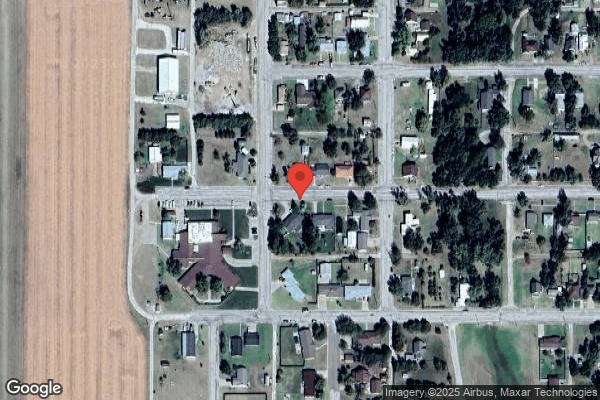
505 W ELM, BUCKLIN, KS 67834 (620) 826-3202
Government - Hospital district 29 Beds Independent Data: November 2025
Trust Grade
68/100
#71 of 295 in KS
Last Inspection: November 2024

Within standard 12-15 month inspection cycle. Federal law requires annual inspections.

Overview

Hill Top House in Bucklin, Kansas has a Trust Grade of C+, indicating it is slightly above average but not outstanding. It ranks #71 out of 295 facilities in Kansas, placing it in the top half and #2 out of 6 in Ford County, which means only one nearby option is better. However, the facility is worsening, with issues increasing from 2 in 2023 to 6 in 2024. Staffing is a strong point, receiving a 5/5 rating, but with a turnover rate of 52%, which is around the Kansas average. There were $12,324 in fines, indicating average compliance issues, and the nursing home has less RN coverage compared to many state facilities. Specific incidents include a serious fall where a resident sustained fractures due to inadequate fall prevention measures, and concerns regarding staff training, as some nurse aides did not have the necessary skills for resident care. Overall, while staffing quality is high, the facility has significant areas needing improvement, particularly in fall prevention and staff competency.

Trust Score
C+
68/100
In Kansas
#71/295
Top 24%
Safety Record
Moderate
Needs review
Inspections
Getting Worse
2 → 6 violations
Staff Stability
⚠ Watch
52% turnover. Above average. Higher turnover means staff may not know residents' routines.
Penalties
○ Average
$12,324 in fines. Higher than 72% of Kansas facilities. Some compliance issues.
Skilled Nurses
✓ Good
Each resident gets 51 minutes of Registered Nurse (RN) attention daily — more than average for Kansas. RNs are trained to catch health problems early.
Violations
⚠ Watch
15 deficiencies on record. Higher than average. Multiple issues found across inspections.
★★★★☆
4.0
Overall Rating
★★★★★
5.0
Staff Levels
★★★☆☆
3.0
Care Quality
★★★☆☆
3.0
Inspection Score
Stable
2023: 2 issues
2024: 6 issues

The Good

  • 5-Star Staffing Rating · Excellent nurse staffing levels
  • Full Sprinkler Coverage · Fire safety systems throughout facility
  • No fines on record

Facility shows strength in staffing levels, fire safety.

The Bad

Staff Turnover: 52%

Near Kansas avg (46%)

Higher turnover may affect care consistency

Federal Fines: $12,324

Below median ($33,413)

Minor penalties assessed

The Ugly 15 deficiencies on record

1 actual harm
Nov 2024 6 deficiencies
CONCERN (D) 📢 Someone Reported This

A family member, employee, or ombudsman was alarmed enough to file a formal complaint

Potential for Harm - no one hurt, but risky conditions existed

Deficiency F0655 (Tag F0655)

Could have caused harm · This affected 1 resident

**NOTE- TERMS IN BRACKETS HAVE BEEN EDITED TO PROTECT CONFIDENTIALITY** The facility had a census of 21 residents. The sample included 12 residents. Based on observation, record review, and interview,...

Read full inspector narrative →
**NOTE- TERMS IN BRACKETS HAVE BEEN EDITED TO PROTECT CONFIDENTIALITY** The facility had a census of 21 residents. The sample included 12 residents. Based on observation, record review, and interview, the facility failed to develop a baseline care plan within 48 hours of admission for Resident (R) 123. This placed the resident at risk for impaired care due to unidentified or uncommunicated care needs. Findings included: - R123's Electronic Medical Record (EMR) recorded diagnoses of diabetes mellitus (DM-when the body cannot use glucose, not enough insulin is made, or the body cannot respond to the insulin), urinary incontinence, hypertension (high blood pressure), gastroesophageal reflux disease (GERD-backflow of stomach contents to the esophagus), nutritional deficiencies, anxiety (mental or emotional reaction characterized by apprehension, uncertainty, and irrational fear), depression (a mood disorder that causes a persistent feeling of sadness and loss of interest), irritable bowel syndrome (IBS- abnormally increased motility of the small and large intestines), a history of transient ischemic attack (TIA- temporary episode of inadequate blood supply to the brain) and cerebral infarction (stroke - sudden death of brain cells due to lack of oxygen caused by impaired blood flow to the brain by blockage or rupture of an artery to the brain) without residual deficits. The Entry Tracking Record Minimal Data Set (MDS) dated [DATE] recorded R123 admitted on [DATE] from home or the community. R123's clinical record lacked a baseline care plan from the admission date of 11/08/24. The Physician Order dated 11/08/24, directed staff to admit to the nursing home long-term care with diagnoses of diabetes, urinary incontinence, and a history of stroke. The Progress Note, dated 11/08/24 at 01:38 PM, documented R123's arrival at the facility via personal vehicle. Vital signs were obtained, and a family member assisted the resident with unpacking and getting the room situated as R123 wanted. On 11/19/24 at 12:23 PM, observation revealed staff escorted R123 to her room. R123 reported she did not feel well and was dizzy. Licensed Nurse (LN) G obtained vital signs and a blood sugar level. R123's blood sugar level was low. LN G reported that R123 had a history of low blood sugar levels since admission. On 11/19/20 at 01:00 PM, LN G reviewed R123's EMR and verified there was no baseline care plan. On 11/20/24 at 11:30 AM, Administrative Nurse D verified R123's EMR lacked a baseline care plan and said one should have been developed within 48 hours of admission. The facility's undated Interim Temporary Care Plans policy documented an interim plan of care is developed and initiated on admission to the facility. Continual evaluation of interim, temporary plans of care was completed by staff members caring for the elder. Revisions to the care plan will be ongoing and the current conditions, needs, and goals of the elder change. The facility failed to develop a baseline care plan within 48 hours of admission. This placed R123 at risk for impaired care due to unidentified and uncommunicated care needs.
CONCERN (D) 📢 Someone Reported This

A family member, employee, or ombudsman was alarmed enough to file a formal complaint

Potential for Harm - no one hurt, but risky conditions existed

Medication Errors (Tag F0758)

Could have caused harm · This affected 1 resident

**NOTE- TERMS IN BRACKETS HAVE BEEN EDITED TO PROTECT CONFIDENTIALITY** The facility had a census of 21 residents. The sample included 12 residents with five reviewed for unnecessary drugs. Based on o...

Read full inspector narrative →
**NOTE- TERMS IN BRACKETS HAVE BEEN EDITED TO PROTECT CONFIDENTIALITY** The facility had a census of 21 residents. The sample included 12 residents with five reviewed for unnecessary drugs. Based on observation, interview, and record review the facility failed to obtain a stop date from the physician for the use of as-needed (PRN) lorazepam (antianxiety medication) for Resident (R) 9. This placed the resident at risk for complications related to psychotropic (alters mood or thought) medications and unnecessary medication. Findings included: - R9's Electronic Medical Record (EMR) documented diagnoses of Alzheimer's disease (progressive mental deterioration characterized by confusion and memory failure), anxiety (mental or emotional reaction characterized by apprehension, uncertainty, and irrational fear), insomnia (inability to sleep), and dementia (a progressive mental disorder characterized by failing memory and confusion) with agitation (feeling of aggravation or restlessness brought on by a provocation or a medical condition). The Significant Change Minimum Data Set (MDS), dated [DATE], documented that R9 had short- and long-term memory problems with severely impaired cognition. The MDS documented R9 received hospice (end-of-life) services and did not receive antianxiety drugs. R9's Care Plan, dated 11/14/24, documented R9 had Alzheimer's dementia and anxiety. R9 could become agitated with care at times, including hitting and slapping. The care plan directed staff to provide opportunities for positive interaction and attention and directed staff to stop and talk with her when passing by, initiated 06/13/23. The plan directed staff to monitor behavior episodes, attempt to determine underlying causes, and document behavior and potential causes, initiated on 06/13/23 and revised on 10/25/23. The plan directed to administer psychotropic medications as ordered and monitor for side effects and effectiveness every shift initiated 06/13/23. The plan directed staff to discuss with the physician and family the ongoing need for the use of medication and review behaviors and interventions and alternate therapies attempted and their effectiveness as per facility policy, initiated on 06/13/23. Staff were to monitor, document, and report any adverse reactions to psychotropic medications, initiated on 06/13/23 and revised on 10/25/23. The Physician Order, dated 11/04/24, directed staff to administer lorazepam oral concentrate 0.25 milliliter (ml) every four hours as needed for agitation or restlessness. The order stated duration was indefinite. On 11/19/24 at 08:13 AM, observation revealed Certified Nurse Aide (CNA) M woke R9 and told R9 what she was doing. While CNA M provided incontinence care, R9 frowned but did not cry out. R9 made a small noise during the transfer from her bed to a wheelchair. CNA M stated that R9 used to become more upset when staff worked with her, but she had declined. On 11/19/24 at 01:58 PM, Licensed Nurse (LN) G stated R9 was more alert before her health declined and would become agitated with care, striking out at staff. LN G said staff monitored how many times each shift R9 had restlessness, agitation, and hitting. On 11/20/24 at 09:35 AM, Administrative Nurse D verified when a physician ordered PRN lorazepam, staff should obtain a specific stop date. The facility's Psychotropic Medication Use policy stated any resident admitted with a PRN psychoactive medication would have a 14-day stop date. Any psychotropic medication ordered by a physician as an emergency treatment for behaviors would have an automatic 72-hour stop date during which the physician and nursing staff would assess the potential root cause for the behaviors and interventions that may replace or be used as adjunct therapy for the behaviors. The physician's order must include a qualifying diagnosis and a list of specific targeted behaviors for which the staff would monitor. The attending physician must certify that a psychotropic medication was necessary to treat a specific condition or behavior. The facility failed to obtain a stop date from the physician for the use of PRN lorazepam for R9, placing the resident at risk for complications related to psychotropic medications and unnecessary medication.
CONCERN (D) 📢 Someone Reported This

A family member, employee, or ombudsman was alarmed enough to file a formal complaint

Potential for Harm - no one hurt, but risky conditions existed

Deficiency F0849 (Tag F0849)

Could have caused harm · This affected 1 resident

**NOTE- TERMS IN BRACKETS HAVE BEEN EDITED TO PROTECT CONFIDENTIALITY** - R17's Electronic Medical Record (EMR) included diagnoses of anxiety (mental or emotional reaction characterized by apprehensio...

Read full inspector narrative →
**NOTE- TERMS IN BRACKETS HAVE BEEN EDITED TO PROTECT CONFIDENTIALITY** - R17's Electronic Medical Record (EMR) included diagnoses of anxiety (mental or emotional reaction characterized by apprehension, uncertainty, and irrational fear), congestive heart failure (CHF-a condition with low heart output and the body becomes congested with fluid), restlessness and agitation (feeling of aggravation or restlessness brought on by a provocation or a medical condition), non-displaced fractures (broken bone) of the second cervical (neck/spine) vertebra, second and third thoracic (mid back area) vertebra (bone of the spinal column), first, third, and fourth lumbar (lower spine) vertebra, osteoporosis (abnormal loss of bone density and deterioration of bone tissue with an increased fracture risk) with a current pathological fracture (a break in a bone that is caused by an underlying disease), and nutritional deficiency. The Significant Change Minimum Data Set (MDS), dated [DATE], documented R17 had moderately impaired cognition. R17 required partial/moderate assistance with personal hygiene and upper body dressing, and substantial/extensive assistance with toileting, lower body dressing, bathing, bed mobility, and transfers; walking was not attempted due to medical condition or safety concerns. R17 was occasionally incontinent of urine. R17 received scheduled and as-needed pain medication for pain which was frequent and affected sleep and day-to-day activities. The MDS further documented that R17 received hospice services (specialized end-of-life care with a focus on comfort). R17's Care Plan dated 09/26/24, documented R17 received hospice care services. The care plan directed staff to adjust provisions of activities of daily living to compensate for the resident's changing abilities, assess and respect the resident's wishes, encourage support systems of family and friends, and keep the environment quiet and calm. The care plan further directed staff to observe R17 closely for signs of pain, administer pain medication, and work cooperatively with the hospice team to ensure the resident's, spiritual, emotional, intellectual, physical, and social needs were met. The care plan lacked specific information related to the hospice provider, services and equipment or medications that would be provided, and when to notify the hospice provider. The Hospice Order dated 09/18/24, documented R17's hospice provider, and diagnoses of CHF and fractures. R17 had her neck brace, and the hospice provider would provide pull-ups, a skilled nurse weekly, and a nurse aide two times a week. The orders included medications covered under R17's hospice benefit. The Progress Note dated 09/11/24 at 01:13 PM, documented R17's primary care practitioner asked staff to Please discuss comfort care and or hospice with R17's family and the charge nurse was to address R17's power of attorney about changes. The Progress Note dated 09/12/24 at 02:15 PM, documented the facility nurse spoke with R17's family and spouse about hospice care. The hospice social worker was in to meet with the family. The Progress Note dated 09/12/24 at 05:29 PM, documented the hospice nurse called to relay that as of 09/12/24, R17 was admitted to hospice. Upon review, R17's clinical record lacked evidence of the hospice assessment findings and hospice nurse visit notes. On 11/18/24 at 02:20 PM, observation revealed R17 sat in a recliner in her room with a family member next to her. R17 reported she was doing okay. R17 had the footrest elevated and a small, rolled blanket to the back of her neck. On 11/19/24 at 11:37 AM, Certified Nurse Aide (CNA) N reported staff received information from the charge nurse when a resident was receiving hospice services. CNA N stated the hospice provider would usually provide incontinent products, a wheelchair, and oxygen. CNA N stated the shower list had when a hospice aide would bathe the resident. On 11/19/24 at 03:31 PM, Licensed Nurse (LN) G reported the facility did not have a hospice book or chart for R17. LN G reported the facility staff signed the hospice staff's tablets confirming the hospice staff visit and that the hospice nurse and facility nurse verbally discussed the resident's condition. LN G was unable to find the hospice nurse documentation of assessments or ongoing collaboration in R17's EMR. LN G reported the hospice plan of care was sent to the facility via email every six months with the recertification of hospice services. On 11/20/24 at 10:33 AM, Administrative Nurse D verified the hospice provider should send notes from all visits made which should be scanned into the EMR. Administrative Nurse D reported the hospice provider had a change in computerized record keeping and was unaware the hospice provider had not been sending the information from the visits until recently. Administrative Nurse D said the facility had not followed up on receiving information from the hospice provider. The facility Hospice Agreement dated 05/15/2018, last signed 5/1/20 by both parties documented that the nursing facility and hospice shall each prepare and maintain complete and detailed clinical records concerning each residential hospice patient receiving facility and Hospice services. Each clinical record shall completely and accurately document all services provided to and events concerning (including evaluations, treatments, progress notes, and physician orders of each) hospice patient. The nursing facility and hospice provider shall each retain the records and the records shall be readily accessible and organized to facilitate retrieval by either party. The facility failed to collaborate care and services with R17's hospice provider, which placed R17 at risk of impaired end-of-life care. The facility had a census of 21 residents. The sample included 12 residents with two reviewed for hospice services. Based on observation, interview, and record review the facility failed to ensure a communication process and collaboration between the hospice provider and the facility for Resident (R) 9 and R17 to coordinate hospice services provided including visit frequency and assessment, medications, and medical equipment. This placed the residents at risk of impaired end-of-life care. Findings included: - R9's Electronic Medical Record (EMR) documented diagnoses of Alzheimer's disease (progressive mental deterioration characterized by confusion and memory failure), anxiety (mental or emotional reaction characterized by apprehension, uncertainty, and irrational fear), insomnia (inability to sleep), and dementia (a progressive mental disorder characterized by failing memory and confusion) with agitation (feeling of aggravation or restlessness brought on by a provocation or a medical condition). The Significant Change Minimum Data Set (MDS), dated [DATE], documented that R9 had short- and long-term memory problems with severely impaired cognition. The MDS documented R9 received hospice services. R9's Care Plan, dated 11/14/24, documented R9 had Alzheimer's dementia and anxiety. R9 could become agitated with care at times, including hitting and slapping. The care plan directed staff to provide opportunities for positive interaction and attention and directed staff to stop and talk with her when passing by, initiated 06/13/23. The plan directed staff to monitor behavior episodes attempt to determine underlying causes, and document behavior and potential causes, initiated on 06/13/23 and revised on 10/25/23. The plan directed to administer psychotropic medications as ordered and monitor for side effects and effectiveness every shift initiated 06/13/23. The plan directed staff to discuss with the physician and family the ongoing need for the use of medication and review behaviors and interventions and alternate therapies attempted and their effectiveness as per facility policy, initiated on 06/13/23. Staff were to monitor, document, and report any adverse reactions to psychotropic medications, initiated on 06/13/23 and revised on 10/25/23. The care plan directed staff to allow R9 time to answer questions and to verbalize feelings, perceptions, and fears daily. The care plan directed staff to consult with pastoral care or social services, initiated on 12/06/23. The care plan lacked any mention of hospice services. A review of R9's clinical record lacked information regarding hospice staff assessments, care, or visits. On 11/19/24 at 08:13 AM, observation revealed Certified Nurse Aide (CNA) M woke R9 and told R9 what she was doing. While CNA M provided incontinence care, R9 frowned but did not cry out. R9 made a small noise during the transfer from her bed to a wheelchair. CNA M stated that R9 used to become more upset when staff worked with her, but she had declined. On 11/19/24 at 11:37 AM, Certified Nurse Aide (CNA) N and CNA O stated the charge nurse usually let CNA staff know if a resident was on hospice. They reported there was a list in the shower room that documented who hospice was giving a shower or bath and when. They also stated that the residents on hospice got incontinence products from the hospice company. They stated that the hospice also provided equipment, like wheelchairs and oxygen. On 11/19/24 at 01:25 PM, CNA M verified that R9 received hospice services. CNA M said the hospice nurse visited weekly and the hospice aide came weekly to bathe R9. On 11/19/24 at 02:20 PM, Licensed Nurse (LN) G stated the last hospice care plan was dated 11/06/24 and verified the facility's care plan did not include any hospice information. She verified the facility did not receive hospice assessment findings or visit notes. The facility's Hospice Agreement, dated 05/15/18, was last signed on 05/01/20 by both parties. The nursing facility and Hospice shall each prepare and maintain complete and detailed clinical records concerning each residential hospice patient receiving facility and hospice services. Each clinical record shall completely and accurately document all services provided to and events concerning (including evaluations, treatments, progress notes, and physician orders for each hospice patient. The nursing facility and hospice shall each retain the records and the records shall be readily accessible and organized. to facilitate retrieval by either party. The facility failed to ensure a communication process and collaboration between the hospice provider and the facility for R9. This placed the resident at risk of impaired end-of-life care.
CONCERN (F) 📢 Someone Reported This

A family member, employee, or ombudsman was alarmed enough to file a formal complaint

Potential for Harm - no one hurt, but risky conditions existed

Deficiency F0726 (Tag F0726)

Could have caused harm · This affected most or all residents

The facility had a census of 21 residents. The sample included 12 residents and five nurse aides. Based on observation, record review, and interview, the facility failed to ensure three of the five st...

Read full inspector narrative →
The facility had a census of 21 residents. The sample included 12 residents and five nurse aides. Based on observation, record review, and interview, the facility failed to ensure three of the five staff members reviewed possessed the knowledge, skills, and competencies required for resident care needs. This placed the residents at risk of impaired care. Findings included: - Review of the training records and skills check for Certified Nurse Aide (CNA) O, P, and Q lacked evidence of the facility's procedure checklist related to the direct care of the residents. On 11/20/24 at 10:33 AM, Administrative Nurse D stated the facility had conducted a skills check-off the previous summer for the nursing staff, and not all employees attended. Administrative Nurse D stated the facility had not rescheduled or completed any further competencies for staff who did not attend. The facility's undated Required Training of Nurse Aides documented the facility would ensure that nurse aides demonstrate competency in skills and techniques necessary to care for residents as identified through resident assessments and described in the plan of care. The facility failed to ensure three of the five staff members reviewed possessed the knowledge, skills, and competencies required for resident care needs. This placed the residents at risk of impaired care.
CONCERN (F) 📢 Someone Reported This

A family member, employee, or ombudsman was alarmed enough to file a formal complaint

Potential for Harm - no one hurt, but risky conditions existed

Staffing Data (Tag F0851)

Could have caused harm · This affected most or all residents

The facility had a census of 21 residents. Based on record review and interview the facility failed to submit complete and accurate staffing information through Payroll Based Journal (PBJ) as required...

Read full inspector narrative →
The facility had a census of 21 residents. Based on record review and interview the facility failed to submit complete and accurate staffing information through Payroll Based Journal (PBJ) as required. This deficient practice placed the residents at risk for unidentified and ongoing inadequate nurse staffing. Findings included: - The PBJ report provided by the Centers for Medicare and Medicaid Service (CMS) for Fiscal Year (YR) 2023 Quarter (Q) 4 indicated the facility did not have licensed nurse coverage 24 hours a day, seven days a week on multiple days (five). A review of the facility's licensed nurse timesheet data for the dates listed on the PBJ revealed a licensed nurse was on duty 24 hours a day seven days a week. On 11/18/24 at 12:26 PM, Administrative Staff A reported the discrepancy may be related to the submission of licensed nurse break hours and this had been adjusted to capture all the hours licensed nurses worked. Administrative Staff D stated the facility had nurse coverage 24 hours a day. The facility's undated Mandatory Submission of Uniform Format Staffing Information (PBJ) policy documented the facility would electronically submit to CMS complete and accurate direct care staffing information, including information for agency and contracted staff, based on payroll and other verifiable and auditable data in a uniform format according to specifications established by CMS. The facility failed to submit accurate PBJ data which placed the residents at risk for unidentified and ongoing inadequate staffing.
CONCERN (F) 📢 Someone Reported This

A family member, employee, or ombudsman was alarmed enough to file a formal complaint

Potential for Harm - no one hurt, but risky conditions existed

Infection Control (Tag F0880)

Could have caused harm · This affected most or all residents

The facility had a census of 21 residents. Based on interviews and record review, the facility failed to implement a water management plan to mitigate risks for Legionella (a bacterium spread through ...

Read full inspector narrative →
The facility had a census of 21 residents. Based on interviews and record review, the facility failed to implement a water management plan to mitigate risks for Legionella (a bacterium spread through the mist, such as from air-conditioning units for large buildings. Adults over the age of 50 and people with weak immune systems, chronic lung disease, or heavy tobacco use are most at risk of developing pneumonia caused by Legionella). The facility failed to maintain an antibiotic tracking system and did not review its infection control policies annually. This deficient practice placed the 21 residents of the facility at risk for infection. Findings included: - The facility printed out a log that included resident names, locations, and prescriptions. The prescriptions were dated from 9/30/22 to 10/02/24. The log revealed eight prescriptions for antibiotics in 2024 but indicated the infection being treated was unknown. The log lacked documentation of onset, symptoms, or cultures. The facility's Infection Control policy was last reviewed on 07/01/21 and the facility's Vaccine policy was 02/13/23. The facility had Appendix A for Identifying Buildings at Increased Risk which indicated the facility should have a water management program for the hot and cold-water distribution system. On 11/19/24 at 01:55 PM, Administrative Staff A verified the facility had not reviewed the infection control policies annually, and that it had been a couple of years since they did. Administrative Staff A verified the facility had not followed through with setting up a water management program to address Legionella risk. On 11/20/24 at 09:55 AM, Administrative Staff D, the certified Infection Preventionist, verified the facility had not tracked infections and did not have an ongoing monitoring process in place. She stated the staff discussed any current infections during the Quality Assessment and Assurance meetings. On 11/20/24 at 09:55 AM, Administrative Staff E stated she checked for patterns if more than one infection was going on at a time. The facility's Antibiotic Stewardship policy, dated 07/15/2021, stated the center would discuss antibiotic use and resistance data. Compliance with antibiotic use algorithms and results of provider feedback during QAPI. The policy stated the Infection Preventionist would monitor antibiotic stewardship activities through a review of provider orders, clinical documentation, and pharmacy and lab reports. The ICP would track antibiotic use and resistance patterns, provide education as needed, and alert the facility if certain antibiotic-resistant organisms were identified. The policy stated the facility would implement a standard assessment and communication tool for residents suspected of having an infection SBAR. The facility would monitor both antibiotic use practices and outcomes related to antibiotics in order to guide practice changes and track the impact of new interventions. Monitor if cultures were obtained before antibiotics were initiated and if antibiotics changed during the course of treatment. The facility's Infection Control Policy dated 07/01/2021, stated the facility would establish and maintain an infection prevention and control program designed to provide a safe, sanitary, and comfortable environment and to help prevent the development and transmission of communicable diseases and infections. The facility's Legionella Risk Management policy stated the facility would ensure appropriate precautions for the control of Legionella bacteria were identified through a Legionella risk assessment process and appropriate control measures implemented to ensure, as reasonably practicable, the health, safety, and welfare of residents. The minimum standards to be met included: Legionella risk assessments, a description of the building water system, and an identification of where Legionella could grow and spread. An action plan for preventing or controlling the risk. Implementation, management, monitoring, and recording of precautions. The facility failed to implement a water management plan to mitigate risk for Legionella and failed to maintain an antibiotic tracking system and review infection control policies at least annually. This placed the 21 residents of the facility at increased risk for infection.
Feb 2023 2 deficiencies 1 Harm
SERIOUS (G) 📢 Someone Reported This

A family member, employee, or ombudsman was alarmed enough to file a formal complaint

Actual Harm - a resident was hurt due to facility failures

Accident Prevention (Tag F0689)

A resident was harmed · This affected 1 resident

**NOTE- TERMS IN BRACKETS HAVE BEEN EDITED TO PROTECT CONFIDENTIALITY** The facility census totaled 24 residents with 12 in the sample that included four residents for accident hazards. Based on obser...

Read full inspector narrative →
**NOTE- TERMS IN BRACKETS HAVE BEEN EDITED TO PROTECT CONFIDENTIALITY** The facility census totaled 24 residents with 12 in the sample that included four residents for accident hazards. Based on observation, interview, and record review, the facility failed to ensure the fall prevention interventions were implemented to prevent further falls for Resident (R) 28, R12, and R17. The staff left R28 in the dining room without a chair alarm in place, which resulted in a fall with a fracture of her right wrist and her right hip. The facility also failed to replace faulty equipment to prevent a possible fall for R12. Findings included: - R28's diagnoses from the Electronic Health Record (EHR) documented anxiety disorder (mental or emotional reaction characterized by apprehension, uncertainty, and irrational fear), dementia (progressive mental disorder characterized by failing memory, confusion), and major depressive disorder (major mood disorder). The 09/26/22 admission Minimum Data Set (MDS) documented a Brief Interview for Mental Status (BIMS) score of zero, indicating severe cognitive impairment. R28 had no falls since the prior assessment. The 12/27/22 Quarterly MDS documented a staff interview indicating R28 had severe cognitive impairment. The MDS further noted R28 had two or more non-injury falls since the prior assessment. The 12/27/22 Care Plan documented R28 was at risk for injuries related to multiple falls. R28 had an intervention from previous falls for staff to ensure her pressure alarm was in place and working. The staff were to check on R28, frequently. Review of the Fall Investigations and Nurse Notes dated 01/05/23, documented R28 fell, with fractures to her right hip and her right wrist. On 01/05/23, R28 was in the dining room following a meal and staff left her unattended and without her pressure alarm in place, for the meal, from 01:10 PM until her fall at 01:15 PM. R28 noted to have been up and ambulated around her table for three minutes before she fell. The interventions of the pressure alarm and frequent supervision were not observed. Staff notified Emergency Medical Services (EMS, a system that responds to emergencies in need of medical care) and R28 transported to the emergency room for further evaluation and treatment. Review of the Witness Statement dated 01/05/23, revealed Certified Medication Aide (CMA) R documented R28 was in the dining room following lunch, when she stood and rearranged the dirty dishes on the table. R28 stood at the table for about a minute before she stumbled and fell onto her right hip, as seen on the video camera. R28 fell when she was left unsupervised in the dining room, after eating, and without her chair alarm. Review of the Witness Statement dated 01/05/23, revealed Administrative Nurse E documented she entered the dining room from the kitchen, advised a Certified Nurse Aide (CNA) to get the charge nurse, the lift, and the vital sign machine. R28 was on the floor in a sitting position, next to her dining room chair. R28's right leg had external rotation and seemed shorter than her left leg. The staff notified 911(emergency call number). R28 fell because she was left alone in the dining room without her alarm, and she tried to stand and fell. Review of the Witness Statement dated 01/05/23, revealed CNA N documented she was down the hall making beds when staff came and told her R28 fell. CNA N went to the dining room and saw R28 sitting on the floor on her bottom. CNA N documented the last time she saw R28 was on 01/05/23 at 12:52 PM. CNA N documented R28 fell because she got up and lost her balance. Review of the Witness Statement dated 01/05/23, revealed CNA O documented a coworker told her R28 was sent to the hospital. The last time CNA O saw R28 was when she was being assisted down to the dining room. CNA O documented she was in another resident's room at the time of the fall. In CNA O's opinion, R28 fell because she did not have her alarm that she was supposed to, and she was left alone in the dining room for too long. Review of the Witness Statement dated 01/05/23, Licensed Nurse (LN) I documented on the day of the fall R28 did not have her alarm in place. When she entered the dining room, R28's right leg was noted with visible shortness and gross external rotation, also her right wrist was deformed, and she was guarding and holding it. The staff called 911, with EMS arriving, vital signs listed, local hospital notified of transport for x-rays and further treatment as needed. The staff notified family and administration of the incident. Review of the Witness Statement dated 01/05/23, revealed CNA P documented R28 was in the dining room eating. CNA P left and was coming back to walk R28 to the family room but before she got back, a staff member found R28 on the floor. R28 was cognitively impaired and attempted to clean the table. Review of the Witness Statement dated 01/05/23, CNA Q documented she found R28 sitting on the floor with CNA P. CNA Q heard on the communication device that they needed a lift, the nurse, and vital sign machine. CNA Q went to get the lift. CNA Q noted R28 fell because she did not have her alarm on, and no one was around to watch her. Review of Nurse Note dated 01/06/23, documented R28 transferred from one hospital to another hospital for surgical repair due to a fractured right wrist and a fractured right hip. On 02/15/23 at 09:29 AM, Administrative Nurse E reported when she walked out of the kitchen, she saw R28 on the floor with her legs out in front of her. Administrative Nurse E reported she observed R28's right wrist was deformed, and her right leg was rotated and appeared shorter than the other leg. She instructed the nurse to call for the EMS for transport while Administrative Nurse E sat with R28. On 02/15/23 at 09:36 AM, Certified Nurse Aide (CNA) N reported that she was working with an agency staff, who CNA N instructed to watch the dining room, while CNA N went down the hall to make beds. When CNA N returned, everyone was in the dining room because R28 fell. On 02/16/23 at 08:08 AM Licensed Nurse (LN) I reported on the day of the fall, she was called by staff to the dining room, multiple staff were in and out of the dining room and saw R28. R28 did not have her alarm in place. When she entered the dining room, she knew immediately that R28's hip was not positioned correctly, and she called EMS to transport R28. On 02/16/23 at 11:06 AM, Administrative Nurse D revealed she expected staff to implement a new intervention following a fall and for staff to follow those interventions. She confirmed that for R28's 01/05/23 fall, the interventions had not been followed. The facilities 07/12/18 High Fall Risk Protocol policy documented staff were to provide each resident with adequate supervision and assistive devices to prevent accidents. The facility failed to provide adequate supervision and assistance devices to prevent accidents, when R28 fell on [DATE] that resulted in a right wrist and right hip fracture. - Observation on 02/14/23 at 09:12 AM revealed Licensed Nurse (LN) G, Certified Medication Aide (CMA) M and Certified Nursing Assistant (CNA) N in the resident's room to provide R 12 morning cares CMA M raised the head of the bed and CNA N assisted her to pivot transfer from the bed. The resident's brief was wet and removed and staff sat the resident on the bedside commode. LN G held the back of the commode. Observation of the commode revealed the leg to the back rest of the commode. LN G held the back so it did not wobble or collapse while the resident used it. The back bar of the commode also had an area of rust approximately 4 inches long across the bar. On 02/14/23 at 09:15 AM, LN G stated she noticed commode lacked a wingnut the day before. LN G stated she reported the broken commode to Maintenance Staff U. LN G was unaware how long it had been broken. On 02/15/23 at 10:00 AM, Maintenance Staff U reported no one notified him of the condition of the commode. On 02/15/23 at 10:40 AM, Maintenance Staff U reported there was a commode with rusted legs and without a wingnut by the back door and he threw it out. On 02/16/23 at 10:50 AM, Administrative Nurse D reported staff should have removed the commode once staff determined the wingnut was not on. The facility lacked a policy for guidance of broken equipment. The facility failed to remove unsafe equipment (bedside commode) to prevent a possible injury to R 12 when staff used a rusted commode that lacked a securing/ bracing wingnut.
CONCERN (D)

Potential for Harm - no one hurt, but risky conditions existed

Deficiency F0657 (Tag F0657)

Could have caused harm · This affected 1 resident

**NOTE- TERMS IN BRACKETS HAVE BEEN EDITED TO PROTECT CONFIDENTIALITY** The facility reported a census of 24 residents with 12 sampled. Based on interview and record review, the facility failed to rev...

Read full inspector narrative →
**NOTE- TERMS IN BRACKETS HAVE BEEN EDITED TO PROTECT CONFIDENTIALITY** The facility reported a census of 24 residents with 12 sampled. Based on interview and record review, the facility failed to review and revise the care plans for one Resident (R)17, regarding new interventions to prevent falls. Findings included: - Review of R17's diagnoses from the Electronic Health Record (EHR) documented repeated falls, weakness, amnesia (a dramatic form of memory loss) and Alzheimer's disease (a progressive dementia - loss of cognitive function such as thinking, remembering and reasoning). Review of R17's annual Minimum Data Set (MDS), dated [DATE], documented a brief interview for mental status (BIMS) of 12, indicating moderately impaired cognition. R17 required extensive assistance of two or more staff with transfers. Review of the Falls Care Area Assessment (CAA) dated 01/02/23, revealed that the resident was at increased risk for falls and injury due to impaired cognition, pain and numbness/weakness to all extremities. The care plan, dated, 02/11/22 revealed: A non-injury fall on 02/11/22, with the interventions for staff to remind the resident to use her call light and for staff to pick up dropped items from the floor. A non-injury fall on 04/02/22, with the intervention for staff to reeducate the resident to use a pendant to call for assistance. A non-injury fall on 04/29/22, with the intervention to place a floor mat next to the bed when the resident is in bed, to prevent rolling out of bed. A non-injury fall on 06/03/22, with the intervention for staff to assess for a concave mattress. A fall with minor injury on 07/06/22, with the intervention for staff to place a pressure monitor under the mat next to bed, and staff should apply non-skid socks. A non-injury, unwitnessed fall on 11/20/22, in the chapel bathroom, with intervention for staff to assist the resident to the bathroom every two hours and as needed. However, the facility lacked interventions for the non-injury fall on 12/08/22. Furthermore, the facility lacked interventions for a repeated fall with injury on 12/18/22. The Physician's orders lacked documentation of orders specific for fall prevention. Review of the resident's assessments revealed fall risk screenings, dated: On 10/20/22, with result of 65, indicating high risk for falling. On 12/18/22, with result of 75, indicating high risk for falling. On 12/27/22, with result of 75, indicating high risk for falling. On 01/02/23, with result of 65, indicating high risk for falling. On 02/16/23 at 09:30 AM, Certified Nurse Aide (CNA) N stated that R17 required a personal body alarm for her recliner and her wheelchair, but the resident learned how to disable the audible alarm alerts. Staff should attempt to keep the resident engaged in the common areas as much as possible so all staff can observe the resident, to prevent falls. On 02/16/23 at 10:06 AM, Licensed Nurse (LN) I reported R17 frequently forgot her limitations and she lacked the cognition to comprehend her limitations. Staff were to place a pressure sensor alarm on R17's recliner and wheelchair, along with a floor mat beside her bed for fall prevention. After a resident's fall, a licensed nurse on duty should implement an immediate intervention until the Interdisciplinary Team (IDT) would meet and develop a permanent intervention for the resident's care plan. On 02/16/23 at 10:13 AM, Administrative Nurse D reported she expected the licensed nurse on duty at the time of a fall was to implement an immediate intervention until the IDT could meet to create a permanent intervention and update the resident's care plan to prevent further falls. IDT meets at least once per week. On 02/16/23 at 11:14 AM, Administrative Nurse D confirmed the lack of new interventions on the care plan after the falls on 12/08/22 and 12/18/22. The 01/23/17 facility's policy for Fall Prevention Protocol documented that the IDT would develop a plan for services and other interventions to reduce the elder's risk for falls. The facility failed to review and revise this resident's care plan related to falls.
Aug 2021 7 deficiencies
CONCERN (D)

Potential for Harm - no one hurt, but risky conditions existed

Resident Rights (Tag F0550)

Could have caused harm · This affected 1 resident

**NOTE- TERMS IN BRACKETS HAVE BEEN EDITED TO PROTECT CONFIDENTIALITY** The facility reported a census of 26 residents, with 12 sampled, including one for dignity. Based on observation, interview, and...

Read full inspector narrative →
**NOTE- TERMS IN BRACKETS HAVE BEEN EDITED TO PROTECT CONFIDENTIALITY** The facility reported a census of 26 residents, with 12 sampled, including one for dignity. Based on observation, interview, and record review, the facility failed to provide quality dignified care for Resident (R) 25 by allowing his fingernails to be overgrown with a dark substance under them after he requested staff trim them. Findings include: - Review of R25's Signed Physician Orders dated 06/15/21 documented the following diagnoses: diabetes mellitus without complications (when the body cannot use glucose, not enough insulin made, or the body cannot respond to the insulin) and major depressive disorder (major mood disorder). Review of the admission Minimal Data Set (MDS) dated [DATE] documented a Brief Interview for Mental Status (BIMS) score of five, indicating severely impaired cognition. R25 required the assistance of one staff member for personal hygiene. Review of the ADL Function/ Rehabilitation Potential Care Area Assessment (CAA) dated 07/06/21 documented staff will care plan to maintain the current level of functioning, risk factors were current disease processes. Review of the Care Plan dated 07/06/21 documented R25 required physical assistance of one staff with bathing/showering, and staff were to check nail length and trim and clean on bath day, and as necessary, and report any changes to the nurse. Review of the Electronic Health Record (EHR) under the Task tab for the CNA's, lacked information regarding bathing or nail care. On 07/27/21 at 01:58 PM, an observation of R25's fingernails revealed they were of uneven lengths and had a dark substance under them. On 07/28/21 at 09:28 AM observed R25 sat in his wheelchair in the commons area with fingernails uneven and had a dark substance under his fingernails. On 07/28/21 at 01:05 PM, R25 sat in the dining room, fingernails were still not cut or cleaned, and R25 asked if the surveyor could cut them for him. On 07/29/21 at 09:55 AM, R25 was in the commons room attending an activity and observation revealed his fingernails continued with the dark color substance under the nails, and nails were of uneven lengths. On 08/02/21 at 09:19 AM, R25 sat in the common area, nails continued to have dark substance under them and differing lengths. He stated he would not mind them being trimmed but was tired of asking for it. On 07/28/21 at 01:30 PM, Certified Nurse Aide (CNA) E stated R25 received his baths at night, day shift would brush his teeth, but staff performed nail care on his bath days. CNA E said, to find the last time his nails received care, you would look in the EHR under task, and the last task information would document that information. On 07/29/21 at 10:20 AM, CNA F revealed R25 mainly required assistance with toileting, dressing, and used a slide board to transfer. On his bath days, they would check his nails, and with being a diabetic, a CNA could not trim his nails for him, but they could clean them. CNA F stated there were forms with the bathing that they would fill out and that it had skin and nail assessment on it. If the resident had diabetes, they would inform the nurse that his nails needed trimmed. On 08/02/21 at 10:20 AM, Licensed Nurse (LN) C stated if the residents had diabetes, it would be the nurse's responsibility to trim or cut the finger and toenails. LN C stated she was unaware of R25's need for nail care but would make time to accomplish this task. On 08/02/21 at 12:06 PM, Administrative Staff B stated nails for diabetic residents were cleaned by the nurses, and she expected the nurses to keep up on diabetic resident's toe and fingernail trimming or cutting. She expected the CNAs to let the nurse know if a resident required nail care. Review of the facility's undated Right to Dignity policy documented the facility would groom the elder as they wished, including nail care. The facility failed to maintain R25's dignity by allowing his nails to become overgrown and have a dark substance under them.
CONCERN (D)

Potential for Harm - no one hurt, but risky conditions existed

Comprehensive Care Plan (Tag F0656)

Could have caused harm · This affected 1 resident

**NOTE- TERMS IN BRACKETS HAVE BEEN EDITED TO PROTECT CONFIDENTIALITY** The facility reported a census of 26 residents, with 12 included in the sample, including one for respiratory care. Based on obs...

Read full inspector narrative →
**NOTE- TERMS IN BRACKETS HAVE BEEN EDITED TO PROTECT CONFIDENTIALITY** The facility reported a census of 26 residents, with 12 included in the sample, including one for respiratory care. Based on observation, interview, and record review, the facility failed to develop and implement a comprehensive person-centered care plan for Resident (R) 12 which included oxygen use and care. Findings Include: - Review of R12's Electronic Health Record (EHR) dated 06/11/21 documented the following diagnoses: schizophrenia (a psychotic disorder characterized by gross distortion of reality, disturbances of language and communication, and fragmentation of thought), chronic obstructive pulmonary disease (COPD, a progressive and irreversible condition characterized by diminished lung capacity and difficulty or discomfort in breathing), COVID-19, shortness of breath (SOB), and localized edema (swelling resulting from an excessive accumulation of fluid in the body tissues). Review of the Significant Change Minimum Data Set (MDS) dated [DATE] documented a Brief Interview for Mental Status (BIMS) of 14, indicating intact cognition. R12 utilized oxygen (O2) therapy. Review of the Quarterly MDS dated 06/08/21 documented a BIMS of 13, indicating intact cognition and he utilized O2. Review of the Care Plan dated 03/30/21 lacked documentation for the care and maintenance of R12's oxygen. On 07/29/21 at 02:18 PM, R12 participated in an activity in the dining room. The staff brought an oxygen concentrator to the dining room for R12's use. On 08/02/21at 09:45 AM, R12 sat in a recliner in his room with O2 via nasal cannula in place. R12 stated he used O2 all the time. The humidifying bottle lack a date of last change. On 07/28/21 at 01:43 PM, Certified Nursing Aide (CNA) E stated R12 used the O2 in the afternoon for his shortness of breath, like having an activity in the dining room. He used the O2 before walking to the dining room. On 07/29/21 at 10:15 AM, CNA F stated R12 was independent during the day, but towards evenings he would need a little bit of help, and he used O2 as needed. On 08/02/21 at 10:30 AM, Licensed Nurse (LN) C stated the oxygen use should be noted on the care plan for each resident using oxygen. On 08/02/21 at 12:04 PM Administrative Nurse B stated she believed the care of oxygen delivery items should be included on the care plan, when asked about oxygen use and care. The facility did not provide a policy regarding care plans, as requested on 08/02/21 at 01:04 PM. The facility failed to develop and implement a comprehensive person-centered care plan for R12 to include oxygen use and care.
CONCERN (D)

Potential for Harm - no one hurt, but risky conditions existed

Deficiency F0661 (Tag F0661)

Could have caused harm · This affected 1 resident

**NOTE- TERMS IN BRACKETS HAVE BEEN EDITED TO PROTECT CONFIDENTIALITY** The facility reported a census of 26 residents, with 12 sampled, including one for discharge to the community. Based on intervie...

Read full inspector narrative →
**NOTE- TERMS IN BRACKETS HAVE BEEN EDITED TO PROTECT CONFIDENTIALITY** The facility reported a census of 26 residents, with 12 sampled, including one for discharge to the community. Based on interview and record review, the facility failed to complete a discharge summary to include the recapitulation of Resident (R) 28's stay. Findings included: - A review of the Minimum Data Set (MDS) documented R28 admitted on [DATE] and discharged on 06/18/21, with no MDS completed. Review of the Electronic Health Records (EHR) Physician Orders documented an order to discharge to Home Care and to follow up with the provider in one week dated 06/18/21. Continued review of the EHR revealed no discharge papers, including a recapitulation of stay, located within R28's record. Interview with Social Services Director (SSD) D on 07/29/21 at 08:20AM stated she did not complete a recapitulation of the stay and that it was the nurses' responsibility to do this. Interview with Administrative Nurse B on 08/02/21 at 11:54 AM confirmed the facility lacked a completed recapitulation of R28's stay. Review of the undated Admission, Transfer and Discharge Policy documented the facility staff documented in the clinical record discharge information provided to the resident including a summary of the care, treatment and services provided and progress reached toward goals. The facility failed to appropriately document the discharge summary, including the recapitulation of stay for R28.
CONCERN (D)

Potential for Harm - no one hurt, but risky conditions existed

Respiratory Care (Tag F0695)

Could have caused harm · This affected 1 resident

**NOTE- TERMS IN BRACKETS HAVE BEEN EDITED TO PROTECT CONFIDENTIALITY** The facility reported a census of 26 residents, with 12 sampled, including one for respiratory care. Based on observation, inter...

Read full inspector narrative →
**NOTE- TERMS IN BRACKETS HAVE BEEN EDITED TO PROTECT CONFIDENTIALITY** The facility reported a census of 26 residents, with 12 sampled, including one for respiratory care. Based on observation, interview, and record review, the facility failed to provide respiratory care consistent with professional standards of practice for Resident (R) 12. - Findings Include: Review of Resident (R) 12's Electronic Health Record (EHR) dated 06/11/21 documented the following diagnoses: Schizophrenia (a psychotic disorder characterized by gross distortion of reality, disturbances of language and communication, and fragmentation of thought), Chronic Obstructive Pulmonary Disease (COPD) - (a progressive and irreversible condition characterized by diminished lung capacity and difficulty or discomfort in breathing), COVID 19, shortness of breath (SOB), and localized edema (swelling resulting from an excessive accumulation of fluid in the body tissues). Review of the Significant Change Minimum Data Set (MDS) dated [DATE] documented a Brief Interview for Mental Status (BIMS) of 14, indicating intact cognition. Staff had identified R12 as utilizing oxygen (O2) therapy. Review of the Quarterly MDS dated 06/08/21 documented a BIMS of 13, indicating intact cognition. Staff had identified R12 used oxygen. Review of the Care Plan dated 03/30/21 lacked documentation for the care and maintenance of R12's oxygen. Review of Physician Orders dated 07/27/21 in EHR lacked an order for the use of oxygen or care of equipment used to provide oxygen. Review on 08/02/21 at 10:30 AM of Licensed Nursing (LN) and Certified Nursing Aide (CNA) tasks in EHR lacked documentation of oxygen tubing changes. Review of the Medication Administration Record (MAR) and Treatment Administration Record (TAR) in the EHR for January 2021 through July 29, 2021 lacked documentation of any oxygen care or use for R12. On 07/29/21 at 02:18 PM, R12 was participating in an activity in the dining room. Staff brought an oxygen concentrator to the dining room for R12 to use. On 08/02/21at 09:45 AM, R12 was sitting in a recliner in his room with oxygen via nasal cannula in place. R12 stated he uses oxygen all the time. Oxygen tubing and humidifying bottle lack date of last change. On 07/28/21 at 01:43 PM, CNA E stated that R12 used the oxygen in the afternoon for his shortness of breath, like having an activity in the dining room. He would use the oxygen before walking to the dining room. They believed the LN staff were responsible for changing the oxygen tubing and maintain the humidifier. On 07/29/21 at 10:15 AM, CNA F stated R12 was independent during the day, but towards evenings he would need a little bit of help, and he was on oxygen as needed. CNA F stated she thought the tubing was changed every 30 days by the nurse. On 08/02/21 at 10:30 AM, LN C stated that oxygen tubing and humidifier bottles were to be changed and dated. She believed LN staff would document on the Treatment Administration Record (TAR) on the night shift. However, she was unsure if they were all changed at once or scheduled individually. On 08/02/21 at 12:04 PM Administrative Nurse B stated the LN staff were to change the tubing and humidifier bottles weekly by the night nurse and documented it on tasks. Administrative Nurse B stated she believed the care of such things should have been care planned. She would expect that facility staff change the tubing and humidifier weekly, document the changes, and label the tubing and humifider. She confirmed there were no orders for the care of oxygen supplies for R12. The facility did not provide a policy, as requested on 08/02/21 at 01:04 PM. The facility failed to provide respiratory care consistent with professional standards of practice for R12.
CONCERN (E)

Potential for Harm - no one hurt, but risky conditions existed

Grievances (Tag F0585)

Could have caused harm · This affected multiple residents

The facility reported a census of 26 residents. Based on observation, interview, and record review, the facility failed to provide the residents with a way to file a grievances anonymously. Findings i...

Read full inspector narrative →
The facility reported a census of 26 residents. Based on observation, interview, and record review, the facility failed to provide the residents with a way to file a grievances anonymously. Findings included: - During the initial tour of the facility on 07/27/21 at 10:00 AM, there were no grievance forms or a way to submit those forms anonymously noted in the facility. On 07/28/21 at 02:01 PM, Resident (R) 14 stated they did not have forms to fill out for a grievance during the resident council meeting. On 07/28/21 at 02:21 PM, Activity Staff D stated they did not have forms to fill out for grievances, that the residents would tell the staff what the issue was and that the residents could call the Ombudsman with any concerns. On 08/02/21 at 12:12 PM, Activity staff D stated she had not developed a procedure for residents to file an anonymous grievance. On 08/02/21 at 05:00 PM, Administrative Staff A stated she did not know they needed an anonymous way to file a grievance. Review of the facility's undated Complaints or Grievances policy documented that each resident may voice grievances to administrative staff or outside representatives of their choice, free from interference, coercion, discrimination, or reprisal. The facility failed to allow residents to exercise their right to file a grievance, including the right to file an anonymous grievance, without interference, coercion, discrimination, or reprisal.
CONCERN (F)

Potential for Harm - no one hurt, but risky conditions existed

Deficiency F0838 (Tag F0838)

Could have caused harm · This affected most or all residents

The facility reported a census of 26 residents. Based on interview and record review the facility failed to address staffing in the Facility Assessment to document resources required to provide necess...

Read full inspector narrative →
The facility reported a census of 26 residents. Based on interview and record review the facility failed to address staffing in the Facility Assessment to document resources required to provide necessary care to the residents in regard to staffing across all shifts. This failure had the ability to affect all resident care in the facility. Findings included: - Review of the undated Facility Assessment documented no determination of facility staffing. Interview with Administrative Staff A on 08/02/21 at 01:10 PM revealed the facility assessment did not have a breakdown of how staffing was determined. Administrative Staff A stated she had not completed the facility assessment since last year. Interview with Administrative Nurse B on 08/02/21 at 01:55PM revealed she made the schedule for the nursing staff and the facility determined staffing based on the acuity of the residents. Review of the undated Facility Assessment Policy stated the facility assessment was the foundation to determine staffing levels and competencies to include an evaluation of the overall number of facility staff needed to ensure sufficient number of qualified staff were available to meet the needs of the residents. The facility failed to address staffing in the Facility Assessment to document resources required to provide necessary care to the residents in regard to staffing across all shifts. This failure had the ability to affect all resident care in the facility.
MINOR (C)

Minor Issue - procedural, no safety impact

Deficiency F0882 (Tag F0882)

Minor procedural issue · This affected most or all residents

The facility reported a census of 26 residents. Based on interview and record review, the facility failed to ensure the staff person designated as the Infection Preventionist (IP) who was responsible ...

Read full inspector narrative →
The facility reported a census of 26 residents. Based on interview and record review, the facility failed to ensure the staff person designated as the Infection Preventionist (IP) who was responsible for the facility's Infection Prevention and Control Program (IPCP) completed the specialized training in infection prevention and control. Findings included: - On 08/02/21 at 02:30 PM, Administrative Nurse B revealed that she was responsible for the Infection Prevention and Control Program (IPCP), and she lacked certification as an Infection Preventionist (IP). Furthermore, she revealed the facility lacked a certified IP. Review of the undated Job Description-Infection Preventionist documented that the person in this role was to possess current, specialized training and certification in Infection Control (CIC) in an approved course. The facility failed to ensure the person designated as the IP completed the required certification.
Understanding Severity Codes (click to expand)
Life-Threatening (Immediate Jeopardy)
J - Isolated K - Pattern L - Widespread
Actual Harm
G - Isolated H - Pattern I - Widespread
Potential for Harm
D - Isolated E - Pattern F - Widespread
No Harm (Minor)
A - Isolated B - Pattern C - Widespread

Questions to Ask on Your Visit

  • "Can I speak with families of current residents?"
  • "What's your RN coverage like on weekends and overnight?"

Our Honest Assessment

Strengths
  • • Licensed and certified facility. Meets minimum state requirements.
Concerns
  • • 15 deficiencies on record, including 1 serious (caused harm) violation. Ask about corrective actions taken.
  • • $12,324 in fines. Above average for Kansas. Some compliance problems on record.
Bottom line: Mixed indicators with Trust Score of 68/100. Visit in person and ask pointed questions.

About This Facility

What is Hill Top House's CMS Rating?

CMS assigns HILL TOP HOUSE an overall rating of 4 out of 5 stars, which is considered above average nationally. Within Kansas, this rating places the facility higher than 99% of the state's 100 nursing homes. This rating reflects solid performance across the metrics CMS uses to evaluate nursing home quality.

How is Hill Top House Staffed?

CMS rates HILL TOP HOUSE's staffing level at 5 out of 5 stars, which is much above average compared to other nursing homes. Staff turnover is 52%, compared to the Kansas average of 46%.

What Have Inspectors Found at Hill Top House?

State health inspectors documented 15 deficiencies at HILL TOP HOUSE during 2021 to 2024. These included: 1 that caused actual resident harm, 13 with potential for harm, and 1 minor or isolated issues. Deficiencies causing actual harm indicate documented cases where residents experienced negative health consequences.

Who Owns and Operates Hill Top House?

HILL TOP HOUSE is owned by a government entity. Government-operated facilities are typically run by state, county, or municipal agencies. The facility operates independently rather than as part of a larger chain. With 29 certified beds and approximately 22 residents (about 76% occupancy), it is a smaller facility located in BUCKLIN, Kansas.

How Does Hill Top House Compare to Other Kansas Nursing Homes?

Compared to the 100 nursing homes in Kansas, HILL TOP HOUSE's overall rating (4 stars) is above the state average of 2.9, staff turnover (52%) is near the state average of 46%, and health inspection rating (3 stars) is at the national benchmark.

What Should Families Ask When Visiting Hill Top House?

Based on this facility's data, families visiting should ask: "Can I visit during a mealtime to observe dining assistance and food quality?" "How do you handle medical emergencies, and what is your hospital transfer rate?" "Can I speak with family members of current residents about their experience?"

Is Hill Top House Safe?

Based on CMS inspection data, HILL TOP HOUSE has a clean safety record: no substantiated abuse findings (meaning no confirmed cases of resident harm), no Immediate Jeopardy citations (the most serious violation level indicating risk of serious injury or death), and is not on the Special Focus Facility watch list (a federal program monitoring the lowest-performing 1% of nursing homes). The facility has a 4-star overall rating and ranks #1 of 100 nursing homes in Kansas. While no facility is perfect, families should still ask about staff-to-resident ratios and recent inspection results during their visit.

Do Nurses at Hill Top House Stick Around?

HILL TOP HOUSE has a staff turnover rate of 52%, which is 6 percentage points above the Kansas average of 46%. Moderate turnover is common in nursing homes, but families should still ask about staff tenure and how the facility maintains care continuity when employees leave.

Was Hill Top House Ever Fined?

HILL TOP HOUSE has been fined $12,324 across 1 penalty action. This is below the Kansas average of $33,202. While any fine indicates a compliance issue, fines under $50,000 are relatively common and typically reflect isolated problems that were subsequently corrected. Families should ask what specific issues led to these fines and confirm they've been resolved.

Is Hill Top House on Any Federal Watch List?

HILL TOP HOUSE is not on any federal watch list. The most significant is the Special Focus Facility (SFF) program, which identifies the bottom 1% of nursing homes nationally based on persistent, serious quality problems. Not being on this list means the facility has avoided the pattern of deficiencies that triggers enhanced federal oversight. This is a positive indicator, though families should still review the facility's inspection history directly.