DIVERSICARE OF CHANUTE
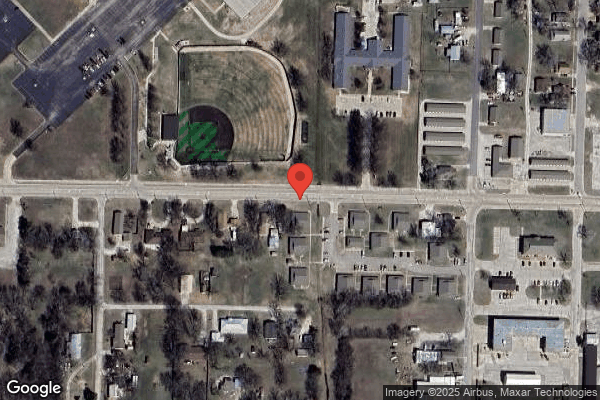
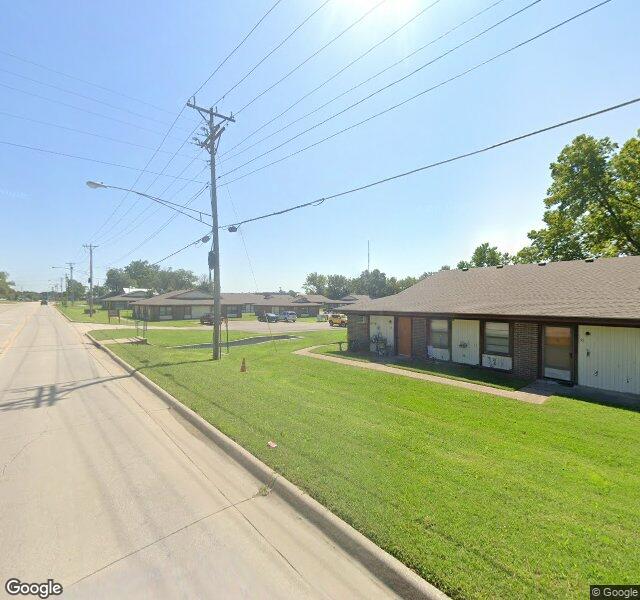
530 W 14TH STREET, CHANUTE, KS 66720 (620) 431-4940
For profit - Corporation 77 Beds DIVERSICARE HEALTHCARE Data: November 2025 1 Immediate Jeopardy citation
Trust Grade
16/100
#181 of 295 in KS
Last Inspection: March 2024

Within standard 12-15 month inspection cycle. Federal law requires annual inspections.

Overview

Diversicare of Chanute has received a Trust Grade of F, indicating significant concerns about care quality and safety. Ranked #181 out of 295 nursing homes in Kansas, they are in the bottom half of facilities statewide, although they are #2 out of 3 in Neosho County, meaning only one local option is better. The facility is improving, with issues dropping from 17 in 2024 to just 2 in 2025; however, it still reported 47 issues during inspections, including a critical incident where a resident fell out of a wheelchair while being transported, and serious concerns about unclean dressings leading to maggots on a resident’s wound. Staffing received an average rating of 3 out of 5, with a turnover rate of 46%, which is slightly below the Kansas average, and they have average RN coverage, which is essential for monitoring residents' health. While the facility's $13,397 in fines is typical, the overall care environment has serious weaknesses that families should consider carefully.

Trust Score
F
16/100
In Kansas
#181/295
Bottom 39%
Safety Record
High Risk
Review needed
Inspections
Getting Better
17 → 2 violations
Staff Stability
⚠ Watch
46% turnover. Above average. Higher turnover means staff may not know residents' routines.
Penalties
✓ Good
$13,397 in fines. Lower than most Kansas facilities. Relatively clean record.
Skilled Nurses
○ Average
Each resident gets 40 minutes of Registered Nurse (RN) attention daily — about average for Kansas. RNs are the most trained staff who monitor for health changes.
Violations
⚠ Watch
47 deficiencies on record. Higher than average. Multiple issues found across inspections.
★★☆☆☆
2.0
Overall Rating
★★★☆☆
3.0
Staff Levels
★★★☆☆
3.0
Care Quality
★★☆☆☆
2.0
Inspection Score
Stable
2024: 17 issues
2025: 2 issues

The Good

  • Full Sprinkler Coverage · Fire safety systems throughout facility
  • No fines on record

Facility shows strength in fire safety.

The Bad

2-Star Overall Rating

Below Kansas average (2.9)

Below average - review inspection findings carefully

Staff Turnover: 46%

Near Kansas avg (46%)

Higher turnover may affect care consistency

Federal Fines: $13,397

Below median ($33,413)

Minor penalties assessed

Chain: DIVERSICARE HEALTHCARE

Part of a multi-facility chain

Ask about local staffing decisions and management

The Ugly 47 deficiencies on record

1 life-threatening 4 actual harm
Jul 2025 2 deficiencies
CONCERN (D) 📢 Someone Reported This

A family member, employee, or ombudsman was alarmed enough to file a formal complaint

Potential for Harm - no one hurt, but risky conditions existed

Deficiency F0804 (Tag F0804)

Could have caused harm · This affected 1 resident

The facility reported a census of 44 residents. The sample included three residents. Based on observation, interview, and record review, the facility failed to provide food that was nutritionally bala...

Read full inspector narrative →
The facility reported a census of 44 residents. The sample included three residents. Based on observation, interview, and record review, the facility failed to provide food that was nutritionally balanced, palatable, attractive, and at safe appetizing temperatures. This placed the residents at risk for inadequate nutrition and decreased quality of life. Findings included:- Observation on 07/29/25 at 3:25 PM revealed R3 in his room. R3 reported that the facility's food could be better. He stated he usually opted to eat in his room, and the food was not as hot as he would like. He stated that the staff offered to heat the food if he was not satisfied, but some things just do not taste right after it has been reheated, such as French fries. R3 stated he just makes do as he does not want to bother the staff. He reported he ordered boiled eggs and juice frequently, so if it was served cold, it was ok. R3 reported that if he wanted something else besides what was served at the facility, he had an account at a local restaurant where he could have food delivered. Observation on 07/29/25 at 4:24 PM R5 sat in bed doing crossword puzzles. She stated she always ate in her room by choice. She reported the food at the facility was nasty and cold. R5 stated when she tells staff the food is cold, they tell her it was hot when it left the kitchen. She stated she complained to the nursing and kitchen staff; she said she had not filed a written grievance, but said staff knew her concerns and nothing had changed. R5 said the staff told her there is not anything they can do to fix it because she is in her room and not the dining room. R5 said the nursing staff offered to warm up the food, but then it tasted worse. R5 said there are potatoes served at most every meal, and there were no alternatives except for peanut butter and jelly sandwiches. Observation on 07/29/25 at 4:45 PM revealed R4 sat in his recliner and reported he was waiting for his supper. R4 said the food at the facility was not the worst food he had eaten in his life. He stated he was a little spoiled because he had lived with a chef. R4 went on to say his mom taught him to eat what was set in front of him. R4 reported he chose to eat in his room, and the temperature of most meals was not totally cold, but not hot either. R4 stated staff heated the food up if asked. R4 stated he tried to choose and order foods that would not be a problem if it was served cold. Observation on 07/29/25 at 5:14 PM revealed that the [NAME] Unit room trays were delivered to the unit in an insulated meal cart. Observation on 07/29/25 at 05:21 PM revealed that staff delivered R4's room tray. R4 declined his meal and reported he was still full after eating lunch. R4's meal tray was selected to use as a test tray for food temperatures and palatability, as it was the last tray served from the cart. During an observation and interview on 07/29/25 at 05:37 PM, Dietary Staff BB tested the temperature immediately after the last tray was served on the delivery cart. The noted temperatures revealed the turkey and rice casserole temperature of 127 degrees Fahrenheit (F.), sugar snap pea pods of 119 degrees F., and strawberry swirl cake of 77 degrees F. The tray was then taste tested by the Dietary Staff BB, who reported the main course foods would be more palatable if they were hotter. Additionally, she stated the strawberry cake with white icing was made with milk and refrigerated after preparation, prior to putting it on the delivery cart. Dietary Staff BB confirmed the strawberry cake was a substitute for the chocolate cake with peanut butter icing listed on the menu. She verified the previously refrigerated strawberry cake with milk-based icing was now at room temperature and less palatable than if served chilled.Observation on 07/29/25 at 05:49 PM revealed that the East Hall room trays were delivered in an insulated meal cart.During an observation and interview on 07/29/25 at 05:51 PM, Dietary Staff BB noted the nursing staff were not present to deliver the meal trays delivered to East Hall. She left the food cart in the hallway to locate the staff. Upon her return, she stated the nursing staff were not available to pass meal trays in a timely manner due to being in the shower room providing direct care to a resident. Upon her return to the meal cart, she confirmed the meal trays remained on the cart and had not been served. On 07/29/25 at 05:55 PM, observation revealed Licensed Nurse (LN) G and Certified Nurse Aide (CNA) N approached the meal delivery cart, pushed the cart to the middle of the hall, and started to deliver the meal trays to the residents. On 07/29/25 at 05:02 PM, LN H stated some residents complained about the food. LN H said the resident's meal ticket should have their likes and dislikes on there, and staff should offer an alternative if the resident did not like what they got. On 07/30/25 at 10:35 AM, Administrative Nurse D confirmed the dietary services were provided by a contracted service, and she was not aware of how the concerns related to dietary were communicated to the dietary staff. On 07/29/25 at 02:45 PM, Activity Staff Z stated she received complaints regarding dietary and food almost monthly since January 2025. Activity Staff Z said the residents' complaints included that food was not delivered in scheduled mealtimes; the residents sat at the table waiting for meals in the dining room, and sometimes did not get their meals until an hour after the scheduled times for meal service. Activity Staff Z said the residents complain about the temperature of the food, saying the food was not hot enough, and complain about the lack of options or alternatives. Activity Staff Z stated she did not know what was done to address the concerns, but they do not appear to be resolved. On 07/30/25 at 11:49 AM, Dietary Staff CC reported she relied on Dietary Staff BB and Administrative Nurse D to make her aware of the resident's concerns regarding the food. She reported the resident council concerns expressed about the food or dietary services should be shared with Administrative Staff A, Administrative Nurse D, and Dietary Staff BB for follow-up and resolution in a timely manner. She stated she visited with the residents who ate in the dining room, but she had not interviewed residents who dined in their rooms as she should have. Dietary Staff CC reported she identified a cook not doing a good job on 07/15/25 and transferred the staff member to another position within the organization. Dietary Staff CC reported that cake with icing that contained milk should be served at 41 degrees F. Dietary Staff CC said there was a list of food alternatives posted at the nurse's station and said available alternates included deli sandwiches, salad, fruit cups, grilled cheese, and soup of the day. She reported that the residents who ate in their rooms may not be aware of the alternate items available and said that room trays were always the house special meal unless the kitchen was made aware to offer an alternative to the residents who dined in their rooms. On inquiry, Dietary Staff CC reported all food substitutions should be signed off by the Dietitian and all food items substituted on the approved menu should then be documented on the Food Substitution Log, to ensure the facility provided a nutritional equivalent for the food substituted. She confirmed the strawberry cake served as a substitute on 07/29/25 had not been signed off or documented on the substitution log. On 07/30/25 at 12:15 PM, Administrative Nurse D reported there were ongoing issues with concerns related to dietary services, including food temperatures, lack of variety, and complaints of food quality, texture, and palatability. On 07/30/25 at 01:15 PM, Administrative Staff A acknowledged there were concerns regarding dietary services and resident satisfaction. The facility policy Food: Quality and Palatability, dated 01/2019, documentation included that food will be prepared by methods that conserve nutritive value, flavor, and appearance. Food will be palatable, attractive, and served at a safe and appetizing temperature.
MINOR (C) 📢 Someone Reported This

A family member, employee, or ombudsman was alarmed enough to file a formal complaint

Minor Issue - procedural, no safety impact

Deficiency F0576 (Tag F0576)

Minor procedural issue · This affected most or all residents

The facility reported a census of 44 residents. The sample included three residents. Based on observation, interview, and record review, the facility failed to provide the residents of the facility wi...

Read full inspector narrative →
The facility reported a census of 44 residents. The sample included three residents. Based on observation, interview, and record review, the facility failed to provide the residents of the facility with reasonable access to receive mail. Findings included:- During an observation and interview on 07/29/25 at 03:25 PM, R3 sat in his room. He stated he received a little mail at the facility, but the young lady who delivered the mail does not work on weekends, so he did not think the residents received mail on Saturdays.During an observation and interview on 07/29/25 at 04:24 PM, R5 was in bed doing crossword puzzles. She stated she got her mail at the facility Monday through Friday, but the residents did not get mail delivered to them on Saturdays. She stated she wished she had gotten her mail on Saturday, but the staff who deliver the mail do not work the weekend.During an observation and interview on 07/29/25 at 05:21 PM, R4 sat in his room awaiting his evening meal. On inquiry, he reported he did not receive mail in the facility; his mail was delivered to his house. He stated his house was near the facility, and he received mail on Saturdays at his house, so he expected mail would be delivered to the facility on Saturday as well.On 7/29/25 at 12:08 PM, Certified Medication Aide (CMA) R stated somebody should check for, and deliver the mail to the residents every day, Monday through Saturday. CMA R said she was not sure who delivered the mail anymore since the previous Activity Director (AD) used to check the mail, sort it, and deliver it to the residents. Monday through Friday. She stated she did not know who checked the mail and delivered it to the residents of the facility, but the AD does not work on Saturdays. CMA R, it was her understanding that AD Z did not check the mail like the previous AD. On 07/29/25 at 02:45 PM, Activity Staff Z stated that before the new business office manager (Administrative Staff C) started at the facility, the previous business office manager was responsible for the mail. She reported that when Administrative Staff C started, she checked the mailbox Monday through Friday, sorted the mail, and placed the residents' mail in Activity Staff Z's mailbox. Activity Staff Z stated she delivered the mail to the residents Monday through Friday and confirmed she did not work on Saturdays and did not know who checked the mail on Saturday because Administrative Staff C does not work the weekend either. Activity Staff Z stated that on Monday mornings, there are usually two bundles of mail for her to deliver to residents, so that might include the Saturday delivery. She stated that all mail delivered to the residents should be delivered sealed and not opened unless the resident requested assistance. On 07/29/25 at 5:02 PM, Licensed Nurse (LN) H reported she saw Activity Staff Z and the Administrative Staff A deliver mail to the residents during the week. Additionally, she stated she worked every other weekend but did not observe any mail being delivered on the weekends she worked. On 07/30/25 at 11:35 AM, Administrative Staff A confirmed the residents had a right to receive their mail delivered to the facility on Saturday, the same day the post office delivered their mail. The facility policy Rights of Nursing Facility Residents, dated 05/01/2012, documents that the elderly have all the rights, benefits, responsibilities, and privileges granted by the constitution and laws of the state and the United States. By law, every nursing facility resident has the right to send and receive mail. The policy lacked an address for the timely delivery of resident mail received on Saturdays.
Jun 2024 5 deficiencies 1 Harm
SERIOUS (G) 📢 Someone Reported This

A family member, employee, or ombudsman was alarmed enough to file a formal complaint

Actual Harm - a resident was hurt due to facility failures

Quality of Care (Tag F0684)

A resident was harmed · This affected 1 resident

**NOTE- TERMS IN BRACKETS HAVE BEEN EDITED TO PROTECT CONFIDENTIALITY** The facility reported a census of 46 residents with four residents selected for review, including three residents reviewed for s...

Read full inspector narrative →
**NOTE- TERMS IN BRACKETS HAVE BEEN EDITED TO PROTECT CONFIDENTIALITY** The facility reported a census of 46 residents with four residents selected for review, including three residents reviewed for skin conditions. Based on observation, interview, and record review, the facility failed to ensure one of the three residents, Resident (R)1, had clean and dry dressings to his lower extremities. On 06/17/24, at an appointment, Consultant Staff GG discovered two maggots on R1's right lower extremity while removing urine and fluid-soaked dressings due to weeping from his right lower extremity. The dressings removed were dated 06/13/24, four days prior, when Consultant Staff GG applied the lymphedema wraps (compression wraps used to try and reduce swelling caused by accumulation of lymph). R1 reported concerns about his wraps to Licensed Nurse (LN) I on 06/16/24 between 10:00 PM to 11:00 PM, and LN I told R1 his wound appointment was scheduled for the next morning. R1's dressings remained in place until his appointment time on 06/17/24 at 01:00 PM, 14-15 hours after R1 voiced his concerns about his dressings. R1 lacked any additional orders to instruct the staff what to do should his dressings become soiled, wet, or loose. Findings included: - The Medical Diagnosis tab for R1 included diagnosis of lymphedema (swelling caused by accumulation of lymph), venous insufficiency (poor circulation), and cellulitis (skin infection caused by bacteria) of the right lower extremity. The admission Minimum Data Set dated 03/18/24, assessed R1 with a Brief Interview of Mental Status score of 15, which indicated he had intact cognition. R1 did not reject cares and was continent of urine. R1 had an infection of his foot, moisture associated skin damage (MASD). R1 had dressings applied to his feet, nonsurgical dressing applied other than to feet, and ointments/medications applied other than to feet. The Functional Abilities Care Area Assessment dated 03/25/24, revealed R1 required assistance with his activities of daily living (ADL's), had increased weakness, and was at risk for skin breakdown, incontinence, and further ADL decline. The Dehydration/Fluid Maintenance CAA dated 03/25/24, revealed R1 admitted to the facility with cellulitis and prescribed two antibiotics to treat the cellulitis. R1 had a chronic wound on his right leg with Ace wraps (elastic bandage) daily and wound treatments to his wound. R1 had risk factors of impaired fluid balance and impaired skin integrity. The Pressure Ulcer/Injury CAA dated 03/25/24, revealed the staff were to notify R1's physician of any abnormal findings and treatment orders. The Care Plan dated 04/11/24 revealed R1 had cellulitis to his right lower extremity and the infection would resolve without complication. R1 was to have elastic bandage wraps applied to bilateral (both) lower extremities in the am and taken off at hour of sleep. The staff were to administer antibiotics as ordered and follow wound treatment orders. The Skin and Wound Evaluation revealed on 06/11/24, R1 had a blister to his front left lower leg and had areas of weeping to his right calf in three different areas that were not open. On 06/19/24, R1 had a new blister to his left calf. The Physician Orders tab included an order for R1, dated 06/14/24 to keep lymphedema wraps to his bilateral lower extremities clean, dry, and intact. Outpatient therapy were to change the dressings on Monday, Wednesday, and Friday. Staff were to monitor the wraps twice daily during the 06:00 AM to 06:00 PM shift and the 06:00 PM and the 06:00 AM shift. The Treatment Administration Record (TAR) dated June 2024, revealed the resident's wraps were clean, dry, and intact on 06/14/24 for the 06:00 PM shift, 06/15/24 for the 06:00 AM and PM shift, and on 06/16/24 for the PM shift. On 06/16/24 for the 06:00 AM shift, the staff documented a 7 indicating to Other/See Progress Note. The Progress Note dated 06/13/24 at 09:42 AM, revealed R1 returned from his appointment at the outpatient clinic with new orders, and his next appointment was on 06/17/24 at 01:00 PM. The Progress Note dated 06/16/24 at 10:42 AM, an order administration note for R1, lacked documentation for the reason on the TAR to be charted as Other/See Progress Notes as to why the wraps may not be clean/dry/intact. The Progress Note dated 06/17/24 at 01:11 PM, revealed R1 left the facility for his appointment at the wound clinic. The Progress Note dated 06/17/24 at 02:02 PM, revealed R1 returned from his appointment at the wound clinic with no new orders. The note lacked documentation regarding maggots. The Progress Note dated 06/22/24 at 01:39 PM, revealed R1 removed his wraps this morning due to them being soaked with urine, which was a frequent occurrence with him, saturating his wraps and pants with urine. On 06/24/24 at 07:55 AM, observed R1 in his room in a recliner. His feet rested on a folded-up towel which was directly on the floor. A tied-up plastic bag sat on the floor, and next to the towel, his feet were on a pile of wraps and gauze. R1's left leg had gauze wrapped around it from above his ankle to below his knee and his right leg had gauze wrapped from the base of his toes to below his knee and was loose at the top with abdominal gauze pads (ABD pads - highly absorbent dressing) in place. The gauze wraps on the right lower leg were almost entirely yellow in color from drainage. R1 had a flyswatter in his room and killed one live fly and two others were observed in the room and landed on the dressings piled directly on the floor. There was a prominent foul odor in his room. On 06/24/24 at 07:57 AM, R1 stated he was told by LN H not to leave wet soiled wrappings on his leg and R 1 removed them at 06:00 AM. He informed the off-going CNA M and CNA N, and CNA N placed a towel on the floor for R1 to rest his feet on. R1 stated while at the (outpatient clinic for wound management), two maggots were found under his dressing. R1 stated staff were to change his dressing daily, but the dressing did not get changed yesterday. R1 stated he wished LN H would have changed them yesterday and further stated he had staff ask her about it but she had already gone home. R1 stated last week there were four days the dressings did not get changed as Administrative Nurse D said not to change or touch the wraps. R1 stated he was finally able to get staff to remove the plastic thing off of the toilet (referred to device in bathroom with elevated seat and handles that sits over the toilet) as it was causing urine to run down and get in his wraps. On 06/24/24 at 08:20 AM, LN G stated she did not think she had to do anything with R1's wraps, as he was scheduled to go today to the wound clinic, and she had not seen his legs yet today for her shift. LN G stated in shift change report, she was told R1's wraps were getting changed at there (outpatient clinic for wound care), and she was not able to change those due to lack of certification to apply the lymphedema wraps. LN G stated the wraps were to be changed on Monday, Wednesday, and Friday by outpatient therapy and prior to that, the facility nurses changed the dressings daily. LN G stated R1 removed the wraps a lot because they would get wet. LN G looked at the pile of wraps on the floor and they were dated for 06/22/24 and initialed by LN H. LN G left the pile of wraps and gauze on the floor and exited the room. On 06/24/24 at 08:54 AM, LN G asked Administrative Nurse D what to do with R1's legs. Administrative Nurse D stated she needed to find R1's order sheet, as she thought the outpatient therapy center sent back instructions on what to do. The Progress Note dated 06/24/24 at 09:01 AM, revealed Administrative Nurse D spoke with outpatient therapy on what treatment needed done when R1's wraps became soiled and the staff stated, Leave them off today and we will talk to him about removing them himself and will send orders back for what to replace wraps with when they become soiled. The note revealed nursing staff were notified. On 06/24/24 at 09:09 AM, LN G picked up the wraps and dressings off the floor in R1's room and removed part of the gauze wraps from his legs then exited the room. On 06/24/24 at 09:11 AM, LN G stated there was not an order for R1 if his wraps were not clean/dry/intact and Administrative Nurse D was going to request one. LN G stated what had been on R1's legs on 06/22/24 was the treatment that was being done before, and R1 should have an order on what to do in between times if the wraps were not clean/dry/intact. LN G stated she would clean R1's legs after he finished eating, and she left the current drainage covered gauze wraps in place to his right lower extremity and the gauze wraps remained on his left lower extremity. On 06/24/24 at 10:16 AM, LN G stated she did not have a treatment order for R1's legs yet. On 06/24/24 at 10:34 AM, LN G stated she was going to take the rest of the wraps off of R1's legs and clean them and did not have an order yet for any dressings. R1 was sitting in his recliner in his room. LN G placed the packaged gauze directly on the nightstand along with tape cut in pieces to secure the gauze. After removing the dressings, LN G began to clean R1's legs with the same contaminated gloves used to remove the soiled dressings. When the surveyor questioned if a new pair of gloves should be in place, LN G stated, It's dirty too and removed the gloves and applied a new pair without performing hand hygiene. Then, LN G placed four by four-inch gauze pads directly on R1's overbed table and used a gloved hand to open the nightstand drawer and removed more four -inch gauze pads out of the drawer and placed them directly on the overbed table. These treatment supplies were used to wipe R1's legs after LN G sprayed them with wound cleanser. R1 had an ABD pad which was stuck to his left lower extremity and required LN G to spray wound cleanser on to loosen the ABD pad from his leg. There was a live fly observed in R1's room during the process. LN G stated she was going to check with Administrative Nurse E to see if she wanted to take pictures of R1's legs and exited the room. R1's legs were noted to have redness, scaling, and edema. The left leg had a small scab to shin area and was not able to visualize the back of his legs. On 06/24/24 at 10:55 AM, LN G stated Administrative Nurse E wanted to take pictures of R1's legs but was assisting another resident at the time. LN G stated Administrative E told her to wrap his legs with Kerlix (gauze rolls which can be used to absorb wound drainage and hold dressings in place) because they were weeping. On 06/24/24 at 11:24 AM, entered R1's room with LN G and observed an area of fluid on the floor next to the towel R1 had his feet on. LN G stated that was from R1's legs it just runs. LN G retrieved a roll of gauze from the drawer in R1's nightstand, not packaged, sprayed R1's legs with a wound cleanser, and used the gauze wrap to wipe R1's legs. LN G then removed her gloves and applied a new pair without performing hand hygiene. LN G moved the packaged gauze wraps and strips of tape to R1's bed along with scissors without a barrier. LN G moved a trash can on its side and used the towel under R1's feet that was on the floor and placed it on the trash can, then R1's right foot on top of the towel that had been on the floor. LN G then began using gauze rolls to wrap R1's legs and during that time drips of fluid were coming from the back of his right leg. Once LN G finished wrapping the right leg, she placed his left foot directly on the trash can and removed her gloves. LN G stated she would be right back she needed to get more gauze. LN G returned and applied gloves then stated she forgot to grab socks, so she exited R1's room while removing the gloves at 11:36 AM without disposing gloves or performing hand hygiene before exiting the room On 06/24/24 at 11:38 AM, LN G returned to R1's room with socks, applied gloves, and placed a sock on R1's right foot. LN G stated, It is leaking already and applied another layer of gauze to R1's right leg. LN G placed R1's left heel back on the trash can and applied one roll of gauze. While she went to grab another roll, the end of the applied roll fell down and touched the surface of the trash can. LN G reapplied the end of the gauze roll that touched the trash can and began wrapping R1's left leg with the second roll. After securing with gauze with tape and after she applied a sock to his left foot, LN G exited the room at 11:47 AM with her gloved hands, tied up the trash and the linen bag, scissors, wound cleanser, and the stool she [NAME] in to sit on while she performed dressing cares. On 06/24/24 at 12:36 PM, Housekeeping Staff U stated the only issues with flies she had seen in the facility was in R1's room, which she thought was due to his legs that leaked fluids which smelled like rotten eggs. Housekeeping Staff U stated when she was in there yesterday his bandages were soaked through. When asked what was done about the flies in R1's room Housekeeping Staff U stated, I don't have a fly swatter and she had not killed any in his room. On 06/24/24 at 12:46 PM, LN G stated she had not seen any maggots on R1's skin or dressings but received in report one day they were found at the center where his wraps were done. On 06/24/24 at 12:54 PM, LN H stated she heard R1 had maggots in his leg dressings from R1 and LN J on one of the days he went to the clinic. LN H stated on 06/22/25, R1 removed his wraps, and his legs were weeping fluid all over the floor, so she applied wraps. LN H stated R1 told her the clinic said to remove the wraps when they became soaking wet. LN H stated she re-wrapped his legs because they were open to air and fluid leaked all over the floor. LN H stated she was not aware of what the clinic advised as there was not any paperwork received from them. LN H stated on 06/23/24, R1 had some wetness by the ankle and up a little bit and did not do anything with the dressings and left them in place through the end of her shift at 06:00 PM. On 06/24/24 at 01:06 PM, LN J stated R1 told her that last week when returning from the clinic they (clinic staff) found maggots. She verified there have been flies in his room, and thought he had a fly swatter in his room. LN J stated she had not killed any flies in his room and seemed like that was the only room that had them. LN J stated the clinic (where wraps are done) usually does not send paperwork back from his appointments. LN J stated Administrative Nurse D kept tracks of resident wounds. On 06/24/21 at 01:11 PM, Administrative Nurse E stated R1 returned from the center where his wraps are done and reported maggots were found, so she called the center to clarify what he had said. Administrative Nurse E stated she was told by Consultant Staff GG on 06/17/24 of two maggots found and had not seen any on 06/14/24. Administrative Nurse E stated hand hygiene should be performed during dressing changes and before going in a resident's room, gloves should be removed after taking off dressings and hand hygiene should be performed before applying new gloves. Administrative Nurse E stated staff should place a barrier between the dressing supplies and the surface placed on. Administrative Nurse E stated a trash can should not be used to prop his foot/leg up on for the dressing change and if any part of the dressing touched the trash can surface, it should be disposed of. Administrative Nurse E stated if the dressings are loose, the nursing staff should address that as soon as they see it and should use a clean towel under his feet before doing his dressing changes. Gloved hands should not be used to gather supplies from the nightstand drawer. If R1's dressings were leaking, then the nursing staff should try to address it even if just reinforcing them and should call the doctor at any time to get an order, as he was the one that ordered the wraps. Administrative Staff A stated the staff should clean/sanitize the floor where the wraps were in contact with. On 06/24/24 at 02:00 PM, LN G stated during the weekend of 06/15/24 and 06/16/24, during her day shift (06:00 AM to 06:00 PM) R1's legs were not leaking, and she did not do any treatments to R1's legs. On 06/24/24 at 02:37 PM, Consultant Staff GG stated she had been doing the lymphedema wraps and when R 1 came in on 06/13/24, his wraps were soiled. When R1 came in on 06/17/24 his wraps were soiled with urine and his legs weep a lot. The dressings in place were dated 06/13/24 and were the ones she had placed on that day when she evaluated him. When she was unwrapping R1's right leg on 06/17/24, she observed a maggot toward the top of his leg and one on his ankle. Consultant Staff GG stated she told R1 to keep the bandages on unless soiled then to take them off. Consultant GG stated she did not call the facility right away regarding the maggots as she had another patient and Administrative Nurse E had called her and she gave Administrative Nurse E instructions on keeping the wraps on and clean unless they became soiled. Consultant Staff GG stated she would have expected R1 to arrive with cleaner dressings on than he did on 06/17/24 and not the ones from 06/13/24. Consultant Staff GG stated she had made contact with the facility almost every visit she had seen R1. On 06/24/24 at 02:59 PM, Administrative Nurse D stated R1 went for an evaluation on 06/13/24 and they received the treatment orders on 06/14/24 from the clinic. Administrative Nurse D stated the nurse should call if wraps were soiled to get a treatment order. On 06/24/24 at 04:17 PM, LN I stated he took care of R1 on 06/14/24, 06/15/24, and 06/16/24 during the 06:00 PM to 06:00 AM shift and R1 had an order for lymphedema wraps on Monday, Wednesday, and Friday for therapy to perform the dressing changes. LN I stated he was told not to apply new wraps as he was not trained to change the wraps. LN I stated he looked at the wraps and on 06/16/24 they were not clean/dry/intact. LN I stated R1 had brought that to his attention around 10:00 PM or 11:00 PM and LN I told R1 the wraps would get changed in the morning. LN I stated he was not aware of any other orders in place when not clean/dry/intact. On 06/24/24 at 04:56 PM, Administrative Staff A stated, when asked what the facility had done to address the issue of maggots being found on R1's skin, he stated he was not aware of maggots being found until today (06/24/24) from one of the nurses after the surveyor's arrival on site. The facility's policy for Hand Hygiene Audit undated, revealed hand washing should be done every time staff remove gloves, before and after each resident contact, every time moving from a dirty to a clean area, and sanitizer could be used instead of soap and water when hands are lightly soiled without visible debris on hand. The facility's undated policy for Clean Dressing Change revealed to create a clean field using a towel or paper towels, open dressings, and place on first pair of gloves, remove soiled dressing, dispose of gloves, wash hands, apply a second pair of gloves, cleanse wound, remove gloves, wash hands/sanitize, and re-glove. After applying prescribed medication/dressing secure per order, remove gloves, and wash hands. The facility's policy for Notification of Patient/Resident Change dated 11/01/16, revealed the facility will consult the resident's physician, nurse practitioner or physician assistant when there is a need to alter treatment significantly (i.e., need to discontinue an existing form of treatment due to adverse consequences, or to commence a new form of treatment). The facility failed to ensure R1 had clean/dry/intact dressings/wraps to his lower extremities and failed to contact the physician for orders when dressing were wet/soiled, which resulted in R1 going 14 - 15 hours from 06/16/24 to 06/17/24 when he had his appointment with outpatient therapy for his lymphedema wraps. On 06/17/24 at outpatient therapy, maggots were found on R1's skin when therapy staff removed his wet and soiled wraps dated 06/13/24. Additionally, the facility failed to ensure wraps were clean/dry/intact on 06/24/24 when R1 alerted staff regarding their condition at 06:00 AM. The staff removed the rest of the soiled dressings from his legs on 06/24/24 at 10:34 AM, more than four hours later. The facility failed to ensure R1 had an order in place for treatment to R1's legs if the wraps were not clean/dry/intact, placing R1 at risk for further skin impairment and further presence of maggots to areas requiring treatment.
CONCERN (D) 📢 Someone Reported This

A family member, employee, or ombudsman was alarmed enough to file a formal complaint

Potential for Harm - no one hurt, but risky conditions existed

Pharmacy Services (Tag F0755)

Could have caused harm · This affected 1 resident

**NOTE- TERMS IN BRACKETS HAVE BEEN EDITED TO PROTECT CONFIDENTIALITY** The facility reported a census of 46 residents with four residents selected for review including three residents reviewed for fo...

Read full inspector narrative →
**NOTE- TERMS IN BRACKETS HAVE BEEN EDITED TO PROTECT CONFIDENTIALITY** The facility reported a census of 46 residents with four residents selected for review including three residents reviewed for following physician wound care orders. Based on observation, interview, and record review, the facility failed to ensure one of the residents, Resident (R)4, had the appropriate wound treatment provided. Findings included: - The Medical Diagnosis tab for R4 included diagnoses of need for assistance with personal cares, muscle weakness, and edema (swelling resulting from an excessive accumulation of fluid in the body tissues). The Significant Change Minimum Data Set (MDS) dated [DATE], assessed R4 with a Brief Interview of Mental Status (BIMS) score of 15, indicating intact cognition. R4 had frequent incontinence of bowel and bladder, moisture associated skin damage (MASD) and application of nonsurgical dressings and ointments/medications other than to feet. The Pressure Ulcer/Injury Care Area Assessment dated 10/23/24, revealed R4 had MASD to buttocks and received ointment, and was incontinent of bowel and bladder. The Quarterly MDS dated 04/15/24, revealed R4 continued with a BIMS score of 15, was frequently incontinent of bowel and bladder and had MASD. The staff applied nonsurgical dressings and ointments/medications other than to feet. The Care Plan dated 04/26/24 revealed R4 was at high risk for pressure ulcer development related to her history of ulcers, immobility, and presence of moisture and had MASD on her right and left medial (middle) thigh and coccyx. The staff were to complete wound treatments as ordered. The Skin and Wound Evaluation dated 06/18/24 revealed R4 had the right and left medial thigh. The Physician Orders tab for R4 revealed an order dated 06/08/24 to apply Dermafoam (highly absorbent waterproof foam dressing) to bilateral (both) upper back thigh wounds PRN [as needed] soiled, in the morning. The Progress Note dated 06/08/24 at 10:25 AM, revealed R4 wounds measured, and a new treatment to bilateral leg wounds for Dermafoam over wounds and change as needed when soiled. On 06/24/24 at 02:10 PM, observation revealed Licensed Nurse (LN) G apply Dermaseptin to the back of R3's left and right thigh LN G failed to follow orders and applied an ointment instead of a foam dressing. On 06/24/24 at 02:12 PM, LN G stated she had never put foam on her before and had never seen foam on those wounds. On 06/24/24 at 02:20 PM, Administrative Nurse E stated per physician orders, the LN should apply Dermafoam to R4's upper thighs. Administrative Nurse E stated the Dermafoam should be in place at all times and change if soiled, the dressing was not a PRN dressing. On 06/24/24 at 02:28 PM, R4 stated the foam had been off since last night, time unknown, did not know if the nursing staff was aware or not, and usually has foam in place. R4 stated if the areas are really bothering her, she will ask for foam to be put on, which is usually when she sits up for too long. On 06/24/24 at 02:59 PM, Administrative Nurse D stated the LN should check the orders before doing the treatment, they need to know the exact steps, like a medication. On 06/24/24 at 04:17 PM, LN I, who had worked the night shift, stated he was not aware of any open areas that R4 had, she had a cream for her bottom, and could not recall a treatment to her thighs. The facility lacked a policy regarding following physician orders. The facility failed to follow physician orders and apply the physician ordered treatment to R4's two thigh wounds.
CONCERN (D) 📢 Someone Reported This

A family member, employee, or ombudsman was alarmed enough to file a formal complaint

Potential for Harm - no one hurt, but risky conditions existed

Deficiency F0757 (Tag F0757)

Could have caused harm · This affected 1 resident

The facility reported a census 46 with four residents selected for review including three residents reviewed for unnecessary medication. Based on observation, record review, and interview, the facilit...

Read full inspector narrative →
The facility reported a census 46 with four residents selected for review including three residents reviewed for unnecessary medication. Based on observation, record review, and interview, the facility failed to monitor bowel functioning for one Resident (R)3 for constipation (difficulty passing stools) and contact the physician for orders to treat the constipation. Findings included: - The Medical Diagnosis tab for R3 included diagnoses of fracture (broken bone) of the shaft of the right fibula (one of the two bones of the lower leg) and need for assistance with personal care. The Minimum Data Set (MDS) tab revealed R3 entered the facility on 06/18/24, and the admission MDS was in progress. The Baseline Care Plan dated 06/18/24, for R3 lacked any information filled in by the facility. The Care Plan initiated on 06/24/24, revealed R3 had a self-care deficit problem related to her fractured right leg and recent surgery and lacked any information regarding bowel function. The Clinical and Order Alerts Report dated 05/25/24 through 06/23/24, revealed R3 lacked having a bowel movement documented in three days. Review of the Licensed Medication Administration Record and Medication Administration Record from 06/18/24 to 06/24/24, lacked any medication for R3 for constipation. R3 received Ultram (pain medication) and Bumex (medication used to remove excess fluid), which both can contribute to constipation. Review of the Bowel Elimination task revealed R3 had a bowel movement on 06/19/24 and on 06/25/24. R3 lacked having a bowel movement for five days from 06/20/24 through 06/24/24. Review of the Progress Notes from 06/18/24 through 06/24/24 for R3 lacked documentation regarding constipation. The Daily Skilled Nurses Note under the Evaluation tab for R3 revealed on 06/22/24 (three days after the last bowel movement) and 06/23/24 (four days after the last bowel movement) she did not have constipation. Both skilled notes revealed R3 was alert and oriented to person, place, and time. The Evaluation tab lacked a Daily Skilled Nurses Note for 06/24/24. On 06/25/24 at 10:58 AM, observation revealed R3 sitting up in her room in a wheelchair with her right leg in a cast and elevated with the footrest on the wheelchair. A mechanical lift sling was under R3 in the wheelchair. Certified Nurse Aide (CNA) O was in her room and had emptied the commode. On 06/25/24 at 11:00 AM, R3 stated she had a terrible time with constipation, which was not unusual for her to have that kind of trouble and stated she had not had a bowel movement since she had been in the facility, and she did not have one during the night. R3 stated at home she took Miralax (medication for constipation) and her bowel movements were more regular. R3 stated she did not know if the staff addressed her constipation but said they know about it. R3 stated she was not having any pain but a lot of gas. On 06/25/24 at 11:07 AM, Licensed Nurse (LN) G stated the process for bowel monitoring was the CNAs would report the bowel movement on their daily charting and the nurse would get a printout on the computer if the resident had not had a bowel movement in three days. LN G stated, people usually tell us if they need something. LN G stated by the third day if no bowel movement, then we give them something. LN G stated the facility has standing physician orders that can be activated if needed for constipation. LN G stated R3 had not been on the report for no bowel movement. LN G stated laxatives are given by the nurse who passes the medications and did not know if R3 received pain medication or not that could cause constipation. On 06/25/24 at 11:24 AM, Administrative Nurse D stated the process for bowel monitoring included the CNAs chart everyday whether a resident has had a bowel movement or not, then an alert is on the electronic charting if a resident has not had a bowel movement for three days, and the nurses are to address it. If a resident does not have an order for an as needed (PRN) medication for constipation, the staff were to contact the physician for orders, as the facility does not have standing orders. Administrative Nurse D stated the nurses were to address the no bowel movement alert before the end of their shift, and a lot of times night shift or herself would print out the list for the staff passing medications to administer a PRN for constipation. Administrative Nurse D recalled last Thursday (06/20/24) or Sunday (06/23/24) talking about her bowel function but was not aware if the doctor had been contacted or not. Administrative Nurse D stated anyone on pain medication should have a stool softener or something for their bowels. On 06/25/24 at 11:52 AM, CNA O stated she had assisted R3 at least three times with toileting and she had not had a bowel movement. CNA O stated R3 complained of constipation yesterday to her and she reported that to LN G. The facility policy Notification of Patient/Resident Change dated 11/01/16, revealed the center will consult the resident's physician, nurse practitioner or physician assistant when there is a need to alter treatment significantly (i.e., a need to discontinue an existing form of treatment due to adverse consequences, or to commence a new form of treatment). The facility failed to notify the physician when R3 went three days without having a bowel movement, resulting in five days from 06/20/24 through 06/24/24, without having a bowel movement.
CONCERN (D) 📢 Someone Reported This

A family member, employee, or ombudsman was alarmed enough to file a formal complaint

Potential for Harm - no one hurt, but risky conditions existed

Infection Control (Tag F0880)

Could have caused harm · This affected 1 resident

**NOTE- TERMS IN BRACKETS HAVE BEEN EDITED TO PROTECT CONFIDENTIALITY** The facility reported a census of 46 residents. Based on observation, interview, and record review, the facility failed to maint...

Read full inspector narrative →
**NOTE- TERMS IN BRACKETS HAVE BEEN EDITED TO PROTECT CONFIDENTIALITY** The facility reported a census of 46 residents. Based on observation, interview, and record review, the facility failed to maintain an effective infection prevention and control program with failure to perform appropriate hand hygiene and a clean dressing change procedure on 06/24/24, and to ensure Resident (R)1 had clean and dry dressings to his lower extremities. Findings included: - The Medical Diagnosis tab for R1 included diagnosis of lymphedema (swelling caused by accumulation of lymph), venous insufficiency (poor circulation), and cellulitis (skin infection caused by bacteria) of the right lower extremity. The admission Minimum Data Set dated 03/18/24, assessed R1 with a Brief Interview of Mental Status score of 15, which indicated he had intact cognition. R1 did not reject cares and was continent of urine. R1 had an infection of his foot, moisture associated skin damage (MASD). R1 had dressings applied to his feet, nonsurgical dressing applied other than to feet, and ointments/medications applied other than to feet. The Functional Abilities Care Area Assessment dated 03/25/24, revealed R1 required assistance with his activities of daily living (ADL's), had increased weakness, and was at risk for skin breakdown, incontinence, and further ADL decline. The Dehydration/Fluid Maintenance CAA dated 03/25/24, revealed R1 admitted to the facility with cellulitis and prescribed two antibiotics to treat the cellulitis. R1 had a chronic wound on his right leg with Ace wraps (elastic bandage) daily and wound treatments to his wound. R1 had risk factors of impaired fluid balance and impaired skin integrity. The Pressure Ulcer/Injury CAA dated 03/25/24, revealed the staff were to notify R1's physician of any abnormal findings and treatment orders. The Care Plan dated 04/11/24 revealed R1 had cellulitis to his right lower extremity and the infection would resolve without complication. R1 was to have elastic bandage wraps applied to bilateral (both) lower extremities in the am and taken off at hour of sleep. The staff were to administer antibiotics as ordered and follow wound treatment orders. The Physician Orders tab included an order for R1, dated 06/14/24 to keep lymphedema wraps to his bilateral lower extremities clean, dry, and intact. Outpatient therapy were to change the dressings on Monday, Wednesday, and Friday. Staff were to monitor the wraps twice daily during the 06:00 AM to 06:00 PM shift and the 06:00 PM and the 06:00 AM shift. On 06/24/24 at 07:55 AM, observed R1 in his room in a recliner. His feet rested on a folded-up towel which was directly on the floor. A tied-up plastic bag sat on the floor, and next to the towel, his feet were on a pile of wraps and gauze. R1's left leg had gauze wrapped around it from above his ankle to below his knee and his right leg had gauze wrapped from the base of his toes to below his knee and was loose at the top with abdominal gauze pads (ABD pads - highly absorbent dressing) in place. The gauze wraps on the right lower leg were almost entirely yellow in color from drainage. R1 had a flyswatter in his room and killed one live fly and two others were observed in the room and landed on the dressings piled directly on the floor. There was a prominent foul odor in his room. On 06/24/24 at 08:20 AM, LN G looked at the pile of wraps on the floor and they were dated for 06/22/24 and initialed by LN H. LN G left the pile of wraps and gauze on the floor and exited the room. On 06/24/24 at 09:09 AM, LN G picked up the wraps and dressings off the floor in R1's room and removed part of the gauze wraps from his legs then exited the room. On 06/24/24 at 09:11 AM, LN G stated there was not an order for R1 if his wraps were not clean/dry/intact and Administrative Nurse D was going to request one. LN G stated what had been on R1's legs on 06/22/24 was the treatment that was being done before, and R1 should have an order on what to do in between times if the wraps were not clean/dry/intact. LN G stated she would clean R1's legs after he finished eating, and she left the current drainage covered gauze wraps in place to his right lower extremity and the gauze wraps remained on his left lower extremity. On 06/24/24 at 10:34 AM, LN G stated she was going to take the rest of the wraps off of R1's legs and clean them and did not have an order yet for any dressings. R1 was sitting in his recliner in his room. LN G placed the packaged gauze directly on the nightstand along with tape cut in pieces to secure the gauze. After removing the dressings, LN G began to clean R1's legs with the same contaminated gloves used to remove the soiled dressings. When the surveyor questioned if a new pair of gloves should be in place, LN G stated, It's dirty too and removed the gloves and applied a new pair without performing hand hygiene. Then, LN G placed four by four-inch gauze pads directly on R1's overbed table and used a gloved hand to open the nightstand drawer and removed more four -inch gauze pads out of the drawer and placed them directly on the overbed table. These treatment supplies were used to wipe R1's legs after LN G sprayed them with wound cleanser. R1 had an ABD pad which was stuck to his left lower extremity and required LN G to spray wound cleanser on to loosen the ABD pad from his leg. There was a live fly observed in R1's room during the process. LN G stated she was going to check with Administrative Nurse E to see if she wanted to take pictures of R1's legs and exited the room. R1's legs were noted to have redness, scaling, and edema. The left leg had a small scab to shin area and was not able to visualize the back of his legs. On 06/24/24 at 11:24 AM, entered R1's room with LN G and observed an area of fluid on the floor next to the towel R1 had his feet on. LN G stated that was from R1's legs it just runs. LN G retrieved a roll of gauze from the drawer in R1's nightstand, not packaged, sprayed R1's legs with a wound cleanser, and used the gauze wrap to wipe R1's legs. LN G then removed her gloves and applied a new pair without performing hand hygiene. LN G moved the packaged gauze wraps and strips of tape to R1's bed along with scissors without a barrier. LN G moved a trash can on its side and used the towel under R1's feet that was on the floor and placed it on the trash can, then R1's right foot on top of the towel that had been on the floor. LN G then began using gauze rolls to wrap R1's legs and during that time drips of fluid were coming from the back of his right leg. Once LN G finished wrapping the right leg, she placed his left foot directly on the trash can and removed her gloves. LN G stated she would be right back she needed to get more gauze. LN G returned and applied gloves then stated she forgot to grab socks, so she exited R1's room while removing the gloves at 11:36 AM without disposing gloves or performing hand hygiene before exiting the room On 06/24/24 at 11:38 AM, LN G returned to R1's room with socks, applied gloves, and placed a sock on R1's right foot. LN G stated, It is leaking already and applied another layer of gauze to R1's right leg. LN G placed R1's left heel back on the trash can and applied one roll of gauze. While she went to grab another roll, the end of the applied roll fell down and touched the surface of the trash can. LN G reapplied the end of the gauze roll that touched the trash can and began wrapping R1's left leg with the second roll. After securing with gauze with tape and after she applied a sock to his left foot, LN G exited the room at 11:47 AM with her gloved hands, tied up the trash and the linen bag, scissors, wound cleanser, and the stool she [NAME] in to sit on while she performed dressing cares. On 06/24/21 at 01:11 PM, Administrative Nurse E stated hand hygiene should be performed during dressing changes and before going in a resident's room, gloves should be removed after taking off dressings and hand hygiene should be performed before applying new gloves. Administrative Nurse E stated staff should place a barrier between the dressing supplies and the surface placed on. Administrative Nurse E stated a trash can should not be used to prop his foot/leg up on for the dressing change and if any part of the dressing touched the trash can surface, it should be disposed of. Administrative Nurse E stated if the dressings are loose, the nursing staff should address that as soon as they see it and should use a clean towel under his feet before doing his dressing changes. Gloved hands should not be used to gather supplies from the nightstand drawer. If R1's dressings were leaking, then the nursing staff should try to address it even if just reinforcing them and should call the doctor at any time to get an order, as he was the one that ordered the wraps. Administrative Staff A stated the staff should clean/sanitize the floor where the wraps were in contact with. The facility's policy for Hand Hygiene Audit undated, revealed hand washing should be done every time staff remove gloves, before and after each resident contact, every time moving from a dirty to a clean area, and sanitizer could be used instead of soap and water when hands are lightly soiled without visible debris on hand. The facility's undated policy for Clean Dressing Change revealed to create a clean field using a towel or paper towels, open dressings, and place on first pair of gloves, remove soiled dressing, dispose of gloves, wash hands, apply a second pair of gloves, cleanse wound, remove gloves, wash hands/sanitize, and re-glove. After applying prescribed medication/dressing secure per order, remove gloves, and wash hands. The facility failed to provide a safe and sanitary environment to help prevent the development and transmission of communicable diseases and infection while providing a clean dressing change to R1's lower extremities.
CONCERN (D) 📢 Someone Reported This

A family member, employee, or ombudsman was alarmed enough to file a formal complaint

Potential for Harm - no one hurt, but risky conditions existed

Deficiency F0925 (Tag F0925)

Could have caused harm · This affected 1 resident

The facility reported a census of 46 residents. Based on observation, interview, and record review, the facility failed to maintain an effective pest control program. On 06/17/24, Resident (R)1 had an...

Read full inspector narrative →
The facility reported a census of 46 residents. Based on observation, interview, and record review, the facility failed to maintain an effective pest control program. On 06/17/24, Resident (R)1 had an appointment where Consultant Staff GG discovered two maggots on R1's right lower extremity while removing urine and fluid-soaked dressings due to weeping from his right lower extremity. Findings included: - The Progress Note dated 06/17/24 at 01:11 PM, revealed R1 left the facility for his appointment at the wound clinic. The Progress Note dated 06/17/24 at 02:02 PM, revealed R1 returned from his appointment at the wound clinic with no new orders. The note lacked documentation regarding maggots. On 06/24/24 at 07:55 AM, observed R1 in his room in a recliner. His feet rested on a folded-up towel which was directly on the floor. A tied-up plastic bag sat on the floor next to a pile of wraps and gauze which were next to a towel on the floor. R1 had a flyswatter in his room and killed one live fly and two others were observed in the room and landed on the dressings piled directly on the floor. There was a prominent foul odor in his room. On 06/24/24 at 07:57 AM, R1 stated while at the wound clinic, two maggots were found under his dressing. R1 was not able to recall for sure the exact date. On 06/24/24 at 10:34 AM, Licensed Nurse (LN) G stated she was going to take the rest of the wraps off of R1's legs and clean them and did not have an order yet for any dressings. R1 was sitting in his recliner in his room. There was a live fly observed in R1's room during the process of a dressing change performed by LN G. On 06/24/24 at 12:36 PM, Housekeeping Staff U stated the only issues with flies she had seen in the facility was in R1's room, which she thought was due to his legs that leaked fluids which smelled like rotten eggs. Housekeeping Staff U stated when she was in there yesterday his bandages were soaked through. When asked what was done about the flies in R1's room Housekeeping Staff U stated, I don't have a fly swatter and she had not killed any in his room. On 06/24/24 at 12:46 PM, LN G stated she had not seen any maggots on R1's skin or dressings but received in report one day they were found at the center where his wraps were done. On 06/24/24 at 12:54 PM, LN H stated she heard R1 had maggots in his leg dressings from R1 and LN J on one of the days he went to the clinic for wound treatment. On 06/24/24 at 01:06 PM, LN J stated R1 told her that last week when returning from the clinic they (clinic staff) found maggots. She verified there have been flies in his room, and thought he had a fly swatter in his room. LN J stated she had not killed any flies in his room and seemed like that was the only room that had them. On 06/24/21 at 01:11 PM, Administrative Nurse E stated R1 returned from the center where his wraps are done and reported maggots were found, so she called the center to clarify what he had said. Administrative Nurse E stated she was told by Consultant Staff GG on 06/17/24 of two maggots found and had not seen any on 06/14/24. On 06/24/24 at 02:37 PM, Consultant Staff GG stated she had been doing the lymphedema wraps and when R1 came in on 06/17/24 his wraps were soiled with urine and his legs weep a lot. The dressings in place were dated 06/13/24 and were the ones she had placed on that day when she evaluated him. When she was unwrapping R1's right leg on 06/17/24, she observed a maggot toward the top of his leg and one on his ankle. Consultant GG stated she did not call the facility right away regarding the maggots as she had another patient and Administrative Nurse E had called her and she gave Administrative Nurse E instructions on keeping the wraps on and clean unless they became soiled. On 04/24/24 at 04:30 PM, Maintenance Staff V stated he was not aware of any concerns about flies in the facility, a pest control company came out monthly, usually the first week of the month and had not been informed of any fly issues. Maintenance Staff V stated he was not aware of any residents having maggots found on their skin. Maintenance Staff V stated the staff will verbally tell him about any problems or put the concern in the TELS system (electronic communication system). Maintenance Staff V stated if he had been made aware, he could have had the pest control company come out to address. On 06/24/24 at 04:56 PM, Administrative Staff A stated, when asked what the facility had done to address the issue of maggots being found on R1's skin, he stated he was not aware of maggots being found until today (06/24/24) from one of the nurses after the surveyor's arrival on site. The facility policy Pest Control dated 09/01/14 revealed it was the policy of the center to maintain an effective pest control program. The facility maintains an on-going pest control program to ensure that the building was kept free of insects and rodents. Maintenance services assist, when appropriate and necessary, in providing pest control services. The facility failed to ensure they maintained an effective pest control program resulting in R1 having maggots identified on his skin when Consultant Staff GG removed a dressing from his right leg at an appointment and observation of flies in R1's room.
Mar 2024 2 deficiencies
CONCERN (D) 📢 Someone Reported This

A family member, employee, or ombudsman was alarmed enough to file a formal complaint

Potential for Harm - no one hurt, but risky conditions existed

Respiratory Care (Tag F0695)

Could have caused harm · This affected 1 resident

**NOTE- TERMS IN BRACKETS HAVE BEEN EDITED TO PROTECT CONFIDENTIALITY** The facility reported a census of 49 residents with five residents reviewed including three residents reviewed for respiratory s...

Read full inspector narrative →
**NOTE- TERMS IN BRACKETS HAVE BEEN EDITED TO PROTECT CONFIDENTIALITY** The facility reported a census of 49 residents with five residents reviewed including three residents reviewed for respiratory services. Based on observation, record review, and interview, the facility failed to administer the physician ordered amount of oxygen to Resident (R)5 and failed to ensure R1's oxygen tank did not run empty and/or was delivering oxygen as prescribed by the physician. Findings included: - The medical diagnosis tab for R5 included a diagnosis of chronic obstructive pulmonary disease (COPD- progressive and irreversible condition characterized by diminished lung capacity and difficulty or discomfort in breathing). The Significant Change Minimum Data Set dated 02/20/24 assessed Resident (R)5 with a Brief Interview of Mental Status (BIMS) score of 12, indicating moderate cognitive impairment and required oxygen while a resident. The Care Plan initiated on 12/15/23 revealed the staff were to administer oxygen to R5 as needed, per the physician order, and to observe the flow rate and response. The Physician Orders tab in the electronic medical record (EMR) included an order dated 01/03/24 for oxygen at three liters continuously via nasal cannula related to COPD. On 03/19/24 at 05:03 PM, observed R5 resting in bed, oxygen in place via a nasal cannula and connected to the oxygen concentrator, with the setting between 3.5 - 4.0 liters. On 03/21/24 at 10:16 AM, observed R5 sitting in her wheelchair in her room with oxygen in place via a nasal cannula and connected to the oxygen concentrator, with the setting between 3.5 to 4.0 liters. On 03/21/24 at 03:26 PM, R5 stated her oxygen usually was set at three liters but thought the day before yesterday it was moved to four because she felt low on air. On 03/21/24 at 03:27 PM, observed R5's oxygen setting to be between 3.5 - 4.0 liters via the oxygen concentrator while in her room. On 03/21/24 at 03:26 PM, Licensed Nurse (LN) H stated R5's oxygen was to be set at four liters, she has COPD and cannot hardly breathe at all. LN H stated she does not look at oxygen orders everyday unless there was a change and R5's oxygen order used to be at two to four liters. LN H stated she had not been told there was a change in R5's orders so she had not looked. LN H stated the other day, she increased the oxygen to four liters due to R5 feeling short of air. LN H looked up R5's orders in the EMR and stated R5 had orders for the oxygen to be at three liters per minute. On 03/21/24 at 04:39 PM, Administrative Nurse D stated the staff should follow physician orders for administering oxygen and if the oxygen needs increased the staff should get an order from the doctor if there is no order range to titrate. The facility policy Oxygen Guideline dated 01/01/22 revealed oxygen would be provided in accordance to a physician's order including the dose/rate of administration. The facility failed to provide oxygen as ordered for R5. - The Medical Diagnosis tab in the electronic health record (EMR) for Resident (R)1 included diagnoses of acute respiratory failure with hypoxia (inadequate supply of oxygen) and heart failure. The admission Minimum Data Set (MDS), dated [DATE] assessed R1 with a Brief Interview of Mental Status (BIMS) score of five, indicating severe cognitive impairment and did not require oxygen while a resident. The Quarterly MDS dated 03/07/24 assessed R1 with a BIMS score of eight, indicating moderate cognitive impairment and required oxygen while a resident. The Care Plan dated 12/21/23, revealed R1 had an alteration in his respiratory status due to congestive heart failure (CHF-a condition with low heart output and the body becomes congested with fluid) and recent hospitalization for respiratory failure. The staff were to administer oxygen as needed per physician order and observe oxygen saturations (percentage of oxygen in the blood) on room air and/or oxygen and observe oxygen flow rate and response. The Physician Order tab in the electronic medical record (EMR) for R1 revealed an order dated 12/28/23 for oxygen at two liters per minute via a nasal cannula as needed to maintain oxygen saturation level above 90 percent, every shift, for respiratory failure. The cardiology physician Office Letter for R1's visit on 01/17/24 revealed upon arrival to the physician office, R1's oxygen tank was empty and R1's oxygen saturation level was 80 percent and R1 was a bit labored (trouble breathing). R1 complained of feeling very tired and weak. R1's oxygen saturation level was 80 percent upon arrival when the tank was empty. After R1 was on oxygen, he appeared more comfortable and was no longer hypoxic. The physician Office and Clinic Notes dated 03/15/24 revealed R1 had been wearing oxygen via a nasal cannula at three liters for some time secondary to hypoxia, when off oxygen, his oxygen saturation levels were below 86 percent on average. On 03/19/24 at 09:03 AM, observed R1 sitting up in his room in a wheelchair and had oxygen in place via the oxygen concentrator. R1's oxygen was set at 4.5 liters. On 03/19/24 at 09:05 AM, R1 stated he thought the oxygen was set on 3.5 liters. R1 stated the other day when he was in his room he had no air and the bottle was out of oxygen, it runs out a lot and that he was on the big one now so his oxygen was okay. R1 stated when he uses the bottle and it runs out, the staff does not get in in hurry to replace it. On 03/19/24 at 10:18 AM, R1's family member provided document which revealed he visited R1 nearly every day and nine times out of ten when arriving, there is no oxygen in the bottle. On 03/19/24 at 10:26 AM, R1's family member stated when talking to the facility about the oxygen bottle being empty, he was told there must be something wrong with the regulators. The family member stated R1 had a physician appointment on 03/15/24, and the oxygen bottle was empty when R1 arrived for the appointment, and the nurse had to hook him up to oxygen right away. On 03/19/24 at 12:13 PM, observed R1 sitting up in his wheelchair in the dining room feeding himself lunch. The oxygen in place per portable bottle at three liters. On 03/19/24 at 02:03 PM, Administrative Staff A stated on 03/16/24, R1's son voiced a concern of R1 being in his room and connected to the oxygen bottle, which was empty rather than the concentrator, and when at the doctor's office on 03/15/24, his oxygen ran out. Administrative Staff A stated on 03/15/24, transportation staff had called and said they needed a tank when they got back to the facility and when they pulled up to the facility, there was oxygen in the tank, the regulator was not turned all the way off, and you could hear the oxygen in it, the tank regulator showed the oxygen was low but not empty. Administrative Staff A stated he helped to change the oxygen bottle when R1 arrived back to the facility. On 03/19/24 at 02:18 PM, Licensed Nurse (LN) G stated on 03/16/24 after he took R1 to his room, his son who came in later came up to him and had said R1 had no oxygen and when he walked in to R1's room, the son told him he had taken care of it. LN G stated R1 was on the portable bottle, and he connected R1 to the oxygen concentrator. LN G stated R1 had the nasal cannula in his nose when he assisted him to his room and when he returned to the room. LN G stated R1 does have a habit of pulling the nasal cannula off to see if it was working. On 03/19/24 at 03:38 PM, Certified Medication Aide (CMA) R stated R1 often returned back from dialysis with an empty oxygen bottle, or the bottle would not be empty but needed the key to turn it on. CMA R stated the oxygen setting would be on, but the portable bottle was not turned on with the key so the oxygen could be delivered. CMA R stated at the time when he would return, she would go to shut the oxygen off, however, the oxygen was not turned on. CMA R stated at times, the piece that needed to be popped off before turning on, which would be in place on new oxygen bottles, would still be in place. On 03/21/24 at 11:16 AM, Consultant Staff HH stated she would have the office manager handle questions about R1's appointment on 03/15/24. On 03/21/24 at 11:39 AM, Consultant Staff GG stated she spoke with Consultant Staff HH who roomed R1 for his appointment on 03/15/24. When Consultant Staff HH was getting R1's vital signs, his oxygen saturation was low at 86 percent, and when looking at the oxygen bottle, the regulator showed it was in the red. Consultant Staff HH asked the family member that was there if the tank was on, and it was empty. After oxygen applied at three liters, R1's saturations increased to 93 percent. On 03/21/24 at 03:40 PM, Maintenance Staff U stated he took R1 to his appointment on 03/15/24 and stated he did not look at his oxygen bottle, he does not touch the oxygen, the aides get the resident ready and he takes them to the van. Maintenance Staff U stated R1's oxygen bottle regulator needle was in the red but not all the way. On 03/21/24 at 04:39 PM, Administrative Nurse D stated the staff should follow physician orders for oxygen. Administrative Nurse D stated the staff getting the resident ready for appointments should ensure the resident had enough oxygen and if the resident is leaving the building, they should have a new bottle. Administrative Nurse D stated the van should have an extra bottle of oxygen in there. The facility policy Oxygen Guidelines dated 01/01/22, revealed oxygen will be provided in accordance to a physician's order including dose/rate of administration. The facility failed to ensure R1 received oxygen per physician order.
CONCERN (D) 📢 Someone Reported This

A family member, employee, or ombudsman was alarmed enough to file a formal complaint

Potential for Harm - no one hurt, but risky conditions existed

Pharmacy Services (Tag F0755)

Could have caused harm · This affected 1 resident

The facility reported a census of 49 residents with five residents selected for review, including one reviewed for medication errors. Based on interview and record review, the facility failed to start...

Read full inspector narrative →
The facility reported a census of 49 residents with five residents selected for review, including one reviewed for medication errors. Based on interview and record review, the facility failed to start a physician ordered medication for Resident (R)1, that resulted in 22 days without the ordered medication. Findings included: - The Medical Diagnosis tab in Resident (R)1's electronic medical record (EMR) included diagnoses of atrial fibrillation (rapid, irregular heartbeat) and dependence on renal (kidney) dialysis (procedure where impurities or wastes were removed from the blood). The Quarterly Minimum Data Set dated 03/07/24 revealed R1 did not take an anticoagulant medication (medication used to thin the blood to prevent clot formation). The Cardio-Kidney Vascular Care Ellipsys [minimally invasive procedure creating a fistula for dialysis] Discharge Instructions dated 02/22/24, revealed R1 was to take regular medicine including the blood thinner. The instructions included the Procedure Room - Medication Reconciliation form which included an order for apixaban (Eliquis - anticoagulant medication), five milligrams (mg), oral tablet, twice a day. The instructions lacked the facility had noted the orders. The cardiologist Office Letter dated 01/17/24 revealed R1 was to be having a fistula placed and needed to start Eliquis after implantation. The physician requested to be contacted after the date of the fistula implantation would be done so the Eliquis could be initiated. The physician Office and Clinic Notes dated 03/15/24 revealed R1 was supposed to be on Eliquis, 2.5 mg, twice daily for cardiology in atrial fibrillation had stopped due to fistula formation, however, needs to be restarted. The Miscellaneous tab in the EMR under the physician order section revealed a physician written script dated 03/15/24 for Eliquis, 2.5 mg, twice daily, for atrial fibrillation. The Medication Administration Record (MAR) dated February 2024, lacked instructions for the staff to administer apixaban. The MAR dated March 2024 lacked instructions for the staff to administer apixaban until 03/15/24. The staff administered the medication on 03/16/24 (23 days after the initial order on 02/22/24). The Progress Notes dated 02/13/24 revealed R1 had an appointment on 02/22/24 at 01:30 PM for fistula placement for dialysis. The Progress Notes dated 02/22/24 revealed R1 left the facility for appointment and returned to facility the same day with a dressing to R1's right arm. The Progress Notes dated 02/13/24 through 03/14/24 lacked documentation the facility notified the cardiology physician regarding the fistula placement and restarting the Eliquis. On 03/19/24 at 10:26 AM, R1's family member stated after the fistula was placed, R1 was to start back on the Eliquis. R1's family member stated R1 had a follow up appointment on 03/05/24 and he received three phone calls questioning if the Eliquis had been restarted and he referred the caller to the facility. R1's family member stated when R1 had appointment with his physician on 03/15/24 the Eliquis was not on the medication list and the physician stated R1 was to be back on the Eliquis. The family member stated the facility started the Eliquis on 03/16/24. On 03/21/24 at 11:39 AM, Consultant Staff GG stated R1 did not have Eliquis on the medication list provided at the 03/15/24 appointment, and the dose ordered was according to the cardiologist office notes on 01/17/24. On 03/21/24 at 01:19 PM, Administrative Nurse D stated the facility did not have R1's appointment notes from 01/17/24 and had to request them. Administrative Nurse D stated she was not aware of the medication error with the Eliquis until 03/18/24 and R1 should have started the Eliquis after the fistula placement. Administrative Nurse D stated when a resident returns to the facility, the charge nurse at that time should take care of the orders, then medical records staff was to ensure the orders were noted before scanning in the EMR. The medical records staff was to bring any new orders to the morning meeting. Administrative Nurse D stated she did not recall seeing the orders from the procedure on 02/22/24, however, she had been working on the floor also and was not at every morning meeting. The facility lacked a policy for following physician orders. The facility failed to notify the cardiologist of the fistula appointment for instructions on restarting the Eliquis and failed to initiate the Eliquis ordered on 02/22/4 until 03/16/24, 23 days later after the initial order.
Mar 2024 10 deficiencies
CONCERN (D)

Potential for Harm - no one hurt, but risky conditions existed

Deficiency F0688 (Tag F0688)

Could have caused harm · This affected 1 resident

**NOTE- TERMS IN BRACKETS HAVE BEEN EDITED TO PROTECT CONFIDENTIALITY** The facility reported a census of 50 residents with 17 residents selected for review, which included three residents reviewed fo...

Read full inspector narrative →
**NOTE- TERMS IN BRACKETS HAVE BEEN EDITED TO PROTECT CONFIDENTIALITY** The facility reported a census of 50 residents with 17 residents selected for review, which included three residents reviewed for positioning/mobility. Based on observation, interview, and record review, the facility failed to ensure restorative services for one Resident (R)33, of the three residents reviewed for positioning/mobility. Findings included: - Review of Resident (R)33's Physician Order Sheet, dated 02/05/24, revealed diagnoses that included hemiplegia/paresis (paralysis/weakness on one side of the body), due to cerebral vascular accident (CVA or stroke which is the sudden death of brain cells due to lack of oxygen caused by impaired blood flow to the brain by blockage or rupture of an artery to the brain), osteoarthritis (degenerative changes to one or many joints characterized by swelling and pain), and diabetes (when the body cannot use glucose, not enough insulin made, or the body cannot respond to the insulin). The Annual Minimum Data Set (MDS), dated [DATE], assessed the resident with a Brief Interview for Mental Status (BIMS) score of 10, which indicated moderate cognitive impairment. The MDS lacked completion of assessment of Functional Ability and Goals due to transmission problem. The Activity of Daily Living (ADL) Functional/Rehabilitation Care Area Assessment (CAA), dated 06/28/23, assessed the resident required staff assistance with ADLs due to impaired balance, generalized weakness and decreased safety awareness. The Quarterly MDS, dated 12/17/23, assessed the resident with a BIMS score of 13, which indicated normal cognitive function. The resident was dependent on staff for transfers, bathing, and toileting, and required substantial assistance with dressing. The resident had functional impairment in his bilateral (both) lower extremities. The Care Plan, reviewed 12/24/23, instructed staff the resident had an ADL self-care deficit related to a stroke with left sided extremity flaccidness (limp). The resident was able to propel himself in his wheelchair, required limited assistance to move in bed with transfer/slide sheet, required a mechanical lift for transfers, and required set up assistance for eating and personal hygiene. The records lacked documentation of a restorative program. Observation, on 02/27/24 at 11:13 PM, revealed the resident seated in his room in his wheelchair. The resident stated he no longer received therapy and did not receive any one-on-one exercise with staff. The resident stated he would like to have an exercise program as he felt he was becoming weaker. The resident's left arm was flaccid (limp) with the fingers in a fist position and could not spontaneously extend/flex his fingers. The resident stated he wore a splint at night to help with positioning but could not spontaneously unclench his fingers and he received no exercises to aide in positioning during the day. Observation, on 02/29/24 at 02:32 PM, revealed the resident seated in his wheelchair. Certified Nurse Aide (CNA) O and CNA Q transferred the resident with a mechanical lift from his wheelchair into his bed. CNA O stated the facility lacked a restorative program until recently and now had a CNA designated to provide restorative services. Interview, on 02/29/24 at 12:54 PM with Consulting Therapy Staff GG, revealed the resident last received physical therapy services on 10/31/23, and at the time of discharge, would recommend restorative services for follow up, but the facility lacked a restorative staff member at that time. Interview, on 03/04/24 at 10:05 AM, with Administrative Nurse E, revealed the facility initiated restorative service program at the end of January 2024, and R33 would benefit from strengthening exercises, but the resident was not selected for restorative services as he was not recently discharged from therapy services. Interview, on 03/04/24 at 10:12 AM, with Consultant Therapy Staff HH, revealed the resident completed Occupational therapy on 12/20/23 and would have recommended a restorative program for follow up, but the facility lacked a restorative program. Interview, on 03/04/24 at 10:28 AM, with Administrative Nurse D, confirmed the resident did not receive restorative services and would benefit from those services. Administrative Nurse D stated the facility was in the process of providing restorative services to some of the residents. The facility policy for Restorative Guideline, dated June 2019, instructed staff to provide restorative interventions to assist the resident in reaching his/her highest level and maintain that function. The facility failed to provide restorative services for this resident with impairments in function in his extremities to maintain functional range of motion.
CONCERN (D)

Potential for Harm - no one hurt, but risky conditions existed

Accident Prevention (Tag F0689)

Could have caused harm · This affected 1 resident

**NOTE- TERMS IN BRACKETS HAVE BEEN EDITED TO PROTECT CONFIDENTIALITY** The facility reported a census of 50 residents with 17 residents included in the sample, including two residents reviewed for ac...

Read full inspector narrative →
**NOTE- TERMS IN BRACKETS HAVE BEEN EDITED TO PROTECT CONFIDENTIALITY** The facility reported a census of 50 residents with 17 residents included in the sample, including two residents reviewed for accidents. Based on observation, interview, and record review, the facility failed to initiate appropriate interventions following non-injury falls for two Residents (R)28 and R 43. Findings included: - Review of Resident (R)28's electronic medical record (EMR) included a diagnosis of weakness. The admission Minimum Data Set (MDS), dated [DATE], documented the resident had a Brief Interview for Mental Status (BIMS) score of 12, indicating moderately impaired cognition. She required substantial/maximal assistance of staff for toileting and was independent with supervision or touch assistance for sitting to standing, transferring from her bed to a chair or from her chair to a bed and transferring to the toilet. She used a walker and a wheelchair and had no falls since admission to the facility. The Falls Care Area Assessment (CAA), dated 12/19/23, documented the was at risk for falls. The falls care plan, dated 12/15/23, instructed staff the resident was at risk for falls due to a history of falls before admission. Staff were to educate the resident about safety reminders and ensure she had on appropriate footwear and/or non-skid socks when ambulating or mobilizing in her wheelchair. Staff were to keep the resident's wheelchair next to her bed so she could easily reach it when she needed. The resident was at times non-compliant with requesting assistance before attempting to ambulate. Review of the resident's EMR revealed a fall assessment, dated 12/12/23, placed the resident at a high risk for falls. Review of a Post Fall Report, dated 01/28/24, and provided by the facility, revealed on 01/28/24 at 11:45 PM, the resident had an unwitnessed fall in her bathroom. The resident had no injury. The intervention for the fall was for the resident to wear non-skid socks, an intervention already in place following a previous fall. Review of a Post Fall Report, dated 02/01/24, and provided by the facility, revealed on 02/01/24 at 01:15 AM, the resident had an unwitnessed fall from her bed to the floor. The resident had no injury. The intervention for the fall was for the resident to wear non-skid socks, an intervention already in place following a previous fall. On 02/28/24 at 08:47 AM, Certified Nurse Aide (CNA) P stated the resident required more staff assistance some days than others. Staff are to visually check on her every 15 minutes to ensure she is safe and make sure she always had on non-skid socks or appropriate shoes. On 02/29/24 at 12:16 PM, Licensed Nurse (LN) G stated staff do not want the resident to get up on her own as she falls at times. When a resident falls, the nurse will get a set of vital signs and check for any injuries. The vital signs and assessing for injuries are the fall interventions. On 03/04/24 at 09:47 AM, Administrative Nurse D stated it was the expectation for staff to initiate a new intervention following each fall. The nurse on duty would be responsible for initiating the new fall intervention. The facility policy for Falls, undated, included: When a fall occurs staff shall find the causal factors and implement interventions to assist in preventing further falls. The facility failed to initiate an appropriate intervention following two non-injury falls for this resident with a high risk for falls. - Review of Resident (R)43's Physicians Order Sheet (POS), dated 02/19/24, revealed a diagnosis of dementia (progressive mental disorder characterized by failing memory, confusion). The Significant Change Minimum Data Set (MDS), dated [DATE], documented the resident had a Brief Interview for Mental Status (BIMS) score of five, indicating severe cognitive impairment. She required partial to moderate staff assistance with toileting, transferring and ambulating 10 to 50 feet. She had two or more non-injury falls since the prior assessment. The Falls Care Area Assessment (CAA), dated 01/30/24, documented the resident had a history of falls prior to her admission due to impaired balance, gait, strength and muscle endurance. The Quarterly MDS, dated 01/19/24, documented the resident had a BIMS score of seven, indicating severe cognitive impairment. She required partial to moderate staff assistance with toileting, transfers and ambulating 10-50 feet. She had two or more non-injury falls since her previous assessment. The care plan for falls, revised 02/19/24, instructed staff the resident was at risk for falls due to use of psychotropic medications (drug that affects behavior, mood, thoughts, or perception), decreased safety awareness and impaired cognition. Staff were to check on the resident every 15 minutes, toilet her upon rising, between meals, before bed and as needed (PRN), have her care for one of her baby dolls, ensure she had on non-skid socks, and ensure her call light was within reach of her. Review of her electronic medical record (EMR) revealed a fall assessment, dated 07/15/23, which placed the resident at risk for falls. Review of a Post Fall Report, dated 10/07/23, provided by the facility, revealed on 10/07/23 at 09:17 PM, the resident had a non-injury fall in her room when she attempted to stand up from her wheelchair. The intervention initiated was to re-educate the resident on using her call light when she needed assistance. Review of a Post Fall Report, dated 11/30/23, provided by the facility, revealed on 11/30/23 at 04:55 PM, the resident had a non-injury fall in the dining room when she attempted to stand up from her wheelchair. The facility lacked an intervention for the fall. Review of a Post Fall Report, dated 01/04/24, provided by the facility, revealed on 01/04/24 at 07:30 PM, the resident had a non-injury fall in her room. The facility lacked an intervention for the fall. On 02/28/24 at 04:02 PM, the resident sat in her wheelchair in the dining room watching a group activity. The resident's wheelchair had the anti-roll back brakes in place. On 02/29/24 at 02:25 PM, the resident propelled herself in her wheelchair around her hall. The resident wore appropriate footwear. On 02/29/24 at 09:22 AM, Certified Nurse Aide (CNA) P stated the staff check on the resident every 30 minutes to ensure she was not needing assistance. She had anti-roll back brakes on her wheelchair so her wheelchair would not roll away if the resident was able to stand up from her chair unassisted. On 02/29/24 at 12:16 PM, Licensed Nurse (LN) G stated when a resident falls, the nurse will get a set of vital signs and check for any injuries. The vital signs and assessing for injuries are the fall interventions. On 03/04/24 at 09:47 AM, Administrative Nurse D stated it was the expectation for staff to initiate a new intervention following each fall. The nurse on duty would be responsible for initiating the new fall intervention. The facility policy for Falls, undated, included: When a fall occurs staff shall find the causal factors and implement interventions to assist in preventing further falls. The facility failed to initiate an appropriate intervention following two falls for this resident with a high risk for falls.
CONCERN (D)

Potential for Harm - no one hurt, but risky conditions existed

Deficiency F0698 (Tag F0698)

Could have caused harm · This affected 1 resident

**NOTE- TERMS IN BRACKETS HAVE BEEN EDITED TO PROTECT CONFIDENTIALITY** The facility reported a census of 50 residents with 17 residents selected for review, which included one resident reviewed for d...

Read full inspector narrative →
**NOTE- TERMS IN BRACKETS HAVE BEEN EDITED TO PROTECT CONFIDENTIALITY** The facility reported a census of 50 residents with 17 residents selected for review, which included one resident reviewed for dialysis services. Based on observation, interview, and record review, the facility failed to ensure staff assessed one Resident (R) 13, post hemodialysis (a procedure where impurities or wastes were removed from the blood). Findings included: - Review of Resident (R) 13's Physician Order Sheet, dated 02/26/24, revealed diagnoses included chronic kidney disease with dialysis, heart failure, and femur (thigh bone) fracture. The admission Minimum Data Set (MDS), dated [DATE], assessed the resident with a Brief Interview for Mental Status (BIMS) score of 14, which indicated normal cognitive function. The resident received dialysis treatments. The Nutrition Care Area Assessment (CAA), dated 11/21/23, assessed the resident at risk for weight instability, impaired fluid balance and abnormal lab values. The Care Plan reviewed 02/05/24, instructed staff the resident received hemodialysis three times a week, and staff were to check the resident's access site daily. Observation, on 02/28/24 at 09:49 AM, revealed the resident positioned in bed. The resident stated she received dialysis three times a week and had a port located on her right upper chest. The resident's port was covered with a dressing. R13 stated she was scheduled for surgery for placement of a fistula (a surgical procedure to connect an artery and a vein) in her arm for dialysis. Observation, on 02/28/24 at 10:54 AM, revealed the resident seated in her wheelchair, awaiting transport to dialysis. The resident carried a Dialysis Communication Book with her to dialysis. Observation, on 02/28/24 at 03:40 PM, revealed the resident returned from dialysis and her Dialysis Communication book was on the nurses' desk. Review of the Dialysis Communication book, revealed a form dated 02/28/24 with the resident's pre dialysis assessment by the facility licensed nurse with documentation of blood pressure, pulse, respiration, temperature, medication given and weight and assessment of the access site. The dialysis center documented pertinent weights during the procedure and communications to the facility which included any changes in condition. The post dialysis assessment by the dialysis center, documented vital signs and assessment of the site. The section of this form Nursing Center Post Dialysis Vital Signs included facility staff were to obtain vital signs and assessment of the access site. Review of Nursing Center Post Dialysis Vital Signs revealed lack of assessment for the following days: 11/22/23, 11/24/23, 12/01/23, 12/06/23, 12/11/23, 12/15/23, 12/17/23, 12/31/23, 01/08/24, 01/15/24, 2/14/24, 02/16/24, 02/19/24, 02/23/24, and 02/28/24. The medical record lacked notation of the status of the resident and access site upon return to the facility from dialysis. Interview, on 02/29/24 at 12:05 PM, with Licensed Nurse H, revealed she did not complete the Nursing Center Post Dialysis Vital Signs assessment for R13, upon return from dialysis and stated she did not know this was required. Interview, on 02/29/24 at 01:15 PM, with Administrative Nurse D, revealed she would expect the licensed nurse to complete the Nursing Center Post Dialysis Vital Signs and assess the resident's access site. The facility lacked a policy for post dialysis assessment and completion of the Nursing Center Post Dialysis Vital Signs. The facility failed to ensure licensed staff provided completion of the Nursing Center Post Dialysis Vital Signs and assessment of R13's access site to ensure stability and assess for adverse reactions to the dialysis procedure.
CONCERN (D)

Potential for Harm - no one hurt, but risky conditions existed

Pharmacy Services (Tag F0755)

Could have caused harm · This affected 1 resident

**NOTE- TERMS IN BRACKETS HAVE BEEN EDITED TO PROTECT CONFIDENTIALITY** The facility identified a census of 50 residents with 17 residents sampled, including one resident reviewed for insulin use. Bas...

Read full inspector narrative →
**NOTE- TERMS IN BRACKETS HAVE BEEN EDITED TO PROTECT CONFIDENTIALITY** The facility identified a census of 50 residents with 17 residents sampled, including one resident reviewed for insulin use. Based on interview, record review, and observation, the facility failed to follow physician's orders for one sampled Resident (R)11, regarding notification to the physician of blood sugars (BS) outside of parameters, as ordered. Findings included: - Review of Resident (R)11's electronic medical record (EMR) revealed a diagnosis of type II diabetes mellitus (DM-when the body cannot use glucose, not enough insulin made, or the body cannot respond to the insulin). The admission Minimum Data Set (MDS), dated [DATE], documented the resident had a Brief Interview for Mental Status (BIMS) score of 14, indicating intact cognition. She received insulin seven of the seven days of the assessment period. The Nutritional Status Care Area Assessment (CAA), dated 01/20/24, documented the resident had a high body mass index (BMI), weight instability and impaired fluid balance. The care plan for alteration in blood glucose, dated 01/16/24, instructed staff to administer the resident's medications, as ordered and to report abnormal blood sugar (BS) results to the physician. Review of the resident's EMR revealed the following physician's orders: Novolog (a short-acting insulin used to control high BS), 10 units, subcutaneously three times a day (TID), for DM. Inject per sliding scale insulin (SSI) for BS 150-199, inject one unit; 200-249, inject two units; 250-299, inject three units; 300-349, inject four units; 350-399, inject five units; 400-499, inject six units. Notify the physician if BS is greater than 400, ordered 01/14/24. Review of the resident's Medication Administration Record (MAR) for January and February 2024, revealed the following dates when the resident's BS was greater than 400 and the facility failed to notify the physician: On 01/17/24, the resident's BS was 423. On 01/23/24, the resident's BS was 423. On 01/24/24, the resident's BS was 473. On 01/26/24, the resident's BS was 417. On 02/02/24, the resident's BS was 440. On 02/03/24, the resident's BS was 401. On 02/05/24, the resident's BS was 445. On 02/07/24, the resident's BS was 460. On 02/08/24, the resident's BS was 476. On 02/13/24, the resident's BS was 444. On 02/17/24, the resident's BS was 426. On 02/26/24, the resident's BS was 440. On 03/04/24 at 07:09 AM, Licensed Nurse (LN) G stated the resident would receive the 10 units of Novolog along with the SSI, depending on what her BS was at the time and her BS was often high due to eating snacks at activities. LN G stated she was unaware of the resident having parameters for her BS which required the physician to be notified if the BS was over 400. On 03/04/24 at 09:47 AM, Administrative Nurse D stated it was the expectation for the nurses to notify the physician when BS were outside of parameters. The facility lacked a policy regarding following physician's orders. The facility failed to notify the physician of this resident's BS being out of parameter, as ordered, on multiple occasions.
CONCERN (D)

Potential for Harm - no one hurt, but risky conditions existed

Deficiency F0757 (Tag F0757)

Could have caused harm · This affected 1 resident

**NOTE- TERMS IN BRACKETS HAVE BEEN EDITED TO PROTECT CONFIDENTIALITY** The facility reported a census of 50 residents with 17 residents sampled, including five residents reviewed for unnecessary medi...

Read full inspector narrative →
**NOTE- TERMS IN BRACKETS HAVE BEEN EDITED TO PROTECT CONFIDENTIALITY** The facility reported a census of 50 residents with 17 residents sampled, including five residents reviewed for unnecessary medications. Based on interview and record review, the facility failed to ensure two Resident (R) 9 and R 19 remained free from unnecessary medications related to failure to hold hypertensive medications (medications used to lower blood pressure). Findings included: - Review of Resident (R)9's Physician Order Sheet (POS), dated 12/27/23, documented the resident had a diagnosis of hypertension (HTN-elevated blood pressure). The Annual Minimum Data Set (MDS), dated [DATE], documented the resident had a Brief Interview for Mental Status (BIMS) score of 10, indicating moderately impaired cognition. The Psychotropic Drug Use Care Area Assessment (CAA), dated 05/23/23, documented the resident had anxiety (mental or emotional reaction characterized by apprehension, uncertainty and irrational fear). The Mood State CAA, dated 05/23/23, documented the resident had a diagnosis of schizophrenia (mental disorder characterized by gross distortion of reality, disturbances of language and communication and fragmentation of thought) and would attempt to manipulate situations. The Quarterly MDS, dated 11/22/23, documented the resident had a BIMS score of 14. The care plan for congestive heart failure (CHF-a condition with low heart output and the body becomes congested with fluid), revised 02/19/24, instructed staff to give the resident's cardiac medications, as ordered, and to monitor her blood pressure (BP). The care plan lacked the resident's specific BP parameters for her hypertensive medications, as ordered by her physician. Review of the resident's electronic medical record (EMR) revealed the following physician's orders: Check BP every (Q) morning and hold BP medication if systolic (SBP-top number of the BP) BP was less than 120, ordered 12/18/23. Diltiazem (a medication used to lower BP) extended release (ER), 120 mg, oral (po) in the morning for HTN. Hold for SBP less than 110, ordered 02/26/24. Diltiazem ER, 120 mg, po in the morning for HTN. Hold for SBP less than 120, ordered 07/12/22. The order was discontinued (DC) on 02/26/24, and a new order for the same medication added. Review of the resident's February 2024 MAR, revealed the following dates and SBP when staff administered R9's Diltiazem ER 120 mg when the SBP was outside of the physician's ordered parameters: On 02/01/24, the resident's SBP was 113. On 02/02/24, the resident's SBP was 112. On 02/06/24, the resident's SBP was 108. On 02/16/24, the resident's SBP was 115. On 02/19/24, the resident's SBP was 110. On 02/20/24, the resident's SBP was 112. On 02/25/24, the resident's SBP was 109. On 02/28/24, the resident's SBP was 109. On 03/04/24 at 07:07 AM, Certified Medication Aide (CMA) S stated she will check each resident's BP before administering hypertensive medications. If the BP was outside of the parameters, she would notify the nurse on duty and hold the medication. On 03/04/24 at 07:09 AM, Licensed Nurse (LN) G stated if a resident's BP was outside of the ordered parameters, she would notify the physician if the resident was symptomatic. On 03/04/24 at 09:47 AM, Administrative Nurse D stated it was the expectation for staff to hold medication if the resident's BP was outside of the ordered parameters. The facility lacked a policy regarding following physician's orders. The facility failed to hold this resident's hypertensive medications when her BPs were outside of the ordered parameters. - The Physician Order Sheet (POS), dated 01/22/24, for Resident (R)19, documented the resident had a diagnosis of hypertension (HTN-elevated blood pressure). The admission Minimum Data Set (MDS), dated [DATE], documented the resident had a Brief Interview for Mental Status (BIMS) score of six, indicating severe cognitive impairment. The Psychotropic Drug Use Care Area Assessment (CAA), dated 07/28/23, documented the resident had a diagnosis of dementia (progressive mental disorder characterized by failing memory, confusion) with a BIMS score of six. She required supervision with activities of daily living (ADL). The Modification of the Quarterly MDS, dated 11/22/23, documented the resident had a BIMS score of five, indicating severe cognitive impairment. The nutritional care plan, revised 02/19/24, instructed staff the resident had a diagnosis of HTN. Review of the resident's electronic medical record (EMR) revealed the following physician's orders: Check blood pressure (BP) every (Q) morning and hold BP medication if systolic (SBP-top number of the BP) BP was less than 120, ordered 11/09/23. Losartan (a medication used to decrease BP), 25 milligrams (mg), by mouth (po), in the morning for HTN. Hold if SBP was less than 120, ordered 09/02/23. Review of the resident's January 2024 Medication Administration Record (MAR), revealed the following dates and SBP when staff administered the Losartan 25 mg with the SBP outside of the physician's ordered parameters: On 01/02/24, the resident's SBP was 108. On 01/04/24, the resident's SBP was 119. Review of the resident's February 2024 Medication Administration Record (MAR), revealed the following date and SBP when staff administered the Losartan 25 mg with the SBP outside of the physician's ordered parameters: On 02/02/24, the resident's SBP was 111. On 03/04/24 at 07:07 AM, Certified Medication Aide (CMA) S stated she will check each resident's BP before administering hypertensive medications. If the BP was outside of the parameters, she would notify the nurse on duty and hold the medication. On 03/04/24 at 07:09 AM, Licensed Nurse (LN) G stated if a resident's BP was outside of the ordered parameters, she would notify the physician if the resident was symptomatic. On 03/04/24 at 09:47 AM, Administrative Nurse D stated it was the expectation for staff to hold medication if the resident's BP was outside of the ordered parameters. The facility lacked a policy regarding following physician's orders. The facility failed to hold this resident's hypertensive medications when her BPs were outside of the ordered parameters.
CONCERN (E)

Potential for Harm - no one hurt, but risky conditions existed

Safe Environment (Tag F0584)

Could have caused harm · This affected multiple residents

The facility reported a census of 50 residents. Based on observation and interview, the facility failed to ensure to maintain the environment in a safe, sanitary, and homelike manner to promote the we...

Read full inspector narrative →
The facility reported a census of 50 residents. Based on observation and interview, the facility failed to ensure to maintain the environment in a safe, sanitary, and homelike manner to promote the well-being of the residents. Findings included: - Observation, on 02/27/24 at 08:30 AM, revealed the following areas of concern: 1. The beauty shop contained a floor mat which was torn across the entire surface. The floor in the beauty shop contained four stained tiles around the base of the heating/air conditioning unit. The vent on the ceiling contained an accumulation of dust. 2. The shower room on east hall contained 15 two by two tiles that were missing/loose around the drain. 3. Three resident rooms contained an unoccupied, unmade sanitized bed. 4. A resident room contained an unused commode bucket under the bed. 5. Three resident room hall doors contained broken/buckled plastic door guards. 6. Two resident rooms contained torn door molding. 7. One resident room contained wooden cupboards with scratches horizontally across the surface and the drawers to the wooden unit contained mismatched wood stain. 8. The community large bird cage contained streaks of white substances down the front windows. 9. The wooden doors between east and west hall contained multiple scratches in the wood horizontally. 10. The heating units on each side of the east and west hallway exit doors contained scratches in the paint along the entire horizontal surface. Observation, on 03/04/24 at 08:41 AM, during the environmental tour with Administrative Staff A, Maintenance Staff U and Housekeeping Staff V, observed and confirmed the above areas of concern that remained unchanged since first observed on 02/27/24. Maintenance Staff U stated he had fixed the tiles once before, but they became dislodged. Housekeeping Staff V stated the beauty shop floor needed cleaned and buffed, and the vent dusted. Administrative Staff A stated staff should make an unoccupied bed in a resident room and staff should keep the widows of the bird cage clean. The facility lacked a policy for maintenance and housekeeping of these areas. The facility failed to provide a safe, sanitary, and homelike environment for the residents of the facility to promote a sense of wellbeing for the residents.
CONCERN (E)

Potential for Harm - no one hurt, but risky conditions existed

Deficiency F0657 (Tag F0657)

Could have caused harm · This affected multiple residents

**NOTE- TERMS IN BRACKETS HAVE BEEN EDITED TO PROTECT CONFIDENTIALITY** The facility reported a census of 50 residents with 17 residents included in the sample. Based on observation, record review and...

Read full inspector narrative →
**NOTE- TERMS IN BRACKETS HAVE BEEN EDITED TO PROTECT CONFIDENTIALITY** The facility reported a census of 50 residents with 17 residents included in the sample. Based on observation, record review and interview, the facility failed to review and revise the care plans for four of the residents sampled, including Resident (R)28 and R43, regarding fall interventions, and R 9 and R 19 regarding specific, individualized parameters for hypertensive medications (medications used to lower blood pressure-BP). Findings included: - Review of Resident (R)28's electronic medical record (EMR) included a diagnosis of weakness. The admission Minimum Data Set (MDS), dated [DATE], documented the resident had a Brief Interview for Mental Status (BIMS) score of 12, indicating moderately impaired cognition. She required substantial/maximal assistance of staff for toileting and was independent with supervision or touch assistance for sitting to standing, transferring from her bed to a chair or from her chair to a bed and transferring to the toilet. She used a walker and a wheelchair and had no falls since admission to the facility. The Falls Care Area Assessment (CAA), dated 12/19/23, documented the was at risk for falls. The falls care plan, dated 12/15/23, instructed staff the resident was at risk for falls due to a history of falls before admission. Staff were to educate the resident about safety reminders and ensure she had on appropriate footwear and/or non-skid socks when ambulating or mobilizing in her wheelchair. Staff were to keep the resident's wheelchair next to her bed so she could easily reach it when she needed. The resident was at times non-compliant with requesting assistance before attempting to ambulate. The care plan lacked new and appropriate interventions for falls which occurred on 01/28/24 and 02/01/24. Review of the resident's EMR revealed a fall assessment, dated 12/12/23, placed the resident at a high risk for falls. Review of a Post Fall Report, dated 01/28/24, and provided by the facility, revealed on 01/28/24 at 11:45 PM, the resident had an unwitnessed fall in her bathroom. The resident had no injury. The intervention for the fall was for the resident to wear non-skid socks, an intervention already in place following a previous fall. Review of a Post Fall Report, dated 02/01/24, and provided by the facility, revealed on 02/01/24 at 01:15 AM, the resident had an unwitnessed fall from her bed to the floor. The resident had no injury. The intervention for the fall was for the resident to wear non-skid socks, an intervention already in place following a previous fall. On 02/28/24 at 08:47 AM, Certified Nurse Aide (CNA) P stated the resident required more staff assistance some days than others. Staff are to visually check on her every 15 minutes to ensure she is safe and make sure she always had on non-skid socks or appropriate shoes. On 02/29/24 at 12:16 PM, Licensed Nurse (LN) G stated the vital signs and assessing for injuries are the fall interventions. Any type of intervention that would be included on the care plan would be initiated by Administrative Nurse D. On 03/04/24 at 09:47 AM, Administrative Nurse D stated the nurse on duty at the time of the fall would be responsible for initiating the new, appropriate fall intervention and putting it into the care plan. The facility policy for Care Plans, effective 10/2023, included: Care plans are developed by the interdisciplinary team (IDT) and revised as needed according to resident status or change. The facility failed to review and revise the care plan for this dependent resident following two non-injury falls. - Review of Resident (R)43's Physicians Order Sheet (POS), dated 02/19/24, revealed a diagnosis of dementia (progressive mental disorder characterized by failing memory, confusion). The Significant Change Minimum Data Set (MDS), dated [DATE], documented the resident had a Brief Interview for Mental Status (BIMS) score of five, indicating severe cognitive impairment. She required partial to moderate staff assistance with toileting, transferring and ambulating 10 to 50 feet. She had two or more non-injury falls since the prior assessment. The Falls Care Area Assessment (CAA), dated 01/30/24, documented the resident had a history of falls prior to her admission due to impaired balance, gait, strength, and muscle endurance. The Quarterly MDS, dated 01/19/24, documented the resident had a BIMS score of seven, indicating severe cognitive impairment. She required partial to moderate staff assistance with toileting, transfers and ambulating 10-50 feet. She had two or more non-injury falls since her previous assessment. The care plan for falls, revised 02/19/24, instructed staff the resident was at risk for falls due to use of psychotropic medications (drug that affects behavior, mood, thoughts, or perception), decreased safety awareness and impaired cognition. Staff were to check on the resident every 15 minutes, toilet her upon rising, between meals, before bed and as needed (PRN), have her care for one of her baby dolls, ensure she had on non-skid socks, and ensure her call light was within reach of her. The care plan lacked new and appropriate interventions for falls which occurred on 10/07/23, 11/30/23 and 01/04/24. Review of her electronic medical record (EMR) revealed a fall assessment, dated 07/15/23, which placed the resident at risk for falls. Review of a Post Fall Report, dated 10/07/23, provided by the facility, revealed on 10/07/23 at 09:17 PM, the resident had a non-injury fall in her room when she attempted to stand up from her wheelchair. The intervention initiated was to re-educate the resident on using her call light when she needed assistance, an inappropriate intervention due to the resident having a BIMS of five, indicating severe cognitive impairment. Review of a Post Fall Report, dated 11/30/23, provided by the facility, revealed on 11/30/23 at 04:55 PM, the resident had a non-injury fall in the dining room when she attempted to stand up from her wheelchair. The facility lacked an intervention for the fall. Review of a Post Fall Report, dated 01/04/24, provided by the facility, revealed on 01/04/24 at 07:30 PM, the resident had a non-injury fall in her room. The facility lacked an intervention for the fall. On 02/28/24 at 04:02 PM, the resident sat in her wheelchair in the dining room watching a group activity. The resident's wheelchair had the anti-roll back brakes in place. On 02/29/24 at 02:25 PM, the resident propelled herself in her wheelchair around her hall. The resident wore appropriate footwear. On 02/29/24 at 12:16 PM, Licensed Nurse (LN) G stated the vital signs and assessing for injuries are the fall interventions. Any type of intervention that would be included on the care plan would be initiated by Administrative Nurse D. On 03/04/24 at 09:47 AM, Administrative Nurse D stated the nurse on duty at the time of the fall would be responsible for initiating the new, appropriate fall intervention and putting it into the care plan. The facility policy for Care Plans, effective 10/2023, included: Care plans are developed by the interdisciplinary team (IDT) and revised as needed according to resident status or change. The facility failed to review and revise the care plan for this dependent resident following three non-injury falls. - Review of Resident (R)9's Physician Order Sheet (POS), dated 12/27/23, documented the resident had a diagnosis of hypertension (HTN-elevated blood pressure). The Annual Minimum Data Set (MDS), dated [DATE], documented the resident had a Brief Interview for Mental Status (BIMS) score of 10, indicating moderately impaired cognition. The Psychotropic Drug Use Care Area Assessment (CAA), dated 05/23/23, documented the resident had anxiety (mental or emotional reaction characterized by apprehension, uncertainty, and irrational fear). The Mood State CAA, dated 05/23/23, documented the resident had a diagnosis of schizophrenia (mental disorder characterized by gross distortion of reality, disturbances of language and communication and fragmentation of thought) and would attempt to manipulate situations. The Quarterly MDS, dated 11/22/23, documented the resident had a BIMS score of 14. The care plan for congestive heart failure (CHF-a condition with low heart output and the body becomes congested with fluid), revised 02/19/24, instructed staff to give the resident's cardiac medications, as ordered, and to monitor her blood pressure (BP). The care plan lacked the resident's specific BP parameters for her hypertensive medications, as ordered by her physician. Review of the resident's electronic medical record (EMR) revealed the following physician's orders: Check BP every (Q) morning and hold BP medication if systolic (SBP-top number of the BP) BP was less than 120, ordered 12/18/23. Diltiazem (a medication used to lower BP) extended release (ER), 120 mg, oral (po) in the morning for HTN. Hold for SBP less than 110, ordered 02/26/24. Diltiazem ER, 120 mg, po in the morning for HTN. Hold for SBP less than 120, ordered 07/12/22. The order was discontinued (DC) on 02/26/24, and a new order for the same medication added. Review of the resident's February 2024 MAR, revealed the following dates and SBP when staff administered R9's Diltiazem ER 120 mg when the SBP was outside of the physician's ordered parameters: On 02/01/24, the resident's SBP was 113. On 02/02/24, the resident's SBP was 112. On 02/06/24, the resident's SBP was 108. On 02/16/24, the resident's SBP was 115. On 02/19/24, the resident's SBP was 110. On 02/20/24, the resident's SBP was 112. On 02/25/24, the resident's SBP was 109. On 02/28/24, the resident's SBP was 109. On 03/04/24 at 07:07 AM, Certified Medication Aide (CMA) S stated she will check each resident's BP before administering hypertensive medications. If the BP was outside of the parameters, she would notify the nurse on duty and hold the medication. On 03/04/24 at 07:09 AM, Licensed Nurse (LN) G stated if a resident's BP was outside of the ordered parameters, she would notify the physician if the resident was symptomatic. On 03/04/24 at 09:47 AM, Administrative Nurse D stated the care plan should have been updated to include the resident specific BP parameters ordered by the physician. The facility policy for Care Plans, effective 10/2023, included: Care plans are developed by the interdisciplinary team (IDT) and revised as needed according to resident status or change. The facility failed to review and revise the care plan for this resident with specific BP parameters for their BP medications. - The Physician Order Sheet (POS), dated 01/22/24, for Resident (R)19, documented the resident had a diagnosis of hypertension (HTN-elevated blood pressure). The admission Minimum Data Set (MDS), dated [DATE], documented the resident had a Brief Interview for Mental Status (BIMS) score of six, indicating severe cognitive impairment. The Psychotropic Drug Use Care Area Assessment (CAA), dated 07/28/23, documented the resident had a diagnosis of dementia (progressive mental disorder characterized by failing memory, confusion) with a BIMS score of six. She required supervision with activities of daily living (ADL). The Modification of the Quarterly MDS, dated 11/22/23, documented the resident had a BIMS score of five, indicating severe cognitive impairment. The nutritional care plan, revised 02/19/24, instructed staff the resident had a diagnosis of HTN. The care plan lacked the resident's specific BP parameters for her hypertensive medications, as ordered by her physician. Review of the resident's electronic medical record (EMR) revealed the following physician's orders: Check blood pressure (BP) every (Q) morning and hold BP medication if systolic (SBP-top number of the BP) BP was less than 120, ordered 11/09/23. Losartan (a medication used to decrease BP), 25 milligrams (mg), by mouth (po), in the morning for HTN. Hold if SBP was less than 120, ordered 09/02/23. Review of the resident's January 2024 Medication Administration Record (MAR), revealed the following dates and SBP when staff administered the Losartan 25 mg with the SBP outside of the physician's ordered parameters: On 01/02/24, the resident's SBP was 108. On 01/04/24, the resident's SBP was 119. Review of the resident's February 2024 Medication Administration Record (MAR), revealed the following date and SBP when staff administered the Losartan 25 mg with the SBP outside of the physician's ordered parameters: On 02/02/24, the resident's SBP was 111. On 03/04/24 at 07:07 AM, Certified Medication Aide (CMA) S stated she will check each resident's BP before administering hypertensive medications. If the BP was outside of the parameters, she would notify the nurse on duty and hold the medication. On 03/04/24 at 07:09 AM, Licensed Nurse (LN) G stated if a resident's BP was outside of the ordered parameters, she would notify the physician if the resident was symptomatic. On 03/04/24 at 09:47 AM, Administrative Nurse D stated the care plan should have been updated to include the resident specific BP parameters ordered by the physician. The facility policy for Care Plans, effective 10/2023, included: Care plans are developed by the interdisciplinary team (IDT) and revised as needed according to resident status or change. The facility failed to review and revise the care plan for this resident with specific BP parameters for their BP medications.
CONCERN (F)

Potential for Harm - no one hurt, but risky conditions existed

Deficiency F0730 (Tag F0730)

Could have caused harm · This affected most or all residents

The facility reported a census of 50 residents. Based on interview and record review, the facility failed to complete an annual performance review at least once every 12 months for three of the three ...

Read full inspector narrative →
The facility reported a census of 50 residents. Based on interview and record review, the facility failed to complete an annual performance review at least once every 12 months for three of the three Certified Nurse Aides (CNA) reviewed, CNA M, CNA N and CNA O and failed to complete an annual performance review at least once every 12 months for two of the Certified Medication Aides (CMA) reviewed, CMA R and CMA S. Findings included: - Review of five employee personnel files, employed by the facility for greater than one year, revealed the following concern: Review of Certified Nurse Aide (CNA) M, hired 07/2019, lacked an annual performance review in her personnel file. Review of Certified Nurse Aide (CNA) N, hired 07/2022, lacked an annual performance review in her personnel file. Review of Certified Nurse Aide (CNA) O, hired 02/2023, lacked an annual performance review in her personnel file. Review of Certified Medication Aide (CMA) R, hired 01/2022, lacked an annual performance review in her personnel file. Review of Certified Medication Aide (CMA) S, hired 06/2022, lacked an annual performance review in her personnel file. On 02/29/24 at 08:47 AM, Administrative Nurse D stated the annual evaluations had not been completed, but the facility would work on catching them up. The facility policy for Performance Management, undated, included: Team members will have their performance appraisal at least one timer per year, on or around their anniversary date to discuss job tasks, identify and correct weaknesses, encourage and recognize strengths, and discuss positive purposeful approaches for meeting goals. The facility failed to complete an annual performance review for these five staff members, employed by the facility for greater than one year.
CONCERN (F)

Potential for Harm - no one hurt, but risky conditions existed

Food Safety (Tag F0812)

Could have caused harm · This affected most or all residents

The facility reported a census of 50 residents. Based on observation and interview, the facility failed to maintain a two-inch air gap between the ice machine drainpipe and drain in the kitchen to pre...

Read full inspector narrative →
The facility reported a census of 50 residents. Based on observation and interview, the facility failed to maintain a two-inch air gap between the ice machine drainpipe and drain in the kitchen to prevent back up of contaminated water into the ice machine. Findings included: - Observation, on 02/28/24 at 09:37 AM, revealed the water drain in the kitchen was full of water with the drainpipe from the ice machine positioned directly in the water. Interview, on 02/28/24 at 09:57 AM with Maintenance Staff U, confirmed the lack of an air gap and the ice machine drainpipe positioned in the backed-up kitchen drainage plumbing. Staff turned the ice machine off on 02/27/24 at approximately 08:30 PM. The facility lacked a policy for maintaining a two-inch air gap between the ice machine drain and the kitchen drain. The facility failed to ensure a two-inch air gap between the ice machine drain and the kitchen drain to prevent contamination and food borne illness amongst the residents.
CONCERN (F)

Potential for Harm - no one hurt, but risky conditions existed

Staffing Data (Tag F0851)

Could have caused harm · This affected most or all residents

The facility reported a census of 50 residents. Based on interview and record review, the facility failed to electronically submit to Centers for Medicare and Medicaid Services (CMS) with complete and...

Read full inspector narrative →
The facility reported a census of 50 residents. Based on interview and record review, the facility failed to electronically submit to Centers for Medicare and Medicaid Services (CMS) with complete and accurate direct staffing information, based on payroll and other verifiable and auditable data in a uniform format according to specifications established by CMS (i.e., Payroll Base Journal (PBJ), related to weekend staffing, when the facility failed to accurately report weekend staffing during the third and fourth quarter of 2023. Findings Included: - Review of the 'Payroll Base Journal (PBJ) Staffing Data Report for fiscal year (FY) Quarter 3, 2023 (April 1-June 30) and Quarter 4 (July-September), 2023 revealed extremely low weekend staffing. Review of the Staffing Sheets from April 2023 through September 2023, revealed equal staffing on the weekends as during the week. Interview, on 03/04/24 at 08:22 AM, with Administrative Nurse D, revealed the facility's corporate office compiles the staff hours for the PBJ and transmits the data to CMS. Administrative Nurse D confirmed the inaccurate staff hours reported on the PBJ for Quarter 3, 2023 and Quarter 4, 2023. The facility lacked a policy for accuracy of the PBJ. The facility failed to accurately complete the PBJ to reflect actual staffing on weekends as required.
Dec 2023 1 deficiency 1 IJ
CRITICAL (J) 📢 Someone Reported This

A family member, employee, or ombudsman was alarmed enough to file a formal complaint

Immediate Jeopardy (IJ) - the most serious Medicare violation

Accident Prevention (Tag F0689)

Someone could have died · This affected 1 resident

**NOTE- TERMS IN BRACKETS HAVE BEEN EDITED TO PROTECT CONFIDENTIALITY** The facility reported a census of 53 residents, with one, Resident (R)1, reviewed for accident hazards. Based on observation, in...

Read full inspector narrative →
**NOTE- TERMS IN BRACKETS HAVE BEEN EDITED TO PROTECT CONFIDENTIALITY** The facility reported a census of 53 residents, with one, Resident (R)1, reviewed for accident hazards. Based on observation, interview, and record review the facility failed to ensure staff provided a safe environment as free of accidents as possible, when Certified Nurse Aide (CNA) M failed to apply the lap/shoulder belt on R1 prior to transport in the facility van to an appointment out of town. While traveling on the highway at approximately 67 miles per hour, CNA M looked in the rearview mirror, noted R1 to be dozing, and when CNA M looked back at the road, the vehicle in front of her had their brakes and left turn signal on. CNA M slammed on the brakes to avoid hitting the vehicle in front of the facility van, which caused R1 to fall out of the wheelchair and approximately three to four feet to the facility van floor. R1 landed on her face first and then onto her knees, hitting her upper body on the floor and her side on the handlebar between the passenger door and the van lift. R1 could recall hitting her knees, arms, and mouth during the incident and noted that her knees hurt afterwards. R1 required emergency medical transport to a local hospital for evaluation and then later emergency medical air transport to another hospital for further treatment, where she was diagnosed with a left distal radius (one of the bones going from the wrist to the elbow) fracture (broken bone), right flank (side of body between rib cage and hip) hematoma (collection of blood trapped in the tissues of the skin or in an organ, resulting from trauma), and acute blood loss anemia (condition without enough healthy red blood cells to carry adequate oxygen to body tissues). This deficient practice of failure to adequately secure the resident in the wheelchair prior to transporting her placed R1 in immediate jeopardy. Findings included: - The hospital Physician's Interagency Transfer Record and admission Orders signed by the physician on 12/20/23 for R1 included diagnoses of right flank hematoma, acute blood loss anemia, end stage renal (kidney) disease, and left distal radius fracture. The Annual Minimum Data Set (MDS) dated [DATE], assessed R1 with a Brief Interview for Mental Status (BIMS) score of 15, indicating intact cognition. She had impairment of range of motion on one side of her upper extremities and she used a walker or wheelchair for locomotion. The Activities of Daily Living [ADL] Functional/Rehabilitation Care Area Assessment (CAA), dated 07/07/23 for R1 revealed she required assistance with her ADL's. The Quarterly MDS dated 09/26/23 revealed R1 continued to have a BIMS score of 15, had no range of motion impairment to her upper extremities, and continued to use a walker or wheelchair for locomotion. The Care Plan dated 10/04/23 revealed R1 was independent with her ADL's and used a wheelchair for mobility around the center. R1 required dialysis (procedure where impurities or wastes were removed from the blood) due to her end stage renal disease three times a week. The facility's Record of In-service dated 07/25/23, revealed Administrative Staff B provided education on van safety to CNA M, which included a return demonstration by CNA M on securing a resident with the wheelchair seat belt. The Nurse's Note dated 12/14/23 at 10:00 AM revealed Administrative Nurse D received a call from CNA M and reported R1 required an ambulance for transport to the local emergency department when CNA M had to make a sudden stop in the facility van and R1 was thrown out of the wheelchair. Administrative Nurse D called the hospital to check on the status of R1 and they reported they were getting x-rays. The hospital Emergency Department note dated 12/14/23, revealed R1 presented to the emergency room via emergency medical services (EMS) post motor vehicle accident with complaints of right hip/right knee pain and shortness of breath with increased oxygen consumption, which resolved after EMS applied oxygen per R1's request. R1 was riding to the hospital for a previously scheduled wound care appointment, in her wheelchair, and was not seat belted into her wheelchair. CNA M stated she was driving at 67 miles per hour and had to break very quickly, causing R1 to fall forward out of the wheelchair and hitting the right side of her body on a support pole/handrail. R1 stated she hit her lips on the back of the seat. At the time of the accident and time of arrival R1 rated her pain at a 10 out of 10 where a 10 is the worst amount of pain, mainly localized to the right hip, though she experienced pain to the right knee with palpation (examination of a body by touch). The report revealed R1 was unable to be moved into position for an x-ray of her hips and pelvis, so they performed a computed tomography (CT) scan of the pelvis. Upon R1's return from radiology, she became hypotensive (low blood pressure) with a blood pressure reading of 68/44 (normal range between 90/60 and 120/80). The decision was made to transfer her to another hospital due to her hypotension despite fluid administration, via emergency medical air transport. The CT Pelvis dated 12/14/23 for R1 revealed findings of a large heterogeneous (appearing irregular) hematoma involving the mid to lower extra-abdominal subcutaneous (beneath the skin) fat region on the right, and a heterogeneous hematoma involving the right posterior aspect of the abdomen and pelvis region, as well as significant fat stranding (change in density of fat around an inflamed structure) seen about the pelvis. The x-ray results of the Right Knee dated 12/14/23 revealed R1 had soft tissue swelling. The hospital CT Knee Right results without contrast dated 12/14/23, revealed the resident had a hematoma in the soft tissue of the medial right knee and diffuse soft tissue edema (swelling resulting from an excessive accumulation of fluid in the body tissues). The hospital History and Physical dated 12/14/23 for R1, from the hospital where she was transferred to via emergency medical air transport, revealed R1 complained of right flank pain and left wrist pain. The resident had a large hematoma on the right flank, which extended down into the upper pelvis area, bruising to her left wrist, bruising to bilateral (both) knees, , and had dried blood on her lips. A left wrist x-ray revealed a distal radius fracture. The orthopedic physician splinted her left distal radius fracture while R1 was in the trauma bay. R1 admitted to the surgical intensive care unit. R1 received two units of blood at the outside facility and two units ordered for transfusion at this facility. The hospital x-ray results for the Left Knee dated 12/15/23 revealed extensive circumferential subcutaneous edema. The Nurse's Notes dated 12/15/23 at 07:41 AM revealed Administrative Nurse D received report from the hospital notifying her that R1 was sent to another hospital due to her low blood pressure, low hemoglobin (measure of blood that carried oxygen to the cells from the lungs and carbon dioxide away from the cells to the lungs), and required dialysis. The Nurse's Notes dated 12/15/23 at 07:55 AM revealed Administrative Nurse D spoke with a registered nurse (RN) at the second hospital who reported R1 received five units of blood so far and they were monitoring the abdominal hematoma for bleeding, her left knee had a hematoma, and her left wrist was currently in a splint. The facility investigation dated 12/19/23 revealed CNA M did not have the lap belt on R1 during transport to an appointment out of town. The Nurse's Note dated 12/21/23, revealed R1 returned to the facility at 01:30 PM. The Nurse's Note dated 12/21/23 at 10:35 PM by Licensed Nurse (LN) G revealed R1 had bruising to her right iliac crest (upper hip) and two scabs noted to area, bruising to bilateral knees, blister noted to left knee, bruising to left upper thigh, and a cast to left arm. The note lacked measurements of the areas. On 12/26/23 at 09:07 AM, observed R1 as she propelled herself down the hall in her wheelchair using her right hand and foot. R1 removed her jacket, and she had a splint in place from her left hand to her elbow. On 12/26/23 at 09:08 AM, R1 stated she was bummed up from a couple of weeks ago when the van wrecked, and she fell out of her wheelchair and fractured her wrist. On 12/26/23 at 09:27 AM, R1 stated on 12/14/23 she was going to [named location] for wound care, when someone stopped to turn, and CNA M slammed on the brakes to avoid hitting them. R1 stated the next thing she knew she was on the floor in the van. R1 stated the seat belt was not across her. R1 stated she remembered hitting her knees, then her arms, and mouth. R1 stated an ambulance came and they really had to work to get me out of the van and transported her to the hospital, then she was transported by life flight to another [named location] hospital. During the interview, R1 pulled up her left pant left leg, which revealed various faded purple bruising covering her left knee with an approximate 1.5 inch black scabbed area in the bruising, which R1 stated a blood blister had been there, as well as swelling noted to the left knee. On 12/26/23 at 11:53 AM, CNA M stated she received training by Administrative Staff B on getting a resident ready in the van which included putting the lap belt on prior to 12/14/23 before she started driving the van approximately four months ago. CNA M stated on 12/14/23 at approximately 08:45 AM, she transported R1 in the facility van in her wheelchair to an out-of-town appointment, however, she did not put the lap belt on R1 before transporting her. CNA M stated she had the cruise control set at about 67 miles per hour and looked in the rearview mirror at R1 and noted she was dozing and when she looked back down the vehicle in front of her had the brakes and left turn signal on. CNA M stated she slammed on the brakes and R1 came out of her chair and landed on the passenger side of the van all the way to the front where there was a fire extinguisher, and her head was next to it. CNA M stated prior to the incident she was sitting in the middle area of the van in the first spot a wheelchair could be strapped down to, however she was unsure of the distance from the chair to where R1 landed. CNA M stated she pulled over to the side of the road, put the van in park, and turned on the hazard lights. CNA M stated she checked on R1 who stated she needed an ambulance as she could not get the resident back up. CNA M stated she tried to get R1 up however, could not, and R1 was having pain on her right side above her hip. CNA M stated she had her phone in her hand getting ready to call for an ambulance and looked over and a cop was there who checked to see how we were and what was going on. CNA M stated an ambulance came to get R1 and took her to the hospital. CNA M stated she did not have contact with the vehicle in front of her and she went to the hospital after R1 had left in the ambulance. CNA M stated at the hospital R1 complained of lots of pain to her right side. On 12/26/23 at 12:31 PM R1 stated she had bruising to her right side, then lifted her shirt up, and noted large fading purple bruise, which had two scabs within the bruising approximately one inch in size. On 12/26/23 at 01:16 PM, Administrative Staff A stated he would have expected CNA M to fasten the lap/shoulder belt prior to transport. Administrative Staff A stated the facility van was currently in the shop. On 12/26/23 at 02:35 PM, Maintenance Staff U stated the lap/shoulder belt was to be in place prior to transporting a resident. Maintenance Staff U stated the approximate distance from the first spot in the van for a wheelchair to be for transport was approximately three to four feet from the driver's seat. The facility Driver Qualification Checklist for Vehicle Operation undated, referred to form VSP-05-E for the Q' Straint Wheelchair Securement System User Instructions. The QRT-1 Series User Instructions undated revealed after securing the wheelchair, attach lap belts through openings between seat backs and bottoms, and/or armrests to ensure proper belt fit around occupant. The instructions included to attach shoulder belt by extending the shoulder belt over the passenger's shoulder and across upper torso and fasten the pin connector onto the lap belt. Ensure belts were adjusted as firmly as possible, but consistent with user comfort. The facility failed to ensure staff provided a safe environment as free of accidents as possible, resulting in harm to R1 when CNA M failed to apply the lap/shoulder belt prior to transporting R1 in the facility van and which caused R1 to fall forward out of her wheelchair when CNA M slammed on the brakes during transport, which resulted in injuries and placed the resident in immediate jeopardy. On 12/26/23 at 04:33 PM Administrative Staff A was provided a copy of the Immediate Jeopardy template and notified of the facilities failure to provide a safe environment as free of accidents as possible when CNA M failed to apply the lap/shoulder belt prior to transporting R1 in her wheelchair in the facility van, which resulted in R1 falling forward out of her wheelchair when CNA M slammed on the brakes to avoid hitting the vehicle in front of them while traveling at 67 miles per hour down the highway. R1 required emergency medical transport for treatment following the fall on 12/14/23. The immediate jeopardy was determined to first exist on 12/14/23 and the surveyor verified onsite the facility identified and implemented corrective actions completed on 12/14/23 at 03:00 PM, when the facility completed the following: 1. On 12/14/23 at 09:38 AM, R1 assessed immediately for injury. 2. On 12/14/23 at 09:44 AM, called for EMS assessment and transport to the emergency room. 3. On 12/14/23 at 10:30 AM, R1's physician and family notified. 4 On 12/14/23 at 12:30 PM, CNA M placed on suspension pending investigation. 5. On 12/14/23 at 01:00 PM, all van drivers educated or prior to working on Abuse, Neglect, and Exploitation. 6. On 12/14/23 at 01:30 PM, education on the vehicle safety program guidelines for auto, van and passenger vehicles completed by transportation team members. 7. On 12/14/23 at 03:00 PM, education via online computer learning program training for driver safety completed by transportation team members. Due to the corrective actions implemented prior to the onsite visit, the deficient practice was deemed past non-compliance and existed at a J score and severity.
May 2022 15 deficiencies 1 Harm
SERIOUS (G)

Actual Harm - a resident was hurt due to facility failures

Pressure Ulcer Prevention (Tag F0686)

A resident was harmed · This affected 1 resident

**NOTE- TERMS IN BRACKETS HAVE BEEN EDITED TO PROTECT CONFIDENTIALITY** The facility reported a census of 54 residents with 17 residents sampled, including one resident reviewed for pressure ulcers (P...

Read full inspector narrative →
**NOTE- TERMS IN BRACKETS HAVE BEEN EDITED TO PROTECT CONFIDENTIALITY** The facility reported a census of 54 residents with 17 residents sampled, including one resident reviewed for pressure ulcers (PU). Based on record review, interview, and observations, the facility failed to ensure appropriate treatment and services for the one Resident (R)4, with the failure to prevent the development of one unstageable (full thickness tissue loss in which the base of the ulcer is covered by slough (yellow, tan, gray, green or brown) and/or eschar (tan, brown or black) in the wound bed) PU. Findings included: - Review of Resident (R)4's electronic medical record (EMR), under the Med Diag[nosis] tab, included diagnoses of dementia (progressive mental disorder characterized by failing memory, confusion) and type I diabetes mellitus (DM,autoimmune destruction of insulin-producing beta cells in the islets of the pancreas). The admission Minimum Data Set (MDS), dated [DATE], documented the resident had a Brief Interview for Mental Status (BIMS) score of eight, indicating moderate cognitive impairment. The resident had no rejection of care. He required extensive assistance of two staff for bed mobility, transfers, dressing, and toilet use. He needed extensive assistance of one staff for locomotion on the unit. He had no functional limitations in range of motion (ROM). He was at risk for the development of pressure ulcers (PU), with no unhealed PUs at the time of the assessment. He had a pressure reducing device for his bed and chair and was on a turning and repositioning schedule. The Cognitive Loss/Dementia Care Area Assessment (CAA), dated 02/24/22, documented the resident had a diagnosis of dementia. He was able to make his needs and wants known at times. Staff were to monitor his need for cueing and reorientation. The Activities (ADL) Functional/Rehabilitation Potential CAA, dated 02/24/22, documented the resident transferred with a sit to stand lift (mechanical device designed to help residents who lack the specific strength or muscle control to rise to a standing position and quickly transfer) and required extensive assistance for most of his ADLs. The Pressure Ulcer CAA, dated 02/24/22, documented the resident required extensive assistance with bed mobility and transfers. The Baseline Care Plan, dated 02/18/22, stated the initial skin goal was to maintain the resident's skin integrity. Staff were to turn and reposition the resident. The base line care plan lacked staff instruction on the frequency of turning and repositioning the resident. The Cognition Care Plan, dated 02/28/22, instructed staff to cue and reorient the resident due to a diagnosis of dementia. The ADL Care Plan, dated 02/28/22, instructed staff the resident required extensive assistance of two staff for bed mobility, dressing, and toileting. The PU Care Plan, dated 02/28/22, instructed staff the resident was at risk for the development of PUs. The revised Care Plan, dated 03/15/22, instructed staff the resident had a deep tissue pressure injury (persistent non-blanchable deep red, purple or maroon areas of intact skin, non-intact skin or blood-filled blisters caused by damage to the underlying soft tissues, caused by pressure) to his right heel. Staff were to off load the resident's bilateral lower extremities (LE) and paint the right heel with an iodine swab (antiseptic used to clean wounds) twice daily (BID), until healed. Staff were to ensure the resident had a pressure reducing mattress on his bed and a pressure reducing cushion in his wheelchair. The revised Care Plan, dated 05/24/22, instructed staff the resident had an unstageable PU to his right heel. Review of the resident's EMR, under the Evaluations tab, included a Clinical Health Status Evaluation, dated 02/18/22, which documented the resident required assistance with bed mobility, dressing, and personal hygiene. The resident had no history of foot ulcers or deformities. Review of the resident's EMR, under the Evaluations tab, included a Braden Assessment (determines the risk of developing pressure ulcers), dated 02/18/22, which placed the resident at risk of developing a pressure ulcer. The EMR lacked any other Braden Assessments. Review of the resident's EMR, under the Evaluations tab, revealed Skin & Wound Evaluations, which included: On 03/15/22 the resident had a facility acquired PU DTI (deep tissue injury) to his right heel, which measured 4.3 cm (centimeters) in length (L) by 4.1 cm in width (W). The wound had no tunneling (a wound that goes deep in the body and snakes through layers of tissue), depth or undermining (occurs when the tissue under the wound edges becomes eroded). Documentation lacked further description of the wound bed. The wound showed no signs of infection and no exudate. The peri-wound (skin surrounding the wound) was normal in color for the resident. Additional care included a cushion, foam mattress, and heel suspension protective boots (boots designed to keep pressure off of the heels). The staff notified the resident's physician, responsible party, Registered Dietician (RD), and therapy of the new wound. Review of the resident's EMR, under the Orders tab, included liquid protein supplement (a dietary supplement which provides increased protein), 30 milliliters (ml) three times a day (TID), dated 03/22/22. The order lacked documentation of a diagnosis. Staff were to ensure the resident wore off-loading boots (boots to keep pressure off) to his bilateral LEs at all times, to maintain skin integrity, dated 03/15/22, and paint the wound with an iodine swab twice daily (BID) for wound care, dated 03/15/22. Review of the resident's EMR, under the Evaluations tab, revealed Skin & Wound Evaluations, which included: On 03/22/22, the resident's wound measured 3.5 cm L by 3.4 cm W. The wound assessment lacked further description of the wound bed, peri-wound and surrounding skin. The wound was stable, but slow to heal. On 03/29/22, the resident's wound measured 4.6 cm L by 3.5 cm W. The wound assessment lacked further description of the wound bed. The wound was improving and was slow to heal. On 04/05/22, the resident's wound measured 4.8 cm L by 3.0 cm W. The wound assessment lacked further description of the wound bed. The wound was slow to heal. On 04/12/22, the resident's wound measured 2.4 cm L by 2.5 cm W. The assessment lacked further description of the wound bed. The wound was improving and was slow to heal. On 04/19/22, the resident's wound measured 2.5 cm L by 2.2 cm W. The wound assessment lacked further description of the wound bed. The wound was improving and was slow to heal. On 04/26/22, the resident's wound measured 3.5 cm L by 1.8 cm W. The wound bed had 100 percent (%) eschar, with no evidence of infection. On 05/03/22, the resident's wound measured 2.0 cm L by 2.6 cm W. The wound bed had 100% eschar, with no evidence of infection. On 05/10/22, the resident's wound measured 2.8 cm L by 1.0 cm W. The wound bed had 100% eschar, with no evidence of infection. On 05/17/22, the resident's record lacked an assessment for the wound. Review of the resident's EMR, under the Prog[[NAME]] Notes tab, on 05/17/22, included a nurses' note which documented the staff visually assessed the resident's wound during treatment. No changes were noted from the previous week. Documentation lacked measurements of the wound. On 05/23/22, the facility received a Physician's Order to cleanse the right heel with normal saline (NS a mixture of sodium chloride (salt) and water), apply skin prep (used for skin protection), and leave the wound open to air, every day and night shift. On 05/24/22, the resident's wound measured 3.2 cm L by 2.6 cm L. The wound bed had 10% slough (A layer or mass of dead tissue separated from surrounding living tissue, often yellow in color) and 80% eschar. The wound had evidence of infection with increased redness, inflammation, warmth, and a moderate amount of seropurulent (containing both serum and pus) exudate. On 05/24/22, the facility received a Physician's Order to culture the right heel wound, cleanse the right heel wound with NS, apply a thin layer of Santyl (an ointment used to help remove dead skin tissue and aid in wound healing), and cover with a clean, dry dressing every day shift for right heel wound. Review of the resident's EMR, under the Orders tab, revealed a physician's order to cleanse the resident's right heel with NS, apply skin prep, and leave open to air (OTA) every day and night shift. Review of the resident's EMR, under the Orders tab, revealed a physician's order to obtain a wound culture of the resident's right heel, ordered 05/24/22. Review of the resident's EMR under the Prog Notes, included: On 05/22/22, a Progress Note documented the wound bed had dark brown necrotic tissue with yellow edges. Documentation revealed staff notified Administrative Nurse D of the decline in the resident's wound. On 05/24/22, a Progress Note documented the right heel wound was extremely macerated (skin has been exposed to moisture for too long) and edematous (swollen) with an extremely foul odor and copious amounts of dark brown, dark yellow drainage. The wound bed was black in color with the right side of the wound noted to be yellow and white in color with raised edges. On 05/22/22 at 08:57 AM, the resident sat in his high back wheelchair with bilateral (both sides) air boots (boots made to off-load PUs on the heels) on. On 05/22/22 at 12:35 PM, Certified Medication Aide (CMA) S and Certified Nurse Aide (CNA) N used the mechanical lift (full body lift) to transfer the resident from his wheelchair to bed. Upon placing the resident in his bed, his heels rested directly on the mattress. On 05/23/22 at 10:11 AM, Licensed Nurse (LN) I entered the resident's room to perform care to the resident's right heel. The wound to the resident's right heel had black eschar, surrounded by maceration. The area was cleansed with normal saline (NS) and patted dry. LN I applied skin prep, covered the wound with a bordered dressing. No exudate noted at that time. On 05/23/22 at 01:30 PM, CMA S and CNA O transferred the resident from his wheelchair to his bed with the mechanical lift. CMA S cupped the resident's bilateral heels in her hands during the transfer, placing pressure directly onto the resident's heels through the air boots. On 05/24/22 at 07:47 AM, CMA T entered the resident's room to get him up for the day. The resident's heels, without air boots, rested directly on the mattress. There was a moderate amount of tannish, clear exudate (drainage) on the mattress beneath where the resident's heel rested. On 05/24/22 at 09:27 AM, the resident sat in the commons area. The air boot to his right heel moved slightly to one side, causing approximately 50% of the wound to be partially inside of the air boot, causing pressure to the wound. On 05/24/22 at 07:47 AM, the resident stated he was unable to move his legs much at all. On 05/23/22 at 01:30 PM, CNA O stated, the resident wore the boots due to a wound on his right heel. When staff put the resident to bed, they will prop his legs with a pillow in order to keep his heels off the bed. CNA O stated the resident was able to help staff with repositioning some, but was not able to keep his heels elevated on his own. On 05/24/22 at 07:47 AM, CMA T stated, the staff would elevate the resident's legs with a pillow to keep his heels off the bed. Staff turned and repositioned the resident every two hours. CMA T confirmed the resident's heels were resting directly on the mattress. On 05/24/22 at 07:50 AM, CNA Q stated, the resident's heels were to be elevated while in bed. CNA Q confirmed the resident's heels were resting directly on the mattress. On 05/24/22 at 07:50 AM, CNA O stated, the staff were to ensure the resident's heels were kept off the mattress. CNA O confirmed the resident's heels were resting directly on the mattress. CNA O confirmed there was a moderate amount of drainage on the sheet from the resident's right heel. On 05/24/22 at 02:58 PM, CNA M stated, staff needed to ensure the resident's heels were floating when he was in bed On 05/23/22 at 10:11 AM, Licensed Nurse (LN) I stated she had not seen the resident's wound in quite awhile. The last time she saw the resident's wound, it was closed, but the wound was now open. LN I stated she would notify Administrative Nurse D of the change in the resident's wound. On 05/24/22 at 12:30 PM, Administrative Nurse D stated, consultant staff HH had been consulted to see the resident, regarding the wound to his right heel. On 05/24/22 at 01:09 PM, consultant staff HH stated, she observed a photo of the resident's wound and ordered cultures and Santyl for the wound. Consultant staff HH stated she would look at the wound next week while doing rounds in the facility. On 05/25/22 at 03:30 PM, Administrative Nurse D stated, when the wound healing stalled on 05/03/22, the doctor should have been notified and a treatment change requested. The instrument used to measure the wound was not working on 05/17/22, so no measurements were taken. Administrative Nurse D stated she did not recall being notified of the decline in the wound of 05/22/22. Administrative Nurse D confirmed the area worsened and the wound nurse would not be able to see the wound until the following week, however, the wound nurse put in new orders. The facility policy for Skin Care Guideline, dated July 2018, included: The wound bed color and type of tissue will be documented weekly. If there was any deterioration of the wound status the staff would initiate comprehensive re-evaluation and notify the resident's physician and representative. The facility failed to ensure appropriate services to prevent the development and promote healing of this unstageable PU to this dependent R4's right heel.
CONCERN (D)

Potential for Harm - no one hurt, but risky conditions existed

Quality of Care (Tag F0684)

Could have caused harm · This affected 1 resident

**NOTE- TERMS IN BRACKETS HAVE BEEN EDITED TO PROTECT CONFIDENTIALITY** The facility reported a census of 54 residents with 17 selected for review which included two residents reviewed for other skin ...

Read full inspector narrative →
**NOTE- TERMS IN BRACKETS HAVE BEEN EDITED TO PROTECT CONFIDENTIALITY** The facility reported a census of 54 residents with 17 selected for review which included two residents reviewed for other skin conditions. Based on observation, interview and record review, the facility failed to provide sanitary dressing change for one of the two sample residents (R)47, to promote healing and prevent infection. Findings included: - Review of resident (R)47's Physician Order Sheet, dated 04/28/22 revealed a surgical amputation of the right index finger, osteomyelitis (local or generalized infection of the bone and bone marrow) of the right hand diabetes (when the body cannot use glucose, not enough insulin made or the body cannot respond to the insulin) and renal failure (inability of the kidneys to excrete wastes, concentrate urine and conserve electrolytes). The admission Minimum Data Set (MDS), dated [DATE], assessed the resident with normal cognitive function, and required extensive assistance of one staff for bed mobility, transfer and dressing, and staff supervision for eating. The resident had no functional impairment in range of motion in his upper or lower extremities. The resident had a surgical wound and received dialysis (filtering of blood to remove toxins) treatments. The Pressure Ulcer Care Area Assessment (CAA), dated 05/02/22, assessed the resident admitted following surgical amputation of his finger which became necrotic. His diabetes was not always controlled, and he received therapy for strengthening. The ADL (Activity of Daily Living) Functional Rehabilitation CAA, dated 05/02/22, assessed the resident was unable to use his right hand because of amputation and necrosis and was receiving intravenous antibiotics. The Care Plan, updated 05/10/22, instructed staff the resident had a surgical debridement of the surgical incision of the right index finger amputation and staff to administer treatments as ordered and to monitor for effectiveness. A Physician's Order, dated 05/12/22, instructed staff to provide daily dressing change with gauze and a non-stick dressing. Staff to obtain a wound care consult. A Physician's Order, dated 05/13/22, instructed staff to clean the amputation site with saline and gauze and apply Vaseline to peri-wound (area surrounding the wound), cover with non-adherent gauze, and secure with kerlix (a type of elastic gauze). Observation, on 05/23/33 at 10:19 AM, revealed Licensed Nurse (LN) G, gathered supplies for the resident's dressing change onto a Styrofoam plate and assisted the resident to his room. LN G placed the supplies on his dresser and failed to sanitize her hands prior to donning gloves. LN G obtained scissors from her pocket and cut the kerlex (elastic type gauze) which wrapped the hand and removed the non-adherent dressing. LN G failed to sanitize the scissors after removal of the outer dressing and returned the scissors to her pocket. The wound seeped serous fluid and had black areas of necrosis. The peri wound observed with redness on the palm side and continued to seep serous fluid which dripped onto the resident's pants. LN G cleansed the wound with normal saline, but did not cleanse in a clockwise motion, and proceeded to cleanse the resident's other fingers to remove dried skin. LN G removed her gloves, performed hand hygiene, donned a new pair of gloves and obtained the same contaminated scissors from her pocket and cut a piece of non-adherent mesh from the larger piece of mesh from the opened package and placed it on the wound along with the telfa (non-adherent type of dressing) and wrapped the resident's hand with the kerlex. Interview, on 05/23/22 at 10:40 AM, with LN G, confirmed the scissors in her uniform pocket were not sanitary to cut a clean piece of gauze (from the larger piece) as the scissors may be contaminated by the outer dressing and her uniform pocket. LN G stated the wound contained more redness than previously assessed. Interview, on 05/24/22 at 03:46 PM, with Administrative Nurse D, revealed she would expect staff to provide a clean dressing change and sanitize the scissors prior to cutting the mesh which staff place directly on the wound. The facility utilized a Clean Dressing Change checklist as a policy which instructed staff to cleanse the wound working from the inside out but did not address the use of scissors to cut dressing materials or sanitary storage of the large piece of mesh used for multiple dressing changes for this resident. The facility failed to ensure staff provided sanitary dressing change for this resident with osteomyelitis in his right index finger amputation site, complicated by diabetes, and renal failure, to prevent the spread of infection and to promote healing.
CONCERN (D)

Potential for Harm - no one hurt, but risky conditions existed

Accident Prevention (Tag F0689)

Could have caused harm · This affected 1 resident

**NOTE- TERMS IN BRACKETS HAVE BEEN EDITED TO PROTECT CONFIDENTIALITY** The facility reported a census of 54 residents with 17 residents sampled, including five residents reviewed for accidents. Based...

Read full inspector narrative →
**NOTE- TERMS IN BRACKETS HAVE BEEN EDITED TO PROTECT CONFIDENTIALITY** The facility reported a census of 54 residents with 17 residents sampled, including five residents reviewed for accidents. Based on interview, record review and observation, the facility failed to initiate appropriate interventions to keep one Resident (R)153 from falls, and failed to ensure one bariatric shower chair was in safe condition for residents who used it, on one of two halls of the facility. Findings included: - Review of Resident (R)153's electronic medical record (EMR), under the Med Diag tab, included a diagnosis of morbid obesity (a serious health condition that can interfere with basic physical functions such as breathing or walking). The significant change Minimum Data Set (MDS), dated [DATE], lacked documentation of the resident's cognition. She required extensive assistance of two staff for bed mobility and transfers. Her balance was not steady and she had no impairment in functional range of motion (ROM). She had no falls since the prior assessment. The falls Care Area Assessment (CAA), dated 02/8/22, documented the resident had a long history of falls and was not steady when she first stood up. The resident was working with therapy and was not as strong as she had been. The quarterly MDS, dated 05/19/22, documented the resident had a Brief Interview for Mental Status (BIMS) score of 15, indicating intact cognition. She required supervision with setup help for bed mobility and transfers. Her balance was not steady and she was only able to stabilize with staff assistance. She had no impairment in functional ROM and had no falls since the prior assessment. The care plan for falls, dated 02/26/22, instructed staff the resident was at risk for falls due to gait and balance problems. Staff were to ensure the resident wore appropriate footwear. The resident was to have anti-roll back bars on her wheelchair and staff were to declutter the resident's room due to hoarding tendencies. Staff educated the resident to call for assistance with transfers until the resident was stronger. Review of the Fall Report, provided by the facility, dated 02/26/22, revealed the resident had an unwitnessed fall in her room on 02/26/22 at 08:25 PM. The resident stood up to put on a clean brief and when she sat back down in her wheelchair, it came out from underneath her causing her to fall to the floor. During this time the resident experienced increased confusion due to being COVID positive. She was weak and often lethargic (sluggish) and confused. The facility intervention for the fall was to remind the resident to call for assistance with cares. On 05/22/22 at 01:44 PM, the resident sat in her wheelchair in her room. Her call light was within reach and she had on appropriate footwear. On 05/24/22 at 02:14 PM, the resident actively participated in a bowling activity in the front commons area. The resident was alert and oriented and wearing appropriate footwear. On 05/22/22 at 01:46 PM, the resident stated she had been sick with COVID awhile back and had fallen. The resident explained that she had felt confused and out of it when she had COVID. On 05/24/22 at 02:58 PM, Certified Nurse Aide (CNA) M stated the resident did not have any fall interventions at this time and had no fall interventions while in the COVID unit. The resident was to call staff for assistance with any needs she had. CNA M stated the resident had increased confusion when on the COVID unit. On 05/25/22 at 08:30 AM, Certified Medication Aide (CMA) S stated the resident did not have fall interventions as she was able to do most things on her own. CMA S stated the resident did get confused when she was back on the COVID unit and did have a fall while on the COVID unit. On 05/24/22 at 08:44 AM, Licensed Nurse (LN) I stated the resident had become quite confused when she had COVID and the resident did have a fall while back on the COVID unit. When a resident falls there should be a new, appropriate intervention put into place. On 05/25/22 at 12:21 PM, LN J stated when a resident falls the nurse needs to initiate a new intervention. The resident had been having trouble transferring herself when she was sick with COVID. She had gotten quite weak and confused and did have a fall. On 05/25/22 at 01:03 PM, Administrative Nurse D stated the intervention following the resident's fall to call for assistance was not an appropriate intervention due to the resident having an increase in confusion and weakness. The facility policy for Falls, dated February 2017, included: The interdisciplinary team will review the post fall investigation and summarize the team recommendations for appropriate interventions. The facility failed to initiate an appropriate fall intervention for this resident with an increase in confusion with COVID and weakness in order to prevent further falls. - During an environmental tour on 05/25/22 at 08:05 AM, the following concern was noted: A shower chair in the west hall shower room had a moderate amount of rust over three of the four legs. On 05/25/22 at 08:05 AM, Administrative Staff A stated, the shower chair needed to be replaced. On 05/25/22 at 08:05 AM, Hskp/Maintenance staff U stated he would replace the chair that day. The facility policy for Maintenance Supervisor, dated September 1, 2014, included: The primary purpose of the Maintenance Supervisor position was to repair, supervise and conduct day to day activities of the physical plant and operations department. The facility failed to ensure adequately safe resident shower equipment for the residents of the facility who used that shower chair.
CONCERN (D)

Potential for Harm - no one hurt, but risky conditions existed

Incontinence Care (Tag F0690)

Could have caused harm · This affected 1 resident

**NOTE- TERMS IN BRACKETS HAVE BEEN EDITED TO PROTECT CONFIDENTIALITY** The facility reported a census of 54 residents with 17 residents sampled, including two residents reviewed for urinary catheter ...

Read full inspector narrative →
**NOTE- TERMS IN BRACKETS HAVE BEEN EDITED TO PROTECT CONFIDENTIALITY** The facility reported a census of 54 residents with 17 residents sampled, including two residents reviewed for urinary catheter (insertion of a catheter into the bladder to drain the urine into a collection bag). Based on observation, interview and record review, the facility failed to appropriately handle the urinary catheter bag during cares for one of the two samples, Resident (R)8, in a manner to prevent urinary tract infections. Findings included: - Review of Resident (R)8's electronic medical record (EMR) under the Med Diag tab, included a diagnosis for retention of urine (lack of ability to urinate and empty the bladder). The admission Minimum Data Set (MDS), dated [DATE], documented the resident had a Brief Interview for Mental Status (BIMS) score of 10, indicating moderately impaired cognition. He required extensive assistance of two staff for transfers and required extensive assistance of one staff for toileting. He had an indwelling urinary catheter (insertion of a catheter into the bladder to drain the urine into a collection bag). The Urinary Incontinence and Indwelling Catheter Care Area Assessment (CAA), dated 08/18/21, documented the resident had left sided hemiplegia (paralysis of one side of the body) due to a stroke. He had an indwelling catheter due to urinary retention. The quarterly MDS, dated 03/07/22, lacked documentation of the resident's cognition. He required extensive assistance of one staff for toilet use and extensive assistance of two staff for transfers. He had an indwelling urinary catheter. The urinary catheter care plan, dated 03/08/22, instructed staff the resident had a suprapubic (inserts through the abdomen into the bladder) catheter. Staff were instructed to position the catheter bag and tubing below the level of the bladder. On 05/23/22 at 02:18 PM, Certified Nurse Aides (CNA) P and M entered the resident's room to transfer him from his wheelchair to his bed. The staff attached the hoyer lift (full body lift) sling to the lift, unhooked the catheter bag, containing urine, from underneath the wheelchair and attached it to the loops of the lift sling, directly next to the resident's face. The bag was above the resident's bladder by approximately one foot during the entire transfer, approximately two minutes. On 05/23/22 at 02:18 PM, CNA M stated, the catheter bag should be kept below the level of the resident's bladder, but when staff transfer the resident in the hoyer lift, there was nowhere else to put the bag other than on the loops of the sling, which CNA M confirmed was above the level of the resident's bladder. On 05/24/22 at 08:44 AM, Licensed Nurse (LN) I stated the resident's catheter bag should be kept below the level of his bladder during transfers. On 05/25/22 at 11:36 AM, Administrative Nurse D stated the resident's catheter bag should not be lifted above the resident's bladder. The catheter bag needs to remain below the level of the bladder. The facility policy for Indwelling Catheter Audit Tool, undated, included: The drainage bag must be maintained below the level of the bladder. The facility failed to appropriately handle the urinary catheter bag during cares in an appropriate manner to prevent urinary tract infections for this dependent resident.
CONCERN (D)

Potential for Harm - no one hurt, but risky conditions existed

Deficiency F0698 (Tag F0698)

Could have caused harm · This affected 1 resident

**NOTE- TERMS IN BRACKETS HAVE BEEN EDITED TO PROTECT CONFIDENTIALITY** The facility reported a census of 54 residents with 17 selected for review which included one resident reviewed for dialysis ser...

Read full inspector narrative →
**NOTE- TERMS IN BRACKETS HAVE BEEN EDITED TO PROTECT CONFIDENTIALITY** The facility reported a census of 54 residents with 17 selected for review which included one resident reviewed for dialysis services. Based on observation, interview and record review, the facility failed to ensure follow-up on communications from the dialysis center for the one sampled resident(R)47. Findings included: - Review of resident (R)47's Physician Order Sheet, dated 04/28/22 revealed a surgical amputation of the right index finger, osteomyelitis (local or generalized infection of the bone and bone marrow) of the right hand, diabetes (when the body cannot use glucose, not enough insulin made or the body cannot respond to the insulin), and renal failure (inability of the kidneys to excrete wastes, concentrate urine and conserve electrolytes). The admission Minimum Data Set (MDS), dated [DATE], assessed the resident with normal cognitive function. The resident required extensive assistance of one staff for bed mobility, transfer and dressing, and staff supervision for eating. The resident had no functional impairment in range of motion in his upper or lower extremities. The resident had a surgical wound and received dialysis (filtering of blood to remove toxins) treatments. The ADL (Activity of Daily Living) Functional Rehabilitation CAA, dated 05/02/22, assessed the resident was unable to use his right hand because of amputation and necrosis (the death of cells in tissue) and was receiving intravenous antibiotics. The Care Plan, revised 05/09/22, instructed staff the resident had decreased nutrient needs related to end stage renal disease. Staff instructed to communicate with the dialysis center's registered dietician as needed and to provide a regular diet with regular texture. Instructed to consult with the registered dietician to monitor and make recommendations when needed. The resident's diet form/menu, dated 03/20/22, revealed a regular diet, 32-ounce fluid restriction, no added salt/ potassium diet. This continued until 05/25/22. The Interagency Transfer Record, dated 04/26/22, instructed staff to provide an 1800 calorie diabetic diet. The admission Nutritional Screening, dated 04/27/22, indicated the resident was on a regular diet with a stable weight. The Dialysis Communication Record, dated 04/29/22, advised the resident to receive a renal diet. A Physician's Order, dated 04/29/22, instructed staff to provide a renal diet. A Physician's Order, dated 05/02/22, instructed staff to apply lidocaine cream one hour prior to leaving for dialysis to the fistula in his right upper arm and to remove the dressing to the fistula at bedtime after dialysis. Review of the Dialysis Communication Record revealed an entry dated 05/02/22 which instructed the staff to apply Lidocaine (a medicated cream that has numbing properties) cream to the resident's fistula (a surgically created link of artery to vein to allow a port for access for dialysis). Review of the Dialysis Communication Record dated 05/11/22, revealed it instructed staff to apply the lidocaine to the resident's fistula one hour prior to leaving for dialysis and to cover the area with saran wrap (plastic type wrap). This communication record indicated the dialysis staff attempted facility staff education multiple times with no follow-up by the nursing facility. Observation, on 05/23/22 at 09:45 AM, revealed Licensed Nurse (LN) G, applied Lidocaine cream to the resident's fistula in his right upper arm. LN G did not apply the saran wrap to keep the cream from rubbing off on his clothing, and to ensure adequate contact with the skin to allow the full numbing effect. Interview, on 05/24/22 at 03:46 PM, with Administrative Nurse D, revealed she would expect staff to review the Dialysis Communication Record and follow-up with their recommendations. The facility did not provide a policy for follow-up on the Dialysis Communication Record or communications with the dialysis center. The facility failed to ensure staff followed-up with the Dialysis Communication Record recommendations to ensure the resident received the correct diet, clarify need for fluid restriction, and for the proper application of Lidocaine cream to his fistula prior to dialysis to ensure he received the full effect of the numbing agent for more comfortable dialysis treatment.
CONCERN (D)

Potential for Harm - no one hurt, but risky conditions existed

Pharmacy Services (Tag F0755)

Could have caused harm · This affected 1 resident

**NOTE- TERMS IN BRACKETS HAVE BEEN EDITED TO PROTECT CONFIDENTIALITY** The facility reported a census of 54 residents with five selected for review for unnecessary medications. Based on observation, ...

Read full inspector narrative →
**NOTE- TERMS IN BRACKETS HAVE BEEN EDITED TO PROTECT CONFIDENTIALITY** The facility reported a census of 54 residents with five selected for review for unnecessary medications. Based on observation, interview and record review, the facility failed to ensure one of the five residents (R)29, medications were ordered and followed up on in a timely manner. Findings included: - Review of resident (R)29's Physician Order Sheet, dated 05/01/22, revealed diagnoses included heart failure, dementia (progressive mental disorder characterized by failing memory, confusion), osteoarthritis (degenerative changes to one or many joints characterized by swelling and pain), chronic pain, and chronic atrial fibrillation (rapid, irregular heartbeat). The admission Minimum Data Set (MDS), dated [DATE], assessed the resident with severe cognitive impairment and on schedule pain medication. The pain interview revealed no pain present. The resident received seven days of antipsychotics, five days of antidepressants, six days of anticoagulants, five days of diuretic (medication to remove excess fluid from the body) and one day of opioids during the seven day look back period. The Pain Care Area Assessment dated 01/28/22, did not trigger. The Quarterly MDS, dated 04/06/22, assessed the resident received seven days of antipsychotics, antidepressants, and diuretics, six days of anticoagulants, and three days of opioids during the seven-day look-back period. The Care Plan, revised 04/25/22, instructed staff to monitor for adverse effects of Bumex (a medication to remove fluid) and Fentanyl patch (a narcotic pain reliever). Staff instructed to monitor for signs of hypokalemia (low potassium level) in residents receiving diuretic therapy and to monitor potassium levels. A Physician's Order, dated 01/22/22, instructed staff to administer hydrochlorothiazide (a medication that removes excess fluid from the body) 12.5 mg, every day for hypertension. A Physician's Order, dated 01/22/22, instructed staff to administer Bumex one milligram one half tablet every day for heart failure. A Physician's Order, dated 02/17/22, instructed staff to administer potassium chloride liquid, 15 milliliters (ml), four times a day for hypokalemia. A Physician's Order, dated 04/19/22, instructed staff to apply a transdermal Fentanyl patch 72 hour, 12 micrograms per hour, every two days. A Physician's Order, dated 05/23/22, instructed staff to administer potassium chloride 20 mEq four times a day. An Omnicare workflow document, dated 05/17/22 at 06:32 PM, indicated the refill was canceled due to a high co-pay. Review of the Medication Administration Record, MAR, for May 2022, revealed staff should administer Potassium Chloride Solution 20 mEq (milliequivalents) 15 ml, by mouth, four times a day, for hypokalemia at 06:00 AM, 12:00 PM, 05:00 PM, and 08:00 PM The record indicated from 05/17/22 at 12:00 PM, to 5:00 PM on 05/23/22, the administration indicated nine entries with a 7 which indicated other see progress note and with one time an entry of 3 on 05/22/22 at 6:00 AM, which indicated hold/see progress note. The record contained staff documentation of administration of 16 doses of this medication which was not available from 05/17/22 until the order was changed from liquid potassium to pill form on 05/23/22. Review of the Orders-Administration Notes, dated 05/17/22 at 11:53 AM, 05/17/22 at 6:10 PM, 05/18/22 at 6:27 PM, 05/21/22 at 8:34 PM, 05/22/22 at 11:45 PM, 05/22/22 at 12:53 PM, 05/22/22 at 8:49 PM, 05/23/22 at 08:28 PM and 05/23/22 at 11:10 PM documented the potassium administered as ordered. A Nurse Note, dated 05/23/22 at 01:07 PM, indicated nursing staff notified the provider the resident did not receive potassium since 05/21/22. Observation, on 05/23/22 at 08:22 AM, revealed Certified Medication Aide (CMA) R, prepared to administer the resident her morning medications. CMA R stated he ordered the potassium on 05/17/22 and there was maybe one dose left in the bottle. CMA R stated he notified the charge nurse of the problem with the high copay. CMA R stated at this time the medication was not available and looked in the medication cart for it. Interview, on 05/23/22 at 10:00 AM, with Licensed Nurse (LN) G, revealed she did not know the potassium was not available. Interview, on 05/23/22 at 11:30 AM, with Administrative Nurse D, revealed she thought the medication ran out on 05/21/22. Administrative Nurse D stated staff ordered the medication on 05/17/22, through a pharmacy that indicated there was a high copay at that time, and the medication was not filled. Furthermore, review of the May 2022 MAR, revealed Fentanyl patch 72 hour 12/mcg/hour, apply 1 patch transdermally one time every two days for pain and remove per schedule. Nursing staff removed the patch on 05/15/22 at 11:59 AM and documented the patch as not available for application on 05/15/22 at 12:00 PM. Staff failed to apply the medicated pain patch until 05/17/22 at 12:00 PM, two days later. Interview, on 05/23/22 at 12:03 PM, with Certified Medication Aide R, revealed three boxes of the Fentanyl patched came in on 05/17/22. Interview, on 05/23/22 at 11:30 AM, with Administrative Nurse D, revealed she would expect staff to ensure medications were ordered in a timely manner to prevent missed medication doses. The facility policy New Orders for Non-Controlled Substances, revised 01/01/22, instructed staff to fax or transmit the order to the pharmacy and notify the pharmacy the exact time by which the medication is needed. The facility policy New Orders for Schedule 111-V Controlled Substances, revised 01/01/22, instructed staff to provide the pharmacy a written prescription signed by a practitioner or a written signed prescription transmitted by the practitioner or an oral prescription communicated by the practitioner to the pharmacist. The facility policy Medication Shortages/Unavoidable Medications, revised 01/01/13, instructed staff that upon discovery of an inadequate supply of a medication, immediate action to initiate the steps to obtain the medication from the pharmacy. If the medication is unavailable due to formulary coverage or other clinical reason, the facility should collaborate with the pharmacy and Physician to determine a suitable therapeutic alternative. The facility failed to follow up the reordering of this resident's potassium order resulting in 10 doses documented as not administered and 16 doses documented as administered when the medication was not available in the facility. The facility also failed to ensure the availability of this resident's narcotic pain medication for 2 days.
CONCERN (D)

Potential for Harm - no one hurt, but risky conditions existed

Deficiency F0808 (Tag F0808)

Could have caused harm · This affected 1 resident

**NOTE- TERMS IN BRACKETS HAVE BEEN EDITED TO PROTECT CONFIDENTIALITY** The facility reported a census of 54 residents with 17 selected for review which included two residents reviewed for nutritional...

Read full inspector narrative →
**NOTE- TERMS IN BRACKETS HAVE BEEN EDITED TO PROTECT CONFIDENTIALITY** The facility reported a census of 54 residents with 17 selected for review which included two residents reviewed for nutritional services. Based on observation, interview and record review, the facility failed to provide a physician ordered therapeutic renal diet for one of the two sampled residents, (R)47. Findings included: - Review of resident (R)47's Physician Order Sheet, dated 04/28/22, revealed a surgical amputation of the right index finger, osteomyelitis (local or generalized infection of the bone and bone marrow) of the right hand diabetes (when the body cannot use glucose, not enough insulin made or the body cannot respond to the insulin) and renal failure (inability of the kidneys to excrete wastes, concentrate urine and conserve electrolytes). The admission Minimum Data Set (MDS), dated [DATE], assessed the resident with normal cognitive function, and he required extensive assistance of one staff for bed mobility, transfer and dressing, and staff supervision for eating. The resident had no functional impairment in range of motion in his upper or lower extremities. The resident had a surgical wound and received dialysis (filtering of blood to remove toxins) treatments. The Nutritional Status Care Area Assessment (CAA), dated 05/02/22, did not trigger for further review. The Dehydration/Fluid Maintenance CAA, dated 05/02/22, did not trigger for further review. The Care Plan, revised 05/09/22, instructed staff the resident had decreased nutrient needs related to end stage renal disease. It instructed the staff to communicate with the dialysis center registered dietician as needed and to provide a regular diet with regular texture. Staff were also to consult with the registered dietician to monitor and make recommendations when needed. The resident's diet form/menu, dated 03/20/22, revealed a regular diet, 32-ounce fluid restriction, no added salt/ potassium diet. The Interagency Transfer Record, dated 04/26/22, instructed staff to provide an 1800 calorie diabetic diet. The admission Nutritional Screening, dated 04/27/22, indicated the resident was on a regular diet with a stable weight. The Dialysis Communication Record, dated 04/29/22, instructed the staff to provide the resident with a renal diet. A Physician's Order, dated 04/29/22, instructed staff to provide a renal diet. The resident's diet form, dated 03/20/22, revealed a regular diet, 32-ounce fluid restriction, no added salt/ potassium diet. A Dietary Note, dated 05/23/22, advised staff to add a protein supplement for wound healing. The admission Nutritional Screening, updated 05/24/22, indicated the resident was on a renal diet with intact skin. Interview, on 05/22/22 at 11:11 AM, with the resident, revealed he thought he was on a fluid restriction but did not know how much. He stated he does not drink very much, just what the staff give him. He did not think he was on a special diet. The resident stated he was a diabetic and went to dialysis three times a week. The resident stated he has had two fingers amputated, with the most recent his right index finger which was not healing well. Observation, on 05/23/22 at 09:05 AM, revealed the resident feeding himself breakfast in the dining room. The resident fed himself the hash brown potatoes, and a serving of biscuits and gravy and a six-ounce mug of coffee. The resident requested a glass of juice also which the dietary staff brought to him. Interview, on 05/23/22 at 09:09 AM, with Certified Nurse Aide (CNA) O, revealed the resident was on a fluid restriction and the kitchen keeps track of his fluid consumption. Interview on 05/23/22 at 05:02 PM, with Certified Nurse Aide (CNA) OO, revealed the resident was on a fluid restriction that the kitchen serves to him. Interview, on 05/24/22 at 02:00 PM, with Certified Nurse Aide (CNA) NN, revealed the resident was on a fluid restriction, but did not know for sure. CNA NN stated the resident was here before and at that time he was on a fluid restriction. Interview, on 05/25/22 at 11:03 AM, with Dietary Staff BB, revealed she received a Diet Communication from nursing staff that indicated the resident was on a regular diet with a 32-ounce fluid restriction. Interview, on 05/25/33 at 10:15 AM, with Dietary Consultant GG, revealed the initial dietary assessment lacked indication of renal diet, dialysis, or the resident's wound status. The facility policy Diet Manual, revised 09/2017, instructed staff to adjust the individual meal plans for regular and therapeutic diets to meet the individual needs and preferences of each resident. The facility failed to provide this resident with diabetes and osteomyelitis who received dialysis treatments, a renal diet as ordered by the physician and failed to clarify his fluid restriction measures, if any, to ensure adequate nutrition/hydration for the resident.
CONCERN (E)

Potential for Harm - no one hurt, but risky conditions existed

Staffing Information (Tag F0732)

Could have caused harm · This affected multiple residents

The facility reported a census of 54 residents with four reviewed for insulin administration. Based on observation, interview and record review, the facility failed to provide sufficient nursing staff...

Read full inspector narrative →
The facility reported a census of 54 residents with four reviewed for insulin administration. Based on observation, interview and record review, the facility failed to provide sufficient nursing staff to ensure nursing, administration of insulin, and related to attain or maintain the highest physical, mental and psychosocial well-being of the residents residing the in the facility. Findings included: Review of the Staff Daily Posting reviewed on licensed nurse on night shift, (06:00 - 06:00 AM) on the following days; -03/24/22, 03/25/22, 03/28/22, 03/29/22, 03/30/22 and 03/21/22. -04/01/22, 04/03/22, 04/04/22, 04/05/22, 04/06/22, 04/07/22, 04/08/22, 04/09/22, 04/11/22, 04/12/22, 04/13/22, 04/14/11, 04/15/22, 04/16/22, 04/18/22, 04/19/22, 04/20/22, 04/24/22, 04/25/22, 04/26/22, 04/27/22, 04/28/22, 04/29/22 & 04/30/22. -05/01/22, 05/02/22, 05/03/22, 05/04/22, 05/05/22, 05/06/22, 05/08/22, 05/09/22, 05/10/22, 05/11/22, 05/12/22, 05/13/22, 05/18/22, 05/19/22, 05/20/22, 05/21/22, and 05/22/22. - On 05/24/22 at 08:44 AM, Certified Medication Aide (CMA) T reported when the monthly schedule was posted, the nursing staff schedule has appropriate amount of staff members to ensure continuity of care for the residents in the facility. MA T after the schedule is posted, the nursing and direct care staff members frequently call-in and that will cause unnecessary hardship on the nursing and direct care members to ensure the residents are taken care of appropriately. The facility does well with calling other nursing and direct care staff to cover the shifts, however, it is difficult to get staff to cover a shift. On 05/23/22 at 6:34 PM Licensed Nurse (LN) H reported that she is the only nurse in the facility from 06:00 PM to 06:00 AM. LN reported that a CMA is scheduled on east and west hall who obtains the blood sugars for the nurses. LN reported there are 10 or 12 residents that require insulin at 08:00 PM. LN reported that she starts on the east hall due to higher number of residents that require insulin. LN reported that she tries to start on the west hall by 09:30 pm or 10:00 PM to administer insulin. LN verified that the residents blood sugar needed to be rechecked and insulin was administrator late at that time insulin would be late. LN confirmed that she has administered insulin to residents at 12:00 AM two-three times. On 05/24/22 at 07:11 PM Certified Nurse Aide (CNA) MM reported that direct care staff call in frequently and facility unable to find replacement most of the time. There is one licensed nurse scheduled from 06:00 PM to 06:00 AM and three NA's scheduled from 10:00 PM to 06:00 AM. CNA MM reported she works night shift and with time management she can complete cares for the residents in a timely manner. (CNA) MM reported that she had worked with LN H on night shift. CNA reported that she was unsure that dates and time but had observed LN H administering insulin to residents two to four hours late when scheduled at 08:00 PM. On 05/26/22 at 02:30 PM Licensed Nurse (LN) L, reported that she works 06:00 PM to 06:00 AM and there is one nurse on that shift. She reported that she takes report from day shift, then starts her blood sugars and insulins at 07:00 PM and are completed by 08:15 PM at the latest. She reported that she feels that she can complete cares, administer medications, obtain blood sugars and administer insulin in a timely manner. She reported that she tries the best she can to ensure the documentation is completed in the Electronic Medical Administration Record (EMAR) and Electronic Medical Administration Record (ETAR). She reported that she would notify the physician if a resident's vitals were outside of the parameters the physician ordered. On 05/26/22 at 3:23 PM Administrative Nurse D reported that is the primary staff member who completes the nursing and direct care staff schedule. She reported with the census at 54, we have scheduled three CNA's and one LN on night shift. Report is taken at 06:00 PM. The blood sugars and insulins begin at 07:00 PM and completed by 09:00 PM. On 05/25/22 at 02:33 PM Administrative Staff A reported that would like to have another nurse on night shift (6:00 PM - 06:00 AM). Administrative Staff A reported that night shift nurses had not reported a concern with lack of staffing on night shift. The facility failed to provide sufficient nursing staff to provide services to attain or maintain the highest physical, mental and psychosocial well-being of the residents residing in the facility. The facility failed to provide sufficient nursing staff to ensure nursing, administration of insulin, and related to attain or maintain the highest physical, mental and psychosocial well-being of the residents residing the in the facility.
CONCERN (E)

Potential for Harm - no one hurt, but risky conditions existed

Deficiency F0760 (Tag F0760)

Could have caused harm · This affected multiple residents

- Review of resident (R)15's Physician Order Sheet, dated 05/02/22, revealed diagnoses diabetes mellites (when the body cannot use glucose, not enough insulin made, or the body cannot respond to the i...

Read full inspector narrative →
- Review of resident (R)15's Physician Order Sheet, dated 05/02/22, revealed diagnoses diabetes mellites (when the body cannot use glucose, not enough insulin made, or the body cannot respond to the insulin). The resident's Type 2 Diabetes Mellitus Care Plan, dated 04/11/22, guided staff to administer diabetes medication as ordered by the doctor. Monitor/document for side effects and effectiveness. Directed staff to monitor, document and report as needed of any signs or symptoms of hyperglycemia (high blood sugar level). Directed the staff to monitor, document and report as needed any signs or symptoms of hypoglycemia (low blood sugar level). Staff to obtain Fasting Serum Blood Sugar (test for blood sugar level) as ordered by doctor. A physician order, dated 04/06/20, instructed facility staff, Blood Glucose Test Strip (Glucose Blood); 1 strip in vitro before meals and at bedtime related to Type 2 Diabetes Mellitus without Complication. Accuchecks (blood sugar level test) before meals and at bedtime. Notify the Primary Care Physician if blood sugar is below 50 or greater than 450. A physician order, dated 05/04/20, instructed staff to administer Insulin Aspart Flex Pen Solution Pen-injector 100 Unit/mL (Insulin Aspart); Inject three units subcutaneously, two times a day, related to Type 2 Diabetes Mellitus without Complication. Instructions included staff to administer the insulin times at 07:00 AM and 11:00 AM. Review of the resident's Electronic Medical Administration Record (EMAR), from 03/01/22 through 05/25/22, revealed the following issues with insulin administered by facility staff outside of the timeframe, to administer medications 1 hour before to 1 hour after the scheduled time. On 03/01/22, insulin scheduled at 11:00 AM, and the staff administered it at 01:36 PM, 1 hour and 36 minutes late. On 03/03/22, insulin scheduled at 07:00 AM, and the staff administered it at 11:44 PM, 3 hours and 44 minutes late. On 05/07/22, insulin scheduled at 11:00 AM, and the staff administered it at 01:36 PM, 1 hour and 36 minutes late. On 05/19/22, insulin scheduled at 11:00 AM, and the staff administered it at 06:03 PM, 6 hours and 3 minutes late. On 05/21/22, insulin scheduled at 07:00 AM, and the staff administered it at 05:47 PM, 10 hours and 52 minutes late. On 05/21/22, insulin scheduled at 11:00 AM, and the staff administered it at 05:52 PM, 5 hours and 52 minutes late. A physician order, dated 05/04/20, instructed staff to administer Insulin Aspart Flex Pen Solution Pen-injector 100 Unit/mL (Insulin Aspart); Inject five units subcutaneously, one time a day, related to Type 2 Diabetes Mellitus without Complication. Instructions included staff to administer the insulin time at 08:00 PM. A physician order, dated 03/16/21, instructed staff to administer the resident Levemir FlexTouch Solution Pen-injector 100 Unit/mL (Insulin Detemir); Inject 15 unit subcutaneously at bedtime (08:00 PM) daily, related to Type 2 Diabetes Mellitus without Complication. Review of the resident's Electronic Medical Administration Record (EMAR), from 03/01/22 through 05/25/22, revealed the following issues of staff administration of the insulin outside of the timeframe, one hour before scheduled (08:00 PM) to one hour after scheduled time: On 03/06/22, the staff administered the insulin at 10:49 PM, 1 hour and 49 minutes late. On 03/07/22, the staff administered the insulin at 09:46 PM, 46 minutes late. On 03/09/22, the staff administered the insulin at 09:56 PM, 56 minutes late. On 03/10/22, the staff administered the insulin at 10:03 PM, 1 hour and 3 minutes late. On 03/11/22, the staff administered the insulin at 12:32 AM, 3 hours and 32 minutes late. On 03/16/22, the staff administered the insulin at 10:07 PM, one hour and seven minutes late. On 03/19/22, the staff administered the insulin at 10:41 PM, one hour and 41 minutes late. On 03/20/22, the staff administered the insulin at 10:31 PM, one hour and 31 minutes late. On 03/21/22, the staff administered the insulin at 10:11 PM, one hour and 11 minutes late. On 03/24/22, the staff administered the insulin at 10:11 PM, one hour and 11 minutes late. On 03/29/22, the staff administered the insulin at 09:47 PM, 47 minutes late. On 04/08/22, the staff administered the insulin at 10:21 PM, one hour and 21 minutes late. On 04/11/22, the staff administered the insulin at 12:43 AM, 3 hours and 43 minutes late. On 04/18/22, the staff administered the insulin at 10:55 PM, one hour and 55 minutes late. On 04/20/22, the staff administered the insulin at 10:21 PM, one hour and 21 minutes late. On 04/22/22, the staff administered the insulin at 09:56 PM, 56 minutes late. On 04/23/22, the staff administered the insulin at 09:43 PM, 43 minutes late. On 04/24/22, the staff administered the insulin at 01:25 AM, 4 hours and 25 minutes late. On 05/06/22, the staff administered the insulin at 10:48 PM, one hour and 48 minutes late. On 05/08/22, the staff administered the insulin at 10:43 PM, one hour and 43 minutes late. On 05/09/22, the staff administered the insulin at 03:59 AM, 6 hours and 59 minutes late. On 05/23/22 at 06:34 PM, LN H reported she worked the night shift in the facility, and she was the only nurse in the building from 06:00PM until 06:00 AM. The nurse explained one nursing unit had a certified medication aide who obtained the blood glucose tests. LN H had 10 to 12 residents at bedtime (08:00 PM) on one unit with more residents on the other nursing unit. LN H would start administering insulins on the unit with 10-12 residents with insulin and tried to get to the other nursing unit by 09:30 to 10:00 PM but it had been as late as midnight to do those residents' insulins. LN H further explained she would then recheck the residents' blood sugars before giving those residents insulin. On 05/25/22 at 03:13 PM, Administrative Staff A verified the administration of the resident's insulins were administered past the standing order of one-hour after scheduled per the EMAR. Staff A further explained the facility had extra staff from 06:00 PM - 10:00 PM to assist the charge nurse on the night shift that was scheduled from 06:00 PM - 06:00 AM. Blood sugars and insulins were scheduled at the same time for each resident. There is a two-hour window for the charge nurse to obtain each of the residents' blood sugar or ask for assistance from a Certified Medication Aide to obtain the blood sugar and then the residents' insulin should be administered at that time. Staff A was not able to verify if the insulins were given late or if the charge nurses were not documenting the administration of insulin until later in the shift. On 05/26/22 at 04:09 PM, Administrative Nurse A reported that the night nurses had not expressed concerns to her that blood sugars and insulins were not able to be completed within the allotted time frame. At this time, Administrative Nurse A verified that the scheduled insulins for R15 were given late after reviewing the EMAR. Administrative Nurse A reviewed R15 electronic medical record along with the surveyor and verified that LN H was the nurse that was administrating the resident's insulins late, outside of the two-hour window of the facilities standing order. The facility's Medication Administration Time Policy, revision date, 01/01/22, the facility should commence medication administration within sixty (60) minutes before the designated times of administration and should be completed by sixty (60) minutes after the designated times of administration. The facility failed to administered R (15)'s scheduled insulin within the liberalized two-hour window for a total of 28 times during 03/01/22 - 05/24/22 for insulin dependent diabetic R 15. - Review of resident R 37's, Physician Order Sheet, dated 05/01/22, documented the resident with diagnoses including type 1 diabetes mellites. The Baseline Care Plan, dated 04/08/22, directed the staff to ensure the resident's meals were heart healthy, regular texture with thin and regular consistency liquids. The Care Plan, dated 05/02/22, instructed the staff to notify family and hospice of any change in condition or medication changes. The resident had type 1 diabetes mellitus. Staff should obtain fasting serum blood sugar, administer diabetes mellitus medication per the physician's order, monitor, and to document medication for side effects and effectiveness. The staff should consult with the physician regarding any change (s) in diabetic mellitus medication when the resident has an infection. The staff should monitor, document and report signs and symptoms of hyperglycemia (high blood sugar level), hypoglycemia (low blood sugar level) and infection of wounds to the physician. A physician order dated 04/08/22, instructed the staff to administer Insulin Detemir Solution Pen-Injector 100 Unit/mL, to inject 10 unit subcutaneously two times a day, at 08:00 AM and 08:00 PM. Review of R37's Electronic Medical Administration Record (EMAR), from 04/08/22 through 05/25/22, revealed the facility staff administered the resident's insulin late and outside of the allotted time frame, of one hour prior to one hour following the scheduled medication administration time of 08:00 AM daily, on 3 occasions, as follows: On 04/20/22, the staff administered the insulin at 10:06 AM, 1 hour and 6 minutes late. On 04/21/22, the staff administered the insulin at 05:48 PM, 8 hours and 48 minutes late. On 04/23/22, the facility staff administered the insulin at 10:06 AM, 1 hour and 6 minutes late. Review of R37's Electronic Medical Administration Record (EMAR), from 04/08/22 through 05/25/22, revealed the facility staff administered the resident's insulin late and outside of the allotted time frame, of one hour prior to one hour following the scheduled medication administration time of 08:00 PM daily, on 11 occasions, as follows: On 04/11/22, the facility staff administered the insulin at 12:41 AM, 3 hours and 41 minutes late. On 04/18/22, the facility staff administered the insulin at 10:54 PM, 1 hour and 54 minutes late. On 04/20/22, the facility staff administered the insulin late at 10:20 PM, 1 hour and 20 minutes late. On 04/23/22, the facility staff administered the insulin late at 10:03 PM, 1 hour and 3 minutes late. On 04/24/22, the facility staff administered the insulin late at 01:24 AM, 4 hours and 24 minutes late. On 05/06/22, the facility staff administered the insulin late at 10:47 PM, 1 hour and 47 minutes late. On 05/07/22, the facility staff administered the insulin late at 11:36 PM, 2 hours and 36 minutes late. On 05/08/22, the facility staff administered the insulin late at 10:40 PM, 1 hour and 40 minutes late. On 05/09/22, the facility staff administered the insulin late at 03:59 AM, 6 hours and 59 minutes late. On 05/15/22, the facility staff administered the insulin late at 10:09 PM, 1 hour and 9 minutes late. On 05/17/22, the facility staff administered the insulin late at 11:49 PM, 2 hours and 49 minutes late. On 05/23/22 at 06:34 PM, LN H reported she worked the night shift in the facility, and she was the only nurse in the building from 06:00PM until 06:00 AM. The nurse explained one nursing unit had a certified medication aide who obtained the blood glucose tests. LN H had 10 to 12 residents at bedtime (08:00 PM) on one unit with more residents on the other nursing unit. LN H would start administering insulins on the unit with 10-12 residents with insulin and tried to get to the other nursing unit by 09:30 to 10:00 PM but it had been as late as midnight to do those residents' insulins. LN H further explained she would then recheck the residents' blood sugars before giving those residents insulin. On 05/25/22 at 03:13 PM, Administrative Staff A verified the administration of the resident's insulins were administered past the standing order of one-hour after scheduled per the EMAR. Staff A further explained the facility had extra staff from 06:00 PM - 10:00 PM to assist the charge nurse on the night shift that was scheduled from 06:00 PM - 06:00 AM. Blood sugars and insulins were scheduled at the same time for each resident. There is a two-hour window for the charge nurse to obtain each of the residents' blood sugar or ask for assistance from a Certified Medication Aide to obtain the blood sugar and then the residents' insulin should be administered at that time. Staff A was not able to verify if the insulins were given late or if the charge nurses were not documenting the administration of insulin until later in the shift. On 05/26/22 at 04:09 PM, Administrative Nurse A reported that the night nurses had not expressed concerns to her that blood sugars and insulins were not able to be completed within the allotted time frame. At this time, Administrative Nurse A verified that the scheduled insulins for R15 were given late after reviewing the EMAR. Administrative Nurse A reviewed R37's electronic medical record along with the surveyor and verified that LN H was the nurse that was administrating the resident's insulins late, outside of the two-hour window of the facilities standing order. The facility's Medication Administration Time Policy, revision date, 01/01/22, documented the facility should commence medication administration within sixty (60) minutes before the designated times of administration and should be completed by sixty (60) minutes after the designated times of administration. The facility failed to administer R (37)'s scheduled insulin within the liberalized two-hour window for a total of 14 times from 04/08/22 through 05/24/22 for this insulin dependent diabetic resident. The facility reported a census of 54 residents with 17 selected for review which included five residents selected for unnecessary medications. Based on observation, interview and record review, the facility failed to ensure administration of medications as ordered for three of the five selected residents including: residents (R)29 when the staff failed to administer the potassium supplement (a medication to provide a balance of electrolytes when taking medication to remove excess fluid from the body) and two residents (R) 15 and R37, when staff failed to administer 08:00 PM doses of insulin (a medication to control blood sugar) within the timeframe, as ordered by the physician. Findings included: - Review of resident (R)29's Physician Order Sheet, dated 05/01/22, revealed diagnoses included heart failure, dementia (progressive mental disorder characterized by failing memory, confusion), osteoarthritis (degenerative changes to one or many joints characterized by swelling and pain), chronic pain, and chronic atrial fibrillation (rapid, irregular heartbeat). The Care Plan, revised 04/25/22, instructed staff to monitor for adverse effects of Bumex (a medication to remove fluid) and Fentanyl patch (a narcotic pain reliever). It also instructed the facility staff to monitor of signs of hypokalemia (low potassium level) in residents receiving diuretic therapy and to monitor the resident's potassium levels. A Physician's Order, dated 01/22/22, instructed staff to administer hydrochlorothiazide (a medication that removes excess fluid from the body) 12.5 mg, every day for hypertension. A Physician's Order, dated 01/22/22, instructed staff to administer Bumex one milligram one half tablet every day for heart failure. A Physician's Order, dated 02/17/22, instructed staff to administer potassium chloride liquid, 15 milliliters (ml), four times a day, for hypokalemia (low potassium). A Physician's Order, dated 04/19/22, instructed staff to apply transdermal Fentanyl patch 72 hour, 12 micrograms per hour, change every two days. A Physician's Order, dated 05/23/22, instructed staff to administer potassium chloride, 20 mEq tablet, four times a day. An Omnicare workflow document, dated 05/17/22 at 6:32 PM, indicated the pharmacy cancelled the resident's ordered potassium refill due to a high co-pay. Review of the Medication Administration Record, MAR, for May 2022, revealed Potassium Chloride Solution 20 mEq (milliequivalents) 15 ml by mouth four times a day for hypokalemia at 06:00 AM, 12:00 PM, 05:00PM, and 08:00 PM The record indicated that from 05/17/22 at 12:00 PM, until 05:00 PM on 05/23/22, the administration indicated nine entries with a 7 which indicated other see progress note and one time an entry of 3 on 05/22/22 at 6:00 AM, which indicated hold/see progress note. The record contained staff documentation of administration of 16 doses of this medication which was not available in the facility from 05/17/22 until the order changed from liquid potassium to pill form on 05/23/22, after the nursing staff notified the physician of the missed doses. Review of the Orders-Administration Notes, which indicated a 7 or 3 on the MAR, corresponded to the notes dated 05/17/22 at 11:53, 05/17/22 at 6:10PM, 05/18/22 at 6:27PM, 05/21/22 at 8:34PM, 05/22/22 at 11:45PM, 05/22/22 at 12:53 PM, 05/22/22 at 8:49PM, 05/23/22 at 08:28 PM and 05/23/22 at 11:10 PM which all documented the potassium administered as ordered. A Nurse Note, dated 05/23/22 at 1:07 PM, indicated nursing staff notified the provider that the resident did not receive the ordered potassium since 05/21/22 (actual missed doses started 05/17/22). Observation, on 05/23/22 at 08:22 AM, revealed Certified Medication Aide (CMA) R, prepared to administer the resident her morning medications. CMA R stated he ordered the potassium on 05/17/22 and at that time there was maybe one dose left in the bottle. CMA R stated he notified the charge nurse of the problem with the high copay. CMA R explained that at this time the medication was still not available and he looked in the medication cart for it. Interview, on 05/23/22 at 10:00 AM, with Licensed Nurse (LN) G, revealed she did not know the potassium was not available. Interview, on 05/23/22 at 11:30 AM, with Administrative Nurse D, revealed she thought the medication ran out on 05/21/22. Administrative Nurse D stated staff ordered the medication on 05/17/22, through a pharmacy that indicated there was a high copay at that time, and the medication was not filled. The facility policy New Orders for Non-Controlled Substances, revised 01/01/22, instructed staff to fax or transmit the order to the pharmacy and notify the pharmacy the exact time by which the medication was needed. The facility policy Notification of Change: Patient Resident Health Status, effective November 1, 2016, instructed staff to consult the resident's medical provider when there is a need to alter treatment. The facility policy Medication Shortages/Unavoidable Medications, revised 01/01/13, instructed staff that upon discovery of an inadequate supply of a medication, immediate action to initiate the steps to obtain the medication from the pharmacy. If the medication is unavailable due to formulary coverage or other clinical reason, the facility should collaborate with the pharmacy and Physician to determine a suitable therapeutic alternative. The facility failed to follow up the reordering of this resident's potassium resulting in 10 doses documented as not administered and 16 doses documented as administered when the medication was not available. The facility failed to notify the physician of the lack of administration of the potassium until 05/23/22, six days after the medication was not available and not administered.
CONCERN (E)

Potential for Harm - no one hurt, but risky conditions existed

Deficiency F0804 (Tag F0804)

Could have caused harm · This affected multiple residents

**NOTE- TERMS IN BRACKETS HAVE BEEN EDITED TO PROTECT CONFIDENTIALITY** The facility reported a census of 54 residents. Based on observation, interview and record review, the facility failed to provid...

Read full inspector narrative →
**NOTE- TERMS IN BRACKETS HAVE BEEN EDITED TO PROTECT CONFIDENTIALITY** The facility reported a census of 54 residents. Based on observation, interview and record review, the facility failed to provide palatable (pleasant to taste) meals for at least six interviewable residents (R) 15, 21, 153, 7, 32 and 47. Findings included: - Interviews with the following six alert residents, revealed the following complaints/concerns with the food served from the facility kitchen: On 05/22/22 at 10:48 AM, R7 reported the staff often served foods cold. An example reported was that most recently the kitchen served uncooked French fries. On 05/22/22 at 11:08 AM, R47 stated the French fries served one evening were not done and served cold. On 05/22/22 at 11:21 AM, R15 reported the kitchen served repetition of the same foods, week after week, with fish twice a week. The resident provided an example as the French fries and tator tots not being thoroughly cooked and served cold. On 05/22/22 at 11:47 AM, R21 explained that the foods were served not thoroughly cooked and the residents were not offered any alternate items for the side dishes. When residents asked for alternate for the meat the staff served hot dogs for an alternate and R21 did not feel like this was a healthy alternative for protein. On 05/22/22 12:59 PM, R32 reported the food was not always cooked properly and that it was not fit to eat. On 05/22/22 at 1:44 PM, R153 reported the kitchen did not serve enough variety of foods. R153 further explained that anything with potatoes was served undercooked and the foods were not always served at the right temperatures. Interview, on 05/24/22 at 11:30 AM, with Dietary Staff CC, revealed the ovens did not hold a consistent temperature. Staff turned the ovens up to the highest temperature of 500 degrees, but were actually unsure of the exact temperature that the ovens maintained, and staff guessed at the cooking times of the food items. Observation, on 05/24/22 at 11:45 PM, revealed Maintenance Staff U obtained temperatures of the ovens using a laser type of thermometer. The right side of the oven registered a temperature of approximately 402 degrees Fahrenheit, and the left side oven varied between 388 to 410 degrees Fahrenheit. Interview, on 05/24/22 at 12:20 PM, with Dietary Staff BB, revealed that the kitchen staff rotated the menus [NAME] and would like to have a more regional approach to foods served as residents have voiced dislike of fish twice a week. Dietary Staff BB stated she was aware of the problem with the undercooked French fries and determined the cook did not obtain a temperature of the French fries before serving. The facility policy Food: Quality and Palatability revised 09/2017, instructed staff to prepare foods by methods that conserve nutritive value, flavor and appearance. Food will be palatable, attractive and served at a safe and appetizing temperature. The facility failed to ensure palatable and satisfying foods to meet the needs of at least these six residents.
CONCERN (F)

Potential for Harm - no one hurt, but risky conditions existed

Deficiency F0725 (Tag F0725)

Could have caused harm · This affected most or all residents

The facility reported a census of 54 residents. Based on interview and record review, the facility failed to provide sufficient nursing staff to ensure nursing and related services to attain or mainta...

Read full inspector narrative →
The facility reported a census of 54 residents. Based on interview and record review, the facility failed to provide sufficient nursing staff to ensure nursing and related services to attain or maintain the highest physical, mental, and psychosocial well-being of the residents residing in the facility Findings included: - Interview with eight alert residents revealed the following concerns: Interview, on 05/22/22 at 10:47 AM , with resident (R)7 revealed there have been times when there was a lot of agency staff that do not know the residents or what medications he was on. Interview, on 05/22/22 at 11:24 AM, with R15 revealed there were times on the evening/night shift when only one nurse was on duty for the entire building and she received her evening insulin late and one time at midnight. Interview, on 05/22/22 at 01:08 PM, with R10 revealed that at night there was one nurse in the entire building (54 residents) and this made her feel at risk if she should need a nurse in case of an emergency. Interview, on 05/22/22 at 12:05 PM, with R19, revealed there was not enough staff on evening shift and he feels that in an emergency he would be at risk. Interview, on 05/22/22 at 01:42 PM, with R153, revealed the facility used one nurse in the evening for both halls and this made her feel uncomfortable and at risk in case of an emergency. Interview, on 05/22/22 at 12:05 PM, with R19, revealed there was not enough staff on the evening shift and he felt that in an emergency he would be at risk. Interview, on 05/22/22 at 02:01 PM, with R 16, revealed there was not enough staff mostly on the evening shift and felt uncomfortable if an emergency comes up. Interview, on 05/22/22 at 4:30 PM, with R37, revealed he waits by the medication cart to receive his insulin as there was a lot of agency staff that did not know the resident routines or medications and he did not want to receive his insulin late especially with only one nurse in the entire building. Further interviews revealed concerns with lack of staffing to complete the residents' cares as follows: On 05/24/22 at 08:44 AM, Certified Medication Aide (CMA) T reported when the monthly schedule was first posted, the nursing staff schedule has an appropriate amount of staff members to ensure continuity of care for the residents in the facility. However, after the schedule was posted, the nursing and direct care staff members frequently called-in and that caused unnecessary hardship on the nursing and direct care members to ensure the residents are taken care of appropriately. The facility does well with calling other nursing and direct care staff to cover the shifts, however, it is difficult to get staff to cover a shift. On 05/23/22 at 6:34 PM, Licensed Nurse H reported that she was the only nurse in the facility from 06:00 PM to 06:00 AM. LN reported that a CMA is scheduled on the east and west hall, who obtains the blood sugars for the nurses. LN H reported there are 10 or 12 residents that required insulins at 08:00 PM. LN reported that she usually starts on the east hall due to the higher number of residents that require insulin. LN reported that she tries to start on the west hall by 09:30 PM or 10:00 PM to administer those residents' insulins. LN H verified that the residents blood sugar needed to be rechecked and that she administered the resident's insulin as at that time insulin would be late. LN H confirmed that she has administered insulin to residents at 12:00 AM. On 05/24/22 at 07:11 PM, Certified Nurse Aide (CNA) MM reported that direct care staff call in frequently and the facility was unable to find replacements most of the time. She further explained that she works night shift and had worked with LN H on night shift. CNA reported that she was unsure what dates and time but had observed LN H administering insulins to residents two to four hours late when they were scheduled to be administered at 08:00 PM. Refer to the following resident care citations, cited with this resurvey, which reveals along with the multiple staff and resident complaints verified the facility lacked adequate staffing to ensure the residents recieved the necessary cares and services they required. Refer to F-684: the facility failed to provide sanitary dressing change for one of the two sample residents (R)47, with a wound to promote healing and prevent infection. Refer to F-686: the facility failed to ensure appropriate treatment and services for the one Resident (R)4, with the failure to prevent the development of one unstageable (full thickness tissue loss in which the base of the ulcer is covered by slough (yellow, tan, gray, green or brown) and/or eschar (tan, brown or black) in the wound bed) PU. Refer to F-689: the facility failed to initiate appropriate interventions to keep one Resident (R)153 from falls, and failed to ensure one bariatric shower chair was in safe condition for residents who used it, on one of two halls of the facility. Refer to F-690: the facility failed to appropriately handle the urinary catheter bag during cares for one of the two samples, Resident (R)8, in a manner to prevent urinary tract infections. Refer to F-698: the facility failed to ensure follow-up on communications from the dialysis center for the one sampled resident(R)47. Refer to F760: the facility failed to ensure administration of medications as ordered for three of the five selected residents including: residents (R)29 when the staff failed to administer the potassium supplement (a medication to provide a balance of electrolytes when taking medication to remove excess fluid from the body) and two residents (R) 15 and R37, when staff failed to administer 08:00 PM doses of insulin (a medication to control blood sugar) within the timeframe, as ordered by the physician. The facility failed to provide sufficient nursing staff to provide services to attain or maintain the highest physical, mental and psychosocial well-being of the residents residing in the facility.
CONCERN (F)

Potential for Harm - no one hurt, but risky conditions existed

Food Safety (Tag F0812)

Could have caused harm · This affected most or all residents

The facility reported a census of 54 residents. Based on observation and interview, the facility failed to store, prepare, and serve food in a sanitary manner, for the residents of the facility. Find...

Read full inspector narrative →
The facility reported a census of 54 residents. Based on observation and interview, the facility failed to store, prepare, and serve food in a sanitary manner, for the residents of the facility. Findings included: - Observation on 05/24/22 at 01:49 PM, the environmental tour of the kitchen revealed clean ready for use pot lids, steam table food pans, cutting boards and baking sheets sat stored on a lower shelf below the sink drain. The dry storage area contained opened and unsecured 50-pound bags of flour and bread crumbs. The ice machine contained two drainage pipes that lacked a two-inch air gap from the top of the floor drain to prevent backflow contamination of drainage water up into the resident's ice. On 05/24/22 at 02:15 PM, Dietary Staff BB, confirmed the above areas of identified concerns in need of maintenance and/or housekeeping. The facility policy for, Warewashing, revised 09/2017, instructed staff all dishware will be air dried and properly stored. The facility policy for, Food Storage: Dry Goods, instructed staff all packaged and canned food items will be kept clean, dry and properly sealed. The facility did not provide a policy for the problem for the need of a two-inch air gap from the ice machine and drain. The facility failed to store, prepare, and serve food in a sanitary manner to prevent food borne illness for the residents of the facility.
CONCERN (F)

Potential for Harm - no one hurt, but risky conditions existed

Infection Control (Tag F0880)

Could have caused harm · This affected most or all residents

**NOTE- TERMS IN BRACKETS HAVE BEEN EDITED TO PROTECT CONFIDENTIALITY** The facility reported a census of 54 residents with 17 residents sampled. Based on interview, record review, and observation, th...

Read full inspector narrative →
**NOTE- TERMS IN BRACKETS HAVE BEEN EDITED TO PROTECT CONFIDENTIALITY** The facility reported a census of 54 residents with 17 residents sampled. Based on interview, record review, and observation, the facility failed to provide proper infection control practices for three residents, including: (R)4 and R47, regarding unsanitary pressure ulcer/wound dressing changes and R 8, regarding urinary catheter tubing directly on the floor. Findings included: - During an observation of a pressure ulcer (PU) dressing change for Resident (R)4, on 05/23/22, the Licensed Nurse (LN) I entered the resident's room to change the dressing to the resident's right heel. LN I put on new gloves, cleansed the area with normal saline (NS) and patted dry with a 2 X 2 in (inch) gauze pad. Skin prep (used to protect the skin around a wound) was applied around the area and a new dressing was applied. LN I failed to change gloves between cleansing the wound and applying a new dressing to the unstageable PU, with signs of infection. On 05/23/22 at 10:11 AM, LN I stated she had not changed gloves after cleansing the wound and before putting on the new dressing. LN I confirmed she should have changed gloves and did not. On 05/24/22 at 01:30 PM, Administrative Nurse D stated it was the expectation for nurses to change gloves after cleansing a wound and before putting on a clean dressing. The facility policy for Clean Dressing Change, undated, included: Cleanse the wound with the prescribed solution. Remove gloves and wash hands/sanitize and reglove. Apply the prescribed dressing and secure, per orders. The facility failed to use proper infection control practices with failure to complete hand hygiene for the dressing change for this resident with an unstageable PU. - Review of Resident (R)8's electronic medical record (EMR) under the Med Diag tab, included a diagnosis for retention of urine (lack of ability to urinate and empty the bladder). The quarterly MDS, dated 03/07/22, lacked documentation of the residents' cognition. He required extensive assistance of one staff for toilet use and extensive assistance of two staff for transfers. He had an indwelling urinary catheter. The urinary catheter care plan, dated 03/08/22, instructed staff the resident had a suprapubic (inserts through the abdomen into the bladder) catheter. Staff were instructed to position the catheter bag and tubing below the level of the bladder. On 05/22/22 at 09:24 AM, the resident sat in his wheelchair in his room. The tubing to his urinary catheter rested directly on the floor beneath his wheelchair. On 05/23/22 at 07:57 AM, the resident's catheter bag and tubing rested directly on the floor as the resident rested in bed. On 05/23/22 at 08:46 AM, Administrative Nurse E propelled the resident in his wheelchair to the dining room. The resident's catheter tubing drug on the floor beneath his wheelchiar. On 05/23/22 at 01:14 AM, the resident propelled himself in his wheelchair in the hallway. The catheter tubing drug along directly on the floor beneath his wheelchair. On 05/23/22 at 01:37 PM, Certified Nurse Aide (CNA) O entered the resident's room to empty his catheter bag. CNA drained 200 cubic centimeters (cc) of cloudy urine into a graduate. After draining the urine, CNA O tapped the nozzle of the catheter bag on the inside of the graduate multiple times and then reconnected the nozzle into the catheter bag without cleansing the tip of the nozzle. On 05/23/22 at 01:37 PM, CNA O confirmed she tapped the nozzle tip on the inside of the graduate after draining the urine from the catheter bag. CNA O confirmed she failed to cleanse the tip of the nozzle with an alcohol swab before reinserting the nozzle back into the drainage bag. On 05/24/22 at 08:44 AM, Licensed Nurse (LN) I stated the resident's catheter tubing should not drag on the floor beneath his wheelchair. The tubing should be up off of the floor and in the dignity bag. LN I stated the tip of the nozzle should be cleansed with an alcohol swab before reinserting into the catheter bag. On 05/25/22 at 11:36 AM, Administrative Nurse D stated the resident's catheter tubing should be kept off of the floor. When staff drain the urine from the catheter bag, they should not tap the nozzle on the inside of the graduate. Staff should cleanse the nozzle with an alcohol wipe before reinserting the nozzle into the catheter bag. The facility failed to use appropriate infection control measures while emptying the resident's urinary catheter bag of this dependent resident, to prevent the spread of infections. - Review of resident (R)47's Physician Order Sheet, dated 04/28/22 revealed a surgical amputation of the right index finger, osteomyelitis (local or generalized infection of the bone and bone marrow) of the right hand diabetes (when the body cannot use glucose, not enough insulin made or the body cannot respond to the insulin) and renal failure (inability of the kidneys to excrete wastes, concentrate urine and conserve electrolytes). The admission Minimum Data Set (MDS), dated [DATE], assessed the resident with normal cognitive function, and required extensive assistance of one staff for bed mobility, transfer and dressing, and staff supervision for eating. The resident had no functional impairment in range of motion in his upper or lower extremities. The resident had a surgical wound and received dialysis (filtering of blood to remove toxins) treatments. The Pressure Ulcer Care Area Assessment (CAA), dated 05/02/22, assessed the resident admitted following surgical amputation of his finger which became necrotic. His diabetes was not always controlled, and he received therapy for strengthening. The ADL (Activity of Daily Living) Functional Rehabilitation CAA, dated 05/02/22, assessed the resident was unable to use his right hand because of amputation and necrosis and was receiving intravenous antibiotics. The Care Plan, updated 05/10/22, instructed staff the resident had a surgical debridement of the surgical incision of the right index finger amputation and staff to administer treatments as ordered and to monitor for effectiveness. A Physician's Order, dated 05/12/22, instructed staff to provide daily dressing change with gauze and a non-stick dressing. Staff to obtain a wound care consult. A Physician's Order, dated 05/13/22, instructed staff to clean the amputation site with saline and gauze and apply Vaseline to peri-wound (area surrounding the wound), cover with non-adherent gauze, and secure with kerlix (a type of elastic gauze). Observation, on 05/23/33 at 10:19AM, revealed Licensed Nurse (LN) G, gathered supplies for the resident's dressing change onto a Styrofoam plate and assisted the resident to his room. LN G placed the supplies on his dresser and failed to sanitize her hands prior to donning gloves. LN G obtained scissors from her pocket and cut the kerlex (elastic type gauze) which wrapped the hand and removed the non-adherent dressing. LN G failed to sanitize the scissors after removal of the outer dressing and returned the scissors to her pocket. The wound seeped serous fluid and had black areas of necrosis. The peri wound observed with redness on the palm side and continued to seep serous fluid which dripped onto the resident's pants. LN G cleansed the wound with normal saline, but did not cleanse in a clockwise motion, and proceeded to cleanse the resident's other fingers to remove dried skin. LN G removed her gloves, performed hand hygiene, donned a new pair of gloves and obtained the same contaminated scissors from her pocket and cut a piece of non-adherent mesh from the larger piece of mesh from the opened package and placed it on the wound along with the telfa (non-adherent type of dressing) and wrapped the resident's hand with the kerlex. Interview, on 05/23/22 at 10:40 AM, with LN G, confirmed the scissors in her uniform pocket were not sanitary to cut a clean piece of gauze (from the larger piece) as the scissors may be contaminated by the outer dressing and her uniform pocket. LN G stated the wound contained more redness than previously assessed. Interview, on 05/24/22 at 03:46 PM, with Administrative Nurse D, revealed she would expect staff to provide a clean dressing change and sanitize the scissors prior to cutting the mesh which staff place directly on the wound. The facility utilized a Clean Dressing Change checklist as a policy which instructed staff to cleanse the wound working from the inside out but did not address the use of scissors to cut dressing materials or sanitary storage of the large piece of mesh used for multiple dressing changes for this resident. The facility failed to maintain effective infection control practices to prevent the spread of infections for this resident during dressing change to a wound with osteomyelitis in his right index finger amputation site complicated by diabetes and renal failure.
CONCERN (F)

Potential for Harm - no one hurt, but risky conditions existed

Deficiency F0887 (Tag F0887)

Could have caused harm · This affected most or all residents

**NOTE- TERMS IN BRACKETS HAVE BEEN EDITED TO PROTECT CONFIDENTIALITY** The facility reported a census of 54 residents and identified 11 as unvaccinated. Based on interview and record review, the faci...

Read full inspector narrative →
**NOTE- TERMS IN BRACKETS HAVE BEEN EDITED TO PROTECT CONFIDENTIALITY** The facility reported a census of 54 residents and identified 11 as unvaccinated. Based on interview and record review, the facility failed to ensure staff provided COVID-19 vaccination information/education which included benefit verses risk to ensure informed consent/declination for six of the 11 residents identified, including Resident (R)28, R7, R12, R35, R50 and R101 as required. Findings included: - Review of the COVID -19 declination revealed it lacked indication of what education facility staff provided or if the education included a benefit verses risk statement to make an informed decision. Furthermore, four of the six declinations were signed two to six months after their admissions. Review of declination forms revealed the following areas of concern: R 28 admitted on [DATE], with the declination signed on 05/25/22, 2 months later. R50 admitted on [DATE], with the declination signed on 05/24/22, 22 days later. R 7 admitted on [DATE], with the declination signed on 05/24/22, 6 months later. R12 admitted on [DATE], with the declination signed on 05/24/22, 5 months later. R 25 admitted on [DATE], with the declination signed on 05/25/22, almost 5 months later. R 101 admitted on [DATE], with the declination signed on 05/23/22, 6 days later. Interview, on 05/25/22 at 04:00 PM, with Administrative Nurse D, confirmed staff did not obtain the declinations/provide information/education to include benefit verses risk for COVID-19 vaccine and in a timely manner upon admission to the facility. The facility failed to provide information/education to include benefit verses risk information for the COVID-19 vaccine to ensure informed declination and provide the information in a timely manner after admission to the facility as required for these 6 residents.
CONCERN (F)

Potential for Harm - no one hurt, but risky conditions existed

Room Equipment (Tag F0908)

Could have caused harm · This affected most or all residents

The facility reported a census of 54 residents. The facility had one kitchen with one stove that two ovens for staff to cook meals for the residents of the facility. Based on observation and interview...

Read full inspector narrative →
The facility reported a census of 54 residents. The facility had one kitchen with one stove that two ovens for staff to cook meals for the residents of the facility. Based on observation and interview the facility failed to ensure the two ovens were in adequate safe working condition, for the residents of the facility. Findings included: - Interview, on 05/24/22 at 11:30 AM, with Dietary Staff CC, revealed the ovens did not hold a consistent temperature. Staff turned the ovens up to the highest temperature of 500 degrees, but the staff were unsure of the actual exact temperature the ovens maintained, and staff guessed at the cooking time for the food items cooked in these ovens. Observation, on 05/24/22 at 11:45 PM, revealed Maintenance Staff U obtained temperatures of the ovens (set at 500 degrees Fahrenheit) using a laser type of thermometer. The right-side oven registered a temperature of approximately 402 degrees Fahrenheit, and the left side oven varied between 388 to 410 degrees Fahrenheit. Interview, on 05/24/22 at 12:20 PM, with Dietary Staff BB, confirmed the ovens did not provide consistent temperatures. The facility policy Maintenance Supervisor, dated 09/01/14, instructed staff to repair, plan, organize, supervise, and conduct the day-to-day activities of the physical plant and operations department. The facility failed to ensure the ovens functioned adequately and safe to maintain temperatures for optimal cooking of food for the residents of the facility.
Sept 2020 12 deficiencies 2 Harm
SERIOUS (G)

Actual Harm - a resident was hurt due to facility failures

Pressure Ulcer Prevention (Tag F0686)

A resident was harmed · This affected 1 resident

**NOTE- TERMS IN BRACKETS HAVE BEEN EDITED TO PROTECT CONFIDENTIALITY** - The signed Physician Order Sheet for (R)19, dated 06/09/2020, documented the resident had the following diagnoses: chronic obs...

Read full inspector narrative →
**NOTE- TERMS IN BRACKETS HAVE BEEN EDITED TO PROTECT CONFIDENTIALITY** - The signed Physician Order Sheet for (R)19, dated 06/09/2020, documented the resident had the following diagnoses: chronic obstructive pulmonary disease (a progressive and irreversible condition characterized by diminished lung capacity and difficulty or discomfort in breathing), anxiety (a mental or emotional reaction characterized by apprehension, uncertainty and irrational fear), and pain. The Significant Change Minimum Data Set, dated 06/24/2020, documented R19's cognitive status as moderately impaired. She was independent with bed mobility and transfer, had occasional pain, and did not have pressure ulcers. The Pressure Ulcer/Injury Care Area Assessment, completed 06/29/2020, documented R19 was at risk for pressure injury. The pressure ulcer care plan, revised 08/26/2020, instructed staff to perform weekly pressure ulcer monitoring and measurement. A physician's order, dated 08/09/2020, instructed the nurse to clean R19's coccyx pressure ulcer, cover with a dressing, every three days, and verify the resident's coccyx dressing was in place, every day. The Treatment Administration Record, (TAR) dated 08/01/2020 to 08/31/2020, lacked documentation of treatment to R19's coccyx on 08/26/2020. The TAR lacked documentation regarding monitoring of the coccyx dressing. The Progress Notes documented staff monitored the coccyx dressing on 08/08/2020 and on 08/15/2020. (R)19's Skin & Wound Evaluation dated 08/30/2020, documented a dressing was in place however, lacked the location of the wound. On 08/27/2020 at 03:21 PM, Licensed Nurse (LN) H uncovered R19 to check on the coccyx pressure ulcer. The coccyx pressure ulcer lacked a dressing. At the surveyor's request, LN H obtained measurements. The pressure ulcer measured 3.5 by 3.0 centimeters (cm). The surrounding tissue was without irritation or redness. On 08/31/2020 at 01:14 PM, LN G removed R19's coccyx dressing, dated 08/27/2020. Staff measured the redness around the open pressure ulcer and the redness measured 5.4 cm long by 8.0 cm wide. The redness above the wound remained completely red when LN G pressed on the surrounding tissue. Administrative Nurse D observed the area at this time. On 08/31/2020 at 04:40 PM, Administrative Nurse D verified staff lacked monitoring of the pressure ulcer since 08/01/2020, and reported staff should monitor the resident's skin ulcer weekly. Furthermore, the physician's order, dated 08/20/2020, instructed staff to clean and apply a dressing on R19's left elbow pressure ulcer every three days. The Treatment Administration Record, dated 08/01/2020 to 08/31/2020, documented staff provided treatment to R19's left elbow pressure ulcer up through and including 08/26/2020. On 08/27/2020 at 03:35 PM, R19's left elbow's dressing dated 08/26/2020. LN H stated the pressure ulcer was healed and the dressing was a protective barrier. On 08/31/2020 at 01:20 PM, upon request, LN G removed the dressing on R19's left elbow, dated 08/26/2020 (a total of four days later). LN G, and Administrative D, verified they thought the area was Healed. LN G measured the left elbow pressure ulcer as 0.9 cm by 1.0 cm wide. On 08/31/2020 at 04:40 PM Administrative Nurse D verified the resident's left elbow pressure ulcer had not been measured since 08/21/2020. She verified staff failed to monitor R19's pressure ulcers weekly, for improvement or worsening of the pressure ulcers. The facility's policy titled, Skin Care Guideline, dated July 2018, instructed staff to assess pressure ulcers weekly. The facility failed to appropriately assess and treat the resident's pressure ulcers on her coccyx and left elbow, to promote healing, and prevent further pressure ulcer development. The facility reported a census of 50 residents with 17 residents sampled, including three residents reviewed for pressure ulcers (PU). Based on observation, interview, and record review, the facility failed to ensure appropriate treatment and services for two of the three sampled residents, including Residents (R)44, for failure to prevent the development of four stage II PUs, and R19 regarding the worsening of a PU. Findings included: - The Physician Order Sheet (POS), dated 08/13/20, documented the resident had a diagnosis of cerebrovascular accident (CVA, sudden death of brain cells due to lack of oxygen caused by impaired blood flow to the brain by blockage). The Annual Minimum Data Set (MDS), dated [DATE], documented the staff assessment for cognition revealed the resident had severe cognitive impairment. She required total assistance of two staff for bed mobility. She was at risk for the development of pressure ulcers (PU), but had no unhealed PUs at the time of the assessment . She had a pressure reducing device for her chair and bed and was on a turning and repositioning program. She had limited range of motion (ROM) on both sides of her lower extremities. The Care Area Assessment for Pressure Ulcers, dated 01/24/20, documented the resident required total assistance with all cares and had a diagnosis of Alzheimer's disease (progressive mental deterioration characterized by confusion and memory failure). Staff were to turn and reposition the resident every two hours and as needed (PRN). The Quarterly MDS, dated 08/13/20, documented the staff assessment for cognition revealed the resident had severe cognitive impairment. She required total assistance of two staff for bed mobility and personal hygiene. She was at risk for the development of PU, but had no unhealed PUs at the time of the assessment . She had a pressure reducing device for her chair and bed and was on a turning and repositioning program. She had limited range of motion (ROM) on both sides of her lower extremities. The Pressure Ulcer Care Plan, dated 08/25/20, instructed staff to have the resident wear the gray multi-podus boots (boots used to help prevent the development of PUs) while she was in the wheelchair and the air boots while she was in bed. Review of the Evaluations tab in Point Click Care (PCC), an electronic documentation system, revealed Braden assessments (assessments used to determine the risk of skin breakdown) which revealed assessments completed on 12/11/19, 03/11/20, and 04/12/20, which placed the resident at a high risk for skin breakdown and an assessment completed on 08/27/20, which placed the resident at a severe risk for skin breakdown. Review of Skin and Wound Evaluation in PCC included the following documentation: On 8/28/20, Stage II (partial thickness loss of dermis presenting as a shallow open ulcer with a red pink wound bed) PU to the second toe of the right foot, measured 1.3 cm (centimeters) in length (L) by 0.8 cm in width and acquired in-house. Documentation lacked description of the wound bed, exudate (drainage), odor, and periwound (surrounding wound tissue). On 09/01/20, documentation revealed the Stage II PU to the second toe of the right foot, which measured 1.86 cm by 1.29 cm. The form also identified another new Stage II PU to the third toe of the right foot, which measured 0.9 cm by 0.7 cm, and developed in-house. The area had no exudate or odor and the periwound was discolored black/blue. Documentation lacked description of the wound bed. On 09/01/20, documentation revealed the Stage II PU to the third toe of the right foot, measured 0.96 cm by 0.64 cm . The form identified another new area, Stage II PU to the fourth toe of the right foot, which measured 1.2 cm by 0.8 cm, and developed in-house. The wound had no exudate or odor. The periwound was blanchable (when a patient's skin loses redness with pressure). Documentation lacked description of the wound bed. On 09/01/20 documentation revealed the Stage II PU to the fourth toe of the right foot, measured 0.79 cm by 0.59 cm. Stage II PU to the fifth toe of the right foot, measured 0.9 cm by 0.4 cm, acquired in-house. No exudate or odor. Periwound discolored black/blue. Documentation lacked description of the wound bed. On 09/01/20 documentation revealed the Stage II PU to the fifth toe of the right foot, measured 0.99 X 0.54 cm . Treatment orders, dated 08/27/20, instructed staff to cleanse the areas to the toes on the right foot with normal saline (NS) and apply a generous amount of betadine (antiseptic)., Leave open to air twice daily (BID) and every one hour, as needed (PRN), for blisters. Staff were also to administer Proheal (medical food developed for the dietary management of wounds and conditions requiring supplemental protein) 30 ml (millimeters), by mouth (po), BID; Vitamin C 500 mg (milligrams), po every day (QD); Multivitamin po, QD; and Zinc 220 mg, po QD. On 08/27/20 at 11:25 AM, the resident rested in bed bare footed. The resident had four open areas to the tops of her 2nd, 3rd, 4th, and 5th toes of her right foot. The open areas were dry and dark red. Physician SS came into the room to see the resident and stated, The areas are certainly pressure . On 08/31/20 at 07:10 AM, the resident rested in bed on the air mattress. The resident had on bunny boots (pillow cushioning boot with toes open) to her bilateral feet. The resident's right foot was partially out of the boot with the open areas of her toes/feet pushing up against the foot area of the boot. On 08/31/20 at 02:57 PM, Licensed Nurse (LN) G entered the resident's room to do a treatment for the PUs on her toes. Staff G washed her hands with soap and water and applied gloves, cleaned the resident's wounds on the right foot with normal saline and patted dry with a guaze pad. Staff G then removed her gloves, washed her hands with soap and water, put on new gloves and then applied betadine to all four open areas, as ordered. On 08/31/20 at 04:30 PM, the resident rested in bed. The blankets covering the resident rested directly on the open areas of her toes. On 09/01/20 at 10:54 AM, Administrative Staff D, entered the resident's room to measure the areas on the resident's toes. The resident's right foot had come partially out of the boot with the open areas of her feet pushing up against the foot area of the boot . On 09/01/20 at 02:59 PM, the resident rested in bed. Her right foot was partially out of the boot with the open areas of her feet up against the foot area of the boot. On 08/31/20 at 007:13 AM, Certified Nurse Aide (CNA) M stated, staff attempted to keep the resident's toes open to air due to the pressure ulcers (PU) on her toes. The resident curled her toes so the boot did not stay in place on her foot and her toes would come to rest directly against the boot. On 08/31/20 at 02:03 PM, CNA O stated, the resident had PUs on her toes, but staff did not know how they occurred. She wore bunny boots while in bed with socks and the bed linens/blanket would rest directly on her toes. On 08/31/20 at 04:30 PM, CNA P stated she had been instructed to not put the resident's bunny boots or socks on her anymore while she was in bed. CNA P confirmed the blanket would rest directly on the open areas of the resident's toes. On 08/31/20 at 04:00 PM, LN G stated, the resident currently had four new PUs to the top sides of her toes. Staff were unsure of what caused the PUs to develop. On 09/01/20 at 10:15 AM, Administrative Nurse D stated, the resident had four new stage II PUs to her toes which developed on Thursday. Staff D stated the reason for the development of the PUs was due to the resident curling her toes when her socks were on. The intervention was to remove the resident's socks when she was in bed at night and the air boots were removed from the resident's room. Staff would continue to use the bunny boots while the resident was in bed. The facility planned to put a cradle (wire lifted device to keep bed linens/pressure off of the resident) on the resident's bed to prevent the blankets from touching the resident's toes, but therapy had not been notified about this yet . The facility policy for Skin Care Guidelines, dated July 2018, included: The facility will have a system for evaluation of skin to identify risk and identify individual interventions to address risk and a process for care in disruption of skin integrity. The facility failed to ensure appropriate services to prevent the development of four stage II PUs on the tops of this dependent resident's toes.
SERIOUS (G)

Actual Harm - a resident was hurt due to facility failures

Deficiency F0688 (Tag F0688)

A resident was harmed · This affected 1 resident

**NOTE- TERMS IN BRACKETS HAVE BEEN EDITED TO PROTECT CONFIDENTIALITY** - The signed Physician Order Sheet for Resident (R) 6, dated 08/23/2020, documented the following diagnoses: quadriplegia (paral...

Read full inspector narrative →
**NOTE- TERMS IN BRACKETS HAVE BEEN EDITED TO PROTECT CONFIDENTIALITY** - The signed Physician Order Sheet for Resident (R) 6, dated 08/23/2020, documented the following diagnoses: quadriplegia (paralysis [Loss of muscle function in one or more muscles] of the arms, legs and trunk of the body below the level of an associated injury to the spinal cord), autonomic dysreflexia (a neurological disorder that impaired the body's involuntary functions, including blood pressure, heart rate, bladder function, and digestion), muscle contracture, muscle wasting, and generalized edema (swelling resulting from an excessive accumulation of fluid in the body tissues). The annual Minimum Data Set, dated 06/05/2020, documented (R)6 was cognitively intact and had functional limitation in all his extremities. He required staff to feed, dress, toilet, transfer, and bathe him, as well as to perform his personal hygiene and move him in bed . The ADL (Activity of Daily Living) Functional /Rehabilitation Potential Care Area Assessment (CAA), dated 06/05/2020, revealed (R)6 was quadriplegic and required total dependence of staff for all his cares. The current Care Plan instructed staff to perform Passive Range of Motion (PROM [amount of motion at a given joint when the joint is moved by an external force] for his Restorative program. The care plan lacked guidance for the resident's individual range of motion program. A Progress Note, located in the electronic medical record (EMR), dated 04/22/2019, documented a Passive Range of Motion Program that required staff to exercise his arms and legs for 15 minutes a day, for three to six days, each week. On 08/31/2020 at 07:58 AM, Certified Nurse Aide (CNA)N reported the facility lacked a restorative aide since October 2019 ( a total of 10 months), related to the restorative aide was Pulled to work the floor as a CNA. On 09/01/2020 at 07:47 AM, Administrative Nurse E reported the facility lacked restorative services for the residents of the facility. There were programs in place previously, however nobody (staff) carried out the restorative programs. The restorative aide was unable to perform restorative as restorative staff were Needed to work on the floor as a CNA. On 09/01/2020 at 10:15 AM, Administrative Nurse D verified the facility failed to have residents participate in a restorative program. On 09/01/2020 at 01:53 PM Consultant NN explained that (R)6 required staff to perform exercises to his hips, knees, ankles, toes, shoulders, elbows, wrists, fingers, thumbs, and neck. (R)6 was unable to feel ort move himself due to his spinal cord injury, he was at risk for contractures (abnormal permanent fixation of a joint) and required the exercises to help with his blood flow as well as to maintain his skin integrity. The facility policy for Restorative Guidelines, dated 2019, included: Restorative services are used to assist the resident in reaching her highest level and then maintain the function. Measurable objectives and interventions must be documented in the care plan. The facility failed to provide appropriate restorative treatment and services to maintain range of motion, for this dependent resident who had no movement to his extremities, to prevent further contractures. - The signed Physician Order Sheet (POS), for Resident (R)32, dated 08/12/2020, documented the resident had the following diagnoses: injury to left rotator cuff of left shoulder, and pain. The Annual Minimum Data Set (MDS), dated [DATE], revealed R32 had a Brief Interview for Mental Status (BIMS) score of 15, indicating she had intact cognition. She had occasional mild pain. She used opioid (narcotic pain medication) four on the seven days on the look back period. The Pain Care Area Assessment, dated 12/19/12 did not trigger. The Quarterly MDS, dated [DATE], documented the resident had occasional mild pain and used opioid medication four days of the seven day look back period. The care plan, dated 08/19/2020, instructed staff that R32 was in the restorative nursing program for active range of motion to restore or maintain her level of function in both shoulders. Review of restorative electronic medical records revealed staff administered services for seven of the 31 days. On 08/26/2020 at 12:59 PM, the resident reported she had occasional pain in her shoulder and should have received exercises to help with the pain. It really gets stiff at times. I have not had anyone work on my shoulder for a long time. On 08/27/2020 at 08:06 AM, direct care staff QQ stated the resident does have stiffness in her shoulder. She verified staff failed to provide the resident exercise or restorative. On 09/01/2020 at 07:47 AM, Administrative Nurse E, stated there was no restorative services for the residents in the facility. There have been programs in place, but nobody is carrying out the plans currently. The restorative aide was not doing restorative as she was needed to work the floor as direct care staff. Administrative Nurse D are aware that there is no restorative services. On 09/01/2020 at 10:15 AM, Administrative Nurse D, stated the restorative aide is working the floor, instead of providing restorative services. The policy Restorative Guideline dated 2020, instructed restorative services was to assist the resident in reaching his/her highest level, and then maintain that function. Measurable, objectives and interventions must be documented in the care plan. The facility failed to provide appropriate restorative services to increase or maintain range of motion, for this resident who had shoulder pain, to prevent a decline in range of motion ability. The facility reported a census of 50 residents with 17 residents sampled, including three residents reviewed for restorative services. Based on observation, interview, and record review, the facility failed to provide restorative services for three sampled Residents (R)44, R 32 and R 6, to maintain or prevent decline in range of motion (ROM) ability. The facility failed to provide R44 with the planned restorative services for at least 10 months. R44's arms became tighter with contractures, with increased difficulty to dress, and the need for increased muscle relaxant medication from the physician. Findings included: - The Physician Order Sheet (POS), dated 08/13/20, documented Resident (R)44 had diagnoses which included: Alzheimer's disease (progressive mental deterioration characterized by confusion and memory failure) and cerebrovascular accident (CVA, sudden death of brain cells due to lack of oxygen caused by impaired blood flow to the brain by blockage). The Annual Minimum Data Set (MDS), dated [DATE], documented the staff assessment for cognition revealed the resident had severe cognitive impairment. She required total assistance of two staff for dressing and total assistance of one staff for personal hygiene. She had no impairment in functional range of motion (ROM) of the upper extremities and bilateral impairment in ROM of the lower extremities. She received passive range of motion (PROM) one day of the assessment period. The Care Area Assessment for Activities of Daily Living (ADL), dated 01/24/20, did not trigger for further review. The Quarterly MDS, dated 08/13/20, documented the staff assessment for cognition revealed the resident had severe cognitive impairment. She required total assistance of two staff for dressing and personal hygiene. She had no impairment in functional range of motion (ROM) of the upper extremities and bilateral impairment in ROM of the lower extremities. She did not receive any restorative services during the assessment period. The Restorative Care Plan, dated 12/16/19 and revised 08/25/20, instructed the staff to perform PROM. Review of the resident's medical record revealed restorative services had not been done for at least 10 months. The facility lacked documentation evidence of restorative services completed. Review of the resident's medical record in Point Click Care (PCC), an electronic documentation system, under the Progress Notes tab, revealed the following nursing documentation, dated 08/19/20: The resident was found to have redness to her axillaries (arm pits) with a foul odor, redness, and moisture. Staff were unable to fully assess due to the resident's rigidity and limited ROM. Review of the resident's medical record in PCC under the Progress Notes tab, revealed the following nursing documentation, dated 08/20/20: Staff observed the resident as appearing to be tensed up and rigid mostly in her upper extremities. Staff reported her rigidity was causing difficulty with all activities of daily living (ADLS), especially dressing and undressing. It was also difficult for staff to get her blood pressure due to the resident being tense. Nurse updated the daughter regarding the resident's status and the daughter would like to have the resident evaluated for therapy. Message sent to the resident's physician inquiring about further orders. Currently awaiting response from the physician. Review of the resident's medical record chart, behind the Physician's Orders tab, dated 08/20/22, revealed faxed communication from the facility to the resident's physician, which included: The resident continuously tensed up and had rigid arms. Staff have difficulty dressing her and obtaining her blood pressure (BP). She was receiving Tizanidine (a muscle relaxer medication) 4 mg (milligrams) twice daily (BID), as needed (PRN), but this does not seem to help. The physician responded on 08/21/20 with a new order for Tizanidine 2 mg (milligrams) three times a day (TID), for rigidity and tight muscles. Review of the resident's medical record in PCC under the Progress Notes tab, revealed the following nursing documentation, dated 08/22/20: Contacted on call APRN (Advanced Practice Registered Nurse) and requested an order for Diflucan (an anti-fungal medication) due to a yeast infection under the resident's arms. The nystatin (an antibiotic used chiefly to treat fungal infections) was ineffective due to the areas being difficult to reach due to rigidity. APRN responded with a new order for Diflucan 150 mg, one time. On 08/26/20 at 08:51 AM, the resident sat in her geri-chair (high back specialized wheelchair). The resident's bilateral shoulders pulled up with her elbows and wrists contracted (abnormal permanent fixation of a joint). On 08/27/20 at 11:20 AM, Certified Nurse Aide (CNA) TT and CNA N positioned the resident in the bed. Staff have a difficult time straightening the resident's shirt due to her arms being held tightly against her torso and her elbows being difficult to open. On 08/31/20 at 07:13 AM, CNA M and Q dressed the resident for the day. Staff explained they have a difficult time getting the resident's shirt on due to her upper extremities being tight. On 08/31/20 at 09:53 AM, CNA M and Q lay the resident down following breakfast. Staff have a difficult time situating the resident's shirt due to her contracted upper extremities. On 08/31/20 at 07:13 AM, CNA M stated, the facility does not currently have a restorative aide. No restorative was being done with the residents. The resident had contractures in her shoulders and she had an odor in her arm pits. Staff were not able to get her arms moved out far enough to clean well in the resident's arm pits. The resident did not refuse cares. On 08/31/20 at 09:53 AM, CNA N stated the resident had contractures to her arms for a long time, however, her arms at the elbows have become much stiffer than they were before. Staff have a difficult time getting her shirt on and off and the resident had reddened areas in the crease of her elbow. The resident had become stiffer due to not receiving restorative care for at least 10 months, according to staff N. On 08/31/20 at 02:03 PM, CNA O stated, the resident has contractures which make it difficult for staff to get her shirts on and off. It takes two staff to get her dressed because of the contractures. Lately, she has been keeping her arms tucked in more tightly. Currently, no staff are doing restorative care. On 08/31/20 at 04:30 PM, CNA P stated, the resident was a lot stiffer lately in her arms and shoulders. It's difficult to get her arm pits and elbow areas clean. The resident did not refuse cares. On 09/01/20 at 07:30 AM, CNA Q stated, the resident's arms are tight which makes it difficult to get them pulled out far enough to get her shirt on. CNA Q stated she does not do ROM with the resident. On 09/01/20 at 02:55 PM, CNA MM stated, the resident was stiff and it was hard to get her clothes on and off. The resident did not refuse cares. On 08/31/20 at 04:00 PM, Licensed Nurse (LN) G stated she was not sure if restorative care was being done with residents or not. On 09/01/20 at 07:47 AM, Administrative Nurse E stated, currently there was no restorative taking place in the facility. Some residents have programs in place, including this resident, but nobody was working as a restorative aide at this time. Staff E was unsure of an exact date that restorative services were completed. On 09/01/20 at 01:53 PM, therapy staff NN stated, the resident received occupational therapy from 04/27/20 until 05/23/20 for bed and wheelchair positioning. When she came off of therapy, she was put onto a restorative program which was to include hip abduction, hip and knee flexion, ankle rotation, toe flexion and extension, hamstring stretch, finger and wrist flexion and extension, thumb flexion and extension, elbow flexion and extension, shoulder flexion and extension, neck rotation, and neck flexion. Staff were to complete these exercises at a minimum of three times a week by the restorative aide. On 09/01/20 at 10:15 AM, Administrative Nurse D stated, she did not believe the resident was becoming stiffer, but some of the staff thought she was getting stiffer. The facility had not had anybody doing restorative for at least 10 months. A message was left with the physician SS on 09/02/20, with no return call to date. The facility policy for Restorative Guidelines, dated 2019, included: Restorative services are used to assist the resident in reaching her highest level and then maintain the function. Measurable objectives and interventions must be documented in the care plan. The facility failed to provide restorative services as planned for at least 10 months for this dependent resident, causing her to decline in her range of motion ability, with increase difficulty in dressing, and the need for an increase in her muscle relaxant medication ordered from the physician.
CONCERN (D)

Potential for Harm - no one hurt, but risky conditions existed

Deficiency F0625 (Tag F0625)

Could have caused harm · This affected 1 resident

**NOTE- TERMS IN BRACKETS HAVE BEEN EDITED TO PROTECT CONFIDENTIALITY** The facility reported a census of 50 residents with 17 residents sampled, including one resident reviewed for hospitalization. B...

Read full inspector narrative →
**NOTE- TERMS IN BRACKETS HAVE BEEN EDITED TO PROTECT CONFIDENTIALITY** The facility reported a census of 50 residents with 17 residents sampled, including one resident reviewed for hospitalization. Based on interview and record review, the facility failed to provide the one sampled Resident (R) 31, with a written notice specifying the duration of the bed-hold policy, at the time of the resident's transfer to the hospital. Findings included: - The Physician Order Sheet (POS), dated 08/01/20, documented Resident (R) 31 had a diagnoses of atrial fibrilation (rapid, irregular heart beat). The admission Minimum Data Set (MDS), dated [DATE], documented the resident had a Brief Interview for Mental Status (BIMS) score of 15, indicating she had intact cognition. The quarterly MDS, dated 07/20/20, documented the resident had a Brief Interview for Mental Status (BIMS) score of 15, indicating she had intact cognition. Review of the resident's medical record in Point Click Care (PCC), an electronic documentation system, under the Progress Notes tab revealed the resident admitted to the hospital from the facility on 04/30/20, with a diagnoses of supratherapeutic INR (maintaining a level Coumadin (a blood thinner) above the therapeutic level). On 08/26/20 at 01:48 PM, the resident stated she admitted to the hospital due to her INR levels becoming too high. She was not given a bed-hold before being admitted to the hospital. On 08/31/20 at 04:00 PM, Licensed Nurse (LN) G stated when a resident goes to the hospital, the business office manager will ensure the bed-hold was complete. On 09/01/20 at 09:30 AM, administrative staff B stated, the nurses are responsible for ensuring bed-hold policies are sent out with the resident when they are admitted to the hospital. On 09/01/20 at 08:38 AM, Administrative Nurse D stated, she was unsure if bed-holds were being sent out when a resident admitted to the hospital. This was something the nurse would be responsible for. The facility policy for Bed Hold, effective 11/01/16, included: Before the center transfers a resident to the hospital, the center shall provide the resident or her resident representative with the bed hold policy. The facility failed to provide the resident with a bed-hold at the time of her transfer to the hospital.
CONCERN (D)

Potential for Harm - no one hurt, but risky conditions existed

Assessment Accuracy (Tag F0641)

Could have caused harm · This affected 1 resident

**NOTE- TERMS IN BRACKETS HAVE BEEN EDITED TO PROTECT CONFIDENTIALITY** - The signed Physician Order Sheet (POS), for Resident (R) 49, dated 07/14/2020, documented the resident had the following diagn...

Read full inspector narrative →
**NOTE- TERMS IN BRACKETS HAVE BEEN EDITED TO PROTECT CONFIDENTIALITY** - The signed Physician Order Sheet (POS), for Resident (R) 49, dated 07/14/2020, documented the resident had the following diagnosis: dementia (progressive mental disorder characterized by failing memory, confusion), hallucinations (sensing things while awake that appear to be real, but the mind created), restless and agitated. The admission Minimum Data Set (MDS), dated [DATE], documented the resident admitted [DATE]. The MDS revealed the resident had a Brief Interview for Mental Status (BIMS) score of 0 as resident is rarely/never understood. His cognition was severely impaired. The resident received antipsychotics for seven days of the look back period. Antipsychotics were not received. The Psychotropic (relating to or denoting drugs that affect a person's mental state) Drug Use Care Are Assessment (CAA) dated 05/12/2020, documented the resident had severe dementia and was aggressive. The revised care plan for psychotropic medication, dated 08/21/2020, instructed staff that R49 was on Risperidone (antipsychotic medicine that works by changing the effects of chemicals in the brain) related to behavior management . The POS, dated and signed on 07/14/2020, documented the following orders: Risperidone 1 Milligram (mg), twice a day for sexually and aggressive behaviors, ordered on 07/21/2020 On 09/01/2020 at 07:47 AM, Administrative Nurse E confirmed the MDS was inaccurate. On 09/01/2020 at 01:10 PM, Administrative Nurse D reported the expectation would be the MDS should be accurate. The facility lacked a policy for MDS, however, the facility followed the Resident Assessment Instrument (RAI) manual for the MDS. The facility failed to accurately complete the MDS in regards to antipsychotic medications. The facility reported a census of 50 residents with 17 residents included in the sample. Based on observation, interview, and record review, the facility failed to complete an accurate comprehensive assessment for two of the sampled residents, including Resident (R) 44, related to limited range of motion (ROM) and R49 for administration of psychotrophic medications. Findings included: - The Physician Order Sheet (POS), dated 08/13/20, documented Resident (R) 44 had a diagnosis of Cerebrovascular accident (CVA-sudden death of brain cells due to lack of oxygen caused by impaired blood flow to the brain by blockage). The annual Minimum Data Set (MDS), dated [DATE], documented the staff assessment for cognition revealed the resident had severe cognitive impairment. She required total assistance of two staff for dressing and total assistance of one staff for personal hygiene. She had no impairment in functional range of motion (ROM) of the upper extremities and had bilateral impairment in ROM of the lower extremities. The Care Area Assessment for Activities of Daily Living (ADL), dated 01/24/20, did not trigger for further review. The quarterly MDS, dated [DATE], documented the staff assessment for cognition revealed the resident had severe cognitive impairment. She required total assistance of two staff for dressing and personal hygiene. She had no impairment in functional range of motion (ROM) of the upper extremities and bilateral impairment in ROM of the lower extremities. Review of the resident's medical record in Point Click Care (PCC), under the Minimum Data Set (MDS) tab, revealed MDSs completed on 03/13/20 and 05/15/20, which also documented the resident had no limitation in range of motion (ROM) in her upper extremities. The Activities of Daily Living Care Area Assessment (CAA), dated 08/25/20, instructed staff the resident was dependent on two staff for bed mobility. On 08/26/20 at 08:51 AM, the resident sat in the dining room in her geri-chair (specialized wheelchair with a high back). Resident had both shoulders pulled up with elbows held closely to her sides, contracted (abnormal permanent fixation of a joint). On 08/27/20 at 11:18 AM, Certified Nurse Aides (CNA) TT and N gave cares to the resident while she was in her bed. The resident continued to hold her arms tightly to her sides. On 08/26/20 at 02:30 PM, the resident's family member stated the resident had contractures in her shoulders and arms when she first admitted to the facility. On 08/31/20 at 07:13 AM, CNA M stated, the resident's shoulders are contracted. On 08/31/20 at 09:53 AM, CNA N stated, the resident had contractures in her arms and shoulders. On 09/01/20 at 07:47 AM, Administrative Nurse E stated, the resident had contractures to her upper extremities. The MDSs, dating 01/24/20, 03/13/20, 05/15/20, and 08/13/20, documenting the resident had no limited ROM in the upper extremities were inaccurate. On 09/01/20 at 10:15 AM, Administrative Nurse D stated, it was her expectation that the MDSs be completed accurately. The facility follows the Resident Assessment Instrument (RAI) manual for accurate completion of the MDS. The facility failed to complete an accurate comprehensive assessment for this dependent resident with limited ROM in both upper extremities.
CONCERN (D)

Potential for Harm - no one hurt, but risky conditions existed

Comprehensive Care Plan (Tag F0656)

Could have caused harm · This affected 1 resident

**NOTE- TERMS IN BRACKETS HAVE BEEN EDITED TO PROTECT CONFIDENTIALITY** The facility reported a census of 50 residents, with 17 residents sampled. Based on observation, interview, and record review, t...

Read full inspector narrative →
**NOTE- TERMS IN BRACKETS HAVE BEEN EDITED TO PROTECT CONFIDENTIALITY** The facility reported a census of 50 residents, with 17 residents sampled. Based on observation, interview, and record review, the facility failed to develop an individualized comprehensive plan of care for two of the sampled Residents, (R) 44 regarding restorative care and R 27 regarding oxygen therapy. Findings included: - The Physician Order Sheet (POS), dated 08/13/20, documented Resident (R)44 had diagnoses which included: Alzheimer's disease (progressive mental deterioration characterized by confusion and memory failure) and cerebrovascular accident (CVA, sudden death of brain cells due to lack of oxygen caused by impaired blood flow to the brain by blockage). The Annual Minimum Data Set (MDS), dated [DATE], documented the staff assessment for cognition revealed the resident had severe cognitive impairment. She required total assistance of two staff for dressing and total assistance of one staff for personal hygiene. She had no impairment in functional range of motion (ROM) of the upper extremities and bilateral impairment in ROM of the lower extremities. She received passive range of motion (PROM) one day of the assessment period. The Care Area Assessment for Activities of Daily Living (ADL), dated 01/24/20, did not trigger for further review. The Quarterly MDS, dated 08/13/20, documented the staff assessment for cognition revealed the resident had severe cognitive impairment. She required total assistance of two staff for dressing and personal hygiene. She had no impairment in functional range of motion (ROM) of the upper extremities and bilateral impairment in ROM of the lower extremities. She did not receive any restorative services during the assessment period. The Restorative Care Plan, dated 12/16/19 and revised 08/25/20, instructed the staff to perform PROM, but lacked instructions of what PROM to perform, how many repititions and how many days the staff should provide the residsent with restorative care. On 08/26/20 at 08:51 AM, the resident sat in her geri-chair (high back specialized wheelchair). The resident's bilateral shoulders pulled up with her elbows and wrists contracted (abnormal permanent fixation of a joint). On 08/27/20 at 11:20 AM, Certified Nurse Aide (CNA) TT and CNA N positioned the resident in the bed. Staff have a difficult time straightening the resident's shirt due to her arms being held tightly against her torso and her elbows being difficult to open. Staff failed to complete PROM with the resident. On 08/31/20 at 07:13 AM, CNA M and Q dressed the resident for the day. Staff explained they have a difficult time getting the resident's shirt on due to her upper extremities being tight. Staff failed to complete PROM with the resident. On 09/01/20 at 07:47 AM, Administrative Nurse E stated, the care plan should include individualized restorative care for each resident. This resident's care plan was not individualized in regards to restorative care. On 09/01/20 at 10:15 AM, Administrative Nurse D stated, care plans should be individualized for each resident. The facility lacked a policy for care plans. The facility failed to complete an individualized care plan for this dependent resident regarding restorative services. - The Physicians Order Sheet (POS), dated 08/19/20, documented Resident (R) 27 had a diagnosis of cerebrovascular accident (CVA-sudden death of brain cells due to lack of oxygen caused by impaired blood flow to the brain by blockage or rupture of an artery to the brain). The admission Minimum Data Set (MDS), dated [DATE], documented the resident had a Brief Interview for Mental Status (BIMS) score of 8, indicating she had moderately impaired cognition. She required oxygen usage, total assist of two staff for personal hygiene and had limited range of motion (ROM) on one side of her upper extremities. The Care Area Assessment, dated 07/17/20, did not mention the resident's oxygen usage. The Care Plan, dated 07/29/20, lacked staff instruction regarding oxygen use or proper cleaning of the oxygen concentrator machine. Review of the resident's medical record in Point Click Care (PCC), an electronic documentation system, under the Orders tab revealed a physician order for continuous oxygen per nasal cannula, dated 07/13/20. On 08/26/20 at 01:27 PM and on 08/27/20 at 07:45 AM, the resident sat in a wheelchair with the oxygen turned on. The oxygen concentrator filter contained a heavy build-up of dust and debris. On 08/31/20 at 09:00 AM, Certified Nurse Aide (CNA) M was unsure if the filters to the oxygen concentrators were cleaned at on Sunday nights when staff changed the tubing. On 08/31/20 at 04:00 PM, Licensed Nurse (LN) G stated, the night nurse would change the oxygen tubing weekly. Staff G did not know about the cleaning of the oxygen concentrator filters. On 09/01/20 at 11:07 AM, Administrative Nurse D stated, the oxygen tubing needed to be changed weekly and the concentrator filters needed to be cleaned at the same time. On 09/01/20 at 07:47 AM, Administrative Nurse E stated, the care plan should include the resident's use of oxygen and the care needed for that. This resident's care plan lacked needed information related to the resident's oxygen usage and care of the oxygen equipment. On 09/01/20 at 10:15 AM, Administrative Nurse D stated, care plans should be individualized for each resident. The facility lacked a policy for care plans. The facility failed to ensure proper cleansing of this dependent resident's oxygen concentrator filter, to prevent respiratory infections.
CONCERN (D)

Potential for Harm - no one hurt, but risky conditions existed

Deficiency F0657 (Tag F0657)

Could have caused harm · This affected 1 resident

**NOTE- TERMS IN BRACKETS HAVE BEEN EDITED TO PROTECT CONFIDENTIALITY** The facility reported a census of 50 residents with 17 sampled for review. Based on interview and record review, the facility fa...

Read full inspector narrative →
**NOTE- TERMS IN BRACKETS HAVE BEEN EDITED TO PROTECT CONFIDENTIALITY** The facility reported a census of 50 residents with 17 sampled for review. Based on interview and record review, the facility failed to review and revise the care plans for one sampled Resident (R)15 for interventions following falls to prevent further falls for the resident. Findings included: - The signed Physician Order Sheet (POS), for Resident (R)15, dated 08/13/2020, documented the resident had the following diagnoses: abnormal posture, presence of left artificial hip joint, difficulty walking and dementia (progressive mental disorder characterized by failing memory, confusion). The annual Minimum Data Set (MDS), dated [DATE], documented the resident admitted on [DATE]. The MDS revealed the resident is rarely/never understood. Her cognition was severely impaired. She was unsteady and only able to stabilize with human assistance. She had one non-injury fall since last admission. The Cognitive Loss/Dementia Care Area Assessment (CAA), dated 02/28/2020, documented R15 had dementia, she was unable to recall most things. At times she recognized her husband. She was dependent on staff and family for all decision making. The Falls Care Area Assessment (CAA), dated 02/28/2020, documented R15 was unaware of her safety needs. She had impaired balance and a cognitive deficit. She had a history of falls. The quarterly MDS, dated [DATE], documented the resident had severely impaired cognition, inattention and disorganized thinking. She required limited assistance with walking. She had one non-injury fall since the last assessment. The care plan for falls, dated 07/22/2020, documented R15 was a high risk for falls related to confusion, had a history of falls, poor safety awareness, and impulsiveness. She wouldl attempt to stand without staff assistance.She had pressure alarms in place on her bed and in her wheelchair. She required one-person assistance with transfers and ambulation. Staff should always ensure the resident wore non-skid footwear. Observe if the resident attempted to get up and ambulate, or transfer independently for safety. Fall Investigations revealed the following On 06/19/2020 at 02:48 PM, the resident fell while walking in her room. The facility lacked fall interventions in the care plan, after the fall. On 07/08/2020 at 08:54 PM, the resident fell from her chair to the floor. The facility lacked fall interventions in place, in the care plan, after the fall. On 06/19/2020 at 06:17 PM, the electronical medical record documented the resident stood up from her wheelchair, sat down, and was on the floor. She was assisted back into wheelchair. She was unable to state why she stood. On 07/9/2020 at 1:05 AM, the electronical medical record documented R15, at 8:54 PM, stood out of wheelchair, when she went to sit down in the wheelchair, it rolled back and landed on her buttocks. Resident shouted, well damn it, I'm on the ground. On 08/31/2020 at 07:13 AM, the resident observed in her wheelchair by the nurse station. She reached down and touched the bottom of a bedside table that was in the hall. Staff intervened and stopped resident. Then moved her wheelchair away from bedside table. On 08/27/2020 at 11:04 AM, Certified Nurse Aide (CNA) QQ, revealed R15 required assistance of one for all her cares. She had an alarm on her bed and wheelchair to alert staff if she tried to get up. On 08/31/2020 at 12:34 PM, LN I revealed after a resident would fall, staff should evaluate the resident and update the care plan to ensure new interventions are placed to avoid reoccurring falls. LN I confirmed there were no new interventions in place from the fall on 06/19/2020 or on 07/09/2020. On 09/01/2020 at 01:20 PM, Administrative Nurse D stated it was her expectation that staff should update the resident's care plans after every fall. The facility lacked a policy for review and revising of the residents' care plans. The facility failed to review and revise the resident's care plan, related to the prevention of further falls.
CONCERN (D)

Potential for Harm - no one hurt, but risky conditions existed

ADL Care (Tag F0677)

Could have caused harm · This affected 1 resident

**NOTE- TERMS IN BRACKETS HAVE BEEN EDITED TO PROTECT CONFIDENTIALITY** The facility reported a census of 50 residents with 17 residents sampled, including 1 resident reviewed for activities of daily ...

Read full inspector narrative →
**NOTE- TERMS IN BRACKETS HAVE BEEN EDITED TO PROTECT CONFIDENTIALITY** The facility reported a census of 50 residents with 17 residents sampled, including 1 resident reviewed for activities of daily living (ADLS). Based on observation, interview, and record review, the facility failed to provide appropriate oral hygiene cares for the one sampled resident, Resident (R)44. Findings included: - The Physician Order Sheet (POS), dated 08/13/20, documented the resident had a diagnosis of Alzheimer's disease (progressive mental deterioration characterized by confusion and memory failure). The annual Minimum Data Set (MDS), dated [DATE], documented the staff assessment for cognition revealed the resident had severe cognitive impairment. She required total assist of one staff for personal hygiene and had no dental issues. The ADL Care Area Assessment, dated 01/24/20, did not trigger for further review. The quarterly MDS, dated 08/13/20, documented the staff assessment for cognition revealed the resident had severe cognitive impairment. She required total assist of two staff for personal hygiene and had no dental issues. The care plan for activities of daily living (ADLs), dated 08/25/20, instructed staff to provide mouth care (oral hygiene). Review of documentation in Point Click Care (PCC), an electronic documentation system under the Tasks tab, revealed the resident required total assistance of one to two staff for personal hygiene. On 08/26/20 at 08:51 AM, the resident sat in the dining room awaiting breakfast. She had a heavy build-up of food debris across her teeth. On 08/26/20 at 01:02 PM, the resident continued with food debris in her teeth. Observation of her shared bathroom revealed the resident did not have a toothbrush. On 08/31/20 at 10:37 AM, the resident continued with food debris in her teeth. On 08/31/20 at 07:13 AM, Certified Nurse Aides (CNA) M and Q assisted the resident up from bed for the day. No oral care was given by the staff before taking the resident out to the dining room for breakfast. The resident's shared bathroom lacked oral care supplies for the resident. On 08/31/20 at 07:13 AM, CNA M stated staff would sometimes do oral care with the resident after breakfast due to her pocketing food. Staff M stated all of the resident's oral care supplies were kept in her bathroom. On 08/31/20 at 02:03 PM, CNA O stated oral care would be done with the resident before bed. The resident's toothbrush was kept in her shared bathroom and the resident did not refuse cares. On 08/31/20 at 04:00 PM, Licensed Nurse (LN) G stated, oral care should be done in the morning when a resident first gets up and then again before bed. On 09/01/20 at 12:42 PM, Administrative nurse D stated, oral care should be done at a minimum when getting up each morning and before bed. The facility lacked a policy for oral care for dependent residents. The facility failed to provide this dependent resident with appropriate oral care, as needed, when her teeth contained a build up of debris across them.
CONCERN (D)

Potential for Harm - no one hurt, but risky conditions existed

Deficiency F0757 (Tag F0757)

Could have caused harm · This affected 1 resident

The facility reported a census of 50 residents with 17 sampled, including six residents reviewed for unnecessary medication. Based on interview and record review, the facility failed to administer med...

Read full inspector narrative →
The facility reported a census of 50 residents with 17 sampled, including six residents reviewed for unnecessary medication. Based on interview and record review, the facility failed to administer medications appropriately for one of the six sampled residents, Resident (R) 49, when the staff administered antihypertensive medication to the resident when the monitored pulses were out of the physician's prescribed parameters, to ensure no unnecessary medication usage. Findings included: - The signed Physician Order Sheet (POS), for Resident (R) 49, dated 07/14/2020, documented the resident had the following diagnosis of hypertension (HTN- elevated blood pressure). The revised HTN care plan, dated 08/21/2020, instructed staff to administer medication as ordered. The POS, dated and signed 07/14/2020, documented the following physician orders: 1.) Lisinopril (a medication used to treat high blood pressure), 10 milligrams (mg) daily for HTN and notify the physician if the resident's pulse was over 100 or less than 60, ordered on 05/06/2020. 2.) Atenolol chlorthalidone (a medication used to treat high blood pressure), 50mg/25mg daily, for HTN and notify the physician if the resident's pulse was over 100 or less than 60, ordered on 05/06/2020. 3.) Amlodipine (a medication that dilates [widens] blood vessels and improves blood flow), 5mg, 2 tablets at bedtime daily, for HTN, and notify the physician if the resident's pulse was over 100 or less than 60, ordered 05/05/2020. Review of the electronic medication administration record, from 06/01/2020 to 09/01/2020, revealed staff administered the following medication out of the physician ordered parameters: 1.) Amlodipine 5mg, 2 tabs at bedtime. Staff administered the resident's medication on eight of 92 occasions when the pulse was less than 60. 2.) Atenolol-chlorthalidone 50-25 daily, staff administered the resident's medication on 12 of 92 occasions when the pulse was less than 60. 3.) Lisinopril 10 mg daily, staff administered the resident's medication on 12 of 92 occasions when the pulse was less than 60. On 08/31/2020 at 12:34 PM, Licensed Nurse (LN) I confirmed staff administered the medications when the resident's documented pulses were out of the physician ordered parameters, and stated staff should not have administered the medications due to the pulse below 60. The facility failed to administer medications appropriately for R49, when the staff administered antihypertensive medication to the resident when the monitored pulses were out of the physician's prescribed parameters, to ensure no unnecessary medication usage.
CONCERN (E)

Potential for Harm - no one hurt, but risky conditions existed

Respiratory Care (Tag F0695)

Could have caused harm · This affected multiple residents

**NOTE- TERMS IN BRACKETS HAVE BEEN EDITED TO PROTECT CONFIDENTIALITY** - The signed Physician Order Sheet for (R)19, dated 06/09/2020, documented the resident had the following diagnoses: chronic obs...

Read full inspector narrative →
**NOTE- TERMS IN BRACKETS HAVE BEEN EDITED TO PROTECT CONFIDENTIALITY** - The signed Physician Order Sheet for (R)19, dated 06/09/2020, documented the resident had the following diagnoses: chronic obstructive pulmonary disease (a progressive and irreversible condition characterized by diminished lung capacity and difficulty or discomfort in breathing), anxiety (a mental or emotional reaction characterized by apprehension, uncertainty and irrational fear), and pain. The significant change Minimum Data Set, dated 06/24/2020, documented R19's cognitive status as moderately impaired. She was independent with bed mobility and transfer and used oxygen. The current respiratory care plan lacked instructions to the staff to clean the resident's oxygen concentrator filter or to change the oxygen tubing. On 08/26/20 at 03:40 PM and on 08/31/20 at 04:55 PM, R19's oxygen tubing lacked any date of when it was changed last. The oxygen concentrator's filter contained a layer of visible gray colored accumulation (dust/debris) over the outer edge. On 09/01/20 at 11:07 AM, Administrative Nurse D stated the tubing on the oxygen concentrators needed to be changed weekly and dated. The filters on the oxygen concentrators should be cleaned at the same time. The facility policy for Departmental (Respiratory Therapy) Prevention of Infection, revised November 2011, included: Change the oxygen tubing every seven days or as needed. Wash the filters from oxygen concentrators every seven days with soap and water. Rinse and squeeze dry. The facility failed to maintain the resident's respiratory equipment to professional standards to reduce risk of respiratory infections for this resident. - The signed Physician Order Sheet (POS), for Resident (R)32, dated 08/12/2020, documented the resident had the following diagnoses: chronic obstructive pulmonary disease (COPD ) (progressive and irreversible condition characterized by diminished lung capacity and difficulty or discomfort in breathing), and dependence on oxygen. The Annual Minimum Data Set (MDS), dated [DATE], revealed R32 had a Brief Interview for Mental Status (BIMS) score of 15, indicating she had intact cognition. She was dependent on oxygen usage. The Quarterly MDS, dated [DATE], documented the resident required oxygen. The care plan, dated 08/19/2020, instructed staff to remind the resident not to push herself beyond her endurance. Oxygen setting was by nasal cannula (a tubing device used to administer oxygen through the nose) at two liters at night and when needed. The signed physician's orders sheet (POS) revealed instructions to the staff to change the resident's oxygen tubing and water cannister weekly, on Sundays, ordered on 07/17/2019. On 08/27/2020 at 08:12 AM, observation of the resident's oxygen tubing and water cannister, revealed a date of 07/17/2020 (A total of 39 days). On 08/31/2020 at 09:41 AM, observation of the resident's oxygen tubing and water cannister, dated 07/19/2020. (A total of 43 days). On 08/31/2020 at 09:45 AM, LN I reported the night shift staff should change the resident's tubing and water cannister every seven days, on Sundays. On 09/01/2020 at 11:07 AM, Administrative Nurse D confirmed the expectation was the resident's oxygen and water canister should be changed every Sunday. The facility's policy for Departmental (Respiratory Therapy) Prevention of Infection, revised 2011, instructed staff to change the oxygen tubing every seven days or as needed. The facility failed to provide adequate change in oxygen tubing and water canister for this resident that required oxygen, for 43 days, to prevent respiratory infections. The facility reported a census of 50 residents with 17 residents sampled, including five residents reviewed for respiratory issues. Based on interview, record review, and observation, the facility failed to ensure proper cleaning of respiratory equipment for the five sampled residents, including four of the five Residents (R)11, R35, R19, and R27 regarding dirty oxygen concentrator filters; and two of the five residents, R32 and R19 regarding tubing not being replaced timely on the oxygen concentrators. Findings included: - The Physician Order Sheet (POS), dated 08/01/20, for Resident (R)11, documented the resident had a diagnosis of Chronic Obstructive Pulmonary Disease (COPD-progressive and irreversible condition characterized by diminished lung capacity and difficulty or discomfort in breathing). The annual Minimum Data Set (MDS), dated [DATE], documented the resident had a Brief Interview for Mental Status (BIMS) score of 15, indicating intact cognition. She required extensive assistance of two staff for bed mobility and used oxygen. The Care Area Assessment, dated 04/01/20, did not mention the resident's oxygen use. The Oxygen Care Plan, dated 07/09/20, instructed staff the resident required continuous oxygen therapy for COPD. Review of the resident's medical record in Point Click Care (PCC), an electronic documentation system, under the Orders tab, revealed a physician order to cleanse the air filter on the oxygen concentrator machine each week on Sundays, dated 07/15/19. On 08/27/20 at 01:37 PM and on 08/31/20 at 08:16 AM, the resident's filter on the back of her oxygen concentrator had a build-up of heavy dust and debris. The resident was currently using the oxygen at the times. On 08/31/20 at 09:00 AM, Certified Nurse Aide (CNA) M stated, staff changed the residents' oxygen tubing on Sunday nights. Staff M was unsure if the staff cleaned the filters to the concentrators at that time. On 08/31/20 at 04:00 PM, Licensed Nurse (LN) G stated, the night nurse would change the oxygen tubing weekly. Staff G did not know about the cleaning of the oxygen concentrator filters. On 09/01/20 at 11:07 AM, Administrative Nurse D stated, the oxygen tubing needed to be changed weekly and the concentrator filters needed to be cleaned at the same time. The facility policy for Departmental (Respiratory Therapy) Prevention of Infection, revised November 2011, included: Wash the filters from oxygen concentrators every seven days with soap and water. Rinse and squeeze dry. The facility failed to ensure proper cleansing of the filter for the oxygen concentrator for this dependent resident, with respiratory illness, to prevent respiratory infections. - The Physicians Order Sheet (POS), dated 08/19/20, documented Resident (R) 27 had a diagnosis of cerebrovascular accident (CVA-sudden death of brain cells due to lack of oxygen caused by impaired blood flow to the brain by blockage or rupture of an artery to the brain). The admission Minimum Data Set (MDS), dated [DATE], documented the resident had a Brief Interview for Mental Status (BIMS) score of 8, indicating she had moderately impaired cognition. She required oxygen usage, total assist of two staff for personal hygiene and had limited range of motion (ROM) on one side of her upper extremities. The Care Area Assessment, dated 07/17/20, did not mention oxygen usage. The Care Plan, dated 07/29/20, lacked staff instruction regarding oxygen use or proper cleaning of the concentrator machine. Review of the resident's medical record in Point Click Care (PCC), an electronic documentation system, under the Orders tab revealed a physician order for continuous oxygen per nasal cannula, dated 07/13/20. On 08/26/20 at 01:27 PM and on 08/27/20 at 07:45 AM, the resident sat in a wheelchair with the oxygen turned on. The oxygen concentrator filter contained a heavy build-up of dust and debris. On 08/31/20 at 09:00 AM, Certified Nurse Aide (CNA) M was unsure if the filters to the oxygen concentrators were cleaned at on Sunday nights when staff changed the tubing. On 08/31/20 at 04:00 PM, Licensed Nurse (LN) G stated, the night nurse would change the oxygen tubing weekly. Staff G did not know about the cleaning of the oxygen concentrator filters. On 09/01/20 at 11:07 AM, Administrative Nurse D stated, the oxygen tubing needed to be changed weekly and the concentrator filters needed to be cleaned at the same time. The facility policy for Departmental (Respiratory Therapy) Prevention of Infection, revised November 2011, included: Wash the filters from the oxygen concentrators every seven days with soap and water. Rinse and squeeze dry. The facility failed to ensure proper cleansing of this dependent resident's oxygen concentrator filter, to prevent respiratory infections. - The Physician Order Sheet (POS), dated 08/01/20, documented Resident (R)35 had a diagnosis of Chronic Obstructive Pulmonary Disease (COPD-progressive and irreversible condition characterized by diminished lung capacity and difficulty or discomfort in breathing). The significant change Minimum Data Set (MDS), dated [DATE], documented the resident had a Brief Interview for Mental Status (BIMS) score of 8, indicating she had moderately impaired cognition. She required oxygen usage and the total assistance of one staff for personal hygiene. The Care Area Assessment (CAA), dated 04/08/20, lacked documentation of oxygen use. The quarterly MDS, dated 08/03/20, documented the resident had a BIMS score of 9, indicating she had moderately impaired cognition. She required oxygen usage and extensive assistance of one staff for personal hygiene. The Congestive Heart Failure Care Plan, dated 08/19/20, instructed staff that the resident used oxygen continuously. Review of the resident's POS, dated 08/01/20, documented staff were to cleanse the oxygen concentrator's air filter every evening shift on Sundays, ordered 02/05/20. On 08/27/20 at 08:23 AM, the resident sat in the dining room with her oxygen on. The filter of the oxygen concentrator had a heavy build-up of dust and debris. On 08/31/20 at 07:12 AM, the resident rested in bed with the oxygen on. The filter of the oxygen concentrator had a heavy build-up of dust and debris. On 08/31/20 at 09:00 AM, Certified Nurse Aide (CNA) M stated, staff changed the oxygen tubing on Sunday nights. Staff M was unsure if the filters to the concentrators were cleaned at that time. On 08/31/20 at 04:00 PM, Licensed Nurse (LN) G did not know about the cleaning of the oxygen concentrator filters. On 09/01/20 at 11:07 AM, Administrative Nurse D stated, the oxygen concentrator filters needed to be cleaned at the same time the staff changed the oxygen tubing on Sunday nights. The facility policy for Departmental (Respiratory Therapy) Prevention of Infection, revised November 2011, included: Wash the filters from oxygen concentrators every seven days with soap and water. Rinse and squeeze dry. The facility failed to ensure proper cleansing of this dependent resident's oxygen concentrator filter, to prevent respiratory infections.
CONCERN (E)

Potential for Harm - no one hurt, but risky conditions existed

Drug Regimen Review (Tag F0756)

Could have caused harm · This affected multiple residents

**NOTE- TERMS IN BRACKETS HAVE BEEN EDITED TO PROTECT CONFIDENTIALITY** - The signed Physician Order Sheet for Resident (R) 6, dated 8/23/2020, included diagnoses of: quadriplegia (paralysis [Loss of ...

Read full inspector narrative →
**NOTE- TERMS IN BRACKETS HAVE BEEN EDITED TO PROTECT CONFIDENTIALITY** - The signed Physician Order Sheet for Resident (R) 6, dated 8/23/2020, included diagnoses of: quadriplegia (paralysis [Loss of muscle function in one or more muscles] of the arms, legs and trunk of the body below the level of an associated injury to the spinal cord), autonomic dysreflexia (a neurological disorder that impaired the body's involuntary functions, including blood pressure, heart rate, bladder function, and digestion), muscle contracture (a tightening or shortening of muscles causing joint stiffness), muscle wasting (muscle weakening and shrinking), and generalized edema (swelling resulting from an excessive accumulation of fluid in the body tissues). The annual Minimum Data Set, dated 6/05/2020, documented R6 was cognitively intact and had functional limitation in all his extremities. He required staff total assistance for all activities of daily living needs and received antidepressant medications daily. The Psychotropic Drug Use care area assessment, signed 6/20/2020, stated the resident was a quad and has severe anxiety and depression because he was unable to do anything for himself. Staff were to administer medications per physician order and monitor for adverse effects of the medications. The antidepressant care plan, dated 11/26/19, identified the resident received three antidepressants (a class of medications used to treat mood disorders and relieve symptoms of depression), including citalopram. A Pharmacy Recommendation, signed on 5/1/2020, documented a recommended dosage reduction for R6's citalopram. The Pharmacy Progress Notes, in the electronic medical record, documented pharmacy recommendations were made for R6 on 03/27/19, 08/28/19, 09/25/19, 10/30/19, 12/28/19, 01/22/2020, 02/19/2020, 03/26/2020, 04/22/2020, 05/27/2020, 07/22/2020, and on 08/25/2020. On 08/31/20 at 02:27 PM, Administrative Nurse D verified from March 2019 to August 2020, the facility lacked any pharmacy recommendations for R6, other than from 01/22/2020, 03/26/2020, and 05/27/2020. On 09/01/2020 at 10:40 AM, Administrative Nurse D stated that the pharmacy recommendations for the most part had not been sent off to the physicians, that some were sent to the physicians and some were not. For the ones that were not sent, the facility failed to do anything with them. On 09/01/2020 at 12:14 PM, Pharmacist (GG) verified the pharmacy recommendations should be sent to the physician for review. Review of the pharmacist provided recommendations, revealed on 09/25/19, Pharmacist GG first recommended the dosage for citalopram be reduced. Pharmacy recommendations for 10/30/29, 12/18/19, and 3/26/2020, recommended the same dosage reduction for citalopram. The facility policy titled, Medication Regimen Review, dated 2013, instructed the facility should ensure that facility physicians/prescribers are provided with copies of the medication regimen review. The facility failed to act upon the pharmacist recommendations for this resident when they failed to provide those recommendations to the residents' physicians. This practice delayed the drug reduction for the resident for a total of 217 days. The facility reported a census of 50 residents with 17 sampled for review, including six residents reviewed for unnecessary medications. Based on, interview and record review, the pharmacy failed to identify the irregularity of the facility failure to monitor pulses which were out of parameters for Resident (R) 49, who received antihypertensive medications. In addition, the facility failed to act upon recommendations of the consultant pharmacist by failing to consistently send pharmacy recommendations to the residents' physicians for R11, R31, R35, and R6. Findings included: - The signed Physician Order Sheet (POS), for Resident (R) 49, dated 07/14/2020, documented the resident had the following diagnosis of hypertension (HTN- elevated blood pressure). The revised HTN care plan, dated 08/21/2020, instructed staff to give medication as ordered. The POS, dated and signed 7/14/2020, documented the following orders: 1.) Lisinopril (a medication used to treat high blood pressure), 10 milligrams (mg) daily for HTN and to notify the physician if the resident's pulse was over 100 or less than 60, ordered on 05/06/2020. 2.) Atenolol chlorthalidone (a medication used to treat high blood pressure), 50mg/25mg daily for HTN and to notify the physician if the resident's pulse was over 100 or less than 60, ordered on 05/06/2020. 3.) Amlodipine (a medication that dilates (widens) blood vessels and improves blood flow), 5mg, 2 tablets at bedtime daily for HTN, and to notify the physician if the resident's pulse was over 100 or less than 60, ordered 05/05/2020. Review of the electronic medication administration record, from 06/01/2020 to 09/01/2020, revealed staff administered the following medication, when the resident's pulse was out of the physician ordered parameters: 1.) Amlodipine 5mg 2 tabs at bedtime, staff administered the resident's medication on eight of 92 occasions when the pulse was less than 60. 2.) Atenolol-chlorthalidone 50-25 daily, staff administered the resident's medication on 12 of 92 occasions when the pulse was less than 60. 3.) Lisinopril 10 mg daily, staff administered the resident's medication on 12 of 92 occasions when the pulse was less than 60. The Pharmacy Review Recommendations/Irregularities, dated 6/24/2020 at 10:31 AM, 07/22/2020 at 02:54 PM, and on 08/25/2020 at 02:38 PM, all revealed no medication irregularity mentioned. On 08/31/2020 at 12:34 PM, Licensed Nurse (LN) I confirmed staff administered the medications when the resident's documented pulses were out of the physician ordered parameters, and stated staff should not have administered the medications due to the pulses being below 60. On 09/01/2020 at 12:14 PM, Pharmacy Consultant GG confirmed he conducted the pharmacy reviews, and reported he did not find the above irregularities during his medication reviews. On 09/01/2020 at 01:10 PM, Administrative Nurse D reported the expectation was that the pharmacy reviews should identify any medication irregularities. The facility lacked a policy for the pharmacy to review medication administration for irregularities. The Consultant Pharmacist failed to identify the antihypertensive medication monitoring irregularities, when the facility failed to identify monitoring pulses, out of physician orders parameters, and administered the medication to the resident anyway without further clarification from the physician. - The Physician Order Sheet (POS), dated 08/01/20, documented Resident (R) 11 had diagnoses which included: anemia (condition without enough healthy red blood cells to carry adequate oxygen to body tissues) and constipation (difficulty passing stools). She had orders for Polyethylene (medication to ease passage of stools), 17 (gm) grams, by mouth (po), for constipation, ordered 07/06/20 and Ferrous Sulfate (iron), 325 milligrams (mg), po, twice daily (BID), for anemia, ordered 10/24/19. The annual Minimum Data Set (MDS), dated [DATE], documented the resident had a Brief Interview for Mental Status (BIMS) score of 15, indicating she was cognitively intact. She had no constipation. Review of the resident's chart revealed monthly consultant pharmacy reviews with recommendations, which included: On 04/23/20, consultant staff GG wrote a recommendation to decrease Ferrous Sulfate 325 mg, po, BID, to 325 mg, po, every day (QD). The facility failed to receive a response back from the resident's physician regarding the recommendation. On 05/27/20, consultant staff GG wrote a recommendation to mix Polyethylene, 17 gm, in four to six ounces of water, as needed (PRN), to administer. The facility failed to receive a response from the resident's physician regarding the recommendation back from the physician. On 09/01/20 at 12:14 PM, consultant staff GG stated, it was the expectation the facility would send the recommendations out to each resident's physician for review. On 09/01/20 at 08:38 AM, Administrative Nurse D stated, she was responsible for sending the pharmacy consultant recommendations to the physicians for review. However, some of the recommendations were sent out and some were not sent. Staff D was unable to give an explanation for why some of the recommendations were not sent. The facility policy for Medication Regimen Review, effective 12/01/07, included: The facility should encourage the physician/Prescriber receiving the medication regimen review (MRR) and the Director of Nursing to act upon the recommendations contained in the MRR. The facility failed to act upon the pharmacy recommendations for this resident, related to no follow-up with the physician. - The Physician Order Sheet (POS), dated 08/01/20, documented Resident (R)31 had diagnoses which included: atrial fibrilation (A-fib-rapid, irregular heart beat). The resident had a physician order for Amiodarone (antiarrhythmic medication), 200 miligrams (mg), by mouth (po), every day (QD), for A-fib, ordered on 05/11/20. The Cardiac Care Plan, dated 08/17/20, instructed staff the resident had a diagnosis of A-fib. Review of the resident's chart revealed consultant pharmacy recommendation, which included: On 07/23/20, pharmacy consultant GG recommended a laboratory test thyroid stimulating hormone (TSH) be done due to the resident taking Amiodarone, daily. The facility failed to follow up on this recommendation since they failed to receive a response from the resident's physician regarding the recommendation. On 09/01/20 at 12:14 PM, consultant staff GG stated, it was the expectation the facility would send the recommendations out to each resident's physician for review. On 09/01/20 at 08:38 AM, Administrative Nurse D stated, she was responsible for sending the pharmacy consultant recommendations to the physicians for review. Staff D stated some recommendations were sent out to the physician and some were not sent. Staff D was unable to give an explanation for why some of the recommendations were not sent to the physician for review. The facility policy for Medication Regimen Review, effective 12/01/07, included: The facility should encourage the physician/Prescriber receiving the medication regimen review (MRR) and the Director of Nursing to act upon the recommendations contained in the MRR. The facility failed to act upon the pharmacy recommendations and ensure physician follow up, for this resident. - The Physician Order Sheet (POS), dated 08/01/20, documented Resident (R) 35 had diagnoses which included: depressive disorder (abnormal emotional state characterized by exaggerated feelings of sadness, worthlessness and abnormal emotional state characterized by exaggerated feelings of sadness, worthlessness, emptiness and hopelessness emptiness) and nutritional deficiency (an inadequate supply of essential nutrients in the diet resulting in malnutrition or disease). The resident had physician orders for Citalopram (an antidepressasnt), 10 miligrams (mg), by mouth (po), in the morning, for depressive disorder, ordered 02/05/20 and Ferrous sulfate (iron), 325 mg, po, three times a day (TID), for iron deficiency, ordered 03/10/20. The Psychotropic Drug Use Care Area Assessment (CAA), dated 04/08/20, documented the resident had a significant history of depression. The Mood Care Plan, dated 08/19/20, instructed staff the resident took antidepressant medications and instructed the staff to monitor the resident for depressive behaviors. Review of the resident's chart revealed consultant pharmacy recommendation, which included: On 01/22/20, pharmacy consultant GG recommended a gradual dose reduction (GDR) on Citalopram. The facility did not receive a response regarding the GDR until 03/03/20. On 08/25/20, pharmacy consultant GG recommended a decrease of Ferrous Sulfate 325 mg, po, BID, to Ferrous Sulfate 325 mg, po, every day. The facility lacked any records of this recommendation from the pharmacist as being followed up on. On 09/01/20 at 12:14 PM, consultant staff GG stated, it was the expectation the facility would send the recommendations out to each resident's physician for review. On 09/01/20 at 08:38 AM, Administrative Nurse D stated, she was responsible for sending the pharmacy consultant recommendations to the physicians for review. Staff D stated some of the recommendations were sent out and some were not sent. Staff D was unable to give an explanation as to why some of the recommendations were not sent to the physicians. The facility policy for Medication Regimen Review, effective 12/01/07, included: The facility should encourage the physician/Prescriber receiving the medication regimen review (MRR) and the Director of Nursing to act upon the recommendations contained in the MRR. The facility failed to act upon the pharmacy recommendations for this resident, to ensure follow up by the physician on the recommendations.
CONCERN (F)

Potential for Harm - no one hurt, but risky conditions existed

Deficiency F0730 (Tag F0730)

Could have caused harm · This affected most or all residents

The facility reported a census of 50 residents. Based on interview and record review, the facility failed to provide individualized in-services, based on evaluation outcomes for three of three Certifi...

Read full inspector narrative →
The facility reported a census of 50 residents. Based on interview and record review, the facility failed to provide individualized in-services, based on evaluation outcomes for three of three Certified Nurse Aides reviewed, to ensure adequate cares provided to the residents. Findings included: - The facility provided three Certified Nurse Aides (CNA) personnel files that worked at the facility for over a year. Review of the three CNA personnel files revealed the three CNA's lacked an annual evaluation, to determine their individualized needs for in-services education. On 09/01/2020 at 02:10 PM, Administrative Nurse D confirmed the failure to complete any evaluations in the past year for any/all Certified Nurse Aides. The facility lacked a policy regarding annual evaluations and individualized staff in-services. The facility failed to ensure provision of the required training, based on the evaluations of the direct care staff, employed by the facility, to ensure adequate cares provided to the residents.
CONCERN (F)

Potential for Harm - no one hurt, but risky conditions existed

QAPI Program (Tag F0867)

Could have caused harm · This affected most or all residents

The facility reported a census of 50 residents. Based on observation, interview and record review, the facility failed to maintain an effective Quality Assessment and Assurance (QAA- facility meeting ...

Read full inspector narrative →
The facility reported a census of 50 residents. Based on observation, interview and record review, the facility failed to maintain an effective Quality Assessment and Assurance (QAA- facility meeting of key personal to identify issues with care and services in the facility and develop action plans to correct the concerned) program to ensure the residents of the facility received needed cares and services. Findings included: - On 09/01/20 at 04:18 PM, Administrative Staff A reported the Quality Assessment and Assurance Committee (QAA) met at a minimum of quarterly with the required attendees. He confirmed the facility's QAA Committee failed to identify the areas of deficient practice identified during the survey. The facility failed to provide adequate care and services to the residents of the facility as evidenced by the following citations: 1. Refer to F-677, the facility failed to provide appropriate oral hygiene cares for the one sampled resident, Resident (R)44. 2. Refer to F-686, the facility failed to ensure appropriate treatment and services for two of the three sampled residents, including Residents (R)44, for failure to prevent the development of four stage II PUs, and R19 regarding the worsening of a PU. 3. Refer to F-688, the facility failed to provide restorative services for three sampled Residents (R)44, R 32 and R 6, to maintain or prevent decline in range of motion (ROM) ability. The facility failed to provide R44 with the planned restorative services for at least 10 months. R44's arms became tighter with contractures, with increased difficulty to dress, and the need for increased muscle relaxant medication from the physician. 4. Refer to F-689, the facility failed to implement care planned interventions to prevent falls. Resident (R) 152, who had severe cognitive impairment, fell and experienced a spiral fractured right arm. 5. Refer to F-695, the facility failed to ensure proper cleaning of respiratory equipment for the five sampled residents, including four of the five Residents (R)11, R35, R19, and R27 regarding dirty oxygen concentrator filters; and two of the five residents, R32 and R19 regarding tubing not being replaced timely on the oxygen concentrators. 6. Refer to F-756, the pharmacy failed to identify the irregularity of the facility failure to monitor pulses which were out of parameters for Resident (R) 49, who received antihypertensive medications. In addition, the facility failed to act upon recommendations of the consultant pharmacist by failing to consistently send pharmacy recommendations to the residents' physicians for R11, R31, R35, and R6. The facility failed to identify issues with the care and services provided to the residents of the facility and failed to implement an effective action plan to correct those issue.
Understanding Severity Codes (click to expand)
Life-Threatening (Immediate Jeopardy)
J - Isolated K - Pattern L - Widespread
Actual Harm
G - Isolated H - Pattern I - Widespread
Potential for Harm
D - Isolated E - Pattern F - Widespread
No Harm (Minor)
A - Isolated B - Pattern C - Widespread

Questions to Ask on Your Visit

  • "What changes have you made since the serious inspection findings?"
  • "Can I speak with families of current residents?"
  • "What's your RN coverage like on weekends and overnight?"

Our Honest Assessment

Strengths
  • • Licensed and certified facility. Meets minimum state requirements.
Concerns
  • • Multiple safety concerns identified: 1 life-threatening violation(s), 4 harm violation(s). Review inspection reports carefully.
  • • 47 deficiencies on record, including 1 critical (life-threatening) violation. These warrant careful review before choosing this facility.
  • • $13,397 in fines. Above average for Kansas. Some compliance problems on record.
  • • Grade F (16/100). Below average facility with significant concerns.
Bottom line: Trust Score of 16/100 indicates significant concerns. Thoroughly evaluate alternatives.

About This Facility

What is Diversicare Of Chanute's CMS Rating?

CMS assigns DIVERSICARE OF CHANUTE an overall rating of 2 out of 5 stars, which is considered below average nationally. Within Kansas, this rating places the facility higher than 0% of the state's 100 nursing homes. A rating at this level reflects concerns identified through health inspections, staffing assessments, or quality measures that families should carefully consider.

How is Diversicare Of Chanute Staffed?

CMS rates DIVERSICARE OF CHANUTE's staffing level at 3 out of 5 stars, which is average compared to other nursing homes. Staff turnover is 46%, compared to the Kansas average of 46%.

What Have Inspectors Found at Diversicare Of Chanute?

State health inspectors documented 47 deficiencies at DIVERSICARE OF CHANUTE during 2020 to 2025. These included: 1 Immediate Jeopardy (the most serious level, indicating potential for serious harm or death), 4 that caused actual resident harm, 41 with potential for harm, and 1 minor or isolated issues. Immediate Jeopardy findings are rare and represent the most serious regulatory concerns. They require immediate corrective action.

Who Owns and Operates Diversicare Of Chanute?

DIVERSICARE OF CHANUTE is owned by a for-profit company. For-profit facilities operate as businesses with obligations to shareholders or private owners. The facility is operated by DIVERSICARE HEALTHCARE, a chain that manages multiple nursing homes. With 77 certified beds and approximately 48 residents (about 62% occupancy), it is a smaller facility located in CHANUTE, Kansas.

How Does Diversicare Of Chanute Compare to Other Kansas Nursing Homes?

Compared to the 100 nursing homes in Kansas, DIVERSICARE OF CHANUTE's overall rating (2 stars) is below the state average of 2.9, staff turnover (46%) is near the state average of 46%, and health inspection rating (2 stars) is below the national benchmark.

What Should Families Ask When Visiting Diversicare Of Chanute?

Based on this facility's data, families visiting should ask: "What changes have been made since the serious inspection findings, and how are you preventing similar issues?" "Can I visit during a mealtime to observe dining assistance and food quality?" "How do you handle medical emergencies, and what is your hospital transfer rate?" "Can I speak with family members of current residents about their experience?" These questions are particularly relevant given the facility's Immediate Jeopardy citations.

Is Diversicare Of Chanute Safe?

Based on CMS inspection data, DIVERSICARE OF CHANUTE has documented safety concerns. Inspectors have issued 1 Immediate Jeopardy citation (the most serious violation level indicating risk of serious injury or death). The facility has a 2-star overall rating and ranks #100 of 100 nursing homes in Kansas. Families considering this facility should ask detailed questions about what corrective actions have been taken since these incidents.

Do Nurses at Diversicare Of Chanute Stick Around?

DIVERSICARE OF CHANUTE has a staff turnover rate of 46%, which is about average for Kansas nursing homes (state average: 46%). Moderate turnover is common in nursing homes, but families should still ask about staff tenure and how the facility maintains care continuity when employees leave.

Was Diversicare Of Chanute Ever Fined?

DIVERSICARE OF CHANUTE has been fined $13,397 across 1 penalty action. This is below the Kansas average of $33,213. While any fine indicates a compliance issue, fines under $50,000 are relatively common and typically reflect isolated problems that were subsequently corrected. Families should ask what specific issues led to these fines and confirm they've been resolved.

Is Diversicare Of Chanute on Any Federal Watch List?

DIVERSICARE OF CHANUTE is not on any federal watch list. The most significant is the Special Focus Facility (SFF) program, which identifies the bottom 1% of nursing homes nationally based on persistent, serious quality problems. Not being on this list means the facility has avoided the pattern of deficiencies that triggers enhanced federal oversight. This is a positive indicator, though families should still review the facility's inspection history directly.