CHENEY GOLDEN AGE HOME
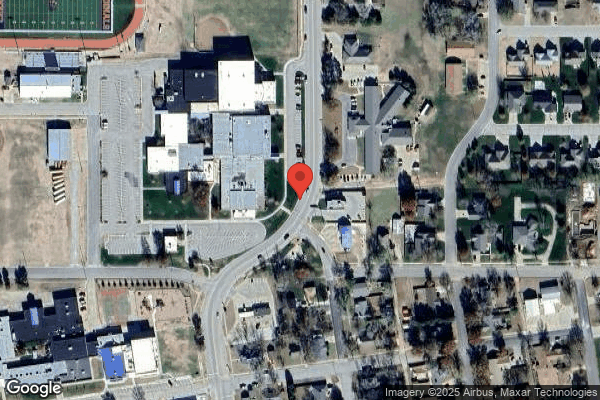
724 N MAIN, CHENEY, KS 67025 (316) 540-3691
Non profit - Corporation 40 Beds Independent Data: November 2025
Trust Grade
65/100
#117 of 295 in KS
Last Inspection: November 2024

Within standard 12-15 month inspection cycle. Federal law requires annual inspections.

Overview

Cheney Golden Age Home has a Trust Grade of C+, indicating it is slightly above average among nursing homes. It ranks #117 out of 295 facilities in Kansas, placing it in the top half, and #12 out of 29 in Sedgwick County, meaning only one local option is better. The facility's trend is improving, with issues decreasing from 10 in 2023 to 7 in 2024. Staffing is a notable strength, rated 4 out of 5 stars with a turnover rate of 38%, which is lower than the state average of 48%. However, there are concerns, such as less RN coverage than 82% of Kansas facilities, and specific incidents include failures to conduct annual performance reviews for staff, and inaccurate reporting of nursing coverage, which could impact the quality of care. Overall, while there are strengths in staffing and a positive trend, families should be aware of these weaknesses when considering this facility for their loved ones.

Trust Score
C+
65/100
In Kansas
#117/295
Top 39%
Safety Record
Low Risk
No red flags
Inspections
Getting Better
10 → 7 violations
Staff Stability
○ Average
38% turnover. Near Kansas's 48% average. Typical for the industry.
Penalties
✓ Good
No fines on record. Clean compliance history, better than most Kansas facilities.
Skilled Nurses
⚠ Watch
Each resident gets only 29 minutes of Registered Nurse (RN) attention daily — below average for Kansas. Fewer RN minutes means fewer trained eyes watching for problems.
Violations
⚠ Watch
17 deficiencies on record. Higher than average. Multiple issues found across inspections.
★★★☆☆
3.0
Overall Rating
★★★★☆
4.0
Staff Levels
★★★★☆
4.0
Care Quality
★★★☆☆
3.0
Inspection Score
Stable
2023: 10 issues
2024: 7 issues

The Good

  • 4-Star Staffing Rating · Above-average nurse staffing levels
  • 4-Star Quality Measures · Strong clinical quality outcomes
  • Full Sprinkler Coverage · Fire safety systems throughout facility
  • No fines on record
  • Staff turnover below average (38%)

    10 points below Kansas average of 48%

Facility shows strength in staffing levels, quality measures, fire safety.

The Bad

3-Star Overall Rating

Near Kansas average (2.9)

Meets federal standards, typical of most facilities

Staff Turnover: 38%

Near Kansas avg (46%)

Typical for the industry

The Ugly 17 deficiencies on record

Nov 2024 7 deficiencies
CONCERN (D) 📢 Someone Reported This

A family member, employee, or ombudsman was alarmed enough to file a formal complaint

Potential for Harm - no one hurt, but risky conditions existed

Resident Rights (Tag F0550)

Could have caused harm · This affected 1 resident

**NOTE- TERMS IN BRACKETS HAVE BEEN EDITED TO PROTECT CONFIDENTIALITY** - The Electronic Health Record (EHR) for R2 included the diagnoses of dementia (a progressive mental disorder characterized by f...

Read full inspector narrative →
**NOTE- TERMS IN BRACKETS HAVE BEEN EDITED TO PROTECT CONFIDENTIALITY** - The Electronic Health Record (EHR) for R2 included the diagnoses of dementia (a progressive mental disorder characterized by failing memory confusion), pain, major depressive disorder (major mood disorder which causes persistent feelings of sadness),weakness, multiple sclerosis (progressive disease of the nerve fibers of the brain and spinal cord hypertension), hypertension (HTN-elevated blood pressure), urinary retention (lack of ability to urinate and empty the bladder), and anxiety (mental or emotional reaction characterized by apprehension, uncertainty and irrational fear). The admission Minimum Data Set (MDS) dated [DATE] documented that R2 had a Brief Interview for Mental Status (BIMS) assessment score of 15, indicating intact cognition. The assessment documented R2 required extensive assistance for all ADL (activities of daily living such as walking, grooming, toileting, dressing and eating) from staff and required mechanical full body lift. The Quarterly MDS dated [DATE] documented R2 had a Brief Interview for Mental Status (BIMS) assessment score of 12, indicating intact cognition. The assessment documented R2 required extensive assistance for all cares and required the use of a mechanical full body lift. The Cognitive Loss/Dementia Care Area Assessment (CAA) dated 05/25/24 documented that R2 was not ambulatory and depended entirely on staff for care. R2 was at risk for injuries due to inadequate safety awareness related to cognitive decline, confusion, and anxiety. Observation on 11/14/24 at 10:50 AM revealed Certified Nurse Aide (CNA) I transported R2 in a shower chair, from the shower room to her bedroom. During the transport down the hall, R2's buttock was exposed and visible to anyone in the area. During an interview on 11/13/24 at 11:52 AM, Certified Medication Aide (CMA) S stated residents were expected to be dressed in the shower room, after being showered, before being brought in the hall to go to their room. During an interview on 11/13/24 at 10:50 AM, CNA I stated it was facility policy to transfer residents who required mechanical lifts in their rooms not in the shower room. During an interview on 11/13/24 at 11:39 AM, Licensed Nurse (LN) O stated that residents were not to be transferred in the hall in the shower chair. LN O stated that staff were to take mechanical lifts into the shower room and transfer residents there. In an interview on 11/13/24 at 01:48 PM, Administrative Staff A stated she expected staff to make sure that residents were adequately covered after having a shower before taking them into the hall to provide dignity to the residents. Administrative Staff A confirmed she expected staff not to transfer residents in the hall with the shower chair. The facility's Right to Dignity policy, dated February 2024, documented that elders will be undressed and dressed inside the bathing room rather than being transported without full clothing. The facility failed to protect R2's dignity when staff transported R2 from the shower room to her room with her buttocks exposed. This deficient practice had the potential to lead to negative psychosocial effects related to dignity. - The Electronic Health Record (EHR) for R31 included the diagnoses of dementia (a progressive mental disorder characterized by failing memory confusion), and anxiety (mental or emotional reaction characterized by apprehension, uncertainty, and irrational fear). The Significant Change Minimum Data Set (MDS) dated 05/25/24 documented R31 was unable to complete the Brief Interview for Mental Status (BIMS) assessment. The assessment documented R31 as dependent on staff for all cares. The Quarterly (MDS) dated 08/20/24 documented that R31 was unable to complete the Brief Interview for Mental Status (BIMS) assessment, The assessment documented R31 as dependent on staff for all cares. The Care Plan initiated on 08/28/24 directed staff to clearly explain all care activities prior to and as they occur during each contact. Observation on 11/12/24 at 11:48 AM revealed Certified Nurse Aide (CNA) F, assisted by CNA D, transferred R31 with a full body mechanical lift from the bed to the geri-chair. Both staff members did not identify themselves to the resident to R31 and/or, explain the care they would perform, during the interaction. R31 yelled out while staff performed cares. Once staff completed the transfer they attempted to de-escalate the resident. R31 was agitated, unable to sit still, and was yelling out. In an interview on 11/13/24 at 04:48 AM, Administrative Nurse A stated she expected staff to communicate with residents even if the resident could not effectively communicate with staff during cares being performed. The facility's Right to Dignity policy, dated 02/2024, documented that staff will refrain from failing to focus on the elder as an individual when talking with the elder or failing to address the elder as an individual during care and services. The facility failed to protect R31's dignity when staff provided care without explaining the procedure. This deficient practice had the potential to lead to negative psychosocial effects related to dignity. The facility reported a census of 36 residents with 12 residents sampled. Based on interview, observation, and record review, the facility failed to protect the privacy and dignity of three residents; Resident (R) 35 when a medication was administered via percutaneous endoscope gastrostomy tube (PEG - a tube inserted through the wall of the abdomen directly into the stomach) with her left breast exposed and the door to the room stood open, failed to explain procedures to R31 when providing cares, and further failed to provide privacy to when staff transported R2 from the shower room to her room with her buttocks exposed. These practices had the potential to lead to negative psychosocial effects related to dignity. Findings included: - The Electronic Health Record (EHR) for R35 included the diagnoses of: nontraumatic intracerebral hemorrhage (bleeding in the brain not caused by trauma), need for assistance with personal cares, generalized muscle weakness and dysphagia (difficulty or inability to swallow). The admission Minimum Data Set (MDS) dated 10/22/24 documented a Brief Interview for Mental Status score of nine which indicated moderately impaired cognition. The assessment documented R35 as dependent on staff for all cares and had a feeding tube (PEG tube). The Nutritional Status Care Area Assessment (CAA) dated 10/22/24 documented R35 required tube feedings and was dependent on staff. Observation on 11/14/24 at 08:11 AM of Administrative Nurse B administering medication via PEG and R35's left breast partially exposed during the procedure. Interview on 11/14/24 at 08:25 AM Administrative Nurse B stated that her expectation was for the door to resident's rooms to be closed during cares or procedures to provide dignity to the residents. Additionally, Administrative Nurse B confirmed that the door to R35's room was open during the administration of medications via PEG tube and R35's left breast was partially exposed. During an interview on 11/14/24 at 08:30 AM R35 stated she was bothered that the door to her room was open during the time when the PEG tube was exposed and her left breast was partially exposed. The facility's Right to Dignity policy, dated 02/2024 documented the facility would promote care for elders of the facility in a manner and environment that maintains and enhances the elder's dignity and respect. The facility failed to protect the dignity of R35 when the door to R35's room was left open when a medication was administered via PEG tube with the PEG tube exposed and R35's left breast partially exposed. This deficient practice had the potential to lead to negative psychosocial effects related to dignity.
CONCERN (D) 📢 Someone Reported This

A family member, employee, or ombudsman was alarmed enough to file a formal complaint

Potential for Harm - no one hurt, but risky conditions existed

Transfer Notice (Tag F0623)

Could have caused harm · This affected 1 resident

**NOTE- TERMS IN BRACKETS HAVE BEEN EDITED TO PROTECT CONFIDENTIALITY** The facility had a census of 36 residents. The sample included 12 residents with three reviewed for hospitalization. Based on ob...

Read full inspector narrative →
**NOTE- TERMS IN BRACKETS HAVE BEEN EDITED TO PROTECT CONFIDENTIALITY** The facility had a census of 36 residents. The sample included 12 residents with three reviewed for hospitalization. Based on observation, interview, and record review the facility failed to provide written notice for facility-initiated transfers for Residents (R) 11, R2, or R6 or their representative when they were transferred to the hospital. Findings included: - Review of the Electronic Health Record (EHR) census log for R11 revealed a discharge from the facility to a hospital on [DATE] and noted the resident readmitted to the facility on [DATE]. The census log also documented a discharge from the facility to a hospital on [DATE] and readmitted to the facility on [DATE]. The EHR lacked documentation related to written notification of the resident or resident's representative related to this discharge/transfer. Review of the EHR census log for R6 revealed a discharge from the facility to a hospital on [DATE] and readmitted to the facility on [DATE]. The EHR lacked documentation related to written notification of the resident or resident's representative related to these discharges/transfers. Review of the EHR census log for R2 revealed a discharge from the facility to a hospital on [DATE] and noted the resident was readmitted to the facility on [DATE]. The EHR lacked documentation related to written notification of the resident or resident's representative related to this discharge/transfer. During an interview on 11/18/24 at 09:35 AM with Administrative Nurse K revealed the charge nurse on duty at the time of a hospitalization was responsible for the paperwork which includes a bed hold. The nurse would call the resident's representative and obtain verbal consent for the bed hold then submit the paperwork to the Business Office Manager who would call the resident's representative either later that day or on the next business day to confirm the authorization for a bed hold. Administrative Nurse K stated she was unsure if a written notice was provided to the resident or resident's representative. During an interview on 11/18/24 at 10:20 AM with Administrative Staff T and Administrative Staff A confirmed the nurse on duty at the time of a hospitalization would fill out a bed hold form, call the resident's representative, and obtain verbal consent for the bed hold then send the paperwork to the business office for verification later that day or on the next business day. Administrative Staff A confirmed bed holds were not submitted to the resident or resident's representatives in writing. Administrative Staff A stated she was unaware of the regulatory requirement that a written notice be given to the resident or resident's representative upon transfer/discharge. The facility failed to provide a policy related to discharge notifications. The facility failed to provide written notification of facility-initiated discharges/transfers to the residents, the resident's representative.
CONCERN (D) 📢 Someone Reported This

A family member, employee, or ombudsman was alarmed enough to file a formal complaint

Potential for Harm - no one hurt, but risky conditions existed

Deficiency F0657 (Tag F0657)

Could have caused harm · This affected 1 resident

**NOTE- TERMS IN BRACKETS HAVE BEEN EDITED TO PROTECT CONFIDENTIALITY** - Review of the Electronic Health Record (EHR) for Resident (R) 6 included the following diagnoses: lack of coordination, morbid...

Read full inspector narrative →
**NOTE- TERMS IN BRACKETS HAVE BEEN EDITED TO PROTECT CONFIDENTIALITY** - Review of the Electronic Health Record (EHR) for Resident (R) 6 included the following diagnoses: lack of coordination, morbid (severe) obesity (excessive body fat), hemiplegia (muscular weakness of one half of the body), hemiparesis (paralysis of one side of the body), cerebrovascular disease (conditions that affect the blood vessels in the brain and spinal cord can), hypertension (elevated blood pressure), and lymphedema (swelling caused by accumulation of lymph). The Significant Change Minimum Data Set (MDS) dated [DATE], documented R6 had a Brief Interview for Mental Status (BIMS) assessment score of 13, indicating intact cognition. The assessment documented R6 required substantial or maximum assistance from staff for transfers. R6 was dependent on staff to perform other cares. The MDS indicated R6 had no falls during the documented review period. The Quarterly MDS dated [DATE], documented a BIMS of 13, which indicated intact cognition. The MDS indicated R6 had no falls during the documented review period. The Falls Care Area Assessment (CAA) dated 07/07/24, documented R6 had a fall risk, but lacked documentation noting R6 had any falls. The resident's Care Plan lacked an intervention for the fall dated 06/25/24. The Progress Note dated 06/25/24 at 07:15 PM indicated that the nurse was requested to go to the shower room to perform a skin assessment. The nurse needed more treatment supplies and exited the shower room. Upon the nurse's reentry into the shower room, the staff successfully assisted R6 in standing for the second time. The resident could not maintain her standing position during the wound treatment and attempted to sit down without the wheelchair positioned behind her. Staff assisted R6 to the floor while waiting for more staff to assist with the transfer. (The facility failed to document this as a fall or initiate their fall policy related to this documentation.) Review of the facility Fall Investigation for R6 lacked documentation related to a fall on 06/25/24. The Progress Note dated 06/26/24 at 09:00 AM, revealed that R6 complained of right foot pain and difficulty bearing weight on it. The staff notified the resident's provider, who ordered an X-ray. The review of Physician Extender Summary dated 06/27/24 at 04:20 PM, revealed that during a transfer to the shower two days prior, it was believed that R6's right lower leg was caught in the chair. An X-ray was performed and revealed a non-displaced distal tibia fracture of the lower end of the right tibia. Observation on 11/14/24 at 09:00 AM, revealed R6 sitting in her wheelchair playing on her tablet alone in her room, with her right arm in a sling. The resident lacked a boot on her right foot. Observation on 11/14/24 at 08:19 AM, revealed Certified Medication Aide (CMA) S assisted R6 with a pivot transfer to the bathroom with one assist and resident was able to tolerate transfer comfortably without complaints of pain and able to bear own weight. On 11/18/24 at 08:30 AM, Certified Nurse Aide (CNA) P stated a fall would be defined as any time a resident's body contacts the floor. CNA P stated she did not think R6's care plan had undergone any change for the last seven months of her employment. CNA P knew of care plan changes either by the Point Click Care (POC) banner when logging in to chart or verbally when starting the shift during report from the previous shift. On 11/18/24 at 09:23 AM, Licensed Nurse (LN) M stated a fall would be defined as anytime a resident unintentionally went from a higher surface to a lower surface. LN M stated R6 had one fall that she knew, in October, which resulted in no injury. LN M stated immediately at that time she put the intervention in place for R6 to wait for help before transferring herself. On 11/18/24 at 10:34 AM, Administrative Staff A stated when any resident unintentionally went from a higher surface to a lower surface would be considered a fall. Administrative Staff A stated even when a resident had to be assisted to the floor by staff the facility classified that instance as an assisted fall. Administrative Staff A stated that the facility required any assisted fall to be recorded as a fall. Review of facility's Fall Follow-Up Protocol dated February 2024 documented: A fall refers to an incident where a resident, without intention, fails to maintain their balance and descends to a lower level. This definition encompasses situations where the resident would have fallen if not for the timely intervention of care partners. This definition stands regardless of whether the resident sustains an injury or not. The facility failed to revise the care plan for R6 after a fall to prevent further falls. This deficient practice had the potential to negatively affect R6's physical well-being related to the ongoing risk of falls. The facility identified a census of 36 residents, which included 12 residents sampled. Based on interviews, observations, and record review, the facility failed to review and revise care plans with appropriate interventions for two of the sampled residents; Resident (R) 6 related to development and implementation of appropriate interventions to prevent additional falls and R11 related to storage of continuous positive airway pressure (CPAP - a device that provides continuous air pressure to keep the upper airway open during sleep) equipment when not in use. These deficient practices resulted in uncommunicated care needs. Findings included: - Review of the Electronic Health Record (EHR) for Resident (R) 11 included the diagnosis of obstructive sleep apnea (OSA- a sleep related breathing disorder that cause people to stop and start breathing while asleep). The Significant Change Minimum Data Set (MDS) dated [DATE] documented a Brief Interview for Mental Status (BIMS) score of 11, which indicated moderately impaired cognition. The assessment documented R11 required substantial/maximal assistance for dressing, partial/moderate assistance for bathing and supervision/setup for all other cares and used a CPAP device. The 09/26/24 Care Plan documented on 09/25/23 that R11 utilized a CPAP machine at night and while napping, initiated on 09/25/23 and revised on 01/22/24. The Physician's Orders documented CPAP at home settings at HS (hour of sleep or bedtime) and when napping, every shift, initiated on 10/05/23. During an observation on 11/12/24 at 01:05 PM, 11/14/24 at 07:50 AM, 11/18/24 at 08:30 AM and 11/18/24 at 12:28 PM of R11's room revealed CPAP equipment sat intact on R11's bedside cabinet and lacked sanitary cover or bag. During an interview on 11/18/24 at 09:53 AM, Certified Nurse Aide (CNA) I stated cannulas and other oxygen delivery equipment including CPAP equipment should be stowed in a sanitary bag when not in use. During an interview on 11/18/24 at 10:04 AM, CNA J stated that CNA staff could assist residents in donning or doffing their cannulas and CPAP equipment and that all respiratory equipment should be stowed in the sanitary bags in their room when not in use. During an interview on 11/18/24 at 11:34 AM, Certified Medication Aide (CMA) C stated that CMA staff were responsible for changing out the CPAP and oxygen equipment and that oxygen equipment should be stowed in the sanitary bag when not in use. Further, stated that she was unsure of how CPAP mask/tubing should be stowed when not in use. During an interview on 11/28/24 at 12:28 PM, Administrative Nurse B confirmed that R11's CPAP mask was not stowed in a sanitary bag. Administrative Nurse B then retrieved a sanitary bag from the bottom drawer of R11's bedside cabinet that contained other un-bagged CPAP masks and placed R11's CPAP mask from the top of the bedside cabinet without cleaning it into the sanitary bag. Administrative Nurse B then educated R11 to place the CPAP mask in the sanitary bag when not in use. Administrative Nurse B stated R11's care plan should include an intervention for staff to place the mask inside the bag if the mask was discovered not stowed appropriately and confirmed the lack of an intervention of R11's care plan for staff to stow R11's CPAP mask in the sanitary bag. The facility's Person Centered, Comprehensive Care Plans policy, dated 12/2023 documented the facility would provide an individualized and person-centered plan of care for all residents that was appropriate for the resident's needs. Additionally documented the facility would review and revise the care plan quarterly, or more frequently, to include interventions which direct and instruct staff to meet the goals of the resident. The facility failed to review and revise R11's comprehensive person-centered care plan to include interventions to place R11's CPAP mask in a sanitary bag when not in use. This deficient practice placed R11 at risk of uncommunicated care needs.
CONCERN (D) 📢 Someone Reported This

A family member, employee, or ombudsman was alarmed enough to file a formal complaint

Potential for Harm - no one hurt, but risky conditions existed

Accident Prevention (Tag F0689)

Could have caused harm · This affected 1 resident

**NOTE- TERMS IN BRACKETS HAVE BEEN EDITED TO PROTECT CONFIDENTIALITY** The facility census totaled 36 residents, with 12 residents included in the sample. Based on observation, interview, and record ...

Read full inspector narrative →
**NOTE- TERMS IN BRACKETS HAVE BEEN EDITED TO PROTECT CONFIDENTIALITY** The facility census totaled 36 residents, with 12 residents included in the sample. Based on observation, interview, and record review, the facility failed to identify a fall, investigate causal factors, and implement fall prevention interventions for Resident (R)6 to prevent further falls. Findings included: - Review of the Electronic Health Record (EHR) for Resident (R)6 included the following diagnoses: lack of coordination, morbid (severe) obesity (excessive body fat), hemiplegia (muscular weakness of one half of the body), hemiparesis (paralysis of one side of the body), cerebrovascular disease (conditions that affect the blood vessels in the brain and spinal cord can), hypertension (elevated blood pressure), and lymphedema (swelling caused by accumulation of lymph). The Significant Change Minimum Data Set (MDS) dated [DATE], documented R6 had a Brief Interview for Mental Status (BIMS) assessment score of 13, indicating intact cognition. The assessment documented R6 required substantial or maximum assistance from staff for transfers, and noted R6 was dependent on staff to perform other cares. The MDS indicated R6 had no falls during the documented review period. The Quarterly MDS dated [DATE], documented a BIMS of 13, which indicated intact cognition. The MDS indicated R6 had no falls during the documented review period. The Falls Care Area Assessment (CAA) dated 07/07/24, documented R6 had a fall risk, but lacked documentation noting R6 had any falls. The resident's Care Plan lacked an intervention for the fall dated 06/25/24. The Progress Note dated 06/25/24 at 07:15 PM indicated that the nurse was requested to go to the shower room to perform a skin assessment. The nurse needed more treatment supplies and exited the shower room. Upon the nurse's reentry into the shower room, the staff successfully assisted R6 in standing for the second time. The resident could not maintain her standing position during the wound treatment and attempted to sit down without the wheelchair positioned behind her. Staff assisted R6 to the floor while waiting for more staff to assist with the transfer. (The facility failed to document this as a fall or initiate their fall policy related to this documentation.) Review of the facility Fall Investigation for R6 lacked documentation related to a fall on 06/25/24. The Progress Note dated 06/26/24 at 09:00 AM revealed that R6 complained of right foot pain and difficulty bearing weight on it. The staff notified the resident's provider, who ordered an X-ray. The review of Physician Extender Summary dated 06/27/24 at 04:20 PM revealed that during a transfer to the shower two days prior, it was believed that R6's right lower leg was caught in the chair. An X-ray was performed and revealed a non-displaced distal tibia fracture of the lower end of the right tibia. Observation on 11/14/24 at 09:00 AM, revealed R6 sitting in her wheelchair playing on her tablet alone in her room, with her right arm in a sling. The resident lacked a boot on her right foot. Observation on 11/14/24 at 08:19 AM, revealed Certified Medication Aide (CMA) CMA S assisted R6 with a pivot transfer to the bathroom with one assist and resident was able to tolerate transfer comfortably without complaints of pain and able to bear own weight. On 11/18/24 at 08:30 AM, Certified Nurse Aide (CNA) P stated a fall would be defined as any time a resident's body contacts the floor. CNA P stated she did not think R6's care plan had undergone any change for the last seven months of her employment. CNA P knew of care plan changes either by the Point Click Care (POC) banner when logging in to chart or verbally when starting the shift during report from the previous shift. On 11/18/24 at 09:23 AM, Licensed Nurse (LN) M stated a fall would be defined as anytime a resident unintentionally went from a higher surface to a lower surface. LN M stated R6 had one fall that she knew, in October, which resulted in no injury. LN M stated immediately at that time she put the intervention in place for R6 to wait for help before transferring herself. On 11/18/24 at 10:34 AM, Administrative Staff A stated when any resident unintentionally went from a higher surface to a lower surface would be considered a fall. Administrative Staff A stated even when a resident had to be assisted to the floor by staff the facility classified that instance as an assisted fall. Administrative Staff A stated that the facility required any assisted fall to be recorded as a fall. Review of facility's Fall Follow-Up Protocol dated February 2024 documented: A fall refers to an incident where a resident, without intention, fails to maintain their balance and descends to a lower level. This definition encompasses situations where the resident would have fallen if not for the timely intervention of care partners. This definition stands regardless of whether the resident sustains an injury or not. The facility failed to identify a fall, investigate causal factors, and implement fall prevention interventions for R6 to prevent further falls. This deficient practice had the potential to negatively affect R6's physical well-being related to the ongoing risk of falls.
CONCERN (F) 📢 Someone Reported This

A family member, employee, or ombudsman was alarmed enough to file a formal complaint

Potential for Harm - no one hurt, but risky conditions existed

Deficiency F0730 (Tag F0730)

Could have caused harm · This affected most or all residents

The facility reported a census of 36 residents. Based on interview and record review, the facility failed to conduct annual performance reviews for five of the five sampled Certified Nurse Aides, empl...

Read full inspector narrative →
The facility reported a census of 36 residents. Based on interview and record review, the facility failed to conduct annual performance reviews for five of the five sampled Certified Nurse Aides, employed with the facility over a year. Findings included: - During review of employment records for the five Certified Medication Aide (CMA)/Certified Nurse Aides (CNA) staff, employed by the facility for over a year, revealed the facility failed to complete annual performance review for the following direct care staff: 1. CNA/CMA C, hired 01/22/04 2. CNA D, hired 08/24/23 3. CNA E, hired 06/07/23 4. CNA F, hired 09/18/06 5. CNA G, hired 1/26/23 On 11/18/24 at 03:03 PM, Administrative Staff A confirmed the above findings and said she could not locate the most recent performance evaluations. Administrative Staff A stated that all staff should have a performance evaluation annually. Administrative Staff A confirmed that direct care staff worked with all residents throughout the facility. The facility did not provide a policy to address the completion of annual performance evaluations. The facility failed to conduct annual performance reviews for five of the five sampled Certified Nurse Aides, employed with the facility for over a year, who provided care for all residents of the facility.
CONCERN (F) 📢 Someone Reported This

A family member, employee, or ombudsman was alarmed enough to file a formal complaint

Potential for Harm - no one hurt, but risky conditions existed

Staffing Data (Tag F0851)

Could have caused harm · This affected most or all residents

The facility reported a census of 36 residents. Based on interview and record review, the facility failed to electronically submit complete and accurate staffing information to the Federal regulatory ...

Read full inspector narrative →
The facility reported a census of 36 residents. Based on interview and record review, the facility failed to electronically submit complete and accurate staffing information to the Federal regulatory agency through Payroll-Based Journal (PBJ) when the facility failed to accurately submit hourly staffing data for all nursing personnel. Findings included: - Review of the PBJ Staffing Data Report for Fiscal Year (FY) for Quarter 3- 2024 (April 1 - June 30), the data indicated the facility failed to have Licensed Nursing Coverage 24 hours/Day on the following dates: 05/04/24 Saturday (SA), 05/12/24 Sunday (SU), 05/18/24 (SU), 06/02/24 (SA), 06/15/24 (SA), 06/16/24 (SU), 06/23/24 (SU) and 06/29/24 (SA). Review of the Nursing Schedule and Payroll Data Sheets for the above dates revealed the facility had adequate 24-hour nursing coverage. On 11/18/24 at 08:00 AM, Administrative Staff A reported payroll data and scheduling data reflected the facility had 24 hour nursing coverage. Administrative Staff A stated nursing staff were directed to not clock out for lunch if they did not leave the building and stated they could only leave the building if the responsibilities were covered by another licensed nurse. Administrative Staff A reported the facility had been having problems getting their payroll contractor to accurately account for time where agency staff covered the shift. On 11/18/24 at 01:00 PM, Administrative Nurse B provided documentation to support adequate 24-hour nursing coverage for the listed dates. The facility's Payroll Based Journal Policy policy, dated 03/2024 documented the facility aimes to ensure complaince with Federal regulations to promote transparency and accountability for the workforce management. Additionally documented that the facility would report the hours worked from agency employees through the PBJ system. The facility failed to submit complete and accurate staffing information to the Federal regulatory agency through PBJ when the facility failed to accurately submit hourly staffing data for all nursing personnel.
CONCERN (F) 📢 Someone Reported This

A family member, employee, or ombudsman was alarmed enough to file a formal complaint

Potential for Harm - no one hurt, but risky conditions existed

Infection Control (Tag F0880)

Could have caused harm · This affected most or all residents

**NOTE- TERMS IN BRACKETS HAVE BEEN EDITED TO PROTECT CONFIDENTIALITY** - Review of the Electronic Health Record (EHR) for Resident (R)2 included a diagnosis of urinary retention (lack of ability to u...

Read full inspector narrative →
**NOTE- TERMS IN BRACKETS HAVE BEEN EDITED TO PROTECT CONFIDENTIALITY** - Review of the Electronic Health Record (EHR) for Resident (R)2 included a diagnosis of urinary retention (lack of ability to urinate and empty the bladder) and multiple sclerosis (progressive disease of the nerve fibers of the brain and spinal cord hypertension). The Comprehensive Minimum Data Set (MDS) dated [DATE] documented R2 had a Brief Interview for Mental Status (BIMS) score of 15, which indicated intact cognition. The assessment documented R2 required extensive assistance for all Activities of Daily Living (ADL) such as walking, grooming, toileting, dressing, and eating. The MDS did not identify R2 had an indwelling urinary catheter (a flexible tube inserted through a narrow opening into a body cavity, particularly the bladder, for removing fluid). The Quarterly MDS dated [DATE] documented R2 had a BIMS score of 12, which indicated intact cognition. The assessment documented R2 had an indwelling urinary catheter. The Urinary Incontinence and Indwelling Catheter Care Area Assessment (CAA) dated 05/25/24 documented R2 was incontinent of bladder and bowel and staff would monitor and make interventions to prevent infections. The 08/22/24 Care Plan documented R2 required enhanced barrier precautions (EBP, apply to residents with wounds or indwelling medical devices, regardless of whether they are known to be infected) and staff should utilize EBP due to indwelling device regardless of Multi-Drug Resistant Organism (MDRO - a common bacteria that have developed resistance to multiple types of antibiotics) and for Healthcare Acquired Infections (HAI - infections acquired in a healthcare setting) colonization status including but not limited to the use of a urinary catheter and was last revised on 04/01/24. The 08/22/24 Care Plan documented EBP would be utilized per facility policy and procedures if criteria had been met, revised on 04/01/24. The 08/22/24 Care Plan documented if criteria were met, resident would be identified by signage placed on the outside of the bedroom door which indicated precautions, revised on 04/01/24. The Physician's Orders included a Foley (a brand of catheter) catheter change as needed (PRN) related to decreased urinary flow due to possible obstruction, initiated on 08/06/24. The Physician's Orders documented a Foley Catheter change monthly on the 21st of every month initiated on 08/21/24. During an observation on 11/12/24 at 11:41 AM, the door to R2's room lacked signage that indicated EBP was required. During and observation on 11/12/24 at 01:23 PM, the door to R2's room displayed a sign that indicated EBP was required. During an observation on 11/13/24 at 01:34 PM, Certified Nurse Aide (CNA) F and CNA J moved a mechanical lift from R2's room into different resident's room, without cleaning the mechanical lift. During an observation on 11/14/24 at 08:13 AM, CNA I preformed catheter care on R2 and used only gloves. CNA, I did not use EBP until 08:39 AM when another staff member entered the room and reminded CNA I that R2's catheter care required the use of EBP. During an interview on 11/13/24 at 02:16 PM, CNA J stated she knew that mechanical lifts used in a resident's room which required EBP, required cleaning and sanitizing with disinfectant wipes before it was used in another resident's room. During an interview on 11/14/24 at 08:24 AM, CNA I stated the sign on R2's door blended into the door which made it hard to see and did not stand out. CNA I stated she was not aware that R2 was on EBP because the sign was not highly visible, and a second person in the room with her helped her perform the correct level of PPE (personal protective equipment, such as gloves/gown/mask). CNA I stated if there would have been a red trash cans that would have prompted her to stop. In an interview on 11/13/24 at 02:29 PM Licensed Nurse (LN) O stated staff should wipe down mechanical lifts with antimicrobial wipes after using the lift in a resident's room that required EBP. During an interview on 11/28/24 at 12:28 PM, Administrative Staff A confirmed the staff were expected to disinfect the mechanical lift after use in residents' room that required EBP. The facility did not provide a policy to address EBP expectations to prevent infection and/or cross contamination. The facility failed to ensure staff donned appropriate PPE while providing catheter care for R2, who was on EBP precautions. This deficient practice had the potential to lead to cross contamination that would negatively impact R2's physical and psychosocial well-being. - Review of the Electronic Health Record (EHR) for Resident (R) 6 included a diagnosis of obstructive sleep apnea (OSA - a sleep related breathing disorder that cause people to stop and start breathing while asleep). The Significant Change Minimum Data Set (MDS) dated [DATE], documented R6 had a Brief Interview for Mental Status (BIMS) assessment score of 13, indicating intact cognition. The assessment documented R6 required substantial or maximum assistance from staff for transfers. R6 was dependent on staff to perform other cares. The assessment documented R6 required substantial/maximal assistance for dressing, partial/moderate assistance for bathing, and supervision/setup for all other cares and used a CPAP continuous positive airway pressure (CPAP- ventilation device that blows a gentle stream of air into the nose to keep airway open during sleep) device. The Care Plan initiated on 10/14/24 documented R6 utilized a CPAP machine at night, revised on 01/03/23. The Physician's Orders documented the resident required a CPAP at HS (hour of sleep or bedtime) with oxygen, check oxygen saturations every night, initiated on 02/05/22. During an observation on 11/12/24 at 11:48 AM, 11/13/24 at 12:42 PM, 11/14/24 at 08:19 AM, and 11/14/24 at 09:30 AM of R6's room revealed CPAP equipment sat intact on R6's bedside cabinet and lacked a sanitary cover or bag. During an interview on 11/18/24 at 09:53 AM, Certified Nurse Aide (CNA) I stated oxygen cannulas and other oxygen delivery equipment including CPAP equipment should be stowed in a sanitary bag when not in use. During an interview on 11/18/24 at 10:04 AM, CNA J stated CNA staff could assist residents in donning or doffing their oxygen cannulas and CPAP equipment and that all respiratory equipment should be stowed in the sanitary bags in their room when not in use. During an interview on 11/18/24 at 11:34 AM, Certified Medication Aide (CMA) C stated CMA staff were responsible for changing out the CPAP and oxygen equipment and that oxygen equipment should be stowed in the sanitary bag when not in use. CMA C stated that she was unsure of how CPAP mask/tubing should be stowed when not in use. During an interview on 11/28/24 at 12:28 PM, Administrative Nurse B confirmed R6's CPAP mask was not stowed in a sanitary bag. Administrative Nurse B then educated R6 to place the CPAP mask in the sanitary bag when not in use. Administrative Nurse B confirmed R6's being stowed on top of the bedside cabinet was an infection control concern. The facility did not provide a policy to address available storage of oxygen, nasal cannulas, and tubing, when not in use to prevent infection and/or cross contamination. The facility failed to ensure R6's CPAP equipment was stowed appropriately to prevent the spread of illnesses. - Review of the Electronic Health Record (EHR) for Resident (R) 11 included a diagnosis of obstructive sleep apnea (OSA - a sleep related breathing disorder that cause people to stop and start breathing while asleep). The Significant Change Minimum Data Set (MDS) dated [DATE] documented a Brief Interview for Mental Status (BIMS) score of 11, which indicated moderately impaired cognition. The assessment documented R11 required substantial/maximum assistance for dressing, partial/moderate assistance for bathing, and supervision/setup for all other cares and used a CPAP device. The 09/26/24 Care Plan documented on R11 utilized a CPAP machine at night and while napping, initiated on 09/25/23, and revised on 01/22/24. The Physician's Orders documented CPAP at home settings at HS (hour of sleep or bedtime) and when napping, every shift, initiated on 10/05/23. During an observation on 11/12/24 at 01:05 PM, 11/14/24 at 07:50 AM, 11/18/24 at 08:30 AM, and 11/18/24 at 12:28 PM of R11's room revealed the CPAP equipment sat intact on R11's bedside cabinet and lacked a sanitary cover or bag. During an interview on 11/18/24 at 09:53 AM, Certified Nurse Aide (CNA) I stated cannulas and other oxygen delivery equipment including CPAP equipment should be stowed in a sanitary bag when not in use. During an interview on 11/18/24 at 10:04 AM, CNA J stated the CNA staff could assist residents in donning or doffing their cannulas and CPAP equipment and that all respiratory equipment should be stowed in the sanitary bags in their room when not in use. During an interview on 11/18/24 at 11:34 AM, Certified Medication Aide (CMA) C stated that CMA staff were responsible for changing out the CPAP and oxygen equipment and that oxygen equipment should be stowed in the sanitary bag when not in use. Further, stated that she was unsure of how CPAP mask/tubing should be stowed when not in use. During an interview on 11/28/24 at 12:28 PM, Administrative Nurse B confirmed that R11's CPAP mask was not stowed in a sanitary bag. Administrative Nurse B then retrieved a sanitary bag from the bottom drawer of R11's bedside cabinet that contained other un-bagged CPAP masks and placed R11's CPAP mask from the top of the bedside cabinet without cleaning it into the sanitary bag. Administrative Nurse B then educated R11 to place the CPAP mask in the sanitary bag when not in use. Administrative Nurse B confirmed R11's being stowed on top of the bedside cabinet was an infection control concern. The facility did not provide an infection control policy directly related to respiratory equipment. The facility failed to ensure R11's CPAP equipment was stowed appropriately to prevent the spread of illnesses. This deficient practice had the potential to lead to respiratory illnesses that would negatively impact R11's physical and psychosocial well-being. The facility reported a census of 36 residents which included 12 sampled. Based on observation, interview, and record review, the facility failed to ensure a sanitary environment to prevent the potential spread of infectious organisms. The facility did not ensure sanitary storage of respiratory equipment to include nasal cannulas and oxygen tubing for Resident (R)26, R6, and R11. The facility did not ensure the appropriate use of personal protective equipment (PPE) related to enhanced barrier precautions for R2, who had a catheter. The staff wore PPE throughout one of three hallways of the facility. The facility failed to clean/sanitize the full body lift between use for multiple residents. Finding included: - Review of Resident (R)26's Physician Orders, dated 10/31/24, revealed diagnoses which included chronic obstructive pulmonary disease (COPD- progressive and irreversible condition characterized by diminished lung capacity and difficulty or discomfort in breathing), congestive heart failure, (CHF-a condition with low heart output and the body becomes congested with fluid), pain, altered mental status, and dementia (progressive mental disorder characterized by failing memory, confusion). The admission Minimum Data Set (MDS) dated [DATE], documented the Brief Interview for Mental Status (BIMS) score of 13, which indicated no cognitive impairment. The MDS noted R26 received oxygen. The Quarterly MDS dated [DATE], documented the Brief Interview for Mental Status (BIMS) score of 13, which indicated no cognitive impairment. The MDS noted the resident received oxygen. The Care Plan dated 10/25/24, lacked directions to staff for storage of oxygen cannulas when not in use. The Physician's Orders dated 10/31/24, included Oxygen two liters (L), per nasal cannula, to keep oxygen saturations above 90 percent (%), every shift, ordered 07/11/2024. On 11/13/24 at 08:30 AM, R26 sat in her chair without her oxygen in use. The oxygen nasal cannula laid directly on top of the oxygen concentrator at the handle. The connective tubing laid directly on the floor beside the resident's chair. The oxygen concentrator lacked a storage bag to place the oxygen tubing when not in use to prevent cross contamination and infection. The resident reported she only used the oxygen at night and she had never had a storage bag to place her oxygen in, when not in use. During an observation on 11/13/24 at 04:20 PM the resident's oxygen nasal cannula laid under the handle of the concentrator in a rolled position. There was no storage bag available to store the nasal cannula when not in use to prevent cross contamination or infection. On 11/14/24 at 08:32 AM, Certified Nurse Aide (CNA) F stated the resident did use her oxygen. CNA F thought there should be a bag or something for the resident to store her oxygen tubing in when not in use to prevent the spread of infection. CNA F stated she did not know who was responsible for providing the bag but thought the Certified Medication Aides (CMA) took care of the oxygen cannulas, tubing, and supplies, such as storage bags. On 11/14/24 at 01:57 PM, Licensed Nurse (LN) O, report the resident's oxygen supplies were changed once a week on night shift. LN O stated R26 took her own oxygen off and placed it on the concentrator. She stated the cannula should be stored in some type of container when not in use to prevent cross contamination or infection. LN O could not recall seeing a storage bag available in the resident's room to store the oxygen cannula and tubing, when not in use. On 11/18/24 at 12:19 PM, Administrative Nurse B reported the respiratory equipment should have a bag available to store the oxygen tubing and cannula when not in use to prevent cross contamination and infection. Administrative Nurse B stated the facility provided bags for storage and thought they may be in the resident's closets. On 11/18/24 at 12:28 PM, Administrative Nurse B confirmed masks, cannulas, and tubing not stored in a bag when not in use was an infection control concern. The facility did not provide a policy to address available storage of oxygen, nasal cannulas, and tubing when not in use to prevent infection and/or cross contamination. The facility failed to provide a sanitary and safe environment to prevent cross contamination and infection related to available storage of nasal cannulas and oxygen tubing when not in use.
Feb 2023 10 deficiencies
CONCERN (D)

Potential for Harm - no one hurt, but risky conditions existed

Deficiency F0582 (Tag F0582)

Could have caused harm · This affected 1 resident

The facility reported a census of 38 residents with 12 sampled, including three reviewed for Medicare Services. Based on interview and record review, the facility failed to provide the appropriate Not...

Read full inspector narrative →
The facility reported a census of 38 residents with 12 sampled, including three reviewed for Medicare Services. Based on interview and record review, the facility failed to provide the appropriate Notice of Medicare Non-Coverage (NOMNC- informs the beneficiaries of the right to an expedited review by a Quality Improvement Organization), form Center for Medicare/Medicaid Services (CMS)-10123, to all Medicare beneficiaries at least two days before the end of the Medicare covered Part A stay or when all of Part B therapies were ending for the three Residents (R)10, R139, and R140 reviewed. Findings included: - Review of Resident (R)10's medical record, provided by the facility, revealed the resident's Medicare services were to end on 10/13/22. However, the facility failed to produce a signed NOMNC for R10. Review of R139's medical record, provided by the facility, revealed Medicare services were to end on 10/27/22. However, the facility failed to provide a signed NOMNC for R139. Review of R140's medical record, provided by the facility, revealed Medicare services were to end on 08/03/22. However, the facility failed to provide a signed NOMNC for R140. On 01/31/23 at 09:13 AM, Administrative Nurse E stated the CMS-10053 form, as she had been instructed, was the only form used by the facility. The facility's 07/2021 Medicare Denial Notices (Advance Benefit Notification-ABN) policy documented that staff were to issue a SNFABN from 10055 at least two days prior to the end of a Medicare covered Part A stay. The policy lacked mention of the NOMNC form 10123. The facility failed to provide appropriate Beneficiary Protection Notification forms for the three residents reviewed to ensure the residents' right to appeal upon discontinuation of services.
CONCERN (D)

Potential for Harm - no one hurt, but risky conditions existed

Assessment Accuracy (Tag F0641)

Could have caused harm · This affected 1 resident

**NOTE- TERMS IN BRACKETS HAVE BEEN EDITED TO PROTECT CONFIDENTIALITY** The facility reported a census of 38 residents, with 12 sampled. Based on interview and record review, the facility failed to co...

Read full inspector narrative →
**NOTE- TERMS IN BRACKETS HAVE BEEN EDITED TO PROTECT CONFIDENTIALITY** The facility reported a census of 38 residents, with 12 sampled. Based on interview and record review, the facility failed to complete an accurate comprehensive assessment for one of the resident's sampled that included Resident (R) 35 regarding wounds present on admission to the facility. Findings included: - Review of the admissions Minimum Data Set (MDS), dated [DATE], documented R35 had zero venous and arterial ulcers (a condition in which wounds develop on the lower legs because of problems with blood circulation) present at admission to the facility. Review of 12/26/22 Pressure Ulcer/Injury Care Area Assessment (CAA), documented contributing physician diagnoses which included the resident's chronic leg venous stasis wounds. Review of the care plan dated 01/02/03 documented interventions for staff to perform wound care for chronic venous stasis wounds. The Physician's orders, dated 01/25/23, included instructions for the wound care for the resident's venous stasis ulcers. Review of Electronic Health Record (EHR) Progress Notes and assessments revealed entries that documented wounds to R35's lower legs. On 01/31/23 at 04:45 PM, a family member revealed R35 admitted to the facility with venous stasis ulcers on both lower legs. On 02/01/23 at 01:29 PM, Certified Nurse Aide (CNA) M revealed that the resident had wounds on the resident's legs were present on admission. On 02/01/23 at 02:00 PM, LN H revealed the resident had wounds on R35's legs present on admission. On 02/02/23 at 09:55 AM, Administrative Nurse E revealed information from MDS assessments obtained from staff assessments documented in the EHR. She verified she was aware of R35's wounds, and the wounds should be reflected in the MDS. On 02/02/23 at 11:46 AM, Administrative Nurse D revealed staff should accurately document information into the MDS. The facility used the Resident Assessment Instrument (RAI) manual for guidance in completing the MDS's. The facility failed to accurately code the MDS for this resident related to wounds.
CONCERN (D)

Potential for Harm - no one hurt, but risky conditions existed

Deficiency F0657 (Tag F0657)

Could have caused harm · This affected 1 resident

**NOTE- TERMS IN BRACKETS HAVE BEEN EDITED TO PROTECT CONFIDENTIALITY** - Review of Resident (R) 35's admission Minimum Data Set (MDS), dated [DATE], documented a brief interview for mental status (BI...

Read full inspector narrative →
**NOTE- TERMS IN BRACKETS HAVE BEEN EDITED TO PROTECT CONFIDENTIALITY** - Review of Resident (R) 35's admission Minimum Data Set (MDS), dated [DATE], documented a brief interview for mental status (BIMS) of 12, indicating moderately impaired cognition. Review of the Care Area Assessment (CAA) dated [DATE], lacked documentation related to end of life cares. Review of the care plan dated [DATE], documented R35 to be Full code (CPR-a technique of basic life support for the purpose of oxygenating the brain and heart until appropriate medical treatment can restore normal heart and ventilation action.) This included interventions that instructed staff to initiate CPR, notify family, and call 911 if the resident's heartbeat and respirations ceased. The Physician's orders included an order for Do not Resuscitate ( (DNR or no code] a written legal order to withhold cardiopulmonary resuscitation in respect of the wishes of a person in case their heart stopped or they stopped breathing), dated [DATE]. Review of the resident's scanned documents revealed the physician and the resident signed the DNR order on [DATE]. On [DATE] at 02:50 PM, Licensed Nurse (LN) B stated that R35 was a DNR. On [DATE] at 09:55 AM, Administrative Nurse E verified the resident's care plan documented a full code status and reported the resident had an order for a DNR. She stated she failed to update the care plan to reflect the resident's current order of a DNR. On [DATE] at 11:46 AM, Administrative Nurse D revealed the expectation was for staff to revise the resident's care plan related to the code status. The 01/2022 facility's policy for Coordination and Completion of RAI process documented that if conflicting information is recorded, the MDS coordinator is responsible for negotiating with the team to ensure accuracy of the information. Furthermore, care plans will be updated at the time of the conference or on the shift immediately following the conference. The facility failed to review and revise this resident's wishes on the resident's care plan regarding his code status. This placed the resident at risk for receiving medical procedures that he did not want. The facility census totaled 38 residents with 12 in the sample. Based on observation, interview, and record review, the facility failed to review and revise the care plans for two residents, Resident (R) 8 related to fall prevention interventions and R35, related to DNR (do not resuscitate- or no code, a written legal order to withhold cardiopulmonary resuscitation [CPR], in respect of the wishes of a person in case their heart stopped or they stopped breathing). Findings included: - R8's diagnoses from the Electronic Health Record (EHR) documented diagnoses that included Alzheimer's Disease (progressive mental deterioration characterized by confusion and memory failure), anxiety disorder (mental or emotional reaction characterized by apprehension, uncertainty, and irrational fear), and chronic pain. The [DATE] Annual Minimum Data Set (MDS) documented a Brief Interview for Mental Status (BIMS) score of two, indicating severe cognitive impairment. R8 had no falls since prior assessment. The [DATE] Quarterly MDS documented a BIMS of three indicating severe cognitive impairment. R8 had one non-injury fall since prior assessment. The [DATE] Care Plan documented R8 was at risk for injuries related to multiple falls and lacked an updated intervention related to the fall experienced by R8 on [DATE]. Review of the Fall Investigations and Nurse Notes dated [DATE] documented R8 fell with no injuries noted. The immediate intervention was that R8's primary care physician would review her medications and they would move R8 to the family room for supervision. On [DATE] at 01:19 PM, R8 laid in bed with her eyes closed. The bed was in a low position and a fall mat next to the bed. On [DATE] at 11:04 AM, Certified Medication Aide (CMA) R reported the resident had falls but had not received any injuries. CMA R stated the care plan should guide staff how to care for the resident. On [DATE] at 02:28 PM, Administrative Nurse D revealed she expected the care plan to be updated whenever there was an incident and staff should follow the interventions on the care plan. She confirmed R8's fall on [DATE] lacked an intervention to prevent further falls. On [DATE] at 09:55 AM, Administrative Nurse E revealed that staff should change/revise the care plan after information obtained during the morning meetings. All the nurses, social services, and administration staff could change the resident's care plans. The facilities 12/2022 Fall Follow-Up Protocol policy, documented staff were to document on the care plan with interventions to prevent further falls based on the determined causal factor at the time of the initial fall follow-up. The facility failed to revise the care plan with interventions after this resident fell on [DATE], to prevent further possible falls.
CONCERN (D)

Potential for Harm - no one hurt, but risky conditions existed

ADL Care (Tag F0677)

Could have caused harm · This affected 1 resident

**NOTE- TERMS IN BRACKETS HAVE BEEN EDITED TO PROTECT CONFIDENTIALITY** The facility reported a census of 38 residents with 12 residents included in the sample. The sample included one resident sample...

Read full inspector narrative →
**NOTE- TERMS IN BRACKETS HAVE BEEN EDITED TO PROTECT CONFIDENTIALITY** The facility reported a census of 38 residents with 12 residents included in the sample. The sample included one resident sampled for Activity of daily living (ADL) cares for dependent residents. Based on observation, interview, and record review, the facility failed to change gloves to provide a sanitary environment while performing peri care to one Resident (R) 5, following his bowel movement. Findings included: - R5's signed physician orders dated 01/19/23 revealed the following diagnoses: chronic obstructive pulmonary disease ([COPD]a progressive and irreversible condition characterized by diminished lung capacity and difficulty or discomfort in breathing), malignant neoplasm of bone (the tendency of a medical condition, especially tumors, to become progressively worse, most familiar as a characteristic of cancer), personal history of malignant neoplasm of prostate, personal history of malignant neoplasm of the thyroid, and vascular dementia (progressive mental disorder characterized by failing memory, confusion). The Significant change in status Minimum Data Set (MDS) dated [DATE], revealed a Brief Interview for Mental Status (BIMS) score of 04, indicating severe cognitive impairment. The resident required extensive assistance with his daily care including toileting and incontinent care. The Care Area Assessment (CAA) dated 12/29/22 revealed: No care issues triggered for further investigation. The Care Plan dated 06/09/2020, revealed the resident required assistance with his ADL's. The resident required total assist of two staff for toilet use. The resident was incontinent of bowel and bladder. The resident wore a brief for incontinence and clothing protection. Observation on 02/01/23 at 08:39 AM, revealed the resident remained in his bed for breakfast. Following the meal, certified nursing assistant (CNA) N donned gloves and removed the resident's bed covers to check the resident's incontinence brief. The resident's brief soiled with feces (BM) and urine. CNA N removed the soiled brief and cleansed the resident's perineal area with disposable wet wipes. CNA N applied a clean brief with the same gloves used to clean the BM. Staff failed to remove the dirty gloves. CNA N placed an incontinent pad under the resident, then placed a foot cradle under the resident's lower legs, and covered the resident up, all with the same soiled gloves. On 02/01/23 at 08:48 AM, CNA N verified she wore the same gloves during the incontinent care and aftercare and did not remove her gloves unless the gloves were visibly soiled. On 02/01/23 at 09:40 AM Licensed Nurse (LN) G reported staff should change their gloves whenever going from dirty to clean, to avoid cross contamination. On 02/02/22 at 11:30 AM, Administrative Nurse D reported she expected all staff to change their gloves during care when going from dirty to clean, even if the gloves were not visibly soiled. Review of the Facility's Policy Perineal Care Protocol dated 11/22 revealed perineal care will be provided every shift and as needed based on elders individualized needs. Wash hands and don gloves. Remove soiled brief and place in closable plastic bag. Do not touch anything with soiled gloves after procedure (curtain, bed rails, clean linen or call bell). The facility failed to change gloves to provide a sanitary environment while performing peri care to one resident following his bowel movement.
CONCERN (D)

Potential for Harm - no one hurt, but risky conditions existed

Accident Prevention (Tag F0689)

Could have caused harm · This affected 1 resident

**NOTE- TERMS IN BRACKETS HAVE BEEN EDITED TO PROTECT CONFIDENTIALITY** The facility census totaled 38 residents with 12 in the sample that included three residents for accident hazards. Based on obse...

Read full inspector narrative →
**NOTE- TERMS IN BRACKETS HAVE BEEN EDITED TO PROTECT CONFIDENTIALITY** The facility census totaled 38 residents with 12 in the sample that included three residents for accident hazards. Based on observation, interview, and record review, the facility failed to ensure the fall prevention interventions implemented to prevent further falls for Resident (R) 8. Findings included: - R8's diagnoses from the Electronic Health Record (EHR) documented: Alzheimer's Disease (progressive mental deterioration characterized by confusion and memory failure), anxiety disorder (mental or emotional reaction characterized by apprehension, uncertainty, and irrational fear), and chronic pain. The 02/23/22 Annual Minimum Data Set (MDS) documented a Brief Interview for Mental Status (BIMS) score of two, indicating severe cognitive impairment. R8 had no falls since prior assessment. The 11/22/22 Quarterly MDS documented a BIMS of three indicating severe cognitive impairment. R8 had one non-injury fall since prior assessment. The 11/29/22 Care Plan documented R8 was at risk for injuries related to multiple falls and lacked an updated intervention related to the fall experienced by R8 on 12/06/22. Review of the Fall Investigations and Nurse Notes dated 12/06/22 documented R8 fell with no injuries noted. The immediate intervention was that R8's primary care physician would review her medications and they would move R8 to the family room for supervision. On 01/31/23 at 01:19 PM, R8 laid in bed with her eyes closed. The bed was in a low position and a fall mat next to the bed. On 02/02/23 at 11:04 AM, Certified Medication Aide (CMA) R reported the resident had falls but had not received any injuries. CMA R stated the low bed and fall mat were interventions from falls. On 02/01/23 at 02:28 PM, Administrative Nurse D revealed she expected staff to implement a new intervention following a fall. She confirmed that for R8's 12/06/22 fall, the intervention had not been followed up on and that there was no other intervention put in place. The facilities 12/2022 Fall Follow-Up Protocol policy documented staff were to document on the care plan with interventions to prevent further falls based on the determined causal factor at the time of the initial fall follow-up. The facility failed to implement interventions after this resident fell on [DATE], to prevent further possible falls.
CONCERN (D)

Potential for Harm - no one hurt, but risky conditions existed

Respiratory Care (Tag F0695)

Could have caused harm · This affected 1 resident

**NOTE- TERMS IN BRACKETS HAVE BEEN EDITED TO PROTECT CONFIDENTIALITY** The facility reported a census of 38 residents, with 12 residents included in the sample, including two residents sampled for re...

Read full inspector narrative →
**NOTE- TERMS IN BRACKETS HAVE BEEN EDITED TO PROTECT CONFIDENTIALITY** The facility reported a census of 38 residents, with 12 residents included in the sample, including two residents sampled for respiratory services. Based on observation, interview, and record review, the facility failed to provide necessary respiratory care and services for one Resident (R) 5, who required physician ordered oxygen (O2) and nebulizer inhalation treatments. Findings included: - Resident (R) 5's signed physician orders, dated 12/27/22 revealed the following diagnoses that included acute respiratory failure (difficulty to breathe) and chronic obstructive pulmonary disease (COPD - progressive and irreversible condition characterized by diminished lung capacity and difficulty or discomfort in breathing). The Significant change in status Minimum Data Set (MDS) dated [DATE], revealed a Brief Interview for Mental Status (BIMS) score of 04, indicating severe cognitive impairment. The resident required extensive assist with daily care. The resident used oxygen (O2). The Cognitive loss/dementia Care Area Assessment (CAA) dated 12/29/22, revealed the resident had signs of cognitive decline. The resident planned to remain in the facility for hospice services due to heart failure and COPD, The Care Plan dated 06/09/20 revealed the resident had COPD and acute respiratory failure with hypoxia (inadequate supply of oxygen). Staff were to monitor for difficulty breathing (dyspnea) on exertion. Remind the resident not to push beyond his endurance. Monitor for signs of acute respiratory insufficiency such as anxiety, confusion, restlessness, shortness of breath at rest, and cyanosis (bluish tint to skin). Monitor/document/report any signs of respiratory infection such as fever, chills, increase in sputum (A mixture of saliva and mucus produced by the lungs because of viral or bacterial infections) and document the amount, color, and consistency, chest pain, increased difficulty breathing (dyspnea), increased coughing and wheezing. Oxygen setting was for the resident to use O2 via nasal cannula at 2liters/minute to keep 02 saturations above 90 percent (%). The Physician's order dated 05/28/20 revealed O2 via nasal cannula at 2 liters/minute to keep 02 saturations above 90%. The tubing and nasal cannula to be changed every two weeks. The date must be on the humidifier tubing and the cannula. The nebulizer to be in a dated plastic bag at the resident's bedside. Ipratropium- Albuterol 0.5- 2.5 mg 1 vial inhale three times a day for COPD. Observation on 01/31/23 at 11:06 AM, revealed the resident was in bed. The oxygen tubing or cannula along with the nebulizer tubing lacked a date when staff changed them. On 02/01/23 at 08:48 AM, Certified Nursing Assistant (CNA) N reported the resident always wore O2. On 02/02/22 at 09:40 AM, Licensed Nurse G reported she thought the O2 tubing, and nebulizer were to be changed on the night shift. She reported she had not changed it. On 02/02/23 at 11:30 AM, Administrative Nurse D reported the oxygen and nebulizer tubing's were scheduled to be changed on the night shift. The facility policy for Administration of Oxygen dated 11/22, revealed nursing was to change the tubing, nasal cannula, and nebulizer equipment bi-weekly. The nebulizer equipment was to be kept in a dated plastic bag at the bedside when not used. The facility failed to provide necessary respiratory care and services on one resident who required physician ordered oxygen and nebulizer treatments.
CONCERN (D)

Potential for Harm - no one hurt, but risky conditions existed

Pharmacy Services (Tag F0755)

Could have caused harm · This affected 1 resident

The facility census totaled 38 residents with 12 residents sampled, that included six residents sampled for unnecessary medications. Based on observation, interview, and record review, the facility fa...

Read full inspector narrative →
The facility census totaled 38 residents with 12 residents sampled, that included six residents sampled for unnecessary medications. Based on observation, interview, and record review, the facility failed to follow physician orders in a timely manner for Resident (R) 8. This failure placed the resident at risk for adverse effects related to medication use. Findings included: - R8's diagnoses from the Electronic Health Record (EHR) included Alzheimer's Disease (progressive mental deterioration characterized by confusion and memory failure), anxiety disorder (mental or emotional reaction characterized by apprehension, uncertainty, and irrational fear), and depression (abnormal emotional state characterized by exaggerated feelings of sadness, worthlessness, and emptiness). The 02/23/22 Annual Minimum Data Set (MDS) documented a Brief Interview for Mental Status (BIMS) score of two, indicating severe cognitive impairment. R8 received an antidepressant (class of medications used to treat mood disorders and relieve symptoms of depression) and an opioid (class of medication used to treat pain) daily in the seven day look back period. The 11/22/22 Quarterly MDS documented a BIMS of three indicating severe cognitive impairment. R8 received an antidepressant daily in the seven day look back period. The 11/29/22 Care Plan documented staff were to administer R8's medications as ordered and listed specific behaviors to monitor for. Review of the Progress Notes dated 01/19/23, documented a visit from the resident's provider with new orders to change the supplement to mid-morning and mid-afternoon and not offer at mealtime, and to start Mirtazapine (an antidepressant medication) for depression and weight loss, and to discontinue Lexapro (an antidepressant medication). The Electronic Health Record (EHR) documented as of 01/31/23, an order for the Lexapro (discontinued on 01/19/23) remained on the medication administration record (MAR) and lacked an order for Mirtazapine (ordered on 01/19/23, a total of 12 days.) On 02/01/23 at 07:55 AM, R8 sat in her wheelchair in the common area. R8 was awake and watching the TV. On 02/02/23 at 11:04 AM, Certified Medication Aide (CMA) R reported R8 took her medications and CMA R followed the MAR. On 02/02/23 at 08:05 AM, Licensed Nurse (LN) I revealed a facility nurse would be with the physician in the family dining room, and that nurse would take notes and orders and was responsible to process the orders. On 02/02/23 at 08:40 AM, LN G revealed on physician visit days, the staff take the residents into the family dining room, where the physician is set up, for their visits. The LN, accompanies the physician, would take new physician orders and was responsible to process the new orders. LN G confirmed she would not be one of the nurses to complete this task. On 02/02/23 at 10:46 AM, Administrative Nurse D revealed she expected staff nurse to process all orders from a physician visit in a timely manner. The facilities 01/2023 Prescribing/Ordering-General Practices policy documented the nurse on duty at the time the physician order received would enter it on the electronic physician order sheet, the electronic medication order form, and note the order. The facility failed to ensure physician orders were followed for R8 for a total of 12 days. This failure placed the resident at risk for adverse effects related to medication use.
CONCERN (D)

Potential for Harm - no one hurt, but risky conditions existed

Drug Regimen Review (Tag F0756)

Could have caused harm · This affected 1 resident

**NOTE- TERMS IN BRACKETS HAVE BEEN EDITED TO PROTECT CONFIDENTIALITY** The facility reported a census of 38 residents with 12 residents selected for review, that included six residents reviewed for u...

Read full inspector narrative →
**NOTE- TERMS IN BRACKETS HAVE BEEN EDITED TO PROTECT CONFIDENTIALITY** The facility reported a census of 38 residents with 12 residents selected for review, that included six residents reviewed for unnecessary medications and drug regimen review. Based on observation, interview and record review, the facility's consultant pharmacist failed to ensure one of the six residents, Resident (R)6, regarding as needed (PRN) psychotropic medication stop date. Findings included: - The electronic clinical record for Resident (R) 6 documented diagnoses of anxiety (a chronic feeling of tension and worried thoughts) and encephalopathy (damage or disease that affects brain function). The significant change Minimum Data Set (MDS), dated [DATE], documented a Brief Interview for Mental Status (BIMS) of five, indicating severely impaired cognition. Hallucinations (sensing things while awake that appear to be real, but the mind created) were present. Review of 10/04/22 Delirium Care Area Assessment (CAA), documented R6 had signs and symptoms of delirium (a mental state of anxiety, disorientation, hallucinations, delusions and incoherent speech). The physician's orders, dated 10/01/22, documented Ativan (lorazepam is a psychotropic medication that affects brain activities associated with mental processes and behavior)) 0.5milligrams (mg) to be given every four hours as needed (PRN) for anxiety/restlessness. The order lacked a 14 day stop date or an evaluation/ justification statement for long-term use. Review of the medication administration record (MAR) from 11/02/22 to 01/31/23, R6 received Ativan PRN on 59 occasions. Review of R6's Electronic Health Record (EHR) scanned documents or progress notes lacked documentation from the resident's physician regarding a stop date 14 days from initiation or a justification to continue the medication beyond the initial 14-day period. On 02/01/22 at 03:23 PM, Licensed Nurse (LN) I, reported she was unable to provide documentation related to the physician's evaluation/ justification for PRN medication order to extend over 14 days. On 02/02/23 at 12:02 PM, Administrative Nurse D stated that her understanding was an order for PRN psychotropic medications that came from hospice provider could be open-ended without a stop date. Furthermore, she was unaware of the requirement for a physician evaluation/justification to extend PRN medication order for longer than 14 days. On 02/02/23 at 12:05 PM, pharmacy consultant HH revealed it was an oversight on her part that she did not request a stop date for the medication or a physician certification statement to justify use longer than 14 days. The 06/2022 facility policy Psychotropic Medication Use documented that antianxiety medications that have a PRN order must include a 14 day stop date .except if the physician believed it was appropriate to extend beyond the 14 days, however such rational must be documented in the resident's medical record. The facility's consultant pharmacist failed to identify possible irregularities for this resident who received an anti-anxiety medication beyond 14 days after the physician ordered the medication without an evaluation/rationale by the resident's physician. This placed the resident at risk for receiving unnecessary medications.
CONCERN (D)

Potential for Harm - no one hurt, but risky conditions existed

Medication Errors (Tag F0758)

Could have caused harm · This affected 1 resident

**NOTE- TERMS IN BRACKETS HAVE BEEN EDITED TO PROTECT CONFIDENTIALITY** The facility reported a census of 38 residents with 12 residents selected for review, that included six residents reviewed for u...

Read full inspector narrative →
**NOTE- TERMS IN BRACKETS HAVE BEEN EDITED TO PROTECT CONFIDENTIALITY** The facility reported a census of 38 residents with 12 residents selected for review, that included six residents reviewed for unnecessary medications. Based on observation, interview and record review, the facility failed to ensure one of the six residents, Resident (R) 25, regarding monitoring for extrapyramidal (abnormal involuntary body movements caused by medications) symptoms and for R6, regarding as needed (PRN) psychotropic medication stop date and monitoring behaviors. Findings included: - The electronic clinical record for Resident (R) 6 documented diagnoses of hypertensive heart disease with heart failure (a chronic condition where high blood pressure has weakened the heart), cerebral infarction (a condition where part of the brain has died from lack of oxygen and/or blood flow), anxiety (a chronic feeling of tension and worried thoughts) and encephalopathy (damage or disease that affects brain function). Review of Resident (R)6's Significant Change Minimum Data Set (MDS), dated [DATE], documented a Brief Interview for Mental Status (BIMS) of five, indicating severely impaired cognition. Hallucinations (sensing things while awake that appear to be real, but the mind created) were present. Review of [DATE] Delirium Care Area Assessment (CAA), documented R6 had signs and symptoms of delirium (a mental state of anxiety, disorientation, hallucinations, delusions and incoherent speech). The pharmacist was to review R6's medications per facility protocol. Review of care plan dated [DATE] instructed staff to consult with the pharmacist and for physician to consider a dose reduction as needed and at least quarterly. The physician's orders dated [DATE], documented Ativan (lorazepam is a psychotropic medication that affects brain activities associated with mental processes and behavior)) 0.5milligrams (mg) to be given every four hours as needed (PRN) for anxiety/restlessness. The order lacked a 14 day stop date or an evaluation/ justification statement for long-term use. Review of the medication administration record (MAR) from [DATE] to [DATE], R6 received Ativan PRN on 59 occasions. Review of R6's Electronic Health Record (EHR) scanned documents or progress notes lacked documentation from the resident's physician regarding a stop date 14 days from initiation or a justification to continue the medication beyond the initial 14-day period. On [DATE] at 03:23 PM, Licensed Nurse (LN) I, reported she was unable to provide documentation related to the physician's evaluation/ justification for PRN medication order to extend over 14 days. On [DATE] at 12:02 PM, Administrative Nurse D stated that her understanding was an order for PRN psychotropic medications that came from hospice provider could be open-ended without a stop date. Furthermore, she was unaware of the requirement for a physician evaluation/justification to extend PRN medication order for longer than 14 days. The 06/2022 facility policy Psychotropic Medication Use documented that antianxiety medications that have a PRN order must include a 14 day stop date .except if the physician believed it was appropriate to extend beyond the 14 days, however such rational must be documented in the resident's medical record. The facility failed to identify possible irregularities for this resident who received an anti-anxiety medication beyond 14 days after the physician ordered the medication without an evaluation/rationale by the resident's physician. The facility failed to monitor this resident's behavior. This placed the resident at risk for receiving unnecessary medications. - Resident (R) 25's signed physician orders, dated [DATE] revealed the following diagnoses that included anxiety disorder (mental or emotional reaction characterized by apprehension, uncertainty, and irrational fear), dementia (progressive mental disorder characterized by failing memory, confusion), with psychotic disturbance (any major mental disorder characterized by a gross impairment testing). The Quarterly Minimum Data Set (MDS) dated [DATE] revealed a Brief Interview for Mental Status (BIMS) score of five, indicating severe cognitive impairment. The resident required supervision and assist of one staff for his dressing and toileting. The resident received scheduled pain medication with pain controlled. The resident had no psychotropic drugs used. The Annual MDS dated [DATE], revealed a BIMS score of four indicating severe cognitive impairment. The resident had hallucinations (sensing things while awake that appear to be real, but the mind created) and delusions (untrue persistent belief or perception held by a person although evidence shows it was untrue). The resident rejected care on 1-3 days. The resident received scheduled pain medication with pain controlled. The resident received antidepressant and diuretic medications taken daily during the 7-day observation period. The Cognitive loss/dementia Care Area Assessment (CAA) dated [DATE] revealed the resident had signs of cognitive decline. The Behavioral symptoms CAA revealed the resident had behaviors and was at risk for undiagnosed infections process that resulted in increased confusion, anxiety, falls, and injuries related to poor safety awareness. The pharmacist to review the resident's medications per facility protocol. The Psychotropic drug use CAA revealed the resident received Psychotropic (medication that affects behavior, mood, thoughts, or perception) medications. The resident had an increased risk for adverse reactions due to use of high-risk medications. Monitor him for effectiveness and side effects of the medication. The pharmacy consultant to review the resident's medication monthly. The Care Plan dated [DATE] revealed staff should monitor the resident's behavior related to his medications of Zoloft. Staff were to administer the medications as ordered and monitor/document for side effects and effectiveness. The resident had behaviors of hallucination and wandering. He believed bugs were in his ears and legs. The resident hoarded Kleenex tissues in his pants, would make maps out of objects and would urinate in his cups and in the sink. The Physician orders included the following: 1. Sertraline HCl (antidepressant medication), 100 milligrams (mg), daily in the morning, related to dementia with behavioral disturbances, ordered [DATE]. 2. Risperdal (antipsychotic medication) 0.5 mg, two times a day, for dementia with behavioral disturbances. The physician discontinued this medication on [DATE]. 3. Risperdal, 1.0 mg, twice a day, for dementia with behavioral disturbances, ordered [DATE]. Review of the [DATE] Medication Administration Record (MAR), revealed staff should monitor/document the resident's behavior for the Risperdal and Zoloft every shift, as ordered. Staff lacked behavior monitoring on 18 of 49 occasions. Review of the nursing note dated [DATE] revealed the physician visited with the resident. The resident continued to complain of bugs in his leg. The resident had behaviors of making inappropriate comments towards the female staff members as well as grabbing. On [DATE] at 11:45 AM, the resident sat in the dining room with another resident, visiting, without behaviors. On [DATE] at 12:04 PM, revealed the resident sat at a dining table and ate his lunch independently. He displayed no behaviors. On [DATE] at 2:20 PM, CNA N reported the resident did not have behaviors often. On [DATE] at 9:35 AM, LN H reported she was unaware why staff lacked behavior monitoring for the resident and verified there were multiple days and times staff lacked behavior monitoring. On [DATE] at 11:30 AM, Administrative Nurse D reported it was the responsibility of the nurse on duty to monitor the resident behaviors, and staff should monitor the resident's behavior daily. The facility's policy for Behavior Management in Dementia Care dated 11/22, revealed the purpose of dementia care in the facility was to provide a quality of life with respect, dignity and caring in a friendly, clean, and non-abusive atmosphere. The facility failed to ensure the resident was free of unnecessary medications by the failure to monitor behaviors every shift as ordered by the physician.
CONCERN (F)

Potential for Harm - no one hurt, but risky conditions existed

Food Safety (Tag F0812)

Could have caused harm · This affected most or all residents

**NOTE- TERMS IN BRACKETS HAVE BEEN EDITED TO PROTECT CONFIDENTIALITY** The facility reported a census of 38 residents. Based on observation, interview, and record review, the facility failed to provi...

Read full inspector narrative →
**NOTE- TERMS IN BRACKETS HAVE BEEN EDITED TO PROTECT CONFIDENTIALITY** The facility reported a census of 38 residents. Based on observation, interview, and record review, the facility failed to provide sanitary food preparation, storage and serving to prevent the spread of food borne illness to the residents of the facility. Findings included: - Initial environmental tour of the kitchen, on 01/30/23 at 12:30 PM with Dietary Staff BB, revealed the following items/areas of concerns: 1. Five cutting boards identified, four cutting boards with deep cuts in the surface. One cutting board had flakes of the surface that came off during use. 2. A slotted dish cart next to the steam table was full of dishes all right-side-up, identified by Dietary Staff BB as clean and ready to use. The top dishes contained debris of unknown composition. Upon inspection and verification, dietary BB removed the dirty dishes. On 01/30/23 at 12:35 PM, a free-standing refrigerator inspection with Dietary Staff BB revealed the following concerns: 1. A large plastic bag of corned beef, unsealed. 2. A large plastic bag of shredded cheese, unsealed. 3. A large container of chopped lettuce lacked the date of preparation or the expiration date. 4. A large container of sweet & sour sauce with an open date of 07/09/22. Dietary Staff BB reported products stored in the manufacturer's packaging could be utilized for six months beyond the open date (01/09/23). 5. A large container of maraschino cherries, open and undated. 6. A large tub of sour cream, open and undated. 7. A large container of Honey Mustard salad dressing, open and undated. 8. A large container of mayonnaise, open and undated. On 01/30/23 at 12:40 PM, a free- standing freezer inspection with Dietary Staff BB revealed the following concerns: 1. A large bag of frozen churros, resealed and undated. 2. Two large boxes of frozen small chocolate [NAME] cakes, open and undated. 3. A large box of frozen breakfast sausage patties, open and undated. On 01/30/23 at 12:50 PM, a walk-in freezer inspection with Dietary Staff BB revealed the following concern: 1. A large bag of frozen corn, open and unsealed. In addition, observation of the main kitchen on 01/31/23 at 11:28 AM with Dietary Staff BB, revealed the following concerns: 1. Dietary Staff CC placed utensils utilized for food service on the counter of the steam table and lacked a barrier. 2. Dietary Staff BB identified several dishes in a slotted dish cart with dried food and unidentified debris on the eating surfaces. 3. Dietary Staff DD placed three bins of pureed food into the warmer without lids or coverings on the pans. 4. Dietary Staff BB identified two trays full of prepared food in the warmer that lacked a covering. On 01/31/23 at 03:55 PM, Dietary Staff CC observed to place utensils utilized for food service on the counter of a steam table and lacked any type of barrier. On 01/31/23 at 04:00 PM, Dietary Staff BB stated that all items in the warming cabinet should be covered. Further, utensils used for food service at steam table should be placed inside the pan with the food, or off to the side on a plate or tray. The undated facility's policy for Food Preparation and Handling revealed all opened food items would be labeled with expiration and use-by dates, and any items beyond the use-by date will be discarded. Further documented all foods served were to be handled with clean utensils. Additionally, cutting boards with broken areas will be discarded immediately. The facility failed to store, prepare, and serve food under sanitary conditions for the residents in the facility. This created the potential for the spread of food borne illnesses to the residents of the facility.
Understanding Severity Codes (click to expand)
Life-Threatening (Immediate Jeopardy)
J - Isolated K - Pattern L - Widespread
Actual Harm
G - Isolated H - Pattern I - Widespread
Potential for Harm
D - Isolated E - Pattern F - Widespread
No Harm (Minor)
A - Isolated B - Pattern C - Widespread

Questions to Ask on Your Visit

  • "Can I speak with families of current residents?"
  • "What's your RN coverage like on weekends and overnight?"

Our Honest Assessment

Strengths
  • • No major safety red flags. No abuse findings, life-threatening violations, or SFF status.
  • • No fines on record. Clean compliance history, better than most Kansas facilities.
  • • 38% turnover. Below Kansas's 48% average. Good staff retention means consistent care.
Concerns
  • • 17 deficiencies on record. Higher than average. Multiple issues found across inspections.
Bottom line: Mixed indicators with Trust Score of 65/100. Visit in person and ask pointed questions.

About This Facility

What is Cheney Golden Age Home's CMS Rating?

CMS assigns CHENEY GOLDEN AGE HOME an overall rating of 3 out of 5 stars, which is considered average nationally. Within Kansas, this rating places the facility higher than 99% of the state's 100 nursing homes. This mid-range rating indicates the facility meets federal standards but may have areas for improvement.

How is Cheney Golden Age Home Staffed?

CMS rates CHENEY GOLDEN AGE HOME's staffing level at 4 out of 5 stars, which is above average compared to other nursing homes. Staff turnover is 38%, compared to the Kansas average of 46%. This relatively stable workforce can support continuity of care.

What Have Inspectors Found at Cheney Golden Age Home?

State health inspectors documented 17 deficiencies at CHENEY GOLDEN AGE HOME during 2023 to 2024. These included: 17 with potential for harm.

Who Owns and Operates Cheney Golden Age Home?

CHENEY GOLDEN AGE HOME is owned by a non-profit organization. Non-profit facilities reinvest revenue into operations rather than distributing to shareholders. The facility operates independently rather than as part of a larger chain. With 40 certified beds and approximately 38 residents (about 95% occupancy), it is a smaller facility located in CHENEY, Kansas.

How Does Cheney Golden Age Home Compare to Other Kansas Nursing Homes?

Compared to the 100 nursing homes in Kansas, CHENEY GOLDEN AGE HOME's overall rating (3 stars) is above the state average of 2.9, staff turnover (38%) is near the state average of 46%, and health inspection rating (3 stars) is at the national benchmark.

What Should Families Ask When Visiting Cheney Golden Age Home?

Based on this facility's data, families visiting should ask: "Can I visit during a mealtime to observe dining assistance and food quality?" "How do you handle medical emergencies, and what is your hospital transfer rate?" "Can I speak with family members of current residents about their experience?"

Is Cheney Golden Age Home Safe?

Based on CMS inspection data, CHENEY GOLDEN AGE HOME has a clean safety record: no substantiated abuse findings (meaning no confirmed cases of resident harm), no Immediate Jeopardy citations (the most serious violation level indicating risk of serious injury or death), and is not on the Special Focus Facility watch list (a federal program monitoring the lowest-performing 1% of nursing homes). The facility has a 3-star overall rating and ranks #1 of 100 nursing homes in Kansas. While no facility is perfect, families should still ask about staff-to-resident ratios and recent inspection results during their visit.

Do Nurses at Cheney Golden Age Home Stick Around?

CHENEY GOLDEN AGE HOME has a staff turnover rate of 38%, which is about average for Kansas nursing homes (state average: 46%). Moderate turnover is common in nursing homes, but families should still ask about staff tenure and how the facility maintains care continuity when employees leave.

Was Cheney Golden Age Home Ever Fined?

CHENEY GOLDEN AGE HOME has no federal fines on record. CMS issues fines when nursing homes fail to meet care standards or don't correct problems found during inspections. The absence of fines suggests the facility has either maintained compliance or corrected any issues before penalties were assessed. This is a positive indicator, though families should still review recent inspection reports for the full picture.

Is Cheney Golden Age Home on Any Federal Watch List?

CHENEY GOLDEN AGE HOME is not on any federal watch list. The most significant is the Special Focus Facility (SFF) program, which identifies the bottom 1% of nursing homes nationally based on persistent, serious quality problems. Not being on this list means the facility has avoided the pattern of deficiencies that triggers enhanced federal oversight. This is a positive indicator, though families should still review the facility's inspection history directly.