REGENT PARK REHABILITATION AND HEALTHCARE
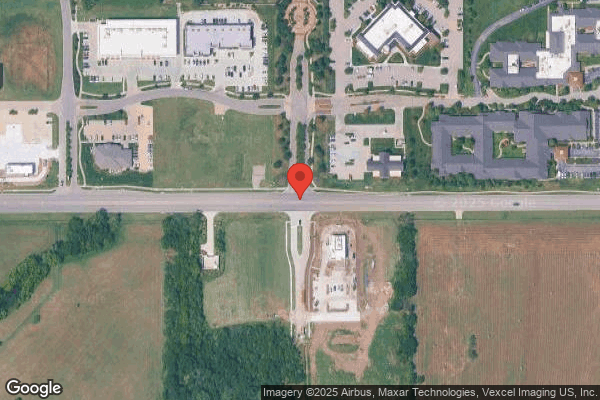
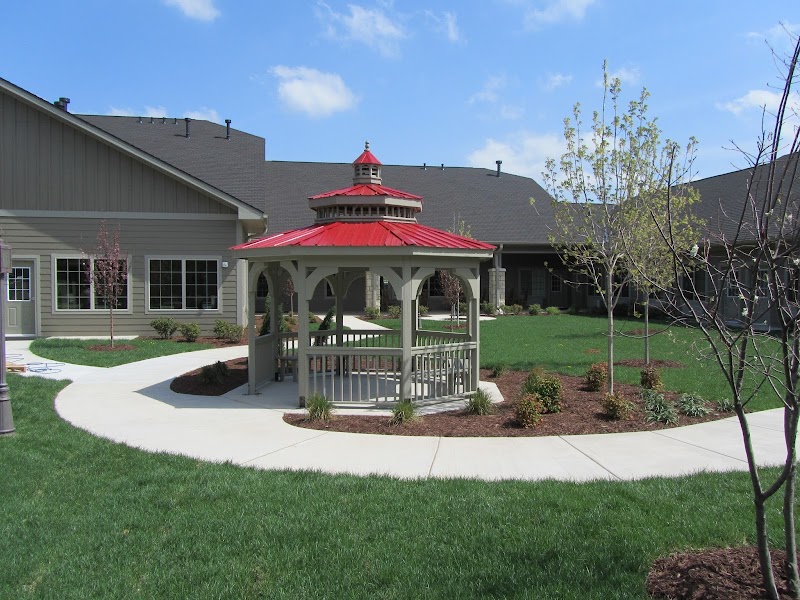
10604 EAST 13TH STREET N, WICHITA, KS 67206 (316) 337-5450
For profit - Corporation 84 Beds Independent Data: November 2025
Trust Grade
80/100
#38 of 295 in KS
Last Inspection: April 2024

Within standard 12-15 month inspection cycle. Federal law requires annual inspections.

Overview

Regent Park Rehabilitation and Healthcare has a Trust Grade of B+, indicating it is above average and recommended for families considering care. It ranks #38 out of 295 facilities in Kansas, placing it in the top half, and #3 out of 29 in Sedgwick County, showing it is one of the better local options. The facility is on an improving trend, with issues decreasing from 10 in 2024 to just 1 in 2025. Staffing is rated at 4 out of 5 stars, although the turnover rate is 58%, which is higher than the state average of 48%, suggesting that while staff are generally consistent, improvements could be made. There have been no fines, which is a positive indicator, yet there are concerns about safety practices, including unsecured oxygen cylinders and failing to label food properly, which could risk residents' health. Overall, while Regent Park has strengths in its recommendations and rankings, there are notable weaknesses in food safety and medication practices that families should consider.

Trust Score
B+
80/100
In Kansas
#38/295
Top 12%
Safety Record
Low Risk
No red flags
Inspections
Getting Better
10 → 1 violations
Staff Stability
⚠ Watch
58% turnover. Above average. Higher turnover means staff may not know residents' routines.
Penalties
✓ Good
No fines on record. Clean compliance history, better than most Kansas facilities.
Skilled Nurses
✓ Good
Each resident gets 54 minutes of Registered Nurse (RN) attention daily — more than average for Kansas. RNs are trained to catch health problems early.
Violations
⚠ Watch
14 deficiencies on record. Higher than average. Multiple issues found across inspections.
★★★★★
5.0
Overall Rating
★★★★☆
4.0
Staff Levels
★★★★★
5.0
Care Quality
★★★★☆
4.0
Inspection Score
Stable
2024: 10 issues
2025: 1 issues

The Good

  • 4-Star Staffing Rating · Above-average nurse staffing levels
  • 5-Star Quality Measures · Strong clinical quality outcomes
  • Full Sprinkler Coverage · Fire safety systems throughout facility
  • No fines on record

Facility shows strength in staffing levels, quality measures, fire safety.

The Bad

Staff Turnover: 58%

12pts above Kansas avg (46%)

Frequent staff changes - ask about care continuity

Staff turnover is elevated (58%)

10 points above Kansas average of 48%

The Ugly 14 deficiencies on record

Jul 2025 1 deficiency
CONCERN (D) 📢 Someone Reported This

A family member, employee, or ombudsman was alarmed enough to file a formal complaint

Potential for Harm - no one hurt, but risky conditions existed

Accident Prevention (Tag F0689)

Could have caused harm · This affected 1 resident

**NOTE- TERMS IN BRACKETS HAVE BEEN EDITED TO PROTECT CONFIDENTIALITY** The facility identified a census of 73 residents, with three reviewed for elopement. Based on record review, observation, and in...

Read full inspector narrative →
**NOTE- TERMS IN BRACKETS HAVE BEEN EDITED TO PROTECT CONFIDENTIALITY** The facility identified a census of 73 residents, with three reviewed for elopement. Based on record review, observation, and interview, the facility failed to provide sufficient supervision for Resident (R) 1 to prevent R1 from exiting the building after an employee. This deficient practice placed R1 at risk for elopement, falls, and injury.Findings included:- R1's Electronic Medical Record (EMR) documented R1 had diagnoses of nontraumatic brain dysfunction (brain damage that occurs form internal factors), dementia (progressive mental disorder characterized by failing memory, confusion), anxiety (mental or emotional reaction characterized by apprehension, uncertainty and irrational fear), and depression (a mood disorder that causes a persistent feeling of sadness and loss of interest).The Quarterly Minimum Data Set (MDS), dated [DATE], documented R1 had a Brief Interview for Mental Status (BIMS) score of three, which indicated severely impaired cognition. The MDS documented R1 required supervision or partial assistance with all of his activities of daily living (ADL) except for locomotion in his wheelchair, which he was independent. The Annual MDS, dated [DATE], lacked Care Area Assessments (CAA).R1's Care Plan documented R1 was at risk for elopement and had a wanderguard. Staff were directed to check for the placement of R1's wanderguard and the wanderguard's functioning. The care plan directed staff when R1 wandered or was exit seeking to redirect R1 (09/01/23).The Health Status Note, dated 03/22/25, documented it was around 07:00 PM when R1 was found wandering in the parking lot. This nurse explained to R1 he could not be by himself outside and wheeled him back into the building. Staff told R1 that if his friend showed up, staff would let him know. R1 agreed and was pleasant. Checked wander guard twice and read ok. Called Administrative Nurse D and the manager on-call. R1 did not get hurt or upset from bringing him back to the building. The Health Status Note, dated 03/22/25, documented the nurse reported to R1's responsible party that R1 had gotten out of the facility despite having his wanderguard on. R1's wanderguard was active. R1's responsible party was made aware R1 was outside in the parking lot for no more than five minutes. R1's responsible party was appreciative of being notified and had no concerns for R1's safety.The Facility Incident Report, dated 03/24/25, documented on 03/22/25 at 06:58:50 PM, R1 was at the front door (which is where he usually sits, and this is his norm) and informed a PRN (as needed) therapist staff X he could go outside. The therapist staff member attempted to open the door, but R1's wanderguard kept locking the door down because he was so close. At 07:00:11 PM, the PRN therapist staff X opened the door by inputting the code, and she and R1 went out the doors together. The PRN therapist staff X went to her vehicle in the parking lot and left. Approximately five minutes later, an unknown family member went to the nursing station and asked if the gentleman in the wheelchair should be outside. LN G looked at the monitor, and the screen had not turned orange, which indicated an elopement. At 07:07:20 PM, R1 was brought back inside by the charge nurse. R1 was pedaling in his wheelchair in the middle of the parking lot. LN G asked him what he was doing, and he said he was waiting for his friend. R1 was unharmed upon assessment.On 07/07/25 at 10:00 AM, observation revealed a smooth transition from the front door down into the parking lot. The parking lot is smooth and without cracks or bumps. The parking lot led out to a roundabout with one exit leading to the assisted living building and the other exit heading toward the street.On 07/07/25 at 10:30 AM, observation revealed R1 sat in his wheelchair out by the nurses' desk, moving his wheelchair back and forth with his feet. A wanderguard was in place on R1's right wrist.On 07/07/25 at 10:40 AM, Licensed Nurse (LN) H stated R1 never stayed on the unit and was always up around the front desk by the front door. R1 talked to people entering and exiting the building.On 07/07/25 at 11:00 AM, Administrative Nurse D stated all staff education was completed regarding elopement. DON stated it was a perfect storm because they did not know the call light/elopement system was not functioning until this happened. She stated nursing checked the wanderguard system quarterly, and then the actual wanderguards that were on the residents were checked every shift.On 07/07/25 at 11:15 AM, Maintenance person U stated he checked the alarm system weekly, and they got a new system to integrate with the old system, and the reader stopped functioning and talking between the two systems and had since been fixed.The facility's undated Elopement Policy documented the facility wished to ensure the safety of those residents who had been identified as being at risk for elopement. It was the policy of the facility to identify those residents at risk for elopement and take precautions to ensure their safety and well-being. Special secure living units were provided by the facility, and additional security, including a Wanderguard door locking system, was provided.The facility completed corrective actions by 03/25/25. On 03/23/25, corrections included all staff education on elopements, started teachable moments in person individually, reviewed the facility's Elopement Policy and Procedure, and completed competency checklists on elopements. On 03/24/25, signs were placed at all exits to ensure staff were notifying the correct people due to malfunctions in the call light system (elopement). On 03/25/25, a message was out to call light/alarm company to address the following malfunctions: 1. The front door did not make staff put in the elopement code as well as the normal code (new keypad ordered and installed). 2. Front door not alerting the call light monitors that there was an elopement (orange elopement sign) - fixed. 3. Front door not alerting the pagers there was an elopement, as it should - fixed. 4. Sound monitors on the 300/400 hall not working - fixed. 5. Front desk could still push the remote button to open the door even when the elopement beep sound was going off - fixed. This was all completed prior to the onsite survey; therefore, the deficient practice was deemed past noncompliance and remained at the scope and severity of a D to represent the isolated risk to R1.
Apr 2024 10 deficiencies
CONCERN (D) 📢 Someone Reported This

A family member, employee, or ombudsman was alarmed enough to file a formal complaint

Potential for Harm - no one hurt, but risky conditions existed

Deficiency F0558 (Tag F0558)

Could have caused harm · This affected 1 resident

The facility reported a census of 66 residents. The sample included 17 residents with three reviewed for accommodation of needs. Based on observations, interviews, and record review, the facility fail...

Read full inspector narrative →
The facility reported a census of 66 residents. The sample included 17 residents with three reviewed for accommodation of needs. Based on observations, interviews, and record review, the facility failed to provide wheelchair foot pedals for Resident (R) 40. This deficient practice placed the resident at risk impaired care and decreased quality of life. Findings included: - R40's Electronic Medical Record (EMR) documented diagnoses of hemiplegia (weakness and paralysis on one side of the body), cerebral infarction (stroke - sudden death of brain cells due to lack of oxygen caused by impaired blood flow to the brain by blockage or rupture of an artery to the brain), hypertension (high blood pressure), dementia (progressive mental disorder characterized by failing memory, confusion), overactive bladder (urine urgency), and glaucoma (abnormal condition of elevated pressure within an eye caused by obstruction to the outflow). R40's Quarterly Minimum Data Set (MDS) dated 04/03/24 documented a Brief Interview of Mental Status (BIMS) score of seven which indicated severely impaired cognition. R40 required staff assistance with activities of daily living (ADLs). R40's Functional Care Area Assessment (CAA) completed 01/10/24 indicated she had self-care deficits related to impaired balance due to left-sided weakness and hemiplegia after a recent hospitalization due to a stroke. The CAA indicated she required assistance from staff for her ADLs. R40's Care Plan revised 01/18/24 indicated she was at risk for falls related to impaired balance and her medical diagnoses. The plan indicated she required extensive assistance with ADL tasks due to balance impairments. The plan indicated she used a wheelchair for mobility. The plan instructed staff to assist her with mobility if needed. The plan indicated staff were instructed to provide reminders for R40's feet placement during transfers. On 04/08/24 at 07:34 AM staff propelled R40 to the dining area for breakfast without foot pedals. She was holding her feet up as staff pushed her wheelchair. On 04/08/24 at 12:43 PM staff propelled R40 down the 300 hall to her room without her foot pedals on her wheelchair. The staff member asked R40 to keep her feet up. On 04/10/24 at 07:30 AM Licensed Nurse (LN) J stated residents needed foot pedals on wheelchairs if the chair was propelled by staff. On 04/10/24 at 07:45 AM Certified Nurse's Aide (CNA) M stated all wheelchairs should have foot pedals. CNA M stated nursing provide the foot pedals on the resident's wheelchair when the chair is propelled by the staff. On 04/10/24 at 11:30 AM Administrative Nurse D stated all residents should have foot pedals on their chairs when being pushed by a staff member. The facility's Accommodation of Needs policy approved 10/01/23 documented each elder has a right to reside and receive services at this facility with reasonable accommodation of individual needs and preferences, except when the health or safety of the elder or other elders would be endangered. Interior spaces accommodate the use of equipment and assistive devices necessary to maximize each eider's functionality of activities of daily living. The facility failed to provide wheelchair foot pedals for R40. This deficient practice placed R40 at risk of impaired care and safety.
CONCERN (D) 📢 Someone Reported This

A family member, employee, or ombudsman was alarmed enough to file a formal complaint

Potential for Harm - no one hurt, but risky conditions existed

Pressure Ulcer Prevention (Tag F0686)

Could have caused harm · This affected 1 resident

The facility identified a census of 66 residents. The sample included 17 with five reviewed for pressure ulcers (localized injury to the skin and/or underlying tissue usually over a bony prominence, a...

Read full inspector narrative →
The facility identified a census of 66 residents. The sample included 17 with five reviewed for pressure ulcers (localized injury to the skin and/or underlying tissue usually over a bony prominence, as a result of pressure, or pressure in combination with shear and/or friction). Based on interviews, observations, and record reviews, the facility failed to ensure Resident (R)11's pressure-reducing interventions were implemented correctly when her low air-loss mattress pump was not set to the appropriate weight setting. This deficient practice placed the resident at risk for complications related to skin breakdown and pressure ulcers. Findings Included: - The Medical Diagnosis section within R11's Electronic Medical Records (EMR) included diagnoses of chronic obstructive pulmonary disorder (COPD- a progressive and irreversible condition characterized by diminished lung capacity and difficulty or discomfort in breathing), dementia (a progressive mental disorder characterized by failing memory, confusion), dysphagia (difficulty swallowing), repeated falls, and a pressure ulcer (localized injury to the skin and/or underlying tissue usually over a bony prominence, as a result of pressure, or pressure in combination with shear and/or friction). R11's Significant Change Minimum Data Set (MDS) completed 02/12/24 noted a Brief Interview for Mental Status (BIMS) score of zero indicating severe cognitive impairment. The MDS indicated she had no functional impairments to her upper and lower extremities. The MDS indicated she was dependent on staff for bed mobility, transfers, toileting, bathing, and dressing. The MDS indicated she was at risk for pressure ulcers and had an unstageable ulcer (the depth of the wound is unknown due to the wound bed being covered by a thick layer of other tissue and pus). The MDS noted she had pressure-reducing devices for her bed and chair, pressure ulcer care, a repositioning program, and nutrition/hydration interventions to manage her ulcer care. The MDS noted she received hospice care (end-of-life comfort care). R11's Pressure Ulcer Care Area Assessment [CAA] completed 02/16/24 indicated she was at risk for skin breakdown and pressure related injuries. The CAA indicated staff were to turn and reposition her every two to three hours. The CAA noted she had a low air-loss mattress (LAL- air mattress designed to alternate air between surfaces of the body and prevent pressure related injuries) and pressure relieving cushion for her wheelchair. The CAA indicated she had a Braden (a scale used to assess the risk of developing pressure ulcers) score of 11 indicating a moderate risk. R11's Care Plan initiated 02/25/22 indicated she was at risk for impaired skin integrity related to her medical diagnoses. The plan indicated she had an existing pressure injury on her sacrum (triangular bone/area between the two hip bones). The plan instructed staff to ensure adequate nutrition. The plan noted she was on enhanced barrier precautions due to her existing wound. The plan indicated she had a pressure-reducing low air-loss mattress for the prevention of further wounds (02/16/24). The care plan lacked instruction of related to the monitoring and settings for the LAL mattress pump. R11's EMR under Physician's Orders noted an order for a low air-loss mattress related to her impaired skin integrity starting 01/30/24. The order lacked instructions related to monitoring and settings for the mattress pump. A review of EMR indicated no documented LAL mattress checks, preferences, or notes indicating R11 preferred her bed firmer. R11's EMR indicated she weighed 111.4 lbs. on 04/01/24. The Operator's Manual Drive 14026 documented the mattress was indicated for the prevention and treatment of any and all stage pressure ulcers when used in conjunction with a comprehensive pressure ulcer management program. The Operating Instructions, step six, directed to determine the patient's weight and set the control knob to that weight setting on the control unit. On 04/08/24 at 07:10 AM R11 rested in her bed. Her bed was in a low position. R11's low air-loss mattress was set between 200 pounds (lbs.) to 210 lbs. On 04/09/24 at 07:08 AM R11 slept in her bed. R11's bed was left in the high position with the head of her bed inclined upward. Her low air-loss mattress pump was set at 180 lbs. At 07:22 AM staff entered her room and lowered the bed to the lowest position. The mattress pump remained set at 180 lbs. On 04/10/24 at 08:21 AM R11 slept in her bed. Her low air-loss mattress pump was set between 180 (lbs.). On 04/10/24 at 08:21 AM Licensed Nurse (LN) J stated the beds were set to the resident's weight. She stated she was not sure if the care plan covered instructions for the low air loss mattress setting. She stated nurses should be checking the bed and equipment each shift. On 04/10/24 at 08:26 AM Administrative Nurse D stated the LAL mattress were set by weight. She stated R11's Care Plan addressed the low air-loss mattress but not the setting instructions. She stated she expected staff to check the setting of the bed each shift. Administrative Nurse D stated the bed can be set up to 50 lbs. above the resident's actual weight. The facility's Low air loss mattress Policy approved 12/29/24 [sic] documented Low air loss mattresses will be used when appropriate for maintenance, and management. The patient would need to benefit from a low air loss mattress, after assessing and monitoring patients' skin integrity, guidelines for mattress setup and adjustments, protocols for cleaning and disinfecting the mattress, and instructions for staff training on proper usage. This mattress will aim to ensure the safe and effective implementation of low air loss mattresses to promote patient comfort and prevent pressure ulcers. Low air loss mattress should be adjusted no less than 50 pounds above the patients weight or to the patients preference or comfort level. The facility failed to ensure R11's pressure-reducing interventions were implemented correctly when her low air-loss mattress was set for an inaccurate weight. This deficient practice placed the resident at risk for complications related to skin breakdown and pressure ulcers.
CONCERN (D) 📢 Someone Reported This

A family member, employee, or ombudsman was alarmed enough to file a formal complaint

Potential for Harm - no one hurt, but risky conditions existed

Respiratory Care (Tag F0695)

Could have caused harm · This affected 1 resident

**NOTE- TERMS IN BRACKETS HAVE BEEN EDITED TO PROTECT CONFIDENTIALITY** The facility identified a census of 66 residents. The sample included 17 residents with four residents reviewed for respiratory ...

Read full inspector narrative →
**NOTE- TERMS IN BRACKETS HAVE BEEN EDITED TO PROTECT CONFIDENTIALITY** The facility identified a census of 66 residents. The sample included 17 residents with four residents reviewed for respiratory care. Based on observation, record review, and interviews, the facility failed to ensure Resident (R) 35's continuous positive airway pressure (CPAP- ventilation device that blows a gentle stream of air into the nose to keep the airway open during sleep) and oxygen tubing was stored in a sanitary manner to decrease exposure and contamination. This deficient practice placed R35 at increased risk of developing respiratory infection and complications. Findings included: - R35's Electronic Medical Record (EMR) from the Diagnoses tab documented diagnoses of obstructive sleep apnea (a disorder of sleep characterized by periods without respirations), respiratory failure with hypoxemia (abnormal deficiency in the concentration of oxygen in arterial blood), and hypertension (HTN-elevated blood pressure). The Annual Minimum Data Set (MDS) dated [DATE] documented a Brief Interview of Mental Status (BIMS) score of six which indicated severely impaired cognition. The MDS documented R35 received oxygen therapy and a non-invasive mechanical ventilator during the observation period. The MDS documented R35 received a diuretic (medication to promote the formation and excretion of urine) during the observation period. R35's Cognitive Loss/Dementia Care Area Assessment (CAA) dated 03/29/24 documented R35 suffered from chronic confusion. R35's Care Plan dated 01/07/24 documented that staff would apply R35's CPAP mask at 09:00 PM every night. The care plan lacked direction to staff on cleaning and storing the CPAP mask. R35's EMR under the Orders tab revealed the following physician orders: CPAP mask every night at 09:00 PM, with setting 16 centimeters (cm) at bedtime dated 04/13/23. Oxygen therapy at two liters (L) per nasal cannula at bedtime for hypoxia dated 05/10/23. On 04/08/24 at 11:47 AM R35 sat reclined in his Broda chair (specialized wheelchair with the ability to tilt and recline) near the foot of his bed. R35's CPAP mask lay directly on the bedside table next to the head of the bed. Undated and unbagged oxygen tubing lay directly on the floor in front of the oxygen concentrator. On 04/10/24 at 09:40 AM, Certified Nurse Aide (CNA) M stated oxygen nasal cannulas and CPAP masks should always be stored in a plastic bag when not in use. On 04/10/24 at 09:48 AM, Licensed Nurse (LN) K stated oxygen nasal cannulas and CPAP masks should always be stored in a plastic bag when not in use. LN K stated the oxygen tubing should never be placed on the floor and if it touches the floor, it should be replaced. On 04/10/24 at 11:19 AM, Administrative Nurse D stated she expected the staff to follow the facility policy related to respiratory care for the storage of oxygen tubing and CPAP masks. Administrative Nurse D stated the oxygen tubing was to be changed weekly, dated, and placed in a plastic bag when not in use. The facility's CPAP/Bi-Level Respiratory Care dated 12/24/24 documented obstructive sleep apnea is a sleep disorder that occurs when the airway is obstructed or blocked and as a result, no air moves into or out of the lungs. The obstruction may be due to a variety of factors including loss of muscle control over the tongue which may cause the tongue to fall back against the airway and/or the collapse of the soft palate over the airway. Any/all use of CPAP or Bi-Level respiratory care procedures requires specific physician orders and the ordered level of air pressure to keep the airway open during sleep may not be changed without consulting the ordering physician with resultant change in settings orders. The facility failed to ensure R35's CPAP mask and oxygen tubing were stored in a sanitary manner to decrease exposure and contamination. This deficient practice placed R35, at increased risk of developing respiratory infection and related complications.
CONCERN (D) 📢 Someone Reported This

A family member, employee, or ombudsman was alarmed enough to file a formal complaint

Potential for Harm - no one hurt, but risky conditions existed

Deficiency F0757 (Tag F0757)

Could have caused harm · This affected 1 resident

**NOTE- TERMS IN BRACKETS HAVE BEEN EDITED TO PROTECT CONFIDENTIALITY** - R40's Electronic Medical Record (EMR) documented diagnoses of hemiplegia (weakness and paralysis on one side of the body), cer...

Read full inspector narrative →
**NOTE- TERMS IN BRACKETS HAVE BEEN EDITED TO PROTECT CONFIDENTIALITY** - R40's Electronic Medical Record (EMR) documented diagnoses of hemiplegia (weakness and paralysis on one side of the body), cerebral infarction (stroke - sudden death of brain cells due to lack of oxygen caused by impaired blood flow to the brain by blockage or rupture of an artery to the brain), hypertension (high blood pressure), dementia (progressive mental disorder characterized by failing memory, confusion), overactive bladder (urine urgency), and glaucoma (abnormal condition of elevated pressure within an eye caused by obstruction to the outflow). R40's Quarterly Minimum Data Set (MDS) dated 04/03/24 documented a Brief Interview of Mental Status (BIMS) score of seven which indicated moderately impaired cognition. R40 required staff assistance with activities of daily living (ADLs). R40's Functional Care Area Assessment (CAA) completed 01/10/24 indicated she had self-care deficits related to impaired balance due to left-sided weakness and hemiplegia after a recent hospitalization due to a stroke. The CAA indicated she required assistance from staff for her ADLs. R40's Care Plan initiated 05/24/22 indicated she received medications with Black Box Warnings (BBW- highest safety-related warning that medications can have assigned by the Food and Drug Administration). The plan indicated she received metoprolol and instructed staff to monitor her pulse (heart rate) and blood pressure. R40's EMR under Physician's Order documented an order for metoprolol 25 milligrams (mg) by mouth daily for hypertension. The order instructed staff to hold the medication if R40's systolic blood pressure (SBP-relating to the phase of the heartbeat when the heart muscle contracts and pumps blood from the chambers into the arteries) was less than (<) 110 millimeters of mercury (mmHg) or pulse (heart rate) < 55 beats per minute (bpm). Review of R40's Medication Administration Report (MAR) and clinical record lacked evidence R40's blood pressure was monitored consistently before the administration of her metoprolol. On 04/08/24 at 07:26 AM R40 slept in her recliner with her feet extended. On 04/10/24 at 07:30 AM Licensed Nurse (LN) J stated that R40's blood pressure should be monitored and documented before the metoprolol was given. She stated if the medication had parameters, nursing would not be able to document the medication given until a blood pressure was entered on the EMR. On 04/10/24 at 11:19 AM, Administrative Nurse D stated she expected the nursing staff to follow the facility policy, or the physician order related to monitoring blood pressures related to certain medications. The facility's Medication Monitoring policy reviewed 12/29/23 documented residents will be monitored for adverse drug reactions including Black Box Warnings and the resident's physician will be promptly notified if the resident becomes symptomatic. Parameters for recommended monitors will be established per facility protocol with the approval of the Medical Director on the prescribing recommendations, parameters will be maintained in the resident's clinical record per facility protocol. The facility failed to consistently monitor R40s blood pressure as ordered prior to administration of R40's beta-blocker medication. This deficient practice placed R40 at increased risk for unnecessary medication and side effects. The facility identified a census of 66 residents. The sample included 17 residents with five residents reviewed for unnecessary medications. Based on observation, record review, and interviews, the facility failed to administer as needed diuretic (medication to promote the formation and excretion of urine) as ordered for Resident (R) 35. The facility also failed to follow a physician's order for monitoring R40's metoprolol (beta-blocker used to lower blood pressure or pulse). This deficient practice had the potential of unnecessary medication side effects or ineffective therapeutic regimen. Findings included: - R35's Electronic Medical Record (EMR) from the Diagnoses tab documented diagnoses of obstructive sleep apnea (a disorder of sleep characterized by periods without respirations), respiratory failure with hypoxemia (abnormal deficiency in the concentration of oxygen in arterial blood), and hypertension (HTN-elevated blood pressure). The Annual Minimum Data Set (MDS) dated [DATE] documented a Brief Interview of Mental Status (BIMS) score of six which indicated severely impaired cognition. The MDS documented R35 received oxygen therapy and a non-invasive mechanical ventilator during the observation period. The MDS documented R35 received a diuretic during the observation period. R35's Dehydration Care Area Assessment (CAA) dated 03/29/24 documented R35 experienced constipation related to decreased mobility. R35's Care Plan dated 02/11/24 documented staff would administer medications as ordered. The plan of care also documented staff would ask the physician to review medication for possible dose reduction every three months. The plan of care directed staff to monitor the dose which may require a modification to achieve the desired effects to minimize the adverse consequences, especially when multiple antihypertensives medication are prescribed simultaneously. R35's EMR under the Orders tab revealed the following physician orders: Bumetanide oral tablet (diuretic medication) 1mg give one tablet by mouth in the morning for edema 04/13/23. Metolazone oral tablet (diuretic medication) 2.5mg give 1 tablet by mouth every 24 hours as needed for weight gain equal to or greater than (>) two pounds (lbs.) dated 02/09/24. Obtain weight prior to breakfast on Monday, Wednesday, and Friday, see as needed metolazone order if weight gain of two lbs. dated 03/01/24. A review of R35's EMR under the Medication Administration Record (MAR) and Treatment Administration Record (TAR) from 02/09/24 to 04/09/24 lacked evidence the as-needed metolazone was administered as ordered by the physician on the following dates when R35's weight indicated administration: 02/12/24, 022/16/24, 02/21/24, 02/26/24, and 04/01/24. On 04/08/24 at 11:47 AM R35 sat reclined in his Broda chair (specialized wheelchair with the ability to tilt and recline) near the foot of his bed. R35's CPAP mask lay directly on the bedside table next to the head of the bed. Undated and unbagged oxygen tubing laid directly on the floor in front of the oxygen concentrator. On 04/10/24 at 11:19 AM, Administrative Nurse D stated she expected the staff to follow the physician's orders. Administrative Nurse D stated she expected the nurses to administer any as-needed diuretic medications if there was a two-pound weight gain for R35. The facility's Physician Orders for Medications and Treatments policy dated 12/01/24 documented all medications would be administered as ordered by a healthcare professional authorized by the state to order medications. All physician orders would be signed and dated, including the facility standing orders. The facility failed to administer R35's as-needed diuretic as ordered. This deficient practice had the potential of unnecessary medication side effects or ineffective therapeutic regimen.
CONCERN (D) 📢 Someone Reported This

A family member, employee, or ombudsman was alarmed enough to file a formal complaint

Potential for Harm - no one hurt, but risky conditions existed

Deficiency F0849 (Tag F0849)

Could have caused harm · This affected 1 resident

The facility identified a census of 66 residents. The sample included 17 residents with one resident reviewed for hospice services. Based on observation, record review, and interviews, the facility fa...

Read full inspector narrative →
The facility identified a census of 66 residents. The sample included 17 residents with one resident reviewed for hospice services. Based on observation, record review, and interviews, the facility failed to maintain ongoing communication with hospice services related to R11's bi-weekly hospice visits. The facility additionally failed to ensure collaboration between the nursing home and hospice services to identify hospice-supplied services, supplies, medication, and equipment for R11. This deficient practice placed both residents at risk for delayed services and uncommunicated care needs. Findings Included: - The Medical Diagnosis section within R11's Electronic Medical Records (EMR) included diagnoses of chronic obstructive pulmonary disorder (COPD- a progressive and irreversible condition characterized by diminished lung capacity and difficulty or discomfort in breathing), dementia (a progressive mental disorder characterized by failing memory, confusion), dysphagia (difficulty swallowing), repeated falls, and a pressure ulcer (localized injury to the skin and/or underlying tissue usually over a bony prominence, as a result of pressure, or pressure in combination with shear and/or friction). R11's Significant Change Minimum Data Set (MDS) completed 02/12/24 noted a Brief Interview for Mental Status (BIMS) score of zero indicating severe cognitive impairment. The MDS indicated she had no functional impairments to her upper and lower extremities. The MDS indicated she was dependent on staff for bed mobility, transfers, toileting, bathing, and dressing. The MDS indicated no falls since her admission. The MDS noted she received hospice care (end-of-life comfort care). R11's Dementia Care Area Assessment (CAA) completed 02/16/24 indicated she had severe cognitive impairment with short and long-term memory loss. The CAA noted she had impaired decision-making abilities. The CAA instructed staff to anticipate her needs. R11's Communication CAA completed 02/16/24 indicated she had severely impaired decision-making abilities. The CAA noted she could only answer yes and no to make her needs and wants known. The CAA indicated she started hospice services on 02/13/24. R11's Care Plan initiated on 02/14/24 indicated she was on hospice services. The plan instructed staff to ensure comfort, dignity, and autonomy were maintained at the highest level. The plan instructed staff to keep her environment calm and quiet. The plan instructed staff to assess R11's pain and provide medication as ordered. The plan instructed staff to cooperate with the hospice team to ensure R11's spiritual, emotional, intellectual, physical, and social needs were met. The plan lacked contact information for the designated hospice service including telephone and address. The plan lacked information regarding the services provided by hospice including medications, equipment, and supplies. The plan additionally failed to identify the frequency of visits from the hospice nursing staff. R11's EMR under Miscellaneous revealed her hospice Plan of Care Order which indicated hospice provided two weekly visits from both skilled nursing and hospice aides. R11's EMR on 04/09/24 lacked the scanned hospice communications showing the bi-weekly visits were being completed and what services were provided at the time of the visits. On 04/08/24 at 07:10 AM R11 rested in her bed. Her bed was in a low position. R11's low air-loss (mattress designed to prevent and treat pressure wounds) mattress was set to 200 pounds. On 04/10/24 at 08:23 AM Licensed Nurse (LN) J stated she was not sure where the hospice documentation for R11 was located. She stated the documentation was not at the desk or in the nursing office. She stated the hospice contact information and the information regarding what was provided by hospice were not in the care plan. She stated she was not sure what services, medication, and equipment were provided by hospice. She stated hospice comes weekly but she was not sure if communication sheets were filled out. She stated hospice would just tell the nurse the orders. On 04/10/24 at 08:35 AM Administrative Nurse D stated R11 did not have a hospice book or other communication tool. She stated the facility stopped using communication books. She stated the communication forms were scanned in under miscellaneous in the EMR. She stated the facility did not put the hospice-provided medications, equipment, and staffing in the care plan. She stated staff could look in the EMR for the hospice-provided Plan of Care. On 04/10/24 at 12:01 AM Administrative Staff E stated R11's hospice documentation was delivered to the building the morning of 04/10/24 for review after it was requested for the survey. The facility's End of Life, Palliative and Hospice Care policy revised and approved 12/03/23 indicated the facility would collaborate with hospice services to provide the appropriate treatment, symptom management, prevention of complications, and meet the resident's preferences. The policy indicated the facility would collaborate with hospice to implement a comprehensive plan of care reviewed by the interdisciplinary team. The facility failed to maintain ongoing communication with hospice services related to R11's bi-weekly hospice visits. The facility additionally failed to ensure collaboration between the nursing home and hospice services to identify hospice-supplied services, supplies, medication, and equipment for R11. This deficient practice placed both residents at risk for delayed services and uncommunicated care needs.
CONCERN (D) 📢 Someone Reported This

A family member, employee, or ombudsman was alarmed enough to file a formal complaint

Potential for Harm - no one hurt, but risky conditions existed

Deficiency F0919 (Tag F0919)

Could have caused harm · This affected 1 resident

**NOTE- TERMS IN BRACKETS HAVE BEEN EDITED TO PROTECT CONFIDENTIALITY** The facility identified a census of 66 residents. Based on observation, record review, and interviews, the facility failed to a ...

Read full inspector narrative →
**NOTE- TERMS IN BRACKETS HAVE BEEN EDITED TO PROTECT CONFIDENTIALITY** The facility identified a census of 66 residents. Based on observation, record review, and interviews, the facility failed to a functional and fully operational call light system for each resident. This deficient practice placed the residents at risk for delayed care and decreased psychosocial well-being. Findings Included: - On [DATE] at 08:59 AM Resident (R)212 sat in her room for breakfast. She stated her call light had not worked since she was admitted on [DATE]. She stated nursing instructed her to yell out for help if she needed anything. She stated she did not receive a bell and was unsure if staff completed frequent checks on her. She stated she was afraid of falling with no way to alert anyone to come help her. On [DATE] at 09:05 AM a call light inspection and test revealed R212's call light did not work upon pushing the button. Certified Nurse Aide (CNA) N confirmed the call button was not functioning in R212's room. On [DATE] at 03:55 PM, R6 reported she felt her call light did not work. An inspection and test of the call light revealed the call button was not functioning. Administrative Nurse F reported the non-functioning call light to maintenance. On [DATE] at 08:48 AM Maintenance Staff U stated the facility had a new call light system and the system is checked every week. Maintenance Staff U stated the facility has a maintenance staff person on call on the weekends to take care of any issues that would come up. He said he was unaware of what the protocol would be if maintenance personnel could not get the call light to work right away. On [DATE] at 07:30 AM Licensed Nurse (LN) J stated if there was a problem with the call lights nursing would call maintenance personnel first. She stated staff would then start 15-minute checks on the resident until the issue was fixed. On [DATE] at 08:05 Certified Medication Aide (CMA) M stated direct care staff would alert maintenance on any call light not functioning. She stated the facility would provide the residents bells to utilize and nursing would complete increased frequency checks on the residents every ten to fifteen minutes. On [DATE] at 11:12 AM Administrative Nurse D stated she was aware the call lights system had some issues due to it being a new system. She stated staff were expected to notify the on-call supervisor and maintenance for any outages. She stated direct care staff were to increase the frequency of checks to ensure resident safety. She stated the facility was ordering call bells just in case. The facility's Call Light policy dated [DATE] documented the electronic call system throughout the facility will be operational so that residents may summon and receive assistance when needed. The facility provides a system that each resident may call for staff assistance from each resident's bedside and the resident's toilet and bathing room through a call light communication system that relays the call directly to a staff or a centralized staff work area. If a malfunctioning call light occurs which cannot be immediately remedied, the nursing staff will initiate 15-minute resident checks. The facility failed to ensure two of the four hallways had operational call lights for each resident to call for assistance. This deficient practice placed the residents at risk for delayed care and decreased psychosocial well-being.
CONCERN (E) 📢 Someone Reported This

A family member, employee, or ombudsman was alarmed enough to file a formal complaint

Potential for Harm - no one hurt, but risky conditions existed

Accident Prevention (Tag F0689)

Could have caused harm · This affected multiple residents

The facility had a census of 66 residents. The sample included 17 residents with two reviewed for accidents. Based on observation, record review and interview, the facility failed to secure pressurize...

Read full inspector narrative →
The facility had a census of 66 residents. The sample included 17 residents with two reviewed for accidents. Based on observation, record review and interview, the facility failed to secure pressurized oxygen cylinders in a safe, locked location and out of reach of the six cognitively impaired independently mobile residents. The facility additionally failed to maintain Resident (R)11's bed at a safe height while she was unsupervised in her room. These deficient practices placed the residents at risk for preventable accidents and injuries. Findings Included: - On 04/08/24 at 07:03 AM a walkthrough of the facility was completed. Upon inspection of the facility's Clean Room in between the 100 and 200 hallways, the entry door was propped open. The room contained 37 pressurized oxygen cylinders placed in racks marked full. At 07:07 AM, Licensed Nurses (LN) I closed the door upon request. She stated the door should have been closed and should always be locked. On 04/10/24 at 11:39AM Administrative Nurse D stated the oxygen storage room should be locked and secured. She stated she expected staff to ensure the door was closed and locked after exiting the room. The facility's Oxygen Storage policy revised 12/2024 indicated oxygen cylinder tanks must be stored in a secured room with proper ventilation. The policy stated oxygen cylinders will not be left unsupervised in open rooms, hallways, corridors, or stairways. The facility failed to secure 37 pressurized oxygen cylinders in a safe, locked area, and out of reach of the six cognitively impaired independently mobile residents. This deficient practice placed the residents at risk for preventable accidents and injuries. - The Medical Diagnosis section within R11's Electronic Medical Records (EMR) included diagnoses of chronic obstructive pulmonary disorder (COPD- progressive and irreversible condition characterized by diminished lung capacity and difficulty or discomfort in breathing), dementia (progressive mental disorder characterized by failing memory, confusion), dysphagia (difficulty swallowing), repeated falls, and a pressure ulcer (localized injury to the skin and/or underlying tissue usually over a bony prominence, as a result of pressure, or pressure in combination with shear and/or friction). R11's Significant Change Minimum Data Set (MDS) completed 02/12/24 noted a Brief Interview for Mental Status (BIMS) zero indicating severe cognitive impairment. The MDS indicated she had no functional impairments to her upper and lower extremities. The MDS indicated she was dependent on staff for bed mobility, transfers, toileting, bathing, and dressing. The MDS indicated no falls since her admission. The MDS noted she received hospice care (end of life comfort care). R11's Dementia Care Area Assessment (CAA) completed 02/16/24 indicated she had severe cognitive impairment with short and long-term memory loss. The CAA noted she had impaired decision-making abilities. The CAA instructed staff to anticipate her needs. R11's Communication CAA completed 02/16/24 indicated she had severely impaired decision-making abilities. The CAA noted she could only answer yes and no to make her needs and wants known. The CAA indicated she started hospice services on 02/13/24. R11's Care Plan initiated 02/15/22 indicated she was at risk for falls related to weakness, unsteadiness, and her medical diagnoses. The plan instructed staff to ensure her call light remained within reach while unsupervised in her room, ensure the use of non-skid footwear during ambulation and transfers, encourage her to participate in exercise, physical activity for improved mobility. The plan indicated grab assist bars were installed to promote independence and stability with transfers (02/15/22). R11's plan was updated on 10/03/23 indicating she was dependent on two staff for bed mobility using her bed's grab bars. A review of R11's EMR under Progress Notes indicated her last fall was on 06/21/23. The note indicated she was found on the floor by staff next to her wheelchair. The noted indicated she was attempting to reach for her television remote that fell next to her feet. R11's Fall Risk assessment indicated she was a moderate fall risk on 02/12/24. On 04/09/24 at 07:08AM R11 slept in her bed. R11's bed was left in the high position with the back of her bed inclined upward. Her low air-loss mattress pump was set between 180 and 200 pounds (lbs.). At 07:22 staff entered her room and lowered the bed to the lowest position. On 04/10/24 at 08:00AM Certified Nurse Aid (CNA) M stated beds should never be left in the high position for residents with severe cognitive impairment. She stated staff should check the resident's positioning and beds during each encounter for safety. On 04/10/24 at 08:12AM Licensed Nurse (LN) J stated staff were expected to check R11's bed during each round or interaction. She stated the beds should be left in the low position when unsupervised. On 04/10/24 at 11:21AM Administrative Nurse D stated R11's bed should never be left in the high position while she was unsupervised or alone. She stated staff should lower the bed after performing cares or leaving the room. The facility's provided Fall revised 03/2024 indicated the facility will assess each resident for risk factors related to falls and identify interventions to prevent accidents and injuries. The policy indicated the facility elderly/frail residents were at greater risk for falls and injuries. The policy indicated the residents will be screened for risks related to physical, environmental, and medications to avoid preventable accidents and injuries. The facility failed to ensure R11's bed was maintained at a safe height while unsupervised in her room. This deficient practice placed R11 at risk for preventable falls and injuries.
CONCERN (E) 📢 Someone Reported This

A family member, employee, or ombudsman was alarmed enough to file a formal complaint

Potential for Harm - no one hurt, but risky conditions existed

Deficiency F0761 (Tag F0761)

Could have caused harm · This affected multiple residents

The facility identified a census of 66 residents. The sample included 17 residents, four medication carts, and four medication rooms. Based on observation, record review, and interviews, the facility ...

Read full inspector narrative →
The facility identified a census of 66 residents. The sample included 17 residents, four medication carts, and four medication rooms. Based on observation, record review, and interviews, the facility failed to properly label and store medications in one of four medication carts and one medication room. This placed the residents at risk for adverse outcomes or ineffective medication regimens. Findings included: - Observation on 04/08/24 at 07:06 AM Licensed Nurse (LN) I walked away from the nurse's station on the 100-hallway and left the medication cart unlocked. LN I returned and secured the cart upon request. On 04/09/24 at 07:16 AM the treatment cart contained: Three opened, undated insulin (a hormone that lowers the level of glucose in the blood) pens. On 04/09/24 at 09:36 AM the 100-hallway medication room contained: Two opened, undated vials of tuberculin vaccine serum. The medication refrigerator temperature log lacked evidence staff measured and documented a temperature for the following dates: 03/01/24, 03/02/24, 03/03/24, 03/07/24, 03/19/24, 03/20/24, 03/24/24, 03/27/24, 03/28/24, 04/02/24, 04/03/24, 04/04/24, 04/05/24, and 04/0624. On 04/09/24 at 07:16 AM, LN G stated all insulin pens should be labeled and dated at the time of opening. LN G stated the insulin pens should be stored in the refrigerator until they are opened. On 04/11/24 at 09:46 AM, LN K stated the medication refrigerator temperature was to be monitored and documented daily. LN K stated tuberculin vaccine serum and insulin pens were supposed to be labeled with the open date when opened. On 04/10/24 at 11:19 AM, Administrative Nurse D stated she expected all insulin pens and tuberculin vaccine serum vials to be labeled and dated when opened. Administrative Nurse D stated she expected the medication refrigerator temperatures to be checked and recorded. The facility's Storage of Medications policy dated April 2007 documented the facility would store all drugs and biologicals in a safe, secure, and orderly manner. Compartments (including, but not limited to, drawers, cabinets, rooms, refrigerators. carts, and boxes) containing drugs and biologicals would be locked when not in use, and trays or carts used to transport such items would not be left unattended if open or otherwise potentially available to others. Medications requiring refrigeration must be stored in a refrigerator located in the drug room at the nurses' station or other secured location. Medications must be stored separately from food and must be labeled accordingly. The facility failed to properly label and store medications which could potentially cause adverse consequences or ineffective treatment to the affected residents.
CONCERN (F) 📢 Someone Reported This

A family member, employee, or ombudsman was alarmed enough to file a formal complaint

Potential for Harm - no one hurt, but risky conditions existed

Food Safety (Tag F0812)

Could have caused harm · This affected most or all residents

The facility identified a census of 66 residents. The facility had two kitchens. Based on observation, record review, and interviews, the facility failed to follow sanitary dietary standards related t...

Read full inspector narrative →
The facility identified a census of 66 residents. The facility had two kitchens. Based on observation, record review, and interviews, the facility failed to follow sanitary dietary standards related to food labeling, storage, and preparation. This placed all residents who ate food from the facility at risk for food-borne illness. Findings included: - During the initial tour on 04/08/24 at 07:13 AM, observation revealed the following: Mixed fruit in a white container in the small refrigerator with no label or date. A small steam table pan containing fruit in the refrigerator with no label or date. A large white canister of flour had no label or date. The freezer in the kitchen area contained opened fish, sausage, potatoes, and chicken. The bags were opened to air, and unsealed, with no label or date on the bags. A storage container of mashed potatoes in the small freezer had no lid, label, or date. On 04/08/24 during lunch service, dietary staff carried multiple residents' fruit cups while touching the tops of the opened containers. On 04/09/24 at 11:08 AM, Dietary Staff CC touched the probe of the food thermometer with his bare hands without cleaning the probe before completing temperature checks on the food. On 04/10/24 at 08:30 AM Dietary Staff BB stated foods should be labeled and dated. He stated staff were expected to know how to properly take the temperatures of food items being served. The facility did not provide a policy related to food storage and preparation as requested. The facility failed to follow sanitary dietary standards related to food labeling, storage, and preparation. This placed all residents who ate food from the facility at risk for food-borne illness.
MINOR (C) 📢 Someone Reported This

A family member, employee, or ombudsman was alarmed enough to file a formal complaint

Minor Issue - procedural, no safety impact

Staffing Information (Tag F0732)

Minor procedural issue · This affected most or all residents

The facility identified a census of 66 residents. Based on observation, record review, and interviews, the facility failed to ensure the posted nursing hours included the required information and were...

Read full inspector narrative →
The facility identified a census of 66 residents. Based on observation, record review, and interviews, the facility failed to ensure the posted nursing hours included the required information and were posted in a prominent, readily accessible location for residents or visitors. Findings included: - Review of 18 months of posted nurse staffing information provided by the facility lacked evidence of the daily census on the posted staff sheet. On 04/19/24 at 10:30 AM Administrative Staff A stated the posted nursing staff information was posted on the wall outside the assistant director of nursing's office under the folder. Administrative Staff A confirmed the posted staffing was covered and stated all visitors and residents would need to do was flip the folder up to see the information. The facility was unable to provide a policy related to posted nursing information. The facility failed to include required posted nursing staffing information that included the daily census and failed to post that information in a readily accessible location for all residents and visitors to review.
Jan 2021 3 deficiencies
CONCERN (D)

Potential for Harm - no one hurt, but risky conditions existed

Notification of Changes (Tag F0580)

Could have caused harm · This affected 1 resident

The facility census totaled 53 residents (R) with fourteen in the sample. Based on interview and record review the facility failed to notify the physician of R142's low oxygen saturation, high blood p...

Read full inspector narrative →
The facility census totaled 53 residents (R) with fourteen in the sample. Based on interview and record review the facility failed to notify the physician of R142's low oxygen saturation, high blood pressure, and weight gains of two pounds or more as indicated. Findings included: - Review of R142's pertinent diagnoses from 12/31/20 Physicians Orders diagnosis in the electronic medical record (EMR) revealed: hypertension (HTN, elevated blood pressure), congestive heart failure (CHF, a condition with low heart output and the body becomes congested with fluid), and history of pulmonary embolism (an obstruction in a blood vessel in the lungs due to a blood clot or other foreign matter that gets stuck while traveling through the blood stream). Review of the 01/06/21 admission Minimum Data Set (MDS) revealed a status of in progress. Review of 12/31/20 Baseline Care Plan and Electronic Medical Records Care Plan revealed R142's medication regime included Benazepril (medication used to treat high blood pressure) for hypertension and staff monitored the resident's blood pressure. Her medication regimen included Furosemide (used to reduce extra fluid in the body (edema) caused by conditions such as heart failure) for CHF. The staff monitored the resident's weight and monitored for elevated blood pressures. R142 experienced respiratory infection with COVID-19, which required staff to monitor vital signs as ordered/protocol. Oxygen use for this resident not documented on the updated electronic care plan but indicated on the paper baseline care plan as revision 01/08/21 oxygen at two liters nasal cannula continuous. Review of Physician Orders dated 12/31/20 instructed the staff to obtain daily weights for R142 and notify the provider if she gained two pounds a day, or five pounds in a week. Review of 12/31/20 to 01/13/21 Medication Administration Record (MAR) and Treatment Administration Record (TAR) for the above orders revealed on 01/03/21, 01/06/21, and 01/09/21 the resident gained two pounds or greater. Review of 12/31/20 to 01/09/21 Progress Notes and scanned miscellaneous documents lacked documentation of physician notification for the above noted two pound or greater weight gains within specified parameters. Review of Physician Orders dated 12/31/20 instructed the staff to obtain R142's vital signs three times a day (every shift) and notify the physician for oxygen saturations less than 90%. Review of 12/31/20 to 01/13/21 MAR/TAR vital signs for the above orders revealed on 01/01/21 at 08:00 AM the resident's oxygen saturation noted at 73%, and staff did not document oxygen saturation monitoring again until 01/01/21 at 09:45 PM, almost 14 hours later. Review of 12/31/20 to 01/09/21 Progress Notes and scanned miscellaneous documents lacked documentation of physician notification for the above noted low oxygen saturation of 73% on 01/01/21 at 08:00 AM. Review of Physician Orders revealed R142 received the following high blood pressure medications: Benazepril Hydrochloride tablet 40 milligrams (mg) by mouth once daily for HTN since 12/31/20. Amlodipine Besylate tablet 10mg by mouth daily for HTN since 01/01/21. Clonidine Hydrochloride tablet 0.1mg by mouth every eight hours as needed for HTN, staff administered if systolic blood pressure greater than 160 since 01/01/21. Review of 12/31/20 to 01/13/21 MAR/TAR/vital signs for the above orders revealed on 12/31/20 at 05:00 PM R142 blood pressure noted as 207/81 millimeters of mercury (mm/Hg). The next blood pressure staff obtained noted on 01/01/21 at 03:36 AM of 197/86. Review of 12/31/20 to 01/09/21 Progress Notes and scanned miscellaneous documents lacked documentation of physician notification for the above noted high blood pressures on 12/31/20 at 05:00 PM and 01/01/21 at 03:36 AM. Interview on 01/14/21 at 09:24 AM with CNA D revealed staff completed vital signs, including blood pressures and oxygen saturations every shift for R142, and any vital signs out of whack for the resident would be reported immediately to the nurse. Interview on 01/14/21 at 08:56 AM with Licensed Nurse (LN) C revealed R142 received prescribed HTN medications. LN C said the staff obtained vital signs, including blood pressure, oxygen saturation, every shift and called the physician as needed. LN C then stated R142's weights were completed daily, and the nurse called the physician for weight gains of two pounds in one day or five pounds within a week. Interview on 01/19/21 at 08:30 AM with Administrative Nurse B revealed the parameters for vital signs, including blood pressure/oxygen saturations, and weights should be followed, and the nurses should use their nursing judgement/critical thinking for physician notification. Administrative Nurse B expected the nurse to call the physician every time a high blood pressure occurred and expected the nurse to document the communication appropriately for high blood pressures without an as needed medication order on the chart. Review of 09/09/20 Blood Pressure Measuring and Parameters policy revealed the purpose of the procedure was to measure the pressure exerted by the circulating volume of blood on the walls of the arteries, veins and chambers of the heart. Hypertension was usually defined as a blood pressure over 140/90 mm/Hg (although the elderly often have persistent systolic readings from 140 to 160 mm/Hg), and hypertension should be reported to the physician. Review of 10/01/20 Weight Assessment and Intervention policy lacked information regarding documentation for resident's that required weight monitoring for specific diagnosis who required provider notification of weight gain and lacked specifics for physician notification. Review of 11/11/20 Oxygen Administration policy revealed the purpose of the procedure was to provide guidelines for safe oxygen administration. This policy did not address physician notifications. The facility failed to provide a policy on physician notifications as requested on 01/19/21. The facility failed to notify the physician of R142's low oxygen saturation, high blood pressures, and weight gains of two pounds or more as ordered.
CONCERN (D)

Potential for Harm - no one hurt, but risky conditions existed

Pressure Ulcer Prevention (Tag F0686)

Could have caused harm · This affected 1 resident

**NOTE- TERMS IN BRACKETS HAVE BEEN EDITED TO PROTECT CONFIDENTIALITY** The facility census totaled 53 residents with 14 residents sampled, and one reviewed for pressure ulcers. Based on observation, ...

Read full inspector narrative →
**NOTE- TERMS IN BRACKETS HAVE BEEN EDITED TO PROTECT CONFIDENTIALITY** The facility census totaled 53 residents with 14 residents sampled, and one reviewed for pressure ulcers. Based on observation, interview, and record review the facility failed to provide treatment and care to prevent the development of a stage 2 pressure ulcer (partial thickness loss of dermis) for Resident (R) 26. Findings included: - Review of R26's signed Physician Orders dated 12/03/20 revealed the following diagnoses: dementia (progressive mental disorder characterized by failing memory, confusion) with behavioral disturbance, type 2 diabetes mellitus (a disease in which the body's ability to produce or respond to the hormone insulin is impaired, resulting in abnormal metabolism of carbohydrates and elevated levels of glucose in the blood and urine), and hypertension (elevated blood pressure and muscle weakness, Review of the Quarterly Minimum Data Set (MDS) dated [DATE] revealed a Brief Interview for Mental Status (BIMS) score of 12, indicating moderate cognitive impairment. She required extensive assistance of one staff for transfers, bed mobility and required extensive assistance of one staff with toileting. The MDS noted the resident as frequently incontinent, with no skin issues noted. Review of the Significant Change in Status MDS dated 12/04/20 revealed a BIMS score of 11, indicated moderately impaired cognition. The resident required extensive assistance of one staff for transfers, bed mobility, toilet use, and personal hygiene. The resident was frequently incontinent of bowel and bladder and noted as at risk for pressure ulcers, though no skin issues noted. Review of the Urinary Incontinence Care Area Assessment (CAA) dated 12/04/20 revealed the resident had frequent, functional urinary incontinence, and required extensive staff assistance with toileting needs. The CAA noted she was at risk for impaired skin issues. Review of the Care Plan dated 01/30/19 revealed the resident was at risk for impaired skin integrity related to impaired mobility. The resident required extensive staff assistance with bed mobility and frequent bladder incontinence. Staff were to monitor R14's skin condition while providing care and inspect for color or texture changes, redness, edema, incontinence associated skin damage, and report their findings to the charge nurse. On 02/13/29, the Care Plan was revised to alert staff they were to ensure adequate and proper repositioning. The Care Plan was revised on 01/05/21 alerting staff they were to offer to lay the resident down after each meal and position side to side to offload buttocks. Then on 01/11/21, the Care Plan was revised to instruct nursing staff to pain skin prep (liquid skin protectant film) to entire buttocks and allow to dry to promote skin integrity. The entire staff were to monitor continence status and minimize exposure of urine and/or bowel to the skin. Staff were to utilize a pressure reducing device in the resident's chair or wheelchair and utilize a pressure reducing mattress. Review of the 01/03/21 Health Status Note revealed a skin assessment completed with no new areas noted. Review of the 01/05/21 at 08:15 PM Health Status Note revealed staff changed the resident in bed due to incontinence of bowel and noted an open area to her left buttock, which measured 0.8-centimeter (cm) x 0.7 cm x 0.1 cm. The staff cleaned with normal saline, applied Skin Prep around area, and covered with a Mepilex (wound dressing) dressing. The resident voiced no complaints of pain. The staff notified the on-call nurse, family, and written communication in place for the provider. The note revealed an intervention for staff to offer to lay the resident down after meals to offload pressure to the coccyx (the tailbone). Review of the Physician Order dated 01/05/21 revealed an order to clean the wound with normal saline, apply Skin Prep around the area, and cover with a Mepilex dressing. The order instructed staff to change the dressing every three days and as needed (PRN), if soiled. Review of the 01/06/21 10:43 AM Skin/Wound Note (note written specifically for wounds when evaluated) revealed resident noted to have a stage three pressure wound to left buttocks measuring 0.8 cm x 0.7cm x 0.1cm. Scant drainage noted, peri (around)-wound blanchable (when a patient's skin loses redness with pressure; unblanchable skin does not) with no foul odor or sign of infection. The resident had increased incontinence noted. New wound treatment orders received to paint skin prep to peri-wound and allow to dry, mix moisture barrier (MB) cream with collagen powder (the main component of connective tissue) to create paste, and apply to the wound bed. Cover the wound with an island dressing, change every other day and PRN if soiled or saturated. The resident's Durable Power of Attorney (DPOA), charge nurse, and staff were notified of the treatment orders. All parties agree and verbalized understanding resident non-compliance with laying down may include worsening of wound. Review of the 01/11/21 01:04 PM Skin/Wound Note revealed skin/wound rounds completed. Resident's stage three buttocks wound now is resolved. Skin is intact and entire buttocks is blanchable. This nurse received new order to paint skin prep to entire buttocks daily to promote skin integrity. New orders reviewed with DPOA and charge nurse. All parties agree with treatment. Review of the 01/13/21 12:18 PM Health Status Note revealed Administrative Nurse H was notified by Licensed Nurse (LN) G to assess R26's buttocks due to possible open area. The resident had open pressure wound, stage two (shallow ulcer with a reddish base), to left buttock measuring 0.6 cm x 0.4 cm x 0.1 cm. Erythema (red irritated tissue) noted, wound is blanchable, and resident reports tenderness during assessment. Provider notified and received orders to cleanse the wound with normal saline, pat dry, paint skin prep to peri-wound and mix collagen powder with MB cream, apply to wound bed, then cover the wound with an island dressing and change every other day. DPOA notified of treatment orders and in agreement. Orders reviewed with the charge nurse. Review of documentation of the Skin/Wound Rounds with specialized wound nurse practitioner completed on 01/18/21 revealed the resident had a stage two left buttocks wound measuring 0.3 cm x 0.7 cm x 0.1 cm. The wound showed improvement from last week's observation and measured smaller. New treatment order was for staff to cleanse with normal saline, pat dry, paint skin prep to left buttocks, allow to dry and cover with a silicone bordered dressing and change every Monday and Friday and PRN if soiled or saturated. Orders reviewed with charge nurse, DPOA, and staff. All parties agreed with the treatment plan and understood non-compliance with laying down may include worsening of wound. Observation on 01/13/20 at 08:38 AM revealed the resident sat in a wheelchair at the dining room table following the breakfast meal. The resident had feet up on footrests and sat on a cushion in the chair. 08:50 AM- A staff member took the resident to her room after breakfast. The resident sat in her wheelchair with over bed table beside her with a health shake given. No toileting offered by staff. She remained watching television in her wheelchair without repositioning until 09:40 AM. 09:40 AM- Administrative Nurse B was in the room with the resident. 09:45 AM- Certified Nursing Assistant (CNA) I entered the resident's room after being summoned by Nurse B. CNA I changed the resident's shirt due to the resident complaining of being hot. No change of position or incontinent check observed. 10:04 AM- LN G was in the resident's room visiting with the resident. No care was given to the resident. 10:28 AM- The resident could be heard calling out that she needs to use the bathroom. CNA E entered the resident room. Resident repeated she needed to use the bathroom. CNA E left the room to get the mechanical lift and another staff member to assist. 10:32 AM- CNA's E and F entered the room with the mechanical lift and proceeded to transfer the resident to her bed. The CNA's then pulled the resident's brief down to reveal the resident had a bowel movement and had a dressing on the left buttock with a date of 01/12/21. CNA E removed the dressing due to soiling and revealed an open area approximately 1.0 cm. by 0.5cm. The open area was noted to have erythema. CNA E cleaned the resident using wet wipes and the resident was put on the bed pan. The wound was not covered. Staff did not notify the nurse in surveyor presence. Observation on 01/14/21 at 08:50 AM revealed the resident sat up in her wheelchair and remained in her wheelchair until 09:50 AM, at which time, a staff member returned the resident to her room and placed her in front of the television with her call light accessible. There was no observed attempt to reposition or offer toileting to the resident, by the staff member. At 10:00 AM an activity staff member visited with the resident and offered an activity. Then at 10:10 AM, CNA I and CNA J entered the resident's room with the mechanical lift to lay the resident down. They transferred to her bed and turned the residnet on her right side to check her brief. CNA I removed the resident's wet brief and cleaned the resident. Noted an open wound on left buttock in which no dressing covered the area. CNA I and CNA J placed a clean brief under the resident, and CNA I put barrier cream to the perirectal area. CNA I wore the same gloves throughout putting on a clean brief and reported she did not know if the resident's wound required a dressing and she put barrier cream over the area. No hand hygiene noted by CNA I and CNA J during the change observed. During an interview on 01/13/21 at 10:50 AM CNA I reported the resident was supposed to lay down between meals but sometimes refused. The resident always needed assistance of two staff, due to using the mechanical lift During an interview on 01/14/20 at 10:20 AM CNA I reported she offered to lay the resident down when she came back from any meal. When the resident was laid down CNA I checked her brief for incontinence and changed as needed. She did not know if the resident's wound should be covered, she always puts barrier cream on when she changed the resident. During an interview on 01/14/21 at 03:00 PM CNA K reported she offered the toilet to the resident before and after meals and the resident would tell the staff when she needed the toilet. CNA K did not know when the resident developed the pressure ulcer. One day the wound was just there. The resident is total care of two for transfers and incontinent care. The resident would use the bed pan. During an interview on 01/13/21 at 10:45 AM LN G reported the resident developed the open area last week and it was reported to the wound nurse who started the treatment. Staff were to try to keep the area clean and put a patch over it every day to keep it clean. She was unaware of the treatment order being discontinued on 01/11/21 and would check with Administrative Nurse H (wound nurse) to see what needed to be done and evaluate the wound. During an interview on 01/14/21 at 10:30 AM LN G reported the wound should be covered and the dressing was not due to be changed until tomorrow. The nurse was not aware of the resident had no dressing covering wound. During an interview on 01/13/21 at 12:56 PM Administrative Nurse H reported she had done wound rounds on Monday 01/11/21 and the residents wound had resolved. She discontinued the treatment to the resident and started a treatment of painting her buttock with skin prep with no dressing ordered. Today is when she was told to look at the resident buttock as the resident had an open wound. AN H checked the resident and re-ordered the treatment order due to the wound reopening. She confirmed the dressing that was placed on 01/12/21 was placed with no order to treat the wound. During an interview on 01/19/21 at 10:40 AM Administrative Nurse B reported she was made aware of the pressure ulcer when it occurred on 01/05/21. She questioned the wound being a stage three wound by how it closed quickly and returned and stated she would review the records. Review of the facility policy Prevention of Pressure Ulcers dated 12/20/20 revealed general prevention measures included to change position at least every two hours. Place resident on a minimum of a every two-hour check and change toileting program. Ensure postural alignment, weight distribution, sitting balance and stability. The facility failed to provide treatment and care to prevent development of a stage two pressure ulcer.
CONCERN (D)

Potential for Harm - no one hurt, but risky conditions existed

Infection Control (Tag F0880)

Could have caused harm · This affected 1 resident

The facility census totaled 53 residents. Based on observation, interview, and record review the facility failed to provide a safe, sanitary environment for residents when a Certified Nurse Aide (CNA)...

Read full inspector narrative →
The facility census totaled 53 residents. Based on observation, interview, and record review the facility failed to provide a safe, sanitary environment for residents when a Certified Nurse Aide (CNA) failed to change gloves or preform hand hygiene during incontinent care when going from a dirty brief to applying a clean brief and barrier cream to a resident. (R)26 Findings included: - Observation on 01/14/21 at 10:10 AM revealed CNA I and CNA J entered R26's room and turned the resident to her side to check her brief. The brief was wet and removed. CNA I cleaned the resident with wet wipes and an open wound was visually present on the residents left buttock. Wearing the same gloves, CNA I placed a clean brief under the resident and applied barrier cream a to the resident's perirectal area. Staff wore the same gloves throughout the observation and did not change gloves or perform hand hygiene. CNA I did not know if the residents open pressure wound required a dressing and put barrier cream over area. During an interview on 01/14/20 at 10:20 AM CNA I reported when she laid the resident down she checked her brief for incontinence and changed as needed. CNA I verified she wore the same gloves from laying the resident down throughout the incontinent care and stated she does not change gloves between changing a resident's dirty brief and applying a resident's clean brief. During an interview on 01/13/21 at 10:45 AM Licensed Nurse (LN) G reported the resident's open wound began last week and the wound nurse started the treatments. LN G said the staff try to keep the area clean and said a patch is placed over it every day to keep it clean. LN G expected the CNA's to use clean gloves and wash hands while changing a residents brief. During an interview on 01/19/21 at 10:40 AM Administrative Nurse B voiced she expected the CNA staff to know how to use gloves with incontinent care. Review of the facility policy Personal Protection Equipment- Gloves dated 12/01/20 revealed all employees must wear gloves when touching blood, body fluids, secretions, mucous membranes and/or non-intact skin. Review of the facility policy Infection Control dated 12/20 revealed hand hygiene should be performed before and after contact with a resident, immediately after touching blood, body fluids, non-intact skin, mucous membranes or contaminated items (even when gloves are worn) and when moving from contaminated body sites to clean body sites during resident care. The facility failed to provide a safe, sanitary environment when CNA staff failed to change gloves or preform hand hygiene during incontinent care when going from a dirty brief to applying a clean brief and barrier cream to a resident.
Understanding Severity Codes (click to expand)
Life-Threatening (Immediate Jeopardy)
J - Isolated K - Pattern L - Widespread
Actual Harm
G - Isolated H - Pattern I - Widespread
Potential for Harm
D - Isolated E - Pattern F - Widespread
No Harm (Minor)
A - Isolated B - Pattern C - Widespread

Questions to Ask on Your Visit

  • "Why is there high staff turnover? How do you retain staff?"
  • "Can I speak with families of current residents?"
  • "What's your RN coverage like on weekends and overnight?"

Our Honest Assessment

Strengths
  • • Grade B+ (80/100). Above average facility, better than most options in Kansas.
  • • No major safety red flags. No abuse findings, life-threatening violations, or SFF status.
  • • No fines on record. Clean compliance history, better than most Kansas facilities.
Concerns
  • • 14 deficiencies on record. Higher than average. Multiple issues found across inspections.
  • • 58% turnover. Above average. Higher turnover means staff may not know residents' routines.
Bottom line: Generally positive indicators. Standard due diligence and a personal visit recommended.

About This Facility

What is Regent Park Rehabilitation And Healthcare's CMS Rating?

CMS assigns REGENT PARK REHABILITATION AND HEALTHCARE an overall rating of 5 out of 5 stars, which is considered much above average nationally. Within Kansas, this rating places the facility higher than 99% of the state's 100 nursing homes. This rating reflects solid performance across the metrics CMS uses to evaluate nursing home quality.

How is Regent Park Rehabilitation And Healthcare Staffed?

CMS rates REGENT PARK REHABILITATION AND HEALTHCARE's staffing level at 4 out of 5 stars, which is above average compared to other nursing homes. Staff turnover is 58%, which is 12 percentage points above the Kansas average of 46%. High turnover can affect care consistency as new staff learn residents' individual needs.

What Have Inspectors Found at Regent Park Rehabilitation And Healthcare?

State health inspectors documented 14 deficiencies at REGENT PARK REHABILITATION AND HEALTHCARE during 2021 to 2025. These included: 13 with potential for harm and 1 minor or isolated issues.

Who Owns and Operates Regent Park Rehabilitation And Healthcare?

REGENT PARK REHABILITATION AND HEALTHCARE is owned by a for-profit company. For-profit facilities operate as businesses with obligations to shareholders or private owners. The facility operates independently rather than as part of a larger chain. With 84 certified beds and approximately 70 residents (about 83% occupancy), it is a smaller facility located in WICHITA, Kansas.

How Does Regent Park Rehabilitation And Healthcare Compare to Other Kansas Nursing Homes?

Compared to the 100 nursing homes in Kansas, REGENT PARK REHABILITATION AND HEALTHCARE's overall rating (5 stars) is above the state average of 2.9, staff turnover (58%) is significantly higher than the state average of 46%, and health inspection rating (4 stars) is above the national benchmark.

What Should Families Ask When Visiting Regent Park Rehabilitation And Healthcare?

Based on this facility's data, families visiting should ask: "How do you ensure continuity of care given staff turnover, and what is your staff retention strategy?" "Can I visit during a mealtime to observe dining assistance and food quality?" "How do you handle medical emergencies, and what is your hospital transfer rate?" "Can I speak with family members of current residents about their experience?" These questions are particularly relevant given the facility's high staff turnover rate.

Is Regent Park Rehabilitation And Healthcare Safe?

Based on CMS inspection data, REGENT PARK REHABILITATION AND HEALTHCARE has a clean safety record: no substantiated abuse findings (meaning no confirmed cases of resident harm), no Immediate Jeopardy citations (the most serious violation level indicating risk of serious injury or death), and is not on the Special Focus Facility watch list (a federal program monitoring the lowest-performing 1% of nursing homes). The facility has a 5-star overall rating and ranks #1 of 100 nursing homes in Kansas. While no facility is perfect, families should still ask about staff-to-resident ratios and recent inspection results during their visit.

Do Nurses at Regent Park Rehabilitation And Healthcare Stick Around?

Staff turnover at REGENT PARK REHABILITATION AND HEALTHCARE is high. At 58%, the facility is 12 percentage points above the Kansas average of 46%. High turnover means new staff may not know residents' individual needs, medications, or preferences. It can also be disorienting for residents, especially those with dementia who rely on familiar faces. Families should ask: What is causing the turnover? What retention programs are in place? How do you ensure care continuity during staff transitions?

Was Regent Park Rehabilitation And Healthcare Ever Fined?

REGENT PARK REHABILITATION AND HEALTHCARE has no federal fines on record. CMS issues fines when nursing homes fail to meet care standards or don't correct problems found during inspections. The absence of fines suggests the facility has either maintained compliance or corrected any issues before penalties were assessed. This is a positive indicator, though families should still review recent inspection reports for the full picture.

Is Regent Park Rehabilitation And Healthcare on Any Federal Watch List?

REGENT PARK REHABILITATION AND HEALTHCARE is not on any federal watch list. The most significant is the Special Focus Facility (SFF) program, which identifies the bottom 1% of nursing homes nationally based on persistent, serious quality problems. Not being on this list means the facility has avoided the pattern of deficiencies that triggers enhanced federal oversight. This is a positive indicator, though families should still review the facility's inspection history directly.