ADVENA LIVING OF CLAY CENTER
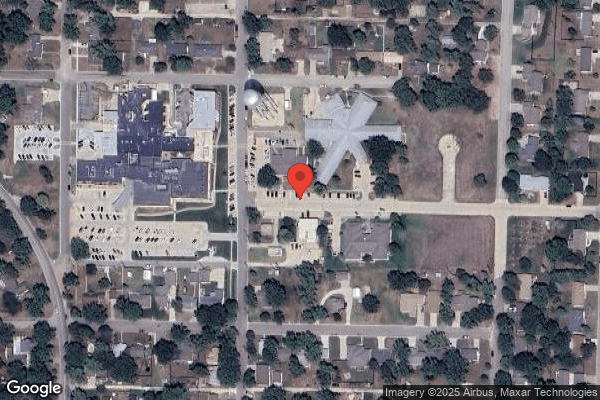
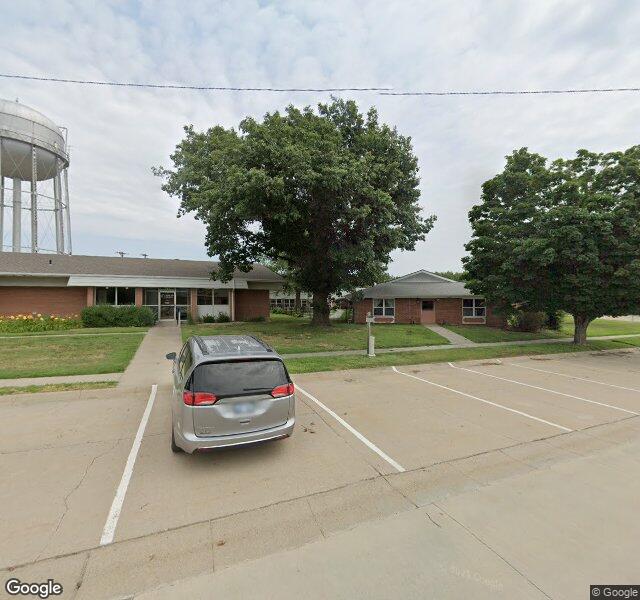
715 LIBERTY, CLAY CENTER, KS 67432 (785) 632-5696
For profit - Limited Liability company 40 Beds CORNERSTONE GROUP HOLDINGS Data: November 2025 2 Immediate Jeopardy citations
Trust Grade
0/100
#234 of 295 in KS
Last Inspection: April 2025

Within standard 12-15 month inspection cycle. Federal law requires annual inspections.

Overview

Advena Living of Clay Center has received a Trust Grade of F, indicating significant concerns about the quality of care provided. This puts them in the bottom half of facilities in Kansas, ranking #234 out of 295, and they are the lowest-ranked option in Clay County. The facility's trend is worsening, with issues increasing from 16 in 2023 to 19 in 2025. Staffing is a major concern, as they have a low rating of 1 out of 5 stars and a high turnover rate of 63%, which is above the state average of 48%. Additionally, there are serious issues highlighted in recent inspections, including failures to respond to a resident's call light for over an hour and not providing necessary CPR to a resident who was in a full code status, both of which raise serious questions about resident safety and care practices.

Trust Score
F
0/100
In Kansas
#234/295
Bottom 21%
Safety Record
High Risk
Review needed
Inspections
Getting Worse
16 → 19 violations
Staff Stability
⚠ Watch
63% turnover. Above average. Higher turnover means staff may not know residents' routines.
Penalties
✓ Good
$54,913 in fines. Lower than most Kansas facilities. Relatively clean record.
Skilled Nurses
○ Average
RN staffing data not reported for this facility.
Violations
⚠ Watch
40 deficiencies on record. Higher than average. Multiple issues found across inspections.
★☆☆☆☆
1.0
Overall Rating
★☆☆☆☆
1.0
Staff Levels
★★★☆☆
3.0
Care Quality
★☆☆☆☆
1.0
Inspection Score
Stable
2023: 16 issues
2025: 19 issues

The Good

  • Full Sprinkler Coverage · Fire safety systems throughout facility
  • No fines on record

Facility shows strength in fire safety.

The Bad

1-Star Overall Rating

Below Kansas average (2.9)

Significant quality concerns identified by CMS

Staff Turnover: 63%

17pts above Kansas avg (46%)

Frequent staff changes - ask about care continuity

Federal Fines: $54,913

Above median ($33,413)

Moderate penalties - review what triggered them

Chain: CORNERSTONE GROUP HOLDINGS

Part of a multi-facility chain

Ask about local staffing decisions and management

Staff turnover is elevated (63%)

15 points above Kansas average of 48%

The Ugly 40 deficiencies on record

2 life-threatening 2 actual harm
Apr 2025 15 deficiencies
CONCERN (D)

Potential for Harm - no one hurt, but risky conditions existed

Assessment Accuracy (Tag F0641)

Could have caused harm · This affected 1 resident

The facility had a census of 23 residents. The sample included 13 residents. Based on record review, and interview the facility failed to ensure R18's admission Minimum Data Set (MDS- tool for impleme...

Read full inspector narrative →
The facility had a census of 23 residents. The sample included 13 residents. Based on record review, and interview the facility failed to ensure R18's admission Minimum Data Set (MDS- tool for implementing standardized assessment and for facilitating care management in nursing homes) had fully developed Care Area Assessments (CAA). Findings included: - R18's Electronic Medical Record (EMR) documented diagnoses of multiple sclerosis (a chronic autoimmune disease that effects the central nervous system (brain and spinal cord), diabetes mellitus (DM - when the body cannot use glucose, not enough insulin is made, or the body cannot respond to the insulin), edema (swelling resulting from an excessive accumulation of fluid in the body tissues), hypokalemia (low level of potassium in the blood), chronic obstructive pulmonary disease (COPD - a progressive and irreversible condition characterized by diminished lung capacity and difficulty or discomfort in breathing), muscle weakness, overactive bladder, retention of urine, anxiety (mental or emotional reaction characterized by apprehension, uncertainty, and irrational fear), dementia (a progressive mental disorder characterized by failing memory and confusion), behavioral disturbance( a persistent and repetitive pattern of behavior that deviates significantly from societal norms, causing distress or impairing a person's function), hypertension (high blood pressure), major depressive disorder (major mood disorder that causes persistent feelings of sadness), and obesity (excessive body fat). A review of R18's Annual Minimum Data Set (MDS) dated 02/21/25 Functional Abilities (Self-Care Mobility) CAA lacked analysis or further development. A review of R18's Annual MDS dated 02/21/25 Urinary Incontinence and Indwelling Catheter CAA lacked analysis or further development. A review of R18's Annual MDS dated 02/21/25 Pain CAA lacked analysis or further development. A review of R18's Annual MDS dated 02/21/25 Pressure Ulcer/Injury CAA lacked analysis or further development. On 04/09/25 at 1:00 PM, Administrative Nurse D stated all CAA should include analysis of findings. She stated that documentation from the CAA did flow into the plan of care and the residents could have unidentified care needs. The facility failed to provide a policy for MDS or CAAs development.
CONCERN (D)

Potential for Harm - no one hurt, but risky conditions existed

Deficiency F0657 (Tag F0657)

Could have caused harm · This affected 1 resident

The facility identified a census of 23 residents. The sample included 13 residents. Based on record review and interviews the facility failed to revise R19's care plan to address effective communicati...

Read full inspector narrative →
The facility identified a census of 23 residents. The sample included 13 residents. Based on record review and interviews the facility failed to revise R19's care plan to address effective communication for R19. This deficient practice placed R19 at risk for isolation and impaired psychosocial well being. Findings included: - R19's Electronic Medical Record (EMR) under the Diagnosis tab documented diagnoses of anoxic brain damage (happens when the brain is deprived of oxygen for an extended amount of time), irritability/anger issues, development disorder of speech and language, and weakness. The Quarterly Minimum Data Set (MDS) dated 02/08/25, documented a Brief Interview of Mental Status (BIMS) score of 11, which indicated moderately impaired cognition. The MDS documented R19 required set and cleanup for eating and oral hygiene, was independent for toileting, and required set up and clean up for bathing. The Communication Care Assessment Area (CAA) dated 08/08/24 documented R19 had difficulty communicating at times. R19 stuttered and if staff did not understand the stuttering, R19 would get upset. R19's Care Plan revised 01/21/25 documented R19 had a behavior problem. R19's plan of care documented R19 had been known to grab at staff hair, hands, and their necks. Nursing staff were to administer R19's medications as ordered. R19's plan of care documented staff were to anticipate and meet R19's needs. R19's Care Plan lacked preferences or direction for effective staff communication when R19 stuttered and was not understood. R19's Communication with Physician Note dated 02/27/25 documented the resident had difficulty verbally communicating his wishes and would like speech therapy to assist with verbal communication. On 04/09/25 at 12:25 PM, Certified Nurses Aid (CNA) M stated all nursing staff have access to the care plans. CNA M stated how to communicate with R19 was in noted in the resident's care plan. CNA M stated if she was unsure of what R19 was trying to communicate she would ask her nurse. On 04/09/25 at 12:53 PM, Licensed Nurse (LN) G stated how to communicate with R19 should be care planned. LN G stated all nursing staff have access to the resident's care plans. On 04/09/25 at 01:00 PM Administrative Nurse D stated R19 did have trouble communicating, due to stuttering. She stated that R19's plan of care should address how staff should communicate with R19. The facility's Care Plans, Comprehensive Person-Centered policy revised 10/21 documented A comprehensive, person-centered care plan that includes measurable objectives and timetables to meet the resident's physical, psychosocial, and functional needs was developed and implemented for each resident. The comprehensive, person-centered care plan would include measurable objectives and timeframes; and describe the services that are to be furnished to attain or maintain the resident's highest practicable physical, mental, and psychosocial well-being.
CONCERN (D)

Potential for Harm - no one hurt, but risky conditions existed

Pressure Ulcer Prevention (Tag F0686)

Could have caused harm · This affected 1 resident

**NOTE- TERMS IN BRACKETS HAVE BEEN EDITED TO PROTECT CONFIDENTIALITY** The facility identified a census of 23 residents. The sample included 13 residents with two reviewed for pressure ulcers (locali...

Read full inspector narrative →
**NOTE- TERMS IN BRACKETS HAVE BEEN EDITED TO PROTECT CONFIDENTIALITY** The facility identified a census of 23 residents. The sample included 13 residents with two reviewed for pressure ulcers (localized injury to the skin and/or underlying tissue usually over a bony prominence, because of pressure, or pressure in combination with shear and/or friction). Based on interviews, observations, and record reviews, the facility failed to ensure Resident (R) 6 and R18's low air-loss mattresses (specialized air mattresses used to reduce pressure on the body) were set to the appropriate settings. The facility further failed to ensure R18 had pressure relieving boots on when in bed. This deficient practice placed both residents at risk for complications related to skin breakdown and pressure ulcers. Findings Included: - The Medical Diagnosis section within R6's Electronic Medical Records (EMR) included diagnoses of general anxiety disorder (mental or emotional reaction characterized by apprehension, uncertainty, and irrational fear), obesity (severely overweight), schizoaffective disorder (a mental disorder characterized by gross distortion of reality, disturbances of language and communication, and fragmentation of thought), and post-traumatic stress disorder. R6's admission Minimum Data Set (MDS) completed 02/05/25 noted a Brief Interview for Mental Status (BIMS) score of 13, indicating intact cognition. The MDS indicated she had lower extremity impairment and was totally dependent on staff assistance for bed mobility, toileting, and transfers. The MDS noted she weighed 298 pounds (lbs.) with no weight loss. The MDS noted she was at risk for pressure ulcers but had no unhealed wounds. The MDS noted she had a pressure-reducing device for her bed and was on a repositioning program. R6's Pressure Ulcer Care Area Assessment (CAA) completed 02/07/25 indicated she was at risk for skin breakdown due to her limited mobility. The CAA noted her risks for pressure ulcers would be addressed in her care plan. R6's Care Plan initiated on 02/05/25 indicated she had a self-care deficit related to her activities of daily living (ADL). The plan noted she was dependent on staff for assistance with bed mobility, transfers, toileting, dressing, bathing, and personal hygiene. The plan noted she was at risk for pressure-related injuries. The plan instructed staff to provide preventative skin care and complete routine skin assessments. The plan lacked information related to her low air-loss mattress. R6's EMR under Vitals revealed she weighed 305.8 lbs. on 03/19/25. A review of the manual of Low Air-Loss Mattress Manufacturers' Operation (Drive Model) indicated that the mattress system was intended to reduce the incidence of pressure ulcers while optimizing comfort. The manual indicated the mattress pump's pressure levels and firmness were preset based on the weight range and comfort settings. The manual indicated an optimal bed system assessment should be conducted on each patient by a qualified clinician or medical provider to ensure maximum safety. On 04/07/25 at 08:20 AM, R6 slept in her bed. R6's low air-loss mattress was set to 450 lbs. The mattress pump had fixed weight settings of less than (<) 250 lbs, 300 lbs, 350 lbs, 400 lbs, 450 lbs, 500 lbs, and 600 to 1000 lbs. On 04/08/25 at 10:45 AM, R6 reported staff did not adjust the weight setting on the mattress. R6 stated staff had not asked about the pump's weight settings. On 04/09/25 at 07:30 AM, R6 slept in bed, with the mattress pump still set to 450 lbs. On 04/09/25 at 11:20 PM, Certified Nurse Aide (CNA) M stated the mattress pumps were set up based on the resident's current weight and staff only looked at them if an alarm was going off. On 04/09/25 at 11:20 PM, Licensed Nurse (LN) G stated the company set up the mattresses and pump. She stated staff only monitored the pump alarms. She stated the pumps were set by the resident's weight. On 04/09/25 at 01:04 PM, Administrative Nurse D stated Breath (oxygen distributor; Durable Medical Equipment - DME company) placed the equipment and managed the air-loss mattress settings. Administrative Nurse D stated staff would only monitor the beds for alarms. The facility failed to provide a policy related to pressure ulcers as requested on 04/09/25. - R18's Electronic Medical Recorded (EMR) multiple sclerosis (a chronic autoimmune disease that effects the central nervous system (brain and spinal cord), diabetes mellitus (DM - when the body cannot use glucose, not enough insulin is made, or the body cannot respond to the insulin), edema (swelling resulting from an excessive accumulation of fluid in the body tissues), hypokalemia (low level of potassium in the blood), chronic obstructive pulmonary disease (COPD - a progressive and irreversible condition characterized by diminished lung capacity and difficulty or discomfort in breathing), muscle weakness, overactive bladder, retention of urine, anxiety (mental or emotional reaction characterized by apprehension, uncertainty, and irrational fear), dementia (a progressive mental disorder characterized by failing memory and confusion), behavioral disturbance( a persistent and repetitive pattern of behavior that deviates significantly from societal norms, causing distress or impairing a person's function), hypertension (high blood pressure), major depressive disorder (major mood disorder that causes persistent feelings of sadness), and obesity (excessive body fat). R18's Annual Minimum Data Set (MDS) dated [DATE] documented R18 had a BIMS score of 15, which indicated intact cognition. The MDS documented R18 as at risk for pressure ulcers and noted the resident had a pressure-reducing device in the wheelchair and on the bed. The MDS documented R18 had a nutrition and hydration intervention to manage skin problems, and application of ointment to an area other than feet. R18's Care Plan dated 02/26/2024 documented R18 would have no complications related to diabetes. R18's plan of care directed staff would check R18's body for breaks in her skin. Nursing would inspect R18's feet for open areas, sores, pressure areas, blisters, edema, and redness. R18's care plan lacked direction for staff to monitor the resident's low air-loss mattress. R18's Braden Scale for Prediction Pressure Sore Risk dated 04/02/25 documented a score of 18, indicating a risk for pressure ulcers. On 04/07/25 at 09:18 AM, R18 laid on the bed, R18's low air-loss mattress was set at yellow; and the pressure relieving boots were at the bottom of the bed. R18 did not have her boots on, and her heels laid directly on the mattress. On 04/08/25 at 08:50 AM, R18 laid on the bed, R18's low air-loss mattress was set at yellow, and the boots were at the bottom of the bed. R18 did not have her boots on, and her heels laid directly on the mattress. On 04/09/25 at 12:25 PM, Certified Nurse's Aide (CNA) M stated the CNAs were responsible for ensuring residents' heels were floated and boots were on the resident. CNA M stated there was a notebook at the nurses' station that documented anyone who needed any extra care, and the nurse would also let staff know if anyone's heels needed to be floated. CNA M stated all nursing staff had access to the care plans, the information would be documented in the care plan. CNA M stated she did not know if the nurses monitored the low air-loss mattresses. CNA M stated when she went into R18's rooms, she ensured the bed was working. On 04/09/25 at 12:53 PM, Licensed Nurse (LN) G stated residents who required boots or their heels floated would have an order and it would be placed on the Treatment Administrative Record for nurses to sign off on. She stated the air mattresses were placed by Breath (oxygen distributor; Durable Medical Equipment - DME company), the company comes in and sets the mattress to the resident's weight. LN G stated all nursing staff look at the mattress when we are in the residents' rooms, but she stated there was not a specific place to sign off on the mattress to ensure it was on the correct weight. LN G stated skin assessments are done weekly, and the Director of Nursing would be the one to let the nurse know if an assessment was missed. On 04/09/25 at 01:00 PM, Administrative Nurse D stated all nursing staff were responsible for ensuring a resident had their heels floated and boots were on the resident while they were in bed. She stated there was an alarm on the low air-loss mattresses to alert staff if the bed was not working. She stated Breath placed the mattress and set the mattresses to the correct weight. She stated they were not monitored by staff. Administrative Nurse D stated she was ultimately responsible if a skin assessment was not performed and should be done weekly as ordered. The facility failed to provide a policy to include pressure injuries.
CONCERN (D)

Potential for Harm - no one hurt, but risky conditions existed

Accident Prevention (Tag F0689)

Could have caused harm · This affected 1 resident

The facility reported a census of 23 residents. The sample included 13 residents with one reviewed for accidents. Based on interviews, observations, and record review, the facility failed to ensure a ...

Read full inspector narrative →
The facility reported a census of 23 residents. The sample included 13 residents with one reviewed for accidents. Based on interviews, observations, and record review, the facility failed to ensure a safe care environment related to Resident (R) 16's call light placement. This placed R16 at risk for preventable accidents and injuries. Findings Included: - The Medical Diagnosis section within R16's Electronic Medical Records (EMR) included diagnoses of dementia (a progressive mental disorder characterized by failing memory and confusion), need for personal care, muscle weakness, and repeated falls. R16's Quarterly Minimum Data Set (MDS) completed 02/13/25 noted a Brief Interview for Mental Status (BIMS) score of zero indicating severe cognitive impairment. The MDS noted she required substantial to maximal assistance for dressing, personal hygiene, bathing, transfers, and toileting. The MDS noted no behaviors. The MDS noted she had two non-injury falls and was at risk for further falls. R16's Falls Care Area Assessment (CAA) completed 05/23/24 Indicated she was at risk for falls related to her impaired gait and balance. The CAA instructed staff to anticipate her needs, provide toileting, and engage in activities. R16's Care Plan initiated 07/13/23 indicated she had a self-care deficit related to her medical diagnoses. The plan noted she was dependent on staff for bathing, transfers, bed mobility, dressing, and personal hygiene. The plan noted she was a high fall risk. The plan instructed staff to provide frequent checks, offer toileting, provide activities, and asses her for pain. The plan noted she had a non-injury fall while attempting to self-transfer from her bed on 07/13/23 and required a soft-touch call light. The plan instructed staff to ensure her call light remained within reach at all times. On 04/08/25 at 01:20 PM, R16 slept in her bed. R16's fall mat was placed on the floor to the right of her. R16's call light was on the floor underneath her bed. The cord of the light ran down the back of the foot of her bed to the floor. On 04/08/25 at 01:45 PM, R16's call light remained on the floor as she slept in her bed. On 04/08/25 at 03:01 PM, R16's call light remained on the floor as she slept. On 04/09/25 at 11:35 AM, Certified Nurse's Aide (CNA) M stated all resident's call lights were to be placed within reach of the residents. She stated R16 had a soft touch light and should have been placed in a visible spot for her to recognize. On 04/09/25 at 01:02 PM, Administrative Nurse D stated R16's light should be placed next to her in bed for easy access and use. The Facility's Falls and Fall Risk policy revised 10/2021 indicated the facility was to ensure a safe care environment was provided for all residents. The policy noted residents would be assessed and provided the appropriate assistive devices.
CONCERN (D)

Potential for Harm - no one hurt, but risky conditions existed

Respiratory Care (Tag F0695)

Could have caused harm · This affected 1 resident

**NOTE- TERMS IN BRACKETS HAVE BEEN EDITED TO PROTECT CONFIDENTIALITY** The facility identified a census of 23 residents. The sample included 13 residents with one resident reviewed for respiratory ca...

Read full inspector narrative →
**NOTE- TERMS IN BRACKETS HAVE BEEN EDITED TO PROTECT CONFIDENTIALITY** The facility identified a census of 23 residents. The sample included 13 residents with one resident reviewed for respiratory care. Based on observation, record review, and interviews, the facility failed to ensure Resident (R) 18's continuous positive airway pressure (CPAP - ventilation device that blows a gentle stream of air into the nose to keep the airway open during sleep), was stored in a sanitary container when not in use. This defiant practice placed R18 at increased risk for respiratory complications. Findings included: - R18's Electronic Medical Record (EMR) multiple sclerosis (a chronic autoimmune disease that effects the central nervous system (brain and spinal cord), diabetes mellitus (DM - when the body cannot use glucose, not enough insulin is made, or the body cannot respond to the insulin), edema (swelling resulting from an excessive accumulation of fluid in the body tissues), hypokalemia (low level of potassium in the blood), chronic obstructive pulmonary disease (COPD - a progressive and irreversible condition characterized by diminished lung capacity and difficulty or discomfort in breathing), muscle weakness, overactive bladder, retention of urine, anxiety (mental or emotional reaction characterized by apprehension, uncertainty, and irrational fear), dementia (a progressive mental disorder characterized by failing memory and confusion), behavioral disturbance( a persistent and repetitive pattern of behavior that deviates significantly from societal norms, causing distress or impairing a person's function), hypertension (high blood pressure), major depressive disorder (major mood disorder that causes persistent feelings of sadness), and obesity (excessive body fat). The Annual Minimum Data Set (MDS) dated [DATE] documented R18 BIMS score of 15, which indicated intact cognition. The MDS documented R18 required setup and cleanup for eating and oral hygiene and was dependent on staff for toileting. The MDS documented R18 required supervision or touching for bathing, and substantial to maximum assistance for dressing. The MDS lacked indication of R18's CPAP. R18's Functional Abilities (Self-Care Mobility Care Area Assessment (CAA) dated 02/21/25 lacked analysis. R18's Care Plan dated 11/27/24 documented R18 had impaired cognitive function and dementia or impaired thought processes. R18's plan of care documented staff would administer medications as ordered and monitored/documented any side effects and the effectiveness. R18's plan of care lacked direction for staff to clean and store R18's CPAP mask. R18's physician's orders under the Orders tab revealed the following orders: Staff were to clean CPAP supplies weekly with vinegar and water every day shift every Saturday dated 02/17/24. The facility would ensure the resident's CPAP would be worn at night, at bedtime related to COPD dated 02/14/24. On 04/07/25 at 09:12 AM, R18 laid on her bed resting, with the CPAP on the bed and stuffed between the side rail and her low air-loss mattress (specialized air mattresses used to reduce pressure on the body). R18 stated she took her mask off herself. R18 stated she did not have a bag for the mask, and staff did not tell her that she needed to ensure the mask was stored in a sanitary manner. On 04/09/25 at 12:25 PM, Certified Nurse's Aide (CNA) M stated all respiratory equipment was to be stored in a plastic bag. On 04/09/25 at 12:53 PM, Licensed Nurse (LN) G stated all respiratory equipment was stored in a plastic bag. She stated new bags were placed in the resident's room. On 04/09/25 at 03:25 PM, Administrative Nurse D stated all respiratory equipment not in use should be placed in a plastic bag. She stated CPAP masks and oxygen tubing should not be left in the bed or hung over wheelchairs. The facility failed to provide a policy related to the storage of respiratory equipment.
CONCERN (D)

Potential for Harm - no one hurt, but risky conditions existed

Deficiency F0699 (Tag F0699)

Could have caused harm · This affected 1 resident

The facility identified a census of 23 residents. The sample included 13 residents with one reviewed for trauma-informed care. Based on observation, record review, and interviews, the facility failed ...

Read full inspector narrative →
The facility identified a census of 23 residents. The sample included 13 residents with one reviewed for trauma-informed care. Based on observation, record review, and interviews, the facility failed to identify, implement, and utilize trauma-based care strategies related to Resident (R) 6's reported history of post-traumatic stress disorder (PTSD - a mental disorder characterized by an acute emotional response to a traumatic event or situation involving severe environmental stress). This deficient practice placed R6 at risk for decreased psychosocial well-being and increased behaviors. Findings Included: - The Medical Diagnosis section within R6's Electronic Medical Records (EMR) included diagnoses of general anxiety disorder (mental or emotional reaction characterized by apprehension, uncertainty, and irrational fear), obesity (severely overweight), schizoaffective disorder (a mental disorder characterized by gross distortion of reality, disturbances of language and communication, and fragmentation of thought), and post-traumatic stress disorder. R6's admission Minimum Data Set (MDS) completed 02/05/25 noted a Brief Interview for Mental Status (BIMS) score of 13 indicating intact cognition. The MDS indicated she had lower extremity impairment and used a wheelchair for mobility. The MDS noted she was totally dependent on staff assistance for dressing, bathing, bed mobility, personal hygiene, toileting, and transfers. The MDS noted she was incontinent of bladder and bladder. The MDS noted she had PTSD. The MDS noted she weighed 298 pounds (lbs.) with no weight loss. The MDS noted she was at risk for pressure ulcers but had no unhealed wounds. The MDS noted she had a pressure-reducing device for her bed and was on a repositioning program. R6's Psychosocial Wellbeing Care Area Assessment (CAA) completed 02/07/25 indicated she was depressed about her admission into a nursing home and recent time in jail. The CAA noted she felt lonely. The CAA noted her psychosocial well-being will be addressed in her care plan. R6's Care Plan initiated on 02/05/25 indicated she had a self-care deficit related to her activities of daily living (ADL). The plan noted she was dependent on staff for assistance with bed mobility, transfers, toileting, dressing, bathing, and personal hygiene. The plan noted she required a full-body mechanical lift (Hoyer - total body mechanical lift). The plan noted she had a mood problem. The plan indicated she was to be offered behavioral health consults as needed. The plan noted caregivers were to be educated on the expectations of treatments, side effects, and potential adverse effects of her medication. The plan noted she had an alteration of neurological status. The plan instructed staff to discuss with R6 concerns, fears, or issues related to her diagnoses or treatments. The plan lacked information related to R6's potential effects related to her history of trauma or PTSD. R6's EMR under Assessments revealed a Patient Health Questionnaire (PHQ) evaluation completed on 01/30/25. The assessment indicated she reported little interest or pleasure in doing things. The assessment indicated R6 felt down, depressed, or hopeless. The assessment indicated R6 felt tired or had little energy. The assessment indicated R6 felt bad about herself or had feelings of being a failure. R6's EMR under Assessments revealed an undated PTSD / Trauma Assessment Tool scanned into the EMR on 02/24/25. The assessment indicated she reported having nightmares. The assessment noted she tried hard not to think about or went out of her way to avoid situations. The assessment indicated R6 felt easily startled, on guard, and watchful. The Assessment indicated she felt numb or detached from people's activities or in her surroundings. A review of R6's EMR was completed on 04/08/25. The review revealed no other PTSD or Trauma-related assessment from 01/02/25 to 04/08/25 in R6's medical record. R6'S EMR under Progress Notes revealed a Care Plan Note completed 03/12/25. The note revealed R6 reported to staff that she wanted to live at her house and her anxiety was at its worst. On 04/07/25 at 10:33 AM, R6 lay in her bed. R6 was shaking and reported she had high levels of anxiety. She stated her nightmares were improving but were still present. She stated she believed her tremors were from her anxiety. She stated she had PTSD from childhood abuse and anxiety from her recent court-related issues. She stated she had talked to the facility about her past trauma-related concerns and was supposed to have a mental health evaluation. She stated she had ongoing fears from her childhood trauma and legal issues. She stated she was forced to move to the care facility and felt it fed into her anxiety. R6 reported she felt like the facility had addressed her trauma concerns. On 04/09/25 at 09:01 AM, Social Services X provided a PTSD - Trauma Assessment dated 01/30/25. The assessment indicated no reported concerns or triggers for R6. On 04/09/25 at 12:35 PM, Social Service X stated R6 completed the form scanned in on 02/25/35 but reported no other traumatic issues for the form completed on 01/30/25. She stated R6 had anxiety related to her court-related problems but reported no childhood abuse. On 04/09/25 at 12:20 PM, Certified Nurse Aide (CNA) M stated R6 often displayed anxiety and withdrew from activities. She stated R6 often had worries related to her recent court problems. She stated staff should spend time talking with R6 and help calm her fears. CNA M stated she was not aware of PTSD or trauma care interventions for R6. On 04/09/25 at 01:04 PM, Administrative Nurse D stated she was not aware of trauma or PTSD-related concerns for R6. She stated all residents were screened upon admission and it should be care planned. She stated she was unaware of R6's history of childhood abuse or nightmares related to her trauma. The facility's Trauma Informed Care policy revised 10/20/21 indicated the facility was to screen all residents and provide trauma-related services to residents at risk for PTSD and trauma. The policy noted all residents were to receive a comprehensive screening to identify past trauma or adverse experiences and provide interventions to prevent potential triggers and unnecessary stimuli.
CONCERN (D)

Potential for Harm - no one hurt, but risky conditions existed

Deficiency F0700 (Tag F0700)

Could have caused harm · This affected 1 resident

**NOTE- TERMS IN BRACKETS HAVE BEEN EDITED TO PROTECT CONFIDENTIALITY** The facility identified a census of 23 residents. The sample included 13 residents with two reviewed for bed rails. Based on obs...

Read full inspector narrative →
**NOTE- TERMS IN BRACKETS HAVE BEEN EDITED TO PROTECT CONFIDENTIALITY** The facility identified a census of 23 residents. The sample included 13 residents with two reviewed for bed rails. Based on observation, record review, and interviews, the facility failed to ensure that Residents (R) 6 and R18 had safety assessments for the use of side rails that acknowledged the risks of their low air-loss mattress. This deficient practice placed both residents at risk for uninformed decisions and impaired safety related to the risks associated with the use of side rails. Findings Included: - The Medical Diagnosis section within R6's Electronic Medical Records (EMR) included diagnoses of general anxiety disorder (mental or emotional reaction characterized by apprehension, uncertainty, and irrational fear), obesity (severely overweight), schizoaffective disorder (a mental disorder characterized by gross distortion of reality, disturbances of language and communication, and fragmentation of thought), and post-traumatic stress disorder. R6's admission Minimum Data Set (MDS) completed 02/05/25 noted a Brief Interview for Mental Status (BIMS) score of 13 indicating intact cognition. The MDS indicated she had lower extremity impairment and used a wheelchair for mobility. The MDS noted she was totally dependent on staff assistance for dressing, bathing, bed mobility, personal hygiene, toileting, and transfers. The MDS noted she weighed 298 pounds (lbs.) with no weight loss. The MDS noted she was at risk for pressure ulcers but had no unhealed wounds. The MDS noted she had a pressure-reducing device for her bed and was on a repositioning program. R6's Pressure Ulcer Care Area Assessment (CAA) completed 02/07/25 indicated she was at risk for skin breakdown due to her limited mobility. The CAA noted her risks for pressure ulcers will be addressed in her care plan. R6's Functional Abilities Care CAA completed 02/07/25 indicated she was dependent on staff for transfers, bed mobility, bathing, toileting, dressing, and personal hygiene. The CAA noted her risks for functional abilities decline will be addressed in her care plan. R6's Care Plan initiated on 02/05/25 indicated she had a self-care deficit related to her activities of daily living (ADL). The plan noted she was dependent on staff for assistance with bed mobility, transfers, toileting, dressing, bathing, and personal hygiene. The plan noted she required a full-body mechanical lift (Hoyer - total body mechanical lift. The plan noted she was at risk for pressure-related injuries. The plan instructed staff to provide preventative skin care and complete routine skin assessments. The plan instructed staff to keep her skin clean and moisturized. The plan lacked information related to her low air-loss mattress. R6's EMR under Assessments revealed an admission Assessment completed on 01/23/25. The Section K of the assessment indicated she did not use any type of bed rails. A review of R6's EMR on 04/09/25 revealed no documentation showing the identified risks related to the use of her low air-loss mattress in conjunction with her bed's side rails. On 04/07/25 at 08:20 AM, R6 slept in her bed. R6's low air-loss mattress was set to 450lbs. The mattress pump had fixed weight settings of less than (<) 250lbs, 300lbs, 350lbs, 400lbs, 450lbs, 500lbs, and 600 to 1000lbs. R6's bed had bilateral assist rails at the head of the bed. On 04/09/25 at 11:20 PM, Certified Nurse Aide (CNA) M stated the mattress pumps were set up based on the resident's current weight and staff only looked at them if an alarm was going off. On 04/09/25 at 11:20 PM, Licensed Nurse (LN) G stated staff were expected to check the pump and side rails for safety each shift. On 04/09/25 at 01:04 PM, Administrative Nurse D stated nursing staff were expected to check for gaps in the side rails but was not sure if the side rail assessments covered the risks of the low-air-loss mattresses. The facility Bed Rail policy revised on 10/21 documented that the resident's sleeping environment would be assessed by the interdisciplinary team, considering the resident's safety, medical conditions, comfort, and freedom of movement, as well as input from the resident and family regarding previous sleeping habits and bed environment. The facility would try to prevent deaths/injuries from the beds and related equipment (including the frame, mattress, side rails, headboard, footboard, and bed accessories), the facility shall promote the following approaches: Inspection by the maintenance staff of all beds and related equipment as part of our regular bed safety program to identify risks and problems including potential entrapment risks. Review that gaps within the bed system are within the dimensions established (Note: the review shall consider situations that could be caused by the resident's weight, movement, or bed position.). Ensure that when bed system components are worn and need to be replaced, components meet the manufacturer's specifications: Ensure that bedside rails are properly installed using the manufacturer's instructions. - R18's Electronic Medical Record (EMR) from the Diagnosis tab documented diagnoses of multiple sclerosis (a chronic autoimmune disease that effects the central nervous system (brain and spinal cord), diabetes mellitus (DM - when the body cannot use glucose, not enough insulin is made, or the body cannot respond to the insulin), edema (swelling resulting from an excessive accumulation of fluid in the body tissues), hypokalemia (low level of potassium in the blood), chronic obstructive pulmonary disease (COPD - a progressive and irreversible condition characterized by diminished lung capacity and difficulty or discomfort in breathing), muscle weakness, overactive bladder, retention of urine, anxiety (mental or emotional reaction characterized by apprehension, uncertainty, and irrational fear), dementia (a progressive mental disorder characterized by failing memory and confusion), behavioral disturbance (a persistent and repetitive pattern of behavior that deviates significantly from societal norms, causing distress or impairing a person's function), hypertension (high blood pressure), major depressive disorder (major mood disorder that causes persistent feelings of sadness), and obesity (excessive body fat). R18's Annual Minimum Data Set (MDS) dated [DATE] documented R18's BIMS score of 15 intact cognition. The MDS documented R18 required setup and cleanup for eating and oral hygiene and was dependent on staff for toileting. The MDS documented R18 required supervision or touching for bathing, and substantial to maximum assistance for dressing. The MDS documented bed rails were not used. The Functional Abilities (Self-Care Mobility) Care Assessment Area (CAA) dated 02/21/25 lacked analysis. R18's Care Plan revised on 02/27/24 documented activities of daily living (ADL) deficit related to dementia, and musculoskeletal impairment. The plan of care documented R18 was able to reposition herself with the assistance of bed rails. R18's plan of care dated 05/08/24 documented R18 was dependent on one or two staff for repositioning and turning in bed. The plan of care documented R18 used half-bed rails on both sides to maximize independence with turning and repositioning in bed. A review of R18's EMR under the Assessment tab dated 02/14/24 revealed a Side Rail/Transfer Bar Assessment. The side rail assessment did not include an assessment to include a low air loss mattress. R24's EMR lacked evidence of risk versus benefits and education was provided to R18 or her representative regarding the risks associated with the use of side rails. On 04/07/25 at 09:36 AM, R18 laid in her bed, on her back. R18's side rails on both sides of the bed were up. On 04/07/25 at 09:05 AM, R24 laid in her bed on her back. R18's side rails on both sides of the bed were up. On 04/09/25 at 12:53 PM, Licensed Nurse (LN) G stated R18 liked the side rails she stated she felt safe and would not roll out of the bed. LN G stated she was unsure if the gaps were measured for an air-loss mattress or who would be responsible for measuring to ensure the bed rails were safe with the low air-loss mattress. On 04/09/25 at 12:53 PM, Administrative Nurse D stated bed rail assessments were done on admission. She stated R18 requested bed rails on her bed for her safety. Administrative D stated the bed rails were not measured for safety after the low air loss mattress was placed. The facility's Bed Rail policy revised on 10/21 documented that the resident's sleeping environment would be assessed by the interdisciplinary team, considering the resident's safety, medical conditions, comfort, and freedom of movement, as well as input from the resident and family regarding previous sleeping habits and bed environment. The facility would try to prevent deaths/injuries from the beds and related equipment (including the frame, mattress, side rails, headboard, footboard, and bed accessories), the facility shall promote the following approaches: Inspection by the maintenance staff of all beds and related equipment as part of our regular bed safety program to identify risks and problems including potential entrapment risks. Review that gaps within the bed system are within the dimensions established (Note: the review shall consider situations that could be caused by the resident's weight, movement, or bed position), ensure that when bed system components are worn and need to be replaced, components meet the manufacturer's specifications, and ensure that bedside rails are properly installed using the manufacturer's instructions.
CONCERN (D)

Potential for Harm - no one hurt, but risky conditions existed

Deficiency F0740 (Tag F0740)

Could have caused harm · This affected 1 resident

The facility identified a census of 23 residents. The sample included 13 residents with three reviewed for behavioral services. Based on observation, record review, and interviews, the facility failed...

Read full inspector narrative →
The facility identified a census of 23 residents. The sample included 13 residents with three reviewed for behavioral services. Based on observation, record review, and interviews, the facility failed to identify, implement, and monitor Resident (R) 21's behavioral care needs. This deficient practice placed R21 at risk for continued behavioral episodes and unmet care needs. Findings included: - The Medical Diagnosis section within R21's Electronic Medical Records (EMR) included diagnoses of post-traumatic stress disorder (PTSD - a mental disorder characterized by an acute emotional response to a traumatic event or situation involving severe environmental stress), intracranial brain injury, mild cognitive impairment, and an accidental gunshot wound to the head. R21's admission Minimum Data Set (MDS) completed 02/06/25 noted a Brief Interview for Mental Status (BIMS) score of four indicating severe cognitive impairment. The MDS indicated a care plan was implemented to address her behaviors. The MDS noted he was independent with his activities of daily living (ADL). The MDS noted he had no behaviors. The MDS noted he took antipsychotic (a class of medications used to treat major mental conditions that cause a break from reality), antianxiety (a class of medications that calm and relax people), and antidepressant (a class of medications used to treat mood disorders) medications. R21's Psychotropic Medication Area Assessment (CAA) completed 02/07/25 indicated he used psychotropic medication daily. The CAA instructed staff to monitor his medication use for sedation. The CAA noted his care plan addressed his medication use. R21's Cognitive Impairment CAA completed 02/07/25 indicated he had a traumatic brain injury that resulted in cognitive impairment. The CAA noted he had difficulty with understanding others and making himself understood. The CAA noted confusion, forgetfulness, and disorientation. The CAA noted his care plan addressed his cognitive impairment. R21's CAA triggered for behaviors. R21's Care Plan initiated on 01/24/25 indicated he had a self-care deficit related to his medical diagnoses. The plan noted he was independent with bathing, toileting, transfers, bed mobility, and ambulation. The plan noted he had severe cognitive impairment. The plan instructed staff to keep his routines consistent, ask yes/no questions, and present one question at a time. The plan noted he took psychotropic medications. The plan instructed staff to monitor and report adverse reactions to his medications. The plan encouraged staff to discuss the ongoing need for his psychotropic medication with his medical provider and family. The plan lacked interventions related to his wandering, behaviors, and allowing female residents to enter his room. R21's EMR under Progress Notes revealed a Behavior Note on 02/16/25 at 04:47 AM indicating he had extreme behaviors. The note revealed he removed his clothing from his wardrobe and walked down the hall. The note revealed he yelled vulgarities down the hallway and returned to his room. The note indicated staff continued to monitor for dangerous behaviors. R21's EMR under Progress Notes revealed a Behavior Note on 02/16/25 at 01:00 PM. The note revealed R21 wandered down the hall opening other resident's doors. R21's EMR under Progress Notes revealed a Behavior Note on 02/16/25 at 09:21 PM. The note indicated he continued to have extreme behaviors. The note revealed he displayed wandering, combativeness, yelling profanity, and throwing items. The note revealed that R21's behaviors disturbed other residents and caused complaints. R21's EMR under Progress Notes revealed a Behavior Note on 02/17/25 at 09:38 AM. The note revealed R21 urinated in the 100 hall. The note revealed that R21 moved his belongings into three other residents' rooms. R21's EMR under Progress Notes revealed a Behavior Note on 02/22/25 at 03:01 PM noted R21 wandered the hallways opening doors. R21's EMR under Progress Notes revealed a Behavior Note on 02/23/25 at 12:13 PM noted that R21 wandered the hallways opening other residents' doors. The note indicated R21 became visibly upset when redirected. The note revealed that R21 began yelling profanity at staff. On 04/07/25 at 09:10 AM, R23 wandered down the 100 hallway towards the back activity room area. R23 entered R21's room as he sat in his recliner. R23 began looking through R21's personal items. R21 asked her to stop and leave. R23 left the room and returned to the hallway. R23 returned back into R21's room and stood looking around. R23 then exited the room and walked back toward the dining area. No staff were present to monitor R23's wandering. On 04/09/25 at 11:23 AM, Certified Nurse Aide (CNA) M stated R21 normally was calm and cooperative but had exhibited aggressive behaviors towards staff. She stated he had wandering behaviors and verbal aggression but had not displayed it recently. She stated that R21 had displayed concerns with R23 entering his room and touching his stuff. She stated staff were expected to keep R23 out of his room to prevent upsetting him. On 04/09/25 at 11:36 AM, Licensed Nurse (LN) G stated R21 had not had behaviors recently. She stated he usually was calm. He did not like R23 going into his room and touching his stuff. She stated interventions should be implemented for residents who displayed aggression, wandering or other potential behaviors. On 04/09/25 at 12:23 PM, Administrative Nurse D stated behavioral interventions should be care planned for all residents with a history of behaviors to assist with calming them down. She stated that R21 was not happy with R23 continually entering his room and going through his things. She stated the facility is trying to keep her out of his room. The facility's Behavioral Assessment, Interventions, and Monitoring policy revised 08/2021 indicates the facility will complete comprehensive assessment and provide behavioral services to residents in need of services to allow the resident to maintain or achieve the highest practicable level of functioning. The facility failed to identify, implement, and monitor R21's behavioral care needs. This deficient practice placed R21 at risk for continued behavioral episodes and unmet care needs.
CONCERN (D)

Potential for Harm - no one hurt, but risky conditions existed

Deficiency F0744 (Tag F0744)

Could have caused harm · This affected 1 resident

The facility identified a census of 23 residents. The sample included 13 residents with one reviewed for dementia (a progressive mental disorder characterized by failing memory, and confusion) care. B...

Read full inspector narrative →
The facility identified a census of 23 residents. The sample included 13 residents with one reviewed for dementia (a progressive mental disorder characterized by failing memory, and confusion) care. Based on interviews, record review, and observations, the facility failed to provide dementia-related behavioral services for Resident (R) 23 to promote her highest practicable level of well-being resulting in numerous non-injury falls. This deficient practice placed R23 at risk for decreased quality of life, isolation, and impaired dignity. Findings Included: - The Medical Diagnosis section within R23's Electronic Medical Records (EMR) included diagnoses of acute encephalopathy (damage or injury to the brain resulting in memory loss, confusion, cognitive impairment, and/or disorientation), abnormal behaviors, and acute kidney injury. R23's admission Minimum Data Set (MDS) completed 03/27/25 noted a Brief Interview for Mental Status (BIMS) score of nine indicating moderate cognitive impairment. The MDS indicated she was independent with dressing, toileting, bed mobility, transfers, and ambulation. The MDS noted she had hallucinations (untrue persistent belief or perception held by a person although evidence shows it was untrue sensing things while awake that appear to be real, the mind created) and delusions (untrue persistent belief or perception held by a person although evidence shows it was untrue). The MDS noted she exhibited wandering behaviors. The MDs indicated she had no falls since her admission. R23's Behaviors Area Assessment (CAA) completed 04/01/25 indicated that she wandered daily and was easily redirectable. The MDS indicated a care plan was implemented to address her behaviors. R23's Care Plan initiated she was at risk for a self-care performance deficit related to her cognitive impairment. The plan noted she independently completed her dressing, bed mobility, toileting, transfers, and ambulation. The plan noted she required supervision with bathing. The plan noted she was an elopement risk due to her wandering. The plan instructed staff to offer pleasant diversion and identify the reason for wandering. R23's EMR under Progress Notes revealed a Behavior Note on 04/07/25. The note indicated that R23 was found by staff in R21's room. The note revealed that R23 attempted to change her clothes in his room. R23's EMR under Progress Notes revealed a Behavior Note on 04/08/25. The note indicated that R23 continued to go into R21's (severely cognitively impaired male resident) room and attempt to remove her clothing. The note revealed staff redirected her back to her room. The note revealed that R23 made multiple attempts to go back into R21's room. On 04/07/25 at 09:10 AM, R23 wandered down the 100 hallway towards the back activity room area. R23 entered R21's room as he sat in his recliner. R23 began looking through R21's personal items. R21 asked her to stop and leave. R23 left the room and returned to the hallway. R23 returned back into R21's room and stood looking around. R23 then exited the room and walked back toward the dining area. No staff were present to monitor R23's wandering. On 04/07/25 at 03:30 PM, R21 stated R23 frequently went into his room and messed with his things. He stated she tried to change in his room and lay on his bed. He stated he felt sorry for her but had told staff numerous times that she shouldn't be in his room. On 04/08/25 at 03:24 PM, R23 walked down the 100 hall and attempted to remove her shirt. R23 entered R21's room and closed the door. R23 reopened the door after a few seconds and exited the room. On 04/09/25 at 11:23 AM, Certified Nurse Aide (CNA) M stated the facility had tried many different activities and tasks to keep R23 engaged and prevent wandering. She stated R23 liked R21 and would repeatedly wander into his room. She stated staff were to redirect her back to her own room. On 04/09/25 at 12:43 PM, Administrative Nurse D stated that R23 was difficult to manage because she would not engage in one-to-one activities and was constantly wandering. She stated R21 disliked that R23 would constantly enter his room. She stated the facility tried many different interventions with no success. She stated R23 was only allowed to go into rooms that other residents invited her into and should not be left alone in male residents' rooms. The facility's Care of Dementia policy revised 11/2018 indicated the facility was to provide each resident with individualized care interventions and use the last restrictive approaches to care. The policy noted each resident was evaluated and provided interventions to address each resident's needs.
CONCERN (D)

Potential for Harm - no one hurt, but risky conditions existed

Medication Errors (Tag F0758)

Could have caused harm · This affected 1 resident

**NOTE- TERMS IN BRACKETS HAVE BEEN EDITED TO PROTECT CONFIDENTIALITY** The facility identified a census of 23 residents. The sample included 13 residents with five residents reviewed for unnecessary ...

Read full inspector narrative →
**NOTE- TERMS IN BRACKETS HAVE BEEN EDITED TO PROTECT CONFIDENTIALITY** The facility identified a census of 23 residents. The sample included 13 residents with five residents reviewed for unnecessary medications. Based on observation, record review, and interviews, the facility failed to provide a 14-day stop date, intended duration of therapy, and rationale for extended use related to Resident (R) 21 and R18's PRN (given as needed) antianxiety medications (a class of medications that calm and relax people). This deficient practice placed the residents at risk for ineffective treatment and unnecessary side effects. Findings Included: - The Medical Diagnosis section within R21's Electronic Medical Records (EMR) included diagnoses of post-traumatic stress disorder (PTSD- a mental disorder characterized by an acute emotional response to a traumatic event or situation involving severe environmental stress), intercranial brain injury, mild cognitive impairment, and an accidental gunshot wound to the head. R21's admission Minimum Data Set (MDS) completed 02/06/25 noted a Brief Interview for Mental Status (BIMS) score of four indicating severe cognitive impairment. The MDS indicated a care plan was implemented to address her behaviors. The MDS noted he was independent with his activities of daily living (ADLs). The MDS noted he had no behaviors. The MDS noted he took antipsychotic (a class of medications used to treat major mental conditions that cause a break from reality), antianxiety, and antidepressant (a class of medications used to treat mood disorders) medications. R21's Psychotropic Medication Area Assessment (CAA) completed 02/07/25 indicated he used psychotropic medication daily. The CAA instructed staff to monitor his medication use for sedation. The CAA noted his care plan addressed his medication use. R21's Cognitive Impairment CAA completed 02/07/25 indicated he had a traumatic brain injury that resulted in cognitive impairment. The CAA noted he had difficulty with understanding others and making himself understood. The CAA noted confusion, forgetfulness, and disorientation. The CAA noted his care plan addressed his cognitive impairment. R21's CAA was triggered for behaviors. R21's Care Plan initiated on 01/24/25 indicated he had a self-care deficit related to his medical diagnoses. The plan noted he was independent with bathing, toileting, transfers, bed mobility, and ambulation. The plan noted he had severe cognitive impairment. The plan instructed staff to keep his routines consistent, ask yes/no questions, and present one question at a time. The plan noted he took psychotropic medications. The plan instructed staff to monitor and report adverse reactions to his medications. The plan encouraged staff to discuss the ongoing need for his psychotropic medication with his medical provider and family. R21's EMR under Orders revealed an active order (started 01/24/25) for staff to administer 0.5mg of Lorazepam (antianxiety medication) by mouth every six hours as needed. The order contained no stop date and was set to indefinite. R21's Medication Regimen Review (MRR) completed 04/01/25 indicated R21's PRN Lorazepam order was reviewed by the pharmacy for benefit and continued need. The note indicated all PRN psychotropic medication orders required specific durations for continued use. The review indicated the duration should have been set to 04/01/26 and the rationale noted, It benefited him and he needed it. R21's EMR lacked rationale for extended use of his Lorazepam PRN medication. On 04/08/25 at 08:23 AM, R21 reported he had anxiety from R23 wandering into his room continually and touching his stuff. He stated he felt bad for her and didn't want her to get into trouble. He stated he took medication to help with his anxiety. On 04/09/25 at 12:25 PM Licensed Nurse (LN) G stated psychotropic medication used as PRN's required stop dates. She stated the stop dates were set typically weekly. She stated nursing staff were expected to report medication concerns to the director of nursing and medical provider. On 04/09/25 at 01:01 PM Administrative Nurse D reported that PRN psychotropic medications required stop dates with an intended duration. She stated the medical provider had been alerted to this but was hesitant to change the order or provide the rationale why no dates were added. The facility's Antipsychotic Medication Use policy revised on 10/21 documented that antipsychotic medications may be considered for residents with dementia but only after medical, physical, functional, psychological, emotional psychiatric, social, and environmental causes of behavioral symptoms have been identified and addressed. Antipsychotic medications would be prescribed at the lowest possible dosage for the shortest period and were subject to gradual dose reduction and re-review. - R18's Electronic Medical Record (EMR) from the Diagnosis tab documented diagnoses of multiple sclerosis (a chronic autoimmune disease that effects the central nervous system (brain and spinal cord), diabetes mellitus (DM - when the body cannot use glucose, not enough insulin is made, or the body cannot respond to the insulin), edema (swelling resulting from an excessive accumulation of fluid in the body tissues), hypokalemia (low level of potassium in the blood), chronic obstructive pulmonary disease (COPD - a progressive and irreversible condition characterized by diminished lung capacity and difficulty or discomfort in breathing), muscle weakness, overactive bladder, retention of urine, anxiety (mental or emotional reaction characterized by apprehension, uncertainty, and irrational fear), dementia (a progressive mental disorder characterized by failing memory and confusion), behavioral disturbance( a persistent and repetitive pattern of behavior that deviates significantly from societal norms, causing distress or impairing a person's function), hypertension (high blood pressure), major depressive disorder (major mood disorder that causes persistent feelings of sadness), and obesity (excessive body fat). R18's Annual Minimum Data Set (MDS) dated [DATE] documented R18 had a BIMS score of 15, which indicated intact cognition. The MDS documented R18 required setup and cleanup for eating and oral hygiene and was dependent on staff for toileting. The MDS documented R18 required supervision or touching for bathing, and substantial to maximum assistance for dressing. The MDS documented R18 received an antidepressant (a class of medications used to treat mood disorders) and antipsychotic (a class of medications used to treat major mental conditions that cause a break from reality) medications during the observation period. R18's Psychotropic Drug Use Care Area Assessment (CAA) dated 02/21/25 documented see Medication Administration Record MAR, R18 recieved several medications for pain, anxiety, and mood. R18's Care Plan dated 06/05/24 documented R18 used antidepressant medication related to depression, and R18 would be free from discomfort or adverse reactions related to antidepressant therapy. The plan documented nursing would administer antidepressant medications ordered by the physician. The plan documented R18 used psychotropic medications related to bipolar diagnosis. The plan documented R18 would be free of psychotropic drug-related complications, including movement disorder and discomfort. R18's plan of care documented nursing would give medications as ordered by the physician, monitor for side effects, and consult the pharmacy. R18's EMR under Orders documented the following physician's order: Clonazepam (antipsychotic medication) oral tablet 0.5 milligrams (mg) given one tablet by mouth as needed for anxiety related to bipolar disorder (a major mental illness that causes people to have episodes of severe high and low moods), give one tab daily dated 04/02/25. Clonazepam lacked an end date; the end date was documented indefinitely. A review of R18's EMR revealed no physician-documented rationale for the continued use of clonazepam for bipolar disorder, or a discontinue date. On 04/08/25 at 09:32 AM, R18 laid on her bed resting. On 04/09/25 at 12:53 PM, Licensed Nurse (LN) G stated the nurse on duty was the person who recorded the order in the resident's EMR. LN G stated antipsychotics (a class of medications used to treat major mental conditions that cause a break from reality) administered on an as needed (PRN) basis were used for seven days, then the resident would have to be re-evaluated. She stated if the physician wrote the order for indefinite, that was the order the facility would go by. On 04/09/25 at 01:00 PM, Administrative Nurse D stated the facility knew PRN antipsychotic drugs needed an end dat and further stated the facility sent education to the physician. The facility's Antipsychotic Medication Use policy revised on 10/21 documented that antipsychotic medications may be considered for residents with dementia but only after medical, physical, functional, psychological, emotional psychiatric, social, and environmental causes of behavioral symptoms have been identified and addressed. Antipsychotic medications would be prescribed at the lowest possible dosage for the shortest period and were subject to gradual dose reduction and re-review.
CONCERN (F)

Potential for Harm - no one hurt, but risky conditions existed

Food Safety (Tag F0812)

Could have caused harm · This affected most or all residents

The facility identified a census of 23 residents. The facility had one kitchen. Based on observation, record review, and interviews, the facility failed to follow sanitary dietary standards related to...

Read full inspector narrative →
The facility identified a census of 23 residents. The facility had one kitchen. Based on observation, record review, and interviews, the facility failed to follow sanitary dietary standards related to food preparation. This deficient practice placed the residents at risk for food-borne illness. Findings included: - On 04/07/25 at 07:00 AM an inspection of the facility's kitchen revealed sausages cooking on the stove top. An inspection of the food preparation area revealed Dietary Staff EE prepared food without wearing a hairnet. Dietary Staff EE then exited the cooking area, put a hairnet on, and returned to the cooking area. On 04/09/25 at 11:23 AM, Dietary Staff BB stated all staff were required to immediately put hairnets on when in the kitchen's food preparation and service areas. The facility's Food Preparation and Service revised 10/2021 stated the facility was to ensure food service employees handle food in a manner that complied with safe handling practices. The policy indicated staff were required to follow safe sanitary practices, including the use of hairnets and hand hygiene.
CONCERN (F)

Potential for Harm - no one hurt, but risky conditions existed

Deficiency F0838 (Tag F0838)

Could have caused harm · This affected most or all residents

The facility identified a census of 23 residents. The sample included 13 residents. Based on observations, interviews, and record reviews, the facility failed to conduct a thorough facility-wide asses...

Read full inspector narrative →
The facility identified a census of 23 residents. The sample included 13 residents. Based on observations, interviews, and record reviews, the facility failed to conduct a thorough facility-wide assessment to determine the resources necessary to care for residents competently during both day-to-day operations and emergencies. This failure affected all 13 residents who resided in the facility. Findings Included: - On 04/07/25 Administrative Nurse D provided a Facility Assessment updated 11/13/24. A review of the assessment revealed the following: The assessment failed to identify the specific staffing levels needed for each unit and to identify the number of Registered Nurses (RN), Licensed Nurses (LPN/LVN), Certified Medication Aides (CMA), and Certified Nurse Aides (CNA) needed for each unit, patient acuity, and census. The assessment lacked staffing levels required for each shift to include evenings and weekends. On 04/09/25 at 12:45 PM, Administrative Staff A stated the facility updated the facility assessment quarterly and followed the recent changes related to Centers for Medicaid and Medicare Services (CMS) regulatory updates. He stated the staffing information may be in a separate report and the facility would provide it. On 04/09/25 at 03:36 PM, Administrative Staff A provided a Neighborhood Staffing Assessment and Analysis report showing the required staffing levels. The creation date on the report was 04/09/25. The facility's Facility Assessment Quick Reference Guide dated 07/2024 indicated the facility assessment was to be individualized to the community needs and developed utilizing evidence-based, data-driven methods.
CONCERN (F)

Potential for Harm - no one hurt, but risky conditions existed

Staffing Data (Tag F0851)

Could have caused harm · This affected most or all residents

The facility reported a census of 23 residents. Based on record review and interviews, the facility failed to submit accurate staffing information to the federal regulatory agency through Payroll Base...

Read full inspector narrative →
The facility reported a census of 23 residents. Based on record review and interviews, the facility failed to submit accurate staffing information to the federal regulatory agency through Payroll Based Journaling (PBJ -Staffing Data Report), when the facility failed to submit accurate licensed nurse coverage and weekend staffing hours. This placed the residents at risk for unidentified and ongoing inadequate staffing. Findings included: - The PBJ provided by CMS for Fiscal Year (FY) 2024 of the second quarter (01/01/24 through 03/30/24) indicated the facility triggered for low weekend staff. The report also indicated the facility failed to provide licensed nurse coverage 24 hours per day. The PBJ provided by CMS for Fiscal Year (FY) 2025 of the first quarter (10/01/24 through 12/31/24) indicated the facility was triggered for low weekend staff. The report also indicated the facility failed to provide licensed nurse coverage 24 hours per day. A review of the facility's working schedule, time sheets and clock in and out information, and posted staffing hours was completed for the identified days missing the required licensed nurse coverage: 01/01/24, 02/11/24, 02/23/24, 03/10/24, 03/17/24, 10/31/24, 12/01/24, 12/21/24, 12/22/24, 12/22/24, 12/29/24, 12/30/24, and 12/31/24. The review revealed no missed coverage or gaps. A review of the facility's working schedule, time sheets and clock in and out, and posted staffing hours was completed for missed weekend coverages between 01/01/24 to 03/31/24 and 10/01/24 to 12/31/24. The review revealed no missed coverage or gaps. On 04/09/24 at 12:21 PM, Administrative Nurse D stated the facility had no missed licensed nurse shits and utilized agency staff to fill in gaps on the schedules. She stated some of the shifts may not have been accurately reported during the PBJ submission hours to reflect agency and shift fill-ins. The facility's Payroll Based Journaling policy revised 06/2024 indicated the facility will provide complete and accurate payroll data that can be validated and auditable. The facility failed to ensure accurate staffing hour information was submitted to the federal regulatory agency through PBJ when the facility failed to submit accurate data related to weekend staffing and licensed nursing coverage. This placed the residents at risk for unidentified and ongoing inadequate staffing.
CONCERN (F)

Potential for Harm - no one hurt, but risky conditions existed

Infection Control (Tag F0880)

Could have caused harm · This affected most or all residents

The facility identified a census of 23 residents. Based on record review, observations, and interviews, the facility failed to ensure R18's continuous positive airway pressure (CPAP - ventilation devi...

Read full inspector narrative →
The facility identified a census of 23 residents. Based on record review, observations, and interviews, the facility failed to ensure R18's continuous positive airway pressure (CPAP - ventilation device that blows a gentle stream of air into the nose to keep the airway open during sleep) and R4's nasal cannula were stored in a sanitary manner and further failed to ensure laundry employee's had person protective equipment (PPE) in the soiled laundry area, to sort soiled laundry. This defiant practice placed residents at risk for infections. Findings included: - On 04/07/25 at 09:12 AM, R18's CPAP lay on her bed stuffed between the side rail and her low air loss mattress. On 04/07/25 at 09:22 AM, R4's nasal cannula tubing was laid over the back of her wheelchair, R4's nasal cannula tubing was not stored in a sanitary manner. On 04/08/25 at 08:22 AM, a tour of the laundry room revealed cleaning rags were left in the washer overnight, and the soiled laundry and sorting room did not have PPE for staff to wear to sort dirty laundry. 04/08/24 at 08:25 AM, Housekeeping Supervisor U stated the soiled laundry did not have PPE in the soiled sorting area for staff to put on before sorting dirty laundry. On 04/09/25 at 12:25 PM, Certified Nurse's Aide (CNA) M stated respiratory equipment not in use should have a bag. On 04/09/25 at 12:53 PM, Licensed Nurse (LN) G stated all respiratory equipment not in use should be in a bag, and bags were changed weekly. On 04/09/25 at 01:00 PM, Administrative Nurse D stated all respiratory equipment not in use should be in a bag. She stated it was all nursing responsibility to ensure the respiratory equipment not in use was in a bag. The Monitoring Compliance with Infection Control dated 10/21 documented that routine monitoring and surveillance of the workplace are conducted to determine compliance with infection prevention, and control policies and practices. The infection preventionist or designee monitors the compliance and effectiveness of our infection prevention and control policies and practices. Monitoring includes regular surveillance of adherence to hand hygiene practices availability of hand hygiene supplies, and the availability of personal protective equipment and its appropriate use.
MINOR (C)

Minor Issue - procedural, no safety impact

Staffing Information (Tag F0732)

Minor procedural issue · This affected most or all residents

The facility identified a census of 23 residents. The sample included 13 residents. Based on record review and interviews, the facility lacked a census on its posted staffing reports. Findings includ...

Read full inspector narrative →
The facility identified a census of 23 residents. The sample included 13 residents. Based on record review and interviews, the facility lacked a census on its posted staffing reports. Findings included: - On 04/07/25 at 07:14 AM, an inspection of the facility revealed no posted staffing documentation posted in the facility. On 04/07/25 at 09:20 AM, no posted staffing was posted next to the facility's dry-erase board. On 04/08/25 at 08:30 AM a posted staffing report was posted next to the lobby's dry-erase board. The report did not include the daily census. On 04/09/25 at 09:10 AM a posted staffing report was posted next to the lobby's dry-erase board. The report did not include the daily census. On 04/09/25 at 12:24 PM, Administrative Nurse D stated the charge nurse was responsible for creating and posting the staffing in the lobby. She stated the census was only put on the dry-erase board and not included on the census report. A review of the facility's Staffing policy revised 08/2021 dated indicated that staffing hours must be maintained for facility records for a minimum of 18 months. The policy indicated the records must be made available upon request.
Jan 2025 4 deficiencies 2 IJ
CRITICAL (J) 📢 Someone Reported This

A family member, employee, or ombudsman was alarmed enough to file a formal complaint

Immediate Jeopardy (IJ) - the most serious Medicare violation

Free from Abuse/Neglect (Tag F0600)

Someone could have died · This affected 1 resident

The facility identified a census of 18 residents with 3 residents reviewed for abuse and neglect. Based on record review and interview, the facility failed to ensure Resident (R)1 remained free from n...

Read full inspector narrative →
The facility identified a census of 18 residents with 3 residents reviewed for abuse and neglect. Based on record review and interview, the facility failed to ensure Resident (R)1 remained free from neglect and mistreatment. On 12/27/24 at 07:39 AM, Licensed Nurse (LN) G went to R1's room to pass medications. R1's vital signs were blood pressure 118/73 mm/Hg, heart rate 81 bpm, respirations 24 per minute, and SAO2 92% on oxygen at 4 L per nasal cannula. At 09:30 AM, Laundry Person GG went to R1's room and R1 asked him to get LN G. Laundry Person GG went directly to LN G and told LN G R1 needed her. LN G continued to pass medications and answer phone calls. R1 placed her call light on at 09:42 AM and the call light alarmed for one hour and forty-five minutes with no one answering her call light. At 11:00 AM, Environmental Services Director HH, heard Certified Nurse Aide (CNA) M state, that she had seen R1's call light going off, but CNA M was not gowning up to go into the room just to be told R1 needed LN G. At 11:27 AM, LN G looked at the call light directory and saw that R1's light was on. LN G went to R1's room and found her pale, cold to the touch, and pulseless. LN G failed to initiate CPR and pronounced R1 dead at 11:27 AM. This deficient practice placed R1 at risk for grave psychosocial outcomes including fear, anxiety, and neglect due to staff not responding to R1's needs and placed R1 in immediate jeopardy. Findings included: - R1's Electronic Medical Record (EMR) documented R1 had diagnoses of non-ST elevation (NSTEMI) myocardial infarction (a type of heart attack that occurs when a coronary artery is partially blocked), cardiomyopathy (heart disease), hypertension, (high blood pressure), depression (a mood disorder that causes a persistent feeling of sadness and loss of interest), atrial fibrillation (rapid, irregular heartbeat), and bradycardia (low heart rate, less than 60 beats per minute). The admission Minimum Data Set (MDS), dated 11/19/24, documented R1 had a Brief Interview for Mental Status (BIMS) score of 13 which indicated intact cognition. The MDS documented R1 required substantial staff assistance with bathing, dressing, transfer, and bed mobility. The MDS documented R1 required moderate staff assistance for personal hygiene, oral hygiene, and toileting hygiene. The Functional Abilities Care Area Assessment (CAA), dated 11/19/24, documented R1 was admitted to the facility for physical therapy and occupational therapy for weight bearing and strengthening. R1's Care Plan, which was not initiated until after R1's death, directed staff R1 required two staff assistance with bed mobility, R1 required two staff assistance and a full lift for transfer, R1 used a bed pan when not incontinent, and required one staff assistance for dressing and showering. The care plan documented R1 required oxygen therapy and directed staff to monitor R1 for signs and symptoms of respiratory distress: respirations, pulse oximetry (the amount of oxygen in the blood), increased heart rate, restlessness, diaphoresis (heavy sweating), headaches, lethargy, confusion, atelectasis (complete or partial collapse of a lung), hemoptysis (coughing up blood), cough, and skin color and report these signs to R1's doctor as needed. R1 required oxygen at 4 Liters (L) per nasal cannula. R1's EMR, dated 11/12/24 (date of admission) documented R1 was a full code. The Notes tab in R1's EMR revealed the following: The Nursing Progress Note, dated 12/27/24 at 11:35 AM, documented LN G went to assess R1. R1's call light was on and Laundry Person GG had stated R1 had requested a nurse. R1 had no signs of life. R1 had no visible breathing, no palpable pulse, and no audible heartbeat. LN G called R1's time of death at 11:26 AM. LN G notified R1's primary care provider, Administrative Nurse D, and R1's family. R1's primary care provider gave a verbal order to release R1's body to the funeral home. The Nursing Progress Note, dated 12/27/24 at 12:25 PM, documented R1 had previously been assessed by LN G at 07:39 AM. R1 was alert, oriented, and sat up at a forty-five-degree angle in her bed. R1's vital signs were normal, blood pressure 118/73 mm/Hg (millimeters of mercury), pulse 81 beats per minute, temperature of 96.6 degrees F, pulse 24 beats per minute, and pulse oximetry of 92%. R1 had been breathless which caused her to feel panicked. LN G attempted to call R1's family and coached R1 through some deep breathing to help R1 calm herself. When LN G assessed R1 again at 11:26 AM, R1 was cold to the touch, with no visible signs of life including no breathing, no palpable pulse, and no audible heartbeat. The December 2024 Working Schedule, documented LN G and Certified Nurse's Aide (CNA) M were the only two nursing staff scheduled for the 11/27/24 day shift to take care of 18 residents, with three of those residents being two staff assist. The list of staff certified in CPR documented LN G and CNA M were certified in CPR. The Call Light Audit Report documented R1 had put her call light on at 09:42 AM and it alarmed until 11:23 AM, one hour and forty-five minutes, and no one answered R1's call light. LN G's Notarized Witness Statement, dated 12/27/24, documented LN G arrived on shift at 06:00 AM. At 07:39 AM, LN G entered R1's room to administer her medications. R1 was alert and sat up in bed. R1's vital signs were within normal limits. R1 was in a panicked state because she could not find her call light or reach her table and she felt breathless. LN G repositioned R1's bedside table and call light so R1 could reach the items, assisted R1 in calling her family, helped R1 take deep breaths to calm her down, and administered R1's morning medications. R1 stated she was good and needed no further assistance. LN G continued to pass medications to other residents and answer facility phone calls. At 09:31 AM, Laundry Person GG came to LN G and told LN G R1 was requesting a nurse. LN G continued to pass medications and answer facility phone calls. At 11:20 AM, LN G went to the nurse's station and noticed R1's call light was going off on the call light directory. CNA M stated, Oh, she still needs a nurse. At 11:26 AM, LN G went to assess R1 and found her cold to the touch, with no palpable pulse, no breathing, and no audible heartbeat. Based on the temperature of the body being cold to the touch, LN G assessed in her medical opinion life resuscitation was impossible. CNA M's Notarized Witness Statement, dated 11/27/24, documented at 06:30 AM CNA M told LN G she was going to start showers and LN G stated she would watch the floor and answer call lights. CNA M stated when she was walking down the hall, she heard Laundry Person GG tell LN G R1 wanted her. CNA M stated she went to assist residents with COVID-19 (highly contagious respiratory virus) get up for the day. CNA M stated when she came out at about 11:15 AM and noted her pager identified R1's call light was going off. CNA M went to LN G and asked her if LN G wanted CNA M to get the call light and told LN G R1 had wanted her earlier and CNA M didn't know if LN G had been in there yet. LN G stated she would go and see what R1 needed. CNA M stated she did not know her pager was going off because she did not look at it when she was in the COVID rooms. Laundry Person GG's Notarized Witness Statement, dated 11/27/24, documented Laundry Person GG was in R1's room at 09:30 AM and R1 told him she needed to see LN G. Laundry Person GG stated he went directly to LN G and told her R1 needed her. Environmental Service's Director HH's Notarized Witness Statement, dated 11/27/24, documented Environmental Service Director went to the nurse's station at 11:00 AM and CNA M told her Laundry Person GG had gone into R1's room around 09:30 AM and R1 needed LN G. CNA M told Environmental Service's Director HH, LN G had still not gone into R1's room. CNA M told Environmental Service's Director HH, she had seen R1's call light going off, but said she was not going to gown up to go back in R1's room for R1 to just tell her she needed LN G. Food Service Director JJ's Notarized Witness Statement documented R1 did not have a breakfast menu filled out for the morning on 11/27/24 which indicated R1 did not receive breakfast. The Facility Incident Report, dated 01/03/25, documented on 12/27/24 at 11:27 AM, LN G called to inform Administrative Nurse D to inform her R1 had passed. LN G stated R1 was unresponsive and cold to the touch and had no pulse. LN G reported she had last seen R1 around 08:00 AM and R1 was sitting upright in bed and in kind of a panic state because R1 could not find her call light and was having trouble breathing. LN G stated R1's vital signs were normal and R1's call light was attached to her bed. LN G assisted R1 in calling her sister which helped R1 calm. At 09:30 AM, Laundry Person GG went into R1's room to see if R1 had any laundry that needed to be done. R1 told Laundry Person GG she wanted to see LN G. Laundry Person GG went and told LN G to inform her of R1's request. LN G continued with medication pass and other duties. At 11:20 AM, LN G noticed R1's call light was going off on the computer. LN G stated she went into R1's room and found R1 lifeless. R1's family, physician, and Administrative Nurse D were notified. During the investigation, call light information was pulled which resulted in LN G and CNA M being suspended pending investigation. LN G was terminated on 12/31/24. CNA M returned to work on 01/01/25. All staff were in-serviced on 12/28/24 on Abuse and Neglect, Advanced Directives, and call lights. On 01/14/25 at 10:00 AM, Laundry Person GG stated he had entered R1's room around 09:30 AM and R1 asked him to go and get LN G. Laundry Person GG stated he went directly to LN G and told her R1 needed to see her, and LN G stated okay she would get to her. Laundry Person GG stated he heard later R1 had died. On 01/14/25 at 10:30 AM, CNA M stated she and LN G had been the only nursing staff on duty on 11/27/24. CNA M stated she had told LN G she was going to go get showers started about 06:30 AM and LN G stated she would watch the floor and call lights. CNA M stated after showers were done, she went to the COVID rooms to start getting those residents up for the day. CNA M stated when she is gowned up and in Covid rooms she does not take her pager out of her pocket to look at it so she did not know R1's call light was going off until after she got out of the Covid rooms. CNA M stated with all of the COVID residents one nurse and one CNA were not enough staff to take care of the residents. CNA M stated she had not seen R1 at all that morning and was never in R1's room. On 01/14/ 25 at 11:00 AM, Administrative Nurse D stated she would have expected staff to answer R1's call light before almost two hours had passed and expected LN G to start CPR on R1 right away after finding her unresponsive and pulseless and get EMS on its way to the facility. Administrative Nurse D stated LN G did not have the right to certify the time of death for R1. Administrative Nurse D stated there were other staff at work the day of the incident that could have answered R1's call light besides LN G and CNA M. Administrative Nurse D verified R1's call light had not been answered in one hour and forty-five minutes. Administrative Nurse D stated the last CPR in-service training was in November of 2023 and all staff were re-educated regarding CPR after the incident. Administrative Nurse D stated LN G could not understand why the facility terminated her employment because, in LN G's opinion, she had done nothing wrong. On 01/14/25 at 02:00 PM, Administrative Staff A stated one nurse and one CNA were enough staff to take care of seventeen to eighteen residents, and on the day of the incident one of the housekeeping staff and social services/activities staff were on duty and both were also CNAs. The facility's Emergency Procedure-Cardiopulmonary Resuscitation Policy, dated February 2018, documented Personnel have completed training on the initiation of CPR and basic life support for victims of cardiac arrest. Sudden cardiac arrest is a loss of heart function due to abnormal heart rhythms. Cardiac arrest occurs soon after symptoms appear. A heart attack refers to impaired blood flow to the heart which leads to damage of the heart muscle. A heart attack can cause sudden cardiac arrest. If an individual or resident is found unresponsive and not breathing normally and licensed staff member who is certified in CPR/BLS shall initiate CPR unless: It is known that a Do Not Resuscitate (DNR) order that specifically prohibits CPR and/or external defibrillation exists for that individual, or There are obvious signs of death. If the resident's DNR status is unclear, CPR will be initiated until it is determined that there is a DNR or a physician's order not to administer CPR. If the first responder is not CPR-certified, that person will call 911 and follow the 911 operator's instructions until a CPR-certified staff member arrives. All rescuers, trained or not, should provide chest compressions to victims of cardiac arrest. Trained rescuers should also provide ventilations with a compression/ventilation rate of 30:2. When the AED arrives assess for need and follow AED protocol as indicated. Continue with CPR/BLS until emergency medical personnel arrive. The facility's Abuse Policy, revised August 2024, documented all allegations of abuse including physical, mental, emotional, verbal, and/or sexual abuse, neglect, exploitation, misappropriation of resident property, mistreatment, and/or injuries of unknown source and any reasonable suspicion of a crime shall be promptly reported to local, state, and federal agencies and thoroughly shall be investigated by facility management. The administrator will ensure that any further potential abuse or mistreatment is prevented. The facility failed to ensure R1 remained free from neglect and mistreatment. This deficient practice placed R1 at risk for grave psychosocial outcomes including fear, anxiety, and neglect due to staff not responding to R1's needs and placed R1 in immediate jeopardy. The following citations represent the findings of partial extended survey and complaint investigation#KS00192613. On 01/14/25 at 02:30 PM Administrative Staff A received a copy of the Immediate Jeopardy Template and was informed of the immediate jeopardy for Resident (R)1. The facility completed the following corrective actions prior to this surveyor entering the facility: The facility submitted education regarding CPR, Advance Directives, Abuse and Neglect, and answering call lights that were completed on 12/28/24 and Call Light audits were implemented This deficient practice was Past Non-Compliance (PNC) as all corrections were completed prior to the surveyor entering the building. The scope and severity of the deficient practice remained at a G to reflect the actual injury to R1.
CRITICAL (J) 📢 Someone Reported This

A family member, employee, or ombudsman was alarmed enough to file a formal complaint

Immediate Jeopardy (IJ) - the most serious Medicare violation

Deficiency F0678 (Tag F0678)

Someone could have died · This affected 1 resident

The facility identified a census of 18 residents with 12 residents who elected a full code (term used to indicate the desire to receive resuscitative measures in the event of cardiac arrest) status. B...

Read full inspector narrative →
The facility identified a census of 18 residents with 12 residents who elected a full code (term used to indicate the desire to receive resuscitative measures in the event of cardiac arrest) status. Based on record review and interview, the facility failed to ensure staff provided cardiopulmonary resuscitation (CPR - emergency lifesaving procedure performed when the heart stops beating) to Resident (R) 1, who desired resuscitative measures as indicated by her full code status. On 12/27/24 at 07:39 AM, Licensed Nurse (LN) G went to R1's room to pass medications. R1's vital signs were blood pressure 118/73 mm/Hg, heart rate 81 bpm, respirations 24 per minute, and SAO2 92% on oxygen at 4 L per nasal cannula. At 09:30 AM, Laundry Person GG, went to R1's room and R1 asked him to get LN G. Laundry Person GG went directly to LN G and told LN G R1 needed her. LN G continued to pass medications and answer phone calls. R1 placed her call light on at 09:42 AM and the call light alarmed for one hour and forty-five minutes with no one answering her call light. At 11:27 AM, LN G looked at the call light directory and saw that R1's light was on. LN G went to R1's room and found her pale, cold to the touch, and pulseless. LN G failed to initiate CPR and pronounced R1 dead at 11:27 AM. The facility failed to activate Emergency Medical Services and withheld CPR despite R1's documented full code status. R1 died in the facility. This deficient practice placed R1 and all residents with full code status in immediate jeopardy. Findings included: - R1's Electronic Medical Record (EMR) documented R1 had diagnoses of non-ST elevation (NSTEMI) myocardial infarction (a type of heart attack that occurs when a coronary artery is partially blocked), cardiomyopathy (heart disease), hypertension, (high blood pressure), depression (a mood disorder that causes a persistent feeling of sadness and loss of interest), atrial fibrillation (rapid, irregular heartbeat), and bradycardia (low heart rate, less than 60 beats per minute). The admission Minimum Data Set (MDS), dated 11/19/24, documented R1 had a Brief Interview for Mental Status (BIMS) score of 13 which indicated intact cognition. The MDS documented R1 required substantial staff assistance with bathing, dressing, transfer, and bed mobility. The MDS documented R1 required moderate staff assistance for personal hygiene, oral hygiene, and toileting hygiene. The Functional Abilities Care Area Assessment (CAA), dated 11/19/24, documented R1 was admitted to the facility for physical therapy and occupational therapy for weight bearing and strengthening. R1's Care Plan, which was not initiated until after R1's death, directed staff R1 required two staff assistance with bed mobility, R1 required two staff assistance and a full lift for transfer, R1 used a bed pan when not incontinent, and required one staff assistance for dressing and showering. The care plan documented R1 required oxygen therapy and directed staff to monitor R1 for signs and symptoms of respiratory distress: respirations, pulse oximetry (the amount of oxygen in the blood), increased heart rate, restlessness, diaphoresis (heavy sweating), headaches, lethargy, confusion, atelectasis (complete or partial collapse of a lung), hemoptysis (coughing up blood), cough, and skin color and report these signs to R1's doctor as needed. R1 required oxygen at 4 Liters (L) per nasal cannula. R1's EMR, dated 11/12/24 (date of admission) documented R1 was a full code. The Notes tab in R1's EMR revealed the following: The Nursing Progress Note, dated 12/27/24 at 11:35 AM, documented LN G went to assess R1. R1's call light was on and Laundry Person GG had stated R1 had requested a nurse. R1 had no signs of life. R1 had no visible breathing, no palpable pulse, and no audible heartbeat. LN G called R1's time of death at 11:26 AM. LN G notified R1's primary care provider, Administrative Nurse D, and R1's family. R1's primary care provider gave a verbal order to release R1's body to the funeral home. The Nursing Progress Note, dated 12/27/24 at 12:25 PM, documented R1 had previously been assessed by LN G at 07:39 AM. R1 was alert, oriented, and sat up at a forty-five-degree angle in her bed. R1's vital signs were normal, blood pressure 118/73 mm/Hg (millimeters of mercury), pulse 81 beats per minute, temperature of 96.6 degrees F, pulse 24 beats per minute, and pulse oximetry of 92%. R1 had been breathless which caused her to feel panicked. LN G attempted to call R1's family and coached R1 through some deep breathing to help R1 calm herself. When LN G assessed R1 again at 11:26 AM, R1 was cold to the touch, with no visible signs of life including no breathing, no palpable pulse, and no audible heartbeat. The December 2024 Working Schedule, documented LN G and Certified Nurse's Aide (CNA) M were the only two nursing staff scheduled for the 11/27/24 day shift to take care of 18 residents, with three of those residents being two staff assist. The list of staff certified in CPR documented LN G and CNA M were certified in CPR. The Call Light Audit Report documented R1 had put her call light on at 09:42 AM and it alarmed until 11:23 AM, one hour and forty-five minutes, and no one answered R1's call light. LN G's Notarized Witness Statement, dated 12/27/24, documented LN G arrived on shift at 06:00 AM. At 07:39 AM, LN G entered R1's room to administer her medications. R1 was alert and sat up in bed. R1's vital signs were within normal limits. R1 was in a panicked state because she could not find her call light or reach her table, and she felt breathless. LN G repositioned R1's bedside table and call light so R1 could reach the items, assisted R1 to call her family, helped R1 take deep breaths to calm her down, and administered R1's morning medications. R1 stated she was good and needed no further assistance. LN G continued to pass medications to other residents and answer facility phone calls. At 09:31 AM, Laundry Person GG came to LN G and told LN G R1 was requesting a nurse. LN G continued to pass medications and answer facility phone calls. At 11:20 AM, LN G went to the nurse's station and noticed R1's call light was going off on the call light directory. CNA M stated, Oh, she still needs a nurse. At 11:26 AM, LN G went to assess R1 and found here cold to the touch, no palpable pulse, no breathing, and no audible heartbeat. Based on the temperature of the body being cold to the touch, LN G assessed in her medical opinion life resuscitation was impossible. CNA M's Notarized Witness Statement, dated 11/27/24, documented at 06:30 AM CNA M told LN G she was going to start showers and LN G stated she would watch the floor and answer call lights. CNA M stated when she was walking down the hall she heard Laundry Person GG tell LN G R1 wanted her. CNA M stated she went to assist residents with COVID-19 (highly contagious respiratory virus) get up for the day. CNA M stated when she came out at about 11:15 AM and noted her pager identified R1's call light was going off. CNA M went to LN G and asked her if LN G wanted CNA M to get the call light and told LN G R1 had wanted her earlier and CNA M didn't know if LN G had been in there yet. LN G stated she would go and see what R1 needed. CNA M stated she did not know her pager was going off because she did not look at it when she was in the Covid rooms. Laundry Person GG's Notarized Witness Statement, dated 11/27/24, documented Laundry Person GG was in R1's room at 09:30 AM and R1 told him she needed to see LN G. Laundry Person GG stated he went directly to LN G and told her R1 needed her. Environmental Service's Director HH's Notarized Witness Statement, dated 11/27/24, documented Environmental Service Director went to the nurse's station at 11:00 AM and CNA M told her Laundry Person GG had gone into R1's room around 09:30 AM and R1 needed LN G. CNA M told Environmental Service's Director HH, LN G had still not gone into R1's room. CNA M told Environmental Service's Director HH, she had seen R1's call light going off, but said she was not going to gown up to go back in R1's room for R1 to just tell her she needed LN G. Food Service Director JJ's Notarized Witness Statement, documented R1 did not have a breakfast menu filled out for the morning on 11/27/24 which indicated R1 did not receive breakfast. The Facility Incident Report, dated 01/03/25, documented on 12/27/24 at 11:27 AM, LN G called to inform Administrative Nurse D to inform her R1 had passed. LN G stated R1 was unresponsive and cold to the touch and had no pulse. LN G reported she had last seen R1 around 08:00 AM and R1 was sitting upright in bed and in kind of a panic state because R1 could not find her call light and was having trouble breathing. LN G stated R1's vital signs were normal and R1's call light was attached to her bed. LN G assisted R1 in calling her sister which helped R1 calm. At 09:30 AM, Laundry Person GG went into R1's room to see if R1 had any laundry that needed to be done. R1 told Laundry Person GG she wanted to see LN G. Laundry Person GG went and told LN G to inform her of R1's request. LN G continued with medication pass and other duties. At 11:20 AM, LN G noticed R1's call light was going off on the computer. LN G stated she went into R1's room and found R1 lifeless. R1's family, physician, and Administrative Nurse D were notified. During the investigation, call light information was pulled which resulted in LN G and CNA M being suspended pending investigation. LN G was terminated on 12/31/24. CNA M returned to work on 01/01/25. All staff were in-serviced on 12/28/24 on Abuse and Neglect, Advanced Directives, and call lights. On 01/14/25 at 10:00 AM, Laundry Person GG stated he had entered R1's room around 09:30 AM and R1 asked him to go and get LN G. Laundry Person GG stated he went directly to LN G and told her R1 needed to see her, and LN G stated okay she would get to her. Laundry Person GG stated he heard later R1 had died. On 01/14/25 at 10:30 AM, CNA M stated she and LN G had been the only nursing staff on duty on 11/27/24. CNA M stated she had told LN G she was going to go get showers started about 06:30 AM and LN G stated she would watch the floor and call lights. CNA M stated after showers were done, she went to the COVID rooms to start getting those residents up for the day. CNA M stated when she is gowned up and in Covid rooms she does not take her pager out of her pocket to look at it so she did not know R1's call light was going off until after she got out of the Covid rooms. CNA M stated with all of the Covid residents one nurse and one CNA were not enough staff to take care of the residents. CNA M stated she had not seen R1 at all that morning and was never in R1's room. On 01/14/ 25 at 11:00 AM, Administrative Nurse D stated she would have expected staff to answer R1's call light before almost two hours had passed and expected LN G to start CPR on R1 right away after finding her unresponsive and pulseless and get EMS on its way to the facility. Administrative Nurse D stated LN G did not have the right to certify the time of death for R1. Administrative Nurse D stated there were other staff at work the day of the incident that could have answered R1's call light besides LN G and CNA M. Administrative Nurse D verified R1's call light had not been answered in one hour and forty-five minutes. Administrative Nurse D stated the last CPR in-service training was in November of 2023 and all staff were re-educated regarding CPR after the incident. Administrative Nurse D stated LN G could not understand why the facility terminated her employment because, in LN G's opinion, she had done nothing wrong. On 01/14/25 at 02:00 PM, Administrative Staff A stated one nurse and one CNA were enough staff to take care of seventeen to eighteen residents, and on the day of the incident one of the housekeeping staff and social services/activities staff were on duty and both were also CNAs. The facility's Emergency Procedure-Cardiopulmonary Resuscitation Policy, dated February 2018, documented Personnel have completed training on the initiation of CPR and basic life support for victims of cardiac arrest. Sudden cardiac arrest is a loss of heart function due to abnormal heart rhythms. Cardiac arrest occurs soon after symptoms appear. A heart attack refers to impaired blood flow to the heart which leads to damage of the heart muscle. A heart attack can cause sudden cardiac arrest. If an individual or resident is found unresponsive and not breathing normally and licensed staff member who is certified in CPR/BLS shall initiate CPR unless: It is known that a Do Not Resuscitate (DNR) order that specifically prohibits CPR and/or external defibrillation exists for that individual, or There are obvious signs of death. If the resident's DNR status is unclear, CPR will be initiated until it is determined that there is a DNR or a physician's order not to administer CPR. If the first responder is not CPR-certified, that person will call 911 and follow the 911 operator's instructions until a CPR-certified staff member arrives. All rescuers, trained or not, should provide chest compressions to victims of cardiac arrest. Trained rescuers should also provide ventilations with a compression/ventilation rate of 30:2. When the AED arrives assess for need and follow AED protocol as indicated. Continue with CPR/BLS until emergency medical personnel arrive. The facility's Abuse Policy, revised August 2024, documented all allegations of abuse including physical, mental, emotional, verbal, and/or sexual abuse, neglect, exploitation, misappropriation of resident property, mistreatment, and/or injuries of unknown source and any reasonable suspicion of a crime shall be promptly reported to local, state, and federal agencies and thoroughly shall be investigated by facility management. The administrator will ensure that any further potential abuse or mistreatment is prevented. The facility failed to ensure staff provided CPR to R1, who desired resuscitative measures as indicated by her full code status. This deficient practice placed R1 and all residents with full code status in immediate jeopardy. The following citations represent the findings of a partial extended survey and complaint investigation#KS00192613. On 01/14/25 at 02:30 PM Administrative Staff A received a copy of the Immediate Jeopardy Template and was informed of the immediate jeopardy for Resident (R)1. The facility completed the following corrective actions prior to this surveyor entering the facility: The facility submitted education regarding CPR, Advance Directives, Abuse and Neglect, and answering call lights that were completed on 12/28/24 and Call Light audits were implemented This deficient practice was Past Non-Compliance (PNC) as all corrections were completed prior to the surveyor entering the building. The scope and severity of the deficient practice remained at a G to reflect the actual injury to R1.
SERIOUS (G) 📢 Someone Reported This

A family member, employee, or ombudsman was alarmed enough to file a formal complaint

Actual Harm - a resident was hurt due to facility failures

Deficiency F0725 (Tag F0725)

A resident was harmed · This affected 1 resident

The facility identified a census of 18 residents. Based on record review, observation, and interview, the facility failed to provide sufficient nurse staffing with the appropriate competencies and ski...

Read full inspector narrative →
The facility identified a census of 18 residents. Based on record review, observation, and interview, the facility failed to provide sufficient nurse staffing with the appropriate competencies and skill sets to assure residents' safety and attain or maintain the highest practicable physical, mental, and psychosocial well-being for Resident (R)1 which resulted in R1's needs not being met and ultimately R1's death. On 12/27/24 at 07:39 AM, Licensed Nurse (LN) G went to R1's room to pass medications. R1's vital signs were blood pressure 118/73 mm/Hg, heart rate 81 bpm, respirations 24 per minute, and SAO2 92% on oxygen at 4 L per nasal cannula. At 09:30 AM, Laundry Person GG went to R1's room and R1 asked him to get LN G. Laundry Person GG went directly to LN G and told LN G R1 needed her. LN G continued to pass medications and answer phone calls. R1 placed her call light on at 09:42 AM and the call light alarmed for one hour and forty-five minutes with no one answering her call light. At 11:00 AM, Environmental Services Director HH, heard Certified Nurse Aide (CNA) M state, that she had seen R1's call light going off, but CNA M was not gowning up to go into the room just to be told R1 needed LN G. At 11:27 AM, LN G looked at the call light directory and saw that R1's light was on. LN G went to R1's room and found her pale, cold to the touch, and pulseless. LN G failed to initiate CPR and pronounced R1 dead at 11:27 AM. This deficient practice placed R1 at risk for grave psychosocial outcomes including fear, anxiety, and neglect due to staff not responding to R1's needs. Findings included: - R1's Electronic Medical Record (EMR) documented R1 had diagnoses of non-ST elevation (NSTEMI) myocardial infarction (a type of heart attack that occurs when a coronary artery is partially blocked), cardiomyopathy (heart disease), hypertension, (high blood pressure), depression (a mood disorder that causes a persistent feeling of sadness and loss of interest), atrial fibrillation (rapid, irregular heartbeat), and bradycardia (low heart rate, less than 60 beats per minute). The admission Minimum Data Set (MDS), dated 11/19/24, documented R1 had a Brief Interview for Mental Status (BIMS) score of 13 which indicated intact cognition. The MDS documented R1 required substantial staff assistance with bathing, dressing, transfer, and bed mobility. The MDS documented R1 required moderate staff assistance for personal hygiene, oral hygiene, and toileting hygiene. The Functional Abilities Care Area Assessment (CAA), dated 11/19/24, documented R1 was admitted to the facility for physical therapy and occupational therapy for weight bearing and strengthening. R1's Care Plan, which was not initiated until after R1's death, directed staff R1 required two staff assistance with bed mobility, R1 required two staff assistance and a full lift for transfer, R1 used a bed pan when not incontinent, and required one staff assistance for dressing and showering. The care plan documented R1 required oxygen therapy and directed staff to monitor R1 for signs and symptoms of respiratory distress: respirations, pulse oximetry (the amount of oxygen in the blood), increased heart rate, restlessness, diaphoresis (heavy sweating), headaches, lethargy, confusion, atelectasis (complete or partial collapse of a lung), hemoptysis (coughing up blood), cough, and skin color and report these signs to R1's doctor as needed. R1 required oxygen at 4 Liters (L) per nasal cannula. R1's EMR, dated 11/12/24 (date of admission) documented R1 was a full code. The Notes tab in R1's EMR revealed the following: The Nursing Progress Note, dated 12/27/24 at 11:35 AM, documented LN G went to assess R1. R1's call light was on and Laundry Person GG had stated R1 had requested a nurse. R1 had no signs of life. R1 had no visible breathing, no palpable pulse, and no audible heartbeat. LN G called R1's time of death at 11:26 AM. LN G notified R1's primary care provider, Administrative Nurse D, and R1's family. R1's primary care provider gave a verbal order to release R1's body to the funeral home. The Nursing Progress Note, dated 12/27/24 at 12:25 PM, documented R1 had previously been assessed by LN G at 07:39 AM. R1 was alert, oriented, and sat up at a forty-five-degree angle in her bed. R1's vital signs were normal, blood pressure 118/73 mm/Hg (millimeters of mercury), pulse 81 beats per minute, temperature of 96.6 degrees F, pulse 24 beats per minute, and pulse oximetry of 92%. R1 had been breathless which caused her to feel panicked. LN G attempted to call R1's family and coached R1 through some deep breathing to help R1 calm herself. When LN G assessed R1 again at 11:26 AM, R1 was cold to the touch, with no visible signs of life including no breathing, no palpable pulse, and no audible heartbeat. The December 2024 Working Schedule documented LN G and Certified Nurse's Aide (CNA) M were the only two nursing staff scheduled for the 11/27/24 day shift to take care of 18 residents, with three of those residents being two staff assist. The list of staff certified in CPR documented LN G and CNA M were certified in CPR. The Call Light Audit Report documented R1 had put her call light on at 09:42 AM and it alarmed until 11:23 AM, one hour and forty-five minutes, and no one answered R1's call light. LN G's Notarized Witness Statement, dated 12/27/24, documented LN G arrived on shift at 06:00 AM. At 07:39 AM, LN G entered R1's room to administer her medications. R1 was alert and sat up in bed. R1's vital signs were within normal limits. R1 was in a panicked state because she could not find her call light or reach her table, and she felt breathless. LN G repositioned R1's bedside table and call light so R1 could reach the items, assisted R1 in calling her family, helped R1 take deep breaths to calm her down, and administered R1's morning medications. R1 stated she was good and needed no further assistance. LN G continued to pass medications to other residents and answer facility phone calls. At 09:31 AM, Laundry Person GG came to LN G and told LN G R1 was requesting a nurse. LN G continued to pass medications and answer facility phone calls. At 11:20 AM, LN G went to the nurse's station and noticed R1's call light was going off on the call light directory. CNA M stated, Oh, she still needs a nurse. At 11:26 AM, LN G went to assess R1 and found her cold to the touch, with no palpable pulse, no breathing, and no audible heartbeat. Based on the temperature of the body being cold to the touch, LN G assessed in her medical opinion life resuscitation was impossible. CNA M's Notarized Witness Statement, dated 11/27/24, documented at 06:30 AM CNA M told LN G she was going to start showers and LN G stated she would watch the floor and answer call lights. CNA M stated when she was walking down the hall, she heard Laundry Person GG tell LN G R1 wanted her. CNA M stated she went to assist residents with COVID-19 (highly contagious respiratory virus) get up for the day. CNA M stated when she came out at about 11:15 AM and noted her pager identified R1's call light was going off. CNA M went to LN G and asked her if LN G wanted CNA M to get the call light and told LN G R1 had wanted her earlier and CNA M didn't know if LN G had been in there yet. LN G stated she would go and see what R1 needed. CNA M stated she did not know her pager was going off because she did not look at it when she was in the COVID rooms. Laundry Person GG's Notarized Witness Statement, dated 11/27/24, documented Laundry Person GG was in R1's room at 09:30 AM and R1 told him she needed to see LN G. Laundry Person GG stated he went directly to LN G and told her R1 needed her. Environmental Service's Director HH's Notarized Witness Statement, dated 11/27/24, documented Environmental Service Director went to the nurse's station at 11:00 AM and CNA M told her Laundry Person GG had gone into R1's room around 09:30 AM and R1 needed LN G. CNA M told Environmental Service's Director HH, LN G had still not gone into R1's room. CNA M told Environmental Service's Director HH, she had seen R1's call light going off, but said she was not going to gown up to go back in R1's room for R1 to just tell her she needed LN G. Food Service Director JJ's Notarized Witness Statement documented R1 did not have a breakfast menu filled out for the morning on 11/27/24 which indicated R1 did not receive breakfast. The Facility Incident Report, dated 01/03/25, documented on 12/27/24 at 11:27 AM, LN G called to inform Administrative Nurse D to inform her R1 had passed. LN G stated R1 was unresponsive and cold to the touch and had no pulse. LN G reported she had last seen R1 around 08:00 AM and R1 was sitting upright in bed and in kind of a panic state because R1 could not find her call light and was having trouble breathing. LN G stated R1's vital signs were normal and R1's call light was attached to her bed. LN G assisted R1 in calling her sister which helped R1 calm. At 09:30 AM, Laundry Person GG went into R1's room to see if R1 had any laundry that needed to be done. R1 told Laundry Person GG she wanted to see LN G. Laundry Person GG went and told LN G to inform her of R1's request. LN G continued with medication pass and other duties. At 11:20 AM, LN G noticed R1's call light was going off on the computer. LN G stated she went into R1's room and found R1 lifeless. R1's family, physician, and Administrative Nurse D were notified. During the investigation, call light information was pulled which resulted in LN G and CNA M being suspended pending investigation. LN G was terminated on 12/31/24. CNA M returned to work on 01/01/25. All staff were in-serviced on 12/28/24 on Abuse and Neglect, Advanced Directives, and call lights. On 01/14/25 at 10:00 AM, Laundry Person GG stated he had entered R1's room around 09:30 AM and R1 asked him to go and get LN G. Laundry Person GG stated he went directly to LN G and told her R1 needed to see her, and LN G stated okay she would get to her. Laundry Person GG stated he heard later that R1 had died. On 01/14/25 at 10:30 AM, CNA M stated she and LN G had been the only nursing staff on duty on 11/27/24. CNA M stated she had told LN G she was going to go get showers started about 06:30 AM and LN G stated she would watch the floor and call lights. CNA M stated after showers were done, she went to the COVID rooms to start getting those residents up for the day. CNA M stated when she is gowned up and in Covid rooms she does not take her pager out of her pocket to look at it so she did not know R1's call light was going off until after she got out of the Covid rooms. CNA M stated with all of the COVID residents one nurse and one CNA were not enough staff to take care of the residents. CNA M stated she had not seen R1 at all that morning and was never in R1's room. On 01/14/ 25 at 11:00 AM, Administrative Nurse D stated she would have expected staff to answer R1's call light before almost two hours had passed and expected LN G to start CPR on R1 right away after finding her unresponsive and pulseless and get EMS on its way to the facility. Administrative Nurse D stated LN G did not have the right to certify the time of death for R1. Administrative Nurse D stated there were other staff at work the day of the incident that could have answered R1's call light besides LN G and CNA M. Administrative Nurse D verified R1's call light had not been answered in one hour and forty-five minutes. Administrative Nurse D stated the last CPR in-service training was in November of 2023 and all staff were re-educated regarding CPR after the incident. Administrative Nurse D stated LN G could not understand why the facility terminated her employment because, in LN G's opinion, she had done nothing wrong. On 01/14/25 at 02:00 PM, Administrative Staff A stated one nurse and one CNA were enough staff to take care of seventeen to eighteen residents, and on the day of the incident one of the housekeeping staff and social services/activities staff were on duty and both were also CNA's. The facility's Emergency Procedure-Cardiopulmonary Resuscitation Policy, dated February 2018, documented Personnel have completed training on the initiation of CPR and basic life support for victims of cardiac arrest. Sudden cardiac arrest is a loss of heart function due to abnormal heart rhythms. Cardiac arrest occurs soon after symptoms appear. A heart attack refers to impaired blood flow to the heart which leads to damage of the heart muscle. A heart attack can cause sudden cardiac arrest. If an individual or resident is found unresponsive and not breathing normally and licensed staff member who is certified in CPR/BLS shall initiate CPR unless: It is known that a Do Not Resuscitate (DNR) order that specifically prohibits CPR and/or external defibrillation exists for that individual, or There are obvious signs of death. If the resident's DNR status is unclear, CPR will be initiated until it is determined that there is a DNR or a physician's order not to administer CPR. If the first responder is not CPR-certified, that person will call 911 and follow the 911 operator's instructions until a CPR-certified staff member arrives. All rescuers, trained or not, should provide chest compressions to victims of cardiac arrest. Trained rescuers should also provide ventilations with a compression/ventilation rate of 30:2. When the AED arrives assess for need and follow AED protocol as indicated. Continue with CPR/BLS until emergency medical personnel arrive. The facility's Abuse Policy, revised August 2024, documented all allegations of abuse including physical, mental, emotional, verbal, and/or sexual abuse, neglect, exploitation, misappropriation of resident property, mistreatment, and/or injuries of unknown source and any reasonable suspicion of a crime shall be promptly reported to local, state, and federal agencies and thoroughly shall be investigated by facility management. The administrator will ensure that any further potential abuse or mistreatment is prevented. The facility failed to provide sufficient nurse staffing with the appropriate competencies and skill sets to assure residents' safety and attain or maintain the highest practicable physical, mental, and psychosocial well-being for R1 which resulted in R1's needs not being met and ultimately R1's death. The facility completed the following corrective actions prior to this surveyor entering the facility: The facility submitted education regarding CPR, Advance Directives, Abuse and Neglect, and answering call lights that were completed on 12/28/24 and Call Light audits were implemented This deficient practice was Past Non-Compliance (PNC) as all corrections were completed prior to the surveyor entering the building.
SERIOUS (G) 📢 Someone Reported This

A family member, employee, or ombudsman was alarmed enough to file a formal complaint

Actual Harm - a resident was hurt due to facility failures

Deficiency F0726 (Tag F0726)

A resident was harmed · This affected 1 resident

The facility identified a census of 18 residents. Based on record review, observation, and interview, the facility failed to provide competent nurse staffing, who were unable to recognize Resident (R)...

Read full inspector narrative →
The facility identified a census of 18 residents. Based on record review, observation, and interview, the facility failed to provide competent nurse staffing, who were unable to recognize Resident (R)1 required cardiopulmonary resuscitation (CPR - emergency lifesaving procedure performed when the heart stops beating) which resulted in R1's needs not being met and ultimately R1's death. On 12/27/24 at 07:39 AM, Licensed Nurse (LN) G went to R1's room to pass medications. R1's vital signs were blood pressure 118/73 mm/Hg, heart rate 81 bpm, respirations 24 per minute, and SAO2 92% on oxygen at 4 L per nasal cannula. At 09:30 AM, Laundry Person GG went to R1's room and R1 asked him to get LN G. Laundry Person GG went directly to LN G and told LN G R1 needed her. LN G continued to pass medications and answer phone calls. R1 placed her call light on at 09:42 AM and the call light alarmed for one hour and forty-five minutes with no one answering her call light. At 11:00 AM, Environmental Services Director HH, heard Certified Nurse Aide (CNA) M state, that she had seen R1's call light going off, but CNA M was not gowning up to go into the room just to be told R1 needed LN G. At 11:27 AM, LN G looked at the call light directory and saw that R1's light was on. LN G went to R1's room and found her pale, cold to the touch, and pulseless. LN G failed to initiate CPR and pronounced R1 dead at 11:27 AM. This deficient practice placed R1 at risk for grave psychosocial outcomes including fear, anxiety, and neglect due to staff not responding to R1's needs. Findings included: - R1's Electronic Medical Record (EMR) documented R1 had diagnoses of non-ST elevation (NSTEMI) myocardial infarction (a type of heart attack that occurs when a coronary artery is partially blocked), cardiomyopathy (heart disease), hypertension, (high blood pressure), depression (a mood disorder that causes a persistent feeling of sadness and loss of interest), atrial fibrillation (rapid, irregular heartbeat), and bradycardia (low heart rate, less than 60 beats per minute). The admission Minimum Data Set (MDS), dated 11/19/24, documented R1 had a Brief Interview for Mental Status (BIMS) score of 13 which indicated intact cognition. The MDS documented R1 required substantial staff assistance with bathing, dressing, transfer, and bed mobility. The MDS documented R1 required moderate staff assistance for personal hygiene, oral hygiene, and toileting hygiene. The Functional Abilities Care Area Assessment (CAA), dated 11/19/24, documented R1 was admitted to the facility for physical therapy and occupational therapy for weight bearing and strengthening. R1's Care Plan, which was not initiated until after R1's death, directed staff R1 required two staff assistance with bed mobility, R1 required two staff assistance and a full lift for transfer, R1 used a bed pan when not incontinent, and required one staff assistance for dressing and showering. The care plan documented R1 required oxygen therapy and directed staff to monitor R1 for signs and symptoms of respiratory distress: respirations, pulse oximetry (the amount of oxygen in the blood), increased heart rate, restlessness, diaphoresis (heavy sweating), headaches, lethargy, confusion, atelectasis (complete or partial collapse of a lung), hemoptysis (coughing up blood), cough, and skin color and report these signs to R1's doctor as needed. R1 required oxygen at 4 Liters (L) per nasal cannula. R1's EMR, dated 11/12/24 (date of admission) documented R1 was a full code. The Notes tab in R1's EMR revealed the following: The Nursing Progress Note, dated 12/27/24 at 11:35 AM, documented LN G went to assess R1. R1's call light was on and Laundry Person GG had stated R1 had requested a nurse. R1 had no signs of life. R1 had no visible breathing, no palpable pulse, and no audible heartbeat. LN G called R1's time of death at 11:26 AM. LN G notified R1's primary care provider, Administrative Nurse D, and R1's family. R1's primary care provider gave a verbal order to release R1's body to the funeral home. The Nursing Progress Note, dated 12/27/24 at 12:25 PM, documented R1 had previously been assessed by LN G at 07:39 AM. R1 was alert, oriented, and sat up at a forty-five-degree angle in her bed. R1's vital signs were normal, blood pressure 118/73 mm/Hg (millimeters of mercury), pulse 81 beats per minute, temperature of 96.6 degrees F, pulse 24 beats per minute, and pulse oximetry of 92%. R1 had been breathless which caused her to feel panicked. LN G attempted to call R1's family and coached R1 through some deep breathing to help R1 calm herself. When LN G assessed R1 again at 11:26 AM, R1 was cold to the touch, with no visible signs of life including no breathing, no palpable pulse, and no audible heartbeat. The December 2024 Working Schedule, documented LN G and Certified Nurse's Aide (CNA) M were the only two nursing staff scheduled for the 11/27/24 day shift to take care of 18 residents, with three of those residents being two staff assist. The list of staff certified in CPR documented LN G and CNA M were certified in CPR. The Call Light Audit Report documented R1 had put her call light on at 09:42 AM and it alarmed until 11:23 AM, one hour and forty-five minutes, and no one answered R1's call light. LN G's Notarized Witness Statement, dated 12/27/24, documented LN G arrived on shift at 06:00 AM. At 07:39 AM, LN G entered R1's room to administer her medications. R1 was alert and sat up in bed. R1's vital signs were within normal limits. R1 was in a panicked state because she could not find her call light or reach her table, and she felt breathless. LN G repositioned R1's bedside table and call light so R1 could reach the items, assisted R1 in calling her family, helped R1 take deep breaths to calm her down, and administered R1's morning medications. R1 stated she was good and needed no further assistance. LN G continued to pass medications to other residents and answer facility phone calls. At 09:31 AM, Laundry Person GG came to LN G and told LN G R1 was requesting a nurse. LN G continued to pass medications and answer facility phone calls. At 11:20 AM, LN G went to the nurse's station and noticed R1's call light was going off on the call light directory. CNA M stated, Oh, she still needs a nurse. At 11:26 AM, LN G went to assess R1 and found her cold to the touch, with no palpable pulse, no breathing, and no audible heartbeat. Based on the temperature of the body being cold to the touch, LN G assessed in her medical opinion life resuscitation was impossible. CNA M's Notarized Witness Statement, dated 11/27/24, documented at 06:30 AM CNA M told LN G she was going to start showers and LN G stated she would watch the floor and answer call lights. CNA M stated when she was walking down the hall, she heard Laundry Person GG tell LN G R1 wanted her. CNA M stated she went to assist residents with COVID-19 (highly contagious respiratory virus) get up for the day. CNA M stated when she came out at about 11:15 AM and noted her pager identified R1's call light was going off. CNA M went to LN G and asked her if LN G wanted CNA M to get the call light and told LN G R1 had wanted her earlier and CNA M didn't know if LN G had been in there yet. LN G stated she would go and see what R1 needed. CNA M stated she did not know her pager was going off because she did not look at it when she was in the COVID rooms. Laundry Person GG's Notarized Witness Statement, dated 11/27/24, documented Laundry Person GG was in R1's room at 09:30 AM and R1 told him she needed to see LN G. Laundry Person GG stated he went directly to LN G and told her R1 needed her. Environmental Service's Director HH's Notarized Witness Statement, dated 11/27/24, documented Environmental Service Director went to the nurse's station at 11:00 AM and CNA M told her Laundry Person GG had gone into R1's room around 09:30 AM and R1 needed LN G. CNA M told Environmental Service's Director HH, LN G had still not gone into R1's room. CNA M told Environmental Service's Director HH, she had seen R1's call light going off, but said she was not going to gown up to go back in R1's room for R1 to just tell her she needed LN G. Food Service Director JJ's Notarized Witness Statement, documented R1 did not have a breakfast menu filled out for the morning on 11/27/24 which indicated R1 did not receive breakfast. The Facility Incident Report, dated 01/03/25, documented on 12/27/24 at 11:27 AM, LN G called to inform Administrative Nurse D to inform her R1 had passed. LN G stated R1 was unresponsive and cold to the touch and had no pulse. LN G reported she had last seen R1 around 08:00 AM and R1 was sitting upright in bed and in kind of a panic state because R1 could not find her call light and was having trouble breathing. LN G stated R1's vital signs were normal and R1's call light was attached to her bed. LN G assisted R1 in calling her sister which helped R1 calm. At 09:30 AM, Laundry Person GG went into R1's room to see if R1 had any laundry that needed to be done. R1 told Laundry Person GG she wanted to see LN G. Laundry Person GG went and told LN G to inform her of R1's request. LN G continued with medication pass and other duties. At 11:20 AM, LN G noticed R1's call light was going off on the computer. LN G stated she went into R1's room and found R1 lifeless. R1's family, physician, and Administrative Nurse D were notified. During the investigation, call light information was pulled which resulted in LN G and CNA M being suspended pending investigation. LN G was terminated on 12/31/24. CNA M returned to work on 01/01/25. All staff were in-serviced on 12/28/24 on Abuse and Neglect, Advanced Directives, and call lights. On 01/14/25 at 10:00 AM, Laundry Person GG stated he had entered R1's room around 09:30 AM and R1 asked him to go and get LN G. Laundry Person GG stated he went directly to LN G and told her R1 needed to see her, and LN G stated okay she would get to her. Laundry Person GG stated he heard later that R1 had died. On 01/14/25 at 10:30 AM, CNA M stated she and LN G had been the only nursing staff on duty on 11/27/24. CNA M stated she had told LN G she was going to go get showers started about 06:30 AM and LN G stated she would watch the floor and call lights. CNA M stated after showers were done, she went to the COVID rooms to start getting those residents up for the day. CNA M stated when she is gowned up and in Covid rooms she does not take her pager out of her pocket to look at it so she did not know R1's call light was going off until after she got out of the Covid rooms. CNA M stated with all of the COVID residents one nurse and one CNA were not enough staff to take care of the residents. CNA M stated she had not seen R1 at all that morning and was never in R1's room. On 01/14/ 25 at 11:00 AM, Administrative Nurse D stated she would have expected staff to answer R1's call light before almost two hours had passed and expected LN G to start CPR on R1 right away after finding her unresponsive and pulseless and get EMS on its way to the facility. Administrative Nurse D stated LN G did not have the right to certify the time of death for R1. Administrative Nurse D stated there were other staff at work the day of the incident that could have answered R1's call light besides LN G and CNA M. Administrative Nurse D verified that R1's call light had not been answered in one hour and forty-five minutes. Administrative Nurse D stated the last CPR in-service training was in November of 2023 and all staff were re-educated regarding CPR after the incident. Administrative Nurse D stated LN G could not understand why the facility terminated her employment because, in LN G's opinion, she had done nothing wrong. On 01/14/25 at 02:00 PM, Administrative Staff A stated one nurse and one CNA were enough staff to take care of seventeen to eighteen residents, and on the day of the incident one of the housekeeping staff and social services/activities staff were on duty and both were also CNA's. The facility's Emergency Procedure-Cardiopulmonary Resuscitation Policy, dated February 2018, documented Personnel have completed training on the initiation of CPR and basic life support for victims of cardiac arrest. Sudden cardiac arrest is a loss of heart function due to abnormal heart rhythms. Cardiac arrest occurs soon after symptoms appear. A heart attack refers to impaired blood flow to the heart which leads to damage of the heart muscle. A heart attack can cause sudden cardiac arrest. If an individual or resident is found unresponsive and not breathing normally and licensed staff member who is certified in CPR/BLS shall initiate CPR unless: It is known that a Do Not Resuscitate (DNR) order that specifically prohibits CPR and/or external defibrillation exists for that individual, or There are obvious signs of death. If the resident's DNR status is unclear, CPR will be initiated until it is determined that there is a DNR or a physician's order not to administer CPR. If the first responder is not CPR-certified, that person will call 911 and follow the 911 operator's instructions until a CPR-certified staff member arrives. All rescuers, trained or not, should provide chest compressions to victims of cardiac arrest. Trained rescuers should also provide ventilations with a compression/ventilation rate of 30:2. When the AED arrives assess for need and follow AED protocol as indicated. Continue with CPR/BLS until emergency medical personnel arrive. The facility's Abuse Policy, revised August 2024, documented all allegations of abuse including physical, mental, emotional, verbal, and/or sexual abuse, neglect, exploitation, misappropriation of resident property, mistreatment, and/or injuries of unknown source and any reasonable suspicion of a crime shall be promptly reported to local, state, and federal agencies and thoroughly shall be investigated by facility management. The administrator will ensure that any further potential abuse or mistreatment is prevented. The facility failed to provide sufficient nurse staffing with the appropriate competencies and skill sets to assure residents' safety and attain or maintain the highest practicable physical, mental, and psychosocial well-being for R1 which resulted in R1's needs not being met and ultimately R1's death. The facility completed the following corrective actions prior to this surveyor entering the facility: The facility submitted education regarding CPR, Advance Directives, Abuse and Neglect, and answering call lights that were completed on 12/28/24 and Call Light audits were implemented This deficient practice was Past Non-Compliance (PNC) as all corrections were completed prior to the surveyor entering the building.
Jul 2023 16 deficiencies
CONCERN (D)

Potential for Harm - no one hurt, but risky conditions existed

Comprehensive Care Plan (Tag F0656)

Could have caused harm · This affected 1 resident

The facility identified a census of 27 residents. The sample included 14 residents with five residents reviewed for unnecessary medications. Based on observations, record review, and interviews, the f...

Read full inspector narrative →
The facility identified a census of 27 residents. The sample included 14 residents with five residents reviewed for unnecessary medications. Based on observations, record review, and interviews, the facility failed to develop a comprehensive care plan that included anticoagulant (medication used to prevent blood from thickening or clotting) and antidepressant (class of medications used to treat mood disorders and relieve symptoms of depression [major mood disorder]) medication usage for Resident (R) 26 and failed to develop a comprehensive care plan that included anticoagulant medication usage for R15. This deficient practice had the risk for miscommunication among staff and unwarranted physical complications for R26 and R15. Findings included: - The Diagnoses tab of R26's Electronic Medical Record (EMR) documented diagnoses of dementia (progressive mental disorder characterized by failing memory, confusion) without behavioral disturbance, long term use of anticoagulants, and atrial fibrillation (rapid, irregular heart beat). The admission Minimum Data Set (MDS) dated 05/23/23, documented R26 had a Brief Interview for Mental Status (BIMS) score of six which indicated severe cognitive impairment. R26 required total dependence with two staff for bed mobility, transfers, dressing, and toileting and extensive physical assistance with one staff for personal hygiene. R26 received antidepressant and anticoagulant medications seven days in the seven-day lookback period. The Cognitive Loss/Dementia Care Area Assessment (CAA) dated 05/30/23, documented R26 had a BIMS score of six. The Psychotropic (any drug that affects brain activities associated with mental processes and behavior) Drug Use CAA dated 05/30/23, lacked an analysis of findings. The Care Plan dated 06/24/23, directed R26 had impaired cognitive function or impaired thought processes. The Care Plan lacked any interventions. The Care Plan did not address anticoagulant or antidepressant medication usage and side effect monitoring. The Orders tab of R26's EMR documented an order with a start date of 05/18/23 for sertraline (antidepressant medication) hydrochloride (HCl) 150 milligrams (mg) one time a day for depression; an order with a start date of 05/31/23 for Coumadin (anticoagulant medication) 7.5 milligrams (mg) at bedtime every Monday, Wednesday, Friday, Saturday, and Sunday for chronic atrial fibrillation; and an order with a start date of 06/01/23 for Coumadin five mg at bedtime every Tuesday and Thursday for chronic atrial fibrillation. The Orders tab did not document an order for anticoagulant or antidepressant medication side effect monitoring. On 07/19/23 at 08:24 AM, R26 sat in her wheelchair at the dining room table and waited for breakfast. On 07/18/23 at 10:00 AM, Administrative Nurse E stated she updated the care plans. On 07/19/23 at 11:51 AM, Licensed Nurse (LN) G stated medications that required side effect monitoring included any psychotropic or anticoagulant medication. She stated staff monitored for unexplained bruising, bleeding of any kind, and blood in the stools if the resident was on an anticoagulant. LN G stated psychotropic monitoring was located in the Treatment Administration Record (TAR), but anticoagulant monitoring was not located anywhere. She stated she was not sure if the care plan had anticoagulant monitoring, but it did have psychotropic monitoring. LN G stated Administrative Nurse E updated the care plans which included anticoagulant and antidepressant medication usage. On 07/19/23 at 12:17 PM, Administrative Nurse D stated medications that required side effect monitoring included psychotropic medications and anticoagulant medications. She stated the TAR had target behavior and side effect monitoring for psychotropic medications and anticoagulant monitoring was on the TAR as well. Administrative Nurse D stated the side effect monitoring was completed every shift. She stated Administrative Nurse E completed the care plans. She stated the care plans included anticoagulant and psychotropic medication usage and monitoring. The facility's Behavioral Assessment, Intervention, and Monitoring policy, last revised August 2021, directed when medications were prescribed for behavioral symptoms, documentation included monitoring for efficacy and adverse consequences. The facility's Anticoagulation- Clinical Protocol policy, last revised November 2018, directed the staff and physician monitored for possible complications in individuals who were being anticoagulated and managed related problems. The facility's Care Plans, Comprehensive Person-Centered policy, last revised October 2021, directed the comprehensive, person-centered care plan incorporated identified problem areas; incorporated risk factors associated with identified problems; reflected treatment goals, timetables, and objectives in measurable outcomes; identified the professional services that were responsible for each element of care; aided in preventing or reducing a decline in the resident's functional status and/or functional levels; and reflected currently recognized standards of practice for problem areas and conditions. The facility failed to develop a comprehensive care plan that included anticoagulant and antidepressant medication usage for R26. This deficient practice had the risk for miscommunication among staff and unwarranted physical complications for R26 - The Diagnoses tab of R15's Electronic Medical Record (EMR) documented diagnoses of respiratory failure (serious condition that makes it difficult to breathe on your own) and Pick's disease (rare condition that causes progressive and irreversible dementia [progressive mental disorder characterized by failing memory, confusion]). The admission Minimum Data Set (MDS) dated 11/02/22, documented a Brief Interview for Mental Status (BIMS) was not assessed. R15 required extensive physical assistance with two staff for bed mobility, transfers, dressing, toileting, and personal hygiene and total physical dependence with one staff for eating. The Quarterly MDS dated 05/16/23, documented a BIMS was not assessed due to rarely/never understood. R15 required total physical dependence with two staff for bed mobility, transfers, dressing, and toileting and total physical dependence with one staff for locomotion and personal hygiene. R15 received anticoagulant (medication used to prevent blood from thickening or clotting) medications seven days in the seven-day lookback period. The Cognitive Loss/Dementia Care Area Assessment (CAA) dated 12/14/22, documented R15 had orientation, memory, and recall deficits with contributing factors of dementia and short term/long term memory loss. The Care Plan dated 11/08/22, directed R15 had dehydration or potential fluid deficit related to dependency on staff per gastrostomy (surgical creation of an artificial opening into the stomach thru the abdominal wall) tube. The Care Plan directed staff administered medications as ordered and monitored/documented for side effects and effectiveness. The Care Plan did not address anticoagulant usage. The Orders tab of R15's EMR documented an order with a start date of 05/17/23 for apixaban (anticoagulant medication) five milligrams (mg) every 12 hours for pulmonary embolism (condition that occurs when a clump of material, most often a blood clot, gets stuck in an artery in the lungs, blocking the flow of blood). On 07/18/23 at 03:48 PM, R15 laid in bed on her left side and watched television. She appeared comfortable and without signs of distress or discomfort On 07/18/23 at 10:00 AM, Administrative Nurse E stated she updated the care plans. On 07/19/23 at 11:51 AM, Licensed Nurse (LN) G stated medications that required side effect monitoring included anticoagulant medication. She stated staff monitored for unexplained bruising, bleeding of any kind, and blood in the stools if the resident was on an anticoagulant. LN G stated anticoagulant monitoring was not located anywhere. She stated she was not sure if the care plan had anticoagulant monitoring. She stated Administrative Nurse E updated the care plans which included anticoagulant medication usage. On 07/19/23 at 12:17 PM, Administrative Nurse D stated medications that required side effect monitoring included anticoagulant medications. She stated anticoagulant monitoring was on the Treatment Administration Record (TAR). Administrative Nurse D stated the side effect monitoring was completed every shift. She stated Administrative Nurse E completed the care plans. She stated the care plans included anticoagulant medication usage and monitoring. The facility's Anticoagulation- Clinical Protocol policy, last revised November 2018, directed the staff and physician monitored for possible complications in individuals who were being anticoagulated and managed related problems. The facility's Care Plans, Comprehensive Person-Centered policy, last revised October 2021, directed the comprehensive, person-centered care plan incorporated identified problem areas; incorporated risk factors associated with identified problems; reflected treatment goals, timetables, and objectives in measurable outcomes; identified the professional services that were responsible for each element of care; aided in preventing or reducing a decline in the resident's functional status and/or functional levels; and reflected currently recognized standards of practice for problem areas and conditions. The facility failed to develop a comprehensive care plan that included anticoagulant medication usage for R15. This deficient practice had the risk for miscommunication among staff and unwarranted physical complications for R15.
CONCERN (D)

Potential for Harm - no one hurt, but risky conditions existed

Deficiency F0657 (Tag F0657)

Could have caused harm · This affected 1 resident

**NOTE- TERMS IN BRACKETS HAVE BEEN EDITED TO PROTECT CONFIDENTIALITY** The facility had a census of 27 residents. The sample included 14 residents. Based on observation, record review and interview t...

Read full inspector narrative →
**NOTE- TERMS IN BRACKETS HAVE BEEN EDITED TO PROTECT CONFIDENTIALITY** The facility had a census of 27 residents. The sample included 14 residents. Based on observation, record review and interview the facility failed to revise Resident (R) 22's care plan for accidents and dementia/behavioral care. This placed the resident at risk for injury related to uncommunicated or unmet care needs. Findings included: - R22's Electronic Medical Record (EMR) documented he had diagnoses of unspecified dementia with behavioral disturbance (impaired cognition, anxiety, agitation), anxiety disorder (mental health disorder feelings of fear or worry which interfere with daily activities), and psychosis (mental disorder with a disconnection from reality). R22's Significant Change Minimum Data Set (MDS), dated [DATE], documented the resident was severely cognitively impaired. The MDS documented R22 required moderate assistance with transfers and bed mobility, had two or more falls without significant injury, ambulated and at times used a wheelchair for mobility, verbal and physical behaviors one to three days, significantly disrupted care provided to others and rejected cares for one to three days. R22 wandered daily, intruded on others privacy and his behaviors had become worse. The Care Area Assessment Summary (CAA) for falls, dated 06/20/23, documented the resident had a decline in mental function and an increase in assistance with ambulation and transfers. The 06/20/23 Care Area Assessment (CAA) for behavioral symptoms documented R22 had an increase in behaviors and mental decline. R22's At Risk for Falls Care Plan, dated 06/20/23, instructed staff R22 required oversight when ambulating for safety, and used a wheelchair at times when weak and unsteady. R22 was at high risk for falls due to being unaware of safety. R22 walked the halls and staff were to monitor for tiredness and to encourage R22 to sit down; visual checks of R22 were to be done frequently. The care plan lacked revision for R22's frequent falls. The facility Fall Risk Assessment, dated 06/20/23, documented R22 at high risk for falls. The Wandering Care Plan dated 06/20/23, directed staff to check on the resident frequently, and identify patterns of wandering and intervene as appropriate. The Behavior Care Plan dated 06/20/23, directed staff to redirect the resident when having increased behaviors. The Nurse's Notes documented the following dates and times of falls: 06/01/23, Fall incident note, 08:30PM R22 found on the floor on his back in living room. 06/03/23, Fall incident note, 06:30 PM R22 found sitting on the floor in his room. 06/10/23, Fall incident note, 10:35PM, R22 found sitting on the floor on the east hallway in front of his wheelchair. 06/11/23, Fall incident note, 10:30PM, R22 found sitting on the floor near nurses desk in front of his wheelchair. 06/17/23, Fall incident note, 09:40PM, R22 hollering for help, found lying on his left side in his room by the wheelchair. 06/29/23, Fall incident note, 10:30PM, R22 found sitting on the floor outside of his room door. 07/15/23, Fall incident note, 05:00PM, R22 found sitting on dining room floor. On 07/13/23 at 02:30PM, observation revealed R22 sat in a wheelchair near the nurse's desk. Further observation revealed the resident attempting to propel himself in the wheelchair while leaning forward. On 07/17/23 at 08:30AM, observation revealed R22 sat on a dining room chair. R22 stood up from the chair with unsteady balance. On 07/17/23 at 10:10AM, observation revealed R22 ambulated into another resident's room. On 07/17/23 at 01:00PM, observation revealed R22 sat in his wheelchair in the dining room, leaning forward, and attempting to stand up from the wheelchair. On 07/18/23 at 08:30AM, observation revealed R22 sat on a dining room chair and attempted to stand up, while an unidentified staff member called from across the dining room Sit down or you will fall. On 07/17/23 at 10:10AM, observation revealed R22 ambulated into another resident's room; staff assisted him out of the room. On 07/18/23 at 09:40AM, Licensed Nurse (LN) G verified R22 was at high risk for falls and had multiple falls over the past month. LN G verified no new interventions were done on the care plan for R22's frequent falls, and interventions were not in place for the resident's increased behaviors. On 07/18/23 at 11:00AM, Administrative Nurse E verified the care plan had not been updated or revised for R22's increased falls or behaviors. The facility's Care Plan Revision policy dated 10/2021, stated the care plan will be updated with any resident's change in condition with interventions individualized to meet the resident's needs. The facility failed to update or revise R22's care plan for falls and behaviors, placing the resident at risk for injury and unmet dementia care needs.
CONCERN (D)

Potential for Harm - no one hurt, but risky conditions existed

Accident Prevention (Tag F0689)

Could have caused harm · This affected 1 resident

**NOTE- TERMS IN BRACKETS HAVE BEEN EDITED TO PROTECT CONFIDENTIALITY** The facility had a census of 27 residents. The sample included 14 residents. Based on observation, record review, and interview ...

Read full inspector narrative →
**NOTE- TERMS IN BRACKETS HAVE BEEN EDITED TO PROTECT CONFIDENTIALITY** The facility had a census of 27 residents. The sample included 14 residents. Based on observation, record review, and interview the facility failed to provide adequate assistance and safety for Resident (R) 22 and failed to identify and implement interventions to prevent falls for R22 who had multiple falls. This placed the resident at risk for future falls and related injury. Findings included: - R22's Electronic Medical Record (EMR) documented he had diagnoses of unspecified dementia with behavioral disturbance (impaired cognition, anxiety, agitation), anxiety disorder (mental health disorder feelings of fear or worry which interfere with daily activities),and psychosis (mental disorder with a disconnection from reality). R22's Significant Change Minimum Data Set (MDS), dated [DATE], documented the resident was severely cognitively impaired. The MDS documented R22 required moderate assistance with transfers and bed mobility, had two or more falls without significant injury, ambulated and at times used a wheelchair for mobility, verbal and physical behaviors one to three days, significantly disrupted care provided to others and rejected cares for one to three days. R22 wandered daily, intruded on others privacy and his behaviors had become worse. The Care Area Assessment Summary (CAA) for falls, dated 06/20/23, documented the resident had a decline in mental function and an increase in assistance with ambulation and transfers. The 06/20/23 Care Area Assessment (CAA) for behavioral symptoms documented R22 had an increase in behaviors and mental decline. R22's At Risk for Falls Care Plan, dated 06/20/23, instructed staff R22 required oversight when ambulating for safety, and used a wheelchair at times when weak and unsteady. R22 was at high risk for falls due to being unaware of safety. R22 walked the halls and staff were to monitor for tiredness and to encourage R22 to sit down; visual checks of R22 were to be done frequently. The care plan lacked revision for R22's frequent falls. The facility Fall Risk Assessment, dated 06/20/23, documented R22 at high risk for falls. The Wandering Care Plan dated 06/20/23, directed staff to check on the resident frequently, and identify patterns of wandering and intervene as appropriate. The Nurse's Notes documented the following dates and times of falls: 06/01/23, Fall incident note, 08:30PM R22 found on the floor on his back in living room. 06/03/23, Fall incident note, 06:30 PM R22 found sitting on the floor in his room. 06/10/23, Fall incident note, 10:35PM, R22 found sitting on the floor on the east hallway in front of his wheelchair. 06/11/23, Fall incident note, 10:30PM, R22 found sitting on the floor near nurses desk in front of his wheelchair. 06/17/23, Fall incident note, 09:40PM, R22 hollering for help, found lying on his left side in his room by the wheelchair. 06/29/23, Fall incident note, 10:30PM, R22 found sitting on the floor outside of his room door. 07/15/23, Fall incident note, 05:00PM, R22 found sitting on dining room floor. On 07/13/23 at 02:30PM, observation revealed R22 sat in a wheelchair near the nurse's desk. Further observation revealed the resident attempting to propel himself in the wheelchair while leaning forward. On 07/17/23 at 08:30AM, observation revealed R22 sat on a dining room chair. R22 stood up from the chair with unsteady balance. On 07/17/23 at 10:10AM, observation revealed R22 ambulated into another resident's room. On 07/17/23 at 01:00PM, observation revealed R22 sat in his wheelchair in the dining room, leaning forward, and attempting to stand up from the wheelchair. On 07/18/23 at 08:30AM, observation revealed R22 sat on a dining room chair and attempted to stand up, while an unidentified staff member called from across the dining room Sit down or you will fall. On 07/17/23 at 10:10AM, observation revealed R22 ambulated into another resident's room; staff assisted him out of the room. On 07/18/23 at 09:40AM, Licensed Nurse (LN) G verified R22 was at high risk for falls and had multiple falls over the past month. LN G verified no new interventions were done since the increase in R22's falls. LN G stated staff just tried to keep R22 safe. On 07/18/23 at 10:00AM, Administrative Nurse D verified R22 was at high risk for falls, and had multiple falls recently. Administrative Nurse D also verified R22 had an increase in behaviors with hitting at staff and refusal of cares at times. On 07/19/23 at 08:45AM, Certified Nurse Aide (CNA) M verified R22 was at risk for falls. CNA M stated R22 ambulated at times and if he was weak, staff tried to have him use a wheelchair. The facility's Falls and Fall Risk, Managing policy, dated 10/2021, stated if a resident continues to fall, staff will re-evaluate the situation and continue to change interventions to promote safety for the resident. Staff will identify specific risks and causes and try to prevent the resident from falling. The facility failed to identify causative factors and place interventions to attempt to prevent falls for R22, placing the resident at risk for injury.
CONCERN (D)

Potential for Harm - no one hurt, but risky conditions existed

Deficiency F0692 (Tag F0692)

Could have caused harm · This affected 1 resident

The facility identified a census of 27. The sample included 14 residents with three residents reviewed for nutrition. Based on observations, record review, and interviews, the facility failed to ensur...

Read full inspector narrative →
The facility identified a census of 27. The sample included 14 residents with three residents reviewed for nutrition. Based on observations, record review, and interviews, the facility failed to ensure the registered dietitian evaluated and made recommendations appropriately for Resident (R) 15 and failed to administer accurate enteral (within or via the small intestine) feedings as ordered for R15. This deficient practice had the risk for unintended weight loss and less than daily required caloric intake for R15. Findings included: - The Diagnoses tab of R15's Electronic Medical Record (EMR) documented diagnoses of encounter for attention to gastrostomy (surgical creation of an artificial opening into the stomach thru the abdominal wall), dysphagia (difficulty swallowing) and Pick's Disease (rare condition that causes progressive and irreversible dementia [progressive mental disorder characterized by failing memory, confusion]). The admission Minimum Data Set (MDS) dated 11/02/22, documented a Brief Interview for Mental Status (BIMS) was not assessed. R15 required extensive physical assistance with two staff for bed mobility, transfers, dressing, toileting, and personal hygiene and total physical dependence with one staff for eating. R15 had no or unknown weight loss, had a feeding tube, received 25% or less total calories through tube feeding, and received 500 milliliters (mL) per day or less fluid intake by tube feeding. The Quarterly MDS dated 05/16/23, documented a BIMS was not assessed due to rarely/never understood. R15 required total physical dependence with two staff for bed mobility, transfers, dressing, and toileting and total physical dependence with one staff for locomotion and personal hygiene. R15 received anticoagulant (medication used to prevent blood from thickening or clotting) and antibiotic (medication that inhibits or destroys microorganism that cause infections) medications seven days in the seven-day lookback period. R15 had no or unknown weight loss, had a feeding tube, received 51% or more of total calories through tube feeding, and received 501 mL per day or more average fluid intake per day by tube feeding. The Cognitive Loss/Dementia Care Area Assessment (CAA) dated 12/14/22, documented R15 had orientation, memory, and recall deficits with contributing factors of dementia and short term/long term memory loss. The Feeding Tube CAA dated 12/14/22, documented R15 used a feeding tube for maintenance of nutritional and hydration status. The care plan was developed to maintain nutritional and hydration status. The Care Plan dated 10/21/22, documented R15 required gastrostomy tube (G-tube) feeding related to swallowing problems and had nutritional problems related to dysphagia and Pick's Disease. The Care Plan documented an intervention, last revised 03/03/23, that R15 was dependent with tube feeding and water flushes and staff referenced the doctor's orders for current feeding orders. The Care Plan dated 03/13/23, documented R15 had a swallowing problem related to swallowing assessment results and Pick's Disease. The Care Plan directed staff were informed of R15's special dietary and safety needs and R15's diet was followed as prescribed. The Orders tab of R15's EMR documented an order, with a start date of 05/12/23 and discontinued date of 06/15/23, for Boost (nutritional liquid supplement/drink) 237 mL containers, give two containers three times a day (TID) as needed (PRN) if Osmolite (nutritional liquid enteral supplement) was unavailable; an order with a start date of 05/26/23, hold dates from 06/15/23 to 08/01/23, for Isosource (nutritional liquid enteral supplement) high nitrogen (HN) give 250 mL via G-tube at bedtime for nutrition related to attention to gastrostomy; an order with a start date of 05/27/23, hold dates of 06/15/23 to 07/01/23, for Isosource HN give 500 mL via G-tube two times a day related to attention to gastrostomy; an order with a start date; an order, with a start date of 06/16/23 and discontinued date of 07/14/23, for Osmolite 1.2 Cal 237 mL containers given via G-tube three times a day related to attention to gastrostomy with instructions to give two containers at 06:00 AM and 12:00 PM and one container at 08:00 PM; an order with a start date of 06/16/23, hold dates of 06/16/23 to 07/16/23, for Boost 237 mL containers, give two containers TID PRN if Osmolite or Isosource was unavailable; an order with a start date of 07/14/23, hold dates of 07/17/23 to 07/18/23, for Osmolite 1.2 Cal give 237 mL via G-tube one time a day at 07:00 PM related to tracheostomy (opening though the neck into the trachea through which an indwelling tube may be inserted), an order with a start date of 07/15/23, hold dates of 07/17/23 to 07/18/23, for Osmolite 1.2 Cal give 474 mL one time a day at 06:00 AM related to attention to tracheostomy; and an order with a start date of 07/15/23, hold dates of 07/17/23 to 07/18/23, for Osmolite 1.2 Cal give 474 mL one time a day at noon related to attention to tracheostomy. Review of R15's Treatment Administration Record (TAR) for June 2023 revealed the following: On 06/12/23 at 06:00 AM, Isosource HN 500 mL was not administered but two containers of PRN Boost were administered. On 06/12/23 at bedtime, Isosource HN 250 mL was not administered but two containers of PRN Boost were administered. On 06/13/23 at 06:00 AM, Isosource HN 500 mL was not administered but two containers PRN Boost were administered. On 06/13/23 at bedtime, Isosource HN 250 mL was not administered but two containers of PRN Boost were administered. On 06/14/23 at 06:00 AM, Isosource HN 500 mL was not administered but two containers of PRN Boost were administered. On 06/14/23 at 12:00 PM, Isosource HN 500 mL was not administered but two containers of PRN Boost were administered. On 06/15/23 at 06:00 AM, Isosource HN was not administered. Osmolite 237 mL, instead of the ordered 474 mL, was given at 12:00 PM on 06/22/23, 06/23/23, 06/29/23, and 06/30/23. Review of R15's TAR for 07/01/23 to 07/18/23 revealed the following: On 07/17/23 at 12:00 PM, there lacked evidence the 12:00 PM scheduled Osmolite 474 mL was given but two containers of PRN Boost were administered. Osmolite 237 mL, instead of the ordered 474 mL, was given at 12:00 PM on 07/06/23, 07/07/23, 07/12/23, and 07/13/23. The Notes tab of R15's EMR revealed the following: An Administration Note on 06/12/23 at 05:30 AM, Isosource HN not in the building, PRN Boost was used. An Administration Note on 06/12/23 at 09:47 PM, Isosource HN was out. An Administration Note on 06/12/23 at 09:48 PM, two containers of PRN Boost were given. An Administration Note on 06/13/23 at 05:24 AM, Isosource HN was not available, Boost was given. A Dietary/Nutrition Progress Note on 06/13/23 at 11:29 AM documented Consultant GG reviewed R15's tube feeding. R15 received sole source of nutrition through her feeding tube and received Isosource 250 mL containers, two containers two times a day then one container daily plus 250 mL of water TID which equaled 1500 kilocalorie (kcal), 67.5 grams (g) of protein, and 1760 mL of water. R15 had an estimated nutritional status needs of 1450 kilocalorie (kcal) and 68 grams (g) of protein. Weights and enteral feeds were to be monitored and R15 was referred to Consultant GG as needed. An Administration Note on 06/13/23 at 09:10 PM documented Isosource HN was not in the building and PRN Boost was used. An Administration Note on 06/14/23 at 05:01 AM documented Isosource HN was not in the building and PRN Boost two containers were used. An Administration Note on 06/14/23 at 12:52 PM documented Isosource HN was unavailable. An Administration Note on 07/17/23 at 12:45 PM documented two containers of Boost were administered. An Administration Note on 07/18/23 at 01:20 PM documented Boost was used while waiting for the Osmolite shipment to arrive. The Weights/Vitals tab of R15's EMR documented on 05/13/23, R15 weighed 126.6 pounds (lbs); on 06/07/23, R15 weighed 128.2 lbs; and on 07/17/23, R15 weighed 122 lbs. On 07/18/23 at 10:08 AM, R15 laid in bed on her right side with her eyes opened. She appeared comfortable and without signs or symptoms of distress. On 07/18/23 at 03:42 PM, Licensed Nurse (LN) G stated the facility purchased the Boost in town and the Osmolite was ordered for delivery. She stated there was no Osmolite available in the facility at that time, but an order was expected to arrive. On 07/19/23 at 11:51 AM, LN G stated the tube feeding order was located on the TAR and the nurse was expected to give the ordered amount. She stated she was not sure how often the dietitian reviewed the residents. On 07/19/23 at 12:17 PM, Administrative Nurse D stated enteral orders were located on the TAR and the nurses were expected to give the ordered amount. She stated she had not heard why the facility was having problems getting the Osmolite in. Administrative Nurse D stated as far as she knew, the dietitian came to the facility at least monthly. On 07/20/23 at 12:32 PM, Consultant GG was unavailable for interview. The facility's Enteral Nutrition policy, last revised October 2021, directed the dietitian monitored residents who received enteral nutrition and made appropriate recommendations for interventions to enhance tolerance and nutritional adequacy of enteral feedings. The policy directed the nurse confirmed orders for enteral nutrition were complete and included enteral nutrition product, delivery site, the specific enteral access device, administration method, volume and rate of administration, the volume/rate goals and recommendations for advancement toward these, and instructions for flushing. The policy directed central supply was responsible for all tube feeding supplies and staff may used products from a basic formulary until any specialized products were delivered. The facility failed to ensure the registered dietitian evaluated and made recommendations appropriately for R15 and failed to administer accurate enteral feedings as ordered for R15. This deficient practice had the risk for unintended weight loss and less than daily required caloric intake for R15.
CONCERN (D)

Potential for Harm - no one hurt, but risky conditions existed

Deficiency F0699 (Tag F0699)

Could have caused harm · This affected 1 resident

The facility identified a census of 27 residents. The sample included 14 residents. Based on observations, record review, and interviews, the facility failed to provide trauma-informed, individualized...

Read full inspector narrative →
The facility identified a census of 27 residents. The sample included 14 residents. Based on observations, record review, and interviews, the facility failed to provide trauma-informed, individualized care including implementing a resident-specific care plan with identified triggers and interventions related to past trauma for Resident (R) 23. This deficient practice had the risk for a decline in psychosocial well-being, re-traumatization, and increased behaviors for R23. Findings included: - The Diagnoses tab of R23's Electronic Medical Record (EMR) documented diagnoses of dementia (progressive mental disorder characterized by failing memory, confusion) without behavioral disturbance and visual hallucinations (sensing things while awake that appear to be real, but the mind created). The admission Minimum Data Set (MDS) dated 10/13/22, documented R23 had a Brief Interview for Mental Status (BIMS) score of nine which indicated moderate cognitive impairment. R23 wandered daily. He was independent with setup help only for bed mobility and walking; required limited assistance with one staff for transfers, locomotion, eating, toileting, and personal hygiene. The Quarterly MDS dated 06/16/23, documented R23 had a BIMS score of 11 which indicated moderate cognitive impairment. R23 had no behaviors. He required supervision with setup help only for bed mobility, transfers, walking, locomotion on the unit, and eating; limited assistance with one staff for locomotion off the unit; and extensive assistance with one staff for dressing, toileting, and personal hygiene. The Cognitive Loss/Dementia Care Area Assessment (CAA) dated 10/21/22, documented R23 had progressive memory loss related to his dementia. The Behavioral Symptoms CAA dated 10/12/22, lacked an analysis of findings. The Care Plan dated 05/10/23, documented R23 had potential to be physically aggressive with other men related to dementia and poor impulse control. The Care Plan documented interventions that staff assessed and addressed for contributing sensory deficits; R23's triggers for physical aggression were other male residents and his behavior was de-escalated by close contact; staff documented observed behavior and attempted interventions in behavior log; and when R23 became agitated, staff intervened before agitation escalated, guided R23 away from source of distress, engaged calmly in conversation, and if response was aggressive, staff walked away calmly and approached later. The Care Plan did not address R23's past trauma or potential triggers related to his past trauma. The Notes tab of R23's EMR revealed the following: A Behavior Note on 03/19/23 at 07:30 PM documented R23 was observed at the beginning of the hallway at about 07:00 PM exchanging punches with other resident. R23 sustained no injuries. R23 stated that he was hit first so he hit the other resident back. When asked what caused the punches, R23 stated the other resident just went crazy. The residents were separated and helped with any needs. A Behavior Note on 04/24/23 at 11:35 PM documented R23 became agitated at R21, words were exchanged, then R23 poured his coffee on R21. Staff were able to walk with R23 back to his room while a Certified Nurse Aide (CNA) assisted R21. A Incident Follow Up Note on 05/09/23 at 05:23 PM documented R23 was in the hallway by the dining room when R21 grabbed him as he was walking by. R21 had ahold of R23's jacket. Both residents were yelling at each other and smacking each other's hands to get the other to let go. Staff intervened and separated the residents, and they were both assessed for injuries with no injuries noted. A Behavior Note on 07/03/23 documented staff were walking down the hall and saw R23 in an empty room with his pants down. Staff asked him to pull his pants up and R23 stated he had to have a bowel movement. R23 was directed to the bathroom. He continued to go in and out of other residents' rooms and took items at times. A Behavior Note on 07/04/23 at 11:40 PM documented R23 continued to wander frequently into other resident's rooms but kept his body covered. R23 required frequent reminders not to take things that were not his own. R23's clinical record lacked evidence of a trauma assessment. On 07/18/23, upon request, the facility provided an undated Post Traumatic Stress Disorder (PTSD- psychiatric disorder characterized by an acute emotional response to a traumatic event or situation involving severe environmental stress, such as natural disaster, military combat, serious automobile accident, airplane crash or physical torture)- Trauma Assessment. The PTSD- Trauma Assessment documented that R23 had experienced physical abuse when his father used to hit him with a hair brush and other items and R23 used to get into fights and was hit with a pool stick. R23's wife provided the information in the assessment. When asked if R23 had any flashbacks, his wife was unsure. When asked if R23 had difficulty sleeping, felt jumpy, or was easily irritated and angered due to the traumatic event, his wife was unsure, and he had trouble sleeping for a long time. The assessment indicated R23 did not have any triggers for PTSD symptoms. On 07/18/23 at 10:10 AM, R23 sat on the couch in the common area and conversed with the surveyor. On 07/18/23 at 04:20 PM, Social Services X stated the PTSD- Trauma Assessment was not dated but she completed it this month. On 07/19/23 at 11:44 AM, Social Services X stated she completed the trauma assessments and if the assessment indicated any past trauma, she gave it to the Director of Nursing. On 07/19/23 at 11:51 AM, Licensed Nurse (LN) G stated a paper trauma assessment was completed and placed in the chart. She stated past trauma should have been on the care plan. On 07/19/23 at 12:17 PM, Administrative Nurse D stated any past trauma was discussed with the interdisciplinary team (IDT) and placed on the care plan. Administrative Nurse D stated the facility talked to the resident and family about past trauma, what helps them with the trauma, and any triggers and interventions. The facility's Trauma Informed Care policy, last revised October 2021, directed trauma-informed care was culturally sensitive and person-centered and caregivers were taught strategies to help eliminate, mitigate, or sensitively address a resident's triggers. The policy directed the facility implemented a universal screening of residents for trauma. The facility failed to provide trauma-informed, individualized care including implementing a resident-specific care plan with identified triggers and interventions related to past trauma for R23. This deficient practice had the risk for a decline in psychosocial well-being, re-traumatization, and increased behaviors for R23.
CONCERN (D)

Potential for Harm - no one hurt, but risky conditions existed

Deficiency F0744 (Tag F0744)

Could have caused harm · This affected 1 resident

**NOTE- TERMS IN BRACKETS HAVE BEEN EDITED TO PROTECT CONFIDENTIALITY** The facility identified a census of 27 residents. The sample included 14 residents with six residents reviewed for dementia (pro...

Read full inspector narrative →
**NOTE- TERMS IN BRACKETS HAVE BEEN EDITED TO PROTECT CONFIDENTIALITY** The facility identified a census of 27 residents. The sample included 14 residents with six residents reviewed for dementia (progressive mental disorder characterized by failing memory, confusion) care. Based on observations, record review, and interviews, the facility failed to provide dementia care and services for Resident (R) 21 and R23 when the facility failed to identify and implement resident-centered interventions to address aggressive behaviors and negative resident-to-resident altercations. The facility further failed to assess, identify, record, and respond to R23, R21, and R22's specific behaviors and triggers to promote an environment which supported the residents' individualized care needs. This deficient practice created an environment that affected the residents' abilities to maintain their highest practicable level for physical, mental, and psychosocial well-being and placed R23, R21, and R22 at further risk for aggressive behaviors and negative outcomes. Findings included: - The Diagnoses tab of R23's Electronic Medical Record (EMR) documented diagnoses of dementia (progressive mental disorder characterized by failing memory, confusion) without behavioral disturbance and visual hallucinations (sensing things while awake that appear to be real, but the mind created). The admission Minimum Data Set (MDS) dated 10/13/22, documented R23 had a Brief Interview for Mental Status (BIMS) score of nine which indicated moderate cognitive impairment. R23 wandered daily. He was independent with setup help only for bed mobility and walking; required limited assistance with one staff for transfers, locomotion, eating, toileting, and personal hygiene. The Quarterly MDS dated 06/16/23, documented R23 had a BIMS score of 11 which indicated moderate cognitive impairment. R23 had no behaviors. He required supervision with setup help only for bed mobility, transfers, walking, locomotion on the unit, and eating; limited assistance with one staff for locomotion off the unit; and extensive assistance with one staff for dressing, toileting, and personal hygiene. The Cognitive Loss/Dementia Care Area Assessment (CAA) dated 10/21/22, documented R23 had progressive memory loss related to his dementia. The Behavioral Symptoms CAA dated 10/12/22, lacked an analysis of findings. The Care Plan dated 05/10/23, documented R23 had potential to be physically aggressive with other men related to dementia and poor impulse control. The Care Plan documented interventions that staff assessed and addressed for contributing sensory deficits; R23's triggers for physical aggression were other male residents and his behavior was de-escalated by close contact; staff documented observed behavior and attempted interventions in behavior log; and when R23 became agitated, staff intervened before agitation escalated, guided R23 away from source of distress, engaged calmly in conversation, and if response was aggressive, staff walked away calmly and approached later. The Care Plan dated 02/08/23, directed R23 had impaired cognitive function/dementia or impaired thought processes related to dementia. The Care Plan directed staff asked yes/no questions in order to determine R23's needs; staff engaged R23 in simple, structured activities that avoid overly demanding tasks; and listed R23's preferred name. The Care Plan did not address R23's behavior triggers and resident specific interventions for staff to use during behaviors. The Care Plan dated 12/31/22 and revised on 02/08/23, directed R23 was an elopement (an incident in which a cognitively impaired resident with poor or impaired decision-making ability/safety awareness leaves the facility without the knowledge of staff) risk related to R23 wandering aimlessly at times and with a purpose at other times. The Care Plan directed staff distracted R23 from wandering by offering pleasant diversions, structured activities, food, conversation, television, and books. The Notes tab of R23's EMR revealed the following: A Behavior Note on 03/19/23 at 07:30 PM documented R23 was observed at the beginning of the hallway at about 07:00 PM exchanging punches with other resident. R23 sustained no injuries. R23 stated that he was hit first so he hit the other resident back. When asked what caused the punches, R23 stated the other resident just went crazy. The residents were separated and helped with any needs. A Behavior Note on 04/24/23 at 11:35 PM documented R23 became agitated at R21, words were exchanged, then R23 poured his coffee on R21. Staff were able to walk with R23 back to his room while a Certified Nurse Aide (CNA) assisted R21. A Incident Follow Up Note on 05/09/23 at 05:23 PM documented R23 was in the hallway by the dining room when R21 grabbed him as he was walking by. R21 had ahold of R23's jacket. Both residents were yelling at each other and smacking each other's hands to get the other to let go. Staff intervened and separated the residents, and they were both assessed for injuries with no injuries noted. A Behavior Note on 07/03/23 documented staff were walking down the hall and saw R23 in an empty room with his pants down. Staff asked him to pull his pants up and R23 stated he had to have a bowel movement. R23 was directed to the bathroom. He continued to go in and out of other residents' rooms and took items at times. A Behavior Note on 07/04/23 at 11:40 PM documented R23 continued to wander frequently into other resident's rooms but kept his body covered. R23 required frequent reminders not to take things that were not his own. On 07/18/23 at 10:10 AM, R23 sat on the couch in the common area and conversed with the surveyor. On 07/19/23 at 11:18 AM, Certified Nurse Aide (CNA) O stated she had received dementia care training through other jobs, but she had not received any at the facility. She stated she had access to the care plans in Point of Care (POC- CNA EMR system) and there was a book at the nurses' station that listed if a resident had behaviors, but she did not think it had any behavior triggers. CNA O stated she knew what to do if a resident had behaviors by using her past experiences and knowledge as a CNA. On 07/19/23 at 11:44 AM, Social Services X stated the facility did not have any behavioral or psychiatric providers that came into the facility and R23 had not went to behavioral health outside of the facility. On 07/19/23 at 11:51 AM, Licensed Nurse (LN) G stated nursing staff had access to the care plans and were supposed to report behaviors to the nurse. She stated the care plans had behaviors and interventions on what to do if a resident had behaviors, but she was not sure there were resident-specific triggers for behaviors on the care plan. LN G stated Administrative Nurse E completed the care plans and updated them as needed. She stated interventions after incidents should have been on the care plan. LN G stated the facility did not have any behavioral health providers that came in and R23 did not see any behavioral health outside of the facility. On 07/19/23 at 12:17 PM, Administrative Nurse D stated the care plans should have stated if a resident had behaviors and any recent behaviors were passed on in shift report. She stated the care plan included what behaviors were known, what the triggers were, and what interventions had been tried and/or put into place and the dementia care plan had resident-specific interventions. Administrative Nurse D stated the care plans should have been updated after each resident-to-resident altercation with appropriate interventions. She stated Administrative Nurse E updated the care plans. The facility's Dementia- Clinical Protocol policy, last revised November 2018, directed for the individual with confirmed dementia, the interdisciplinary team (IDT) identified a resident-centered care plan to maximize remaining function and quality of life. CNAs received initial training in the care of residents with dementia and related behaviors. The policy directed the IDT adjusted interventions and the overall plan depending on the individual's responses to the interventions, progression of dementia, development of new acute medical conditions or complications, changes in resident or family wishes, and other relevant factors. The facility failed to provide dementia care and services for R23 when the facility failed to identify and implement resident-centered interventions to address aggressive behaviors and negative resident-to-resident altercations. The facility further failed to assess, identify, record, and respond to R23's specific behaviors and triggers to promote an environment which supported the residents' individualized care needs. This deficient practice created an environment that affected the residents' abilities to maintain their highest practicable level for physical, mental, and psychosocial well-being and placed R23 at further risk for aggressive behaviors and negative outcomes. - The Diagnoses tab of R21's Electronic Medical Record (EMR) documented diagnoses of Alzheimer's disease (progressive mental deterioration characterized by confusion and memory failure) and dementia (progressive mental disorder characterized by failing memory, confusion). The Significant Change Minimum Data Set (MDS) dated 01/04/23, documented a Brief Interview for Mental Status (BIMS) was not assessed. R21 had physical behavioral symptoms directed towards others, other behavioral symptoms not directed towards others, rejection of care, and wandering behaviors one to three days in the lookback period. The Quarterly MDS dated 07/07/23, documented a BIMS was not assessed. R21 had physical behavioral symptoms directed towards others one to three days and rejection of care four to six days in the lookback period. The Cognitive Loss/Dementia Care Area Assessment (CAA) dated 01/15/23, documented R21 had Alzheimer's disease and short term/long term memory loss. The Behavioral Symptoms CAA dated 01/15/23, documented R21 had rejection of care and behaviors with risk factors including injuring himself and others, decreased socialization, and social isolation. The Care Plan dated 06/17/22 and last revised 02/07/23, documented R21 was an elopement (an incident in which a cognitively impaired resident with poor or impaired decision-making ability/safety awareness leaves the facility without the knowledge of staff) risk/wanderer related to a history of attempts to leave the facility unattended. The Care Plan directed staff assessed for fall risk; distracted R21 from wandering by offering pleasant diversions, structured activities, food, conversation, television, and books; monitored for fatigue and weight loss; and provided structured activities, toileting, walking inside and outside, reorientation strategies including signs, pictures, and memory boxes. The Care Plan dated 07/20/22 and last revised 05/10/23, documented R21 had the potential to be physically aggressive when agitated. The Care Plan documented the following interventions: when R21 became agitated, staff intervened before his agitation escalated, guided R21 away from the source of distress, engaged him calmly in conversation; and if R21's response was aggressive, staff walked away calmly and approached later, dated 07/20/22 and revised on 02/07/23; staff assessed and addressed for contributing sensory deficits, dated 02/03/23; staff modified R21's environment, adjusted the room temperature to a comfortable level, reduced noise, dimmed the lights, placed familiar objects in R21's room, and kept his door closed, dated 02/03/23 and revised 04/19/23; and staff kept R21 at an arm distance from others as possible during tornado warnings, dated 05/10/23. The Care Plan dated 06/17/22 and last revised 02/13/23, documented R21 had impaired cognitive function/dementia or impaired thought processes that may exhibit as sexual nature related to Alzheimer's disease and dementia. The Care Plan documented the following interventions: staff administered medications as ordered and monitored/documented for side effects and effectiveness, dated 06/17/22; staff cued, reoriented, and supervised R21 as needed, dated 06/17/22; staff identified themselves at each interaction, faced R21 when speaking and made eye contact, reduced any distractions, spoke in simple and directive sentences, and provided R21 with necessary cues and to stop then return if agitated, dated 06/17/22; and staff redirected R21 to his room for privacy if he exhibited any sexual behaviors, dated 02/13/23. The Notes tab of R21's EMR revealed the following: A Behavior Note on 04/07/23 at 11:22 PM, documented R21 was resistive to cares at bedtime and screamed at staff. R21 resisted being directed to his bathroom for toileting cares. He flung his walker across the room and jerked his body to attempt to remove himself from staff's reach. Toileting cares were provided, and staff assisted R21 to bed. A Behavior Note on 04/24/23 at 11:32 PM, documented staff heard R21 yell at R23 and then observed R23 pour his coffee onto R21 and the floor. Staff were able to get R23 to go back to his room to calm down while another staff member was able to assist R21 to his room to change. R21 stayed in his room watching television. A Behavior Note on 05/09/23 at 05:10 PM, documented R21 was being assisted to the dining room when he was walking by R23 and reached out to grab R23 while yelling at him. Both residents began exchanging words and grabbing each other's clothing. They started smacking each other's hands to try to get the other to let go. Staff immediately intervened and separated the residents. No injuries were noted. A Behavior Note on 05/16/23 at 05:11 PM, documented R21 grabbed his table mate's silverware and the table mate asked for it back. R21 began screaming and pointing his finger while verbally threatening the other resident. The nurse intervened, got R21 calmed down, and moved R21 to another table to deescalate the situation. A Behavior Note on 05/25/23 at 11:29 AM, documented R21 was agitated and raised his fist at a Certified Nurse Aide (CNA) in the hall then took off his shirt. R21 was difficult to redirect. CNA stated R21 was upset at her for washing his face. R21 was redirected away from the CNA and his shirt was replaced, he was directed to the dining room for mealtime. A Behavior Note on 07/03/23 at 02:24 AM, documented at dinner time, staff heard a loud bang and went to the dining room. R21 had picked up a dining table and flipped it over, breaking all of the dishes. There was another resident sitting at the table, but they did not get hurt. Staff talked to R21 and got him to go to the living room where he laid down on the couch and fell asleep. On 07/19/23 at 10:18 PM, R21 laid in his bed with the covers pulled up over his head. There were no behaviors noted. On 07/19/23 at 11:18 AM, Certified Nurse Aide (CNA) O stated she had received dementia care training through other jobs, but she had not received any at the facility. She stated she had access to the care plans in Point of Care (POC- CNA EMR system) and there was a book at the nurses' station that listed if a resident had behaviors, but she did not think it had any behavior triggers. CNA O stated she knew what to do if a resident had behaviors by using her past experiences and knowledge as a CNA. On 07/19/23 at 11:44 AM, Social Services X stated the facility did not have any behavioral or psychiatric providers that came into the facility and R21 had not went to behavioral health outside of the facility. On 07/19/23 at 11:51 AM, Licensed Nurse (LN) G stated nursing staff had access to the care plans and were supposed to report behaviors to the nurse. She stated the care plans had behaviors and interventions on what to do if a resident had behaviors, but she was not sure there were resident-specific triggers for behaviors on the care plan. LN G stated Administrative Nurse E completed the care plans and updated them as needed. She stated interventions after incidents should have been on the care plan. LN G stated the facility did not have any behavioral health providers that came in and R21 did not see any behavioral health outside of the facility. On 07/19/23 at 12:17 PM, Administrative Nurse D stated the care plans should have stated if a resident had behaviors and any recent behaviors were passed on in shift report. She stated the care plan included what behaviors were known, what the triggers were, and what interventions had been tried and/or put into place and the dementia care plan had resident-specific interventions. Administrative Nurse D stated the care plans should have been updated after each resident-to-resident altercation with appropriate interventions. She stated Administrative Nurse E updated the care plans. The facility's Dementia- Clinical Protocol policy, last revised November 2018, directed for the individual with confirmed dementia, the interdisciplinary team (IDT) identified a resident-centered care plan to maximize remaining function and quality of life. CNAs received initial training in the care of residents with dementia and related behaviors. The policy directed the IDT adjusted interventions and the overall plan depending on the individual's responses to the interventions, progression of dementia, development of new acute medical conditions or complications, changes in resident or family wishes, and other relevant factors. The facility failed to provide dementia care and services for R21 when the facility failed to identify and implement resident-centered interventions to address aggressive behaviors and negative resident-to-resident altercations. The facility further failed to assess, identify, record, and respond to R21's specific behaviors and triggers to promote an environment which supported the residents' individualized care needs. This deficient practice created an environment that affected the residents' abilities to maintain their highest practicable level for physical, mental, and psychosocial well-being and placed R21 at further risk for aggressive behaviors and negative outcomes. - R22's Electronic Medical Record (EMR) documented he had diagnoses of unspecified dementia with behavioral disturbance, anxiety disorder (mental health disorder feelings of fear,worry interfere with daily activities),and psychosis (mental disorder with a disconnection from reality). R22's Significant Change Minimum Data Set (MDS), dated [DATE], documented the resident was severely cognitively impaired. The MDS documented R22 had verbal and physical behaviors one to three days, significantly disrupted care provided to others and rejected cares for one to three days. R22 wandered daily, intruded on others privacy and his behaviors had become worse. The 06/20/23 Care Area Assessment (CAA) for behavioral symptoms documented R22 had an increase in behaviors and mental decline. The Wandering Care Plan dated 06/20/23, directed staff to check on the resident frequently, and identify patterns of wandering and intervene as appropriate. The Behavior Care Plan dated 06/20/23, directed staff to redirect the resident when having increased behaviors. The Physician's Order dated 01/27/23, directed the staff to administer Depakote (a medication to treat seizures and bipolar disorder)125 milligrams (mg) by mouth (PO) two times a day for mood disorder. The Physician's Order dated 11/09/22, directed the staff to administer risperidone (an antipsychotic medication) 1 mg PO three times a day for psychosis. The Physician's Order dated 06/20/23, directed the staff to administer Xanax (an antianxiety medication) 0.25mg PO PRN (as needed) every eight hours for anxiety. The Behavior Nurse's Note dated 06/23/23 at 04:50PM, stated the resident was found wandering in the halls and into other resident rooms. The Behavior Nurse's Note dated 06/27/23 at 09:49AM, stated the resident was found in his room incontinent of urine and staff attempted to change his pants. R22 became combative, hitting and yelling at staff. The Behavior Nurse's Note dated 06/29/23 at 03:15PM, stated the resident was restless, wandering throughout facility in and out of other residents' rooms. The Behavior Nurse's Note dated 07/10/23 at 03:53AM, stated the resident was aggressive with staff, and wandered down hallways hitting at the staff. The Behavior Nurse's Note dated 07/13/23 at 01:45PM, stated the resident was banging on doors, walking in and out of other resident rooms, and upsetting other residents. The Behavior Nurse's Note dated 07/15/23 at 02:00AM, stated the resident was combative during care, and ambulated down hallways entering other resident rooms. On 07/13/23 at 02:30PM, observation revealed R22 sat in a wheelchair near the nurse's desk. Further observation revealed the resident attempting to propel himself in the wheelchair while leaning forward. On 07/17/23 at 08:30AM, observation revealed R22 sat on a dining room chair. R22 stood up from the chair with unsteady balance. On 07/17/23 at 10:10AM, observation revealed R22 ambulated into another resident's room. On 07/17/23 at 01:00PM, observation revealed R22 sat in his wheelchair in the dining room, leaning forward, and attempting to stand up from the wheelchair. On 07/18/23 at 08:30AM, observation revealed R22 sat on a dining room chair and attempted to stand up, while an unidentified staff member called from across the dining room Sit down or you will fall. On 07/17/23 at 10:10AM, observation revealed R22 ambulated into another resident's room; staff assisted him out of the room On 07/18/23 at 09:40AM, Licensed Nurse (LN) G verified R22 had increased behaviors, was combative with cares, wandered in and out of other resident rooms, and staff could not easily redirect. LN G verified R22 had increased falls. On 07/18/23 at 11:30AM, Social Service X verified R22 had increased behaviors, and was combative with care. Social Services X stated R22 wandered in and out of other resident rooms, and was not easily redirected. Social Service X also verified the facility did not currently have a mental health professional to evaluate or assess the resident for the increased behaviors. On 07/19/23 at 12:17PM, Administrative Nurse D verified R22's increased combative and wandering behaviors and said the facility did not currently have a mental health professional to evaluate or assess the resident for the increased behaviors. The facility's Dementia Clinical Protocol policy dated 11/2018, stated the facility will develop specific interventions for behaviors, and seek a mental health professional to assist with consulting and assessing the resident's dementia and behavioral health needs. The facility failed to provide the necessary care and services for dementia care and services for R22, placing the resident at risk for decreased quality of life related to dementia.
CONCERN (D)

Potential for Harm - no one hurt, but risky conditions existed

Pharmacy Services (Tag F0755)

Could have caused harm · This affected 1 resident

The facility identified a census of 27 residents. The sample included 14 residents with six residents sampled for medication regimen review. Based on observations, record review, and interviews, the f...

Read full inspector narrative →
The facility identified a census of 27 residents. The sample included 14 residents with six residents sampled for medication regimen review. Based on observations, record review, and interviews, the facility failed to ensure the availability of physician-ordered medications for Resident (R) 15 and R26. This deficient practice had the risk for physical complications and less than desired/therapeutic effects of prescribed medications for R15 and R26. Findings included: - The Diagnoses tab of R15's Electronic Medical Record (EMR) documented diagnoses of respiratory failure (serious condition that makes it difficult to breathe on your own) and Pick's disease (rare condition that causes progressive and irreversible dementia [progressive mental disorder characterized by failing memory, confusion]). The admission Minimum Data Set (MDS) dated 11/02/22, documented a Brief Interview for Mental Status (BIMS) was not assessed. R15 required extensive physical assistance with two staff for bed mobility, transfers, dressing, toileting, and personal hygiene and total physical dependence with one staff for eating. The Quarterly MDS dated 05/16/23, documented a BIMS was not assessed due to rarely/never understood. R15 required total physical dependence with two staff for bed mobility, transfers, dressing, and toileting and total physical dependence with one staff for locomotion and personal hygiene. R15 received anticoagulant (medication used to prevent blood from thickening or clotting) and antibiotic (medication that inhibits or destroys microorganism that cause infections) medications seven days in the seven-day lookback period. The Cognitive Loss/Dementia Care Area Assessment (CAA) dated 12/14/22, documented R15 had orientation, memory, and recall deficits with contributing factors of dementia and short term/long term memory loss. The Care Plan dated 11/08/22, directed R15 had dehydration or potential fluid deficit related to dependency on staff per gastrostomy (surgical creation of an artificial opening into the stomach thru the abdominal wall) tube. The Care Plan directed staff administered medications as ordered and monitored/documented for side effects and effectiveness. The Care Plan did not address anticoagulant and laxative (medication used to produce bowel movements and relieve constipation [difficulty passing stools]) usage. The Orders tab of R15's EMR documented an order with a start date of 05/17/23 for apixaban (anticoagulant medication) five milligrams (mg) every 12 hours for pulmonary embolism (condition that occurs when a clump of material, most often a blood clot, gets stuck in an artery in the lungs, blocking the flow of blood) and an order with a start date of 07/13/23 for docusate sodium (laxative medication) 10 milliliters one time a day for constipation. Review of R15's Medication Administration Record (MAR) for 05/17/23 to 07/18/23 revealed R15 did not receive apixaban as scheduled on 05/17/23 evening (PM), 05/18/23 morning (AM), 06/08/23 AM, 07/13/23 PM, and 07/14/23 AM/PM. Review of R15's MAR for 07/13/23 to 07/18/23 revealed R15 did not receive docusate sodium as scheduled on 07/13/23, 07/14/23, 07/15/23, and 07/16/23. The Notes tab of R15's EMR revealed the following: An Administration Note on 05/17/23 at 11:37 PM documented apixaban was on order. An Administration Note on 05/18/23 at 05:18 AM documented apixaban was on order. An Administration Note on 06/08/23 at 05:33 AM documented apixaban medication was not on hand, needed re-ordered, and was not administered. An Administration Note on 07/13/23 at 08:55 AM documented docusate sodium was not received from pharmacy. An Administration Note on 07/13/23 at 07:05 PM documented apixaban was not available from pharmacy and was awaiting delivery. An Administration Note on 07/14/23 at 05:07 AM documented the facility was awaiting apixaban pharmacy delivery. An Administration Note on 07/14/23 at 09:25 AM documented the facility was awaiting docusate sodium pharmacy delivery. An Administration Note on 07/14/23 at 06:00 PM documented the facility was awaiting apixaban pharmacy delivery. An Administration Note on 07/16/23 at 11:10 AM documented docusate sodium was being shipped from the pharmacy that day. R15's clinical record lacked evidence the physician was notified of the missed dosages of docusate sodium and apixaban. On 07/18/23 at 03:48 PM, R15 laid in bed on her left side and watched television. She appeared comfortable and without signs of distress or discomfort. On 07/19/23 at 11:51 AM, Licensed Nurse (LN) G stated if a medication ran out, the Director of Nursing (DON) would see if the medication could have been ordered from the local pharmacy. She stated residents should not go without their medications. LN G stated if a resident ran out of a medication, she called the pharmacy to check on the medication and if the pharmacy did not have the medication, the facility called the local pharmacy or got it from the emergency kit (eKit) if it was available. On 07/19/23 at 12:17 PM, Administrative Nurse D stated if a medication ran out, the nurse called the pharmacy to see what was going on and the DON was notified. If the facility was unable to get the medication in, the physician was notified. She stated she believed the facility had a local pharmacy they used if they could not get the medication from the pharmacy. Administrative Nurse D stated there should have been documentation about notifying the physician to see what the physician wanted to do and documentation about notifying the pharmacy about what the problem with the medication was. She said the facility had an eKit staff used if the medication was available and liquid docusate sodium was available as a stock medication. The facility's Pharmacy Services Overview, last revised October 2021, directed the facility accurately and safely provided or obtained pharmaceutical services including the provision of routine and emergency medications and biologicals. The policy directed the facility contracted with a licensed consultant pharmacist to help it obtain and maintain timely and appropriate pharmacy services that support residents' needs and were consistent with current standards of practice and met state and federal requirements. The policy directed pharmacy services were available to residents 24 hours a day, seven days a week and resident had sufficient supply of their prescribed medications and received medications in a timely manner. The facility failed to ensure the availability of physician-ordered medications for R15. This deficient practice had the risk for physical complications and less than desired/therapeutic effects of prescribed medications for R15. - The Diagnoses tab of R26's Electronic Medical Record (EMR) documented a diagnosis of dementia (progressive mental disorder characterized by failing memory, confusion) without behavioral disturbance. The admission Minimum Data Set (MDS) dated 05/23/23, documented R26 had a Brief Interview for Mental Status (BIMS) score of six which indicated severe cognitive impairment. R26 required total dependence with two staff for bed mobility, transfers, dressing, and toileting and extensive physical assistance with one staff for personal hygiene. R26 received antidepressant (class of medications used to treat mood disorders and relieve symptoms of depression [major mood disorder]) medications seven days in the seven-day lookback period. The Cognitive Loss/Dementia Care Area Assessment (CAA) dated 05/30/23, documented R26 had a BIMS score of six. The Psychotropic (any drug that affects brain activities associated with mental processes and behavior) Drug Use CAA dated 05/30/23, lacked an analysis of findings. The Care Plan dated 06/24/23, directed R26 had impaired cognitive function or impaired thought processes. The Care Plan lacked any interventions. The Care Plan did not address antidepressant medication usage. The Orders tab of R26's EMR documented an order with a start date of 05/18/23 for sertraline (antidepressant medication) hydrochloride (HCl) 150 milligrams (mg) one time a day for depression. Review of R26's Medication Administration Record (MAR) for July 2023 revealed R26 did not receive scheduled sertraline on 07/13/23, 07/14/23, 07/15/23, and 07/17/23. The Notes tab of R26's EMR revealed the following: An Administration Note on 07/13/23 at 09:05 AM documented sertraline had not arrived from the pharmacy. An Administration Note on 07/14/23 at 08:35 AM documented the facility was awaiting sertraline pharmacy delivery. An Administration Note on 07/15/23 at 08:39 AM documented sertraline was not available. An Administration Note on 07/17/23 at 10:12 AM documented sertraline was not delivered by the pharmacy. On 07/19/23 at 08:24 AM, R26 sat in her wheelchair at the dining room table and waited for breakfast. On 07/19/23 at 11:51 AM, Licensed Nurse (LN) G stated if a medication ran out, the Director of Nursing (DON) would see if the medication could have been ordered from the local pharmacy. She stated residents should not go without their medications. LN G stated if a resident ran out of a medication, she called the pharmacy to check on the medication and if the pharmacy did not have the medication, the facility called the local pharmacy or got it from the emergency kit (eKit) if it was available. On 07/19/23 at 12:17 PM, Administrative Nurse D stated if a medication ran out, the nurse called the pharmacy to see what was going on and the DON was notified. If the facility was unable to get the medication in, the physician was notified. She stated she believed the facility had a local pharmacy they used if they could not get the medication from the pharmacy. Administrative Nurse D stated there should have been documentation about notifying the physician to see what the physician wanted to do and documentation about notifying the pharmacy about what the problem with the medication was. She said the facility had an eKit staff used if the medication was available and liquid docusate sodium was available as a stock medication. The facility's Pharmacy Services Overview, last revised October 2021, directed the facility accurately and safely provided or obtained pharmaceutical services including the provision of routine and emergency medications and biologicals. The policy directed the facility contracted with a licensed consultant pharmacist to help it obtain and maintain timely and appropriate pharmacy services that support residents' needs and were consistent with current standards of practice and met state and federal requirements. The policy directed pharmacy services were available to residents 24 hours a day, seven days a week and resident had sufficient supply of their prescribed medications and received medications in a timely manner. The facility failed to ensure the availability of physician-ordered medications for R26. This deficient practice had the risk for physical complications and less than desired/therapeutic effects of prescribed medications for R26.
CONCERN (D)

Potential for Harm - no one hurt, but risky conditions existed

Drug Regimen Review (Tag F0756)

Could have caused harm · This affected 1 resident

The facility identified a census of 27 residents. The sample included 14 residents with five residents reviewed for unnecessary medications. Based on observations, record review, and interviews, the f...

Read full inspector narrative →
The facility identified a census of 27 residents. The sample included 14 residents with five residents reviewed for unnecessary medications. Based on observations, record review, and interviews, the facility failed to ensure the Consultant Pharmacist (CP) identified and reported to the facility a lack of side effect monitoring for anticoagulant (medication used to prevent blood from thickening or clotting) and antidepressant (class of medications used to treat mood disorders and relieve symptoms of depression [major mood disorder]) medication usage for Resident (R) 26. This deficient practice had the risk for unwarranted physical complications and unnecessary medication use for R26. Findings included: - The Diagnoses tab of R26's Electronic Medical Record (EMR) documented diagnoses of dementia (progressive mental disorder characterized by failing memory, confusion) without behavioral disturbance, long term use of anticoagulants, and atrial fibrillation (rapid, irregular heart beat). The admission Minimum Data Set (MDS) dated 05/23/23, documented R26 had a Brief Interview for Mental Status (BIMS) score of six which indicated severe cognitive impairment. R26 required total dependence with two staff for bed mobility, transfers, dressing, and toileting and extensive physical assistance with one staff for personal hygiene. R26 received antidepressant and anticoagulant medications seven days in the seven-day lookback period. The Cognitive Loss/Dementia Care Area Assessment (CAA) dated 05/30/23, documented R26 had a BIMS score of six. The Psychotropic (any drug that affects brain activities associated with mental processes and behavior) Drug Use CAA dated 05/30/23, lacked an analysis of findings. The Care Plan dated 06/24/23, directed R26 had impaired cognitive function or impaired thought processes. The Care Plan lacked any interventions. The Care Plan did not address anticoagulant or antidepressant medication usage and side effect monitoring. The Orders tab of R26's EMR documented an order with a start date of 05/18/23 for sertraline (antidepressant medication) hydrochloride (HCl) 150 milligrams (mg) one time a day for depression; an order with a start date of 05/31/23 for Coumadin (anticoagulant medication) 7.5 milligrams (mg) at bedtime every Monday, Wednesday, Friday, Saturday, and Sunday for chronic atrial fibrillation; and an order with a start date of 06/01/23 for Coumadin five mg at bedtime every Tuesday and Thursday for chronic atrial fibrillation. The Orders tab did not document an order for anticoagulant or antidepressant medication side effect monitoring. R26's Medication Review for June 2023 and July 2023 lacked evidence the CP identified and reported to the facility the lack of anticoagulant and antidepressant side effect monitoring. On 07/19/23 at 08:24 AM, R26 sat in her wheelchair at the dining room table and waited for breakfast. On 07/19/23 at 11:51 AM, Licensed Nurse (LN) G stated medications that required side effect monitoring included any psychotropic or anticoagulant medication. She stated staff monitored for unexplained bruising, bleeding of any kind, and blood in the stools if the resident was on an anticoagulant. LN G stated psychotropic monitoring was located in the Treatment Administration Record (TAR), but anticoagulant monitoring was not located anywhere. On 07/19/23 at 12:17 PM, Administrative Nurse D stated medications that required side effect monitoring included psychotropic medications and anticoagulant medications. She stated the TAR had target behavior and side effect monitoring for psychotropic medications and anticoagulant monitoring was on the TAR as well. Administrative Nurse D stated the side effect monitoring was completed every shift. On 07/20/23 at 12:33 PM, Consultant HH was unavailable for interview. The facility's Behavioral Assessment, Intervention, and Monitoring policy, last revised August 2021, directed when medications were prescribed for behavioral symptoms, documentation included monitoring for efficacy and adverse consequences. The facility's Anticoagulation- Clinical Protocol policy, last revised November 2018, directed the staff and physician monitored for possible complications in individuals who were being anticoagulated and managed related problems. The facility's Pharmacy Services- Role of the Consultant Pharmacist policy, revised October 2021, directed the CP provided consultation on all aspects of pharmacy services in the facility and collaborated with the facility and medical director to: develop, implement, evaluate, and revise the procedures for the provision of all aspects of pharmacy including procedures to support resident quality of life such as safe, individualized medication administration programs. The policy directed the CP helped develop procedures and guidance regarding when to contact a prescriber about a medication issue and/or adverse effects, including what information to gather before contacting the prescriber. The facility failed to ensure the CP identified and reported to the facility a lack of side effect monitoring for anticoagulant and antidepressant medication usage for R26. This deficient practice had the risk for unwarranted physical complications and unnecessary medication use.
CONCERN (D)

Potential for Harm - no one hurt, but risky conditions existed

Deficiency F0757 (Tag F0757)

Could have caused harm · This affected 1 resident

The facility identified a census of 27 residents. The sample included 14 residents with five residents reviewed for unnecessary medications. Based on observations, record review, and interviews, the f...

Read full inspector narrative →
The facility identified a census of 27 residents. The sample included 14 residents with five residents reviewed for unnecessary medications. Based on observations, record review, and interviews, the facility failed to monitor Resident (R) 26 for side effects with anticoagulant (medication used to prevent blood from thickening or clotting) medication usage. This deficient practice had the risk for unwarranted physical complications and unnecessary medication use for R26. Findings included: - The Diagnoses tab of R26's Electronic Medical Record (EMR) documented diagnoses of dementia (progressive mental disorder characterized by failing memory, confusion) without behavioral disturbance, long term use of anticoagulants, and atrial fibrillation (rapid, irregular heart beat). The admission Minimum Data Set (MDS) dated 05/23/23, documented R26 had a Brief Interview for Mental Status (BIMS) score of six which indicated severe cognitive impairment. R26 required total dependence with two staff for bed mobility, transfers, dressing, and toileting and extensive physical assistance with one staff for personal hygiene. R26 received anticoagulant medications seven days in the seven-day lookback period. The Cognitive Loss/Dementia Care Area Assessment (CAA) dated 05/30/23, documented R26 had a BIMS score of six. The Care Plan dated 06/24/23, directed R26 had impaired cognitive function or impaired thought processes. The Care Plan lacked any interventions. The Care Plan did not address anticoagulant medication usage and side effect monitoring. The Orders tab of R26's EMR documented an order with a start date of 05/31/23 for Coumadin (anticoagulant medication) 7.5 milligrams (mg) at bedtime every Monday, Wednesday, Friday, Saturday, and Sunday for chronic atrial fibrillation; and an order with a start date of 06/01/23 for Coumadin five mg at bedtime every Tuesday and Thursday for chronic atrial fibrillation. The Orders tab did not document an order for anticoagulant medication side effect monitoring. On 07/19/23 at 08:24 AM, R26 sat in her wheelchair at the dining room table and waited for breakfast. On 07/19/23 at 11:51 AM, Licensed Nurse (LN) G stated medications that required side effect monitoring included anticoagulant medication. She stated staff monitored for unexplained bruising, bleeding of any kind, and blood in the stools if the resident was on an anticoagulant. LN G stated anticoagulant monitoring was not located anywhere. On 07/19/23 at 12:17 PM, Administrative Nurse D stated medications that required side effect monitoring included anticoagulant medications. She stated anticoagulant monitoring was on the Treatment Administration Record (TAR). Administrative Nurse D stated the side effect monitoring was completed every shift. The facility's Anticoagulation- Clinical Protocol policy, last revised November 2018, directed the staff and physician monitored for possible complications in individuals who were being anticoagulated and managed related problems. The facility failed to monitor for side effects with anticoagulant medication usage. This deficient practice had the risk for unwarranted physical complications and unnecessary medication use.
CONCERN (D)

Potential for Harm - no one hurt, but risky conditions existed

Medication Errors (Tag F0758)

Could have caused harm · This affected 1 resident

The facility identified a census of 27 residents. The sample included 14 residents with five residents reviewed for unnecessary medications. Based on observations, record review, and interviews, the f...

Read full inspector narrative →
The facility identified a census of 27 residents. The sample included 14 residents with five residents reviewed for unnecessary medications. Based on observations, record review, and interviews, the facility failed to monitor for side effects of antidepressant (class of medications used to treat mood disorders and relieve symptoms of depression [major mood disorder]) medication for Resident (R) 26. This deficient practice had the risk for unwarranted physical complications and unnecessary medication use. Findings included: - The Diagnoses tab of R26's Electronic Medical Record (EMR) documented a diagnosis of dementia (progressive mental disorder characterized by failing memory, confusion) without behavioral disturbance. The admission Minimum Data Set (MDS) dated 05/23/23, documented R26 had a Brief Interview for Mental Status (BIMS) score of six which indicated severe cognitive impairment. R26 required total dependence with two staff for bed mobility, transfers, dressing, and toileting and extensive physical assistance with one staff for personal hygiene. R26 received antidepressant medications seven days in the seven-day lookback period. The Cognitive Loss/Dementia Care Area Assessment (CAA) dated 05/30/23, documented R26 had a BIMS score of six. The Psychotropic (any drug that affects brain activities associated with mental processes and behavior) Drug Use CAA dated 05/30/23, lacked an analysis of findings. The Care Plan dated 06/24/23, directed R26 had impaired cognitive function or impaired thought processes. The Care Plan lacked any interventions. The Care Plan did not address anticoagulant or antidepressant medication usage and side effect monitoring. The Orders tab of R26's EMR documented an order with a start date of 05/18/23 for sertraline (antidepressant medication) hydrochloride (HCl) 150 milligrams (mg) one time a day for depression. The Orders tab did not document an order for antidepressant medication side effect monitoring. On 07/19/23 at 08:24 AM, R26 sat in her wheelchair at the dining room table and waited for breakfast. On 07/19/23 at 11:51 AM, Licensed Nurse (LN) G stated medications that required side effect monitoring included any psychotropic medications. She stated psychotropic monitoring was located in the Treatment Administration Record (TAR). On 07/19/23 at 12:17 PM, Administrative Nurse D stated medications that required side effect monitoring included psychotropic medications. She stated the TAR had target behavior and side effect monitoring for psychotropic medications and the side effect monitoring was completed every shift. The facility's Behavioral Assessment, Intervention, and Monitoring policy, last revised August 2021, directed when medications were prescribed for behavioral symptoms, documentation included monitoring for efficacy and adverse consequences. The facility failed to monitor for side effects of antidepressant medication for R26. This deficient practice had the risk for unwarranted physical complications and unnecessary medication use.
CONCERN (D)

Potential for Harm - no one hurt, but risky conditions existed

Laboratory Services (Tag F0770)

Could have caused harm · This affected 1 resident

The facility identified a census of 27 residents. The sample included 14 residents with six residents sampled for medication regimen review. Based on observations, record review, and interviews, the f...

Read full inspector narrative →
The facility identified a census of 27 residents. The sample included 14 residents with six residents sampled for medication regimen review. Based on observations, record review, and interviews, the facility failed to obtain ordered laboratory services for Resident (R) 26. This deficient practice had the risk for physical complications and less than desired/therapeutic effects of prescribed medications for R26. Findings included: - The Diagnoses tab of R26's Electronic Medical Record (EMR) documented a diagnosis of dementia (progressive mental disorder characterized by failing memory, confusion) without behavioral disturbance, long term use of anticoagulants (medication used to prevent blood from thickening or clotting), and atrial fibrillation (rapid, irregular heart beat). The admission Minimum Data Set (MDS) dated 05/23/23, documented R26 had a Brief Interview for Mental Status (BIMS) score of six which indicated severe cognitive impairment. R26 required total dependence with two staff for bed mobility, transfers, dressing, and toileting and extensive physical assistance with one staff for personal hygiene. R26 received anticoagulant medications seven days in the seven-day lookback period. The Cognitive Loss/Dementia Care Area Assessment (CAA) dated 05/30/23, documented R26 had a BIMS score of six. The Psychotropic (any drug that affects brain activities associated with mental processes and behavior) Drug Use CAA dated 05/30/23, lacked an analysis of findings. The Care Plan dated 06/24/23, directed R26 had impaired cognitive function or impaired thought processes. The Care Plan lacked any interventions. The Care Plan did not address anticoagulant usage. The Orders tab of R26's EMR documented an order with a start date of 05/31/23 for Coumadin (anticoagulant medication) 7.5 milligrams (mg) at bedtime every Monday, Wednesday, Friday, Saturday, and Sunday for chronic atrial fibrillation, an order with a start date of 06/01/23 for Coumadin five mg at bedtime every Tuesday and Thursday for chronic atrial fibrillation, an order with a start date of 06/14/23 to check PT/INR on time only related to chronic atrial fibrillation, an order with a start date of 07/12/23 to draw Prothrombin Time/International Normalized Ratio (PT/INR- laboratory test used to determine how long it took for a clot to form in a blood sample, used to monitor the therapeutic effects of Coumadin) one time only related to chronic atrial fibrillation, and an order with a start date of 07/13/23 for PT/INR one time only for one day. The Notes tab of R26's EMR revealed the following: A Health Status Note on 07/12/23 at 03:28 PM documented R26's PT/INR was drawn and sent per the order. An Administration Note on 07/14/23 at 02:26 PM documented PT/INR was unable to be obtained that day. A Nursing Progress Note on 07/18/23 at 04:13 PM documented call was received from the physician's office checking on R26's INR results. No INR results were found in the chart or electronic chart. The nurse called the laboratory, and the laboratory had no record of a PT/INR for this month. R26's physician was notified, and an order was given to draw a PT/INR tomorrow. R26's medical record documented PT/INR results on 06/14/23 with an INR of 2.08 which indicated therapeutic levels. R26's medical record lacked evidence of the PT/INR results from 07/12/23 to 07/14/23. Upon request, the facility was unable to provide the PT/INR results from 07/12/23 to 07/14/23. On 07/19/23 at 08:24 AM, R26 sat in her wheelchair at the dining room table and waited for breakfast. On 07/18/23 at 04:18 PM, Licensed Nurse (LN) G stated the physician's office called asking for R26's INR results. She stated she called the laboratory, and they did not have any results. LN G stated she called the physician's office back and received an order to draw the PT/INR tomorrow. On 07/19/23 at 11:06 AM, LN G stated R26's PT/INR had not been drawn yet as she needed to wait until a facility staff member was available to take it to the hospital. On 07/19/23 at 11:51 AM, LN G stated if a physician ordered a lab, it was placed in Point Click Care (PCC- EMR system) under laboratory orders and she wrote the order on the calendar to be drawn. She stated if the lab was to be drawn the next day, she passed it on in report to the night nurse. LN G stated she tried to make sure any labs were to be drawn on days she worked so she knew they were done. She stated she could not draw labs until she had someone available to take it to the hospital. The results were usually available within a couple of hours depending on the test but if they were not back by time her shift was ending, she called the laboratory. On 07/19/23 at 12:17 PM, Administrative Nurse D stated the facility drew their own labs and took the samples to the hospital. She stated the labs should have been drawn as ordered and taken to the hospital. Administrative Nurse D stated the results were faxed back the same day depending on the lab and time it was drawn. The nurse should have called the laboratory to see if the results were available if it was drawn in the morning and should have been passed on in report to follow up with the lab if the results were not available. The facility's Request for Diagnostic Services policy, last revised October 2021, directed all requests for diagnostic services were ordered by the resident's attending physician and were promptly carried out as instructed by the physician's order. The facility's Anticoagulation- Clinical Protocol policy, last revised November 2018, directed the physician adjusted the anticoagulant dose or stop, taper, or change medications that interact with the anticoagulant and/or monitored the PT/INR very closely while the individual was receiving warfarin (Coumadin) to ensure the PT/INR stabilizes within a therapeutic range. The policy directed the physician ordered appropriate lab testing to monitor anticoagulation therapy and potential complications. The facility failed to obtain ordered laboratory services for R26. This deficient practice had the risk for physical complications and less than desired/therapeutic effects of prescribed medications for R26.
CONCERN (E)

Potential for Harm - no one hurt, but risky conditions existed

Deficiency F0726 (Tag F0726)

Could have caused harm · This affected multiple residents

The facility identified a census of 27 residents. The sample included 14 residents. Based on observations, record review, and interviews, the facility failed to ensure staff possessed the necessary kn...

Read full inspector narrative →
The facility identified a census of 27 residents. The sample included 14 residents. Based on observations, record review, and interviews, the facility failed to ensure staff possessed the necessary knowledge and competency to provide care within the standards of practice for residents receiving Coumadin (blood thinner medication) when licensed nursing staff failed to ensure Resident (R) 26 had updated Prothrombin Time/International Normalized Ratio (PT/INR- laboratory test used to determine how long it took for a clot to form in a blood sample, used to monitor the therapeutic effects of Coumadin) results before administering Coumadin. This deficient practice placed the affected residents at risk for physical complications and less than desired/therapeutic effects of prescribed medications. Findings included: - The Diagnoses tab of R26's Electronic Medical Record (EMR) documented diagnoses of dementia (progressive mental disorder characterized by failing memory, confusion) without behavioral disturbance, long term use of anticoagulants, and atrial fibrillation (rapid, irregular heart beat). The admission Minimum Data Set (MDS) dated 05/23/23, documented R26 had a Brief Interview for Mental Status (BIMS) score of six which indicated severe cognitive impairment. R26 required total dependence with two staff for bed mobility, transfers, dressing, and toileting and extensive physical assistance with one staff for personal hygiene. R26 received anticoagulant medications seven days in the seven-day lookback period. The Cognitive Loss/Dementia Care Area Assessment (CAA) dated 05/30/23, documented R26 had a BIMS score of six. The Care Plan dated 06/24/23, directed R26 had impaired cognitive function or impaired thought processes. The Care Plan lacked any interventions. The Care Plan did not address anticoagulant usage. The Orders tab of R26's EMR documented an order with a start date of 05/31/23 for Coumadin (anticoagulant medication) 7.5 milligrams (mg) at bedtime every Monday, Wednesday, Friday, Saturday, and Sunday for chronic atrial fibrillation, an order with a start date of 06/01/23 for Coumadin five mg at bedtime every Tuesday and Thursday for chronic atrial fibrillation, an order with a start date of 06/14/23 to check PT/INR on time only related to chronic atrial fibrillation, an order with a start date of 07/12/23 to draw Prothrombin Time/International Normalized Ratio (PT/INR- laboratory test used to determine how long it took for a clot to form in a blood sample, used to monitor the therapeutic effects of Coumadin) one time only related to chronic atrial fibrillation, and an order with a start date of 07/13/23 for PT/INR one time only for one day. The Notes tab of R26's EMR revealed the following: A Health Status Note on 07/12/23 at 03:28 PM documented R26's PT/INR was drawn and sent per the order. An Administration Note on 07/14/23 at 02:26 PM documented PT/INR was unable to be obtained that day. A Nursing Progress Note on 07/18/23 at 04:13 PM documented call was received from the physician's office checking on R26's INR results. No INR results were found in the chart or electronic chart. The nurse called the laboratory, and the laboratory had no record of a PT/INR for this month. R26's physician was notified, and an order was given to draw a PT/INR tomorrow. R26's medical record documented PT/INR results on 06/14/23 with an INR of 2.08 which indicated therapeutic levels. R26's medical record lacked evidence of the PT/INR results from 07/12/23 to 07/14/23. Upon request, the facility was unable to provide the PT/INR results from 07/12/23 to 07/14/23. On 07/19/23 at 08:24 AM, R26 sat in her wheelchair at the dining room table and waited for breakfast. On 07/18/23 at 04:18 PM, Licensed Nurse (LN) G stated the physician's office called asking for R26's INR results. She stated she called the laboratory, and they did not have any results. LN G stated she called the physician's office back and received an order to draw the PT/INR tomorrow. On 07/19/23 at 11:06 AM, LN G stated R26's PT/INR had not been drawn yet as she needed to wait until a facility staff member was available to take it to the hospital. On 07/19/23 at 11:51 AM, LN G stated if a physician ordered a lab, it was placed in Point Click Care (PCC- EMR system) under laboratory orders and she wrote the order on the calendar to be drawn. She stated if the lab was to be drawn the next day, she passed it on in report to the night nurse. LN G stated she tried to make sure any labs were to be drawn on days she worked so she knew they were done. She stated she could not draw labs until she had someone available to take it to the hospital. The results were usually available within a couple of hours depending on the test but if they were not back by time her shift was ending, she called the laboratory. LN G stated the nurses looked for signs of PT/INR being too high such as bleeding, bruising, or complaints of possible blood clots. She stated if there was a question, staff looked at the orders for when the last time the PT/INR was drawn. On 07/19/23 at 12:17 PM, Administrative Nurse D stated the facility drew their own labs and took the samples to the hospital. She stated the labs should have been drawn as ordered and taken to the hospital. Administrative Nurse D stated the results were faxed back the same day depending on the lab and time it was drawn. The nurse should have called the laboratory to see if the results were available if it was drawn in the morning and should have been passed on in report to follow up with the lab if the results were not available. She stated the nurse should have checked when the most recent PT/INR was before administering Coumadin. She was not sure if staff received anticoagulant use training. The facility's Request for Diagnostic Services policy, last revised October 2021, directed all requests for diagnostic services were ordered by the resident's attending physician and were promptly carried out as instructed by the physician's order. The facility's Competency of Nursing Staff policy, last revised October 2021, directed licensed nurses and nursing assistants employed by the facility demonstrated specific competencies and skill sets deemed necessary to care for the needs of residents, as identified through resident assessments and described in the plans of care. The policy directed competency in skills and techniques necessary to care for residents' needs included basic nursing skills, medication management, and identification of changes in condition. The facility failed to provide competent staffing when licensed nursing staff failed to ensure R26 had updated PT/INR results before administering Coumadin. This deficient practice placed the affected residents at risk for physical complications and less than desired/therapeutic effects of prescribed medications.
CONCERN (E)

Potential for Harm - no one hurt, but risky conditions existed

Deficiency F0804 (Tag F0804)

Could have caused harm · This affected multiple residents

The facility had a census of 27 residents. Based on observation, record review, and interview the facility kitchen staff failed to provide food prepared by methods that conserve nutritive value, flavo...

Read full inspector narrative →
The facility had a census of 27 residents. Based on observation, record review, and interview the facility kitchen staff failed to provide food prepared by methods that conserve nutritive value, flavor and appearance, when dietary staff failed to follow a recipe while preparing three residents' pureed diets. This placed the residents at risk for impaired nutrition. Findings included: - On 07/17/23 at 11:50AM, Dietary Staff (DS) CC, stated the facility had three residents with pureed diets. DS CC placed three cups of cooked chicken alfredo into the blender container, and blended. DS CC then had a gallon of milk that he poured form the container into the blended alfredo, without measuring the amount of milk he poured into the blender. On 07/17/23 at 12:10PM, DS CC placed three cups of mixed meadow vegetables into the blender, and poured some water form a drinking glass into the blender without measuring. On 07/17/23 at 12:30PM, DS CC verified he had not followed a recipe and stated sometimes he has recipes but he knows what to place in the food. On 07/17/23 at 12:50PM, DS BB stated staff should follow a recipe when preparing residents pureed diet. The undated facility Pureed Diet policy, stated pureed food is to be prepared following a specific recipe to ensure residents receive appropriate nutrition. The facility kitchen staff failed to follow a recipe when preparing three residents' pureed diet. This placed the residents at risk for impaired nutrition.
CONCERN (E)

Potential for Harm - no one hurt, but risky conditions existed

Food Safety (Tag F0812)

Could have caused harm · This affected multiple residents

The facility had a census of 27 residents of which 26 received meals from the kitchen. Based on observation, record review and interview the facility failed to store, prepare and distribute food in ac...

Read full inspector narrative →
The facility had a census of 27 residents of which 26 received meals from the kitchen. Based on observation, record review and interview the facility failed to store, prepare and distribute food in accordance with professional standards for food service safety. Findings included: - On 07/13/23 at 11:50AM, observation revealed Dietary Staff (DS) CC preparing pureed diets, further observation revealed DS CC without a beard cover. On 07/13/23 at 12:20PM, observation revealed DS CC wore clean gloves then wiped his nose while serving chicken alfredo and did not change gloves and/or perform hand hygiene. On 07/13/23 at 12:55PM, observation revealed a small refrigerator in the dining room. Further observation revealed a temperature log on the side of the refrigerator which documented a refrigerator temperature of 34 degrees Fahrenheit (F). Observation then revealed the inside of the refrigerator with a thermometer on the top shelf with a reading of 55 degrees F. The refrigerator contained a half gallon of milk with an expiration date of 07/12/23 and a half gallon of orange juice. The gallon of milk and orange juice was warm to the touch. On 07/13/23 at 1:10PM, Dietary Staff (DS) BB verified DS CC should wear a beard cover and should change his gloves if they become soiled or contaminated during food service. DS BB also verified the half gallon of milk was expired and the refrigerator temperature was too warm at 55F. The facility's Food Preparation and Service policy dated 10/2021, stated staff are to adhere to appropriate hygiene and sanitary practices by changing gloves and are to wear hair nets, bear covers when preparing food. Facility refrigerator temperature are to be checked two times a day. The facility failed to store, prepare and distribute food in a safe, sanitary manner placing the residents at risk for food borne illness.
CONCERN (F)

Potential for Harm - no one hurt, but risky conditions existed

Deficiency F0801 (Tag F0801)

Could have caused harm · This affected most or all residents

The facility had a census of 27 residents. The sample included 14 residents. The facility failed to have a certified dietary manager. This placed the residents in the facility at risk for inadequate n...

Read full inspector narrative →
The facility had a census of 27 residents. The sample included 14 residents. The facility failed to have a certified dietary manager. This placed the residents in the facility at risk for inadequate nutritional needs. Findings included: - On 07/13/23 at 08:00AM, during the initial kitchen tour, observation revealed Dietary Staff (DS) BB cooking breakfast. On 07/13/23 at 08:30AM, DS BB verified she managed the kitchen and dietary staff but lacked certification for dietary manager. On 07/19/23 at 09:00AM, Administrative Staff A verified the dietary manager was not a certified dietary manager. Upon request the facility failed to provide a policy for certified dietary manager. The facility failed to employ a certified dietary manager, placing the 27 residents in the facility risk for inadequate nutritional needs.
CONCERN (F)

Potential for Harm - no one hurt, but risky conditions existed

Deficiency F0947 (Tag F0947)

Could have caused harm · This affected most or all residents

The facility had a census of 27 residents. The sample included 14 residents of which six were reviewed for dementia (progressive mental disorder characterized by failing memory, confusion) and/or beha...

Read full inspector narrative →
The facility had a census of 27 residents. The sample included 14 residents of which six were reviewed for dementia (progressive mental disorder characterized by failing memory, confusion) and/or behavioral health care. Based on observation, record review and interview the facility failed to provide staff the required in-service education for dementia (progressive mental disorder characterized by failing memory, confusion) care. This placed the residents at risk for decreased quality of life and/or inadeqaute care. Findings included: - Review of trainings for staff for past year lacked evidence of required education for staff to care for residents with behaviors and dementia. On 07/19/23 at 10:10AM, Certified Nurse Aide (CNA) M stated she had no formal training on how to care for residents with dementia or behavioral symptoms. On 07/19/23 at 11:40AM, CNA N stated she had no formal training on how to care for residents with dementia or behavioral symptoms. On 07/19/23 at 12:20PM, Administrative Nurse D verified the facility staff lacked dementia and behavioral health education. The facility failed to provide education for staff to care for the specific needs of dementia residents, placing the residents at risk for decreased quality of life and/or inadeqaute care.
Jan 2022 5 deficiencies
CONCERN (D)

Potential for Harm - no one hurt, but risky conditions existed

Deficiency F0558 (Tag F0558)

Could have caused harm · This affected 1 resident

**NOTE- TERMS IN BRACKETS HAVE BEEN EDITED TO PROTECT CONFIDENTIALITY** The facility had a census of 25 residents. The sample included 12 residents. Based on observation, record review, and interview ...

Read full inspector narrative →
**NOTE- TERMS IN BRACKETS HAVE BEEN EDITED TO PROTECT CONFIDENTIALITY** The facility had a census of 25 residents. The sample included 12 residents. Based on observation, record review, and interview the facility failed to provide accommodations of needs for Resident (R) 12, when staff failed to repair her light above her bed, after she had requested staff repair the light. This placed the resident at risk for unmet needs. Findings included: - R12's Electronic Medical Record (EMR) documented she had diagnoses of chronic pain syndrome (persistent or intermittent pain that lasts for more than three months), major depressive disorder (abnormal emotional state characterized by exaggerated feelings of sadness, worthlessness, emptiness and hopelessness), and lupus (a disease that occurs when your body's immune system attacks your own tissues and organs). R12's admission Minimum Data Set (MDS), dated [DATE], documented the resident had a Brief Interview of Mental Status (BIMS) score of 15, which indicated intact cognition. The MDS documented R12 required limited staff assistance with activities of daily living (ADLs) except supervision with eating. The MDS documented the resident had pain almost constantly. R12's Pain Care Area Assessment (CAA), dated 12/02/21, documented she could verbalize her needs. R12's ADL Care Plan, dated 11/26/21, instructed staff to respect her wishes. Review of the Environmental Supervisor Work Request Clipboard, kept at the nurse's desk lacked documentation regarding R12's request for her light above the bed to be repaired. On 01/12/22 at 08:43 AM observation revealed R12 rested in bed with her eyes open. The room light was dim, and the over-bed light above the resident was not on. On 01/12/22 at 09:01 AM, R12 stated her light above her bed was not working. R12 said she told several staff members about the light. On 01/13/22 at 12:44 PM, Maintenance U stated she was unaware R12's light above her bed was not working. Maintenance U stated staff told her it was another resident's light and she replaced the bulb in that resident's room. Maintenance U entered R12's room, pulled the string to the light above R12's bed and the bulb did not light. Maintenance U stated staff were to place anything that needed repaired on her notebook kept at the nurse's desk and she would get the light repaired. The facility's Maintenance Service policy, revised October 2021, documented maintenance department was responsible for maintaining the buildings, grounds and equipment in a safe and operable manner at all times. The facility failed to ensure R12 had an over-bed light in order to promtoe vision and psychosocial wellbeing, placing the resident at risk for unmet needs.
CONCERN (D)

Potential for Harm - no one hurt, but risky conditions existed

Infection Control (Tag F0880)

Could have caused harm · This affected 1 resident

The facility had a census of 25 residents. The sample included 12 residents. Based on observation, record review, and interview the facility failed to ensure staff practiced appropriate hand hygiene t...

Read full inspector narrative →
The facility had a census of 25 residents. The sample included 12 residents. Based on observation, record review, and interview the facility failed to ensure staff practiced appropriate hand hygiene to help prevent the development and transmission of communicable diseases and infections when staff failed to change gloves while providing Resident (R) 3 incontinence care. This placed R3 at increased risk for development of a communicable disease and infection. Findings included: - On 01/13/22 at 10:43 AM, Certified Nurse Aide (CNA) M entered R3's room and asked the resident if she needed to use the restroom. R3 replied yes. CNA M applied gloves and assisted R3 to stand and ambulate to the bathroom. Observation revealed CNA M pulled down R3's pants, removed R3's wet incontinence brief. With the same soiled gloves, CNA M placed a new incontinence brief on R3, touched R3's shoes, slacks, call light string. CNA M then removed and discarded her gloves. Without performing hand hygiene CNA M applied new gloves, pulled several wipes out of a container, and assisted R3 to stand and grab the bar in front of her on the wall. CNA M provided perineal (cleaning the genital areas) care and, with the same soiled gloves, assisted R3 to her recliner, touching the resident's shirt, recliner, and call light. CNA M then removed and discarded her gloves. On 01/13/22 at 11:15 AM, CNA M verified she had not changed gloves in the observation above and stated she should have chnaged when the gloves were soiled, but the gloves were too tight on her hands. On 01/19/22 at 10:44 AM, Administrative Nurse D stated she would expect staff to change gloves after providing perineal care for R3. The facility's Personal Protective Equipment - Gloves policy, revised October 2021, documented all employees must wear gloves when touching blood, body fluids, secretions, excretions, mucous membranes and or on intact skin. Gloves should be used only once and discarded into the appropriate receptacle located in the room in which the procedure is being performed . The facility staff failed to change soiled gloves when providing R3 incontinent cares, placing the resident at risk for development of a communicable disease and infection.
CONCERN (E)

Potential for Harm - no one hurt, but risky conditions existed

Deficiency F0761 (Tag F0761)

Could have caused harm · This affected multiple residents

- On 01/12/22 at 09:38 AM observation of a medication cart revealed R10's Novolog (fast-acting insulin) flex pen (device used to inject insulin), R17's Lantus solostar (long-acting insulin that starts...

Read full inspector narrative →
- On 01/12/22 at 09:38 AM observation of a medication cart revealed R10's Novolog (fast-acting insulin) flex pen (device used to inject insulin), R17's Lantus solostar (long-acting insulin that starts to work several hours after injection and keeps working evenly for 24 hours) flex pen, and R3's Insulin Aspart (rapid-acting insulin) flex pen lacked an open date. On 01/12/22 at 09:38 AM Licensed Nurse (LN) G verified the above observation and stated the nurse was responsible for placing an open date on insulin when they pulled a new pen from the medication room. On 01/18/22 at 12:23 PM, Administrative Nurse D stated the nurse was responsible for placing an expiration date on all insulin pens when they pulled a new pen for a resident. The facility's undated Pen Devices for Insulin Administration policy instructed staff to write start date on label and the end date (28 days later) on an insulin pen when opened. The facility failed to place open dates on three flex pens for R10, R17 and R3, placing the residents at risk for receiving expired medications with potential decreased effectiveness. The facility had a census of 25 residents. The sample included 12 residents. Based on observation, interview, and record review, the failed to label and store medications intended for administration in a safe manner for one of one medication carts and failed to date and label insulin (hormone which allows cells throughout the body to uptake glucose) for three insulin pens for Resident (R) 10, R17 and R3, and. This placed the residents at risk for incorrect and ineffective medication. Findings included: - On 01/13/22 at 07:40 AM, observation revealed Licensed Nurse (LN) G standing at the medication cart. Further observation revealed LN G writing initials on numerous clear plastic medication cups. The top of the medication cart had 15 medication cups with assorted, unlabeled pills in each cup. LN G then pushed the medication cart into the dining room. LN G stated, I am the charge nurse, the medication aide. I am everything today! I have put all the residents' medications in these cups ahead of time so I can get done. These are all of the residents' morning medications. LN G verified this was not the correct way to administer medications to the residents. She further stated she had no orientation or training on administering medications to the residents. On 01/13/22 at 08:10AM, Administrative Staff A, Administrative Nurse D and Consultant GG were alerted to fact the medication cart had numerous medication cups with unidentified pills in them and no resident names or label. On 01/13/22 at 08:22 AM, Administrative Staff A, Administrative Nurse D and Consultant GG, verified LN G was not safely administering medications to the residents and stopped the medication pass. The facility's policy for Medication Administration, dated October 2021, stated the individual administering medications is to verify the resident identity, check the label on the medication bottle or card three times to verify the right dose, right time and right method of administration before administering a medication to a resident. The individual administering the medication is to then sign the medication administration record (MAR) after giving each medication. The facility's policy for Medication Storage, dated October 2021, stated residents' medications are to be stored separately from each other to prevent the possibility of mixing medications between residents. The facility failed to label and store medications in a safe manner, placing the residents at risk for receiving the wrong medications
CONCERN (F)

Potential for Harm - no one hurt, but risky conditions existed

Deficiency F0726 (Tag F0726)

Could have caused harm · This affected most or all residents

The facility had a census of 25 residents. The sample included 12 residents. Based on observation, interview and record review, the facility failed to provide a licensed nurse with adequate competency...

Read full inspector narrative →
The facility had a census of 25 residents. The sample included 12 residents. Based on observation, interview and record review, the facility failed to provide a licensed nurse with adequate competency and skills to safely administer medications for the 25 residents residing in the facility. This placed the residents who resided at the facility at risk for medications errors. Findings included: - On 01/13/22 at 07:40 AM, observation revealed Licensed Nurse (LN) G standing at the medication cart. Further observation revealed LN G writing initials on numerous clear plastic medication cups. The top of the medication cart had 15 medication cups with assorted, unlabeled pills in each cup. LN G then pushed the medication cart into the dining room. LN G stated, I am the charge nurse, the medication aide. I am everything today! I have put all the residents' medications in these cups ahead of time so I can get done. These are all of the residents' morning medications. LN G verified this was not the correct way to administer medications to the residents. She further stated she had no orientation or training on administering medications to the residents. On 01/13/22 at 08:10 AM, Administrative Staff A, Administrative Nurse D and Consultant GG were alerted to the fact the medication cart had numerous medication cups with unidentified pills in them and no resident names or label. On 01/13/22 at 08:22 AM Administrative Staff A, Administrative Nurse D, and Consultant GG verified LN G was not safely administering medications to the residents and stopped the medication pass. On 01/19/22 at 10:15 AM, Administrative Staff A verified LN G had not received recent training on medication administration. Administrative Staff A verified LN G did not follow medication administration standards on the morning of 01/13/22. The facility's Competency of Nursing Staff policy, dated October 2021, stated Licensed nurses employed by the facility will participate in a facility specific competency based on staff development and training. The facility staff will be trained on specific competency related to activities within their scope of practice. The facility failed to provide a licensed nurse with adequate competency and skills to safely administer medications for the 25 residents residing in the facility.
CONCERN (F)

Potential for Harm - no one hurt, but risky conditions existed

Deficiency F0882 (Tag F0882)

Could have caused harm · This affected most or all residents

The facility had a census of 25 residents. Based on interview and record review, the facility failed to ensure the staff person designated as the Infection Preventionist, who was responsible for the f...

Read full inspector narrative →
The facility had a census of 25 residents. Based on interview and record review, the facility failed to ensure the staff person designated as the Infection Preventionist, who was responsible for the facility's Infection Prevention and Control Program, completed the specialized training in infection prevention and control. This placed the residents who resided at the facility at risk for lack of identification and treatment of infections. Findings included: - On 01/18/22 at 02:30 PM, Administrative Staff A stated the director of nursing was responsible for the Infection Prevention and Control Program and lacked certification as an Infection Preventionist. Furthermore, she revealed the facility lacked a certified Infection Preventionist. The facility's Surveillance for Infections policy, revised on 2021, documented the Infection Preventionist would conduct ongoing surveillance for healthcare associated infections and other epidemiological (branch of medicine which deals with the incidence, distribution, and control of diseases) significant infections that have substantial impact on potential resident outcome and that may require transmission-based precautions and other preventative interventions. The facility's Infection Preventionist policy, revised October 2021, documented the Infection Preventionist was responsible for coordinating the implementation and updating of established infection prevention and control policies and practices. The facility failed to ensure the person designated as the Infection Preventionist completed the required certification, placing the residents at risk for lack of identification and treatment of infections.
Understanding Severity Codes (click to expand)
Life-Threatening (Immediate Jeopardy)
J - Isolated K - Pattern L - Widespread
Actual Harm
G - Isolated H - Pattern I - Widespread
Potential for Harm
D - Isolated E - Pattern F - Widespread
No Harm (Minor)
A - Isolated B - Pattern C - Widespread

Questions to Ask on Your Visit

  • "What changes have you made since the serious inspection findings?"
  • "What safeguards are in place to prevent abuse and neglect?"
  • "Why is there high staff turnover? How do you retain staff?"
  • "Can I speak with families of current residents?"
  • "What's your RN coverage like on weekends and overnight?"

Our Honest Assessment

Strengths
  • • Licensed and certified facility. Meets minimum state requirements.
Concerns
  • • Multiple safety concerns identified: Federal abuse finding, 2 life-threatening violation(s), Special Focus Facility, 2 harm violation(s), $54,913 in fines. Review inspection reports carefully.
  • • 40 deficiencies on record, including 2 critical (life-threatening) violations. These warrant careful review before choosing this facility.
  • • $54,913 in fines. Extremely high, among the most fined facilities in Kansas. Major compliance failures.
  • • Grade F (0/100). Below average facility with significant concerns.
Bottom line: This facility has a substantiated abuse finding. Extreme caution advised. Explore alternatives.

About This Facility

What is Advena Living Of Clay Center's CMS Rating?

CMS assigns ADVENA LIVING OF CLAY CENTER an overall rating of 1 out of 5 stars, which is considered much below average nationally. Within Kansas, this rating places the facility higher than 0% of the state's 100 nursing homes. A rating at this level reflects concerns identified through health inspections, staffing assessments, or quality measures that families should carefully consider.

How is Advena Living Of Clay Center Staffed?

CMS rates ADVENA LIVING OF CLAY CENTER's staffing level at 1 out of 5 stars, which is much below average compared to other nursing homes. Staff turnover is 63%, which is 17 percentage points above the Kansas average of 46%. High turnover can affect care consistency as new staff learn residents' individual needs.

What Have Inspectors Found at Advena Living Of Clay Center?

State health inspectors documented 40 deficiencies at ADVENA LIVING OF CLAY CENTER during 2022 to 2025. These included: 2 Immediate Jeopardy (the most serious level, indicating potential for serious harm or death), 2 that caused actual resident harm, 35 with potential for harm, and 1 minor or isolated issues. Immediate Jeopardy findings are rare and represent the most serious regulatory concerns. They require immediate corrective action.

Who Owns and Operates Advena Living Of Clay Center?

ADVENA LIVING OF CLAY CENTER is owned by a for-profit company. For-profit facilities operate as businesses with obligations to shareholders or private owners. The facility is operated by CORNERSTONE GROUP HOLDINGS, a chain that manages multiple nursing homes. With 40 certified beds and approximately 24 residents (about 60% occupancy), it is a smaller facility located in CLAY CENTER, Kansas.

How Does Advena Living Of Clay Center Compare to Other Kansas Nursing Homes?

Compared to the 100 nursing homes in Kansas, ADVENA LIVING OF CLAY CENTER's overall rating (1 stars) is below the state average of 2.9, staff turnover (63%) is significantly higher than the state average of 46%, and health inspection rating (1 stars) is much below the national benchmark.

What Should Families Ask When Visiting Advena Living Of Clay Center?

Based on this facility's data, families visiting should ask: "What changes have been made since the serious inspection findings, and how are you preventing similar issues?" "What safeguards and monitoring systems are in place to protect residents from abuse or neglect?" "How do you ensure continuity of care given staff turnover, and what is your staff retention strategy?" "Can you walk me through typical staffing levels on day, evening, and night shifts?" These questions are particularly relevant given the facility's Immediate Jeopardy citations, the substantiated abuse finding on record, the facility's high staff turnover rate, and the below-average staffing rating.

Is Advena Living Of Clay Center Safe?

Based on CMS inspection data, ADVENA LIVING OF CLAY CENTER has documented safety concerns. The facility has 1 substantiated abuse finding (meaning confirmed case of resident harm by staff or other residents). Inspectors have issued 2 Immediate Jeopardy citations (the most serious violation level indicating risk of serious injury or death). The facility is currently on the Special Focus Facility watch list (a federal program monitoring the lowest-performing 1% of nursing homes nationwide). The facility has a 1-star overall rating and ranks #100 of 100 nursing homes in Kansas. Families considering this facility should ask detailed questions about what corrective actions have been taken since these incidents.

Do Nurses at Advena Living Of Clay Center Stick Around?

Staff turnover at ADVENA LIVING OF CLAY CENTER is high. At 63%, the facility is 17 percentage points above the Kansas average of 46%. High turnover means new staff may not know residents' individual needs, medications, or preferences. It can also be disorienting for residents, especially those with dementia who rely on familiar faces. Families should ask: What is causing the turnover? What retention programs are in place? How do you ensure care continuity during staff transitions?

Was Advena Living Of Clay Center Ever Fined?

ADVENA LIVING OF CLAY CENTER has been fined $54,913 across 2 penalty actions. This is above the Kansas average of $33,628. Fines in this range indicate compliance issues significant enough for CMS to impose meaningful financial consequences. Common causes include delayed correction of deficiencies, repeat violations, or care failures affecting resident safety. Families should ask facility leadership what changes have been made since these penalties.

Is Advena Living Of Clay Center on Any Federal Watch List?

ADVENA LIVING OF CLAY CENTER is currently an SFF Candidate, meaning CMS has identified it as potentially qualifying for the Special Focus Facility watch list. SFF Candidates have a history of serious deficiencies but haven't yet reached the threshold for full SFF designation. The facility is being monitored more closely — if problems continue, it may be added to the official watch list. Families should ask what the facility is doing to address the issues that led to this status.