CLAY CENTER PRESBYTERIAN MANOR
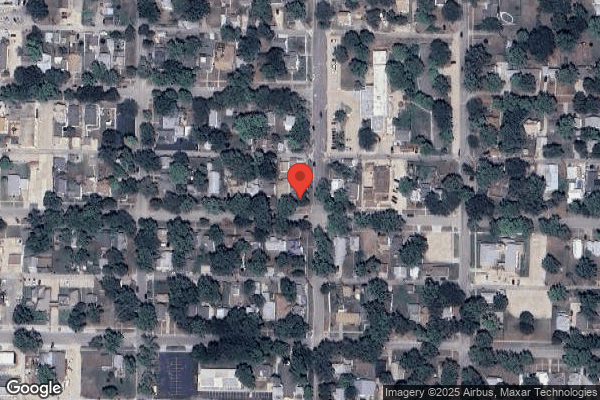
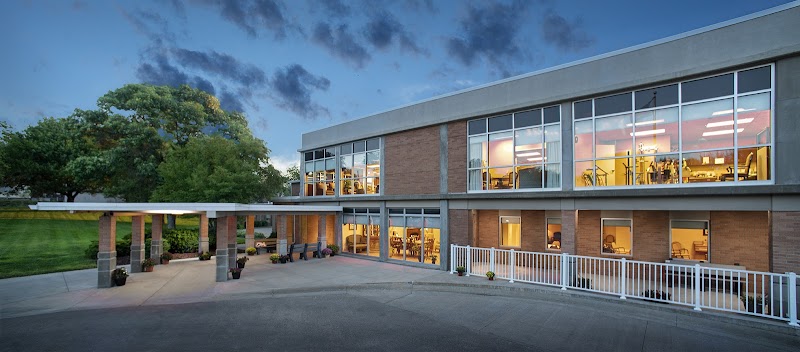
924 8TH STREET, CLAY CENTER, KS 67432 (785) 632-5646
Non profit - Corporation 30 Beds PRESBYTERIAN MANORS OF MID-AMERICA Data: November 2025
Trust Grade
85/100
#12 of 295 in KS
Last Inspection: August 2024

Within standard 12-15 month inspection cycle. Federal law requires annual inspections.

Overview

Clay Center Presbyterian Manor has received a Trust Grade of B+, indicating that it is above average and recommended for families considering care options. It ranks #12 out of 295 nursing homes in Kansas, placing it in the top half of facilities in the state, and is the best option among the three homes in Clay County. However, the facility is experiencing a worsening trend, with issues increasing from 5 in 2023 to 6 in 2024. Staffing is a strong point, with a 5-star rating and only 34% turnover, which is well below the state average. On the downside, there were 14 identified concerns during inspections, including failures to submit accurate staffing information and lack of a certified dietary manager, which could risk residents' safety and meal quality.

Trust Score
B+
85/100
In Kansas
#12/295
Top 4%
Safety Record
Low Risk
No red flags
Inspections
Getting Worse
5 → 6 violations
Staff Stability
○ Average
34% turnover. Near Kansas's 48% average. Typical for the industry.
Penalties
✓ Good
No fines on record. Clean compliance history, better than most Kansas facilities.
Skilled Nurses
✓ Good
Each resident gets 54 minutes of Registered Nurse (RN) attention daily — more than average for Kansas. RNs are trained to catch health problems early.
Violations
⚠ Watch
14 deficiencies on record. Higher than average. Multiple issues found across inspections.
★★★★★
5.0
Overall Rating
★★★★★
5.0
Staff Levels
★★☆☆☆
2.0
Care Quality
★★★★☆
4.0
Inspection Score
Stable
2023: 5 issues
2024: 6 issues

The Good

  • 5-Star Staffing Rating · Excellent nurse staffing levels
  • Full Sprinkler Coverage · Fire safety systems throughout facility
  • No fines on record
  • Staff turnover below average (34%)

    14 points below Kansas average of 48%

Facility shows strength in staffing levels, fire safety.

The Bad

Staff Turnover: 34%

12pts below Kansas avg (46%)

Typical for the industry

Chain: PRESBYTERIAN MANORS OF MID-AMERICA

Part of a multi-facility chain

Ask about local staffing decisions and management

The Ugly 14 deficiencies on record

Aug 2024 6 deficiencies
CONCERN (D)

Potential for Harm - no one hurt, but risky conditions existed

Deficiency F0657 (Tag F0657)

Could have caused harm · This affected 1 resident

**NOTE- TERMS IN BRACKETS HAVE BEEN EDITED TO PROTECT CONFIDENTIALITY** The facility had a census of 29 residents. The sample included 12 residents, with three reviewed for skin conditions not pressur...

Read full inspector narrative →
**NOTE- TERMS IN BRACKETS HAVE BEEN EDITED TO PROTECT CONFIDENTIALITY** The facility had a census of 29 residents. The sample included 12 residents, with three reviewed for skin conditions not pressure-related. Based on observation, record review, and interview, the facility failed to revise the care plan with interventions to prevent and treat skin tears and bruises for Resident (R) 19, who received skin tears and bruises during combative outbursts. This placed R19 at risk for further skin injury and pain due to uncommunicated care needs. Findings included: - The Electronic Medical Record (EMR) for R19 recorded diagnoses of dementia (a progressive mental disorder characterized by failing memory and confusion with other behavioral disturbances, anxiety (mental or emotional reaction characterized by apprehension, uncertainty, and irrational fear), and pain. The Significant Change Minimum Data Set (MDS), dated [DATE], documented R19 had moderately impaired decision-making skills. R19 was dependent on staff for toileting, dressing, and personal hygiene; she required substantial assistance with transfers and bathing. R19 required partial assistance with mobility. The MDS documented R19 had rejection of care, physical and verbal behaviors for four to six days, and other behaviors for one to three days of the observation period. R19 had delusions (untrue persistent beliefs or perceptions held by a person although evidence shows it was untrue) and hallucinations (sensing things while awake that appear to be real, but the mind created). R19's Care Plan, dated 07/26/24, directed staff to complete a skin inspection with all cares and weekly bathing, observe for redness, open areas, scratches, cuts, and bruises, and report changes to the nurse. The care plan lacked direction to staff on the prevention of skin tears and bruises related to resistance or combativeness. The Nurse's Note, dated 05/23/24 at 12:53 AM, documented R19 had multiple bruises to her bilateral arms. Her left upper arm bruise measured 3.5 centimeters (cm) x 6 cm, a left upper forearm bruise was 4 cm x 7 cm, a left wrist bruise measured 1.5 cm x 3 cm, a left elbow bruise was 2 cm x 1.5 cm, the back of her right hand had a bruise that was 8 cm x 8 cm, and her right upper forearm had a bruise 6 cm x 6 cm. The note documented all the bruises were purple and documented R19 was combative with staff during care and hit the south wall next to her bed. The Nurse's Note, dated 05/26/24 at 05:00 PM, documented R19 was combative with staff during care. She hit, kicked, screamed, and cried. During care, R19 received a skin tear to her right forearm which measured 2.5 cm x 2.5 cm. The note documented staff cleansed the area and Kerofoam (non-adherent sterile dressing) was applied. The Nurse's Note, dated 06/05/24 at 05:44 AM, documented at 04:30 AM staff assisted R19 to the bathroom. The resident became combative, and staff noted R19 had blood on her right wrist. The edges of a skin tear were approximated and a foam dressing was applied. The Nurse's Note, dated 06/21/24 at 08:45 PM, documented R19 became combative with staff. She hit, bit, and pinched staff. The note further documented staff found a skin tear on R19's right forearm which measured 0.5 cm x 1.5 cm. The area was cleansed and an Aquacel (a soft, sterile dressing) was applied. The Nurse's Note, dated 07/23/23 at 09:54 PM, documented that during bedtime care R19 became combative and hit the back of her right forearm on the wall in the bathroom which caused a skin tear that measured 2 cm. The area was cleansed and two Band-Aids were applied. The Nurse's Note, dated 08/12/24 at 01:10 AM, documented R19 was extremely aggressive, screamed, and fought staff. The note documented that as staff attempted to provide personal care to R19, she tried to bite staff, and she took her doll and hit the wall. She hit her knuckles on the wall. The note further documented R19 continually had bruising on her arms and hands due to her hitting the wall. The Nurse's Note, dated 8/12/14 at 01:58 PM, documented R19 was very upset while three staff took her to the restroom. Staff tried to reassess R19 after she calmed down a little, but she was still upset. The note further documented two staff grabbed her arms and another staff member grabbed her hands so they could get R19's incontinence brief on and off. R19 was placed back into her wheelchair and was taken to a table to eat. On 08/14/24 at 12:00 PM, observation revealed a foam dressing on R19's left forearm. On 08/12/24 at 04:15 PM, Administrative Nurse D stated the care plan should reflect R19's skin integrity and provide direction to staff on how to prevent skin tears and bruises on R19 when she was combative. The facility's Care Plan policy, dated 07/28/22, documented the person-centered plan of care was developed for each resident by the interdisciplinary team through assessments within the established timeframes according to state and federal regulations. The person-centered care plan would be reviewed and revised quarterly if needed, annually, and when significant changes occur. The facility failed to revise the care plan with interventions to prevent and treat skin tears and bruises for R19. This placed R19 at risk for further skin injury and pain due to uncommunicated care needs.
CONCERN (D)

Potential for Harm - no one hurt, but risky conditions existed

Accident Prevention (Tag F0689)

Could have caused harm · This affected 1 resident

**NOTE- TERMS IN BRACKETS HAVE BEEN EDITED TO PROTECT CONFIDENTIALITY** The facility had a census of 29 residents. The sample included 12 residents, with five reviewed for accidents. Based on observat...

Read full inspector narrative →
**NOTE- TERMS IN BRACKETS HAVE BEEN EDITED TO PROTECT CONFIDENTIALITY** The facility had a census of 29 residents. The sample included 12 residents, with five reviewed for accidents. Based on observation, record review, and interview, the facility failed to ensure Resident (R)1 remained free from preventable accidents when staff failed to ensure R1 was positioned on the bed properly before placing her legs in bed, causing her to roll out of bed. This placed the resident at risk for injury related to preventable accidents. Findings Included: - The Electronic Medical Record (EMR) for R1 documented diagnoses of dementia (a progressive mental disorder characterized by failing memory and confusion) without behavioral disturbance, pain, a history of falls, abnormalities of gait and mobility, and hypertension (high blood pressure). The Significant Change Minimum Data Set (MDS), dated [DATE], documented R1 had significantly impaired cognition and required substantial assistance with toileting, dressing, mobility, and transfers. R1 had no functional impairment and had no falls. The Fall Risk Assessment. dated 05/03/24, documented R1 was a high risk for falls. R1's Care Plan, dated 05/22/24 and initiated on 10/20/22, directed staff to ensure her bed was in the position that was easiest for her to access or exit. The update, dated 06/20/23, documented R1 needed a safe environment with even floors free from spills and/or clutter; adequate glare-free light, a working and reachable call light, the bed in a low position at night, handrails on the walls, and her personal items within reach. The Nurse's Note, dated 08/07/24 at 07:48 PM, documented staff walked R1 to her bed and told her to lie down. The note recorded that as the Certified Nurse Aide (CNA) grabbed R1's legs to put them into the bed, R1 slipped off the bed and was between the bed and the arm of the recliner. The note documented three staff assisted R1 up and back into bed. On 08/13/24 at 11:30 AM, observation revealed CNA N and CNA O placed a gait belt around R1's wait, placed her walker in front of her, had her stand up, and walked with her to the bathroom. On 08/12/24 at 04:15 PM, Licensed Nurse (LN) G stated R1 had not had incidents or falls that she was aware of. LN G stated that R1 was a two-person transfer. On 08/13/24 at 08:30 AM, Administrative Nurse D stated she was unaware of the incident with R1 and said it should be reported to administration to complete an investigation and educate staff. On 08/13/24 at 03:45 PM, CNA M stated she was unaware of any falls or the incidents of R1 slipping off the bed. CNA M stated R1 was a two-person transfer and staff were to make sure R1's bed was in a low position at night. The facility's Lifting and Transferring Resident policy, dated 10/11/21, documented that staff are accountable for utilizing proper body mechanics, lifting techniques, and resident safety. The facility failed to ensure R1 remained free from preventable accidents. This placed the resident at risk for injury related to accidents.
CONCERN (D)

Potential for Harm - no one hurt, but risky conditions existed

Deficiency F0741 (Tag F0741)

Could have caused harm · This affected 1 resident

**NOTE- TERMS IN BRACKETS HAVE BEEN EDITED TO PROTECT CONFIDENTIALITY** The facility had a census of 29 residents. The sample included 12 residents, with five reviewed for behaviors. Based on observat...

Read full inspector narrative →
**NOTE- TERMS IN BRACKETS HAVE BEEN EDITED TO PROTECT CONFIDENTIALITY** The facility had a census of 29 residents. The sample included 12 residents, with five reviewed for behaviors. Based on observation, record review, and interview, the facility failed to follow the plan of care and provide appropriate behavioral health care for Resident (R) 19, who had behaviors and was combative with care. This deficient practice resulted in skin tears and bruises and placed R19 at risk for impaired quality of life. Findings included: - The Electronic Medical Record (EMR) for R19 recorded diagnoses of dementia (a progressive mental disorder characterized by failing memory and confusion with other behavioral disturbances, anxiety (mental or emotional reaction characterized by apprehension, uncertainty, and irrational fear), and pain. The Significant Change Minimum Data Set (MDS), dated [DATE], documented R19 had moderately impaired decision-making skills. R19 was dependent on staff for toileting, dressing, and personal hygiene; she required substantial assistance with transfers and bathing. R19 required partial assistance with mobility. The MDS documented R19 had rejection of care, physical and verbal behaviors for four to six days, and other behaviors for one to three days of the observation period. R19 had delusions (untrue persistent beliefs or perceptions held by a person although evidence shows it was untrue) and hallucinations (sensing things while awake that appear to be real, but the mind created). R19's Care Plan, dated 07/11/24 and initiated on 02/03/23, documented that if R19 became agitated or combative, ensure she was safe, leave her alone and reapproach her later. The plan directed staff to offer alternative ways to safely relieve her anger such as sitting and talking with her or walking away and giving her space so that she could calm down. The care plan documented R19 had a history of hitting people and disrobing in public and directed staff to monitor her behaviors. The care plan directed staff to be aware of symptoms or triggers, confining situations, and pressure to make decisions or choices. The update, dated 03/20/23, directed staff to offer R19 activities, her baby doll, or stuffed animals when she had exit-seeking behaviors. The care plan lacked direction to staff on the prevention of skin tears and bruises related to resistance or combativeness. The Nurse's Note, dated 05/23/24 at 12:53 AM, documented R19 had multiple bruises to her bilateral arms. Her left upper arm bruise measured 3.5 centimeters (cm) x 6 cm, a left upper forearm bruise was 4 cm x 7 cm, a left wrist bruise measured 1.5 cm x 3 cm, a left elbow bruise was 2 cm x 1.5 cm, the back of her right hand had a bruise that was 8 cm x 8 cm, and her right upper forearm had a bruise 6 cm x 6 cm. The note documented all the bruises were purple and documented R19 was combative with staff during care and hit the south wall next to her bed. The Nurse's Note, dated 05/26/24 at 05:00 PM, documented R19 was combative with staff during care. She hit, kicked, screamed, and cried. During care, R19 received a skin tear to her right forearm which measured 2.5 cm x 2.5 cm. The note documented staff cleansed the area and Kerofoam (non-adherent sterile dressing) was applied. The Nurse's Note, dated 06/05/24 at 05:44 AM, documented at 04:30 AM staff assisted R19 to the bathroom. The resident became combative, and staff noted R19 had blood on her right wrist. The edges of a skin tear were approximated and a foam dressing was applied. The Nurse's Note, dated 06/21/24 at 08:45 PM, documented R19 became combative with staff. She hit, bit, and pinched staff. The note further documented staff found a skin tear on hR19's right forearm which measured 0.5 cm x 1.5 cm. The area was cleansed and an Aquacel (a soft, sterile dressing) was applied. The Nurse's Note, dated 07/23/23 at 09:54 PM, documented that during bedtime care R19 became combative and hit the back of her right forearm on the wall in the bathroom which caused a skin tear that measured 2 cm. The area was cleansed and two Band-Aids were applied. The Nurse's Note, dated 08/12/24 at 01:10 AM, documented R19 was extremely aggressive, screamed, and fought staff. The note documented that as staff attempted to provide personal care to R19, she tried to bite staff, and she took her doll and hit the wall. She hit her knuckles on the wall. The note further documented R19 continually had bruising on her arms and hands due to her hitting the wall. The Nurse's Note, dated 8/12/14 at 01:58 PM, documented R19 was very upset while three staff took her to the restroom. Staff tried to reassess R19 after she calmed down a little, but she was still upset. The note further documented two staff grabbed her arms and another staff member grabbed her hands so they could get R19's incontinence brief on and off. R19 was placed back into her wheelchair and was taken to a table to eat. On 08/12/24 at 01:40 PM, observation revealed R19 cried in the dining room as staff took her into the bathroom. R19 stated she did not want to go into the bathroom and staff continued to tell her they needed to take her. Continued observation revealed R19 yelled in the bathroom and multiple staff went in and out of the bathroom during the encounter. On 08/13/24 at 9:45 PM, Licensed Nurse (LN) H stated R19 had aggressive behaviors. LN H said when R19 was combative, staff were directed to leave her alone and reapproach her later. On 08/13/24 at 03:45 PM, Certified Nurse Aide (CNA) M stated R19 had a lot of behaviors and could get combative. CNA M further stated that during her shift, staff tried to have three staff present in R19's room to provide care so that they could hurry up and get her care done. On 08/12/24 at 04:15 PM, Administrative Nurse D stated staff should follow the care plan and when R19 was combative, staff should make sure she was safe and reapproach her later. Administrative Nurse D further stated three staff in the room would be overwhelming to R19 and said education would be provided to staff on how to approach R19. The facility's Behavioral Health Services policy, dated 10/27/22, documented that staff providing behavioral health services are an integral part of the person-centered environment involving an interdisciplinary approach to care with qualified staff that demonstrates the competencies and skills necessary to provide mental health and behavioral health services, non-pharmacological interventions would be implemented for residents with identified behavioral health training consistent with provisions of the policy and procedure at the time of employment, prior to caring for any resident with identified behavioral health issues. The facility failed to follow the plan of care for R19 during combative outbursts and resistance to care. This resulted in skin tears and bruises, and further placed R19 at risk for impaired quality of life.
CONCERN (D)

Potential for Harm - no one hurt, but risky conditions existed

Deficiency F0757 (Tag F0757)

Could have caused harm · This affected 1 resident

The facility had a census of 29 residents. The sample included 12 residents, with five reviewed for unnecessary medications. Based on observation, record review, and interview, the facility failed to ...

Read full inspector narrative →
The facility had a census of 29 residents. The sample included 12 residents, with five reviewed for unnecessary medications. Based on observation, record review, and interview, the facility failed to monitor and provide interventions for bowel management for one sampled resident, Resident (R) 19. This placed the resident at risk for fecal impaction and physical decline. Findings included: - The Electronic Medical Record EMR for R19 recorded diagnoses of dementia (progressive mental disorder characterized by failing memory and confusion), anxiety (mental or emotional reaction characterized by apprehension, uncertainty, and irrational fear), diabetes mellitus (DM-when the body cannot use glucose, not enough sepsis made or the body cannot respond to the insulin), pain, and constipation (difficulty in emptying the bowels). The Significant Change Minimum Data Set, dated 05/23/24, documented R19 had moderately impaired decision-making skills. R19 was dependent on staff for personal hygiene, toileting, and dressing; R19 required substantial assistance with transfers. The MDS documented R19 was occasionally incontinent of bowel. R19'sCare Plan, dated 07/11/24 and initiated on 07/26/23, directed staff to follow the facility's bowel protocol for bowel management and administer medications for constipation prevention as ordered. The care plan directed staff to monitor for changes in her mental status, new-onset confusion, agitation, abdominal distension, vomiting, small loose or hard stools, bowel sounds, and fecal impaction. R19's Bowel and Bladder Screen, dated 03/18/24, documented R19 was always incontinent of bowel and had routine bowel elimination patterns. The Physician's Order, dated 01/03/24, directed staff to administer magnesium hydroxide (a laxative), 400 milligrams (mg)/5 milliliters (ml), by mouth, every eight hours, as needed, for constipation. The Physician's Order, dated 01/11/24, directed staff to administer MiraLax (a laxative), 17 grams (gm), by mouth, as needed, daily, for constipation. R19's Bowel Monitoring Record, dated July 2024, documented R19 did not have a bowel movement for the following days: 07/06/24-07/11/24 (six consecutive days) The Medication Administration Record (MAR). dated July 2024, lacked documentation the staff provided the physician-ordered interventions during the lack of bowel elimination on the above dates. On 08/12/24 at 03:45 PM, observation revealed R19 wheeled into her bathroom. She pulled on the waistband of her pants and stated she needed to go to the bathroom. On 08/12/24 at 03:45 PM, Licensed Nurse (LN) G stated R19 required assistance from staff with toileting. LN G said when R19 had a bowel movement, the staff would document it, and a report was generated for residents who had not had a bowel movement. On 08/13/24 at 03:50 PM, Certified Nurse Aide (CNA) M stated she documented if the resident had a bowel movement. On 08/14/24 at 09:15 AM, Administrative Nurse D verified staff had not provided interventions to R19 when she had not had a bowel movement for six days. Administrative Nurse D stated after three days, staff should follow the facility bowel protocol. The facility's Bowel Elimination policy, dated 04/03/19, documented the facility's established guidelines for monitoring individual bowel function to promote regularity of bowel functions and avoid possible complications such as constipation, obstruction, or other complications by utilizing a multidisciplinary approach. If a resident did not have a bowel movement in three days, or nine consecutive shifts or has positive signs and symptoms of constipation, the LN would perform an evaluation to include auscultation and palpation, the physician would be notified of bowel status and assessment findings including medication utilization. The facility failed to monitor and provide interventions for bowel management for R19. This placed the resident at risk for fecal impaction and physical decline.
CONCERN (D)

Potential for Harm - no one hurt, but risky conditions existed

Deficiency F0761 (Tag F0761)

Could have caused harm · This affected 1 resident

**NOTE- TERMS IN BRACKETS HAVE BEEN EDITED TO PROTECT CONFIDENTIALITY** The facility had a census of 29 residents. The sample included 12 residents. Based on observation, record review, and interview,...

Read full inspector narrative →
**NOTE- TERMS IN BRACKETS HAVE BEEN EDITED TO PROTECT CONFIDENTIALITY** The facility had a census of 29 residents. The sample included 12 residents. Based on observation, record review, and interview, the facility failed to store and label biologicals as required when staff failed to place an open date on Resident (R) 17's Novolog (rapid-acting medication that works by lowering levels of glucose in the blood) flex pen (a device used to inject insulin). This placed the resident at risk of receiving an expired and ineffective dose of insulin. Findings included: - On [DATE] at 08:15 AM, observation of the treatment cart revealed R17's Novolog flex pen without an open date or discard date. On [DATE] at 08:15 AM, Licensed Nurse (LN) I verified the above finding. LN I stated the insulin should be labeled with an open date. LN I discarded the insulin pen in the Sharps container on the treatment cart. On [DATE] at 11:30 AM, Administrative Nurse D stated she expected staff to label open insulin pens with the date opened whenever staff get a new pen for R17. Medlineplus.gov documented all unrefrigerated, open pens of Novolog can be used within 28 days, but after that time they must be discarded. The facility's Vials and Ampules or Injectable Meds Policy, revised [DATE], documented the date opened should be recorded on multidose vials (on the vial label or an accessory label affixed for that purpose). The facility failed to place open and/or discard dates on R17's Novolog flex pen. This placed the resident at risk of receiving an expired or ineffective dose of insulin.
CONCERN (F)

Potential for Harm - no one hurt, but risky conditions existed

Staffing Data (Tag F0851)

Could have caused harm · This affected most or all residents

The facility had a census of 29 residents. Based on observation, interview, and record review, the facility failed to submit complete and submit accurate staffing information through Payroll Based Jou...

Read full inspector narrative →
The facility had a census of 29 residents. Based on observation, interview, and record review, the facility failed to submit complete and submit accurate staffing information through Payroll Based Journaling (PBJ) as required. This deficient practice placed the residents at risk for unidentified and ongoing inadequate nurse staffing. Findings included: - The PBJ report provided by the Centers for Medicare & Medicaid Services (CMS) for Fiscal year (FY) Quarter 3 2023 (April 1 - June 30) indicated the facility did not have licensed nurse coverage 24 hours a day, seven days a week on six dates. A review of the facility licensed nurse timeclock data for the dates listed on the PBJ revealed a licensed nurse was on duty for 24 hours a day seven days a week. On 08/12/24 at 09:52 AM observation revealed a registered nurse on duty in the facility. On 08/12/24 at 03:22 PM Administrative Staff A verified the facility did not send in the correct data to CMS for payroll-based data and stated the facility had new staff and was unaware the information was incorrect. The facility's undated, PBJ Reporting Procedure Policy, documented PBJ hours must be reported to CMS on a minimum of a quarterly basis, although it is highly recommended the hours be loaded and /or entered on a monthly basis. The facility failed to submit accurate PBJ data which placed the residents at risk for unidentified and ongoing inadequate staffing.
Mar 2023 5 deficiencies
CONCERN (D)

Potential for Harm - no one hurt, but risky conditions existed

Assessment Accuracy (Tag F0641)

Could have caused harm · This affected 1 resident

**NOTE- TERMS IN BRACKETS HAVE BEEN EDITED TO PROTECT CONFIDENTIALITY** The facility had a census of 29 residents. The sample included 13 residents. Based on observation, record review, and interview,...

Read full inspector narrative →
**NOTE- TERMS IN BRACKETS HAVE BEEN EDITED TO PROTECT CONFIDENTIALITY** The facility had a census of 29 residents. The sample included 13 residents. Based on observation, record review, and interview, the facility failed to accurately code the Minimum Data Set (MDS) assessment for two of the 13 residents which had falls. The deficient practice placed the residents at risk of inaccurate care needs for Resident (R) 3 and R19. Findings included: - R3's Electronic Medical Record (EMR) recorded diagnoses of an interior trochanter fracture (top portion into hip socket) of right femur (thigh bone), adjustment disorder (an emotional or behavioral reaction to a stressful event or change in a person's life) with delusions (untrue persistent belief or perception held by a person although evidence shows it was untrue), pain, repeated falls and insomnia (inability to sleep). The EMR Interdisciplinary Notes recorded R3 fell on [DATE], 08/16/22, 08/22/22 and 08/23/22. R3's Nursing Home Medicare A Skilled Payment End (NPE), dated 09/27/22, lacked documentation of falls during since the prior assessment. The EMR Interdisciplinary Notes recorded R3 fell on [DATE], 10/03/22, 10/04/22, 10/07/22, 10/13/22, and 10/23/22. R3's Significant Change Minimum Data Set (MDS), dated [DATE], lacked documentation of falls since prior assessment. On 03/07/23 at 01:35 PM, Administrative Nurse E verified R3 had numerous falls and verified the falls had not been coded on the MDS. Administrative Nurse E stated she lacked coding the falls and would submit a correction for the fall section of the MDS. The facility's MDS Data Accuracy policy, dated 06/10/19, documented it was the responsibility of those who complete sections of the MDS to ensure date entered accurately reflect the resident's status and is coded accordingly to the Resident Assessment Instrument (RAI) manual guidelines. If MDS documentation inaccuracies or disparities are ascertained, the process of editing the documentation source, in addition to correction MDS will be instated. Validating MDS data for accuracy, prevents any issue with supportive documentation not matching the MDS and can help protect against any documentation issues arising in survey or audits. The facility failed to correctly code the MDS, placing R3 at risk for incomplete assessment and inaccurate care needs related to falls. - R19's Electronic Medical Record (EMR) recorded diagnoses of hypertension (high blood pressure), chronic kidney disease (a condition in which the kidneys are damaged and cannot filter blood as well as they should) and back pain. The EMR Interdisciplinary Notes recorded R19 had fallen on 06/11/22. R19's Quarterly Minimum Data Set (MDS), dated [DATE], lacked documentation of falls since the prior assessment. The EMR Interdisciplinary Notes recorded R19 fell on [DATE] and 01/23/23. R19's Quarterly MDS, dated 02/06/23, lacked documentation of falls since the prior assessment. On 03/07/23 at 01:27 PM, Administrative Nurse E verified R19 had numerous falls and verified the falls had not been coded on the MDS. Administrative Nurse E stated she lacked coding the falls and would submit a correction for the fall section on the MDS. The facility's MDS Data Accuracy policy, dated 06/10/19, documented it was the responsibility of those who complete sections of the MDS to ensure data entered accurately reflect the resident's status and is coded accordingly to the Resident Assessment Instrument (RAI) manual guidelines. If MDS documentation inaccuracies or disparities are ascertained, the process of editing the documentation source, in addition to correcting the MDS, will be initiated. Validating MDS data for accuracy, prevents any issue with supportive documentation not matching the MDS and can help protect against any documentation issues arising in survey or audits. The facility failed to correctly code the MDS, placing R19 at risk for incomplete assessment and inaccurate care needs related to falls.
CONCERN (D)

Potential for Harm - no one hurt, but risky conditions existed

Deficiency F0657 (Tag F0657)

Could have caused harm · This affected 1 resident

**NOTE- TERMS IN BRACKETS HAVE BEEN EDITED TO PROTECT CONFIDENTIALITY** The facility had a census of 29 residents. The sample included 13 residents, with eight reviewed for behaviors. Based on observa...

Read full inspector narrative →
**NOTE- TERMS IN BRACKETS HAVE BEEN EDITED TO PROTECT CONFIDENTIALITY** The facility had a census of 29 residents. The sample included 13 residents, with eight reviewed for behaviors. Based on observation, record review, and interview, the facility failed to revise one care plan for antidepressant medication (class of medications used to treat mood disorders and relieve symptoms of depression) for one sampled resident, Resident (R) 9. This placed the resident at risk for inaccurate side effect monitoring. Findings included: - The Electronic Medical Record (EMR) documented R9 had diagnoses of depression (abnormal emotional state characterized by exaggerated feelings of sadness, worthlessness, and emptiness), adjustment disorder (an emotional or behavioral reaction to a stressful event or change in a person's life), anxiety (mental or emotional reaction characterized by apprehension, uncertainty and irrational fear), and dementia without behavioral disturbance (progressive mental disorder characterized by failing memory, or confusion). The Quarterly Minimum Data Set (MDS), dated [DATE], documented R9 had intact cognition and required extensive assistance of two staff for bed mobility, transfer, dressing, toileting, and personal hygiene. The MDS further documented R9 had physical and verbal behaviors towards others four to six days, other behaviors one to three days, feeling bad about herself two to six days, and R9 received antidepressant) medications during the look back period. The Care Plan, dated 02/23/23, originated on 04/05/21, documented R9 received Zoloft, (an antidepressant medication), and directed staff to monitor for side effects such as somnolence (drowsiness), insomnia (persistent problems falling and staying asleep), headache, anxiety (mental or emotional reaction characterized by apprehension, uncertainty and irrational fear), constipation (difficult bowel movements), and diarrhea (loose, watery stools). The Physician Order, dated 11/04/22, originally ordered 03/14/21, directed staff to administer Zoloft, 100 milligrams (mg), by mouth, daily, for depression. The Zoloft medication was discontinued 01/09/23. The Physician Order, dated 11/04/22, originally ordered 08/25/22, directed staff to administer Zoloft, 50 milligrams (mg), by mouth, daily, for depression. The Zoloft medication was discontinued 01/09/23. The Physician Order, dated 01/09/23, directed staff to administer desvenlafaxine succinate (an antidepressant that also treats anxiety), 25 mg, by mouth daily. On 03/02/23 at 08:09 AM, observation revealed R9 was verbally aggressive with staff stating they were incompetent and should not be working. On 03/07/23 at 10:27 AM, Administrative Nurse E stated that usually social service would update the care plans regarding behaviors and medications and stated there was not a social service person working at this time so she would revise the care plan and remove the inaccurate medication and add in the new medication and side effects. The facility Care Plan policy, dated 07/28/22, documented a person-centered plan of care would be reviewed and revised quarterly if needed, annually and when a significant change occurred. The team would utilize the results of the assessments to develop, review and revise the resident's comprehensive plan of care. The facility failed to revise R9's care plan with the appropriate antidepressant medication. This placed the resident at risk for inaccurate side effect monitoring.
CONCERN (D)

Potential for Harm - no one hurt, but risky conditions existed

Deficiency F0745 (Tag F0745)

Could have caused harm · This affected 1 resident

**NOTE- TERMS IN BRACKETS HAVE BEEN EDITED TO PROTECT CONFIDENTIALITY** The facility had a census of 29 residents. The sample included 13 residents, with eight reviewed for behaviors. Based on observa...

Read full inspector narrative →
**NOTE- TERMS IN BRACKETS HAVE BEEN EDITED TO PROTECT CONFIDENTIALITY** The facility had a census of 29 residents. The sample included 13 residents, with eight reviewed for behaviors. Based on observation, record review, and interview, the facility failed to provide medically- related social services to attain or maintain the highest practicable physical, mental and psychosocial well-being for one sampled resident, Resident (R) 9, who had behaviors. This placed the resident at risk for further decline of her emotional and mental well-being. Findings included: - The Electronic Medical Record (EMR) documented R9 had diagnoses of depression (abnormal emotional state characterized by exaggerated feelings of sadness, worthlessness, and emptiness), adjustment disorder (an emotional or behavioral reaction to a stressful event or change in a person's life), anxiety (mental or emotional reaction characterized by apprehension, uncertainty and irrational fear), and dementia without behavioral disturbance (progressive mental disorder characterized by failing memory, or confusion). The Quarterly Minimum Data Set (MDS), dated [DATE], documented R9 had intact cognition and required extensive assistance of two staff for bed mobility, transfer, dressing, toileting, and personal hygiene. The MDS further documented R9 had physical and verbal behaviors towards others four to six days, other behaviors one to three days, felt bad about herself two to six days, and received antidepressant (medication used to treat mood disorders and relieve symptoms of depression) medications. The Care Plan, dated 02/23/23, documented R9 could be short tempered and easily angered, had socially inappropriate behavior, offensive/defensive behaviors as evidenced by verbal outburst, demeaning comments when staff attemptedt to help but did not meet R9's standards. The care plan further documented staff should assess R9's mood and behavior when approaching her and request a second staff member. R9's behavior would be managed to ensure optimal quality of life over the next 90 days. R9 was purposeful, threatening to others, and had physical behaviors of hitting and pinching others; R9 participated in psychological services. The Nurse's Note, dated 11/30/22 at 07:33 PM, documented R9 was verbally and physically abusive and scratched a Certified Nurse Aide (CNA) in two places and grabbed the CNA by the neck of her shirt. The Nurse's Note, dated 12/14/22 at 07:30 PM, documented R9 tried to hit a CNA three times and pushed the mechanical lift into the CNA's leg. The Nurse's Note, dated 12/15/23 at 02:52 AM, documented R9 called a CNA a demeaning offensive name related to the CNA's weight. The note further documented staff placed R9's phone on the bedside table from the bed and R9 accused her of stealing her phone. The Nurse's Note, dated 12/15/22 at 03:26 AM, documented R9 stated staff were too stupid to do things right after staff cleaned R9's floor and picked up extra cleansing wipes the resident had pulled out of the package and threw on the floor. The note further documented R9 became upset when staff threw the wipes away because she felt they were still clean. The Social Service Note, dated 12/15/22 at 04:04 PM, documented the Social Services Designee (SSD) met with R9 to discuss various topics ranging from Quality of Care to how R9 feels no one visits her. The note further documented R9 continued to have long and short-term memory challenges as demonstrated when R9 was asked what the date was and what major holiday was next week. R9 stated that she had a birthday later in the month and she would be [AGE] years old. The note documented the SSD did not correct R9 as her birthday was in February and she would be [AGE] years old. The Nurse's Note, dated 12/18/22 at 01:01 PM, documented two staff reported that R9 called them names, screamed at them, and hit one of them in the eye. The note further documented staff left R9 in a safe place and left the room. The Nurse's Note, dated 12/18/22 at 08:19 PM, documented R9 scratched a CNA on the arm and called the CNA names. The note further documented R9 wiped herself after urinating, held out the cleansing wipe and stated, do you want to sniff it? The note documented R9 continued to be verbally abusive and as the CNA started to lotion R9's legs, she started kicking at him. The Nurse's Note, dated 12/25/22 at 10:21 PM, documented R9 was verbally abusive to staff and stated, verbalized offensive religious connotations and used profanity, and continued to call staff stupid and dumb. The Nurse's Note, dated 12/28/22 at 10:38 PM, documented R9 scratched a CNA on the arm when the CNA tried to turn off R9's call light. the note further documented R9 refused to let staff turn it off and tried to kick the CNA in the face. The Nurse's Note, dated 01/10/23 at 10:00 PM, documented during bedtime cares R9 hit, kicked, and tried to pull a CNA's hair. The note further documented when R9 asked the CNA to get something out of her walker, when the CNA reach to get the item, she accused the CNA of stealing something. When the CNA asked R9 what she wanted, she stated I don't want anything. Staff left R9 in bed and left the room. The note further documented R9 called down to the nurse's station and stated staff left her room and did not put her head up along with a list of cares staff did not do. The nurse stated, cares were not completed due to her hitting and kicking, and the CNA's went back to R9's room to finish her cares. The Nurse's Note, dated 01/31/23 at 01:15 AM, documented a resident had wandered into R9's room and R9 started throwing stuff at the resident to get her to leave the room. The note further documented staff arrived at the room quickly and escorted the confused resident out of the room and was not hit by the flying debris. The note further documented R9 was encouraged to call out for staff or use her call light instead of throwing things. R9 stated she understood and will see the next time the resident wandered into her room. The Nurse's Note, dated 02/01/23 at 05:48 AM, documented R9s stated the CNA did not know what she was doing and should go back to school. The note further documented R9 told the CNA, you should die, I do not want you in here anymore. The Nurse's Note, dated 02/13/23 at 04:37 AM, documented R9 call staff names and told them how worthless they were and should not be working with older people due to their incompetency. The Nurse's Note, dated 02/27/23 at 05:41 AM, documented R9 had called staff names all shift and had swung her walker at a staff member. The note further documented staff stopped the walker from hitting him when he grabbed the wheels of the walker and when R9 told him to let go, he did. The Nurse's Note, dated 03/02/23 at 08:36 AM, documented R9 hit two different staff on their arms four times, called them names and belittled them. On 03/01/23 at 03:34 PM, R9 stated her husband had passed away, they would have been married 75 years and she really missed him. R9 stated this several times during the conversation as well talking about her grandchildren and great grandchildren. R9 stated she had two sisters who were still alive but had lost both brothers. During the conversation, R9 kept bringing up her husband and how sad she was that he was no longer with her. On 03/02/23 at 08:09 AM, observation revealed R9 was verbally aggressive with staff stating they were incompetent and should not be working. R9 stated the Certified Medication (CMA) should be fired and would not take her medication until R9 was finished putting on her makeup. On 03/02/023 at 11:01 AM, CNA N stated R9 had hit, slapped, and even thrown her walker at her during cares. CNA N further stated R9 had found out she was pregnant and had made derogatory remarks about the baby and how she pitied the baby for having CNA N as her mother. CNA N stated when R9 got nasty, she got the nurse to assist and stated R9 would get more abusive if you did not gossip with her. On 03/02/23 at 05:00 PM, Administrative Staff A stated the facility had a social worker that was not in the building but would come to the facility weekly and as needed. Administrative Staff A stated she was unsure if the social worker had visited with R9. On 03/06/23 at 02:12 PM, CNA M stated when R9 got nasty, she goes to the nurse for assistance and stated she was unsure what would trigger the behaviors except R9 did not like the mechanical lift. On 03/07/23 at 08:15 AM, Licensed Nurse (LN) G stated R9 was verbally and physically abuse to staff and she would often go in to assist the CNA's. LN F further stated when she was assisting, R9 was not physically abusive but would continue to be verbally abusive. LN G stated R9 did have a mental health nurse that would visit with her, but was unsure how often. LN G stated the facility did not have a SSD or anyone providing social work services. On 03/07/23 at 12:35 PM, Administrative Nurse D stated there was not a social service person in the building, but they had a social worker that would come to the building weekly . Administrative Nurse D was unsure if R9 had been seen recently. Administrative Nurse D further stated, she visited with R9 weekly about behaviors but had not documented the visits or what had been discussed. Administrative Nurse D stated the facility had sent a referral to a behavior unit in September but at that time there was not a bed available and when there was a bed, R9 refused to go, so they along with the family opted for medication at this time. Administrative Nurse D stated a mental health nurse did visit with R9 on a regular basis. The facility Social Worker policy, dated October 13, 2021, documented the social services director was a qualified social worker or social service designee and was responsible for assistance in meeting the social and emotional needs of residents. The medically related social services are provided to maintain or improve resident's ability to maintain highest level of function, mental and psychosocial needs. The social service provided assistance with behavioral problems and provided corrective action for the resident's needs. The social service makes supportive visits to residents and performed needed services, communications with the family or friends, coordinates resources and services to meet resident needs. The facility failed to provide medically-related social services to attain or maintain the highest practicable physical, mental and psychosocial well-being for one sampled resident, R9, who had behaviors. This placed the resident at risk for further decline of her emotional and mental well-being.
CONCERN (D)

Potential for Harm - no one hurt, but risky conditions existed

Medication Errors (Tag F0758)

Could have caused harm · This affected 1 resident

**NOTE- TERMS IN BRACKETS HAVE BEEN EDITED TO PROTECT CONFIDENTIALITY** The facility had a census of 29 residents. The sample included 13 residents, with six reviewed for unnecessary medications. Base...

Read full inspector narrative →
**NOTE- TERMS IN BRACKETS HAVE BEEN EDITED TO PROTECT CONFIDENTIALITY** The facility had a census of 29 residents. The sample included 13 residents, with six reviewed for unnecessary medications. Based on observations, record review, and interview, the facility failed to ensure an appropriate indication for use for one of six sampled residents, Resident (R) 28's antipsychotic (a medication used to treat any major mental disorder characterized by a gross impairment in reality testing) medication, Seroquel. This placed the resident at risk for adverse side effects related to antipsychotic use. Findings included: - The Electronic Medical Record (EMR) for R28 documented diagnoses of Alzheimer's disease (progressive mental deterioration characterized by confusion and memory failure) and diabetes mellitus type 2 (when the body cannot use glucose, not enough insulin made or the body cannot respond to the insulin). The admission Minimum Data Set (MDS), dated [DATE], documented R28 had severely impaired cognition and required supervision of one staff for transfers, ambulation, eating ad limited assistance of one staff for bed mobility, dressing, and toileting. The assessment further documented R28 had inattention, disorganized thinking, physical and verbal behaviors, rejection of care , wandering, and did not receive any medications during the lookback period. R28's Care Plan, dated 02/03/23, documented R28 had a behavior problem and directed staff to monitor and document her behaviors. The update, dated 02/13/23, directed staff to administer Seroquel as ordered, monitor and report any side effects. The Physician Orders, dated 02/17/23, directed staff to administer Seroquel, 25 milligrams (mg) by mouth at bedtime for behaviors. On 03/02/23 at 11:32 AM, observation revealed R28 in the dining room participating in group exercises. On 03/06/23 at 05:00 PM, Administrative Nurse D verified behaviors was not an appropriate diagnosis for the Seroquel medication and stated R28 would be evaluated by the mental health nurse due to her dementia. The facility Psychoactive Psychopharmacological Medications policy, dated 07/05/22, documented psychotropic medications are given to treat specific conditions, diagnoses, and was documented in the clinical record. The facility failed to ensure an appropriate indication for the use of R28's Seroquel, placing the resident at risk for adverse side effects.
CONCERN (E)

Potential for Harm - no one hurt, but risky conditions existed

Food Safety (Tag F0812)

Could have caused harm · This affected multiple residents

The facility had a census of 29 residents. The sample included 13 residents. Based on observation, record review, and interview, the facility failed to store, prepare, and serve food in a sanitary con...

Read full inspector narrative →
The facility had a census of 29 residents. The sample included 13 residents. Based on observation, record review, and interview, the facility failed to store, prepare, and serve food in a sanitary condition for 28 residents who resided in the facility and received meals from the facility kitchen, which placed the resident at risk for food borne illness. Finding included: -On 03/02/23 at 12:00 PM, observation revealed foods prepared in the kitchen located in the basement of the facility, loaded into a heat preserving cart and taken to the elevator up to the long- term care unit of the facility. The hot food items then transferred to the steam table in the kitchenette. Dietary Staff (DS) CC then observed checking the food temperatures with an electronic thermometer. The Fahrenheit (F.) temperature of the following foods were as followed: Rice at 174 F. Broccoli 168 F. Mashed Potatoes 177 F. Asparagus 165 F. Shredded/Deboned Chicken 125 F. Ground Chicken 123 F. Pureed Chicken 112 F. Pureed Broccoli 122 F. DS CC then placed the serving utensils in the food items to begin the plating process. As DS CC began the first plate, this surveyor inquired if DS CC knew the holding temperature of food prior to being served. DS CC stated she did not know what the holding/serving temperature and stated the food was always hot from the kitchen. Another Dietary staff member then in the kitchenette stated the food would have to return to the steamer in the kitchen to be heated to the correct holding temperature. Dietary staff removed and covered for transport back to kitchen, all the chicken and broccoli from the steam table, placed in back into the heat preserving cart and back to the kitchen for reheating. The serving utensils were placed on a plate and remained on the steam table cart. On 03/02/23 at 12:25 PM the heat preserving cart was returned to the kitchenette and foods placed into the steam table, the temperatures were taken with the results of: Shredded/Deboned Chicken 150 F. Ground Chicken 166 F. Pureed Chicken 140 F. Pureed Broccoli 140 F. The facility's Reheating of Food on the Nursing Unit Sanitation and Infection Control policy, dated 11/2017, documented when food is transported to an auxiliary serving site or nursing unit, the temperatures need to be taken and recorded prior to meal distribution. Hot food must be held at or above 135 degrees. If hot food temperature falls below 135, the hot food must be reheated two hours or less. The facility failed to ensure the holding temperature of transported food items which placed the residents at risk for food borne illness.
Sept 2021 3 deficiencies
CONCERN (D)

Potential for Harm - no one hurt, but risky conditions existed

Deficiency F0760 (Tag F0760)

Could have caused harm · This affected 1 resident

The facility had a census of 21 residents. The sample included 12 residents. Based on observation, record review and interview, during medication administration, staff failed to prepare a medication a...

Read full inspector narrative →
The facility had a census of 21 residents. The sample included 12 residents. Based on observation, record review and interview, during medication administration, staff failed to prepare a medication according to the physician order for Resident (R) 10. Findings included: - On 09/01/21 at 09:02 AM, observation revealed, during medication administration, Certified Medication Aide (CMA) M crushed R10's Theophylline (medication used to treat lung diseases to prevent wheezing and shortness of breath) 400 milligram (mg) extended release (ER) and placed in a medication cup with other crushed medications. CMA M picked up the medication cup and started to leave the cart, the surveyor stopped CMA M and asked her if she should have crushed Theophylline. CMA M looked at the medication administration record (MAR) and stated it does document not to crush. CMA M took the medications and placed them in the sharps container in the medication room. CMA M stated the resident usually took her medications whole but today she had observed during breakfast meal the resident was not swallowing well. The September 2021 MAR instructed staff do not crush the Theophylline in the box in the left hand corner. The Physician Order Sheet, dated 08/04/21, instructed staff to administer 1/2 caplet, Theophylline ER, 400 mg every day and do not crush. On 09/01/21 at 09:41 AM, Pharmacist GG stated per telephone interview, Theophylline ER should not be crushed because instead of releasing the medication throughout the day, the medication was delivered all at once. On 09/02/21 at 11:20 AM, Administrative Nurse D stated special instructions for medications are listed in the bottom left hand corner in a box on the MAR and she would expect staff to follow the instructions. Administrative Nurse D stated she had educated CMA M on where to find the special instructions. Upon request the facility failed to provide a medication administration policy. The facility staff failed to administer Theophylline ER in the correct form to R10, placing the resident at risk for receiving inappropriate dosage of the medication which could cause shortness of breath.
CONCERN (F)

Potential for Harm - no one hurt, but risky conditions existed

Deficiency F0801 (Tag F0801)

Could have caused harm · This affected most or all residents

The facility had a census of 21 residents. The sample included 12 residents. Based on observation, record review, and interview the facility failed to employ a full time certified dietary manager for ...

Read full inspector narrative →
The facility had a census of 21 residents. The sample included 12 residents. Based on observation, record review, and interview the facility failed to employ a full time certified dietary manager for the 21 residents who resided in the facility and received meals from the facility kitchen. Findings included: - On 09/01/21 at 10:10 AM, observation revealed Dietary Staff (DS) CC overseeing the preparation of the noon meal. On 08/30/21 at 08:45 AM, DS CC verified she was uncertified and was enrolled in the Nutrition and Food Service Professional training program. On 09/02/21 at 11:20 AM, Administrative Nurse D verified DS CC had no dietary manager certification and she was enrolled in the program. Upon request the facility failed to provide a policy regarding certified dietary manager. The facility failed to employ a full time Certified Dietary Manager for the 21 residents who resided in the facility and received meals from the facility kitchen, placing the residents at risk for receiving inadequate nutrition.
CONCERN (F)

Potential for Harm - no one hurt, but risky conditions existed

Food Safety (Tag F0812)

Could have caused harm · This affected most or all residents

The facility had a census of 21 residents. The sample included 12 residents. Based on observation, record review, and interview the facility staff failed to distribute and serve food in accordance wit...

Read full inspector narrative →
The facility had a census of 21 residents. The sample included 12 residents. Based on observation, record review, and interview the facility staff failed to distribute and serve food in accordance with professional standards for food service safety for the 21 residents who received meals from the facility kitchenette and kitchen. Findings included: - On 08/30/21 at 08:45 AM, observation of the kitchen revealed two uncovered desert cups with soft serve vanilla ice cream, without a label or date. On 09/01/21 at 10:50 AM, observations revealed the following in the kitchen: the oven next to dietary manager's office, had black crusted material. the floor and base board along the wall, underneath the three sinks, had accumulated gray sticky substance approximately 4 inch (in) wide by 5 foot (ft) long. On 09/01/21 at 12:20 PM, observation revealed Dietary Staff (DS) BB with gloves on, touched the refrigerator door, the kitchenette counter, the steam table, then with the same contaminated gloves, took half a chicken salad sandwich from a zip lock bag and placed it on a resident's plate. On 09/01/21 at 12:38 PM, observation revealed under the prep area sink, two approximately 1/4 and 1/3 gallon plastic containers of chloride ACS freedom floor cleaner. On 08/30/21 at 08:45 AM, DS BB verified the two uncovered desert cups with soft serve ice cream without a label or date. DS BB removed and discarded the items and stated staff should cover, label and date food items placed in the refrigerator. On 09/01/21 at 10:50 AM, DS BB verified the oven by the dietary manager office and the base board and floor underneath the three sink needed cleaned and stated staff had not had time to clean them due to shortage of staff. On 09/01/21 at 01:03 PM, DS BB verified she used a contaminated glove to take the 1/2 chicken salad sandwich out of a zip lock bag and placed on a resident's plate. DS BB stated she should have used tongs. On 09/01/21 at 12:38 PM, DS CC verified the chemicals underneath the prep area sink and stated they should be stored away from serving and prep area. DS CC removed and placed them in a room with other chemicals. On 09/02/21 at 12:22 PM, DS CC stated she expected staff to cover, label, and date food items before placing them in the refrigerator. Upon request, the facility failed to provide a policy regarding hand hygiene while serving residents meals. The facility's undated Food Storage (Dry, Refrigerated and Frozen) policy instructed staff to never leave any food item uncovered and unlabeled in dry storage, refrigerator or freezer. The facility staff failed to distribute and serve food, in accordance with professional standards for food service safety, to the 21 residents who received their meals from the facility kitchenette and kitchen.
Understanding Severity Codes (click to expand)
Life-Threatening (Immediate Jeopardy)
J - Isolated K - Pattern L - Widespread
Actual Harm
G - Isolated H - Pattern I - Widespread
Potential for Harm
D - Isolated E - Pattern F - Widespread
No Harm (Minor)
A - Isolated B - Pattern C - Widespread

Questions to Ask on Your Visit

  • "Can I speak with families of current residents?"
  • "What's your RN coverage like on weekends and overnight?"

Our Honest Assessment

Strengths
  • • Grade B+ (85/100). Above average facility, better than most options in Kansas.
  • • No major safety red flags. No abuse findings, life-threatening violations, or SFF status.
  • • No fines on record. Clean compliance history, better than most Kansas facilities.
  • • 34% turnover. Below Kansas's 48% average. Good staff retention means consistent care.
Concerns
  • • 14 deficiencies on record. Higher than average. Multiple issues found across inspections.
Bottom line: Generally positive indicators. Standard due diligence and a personal visit recommended.

About This Facility

What is Clay Center Presbyterian Manor's CMS Rating?

CMS assigns CLAY CENTER PRESBYTERIAN MANOR an overall rating of 5 out of 5 stars, which is considered much above average nationally. Within Kansas, this rating places the facility higher than 99% of the state's 100 nursing homes. This rating reflects solid performance across the metrics CMS uses to evaluate nursing home quality.
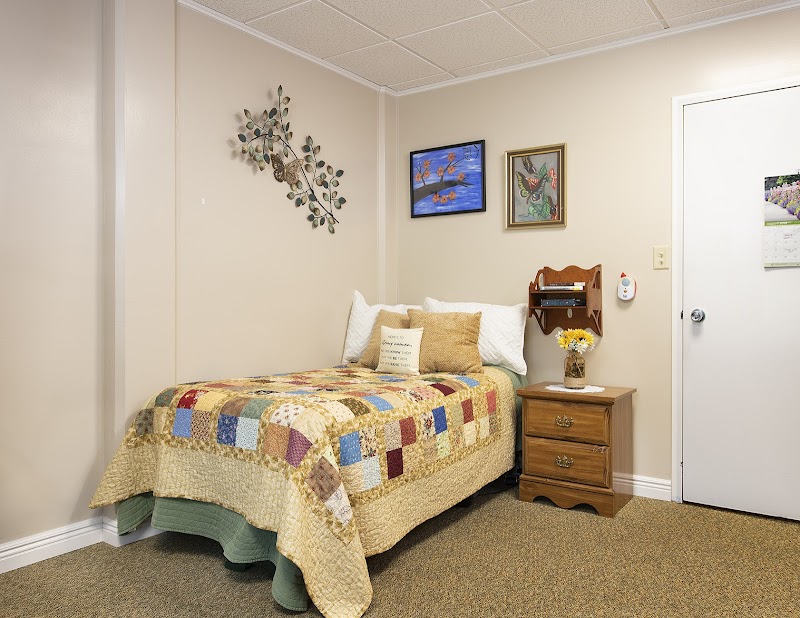
How is Clay Center Presbyterian Manor Staffed?

CMS rates CLAY CENTER PRESBYTERIAN MANOR's staffing level at 5 out of 5 stars, which is much above average compared to other nursing homes. Staff turnover is 34%, compared to the Kansas average of 46%. This relatively stable workforce can support continuity of care.

What Have Inspectors Found at Clay Center Presbyterian Manor?

State health inspectors documented 14 deficiencies at CLAY CENTER PRESBYTERIAN MANOR during 2021 to 2024. These included: 14 with potential for harm.
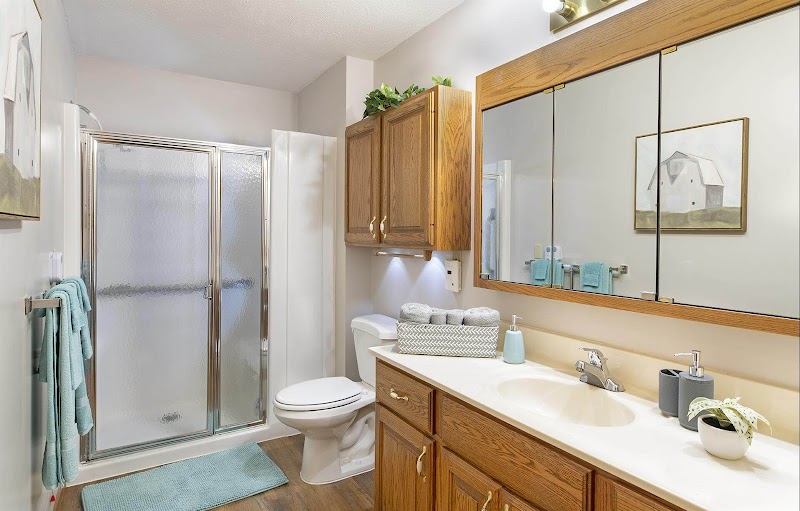
Who Owns and Operates Clay Center Presbyterian Manor?

CLAY CENTER PRESBYTERIAN MANOR is owned by a non-profit organization. Non-profit facilities reinvest revenue into operations rather than distributing to shareholders. The facility is operated by PRESBYTERIAN MANORS OF MID-AMERICA, a chain that manages multiple nursing homes. With 30 certified beds and approximately 28 residents (about 93% occupancy), it is a smaller facility located in CLAY CENTER, Kansas.
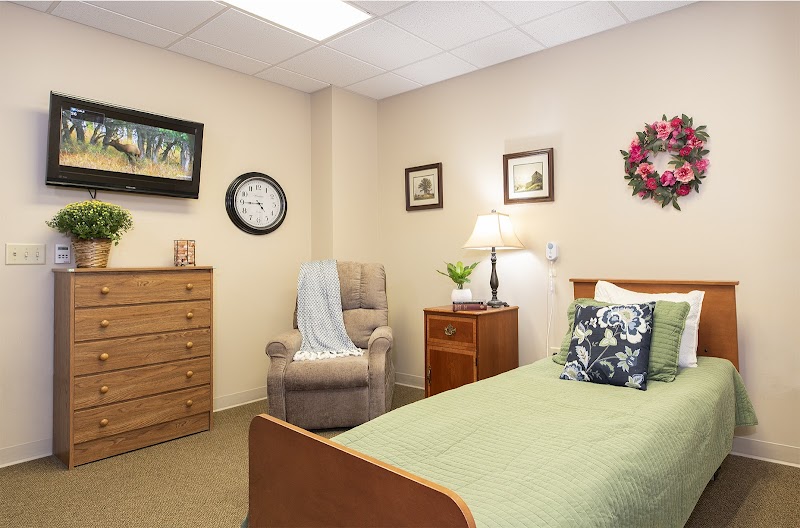
How Does Clay Center Presbyterian Manor Compare to Other Kansas Nursing Homes?

Compared to the 100 nursing homes in Kansas, CLAY CENTER PRESBYTERIAN MANOR's overall rating (5 stars) is above the state average of 2.9, staff turnover (34%) is significantly lower than the state average of 46%, and health inspection rating (4 stars) is above the national benchmark.

What Should Families Ask When Visiting Clay Center Presbyterian Manor?

Based on this facility's data, families visiting should ask: "Can I visit during a mealtime to observe dining assistance and food quality?" "How do you handle medical emergencies, and what is your hospital transfer rate?" "Can I speak with family members of current residents about their experience?"

Is Clay Center Presbyterian Manor Safe?

Based on CMS inspection data, CLAY CENTER PRESBYTERIAN MANOR has a clean safety record: no substantiated abuse findings (meaning no confirmed cases of resident harm), no Immediate Jeopardy citations (the most serious violation level indicating risk of serious injury or death), and is not on the Special Focus Facility watch list (a federal program monitoring the lowest-performing 1% of nursing homes). The facility has a 5-star overall rating and ranks #1 of 100 nursing homes in Kansas. While no facility is perfect, families should still ask about staff-to-resident ratios and recent inspection results during their visit.

Do Nurses at Clay Center Presbyterian Manor Stick Around?

CLAY CENTER PRESBYTERIAN MANOR has a staff turnover rate of 34%, which is about average for Kansas nursing homes (state average: 46%). Moderate turnover is common in nursing homes, but families should still ask about staff tenure and how the facility maintains care continuity when employees leave.

Was Clay Center Presbyterian Manor Ever Fined?

CLAY CENTER PRESBYTERIAN MANOR has no federal fines on record. CMS issues fines when nursing homes fail to meet care standards or don't correct problems found during inspections. The absence of fines suggests the facility has either maintained compliance or corrected any issues before penalties were assessed. This is a positive indicator, though families should still review recent inspection reports for the full picture.

Is Clay Center Presbyterian Manor on Any Federal Watch List?

CLAY CENTER PRESBYTERIAN MANOR is not on any federal watch list. The most significant is the Special Focus Facility (SFF) program, which identifies the bottom 1% of nursing homes nationally based on persistent, serious quality problems. Not being on this list means the facility has avoided the pattern of deficiencies that triggers enhanced federal oversight. This is a positive indicator, though families should still review the facility's inspection history directly.