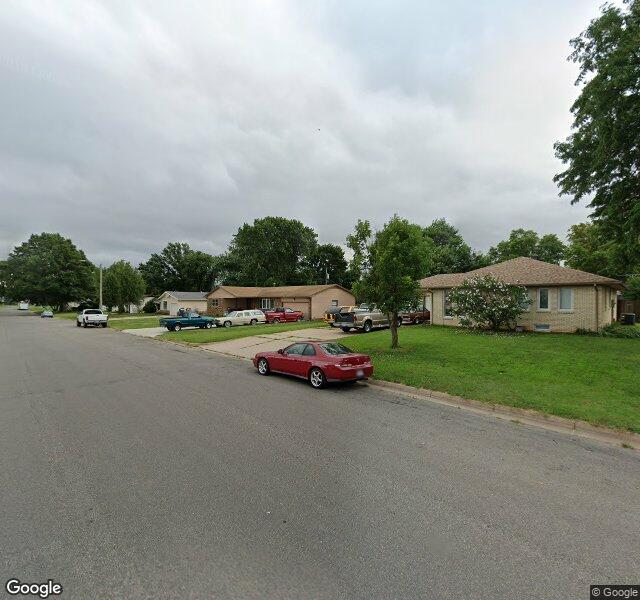
CLEARWATER NURSING & REHABILITATION CENTER

620 E WOOD STREET, CLEARWATER, KS 67026 (620) 584-2271
For profit - Corporation 55 Beds CORNERSTONE GROUP HOLDINGS Data: November 2025 7 Immediate Jeopardy citations
Trust Grade
0/100
#243 of 295 in KS
Last Inspection: June 2024

Within standard 12-15 month inspection cycle. Federal law requires annual inspections.

Overview

Clearwater Nursing & Rehabilitation Center has received a Trust Grade of F, indicating poor performance with significant concerns about care quality. Ranking #243 out of 295 facilities in Kansas places it in the bottom half, and #25 out of 29 in Sedgwick County shows that only a few local options are worse. While the facility is improving, reducing issues from 27 in 2024 to 5 in 2025, it still has alarming staffing challenges with a 67% turnover rate, which is concerning compared to the state average of 48%. The facility has faced significant fines totaling $188,110, higher than 97% of Kansas facilities, suggesting persistent compliance issues. Notably, critical incidents include a failure to address resident-to-resident abuse effectively, where one resident repeatedly harmed others without proper reporting or investigation, indicating serious gaps in resident safety. Overall, while there are some signs of improvement, the facility's significant issues raise red flags for families considering care for their loved ones.

Trust Score
F
0/100
In Kansas
#243/295
Bottom 18%
Safety Record
High Risk
Review needed
Inspections
Getting Better
27 → 5 violations
Staff Stability
⚠ Watch
67% turnover. Above average. Higher turnover means staff may not know residents' routines.
Penalties
○ Average
$188,110 in fines. Higher than 61% of Kansas facilities. Some compliance issues.
Skilled Nurses
⚠ Watch
Each resident gets only 16 minutes of Registered Nurse (RN) attention daily — below average for Kansas. Fewer RN minutes means fewer trained eyes watching for problems.
Violations
⚠ Watch
74 deficiencies on record. Higher than average. Multiple issues found across inspections.
★☆☆☆☆
1.0
Overall Rating
★★☆☆☆
2.0
Staff Levels
★★★☆☆
3.0
Care Quality
★☆☆☆☆
1.0
Inspection Score
Stable
2024: 27 issues
2025: 5 issues

The Good

  • Full Sprinkler Coverage · Fire safety systems throughout facility
  • No fines on record

Facility shows strength in fire safety.

The Bad

1-Star Overall Rating

Below Kansas average (2.9)

Significant quality concerns identified by CMS

Staff Turnover: 67%

20pts above Kansas avg (46%)

Frequent staff changes - ask about care continuity

Federal Fines: $188,110

Well above median ($33,413)

Significant penalties indicating serious issues

Chain: CORNERSTONE GROUP HOLDINGS

Part of a multi-facility chain

Ask about local staffing decisions and management

Staff turnover is elevated (67%)

19 points above Kansas average of 48%

The Ugly 74 deficiencies on record

7 life-threatening 4 actual harm
Sept 2025 4 deficiencies 1 IJ
CRITICAL (J) 📢 Someone Reported This

A family member, employee, or ombudsman was alarmed enough to file a formal complaint

Immediate Jeopardy (IJ) - the most serious Medicare violation

Free from Abuse/Neglect (Tag F0600)

Someone could have died · This affected 1 resident

**NOTE- TERMS IN BRACKETS HAVE BEEN EDITED TO PROTECT CONFIDENTIALITY** The facility reported a census of 47 residents. The sample included 10 residents, with six residents reviewed for abuse. Based o...

Read full inspector narrative →
**NOTE- TERMS IN BRACKETS HAVE BEEN EDITED TO PROTECT CONFIDENTIALITY** The facility reported a census of 47 residents. The sample included 10 residents, with six residents reviewed for abuse. Based on observation, interview, and record review, the facility failed to ensure residents remained free from physical and sexual abuse. On 05/12/25 Resident (R) 1 admitted to the facility with a history of inappropriate behaviors. On 05/14/25, R1 grabbed and hit cognitively impaired R2 and staff placed R1 on one-to-one until he discharged to a behavioral health hospital on [DATE]. R1 returned to the facility on [DATE], and the facility did not implement interventions for R1 to prevent further resident abuse. On 06/01/25, R1 bit R2's finger, causing it to bleed. R1 went to a behavioral health unit on 06/05/25 and returned to the facility on [DATE]. On 06/21/25, R1 and R2 had an altercation where they slapped each other, and R1 grabbed R2's arm. On 06/28/25, R1 placed his hand on cognitively impaired R3's clothed genital area. The facility did not complete an investigation into the event or implement interventions to prevent further abuse. On 08/05/25, R1 grabbed R2's breast while R2 slept. Staff placed R1 on one-to-one for ten days, but failed to administer R1's physician-ordered medication to address his sexual behaviors. On 08/24/25, R1 put his hand inside cognitively impaired R4's brief while R4 slept in her bed. The facility's failure to implement effective interventions to prevent physical and sexual abuse placed R2, R3, and R4 in immediate jeopardy.Findings Included:- R1's Electronic Health Record (EHR) revealed diagnoses of dementia (progressive mental disorder characterized by failing memory, confusion) and depression (a mood disorder that causes a persistent feeling of sadness and loss of interest).R1's 06/02/25 admission Minimum Data Set (MDS) documented a Brief Interview for Mental Status (BIMS) score of seven, which indicated severely impaired cognition. R1's MDS documented he had no depression and no behaviors. The MDS documented R1 required supervision assistance with transfers and was independent with wheelchair mobility. The MDS documented R1 received antidepressant (a class of medications used to treat mood disorders) and antipsychotic (a class of medications used to treat major mental conditions that cause a break from reality) medications.R1's 06/05/25 Cognitive Loss/Dementia Care Area Assessment (CAA) triggered secondary to orientation, memory, and recall deficits noted during the BIMS interview. The CAA recorded contributing factors included dementia, change in mental status, and short-term/long-term memory loss; risk factors included self-care deficits, falls with injuries, incontinence, decreased socialization, skin breakdown, weight loss, and fluid imbalance. The CAA noted a care plan would be initiated and reviewed to improve and/or maintain current cognitive status, activities of daily living (ADL) status, continence status, mobility, as well as to encourage active participation in facility functions, maintain communication, decrease fall and pressure ulcer risk, and maintain dietary intake and hydration status.R1 did not trigger for Behavioral Symptoms CAA as R1's behaviors were not captured on the MDS.R1's Behavioral Symptoms Tasks in the EHR dated 05/07/25 through 06/02/25 documented R1 wandered on 05/29/25, and R1 was sexually inappropriate on 05/30/25.R1's 06/04/25 Quarterly MDS documented a BIMS score of seven, which indicated severely impaired cognition. The MDS recorded R1 had no depression or behaviors during the lookback period. The MDS documented R1 received antipsychotic and antidepressant medications.R1's Baseline Care Plan dated 05/12/25 lacked mention or interventions related to R1's history of behaviors.R1's Care Plan dated 06/06/25 documented R1 had a behavior problem, physical and verbal aggression, and sexually inappropriate verbalizations and actions. Staff were educated to monitor R1's agitation, intervene before agitation escalated, and guide away from the source of distress. The plan directed staff to engage R1 calmly in conversation, and if his response was aggressive, staff were to walk calmly away and approach him later. The plan directed staff to obtain behavioral health consults as needed.R1's Care Plan on 06/12/25 documented staff were educated to intervene as necessary to protect the rights and safety of others. Staff were instructed to approach R1 and speak in a calm manner; divert R1's attention and remove him from the situation; take him to an alternate location as needed. Staff were instructed to minimize the potential for R1's disruptive behaviors by offering tasks that divert attention, such as activities of interest.R1's Care Plan on 08/05/25 documented R1's Paxil (antianxiety medication) was increased related to behaviors. Staff were to ensure medication compliance for Depo-Provera (a medication primarily known as a contraceptive for women but used in males as a method to reduce sexual drive and manage sexually offensive behavior) intramuscular (given directly into a muscle) suspension prefilled syringe 150 milligrams (mg)/milliliter (ml). Staff were to provide one-to-one sessions related to behaviors until R1's medication review with possible changes.R1's Care Plan on 08/27/25 documented R1's Seroquel (antipsychotic medication) was increased to 25 mg three times a day per medication review related to R1's increased sexual behaviors.R1's EHR, under the Misc tab revealed a scanned document provided from R1's previous facility upon admission, which included a Progress Note dated 04/29/25 that noted R1 continued to try to grab female staff during cares and noted he tried to work his way into elder females' space; R1 required constant supervision when up from bed and 15 minute checks when he was in bed.R1's EHR recorded an order for Physician Order Behavior Monitoring that documented staff monitored the resident for behaviors including itching, picking at skin, restlessness, agitation, hitting, increase in complaints, biting, kicking, spitting, cussing, racial slurs, elopement, stealing, delusions, hallucinations, psychosis, aggression, and refusing care. Staff would document: 'N' if monitored and none of the above was observed. Staff would document 'Y' if monitored and any of the above was observed, select chart code 'Other/ See Nurses Notes' and document progress note findings every day and night shift for psychotropic (alters mood or thought) medication use, date ordered 05/12/25.R1's Progress Note on 05/14/25 at 09:45 AM documented staff arrived at the nurses' station and reported R1 just hit and grabbed another resident; the residents were separated, and R1was placed on one-to-one supervision as an intervention.The facility's 05/14/25 Incident Report at 09:45 AM documented that staff intervened appropriately to separate the residents with close monitoring provided to R1to ensure safety for other residents until a physician-ordered intervention was obtained. This incident lacked further investigation details and outcomes.R1's Physician Order documented administer Depo-Provera intramuscular suspension prefilled syringe 150 mg/ml inject 2 ml intramuscularly in the morning every two weeks on Thursdays for behaviors, date ordered 05/15/25.R1's Progress Note on 05/27/25 at 05:25 PM documented R1 readmitted from a behavioral health unit on one-to-one.R1's Progress Note on 06/01/25 at 01:57 AM documented, at approximately 11:15 AM staff heard a female resident yelling Help in the dining room. All staff members ran to the dining room and observed a female resident [R2] standing in front of R1 with the female resident's finger in R1's mouth. R1 was biting down with his teeth, and there was blood dripping from the female resident's hand. The noted documented staff members intervened immediately and removed both residents from the dining room. Staff placed R1 on one-to-one observation.The facility's 06/01/25 Incident Report at 11:15 AM documented staff intervened appropriately to separate the residents, with close monitoring provided to R1 to ensure safety for other residents until a physician-ordered intervention was obtained.R1's Progress Note on 06/18/25 at 04:05 PM documented R1 returned to the facility around 02:10 PM via facility transport in a wheelchair.R1's Progress Note on 06/21/25 at 03:08 AM documented staff witnessed R1 in the dining room with a female resident [R2]. The noted recorded staff witnessed both residents slapping each other on the arms, R1 grabbed the female resident's arm, and staff immediately intervened and separated the residents.The facility could not provide an investigation related to the 06/21/25 incident.R1's Physician Note on 06/23/25 at 05:50 PM documented a physician saw R1 after admission to the behavioral health unit again. The note documented R1 had a recent admission twice for inappropriate physical and sexual behaviors. The note documented R1 was primarily redirectable and noted the physician would follow up for changes in mood.R1's Progress Note on 06/28/25 at 11:03 AM, documented staff notified R1's representative that staff observed R1 touching a female resident in the genital area and R1 would be monitored on a one-to-one basis. The note recorded R1's representative stated they did not know how staff would stop R1 from doing that.The facility could not provide an investigation related to the 06/28/25 incident.R1's Progress Note on 07/03/25 at 05:31 AM, documented R1 tried to grab at a staff member's private area three times that day.R1's Physician Note on 08/04/25 at 10:13 AM, documented the provider saw R1 on 07/28/25 and issued new orders to decrease R1's Seroquel to 25 mg twice a day to attempt a gradual dose reduction, and increase Paxil to 30 mg daily for mood-behaviors; continue all other medications as ordered.R1's Progress Note on 08/05/25 at 03:36 PM documented staff witnessed R1 inappropriately touching a female resident's [R2] right breast in the television room. The note recorded the female resident was asleep when staff observed R1 groping her and attempting to reach under her shirt. Staff immediately intervened and separated both residents.The facility's 08/05/25 Incident Report at 10:00 AM documented staff immediately separated both residents, completed skin assessments, and updated R1's family and provider. The report noted medication changes were made on 08/05/25 (decrease of Seroquel and increase of Paxil), and R1 was on one-to-one from 08/05/25.R1's E-Medication Administration Record (eMAR) on 08/07/25 at 11:20 AM documented staff could not administer R1's injection of Depo-Provera for behavioral reasons because the medication was not in stock; staff re-ordered medications. The August 2025 eMAR documented the 08/07/25 dose was never administered, and R1 did not receive the Depo-Provera until the next scheduled dose on 08/21/25 (14 days later).R1's EHR lacked evidence staff notified the physician R1's Depo-Provera was not administered on 08/07/25 as ordered.On 08/10/25, the EHR revealed R1's one-to-one supervision was discontinued.R1's Progress Note on 08/24/25 at 01:06 PM documented staff observed R1 in a female resident's [R4] room with his hand in her brief while the female resident lay in her bed. Staff initiated one-to-one monitoring.The facility's 08/24/25 Incident Report at 12:00 PM documented staff removed R1 from a female resident's [R4] room and initiated one-to-one for R1. The report noted staff monitored both residents closely for behavioral or psychological changes, and R1 remained one-to-one until 08/31/25.R1's Physician Note on 08/26/25 at 08:23 PM documented R1 continued with one-to-one with no behavior issues observed or reported during that shift.R1's Progress Note on 08/27/25 at 02:08 PM documented R1 continued with one-to-one for inappropriate sexual behaviors. The note recorded staff spoke with the provider for a medication review as R1 recently had a gradual dose reduction (GDR) for Seroquel; the GDR attempt failed, and staff received a new order to increase R1's Seroquel 25 mg to three times a day.During an observation on 09/16/25 at 12:15 PM, R1 sat in the dining room waiting for lunch. During an observation on 09/17/25 at 08:45 AM, staff pushed R1 in a wheelchair from the shower room to the dining room. R1 sat at a table alone and fed himself breakfast.During an interview on 09/16/25 at 03:04 PM, Social Service Designee (SSD) X reported R1 admitted from a facility after they received the referral. SSD X reported she was not sure who evaluated R1 for admission and said she was unaware that R1 had behaviors at the prior facility. SSD X reported R1's behaviors and interventions should have been documented on the baseline care plan with appropriate interventions and said nursing staff was responsible for completing the baseline care plan.During an interview on 09/16/25 at 12:29 PM, Licensed Nurse (LN) G reported R1's one-to-one was discontinued a couple of weeks ago, as R1 had an increase in the Seroquel medication, and that helped with R1's behaviors. LN G reported R1 had several inappropriate sexual behaviors towards other female residents and staff. LN G reported that when a resident was placed on a one-to-one, it would only be for a short period of time.During an interview on 09/16/25 at 03:19 PM, Administrative Nurse E reported she worked as a floor nurse when R1 admitted in May 2025. She reported the floor nurse would complete the baseline care plan upon admission after assessments and a review of documentation from the admitting facility was completed. Administrative Nurse E reported the floor staff would not see the referral paperwork and reported she was unaware R1 had a history of sexual behaviors when he admitted . Administrative Nurse E reported R1's behaviors and interventions should have been documented on his care plan. Administrative Nurse E reported the facility would generally keep a resident on a one-to-one for about three days after an incident and then review. She reported staff should have removed the one-to-one from R1's Care Plan when it was discontinued on 08/31/25.During an interview on 09/16/25 at 05:00 PM, LN G reported if a medication was not available for administration, the nurse would check the emergency medication kit to see if that medication was available, and if it was not, the staff would notify the pharmacy. LN G reported the pharmacy would deliver the medication if it were an emergency. LN G reported medication was ordered once or twice a month, and the physician should be notified when the medication is not available.During an interview on 09/17/25 at 08:10 AM, Certified Nurse Aide (CNA) M reported he did not know about any hyper-sexual behaviors towards female residents by R1. CNA M reported he knew about sexual behaviors towards female staff, and he was asked numerous times by female staff to bathe R1 because they felt uncomfortable around him. CNA M further reported he was unaware of the location for information about R1's previous resident-to-resident abuse incidents or where to find the interventions to utilize if the incidents reoccurred. During an interview on 09/17/25 at 08:20 AM, CNA N reported he witnessed R1 attempt to grab or grope a female resident, but he immediately intervened and redirected R1. CNA N reported R1's information and interventions should be listed on his care plan.During an interview on 09/17/25 at 09:50 AM, Administrative Staff E reported she was unaware R1 had missed a Depo-Provera shot in August 2025. Administrative Staff E reported the facility orders the medication, receive multiple doses with each delivery, and when the nurse administered the last dose, the nurse would re-order the medication. Administrative Staff E reported she expected the floor nurses to perform a follow-up with this type of situation, and to communicate with the pharmacy, notify the provider that the medication was missed, and to chart progress notes related to the situation and follow-ups.During an interview on 09/17/25 at 10:25 AM, Administrative Staff A stated he expected all reportable incidents to be thoroughly investigated and the completed investigation to be submitted in the time frame allowable. Administrative staff A was unable to provide the completed investigations and confirmed he was not working in the facility at the time of the previous events on 06/21/25 and 06/28/25.The facility's policy Abuse Prevention Program dated May 2025 documented the residents had the right to be free from abuse, neglect, misappropriation of property, and exploitation. The community had zero tolerance for abuse, and to protect residents from abuse by anyone, the facility would implement measures to address factors that may lead to abusive situations.On 09/17/25 at 02:00 PM, Administrative Staff A and Consultant Staff II received a copy of the Immediate Jeopardy [IJ] Template and were notified that the facility failed to ensure residents remained free from physical and sexual abuse. The facility's failure to implement effective interventions to prevent physical and sexual abuse placed R2, R3, and R4 in IJ.The facility submitted an acceptable plan for removal of the IJ on 09/17/25 at 04:55 PM, which included the following:1. Staff were in-serviced on the facility's ANE P&P and De-Escalation Tool completed by 09/17/25. Staff were not allowed to work until verification of the in-service training was obtained.2. R1 was accepted to another facility with an estimated discharge date of 11/01/25 or sooner.3. To ensure R1 received his Depo-Provera, the Director of Nursing added the administration date to her calendar as a reminder to ensure that the medication was on hand by the due date every two weeks.4. All staff were educated on 09/17/25 regarding R1's specific behaviors that indicate that R1 might be escalating and the appropriate actions to take in response.5. The facility had a recent change in Administrator and Director of Nursing staff, and the new staff were in-service on 09/17/25 to do a root cause analysis when a resident was placed on one-to-one monitoring, which included what led up to the incident, what behaviors led up to the incident, and what to look for after the resident was removed from one-to-one monitoring. The entire interdisciplinary Team (IDT) also received this in-service on 09/17/25.6. The facility and corporate entity modified the current one-to-one policy to create ongoing monitoring once residents were removed from the one-to-one oversight, with regional support to monitor the effectiveness of interventions placed.7. The facility conducted a Quality Assurance and Performance Improvement (QAPI) meeting on 09/17/25 to review. On 09/17/25 at 05:05 PM, the surveyors verified implementation of the above corrective actions to address the immediacy as listed on the template. The scope and severity remained at a G to represent the actual psychosocial harm, using the reasonable person concept, since R2, R3, and R4 were cognitively impaired and unable to effectively communicate impact of the physical and sexual abuse experienced.
CONCERN (D) 📢 Someone Reported This

A family member, employee, or ombudsman was alarmed enough to file a formal complaint

Potential for Harm - no one hurt, but risky conditions existed

Deficiency F0558 (Tag F0558)

Could have caused harm · This affected 1 resident

**NOTE- TERMS IN BRACKETS HAVE BEEN EDITED TO PROTECT CONFIDENTIALITY** The facility reported a census of 47 residents; the sample included 10 residents with three residents sampled for accommodation ...

Read full inspector narrative →
**NOTE- TERMS IN BRACKETS HAVE BEEN EDITED TO PROTECT CONFIDENTIALITY** The facility reported a census of 47 residents; the sample included 10 residents with three residents sampled for accommodation of preferences. Based on observation, interview, and record review the facility failed to ensure staff acknowledged and implemented Resident (R)6's preferences related to receiving his medications after his meals. Findings included:- R6's undated Physician Orders, in the Electronic Health Record (EHR) included diagnoses of diabetes mellitus (DM-when the body cannot use glucose, not enough insulin is made, or the body cannot respond to the insulin) with hyperglycemia (elevated blood sugar content in the blood), long term use of insulin (hormone replacement medication that regulates blood sugar), cerebral infarction (stroke - sudden death of brain cells due to lack of oxygen caused by impaired blood flow to the brain by blockage or rupture of an artery to the brain), chest pain, hypertension (high blood pressure), myocardial infarction (heart attack), atrial fibrillation (irregular heart rhythm), hemiplegia (paralysis of one side of the body) and hemiparesis (muscular weakness of one half of the body) following non-traumatic intracerebral (brain) hemorrhage (loss of a large amount of blood in a short period of time).R6's admission Minimum Data Set (MDS) dated [DATE], documented a Brief Interview for Mental Status (BIMS) score of 13, indicating cognitively intact. The MDS noted he had functional limitations in the range of motion (ROM) on both sides of his lower extremities, and he used a wheelchair as an assistive mobility device. He received high-risk medications, which included insulin injections and anticoagulants (medication used to prevent the blood from clotting).R6's Care Plan dated 08/25/25 directed staff R6 has the potential to be physically and verbally aggressive related to anger and poor impulse control. The plan noted he was at risk for adverse reactions and side effects related to multiple medications and directed staff to review the medications with R6's physician and consulting pharmacist for timing, dosing, adverse reactions, supporting diagnoses, and frequency of administration, initiated 08/08/25. The plan lacked direction to staff related to R6's preference to have his medications administered 30 minutes to an hour after his food to prevent him from getting sick to his stomach.R6's Physician's Orders documented the resident received seven medications, which included an antibiotic, three cardiac medications (medications to regulate heart function), an anticonvulsant (to prevent seizures), an anticoagulant, insulin, and medication for indigestion. His medication orders lacked direction to administer any ordered medications with food or following food as the resident preferred. R6's Medication Administration Record (MAR) dated 08/01/25 through 09/15/25, revealed the resident refused his morning medications on 08/13/25, 09/01/25, 09/02/25, and 09/12/25.During an observation and interview on 09/16/25 at 11:04 AM, R6 self-propelled his wheelchair around his room during the interview. He used his right foot and hands to move his wheelchair. R6 stated he was his own person and should be able to make decisions about his care; no one was going to tell him what to do. R6 reported he got angry when he tried to get his meals on time, and he explained he had to have his food before he took his medications, or he would get sick. R6 stated that the staff did not listen to his requests, and he had to tell the staff over and over. R6 stated again that this made him angry. R6 stated he got tired of being sick in the bathroom and said he could not take his medications on an empty stomach, so he would just not take them. He stated he did not usually refuse his medications because he knew he needed them, but he could not take them unless he had eaten prior to taking them, so that is when he would refuse to take his medications.On 09/17/25 at 08:30 AM, CMA S entered the resident's room and informed the resident that she needed to check his vital signs and that she was giving him his medications. R6 replied in a loud voice that he would only tell them one more time that he could not take his medications because he had not eaten yet, and it would make him sick. He stated he needed to take his medication one-half hour to an hour after he ate to keep from being sick. R6 then asked CMA S how many times he had to tell them the same thing. He stated he was tired of having to spend time in the bathroom because he took his medications on an empty stomach. CMA S stated she would wait to give him his medications, but would take his vital signs to make sure his blood pressure was within range to give him his blood pressure medications. CMA S confirmed R6 had informed staff he would not take his medications unless he had eaten and confirmed R6's EHR lacked guidance to give R6 his medications with food, as he preferred. CMA S stated she informed the nurse when the resident refused his medications.On 09/17/25 at 08:45 AM, Certified Nurse Aide (CNA) M entered the resident's room and asked the resident if he wanted breakfast. The resident said yes, he had to eat before he could take his medications. CNA M left the room and then returned with the resident's breakfast tray. On 09/16/25 at 12:15 PM, Certified Medication Aide (CMA)/Social Service Staff (SSD) X stated the facility worked on R6's discharge plan back to the community, but his multiple transfers in and out of the hospital slowed the process down. CMA/SSD X stated she was not aware of the resident's concerns regarding his preference for staff to give his medications after he eats. CMA/SSD X confirmed that residents should be interviewed on admission and routinely throughout their stay regarding their preferences and that residents have the right to participate in decisions and provide input regarding their care. She stated that when a resident reported concerns to the staff, the concerns should be relayed to the supervisor, forwarded to social services, and then addressed with the appropriate department in a timely manner. CMA/SSD X stated that the concerns and grievances are followed up on, and changes are made to the care if indicated based on the resident's preferences. She confirmed R6's Care Plan had not been updated to direct staff regarding his preferences for mealtimes in relation to his medication administration. On 09/16/25 at 02:01 PM, Dietary Staff BB reported meals were served in the dining room at 08:00 AM for breakfast, 12:00 PM at lunch, and 05:00 PM at supper, but the residents who ate in their rooms received their trays approximately 30 to 45 minutes later.On 09/16/25 at 03:42 PM, CMA R confirmed she administered medications to R6 and that he had voiced his preference to have his medications after he ate or when he asked for them. CMA R said R6's medications were not ordered to be given with or after foodOn 09/17/25 at 02:30 PM, Administrative Nurse D confirmed that residents should have the opportunity to participate in decisions about their care, which included accommodation of their preferences regarding their medications. She stated residents' preferences and refusals of care and or services should be followed up by making the nurses aware and notifying the appropriate staff, and adjusting the resident's care as indicated to promote the resident's dignity and independence. She verified the resident's request for adjustment to meal service times and/or medication times had not been communicated as expected, and the facility had not followed up as they should.The facility did not provide a policy to address the reasonable accommodation of resident preferences.
CONCERN (D) 📢 Someone Reported This

A family member, employee, or ombudsman was alarmed enough to file a formal complaint

Potential for Harm - no one hurt, but risky conditions existed

Report Alleged Abuse (Tag F0609)

Could have caused harm · This affected 1 resident

The facility reported a census of 47 residents. The sample included 10 residents, with six residents reviewed for abuse. Based on interview, and record review, the facility failed submit a completed i...

Read full inspector narrative →
The facility reported a census of 47 residents. The sample included 10 residents, with six residents reviewed for abuse. Based on interview, and record review, the facility failed submit a completed investigation for allegations of resident-to-resident abuse to the State Agency within five working days as required for allegations involving Resident (R) 1 and R2 on 06/21/25 and R1 and R3 on 06/28/25.Findings Included:- The facility provided an initial report to the SA for a resident-to-resident involving R1 and R2 in Incident KS00196132 and for R1 and R3 in Incident KS00196270.R1's Progress Note on 06/21/25 at 03:08 AM documented staff witnessed R1 in the dining room with a female resident [R2]. The noted recorded staff witnessed both residents slapping each other on the arms, R1 grabbed the female resident's arm, and staff immediately intervened and separated the residents.R1's Progress Note on 06/28/25 at 11:03 AM, documented staff notified R1's representative that staff observed R1 touching a female resident in the genital area and R1 would be monitored on a one-to-one basis. The note recorded R1's representative stated they did not know how staff would stop R1 from doing that.The facility could not provide an investigation related to the 06/21/25 and 06/28/25 incidents. The facility was unable to provide evidence the completed investigations were submitted to the SA within five working days.During an interview on 09/17/25 at 10:25 AM, Administrative Staff A stated he expected all reportable incidents to be thoroughly investigated and the completed investigation to be submitted in the time frame allowable. Administrative staff A was unable to provide the completed investigations and confirmed he was not working in the facility at the time of the previous events on 06/21/25 and 06/28/25 so he was not sure if anything was submitted to the SA or when. The facility's policy Abuse Prevention Program dated May 2025 documented the Administrator, or his/her designee, will provide the appropriate agencies or individuals listed above with a written report of the findings of the investigation within five (5) working days of the occurrence of the incident.
CONCERN (D) 📢 Someone Reported This

A family member, employee, or ombudsman was alarmed enough to file a formal complaint

Potential for Harm - no one hurt, but risky conditions existed

Investigate Abuse (Tag F0610)

Could have caused harm · This affected 1 resident

The facility reported a census of 47 residents. The sample included 10 residents, with six residents reviewed for abuse. Based on interview, and record review, the facility failed to thoroughly invest...

Read full inspector narrative →
The facility reported a census of 47 residents. The sample included 10 residents, with six residents reviewed for abuse. Based on interview, and record review, the facility failed to thoroughly investigate allegations of abuse for allegations involving Resident (R) 1 and R2 on 06/21/25 and R1 and R3 on 06/28/25.Findings Included:- The facility provided an initial report to the SA for a resident-to-resident involving R1 and R2 in Incident KS00196132 and for R1 and R3 in Incident KS00196270.R1's Progress Note on 06/21/25 at 03:08 AM documented staff witnessed R1 in the dining room with a female resident [R2]. The noted recorded staff witnessed both residents slapping each other on the arms, R1 grabbed the female resident's arm, and staff immediately intervened and separated the residents.The facility could not provide an investigation related to the 06/21/25 incident.R1's Progress Note on 06/28/25 at 11:03 AM, documented staff notified R1's representative that staff observed R1 touching a female resident in the genital area and R1 would be monitored on a one-to-one basis. The note recorded R1's representative stated they did not know how staff would stop R1 from doing that.The facility could not provide an investigation related to the 06/28/25 incident.During an interview on 09/17/25 at 10:25 AM, Administrative Staff A stated he expected all reportable incidents to be thoroughly investigated and the completed investigation to be submitted in the time frame allowable. Administrative staff A was unable to provide the completed investigations and confirmed he was not working in the facility at the time of the previous events on 06/21/25 and 06/28/25 so he was not sure if anything was completed. The facility's policy Abuse Prevention Program dated May 2025 documented if an actual incident, suspected incident or allegation of resident abuse, mistreatment, neglect or injury of unknown source or reasonable suspicion of a crime was reported, the Administrator would assign the investigation to an appropriate individual. and provide any supporting documents relative to the alleged incident to the person in charge of the investigation. The Administrator would keep the resident, and his/her representative (sponsor) informed of the progress of the investigation and suspend immediately any employee who has been accused of resident abuse, pending the outcome of the investigation. The Administrator would ensure that any further potential abuse, neglect exploitation or mistreatment as prevented. The Administrator will inform the resident and his/her representative of the status of the investigation and measures taken to protect the safety and privacy of the resident.
Jan 2025 1 deficiency 1 IJ
CRITICAL (J) 📢 Someone Reported This

A family member, employee, or ombudsman was alarmed enough to file a formal complaint

Immediate Jeopardy (IJ) - the most serious Medicare violation

Accident Prevention (Tag F0689)

Someone could have died · This affected 1 resident

**NOTE- TERMS IN BRACKETS HAVE BEEN EDITED TO PROTECT CONFIDENTIALITY** The facility reported a census of 39 residents. The sample included three residents who required transportation in the facility ...

Read full inspector narrative →
**NOTE- TERMS IN BRACKETS HAVE BEEN EDITED TO PROTECT CONFIDENTIALITY** The facility reported a census of 39 residents. The sample included three residents who required transportation in the facility van. Based on observation, interview, and record review, the facility failed to ensure Resident (R) 1 remain free from accidents when Certified Medication Aide (CMA) R did not utilize the safety belt for R1 before transporting in the facility van. On 12/11/24 at approximately 03:00 PM, Certified Medication Aide R failed to secure dependent R1 in her wheelchair with the wheelchair safety belt in the facility van, prior to transporting. CMA R entered a busy highway with a speed limit of 60 miles per hour (MPH) and had to slam on the brakes to avoid an accident, which caused the resident to slide forward out of her wheelchair onto the floor of the van due to the lack of the seatbelt use. R1 sustained multiple injuries including skin tears and a laceration. Findings include: - R1's undated Physician Order Sheet (POS) documented the resident admitted on [DATE] with the following diagnoses: cerebral infarction (sudden death of brain cells due to lack of oxygen caused by impaired blood flow to the brain by blockage or rupture of an artery to the brain), abnormality of gait and balance (any unusual or unexpected patterns of movement or changes in the way an individual walks or moves), lack of coordination (difficulty performing physical movements smoothly, accurately, and efficiently), weakness (lack of physical or muscle strength), and unsteadiness of feet (pattern of walking that's unstable). The Baseline Care Plan, dated 12/11/24, instructed staff that the resident was alert, cognitive, her vision was intact, and hearing was adequate. She required partial/moderate assistance with sit to standing and transfers. She ambulated independent with cane and self-propelled with a walker. Review of the admission Note, dated 12/11/24 at 07:32 PM by Licensed Nurse (LN) G, documented the resident arrived at the facility via the facility van accompanied by CMA R. The resident transferred from the acute care hospital with a diagnosis of cerebral infarction. The resident was alert and oriented to person, place, time, and situation. The resident presented with left-sided weakness to upper and lower extremities (arms and legs) and face. She ambulated with her wheelchair and used of a four-wheel walker with one person assistance. LN G documented R1 had a skin tear located on her left forearm and to the top of her right hand. LN G cleansed the skin tears and covered with a wound dressing. Review of the admission Skin Assessment, dated 12/15/24, documented R1's skin had the following skin issues: Skin tear located on her left forearm: 1.3 centimeters (cm) in width, small amount of sanguineous (leakage of fresh blood from an open wound) exudate (fluid that leaks from blood vessels) and dressing saturation was minimal (less than 25%). Skin tear located on top of her right hand: 0.5 cm in width, small amount of sanguineous exudate and dressing saturation was minimal. Abrasion located on her left knee: 0.5 cm in width, small amount of sanguineous exudate and dressing saturation was minimal. Review of the Facility Investigation, dated 12/19/24, documented R1 admitted to the facility on [DATE] from the hospital. Certified Medication Aide (CMA) R was the transportation driver and Certified Nurse Aide (CNA) M rode along as a companion. CMA R reported that the passenger safety belt for a wheelchair passenger had not been functional since she began work in April 2024, so instead, she had been using a gait belt on this transport and she did not secure the resident in her chair. After leaving the hospital, CMA R reported a vehicle pulled out in front of her, and she had to slam on the brakes, and R1 fell out of her chair onto the floor which resulted in a skin tear to her right hand and an abrasion to her left knee. CMA R and CNA M both stated that they stopped the van and helped the resident back into the chair. When asked if they had taken measure to secure the resident in her chair after the incident, both CMA R and CNA M both stated that they used a gait belt that was in the van. Upon returning to the facility, Administrative Nurse E, Administrative Staff A, Consultant GG, and Durable Power of Attorney were notified of the event. Administrative Staff E assessed the resident for fall protocols. CMA R was interviewed by Administrative Staff A, and she stated she had never used the passenger safety belt in the facility van because she was told it had not been functional since she started in April 2024, and she had never been trained on the use of the safety belt. She did not recall who told her it was not functional. CMA R was asked if she had ever reported that the safety belt was not functional to anyone. She reported that she did not. She was asked if she knew if anyone else had reported that the safety belt was not functional. She reported that she did not know if anyone reported it. CMA R was then told she was suspended pending an investigation. CNA M reported she also regularly accompanied CMA R during transports and had not observed how CMA R secured residents during transports. Social Services X reported she always used the safety seatbelt when transporting residents and able to safely demonstrate how secure a resident safely with the seatbelt in the van. Social Services X reported the safety belt had not been malfunctioning. She reported that she regularly accompanied CMA R during transports and had not noticed how CMA R secured the residents during transports. After learning this, Social Services X and CNA M were suspended. During an interview on 01/13/25 at 03:00 PM, Administrative Nurse D reported she reviewed the Facility Report and CMA R notified Administrative A and Administrative Nurse E, who are no longer employed with the facility at the time of the incident. Administrative Nurse D reported she visited with Consultant GG while she was in the facility when the resident arrived and did not feel the resident needed to be evaluated at the Emergency Department (ED). CMA R failed to notify Administration when she began transporting in April 2024 when she was advised that the seatbelt was not working appropriately before transporting residents. Administrative Nurse D reported she contacted CMA R on 01/13/25, and CMA R verified she had declined to complete a witness statement on 12/11/24. Administrative Nurse D was unable to reach CNA M. During an interview on 01/13/24 at 08:08 PM, CMA R reported she transported R1 from the hospital to the facility on [DATE]. CMA R reported on 12/11/24 at approximately 03:00 PM, she was in a hurry due to the cold temperature. CMA R secured the resident into the facility van with the four-point straps but failed to secure the seatbelt across the resident's wheelchair. She used a gait belt to loop around each of the arm rests of the wheelchair. She had been advised by another staff member that the seatbelt in the facility van was not functioning properly. CMA R reported during transport at approximately 03:00 PM she entered a busy highway with a speed of 60 miles per hour (MPH) and had to slam on the brakes to avoid an accident, which caused the resident to slide forward out of her wheelchair onto the floor of the facility van. R1 sustained multiple injuries including skin tears and a laceration. CMA R said she contacted Administrative Staff A and Administrative Nurse E of the incident, who advised since there was no accident and the resident was not injured, other than skin tear and abrasion, to continue to the facility and Consultant GG would meet the resident at the facility. CMA R reported she declined to complete a witness statement, was suspended that evening, and later terminated from her position. During an interview on 01/13/25 at 04:33 PM, Maintenance Director U reported on 12/11/24 he was advised of the incident. He advised Administration to stop all transportation of both facility vans until he could inspect each of them on 12/12/24. He reported he completed an inspection on both facility vans on 12/12/24 and the seatbelts were working appropriately. During an interview on 01/14/25 at 11:45 AM, Consultant GG reported she was at the facility when R1 arrived. Consultant GG reported the resident did have a skin tear to the top of her right hand and a laceration to her left knee. Consultant GG did not feel the resident required an evaluation at the Emergency Department (ED). The Correct Procedures and Operation of the Transport Van, dated 12/11/24, included wheelchair straps, ramp operations, and seat belt to secure resident in a wheelchair for safety. On 01/13/25 at 12:43 PM, the IJ template was provided to Administrative Staff A and Administrative Nurse D and notified the facility failed to ensure R1 remained free from accidents when Certified Medication Aide R did not utilize the facility transportation van seatbelt for R1 before transporting. CMA R used a gait belt to loop around each of the arm rests of the wheelchair for R1. During transport, CMA R entered a busy highway with a posted speed of 60 miles per hour (MPH) and had to slam on the brakes to avoid an accident, which caused the resident to slide forward out of her wheelchair onto the floor of the facility van. R1 sustained multiple injuries including skin tears and a laceration. The immediate jeopardy was determined to first exist on 12/11/24 at 03:00 PM, when CMA R transported R1 without a seatbelt. The facility identified and implemented the following corrective actions, completed on 12/18/24: 1. On 12/11/24 at 05:00 PM, the facility suspended CMA R. She was terminated on 12/18/24. 2. On 12/11/24 at 05:00 PM, the facility suspended CNA M. She self-terminated on 12/17/24. 3. On 12/11/24 the facility van was immediately taken out of service until the van could be inspected. 4. On 12/12/24, the facility van was inspected, and it was discovered that the passenger safety belt was not in despair but rather working as was intended. 5. All staff members were trained in lock out/tag out for equipment that was out of order. 6. All staff members were trained on when to report equipment that was not functional and how to use the work order system to alert the administration. 7. Staff members who transported residents for passenger pick up were educated on van safety and asked to demonstrate how to use the safety equipment in the van. 8. All staff were educated that passenger safety was the responsibility of both the driver and transportation companion. The facility presented an acceptable plan for removal of the immediate jeopardy on 01/14/25 at 08:45 AM. The surveyor validated that the immediate jeopardy was removed on 01/14/25 at 01:45 PM following the implementation of the plan for removal of the immediate jeopardy. Due to the corrective actions the facility completed prior to the onsite survey, the deficient practice was deemed past non-compliance and remain as a scope and sevirty of a J.
Jun 2024 27 deficiencies 4 IJ (3 facility-wide)
CRITICAL (K)

Immediate Jeopardy (IJ) - the most serious Medicare violation

Accident Prevention (Tag F0689)

Someone could have died · This affected multiple residents

**NOTE- TERMS IN BRACKETS HAVE BEEN EDITED TO PROTECT CONFIDENTIALITY** - R30's Electronic Health Record (EHR) included diagnoses of diabetes mellitus type 2 (DM2- when the body cannot use glucose, no...

Read full inspector narrative →
**NOTE- TERMS IN BRACKETS HAVE BEEN EDITED TO PROTECT CONFIDENTIALITY** - R30's Electronic Health Record (EHR) included diagnoses of diabetes mellitus type 2 (DM2- when the body cannot use glucose, not enough insulin made or the body cannot respond to the insulin), metabolic encephalopathy (condition in which brain function is disturbed either temporarily or permanently due to different diseases or toxins in the body), dementia (a progressive mental disorder characterized by failing memory, confusion), repeated falls and need for assistance with personal care. The Annual Minimum Data Set (MDS), dated [DATE], documented a Brief Interview of Mental Status (BIMS) score of seven, which indicated severely impaired cognition. R30 required setup and supervision with all cares with the exception of oral care and bathing, which were dependent on staff for completion, and eating which was performed independently. The assessment documented that R30 had fallen since admission to the facility. The Medicare 5 Day MDS dated 05/10/24 documented a BIMS score of four, which indicated severely impaired cognition. R30 required substantial/maximal assistance or dependence on staff for all cares. The assessment documented R30 had a fall within the 30-day look-back period, a fracture related to a fall in the six-month look-back period, major surgery in the 100-day look-back period which required skilled nursing facility (SNF - a facility that provides inpatient skilled nursing care to those who need medical, nursing, or rehabilitative services) and a repair of fractures of the hip. The Falls Care Area Assessment (CAA) dated 02/15/24 documented R30 was a high risk of falls related to antidepressant (class of medications used to treat mood disorders and relieve symptoms of depression) and history of falls. The 05/29/24 Care Plan documented that on 03/15/22 R30 was a high risk for falls related to lower leg weakness and confusion and included the following interventions: On 03/29/22, staff were to educate the resident/family/caregivers about safety reminders and what to do if a fall occurred. On 03/29/22, staff were to ensure R30 wore appropriate footwear (shoes or non-slip socks) when ambulating (walking). On 03/29/22, staff were to follow the facility fall protocol and provide a safe environment free from spills or clutter with adequate glare-free light, and a working and reachable call light. Staff were to place the bed in the low position at night and place personal items within reach of the resident. On 05/26/24, staff were to be educated related to the placement of the bedside table when the fall mat was in use. Review of the Fall Risk Assessments in the EHR revealed the facility identified R30 as a high risk for falls on 10/18/23. Review of the Interdisciplinary Team (IDT) Fall Assessment dated 02/03/24 at 09:45 AM revealed the resident had a fall during the day. Assistive devices were not being used appropriately at the time of the fall and the resident had a skin tear. The assessment lacked any other description of the fall. The Progress Notes documented on 02/03/24 at 09:45 AM, R30 was found on the floor with a skin tear to his left forearm. Review of the Fall Report revealed on 02/03/24, R30 fell and sustained a minor injury. The facility determined that the root cause was that R30 had weakness and fatigue from an infection. The fall report lacked an immediate intervention by staff on duty to mitigate the risk of falls or a care planned intervention to prevent future falls. The Fall Risk Assessment staff completed for R30 after his 02/03/24 fall, identified R30 as a low risk for falls. Review of the Interdisciplinary Team (IDT) Fall Assessment dated 04/04/24 at 02:30 PM revealed the resident had a fall during the day. The resident had on grip socks at the time of the fall. The resident had a skin tear to the right elbow and possible hip fracture. The resident walked into the dining room from physical therapy, lost his balance, and fell onto his back, hitting his head on the parallel bars. The resident reported his pain was at an 8 on a scale of 10 to the right hip. The facility called an ambulance to transport the resident to the hospital for further assessment. The Progress Notes dated 04/04/24 at 02:45 PM, revealed R30 was sent to the hospital by ambulance for a possible right hip fracture, and lacked additional documentation related to the fall or any injuries. Review of the Fall Report revealed on 04/04/24, R30 fell and sustained skin tears to the right elbow and a right hip fracture that required hospitalization and surgical repair. The facility's fall report lacked identification of the causal factor of the fall, immediate interventions implemented by the staff on duty or care plan interventions to prevent future falls. The Fall Risk Assessment completed for R30 after his 04/04/24 fall, identified R30 as a high risk for falls. The Progress Notes dated 04/08/24 at 10:58 PM, revealed R30 readmitted to the facility from the hospital after surgical stabilization of a right hip fracture. The 04/09/24 readmission Fall Risk Assessment identified R30 as high risk for falls. Review of the Interdisciplinary Team (IDT) Fall Assessment dated 04/14/24 at 05:00 PM revealed the resident had a fall during the day. The resident was found on the floor in the dining room. The assessment lacked any other description of the fall. The Progress Notes dated 04/14/24 at 05:00 PM, revealed R30 was found on the floor in the dining room with no documented injuries. Review of Fall Report revealed on 04/14/24, R30 fell without injury. The facility determined that the causal factor of the fall was old age and confusion with cancer diagnosis [Review of R30's EHR revealed no cancer diagnoses]. The fall report documented the immediate intervention implemented by staff on duty was visual checks every two hours, however the care plan lacked a permanent intervention to prevent future falls. The Fall Risk Assessment completed for R30 after his 04/14/24 fall, identified R30 as a high risk for falls. Review of the Interdisciplinary Team (IDT) Fall Assessment dated 04/21/24 at 07:50 PM revealed the resident had a fall in the evening. Staff observed the resident laying on the floor next to his wheelchair in the dining room and the resident could not say exactly what happened to cause the fall. The Progress Notes dated 04/22/24 at 01:25 AM, revealed R30 was found on the floor in the dining room with no injuries. Review of Fall Report revealed on 04/21/24, R30 fell without injury. The facility's fall report lacked identification of the causal factor of the fall, immediate intervention implemented by staff on duty, or permanent care plan intervention to prevent future falls. Review of the Interdisciplinary Team (IDT) Fall Assessment dated 04/22/24 at 04:00 PM revealed the resident had a fall during the day. The resident had a hip fracture, received narcotic pain medications, and wore grip socks. The resident was chronically confused. He was found on the floor in his room, lying in his back, and parallel to his bed. Review of Fall Report revealed on 04/22/24 R30 fell without injury. The facility's fall report lacked identification of the causal factor of the fall, immediate intervention implemented by staff on duty, or permanent care plan intervention to prevent future falls. The Fall Risk Assessment completed on 04/22/24 identified R30 as a high risk for falls. Review of the Interdisciplinary Team (IDT) Fall Assessment dated 04/23/24 at 01:00 AM revealed the resident had a fall during the night. The resident had skin tears to bilateral elbows. The skin tears were cleansed, and staff applied bordered gauze and a Band-Aid. The Progress Notes dated 04/23/24 at 03:14 AM, revealed R30 was found on the floor by his bed with skin tears to both elbows. Review of Fall Report revealed on 04/23/24 R30 fell. The facility's fall report lacked documentation of whether or not the resident sustained an injury. Additionally, the fall report lacked a completed RCA, or permanent care plan intervention to prevent future falls. The fall report documented an immediate intervention from staff on duty to obtain a urinalysis (UA - laboratory analysis of the urine) order from the provider. The Fall Risk Assessment completed on 04/23/24 identified R30 as a high risk for falls. Review of the Interdisciplinary Team (IDT) Fall Assessment dated 05/02/24 at 06:20 AM revealed the resident had a fall during the day. The resident had pain to his left leg and staff placed a call to emergency management services. The assessment lacked any other description of the fall. The Progress Notes dated 05/02/24 at 06:32 AM, revealed R30 was found seated on the floor in his room and cried out with pain when staff attempted to assist him off the floor. The resident complained of isolated pain to his left leg. Review of Fall Report revealed on 05/02/24 R30 fell. The facility's fall report lacked documentation of any injuries, identification of causal factor, or an identified care plan intervention to prevent future falls. The immediate intervention implemented by staff was for staff to perform more frequent visual checks after resident was laid down. The Progress Notes dated 05/02/24 at 07:04 AM, revealed R30 transferred to the hospital via ambulance for further assessment of the left hip. The Fall Risk Assessment completed on 05/02/24 identified R30 as a high risk for falls. The Progress Notes dated 05/06/24 at 03:06 PM, revealed R30 readmitted to the facility from the hospital with surgical incisions present on his left hip. The Fall Risk Assessment completed on 05/06/24 identified R30 as a high risk for falls. Review of the Interdisciplinary Team (IDT) Fall Assessment dated 05/26/24 at 10:30 AM revealed the resident got out of bed on his own without using assistive devices. The resident had pain his left hip and skin tears to the right and left upper extremities. R30's provider ordered an x-ray of his left hip. The resident was found on the floor on his left hip after attempting to sit up on the side of the bed to eat his breakfast. The resident's fall mat was not in place next to the side of the bed because the bedside table was in the way. Staff were educated to keep the fall matt at the side of the bed at all times and attempt to have resident get out of bed to eat meals to attempt to prevent falls from occurring. The Progress Notes dated 05/26/24 at 12:09 PM, revealed R30 was found on the floor by another (unnamed) resident with skin tears on the right lower leg and left upper arm and the provider ordered an x-ray (an imaging study that takes pictures of bones and soft tissues) of the left hip. The Progress Notes dated 05/26/24 at 12:19 PM, revealed facility staff documented the results of the x-ray of a possible nondisplaced fracture, and the physician recommended follow-up appointment with surgeon who repaired the hip following the fall on 05/02/24. Review of the Fall Report revealed on 05/26/24 R30 fell. The facility's fall report lacked documentation of any injuries, or any immediate interventions implemented by staff on duty. The facility determined the causal factor of the fall was the mattress (fall mat) was moved away from the bed and the lack of help getting the resident up at breakfast. The Fall Risk Assessment completed on 05/26/24, identified R30 as a high risk of falls. Observation of R30 on 05/29/24 at 01:32 PM revealed the resident sat in a high back wheelchair in the common area across from the nurse's station. The resident had ace wraps noted to both lower legs/feet, with toes exposed. The resident sat quietly and with shoulders hunched forward a bit and an unshaven face. R30 did not display signs of pain or attempts to get out of his wheelchair. He sat in his wheelchair and watched people walking by the area. On 05/30/24 at 09:20 AM, Certified Nurse Aide (CNA) M stated in the event of a resident fall, one CNA should stay with the resident and make them as comfortable as possible without moving them, while another CNA or staff member alerted the nurse. Once the nurse completed their assessment, the CNAs would obtain the resident's vital signs and follow the nurse instructions. On 05/30/24 at 11:14 AM, Licensed Nurse (LN) D stated if a resident were to fall, a CNA would stay with the resident and alert other staff to notify the nurse. Then the nurse would go assess the resident and render aid as needed, then the staff collectively would assist the resident off of the floor safely if possible. After the fall crisis was over, the LN were to notify the physician, Administrative Staff A, Administrative Nurse B, and the resident's responsible party. The LN would then fill out the fall packet which included a root cause analysis (RCA) and initiate an immediate intervention for the rest of the shift and communicate that to the staff on duty. The fall packet was then placed in the folder for Administrative Nurse E for her to review and create a permanent intervention in the care plan to prevent future falls. On 05/30/24 at 09:50 AM, Administrative Nurse E stated that after the crisis of a fall was over, the LN on duty would complete the fall packet which included a root cause analysis and would develop an immediate intervention to put in place for the remainder of the shift or until the stand-up meeting on the following business day. Administrative Nurse E further stated that the nurses on the clinical floor had the ability to make additions to the care plan. If they were not able to develop a care plan intervention after a fall, they should write a note on the fall packet submitted to Administrative Nurse E and administration would implement a permanent care plan intervention. Administrative Nurse E stated when reviewing fall reports, if a fall with major injury was discovered, she would alert Administrative Nurse B that a report needed to be filed with the State Agency (SA). Further stated for R30's fall on 04/04/24, Administrative Nurse N was notified of the need to file a report with the SA due to fracture of the right hip that required hospitalization and surgical repair. Additionally stated that for R30's fall on 05/02/24, Administrative Nurse B was notified of the need to file a report with the SA due to a fracture of the left hip that required hospitalization and surgical repair. On 06/03/24 at 08:58 AM, Administrative Nurse B stated she expected all treatments and modalities of care provided to the residents to be documented on the care plan. Administrative Nurse B stated she was unable to give an explanation as to why the care plan was missing information. The facility's Falls and Fall Risk, Managing policy, dated 10/2021, documented staff would identify interventions related to the resident's specific risks and cause based on previous evaluations and current data, to prevent the resident from falling and try to minimize complications from falling. Staff would monitor and document each response to interventions intended to reduce falling and re-evaluate as needed. The facility's Accidents and Incidents - Investigating and Reporting policy, dated 10/2021 documented that all accidents or incidents shall be investigated and reported to administration and that accident reports would be reviewed by the safety committee or QAPI (quality assurance process improvement - a process through which facilities improve the quality of care and services delivered to residents) for trends related to accident or safety hazards in the facility and would analyze individual resident vulnerabilities. The facility failed to provide a policy about quality of life related to accident/safety hazards as requested on 06/03/24. The facility failed to provide the necessary care and services to attain or maintain the highest practicable physical mental and psychosocial well-being for a cognitively impaired resident who was identified with a high risk for falls, R30. The facility failed to implement interventions after multiple falls experienced by R30. On 04/04/24 R30 fell which resulted in a fractured right hip (which required hospitalization and surgical repair), fell again on 04/14/24, 04/21/24, 04/22/24, 04/23/24, on 05/02/24 (resulted in a fractured left hip which also required hospitalization and surgical repair), and on 05/25/24. These cumulative failures of care plan revision and accidents regarding the numerous falls for R30, resulted in deficient practice for quality of life, and had a negative psychosocial outcome, related to the risk for further falls, further injury, pain, decreased range of motion, and delayed healing of surgical repairs. The facility failed to ensure appropriate and effective fall prevention interventions and thorough fall investigations for cognitively impaired R30, who was identified with a high risk for falls and had a fall history, to prevent repeated falls with major injury. The facility failed to implement fall prevention interventions after multiple falls experienced by R30. On 04/04/24, R30 fell which resulted in a fractured (broken bone) right hip and required hospitalization and surgical repair. R30 fell four additional times in April (04/14/24, 04/21/24, 04/22/24, and 04/23/24), resulting in skin tears and placing the resident at risk for further injury and delayed healing to the right hip healing fracture. Less than a month after R30's fall with a right hip fracture, R30 fell again on 05/02/24, which resulted in a fractured left hip which also required hospitalization and surgical repair. R30 fell again on 05/26/24, for the seventh time in two months. - Review of R24's Electronic Health Record (EHR) revealed the following diagnoses: senile degeneration of brain, muscle weakness (generalized), other abnormalities of gait and mobility, need for assistance with personal care, cognitive communication deficit, other symptoms and signs involving cognitive functions and awareness, essential (primary), right shoulder, pain in right shoulder, and impulse disorder. Review of the 01/23/24 Significant Change Minimum Data Set (MDS) revealed the resident had a Brief Interview for Mental Status (BIMS) score of three, which indicated significantly impaired cognition. The resident had inattention behavior present, which fluctuated. The resident rejected care and wandered one to three days of the lookback period. The resident's wandering put the resident at risk of getting into a potentially dangerous place and intruded on the privacy or activities of others. The resident had no falls since the last assessment. Review of the Falls Care Area Assessment dated 01/23/24 revealed R24's care plan would reflect his high risk for falls and his goal of minimizing risks. Review of the 04/19/24 Quarterly MDS revealed the resident had a BIMS score of two, which indicated severe cognitive impairment. The resident had rejection of cares, which occurred one to three days of the lookback period. The resident had wandering behaviors, which occurred four to six days of the lookback period. The resident had a fall since entry or the prior assessment. The resident had two or more non-injury falls since admission or prior assessment. Review of the Care Plan started 04/02/24 with a completion date of 04/30/24 revealed the following interventions: On 08/18/20 the staff were to monitor the resident's vital signs per protocol and take the resident's blood pressure lying/sitting/standing one time within the first 24 hours after the fall. On 08/20/20 the staff were to know the resident required supervision of one staff for toilet use. On 08/20/20 the staff were to encourage the resident to participate to the fullest extent possible with each interaction. On 08/20/20 the staff were to encourage the resident to use the call light to call for assistance. On 08/20/20 the staff would monitor/document/report as needed any changes, any potential for improvement, reasons for self-care deficit, expected course, declines in function. On 06/14/23, for no apparent acute injury, the staff were to determine and address causative factors of the fall. On 06/14/23, the staff were to monitor/document/report as needed for 72 hours to the resident's physician any signs/symptoms, which included: bruises, change in mental status, new onset confusion, sleepiness, inability to maintain posture, and agitation. Review of the Fall Risk Assessments in the EHR from 01/02/24 to 05/27/24 revealed the resident had a high risk for falls. Review of the Interdisciplinary Team Post Fall Assessment dated 03/26/24 at 09:00 PM revealed the resident appeared to be trying to sit at a table in the dining hall on a rolling chair that was located near the resident. Staff would ensure the rolling chairs were removed from the dining hall once the feeders were done eating. Review of the 03/27/24 Fall Report Charting revealed the resident was found on his back, on the floor in dining hall near a rolling chair. It appeared the resident tried to sit at the table on a rolling chair. The resident had no injuries noted at the time of the fall. Review of the resident's Care Plan lacked any interventions that corresponded to the 03/26/24 fall. Review of the Interdisciplinary Team Post Fall Assessment dated 03/28/24 at 08:15 PM revealed the resident was already on fall charting, confused, and hard to re-direct at times. Review of the Nurse's Note dated 03/28/24 at 08:15 PM revealed the resident had a fall. The resident was in a wheelchair and an assessment completed with no injury noticed. The resident could not tell what happened but complained when asked specifically about pain, that his back hurts. Staff were to take the resident to the bathroom and lay him down after dinner. The note lacked any further description of the fall. Review of the resident's Care Plan lacked any interventions that corresponded to the 03/28/24 fall. Review of the Interdisciplinary Team Post Fall Assessment dated 04/1/24 at 06:00 PM revealed the resident removed their socks and slippers. The resident was found on floor of their room during evening medication pass by a Certified Medication Aide (CMA). The resident laid on his back with his pants and brief removed. The resident was assisted into wheelchair and staff placed a new brief and pants on the resident. Review of the Nurse's Note dated 04/01/24 at 06:00 PM revealed the resident was found lying on the floor on his back during the evening medication pass by the CMA. The resident removed his brief and pants and voided on the floor. The floor was free of clutter, besides the blanket that the resident kept wrapped around him. Review of the resident's Care Plan revealed an intervention dated 04/02/24 for staff to toilet R24 every two hours. Review of the Interdisciplinary Team Post Fall Assessment dated 04/12/24 revealed an incomplete assessment. Review of the Nurse's Note dated 04/12/24 at 02:34 PM revealed the nurse writer and the Social Service Designee (SSD) walked down the hallway and saw the resident laying on the floor next to his bed and covered in urine. Review of the resident's Care Plan lacked any interventions that corresponded to the 04/12/24 fall. Review of the Interdisciplinary Team Post Fall Assessment dated 04/15/24 at 11:00 AM revealed the resident removed gripped socks. Review of the Nurse's Note dated 04/15/24 at 11:08 AM revealed staff found the resident in front of the door to his room with his back against his roommate's bed. The resident's legs were in front of him and straight. Staff were to provide more frequent checks to the resident when resting in his room between meals. Review of the resident's Care Plan lacked any interventions that corresponded to the 04/15/24 fall. Review of the Interdisciplinary Team Post Fall Assessment dated 04/24/24 at 05:00 PM revealed the resident stood up and held hands with another resident who was in a wheelchair. The resident lost his balance and fell to the ground. Review of the Nurse's Note dated 04/25/24 at 10:24 AM revealed the resident remained on fall follow up for a witnessed fall. Review of the undated Certified Nurse Aide (CNA) Fall Investigation revealed staff last saw the resident in the dining room. The resident was having a hard time walking in the morning and during the day. The form asked the CNA what could be done to prevent further falls for the resident and they replied, Do like a balance test. When asked why the resident fell the CNA stated, he was holding hands with another resident and loss his balance The CNA further stated maybe staff could educate the resident and keep him where staff could supervise him all of the time. The resident had on Grip socks at the time of the fall. Review of the resident's Care Plan lacked any interventions that corresponded to the 04/24/24 fall. Review of the Interdisciplinary Team Post Fall Assessment dated 04/28/24 at 10:18 AM revealed the resident had multiple falls. The resident transferred himself and ambulated in room without assistance without proper footwear. Review of the Nurse's Note 04/28/24 at 02:44 PM revealed the CNA notified the nurse R24 was on the floor laying on his side in front of roommate's bed. The resident laid on his right side. Review of the resident's Care Plan revealed an intervention dated 05/06/24 for staff to ensure the resident had on proper footwear. Review of the Interdisciplinary Team Post Fall Assessment dated 05/14/24 at 04:15 PM revealed the resident had no footwear present and the resident ambulated unassisted. Review of the Nurse's Note dated 05/14/24 at 04:48 PM revealed the resident was on floor in his room, laying behind the door and on his right side. The resident was without clothing at time of fall and found in front of the closet with his clothing on the floor. Staff were educated on frequent rounding when the resident was unattended and resting in his room. Review of the resident's Care Plan revealed an intervention dated 05/14/24 which revealed staff were educated on frequent rounding when the resident was unattended and resting in his room related to impulsive behaviors. Review of the Interdisciplinary Team Post Fall Assessment dated 05/22/24 at 03:45 PM revealed the resident sat near the nurses' station in his wheelchair when he lost his balance and rolled out of the wheelchair as he leaned forward to reach for something. The assessment noted the resident hit his head on the front left side and the resident braced himself with his left arm and shoulder. The resident's EHR lacked any Nurse's Notes regarding the fall dated 05/22/24. Review of the resident's Care Plan lacked any interventions that corresponded to the 05/22/24 fall. Review of the Interdisciplinary Team Post Fall Assessment dated 05/22/24 at 09:57 PM revealed the resident was not wearing appropriate footwear at the time of the fall. The resident was found sitting on the floor and staff were instructed to check on the resident every two hours. Review of the Nurse's Note dated 05/23/24 at 02:11 AM revealed the resident was found on the floor on his bottom with his upper body touching his recliner. Staff were instructed to check on the resident every two hours. Review of the resident's Care Plan lacked any interventions that corresponded to the 05/22/24 fall. Review of the Interdisciplinary Team Post Fall Assessment dated 5/24/2024 revealed the resident fell, had a new room, and was confused on an everyday basis. Review of the Nurse's Note dated 05/24/24 at 02:46 PM revealed staff found the resident sitting on the floor in front of the chair in his room with his legs extended out in front of him and his back resting against the chair. Review of the resident's Care Plan revealed an intervention dated 05/24/24, which stated chairs would be removed from the resident's room and his furniture was rearranged to clear space. Review of the Interdisciplinary Team Post Fall Assessment dated 05/27/24 revealed the resident fell while wandering in areas without staff. The assessment noted the resident did not wear socks and attempted to walk. Review of the Nurse's Note dated 05/27/24 at 02:35 PM revealed the resident wandered by self-propelling in his wheelchair. The resident stood up from his wheelchair, fell to the floor, and the nurse found the resident laying in his back in the dining area. The resident was often observed removing socks and/or footwear and was without the gripper socks he was wearing prior to the fall. Review of the resident's Care Plan revealed on 05/27/24 the nurse would request shoes from the resident's family to redirect his behavior of removing his socks. On 05/30/24 at 09:20 AM, Certified Nurse Aide (CNA) M stated that in the event of a resident fall, one CNA stays with the resident and makes them as comfortable as possible without moving them while another CNA or staff member alerts the nurse. Once the nurse completed their assessment, the CNAs would obtain the resident's vitals and follow the instructions of the nurse. On 05/30/24 at 11:14 AM, Licensed Nurse (LN) D stated after a resident fall the nurse would go assess the resident and render aid as needed, then the staff collectively would assist the resident off of the floor safely if possible. After the fall crisis was over, the nurse would notify the physician, Administrative Staff A, Administrative Nurse B, the resident's responsible party. The LN would then fill out the fall packet and initiate an immediate intervention for the rest of the shift and communicate that to the staff on duty. The fall packet was then placed in the folder for Administrative Nurse E for her to review and then make a permanent intervention in the care plan to prevent future falls. On 05/30/24 at 09:50 AM, Administrative Nurse E stated that after the crisis of a fall was over, the LN on duty would complete the fall packet, which included causal analysis and they would develop an immediate intervention to put in place for the remainder of the shift or until the stand-up meeting on the following business day. Administrative Nurse E further stated that the nurses on the clinical floor had the ability to make additions to the care plan and if they were not able to develop a care plan intervention after the fall that they should write a note on the fall packet submitted to Administrative Nurse E and administration would implement a permanent care plan intervention. On 06/03/24 at 08:58 AM, Administrative Nurse B stated that her expectation was that all treatments and modalities of care provided to the residents should be documented on the care plan. Stated was unable to give an explanation as to why the care plan was missing information. The facility's Falls and Fall Risk, Managing policy, dated 10/2021 documented that the staff would identify interventions related to the resident's specific
CRITICAL (L)

Immediate Jeopardy (IJ) - the most serious Medicare violation

Free from Abuse/Neglect (Tag F0600)

Someone could have died · This affected most or all residents

⚠️ Facility-wide issue

**NOTE- TERMS IN BRACKETS HAVE BEEN EDITED TO PROTECT CONFIDENTIALITY** The facility reported a census of 43 residents with 15 residents sampled, which included two residents reviewed for behaviors an...

Read full inspector narrative →
**NOTE- TERMS IN BRACKETS HAVE BEEN EDITED TO PROTECT CONFIDENTIALITY** The facility reported a census of 43 residents with 15 residents sampled, which included two residents reviewed for behaviors and resident-to-resident abuse. Based on observation, interview, and record review, the facility failed to ensure staff identified and responded appropriately to all allegations of abuse, to include resident-to-resident abuse, when Resident (R)22, who had a history of hitting other residents, continued to hit residents in the facility on multiple occasions. On 12/20/22, R22 grabbed R195's sweatshirt by the collar and pushed her wheelchair backwards. R22 let go and then grabbed her nose between his index and middle finger. He continued to pull on her nose, which according to R195, caused pain. On 01/01/23, R22 hit R 196. On 02/06/23, R22, with a closed fist, hit R196 to the back of the head. On 06/04/23, R22 hit his spouse and then hit R30 which knocked R30 out of his chair. On 06/11/23, R22 swung a baby doll, and hit R13 twice on the face across her glasses. On 05/12/24, R22 punched R17 on the left side of R17's jaw. On 05/20/24, R22 raised his closed fist to R2 and made contact with R2's face. These continued incidents of resident-to-resident abuse and lack of supervision and interventions to prevent abuse, placed the residents in immediate jeopardy for continued abuse. In addition, on 01/19/24, R16 who had a history of sexual behaviors and physical aggression, hit an unknown resident after the unknown resident bumped R16's wheelchair. On 01/24/24, R16 grabbed the breast of R12 through her shirt. On 01/25/24, R16 masturbated in a public area. Findings Included: - Resident (R) 22's Electronic Health Record (EHR) revealed diagnoses included vascular dementia (a progressive mental disorder characterized by failing memory and confusion caused by a decreased blood flow to the brain), major depressive disorder (major mood disorder which causes persistent feelings of sadness), and senile degeneration of brain. The Significant Change Minimum Data Set (MDS) dated [DATE], documented R22 had severely impaired cognition. R22 required total assistance with activities of daily living (ADL) cares such as oral care, toileting, footwear, and personal hygiene; required maximal assistance with dressing, eating, and bathing; and was independent with ambulation. R22 was always incontinent of bladder and bowel. The Quarterly MDS dated 05/17/24, documented R22 had severely impaired cognition. R22 had physical behavioral symptoms directed toward others. R22 was independent with ambulation. The Cognitive Loss/Dementia CAA dated 02/16/24, documented R22 had an actual problem of cognition loss related to dementia. The Behavioral CAA dated 02/16/24, documented R22 had an actual problem with behavioral symptoms related to wandering. The 05/28/24 Care Plan dated 05/26/23, revised on 12/29/23, documented R22 had impaired cognitive function, dementia, or impaired thought processes. Staff instructed to provide a homelike environment and noted R22 liked to carry a baby doll to bring comfort. The care plan lacked interventions for staff related to resident-to-resident altercations. The Physician's Order dated 05/28/24, included the following orders: Divalproex (medication used to treat bipolar disorder [major mental illness that caused people to have episodes of severe high and low moods]) use and staff were to monitor for tearfulness or crying, aggression, agitation as well as adverse effects every day and night. The staff were to note the number of episodes of target behavior and a redirection code: 0=did not occur; 1=easily altered; 2=difficult to redirect, ordered 12/24/22. Trazodone HCl (antidepressant medication), 50 milligrams (mg), give 1 tablet by mouth at bedtime, related to unspecified dementia, ordered 06/22/23. Divalproex Sodium Delayed Release Sprinkle, 125 mg, give 250 mg by mouth, three times a day, related to major depressive disorder, ordered 03/08/24. Ativan (antianxiety medication) use, and staff were to monitor the resident for anxiety and anger every day and night shift for behavior monitoring. The staff were to note the number of episodes of target behavior and a redirection code: 0=did not occur; 1=easily altered; 2=difficult to redirect, ordered 04/04/24. Ativan, 0.5 milligram (mg), give 0.5 mg by mouth, every four hours as needed, for anxiety/restlessness related to terminal diagnosis, end of life for six months, ordered 04/25/24. Review of the Progress Notes from 12/01/22 to 05/28/24 documented the following resident-to-resident concerns: Review of the Progress Notes revealed on 12/20/22 at 02:20 PM, R22 grabbed resident 195's sweatshirt by the collar and pushed her wheelchair backwards. R195 stated she did not react because she knows residents with dementia don't know any different. R22 let go and then grabbed her nose between his index and middle finger. He continued to pull on her nose, which R195 said caused her pain, and she told him to stop and pushed his hand away. Review of the Progress Notes revealed on 01/01/23 at 06:50 PM R22 hit R196 on the chest with a closed fist. Review of a Facility Reported Incident called into the state agency revealed on 02/06/23 R22, with his closed fist, hit R196 to the back of his head. The EHR for R22 lacked documentation of the 02/06/23 resident-to-resident physical abuse. Review of the Progress Notes revealed the following: On 06/04/23 at 06:42 PM, R22 hit his spouse and then hit R30, which knocked R30 out of his chair. [R30 had impaired cognition per the 05/22/23 MDS.] On 06/11/23 at 05:21 PM, R22 swung a baby doll, hitting R13 twice on the face across her glasses. [R13 had intact cognition per the 06/01/23 MDS.] On 06/13/23 at 06:00 AM, R22 transferred to a behavior unit. On 06/22/23 at 01:00 PM, R22 returned from a behavior unit. On 07/30/23 the CNA reported she asked the resident to stand up and go to the restroom and the resident slapped her in the face. The CNA walked away from the resident. The record lacked any other Progress Notes regarding resident-to-resident altercations between 07/30/23 and 03/04/24. Review of the 03/04/24 behavior note at 07:00 PM revealed the dayshift nurse reported R22 sat at the nurse's station and got up to go to his room and his roommate told him to stop and when R22 and the nurse aide walked by him, R22 grabbed his roommate's shoulder and pulled him back toward him. The residents were separated. Review of the Progress Notes revealed the following: On 05/12/24 at 04:45 PM, R22 punched R17 in the jaw. [R17 had impaired cognition per the 03/14/24 MDS.] On 05/20/24 at 03:38 PM, R22 raised his closed fist to R2 and made contact with R2's face. On 05/28/24 at 12:11 PM, R22's family member reported the resident had a resident-to-resident altercation on 05/20/24, and the family member stated the facility did not notify the family they placed R22 on one-on-one. [R2 had impaired cognition per the 02/23/24 MDS.] During an interview on 05/28/24 at 02:57 PM, Certified Nurse Aide (CNA) C stated R22 was aggressive and would hit other residents and staff. CNA C stated she redirected R22 away from others if R22 was in a bad mood. CNA C stated R22 would have a mad expression on his face. CNA C stated that she would report resident-to-resident abuse to the charge nurse or the Director of Nursing. During an interview on 05/28/24 at 03:00 PM, Licensed Nurse (LN) H stated she was told R22 could be agitated and had placed his hands on other residents. LN H reviewed how to report any type of abuse alleged or witnessed to the Director of Nursing, Administrator, provider, family member and hospice if needed. On 05/28/24 at 03:08 PM, LN D stated was not aware R22 struck R17. LN C stated R22 hit R2 on the side of R2's face in the dining room and staff were busy at the time of the incident. CNA J witnessed the incident and reported to LN D. LN D stated she did not know why R22 hit R2, she stated that she reported the incident to the Assistant Director of Nursing, Director of Nursing, provider, hospice, and family member. LN D stated a risk management completed in EHR. LN D agreed that a progress note was not completed on R2. On 05/28/24 at 03:13 PM, Administrative Staff B revealed that neither incident on 05/12/24 or 05/20/24 were reported to state agency or reported to law enforcement and stated there was no physical injury that occurred with either incident. On 05/28/24 at 03:15 PM, Administrative Staff A stated staff notified her of both incidents (05/12/24 and 05/20/24) the same date they occurred. The facility's policy for Abuse Investigation and Reporting, dated October 2021 documented all allegations of resident abuse (including physical, mental, emotional, verbal, and or sexual abuse). Any reasonable suspicion of a crime shall be promptly reported to local, state, and federal agencies and thoroughly investigated by facility management. The facility failed to ensure staff identified and responded appropriately to all allegations of abuse, to include resident-to-resident abuse. These continued incidents placed the residents in immediate jeopardy for continued abuse. On 05/28/24 at 04:50 PM, Administrative Staff A was provided the Immediate Jeopardy (IJ) template for failure to provide to ensure staff identified and responded appropriately to all allegations of abuse, to include resident-to-resident abuse. The facility submitted an acceptable plan for removal of the immediate jeopardy on 05/29/24 at 05:15 PM which included the following: 1. Staff in-serviced on the facility's Abuse Neglect and Exploitation policy and procedure. (ANE) and would be completed by 05/28/24. Staff will not be allowed to work until signatures received. 2. Inter-Disciplinary Team was in-serviced on 05/28/2024 for ANE reporting. 3. Staff placed R22 on a one on one at 05:00 PM on 05/28/2024 and would remain a one on one until deemed no longer a threat or discharged from the facility. 4. Referrals would be sent to Behavior Units for temporary placement. 5. Hospice and Medical Director to complete a medication review. 6. Quality Assurance Performance Improvement (QAPI) meeting on 05/29/24. The surveyor verified the facility implemented the above corrective measures on-site on 05/29/24 at 05:15 PM. The deficient practice remained at a scope and severity level of an E, following the implementation of the removal plan. The facility failed to ensure staff identified and responded appropriately to all allegations of abuse, to include resident-to-resident abuse. These continued incidents place the residents in immediate jeopardy for continued abuse. - R16's Electronic Health Record (EHR) revealed diagnoses of Intermittent Explosive Disorder (an impulse disorder marked by frequent anger outbursts or aggression, which are out of proportion to the cause and create significant distress to the person. The anger episodes can be mild or severe and may involve hurting someone badly enough to require medical attention or even cause death [per the Cleveland Clinic website]), bipolar disorder (major mental illness that caused people to have episodes of severe high and low moods), dementia (progressive mental disorder characterized by failing memory, confusion), and sexual dysfunction. The Significant Change Minimum Data Set (MDS) dated [DATE], documented staff completed an interview to determine the resident's cognition, which indicated he had moderately impaired cognition. No behaviors were noted on the assessment. R16 required extensive assistance with Activities of Daily Living (ADL - such as bed mobility, toileting, and hygiene) and was independent for eating. R16 was always incontinent of bladder. The Quarterly MDS dated 03/22/24, documented the resident had a BIMS of seven, which indicated severe cognitive impairment. The resident had no behaviors. R16 required maximal to total dependence with ADL and required set-up assistance for eating. The Functional Abilities (Self-Care and Mobility) Care Area Assessment (CAA) dated 06/27/23, documented the resident had an increased need for assistance with ADL. The Cognitive Loss/Dementia CAA dated 06/27/23, documented the resident had a BIMS score of less than 13. The 05/29/24 Care Plan with an intervention dated 03/22/21, revealed R16 had cognitive functions, and mood and behavior. Staff were instructed to provide R16 privacy in his room with the door shut and reminded R16 to sit down when masturbating. On 09/13/23, an intervention revealed R16 had a potential for behavioral problems and staff were to administer medications as ordered and monitored for effectiveness. Staff were instructed to intervene as needed to protect the rights and safety of others and to divert the resident's attention. Staff were to remove the resident from the situation and take him to an alternate location as needed. The Physician's Order dated 05/29/24, documented on 12/01/22, staff were to monitor the resident for targeted behaviors associated with Depakote ([Divalproex]an anticonvulsant drug that treats seizures, migraines, and bipolar disorder) as well as monitor for potential adverse effects, which included: being anxious, refusing cares, and being tearful/crying. The Physician Order also included the following: Divalproex Sodium Oral Capsule Delayed Release Sprinkle, 125 milligrams, 4 capsules by mouth, two times a day, related to bipolar disorder, ordered 01/24/24. Paxil (an anti-depressant to treat depression), 30 milligrams by mouth, one time a day, for sexual dysfunction, ordered 03/25/24. Review of the Progress Notes from 12/01/23 to 05/28/24 documented the following: On 01/19/2024 at 03:07 PM, the resident was seated in the doorway of the dining room when an unidentified resident in an electric wheelchair bumped into R16's wheelchair. The unidentified resident yelled at R16 to get out of the way. When the unidentified resident moved close to R16's side, R16 punched the unidentified resident in the arm and yelled at the unidentified resident. On 01/24/24 at 12:37 PM, Licensed Nurse (LN) D documented Certified Nurse Aide (CNA) G observed R16 grab the breast of R12 through her shirt. On 01/25/24 at 01:04 PM, LN D documented Activity Director K notified LN D that R16 was in the dining room with his penis out and masturbated in front of residents. R16 was told to stop and removed from the dining room. R16 was to see psychologist provider in two weeks. On 01/25/24 at 06:48 PM, Administrative Staff L documented the internal investigation completed regarding incidents involving R16 on 01/24/24 and 01/25/24 concluded and R16 had not intentionally touched R12's breast. R16 was provided one on one. Provider adjusted R16's medications. On 02/22/24 at 11:39 AM, documented R16 was overheard saying sexually inappropriate statements to staff. R16 stated staff made sexual comments to him. R16 was educated that the interaction was witnessed, and staff made no inappropriate comments and that he could not continue to talk to staff in that manner. On 05/30/24 at 08:28 AM, Licensed Nurse (LN) D stated that her progress notes charted in R16's EHR on 01/24/24 and 01/25/24 were accurate as to what was told to her by staff who reported what they had seen. LN D stated, Administrative Staff L investigated the two incidents that were documented and did not request a statement from her. LN D stated she did not know anything further about the investigation. LN D verified the initials in the progress note on 01/24/24 was identified as R12. LN D stated that she received Abuse, Neglect and Exploitation (ANE) education this week prior to working and last week at the facility skills fair. On 05/30/24 at 09:01 AM, CNA F stated R16 had a history of hitting others, but she has not witnessed that. CNA F stated R16 did masturbate when and where he wanted to, and that staff were to re-direct the resident to a private area. CNA F stated that ANE education was completed on 05/29/24 before work and last week at the skills fair. On 06/03/24 at 10:39 AM, Activity Staff K stated on 01/24/24, she did not know about the incident when R16 grabbed another resident. Activity Staff K stated on 01/25/24, staff was notified that R16 was in dining room and had masturbated in front of other residents. Administrative Staff L did not request for Activity Staff K to write a statement for Administrative Staff L for either of the dates in January of 2024. On 06/03/24 at 12:00 PM, Administrative Staff A and Administrative B were questioned about R16's incidents on 01/19/24 and 01/25/24 and she stated she would look for investigations and update when found. On 06/03/24 at 01:20 PM, Administrative Staff A provided a copy of the 01/24/24 facility investigation. Stated that it was not called into police or reported to the state agency. Administrative staff A was not able to locate any incident from 01/19/24 for R16. On 06/03/24 at 02:00 PM review of the facility's undated investigation provided by Administrative Staff L revealed a signature sheet with 22 staff members signatures, and an undated, non-witnessed complaint investigation witness statement of facts with a written statement from CNA G that documented R16 appeared to be touching another resident's breast. The undated investigation by Administrative Staff L further contained an undated Training: Abuse and Neglect form that documented the definition of abuse as: a willful infliction of injury, unreasonable confinement, intimidation, or punishment resulting in physical harm, pain, or mental anguish. Staff were instructed that each employee was responsible to report any signs of abuse to their direct supervisor or department director as soon as possible. If staff were unsure about the signs of abuse, they were to speak with the Director of Nursing or Administrator. When in doubt staff were instructed to report the potential abuse. Review of the Abuse Prevention Program dated 10/2021 documented: Our residents have the right to be free from abuse, neglect, neglect, misappropriation of property and exploitation. The facility would develop and implement policies and procedures to aid in preventing abuse and investigate and report any allegations of abuse within timeframes as required by federal requirements. The facility's policy for Abuse Investigation and Reporting, dated October 2021 documented all allegations of resident abuse (including physical, mental, emotional, verbal, and or sexual abuse). Any reasonable suspicion of a crime shall be promptly reported to local, state, and federal agencies and thoroughly investigated by facility management. The role of the Administrator is to assign an investigation to an appropriate individual, to prevent any further abuse. The role of the Investigator is to review completed forms, medical records, witnesses, and review all events leading up to the alleged incident. The facility would notify the Ombudsmen and ensure reporting of all alleged violations involving abuse etc. to state licensing/certification agency. The facility would notify the Ombudsman, adult protective services, and law enforcement within 2 hours if the alleged violation involved serious bodily injury, or 24 hours if not resulted in a serious bodily injury. The facility failed to ensure staff identified and responded appropriately to all allegations of abuse, to include resident-to-resident abuse regarding R16.
CRITICAL (L)

Immediate Jeopardy (IJ) - the most serious Medicare violation

Report Alleged Abuse (Tag F0609)

Someone could have died · This affected most or all residents

⚠️ Facility-wide issue

**NOTE- TERMS IN BRACKETS HAVE BEEN EDITED TO PROTECT CONFIDENTIALITY** The facility reported a census of 43 residents with 15 residents reviewed for abuse. Based on observation, interview, and record...

Read full inspector narrative →
**NOTE- TERMS IN BRACKETS HAVE BEEN EDITED TO PROTECT CONFIDENTIALITY** The facility reported a census of 43 residents with 15 residents reviewed for abuse. Based on observation, interview, and record review, the facility failed to ensure the timely reporting of alleged abuse to the State Agency (SA - a state governmental agency that provides oversight for the Centers for Medicare & Medicaid Services [CMS - the federal government agency that administers the nation's major healthcare programs]) or local law enforcement, as required. The facility failed to report two allegations of resident-to-resident abuse, when on 05/12/24 at 04:45 PM, R22, who had a history of hitting others, punched R17 on the left side of R17's jaw. On 05/20/24, R22 raised his closed fist to R2 and made contact with R2's face. Both notes from the electronic records revealed the staff notified management, however niether of the instances were reported to the state agency, as required. These continued incidents of resident-to-resident abuse and lack of supervision and interventions to prevent abuse, and falls placed the residents in immediate jeopardy for continued abuse.Furthermore, on 01/19/24, R16, who had a history of sexual behaviors and physical aggression, hit an unknown resident after the unknown resident bumped R16's wheelchair. On 01/24/24, R16 grabbed the breast of R12 through her shirt. Findings Included: - Resident (R) 22's Electronic Health Record (EHR) revealed diagnoses included vascular dementia (a progressive mental disorder characterized by failing memory and confusion caused by a decreased blood flow to the brain), major depressive disorder (major mood disorder which causes persistent feelings of sadness) and senile degeneration of brain. The Significant Change Minimum Data Set (MDS) dated [DATE], documented R22 had severely impaired cognition. R22 required total assistance with activities of daily living (ADL) cares such as oral care, toileting, footwear and personal hygiene; required maximal assistance with dressing, eating, and bathing; and was independent with ambulation. R22 was always incontinent of bladder and bowel. The Quarterly MDS dated 05/17/24, documented R22 had severely impaired cognition. R22 had physical behavioral symptoms directed toward others. R22 was independent with ambulation. The Cognitive Loss/Dementia CAA dated 02/16/24, documented R22 had an actual problem of cognition loss related to dementia. The Behavioral CAA dated 02/16/24, documented R22 had an actual problem with behavioral symptoms related to wandering. The 05/28/24 Care Plan dated 05/26/23, revised on 12/29/23, documented R22 had impaired cognitive function, dementia, or impaired thought processes. Staff instructed to provide a homelike environment and noted R22 liked to carry a baby doll to bring comfort. The care plan lacked interventions for staff related to resident-to-resident altercations. The Physician's Order dated 05/28/24, included the following orders: Divalproex (medication used to treat bipolar disorder [major mental illness that caused people to have episodes of severe high and low moods]) use and staff were to monitor for tearfulness or crying, aggression, agitation as well as adverse effects every day and night. The staff were to note the number of episodes of target behavior and a redirection code: 0=did not occur; 1=easily altered; 2=difficult to redirect, ordered 12/24/22. Trazodone HCl (antidepressant medication), 50 milligrams (mg), give 1 tablet by mouth at bedtime, related to unspecified dementia, ordered 06/22/23. Divalproex Sodium Delayed Release Sprinkle, 125 mg, give 250 mg by mouth, three times a day, related to major depressive disorder, ordered 03/08/24. Ativan (antianxiety medication) use, and staff were to monitor the resident for anxiety and anger every day and night shift for behavior monitoring. The staff were to note the number of episodes of target behavior and a redirection code: 0=did not occur; 1=easily altered; 2=difficult to redirect, ordered 04/04/24. Ativan, 0.5 milligram (mg), give 0.5 mg by mouth, every four hours as needed, for anxiety/restlessness related to terminal diagnosis, end of life for six months, ordered 04/25/24. Review of the Progress Notes from 12/01/24 to 05/28/24 documented the following resident-to-resident concerns: Review of the 03/04/24 behavior note at 07:00 PM revealed the dayshift nurse reported R22 sat at the nurse's station and got up to go to his room and his roommate told him to stop and when R22 and the nurse aide walked by him, R22 grabbed his roommate's shoulder and pulled him back toward him. The residents were separated. Review of the Progress Notes revealed the following: On 05/12/24 at 04:45 PM, R22 punched R17 in the jaw. [R17 had impaired cognition per the 03/14/24 MDS.] On 05/20/24 at 03:38 PM, R22 raised his closed fist to R2 and made contact with their face. On 05/28/24 at 12:11 PM, R22's family member reported the resident had a resident-to-resident altercation on 05/20/24, and the family member stated the facility did not notify the family they placed R22 on one-on-one. [R2 had impaired cognition per the 02/23/24 MDS.] On 05/20/24 at 03:38 PM, R22 raised his closed fist to R2 and made contact with their face. On 05/28/24 at 12:11 PM, R22's family member reported the resident had a resident-to-resident altercation on 05/20/24, and the family member stated the facility did not notify the family they placed R22 on one-on-one. On 05/28/24 at 02:57 PM, Certified Nurse Aide (CNA) C stated R22 is aggressive and would hit other residents and staff. CNA C stated she redirected R22 away from others if R22 was in a bad mood. CNA C stated R22 would have a mad expression on his face. CNA C stated that she would report resident-to-resident abuse to the charge nurse or the Director of Nursing. On 05/28/24 at 03:00 PM, Licensed Nurse (LN) H stated she was told R22 could be agitated and had placed his hands on other residents. LN H reviewed how to report any type of abuse alleged or witnessed to the Director of Nursing, Administrator, provider, family member and hospice if needed. On 05/28/24 at 03:08 PM, LN D stated was not aware R22 struck R17. LN C stated R22 hit R2 on the side of R2's face in the dining room and staff were busy at the time of the incident. CNA J witnessed the incident and reported to LN D. LN D stated she did not know why R22 hit R2, she stated that she reported the incident to the Assistant Director of Nursing, Director of Nursing, provider, hospice and family member. LN D stated a risk management completed in EHR. LN D agreed that a progress note was not completed on R2. On 05/28/24 at 03:13 PM, Administrative Staff B revealed that neither incident on 05/12/24 or 05/20/24 were reported to state agency or reported to law enforcement and stated there was no physical injury that occurred with either incident. On 05/28/24 at 03:15 PM, Administrative Staff A stated staff notified her of both incidents (05/12/24 and 05/20/24) the same date they occurred. The facility's policy for Abuse Investigation and Reporting, dated October 2021 documented all allegations of resident abuse (including physical, mental, emotional, verbal, and or sexual abuse). Any reasonable suspicion of a crime shall be promptly reported to local, state and federal agencies and thoroughly investigated by facility management. The facility failed to ensure staff reported the alleged abuse to the State Agency or local law enforcement, as required for resident-to-resident abuse. These continued incidents placed the residents in immediate jeopardy for continued abuse. On 05/28/24 at 04:50 PM, Administrative Staff A was provided the Immediate Jeopardy (IJ) template and notified the facility failed to ensure the timely reporting of alleged abuse to the State Agency (SA - a state governmental agency that provides oversight for the Centers for Medicare & Medicaid Services [CMS - the federal government agency that administers the nation's major healthcare programs]) or local law enforcement, as required for resident-to-resident abuse, which placed the residents in immediate jeopardy. The facility submitted an acceptable plan for removal of the immediate jeopardy on 05/29/24 at 05:15 PM which included the following: 1. Staff in-serviced on the facility's Abuse Neglect and Exploitation policy and procedure. (ANE), and would be completed by 05/28/24. Staff will not be allowed to work until signatures received. 2. Inter-Disciplinary Team was in-serviced on 05/28/24 for ANE reporting. 3. Staff placed R22 on a one-on-one at 05:00 PM on 05/28/24 and would remain a one-on-one until deemed no longer a threat or discharged from the facility. 4. Referrals would be sent to Behavior Units for temporary placement. 5. Hospice and Medical Director to complete a medication review. 6. Quality Assurance Performance Improvement (QAPI) meeting on 05/29/24. The surveyor verified the facility implemented the above corrective measures on-site on 05/29/24 at 05:15 PM. The deficient practice remained at a scope and severity level of an F, following the implementation of the removal plan. - R16's Electronic Health Record (EHR) revealed diagnoses of intermittent explosive disorder, bipolar disorder (major mental illness that caused people to have episodes of severe high and low moods), dementia (progressive mental disorder characterized by failing memory, confusion), and sexual dysfunction. The Significant Change Minimum Data Set (MDS) dated [DATE], documented staff completed an interview to determine the resident's cognition, which indicated he had moderately impaired cognition. No behaviors were noted on the assessment. R16 required extensive assistance with activities of daily living (ADLs - such as bed mobility, toileting, and hygiene) and was independent for eating. R16 was always incontinent of bladder. The Quarterly MDS dated 03/22/24, documented the resident had a BIMS of seven, which indicated severe cognitive impairment. The resident had no behaviors. R16 required maximal to total dependence with ADLs and required set-up assistance for eating. The Functional Abilities (Self-Care and Mobility) Care Area Assessment (CAA) dated 06/27/23, documented the resident had an increased need for assistance with ADLs. The Cognitive Loss/Dementia CAA dated 06/27/23, documented the resident had a BIMS score of less than 13. The 05/29/24 Care Plan with an intervention dated 03/22/21, revealed R16 had cognitive functions, and mood and behavior. Staff were instructed to provide R16 privacy in his room with the door shut and reminded R16 to sit down when masturbating. On 09/13/23, an intervention revealed R16 had a potential for behavioral problems and staff were to administer medications as ordered and monitored for effectiveness. Staff were instructed to intervene as needed to protect the rights and safety of others and to divert the resident's attention. Staff were to remove the resident from the situation and take him to an alternate location as needed. Review of the Progress Notes on 01/19/24 at 03:07 PM revealed the resident was seated in the doorway of the dining room when an unidentified resident in an electric wheelchair bumped into R16's wheelchair. The unidentified resident yelled at R16 to get out of the way. When the unidentified resident moved close to R16's side, R16 punched the unidentified resident in the arm and yelled at the unidentified resident. The facility did not notify the state agency regarding this resident-to-resident abuse incident. Review of the Progress Notes on 01/24/24 at 12:37 PM, Licensed Nurse (LN) D documented Certified Nurse Aide (CNA) G observed R16 grab the breast of R12 through her shirt. The facility did not notify the state agency regarding the resident-to-resident abuse. On 05/30/24 at 08:45 AM, R16 seated in wheelchair in dining room for breakfast. Did not want to talk to anyone. R16 did not react when R10 took his breakfast plate that was full of his food away. During an interview on 05/30/24 at 09:01 AM, CNA F stated R16 had a history of hitting others, but she had not witnessed that. During an interview on 06/03/24 at 10:39 AM, Activity Staff K stated on 01/24/24, she did not know about the incident when R16 grabbed another resident. During an interview on 06/03/24 at 01:20 PM, Administrative Staff A stated the incident was not called into police or reported to the state agency. Administrative Staff A was not able to locate any incident information from 01/19/24 for R16. The facility's policy for Abuse Investigation and Reporting, dated October 2021 documented all allegations of resident abuse (including physical, mental, emotional, verbal, and or sexual abuse). Any reasonable suspicion of a crime shall be promptly reported to local, state and federal agencies and thoroughly investigated by facility management. The facility failed to report all allegations of abuse, to include resident-to-resident abuse regarding R16.
CRITICAL (L)

Immediate Jeopardy (IJ) - the most serious Medicare violation

Investigate Abuse (Tag F0610)

Someone could have died · This affected most or all residents

⚠️ Facility-wide issue

**NOTE- TERMS IN BRACKETS HAVE BEEN EDITED TO PROTECT CONFIDENTIALITY** The facility reported a census of 43 residents with 15 residents sampled, which included two residents reviewed for abuse. Based...

Read full inspector narrative →
**NOTE- TERMS IN BRACKETS HAVE BEEN EDITED TO PROTECT CONFIDENTIALITY** The facility reported a census of 43 residents with 15 residents sampled, which included two residents reviewed for abuse. Based on observation, interview, and record review, the facility failed to investigate all allegations of resident-to-resident abuse to protect residents from further incidents of abuse. The facility failed to thoroughly investigate two abuse allegations regarding R22, who had a history of hitting other residents, and continued to hit residents in the facility on multiple occasions. On 12/20/22, R22 grabbed R195's sweatshirt by the collar and pushed her wheelchair backwards. R22 let go and then grabbed her nose between his index and middle finger. He continued to pull on her nose, which caused R195 pain. On 01/01/23, R22 hit R196. On 02/06/23, R22, with a closed fist, hit R196 to the back of the head. On 06/04/23, R22 hit his spouse and then hit R30 which knocked R30 out of his chair. On 06/11/23, R22 swung a baby doll, and hit R13 twice on the face across her glasses. On 05/12/24, R22 punched R17 on the left side of R17's jaw. On 05/20/24, R22 raised his closed fist to R2 and made contact with R2's face. The facility failure to investigate, implement effective interventions and/or provide appropriate supervision to prevent further resident-to-resident abuse, placed the residents in immediate jeopardy for lack of protection. Furthermore, on 01/19/24, Resident (R)16 who had a history of sexual behaviors and physical aggression, hit an unknown resident after the unknown resident bumped R16's wheelchair. On 01/24/24, R16 grabbed the breast of R12 through her shirt. On 01/25/24, R16 masturbated in a public area. The facility did not thoroughly investigate these abuse allegations which allowed continued resident-to-resident abuse incidents. Findings Included: - Resident (R) 22's Electronic Health Record (EHR) revealed diagnoses included vascular dementia (a progressive mental disorder characterized by failing memory and confusion caused by a decreased blood flow to the brain), major depressive disorder (major mood disorder which causes persistent feelings of sadness), and senile degeneration of brain. The Significant Change Minimum Data Set (MDS) dated [DATE], documented R22 had severely impaired cognition. R22 required total assistance with activities of daily living (ADL) cares such as oral care, toileting, footwear and personal hygiene; required maximal assistance with dressing, eating, and bathing; and was independent with ambulation. R22 was always incontinent of bladder and bowel. The Quarterly MDS dated 05/17/24, documented R22 had severely impaired cognition. R22 had physical behavioral symptoms directed toward others. R22 was independent with ambulation. The Cognitive Loss/Dementia CAA dated 02/16/24, documented R22 had an actual problem of cognition loss related to dementia. The Behavioral CAA dated 02/16/24, documented R22 had an actual problem with behavioral symptoms related to wandering. The 05/28/24 Care Plan dated 05/26/23, revised on 12/29/23, documented R22 had impaired cognitive function, dementia, or impaired thought processes. Staff instructed to provide a homelike environment and noted R22 liked to carry a baby doll to bring comfort. The care plan lacked interventions for staff related to resident-to-resident altercations. The Physician's Order dated 05/28/24, included the following orders: Divalproex (medication used to treat bipolar disorder [major mental illness that caused people to have episodes of severe high and low moods]) use and staff were to monitor for tearfulness or crying, aggression, agitation as well as adverse effects every day and night. The staff were to note the number of episodes of target behavior and a redirection code: 0=did not occur; 1=easily altered; 2=difficult to redirect, ordered 12/24/22. Trazodone HCl (antidepressant medication), 50 milligrams (mg), give 1 tablet by mouth at bedtime, related to unspecified dementia, ordered 06/22/23. Divalproex Sodium Delayed Release Sprinkle, 125 mg, give 250 mg by mouth, three times a day, related to major depressive disorder, ordered 03/08/24. Ativan (antianxiety medication) use, and staff were to monitor the resident for anxiety and anger every day and night shift for behavior monitoring. The staff were to note the number of episodes of target behavior and a redirection code: 0=did not occur; 1=easily altered; 2=difficult to redirect, ordered 04/04/24. Ativan, 0.5 milligram (mg), give 0.5 mg by mouth, every four hours as needed, for anxiety/restlessness related to terminal diagnosis, end of life for six months, ordered 04/25/24. Review of the Progress Notes revealed on 12/20/22 at 02:20 PM, R22 grabbed resident 195's sweatshirt by the collar and pushed her wheelchair backwards. R195 stated she did not react because she knows residents with dementia don't know any different. R22 let go and then grabbed R195's nose between his index and middle finger. He continued to pull on her nose, which R195 said caused her pain, and she told him to stop and pushed his hand away. Review of the Progress Notes revealed on 01/01/23 at 06:50 PM R22 hit R196 on the chest with a closed fist. Review of a Facility Reported Incident called into the state agency revealed on 02/06/23 R22, with his closed fist, hit R196 to the back of his head. The EHR for R22 lacked documentation of the 02/06/23 resident-to-resident physical abuse. Review of the Progress Notes revealed the following: On 06/04/23 at 06:42 PM, R22 hit his spouse and then hit R30 which knocked R30 out of his chair. [R30 had impaired cognition per the 05/22/23 MDS.] On 06/11/23 at 05:21 PM, R22 swung a baby doll, hitting R13 twice on the face across her glasses. [R13 had intact cognition per the 06/01/23MDS.] On 06/13/23 at 06:00 AM, R22 transferred to a behavior unit. On 06/22/23 at 01:00PM, R22 returned from a behavior unit. On 07/30/23 the CNA reported she asked the resident to stand up and go to the restroom and the resident slapped her in the face. The CNA walked away from the resident. The record lacked any other Progress Notes regarding resident-to-resident altercations between 07/30/23 and 03/04/24. Review of the 03/04/24 behavior note at 07:00 PM revealed the dayshift nurse reported R22 sat at the nurse's station and got up to go to his room and his roommate told him to stop and when R22 and the nurse aide walked by him, R22 grabbed his roommate's shoulder and pulled him back toward him. The residents were separated. Review of the Progress Notes and EHR revealed the following: A Progress Note dated 05/12/24 at 04:45 PM, revealed R22 punched R17 in the jaw. The 03/14/24 MDS in R17's EHR revealed R17 had impaired cognition. The facility lacked an investigation into the resident-to-resident altercation on 05/12/24 regarding R22 and R17. R22's Care Plan further lacked an updated interventions to deter R22's resident-to-resident aggression. A Progress Note dated 05/20/24 at 03:38 PM, revealed R22 raised his closed fist to R2 and made contact with R2's face. The 02/23/24 MDS for R2 indicated R2 had impaired cognition. The facility lacked an investigation into the resident-to-resident altercation on 05/20/24 regarding R22 and R2. R22's Care Plan lacked an updated interventions to deter R22's resident-to-resident aggression. On 05/30/24 at 08:45 AM, R22 sat in the dining room for breakfast, with one-on-one observation by staff. During an interview on 05/28/24 at 12:11 PM, R22's family member reported the resident had a resident-to-resident altercation on 05/20/24, and the family member stated the facility did not notify the family they placed R22 on one-on-one. During an interview on 05/28/24 at 02:57 PM, Certified Nurse Aide (CNA) C stated R22 is aggressive and would hit other residents and staff. CNA C stated she redirected R22 away from others if R22 was in a bad mood. CNA C stated R22 would have a mad expression on his face. CNA C stated that she would report resident-to-resident abuse to the charge nurse or the Director of Nursing. During an interview on 05/28/24 at 03:00 PM, Licensed Nurse (LN) H stated she was told R22 could be agitated and had placed his hands on other residents. LN H reviewed how to report any type of abuse alleged or witnessed to the Director of Nursing, Administrator, provider, family member and hospice if needed. During an interview on 05/28/24 at 03:08 PM, LN D stated she was not aware R22 struck R17. LN C stated R22 hit R2 on the side of R2's face in the dining room and staff were busy at the time of the incident. CNA J witnessed the incident and reported to LN D. LN D stated she did not know why R22 hit R2, she stated that she reported the incident to the Assistant Director of Nursing, Director of Nursing, provider, hospice and family member. LN D stated a risk management completed in EHR. LN D agreed that a progress note was not completed on R2. During an interview on 05/28/24 at 03:13 PM, Administrative Staff B revealed that neither incident on 05/12/24 or 05/20/24 were reported to state agency or reported to law enforcement and stated there was no physical injury that occurred with either incident. During an interview on 05/28/24 at 03:15 PM, Administrative Staff A stated staff notified her of both incidents (05/12/24 and 05/20/24) the same date they occurred. The facility's policy for Abuse Investigation and Reporting, dated October 2021 documented all allegations of resident abuse (including physical, mental, emotional, verbal, and or sexual abuse). Any reasonable suspicion of a crime shall be promptly reported to local, state and federal agencies and thoroughly investigated by facility management. On 05/28/24 at 04:50 PM, Administrative Staff A was provided the Immediate Jeopardy (IJ) template and notified that the facility failure to investigate all allegations of abuse to include resident-to-resident abuse, and failure to provide interventions and/or supervision to protect residents from further resident-to-resident abuse, placed the residents in immediate jeopardy. The facility submitted an acceptable plan for removal of the immediate jeopardy on 05/29/24 at 05:15 PM which included the following: 1. Staff in-serviced on the facility's Abuse Neglect and Exploitation policy and procedure. (ANE), and would be completed by 05/28/24. Staff will not be allowed to work until signatures received. 2. Inter-Disciplinary Team was in-serviced on 05/28/2024 for ANE reporting. 3. Staff placed R22 on a one on one at 05:00 PM on 05/28/2024 and would remain a one on one until deemed no longer a threat or discharged from the facility. 4. Referrals would be sent to Behavior Units for temporary placement. 5. Hospice and Medical Director to complete a medication review. 6. Quality Assurance Performance Improvement (QAPI) meeting on 05/29/24. The surveyor verified the facility implemented the above corrective measures on-site on 05/29/24 at 05:15 PM. The deficient practice remained at a scope and severity level of F, following the implementation of the removal plan. - R16's Electronic Health Record (EHR) revealed diagnoses of Intermittent Explosive Disorder (an impulse disorder marked by frequent anger outbursts or aggression, which are out of proportion to the cause and create significant distress to the person. The anger episodes can be mild or sever and may involve hurting someone badly enough to require medical attention or even cause death [per the Cleveland Clinic website]), bipolar disorder (major mental illness that caused people to have episodes of severe high and low moods), dementia (progressive mental disorder characterized by failing memory, confusion), and sexual dysfunction. The Significant Change Minimum Data Set (MDS) dated [DATE], documented staff completed an interview to determine the resident's cognition, which indicated he had moderately impaired cognition. No behaviors were noted on the assessment. R16 required extensive assistance with activities of daily living (ADLs - such as bed mobility, toileting, and hygiene) and was independent for eating. R16 was always incontinent of bladder. The Quarterly MDS dated 03/22/24, documented the resident had a BIMS of seven, which indicated severe cognitive impairment. The resident had no behaviors. R16 required maximal to total dependence with ADLs and required set-up assistance for eating. The Functional Abilities (Self-Care and Mobility) Care Area Assessment (CAA) dated 06/27/23, documented the resident had an increased need for assistance with ADLs. The Cognitive Loss/Dementia CAA dated 06/27/23, documented the resident had a BIMS score of less than 13. The 05/29/24 Care Plan with an intervention dated 03/22/21, revealed R16 had cognitive functions, and mood and behavior. Staff were instructed to provide R16 privacy in his room with the door shut and reminded R16 to sit down when masturbating. The care plan lacked interventions for staff related to resident-to-resident altercations. On 09/13/23, an intervention revealed R16 had a potential for behavioral problems and staff were to administer medications as ordered and monitored for effectiveness. Staff were instructed to intervene as needed to protect the rights and safety of others and to divert the resident's attention. Staff were to remove the resident from the situation and take him to an alternate location as needed. Review of the Progress Notes from 12/01/23 to 05/28/24 documented the following: On 01/19/2024 at 03:07 PM, the resident was seated in the doorway of the dining room when an unidentified resident in an electric wheelchair bumped into R16's wheelchair. The unidentified resident yelled at R16 to get out of the way. When the unidentified resident moved close to R16's side, R16 punched the unidentified resident in the arm and yelled at the unidentified resident. On 01/24/24 at 12:37 PM, Licensed Nurse (LN) D documented Certified Nurse Aide (CNA) G observed R16 grab the breast of R12 through her shirt. On 01/25/24 at 01:04 PM, LN D documented Activity Director K notified LN D that R16 was in the dining room with his penis out and masturbated in front of residents. R16 was told to stop and removed from the dining room. R16 was to see psychologist provider in two weeks. On 01/25/24 at 06:48 PM, Administrative Staff L documented the internal investigation completed regarding incidents involving R16 on 01/24/24 and 01/25/24 concluded and R16 had not intentionally touched R12's breast. R16 was provided one on one. Provider adjusted R16's medications. On 02/22/24 at 11:39 AM, documented R16 was overheard saying sexually inappropriate statements to staff. R16 stated staff made sexual comments to him. R16 was educated that the interaction was witnessed, and staff made no inappropriate comments and that he could not continue to talk to staff in that manner. During an interview on 05/30/24 at 08:28 AM, Licensed Nurse (LN) D stated that her progress notes charted in R16's EHR on 01/24/24 and 01/25/24 were accurate as to what was told to her by staff who reported what they had seen. LN D stated, Administrative Staff L investigated the two incidents that were documented and did not request a statement from her. LN D stated she did not know anything further about the investigation. LN D verified the initials in the progress note on 01/24/24 was identified as R12. LN D stated that she received Abuse, Neglect and Exploitation (ANE) education this week prior to working and last week at the facility skills fair. During an interview on 05/30/24 at 09:01 AM, CNA F stated R16 had a history of hitting others, but she has not witnessed that. CNA F stated R16 did masturbate when and where he wanted to, and that staff were to re-direct the resident to a private area. CNA F stated that ANE education was completed on 05/29/24 before work and also last week at the skills fair. During an interview on 06/03/24 at 10:39 AM, Activity Staff K stated on 01/24/24, she did not know about the incident when R16 grabbed another resident. Activity Staff K stated on 01/25/24, staff was notified that R16 was in dining room and had masturbated in front of other residents. Administrative Staff L did not request for Activity Staff K to write a statement for Administrative Staff L for either of the dates in January of 2024. During an interview on 06/03/24 at 12:00 PM, Administrative Staff A and Administrative B were questioned about R16's incidents on 01/19/24 and 01/25/24 and she stated she would look for investigations and update when found. During an interview on 06/03/24 at 01:20 PM, Administrative Staff A provided a copy of the 01/24/24 facility investigation. Stated that it was not called into police or reported to the state agency. Administrative staff A was not able to locate any incident from 01/19/24 for R16. On 06/03/24 at 02:00 PM review of the facility's undated investigation provided by Administrative Staff L revealed a signature sheet with 22 staff members signatures, and an undated, non-witnessed complaint investigation witness statement of facts with a written statement from CNA G that R16 appeared to be touching another resident's breast. The undated investigation by Administrative Staff L further contained an undated Training: Abuse and Neglect form that documented the definition of abuse as: a willful infliction of injury, unreasonable confinement, intimidation, or punishment resulting in physical harm, pain or mental anguish. Staff were instructed that each employee was responsible to report any signs of abuse to their direct supervisor or department director as soon as possible. If staff were unsure about the signs of abuse, they were to speak with the Director of Nursing or Administrator. When in doubt staff were instructed to report the potential abuse. Review of the Abuse Prevention Program dated 10/2021 documented: Our residents have the right to be free from abuse, neglect, neglect, misappropriation of property and exploitation. The facility would develop and implement policies and procedures to aid in preventing abuse and investigate and report any allegations of abuse within timeframes as required by federal requirements. The facility's policy for Abuse Investigation and Reporting, dated October 2021 documented all allegations of resident abuse (including physical, mental, emotional, verbal, and or sexual abuse). Any reasonable suspicion of a crime shall be promptly reported to local, state, and federal agencies and thoroughly investigated by facility management. The role of the Administrator is to assign an investigation to an appropriate individual, to prevent any further abuse. The role of the Investigator is to review completed forms, medical records, witnesses, and review all events leading up to the alleged incident. The facility would notify the Ombudsmen and ensure reporting of all alleged violations involving abuse etc. to state licensing/certification agency. The facility would notify the Ombudsman, adult protective services, and law enforcement within 2 hours if the alleged violation involved serious bodily injury, or 24 hours if not resulted in a serious bodily injury. The facility failed to ensure staff identified and responded appropriately to all allegations of abuse, to include resident-to-resident abuse, regarding R16.
SERIOUS (G)

Actual Harm - a resident was hurt due to facility failures

Pressure Ulcer Prevention (Tag F0686)

A resident was harmed · This affected 1 resident

**NOTE- TERMS IN BRACKETS HAVE BEEN EDITED TO PROTECT CONFIDENTIALITY** - Resident (R) 3's Electronic Health Record (EHR) revealed diagnoses that included a pressure ulcer of the right heel stage thre...

Read full inspector narrative →
**NOTE- TERMS IN BRACKETS HAVE BEEN EDITED TO PROTECT CONFIDENTIALITY** - Resident (R) 3's Electronic Health Record (EHR) revealed diagnoses that included a pressure ulcer of the right heel stage three (full thickness pressure injury extending through the skin into the tissue below), diabetes mellitus (DM-when the body cannot use glucose, not enough insulin made, or the body cannot respond to the insulin) and muscle weakness. The admission Minimum Data Set (MDS) dated [DATE], documented a Brief Interview for Mental Status (BIMS) of 15, indicating intact cognition. R3 required maximal assistance with activities of daily living (ADL's lower dressing). R3 required total dependence for transfers and toileting. Partial to moderate assistance with wheelchair mobility, bed mobility, personal hygiene, bathing, and upper body dressing. R3 was incontinent of bowel and bladder. R3 was at risk for potential problems of developing pressure ulcer/injuries. The Quarterly MDS dated 03/29/24, documented a BIMS of 15. No changes in ADL's. The Functional Abilities (Self-Care and Mobility) Care Area Assessment (CAA) dated 01/02/24, documented the resident required assistance with functional abilities related to acquired loss of the lower limb. The Pressure Ulcer CAA dated 01/02/24, documented the resident had a potential problem of developing pressure ulcer/injury related to incontinence and required maximal assist for transfers. R3's care plan would reflect her risk of pressure ulcer/injury as well as her goal of minimizing risks and avoiding complications. The review of the Care Plan reviewed on 05/29/24, lacked documentation and interventions related to pressure ulcer prevention and/or identifiecation of a facility acquired pressure ulcer on R3's right heel stage three. The Physician's Order dated 05/29/24, documented the following: Prevalon boots (have a cushioned bottom that floats the heel off the surface of the mattress, helping to reduce pressure), ensure the heel is free of the surface of the bed by use of Prevalon boots, with pillows under the knees to prevent hyperextension. Apply every day and every night for wound care, ordered on 01/23/24. Right heel Felt pad, cut-to-fit peri wound (skin surrounding the wound) to offload pressure from the wound. Felt pad when ambulating with Physical therapy every 24 hours as needed for ambulating with physical therapy, ordered on 05/10/24. Right lateral heel to be cleansed with normal saline, apply hydrofera blue (a type of moist wound dressing which provides wound protection and addresses bacteria and yeast) to the wound bed, cut to fit, apply border foam, medipore tape every day shift every other day, for wound care. Assess pulse, if unable to palpate use doppler (ultrasonography used to evaluate the direction and pattern of blood flow) and every 24 hours as needed if soiled or dislodged, ordered on 05/21/24. Review of the Progress Notes from 12/26/23 to 05/28/24 documented the following: On 01/23/2024 at 10:30 AM, noted the right lateral (away from the mid-line) heel had a deep tissue pressure ulcer (DTI- purple or maroon localized area of discolored intact skin or blood?filled blister due to damage of underlying soft tissue from pressure and/or shear), non-blanchable (skin that does not turn white when pressed, indicating poor blood flow or damage), deep red, maroon or purple discoloration. On 02/02/2024 at 10:09 AM, R3's right lateral heel had a DTI non-blanchable, deep red, maroon or purple discoloration. The wound margin undefined. The wound bed has 76-100 percent (%) epithelialization (the process of becoming covered with or converted to epithelium). The wound had improved. On 04/19/24 at 01:20 PM, documentation revealed the right lateral heel pressure ulcer stage three, with full thickness skin loss. On 05/22/2024 at 12:03 PM, the right lateral heel pressure ulcer stage three, improved. On 05/28/24 at 10:02 AM, R3 stated that she acquired a pressure ulcer on her right heel after being admitted to the facility. R3 stated it appeared a couple of weeks after being admitted . R3 stated she was provided with a heel boot to wear in bed, a trapeze on the bed and an air mattress after she acquired the wound. She stated she had appointments at a wound clinic and at the facility by a wound nurse, they provided treatments for her left leg surgical site that she had when she admitted . On 05/30/24 at 10:10 AM, Administrative Nurse E stated R3 did not have a care plan for stage three pressure ulcer or any skin interventions on the care plan. Stated that the Director of Nursing completed the weekly skin rounds and assumed that she would add that to the care plan. Administrative Nurse E stated R3's care plan was incomplete as the ADL section did not have staff instructions on how to provide ADL and agreed care plan intervention section had the word specify in that area of care plan. Administrative Nurse E stated that she and other staff members received education by Consultant Staff S in April and May of 2024. Administrative Nurse E stated Consultant Staff S was not happy how the care plans looked and that everyone needed to complete their parts of the care plan. Administrative Nurse E agreed R3 had a care plan meeting she attended on 03/20/24 and did not notice the care plan was not completed. On 05/30/24 at 01:00 PM, Administrative Nurse B reported there needed to be more detail on care plans that were lacking crucial information regarding the resident condition and the plan to care for the resident. She expected the care plans to be accurate and updated as needed. The facility's Pressure Injuries Overview policy, dated 03/2020, documented the purpose of the procedure was to provide information regarding definitions and clinical features of pressure injuries but lacked guidance related to the actual care of pressure related injuries. The facility failed to place interventions to prevent pressure injuries for R3, who developed a preventable, facility acquired, stage 3 pressure injury. The facility further failed to place interventions on the resident's care plan to prevent worsening of the wound. - R26's Electronic Health Record (EHR) included diagnoses of diabetes mellitus type 2 (DM2- when the body cannot use glucose, not enough insulin made or the body cannot respond to the insulin), unsteadiness on feet, need for assistance with personal cares and hemiplegia (paralysis of one side of the body). The admission Minimum Data Set (MDS), dated [DATE], documented a Brief Interview of Mental Status (BIMS) score of 15 which indicated intact cognition. The assessment documented that R26 had an unstageable pressure ulcer/injury present on admission with pressure relieving devices on his bed and on his chair/wheelchair. The Care Area Assessment (CAA), dated 09/02/23, documented that R26 admitted to the facility with a wound on his bottom and was referred to wound team for evaluation and treatment. The Quarterly MDS, dated 05/03/24 documented a BIMS of 14, which indicated intact cognition. The assessment documented that R26 did not have a pressure ulcer/injury and was not assessed for risk of pressure ulcer/injury and did not have devices on his bed or chair/wheelchair. The 05/29/24 Care Plan lacked documentation related to pressure ulcer/injury prevention or interventions for wound healing, even though the resident was identified at risk for development of pressure ulcers. The 05/09/24 Braden Scale (tool used to predict pressure ulcer risk), revealed a score of 17, and R26 was at risk for development of pressure ulcers). The Physician's Orders documented the following: On 05/08/24 at 01:00 PM, nursing to cleanse the right buttock wound with hypochlorous acid, apply collagen powder, 1 gram (gm) to the base of the wound and cover with a bordered foam dressing every Tuesday, Thursday and Saturday and as needed (PRN) for wound healing. The 03/01/24 to 05/29/24 Medication Administration Record (MAR) and Treatment Administration Record (TAR) reviewed, and staff documented administration of medications, and cleaning of wounds as ordered. Review of the skin assessment, on 04/23/24, documented no skin issues. Review of the progress notes on 04/23/24 revealed the skin warm and dry, no current issues noted. Redness to bottom, barrier cream applied. The resident's care plan lacked any update regarding the resident's rednes to his bottom or any interventions to prevent further breakdown of the resident's skin. On 05/09/24, the Skin Assessment documentation revealed the resident's left buttock had 75 percent (%) granulation (new tissue formed during wound healing) and 25% slough (dead tissue, usually cream or yellow in color). The right buttock had 60% granulation, 20% sough, and 20% epithelial tissue (new skin growing in a superficial wound). The resident's care plan lacked any update regarding the injury to the resident's buttocks or any interventions to prevent further breakdown of the resident's skin. The 05/09/24 Progress Note documented the resident had a left buttock pressure ulcer/injury stage III, with full thickness skin loss and measured 5.6 by 2 by 0.1.(the documentation lacked whether the wound measured in centimeter) The right buttock was stage III, with full thickness skin loss and measured 4.7 by 1.9 by 0.1 (lacked type of measurement) and the right buttock had 60% granulation, 20% slough and 20% epithelial. The resident's care plan lacked any update regarding the injury to the resident's buttocks or any interventions to prevent further breakdown of the resident's skin. On 05/30/24 at 09:20 AM, Certified Nurse Aide (CNA) M stated R26 should be turned, and his brief checked every two hours. R26 would refuse to get out of his bed except for maybe one meal per day. R26 was not always compliant with allowing staff to turn him. Staff should report to the charge nurse if something odd is on someone's skin during cares or bathing. On 06/03/24 at 08:50 AM, Licensed Nurse (LN) H stated R26 had declined to allow surveyor to observe dressing change to his buttock, so she had already performed the task. On 06/03/24 at 08:50 AM Administrative Nurse E confirmed R26's care plan lacked instructions related pressure ulcer/injury prevention and wound care and these items needed to be added. On 06/03/24 at 08:58 AM, Administrative Nurse B stated that her expectation was that all treatments and modalities of care provided to the residents should be documented on the care plan. Administrative Nurse B was unable to give an explanation as to why the care plan was missing information. The facility's Pressure Injuries Overview policy, dated 03/2020, documented the purpose of the procedure was to provide information regarding definitions and clinical features of pressure injuries but lacked guidance related to the actual care of pressure related injuries. The facility failed to place interventions related to pressure injuries for R26 related to his stage 3 pressure injuries. The facility further failed to place interventions on the resident's care plan to prevent possible worsening of the wounds. The facility census totaled 43 with 15 in the sample and two residents reviewed for pressure injuries. Based on observation, interview, and record review the facility failed to place interventions to prevent pressure injuries (localized injury to the skin and/or underlying tissue usually over a bony prominence, as a result of pressure, or pressure in combination with shear and/or friction) for Resident (R) 30, and R3 who developed preventable, facility acquired, stage 3 (full thickness pressure injury extending through the skin into the tissue below) pressure injuries at the facility, and for R26, related to stage 3 pressure injury. The facility further failed to place interventions on the resident's care plans to prevent worsening of the wounds. Findings included: - Review of R30's Electronic Health Record (EHR) revealed the resident had the following diagnoses: displaced intertrochanteric fracture of left femur (broken left hip), type 2 diabetes mellitus without complications (DM-when the body cannot use glucose, not enough insulin made or the body cannot respond to the insulin), displaced intertrochanteric fracture of right femur (broken right hip), pain in left hip, and weakness. Review of the Annual Minimum Data Set Assessment (MDS) dated [DATE] revealed the resident had a Brief Interview for Mental Status (BIMS) Score of 07, which indicated moderately impaired cognition. The resident required set up or clean up assistance with toileting, personal hygiene, and lower body dressing. The resident was independent with rolling/turning in bed, lying to sitting, and sitting to standing. The resident was always had bladder incontinence and was frequently had bowel incontinence. The resident had no pressure injuries at the time of the assessment. The resident did not have a pressure reducing device for his chair, pressure reducing device for his bed, and was not on a turning/repositioning program. Review of the Pressure Ulcer/Injury Care Area Assessment dated 02/15/24 revealed the resident had a risk for developing pressure injuries related to bowel and bladder incontinence. The resident's care plan would address his incontinence with a goal of avoiding complications. Review of the 5-Day MDS Assessment dated 05/10/24 revealed the resident had a BIMS of 04, which indicated severely impaired cognition. The resident had functional limitation in range of motion on both sides. The resident was dependent on staff for toileting hygiene and lower body dressing. The resident required partial/moderate assistance to roll left and right, to go from sitting to lying, and lying to sitting. The resident required a formal assessment for pressure injury risk and a clinical assessment. The resident had a risk of developing pressure injuries and had no unhealed pressure injuries at the time of the assessment. The resident had surgical wounds and skin tears. He required a pressure reducing device for his chair and bed but was not on a turning/repositioning program. Review of the 04/09/24 and 05/06/24 Braden Scale for Predicting Pressure Ulcer Risk assessments revealed the resident had a risk for pressure ulcer development. Review of the R30's Care Plan revealed the following interventions: 04/11/24 - Staff were to know the resident had an activity of daily living self-care performance deficit related to dementia. 04/11/24 - Staff were to know the resident had bladder incontinence related to cognitive dysfunction. 04/12/22 - Staff were to know the resident could reposition himself independently in bed. The resident's care plan lacked an update to indicate he required partial/moderate assistance to roll in bed per the 05/10/24 MDS assessment. The resident's care plan lacked any intervention intended to prevent the development of pressure injuries, even though the resident was identified as at risk on 04/09/24 and 05/06/24 and after surgical repair of both left and right femur fractures. Review of Skin Only Evaluations lacked evidence staff performed a full body assessment of the resident's skin. The assessments identified actual wounds, but no other information or description of what areas were reviewed/assessed. Review of the 05/17/24 Skin Only Note lacked any specific assessment of the resident's buttocks. Review of the 05/19/24 at 02:36 PM Skin Only Note revealed the resident had a skin issue to the right buttock, which measured 2.0 centimeters (cm) length (l) by 0.5 cm width (w) by 0.1 cm depth. The resident further had a skin issue to the left buttock, which measured 3.0 cm l by 0.5 cm w by 0.1 cm d. The note lacked any further description of the wound and or notification of the resident's physician. The resident's care plan lacked any interventions related to pressure injuries when the resident developed actual pressure injuries to the left and right buttocks on 05/19/24. Review of the 05/22/24 at 02:31 PM Skin Only Note revealed the resident had a wound to the left buttock, which was identified as a stage 3, full thickness, pressure injury, which measured 1.1 cm l by 0.6 cm w by 0.1 cm depth. The wound had a moderate amount of drainage noted. The note identified wounds to the resident's right lower extremity and right forearm were resolved but lacked any further documentation of the wound to the resident's right buttock identified on 05/19/24. The resident's care plan lacked any interventions related to pressure injuries when the resident developed actual pressure injuries to the left and right buttocks on 05/19/24. Review of the resident's Physician's Orders revealed an order, which was active on 05/23/24 (one day after the wound to the resident's buttock was identified) for staff to cleanse the resident's left buttock with wound cleanser, apply calcium alginate (highly absorbent dressing) to the wound base (cut to fit inside wound edges), and cover with bordered foam dressing. Review of the resident's Physician's Orders lacked any orders for the resident's right buttock wound. Review of the 05/31/24 at 03:14 PM Skin Only Evaluation revealed the resident had a wound to the left buttock, which was identified with 85 percent slough (dead tissue, usually cream or yellow in color) and 15 percent epithelial (new skin growing in a superficial wound) tissue. The note identified the wound as a stage 3, full thickness, pressure injury, which measured 0.9 cm l by 0.9 cm w. The wound had moderate drainage present. The note lacked any further documentation of the wound to the resident's right buttock identified on 05/19/24. Review of the 05/31/24 Skin Only Evaluation at 11:31 PM lacked any documentation regarding the resident's wound to his buttocks. The resident's care plan lacked any interventions related to pressure injuries when the resident developed actual pressure injuries to the left and right buttocks on 05/19/24. Review of the Skin Observation Task documentation revealed staff marked none of the above present from 05/06/24 to 06/03/24 when asked if the resident had scratches, red areas, discoloration, skin tears, open areas, if the resident refused assessment, and if the resident was not available all but one time on 06/01/24 when the resident was identified with a skin tear. The documentation noted no skin conditions present even though the resident had two documented pressure injuries and multiple skin conditions related to recent falls. Observations on 06/03/24 revealed the following: At 07:35 AM the resident was in bed laying on his back with no pressure reducing measures in place to prevent worsening of his stage 3 pressure injury to the buttocks. At 07:50AM the resident remained in bed and on his buttocks. At 08:05 AM the resident remained on his back and on his buttocks. At 08:20 AM the resident was repositioned in bed and laying on his left side. Observation of Licensed Nurse (LN) H on 06/03/24 at 09:03 AM as she performed wound care revealed she cleansed the wound, placed calcium alginate on wound bed, secured the open area with bordered gauze dressing, and estimated the measurement the wound. At the time of the observation the wound was estimated to measure 3 cm by 0.1 cm by 0.0 cm. The resident's bed lacked an air mattress at the time of the observation. During an interview with Administrative Nurse E on 05/30/24 at 09:50 AM she confirmed the resident's pressure injury and associated interventions were not on the resident's care plan but should have been. During an interview on 05/30/24 at 01:00 PM with Administrative Nurse B she acknowledged the resident's care plan lacked crucial information regarding the resident condition and/or a plan to care to care for the resident. She expected the resident's care plan to be accurate to the resident's needs and updated as needed. The facility's Pressure Injuries Overview policy, dated 03/2020, documented the purpose of the procedure was to provide information regarding definitions and clinical features of pressure injuries but lacked guidance related to the actual care of pressure related injuries. The facility failed to place interventions to prevent pressure injuries for R30, who developed a preventable, facility acquired, stage 3 pressure injury. The facility further failed to place interventions on the resident's care plan to prevent worsening of the wound.
CONCERN (D)

Potential for Harm - no one hurt, but risky conditions existed

Notification of Changes (Tag F0580)

Could have caused harm · This affected 1 resident

**NOTE- TERMS IN BRACKETS HAVE BEEN EDITED TO PROTECT CONFIDENTIALITY** The facility reported a census of 43 residents with 15 residents sampled. Based on observation, interview, and record review, th...

Read full inspector narrative →
**NOTE- TERMS IN BRACKETS HAVE BEEN EDITED TO PROTECT CONFIDENTIALITY** The facility reported a census of 43 residents with 15 residents sampled. Based on observation, interview, and record review, the facility failed to ensure the right of R22's representative to be informed of changes, when the resident had an increase in behaviors and staff placed R22 on one-to-one observation due to his behaviors. Findings included: - Review of Resident (R)22's Electronic Medical Record (EMR) revealed a diagnosis of dementia (progressive mental disorder characterized by failing memory, confusion) with behaviors. The Significant Change Minimum Data Set (MDS), dated [DATE], documented the staff assessment for cognition revealed R22 had severe cognitive impairment. The resident was independent with ambulation. The Cognitive Loss/Dementia Care Area Assessment (CAA), dated 02/16/24, documented the resident had cognitive loss related to dementia. The Behavioral CAA, dated 02/16/24, documented the resident had behavioral symptoms related to daily wandering. The Quarterly MDS, dated 05/17/24, documented the staff assessment for cognition revealed R22 had severe cognitive impairment. The MDS documented R22 had behaviors of hitting other residents. The Care Plan dated 05/26/23, revised on 12/29/23, documented R22 had impaired cognitive function, dementia, or impaired thought processes. The Care Plan instructed staff to provide a homelike environment and noted R22 liked to carry a baby doll to bring comfort. The Care Plan lacked interventions for staff related to resident-to-resident altercations. Review of the resident's EMR, dated 05/20/24, documented the resident hit another resident in the face with a closed fist. Staff immediately removed the resident and placed him one on one. The resident remained one on one with staff until bedtime on 05/22/24. The EMR lacked documentation of the resident's Durable Power of Attorney (DPOA) being notified of the behavior or the need to place him one on one with staff. Observation on 05/29/24 at 01:11 PM, revealed the resident sat with a staff member having a glass of lemonade. On 05/28/24 at 12:11 PM, the resident's DPOA stated she had not been notified of the resident's inappropriate interaction with another resident and had not been notified of the need to place him one-on-one with staff. On 05/28/24 at 03:00 PM, Licensed Nurse (LN) H stated when there was an altercation between two residents, staff would need to notify the DPOA right away. During an interview on 05/30/24 at 10:10 AM, Administrative Nurse E stated she expected the nurse to notify fthe resident's family or responsible party of new orders and incidents if a resident had impaired cognition. The facility's policy for Change in a Resident's Condition or Status, dated October 2021 documented the facility shall promptly notify the resident, his or her attending physician, and representative of changes in resident's medical or mental condition and or status. The nurse will notify if an accident or incident involved the resident. The facility failed to notify the resident respresentative of cognitively impaired R22's behaviors which resulted in staff placing the resident on one-to-one supervision.
CONCERN (D)

Potential for Harm - no one hurt, but risky conditions existed

Deficiency F0637 (Tag F0637)

Could have caused harm · This affected 1 resident

**NOTE- TERMS IN BRACKETS HAVE BEEN EDITED TO PROTECT CONFIDENTIALITY** The facility reported a census of 43 residents with 15 residents included in the sample. Based on observation, interview, and re...

Read full inspector narrative →
**NOTE- TERMS IN BRACKETS HAVE BEEN EDITED TO PROTECT CONFIDENTIALITY** The facility reported a census of 43 residents with 15 residents included in the sample. Based on observation, interview, and record review, the facility failed to recognize a significant change in a resident's physical condition and perform a comprehensive Minimum Data Set (MDS) assessment within the required 14-day period. This deficient practice had the potential to lead to uncommunicated needs and placed the resident at risk of further deterioration of his physical, mental, and psychosocial well-being. (Resident (R) 30) Findings included: - R30's Electronic Health Record (EHR) included diagnoses of diabetes mellitus type 2 (DM2- when the body cannot use glucose, not enough insulin made or the body cannot respond to the insulin), metabolic encephalopathy (condition in which brain function is disturbed either temporarily or permanently due to different diseases or toxins in the body), dementia (a progressive mental disorder characterized by failing memory, confusion), repeated falls, pain in [the] left hip (joint that comprises the femur [thigh bone] and pelvis), fracture (broken bone) of left femur, fracture of right femur and need for assistance with personal care. The Annual Minimum Data Set (MDS), dated 02/15/24, documented a Brief Interview of Mental Status (BIMS) score of seven, which indicated severely impaired cognition. R30 required setup and supervision with all cares with the exception of oral care and bathing, which were dependent on staff for completion, and eating which was performed independently. The assessment documented that R30 had fallen since admission to the facility. The Medicare 5 Day MDS dated 05/10/24 documented a BIMS score of four, which indicated severely impaired cognition. R30 required substantial/maximal assistance or dependence on staff for all cares. The assessment documented R30 had a fall within the 30-day look-back period, a fracture related to a fall in the six-month look-back period, major surgery in the 100-day look-back period which required skilled nursing facility (SNF - a facility that provides inpatient skilled nursing care to those who need medical, nursing, or rehabilitative services) and a repair of fractures of the hip. The Falls Care Area Assessment (CAA) dated 02/15/24 documented R30 was a high risk of falls related to antidepressant (class of medications used to treat mood disorders and relieve symptoms of depression) and history of falls. The 05/29/24 Care Plan documented that on 03/15/22 R30 was a high risk for falls related to lower leg weakness and confusion and included the following: On 03/29/22, staff were to educate the resident/family/caregivers about safety reminders and what to do if a fall occurred. On 03/29/22, staff were to ensure that R30 wore appropriate footwear (shoes or non-slip socks) when ambulating (walking). On 03/29/22, staff were to follow the facility fall protocol. On 03/29/22, staff were to provide a safe environment free from spills or clutter with adequate glare-free light, and a working and reachable call light. Staff were to place the bed in the low position at night and place personal items within reach of the resident. On 05/26/24, staff were to be educated related to the placement of the bedside table when the fall mat was in use. The Progress Notes documented the following: On 04/08/24 at 10:58 PM, R30 was readmitted to the facility from the hospital after a surgical repair of a right hip fracture. On 05/06/24 at 03:06 PM, R30 was readmitted to the facility from the hospital after a surgical repair of a left hip fracture. The Progress Notes lacked documentation related to the level of assistance that R30 required with cares. On 06/30/24, review of Tasks in the EHR lacked documentation of assistance provided for cares during the 14-day look-back period. On 06/03/24 at 09:00 AM, Certified Nurse Aide (CNA) J and CNA F stated that R30 required the assistance of two or more staff members for all cares. On 05/30/24 at 09:50 AM, Administrative Nurse E confirmed the most recent comprehensive MDS assessment was dated 02/15/24. Further confirmed that the most recent MDS assessment dated [DATE] was not a comprehensive assessment and that R30 had a documented change in the level of cares he received. Administrative Nurse E confirmed that the MDS assessment dated [DATE] should have been a Significant Change comprehensive assessment. On 06/03/24 at 08:58 AM, Administrative Nurse B stated she expected all treatments and modalities of care provided to the residents to be captured on the appropriate MDS and documented on the care plan. A facility policy was requested regarding the MDS assessments. The facility would utilize the Resident Assessment Instrument (RAI) manual for the MDS development. The facility failed to recognize a significant change in a resident's physical condition and perform a comprehensive MDS assessment within the required 14-day period. This deficient practice had the potential to lead to uncommunicated needs and placed the resident at risk of further deterioration of his physical, mental and psychosocial well-being.
CONCERN (D)

Potential for Harm - no one hurt, but risky conditions existed

Deficiency F0657 (Tag F0657)

Could have caused harm · This affected 1 resident

**NOTE- TERMS IN BRACKETS HAVE BEEN EDITED TO PROTECT CONFIDENTIALITY** The facility reported a census of 43. The sample included 15 residents. Based on observation, record review, and interviews, the...

Read full inspector narrative →
**NOTE- TERMS IN BRACKETS HAVE BEEN EDITED TO PROTECT CONFIDENTIALITY** The facility reported a census of 43. The sample included 15 residents. Based on observation, record review, and interviews, the facility failed to revise the fall care plan with interventions for three residents. Resident (R)16, R24 and R30. This deficient practice placed all three residents at risk for impaired ability to achieve and/or maintain their highest practicable level of physical and emotional wellbeing due to uncommunicated care needs. Findings included: - R16's Electronic Health Record (EHR) revealed diagnoses of intermittent explosive disorder, bipolar disorder (major mental illness that caused people to have episodes of severe high and low moods), dementia (progressive mental disorder characterized by failing memory, confusion), and sexual dysfunction. The Significant Change Minimum Data Set (MDS) dated [DATE], documented staff completed an interview to determine the resident's cognition, which indicated he had moderately impaired cognition. No behaviors were noted on the assessment. R16 required extensive assistance with activities of daily living (ADLs - such as bed mobility, toileting, and hygiene) and required limited assist of one with transfers and ambulation. The Quarterly MDS dated 03/22/24, documented the resident had a BIMS of seven, which indicated moderately impaired cognition. The resident had no behaviors. R16 required maximal to total dependence with ADLs and required set-up assistance for eating. The Functional Abilities (Self-Care and Mobility) Care Area Assessment (CAA) dated 06/27/23, documented the resident had an increased need for assistance with ADLs. The Cognitive Loss/Dementia CAA dated 06/27/23, documented the resident had a BIMS score of less than 13. The Falls CAA dated 06/27/23, documented Resident takes antianxiety and antidepressant medications on a routine basis. This can pose a risk of adverse side effects. The 05/29/24 Care Plan R16 at risk for falls related to history of falls, and muscle weakness, had interventions dated 02/22/22, staff instructed to: Ensure resident always had appropriate footwear. Resident required prompt response to all requests. The 05/29/24 Care Plan R16 continued to have falls from bed and continued to get up on his own related to cognition, had an intervention dated 07/17/23, staff instructed toilet the resident every two hours. The 05/29/24 Care Plan lacked interventions for falls that occurred on 12/23/23, 01/07/24 and 05/13/24. The Physician Orders reviewed on 05/29/24 lacked any orders regarded to falls. The Progress Notes reviewed from 12/01/23 through 05/29/24 documented: On 12/23/2023 at 06:18 PM, nurse heard a loud crash and discovered R16 on the floor. R16 stated he slipped out of wheelchair. On 01/07/24 at 08:37 PM, staff notified by R16's roommate that R16 fell from wheelchair. R16 found on the floor on left side by sink in room. On 05/13/24 at 10:55 PM, R16 found on floor in room on his back near the bathroom door. Staff educated to assist resident to bed after dinner. The Fall Risk Assessment completed on 12/23/23, identified R16 as a high risk of falls. The Fall Risk Assessment completed on 01/07/24, identified R16 as a high risk of falls. The Fall Risk Assessment completed on 05/14/24, identified R16 as a high risk of falls. On 05/30/24 at 08:28 AM, Licensed Nurse (LN) D stated that she does not update the care plan after an incident occurred. Stated the Assistant Director of Nursing or the Director of Nursing update the care plan interventions. On 05/30/24 at 09:50 AM, Administrative Nurse E stated that after the crisis of a fall was over, the LN on duty would complete the fall packet which included a root cause analysis and would develop an immediate intervention to put in place for the remainder of the shift or until the stand-up meeting on the following business day. Administrative Nurse E further stated that the nurses on the clinical floor had the ability to make additions to the care plan. If they were not able to develop a care plan intervention after a fall, they should write a note on the fall packet submitted to Administrative Nurse E and administration would implement a permanent care plan intervention. On 5/30/24 at 10:10 AM, Administrative Nurse E stated that the falls on 12/23/23, 01/07/24 & 05/13/24 lacked interventions on the care plans for each fall. Administrative Nurse E produced the care plan on EHR and referred to the interventions from 2022. Administrative Nurse E stated that she has not been able to clean up the care plans stated, R16 had outdated interventions. On 06/03/24 at 08:58 AM, Administrative Nurse B stated she expected all care provided to the residents to be documented on the care plan. Administrative Nurse B stated she was unable to give an explanation as to why the care plan was missing information. The facility's Falls and Fall Risk, Managing policy, dated 10/2021, documented staff would identify interventions related to the resident's specific risks and cause based on previous evaluations and current data, to prevent the resident from falling and try to minimize complications from falling. Staff would monitor and document each response to interventions intended to reduce falling and re-evaluate as needed. The facility failed to implement care plan interventions for this resident who had repeated falls. This deficient practice placed this resident at risk for preventable falls and injuries. - R30's Electronic Health Record (EHR) included diagnoses of diabetes mellitus type 2 (DM2- when the body cannot use glucose, not enough insulin made or the body cannot respond to the insulin), metabolic encephalopathy (condition in which brain function is disturbed either temporarily or permanently due to different diseases or toxins in the body), dementia (a progressive mental disorder characterized by failing memory, confusion), repeated falls, pain in [the] left hip (joint that comprises the femur [thigh bone] and pelvis), fracture (broken bone) of left femur, fracture of right femur and need for assistance with personal care. The Annual Minimum Data Set (MDS), dated [DATE], documented a Brief Interview of Mental Status (BIMS) score of seven, which indicated severely impaired cognition. R30 required setup and supervision with all cares with the exception of oral care and bathing, which were dependent on staff for completion, and eating which was performed independently. The assessment documented that R30 had fallen since admission to the facility. The Medicare 5 Day MDS dated 05/10/24, documented a BIMS score of four, which indicated severely impaired cognition. R30 required substantial/maximal assistance or dependence on staff for all cares. The assessment documented R30 had a fall within the 30-day look-back period, a fracture related to a fall in the six-month look-back period, major surgery in the 100-day look-back period which required skilled nursing facility (SNF - a facility that provides inpatient skilled nursing care to those who need medical, nursing, or rehabilitative services) and a repair of fractures of the hip. The Falls Care Area Assessment (CAA) dated 02/15/24 documented R30 was a high risk of falls related to antidepressant (class of medications used to treat mood disorders and relieve symptoms of depression) and history of falls. The CAA lacked documentation related to an actual fall on 02/03/24. The CAA did not accurately reflect the resident's status related to his falls. The 05/29/24 Care Plan documented on 03/15/22, R30 was a high risk for falls related to lower leg weakness and confusion and included the following: On 03/29/22, staff were to educate the resident/family/caregivers about safety reminders and what to do if a fall occurred. On 03/29/22, staff were to ensure that R30 wore appropriate footwear (shoes or non-slip socks) when ambulating (walking). On 03/29/22, staff were to follow the facility fall protocol. On 03/29/22, staff were to provide a safe environment free from spills or clutter with adequate glare-free light, and a working and reachable call light. Staff were to place the bed in the low position at night and place personal items within reach of the resident. On 05/26/24, staff were to be educated related to the placement of the bedside table when the fall mat was in use. The care plan lacked revisions and updated interventions for the falls on 02/03/24, 04/04/24, 04/14/24, 04/21/24, 04/22/24, 04/23/24 or 05/02/24. Review of Assessments in the EHR revealed the following: On 10/18/23, R30 assessed as a high risk for falls with a score of 15. On 02/03/24, R30 assessed post (after) fall as low or no risk for falls with a score of six. On 04/04/24, R30 was assessed post fall as high risk for falls with a score of 18. On 04/09/24, R30 was assessed on readmission as high risk for falls with a score of 19. On 04/14/24, R30 was assessed post fall as a high risk for falls with a score of 10. On 04/22/24, R30 was assessed post fall as high risk for falls with a score of 26. On 04/23/24, R30 was assessed as a high risk for falls with a score of 21. On 05/02/24, R30 was assessed post fall as a high risk of falls with a score of 21. Review of fall reports 01/01/24 to 05/30/24 revealed the following information: On 02/03/24, R30 fell and sustained a minor injury. The facility determined that the root cause was that R30 had weakness and fatigue from an infection. On 04/04/24, R30 fell and sustained skin tears to the right elbow and a right hip fracture that required hospitalization and surgical repair. On 04/14/24, R30 fell without injury. On 04/21/24, R30 fell without injury. On 04/22/24, R30 fell without injury. On 04/23/24, R30 fell. The facility's fall report lacked documentation of whether or not the resident sustained an injury. On 05/02/24, R30 fell. The immediate intervention implemented by staff was for staff to perform more frequent visual checks after resident is laid down. The Progress Notes documented the following: On 02/03/24 at 09:45 AM, R30 was found on the floor with a skin tear to his left forearm. On 04/04/24 at 02:45 PM, R30 was sent to the hospital by ambulance for a possible right hip fracture, and lacked additional documentation related to the fall or any injuries. On 04/08/24 at 10:58 PM, R30 was being readmitted to the facility from the hospital after surgical stabilization of a right hip fracture. On 04/14/24 at 05:00 PM, R30 was found on the floor in the dining room with no documented injuries. Lacked documentation related to the fall on 04/21/24. On 04/22/24 at 01:25 AM, R30 was found on the floor in the dining room with no injuries. On 04/23/24 at 03:14 AM, R30 was found on the floor by his bed with skin tears to both elbows. On 05/02/24 at 06:32 AM, R30 was found seated on the floor in his room and cried out with pain when staff attempted to assist him off the floor and resident complained of isolated pain to the left leg. On 05/02/24 at 07:04 AM, R30 transferred to the hospital via ambulance for further assessment of the left hip. On 05/06/24 at 03:06 PM, R30 was being readmitted to the facility from the hospital with surgical incisions present on left hip. On 05/26/24 at 12:09 PM, R30 was found on the floor by another (unnamed) resident with skin tears on the right lower leg and left upper arm and the provider ordered an x-ray (an imaging study that takes pictures of bones and soft tissues) of the left hip. On 05/26/24 at 12:19 PM, facility staff documented the results of the x-ray of a possible nondisplaced fracture, and the physician recommended follow-up appointment with surgeon who repaired the hip following the fall on 05/02/24. On 06/03/24 at 08:50 AM Administrative Nurse E stated R30's care plan lacked revisions to the care plans. On 06/03/24 at 08:58 AM, Administrative Nurse B stated that her expectation was that all treatments and modalities of care provided to the residents should be documented on the care plan. Stated was unable to give an explanation as to why the care plan was missing information. The facility's Care Planning - Interdisciplinary Team (IDT - a team of facility staff consisting of members of various departments including but not limited to; dietary, nursing, maintenance, therapy, etc.) policy dated 10/2021 documented that the facility's IDT team was responsible for the development of an individualized comprehensive care plan for each resident within seven days of the completion of the MDS. The facility failed to revise R30's comprehensive person-centered care plan to include fall and accident hazards. This deficient practice had the potential to lead to uncommunicated needs that would negatively affect the physical, mental and psychosocial well-being of R30. - Review of R24's Electronic Health Record (EHR) revealed the following diagnoses: senile degeneration of brain, muscle weakness (generalized), other abnormalities of gait and mobility, need for assistance with personal care, cognitive communication deficit, other symptoms and signs involving cognitive functions and awareness, essential (primary), right shoulder, pain in right shoulder, and impulse disorder. Review of the 01/23/24 Significant Change Minimum Data Set (MDS) revealed the resident had a Brief Interview for Mental Status (BIMS) score of three, which indicated significantly impaired cognition. The resident had inattention behavior present, which fluctuated. The resident rejected care and wandered one to three days of the lookback period. The resident's wandering put the resident at risk of getting into a potentially dangerous place and intruded on the privacy or activities of others. The resident had no falls since the last assessment. Review of the Falls Care Area Assessment dated 01/23/24 revealed R24's care plan would reflect his high risk for falls and his goal of minimizing risks. Review of the 04/19/24 Quarterly MDS revealed the resident had a BIMS score of two, which indicated severe cognitive impairment. The resident had rejection of cares, which occurred one to three days of the lookback period. The resident had wandering behaviors, which occurred four to six days of the lookback period. The resident had a fall since entry or the prior assessment. The resident had two or more non-injury falls since admission or prior assessment. Review of the Care Plan started 04/02/24 with a completion date of 04/30/24 revealed the following interventions: On 08/18/20 - Staff were to monitor the resident's vital signs per protocol and take the resident's blood pressure lying/sitting/standing one time within the first 24 hours after the fall. On 08/20/20 - Staff were to know the resident required supervision of one staff for toilet use. On 08/20/20 - Staff were to encourage the resident to participate to the fullest extent possible with each interaction. On 08/20/20 Staff were to encourage the resident to use the call light to call for assistance. On 08/20/20 - Staff would monitor/document/report as needed any changes, any potential for improvement, reasons for self-care deficit, expected course, declines in function. On 06/14/23 - For no apparent acute injury staff were to determine and address causative factors of the fall. On 06/14/23 - Staff were to monitor/document/report as needed for 72 hours to the resident's physician signs/symptoms, which included: bruises, change in mental status, new onset confusion, sleepiness, inability to maintain posture, and agitation. Review of the Fall Risk Assessments in the EHR from 01/02/24 to 05/27/24 revealed the resident had a high risk for falls. Review of the Interdisciplinary Team Post Fall Assessment dated 03/26/24 at 09:00 PM revealed the resident appeared to be trying to sit at a table in the dining hall on a rolling chair that was located near the resident. Staff would ensure the rolling chairs were removed from the dining hall once the feeders were done eating. Review of the 03/27/24 Fall Report Charting revealed the resident was found on his back, on the floor in dining hall near a rolling chair. It appeared the resident tried to sit at the table on a rolling chair. The resident had no injuries noted at the time of the fall. Review of the resident's Care Plan lacked any interventions that corresponded to the 03/26/24 fall. Review of the Interdisciplinary Team Post Fall Assessment dated 03/28/24 at 08:15 PM revealed the resident was already on fall charting, confused, and hard to re-direct at times. Review of the Nurse's Note dated 03/28/24 at 08:15 PM revealed the resident had a fall. The resident was in a wheelchair and an assessment completed with no injury noticed. The resident could not tell what happened but complained when asked specifically about pain, that his back hurts. Staff were to take the resident to the bathroom and lay him down after dinner. The note lacked any further description of the fall. Review of the resident's Care Plan lacked any interventions that corresponded to the 03/28/24 fall. Review of the Interdisciplinary Team Post Fall Assessment dated 04/12/24 revealed an incomplete assessment. Review of the Nurse's Note dated 04/12/24 at 02:34 PM revealed the nurse writer and the Social Service Designee (SSD) walked down the hallway and saw the resident laying on the floor next to his bed and covered in urine. Review of the resident's Care Plan lacked any interventions that corresponded to the 04/12/24 fall. Review of the Interdisciplinary Team Post Fall Assessment dated 04/15/24 at 11:00 AM revealed the resident removed gripped socks. Review of the Nurse's Note dated 04/15/24 at 11:08 AM revealed staff found the resident in front of the door to his room with his back against his roommate's bed. The resident's legs were in front of him and straight. Staff were to provide more frequent checks to the resident when resting in his room between meals. Review of the resident's Care Plan lacked any interventions that corresponded to the 04/15/24 fall. Review of the Interdisciplinary Team Post Fall Assessment dated 04/24/24 at 05:00 PM revealed the resident stood up and held hands with another resident who was in a wheelchair. The resident lost his balance and fell to the ground. Review of the Nurse's Note dated 04/25/24 at 10:24 AM revealed the resident remained on fall follow up for a witnessed fall. Review of the undated Certified Nurse Aide (CNA) Fall Investigation revealed staff last saw the resident in the dining room. The resident was having a hard time walking in the morning and during the day. The form asked the CNA what could be done to prevent further falls for the resident and they replied, Do like a balance test. When asked why the resident fell the CNA stated, he was holding hands with another resident and loss his balance The CNA further stated maybe staff could educate the resident and keep him where staff could supervise him all of the time. The resident had on Grip socks at the time of the fall. Review of the resident's Care Plan lacked any interventions that corresponded to the 04/24/24 fall. Review of the Interdisciplinary Team Post Fall Assessment dated 05/14/24 at 04:15 PM revealed the resident had no footwear present and the resident ambulated unassisted. Review of the Nurse's Note dated 05/14/24 at 04:48 PM revealed the resident was on floor in his room, laying behind the door and on his right side. The resident was without clothing at time of fall and found in front of the closet with his clothing on the floor. Staff were educated on frequent rounding when the resident was unattended and resting in his room. Review of the resident's Care Plan revealed an intervention dated 05/14/24 which revealed staff were educated on frequent rounding when the resident was unattended and resting in his room related to impulsive behaviors. Review of the Interdisciplinary Team Post Fall Assessment dated 05/22/24 at 03:45 PM revealed the resident sat near the nurses' station in his wheelchair when he lost his balance and rolled out of the wheelchair as he leaned forward to reach for something. The assessment noted the resident hit his head on the front left side and the resident braced himself with his left arm and shoulder. The resident's EHR lacked any Nurse's Notes regarding the fall dated 05/22/24. Review of the resident's Care Plan lacked any interventions that corresponded to the 05/22/24 fall. Review of the Interdisciplinary Team Post Fall Assessment dated 05/22/24 at 09:57 PM revealed the resident was not wearing appropriate footwear at the time of the fall. The resident was found sitting on the floor and staff were instructed to check on the resident every two hours. Review of the Nurse's Note dated 05/23/24 at 02:11 AM revealed the resident was found on the floor on his bottom with his upper body touching his recliner. Staff were instructed to check on the resident every two hours. Review of the resident's Care Plan lacked any interventions that corresponded to the 05/22/24 fall. On 05/30/24 at 11:14 AM, Licensed Nurse (LN) D stated the LN would fill out the facility fall packet and initiate an immediate intervention for the rest of the shift after a fall and communicate that to the staff on duty. The fall packet was then placed in the folder for Administrative Nurse E for her to review and then make a permanent intervention in the care plan to prevent future falls. On 05/30/24 at 09:50 AM, Administrative Nurse E stated that after the crisis of a fall was over, the LN on duty would complete the fall packet, which included causal analysis for the fall and they would develop an immediate intervention to put in place for the remainder of the shift or until the stand-up meeting on the following business day. Administrative Nurse E further stated that the nurses on the clinical floor had the ability to make additions to the care plan and if they were not able to develop a care plan intervention after the fall that they should write a note on the fall packet submitted to Administrative Nurse E and administration would implement a permanent care plan intervention. On 06/03/24 at 08:58 AM, Administrative Nurse B stated that her expectation was that all treatments and modalities of care provided to the residents should be documented on the care plan. Stated was unable to give an explanation as to why the care plan was missing information. The facility's Falls and Fall Risk, Managing policy, dated 10/2021 documented that the staff would identify interventions related to the resident's specific risks and caused based on previous evaluations and current data, to prevent the resident from falling and try to minimize complications from falling. Further documented that staff would monitor and document each response to interventions intended to reduce falling and re-evaluate as needed. The facility failed revise R24's care plan with interventions to prevent further falls when he had multiple falls in two months.
CONCERN (D)

Potential for Harm - no one hurt, but risky conditions existed

ADL Care (Tag F0677)

Could have caused harm · This affected 1 resident

**NOTE- TERMS IN BRACKETS HAVE BEEN EDITED TO PROTECT CONFIDENTIALITY** The facility reported a census of 43 residents with 15 residents included in the sample. Based on observation, interview, and re...

Read full inspector narrative →
**NOTE- TERMS IN BRACKETS HAVE BEEN EDITED TO PROTECT CONFIDENTIALITY** The facility reported a census of 43 residents with 15 residents included in the sample. Based on observation, interview, and record review, the facility failed to provide appropriate and timely Activities of Daily Living (ADLs) for one resident regarding untrimmed facial hair for one Resident (R)17. Findings included: - R17's Electronic Medical Record (EMR) revealed diagnoses that included acute and subacute infective endocarditis (inflammation of the muscles of the heart), and dysphagia (swallowing difficulty) following cerebral infarction (CVA-stroke- sudden death of brain cells due to lack of oxygen caused by impaired blood flow to the brain by blockage or rupture of an artery to the brain). The admission Minimum Data Set (MDS) dated [DATE] revealed a Brief Interview for Mental Status (BIMS) score of 08, indicating moderately impaired cognitive impairment. The resident required assistance of one staff with daily cares. The Activities of Daily Living (ADL Functional/ Rehabilitation Care Area Assessment (CAA) dated 06/21/23 revealed R17 had decreased function of ADL's. Assist the resident as needed with ADLs to prevent complications. The Care Plan dated 05/27/23, lacked guidance related to how often R17's preference for removal of facial beard growth. Staff were to bathe/shower the resident bathing/showering two times weekly and as necessary. Review of the shower sheets and the electronic medical records for April and May 2024 lacked documentation for facial shaves. Observation on 05/28/24 at 11:23 AM revealed the resident sat on the side of his bed. R17 was unshaven and had a growth of facial hair stubbles. The resident reported staff had not shaved him for quite some time. He reported staff would sometimes shave him but was not able to remember the last time staff shaved him. Observation on 05/29/24 at 11:56 AM revealed the resident remained unshaved and continued to have facial growth. Observation on 06/03/24 at 09:45 AM revealed the resident continued to be unshaved. R17 reported staff have not shaved him for a long time and he preferred to be shaved because his whiskers bothered him. On 05/28/24 at 11:00 AM, Certified Nursing Assistant (CNA) C reported the resident was to have showers on the night shift. Staff should shave the resident each time he received a shower. On 05/30/24 at 09:40 AM, CNA G reported staff should shave have him twice a week, when staff were to provide him with a shower. On 05/30/24 at 01:00 PM, Administrative Nurse B reported the resident should be shaved as needed between bathing. She expected the residents be offered shaving when doing morning cares. On 06/03/24 at 09:30 AM, CNA F reported the resident was bathed twice a week and staff should shave him with each bath. On 06/03/24 at 09:30 AM Licensed Nurse (LN) H reported the residents are shaved twice weekly and in between as needed. She was not aware the resident had not been shaved. The facility's policy for Quality of Care revised October 2010, revealed Person- Centered Care and the facility prioritizes individual preferences, choices, and unique needs, promoting a person-centered approach in care planning and care delivery. The facility failed to provide this dependent resident with removal of his facial hair.
CONCERN (D)

Potential for Harm - no one hurt, but risky conditions existed

Quality of Care (Tag F0684)

Could have caused harm · This affected 1 resident

**NOTE- TERMS IN BRACKETS HAVE BEEN EDITED TO PROTECT CONFIDENTIALITY** The facility totaled 43 residents, with 15 included in the sample, and one resident reviewed for Hospice care. Based on observat...

Read full inspector narrative →
**NOTE- TERMS IN BRACKETS HAVE BEEN EDITED TO PROTECT CONFIDENTIALITY** The facility totaled 43 residents, with 15 included in the sample, and one resident reviewed for Hospice care. Based on observation, interview, and record review the facility failed to provide treatment and care in accordance with professional standards with the failure to coordinate resident care with hospice services. Findings included: - R1's electronic medical record (EMR) revealed the following diagnoses that included chronic atrial fibrillation (rapid, irregular heart beat), anxiety disorder (mental or emotional reaction characterized by apprehension, uncertainty and intermittent explosive disorder, delusional disorder (untrue persistent belief or perception held by a person although evidence shows it was untrue) hypertension (elevated blood pressure), diabetes mellitus (DM-when the body cannot use glucose, not enough insulin made or the body cannot respond to the insulin), and hypothyroidism (condition characterized by decreased activity of the thyroid gland). The admission Minimum Data Set (MDS) dated [DATE] revealed a Brief Interview for Mental Status (BIMS) score of 06, indicating severe cognitive impairment. The resident was dependent on staff for assistance of mobility requiring the use of a wheelchair or walker. The resident received pain medication on schedule, had weight loss and received hospice care (designed for people with an anticipated life expectancy of six months or less). Medications included antipsychotic (class of medications used to treat major mental conditions which cause a break from reality), anticoagulant (blood thinner), insulin, antianxiety (class of medications that calm and relax people), and antidepressant (class of medications used to treat mood disorders). The Quartery MDS, dated 05/03/24 revealed no significant changes in status from the previous MDS. The Care Area Assessment (CAA) dated 02/05/24 revealed the following: The Cognitive loss/Dementia CAA, documented R1's care plan would reflect his cognitive loss related to dementia and his goal of avoiding complications. The CAA lacked documentation related to R1 hospice services. R1 admitted to hospice services on 01/26/2024 for cachexia (a disorder that causes weight loss and muscle loss). A revision to the care plan dated 05/01/24, included the resident was a Do Not Resuscitate (DNR). The care plan lacked guidance for staff related to hospice. Observation on 05/28/24 at 10:30 AM revealed the resident in his room visiting with another resident from across the room. The resident had no behaviors and exhibited no signs of anxiety or distress. On 05/28/24 at 01:00 PM, Certified Nurse Aide (CNA) C reported the resident received Hospice services and the home health aide usually came twice a week and would give him a shower on one of those days but did not know what hospice staff did for the resident. On 05/30/24 at 10:45 AM, Licensed Nurse (LN) D reported the resident received hospice services. The hospice nurse came about once a week unless the resident required more visits. On 05/30/24 at 11:00 AM, Administrative Nurse E reported she was unaware of what needed to be included in the care plan and did not know that the CAA was to be used to generate the care plan. She was unaware of the need to coordinate the care between the nursing and hospice care. She thought they both did their own care for the resident. On 05/30/24 at 01:00 PM, Administrative Nurse B reviewed the care plans and verified the care plans lacked crucial information regarding the resident condition and the plan to care for the resident. She expected the care plans to be accurate and updated as needed. The facility did not provide a policy regarding Hospice care, as requested on 05/28/24. The facility failed to provide treatment and care in accordance with professional standards with the failure to ensure the coordinated resident care with hospice services.
CONCERN (D)

Potential for Harm - no one hurt, but risky conditions existed

Deficiency F0698 (Tag F0698)

Could have caused harm · This affected 1 resident

**NOTE- TERMS IN BRACKETS HAVE BEEN EDITED TO PROTECT CONFIDENTIALITY** The facility identified a census of 43 residents, which included 15 residents sampled, and one resident reviewed for Dialysis. B...

Read full inspector narrative →
**NOTE- TERMS IN BRACKETS HAVE BEEN EDITED TO PROTECT CONFIDENTIALITY** The facility identified a census of 43 residents, which included 15 residents sampled, and one resident reviewed for Dialysis. Based on interview, observation, and record review, the facility failed to develop a comprehensive person-centered care plan for Resident (R)32's related to hemodialysis (a procedure where impurities or wastes were removed from the blood) the resident received three times a week. This deficient practice had the potential to lead to uncommunicated needs regarding dialysis care which could lead to negative impacts on the resident's physical, mental and psychosocial well-being. Findings included: - R32's Electronic Health Record (EHR) included diagnoses of diabetes mellitus type 2 (DM2- when the body cannot use glucose, not enough insulin made or the body cannot respond to the insulin), anemia (a condition without enough healthy red blood cells to carry adequate oxygen to body tissues), stage four chronic kidney disease (CKD - a disease characterized by progressive damage and loss of function in the kidneys) and end-stage renal disease (ESRD-a terminal disease of the kidneys). The admission Minimum Data Set (MDS), dated [DATE], documented a Brief Interview of Mental Status (BIMS) score of 14 which indicated intact cognition. The resident received insulin daily during the seven-day look-back period and received dialysis. The Care Area Assessment (CAA), dated 04/05/24, lacked documentation related to insulin use or dialysis. The 05/29/24 Care Plan lacked instructions and/or interventions for staff related to R32's three times a week dialysis or care of the resident's implanted dialysis catheter. The Physician's Orders documented the following: On 05/11/24 at 08:00 AM, Dialysis every Tuesday, Thursday, and Saturday R32 would leave the facility at 09:00 AM. On 04/16/24 at 04:00 PM, prostat (a nutritional supplement shake) 30 milliliters (mL) to be given orally two times a day related to low albumin (amount of protein in the blood) levels and once per day to be given orally after dialysis, on dialysis days. On 04/03/24 at 06:00 PM, staff to chart the amount of fluid removed from resident while at dialysis, one time per day on Tuesday, Thursday and Saturday following dialysis related to dialysis management. On 04/03/24 at 06:00 PM, staff to check dialysis catheter (a hollow flexible tube inserted into the body) every shift for monitoring of [dialysis] port. The 03/29/24 to 05/30/24 Medication Administration Record (MAR) and Treatment Administration Record (TAR) reviewed and staff documented monitoring of implanted dialysis catheter every shift. Review of the 03/29/24 through 05/30/24 Dialysis Communication sheets, used to communicate care between the Dialysis Center and the facility regarding each Dialysis treatment for R32, revealed the facility staff did not fill out the bottom section of the form post dialysis for R32 on numerous occasions. Observation on 05/29/24 at 01:37 PM revealed R32 sat in his room on his bed with his shoulders shrugged forward, head hanging forward a bit, sitting on the side of his bed. He was unshaven, and wore a shirt looked stretched out at the neck, as the opening hung loosely over his upper chest exposing his upper chest area. During an interview with cognitively intact R32 on 05/29/24 at 01:37 PM, R32 stated the transportation company was unreliable and not timely on getting him to his Dialysis appointments. R32 stated that due to the lateness of transporation, R32 has had his Dialysis time shortened, stating he did not get the full Dialysis treatment on several occasions. R32 stated the staff do not check on his dialysis port (R32 pointed to the dialysis port on his right upper chest) when he gets back from dialysis or every shift. R32 further stated there was a Dialysis book that had Dialysis sheets but stated when he got back from Dialyis the facility did not always look at the sheet and sometimes he was in his room with the book in the back of his Wheelchair bag (motioned to the wheelchair). He stated he goes back to his room and leaves the book in his bag, since they did not get it when he got back from Dialysis. R32 further stated the staff do not obtain his vitals everytime he gets back from Dialysis. R32 did say the night shift nurse would check on the Dialysis port every once in a while. On 06/03/24 at 08:55 AM Certified Nurse Aide (CNA) J stated that R32 had an implanted dialysis port to the right side of his chest and that CNA staff had been instructed to ensure that it is covered and remained dry during bathing. If bleeding were to occur around the catheter site, CNAs were to inform nursing staff immediately. On 06/03/24 at 09:03 AM, Licensed Nurse (LN) H stated that R32 had an implanted dialysis port to the right side of his chest and stated that nursing staff assessed the port every shift and if the assessment found anything wrong that staff were to call the physician for further instructions. On 06/03/24 at 08:50 AM Administrative Nurse E confirmed R32's care plan lacked instructions related to dialysis or insulin administration and that these items needed to be added. On 06/03/24 at 08:58 AM, Administrative Nurse B stated that her expectation was that all treatments and modalities of care provided to the residents should be documented on the care plan. Stated was unable to give an explanation as to why the care plan was missing information. The facility's Care Planning - Interdisciplinary Team (IDT - a team of facility staff consisting of members of various departments including but not limited to; dietary, nursing, maintenance, therapy, etc.) policy dated 10/2021 documented that the facility's IDT team was responsible for the development of an individualized comprehensive care plan for each resident within seven days of the completion of the MDS. The facility failed to ensure a developed a comprehensive person-centered care plan, to ensure the coordination of care for R32 related to his three times a week hemodialysis he recieved outside of the facility at a local Dialysis Center. These deficient practices had the potential to lead to uncommunicated needs that would negatively affect the physical, mental and psychosocial well-being of R32.
CONCERN (D)

Potential for Harm - no one hurt, but risky conditions existed

Deficiency F0742 (Tag F0742)

Could have caused harm · This affected 1 resident

**NOTE- TERMS IN BRACKETS HAVE BEEN EDITED TO PROTECT CONFIDENTIALITY** The facility reported a census of 43 residents, with 15 residents in the sample, that included one resident reviewed for treatme...

Read full inspector narrative →
**NOTE- TERMS IN BRACKETS HAVE BEEN EDITED TO PROTECT CONFIDENTIALITY** The facility reported a census of 43 residents, with 15 residents in the sample, that included one resident reviewed for treatment/services/mental and psychosocial concerns. Based on observation, interview, and record review the facility failed to provide the necessary behavioral health care and services to attain or maintain the highest practicable physical, mental, and psychosocial well-being for Resident (R)39, who had a history of personal trauma and a diagnosis of post-traumatic stress disorder. This placed the resident at risk for impaired quality of life due to untreated and ongoing mental health concerns. Findings included: - Resident (R)39's Electronic Health Record (EHR) revealed diagnoses that included metabolic encephalopathy (broad term for any brain disease that alters brain function or structure), post-traumatic stress disorder (PTSD a mental health condition that develops following a traumatic event characterized by intrusive thoughts about the incident, recurrent distress/anxiety, flashback and avoidance of similar situations) and dementia adjustment disorder (progressive mental disorder characterized by failing memory, confusion). The admission Minimum Data Set (MDS) dated [DATE], documented a Brief Interview for Mental Status (BIMS) score of 10, which indicated moderately impaired cognition. The resident had no signs or symptoms of delirium or depression. R39's behaviors put others at significant risk of physical injury. The resident wandered one to three days of the lookback period and put the resident at significant risk of getting to a potentially dangerous place. R 39 wandered significantly and intruded on the privacy or activities of others. R39's preferences were Not assessed. The Quarterly MDS dated 05/17/24, documented a BIMS score of eight, which indicated moderately impaired cognition. R39 reported feeling lonely or isolated from those around him rarely. R39 had non-Alzheimer's dementia, depression, and post-traumatic stress disorder. R39 received scheduled antidepressant (class of medications used to treat mood disorders) and antianxiety (class of medications that calm and relax people) medications. Review of the 11/20/23 Care Area Assessments (CAA) lacked any indication the resident had a diagnosis of PTSD and/or any indication staff would proceed to care plan interventions related to the resident's PTSD diagnosis. The care plan, dated 05/29/24, lacked guidance to address the resident's PTSD. The care plan further failed to address the resident's adjustment difficulties and/or history of trauma. The care plan lacked any description of the resident's indications of distress and/or interventions intended to assist the resident to reach and maintain his highest level of mental and psychosocial wellbeing. Review of the 11/15/23 Trauma Assessment revealed the resident had military related trauma. The assessment instructed the reader not to walk up behind the patient if he did not know you were there and to use a walking approach. On 01/09/2024 at 01:28 PM, R39 was seen in house by Consultant Staff T and reported R39's PTSD was a real problem. On 01/08/24 Social Services Notes uploaded in EHR revealed the Consultant Staff T visited the resident. During the visit the resident stated he was just here and that his life was very dull and without any meaning. The note further stated the resident's PTSD was a real problem and that medication may be the only way to help ease the resident's mental stress. During an observation/interview of the resident on 05/28/24 at 09:15 AM, R39 was in his room seated in a chair with lights off and stated he liked it dark. R39 appeared sad and had a frown on his face. R39 made statements that no one cared about him. The resident stated he liked to stay in his room, but then voiced who cares if I like it here. On 05/30/24 at 12:30 PM, Social Services Designee (SSD) U stated could not find an intervention related to not walking behind the resident and the use of a walking approach on the resident's care plan, which would direct the staff to know how to approach the resident. SSD U reviewed the care plan on her computer and stated that her care plan could not bring up the entire care plan as it was being slow. SSD U was shown the care plan on another computer and asked her if she saw it on that care plan. SSD U stated she would go speak to Administrative Nurse E about why the care plan is not showing on her computer. Stated she would print off a copy and deliver it. At 02:00 PM, SSD U brought a copy of what was added to Point of Care Tasks on 05/30/24 (today), which directed staff to approach the resident face to face to prevent further agitation or any triggers. On 05/30/24 at 12:55 PM, Licensed Nurse (LN) D stated she was not aware to not approach R39 from the back. LN D stated that she was not sure if he had PTSD as a diagnosis. LN D reported if it was busy in the dining room, staff redirected R39 out of the dining room. On 05/30/24 at 01:00 PM, Certified Nurse Aide (CNA) C stated she was not aware that R39 had PTSD and did not know how to approach the resident. CNA C reviewed the computer screen on point click care agreed the EHR lacked any direction on how to approach R39. On 05/30/24 at 01:00 PM, Administrative Nurse B reported there needed to be more detail on care plans, because the care plans lacked crucial information regarding the resident's condition and the plan to care to care for the resident. She expected the care plans to be accurate and updated as needed. On 05/30/24 at 01:55 PM, CNA C stated he was not aware R39 had PTSD and was not aware how to approach the resident. The facility's policy for Trauma Informed Care, dated October 2021 documented the policy would guide staff in appropriate and compassionate care specific to individuals who have experienced trauma. Staff are provided with education about trauma and PTSD. Nursing staff are trained on screening tools, assessments and how to identify triggers associated with re-traumatization. The facility failed to provide the necessary behavioral health care and services to attain or maintain the highest practicable physical, mental, and psychosocial well-being for R39, who had a history of personal trauma and a diagnosis of post-traumatic stress disorder.
CONCERN (D)

Potential for Harm - no one hurt, but risky conditions existed

Drug Regimen Review (Tag F0756)

Could have caused harm · This affected 1 resident

**NOTE- TERMS IN BRACKETS HAVE BEEN EDITED TO PROTECT CONFIDENTIALITY** The facility census totaled 43 residents with 15 residents included in the sample, that included five residents reviewed for unn...

Read full inspector narrative →
**NOTE- TERMS IN BRACKETS HAVE BEEN EDITED TO PROTECT CONFIDENTIALITY** The facility census totaled 43 residents with 15 residents included in the sample, that included five residents reviewed for unnecessary medications. Based on observation, interview, and record review, the facility failed to follow up on pharmacy recommendations in a timely manner for one Resident (R)1, regarding as needed lorazepam (a medication used for severe agitation) to obtain a new prescription every 14 days, to minimize or prevent adverse consequences related to medication therapy. Findings include: - R1's electronic medical record (EMR) revealed the following diagnoses that included chronic atrial fibrillation (rapid, irregular heart beat), anxiety disorder (mental or emotional reaction characterized by apprehension, uncertainty and irrational fear), violent behavior, major depressive disorder (major mood disorder which causes persistent feelings pf sadness), intermittent explosive disorder, delusional disorder (untrue persistent belief or perception held by a person although evidence shows it was untrue) and personality disorder. The admission Minimum Data Set (MDS) dated [DATE] revealed a Brief Interview for Mental Status (BIMS) score of six, indicating severe cognitive impairment. R1 received antipsychotic (class of medications used to treat major mental conditions which cause a break from reality), anticoagulant (blood thinner), insulin, antianxiety (class of medications that calm and relax people), and antidepressant (class of medications used to treat mood disorders). The quarterly MDS dated [DATE] revealed no significant changes in status since last MDS dated [DATE]. The physician's order included lorazepam, 1 milligram (mg), every six hours, as needed (PRN), for anxiety, ordered 01/28/24. The order lacked an end date. Review of the Consulting Pharmacist Monthly Medication Review revealed the following: On 02/21/24, the resident receiving lorazepam 1.0 mg PRN with no end date of the 14-day requirement. The EMR lacked a physician response. On 03/23/24, the resident receiving Lorazepam 0.5 mg PRN with no end date of the 14-day requirement. On 04/04/24, the physician responded with end of life, change to six months. Observation on 05/28/24 at 10:30 AM, revealed the resident in his room visiting with another resident from across the room. The resident had no behaviors and exhibited no signs of anxiety or distress. On 05/28/24 at 01:00 PM, Certified Nursing Assistant (CNA) C reported the resident had behaviors. Nothing physical, but he would become vocally abusive if he got upset. On 05/30/24 at 10:45 AM, Licensed Nurse (LN) D reported the resident had behaviors but were usually controlled with medication. He yells out obscenities. On 05/30/24 at 01:00 PM, Administrative Nurse B reported she reviewed the pharmacy reviews when the recommendations would come in. Verified the untimeliness of the physician response. A policy for Pharmacy reviews was requested though no policy received. The facility failed to follow up on pharmacy recommendations in a timely manner for this resident, regarding as needed lorazepam (a medication used for severe agitation) to obtain a new prescription every 14 days, to minimize or prevent adverse consequences related to medication therapy.
CONCERN (D)

Potential for Harm - no one hurt, but risky conditions existed

Medication Errors (Tag F0758)

Could have caused harm · This affected 1 resident

**NOTE- TERMS IN BRACKETS HAVE BEEN EDITED TO PROTECT CONFIDENTIALITY** - Review of R24's Electronic Health Record (EHR) revealed the resident had the following diagnoses: senile degeneration of brain...

Read full inspector narrative →
**NOTE- TERMS IN BRACKETS HAVE BEEN EDITED TO PROTECT CONFIDENTIALITY** - Review of R24's Electronic Health Record (EHR) revealed the resident had the following diagnoses: senile degeneration of brain, delusional disorders, other symptoms and signs involving cognitive functions and awareness, major depressive disorder, dementia in other diseases classified elsewhere with agitation, major depressive disorder, impulse disorder, unspecified sexual dysfunction not due to a substance or known physiological condition, and other problems related to lifestyle. Review of the 01/23/24 Significant Change Minimum Data Set (MDS) revealed the resident had a Brief Interview for Mental Status (BIMS) score of 03, which indicated significantly impaired cognition. The resident required antipsychotic medication. The resident received antipsychotic medications on a routine basis only and the physician documented a gradual dose reduction (GDR) of antipsychotic medications as clinically contraindicated on 11/27/23. Review of the Psychotropic Drug Use Care Area Assessment (CAA) dated 01/23/24 revealed the resident had a risk for potential adverse reactions related to high-risk medication use. R24's care plan would reflect his use of high-risk medication use and his goal of minimizing risks. Review of the 04/19/24 Quarterly MDS revealed the resident had a BIMS score of 2, which indicated severe cognitive impairment. The resident received antipsychotic, antianxiety, and antidepressant medications during the look back period. The resident received antipsychotic medications on a routine basis only. Review of the resident's Care Plan revealed the following interventions: On 12/31/23 - Staff would know the resident used psychotropic medications related to his disease processes. On 12/31/23 - Staff would administer psychotropic medications as ordered by the physician and monitor for side effects and effectiveness every shift. On 12/31/21 - Staff would monitor/document/report as needed any adverse reactions of psychotropic medications, which include: unsteady gait, tardive dyskinesia, EPS (shuffling gait, rigid muscles, shaking), frequent falls, refusal to eat, difficulty swallowing, dry mouth, depression, suicidal ideations, social isolation, blurred vision, diarrhea, fatigue, insomnia, loss of appetite, weight loss, muscle cramps nausea, vomiting, and behavior symptoms not usual to the person. On 05/30/23 and revised on 05/29/24 - Staff were to know the resident took medications with Black Box Warnings. On 05/29/24 - Staff were to administer medications to the resident as ordered and monitor/document for side effects and effectiveness. Review of the resident's Physician's Orders revealed the resident received Seroquel (antipsychotic medication) of varying doses from 06/05/23 to current (05/2024). Review of Abnormal Involuntary Movement Scale (AIMS) assessments revealed the facility completed the assessments on the following dates: 01/19/24, 04/08/23, 04/11/23, and 09/04/23. The resident's record lacked evidence the facility completed AIMS assessments quarterly while the resident continued the use of antipsychotic medications. An interview at 12:49 AM on 06/04/24 with Administrative Staff B revealed AIMS assessments should follow the MDS schedule (quarterly and as needed). The facility failed to ensure staff performed AIMS assessments for R24 quarterly and as needed when he received antipsychotic medications for an extended period of time. The facility census totaled 43 residents with 15 residents included in the sample, that included five residents reviewed for unnecessary medications. Based on observation, interview, and record review, the facility failed to ensure two Residents (R) 1, regarding as needed lorazepam (a medication used for severe agitation) and R24, regarding failure to monitor the use of an antipsychotic medication (medication used to treat psychosis). Findings include: - R1's Electronic Medical Record (EMR) revealed the following diagnoses that included chronic atrial fibrillation (rapid, irregular heart beat), anxiety disorder (mental or emotional reaction characterized by apprehension, uncertainty and irrational fear), violent behavior, major depressive disorder (major mood disorder which causes persistent feelings pf sadness), intermittent explosive disorder, delusional disorder (untrue persistent belief or perception held by a person although evidence shows it was untrue) and personality disorder. The admission Minimum Data Set (MDS) dated [DATE] revealed a Brief Interview for Mental Status (BIMS) score of six, indicating severe cognitive impairment. R1 received antipsychotic (class of medications used to treat major mental conditions which cause a break from reality), anticoagulant (blood thinner), insulin, antianxiety (class of medications that calm and relax people), and antidepressant (class of medications used to treat mood disorders). The Quarterly MDS dated 05/03/24 revealed no significant changes in status since the last MDS dated [DATE]. The resident's Physician's Orders included an order dated 01/26/24 for lorazepam (a medication used for anxiety or severe agitation), 1 milligram (mg), every six hours, as needed (PRN), for anxiety. The order lacked an end date. Review of the Consulting Pharmacist Monthly Medication Review revealed the following: On 02/21/24, the resident received lorazepam 1.0 mg, PRN, with no end date to meet the 14-day federal regulatory requirement. The EMR lacked a physician response. On 03/23/24, the resident received Lorazepam 0.5 mg, PRN, with no end date to meet the 14-day federal regulatory requirement. On 04/04/24, the physician responded with end of life, and changed the end date for the medication to six months. Observation on 05/28/24 at 10:30 AM, revealed the resident in his room visiting with another resident from across the room. The resident had no behaviors and exhibited no signs of anxiety or distress. On 05/28/24 at 01:00 PM, Certified Nursing Assistant (CNA) C reported the resident had behaviors. CNA C stated the resident's behaviors were nothing physical, but he would become vocally abusive if he got upset. On 05/30/24 at 10:45 AM, Licensed Nurse (LN) D reported the resident had behaviors but they were usually controlled with medication and stated he yelled out obscenities. The facility lacked a policy for PRN anti-anxiety medication. The facility failed to obtain new orders every 14 days or provide an appropriate rationale for extended as needed use of lorazepam for this resident, as required. This deficient practice had the potential negatively affect the physical, mental and psychosocial well-being of the resident.
CONCERN (E)

Potential for Harm - no one hurt, but risky conditions existed

Resident Rights (Tag F0550)

Could have caused harm · This affected multiple residents

The facility reported a census of 43 residents. Based on observation, interview, and record review, the facility failed to ensure dignity in resident dining when the facility served seven residents th...

Read full inspector narrative →
The facility reported a census of 43 residents. Based on observation, interview, and record review, the facility failed to ensure dignity in resident dining when the facility served seven residents their meals in Styrofoam containers, due to a lack of plates, cups, and flatware, for residents who chose to eat in their room. Findings included: - On 05/30/24 at 09:02 AM, observation revealed dietary staff delivered a multi-tiered cart with Styrofoam containers of food to each hall. The Certified Nurse Aides (CNAs) on each hall then delivered each tray with styrofoam containers to the seven residents who chose to dine in their room. On 06/03/24 at 10:00 AM, Dietary Manager O stated that Styrofoam containers were used to deliver meals to the room prior to her hire, and she was in the process of ordering more plates, cups, and silverware to be able to provide actual plates and flatware to the residents who chose to eat in their rooms. Dietary Manager O stated there was an unknown supply chain problem with her supplier and they were having trouble obtaining enough plates for all of the residents in the facility. Dietary Manager O stated there was not enough tableware and silverware for all of the residents in the facility. On 06/06/24 at 01:50 PM, Administrative Nurse B stated that only residents who were under isolation precautions or were taking meals to-go (for example, leaving the facility with family on an outing) should be served with disposable containers and flatware. Administrative Nurse B stated she was unaware of the regulatory requirement that residents should be served regularly with non-disposable flatware and utensils. The facility failed to provide a policy related to disposable flatware and utensils as requested on 06/03/24. The facility failed to ensure dignity in resident dining when the facility served seven residents their meals in Styrofoam containers, due to a lack of plates, cups, and flatware, for residents who chose to eat in their room.
CONCERN (E)

Potential for Harm - no one hurt, but risky conditions existed

Assessment Accuracy (Tag F0641)

Could have caused harm · This affected multiple residents

**NOTE- TERMS IN BRACKETS HAVE BEEN EDITED TO PROTECT CONFIDENTIALITY** - Resident (R)39's Electronic Health Record (EHR) revealed diagnoses that included metabolic encephalopathy (broad term for any ...

Read full inspector narrative →
**NOTE- TERMS IN BRACKETS HAVE BEEN EDITED TO PROTECT CONFIDENTIALITY** - Resident (R)39's Electronic Health Record (EHR) revealed diagnoses that included metabolic encephalopathy (broad term for any brain disease that alters brain function or structure), post-traumatic stress disorder (PTSD a mental health condition that develops following a traumatic event characterized by intrusive thoughts about the incident, recurrent distress/anxiety, flashback and avoidance of similar situations) and dementia adjustment disorder (progressive mental disorder characterized by failing memory, confusion). The admission Minimum Data Set (MDS) dated [DATE], documented a Brief Interview for Mental Status (BIMS) score of 10, which indicated moderately impaired cognition. The resident had no signs or symptoms of delirium or depression. R39's behaviors put others at significant risk of physical injury. The resident wandered one to three days of the lookback period and put the resident at significant risk of getting to a potentially dangerous place. Wandered significantly and intruded on the privacy or activities of others. R39's antidepressant medications were not captured. The Quarterly MDS dated 05/17/24, documented a BIMS score of 08, which indicated moderately impaired cognition. R39 reported feeling lonely or isolated from those around him rarely. R39 had non-Alzheimer's dementia, depression, and post-traumatic stress disorder. R39 received scheduled antidepressant (class of medications used to treat mood disorders) and antianxiety (class of medications that calm and relax people) medications. Review of the 11/20/23 Care Area Assessments (CAA) lacked any indication the resident had physician ordered antidepressant medications. The care plan, dated 05/29/24, lacked guidance to address the resident's antidepressant medications. The care plan further failed to address the resident's adjustment difficulties and/or history of trauma. The care plan lacked any description of the resident's indications of distress and/or interventions intended to assist the resident to reach and maintain his highest level of mental and psychosocial wellbeing. The Physician's Order dated 05/29/24, documented: Citalopram Hydrobromide (Celexa) (an antidepressant), 1 tablet, by mouth, one time a day, related to PTSD, ordered on 11/15/2023. Mirtazapine (antidepressant), 1 tablet, by mouth, one time a day, related to PTSD, ordered on 11/15/2023. Target Behavior for Celexa use, monitor for tearfulness or crying every day and night shift for behavior monitoring. Note number of episodes of target behavior and redirection code: 0=did not occur; 1=easily altered; 2=difficult to redirect ordered on 11/16/23. Target Behavior for Mirtazapine, use monitor for tearfulness, crying out, withdrawn, or repetitive statements every day and night shift for behavior monitoring. Note number of episodes of target behavior and redirection code: 0=did not occur; 1=easily altered; 2=difficult to redirect ordered on 11/16/2023. Behaviors - monitor for the following: up to/including itching, picking at skin, restlessness (agitation), hitting, increase in complaints, biting, kicking, spitting, cussing, racial slurs, elopement, stealing, delusions, hallucinations, psychosis, aggression, refusing care. Document: 'n' if monitored and none of the above observed. 'Y' if monitored and any of the above was observed, select chart code 'other/ see nurses notes' and progress note findings every day and night shift for psychotropic use make progress note of any behaviors ordered 12/12/23. Please follow up with Physician Extender V to related to depression ordered on 12/28/23. Buspirone (antianxiety medication), 5 milligrams, 1 tablet, by mouth, two times a day, related to depression, ordered on 02/08/24. Review of Progress Notes dated, 11/15/23 through 05/28/24 documented the following: On 11/15/2023 at 10:30 PM, R39 was very confused with his new surroundings. R39 was exit seeking and pushed on the hall doors until they opened. Staff monitored and redirected R39. On 11/16/2023 at 04:53 PM, R3 had shown exit seeking behaviors. R39 continued to wander throughout the facility and pushed on several exit doors. Redirected as needed. Staff placed a wander guard (bracelet that sets off an alarm when residents wearing one attempt to exit the building without an escort) on his right wrist. On 12/01/2023 at 01:21 PM, R39 was seen in house Physician Extender V on 11/30/23 and no new orders received. On 01/09/2024 at 01:28 PM, R39 seen in house by Consultant Staff T and reported R39's PTSD was a real problem. On 05/30/24 at 10:10 AM, Administrative Nurse E stated R39 did not have his antidepressant medications on the 11/20/23 MDS in section N addressed. Stated that she was not the nurse that completed the MDS. Administrative Nurse E agreed that the medications should have been answered yes on the MDS. On 05/30/24, Administrative Nurse E stated that the RAI manual is used as their policy. The facility failed to accurately complete the MDS for R39 related to antidepressant medications. This practice had the potential to lead to negative psychosocial effects related to safety and uncommunicated needs. -R32's Electronic Health Record (EHR) included diagnoses of diabetes mellitus type 2 (DM2- when the body cannot use glucose, not enough insulin made or the body cannot respond to the insulin), anemia (a condition without enough healthy red blood cells to carry adequate oxygen to body tissues), stage four chronic kidney disease (CKD - a disease characterized by progressive damage and loss of function in the kidneys) and end-stage renal disease (ESRD-a terminal disease of the kidneys). The admission Minimum Data Set (MDS), dated [DATE], documented a Brief Interview of Mental Status (BIMS) score of 14 which indicated intact cognition. The resident received insulin daily during the seven-day look-back period and received dialysis. The Care Area Assessment (CAA), dated 04/05/24, lacked documentation related to insulin use or dialysis. The 05/29/24 Care Plan lacked documentation related to insulin use, dialysis, or care of the resident's implanted dialysis catheter. The Physician's Orders documented the following: On 05/11/24 at 08:00 AM, dialysis every Tuesday, Thursday and Saturday, leave the facility at 09:00 AM. On 04/16/24 at 04:00 PM, prostat (a nutritional supplement shake) 30 milliliters (mL) to be given orally two times a day related to low albumin (amount of protein in the blood) levels and once per day to be given orally after dialysis, on dialysis days. On 04/03/24 at 06:00 PM, staff to chart the amount of fluid removed from resident while at dialysis, one time per day on Tuesday, Thursday and Saturday following dialysis related to dialysis management. On 04/03/24 at 06:00 PM, staff to check dialysis catheter (a hollow flexible tube inserted into the body) every shift for monitoring of [dialysis] port. On 03/29/24 at 05:00 PM, Insulin Lispro solution 100 unit/mL, inject per sliding scale: if [blood sugar is between] 150-199 [milligrams/deciliter {mg/dL}] give one unit, if [blood sugar is between] 200-249 mg/dL give three units, if [blood sugar is between] 250-299 mg/dL give five units, if [blood sugar is between] 300-349 mg/dL give seven units, subcutaneously (SQ) four times per day (QID), before meals (ac) and at bedtime (hs) related to DM2, and if [blood sugar is] greater than 349 mg/dL to call the provider for guidance. On 03/29/24 at 08:00 PM, Insulin Glargine Solution 100 unit/mL, inject eight units daily at bedtime related to DM2. The 03/29/24 to 05/30/24 Medication Administration Record (MAR) and Treatment Administration Record (TAR) reviewed, and staff documented administration of medications, blood sugar checks within parameters and monitoring of implanted dialysis catheter every shift. On 06/03/24 at 08:55 AM Certified Nurse Aide (CNA) J stated that R32 had an implanted dialysis port to the right side of his chest and that CNA staff had been instructed to ensure that it is covered and remained dry during bathing. If bleeding were to occur around the catheter site, CNAs were to inform nursing staff immediately. On 06/03/24 at 09:03 AM, Licensed Nurse (LN) H stated that R32 had an implanted dialysis port to the right side of his chest and stated that nursing staff assessed the port every shift and if the assessment found anything wrong that staff were to call the physician for further instructions. On 05/30/24 at 11:00 AM Administrative Nurse E reported she was unaware of what needed to be included in the CAA and that the CAA was to be used to generate the care plan process. She reported did not spend much time with the development of the CAA. On 05/30/24 at 01:00 PM, Administrative Nurse B verified the CAA should be documented in detail for the causal factors that would create the resident's care plan and acknowledged the CAAs lacked crucial information regarding the resident's condition to develop the plan of care. A facility policy was requested regarding the CAA and MDS. The facility would utilize the Resident Assessment Instrument (RAI) manual for the CAA process. The facility failed to accurately reflect the resident's status, related to dialysis and insulin administration related to DM2 on the CAA analysis. This deficient practice led to uncommunicated care needs which had the potential to negatively impact the physical, mental and psychosocial well-being of R32. - R30's Electronic Health Record (EHR) included diagnoses of diabetes mellitus type 2 (DM2- when the body cannot use glucose, not enough insulin made or the body cannot respond to the insulin), metabolic encephalopathy (condition in which brain function is disturbed either temporarily or permanently due to different diseases or toxins in the body), dementia (a progressive mental disorder characterized by failing memory, confusion), repeated falls, pain in [the] left hip (joint that comprises the femur [thigh bone] and pelvis), fracture (broken bone) of left femur, fracture of right femur and need for assistance with personal care. The Annual Minimum Data Set (MDS), dated [DATE], documented a Brief Interview of Mental Status (BIMS) score of seven, which indicated severely impaired cognition. R30 required setup and supervision with all cares with the exception of oral care and bathing, which were dependent on staff for completion, and eating which was performed independently. The assessment documented that R30 had fallen since admission to the facility. The Medicare 5 Day MDS dated 05/10/24, documented a BIMS score of four, which indicated severely impaired cognition. R30 required substantial/maximal assistance or dependence on staff for all cares. The assessment documented R30 had a fall within the 30-day look-back period, a fracture related to a fall in the six-month look-back period, major surgery in the 100-day look-back period which required skilled nursing facility (SNF - a facility that provides inpatient skilled nursing care to those who need medical, nursing, or rehabilitative services) and a repair of fractures of the hip. The Falls Care Area Assessment (CAA) dated 02/15/24 documented R30 was a high risk of falls related to antidepressant (class of medications used to treat mood disorders and relieve symptoms of depression) and history of falls. The CAA lacked documentation related to an actual fall on 02/03/24. The CAA did not accurately reflect the resident's status related to his falls. The 05/29/24 Care Plan documented on 03/15/22, R30 was a high risk for falls related to lower leg weakness and confusion and included the following: On 03/29/22, staff were to educate the resident/family/caregivers about safety reminders and what to do if a fall occurred. On 03/29/22, staff were to ensure that R30 wore appropriate footwear (shoes or non-slip socks) when ambulating (walking). On 03/29/22, staff were to follow the facility fall protocol. On 03/29/22, staff were to provide a safe environment free from spills or clutter with adequate glare-free light, and a working and reachable call light. Staff were to place the bed in the low position at night and place personal items within reach of the resident. On 05/26/24, staff were to be educated related to the placement of the bedside table when the fall mat was in use. Review of Assessments in the EHR revealed the following: On 10/18/23, R30 assessed as a high risk for falls with a score of 15. On 02/03/24, R30 assessed post (after) fall as low or no risk for falls with a score of six. On 04/04/24, R30 was assessed post fall as high risk for falls with a score of 18. On 04/09/24, R30 was assessed on readmission as high risk for falls with a score of 19. On 04/14/24, R30 was assessed post fall as a high risk for falls with a score of 10. On 04/22/24, R30 was assessed post fall as high risk for falls with a score of 26. On 04/23/24, R30 was assessed as a high risk for falls with a score of 21. On 05/02/24, R30 was assessed post fall as a high risk of falls with a score of 21. On 05/06/24, R30 was assessed on admission as high risk of falls with a score of 21. On 05/26/24, R30 was assessed post fall as a high risk of falls with a score of 30. Review of fall reports 01/01/24 to 05/30/24 revealed the following information: On 02/03/24, R30 fell and sustained a minor injury. The facility determined that the root cause was that R30 had weakness and fatigue from an infection. On 04/04/24, R30 fell and sustained skin tears to the right elbow and a right hip fracture that required hospitalization and surgical repair. On 04/14/24, R30 fell without injury. On 04/21/24, R30 fell without injury. On 04/22/24, R30 fell without injury. On 04/23/24, R30 fell. The facility's fall report lacked documentation of whether or not the resident sustained an injury. On 05/02/24, R30 fell. The immediate intervention implemented by staff was for staff to perform more frequent visual checks after resident is laid down. On 05/26/24, R30 fell. The Progress Notes documented the following: On 02/03/24 at 09:45 AM, R30 was found on the floor with a skin tear to his left forearm. On 04/04/24 at 02:45 PM, R30 was sent to the hospital by ambulance for a possible right hip fracture, and lacked additional documentation related to the fall or any injuries. On 04/08/24 at 10:58 PM, R30 was being readmitted to the facility from the hospital after surgical stabilization of a right hip fracture. On 04/14/24 at 05:00 PM, R30 was found on the floor in the dining room with no documented injuries. Lacked documentation related to the fall on 04/21/24. On 04/22/24 at 01:25 AM, R30 was found on the floor in the dining room with no injuries. On 04/23/24 at 03:14 AM, R30 was found on the floor by his bed with skin tears to both elbows. On 05/02/24 at 06:32 AM, R30 was found seated on the floor in his room and cried out with pain when staff attempted to assist him off the floor and resident complained of isolated pain to the left leg. On 05/02/24 at 07:04 AM, R30 transferred to the hospital via ambulance for further assessment of the left hip. On 05/06/24 at 03:06 PM, R30 was being readmitted to the facility from the hospital with surgical incisions present on left hip. On 05/26/24 at 12:09 PM, R30 was found on the floor by another (unnamed) resident with skin tears on the right lower leg and left upper arm and the provider ordered an x-ray (an imaging study that takes pictures of bones and soft tissues) of the left hip. On 05/26/24 at 12:19 PM, facility staff documented the results of the x-ray of a possible nondisplaced fracture, and the physician recommended follow-up appointment with surgeon who repaired the hip following the fall on 05/02/24. On 05/30/24 at 11:00 AM Administrative Nurse E reported she was unaware of what needed to be included in the CAA and that the CAA was to be used to generate the care plan process. She reported did not spend much time with the development of the CAA. On 05/30/24 at 01:00 PM, Administrative Nurse B verified the CAA should be documented in detail for the causal factors that would create the resident's care plan and acknowledged the CAAs lacked crucial information regarding the resident's condition to develop the plan of care. A facility policy was requested regarding the CAA and MDS. The facility would utilize the Resident Assessment Instrument (RAI) manual for the CAA process. The facility failed to accurately reflect the resident's status, related to fall and accident hazards on the CAA analysis. This deficient practice led to uncommunicated care needs which negatively impacted the physical, mental and psychosocial well-being of R30. The facility census totaled 43 residents with 15 residents included in the sample. Based on observation, interview, and record review, the facility failed to accurately complete the Minimum Data Set (MDS) for five sampled residents. Resident (R)1, related to hospice and medications on the Care Area Assessment (CAA), R30 related to accidents not addressed on the CAA, R32, related to dialysis and nutrition not addressed on the CAA, and R39, related to medications not addressed on section N on the MDS. These deficient practices had the potential to lead to uncommunicated need for care and services to meet each individual residents' needs. Findings included: - R1's electronic medical record (EMR) revealed the following diagnoses that included chronic atrial fibrillation (rapid, irregular heart beat), anxiety disorder (mental or emotional reaction characterized by apprehension, uncertainty and irrational fear), violent behavior, major depressive disorder (major mood disorder which causes persistent feelings pf sadness), intermittent explosive disorder, delusional disorder (untrue persistent belief or perception held by a person although evidence shows it was untrue) personality disorder. The admission Minimum Data Set (MDS) dated [DATE] revealed a Brief Interview for Mental Status (BIMS) score of 06, indicating severe cognitive impairment. The resident was dependent on staff for assistance of mobility requiring the use of a wheelchair or walker. The resident received pain medication on schedule, had weight loss and received hospice care (designed for people with an anticipated life expectancy of six months or less). Medications included antipsychotic (class of medications used to treat major mental conditions which cause a break from reality), anticoagulant (blood thinner), insulin, antianxiety (class of medications that calm and relax people), and antidepressant (class of medications used to treat mood disorders). The quarterly MDS, dated [DATE] revealed no significant changes in status from the previous MDS. The Care Area Assessment (CAA) dated 02/05/24 revealed the following: The Cognitive loss/Dementia CAA, documented R1's care plan would reflect his cognitive loss related to dementia and his goal of avoiding complications. The Psychotropic Drug Use CAA documented R1 was at risk for adverse effects related to high-risk medication use, however the CAA lacked the assessment to accurately reflect the resident's status. The CAA lacked documentation related to R1 hospice services. R 1's Care Plan dated 12/31/2023 revealed R1 received medications with black box warnings (BBW is the highest safety-related warning that medications can have assigned by the Food and Drug Administration). R1 admitted to hospice services on 01/26/2024 for cachexia (a disorder that causes weight loss and muscle loss). A revision to the care plan dated 05/01/24, included the resident was a Do Not Resuscitate (DNR) Observation on 05/28/24 at 10:30 AM revealed the resident in his room visiting with another resident from across the room. On 05/30/24 at 10:45 AM, Licensed Nurse (LN) D reported the resident received hospice. The hospice nurse visited once a week. The resident had behaviors but were usually controlled with medication. On 05/30/24 at 11:00 AM Administrative Nurse E reported she was unaware of what needed to be included in the CAA and that the CAA was to be used to generate the care plan process. She reported did not spend much time with the development of the CAA. On 05/30/24 at 01:00 PM, Administrative Nurse B reviewed the CAAs and verified the CAA should be documented in detail for the causal factors that would create the resident's care plan. She acknowledged the CAAs lacked crucial information regarding the resident's condition to develop the plan of care. A facility policy was requested regarding the CAA and MDS. The facility would utilize the Resident Assessment Instrument (RAI) manual for the CAA process. The facility failed to accurately reflect the resident's status, related to hospice and medications on the CAA analysis which placed the resident at risk for uncommunicated care needs.
CONCERN (E)

Potential for Harm - no one hurt, but risky conditions existed

Comprehensive Care Plan (Tag F0656)

Could have caused harm · This affected multiple residents

**NOTE- TERMS IN BRACKETS HAVE BEEN EDITED TO PROTECT CONFIDENTIALITY** - Resident (R) 3's Electronic Health Record (EHR) revealed diagnoses that included a pressure ulcer of right heel stage three (f...

Read full inspector narrative →
**NOTE- TERMS IN BRACKETS HAVE BEEN EDITED TO PROTECT CONFIDENTIALITY** - Resident (R) 3's Electronic Health Record (EHR) revealed diagnoses that included a pressure ulcer of right heel stage three (full thickness pressure injury extending through the skin into the tissue below), diabetes mellitus (DM-when the body cannot use glucose, not enough insulin made, or the body cannot respond to the insulin) and muscle weakness. The admission Minimum Data Set (MDS) dated [DATE], documented a Brief Interview for Mental Status (BIMS) of 15, indicating intact cognition. R3 required maximal assistance with activities of daily living (ADL's lower dressing). Total dependence for transfers and toileting. Partial to moderate assistance with wheelchair mobility, bed mobility, personal hygiene, bathing, and upper body dressing. R3 was incontinent of bowel and bladder. The Quarterly MDS dated 03/29/24, documented a BIMS of 15. No changes in ADL's. The Functional Abilities (Self-Care and Mobility) Care Area Assessment (CAA) dated 01/02/24, documented the resident required assistance with functional abilities related to acquired loss of the lower limb. The Urinary Incontinence CAA dated 01/02/24, documented R3 had an actual problem of incontinence related to an overactive bladder and urge incontinence. The Pressure Ulcer CAA dated 01/02/24, documented the resident had a potential problem of developing pressure ulcer/injury related to incontinence and required maximal assist for transfers. R3's care plan would reflect her risk of pressure ulcer/injury as well as her goal of minimizing risks and avoiding complications. The review of the Care Plan reviewed on 05/29/24, lacked documentation and interventions of a pressure ulcer on R3's right heel stage three. The Physician's Order dated 05/29/24, documented the following: Prevalon boots (have a cushioned bottom that floats the heel off the surface of the mattress, helping to reduce pressure), ensure the heel is free of the surface of the bed by use of Prevalon boots, with pillows under the knees to prevent hyperextension. Apply every day and every night for wound care, ordered on 01/23/24. Right heel Felt pad, cut-to-fit peri wound (skin surrounding the wound) to offload pressure from the wound. Felt pad when ambulating with Physical therapy every 24 hours as needed for ambulating with physical therapy, ordered on 05/10/24. Right lateral heel to be cleansed with normal saline, apply hydrofera blue (a type of moist wound dressing which provides wound protection and addresses bacteria and yeast) to the wound bed, cut to fit, apply border foam, medipore tape every day shift every other day, for wound care. Assess pulse, if unable to palpate use doppler (ultrasonography used to evaluate the direction and pattern of blood flow) and every 24 hours as needed if soiled or dislodged, ordered on 05/21/24. Review of the Progress Notes from 12/26/23 to 05/28/24 documented the following: On 01/23/2024 at 10:30 AM, noted right lateral heel had a deep tissue pressure ulcer (DTI- purple or maroon localized area of discolored intact skin or blood?filled blister due to damage of underlying soft tissue from pressure and/or shear), non-blanchable (skin that does not turn white when pressed, indicating poor blood flow or damage), deep red, maroon or purple discoloration. On 2/2/2024 at 10:09 AM, R3's right lateral heel had a DTI non-blanchable, deep red, maroon or purple discoloration. The wound margin undefined. The wound bed has 76-100 percent (%) epithelialization (the process of becoming covered with or converted to epithelium). The wound had improved. On 04/19/24 at 01:20 PM, documentation revealed the right lateral (away from the mid-line) heel pressure ulcer stage three, with full thickness skin loss. On 5/22/2024 at 12:03 PM, the right lateral heel pressure ulcer stage three, improved. On 05/28/24 at 10:02 AM, R3 stated that she received a pressure ulcer on her right heel after being admitted to the facility. R3 stated it appeared a couple of weeks. R3 stated she was provided with a heel boot to wear in bed, a trapeze on the bed, had appointments at a wound clinic and the facility by a wound nurse provided treatments. On 05/30/24 at 10:10 AM, Administrative Nurse E stated R3 did not have a care plan for stage three pressure ulcer or any skin interventions on the care plan. Stated that the Director of Nursing completed the weekly skin rounds and assumed that she would add that to the care plan. Administrative Nurse E stated R3's care plan was incomplete as the ADL section did not have staff instructions on how to provide ADL and agreed care plan intervention section had the word specify in that area of care plan. Administrative Nurse E stated that she and other staff members received education by Consultant Staff S in April and May of 2024. Administrative Nurse E stated Consultant Staff S was not happy how the care plans looked and that everyone needed to complete their parts of the care plan. Administrative Nurse E agreed R3 had a care plan meeting she attended on 03/20/24 and did not notice the care plan was not completed. On 05/30/24 at 01:00 PM, Administrative Nurse B reported there needed to be more detail on care plans that were lacking crucial information regarding the resident condition and the plan to care to care for the resident. She expected the care plans to be accurate and updated as needed. The facility's policy for Care Planning - Interdisciplinary Team, dated October 2021 documented: Our facility's care planning/interdisciplinary team is responsible for development of an individualized comprehensive care plan for each resident. The facility failed to develop a comprehensive, individualized care plan for R3's pressure ulcer, which placed R3 at risk to receive inadequate care and services related to her pressure ulcer. - Resident (R)39's Electronic Health Record (EHR) revealed diagnoses that included metabolic encephalopathy (broad term for any brain disease that alters brain function or structure), post-traumatic stress disorder (PTSD a mental health condition that develops following a traumatic event characterized by intrusive thoughts about the incident, recurrent distress/anxiety, flashback and avoidance of similar situations) and dementia adjustment disorder (progressive mental disorder characterized by failing memory, confusion). The admission Minimum Data Set (MDS) dated [DATE], documented a Brief Interview for Mental Status (BIMS) score of 10, which indicated moderately impaired cognition. The resident had no signs or symptoms of delirium or depression. R39's behaviors put others at significant risk of physical injury. The resident wandered one to three days of the lookback period and put the resident at significant risk of getting to a potentially dangerous place. Wandered significantly and intruded on the privacy or activities of others. R39's preferences were Not assessed. The Quarterly MDS dated 05/17/24, documented a BIMS score of 08, which indicated moderately impaired cognition. R39 reported feeling lonely or isolated from those around him rarely. R39 had non-Alzheimer's dementia, depression, and post-traumatic stress disorder. R39 received scheduled antidepressant (class of medications used to treat mood disorders) and antianxiety (class of medications that calm and relax people) medications. Review of the 11/20/23 Care Area Assessments (CAA) lacked any indication the resident had a diagnosis of PTSD and/or any indication staff would proceed to care plan interventions related to the resident's PTSD diagnosis. The care plan, dated 05/29/24, lacked guidance to address the resident's PTSD. The care plan further failed to address the resident's adjustment difficulties and/or history of trauma. The care plan lacked any description of the resident's indications of distress and/or interventions intended to assist the resident to reach and maintain his highest level of mental and psychosocial wellbeing. The Physician's Order dated 05/29/24, documented: Citalopram Hydrobromide (Celexa) (an antidepressant), 1 tablet, by mouth, one time a day, related to PTSD, ordered on 11/15/2023. Mirtazapine (antidepressant), 1 tablet, by mouth, one time a day, related to PTSD, ordered on 11/15/2023. Target Behavior for Celexa use, monitor for tearfulness or crying every day and night shift for behavior monitoring. Note number of episodes of target behavior and redirection code: 0=did not occur; 1=easily altered; 2=difficult to redirect ordered on 11/16/23. Target Behavior for Mirtazapine, use monitor for tearfulness, crying out, withdrawn, or repetitive statements every day and night shift for behavior monitoring. Note number of episodes of target behavior and redirection code: 0=did not occur; 1=easily altered; 2=difficult to redirect ordered on 11/16/2023. Behaviors - monitor for the following: up to/including itching, picking at skin, restlessness (agitation), hitting, increase in complaints, biting, kicking, spitting, cussing, racial slurs, elopement, stealing, delusions, hallucinations, psychosis, aggression, refusing care. Document: 'n' if monitored and none of the above observed. 'Y' if monitored and any of the above was observed, select chart code 'other/ see nurses notes' and progress note findings every day and night shift for psychotropic use make progress note of any behaviors ordered 12/12/23. Please follow up with Physician Extender V to related to depression ordered on 12/28/23. Buspirone (antianxiety medication), 5 milligrams, 1 tablet, by mouth, two times a day, related to depression, ordered on 02/08/24. Review of the 11/15/23 Trauma Assessment revealed the resident had military related trauma. The assessment instructed the reader not to walk up behind the patient if he did not know you were there and to use a walking approach. Review of Progress Notes dated, 11/15/23 through 05/28/24 documented the following: On 11/15/2023 at 10:30 PM, R39 was very confused with his new surroundings. R39 was exit seeking and pushed on the hall doors until they opened. Staff monitored and redirected R39. On 11/16/2023 at 04:53 PM, R3 had shown exit seeking behaviors. R39 continued to wander throughout the facility and pushed on several exit doors. Redirected as needed. Staff placed a wander guard (bracelet that sets off an alarm when residents wearing one attempt to exit the building without an escort) on his right wrist. On 12/01/2023 at 01:21 PM, R39 was seen in house Physician Extender V on 11/30/23 and no new orders received. On 01/09/2024 at 01:28 PM, R39 seen in house by Consultant Staff T and reported R39's PTSD was a real problem. On 01/08/24 Social Services Notes uploaded in EHR revealed the Consultant Staff T visited the resident. During the visit the resident stated he was just here and that his life was very dull and without any meaning. The note further stated the resident's PTSD was a real problem and that medication may be the only way to help ease the resident's mental stress. On 05/30/24 at 12:30 PM, Social Services Designee (SSD) U stated could not find the intervention for not walking behind the resident and walking approach on the care plan for the staff to know how to approach the resident. SSD U reviewed the care plan on her computer and stated that her care plan could not bring up the entire care plan as it was being slow. SSD U was shown the care plan on another computer and asked her if she saw it on that care plan. SSD U stated she will go speak to Administrative Nurse E about why the care plan is not showing on her computer. Stated she would print off a copy and deliver it. At 02:00 PM, SSD U brought a copy of what was added to Point of Care Tasks on 05/30/24. Approach face to face to prevent further agitation or any triggers. SSD U stated that is now on the tasks for staff. On 05/30/24 at 12:55 PM, Licensed Nurse (LN) D stated that she was not aware to not approach R39 from the back. LN D stated that she was not sure that he had PTSD as a diagnosis. LN D reported if it gets busy in the dining room, staff redirect R39 out of the dining room. On 05/30/24 at 01:00 PM, Certified Nurse Aide (CNA) C stated was not aware that R39 had PTSD and did not know how to approach the resident. CNA C reviewed computer screen on point click care agreed the EHR lacked any direction on how to approach R39. On 05/30/24 at 01:00 PM, Administrative Nurse B reported there needed to be more detail on care plans, because the care plans lacked crucial information regarding the resident's condition and the plan to care to care for the resident. She expected the care plans to be accurate and updated as needed. On 05/30/24 at 01:55 PM, CNA F stated the nurses tell staff in verbal report if there is a change in the care plan, and there was a care plan book on the desk with changes. CNA C was unable to locate the book. CNA C pulled a copy of what he took from the book yesterday a dated 05/24/24. The forms showed a list of all the residents and what type of cares that needed provided. CNA C called it a cheat sheet and stated still needed to look up tasks on point of care to make sure the cheat sheets were correct. CNA C stated he was not aware R39 had PTSD and was not aware how to approach the resident and stated that was not on his cheat sheet. The facility's policy for Care Planning - Interdisciplinary Team, dated October 2021 documented the facility's care planning/interdisciplinary team is responsible for development of an individualized comprehensive care plan for each resident. The facility failed to develop a comprehensive, individualized care plan for R39's PTSD, which placed R39 at risk to receive inadequate care and services related to his PTSD. - Resident (R) 22's Electronic Health Record (EHR) revealed diagnoses included vascular dementia (a progressive mental disorder characterized by failing memory and confusion caused by a decreased blood flow to the brain), major depressive disorder (major mood disorder which causes persistent feelings pf sadness) and senile degeneration of brain. The Significant Change Minimum Data Set (MDS) dated [DATE], documented R22 had severely impaired cognition. R22 required total assistance with activities of daily living (ADL) cares such as oral care, toileting, footwear and personal hygiene; required maximal assistance with dressing, eating, and bathing; and was independent with ambulation. R16 was always incontinent of bladder and bowel. The Quarterly MDS dated 05/17/24, documented R22 had severely impaired cognition. R22 had physical behavioral symptoms directed toward others. R22 was independent with ambulation. The Cognitive Loss/Dementia CAA dated 02/16/24, documented R22 had an actual problem of cognition loss related to dementia. The Behavioral CAA dated 02/16/24, documented R22 had an actual problem with behavioral symptoms related to wandering. The 05/28/24 Care Plan dated 05/26/23, revised on 12/29/23, documented R22 had impaired cognitive function, dementia, or impaired thought processes. Staff instructed to provide a homelike environment and noted R22 liked to carry a baby doll to bring comfort. The care plan lacked interventions for staff related to resident-to-resident altercations. The Physician's Order dated 05/28/24, included the following orders: Divalproex (medication used to treat bipolar disorder [major mental illness that caused people to have episodes of severe high and low moods]) use and staff were to monitor for tearfulness or crying, aggression, agitation as well as adverse effects every day and night. The staff were to note the number of episodes of target behavior and a redirection code: 0=did not occur; 1=easily altered; 2=difficult to redirect, ordered 12/24/22. Trazodone HCl (antidepressant medication), 50 milligrams (mg), give 1 tablet by mouth at bedtime, related to unspecified dementia, ordered 06/22/23. Divalproex Sodium Delayed Release Sprinkle, 125 mg, give 250 mg by mouth, three times a day, related to major depressive disorder, ordered 03/08/24. Ativan (antianxiety medication) use, and staff were to monitor the resident for anxiety and anger every day and night shift for behavior monitoring. The staff were to note the number of episodes of target behavior and a redirection code: 0=did not occur; 1=easily altered; 2=difficult to redirect, ordered 04/04/24. Ativan, 0.5 milligram (mg), give 0.5 mg by mouth, every four hours as needed, for anxiety/restlessness related to terminal diagnosis, end of life for six months, ordered 04/25/24. Review of the Progress Notes from 12/01/24 to 05/28/24 documented the following resident-to-resident concerns: Review of the 03/04/24 behavior note at 07:00 PM revealed the dayshift nurse reported R22 sat at the nurse's station and got up to go to his room and his roommate told him to stop and when R22 and the nurse aide walked by him, R22 grabbed his roommate's shoulder and pulled him back toward him. The residents were separated. On 05/12/24 at 04:45 PM, R22 punched R17 in the jaw. [R17 had impaired cognition per the 03/14/24 MDS.] On 05/20/24 at 03:38 PM, R22 raised his closed fist to R2 and made contact with their face. On 05/28/24 at 12:11 PM, R22's family member reported the resident had a resident-to-resident altercation on 05/20/24, and the family member stated the facility did not notify the family they placed R22 on one-on-one. [R2 had impaired cognition per the 02/23/24 MDS.] On 05/28/24 at 11:40 AM, R22 ambulated in hallway with family member. R22 held a baby doll in his arms and had smiled. On 05/29/24 at 01:11 PM, R22 in dining seated in chair with a glass of lemonade in front him. Certified Nurse Aide (CNA) F stood behind R22's chair. On 05/28/24 at 02:57 PM, Certified Nurse Aide (CNA) C stated R22 is aggressive and would hit other residents and staff. CNA C stated she redirected R22 away from others if R22 was in a bad mood. CNA C stated R22 would have a mad expression on his face. On 05/30/24 at 10:10 AM, Administrative Nurse E stated R22 did not have a care plan for his resident-to-resident altercations. Administrative Nurse E stated that she and other staff members received education by Consultant Staff S in April and May of 2024. Administrative Nurse E stated Consultant Staff S was not happy how the care plans looked and that everyone needed to complete their parts of the care plan. Administrative Nurse E agreed R3 had a care plan meeting she attended on 03/20/24 and did not notice the care plan was not completed. On 05/30/24 at 01:00 PM, Administrative Nurse B reported there needed to be more detail on care plans that were lacking crucial information regarding the resident condition and the plan to care to care for the resident. She expected the care plans to be accurate and updated as needed. The facility's policy for Care Planning - Interdisciplinary Team, dated October 2021 documented the facility's care planning/interdisciplinary team is responsible for development of an individualized comprehensive care plan for each resident. The facility failed to care plan interventions for R22, related to aggressive behaviors which involved resident-to-resident abuse. This deficient practice had the potential to lead to uncommunicated needs which could lead to negative impacts on the resident's physical, mental and psychosocial well-being. The facility identified a census of 43 residents which included 15 residents sampled and reviewed for care plan development. Based on interview, observations and record review, the facility failed to develop a comprehensive person-centered care plan for seven residents, Resident (R)32's care plan lacked interventions related to hemodialysis (a procedure where impurities or wastes were removed from the blood) and insulin use related to diabetes mellitus (DM - when the body cannot use glucose, not enough insulin made or the body cannot respond to the insulin), R1's care plan lacked interventions related to hospice or end-of-life care, R39's care plan lacked interventions related to PTSD (posttraumatic stress disorder - a mental disorder characterized by an acute emotional response to a traumatic event or situation involving severe environmental stress), R22's care plan lacked interventions related to aggressive behaviors which involved resident-to-resident abuse, R26, R30, and R3's care plans lacked interventions related to care and treatment of pressure ulcer/injury. This deficient practice had the potential to lead to uncommunicated needs which could lead to negative impacts on the resident's physical, mental and psychosocial well-being. Findings included: -R32's Electronic Health Record (EHR) included diagnoses of diabetes mellitus type 2 (DM2- when the body cannot use glucose, not enough insulin made or the body cannot respond to the insulin), anemia (a condition without enough healthy red blood cells to carry adequate oxygen to body tissues), stage four chronic kidney disease (CKD - a disease characterized by progressive damage and loss of function in the kidneys) and end-stage renal disease (ESRD-a terminal disease of the kidneys). The admission Minimum Data Set (MDS), dated [DATE], documented a Brief Interview of Mental Status (BIMS) score of 14 which indicated intact cognition. The resident received insulin daily during the seven-day look-back period and received dialysis. The Care Area Assessment (CAA), dated 04/05/24, lacked documentation related to insulin use or dialysis. The 05/29/24 Care Plan lacked documentation related to insulin use, dialysis, or care of the resident's implanted dialysis catheter. The Physician's Orders documented the following: On 05/11/24 at 08:00 AM, Dialysis every Tuesday, Thursday and Saturday leave the facility at 09:00 AM. On 04/16/24 at 04:00 PM, prostat (a nutritional supplement shake) 30 milliliters (mL) to be given orally two times a day related to low albumin (amount of protein in the blood) levels and once per day to be given orally after dialysis, on dialysis days. On 04/03/24 at 06:00 PM, staff to chart the amount of fluid removed from resident while at dialysis, one time per day on Tuesday, Thursday and Saturday following dialysis related to dialysis management. On 04/03/24 at 06:00 PM, staff to check dialysis catheter (a hollow flexible tube inserted into the body) every shift for monitoring of [dialysis] port. On 03/29/24 at 05:00 PM, Insulin Lispro solution 100 unit/mL, inject per sliding scale: if [blood sugar is between] 150-199 [milligrams/deciliter {mg/dL}] give one unit, if [blood sugar is between] 200-249 mg/dL give three units, if [blood sugar is between] 250-299 mg/dL give five units, if [blood sugar is between] 300-349 mg/dL give seven units, subcutaneously (SQ) four times per day (QID), before meals (ac) and at bedtime (hs) related to DM2, and if [blood sugar is] greater than 349 mg/dL to call the provider for guidance. On 03/29/24 at 08:00 PM, Insulin Glargine Solution 100 unit/mL, inject eight units daily at bedtime related to DM2. The 03/29/24 to 05/30/24 Medication Administration Record (MAR) and Treatment Administration Record (TAR) reviewed and staff documented administration of medications, blood sugar checks within parameters and monitoring of implanted dialysis catheter every shift. On 06/03/24 at 08:55 AM Certified Nurse Aide (CNA) J stated that R32 had an implanted dialysis port to the right side of his chest and that CNA staff had been instructed to ensure that it is covered and remained dry during bathing. If bleeding were to occur around the catheter site, CNAs were to inform nursing staff immediately. On 06/03/24 at 09:03 AM, Licensed Nurse (LN) H stated that R32 had an implanted dialysis port to the right side of his chest and stated that nursing staff assessed the port every shift and if the assessment found anything wrong that staff were to call the physician for further instructions. On 06/03/24 at 08:50 AM Administrative Nurse E confirmed R32's care plan lacked instructions related to dialysis or insulin administration and that these items needed to be added. On 06/03/24 at 08:58 AM, Administrative Nurse B stated that her expectation was that all treatments and modalities of care provided to the residents should be documented on the care plan. Stated was unable to give an explanation as to why the care plan was missing information. The facility's Care Planning - Interdisciplinary Team (IDT - a team of facility staff consisting of members of various departments including but not limited to; dietary, nursing, maintenance, therapy, etc.) policy dated 10/2021 documented that the facility's IDT team was responsible for the development of an individualized comprehensive care plan for each resident within seven days of the completion of the MDS. The facility failed to develop a comprehensive person-centered care plan for R32 related to hemodialysis or insulin use related to DM2. These deficient practices had the potential to lead to uncommunicated needs that would negatively affect the physical, mental and psychosocial well-being of R32. - R26's Electronic Health Record (EHR) included diagnoses of diabetes mellitus type 2 (DM2- when the body cannot use glucose, not enough insulin made or the body cannot respond to the insulin), unsteadiness on feet, need for assistance with personal cares and hemiplegia (paralysis of one side of the body). The admission Minimum Data Set (MDS), dated [DATE], documented a Brief Interview of Mental Status (BIMS) score of 15 which indicated intact cognition. The assessment documented that R26 had an unstageable pressure ulcer/injury present on admission with pressure relieving devices on his bed and on his chair/wheelchair. The Care Area Assessment (CAA), dated 09/02/23, documented that R26 was admitted to the facility with a wound on his bottom and was referred to wound team for evaluation and treatment. The Quarterly MDS, dated 05/03/24 documented a BIMS of 14, which indicated intact cognition. The assessment documented that R26 did not have a pressure ulcer/injury and was not assessed for risk of pressure ulcer/injury and did not have devices on his bed or chair/wheelchair. The 05/29/24 Care Plan lacked documentation related to pressure ulcer/injury prevention or interventions for wound healing. The Physician's Orders documented the following: On 05/08/24 at 01:00 PM, nursing to cleanse the right buttock wound with hypochlorous acid, apply collagen powder, 1 gram (gm) to the base of the wound and cover with a bordered foam dressing every Tuesday, Thursday and Saturday and as needed (PRN) for wound healing. The 03/01/24 to 05/29/24 Medication Administration Record (MAR) and Treatment Administration Record (TAR) reviewed, and staff documented administration of medications, and cleaning of wounds as ordered. On 05/30/24 at 09:20 AM, Certified Nurse Aide (CNA) M stated R26 should be turned, and his brief checked every two hours. R26 will refuse to get out of his bed except for maybe one meal per day. R26 was not always compliant with allowing staff to turn him. On 06/03/24 at 08:50 AM, Licensed Nurse (LN) H stated R26 had declined to allow surveyor to observe dressing change to his buttock so she had already performed the task. On 06/03/24 at 08:50 AM Administrative Nurse E confirmed R26's care plan lacked instructions related pressure ulcer/injury prevention and wound care and these items needed to be added. On 06/03/24 at 08:58 AM, Administrative Nurse B stated that her expectation was that all treatments and modalities of care provided to the residents should be documented on the care plan. Administrative Nurse B was unable to give an explanation as to why the care plan was missing information. The facility's Care Planning - Interdisciplinary Team (IDT - a team of facility staff consisting of members of various departments including but not limited to; dietary, nursing, maintenance, therapy, etc.) policy dated 10/2021 documented that the facility's IDT team was responsible for the development of an individualized comprehensive care plan for each resident within seven days of the completion of the MDS. The facility failed to develop a comprehensive person-centered care plan for R26 related to pressure ulcer/injury prevention and wound care. These deficient practices had the potential to lead to uncommunicated needs that would negatively affect the physical, mental, and psychosocial well-being of R26. - Review of R30's Electronic Health Record (EHR) revealed the resident had the following diagnoses: displaced intertrochanteric fracture of left femur (broken left hip), type 2 diabetes mellitus without complications (DM-when the body cannot use glucose, not enough insulin made or the body cannot respond to the insulin), displaced intertrochanteric fracture of right femur (broken right hip), pain in left hip, and weakness. Review of the Annual Minimum Data Set Assessment (MDS) dated [DATE] revealed the resident had a Brief Interview for Mental Status (BIMS) Score of 07, which indicated moderately impaired cognition. The resident required set up or clean up assistance with toileting, personal hygiene, and lower body dressing. The resident was independent with rolling/turning in bed, lying to sitting, and sitting to standing. The resident was always had bladder incontinence and was frequently had bowel incontinence. The resident had no pressure injuries at the time of the assessment. The resident did not have a pressure reducing device for his chair, pressure reducing device for his bed, and was not on a turning/repositioning program. Review of the Pressure Ulcer/Injury Care Area Assessment dated 02/15/24 revealed the resident had a risk for developing pressure injuries related to bowel and bladder incontinence. The resident's care plan would address his incontinence with a goal of avoiding complications. Review of the 5-Day MDS Assessment dated 05/10/24 revealed the resident had a BIMS of 04, which indicated severely impaired cognition. The resident had functional limitation in range of motion on both sides. The resident was dependent on staff for toileting hygiene and lower body dressing. The resident required partial/moderate assistance to roll left and right, to go from sitting to lying, and lying to sitting. The resident required a formal assessment for pressure injury risk and a clinical assessment. The resident had a risk of developing pressure injuries and had no unhealed pressure injuries at the time of the assessment. The resident had surgical wounds and skin tears. He required a pressure reducing device for his chair and bed but was not on a turning/repositioning program. Review of the 04/09/24 and 05/06/24 Braden Scale for Predicting Pressure Ulcer Risk assessments revealed the resident had a risk for pressure ulcer development. Review of the R30's Care Plan revealed the following interventions: 04/11/24 - Staff were to know the resident had an activity of daily living self-care performance deficit related to dementia. 04/11/24 - Staff were to know the resident had bladder incontinence related to cognitive dysfunction. 04/12/22 - Staff were to know the resident could reposition himself independently in bed. The resident's care plan lacked an update to in[TRUNCATED]
CONCERN (F)

Potential for Harm - no one hurt, but risky conditions existed

Safe Environment (Tag F0584)

Could have caused harm · This affected most or all residents

The facility reported a census of 43 residents. Based on observation, interview and record review, the facility failed to maintain a clean, comfortable and homelike environment throughout the facility...

Read full inspector narrative →
The facility reported a census of 43 residents. Based on observation, interview and record review, the facility failed to maintain a clean, comfortable and homelike environment throughout the facility for all residents of the facility, regarding four Residents (R)7, R 26, R 35 and R 145, who had no means to control the temperature of their rooms. Findings included: - During an environmental tour on 05/28/24 at 12:56 PM, four Residents (R)7, R26, R35 and R145, rooms were noted to have blankets laying over their vents. Additionally, the door to R145's room was being held open with a gait belt (a wide belt, usually made from canvas threads or rigid plastic, used to help transfer or stabilize a resident during activity) that was tied to the doorknob and to a handle on a dresser drawer. On 05/28/24 at 12:56 PM, Resident (R)26 stated he had to cover the vent to his room because he was unable to control the temperature of his room. A resident in a neighboring room had the thermostat in their room and it was too warm for R 26. On 05/29/24 at 08:30 AM, an observation of R135's room revealed that the door was being held open with a gait belt tied to the doorknob and to a handle on a dresser drawer. On 06/03/24 at 11:47 AM, an observation of R135's room revealed that the door was being held open with a gait belt tied to the doorknob and to a handle on a dresser drawer. On 06/03/24 at 11:52 AM, Maintenance staff R and Maintenance Staff Q stated there was a thermostat in every third resident room which controlled the temperatures of multiple residents' rooms. Further, confirmed the finding above related to the door of R135's room blocked open. Additionally stated some residents would put blankets over the floor vents to block the heat or cold from coming into their rooms. Maintenance Staff Q further confirmed that one resident controlling the environmental conditions for their neighbors was not conducive to a home-like environment for the residents. Maintenance staff Q confirmed that R135 not being able to close his door could prevent R135 from having privacy. The facility lacked a policy for resident room temperatures. The facility failed to maintain a clean, comfortable and home-like environment throughout the facility for all residents of the facility regarding room temperatures and the inability for R145 to close the door to his room. These deficient practices had the potential to negatively affect the psychosocial well-being of the residents in the facility.
CONCERN (F)

Potential for Harm - no one hurt, but risky conditions existed

Deficiency F0725 (Tag F0725)

Could have caused harm · This affected most or all residents

The facility reported a census of 43 residents. Based on interview and record review the facility failed to ensure adequate staffing to meet the needs of the residents of the facility. In 2023 the fac...

Read full inspector narrative →
The facility reported a census of 43 residents. Based on interview and record review the facility failed to ensure adequate staffing to meet the needs of the residents of the facility. In 2023 the facility lacked 8-hour Registered Nurse (RN) coverage for 29 days, as reported by the facility. In 2023 the facility lacked 24-hour Licensed Nurse (LN) coverage for 127 days, about 35% of the year. This deficient practice affected all residents in the facility. (See the citations found on current recertification survey to include 4 IJ, harm, and subsequent Substandard Quality of Care.) Finding included: - During the annual survey, which began on 05/28/24, several residents reported issues involving lack of staff (Res ID and time of interview withheld for anonymity): 1. Staff do not respond to call lights promptly and said regularly they are not answered for over 45 minutes. 2. Staff do not answer call lights for 20-30 minutes on any shift and stated weekend staffing was slower. 3. Staff can be slow to respond and said they waited for 45 minutes for staff assistance with toileting. Review of the 2023 facility reported PBJ data revealed the following infraction dates representing dates the facility reported lack of required 8-hour Registered Nurse coverage in the facility: January: 3 days (16, 23, 29). February: 5 days (1, 5, 9, 25, 26). March: 3 days (4, 18, 25). April 2023: 6 days (2, 8, 15, 16, 29, 30). May 2023: 5 days (6, 7, 13, 14, 27). July 2023: 1 days (2). August 2023: 2 days (20, 27). November 2023: 4 days (16, 17, 23, 24). Of the 2023 8-hour RN infraction dates revealed: 2 on Monday, 1 on Wednesday, 12 on Saturday, and 13 on Sunday. Review of the facility reported PBJ data revealed the following infraction dates representing dates the facility reported the lack of required 24-hour Licensed Nurse coverage in the facility: January 2023: 17 days (1, 7, 9-10, 12, 16, 19-20, 22-30). February 2023: 18 days (1-2, 4-9, 12, 14, 21-28). March 2023: 17 days (1-9, 11-13, 16, 21, 23, 25-26). April 2023: 15 days (3, 9-11, 13-16, 19-23, 25, 29). May 2023: 7 days (6-7, 9, 20, 22-23, 27). June 2023: 6 days (3, 15, 17-19, 24) July 2023: 1 day (30). August 2023: 11 days (6-7, 13-16, 19-20, 26-28). September 2023: 10 days (2-3, 8, 10-11, 16, 23-24, 29-30). October 2023: 6 days (12, 14-15, 18, 21-22). November 2023: 2 days (26, 29). December 2023: 17 days (1-6, 9-10, 14-15, 17-18, 19, 21, 23, 30-31). Of the 2023 24-hour LN infraction dates: 18 on Monday, 15 on Tuesday, 11 on Wednesday, 16 on Thursday, 10 on Friday, 28 on Saturday, and 29 on Sunday. Lack of staffing directly affects resident care as evidenced by the number of citations found on the current recertificaiton survey to include 4 Immediate Jeopardy (IJ), harm, and subsequent substandard quality of care. See all associated tags in current recertification survey (IKSC11), including repeated deficient practice from prior recertification survey. Observation on the recertification survey from 05/28/24-05/30/24 and 6/03/24 revealed numerous (5 or more) instances of residents hollering out from their room for assistance from staff. Almost constant sounds of call lights in the hallways, however no visual indication of room activated when looking down each hallway. The survey team observed several instances of residents asking the surveyors for assistance and stating they were waiting on staff for help, but they had not come. The surveyors went to find staff and had to catch the staff between rooms. During the survey several direct care staff (names, dates, and times removed for anonymity) reported low staffing concerns. During an interview on 06/03/24 at 11:00 AM, Administrative Nurse B reported the actual working schedules reflected call-ins, staff changes, etc. Administrative Nurse B reported the working schedules were updated and reported to the state. Administrative Nurse B reported during the current quarter of 2024 (the surveyor did not have access to this report at that time) the facility only had one day in May in which they did not have 8 hour RN coverage. The facility failed to provide sufficient staffing to meet the needs of the residents to include 8-hour RN coverage and 24-hour LN coverage. This failure had the potential to negatively affect all residents in the facility and placed them at risk for decreased quality of life, treatment, and care.
CONCERN (F)

Potential for Harm - no one hurt, but risky conditions existed

Deficiency F0727 (Tag F0727)

Could have caused harm · This affected most or all residents

The facility reported a census of 43 residents. Based on observations, interviews, and record review the facility failed to ensure 8-hour Registered Nurse coverage each day, as required, in order to m...

Read full inspector narrative →
The facility reported a census of 43 residents. Based on observations, interviews, and record review the facility failed to ensure 8-hour Registered Nurse coverage each day, as required, in order to meet the needs of the residents. This failure had the potential to negatively affect all residents in the facility and placed them at risk for decreased quality of life, treatment, and care. Finding included: - During the annual survey, which began on 05/28/24, several residents reported issues involving lack of staff. Review of the 2023 facility reported PBJ data revealed the following infraction dates representing dates the facility reported lack of required 8-hour Registered Nurse coverage in the facility: January: 3 days (16, 23, 29). February: 5 days (1, 5, 9, 25, 26). March: 3 days (4, 18, 25). April 2023: 6 days (2, 8, 15, 16, 29, 30). May 2023: 5 days (6, 7, 13, 14, 27). July 2023: 1 days (2). August 2023: 2 days (20, 27). November 2023: 4 days (16, 17, 23, 24). Of the 2023 8-hour RN infraction dates revealed: 2 on Monday, 1 on Wednesday, 12 on Saturday, and 13 on Sunday. Lack of staffing directly affects resident care as evidenced by the number of citations found on the current recertificaiton survey to include 5 Immediate Jeopardy (IJ), harm, and subsequent substandard quality of care. See all associated tags in current recertification survey (IKSC11), including repeated deficient practice from prior recertification survey and complaint survey. Observation on the recertification survey from 05/28/24-05/30/24 and 6/03/24 revealed numerous (5 or more) instances of residents hollering out from their room for assistance from staff. Almost constant sounds of call lights in the hallways, however no visual indication of room activated when looking down each hallway. The survey team observed several instances of residents asking the surveyors for assistance and stating they were waiting on staff for help, but they had not come. The surveyors went to find staff and had to catch the staff between rooms. During the survey several direct care staff (names, dates, and times removed for anonymity) reported low staffing concerns. During an interview on 06/03/24 at 11:00 AM, Administrative Nurse B reported the actual working schedules reflected call-ins, staff changes, etc. Administrative Nurse B reported the working schedules were updated and reported to the state. Administrative Nurse B reported during the current quarter of 2024 (the surveyor did not have access to this report at that time) the facility only had one day in May in which they did not have 8 hour RN coverage. The facility failed to ensure 8 hour Registered Nurse coverage each day, as required, in order to meet the needs of the residents. This failure had the potential to negatively affect all residents in the facility and placed them at risk for decreased quality of life, treatment, and care.
CONCERN (F)

Potential for Harm - no one hurt, but risky conditions existed

Deficiency F0804 (Tag F0804)

Could have caused harm · This affected most or all residents

The facility reported a census of 43 residents. Based on observation, interview, and record review, the facility failed to serve the residents of the facility food, which was palatable, attractive, an...

Read full inspector narrative →
The facility reported a census of 43 residents. Based on observation, interview, and record review, the facility failed to serve the residents of the facility food, which was palatable, attractive, and served at the appropriate temperature. Findings included: - During an interview with Resident (R) 26 on 05/28/24 at 12:50 PM, the resident stated when staff delivered his meals to his room, the food was always cold. On 05/30/24 at 01:07 PM, the survey team requested a sample meal tray and Dietary Staff O delivered the meal tray. The vegetables on the meal tray were measured by Dietary Staff O and measured 122 degrees Fahrenheit (F), which was below the required serving temperature of 135 degrees F. On 05/30/24 at 01:07 PM, the survey team tasted the meal tray for palatability and determined that the vegetables were not palatable. Dietary Staff O also tasted and confirmed the vegetables were not palatable due to temperature and should be served at the appropriate temperature. The facility lacked a policy for palatable foods. The facility failed to serve the residents of the facility food, which was palatable, attractive, and served at the appropriate temperatures.
CONCERN (F)

Potential for Harm - no one hurt, but risky conditions existed

Food Safety (Tag F0812)

Could have caused harm · This affected most or all residents

The facility reported a census of 43 residents. Based on observation, record review, and interview, the facility failed to prepare and serve food under sanitary conditions, to the residents of the fac...

Read full inspector narrative →
The facility reported a census of 43 residents. Based on observation, record review, and interview, the facility failed to prepare and serve food under sanitary conditions, to the residents of the facility appropriately to prevent the potential for food borne illness. This deficient practice had the potential to negatively affect all the residents of the facility. Findings included: - During an initial tour of the kitchen on 05/28/24 at 08:20 AM, with Dietary Staff O, the following areas of concern were noted: 1. The main kitchen refrigerator contained three large, opened containers of sour cream which all lacked an open date. 2. The main kitchen refrigerator contained a small package of spoiled lettuce, wrapped in plastic wrap, with a date of 05/14/24. 3. The main kitchen refrigerator contained two large, opened containers of salad dressings which lacked an open date. 4. The main kitchen refrigerator contained a large container of cheese-pimento salad which lacked an open date. 5. The main kitchen refrigerator contained a small plastic bag with an unknown meat product which lacked an identification label as well as an open date. 6. The main kitchen refrigerator contained a small plastic bag with a half of a spoiled onion which lacked a date. 7. The main kitchen refrigerator contained an uncovered block of butter which was undated. 8. The main kitchen refrigerator contained an uncovered block of cheese slices which was undated. 9. The walk-in freezer contained an uncovered box of uncooked, formed cookies which was lacked an open date. On 05/28/24 at 08:30 AM, Dietary Staff O stated that items that are opened in the refrigerator should be labeled with open date and use/discard by date of seven days for most foods, and 30 days for salad dressing and other multi-use packages. Additionally stated that items in the walk-in refrigerator and walk-in freezer should be covered to prevent exposure to the environment inside the refrigerator or freezer to prevent spoilage. The refrigerator in the kitchen for resident use items should not contain items that belong to staff for staff consumption. The facility failed to provide a policy regarding the dating of foods as requested on 05/28/24. The facility failed to provide a policy regarding storage of staff items in resident refrigerators. The facility provided a Refrigerator & Freezer Storage Chart produced by the United States Food & Drug Administration (US FDA - a federal agency that protects the public health by regulating human and veterinary drugs, biological products, medical devices, food, cosmetics, and tobacco), dated 03/2018 that lacked documentation related to the safe storage of items documented above. The facility failed to prepare and serve food under sanitary conditions, to the residents of the facility appropriately to prevent the potential for food borne illness. This deficient practice had the potential to negatively affect all the residents of the facility.
CONCERN (F)

Potential for Harm - no one hurt, but risky conditions existed

Garbage Disposal (Tag F0814)

Could have caused harm · This affected most or all residents

The facility reported a census of 43 residents. Based on observation, interview and record review, the facility failed to properly dispose of garbage and refuse by not ensuring the dumpster lid was al...

Read full inspector narrative →
The facility reported a census of 43 residents. Based on observation, interview and record review, the facility failed to properly dispose of garbage and refuse by not ensuring the dumpster lid was always closed. Findings included: - On 05/28/24 at 08:20 AM, observation revealed the lid to the dumpster, used for garbage and refuse, contained a cover that sat in the open position on the back of the dumpster. On 05/28/24 at 08:20 AM, Dietary staff O stated she was unaware the dumpsters were part of the kitchen staff's responsibilities to ensure that they remained closed. On 06/06/24 at 01:50 PM, Administrative Nurse B stated that the expectation was for the lid on the dumpster to be in the closed position at all times and stated that she was aware of the regulatory requirement. The facility lacked a policy for ensuring the dumpsters lid was closed at all times. The facility failed to properly dispose of garbage and refuse by not ensuring the dumpster lid was closed at all times.
CONCERN (F)

Potential for Harm - no one hurt, but risky conditions existed

Administration (Tag F0835)

Could have caused harm · This affected most or all residents

The facility identified a census of 43 residents. Based on observations, record reviews, and interviews the facility failed to put in place an effective administration who ensured the facility was adm...

Read full inspector narrative →
The facility identified a census of 43 residents. Based on observations, record reviews, and interviews the facility failed to put in place an effective administration who ensured the facility was administered in a manner that enabled it to use its resources effectively and efficiently to attain or maintain the highest practicable physical, mental, and psychosocial well-being of each resident who resided at the facility. This deficient practice placed the residents at risk for decreased quality of care, quality of treatment, and sense of well-being. Findings included: - The facility failed to ensure an effective quality assessment and performance improvement (QAPI) program as evidenced by the number of deficient practices, elevated scope and severity, and substandard quality of care found onsite as followed. The facility failed to treat each resident with dignity, respect, and in a manner and environment that promoted the enhancement of resident's quality of life when the facility utilized Styrofoam containers for seven residents in their rooms for their meal trays. The facility failed to ensure the resident's representative for Resident (R) 22, the right to be informed when the resident had an increase in behaviors and the facility required the resident to be placed on staff one-to-one observation due to his behaviors. The facility failed to maintain a clean, comfortable and homelike environment for four Residents (R)7, R26, R35 and R145, who had no means to control the temperature of their rooms. The facility failed to ensure staff identified and responded appropriately to all allegations of abuse, which included resident-to-resident abuse. The facility failed to ensure the timely reporting of alleged abuse to the State Agency (SA - a state governmental agency that provides oversight for the Centers for Medicare & Medicaid Services [CMS - the federal government agency that administers the nation's major healthcare programs]) or local law enforcement, as required by federal regulations. The facility failed to investigate all allegations of resident-to-resident abuse, failed to protect residents from further incidents of abuse, and the facility failed to ensure staff provided adequate supervision and effective care planned interventions to prevent resident-to-resident abuse. The facility failed to recognize a significant change in a resident's physical condition and perform a Comprehensive Minimum Data Set (MDS) assessment within the required 14-day period of the resident's change in condition. This deficient practice had the potential to lead to uncommunicated needs and placed the resident at risk for further deterioration of his physical, mental, and psychosocial well-being. The facility failed to accurately complete the Minimum Data Set (MDS) for five sampled residents, as required by the federal regulations. The facility failed to develop a comprehensive person-centered care plan for seven of the 15 residents sampled. The facility failed to revise fall care plans with interventions for three residents for three of the 15 residents sampled. The facility failed to provide the necessary care and services to attain or maintain the highest practicable physical, mental, and psychosocial well-being for cognitively impaired Resident (R) 30, who was identified with a high risk for falls and had a fall history, to ensure his quality of life. The facility failed to provide appropriate and timely Activities of Daily Living (ADLs) regarding untrimmed facial hair for one Resident (R) 17. The facility failed to provide treatment and care in accordance with professional standards by the failure to coordinate resident care with hospice services. The facility failed to provide treatment and services necessary to prevent the development of pressure ulcers for three residents. The facility failed to ensure an environment as free from accident hazards as possible when the hot water in four resident rooms and a beauty shop measured at hazardous levels ranging between 138 and 157- degrees Fahrenheit (F). Furthermore, the facility failed to thoroughly document and place effective interventions for each of R24's twelve documented falls since 03/26/24 (approximately 2 months). The facility failed to ensure thorough fall investigations to identify causal factors and implement effective care plan fall prevention interventions to prevent further falls for cognitively impaired R30, who had repeated falls. R30 fell multiple times with two of the falls within a month, both resulting in major injury (broken left him and right hip) which required emergency medical treatment and surgical repair. The facility failed to provide the necessary behavioral health care and services to attain or maintain the highest practicable physical, mental, and psychosocial well-being for Resident (R) 39, who had a history of personal trauma and a diagnosis of post-traumatic stress disorder. The facility failed to follow up on pharmacy recommendations in a timely manner for one Resident (R) 1, regarding as needed lorazepam (a medication used for severe agitation) to obtain a new prescription every 14 days, to minimize or prevent adverse consequences related to medication therapy. The facility failed to ensure two Residents (R) 1, regarding as needed lorazepam (a medication used for severe agitation) and R 24, regarding failure to monitor the use of an antipsychotic medication (medication used to treat psychosis). The facility failed to serve the residents of the facility food, which was palatable, attractive, and served at the appropriate temperature. The facility failed to prepare and serve food under sanitary conditions, to the residents of the facility appropriately to prevent the potential for food borne illness. The facility failed to properly dispose of garbage and refuse by not ensuring the dumpster lid was always closed. The facility failed to electronically submit to Centers for Medicare and Medicaid Services (CMS) with complete and accurate direct staffing information, based on payroll and other verifiable and auditable data in a uniform format according to specifications established by CMS (i.e. Payroll Base Journal (PBJ), related to licensed nursing staffing information, when the facility failed to accurately report Registered Nurse (RN) coverage on 29 dates between January 1, 2023 and 09/30/23. The facility failed to maintain an effective infection control program with the failure of laundry services to maintain a closed clean linen cart while delivering laundry, and the failure to maintain enhanced barrier precautions (infection control interventions designed to reduce transmission of resistant organisms which employs targeted gown and glove use during high contact cares) (EBP) when providing cares to a resident with a chronic wound. The facility failed to have an effective administration to identify and develop corrective action plans for potential quality deficiencies as found on the current survey. This deficient practice placed the residents at risk for decreased quality of care, quality of treatment, and sense of well-being.
CONCERN (F)

Potential for Harm - no one hurt, but risky conditions existed

Staffing Data (Tag F0851)

Could have caused harm · This affected most or all residents

The facility reported a census of 43 residents. Based on observation, interview, and record review the facility failed to electronically submit to Centers for Medicare and Medicaid Services (CMS) with...

Read full inspector narrative →
The facility reported a census of 43 residents. Based on observation, interview, and record review the facility failed to electronically submit to Centers for Medicare and Medicaid Services (CMS) with complete and accurate direct staffing information, based on payroll and other verifiable and auditable data in a uniform format according to specifications established by CMS (i.e. Payroll Base Journal (PBJ), related to licensed nursing staffing information, when the facility failed to accurately report Registered Nurse (RN) coverage on 29 dates between January 1, 2023 and 09/30/23. Findings Included: - Review of the Payroll Base Journal (PBJ) Staffing Data Report for fiscal year (FY), Quarter 2 2023 (January 1-March 31) revealed a lack of Registered Nurse (RN) coverage for eight hours every 24 hours on the following dates: On 01/16 Monday (MO), On 01/23, MO, On 01/29, Sunday (SU), On 02/01, Wednesday (WE), On 02/05, SU, On 02/09, Thursday (TH), On 02/25, Saturday (SA), On 02/26, SU On 03/04, SA On 03/18, SA On 03/25, SA Review of the PBJ for FY, Quarter 3, 2023 (April 1- June 30), revealed a lack of Registered Nurse (RN) coverage for eight hours every 24 hours on the following dates: On 04/02, SU, On 04/08, SA, On 04/15, SA, On 04/16, SU, On 04/29, SA, On 04/30, SU, On 05/06, SA, On 05/07, SU, On 05/13, SA, On 05/14, SU, On 05/27, SA, Review of the PBJ for FY, Quarter 4, 2023 (July 1 - September 30), revealed a lack of Registered Nurse (RN) coverage for eight hours every 24 hours on the following dates: On 07/02, SU, On 08/20, SU, On 08/27, SU, On 09/16, SA, On 09/17, SU, On 09/23, SA, On 09/24, SU, On 06/03/24 at 11:00 AM, Administrative Nurse B stated the facility had an RN on duty on all days except for 05/04/24. The PBJ report was inaccurate. The facility lacked a policy for the accurate completion of the PBJ report. The facility failed to electronically submit to Centers for Medicare and Medicaid Services (CMS) with complete and accurate direct staffing information, based on payroll and other verifiable and auditable data in a uniform format according to specifications established by CMS (i.e., Payroll Base Journal (PBJ), related to licensed nursing staffing information when the facility failed to accurately report 24 hour per day RN coverage on 29 dates between 01/01/23 and 09/30/23.
CONCERN (F)

Potential for Harm - no one hurt, but risky conditions existed

QAPI Program (Tag F0867)

Could have caused harm · This affected most or all residents

The facility reported a census of 43 residents. Based on the observations, interview, and record review obtained on the current survey IKSC11 and its numerous findings of deficient practice including ...

Read full inspector narrative →
The facility reported a census of 43 residents. Based on the observations, interview, and record review obtained on the current survey IKSC11 and its numerous findings of deficient practice including 5 Immediate Jeopardy citations which constituted Substandard Quality of Care, and with several of the deficient practice areas noted as repeat citations from the prior survey, the facility failed to demonstrate an effective Quality Assurance and Performance Improvement (QAPI) program. This failure affected all 43 residents of the facility and placed them at risk for a decreased quality of life, decreased quality of care, and continued resident to resident abuse. (See all citations associated with IKSC11). Findings Included: - During the first day of the onsite recertification survey, 05/28/24, the surveyors discovered 4 Immediate Jeopardy (IJ) concerns which were not identified by the facility. The surveyors issued IJ templates to the facility for hazardous hot water temperatures (See finding at F689), for lack of preventing continued resident-to-resident abuse (See finding at F600), for lack of reporting all allegations of abuse (See finding at F609), and for lack of protecting residents from further abuse and lack of investigating all allegations of abuse (See finding at F610). The IJs further constituted Substandard Quality of Care and changed the recertification survey to an Extended Recertification Survey. Review of the prior annual recertification survey 89NQ11 dated 11/08/22 revealed areas of care were identified as deficient practice to include Comprehensive Assessments (F636), Baseline Care Plan (F655), Activities of Daily Living (ADL) Care Provided for Dependent Residents (F677), Treatment to Prevent Pressure Ulcers (F686), Free of Accident Hazards/Supervision (F689), Drug Regimen Review, Report Irregular, Act On (F756), and Food Procurement (F812). The Current survey also found deficient practice in 5 of the same areas, as evidence the facility had not maintained corrective measures in known areas of concern. Review of complaint surveys since the prior survey on 11/08/22 revealed the facility received a deficiency related to F600 abuse on the W8ZO11 complaint survey dated 06/21/23, regarding the same resident cited in the with continued resident-to-resident physical abuse in which the current survey identified IJ at F600, F609, and F610. The Current survey also found deficient practice in 5 of the same areas, as evidence the facility had not maintained corrective measures in known areas of concern. The current survey IKSC11 found deficient practice with the following failures: The facility failed to treat each resident with dignity, respect, and in a manner and environment that promoted the enhancement of resident's quality of life when the facility utilized Styrofoam containers for seven residents in their rooms for their meal trays. The facility failed to ensure the resident's representative for Resident (R) 22, the right to be informed when the resident had an increase in behaviors and the facility required the resident to be placed on staff one-to-one observation due to his behaviors. The facility failed to maintain a clean, comfortable, and homelike environment for four Residents (R)7, R 26, R35 and R145, who had no means to control the temperature of their rooms. The facility failed to ensure staff identified and responded appropriately to all allegations of abuse, which included resident-to-resident abuse. The facility failed to ensure the timely reporting of alleged abuse to the State Agency (SA - a state governmental agency that provides oversight for the Centers for Medicare & Medicaid Services [CMS - the federal government agency that administers the nation's major healthcare programs]) or local law enforcement, as required by federal regulations. The facility failed to investigate all allegations of resident-to-resident abuse, failed to protect residents from further incidents of abuse, and the facility failed to ensure staff provided adequate supervision and effective care planned interventions to prevent resident-to-resident abuse. The facility failed to recognize a significant change in a resident's physical condition and perform a Comprehensive Minimum Data Set (MDS) assessment within the required 14-day period of the resident's change in condition. This deficient practice had the potential to lead to uncommunicated needs and placed the resident at risk for further deterioration of his physical, mental, and psychosocial well-being. The facility failed to accurately complete the Minimum Data Set (MDS) for five sampled residents, as required by the federal regulations. The facility failed to develop a comprehensive person-centered care plan for seven of the 15 residents sampled. The facility failed to revise fall care plans with interventions for three residents for three of the 15 residents sampled. The facility failed to provide appropriate and timely Activities of Daily Living (ADLs) regarding untrimmed facial hair for one Resident(R)17. The facility failed to provide treatment and care in accordance with professional standards by the failure to coordinate resident care with hospice services. The facility failed to provide treatment and services necessary to prevent the development of pressure ulcers for three residents. The facility failed to ensure an environment as free from accident hazards as possible when the hot water in four resident rooms and a beauty shop measured at hazardous levels ranging between 138 and 157- degrees Fahrenheit (F). Furthermore, the facility failed to thoroughly document and place effective interventions for each of R24's twelve documented falls since 03/26/24 (approximately 2 months). The facility failed to ensure thorough fall investigations to identify causal factore and implement care plan fall prevention interventions to prevent falls for cognitively impaired Resident (R) 30, who was identified with a high risk for falls and had a fall history. R30 had numerous falls with no care plan interventions implemented to prevent further falls, which resulted in two falls with major injury (a broken left hip and within a month a broken right hip) which required emergency medical treatment and surgical repair. The facility failed to provide the necessary behavioral health care and services to attain or maintain the highest practicable physical, mental, and psychosocial well-being for Resident (R) 39, who had a history of personal trauma and a diagnosis of post-traumatic stress disorder. The facility failed to ensure adequate staffing to meet the needs of the residents of the facility. In 2023 the facility lacked 8-hour Registered Nurse (RN) coverage for 29 days, as reported by the facility. In 2023 the facility lacked 24-hour Licensed Nurse (LN) coverage for 127 days, about 35% of the year. This deficient practice affected all residents in the facility. (See the citations found on current recertification survey to include 5 IJ, harm, and substandard quality of care.) The facility failed to ensure 8-hour Registered Nurse coverage each day, as required, in order to meet the needs of the residents. This failure had the potential to negatively affect all residents in the facility and placed them at risk for decreased quality of life, treatment, and care. The facility failed to follow up on pharmacy recommendations in a timely manner for one Resident(R)1, regarding as needed lorazepam (a medication used for severe agitation) to obtain a new prescription every 14 days, to minimize or prevent adverse consequences related to medication therapy. The facility failed to ensure two Residents (R) 1, regarding as needed lorazepam (a medication used for severe agitation) and R 24, regarding failure to monitor the use of an antipsychotic medication (medication used to treat psychosis). The facility failed to serve the residents of the facility food, which was palatable, attractive, and served at the appropriate temperature. The facility failed to prepare and serve food under sanitary conditions, to the residents of the facility appropriately to prevent the potential for food borne illness. The facility failed to properly dispose of garbage and refuse by not ensuring the dumpster lid was always closed. The facility failed to electronically submit to Centers for Medicare and Medicaid Services (CMS) with complete and accurate direct staffing information, based on payroll and other verifiable and auditable data in a uniform format according to specifications established by CMS (i.e. Payroll Base Journal (PBJ), related to licensed nursing staffing information, when the facility failed to accurately report Registered Nurse (RN) coverage on 29 dates between 01/01/23 and 09/30/23. The facility failed to maintain an effective infection control program with the failure of laundry services to maintain a closed clean linen cart while delivering laundry, and the failure to maintain enhanced barrier precautions (infection control interventions designed to reduce transmission of resistant organisms which employs targeted gown and glove use during high contact cares) (EBP) when providing cares to a resident with a chronic wound. The facility failed to have an effective administration to identify and develop corrective action plans for potential quality deficiencies as found on the current survey. This deficient practice placed the residents at risk for decreased quality of care, quality of treatment, and sense of well-being. The facility failed to have an effective QAPI program to identify the quality issues in the facility and implement and maintain corrective actions to ensure the highest mental, physical, and psychosocial wellbeing of each resident. This deficient practice affected all 43 residents of the facility and placed them at risk for substandard quality of care.
CONCERN (F)

Potential for Harm - no one hurt, but risky conditions existed

Infection Control (Tag F0880)

Could have caused harm · This affected most or all residents

**NOTE- TERMS IN BRACKETS HAVE BEEN EDITED TO PROTECT CONFIDENTIALITY** The facility identified a census of 43 residents. Based on interview, observations, and record review, the facility failed to ma...

Read full inspector narrative →
**NOTE- TERMS IN BRACKETS HAVE BEEN EDITED TO PROTECT CONFIDENTIALITY** The facility identified a census of 43 residents. Based on interview, observations, and record review, the facility failed to maintain an effective infection control program when laundry services failed to maintain a closed clean linen cart while delivering laundry, and further failed to maintain enhanced barrier precautions (infection control interventions designed to reduce transmission of resistant organisms which employs targeted gown and glove use during high contact cares) (EBP) when providing cares to a resident with a chronic wound. Findings included: - On 05/30/24 at 08:33 AM, observation revealed Laundry Aide X push a laundry cart down a hallway with the cover down, raised the cover, and delivered the laundry items to a resident's room, exited the room, performed hand hygiene. Laundry Aide X then delivered linens to a second resident's room and left the laundry cart in the hallway with a raised cover. Laundry Aide X stated they were unsure of whether or not linen carts were required to be covered when unattended. On 06/03/24 at 09:03 AM, Licensed Nurse (LN) H provided wound care to Resident (R) 30, performed hand hygiene, collected supplies in a bag. LN H cleaned the wound with wound cleanser, removed gloves, and performed hand hygiene. LN H applied new gloves, placed Calcium Alginate (highly absorbent dressing) on the wound bed and secured the border gauze dressing, removed gloves, and performed hand hygiene. LN H was ssisted by Certified Nurse Aide (CNA) J and CNA F. At the time of the observation, LN H stated staff should have been on enhanced barrier precautions during wound care and should have implemented that intervention. On 06/03/24 at 09:30 AM, Administrative Nurse B stated that EBP should have beed in place for any resident who had a vector of infection into the body, including chronic wounds. On 06/03/24 at 04:00 PM, Maintenance Staff Q stated that all clean linen carts should be transported with the cover closed at all times. The facility's policy Enhanced [NAME] Precautions dated 03/2024, documented: The facility follows recommendations and guidance from the Centers of Disease Control to keep residents safe from Healthcare Acquired Infections (are infections people get while they are receiving health care for another condition) (HAI). EPB are implemented as one intervention the facility uses to reduce transmissions of resistant organisms that employs targeted personal protective equipment used during high contact resident care activities. Wound care and skin opening requiring a dressing. The facility failed to maintain an effective infection control program with the failure of laundry services to maintain a closed clean linen cart while delivering laundry, and the failure to maintain enhanced barrier precautions (EBP) when providing cares to a resident with a chronic wound.
Jun 2023 1 deficiency
CONCERN (D) 📢 Someone Reported This

A family member, employee, or ombudsman was alarmed enough to file a formal complaint

Potential for Harm - no one hurt, but risky conditions existed

Free from Abuse/Neglect (Tag F0600)

Could have caused harm · This affected 1 resident

**NOTE- TERMS IN BRACKETS HAVE BEEN EDITED TO PROTECT CONFIDENTIALITY** The facility reported a census of 43 with three residents included in the sample. Based on interview and record review the facil...

Read full inspector narrative →
**NOTE- TERMS IN BRACKETS HAVE BEEN EDITED TO PROTECT CONFIDENTIALITY** The facility reported a census of 43 with three residents included in the sample. Based on interview and record review the facility failed to provide a safe environment free of physical abuse, during behaviors exhibited by R1 towards Residents R2 and R3. Findings included: - Resident (R)1's Physician's Orders dated 05/18/23 revealed the following diagnosis dementia (progressive mental disorder characterized by failing memory, confusion) traumatic brain disorder (an injury caused by a violent blow or jolt to the head). Review of the admission Minimum Data Set dated 12/06/22 (MDS) for R1 revealed a Brief Interview for Mental Status (BIMS) score of 99, indicating severely impaired cognition. R1 was rarely/ never understood, and behaviors indicated rejection of care and wandering daily. The Care Plan dated 06/05/23 indicated R1 has increased behaviors of aggression (physical, hitting kicking another person) and refusing medication. The Investigation Notes dated 06/11/23 at 5:17 PM documented that R1 was in the dining room sitting in R2's seat and had her cup. R2 told R1 not to take her cup and tried to take it back from R1. R1 hit R2 with a baby doll he likes to carry on the left side of her face two times cause R2 to lose her glasses. The nursing staff applied ice to R2's left eye to prevent swelling. The staff separated the residents and placed R1 on a 1:1 with staff until emergency medical services could transport the resident to the behavior unit at the hospital. During the 1:1 with R1, Licensed Nurse LN G left R1 at the nurse's desk without providing 1:1 supervision of R1. R1 walked up to R3 and hit him in the chest Certified Medication Aide M ran over to separate the residents no injuries noted on R3. R1 placed back on 1:1 supervision until EMS could arrive. The Progress Notes continued that R1 returned to the facility on [DATE] at 04:00 AM from the hospital and staff placed R1 on 1:1 supervision. The staff transported R1 to another behavior unit on 06/13/23 at 06:00 AM. Interview with Certified Medication Aide CMA M on 6/21/23 at 1:40 PM stated I only heard the nurse say she had to use the bathroom, did not ask me to take over the 1:1 supervision since I was in the process of passing medications. Interview with LN G on 06/21/23 at 1:44 PM revealed that she was providing the 1:1 for R1 but needed to use the restroom. When she left the nurses desk, she did not indicate to anyone that they should take over the 1:1 supervision of the resident. The CMA did have the ability to visualize R1 but was not next to or close to R1. Interview with Administrative Nurse A on 06/21/23 at 1:50 PM revealed the expectations of the staff when we have a resident on 1:1 supervision was for a person to stay with the resident and never leave their side and if a staff member needed to step away they are to communicate to the other staff members so there was always someone at the residents side. The policy Resident to Resident Altercations dated 2021 all altercations, including those that may represent resident-to resident abuse shall be investigated and reported to the nursing supervisor, director of nursing and administrator. The facility failed to provide a safe environment, free of physical abuse for residents R2 and R3 during behaviors exhibited by R1.
Nov 2022 12 deficiencies 1 Harm
SERIOUS (G)

Actual Harm - a resident was hurt due to facility failures

Deficiency F0692 (Tag F0692)

A resident was harmed · This affected 1 resident

The facility reported a census of 44 residents, with 12 sampled, and one resident reviewed for nutrition. Based on observation, interview and record review, the facility failed to re-weigh or begin nu...

Read full inspector narrative →
The facility reported a census of 44 residents, with 12 sampled, and one resident reviewed for nutrition. Based on observation, interview and record review, the facility failed to re-weigh or begin nutritional supplements as recommended by the registered dietician (RD), to prevent further weight loss for Resident (R)16. From 09/02/22 (156.8 lbs.) to 11/01/22 (141.2 lbs.) R16 lost 9.95% of her weight. Findings included: - The Electronic Health Record (EHR) documented R16's diagnoses included dementia (progressive mental disorder characterized by failing memory, confusion), and Alzheimer's (progressive mental deterioration characterized by confusion and memory failure). The 10/18/21 admission Minimum Data Set (MDS), documented a brief interview for mental status (BIMS) of 0, indicating severely impaired cognition. R16 required limited assistance of one staff with eating and identified areas of concern with chewing/swallowing. R16's height was 67 inches with a weight of 167 pounds (lbs.). The 10/18/21 Nutritional Status Care Area Assessment (CAA), documented R16 was on a mechanical soft diet (diet consisting of foods that are easy to chew and swallow) and needed assistance with all meals. The 07/19/22 Care Plan, documented the Registered Dietician (RD) would evaluate and make diet recommendations as needed (PRN). Instructed staff to also monitor/record/report to provider (physician) PRN any signs or symptoms of malnutrition, indicated by a weight loss greater than 5% in one month or greater than 7.5% in six months. The 10/17/22 RD Assessment requested R16 be reweighed due to 5% weight loss with documented intake of greater than 75% of meals. Recommended R16 receive the house supplement or fortified foods if R16 had lost 5% weight in one month, and directed staff to refer to the RD, PRN. On 09/02/22, the resident weighed 156.8 lbs. On 10/01/22, the resident weighed 148.4 pounds, which was a 5.36 % loss in weight. The 11/03/22 RD Assessment documented that, according to the weight records, R16's current weight was 141.2 lbs., which indicated a weight loss of 7.2 lbs. in one month. The food records documented R16 consumed greater than 75% of meals. R16 required 1600-1800 calories a day to maintain her current weight and 1950 calories a day to promote one to two lbs. weight gain a week. The RD recommended R16 have one or two nutritional supplements a day, to prevent further weight loss. The 11/09/22 EHR lacked documentation of a physician order for nutritional supplements for R16. (Six days after the RD's second recommendation) R16's monthly weights documented the following: On 08/03/22 R16 weighed 154.9 lbs. On 09/02/22 R16 weighed 156.8 lbs. On 10/01/22 R16 weighed 148.4 lbs. On 11/01/22 R16 weighed 141.2 lbs. which was a 15.6-pound loss, 9.95% loss, in the last 60 days. Observation on 11/03/22 at 08:49 AM, revealed R16 sat at the dining room table following the breakfast meal. R16's mechanical soft diet meal contained no added protein, the staff did not offer a nutritional supplement, and she ate approximately 50-60% of the meal on her own, after setting up by the staff. On 11/02/22 at 12:06 PM, Licensed Nurse (LN) H stated she did not receive or process the RD recommendations but believed the Director of Nurses (DON) did. She stated she did not re-weigh R16 because she had not been advised to. On 11/03/22 at 07:25 AM, Administrative Nurse D revealed she did not know how the staff processed the RD recommendations. The revised October 2021 Weight Assessment and Intervention documented the multidisciplinary team strived to prevent, monitor, and intervene for undesirable weight loss for the residents. Weights would be obtained by the 5th of the month, documented, and reported. Weight loss would be verified with re-weighing by the 10th of the month and the RD would review by the 15th of the month. Interventions for undesired weight loss should be considered at the resident preferences. The facility failed to follow the registered dietician's recommendations to obtain a reweight on the resident and to implement further interventions to ensure no further weight loss for R16, who lost 15.6 pounds in 60 days, with a 9.95% weight loss.
CONCERN (D)

Potential for Harm - no one hurt, but risky conditions existed

Deficiency F0578 (Tag F0578)

Could have caused harm · This affected 1 resident

The facility reported a census of 44, with 12 residents sampled. Based on observation, interview, and record review the facility failed to verify Resident (R)195's advanced directives (a legal documen...

Read full inspector narrative →
The facility reported a census of 44, with 12 residents sampled. Based on observation, interview, and record review the facility failed to verify Resident (R)195's advanced directives (a legal document in which a person specified what actions should be taken for their health, which may or may not include a do not resuscitate [DNR-decision whether or not to withhold medical intervention in the even the resident's heart stops] order), Findings included: - Review of the Physician Orders in R195's Electronic Health Records (EHR) on 11/01/22 at 03:00 PM documented no DNR order. Further review of the resident's EHR home screen lacked any information regarding advanced directives or R195's DNR status. Review of the scanned documents in the EHR revealed a DNR order signed by R195's Durable Power of Attorney (DPOA) and witness but lacked a signature from the resident's physician. An interview with R195's DPOA on 11/02/22 at 02:20 PM, revealed the resident had a DNR and provided an unsigned paper copy of the DNR. An interview on 11/08/22 at 01:25 PM with Social Services Designee (SSD) X revealed the Director of Nursing (DON) reviewed and validated new residents admission paperwork. An interview on 11/08/22 at 01:32 PM with Administrative Nurse D revealed resident's admission paperwork would be reviewed and sorted by the SSD. All paperwork that had clinical significance (like a DNR order) was then given to the DON. The DON would review and validate the documents then delegate someone to scan the documents into the EHR. Review of the facility Advanced Directives policy dated 10/2021 documented the following: 1. Upon admission, the SSD will inquire about the presence/existence of advanced directives. 2. Information indicating presence of advanced directives or DNR order to be prominently displayed in EHR. 3. The plan of care to be consistent with advanced directives. 4. The DON or designee will notify the physician of the presence of advanced directives to obtain appropriate orders to be documented in EHR and plan of care. The facility failed to ensure R195's DNR status was clearly defined and reflected in the charting system to honor R195 DNR status in the event of an emergency situation.
CONCERN (D)

Potential for Harm - no one hurt, but risky conditions existed

Transfer Notice (Tag F0623)

Could have caused harm · This affected 1 resident

The facility reported a census of 44 residents. The sample of 12 included two residents sampled for hospitalization. Based on observation, interview and record review, the facility failed to send a co...

Read full inspector narrative →
The facility reported a census of 44 residents. The sample of 12 included two residents sampled for hospitalization. Based on observation, interview and record review, the facility failed to send a copy of the facility-initiated hospitalization transfer/discharge notice to the representative of the Office of the State Long- Term Care Ombudsman as required the two sampled residents, Resident (R)44 and R18 who discharged to the hospital. Findings included: - The Progress Notes dated 05/08/22 for R 44 revealed the resident went to the hospital for complaint of right wrist pain due to fall in the dining room. R44's medical record revealed the resident discharged to an Assisted Living facility, on 10/01/22 at 09:16 AM On 11/3/22 at 04:00 PM, interview with Social Service Staff X confirmed she did not transmit the resident's hospitalization notice to the Ombudsman from 09/01/22 to 10/19/22. Interview, on 11/3/22 at 04:42 PM, with Administrative Staff A indicated the SSD had not been aware that notification to the Ombudsman needed to be transported monthly which includes hospitalization and discharge of residents from the facility. The facility failed to provide a policy regarding notification to the Ombudsman with discharge of residents to the hospital as requested on 11/08/22. The facility failed to send a copy of the facility-initiated hospitalization transfer/discharge notice to the representative of the Office of the State Long- Term Care Ombudsman for R44 following discharge to the hospital. - Review of the Progress Notes staff found R18 unresponsive on the floor of his room near the bed on 09/22/22 at 01:10 AM. Staff administered Naloxone 4 Milligrams (mg) nasal spray (a medication to administer to reverse opioid [narcotic]effects) as R18's eyes were dilated and fixed. Emergency Medical Service (EMS) then transported R18 to the hospital. On 11/3/22 at 04:00 PM, interview with Social Service Staff X confirmed she did not transmit the resident's hospitalization notice to the Ombudsman from 09/01/22 to 10/19/22. Interview, on 11/3/22 at 04:42 PM, with Administrative Staff A indicated the SSD had not been aware that notification to the Ombudsman needed to be transported monthly which includes hospitalization and discharge of residents from the facility. R 18 was up in his wheelchair, on 11/02/22 at 08:48 AM, in the dining room having breakfast without concerns noted. The facility failed to provide a policy regarding notification to the Ombudsman with discharge of residents to the hospital as requested on 11/08/22. The facility failed to send a copy of the facility-initiated hospitalization transfer/discharge notice to the representative of the Office of the State Long- Term Care Ombudsman for R18 following discharge to the hospital.
CONCERN (D) 📢 Someone Reported This

A family member, employee, or ombudsman was alarmed enough to file a formal complaint

Potential for Harm - no one hurt, but risky conditions existed

Comprehensive Assessments (Tag F0636)

Could have caused harm · This affected 1 resident

**NOTE- TERMS IN BRACKETS HAVE BEEN EDITED TO PROTECT CONFIDENTIALITY** The facility reported a census of 44 with 12 residents sampled for review. Based on observation, interview, and record review th...

Read full inspector narrative →
**NOTE- TERMS IN BRACKETS HAVE BEEN EDITED TO PROTECT CONFIDENTIALITY** The facility reported a census of 44 with 12 residents sampled for review. Based on observation, interview, and record review the facility failed to complete a comprehensive assessment of the resident's functional capacity, within 14 days of admission, for one of the sampled residents Resident (R)145, to ensure the resident received required care assistance by the staff. Findings included: Resident (R )145's Electronic Health Record) (EHR) revealed the resident admitted to the facility on [DATE], with diagnoses including aphasia, diastolic heart failure, COPD, GERD, MDD, and seizures. Further review of the EHR for the resident's Minimum Data Set Assessment, (MDS), revealed the admission of 10/14/22 and as of 11/1/22, staff failed to start a comprehensive admission assessment MDS for this resident. The areas on the form contained N/A indicating not applicable. The EHR documented that the resident had allergies listed as no known drug allergies and also had Black Box Warning (BBW) included per Federal Drug Administration (FDA) guidelines of receiving therapy. A physician order, dated 10/16/22, documented the resident used oxygen at 2 liters per minute per nasal cannula. On 10/15/22, the resident was receiving a respiratory medication per nebulizer (aerosol type respiratory treatment) of Albuterol 0.083% vial four times per day and as needed. The October 14 through November 2, 22 Medication Administration Record (MAR) and Treatment Administration Record (TAR), reconciled with signed physician orders. They also included documentation of administrations of medications, blood pressure/pulse within parameters, pain scale noted with effectiveness, blood glucose level checks within parameters, and monitoring of the resident for behaviors. Observation on 11/02/22 at 09:09 AM, revealed the resident in a wheelchair, without oxygen in place, and with unkept hair. On 11/03/22 at 7=07:25 AM, Administrative Nurse E confirmed the staff failed to complete the required comprehensive assessment within the first 14 days following admission for this resident. The facility failed to complete a comprehensive assessment of the resident's functional capacity, within 14 days of admission, for this resident to ensure the resident received required care assistance by the staff.
CONCERN (D) 📢 Someone Reported This

A family member, employee, or ombudsman was alarmed enough to file a formal complaint

Potential for Harm - no one hurt, but risky conditions existed

Deficiency F0655 (Tag F0655)

Could have caused harm · This affected 1 resident

**NOTE- TERMS IN BRACKETS HAVE BEEN EDITED TO PROTECT CONFIDENTIALITY** - Review of R195's signed Physician Orders dated 10/18/22 revealed the following orders: Finger foods diet, regular consistency,...

Read full inspector narrative →
**NOTE- TERMS IN BRACKETS HAVE BEEN EDITED TO PROTECT CONFIDENTIALITY** - Review of R195's signed Physician Orders dated 10/18/22 revealed the following orders: Finger foods diet, regular consistency, regular/thin liquids consistency. Review of the Electronic Health Record (EHR) on 11/02/22 revealed the resident admitted to the facility on [DATE]. The EHR lacked evidence of a baseline care plan ever being planned or implemented by the facility staff for R195. Observation of the resident on 11/01/22 at 09:40 AM, revealed resident sitting upright in a recliner, legs extended, and with a caregiver in the room. An interview on 11/02/22 at 02:20 PM, with R195's durable power of attorney (DPOA) revealed the facility did not involve her in the development of a base line care plan and she was not aware of one. An interview on 11/02/22 at 09:20 AM, with Consultant GG and Administrative Nurse F revealed the facility could not locate a baseline care plan for R195. On 11/02/22 at 12:00 PM, Consultant GG provided an undated and unsigned baseline care plan for R195 . An interview on 11/02/22 at 03:45 PM, with Administrative Staff A revealed the baseline care plan document provided was created by Consultant GG earlier this day, on 11/02/22. Review of facility policy Care Planning dated 10/2021 lacked any reference to creation and implementation of a newly admitted resident's base line care plans. The facility failed to develop and implement a baseline care plan for R195 within 48 hours after admission to ensure adequate person centered cares provided by the staff. The facility reported a census of 44 residents with 12 selected for review. Based on interview and record review the facility failed to develop a baseline care plan within 48 hours of admission to the facility to include the instructions needed to provide effective and person-centered care of the resident that meet professional standards of quality care, for two of the 12 sampled Resident (R) 145 and R195, to ensure person centered cares provided by staff to the residents. Findings Include: - R145's pertinent diagnoses from the Electronic Health Record (EHR) documented: heart failure (a condition with low heart output and the body becomes congested with fluid), Chronic Obstructive Pulmonary Disease (COPD progressive and irreversible condition characterized by diminished lung capacity and difficulty or discomfort in breathing), and seizures (violent involuntary series of contractions of a group of muscles). The resident admitted to the facility on [DATE]. On 11/02/22 at 09:09 AM staff enter R145's room and using a gait belt assist her out of bed and to wheelchair. As of 11/01/22 the staff failed to start the Baseline Care Plan or start the Care Plan for R145. (By this date, the resident resided in the facility for 18 days without any care plan to instruct the staff on the resident's care needs.) On 11/02/22 at 12:06 PM Licensed Nurse H stated it was the responsibility of the admitting nurse to complete the baseline care plan upon admission and she was not sure who had admitted R145, she stated it was probably an agency nurse. On 11/08/22 at 08:24 AM, Administrative Nurse F confirmed the baseline care plan had not been completed by her. On 11/03/22 at 07:25 AM administrative nurse E confirmed A baseline care plan had not been completed timely for this resident. The facilities October 2021 Care Plans-Baseline documented that each resident's baseline care plan would be developed within 48 hours of admission. The facility failed to develop a baseline care plan within 48 hours of admission to the facility to ensure the resident received needed cares.
CONCERN (D)

Potential for Harm - no one hurt, but risky conditions existed

Deficiency F0661 (Tag F0661)

Could have caused harm · This affected 1 resident

**NOTE- TERMS IN BRACKETS HAVE BEEN EDITED TO PROTECT CONFIDENTIALITY** The facility reported a census of 43 residents with 12 residents included in the sample, and one resident reviewed for discharge...

Read full inspector narrative →
**NOTE- TERMS IN BRACKETS HAVE BEEN EDITED TO PROTECT CONFIDENTIALITY** The facility reported a census of 43 residents with 12 residents included in the sample, and one resident reviewed for discharge. Based on interview and record review the facility failed to document a recapitulation summary of the one sampled resident's stay upon discharge, Resident R 42. Findings included: - The Physician Orders dated 08/04/22 revealed the following diagnoses: chronic pain (persisting for a long period, often for the remainder of a person's life) and chronic obstructive pulmonary disease (progressive and irreversible condition characterized by diminished lung capacity and difficulty or discomfort in breathing). The admission Minimal Data Set (MDS) dated [DATE] revealed a Brief Interview for Mental Status (BIMS) with a score of 15 indicated intact cognition. R42 required the following assistance with Activities of Daily Living (ADL) total dependence with two or more person for bed mobility and transfers. Dressing, toilet use, and personal hygiene required total dependence with one person's physical assist, and the resident used a pressure reducing device for the chair. The Care Assessment Area (CAA) dated 06/15/22 indicated ADL function for R42 as alert and able to communicate needs with substantial to dependent assist with ADL's and transfers. The Care Plan dated 06/28/22 indicated R 42 has ADL self -care performance deficit related to quadriplegic. R42 was totally dependent on staff for repositioning and turning in bed as necessary. R42 was on pain medication therapy related to quadriplegia review for pain medication efficacy. The Discharge Summary on 08/10/22 at 11:06 AM revealed R42 discharged to home with home health to follow-up wife also assist in being a care giver medication sent per orders. The interview with Social Service Designee SSD X on 11/03/22 at 04:00 PM, revealed SSD X had only been working in the facility for the last three months and was not aware that a discharge summary needed to be completed. Interview with Administrative Staff A on 11/03/22 at 04:42 PM, revealed the SSD was not aware that the discharge summary and or a recapitulation needed to be completed. The facility policy Discharge Summary and Plan dated October 2021 revealed the discharge summary will include a recapitulation of the resident's stay at this facility and a final summary of the resident's status at the time of discharge in accordance with established regulations governing release of resident information and as permitted by the resident. The discharge summary shall include a description of the resident's current diagnosis, medical history, course of illness, treatment and or therapy since entering the facility. Sensory and physical impairments, nutritional status, mental and psychosocial status, discharge potential, dental condition, activities potential, rehabilitation potential, cognitive status and medication therapy which includes dosage frequency of administration and recognition of significant side effects that would be most likely to occur in the resident. The facility failed to complete a discharge summary including a recapitulation of R 42's stay at the facility upon discharge as required.
CONCERN (D) 📢 Someone Reported This

A family member, employee, or ombudsman was alarmed enough to file a formal complaint

Potential for Harm - no one hurt, but risky conditions existed

ADL Care (Tag F0677)

Could have caused harm · This affected 1 resident

**NOTE- TERMS IN BRACKETS HAVE BEEN EDITED TO PROTECT CONFIDENTIALITY** The facility reported a census of 44 residents. The 12 residents selected for review included two reviewed for personal hygiene ...

Read full inspector narrative →
**NOTE- TERMS IN BRACKETS HAVE BEEN EDITED TO PROTECT CONFIDENTIALITY** The facility reported a census of 44 residents. The 12 residents selected for review included two reviewed for personal hygiene care needs. Based on observation, interview, and record review the facility failed to provide necessary services to maintain good grooming for the two sampled Residents (R) 145 and R25. Findings Include: - R145's pertinent diagnoses from the Electronic Health Record (EHR) documented: heart failure (a condition with low heart output and the body becomes congested with fluid), Chronic Obstructive Pulmonary Disease (COPD- progressive and irreversible condition characterized by diminished lung capacity and difficulty or discomfort in breathing) and seizures (violent involuntary series of contractions of a group of muscles). As of 11/01/22 the staff failed to start the admission Minimum Data Set (MDS) for R145. As of 11/01/22 the staff failed to document the Care Plan for R145. The EHR documented R145 admitted to the facility on [DATE]. The shower record in the EHR revealed staff assisted R145 with only one shower since admission and completed on 10/26/22. (In a 12-day period the resident received one shower.) The EHR lacked documentation of any refusals or other offers for bathing for R145. Review of the Shower Sheets provided by the facility, R145 received one shower on 10/26/22 out of the six to seven opportunities available for showering. On 11/02/22 at 09:09 AM, R145 sat in her room in her wheelchair and her hair appeared greasy and unkempt. On 11/02/22 at 09:09 AM, R145 stated the only thing she thought could be better was that she had been in the facility for about 2 weeks and received only one shower. On 11/03/22 at 02:44 PM, Certified Nurse Aide N stated when she gave a resident shower, she got her list from the shower book, she would document it in the EHR and on a shower sheet. On 11/02/22 at 02:34 PM, Licensed Nurse H stated she received the shower sheets from the aides when they completed showers and she would look them over, sign them, and place them in the assistant director of nursing (ADON) box, and she was unsure what happened to them after that. She stated the admitting nurse would add the resident's name to the shower schedule in the shower book on the day of admission to ensure they received their showers. On 11/03/22 at 03:13 PM, administrative nurse E confirmed residents should receive baths or showers as per their preference and at least twice weekly. The facility's Quality of Life- Bathing policy revised October 2021, documented staff were to honor and respect residents and their rights to choose. Residents shall be assisted with bathing per their preference. The facility failed to assist R145 with more than one bath in 12 days, to maintain her good grooming. - The 08/29/22 Electronic Health Record (EHR) documented R25 had the following diagnoses: Mood Disorder (category of mental health problems, feelings of sadness, helplessness, guilt, wanting to die were more intense and persistent than what may normally be felt from time to time), the need for assistance with personal care, and chronic kidney disease (a gradual loss of kidney function). The 07/20/22 Annual Minimum Data Set (MDS) documented a Brief Interview for Mental Status (BIMS) of 15, indicating intact cognition. R25 required supervision and set up for bathing. The 07/20/22 ADL functional/Rehabilitation Potential Care Area Assessment (CAA) documented R25 required no assistance with most ADLs, and with supervision at times. The 07/20/22 Care Plan documented R25 required limited assistance with showering. The 11/02/22 EHR documented 16 showers of 32 opportunities for R25 since 07/12/22, with documentation of one refusal from R25. Review of the September through November 2022 Shower Sheets utilized by the facility documented 10 showers given out of the 18 possible opportunities with one documentation of one refusal by R25. On 11/02/22 at 08:16 AM, R25 sat in his room on the side of his bed. On 11/02/22 at 08:16 AM, R25 stated his scheduled shower day was yesterday and he did not get it. He stated he was waiting until after breakfast and will see if they give it to him. He stated they have asked him to change his shower days but that would just be the same problem. On 11/03/22 at 02:44 PM, Certified Nurse Aide N stated when she gave a resident a shower, she got her list from the shower book, she would document it in the EHR and on a shower sheet. On 11/02/22 at 02:34 PM, Licensed Nurse H stated she received the shower sheets from the aides when they completed showers and she would look them over, sign them, and place them in the assistant director of nursing (ADON) box, and she was unsure what happened to them after that. She stated the admitting nurse would add the resident's name to the shower schedule in the shower book on the day of admission to ensure they received their showers. On 11/03/22 at 03:13 PM, administrative nurse E confirmed residents should receive baths or showers as per their preference and at least twice weekly. The facility's Quality of Life- Bathing policy revised October 2021, documented staff were to honor and respect residents and their rights to choose. Residents shall be assisted with bathing per their preference. The facility failed to offer and assist R25 with showers to maintain his good grooming.
CONCERN (D) 📢 Someone Reported This

A family member, employee, or ombudsman was alarmed enough to file a formal complaint

Potential for Harm - no one hurt, but risky conditions existed

Pressure Ulcer Prevention (Tag F0686)

Could have caused harm · This affected 1 resident

The facility reported a census of 44 residents with 12 residents in the sample. Based on observation, interviews, and record review the facility failed to monitor with weekly wound assessments as orde...

Read full inspector narrative →
The facility reported a census of 44 residents with 12 residents in the sample. Based on observation, interviews, and record review the facility failed to monitor with weekly wound assessments as ordered for one sampled Resident R 18's, decubitus ulcer on the right and left ischial area (a bone that makes up the bottom of the pelvis). Findings included: - Review of the Physician Orders dated 08/15/22 revealed the following diagnoses: agitation (feeling of aggravation or restlessness brought on by a provocation or a medical condition), chronic pain syndrome (persisting for a long period, often for the remainder of a person's lifetime), depression (abnormal emotional state characterized by exaggerated feeling of sadness and emptiness), paraplegia (paralysis characterized by motor or sensory loss in the lower limbs and trunk). Review of the admission Minimum Data Set dated 01/10/22 revealed a Brief Interview for Mental Status (BIMS) score of 15 which indicated intact cognition. The Activities of Daily Living (ADL) indicated R18 required total dependence with bed mobility, transfer and required two or more persons physical assist. The MDS further revealed R18 admitted with a pressure ulcer, used a pressure relieving device on chair and bed and was on a repositioning program. The Care Assessment Area (CAA) pressure ulcer (injury to the underlining tissue due to prolong pressure on the skin) dated 01/10/22 revealed staff completed weekly skin and wound assessments, and that the wound care nurse came in weekly. The Care Plan dated 03/09/22 indicated R18 has a pressure ulcer on the right and left ischial area related to immobility. Staff were instructed to monitor for effectiveness, the wound vac application to the right and left ischial and hip area and to keep the continuous suction setting at 125 mm/HG (millimeters of mercury). Further instructions included staff to assess/record/monitor wound healing at least weekly, measure the length, width, and depth where possible, to assess and document the status of the wound perimeter, wound bed and healing progress. To report improvement or declines. R18 required a pressure relieving/reducing device on the bed/chair. Review of the Electronic Medical Records revealed measurements of the left/and right ischial area will be completed weekly. The April 2022 EMR, lacked measurement completed for three of the four weeks. Measurement obtained on 04/26/22 the area ischial right and left measured 110 (millimeters) in length by 20 mm in width and 40 mm in depth. The May 2022 EMR lacked measurements completed for three of the four weeks. Measurements obtained on 05/03/22 measurement of the ischial area measured 70 mm in length 10 mm in width and 40 mm in depth with lateral side tunneling The June 2022 EMR lacked measurements completed for three of the four weeks. Measurements obtained on 06/23/22 for the L buttock at 3.0 cm length by 5.2 at width. The July 2022 the EMR, lacked measurements completed for three of the four weeks. The facility did one measurement for the month buttock 5.2 cm by 4.0 cm The August 2022 EMR lacked measurements completed for three of the four weeks. Measurements obtained on R ischial 1 cm by 14 cm by 1.5 cm L ischial 4.8 cm by 45, 2 cm no other documentation noted. The September 2022 EMR lacked measurements completed for of the ischial area during the month. The October 2022 EMR, lacked measurements completed for two of the four weeks. 10/21/22 R ischial measured 9 cm length by 12 cm in width. 10/28/22 R ischial measured 9 cm in length by 12 cm depth Observation on 11/02/22 at 05:03 PM, revealed R18 transferred without assistance from the wheelchair to bed using a slide board. The wound vac was set at 150mm/Hg instead of 125 mm/hg. R 18 stated he turned the suction amount up on the wound vac without assistance. Observation on 11/2/22 at 5:03 PM, revealed Licensed Nurse (LN) H changed the wound vac dressing to R 18's right and left lower buttocks areas. The skin was pink in color with serosanguineous drainage (a thin and watery with a light red or pink in color). LN H stated the night shift nurse was responsible to complete the measurements and she was unsure if it had been completed or not. Interview with Certified Nurse Aide (CNA) N, on 10/03/22 at 01:45 PM, indicated the intervention to prevent wounds, included repositioning with the pads on R18's bed and a cushion in the wheelchair. R18 was known to refuse to go to the wound clinic when scheduled. Interview with Licensed Nurse G, on 11/08/22 at 09:25 AM, revealed that R 18 was non-compliant with cares, he would pick and choose which cares staff could or could not complete. LN G further stated he goes to the wound clinic every other week and at times refused to have the wound vac changed until a certain nurse worked. Interview with Administrative Nurse E, on 11/3/22 at 03:14 PM, revealed the expectation on completion and documentation of the wound/skin assessment were to be completed weekly. The policy Pressure Ulcers/Skin Breakdown dated 2001 revealed the nursing staff and practitioner will assess and document an individual's significant risk factors for developing pressure ulcers. The pressure ulcers and other skin issues would be assessed by a licensed nurse and documented on at least weekly. The facility failed to complete and document the planned weekly skin/pressure ulcer assessments on this dependent noncompliant resident with pressure ulcers.
CONCERN (D)

Potential for Harm - no one hurt, but risky conditions existed

Accident Prevention (Tag F0689)

Could have caused harm · This affected 1 resident

The facility census was 44. The 12 residents sampled included one for smoking safety. Based on observation, interview, and record review, the facility failed to ensure the one sampled Resident (R)32, ...

Read full inspector narrative →
The facility census was 44. The 12 residents sampled included one for smoking safety. Based on observation, interview, and record review, the facility failed to ensure the one sampled Resident (R)32, remained as safe as possible from smoking accident hazards. Findings included: - R32's pertinent diagnoses from the Electronic Health Record (EHR) documented: schizoaffective disorder, bipolar type (a psychotic disorder characterized by gross distortion of reality, disturbances of language and communication and fragmentation of thought with severe high and low moods). The 07/22/22 Quarterly Minimum Data Set (MDS) documented a Brief Interview for Mental Status (BIMS) score of 14, indicating intact cognition. The resident required physical assistance of two or more persons for all activities of daily living (ADLs) except eating. The 10/27/21 Annual MDS documented a Brief Interview for Mental Status (BIMS) score of 15, indicating intact cognition. The resident required physical assistance of two or more persons for all activities of daily living (ADLs) except eating. The 08/01/22 Care Plan indicated that R32 was at risk for accidental injury from smoking and instructed staff to ensure R32 was wearing a smoking apron while smoking. Observation on 11/02/22 at 11:12 AM, revealed R32 sitting in the wheelchair outside in the enclosed courtyard (approved smoking area) under supervision of Certified Medication Aide (CMA) R. R32 observed to be smoking without a smoking apron on. Observation revealed that R32 fell asleep while holding the lit cigarette. Another resident nearby removed the lit cigarette from R32's hand. Observation on 11/03/22 at 11:15 AM, revealed R32 sitting in the wheelchair outside in the enclosed courtyard under supervision of Certified Nurse Aide (CNA) M. Observation, at this time, revealed R32 smoking while wearing a smoking apron. Interview on 11/03/22 at 11:30 AM, with CNA M revealed that smoking aprons are required based on what was written in the resident's care plan. R32 keeps his smoking apron in the backpack that was always attached to the back of his wheelchair. The facility failed to ensure the dependent resident remained as safe as possible while smoking with the failure to ensure the resident used the planned smoking apron to smoke.
CONCERN (D) 📢 Someone Reported This

A family member, employee, or ombudsman was alarmed enough to file a formal complaint

Potential for Harm - no one hurt, but risky conditions existed

Respiratory Care (Tag F0695)

Could have caused harm · This affected 1 resident

The facility reported a census of 44 residents with 12 sampled including one reviewed for respiratory care. Based on observation, interview, and record review the facility failed to ensure oxygen tubi...

Read full inspector narrative →
The facility reported a census of 44 residents with 12 sampled including one reviewed for respiratory care. Based on observation, interview, and record review the facility failed to ensure oxygen tubing stored in a sanitary manner for the one sampled Resident (R) 145, to prevent respiratory infections. Findings included: - R145's pertinent diagnoses from the Electronic Health Record (EHR) documented: heart failure (a condition with low heart output and the body becomes congested with fluid), Chronic Obstructive Pulmonary Disease (COPD- progressive and irreversible condition characterized by diminished lung capacity and difficulty or discomfort in breathing) and seizures (violent involuntary series of contractions of a group of muscles). The EHR documented that R145 used oxygen. The EHR lacked instructions to change the oxygen tubing on a weekly basis. An observation on 11/02/22 at 09:09 AM, revealed R145 sitting up in her wheelchair. R145's oxygen (O2) tubing was coiled directly on the floor with the cannula hanging over the concentrator. Both the humidifier water bottle and the tubing lacked a date to indicate the last time the staff changed these items. An observation on 11/08/22 at 10:24 AM, revealed R145 out of her room. Her O2 tubing remained coiled directly on the floor with the cannula hanging over the concentrator. On 11/03/22 at 12:35 PM, Administrative Nurse E confirmed the O2 tubing, and nebulizer tubing should be dated and kept off the floor and stored in a dated bag. The facility's undated Oxygen Storage and Signage best practice policy lacked guidance on sanitary storage of residents' oxygen tubing. The facility failed to ensure they had a system in place to routinely change oxygen tubing, and cleaning of respiratory equipment in a timely manner, to prevent respiratory infections for the resident.
CONCERN (D)

Potential for Harm - no one hurt, but risky conditions existed

Drug Regimen Review (Tag F0756)

Could have caused harm · This affected 1 resident

The facility census totaled 44 residents, with 12 residents sampled, including five for unnecessary medications. Based on interview, and record review the facility failed to ensure adequate follow up ...

Read full inspector narrative →
The facility census totaled 44 residents, with 12 residents sampled, including five for unnecessary medications. Based on interview, and record review the facility failed to ensure adequate follow up on the consultant pharmacist recommendations related to medications for one of the five sampled residents, Resident (R) 26. This failure placed the resident at risk for adverse effects related to medication use. Findings include: - The Electronic Health Record (EHR) documented R26 had diagnoses of dementia (progressive mental disorder characterized by failing memory, confusion), urinary incontinence (involuntary passage of urine), and major depressive disorder (major mood disorder). The 12/11/21 Annual Minimum Data Set (MDS), documented a Brief Interview for Mental Status (BIMS) score of 10, which indicated moderately impaired cognition. R26 had verbal behaviors towards others that interfered with care and activities, as well as disrupted privacy of others and the living environment. The assessment documented the use of an antidepressant medication daily in the seven-day look back period. The 07/07/22 Quarterly MDS, documented a Brief Interview for Mental Status (BIMS) score of 0, which indicated severely impaired cognition. R26 had physical behaviors towards others and rejection of care one to three days in the seven-day look back period. The EHR documented the following bowel movements (BM) from August 2022 through November 08, 2022: BM recorded on 08/12/22 and not again until 08/20/22 for eight days with no BM, on 08/25/22 and not again until 09/15/22 for 20 days with no BM, on 09/17/22 and not again until 09/30/22 for 12 days with no BM, and on 10/10/22 and not again until 11/08/22 for 28 with no BM documented. The Physicians Orders documented the following orders: 1.) Risperidone (antipsychotic medication), 0.25 milligrams (mg), twice daily, dated 06/10/22. 2.) Lorazepam (antidepressant medication), 0.05 mg three times daily, dated 06/10/22. 3.) Cymbalta (antidepressant medication), 30 mg, daily, dated 09/13/22. 4.) Buspirone (anti-anxiety medication), 10 mg, three times daily, dated 10/06/22. Review of the monthly Pharmacy Medication Record Review (MRR) for November 2021 through October 2022 documented the following recommendations for R26: On 11/15/21, a recommendation to ensure specific monitoring of behaviors are documented. On 03/24/22, a recommendation to ensure documentation of BM's are occurring. On 04/21/22, the same recommendation to ensure documentation of BM's. On 05/18/22, the same recommendation to ensure documentation of BM's. On 06/23/22, the same recommendation to ensure documentation of BM's. On 07/19/22, no report of recommendations found by facility. On 08/24/22, the same recommendation to ensure documentation of BM's. On 09/13/22, the same recommendation to ensure documentation of BM's and to document the use of non-pharmacological interventions. A recommendation to ensure targeted behaviors are noted for documentation. On 11/02/22 at 12:06 PM Licensed Nurse (LN) H stated the director of nursing (DON) would handle the MRR's for R26. LN H confirmed the MRR's were not processed. On 11/03/22 at 03:13 PM, Administrative Nurse E confirmed she was responsible for completion of the MRR's. She stated she would receive an email and should print them out and process them. She was not informed when she accepted the position that this would be her responsibility. The facility's Medication Regimen Review policy revised October 2021 documented the purpose was to promote positive outcomes while minimizing adverse consequences. A drug regimen review would be performed at least monthly for each resident. Staff were to follow up until a response was received. The facility failed to follow u[ and act upon the consultant pharmacist identified recommendations in a timely manner for R26 by the failure to adequately monitor behaviors and BMs with use of medications when recommended.
CONCERN (F) 📢 Someone Reported This

A family member, employee, or ombudsman was alarmed enough to file a formal complaint

Potential for Harm - no one hurt, but risky conditions existed

Food Safety (Tag F0812)

Could have caused harm · This affected most or all residents

The facility reported a census of 44 residents. Based on observation, interview, and policy review, the facility failed to store, prepare, and serve food under sanitary conditions for the residents of...

Read full inspector narrative →
The facility reported a census of 44 residents. Based on observation, interview, and policy review, the facility failed to store, prepare, and serve food under sanitary conditions for the residents of the facility. Findings included: - During the initial tour of the kitchen on 11/01/22 at 08:20 AM Dietary Staff BB stated that items in dry storage were to be used or discarded within 30 days after opening. Bulk storage of sugar and flower were usable for 60 days after opening. Items in the refrigerator were usable for 30 days after opening. Items in the freezer were usable for 60 days after opening. States that staff has been instructed to write the date received or opened on all food packages. An observation of the kitchen 11/01/22 at 08:22 AM revealed the following areas/items with concerns: 1. Eight hardened plastic cutting boards of various sizes all had deep gouges in the surface. One cutting board had dried food adhered to the surface. 2. A covered tub of cornbread muffins, on a wire rack in the kitchen, lacked a date. 3. In the side-by-side refrigerator in the kitchen Dietary Staff BB reviewed: two one-gallon plastic jars of salad dressing and one one-gallon plastic jar of mustard and explained they were both expired by date. 4. In the side-by-side refrigerator in the kitchen: One large plastic container of shredded parmesan cheese lacked a date. Observation, on 11/01/22 at 08:30 AM, in dry storage area revealed the following items/areas with concerns: 1. The bulk storage bin of flour was expired per Dietary Staff BB with a received date of 05/20/22. 2. A large bag of dry noodles was open and undated. Observation, on 11/01/22 at 08:35 AM, in the walk-in freezer revealed the following items/areas with concerns: 1. An opened quart size tub of ice cream lacked a date. 2. A box containing an unsealed bag with fish patties lacked an opened date. 3. A box containing an unsealed bag of hashbrown patties lacked an open date. 4. A box containing an unsealed bag of breaded shrimp lacked an open date. 5. A box containing an unsealed bag of dinner rolls lacked an open date. 6. A box containing an unsealed bag of cookie dough lacked an open date. 7. In box containing individually sealed bags of frozen spinach, in which one bag was torn with food exposed. An observation on 11/03/22 at 12:31 PM, of a meal tray temperature testing by Dietary Staff BB revealed a small container of sour cream on the tray with a temperature of 61 degrees Fahrenheit. An observation on11/03/22 at 12:40 PM, of food service line revealed several small cups of sour cream (sitting uncovered on two plastic trays sitting on ice) with a tested temperature of 52 degrees Fahrenheit. Shredded cheese (sitting uncovered in medium sized metal pan) with a test temperature of 52 degrees Fahrenheit. The facility policy Food Preparation and Service dated 10/2021 states that potentially hazardous food, including dairy products, must be maintained below 41 or above 135 degrees Fahrenheit. The facility policy Food Receiving and Storage dated 10/2021 states the following: 1. Dry foods that are stored in bins will be labeled and dated with a use by date. 2. All foods stored in the refrigerator or freezer will be covered, labeled and dated with a use by date. 3. Wrappers of frozen foods must stay intact until thawing. The facility failed to store, prepare, and serve food under sanitary conditions for the residents in the facility.
Apr 2021 29 deficiencies 1 IJ
CRITICAL (J)

Immediate Jeopardy (IJ) - the most serious Medicare violation

Deficiency F0740 (Tag F0740)

Someone could have died · This affected 1 resident

The facility reported a census of 40 residents with 15 residents included in the sample, and three residents reviewed for behavioral health. Based on observation, interview, and record review the faci...

Read full inspector narrative →
The facility reported a census of 40 residents with 15 residents included in the sample, and three residents reviewed for behavioral health. Based on observation, interview, and record review the facility failed to provide Resident (R) 21 with the treatment, services, and care plan interventions for the prevention and treatment of substance use, behavioral outbursts which were violent/aggressive in nature, and created an unsafe environment to himself and other residents. The failure to address these behaviors resulted in the continued violent/aggressive outbursts within the facility, uncontrolled and unsupervised blood glucose (BG, amount of sugar in the blood) levels and insulin (hormone which regulates BG) administrations which led to incidents of severe hypoglycemia (low BG), suspected illicit drug use, and required emergency treatment and transfers to acute care. These failures placed R21 and other resident in immediate jeopardy. The facility further failed to develop interventions to address addictive behaviors exhibited by R34. Findings included: - Review of R21's diagnoses from the 11/10/20 Physician Orders in the electronic medical record (EMR) documented: end-stage renal disease (ESRD, a terminal disease because of irreversible damage to the kidneys), Diabetes Mellutis type I (when the body cannot use glucose, not enough insulin made or the body cannot respond to the insulin), and toxic encephalopathy (neurologic disorder caused by exposure to toxic substances). Review of the 11/21/20 admission Minimum Data Set (MDS) documented a Brief Interview for Mental Status (BIMS) score of 15, indicating intact cognition. The resident had a total mood severity score of zero, indicating no depression, and noted verbal behavioral symptoms directed towards others occurred one-to-three days in the review period. The MDS noted R21 was independent with all activities of daily living (ADLs) and noted the resident with almost constant pain. The resident received as needed (PRN) pain medications, daily insulin, and opioid medications. Review of the 02/18/21 Quarterly MDS documented R21 with a continued BIMS score of 15. Neither medications nor behaviors were noted in the MDS. Review of the 11/21/20 Behavioral Symptoms Care Area Assessment (CAA) documented the behavioral symptoms would be care planned and noted the staff would monitor and document behaviors per facility protocols. The staff would intervene to keep residents and others safe. The 12/10/20 Care Plan section regarding Mood and Behavior noted the following interventions: 12/10/20: Observe for signs and symptoms of increased depression (appetite change, tearfulness, isolation, increase in behaviors). 12/30/20: R21can become irate when he does not get his smoking breaks on time and when he cannot have extra smoking breaks. Staff to ensure consistent smoking breaks. R21 has episodes of anger outbursts toward staff, when staff attempt to assist with cares and educate on healthcare needs. [R21] becomes angry when you try to resolve situation prefers to be left alone. R21 states he is an expert with his blood sugars and prefers to be in control of insulin and blood glucose [BG] monitoring. Staff to follow [physician] orders. 02/02/21: R21 does display negative behaviors on a routine basis. He often yells at staff, curses at staff, exits through the 100-hallway door, and will not return his cigarettes and lighter to the nurse. [R21] will record staff with his cell phone and often threatens to either not eat, or to sue the facility. R21 has been asked if he would prefer to move to a different facility. He declines that offer at this time. Staff will continue to encourage [R21] to make safe decisions but will honor his wishes if decides to make risky decisions. Staff will continue to educate [R21] on the facility smoking rules, the benefits of eating his ordered diet, and the importance of following the physician's prescribed insulin and blood sugar check orders. R21 has been offered services to be seen by and to talk to a therapist. He did agree to see Mental Health APRN [Advanced Practice Registered Nurse] R for psych needs on 01/11/21. He will be seen again in one month. Review of the 11/25/20 at 09:21 AM Behavior Note documented the resident went into the lobby area, cursing loudly, and complained he was being treated poorly and like a [expletive] child. The medical record lacked evidence the facility implanted new interventions to address R21's behavior. Review of the 11/27/20 at 04:35 PM Behavior Note revealed R21 started yelling and made remarks against the writer and threats to blow up the facility. The medical record lacked evidence the facility implanted new interventions to address R21's behavior, until new care plan interventions were added on 12/10/20. Review of the 12/20/20 at 07:25 PM Health Status Note revealed R21 was in the hallway, naked from the waist down. He had blood on his hands and his shirt, and a cut across the bridge of his nose. His face was swollen. R21 would not sit down, was mildly combative, and would not follow instructions. When staff asked the resident, what happened they noted his speech was incoherent and garbled. Staff checked R21's BG and it initially returned at 57 mg/dL. The resident refused to put his pants on, could not answer questions, and refused to take drinks of juice to help raise his blood sugar. The LN and direct care staff attempted to get the resident out of his bloody shirt, and he fought them and refused to change. EMS (Emergency Medical Services) came to evaluate R21 and determined a transport was not needed. The medical record lacked evidence the facility implanted new interventions to address R21's behavior. Review of the 12/24/20 at 07:41 AM Orders General Note from eRecord revealed R21's blood sugar dropped to 64 mg/dL and the staff found him on the floor, face down, convulsing and foaming at the mouth, and noted his nose was bloody. EMS came in and evaluated the situation, provided care, and helped stabilize him. R21 refused to leave the facility and go to the hospital. EMS left after stabilizing the resident. Per EMS please monitor sugar levels, hold insulin, and provide a protein breakfast. The dietary manager took breakfast to R21 and per the dietary manager R21 became hostile, and made rude remarks, and stated everyone was trying to fight him. R21 was very upset when he noticed his sweater had been ripped by EMS and he came out to the nurses station stating what the [expletive] am I supposed to do with this? as he waved his ripped sleeves in the air. Staff explained to him that EMS had to cut through the clothing to access a vein to provide him with some Dextrose (form of sugar given in an emergency). R21 became angry and stated, This is the only [expletive] I have, how am I going to go out and smoke?! Staff apologized to him and stated that EMS was in control and needed to cut them [the clothing] to help stabilize him. The resident stormed off, tried to tip over the hand sanitizer stand, and slammed the door to his room. Report was given to on coming nurse. The medical record lacked evidence the facility implanted new interventions to address R21's behavior. Review of the 12/29/20 at 12:50 PM Behavior Note noted R21 was at the nurse's desk cussing and saying that it is [expletive] that he is not allowed to control his insulin dosages. R21 then stated if his blood sugar was high that he will get violent and hurt people if he cannot manage his blood sugars the way that he wants to. He stated he was kind of an expert at managing it on his own because he has been a diabetic for 21 years. The note revealed R21's BG was currently 508 mg/dL after refusing 2 units of insulin when his reading was 179 mg/dL at 11:00 AM. Review of the 12/29/20 at 01:30 PM Behavior Note revealed R21 stated I am going to lose it and that the next [expletive] that does not speak right to me I am going to punch in the face. Review of the 12/29/20 at 01:40 PM Behavior Note revealed R21 pacing the halls and threatening to 'break stuff and go [expletive] because his blood sugar was high. The medical record lacked evidence the facility implanted new interventions to address R21's behavior, until new care plan interventions were added on 12/30/20. Review of the 12/31/20 at 08:30 AM Behavior Note revealed R21 continued to talk and curse under his breath. R21 then told the LN writer she did not know how to do her [expletive] job. After R21 administered his requested additional insulin, the LN writer documented she asked R21 to hand her the used syringe and he said no, not until you listen to what I have to say! The LN documented R21 threw the capped used syringe at the LN and noted it went into the hallway and landed on the floor. The medical record lacked evidence the facility implanted new interventions to address R21's behavior. Review of the 01/01/21 at 02:26 PM Behavior Note revealed at 07:15 AM R21 became angry and threatened to pull the fire alarm if the staff did not take him out to smoke immediately. The medical record lacked evidence the facility implanted new interventions to address R21's behavior. Review of the 01/04/21 at 01:00 PM Physician Progress Note revealed Advance Practice Registered Nurse (APRN) Q and the administrator visited with R21 to go over his new insulin worksheet and plan of care. The note documented R21 became furious, threw his hands down on the table, and stood up quickly yelling at APRN Q. She stepped back toward the door as R21 came toward her and she told R21 he could not talk that way, but he continued to yell. R21 rushed over to his dresser, pulled out an insulin syringe, and stated, If I wanted to kill myself, I could inject myself with insulin, but I have not. The medical record lacked evidence the facility implanted new interventions to address R21's behavior. Review of the 01/07/21 at 12:55 PM Behavior Note noted a new rule supposed to go into effect that morning where the nurses were to draw the insulin and administer to R21. When staff let R21 know of this information, he immediately got agitated and told the LN writer he was not [expletive] doing that! The DON reiterated the new rules and R21 continued to get agitated and began cursing. He then went to the nurse's desk and tried to get into the locked treatment cart and began banging on the walls. The medical record lacked evidence the facility implanted new interventions to address R21's behavior. Review of the 01/11/21 at 04:47 PM Administrator's Note revealed the administrator visited with R21 and noted he had gone into the kitchen to make is own meal. Administrative staff writer told R21 he could not go back to the kitchen and R21 stated that if he was hungry, he was going to do what he wanted, which included turning on the grill to cook chicken. The administrative staff writer told him that was against state regulations and could put other residents in harm's way. R21 replied he did not care. The medical record lacked evidence the facility implanted new interventions to address R21's behavior. Review of the 01/11/21 at 07:20 PM Incident Note revealed R21 wanted to go out to smoke and the staff were busy at the moment but would take the resident out when staff got a moment. R21 responded with I can just take us out and the LN writer told R21 that was not allowed. The LN writer heard the door alarms going off, another resident yelling about not being able to go outside and noted R21 had opened the door and let himself, and a couple other residents, outside to smoke without staff present. The medical record lacked evidence the facility implanted new interventions to address R21's behavior. Review of the 01/14/21 at 02:46 PM Behavior Note revealed a late entry regarding an incident on 01/12/21 at approximately 01:40 PM. The note revealed R21 walked down the hall and threw all of his glucometer trash on the floor with blood noted on it. R21 then hit the wall with his fist and walked out the west side door independently, due to anger over his new insulin orders. The medical record lacked evidence the facility implanted new interventions to address R21's behavior. Review of the 01/18/21 at 12:27 PM Physician Progress Note revealed the APRN Q sat at the desk when R21 came up to her and immediately started getting upset with the her. R21 started to become more aggressive and called names using foul language. The Administrator took R21 for a walk to calm him down. R21 returned and kept walking by the nurse's desk calling APRN Q a different name every time he walked past her. The medical record lacked evidence the facility implanted new interventions to address R21's behavior. Review of the 01/18/21 at 03:04 PM Administrator's Note revealed the administrator went to the nurse's station today and noticed R21 was very agitated and yelling at APRN Q. The note documented R21 started raising his voice and he started to call APRN Q names. The administrator attempted to remove R21 from the situation and offered to take him out for a cigarette. As R21 walked away he stated, I should throat punch you, you [expletive][expletive]. He got to his room and threw his used and uncovered insulin syringe. The administrator picked it up and disposed of it. As R21 walked by the nurse's station, he called APRN Q an inappropriate name using foul language. The administrator got R21 out to the smoking area, and upon coming back in, noted R21 continued to call APRN Q names. The medical record lacked evidence the facility implanted new interventions to address R21's behavior. Review of the 01/20/21 at 02:51 PM Incident Note revealed at 12:30 PM the Administrative Nurse B observed R21 draw up his insulin and took it without letting the AN B writer verify the amount. R21 gave Administrative Nurse B the used syringe but held onto the insulin medication (which he later returned). At approximately 02:15 PM, after a request by R21 for insulin, AN B stated she could not give him any insulin, per sliding scale orders. R21 then turned and punched the bedside table sitting next to the nurse's station, cussing, and went towards his room. The medical record lacked evidence the facility implanted new interventions to address R21's behavior. Review of the 01/21/21 at 04:06 AM Physician Progress Note revealed the LN reported to APRN Q that R21 had two episodes of low blood sugars and noted the staff have reported increased outbursts from the resident. Several staff reported smelling marijuana covered with cologne, near his room several different times. R21 received Percocet (narcotic pain medication) 7.5 mg. Due to the safety of R21, a drug UA would be ordered due to concerns reported to APRN Q about possible other drugs. Will have to discuss options with administration about ensuring there was no additional insulin in his room. The medical record lacked evidence the facility implanted new interventions to address R21's behavior. Review of the 01/22/21 at 12:47 AM Physician Progress Note revealed that due to R21 not signing the pain contact that was explained as a standard of practice and several staff members reporting his room smelling like marijuana, the Percocet would be discontinued. LN DD reported R21 made her nervous, therefore they would discontinue the Percocet in the morning, when there is more staff around to assist with any behaviors due to safety concerns of the staff. Review of the 01/22/21 at 01:12 AM Health Status Note revealed at approximately 08:50 PM staff were called to R21's room and noted the resident seizing. BG obtained and noted to be 43 mg/dL and staff administered glucagon. At 09:10 PM staff rechecked R21's BG and noted it at 119 mg/dL. The note revealed at approximately 10:00 PM, staff reported to the LN another resident was in R21's room and the room smelled like marijuana. The LN writer called APRN Q and reported to her what had happened and spoke to her about the other resident going in the room may have been slipping him pills, since some (pills) had been found in her room. APRN Q stated they would be discontinuing the Percocet but would wait until morning. The LN writer thought that would be appropriate due to him already making staff nervous tonight with his actions. Resident was on 15-minute checks as per DON (Director of Nursing) orders. Review of the 01/22/21 at 07:16 AM Behavior Note revealed R21 came out demanding to know why they provider discontinued his Percocet. The LN writer explained he needed a drug UA in order to take them off hold. R21 became angry and told the LN that he could not [expletive] pee [expletive] and he then stomped through the halls slamming doors and cussing, saying he was going to go smoke in his room and people need to do their [expletive] jobs and take us out to [expletive] smoke. The note revealed the new resident across the hall started crying because she was startled. The medical record lacked evidence the facility implanted new interventions to address R21's behavior. Review of the 01/31/21 at 03:04 AM Behavior Note revealed R21 came up to the nurse's station and complained the new resident opened his door three different times and staff were not paying attention to what's going around us. The note revealed R21 stated, I am about to go off on some staff! and noted R21 continually walked to his room and then walked to the nurse's station constantly rechecking his blood sugar. Review of the 01/31/21 at 01:01 PM Behavior Note revealed the LN had a pink basket at the desk with a glucometer, strips, test needles, insulin, and syringe in it. R21 grabbed the pink basket from over the counter and ran to his room with it. The LN writer noted she then went to R21's room where R21 refused to give the basket and supplies back. The resident got up from his bed, shoved his bedside table against the LN, went into the bathroom, and as the LN attempted to ask for the basket, R21 shut the door on the LN's arm and hand as he attempted to slam the door, twice. R21 refused to give the insulin and syringe to the LN once again, per her request. Resident yelled I'll [expletive] overdose on it, or maybe better, stab you. The LN stated she was calling the physician and went to the front desk. While the LN was on phone, the resident brought the basket back up front, yelling in the background as the nurse talked on the phone. The LN revealed R21 did return all the supplies and insulin, but not the syringe/needle. R21 then went to his room and as the LN was ready to hang up, R21 yelled at a dementia resident get you [expletive] in your room, you can't be out here! The LN noted the dementia resident appeared highly upset and confused. The LN writer spoke to Administrative Nurse B and APRN Q whom stated to call Physician W directly as she was not included in this resident's case, due to R21 threatened her as well. Spoke with Physician AA, whom stated to tell the resident if he continued and did not calm down, staff would send R21 by ambulance for psychiatric assessment at the local hospital. The medical record lacked evidence the facility implanted new interventions to address R21's behavior until 02/02/21, when new care plan interventions were added. Review of the 02/03/21 at 11:13 PM Behavior Note revealed R21 got into the facility kitchen at approximately 08:40 PM and spewed milk all over the floor, took one container of cereal. Counseled by staff, resident just walked off. An unidentified male CNA stated R21 and a female resident went into a quarantined resident's room and the CNA observed all three residents in the room vaping (the action or practice of inhaling and exhaling vapor containing nicotine and flavoring produced by a device designed for this purpose). The medical record lacked evidence the facility implanted new interventions to address R21's behavior. Review of the 02/04/21 at 08:20 PM Orders Administration Note revealed R21 refused to tell the LN staff the BG results from 08:00 PM. Administrative Nurse B looked on the BG machine and the reading was 251 mg/dL. The resident drew up 7 units of Novolog, showed to this nurse, whom stated to the resident it should be 2 units, not 7 units. The resident refused to speak to either nurse and proceeded to give himself the 7 units of Novolog. The medical record lacked evidence the facility implanted new interventions to address R21's behavior. Review of the 02/05/21 at 11:13 PM Health Status Note revealed at 11:10 PM R21 requested to take his blood sugar, which returned at 202 mg/dL. R21 drew up 6 units of Novolog, the LN writer responded that sliding scale indicated only 1 unit of insulin be administered. R21 proceeded to give himself 6 units of Novolog. The medical record lacked evidence the facility implanted new interventions to address R21's behavior. Review of the 02/10/21 at 01:31 AM Behavioral Note revealed R21 walked out of the nurse's office upset and went to his room slamming the door. Review of the 02/10/21 at 11:50 AM Behavioral Note revealed R21 in his room, putting cups of water out in the hall on the floor, throwing things, and yelling in his room. When staff asked him a question, R21 ignored them. Review of the 02/10/21 at 11:51 AM Behavioral Note revealed at approximately 11:00 AM R21 started yelling at this nurse stating his blood sugar was over 600 mg/dL. When the nurse asked if she could give his Endocrinologist (a physician that specializes in DM) a call R21 yelled no [expletive] that, I want my [expletive] insulin now. The note continued to document R21 either placed his drinks in the hallway and someone knocked them over or R21 threw his drink in the hallway. The LN writer noted R21 went to his room, banged on the walls and doors, and he upset another resident next to his room. R21 then yelled at staff with foul language and slammed his door again. The medical record lacked evidence the facility implanted new interventions to address R21's behavior. Review of the 02/20/21 at 01:51 PM Health Status Note revealed staff notified R21 he was to be quarantined after leaving the building that afternoon. R21 was upset about the idea and said he was not going to follow it. The medical record lacked evidence the facility implanted new interventions to address R21's behavior. Review of the 02/24/21 at 08:00 PM Orders Administration Note regarding behaviors noted R21 cussed at staff who were behind the nurse's station. The medical record lacked evidence the facility implanted new interventions to address R21's behavior. Review of the 02/25/21 at 08:15 PM Incident Note revealed R21 argued with R34 and he yelled at her. The LN heard the commotion down the hallway and told R21 and R34 it was inappropriate, and they needed to stop yelling at each other and to separate. The LN returned to the nurse's station and the two residents started to argue again. R21 began advancing toward R34 and a CNA stepped in between the two residents. The LN heard R21 telling the CNA to get out of his way. When the CNA did not, R21 shoved the CNA in the chest at least twice. The LN writer called down the hallway and said stop that right now and R21 did stop his behavior. The medical record lacked evidence the facility implanted new interventions to address R21's behavior. Review of the 02/26/21 at 11:14 AM Administrator's Note regarding a yelling altercation involving another resident that lead to this resident being physical with an employee that stepped between the two residents. Noted a physician's order for a 72-hour psych unit hold. The note revealed R21 was put on continuous staff monitoring and would remain on continuous staff monitoring for the remainder of his stay in the building. The note continued, R21's PCP contacted and would be in the building to put a note in that he did not feel our interventions were enough to prevent further incidents similar with staff and or residents. The facility failed to implement the continuous staff monitoring as stated in the 02/26/21 Administrator's Note and the medical record lacked evidence the facility implanted new interventions to address R21's behavior. Review of the 02/26/21 at 12:52 PM Physician Progress Note revealed nursing staff notified Physician W of R21s verbal altercation last night, that lead to a physical altercation between R21 and a staff member. The provider noted he felt the facility cannot provide proper interventions to prevent further altercations with staff or other residents and noted it was Ok to discharge R21 to a local men's shelter. Review of the 02/27/21 at 12:04 AM Health Status Note revealed R21 transferred to a behavioral health unit after dialysis. Review of the 02/27/21 at 05:05 AM Health Status Note revealed R21 returned to the facility at approximately 05:00 AM. Review of the 02/27/21 at 06:43 PM Behavioral Note revealed R21 came to this nurse at the nurse's station and started talking about when he was in the hospital prior to coming here and talked about being in a coma. R21 talked of how the doctor put him on suicide watch at the hospital because when he woke up from the coma he said I don't want to live like this. The medical record lacked evidence the facility implanted new interventions to address R21's behavior. Review of the 03/13/21 at 01:56 PM Behavioral Note revealed an unidentified CNA was in her car when she smelled weed/marijuana and saw R21 up against a car outside smoking something. Review of the 03/14/21 at 12:02 PM Behavioral Note revealed the LN writer knocked on R21's door and waited for him to answer. He gave permission to open his door and upon entrance he stated I told you I'd tell you in a minute. I'm trying to calm myself down, leave me alone, leave me alone. The LN stated if he needed anything to let her know and shut the door, but it did not latch and R21 got up and slammed it shut. The medical record lacked evidence the facility implanted new interventions to address R21's behavior. Review of the 03/19/21 at 10:17 AM Health Status Note revealed the LN writer noted R21 is slurring his words. Falling asleep during conversation and difficulty following any conversation. Noted R21 was having difficulty sitting up on the side of the bed and noted the nurse suspected R21 could be under the influence. The medical record lacked evidence the facility implanted new interventions to address R21's behavior. Review of the 03/22/21 at 11:28 PM Health Status Note revealed R21 was extremely confused and disoriented was in another resident's bed and when asked questions only stated ok. The LN suspected hypoglycemia (less than normal amount of sugar in the blood), but BG checked and noted at 116 mg/dL. The staff rechecked to confirm and noted it at 130 mg/dL. The resident only saying it hurts so bad. Blood pressure is 267 systolic (the pressure of the blood in the arteries when the heart pumps; the top number of a blood pressure reading) over 88 diastolic (minimum level of blood pressure measured between contractions of the heart; the bottom number of a blood pressure reading) with pulse of 58. Review of the 03/22/21 at 11:15 PM Health Status Note revealed EMS transported R21 to local hospital ER and admitted R21. Review of the 03/23/21 at 09:53 AM Social Services Progress Note revealed the writer called the local hospital for a medical update on R21. The ED nurse told the writer R21 would be admitted , he was still in an altered mental status, 4-point harness, and on a blood pressure drip. The ED Nurse stated R21 tested positive for marijuana and was having the same drug reactions similar to those who have taken K2 (synthetic marijuana). Review of the 03/26/21 at 05:29 PM Health Status Note revealed Mental Health APRN R visited while R21 was here for follow-up with psych. Observation on 03/29/21 at 08:30AM revealed R21 wore a mask and had a pleasant and cooperative demeanor. R21 displayed no temper or aggression toward the surveyors. The resident played a few videos (from his cell phone) for the surveyors about food he was served and conversations with staff about getting insulin. The resident could be heard cussing at staff and slamming a door, on the video. An observation on 03/30/21 at 01:25 PM revealed R21 at the nurses' station complaining about his medications, stating he was not getting his insulin like he thought he should. Observation on 04/01/21 at 3:00 PM revealed Administrative Staff D stood at the end of hall 300 and loud music could be heard playing from down the hall. Administrative Staff D reported R21 was upset at staff and refused to turn his music down. At approximately 03:05 PM R21 forcefully pushed his lunch tray to the middle of the hallway with some of the items coming off the tray and landed on the floor in the hallway (napkin, empty glass, empty bowl). Interview with R21 on 03/29/21 at 08:36AM revealed he knew he needed assistance and needed to be in the facility. He said his blood sugar has been low. The resident said he had fallen out of bed and busted his head due to diabetic shock and that a staff member tricked him into smoking weed from his vape pen 3-4 weeks ago. The resident stated after dialysis on Monday and he came back here and ended up in the hospital. He said he apparently was in another room and he did not remember any of it. R21 said the facility called the cops on him because he was out of it and the police put him in handcuffs. R21 said they said I had blood all over my room and vomit everywhere . These people really hate me because I stand up for what is right .It is a very stressful and hostile environment . Staff woke me up one morning (in March, I think 3 weeks ago, Thursday) and said that they were immediately evicting me and sending me to a homeless shelter. And then called the cops on me because they said I wasn't leaving, but I had no idea what I was doing. The cops showed up and asked if I wanted to go to the behavioral health unit [BHU] like I had an option. So, I went to the BHU for like an hour and they said I had no reason to be there, so they sent me back here. They threaten me and tell all of us, all the time, that if we don't do what they want, they will take away our smoking privilege. Staff said we had to stay in our rooms, and I used the call light to get medication and no one would come. So, I went to the nurse's station and they refused to give me meds because I left my room. Staff uses the medication to hold over my head and it happens all the time .they don't wake me up at night to check on me or check my BG. I don't want to end up in the hospital again because of my sugar. I feel like it is my job to care for other residents and they check up on me too. Staff never check up on us, so we must check on each other. I need more education on my insulin pump before I use it, because I have no idea how it works . Interview with resident on 03/31/21 at 01:00PM revealed They gave me my pain meds this morning, but I was sleeping and when I woke up, the pill was undern[TRUNCATED]
SERIOUS (G)

Actual Harm - a resident was hurt due to facility failures

Deficiency F0554 (Tag F0554)

A resident was harmed · This affected 1 resident

The facility reported a census of 40 residents, with 15 residents included in the sample. Based on observation, interview, and record review the facility failed to further assess R21 for his safety co...

Read full inspector narrative →
The facility reported a census of 40 residents, with 15 residents included in the sample. Based on observation, interview, and record review the facility failed to further assess R21 for his safety concerning self-administration of insulin (hormone used to regulate blood sugar) medication. R21 displayed unsafe practices in self-administration and medication management when he drew up too much insulin, administered too much insulin, refused to tell staff his blood sugar level, had multiple episodes of severely low blood sugars which required emergency medical interventions and treatment. Findings included: - Review of R21's diagnoses from the 11/10/20 Physician Orders in the electronic medical record (EMR) documented: end-stage renal disease (ESRD, a terminal disease because of irreversible damage to the kidneys), Diabetes Mellutis type I (when the body cannot use glucose, not enough insulin made or the body cannot respond to the insulin), and toxic encephalopathy (neurologic disorder caused by exposure to toxic substances). Review of the 11/21/20 admission Minimum Data Set (MDS) documented a brief interview for mental status (BIMS) of 15, indicating intact cognition. R21 was independent with activities of daily living (ADL). R21 had almost constant pain and was receiving as needed (PRN) medications. R21 received insulin and opioid medications daily in the seven-day review period. R21 did not receive any antipsychotics. Review of the 11/21/20 Cognitive Loss/Dementia and Behavioral Care Area Assessments (CAA) documented R21 could make his needs known. Staff were to monitor R21 for behavioral changes and intervene to keep R21 safe. Review of the 12/02/20 Care Plan documented R21 had a goal to return to the community and live on his own, after receiving nursing assistance to stabilize his DM-1 and ESRD with dialysis. R21 was able to verbalize his understand of DM-1 treatment and that he needed assistance. R21 would have negative behavior directed toward staff when his blood sugar (BG) was low. Staff was to check his BG when a behavior occurred. Staff were to continue to encourage R21 to make safe decision but would honor [R21's] wishes if he decided to make risky decisions. Staff were to continue to educate R21 on the importance of following the prescribed insulin regimen and monitor his BG. R21 would become angry when staff tried to assist with any cares. R21 stated he is an expert with his BG and prefers to be in control of his insulin and BG monitoring, but staff were to follow physician orders. R21 enjoyed drinking orange juice and eating candy, neither of which were not allowed on his diet. Staff were to monitor R21 for signs of hypoglycemia (low BG; confusion, heart palpitations (feelings of having a fast beating, fluttering or pounding heart), shakiness, and anxiety). R21's BG were to be managed by his Endocrinologist (physician that specializes in DM). Review of the Electronic Medical Records (EMR) Physician Orders for R21 documented the following: Lantus Insulin (hormone medication to lower BG, 18 units subcutaneous (SQ; injected into belly fat) daily for DM-1 Novolog Insulin (hormone medication to lower BG), 1 unit for every 10 grams of carbohydrates eaten, plus 1 unit for every 40 deciliter (dL) over 140 dL BG based on pre-meal BG, three times daily (TID) for DM-1 Give glucose tabs or honey packets as alternative for low glucose. NO orange juice or other increased K products to treat low glucose. Test BG for symptoms of high or low blood glucose as needed related to DM-1 BG check before meals and HS Review of the 12/09/20 Medication Self-Administration Safety Screen documented that R21 was completely capable of administering insulin to himself. R21 agreed to the terms and policy for self-administration, but no physician order was completed. This screening was not completed a second time. Review of the 12/17/20 at 11:04 AM Incident Note revealed at approximately 10:30 AM, staff notified the nurse R21 was in trouble out at smoke shack east of the building. The LN writer noted they found R21, with the Administrator at his side, in a state unable to swallow or communicate, seizing and drooling at the mouth. The staff administered honey sublingual (SL) per a spoon and placed R21 in position to which he could not choke on his own saliva. Administrative Nurse B acquired his BG and noted it was 31 mg/dL (normal BG level for person with DM type 1 between 80-130 mg/dL) and a nurse administered Glucagon (medication used to treat very low blood sugar) and Glucogel (sugary gel used to treat very low blood sugar) from the E-Kit (emergency medication kit). Review of the 12/20/20 at 07:25 PM Health Status Note revealed R21 was in the hallway, naked from the waist down. He had blood on his hands and his shirt, and a cut across the bridge of his nose. His face was swollen. R21 would not sit down, was mildly combative, and would not follow instructions. When staff asked the resident, what happened they noted his speech was incoherent and garbled. Staff checked R21's BG and it initially returned at 57 mg/dL. The resident refused to put his pants on, could not answer questions, and refused to take drinks of juice to help raise his blood sugar. The LN and direct care staff attempted to get the resident out of his bloody shirt, and he fought them and refused to change. EMS (Emergency Medical Services) came to evaluate R21 and determined a transport was not needed. Review of the 12/24/20 at 07:41 AM Orders General Note from eRecord revealed R21's blood sugar dropped to 64 mg/dL and the staff found him on the floor, face down, convulsing and foaming at the mouth, and noted his nose was bloody. EMS came in and evaluated the situation, provided care, and helped stabilize him. R21 refused to leave the facility and go to the hospital. EMS left after stabilizing the resident. Per EMS please monitor sugar levels, hold insulin, and provide a protein breakfast. The dietary manager took breakfast to R21 and per the dietary manager R21 became hostile, made rude remarks, and stated everyone was trying to fight him. Review of the 12/25/20 at 06:30 AM Health Status Note noted the staff found the resident face down in his room at 06:30 AM with a BG of 73 mg/dL. The staff noted blood on floor and recliner in his room, and a large cut and contusion with swelling to his left eye. The staff called EMS. R21 was unresponsive with seizure-like activity noted to bilateral arms and foaming at the mouth. Staff administered glucagon and after EMS arrived the resident came around and fought with EMS telling them he did not want to go. The staff encouraged R21 to go with EMS as he had a large cut above his eye and swelling. The note revealed R21 transferred to the local hospital. Review of the 12/29/20 at 12:50 PM Behavior Note noted R21 was at the nurse's desk cussing and saying that it is [expletive] that he is not allowed to control his insulin dosages. R21 then stated if his blood sugar was high that he will get violent and hurt people if he cannot manage his blood sugars the way that he wants to. He stated he was kind of an expert at managing it on his own because he has been a diabetic for 21 years. The note revealed R21's BG was currently 508 mg/dL after refusing 2 units of insulin when his reading was 179 mg/dL at 11:00 AM. Review of the 01/10/21 at 02:55 PM Incident Note revealed the staff were called to R21's room and noted items knocked onto the floor and noted blood on the floor. R21 was in bed with blood on the left side of his face from an area above the eye that was cut on previous falls. The LN staff could not locate the continuous BG monitoring systems control. The LN writer used the facility glucometer, checked R21's BG to be at 59 mg/dL, noted the resident did wake up to loud voice and documented he displayed some confusion. Review of the 01/20/21 at 10:40 PM Health Status Note revealed another resident called the LN writer to R21's room. R21 was not responding and displayed jerking motions with his arms. R21 last checked his blood sugar at the desk and it was 66 mg/dL. He said he was going to eat, but he had not eaten anything since he returned from dialysis. The LN staff administered glucagon and the BG came up to 54 mg/dL. Review of the 01/22/21 at 01:12 AM Health Status Note revealed at approximately 08:50 PM staff were called to R21's room and noted the resident seizing. BG obtained and noted to be 43 mg/dL and staff administered glucagon. At 09:10 PM staff rechecked R21's BG and noted it at 119 mg/dL. The note revealed at approximately 10:00 PM, staff reported to the LN another resident was in R21's room and the room smelled like marijuana. The LN writer called Provider Q and reported to her what had happened and spoke to her about the other resident going in the room may have been slipping him pills, since some (pills) had been found in her room. APRN Q noted they would be discontinuing the Percocet but would wait till morning. The LN writer thought that would be appropriate due to him already making staff nervous tonight with his actions. Resident was on 15-minute checks as per DON (Director of Nursing) orders. Review of the 01/31/21 at 01:01 PM Behavior Note revealed the LN had a pink basket at the desk with a glucometer, strips, test needles, insulin, and syringe in it. R21 grabbed the pink basket from over the counter and ran to his room with it. The LN writer noted she then went to R21's room where R21 refused to give the basket and supplies back. The resident got up from his bed, shoved his bedside table against the LN, went into the bathroom, and as the LN attempted to ask for the basket, R21 shut the door on the LN's arm and hand as he attempted to slam the door, twice. R21 refused to give the insulin and syringe to the LN once again, per her request. Resident yelled I'll [expletive] overdose on it, or maybe better, stab you. The LN stated she was calling the physician and went to the front desk. While the LN was on phone, the resident brought the basket back up front, yelling in the background as the nurse talked on the phone. The LN revealed R21 did return all the supplies and insulin, but not the syringe/needle. Review of the 02/04/21 at 08:20 PM Orders Administration Note revealed R21 refused to tell the LN staff the BG results from 08:00 PM. Administrative Nurse B looked on the BG machine and the reading was 251 mg/dL. The resident drew up 7 units of Novolog, showed to this nurse, whom stated to the resident it should be 2 units, not 7 units. The resident refused to speak to either nurse, and proceeded to give himself the 7 units of Novolog. Review of the 02/05/21 at 11:13 PM Health Status Note revealed at 11:10 PM R21 requested to take his blood sugar, which returned at 202 mg/dL. R21 drew up 6 units of Novolog, the LN writer responded that sliding scale indicated only 1 unit of insulin be administered. R21 proceeded to give himself 6 units of Novolog. Review of the 02/06/21 at 05:15 AM Health Status Note revealed R21 was nonresponsive upon CNAs check at 04:40 AM. The CNA summoned the LN writer who noted the resident as diaphoretic, bed completely wet, non-responsive, eyes fixed, started convulsing, then had almost continual grand mal seizures. The staff checked his BG which was 37 mg/dL. The staff administered intramuscular (IM) Glucagon into R21's left thigh. The staff rechecked his BG which was 55 mg/dL. Provider Q ordered to send R21 to the ER per EMS and the resident refused to go to the ER, after they arrived. Review of the 02/07/21 at 01:30 PM Health Status Note revealed at 01:20 PM the staff reported to this nurse that resident was seizing like when his blood sugar was low. The LN ran down the hall and staff checked his BG which was 39 mg/dL. R21 laid in bed twitching and moaning and drenched in sweat. The LN administered glucagon shot, and glucose gel started to be administered by mouth, but R21 spit some of it out and swished the rest. The LN noted by 01:30 PM R21 was relaxing the twitching had subsided and was coming back to his normal self. Review of the 02/20/21 at 04:30 PM Health Status Note revealed the LN writer went into resident's room at 04:30 PM and noted R21 on the floor mumbling and not responding to the LN's voice. Noted there was a water bottle spilt all over the floor and things from his table were scattered on the floor. The LN checked his BG and noted it was 38 mg/dL. After the LN administered the glucagon and applied glucose gel in R21's mouth and rubbed it on his gums, about 10 minutes later R21 was starting to scoot and tense up. The LN protected his head as he slowly scooted towards the nightstand, blood sugar rechecked and noted at 62 mg/dL. The LN writer noted he started coming to, but could tell his BG was still low, as he was slurring his speech at first and repeated himself asking about his sugar. Review of the 03/13/21 at 05:21 PM Health Status Note revealed this nurse noted R21 BG was low and entered room. R21 was noticeably sweaty, having jerking movements, and not responding to staff. The LN writer noted R21's BG was 41 mg/dL. The LN administered glucose gel and rechecked shortly after and his BG was 44 mg/dL. The LN went to get him a washcloth to wipe his head and upon re-entering his room he was now mumbling and jerking more, and the LN administered Glucagon injection and noted she would keep monitoring the BG until he was alert. An observation on 03/30/21 at 01:25 PM revealed R21 at the nurses' station complaining about his medications, stating he was not getting his insulin like he thought he should. During an interview on 03/29/21 at 08:36AM, R21 reported that his Endocrinologist got his insulin corrected and that his insulin was based on carb intake. R21 stated that Advanced Practice Registered Nurse (APRN) Q lied to his Endocrinologist saying R21 does not follow the correct meal plan and refuses to eat. R21 stated I have fallen out of bed and busted my head due to diabetic shock. I have a lot of videos with recorded conversations. I didn't get back from dialysis until like 730-8PM, and my BG was 498 and the [Administrative Nurse B] refused to give me insulin. [Administrative Nurse B] said that my endocrinologist changed the meds, but I talked to my endocrinologist and she said that they never talked to each other. I woke up in the morning and it was over 500. R21 stated that staff do not wake him up at night to check his BG and that he does not want to end up in the hospital again. An interview on 03/31/21 at 02:34PM with Regional Nurse E revealed that she believed R21 was intentionally overdosing on his insulin and would choose not to eat so that he would have a low BG. In an interview with APRN Q on 04/01/21 at 12:57PM, it was reported that she called the Endocrinologist and discussed the insulin regimen as R21 was not reporting how much he ate and therefore the dosage of insulin was incorrect. I put in an order that he was not allowed to draw up his own insulin because he would draw up more than he was supposed to and bottom out. I would try to enforce orders and for some reason it didn't happen. I tried making the order for nursing to draw up the order instead of him, but that was not being followed. I could not justify him drawing up the order, so I changed it. The medical record lacked the order for R21's to no longer self-administer insulin. A review of the revised April 2007 Medication Therapy policy stated the staff and practitioner will review the medication regimen for continued indications, proper dosage and duration, and possible adverse consequences. The physician will identify situations where medications should be tapered, discontinued, or changed to another medication. The facility shall review medication-related issues as part of its Quality Assurance Committee and activities. The facility failed to provide a policy regarding self-administration of medication. The facility failed to further assess R21 for his safety, concerning self-administration of medication when it became clear R21 could not safely and properly self-dose his insulin.
SERIOUS (G)

Actual Harm - a resident was hurt due to facility failures

Accident Prevention (Tag F0689)

A resident was harmed · This affected 1 resident

**NOTE- TERMS IN BRACKETS HAVE BEEN EDITED TO PROTECT CONFIDENTIALITY** - Review of R33 pertinent diagnoses from 03/23/21 Physician's Order in the electronic medical records (EMR) documented the follo...

Read full inspector narrative →
**NOTE- TERMS IN BRACKETS HAVE BEEN EDITED TO PROTECT CONFIDENTIALITY** - Review of R33 pertinent diagnoses from 03/23/21 Physician's Order in the electronic medical records (EMR) documented the following: fracture of neck of right femur (thigh bone), right artificial hip joint, muscle wasting and atrophy (muscle weakness), delirium (sudden severe confusion, disorientation and restlessness), anxiety disorder, restlessness and agitation, delusional disorders (untrue persistent belief or perception held by a person although evidence shows it was untrue). Review of the 09/17/20 admission Minimum Data Set (MDS) documented a brief interview for mental status (BIMS) of nine, indicating moderately impaired cognition. R33 required one-person physical assistance for bed mobility, transfers, dressing, toileting and personal hygiene and required setup only for eating. R33 received antipsychotics (mood stabilizers) seven out of seven-day review period . R33 did not have any falls prior to admission. Review of the 03/03/21 Quarterly MDS documented a BIMS of seven, indicating severely impaired cognition . R33 required supervision for bed mobility, transfers, dressing, toileting and personal hygiene and required setup only for eating. R33 required the use of a walker with ADLs. R33 had one fall with no injury and one fall with injury (skin tear). Review of the 09/17/20 Activities of Daily Living (ADL) Functional/Rehabilitation Potential (CAA) documented R33 could make her needs known, used the call light, and was limited to supervision depending on time of day. Review of the 09/17/20 Falls (CAA) documented R33 had no recent falls. Review of Fall Risk Assessments documented two completed assessments with a score of 11, indicating high risk for fall, on both 09/11/20 and on 01/16/21. Review of 09/14/20 Care Plan documented an initiation date of 03/25/21 for the following: R33 admitted with a right hip fracture and replacement with complaints of pain. The staff were to monitor for pain and offer non-pharmacological (non-medication) interventions and pain medication as needed (PRN). R33 was at risk for falls and staff were to encourage the use of a walker and the call light. R33 required extensive assistance from staff with ambulation and transferring using a walker. Review of the Electronic Health Records (EHR) Physician Orders documented an order for Haloperidol (mood stabilizer) tablet, one milligram (mg), one tablet by mouth two times a day for dementia, started on 03/23/21. R33 was full weight bearing (placing full weight) on right leg, started on 03/23/21. R33 was to work with physical therapy (PT) five times a week for 100 days due to a fall with right hip fracture, started on 03/24/21. R33 was to work with occupational therapy (OT) five times a week for 30 days to address deficits (loss) with activities of daily living (ADL) performance, due to fall with hip fracture, started on 03/25/21. Review of the Fall Investigation from 12/27/20, revealed the nurse aide assisted R33 to the floor in the doorway, with no injuries noted. Interdisciplinary Team (IDT) Post Fall Assessment noted R33 was normally independent with ambulation. Facility documented this fall does not appear to be the result of neglect or abuse. No post fall interventions were completed or updated in the care plan and the investigation lacked identification of causal factors to prevent further falls. There were no vital signs documented in R33's chart related to the fall. Review of the Fall Investigation from 01/16/21 revealed an unwitnessed fall for R33 in her room, where she hit the bedside table and landed on her knees, with no other injuries noted. The facility documented this fall does not appear to be the result of neglect or abuse. No post fall interventions were completed or updated in the care plan the investigation lacked identification of causal factors to prevent further falls. The investigation lacked initiation of neurological (physical and mental function) checks . Review of the Fall Investigation from 01/28/21 revealed an unwitnessed fall for R33 on the toilet, where she slipped off and hit only her elbow. R33 was confused and was being treated for a urinary tract infection. Facility documented this fall does not appear to be the result of neglect or abuse. No vital signs or neurological checks documented, the investigation lacked identification of causal factors to prevent further falls, and no fall interventions completed or updated in the care plan. Review of the Fall Investigation from 03/18/21 revealed an unwitnessed fall for R33 with injury to her right hip in the dining room. IDT Post Fall Assessment stated R33 was ambulating in dining room without her walker and fell onto her right hip, which fractured. The facility sent R33 to the hospital and she received a hip replacement. No vital signs or neurological checks documented, the investigation lacked identification of causal factors to prevent further falls, and no fall interventions were completed or updated in the care plan. Observation on 03/29/21 at 01:24 PM of R33 revealed she laid in bed, with non-slip socks on her feet. R33 requested assistance with getting out of bed and the call light was noted within reach. Observation revealed her walker was located at the end of the bed. Administrative Nurse C and Certified Nurse Aide (CNA) O came in to assist R33 with getting up. Staff placed a gait belt (belt used to help transfer a person from one place to another) on R33 and placed the walker in front of R33. Bed was in the lowest position and door closed for privacy. R33 stood with staff assistance and staff provided toileting care to R33 with no issues noted and her right hip dressing noted intact. Observation on 03/30/21 at 4:00 PM revealed R33 sat in a wheelchair with a lunch tray on the bedside table. R33 was eating a sandwich. R33 complained of hip pain but stated it was a lot better than it was. R33 was alert and carried on a conversation. The resident had non-skid socks on both feet. Interview on 03/29/21 at 01:24 PM with R33 revealed I had a fall at this place and spun around and broke my hip. I went to the hospital for a little bit and got a new hip in my right side. The girls are pretty good about coming to help me when I push the button. I do not fall often. Interview on 03/29/21 at 03:30PM with CNA T revealed she falls occasionally. I was not here when she fell last and went to the hospital, but I was told she had an injury. Before going to the hospital, she was a one assist but would always refuse assistance. She was very unstable and did not really use her call light. Interview with CNA Mentor P on 03/30/21 at 09:59 AM revealed with her hip, she is a two-person, extensive assist. Prior to the hospitalization, she was independent and sometimes needed supervision. I was not here when she fell and went to the hospital . I have not heard of any interventions for fall prevention. Looking at the [NAME], there are not fall preventions listed, but it would be listed on here. I found out she was a two person assist by asking other staff how she is cared for and was told she is a two assist and light weight bearing. She has been in a lot of pain and has been letting staff assist her getting up. Interview with Licensed Nurse (LN) J on 03/30/21 at 10:53 AM revealed I do not believe I was ever present when she had falls in the past. There was a time when she was placed with a walker and had strips on the floor in front of the toilet. She was independent and became a times one assist and started to slowly decline. She is now a two person assist to get up. When a resident falls, we put them on neuro checks automatically, do a full assessment, call the family, fill out the fall packet and chart it. If a resident has a suspected injury, we notify the provider and call 911 with an order from the physician. There have been times when we must send a resident to the hospital without calling the provider first, but this has never been an issue. After a fall, we chart the assessment in the computer, and I believe the Assistant Director of Nursing (ADON) decides what will be the proper response and updates the care plans. Interview on 03/30/21 at 08:57 AM with Administrative Nurse B revealed we are supposed to have weekly risk meetings and those have not happened, it has fallen through the cracks. Those are the meetings we talk about the interventions. The expectation would be that the weekly risk meetings would be held to go over the fall interventions and update the care plans. With falls or any change in the resident's condition, the nurses are to call the DON, the physician, and the family based on what's going on. The expectation for documentation is that the staff document meds, progress notes, calls to physician, etc. We should be documenting all cares, refusals, basically any communication and cares. Review of the revised 12/2007 Falls and Fall Risk, Managing policy stated The staff, with the input of the Attending Physician, will identify appropriate interventions to reduce the risk of falls. If a systemic evaluation of a resident's fall risk identifies several possible interventions, the staff may choose to prioritize interventions .The staff will monitor and document each resident's response to interventions intended to reduce falling or the risks of falling. The facility failed to complete thorough fall investigations, to include identification of causal factors and care plan interventions to prevent further falls, which resulted in a fall with hip fracture and total replacement for R33. The facility census totaled 40 residents, with 15 residents included in the sample, and five residents reviewed for falls. Based on observation, interview, and record review, the facility failed to identify causal factors related to falls experienced by Resident (R) 24, R33, and R9 and failed to implement fall interventions to prevent future falls. R24 experienced a fall in her room when she attempted to toilet independently, which resulted in a fracture of her arm. R9 fell when staff toileted her without a gait belt and she fell backward, resulting in a laceration and suture/staples to the back of her head. Findings included: - Review of R9's 02/03/21 Physicians Orders Diagnosis tab in the electronic medical record (EMR) revealed diagnoses of alcoholic cirrhosis (chronic degenerative disease of the liver) of the liver with ascites (build-up of fluid in abdomen) and muscle weakness. Review of the 01/20/21 admission Minimum Data Set (MDS) revealed a Brief Interview for Mental Status (BIMS) of five, indicating severely impaired cognition with no behaviors noted. The resident required supervision of one-person for transfers and toileting. The resident used a walker for mobility and the MDS noted no falls. Review of the 02/11/21 Discharge Assessment Return Anticipated MDS revealed a staff assessment for mental status which noted memory problems with moderately impaired decision making. She required cues and supervision with extensive staff assistance for transfers and toileting. She experienced one fall with injury since the last assessment. The 01/20/21 Cognitive Loss/Dementia Care Area Assessment (CAA), Activities of Daily Living (ADL) CAA, and Falls CAA all revealed R9's diagnosis included cirrhosis of the liver, which could result in confusion. She required staff assistance with ADLs due to weakness and suffered falls at home before admission to the facility. Review of R9's Medical Record from 01/07/21 to 03/31/21 lacked completion of any Fall Risk Assessment. Review of the 02/02/21 Care Plan revealed R9's cognitive function as oriented to person and required one staff assistance for ADLs, which included ambulation. R9 was at risk for falls related to the disease process (cirrhosis) and decline in ADLs, and she wanted to remain free from injury related to falls over the next review period. The staff would ensure the call light was within reach and non-skid socks were in place when she did not wear shoes. R9 was continent of bowel/bladder, and staff assisted with toileting as needed. Review of 02/11/21 at 11:55 AM Fall Investigation revealed R9 experienced a witnessed fall in her room, while being assisted to the bathroom, without a gait belt. The resident fell backward, striking and lacerating her head. The Certified Nurse Aide (CNA) II turned their back for a second, and the resident lost her balance and fell. Staff trained for the importance of a gait belt for transfers and assisting residents during transfers. Review of 02/11/21 at 10:40 AM Inter-Disciplinary Team (IDT) Post Fall Assessment revealed a contusion (bruise) and skin tear to the resident's posterior head after an aide assisted the resident to the bathroom without a gait belt and the resident fell backward striking her head. The Care Plan lacked revision to prevent future falls for R9, as related to her fall from 02/11/21. Review of 02/19/21 at 01:21 PM Skin/Wound Note revealed a wound to occiput (back of head) that measured approximately 2.5 centimeters (cm) in length by 2.5 cm in width with four staples found in her hair. The resident had one staple left intact. The resident's record lacked documentation on re-admission [DATE]) about staples placed in the residents head or any description of wound. Observation of the resident on 03/29/21 at 10:08 AM revealed R9 rested in bed, in her room with eyes closed. Shoes noted beside the bed, side table next to bed, and wheelchair. Non-skid strips noted on the floor next to the bed and noted the call light was in reach. Interview with R9 on 03/24/21 at 01:37 PM revealed a month ago she fell ambulating to the bathroom and split her head open in the back, which required sutures/staples. The aide assisted her out of bed, with her walker, and she did not use a gait belt. She stated, she only needed the assistance of one staff, sometimes two. Interview with R9 on 03/29/21 at 10:10 AM revealed the physical therapists used the gait belt for transfers/walking, but the aides did not. The only intervention after her fall included staff assisted her with a gait belt and stayed with her for ambulating and transfers. Interview on 03/29/21 at 02:48 PM with CNA O revealed R9 experienced one fall while ambulating to the restroom with her walker, and the CNA did not use a gait belt or stay near the resident for the transfer/ambulation. The resident lost her balance and hit her head on the floor and required hospitalization and staples to her head. She stated, the CNA should have been right beside her, and [R9] would not have been hurt that bad. Interview on 03/30/21 at 10:49 AM with CNA P revealed before R9 fell, she required one to two staff assistance with a gait belt and her walker. She stated, she always stayed with any resident when ambulating with a gait belt to the bathroom. Interview on 03/29/21 at 01:55 PM with Licensed Nurse (LN) H revealed she received no update on what caused R9 to fall. R9 received a cut to the back of her head as a result of the fall. She required one staff assistance with transfers and toileting with a gait belt, and staff stayed with the resident while they ambulated. When a resident experienced a fall, staff obtained vital signs, assessed for injuries/range of motion (ROM), neurological checks completed if resident not cognitive, and if cognitive, then staff completed one set of neurological checks. The nurses filled out the fall risk assessment. She stated, she tried to put in interventions from the root cause of resident falls, and then the interventions were reviewed by the director of nursing and the administrator to see if appropriate. Interview with LN J on 03/30/21 at 12:19 PM revealed R9 required two staff assistance at the time of her fall, and she used a walker. The CNAs should always use a gait belt and stay with the resident until seated in the restroom. She required staples or sutures to the back of her head due to the fall. Interview on 03/30/21 at 08:57 AM with Administrative Nurse B revealed R9 received stitches/staples to her head due to that fall., The aide should have used a gait belt and stayed with the resident until seated on the toilet and therapy retrained the staff after that incident. Review of the revised 12/2007 Falls and Fall Risk, Managing policy stated The staff, with the input of the Attending Physician, will identify appropriate interventions to reduce the risk of falls. If a systemic evaluation of a resident's fall risk identifies several possible interventions, the staff may choose to prioritize interventions .The staff will monitor and document each resident's response to interventions intended to reduce falling or the risks of falling. Review of the revised 10/2010 Assessing Falls and Their Causes policy stated After a fall .nursing staff will record vital signs, record in the resident's medical record the assessment data and appropriate interventions taken to prevent future falls. The facility failed to use a gait belt and remain within reach of resident to prevent a fall which resulted in a laceration to the head which required staples. The facility also failed to implement a fall prevention strategy/interventions to prevent future falls. - Review of R24's 01/08/21Physician's Orders Diagnoses in the electronic medical record (EMR) revealed a fracture (broken bone) to the shaft of the humerus (bone of the upper arm) right arm, syncope (fainting/passing out), hypertension (elevated blood pressure), muscle weakness, difficulty in walking, and need for assistance with personal care. Review of the 12/18/20 admission Minimum Data Set (MDS) revealed a Brief Interview for Mental Status (BIMS) of 15, indicated intact cognition with no behaviors noted. The resident required limited one-person assistance for transfers, walking, and toileting, with an impairment to one side of the upper extremity (arm) noted. She used a cane or crutch and a wheelchair for mobility with no falls. Review of the 02/26/21 Quarterly MDS revealed a BIMS of 13, indicating intact cognition with no behaviors noted. The resident required one staff assistance with toilet use and was independent with transfers and walking. The MDS noted no impairment to extremities (limbs) and she used a cane, crutch, or wheelchair for mobility. She experienced one non-injury fall since the last assessment. Review of the 12/18/20 Activities of Daily Living (ADL) Care Area Assessment (CAA), Urinary CAA, and the Fall CAA all revealed R24 admitted to the facility with a right humerus fracture, weakness, and required limited assistance with ADLs due to declining and inability to use her right arm. Intact cognition noted with a BIMS of 15. R24 was continent of bowel/bladder. She experienced several falls at home, and the last one resulted in a fracture. She suffered from pain in the right arm due to the fracture and was on scheduled pain medication. She walked the majority of the time, but used a wheelchair when she wanted, due to weakness. Review of R24's Medical Record from 12/11/20 to 03/29/21 lacked evidence of completion of Fall Risk Assessments. A review of the 12/14/20 Care Plan revealed a Functional Status problem with ambulation and transfer and no indication of the type or amount of assistance she needed for ADLs. The Falls portion of the care plan indicated staff would ensure the call light was within reach and non-skid socks were in place when she did not wear shoes. The Care Plan lacked any additional fall interventions. Review of 01/07/21 Therapy Notes revealed, the resident was a little more confused and unsteady today, reported to nursing. Review of 01/21/21 at 04:40 AM Fall Investigation revealed R24 experienced an unwitnessed fall in her room. Staff found her seated on the floor next to her bed after she ambulated back from the restroom. Staff noted the resident as alert/confused, ambulatory without assistance, no injury noted, weakness, and notified the director of nursing and physician. Per the notes, the resident required supervision for toileting, but did not like to call for assistance, her right arm noted in sling and unsteady on feet, fall does not appear to be result of neglect or abuse. The Fall Investigation lacked documentation about post-fall assessment, lacked identification of causal factors, and lacked interventions to prevent further falls. Review of 01/21/21 at 04:40 AM Interdisciplinary Team (IDT) Post-Fall Assessment revealed R24 had a history of falls and noted R24 as alert and she toileted independently. The staff reminded her to call for assistance. Review of 01/21/21 04:40AM Incident Note - Late Entry revealed the resident's roommate called staff to R24's room and found her seated on the floor next to the bed. She stated she tried to go to the bathroom but did not call for assistance to go to the bathroom. Staff documented R24 denied pain. Review of 01/22/21 at 12:53 PM Progress Note revealed R24 required minimal assistance for all tasks due to having an unsteady balance and her non-weight-bearing status to the right upper extremity. She currently used a cane during walking. R24 experienced a decreased medical status with nausea and increased pain in her arm (after the fall the previous day). Review of 02/08/21 Therapy Notes revealed R24 with increased pain and decreased range of motion (ROM) with swelling/bruising noted to the right arm. Reported to the physician, director of nursing, and the charge nurse, scheduled R24 for orthopedic appointment, and x-ray obtained. Review of Physician Orders dated 02/08/21 for a stat (immediate) right Humerus x-ray one time for new injury with pain noted for one day. Review of 02/08/21 X-Ray Findings revealed a transverse fracture (broken bone where the break is at a right angle to the long plane of the bone; most often occurred as the result of a strong force applied perpendicular to the long axis of a bone) of the right proximal (nearer to the center of the body or the point of attachment) humerus at the surgical neck (portion just below the head of the bone) with shortening and anterior (front) angulation (wrong direction) of the distal fracture fragment (piece). This finding indicated a new fracture of the right humerus. Observation of R24 on 03/29/21 at 10:33 AM revealed the resident was in her room with a sling to her right arm seated on her bed. The resident then ambulated without assistance using a walker to walk to the bathroom. Her call light was in place and activated for an unknown length of time. Interview on 03/24/21 at 02:08 PM with R24 revealed she fell and broke her arm again trying to get back in bed from the bathroom by herself because she believed staff did not answer her call light timely. Interview with R24 on 03/30/21 at 10:00 AM revealed on 01/21/21, when she fell, she and her roommate turned on their call lights and waited about 15 minutes for assistance because she required one staff assistance for toileting. She could not wait any longer and got up and went to the bathroom on her own, and on the way back to her bed, she fell. She stated that when she fell, she attempted to catch herself with her right arm. She also stated, a few days after the first fall, she fell again due to the same circumstances, but fell onto her bed, and she told the nurses. She experienced increased pain after that, and an x-ray found that she refractured her right humerus. She then stated, when staff asked about her pain, she told them her pain was bad and she developed nausea. She stated, the staff waited for me to call to use the bathroom, and she did, but waiting so long for assistance when you have to go is hard. Interview with Certified Nurse Aide (CNA) G on 03/29/21 at 02:48 PM revealed R24 experienced no falls, and CNA G stated she has no interventions for falls. R24 used the call light when she needed the toilet, but did self-toilet if she needed to go, and required one-person assistance for toileting. Interview with CNA P on 03/30/21 at 10:49 AM revealed if a resident fell she would obtain assistance from the nurse. CNA P stated she heard a lot of residents say their call lights are not answered quickly, but [R24] needed no assistance with toileting. She completed that independently. She then stated, she would have to look at the care plans, she only looked at the care plan when a resident admitted to the facility to see what assistance the resident required, but she considered [R24] independent. She did not know if R24 had specific intervention placed after her fall other than moving rooms closer to the nurse's station. Interview with Licensed Nurse (LN) H on 03/29/21 at 01:18 PM revealed R24 admitted to the facility with a right humerus fracture from a fall at home and experienced no falls since she arrived at the facility. When asked about the fall on 01/21/21, LN H indicated no knowledge of the fall. R24 required one staff assistance for toileting, and she used a small cane/step stool for walking. She stated, R24 called for help when she needed something or toileting, and she did not know if R24 had any implemented interventions for the fall. Interview with LN J on 03/30/21 at 12:05 PM revealed R24 required one staff assistance to the bathroom with her walker, especially since she required her right arm sling. When staff assisted R24 to the bathroom, staff used a gait belt, but she observed staff assisting residents without a gait belt at times. After she fell on [DATE], there were no new fall interventions placed. LN J stated, the nurse who completed the fall investigation places an appropriate intervention and updates the care plan with help from the Administrative Nurse C. Fall follow-up included 72-hour charting if an unwitnessed fall or the resident hit their head, along with neurological checks (mental/physical assessment). Interview with Administrative Nurse C on 03/31/21 at 09:12 AM revealed she received notification from therapy, R24 had increased pain during the week the fall occurred and indicated she notified the physician about increased pain. Interview on 03/30/21 at 08:57 AM with Administrative Nurse B revealed the falls were reviewed in risk management, and she had asked Administrative staff D about what information the fall investigations required. She stated the facility was supposed to have weekly risk meetings and the meetings had not occurred and had fallen through the cracks; those meetings were where the falls were discussed, and interventions implemented. Her expectations for fall investigations included that the weekly risk meetings occurred weekly to go over the fall interventions and update the care plans. She knew R24 worked with therapy, and the nurses completed pain scales every shift. She then stated, when R24 required the x-ray to her humerus for pain, it came out of nowhere, and she did not complete an investigation. She talked to R24 about her fall, and she said that she activated her call light, and no staff answered for a while, so she self-toileted. Her expectation for fall investigations required vital signs, assessment of injuries and pain, assessment of how the fall occurred, noting any change in cognition, and 72-hour fall follow-up documentation. The post-fall assessment must be completed along with the fall investigation and risk management reviews and completes. She stated, the description of the fall and anything not addressed in the click boxes on the investigation must be placed in the notes section. Neurological checks are completed for unwitnessed falls and scanned in under documents in the resident's chart. She did not know why R24 had not completed a voiding diary, but that the intervention appropriate for her after this fall would be prompted toileting every two hours to keep her safe and get the aides to answer the call lights better, the facility worked on that. Interview with Advanced Practice Registered Nurse (APRN) Q on 04/01/21 at 12:00 PM revealed her expectation for resident care included the staff notified her of any change in condition. Staff notified her of R24's fall, and she stated the resident experienced pain the day before the fall. When therapy worked with her the week leading up to the fall, she experienced muscle tightness and increased pain, and therapy noted bruising and swelling to the right arm. She then stated that R24 had a fall in December 2020 as well, and an x-ray obtained due to increased/new pain, but she could not recall if staff notified her of the fall or any secondary fall after the one on 01/21/21. Her expectation included that after any fall, staff notified her. A review of the revised 10/2010 Falls-Clinical Protocol policy stated, the staff and physician will identify pertinent interventions to try to prevent subsequent falls and to address risks of serious consequences of falling. Review of the revised 12/2007 Falls and Fall Risk, Managing policy stated, The staff, with the input of the Attending Physician, will identify appropriate interventions to reduce the risk of falls .The staff will monitor and document each resident's response to interventions intended to reduce falling or the risks of falling. Review of the revised 10/2010 Assessing Falls and Their Causes policy stated After a fall .nursing staff will record vital signs and evaluate for possible injuries .Nursing staff will observe for delayed complications of a fall for approximately forty-eight (48) hours after an observed or suspected fall, and will document findings in the medical record .[Identifying Causes of a Fall or Fall Risk] Staff will evaluate chains of events or circumstances preceding a recent fall, including whether there is a pattern of falls for this resident .When a resident falls, the following information should be recorded in the resident's medical record: assessment data, including vital signs and appropriate interventions taken to prevent future falls. The facility failed to provide the appropriate assistance to R24 for toileting resulting a fall, then failed to complete the fall investigation including fall risk assessments, follow-up assessments, vital signs, and intervention(s) after the fall.
CONCERN (D)

Potential for Harm - no one hurt, but risky conditions existed

Deficiency F0582 (Tag F0582)

Could have caused harm · This affected 1 resident

The facility census totaled 40 residents with 15 residents included in the sample, and three reviewed for beneficiary protection notification. Based on interview and record review, the facility failed...

Read full inspector narrative →
The facility census totaled 40 residents with 15 residents included in the sample, and three reviewed for beneficiary protection notification. Based on interview and record review, the facility failed to provide Resident's (R) 37 and R41 with a copy of the Advance Beneficiary Notice of Non-Coverage (SNF ABN) as required by the Centers for Medicare and Medicaid Services (CMS). Findings included: - Review of facility provided documentation revealed R37 and R41 were provided copies of the Notice of Medicare Non-coverage upon discharge from skilled therapy services however form SNF ABN was not provided. Per the facility forms, both residents had benefit days remaining and remained in the facility after the cessation of skilled services. Interview with Social Service Designee F on 03/30/21 at 12:27 PM revealed the facility did not provide the SNF ABN to R37 or R41 and she had not seen the specified form before. The facility did not provide a policy regarding Advanced Beneficiary Notices as requested on 03/31/21. The facility failed to provide form SNF ABN to two of three residents reviewed, R37 and R41.
CONCERN (D)

Potential for Harm - no one hurt, but risky conditions existed

Report Alleged Abuse (Tag F0609)

Could have caused harm · This affected 1 resident

**NOTE- TERMS IN BRACKETS HAVE BEEN EDITED TO PROTECT CONFIDENTIALITY** The facility census totaled 40 residents with 15 included in the sample. Based on interview and record review the facility faile...

Read full inspector narrative →
**NOTE- TERMS IN BRACKETS HAVE BEEN EDITED TO PROTECT CONFIDENTIALITY** The facility census totaled 40 residents with 15 included in the sample. Based on interview and record review the facility failed to report allegations of alleged exploitation, illicit drug use, and suspected drug overdoses of residents in the facility to the State Mandated reporting agency as required. Findings included: - Review of the Electronic Medical Records (EMR) revealed the following reportable incidents regarding residents in the facility and no evidence the facility reported them as mandated to the State Agency. Review of the 12/25/20 at 06:30 AM Health Status Note noted the staff found the resident face down in his room at 06:30 AM with a blood glucose (BG, amount of sugar in the blood) of 73 milligrams per deciliter (mg/dL). The staff noted blood on floor and recliner in his room and a large cut and contusion with swelling to his left eye. The staff called Emergency Medical Services (EMS). R21 was unresponsive with seizure-like activity noted to bilateral arms and foaming at the mouth. Staff administered glucagon and after EMS arrived the resident came around and fought with EMS telling them he did not want to go. The staff encouraged R21 to go with EMS as he had a large cut above his eye and swelling. The note revealed R21 transferred to the local hospital. The facility lacked evidence the injury of unknown origin R21 obtained on 12/25/20 was reported to the State Agency. Review of the 03/13/21 at 01:56 PM Behavioral Note revealed an (unidentified) CNA was in her car when she smelled weed/marijuana (illegal drug) and saw R21 up against a car outside smoking something. The facility lacked evidence the reasonable suspicion of a crime regarding R21 (suspected illegal drug use) on 03/13/21 was reported to the State Agency. Review of the Physician's Progress Note dated 01/22/21 at 12:33 AM revealed at 10:42 PM the nurse reported to Advance Practice Registered Nurse Q, R34 was found in another resident's room that appeared to smell of marijuana and cologne. The resident appeared to be really anxious and quickly left the room. The nurse also reported to APRN Q, the Certified Medication Aid (CMA) found three pain pills in the resident's room earlier in that night and brought the pain pills to the nurse. The facility lacked evidence the reasonable suspicion of a crime regarding R34 (suspected illegal drug use) on 01/22/21 was reported to the State Agency. Review of a 03/11/21 Physician Progress Note revealed APRN Q was notified that R34 was sent to the emergency room for a possible overdose. The emergency room did administer Narcan (medication used to reverse overdose of narcotic pain medication). R34 would no longer be prescribed narcotic pain medications due to multiple instances of violating a pain contract agreement by having nonprescribed narcotic medications in her room and asking staff to administer extra doses of pain medication. The facility lacked evidence the reasonable suspicion of a crime regarding R34 (suspected illegal drug use and possible overdose) on 01/22/21 was reported to the State Agency. A 03/14/21 Incident Note revealed R34 was confused and sweating at 04: 20 AM. She refused to allow staff to obtain her vital signs. R34 continued to have decreased level of consciousness and started shaking/jerking and vomiting. R34 admitted to taking five Xanax (an antianxiety medications) she had purchased from a visitor. The local law enforcement and EMS were contacted, and the staff administered Narcan. R34 left the facility via EMS at 04:55 AM. The facility lacked evidence the reasonable suspicion of a crime regarding R34 (suspected illegal drug use and possible overdose) on 03/14/21 was reported to the State Agency. Review of the 03/23/21 at 09:53 AM Social Services Progress Note revealed the writer called the local hospital for a medical update on R21. The ED nurse told the writer R21 will be admitted , he was still in an altered mental status, 4-point harness and on a blood pressure drip. The ED Nurse stated R21 tested positive for marijuana and was having the same drug reactions similar to those who have taken K2 (synthetic marijuana). The facility lacked evidence the reasonable suspicion of a crime regarding R21 (illegal drug use and possible overdose) on 03/23/21 was reported to the State Agency. During an interview with confidential staff on 03/30/21 at 08:14 AM, it was reported that R34 had R41 hold some pills for her. Staff reported they found about seven Xanax (antianxiety medication) and about 30 Percocet (narcotic pain medication) in R41's purse that had been wrapped in a chip bag. They believed the pills were laced with Fentanyl (a narcotic pain medication). They contacted the administrative staff who advised them to lock the pills up in the medication room and contact the local law enforcement. They reported that R34 could become argumentative at times but felt they lacked the support from administrative staff to appropriately deal with the situation. Interview with R41 on 03/30/21 at 11:04 AM revealed R34 did ask her to hold some pills for her but she became so concerned about her she told the staff about the pills. She reported having the pills for about three days prior to R34 being taken to the emergency room on [DATE] and that R34 had purchased them from someone who would bring them up to the facility. She had no thoughts about taking them herself as she would not take anything that was not prescribed to her. Interview on 03/30/21 at 10:15 AM with Certified Nurse Aide (CNA) P revealed upon knocking on R34's door previously, R34 became agitated and yelled at her for entering her room. She had observed R34 stuffing something between her legs. I don't remember what month it was, but I took her out for a smoke a few days later. There is an orange cone out in the smoke shack, and she said, I have my friend put the drugs under the cone and then I come out and get it. I have seen her grab the drugs and stuff it between her legs. I have never witnessed her giving drugs to someone else. But I know she manipulates other residents into doing what she wants. Sometimes [R21] is nice and sometimes he bites my head off. He has never physically put hands on me or anyone else, but he has been verbally assaulting towards other staff and residents. Sometimes [R21's] blood sugar is too low or high and he will find the nurse to get medication. [R21] complains a lot and we cannot please him. We try so hard to care for him and it is never enough. [R21] goes to smoke on his own now and is supposed to check in and out when he smokes. [R21] told me once that a CNA BB provided him drugs. I have seen [R21] leave the facility and come back and then go into R34's room. And then [R21] leaves R34's room and R34 is out of it. The other day, R34 and R21 were not out smoking yet, and the other residents were laughing and talking. As soon as R21 and R34 came out, all of the residents got quiet, stopped talking and looked down. This was Sunday. Interview with Licensed Nurse (LN) K on 03/30/21 at 10:01 AM revealed they found seven oxycodone (narcotic pain medication) and 21 Xanax pills in R41's purse after she alerted the staff to them. She reported that R34 had multiple overdoses while in the facility and the local law enforcement had been advised who she has been purchasing the medications from but have not done anything about it. They had reported the administrative staff are aware about the concerns brought forth by staff, but nothing has changed or happened, and they are concerned about the safety for the other residents and staff. But after finding the pills, administrative staff were contacted but never showed up to the facility, but finally the local law enforcement came over and took the pills after they secured them in the medication room. The facility lacked evidence the reasonable suspicion of a crime regarding R34 (illegal drug use and possible overdose) on 03/28/21 was reported to the State Agency. Interview on 03/31/21 at 09:06 AM with Administrative Nurse B revealed she did not know the facility had to report or investigate the drug use/overdose/behaviors. Interview on 04/01/21 at 01:26 PM with Administrative Staff D and Regional Nurse E revealed Administrative Staff D did not know investigations were not completed and reported as required. Regional Nurse E revealed some incidents are clear cut and dry such as Abuse, Neglect, and Exploitation (ANE) or a crime and said if the incidents were not brought to our attention, we may have missed them. Review of the undated Abuse, Neglect, and Exploitation policy revealed: All facility employees, contracted individuals, family members and volunteers are educated that all alleged or suspected violation involving mistreatment, neglect, abuse or exploitation including injuries of unknown origin and involuntary seclusion and misappropriate of resident property are reported immediately to the Administrator but not later than two (2) hours after the alleged incident without fear of retribution, retaliation or reprisal .The Chief Executive Officer and/or Administrator ensure that all alleged or suspected violation involving mistreatment, neglect, or abuse, including injuries of unknown origins and misappropriation of resident property are investigated and reported immediately to the State Department for Aging and Disability Services Complaint Hotline .The Administrator will contact Kansas Department for Aging and Disability Services Abuse Hotline within twenty-four (24) hours (actual hours) of the incident and will proceed with the investigation after the agency notification. The facility failed to report allegations of alleged exploitation, illicit drug use, and suspected drug overdoses of residents in the facility to the State Mandated reporting agency as required.
CONCERN (D)

Potential for Harm - no one hurt, but risky conditions existed

Investigate Abuse (Tag F0610)

Could have caused harm · This affected 1 resident

**NOTE- TERMS IN BRACKETS HAVE BEEN EDITED TO PROTECT CONFIDENTIALITY** The facility census totaled 40 residents with 15 included in the sample. Based on interview and record review the facility faile...

Read full inspector narrative →
**NOTE- TERMS IN BRACKETS HAVE BEEN EDITED TO PROTECT CONFIDENTIALITY** The facility census totaled 40 residents with 15 included in the sample. Based on interview and record review the facility failed to investigate allegations of alleged exploitation, illicit drug use, and suspected drug overdoses of residents in the facility to the State Mandated reporting agency as required. Findings included: - Review of the electronic medical records (EMR) revealed the following reportable incidents regarding residents in the facility and no evidence the facility reported them as mandated to the State Agency. Review of the 12/25/20 at 06:30 AM Health Status Note noted the staff found the resident face down in his room at 06:30 AM with a blood glucose (BG, amount of sugar in the blood) of 73 milligrams per deciliter (mg/dL). The staff noted blood on floor and recliner in his room and a large cut and contusion with swelling to his left eye. The staff called Emergency Medical Services (EMS). R21 was unresponsive with seizure-like activity noted to bilateral arms and foaming at the mouth. Staff administered glucagon and after EMS arrived the resident came around and fought with EMS telling them he did not want to go. The staff encouraged R21 to go with EMS as he had a large cut above his eye and swelling. The note revealed R21 transferred to the local hospital. The facility lacked evidence the injury of unknown origin R21 obtained on 12/25/20 was investigated. Review of the 03/13/21 at 01:56 PM Behavioral Note revealed (unidentified) CNA was in her car when she smelled weed/marijuana and saw R21 up against a car outside smoking something. The facility lacked evidence the reasonable suspicion of a crime regarding R21 (suspected illegal drug use) on 03/13/21 was reported to the State Agency. Review of the Physician's Progress Note dated 01/22/21 at 12:33 AM revealed at 10:42 PM the nurse reported to APRN Q, R34 was found in another resident's room that appeared to smell of marijuana and cologne. The resident appeared to be really anxious and quickly left the room. The nurse also reported to APRN Q, the Certified Medication Aid (CMA) found three pain pills in the resident's room earlier in that night and brought the pain pills to the nurse. The facility lacked evidence the reasonable suspicion of a crime regarding R34 (suspected illegal drug use) on 01/22/21 was investigated. Review of a 03/11/21 Physician Progress Note revealed APRN Q was notified that R34 was sent to the emergency room for a possible overdose. The emergency room did administer Narcan (medication used to reverse overdose of narcotic pain medication). R34 would no longer be prescribed narcotic pain medications due to multiple instances of violating a pain contract agreement by having nonprescribed narcotic medications in her room and asking staff to administer extra doses of pain medication. The facility lacked evidence the reasonable suspicion of a crime regarding R34 (suspected illegal drug use and possible overdose) on 01/22/21 was investigated. A 03/14/21 Incident Note revealed R34 was confused and sweating at 04: 20 AM. She refused to allow staff to obtain her vital signs. R34 continued to have decreased level of consciousness and started shaking/jerking and vomiting. R34 admitted to taking five Xanax (an antianxiety medications) she had purchased from a visitor. The local law enforcement and EMS were contacted, and the staff administered Narcan. R34 left the facility via EMS at 04:55 AM. The facility lacked evidence the reasonable suspicion of a crime regarding R34 (suspected illegal drug use and possible overdose) on 03/14/21 was investigated. Review of the 03/23/21 at 09:53 AM Social Services Progress Note revealed the writer called the local hospital for a medical update on R21. The ED nurse told the writer R21 will be admitted , he was still in an altered mental status, 4-point harness and on a blood pressure drip. The ED Nurse stated R21 tested positive for marijuana and was having the same drug reactions similar to those who have taken K2 (synthetic marijuana). The facility lacked evidence the reasonable suspicion of a crime regarding R21 (illegal drug use and possible overdose) on 03/23/21 was investigated. During an interview with confidential staff on 03/30/21 at 08:14 AM, it was reported that R34 had R41 hold some pills for her. Staff reported they found about seven Xanax and about 30 Percocet (narcotic pain medication) in R41's purse that had been wrapped in a chip bag. They believed the pills were laced with Fentanyl (a narcotic pain medication). They contacted the administrative staff who advised them to lock the pills up in the medication room and contact the local law enforcement. They reported that R34 could become argumentative at times but felt they lacked the support from administrative staff to appropriately deal with the situation. Interview with R41 on 03/30/21 at 11:04 AM revealed R34 did ask her to hold some pills for her but she became so concerned about her she told the staff about the pills. She reported having the pills for about three days prior to R34 being taken to the emergency room on [DATE] and that R34 had purchased them from someone who would bring them up to the facility. She had no thoughts about taking them herself as she would not take anything that was not prescribed to her. Interview on 03/30/21 at 10:15 AM with Certified Nurse Aide (CNA) P revealed upon knocking on R34's door previously, R34 became agitated and yelled at her for entering her room. She had observed R34 stuffing something between her legs. I don't remember what month it was, but I took her out for a smoke a few days later. There is an orange cone out in the smoke shack, and she said, I have my friend put the drugs under the cone and then I come out and get it. I have seen her grab the drugs and stuff it between her legs. I have never witnessed her giving drugs to someone else. But I know she manipulates other residents into doing what she wants. Sometimes [R21] is nice and sometimes he bites my head off. He has never physically put hands on me or anyone else, but he has been verbally assaulting towards other staff and residents. Sometimes [R21's] blood sugar is too low or high and he will find the nurse to get medication. [R21] complains a lot and we cannot please him. We try so hard to care for him and it is never enough. [R21] goes to smoke on his own now and is supposed to check in and out when he smokes. [R21] told me once that a CNA BB provided him drugs. I have seen [R21] leave the facility and come back and then go into R34's room. And then [R21] leaves R34's room and R34 is out of it. The other day, R34 and R21 were not out smoking yet, and the other residents were laughing and talking. As soon as R21 and R34 came out, all of the residents got quiet, stopped talking and looked down. This was Sunday. Interview with Licensed Nurse (LN) K on 03/30/21 at 10:01 AM revealed they found seven oxycodone (narcotic pain medication) and 21 Xanax pills in R41's purse after she alerted the staff to them. She reported that R34 had multiple overdoses while in the facility and the local law enforcement had been advised who she has been purchasing the medications from but have not done anything about it. They had reported the administrative staff are aware about the concerns brought forth by staff, but nothing has changed or happened, and they are concerned about the safety for the other residents and staff. But after finding the pills, administrative staff were contacted but never showed up to the facility, but finally the local law enforcement came over and took the pills after they secured them in the medication room. The facility lacked evidence the reasonable suspicion of a crime regarding R34 (illegal drug use and possible overdose) on 03/28/21 was investigated. Interview on 03/31/21 at 09:06 AM with Administrative Nurse B revealed she did not know the facility had to report or investigate the drug use/overdose/behaviors. Interview on 04/01/21 at 01:26 PM with Administrative Staff D and Regional Nurse E revealed Administrative Staff D did not know investigations were not completed and reported as required. Regional Nurse E revealed some incidents are clear cut and dry such as Abuse, Neglect, and Exploitation (ANE) or a crime and said if the incidents were not brought to our attention, we may have missed them. Review of the undated Abuse, Neglect, and Exploitation policy revealed: All facility employees, contracted individuals, family members and volunteers are educated that all alleged or suspected violation involving mistreatment, neglect, abuse or exploitation including injuries of unknown origin and involuntary seclusion and misappropriate of resident property are reported immediately to the Administrator but not later than two (2) hours after the alleged incident without fear of retribution, retaliation or reprisal .The Chief Executive Officer and/or Administrator ensure that all alleged or suspected violation involving mistreatment, neglect, or abuse, including injuries of unknown origins and misappropriation of resident property are investigated and reported immediately to the State Department for Aging and Disability Services Complaint Hotline .The Administrator will contact Kansas Department for Aging and Disability Services Abuse Hotline within twenty-four (24) hours (actual hours) of the incident and will proceed with the investigation after the agency notification. The facility failed to investigate allegations of alleged exploitation, illicit drug use, and suspected drug overdoses of residents in the facility.
CONCERN (D)

Potential for Harm - no one hurt, but risky conditions existed

Transfer Notice (Tag F0623)

Could have caused harm · This affected 1 resident

The facility reported a census of 40 residents, with 15 sampled, including three for notification of transfer to hospital. Based on interview and record review, the facility failed to notify the resid...

Read full inspector narrative →
The facility reported a census of 40 residents, with 15 sampled, including three for notification of transfer to hospital. Based on interview and record review, the facility failed to notify the resident and the resident's representative of transfer to the hospital in writing for Residents (R) 9, R21, and R33. Findings included: - Review of R9's 02/11/21 hospitalization revealed the facility did not provide written notification of the transfer to the representative or Designated Power of Attorney (DPOA). Review of R21's 03/22/21 hospitalization due to altered mental status documented no written notification for the reason for transfer to the resident's representative or DPOA. Review of R33's 03/18/21 hospitalization after a fall documented no written notification for the reason for transfer to the resident's representative or DPOA. Interview with Social Services Designee (SSD) F on 04/01/21 at 11:22 AM revealed, when a resident transferred to the hospital, the families were notified by phone and documented in the chart. In the seven years that she worked in the facility, they have never sent written notice of transfer discharge to the family, just a phone call. The facility did not provide a policy regarding notice requirements before transfer/discharge as requested on 04/01/21. The facility failed to notify the resident and the resident's representative of the transfer to the hospital in writing.
CONCERN (D)

Potential for Harm - no one hurt, but risky conditions existed

Assessment Accuracy (Tag F0641)

Could have caused harm · This affected 1 resident

The facility reported a census of 40 residents, with 15 sampled. Based on interview and record review, the facility failed to ensure the accuracy of Resident (R) 21's Minimum Data Set (MDS) to reflect...

Read full inspector narrative →
The facility reported a census of 40 residents, with 15 sampled. Based on interview and record review, the facility failed to ensure the accuracy of Resident (R) 21's Minimum Data Set (MDS) to reflect dialysis (the process of removing excess water, solutes, and toxins from the blood in people whose kidneys can no longer perform these functions naturally). Findings included: - Review of the 11/10/20 R21's Physician's Orders Electronic Medical Record included a diagnosis of End Stage Renal Disease (ESRD, a terminal disease because of irreversible damage to the kidneys). Review of the 11/21/20 Annual Minimum Data Set (MDS) documented a brief interview for mental status (BIMS) of 15, indicating intact cognition. The MDS indicated R21 did not require any special treatments or procedures, which included dialysis. Interview on 03/31/21 at 02:50 PM with Administrative Nurse C revealed I was not here when the MDS was completed. A prior co-worker did it, and he doesn't work here anymore. I can look at it and update it if needed, but I was not here when it was completed. Review of the Long-Term Care Facility Resident Assessment Instrument (RAI) states that the MDS must be completed accurately and have a process in place to identify the resident's needs and must initiate a plan of care to meet those needs upon admission. The facility failed to ensure the MDS reflected R21 received dialysis.
CONCERN (D)

Potential for Harm - no one hurt, but risky conditions existed

Deficiency F0661 (Tag F0661)

Could have caused harm · This affected 1 resident

**NOTE- TERMS IN BRACKETS HAVE BEEN EDITED TO PROTECT CONFIDENTIALITY** The facility reported a census of 40 residents, with 15 sampled, including one for discharge to the community. Based on intervie...

Read full inspector narrative →
**NOTE- TERMS IN BRACKETS HAVE BEEN EDITED TO PROTECT CONFIDENTIALITY** The facility reported a census of 40 residents, with 15 sampled, including one for discharge to the community. Based on interview and record review, the facility failed to complete an appropriate discharge summary with recapitulation for Resident (R) 46. Findings included: - Review of the 12/31/20 R46's Physician's Orders Electronic Medical Record included diagnoses of Alzheimer's Disease (progressive mental deterioration characterized by confusion and memory failure), bipolar disorder (a major mental illness that caused people to have episodes of severe high and low moods), insomnia (inability to sleep), and Major Depressive Disorder (MDD, major mood disorder). A review of the 01/12/21 admission Minimum Data Set (MDS) documented a Brief Interview for Mental Status (BIMS) of 14, indicating intact cognition. Total severity score of zero, indicating no depression. No behaviors noted. R46 was independent with all her ADLs except for eating; she required set-up assistance from staff. She received PT, OT, ST while a resident. The facility documented they had made a referral to assist R46 with her active discharge plans to return to the community. Review of the 01/12/21 Activities of Daily Living (ADL) Care Area Assessment (CAA) documented R46 was working with therapy to improve instability and weakness. R46's discharge goal was to return home. Review of the Electronic Health Records (EHR) Physician Orders documented an order to discharge home with home health services and physical/occupational therapy to evaluate and treat R46 written on 01/25/20. Continued review of the EHR revealed no discharge papers, including a recapitulation of stay, located within R46's record. Interview with Administrative Nurse B on 03/31/21 at 02:30 PM revealed what is in the chart is what we have. If you cannot find it in the chart, we don't have it. The facility failed to provide a policy regarding discharge on [DATE]. The facility failed to appropriately document the discharge summary, including the recapitulation of stay for R46.
CONCERN (D)

Potential for Harm - no one hurt, but risky conditions existed

Pressure Ulcer Prevention (Tag F0686)

Could have caused harm · This affected 1 resident

**NOTE- TERMS IN BRACKETS HAVE BEEN EDITED TO PROTECT CONFIDENTIALITY** The facility census totaled 40 residents, with 15 residents included in the sample and three residents reviewed for pressure ulc...

Read full inspector narrative →
**NOTE- TERMS IN BRACKETS HAVE BEEN EDITED TO PROTECT CONFIDENTIALITY** The facility census totaled 40 residents, with 15 residents included in the sample and three residents reviewed for pressure ulcers. Based on observation, interview, and record review the facility failed to ensure cognitively impaired Resident (R)9, identified as at risk for developing pressure ulcers (localized injury to the skin and/or underlying tissue usually over a bony prominence, as a result of pressure, or pressure in combination with shear and/or friction), did not develop pressure ulcers when she had a decline in her mobility and developed two stage 2 (partial-thickness skin loss into but no deeper than the dermis) pressure injuries and one stage 3 (full thickness (epidermis and dermis) skin loss involving damage or necrosis (death) of subcutaneous (fatty) tissue) pressure injury. Findings included: - Review of R9's 02/03/21 Physicians Orders Diagnosis revealed: cirrhosis of the liver (chronic degenerative disease of the liver), alcoholic induced cirrhosis of liver with ascites (accumulation of fluids causing abdominal swelling). Review of the 01/20/21 admission Minimum Data Set (MDS) revealed a Brief Interview for Mental Status (BIMS) score of five, indicating severely impaired cognition. The resident required supervision of one staff for bed mobility. The resident had a risk for pressure ulcers with none currently, required a pressure reducing device for bed, and supervision set up only for eating. Review of the 02/11/21 Discharge Assessment-Return Anticipated MDS revealed a staff assessment for mental status with memory problem indicated and moderately impaired decision making. R9 required extensive assistance for bed mobility and noted she had two stage 2 pressure ulcers. Review of the 01/20/21 Cognitive Loss/Dementia Care Area Assessment, Activity of Daily Living (ADL's) Care Area Assessment, Pressure Ulcer Care Area Assessment, and Nutrition Care Area Assessment (CAA) revealed R9 had a diagnosis of cirrhosis of the liver, she took lactulose to help with bowel movements daily. Her ammonia level could potentially build up and cause her to be confused. She worked with Physical Therapy, Occupational Therapy, and Speech Therapy for weakness and required help with her ADLs at this time. She was steady on her feet but had weakness which placed her at risk for pressure ulcers due to decreased ability to perform her ADLs. Review of R9's Braden Scale for Predicting Pressure Sore Risk dated 01/07/21 revealed a score of 18 (mild risk for skin breakdown). Review of the Functional Status Care Plan dated 02/02/21 revealed R9 required assistance of one staff for completion of her ADLs. Review of the Skin Care Plan dated 02/02/21 revealed R9 was at risk for pressure ulcers and other skin related injuries related to a decrease in mobility and disease process. She wanted her skin to be free from any impaired skin integrity over the next review period, had a pressure reducing mattress in place, and staff performed skin assessments weekly for monitoring. Review of R9's Admit/Readmit Screener dated 01/07/21 revealed R9 had bilateral lower extremity (leg) edema (swelling) and no other wounds noted. Review of R9's Progress Notes dated 01/22/21 at 12:58 PM revealed she continued to work with therapy, was very unmotivated, and wanted to lay in bed and not move. She required minimal assistance for ADL's due to pain and poor endurance. She used front wheeled walker (FWW) with staff assistance at this time. Review of the Physician Progress Notes dated 02/01/21 lacked evidence of pressure ulcers/injuries or skin issues. Review of R9's Showers Sheet/Skin Evaluation dated 02/05/20 revealed staff identified an open sore on her tailbone and left upper buttocks. Review of R9's Progress Notes dated 02/05/21 at 05:30 PM revealed a wound found to the left upper buttock which measured 1 centimeter (cm) in length (L) by 0.4 cm in width (W) by 0.1 cm in depth (D). The wound assessment revealed 40% yellow slough tissue (dead tissue, usually cream or yellow in color) with 60% granulation (tissue formed during wound healing). New orders initiated, cleansed with normal saline, and applied bordered gauze to cover the wound to protect the area. Review of R9's Pressure Injury Review dated 02/05/21 revealed a left upper buttocks stage 2 pressure injury measuring 1.0 cm L x 0.4 cm W x 0.1 cm D, left hip stage 2 pressure injury measuring 0.8 cm L x 0.4 cm W x 0.1 cm D, and her right posterior lower leg with a stage 3 pressure injury measuring 1.1 cm L x 1.0 cm W x 0.1cm D. Review of R9's Pressure Injury Review dated 02/05/21 revealed an order to cleanse open areas with normal saline and cover with bordered gauze. Review of the 02/11/21 Pressure Injury Review revealed a left upper buttocks stage 2 pressure injury, a left hip stage 2 pressure injury, and noted her right posterior lower leg with a stage 3 pressure injury but the resident hospitalized on this date. She readmitted back to the facility from the hospital on [DATE], but the medical record lacked an assessment of the resident's skin upon readmission, and further skin assessments did not document skin issues to the above mentioned areas. Observation of R9 on 03/30/21 at 11:35 AM revealed the skin to her buttock, left hip and right lower leg intact, bruising noted to her arms bilaterally, but no other current skin issues identified. Interview on 03/29/21 at 10:10 AM with R9 revealed she had a wound on her bottom around the end of January 2021 and beginning of February 2021. R9 stated she had weakness due to liver failure and had to ask the staff to help her reposition but said she could not move in bed on her own. Interview on 03/30/21 at 10:49 AM with Certified Nurse Aide (CNA) P revealed R9 had a wound on her bottom (she had no knowledge of the hip or leg pressure injuries noted above), and staff had to reposition her. CNA P stated R9 was a one to two staff assist for bed mobility, but not everyone knew she needed that. CNA P said when the staff gave showers, they gave skin assessments to the nurses and let them know anything they saw, and they would follow-up with it. Interview with Licensed Nurse (LN) J on 03/30/21 at 12:19 PM revealed she did have an area on her buttock, it was a pressure ulcer stage 2 to her right buttock (she had no knowledge of the hip or leg pressure injuries noted above). She was weak during that time, and we had to reposition her because she could not do it herself. The CNA should have been assisting her and stated R9's skin had since healed, now that she was more mobile and felt better. Interview with Administrative Nurse B on 03/30/21 at 08:57 AM revealed the facility needed to do some education with the nurses on the admission assessment because skin issues required documentation. She stated, the facility was supposed to have weekly risk meetings and those did not happen, because it fell through the cracks. During these meetings, staff talked about the interventions for a resident's skin. Administrative Nurse B expected the weekly risk meetings to occur, to go over the interventions and update the care plans. She measured wounds and pressure ulcers weekly and the nurses completed the dressing changes as ordered. She also stated, the CNA's never reported to her that R9 needed a change in assistance level for her bed mobility because she experienced weakness and needed more assistance which increased R9's risk for pressure ulcers. Interview with APRN Q on 04/01/21 at 12:00 PM revealed she expected if a resident had a change in condition, the staff would notify her. APRN Q said she did know of a coccyx wound care order but did not know if staff notified her about the hip or the leg wounds. The facility should change her level of care/assistance accordingly, to ensure pressure ulcer prevention. Review of the Pressure Ulcer policy last revised 10/2010 revealed the facility would identify risk factors for pressure ulcer development. The policy noted for a person in bed the staff would provide a change in position at least every two hours or more frequently if needed; reduce friction and shear by lifting rather than dragging, when repositioning; routinely assess and document the condition of the resident's skin per facility wound and skin care program for any signs and symptoms of irritation or breakdown; Immediately report any signs of a developing pressure ulcer to the supervisor. The policy noted the care process should include efforts to stabilize, reduce or remove underlying risk factors; to monitor the impact of the interventions; and to modify the interventions as appropriate. The facility failed to identify a decline in the R9's ability to turn and reposition, related to an acute illness and failed to provide increased physical assistance for R9 with bed mobility which resulted in the development of two Stage 2 and one Stage 3 pressure ulcer.
CONCERN (D)

Potential for Harm - no one hurt, but risky conditions existed

Deficiency F0688 (Tag F0688)

Could have caused harm · This affected 1 resident

**NOTE- TERMS IN BRACKETS HAVE BEEN EDITED TO PROTECT CONFIDENTIALITY** The facility census totaled 40, with 15 included in the sample and one reviewed for restorative nursing services. Based on obser...

Read full inspector narrative →
**NOTE- TERMS IN BRACKETS HAVE BEEN EDITED TO PROTECT CONFIDENTIALITY** The facility census totaled 40, with 15 included in the sample and one reviewed for restorative nursing services. Based on observation, interview, and record review, the facility failed to provide restorative services and care to maintain or improve Resident (R) 5's range of motion (ROM) and mobility. Findings included: - Review of the Physician Progress Note dated 02/15/21 revealed the following diagnosis: Chronic Obstructive Pulmonary Disease (COPD, progressive and irreversible condition characterized by diminished lung capacity and difficulty or discomfort in breathing), hypertension (elevated blood pressure), major depressive disorders (abnormal emotional state characterized by exaggerated feelings of sadness, worthlessness, emptiness and hopelessness). Review of R5's Annual Minimum Data Set (MDS) dated [DATE] revealed a Brief Interview for Mental Status (BIMS) score of 14, indicating intact cognition. The resident required extensive assistance of two staff for bed mobility, locomotion, and total assistance of two for transfers. The resident had limitations in ROM in the upper and lower extremity on one side of the body. The resident required a wheelchair for mobility. Review of the Quarterly MDS dated 01/11/21 revealed a BIMS of 15. No changes in Activities of Daily Living (ADL), noted from the previous assessment dated [DATE]. Review of the Activity of Daily Living (ADL) Care Area Assessments (CAA) dated 10/24/20 revealed R5 required extensive to total assistance with ADLs related to a stroke (CVA, sudden death of brain cells due to lack of oxygen caused by impaired blood flow to the brain by blockage or rupture of an artery to the brain ) with hemiplegia (muscular weakness of one half of the body noted) and recently added to hospice services. Would address her functional mobility. Staff to assist with ADL cares as needed, anticipating cares so that care needs are effectively met. Therapy services as needed to help increase functional mobility. Staff to encourage resident to participate in ADL cares as much as able to promote independence. Review of the Physician Orders dated 09/23/20 revealed an order to discontinue physical therapy, occupational and speech therapy due to the resident meeting her goals. Review of the Electronic Medical Record (EMR) lacked evidence the facility continued restorative services after therapy services were discontinued on 09/23/20. Observation on 03/30/21 at 03:00 PM revealed the resident in her room visiting with a visitor. The resident sat in bed and had slight jerking movements of her hands and arms, and arms appeared slightly stiff when reaching across the table. During an interview on 03/29/21 at 10:00 AM, R5 reported would still like to be on a restorative exercise program in bed and said the staff did not offer her anything. She tries to do exercises herself, but thinks it would be more beneficial with staff guiding her. During an interview on 03/29/21 at 01:50 PM, Certified Nursing Assistant (CNA) G reported R5 spent all her time in bed due to an old fracture of her hip. She was totally non-weight bearing (NWB) on that leg. During an interview on 03/29/21 at 3:00 PM, Licensed Nurse H reported she did not know of any resident receiving restorative nursing. During an interview on 03/30/21 at 11:00 AM, Administrative Nurse C reported she knew the facility had not been providing restorative services. The facility failed to provide a policy on Restorative Nursing as requested on 04/01/21. The facility failed to provide restorative services to R5.
CONCERN (D)

Potential for Harm - no one hurt, but risky conditions existed

Respiratory Care (Tag F0695)

Could have caused harm · This affected 1 resident

**NOTE- TERMS IN BRACKETS HAVE BEEN EDITED TO PROTECT CONFIDENTIALITY** The facility census totaled 40 residents with 15 included in the sample. Based on observation, interview and record review the f...

Read full inspector narrative →
**NOTE- TERMS IN BRACKETS HAVE BEEN EDITED TO PROTECT CONFIDENTIALITY** The facility census totaled 40 residents with 15 included in the sample. Based on observation, interview and record review the facility failed to provide necessary respiratory care and services that is in accordance with professional standards of practice by the failure to provide a humidifier bottle to one resident when changing the tubing weekly as ordered. Resident (R)3 Findings included - Review of R3's signed Physician Orders dated 01/11/21 revealed the following diagnoses: Chronic Obstructive Pulmonary Disease (COPD, progressive and irreversible condition characterized by diminished lung capacity and difficulty or discomfort in breathing) and anxiety (mental or emotional reaction characterized by apprehension, uncertainty and irrational fear). Review of the Annual Minimum Data Set (MDS) dated [DATE] revealed a Brief Interview for Mental Status (BIMS) score of 15 indicating normal cognition. The resident required oxygen on a continuous basis. Review of the Care Plan dated 03/03/21 revealed the following interventions: Change oxygen (O2) tubing on the concentrator and nebulizer, change humidifier bottle. The Care Plan lacked evidence the resident wanted to change the tubing independently or any preference of humidifier bottle usage. Review of the Physician Orders dated 01/03/21 instructed staff to change the O2 tubing on the concentrator and nebulizer, change humidifier bottle, and clean the filter weekly. Observation on 03/30/21 at 03:00 PM revealed the resident sat in a chair in her room reading a book. The resident had O2 on at 3 liters per minute per nasal cannula and no humidifier bottle noted on the O2 concentrator. During an interview on 03/29/21 at 02:10 PM Certified Nurse Aide (CNA) G reported the resident changed her own O2 tubing and the staff brought her the supplies. During an interview on 03/29/21 Licensed Nurse H reported she does not know if the facility routinely used humidifier bottles on O2. The CNAs changed those and she did not think to look. During an interview on 03/30/21 at 01:30 PM Administrative Nurse B reported all residents with O2 have a humidifier bottle on their concentrator unless they don't want one and then it will be care planned not to use one. If it is not on the care plan, she should have one. Review of the Facility Policy named Oxygen Administration dated revealed the needed supplies for Oxygen administration include a portable O2 tank, nasal cannula, humidifier bottle, Regulator and PPE. The facility failed to provide a humidifier bottle to one resident when changing the oxygen tubing weekly, as ordered.
CONCERN (D)

Potential for Harm - no one hurt, but risky conditions existed

Deficiency F0698 (Tag F0698)

Could have caused harm · This affected 1 resident

The facility reported a census of 40 residents, with 15 sampled, including one for dialysis. Based on interview, observation, and record review, the facility failed to adequately assess and monitor Re...

Read full inspector narrative →
The facility reported a census of 40 residents, with 15 sampled, including one for dialysis. Based on interview, observation, and record review, the facility failed to adequately assess and monitor Resident (R) 21 before and after dialysis (treatment for kidney failure that rids your body of unwanted toxins, waste products, and excess fluids by filtering your blood), and to communicate and collaborate with the dialysis facility regarding care and services for R21. Findings included: - Review of R2's diagnoses from the 11/10/20 Physician's Order in the Electronic Medical Records (EMR) documented End-Stage Renal Disease (ESRD, kidney failure), Diabetes Mellitus Type 1 (DM-1, when the body cannot use glucose, not enough insulin made or the body cannot respond to the insulin), and hypertension (high blood pressure). Review of the 11/21/20 admission Minimum Data Set (MDS) documented a brief interview for mental status (BIMS) of 15, indicating intact cognition. The MDS did not idenfiy R21 required any special treatments or procedures, which included dialysis. Review of 12/02/20 Care Plan documented R21went to dialysis three times a week. Review of the Electronic Health Records (EHR) Physician Orders documented R21 required dialysis on Monday, Wednesday, and Friday at an outside dialysis facility. On 03/23/21, a Progress Note stated R21 had cut his machine time down to two hours instead of the entire three and a half hours scheduled at dialysis. The note lacked documentation if the facility notified the physicians. Review from 03/01/21 - 03/31/21 revealed no documentation within the EHR regarding communication between the facility and the dialysis center. Nor was there any documentation of conversations related to R21's weight, lab work, blood sugars, or vitals obtained at dialysis. The was no documented assessment of R21's status after return from dialysis or the status of his dialysis catheter from the facility staff. An interview with R21 on 03/29/21 at 08:36 AM revealed, I know I need assistance, and I need to be here. The staff said they do not have the dressing to cover my catheter (dialysis port) for a shower. I didn't get back from dialysis until like 07:30 PM-8 PM one night, and my blood sugar was 498 mg/dL, and the DON refused to give me insulin. An interview with Certified Nurses' Assistant (CNA) P on 03/30/21 at 10:15 AM revealed, He is here for his diabetes and dialysis and has a fistula for it in his arm. He needs help with the right foods and medications but can care for himself otherwise. We do send him to dialysis with a snack. An interview with Social Services Designee (SSD) F on 03/30/21 at 08:17 AM revealed, I am working on getting the records from dialysis, and the team there says that he will cut himself short and say he has to go do things. An interview on 03/31/21 at 08:29 AM with Administrative Nurse C revealed, we do not get records from dialysis. They do not tell us anything when he goes to dialysis. We don't have anything like that. Interview with Advanced Practitioner Registered Nurse (APRN) Q on 04/01/21 at 12:57 PM revealed, Before [Physician W] took over R21's care, I started to push the dialysis communication with the facility, because dialysis was doing blood work but would not send them to the facility. The facility was trying to get the lab work but was not getting anything. I was not aware that he was leaving dialysis early, but it does not surprise me. A review of the revised 10/2010 End-Stage Renal Disease, Care of a Resident with policy, stated the facility would work with the dialysis facility to manage the resident's care, including how the facilities would exchange information. A review of the revised 2018 Hemo-Dialysis Policy and Procedure stated management of the [resident's] overall comprehensive plan of care if the responsibility of this facility in cooperation with the Dialysis Unit. Facility staff will initiate a written communication form that will accompany the [resident] off-site to the Dialysis Unit and returned, completed by the Dialysis Unit staff for every visit .The Dialysis Unit will provide the facility with written information and verbal review of such information necessary for the facility to provide care to the [resident] receiving dialysis .Post-Dialysis Nursing Assessment will include: when the [resident] returns from dialysis, assess access site for bleeding and ensure blood pressure is stable before allowing resumption of normal activity. The facility failed to adequately assess and monitor Resident 21 before and after dialysis and communicate and collaborate with the dialysis facility regarding care and services for R21.
CONCERN (D)

Potential for Harm - no one hurt, but risky conditions existed

Pharmacy Services (Tag F0755)

Could have caused harm · This affected 1 resident

**NOTE- TERMS IN BRACKETS HAVE BEEN EDITED TO PROTECT CONFIDENTIALITY** The facility reported a census of 40 residents with 15 residents included in the sample. Based on observation, interview, and re...

Read full inspector narrative →
**NOTE- TERMS IN BRACKETS HAVE BEEN EDITED TO PROTECT CONFIDENTIALITY** The facility reported a census of 40 residents with 15 residents included in the sample. Based on observation, interview, and record review the facility failed to accurately and safely provide or obtain pharmaceutical services, including the provision of routine and emergency medications and biologicals by the failure of the Certified Medication Aides notifying the Charge nurses when a medication was not available to dispense to the resident, and instead charted medications not available. Resident (R) 3, R29 Findings included: - Review of R3's Physician Progress Note dated 02/15/21 revealed the following diagnosis: Chronic Obstructive Pulmonary Disease (COPD, progressive and irreversible condition characterized by diminished lung capacity and difficulty or discomfort in breathing), hypertension (elevated blood pressure), and major depressive disorders (abnormal emotional state characterized by exaggerated feelings of sadness, worthlessness, emptiness and hopelessness). Review of the Annual Minimum Data Set (MDS) dated [DATE] revealed R3 received antianxiety, antidepressant, and antibiotic medications 7 days of the 7-day observation period. Review of the Medication Administration Record (MAR) for March 2021 revealed: Metamucil capsule not given on 03/23/21, 03/24/21, and 03/25/21 and charted not available. Fosamax documented as not available for the 03/24/21 dose. Prilosec 40 milligrams (mg) by mouth (PO) documented as not given on 03/02/21, 03/05/21, 03/06/21, 03/11/21, 03/12/21, 03/28/21. Observation on 03/25/20 at 03:30 PM revealed the resident sat in a straight back chair in her room. During an interview on 03/29/21 at 10:02 AM the resident reported she felt she got the care she needed. The resident did not know of when she did not receive all of her medications and just assumed staff gave her the right pills. During an interview on 03/30/21 at 09:51 AM Certified Medication Aide (CMA) I reported if for some reason a medication was not given she should chart the reason why, then report to the nurse. She does not know why there are so many missed medications when the medications are on cards and dated. She acknowledged she did not always look in the overflow pill cards if she were missing a medication, nor did she contact the nurse or pharmacy about the missing medications. During an interview on 03/31/21 at 09:00 AM Administrative Nurse B reported she expected the CMA to notify the pharmacy to see where the medication was and to reorder if needed. Administrative Nurse B said if the medication was still not available she needed to alert the charge nurse and the director of nursing of the missing medications and did not know this was not happening. Review of the Facility Policy for Medication Therapy dated 04/2007 revealed drugs and biologicals that are required to be refilled must be reordered from the issuing pharmacy no less than 3 days prior to the last dosage being administered to ensure that refills are readily available. The facility failed to ensure staff administering medications knew processes and procedures to ensure medication availability and delivery. - Review of R29's Physician Progress Note dated 02/15/21 revealed the following diagnosis: Chronic Obstructive Pulmonary Disease (COPD, progressive and irreversible condition characterized by diminished lung capacity and difficulty or discomfort in breathing) and hypertension (elevated blood pressure). Review of the Medication Administration Record (MAR) for March 2021 revealed: Bumex not given as ordered on 03/01/21, 03/02/21, 03/03/21, 03/13/21, 03/18/21, 03/20/21. The morning dose of Requip and Metoprolol were not administered on 03/27/21, 03/28/21, 03/29/21, and 03/30/21. Observation and interview on 03/29/21 at 01:31 PM with the resident revealed she was doing good today. During an interview on 03/30/21 at 04:20 PM Certified Medication Aide (CMA) I reported the medications were not given on the 27-30 because the pharmacy had not delivered them. She reported she had called the pharmacy but still did not have the medications. She had not reported that to the nurse, who then found the medication cards in the overflow medications on the medication cart. During an interview on 03/30/21 at 04:25 PM Licensed Nurse J reported the CMA had not reported she did not have the medications and that they were not given. She expected the CMA to report that, so she could contact the pharmacy and get the medications delivered. During an interview on 03/31/21 at 09:00 AM Administrative Nurse B reported she expected the CMA to notify the pharmacy to see where the medication was and to reorder if needed. Administrative Nurse B said if the medication was still not available she needed to alert the charge nurse and the director of nursing of the missing medications and did not know this was not happening. Review of the Facility Policy for Medication Therapy dated 04/2007 revealed Drugs and Biologicals that are required to be refilled must be reordered from the issuing pharmacy no less than 3 days prior to the last dosage being administered to ensure that refills are readily available. The facility failed to ensure staff administering medications knew processes and procedures to ensure medication availability and delivery.
CONCERN (D)

Potential for Harm - no one hurt, but risky conditions existed

Drug Regimen Review (Tag F0756)

Could have caused harm · This affected 1 resident

**NOTE- TERMS IN BRACKETS HAVE BEEN EDITED TO PROTECT CONFIDENTIALITY** - Review of R21's pertinent diagnoses from 11/10/20 physician's order Electronic Medical Records (EMR) documented End-Stage Rena...

Read full inspector narrative →
**NOTE- TERMS IN BRACKETS HAVE BEEN EDITED TO PROTECT CONFIDENTIALITY** - Review of R21's pertinent diagnoses from 11/10/20 physician's order Electronic Medical Records (EMR) documented End-Stage Renal Disease (ESRD - kidney failure), Diabetes Mellitus Type 1 (DM-1 - when the body cannot use glucose, not enough insulin made or the body cannot respond to the insulin), and Hypertension (HTN - high blood pressure). Review of the 11/21/20 admission Minimum Data Set (MDS) documented a Brief Interview for Mental Status (BIMS) of 15, indicating intact cognition. R21 had almost constant pain and received as needed (PRN) medications. R21 received insulin (hormone, which regulates blood sugars) and opioids 7 days of the 7-day observation period. R21 did not receive any antipsychotics. Review of the 11/21/20 Cognitive Loss/Dementia and Pain Care Area Assessments (CAA) documented R21 was able to make his needs known. Staff were to monitor for pain and offer non-pharmacological interventions to R21 and medication as needed (PRN). Review of the 12/02/20 Care Plan documented R21 had a goal to return to the community after receiving nursing assistance to stabilize his DM-1 and ESRD with dialysis. R21 became angry when staff attempted to assist with care and educate R21 on his healthcare needs, including taking his medication correctly. Staff was to administer anti-hypertensives (medication to lower blood pressure (BP)) to R21, monitor blood pressure, and report irregularities to the nurse and physician. Staff was to monitor R21 for low blood sugars (BG) when R21 had negativity and yelling toward staff. Staff was to educate R21 on the importance of taking prescribed insulin and monitoring his BG. Review of the Medication Regimen Review (MRR) for R21 documented the following: On the 10/29/20-11/19/20 MRR, Consultant Pharmacist FF recommended the order for BG monitoring included when to notify the provider, ensure the BP had parameters listed to indicate when to notify the provider, that an order be obtained to monitor for pain routinely, to ensure that the care plan was updated to note the use of black box warnings (BBW) for medications, and to discontinue (DC) the use of Zinc (medication to assist with wound healing), as it was no longer indicated. Review of the EMR revealed the facility failed to act upon these recommendations and lacked any evidence of follow up on the pharmacist recommendation. On the 11/20/20-12/21/20 MRR, Consultant Pharmacist FF recommended the order for BG monitoring included when to notify the provider, that the BP had parameters listed to indicate when to notify the provider, and that an order be obtained to monitor for pain routinely. Review of the EMR revealed the facility failed to act upon these recommendations and lacked any evidence of follow up on the pharmacist recommendation. On the 12/22/20-01/23/21 MRR, Consultant Pharmacist FF noted there were a number of holes in the Medication Administration Record (MAR) indicating medications were not being given and with no explanation documented, non-pharmacological interventions for pain were not being documented, and to DC the of Zinc, as it was no longer indicated. Review of the EMR revealed the facility failed to act upon these recommendations and lacked any evidence of follow up on the pharmacist recommendation. On the 01/24/21-02/18/21 MRR, Consultant Pharmacist FF recommended the order for BG monitoring included when to notify the provider and to DC the of Zinc, as it was no longer indicated. Review of the EMR revealed the facility failed to act upon these recommendations and lacked any evidence of follow up on the pharmacist recommendation. On the 02/19/21-03/23/21 MRR, Consultant Pharmacist FF recommended the order for BG monitoring included when to notify the provider and to DC the of Zinc, as it was no longer indicated. The facility failed to act upon the BG parameter recommendation. The Zinc was Dc by the provider and removed from the MAR. During an interview on 04/08/21 at 08:19 AM, Consultant Pharmacist FF reported she checked the MARs for missing medications and why they were not given. It depended on the medication whether she sent a note to the physician and nursing staff. As for medications that had parameters, it depended on the medication. If BGs were elevated or too low, she would send a note to the physician to make him aware even though nursing had notified him. If the BP was outside parameters, she usually left an e-note for the nurses to check and recheck. In an interview with Advanced Practice Registered Nurse (APRN) Q on 04/01/21 at 12:57 PM, revealed she looked at the facility physician communication book every Monday when she arrived at the facility and addressed any concerns placed in the book. APRN Q stated all pharmacy MRRs and GDRs were to be placed in the book, and if they were not placed in the book, she did not see it. A review of the revised April 2007 Medication Therapy policy stated the staff and practitioner will review the medication regimen for continued indications, proper dosage and duration, and possible adverse consequences. The physician will identify situations where medications should be tapered, discontinued, or changed to another medication. The facility shall review medication-related issues as part of its Quality Assurance Committee and activities. The facility failed to follow up on pharmacy consultant recommendations for R21. - Review of resident R33's diagnoses from 03/23/21 Physician's Order in the electronic medical records (EMR) documented the following: delirium (sudden severe confusion, disorientation and restlessness), anxiety disorder, restlessness and agitation, delusional disorders (untrue persistent belief or perception held by a person although evidence shows it was untrue), Diabetes Mellitus Type 2 (DM-2 - a disease in which the body's ability to produce or respond to the hormone insulin is impaired) and hypertension (HTN - high blood pressure). Review of the 09/17/20 admission Minimum Data Set (MDS) documented a Brief Interview for Mental Status (BIMS) of nine, indicating moderately impaired cognition. The resident had a Total Mood Severity score of zero, indicating no depression. R33 did not have behaviors and was not on a pain regimen. R33 received insulin (hormone, which regulates blood sugars), and antipsychotics seven out of seven days. Review of the 03/03/21 Quarterly MDS documented a BIMS of seven, indicating severely impaired cognition. R33 received insulin and antipsychotics seven out of the 7-day review period. R33 did not have behaviors. Review of the 09/17/20 Psychotropic Drug Use CAA documented R33 was able to make her needs known and on Haldol for Delusional Disorder. Review of the 09/14/20 Care Plan documented R33 received multiple medications with a black box warning (BBW). Staff would monitor R33 for signs of pain and offer non-pharmacological interventions and medications as needed (PRN). R33 received medications to manage behaviors. Staff would administer anti-hypertensives to R33, monitor blood pressure, and report irregularities to the nurse and physician. Review of the Medication Regimen Review (MRR) and Gradual Dose Reduction (GDR) regarding R33 documented the following: On the 09/26/20-10/28/20 MRR and GDR, Consultant Pharmacist FF recommended adding a long-acting insulin to take with the sliding scale insulin, for staff to obtain an order to monitor for behaviors associated with Haldol (antipsychotic medication) and Zoloft (antidepressant medication), add the BWWs to the care plan, update the resident's Miralax order to include should be taken with 4-8 ounces (oz) of fluid, to properly identify need for urinalysis (UA) with a catheter, to update the Tylenol (pain medication) order to include not to exceed 3 grams (GM) daily, and to monitor for pain routinely. Review of the EMR revealed the facility failed to act upon these recommendations and lacked any evidence of follow up on the pharmacist recommendation. On the 10/29/20-11/19/20 MRR and GDR, Consultant Pharmacist FF recommended the resident's insulin pen to be discontinued, to update the Tylenol order to include not to exceed 3GM daily, to document bowel movements (BMs) and PRN medications appropriately, adding a long-acting insulin to take with the sliding scale insulin, obtaining an order to monitor for behaviors associated with Zoloft, add BWWs on the care plan, and to update the Miralax (laxative medication) order to include should be taken with 4-8oz of fluid. The facility failed to act upon these recommendations. On the 11/20/20-12/21/20 MRR and GDR, consultant pharmacist FF recommended that a GDR be completed for Haldol, to monitor for pain routinely, ensure the order for BG monitoring included when to notify the provider, to update the behavior monitoring to include Haldol and Sertraline, and to update the Tylenol order to include not to exceed 3GM daily. Review of the EMR revealed the facility failed to act upon these recommendations and lacked any evidence of follow up on the pharmacist recommendation. On the 12/22/20-01/23/21 MRR and GDR, consultant pharmacist FF recommended that the BBW be added to the Imodium and Zoloft orders, to update the Tylenol order to include not to exceed 3GM daily, to obtain an order to monitor pulse at least weekly for Coreg use, to update the chart with a more recent AIMS assessment for Haldol use, a GDR be completed for Haldol, that the order for BG monitoring included when to notify the provider, and to update the behavior monitoring to include Haldol and Sertraline. The facility failed to act upon these recommendations. On the 01/24/21-02/18/21 MRR and GDR, consultant pharmacist FF recommended that that adding a long-acting insulin to take with the sliding scale insulin per Beers Criteria, to obtain lab work related to Vitamin D levels and to add the BBW to Zoloft. The facility failed to act upon these recommendations. During an interview on 04/08/21 at 08:19 AM, Consultant Pharmacist FF reported she checked the MARs for missing medications and why they were not given. It depended on the medication whether she sent a note to the physician and nursing staff. As for medications that had parameters, it depended on the medication. If BGs were elevated or too low, she would send a note to the physician to make him aware even though nursing had notified him. If the BP was outside parameters, she usually left an e-note for the nurses to check and recheck. In an interview with Advanced Practice Registered Nurse (APRN) Q on 04/01/21 at 12:57 PM, revealed she looked at the facility physician communication book every Monday when she arrived at the facility and addressed any concerns placed in the book. APRN Q stated all pharmacy MRRs and GDRs were to be placed in the book, and if they were not placed in the book, she did not see it. A review of the revised April 2007 Medication Therapy policy stated the staff and practitioner will review the medication regimen for continued indications, proper dosage and duration, and possible adverse consequences. The physician will identify situations where medications should be tapered, discontinued, or changed to another medication. The facility shall review medication-related issues as part of its Quality Assurance Committee and activities. The facility failed to follow up on pharmacy consultant recommendations for R33. The facility census totaled 40 residents, with five residents sampled for unnecessary medications. Based on observation, interview, and record review, the consulting pharmacist failed to ensure residents maintained the highest level of physical, mental, and psychosocial well-being while preventing or minimizing adverse complications related to missed doses of medication and the failure to report these irregularities to the Administrative Nurse or Resident physician. (Resident (R21, R33, and R37) Findings included: - Review of the physician Progress Note dated 02/01/21 revealed R37 had the following diagnoses: Alzheimer's Disease (progressive mental deterioration characterized by confusion and memory failure), anxiety disorder (mental or emotional reaction characterized by apprehension, uncertainty and irrational fear), frontotemporal dementia (progressive mental disorder characterized by failing memory, confusion), major depressive disorder (abnormal emotional state characterized by exaggerated feelings of sadness, worthlessness, emptiness and hopelessness), and insomnia (inability to sleep). Review of the Significant Change Minimum Data Set (MDS) dated [DATE] revealed a Brief Interview for Mental Status (BIMS) score was not obtained due to R37 was rarely or never understood. R37 received an antianxiety and antidepressant medication daily. Review of the Quarterly MDS dated 03/12/21revealed a BIMS score of 99 indicating assessment was not able to be completed. R37 received an antipsychotic and antianxiety daily, and an antidepressant for six days during the lookback period. Review of the Psychotropic Drug Use Care Area Assessment (CAA) revealed R37 had a tendency to yell out due to his dementia. Review of the Mood and Behavior Care Plan initiated 02/22/21 revealed R37 can become agitated and aggressive with staff. R37 received medication for help with mood disorder, administer as ordered. Review of the physician orders revealed R37 had orders for the following medications: An order dated 02/23/21 for Seroquel 100 milligrams (mg), one tablet by mouth in the afternoon for behaviors. An order dated 03/23/21 for Seroquel 100 mg, one tablet by mouth every 12 hours as needed (PRN) for antipsychotic use. An order dated 01/12/21 for Seroquel 200 mg, one tablet by mouth at bedtime related to other frontotemporal dementia. An order dated 02/03 21 for Zyprexa 10 mg, one tablet by mouth one time a day for behaviors. An order dated 11/25/20 for Clonazepam, one tablet by mouth one time a day related to other frontotemporal dementia. Review of the Medication Record Review dated 11/25/20 by Senior Care Pharmacy revealed the following recommendation: Please ensure each medication has an appropriate diagnosis. An observation on 03/29/21 at 11:25 AM, revealed R37 was laid in bed and was quiet and did not exhibit any negative behaviors. During an interview on 03/30/21 at 1:25 PM, Licensed Nurse (LN) K stated R37 received the following psychotropic medications: Seroquel, Zyprexa, Clonazepam, Trazodone and Ativan. LN K stated R37 received Seroquel for behaviors, and frontotemporal dementia. During an interview on 03/30/21 at 4:32 PM, Administrative Nurse B stated she expected psychotropic medications to have appropriate diagnoses and expected the facility to follow through with pharmacy recommendations concerning diagnoses for use of antipsychotic medications. Review of the Medication Therapy policy revised on April 2007 as provided by the facility did not address the issue concerning pharmacist recommendations. The facility failed to follow the pharmacist recommendation to ensure the psychotropic medications given to R37 had appropriate diagnoses associated with them.
CONCERN (D)

Potential for Harm - no one hurt, but risky conditions existed

Medication Errors (Tag F0758)

Could have caused harm · This affected 1 resident

**NOTE- TERMS IN BRACKETS HAVE BEEN EDITED TO PROTECT CONFIDENTIALITY** - Review of R8's 02/19/21 Physician's Progress Notes revealed the following diagnosis: dementia with behavioral disturbance (a p...

Read full inspector narrative →
**NOTE- TERMS IN BRACKETS HAVE BEEN EDITED TO PROTECT CONFIDENTIALITY** - Review of R8's 02/19/21 Physician's Progress Notes revealed the following diagnosis: dementia with behavioral disturbance (a progressive mental disorder characterized by failing memory, confusion). Review of the 11/12/20 Annual Minimum Data Set (MDS) revealed a Brief Interview for Mental Status BIMS score of 10 (moderately impaired) cognition. She received a routine antipsychotic for seven days of the review period. Review of the 01/20/21 Quarterly MDS revealed a BIMS score of nine, indicating moderately impaired cognition. She received a routine antipsychotic for seven days of the review period. Review of the 11/02/20 Cognitive Care Area Assessment (CAA) revealed R8 noted as alert and oriented with a BIMS of 10 and diagnosis of dementia. Review of the 11/02/20 Psychotropic Drug Use CAA revealed R8 received medication for mental health including psychotropic medications. Staff administered medications as ordered to help prevent any side complications. Review of the Medication Management Care Plan last reviewed on 02/01/21 revealed R8 received Haldol (antipsychotic (behavioral) medication); warned of increased mortality (death) in elderly patients, and not an approved treatment for residents with Dementia-related psychosis (alteration in behaviors). Review of 02/17/21 physician orders revealed R8 received Haldol (antipsychotic medication) 0.5 milligram tablet by mouth in the afternoon for agitation and give 0.5 mg by mouth every six hours as needed (PRN) for agitation. This diagnosis not appropriate for antipsychotic use and the PRN contained no end date. Review of the 10/01/19 to 02/01/21 pharmacist medication regimen reviews revealed on 12/03/19, 01/09/20, 03/23/20, 04/30/20, 05/29/20, 06/28/20, 07/30/20, 08/29/20, 09/25/20, 10/28/20, 11/19/20, 12/21/20, 01/23/21 and 02/18/21 the pharmacist noted the PRN Haldol order had no end dated and antipsychotics should be limited to 14 days. This medication discouraged when used for behaviors of Dementia. No physician acknowledgement of end date needed, or acknowledgement of the appropriate diagnosis needed. Review of 03/02/21 at 10:19 AM progress note no type specified revealed the facility received pharmacy recommendation from Provider Q regarding the PRN Haldol. The provider did not address the need for the antipsychotic to contain an appropriate diagnosis or end date. Observation attempted on 03/29/21 at 10:27 AM and 03/30/21 at 08:22 AM revealed resident at behavioral health unit (BHU) due to behaviors. Interview with LN J on 03/30/21 at 12:05 PM revealed she did not know that PRN psychotropics needed a 14-day end date. Interview with Administrative Nurse B on 03/30/21 at 08:57 AM revealed she provided no reason for why a PRN antipsychotic/psychotropic had no end date because she did not know that PRN psychotropics needed an end date. She then stated, the physicians responded to the pharmacy reviews appropriately and in a timely manner. Interview with Provider Q on 04/01/21 at 12:57PM revealed the facility maintained a physician logbook that held all communication from facility staff, including nursing and pharmacist recommendations/medication regimen reviews, to the providers. She stated, she reviewed this book every Monday when she arrived at the facility and addressed any concerns placed in this book; if a pharmacy recommendation had not been placed in this book, she did not see it. Review of revised April 2007 Medication Therapy revealed each resident's medication regimen shall include only those medications necessary to treat existing conditions. Medication use shall be consistent with an individual's condition and prognosis. The facility failed to acknowledge the consultant pharmacists' recommendations for end dates and appropriate diagnosis for R8's use of antipsychotics. The facility reported a census of 40 residents with 15 included in the sample and five reviewed for unecessary medications. Based on observation, interview, and record review the facility failed to acknowledge the consultant pharmacists' recommendations for end dates and appropriate diagnosis for Resident (R) 8's use of antipsychotics, and failed to ensure appropriate diagnoses for the psychotropic medications R37 received. Findings included: - Review of the Physician Progress Note dated 02/01/21 revealed R37 with the following diagnoses: Alzheimer's disease (progressive mental deterioration characterized by confusion and memory failure), anxiety disorder (mental or emotional reaction characterized by apprehension, uncertainty and irrational fear), frontotemporal dementia (progressive mental disorder characterized by failing memory, confusion), major depressive disorder (abnormal emotional state characterized by exaggerated feelings of sadness, worthlessness, emptiness and hopelessness), and insomnia (inability to sleep). Review of the Significant Change Minimum Data Set (MDS) dated [DATE] revealed a Brief Interview for Mental Status (BIMS) score was not obtained due to R37 was rarely or never understood. R37 received an antianxiety and antidepressant medication daily. Review of the Quarterly MDS dated 03/12/21revealed a BIMS score of 99 indicating assessment was not able to be completed. R37 received an antipsychotic and antianxiety daily, and an antidepressant for six days during the lookback period. Review of the Psychotropic Drug Use Care Area Assessment (CAA) revealed R37 had a tendency to yell out due to his dementia. Review of the Mood and Behavior Care Plan initiated 02/22/21 revealed R37 could become agitated and aggressive with staff. R37 received medication for help with mood disorder, and staff were to administer as ordered. Review of the Physician Orders revealed the following medication orders for R37, which all contained diagnoses which are unacceptable for use as listed: An order dated 11/25/20 for Clonazepam (sedative medication) 1 milligram (mg), one tablet by mouth one time a day related to other frontotemporal dementia. An order dated 01/12/21 for Seroquel (antipsychotic medication) 200 mg, one tablet by mouth at bedtime related to other frontotemporal dementia. An order dated 02/03 21 for Zyprexa (antipsychotic medication) 10 mg, one tablet by mouth one time a day for behaviors. An order dated 02/23/21 for Seroquel 100 mg, one tablet by mouth in the afternoon for behaviors. An order dated 03/23/21 for Seroquel 100 mg, one tablet by mouth every 12 hours as needed (PRN) for antipsychotic use. An observation on 03/29/21 at 11:25 AM, revealed R37 quietly laid in bed and did not exhibit any negative behaviors. During an interview on 03/30/21 at 01:54 PM, Certified Nurse Aide (CNA) M stated R37 hollered out or cussed possibly because he was frustrated. CNA M stated R37 did not like to be helped and at times resisted care from staff. During an interview on 03/30/21 at 01:25 PM, Licensed Nurse (LN) K stated R37 received the following psychotropic medications: Seroquel, Zyprexa, Clonazepam, Trazodone, and Ativan. LN K stated R37 received Seroquel for behaviors and frontotemporal dementia. During an interview on 03/30/21 at 04:32 PM, Administrative Nurse B stated she expected staff to monitor R37 for specific targeted behaviors as he received psychotropic medications. Administrative Nurse B stated she expected psychotropic medications to have appropriate diagnoses for use. Review of the Medication Therapy policy revised on April 2007 revealed, The Medical Director and Consultant Pharmacist shall collaborate to address issues of medication prescribing and monitoring with the practitioners and staff. The facility failed to ensure appropriate diagnoses for the psychotropic medications R37 received.
CONCERN (E)

Potential for Harm - no one hurt, but risky conditions existed

Deficiency F0568 (Tag F0568)

Could have caused harm · This affected multiple residents

The facility census totaled 40 residents. Based on interview and record review the facility failed to maintain accurate personal trust account records and failed to provide all 34 residents with resid...

Read full inspector narrative →
The facility census totaled 40 residents. Based on interview and record review the facility failed to maintain accurate personal trust account records and failed to provide all 34 residents with resident trust account balances and statements at least quarterly. Findings included: - Review of the residents person funds account on 03/23/21 revealed the facility managed 34 residents' personal funds accounts with a combined balance listed as $59,113. An interview on 03/29/21 at 01:46 PM with Administrative Staff A revealed she started with the facility in July 2020 and started working with the resident funds account in August 2020. During a training exercise with corporate leadership, they discovered a discrepancy between banks balance of the resident personal funds balance and the facility's personal funds account balance. Administrative Staff A approximated the amount of about discrepancy to be $30,000 with less money being in the bank and attributed the difference to some residents having double journal entry documented. Administrative Staff A revealed she was advised by corporate; they would be performing an audit of all the resident trust fund accounts and not send out anymore statements until the audit was completed. Staff A revealed the audit is still underway, and the residents nor their families had not received statements since that time. She revealed when the resident or family asked about the account balances, she advised them of the audit and attempted to alert them to the account balance. Administrative Staff A revealed the facility was hopeful the audit would be completed by 04/30/21. Review of the facility's Deposit of Resident Fund policy last revised on 04/2017 revealed the resident is provided a confidential quarterly statement of funds on deposit with the facility, including activity since the previous statement. The facility failed maintain accurate accounting of the resident personal funds account balances and to send balance statements to the residents and family at least quarterly.
CONCERN (E)

Potential for Harm - no one hurt, but risky conditions existed

Deficiency F0569 (Tag F0569)

Could have caused harm · This affected multiple residents

**NOTE- TERMS IN BRACKETS HAVE BEEN EDITED TO PROTECT CONFIDENTIALITY** The facility census totaled 40 residents. Based on interview and record review, the facility failed to notify the residents or r...

Read full inspector narrative →
**NOTE- TERMS IN BRACKETS HAVE BEEN EDITED TO PROTECT CONFIDENTIALITY** The facility census totaled 40 residents. Based on interview and record review, the facility failed to notify the residents or responsible parties of the resident's Personal Trust Account balance before exceeding the limit to prevent the potential loss of Medicaid funding for Resident (R)25. The facility failed to convey the resident funds balance within 30 days of discharge for R43, R42, R44, R142, and R45. Findings included: - Review of R25's Personal Funds Account record on [DATE] revealed he currently resided in the facility with United Healthcare Medicaid as his current payment source. His trust account review revealed a current balance of $6,725.95, which exceeded his qualifying liability for Medicaid services. A review of R43's Personal Funds Account record on [DATE] revealed he expired on [DATE] per Census Records and was on Hospice Medicaid at the time of his death. A review of his trust account revealed a balance of $12,394.21 remained in the account as the facility had not dispersed resident funds within 30 days of his death. A review of R42's Personal Funds Account record on [DATE] revealed she transferred to an acute care hospital on [DATE]. The facility stopped billing Aetna Better Health of Kansas Medicaid for her stay on [DATE] per the Census Records. The facility had not dispersed the resident funds within 30 days after discharge. A review of R44's Personal Funds Account record on [DATE] revealed he was on Hospice Medicaid of Kansas and expired [DATE]. A review of his trust account revealed a balance of $8,167.78 in which the facility had not dispersed within 30 days of the resident's death. Review of R142's Personal Funds Account record on [DATE]revealed she was on Hospice Medicaid on [DATE]. She was transferred to another facility on [DATE] with a personal trust account balance of $9,390.33, which exceed her qualifying liability for Medicaid serviced, nor had the facility transferred the funds to the family or new facility within 30 days of discharge. A review of R45's Personal Funds Account record on [DATE] revealed she was admitted to the hospital on [DATE] with a stop billing date of [DATE] from United Healthcare Medicaid with a $6,447.74 balance which the facility had not dispersed within 30 days of discharge. Interview on [DATE] at 01:42 PM with Administrative Staff A revealed the facility had not dispersed any personal funds or provided statements since approximately September of 2020. After she had started in her current position, they discovered some previous accounting errors, which led to corporate advising them not to disperse the funds or statements. As of [DATE], the audit was still ongoing. Administrative Staff A reported that she did not know that the funds were required to be dispersed within 30 days until recently, and she learned that after a new regional officer took over. She reported that no resident had lost benefits at this time due to the excess funds. Review of the facility's Refunds policy last revised 04/2017 revealed within 30 days of a resident's discharge or death, the facility would refund the resident's personal funds and provide a final accounting of those funds to the resident, the resident's representative or the to the resident's estate, as applicable. The facility failed to disperse personal funds for the discharged residents related to death or transferred to another facility within 30 days of discharge.The facility also failed to notify residents or resident's representatives when they were within $200 of the Medicaid resource limit.
CONCERN (E)

Potential for Harm - no one hurt, but risky conditions existed

Deficiency F0570 (Tag F0570)

Could have caused harm · This affected multiple residents

The Facility census totaled 40 resident with 34 residents identified with a personal funds account managed by the facility. Based on interview and record the facility failed to provide a Surety Bond t...

Read full inspector narrative →
The Facility census totaled 40 resident with 34 residents identified with a personal funds account managed by the facility. Based on interview and record the facility failed to provide a Surety Bond to guarantee payment to the resident for losses occurring from any failure by the facility to hold, safeguard, manage, or account for the residents personal funds. Findings included: - Review of the Personal Funds Account records on 03/23/21 revealed the facility managed 34 residents' personal funds with a combined balance listed as $59,113.00. Interview on 03/29/21 at 02:39 PM with Administrative staff A revealed the facility had a Surety Bond in the amount of $15,000.00. She confirmed the current bond amount did not cover the amount of money in the residents trust account and revealed the facility had applied to increase the bond, but had not received approval yet. Review of the facility's Surety Bond policy last revised 04/2017 revealed a surety bond is an agreement between the facility, the insurance company, and the resident or the State acting on behalf of the resident, wherein the facility and the insurance company agree to compensate the resident for any loss of residents' funds that the facility holds, safeguards, manages, and accounts for. The facility failed to provide a Surety Bond in the amount needed to ensure the protection of the current balance of the residents trust account.
CONCERN (E)

Potential for Harm - no one hurt, but risky conditions existed

Deficiency F0655 (Tag F0655)

Could have caused harm · This affected multiple residents

The facility reported a census of 40 residents with 15 selected for review which included 10 new admissions. Based on interview and record review, the facility failed to complete baseline care plans f...

Read full inspector narrative →
The facility reported a census of 40 residents with 15 selected for review which included 10 new admissions. Based on interview and record review, the facility failed to complete baseline care plans for Residents (R) 90, R24, R9, and R31within 48 hours of admission to the facility. Findings included: - Review of R90's Electronic Medical Record (EMR) indicated an admission date of 12/23/20, and lacked evidence of a baseline care plan completed with 48 hours. Review of R24's EMR indicated an admission date of 12/11/20. The baseline care plan revealed an effective date of 12/14/20, three days after admission. Review of R9's EMR indicated an admission date of 01/07/21, and lacked evidence of a baseline care plan completed with 48 hours. Review of R21's EMR indicated an admission date of 11/10/20, and lacked evidence of a baseline care plan completed with 48 hours. Interview on 03/30/21 at 08:57 AM with Administrative Nurse B confirmed the baseline care plans for the above residents were not completed within the 48-hour time frame. The facility's Care Plans-Baseline policy, revised December 2016 documented a baseline plan of care to meet the resident's immediate needs shall be developed for each resident within 48 hours of admission. The facility failed to develop the baseline care plan for four residents within the 48-hour timeframe after admission.
CONCERN (E)

Potential for Harm - no one hurt, but risky conditions existed

Quality of Care (Tag F0684)

Could have caused harm · This affected multiple residents

**NOTE- TERMS IN BRACKETS HAVE BEEN EDITED TO PROTECT CONFIDENTIALITY** - Review of R10's Physician's Orders in the Electronic Medical Record (EMR) dated 07/29/17, included diagnoses of Multiple Scler...

Read full inspector narrative →
**NOTE- TERMS IN BRACKETS HAVE BEEN EDITED TO PROTECT CONFIDENTIALITY** - Review of R10's Physician's Orders in the Electronic Medical Record (EMR) dated 07/29/17, included diagnoses of Multiple Sclerosis (MS, progressive disease of the nerve fibers of the brain and spinal cord), diarrhea, polyneuropathy (simultaneous malfunction of many peripheral nerves throughout the body), dementia (progressive mental disorder characterized by failing memory, confusion), and cognitive decline. Review of the 05/23/20 Significant Change Minimum Data Set (MDS) documented a Brief Interview for Mental Status (BIMS) of 14, indicating intact cognition. R10 required two person assistance for bed mobility, transfers, dressing, and toileting. R10 did not require any special procedures or treatments. Review of the 01/25/21 Quarterly MDS documented a BIMS of 10, indicating moderately impaired cognition. R10 did not require any special programs or hospice. Review of the 05/23/20 Communication CAA documented R10 recieved hospice services. Review of the 10/06/20 Care Plan documented R10 had a terminal prognosis and recieved hospice care. Review of the Electronic Health Records (EHR) Physician Orders documented R10 admitted to hospice on 07/28/20 and had not discontinued. Review of the Progress Note dated 02/03/21 documented R10 discharged from hospice services and the care plan would be updated as needed. Interview on 03/29/21 at 02:19 PM with Certified Nurse's Assistant (CNA) O revealed the resident was on hospice, but is not anymore. I would guess it ended about 2 weeks ago. I do not know if hospice was showering him, I was not working with him at that point. Interview on 03/29/21 at 03:30 PM with CNA T revealed the resident was no longer on hospice. Interview on 03/30/21 at 09:50AM with CNA P revealed the was no longer getting hospice. Interview on 03/30/21 at 10:43 AM with Licensed Nurse (LN) J revealed the resident discharched from hospice, because he was doing well enough to not need hospice care. LN J reported this was third time the resident was discharged from hospice. Interview on 04/01/21 at 12:48 PM with Advanced Practice Registered Nurse (APRN) Q revealed He is no longer on hospice. I was notified by the hospice nurses that he no longer needed their services and then the nurses at the facility were notified and an order to discontinue hospice would be placed. I had to get equipment ordered when he was discontinued from hospice, like the lift and a hospital bed, because they take all their own equipment when they leave. Review of the facility's policy Care Plans, Comprehensive Person-Centered revised 12/2016 stated assessments of residents are ongoing and care plans are revised as information about the residents and the residents' conditions change. The facility failed to adequately care for R10 by not updating his hospice orders and care plan. The facility census totaled 40 residents, with 15 included in the sample. Based on observation, interview, and record review, the facility failed to ensure the facity referred Resident (R)9 to gastroenterology (a branch of medicine that deals with the stomach and intestines) as ordered by the physician. The facility further failed to ensure R27 had an edema (swelling) glove placed as ordered. The facility also failed to coordinate hospice services for R29, R5, and R10. Findings included: - Review of R9's pertinent diagnoses from 02/03/21 Physicians Orders Diagnosis in the electronic medical record (EMR) revealed alcoholic cirrhosis (chronic degenerative disease of the liver) of the liver with ascites (buildup of fluid in the abdomen), and constipation (difficulty passing stools). Review of the 01/20/21 admission Minimum Data Set (MDS) revealed a brief interview for mental status (BIMS) of 05, indicating severely impaired cognition with no behaviors noted. Review of the 02/11/21 Discharge assessment return anticipated MDS revealed a staff assessment for mental status, which noted memory problems with moderately impaired decision making. Review of the 01/20/21 Cognitive Care Area Assessment (CAA) revealed R9 diagnosis included cirrhosis of the liver. Review of 02/02/21 Care Plan revealed R9's cognitive function as oriented to person. Review of 01/22/21 Physician Orders revealed, refer to gastroenterology (GI) specialist for elevated liver enzymes and bilirubin. Review of 02/01/21 Physician Notes revealed R9 exhibited increased abdominal girth and abdominal pain, referred to GI. A review of R9's chart for Gastroenterology documentation on 03/30/21 revealed no documentation found. Review of 02/15/21 Hospital Admit/Discharge Summary revealed, acute (severe/sudden onset) massive ascites due to alcoholic liver cirrhosis and encephalopathy. R9 needed paracentesis (procedure in which fluid is drawn from a body cavity) every two weeks. The hospital noted R9's abdomen distended (swollen due to pressure from inside; bloated), which limited deep breathing. She required the removal of eight liters of abdominal fluid. Interview with R9 on 03/29/21 at 10:10 AM revealed after her hospitalization on 02/15/21 she required paracentesis for her ascites. Interview with Administrative Nurse C on 03/30/21 at 03:08 PM revealed the only documentation for R27's GI referral on 01/22/21 was when Nurse C called the GI office on 02/24/21 to set up follow-up after her hospitalization. She stated, she had no documentation to show the facility attempted to schedule the resident with GI before 02/24/21 even though the physician placed the referral order on 01/22/21. Interview with Medical Records staff Y on 04/07/21 at 01:08 PM revealed she received a referral to send R9 to Gastroenterology on 01/22/21 and attempted scheduling. The GI office advised her that until R9 acquired insurance, they could not see her. Staff Y notified the nursing director and the assistant director of nursing at a morning meeting at some point. She was unsure what happened after that. Interview on 03/30/21 at 08:57 AM with Administrative Nurse B revealed she expected the nurses to document any care or notifications for the resident in the progress notes. Because of R9's insurance, her gastroenterology referral required her to be seen by the hospital. Transport staff Y sent the referrals, but no GI referral was sent until after the resident had been back nine days from the hospital on [DATE]. She stated, Medical Records staff Y completed the referrals, and she did not know why if insurance issues arose, why another route to get R9 seen had not been found. She then stated, she noticed R9 exhibited more fluid buildup before her fall, but no CNAs ever reported her requiring more assistance or increased weakness. R9 required prompt notification to the physician for further orders if no BM because of the risk of ammonia buildup with her liver failure and ascites. She could find no specific weight orders for R9 until 02/17/21, when Administrative Nurse C noted the issue and added a weight order. Interview with Provider Q on 04/01/21 at 12:00 PM revealed she remembered that at some point, the facility called her about R9, and she ordered a consult for GI on 01/22/21. If the facility experienced issues with R9's insurance for scheduling with GI, they should have notified her to figure out a different arrangement. Review of revised April 2013 Physician Services policy revealed the resident's attending physician participates in overseeing a relevant plan of care. Consultative services shall be made available from community-based consultants or from a local hospital or medical center. The facility failed to ensure R9 was referred to gastroenterology as ordered by the physician. - Review of R27's 02/22/21 Physician's Progress Note revealed the following diagnosis: hypertension (elevated blood pressure). Review of the 04/17/20 Annual Minimum Data Set (MDS) revealed a staff assessment for mental status noting she experienced short and long-term memory loss, moderately impaired decision-making ability with inattention/disorganized thinking continuously present, without fluctuation. She required extensive staff assistance with dressing. Review of the 03/01/21 Quarterly MDS revealed a staff assessment for mental status indicating the resident suffered short and long-term memory loss with severely impaired decision-making abilities. She required extensive staff assistance with dressing. Review of the 04/17/20 Cognitive Care Area Assessment (CAA) revealed R27's cognitive impairment prevented her from completing a brief interview for mental status (BIMS). Review of the 04/17/20 Activities of Daily Living (ADL) CAA revealed staff assisted R27 with dressing. Review of the 03/15/20 Care Plan, revised 10/06/20, revealed R27 diagnosis included hypertension and localized edema (swelling resulting from an excessive accumulation of fluid in the body tissues) with increased edema in her right hand. Intervention for staff placement/removal of edema glove not noted. Review of 10/06/20 Physician Orders revealed an order to apply the edema glove to R27's right hand in the morning (AM) and remove at bedtime (HS), due to edema. Review of 01/01/21 to 03/31/21 Progress Notes revealed for 38 out of 90 days, the staff did not place her edema glove to her right hand due to staffs inability to locate the glove, such as: glove not found in room, unable to find/locate glove, edema glove not available, etc. Observation of R27 on 03/29/21 at 10:29 AM revealed the resident dressed and seated in her wheelchair. Her right hand noted to be slightly edematous, with no edema glove in place. Observation of R27 on 03/30/21 at 07:34 AM revealed the resident dressed seated in her wheelchair, with no edema glove noted to her right hand. At 10:51 AM the resident was in her room, with no glove noted to her right hand. Observation of R27 on 03/31/21 at 11:00 AM revealed the resident dressed, seated in her wheelchair in her room, with no right-hand edema glove in place. Interview with CNA P on 03/31/21 at 11:07 AM revealed R27's edema glove disappeared a while ago, and honestly three fourths of the time CNA P forgot to place the edema glove to [R27's] right hand. Interview with LN H on 03/29/21 at 01:18 PM revealed the edema glove for R27's right hand went missing a month or two ago, and therapy ordered a new one. She stated, the nurses wrapped her hand with an ace [wrap] though as needed until a new glove arrived. When asked about resident observation with no edema glove or ace [wrap] on her right hand today, she did not know why R27 did not have a glove or ace [wrap]. Interview with Licensed Nurse (LN) H on 03/31/21 at 11:06 AM revealed her edema glove went missing, and had been for a very long time and she told therapy about it. Interview with Therapy Staff EE on 03/31/21 at 11:16 AM revealed staff told her R27 lost her edema glove months ago. Therapy Staff EE notified Medical Records staff Y to order three more for her, so she should have them. Interview with Medical Records staff Y on 03/31/21 at 11:17 AM revealed she did not remember being asked to order any extra edema gloves for R27, only another resident. Medical Records When asked for documentation, she could not provide any. Review of revised April 2007 Medication Therapy revealed all medication orders will be supported by appropriate care processes and practices. The policy lacked mention of placement of edema gloves or responsibility of staff for ensuring items needed for resident care and treatment were ordered timely and followed up on. The facility failed to ensure R27 had an edema glove placed, as ordered. - Review of R29's Comprehensive Minimum Data Set (MDS) dated [DATE] revealed a Brief Interview for Mental Status (BIMS) score of 14, indicating intact cognition. The resident had no behaviors. The resident required extensive assistance of two staff for bed mobility, locomotion, and total assistance of two staff for transfers. The resident required antidepressant, anticoagulant, diuretic, and opioid medications 7 days of the 7-day observation period. The resident received Hospice Care. Review of the Quarterly MDS dated 01/11/21 revealed a BIMS of 15. The resident had no changes in Activities of Daily Living (ADLs) noted from the previous assessment dated [DATE]. Review of the Care Area Assessments (CAA) dated 10/24/20 revealed: The ADL CAA revealed the resident required extensive to total assistance with all ADLs related to a stroke (sudden death of brain cells due to lack of oxygen caused by impaired blood flow to the brain by blockage or rupture of an artery to the brain) with hemiplegia (paralysis of one side of the body) noted and recently admitted to hospice services. Review of R29's Care Plan revealed an intervention dated 07/01/20, which informed staff the resident had hemiplegia/hemiparesis related to a history of a stroke. The Care Plan lacked any interventions or documenation the residnet admitted to hospice or further information related to hospice care for the resident. Review of the Physician Orders dated 09/23/21 revealed an order to admit the resident hospice services. Review of the Physician Progress Notes dated 03/21/21 revealed the resident remained on hospice services. Observation on 03/29/21 at 10:00 AM revealed the resident lay in bed, reading a book, dressed, well groomed and in no distress. During an interview on 03/29/21 at 10:00 AM R29 reported she was on hospice and they assisted with some of her cares. During an interview on 03/29/21 at 01:45 PM Certified Nursing Assistant (CNA) G reported hospice did many of R29's baths due to the resident refusing baths from facility staff. The resident wanted her hospice nurse to give her baths. She recieved a bath two times a week. CNA G reported they were not sure what hospice did for the resident other than her bath. During an interview on 03/29/21 at 03:30 PM Licensed Nurse (LN) H reported the resident received hospice care. If the faciltiy had any concerns they reported them to hospice and made any needed changes in her care. LN H did not know if hospice was included in the resident's care plan. During an interview on 03/30/21 at 11:10 AM Administrative Nurse B reported the comprehensive care plans and revisions were completed by the MDS Coordinator. Review of the facility policy, Hospice Program dated 07/21 revealed the facility had an agreement with at least one Medicare-certified hospice to ensure residents who wished to participate in a hospice program could do so. In general, it was the responsibility of the facility to meet the resident's personal and nursing needs in coordination with the hospice representative. Coordinated care plans for residents receiving hospice services would include the most recent hospice plan of care as the care and services provided by our facility in order to maintain the resident's highest practicable physical,, mental and psychsocial well-being. The facility failed to include hospice care for R29 on the care plan and failed to integrate the care the resident received from staff and hospice. - Review of the Physician Progress Note for R5 dated 02/15/21 revealed the following diagnoses: chronic obstructive pulmonary disease (COPD - progressive and irreversible condition characterized by diminished lung capacity and difficulty or discomfort in breathing), and hypertension (elevated blood pressure). Review of the 10/24/20 Annual Minimum Data Set (MDS) revealed a Brief Interview for Mental Status (BIMS) score of 14, indicating intact cognition. The resident required extensive assistance of two staff for bed mobility, locomotion, and total assistance of two staff for transfers. The resident received hospice services. Review of the 01/11/21 Quarterly MDS revealed a BIMS of 15 and no changes in Activities of Daily Living (ADLs) noted from the previous assessment dated [DATE]. Review of the ADL Care Area Assessment (CAA) dated 10/24/20 revealed R5 required extensive to total assistance with all ADLs and was recently added to hospice services. Review of the Care Plan dated 03/13/21 revealed the resident had hemiplegia/hemiparesis (paralysis/weakness one one side) from a Cerebrovascular accident (CVA - sudden death of brain cells due to lack of oxygen caused by impaired blood flow to the brain by blockage or rupture of an artery to the brain) on the left side. Review of the Care Plan dated 03/13/21 lacked any hospice interventions to care for the resident. Review of the Physician Progress Notes dated 03/21/21 revealed the resident remained on hospice servives. Observation on 03/29/21 at 4:00 PM revealed the resident in bed with the head of the bed elevated. During an interview on 03/29/21 at 10:00 AM the resident reported she recieved hospice services. During an interview on 3/29/21 at 01:50 PM Certified Nurse Aide (CNA) G reported when the hospice aide came in she talked to the staff on the shift to get a report on how the resident was doing. The hospice aide usually asked staff to assist her with giving the resident a shower. During an interview on 03/29/21 at 3:00 PM Licensed Nurse (LN) H reported the hospice nurse would obtain a report on how the resident was doing from the LN's. LN H stated after the hospice nurse assessed the resident she would then talk to the charge nurse and discuss any changes in care the resident needed During an interview on 03/30/21 at 11:00 AM Administrative Nurse C reported she did not know hospice needed to be on the resident's care plan. During an interview on 03/30/21 at 11:10 AM Administrative Nurse B reported the comprehensive care plans and revisions were completed by the MDS Coordinator. Review of the facility policy Hospice Program dated 07/21 revealed the facility had an agreement with at least one Medicare-certified hospice to ensure residents who wished to participate in a hospice program could do so. In general, it was the responsibility of the facility to meet the resident's personal and nursing needs in coordination with the hospice representative. Coordinated care plans for residents receiving hospice services would include the most recent hospice plan of care as the care and services provided by the facility in order to maintain the resident's highest practicable physical, mental and psychosocial well-being. The facility failed to include hospice care for R5 on the care plan and failed to integrate the care the resident received from staff and hospice.
CONCERN (E)

Potential for Harm - no one hurt, but risky conditions existed

Deficiency F0741 (Tag F0741)

Could have caused harm · This affected multiple residents

The facility census totaled 40 residents with 15 resident included in the sample. Based on interview and record review the facility failed to ensure all staff received training in Behavioral Health. F...

Read full inspector narrative →
The facility census totaled 40 residents with 15 resident included in the sample. Based on interview and record review the facility failed to ensure all staff received training in Behavioral Health. Findings included: - Review of staff training records for Certified Nursing Aide (CNA) T, CNA P, CNA Z, CNA GG, and CNA HH lacked behavioral health training evidence from 03/01/19-09/30/20 (over one year). The facility did not provide any documentation related to staff training regarding behavioral health services as requested on 03/31/21. Interview with Administrative Nurse B on 03/31/21 at 11:01 AM revealed the facility used an online service for staff training, and staff were assigned training with one month to complete it. Staff should have completed Behavior Health training annually and as needed during monthly meetings. She stated staff should have had training during the time period provided. Review of facility policy Behavioral Health Services revised on February 2019 revealed staff training regarding behavioral health services includes but not limited to, recognizing changes in behavior that indicates psychological distress. Implementing care plan interventions, Monitoring care plans intervention and reporting changes in condition. Behavioral Health services are provided by qualified staff and staff are scheduled in enough numbers to manage residents needs throughout the day, evening and night. The facility failed to ensure all staff received training over Behavioral Health.
CONCERN (E)

Potential for Harm - no one hurt, but risky conditions existed

Deficiency F0757 (Tag F0757)

Could have caused harm · This affected multiple residents

The facility reported a census of 40 residents, with 15 sampled and five for unnecessary medications. Based on interviews, observations, and record review, the facility failed to adequately monitor Re...

Read full inspector narrative →
The facility reported a census of 40 residents, with 15 sampled and five for unnecessary medications. Based on interviews, observations, and record review, the facility failed to adequately monitor Resident (R) 21's blood pressure (BP) and notify the provider of dangerously high BPs. The facility also failed to administer physician ordered medication and obtain diagnostic labs per the consultant pharmacist recommendation and physician orders for R8. Findings included: - Review of resident R21's pertinent diagnoses from 11/10/20 Physician's Order Electronic Medical Records (EMR) documented End-Stage Renal Disease (ESRD, kidney failure), Diabetes Mellitus Type 1 (DM-1, when the body cannot use glucose, not enough insulin made or the body cannot respond to the insulin), and hypertension (HTN, elevated blood pressure). Review of the 11/21/20 admission Minimum Data Set (MDS) documented a brief interview for mental status (BIMS) of 15, indicating intact cognition. R21 had almost constant pain and was receiving medications as needed (PRN). R21 received seven out of seven days of insulin and opioids. R21 did not receive any antipsychotics. Review of the 02/18/21 Quarterly MDS documented a BIMS of 15, indicating intact cognition. Review of the 11/21/20 Pain Care Area Assessment (CAA) documented staff was to monitor R21 for pain and offer non-pharmacological interventions first, then offer pain medications if R21 did not have relief. Review of 12/02/20 Care Plan documented R21 had a goal to return to the community after receiving nursing assistance to stabilize his DM-1 and ESRD with dialysis. R21 became angry when staff attempted to assist with care and educate R21 on his healthcare needs, including taking his medication correctly. Staff was to administer anti-hypertensives (medication to lower blood pressure) to R21, monitor blood pressure, and report irregularities to the nurse and physician. Review of the Electronic Health Records (EHR) Physician Orders documented the following: Coreg 25 mg tablet, 1 tablet by mouth (PO) twice daily (BID) for HTN Amlodipine 5 mg tablet, 1 tablet PO BID for HTN Metolazone 5 mg tablet, 1 tablet PO Daily for HTN Torsemide 20 mg tablet, 1 tablet PO Daily for Diuretic (medication to promote the formation and excretion of urine) Hydralazine 25 mg tablet, 1 tablet PO TID for HTN Clonidine (medication to lower blood pressure) Patch weekly, Apply 1 unit transdermally (on the skin) one time a day every Thursday for HTN. Review of Physician W's Standing Order for BP states to notify provider for any BP greater than 180/100 mmHg. Review of 11/2020 through 03/2021 Medication Administration Record (MAR) and Treatment Administration Record (TAR) documented elevated BP ranging from 160 to 220 systolic (the pressure of the blood in the arteries when the heart pumps; the top number of a blood pressure reading) and from 101 to 148 diastolic (minimum level of blood pressure measured between contractions of the heart; the bottom number of a blood pressure reading). During December 2020, there were six documented episodes of elevated BP (above parameters). January 2020, staff documented nine episodes of elevated BP (above parameters). During February 2020, staff documented ten instances of elevated BP (above parameters), and during March 2020, there were 13 episodes documented outside of parameters. Review of Progress Notes from 11/01/20 to 03/30/21 had no documentation of R21's BP being high, had no notifications to the provider, had no BP rechecks to ensure the BP was correct, and had no PRN treatment of the high BP. An observation on 03/30/21 at 1:25 PM revealed R21 at the nurses' station complaining about his medications. An interview with R21 on 03/29/21 at 08:36 AM revealed, I know I need assistance, and I need to be here. I need the binders for phosphates. Staff said we had to stay in our rooms, and I used the call light to get medication, and no one would come. So, I went to the nurse's station, and they refused to give me meds because I left my room. Staff uses the medication to hold over my head, and it happens all the time. An interview with Certified Nurse Aide (CNA) P on 03/31/21 at 02:45 PM revealed, when a blood pressure is high, I always notify the nurse, and they will double-check it. A systolic of 130 or higher is not good, but anything 200 or above is a serious problem, and I tell the nurse immediately. An interview on 03/31/21 at 09:04 AM with Administrative Nurse (AN) B revealed, I would expect that staff would notify the provider if a systolic blood pressure was greater than 170 or 180, and then document a note in the chart that the provider was notified and if any new orders or information was obtained. If there is no note in the chart, I would assume it was not done. With his pressures being in the 200s, staff should definitely have been notifying to provider. Interview with Advanced Practice Registered Nurse (APRN) Q on 04/01/21 at 12:57 PM revealed I happened to notice his blood pressures when I was writing a note. I was never notified of any elevated blood pressures. There is actually a standing order for 160/100 or better to be notified, but it never happened. He was actually throwing his BP meds in the trash, so I do not know if he would take another one or not. A review of the revised 03/2018 Acute Condition Changes-Clinical Protocol policy stated the nursing staff would assess and document vital signs and contact the physician based on the situation's urgency. The facility failed to monitor resident R21's BP adequately. - Review of R8's diagnosis from the physician signed electronic medical record (EMR) dated 02/19/21 revealed no diagnosis related to the eyes. Review of the 11/12/20 Annual Minimum Data Set MDS revealed a Brief Interview for Mental Status BIMS score of 10 (moderately impaired) cognition. Review of the 01/20/21 Quarterly MDS revealed a BIMS score of nine, indicating moderately impaired cognition. Review of the 11/02/20 Cognitive Care Area Assessment (CAA) revealed R8 noted as alert and oriented. Review of R8's Care Plan last reviewed on 02/01/21 revealed no information about R8's need for eye drops. Review of 10/17/19 Physician Orders revealed R8 received Latanoprost (used to treat high pressure inside the eye) Solution 0.005%, staff instilled one drop in both R8's eyes at bedtime for Glaucoma (high pressure in the eye). Review of 01/01/21 to 03/31/21 Medication Administration Record (MAR) revealed staff did not administer the Latanoprost drops ordered above on January 20th and 24th, or on March 6th, 7th, 9th, 11th, 13th through the 15th, and the 19th. Review of progress notes for the above dates revealed no medication or not given, etc. Review of the Disease and Condition Care Plan last reviewed on 02/02/21 revealed for hyperlipidemia (high cholesterol level) please check labs as physician ordered. Review of 10/27/19 Physician Orders revealed R8 received Pravastatin (cholesterol medication) sodium 80 milligram (mg) tablet by mouth at bedtime related to hyperlipidemia (a condition of elevated blood lipid levels). Review of 03/23/20 pharmacy consultant note to attending physician/prescriber revealed R8 needed a fasting lipid profile (FLP- checks cholesterol levels), a liver function test (LFT- tests functioning of the liver) due to use of Pravastatin because the last obtained date of labs unknown, and on 03/26/20 the physician agreed labs needed to be completed as recommended. Interview with Certified Medication Aide (CMA) I on 03/30/21 at 09:51 AM revealed she reported to the nurse when a medication could not be given and charted the reason why. She provided no reason that medications were missed. She acknowledged she did not always look in the overflow medication cards to find missing medications, nor did she contact the nurse or pharmacy about the missing medications so they could be found/obtained. Interview on 03/29/21 at 01:18 PM with LN H revealed she did not have any issues with obtaining R27's medications and indicated she did not know why the MAR documentation indicated the not given or no medication. Interview with Administrative Nurse B on 03/31/21 at 9:00 AM revealed if a medication could not be located in the medication cart, the Certified Medication Aide (CMA) notified the pharmacy to obtain the medication and re-order if needed. If the medication could not be obtained, the CMA needed to alert the charge nurse and the director of nursing of the missing medications, and staff completed a medication error report for the missing medications. She stated, she was unaware the staff had not completed this and reeducation would need be done, and labs should be completed per the pharmacist recommendation and acknowledged by the provider. She expected orders for labs to be in the resident's chart. Review of revised April 2007 Medication Therapy revealed all medication orders will be supported by appropriate care processes and practices. Drugs and biologicals that are required to be refilled must be reordered from the issuing pharmacy no less than three days prior to the last dosage being administered to ensure that refills readily available. The policy lacked information on requirements for diagnostic lab requirements. The facility failed to administer physician ordered medication and obtain diagnostic labs per the consultant pharmacist recommendation and physician orders for R8.
CONCERN (E)

Potential for Harm - no one hurt, but risky conditions existed

Infection Control (Tag F0880)

Could have caused harm · This affected multiple residents

**NOTE- TERMS IN BRACKETS HAVE BEEN EDITED TO PROTECT CONFIDENTIALITY** The facility had a census of 40 residents. Based on observation, interview, and record review the facility failed to ensure staf...

Read full inspector narrative →
**NOTE- TERMS IN BRACKETS HAVE BEEN EDITED TO PROTECT CONFIDENTIALITY** The facility had a census of 40 residents. Based on observation, interview, and record review the facility failed to ensure staff disinfected a sit-to-stand lift after using it with a resident who was on transmission-based precautions. Findings included: - An observation on 03/29/21 at 03:58 PM revealed Certified Nurse Aide (CNA) S took a sit-to-stand lift to a resident on transmission-based precautions (Precautions which require additional control measures to effectively prevent transmission of infections from individuals who are known or suspected to be infected or colonized with infectious agents). After using the lift on the resident, CNA S removed the sit-to-stand lift and placed it in the 200 Hall Bathing Area for storage without disinfecting it. During an interview on 03/29/21 at 04:15 PM, CNA S stated the resident in room [ROOM NUMBER] was on precautions due to having just come back from the hospital. CNA S verified she did not disinfect the sit-to-stand lift prior to storing it. During an interview on 03/30/21 at 04:35 PM, Administrative Nurse B stated she expected staff to disinfect the sit-to-stand lift after use with a resident who was under transmission-based precautions. Review of the Cleaning and Disinfection of Resident-Care Items and Equipment policy revised October 2018 revealed, Resident-care equipment, including reusable items and durable medical equipment will be cleaned and disinfected .between residents. The facility failed to clean the sit-to-stand lift after use with a resident under transmission-based precautions.
CONCERN (F)

Potential for Harm - no one hurt, but risky conditions existed

Food Safety (Tag F0812)

Could have caused harm · This affected most or all residents

The facility census totaled 40 residents. Based on observation, interview, and record review, the facility failed to test effectively, document the result, and ensure the correct dilution of the Quat ...

Read full inspector narrative →
The facility census totaled 40 residents. Based on observation, interview, and record review, the facility failed to test effectively, document the result, and ensure the correct dilution of the Quat (quaternary ammonium compounds- potent disinfectant chemicals commonly found in disinfectant wipes, sprays, and other household cleaners that are designed to kill germs) sanitizer for each bucket dispensed and used to clean food preparation areas, resident tables, and chairs daily. This had the potential to affect all residents. Findings included: - Observation of quat testing on 03/24/21 at 12:03 PM revealed Dietary Manager (DM) L dispensed Quat sanitizer from the wall dispensing unit into a bucket and used the testing strip to ensure correct dilution. The strip turned half green, which indicated 200 parts per million (ppm) and half orange, indicating 100 ppm. DM L called the contracting chemical company for evaluation of the dispenser. Interview on 03/24/21 at 12:03 PM with Dietary Manager L revealed she did not know the quat sanitizer dispenser had been serviced last, but the dilution when testing should be at 200 ppm for effectiveness. The facility did not complete a quat sanitizer testing log, but the staff knows to test the quat sanitizer when they filled the bucket for cleaning. She indicated that she would create a testing log for documenting quat sanitizer testing the buckets. All food surfaces were cleaned/sanitized after food preparation with the quat sanitizer and allowed to dry. Observation and interview on 03/24/21 at 03:31 PM with Chemical Consultant staff V revealed he tested the quat sanitizer and obtained the same result noted above, which he stated, indicated the dilution of the quat sanitizer was ineffective because it was too diluted. He fixed the stopper in the tubing because it prevented the correct amount of the quat sanitizer solution from being dispensed, which diluted the mixture too much. Once completed, he tested the quat sanitizer with the testing strips and obtained the result of 200 ppm. Interview with Dietary [NAME] U on 03/31/21 at 07:48 AM revealed he worked at the facility since 06/01/20 and maybe tested the quat sanitizer once or twice. The strip always indicated green/orange, but he never notified anyone or logged the result. He also stated that the quat sanitizer he and every other dietary staff used cleaned the kitchen areas, counters, resident tables, and chairs. Requested quat sanitizer logs from 10/01/19 to 03/31/21, facility unable to provide due to not completing logs for the quat sanitizer buckets. The facility failed to provide a policy regarding quat testing and documentation as requested on 03/31/21. The facility failed to test effectively, document the result, and ensure the quat sanitizer's correct dilution for each bucket dispensed used to clean food prep areas and resident tables/chairs daily.
CONCERN (F)

Potential for Harm - no one hurt, but risky conditions existed

Administration (Tag F0835)

Could have caused harm · This affected most or all residents

The facility reported a census of 40 residents. Based on observation, interview, and record review the facility failed to ensure the Administration identified and corrected quality deficiencies within...

Read full inspector narrative →
The facility reported a census of 40 residents. Based on observation, interview, and record review the facility failed to ensure the Administration identified and corrected quality deficiencies within the facility, as evidenced by the quantity and severity of deficiencies cited on the health resurvey. Findings included: - The facility failed to further assess R21 for his safety concerning self-administration of insulin (hormone used to regulate blood sugar) medication. R21 displayed unsafe practices in self-administration and medication management when he drew up too much insulin, administered too much insulin, refused to tell staff his blood sugar level, had multiple episodes of severely low blood sugars which required emergency medical interventions and treatment. (See F554) The facility failed to maintain accurate personal trust account records and failed to provide all 34 residents with resident trust account balances and statements at least quarterly. (See F568) The facility failed to notify the residents or responsible parties of the resident's Personal Trust Account balance before exceeding the limit to prevent the potential loss of Medicaid funding for Resident (R)25. The facility failed to convey the resident funds balance within 30 days of discharge for R43, R42, R44, R142, and R45. (See F569) The facility failed to provide a Surety Bond to guarantee payment to the resident for losses occurring from any failure by the facility to hold, safeguard, manage, or account for the resident's personal funds. (See F570) The facility failed to provide Resident's (R) 37 and R41 with a copy of the Advance Beneficiary Notice of Non-Coverage (SNF ABN) as required by the Centers for Medicare and Medicaid Services (CMS). (See F582) The facility failed to report allegations of alleged exploitation, illicit drug use, and suspected drug overdoses of residents in the facility to the State Mandated reporting agency as required. (See F609) The facility failed to investigate allegations of alleged exploitation, illicit drug use, and suspected drug overdoses of residents in the facility to the State Mandated reporting agency as required. (See F610) The facility failed to notify the resident and the resident's representative of transfer to the hospital in writing for Residents (R) 9, R21, and R33. (See F623) The facility failed to ensure the accuracy of Resident (R) 21's Minimum Data Set (MDS) to reflect dialysis (the process of removing excess water, solutes, and toxins from the blood in people whose kidneys can no longer perform these functions naturally). (See F641) The facility failed to complete baseline care plans for Residents (R) 90, R24, R9, and R31within 48 hours of admission to the facility. (See F655) The facility failed to complete an appropriate discharge summary with recapitulation for Resident (R) 46. (See F661) The facility failed to ensure R9 was referred to gastroenterology (a branch of medicine that deals with the stomach and intestines) as ordered by the physician. And the facility failed to ensure that R27 had an edema (swelling) glove placed as ordered. The facility also failed to coordinate hospice services for Resident (R) 29, R10, and R5. (See F684) The facility failed to ensure cognitively impaired Resident (R)9, identified as at risk for developing pressure ulcers (localized injury to the skin and/or underlying tissue usually over a bony prominence, as a result of pressure, or pressure in combination with shear and/or friction), did not develop pressure ulcers when she had a decline in her mobility and developed two stage 2 (partial-thickness skin loss into but no deeper than the dermis) pressure injuries and one stage 3 (full thickness (epidermis and dermis) skin loss involving damage or necrosis (death) of subcutaneous (fatty) tissue) pressure injury. (see F686) The facility failed to provide restorative services and care to maintain or improve Resident (R) 5's range of motion (ROM) and mobility. (See F688) The facility failed to identify causal factors related to falls experienced by Resident (R) 24, R33, and R9 and failed to implement fall interventions to prevent future falls. R24 experienced a fall in her room when she attempted to toilet independently, which resulted in a fracture of her arm. R9 fell when staff toileted her without a gait belt and she fell backward, resulting in a laceration and suture/staples to the back of her head. (See F689) The facility failed to provide necessary respiratory care and services that is in accordance with professional standards of practice by the failure to provide a humidifier bottle to one resident when changing the tubing weekly as ordered. Resident (R) 3. (See F695) The facility failed to adequately assess and monitor Resident (R) 21 before and after dialysis (treatment for kidney failure that rids your body of unwanted toxins, waste products, and excess fluids by filtering your blood), and to communicate and collaborate with the dialysis facility regarding care and services for R21. (See F698) The facility failed to provide Resident (R) 21 with the treatment, services, and care plan interventions for the prevention and treatment of substance use, behavioral outbursts which were violent/aggressive in nature, and created an unsafe environment to himself and other residents. The failure to address these behaviors resulted in the continued violent/aggressive outbursts within the facility, uncontrolled and unsupervised blood glucose (BG, amount of sugar in the blood) levels and insulin (hormone which regulates BG) administrations which led to incidents of severe hypoglycemia (low BG), suspected illicit drug use, and required emergency treatment and transfers to acute care. These failures placed R21 and other resident in immediate jeopardy. The facility further failed to develop interventions to address addictive behaviors exhibited by R34. (See F740) The facility failed to ensure all staff received training in Behavioral Health. (See F741) The facility failed to accurately and safely provide or obtain pharmaceutical services, including the provision of routine and emergency medications and biologicals by the failure of the Certified Medication Aides notifying the Charge nurses when a medication was not available to dispense to the resident, and instead charted medications not available. Resident (R) 3, R29 (See F755) The consulting pharmacist failed to ensure residents maintained the highest level of physical, mental, and psychosocial well-being while preventing or minimizing adverse complications related to missed doses of medication and the failure to report these irregularities to the Administrative Nurse or Resident physician. (Resident (R21, R33, and R37) (See F756) The facility failed to adequately monitor Resident (R) 21's blood pressure (BP) and notify the provider of dangerously high BPs. The facility also failed to administer physician ordered medication and obtain diagnostic labs per the consultant pharmacist recommendation and physician orders for R8. (See F757) The facility failed to acknowledge the consultant pharmacists' recommendations for end dates and appropriate diagnosis for Resident (R) 8's use of antipsychotics, and failed to ensure appropriate diagnoses for the psychotropic medications R37 received. (See F758) The facility failed to test effectively, document the result, and ensure the correct dilution of the Quat (quaternary ammonium compounds- potent disinfectant chemicals commonly found in disinfectant wipes, sprays, and other household cleaners that are designed to kill germs) sanitizer for each bucket dispensed and used to clean food preparation areas, resident tables, and chairs daily. This had the potential to affect all residents. (See F812) The facility failed to ensure staff disinfected a sit-to-stand lift after using it with a resident who was on transmission-based precautions. (See F880) The facility failed to develop an ongoing antibiotic stewardship program (program ensuring antibiotics prescribed appropriately) which enlisted leadership support and accountability with the participation of the medical director, consulting pharmacist, nursing and administrative leadership, and the infection preventionist. The facility also failed to complete a culture and sensitivity prior to prescribing an antibiotic for Resident (R) 8. (See F881) The facility failed to ensure that all facility staff were trained in Abuse, Neglect, and Exploitation (ANE) annually. (See F943) The facility failed to ensure Administration identified and corrected quality deficiencies within the facility, as evidenced by the quantity and severity of deficiencies cited on the health resurvey.
CONCERN (F)

Potential for Harm - no one hurt, but risky conditions existed

Deficiency F0865 (Tag F0865)

Could have caused harm · This affected most or all residents

The facility reported a census of 40 residents. Based on observation, interview, and record review the facility failed to ensure the Quality Assurance and Performance Improvement committee identified ...

Read full inspector narrative →
The facility reported a census of 40 residents. Based on observation, interview, and record review the facility failed to ensure the Quality Assurance and Performance Improvement committee identified and corrected quality deficiencies within the facility, as evidenced by the quantity and severity of deficiencies cited on the health resurvey. Findings included: - The facility failed to further assess R21 for his safety concerning self-administration of insulin (hormone used to regulate blood sugar) medication. R21 displayed unsafe practices in self-administration and medication management when he drew up too much insulin, administered too much insulin, refused to tell staff his blood sugar level, had multiple episodes of severely low blood sugars which required emergency medical interventions and treatment. (See F554) The facility failed to maintain accurate personal trust account records and failed to provide all 34 residents with resident trust account balances and statements at least quarterly. (See F568) The facility failed to notify the residents or responsible parties of the resident's Personal Trust Account balance before exceeding the limit to prevent the potential loss of Medicaid funding for Resident (R)25. The facility failed to convey the resident funds balance within 30 days of discharge for R43, R42, R44, R142, and R45. (See F569) The facility failed to provide a Surety Bond to guarantee payment to the resident for losses occurring from any failure by the facility to hold, safeguard, manage, or account for the resident's personal funds. (See F570) The facility failed to provide Resident's (R) 37 and R41 with a copy of the Advance Beneficiary Notice of Non-Coverage (SNF ABN) as required by the Centers for Medicare and Medicaid Services (CMS). (See F582) The facility failed to report allegations of alleged exploitation, illicit drug use, and suspected drug overdoses of residents in the facility to the State Mandated reporting agency as required. (See F609) The facility failed to investigate allegations of alleged exploitation, illicit drug use, and suspected drug overdoses of residents in the facility to the State Mandated reporting agency as required. (See F610) The facility failed to notify the resident and the resident's representative of transfer to the hospital in writing for Residents (R) 9, R21, and R33. (See F623) The facility failed to ensure the accuracy of Resident (R) 21's Minimum Data Set (MDS) to reflect dialysis (the process of removing excess water, solutes, and toxins from the blood in people whose kidneys can no longer perform these functions naturally). (See F641) The facility failed to complete baseline care plans for Residents (R) 90, R24, R9, and R31within 48 hours of admission to the facility. (See F655) The facility failed to complete an appropriate discharge summary with recapitulation for Resident (R) 33. (See F661) The facility failed to ensure R9 was referred to gastroenterology (a branch of medicine that deals with the stomach and intestines) as ordered by the physician. And the facility failed to ensure that R27 had an edema (swelling) glove placed as ordered. The facility also failed to coordinate hospice services for Resident (R) 29 and R5. (See F684) The facility failed to ensure cognitively impaired Resident (R)9, identified as at risk for developing pressure ulcers (localized injury to the skin and/or underlying tissue usually over a bony prominence, as a result of pressure, or pressure in combination with shear and/or friction), did not develop pressure ulcers when she had a decline in her mobility and developed two stage 2 (partial-thickness skin loss into but no deeper than the dermis) pressure injuries and one stage 3 (full thickness (epidermis and dermis) skin loss involving damage or necrosis (death) of subcutaneous (fatty) tissue) pressure injury. (see F686) The facility failed to provide restorative services and care to maintain or improve Resident (R) 5's range of motion (ROM) and mobility. (See F688) The facility failed to identify causal factors related to falls experienced by Resident (R) 24, R33, and R9 and failed to implement fall interventions to prevent future falls. R24 experienced a fall in her room when she attempted to toilet independently, which resulted in a fracture of her arm. R9 fell when staff toileted her without a gait belt and she fell backward, resulting in a laceration and suture/staples to the back of her head. (See F689) The facility failed to provide necessary respiratory care and services that is in accordance with professional standards of practice by the failure to provide a humidifier bottle to one resident when changing the tubing weekly as ordered. Resident (R)3. (See F695) The facility failed to adequately assess and monitor Resident (R) 21 before and after dialysis (treatment for kidney failure that rids your body of unwanted toxins, waste products, and excess fluids by filtering your blood), and to communicate and collaborate with the dialysis facility regarding care and services for R21. (See F698) The facility failed to provide Resident (R) 21 with the treatment, services, and care plan interventions for the prevention and treatment of substance use, behavioral outbursts which were violent/aggressive in nature, and created an unsafe environment to himself and other residents. The failure to address these behaviors resulted in the continued violent/aggressive outbursts within the facility, uncontrolled and unsupervised blood glucose (BG, amount of sugar in the blood) levels and insulin (hormone which regulates BG) administrations which led to incidents of severe hypoglycemia (low BG), suspected illicit drug use, and required emergency treatment and transfers to acute care. These failures placed R21 and other resident in immediate jeopardy. The facility further failed to develop interventions to address addictive behaviors exhibited by R34. (See F740) The facility failed to ensure all staff received training in Behavioral Health. (See F741) The facility failed to accurately and safely provide or obtain pharmaceutical services, including the provision of routine and emergency medications and biologicals by the failure of the Certified Medication Aides notifying the Charge nurses when a medication was not available to dispense to the resident, and instead charted medications not available. Resident (R) 3, R29 (See F755) The consulting pharmacist failed to ensure residents maintained the highest level of physical, mental, and psychosocial well-being while preventing or minimizing adverse complications related to missed doses of medication and the failure to report these irregularities to the Administrative Nurse or Resident physician. (Resident (R21, R33, and R37) (See F756) The facility failed to adequately monitor Resident (R) 21's blood pressure (BP) and notify the provider of dangerously high BPs. The facility also failed to administer physician ordered medication and obtain diagnostic labs per the consultant pharmacist recommendation and physician orders for R8. (See F757) The facility failed to acknowledge the consultant pharmacists' recommendations for end dates and appropriate diagnosis for Resident (R) 8's use of antipsychotics, and failed to ensure appropriate diagnoses for the psychotropic medications R37 received. (See F758) The facility failed to test effectively, document the result, and ensure the correct dilution of the Quat (quaternary ammonium compounds- potent disinfectant chemicals commonly found in disinfectant wipes, sprays, and other household cleaners that are designed to kill germs) sanitizer for each bucket dispensed and used to clean food preparation areas, resident tables, and chairs daily. This had the potential to affect all residents. (See F812) The facility failed to ensure staff disinfected a sit-to-stand lift after using it with a resident who was on transmission-based precautions. (See F880) The facility failed to develop an ongoing antibiotic stewardship program (program ensuring antibiotics prescribed appropriately) which enlisted leadership support and accountability with the participation of the medical director, consulting pharmacist, nursing and administrative leadership, and the infection preventionist. The facility also failed to complete a culture and sensitivity prior to prescribing an antibiotic for Resident (R) 8. (See F881) The facility failed to ensure that all facility staff were trained in Abuse, Neglect, and Exploitation (ANE) annually. (See F943) The facility failed to ensure the Quality Assurance and Performance Improvement committee identified and corrected quality deficiencies within the facility, as evidenced by the quantity and severity of deficiencies cited on the health resurvey.
CONCERN (F)

Potential for Harm - no one hurt, but risky conditions existed

Antibiotic Stewardship (Tag F0881)

Could have caused harm · This affected most or all residents

The facility census totaled 40 residents. Based on interview and record review, the facility failed to develop an ongoing antibiotic stewardship program (program ensuring antibiotics prescribed approp...

Read full inspector narrative →
The facility census totaled 40 residents. Based on interview and record review, the facility failed to develop an ongoing antibiotic stewardship program (program ensuring antibiotics prescribed appropriately) which enlisted leadership support and accountability with the participation of the medical director, consulting pharmacist, nursing and administrative leadership, and the infection preventionist. The facility also failed to complete a culture and sensitivity prior to prescribing an antibiotic for Resident (R) 8. Findings included: - Review of R8's chart on 01/30/21 at 11:47 AM Progress Note revealed urinalysis (UA- urine test for abnormalities) dipstick per the physician standing orders. APRN Q notified of results of UA dipstick (no culture and sensitivity (C&S- reveals susceptibility of organism) performed to ensure antibiotic appropriate for possible infection and resident not resistant to the prescribed antibiotic) and received new order for Bactrim Double Strength tablet by mouth twice a day for 10 days. The facility failed to provide a 01/30/21 UA with C&S lab result as requested on 03/24/21, and the antibiotics started immediately after the UA dipstick completed per above note. No physician follow-up for antibiotic appropriateness found in resident chart. Interview with Administrative Nurse C on 03/30/21 at 09:52 AM revealed the facility currently had no antibiotic stewardship team to review prescribed antibiotics and did not track infections, but stated, the facility hoped to include this in the next Quality Assurance and Performance Improvement (QAPI) meeting on a quarterly basis with the medical director present. Interview with Administrative Nurse B on 03/30/21 at 08:57 AM revealed the cultures for the UA's should be completed before the residents receive any antibiotics, but then stated, the provider started prophylactic antibiotics based on the UA dipsticks completed. She then stated, unsure if that was best practice. Review of the 11/2017 Antibiotic Stewardship Program policy revealed, An ASP (Antibiotic Stewardship Program) Team will be established to be accountable for stewardship activities. The ASP Team may consist of: ASP Physician Champion and/or Medical Director, Administrator, Director of Nursing, Infection Preventionist (IP), pharmacy consultant, and laboratory representative. As a team they will: Review infections and monitor antibiotic usage patterns on a monthly basis. The facility failed to implement a working Antibiotic Stewardship Program team that met on a regular basis and failed to ensure a culture and sensitivity had been completed prior to prescribing an antibiotic for R8.
CONCERN (F)

Potential for Harm - no one hurt, but risky conditions existed

Deficiency F0943 (Tag F0943)

Could have caused harm · This affected most or all residents

The facility census totaled 40 residents. Based on interview and record review, the facility failed to ensure that all facility staff were trained in Abuse, Neglect, and Exploitation (ANE) annually. ...

Read full inspector narrative →
The facility census totaled 40 residents. Based on interview and record review, the facility failed to ensure that all facility staff were trained in Abuse, Neglect, and Exploitation (ANE) annually. Findings included: - Review of staff training records for Certified Nursing Aide (CNA) T, CNA P, CNA Z, CNA GG, and CNA HH lacked ANE training evidence from 03/01/19-09/30/20 (over one year). A review of staff training records revealed CNA T received training over ANE on 03/12/21, CNA P and CNA GG both received ANE training on 03/11/21. CNA Z and CNA HH lacked documentation they received training. Interview with Administrative Nurse B on 03/31/21 at 11:01 AM revealed the facility used an online service for staff training, and staff is assigned training with one month to complete it. Staff should have completed ANE training annually and as needed during monthly meetings. She stated that staff should have had training during the time period provided. Review of the undated facility policy entitled Abuse, Neglect and Exploitation Policy revealed the facility required staff and volunteers to attend yearly in-service over the Abuse policy and Resident Rights at a minimum. The facility failed to ensure all staff received training over ANE annually.
Understanding Severity Codes (click to expand)
Life-Threatening (Immediate Jeopardy)
J - Isolated K - Pattern L - Widespread
Actual Harm
G - Isolated H - Pattern I - Widespread
Potential for Harm
D - Isolated E - Pattern F - Widespread
No Harm (Minor)
A - Isolated B - Pattern C - Widespread

Questions to Ask on Your Visit

  • "What changes have you made since the serious inspection findings?"
  • "What safeguards are in place to prevent abuse and neglect?"
  • "Why is there high staff turnover? How do you retain staff?"
  • "Can I speak with families of current residents?"
  • "What's your RN coverage like on weekends and overnight?"

Our Honest Assessment

Strengths
  • • Licensed and certified facility. Meets minimum state requirements.
Concerns
  • • Multiple safety concerns identified: Federal abuse finding, 7 life-threatening violation(s), Special Focus Facility, 4 harm violation(s), $188,110 in fines. Review inspection reports carefully.
  • • 74 deficiencies on record, including 7 critical (life-threatening) violations. These warrant careful review before choosing this facility.
  • • $188,110 in fines. Extremely high, among the most fined facilities in Kansas. Major compliance failures.
  • • Grade F (0/100). Below average facility with significant concerns.
Bottom line: This facility has a substantiated abuse finding. Extreme caution advised. Explore alternatives.

About This Facility

What is Clearwater Nursing & Rehabilitation Center's CMS Rating?

CMS assigns CLEARWATER NURSING & REHABILITATION CENTER an overall rating of 1 out of 5 stars, which is considered much below average nationally. Within Kansas, this rating places the facility higher than 0% of the state's 100 nursing homes. A rating at this level reflects concerns identified through health inspections, staffing assessments, or quality measures that families should carefully consider.

How is Clearwater Nursing & Rehabilitation Center Staffed?

CMS rates CLEARWATER NURSING & REHABILITATION CENTER's staffing level at 2 out of 5 stars, which is below average compared to other nursing homes. Staff turnover is 67%, which is 20 percentage points above the Kansas average of 46%. High turnover can affect care consistency as new staff learn residents' individual needs. RN turnover specifically is 86%, which is notably high. RNs provide skilled clinical oversight, so turnover in this role can affect medical care quality.

What Have Inspectors Found at Clearwater Nursing & Rehabilitation Center?

State health inspectors documented 74 deficiencies at CLEARWATER NURSING & REHABILITATION CENTER during 2021 to 2025. These included: 7 Immediate Jeopardy (the most serious level, indicating potential for serious harm or death), 4 that caused actual resident harm, and 63 with potential for harm. Immediate Jeopardy findings are rare and represent the most serious regulatory concerns. They require immediate corrective action.

Who Owns and Operates Clearwater Nursing & Rehabilitation Center?

CLEARWATER NURSING & REHABILITATION CENTER is owned by a for-profit company. For-profit facilities operate as businesses with obligations to shareholders or private owners. The facility is operated by CORNERSTONE GROUP HOLDINGS, a chain that manages multiple nursing homes. With 55 certified beds and approximately 43 residents (about 78% occupancy), it is a smaller facility located in CLEARWATER, Kansas.

How Does Clearwater Nursing & Rehabilitation Center Compare to Other Kansas Nursing Homes?

Compared to the 100 nursing homes in Kansas, CLEARWATER NURSING & REHABILITATION CENTER's overall rating (1 stars) is below the state average of 2.9, staff turnover (67%) is significantly higher than the state average of 46%, and health inspection rating (1 stars) is much below the national benchmark.

What Should Families Ask When Visiting Clearwater Nursing & Rehabilitation Center?

Based on this facility's data, families visiting should ask: "What changes have been made since the serious inspection findings, and how are you preventing similar issues?" "What safeguards and monitoring systems are in place to protect residents from abuse or neglect?" "How do you ensure continuity of care given staff turnover, and what is your staff retention strategy?" "Can you walk me through typical staffing levels on day, evening, and night shifts?" These questions are particularly relevant given the facility's Immediate Jeopardy citations, the substantiated abuse finding on record, the facility's high staff turnover rate, and the below-average staffing rating.

Is Clearwater Nursing & Rehabilitation Center Safe?

Based on CMS inspection data, CLEARWATER NURSING & REHABILITATION CENTER has documented safety concerns. The facility has 1 substantiated abuse finding (meaning confirmed case of resident harm by staff or other residents). Inspectors have issued 7 Immediate Jeopardy citations (the most serious violation level indicating risk of serious injury or death). The facility is currently on the Special Focus Facility watch list (a federal program monitoring the lowest-performing 1% of nursing homes nationwide). The facility has a 1-star overall rating and ranks #100 of 100 nursing homes in Kansas. Families considering this facility should ask detailed questions about what corrective actions have been taken since these incidents.

Do Nurses at Clearwater Nursing & Rehabilitation Center Stick Around?

Staff turnover at CLEARWATER NURSING & REHABILITATION CENTER is high. At 67%, the facility is 20 percentage points above the Kansas average of 46%. Registered Nurse turnover is particularly concerning at 86%. RNs handle complex medical decisions and coordinate care — frequent RN changes can directly impact care quality. High turnover means new staff may not know residents' individual needs, medications, or preferences. It can also be disorienting for residents, especially those with dementia who rely on familiar faces. Families should ask: What is causing the turnover? What retention programs are in place? How do you ensure care continuity during staff transitions?

Was Clearwater Nursing & Rehabilitation Center Ever Fined?

CLEARWATER NURSING & REHABILITATION CENTER has been fined $188,110 across 2 penalty actions. This is 5.4x the Kansas average of $34,960. Fines at this level are uncommon and typically indicate a pattern of serious deficiencies, repeated violations, or failure to correct problems promptly. CMS reserves penalties of this magnitude for facilities that pose significant, documented risk to resident health or safety. Families should request specific documentation of what issues led to these fines and what systemic changes have been implemented.

Is Clearwater Nursing & Rehabilitation Center on Any Federal Watch List?

CLEARWATER NURSING & REHABILITATION CENTER is currently an SFF Candidate, meaning CMS has identified it as potentially qualifying for the Special Focus Facility watch list. SFF Candidates have a history of serious deficiencies but haven't yet reached the threshold for full SFF designation. The facility is being monitored more closely — if problems continue, it may be added to the official watch list. Families should ask what the facility is doing to address the issues that led to this status.