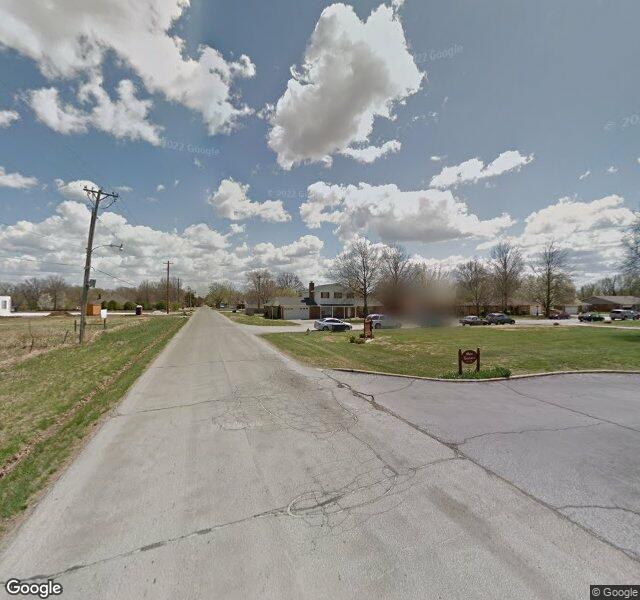
MEDICALODGES COFFEYVILLE ON MIDLAND

2921 W 1ST STREET, COFFEYVILLE, KS 67337 (620) 251-5190
For profit - Corporation 100 Beds MEDICALODGES, INC. Data: November 2025 4 Immediate Jeopardy citations
Trust Grade
0/100
#205 of 295 in KS
Last Inspection: May 2024

Within standard 12-15 month inspection cycle. Federal law requires annual inspections.

Overview

Medicalodges Coffeyville on Midland has received a Trust Grade of F, which indicates significant concerns about the facility's care and practices. It ranks #205 out of 295 nursing homes in Kansas, placing it in the bottom half, and #4 out of 4 in Montgomery County, meaning only one other local option is available. The facility is worsening, with issues increasing from 1 in 2023 to 16 in 2024, and it has a concerning $173,640 in fines, which is higher than 95% of Kansas facilities. On a positive note, staffing is a strength with a rating of 5 out of 5 stars and a turnover rate of 35%, well below the state average. However, serious issues have been found, including incidents of neglect and abuse, such as failure to report injuries and instances of physical and verbal abuse towards residents, which is alarming and raises significant concerns about resident safety.

Trust Score
F
0/100
In Kansas
#205/295
Bottom 31%
Safety Record
High Risk
Review needed
Inspections
Getting Worse
1 → 16 violations
Staff Stability
○ Average
35% turnover. Near Kansas's 48% average. Typical for the industry.
Penalties
✓ Good
$173,640 in fines. Lower than most Kansas facilities. Relatively clean record.
Skilled Nurses
✓ Good
Each resident gets 46 minutes of Registered Nurse (RN) attention daily — more than average for Kansas. RNs are trained to catch health problems early.
Violations
⚠ Watch
49 deficiencies on record. Higher than average. Multiple issues found across inspections.
★★☆☆☆
2.0
Overall Rating
★★★★★
5.0
Staff Levels
★★★★☆
4.0
Care Quality
★☆☆☆☆
1.0
Inspection Score
Stable
2023: 1 issues
2024: 16 issues

The Good

  • 5-Star Staffing Rating · Excellent nurse staffing levels
  • 4-Star Quality Measures · Strong clinical quality outcomes
  • Full Sprinkler Coverage · Fire safety systems throughout facility
  • No fines on record
  • Staff turnover below average (35%)

    13 points below Kansas average of 48%

Facility shows strength in staffing levels, quality measures, fire safety.

The Bad

2-Star Overall Rating

Below Kansas average (2.9)

Below average - review inspection findings carefully

Staff Turnover: 35%

10pts below Kansas avg (46%)

Typical for the industry

Federal Fines: $173,640

Well above median ($33,413)

Significant penalties indicating serious issues

Chain: MEDICALODGES, INC.

Part of a multi-facility chain

Ask about local staffing decisions and management

The Ugly 49 deficiencies on record

4 life-threatening 3 actual harm
Sept 2024 1 deficiency 1 IJ
CRITICAL (J) 📢 Someone Reported This

A family member, employee, or ombudsman was alarmed enough to file a formal complaint

Immediate Jeopardy (IJ) - the most serious Medicare violation

Free from Abuse/Neglect (Tag F0600)

Someone could have died · This affected 1 resident

**NOTE- TERMS IN BRACKETS HAVE BEEN EDITED TO PROTECT CONFIDENTIALITY** The facility reported a census of 72 residents with four residents sampled and one resident reviewed for neglect. Based on obser...

Read full inspector narrative →
**NOTE- TERMS IN BRACKETS HAVE BEEN EDITED TO PROTECT CONFIDENTIALITY** The facility reported a census of 72 residents with four residents sampled and one resident reviewed for neglect. Based on observation, interview, and record review, the facility failed to prevent the neglect of cognitively impaired Resident (R)2, who displayed a recent increase in behaviors. On 08/26/24 at 10:12 PM, Licensed Nurse (LN) G completed a skin assessment on R2 and documented her skin as clean, dry, intact, and without new skin conditions. On 08/27/24 at 10:45 AM, staff observed blood on a tissue after wiping R2 and failed to notify the LN in charge of R2's care. On 08/27/24 at 11:15 AM, Social Service Staff X and Administrative Staff B took R2 out of town to a senior behavioral unit. Upon arrival to the emergency room, R2 expressed the need to use the bathroom and when assisted by facility staff, R2's brief had two dime size spots of blood in it, and she had blood at the front of her peri-area. On 08/27/24 at 02:45 PM, hospital staff began a skin assessment on R2 after she arrived at the behavioral intake area from the emergency room. The assessment revealed R2 had multiple areas of bruising, bleeding, and genital trauma (possible indicators of sexual assault). On 08/27/24 at 08:30 PM, Consultant Staff GG performed a sexual assault examination, which revealed R2 had possible sexual and genital trauma, was having a bloody discharge, had evidence of abrasions to her major and minor labia, evidence of possible penetration, and vaginal edema. Prior to 08/27/24, R2 had increased behaviors, however, the multiple areas of bruising, bleeding, and genital trauma (possible indicators of sexual assault) for R2 were not discovered until they were observed by the hospital staff on 08/27/24, one day after the LN documented no skin issues. This deficient practice placed R2 in immediate jeopardy for neglect and a negative psychosocial impact to R2's sense of safety, protection, health, and well-being. Findings included: - The Medical Diagnosis tab for R2 included diagnoses of dementia (progressive mental disorder characterized by failing memory, confusion), cognitive communication deficit, muscle weakness, major depressive disorder (major mood disorder which causes persistent feelings of sadness), and anxiety (mental or emotional reaction characterized by apprehension, uncertainty, and irrational fear). The admission Minimum Data Set dated 06/30/24, assessed R2 with a Brief Interview for Mental Status score of five, indicating severe cognitive impairment. She did not reject cares and had behaviors symptoms directed towards others that did not interfere with care or put her at risk for significant illness or injury for one to three days of the assessment period. R2 used a walker for mobility and required partial/moderate staff assistance for walking up to 50 feet, transfers, lower body dressing/undressing, and setup assistance for upper body dressing/undressing. R2 was frequently incontinent of urine, occasionally incontinent of bowel, and she did not have any skin issues. The Cognitive Loss/Dementia Care Area Assessment (CAA) dated 07/03/24, revealed R2 had recall deficits with a contributing factor of dementia and risk factors, which included self-care deficits, falls, injuries, incontinence, decreased socialization, and skin breakdown. The Functional Abilities CAA dated 07/03/24, revealed R2 required assistance with her activities of daily living (ADLs) with contributing factors of generalized weakness and decreased safety awareness with risk factors of further ADL decline, falls, incontinence, and skin breakdown. The Urinary Incontinence and Indwelling Catheter CAA dated 07/03/24, revealed R2 had incontinent episodes and required assistance with toileting. The Behavioral Symptoms CAA dated 07/03/24, revealed R2 had dementia and wandered with risk factors of injuring self/others, decreased socialization, and anxiety. The Pressure Ulcer/Injury CAA dated 07/03/24, revealed a LN was to assess R2's skin each week and put in proper interventions to prevent skin breakdown., Caregivers were to assess R2's skin with each bath and when dressing her. The staff were to notify the physician of any abnormal findings. The Care Plan dated 07/03/24, revealed R2 required staff assistance with ADLs related to physical limitations. R2 required psychotropic (alters mood or thought) medications, which included an antianxiety (class of medications that calm and relax people) for restlessness, and an antidepressant (class of medications used to treat mood disorders) for self-isolation. On 08/09/24, the facility added R2 often made statements about the building burning down or some other emergency occurring. On 08/23/24, the facility added R2 required an antipsychotic (class of medications used to treat major mental conditions which cause a break from reality) for behaviors of continuous screaming or yelling, negative delusions, and extreme fear. The Licensed Medication Administration Record (MAR) for August 2024, revealed R2's physician order for as needed (PRN) Ativan (antianxiety medication) changed from every 24 hours to every four hours as needed for anxiety on 08/11/24. R2 continued to have an order for scheduled Ativan twice daily. The Progress Notes dated 08/12/24 at 01:40 AM, by LN I revealed R2 attempted to rise from a sitting position in a recliner with the footrest extended, leaned forward, and fell to the floor. The fall note lacked documentation noting any injuries that occurred from the fall. The Skin Condition Note dated 08/19/24 at 02:42 PM, by LN L revealed R2's skin was clean, dry, intact, and the resident had no new skin issues. The Progress Notes dated 08/20/24, revealed Consultant Staff II saw R2 in the facility due to frequent behaviors and anxiety related to her dementia. Consultant Staff II ordered Aricept (medication used for treatment of dementia), 10 milligrams (mg), daily. The Progress Notes dated 08/23/24 at 02:45 PM, revealed R2 received a new physician order for Seroquel (antipsychotic medication), 25 mg, three times a day. The Progress Notes dated 08/26/24 at 11:22 AM, revealed R2 had a referral for geriatric-psych to evaluate and treat. The Skin Condition Note dated 08/26/24 at 10:12 PM, by LN G revealed R2's skin was clean, dry, intact, and she had no new skin conditions. The Task tab for skin observations every shift, dated 08/06/24 through 08/27/24, revealed documentation of none of the above observed or not applicable for any scratched, red areas, discoloration, skin tears, or open areas. The Progress Notes dated 08/27/24 at 05:09 PM, by Social Service Staff X revealed at 11:00 AM, she left with R2 and Administrative Staff B to a behavior unit. Review of the progress notes for 08/27/24 lacked any documentation of R2 having any redness, bruising, abrasions, or bleeding. The behavioral health admission Note which lacked a date, but included a time of 02:45 PM, revealed R2 was brought to the unit from the emergency room and a patient assessment was started. R2 had swelling with a knot on her right cheek, bruising to her left forearm and left hand, bruising and redness under her right breast, redness between both inner thigh creases, purple/black/blue bruising with open cut on both labia with blood present and a foul odor, redness near anus and on coccyx area, bruising on both knees, and right and left great toe had bruising. Additionally, R2 had blood present inside of her vaginal opening, which was slightly spilling out and bright red blood present in her brief. The vaginal blood was discovered when Consultant Staff JJ performed a straight catheter to obtain a urine sample, Consultant Staff KK and Consultant Staff LL were also present at that time. The staff notified Consultant Staff GG of findings who approved to continue with the straight catheter procedure. The Sexual Assault Physician Exam dated 08/27/24 at 08:30 PM, for R2 revealed the reason for the exam was suspected sexual encounter of a nursing home patient. R2 had possible sexual and genital trauma upon evaluation of a straight catheter procedure for urinalysis per protocol in the senior behavioral unit. R2 had bloody discharge and evidence of abrasions of her labia, both major and minor, and evidence of possible penetration. Two vaginal swabs were obtained and due to R2 having so much atrophy and edema from injury a vaginal exam was not able to be performed. Consultant Staff GG completed the sexual assault kit to the best of her ability and gave it to one of the three chaperones present during the examination to transport to county law enforcement with jurisdiction of the facility, since suspected the event occurred at the facility prior to arrival and a male nurse cared for R2 during the night shift. The facility Nurses Schedule dated 08/08/24 through 09/04/24 revealed a male LN staff on was on duty on 08/26/24 from 06:00 PM to 06:00 AM. The facility CNA Schedule dated 08/08/24 through 09/04/24 revealed no male staff on duty on 08/26/24 from 10:00 PM to 06:00 AM. The facility Witness Statement dated 09/03/24, by CNA M, revealed on 08/27/24, CNA N and CNA M assisted R2 to the bathroom around 10:45 AM. When CNA M wiped R2, she observed blood so she reported to the nurse (lacked name) who came in and observed R2, stating it may be her hemorrhoids on her rectum. The facility Witness Statement undated, by LN H revealed on 08/27/24 the staff (lacked name) called her into the bathroom and reported when they wiped R2 they witnessed some blood. LN H assessed R2's rectum and observed what appeared to be a hemorrhoid and LN H did not see any blood at that time. The facility Witness Statement undated, by Administrative Staff B, revealed on 08/27/24, she assisted R2 with Social Service Staff X in the restroom, noticed a small amount of blood in her brief, assisted with wiping once R2 had finished, and discovered red blood. Administrative Staff B asked Social Service Staff X to trade places so she could do a skin assessment to see if R2 had any sores or open areas and Social Service Staff X noted blood, but no sores or wounds. After cleaning R2 up, Administrative Staff B and Social Service Staff X informed behavioral unit Consultant Staff MM of the discovery. The facility Witness Statement undated, by Social Service Staff X, revealed on 08/27/24 upon arrival to the emergency room (lacked time) for R2's admission to the behavioral unit, R2 was assisted to the bathroom per her request by Social Service Staff X and Administrative Staff A. When changing R2's brief, there were two small blood spots in her brief. Social Service Staff X looked for any sore spots on R2 and found none. R2 had a small amount of blood dripping from her vaginal area, and they passed that information on to behavioral unit Consultant Staff MM. Observation, on 09/03/24 at 11:32 AM, revealed R2's room to be located approximately 25 feet from the nurse's station, her bed was made, and a wheelchair was parked next to the bed. R2 had a roommate according to signage by the room door. No residents were in the room at this time. R2 had not returned to the facility. On 09/03/24 at 02:54 PM, Consultant Staff JJ stated R2 came from the emergency room to the intake area at 02:45 PM, and when she started to do a skin assessment, she noticed some bruising. Consultant Staff JJ stated she found redness and bruising to R2's right breast, redness in between her inner thigh creases, purple/black/blue bruising on her labia, redness near her anus, bruising to her right and left great toes, swelling and a knot to her right cheek, and bruising to both knees. Consultant Staff JJ stated when emergency room staff pulled down R2's pants to perform a straight catheter, there was bright red blood in R2's brief and a smell I cannot describe so Consultant Staff JJ started looking for wounds. R2 had what appeared to be an open wound on the right labia and she did not touch the area until Consultant Staff GG could examine. Consultant Staff JJ stated when she received report from the facility nurse taking care of R2 (could not recall who), it was reported R2 had no skin issues. On 09/04/24 at 12:18 PM, CNA M stated on 08/27/24 around 10:45 AM, her and CNA N toileted R2, who was on their unit because R2 was going to be leaving. CNA M stated when standing R2 up, R2's pants were wet, so she had another staff member bring a dry pair of pants and R2 voided in the toilet. CNA M stated when wiping R2, there was red blood on the tissue, however she did not see any on R2's brief. CNA M stated LN H came in to examine R2, CNA M wiped R2 again, but there was no blood. CNA M stated LN H looked at R2 and said it was probably just hemorrhoids. On 09/04/24 at 02:45 PM, Social Service Staff X stated on 08/27/24 she arrived to get R2 to take her out of the facility and the nurse (LN H) reported R2 had just been toileted. Social Service Staff X stated LN H did not mention R2 having any blood present when wiped and she left with her and Administrative Staff B around 11:15 AM. Social Service Staff X stated when they arrived at the hospital, R2 needed to use the bathroom and they noted two dime size spots of blood in R2's brief and blood coming from the front of R2's peri-area. Social Service Staff X stated they reported to Consultant Staff MM about the blood and that they did not know anything about it, so assumed that was something new. On 09/04/24 at 03:06 PM, LN G stated she thought R2's skin was intact when she did her skin assessment on 08/26/24, and thought she performed the assessment when staff went to change her. LN G stated she tried to look at her breast and under the best she could, but it was hard to get a good view, she did not see anything wrong with R2's toes and was not able to see her peri-area. LN G stated she could only see R2's bottom and belly, the bigger more seen areas and it was difficult to get a good assessment of R2. LN G stated she could not recall if R2 had any hemorrhoids or not, however, she had some redness to her bottom, possibly from sitting up all day, but not any bruising. On 09/04/24 at 03:26 PM, LN H stated on 08/27/24 staff informed her R2 had blood they did not know where it was coming from and asked LN H to take a look, so LN H went in the bathroom. LN H stated she did not see any blood anywhere, observed possible hemorrhoids, and thought maybe that was what caused the bleeding. LN H stated she did not get a chance to tell the charge nurse responsible for R2 that day because she hurried down the hall to finish her work and Social Service Staff X came up to her and said they were taking R2. On 09/04/24 at 04:16 PM, LN L stated she was the charge nurse for R2 on 08/27/24 and did not receive any reports of blood in R2's brief or when staff wiped her. LN L stated she called the behavior unit to give report on R2, which included her recent behaviors and no skin issues. LN L stated one of R2's several falls resulted in bruising to one of her knees, and typically bruises would not be in the skin condition note because it was in a previous assessment. On 09/05/24 at 08:54 AM, Administrative Nurse D stated if the staff were unable to complete a full skin assessment due to behaviors or other reasons, the LN should document that in the skin condition notes. If a bruise was previously identified, the bruise should be included in the skin condition note, not as a new injury, but documented somewhere in the note. On 09/15/24 at 09:14 AM, attempts to interview Consultant Staff GG were unsuccessful. The facility policy Abuse, Neglect and Exploitation dated October 2022 revealed it was the policy of the facility to keep residents free from abuse and neglect. The resident had the right to be free from verbal, sexual, physical and mental abuse. Sexual abuse included, but was not limited to, sexual harassment, sexual coercion, or sexual assault. The policy documented neglect was the failure to provide goods and services necessary to avoid physical harm, mental anguish, or mental illness. Neglect occurs on an individual basis when a resident receives lack of care in one or more areas. The facility failed to prevent the neglect of cognitively impaired R2 who had multiple areas of bruising and redness, bleeding, and genital trauma observed and discovered by hospital staff on 08/27/24, less than 17 hours after the facility LN documented no skin issues for R2. The presence of R2's bruising, bleeding, and genital trauma prompted completion of a sexual assault kit by the hospital staff. This deficient practice placed R2 in immediate jeopardy. On 09/05/24 at 04:28 PM, Administrative Staff A was provided a copy of the Immediate Jeopardy template and notified of the facility's failure to prevent neglect of R2 when hospital staff observed and identified multiple areas of bruising and redness, bleeding and genital trauma on 08/27/24 at 02:45 PM, less than 17 hours after the facility assessed R2's skin to be clean, dry, intact, and with no new skin issues. The facility provided an acceptable plan for removal of the immediacy on 09/05/24 at 06:43 PM which included the following: 1. R2 admitted to the hospital on [DATE]. 2. R2's responsible party contacted on 09/03/24 at 11:52 AM and had already been made aware by the police department. 3. The facility contacted R2's physician on 09/03/24 at 10:05 AM. 4. The facility began interviewing staff and residents on 09/03/24 for any indications of abuse and neglect. 5. Staff in-service began on 09/03/24 on abuse, neglect and exploitation and education completed on 09/05/24 by 05:00 PM. 6. On 09/03/24 the facility held a quality assurance performance improvement (QAPI) meeting. 7. Starting on 09/05/24 at 05:30 PM, the facility educated staff to provide care in pairs for all residents until further notice and initiated immediately. 8. A skin sweep of all residents in the building initiated on 09/05/24 with care plans revised and physician and responsible party notified with any findings from assessments. 9. R2's responsible party informed the facility on 09/05/24 that R2 would not be returning. 10. On 09/05/24 the facility held a resident council meeting to review abuse, neglect, and exploitation. The onsite surveyor verified the implementation of the above corrective actions on 09/09/24 at 04:10 PM and the deficient practice remained at a G scope and severity.
Aug 2024 3 deficiencies 3 IJ
CRITICAL (J) 📢 Someone Reported This

A family member, employee, or ombudsman was alarmed enough to file a formal complaint

Immediate Jeopardy (IJ) - the most serious Medicare violation

Free from Abuse/Neglect (Tag F0600)

Someone could have died · This affected 1 resident

**NOTE- TERMS IN BRACKETS HAVE BEEN EDITED TO PROTECT CONFIDENTIALITY** The facility reported a census of 99 residents with three residents sampled and one resident reviewed for abuse. Based on observ...

Read full inspector narrative →
**NOTE- TERMS IN BRACKETS HAVE BEEN EDITED TO PROTECT CONFIDENTIALITY** The facility reported a census of 99 residents with three residents sampled and one resident reviewed for abuse. Based on observation, interview, and record review, the facility failed to prevent the verbal and physical abuse of cognitively impaired Resident (R) 2 on 07/13/24 and again on 07/19/24. On 07/13/24, Non-Certified Staff N observed Certified Nurse Aide (CNA) O grab R2's arms near her wrists and pushed them to R2's chest. CNA O then stated to R2, You are [explicit language] with the wrong person. I will hit you back. CNA O then turned and walked away. Non-certified Staff N failed to report her observation immediately and CNA O continued to work her scheduled shift and additional shifts following 07/13/24. On 07/19/24, CNA M was in the hallway and heard CNA O and R2 yelling back and forth from R2's room. CNA M went to assist and saw R2 attempt to hit CNA O, and CNA O grabbed R2's arms and put them forcefully against R2's chest. CNA O stated to R2, You chose the right [explicit language] one, you will not hit me. When R2 saw CNA M entering the bathroom she stated, She is beating and hurting me. CNA M offered to take over cares and CNA O stated No, you didn't want to [explicit language] help when she [R2] was trying to get up. CNA M failed to report the observation immediately, instead she wrote her concern about CNA O on a piece of paper and slid it under Administrative Nurse E's door on 07/19/24 (Friday). Administrative Nurse E did not see the note until 07/22/24 (Monday). This deficient practice placed R2 in immediate jeopardy, caused a negative psychosocial impact to R2's safety and wellbeing, and placed 15 residents in the memory care unit at risk for abuse. Findings included: - The Medical Diagnosis tab for R2 included diagnoses of Alzheimer's disease (progressive mental deterioration characterized by confusion and memory failure), dementia (progressive mental disorder characterized by failing memory, confusion) with behavioral disturbance, and major depressive disorder (major mood disorder which causes persistent feelings of sadness). The Annual Minimum Data Set (MDS) dated [DATE], assessed R2 with a Brief Interview of Mental Status (BIMS) score of 99, indicating she could not complete the interview. The staff assessment for R2's mental status identified her as having a short-term and long-term memory recall deficits and severely impaired decision-making abilities. R2 did not reject cares but had other behavioral symptoms not directed towards others one to three days of the assessment period. R2 required a walker for mobility and partial/moderate assistance for walking up to 150 feet, moving from sitting to standing, and toileting hygiene. The Cognitive Loss/Dementia Care Area Assessment (CAA) dated 12/11/24, revealed R2 had memory deficits and a contributing factor included a diagnosis of advanced dementia. The Behavioral Symptoms CAA dated 12/11/24, revealed R2 had physically aggressive behaviors at times and a decreased ability to understand others due to Alzheimer's disease. The Quarterly MDS dated 05/09/24, assessed R2 with a BIMS score of two, indicating severe cognitive impairment. R2 did not reject cares but had other behavioral symptoms not directed towards others one to three days of the assessment period. R2 required a walker for mobility and substantial/maximal assistance with walking up to 150 feet, moving from sitting to standing, and toileting hygiene. The resident's Care Plan dated 06/11/24, revealed R2 required staff assistance with activities of daily living (ADL's) related to physical limitations and had a deficit in cognitive functioning. The staff were to explain to her what they were doing prior to beginning any activity. The staff were to provide activities R2 enjoyed in an attempt to redirect her and/or improve her mood. On 07/23/24, the facility added an additional intervention for the social service designee to follow up with resident weekly for four weeks. The Report of Concern note dated 07/19/24, by CNA M, revealed on an undated night R2 had aggressive behaviors while being assisted in the bathroom, and she tried to hit CNA O. CNA O grabbed R2's arms and held them on her chest, got in R2's face, and said You chose the right [explicit language] one, you are not going to hit me. CNA M donned gloves and told CNA O she would help R2 to bed. R2 looked at CNA M and stated, She is yelling and beating me. CNA O stated to R2 Don't [explicit language] look at her, she doesn't tell me what to do. CNA O told CNA M she did not want her help because CNA M did not want to help when R2 was getting out of her chair. CNA M was in another resident's room assisting them to bed when R2's behaviors started. The facility Incident Information for 07/13/24 and 07/19/24 for alleged abuse of R2 revealed on 07/22/24, at approximately 01:45 PM, Administrative Staff A received two concerns of alleged abuse, by CNA O to R2, from CNA M and Non-certified Staff N. The staff failed to report the allegations of abuse immediately when the abuse occurred. The facility Witness Statement dated 07/22/24, by Non-certified Staff N, revealed on 07/13/24, Non-Certified Staff N was standing in the living room while the residents were getting up from dinner, meanwhile, R2 tried to get up from her chair without help. CNA O went over to R2 and R2 tried to hit CNA O, then CNA O got in R2's face and stated, You are [explicit language] with the wrong person. I will hit you back. Non-Certified Staff N documented in her statement she didn't know how to react with what had occurred. The facility Witness Statement dated 07/22/24, by CNA M, revealed on 07/19/24she was in the hallway of the memory care unit and CNA O was with R2 in the bathroom of R2's room. CNA M could hear CNA O and R2 yelling back and forth so she went to assist. R2 tried to hit CNA O, CNA O grabbed R2's arms, and put them forcefully against R2's chest and yelled at R2 You chose the right [explicit language] one, you will not hit me. R2 saw CNA M coming in, and said, She is beating and hurting me. CNA O then yelled at R2 stating She does not control me or tell me what to do. CNA M offered to take over to assist R2 and CNA O stated No, you didn't want to [explicit language] help when she was trying to get up. The facility Daily Assignment Sheet revealed the facility scheduled CNA O on the memory care unit, where R2 resided, for the 02:00 PM to 10:00 PM shift on 07/13/24, 07/14/24, 07/15/24, 07/17/24, 07/18/24, and 07/19/24. The facility Timecard dated 07/13/24 to 07/22/24, for CNA O, revealed the following dates and times she clocked in and out: 1. On 07/13/24, she clocked in at 01:51 PM and out at 09:37 PM. 2. On 07/14/24, she clocked in at 01:52 PM and out at 09:19 PM. 3. On 07/15/24, she clocked in at 01:44 PM and out at 09:57 PM. 4. On 07/17/24, she clocked in at 02:02 PM and out at 10:04 PM. 5. On 07/18/24, she clocked in at 01:49 PM and out at 06:54 PM. 6. On 07/22/24, the facility suspended R2 at 02:00 PM. The Progress Notes dated 07/26/24 at 11:55 AM, by Administrative Staff A revealed on 07/22/24, Administrative Staff A received two reports of concern involving the same CNA (lacked name) of alleged abuse. The facility immediately suspended the CNA and all staff received Abuse, Neglect Exploitation (ANE) education. The facility reported the incident to the local police department. The facility left a voicemail for R2's family on 07/22/24, who called back the morning of 07/23/24. The facility reviewed R2's care plan and updated it to include social service to follow up weekly for four weeks for psychosocial well-being. Observation on 08/14/24 at 03:23 PM, revealed R2 sitting calmly in a recliner in the living room area of the memory care unit and was looking at a magazine on her lap. Two unidentified staff members were standing by her. On 08/14/24 at 03:24 PM, R2 stated she was doing pretty good and smiled. On 08/13/24 at 04:35 PM, Administrative Staff A stated when she suspended CNA O on 07/22/24, she told CNA O there were reports of her talking mean, being mean, and saying the F word (explicit language) to residents. Administrative Staff A stated CNA O just stared at her then threw her hands up, said residents? and then the F word (explicit language) started flying out of her mouth. Administrative Staff A stated she did not ask CNA O to write a statement at that time, however, she called CNA O a few days later and asked her to come in and CNA O yelled and cussed at Administrative Staff A. Administrative Staff A stated CNA O did not return to the facility. On 08/14/24 at 09:06 AM, attempted to reach CNA O for an interview, which was unsuccessful. On 08/14/24 at 12:16 PM, CNA M stated on 07/19/24 after 06:00 PM, but before 08:00 PM, she went down the hall of the memory care unit and heard R2 and CNA O yelling at each other. CNA M stated she went to go help, as sometimes if someone else tried, R2's behaviors would improve. CNA M stated she went in the room and applied gloves and CNA O did not realize CNA M was there. CNA M stated she heard R2 state Help, she is hurting me. CNA M stated R2 tried to hit CNA O and then CNA O grabbed R2's arms and pushed R2's crossed arms up against R2's chest. CNA M stated R2 started to say something, and CNA O interrupted her. CNA M could not recall exactly what CNA O said, however, said it was in the witness statement she wrote for the facility. CNA M stated she offered to finish R2's cares but CNA O told her no because she did not want to help R2 when she was trying to get up. CNA M stated she had been in another room assisting another resident at that time. CNA M stated after CNA O declined to help, CNA M removed her gloves and went back to the living room area to assist other residents and left CNA O in the bathroom with R2. CNA M stated when CNA O brought R2 back out to the living room area, R2 seemed more irritated. CNA M stated she did not tell the charge nurse or Administrative Nurse E at the time; she was afraid of retaliation by CNA O. CNA M stated she wrote a report of concern note on 07/19/24 (Friday) and slid it under Administrative Nurse E's door. The lack of reporting allowed CNA O to continue working until she clocked out at 06:54 PM. On 08/12/24 at 12:50 PM, Non-certified Staff N stated on 07/13/24 around 05:30 PM she was in the living room to get something, CNA O walked over to R2, and R2 was repeatedly trying to hit CNA O. CNA O grabbed R2's arms just below the wrists with both hands and held them in place to R2's chest for approximately five seconds or so, until CNA O finished telling R2, You are [explicit language] with the wrong person. I will hit you back. Non-Certified Staff N stated after CNA O let go of R2's arms, CNA O turned around and looked at Non-Certified Staff N and walked away. Non-Certified Staff N stated she did not try to stop CNA O, or say anything to CNA O, because she did not know what CNA O would try to do to her. Non-Certified Staff N stated what happened shocked her. Non-Certified Staff N stated she did not report her observation at that time to the charge nurse or Administrative Staff. Non-Certified Staff N stated the day or so after she told CNA M about it, who said she had seen a situation like that before. On 08/14/24 at 01:41 PM Administrative Staff A stated she received CNA M's report of concern on 07/22/24 at 01:45 PM when Administrative Nurse E gave her the form, which she slid under her door. Administrative Staff A reported there were 15 residents in the memory care unit. On 08/14/24 at 01:43 PM, Administrative Nurse E stated she had received a text message from CNA M about concerns with CNA O's treatment of staff but lacked any concerns about treatment of residents. Administrative Nurse E stated she instructed CNA M to write a report of concern and put it under her door. Administrative Nurse E stated she was reading the note and when she seen it was also about a resident, she passed it on to Administrative Staff B because she knew something needed to be done immediately. On 08/14/24 at 01:50 PM, Administrative Nurse D stated CNA M and Non-Certified Staff N should have reported CNA O immediately to Administrative Staff A, the charge nurse, or Administrative Nurse D, and CNA O should have been removed from the building on 07/13/24 and 07/19/24. On 08/14/24 at 01:55 PM, Administrative Staff A stated Non-Certified Staff N should have reported CNA O immediately on 07/13/24 and CNA M should have reported the incidents with CNA O immediately on 07/19/24. The facility policy Abuse, Neglect, and Exploitation dated October 2022 revealed all alleged violations involving abuse, neglect, exploitation or mistreatment, including injuries of unknown source and misappropriation of resident property are to be reported immediately to the Administrator and/or their designated representative, the appropriate state agency and when applicable law enforcement: not later than two hours after the allegation is made if the allegation involves abuse or results in serious bodily injury. The facility failed to prevent abuse on 07/13/24 when CNA O grabbed R2's arms near her wrist and pushed them to her chest and then verbally threatened/abused her. Then again, on 07/19/24 when CNA O grabbed R2's arms and moved them forcefully to R2's chest and verbally threatened R2. R2 reported to CNA M She is beating and hurting me. CNA O continued working her shift on 07/13/24 and following shifts through 07/19/24, placing the 15 residents in the memory care unit at risk for abuse. On 08/14/24 at 05:25 PM, Administrative Staff A was provided a copy of the Immediate Jeopardy template and notified of the facility's failure to prevent verbal and physical abuse of R2 by CNA O on 07/13/24 and on 07/19/24. The immediate jeopardy was determined to first exist on 07/13/24 at approximately 05:30 PM and the surveyor verified the removal of the immediate jeopardy occurred on 07/23/24 at 12:00 PM, prior to the surveyor entrance, which deemed the deficient practice as past non-compliance when the facility completed the following: 1. The facility suspended CNA O on 07/22/24 at 02:00 PM. 2. The facility conducted a skin assessment of R2 on 07/22/24 at 05:01 PM. 3. The facility notified the responsible party and left a voicemail on 07/22/4 at 04:10 PM. 4. The facility provided additional education to CNA M and Non-Certified Staff N on 07/22/24. 5. The facility held a Quality Assurance and Performance Improvement meeting with the Medical Director on 07/22/24. 6. The facility began education with all staff on 07/22/24 and completed on 07/23/24 at 12:00 PM. 7. The facility notified local law enforcement, interviewed three residents with intact cognition, and updated R2's care plan to include follow up with the social service designed post event weekly for four weeks on 07/23/24 at 08:00 AM. The deficient practice existed at a J scope and severity following the removal of the immediate jeopardy.
CRITICAL (J) 📢 Someone Reported This

A family member, employee, or ombudsman was alarmed enough to file a formal complaint

Immediate Jeopardy (IJ) - the most serious Medicare violation

Report Alleged Abuse (Tag F0609)

Someone could have died · This affected 1 resident

**NOTE- TERMS IN BRACKETS HAVE BEEN EDITED TO PROTECT CONFIDENTIALITY** The facility reported a census of 99 residents with three residents sampled and one resident reviewed for abuse. Based on observ...

Read full inspector narrative →
**NOTE- TERMS IN BRACKETS HAVE BEEN EDITED TO PROTECT CONFIDENTIALITY** The facility reported a census of 99 residents with three residents sampled and one resident reviewed for abuse. Based on observation, interview, and record review, the facility failed to immediately report incidents of verbal and physical abuse of cognitively impaired Resident (R) 2 on 07/13/24 and again on 07/19/24. On 07/13/24, Non-Certified Staff N observed Certified Nurse Aide (CNA) O grab R2's arms near her wrists and pushed them to R2's chest. CNA O then stated to R2, You are [explicit language] with the wrong person. I will hit you back. CNA O then turned and walked away. Non-certified Staff N failed to report her observation immediately and CNA O continued to work her scheduled shift and additional shifts following 07/13/24. On 07/19/24, CNA M was in the hallway and heard CNA O and R2 yelling back and forth from R2's room. CNA M went to assist and saw R2 attempt to hit CNA O, and CNA O grabbed R2's arms and put them forcefully against R2's chest. CNA O stated to R2, You chose the right [explicit language] one, you will not hit me. When R2 saw CNA M entering the bathroom she stated, She is beating and hurting me. CNA M offered to take over cares and CNA O stated No, you didn't want to [explicit language] help when she [R2] was trying to get up. CNA M failed to report the observation immediately, instead she wrote her concern about CNA O on a piece of paper and slid it under Administrative Nurse E's door on 07/19/24 (Friday). Administrative Nurse E did not see the note until 07/22/24 (Monday). This deficient practice placed R2 in immediate jeopardy, caused a negative psychosocial impact to R2's safety and wellbeing, and placed 15 residents in the memory care unit at risk for abuse. Findings included: - The Medical Diagnosis tab for R2 included diagnoses of Alzheimer's disease (progressive mental deterioration characterized by confusion and memory failure), dementia (progressive mental disorder characterized by failing memory, confusion) with behavioral disturbance, and major depressive disorder (major mood disorder which causes persistent feelings of sadness). The Annual Minimum Data Set (MDS) dated [DATE], assessed R2 with a Brief Interview of Mental Status (BIMS) score of 99, indicating she could not complete the interview. The staff assessment for R2's mental status identified her as having a short-term and long-term memory recall deficits and severely impaired decision-making abilities. R2 did not reject cares but had other behavioral symptoms not directed towards others one to three days of the assessment period. R2 required a walker for mobility and partial/moderate assistance for walking up to 150 feet, moving from sitting to standing, and toileting hygiene. The Cognitive Loss/Dementia Care Area Assessment (CAA) dated 12/11/24, revealed R2 had memory deficits and a contributing factor included a diagnosis of advanced dementia. The Behavioral Symptoms CAA dated 12/11/24, revealed R2 had physically aggressive behaviors at times and a decreased ability to understand others due to Alzheimer's disease. The Quarterly MDS dated 05/09/24, assessed R2 with a BIMS score of two, indicating severe cognitive impairment. R2 did not reject cares but had other behavioral symptoms not directed towards others one to three days of the assessment period. R2 required a walker for mobility and substantial/maximal assistance with walking up to 150 feet, moving from sitting to standing, and toileting hygiene. The resident's Care Plan dated 06/11/24, revealed R2 required staff assistance with activities of daily living (ADL's) related to physical limitations and had a deficit in cognitive functioning. The staff were to explain to her what they were doing prior to beginning any activity. The staff were to provide activities R2 enjoyed in an attempt to redirect her and/or improve her mood. On 07/23/24, the facility added an additional intervention for the social service designee to follow up with resident weekly for four weeks. The Report of Concern note dated 07/19/24, by CNA M, revealed on an undated night R2 had aggressive behaviors while being assisted in the bathroom, and she tried to hit CNA O. CNA O grabbed R2's arms and held them on her chest, got in R2's face, and said You chose the right [explicit language] one, you are not going to hit me. CNA M donned gloves and told CNA O she would help R2 to bed. R2 looked at CNA M and stated, She is yelling and beating me. CNA O stated to R2 Don't [explicit language] look at her, she doesn't tell me what to do. CNA O told CNA M she did not want her help because CNA M did not want to help when R2 was getting out of her chair. CNA M was in another resident's room assisting them to bed when R2's behaviors started. The facility Incident Information for 07/13/24 and 07/19/24 for alleged abuse of R2 revealed on 07/22/24, at approximately 01:45 PM, Administrative Staff A received two concerns of alleged abuse, by CNA O to R2, from CNA M and Non-certified Staff N. The staff failed to report the allegations of abuse immediately when the abuse occurred. The facility Witness Statement dated 07/22/24, by Non-certified Staff N, revealed on 07/13/24, Non-Certified Staff N was standing in the living room while the residents were getting up from dinner, meanwhile, R2 tried to get up from her chair without help. CNA O went over to R2 and R2 tried to hit CNA O, then CNA O got in R2's face and stated, You are [explicit language] with the wrong person. I will hit you back. Non-Certified Staff N documented in her statement she didn't know how to react with what had occurred. The facility Witness Statement dated 07/22/24, by CNA M, revealed on 07/19/24she was in the hallway of the memory care unit and CNA O was with R2 in the bathroom of R2's room. CNA M could hear CNA O and R2 yelling back and forth so she went to assist. R2 tried to hit CNA O, CNA O grabbed R2's arms, and put them forcefully against R2's chest and yelled at R2 You chose the right [explicit language] one, you will not hit me. R2 saw CNA M coming in, and said, She is beating and hurting me. CNA O then yelled at R2 stating She does not control me or tell me what to do. CNA M offered to take over to assist R2 and CNA O stated No, you didn't want to [explicit language] help when she was trying to get up. The facility Daily Assignment Sheet revealed the facility scheduled CNA O on the memory care unit, where R2 resided, for the 02:00 PM to 10:00 PM shift on 07/13/24, 07/14/24, 07/15/24, 07/17/24, 07/18/24, and 07/19/24. The facility Timecard dated 07/13/24 to 07/22/24, for CNA O, revealed the following dates and times she clocked in and out: 1. On 07/13/24, she clocked in at 01:51 PM and out at 09:37 PM. 2. On 07/14/24, she clocked in at 01:52 PM and out at 09:19 PM. 3. On 07/15/24, she clocked in at 01:44 PM and out at 09:57 PM. 4. On 07/17/24, she clocked in at 02:02 PM and out at 10:04 PM. 5. On 07/18/24, she clocked in at 01:49 PM and out at 06:54 PM. 6. On 07/22/24, the facility suspended R2 at 02:00 PM. The Progress Notes dated 07/26/24 at 11:55 AM, by Administrative Staff A revealed on 07/22/24, Administrative Staff A received two reports of concern involving the same CNA (lacked name) of alleged abuse. The facility immediately suspended the CNA and all staff received Abuse, Neglect Exploitation (ANE) education. The facility reported the incident to the local police department. The facility left a voicemail for R2's family on 07/22/24, who called back the morning of 07/23/24. The facility reviewed R2's care plan and updated it to include social service to follow up weekly for four weeks for psychosocial well-being. Observation on 08/14/24 at 03:23 PM, revealed R2 sitting calmly in a recliner in the living room area of the memory care unit and was looking at a magazine on her lap. Two unidentified staff members were standing by her. On 08/14/24 at 03:24 PM, R2 stated she was doing pretty good and smiled. On 08/13/24 at 04:35 PM, Administrative Staff A stated when she suspended CNA O on 07/22/24, she told CNA O there were reports of her talking mean, being mean, and saying the F word (explicit language) to residents. Administrative Staff A stated CNA O just stared at her then threw her hands up, said residents? and then the F word (explicit language) started flying out of her mouth. Administrative Staff A stated she did not ask CNA O to write a statement at that time, however, she called CNA O a few days later and asked her to come in and CNA O yelled and cussed at Administrative Staff A. Administrative Staff A stated CNA O did not return to the facility. On 08/14/24 at 09:06 AM, attempted to reach CNA O for an interview, which was unsuccessful. On 08/14/24 at 12:16 PM, CNA M stated on 07/19/24 after 06:00 PM, but before 08:00 PM, she went down the hall of the memory care unit and heard R2 and CNA O yelling at each other. CNA M stated she went to go help, as sometimes if someone else tried, R2's behaviors would improve. CNA M stated she went in the room and applied gloves and CNA O did not realize CNA M was there. CNA M stated she heard R2 state Help, she is hurting me. CNA M stated R2 tried to hit CNA O and then CNA O grabbed R2's arms and pushed R2's crossed arms up against R2's chest. CNA M stated R2 started to say something, and CNA O interrupted her. CNA M could not recall exactly what CNA O said, however, said it was in the witness statement she wrote for the facility. CNA M stated she offered to finish R2's cares but CNA O told her no because she did not want to help R2 when she was trying to get up. CNA M stated she had been in another room assisting another resident at that time. CNA M stated after CNA O declined to help, CNA M removed her gloves and went back to the living room area to assist other residents and left CNA O in the bathroom with R2. CNA M stated when CNA O brought R2 back out to the living room area, R2 seemed more irritated. CNA M stated she did not tell the charge nurse or Administrative Nurse E at the time; she was afraid of retaliation by CNA O. CNA M stated she wrote a report of concern note on 07/19/24 (Friday) and slid it under Administrative Nurse E's door. The lack of reporting allowed CNA O to continue working until she clocked out at 06:54 PM. On 08/12/24 at 12:50 PM, Non-certified Staff N stated on 07/13/24 around 05:30 PM she was in the living room to get something, CNA O walked over to R2, and R2 was repeatedly trying to hit CNA O. CNA O grabbed R2's arms just below the wrists with both hands and held them in place to R2's chest for approximately five seconds or so, until CNA O finished telling R2, You are [explicit language] with the wrong person. I will hit you back. Non-Certified Staff N stated after CNA O let go of R2's arms, CNA O turned around and looked at Non-Certified Staff N and walked away. Non-Certified Staff N stated she did not try to stop CNA O, or say anything to CNA O, because she did not know what CNA O would try to do to her. Non-Certified Staff N stated what happened shocked her. Non-Certified Staff N stated she did not report her observation at that time to the charge nurse or Administrative Staff. Non-Certified Staff N stated the day or so after she told CNA M about it, who said she had seen a situation like that before. On 08/14/24 at 01:41 PM Administrative Staff A stated she received CNA M's report of concern on 07/22/24 at 01:45 PM when Administrative Nurse E gave her the form, which she slid under her door. Administrative Staff A reported there were 15 residents in the memory care unit. On 08/14/24 at 01:43 PM, Administrative Nurse E stated she had received a text message from CNA M about concerns with CNA O's treatment of staff but lacked any concerns about treatment of residents. Administrative Nurse E stated she instructed CNA M to write a report of concern and put it under her door. Administrative Nurse E stated she was reading the note and when she seen it was also about a resident, she passed it on to Administrative Staff B because she knew something needed to be done immediately. On 08/14/24 at 01:50 PM, Administrative Nurse D stated CNA M and Non-Certified Staff N should have reported CNA O immediately to Administrative Staff A, the charge nurse, or Administrative Nurse D, and CNA O should have been removed from the building on 07/13/24 and 07/19/24. On 08/14/24 at 01:55 PM, Administrative Staff A stated Non-Certified Staff N should have reported CNA O immediately on 07/13/24 and CNA M should have reported the incidents with CNA O immediately on 07/19/24. The facility policy Abuse, Neglect, and Exploitation dated October 2022 revealed all alleged violations involving abuse, neglect, exploitation or mistreatment, including injuries of unknown source and misappropriation of resident property are to be reported immediately to the Administrator and/or their designated representative, the appropriate state agency and when applicable law enforcement: not later than two hours after the allegation is made if the allegation involves abuse or results in serious bodily injury. The facility failed to ensure staff reported all instances of abuse to prevent abuse on 07/13/24 when CNA O grabbed R2's arms near her wrist and pushed them to her chest and then verbally threatened/abused her. Then again, on 07/19/24 when CNA O grabbed R2's arms and moved them forcefully to R2's chest and verbally threatened R2. R2 reported to CNA N She is beating and hurting me. CNA O continued working her shift on 07/13/24 and following shifts through 07/19/24, placing the 15 residents in the memory care unit at risk for abuse. On 08/14/24 at 05:25 PM, Administrative Staff A was provided a copy of the Immediate Jeopardy template and notified of the facility's failure to prevent verbal and physical abuse of R2 by CNA O on 07/13/24 and on 07/19/24. The immediate jeopardy was determined to first exist on 07/13/24 at approximately 05:30 PM and the surveyor verified the removal of the immediate jeopardy occurred on 07/23/24 at 12:00 PM, prior to the surveyor entrance, which deemed the deficient practice as past non-compliance when the facility completed the following: 1. The facility suspended CNA O on 07/22/24 at 02:00 PM. 2. The facility conducted a skin assessment of R2 on 07/22/24 at 05:01 PM. 3. The facility notified the responsible party and left a voicemail on 07/22/4 at 04:10 PM. 4. The facility provided additional education to CNA M and Non-Certified Staff N on 07/22/24. 5. The facility held a Quality Assurance and Performance Improvement meeting with the Medical Director on 07/22/24. 6. The facility began education with all staff on 07/22/24 and completed on 07/23/24 at 12:00 PM. 7. The facility notified local law enforcement, interviewed three residents with intact cognition, and updated R2's care plan to include follow up with the social service designed post event weekly for four weeks on 07/23/24 at 08:00 AM. The deficient practice existed at a J scope and severity following the removal of the immediate jeopardy.
CRITICAL (J) 📢 Someone Reported This

A family member, employee, or ombudsman was alarmed enough to file a formal complaint

Immediate Jeopardy (IJ) - the most serious Medicare violation

Investigate Abuse (Tag F0610)

Someone could have died · This affected 1 resident

**NOTE- TERMS IN BRACKETS HAVE BEEN EDITED TO PROTECT CONFIDENTIALITY** The facility reported a census of 99 residents with three residents sampled and one resident reviewed for abuse. Based on observ...

Read full inspector narrative →
**NOTE- TERMS IN BRACKETS HAVE BEEN EDITED TO PROTECT CONFIDENTIALITY** The facility reported a census of 99 residents with three residents sampled and one resident reviewed for abuse. Based on observation, interview, and record review, the facility failed to ensure the staff protected residents from abuse when staff did not immediately report incidents of verbal and physical abuse of cognitively impaired Resident (R) 2 on 07/13/24 and again on 07/19/24. On 07/13/24, Non-Certified Staff N observed Certified Nurse Aide (CNA) O grab R2's arms near her wrists and pushed them to R2's chest. CNA O then stated to R2, You are [explicit language] with the wrong person. I will hit you back. CNA O then turned and walked away. Non-certified Staff N failed to report her observation immediately and CNA O continued to work her scheduled shift and additional shifts following 07/13/24. On 07/19/24, CNA M was in the hallway and heard CNA O and R2 yelling back and forth from R2's room. CNA M went to assist and saw R2 attempt to hit CNA O, and CNA O grabbed R2's arms and put them forcefully against R2's chest. CNA O stated to R2, You chose the right [explicit language] one, you will not hit me. When R2 saw CNA M entering the bathroom she stated, She is beating and hurting me. CNA M offered to take over cares and CNA O stated No, you didn't want to [explicit language] help when she [R2] was trying to get up. CNA M failed to report the observation immediately, instead she wrote her concern about CNA O on a piece of paper and slid it under Administrative Nurse E's door on 07/19/24 (Friday). Administrative Nurse E did not see the note until 07/22/24 (Monday). This deficient practice placed R2 in immediate jeopardy, caused a negative psychosocial impact to R2's safety and wellbeing, and placed 15 residents in the memory care unit at risk for abuse. Findings included: - The Medical Diagnosis tab for R2 included diagnoses of Alzheimer's disease (progressive mental deterioration characterized by confusion and memory failure), dementia (progressive mental disorder characterized by failing memory, confusion) with behavioral disturbance, and major depressive disorder (major mood disorder which causes persistent feelings of sadness). The Annual Minimum Data Set (MDS) dated [DATE], assessed R2 with a Brief Interview of Mental Status (BIMS) score of 99, indicating she could not complete the interview. The staff assessment for R2's mental status identified her as having a short-term and long-term memory recall deficits and severely impaired decision-making abilities. R2 did not reject cares but had other behavioral symptoms not directed towards others one to three days of the assessment period. R2 required a walker for mobility and partial/moderate assistance for walking up to 150 feet, moving from sitting to standing, and toileting hygiene. The Cognitive Loss/Dementia Care Area Assessment (CAA) dated 12/11/24, revealed R2 had memory deficits and a contributing factor included a diagnosis of advanced dementia. The Behavioral Symptoms CAA dated 12/11/24, revealed R2 had physically aggressive behaviors at times and a decreased ability to understand others due to Alzheimer's disease. The Quarterly MDS dated 05/09/24, assessed R2 with a BIMS score of two, indicating severe cognitive impairment. R2 did not reject cares but had other behavioral symptoms not directed towards others one to three days of the assessment period. R2 required a walker for mobility and substantial/maximal assistance with walking up to 150 feet, moving from sitting to standing, and toileting hygiene. The resident's Care Plan dated 06/11/24, revealed R2 required staff assistance with activities of daily living (ADL's) related to physical limitations and had a deficit in cognitive functioning. The staff were to explain to her what they were doing prior to beginning any activity. The staff were to provide activities R2 enjoyed in an attempt to redirect her and/or improve her mood. On 07/23/24, the facility added an additional intervention for the social service designee to follow up with resident weekly for four weeks. The Report of Concern note dated 07/19/24, by CNA M, revealed on an undated night R2 had aggressive behaviors while being assisted in the bathroom, and she tried to hit CNA O. CNA O grabbed R2's arms and held them on her chest, got in R2's face, and said You chose the right [explicit language] one, you are not going to hit me. CNA M donned gloves and told CNA O she would help R2 to bed. R2 looked at CNA M and stated, She is yelling and beating me. CNA O stated to R2 Don't [explicit language] look at her, she doesn't tell me what to do. CNA O told CNA M she did not want her help because CNA M did not want to help when R2 was getting out of her chair. CNA M was in another resident's room assisting them to bed when R2's behaviors started. The facility Incident Information for 07/13/24 and 07/19/24 for alleged abuse of R2 revealed on 07/22/24, at approximately 01:45 PM, Administrative Staff A received two concerns of alleged abuse, by CNA O to R2, from CNA M and Non-certified Staff N. The staff failed to report the allegations of abuse immediately when the abuse occurred. The facility Witness Statement dated 07/22/24, by Non-certified Staff N, revealed on 07/13/24, Non-Certified Staff N was standing in the living room while the residents were getting up from dinner, meanwhile, R2 tried to get up from her chair without help. CNA O went over to R2 and R2 tried to hit CNA O, then CNA O got in R2's face and stated, You are [explicit language] with the wrong person. I will hit you back. Non-Certified Staff N documented in her statement she didn't know how to react with what had occurred. The facility Witness Statement dated 07/22/24, by CNA M, revealed on 07/19/24she was in the hallway of the memory care unit and CNA O was with R2 in the bathroom of R2's room. CNA M could hear CNA O and R2 yelling back and forth so she went to assist. R2 tried to hit CNA O, CNA O grabbed R2's arms, and put them forcefully against R2's chest and yelled at R2 You chose the right [explicit language] one, you will not hit me. R2 saw CNA M coming in, and said, She is beating and hurting me. CNA O then yelled at R2 stating She does not control me or tell me what to do. CNA M offered to take over to assist R2 and CNA O stated No, you didn't want to [explicit language] help when she was trying to get up. The facility Daily Assignment Sheet revealed the facility scheduled CNA O on the memory care unit, where R2 resided, for the 02:00 PM to 10:00 PM shift on 07/13/24, 07/14/24, 07/15/24, 07/17/24, 07/18/24, and 07/19/24. The facility Timecard dated 07/13/24 to 07/22/24, for CNA O, revealed the following dates and times she clocked in and out: 1. On 07/13/24, she clocked in at 01:51 PM and out at 09:37 PM. 2. On 07/14/24, she clocked in at 01:52 PM and out at 09:19 PM. 3. On 07/15/24, she clocked in at 01:44 PM and out at 09:57 PM. 4. On 07/17/24, she clocked in at 02:02 PM and out at 10:04 PM. 5. On 07/18/24, she clocked in at 01:49 PM and out at 06:54 PM. 6. On 07/22/24, the facility suspended R2 at 02:00 PM. The Progress Notes dated 07/26/24 at 11:55 AM, by Administrative Staff A revealed on 07/22/24, Administrative Staff A received two reports of concern involving the same CNA (lacked name) of alleged abuse. The facility immediately suspended the CNA and all staff received Abuse, Neglect Exploitation (ANE) education. The facility reported the incident to the local police department. The facility left a voicemail for R2's family on 07/22/24, who called back the morning of 07/23/24. The facility reviewed R2's care plan and updated it to include social service to follow up weekly for four weeks for psychosocial well-being. Observation on 08/14/24 at 03:23 PM, revealed R2 sitting calmly in a recliner in the living room area of the memory care unit and was looking at a magazine on her lap. Two unidentified staff members were standing by her. On 08/14/24 at 03:24 PM, R2 stated she was doing pretty good and smiled. On 08/13/24 at 04:35 PM, Administrative Staff A stated when she suspended CNA O on 07/22/24, she told CNA O there were reports of her talking mean, being mean, and saying the F word (explicit language) to residents. Administrative Staff A stated CNA O just stared at her then threw her hands up, said residents? and then the F word (explicit language) started flying out of her mouth. Administrative Staff A stated she did not ask CNA O to write a statement at that time, however, she called CNA O a few days later and asked her to come in and CNA O yelled and cussed at Administrative Staff A. Administrative Staff A stated CNA O did not return to the facility. On 08/14/24 at 09:06 AM, attempted to reach CNA O for an interview, which was unsuccessful. On 08/14/24 at 12:16 PM, CNA M stated on 07/19/24 after 06:00 PM, but before 08:00 PM, she went down the hall of the memory care unit and heard R2 and CNA O yelling at each other. CNA M stated she went to go help, as sometimes if someone else tried, R2's behaviors would improve. CNA M stated she went in the room and applied gloves and CNA O did not realize CNA M was there. CNA M stated she heard R2 state Help, she is hurting me. CNA M stated R2 tried to hit CNA O and then CNA O grabbed R2's arms and pushed R2's crossed arms up against R2's chest. CNA M stated R2 started to say something, and CNA O interrupted her. CNA M could not recall exactly what CNA O said, however, said it was in the witness statement she wrote for the facility. CNA M stated she offered to finish R2's cares but CNA O told her no because she did not want to help R2 when she was trying to get up. CNA M stated she had been in another room assisting another resident at that time. CNA M stated after CNA O declined to help, CNA M removed her gloves and went back to the living room area to assist other residents and left CNA O in the bathroom with R2. CNA M stated when CNA O brought R2 back out to the living room area, R2 seemed more irritated. CNA M stated she did not tell the charge nurse or Administrative Nurse E at the time; she was afraid of retaliation by CNA O. CNA M stated she wrote a report of concern note on 07/19/24 (Friday) and slid it under Administrative Nurse E's door. The lack of reporting allowed CNA O to continue working until she clocked out at 06:54 PM. On 08/12/24 at 12:50 PM, Non-certified Staff N stated on 07/13/24 around 05:30 PM she was in the living room to get something, CNA O walked over to R2, and R2 was repeatedly trying to hit CNA O. CNA O grabbed R2's arms just below the wrists with both hands and held them in place to R2's chest for approximately five seconds or so, until CNA O finished telling R2, You are [explicit language] with the wrong person. I will hit you back. Non-Certified Staff N stated after CNA O let go of R2's arms, CNA O turned around and looked at Non-Certified Staff N and walked away. Non-Certified Staff N stated she did not try to stop CNA O, or say anything to CNA O, because she did not know what CNA O would try to do to her. Non-Certified Staff N stated what happened shocked her. Non-Certified Staff N stated she did not report her observation at that time to the charge nurse or Administrative Staff. Non-Certified Staff N stated the day or so after she told CNA M about it, who said she had seen a situation like that before. On 08/14/24 at 01:41 PM Administrative Staff A stated she received CNA M's report of concern on 07/22/24 at 01:45 PM when Administrative Nurse E gave her the form, which she slid under her door. Administrative Staff A reported there were 15 residents in the memory care unit. On 08/14/24 at 01:43 PM, Administrative Nurse E stated she had received a text message from CNA M about concerns with CNA O's treatment of staff but lacked any concerns about treatment of residents. Administrative Nurse E stated she instructed CNA M to write a report of concern and put it under her door. Administrative Nurse E stated she was reading the note and when she seen it was also about a resident, she passed it on to Administrative Staff B because she knew something needed to be done immediately. On 08/14/24 at 01:50 PM, Administrative Nurse D stated CNA M and Non-Certified Staff N should have reported CNA O immediately to Administrative Staff A, the charge nurse, or Administrative Nurse D, and CNA O should have been removed from the building on 07/13/24 and 07/19/24. On 08/14/24 at 01:55 PM, Administrative Staff A stated Non-Certified Staff N should have reported CNA O immediately on 07/13/24 and CNA M should have reported the incidents with CNA O immediately on 07/19/24. The facility policy Abuse, Neglect, and Exploitation dated October 2022 revealed all alleged violations involving abuse, neglect, exploitation or mistreatment, including injuries of unknown source and misappropriation of resident property are to be reported immediately to the Administrator and/or their designated representative, the appropriate state agency and when applicable law enforcement: not later than two hours after the allegation is made if the allegation involves abuse or results in serious bodily injury. The facility failed to protect residents from abuse when staff did not immediately report incidents of verbal and physical abuse on 07/13/24 when CNA O grabbed R2's arms near her wrist and pushed them to her chest and then verbally threatened/abused her. Then again, on 07/19/24 when CNA O grabbed R2's arms and moved them forcefully to R2's chest and verbally threatened R2. R2 reported to CNA M She is beating and hurting me. CNA O continued working her shift on 07/13/24 and following shifts through 07/19/24, placing the 15 residents in the memory care unit at risk for abuse. On 08/14/24 at 05:25 PM, Administrative Staff A was provided a copy of the Immediate Jeopardy template and notified of the facility's failure to prevent verbal and physical abuse of R2 by CNA O on 07/13/24 and on 07/19/24. The immediate jeopardy was determined to first exist on 07/13/24 at approximately 05:30 PM and the surveyor verified the removal of the immediate jeopardy occurred on 07/23/24 at 12:00 PM, prior to the surveyor entrance, which deemed the deficient practice as past non-compliance when the facility completed the following: 1. The facility suspended CNA O on 07/22/24 at 02:00 PM. 2. The facility conducted a skin assessment of R2 on 07/22/24 at 05:01 PM. 3. The facility notified the responsible party and left a voicemail on 07/22/4 at 04:10 PM. 4. The facility provided additional education to CNA M and Non-Certified Staff N on 07/22/24. 5. The facility held a Quality Assurance and Performance Improvement meeting with the Medical Director on 07/22/24. 6. The facility began education with all staff on 07/22/24 and completed on 07/23/24 at 12:00 PM. 7. The facility notified local law enforcement, interviewed three residents with intact cognition, and updated R2's care plan to include follow up with the social service designed post event weekly for four weeks on 07/23/24 at 08:00 AM. The deficient practice existed at a J scope and severity following the removal of the immediate jeopardy.
May 2024 12 deficiencies 1 Harm
SERIOUS (G) 📢 Someone Reported This

A family member, employee, or ombudsman was alarmed enough to file a formal complaint

Actual Harm - a resident was hurt due to facility failures

Deficiency F0692 (Tag F0692)

A resident was harmed · This affected 1 resident

**NOTE- TERMS IN BRACKETS HAVE BEEN EDITED TO PROTECT CONFIDENTIALITY** The facility reported a census of 81 residents, with 20 in the sample, and two residents reviewed for nutrition. Based on observ...

Read full inspector narrative →
**NOTE- TERMS IN BRACKETS HAVE BEEN EDITED TO PROTECT CONFIDENTIALITY** The facility reported a census of 81 residents, with 20 in the sample, and two residents reviewed for nutrition. Based on observation, interview, and record review the facility failed to ensure pertinent and timely interventions were implemented as ordered to prevent Resident (R)13's significant weight loss of 25.11 percent (%) in 141 days. The facility did not weigh R13 monthly and did not identify and assess R13 when meal intake consistently declined between 10/2023 and 02/2024. This failure resulted in a R13 losing 29.4 pounds (lbs.)/25.11% body weight, in 141 days. Additionally, the facility failed to monitor R13 for effectiveness of their treatment plan which resulted in an additional weight loss of 11.2 lbs in an additional 42 days which was a total of 40.6 lbs/29.64% over 182 days and placed the resident at risk for continued decline in nutritional status and at risk for the development of life-threatening symptoms, which could negatively affect the mental, physical, and psychosocial well-being of R13. Findings Included: - R13's Electronic Health Record (EHR) revealed diagnoses of diabetes mellitus type 2 (DM type 2, when the body cannot use glucose, not enough insulin made or the body cannot respond to the insulin), unspecified pain, and dorsalgia (pain in the bones of the spine, usually the upper back). The Annual Minimum Data Set (MDS) dated [DATE], documented a Brief Interview for Mental Status (BIMS) of 12, which indicated moderately impaired cognition. The MDS documented R13 had no identified concerns with swallowing, was edentulous (no natural teeth), and was dependent on staff for all cares except eating which required setup and supervision. The ADL (activities of daily living - activities such as walking, grooming, toileting, dressing and eating) Functional / Rehabilitation Potential Care Area Assessment (CAA) dated 10/17/23 documented that R13 required assistance with ADL activities due to generalized weakness. The Nutritional Status CAA dated 10/17/23 documented that R13 was at risk for weight instability due to therapeutic diet related to DM type 2 management. The Quarterly MDS dated 03/12/24, documented a BIMS score of eight which indicated moderately impaired cognition. The MDS documented that R13 had no identified concerns with swallowing and was dependent on staff for all cares except eating which required setup and supervision. Additionally, the MDS documented that R13 had not experienced weight loss with a modification on 03/28/24 that indicated weight loss. The 05/08/24 Care Plan, initiated on 11/17/22 documented the resident required staff assistance with ADLs due to physical limitations and was at risk for weight loss due to diabetic disease processes and included the following interventions: On 11/17/22, R13 would at times require more assistance in completing ADL tasks due to pain. On 11/17/22, initiated on 06/09/23 and revised on 04/27/24, instructed staff that R13 required assistance of one staff during mealtimes for eating. On 11/21/22, R13 was on a regular, LCS (low concentrated sweet - a diet specific for people with DM2) with fortified foods with double proteins and included a supplement. On 11/21/22, staff were to monitor R13's weight and report to the physician as needed. On 03/14/24, staff were to provide prostat (a protein rich shake supplement) and multivitamin supplement for weight management. On 03/29/24, staff were to weigh R13 weekly for one month to monitor for weight loss. The Physician's Orders included: On 07/27/23, staff were to provide house supplement (a product similar to prostat) three times per day for a supplement. On 03/14/24, staff were to provide prostat two times per day for supplement and for wound healing. On 04/03/24, staff were to obtain monthly weights every fourth week on Wednesdays. The Progress Notes documented: On 10/24/23, the Registered Dietitian (RD - Dietary Consultant E) documented R13 weighed 137 lbs on 10/06/24 but that her ideal body weight was 153-185 lbs. R13 received a LCS diet with fortified foods with adequate meal intakes that varied between 76-100%, received a house supplement three times daily and recommended to continue current plan of care. On 01/11/24, Dietary Consultant E documented R13 weighed 137 lbs on 10/06/24, meal intakes varied 76-100%, she received a house supplement three times daily and recommended to continue current plan of care. On 02/19/24, Dietary Consultant E documented R13 did not have a current weight, meal intakes varied between 25-100% and were fair. R13 received a house supplement three times daily and recommended to continue current plan of care. On 03/04/24, Dietary Consultant E documented the resident weighed 107.6 lbs on 02/23/24, meal intakes varied between 25-75% and were fair. Dietary Consultant E documented that resident had lost 29.4 lbs since previous weight on 10/06/23, recommended the addition of a multivitamin and prostat two times per day to assist with weight gain and recommended that staff were to monitor the resident's weights and meal intakes. On 04/01/24, Dietary Consultant E documented R13 weighed 97.6 lbs on 03/28/24, diet included fortified foods, double portions and protein added with intakes that varied between 25-75% and received house supplement three times daily and prostat twice per day. Additionally documented that R13 had an additional 10 lb weight loss in the 30-day look-back period and recommended changing R13's diet to liberalized geriatric in order to provide optimal nutrition and variety with continued recommendation for staff to monitor the resident's weights and meal intakes. On 05/07/24, the RD documented R13 weighed 102.6 lbs and diet included liberalized geriatric with fortified foods, double portions and protein added to assist with weight gain. Further documented that meal intakes had improved to 51-100%, received house supplement three times daily and prostat twice daily. Additionally documented that R13 had a weight gain of 6.2 lbs in the 30-day look-back period and recommended that staff continue the current plan of care. Review of the EHR Weights documented the following: On 10/06/23 at 05:33 PM, R13 weighed 137 lbs. On 02/23/24 at 09:46 AM, R13 weighed 107.6 lbs. On 03/28/24 at 03:45 PM, R13 weighed 97.6 lbs. On 04/04/24 at 08:37 PM, R13 weighed 96.4 lbs. On 05/03/24 at 10:00 AM, R13 weighed 102.6 lbs. Review of the EHR revealed no lab results or physician orders for lab work since 11/30/23 to monitor R13's nutritional status. During an observation on 05/08/24 at 12:27 PM, R13 sat in her wheelchair in the dining area with peers. R13 independently fed herself beef stew, cornbread, and peas. During an observation on 05/08/24 at 12:40 PM, R13 requested Administrative Staff FF remove her meal tray and stated she was done eating. Administrative Staff FF recorded R13 consumed 25% of the main meal, 50% of the ice cream, and 0% of the chocolate cake. Administrative Staff FF or Certified Nurse Aide (CNA) GG did not offer R13 an alternative food selection. During an interview on 05/08/24 at 12:18 PM, CNA GG stated that resident weights were obtained whenever the task populated in POC (point of care, a part of the EHR) or if the nurse asked for a weight. During an interview on 05/09/24 at 08:49 AM, CNA X stated if residents refused all or part of the meals offered then snacks should be offered. During an interview on 05/09/24 at 11:03 AM, Licensed Nurse (LN) DD stated the facility standard was all residents were weighed monthly unless the provider had specifically ordered weights to be obtained more often. During an interview on 05/09/24 at 11:10 AM, LN Y stated residents who had weight loss were encouraged to take more supplements and staff would provide more assistance during mealtimes. LN Y stated exceptionally low weights were reported to Administrative Nurse B for follow up and/or referral to the physician. During an interview on 05/09/24 at 12:34 PM, Administrative Nurse B confirmed the physician and the facility had not monitored R13's weight loss as evidenced by no labs drawn since 11/29/23 and confirmed the facility failed to obtain weights on R13 in 11/2023, 12/2023 and 01/2024. Administrative Nurse B said she expected staff to obtain weights on residents following the physician's orders. During an interview on 05/13/24 at 12:58 PM, Dietary Consultant E confirmed that the facility failed to obtain monthly weights for R13 and that prior to R13's weight loss, her expectation was for staff to obtain weight measurements on residents at least monthly. The facility did not provide a policy related to weight loss and monitoring of weights as requested on 05/09/24. The facility failed to ensure pertinent and timely interventions were implemented as ordered to prevent R13's significant weight loss was a total of 40.6 lbs/29.64% over 182 days and placed the resident at risk for continued decline in nutritional status and at risk for the development of life-threatening symptoms, which could negatively affect the mental, physical, and psychosocial well-being of R13.
CONCERN (D) 📢 Someone Reported This

A family member, employee, or ombudsman was alarmed enough to file a formal complaint

Potential for Harm - no one hurt, but risky conditions existed

Deficiency F0567 (Tag F0567)

Could have caused harm · This affected 1 resident

The facility identified a census of 81 residents which included 31 residents with active trusts accounts, held by the facility. Based on observations, interviews, and record review, the facility faile...

Read full inspector narrative →
The facility identified a census of 81 residents which included 31 residents with active trusts accounts, held by the facility. Based on observations, interviews, and record review, the facility failed to provide Resident (R)13 with the accurate accounting of her personal funds, when the facility overcharged the residents personal funds account by $51.00. Findings included: - Review of trust transaction fund dated 01/23/23 to 05/09/24 documented a closing balance of eleven dollars and one cent for R13. On 05/07/24 at 03:34 PM, R13's family member stated R13 should have money in the account, but the facility staff told R13 she did not have money. On 05/09/24 at 02:26 PM, Administrative Staff O stated the facility cash box in the business office contained about three hundred dollars in cash, and the cash bag locked up in the medication cart on the first unit at main entrance contained twenty-one dollar bills for afterhours resident fund access. For larger amount of money, the Administrator or Director of Nursing had access to a check book that could be used, except for on Sundays. Administrative Staff O also stated it was the facility's policy to offer trust statements quarterly based on the calendar year. Administrative Staff O stated she began employment at the facility for a little over a week and was not sure what the previous business officer manager did. She stated she normally printed off three copies of the resident fund statements and sends two to the representative with a self-addressed stamped envelope with a request that the representative sign and return one copy. On 05/13/24 at 09:57 AM, Administrative Staff O stated the facility became payee on 05/25/23 for R13 and said R13 became in deficit to the facility in January of 2023. Administrative Staff O said the facility received verbal permission from the responsible party to withhold extra funds. The document provided showed a $51.00 overcharge dated 05/06/2024 which showed a balance of $11.01. Administrative Staff O stated the facility would request a refund from account receivable to return funds to resident to maintain trust balance of no less than $62.00. On 05/13/24 at 10:54 AM, Certified Medication Aide (CMA) Q reported if a resident requested money at 03:00 AM to buy a soda from the machine the money would be removed from the bag in medication cart, and a ticket would be filled out. CMA Q had the trust fund money in medication cart. Cambridge Neighborhood had $20.00 in a zipped envelope contained no list of residents that have a trust with facility it contained 20 one dollar bills and individual ticket to be completed when money removed. CMA Q stated, if a resident requested money staff would fill out a ticket, have the resident sign, and give ticket to business office on next business day. CMA Q stated this is all new to the facility noted in past two weeks being started. Before then the facility did not have money for the residents if they needed it on the weekends, residents needed to get money from the SSD or the business office. CMA Q also stated that most of the staff do not know about the resident money if requested. CMA Q stated not sure what resident to give money to, would just give it to any resident that requested money. On 05/13/24 at 11:06 AM, Administrative Staff A stated there was a petty cash box in the medication cart with a list of what residents had what funds available, and the charge nurse had access to this money twenty-four hours a day seven days a week, to give to residents if needed. Administrative Staff A stated the Certified Nurse Aide (CNA) staff should talk to the charge nurse if a resident requested money. She said the cash box in the medication cart was a new addition, but she was unsure as to when it was added. The undated facility policy Resident Funds Trust Account documented the trust account was set up for the purpose of providing residents with a cash source for items such as facility monthly services, haircuts, pop money, personal care items and other items which are properly approved. The trust would be maintained at a local bank in an interest-bearing checking account. A signed invoice, cash register receipt or a paid-out voucher for individual items purchased must be kept on file for each resident. The resident, or responsible party signing the forms, would be mailed two copies of the accounting of the resident' trust account on a quarterly basis. The facility failed to provide Resident (R)13 with the correct amount of money in her trust fund.
CONCERN (D) 📢 Someone Reported This

A family member, employee, or ombudsman was alarmed enough to file a formal complaint

Potential for Harm - no one hurt, but risky conditions existed

Deficiency F0569 (Tag F0569)

Could have caused harm · This affected 1 resident

**NOTE- TERMS IN BRACKETS HAVE BEEN EDITED TO PROTECT CONFIDENTIALITY** The facility identified a census of 81 residents. The facility identified 31 residents with active personal funds accounts. Base...

Read full inspector narrative →
**NOTE- TERMS IN BRACKETS HAVE BEEN EDITED TO PROTECT CONFIDENTIALITY** The facility identified a census of 81 residents. The facility identified 31 residents with active personal funds accounts. Based on observations, interviews, and record review, the facility failed ensure the conveyance of personal funds within 30 days of discharged for Resident(R) 192 and within 30 days of death for R193. Findings included: - Review of trust transaction history of all 31 residents identified with personal funds accounts revealed two residents' names which were not on the current resident census list of facility: R192 expired on [DATE] and R193 discharged from facility on [DATE]. On [DATE] at 11:06 AM, the facility provided documentation revealed a current balance of $103.38 for R193, and a current balance of $1,138.20 for R192. On [DATE] at 01:40 PM, Administrative Staff O stated they were aware of the federal requirement to disperse personal funds back to resident or family and or responsible party, 30 days after discharge. On [DATE] at 01:45 PM, Administrative Staff A reported resident personal funds were to be dispersed back to the resident, family, or responsible party within 30 days of discharge. The surveyor notified Administrative Staff A that R192 and R193 were listed in the documentation as having an active personal funds account with the facility and both no longer were residents in the facility for greater than 30 days. The undated policy Resident Funds Trust Account lacked documentation of returning funds to discharged residents, family or responsible party within 30 days of discharge. The facility failed convey personal funds within 30 days of discharge for R192 and within 30 days of death for R193.
CONCERN (D)

Potential for Harm - no one hurt, but risky conditions existed

Comprehensive Care Plan (Tag F0656)

Could have caused harm · This affected 1 resident

**NOTE- TERMS IN BRACKETS HAVE BEEN EDITED TO PROTECT CONFIDENTIALITY** The facility reported a census of 81 residents with 31 residents sampled. Based on observation, record review, and interview the...

Read full inspector narrative →
**NOTE- TERMS IN BRACKETS HAVE BEEN EDITED TO PROTECT CONFIDENTIALITY** The facility reported a census of 81 residents with 31 residents sampled. Based on observation, record review, and interview the facility failed to complete a comprehensive care plan for one Resident (R) 8, regarding the use of oxygen (O2). Findings included: - Review of Resident (R) 8's electronic medical record (EMR) revealed a diagnosis of Parkinson's disease (slowly progressive neurological disorder characterized by resting tremor, rolling of the fingers, masklike faces, shuffling gait, muscle rigidity and weakness). The Annual Minimum Data Set (MDS), dated [DATE], documented the resident had a Brief Interview for Mental Status (BIMS) score of zero, indicating severe cognitive impairment. The resident did not utilize oxygen (O2). The Activity of Daily Living (ADL) Functional/Rehabilitation Potential Care Area Assessment (CAA), dated 04/30/24, did not trigger for further review. The Care Plan, revised 04/30/24, lacked staff instruction regarding care of the O2 tank or supplies. Review of the resident's EMR revealed the following physician's order: O2 two to four liters (L), via nasal cannula (NC), to keep O2 saturation (percentage of oxygen in the blood) above 90 percent (%), ordered 04/23/24. On 05/07/24 at 03:37 PM, the resident's O2 tubing hung over the O2 concentrator, uncovered. On 05/09/24 at 11:26 AM, Administrative Nurse B stated it was the expectation for staff to place the O2 tubing in a bag when not in use. The facility lacked a policy for care plans. The facility failed to complete a comprehensive care plan with staff instructions for this dependent resident who uses oxygen.
CONCERN (D) 📢 Someone Reported This

A family member, employee, or ombudsman was alarmed enough to file a formal complaint

Potential for Harm - no one hurt, but risky conditions existed

Respiratory Care (Tag F0695)

Could have caused harm · This affected 1 resident

**NOTE- TERMS IN BRACKETS HAVE BEEN EDITED TO PROTECT CONFIDENTIALITY** The facility reported a census of 81 residents with 31 residents sampled, including one resident reviewed for respiratory. Based...

Read full inspector narrative →
**NOTE- TERMS IN BRACKETS HAVE BEEN EDITED TO PROTECT CONFIDENTIALITY** The facility reported a census of 81 residents with 31 residents sampled, including one resident reviewed for respiratory. Based on observation, record review, and interview the facility failed to store oxygen tubing in a clean and sanitary manner for Resident (R) 8. Findings included: - Review of Resident (R) 8's electronic medical record (EMR) revealed a diagnosis of Parkinson's disease (slowly progressive neurologic disorder characterized by resting tremor, rolling of the fingers, masklike faces, shuffling gait, muscle rigidity and weakness). The Annual Minimum Data Set (MDS), dated [DATE], documented the resident had a Brief Interview for Mental Status (BIMS) score of zero, indicating severe cognitive impairment. The resident did not utilize oxygen (O2). The Activity of Daily Living (ADL) Functional/Rehabilitation Potential Care Area Assessment (CAA), dated 04/30/24, did not trigger for further review. The Care Plan, revised 04/30/24, lacked staff instruction regarding care of the O2 tank or supplies. Review of the resident's EMR revealed the following physician's order: O2 two to four liters (L), via nasal cannula (NC), to keep O2 saturation (percentage of oxygen in the blood) above 90 percent (%), ordered 04/23/24. On 05/07/24 at 03:37 PM, the resident's O2 tubing hung over the O2 concentrator, uncovered. On 05/09/24 at 11:26 AM, Administrative Nurse B stated it was the expectation for staff to place the O2 tubing in a bag when not in use. The facility lacked a policy for storing oxygen tubing in a clean and sanitary manner when not in use by the resident. The facility failed to store this dependent resident's O2 tubing in a clean and sanitary manner when not in use by the resident.
CONCERN (E) 📢 Someone Reported This

A family member, employee, or ombudsman was alarmed enough to file a formal complaint

Potential for Harm - no one hurt, but risky conditions existed

Deficiency F0565 (Tag F0565)

Could have caused harm · This affected multiple residents

The facility reported a census of 81 residents. Based on observation, interview, and record review the facility failed to ensure the resident had a right to organize and participate in resident groups...

Read full inspector narrative →
The facility reported a census of 81 residents. Based on observation, interview, and record review the facility failed to ensure the resident had a right to organize and participate in resident groups in the facility, respond to written requests that resulted from group meetings, consider the views of a resident or family group, and act promptly upon the grievances and recommendations of such groups concerning issues of resident care and life in the facility. Additionally, the facility failed to demonstrate their response and rationale for such response to resident's concerns voiced in resident council. Findings included: - During an interview with Resident (R) 5 on 05/07/24 at 03:27 PM, he reported food could be better and he noted the facility would run out of food. R5 reported the food was cold at times and he just ate it, but sometimes would get aggravated and send it back. The facility did do not always have a cook for grill orders in the event residents did not want what was on the main menu. R5 reported the facility had a lot of changes in the kitchen. He stated he reported his concerns to Social Service Designee (SSD) F as well as voiced his concerns in Resident Council, but nothing changed. No one from the facility would come back to the council with an action plan, they just said they were working on it. He stated that he went to resident council most of the time and the residents were very outspoken. During the Resident Council Meeting on 05/08/24 at 01:10 PM 14 residents were in attendance along with two staff members, which included Certified Nurse Aide (CNA)/Activity Director (AD) X and Social Services Designee (SSD) F. R5 voiced concerns over food related issues such as temperature of the food, food availability, and receiving requested menu items. AD X asked the residents about their meals and associated concerns related to the facility meeting their expectations. The 14 residents in attendance unanimously voiced concerns about food temperatures, needing more variety of foods, and a lack of ethnic choices such as Japanese/Chinese cuisine. During the Resident Council Meeting on 05/08/24 at 02:08 PM, R5 stated residents had to eat what the facility gave them and not what they asked for. R80 also stated her tomato soup was ice cold and her pancakes were not hot enough at breakfast. Review of an e-mail dated 05/09/24 at 08:02 AM, titled Resident Council to Administrative Staff A from Social Services (SSD) F revealed it failed to address all of the concerns expressed by the residents regarding food. Review of the Resident Council Meeting Minutes, documentation for 01/2023 through 05/2024 revealed the facility lacked evidence of a Resident Council monthly group meeting and/or any associated concerns, grievances, and follow-up for 02/2023 through 07/2023 (seven consecutive months), 11/2023, 02/2024, and 04/2024. Review of the Resident Council Meeting Minutes for 08/2023 through 10/2023, and 12/2023, lacked any plan of action or follow up and/or a timely response to residents regarding the facility's actions to resolve grievances expressed by residents in the resident Council Meeting. The 10/19/23, Resident Council Minutes documented the resident's dissatisfaction with facility meals and the menu which included residents saying the food was cold and residents voicing that the food was not good. The concerns identified in the minutes lacked a plan of action and/or any follow-up by the facility. The 12/13/23, Resident Council Minutes documented the residents dissatisfaction with meals and menu, which included residents saying they did not have enough food, the facility ran out of things a lot, and residents were told they could not have something they wanted or seconds when they asked because the truck didn't bring enough. On 05/09/24 09:23 AM, Social Service Designee (SSD) G stated resident council should meet once a month and the facility should follow-up on the resident's concerns and get back with the resident. SSD G reported someone else should have kept the minutes for resident council. She confirmed the facility lacked evidence of resident Council meetings 02/23 through 07/2023, as well as social worker should do the minutes to confirm lack of resident council and cannot find minutes. She stated the resident should get a should expect a resolution within a week. The department heads should email response., but she did not know who tracked if that was done or not. the department should go to the resident to address the concern. On 05/09/24 10:17 AM, Administrative Staff A, confirmed the facility lacked evidence of monthly Resident Council meetings. She verified Resident Council members grievances and concerns were not addressed with the residents to include an action plan to resolve the concerns to their satisfaction. She reported the facility failed to follow-up with the residents to give them a voice in the provision of their care related to their concerns. Additionally, she reported she had not received concerns from the resident council meetings. The facility policy Grievance Policy and Procedure, dated 03/2024, documentation included the facility was to provide a forum for residents and others to voice grievances to the facility and to have prompt efforts made by the facility to resolve grievances in a timely manner. The facility would follow-up within seven days. The policy failed to address grievances reported to resident Council. The facility failed to ensure resident's rights to organize and participate in resident groups in the facility, respond to written requests that resulted from group meetings, consider the views of a resident or family groups, and act promptly upon the grievances and recommendations of such groups concerning issues of resident care and life in the facility. Additionally, the facility failed to demonstrate their response and rationale for such response to resident's concerns voiced in resident council.
CONCERN (E) 📢 Someone Reported This

A family member, employee, or ombudsman was alarmed enough to file a formal complaint

Potential for Harm - no one hurt, but risky conditions existed

Deficiency F0568 (Tag F0568)

Could have caused harm · This affected multiple residents

The facility identified a census of 81 residents, which included 31 residents with active trusts held by the facility. Based on observations, interviews, and record review, the facility failed to prov...

Read full inspector narrative →
The facility identified a census of 81 residents, which included 31 residents with active trusts held by the facility. Based on observations, interviews, and record review, the facility failed to provide quarterly statements for the 31 residents in facility. The facility further failed to establish and maintain a system that assured a full complete and separate accounting, according to generally accepted accounting principles, of each resident's personal funds entrusted to the facility on the resident's behalf. Findings included: - Review of trust transaction history of all 31 residents identified that there were no copies of the quarterly statement available to review. On 05/09/24 at 02:36 PM, Administrative Staff O stated it was the facility's policy to offer trust statements quarterly based on the calendar year. Administrative O stated she has been at this post for a little over a week and was not sure what the previous business office manager did. Administrative Staff O stated she normally printed off three copies of the resident statements and sent two to the representative with a self-addressed stamped envelope and a request that the representative sign and return one copy to the facility. Administrative Staff O could not locate any copies of quarterly statements for any of the 31 residents that had trust funds managed by the facility at that time. On 05/13/24 at 11:06 AM, Administrative Staff A stated quarterly statements should be sent to residents or their responsible party. A copy of the statement should be obtained and maintained in the resident's file. Administrative Staff A stated that a trust fund statement could be given to a resident and or responsible party as requested. The updated policy Resident Funds Trust Account documented: The trust account is set up for the purpose of providing residents with a cash source for items such as facility monthly services, haircuts, pop money, personal care items and other items which are properly approved. The trust will be maintained at a local bank in an interest-bearing checking account. A signed invoice, cash register receipt or a paid-out voucher for individual items purchased must be kept on file for each resident. The resident or responsible party signing the forms will be mailed two copies of the accounting of resident's trust account on a quarterly basis. One copy must be signed and returned, showing approval of the quarterly transactions. This copy must be kept on file for five years post discharge. The facility failed to establish and maintain a system that assured a full and complete and separate accounting, according to generally accepted accounting principles, of each resident's personal funds entrusted to the facility on the resident's behalf.
CONCERN (E) 📢 Someone Reported This

A family member, employee, or ombudsman was alarmed enough to file a formal complaint

Potential for Harm - no one hurt, but risky conditions existed

Grievances (Tag F0585)

Could have caused harm · This affected multiple residents

The facility reported a census of 81 residents. Based on observation, interview, and record review the facility failed to ensure residents had a right to voice grievances with respect to care and trea...

Read full inspector narrative →
The facility reported a census of 81 residents. Based on observation, interview, and record review the facility failed to ensure residents had a right to voice grievances with respect to care and treatment, the behavior of staff, other residents, and other concerns regarding their long-term care stay. Additionally, the facility failed to make prompt efforts resolve the grievances the residents had and provide a written decision regarding his or her grievance. Findings included: - During an interview with Resident (R) 5 on 05/07/24 at 03:27 PM, he reported food could be better and he noted the facility would run out of food. R5 reported the food was cold at times and he just ate it, but sometimes would get aggravated and send it back. The facility did not have a cook for grill orders in the event residents did not want what was on the main menu. R5 reported the facility had a lot of changes in the kitchen. He stated he reported his concerns to Social Service Designee (SSD) F as well as voiced his concerns in Resident Council, but nothing changed. No one from the facility would come back to the council with an action plan, they just said they were working on it. He stated that he went to resident council most of the time and the residents were very outspoken. During the Resident Council Meeting on 05/08/24 at 01:10 PM 14 residents were in attendance and two staff members, which included Certified Nurse Aide (CNA)/Activity Director (AD) X and Social Services Designee (SSD) F. R5 voiced concerns, which included food related issues such as temperature, food availability, and receiving requested menu items. AD X asked the residents about their meals and associated concerns related to the facility meeting their expectations. The 14 residents in attendance unanimously complained about the food temperature, needing more variety, and lack of ethnic choices such as Japanese/Chinese cuisine. During the Resident Council Meeting on 05/08/24 at 02:08 PM, R5 stated residents had to eat what the facility gave them and not what they asked for. R 80 also spoke up and stated her tomato soup was ice cold and her pancakes were not hot enough at breakfast. On 05/09/24 at 09:23 AM, Social Service Designee (SSD) G stated the resident's reported concerns in the resident council meeting. She verified the concerns were communicated through e-mail to the appropriate department head for follow up after. SSD G stated she assumed the administrator tracked and logged the concerns to identify trends and patterns and ensure the residents received response to their concerns. She stated she did not track, maintain a log, nor check on follow up for resolution related to grievances expressed in Resident Council or on an individual basis. Review of the Grievance Logs dated 02/2023 through 05/07/24, revealed a lack of tracking and action plans for the resident's reoccurring grievances noted in the Resident Council meetings and lacked documentation of action plans and reviewed with residents. The concerns regarding food dissatisfaction lacked any indication they were addressed throughout the logs. On 05/09/24 10:17 AM, Administrative Staff A, confirmed the facility lacked evidence of action plans and follow-up with residents regarding their concerns as noted above. She verified Resident Council members grievances and concerns were not addressed with the residents to include an action plan to resolve the concerns to their satisfaction. She reported the facility failed to follow-up with the residents to give them a voice in the provision of their care related to their concerns. Additionally, she reported she had not received concerns from the resident council meetings. The facility policy Grievance Policy and Procedure, dated 03/2024, documentation included the facility was to provide a forum for residents and others to voice grievances to the facility and to have prompt efforts made by the facility to resolve grievances in a timely manner. The facility would follow-up within seven days. The policy failed to address grievances reported to resident Council. The facility failed to ensure residents had a right to voice grievances with respect to care and treatment, the behavior of staff, other residents, and other concerns regarding their long-term care stay. Additionally, the facility failed to make prompt efforts resolve the grievances the residents had and provide a written decision regarding his or her grievance.
CONCERN (E) 📢 Someone Reported This

A family member, employee, or ombudsman was alarmed enough to file a formal complaint

Potential for Harm - no one hurt, but risky conditions existed

ADL Care (Tag F0677)

Could have caused harm · This affected multiple residents

**NOTE- TERMS IN BRACKETS HAVE BEEN EDITED TO PROTECT CONFIDENTIALITY** The facility reported a census of 81 residents with 31 residents sampled, including seven residents reviewed for Activities of D...

Read full inspector narrative →
**NOTE- TERMS IN BRACKETS HAVE BEEN EDITED TO PROTECT CONFIDENTIALITY** The facility reported a census of 81 residents with 31 residents sampled, including seven residents reviewed for Activities of Daily Living (ADLs). Based on observation, interview, and record review, the facility failed to provide appropriate and timely ADL cares to four Residents (R) 13, R8, and R46, regarding untrimmed facial hair and R49, regarding untrimmed facial hair and long fingernails. Findings included: - Review of Resident (R) 13's electronic medical record (EMR) documented a diagnosis of type II diabetes mellitus (DM-when the body cannot use glucose, not enough insulin made, or the body cannot respond to the insulin). The Annual Minimum Data Set (MDS), dated [DATE], documented the resident had a Brief Interview for Mental Status (BIMS) score of 12, indicating moderate cognitive impairment. He was dependent on staff for completion of ADLs. The Activity of Daily Living (ADL) Functional/Rehabilitation Potential Care Area Assessment (CAA), dated 10/17/23, documented the resident required staff assistance with ADLs. The Quarterly MDS, dated 03/12/24, documented the resident had a BIMS score of eight, indicating moderately impaired cognition. He was dependent on staff for ADLs. The ADL Care Plan, revised on 04/08/24, instructed staff the resident was dependent on staff for personal hygiene and bathing due to physical limitations. Observations of the resident revealed the following: On 05/07/24 at 03:35 PM, the resident had long facial hair. On 05/08/24 at 11:45 AM, the resident continued to have long facial hair. On 05/09/24 at 08:11 AM, staff brought the resident out of the shower room. The resident continued to have long facial hair. On 05/07/24 at 02:46 PM, the resident stated the facial hair bothers her, but staff do not shave her. The resident requested her daughter bring a razor so she could have the facial hair shaved. On 05/09/24 at 07:34 AM, Certified Nurse Aide (CNA) P stated staff were to shave resident's facial hair on shower days and as needed (PRN). On 05/09/24 at 07:43 AM, Licensed Nurse (LN) Y stated staff were to shave resident's facial hair on shower days or whenever the resident requested to be shaved. On 05/09/24 at 08:49 AM, CNA X stated women resident's facial hair should be shaved in the mornings while getting ready for the day. On 05/09/24 at 12:12 PM, Administrative Nurse B stated it was the expectation for staff to shave female resident's facial hair during morning cares, on shower days, or whenever observed by staff. The facility lacked a policy for completion of ADLs. The facility failed to provide appropriate and timely ADL cares for this dependent resident, regarding facial shaving. - Review of Resident (R) 8's electronic medical record (EMR) revealed a diagnosis of Parkinson's disease (slowly progressive neurological disorder characterized by resting tremor, rolling of the fingers, masklike faces, shuffling gait, muscle rigidity and weakness). The Annual Minimum Data Set (MDS), dated [DATE], documented the resident had a Brief Interview for Mental Status (BIMS) score of zero, indicating severe cognitive impairment. He had impairment in range of motion (ROM) on both sides of his upper and lower extremities. The Activity of Daily Living (ADL) Functional/Rehabilitation Potential Care Area Assessment (CAA), dated 04/30/24, did not trigger. The care plan, revised 04/30/24, instructed staff the resident required assistance with all ADLs due to his diagnosis of Parkinson's disease. He was dependent of two staff for bathing and one to two staff for personal hygiene. Review of the resident's EMR revealed staff were to shower the resident on Mondays and Fridays. However, review of the EMR for April and May, 2024, revealed the resident did not receive a shower on 04/01/24, 04/05/24 or 04/12/24. On 05/07/24 at 03:37 PM, the resident rested in his bed. He had long, unshaven facial hair. On 05/08/24 at 12:54 PM, Certified Nurse Aide (CNA) U stated the resident does not refuse having his facial hair shaven. Staff were to shave resident's on their shower days and as needed (PRN). On 05/09/24 at 11:26 AM, Administrative Nurse B stated it was the expectation for staff to ensure resident's are groomed appropriately daily, per their preferences. Generally the staff will shave residents on their shower days and/or with morning cares. The facility lacked a policy for ADLs. The facility failed to provide appropriate and timely ADL cares for this dependent resident, regarding facial shaving. - Review of Resident (R) 46's Electronic Medical Record (EMR) revealed a diagnosis of weakness. The Annual Minimum Data Set (MDS), dated [DATE], documented the resident had a Brief Interview for Mental Status (BIMS) score of 11, indicating moderately impaired cognition. She required extensive staff assistance for personal hygiene and was dependent on staff for showering. The Activity of Daily Living (ADL) Functional/Rehabilitation Potential Care Area Assessment (CAA), dated 11/14/23, documented the resident required staff assistance with ADLs. The Quarterly MDS, dated 02/13/24, documented the resident had a BIMS score of seven, indicating severe cognitive impairment. She required extensive staff assistance for personal hygiene and was dependent on staff for showering. The Care Plan for ADLs, revised 02/27/24, instructed staff the resident required substantial assistance with showering and personal hygiene. Review of the resident's EMR, revealed the resident received a shower on 05/07/24. Observation on 05/07/24 at 04:30 PM, revealed the resident sat in her recliner. She had 1/2-inch-long facial hair. On 05/13/24 at 12:06 PM, the resident sat at the dining table. She continued to have long facial hair. During an interview on 05/13/24 at 12:06 PM, the resident stated she would like to have staff shave her chin hairs. On 05/13/24 at 12:08 PM, Certified Medication Aide (CMA) Q confirmed the resident had long chin hairs and needed to be shaved. CMA Q stated residents should be shaved on their shower days. On 05/09/24 at 11:26 AM, Administrative Nurse B stated the facility expected staff to ensure residents were groomed appropriately daily, per their preferences. Administrative Nurse B stated generally, the staff shaved residents on their shower days and/or with morning cares. The facility lacked a policy for ADLs. The facility failed to provide appropriate and timely ADL cares for R46 when staff did not provide facial shaving to meet the resident's preference. - Review of Resident (R) 49's electronic medical record (EMR) documented a diagnosis of dementia (progressive mental disorder characterized by failing memory, confusion). The Annual Minimum Data Set (MDS), dated [DATE], documented the resident had a Brief Interview for Mental Status (BIMS) score of 15, indicating intact cognition. She required staff assistance with set-up help for personal hygiene and partial to moderate staff assistance with showering. The Activity of Daily Living (ADL) Functional/Rehabilitation Potential Care Area Assessment (CAA), dated 10/05/23, documented the resident required limited assistance with bathing. The Quarterly MDS, dated 03/21/24, documented the resident had a BIMS score of 15, indicating intact cognition. She was independent with personal hygiene and required partial staff assistance with showering. The Care Plan for ADLs, revised 04/08/24, instructed staff the resident required assistance with ADLs due to physical limitations. Observations of the resident revealed the following: On 05/07/24 at 01:20 PM, the resident had long facial hair and long, jagged fingernails. On 05/08/24 at 08:00 AM, the resident sat at the dining room table with her peers eating breakfast. She continued to have long facial hair and long, jagged fingernails. On 05/09/24 at 07:30 AM, the resident sat at the dining room table with her peers eating breakfast. She continued to have long facial hair and long, jagged fingernails. On 05/07/24 at 01:20 PM, the resident stated she liked to have her facial hair shaved and prefers to keep her fingernails short. On 05/09/24 at 07:34 AM, Certified Nurse Aide (CNA) P stated staff were to shave resident's facial hair on shower days and as needed (PRN). On 05/09/24 at 07:43 AM, Licensed Nurse (LN) Y stated staff were to shave resident's facial hair on shower days or whenever the resident requested to be shaved. On 05/09/24 at 08:49 AM, CNA X stated women resident's facial hair should be shaved in the mornings while getting ready for the day. On 05/09/24 at 12:12 PM, Administrative Nurse B stated it was the expectation for staff to shave female resident's facial hair during morning cares, on shower days, or whenever observed by staff. The facility lacked a policy for completion of ADLs. The facility failed to provide appropriate and timely ADL cares for this dependent resident, regarding facial shaving.
CONCERN (F) 📢 Someone Reported This

A family member, employee, or ombudsman was alarmed enough to file a formal complaint

Potential for Harm - no one hurt, but risky conditions existed

Food Safety (Tag F0812)

Could have caused harm · This affected most or all residents

The facility reported a census of 81 residents. Based on observation, record review, and interview, the facility failed to prepare and serve food under sanitary conditions, to the residents of the fac...

Read full inspector narrative →
The facility reported a census of 81 residents. Based on observation, record review, and interview, the facility failed to prepare and serve food under sanitary conditions, to the residents of the facility appropriately to prevent the potential for food borne bacteria. Findings included: - During an initial tour of the kitchen, on 05/07/24 at 10:55 AM, the following areas of concern were noted: The hand-washing sink trashcan lacked a cover. The refrigerator contained 11 dressing cups which were unlabeled. Three gelatin parfaits which were unlabeled. A gallon container of peach slices, dated 05/01/24, was not properly covered. A bag of 12 baked potatoes, which were unlabeled. Three of the racks in the refrigerator contained dried-on food substances and rust. The outside dumpster contained garbage bags and was not closed. A five-gallon container of flour contained grime on top of the lid. A five-gallon container of dried milk contained grime on top of the lid. On 05/07/24 at 11:28 AM, Dietary Consultant E verified the above issues. The facility lacked a policy for the kitchen. The facility failed to prepare and serve food under sanitary conditions to the residents of the facility. - Observation on 05/07/24 at 12:28 PM, Dietary Staff N began serving the lunch meal for the memory care unit. She had a hair cover in place during the serving although front hair on temples and forehead were not covered and hung loosely during serving. The dietary staff wore the same pair of blue gloves and as she served the plates touched the eating surfaces of the plates. Dietary Staff N touched the food placed on several plates with her thumb and then served the plate to the residents. Interview on 05/07/24 at 12:40 PM, following serving of the noon meal Dietary Staff N reported she was aware of the proper way to handle the plates, so she did not come in contact with the food but the way she served the plates today was an old bad habit and was hard to break. She was aware of the need for all her hair to be in her cap during serving and acknowledged it was not like that today. Review of the facility policy for Proper Hand Washing and Glove Use dated 2020 revealed all employees will use proper hand washing procedures and glove usage in accordance with State and Federal sanitation guidelines. Staff should be reminded that gloves become contaminated just as hands do and should be changed often. When in doubt, remove gloves and wash hands again. The facility failed to serve food in a sanitary manner by having hair out of the hairnet and failure to serve plates without touching of the plate eating surface or food.
CONCERN (F) 📢 Someone Reported This

A family member, employee, or ombudsman was alarmed enough to file a formal complaint

Potential for Harm - no one hurt, but risky conditions existed

Infection Control (Tag F0880)

Could have caused harm · This affected most or all residents

The facility reported a census of 81 residents. Based on observation and interview, the facility failed to ensure staff performed hand hygiene during meals, failed to ensure sanitary storage of oxygen...

Read full inspector narrative →
The facility reported a census of 81 residents. Based on observation and interview, the facility failed to ensure staff performed hand hygiene during meals, failed to ensure sanitary storage of oxygen concentrators with tubing, failed to ensure staff performed hand hygiene during dressing change, failed to ensure sanitary glucometer cleaning for two glucometers used by three residents, and failed to ensure staff provided enhanced barrier precautions for two Residents (R) 5 and R22 with the use of urinary catheters. Findings included: - Observation, on 05/08/24 at 12:37 PM, revealed Certified Nurse Aide (CNA) U assisted Residents (R) 61 and R3 with their noon meal. CNA U positioned the pedals of R61's wheelchair and placed her feet upon them, then without performing hand hygiene, picked up a glass of fluid, handled the straw in the glass and offered it to R3. CNA U removed R3's clothing protector, wiped her mouth with her napkin, placed the napkin in the soiled linen bin, then without performing hand hygiene, repositioned R61 in her chair and assisted her out of the dining room. Observation, on 05/08/24 at 12:53 PM, revealed two unlabeled oxygen concentrators with the tubing and cannula attached but not stored in a sanitary manner, and one cannula rested directly on the floor. Interview, at that time with Consultant Nurse W confirmed the oxygen tubing and concentrators were infection control concerns. Observation, on 05/09/24 at 08:27 AM, revealed CNA W assisting two unidentified residents and failed to perform hand hygiene between the two residents. CNA W manipulated her glasses, scratched her nose, coughed into her hand, and failed to perform hand hygiene. Interview, on 05/09/24 at 08:50 AM, with Licensed Nurse Y, revealed she would expect staff to perform hand hygiene between residents and themselves. Observation, on 05/09/24 at 09:20 AM, revealed CNA U picked up a glass of cranberry juice by the top rim and handed it to R32, then left the dining room and did not sanitize their hands. Interview, on 05/13/24 at 03:30 PM, with Nurse Consultant W, revealed she would expect staff to ensure sanitary storage of oxygen concentrators and tubing, and would expect staff to perform hand hygiene to prevent the spread of infection. The facility policy Infection Management Process instructed staff to provide education on hand hygiene to include hand washing and hand sanitation to prevent infection events. The facility failed to ensure staff performed hand hygiene during meals and failed to ensure sanitary storage of oxygen concentrators with tubing. - Observation, on 05/08/24 at 02:10 PM, revealed Licensed Nurse (LN) Y, provided Resident (R) 34 with right heel pressure ulcer dressing change, and did not perform hand hygiene after removing gloves, and donning a new pair to continue with the dressing change. Interview, on 05/09/24 at 02:00 PM, with Administrative Nurse B, revealed she would expect staff to provide hand sanitation between gloving. The facility policy Procedure for Dressing Change undated, instructed staff to remove gloves and perform hand hygiene before donning a new pair of gloves. The facility policy Infection Management Process instructed staff to provide education on hand hygiene to include hand washing and hand sanitation to prevent infection events. The facility failed to ensure staff performed hand hygiene during a dressing change. - Observation, on 05/08/24 at 11:03 AM revealed Licensed Nurse (LN) CC, obtained Resident (R) 5's blood glucose (sugar) level with a glucometer. Upon obtaining the sample, LN CC did not sanitize her hands, and used an alcohol wipe to sanitize the glucometer. Interview, at that time revealed two other residents used the glucometer on this unit, and the facility had Sani-wipes to sanitize the glucometer, but LN CC did not find them in the cart. Observation, on 05/09/24 at 06:26 AM, revealed LN DD obtained R5's blood glucose with a glucometer. LN DD wiped the glucometer with a Sani-wipe and stated the wet time was one minute. LN DD then read the container of Sani-wipes and confirmed the wet time as four minutes. LN DD stated two other residents used the glucometer. Observation, on 05/09/24 at 06:59 AM, revealed LN CC obtained R22's blood glucose with a glucometer. LN CC proceeded to sanitize the glucometer with an alcohol wipe. Interview, at that time with LN CC revealed two other residents on this unit utilized the glucometer and they would look for a Sani-wipe to sanitize the glucometer. Interview, on 05/09/24 at 11:00 AM with Administrative Nurse B, revealed she would expect staff to follow manufacture's instructions for sanitation of the glucometers and confirmed the glucometers were potentially used by multiple residents depending on the unit. The facility policy Infection Management Process revised 11/2023, instructed staff to properly sanitize the glucometers between each use. The device will be wiped with products that kill clostridium spores and blood borne pathogens. Staff will be educated on appropriate drying time before using. The glucometer User Instruction Manual instructed staff to use a commercially available EPA (environmental protection agency) registered germicidal wipe and follow the product label instructions to disinfect the meter. The facility failed to ensure staff sanitized the glucometer used by multiple residents to prevent the spread of blood borne pathogens. - Observation, on 05/09/24 at 01:30 PM, revealed Certified Nurse Aide (CNA) S, provided care to Resident (R) 22's when they emptied R22's urine collection bag. CNA S donned gloves and drained the urine from the collection bag into a urinal, which was stored in a plastic bag hanging in the resident's bathroom. Interview, at that time with CNA S, revealed she did not know what enhanced barrier precautions were, or what personal protective equipment was needed for R22's urine. Interview, on 05/09/24 at 01:40 PM , with LN T, revealed enhanced barrier precautions were implemented within the last few weeks and staff should wear a gown and gloves to empty a catheter. Observation, on 05/09/24 at 01:45 PM, revealed CNA U, prepared to empty R5's urine collection bag. CNA U donned a gown and gloves and proceeded to drain the urine from the collection bag into a urinal which was stored in a plastic bag hanging on the wall in the shared bathroom. After flushing the urine down the toilet in the resident's bathroom CNA U placed the urinal into the plastic bag. Interview, at that time, with CNA U revealed she should rinse the urinal in the soiled utility room and obtain a clean bag for the urinal. Interview, on 05/09/24 at 02:30 PM, with Administrative Nurse B, revealed she was in the process of implementing enhanced barrier precautions and utilized the CDC (center for disease control) recommendations. The CDC Summary of Personal Protective Equipment Use and Room Restriction When Caring for Residents in Nursing Homes undated. Instructed staff that enhanced barrier precautions required staff to wear gloves and gowns for high contact care activity for urinary catheters. The facility failed to ensure staff provided enhanced barrier precautions for these two residents with urinary catheters to prevent the spread of infection as required.
MINOR (C) 📢 Someone Reported This

A family member, employee, or ombudsman was alarmed enough to file a formal complaint

Minor Issue - procedural, no safety impact

Staffing Information (Tag F0732)

Minor procedural issue · This affected most or all residents

The facility reported a census of 81 residents. Based on interview and record review, the facility failed to ensure staff recorded the resident census on the Daily Staff Postings as required. Findings...

Read full inspector narrative →
The facility reported a census of 81 residents. Based on interview and record review, the facility failed to ensure staff recorded the resident census on the Daily Staff Postings as required. Findings included: - Review of the Daily Staff Posting for February 2024, March 2024, and April 2024, revealed lack of documentation of the resident census for each day. Interview,on 05/13/24 at 10:40 AM, with Administrative Staff HH, revealed she did not document the daily resident census on the Daily staff Postings. Interview, on 05/13/24 at 11:45 AM, with Administrative Staff A, confirmed the lack of resident census on the Daily Staff Postings and lacked a policy for documentation required on the form. The facility lacked a policy for documentation required for Daily Staff Posting. The facility failed to document the daily resident census on the Daily Staff Posting as required.
Jun 2023 1 deficiency 1 Harm
SERIOUS (G) 📢 Someone Reported This

A family member, employee, or ombudsman was alarmed enough to file a formal complaint

Actual Harm - a resident was hurt due to facility failures

Accident Prevention (Tag F0689)

A resident was harmed · This affected 1 resident

The facility reported a census of 91 residents, with three residents sampled for accidents. Based on observations, record review, and interview, the facility failed to provide the care planned assisti...

Read full inspector narrative →
The facility reported a census of 91 residents, with three residents sampled for accidents. Based on observations, record review, and interview, the facility failed to provide the care planned assistive device of a mechanical lift to prevent a fall for Resident (R2), when Certified Nurse Aide (CNA) M attempted to transfer the resident with a walker by herself. The resident fell from his recliner to the floor, on his face, and the resident sustained a fracture to his right ankle and bruising to his right eye area. Findings included: - R2's signed Physician Order Sheet, dated 06/08/23, documented the facility admitted the resident on 05/02/23. The resident's diagnoses included Parkinson's disease (slowly progressive neurologic disorder characterized by resting tremor, rolling of the fingers, masklike faces, shuffling gait, muscle rigidity and weakness), osteoporosis (abnormal loss of bone density and deterioration of bone tissue with an increased fracture risk), artificial hip joint (artificial implant in the hip joint), and fracture of the right calcaneus (bone of the tarsus of the foot which constitutes the heel). The 05/08/23 admission Minimum Data Set (MDS), documented the resident had a Brief Interview for Mental Status (BIMS) score of 15, which indicated intact cognition. He required two-person extensive assistance with bed mobility, toileting, and transfers. The resident did not ambulate. The resident was not steady, and only able to stabilize with staff assistance. He had impairment to both sides of his upper extremity and used a wheelchair for a mobility device. The resident had no falls. He received physical and occupation therapy during the look back period. The 05/15/23 Activities of Daily Functional (ADL)/ Rehabilitation Potential Care Area Assessment (CAA), documented the resident had impaired balance and transition during transfer. The 05/15/23 Falls Care Area Assessment (CAA), documented the resident had impaired gait and mobility that required assistance with transfers. The 05/02/23 ADL Care Plan documented the resident required two staff assistance with a sit to stand (mechanical) lift. The Care Plan revised on 05/04/23 documented the resident required extensive to total assistance of two staff using a Hoyer lift (full body mechanical lift), or a sit to stand with knobs to grip (clarify with nurse which sit to stand is appropriate). The Nursing Note's revealed on 06/02/23 at 07:40 AM, the resident was assisted by one staff member from the recliner to his wheelchair when the resident's knees weakened, and the resident fell to the floor. The resident continued to fall forward and landed on his face causing bruising to the right side of his temple. Emergency Medical Services (EMS) arrived and transported the resident to the Emergency Department for evaluation. On 06/02/23, a mobile X-ray revealed the resident sustained a subtle avulsion fracture (a bone fracture that occurred when a fragment of bone tears away from the main mass of bone because of physical trauma) of the lateral (side) aspect of the left calcaneus (heel bone). On 06/02/23, the computed tomography (CT) scan report revealed right supraorbital (pertaining to eye socket region) forehead soft tissue hematoma (abnormal pooling of blood in the body under the skin that results from a broken or ruptured blood vessel). The Clinical Health Review Fall Assessment, dated 05/02/23, revealed a score of nine, which indicated moderate risk for falls. The Fall Risk Assessment dated 06/02/23, revealed a score of seven , which indicated moderate risk for fall. Review of the facility Investigation dated 06/06/23, revealed on 06/02/23 at 07:40 AM, the resident fell on his face when Certified Nurse Aide (CNA) M transferred the resident from his recliner to his wheelchair. R2 reported he fell on his face. The resident was initially sent to an acute hospital for evaluation regarding facial bruising. The resident returned with no new orders. `The resident had bruising and swelling to his right ankle and X-ray showed a fracture to the right ankle. The facility determined the root cause to be CNA M failed to follow the resident's care plan during transfer. The resident reported CNA M was the only staff assisting the resident in his room. Review of CNA M's witness statement on 06/02/23, documented a CNA M asked another CNA P for assistance. The other staff member advised CNA M that R2 was able to transfer with a walker. CNA P informed CNA M to keep the wheelchair close to the bed. CNA P assisted with pulling up his pants and reported to CNA M that you should be good now and left the resident's room. The resident took a step to get to his wheelchair and fell to his knees. CNA M yelled for help and put the call assistance light on, then she went to the door and yelled help again. Before she could get back to him, he fell completely to the floor, hitting the right side of his head and eye. On 06/13/23 at 04:09 PM, Certified Nurse Aide N and Certified Nurse Aide O transferred R2 with a full body mechanical lift with no concerns. On 6/12/23 at 12:21 PM, R2 reported CNA M tried to transfer him without another staff member and he fell and hit his head on the floor. He was sent to the hospital by EMS and an x-ray was done, revealing he had a fracture to his right ankle. He reported another staff member also transferred him without help. On 6/12/23 at 03:09 PM, Social Services Designee X, reported CNA M hollered for help from the resident's room. The resident slid out of his chair. On 06/13/23 at 09:32 AM Administrative Nurse D reported CNA M did not follow the resident's care plan by transferring the resident without a mechanical lift. She reported this resident required two staff and a mechanical lift for transfers. On 06/13/23 at 10:01 AM Administrative Staff A verified that CNA M did not follow the residents care plan by transferring the resident by herself and not using the mechanical lift On 06/15/23 at 09:45 AM, CNA P reported she received a report that R2 had been working with therapy and was transferring with a walker. She reported R2 previously transferred very well with his walker . She reported she had not verified his change in transfer status with his care plan or the charge nurse. On 06/15/23 at 10:09 AM, per phone conversation, CNA M reported she received a report that R2 was able to transfer with a walker. The previous week the resident's transfer status was a sit to stand or full body mechanical lift with three staff members due to weakness. She verified she did not review the resident's current care plan and check with the charge nurse for the change in transfer status and should have. She reported when she attempted to assist R2 to stand, he slid out of his recliner to his knee and landed on his face on the floor. He had bruising and began bleeding to the right side of his face. She stated she called out for help, and the social worker and the Charge Nurse came to assist her. EMS transferred to the ED for evaluation. The facilities policy for Fall Management, dated 12/2022, documented the staff will minimize the risk for resident falls and to reduce injuries associated with resident falls. The facility failed to provide the care planned assistive device of a mechanical lift to prevent a fall for R2, when a Certified Nurse Aide (CNA) M attempted to transfer the resident with a walker by herself. The resident fell from his recliner to the floor on his face, sustained a fracture to his right ankle and hematoma to his right eye area.
Jul 2022 17 deficiencies 1 Harm
SERIOUS (G)

Actual Harm - a resident was hurt due to facility failures

Pressure Ulcer Prevention (Tag F0686)

A resident was harmed · This affected 1 resident

**NOTE- TERMS IN BRACKETS HAVE BEEN EDITED TO PROTECT CONFIDENTIALITY** The facility reported a census of 89 residents with 20 selected for review including three residents reviewed for pressure ulcer...

Read full inspector narrative →
**NOTE- TERMS IN BRACKETS HAVE BEEN EDITED TO PROTECT CONFIDENTIALITY** The facility reported a census of 89 residents with 20 selected for review including three residents reviewed for pressure ulcers. (localized injury to the skin and/or underlying tissue usually over a bony prominence, as result of pressure, or pressure in combination with shear and/or friction) Based on observation, record review, and interview, the facility failed to prevent the development of and promote healing of a pressure ulcer diagnosed as a stage three (full thickness loss of skin usually over a bony prominence, as a result of pressure, or pressure in combination with shear and/or friction) for Resident (R)41. In addition, the facility failed to perform a dressing change with sanitary conditions related to infection control. Furthermore, the facility failed to prevent the development of and promote healing of three pressure areas diagnosed as a stage two (partial thickness loss of dermis presenting as a shallow open ulcer with a red-pink wound bed, without sloughing or bruising and may also present as an intact or open/ruptured blister) for R68, with two of the areas merging into one pressure area and advancing to a stage three pressure ulcer. Findings included: - The Medical Diagnosis Tab, located in the electronic medical record (EMR), for Resident (R)68, included diagnoses of Alzheimer's disease (a progressive mental deterioration characterized by confusion and memory failure), dementia (progressive mental disorder characterized by failing memory, confusion) , diabetes mellitus (when the body cannot use glucose, not enough insulin made or the body cannot respond to the insulin), and nutritional deficiency. The Quarterly Minimum Data Set (MDS) dated [DATE], assessed R68 with having a short-term and a long-term memory problem, severely impaired decision making, and the resident did not reject care. She required extensive assistance of two or more staff for bed mobility, transfers, and toileting. She was always incontinent of her bowel and bladder, and she was not on a scheduled toileting program. R68 was at risk for pressure ulcers and had no pressure ulcers present. She had a pressure reducing device for her bed, she was not on a turning/repositioning program, and had ointments/medications applied other than to her feet. The Significant Change MDS dated 06/17/22, assessed R68 with no changes to her cognitive status or rejection of care. She continued to require extensive assistance with bed mobility, transfers, and toileting. She was always incontinent of bladder and frequently of bowels and she was not on a scheduled toileting program. R68 was at risk for developing pressure ulcers and had two stage two pressure areas that were not present on admission. She did not have a pressure reducing device for her chair, although she had a pressure reliving device for her bed. She was not on a turning/repositioning program and did not receive nutrition/hydration interventions to manage her skin problems. R68 received pressure ulcer care, application of non-surgical dressing (with or without topical medications) other than to her feet and application of ointments/medications other than to her feet. The Urinary Incontinence and Indwelling Catheter Care Area Assessment (CAA) dated 07/01/22, revealed R68 was incontinent of bowel and bladder so she wore an adult brief and the staff assisted by checking her and changing her. She required extensive assist of two staff for toilet use. The Pressure Ulcer CAA dated 07/01/22, revealed R68 had a significant change assessment done due to the development of two pressure ulcers. She had memory impairment and impaired decision making as well as difficulty understanding verbal communication at times and making herself understood. R68 required extensive assistance from two staff for bed mobility, transfers and toilet use. Staff inspected her skin with bathing and daily cares, would apply a barrier cream for prevention of skin breakdown, and she had a pressure distributing mattress. These interventions did not prevent development of two stage two pressure ulcers to her buttocks. The staff first noted the areas to have worsened to a stage two on 06/09/22. The Care Plan located in the care plan book, dated 04/18/22, revealed R68 was at risk for pressure ulcers due to her decreased mobility and inadequate nutrition. The staff were to monitor her skin with routine cares and report any red/opened areas to the nurse. The staff were to keep her skin clean, dry, and moisturized, and to encourage her to change positions frequently. A pressure relieving device was on her bed, sugar free shakes provided twice daily to help with nutrition and prevent skin issues. Staff were to reposition her every two hours. She had frequent episodes of incontinence and always wore a brief. The staff were to check her every two hours and change her and she was on a scheduled toileting plan. The Care Plan, located in the EMR, dated 05/10/22 revealed R68 had an alteration in skin integrity related to pressure wounds. The staff were to assess the wounds for signs and symptoms of infection in or around the wound. On 05/19/22, skin barrier added for prevention of wounds. The Skin/Wound Condition Assessments revealed the following: 1. On 06/01/22, the staff observed no skin issues. 2. On 06/08/22, a scratch to the coccyx measured 0.5 centimeters (cm) by 0.5 cm. R68 continued to have a small area that had dry skin around an area, which looked like it had been scratched. Her fingernails were cut to prevent any further scratching. 3. On 06/09/22, one day later, the assessments identified a stage two pressure area to the coccyx, which measured 1.5 cm by 1.0 cm. The staff cleansed, dried, applied Polymem (a multifunctional dressing), and covered it with Tegaderm (a thin clear dressing). The staff identified the pressure ulcer on 06/09/22. The assessment lacked a description of the wound and surrounding tissue. 4. On 06/14/22, the resident's right buttock had an area of shearing (force or pressure exerted against the surface and layers of the skin as the tissues slide in opposite planes) that measured 1.5 cm by 1.5 cm and the left buttocks had an area of shearing that measured 0.5 cm by 0.5 cm. The document lacked an assessment of the coccyx (a small triangular bone at the base of the spine) wound. 5. On 06/22/22, the pressure area to the coccyx advanced to a stage three pressure area and measured 1.0 by 1.5 cm. An additional note revealed a stage two coccyx pressure area that measured 1.5 cm x 1.0 cm. The document lacked an assessment of the right and left buttocks and a description of the wounds and surrounding tissue. 6. On 06/28/22, revealed an incomplete assessment that lacked documentation. 7. On 06/29/22, revealed a stage two pressure area to the right buttocks that measured 0.5 cm by 0.5 cm and a stage two area to the left buttocks that measured 0.5 cm by 0.5 cm. The assessment included the staff observed no further skin conditions and lacked if the coccyx wound had been resolved or a description of the wounds and surrounding tissue. 8. On 07/06/22, revealed the stage two pressure area to the right buttocks measured 2.5 cm by 1.0 cm and the stage two area to the left buttocks measured 0.5 cm by 0.5 cm. The assessment lacked a description of the wounds and surrounding tissue. 9. On 07/09/22, the right buttock stage two pressure area measured 0.5 cm by 0.3 cm by 0.1 cm deep. The stage two area to the left buttocks measured 1.7 cm by 0.7 cm by 0.1 cm deep. The stage two area to the coccyx measured 1.5 cm by 0.5 cm by 0.1 cm deep. The assessment included a treatment of covering with hydrocolloid (type of dressing) and changing every three days and as needed. The assessment included no signs and symptoms of infection and lacked a description of the wounds and surrounding tissue. The physician order tab, located in the EMR, included these orders: 1. Calmoseptine (skin barrier ointment) to the coccyx every shift for skin condition, dated 04/26/22. 2. House supplement (nutritional drink) one time a day, dated 04/26/22. 3. Clean coccyx with a wound cleanser, dry area, apply hydrocolloid, change every three days and as needed if (the dressing) becomes soiled, is not placed properly, or is removed, every shift, assess every shift, until healed, dated 06/16/22. The Progress Notes dated 06/07/22 at 09:44 AM revealed R68 had a scratched area to the inside of her right buttocks that the staff cleansed and applied Calmoseptine to. R68 had a pressure relieving cushion on the dining room chair, a preventive equipment area mat on her bed, and staff repositioned her every two hours. The Progress Notes dated 06/08/22 at 09:28 AM revealed Calmoseptine continued to the resident's buttock. Dry, flakey skin present. The Progress Notes dated 06/09/22 at 11:39 AM revealed the staff was monitored the right inner buttock related to an Abrasion (scraping or rubbing away of a surface, such as skin, by friction). The Progress Notes dated 06/09/22 at 07:22 PM, revealed the coccyx condition worsened and measured 1.5 cm by 1.0 cm. The staff treated the area by cleaning with wound cleanser, drying, applying Polymem, and covering with Tegaderm. At 07:29 PM a note revealed the staff notified the doctor of the skin condition. The Progress Notes dated 06/14/22 at 04:16 PM revealed the open area on the right buttock increased in size and there was a new pinpoint area to R68's coccyx. The treatment changed to cleanse with wound cleanser, pat dry, and apply hydrocolloid, change every three days and as needed. R68 was to have a pressure relieving cushion while in her wheelchair or recliner. The Progress Note dated 07/11/22 revealed the physician gave approval for consult with Wound Care Plus. On 07/11/22 at 10:20 AM observed R68's bed with an air mattress overlay in place to her bed. On 07/11/22 at 01:23 PM observed R68 sitting in a recliner with a gel type cushion in the seat of the recliner. On 07/11/22 at 03:08 PM an unidentified family member stated R68 had an abrasion to her buttocks and was not sure how long it had been there, the facility was Doctoring it. On 07/12/22 at 08:55 AM Certified Nurse Aide (CNA) M and Certified Medication Aide (CMA) R assisted R68 to transfer from the wheelchair to a recliner placing a gel cushion to the recliner and elevating her feet. On 07/12/22 at 08:58 AM Licensed Nurse (LN) G stated R68 had three different open areas that the charge nurse measured weekly, and the dressing was intact this morning. On 07/12/22 continuous observation revealed R68 remained in the recliner with her feet elevated from 08:55 AM until 11:30 AM, a total of two hours and 35 minutes. The resident did not shift her weight around while she sat in the recliner. On 07/12/22 at 11:30 AM, CNA M and CMA R transferred R68 from the recliner to the wheelchair (two hours and 35 minutes after transferring to the recliner) then from the wheelchair to the dining room chair with a gel cushion in place. CNA M and CMA R did not toilet R68 before taking her into the dining room. The staff failed to reposition the resident every two hours, per the care plan and failed to check her for incontinence at that time. On 07/12/22 at 01:27 PM, CNA M and CMA R transferred R68 from the dining room chair to her wheelchair, then to a recliner, moving the gel cushion to the recliner seat. The staff failed to toilet her at this time or check the brief to see if she needed to be changed, resulting in observations of four hours and 32 minutes without R68 being checked for presence of incontinence. On 07/12/22 at 01:33 PM, CMA R stated she assisted R68 to the toilet after breakfast before assisting her to the recliner. The staff were to check R68 three times during the day shift and she was a Heavy wetter. The staff should check her before breakfast, and after breakfast she is assisted to sit on the bedside commode, then again right before lunch. R68 has a patch on her bottom and staff should make sure it is in place. Staff usually felt the brief to be able to tell if it was wet or staff could smell if she had a bowel movement. CMA R stated the brief was felt when they transferred her to the recliner, and it was Crinkly indicating it was dry. CMA R stated R68 was to be repositioned every two hours. On 07/12/22 at 02:21 PM, CNA N and CNA O transferred R68 from the recliner to her wheelchair, then to the toilet in her personal bathroom. Observed the dressing to her coccyx to have wrinkles and was loose in places. The incontinent brief removed observed to be wet and had bowel movement streaks. CNA O commented to CNA N that the nurse needed to be told R68 needed a new Patch. On 07/12/22 at 02:32 PM, CNA N and CNA O transferred R68 back to the wheelchair, then transferred her to the recliner in the living room area. On 07/12/22 at 02:36 PM, CNA O notified LN H the dressing was still in place, but loose in places. On 07/12/22 at 02:59 PM, LN H stated she would be doing a dressing change for R68 and was gathering supplies while the staff assisted her to the bed. On 07/12/22 at 03:13 PM, CNA O and CNA N transferred R68 from the wheelchair to the bed. LN H removed the dressing from R68's coccyx area, removed her gloves, and applied a new pair without performing hand hygiene. LN H then used gauze pads she had sprayed with wound cleanser and dabbed the pressure areas several times. Observed an open area to the coccyx that merged with the area to the left buttocks and an open area to the right buttocks. LN H measured the right buttocks as 0.7 cm by 0.5 cm and the area to the coccyx/left buttock as 3.0 cm by 0.5 cm and stated they were both stage two areas. LN H then applied a new dressing that covered the left buttock/coccyx area and a separate one to cover the right buttock. On 07/12/22 at 03:23 PM, LN H stated last week the area on the coccyx had started merging with the other area and that she documented it as the coccyx area. LN H stated that hand hygiene should have been performed after removing her gloves before applying a new pair to clean the wounds. When asked how the areas developed, LN H stated that the old briefs used before the new company took over pulled the moisture away better than the new briefs and R68 had declined and did not walk as much, and the staff have to reposition her and check and change her every two hours. The staff were to make sure she was dry, and they should visibly check the brief and not rely on feeling the brief for Crinkling as an indicator she is dry. On 07/12/22 at 09:52 AM, CNA P and CMA R transferred R68 from the wheelchair to the bedside commode. R68's brief was wet and had bowel movement smears in it, and the coccyx and left and right buttocks lacked a dressing. There were bowel movement smears to the wipes during cleansing where the pressure ulcers were. On 07/17/22 at 09:54 AM, CNA P stated R68's dressing got Ripped off before breakfast which was around 07:00 AM when they got her up for the day and toileted her. The dressing had not been replaced because the nurse Got busy. On 07/12/22 at 10:00 AM, CNA P and CMA R transferred R68 to the wheelchair, then to the bed. Staff positioned the resident with her tilted to her right side with a pillow placed behind her back/bottom. On 07/12/22 at 10:31 AM, LN H entered R68's room with Administrative Nurse E to replace the dressing. This was approximately three-and-a-half hours after the dressing was no longer in place. On 07/12/22 at 10:42 AM, LN H stated the staff told her the dressing was off a Little before breakfast and it should have been done as soon as they told me. On 07/14/22 at 09:43 AM, Administrative Nurse D stated the staff should follow the care plan for repositioning and toileting, and the staff did not reposition her and toilet her in a timely manner on 07/12/22. If the dressing comes off, it should be replaced as soon as possible and should have been applied sooner on 07/13/22 when it had come off. Administrative Nurse D stated hand hygiene should be performed before applying a new pair of gloves during dressing changes. The facility policy Wound Prevention and Management dated 12/2018, revealed the resident would be repositioned in order to meet individual needs and those needs would be identified on the care plan. Incontinent care should be provided to meet the individual resident needs. The facility failed to prevent the occurrence of three pressure areas and failed to reposition, toilet, change the incontinent product, and replace the dressing in a timely manner for R68 to assist with wound management and prevention in development of further wounds. Furthermore, the facility failed to use appropriate infection control practices when providing wound care to prevent contamination to the wound, increasing the risk for infection. - The Physician Order Sheet, dated 05/18/22, documented Resident (R)41 had a diagnosis of Alzheimer's disease (progressive mental deterioration characterized by confusion and memory failure). The significant change Minimum Data Set (MDS), dated [DATE], documented the staff assessment for cognition revealed the resident had moderately impaired cognition. She required extensive assistance of two staff for bed mobility and transfers. The resident used a wheelchair for locomotion. She was independent with eating and had no significant weight gain or loss. She was at risk for the development of pressure ulcers (localized injury to the skin and/or underlying tissue usually over a bony prominence, as a result of pressure, or pressure in combination with shear and/or friction) with one stage II (partial-thickness loss of skin with exposed dermis) unhealed PU, not present on admission. She received pressure ulcer care. The Pressure Ulcer Care Area Assessment (CAA), dated 05/05/22, documented the staff were to treat the resident's PU per the physician's orders. Staff were to reposition the resident every two hours. She had a pressure relieving device to her wheelchair and a pressure relieving mattress. The quarterly MDS, dated 04/03/22, documented the resident had a Brief Interview for Mental Status (BIMS) score of two, indicating severe cognitive impairment. She required extensive assistance of two staff for bed mobility and transfers. She used a wheelchair for locomotion. She was frequently incontinent of bowel and bladder. She was independent with eating and had no significant weight gain or loss. She was at risk for the development of PU with no unhealed PUs at the time of the assessment. She had a pressure reducing device for her wheelchair and bed and received nutritional interventions for her skin. The care plan for Bowel and Bladder, updated 05/19/22, instructed staff the resident was incontinent of bowel and bladder. Staff were to perform proper peri-care (cleansing of the genitals). The care plan for Activities of Daily Living (ADL), updated 05/19/22, informed staff the resident required extensive assistance of two staff for bed mobility. The care plan for Skin Integrity, updated 05/19/22, instructed staff the resident was at risk for the development of pressure ulcers. The resident required encouragement and assistance to shift or alter her body while in her wheelchair or bed. Review of the resident's electronic medical record (EMR), under the Misc (miscellaneous) tab, revealed documentation, dated 07/05/22, 12/29/21 and 03/18/22, which documented the staff would do weekly skin assessments, per the facility protocol. On 05/05/22, documentation in the resident's EMR, under the Progress Notes tab, revealed the resident had an open area to her coccyx (small triangular bone at the base of the spine), which measured 5.0 width (W) by 0.25 length (L) by 0.25 depth (D) centimeters (cm). The area had red outer edges with a black/purplish coloring on the wound bed. The physician's order was to cleanse the area with wound cleanser, pat dry, and apply hydrocolloid (a substance which forms a gel in the presence of water) every shift, until healed. Staff were to reposition the resident from side to side every two hours. Further documentation on 05/05/22, revealed the resident had a stage II (partial thickness skin loss involving the dermis), which measured 3.5 L by 2.5 W cm. Review of the resident's EMR, under the, Skin/Wound Condition Assessment, under the Assessments tab, revealed the following: On 05/19/22, the resident had a stage II PU to her coccyx which measured 3.5 W by 2.5 L by 0.1 D, cm. The resident had a wheelchair cushion and staff were repositioning the resident. On 06/26/22, documentation revealed staff were to cleanse the wound with wound cleanser and apply Thera Honey (help create a moist wound environment conducive to wound healing) every day and as needed (PRN), until healed. Documentation lacked measurements or description of the wound. On 07/07/22, documentation revealed coccyx. No other documentation was available regarding the wound. On 07/13/22, documentation revealed the resident had a stage III (involves the full thickness of the skin and may extend into the subcutaneous tissue layer; granulation tissue), which measured 1.0 L by 0.5 W by 0.4 D cm. The area was noted to have red granulation tissue (new vascular tissue in granular form on an ulcer or the healing surface of a wound) on the wound bed with the edges slightly rolled. The wound had no drainage. The physician's order was to cleanse the area with wound cleanser and apply Medihoney (a brand name wound and burn gel) and cover with a foam dressing. No further wound documentation was available. On 07/12/22 at 08:30 AM, the resident sat in her wheelchair, with a gel cushion, in the TV room. The resident had a slumped body position. At 08:58 AM, Certified Nurse Aide (CNA) QQ, attempted to reposition the resident in the wheelchair by holding onto the waist band of the resident's pants and pulling her back in the chair. The resident's buttocks did not rise above the seat cushion during the attempt at repositioning. The resident then slumped back down into the chair. At 11:11 AM, the resident remained in the same slumped position. This surveyor requested staff do a skin check as the resident had not been repositioned in over two and a half hours. CNA QQ and RR transferred the resident from her wheelchair to the bed with the use of the Hoyer lift (a full body mechanical lift). Licensed Nurse (LN) J entered the room to assess the resident's wound. Staff removed the resident's brief which revealed a foam dressing, dated 07/10/22, to the resident's coccyx. LN J removed the dressing to reveal the wound, which measured 2.1 L by 0.2 W by 0.9 D cm. Slough (dead tissue, usually cream or yellow in color) was present from 10 o'clock to 12 o'clock position with a small amount present on the wound bed. On 07/12/22 at 11:18 AM, CNA QQ stated she thought the resident was lying down in bed and did not realize she had been up in her chair for so long. Staff were to turn and reposition the resident at least every two hours but verified she had not done so that morning. On 07/12/22 at 11:19 AM, CNA RR stated staff were to turn and reposition the resident every two hours due to her having a PU. On 07/13/22 at 07:36 AM, CNA RRR stated the resident was total care. Staff were to turn and reposition her every two hours due to the PU on her bottom. On 07/12/22 at 11:29 AM, LN J stated the facility had a nurse from the wound care come to the facility each week. They had not seen this resident's wound yet. Staff were to turn and reposition the resident at least every two hours, but that did not always happen. The PU was facility acquired. The resident was unable to reposition herself. LN J was unsure of who was to document on wounds in the EMR. LN J stated she only did the dressing changes and did not typically measure or document on the wound. On 07/13/22 at 06:53 AM, LN K stated staff were to turn and reposition the resident every three to four hours. The resident was unable to reposition herself. On 07/13/22 at 01:42 PM, LN I stated she had not notified the physician of the resident's worsening PU and was unsure of who was in charge of contacting the physician. Staff were to turn and reposition the resident every two hours. On 07/14/22 at 11:55 AM, Administrative Nurse D stated the wound care staff would see the resident for the first time that day. The facility only obtained the order for the wound care consult on 07/13/22 as they were unaware of the worsening of the wound to a stage III PU. Administrative Nurse D was unsure of where the skin assessments to predict the development of pressure ulcers were located for this resident. The nursing staff failed to measure and document the skin assessments as they should have been. There was no other wound documentation available. The facility policy for Wound Prevention and Management, revised 12/2018, included: DON or Designee will complete an assessment of all wounds weekly using the Skin/Wound Condition Assessment in the electronic medical record, until resolved. Residents will be repositioned in order to meet their individual needs. The facility failed to ensure appropriate services to prevent the development of a stage III PU on this dependent resident's coccyx.
CONCERN (D)

Potential for Harm - no one hurt, but risky conditions existed

Deficiency F0557 (Tag F0557)

Could have caused harm · This affected 1 resident

**NOTE- TERMS IN BRACKETS HAVE BEEN EDITED TO PROTECT CONFIDENTIALITY** The facility reported a census of 89 residents with 20 sampled for review, which included one resident reviewed with a urinary c...

Read full inspector narrative →
**NOTE- TERMS IN BRACKETS HAVE BEEN EDITED TO PROTECT CONFIDENTIALITY** The facility reported a census of 89 residents with 20 sampled for review, which included one resident reviewed with a urinary catheter. Based on observation, interview, and record review, the facility failed to ensure the dignity of the one sampled resident, (R) 4 with a catheter/urine collection bag, with the lack of a cover to prevent full visualization of the resident's urine by anyone present. Findings included: - Review of Resident (R)4 Physician Orders, dated 5/22/22 revealed diagnoses which included, hemiplegia (paralysis of one side of the body) and hemiparesis (muscular weakness of one half of the body) following cerebral infarction (stroke- sudden death of brain cells due to lack of oxygen caused by impaired blood flow to the brain by blockage or rupture of an artery to the brain) affecting left dominant side, and benign prostate hyperplasia without lower urinary tract symptoms (BPH-non-cancerous enlargement of the prostate which can lead to interference with urine flow, urinary frequency and urinary tract infections). The Significant Change in Status Minimum Data Set (MDS) dated [DATE], documented the Brief Interview for Mental Status (BIMS) score of four, which indicated severe cognitive impairment. He had an indwelling catheter. He required extensive assistance of staff for activities of daily living, and walking did not occur. He received medications which included antibiotics and diuretics for 7 days of the look back period. The Urinary Incontinence and Indwelling Catheter Care Area Assessment (CAA), dated 12/09/21, triggered for further review but it lacked an analysis of findings. The Care Plan, (CP), dated 05/26/22, lacked interventions for catheter use, care, and a dignity cover for the resident's urine collection bag. The Physician Orders, dated 05/22/22, documentation included Indwelling Catheter, size 16 French catheter with 30-50 milliliter bulb. May change every month and as needed for leakage or blockage. On 07/11/22 02:15 PM, the resident was lying in his bed with his uncovered urine collection catheter bag hanging on the bed rail. His urine was visible from the hallway to anyone passing or entering the room. The blue dignity cover for the urine collection bag was attached beneath his wheelchair (W/C). On 07/12/22 at 08:48AM, the resident was lying on his bed with his urinary catheter collection bag hanging on the bed rail. The urinary collection bag was covered with a clear trash bag which allowed for full visualization of the resident's urine in the collection bag. On O7/12/22 at 08:52 AM, Certified Nurse Aid (CNA) MMM, entered the resident's room and provided catheter care appropriately. She verified the resident's urinary collection bag was not covered appropriately to provide for the resident's dignity when covered with a clear trash bag. She noted the resident's dignity cover was located on the bottom of the w/c and she did not know why it had not been moved for use when the resident was assisted to bed by staff. On 07/12/22 at 03:40 PM, CNA NNN and CNA PPP agreed the resident's catheter bag should be covered by a dignity bag for the resident's dignity so not to have his urine exposed. They confirmed that covering the drainage bag with a clear plastic bag would not provide privacy or meet the intention of maintaining the resident's dignity, as you could still see the resident's urine from the hallway. On 07/12/22 at 02:30 PM, Licensed Nurse (LN) HH stated that residents with catheters should have the collection bag covered to provide privacy. The facility has blue bags to cover the urinary catheter collection bags. Covering the urine collection bag with a clear trash bag defeated the purpose of a dignity bag because you could see through it. On 07/14/22 at 09:23 AM, Administrative Nurse D stated she expected the staff to cover urine collection bags with the blue bags provided by the facility to provide dignity and full visual privacy for the residents with urinary catheters. The facility failed to provide a policy to address ensuring residents with urinary catheter were provided with urinary catheters were provided dignity bags to cover their urinary collection bag to ensure their dignity. The facility failed to ensure the dignity of the resident with a catheter/urine collection bag, with the lack of a cover to prevent full visualization of the resident's urine.
CONCERN (D)

Potential for Harm - no one hurt, but risky conditions existed

Deficiency F0561 (Tag F0561)

Could have caused harm · This affected 1 resident

**NOTE- TERMS IN BRACKETS HAVE BEEN EDITED TO PROTECT CONFIDENTIALITY** The facility reported a census of 89 residents. The sampled of 20 residents included 2 residents for choices related to bathing....

Read full inspector narrative →
**NOTE- TERMS IN BRACKETS HAVE BEEN EDITED TO PROTECT CONFIDENTIALITY** The facility reported a census of 89 residents. The sampled of 20 residents included 2 residents for choices related to bathing. Based on observation , interview, and record review the facility failed to provide choices for two Residents (R)46 and R44 related to bathing. Findings included: - Review of the Resident (R)46's undated Physician Orders, revealed diagnoses which included, presence of left artificial hip joint, muscle weakness, and pain in bilateral (both) feet. The Significant Change in Status Minimum Data Set (MDS), dated [DATE] documented the Brief Interview for Mental Status (BIMS) score of 08, which indicated moderate cognitive impairment. She reported all areas of choice/preference in her routine were very important to her. She required extensive assistance of staff with all activities of daily living (ADLS) and she was totally dependent on staff for bathing. The ADL Functional/Rehabilitation Potential Care Area Assessment (CAA), dated 05/11/22, documented the resident was working with physical therapy and occupational therapy. The Care Plan, (CP), dated 05/24/22, directed staff the resident preferred a shower three times a week, in the morning. She required extensive /total assistance from one staff for bathing and extensive assistance of two staff for transfers. The Physician Orders, documented resident as non-weight bearing to left lower extremity (LLE), dated05/02/22. Review of the Tasks tab for bathing in the electronic medical record (EMR), dated 06/28/22 through 07/12/22, documentation revealed the resident preferred her showers in the PM on Monday, Wednesday, and Friday. She received two bed baths in the previous two days on 07/01/22 and 07/11/22. On 07/11/22 at 02:38 PM, Certified Nurse Aide (CNA) MM, assisted the resident with positioning with bed mobility while the resident pushed herself up in the bed using her right foot and leg. On 07/13/22 at 08:54 AM, CNA MMM and CNA QQQ gave R 46 a bed bath. They provided extensive assistance when staff transferred the resident from the bed to her wheelchair using a slide transfer board. Both CNAs agreed that the facility scheduled the resident for a bath on the evening shift, but the morning shift staff gave the resident a partial bed bath each morning. They reported the resident preferred a shower three days a week but was on shower restrictions due to her artificial hip needed replacement. The resident should receive a full bed bath three days a week instead of a shower. CNA MM and QQQ reported the staff should document the type of bath the resident received in the EMR Task tab when given. The types of baths included a shower, bath/tub, full bed bath, and a partial bath. On 07/11/22 at 02:44 PM, the resident stated she should get a shower in the evening. She did not care what time or when as long as she got a bath. The staff gave her a bed bath, not a shower, but they do not wash her hair. It has been two weeks before I get my hair washed. She stated she only had two baths in the last two weeks. On 07/12/22 at 03:40 PM, CNA NNN and CNA PPP, verified the resident preferred a shower but got a bed bath instead due to her hip. They agreed that the resident should receive a full bed bath, not a partial, in place of a shower three times a week. The care plan directs the staff on the type of bathing and frequency and time the resident should receive a bath. The resident's preferences are obtained on admission and should be reviewed with resident and changes made if indicated. On 07/12/22 at 03:40 PM, Licensed Nurse (LN) L stated the residents should be able to choose what types of bath they want, the time of day, and the frequency they wanted to bath. She reported the resident preferred a shower three times a week. Because the resident had issues with her hip, she could not bear weight for transfers and she received bed baths instead of showers. The resident should get three full bed baths a week due to her preferences. LN L confirmed the EMR documented the resident received two bed baths in the previous 2 weeks. On 07/14/22 08:36 AM, Administrative Nurse D, stated she expected residents to have a bath or a shower two times a week at a minimum. Showers were not appropriate due to the removal of hardware in her left hip. Full bed baths should be given three times a week as she preferred. Two full baths in a two-week period does not meet the expectations. The facility policy for Skin Monitoring: Comprehensive CNA Shower Review, dated 2014, lacked address of resident bathing preferences/choices related to bathing. The facility failed to provide choices for this resident related to bathing frequency. - Review of Resident (R)44's Physician Order Sheet, dated 06/27/22, revealed diagnoses included respiratory failure, bipolar disorder (major mental illness that caused people to have episodes of severe high and low moods) and major depressive disorder (major mood disorder). The Significant Change Minimum Data Set (MDS), dated [DATE], assessed the resident with normal cognitive function. The resident required extensive assistance of two staff for transfers, dressing, toilet use, and personal hygiene and was dependent on staff for bathing. The resident indicated it was very important for preference in choosing between shower, bath and sponge bath. The ADL (Activity of Daily Living) Functional/Rehabilitation Potential Care Area Assessment (CAA,) was not completed. The Care Plan, reviewed 07/12/22, instructed staff the resident required total assistance of one staff with bathing. The electronic medical record Bathing task indicated the resident preferred showers on Tuesdays and Fridays, in the morning. Review of the Bathing task revealed recordings of bathing opportunities during the past 30 days, from 06/12/22 through 07/12/22, revealed the resident received a shower on 06/22/22, four bed baths, and seven partial baths. Interview, on 07/11/22 at 10:41 AM, with the resident, revealed the resident would like to receive showers and had one approximately two weeks ago. Interview, on 07/13/22 at 01:25 PM, with CNA UU, revealed she did provide a shower to the resident today, but could not complete showers for all the residents that wanted them. Interview, on 07/13/22 at 04:16 PM, with Administrative Nurse D, reported she would expect staff to provide residents with their choice of bathing opportunities. The facility lacked a policy for resident choice in bathing. The facility failed to provide this dependent resident's preference of showers twice a week to enhance her feelings of wellbeing.
CONCERN (D)

Potential for Harm - no one hurt, but risky conditions existed

Report Alleged Abuse (Tag F0609)

Could have caused harm · This affected 1 resident

**NOTE- TERMS IN BRACKETS HAVE BEEN EDITED TO PROTECT CONFIDENTIALITY** The facility reported a census of 89 residents. The sample of 20 residents included one reviewed for abuse. Based on interview a...

Read full inspector narrative →
**NOTE- TERMS IN BRACKETS HAVE BEEN EDITED TO PROTECT CONFIDENTIALITY** The facility reported a census of 89 residents. The sample of 20 residents included one reviewed for abuse. Based on interview and record review, the facility failed to ensure submission of an allegation of abuse investigation, for the one sampled resident (R)135, within five days as required. Findings included: - Review of resident (R)135's Physician Order Sheet, dated 05/10/22, revealed diagnoses included traumatic subdural hemorrhage (collection of blood on the surface of the brain) and unspecified dementia (progressive mental disorder characterized by failing memory, confusion) with behavioral disturbance. The admission Minimum Data Set (MDS), dated [DATE], assessed the resident with moderate cognitive function and no behaviors. The resident required extensive assistance of one person for bed mobility, transfer, ambulation and toilet use. The resident's balance was not steady and was able to stabilize with staff assistance. The resident had falls prior to admission. The ADL (Activity of Daily Living/Functional/Rehabilitation Potential Care Area Assessment (CAA), dated 05/16/22, assessed the resident had difficulty with memory and became confused at times. The resident received physical and occupational therapy. The resident needed extensive assistance with bed mobility, transfers toileting and ambulation and was frequently incontinent of bladder. The Care Plan, updated 05/18/22, instructed staff to assist the resident with ADLs and provide distraction activities when the resident becomes agitated/aggressive. Interview, on 07/13/22 at 02:34 PM, with Administrative Nurse D, revealed the resident's family voiced concerns to her on 05/25/22 regarding his placement on the memory care unit and the need for urinalysis due to change in condition. The facility moved the resident off the memory care unit at the family request on 05/25/22. The resident did have more confusion in the evening and required one on one observation on 05/24/22 as the resident exhibited urinary frequency and unsteady gait. Administrative Nurse D stated the family did not report allegation of abuse and she learned of the allegation from a Facebook post by the family on 06/02/22. Interview, on 07/13/22 at 04:36 PM, with Certified Nurse Aide (CNA) VV revealed she worked the memory care unit from 10:00 PM to 6:00AM on 05/24/22. The resident was trying to get up from bed and was looking for his wife. Staff assisted the resident into a wheelchair as he had unsteady balance. Staff took the resident to the bathroom to urinate several times during the night. And the resident did lay in his bed. Interview, on 07/14/22 at 08:30 AM, with Licensed Nurse (LN) HH, revealed she observed CNA VV provided one on one observation of the resident and the resident kept trying to get up from his bed/wheelchair. CNA VV toileted the resident several times during the night and did not observe CNA VV restrain the resident. Interview, on 07/14/22 at 09:30AM, with Administrative Staff A, revealed the facility had not received an allegation of abuse for this resident from the family, but did notice a face book post on 06/02/22 by the family regarding an allegation of abuse on an unspecified day by unspecified Certified Nurse Aides (CNA). Administrative Staff A reported the allegation of abuse to the state agency on 06/02/22 and began the investigation. Administrative Staff A stated the family did have a concern regarding the resident on the memory care unit and wanted him transferred off the unit and the resident had a change in condition. The family spoke to Administrative Nurse D regarding these concerns on 05/25/22 and Administrative Nurse D resolved the concerns with the family. Administrative Staff A stated he contacted the family regarding the face book post on 06/02/22 and started an investigation of the alleged abuse. CNA VV and LPN HH were suspended during the investigation. Administrative Staff A stated social service staff interviewed all residents/responsible parties to ensure the residents/responsible parties felt safe in the facility, their needs were being met, and the facility provided an alternative to the malfunctioning call light system to ensure there were no concerns regarding abuse, neglect and exploitation. The staff received education/Inservice for knowledge on abuse, neglect, and exploitation. Administrative Staff A completed the investigation but did not submit the results of the investigation (unsubstantiated) to the state agency until 07/14/22 which was 25 days beyond the required five working day submission requirement. The facility policy Abuse Neglect and Exploitation, September 2017 instructed staff a report of the abuse investigation must be sent to the appropriate state agency within five working days of the occurrence. The facility failed to submit this abuse investigation to the state agency within five working days of the occurrence as required.
CONCERN (D)

Potential for Harm - no one hurt, but risky conditions existed

ADL Care (Tag F0677)

Could have caused harm · This affected 1 resident

**NOTE- TERMS IN BRACKETS HAVE BEEN EDITED TO PROTECT CONFIDENTIALITY** The census reported a census of 89 residents with 20 residents sampled, including four residents reviewed for activities of dail...

Read full inspector narrative →
**NOTE- TERMS IN BRACKETS HAVE BEEN EDITED TO PROTECT CONFIDENTIALITY** The census reported a census of 89 residents with 20 residents sampled, including four residents reviewed for activities of daily living (ADL)s. Based on observation, interview, and record review, the facility failed to ensure two of the four, dependent Residents (R)16 and R 41 received appropriate personal hygiene, regarding long, dirty fingernails. Findings included: - The Physician's Order Sheet (POS), dated 06/09/22, documented Resident (R)16 had a diagnosis of dementia (progressive mental disorder characterized by failing memory, confusion). The annual Minimum Data Set (MDS), dated [DATE], documented the resident had a Brief Interview for Mental Status (BIMS) score of 10, indicating moderately impaired cognition. She required extensive assistance of one staff for personal hygiene. The Activities of Daily Living (ADL) Care Area Assessment (CAA), dated 08/22/21, triggered but had not been completed. The quarterly MDS, dated 02/17/22, documented the resident had a BIMS score of 5, indicating severe cognitive impairment. She required extensive assistance of one staff for personal hygiene. The care plan for ADLs, revised 05/21/22, instructed staff the resident required extensive staff assistance of one for personal hygiene. On 07/11/22 at 02:11 PM, the resident sat in her wheelchair in the TV room. The resident had long and jagged with a dark brown substance beneath the nails. On 07/12/22 at 08:36 AM, the resident continued to have long and jagged with a dark brown substance beneath the nails. On 07/12/22 at 01:11 PM, the resident continued to have long and jagged with a dark brown substance beneath the nails. On 07/13/22 at 07:25 AM, the resident rested in a recliner, covered with a blanket. The resident's fingernails continued to be long, jagged and dirty. On 07/12/22 at 02:38 PM, Certified Nurse Aide (CNA) Q stated staff should cut and clean resident's fingernails on shower days. CNA Q confirmed the resident's fingernails were long, jagged and dirty. On 07/13/22 at 03:07 PM, CNA MM confirmed the resident's fingernails were long, jagged and dirty. On 07/13/22 at 01:42 PM, Licensed Nurse (LN) I stated staff should cut and clean resident's fingernails on their shower days and as needed (PRN). On 07/14/22 at 11:55 AM, Administrative Nurse D stated the expectation was for staff to ensure all resident's fingernails were short and clean. The facility lacked a policy for ADLs. The facility failed to ensure staff performed appropriate personal hygiene for this dependent resident. - The Physician Order Sheet (POS), dated 05/18/22, documented Resident (R)41 had a diagnosis of Alzheimer's (progressive mental deterioration characterized by confusion and memory failure). The significant change Minimum Data Set (MDS), dated [DATE], documented the staff assessment for cognition revealed moderate impairment. The resident required extensive assistance of two staff for personal hygiene. The Psychotropic Drug Use Care Area Assessment (CAA), dated 05/05/22, documented the resident required extensive assistance of one to two staff for personal hygiene. The quarterly MDS, dated 04/03/22, documented the resident had a BIMS score of two, indicating severe cognitive impairment. She required extensive assistance of one staff for personal hygiene. The ADL care plan, revised 05/19/22, instructed staff the resident required extensive assistance of one to two staff due to dementia (progressive mental disorder characterized by failing memory, confusion). On 07/12/22 at 08:30 AM, the resident sat in her wheelchair in the TV room. She had long and jagged fingernails with a dark brown substance beneath the fingernails. On 07/13/22 at 07:30 AM, the resident continued to have long and jagged fingernails with a dark brown substance beneath the fingernails. On 07/12 22 at 11:18 AM, Certified Nurse Aide (CNA) QQ confirmed the resident had long, dirty fingernails. On 07/13/22 at 07:36 AM, CNA PP stated staff were to cut and clean resident fingernails on shower days and as needed (PRN). On 07/12/22 at 11:29 AM, Licensed Nurse (LN) L stated staff were to cut and clean resident's fingernails on shower days. On 07/13/22 at 01:42 AM, LN I stated staff were take care of all resident's fingernails. Fingernails should be kept short and clean. On 07/14/22 at 11:55 AM, Administrative Nurse D stated the expectation was for staff to ensure all resident's fingernails were short and clean. The facility lacked a policy for ADLs. The facility failed to ensure staff performed appropriate personal hygiene for this dependent resident.
CONCERN (D)

Potential for Harm - no one hurt, but risky conditions existed

Incontinence Care (Tag F0690)

Could have caused harm · This affected 1 resident

**NOTE- TERMS IN BRACKETS HAVE BEEN EDITED TO PROTECT CONFIDENTIALITY** The facility reported a census of 89 residents with 20 selected for review, which included two residents reviewed for bowel and ...

Read full inspector narrative →
**NOTE- TERMS IN BRACKETS HAVE BEEN EDITED TO PROTECT CONFIDENTIALITY** The facility reported a census of 89 residents with 20 selected for review, which included two residents reviewed for bowel and bladder. Based on observation, interview and record review, the facility failed to ensure one of the two residents (R)137 remained as continent as possible with unobstructed access to the bathroom. Findings included: - Review of Resident (R)137's Physician Order Sheet, dated 06/27/22, revealed diagnoses included urinary tract infection, spinal stenosis (degenerative condition of the spine that could cause weakness and loss of use of extremities,) and cognitive (mental function) communication deficit. The admission Minimum Data Set (MDS), dated [DATE], assessed the resident with mild cognitive impairment, and required extensive assistance of two staff for bed mobility, transfer, toilet use, and ambulation. The resident's balance on and off the toilet was not steady and needed staff for stabilization. The ADL (Activity of Daily Living Functional/Rehabilitation Potential Care Area Assessment (CAA,) was not completed. The care plan, reviewed 06/03/22, instructed staff the resident required assistance with bed mobility, transfers, toileting, and ambulation with a walker. On 07/11/22 at 09:30 AM, revealed the resident positioned in her bed. The resident stated she needed assistance to go to the bathroom as she had a full bladder and if she stood up, she would lose control of her bladder and fall. The resident stated staff encourage her to toilet herself. On 07/12/22 at 08:46 AM, revealed the resident sat in her wheelchair in her room. The resident stated the night shift took her to the bathroom and applied a clean brief. Observation, on 07/12/22 at 10:22 AM, revealed Certified Nurse Aide (CNA) SS, propelled the resident in her wheelchair with foot pedals in place, from the dining room to the bathroom. CNA SS removed the wheelchair pedals upon bringing the resident to her room and positioned the wheelchair in the bathroom. The resident stood and transferred onto the toilet with minimal difficulty. Interview, at that time with CNA SS, revealed the resident could take herself to the bathroom. Observation, on 07/12/22 at 01:38 PM, revealed Therapy Staff GG, assisted the resident to ambulate in the hallway with her walker. Interview, on 07/12/22 at 2:00 PM with Therapy Staff GG, revealed the resident could perform toilet transfers herself, and if she needed assistance, the resident could call for assistance. Observation, on 07/12/22 at 04:14 PM, revealed the resident seated in her wheelchair and propelled herself with her feet. The foot pedals remained on the wheelchair with the pedals positioned to the sides of the chair. As the resident attempted to enter her room, the pedal became lodged against her roommate's chair. The resident had difficulty maneuvering the wheelchair around the chair. The bathroom door was closed and the room door was open and the resident could not enter the bathroom. The resident propelled herself over to her side of the room and attempted to obtain her walker (which was wedged in the space between her dresser and closet) and position it in front of her wheelchair. The resident stood with the walker, and pushed back her wheelchair, and began to ambulate to the bathroom with the walker. Administrative Nurse E came into the resident's room and assisted her to the bathroom. Interview, at that time with Administrative Nurse E, revealed the resident could take herself to the bathroom and would call staff if she needed help. Interview, on 07/12/22 at 04:26 PM, with CNA TT, revealed she thought the resident could take herself to the bathroom and would call for staff if she needed assistance. Interview, on 07/13/22 at 08:40 AM, with Therapy Staff HH, revealed therapy did not release the resident to ambulate by herself with her walker as she still needed assistance to walk to the toilet but could transfer herself from her wheelchair to the toilet. Therapy Staff HH stated when the resident self-propelled in the wheelchair, the foot pedals could be removed. Therapy staff HH confirmed the resident's roommate's chair caused difficulty to the resident to turn the wheelchair and foot pedals and the pedals hindered opening the bathroom door and entry into the bathroom. Interview, on 07/13/22 at 10:41 AM, with CNA SS, revealed the resident could ambulate with her walker in her room and only needed the wheelchair pedals on the wheelchair when staff propelled her. Interview, on 07/13/22 at 02:43 PM, with Administrative Nurse D, revealed the resident did have good safety awareness and would expect staff to ensure the resident had a clear pathway to the bathroom. The facility lacked a policy for toileting. The facility failed to ensure this resident remained as continent as possible by providing a safe, unobstructed access to the bathroom for this resident in her wheelchair.
CONCERN (D)

Potential for Harm - no one hurt, but risky conditions existed

Deficiency F0757 (Tag F0757)

Could have caused harm · This affected 1 resident

The facility reported a census of 89 residents with 20 selected for review, including five residents reviewed for unnecessary medications. Based on record review and interview, the facility failed to ...

Read full inspector narrative →
The facility reported a census of 89 residents with 20 selected for review, including five residents reviewed for unnecessary medications. Based on record review and interview, the facility failed to monitor blood pressures for Resident (R)23 and failed to hold medication when the blood pressure was out of physician ordered parameters for R80 and failed to obtain lab ordered by the physician. Findings included: - Resident R68's Order Summary Report, dated 06/09/22, included diagnoses of diabetes mellitus (when the body cannot use glucose, not enough insulin made, or the body cannot respond to the insulin) and hypertension (elevated blood pressure). The Care Plan located in the electronic medical record (EMR) revealed R80 had a potential for complications from hypertension and guided staff to monitor her blood pressure. The staff were to give her medications as the doctor had ordered them. R80 was at risk for hyperglycemia/hypoglycemia (greater than normal amount of glucose in the blood/ lower than normal amount of glucose in the blood) and other complications related to her diabetes and the staff were to obtain a Hgb (hemoglobin)A1c (a blood test that measures your average blood sugar levels over the past three months) as ordered and inform the physician of the results. The Order Summary Report dated 06/09/22 included these orders: 1. Lisinopril, 20 milligrams, every day, related to hypertension, dated 04/19/20. The staff were to hold the medication if R80's blood pressure was less than 140/80 and if held three days, staff was to call the doctor. 2. HgbA1c, every three months, for months of March, June, September, and December, dated 04/19/22. Review of the medical record included a HgbA1c for 09/2021, 12/2021, and 03/2022, and lacked one for 06/2022. The Certified Medication Aide (CMA) Medication Administration Record (MAR) dated 06/2022 revealed these dates when the lisinopril medication was not held when the blood pressure was out of ordered parameters: 1. On 06/04/22 for blood pressure reading 132/78. 2. On 06/05/22 for blood pressure reading 132/67. 3. On 06/12/22 for blood pressure reading 135/60. 4. On 06/30/22 for blood pressure reading 135/78. The CMA MAR dated 07/01-07/12/22 revealed these dates when lisinopril was not held when the blood pressure was out of the ordered parameters: 1. On 07/04/22 for blood pressure reading of 136/77. 2. On 07/08/22 for blood pressure reading of 136/72. 3. On 07/12/22 for blood pressure reading of 134/71. On 07/14/22 at 08:17 AM, Certified Medication Aide (CMA) S stated blood pressures are taken before giving the blood pressure medication and would hold if below 120 except for R68 she had different hold parameters, which were if below 140/80. If a blood pressure was out of parameters, the medication would be held, and the nurse would be notified. CMA S stated she would have the nurse double check the low blood pressure. On 07/14/22 at 08:22 AM, Licensed Nurse (LN) I stated the CMA's are to hold a blood pressure medication when the blood pressure was out of parameters. While looking at the CMA MAR, LN I confirmed the blood pressure medication should have been held on 06/04/22, 06/05/22, 06/12/22, 06/30/22, 07/04/22, 07/08/22, and 07/12/22. On 07/14/22 at 09:41 AM, Administrative Nurse D stated she expected the CMA's to hold the blood pressure medication and notify the nurse when the blood pressure was out of the physician ordered parameters. On 07/14/22 at 09:55 AM, Administrative Nurse E stated the facility failed to obtain the HgbA1c for June (2022). The order was put in the EMR, but the staff selected the lab versus the Licensed Nurse MAR and so it did not show up for the nurses to do, as the facility does not have a lab tab in the MAR section of the EMR. The facility was not aware that the lab orders put in may have had the lab option selected and other residents in the facility could be missing lab as the scheduled lab is not placed on the calendar at the desk. The facility policy regarding following physician orders for when medications are out of parameters and lab monitoring were not available. The facility failed to ensure medication was held when the blood pressure was out of ordered parameters and placed her at risk for further decreased blood pressure levels. In addition, the facility failed to obtain lab to assist with monitoring/ management of blood sugar levels for R68, who was dependent on insulin to help manage blood sugar levels. - Review of resident (R)23's Physician Order Sheet, dated 06/17/22, revealed diagnosis included heart failure, chronic obstruction pulmonary disease (progressive and irreversible condition characterized by diminished lung capacity and difficulty or discomfort in breathing), and chronic stage three kidney disease. The Care Plan, reviewed 06/03/22, instructed staff the resident received medications with Black Box Warnings. Review of the Physician's Order Sheet, dated 06/27/22, instructed staff to administer the following: Start date 04/26/22, Cozaar, 25mg (milligrams), daily for hypertension (elevated blood pressure). Staff instructed staff to hold the medication if the systolic blood pressure was less than 110 mmHg (milligrams of Mercury) and to notify the physician if staff held the medication for three consecutive days. Start date 04/26/22, Isosorbide ER (extended release), 30mg, daily for hypertension. Staff instructed to hold the medication if the systolic blood pressure was less than 120 mmHG and to notify the physician if staff held the medication for three consecutive days. Start date 04/26/22, Metoprolol 25 mg, twice a day for hypertension. Staff instructed to hold the medication if the pulse was less than 50 beats per minute or if the systolic blood pressure was less than 110 mmHG and notify the physician if the medication was held for three consecutive days. Review of the resident's June 2022 and July 2022 Medication Administration Records (MAR) and Treatment Administration Records (TAR), revealed the following irregularities: Start date 04/26/22, for the medication Cozaar, with instructions to monitor, hold the medication and notify the physician with specific perimeters, revealed the administration records lacked the resident's obtained blood pressures. Start date 04/26/22, for the medication Isosorbide ER, with instructions to monitor, hold the medication and to notify the physician with specific perimeters, revealed the administration records lacked the resident's obtained blood pressures. Start date 04/26/22, for the medication Metoprolol 25 mg, with instructions to monitor, hold the medication and notify the physician with specific perimeters, revealed the administration records lacked the resident's obtained blood pressures. Interview, on 07/14/22 at 11:49 AM, with Certified Medication Aide (CMA) WWW, confirmed the lack of recording of the resident's blood pressures and pulses for these medications. CMA WWW stated she usually took the blood pressures and pulse but did not record them in the medical record. Therefore, the staff failed to monitor for the specific perimeters over the ordered 3 days, for further review by the physician. Interview, on 07/14/22 at 12:00 PM, with Licensed Nurse J, revealed when the electronic medical record system changed in May/June, the que for recording blood pressures/pulse was not incorporated into the MAR. Therefore, the records lacked any recorded specific perimeters for the physician or staff to monitor as ordered over the 3-day periods. Interview, on 07/14/22 at 01:30 PM, with Administrative Nurse E, revealed she would expect staff to record the resident's blood pressure and pulse on the MAR and take action to fix the recording problem. The facility did not provide a policy for following physician orders. The facility failed to monitor this resident's blood pressure/pulse with administration of three medications as instructed by the physician to ensure the resident did not develop adverse effects of medications.
CONCERN (E)

Potential for Harm - no one hurt, but risky conditions existed

Safe Environment (Tag F0584)

Could have caused harm · This affected multiple residents

The facility reported a census of 89 residents. Based on observation, record review and interview, the facility failed to provide housekeeping and maintenance services to maintain a sanitary, orderly,...

Read full inspector narrative →
The facility reported a census of 89 residents. Based on observation, record review and interview, the facility failed to provide housekeeping and maintenance services to maintain a sanitary, orderly, and comfortable interior for residents in the facility on two of five halls. Findings included: - An environmental tour on 07/14/22 at 09:37 AM, revealed the following concerns: 1. Three resident isolation rooms on one hall had bags of incontinent briefs resting directly on the floor outside of their rooms. 2. There were four cardboard boxes of incontinent briefs resting directly on the floor in the hallway outside the storage room. On 07/14/22 at 09:37 AM, Housekeeping/Maintenance staff AA stated the boxes had been in the hallway since 07/12/22. Staff AA stated she was unsure of who was supposed to put the boxes away in the supply room. The facility policy for Housekeeping, Laundry and Maintenance, undated, included: Storage areas and equipment rooms must be kept neat and free of extraneous materials. The facility failed to provide housekeeping and maintenance services to maintain a sanitary, orderly, and comfortable interior for residents of the facility on two of five halls.
CONCERN (E)

Potential for Harm - no one hurt, but risky conditions existed

Comprehensive Assessments (Tag F0636)

Could have caused harm · This affected multiple residents

**NOTE- TERMS IN BRACKETS HAVE BEEN EDITED TO PROTECT CONFIDENTIALITY** The facility reported a census of 89 residents which included 20 residents sampled for review. Based on observation, interview, ...

Read full inspector narrative →
**NOTE- TERMS IN BRACKETS HAVE BEEN EDITED TO PROTECT CONFIDENTIALITY** The facility reported a census of 89 residents which included 20 residents sampled for review. Based on observation, interview, and record review, the facility failed to complete the Care Area Assessment (CAA analysis of findings), related to a Comprehensive Minimum Data Set (MDS), for four Residents (R)186, R137, R43, and R19, to address the underlying cause, risk factors, and other contributing factors to ensure the resident received care based on their individual needs. Findings included: - Review of Resident (R)186's, undated Physician Orders, revealed diagnoses which included, dementia (progressive mental disorder characterized by failing memory, confusion)with behavioral disturbances, diabetes mellitus (when the body cannot use glucose, not enough insulin made or the body cannot respond to the insulin), adult failure to thrive, constipation, personal history of transient ischemic attack (TIA-episode of cerebrovascular insufficiency), cerebral infarction (sudden death of brain cells due to lack of oxygen caused by impaired blood flow to the brain by blockage or rupture of an artery to the brain) without residual deficits, and pain. The admission Minimum Data Set (MDS), dated [DATE], documented the resident rarely/never understood or made herself understood, therefore, the Brief interview for Mental Status,(BIMS) was not completed. The staff reported long and short-term memory problems. She had severely impaired decision-making skills. She required limited assistance of staff with bed mobility, transfers, walking, locomotion, dressing, toilet use, and personal hygiene. The resident was occasionally incontinent of bowel and bladder. The staff reported the resident did not demonstrate indication of pain or discomfort. The resident was at risk for pressure ulcer/injury. She was without a pressure ulcer ([PU] localized injury to the skin and/or underlying tissue usually over a bony prominence, as a result of pressure, or pressure in combination with shear and/or friction) at the time of assessment. She did not receive skin treatments at the time of the assessment. The Care Area Assessment (CAA), dated 06/06/22, documentation revealed the following triggered CAAs lacked analysis of findings, as required: 1. Cognitive Loss/Dementia 2. ADL Functional/Rehabilitation Potential. 3. Urinary Incontinence and Indwelling Catheter' 4. Falls. 5. Dental. 6.Nutritional Status. 7.Psychotropic Drug Use. 8. Return to Community Referral. On 07/13/22 at 02:35 PM, Upon review of the resident's CAAs, dated 06/06/22, Licensed Nurse (LN) GG confirmed the above findings. LN GG confirmed the resident's triggered CAAs were incomplete for the resident and a comprehensive assessment should have analysis of findings for each triggered CAA as outlined in the Resident Assessment Instrument (R.A.I.) Manual. On 07/14/22 at 08:36 AM, Administrative Nurse D confirmed the above findings. She stated the resident's comprehensive assessment should have the analysis of findings (work the CAAs) for each triggered CAA, as outlined in (R.A.I.) Manual. The Resident Assessment Instrument, (R.A.I.) Manual, Section 2.7 titled The Care Area Assessment (CAA) Process and Care Plan Completion, dated 2019, documentation included . Federal statute and regulations require nursing homes to conduct initial and periodic assessments for all their residents. The assessment information is used to develop, review, and revise the resident's plans of care that will be used to provide services to attain or maintain the resident's highest practicable physical, mental, and psychosocial well-being. The RAI process, which includes the Federally mandated MDS, is the basis for an accurate assessment of nursing home residents. The MDS information and the CAA process provide the foundation upon which the care plan is formulated. There are 20 problem-oriented CAAs, each of which includes MDS-based Trigger conditions that signal the need for additional assessment and review of the triggered care area. Detailed information regarding each care area and the CAA process, including definitions and triggers, appear in Chapter 4 of this manual. Chapter 4 also contains detailed information on care planning development utilizing the RAI and CAA process. CAA(s) completion is required for comprehensive assessments. The facility failed to complete the Care Area Assessment (CAA-analysis of findings), related to a Comprehensive Minimum Data Set (MDS), comprehensive for the resident, as required, to address the underlying cause, risk factors, and other contributing factors to ensure this resident received care based on their individual needs. - Review of Resident's (R)43 electronic medical record (EMR), under the Med Diag tab, revealed a diagnosis for congestive heart disease (CHF) -a condition with low heart output and the body becomes congested with fluid). The significant change Minimum Data Change (MDS), dated [DATE], documented the resident had a Brief Interview for Mental Status (BIMS) score of 11, indicating moderate cognitive impairment. She required extensive assistance of two staff for transfers. The Dehydration/Fluid Maintenance Care Area Assessment (CAA), dated 04/05/22, triggered for further review but lacked an analysis of findings. The care plan for fluid volume, revised 05/19/22, instructed staff to weigh the resident daily and notify the physician if the resident had a three pound weight gain in one day or a five pound weight gain in a week. Review of the resident's EMR under the Orders tab, revealed a physician's order to weigh the resident daily for a diagnosis of CHF. Staff were to notify the physician if the resident had a weight gain of three pounds in one day or five pounds in one week, ordered 05/25/22. Review of the resident's EMR under the Vital Signs tab, revealed the staff failed to obtain daily weights on 07/07/22, 07/05/22, 06/29/22, 06/28/22, 06/27/22, 06/24/22, 06/23/22, 06/21/22, 06/17/22, 06/14/22, 06/10/22, 06/07/22 and 06/03/22. Review of the resident's weights revealed the resident had a weight gain of three pounds on 07/02/22. Review of the resident's EMR under the Progress Notes lacked documentation of the physician being notified of the three pound weight gain, as ordered. On 07/13/22 at 02:35 PM, Licensed Nurse (LN) GG, confirmed the above findings. She stated the comprehensive assessment which should have analysis of findings for each triggered CAA as outlined in the Resident Assessment Instrument, (R.A.I.) Manual. On 07/14/22 at 08:36 AM, Administrative Nurse D confirmed the above findings. She stated the comprehensive assessment which should have the analysis of findings (further review work the CAAs) for each triggered CAA, as outlined in (R.A.I.) Manual. The facility used the Resident Assessment Instrument (RAI) for guidance in completion of the comprehensive assessments. The facility failed to complete the Care Area Assessment (CAA-analysis of findings), on the comprehensive assessment for this resident to ensure needed cares provided. - Review of Resident (R)19's electronic medical record (EMR), under the Med Diag tab, included a diagnosis of congestive heart failure (CHF -a condition with low heart output and the body becomes congested with fluid). The significant change Minimum Data Set (MDS), dated [DATE], documented the resident had a Brief Interview for Mental Status (BIMS) score of 12, indicating moderately impaired cognition. She required extensive assistance of two staff for transfers. The Nutritional Status Dehydration/Fluid Maintenance Care Area Assessment (CAA), dated 04/26/22, triggered but lacked an analysis of findings. The care plan for nutrition, revised 05/26/22, instructed staff to obtain the resident's weight every day and notify the physician for a weight gain of three pounds in one day or a weight gain of five pounds in one week. Review of the resident's EMR under the Orders tab, revealed a physician's order to weigh the resident daily for a diagnosis of CHF. Staff were to notify the physician if the resident had a weight gain of three pounds in one day or five pounds in one week, ordered 05/26/22. Review of the resident's EMR under the Vital Signs tab, revealed the staff failed to obtain daily weights on 07/08/22, 07/07/22, 07/05/22, 06/30/22, 06/28/22, 06/22/22, 06/21/22, 06/20/22, 06/17/22, 06/14/22, 06/10/22, 06/07/22, and 06/03/22. Review of the resident's weights revealed the resident had a 7.5 pound weight gain on 07/06/22 and an 8 pound weight gain on 06/29/22. Review of the resident's EMR under the Progress Notes lacked documentation of physician notification of the weight gains, as ordered. On 07/13/22 at 02:35 PM, Licensed Nurse (LN) GG, confirmed the above findings. She stated the comprehensive assessment which should have analysis of findings for each triggered CAA as outlined in the Resident Assessment Instrument, (R.A.I.) Manual. On 07/14/22 at 08:36 AM, Administrative Nurse D confirmed the above findings. She stated the comprehensive assessment which should have the analysis of findings (further review work the CAAs) for each triggered CAA, as outlined in (R.A.I.) Manual. The facility used the Resident Assessment Instrument (RAI) for guidance in completion of the comprehensive assessments. The facility failed to complete the Care Area Assessment (CAA-analysis of findings), on the comprehensive assessment for this resident to ensure needs cares provided. - Review of Resident (R)137's Physician Order Sheet, dated 06/27/22, revealed diagnoses included urinary tract infection, spinal stenosis (degenerative condition of the spine that could cause weakness and loss of use of extremities), and cognitive (mental function) communication deficit. The admission Minimum Data Set (MDS), dated [DATE], assessed the resident with mild cognitive impairment, and the resident required extensive assistance of two staff for bed mobility, transfer, toilet use and ambulation. The resident's balance on and off the toilet was not steady and needed staff for stabilization. The resident had no functional impairment in range of motion of her upper and lower extremities. The resident was at risk for pressure ulcers and had a skin tear. The ADL (Activity of Daily Living Functional/Rehabilitation Potential Care Area Assessment (CAA,) lacked completion by staff. The care plan, reviewed 06/03/22, instructed staff the resident required assistance with bed mobility, transfers, toileting, and ambulation with a walker. On 07/13/22 at 02:35 PM, Licensed Nurse (LN) GG, confirmed the above findings. She stated the admission MDS, was a comprehensive assessment which should have completed analysis of findings for each triggered CAA as outlined in the Resident Assessment Instrument, (R.A.I.) Manual. On 07/14/22 at 08:36 AM, Administrative Nurse D confirmed the above findings. She stated the admission MDS, was a comprehensive assessment which should have the staff's completed analysis of findings (work the CAAs) for each triggered CAA, as outlined in (R.A.I.) Manual. The Resident Assessment Instrument, (R.A.I.) Manual, Section 2.7 titled The Care Area Assessment (CAA) Process and Care Plan Completion, dated 2019, documentation included . Federal statute and regulations require nursing homes to conduct initial and periodic assessments for all their residents. The assessment information is used to develop, review, and revise the resident's plans of care that will be used to provide services to attain or maintain the resident's highest practicable physical, mental, and psychosocial well-being. The RAI process, which includes the Federally mandated MDS, is the basis for an accurate assessment of nursing home residents. The MDS information and the CAA process provide the foundation upon which the care plan is formulated. There are 20 problem-oriented CAAs, each of which includes MDS-based trigger conditions that signal the need for additional assessment and review of the triggered care area. Detailed information regarding each care area and the CAA process, including definitions and triggers, appear in Chapter 4 of this manual. Chapter 4 also contains detailed information on care planning development utilizing the RAI and CAA process. CAA(s) completion is required for comprehensive assessments. The facility failed to complete the Care Area Assessment (CAA-analysis of findings), related to a admission Minimum Data Set (MDS), comprehensive for the resident, as required.
CONCERN (E)

Potential for Harm - no one hurt, but risky conditions existed

Deficiency F0637 (Tag F0637)

Could have caused harm · This affected multiple residents

**NOTE- TERMS IN BRACKETS HAVE BEEN EDITED TO PROTECT CONFIDENTIALITY** The facility reported a census of 89 residents which included 20 residents sampled for review. Based on observation, interview, ...

Read full inspector narrative →
**NOTE- TERMS IN BRACKETS HAVE BEEN EDITED TO PROTECT CONFIDENTIALITY** The facility reported a census of 89 residents which included 20 residents sampled for review. Based on observation, interview, and record review, the facility failed to complete the Care Area Assessment (CAA-analysis of findings), related to a Significant change in Status Minimum Data Set (MDS), for four selected Residents (R)46, R 44, R 4, and R 23, as required. The residents experienced a change of condition in at least two or more activities of daily living (ADL's) with a significant change in the resident's physical or mental condition, that had an impact on more than one area of these residents health status. Findings included: - Review of Resident (R)46's, undated Physician Orders, revealed diagnoses which included infection and inflammatory reaction due to internal left hip prosthesis (left artificial hip joint), urinary tract infection, anemia (condition without enough healthy red blood cells to carry adequate oxygen to body tissues), diabetes mellitus (when the body cannot use glucose, not enough insulin made or the body cannot respond to the insulin), heart failure, epilepsy (brain disorder characterized by repeated seizures), chronic kidney disease, bipolar disorder (major mental illness that caused people to have episodes of severe high and low moods), hyperlipidemia (condition of elevated blood lipid level), muscle weakness, major depression disorder (abnormal emotional state characterized by exaggerated feelings of sadness, worthlessness, emptiness and hopelessness), lymphedema (swelling caused by accumulation of lymph), gastroesophageal reflux disease, nutritional deficiency, seasonal allergies, constipation, osteoarthritis (degenerative changes to one or many joints characterized by swelling and pain) of right knee, pain in bilateral (both) feet, personal history of malignant (the tendency of a medical condition, especially tumors, to become progressively worse, most familiar as a characteristic of cancer) neoplasm (tumor) of breast, history of transient ischemic attack (TIA-mini-stroke), edema (swelling resulting from an excessive accumulation of fluid in the body tissues), and dyspepsia (indigestion). The Significant Change in Status Minimum Data Set (MDS) dated [DATE] documented the resident with a brief interview for Mental Status (BIMS) score of 08, which indicated moderate cognitive impairment. She required extensive assistance of staff for bed mobility, transfer, toilet use, dressing, and personal hygiene, and walking did not occur. Her balance during transition was not steady, and she was only able to stabilize with staff assistance. The resident had functional limitation in her range of motion on one side upper and lower extremities. She was always incontinent of bladder and occasionally incontinent of bowel with constipation. The resident received scheduled and as needed (prn) medication. She reported frequent pain rated 10/10. Additionally, she received injections, insulin, antidepressant for six days, anticoagulant for five days, and diuretic medication for two days of the look back period. The resident's gradual dose reduction (GDR) was last attempted previous entry on 04/15/21. There was no physician documentation that a GDR was clinically contraindicated. The Care Area Assessment (CAA), dated 05/11/22, documented the following triggered CAAs lacked analysis of findings following a significant change MDS, as required: 1. Cognitive Loss/Dementia. 2. Psychotropic Drug Use. 3. Pain. On 07/13/22 at 02:35 PM, Licensed Nurse (LN) GG, confirmed the above findings. She stated the Significant Change in Status MDS, was a comprehensive assessment which should have analysis of findings for each triggered CAA as outlined in the Resident Assessment Instrument (R.A.I.) Manual. On 07/14/22 at 08:36 AM, Administrative Nurse D confirmed the above findings. She stated the Significant Change in Status MDS, was a comprehensive assessment which should have the analysis of findings (work the CAAs) for each triggered CAA, as outlined in the (R.A.I.) Manual. The Resident Assessment Instrument, (R.A.I.) Manual, Section 2.7 titled The Care Area Assessment (CAA) Process and Care Plan Completion, dated 2019, documentation included .Federal statute and regulations require nursing homes to conduct initial and periodic assessments for all their residents. The assessment information is used to develop, review, and revise the resident's plans of care that will be used to provide services to attain or maintain the resident's highest practicable physical, mental, and psychosocial well-being. The RAI process, which includes the Federally mandated MDS, is the basis for an accurate assessment of nursing home residents. The MDS information and the CAA process provide the foundation upon which the care plan is formulated. There are 20 problem-oriented CAAs, each of which includes MDS-based trigger conditions that signal the need for additional assessment and review of the triggered care area. Detailed information regarding each care area and the CAA process, including definitions and triggers, appear in Chapter 4 of this manual. Chapter 4 also contains detailed information on care planning development utilizing the RAI and CAA process. CAA(s) completion is required for comprehensive assessments. The facility failed to complete the Care Area Assessment (CAA-analysis of findings), related to a Significant change in Status Minimum Data Set (MDS), comprehensive for this resident, as required. - Review of Resident (R)4 Physician Orders, dated 05/22/22, revealed diagnoses which included, hemiplegia (paralysis of one side of the body) and hemiparesis (muscular weakness of one half of the body) following cerebral infarction (stroke- sudden death of brain cells due to lack of oxygen caused by impaired blood flow to the brain by blockage or rupture of an artery to the brain) affecting left dominant side, benign prostate hyperplasia without lower urinary tract symptoms (BPH-non-cancerous enlargement of the prostate which can lead to interference with urine flow, urinary frequency and urinary tract infections). The Significant Change in Status Minimum Data Set (MDS) dated [DATE], documented the Brief Interview for Mental Status (BIMS) score of four, which indicated severe cognitive impairment. He had a urinary indwelling catheter (insertion of a catheter into the bladder to drain the urine into a collection bag). He required extensive assistance of staff for activities of daily living, and walking did not occur. He received medications which included antibiotics and diuretics (medication to promote the formation and excretion of urine) for seven days of the look back period. The Care Area Assessment (CAA), dated 12/09/21, documentation revealed the following triggered CAAs lacked analysis of findings, as required: 1. Cognitive Loss/Dementia. 2. Visual Function. 3. Urinary Incontinence and Indwelling Catheter. 4. Psychosocial Well-being. 5. Falls. 6. Nutritional Status. 7. Dehydration/Fluid Maintenance. 8. Dental. 9. Pressure Ulcer/Injury. 10. Psychotropic Drug Use . On 07/13/22 at 02:35 PM, Licensed Nurse (LN) GG, confirmed the above findings. She stated the Significant Change in Status MDS, was a comprehensive assessment which should have analysis of findings for each triggered CAA as outlined in the Resident Assessment Instrument, (R.A.I.) Manual. On 07/14/22 at 08:36 AM, Administrative Nurse D confirmed the above findings. She stated the Significant Change in Status MDS, was a comprehensive assessment which should have the analysis of findings (work the CAAs) for each triggered CAA, as outlined in (R.A.I.) Manual. The Resident Assessment Instrument, (R.A.I.) Manual, Section 2.7 titled The Care Area Assessment (CAA) Process and Care Plan Completion, dated 2019, documentation included . Federal statute and regulations require nursing homes to conduct initial and periodic assessments for all their residents. The assessment information is used to develop, review, and revise the resident's plans of care that will be used to provide services to attain or maintain the resident's highest practicable physical, mental, and psychosocial well-being. The RAI process, which includes the Federally mandated MDS, is the basis for an accurate assessment of nursing home residents. The MDS information and the CAA process provide the foundation upon which the care plan is formulated. There are 20 problem-oriented CAAs, each of which includes MDS-based trigger conditions that signal the need for additional assessment and review of the triggered care area. Detailed information regarding each care area and the CAA process, including definitions and triggers, appear in Chapter 4 of this manual. Chapter 4 also contains detailed information on care planning development utilizing the RAI and CAA process. CAA(s) completion is required for comprehensive assessments. The facility failed to complete the Care Area Assessment (CAA-analysis of findings), related to a Significant change in Status Minimum Data Set (MDS), comprehensive for the resident to address the underlying cause, risk factors and other contributing factors to ensure the resident received care based on their individual needs after a significant change,as required. - Review of Resident (R)23's Physician Order Sheet, dated 06/17/22, revealed diagnoses included heart failure, chronic obstruction pulmonary disease (progressive and irreversible condition characterized by diminished lung capacity and difficulty or discomfort in breathing), dementia (progressive mental disorder characterized by failing memory, confusion) with behavior disturbance, schizophrenia (psychotic disorder characterized by gross distortion of reality, disturbances of language and communication and fragmentation of thought), and chronic stage three kidney disease. The Significant Change Minimum Data Set (MDS), dated [DATE], assessed the resident with normal cognitive ability, and the resident required extensive assistance of two staff for bed mobility, transfer, and toilet use. The resident had bilateral impairment of her upper extremities (both arms). The resident had a stage two pressure ulcer present upon admission and Moisture Associated Skin Damage (MASD). The in progress Quarterly Minimum Data Set (MDS), dated [DATE], assessed the resident with moderate cognitive deficit. The facility failed to develop and complete the Pressure Ulcer Care Area Assessment (CAA). The Care Plan, reviewed 06/03/22, lacked interventions for the wound on the resident's right lower extremity. On 07/13/22 at 02:35 PM, Licensed Nurse (LN) GG, confirmed the above findings. She stated the significant Change in Status MDS, was a comprehensive assessment which should have analysis of findings for each triggered CAA as outlined in the Resident Assessment Instrument, (R.A.I.) Manual. On 07/14/22 at 08:36 AM, Administrative Nurse D confirmed the above findings. She stated the Significant Change in Status MDS, was a comprehensive assessment which should have the staff's completed analysis of findings (work the CAAs) for each triggered CAA, as outlined in (R.A.I.) Manual. The Resident Assessment Instrument, (R.A.I.) Manual, Section 2.7 titled The Care Area Assessment (CAA) Process and Care Plan Completion, dated 2019, documentation included . Federal statute and regulations require nursing homes to conduct initial and periodic assessments for all their residents. The assessment information is used to develop, review, and revise the resident's plans of care that will be used to provide services to attain or maintain the resident's highest practicable physical, mental, and psychosocial well-being. The RAI process, which includes the Federally mandated MDS, is the basis for an accurate assessment of nursing home residents. The MDS information and the CAA process provide the foundation upon which the care plan is formulated. There are 20 problem-oriented CAAs, each of which includes MDS-based trigger conditions that signal the need for additional assessment and review of the triggered care area. Detailed information regarding each care area and the CAA process, including definitions and triggers, appear in Chapter 4 of this manual. Chapter 4 also contains detailed information on care planning development utilizing the RAI and CAA process. CAA(s) completion is required for comprehensive assessments. The facility failed to complete the Care Area Assessment (CAA-analysis of findings), related to a Significant change in Status Minimum Data Set (MDS), comprehensive for the resident, as required. - Review of Resident (R)44's Physician Order Sheet, dated 06/27/22, revealed diagnoses included respiratory failure, bipolar disorder (major mental illness that caused people to have episodes of severe high and low moods) and major depressive disorder (major mood disorder). The Significant Change Minimum Data Set (MDS), dated [DATE], assessed the resident with normal cognitive function. The resident required extensive assistance of two staff for transfers, dressing, toilet use, and personal hygiene and was dependent on staff for bathing. The resident indicated it was very important for preference in choosing between shower, bath and sponge bath. The ADL (Activity of Daily Living) Functional/Rehabilitation Potential Care Area Assessment (CAA,) was not completed. The Care Plan, reviewed 07/12/22, instructed staff the resident required total assistance of one staff with bathing. The electronic medical record Bathing task indicated the resident preferred showers on Tuesdays and Fridays, in the morning. On 07/13/22 at 02:35 PM, Licensed Nurse (LN) GG, confirmed the above findings. She stated the significant Change in Status MDS, was a comprehensive assessment which should have staff's completed analysis of findings for each triggered CAA as outlined in the Resident Assessment Instrument, (R.A.I.) Manual. On 07/14/22 at 08:36 AM, Administrative Nurse D confirmed the above findings. She stated the Significant Change in Status MDS, was a comprehensive assessment which should have the staff's completed analysis of findings (work the CAAs) for each triggered CAA, as outlined in (R.A.I.) Manual. The Resident Assessment Instrument, (R.A.I.) Manual, Section 2.7 titled The Care Area Assessment (CAA) Process and Care Plan Completion, dated 2019, documentation included . Federal statute and regulations require nursing homes to conduct initial and periodic assessments for all their residents. The assessment information is used to develop, review, and revise the resident's plans of care that will be used to provide services to attain or maintain the resident's highest practicable physical, mental, and psychosocial well-being. The RAI process, which includes the Federally mandated MDS, is the basis for an accurate assessment of nursing home residents. The MDS information and the CAA process provide the foundation upon which the care plan is formulated. There are 20 problem-oriented CAAs, each of which includes MDS-based trigger conditions that signal the need for additional assessment and review of the triggered care area. Detailed information regarding each care area and the CAA process, including definitions and triggers, appear in Chapter 4 of this manual. Chapter 4 also contains detailed information on care planning development utilizing the RAI and CAA process. CAA(s) completion is required for comprehensive assessments. The facility failed to complete the Care Area Assessment (CAA-analysis of findings), related to a Significant change in Status Minimum Data Set (MDS), comprehensive for the resident, as required.
CONCERN (E)

Potential for Harm - no one hurt, but risky conditions existed

Deficiency F0657 (Tag F0657)

Could have caused harm · This affected multiple residents

**NOTE- TERMS IN BRACKETS HAVE BEEN EDITED TO PROTECT CONFIDENTIALITY** The facility reported a census of 89 residents with 20 selected for review. Based on observation, record review, and interview, ...

Read full inspector narrative →
**NOTE- TERMS IN BRACKETS HAVE BEEN EDITED TO PROTECT CONFIDENTIALITY** The facility reported a census of 89 residents with 20 selected for review. Based on observation, record review, and interview, the facility failed to review and revise the care plan for six of the residents reviewed including; Resident (R)68 and R41 with pressure ulcers, R137 for bladder incontinence and skin issues, R23 and R186 with skin conditions, and R46 for bathing activity. Findings included: - The Medical Diagnosis Tab, located in the electronic medical record (EMR), for Resident (R)68, included diagnoses of Alzheimer's disease (a progressive mental deterioration characterized by confusion and memory failure), dementia (progressive mental disorder characterized by failing memory, confusion) , diabetes mellitus (when the body cannot use glucose, not enough insulin made or the body cannot respond to the insulin), and nutritional deficiency. The Quarterly Minimum Data Set (MDS) dated [DATE], assessed R68 with having a short-term and a long-term memory problem, severely impaired decision making, and the resident did not reject care. She required extensive assistance of two or more staff for bed mobility, transfers, and toileting. She was always incontinent of her bowel and bladder, and she was not on a scheduled toileting program. R68 was at risk for pressure ulcers and had no pressure ulcers present. She had a pressure reducing device for her bed, she was not on a turning/repositioning program, and had ointments/medications applied other than to her feet. The Significant Change MDS dated 06/17/22, assessed R68 with no changes to her cognitive status or rejection of care. She continued to require extensive assistance with bed mobility, transfers, and toileting. She was always incontinent of bladder and frequently of bowels and she was not on a scheduled toileting program. R68 was at risk for developing pressure ulcers and had two stage two pressure areas that were not present on admission. She did not have a pressure reducing device for her chair, although she had a pressure reliving device for her bed. She was not on a turning/repositioning program and did not receive nutrition/hydration interventions to manage her skin problems. R68 received pressure ulcer care, application of non-surgical dressing (with or without topical medications) other than to her feet and application of ointments/medications other than to her feet. The Urinary Incontinence and Indwelling Catheter Care Area Assessment (CAA) dated 07/01/22, revealed R68 was incontinent of bowel and bladder so she wore an adult brief and the staff assisted by checking her and changing her. She required extensive assist of two staff for toilet use. The Pressure Ulcer CAA dated 07/01/22, revealed R68 had a significant change assessment done due to the development of two pressure ulcers. She had memory impairment and impaired decision making as well as difficulty understanding verbal communication at times and making herself understood. R68 required extensive assistance from two staff for bed mobility, transfers and toilet use. Staff inspected her skin with bathing and daily cares, would apply a barrier cream for prevention of skin breakdown, and she had a pressure distributing mattress. These interventions did not prevent development of two stage two pressure ulcers to her buttocks. The staff first noted the areas to have worsened to a stage two on 06/09/22. The Care Plan located in the care plan book, dated 04/18/22, revealed R68 was at risk for pressure ulcers due to her decreased mobility and inadequate nutrition. The staff were to monitor her skin with routine cares and report any red/opened areas to the nurse. The staff were to keep her skin clean, dry, and moisturized, and to encourage her to change positions frequently. A pressure relieving device was on her bed, sugar free shakes provided twice daily to help with nutrition and prevent skin issues. Staff were to reposition her every two hours. She had frequent episodes of incontinence and always wore a brief. The staff were to check her every two hours and change her and she was on a scheduled toileting plan. The Care Plan, located in the EMR, dated 05/10/22 revealed R68 had an alteration in skin integrity related to pressure wounds. The staff were to assess the wounds for signs and symptoms of infection in or around the wound. On 05/19/22, intervention for barrier added for prevention of wounds (23 days after the order on 04/26/22). The care plan lacked revision to include any identification of the resident's two stage two pressure ulcers when first noted on 06/29/22. The Skin/Wound Condition Assessments revealed the following: 1. On 06/01/22, the staff observed no skin issues. 2. On 06/08/22, a scratch to the coccyx (a small triangular bone at the base of the spine) measured 0.5 centimeters (cm) by 0.5 cm. R68 continued to have a small area that had dry skin around an area, which looked like it had been scratched. Her fingernails were cut to prevent any further scratching. 3. On 06/09/22, one day later, the assessments identified a stage two pressure area to the coccyx, which measured 1.5 cm by 1.0 cm. The staff cleansed, dried, applied Polymem (a multifunctional dressing), and covered it with Tegaderm (a thin clear dressing). The staff identified the pressure ulcer on 06/09/22. The staff failed to revise the care plan with the new treatment order. 4. On 06/14/22, the resident's right buttock had an area of shearing (force or pressure exerted against the surface and layers of the skin as the tissues slide in opposite planes) that measured 1.5 cm by 1.5 cm and the left buttocks had an area of shearing that measured 0.5 cm by 0.5 cm. 5. On 06/22/22, the pressure area to the coccyx advanced to a stage three pressure area and measured 1.0 by 1.5 cm. An additional note revealed a stage two coccyx pressure area that measured 1.5 cm x 1.0 cm. 6. On 06/28/22, revealed an incomplete assessment that lacked documentation. 7. On 06/29/22, revealed a stage two pressure area to the right buttocks that measured 0.5 cm by 0.5 cm and a stage two area to the left buttocks that measured 0.5 cm by 0.5 cm. 8. On 07/06/22, revealed the stage two pressure area to the right buttocks measured 2.5 cm by 1.0 cm and the stage two area to the left buttocks measured 0.5 cm by 0.5 cm. 9. On 07/09/22, the right buttock stage two pressure area measured 0.5 cm by 0.3 cm by 0.1 cm deep. The stage two area to the left buttocks measured 1.7 cm by 0.7 cm by 0.1 cm deep. The stage two area to the coccyx measured 1.5 cm by 0.5 cm by 0.1 cm deep. The assessment included a treatment of covering with hydrocolloid (type of dressing) and changing every three days and as needed. The facility failed to revise the care plan to include the treatment for the pressure areas. The Progress Notes dated 06/07/22 at 09:44 AM revealed R68 had a scratched area to the inside of her right buttocks that the staff cleansed and applied Calmoseptine to. R68 had a pressure relieving cushion on the dining room chair, a preventive equipment area mat on her bed, and staff repositioned her every two hours. The facility failed to revise the care plan to include the pressure reducing cushion to the dining room chair to the care plan. The Progress Notes dated 06/14/22 at 04:16 PM revealed the open area on the right buttock increased in size and there was a new pinpoint area to R68's coccyx. The treatment changed to cleanse with wound cleanser, pat dry, and apply hydrocolloid, change every three days and as needed. R68 was to have a pressure relieving cushion while in her wheelchair or recliner. The facility failed to revise the care plan to include the pressure relieving cushion to the wheelchair and recliner. The Progress Note dated 07/11/22 revealed the physician gave approval for consult with Wound Care Plus. The facility failed to revise the care plan to include the consult. On 07/11/22 at 10:20 AM observed R68's bed with an air mattress overlay in place to her bed. On 07/11/22 at 01:23 PM observed R68 sitting in a recliner with a gel type cushion in the seat of the recliner. On 07/12/22 at 09:49 AM Licensed Nurse (LN) G stated care plan interventions are to be added to the electronic medical record and that they were still in the process of learning that system. The facility policy Wound Prevention and Management dated 12/2018, revealed the Director of Nursing or Designee would review the resident care plan and revise as indicated with each weekly review. The facility failed to revise the care plan for R68 to include the presence of the pressure ulcers and interventions put into place to promote healing and prevent further areas of breakdown. - Review of the Resident (R)46's undated Physician Orders, revealed diagnoses which included, presence of left artificial hip joint, muscle weakness, and pain in bilateral (both) feet. The Significant Change in Status Minimum Data Set (MDS), dated [DATE], documented the Brief Interview for Mental Status (BIMS) score of 08, which indicated moderate cognitive impairment. She reported all areas of choice/preference in her routine were very important to her. She required extensive assistance of staff with all activities of daily living (ADLS) and she was totally dependent on staff for bathing. The ADL Functional/Rehabilitation Potential Care Area Assessment (CAA), dated 05/11/22, documented the resident was working with physical therapy and occupational therapy. The Care Plan, (CP), dated 05/24/22, directed staff the resident preferred a shower three times a week, in the morning. She required extensive /total assistance from one staff for bathing and extensive assistance of two staff for transfers. The care plan lacked revision to reflect the resident's inability to weight- bear and transfer ability related to her left lower extremity, that impacted her bathing preferences and frequency. The Physician Orders, documented resident as non-weight bearing to left lower extremity (LLE), dated05/02/22. Review of the Tasks tab for bathing in the electronic medical record (EMR), dated 06/28/22 through 07/12/22, documentation revealed the resident preferred her showers in the PM on Monday, Wednesday, and Friday. She received two bed baths in the previous two days on 07/01/22 and 07/11/22. On 07/11/22 at 02:38 PM, Certified Nurse Aide (CNA) MM, assisted the resident with positioning with bed mobility while the resident pushed herself up in the bed using her right foot and leg. On 07/13/22 at 08:54 AM, CNA MMM and CNA QQQ gave R 46 a bed bath. They provided extensive assistance when staff transferred the resident from the bed to her wheelchair using a slide transfer board. Both CNAs agreed that the facility scheduled the resident for a bath on the evening shift, but the morning shift staff gave the resident a partial bed bath each morning. They reported the resident preferred a shower three days a week but was on shower restrictions due to her artificial hip needed replacement. The resident should receive a full bed bath three days a week instead of a shower. CNA MM and QQQ reported the staff should document the type of bath the resident received in the EMR Task tab when given. The types of baths included a shower, bath/tub, full bed bath, and a partial bath. On 07/11/22 at 02:44 PM, the resident stated she should get a shower in the evening. She did not care what time or when as long as she got a bath. The staff gave her a bed bath, not a shower, but they do not wash her hair. It has been two weeks before I get my hair washed. She stated she only had two baths in the last two weeks. On 07/12/22 at 03:40 PM, CNA NNN and CNA PPP, verified the resident preferred a shower but got a bed bath instead due to her hip. They agreed that the resident should receive a full bed bath, not a partial, in place of a shower three times a week. The care plan directs the staff on the type of bathing and frequency and time the resident should receive a bath. The resident's preferences are obtained on admission and should be reviewed with resident and changes made if indicated. The care plan provided guidance to the staff regarding the resident's bathing preferences and change of condition. On 07/12/22 at 03:40 PM, Licensed Nurse (LN) L stated the residents should be able to choose what types of bath they want, the time of day, and the frequency they wanted to bath. She reported the resident preferred a shower three times a week. Because the resident had issues with her hip, she could not bear weight for transfers and she received bed baths instead of showers. The resident should get three full bed baths a week due to her preferences. LN L confirmed the EMR documented the resident received two bed baths in the previous 2 weeks. The care plan provided guidance to the staff regarding the resident's bathing preferences and change of condition. On 07/14/22 08:36 AM, Administrative Nurse D, stated she expected residents to have a bath or a shower two times a week at a minimum. Showers were not appropriate due to the removal of hardware in her left hip. Full bed baths should be given three times a week as she preferred. Two full baths in a two-week period does not meet the expectations. The care plan provided guidance to the staff regarding the resident's bathing preferences and change of condition and should be updated by nursing staff when changes in condition occur. The facility failed to provide a policy regarding the revision of care plans related to changes in condition and preferences. The facility failed to review and revise the resident's care plan with a change in condition related to her non-weight bearing status which impacted this resident's bathing type and frequency. - Review of Resident's (R)186's, Physician Orders, dated 05/24/22, revealed diagnoses which included, dementia (progressive mental disorder characterized by failing memory, confusion) with behavioral disturbances, diabetes mellitus (when the body cannot use glucose, not enough insulin made or the body cannot respond to the insulin), adult failure to thrive, constipation, personal history of transient ischemic attack (TIA-- episode of cerebrovascular insufficiency) cerebral infarction (sudden death of brain cells due to lack of oxygen caused by impaired blood flow to the brain by blockage or rupture of an artery to the brain) without residual deficits, and pain. The admission Minimum Data Set (MDS), dated [DATE], documented the resident rarely/never understood or made herself understood. Staff reported long and short-term memory problems. She had severely impaired decision-making skills. She required limited assistance of staff with bed mobility, transfers, walking, locomotion, dressing, toilet use, and personal hygiene. The resident was occasionally incontinent of bowel and bladder. The staff reported the resident did not demonstrate indication of pain or discomfort. The resident was at risk for pressure ulcer/injury. She was without a pressure ulcer at the time of the assessment. She did not receive skin treatments at the time of the assessment. The resident had no PU and had no skin treatments. The Care Area Assessment (CAA), dated 06/06/22, documentation revealed the following triggered CAAs lacked analysis of findings: 1. Cognitive Loss/Dementia. 2. ADL Functional/Rehabilitation Potential. 3. Urinary Incontinence and Indwelling Catheter. 4. Falls. 5. Dental. 6.Nutritional Status. 7.Psychotropic Drug Use. 8. Return to Community Referral. The Care Plan, (CP), dated 06/12/22, lacked revision to reflect the resident's change in condition, care, treatment and monitoring of the identified skin condition noted on 06/20/22. Review of the resident's electronic medical record (EMR), Skin/Wound Condition Assessment, dated 06/20/22, documented the following: 1. The resident's left heel and big toe had a dark spot that measured 1.0 centimeter (cm) by 0.5 cm, and had no depth indicated. 2. The resident's lower left great toe had a red area that measured 0.2cm by 0.2 cm, and had no depth indicated. 3. The resident's left heel had a blister that measured 2.0 cm x 1.0 cm. and had no depth indicated. Physician orders for the left (L) heel, L big toe, and the side of her left foot, included to clean wounds and apply skin prep daily, every shift and as needed, until healed. The Skin/Wound Condition Assessment, dated 06/27/22, documentation included: 1. The resident's left heel small blister continued to heal. 2. The resident's left big toe had two small blisters that are smaller in size. 3. The assessment lacked documentation of the skin condition on the resident's left side of her foot. 4. Documentation of Continued use of Skin Prep on left heel and toe. On 07/12/22 at 09:44 AM, the resident yelled Help me, and Certified Nurse Aide OO removed the resident from the dining room and took her to the resident's rest room. CNA OO reported the resident had a skin area on her left heel and the top outer area of her left foot. CNA RR assisted CNA OO with toileting the resident with a pivot transfer with the use of a gait belt. The resident yelled during the assisted transfer. The resident complained her foot was hurting and stated she could not stand during a pivot transfer. CNA RR reported the nurse knew of the resident's foot hurting. CNA s OO and RR stated the care plan provided guidance to the staff regarding resident care and treatment but did not know if the care plan had been revised since she had the wound on her foot. On 07/13/22 at 10:08 AM, LN Licensed Nurse (LN) L , stated the care plan provided guidance to the staff related to the care they required. She reported the care plan should had been updated by the nurse when the wound identified, and treatment initiated. LN L confirmed the care plan lacked an update of the care plan related to the skin condition identified on 06/20/22. On 07/14/22 at 8:54AM, Administrative nurse D confirmed the resident's care plan had not been updated to reflect care of the resident's skin condition that was identified on 06/20/22. Additionally, she reported she expected the nurse to update the care plan with a change of condition to guide the staff in in providing care to mitigate risks and promote healing. The facility failed to provide a policy regarding review and revision of care plans. The facility failed to review and revise the resident's care plan to provide guidance to the staff in providing care for the dependent resident related to her skin condition. - The Physician Order Sheet, dated 05/18/22, documented Resident (R)41 had a diagnosis of Alzheimer's disease (progressive mental deterioration characterized by confusion and memory failure). The significant change Minimum Data Set (MDS), dated [DATE], documented the staff assessment for cognition revealed the resident had moderately impaired cognition. She required extensive assistance of two staff for bed mobility and transfers. The resident used a wheelchair for locomotion. She was independent with eating and had no significant weight gain or loss. She was at risk for the development of pressure ulcers (localized injury to the skin and/or underlying tissue usually over a bony prominence, as a result of pressure, or pressure in combination with shear and/or friction) with one stage II (partial-thickness loss of skin with exposed dermis) unhealed PU, not present on admission. She received pressure ulcer care. The Pressure Ulcer Care Area Assessment (CAA), dated 05/05/22, documented the staff were to treat the resident's PU per the physician's orders. Staff were to reposition the resident every two hours. She had a pressure relieving device to her wheelchair and a pressure relieving mattress. The quarterly MDS, dated 04/03/22, documented the resident had a Brief Interview for Mental Status (BIMS) score of two, indicating severe cognitive impairment. She required extensive assistance of two staff for bed mobility and transfers. She used a wheelchair for locomotion. She was frequently incontinent of bowel and bladder. She was independent with eating and had no significant weight gain or loss. She was at risk for the development of PU with no unhealed PUs at the time of the assessment. She had a pressure reducing device for her wheelchair and bed and received nutritional interventions for her skin. The care plan for Skin Integrity, updated 05/19/22, instructed staff the resident was at risk for the development of pressure ulcers. The resident required encouragement and assistance to shift or alter her body while in her wheelchair or bed. The care plan lacked guidance and revision related to the resident's pressure ulcer, treatment, and interventions. Review of the resident's electronic medical record (EMR), under the Misc (miscellaneous) tab, revealed documentation, dated 07/05/22, 12/29/21 and 03/18/22, which documented the staff would do weekly skin assessments, per the facility protocol. On 05/05/22, documentation in the resident's EMR, under the Progress Notes tab, revealed the resident had an open area to her coccyx (small triangular bone at the base of the spine), which measured 5.0 width (W) by 0.25 length (L) by 0.25 depth (D) centimeters (cm). The area had red outer edges with a black/purplish coloring on the wound bed. The physician's order was to cleanse the area with wound cleanser, pat dry, and apply hydrocolloid (a substance which forms a gel in the presence of water) every shift, until healed. Staff were to reposition the resident from side to side every two hours. Further documentation on 05/05/22, revealed the resident had a stage II (partial thickness skin loss involving the dermis), which measured 3.5 L by 2.5 W cm. Review of the resident's EMR, under the, Skin/Wound Condition Assessment, under the Assessments tab, revealed the following: On 05/19/22, the resident had a stage II PU to her coccyx which measured 3.5 W by 2.5 L by 0.1 D, cm. The resident had a wheelchair cushion and staff were repositioning the resident. On 06/26/22, documentation revealed staff were to cleanse the wound with wound cleanser and apply Thera Honey (help create a moist wound environment conducive to wound healing) every day and as needed (PRN), until healed. Documentation lacked measurements or description of the wound. On 07/07/22, documentation revealed coccyx. No other documentation was available regarding the wound. On 07/13/22, documentation revealed the resident had a stage III (involves the full thickness of the skin and may extend into the subcutaneous tissue layer; granulation tissue), which measured 1.0 L by 0.5 W by 0.4 D cm. The area was noted to have red granulation tissue (new vascular tissue in granular form on an ulcer or the healing surface of a wound) on the wound bed with the edges slightly rolled. The wound had no drainage. The physician's order was to cleanse the area with wound cleanser and apply Medihoney (a brand name wound and burn gel) and cover with a foam dressing. No further wound documentation was available. On 07/12/22 at 08:30 AM, the resident sat in her wheelchair, with a gel cushion, in the TV room. The resident had a slumped body position. At 08:58 AM, Certified Nurse Aide (CNA) QQ, attempted to reposition the resident in the wheelchair by holding onto the waist band of the resident's pants and pulling her back in the chair. The resident's buttocks did not rise above the seat cushion during the attempt at repositioning. The resident then slumped back down into the chair. At 11:11 AM, the resident remained in the same slumped position. This surveyor requested staff do a skin check as the resident had not been repositioned in over two and a half hours. CNA QQ and RR transferred the resident from her wheelchair to the bed with the use of the Hoyer lift (a full body mechanical lift). Licensed Nurse (LN) J entered the room to assess the resident's wound. Staff removed the resident's brief which revealed a foam dressing, dated 07/10/22, to the resident's coccyx. LN J removed the dressing to reveal the wound, which measured 2.1 L by 0.2 W by 0.9 D cm. Slough (dead tissue, usually cream or yellow in color) was present from 10 o'clock to 12 o'clock position with a small amount present on the wound bed. On 07/12/22 at 11:29 AM, LN J stated she was not sure what the care plan should include for a resident with a PU. On 07/13/22 at 06:53 AM, LN K stated the care plan should be revised when a resident develops a PU. On 07/14/22 at 11:55 AM, Administrative Nurse D stated staff should have updated the care plan to include the actual PU and the treatment. The facility policy for Wound Prevention and Management, revised 12/2018, included: The DON or Designee will review the resident care plan and revise as indicated with each weekly review. The facility failed to review and revise the care plan to instruct staff of the care for this dependent resident with a PU. - Review of Resident (R)137's Physician Order Sheet, dated 06/27/22, revealed diagnoses included urinary tract infection, spinal stenosis (degenerative condition of the spine that could cause weakness and loss of use of extremities), and cognitive (mental function) communication deficit. The admission Minimum Data Set (MDS), dated [DATE], assessed the resident with mild cognitive impairment, and the resident required extensive assistance of two staff for bed mobility transfer, toilet use and ambulation. The resident was at risk for pressure ulcers and had a skin tear. The care plan, reviewed 06/03/22, instructed staff the resident required assistance with bed mobility, transfers, toileting, and ambulation with a walker. The care plan lacked interventions for the wounds present on the resident's shin areas, since 06/18/22. A Physician's Order, dated 06/18/22, instructed staff to apply Aquacel (a foam dressing) to the sores on the resident's right lower extremity, cover with gauze, then rolled gauze and change daily until healed. The Skilled Service Note, dated 07/12/22, indicated the resident required stand by assistance with most ADLs, transfers, and ambulation with a walker. The resident had sores on the bilateral lower extremities (both lower legs) in various stages of healing. Observation, on 07/11/22 at 01:43 PM, revealed the resident seated in her wheelchair in her room. The resident had a bright red open wound area on her right anterior lateral (front facing the outer side) shin, approximately one centimeter in diameter. The resident's left lower shin contained a dressing wrapped with gauze. Interview, on 07/11/22 at 01:43 PM, with the resident, revealed she felt the foot pedals on her wheelchair, when raised so she could use her feet to propel herself, caused the injuries by scraping her shins. Observation, on 07/12/22 at 10:32 AM, revealed Licensed Nurse (LN) J, provided wound care to the resident's wounds on her lower extremities. The resident's left lower anterior-lateral shin area contained multiple scabbed and open areas ranging in size approximately one centimeter to one and a half centimeters in diameter. The right mid anterior lateral shin area contained a red colored open area of approximately one centimeter in diameter. It also had several skin abrasions (scrapes, scratches.) LN J sprayed the resident's wounds on her left leg with wound cleanser and placed the bottle of wound cleanser directly on the floor, patted the area dry, applied the foam dressing, rolled gauze and secured it with tape. Interview, on 07/12/22 at 10:45AM, with LN J revealed the resident did not have an order for a treatment of the open area on her right leg at this time. LN J stated the resident transferred from the skilled unit with the wounds present on her left leg but thought the right leg wound was new and did not know how the wounds occurred/continued to occur. LN J stated the facility no longer had a wound nurse, and charge nurses did not measure wounds, but they did document on the skilled note that the resident had wounds on her leg. Interview on 07/13/22 at 02:43 PM, with Administrative Nurse D, stated she would expect charge nurses to update the care plan to reflect the interventions for wound prevention and treatment. The facility lacked a policy for updating the care plan. The facility failed to review and revise the resident's care plan with interventions and treatments for this resident's bilateral lower extremity wounds to determine causative factors and interventions to promote healing and prevent new wounds. - Review of Resident (R)23's Physician Order Sheet, dated 06/17/22, revealed diagnoses included heart failure, chronic obstruction pulmonary disease (progressive and irreversible condition characterized by diminished lung capacity and difficulty or discomfort in breathing), dementia (progressive mental disorder characterized by failing memory, confusion )with behavior disturbance, schizophrenia (psychotic disorder characterized by gross distortion of reality, disturbances of language and communication and fragmentation of thought), and chronic stage three kidney disease. The Significant Change Minimum Data Set (MDS), dated [DATE], assessed the resident with normal cognitive ability, and the resident required extensive assistance of two staff for bed mobility, transfer, and toilet use. The resident had bilateral impairment of her upper extremities (both arms). The resident had a stage two or greater pressure ulcer present upon admission and Moisture Associated Skin Damage (MASD). The in progress Quarterly Minimum Data Set (MDS), dated [DATE], assessed the resident with moderate cognitive deficit. The facility failed to develop the Pressure Ulcer Care Area Assessment (CAA). The Care Plan, reviewed 06/03/22, lacked interventions for the wound on the resident's right lower extremity. The Physician's Order, dated 07/06/22, instructed staff to cleanse the right lower extremity wound with [sic] Dakin's Solution (a liquid solution used to prevent and treat skin and tissue infections) wet to dry dressing, two times a day, for one week. A Nurse Note, dated 05/06/22 at 07:43 AM, revealed the staff noted a four-centimeter (cm) hematoma (a collection of clotted blood) to her right lower leg after a fall from the bed. The resident had pain in the right lower leg and the facility sent the resident to acute care for an evaluation. The resident returned to the facility the same day with a splint and ace wrap to prevent painful movement. The Wound Management Log, dated 07/05/22, documented the resident acquired the right lower extremity wound on 05/12/22 and measured it as 8 by 3 cm. Observation, on 07/11/22 at 03:20 PM, revealed the resident positioned in her bed with her right lower extremity wrapped with rolled gauze. Licensed Nurse (LN) J removed the gauze and applied the Dakin's solution soaked guaze to loosen the dressing. LN J stated she did not measure the wounds as she thought hospice managed the care of the wound. LN J measured the wound as 10.5 by 6 by 2 cm. The wound bed was partially covered with brown tissue, and it had areas of open pink tissue. Interview, on 07/13/22 at 02:54 PM, with Administrative Nurse D, revealed the resident's hematoma on her right lower leg opened and became a wound and hospice managed the wound and provided treatment orders. Administrative Nur[TRUNCATED]
CONCERN (E)

Potential for Harm - no one hurt, but risky conditions existed

Quality of Care (Tag F0684)

Could have caused harm · This affected multiple residents

**NOTE- TERMS IN BRACKETS HAVE BEEN EDITED TO PROTECT CONFIDENTIALITY** - Review of the resident's (R)186's, Physician Orders, dated 5/24/22 revealed diagnoses which included, dementia (progressive me...

Read full inspector narrative →
**NOTE- TERMS IN BRACKETS HAVE BEEN EDITED TO PROTECT CONFIDENTIALITY** - Review of the resident's (R)186's, Physician Orders, dated 5/24/22 revealed diagnoses which included, dementia (progressive mental disorder characterized by failing memory, confusion)with behavioral disturbances, diabetes mellitus (when the body cannot use glucose, not enough insulin made or the body cannot respond to the insulin), adult failure to thrive, constipation, personal history of transient ischemic attack (TIA-episode of cerebrovascular insufficiency) and cerebral infarction (sudden death of brain cells due to lack of oxygen caused by impaired blood flow to the brain by blockage or rupture of an artery to the brain) without residual deficits, and pain. The admission Minimum Data Set (MDS), dated [DATE], documented the resident rarely/never understood or made herself understood, therefore, the Brief interview for Mental Status, was not completed. The resident had long and short-term memory problems with severely impaired decision-making skills. She required limited assistance of staff with bed mobility, transfers, walking, locomotion, dressing, toilet use, and personal hygiene. The resident was occasionally incontinent of bowel and bladder. The Formal skin assessment identified the resident at risk for pressure ulcer/injury. She was without a pressure ulcer at the time of assessment. She did not receive skin treatments at the time of the assessment. She had no pressure ulcers or skin treatments. The Care Area Assessment (CAA), dated 06/06/22, documentation revealed the triggered CAAs not completed and lacked analysis of findings. The Care Plan (CP), dated 06/12/22, was not revised to reflect the resident's change in condition, care, treatment and monitoring of the identified skin condition first noted on 06/20/22. The Skin/Wound Condition Assessment, dated 06/20/22 documented the following: 1. Left heel and big toe dark spot 1.0 centimeter (cm) by 0.5 cm, no depth indicated. 2. Lower left great toe red area 0.2cm by 0.2 cm, no depth indicated. 3. Left heel blister 2.0 cm x 1.0 cm. no depth indicated. The above conditions observed on the left foot, skin prep applied to areas daily. The resident reported pain level of 03/10. The left heel, big toe, and the side of her left foot, had a physician order to clean wounds and apply skin prep daily every shift and as needed until healed. The Skin/Wound Condition Assessment, dated 06/27/22, documentedthe following: 1. Left heel small blister continues to heal. (lacked any measurements). 2. Left big toe has two small blisters that are smaller in size (lacked any measurements). 3. Lacked documentation of skin condition on side of the resident left foot. 4. Continued use of Skin Prep on the left heel and toe. The resident reported 0/10 pain level. The Electronic Medical Record (EMR) lacked any further monitoring for effectiveness of treatment after the Skin/Wound Condition Assessment dated 06/27/22. On 07/12/22 at 09:44 AM, Certified Nurse Aide OO removed the resident from the dining room and took her to her rest room. CNA OO reported the resident had a skin area on her left heel and on the top outer area of the left foot. CNA RR assisted CNA OO with toileting the resident with a pivot transfer with the use of a gait belt. The resident yelled out during the assisted transfer. The resident complained her foot was hurting and stated she could not stand during a pivot transfer. CNA RR reported the nurse knew of the resident's foot hurting. On 07/12/22 at 10:08 AM, LN J reported the resident had developed the blister while previously residing in the Memory care area. She was not sure of the origin of the wound and explained the resident had been very mobile prior to the development of the wound on 06/20/22. However, she currently could not put weight on the left foot due to the blister. The resident transferred to the current unit on 07/04/22. The staff should measure the areas on her foot and document them on the skin assessment weekly to monitor for effectiveness of the treatment. Upon review of the EMR she confirmed the staff identified the skin condition of the resident's left foot and heel on 06/20/22 and the only follow-up documentation to date was on 6/27/22. The documentation lacked specific measurements and monitoring evidence of the skin conditions as noted above. A Duplex Scan (a diagnostic study to determine blood flow) of Left Lower extremity veins, dated 07/13/22, revealed thrombus (blood clot) seen extending from the left common deep femoral and superficial femoral veins. The arteries of the left lower extremity's arteries had plaque (a build-up in the blood vessel which obstructs blood flow). On 07/14/22 at 01:00 PM, Nurse Consultant KK, assessed the resident's left foot with Licensed Nurse (LN) E and reported as follows: 1. Left heel intact fluid filled stable blister 3.2 cm by 3.9 centimeter (cm) width, with no measurable depth due to blister intact. She directed the staff to paint the area with skin prep, and to offload the foot. She stated she hoped the blister would reabsorb with treatment. 2. Left great toe extending up the left side of the foot, measured 4.5cm by 1.1cm by no depth indicated, with stable eschar. Nurse consultant KK stated the wounds were a result of mixed etiology/pathology. She explained that the wounds were related to diabetes, pressure, and a lack of blood flow as indicated by the thrombosis, identified on the 07/13/22. On 07/14/22 at 08:54AM, Administrative Nurse D, confirmed the resident's lack of skin condition monitoring as noted above. She stated the facility did not have a wound care nurse and she expected the nurse on the unit to monitor wounds and document on them weekly to provide data to determine effectiveness of the wound care and treatment. The facility lacked a policy regarding monitoring of non-pressure related skin conditions. The facility failed to ensure routine adequate monitoring of this resident's skin conditions to ensure healing without complications to the resident. - Review of Resident's (R)43 electronic medical record (EMR), under the Med Diag tab, revealed a diagnosis for congestive heart disease (CHF -a condition with low heart output and the body becomes congested with fluid). The significant change Minimum Data Change (MDS), dated [DATE], documented the resident had a Brief Interview for Mental Status (BIMS) score of 11, indicating moderate cognitive impairment. She required extensive assistance of two staff for transfers. The Dehydration/Fluid Maintenance Care Area Assessment (CAA), dated 04/05/22, triggered for further review but lacked an analysis of findings. The care plan for fluid volume, revised 05/19/22, instructed staff to weigh the resident daily and notify the physician if the resident had a three pound weight gain in one day or a five pound weight gain in a week. Review of the resident's EMR under the Orders tab, revealed a physician's order to weigh the resident daily for a diagnosis of CHF. Staff were to notify the physician if the resident had a weight gain of three pounds in one day or five pounds in one week, ordered 05/25/22. Review of the resident's EMR under the Vital Signs tab, revealed the staff failed to obtain daily weights on 07/07/22, 07/05/22, 06/29/22, 06/28/22, 06/27/22, 06/24/22, 06/23/22, 06/21/22, 06/17/22, 06/14/22, 06/10/22, 06/07/22 and 06/03/22. Review of the resident's weights revealed the resident had a weight gain of three pounds on 07/02/22. Review of the resident's EMR under the Progress Notes lacked documentation of the physician being notified of the three pound weight gain, as ordered. On 07/11/22 at 12:49 PM, R 43 stated the staff were to weigh her every day due to the edema in her legs, but staff do not always get around to obtaining her weight. On 07/13/22 at 09:17 AM, Certified Nurse Aide (CNA) NN stated she will try to get the daily weights every morning she worked but does not always get around to the weights. Once she gets the weight, she will write it down and give it to the nurse. The nurse will then input the weight into the computer. On 07/13/22 at 03:22 PM, Licensed Nurse (LN) J stated the staff will get daily weights and the nurses will put the weights into the computer. The resident had edema due to her CHF. LN J stated she would notify the physician if the resident had a weight gain of three pounds or more in a day or five pounds or more in a week. LN J stated she had never notified the physician of weight gains for the resident. On 07/14/22 at 11:55 AM, Administrative Nurse D stated, it was the expectation for the staff to obtain daily weights and notify the physician of weight gains, as ordered. Administrative Nurse D stated she was unaware the daily weights were not always being obtained. The facility lacked a policy for daily weights. The facility failed to obtain daily weights as ordered by the physician for this resident with CHF to ensure provision of adequate medical services if needed. - Review of Resident (R)19's electronic medical record (EMR), under the Med Diag tab, included a diagnosis of congestive heart failure (CHF) -a condition with low heart output and the body becomes congested with fluid). The significant change Minimum Data Set (MDS), dated [DATE], documented the resident had a Brief Interview for Mental Status (BIMS) score of 12, indicating moderately impaired cognition. She required extensive assistance of two staff for transfers. The Nutritional Status Dehydration/Fluid Maintenance Care Area Assessment (CAA), dated 04/26/22, triggered but lacked an analysis of findings. The care plan for nutrition, revised 05/26/22, instructed staff to obtain the resident's weight every day and notify the physician for a weight gain of three pounds in one day or a weight gain of five pounds in one week. Review of the resident's EMR under the Orders tab, revealed a physician's order to weigh the resident daily for a diagnosis of CHF. Staff were to notify the physician if the resident had a weight gain of three pounds in one day or five pounds in one week, ordered 05/26/22. Review of the resident's EMR under the Vital Signs tab, revealed the staff failed to obtain daily weights on 07/08/22, 07/07/22, 07/05/22, 06/30/22, 06/28/22, 06/22/22, 06/21/22, 06/20/22, 06/17/22, 06/14/22, 06/10/22, 06/07/22, and 06/03/22. Review of the resident's weights revealed the resident had a 7.5 pound weight gain on 07/06/22 and an 8 pound weight gain on 06/29/22. Review of the resident's EMR under the Progress Notes lacked documentation of physician notification of the weight gains, as ordered. On 07/13/22 at 09:17 AM, Certified Nurse Aide (CNA) NN stated she will try to get the daily weights every morning she worked but does not always get around to the weights. Once she gets the weight, she will write it down and give it to the nurse. The nurse will then input the weight into the computer. On 07/13/22 at 03:22 PM, Licensed Nurse (LN) J stated the staff will get daily weights and the nurses will put the weights into the computer. The resident had edema due to her CHF. LN J stated she would notify the physician if the resident had a weight gain of three pounds or more in a day or five pounds or more in a week. LN J stated she had never notified the physician of weight gains for the resident. On 07/14/22 at 11:55 AM, Administrative Nurse D stated, it was the expectation for the staff to obtain daily weights and notify the physician of weight gains, as ordered. Administrative Nurse D stated she was unaware the daily weights were not always being obtained. The facility lacked a policy for daily weights. The facility failed to obtain daily weights as ordered by the physician for this resident with CHF to ensure provision of adequate medical services if needed. The facility reported a census of 89 residents with 20 selected for review, which included five residents reviewed for quality of care. Based on observation, interview and record review, the facility failed to monitor non-pressure skin issues for three of the five residents (R) 137, 23 and 186 and obtaining physician ordered daily weights for two of the five residents, R 43 and R29. Findings included: - Review of Resident (R)137's Physician Order Sheet, dated 06/27/22, revealed diagnoses included urinary tract infection, spinal stenosis (degenerative condition of the spine that could cause weakness and loss of use of extremities,) and cognitive (mental function) communication deficit. The admission Minimum Data Set (MDS), dated [DATE], assessed the resident with mild cognitive impairment, and the resident required extensive assistance of two staff for bed mobility transfer, toilet use and ambulation. The resident's balance on and off the toilet was not steady and needed staff for stabilization. The resident had no functional impairment in range of motion of her upper and lower extremities. The resident was at risk for pressure ulcers and had a skin tear. The ADL (Activity of Daily Living Functional/Rehabilitation Potential Care Area Assessment (CAA,) was not completed. The care plan, reviewed 06/03/22, instructed staff the resident required assistance with bed mobility, transfers, toileting, and ambulation with a walker. A Physician's Order, dated 06/18/22, instructed staff to apply Aquacel (a foam dressing) to the sores on the resident's right lower extremity, cover with gauze, then rolled gauze and change daily until healed. The Skilled Service Note, dated 07/12/22, indicated the resident required stand by assistance with most ADLs, transfers and ambulation with a walker. The resident had sores on bilateral lower extremities (both lower legs) in various stages of healing, had impaired decision making, and occasional incontinence of bowel and bladder. Observation, on 07/11/22 at 01:43 PM, revealed the resident seated in her wheelchair in her room. The resident had a bright red open area on her right anterior lateral (front facing the outer side) shin approximately one centimeter in diameter. The resident's left lower shin was wrapped with gauze. Interview, on 07/11/22 at 01:43 PM with the resident, revealed she felt the foot pedals on her wheelchair, when raised so she could use her feet to propel herself, caused the injuries by scraping her shins. Observation, on 07/12/22 at 10:32 AM, revealed Licensed Nurse (LN) J, provided wound care to the resident's wounds on her lower extremities. The resident's left lower anterior-lateral shin area contained multiple scabbed and open areas ranging in size approximately one centimeter to one and a half centimeters in diameter. The right mid anterior lateral shin area contained red colored open area of approximately one centimeter in diameter, with several skin abrasions (scrapes, scratches.) LN J sprayed the resident's wounds on her left leg with wound cleanser and placed the bottle of wound cleanser directly on the floor, patted the area dry, then applied the foam dressing and rolled gauze and secured it with tape. Interview, on 07/12/22 at 10:45AM with LN J revealed the resident did not have an order for a treatment of the open area on her right leg at this time. LN J stated the resident transferred from the skilled unit with the wounds on her left leg but thought the right leg wound was new and did not know how the wounds occurred/continued to occur. LN J stated the facility no longer had a wound nurse, and charge nurses did not measure wounds, but did document on the skilled note that the resident had wounds on her leg. Interview on 07/13/22 at 02:43 PM, with Administrative Nurse D, stated she would expect charge nurses to document residents skin condition with measurements as the facility lacked a wound nurse to do this, but Administrative Nurse E was in-training for this. The facility policy Wound Prevention and Management, revised 12/2018, instructed staff to provide a systematic approach to identify residents at risk for skin breakdown and develop interventions to decrease incidents of residents who develop pressure ulcers while providing guidelines for optimal care to promote healing for residents with all identified skin alterations. The facility failed to monitor this resident's bilateral lower extremity wounds to determine causative factors and interventions to promote healing. - Review of Resident (R)23's Physician Order Sheet, dated 06/17/22, revealed diagnoses included heart failure, chronic obstruction pulmonary disease (progressive and irreversible condition characterized by diminished lung capacity and difficulty or discomfort in breathing,) dementia (progressive mental disorder characterized by failing memory, confusion )with behavior disturbance, schizophrenia (psychotic disorder characterized by gross distortion of reality, disturbances of language and communication and fragmentation of thought) and chronic stage three kidney disease. The Significant Change Minimum Data Set (MDS), dated [DATE], assessed the resident with normal cognitive ability, and the resident required extensive assistance of two staff for bed mobility, transfer, and toilet use. The resident had bilateral impairment of her upper extremities (both arms). The resident had a stage two greater pressure ulcer present upon admission and Moisture Associated Skin Damage (MASD.) The in progress Quarterly Minimum Data Set (MDS), dated [DATE], assessed the resident with moderate cognitive deficit. The facility failed to develop the Pressure Ulcer Care Area Assessment (CAA). The Care Plan, reviewed 06/03/22, lacked interventions for the wound on the resident right lower extremity. The Physician's Order, dated 07/06/22, instructed staff to cleanse the right lower extremity wound with [sic] Dakin's Solution ( a liquid solution used to prevent and treat skin and tissue infections) wet to dry dressing, two times a day, for one week. A Nurse Note, dated 05/06/22 at 07:43 AM, revealed the resident observed with a four-centimeter (cm) hematoma (a collection of clotted blood) to her right lower leg after a fall from the bed. The resident had pain in the right lower leg and the facility sent the resident to acute care for an evaluation. The resident returned to the facility the same day with a splint and ace wrap to prevent painful movement. A Nurse Note, dated 05/13/22, documented the right lower leg weeping light red fluid. A Nurse Note, dated 05/26/22, documented the physician instructed staff to apply a warm compress to the resident's right lower hematoma three times a day. The physician instructed staff to cleanse the wound and apply Skintegrity (a type of wound cleanser) and cover with a foam dressing daily and as needed. A Hospice Note, dated 06/07/22, documented the wound on the right lower extremities continued without measurements. A Hospice Note, dated 07/13/22 documented the right lower extremity wound measured 10.5 by 7 cm. with improved wound bed. A Skin/Wound Condition Assessment, dated 05/23/22, documented the resident had a hematoma to her right lower extremity shin that lacked measurements. A Skin/Wound Condition Assessment, dated 07/11/22, documented a wound to the resident's right lower leg but lacked description or measurements. The Wound Management Log, dated 07/05/22, documented the resident acquired the right lower extremity wound on 05/12/22 and measured 8 by 3 cm. Observation, on 07/11/22 at 03:20 PM, revealed the resident positioned in her bed with her right lower extremity wrapped with rolled gauze. Licensed Nurse (LN) J removed the gauze and applied the Dakin's solution soaked guaze to loosen the dressing. LN J stated she did not measure the wounds as she thought hospice managed the care of the wound. LN J measured the wound as 10.5 by 6 by 2 cm. The wound bed was partially covered with brown tissue, and the had areas of open pink tissue. Interview, on 07/13/22 at 02:54 PM, with Administrative Nurse D, revealed the resident's hematoma on her right lower leg opened and became a wound and hospice managed the wound and provided treatment orders. Administrative Nurse D thought that hospice did wound measurements and documented in the hospice notes. Interview, on 07/13/22 at 03:40 PM with Hospice Nurse II, revealed the facility changed the dressing daily, but at times she did the dressing change and measured it but not routinely as she did not know what time/day she would arrive at the facility. Hospice Nurse II stated the hospice agency made treatment decisions on the treatment for the wound, but she would expect the facility staff to measure the wound and monitor it along with the hospice agency. The facility policy Wound Prevention and Management, revised 12/2018, instructed staff to provide a systematic approach to identify residents at risk for skin breakdown and develop interventions to decrease incidents of residents who develop pressure ulcers while providing guidelines for optimal care to promote healing for residents with all identified skin alterations. The facility failed to monitor this resident right lower extremity wound to document status in an ongoing proactive manner.
CONCERN (E)

Potential for Harm - no one hurt, but risky conditions existed

Pharmacy Services (Tag F0755)

Could have caused harm · This affected multiple residents

**NOTE- TERMS IN BRACKETS HAVE BEEN EDITED TO PROTECT CONFIDENTIALITY** The facility reported a census of 89 residents and identified 58 residents resided on the below 2 of four resident halls. Based ...

Read full inspector narrative →
**NOTE- TERMS IN BRACKETS HAVE BEEN EDITED TO PROTECT CONFIDENTIALITY** The facility reported a census of 89 residents and identified 58 residents resided on the below 2 of four resident halls. Based on observation, interview, and record review, the facility failed to ensure an accurate continued accounting system for monitoring and reconciliation of narcotic medications, to prevent misappropriation of 58 residents, identified to reside on these two of affected halls of the four resident halls of the facility. Findings included: - A narcotic count of the medication cart on one of the facility's halls, on [DATE] at 03:20 PM, revealed the following concerns: 1. The Controlled Medication Inventory (a sheet used to keep count of narcotic medications) sheets lacked nurses' signatures in multiple areas. 2. Resident (R)65's Drug Dispensing Record for Roxanol (Narcotic used to treat moderate-to-severe pain) 0.25 millileter (ml), sublingual (under the tongue), did not match the amount of medication in the bottle. The bottle of Roxanol held 12 mls of medication while the Drug Dispensing Record documented the current amount as 16 mls, indicating four mls of this medication was missing. 3. During the narcotic medication count, there were 10 residents who had been given a narcotic medication during that shift in which Licensed Nurse (LN) J had not signed out for the medication on the Drug Dispensing Records. 4. R 70's Drug Dispensing Record for Morphine (medication used to treat severe pain) had multiple rows of medication being given but not signed out with the remaining quantity recorded. On [DATE] at 03:29 PM, LN J stated staff should sign out on the narcotic sheets each time a narcotic medication was administered. Staff should not wait until the end of the shift. LN J confirmed she had given multiple narcotic medications to residents during her shift and failed to sign the medication out as administered on the Drug Dispensing Record. On [DATE] at 07:17 AM, Administrative Nurse D stated the facility reported the four ml of missing morphine to the police. LN J had been drug tested due to the medication not matching the Drug Dispensing Record. Administrative Nurse D stated the facility was not doing the narcotic drug count properly and education would be done by the facility. The facility policy for Controlled Medication Reconciliation, dated 10/2014, included: Controlled medications will be reconciled at each shift change or with a change in licensed nurse responsibility for controlled medications. A controlled medication inventory sheet will be utilized to deter diversion. Once controlled medications are counted, reconciled and validated as accurate both nurses will sign the Controlled Medication Shift Count sheet. Date, shift start time, shift end time oncoming and off going nurse will be recorded on the sheet. The facility failed to ensure an accurate continued system for monitoring and reconciliation of narcotic medications, to prevent misappropriation of the resident medications. - On [DATE] at 02:25 PM, observation during the shift change controlled medication count, on the second of four resident halls, with Licensed Nurse (LN) JJ (oncoming nurse) and LN I (off going nurse), revealed the following concerns: During the count the staff failed to say the resident name or the medication name and instead stated only the number of pills that remained in the medication card. Additionally, the shift-to-shift count sheets lacked two staff signatures for completion of the counts on the dates of [DATE] and [DATE]. During the count, the Controlled Medication Inventory for Resident (R)136 revealed a quantity of 10 Ativan (antianxiety medication), 0.5 milligrams (mg) pills and the medication card contained only eight pills remaining. Therefore, two pills were missing that were not signed out as administered to the resident. On [DATE] at 02:30 PM, LN JJ stated the count for R136's Ativan was like that (missing 2 pills) two weeks ago. Therefore, the staff nurses continued to sign out shift to shift counts with the incorrect count of this resident's medication for the prior two weeks, without correcting or reporting the problem with the count. On [DATE] at 02:31 PM, LN I stated she does not usually work this unit and thought the count had been like that for a while as the resident was no longer in the facility. On [DATE] at 02:24 PM, Administrative Nurse D stated that R136 expired three months ago, and the pharmacy filled the medication last on [DATE]. He received hospice services and never used the medication. He further explained that the previous Director of Nursing told the medication aide to pull pills from R136's card and to give them to another resident in the facility. Administrative Nurse D stated she expected the staff when doing the overall narcotic shift-to-shift counts, to say the resident name, the medication name, and the number of medications in the medication card. The facility policy Controlled Medication Reconciliation dated 10/2014, instructed at each shift change or with a change in licensed nurse responsibility for the medication cart or storage area, the oncoming licensed nurse will count each of the items (cards, bottles, boxes, vials, etc.) and reconcile the total item number with the number on the medication inventory sheet. During controlled medication count, the oncoming nurse will view the cards, bottles, boxes, and vials and validate the count. The off going nurse will validate the count recorded on the individual controlled medication count sheet was correct. Controlled medication count will be conducted by both nurses present at the medication cart or storage area in order that each may view and validate the count. Any discrepancies in Individualized Controlled Record sheets and/or in Controlled Medication Inventory sheet which cannot be reconciled will be immediately reported to the Director of Nursing. Once controlled medications are counted, reconcile, and validated as accurate both nurses will sign the Controlled Medication Shift Count sheet. Date, shift start time, shift end time oncoming and off going nurse will be recorded on the sheet. The facility failed to appropriately conduct narcotic counts on this second of four resident halls, at the shift-to-shift counts, with failure to identify the resident name and medication name during the count. The facility also failed to perform a shift-to-shift count at each shift change, failed to reconcile medications at shift count, and failed to ensure narcotic medication administered to the resident on the label, all of which increased the risk for drug diversion and resulting in missing medication.
CONCERN (E)

Potential for Harm - no one hurt, but risky conditions existed

Safe Environment (Tag F0921)

Could have caused harm · This affected multiple residents

The facility reported a census of 89 residents. Based on observation and interview the facility failed to provide a safe and sanitary environment for the resident's kitchen and outside area. Findings...

Read full inspector narrative →
The facility reported a census of 89 residents. Based on observation and interview the facility failed to provide a safe and sanitary environment for the resident's kitchen and outside area. Findings included: - The kitchen tour on 7/13/22 at 01:39 PM, with Dietary Staff BB, revealed the following concerns: 1. A countertop with approximately six inches of missing laminate which exposed particle board. 2. The concrete kitchen floor with multiple areas of missing sealant/paint throughout the kitchen and dish area floors. 3. The floor at the doorway of the entrance to the food prep and service area had two broken floor tiles. 4. The floor beneath the deep fryer, oven, and stove had areas of broken concrete and chipped sealer. 5. The sidewalk outside the kitchen back exit door,had broken uneven concrete the width of the sidewalk in route to the grease disposal and dumpster. 6. Outside of the back exit kitchen door, was a broken corner curb, in route to the dumpster. 7. The step-up metal entry to the walk-in back kitchen door had rusted out metal areas. The facility lacked a policy that addressed maintenance and repair of the kitchen and surrounding environment. The facility failed to provide a safe and sanitary environment for the resident's kitchen and outside area of the facility.
CONCERN (F)

Potential for Harm - no one hurt, but risky conditions existed

Infection Control (Tag F0880)

Could have caused harm · This affected most or all residents

The facility reported a census of 89 residents. Based on interview and record review, the facility failed to maintain an infection prevention and control program to proactively monitor infections in t...

Read full inspector narrative →
The facility reported a census of 89 residents. Based on interview and record review, the facility failed to maintain an infection prevention and control program to proactively monitor infections in the facility to ensure to help prevent the spread of infections among the residents of the facility. Findings included: - Review of the Infection Control Surveillance Logs for 2022 revealed the following irregularities: The February, March, April, May and June 2022 logs lacked infection resolution information and tracking of infections by pathogen. The June 2022 log lacked culture results for four residents with urinary tract infections. The July 2022 log was not available for review as of 07/14/22. The facility reported five residents with positive COVID-19. Interview, on 07/14/22 at 11:02 AM, with Administrative Nurse D confirmed the lack of proactive monitoring of infections in June and July except for the COVID-19 infections. Administrative Nurse D stated the facility changed ownership in May 2022 and the Infection Preventionist left employment with uncompleted infection tracking logs. Administrative Nurse D stated the facility was in the process to update the logs to include the required components the infection surveillance to include infection resolution, tracking of cultured pathogens in the facility, and compliance with McGeer Criteria (a set of symptom criteria for determination of infections). The facility policy Infection Management Process, revised 12/2019, instructed staff the process was designed to prevent and manage infectious events. Staff should evaluate residents with the diagnoses of an infectious event at the initial onset of the event and at least weekly to identify proper isolation. Infectious event will be added to the Infection Control Surveillance Log to monitor types, locations and resolution. The facility will review and evaluation infection events weekly. The facility failed to ensure ongoing, proactive infection surveillance to monitor pathogens and resolution of infections to prevent the spread of infections amongst the residents.
CONCERN (F)

Potential for Harm - no one hurt, but risky conditions existed

Antibiotic Stewardship (Tag F0881)

Could have caused harm · This affected most or all residents

The facility reported a census of 89 residents. Based on interview and record review, the facility failed to ensure the facility nursing staff followed the principles of antibiotic stewardship in a pr...

Read full inspector narrative →
The facility reported a census of 89 residents. Based on interview and record review, the facility failed to ensure the facility nursing staff followed the principles of antibiotic stewardship in a proactive manner to ensure residents received antibiotics in a safe and effective manner to prevent unnecessary side effects of antibiotics and antibiotic resistance. The facility failed to track and trend infections causative microorganisms throughout the facility and failed to compile antibiotic use data for prescribing practitioners. Findings included: - Review of the Infection Control Surveillance Logs for February, March, April, May and June 2022 logs revealed they lacked infection resolution information, tracking of infections by pathogen, and indication of adherence to McGeer's Criteria (a set of symptom criteria for determination of infections.) in determining infection presence. The February 2022 Infection Control Surveillance Log lacked culture results for two residents with urinary tract infections and treated with Levofloxacin and Augmentin respectively. The March 2022 Infection Control Surveillance Log lacked culture results for two residents with urinary tract infections and treated with Nitrofurantoin and Levaquin. The April 2022 Infection Control Surveillance Log lacked culture results for one resident with a urinary tract infection and treated with Macrobid. The May 2022 Infection Control Surveillance Log lacked culture results for two residents with urinary tract infections and treated with antibiotics. The June 2022 Infection Control Surveillance Log lacked culture results for four residents with urinary tract infections and treated with antibiotics. The July 2022 Infection Control Surveillance Log was not available for review as of 07/14/22. Interview, on 07/14/22 at 11:49 AM, with Licensed Nurse J revealed prior to the facility change in ownership, she thought staff followed McGeer's criteria for compliance with determining infections/antibiotic use, but since the facility changed ownership, she did not know what criteria staff should use for antibiotic stewardship. Interview, on 07/14/22 at 11:02 AM, with Administrative Nurse D confirmed the facility lack of proactive monitoring of antibiotic use in June and July 2022 except for the COVID-19 infections. Administrative Nurse D stated the facility changed ownership in May 2022 and the Infection Preventionist left employment with uncompleted infection tracking/antibiotic use logs. Administrative Nurse D stated the facility was in the process to update the logs to include the required components the infection surveillance/antibiotic use to include infection resolution, tracking of cultured pathogens in the facility, and compliance with McGeer Criteria ( a set of symptom criteria for determination of infections.) Administrative Nurse D confirmed lack of pathogen tracking and lack of antibiotic use by provider. The facility policy Antibiotic Use Protocol, dated 02/2019, instructed staff to optimize the treatment of bacterial infections while reducing potential adverse effects associated with antibiotic usage. Staff to utilize the McGeer's Criteria to identify symptoms, meeting criteria for infection. The staff designee record antibiotic usage and infections on the Infection Surveillance and Analysis log to track, analyze and conduct root cause analysis. The facility failed to ensure an ongoing proactive antibiotic stewardship program to ensure residents received antibiotics in a safe and effective manner to prevent adverse effects of antibiotics and antibiotic resistance.
CONCERN (F)

Potential for Harm - no one hurt, but risky conditions existed

Deficiency F0887 (Tag F0887)

Could have caused harm · This affected most or all residents

The facility reported a census of 89 residents. Based on interview and record review, the facility failed to ensure residents were offered the second vaccine booster which became available on May 20,2...

Read full inspector narrative →
The facility reported a census of 89 residents. Based on interview and record review, the facility failed to ensure residents were offered the second vaccine booster which became available on May 20,2022 in a timely manner as required. Findings included: - Review of the unlabeled resident vaccine log, updated 04/19/22, provided by the facility, revealed a total of 76 residents still in the facility. Of these 78 residents 44 received three doses of the COVID-19 vaccine, 24 received two doses and 10 refused. Review of the electronic medical record Immunization/Vaccine tab, for each of the following residents, revealed the following: Resident (R)44 received three doses of COVID vaccine with the last dose recorded as administered on 11/18/21. R80 received three doses of COVID vaccine with last dose recorded as administered on 11/18/21. R 41 received two doses of COVID with last dose administered on 11/18/21. R49 received three doses of COVID vaccine with the last dose indicated administered as 11/18/21. The documentation lacked any indication of when next dose was due. R 78 refused but documentation indicated the resident received doses anyway on 05/01/21 and 11/18/21. Interview, on 07/14/22 at 11:15 AM, with Administrative Nurse D, revealed the facility did not administer the second booster dose in May or June 2022 but planned to coordinate with a pharmacy supplier to administer it. The facility policy Resident Immunizations, revised 02/2018, instructed staff that given the clinically complex conditions of many residents, it is important to have an established and effective resident immunization program. The facility failed to ensure residents had an opportunity to receive the second COVID-19 booster when available on 05/20/22 in a timely manner as required.
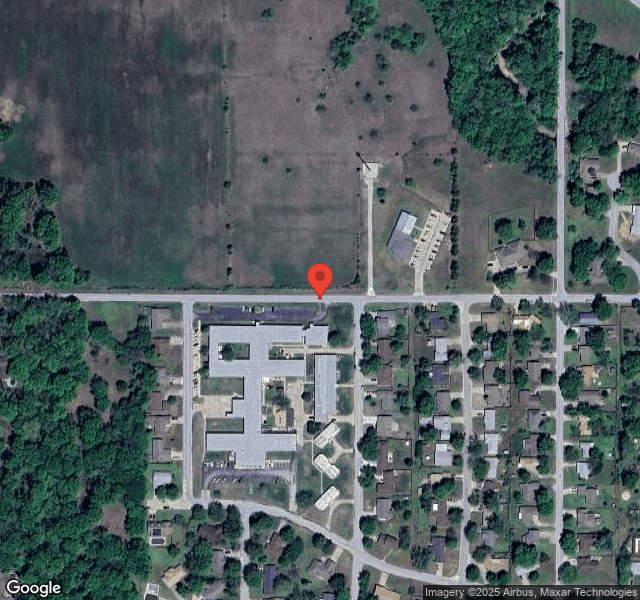
Feb 2020 15 deficiencies
CONCERN (D)

Potential for Harm - no one hurt, but risky conditions existed

Deficiency F0557 (Tag F0557)

Could have caused harm · This affected 1 resident

**NOTE- TERMS IN BRACKETS HAVE BEEN EDITED TO PROTECT CONFIDENTIALITY** The facility reported a census of 122 residents with 26 selected for review which included one resident reviewed for dignity. Ba...

Read full inspector narrative →
**NOTE- TERMS IN BRACKETS HAVE BEEN EDITED TO PROTECT CONFIDENTIALITY** The facility reported a census of 122 residents with 26 selected for review which included one resident reviewed for dignity. Based on observation, interview and record review, the facility failed to ensure the one sampled Resident (R)171, remained dressed in a manner to prevent exposure to preserve his dignity. Findings included: - Review of R171's Physician Order Sheet (POS), undated, revealed diagnoses included Parkinson's (slowly progressive neurologic disorder characterized by resting tremor, rolling of the fingers, masklike faces, shuffling gait, muscle rigidity and weakness) dementia (progressive mental disorder characterized by failing memory and confusion), and major depressive disorder (abnormal emotional state characterized by exaggerated feelings of sadness, worthlessness, emptiness and hopelessness). The admission Minimum Data Set (MDS), dated [DATE], assessed the resident with a Brief Interview for Mental Status (BIMS) score of 5 which indicated severe cognitive impairment. The resident required extensive assistance of two staff for bed mobility, transfer and dressing. The family participated in the preference interview and indicated that it was very important to the resident to choose what clothes to wear. The ADL (Activities of Daily Living)/Functional Rehabilitation Care Area Assessment (CAA), assessed the resident required extensive assistance of two staff for bed mobility and transfers. Review of the care plan, updated 02/18/2020, revealed the resident required extensive assistance of two staff members for activities of dressing and activities of daily living. Observation, on 02/19/2020 at 07:21 AM, revealed the resident was restless and positioned in bed with his legs extending over the side. The resident's bare legs and brief were visible from the open doorway. The resident wore a T-shirt with the brief and picked at the bed linen. Certified Nurse Aide (CNA) RR and Certified Medication Aide (CMA) S assisted the resident into a supine position in bed and removed the top layer of blanketing. Interview, on 02/19/2020 at 07:30 AM, with the resident's family member, revealed she requested the staff to dress the resident appropriately with pants and or pajamas as a normal person would expect and not only with the incontinent brief and T-shirt as the temperature fluctuated in his room and he kicked the bed linen off when hot. Observation, on 02/25/2020 at 07:45 AM, revealed the resident in bed. The resident had an incontinent brief on with a T-shirt and lacked the pants/pajamas. Interview, on 02/25/2020 at 08:54 AM, with CNA RR revealed staff could dress the resident in pajamas/pants at night if he wanted and staff dressed the resident in pants during the day when he was up in the recliner. Interview, on 02/25/2020 at 02:38 PM, with CNA QQ, revealed staff did not dress the resident in pajamas at night. Interview, on 02/26/2020 at 02:00 PM, with Administrative Nurse D, confirmed the resident had a choice of clothing to wear, and staff should protect the resident from exposure of his body as much as possible. The facility policy Bedtime Care revised 09/28/99, instructed staff to .prepare the resident for bed in such a way that will enhance their rest and provide all their activity of daily living .changing clothes into night attire. The facility policy Discrimination, undated, instructed staff to treat the residents in a manner that maintained the privacy of their bodies and instructed staff to provide a drawn curtain or closed door to shield the resident. The facility failed to ensure the resident, remained dressed in a manner to prevent exposure and preserve his dignity with the failure to dress him in pants or pajama pants as requested.
CONCERN (D)

Potential for Harm - no one hurt, but risky conditions existed

Comprehensive Care Plan (Tag F0656)

Could have caused harm · This affected 1 resident

**NOTE- TERMS IN BRACKETS HAVE BEEN EDITED TO PROTECT CONFIDENTIALITY** The facility reported a census of 122 residents with 26 selected for review. Based on observation, interview and record review t...

Read full inspector narrative →
**NOTE- TERMS IN BRACKETS HAVE BEEN EDITED TO PROTECT CONFIDENTIALITY** The facility reported a census of 122 residents with 26 selected for review. Based on observation, interview and record review the facility failed to develop a comprehensive plan of care for activities for one of the selected residents, Resident (R)171. Findings included: - Review of R171's Physician Order Sheet, undated, revealed diagnoses included Parkinson's (slowly progressive neurologic disorder characterized by resting tremor, rolling of the fingers, masklike faces, shuffling gait, muscle rigidity and weakness) dementia (progressive mental disorder characterized by failing memory and confusion,)and major depressive disorder (abnormal emotional state characterized by exaggerated feelings of sadness, worthlessness, emptiness and hopelessness). The admission Minimum Data Set (MDS), dated [DATE], assessed the resident with a Brief Interview for Mental Status (BIMS) score of 5 which indicated severe cognitive impairment. The resident required extensive assistance of two staff for bed mobility, transfer and dressing. The family participated in the preference interview and indicated that it was very important to the resident to choose what clothes to wear. The ADL (Activities of Daily Living)/Functional Rehabilitation Care Area Assessment (CAA), dated 02/11/2020, assessed the resident required extensive assistance of two staff for bed mobility and transfers. The resident had dementia and lethargy (sleepiness) at times. The CAA for Activities did not trigger. Review of the care plan, updated 02/18/2020, revealed the resident required extensive assistance of two staff members for activities of daily living. The resident may have limited energy to participate in group activities due to his physical condition and would like to actively participate in programs of his choice. The care plan lacked instructions of any individualized interventions for activities. The medical record lacked an assessment to identify the resident's preferences and interests for activities. Observation, on 02/19/2020 at 07:21AM, revealed the resident restless and positioned in bed with his legs extending over the side. The resident picked at the bed linen. Certified Nurse Aide (CNA) RR and Certified Medication Aide (CMA) S assisted the resident into a supine position in bed and removed the top layer of blanketing. Observation, on 02/25/2020 at 10:54 AM, revealed the resident positioned in a recliner in his room. The resident's TV was on but without sound. Interview, on 02/25/2020 at 12:55 AM, with Activity Staff Z confirmed the lack of an activity assessment for the resident due to a transfer of the resident from one unit to another in the facility. Staff Z explained that she interviews the resident or family to determine the type of activities to provide to the resident and develop the care plan. The facility utilized the RAI (Resident Assessment Instrument) manual for the development of a comprehensive care plan. The facility policy Activities and Social Events, revised 04/99, instructed staff to develop activities, social events and schedules in conjunction with the resident's interests, assessments and plan of care. The facility failed to develop an individualized comprehensive care plan that included individualized activities for this dependent resident with restlessness.
CONCERN (D)

Potential for Harm - no one hurt, but risky conditions existed

ADL Care (Tag F0677)

Could have caused harm · This affected 1 resident

**NOTE- TERMS IN BRACKETS HAVE BEEN EDITED TO PROTECT CONFIDENTIALITY** The facility reported a census of 122 residents with 26 residents sampled, including two residents reviewed for Activities of Da...

Read full inspector narrative →
**NOTE- TERMS IN BRACKETS HAVE BEEN EDITED TO PROTECT CONFIDENTIALITY** The facility reported a census of 122 residents with 26 residents sampled, including two residents reviewed for Activities of Daily Living (ADL). Based on interview, record review, and observation, the facility failed to provide necessary assistance to maintain cleanliness and personal hygiene needs for the two sampled dependent Residents (R)56 regarding dirty clothing and dirty face, and R107 regarding dirty jagged fingernails and dirty clothing. Findings included: - The Physician Order Sheet (POS), dated 02/01/2020 documented Resident (R)56 had a diagnosis of dementia (progressive mental disorder characterized by failing memory, confusion). The significant change Minimum Data Set (MDS), dated [DATE], documented the staff assessment for cognition revealed the resident had severely impaired cognition. He required extensive assistance of one staff for personal hygiene and extensive assistance of two staff for dressing. The ADL (Activity of Daily Living) Functional/Rehabilitation Potential Care Area Assessment (CAA), dated 06/21/19, did not trigger. Review of the quarterly MDS, dated [DATE], documented the staff assessment revealed the resident had severely impaired cognition. He required extensive assistance of one staff for personal hygiene and dressing. The ADL Care Plan, dated 12/26/19, instructed staff the resident required extensive assistance of one to two staff for personal hygiene and dressing. The electronic medical record (EMR), for February 2020, documented the resident required limited to extensive assistance of one for personal hygiene, including all forms of cares (oral, nail, shaving, etc.). On 02/18/2020 at 04:45 PM, the resident sat in his wheelchair in the dining room awaiting the evening meal. He had dried food substance on his clothing. On 02/25/2020 at 09:27 AM, the resident wore clothing which had a dried food substance on them. On 02/19/2020 at 11:43 AM, Certified Nurse Aide (CNA) MM stated, staff change the resident's clothes every morning when he gets up. On 02/25/2020 at 03:36 PM, CNA PP stated, staff are responsible for changing residents' clothes if they become dirty during a meal. On 02/26/2020 at 09:45 AM, Licensed Nurse (LN) J stated, staff would need to clean the resident up following meals as he can be somewhat messy. On 02/26/2020 at 10:32 AM, Administrative Nurse D stated, staff should be changing the resident's clothes when they have dried food on them. Furthermore, on 02/18/2020 at 04:45 PM, the resident sat in his wheelchair in the dining room awaiting the evening meal. The resident had dried food on his face around his mouth. On 02/19/2020 at 11:43 AM, the resident had dried food substance around his mouth and on his chin. On 02/25/2020 at 09:27 AM, the resident had dried food on his face. On 02/25/2020 at 02:56 PM, the resident remained with dried food on his face in the same area as the morning observation. On 02/19/2020 at 11:43 AM, CNA MM stated, staff needed to wash the resident's face after meals if he had food on it. On 02/25/2020 at 01:10 PM, CNA NN stated, the resident did get messy at mealtimes and would require staff to clean his face. On 02/25/2020 at 03:36 PM, CNA PP stated, the resident was not able to wash his own face and needed staff to assist him with personal hygiene. On 02/26/2020 at 09:45 AM, Licensed Nurse (LN) J stated, staff would need to clean the resident up following meals as he can be somewhat messy. On 02/26/2020 at 10:32 AM, Administrative Nurse D stated, staff should be cleaning the resident's face if it was dirty following a meal. The facility policy for A.M. Cares, revised 12/2006, included: The facility will provide necessary services to maintain personal hygiene when they are unable to carry out their own ADLs. The facility failed to provide necessary assistance to maintain cleanliness of clothing and facial hygiene needs for this dependent resident. - The Physician Order Sheet (POS), dated 02/01/2020, documented Resident (R)107 had a diagnosis of hemiplegia (paralysis of one side of the body). The significant change Minimum Data Set (MDS), dated [DATE], documented the resident had a Brief Interview for Mental Status (BIMS) score of 11, indicating he had moderately impaired cognition. He required extensive assistance of one staff for dressing and personal hygiene. The ADL (Activities of Daily Living) Functional/Rehabilitation Potential Care Area Assessment (CAA,) dated 05/09/19, documented the resident required extensive assistance of one staff with personal hygiene. The ADL care plan, dated 02/03/2020, instructed staff the resident required extensive assistance of one to two staff for personal hygiene. The electronic medical record (EMR), for February 2020, documented the resident required extensive assistance of one to two staff for personal hygiene, including all forms of cares (oral, nail, shaving, etc.). On 02/20/2020 at 08:45 AM, the resident headed toward the dining room for breakfast. He had dried food debris on his sweatpants. On 02/20/2020 at 03:00 PM, the resident continued to wear the sweatpants with dried food debris. On 02/20/2020 at 09:59 AM, Certified Nurse Aide (CNA) O stated, the resident required assistance changing his clothes. This would need to be done daily, or as needed. On 02/26/2020 at 09:45 AM, Licensed Nurse (LN) J stated, staff were responsible for ensuring residents clothing was clean. On 02/26/2020 at 10:32 AM, Administrative Nurse D stated, she would expect staff to change the resident's clothes when they were dirty. Furthermore, on 02/20/2020 at 09:59 AM, the resident had long, jagged, dirty fingernails. Certified Nurse Aide (CNA) O confirmed the resident needed to have his fingernails cut and cleaned. On 02/25/2020 at 10:53 AM, the resident continued to have long, jagged, dirty fingernails. On 02/20/2020 at 09:59 AM, Certified Nurse Aide (CNA) O stated, the resident required staff assistance with cutting his fingernails. The resident was not diabetic, so the CNAs were able to cut and clean his fingernails. On 02/26/2020 at 09:45 AM, Licensed Nurse (LN) J stated, staff were responsible for cutting the resident's fingernails. On 02/26/2020 at 10:32 AM, Administrative Nurse D stated, she would expect staff to cut the resident's fingernails, as needed. The facility policy for A.M. Cares, revised 12/2006, included: The facility will provide necessary services to maintain personal hygiene when they are unable to carry out their own ADLs. The facility failed to provide necessary assistance to maintain clothing cleanliness and fingernail hygiene needs for this dependent resident.
CONCERN (D)

Potential for Harm - no one hurt, but risky conditions existed

Deficiency F0679 (Tag F0679)

Could have caused harm · This affected 1 resident

**NOTE- TERMS IN BRACKETS HAVE BEEN EDITED TO PROTECT CONFIDENTIALITY** The facility reported a census of 122 residents with 26 selected for review which included four residents reviewed for activitie...

Read full inspector narrative →
**NOTE- TERMS IN BRACKETS HAVE BEEN EDITED TO PROTECT CONFIDENTIALITY** The facility reported a census of 122 residents with 26 selected for review which included four residents reviewed for activities. Based on observation, interview and record review, the facility failed to provide an ongoing individualized activities program for one Resident (R)171 of the four residents reviewed. Findings include: - Review of R171's Physician Order Sheet, undated, revealed diagnoses included Parkinson's (slowly progressive neurologic disorder characterized by resting tremor, rolling of the fingers, masklike faces, shuffling gait, muscle rigidity and weakness) dementia (progressive mental disorder characterized by failing memory and confusion,)and major depressive disorder (abnormal emotional state characterized by exaggerated feelings of sadness, worthlessness, emptiness and hopelessness). The admission Minimum Data Set (MDS), dated [DATE], assessed the resident with a Brief Interview for Mental Status (BIMS) score of 5 which indicated severe cognitive impairment. The resident required extensive assistance of two staff for bed mobility, transfer and dressing. The family participated in the preference interview and indicated that it was very important to the resident to choose what clothes to wear. The ADL (Activities of Daily Living)/Functional Rehabilitation Care Area Assessment (CAA), assessed the resident required extensive assistance of two staff for bed mobility and transfers. The resident had dementia and lethargy (sleepiness) at times. The CAA for Activities did not trigger. Review of the Care Plan, updated 02/18/2020, revealed the resident required extensive assistance of two staff members for activities of daily living. The resident may have limited energy to participate in group activities due to his physical condition and would like to actively participate in programs of his choice. The care plan lacked individualized interventions for activities. The medical record lacked an assessment to identify the resident's preferences and interests for activities. Observation, on 02/19/2020 at 07:21 AM, revealed the resident restless and positioned in bed with his legs extending over the side. The resident picked at the bed linen. Certified Nurse Aide (CNA) RR and Certified Medication Aide (CMA) S assisted the resident into a supine position in bed and removed the top layer of blanketing. Observation, on 02/25/2020 at 10:54 AM, revealed the resident positioned in a recliner in his room. The resident's TV was on but without sound. Interview, on 02/25/2020 at 12:55 AM, with Activity Staff Z confirmed the lack of an activity assessment for the resident due to a transfer of the resident from one unit to another in the facility. Staff Z explained that she interviews the resident or family to determine the type of activities to provide to the resident. The facility policy Activities and Social Events, revised 04/99, instructed staff to develop activities, social events and schedules in conjunction with the resident's interests, assessments and plan of care. The facility failed to ensure an ongoing individualized activity program for this dependent resident.
CONCERN (D)

Potential for Harm - no one hurt, but risky conditions existed

Quality of Care (Tag F0684)

Could have caused harm · This affected 1 resident

**NOTE- TERMS IN BRACKETS HAVE BEEN EDITED TO PROTECT CONFIDENTIALITY** The facility identified a census of 122 residents, with 26 residents sampled, including five residents reviewed for unnecessary ...

Read full inspector narrative →
**NOTE- TERMS IN BRACKETS HAVE BEEN EDITED TO PROTECT CONFIDENTIALITY** The facility identified a census of 122 residents, with 26 residents sampled, including five residents reviewed for unnecessary medications, and one reviewed for adequate body alignment. Based on record review, interview and observation, the facility failed to ensure one of the five residents, Resident (R) 63, remained free of failure to adequately monitor bowel movements (BM) and administer as needed (PRN) medications for lack of BMs. The facility also failed to ensure adequate body alignment positioning for the one resident, R76 while in her wheelchair. Findings included: - The Physician Order Sheet (POS), dated 02/01/2020, documented Resident (R) 63 had a diagnosis of constipation (difficulty passing stools). The significant change Minimum Data Set (MDS), dated [DATE], documented the resident had a Brief Interview for Mental Status (BIMS) score of 15, indicating she had intact cognition. She required extensive assistance of two staff for toileting and was always continent of bowel with no constipation identified as present during the look back period. She received an opiod medication (narcotic pain medication that can cause constipation) on seven out of the seven day look back period. The ADL (Activity of Daily Living) Functional/Rehabilitation Potential Care Area Assessment (CAA), dated 10/04/19, documented she required extensive assistance of two staff for toileting. The quarterly MDS, dated [DATE], documented the resident had a BIMS score of 14, indicating she had intact cognition. She required extensive assistance of two staff for toilet use and was always continent of bowel during the look back period. She received an opiod medication on seven of the seven day look back period. The potential for bowel problems Care Plan, dated 01/13/2020, instructed staff to monitor the resident's bowel movements (BM) and if no BM after nine shifts, to follow the facility protocol for constipation and notify the resident's physician. The electronic medical record (EMR) revealed a Physician order, dated 05/26/17, instructing the staff to administer Milk of Magnesium (MOM), 30 ml (milliliters) by mouth, every day as needed (PRN,) for constipation. The EMR BM monitoring log, from 11/25/19 through 01/11/2020, revealed the resident did not have BMs on the following dates: 1.) No BM from 01/07/2020 through 01/11/2020, a total of 5 days. 2.) No BM from 12/01/19 through 12/05/19, a total of 5 days. 3.) No BM from 11/25/19 through 11/28/19, a total of 4 days. The November and December 2019 Medication Administration Record (MAR) and the January 2020, MAR, revealed staff failed to administer the resident the ordered MOM on the above dates with constipation, as ordered. On 02/18/2020 at 05:19 PM, the resident stated she would have problems with constipation from time to time which would last for several days. On 02/25/2020 at 01:10 PM, Certified Nurse Aide (CNA) NN stated, staff document BMs on all residents. This resident did not toilet herself, so staff were always aware when she would have a BM. On 02/25/2020 at 03:26 PM, Licensed Nurse (LN) I stated, the facility bowel protocol would be initiated when a resident had gone three days without having a BM. The first PRN medication given would be MOM. On 02/26/2020 at 08:12 AM, LN J stated, when a resident did not have a BM for three days it would show up on a report. The nurse would then give a PRN laxative. On 02/26/2020 at 12:30 PM, Administrative Nurse D, stated she would expect the staff to give the PRN medications for bowels when a resident had gone three days without a BM. The facility policy for Bowel Elimination Monitoring, effective 09/21/17, included: The day shift nurse will review the bowel elimination report daily and consult with medication aid on the administration of a laxative to any resident that has not had a bowel elimination within three days. The facility failed to provide appropriate monitoring of the resident's BMs and failed to administer the physician ordered PRN bowel medication for this dependent resident with constipation. - The Physician Order Sheet (POS), dated 02/01/2020, documented Resident (R) 76 had diagnoses of dementia (progressive mental disorder characterized by failing memory, confusion) and cerebrovascular accident (CVA- sudden death of brain cells due to lack of oxygen caused by impaired blood flow to the brain by blockage or rupture of an artery to the brain). The significant change Minimum Data Set (MDS), dated [DATE], documented the resident's Brief Interview for Mental Status (BIMS) score of 5, indicating she had severely impaired cognition. She required extensive assistance of two staff for bed mobility and transfers and had unsteady balance. She had impairment in functional range of motion (ROM) on one side of the upper and lower extremities and used a wheelchair for locomotion. The ADL (Activities of Daily Living) Functional/Rehabilitation Potential Care Area Assessment (CAA), dated 07/19/19, documented the resident required extensive assistance of one staff with locomotion in the wheelchair. The quarterly MDS, dated 01/07/2020, documented the resident had a BIMS score of 4, indicating severely impaired cognition. She required extensive assistance of two staff for bed mobility and transfers and had unsteady balance. She had impairment in functional ROM on one side of the upper and lower extremities and used a wheelchair for locomotion. The Activity of Daily Living (ADL) Care Plan, dated 01/16/2020, instructed staff the resident required assistance with ADLs due to left sided hemiplegia (paralysis of one side of the body), due to a past stroke. She required extensive assistance of two staff for transfers and used a wheelchair for locomotion. The electronic medical record (EMR) from February 1 through February 25, 2020, revealed the resident used a wheelchair for locomotion and required one to two staff assistance for bed mobility. The physical therapy (PT) plan of treatment, dated 04/03/19, documented the resident's sitting balance was poor with increased leaning to the left side while sitting in the wheelchair. On 02/18/2020 at 05:41 PM, the resident slouched down in her wheelchair. Side pillows in the wheelchair failed to properly align the resident with her upper body twisted and hips slid down in the wheelchair seat. On 02/25/2020 at 10:56 AM, the resident's body was in very poor alignment in the wheelchair. Her body had slid down and twisted in the chair seat. On 02/20/2020 at 08:54 AM, Certified Nurse Aide (CNA) P stated, the resident slides down in her chair. Staff utilize positioning pillows in the wheelchair, but the resident still slides down in the seat. CNA P stated she worried the resident would slide out of the wheelchair and onto the floor. On 02/25/2020 at 11:02 AM, consultant staff GG stated, the resident used her right leg to propel herself in the wheelchair and this caused her to slide down in the seat and her body to become crooked. He was unsure of what could be done to keep the resident's body in correct alignment on the wheelchair seat. On 02/25/2020 at 03:26 PM, Licensed Nurse (LN) I stated staff need to reposition the resident about every two hours due to her sliding down in the chair. On 02/26/2020 at 10:00 AM, Administrative Nurse D stated, the facility tried different things to prevent the resident from sliding down in her chair. She stated she did not know what would work to keep the resident's body in proper alignment while up in her wheelchair. The facility policy for Chair Positioning, undated, included: . Persons who sit in chairs must hold their upper body and head erect. The persons back and buttocks are against the back of the chair and their feet are flat on the floor or on wheelchair foot rests The facility failed to provide adequate equipment to ensure this dependent resident sat in proper body alignment when she was in her wheelchair.
CONCERN (D)

Potential for Harm - no one hurt, but risky conditions existed

Incontinence Care (Tag F0690)

Could have caused harm · This affected 1 resident

**NOTE- TERMS IN BRACKETS HAVE BEEN EDITED TO PROTECT CONFIDENTIALITY** The facility reported a census of 122 residents with 26 selected for review which included two residents reviewed for urinary ca...

Read full inspector narrative →
**NOTE- TERMS IN BRACKETS HAVE BEEN EDITED TO PROTECT CONFIDENTIALITY** The facility reported a census of 122 residents with 26 selected for review which included two residents reviewed for urinary catheter. Based on observation, interview and record review the facility failed to care for the urinary catheter in a manner to prevent urinary tract infections for one Resident (R)171 of the two residents reviewed for urinary catheter. Findings included: - Review of R171's Physician Order Sheet (POS), undated, revealed diagnoses included Parkinson's (slowly progressive neurologic disorder characterized by resting tremor, rolling of the fingers, masklike faces, shuffling gait, muscle rigidity and weakness) dementia (progressive mental disorder characterized by failing memory and confusion,) and neurogenic bladder (dysfunction of the urinary bladder caused by a lesion of the nervous system). The admission Minimum Data Set (MDS), dated [DATE], assessed the resident with a Brief Interview for Mental Status (BIMS) score of 5 which indicated severe cognitive impairment. The resident required extensive assistance of two staff for bed mobility, transfer and dressing. The resident had an indwelling catheter. The ADL (Activities of Daily Living)/Functional Rehabilitation Care Area Assessment (CAA), dated 02/11/2020, assessed the resident required extensive assistance of two staff for bed mobility and transfers. The Urinary Incontinence and Indwelling Catheter CAA, dated 02/11/2020, assessed the resident at times voided with blood in his urine and wore briefs for dignity. Review of the Care Plan, updated 02/18/2020, revealed the resident required extensive assistance of two staff members for activities of dressing and activities of daily living. The care plan instructed staff provide a leg band to keep the resident's catheter from causing trauma, keep a catheter cover over the urine collection bag and keep the bag off the floor. Observation, on 02/19/2020 at 11:56 AM, revealed the resident positioned in bed. The catheter lacked an anchoring device (leg band) to secure it and prevent pulling with urethral trauma. Observation, on 02/20/2020 at 07:21 AM, revealed the resident was restless and positioned in bed. The resident wore a T-shirt with the brief and picked at the bed linen. The resident's catheter lacked an anchoring device (leg band) and six inches of the drainage tubing lay directly on the floor. Observation, on 02/25/2020 at 08:54 AM, revealed the resident positioned in bed, laying on top of the catheter tubing. Certified Nurse Aide (CNA) J, Certified Medication Aide (CMA) T, and CMA R proceeded to transfer the resident from his bed to the recliner. CMA T lowered the resident's head of the bed, and approximately 4 inches of the catheter drainage tubing lay directed on the floor. Once the resident sat in the recliner, again approximately 4 inches of the tubing lay directly on the floor. CNA J positioned the catheter to allow for drainage. Interview, on 02/25/2020 at 09:15 AM, with CNA J confirmed staff should keep the catheter and tubing off of the floor and the resident should not lay on the catheter as this may obstruct the flow of urine. Interview, on 02/25/2020 at 10:30 AM, with Administrative Nurse D, revealed the staff should keep the catheter tubing off the floor and position the catheter to prevent any obstruction to the flow of urine and secure it with an anchoring device. The facility policy for, Daily Urinary Catheter Care Protocol, dated 04/28/11, instructed staff to make sure the resident did not lay on the catheter and to keep the catheter tubing free of kinks. It instructed the staff to secure the catheter with a leg strap to reduce friction and movement at the insertion site. The facility failed to ensure this dependent resident's catheter remained secured with an anchoring device, failed to properly position the catheter to prevent the obstruction of the flow of urine, and failed to ensure the catheter tubing remained off the floor to prevent infections.
CONCERN (D)

Potential for Harm - no one hurt, but risky conditions existed

Deficiency F0692 (Tag F0692)

Could have caused harm · This affected 1 resident

**NOTE- TERMS IN BRACKETS HAVE BEEN EDITED TO PROTECT CONFIDENTIALITY** The facility reported a census of 122 residents with 26 selected for review, which included two residents reviewed for nutrition...

Read full inspector narrative →
**NOTE- TERMS IN BRACKETS HAVE BEEN EDITED TO PROTECT CONFIDENTIALITY** The facility reported a census of 122 residents with 26 selected for review, which included two residents reviewed for nutrition. Based on observation, interview, and record review, the facility failed to identify weight loss trends and notify the physician to provide optimal nutritional interventions for one Resident (R) 102 of the two residents reviewed for weight loss. Findings included: - Review of R102's Physician Order Sheet, undated, printed for February 2020, revealed diagnoses that included nondisplaced femur fracture (broken hip bone), peripheral vascular disease (abnormal condition affecting the blood vessels,) chronic kidney disease (long standing impaired kidney function,) protein calorie malnutrition (nutritional disorder caused by inadequate quantities of protein and calories in the diet) and lymphedema (swelling caused by accumulation of lymph). The Significant Change Minimum Data Set (MDS) dated [DATE], assessed the resident with a Brief Interview for Mental Status (BIMS) score of 10 indicating moderate cognitive impairment and a mood score of 4 indicating minimal depression. The resident was independent with eating and had no impairment in range of motion in her upper extremities. The resident had no natural teeth or swallowing difficulties. The resident's height recorded as five foot two inches and had a weight of 104 pounds (lbs.) The resident sustained a five percent or more weight loss in the last month or 10 percent or more weight loss in the last six months and was not on a physician prescribed weight loss regimen. The ADL (Activities of Daily Living)/Functional Rehabilitation, Care Area Assessment, dated, 01/31/20, documented the resident had a significant weight loss and mood change. The resident admitted for rehabilitation for a hip fracture, but would stay in the facility permanently. The resident required set up assistance for eating and lost 28 pounds since admission. The physician ordered labs and the nurse requested a dietary supplement. The resident had upper and lower dentures. The Care Plan, reviewed 01/31/20, instructed staff the resident was on a no added salt diet and ate in her room with set up and cued assistance. The care plan advised staff to watch the resident for difficulty chewing foods as the resident had dentures and staff to offer fluids between meals. The resident required a daily weight. The resident had trouble making appropriate decisions and had short term memory problems. A Physician's Order, dated 12/26/19, instructed staff to administer Lasix (a medication used to eliminate fluid from the body) 40 mg (milligrams) daily for pedal edema (fluid accumulation in the lower extremities). Review of the Weight Tracking System, in the electronic medical record, revealed an admitting weight of 132 pounds (lbs.) on 12/26/19. Subsequent daily weights as follows from 12/27/19, weight of 127 lbs., 125, 124, 122, 121, 119, 118.5, 116.6, 115, 114, 113, 112, 109.5, 107, 104.5, and 105, with stable weights from 01/19/19 through 01/22/19. The resident's daily weights remained stable between 102 and 105 lbs. from 01/23/19 through 02/26/2020. Review of a Facsimile Transmittal Note (FAX) dated 12/29/19, revealed nursing staff documented to the physician that the resident had difficulty taking medications and had problems chewing. Review of a Nurses' Note, dated 12/30/20, revealed the resident had two plus pitting edema in both her lower extremities. A Registered Dietician's Nutritional Risk Assessment, dated 01/01/20, documented the resident was on a regular no added salt diet. (The resident had already lost 11 lbs. since admission in six days.) This note indicated the resident's current weight of 121 lbs. and her usual body weight as 122 lbs. with a BMI (body mass index) of 23.8 (normal 18.5-24.9) and an ideal body weight of 121 lbs. This note by the Consulting Dietary Staff II indicated supplements were not recommended at this time due to chronic kidney disease stage 4 with the goal to provide proper nutrition and hydration to improve nutritional status. Review of the Daily Charting Meal Intake for 12/26/20 through 12/31/20, revealed the resident consumed 67.2% of meals. Review of the Dietary Note, dated 01/02/20, revealed the resident received Lasix that may cause fluctuation in weight, with the current weight of 121 lbs. and the care plan team would monitor the resident's weight weekly. A Nurses' Note, dated 01/03/20, documented the resident had two plus edema in bilateral (both) lower extremities. A Nurses' Note, dated 01/05/20 documented the resident had two plus edema in the left lower extremity and one plus edema in the resident's right lower extremity. A Nurses' Note, dated 01/15/20, documented the resident had no issues chewing or swallowing today. Review of the Speech Therapy Discharge Summary, dated 01/16/20 suggested the resident utilize general swallow techniques and mechanical soft textures. Review of the Dietary Significant Change Note, dated 01/29/20, revealed the resident received a mechanical soft ground meat no added salt diet. This note revealed the resident fed herself with tray set up assistance, had an improved appetite, and ate 93% of her meals. This note revealed the resident displayed no problems swallowing foods. This note revealed the resident had a weight decline and nursing staff were aware and would continue to monitor her weights. Review of the Daily Charting Meal Intake for January 2020, revealed the resident average meal consumption as 63-88%. Review of a Nurses' Note, dated 01/29/20, revealed the resident had a 28 lbs. weight loss since admission the facility and the resident had edema noted since admission. Review of a Nurses' Note, dated 01/30/20, revealed the staff notified the Physician Extender LL of the resident's 28 lbs. weight loss and the Physician Extender LL instructed the staff to obtain laboratory testing. A FAX to the physician, dated 01/30/20, revealed nursing staff requested to give the resident a house supplement twice a day. Review of a Care Conference Note, dated 01/31/20, revealed a discussion with the resident and family, and indicated the resident was not a big eater and the facility would start her on a dietary house supplement. A FAX from the physician, dated 02/03/20, revealed the physician instructed staff to administer a house supplement twice a day. A Physician Telephone Order, dated 02/05/20, instructed staff to administer a no added salt, mechanical soft diet, with extra gravies and house supplement between meals in the afternoon and at hour of sleep. A Dietician/Dietary Clinic Note, dated 02/06/20, revealed the resident's weight as 103 lbs ., the resident now received supplements twice a day and the resident had chronic stasis wounds. This note advised staff to monitor her weight closely. Review of the Treatment Administration Log, from 02/02/20 through 02/25/20, revealed staff offered the house supplement twice a day at 10:00 AM and 08:00 PM. The resident refused the supplement 30 times out of 44 offerings . Observation on 02/19/20 at 10:30 AM revealed the resident ate popcorn at the bedside. The resident stated the facility food was okay, but not as she would cook it. The resident stated she got plenty to eat and enjoyed popcorn as a snack . Observation on 02/20/20 at 07:26 AM revealed the resident consumed 100% of breakfast which consisted of a pancake with syrup, over-easy eggs, bacon, and tomato juice. Observation on 02/25/20 at 08:34 AM, revealed the resident consumed half of a pancake, approximately 75% of tomato juice and all her bacon. Observation on 02/25/20 at 10:30 AM revealed the resident ate popcorn at her bedside. Observation on 02/25/20 at 01:30 PM revealed the resident consumed half a bowl of chili, green beans, half of serving of cottage cheese, few mandarin oranges, and the filling out of a piece of apple pie without problems. The resident stated she felt full and the food was good . Interview on 02/25/20 at 01:45 PM with Certified Medication Aide (CMA) R, revealed the resident often refused the nutritional supplement. CMA R revealed staff report the resident's refusals to the charge nurse. Interview on 02/25/20 at 02:02 PM with Licensed Nurse (LN) L, revealed staff notified the Physician Extender of the resident's weight loss on 01/30/20. LN L stated the resident had edema in her legs when first admitted and the edema resolved. LN L stated the resident did receive a house supplement twice a day and stated her appetite as not good, but described her weight as steady at 105 lbs Interview on 02/25/20 at 02:35 PM with Certified Nurse Aide (CNA) QQ, revealed the resident often refused foods and supplements, and she notified the charge nurse. Interview on 02/25/20 at 04:08 PM with Dietary Staff BB revealed she thought the resident's weight loss was due to edema and thought the resident's weight stabilized. Dietary Staff BB stated staff offer the resident a variety of foods, but did not know of the resident's frequent refusal of the dietary supplement. Interview on 02/25/20 at 04:23 PM with LN K, revealed the resident often refused the evening supplement and ate a lot of popcorn. Interview on 02/26/20 at 11:10 AM with Dietary Consultant II, confirmed the resident had weight loss and staff should notify the physician before reaching a 20% loss. Dietary Consultant II stated the resident should be offered a substitute for the refused supplement. Interview on 02/26/20 at 11:30 AM with Administrative Nurse D, confirmed the resident had a 28 lbs. weight loss before staff notified the provider for further instructions. Interview on 02/27/20 at 9:45 AM, with Consulting Physician KK, revealed the facility should notice trends in weight loss and notify the physician to assess the resident's weight loss and medical status. Consulting Physician KK confirmed the facility notified him of the weight loss when the resident lost 28 lbs. The facility policy for, Weight Protocol, dated 02/15/15, instructed staff to notify the physician of any significant weight loss or a trending weight loss. The facility failed to identify and implement interventions timely for this resident with trending weight loss and failed to timely notify the physician for further instructions, to ensure optimal nutritional measures were in place, to maintain adequate nutritional weight parameters.
CONCERN (D)

Potential for Harm - no one hurt, but risky conditions existed

Pharmacy Services (Tag F0755)

Could have caused harm · This affected 1 resident

**NOTE- TERMS IN BRACKETS HAVE BEEN EDITED TO PROTECT CONFIDENTIALITY** The facility identified a census of 122 residents, with five residents reviewed for unnecessary medications. Based on interview ...

Read full inspector narrative →
**NOTE- TERMS IN BRACKETS HAVE BEEN EDITED TO PROTECT CONFIDENTIALITY** The facility identified a census of 122 residents, with five residents reviewed for unnecessary medications. Based on interview and record review, the facility failed to follow physician's orders for one of the five sampled residents, Resident (R) 63, regarding an antipsychotic (used in the treatment of psychosis) medication administration. Findings included: - Review of Resident (R)63's medical record, revealed a physician's order for Latuda (an antipsychotic medication used in the treatment of psychosis-any major mental disorder characterized by a gross impairment in reality testing) 80 mg (milligrams), po (by mouth), every day for psychosis, ordered on 11/28/18. The significant change Minimum Data Set (MDS), dated [DATE], documented the resident had a Brief Interview for Mental Status (BIMS) score of 15, indicating she had intact cognition. The resident received antipsychotic medication for seven of the seven day look back period. The Psychotropic Drug Use Care Area Assessment (CAA), dated 10/04/19, documented the resident took Latuda, an antipsychotic medication, routinely. The quarterly MDS, dated 01/01/2020, documented the resident had a BIMS score of 14, indicating she had intact cognition. The resident received antipsychotic medication for seven of the seven day look back period. The mood Care Plan, dated 01/13/2020, instructed staff the resident had Bipolar disease (major mental illness that caused people to have episodes of severe high and low moods) and took Latuda to help stabilize her mood. The Medication Administration Record (MAR), dated December 2019, documented the staff failed to administer the medication, Latuda 80 mg, po, every day for psychosis, as ordered on 11/28/18. The staff failed to administer the medication, on 12/01/19, 12/02/19, and on 12/03/19, due to the medication not being available. On 02/18/2020 at 05:19 PM, the resident stated, she missed a couple of days of her antipsychotic medication. On 02/25/2020 at 03:26 PM, Licensed Nurse (LN) I stated, if a medication was not available for administration, the nurse would initial the MAR and circle the initials. The nurse would then make a notation on the back side of the MAR. On 02/26/2020 at 12:30 PM, Administrative Nurse D stated, the resident went three days without the Latuda in December, due to the medication not being available for administration. The facility policy for Physician's Orders, undated, included: All medications administered to the resident must be ordered in writing by the resident's attending physician. The facility failed to follow the physician's orders in administering an antipsychotic medication to this resident with a diagnosis of Bipolar disease for three days in a row in December 2019.
CONCERN (D)

Potential for Harm - no one hurt, but risky conditions existed

Drug Regimen Review (Tag F0756)

Could have caused harm · This affected 1 resident

**NOTE- TERMS IN BRACKETS HAVE BEEN EDITED TO PROTECT CONFIDENTIALITY** The facility reported a census of 122 residents with 26 selected for review, which included five residents reviewed for unnecess...

Read full inspector narrative →
**NOTE- TERMS IN BRACKETS HAVE BEEN EDITED TO PROTECT CONFIDENTIALITY** The facility reported a census of 122 residents with 26 selected for review, which included five residents reviewed for unnecessary medications. Based on observation, interview and record review, the consulting pharmacist failed to identify irregularities for one of the five selected residents, Resident (R)22, when the facility failed to adequately monitor the resident's blood glucose levels and failed to administer the resident's insulin as ordered by the physician. Findings included: - Review of R22's Physician Order Sheet (POS), undated, printed 02/01/2020, revealed diagnoses included diabetes mellitus (when the body cannot use glucose, not enough insulin made or the body cannot respond to the insulin,) bradycardia (low heart rate, less than 60 beats per minute,) hypertension (elevated blood pressure,) congestive heart failure (CHF a condition with low heart output and the body becomes congested with fluid)and chronic obstructive pulmonary disease (COPD progressive and irreversible condition characterized by diminished lung capacity and difficulty or discomfort in breathing). The Significant Change Minimum Data Set (MDS), dated [DATE] assessed the resident with a Brief Interview for Mental Status (BIMS) score of 15 which indicated normal cognitive status. The resident received seven days of insulin medication during the seven day look-back period. The Care Plan, review dated 02/11/2020, instructed staff to monitor medications related to several significant interactions and to monitor blood sugars. Review of a Laboratory Report, dated 11/07/19, revealed a Hgb A1 C (a blood test which averages blood sugars over a three month span of time) of 9.4 mg/dl (milligram per deciliter with 4.8 to 6 mg/dl being normal.) Review of the medical record revealed lack of a follow-up. Review of the Physician's Orders (PO), dated 12/20/19, instructed staff to administer Novolog as a sliding scale insulin for 08:00 AM, 11:30 AM, and 04:30 PM for blood sugars as follows: 71-129 no action. 130-150 give 2 units. 151-170 3 units. 171-190 4 units. 191-210 5 units. 211-230 6 units. 231-250 7 units. 251-170 8 units. 271-300 9 units. 301-349 10 units. For a blood sugar greater than 349 it instructed staff to call the physician. Review of the PO, dated 01/02/2020, revealed it instructed staff to administer Novolog (insulin) 16 units with breakfast, 11 units with lunch and 14 units with dinner and 2 units with snacks. The January 2020 Medication Administration Record (MAR), revealed staff did not administer Novolog for the 07:30 AM dose as ordered on 01/03, 01/05, 01/07, 01/08, 01/09 and 01/10/2020. Staff also failed to obtain morning blood sugars for adequate monitoring, eight times. A Fax Transmittal Note (FAX), to the physician, dated 01/11/20, documented the resident's blood glucose levels ranged from 75-162 and staff held the scheduled NovoLog. This note documented the resident often ate twice a day and requested the physician discontinue the scheduled Novolog insulin. A FAX, returned from the physician, dated 01/13/2020, instructed staff to discontinue the scheduled Novolog. Interview, on 02/19/20 at 02:03 PM, with the resident revealed she did like to sleep in later on some mornings. Interview, on 02/26/2020 at 09:45 AM, with Licensed Nurse (LN) L, revealed the resident did sleep in late, and often ate toast and coffee for breakfast, then just stayed at the table for lunch. LN L stated she waited for the resident to awaken in the morning to obtain a blood sugar, and then waited for the resident to eat breakfast before administering insulin and LN L would not obtain another blood sugar if it was close to the noon meal. Interview, on 02/26/2020 at 11:30 AM, with Consulting Pharmacist JJ, revealed she did not notice the lack of the morning scheduled Novolog administration or missing blood glucose monitoring. Interview, on 02/26/2020 at 01:45 PM, with Administrative Nurse D, revealed staff should inform the physician of the resident's trends and of holding the blood sugar monitoring or medications. The facility policy for Physician Orders, undated instructed staff medications must be ordered by a licensed physician. The facility policy Pharmacist Consultant Reports, dated 12/22/2009, documented the pharmacist reviewed resident charts on a monthly basis and notified the physician with recommendations. The consulting pharmacist failed to identify the lack of administration of the scheduled dose of morning Novolog and multiple days of missed monitoring of blood sugars for this diabetic resident.
CONCERN (D)

Potential for Harm - no one hurt, but risky conditions existed

Deficiency F0757 (Tag F0757)

Could have caused harm · This affected 1 resident

**NOTE- TERMS IN BRACKETS HAVE BEEN EDITED TO PROTECT CONFIDENTIALITY** The facility reported a census of 122 residents with 26 residents sampled, including five sampled for unnecessary medication. Ba...

Read full inspector narrative →
**NOTE- TERMS IN BRACKETS HAVE BEEN EDITED TO PROTECT CONFIDENTIALITY** The facility reported a census of 122 residents with 26 residents sampled, including five sampled for unnecessary medication. Based on observation, interview and record review, the facility failed to accurately monitor blood glucose levels, administer insulin and notify the physician for further instructions for one sampled Resident (R)22 and failed to notify the primary care physician for further instructions, when two residents with diuretic medication had a weight gain of three pounds in one day or five pounds in one week for R22 and R84, who received diuretic medication. Findings included: - The Physician Orders (PO), undated, documented R84 with a diagnoses of end stage renal disease (a terminal kidney disease because of irreversible damage to vital tissues or organs), and congestive heart failure (a condition with low heart output and the body becomes congested with fluid). The admission Minimum Data Set (MDS), dated [DATE], documented the resident with a Brief Interview for Mental Status Score (BIMS) of 15, indicating intact cognition. She received a diuretic (a medication used to reduce extra fluid in the body), for three days of the seven day look back period. The nutrition CAA, dated 11/03/19, documented she was on daily weights for congestive heart failure and if she gained three pounds in a day or five pounds in a week, staff were to notify the primary care physician. The quarterly MDS, dated [DATE], documented no changes from the previous assessment. The nutrition Care Plan (CP), dated 01/21/2020, documented the resident had end stage renal disease, was on a renal diet with a fluid restriction of 1500 cubic centimeters (cc), per day. Staff were to obtain the resident's daily weight. If R22 gained three pounds in one day or five pounds in one week, the primary care physician should be notified. The fluids CP, dated 01/21/2020, documented the resident was on Lasix, a diuretic, (causing increased passing of urine, loss of weight). The Physician Order, dated 11/02/19, instructed staff to obtain daily weights. If R22 gained three pounds in one day or five pounds in a week to notify the primary care physician. The Physician Order, dated 01/13/2020, instructed the staff to administer Lasix 80 Milligrams (mg), daily for congestive heart failure. Review of R22's Treatment Administration Sheet (TAR), under Weights, from January 2020 through February 2020 documented: 1.) On January 19th, 2020 the resident's weight was 196 pounds. On January 20th the weight was 199 pounds, for a total of a three-pound gain. 2.) On February 2, 2020 the resident's weight was 194 pounds. On February 3, 2020 the weight was 198.5 pounds, for a 4.5 pound weight gain. 3.) On February 15, 2020 the resident's weight was 192.5 pounds. On February 16, 2020 the weight was 198 pounds, for a 5.5-pound weight gain. On 02/25/2000 at 10:27 AM, Licensed Nurse (LN) BB explained that the documentation of the physician notification would be either on the treatment sheet, written in a progress note or faxed to the physician which would then be placed in the chart. LN BB confirmed the above weight gains and the lack of documentation to indicate staff notified the physician. She stated the staff should of notified the physician as ordered on these three occasions. On 02/25/2020 at 10:38 AM, Administrative Nurse D stated it would be her expectation that if there was an order for the physician to be notified of a three-pound or above weight gain in a day, the staff should have notified the physician. The facility policy for, Weight Protocol, dated 02/05/2015, instructed the staff to notify the physician of any weight loss as ordered. The facility failed to accurately monitor and notify the primary care physician of a weight gain, on three occasions of a weight gain of three pounds and over in a day for this resident on Lasix medication. - Review of R22's Physician Order Sheet (POS), undated, printed 02/01/2020, revealed diagnoses included diabetes mellitus (when the body cannot use glucose, not enough insulin made or the body cannot respond to the insulin,) bradycardia (low heart rate, less than 60 beats per minute,) hypertension (elevated blood pressure,) congestive heart failure (CHF a condition with low heart output and the body becomes congested with fluid)and chronic obstructive pulmonary disease (COPD progressive and irreversible condition characterized by diminished lung capacity and difficulty or discomfort in breathing). The Significant Change Minimum Data Set (MDS), dated [DATE] assessed the resident with a Brief Interview for Mental Status (BIMS) score of 15 which indicated normal cognitive status. The resident received seven days of insulin, seven days each of antianxiety antidepressant, anticoagulant and diuretic medications, and six days of hypnotic medications during the seven day look-back period. She was independent with Activities of Daily Living (ADL). The Activities of Daily Living (ALDs) Care Area Assessment (CAA), dated 02/11/2020, documented the resident was independent with most of her ADLs. The Care Plan, review dated 02/11/2020, instructed staff to monitor medications related to several significant interactions and to monitor blood sugars. Review of a Laboratory Report, dated 11/07/19, revealed a Hgb A1 C (a blood test which averages blood sugars over a three month span of time) of 9.4 mg/dl (milligram per deciliter with 4.8 to 6 mg/dl being normal.) Review of the medical record revealed lack of a follow-up. Review of the Physician's Orders (POS), dated 12/20/19, instructed staff to administer Novolog as a sliding scale insulin for 08:00 AM, 11:30 AM, and 04:30 PM for blood sugars as follows: 71-129 no action. 130-150 give 2 units. 151-170 3 units. 171-190 4 units. 191-210 5 units. 211-230 6 units. 231-250 7 units. 251-170 8 units. 271-300 9 units. 301-349 10 units. For a blood sugar greater than 349 staff instructed to call the physician. Review of the Physician's Order (PO), dated 01/02/2020, instructed staff to administer Novolog (insulin) 16 units with breakfast, 11 units with lunch and 14 units with dinner and 2 units with snacks. Review of the January 2020 Medication Administration Record (MAR), revealed staff did not administer Novolog for the 07:30 AM dose as ordered on 01/03, 01/05, 01/07, 01/08, 01/09 and 01/10/2020. Staff also failed to obtain morning blood sugars for adequate monitoring, eight times. A Fax Transmittal Note (FAX), to the physician, dated 01/11/20, documented the resident's blood glucose levels ranged from 75-162 and staff held the scheduled NovoLog. This note documented the resident often eats twice a day and requested the physician discontinue the scheduled Novolog insulin. A FAX, returned from the physician, dated 01/13/2020, instructed staff to discontinue the scheduled Novolog. Interview, on 02/19/20 at 02:03 PM, with the resident revealed she did like to sleep in some mornings. Interview, on 02/26/2020 at 09:45 AM, with Licensed Nurse (LN) L, revealed the resident did sleep in late, and often eats toast and coffee for breakfast, then just stays at the table for lunch. LN L stated she waited for the resident to awaken in the morning to obtain a blood sugar, and then waited for the resident to eat breakfast before administering insulin and would not obtain another blood sugar if it was close to the noon meal. Interview, on 02/26/2020 at 11:30 AM, with Consulting Pharmacist JJ, revealed she did not notice the lack of the morning scheduled Novolog administration or missing blood glucose monitoring. Interview, on 02/26/2020 at 01:45 PM, with Administrative Nurse D, revealed staff should inform the physician of the resident's trends and of holding medications. Furthermore, review of the Physician's Order, dated 11/29/19, instructed staff to obtain a daily weight, and notify the physician if the resident gained three pounds (lbs.) in one day or five lbs. in one week. Review of the PO, dated 11/29/19, instructed staff to administer Paxil (an antidepressant which may cause weight loss) 10 mg (milligrams,) at night for major depressive disorder (increased to 20 mg on 01/16/2020) and Celexa (an antidepressant which may cause increased appetite), 20 mg, daily, for major depressive disorder (discontinued on 01/14/2020.) Review of the PO, dated 01/06/2020, instructed staff to administer Lasix (a medication to remove fluid) 40 mg (milligrams,) daily for CHF. Review of the January 2020 and February 2020 Medication Administration Record/Treatment Administration Record (MAR/TAR), revealed lack of physician notification for further instructions, with the following weight gains: On 01/10/2020 weight of 225 lbs. and on 01/11/2020 weight of 228 lbs. (3 lbs. gain). On 01/13/2020 weight of 225 lbs. and on 01/14/2020 weight of 228lbs. (3lbs.gain). No weight obtained on 01/15/202 or 01/18/2020. On 01/29/20 weight of 228 lbs. and on 01/30/20 weight of 231 lbs. (3lbs. gain). On 02/06/20 weight of 235lbs. and on 02/07/20 weight of 238 lbs. (3lbs. gain). Moreover, the resident's overall weights revealed the following increase: admission weight on 10/24/19 was 218 lbs. On 11/21/19 weight of 231 lbs. was a 5.96 % weight increase in one month. On 02/23/2020 weight of 237 lbs. was an 8.72% weight increase in four months. Interview, on 02/26/2020 at 09:45 AM, with LN L, revealed the resident often ate two meals a day. LN L confirmed the physician instructed staff to report a daily weight gain of 3 lbs. LN L did not realize the resident had an overall weight gain of 19 lbs. Interview, on 02/26/2020 at 11:30 AM, with Consulting Pharmacist JJ, revealed staff should follow physician's orders and if unable to follow the orders, staff should notify the physician for adjustment. Consulting Pharmacist JJ did not notice lack of physician notification of the weight gain in January 2020 and February 2020. Interview, on 02/26/2020 at 01:45 PM, with Administrative Nurse D, revealed staff should inform the physician of the resident's weight gain. The facility policy for Physician Orders, undated instructed staff medications must be ordered by a licensed physician. The facility policy for Physician Orders, undated instructed staff medications should be ordered by a licensed physician. The facility failed to monitor and report to the physician when the resident gained three pounds and above as directed with a diuretic medication. The facility also failed to ensure adequate monitoring of the resident's blood sugar levels as ordered with administration of insulin as ordered by the physician for this diabetic resident.
CONCERN (D)

Potential for Harm - no one hurt, but risky conditions existed

Dental Services (Tag F0791)

Could have caused harm · This affected 1 resident

**NOTE- TERMS IN BRACKETS HAVE BEEN EDITED TO PROTECT CONFIDENTIALITY** The facility reported a census of 122 residents, with 26 residents sampled, including one for review of dental services. Based o...

Read full inspector narrative →
**NOTE- TERMS IN BRACKETS HAVE BEEN EDITED TO PROTECT CONFIDENTIALITY** The facility reported a census of 122 residents, with 26 residents sampled, including one for review of dental services. Based on interview and record review, the facility failed to ensure the one sampled resident, Resident (R) 22, without lower teeth or dentures, received the assistance needed or requested to obtain dental services when the resident experienced discomfort along the lower gum line when chewing some foods. Findings included: - The signed Physician's orders (PO), dated 02/01/2020, for Resident (R) 22, documented the resident with the diagnoses type 2 diabetes mellitus (a long term metabolic disorder that is characterized by high blood sugar, insulin resistance, and relative lack of insulin) and adult failure to thrive. The significant change Minimum Data Set (MDS), dated [DATE], documented the resident with a Brief Interview for Mental Status (BIMS) score of 15 indicating intact cognition. She was independent with Activities of Daily Living (ADL). The Activities of Daily Living Care Area Assessment (CAA), dated 02/11/2020, documented the resident was independent with most of her ADLs. She was edentulous (lacking teeth) and wore upper dentures. The care plan, dated 02/11/2020, documented the resident had chewing problems related to being edentulous and having no lower dentures. Staff were to assess proper fit of upper dentures and watch to see if the resident had any difficulty chewing food. Interview, on 02/19/2020 at 01:25 PM, with R22, stated she did not have any lower dentures and would like to get them due to there being some foods she could not eat. She also stated the facility told her they could not do anything to help her get the dentures. Interview, on 02/25/2020 at 02:12 PM, with Administrative Nurse E, stated the dental clinics in the area did not provide dentures. The dentists in the area wanted payment up front and there were no senior dental services. Interview, on 02/26/2020 at 10:32 AM, with Social Services staff X, stated she just now investigated the denture issue. She contacted the facility regional office and found out that Medicare may pay for the resident's dentures. The facility policy for Dental Services, undated, documented it was the policy of the facility to make dental services available to residents requiring such services.Procedure: . 3. Social services will be responsible for assisting the resident/family in making necessary appointments . The facility failed to ensure this resident received the assistance needed and requested to obtain dental services when the resident experienced discomfort along the lower gum line when chewing some foods.
CONCERN (E)

Potential for Harm - no one hurt, but risky conditions existed

Safe Environment (Tag F0584)

Could have caused harm · This affected multiple residents

**NOTE- TERMS IN BRACKETS HAVE BEEN EDITED TO PROTECT CONFIDENTIALITY** The facility reported a census of 122 residents and identified 26 who resided on the [NAME] Unit. Based on observation and inter...

Read full inspector narrative →
**NOTE- TERMS IN BRACKETS HAVE BEEN EDITED TO PROTECT CONFIDENTIALITY** The facility reported a census of 122 residents and identified 26 who resided on the [NAME] Unit. Based on observation and interview, the facility failed to provide necessary housekeeping and maintenance services to maintain an orderly, sanitary and comfortable environment, on one of five nursing units, for the 26 residents who resided on that unit. Findings included: - Environmental tour, on 02/19/2020 at 08:00 AM, revealed the following areas/items of concern: [NAME] Unit 1. Three of 13 resident rooms with windowsills missing the varnish and exposing raw wood. 2. Seven of 13 resident rooms with marred entrance and bathroom doors. 3. A continually running toilet in one resident's bathroom and dripping sink faucets in two residents' rooms. 4. Two of 13 resident rooms with missing paint on the walls in the bathrooms. 5. Grimy darkened build-up under the sealant of a toilet along the floor in one resident's bathroom. 6. A sink cabinet pulling away from the wall, stained floor tiles at the entrance of the bathroom door with soiled grout between them. The resident's room was missing paint on the wall by the bed. 7. Grimy discolored build-up in the corners and around the perimeter of the floors in all 13 resident rooms. 8. Four of 13 resident rooms with grimy build-up under the sink cabinets along the floor. 9. A fabric recliner with multiple stains on the seat in one resident's room. 10. Two of 13 resident rooms with stained and soiled carpet covering on the walls by the beds. 11. Seven of 13 resident rooms with stained and soiled carpet covering on the walls around the sinks. 12. Three of 13 resident rooms with missing paint on the wall corner next to the bathroom door. 13. Soiled walls and trim around the sink in one resident's room. 14. A clothing cabinet with stains and scrapes on the doors in one resident's room. 15. Soiled walls, stains, and missing paint around a mirror in one resident's room. The dining room floor with dirty, cracked tiles and grimy build-up in the corners and around the perimeter of the floor. Interview, on 02/25/2020 at 10:10 AM, with maintenance staff U, verified the above findings. He stated the floor tiles in the [NAME] Unit now discontinued and the facility would have to replace the entire floor. He also verified the unit needed cleaning and new paint. Interview, on 02/25/2020 at 11:12 AM, with Administrative Staff A, stated there was a plan for replacement of the floor tiles in the [NAME] Unit. The facility policy for General Housekeeping and Maintenance, dated 01/30/2015, documented it was the policy of this facility that all places of work, passageways, storerooms and service rooms were kept clean and orderly and in a sanitary condition. Each area will also be maintained, and items will be kept in good working order.Procedure for Housekeeping: 1. Environmental surfaces such as walls, floor, and other surfaces are not associated with the transmission of infections to residents or personnel.cleaning and removing of soil shall be done routinely . The facility failed to provide necessary maintenance and housekeeping services to maintain an orderly, sanitary and comfortable environment, in the [NAME] unit, for the 26 residents that resided there.
CONCERN (E)

Potential for Harm - no one hurt, but risky conditions existed

Deficiency F0657 (Tag F0657)

Could have caused harm · This affected multiple residents

**NOTE- TERMS IN BRACKETS HAVE BEEN EDITED TO PROTECT CONFIDENTIALITY** The facility reported a census of 122 residents with 26 selected for review. Based on observation, interview, and record review,...

Read full inspector narrative →
**NOTE- TERMS IN BRACKETS HAVE BEEN EDITED TO PROTECT CONFIDENTIALITY** The facility reported a census of 122 residents with 26 selected for review. Based on observation, interview, and record review, the facility failed to review and revise the plan of care for four of the sampled residents including; fall interventions for two Residents (R)56 and R 171, wheelchair positioning for one R 76, and later awakening preference for one R 22. Findings included: - The Physician Order Sheet (POS), dated 02/01/2020, documented Resident (R) 56 had diagnoses of dementia (progressive mental disorder characterized by failing memory, confusion) and cerebrovascular accident (CVA- sudden death of brain cells due to lack of oxygen caused by impaired blood flow to the brain by blockage or rupture of an artery to the brain). The significant change Minimum Data Set (MDS), dated [DATE], documented the staff assessment for cognition revealed he had severely impaired cognition. He required extensive assistance of two staff for transfers and had unsteady balance. He had no impairment in functional range of motion (ROM) and used a wheelchair for locomotion. He had no falls since the prior assessment. The Falls Care Area Assessment (CAA), dated 06/21/19, documented the resident required extensive assistance of two staff for transfers and limited assistance of one staff for locomotion in his wheelchair. He had unsteady balance and required staff assistance for stabilization. The Activity of Daily Living (ADL) Care Plan (CP), dated 12/26/19, instructed staff R56 required assistance with ADLs due to a CVA which affected his non-dominant left side. Staff were to use extensive assistance of one to two staff for transfers. He was non-ambulatory and required the use of a wheelchair for locomotion. The Falls CP, dated 08/22/19 and updated on 12/26/19, instructed staff to offer to lay the resident down in bed following breakfast. The Falls CP, revised on 01/18/2020, instructed staff to offer to assist the resident to his bed or recliner within 20 minutes of finishing breakfast. This was a repeated fall intervention. Review of the facility fall investigation, dated 01/18/2020, revealed staff discovered the resident sitting on the floor of his room at 09:20 AM. Staff determined the root cause of the fall to be the resident attempted to transfer himself from his wheelchair to his bed, lost his balance and fell to the floor. The facility intervention for the non-injury fall was to assist the resident to his bed or recliner after breakfast, an intervention which was already in place at the time of the fall. On 02/20/2020 at 10:36 AM, the resident sat in his wheelchair with appropriate footwear on. On 02/25/2020 at 09:27 AM, the resident propelled himself in his wheelchair using his feet. He wore appropriate footwear. He made no attempt to transfer himself, at that time. On 02/25/2020 at 01:10 PM, Certified Nurse Aide (CNA) NN stated the staff were to lay the resident down in bed or put him in the recliner following breakfast. On 02/26/2020 at 10:00 AM, Licensed Nurse (LN) H stated, following a fall, the staff would determine the root cause and base a new intervention on the root cause of the fall. On 02/26/2020 at 10:32 AM, Administrative Nurse D stated, staff should initiate a new intervention for each fall and not repeat interventions. Administrative Nurse D confirmed the intervention initiated, 01/18/2020, was a repeated intervention. The facility policy for, Accident and Incident Reports, updated 02/21/2019, included: Staff will ensure an immediate intervention is in place to prevent another fall. The facility failed to initiate an appropriate intervention following a fall for this dependent resident, to prevent further falls. - The Physician Order Sheet (POS), dated 02/01/2020, documented Resident (R) 76 had diagnoses of dementia (progressive mental disorder characterized by failing memory, confusion) and cerebrovascular accident (CVA- sudden death of brain cells due to lack of oxygen caused by impaired blood flow to the brain by blockage or rupture of an artery to the brain). The significant change Minimum Data Set (MDS), dated [DATE], documented the resident's Brief Interview for Mental Status (BIMS) score of 5, indicating she had severely impaired cognition. She required extensive assistance of two staff for bed mobility and transfers and had unsteady balance. She had impairment in functional range of motion (ROM) on one side of the upper and lower extremities and used a wheelchair for locomotion. The ADL (Activities of Daily Living) Functional/Rehabilitation Potential Care Area Assessment (CAA), dated 07/19/19, documented the resident required extensive assistance of one staff with locomotion in the wheelchair. The Activity of Daily Living (ADL) Care Plan, dated 01/16/2020, instructed staff the resident required assistance with ADLs due to left sided hemiplegia (paralysis of one side of the body), due to a past stroke. She required extensive assistance of two staff for transfers and used a wheelchair for locomotion. The care plan lacked instructions for proper positioning of the resident's body alignment while up in the wheelchair. The physical therapy (PT) plan of treatment, dated 04/03/19, documented the resident's sitting balance was poor with increased leaning to the left side while sitting in the wheelchair. On 02/18/2020 at 05:41 PM, the resident slouched down in her wheelchair. Side pillows in the wheelchair failed to properly align the resident with her upper body twisted and hips slid down in the wheelchair seat. On 02/25/2020 at 10:56 AM, the resident's body was in very poor alignment in the wheelchair. Her body had slid down and twisted in the chair seat. On 02/20/2020 at 08:54 AM, Certified Nurse Aide (CNA) P stated, the resident slides down in her chair. Staff utilize positioning pillows in the wheelchair, but the resident still slides down in the seat. CNA P stated she worried the resident would slide out of the wheelchair and onto the floor. On 02/25/2020 at 11:02 AM, consultant staff GG stated, the resident used her right leg to propel herself in the wheelchair and this caused her to slide down in the seat and her body to become crooked. He was unsure of what could be done to keep the resident's body in correct alignment on the wheelchair seat. On 02/25/2020 at 03:26 PM, Licensed Nurse (LN) I stated staff need to reposition the resident about every two hours due to her sliding down in the chair. On 02/26/2020 at 10:00 AM, Administrative Nurse D stated, the facility tried different things to prevent the resident from sliding down in her chair. She stated she did not know what would work to keep the resident's body in proper alignment while up in her wheelchair. The care plan did not include interventions to prevent the resident from sliding down in her wheelchair. The facility failed to review and revise this dependent resident's care plan to include instructions to implement positioning devices to provide this resident adequate body alignment while up int eh wheelchair. - Review of R171's Physician Order Sheet (POS), undated, revealed diagnoses included Parkinson's (slowly progressive neurologic disorder characterized by resting tremor, rolling of the fingers, mask-like faces, shuffling gait, muscle rigidity and weakness) dementia (progressive mental disorder characterized by failing memory and confusion), and major depressive disorder (abnormal emotional state characterized by exaggerated feelings of sadness, worthlessness, emptiness and hopelessness). The admission Minimum Data Set (MDS,) dated 02/11/2020, assessed the resident with a Brief Interview for Mental Status (BIMS) score of 5 which indicated severe cognitive impairment. The resident required extensive assistance of two staff for bed mobility, transfer and dressing. The resident sustained a fall prior to admission. The ADL (Activities of Daily Living)/Functional Rehabilitation Care Area Assessment (CAA), assessed the resident required extensive assistance of two staff for bed mobility and transfers. The resident had dementia and lethargy (sleepiness) at times. Review of the Care Plan,) updated 02/18/2020, revealed the resident required extensive assistance of two staff members for activities of dressing and activities of daily living. Review of the Fall Skin Tear Bruise Scene Investigation Report, dated 02/15/2020, revealed staff found the resident on the floor in his room and determined the root cause of the fall as restlessness and boredom. Staff began every 15 minute visual observations when not accompanied by a family member as the intervention to prevent further falls. Interview, on 02/19/2020 at 11:56 AM, with a family member, revealed the resident had fallen out of his recliner on 02/15/2020 and sustained a bruise to his left eye. This family member stated the resident often moved his legs over the side of the recliner (which resulted in sitting sideways in the recliner). Observation, on 02/20/2020 at 07:21 AM, revealed the resident was restless and positioned in bed with his legs extending over the side. Certified Nurse Aide (CNA) RR and Certified Medication Aide (CMA) S assisted the resident into a supine position in bed and removed the top layer of blanketing. CNA RR revealed the resident was a fall risk, staff check the resident frequently and his family members usually stay at the bedside. Observation, on 02/25/2020 at 09:30 AM, revealed the resident positioned in his recliner with the foot elevated and a family member in the room. The resident had pillows by his head but lacked pillows around his lower extremities. Interview, on 02/25/2020 at 09:30 AM, with CNA J revealed the resident required pillows for positioning and to keep him from moving his legs over the side of the recliner. CNA J stated the resident's family should notify staff when they leave so staff can visualize the resident frequently as the resident was a fall risk. Interview, on 02/25/2020 at 02:38 PM, with CNA QQ, revealed the resident was a fall risk and staff visualized the resident every 30 minutes. Interview, on 02/25/2020 at 04:40 PM, with Licensed Nurse (LN) K, revealed the resident was a high risk for falls and staff perform every 15 minute visual checks when the family not present. Interview, on 02/26/2020 at 10:30 AM, with Administrative Nurse D, revealed the task in the electronic medical record to document the every 15 minute visual checks was not activated. Administrative Nurse D stated the family did notify staff when they left. The facility policy for, Accident and Incident Reports, updated 01/21/19, instructed staff to update the care plan with an immediate intervention to prevent another accident. An investigation determines the root cause of the incident. The facility failed to review and revise the resdient's care plan with appropriate interventions to prevent repeated falls in this restless resident. - Review of R22's Physician Order Sheet (POS), undated, printed 02/01/2020, revealed diagnoses included diabetes mellitus (when the body cannot use glucose, not enough insulin made or the body cannot respond to the insulin,) bradycardia (low heart rate, less than 60 beats per minute,) hypertension (elevated blood pressure,) congestive heart failure (CHF a condition with low heart output and the body becomes congested with fluid)and chronic obstructive pulmonary disease (COPD progressive and irreversible condition characterized by diminished lung capacity and difficulty or discomfort in breathing). The Significant Change Minimum Data Set (MDS), dated [DATE] assessed the resident with a Brief Interview for Mental Status (BIMS) score of 15 which indicated normal cognitive status. She was independent with Activities of Daily Living (ADL). The Activities of Daily Living (ALDs) Care Area Assessment (CAA), dated 02/11/2020, documented the resident was independent with most of her ADLs. The Care Plan, review dated 02/11/2020, Lacked any mention of the resident's preference to sleep in later in the mornings. Interview, on 02/19/20 at 02:03 PM, with the resident revealed she did like to sleep in later on some mornings. Interview, on 02/26/2020 at 09:45 AM, with Licensed Nurse (LN) L, revealed the resident did sleep in late, and often ate toast and coffee for breakfast, then just stays at the table for lunch. LN L stated she waited for the resident to awaken in the morning to obtain a blood sugar, and then waited for the resident to eat breakfast. LN L verified the resident's care plan lacked her wishes to sleep in later in the mornings and stated she would update the care plan at that time to reflect the resident's preference for sleeping in late. The facility policy for Care Plans, undated, included: Care plans are revised as significant changes in the resident's condition occur. Reviews are made at least quarterly. The facility failed to review and revise this resident's care plan to include her preferences to sleep in later in the mornings.
CONCERN (E)

Potential for Harm - no one hurt, but risky conditions existed

Accident Prevention (Tag F0689)

Could have caused harm · This affected multiple residents

**NOTE- TERMS IN BRACKETS HAVE BEEN EDITED TO PROTECT CONFIDENTIALITY** The facility reported a census of 122 residents and identified 26 residents resided on the [NAME] unit. The sample of 26 residen...

Read full inspector narrative →
**NOTE- TERMS IN BRACKETS HAVE BEEN EDITED TO PROTECT CONFIDENTIALITY** The facility reported a census of 122 residents and identified 26 residents resided on the [NAME] unit. The sample of 26 residents included seven reviewed for accidents. Based on observation, interview and record review, the facility failed to ensure the 26 residents on the [NAME] Unit's environment remained as free as possible from accident hazards to prevent accidents. The facility also failed to ensure three of the seven residents reviewed for accidents received appropriate interventions to prevent further accidents including, Resident (R) 171 and R56 with failure to implement appropriate fall interventions following falls, and and R107 with unsafe wheelchair mobility to prevent accidents. Findings included: - The environmental tour, on 02/19/2020 at 08:00 AM, revealed four of 13 resident rooms, with broken and jagged trim, halfway up on the walls, and next to the bathroom doors, where the residents entered. Interview, on 02/25/2020 at 10:10 AM, with maintenance staff U, verified the above findings and that they needed to be fixed. The facility failed to ensure that the environment of the 26 residents on the [NAME] Unit remained as free of accident hazards as possible, with the jagged trim by the bathroom doors, where the residents would enter. - The Physician Order Sheet (POS), dated 02/01/2020, documented Resident (R) 56 had diagnoses of dementia (progressive mental disorder characterized by failing memory, confusion) and cerebrovascular accident (CVA- sudden death of brain cells due to lack of oxygen caused by impaired blood flow to the brain by blockage or rupture of an artery to the brain). The significant change Minimum Data Set (MDS), dated [DATE], documented the staff assessment for cognition revealed he had severely impaired cognition. He required extensive assistance of two staff for transfers and had unsteady balance. He had no impairment in functional range of motion (ROM) and used a wheelchair for locomotion. He had no falls since the prior assessment. The Falls Care Area Assessment (CAA), dated 06/21/19, documented the resident required extensive assistance of two staff for transfers and limited assistance of one staff for locomotion in his wheelchair. He had unsteady balance and required staff assistance for stabilization. The quarterly MDS, dated 12/17/19, documented the staff assessment for cognition revealed he had severely impaired cognition. He required extensive assistance of one staff for transfers and had unsteady balance. He had no impairment in functional range of motion (ROM) and used a wheelchair for locomotion. He had one non-injury fall since the prior assessment. The Activity of Daily Living (ADL) Care Plan (CP), dated 12/26/19, instructed staff R56 required assistance with ADLs due to a CVA which affected his non-dominant left side. Staff were to use extensive assistance of one to two staff for transfers. He was non-ambulatory and required the use of a wheelchair for locomotion. The Falls CP, dated 08/22/19 and updated on 12/26/19, instructed staff to offer to lay the resident down in bed following breakfast. The Falls CP, revised on 01/18/2020, instructed staff to offer to assist the resident to his bed or recliner within 20 minutes of finishing breakfast. This was a repeat fall intervention. Review of the facility fall investigation, dated 01/18/2020, revealed staff discovered the resident sitting on the floor of his room at 09:20 AM. Staff determined the root cause of the fall to be the resident attempted to transfer himself from his wheelchair to his bed, lost his balance and fell to the floor. The facility intervention for the non-injury fall was to assist the resident to his bed or recliner after breakfast, an intervention which was already in place at the time of the fall. On 02/20/2020 at 10:36 AM, the resident sat in his wheelchair with appropriate footwear on. On 02/25/2020 at 09:27 AM, the resident propelled himself in his wheelchair using his feet. He wore appropriate footwear. He made no attempt to transfer himself, at that time. On 02/25/2020 at 01:10 PM, Certified Nurse Aide (CNA) NN stated the staff were to lay the resident down in bed or put him in the recliner following breakfast. On 02/26/2020 at 10:00 AM, Licensed Nurse (LN) H stated, following a fall, the staff would determine the root cause and base a new intervention on the root cause of the fall. On 02/26/2020 at 10:32 AM, Administrative Nurse D stated, staff should initiate a new intervention for each fall and not repeat interventions. Administrative Nurse D confirmed the intervention initiated, 01/18/2020, was a repeated intervention. The facility policy for Accident and Incident Reports, updated 02/21/2019, included: Staff will ensure an immediate intervention is in place to prevent another fall. The facility failed to initiate an appropriate intervention following a fall for this dependent resident, to prevent further falls. - The Physician Order Sheet (POS), dated 02/01/2020, documented Resident (R) 107 had a diagnosis of cerebral infarction (CVA- sudden death of brain cells due to lack of oxygen caused by impaired blood flow to the brain by blockage or rupture of an artery to the brain.) The significant change Minimum Data Set (MDS), dated [DATE], documented the staff assessment for cognition revealed moderately impaired cognition. The resident required extensive assistance of two staff for bed mobility and transfers and extensive assistance of one staff for locomotion on the unit. His balance was not steady and he was only able to stabilize with human assistance. He had limited range of motion (ROM) on one side of his upper and lower extremities and used a walker and wheelchair for locomotion. The ADL (Activity of Daily Living) Functional/Rehabilitation Potential Care Area Assessment (CAA), dated 05/19/19, documented the resident required extensive assistance of one staff for ADLs. The quarterly MDS, dated 01/30/2020, documented the resident had a Brief Interview for Mental Status (BIMS) score of 9, indicating he had moderate cognitive impairment. He required extensive assistance of two staff for bed mobility and transfers and extensive assistance of one staff for locomotion on the unit. His balance was not steady and he was only able to stabilize with human assistance. He had limited range of motion (ROM) on one side of his upper and lower extremities and used a walker and wheelchair for locomotion. The Activity of Daily Living (ADL) Care Plan (CP), dated 02/03/2020, instructed staff the resident had left sided hemiparesis (muscular weakness of one half of the body). He required extensive staff assistance of 2 for bed mobility and transfers. The electronic medical record (EMR) from February 1 through February 25, 2020, documented the resident propelled himself or required extensive assistance of one staff for locomotion on the unit in his wheelchair. He required extensive staff assistance of one to two for bed mobility and transfers. On 02/20/2020 at 08:45 AM, Certified Nurse Aide (CNA) P, placed the resident's left foot onto the footrest of his wheelchair before taking him to the dining room for breakfast. CNA P did not put the resident's right foot on a footrest and the resident's right foot with shoe skimmed the floor while CNA P transported him to the dining room for breakfast. On 02/20/2020 at 09:59 AM, CNA O and CNA N, took the resident to his room to lay him down in bed following breakfast. Staff lifted the resident's legs into the bed, as the resident was unable to lift his legs on his own. On 02/20/2020 at 09:59 AM, CNA O stated, staff needed to lift the resident's legs into bed due to the resident not being able to lift his legs into bed on his own. Staff do not use a footrest on the right side of his wheelchair as the resident will propel himself some while in the wheelchair. On 02/26/2020 at 09:45 AM, Licensed Nurse (LN) J stated, the resident will propel himself in his wheelchair at times using his right foot. She was unsure if staff used footrests when they propelled him in the wheelchair. On 02/26/2020 at 02:00 PM, Administrative Nurse D stated, staff should use footrests for both feet when they propel him in his wheelchair to prevent his feet from skimming the floor. The facility policy for, Chair Positioning, undated, included: .Persons who sit in chairs must hold their upper body and head erect. The persons back and buttocks are against the back of the chair and their feet are flat on the floor or on wheelchair foot rests . The facility failed to implement foot rests for this dependent resident's wheelchair, to prevent his feet from skimming along on the floor, and to prevent falls from the wheelchair for the resident. - Review of R171's Physician Order Sheet (POS), undated, revealed diagnoses included Parkinson's (slowly progressive neurologic disorder characterized by resting tremor, rolling of the fingers, mask-like faces, shuffling gait, muscle rigidity and weakness) dementia (progressive mental disorder characterized by failing memory and confusion,) and major depressive disorder (abnormal emotional state characterized by exaggerated feelings of sadness, worthlessness, emptiness and hopelessness). The admission Minimum Data Set (MDS), dated [DATE], assessed the resident with a Brief Interview for Mental Status (BIMS) score of 5 which indicated severe cognitive impairment. The resident required extensive assistance of two staff for bed mobility, transfer and dressing. The resident sustained a fall prior to admission. The ADL (Activities of Daily Living)/Functional Rehabilitation Care Area Assessment (CAA), assessed the resident required extensive assistance of two staff for bed mobility and transfers. The resident had dementia and lethargy (sleepiness) at times. Review of the care plan, updated 02/18/2020, revealed the resident required extensive assistance of two staff members for activities of dressing and activities of daily living. Review of the Review of Fall Skin Tear Bruise Scene Investigation Report, dated 02/15/2020, revealed staff found the resident on the floor in his room and determined the root cause of the fall as restlessness and boredom. Staff began every 15 minute visual observation when not accompanied by a family member as the intervention. The medical record lacked documentation of every 15 minute visual observation. Interview, on 02/19/2020 at 11:56 AM, with a family member, revealed the resident had fallen out of his recliner on 02/15/2020 and sustained a bruise to his left eye. This family member stated the resident often moved his legs over the side of the recliner (which resulted in sitting sideways in the recliner). Observation, on 02/20/2020 at 07:21 AM, revealed the resident was restless and positioned in bed with his legs extending over the side. Certified Nurse Aide (CNA) RR and Certified Medication Aide (CMA) S assisted the resident into a supine position in bed and removed the top layer of blanketing. CNA RR revealed the resident was a fall risk, and staff check the resident frequently and his family members usually stay at the bedside. Observation, on 02/25/2020 at 09:30 AM, revealed the resident positioned in his recliner with the foot elevated and a family member in the room. The resident had pillows by his head but lacked pillows around his lower extremities. Interview, on 02/25/2020 at 09:30 AM, with CNA J revealed the resident required pillows for positioning and to keep him from moving his legs over the side of the recliner. CNA J stated the resident's family should notify staff when they leave so staff can visualize the resident frequently as the resident was a fall risk. Interview, on 02/25/2020 at 02:38 PM, with CNA QQ, revealed the resident was a fall risk and staff visualized the resident every 30 minutes. Interview, on 02/25/2020 at 04:40 PM, with Licensed Nurse (LN) K, revealed the resident was a high risk for falls and staff perform every 15 minute visual checks when the family not present. Interview, on 02/26/2020 at 10:30 AM, with Administrative Nurse D, revealed the task in the electronic medical record to document the every 15 minute visual checks was not activated. Administrative Nurse D stated the family did notify staff when they left. The facility policy Accident and Incident Reports, updated 01/21/19, instructed staff to update the care plan with an immediate intervention to prevent another accident. An investigation determines the root cause of the incident. The facility failed to ensure staff provided adequate 15 minute visualizations of the resident as planned to prevent further falls from his bed or recliner.
CONCERN (E)

Potential for Harm - no one hurt, but risky conditions existed

Deficiency F0761 (Tag F0761)

Could have caused harm · This affected multiple residents

The facility reported a census of 101 residents. Based on observation, record review, and interview the facility failed to ensure proper labeling with instructions on six insulin pens, belonging to fi...

Read full inspector narrative →
The facility reported a census of 101 residents. Based on observation, record review, and interview the facility failed to ensure proper labeling with instructions on six insulin pens, belonging to five residents, to ensure the safe storage and accurate administration of these medications. Findings included: - On 02/19/2020 at 07:16 AM, 1.) Initial inspection of one nursing unit's treatment cart with Licensed Nurse (LN) AA revealed the following insulin pens out of the boxes and currently being administered, without labeling instructions: A Novolog insulin pen for Resident (R) 63, without instructions on the pen for administration. A Victoza insulin pen for R63 without instruction for administration. A Novolog insulin pen for R8 without instruction for administration. A Novolog insulin pen for R75 without instruction for administration. 2.) Initial inspection of another nursing unit's medication room with LN L, On 02/19/2020 at 08:15 AM revealed: A Novolog and a Lantus insulin pen for R 9, without instructions on the pens for administration. On 02/19/2020 at 07:16 AM, interview with LN AA, stated the facility placed labels on the pens with the residents' names and the opened and expiration dates, as the staff use them. On 02/19/2020 at 0900 AM, interview with Administrative Nurse D, stated the pharmacy only sent instructions on the insulin boxes and not on the individual pens. The facility policy for, Storage of Drugs and Biologicals, revised on 08/15/05 documented, It is the policy of this facility that all drugs and biologicals be properly stored. The facility failed to ensure proper labeling on these six insulin pens for these five residents, to ensure safe storage and accurate administration of these medications.
Understanding Severity Codes (click to expand)
Life-Threatening (Immediate Jeopardy)
J - Isolated K - Pattern L - Widespread
Actual Harm
G - Isolated H - Pattern I - Widespread
Potential for Harm
D - Isolated E - Pattern F - Widespread
No Harm (Minor)
A - Isolated B - Pattern C - Widespread

Questions to Ask on Your Visit

  • "What changes have you made since the serious inspection findings?"
  • "Can I speak with families of current residents?"
  • "What's your RN coverage like on weekends and overnight?"

Our Honest Assessment

Strengths
  • • 35% turnover. Below Kansas's 48% average. Good staff retention means consistent care.
Concerns
  • • Multiple safety concerns identified: 4 life-threatening violation(s), 3 harm violation(s), $173,640 in fines, Payment denial on record. Review inspection reports carefully.
  • • 49 deficiencies on record, including 4 critical (life-threatening) violations. These warrant careful review before choosing this facility.
  • • $173,640 in fines. Extremely high, among the most fined facilities in Kansas. Major compliance failures.
  • • Grade F (0/100). Below average facility with significant concerns.
Bottom line: This facility has 4 Immediate Jeopardy findings. Serious concerns require careful evaluation.

About This Facility

What is Medicalodges Coffeyville On Midland's CMS Rating?

CMS assigns MEDICALODGES COFFEYVILLE ON MIDLAND an overall rating of 2 out of 5 stars, which is considered below average nationally. Within Kansas, this rating places the facility higher than 0% of the state's 100 nursing homes. A rating at this level reflects concerns identified through health inspections, staffing assessments, or quality measures that families should carefully consider.

How is Medicalodges Coffeyville On Midland Staffed?

CMS rates MEDICALODGES COFFEYVILLE ON MIDLAND's staffing level at 5 out of 5 stars, which is much above average compared to other nursing homes. Staff turnover is 35%, compared to the Kansas average of 46%. This relatively stable workforce can support continuity of care.

What Have Inspectors Found at Medicalodges Coffeyville On Midland?

State health inspectors documented 49 deficiencies at MEDICALODGES COFFEYVILLE ON MIDLAND during 2020 to 2024. These included: 4 Immediate Jeopardy (the most serious level, indicating potential for serious harm or death), 3 that caused actual resident harm, 41 with potential for harm, and 1 minor or isolated issues. Immediate Jeopardy findings are rare and represent the most serious regulatory concerns. They require immediate corrective action.

Who Owns and Operates Medicalodges Coffeyville On Midland?

MEDICALODGES COFFEYVILLE ON MIDLAND is owned by a for-profit company. For-profit facilities operate as businesses with obligations to shareholders or private owners. The facility is operated by MEDICALODGES, INC., a chain that manages multiple nursing homes. With 100 certified beds and approximately 66 residents (about 66% occupancy), it is a mid-sized facility located in COFFEYVILLE, Kansas.

How Does Medicalodges Coffeyville On Midland Compare to Other Kansas Nursing Homes?

Compared to the 100 nursing homes in Kansas, MEDICALODGES COFFEYVILLE ON MIDLAND's overall rating (2 stars) is below the state average of 2.9, staff turnover (35%) is significantly lower than the state average of 46%, and health inspection rating (1 stars) is much below the national benchmark.

What Should Families Ask When Visiting Medicalodges Coffeyville On Midland?

Based on this facility's data, families visiting should ask: "What changes have been made since the serious inspection findings, and how are you preventing similar issues?" "Can I visit during a mealtime to observe dining assistance and food quality?" "How do you handle medical emergencies, and what is your hospital transfer rate?" "Can I speak with family members of current residents about their experience?" These questions are particularly relevant given the facility's Immediate Jeopardy citations.

Is Medicalodges Coffeyville On Midland Safe?

Based on CMS inspection data, MEDICALODGES COFFEYVILLE ON MIDLAND has documented safety concerns. Inspectors have issued 4 Immediate Jeopardy citations (the most serious violation level indicating risk of serious injury or death). The facility has a 2-star overall rating and ranks #100 of 100 nursing homes in Kansas. Families considering this facility should ask detailed questions about what corrective actions have been taken since these incidents.

Do Nurses at Medicalodges Coffeyville On Midland Stick Around?

MEDICALODGES COFFEYVILLE ON MIDLAND has a staff turnover rate of 35%, which is about average for Kansas nursing homes (state average: 46%). Moderate turnover is common in nursing homes, but families should still ask about staff tenure and how the facility maintains care continuity when employees leave.

Was Medicalodges Coffeyville On Midland Ever Fined?

MEDICALODGES COFFEYVILLE ON MIDLAND has been fined $173,640 across 5 penalty actions. This is 5.0x the Kansas average of $34,815. Fines at this level are uncommon and typically indicate a pattern of serious deficiencies, repeated violations, or failure to correct problems promptly. CMS reserves penalties of this magnitude for facilities that pose significant, documented risk to resident health or safety. Families should request specific documentation of what issues led to these fines and what systemic changes have been implemented.

Is Medicalodges Coffeyville On Midland on Any Federal Watch List?

MEDICALODGES COFFEYVILLE ON MIDLAND is not on any federal watch list. The most significant is the Special Focus Facility (SFF) program, which identifies the bottom 1% of nursing homes nationally based on persistent, serious quality problems. Not being on this list means the facility has avoided the pattern of deficiencies that triggers enhanced federal oversight. This is a positive indicator, though families should still review the facility's inspection history directly.