MONTGOMERY PLACE NURSING CENTER
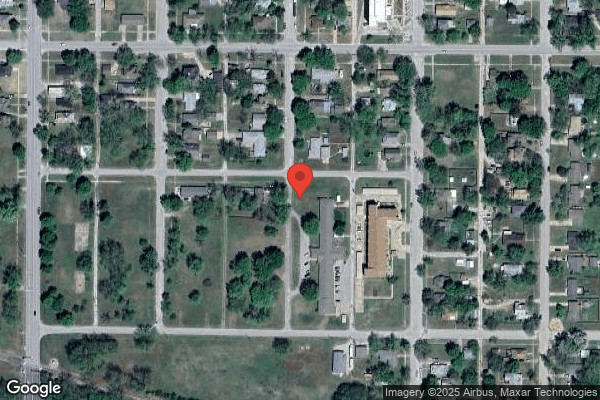

614 S 8TH STREET, INDEPENDENCE, KS 67301 (620) 331-2577
For profit - Limited Liability company 43 Beds AMERICARE SENIOR LIVING Data: November 2025
Trust Grade
65/100
#144 of 295 in KS
Last Inspection: February 2025

Within standard 12-15 month inspection cycle. Federal law requires annual inspections.

Overview

Montgomery Place Nursing Center has a Trust Grade of C+, indicating it is slightly above average among nursing homes. It ranks #144 out of 295 in Kansas, placing it in the top half of facilities in the state, and #3 out of 4 in Montgomery County, meaning only one local option has a better ranking. The facility is showing improvement, with the number of reported issues decreasing from 9 in 2023 to 7 in 2025. Staffing is a relative strength, with a 4/5 star rating and a turnover rate of 49%, slightly above the state average, which suggests that staff members are experienced and familiar with the residents. While there have been no fines, several concerns were noted during inspections, including improper food handling practices, inadequate infection control measures, and the absence of a full-time Certified Dietary Manager, which could impact the residents' nutrition. Overall, the facility has strengths in staffing and safety ratings but needs to address its food safety and infection control practices.

Trust Score
C+
65/100
In Kansas
#144/295
Top 48%
Safety Record
Low Risk
No red flags
Inspections
Getting Better
9 → 7 violations
Staff Stability
⚠ Watch
49% turnover. Above average. Higher turnover means staff may not know residents' routines.
Penalties
✓ Good
No fines on record. Clean compliance history, better than most Kansas facilities.
Skilled Nurses
○ Average
Each resident gets 34 minutes of Registered Nurse (RN) attention daily — about average for Kansas. RNs are the most trained staff who monitor for health changes.
Violations
⚠ Watch
16 deficiencies on record. Higher than average. Multiple issues found across inspections.
★★★☆☆
3.0
Overall Rating
★★★★☆
4.0
Staff Levels
★☆☆☆☆
1.0
Care Quality
★★★★☆
4.0
Inspection Score
Stable
2023: 9 issues
2025: 7 issues

The Good

  • 4-Star Staffing Rating · Above-average nurse staffing levels
  • Full Sprinkler Coverage · Fire safety systems throughout facility
  • No fines on record

Facility shows strength in staffing levels, fire safety.

The Bad

3-Star Overall Rating

Near Kansas average (2.9)

Meets federal standards, typical of most facilities

Staff Turnover: 49%

Near Kansas avg (46%)

Higher turnover may affect care consistency

Chain: AMERICARE SENIOR LIVING

Part of a multi-facility chain

Ask about local staffing decisions and management

The Ugly 16 deficiencies on record

Feb 2025 7 deficiencies
CONCERN (D)

Potential for Harm - no one hurt, but risky conditions existed

Deficiency F0657 (Tag F0657)

Could have caused harm · This affected 1 resident

**NOTE- TERMS IN BRACKETS HAVE BEEN EDITED TO PROTECT CONFIDENTIALITY** The facility had a census of 38 residents. The sample included 12 residents, with two reviewed for dementia care. Based on obser...

Read full inspector narrative →
**NOTE- TERMS IN BRACKETS HAVE BEEN EDITED TO PROTECT CONFIDENTIALITY** The facility had a census of 38 residents. The sample included 12 residents, with two reviewed for dementia care. Based on observation, record review, and interview, the facility failed to revise one resident, Resident (R) 35's plan of care with individualized person-centered interventions for dementia (a progressive mental disorder characterized by failing memory and confusion). The facility further failed to monitor and document R35's behaviors as directed in his plan of care. This deficient practice placed the resident at risk for decreased quality of life due to uncommunicated care needs. Findings included: - The Electronic Medical Record (EMR) documented R35 admitted to the facility on [DATE]. R35 had diagnoses of Alzheimer's disease (progressive mental deterioration characterized by confusion and memory failure), dementia, depression (a mood disorder that causes a persistent feeling of sadness and loss of interest), and Parkinson's disease (a slowly progressive neurologic disorder characterized by resting tremors, rolling other fingers, masklike faces, shuffling gait, muscle rigidity, and weakness). The admission Minimum Data Set (MDS), dated [DATE], documented R35 had intact cognition and required staff supervision for transfers. R35 required set-up assistance for eating, personal hygiene, and ambulation, and R35 did not ambulate. The MDS documented R35 had no behaviors and received an antidepressant (a class of medication to treat mood disorders) and a diuretic (a medication to promote the formation and secretion of urine) medication. The Psychotropic Drug Use Care Area Assessment (CAA), dated 09/16/24, documented a licensed nurse monitored the resident for side effects every shift, and the physician was to be notified of any abnormal findings. The CAA documented a pharmacist consultant would review medications monthly and the physician would review medications with each visit. The care plan would be developed to monitor the effectiveness of psychotropic medication and any adverse effects of medication. The Mood and Behavior CAA had not been triggered. The Quarterly MDS, dated 12/12/24, documented R35 had severely impaired cognition. R35 was independent with eating, mobility, transfers, and toileting. R35 had wandering for one to three days, delusions (untrue persistent belief or perception held by a person although evidence shows it was untrue), received antipsychotic (a class of medications used to treat major mental conditions that cause a break from reality), antidepressant, and diuretic medication. The Care Plan dated 12/10/24, initiated on 09/23/24, directed staff to monitor R35 for mood or behavior changes and document changes in progress notes including non-medicinal intervention used and the resident's response. The update, dated 10/01/24, directed staff to tell him that his spouse asked the facility to assist him when he refused care. The update, dated 10/14/24, directed staff to offer him a snack if he was out wandering, provide reorientation to surroundings within the environment and have R35 attend activities one to two times per week. The care plan lacked individualized interventions or a treatment plan when R35 had behaviors. The Physician's Order dated 09/10/24, directed staff to administer sertraline HCI (an antidepressant medication), 25 milligrams (mg), one by mouth, in the morning, for depression. The Physician's Order dated 10/30/24, directed staff to administer quetiapine fumarate (an antipsychotic medication), 25 mg, and give 0.5 tablet, by mouth at bedtime for Alzheimer's disease. This medication was increased on 11/27/24. The Physician's Order dated 11/27/24, directed staff to administer quetiapine fumarate, 25 mg, one tablet, at bedtime for major depressive disorder with psychotic features. This medication was increased on 01/16/25. The Physician's Order dated 01/16/25, directed staff to administer quetiapine fumarate, 25 mg, two tablets, at bedtime for major depressive disorder. The Nurse's Notes dated 10/12/2 at 01:30 AM, documented R35 continued to constantly get up during the night and wander. The Nurse's Notes dated 10/13/24 at 03:29 AM, documented R35 continued to ask for his wife and was up and down all night. R35 was confused about the time of day and situation, staff reassured him and reoriented him to the situation. The Nurse's Notes dated 11/15/24 at 05:40 PM, R35 went to the nurse's station without his walker and was very agitated. R35 stated his supper was not what he wanted to eat and that he wanted ice cream. The Nurse asked R35 where his walker was and R35 told her it was in his room. R35 was very agitated and demanded the nurse take him to the dining room and get him some ice cream. R35 was provided food and ice cream, and staff continued to monitor the resident. The Nurse's Notes dated 11/23/24 at 02:29 PM, documented R35 raised his hand to the Certified Medication Aide (CMA), and stated, You will call my wife now before you get what's coming to you. Staff redirected R35 to his room and showed him how to call his wife on his phone. The Nurse's Notes dated 12/10/24 at 10:11 AM, documented R35 was hateful to the dietary staff when they removed his food from the table. Staff explained to R35 that they thought he was finished, and he stated he had just gone to the bathroom. R35 stated staff owed him $50.00 for his meal. Staff stated they would pay for another meal and provided R35 with another meal. On 02/05/25 at 08:45 AM, Certified Medication Aide R provided R35 with his medication at the dining room table without incident. On 02/05/25 at 08:50 AM, CMA R stated R35 required cues and redirection during the day but rarely had any behaviors. On 02/06/25 at 09:15 AM, Licensed Nurse (LN) H stated she heard R35 could be aggressive during the night and when she worked, he was usually pretty good during the day. She stated R35 was on an antipsychotic medication for his wandering at night and that staff should document in the progress notes when he had behaviors. LN G stated she was unsure what staff did at night when the resident had behaviors. On 02/06/25 at 09:30 AM, LN G stated, that staff should chart and monitor R35's behaviors and that the quetiapine fumarate was started per family request. LN G stated the family was in the building during the physician visits and had asked the medication to be increased. On 02/06/25 at 09:42 AM, Administrative Nurse D stated, staff should follow R35's plan of care to document his behaviors. Administrative Nurse D stated the staff were probably getting used to the behaviors as being normal for him and just didn't document as they should have. The facility's Resident Centered Care Plan Process, dated 03/28/18, documented the facility provided an individualized interdisciplinary plan of care for all residents that was appropriate to their needs, strengths, limitations, and goals. The care plan was based upon the initial, recurrent, and continual needs of the resident. The staff are all responsible to read, understand, and follow the comprehensive, person-centered care plan and report any changes to the team for immediate care plan revision. The facility failed to revise R35's plan of care with individualized person-centered interventions for dementia care and failed to follow his plan of care to monitor and document his behaviors. This placed R35 at risk for uncommunicated care needs.
CONCERN (D)

Potential for Harm - no one hurt, but risky conditions existed

Deficiency F0744 (Tag F0744)

Could have caused harm · This affected 1 resident

**NOTE- TERMS IN BRACKETS HAVE BEEN EDITED TO PROTECT CONFIDENTIALITY** The facility had a census of 38 residents. The sample included 12 residents, with two reviewed for dementia care. Based on obser...

Read full inspector narrative →
**NOTE- TERMS IN BRACKETS HAVE BEEN EDITED TO PROTECT CONFIDENTIALITY** The facility had a census of 38 residents. The sample included 12 residents, with two reviewed for dementia care. Based on observation, record review, and interview, the facility failed to develop and implement an individualized dementia (a progressive mental disorder characterized by failing memory and confusion) treatment plan that utilized non-pharmacological approaches to care for one resident, Resident (R) 35. This placed the resident at risk for abuse and decreased quality of life. Findings included: - The Electronic Medical Record (EMR) documented R35 admitted to the facility on [DATE]. R35 had diagnoses of Alzheimer's disease (progressive mental deterioration characterized by confusion and memory failure), dementia, depression (a mood disorder that causes a persistent feeling of sadness and loss of interest), and Parkinson's disease (a slowly progressive neurologic disorder characterized by resting tremors, rolling other fingers, masklike faces, shuffling gait, muscle rigidity, and weakness). The admission Minimum Data Set (MDS), dated [DATE], documented R35 had intact cognition and required staff supervision for transfers. R35 required set-up assistance for eating, personal hygiene, and ambulation, and R35 did not ambulate. The MDS documented R35 had no behaviors and received an antidepressant (a class of medication to treat mood disorders) and a diuretic (a medication to promote the formation and secretion of urine) medication. The Psychotropic Drug Use Care Area Assessment (CAA), dated 09/16/24, documented a licensed nurse monitored the resident for side effects every shift, and the physician was to be notified of any abnormal findings. The CAA documented a pharmacist consultant would review medications monthly and the physician would review medications with each visit. The care plan would be developed to monitor the effectiveness of psychotropic medication and any adverse effects of medication. The mood and behavior CAA did not trigger. The Quarterly MDS, dated 12/12/24, documented R35 had severely impaired cognition. R35 was independent with eating, mobility, transfers, and toileting. R35 had wandering for one to three days, delusions (untrue persistent belief or perception held by a person although evidence shows it was untrue), and received antipsychotic (a class of medications used to treat major mental conditions that cause a break from reality) antidepressant, and diuretic medication. The Care Plan, dated 12/10/24, initiated on 09/23/24, directed staff to monitor R35 for mood or behavior changes and document changes in progress notes including non-medicinal intervention used and the resident's response. The update, dated 10/01/24, directed staff to tell him that his spouse asked the facility to assist him when he refused care. The update, dated 10/14/24, directed staff to offer him a snack if he was out wandering, provide reorientation to surroundings within the environment and have R35 attend activities one to two times per week. The care plan lacked individualized interventions or a treatment plan when R35 had behaviors. The Physician's Order, dated 09/10/24, directed staff to administer sertraline HCI (an antidepressant medication), 25 milligrams (mg), one by mouth, in the morning, for depression. The Physician's Order, dated 10/30/24, directed staff to administer quetiapine fumarate (an antipsychotic medication), 25 mg, and give 0.5 tablet, by mouth at bedtime for Alzheimer's disease. This medication was increased on 11/27/24. The Physician's Order, dated 11/27/24, directed staff to administer quetiapine fumarate, 25 mg, one tablet, at bedtime for major depressive disorder with psychotic features. This medication was increased on 01/16/25. The Physician's Order, dated 01/16/25, directed staff to administer quetiapine fumarate, 25 mg, two tablets, at bedtime for major depressive disorder. The Nurse's Notes, dated 10/12/2 at 01:30 AM, documented R35 continued to constantly get up during the night and wander. The Nurse's Notes, dated 10/13/24 at 03:29 AM, documented R35 continued to ask for his wife and was up and down all night. R35 was confused about the time of day and situation, staff reassured him and reoriented him to the situation. The Nurse's Notes, dated 11/15/24 at 05:40 PM, R35 went to the nurse's station without his walker and was very agitated. R35 stated his supper was not what he wanted to eat and that he wanted ice cream. The Nurse asked R35 where his walker was and R35 told her it was in his room. R35 was very agitated and demanded the nurse to take him to the dining room and get him some ice cream. R35 was provided food and ice cream, and staff continued to monitor the resident. The Nurse's Notes dated 11/23/24 at 02:29 PM, documented R35 raised his hand to the Certified Medication Aide (CMA), and stated, You will call my wife now before you get what's coming to you. Staff redirected R35 to his room and showed him how to call his wife on his phone. The Nurse's Notes dated 12/10/24 at 10:11 AM, documented R35 was hateful to the dietary staff when they removed his food from the table. Staff explained to R35 that they thought he was finished, and he stated he had just gone to the bathroom. R35 stated staff owed him $50.00 for his meal. Staff stated they would pay for another meal and provided R35 with another meal. On 02/05/25 at 08:45 AM, Certified Medication Aide (CMA) R provided R35 with his medication at the dining room table without incident. On 02/05/25 at 08:50 AM, CMA R stated R35 required cues and redirection during the day but rarely had any behaviors. On 02/06/25 at 09:15 AM, Licensed Nurse (LN) H stated she heard R35 could be aggressive during the night and when she worked he was usually pretty good during the day. She stated R35 was on an antipsychotic medication for his wandering at night and that staff should document in the progress notes when he had behaviors. LN G stated she was unsure what staff did at night when the resident had behaviors. On 02/06/25 at 09:30 AM, LN G stated, that staff should chart and monitor R35's behaviors and that the quetiapine fumarate was started per family request. LN G stated the family was in the building during the physician visits and had asked the medication to be increased. On 02/06/25 at 09:42 AM, Administrative Nurse D verified the EMR lacked consistent documentation of the resident's behaviors and stated staff should document any behaviors and what interventions were provided in response to the behaviors. Administrative Nurse D stated the family requested the increase in the quetiapine fumarate for R35's wandering at night. Administrative Nurse D stated the staff initialed every shift in the mar to confirm they monitored his behaviors, but there was nothing specifically to state what the behavior was. All behaviors were to be documented in the progress notes. The facility's Behavior Management for Dementia Care, undated policy, documented dementia care in the facility was to provide a quality of life with respect, dignity, and care in a friendly, clean, and non-abusive atmosphere. All behaviors related to any/all types of dementia would be monitored and documented to track and trend those behaviors to be included in the development of a person-centered, individualized dementia care plan. The care plan identified triggers of specific behaviors to assist staff members in avoiding those triggers. Identification of unmet needs which the resident was unable to verbalize or communicate, identification of the time of day to include need or rest periods for the resident. The development of care plan interventions that provide the resident with uninterrupted sleep periods and provide adequate rest. Staff monitor specifically identified behaviors continuously and document observed behaviors in the clinical record on a real-time basis along with interventions attempted and the success of those interventions, The charge nurse would report pertinent findings from the behavior assess, et to the physician and the representative as appropriate. The facility failed to adequately meet R35's mental health needs by failing to ensure pharmacological interventions were only used when non-pharmacological interventions were ineffective or when clinically indicated. This placed the resident at risk for a decreased quality of life.
CONCERN (D)

Potential for Harm - no one hurt, but risky conditions existed

Drug Regimen Review (Tag F0756)

Could have caused harm · This affected 1 resident

**NOTE- TERMS IN BRACKETS HAVE BEEN EDITED TO PROTECT CONFIDENTIALITY** The facility had a census of 38 residents. The sample included 12 residents, with five reviewed for unnecessary medications. Bas...

Read full inspector narrative →
**NOTE- TERMS IN BRACKETS HAVE BEEN EDITED TO PROTECT CONFIDENTIALITY** The facility had a census of 38 residents. The sample included 12 residents, with five reviewed for unnecessary medications. Based on observation, record review, and interview, the Consultant Pharmacist (CP) failed to identify and report out-of-parameter blood pressures for one resident, Resident (R) 35. This placed the resident at risk for physical decline and medication related complications. Findings included: - The Electronic Medical Record (EMR) R35 had diagnoses of hypertension (high blood pressure), atrial fibrillation (rapid, irregular heartbeat), Alzheimer's disease (progressive mental deterioration characterized by confusion and memory failure), depression (a mood disorder that causes a persistent feeling of sadness and loss of interest), and Parkinson's disease (a slowly progressive neurologic disorder characterized by resting tremors, rolling other fingers, masklike faces, shuffling gait, muscle rigidity, and weakness). The admission Minimum Data Set (MDS), dated [DATE], documented R35 had intact cognition and required supervision of staff for transfers. R35 required set-up assistance for eating, personal hygiene, ambulation, and R35 did not ambulate. The MDS documented R35 received an antidepressant (a class of medication to treat mood disorders) and diuretic (a medication to promote the formation and secretion of urine) medication. The Quarterly MDS, dated 12/12/24, documented R35 had severely impaired cognition. R 35 was independent with eating, mobility, transfers, and toileting. R35 received antipsychotic (a class of medications used to treat major mental conditions that cause a break from reality), antidepressant, and diuretic medication. The Care Plan dated 12/10/24 initiated on 09/16/24, documented R35 received medications that had black box warnings (BBW - highest safety-related warning that medications can have assigned by the Food and Drug Administration). The care plan documented R35 received blood pressure medications and directed staff to follow orders and the parameters as set by the physician. The Physician's Order, dated 10/31/24, directed staff to administer metoprolol succinate ER 24 hour (high blood pressure medication), 100 milligrams (mg), one tablet, by mouth, daily for atrial fibrillation. Hold the medication if the systolic blood pressure (SBP - the top number, the force your heart exerts on the walls of your arteries each time it beats) is less than 110 millimeters of mercury (mmHg). R35's Medication Administration Record (MAR) for December 2024 documented the following days R35 received the metoprolol when the SBP was under the ordered parameters: 12/03/24-104/66 12/07/24-105/60 12/08/24-105/64 12/12/24-101/73 12/13/24-103/56 12/17/24-109/64 12/19/24-107/63 12/22/24-101/69 12/24/24-100/64 12/25/24-105/62 R35's Medication Administration Record (MAR) for January 2025 documented the following days R35 received the metoprolol when the SBP was under the ordered parameters: 01/09/25-108/69 01/20/25-101/62 01/21/25-103/68 R35's Medication Administration Record (MAR) for February 2025 documented the following days R35 received the metoprolol when the SBP was under the ordered parameters: 02/01/25 101/62 R35's Medication Regimen Review, dated 01/19/25, lacked documentation of the out-of-parameter blood pressures. On 02/05/25 at 08:45 AM, Certified Medication Aide (CMA) R provided R35 with his medication at the dining room table without incident. On 02/06/25 at 09:15 AM, Licensed Nurse (LN) H verified the blood pressure medications were administered when the SBP was out of parameters. LN H stated the CMAs should tell her if the medication was not given and that the SBP was out of the parameters. On 02/06/25 at 09:42 AM, Administrative Nurse D verified the medication was not held per physician orders and stated the Consultant Pharmacist (CP) had not notified her that they were administering the medication out of parameters. The facility's Consultant Pharmacist Services Provider Requirements undated policy, documented regular and reliable consultant pharmacist services were provided to elders. The consultant pharmacist reviewed the MAR and the physician orders monthly at the facility to ensure proper documentation of medication orders and administration of medications to elders. The facility failed to ensure the CP identified and reported that 35's metoprolol was administered outside of physician-ordered parameters. This placed R35 at risk for physical decline and medication related complications.
CONCERN (D)

Potential for Harm - no one hurt, but risky conditions existed

Deficiency F0757 (Tag F0757)

Could have caused harm · This affected 1 resident

**NOTE- TERMS IN BRACKETS HAVE BEEN EDITED TO PROTECT CONFIDENTIALITY** The facility had a census of 38 residents, the sample included 12 residents, with five reviewed for unnecessary medications. Bas...

Read full inspector narrative →
**NOTE- TERMS IN BRACKETS HAVE BEEN EDITED TO PROTECT CONFIDENTIALITY** The facility had a census of 38 residents, the sample included 12 residents, with five reviewed for unnecessary medications. Based on observation, record review, and interview, the facility failed to hold blood pressure medications per the physician ordered parameters for one resident, Resident (R) 35. This placed the resident at risk for physical decline and other related complications. Findings included: - The Electronic Medical Record (EMR) R35 had diagnoses of hypertension (high blood pressure), atrial fibrillation (rapid, irregular heartbeat), Alzheimer's disease (progressive mental deterioration characterized by confusion and memory failure), depression (a mood disorder that causes a persistent feeling of sadness and loss of interest), and Parkinson's disease (a slowly progressive neurologic disorder characterized by resting tremors, rolling other fingers, masklike faces, shuffling gait, muscle rigidity, and weakness). The admission Minimum Data Set (MDS), dated [DATE], documented R35 had intact cognition and required supervision of staff for transfers. R35 required set-up assistance for eating, personal hygiene, ambulation, and R35 did not ambulate. The MDS documented R35 received an antidepressant (a class of medication to treat mood disorders) and diuretic (a medication to promote the formation and secretion of urine) medication. The Quarterly MDS, dated 12/12/24, documented R35 had severely impaired cognition. R 35 was independent with eating, mobility, transfers, and toileting. R35 received antipsychotic (a class of medications used to treat major mental conditions that cause a break from reality), antidepressant, and diuretic medication. The Care Plan dated 12/10/24, initiated on 09/16/24, documented R35 received medications that had black box warnings (BBW - highest safety-related warning that medications can have assigned by the Food and Drug Administration). The care plan documented R35 received blood pressure medications and directed staff to follow orders and the parameters as set by the physician. The Physician's Order, dated 10/31/24, directed staff to administer metoprolol succinate ER 24 hour (high blood pressure medication), 100 milligrams (mg), one tablet, by mouth, daily for atrial fibrillation. Hold the medication if the systolic blood pressure (SBP - the top number, the force your heart exerts on the walls of your arteries each time it beats) is less than 110 millimeters of mercury (mmHg). R35's Medication Administration Record (MAR) for December 2024 documented the following days R35 received the metoprolol when the SBP was under the ordered parameters: 12/03/24-104/66 12/07/24-105/60 12/08/24-105/64 12/12/24-101/73 12/13/24-103/56 12/17/24-109/64 12/19/24-107/63 12/22/24-101/69 12/24/24-100/64 12/25/24-105/62 R35's Medication Administration Record (MAR) for January 2025 documented the following days R35 received the metoprolol when the SBP was under the ordered parameters: 01/09/25-108/69 01/20/25-101/62 01/21/25-103/68 R35's Medication Administration Record (MAR) for February 2025 documented the following days R35 received the metoprolol when the SBP was under the ordered parameters: 02/01/25 101/62 On 02/05/25 at 08:45 AM, Certified Medication Aide (CMA) R provided R35 with his medication at the dining room table without incident. On 02/06/25 at 09:15 AM, Licensed Nurse (LN) H verified the blood pressure medications were administered when the SBP was out of parameters. LN H stated the CMAs should tell her if the medication was not given and that the SBP was out of the parameters. On 02/06/25 at 09:42 AM, Administrative Nurse D verified the medication was not held per physician orders and stated the Consultant Pharmacist (CP) had not notified her that they were administering the medication out of parameters. The facility's Medication Administration undated policy documented that all medication would be administered to every elder as ordered by a physician in a safe and sanitary manner. Each elder's drug regimen would be free from unnecessary drugs. The medications would be administered as ordered, documented, and followed holding/notification parameters as ordered. The facility failed to hold blood pressure medication for R35 when his blood pressure was out of the physician-ordered parameters. This placed the resident at risk for physical decline and other related complications.
CONCERN (D)

Potential for Harm - no one hurt, but risky conditions existed

Medication Errors (Tag F0758)

Could have caused harm · This affected 1 resident

**NOTE- TERMS IN BRACKETS HAVE BEEN EDITED TO PROTECT CONFIDENTIALITY** The facility had a census of 38 residents. The sample included 12 residents, with five reviewed for unnecessary medications. Bas...

Read full inspector narrative →
**NOTE- TERMS IN BRACKETS HAVE BEEN EDITED TO PROTECT CONFIDENTIALITY** The facility had a census of 38 residents. The sample included 12 residents, with five reviewed for unnecessary medications. Based on observation, record review, and interview, the facility failed to ensure an appropriate indication, or a documented physician rationale which included the unsuccessful attempts for non-pharmacological symptom management and risk versus benefit for the continued use for Resident (R) 35's antipsychotic (a class of medication used to treat major mental conditions that cause a break from reality). This placed R35 at risk for unintended side effects relate to psychotropic (alters mood or thought) drug medication. Findings included: - The Electronic Medical Record (EMR) documented R35 was admitted to the facility on [DATE]. R35 had diagnoses of Alzheimer's disease (progressive mental deterioration characterized by confusion and memory failure), dementia (a progressive mental deterioration characterized by confusion and memory failure), depression (a mood disorder that causes a persistent feeling of sadness and loss of interest), and Parkinson's disease (a slowly progressive neurologic disorder characterized by resting tremors, rolling other fingers, masklike faces, shuffling gait, muscle rigidity, and weakness). The admission Minimum Data Set (MDS), dated [DATE], documented R35 had intact cognition and required supervision of staff for transfers. R35 required set-up assistance for eating, personal hygiene, and ambulation. The MDS documented R35 had no behaviors and received an antidepressant (a class of medication to treat mood disorders) and a diuretic (a medication to promote the formation and secretion of urine) medication. The Psychotropic Drug Use Care Area Assessment (CAA), dated 09/16/24, documented a licensed nurse monitored for side effects every shift, and the physician was to be notified of any abnormal findings. The CAA documented a pharmacist consultant would review medications monthly and the physician would review medications with each visit. The care plan would be developed to monitor the effectiveness of psychotropic medication and any adverse effects of medication. The Mood and Behavior CAA had not triggered. The Quarterly MDS, dated 12/12/24, documented R35 had severely impaired cognition. R 35 was independent with eating, mobility, transfers, and toileting. R35 had wandering for one to three days, delusions (untrue persistent belief or perception held by a person although evidence shows it was untrue), received antipsychotic (a class of medications used to treat major mental conditions that cause a break from reality) antidepressant, and diuretic medication. The Care Plan, dated 12/10/24, initiated on 09/23/24, directed staff to monitor for mood or behavior changes and document in progress notes including non-medicinal intervention used and the resident's response. The update, dated 10/01/24, directed staff to tell him that his spouse asked the facility to assist him when he refused care. The update, dated 10/14/24, directed staff to offer him a snack if he was out wandering, provide reorientation to surrounds within the environment, and have R35 attend activities one to two times per week. The care plan lacked individualized interventions or a treatment plan when R35 had behaviors. The Physician's Order, dated 09/10/24, directed staff to administer sertraline HCI (an antidepressant medication), 25 milligrams (mg), one by mouth, in the morning, for depression. The Physician's Order, dated 10/30/24, directed staff to administer quetiapine fumarate (an antipsychotic medication), 25 mg, and give 0.5 tablet, by mouth at bedtime for Alzheimer's disease. This medication was increased on 11/27/24. The Physician's Order, dated 11/27/24, directed staff to administer quetiapine fumarate, 25 mg, one tablet, at bedtime for major depressive disorder with psychotic features. This medication was increased on 01/16/25. The Physician's Order, dated 01/16/25, directed staff to administer quetiapine fumarate, 25 mg, two tablets, at bedtime for major depressive disorder. The Medication Regimen Review, dated 12/10/24, requested clarification for the diagnosis and indication for the quetiapine fumarate, 25 mg, by mouth, at bedtime. The physician documented dementia with depression. R35's EMR lacked a documented physician rationale which included the unsuccessful attempts for non-pharmacological symptom management and risk versus benefits for the quetiapine fumarate use. On 02/05/25 at 08:45 AM, Certified Medication Aide (CMA) R provided R35 with his medication at the dining room table without incident. On 02/05/25 at 08:50 AM, CMA R stated he required cues and redirection during the day but rarely had any behaviors. On 02/06/25 at 09:15 AM, Licensed Nurse (LN) H stated she had heard he could be aggressive during the night and when she worked, he was usually pretty good during the day. She stated R35 was on an antipsychotic medication for his wandering at night and that staff should document in the progress notes when he had behaviors. LN G stated she was unsure what staff did at night when the resident had behaviors. On 02/06/25 at 09:30 AM, LN G stated, that staff should chart and monitor R35's behaviors and that the quetiapine fumarate was started per family request. LN G stated the family was in the building during the physician visits and had asked the medication to be increased. On 02/06/25 at 09:42 AM, Administrative Nurse D verified the lack of a risk versus benefit or a rationale from the physician for the quetiapine fumarate use. The facility's Antipsychotic drugs undated policy documented all physician orders for antipsychotic medications would be clear and accurate. The orders would include a diagnosis, condition, or indication for its use, and the consultant pharmacist would review the appropriateness of all medication orders to be administered by clinical staff. The facility failed to ensure R35 did not receive antipsychotic medication without an appropriate indication or the required physician documentation for its use. This deficient practice placed R35 at risk for adverse side effects.
CONCERN (E)

Potential for Harm - no one hurt, but risky conditions existed

Deficiency F0801 (Tag F0801)

Could have caused harm · This affected multiple residents

The facility had a census of 38 residents. The sample included 12 residents. Based on observation, record review, and interview, the facility failed to employ a full-time Certified Dietary Manager for...

Read full inspector narrative →
The facility had a census of 38 residents. The sample included 12 residents. Based on observation, record review, and interview, the facility failed to employ a full-time Certified Dietary Manager for 38 residents who reside in the facility and received their meals from the kitchen. This placed the residents at risk of not receiving adequate nutrition. Findings included: - On 02/04/25 at 08:18 AM, observation revealed the kitchen staff finishing the morning meal and preparing the midday meal. Dietary Staff BB stated she was the dietary manager. Dietary Staff BB reported she was presently enrolled in a Certified Dietary Manager course but had not completed the course. The facility's undated Dietary Services policy states the facility will employ a qualified dietitian or other qualified nutritional professional on a full-time or consultant basis. A qualified dietitian or nutritionist who has completed at least 900 hours of supervised dietetics accredited by an appropriate national accreditation organization recognized for this purpose. The facility failed to employ a full-time Certified Dietary Manager for residents who reside at the facility. This deficient practice placed the 38 residents at risk of inadequate nutrition.
CONCERN (E)

Potential for Harm - no one hurt, but risky conditions existed

Food Safety (Tag F0812)

Could have caused harm · This affected multiple residents

The facility had a census of 38 residents. The sample included 12 residents. Based on observation, record review, and interview, the facility failed to prepare and store food in a sanitary manner for ...

Read full inspector narrative →
The facility had a census of 38 residents. The sample included 12 residents. Based on observation, record review, and interview, the facility failed to prepare and store food in a sanitary manner for 38 residents who received their meals from the kitchen. This deficient practice placed the residents at risk for foodborne illness. Findings included: - On 02/04/25 at 08:18 AM, during the initial tour of the kitchen, the double-door stainless steel refrigerator had sliced ham stored on a middle shelf with directly above gallons of milk and a large bowl of yellow pudding and unpasteurized eggs also stored on the middle shelf. The fluorescent plastic light cover above the food prep area was cracked through. The white window air conditioner above the small white freezer had a gray/blackish lint-type material on the air outlet levers. Directly in front of the window air conditioner, seated on the small white freezer was a fan that had grey/brown lint type of material on the front guard in which the airflow direction at a food prep area. On 02/05/25 at 01:51 PM, Dietary Staff BB verified the cracked fluorescent light cover, the air conditioner, and the fan had the grey/brown/black lint-type material directly blowing in the direction of a food prep area. The facility's undated Food Safety Requirements policy stated food would be stored, prepared, distributed, and served in accordance with professional standards for food service safety. Storage of food in a manner that helps prevent deterioration or contamination of food, including the growth of microorganisms. Strategies to prevent foodborne illness included but were not limited to proper refrigeration of meat, poultry, and pasteurized products. The facility's undated Dietary Cleaning Procedures stated the facility would store, distribute, and serve food under sanitary conditions to ensure that proper sanitation and food handling practices to prevent the outbreak of foodborne illness are attained continuously. The facility's undated Maintenance Inspection policy stated the facility utilized a maintenance inspection checklist to ensure a safe, functional, sanitary, and comfortable environment for residents, staff, and the public. The facility failed to prepare and store food in a sanitary manner for 38 residents who reside at the facility and received meals from the facility's kitchen. This placed the residents at risk for foodborne illness.
Mar 2023 9 deficiencies
CONCERN (D)

Potential for Harm - no one hurt, but risky conditions existed

Deficiency F0657 (Tag F0657)

Could have caused harm · This affected 1 resident

**NOTE- TERMS IN BRACKETS HAVE BEEN EDITED TO PROTECT CONFIDENTIALITY** The facility reported a census of 28 residents with fourteen selected for review. Based on observation, interview, and record re...

Read full inspector narrative →
**NOTE- TERMS IN BRACKETS HAVE BEEN EDITED TO PROTECT CONFIDENTIALITY** The facility reported a census of 28 residents with fourteen selected for review. Based on observation, interview, and record review, the facility failed to review and revise the care plan for three of the residents sampled, Resident (R)7 for use of foot pedals to the wheelchair; R10 and R4 for the type of side rails used on the beds. Findings included: - The Medical Diagnosis tab for R10 included diagnoses of hemiplegia (paralysis of one side of the body) and hemiparesis (muscular weakness of one half of the body), Parkinson's disease (slowly progressive neurologic disorder characterized by resting tremor, rolling of the fingers, masklike faces, shuffling gait, muscle rigidity and weakness), convulsions (involuntary series of contractions of a group of muscles), cerebral palsy (progressive disorder of movement, muscle tone or posture caused by injury or abnormal development in the immature brain, most often before birth), and morbid obesity. The Quarterly Minimum Data Set (MDS) dated [DATE] assessed R10 with a Brief Interview of Mental Status (BIMS) score of 15 indicating intact cognition. R10 required extensive assistance from two or more staff for bed mobility and R10 did not have impaired range of motion to her upper or lower extremities. The Annual MDS dated 02/07/23 for R10 revealed no changes from the prior MDS items above. The Activities of Daily Living [ADL]Care Area Assessment dated 02/15/23 revealed R10 had diagnoses of morbid obesity, hemiplegia and hemiparesis, cerebral palsy, Parkinson's disease, and required extensive assistance with most all ADL's. The Care Plan dated 02/16/23 revealed R10 used Carroll bars (an assistance bar attached to the bed to assist with bed mobility and in transfers in/out of bed, typically narrower than a partial bed rail) on my bed for positioning and used to assist R10 when turning over and repositioning in the bed. The Assessment tab revealed an Evaluation for Use of Side Rails assessment dated [DATE] revealed a half rail recommended to the upper half of the bed on the left and right side per resident request and safety; to turn from side to side in the bed and pull up in the bed, for fear of rolling out of the bed, and a history of sliding to the floor. On 03/07/23 at 09:44 AM, Certified Nurse Aide (CNA) N assisted R10 with cares and R10 would grab the half rail with cares. Observed the right half rail and the left half rail move towards R10 when she grabbed it. R10 grabbed the left rail and used it to position her body before sitting on the side of the bed. On 03/07/23 at 12:40 PM, Administrative Staff A stated a Carroll bar was a bar that attached to the bed which was not very wide and rounded at the top and confirmed that R10 did not have that type of device on her bed. On 03/08/23 at 08:35 AM, Administrative Nurse D stated the Administrative Nurses were responsible for reviewing and revising care plans when needed. The facility policy for Comprehensive Care Plans, implemented 01/01/23, included: The comprehensive care plan will be reviewed and revised by the interdisciplinary team, as needed. The facility failed to review and revise R10's care plan to reflect the type of rails on her bed. - The Medical Diagnosis tab for Resident (R)4 included diagnoses of morbid obesity, weakness, and osteoarthritis (degenerative changes to one or many joints characterized by swelling and pain). The Quarterly Minimum Data Set (MDS) dated [DATE] assessed R4 with a Brief Interview of Mental Status (BIMS) score of 15 indicating intact cognition, required extensive assistance of two or more staff for bed mobility, and had limited range of motion to both lower extremities. The Annual MDS dated 01/23/23 assessed R4 with a BIMS score of 14, indicting intact cognition, continued to require extensive assistance of two or more staff for bed mobility, and had not changes to his lower extremity range of motion. The Activities of Daily Living (ADL) Functional/Rehabilitation Potential Care Area Assessment dated 01/31/23 revealed R4 required extensive assistance to totally dependent with ADL's. The Care Plan dated 02/16/23 revealed R4 often preferred to stay in bed and he could roll from side to side with staff assisting by lifting his lower extremities. R4 had Carroll bars ((an assistance bar attached to the bed to assist with bed mobility and in transfers in/out of bed, typically narrower than a partial bed rail) on both sides of the bed to assist with bed mobility and repositioning. The Assessment tab included an Evaluation for Use of Side Rails dated 01/22/23. The assessment included quarter rails recommended to the upper left and right side of the bed for use to assist turning side to side and holding self over. On 03/06/23 at 12:46 PM, observed R4 resting in bed with quarter rails on the upper part on each side of the bed. The left side was up against the wall. On 03/07/23 at 01:18 PM, observed R4 grabbing the left rail and holding himself over, then grabbing the right rail while receiving cares. On 03/07/23 at 12:40 PM Administrative Staff A stated a Carroll bar was a bar that attached to the bed which was not very wide and rounded at the top. On 03/08/23 at 08:35 AM, Administrative Nurse D stated the Administrative Nurses were responsible for reviewing and revising care plans when needed. The facility policy for Comprehensive Care Plans, implemented 01/01/23, included: The comprehensive care plan will be reviewed and revised by the interdisciplinary team, as needed. The facility failed to review and revise R4's care plan to reflect the type of rails on his bed. - Review of Resident (R)7's electronic medical record (EMR), included a diagnosis of hemiplegia (paralysis of one side of the body). The admission Minimum Data Set (MDS), dated [DATE], documented the resident had a Brief Interview for Mental Status (BIMS) score of six, indicating severe cognitive impairment. He required extensive assistance of two staff for transfers and required supervision of two staff for locomotion on the unit. He had no limitation in range of motion (ROM) ability and used a wheelchair for mobility. The Activities of Daily Living (ADL) Functional/Rehabilitation Potential Care Area Assessment (CAA), dated 08/23/22, documented the resident required assistance of two staff for ADLs and was able to propel his wheelchair on his own. The quarterly MDS, dated 12/13/22, documented the resident had a BIMS score of 10, indicating moderately impaired cognition. He required extensive assistance of two staff for transferring and limited assistance of one staff for locomotion on the unit. He had no limitation in ROM and used a wheelchair for mobility. The care plan, revised 02/21/23, instructed staff the resident required one to two staff to transfer him to his wheelchair. The care plan lacked instruction for staff to utilize foot rests on the resident's wheelchair while being propelled by staff to prevent accidents. Review of the resident's EMR revealed from 02/05/23 through 03/05/23, the resident required independent to limited assistance of one staff for locomotion on the unit in his wheelchair. On 03/06/23 at 10:58 AM, Social Service Staff X propelled the resident in his wheelchair in the hall. The resident's shoed feet skimmed along on the floor during transport. On 03/07/23 at 07:48 AM, Certified Nurse Aide (CNA) M propelled the resident in his wheelchair in the hall. The resident's shoed feet skimmed along on the floor during transport. On 03/06/23 at 10:58 AM, Social Services staff X stated the resident did not have foot pedals on his wheelchair because he was able to propel himself at times. On 03/07/23 at 08:10 AM, CNA M stated the resident would usually propel himself when in the wheelchair, so he did not have foot pedals. On 03/08/23 at 08:35 AM, Administrative Nurse D stated the care plan should include the use of foot rests for this resident. Administrative nurses are responsible for reviewing and revising care plans when needed. The facility policy for Comprehensive Care Plans, implemented 01/01/23, included: The comprehensive care plan will be reviewed and revised by the interdisciplinary team, as needed. The facility failed to review and revise the care plan to prevent accidents with the use of foot pedals for this resident's wheelchair when being propelled by staff.
CONCERN (D)

Potential for Harm - no one hurt, but risky conditions existed

Deficiency F0661 (Tag F0661)

Could have caused harm · This affected 1 resident

**NOTE- TERMS IN BRACKETS HAVE BEEN EDITED TO PROTECT CONFIDENTIALITY** The facility reported a census of 28 residents with 14 residents sampled, including one resident reviewed for discharge. Based o...

Read full inspector narrative →
**NOTE- TERMS IN BRACKETS HAVE BEEN EDITED TO PROTECT CONFIDENTIALITY** The facility reported a census of 28 residents with 14 residents sampled, including one resident reviewed for discharge. Based on observation, interview, and record review, the facility failed to complete a discharge summary for the one sampled Resident (R)31, at the time of his discharge from the facility. Findings included: - Review of the Resident's (R) 31 electronic medical record (EMR) revealed a diagnosis of pneumonia (inflammation of the lungs). The admission Minimum Data Set (MDS), dated [DATE], documented the resident expected to be discharged to the community with no active discharge planning occurring for the resident. The Discharge Referral to Community Care Area Assessment (CAA), dated 01/16/23, did not trigger for further review. The discharge MDS, dated 01/25/23, documented the resident had a planned discharge to the community. Staff failed to complete the care plan for discharge planning. Review of the resident's electronic medical record (EMR) included a progress note that the resident discharged with his son on 01/25/23. The EMR lacked a completed discharge summary. On 03/08/23 at 09:11 AM, Administrative Nurse D stated the nurse on duty and the administrative nurses are responsible for ensuring the discharge summaries are complete when a resident discharges from the facility. The facility policy for Transfer and Discharge, implemented 01/01/23, included: A member of the interdisciplinary team will complete the Discharge Summary including, but not limited to, a recapitulation of the resident's stay that includes diagnoses, course of treatments or therapy, a final summary of the resident's status, reconciliation of all pre-discharge medications with the resident's post-discharge medications (both prescribed and over the counter), and a post discharge plan of care that is developed with the participation of the resident and the resident's representative. The facility failed to complete a discharge summary for this resident who discharged back to the community.
CONCERN (D)

Potential for Harm - no one hurt, but risky conditions existed

Accident Prevention (Tag F0689)

Could have caused harm · This affected 1 resident

**NOTE- TERMS IN BRACKETS HAVE BEEN EDITED TO PROTECT CONFIDENTIALITY** The facility reported a census of 28 residents with 14 residents sampled, including six residents reviewed for accidents. Based ...

Read full inspector narrative →
**NOTE- TERMS IN BRACKETS HAVE BEEN EDITED TO PROTECT CONFIDENTIALITY** The facility reported a census of 28 residents with 14 residents sampled, including six residents reviewed for accidents. Based on observation, interview and record review, the facility failed to safely propel one of the six residents, while in his wheelchair, Resident (R)7. Findings included: - Review of Resident (R)7's electronic medical record (EMR), included a diagnosis of hemiplegia (paralysis of one side of the body). The admission Minimum Data Set (MDS), dated [DATE], documented the resident had a Brief Interview for Mental Status (BIMS) score of six, indicating severe cognitive impairment. He required extensive assistance of two staff for transfers and required supervision of two staff for locomotion on the unit. He had no limitation in range of motion (ROM) ability and used a wheelchair for mobility. The Activities of Daily Living (ADL) Functional/Rehabilitation Potential Care Area Assessment (CAA), dated 08/23/22, documented the resident required assistance of two staff for ADLs and was able to propel his wheelchair on his own. The quarterly MDS, dated 12/13/22, documented the resident had a BIMS score of 10, indicating moderately impaired cognition. He required extensive assistance of two staff for transferring and limited assistance of one staff for locomotion on the unit. He had no limitation in ROM and used a wheelchair for mobility. The care plan, revised 02/21/23, instructed staff the resident required one to two staff to transfer him to his wheelchair. Review of the resident's EMR revealed from 02/05/23 through 03/05/23, the resident required independent to limited assistance of one staff for locomotion on the unit in his wheelchair. On 03/06/23 at 10:58 AM, Social Service Staff X propelled the resident in his wheelchair in the hall. The resident's shoed feet skimmed along on the floor during transport. On 03/07/23 at 07:48 AM, Certified Nurse Aide (CNA) M propelled the resident in his wheelchair in the hall. The resident's shoed feet skimmed along on the floor during transport. On 03/06/23 at 10:58 AM, Social Services staff X stated the resident did not have foot pedals on his wheelchair because he was able to propel himself at times. On 03/07/23 at 08:10 AM, CNA M stated the resident would usually propel himself when in the wheelchair, so he did not have foot pedals. On 03/07/23 at 01:38 PM, Licensed Nurse (LN) G stated staff should put foot pedals on the wheelchairs when they propel residents. On 03/08/23 at 08:35 AM, Administrative Nurse D stated the resident should have foot pedals on his wheelchair when staff are propelling him. The facility lacked a policy for wheelchair foot pedals during transport by staff. The facility failed to safely propel this dependent resident in his wheelchair when they failed to apply foot pedals and his feet skimmed along the floor.
CONCERN (D)

Potential for Harm - no one hurt, but risky conditions existed

Respiratory Care (Tag F0695)

Could have caused harm · This affected 1 resident

**NOTE- TERMS IN BRACKETS HAVE BEEN EDITED TO PROTECT CONFIDENTIALITY** The facility reported a census of 28 residents with 14 selected for review including one reviewed for respiratory services. Base...

Read full inspector narrative →
**NOTE- TERMS IN BRACKETS HAVE BEEN EDITED TO PROTECT CONFIDENTIALITY** The facility reported a census of 28 residents with 14 selected for review including one reviewed for respiratory services. Based on observation, record review, and interview, the facility failed to ensure Resident (R)4's oxygen concentrator was clean, and failed to ensure the oxygen tubing storage bag, oxygen tubing, and humidifier bottle were changed per physician orders, to prevent respiratory infections for this resident that required oxygen use. Findings included: - The Medical Diagnosis tab for R1 included a diagnosis of chronic respiratory failure. The Quarterly Minimum Data Set (MDS) dated [DATE], assessed R1 with a Brief Interview of Mental Status (BIMS) score of 15, indicating intact cognition and also required the use of oxygen. The Annual MDS dated 01/23/23 assessed R1 with a BIMS score of 14, indicating intact cognition and also required the use of oxygen. The Care Plan dated 12/28/22 revealed R1 required oxygen and the staff were to change the oxygen tubing, humidifier bottle, tubing storage bag, and clean the concentrator per the facility protocol. The Orders tab for R1 included these physician orders: 1. On 12/08/21, change the oxygen tubing bag every night shift on the first day of every month. 2. On 12/08/21, change the oxygen tubing and humidifier every night shift on Friday and the oxygen concentrator was to be sanitized wiped down every night shift on Friday. 3. On 05/04/22, oxygen at two liters per nasal cannula to keep oxygen saturation levels above 90 percent. The Treatment Administration Record (TAR) dated 03/01/23 revealed the staff documented changing R1's oxygen tubing bag. The TAR dated 03/03/23 revealed the staff documented 8 indicating other see progress note for changing the oxygen tubing, humidifier bottle, and wiping down the concentrator. The Progress Note dated 03/03/23 at 08:42 PM, revealed the facility lacked oxygen tubing that was the appropriate length of humidifiers in the facility at that time. On 03/06/23 at 12:47 PM observed R1 resting in bed with oxygen per nasal cannula in place. The oxygen tubing and the humidifier bottle were dated 02/24/23. The concentrator had a moderate layer of dust across it. On 03/06/23 at 12:48 PM, R1 stated the staff change the tubing every Friday. On 03/07/23 at 11:49 AM observed R1 was sitting up in the dining room area with oxygen in place per nasal cannula. The oxygen tubing and the humidifier bottle continued to be dated 02/24/23. On 03/07/23 at 01:18 PM, observed R1's oxygen tubing stored in a bag on the side of the concentrator while being assisted from the dining room to his room. The storage bag had a date of 02/01/23. On 03/07/23 at 02:56 PM, Administrative Nurse D stated sometimes the facility has difficulty getting the seven-foot length oxygen tubing, it gets back ordered, but the facility did receive four to five of them in yesterday. Administrative Nurse D stated there has not been a problem getting humidifier bottles in and the supplies were ordered weekly or bi-weekly. Administrative Nurse D stated the staff were to change the oxygen tubing weekly, the humidifier bottles weekly, and clean the concentrator weekly. Administrative Nurse D stated she was not sure how often the oxygen tubing storage bags should be changed without looking at the policy. The facility policy Oxygen Concentrator dated 01/01/23 revealed the responsibilities of the nurse were to change the oxygen tubing and cannula weekly and as needed if became soiled or contaminated, change the humidifier weekly or as recommended by the manufacturer, and dust the main body cabinet when needed by wiping with a clean damp cloth and mild household clean if necessary. The policy lacked instructions on when to change the oxygen tubing storage bag. The facility failed to ensure the oxygen tubing and humidifier bottle were changed as physician ordered, failed to change the oxygen tubing storage bag as physician ordered, and failed to clean the concentrator as physician ordered to prevent respiratory infections for this resident with oxygen use.
CONCERN (D)

Potential for Harm - no one hurt, but risky conditions existed

Deficiency F0700 (Tag F0700)

Could have caused harm · This affected 1 resident

**NOTE- TERMS IN BRACKETS HAVE BEEN EDITED TO PROTECT CONFIDENTIALITY** The facility reported a census of 28 residents with 14 selected for review, including two reviewed for use of bed rails. Based o...

Read full inspector narrative →
**NOTE- TERMS IN BRACKETS HAVE BEEN EDITED TO PROTECT CONFIDENTIALITY** The facility reported a census of 28 residents with 14 selected for review, including two reviewed for use of bed rails. Based on observation, interview, and record review, the facility failed to complete a side rail assessment for one of the two residents sampled, Resident (R)10, increasing the risk of injury or entrapment (when caught, trapped, or entangled in the space in or about the bed rail). Findings included: - The Medical Diagnosis tab for R10 included diagnoses of hemiplegia (paralysis of one side of the body) and hemiparesis (muscular weakness of one half of the body), Parkinson's disease (slowly progressive neurologic disorder characterized by resting tremor, rolling of the fingers, masklike faces, shuffling gait, muscle rigidity and weakness), convulsions (involuntary series of contractions of a group of muscles), cerebral palsy (progressive disorder of movement, muscle tone or posture caused by injury or abnormal development in the immature brain, most often before birth), and morbid obesity. The Quarterly Minimum Data Set (MDS) dated [DATE] assessed R10 with a Brief Interview of Mental Status (BIMS) score of 15 indicating intact cognition. R10 required extensive assistance from two or more staff for bed mobility and R10 did not have impaired range of motion to her upper or lower extremities. The Annual MDS dated 02/07/23 for R10 revealed no changes from the prior MDS items above. The Activities of Daily Living [ADL]Care Area Assessment dated 02/15/23 revealed R10 had diagnoses of morbid obesity, hemiplegia and hemiparesis, cerebral palsy, Parkinson's disease, and required extensive assistance with most all ADL's. The Care Plan dated 02/16/23 revealed R10 used Carroll bars (an assistance bar attached to the bed to assist with bed mobility and in transfers in/out of bed, typically narrower than a partial bed rail) on my bed for positioning and used to assist R10 when turning over and repositioning in the bed. The Assessment tab revealed an Evaluation for Use of Side Rails assessment dated [DATE] revealed a half rail recommended to the upper half of the bed on the left and right side per resident request and safety; to turn from side to side in the bed and pull up in the bed, for fear of rolling out of the bed, and a history of sliding to the floor. The rails assisted the resident to move up and down in the bed, to hold herself to one side, to turn from side to side, and to pull herself from laying to sitting position. The side rails would assist the resident by avoiding her from rolling out of bed and provide a sense of security. The assessment included the staff measured gaps between rail and mattress and there were no concerns at that time. The assessment tab lacked further assessments beyond 09/02/21. Review of the Miscellaneous tab revealed it lacked informed consent for R10's use of side rails on the bed. Review of the Order tab lacked a physician order for the use of side rails to the bed. On 03/06/23 at 11:17 AM, R10 was sitting up in the wheelchair in her room. The bed contained a half rail on the upper left and right side of the bed. The right side of the bed was up against the wall. The left half rail angled away from the bed and there was enough space for the surveyor to fit a fist between the mattress and the rail. The left half rail was secured to the bed frame however the rail was very loose and could be moved easily toward and away from the mattress. The right half rail was also very loose and would move back and forth causing a pinch hazard for the resident's hands/fingers, if they were on the rail and it moved towards the wall at that time. On 03/07/23 at 09:41 AM, observed the resident laying in the bed with jerky movements when handling the bed remote and adjusting the blanket, bed remote falls to the floor. Half rail in the up position to the upper left and right side of the bed. On 03/07/23 at 09:44 AM observed left rail angled outwards from the mattress. Certified Nurse Aide (CNA) N assisted R10 with cares and R10 would grab the half rail with cares. Observed the right half rail and the left half rail move towards R10 when she grabbed it. R10 grabbed the left rail and used it to position her body before sitting on the side of the bed, R10 displayed occasional jerky movements with her upper extremities during cares. On 03/07/23 at 10:51 AM Licensed Nurse (LN) G said the determination for use of side rails was if the resident could use for positioning, turn side to side, or help to get up. LN G stated the licensed nurses complete a side rail assessment, in the electronic medical record, when initiated and quarterly after that. On 03/07/23 at 11:08 AM Administrative Nurse D stated a side rails assessment would be done if a resident needed help with transfers and positioning, then if there was a change or they were not using them anymore staff would do an additional assessment. Administrative Nurse D stated the facility did not have residents sign an informed consent for bed rails as they did not consider them as rails, they were positioning bars. On 03/07/23 at 12:40 PM Administrative Staff A stated a Carroll bar was a bar that attached to the bed which was not very wide and rounded at the top and confirmed that R10 did not have that type of device on her bed. Administrative Staff A stated a quarterly assessment for the use of side rails should be completed and she would expect an informed consent be completed as well when used. The facility policy Proper Use of Bed Rails dated 01/01/23 revealed as part of the resident's comprehensive assessment, the following components would be considered when determining the resident's needs, and whether or not the use of bed rails meets those needs: medical diagnosis, conditions, symptoms, size and weight . cognition, mobility in and out of bed, and risk of falling. The assessment must include an evaluation or alternatives attempted prior to the installation or use of a bed rail and how the alternatives failed to meet the resident's assessed needs. The assessment must also assess the resident's risk from using bed rails such as entrapment between the mattress and bed rails or in the bed rail itself. Informed consent for the resident or representative must be obtained after appropriate alternatives have been attempted prior to installation and use of bed rails. Upon receiving informed consent, the facility would obtain a physician's order for the use of the specified bed rail and medical diagnosis, condition, symptom, or functional reason for the use of the bed rail. Ongoing monitoring included a nurse assigned to the resident would complete reassessments in accordance with the facility's assessment schedule, but not less than quarterly, upon a significant change in status, or a change in the type of bed/mattress/rail. The facility failed to obtain informed consent, a physician order, and failed to complete a quarterly assessment for R10's use of side rails, to assess risk for entrapment.
CONCERN (D)

Potential for Harm - no one hurt, but risky conditions existed

Deficiency F0757 (Tag F0757)

Could have caused harm · This affected 1 resident

The facility reported a census of 28 residents with 14 selected for review including five residents reviewed for unnecessary medications. Based on observation, interview, and record review, the facili...

Read full inspector narrative →
The facility reported a census of 28 residents with 14 selected for review including five residents reviewed for unnecessary medications. Based on observation, interview, and record review, the facility failed to provide physician ordered medication when needed for constipation (difficulty passing stools) for one of the five residents, Resident (R)24, to ensure no unnecessary medication usage adverse reactions. Findings included: - The Medical Diagnosis tab for R24 included a diagnosis of dementia (progressive mental disorder characterized by failing memory, confusion). The Orders tab included these physician orders for R24: 1. On 12/16/21, Milk of Magnesia (laxative) suspension, 400 milligrams per five milliliters, give 30 milliliters, orally, as needed, for constipation, daily. 2. On 12/17/21, docusate sodium (stool softener), every twelve hours, by mouth, as needed for constipation. 3. On 06/20/22, Dulcolax suppository (laxative), 10 milligrams, rectally, every 12 hours, as needed, for constipation. The Bowel Continence report located under the Task tab, revealed R24 lacked having a bowel movement from 02/14/23 through 02/20/23 (six days). The Medication Administration Record (MAR) dated 02/14/23 through 02/20/23 revealed the staff administered Milk of Magnesia on 02/20/23 (day six without a bowel movement) with unknown results. The Progress Notes dated 02/14-02/20/23 lacked documentation of R24 having a bowel movement. On 03/08/23 at 09:07 AM, Certified Medication Aide (CMA) R stated the licensed nurse would give her a list in the mornings of who required Milk of Magnesia, and she would administer the medication. CMA R stated she does not follow up on the effectiveness of the medication, the licensed nurse does. On 03/08/23 at 09:12 AM, Licensed Nurse (LN) H stated the evening shift runs a five day look back report and provide to the nurse and the CMA in the morning. LN H stated after a resident went three days without a bowel movement, Milk of Magnesia would be administered, then if needed on day four a suppository would be given. LN H stated the licensed nurse and the CMA follow up on effectiveness of the as needed laxatives. LN H stated after review of the record that R24 lacked having a bowel movement from 02/14 through 02/20/23 and the staff administered Milk of Magnesia on 02/20/23. LN H stated the staff should have administered the Milk of Magnesia on 02/17/23. LN H stated the progress notes lacked documentation of any refusal of Milk of Magnesia offered or presence of any bowel movements from 02/14-02/20/23. On 03/08/23 at 09:22 AM, Administrative Nurse D stated that she expected the licensed nurse on night shift to run a no bowel movement report and if not, the day shift would run one, and the list would then be given to the CMA, and the nurse would follow up from there. Administrative Nurse D stated if a resident had no bowel movement for two days, then a PRN (as needed) laxative would be required, such as Milk of Magnesia, on day three without a bowel movement. The facility policy Bowel Habits undated, revealed the licensed nurse on each shift would generate a Bowel report from the system at the beginning of each shift and initiate the Bowel Protocol as appropriate. A laxative ordered by the physician would be given per bowel protocol if the resident had no bowel movement in the previous six eight-hour shifts (48 hours). The facility failed to ensure no unnecessary medication usage with adverse reactions and failed to administer R24's PRN physician ordered laxative when she went two days without a bowel movement. This deficient practice resulted in R24 going six days without having a bowel movement, increasing her risk for other bowel complications.
CONCERN (E)

Potential for Harm - no one hurt, but risky conditions existed

Deficiency F0909 (Tag F0909)

Could have caused harm · This affected multiple residents

**NOTE- TERMS IN BRACKETS HAVE BEEN EDITED TO PROTECT CONFIDENTIALITY** The facility reported a census of 28 residents with 14 selected for review including two residents reviewed for use of side rail...

Read full inspector narrative →
**NOTE- TERMS IN BRACKETS HAVE BEEN EDITED TO PROTECT CONFIDENTIALITY** The facility reported a census of 28 residents with 14 selected for review including two residents reviewed for use of side rails, Resident (R)10 and R4. Based on observation, interview, and record review, the facility failed to perform routine inspections of the bed rails to ensure they met safety standards and were not a risk for resident entrapment. The facility reported 17 residents had a rail or other assistive device on the bed. Findings included: - The Medical Diagnosis tab for R10 included diagnoses of hemiplegia (paralysis of one side of the body) and hemiparesis (muscular weakness of one half of the body), Parkinson's disease (slowly progressive neurologic disorder characterized by resting tremor, rolling of the fingers, masklike faces, shuffling gait, muscle rigidity and weakness), convulsions (involuntary series of contractions of a group of muscles), cerebral palsy (progressive disorder of movement, muscle tone or posture caused by injury or abnormal development in the immature brain, most often before birth), and morbid obesity. The Quarterly Minimum Data Set (MDS) dated [DATE] assessed R10 with a Brief Interview of Mental Status (BIMS) score of 15 indicating intact cognition. R10 required extensive assistance from two or more staff for bed mobility and R10 did not have impaired range of motion to her upper or lower extremities. The Annual MDS dated 02/07/23 for R10 revealed no changes from the prior MDS items above. The Activities of Daily Living [ADL]Care Area Assessment dated 02/15/23 revealed R10 had diagnoses of morbid obesity, hemiplegia and hemiparesis, cerebral palsy, Parkinson's disease, and required extensive assistance with most all ADL's. The Care Plan dated 02/16/23 revealed R10 used Carroll bars (an assistance bar attached to the bed to assist with bed mobility and in transfers in/out of bed, typically narrower than a partial bed rail) on my bed for positioning and used to assist R10 when turning over and repositioning in the bed. The Assessment tab revealed an Evaluation for Use of Side Rails assessment dated [DATE] revealed a half rail recommended to the upper half of the bed on the left and right side per resident request and safety; to turn from side to side in the bed and pull up in the bed, for fear of rolling out of the bed, and a history of sliding to the floor. The rails assisted the resident to move up and down in the bed, to hold herself to one side, to turn from side to side, and to pull herself from laying to sitting position. The side rails would assist the resident by avoiding her from rolling out of bed and provide a sense of security. The assessment included the staff measured gaps between rail and mattress and there were no concerns at that time. The assessment tab lacked further assessments beyond 09/02/21. Review of the maintenance log book from 01/03/23 through 03/06/23 revealed it lacked any concerns regarding R10's bed rails being loose. On 03/06/23 at 11:17 AM, R10 was sitting up in the wheelchair in her room. The bed contained a half rail on the upper left and right side of the bed. The right side of the bed was up against the wall. The left half rail angled away from the bed and there was enough space for the surveyor to fit a fist between the mattress and the rail. The left half rail was secured to the bed frame however the rail was very loose and could be moved easily toward and away from the mattress. The right half rail was also very loose and would move back and forth causing a pinch hazard for the resident's hands/fingers if they were on the rail and it moved towards the wall at that time. On 03/07/23 at 09:41 AM, observed the resident laying in the bed with jerky movements when handling the bed remote and adjusting the blanket, bed remote falls to the floor. Half rail in the up position to the upper left and right side of the bed. On 03/07/23 at 09:44 AM, observed left rail angled outwards from the mattress. Certified Nurse Aide (CNA) N assisted R10 with cares and R10 would grab the half rail with cares. Observed the right half rail and the left half rail move towards R10 when she grabbed it. R10 grabbed the left rail and used it to position her body before sitting on the side of the bed, R10 displayed occasional jerky movements with her upper extremities during cares. On 03/07/23 at 10:51 AM, Licensed Nurse (LN) G said the determination for use of side rails was if the resident could use for positioning, turn side to side, or help to get up. LN G stated the licensed nurses complete a side rail assessment, in the electronic medical record, when initiated and quarterly after that. LN G stated she did not measure gaps of the rails and believed the Maintenance Staff U inspected the rails to ensure safe and free of entrapment risk. LN G stated if there were any concerns with the rails, she would let Maintenance Staff U know. On 03/07/23 at 10:55 AM, Maintenance Staff U stated he did not do routine inspections of the bed rails; the CNA's check the rails and there was a book they would write down any concerns that he would look at every day. Maintenance Staff U stated he placed a new air mattress on R10's bed last Friday and the rails were snug with the mattress at that time. Observation of the left bed rail with Maintenance Staff U revealed the rail was loose and 4.75 inches from the mattress. Maintenance Staff U stated the rail bracket was bent and the rail should not be wobbly, and he could adjust it but it would still be bent and may have some play. On 03/07/23 at 11:08 AM, Administrative Nurse D stated that Maintenance Staff U takes care of adjusting the bed rails or repair if not in good working order. The staff should write in the book for maintenance repairs when needed. On 03/07/23 at 12:40 PM, Administrative Staff A stated she expected maintenance staff to do routine inspections of the rails/positioning bars on the beds. The facility policy Proper Use of Bed Rails dated 01/01/23 revealed when bed rails used the facility ensures correct installation, use, and maintenance of the rails. The facility would conduct routine preventative maintenance of beds and bed rails to ensure they met current safety standards and were not in need of repair. The maintenance director, or designee, was responsible for adhering to a routine maintenance and inspection schedule for all bed frames, mattresses, and bed rails. The facility failed to perform routine inspections of the bed rails to ensure they met safety standards and were not a risk for resident entrapment or causing resident injury. - The Medical Diagnosis tab for Resident (R)4 included diagnoses of morbid obesity, weakness, and osteoarthritis (degenerative changes to one or many joints characterized by swelling and pain). The Quarterly Minimum Data Set (MDS) dated [DATE] assessed R4 with a Brief Interview of Mental Status (BIMS) score of 15 indicating intact cognition, required extensive assistance of two or more staff for bed mobility, and had limited range of motion to both lower extremities. The Annual MDS dated 01/23/23 assessed R4 with a BIMS score of 14, indicting intact cognition, continued to require extensive assistance of two or more staff for bed mobility, and had not changes to his lower extremity range of motion. The Activities of Daily Living (ADL) Functional/Rehabilitation Potential Care Area Assessment dated 01/31/23 revealed R4 required extensive assistance to totally dependent with ADL's. The Care Plan dated 02/16/23 revealed R4 often preferred to stay in bed and he could roll from side to side with staff assisting by lifting his lower extremities. R4 had Carroll bars (an assistance bar attached to the bed to assist with bed mobility and in transfers in/out of bed, typically narrower than a partial bed rail) on both sides of the bed to assist with bed mobility and repositioning. The Assessment tab included an Evaluation for Use of Side Rails dated 01/22/23. The assessment included quarter rails recommended to the upper left and right side of the bed for use to assist turning side to side and holding self over. On 03/06/23 at 12:46 PM, observed R4 resting in bed with quarter rails on the upper part on each side of the bed. The left side was up against the wall. The right rail was loose and would move. On 03/07/23 at 10:51 AM, Licensed Nurse (LN) G stated Maintenance Staff U inspected the rails to ensure safe and free of entrapment risk. LN G stated if there were any concerns with the rails, she would let Maintenance Staff U know. On 03/07/23 at 10:55 AM, Maintenance Staff U stated he did not do routine inspections of the bed rails on the residents beds; the CNA's check the rails and there was a book they would write down any concerns and he would look at the book every day. On 03/07/23 at 11:08 AM, Administrative Nurse D stated that Maintenance Staff U takes care of adjusting the bed rails or repair if not in good working order. The staff should write in the book for maintenance repairs when needed. On 03/07/23 at 12:40 PM, Administrative Staff A stated she expected maintenance staff to do routine inspections of the rails/positioning bars on the beds. The facility policy Proper Use of Bed Rails dated 01/01/23 revealed when bed rails used the facility ensures correct installation, use, and maintenance of the rails. The facility would conduct routine preventative maintenance of beds and bed rails to ensure they met current safety standards and were not in need of repair. The maintenance director, or designee, was responsible for adhering to a routine maintenance and inspection schedule for all bed frames, mattresses, and bed rails. The facility failed to perform routine inspections of the residents' bed rails, increasing the risk of a safety hazard, including entrapment for the resident.
CONCERN (F)

Potential for Harm - no one hurt, but risky conditions existed

Food Safety (Tag F0812)

Could have caused harm · This affected most or all residents

The facility reported a census of 28 residents. Based on observation, interview and record review, the facility failed to store, prepare, and serve food under sanitary conditions to prevent the spread...

Read full inspector narrative →
The facility reported a census of 28 residents. Based on observation, interview and record review, the facility failed to store, prepare, and serve food under sanitary conditions to prevent the spread of food borne illnesses to the residents of the facility. Findings included: - An environmental tour of the kitchen, on 03/06/23 at 08:13 AM, noted the following items/areas of concern: 1. Dietary staff CC and DD were preparing and serving breakfast without hairnets on. 2. A resident refrigerator, located inside the kitchen, had a container of potato salad, a container of cole slaw, three containers of cottage cheese and a plate containing a resident's meal, all covered but were unlabeled and lacked a date. 3. A sink in the kitchen held a tub with four bags of ham, which were being defrosted in hot water, and with hot water running over the frozen meat. 4. Dietary staff CC was cooking and serving over medium eggs with eggs which were not pasteurized (a process of partial sterilization). On 03/06/23 at 08:13 AM, Dietary staff CC stated she did not have access to pasteurized eggs, so she used the eggs that were available to her. On 03/06/23 at 08:13 AM, Dietary staff DD stated there were no hairnets available that morning. Staff DD stated the dietary manager had been notified of the lack of hairnets. On 03/06/23 at 08:20 AM, Dietary staff BB stated the staff had messaged her that morning regarding the hairnets, which were available to them in the office. Staff BB confirmed the items in the refrigerator should have been labeled and dated. She also confirmed the frozen meat should not be defrosted in the sink with hot water. Facility policy for Use and Storage of Food Brought in by Family or Visitors, implemented 01/01/23, included: It is the right of the residents of this facility to have food brought in by family or other visitors, however, the food must be handled in a way to ensure the safety of the resident. The facility policy for Food Preparation and Handling Policy, undated, included: Food will be kept refrigerated or frozen except when being handled. Defrosting will be done by placing the frozen item in the refrigerator until thawed or placed in a cold-water bath for defrosting. The facility policy for Food Preparation and Handling Policy, undated, included: All food handlers are required to wear hair restraints to ensure that hair is fully and completely covered. All food service staff will wear hairnets when cooking, preparing, or assembling food. The facility policy for Food Preparation and Handling Policy, undated, included: Pasteurized eggs may be used for soft, cooked eggs. The facility policy for Food Preparation and Handling Policy, undated, included: Leftovers must be dated, labeled, covered, cooled, and stored within 1/2 hour after cooking or service, in the refrigerator. The facility failed to store, prepare, and serve food under sanitary conditions to prevent the spread of food borne illnesses to the residents of the facility.
CONCERN (F)

Potential for Harm - no one hurt, but risky conditions existed

Infection Control (Tag F0880)

Could have caused harm · This affected most or all residents

**NOTE- TERMS IN BRACKETS HAVE BEEN EDITED TO PROTECT CONFIDENTIALITY** The facility reported a census of 28 with 14 selected for review. Based on observation, interview, and record review, the facili...

Read full inspector narrative →
**NOTE- TERMS IN BRACKETS HAVE BEEN EDITED TO PROTECT CONFIDENTIALITY** The facility reported a census of 28 with 14 selected for review. Based on observation, interview, and record review, the facility failed to maintain an infection control program to help prevent the development and transmission of infections for two sampled residents including; Resident (R)21's urinary catheter (insertion of a catheter into the bladder to drain the urine into a collection bag) with failure to keep the collection device off of the floor, to decrease the risk of developing a urinary tract infection; and R3 with the failure to ensure staff were managing a nebulizer medication delivery kit in a sanitary manner to decrease the risk of developing a respiratory infection. Findings included: - The Medical Diagnosis tab for R21 included a diagnosis of neuromuscular dysfunction of the bladder. The Annual Minimum Data Set (MDS) dated [DATE] assessed R21 with a Brief Interview of Mental Status (BIMS) score of two, indicating severe cognitive impairment, required extensive assistance of two staff for toileting, and had an indwelling urinary catheter. The Urinary Incontinence and Indwelling Catheter Care Area Assessment dated 11/16/22 revealed the staff provide catheter care every shift and the nurse changes the catheter every month and as needed. The Quarterly MDS dated 01/27/23 assessed R21 with a BIMS score of three, indicating severe cognitive impairment, required extensive assistance from one staff for toileting, and continued to have an indwelling urinary catheter. The Care Plan dated 02/16/23 revealed R21 required assistance with her activities of daily living and required catheter care at least every shift. On 03/06/23 at 01:00 PM, observed Certified Nurse Aide (CNA) O emptying R21's urinary catheter drainage bag into a graduate. The drainage bag was laying directly on the floor and the graduate was sitting on the floor without a barrier. On 03/06/23 at 02:39 PM, observed R21 sitting in the living room area in a recliner with the footrest down and the urinary catheter bag was resting directly on the floor and approximately one foot of the catheter tubing was in direct contact with the floor. CNA P hooked the drainage bag on her bottom shirt pocket and transferred R21 from the recliner to the wheelchair. While the resident was in the wheelchair CNA P stood in front of her and the drainage bag was above R21's bladder level until CNA P removed the drainage bag and placed it below the seat of the wheelchair. The bottom of the drainage bag had direct contact with the floor. Then, CNA P began propelling R21 in the wheelchair out of the living room area and while the bottom of the drainage bag was dragging along the floor until the surveyor alerted CNA P, who then adjusted the drainage bag higher up on the wheelchair and off of the floor. On 03/07/23 at 01:42 PM, CNA N emptied R21's catheter drainage bag while R21 was sitting on the toilet. CNA N placed the graduate directly on the floor, transferred the resident off of the toilet, then emptied the graduate into the toilet, rinsed it with water from the sink, and placed the graduate in the same plastic bag in the bathroom she removed the graduate from earlier. CNA N failed to place a barrier between the graduate and the floor. On 03/07/23 at 02:59 PM, Administrative Nurse D stated the staff were to ensure the catheter bag and tubing did not have contact with the floor and if occurred it should be changed out. The drainage bag should be kept below bladder level. Administrative Nurse D stated the container used to empty the catheter drainage bag should not sit directly on the floor. The facility policy Catheter Care dated 01/01/23 included instructions to ensure the staff had the drainage bag located below the level of the bladder to discourage backflow of urine. The drainage bags were to be emptied every three to six hours. The policy lacked instructions for keeping the drainage bag, tubing, and urine collection device off of the floor. The facility failed to maintain an infection control program to ensure staff handled and emptied this resident's urinary catheter appropriately to decrease the risk of developing a urinary tract infection. - A medication pass observation, on 03/06/23 at 10:39 AM, revealed the following concern: Certified Medication Aide (CMA) R entered Resident (R)3's room to administer a nebulizer breathing treatment (a drug delivery device used to administer medication in the form of a mist inhaled into the lungs). While preparing the face mask, CMA R dropped the medication barrel directly onto the floor. CMA R then picked up the medication barrel and began to put the liquid medication into the barrel for delivery to the resident. After CMA R replaced the face mask she delivered the treatment to the resident. When the breathing treatment was complete, CMA R removed the face mask and placed it into a bag on the resident's bed side table without disassembling the face mask and rinsing with water. On 03/26/23 at 10:39 AM, CMA R stated she was unaware the medication cup would need to be replaced if it were dropped on the floor. CMA R stated the face masks were not cleaned following each breathing treatment but were cleaned on the night shift only. On 03/08/23 at 10:51 AM, Administrative Nurse D stated, staff would not be able to use a medication barrel that had been dropped on the floor and would need to replace the face mask with a new, clean face mask. It was the expectation that staff clean the face mask and components following each breathing treatment and leave them out to air dry. The facility policy for Nebulizer Therapy, implemented 01/01/23, included: Staff are to clean the components of the face mask after each use. The face mask shall be disassembled, rinsed with distilled or sterile water and air dried on an absorbent towel. Once completely dry, staff shall store the nebulizer cup and mouthpiece in a zip lock bag. The facility failed to administer the nebulizer medication to this dependent resident in a sanitary manner, to prevent the spread of infections.
Understanding Severity Codes (click to expand)
Life-Threatening (Immediate Jeopardy)
J - Isolated K - Pattern L - Widespread
Actual Harm
G - Isolated H - Pattern I - Widespread
Potential for Harm
D - Isolated E - Pattern F - Widespread
No Harm (Minor)
A - Isolated B - Pattern C - Widespread

Questions to Ask on Your Visit

  • "Can I speak with families of current residents?"
  • "What's your RN coverage like on weekends and overnight?"

Our Honest Assessment

Strengths
  • • No major safety red flags. No abuse findings, life-threatening violations, or SFF status.
  • • No fines on record. Clean compliance history, better than most Kansas facilities.
Concerns
  • • 16 deficiencies on record. Higher than average. Multiple issues found across inspections.
Bottom line: Mixed indicators with Trust Score of 65/100. Visit in person and ask pointed questions.

About This Facility

What is Montgomery Place Nursing Center's CMS Rating?

CMS assigns MONTGOMERY PLACE NURSING CENTER an overall rating of 3 out of 5 stars, which is considered average nationally. Within Kansas, this rating places the facility higher than 99% of the state's 100 nursing homes. This mid-range rating indicates the facility meets federal standards but may have areas for improvement.
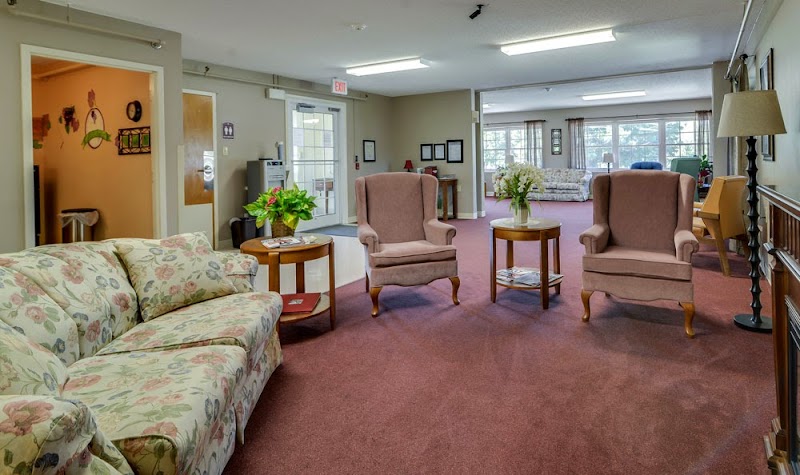
How is Montgomery Place Nursing Center Staffed?

CMS rates MONTGOMERY PLACE NURSING CENTER's staffing level at 4 out of 5 stars, which is above average compared to other nursing homes. Staff turnover is 49%, compared to the Kansas average of 46%.

What Have Inspectors Found at Montgomery Place Nursing Center?

State health inspectors documented 16 deficiencies at MONTGOMERY PLACE NURSING CENTER during 2023 to 2025. These included: 16 with potential for harm.
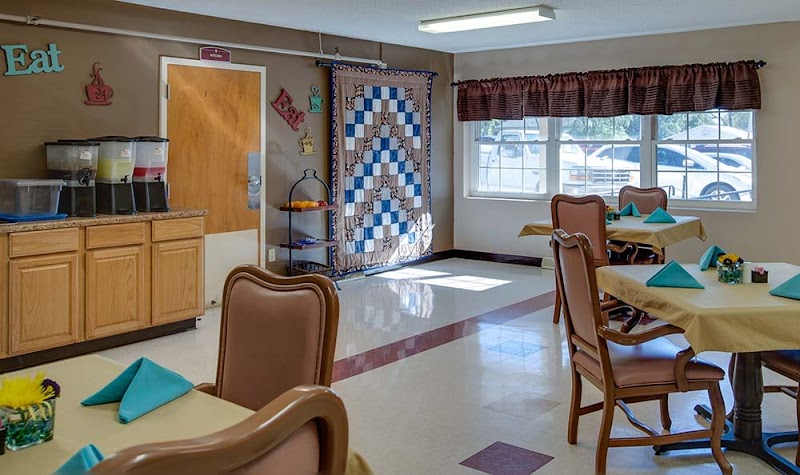
Who Owns and Operates Montgomery Place Nursing Center?

MONTGOMERY PLACE NURSING CENTER is owned by a for-profit company. For-profit facilities operate as businesses with obligations to shareholders or private owners. The facility is operated by AMERICARE SENIOR LIVING, a chain that manages multiple nursing homes. With 43 certified beds and approximately 39 residents (about 91% occupancy), it is a smaller facility located in INDEPENDENCE, Kansas.

How Does Montgomery Place Nursing Center Compare to Other Kansas Nursing Homes?

Compared to the 100 nursing homes in Kansas, MONTGOMERY PLACE NURSING CENTER's overall rating (3 stars) is above the state average of 2.9, staff turnover (49%) is near the state average of 46%, and health inspection rating (4 stars) is above the national benchmark.

What Should Families Ask When Visiting Montgomery Place Nursing Center?

Based on this facility's data, families visiting should ask: "Can I visit during a mealtime to observe dining assistance and food quality?" "How do you handle medical emergencies, and what is your hospital transfer rate?" "Can I speak with family members of current residents about their experience?"

Is Montgomery Place Nursing Center Safe?

Based on CMS inspection data, MONTGOMERY PLACE NURSING CENTER has a clean safety record: no substantiated abuse findings (meaning no confirmed cases of resident harm), no Immediate Jeopardy citations (the most serious violation level indicating risk of serious injury or death), and is not on the Special Focus Facility watch list (a federal program monitoring the lowest-performing 1% of nursing homes). The facility has a 3-star overall rating and ranks #1 of 100 nursing homes in Kansas. While no facility is perfect, families should still ask about staff-to-resident ratios and recent inspection results during their visit.

Do Nurses at Montgomery Place Nursing Center Stick Around?

MONTGOMERY PLACE NURSING CENTER has a staff turnover rate of 49%, which is about average for Kansas nursing homes (state average: 46%). Moderate turnover is common in nursing homes, but families should still ask about staff tenure and how the facility maintains care continuity when employees leave.

Was Montgomery Place Nursing Center Ever Fined?

MONTGOMERY PLACE NURSING CENTER has no federal fines on record. CMS issues fines when nursing homes fail to meet care standards or don't correct problems found during inspections. The absence of fines suggests the facility has either maintained compliance or corrected any issues before penalties were assessed. This is a positive indicator, though families should still review recent inspection reports for the full picture.

Is Montgomery Place Nursing Center on Any Federal Watch List?

MONTGOMERY PLACE NURSING CENTER is not on any federal watch list. The most significant is the Special Focus Facility (SFF) program, which identifies the bottom 1% of nursing homes nationally based on persistent, serious quality problems. Not being on this list means the facility has avoided the pattern of deficiencies that triggers enhanced federal oversight. This is a positive indicator, though families should still review the facility's inspection history directly.