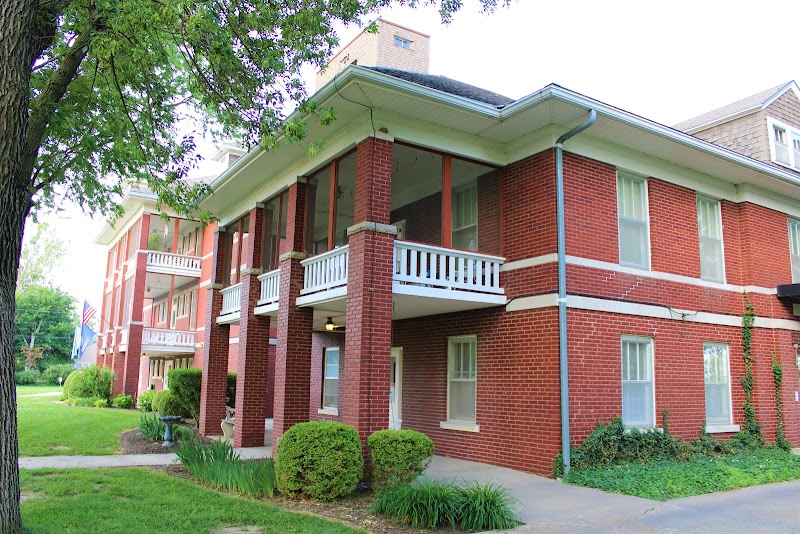
SUNSET HOME INC

620 SECOND AVENUE, CONCORDIA, KS 66901 (785) 243-2720
Non profit - Other 45 Beds Independent Data: November 2025 1 Immediate Jeopardy citation
Trust Grade
8/100
#287 of 295 in KS
Last Inspection: March 2025

Within standard 12-15 month inspection cycle. Federal law requires annual inspections.

Overview

Sunset Home Inc in Concordia, Kansas has received a Trust Grade of F, indicating significant concerns about the quality of care provided. Ranking #287 out of 295 facilities in Kansas places it in the bottom half, and #3 out of 3 in Cloud County means it is the least favorable option available locally. The facility's trend is worsening, with issues increasing from 1 in 2024 to 14 in 2025. Staffing, however, is a strength, as the turnover rate is 0%, which is well below the state average of 48%, suggesting staff retention is good. On the downside, the facility has accrued $59,976 in fines, which is higher than 91% of Kansas facilities, signaling serious compliance issues. Additionally, there have been troubling incidents, including a failure to administer CPR when a resident went into cardiac arrest and a situation where staff forced a resident to go to bed against their will, raising serious concerns about respect for resident rights and dignity.

Trust Score
F
8/100
In Kansas
#287/295
Bottom 3%
Safety Record
High Risk
Review needed
Inspections
Getting Worse
1 → 14 violations
Staff Stability
○ Average
Turnover data not reported for this facility.
Penalties
○ Average
$59,976 in fines. Higher than 56% of Kansas facilities. Some compliance issues.
Skilled Nurses
○ Average
RN staffing data not reported for this facility.
Violations
⚠ Watch
48 deficiencies on record. Higher than average. Multiple issues found across inspections.
★☆☆☆☆
1.0
Overall Rating
★☆☆☆☆
1.0
Staff Levels
★★★☆☆
3.0
Care Quality
★☆☆☆☆
1.0
Inspection Score
Stable
2024: 1 issues
2025: 14 issues

The Good

  • Full Sprinkler Coverage · Fire safety systems throughout facility
  • No fines on record

Facility shows strength in fire safety.

The Bad

1-Star Overall Rating

Below Kansas average (2.9)

Significant quality concerns identified by CMS

Federal Fines: $59,976

Above median ($33,413)

Moderate penalties - review what triggered them

The Ugly 48 deficiencies on record

1 life-threatening 2 actual harm
Mar 2025 14 deficiencies
CONCERN (D) 📢 Someone Reported This

A family member, employee, or ombudsman was alarmed enough to file a formal complaint

Potential for Harm - no one hurt, but risky conditions existed

Resident Rights (Tag F0550)

Could have caused harm · This affected 1 resident

The facility had a census of 39 residents. The sample included 13 residents. Based on observation, record review, and interview, the facility failed to maintain an environment that promoted the dignit...

Read full inspector narrative →
The facility had a census of 39 residents. The sample included 13 residents. Based on observation, record review, and interview, the facility failed to maintain an environment that promoted the dignity of Resident (R) 34, who had blood sugar testing and insulin administration, and R9, who also had insulin administration in the facility's dining room with other residents, staff, and visitors.0 This deficient practice placed the residents at risk for an undignified experience and embarrassment. Findings included: - On 03/25/25 at 11:21 AM, Licensed Nurse (LN) I performed a finger stick to obtain a drop of blood for testing R4's blood sugar level. R34, seated across the same table, stated, I'm glad that's not me, I don't like needles. LN I then retrieved an insulin pen and injected insulin (a hormone that lowers the level of glucose in the blood) subcutaneously (beneath the skin) into R4's right arm at the dining room table. On 03/25/25 at 11:29 AM, LN I administered R9's insulin subcutaneously while seated in the dining room. The table R9 sat at had two other residents and a visitor also seated at the same table at the time of the administration of insulin. 03/26/25 at 09:25 AM, LN I reported giving insulin in the dining room if the resident wanted. LN I stated R34 had joked about needles, and the other residents and visitors did not mind if insulin was administered in the dining room, but could give the insulin and check blood sugars in the residents' rooms. On 03/26/25 at 01:50 PM, Administrative Nurse D verified that the residents could receive insulin privately if the resident chose to. The facility's undated Right to Dignity policy documented the facility would promote care for elders in a manner and an environment that maintained and enhanced each elder's dignity and respect in full recognition of the elder's individuality. The facility failed to maintain an environment that promoted the dignity of R34 and R9, who had insulin administered in the dining room with other residents, staff, and visitors present. The deficient practice placed the residents at risk for an undignified experience and embarrassment.
CONCERN (D) 📢 Someone Reported This

A family member, employee, or ombudsman was alarmed enough to file a formal complaint

Potential for Harm - no one hurt, but risky conditions existed

Free from Abuse/Neglect (Tag F0600)

Could have caused harm · This affected 1 resident

**NOTE- TERMS IN BRACKETS HAVE BEEN EDITED TO PROTECT CONFIDENTIALITY** The facility had a census of 39 residents. The sample included 13 residents. Based on observation, interview and record review, ...

Read full inspector narrative →
**NOTE- TERMS IN BRACKETS HAVE BEEN EDITED TO PROTECT CONFIDENTIALITY** The facility had a census of 39 residents. The sample included 13 residents. Based on observation, interview and record review, the facility failed to keep Resident (R) 35 free from verbal abuse during transport in the facility bus. This deficient practice placed R35 at risk for fear or mental anguish. Findings included: - R35's electronic medical record included diagnoses for cerebral infarction (stroke) causing hemiplegia (refers to complete paralysis on one side of the body) affecting the left side, cerebral edema (swelling of the brain tissue), and muscle weakness. The admission Minimum Data Set (MDS), dated [DATE], documented a Brief Interview for Mental Status (BIMS) score of 15, indicating intact cognition. The MDS documented R35 was dependent on staff for mobility, dressing, and hygiene. He used a manual wheelchair, had one non-injury fall, and a history of falls before admission. R35's Care Plan, dated 11/04/24, directed staff to transfer R35 with two staff and a total mechanical lift, initiated 11/04/24. Provide a Broda chair (specialized wheelchair) due to his inability to safely sit in a regular wheelchair, initiated: 11/06/2024 The Grievance Log complaint of 11/04/25 documented on 11/04/24 a new resident (R35) complained of being treated horribly by the transportation aide on his way to this facility. He reported he was yelled at, and cursed at several times because he kept sliding out of his wheelchair. He reported he was told, F***, I have stopped every five miles for you, and I am not going to keep stopping for this. R35 felt like he shouldn't be yelled at for something he could not help. He reported he slid completely out of his wheelchair and then she got really mad and started yelling. The resident also called his family and told them how he was treated. Resolution: The Transportation Aide was educated on Abuse/Neglect/Exploitation. The Witness statement from the transportation Aide, dated 11/01/24, stated she strapped the resident (R35) in the van securely, but she had to stop several times to pull him back up in his wheelchair. He told her he was sliding himself down. The transportation aide wrote she did show some frustration with him and told herself she needed to calm down. At one point his bottom was completely off the wheelchair and she could not pull him up, so she lowered him to the floor. She called the nursing home who sent out two aides to assist her. The admission Note dated 11/04/24 at 05:21 PM documented a new male resident was transported via the facility van and wheelchair. R35 required a full lift. He leaned to his left and had no use of his left arm. R35 denied pain. The Social Services Note dated 11/04/24 at 02:15 PM documented the SSD introduced herself to R35 in his room. He was lying in bed and asked her to adjust his blankets and turn up the heater because he was cold. The SSD assisted R35 with putting away his personal items. The note lacked documentation of any complaint of abuse. The Progress Note dated 11/05/24 at 05:16 AM documented R35 did not sleep at all last night. Staff assisted him with repositioning about every 30 minutes during the night shift. R35 would throw the left side of his body out of bed. The nurse finally said to him You have to be pushing yourself this way in order for you to be off the bed like this. R35 responded, That's what they said in the hospital. The nurse educated him on ways to better keep himself from pushing himself out of bed and he did much better after the education. The Progress Note dated 11/6/24 at 04:47 AM documented R35 continued to adjust well to the facility. R35 slid out of his wheelchair at shift change around 06:00 PM. R35 stated he slid out of his chair onto the floor and then laid down. He denied hitting his head. A complete assessment was completed along with risk management. R35 slept well all night and only rang this morning for pain medication due to left hip pain. On 03/26/25 at 12:45 PM, R35 laid in bed, and a Broda chair with a three-inch pommel (raised area in the cushion to help prevent forward slipping) cushion was in his room. R35 was alert and oriented and reported he was verbally abused on the van ride to the facility when he was first admitted . R35 stated his wheelchair did not have the thing in the seat (pommel) that kept him from sliding. R35 reported the driver repeatedly got upset with him and cursed when he kept sliding forward during the ride. He reported no further problems when transported by the facility. On 03/26/25 at 02:18 PM, Certified Nurse Aide (CNA) and Transportation Aide O, stated she took a regular wheelchair to transport R35 from the previous facility, he did not come with his own wheelchair. CNA O stated the previous facility did not give our facility any information that the resident was at risk of sliding forward. CNA O verified she was angry but had not cursed while transporting R35 in November 2024. Training for transporting residents was a class every two years with a state agency. She stated they have to demonstrate securing a resident during the class. She stated after the incident the administration educated her for ANE. On 03/26/25 at 02:32 PM, Administrative Staff A verified the facility had not reported the allegation of verbal abuse to the state agency or investigated it that he knew of (he was not employed here in November). He stated the only documentation the facility could find was the grievance log and the transportation aide's note. The facility's undated Abuse, Neglect, and Exploitation policy stated all residents of the facility would be free of physical, emotional, and sexual abuse, neglectful treatment, and misappropriation of funds and resources. The policy stated verbal abuse included willfully disparaging and derogatory terms to residents or their families or within their hearing. Residents and their families could report a grievance orally or in writing and the Grievance Officer would immediately report the incident to the administrator of the facility. Any allegations of all types of staff-to-resident abuse would be reported to the facility administrator and to other official agencies including the State Agency. The policy stated witness statements would be obtained, an investigation performed, and a written report filed. The facility failed to keep R35 free from verbal abuse during transport in the facility bus. This deficient practice placed R35 at risk for fear or mental anguish.
CONCERN (D) 📢 Someone Reported This

A family member, employee, or ombudsman was alarmed enough to file a formal complaint

Potential for Harm - no one hurt, but risky conditions existed

Report Alleged Abuse (Tag F0609)

Could have caused harm · This affected 1 resident

**NOTE- TERMS IN BRACKETS HAVE BEEN EDITED TO PROTECT CONFIDENTIALITY** The facility had a census of 39 residents. The sample included 13 residents. Based on observation, record review, and interview,...

Read full inspector narrative →
**NOTE- TERMS IN BRACKETS HAVE BEEN EDITED TO PROTECT CONFIDENTIALITY** The facility had a census of 39 residents. The sample included 13 residents. Based on observation, record review, and interview, the facility failed to ensure staff reported an allegation of verbal abuse from Resident (R) 35 to the administrator immediately to investigate. This placed R35 at risk for ongoing abuse and or mistreatment. Findings included: - R35's electronic medical record included diagnoses for cerebral infarction (stroke) causing hemiplegia (refers to complete paralysis on one side of the body) affecting the left side, cerebral edema (swelling of the brain tissue), and muscle weakness. The admission Minimum Data Set (MDS), dated [DATE], documented a Brief Interview for Mental Status (BIMS) score of 15, indicating intact cognition. The MDS documented R35 was dependent on staff for mobility, dressing, and hygiene. He used a manual wheelchair, had one non-injury fall, and had a history of falls before admission. R35's Care Plan, dated 11/04/24, directed staff to transfer R35 with two staff and a total mechanical lift, initiated 11/04/24. Provide a Broda chair (specialized wheelchair) due to his inability to safely sit in a regular wheelchair, initiated: 11/06/2024 The Grievance Log complaint of 11/04/25 documented on 11/04/24 a new resident (R35) complained of being treated horribly by transportation aide on his way to this facility. He reported he was yelled at, and cursed at several times because he kept sliding out of his wheelchair. He reported he was told, F***, I have stopped every five miles for you, and I am not going to keep stopping for this. R35 felt like he shouldn't be yelled at for something he could not help. He reported he slid completely out of his wheelchair and then she got really mad and started yelling. The resident also called his family and told them how he was treated. Resolution: The Transportation Aide was educated on Abuse/Neglect/Exploitation. The Witness Statement from the transportation Aide, dated 11/01/24, stated she strapped the resident (R35) in the van securely, but she had to stop several times to pull him back up in his wheelchair. He told her he was sliding himself down. The transportation aide wrote she did show some frustration with him and told herself she needed to calm down. At one point his bottom was completely off the wheelchair and she could not pull him up, so she lowered him to the floor. She called the nursing home who sent out two aides to assist her. The admission Note dated 11/04/24 at 05:21 PM documented a new male resident was transported via the facility van and wheelchair. R35 required a full lift. He leaned to his left and had no use of his left arm. R35 denied pain. The Social Services Note dated 11/04/24 at 02:15 PM documented the SSD introduced herself to R35 in his room. He was lying in bed and asked her to adjust his blankets and turn up the heater because he was cold. The SSD assisted R35 with putting away his personal items. The note lacked documentation of any complaint of abuse. The Progress Note dated 11/05/24 at 05:16 AM documented R35 did not sleep at all last night. Staff assisted him with repositioning about every 30 minutes during the night shift. R35 would throw the left side of his body out of bed. The nurse finally said to him You have to be pushing yourself this way in order for you to be off the bed like this. R35 responded, That's what they said in the hospital. The nurse educated him on ways to better keep himself from pushing himself out of bed and he did much better after the education. The Progress Note dated 11/6/24 at 04:47 AM documented R35 continued to adjust well to the facility. R35 slid out of his wheelchair at shift change around 06:00 PM. R35 stated he slid out of his chair onto the floor and then laid down. He denied hitting his head. A complete assessment was completed along with risk management. R35 slept well all night and only rang this morning for pain medication due to left hip pain. On 03/26/25 at 12:45 PM, R35 was lying in bed and a Broda chair with a three-inch pommel (raised area in the cushion to help prevent forward slipping) cushion was in his room. R35 was alert and oriented and reported he was verbally abused on the van ride to the facility when he was first admitted . R35 stated his wheelchair did not have the thing in the seat (pommel) that kept him from sliding. R35 reported the driver repeatedly got upset with him and cursed when he kept sliding forward during the ride. He reported no further problems when transported by the facility. On 03/26/25 at 02:18 PM, Certified Nurse Aide (CNA) and Transportation Aide O, stated she took a regular wheelchair to transport the resident from the previous facility, he did not come with his own wheelchair. CNA O stated the previous facility did not give our facility any information that the resident was at risk of sliding forward. CNA O verified she was angry but did not curse while transporting R35 in November 2024. Training for transporting residents was a class every two years with a state agency. She stated they have to demonstrate securing a resident during the class. She stated after the 11/04/24 incident the administration educated her for ANE. On 03/26/25 at 02:32 PM, Administrative Staff A verified the facility had not reported the allegation of verbal abuse to the state agency or investigated it that he knew of (he was not employed here in November). He stated the only documentation the facility could find was the Grievance Log and the transportation aide's note. The facility's undated Abuse, Neglect, and Exploitation policy stated all residents of the facility would be free of physical, emotional, and sexual abuse, neglectful treatment, and misappropriation of funds and resources. The policy stated verbal abuse included willfully disparaging and derogatory terms to residents or their families or within their hearing. Residents and their families could report a grievance orally or in writing and the Grievance Officer would immediately report the incident to the administrator of the facility. Any allegations of all types of staff-to-resident abuse would be reported to the facility administrator and other official agencies including the State Agency. The policy stated witness statements would be obtained, an investigation performed, and a written report filed. The facility failed to report an allegation of verbal abuse from Resident (R) 35 to the administrator and the state agency. This placed R35 at risk for ongoing abuse and or mistreatment.
CONCERN (D) 📢 Someone Reported This

A family member, employee, or ombudsman was alarmed enough to file a formal complaint

Potential for Harm - no one hurt, but risky conditions existed

Investigate Abuse (Tag F0610)

Could have caused harm · This affected 1 resident

**NOTE- TERMS IN BRACKETS HAVE BEEN EDITED TO PROTECT CONFIDENTIALITY** The facility had a census of 39 residents. The sample included 13 residents. Based on observation, record review, and interview,...

Read full inspector narrative →
**NOTE- TERMS IN BRACKETS HAVE BEEN EDITED TO PROTECT CONFIDENTIALITY** The facility had a census of 39 residents. The sample included 13 residents. Based on observation, record review, and interview, the facility failed to thoroughly investigate the allegation of verbal abuse immediately. This placed Resident (R) 35 at risk for ongoing abuse and or mistreatment. Findings included: - R35's electronic medical record included diagnoses for cerebral infarction (stroke) causing hemiplegia (refers to complete paralysis on one side of the body) affecting the left side, cerebral edema (swelling of the brain tissue), and muscle weakness. The admission Minimum Data Set (MDS), dated [DATE], documented a Brief Interview for Mental Status (BIMS) score of 15, indicating intact cognition. The MDS documented R35 was dependent on staff for mobility, dressing, and hygiene. He used a manual wheelchair, had one non-injury fall, and had a history of falls before admission. R35's Care Plan, dated 11/04/24, directed staff to transfer R35 with two staff and a total mechanical lift, initiated 11/04/24. Provide a Broda chair (specialized wheelchair) due to his inability to safely sit in a regular wheelchair, initiated: 11/06/2024 The Grievance Log complaint of 11/04/25 documented on 11/04/24 a new resident (R35) complained of being treated horribly by a transportation aide on his way to this facility. He reported he was yelled at, and cursed at several times because he kept sliding out of his wheelchair. He reported he was told, F***, I have stopped every five miles for you, and I am not going to keep stopping for this. R35 felt like he shouldn't be yelled at for something he could not help. He reported he slid completely out of his wheelchair and then she got really mad and started yelling. The resident also called his family and told them how he was treated. Resolution: The Transportation Aide was educated on Abuse/Neglect/Exploitation. The Witness Statement from Transportation Aide O, dated 11/01/24, stated she strapped the resident (R35) in the van securely, but she had to stop several times to pull him back up in his wheelchair. He told her he was sliding himself down. The transportation aide wrote she did show some frustration with him and told herself she needed to calm down. At one point his bottom was completely off the wheelchair and she could not pull him up, so she lowered him to the floor. She called the nursing home who sent out two aides to assist her. The admission Note dated 11/04/24 at 05:21 PM documented a new male resident was transported via the facility van and wheelchair. R35 required a full lift. He leaned to his left and had no use of his left arm. R35 denied pain. The Progress Note dated 11/05/24 at 05:16 AM documented R35 had not sleep at all last night. Staff assisted him with repositioning about every 30 minutes during the night shift. R35 would throw the left side of his body out of bed. The nurse finally said to him You have to be pushing yourself this way in order for you to be off the bed like this. R35 responded, That's what they said in the hospital. The nurse educated him on ways to better keep himself from pushing himself out of bed and he did much better after the education. The Progress Note, dated 11/6/24 at 04:47 AM, documented R35 continued to adjust well to the facility. R35 slid out of his wheelchair at shift change around 06:00 PM. R35 stated he slid out of his chair onto the floor and then laid down. He denied hitting his head. A complete assessment was completed along with risk management. R35 slept well all night and only rang this morning for pain medication due to left hip pain. On 03/26/25 at 12:45 PM, R35 was lying in bed and a Broda chair with a three-inch pommel (raised area in the cushion to help prevent forward slipping) cushion was in his room. R35 was alert and oriented and reported he was verbally abused on the van ride to the facility when he was first admitted . R35 stated his wheelchair did not have the thing in the seat (pommel) that kept him from sliding. R35 reported the driver repeatedly got upset with him and cursed when he kept sliding forward during the ride. He reported no further problems when transported by the facility. On 03/26/25 at 02:18 PM, Certified Nurse Aide (CNA)/Transportation Aide O, stated she took a regular wheelchair to transport the resident from the previous facility, he did not come with his own wheelchair. CNA O stated the previous facility did not give our facility any information that the resident was at risk of sliding forward. CNA O verified she was angry but had not cursed while transporting R35 in November 2024. Training for transporting residents was a class every two years with a state agency. She stated they have to demonstrate securing a resident during the class. She stated after the 11/04/24 incident the administration educated her for ANE. On 03/26/25 at 02:32 PM, Administrative Staff A verified the facility had not reported the allegation of verbal abuse to the state agency or investigated it that he knew of (he was not employed here in November). He stated the only documentation the facility could find was the Grievance Log and Transportation Aide O's note. The facility's undated Abuse, Neglect, and Exploitation policy stated all residents of the facility would be free of physical, emotional, and sexual abuse, neglectful treatment, and misappropriation of funds and resources. The policy stated verbal abuse included willfully disparaging and derogatory terms to residents or their families or within their hearing. Residents and their families could report a grievance orally or in writing and the Grievance Officer would immediately report the incident to the administrator of the facility. Any allegations of all types of staff-to-resident abuse would be reported to the facility administrator and to other official agencies including the State Agency. The policy stated witness statement would be obtained, an investigation performed, and a written report filed. The facility failed to thoroughly investigate the allegation of verbal abuse immediately. This placed R35 at risk for ongoing abuse and or mistreatment.
CONCERN (D) 📢 Someone Reported This

A family member, employee, or ombudsman was alarmed enough to file a formal complaint

Potential for Harm - no one hurt, but risky conditions existed

Transfer Requirements (Tag F0622)

Could have caused harm · This affected 1 resident

**NOTE- TERMS IN BRACKETS HAVE BEEN EDITED TO PROTECT CONFIDENTIALITY** The facility had a census of 39 residents. The sample included 13 residents. Based on the record review and interview, the facil...

Read full inspector narrative →
**NOTE- TERMS IN BRACKETS HAVE BEEN EDITED TO PROTECT CONFIDENTIALITY** The facility had a census of 39 residents. The sample included 13 residents. Based on the record review and interview, the facility failed to ensure that Resident (R) 126's transfer or discharge was documented in the resident's medical record and appropriate information was communicated to the receiving healthcare institution or provider. This placed R126 at risk for delayed treatment at the receiving institution. Findings included: - R126's Electronic Medical Record (EMR) recorded diagnoses of dorsalgia (discomfort occurring anywhere on the spine or back, ranging from mild to disabling), anxiety (mental or emotional reaction characterized by apprehension, uncertainty, and irrational fear) disorder, chronic (persisting for a long period) kidney disease, diabetes mellites (DM - when the body cannot use glucose, not enough insulin is made, or the body cannot respond to the insulin), hypertension (HTN - elevated blood pressure), atrial fibrillation (rapid, irregular heartbeat), multiple fractures (broken bone) of ribs, low back pain and history of disease of the blood-forming organs. The admission Minimum Data Set (MDS), dated [DATE], documented R126 had severe cognitive impairment, verbal behavioral symptoms directed toward others, and rejection of care that occurred one to three days of the look-back period. R126 required partial/moderate assistance with toileting and personal hygiene, upper body dressing, mobility, and transfers. R126 required substantial/maximal assistance with showering and lower body dressing. R126 had occasional incontinence of urine and received as-needed pain medication for almost constant pain, which affected sleep, therapy participation, and day-to-day activities. The MDS further documented that R126 had an unhealed stage two (partial-thickness skin loss into but no deeper than the dermis, including intact or ruptured blisters) pressure ulcer on admission. R126's Care Plan dated 12/19/24 documented R126 required staff assistance with activities of daily living related to limited mobility and physical decline. The care plan documented R126 was alert with confusion, and required assistance of one staff member with bathing, bed mobility, dressing, personal and toileting hygiene, and toilet use. The care plan further documented R126 had a stage two pressure ulcer to the middle of the spine, had the potential to be verbally aggressive towards staff, and had weight loss. The Progress Note dated 12/05/24 at 04:51 PM documented that R126 had been admitted from a hospital with a self-care deficit. The progress note further documented R126 had a two cm in length by 1.5 cm width red area to the middle spine with one cm length by one cm width open dried area. The Progress Note dated 12/25/24 at 02:45 PM documented R 126 found lying on the floor. The exam of R126's skin showed R126 had landed on his back, where he had an open wound. R126 was able to move all extremities without difficulty and complained of back pain. Vital signs obtained of temperature of 97.4 degrees Fahrenheit, blood pressure of 172/103, pulse 64, respiration 22, and oxygen saturation of 89 percent (%). The note further documented neurological checks initiated, the resident family member was notified, and the physician was notified by fax. The Progress Note dated 12/25/24 at 11:59 PM documented R126 rested in bed with eyes closed, no further injuries found, neurological check, and vital signs were within normal limits. The Progress Note dated 12/26/24 at 08:18 AM documented R126 continued with fall follow-up assessment. R126 was sleepy but easily arousable. The progress note further documented no new areas of concern and moved extremities without difficulties. The Progress Note on 12/27/24 at 09:52 AM, documented that the facility received a call from the hospital that R126 was being transferred to them from the local hospital and requested information on the last given medications and treatments while R126 was at the facility. The note further documented that the facility nurse was to fax the medication and treatment administration records to the receiving hospital of R126. The medical record lacked nursing assessment and transfer documentation as to why or how R126 left the facility. On 03/26/25 at 02:30 PM, Administrative Nurse D verified the medical record lacked the assessment, reason, and to where R126 had been sent. Administrative Nurse D stated that the nurse who worked during that time no longer works at the facility and should have completed the transfer assessments and records. The facility's Transfers Between Facilities and Hospital policy, dated, stated that it was the policy of the facility to expedite communication between all units of the acute hospital and the facility for the best care of the elder. Transfers between the acute hospital and the facility would be carried out efficiently and effectively. When transferring elders, these records will be sent from the facility to an acute hospital, an elder transfer and referral record must be completed in full and sent with the elder including on this record the elder's normal level of Activities of Daily Living before the illness requiring transfer to the acute hospital, copies of the most current Interdisciplinary Notes and Medication Administration Records will be sent with the elder. If the elder is sent to the Emergency Department under emergency circumstances, copies of the clinical record are to accompany the elder: the transfer record should be completed as soon as possible, along with completed nurses' notes and medication record, and sent to the acute hospital. The facility failed to ensure that the transfer/discharge was documented in the resident's medical record and appropriate information was communicated to the receiving health care institution or provider which placed R126 at risk for delayed treatment in the receiving facility.
CONCERN (D) 📢 Someone Reported This

A family member, employee, or ombudsman was alarmed enough to file a formal complaint

Potential for Harm - no one hurt, but risky conditions existed

Deficiency F0625 (Tag F0625)

Could have caused harm · This affected 1 resident

**NOTE- TERMS IN BRACKETS HAVE BEEN EDITED TO PROTECT CONFIDENTIALITY** The facility had a census of 39 residents. The sample included 13 residents. Based on observation, record review, and interview,...

Read full inspector narrative →
**NOTE- TERMS IN BRACKETS HAVE BEEN EDITED TO PROTECT CONFIDENTIALITY** The facility had a census of 39 residents. The sample included 13 residents. Based on observation, record review, and interview, the facility failed to provide Resident (R) 126 with an appropriate bed hold policy as required. This deficient practice placed the resident at risk of being unable to return to the facility in the same room or bed. Findings included: -R126's Electronic Medical Record (EMR) recorded diagnoses of dorsalgia (discomfort occurring anywhere on the spine or back, ranging from mild to disabling), anxiety (mental or emotional reaction characterized by apprehension, uncertainty, and irrational fear) disorder, chronic (persisting for a long period) kidney disease, diabetes mellites (DM - when the body cannot use glucose, not enough insulin is made, or the body cannot respond to the insulin), hypertension (HTN - elevated blood pressure), atrial fibrillation (rapid, irregular heartbeat), multiple fractures (broken bone) of ribs, low back pain and history of disease of the blood-forming organs. The admission Minimum Data Set (MDS), dated [DATE], documented R126 had severe cognitive impairment, verbal behavioral symptoms directed toward others, and rejection of care that occurred one to three days of the look-back period. R126 required partial/moderate assistance with toileting and personal hygiene, upper body dressing, mobility, and transfers. R126 required substantial/maximal assistance with showering and lower body dressing. R126 had occasional incontinence of urine, and received as-needed pain medication for almost constant pain, which affected sleep, therapy participation, and day-to-day activities. The MDS further documented that R126 had an unhealed stage two (partial-thickness skin loss into but no deeper than the dermis, including intact or ruptured blisters) pressure ulcer on admission. R126's Care Plan dated 12/19/24 documented R126 required staff assistance with activities of daily living related to limited mobility and physical decline. The care plan documented R126 was alert with confusion, and required assistance of one staff member with bathing, bed mobility, dressing, personal and toileting hygiene, and toilet use. The care plan further documented R126 had a stage two pressure ulcer to the middle of the spine, had the potential to be verbally aggressive towards staff, and had weight loss. The Progress Note dated 12/05/24 at 04:51 PM documented that R126 had been admitted from a hospital with a self-care deficit. The progress note further documented R126 had a two centimeters (cm) in length by 1.5 cm in width red area to the middle spine with one cm length by one cm width open dried area. The Progress Note dated 12/25/24 at 02:45 PM documented R 126 found lying on the floor. The exam of R126's skin showed R126 had landed on his back, where he had an open wound. R126 was able to move all extremities without difficulty and complained of back pain. Vital signs obtained of temperature of 97.4 degrees Fahrenheit, blood pressure of 172/103, pulse 64, respirations 22, and oxygen saturation of 89 percent (%). The note further documented neurological checks initiated, the resident family member was notified, and the physician was notified by fax. The Progress Note dated 12/25/24 at 11:59 PM documented R126 rested in bed with eyes closed, no further injuries found, neurological check, and vital signs were within normal limits. The Progress Note dated 12/26/24 at 08:18 AM, documented R126 continued with fall follow-up assessment. R126 was sleepy but easily arousable. The progress note further documented no new areas of concern and moved extremities without difficulties. The Progress Note on 12/27/24 at 09:52 AM, documented that the facility received a call from the hospital that R126 was being transferred to them from the local hospital and requested information on the last given medications and treatments while R126 was at the facility. The note further documented that the facility nurse was to fax the medication and treatment administration records to the receiving hospital of R126. The medical record lacked nursing assessment and transfer documentation as to why or how R126 left the facility. On 03/26/25 at 02:30 PM, Administrative Nurse D verified the medical record lacked the assessment, reason, and to where R126 had been sent, and provided the bed hold form. Administrative Nurse D stated that the nurse who worked during that time no longer works at the facility and should have completed the transfer assessments and records. The facility's undated Bed Hold Policy documented before this facility transfers a resident to a hospital or the resident goes on therapeutic leave, the facility will provide information to the resident and/or resident representative that specifies: the duration of the state bed-hold policy during which the resident is permitted to return and resume residency in the facility: the reserve bed payment policy in the state plan; the facility's policies regarding bed-hold period, which are consistent with the law permitting the resident to return. The nurse responsible for the preparation of information that would accompany a resident when transferred to another healthcare facility would include the facility's policy for retaining the resident's current bedroom while absent from the facility. The facility failed to provide R126's representative with a bed-hold policy. This deficient practice placed R126 at risk of being uninformed of bed-hold requirements.
CONCERN (D) 📢 Someone Reported This

A family member, employee, or ombudsman was alarmed enough to file a formal complaint

Potential for Harm - no one hurt, but risky conditions existed

Pressure Ulcer Prevention (Tag F0686)

Could have caused harm · This affected 1 resident

**NOTE- TERMS IN BRACKETS HAVE BEEN EDITED TO PROTECT CONFIDENTIALITY** The facility had a census of 39 residents. The sample included 13 residents. Based on observation, interview, and record review,...

Read full inspector narrative →
**NOTE- TERMS IN BRACKETS HAVE BEEN EDITED TO PROTECT CONFIDENTIALITY** The facility had a census of 39 residents. The sample included 13 residents. Based on observation, interview, and record review, the facility failed to provide an appropriate cover or dressing for Resident (R) 11's open pressure ulcer (PU) of her left heel. This deficient practice placed R11 at risk for pain or infection. Findings included: - R11's Electronic Medical Record documented diagnoses of dementia (a progressive mental disorder characterized by failing memory, and confusion) and left hip fracture (broken bone). The Quarterly Minimum Data Set (MDS), dated [DATE], documented a Brief Interview for Mental Status (BIMS) score of 4, indicating severely impaired decision-making. The MDS documented R11 required moderate staff assistance for bathing and maximum staff assistance for dressing her lower body and shoes. The MDS documented R11 had PU and PU care was provided. R11's Care Plan, dated 01/10/25, directed staff to monitor and document wound size, depth, granulation, and progress in healing. Notify the physician as indicated and report any signs of infection. The Physician Order, dated 03/25/25, directed staff to dress R11's left heel with saline-moistened promogram prisma (a wound dressing designed to maintain a moist environment and provide antimicrobial protection) to the wound bed followed by mepilex border (a self-adherent, five-layer foam dressing with a soft silicone border designed to maintain a moist wound environment, absorb drainage, and prevent pressure ulcers while minimizing pain and trauma). On 03/25/25 at 07:42 AM, R11 finished eating 100% of her breakfast. She wore house slippers with an open back and rubber soles. R11 carried one sock. Certified Medication Aide (CMA) S took R11 to her room, used a gait belt, and transferred her to the toilet. R11 had no dressing or covering on her left heel PU. CMA S requested a nurse to assess a skin tear. Administrative Staff D came to the room and left to call the wound clinic for directions on whether to apply a dressing to R11's PU. At 08:07 AM, Licensed Nurse (LN) I came in and treated the skin tear to R11's left inner calf, then assisted R11 to dress and transfer from the toilet to her wheelchair without a dressing or covering for the PU on her left heel. LN I took R11 to a recliner in the commons area and used a gait belt to transfer R11 into a recliner. LN I stated R11 had an appointment at the wound clinic at 09:00 AM and she had a shower at 06:00 AM. At 08:18 AM, LN I called the wound clinic and they directed her to cover the wound for now. LN I took R11 back to her room, cleansed the left heel wound, and applied a mepilex dressing to the wound. The PU was to the outside of the left heel, approximately two centimeters (cm) by two cm, with dry slough (dead tissue) visible. Staff were unable to determine if there had been drainage as the resident had worn fuzzy gray house slippers after her shower. On 03/25/25 at 08:33 AM, Certified Nurse Aide (CNA) N stated R11 liked to get up early and shower around 06:00 AM. CNA N stated on shower days when the resident was to go to wound care, she had been instructed to remove the old wound dressing and inform the nurse of that. On 03/25/25 at 10:17 AM, Administrative Nurse E verified an open wound should be covered at all times unless the physician ordered something different. The facility failed to provide a policy for treatment of pressure ulcers. The facility failed to provide an appropriate cover or dressing for R11's open PU on her left heel. This deficient practice placed R11 at risk for pain or infection.
CONCERN (D) 📢 Someone Reported This

A family member, employee, or ombudsman was alarmed enough to file a formal complaint

Potential for Harm - no one hurt, but risky conditions existed

Incontinence Care (Tag F0690)

Could have caused harm · This affected 1 resident

**NOTE- TERMS IN BRACKETS HAVE BEEN EDITED TO PROTECT CONFIDENTIALITY** The facility had a census of 39 residents. The sample included 13 residents. Based on observation, record review, and interview,...

Read full inspector narrative →
**NOTE- TERMS IN BRACKETS HAVE BEEN EDITED TO PROTECT CONFIDENTIALITY** The facility had a census of 39 residents. The sample included 13 residents. Based on observation, record review, and interview, the facility failed to ensure Resident (R) 10 had physician-ordered fluid intake, which placed R10 at risk of ongoing urinary tract infections. Findings included: - R10's Electronic Medical Record (EMR) included diagnoses of heart failure, weakness, intellectual disabilities (a significantly below-average score on a test of mental ability or intelligence and limitations in the ability to function in areas of daily life), neuromuscular dysfunction of the bladder (the muscles that control the flow of urine out of the body do not relax and prevent the bladder from fully emptying), diabetes mellitus (DM-when the body cannot use glucose, not enough insulin is made, or the body cannot respond to the insulin), and chronic (persisting for a long period) kidney disease. The Quarterly Minimum Data Set (MDS) dated [DATE], documented R10 had intact cognition, no signs or symptoms of delirium (sudden severe confusion, disorientation, and restlessness) or psychosis (any major mental disorder characterized by a gross impairment in reality perception), or exhibited behaviors. R10 required setup or clean-up assistance with eating and substantial/maximal assistance with toileting hygiene, upper and lower body dressing, and was dependent on mobility and transfers. R10 had an indwelling catheter (tube placed in the bladder to drain urine into a collection bag), was incontinent of bowel, had renal (pertaining to kidneys) insufficiency, and neurogenic bladder. The MDS further documented that R10 had received oxygen, speech, occupational and physical therapy. R10's Care Plan, dated 02/13/25, documented R10 had a catheter in place due to a neurogenic bladder. The Care Plan directed staff to monitor and document intake and output and report to the Medical Doctor (MD) signs or symptoms of a urinary tract infection. The Physician Order, dated 01/29/25, ordered R10 to drink two quarts (or eight cups) of water daily (1920 cubic centimeters - cc's) every 24 hours. The Progress Note dated 01/27/25 at 11:15 AM documented R10 had returned from the hospital with diagnoses of an acute urinary tract infection (UTI - an infection in any part of the urinary system), acute and chronic renal failure, and dehydration. The note further documented that R10 had an indwelling catheter due to retention. The Progress Note dated 02/11/25 at 11:54 PM documented that R10 had been sent to the emergency department and had started an antibiotic due to having a urinary tract infection. Upon review of the EMR fluid intake record from 02/24/25 to 03/12/25 (last recorded intake) revealed that R10 lacked the amount of physician-ordered intake of two quarts daily. On 03/26/25 at 07:54 AM, R10 sat in the dining room eating breakfast independently. R10 had two 240 cc cups with sipper lids and handles placed on the table with her meal. On 03/26/25 at 07:50 AM, Dietary Staff (DS) BB reported that the kitchen staff was not currently keeping track of anyone's fluid intake. DS BB reported that the dietary staff always placed a cup of water and a cup of juice at each meal. DS BB also stated that coffee, milk, and refills are also offered to the residents at mealtime. On 03/26/25 at 07:59 AM, Certified Medication Aide (CMA) R reported that the dietary staff kept track of fluid intake for residents who ate in the dining room, and the nursing staff kept track of the fluids for residents who chose to eat their meals in their rooms. On 03/26/25 at 09:01 AM, Licensed Nurse (LN) I stated she was not aware of the required fluid intake for R10. On 03/27/25 at 01:53 PM, Administrative Nurse D verified that R10 had a physician order of two quarts of water every 24 hours and should be included in the care plan. The facility failed to provide a urinary tract infection prevention policy. The facility failed to ensure R10 had a physician-ordered fluid intake, which placed R10 at risk of ongoing urinary tract infections.
CONCERN (D) 📢 Someone Reported This

A family member, employee, or ombudsman was alarmed enough to file a formal complaint

Potential for Harm - no one hurt, but risky conditions existed

Deficiency F0692 (Tag F0692)

Could have caused harm · This affected 1 resident

**NOTE- TERMS IN BRACKETS HAVE BEEN EDITED TO PROTECT CONFIDENTIALITY** The facility had a census of 39 residents. The sample included 13 residents. Based on observation, record review, and interview,...

Read full inspector narrative →
**NOTE- TERMS IN BRACKETS HAVE BEEN EDITED TO PROTECT CONFIDENTIALITY** The facility had a census of 39 residents. The sample included 13 residents. Based on observation, record review, and interview, the facility failed to ensure Resident (R) 10 had physician-ordered fluid intake, which placed R10 at risk of ongoing dehydration and urinary tract infections. Findings included: - R10's Electronic Medical Record (EMR) included diagnoses of heart failure, weakness, intellectual disabilities (a significantly below-average score on a test of mental ability or intelligence and limitations in the ability to function in areas of daily life), neuromuscular dysfunction of the bladder (the muscles that control the flow of urine out of the body do not relax and prevent the bladder from fully emptying), diabetes mellitus (DM - when the body cannot use glucose, not enough insulin is made, or the body cannot respond to the insulin), and chronic (persisting for a long period) kidney disease. The Quarterly Minimum Data Set (MDS) dated [DATE], documented R10 had intact cognition, no signs or symptoms of delirium (sudden severe confusion, disorientation, and restlessness) or psychosis (any major mental disorder characterized by a gross impairment in reality perception), or exhibited behaviors. R10 required setup or clean-up assistance with eating and substantial/maximal assistance with toileting hygiene, upper and lower body dressing, and was dependent with mobility and transfers. R10 had an indwelling catheter (tube placed in the bladder to drain urine into a collection bag), was incontinent of bowel, had renal (pertaining to kidneys) insufficiency, and neurogenic bladder. The MDS further documented that R10 had received oxygen, speech, occupational and physical therapy. R10's Care Plan, dated 02/13/25, documented R10 had a catheter in place due to a neurogenic bladder. The Care Plan directed staff to monitor and document intake and output and report to the Medical Doctor (MD) signs or symptoms of a urinary tract infection. The Physician Order dated 01/29/25 ordered R10 to drink two quarts (or eight cups) of water daily (1920 cubic centimeters - cc's) every 24 hours. The Progress Note dated 01/27/25 at 11:15 AM documented R10 had returned from the hospital with diagnoses of an acute urinary tract infection (UTI - an infection in any part of the urinary system), acute and chronic renal failure, and dehydration. The note further documented that R10 had an indwelling catheter due to retention. The Progress Note dated 02/11/25 at 11:54 PM documented that R10 had been sent to the emergency department and had started an antibiotic due to having a urinary tract infection. Upon review of the EMR fluid intake record from 02/24/25 to 03/12/25 (last recorded intake) revealed that R10 lacked the amount of physician-ordered intake of two quarts daily. On 03/26/25 at 07:54 AM, R10 sat in the dining room eating breakfast independently. R10 had two 240 cc cups with sipper lids and handles placed on the table with her meal. On 03/26/25 at 07:50 AM, Dietary Staff (DS) BB reported that the kitchen staff was not currently keeping track of anyone's fluid intake. DS BB reported that the dietary staff always placed a cup of water and a cup of juice at each meal. DS BB also stated that coffee, milk, and refills were also offered to the residents at mealtime. On 03/26/25 at 07:59 AM, Certified Medication Aide (CMA) R reported that the dietary staff kept track of fluid intake for residents who ate in the dining room, and the nursing staff kept track of the fluids for residents who chose to eat their meals in their rooms. On 03/26/25 at 09:01 AM, Licensed Nurse (LN) I stated she was not aware of the required fluid intake for R10. On 03/27/25 at 01:53 PM, Administrative Nurse D verified that R10 had a physician order of two quarts of water every 24 hours and should be included in the care plan. The facility failed to provide a urinary tract infection prevention policy. The facility's undated Hydration policy documented it is the policy of the facility to ensure that elders receive sufficient fluid to maintain proper hydration and health. When the elder developed a clinical condition that placed him/her at risk for dehydration, interventions acceptable and appropriate for the elder would be implemented. The facility failed to ensure R10 had a physician-ordered fluid intake, which placed R10 at risk of ongoing dehydration and urinary tract infections.
CONCERN (D) 📢 Someone Reported This

A family member, employee, or ombudsman was alarmed enough to file a formal complaint

Potential for Harm - no one hurt, but risky conditions existed

Drug Regimen Review (Tag F0756)

Could have caused harm · This affected 1 resident

**NOTE- TERMS IN BRACKETS HAVE BEEN EDITED TO PROTECT CONFIDENTIALITY** The facility had a census of 39 residents. The sample included 13 residents. Based on observation, interview, and record review,...

Read full inspector narrative →
**NOTE- TERMS IN BRACKETS HAVE BEEN EDITED TO PROTECT CONFIDENTIALITY** The facility had a census of 39 residents. The sample included 13 residents. Based on observation, interview, and record review, the facility's consultant pharmacist failed to notify the director of nursing or R34's physician of the lack of monitoring R34's blood pressure as the physician ordered to monitor the effectiveness of her medication, placing R34 at risk of receiving unnecessary medication. Findings included: - R34's Electronic Medical Record documented diagnoses of hypertension (HTN - elevated blood pressure), transient cerebral ischemic attack (TIA - temporary episode of inadequate blood supply to the brain), and anemia (inadequate number of healthy red blood cells to carry adequate oxygen to body tissues). The Quarterly Minimum Data Set (MDS), dated [DATE], documented a Brief Interview for Mental Status (BIMS) score of 15, indicating intact cognition. The MDS documented R34 received antidepressant (class of medications used to treat mood disorders), diuretic (medication to promote the formation and excretion of urine), and opioid (narcotic) medications. R34's Care Plan, dated 02/17/25, directed staff to consult with a pharmacist as needed, monitor, and report adverse reactions to medication therapy. The Physician Order, dated 08/31/24, directed staff to administer losartan (blood pressure lowering drug) 100 milligrams (mg) daily. The order stated to hold the drug if R34's systolic blood pressure (SB/P) was less than 100 mmHg (millimeters of mercury) or the diastolic blood pressure (DB/P) was less than 60 mmHg. R34's blood pressure documentation revealed staff obtained her blood pressure weekly from 12/14/24 to 3/24/25, even though the 08/31/24 order was still active, and the resident still received the same medication. On 03/25/25 at 11:32 AM, Certified Medication Aide (CMA) S administered medications to R34 who took the pills whole without problems. On 03/25/25 at 02:10 PM, Administrative Nurse D verified the facility's consultant pharmacist had not notified her of the blood pressure not being monitored as ordered. The facility's undated Medication Administration, policy stated the contracted consultant pharmacist would review the elder's medication regimen monthly and document the findings and recommendations. The consultant pharmacist would communicate to the physician and those involved in the elder's care the findings, conclusions, and recommendations that result from monitoring the medication regimen. The facility's consultant pharmacist failed to notify the director of nursing or R34's physician of the lack of monitoring R34's blood pressure as the physician ordered to monitor the effectiveness of her medication, placing R34 at risk of receiving unnecessary medication.
CONCERN (D) 📢 Someone Reported This

A family member, employee, or ombudsman was alarmed enough to file a formal complaint

Potential for Harm - no one hurt, but risky conditions existed

Deficiency F0757 (Tag F0757)

Could have caused harm · This affected 1 resident

**NOTE- TERMS IN BRACKETS HAVE BEEN EDITED TO PROTECT CONFIDENTIALITY** The facility had a census of 39 residents. The sample included 13 residents. Based on observation, interview, and record review,...

Read full inspector narrative →
**NOTE- TERMS IN BRACKETS HAVE BEEN EDITED TO PROTECT CONFIDENTIALITY** The facility had a census of 39 residents. The sample included 13 residents. Based on observation, interview, and record review, the facility failed to monitor Resident (R)34's blood pressure as the physician ordered to monitor the effectiveness of her medication. This deficient practice placed R34 at risk of receiving unnecessary medication. Findings included: - R34's Electronic Medical Record documented diagnoses of hypertension (HTN - elevated blood pressure), transient cerebral ischemic attack (TIA - temporary episode of inadequate blood supply to the brain), and anemia (inadequate number of healthy red blood cells to carry adequate oxygen to body tissues). The Quarterly Minimum Data Set (MDS), dated [DATE], documented a Brief Interview for Mental Status (BIMS) score of 15, indicating intact cognition. The MDS documented R34 received antidepressant (class of medications used to treat mood disorders), diuretic (medication to promote the formation and excretion of urine), and opioid (narcotic) medications. The Care Plan, dated 02/17/25, directed staff to consult with a pharmacist as needed, monitor, and report adverse reactions to medication therapy. The Physician Order, dated 08/31/24, directed staff to administer losartan (blood pressure lowering drug) 100 milligrams (mg) daily. The order stated to hold the drug if R34's systolic blood pressure (SB/P) was less than 100 mmHg (millimeters of mercury) or the diastolic blood pressure (DB/P) was less than 60 mmHg. R34's blood pressure documentation revealed staff obtained her blood pressure weekly from 12/14/24 to 3/24/25, even though the 08/31/24 order was still active, and the resident still received the same medication. On 03/25/25 at 11:32 AM, Certified Medication Aide (CMA) S administered medications to R34 who took the pills whole without problems. On 03/25/25 at 02:10 PM, Administrative Nurse D stated R34 switched physicians and the order from the previous physician was still in the computer. They plan to contact the current physician to verify if he wants to set parameters. She verified staff should have obtained blood pressure with the administration of losartan. The facility's undated Medication Administration, policy stated all medications would be administered as ordered by a physician in a safe and sanitary manner. Each elder's drug regimen would be free of unnecessary drugs, defined as: without adequate, recommended monitoring. The nursing staff would monitor the elder's response to medications by relevant lab values and clinical response. The facility failed to monitor R34's blood pressure as the physician ordered to monitor the effectiveness of her medication. This deficient practice placed R34 at risk of receiving unnecessary medication.
CONCERN (E) 📢 Someone Reported This

A family member, employee, or ombudsman was alarmed enough to file a formal complaint

Potential for Harm - no one hurt, but risky conditions existed

Deficiency F0761 (Tag F0761)

Could have caused harm · This affected multiple residents

The facility had a census of 39 residents. The sample included 13 residents. Based on observation, interview, and record review, the facility failed to remove expired medication from use and failed to...

Read full inspector narrative →
The facility had a census of 39 residents. The sample included 13 residents. Based on observation, interview, and record review, the facility failed to remove expired medication from use and failed to date one insulin pen when opened. This deficient practice placed residents who may have received those medications at risk for ineffective medication. Findings included: - On 03/24/25 at 09:07 AM, observation of the one facility medication room revealed 14 bisacodyl (laxative) suppositories with an expiration date of November 2024 and a container of aspirin/diphenhydramine (pain relief/sleep aide) 500/25 milligrams (mg) tablets, expired December 2024. On 03/24/25 at 09:22 AM, the facility's nurse treatment cart contained an opened, undated glargine insulin pen. On 03/24/25 at 09:07 AM, Licensed Nurse (LN) G verified the medications in the medication room were expired and she disposed of them. On 03/24/25 at 09:22 AM, LN H verified staff should have dated the insulin pen when they opened it for use. On 03/26/25 at 07:50 AM, Administrative Staff D verified staff were to date insulin pens when opened. 03/26/25 at 08:22 AM, Administrative Staff D stated staff were to check for expiration dates when taking medications from the medication room to place on the cart for administration. The facility's undated Medication Expiration and Disposal policy stated the facility established a protocol for managing expired medications to prevent medication errors, ensure compliance with regulatory standards, and safeguard the health of residents. The facility would conduct a weekly audit of all medication inventories to identify that all medications have an expiration date, an opened-on date, and a use-by date based on manufacturer and pharmacy standards of practice. The policy stated nursing staff were responsible for checking expiration dates and use-by dates at the time of administration. The facility failed to remove expired medication from use and failed to date one insulin pen when opened. This deficient practice placed residents who may have received those medications at risk for ineffective medication.
CONCERN (F) 📢 Someone Reported This

A family member, employee, or ombudsman was alarmed enough to file a formal complaint

Potential for Harm - no one hurt, but risky conditions existed

Deficiency F0801 (Tag F0801)

Could have caused harm · This affected most or all residents

The facility had a census of 39 residents. Based on observation, interview, and record review the facility failed to provide the services of a full-time certified dietary manager for 39 residents who ...

Read full inspector narrative →
The facility had a census of 39 residents. Based on observation, interview, and record review the facility failed to provide the services of a full-time certified dietary manager for 39 residents who resided in the facility and received their meals from the kitchen. This placed the residents at risk for inadequate nutrition. Findings included: - On 03/24/25 at 09:00 AM, observation in the facility kitchen revealed three staff working, including Dietary Staff BB who stated she was the dietary manager. She stated she started about three months ago, and was not certified. Dietary Staff BB stated she had just started taking the classes for Certified Dietary Manager. On 03/26/25 at 02:32 PM, Administrative Staff A verified the facility's Dietary Manager was not certified. The facility Failed to provide a policy for Qualified Dietary Managers. The facility failed to provide the services of a full-time certified dietary manager for 39 residents who resided in the facility and received their meals from the kitchen. This placed the residents at risk for inadequate nutrition.
CONCERN (F) 📢 Someone Reported This

A family member, employee, or ombudsman was alarmed enough to file a formal complaint

Potential for Harm - no one hurt, but risky conditions existed

Infection Control (Tag F0880)

Could have caused harm · This affected most or all residents

The facility had a census of 39 residents. Based on observation, record review, and interview, the facility failed to maintain an infection monitoring surveillance plan and Enhanced Barrier Protection...

Read full inspector narrative →
The facility had a census of 39 residents. Based on observation, record review, and interview, the facility failed to maintain an infection monitoring surveillance plan and Enhanced Barrier Protection (EBP - infection control interventions designed to reduce transmission of resistant organisms which employ targeted gown and glove use during high contact care) as staff wore gown and gloves (PPE - gowns, face shields and/or eyeglasses/goggles, and gloves) in the hallway. This deficient practice placed the residents at risk for exposure to infectious processes. Findings included: - On 03/25/25 at 08:25 AM, Certified Nurse Aide (CNA) M wore a yellow protective gown and gloves while pushing a resident in a wheelchair to the dining room. CNA M then went to a closet next to the dining room area and opened it with the PPE on. CNA M stated she wore the gown in the hallway so that the surveyor would know what she looked like in one. CNA M then proceeded to remove the gown and gloves in the service hall next to the dining room. On 03/26/25 at 11:30 AM, Administrative Nurse D verified the infection tracking system had not been correctly implemented before January 2025. The facility staff recognized that the infection tracking had not been correctly followed, and since January 2025, they had established an infection tracking system. Administrative Nurse D reported that the information gathered from the implemented system is reviewed at the monthly Quality Assurance meetings. Administrative Nurse D stated CNA M had been educated on the use of PPE outside of resident rooms and should not wear the PPE in the hallways. The facility's Enhanced Barrier Precautions (EBP) policy dated 12/31/24, documented that the facility follows recommended guidance from the Centers for Disease Control to keep all residents from Healthcare Acquired Infections (HAI). EBPs are implemented as one intervention that this facility uses to reduce transmission of resistant organisms, which employ targeted PPE use during high-contact resident care activities. Staff will not wear the same gown and gloves for the care of more than one resident or reuse the gown and gloves for the same resident. Position a trash can inside the resident's room and near the exit for discarding PPE after removing it before exiting the room, or before providing care for another resident in the same room. The facility's Infection Prevention and Control Program, dated 05/11/23, documented that the facility has established and maintains an infection prevention and control program designed to provide a safe, sanitary, and comfortable environment and to help prevent the development and transmission of communicable diseases and infections as per accepted national standards and guidelines. A system of surveillance is utilized for prevention, identifying, reporting, investigating, and controlling infections and communicable diseases for all residents, staff, volunteers, visitors, and other individuals providing services under a contractual arrangement based upon a facility assessment and accepted national standards. The facility failed to ensure the disposal of PPE before leaving residents' rooms and to maintain an infection monitoring surveillance plan. This deficient practice placed the residents at risk of infectious disease processes.
Dec 2024 1 deficiency 1 Harm
SERIOUS (G) 📢 Someone Reported This

A family member, employee, or ombudsman was alarmed enough to file a formal complaint

Actual Harm - a resident was hurt due to facility failures

Resident Rights (Tag F0550)

A resident was harmed · This affected 1 resident

The facility identified a census of 38 residents with three residents reviewed for resident's rights. Based on record review, observation, and interview, the facility failed to promote Resident (R) 1'...

Read full inspector narrative →
The facility identified a census of 38 residents with three residents reviewed for resident's rights. Based on record review, observation, and interview, the facility failed to promote Resident (R) 1's right to choose, failed to respect R1's wishes, and failed to treat R1 with dignity and respect. On 12/05/24 at approximately 09:30 PM, R1 sat in his room in his wheelchair. Certified Nurse Aide (CNA) O heard another CNA say R1 did not want to go to bed. CNA M and CNA N went into R1's room and made R1 go to bed despite his protest. R1 became resistant to the transfer from his wheelchair to the bed and started hitting and kicking out at CNA M and CNA N. R1 yelled, No, no, no, no, and Get out of here. CNA O entered R1's room and observed R1 lying on his bed with his arms and legs up in a defensive position. CNA O told CNA M and CNA N they could not force R1 to go to bed. This deficient practice created psychosocial impairment and placed him at risk for injury, impaired dignity, and decreased quality of life. Findings included: - The Electronic Medical Record (EMR) documented R1 had diagnoses of age-related cognitive decline, anxiety, hypertension (high blood pressure), a need for assistance for personal care, and chronic obstructive pulmonary disease (COPD- a progressive and irreversible condition characterized by diminished lung capacity and difficulty or discomfort in breathing). The Quarterly Minimum Data Set (MDS), dated 11/12/24, documented R1 had a Brief Interview for Mental Status (BIMS) score of five, which indicated severely impaired cognition. The MDS documented R1 required partial to substantial assistance for all his activities of daily living (ADLs) except eating, which R1 only required set-up assistance. R1's MDS documented no behaviors or resistance to care occurred. The Cognitive Loss/Dementia Care Area Assessment (CAA), dated 05/17/24, documented R1 as alert and able to make his needs known. R1 had confusion and required cues for all cares. The Functional Abilities CAA, dated 05/17/24, documented R1 as toe-touch weight-bearing and required assistance from two staff for all ADLs. R1's Care Plan directed staff R1 required one to two staff assistance with ambulation for short distances and R1 required the assistance of one staff for bathing, bed mobility, dressing, toilet use, and transfers (08/15/24). The care plan documented R1 had impaired cognitive status and directed staff to cue, re-orient, and supervise R1 as needed (05/16/24). The care plan directed staff to know R1 required the use of oxygen at three liters (L) per nasal cannula to keep his oxygen saturation (percentage of oxygen in the blood) above 90%; R1 became short of air with exertion and when lying down (08/15/24). The Behavior Note, dated 12/05/24, documented Licensed Nurse (LN) G was notified by CNA M and CNA N that R1 had removed his nasal cannula. The CNAs reported during their time assisting R1 to bed, R1 experienced confusion and was combative grabbing at their arms. LN G entered R1's room and CNA O was consoling R1. R1's nasal cannula was intact. R1 sat at the edge of the bed with arms to each side grasping the edge of the bed. R1 was short of breath and his oxygen saturation was 90%. LN G checked the nebulizer treatment to see if all the medication had been used. While LN G placed the mask back to the nebulizer machine, R1 attempted to tell LN G how to put it; he became short of air and agitated but was quick to be redirected to focus on his breathing. LN G left CNA O to continue to console R1. CNA M's undated Witness Statement, documented CNA M was called into R1's room by CNA N around 09:00 PM to help ambulate R1 to bed. R1 had been in his wheelchair with no oxygen for an extended period of time. R1 stated he was ready to go to bed. CNA M and CNA N placed R1's walker in front of his wheelchair and told R1 he needed to stand up to go to bed. R1 responded, I know that. CNA M and CNA N then proceeded to assist R1 in standing and once R1 was up, he became increasingly agitated, screaming, pushing backward, flailing around, and stating he did not want to go to bed. CNA M recorded the staff's main concern was to stop R1 from falling. R1 had a gait belt on and started to flail and become unsafe and the wheelchair was already moved from R1 pushing backward, so CNA M and CNA N helped R1 to the side of the bed where R1 threw himself back and started kicking and punching. CNA M and CNA N tried to deflect R1's hands so they could get R1's oxygen tubing from around his and back into his nose and remove the gait belt. After that, the staff determined R1 was safe, so they did not do perineal care or finish the nightly routine due to severe agitation. CNA O entered R1's room and asked what was going on. R1 said, I want these broads to leave the room. CNA M and CNA N exited the room to notify LN G of the issue. CNA O stayed behind. LN G had CNA M check R1's oxygen saturation about 20 minutes later and it was back to 90%. At 09:45 PM CNA M took R1's foot pedals back to his room and set the pedals in R1's doorway; R1 was calmed down and friendly and wanted his door cracked halfway open. R1 was back to his baseline and sat in his recliner. CNA N's undated Witness Statement, was identical to CNA M's Witness Statement. CNA O's Witness Statement, dated 12/06/24, documented another CNA told CNA O that R1 did not want to go to bed. CNA M and CNA N went into R1's room to put R1 to bed. CNA O stated she had gone into the bathroom when she heard R1 yell, No, no, no. CNA O also heard R1's chair alarm go off. CNA O went to R1's door and stood outside the door listening. CNA O heard CNA N say, You're going to die, you need to put your oxygen on. CNA O heard R1's chair alarm go off a second time and R1 yelled, Get out of here! CNA O then entered R1's room and told CNA M and CNA N they could not force R1 to go to bed if he refused. CNA M and CNA N stated they were just trying to put on R1's oxygen. CNA O stated she saw R1 on his bed with his arms and legs up in a defensive manner. CNA O told CNA M and CNA N to just go and that she would take care of R1. The Health Status Note, dated 12/06/24, documented LN H was in doing rounds at 06:30 AM and noticed R1's right hand was bruised from his knuckles up to his wrist, which measured 9 centimeters (cm) by 7 cm and two bruises on R1's left hand, which measured 5 cm by 4 cm and 3 cm by 4 cm. R1 was unsure how the bruises happened, but stated they did not hurt. R1 was on 325 milligrams (mg) of aspirin daily. The Health Status Note, dated 12/07/24 at 11:01 AM, documented a follow-up on R1's bruising. R1 continued to have bruising on his right hand and left arm and started to have bruising on his right and left upper arms and left chest. R1 stated he did not remember anything that happened, and he was not hurt. R1 was alert and oriented to person and place. R1's wife was present during the skin assessment. The Health Status Note, dated 12/07/24 at 11:13 PM, documented a follow-up on R1's bruising to the right hand, left arm, bilateral upper arms, and left chest. R1 did not remember how the bruising occurred. R1 was alert and oriented to person and place. The Health Status Note, dated 12/08/24, documented R1 continued to be monitored for bruising. No new bruising was noted, but R1 continued to have bruises on the right hand, left hand, lower forearm, upper arm, and a few little bruises on the left chest. R1 continued to deny pain. The Health Status Note, dated 12/09/24, documented the assessment showed no further bruising to R1's body. R1 denied pain at the time of assessment. The Facility Incident Report, dated 12/12/24, documented at approximately 04:23 PM on 12/06/24, Administrative Nurse D received a report from CNA O of a possible abuse, neglect, and exploitation (ANE) situation regarding R1. CNA O's allegation stated R1 may have been put to bed by CNA M and CNA N after R1 stated he did not want to go to bed. Staff noted bruising on R1's right wrist/hand on 12/06/24. CNA M and CNA N were suspended immediately and placed on the Do Not Return list to prevent them from picking up any further shifts during the investigation. CNA O was also immediately suspended. R1 was not able to verbalize if the allegation was true. R1 did not know what happened to cause the bruising and denied pain. The facility notified the police. The investigation included staff training on abuse and neglect on 12/06/24 but did not include education on residents' rights. On 12/16/24 at 09:30 AM, R1 sat in his recliner with his legs elevated. R1 visited with his wife. R1 had light pink to light red bruises that were fading on his right hand and left wrist. R1 stated he did not remember getting the bruises but thought he must have fallen. R1 stated he was not afraid to live in the facility and asked where that idea would come from. On 12/16/24 at 09:30 AM, R1's representative stated she came to visit R1 on 12/06/24 at 09:00 AM and saw all of the bruising and was very concerned about what had happened because she had been with R1 all day on 12/05/24 from 09:00 AM to 2:00 PM and he had no bruises. R1's representative stated she was told two CNAs had forced R1 to go to bed at around 09:30 PM and that was how the bruises happened. R1's representative stated R1 does not like to go to bed early and would not go to bed until after the news or sometimes not at all and would stay in his recliner. She stated R1 could not breathe well lying down. On 12/16/24 at 10:00 AM, CNA O stated she did not see anything that happened but heard R1 from the staff bathroom yelling, No, no, no, no. CNA O stated she was concerned and went to R1's door and then heard the chair alarm sound so she thought, Oh they are in there. CNA O stated the chair alarm was silent but then turned back on as if CNA M and CNA N had sat R1 down but then stood him right back up. CNA O stated she heard R1 yell, Get out of here! CNA O entered the room and saw R1 lying on the bed with his arms and legs up in a defensive position with CNA M and CNA N standing at the bedside. CNA O stated she told CNA M and CNA N they could not force R1 to go to bed if he did not want to. CNA O stated CNA M and CNA N left the room and CNA O stayed to console R1. R1 was breathing hard and was visibly upset. CNA O stated R1 had never been combative or resistant to care but would tell staff when he did not want to do something, and they would listen to him and let him be. CNA O stated she did not report the allegation until the next day when she came to work. On 12/16/24 at 10:30 AM, CNA P stated R1 had never been violent with care but would say he did not want to do something and sometimes was easily re-directable and other times was not. On 12/16/24 at 11:00 AM, LN I stated R1 could be resistant to care and stubborn, but she had never experienced him hitting, kicking, or pinching. LN H stated R1 had been taking aspirin 325 mg daily and bruised easily. LN I stated that R1's aspirin had been discontinued. On 12/16/24 at 11:30 AM, Administrative Nurse D stated she did not think CNA M and CNA N had forced R1 to go to bed. Administrative Nurse D stated she thought R1's oxygen was off and since no one knew how long it had been off R1 was confused. Administrative Nurse D stated all nursing staff were educated covering ANE on 12/06/24 and CNA M and CNA N refused to come in for the education because, in their words, Administrative Nurse D was taking the whole incident out of context. Administrative Nurse D stated the facility canceled all shifts with the CNAs' agency because they were so hard to deal with throughout the incident. The facility's undated Resident Rights Policy, documented that each resident in this facility has the right and will be afforded the right to a dignified existence, self-determination, and communication with access to persons and services inside and outside the facility without interference, coercion, discrimination, or reprisal. No staff member or contracted provider of care will hamper, compel, treat differently, or retaliate against a resident for exercising Resident Rights. It is the responsibility of all who work in this facility including employees of the facility and any others who provide services to the residents of the facility to advocate and protect the rights of each resident. All staff members are trained on the Resident Rights Policy at the time of employment, prior to providing care to residents, and at least annually to ensure understanding and competency related to ensuring each resident's Resident Rights. The facility failed to promote R1's right to choose, failed to respect R1's wishes, and failed to treat R1 with dignity and respect. This deficient practice created psychosocial impairment and placed him at risk for injury, impaired dignity, and decreased quality of life. The severity was determined to be actual harm based on the reasonable person concept due to the circumstances of R1's cognitive impairment and inability to self-identify and express his feelings.
Oct 2023 1 deficiency 1 Harm
SERIOUS (G) 📢 Someone Reported This

A family member, employee, or ombudsman was alarmed enough to file a formal complaint

Actual Harm - a resident was hurt due to facility failures

Pressure Ulcer Prevention (Tag F0686)

A resident was harmed · This affected 1 resident

**NOTE- TERMS IN BRACKETS HAVE BEEN EDITED TO PROTECT CONFIDENTIALITY** The facility identified a census of 36 residents with three residents reviewed for pressure ulcers. Based on record review, obse...

Read full inspector narrative →
**NOTE- TERMS IN BRACKETS HAVE BEEN EDITED TO PROTECT CONFIDENTIALITY** The facility identified a census of 36 residents with three residents reviewed for pressure ulcers. Based on record review, observation, and interview, the facility failed to provide Resident (R) 1 with care consistent with professional standards of practice to prevent pressure ulcer development. R1 admitted to the facility on [DATE] without any skin issues to her buttock but had crevices to her bilateral heels from previous pressure ulcers. The facility failed to initiate a turning/repositioning program, cushion for wheelchair, or bilateral heel protectors/offloading to prevent R1 from developing pressure ulcers. On 03/27/23 R1 obtained suspected deep tissue injuries to her left sacrum and bilateral heels. R1's left sacrum wound later progressed into a Stage 4 pressure ulcer (a deep wound that reaches the muscles, ligaments, or even bone) and R1's right heel ulcers progressed to Stage 3 (full thickness pressure injury extending through the skin into the tissue below). This deficient practice also placed R1 at risk for further skin breakdown, delayed healing, and infection. Findings included: - R1's Electronic Medical Record (EMR) documented diagnoses of muscle weakness, diabetes mellitus (DM-when the body cannot use glucose, not enough insulin made or the body cannot respond to the insulin), schizophrenia (mental disorder characterized by gross distortion of reality, disturbances of language and communication and fragmentation of thought), and hypertension (high blood pressure). The admission Minimum Data Set (MDS), dated 03/20/23, documented R1 had a Brief Interview for Mental Status (BIMS) score of 15, which indicated intact cognition. The MDS documented R1 required extensive assistance of one to two staff for all activities of daily living (ADLs) except eating. The MDS further documented R1 had intact skin with no pressure ulcers, was at risk for developing pressure ulcers, did not have a pressure reducing device for her chair or bed, and was not on a turning/repositioning program. The Significant Change MDS, dated 05/03/23, documented R1 had a BIMS score of 15, which indicated intact cognition. The MDS documented R1 required extensive assistance of one to two staff for all AMDS. The MDS further documented R1 had a Stage 4 (a deep wound that reaches the muscles, ligaments, or even bone) pressure ulcer (localized injury to the skin and/or underlying as a result of pressure, or pressure in combination with shear and/or friction). The MDS recorded R1 did not have a pressure relieving device for her chair or bed; R1 was not on a turning/repositioning program, was not receiving a nutrition or hydration interventions to manage skin problems and was not receiving pressure ulcer care. R1's Care Plan, initiated on 03/13/23, directed staff that R1 required assistance of one to two staff for turning/repositioning and required maximum assistance with transfer. The care plan directed staff R1 was incontinent of bowel and directed staff to provide peri care after each incontinent episode. The Care Plan dated 04/06/23 documented R1 had impairment to her skin as evidenced by wounds to her sacral area and bilateral heels. The care plan interventions dated 04/26/23 directed staff to reposition R1 every two hours from side to side while in bed and check R1 for incontinence at turn times, monitor/document location, size and treatment of skin injury and report any abnormalities or failure to heal to R1's primary care physician. The staff were to encourage good nutrition and hydration in order to promote healthier skin for R1 and change out her bed/mattress. The intervention dated 04/11/23 directed staff to refer R1 to a wound care clinic. The intervention dated 04/27/23 directed staff to change R1's foam cushion in her wheelchair to a ROHO cushion (pressure relief cushion that is made of soft, flexible air cells). The interventions dated 05/03/23 directed staff that R1 required an air mattress, as needed pain medication prior to wound treatments, and initiate a wound-vac (a vacuum-assisted wound treatment that applies gentle suction to a wound to help it heal). The intervention dated 05/12/23 directed staff to provide R1 with 30 milliliters (ml) of liquid protein twice a day and a multivitamin with minerals to assist R1 with wound healing. The ADL/Rehabilitation Potential Care Area Assessment (CAA), dated 03/20/23, documented R1 required extensive assistance with bed mobility, transfer, locomotion on and off the unit, dressing, and toileting. Possible underlying problems that may have affected R1's functioning was changing cognitive status, communication problems, mood decline, and recent hospitalization. The Pressure Ulcer/Injury CAA, dated 03/20/23, documented R1 was at risk for pressure ulcer injury due to requiring extensive assistance for bed mobility, R1 was frequently incontinent of urine and always incontinent of bowel and had a recent hospitalization. The CAA documented pressure ulcer/injury would be addressed on R1's care plan. The facility failed to address pressure ulcer/injury on R1's care plan until after she had obtained pressure ulcers. The ADL/Functional Rehabilitation Potential CAA, dated 05/03/23, documented R1 required extensive assistance with bed mobility, transfer, locomotion on and off the unit, dressing, and toileting. Possible underlying problems that may have affected R1's functioning was changing cognitive status, communication problems, and mood decline. The Pressure Ulcer/Injury CAA, dated 05/03/23, documented R1 was at risk for pressure ulcer injury due to requiring extensive assistance for bed mobility, R1 was frequently incontinent of urine, always incontinent of bowel, and R1 had a one Stage 4 pressure ulcer. The Health Status Note, dated 03/13/23, documented R1 admitted to the facility at 12:15 PM. A skin assessment revealed R1's sacrum had no redness or open areas. The assessment noted right lateral heel indentions from previous pressure areas and left lateral heel indentions from previous pressure areas. The Braden Scale Assessment, dated 03/13/23, documented R1 had a score of sixteen which indicated R1 was at risk for developing pressure ulcers. The Skin/Wound Note dated 03/27/23, documented the Certified Medication Aide (CMA), reported to the charge nurse that R1 had blisters to her buttocks. An assessment revealed three open areas where blisters had opened. The area was firm and measured 5.6 centimeters (cm) by 6.2 cm with purple bruising to the peri wound (area around the wound). R1 complained of tenderness to the area when touched. R1 was alert but unable to notify staff in time when she needs to use the toilet. A bordered foam was applied to the area for protection and added the task to reposition every two hours and check for incontinence. The staff notified R1's primary care physician who told the facility wound nurse to let him know if wound care was needed. The Task History in R1's EMR documented a pressure relieving cushion in R1's wheelchair at all times was initiated on 03/27/23. The Task History also documented R1 required turning and repositioning and staff were to check for incontinence, initiated on 03/27/23. The Task History lacked a task for heel protectors to R1's bilateral heels. The Skin/Wound Assessment dated 03/31/23, documented R1 had pressure injuries to her left buttock, right heel, and left heel that were all suspected deep tissue injuries. The assessment lacked any measurements and/or description. The Health Status Note, dated 03/31/23, documented R1's primary care physician ordered wound care to evaluate and treat the open sore to R1's buttock. The Plan of Care Note dated 04/03/23, documented staff placed shepherd's hooks (device to assist with turning and repositioning in bed) to R1's bed to increase bed mobility with turning/repositioning. The Skin/Wound Note dated 04/06/23, documented the open area to R1's sacrum measured 5.6 cm by 6.2 cm with a depth of 0.4 cm at the 5 to 6 o'clock area. The wound bed consisted of 75 percent (%) red granulation (new tissue formed during wound healing) and 25% of yellowish brown thick adherent slough (dead tissue, usually cream or yellow in color) with moderate amount of serosanguineous (semi-thick, blood-tinged drainage) to purulent (producing or containing pus) drainage, and slight odor. R1 complained of tenderness to the area when touched. Interventions noted: changed out bed/mattress, remind staff to report to charge nurse if dressing was soiled or off, so it could be replaced, continue to reposition every two hours from side to side when in bed and check for incontinence, and continue with cushion to her wheelchair. New concern to R1's right lateral heel noted, with red drainage noted on R1's sock and bed. R1 had a blood blister to the right lateral heel that was draining by a 0.3 cm slit and entire area measured 2.5 cm by 1.7 cm, dark red in color and tender to touch. The staff cleansed the area and applied skin prep (liquid skin protectant) and covered with a foam dressing. The Health Status Note dated 04/06/23, documented the wound nurse notified Administrative Nurse D and R1's responsible party of the new area to R1's right heel. The staff sent a request for a wound clinic referral to R1's primary care physician. The staff educated R1's responsible party on R1 no longer using Prevalon boots (special pressure reducing heel protectors) and would start using a foot cushion, and the facility changed out R1's mattress. R1's responsible party voiced understanding. The Skin/Wound Note dated 04/07/23, documented the facility received new orders from R1's primary care physician regarding R1's wound including to start Clindamycin (antibiotic) 300 milligrams (mg) by mouth, three times a day for seven days, and for the wound care clinic to evaluate and treat. R1's Electronic Medication Administration Record (EMAR) for April of 2023 documented the administration of Clindamycin 300 mg, three time a day for seven days for R1's wound infection. The Health Status Note dated 04/11/23, documented R1 returned from an appointment at the wound care clinic with orders to place Santyl (a prescription enzyme used to help break up and remove dead skin and tissue of a wound) to the wound beds of R1's right heel and left buttock, then cover with Mepilex (absorbent, bordered foam dressing) foam; apply Sorbact (a bacteria and fungi binding wound dressing) to the wound bed of the left heel, then cover with Mepilex foam, and change every twenty-four hours. The note documented R1 had a Stage 2 pressure ulcer (partial-thickness skin loss into but no deeper than the dermis including intact or ruptured blisters) to her left heel and Stage 3 pressure ulcers to her right heel and left buttock. R1 would have a return appointment in one week and noted wound cultures were obtained from all wounds. The Skin/Wound Note dated 04/13/23, documented the completion of R1's wound treatment that morning. R1's left sacral area was a Stage 3 pressure ulcer that measured 5.6 cm by 5.5 cm with an open area with eschar (dead tissue) at one o'clock with a depth of 0.7 cm. A large amount of red to purulent drainage expressed from the wound with foul odor. 75% of the wound consisted of dry eschar and the peri wound was reddened. R1 complained of discomfort with cleansing of the wound. R1's right lateral heel Stage 3 pressure ulcer, that started out as a blood blister, measured 3.5 cm by 3.3 cm with moderate amount of serosanguineous drainage, and no redness to the peri wound. R1 had no complaints of discomfort. R1's left medial heel Stage 2 pressure ulcer, that started out as a blood blister, measured 1.5 cm by 1.6 cm. The wound bed consisted of granulation tissue and the peri wound was without redness. R1 had no complaints of discomfort. Interventions: R1 to be repositioned every two hours, use foot/leg cushion to offload pressure to heels, cushion in wheelchair, and antibiotic therapy. Staff notified the wound care clinic was on R1's sacral wound drainage. The Health Status Note dated 04/14/23, documented R1's primary care physician ordered Augmentin (antibiotic) 875 mg by mouth twice a day for ten days for wound infection. The Infection Note dated 04/15/23, documented R1 received Augmentin for her left buttock wound infection and R1 complained about pain at the site. The Health Status Note dated 04/18/23, documented R1 returned from her wound care clinic appointment. The wound care clinic ordered the facility to continue with the same dressing to R1's bilateral heels but changed the dressing to R1's left buttock to Santyl in the wound bed followed by saline moistened gauze, followed by dry gauze, and then placed a sacral border dressing. The facility was ordered to change the dressings daily. The Infection Note dated 04/24/23, documented R1 received her last dose of Augmentin for her wound infection. The Health Status Note dated 04/27/23, documented R1 had returned from the wound care clinic appointments. The wound care clinic notes documented R1's coccyx (area at the base of the spine) wound extended to the fascia (a thin sheath of fibrous tissue enclosing a muscle or other organ). New orders included Santyl to coccyx wound covered with moist gauze and then covered with ABD (large pad to absorb drainage) and place barrier cream to peri wound and change dressing daily. The orders for R1's right heel wound included to apply Santyl to the wound bed then Adaptic (a non-adhering dressing that helps protect regenerating skin), ABD, and wrapped with roll gauze with daily dressing change. The order continued to direct the facility to ensure Prevalon boots were on to bilateral heels at all times unless transferring or weight bearing, position R1 off of her back in bed at all times, and limit R1's time up in her wheelchair for meals to no longer than forty-five minutes. The wound care clinic directed the facility to apply a wound vac (a vacuum-assisted wound treatment that applies gentle suction to a wound to help it heal) for R1's coccyx wound and bring to the next appointment. The wound care clinic directed the facility to place a foam dressing to R1's left heel and change Monday, Wednesday, and Friday. R1 would return the wound care clinic in one week. The Skin/Wound Note dated 04/28/23, documented the Stage 4 pressure ulcer to R1's left sacral area measured 4.9 cm by 6.5 cm with a depth of 2.5 cm and tunneling (an opening underneath the surface of the skin) of 1.7 cm at eight o'clock. The wound was noted to have 90% red granulation tissue with moderate serosanguineous drainage without odor and the peri wound was without redness. The Stage 3 pressure area to R1's right heel measured 1.1 cm by 0.9 cm by 0.1 cm with 90% slough, scant drainage, and peri wound without redness. The Stage 2 pressure ulcer to R1's left heel measured 0.6 cm by 0.2 cm. The area was dry without drainage or redness to the peri wound. R1 was limited at forty-five-minute intervals up in her wheelchair, repositioned side to side when in bed, and Prevalon boots on at all times. The Skin/Wound Note dated 05/01/23, documented staff notified R1's primary care physician regarding R1 having a second open area on her coccyx to the right of the larger wound, that measured 0.5 cm by 1 cm. The physician ordered to continue R1's dressing as ordered. The Communication with Family/NOK/POA Note dated 05/02/23 documented staff notified R1's responsible party the facility would place an air mattress to R1's bed that evening when R1 was up for supper. On 04/27/23 therapy changed out the foam cushion in R1's wheelchair to a Roho cushion. The facility nurse relayed to R1's responsible party staff were repositioning R1 every two hours while in bed, Prevalon boots to her heels at all times while in bed and would only up for forty-five minutes at a time to off load pressure to the coccyx area. As needed Tramadol (pain medication) was administered to R1 prior to dressing changes. R1's responsible party expressed concern that R1 would need all forty-five minutes to eat as she was a slow eater. R1's responsible party voiced concern the Tramadol was not helping much with pain as R1 complained to her about pain. R1's responsible part stated he would be at R1's wound care clinic appointment the next day for the wound vac placement. The Communication Note dated 05/03/23, documented the facility requested orders for a protein supplement to promote wound healing process. The Nutrition/Dietary Note dated 05/03/23, documented due to R1 having pressure areas on her coccyx and heels, the dietitian suggested a multi-vitamin with minerals daily and one ounce of Prostat (protein supplement) twice a day to aid in wound healing. The Prostat will provide R1 an additional thirty grams of protein and two hundred calories daily. The Health Status Note dated 05/03/23, documented R1 had returned from the wound care clinic with wound vac in place to left sacrum, change Monday, Wednesday, and Friday. The wound care clinic ordered the facility not to change the dressing to R1's right heel and to continue a bordered foam dressing to R1's left heel and change weekly or as needed. The wound care clinic also ordered the facility to continue to have R1 only up thirty to forty-five minutes for meals and then back to bed side to side with heel protectors on. The Health Status Note dated 05/04/23, documented R1's wound vac was in place and working properly. Serosanguineous drainage was noted in the wound vac tubing and negative pressure was set at 120 millimeters of mercury (mm/Hg). R1 complained of pain and staff administered Tramadol. The Health Status Note dated 05/08/23, documented R1's wound vac dressing was changed and R1 received as needed Tramadol prior to the dressing change. During treatment R1 complained of pain when her wound was being cleansed. The treatment to her bilateral heels would be completed by the wound care clinic on 05/10/23. The Health Status Note dated 05/18/23, documented R1 returned from the wound care clinic. The wound care clinic noted R1's wound to her sacrum was improving. The wound care clinic directed the facility to place moist Prisma (wound dressing) over the fascia and cover with Adaptic spiral cut wound vacuum black foam to fill the depths and tunnels as well as the entire wound and increase the suction to 150 mm/Hg and change the wound vac dressing on Tuesday, Thursday, and Saturday. Place Prisma, foam and drape to the sacral satellite wound. R1's right heel wound was improving and new orders to place Sorbact to the wound bed and cover with foam, with a barrier cream to the peri wound, and dressing changes on Tuesday, Thursday, and Saturday. The Health Status Note dated 05/23/23, documented the completion of R1's wound vacuum dressing change. When removing the old dressing, the nurse noted the drape was not placed on the skin when channeling the tubing up R1's right hip. Skin irritation noted where the black foam was on R1's skin. R1's wound bed odorous after removing the old dressing but after cleansing the wound, noted no odor. R1's sacral wound bed was beefy red and moist, with a moderate amount of drainage in the cannister. R1 received Tramadol forty-five minutes prior to the dressing change. The Health Status Note dated 06/15/23, documented R1 had returned to the facility from the wound care clinic with new orders to place Duoderm (wafer type moisture-retentive wound dressing used for partial and full-thickness wounds leaking fluids) to the peri wound around the sacral wound, place moist Prisma to the undermining of the wound and over the bone with Adaptic spiral cut black foam to tuck into the tunnel undermining and then apply foam over the undermining area over draped skin and continue the wound vacuum at 150 mm/Hg and change Tuesday, Thursday, and Saturday. Upon dismissal from the nursing facility place saline moist gauze to wound and cover with ABD with barrier cream to peri wound. The Health Status Note dated 06/16/23, documented the healed Stage 3 pressure ulcer to R1's right heel. The Stage 4 pressure ulcer to R1's sacrum, measured 4.2 cm by 3.5 cm by 2.2 cm, had improvement, and a moderate amount of serosanguineous drainage noted with no odor, peri wound flesh toned, and the satellite wound continued to show signs of healing. R1 would be going home next week, and Home Health would perform wound care. The Discharge Not, dated 06/20/23, documented R1 discharged from the facility with her responsible party. On 10/19/23 at 10:00 AM, Licensed Nurse (LN) G verified R1 did not have a turning repositioning program, a pressure reducing mattress or wheelchair cushion until after she obtained wounds to her left sacrum and bilateral heels. On 10/19/23 at 10:45 AM, Certified Nurses Aide (CNA) M stated she R1 had not been on a turning/repositioning program prior to her acquired pressure ulcer. On 10/19/23 at 11:15 AM, Administrative Nurse D stated she did not feel the initial skin assessment was completed correctly, because the wounds just popped up out of nowhere and there had to be underlying skin issues on admission to the facility. The facility's undated Pressure Ulcer Management Policy documented it is the policy of the facility that all residents are considered to have some risk for the development of pressure ulcers. A licensed nurse will perform a full body assessment on the day of admission to the facility and then weekly thereafter. For the purpose of this policy, a skin assessment utilizes the Braden Scale. After conducting an inspection of the resident's skin, the nurse will review the resident assessment protocol for pressure ulcers to identify risk factors for the development of pressure ulcers. An immediate plan to reduce a residents' risk of pressure ulcers or to treat an existing pressure ulcer will be developed and implemented. The facility failed to initiate a turning/repositioning program, cushion for wheelchair, or bilateral heel protectors to prevent R1 from developing pressure ulcers which resulted in R1 developed pressure injuries which evolved into Stage 3 and 4 wounds. This deficient practice also placed R1 at risk for further skin breakdown, delayed healing, and infection.
Jul 2023 3 deficiencies
CONCERN (D) 📢 Someone Reported This

A family member, employee, or ombudsman was alarmed enough to file a formal complaint

Potential for Harm - no one hurt, but risky conditions existed

Deficiency F0559 (Tag F0559)

Could have caused harm · This affected 1 resident

The facility identified a census of 37 residents. Two residents were reviewed for roommate/room change notification. Based on observations, record review, and interviews, the facility failed to provid...

Read full inspector narrative →
The facility identified a census of 37 residents. Two residents were reviewed for roommate/room change notification. Based on observations, record review, and interviews, the facility failed to provide written notification, including the reason for the change, to Resident (R) 1 and/or her representative before R2 became her roommate. This deficient practice had the risk for miscommunication between R1/her representative and the facility and placed R1 at risk for decreased psychosocial well-being related to getting a new roommate. Findings included: - The Diagnoses tab of R1's Electronic Medical Record (EMR) documented diagnoses of dementia (progressive mental disorder characterized by failing memory, confusion) without behavioral disturbance and repeated falls. The Annual Minimum Data Set (MDS)' dated 04/30/23, documented R1 had Brief Interview for Mental Status (BIMS) score of seven which indicated severe cognitive impairment. R1 was independent with setup help for bed mobility and eating; required limited assistance with one staff for transfers, walking, locomotion, dressing, toileting, and personal hygiene. R1 had one non-injury fall since last assessment. The Cognitive Loss/Dementia Care Area Assessment (CAA) dated 05/05/23, lacked an analysis of findings. The Activities of Daily Living (ADL) Functional/Rehabilitation Potential CAA dated 05/05/23, lacked an analysis of findings. The Care Plan, last revised 04/21/22, documented R1 had an ADL self-care performance deficit related to weakness and balance deficits and directed R1 chose to transfer independently at times but was encouraged to call for assistance. The Care Plan, last revised 04/21/22, documented R1 had impaired cognitive function/dementia or impaired thought processes. The Care Plan documented an intervention, last revised on 05/09/22, that directed staff used R1's preferred name, identified themselves at each interaction, faced R1 when speaking to her and made eye contact, reduced any distractions, and provided R1 with necessary cues and allowed her time to express her thoughts. R1's medical record lacked evidence that she and/or her representative were notified verbally or in written form that she was to receive a roommate. R2's EMR revealed a Communication with Family note on 07/19/23 at 02:42 PM that documented R2's representative gave permission to move to another room. The note recorded staff gave R2's representative the new room number, and that he was to be notified when R2 moved. R2's EMR revealed a Health Status Note on 07/20/23 at 01:35 PM that R2 and her belongings moved to R1's room and a message was left for her representative that she had been moved. On 07/31/23 at 02:00 PM, R1 laid in bed and asked the staff in the hallway where her husband was. She used the left bed rail with her left arm to move from a lying to a sitting position in bed. On 07/31/23 at 02:06 PM, Social Services X stated when a resident was to move rooms or to get a roommate, she contacted the family to let them know along with the resident. She stated the notification was documented in the progress notes. Social Services X stated R1and her family were not notified that she was to get a roommate. On 07/31/23 at 03:01 PM, Maintenance U stated the day R1 was to get a roommate, he moved a bed into the room and R1 asked if there were ants in the bed to run the roommate away. He stated R1 asked if there was anything she could throw at her and decided she would just sing to get the roommate out. Maintenance U stated R1 did not seem happy about getting a roommate and stated he reported her comments to a Certified Medication Aide (CMA). On 07/31/23 at 04:04 PM, Administrative Nurse D stated Social Services X did the family notifications to let them know about a new roommate and to see if it was okay. She stated it was reported to her from Maintenance U that R1 was plotting on how to get rid of R2. The facility's Transfers Within the Facility policy, not dated, directed transfers within the facility were made with the consultation of the resident and/or surrogate decision-maker. The resident and family were consulted and the reasons for the move were explained, and the resident or responsible party were notified prior to transfer. The policy directed if the resident was being transferred to a shared bedroom, any resident currently residing in that room was notified and the notification was documented in each resident's clinical record. The facility failed to provide written notification, including the reason for the change, to R1 and/or her representative before R2 became her roommate. This deficient practice had the risk for miscommunication between R1/her representative and the facility and placed R1 at risk for decreased psychosocial well-being related to getting a new roommate.
CONCERN (D) 📢 Someone Reported This

A family member, employee, or ombudsman was alarmed enough to file a formal complaint

Potential for Harm - no one hurt, but risky conditions existed

Report Alleged Abuse (Tag F0609)

Could have caused harm · This affected 1 resident

**NOTE- TERMS IN BRACKETS HAVE BEEN EDITED TO PROTECT CONFIDENTIALITY** The facility identified a census of 37 residents. The sample included four residents with two residents reviewed for abuse. Base...

Read full inspector narrative →
**NOTE- TERMS IN BRACKETS HAVE BEEN EDITED TO PROTECT CONFIDENTIALITY** The facility identified a census of 37 residents. The sample included four residents with two residents reviewed for abuse. Based on observations, record review, and interviews, the facility failed to ensure Resident (R) 1 received the necessary protective oversight to prevent potential abuse and/or neglect when the facility staff failed to report bruises of unknown origin as potential abuse or neglect to the State Agency (SA), within the mandated time frame. This deficient practice placed the resident at risk for unresolved and ongoing abuse, a decrease in psychosocial well-being, and further injuries. Findings included: - The Diagnoses tab of R1's Electronic Medical Record (EMR) documented diagnoses of dementia (progressive mental disorder characterized by failing memory, confusion) without behavioral disturbance and repeated falls. The Annual Minimum Data Set (MDS)' dated 04/30/23, documented R1 had Brief Interview for Mental Status (BIMS) score of seven which indicated severe cognitive impairment. R1 was independent with setup help for bed mobility and eating; required limited assistance with one staff for transfers, walking, locomotion, dressing, toileting, and personal hygiene. R1 had one non-injury fall since last assessment. The Cognitive Loss/Dementia Care Area Assessment (CAA) dated 05/05/23, lacked an analysis of findings. The Activities of Daily Living (ADL) Functional/Rehabilitation Potential CAA dated 05/05/23, lacked an analysis of findings. The Care Plan, last revised 04/21/22, documented R1 had an ADL self-care performance deficit related to weakness and balance deficits and directed R1 chose to transfer independently at times but was encouraged to call for assistance. The facility's Investigation dated 07/26/23, documented on 07/22/23, R1 was found to have two small blue/yellow spots on her left upper extremity (LUE). R1 complained of increasing pain so the nurse had R1 transferred to the emergency room (ER) for further evaluation. The ER found no acute fracture with a hematoma (collection of blood trapped in the tissues of the skin or in an organ, resulting from trauma) noted in the ER report. Upon examination throughout the weekend, R1's LUE appeared to become increasingly swollen, red, tender, and warm to touch. She was sent to the walk-in clinic on 07/24/23 for further evaluation and was started on antibiotics. Licensed Nurse (LN) G interviewed R1 at the time of the noticed injury about abuse/neglect potential, R1 had memory/cognitive deficits but did not recall an injury or abuse. Administrative Nurse D interviewed evening staff from 07/21/23 to determine when the injury occurred and any evidence of abuse; there were no obvious signs of abuse, and no injury was noted by staff. The Notes tab of R1's EMR revealed the following: A Health Status Note on 07/22/23 at 08:15 AM documented at 06:00 AM, LN G observed R1 turning over on her left side in bed, adjusting the air conditioner in the room. At 07:30 AM, R1 complained about her left upper arm and showed LN G who noted on her upper left inner arm, a five centimeters (cm) by six cm light purple, yellow bruise and on her upper left lateral arm, a six cm by eight cm light purple bruise. R1 complained of not being able to lift arm and was asked not to move her left arm. The Note documented R1 denied falling and did not remember hurting her left arm. R1's family was notified and that she was to be transferred to the ER. Administrative Nurse D was notified. A Root Cause Analysis note on 07/24/23 at 09:00 AM documented R1 was evaluated for reported LUE pain/bruising. Nursing staff reported over the weekend [NAME] R1 had pain/bruising that started on 07/22/23 as a small yellowish area that progressively became larger in size and red. Staff reported R1 had no injuries, no falls, and no complaints on 07/21/23 evening when cares were provided. R1 got a new roommate on 07/20/23, however, the roommate was chair bound with severe cognitive deficit. There was no physical altercation noted or potentially possible given the roommate's level of function. Family and provider were informed of R1's condition and the incident report was called to the SA. On 07/31/23 at 02:00 PM, R1 laid in bed and asked staff in the hallway where her husband was. She used the left bed rail with her left arm to change from a lying to sitting position in bed. On 07/31/23 at 12:06 PM, Administrative Nurse D stated LN G called her on 07/22/23 that she planned to send R1 to the ER for lack of motion and two yellowish/blue spots on her left arm that might have been bruising. She stated the investigation process was started on 07/24/23 and she called the SA hotline to report the incident that day. On 07/31/23 at 03:33 PM, Certified Nurse Aide (CNA) M stated if there was an injury of unknown origin, he contacted the nurse so she could assess it then he filled out a witness statement. On 07/31/23 at 03:48 PM, LN G stated if there was an injury of unknown origin, the doctor, family, and Administrative Nurse D were notified. On 07/31/23 at 04:04 PM, Administrative Nurse D stated injuries of unknown origin were reported to the SA within two hours. Staff reported any injuries of unknown origin to the provider, family, and to her. She stated the nurse on duty did the initial investigation and she did the actual investigation for the SA when she came in. Administrative Nurse D was not sure who the abuse coordinator was for the facility but said it was probably Social Services X or herself. The facility's Abuse, Neglect, and Exploitation Policy, not dated, directed initial reporting of allegations were reported by the Administrator or designee within two hours or within 24 hours to the SA. The policy directed if events that caused suspicion did not result in serious bodily injury, the facility reported to the SA within 24 hours. The facility failed to ensure R1 received the necessary protective oversight to prevent potential abuse and/or neglect when the facility staff failed to report bruises of unknown origin as potential abuse or neglect to the SA, within the mandated time frame. This deficient practice placed the resident at risk for unresolved and ongoing abuse, a decrease in psychosocial well-being, and further injuries.
CONCERN (D) 📢 Someone Reported This

A family member, employee, or ombudsman was alarmed enough to file a formal complaint

Potential for Harm - no one hurt, but risky conditions existed

Deficiency F0700 (Tag F0700)

Could have caused harm · This affected 1 resident

The facility identified a census of 37 residents. The sample included one resident reviewed for bed rail usage. Based on observation, record review, and interviews, the facility failed to assess Resid...

Read full inspector narrative →
The facility identified a census of 37 residents. The sample included one resident reviewed for bed rail usage. Based on observation, record review, and interviews, the facility failed to assess Resident (R) 1 for safe usage of bed rails, failed to educate R1's Durable Power of Attorney (DPOA- legal document that named a person to make healthcare decisions when the resident was no longer able to)/representative on the risks versus benefits of using bed rails, and failed to obtain consent from the DPOA/representative to utilize bed rails on R1's bed. This deficient practice had the risk for accidents and/or hazards and miscommunication between the DPOA/representative and facility. Findings included: - The Diagnoses tab of R1's Electronic Medical Record (EMR) documented diagnoses of dementia (progressive mental disorder characterized by failing memory, confusion) without behavioral disturbance and repeated falls. The Annual Minimum Data Set (MDS)' dated 04/30/23, documented R1 had Brief Interview for Mental Status (BIMS) score of seven which indicated severe cognitive impairment. R1 was independent with setup help for bed mobility and eating; required limited assistance with one staff for transfers, walking, locomotion, dressing, toileting, and personal hygiene. R1 had one non-injury fall since last assessment. The Cognitive Loss/Dementia Care Area Assessment (CAA) dated 05/05/23, lacked an analysis of findings. The Activities of Daily Living (ADL) Functional/Rehabilitation Potential CAA dated 05/05/23, lacked an analysis of findings. The Care Plan, last revised 04/21/22, documented R1 had an ADL self-care performance deficit related to weakness and balance deficits and directed R1 chose to transfer independently at times but was encouraged to call for assistance. The Care Plan, dated 07/25/23, documented R1 had a potential/actual impairment to skin integrity of the left upper arm and directed staff padded bed rails, wheelchair, or any other source of potential injury if possible. R1's medical record lacked evidence of a bed rail assessment, bed rail education, and/or bed rail consent. On 07/31/23 at 02:00 PM, R1 laid in bed and asked staff in the hallway where her husband was. She used the left bed rail with her left arm to move from a lying to sitting position in bed. On 07/31/23 at 03:48 PM, Licensed Nurse G stated if a resident requested to have bed rails put on, the facility put bed rails on, but she had not seen an assessment or consent form that was used before putting bed rails on the bed. On 07/31/23 at 04:04 PM, Administrative Nurse D stated the facility was not able to use full or half rails but quarter rails were used at nursing's discretion to her knowledge. She stated she found a bed rail policy with a consent form that was not being used but she would be implementing it from that point on. The facility's Bed Rails policy, not dated, directed the facility ensured correct installation, use and maintenance of bed rails including but not limited to: the facility assessed the resident for risk of entrapment from bed rails prior to installation; the facility reviewed the risks and benefits of bed rails with resident/representative and obtained informed consent prior to installation; the facility ensured the bed's dimensions were appropriate for the resident's size and weight; and the facility followed the manufacturer's recommendations and specifications for installing and maintaining bed rails. The facility failed to assess R1 for safe usage of bed rails, failed to educate R1's DPOA/representative on the risks versus benefits of using bed rails, and failed to obtain consent from the DPOA/representative to utilize bed rails on R1's bed. This deficient practice had the risk for accidents and/or hazards and miscommunication between the DPOA/representative and facility.
Jul 2023 16 deficiencies 1 IJ (1 affecting multiple)
CRITICAL (K)

Immediate Jeopardy (IJ) - the most serious Medicare violation

Deficiency F0678 (Tag F0678)

Someone could have died · This affected multiple residents

**NOTE- TERMS IN BRACKETS HAVE BEEN EDITED TO PROTECT CONFIDENTIALITY** The facility had a census of 36 residents. The sample included 15 residents, with one closed record for death, reviewed. Based o...

Read full inspector narrative →
**NOTE- TERMS IN BRACKETS HAVE BEEN EDITED TO PROTECT CONFIDENTIALITY** The facility had a census of 36 residents. The sample included 15 residents, with one closed record for death, reviewed. Based on record review and interview, the facility failed to ensure staff provided cardiopulmonary resuscitation (CPR) to Resident (R) 41, who desired resuscitative measures indicated by his full code status (code status determination for residents who wish to receive CPR). On [DATE] at 05:00 PM, Licensed Nurse (LN) G observed R41 with irregular respirations. At 05:10 PM, LN G checked on R41 again and identified R41 had no pulse or respirations. Without considering R41's code status or initiating CPR, LN G placed a call to R41's representative, who did not answer. LN G then called Administrative Nurse E who informed LN G that R41 was a full code and directed LN G to start CPR. At 05:22 PM, LN G activated 911 and then initiated CPR. The facility failed to ensure staff immediately initiated CPR upon identification of R41's cardiac arrest when staff delayed 12 minutes to place calls to resources other than 911. The delay placed R41 and all residents with a full code status in immediate jeopardy. The facility further failed to have a system in place to identify and ensure CPR certified staff were always present in the facility. Findings included: - R41's Electronic Medical Record (EMR) documented R41 had diagnoses of depression (abnormal emotional state characterized by exaggerated feelings of sadness, worthlessness, and emptiness), polyneuropathy (nerve disease, that affects many nerves), and dependence on wheelchair for mobility. R41's Quarterly Minimum Data Set (MDS), dated [DATE], documented R41 had a Brief Interview of Mental Status (BIMS) score 14, which indicated intact cognition. The MDS documented R41 required extensive staff assistance with activities of daily living (ADL) except eating. R41's Full Code Care Plan, revised [DATE], documented R41 desired to be a full code, and instructed staff to perform CPR in a code situation. The Physician Order, dated [DATE], instructed staff R41 was full code status. The [DATE] at 12:15 PM, Nurse's Note, documented R41 had an episode that morning where he had tremors (uncontrolled shaking) and was diaphoretic (sweaty). The note documented R41 had a blood pressure of 133/86 millimeters of Mercury (mmHg), pulse of 78 beats per minute, respirations of 20 per minute, and oxygen saturation of 90 percent (%) on room air. R41 ate a little breakfast then went back to bed. The note documented staff elevated the head of his bed. The [DATE] at 06:37 PM, Nurse's Note documented LN G entered R41's room at 05:00 PM and observed R41's respiration were rapid, then left the room. The note documented at 05:10 PM, LN G returned to R41's room and noticed R41 had oral secretions coming out of his mouth. LN G retrieved a cool cloth and washed around R41's mouth and realized R41 was not breathing. The note documented LN G checked R41's pulse and respiration at that time and noted both pulse and respirations were absent. LN G also noticed mottling (blotchy, red-purplish marbling of the skin, due to lack of blood flow) of R41's lower extremities. LN G then attempted to phone R41's representative who did not answer. LN G left a message for R41's representative then phoned Administrative Nurse E. Administrative Nurse E informed LN G that R41 was a full code and instructed LN G to call 911 and start chest compression. The note further documented LN G called 911 at 05:22 PM, then started CPR on R41. On [DATE] at 12:54 PM, LN H stated a stop sign sticker below the name plate outside the resident's doors, indicated the resident's code status; a red (sticker) indicated a do not resuscitate status (DNR) and green (sticker) indicated a full code status. LN H stated the residents' code status was also in the medical record. On [DATE] at 12:58 PM, LN G verified she had not checked R41's code status on the stop sign sticker by R41's name tag outside his door. LN G stated she just assumed R41 was a DNR because so many of the residents who resided in the facility were DNRs. She stated she did not even think about starting CPR. On [DATE] at 01:33 PM, Administrative Nurse D stated residents code status was indicated by a colored tags outside their room door by their name. Administrative Nurse D stated she expected staff to initiate CPR immediately if the resident was a full code. Administrative Nurse D said if staff did not know a resident's code status, staff should yell for help and immediately start CPR. On [DATE] at 01:49 PM, Administrative Nurse D stated the facility had no documentation regarding in-service training or re-education on CPR procedure and the facility did not provide CPR training for nurse aides or medication aides. Administrative Nurse D stated the facility did not have a list of staff certified in CPR. On [DATE] at 02:45 PM, LN G verified she had let her CPR certification lapse in [DATE]. On [DATE] at 04:00PM, Administrative Nurse D verified there were five residents currently in the facility with a full code status. The facility's CPR Policy, undated, documented any resident designating a desire for no resuscitation and is found to be without vital signs would have a small red stop sign sticker placed on the name tag of the door of the resident. The policy documented CPR would be initiated when cardiac arrest occurs for a resident who has requested CPR in the advance directive, when a resident has not formulated an advance directive, and when the resident does not have a valid DNR order from a licensed physician or professional practitioner. The facility failed to ensure staff immediately initiated CPR to R41, who desired resuscitative measures indicted by his full code status when staff delayed 12 minutes to place calls to resources other than 911. The delay placed R41 and five other residents with a full code status in immediate jeopardy. On [DATE] the facility implemented the following corrective actions to address the immediacy. Staff received education on signs/identification of cardiac arrest. Staff educated on when to start CPR procedure including location of equipment. Staff educated on CPR Policy. CPR certification status of all direct care staff was assessed to ensure currently certified CPR staff were on duty at all times. DNR/Full Code status of all residents reviewed. Door identifiers on resident's doors checked for accuracy. Removal of the immediacy was verified during the onsite survey on [DATE]. The scope and severity remained at the level of G to indicate the actual harm for R41.
CONCERN (D)

Potential for Harm - no one hurt, but risky conditions existed

Deficiency F0637 (Tag F0637)

Could have caused harm · This affected 1 resident

**NOTE- TERMS IN BRACKETS HAVE BEEN EDITED TO PROTECT CONFIDENTIALITY** The facility had a census of 36 resident. The sample included 15 residents. Based on observation, record review and interview th...

Read full inspector narrative →
**NOTE- TERMS IN BRACKETS HAVE BEEN EDITED TO PROTECT CONFIDENTIALITY** The facility had a census of 36 resident. The sample included 15 residents. Based on observation, record review and interview the facility failed to complete a Significant Change Minimum Data Set (MDS) for Resident (R)25 who had a change in activities of daily living (ADL). This placed the resident at risk for unidentified care needs. Findings included: - R25's Electronic Medical Record (EMR) documented he had diagnoses of unspecified dementia with behavioral disturbance (impaired cognition, anxiety, agitation), chronic obstructive pulmonary disease (COPD-a group of lung diseases that block airflow and make it difficult to breathe), convulsions (muscles contract and relax quickly and cause uncontrolled shaking of the body), and Parkinson's disease (a disorder of the central nervous system that affects movement, often causing tremors). R25's Quarterly Minimum Data Set (MDS), dated [DATE], documented the resident was severely cognitively impaired. The MDS documented R25 transferred and ambulated independently and required minimal assistance with transfers. R25's At Risk for Falls Care Plan, dated 05/30/23, instructed R25 required oversight when ambulating for safety. Review of the Activities of Daily Living flow record revealed on 6/10/23 to 07/5/23 R25 required extensive assist with transfers, bed mobility, dressing, grooming, personal hygiene and eating. On 07/05/23 at 10:00AM, observation revealed R25 sat in a wheelchair near the nurse's room. On 07/06/23 at 09:20AM, observation revealed Certified Nurse Aide (CNA) M pushed R25 in his wheelchair to his room. Further observation revealed CNA N entered the room placed the wheelchair beside the bed, and then placed a gait belt around the resident's waist. CNA M stood on the left of the resident while CNA N stood on the right side of the resident facing him. Each CNA placed their hand under each arm of the resident and lifted him from the wheelchair to his bed, while R25 bent both of his legs as they swung him around and placed him on the side of the bed. On 07/10/23 at 08:10AM, observation revealed R25 lying in bed on his back. Further observation revealed CNA O and CNA P in the resident's room. CNA O assisted the resident to turning in bed on his right side while CNA P placed a gait belt under him, CNA P then lifted the resident's legs and had him seated on the side of his bed, while CNA O placed the wheelchair by the bed. CNA P attached the gait belt around his waist. CNA O asked the resident to stand up from the bed and to sit in the wheelchair. CNA P and CNA O placed their hands under the residents arms, not using the gait belt, and lifted the resident to the wheelchair. During the transfer, the resident did not bear weight and had his legs bent. On 07/06/23 at 09:40AM, CNA M verified the resident did not bear weight and required two staff to assist him with transfers. On 07/06/23 at 10:30AM, Licensed Nurse (LN) G verified R25 currently required extensive assist with transfers, bed mobility, dressing, grooming, personal hygiene and eating. On 07/06/23 at 02:40PM, Speech Therapist (ST) GG verified R25's Parkinson's disease progression led to his decline in health status and ADL. The Resident Assessment Instrument Manual version 3.0 states, when a resident has a change in condition a Significant Change Minimum Data Set (MDS) should be completed with the changes for a resident, and will not normally resolve itself without intervention by staff or by implementing standard disease-related clinical interventions. On 07/11/23 at 10:00AM, Administrative Staff A verified a Significant Change Minimum Data Set was not completed for R25. The Resident Assessment Instrument Manual version 3.0 states, when a resident has a change in condition a Significant Change Minimum Data Set (MDS) should be completed with the changes for a resident, and will not normally resolve itself without intervention by staff or by implementing standard disease-related clinical interventions. Upon request the facility did not provide a policy for Minimum Data Set Significant change. The facility failed to complete a Significant Change MDS for R25 who had a significant change on ADL status due to disease progression which was not expected to resolve. This placed the resident at risk for inappropriate care and services.
CONCERN (D)

Potential for Harm - no one hurt, but risky conditions existed

Comprehensive Care Plan (Tag F0656)

Could have caused harm · This affected 1 resident

**NOTE- TERMS IN BRACKETS HAVE BEEN EDITED TO PROTECT CONFIDENTIALITY** The facility had a census of 36 residents. The sample included 15 residents with two reviewed for accidents. Based on observatio...

Read full inspector narrative →
**NOTE- TERMS IN BRACKETS HAVE BEEN EDITED TO PROTECT CONFIDENTIALITY** The facility had a census of 36 residents. The sample included 15 residents with two reviewed for accidents. Based on observation, record review, and interview the facility failed failed to develop a plan of care with meaningful fall prevention interventions for Resident (R)29 who had two falls. This placed the resident at increased risk for falls and fall-related injury. Findings included: - R29's Electronic Medical Record (EMR) documented R29 had diagnoses of intellectual disability, localized (one area) edema (swelling resulting from an excessive accumulation of fluid in the body tissues), and venous insufficiency (a condition in which the flow of blood through the veins is blocked, causing blood to pool in the legs). R29's Quarterly Minimum Data Set (MDS), dated [DATE], documented R29 had a Brief Interview of Mental Status (BIMS) of 10, which indicated moderately impaired cognition. The MDS documented R29 required extensive staff assistance with activities of daily living (ADLs) except supervision with eating. The MDS documented the resident had no fall since prior assessment. The MDS documented R29's balance not steady and he was only able to stabilize with staff assistance. R29's Care Plan, revised 06/07/23, lacked a section regarding falls with instructions to staff regarding interventions to prevent R29 from falling. The Morse Fall Scale, dated 07/04/23, documented R29 had a score of 75, which indicated a high risk for falling. The 05/29/23 at 07:55 PM Incident Note, documented staff heard R29 yelling for help. When staff arrived to R29's room, the resident sat on his left buttock on the floor. His recliner was tipped all the way over, but not on top of the resident. The note documented R29 was previously in the recliner. The recliner was in the highest standing position. R29 stated he was getting the cat out from behind his recliner and fell. The note documented R29 had no injuries. The 07/02/2023 at 02:21 Incident Note, documented at 01:45 PM the nurse heard a crash in R29's room, and found R29 laying on the floor between the bed and the wall on his left side. The note documented R29 had a 2.5 centimeter bloody skin tear above his left eye. The note documented R29 had pain above the left eye rated at three, and no other injuries. R29's EMR lacked evidence causative factors related to the falls were identified and lacked interventions in response to the falls to avoid future falls. On 07/1/23 at 02:15 PM, observation revealed Certified Medication Aide (CMA) R assisted R29 with a gait belt to transfer from a wheelchair to a recliner in his room. CMA R placed her hands on the back of R29's gait belt and cued him on steps to take to transfer. Observation revealed R29 was unsteady on his feet. On 07/10/23 at 09:13 AM, Administrative Nurse D verified there were no revisions made to attempt to prevent R29 from falling. Administrative nurse D verified there should be fall interventions in place for R29. Upon request the facility failed to provide a care plan policy. The facility failed to develop a care plan which addressed falls for R29, with interventions for staff to follow to prevent R29 from falling. This placed R29 at risk for increased risk for falls and fall related injury.
CONCERN (D)

Potential for Harm - no one hurt, but risky conditions existed

Deficiency F0657 (Tag F0657)

Could have caused harm · This affected 1 resident

**NOTE- TERMS IN BRACKETS HAVE BEEN EDITED TO PROTECT CONFIDENTIALITY** The facility had a census of 36 residents. The sample included 15 residents. Based on observation, record review and interview t...

Read full inspector narrative →
**NOTE- TERMS IN BRACKETS HAVE BEEN EDITED TO PROTECT CONFIDENTIALITY** The facility had a census of 36 residents. The sample included 15 residents. Based on observation, record review and interview the facility failed to revise Resident (R) 25's care plan for accidents. This placed the resident at risk for injury related to uncommunicated or unmet care needs. Findings included: - R25's Electronic Medical Record (EMR) documented he had diagnoses of unspecified dementia with behavioral disturbance (impaired cognition, anxiety, agitation), chronic obstructive pulmonary disease (COPD-a group of lung diseases that block airflow and make it difficult to breathe), convulsions (muscles contract and relax quickly and cause uncontrolled shaking of the body), and Parkinson's disease (a disorder of the central nervous system that affects movement, often causing tremors). R25's Quarterly Minimum Data Set (MDS), dated [DATE], documented the resident was severely cognitively impaired. The MDS documented R25 transferred and ambulated independently and required minimal assistance with transfers. R25's At Risk for Falls Care Plan, dated 05/30/23, instructed staff R25 required oversight when ambulating for safety. The care plan lacked interventions for transferring the resident. The Fall Risk Assessment, dated 05/30/23, documented R25 was at risk for falls. On 07/05/23 at 10:00AM, observation revealed R25 sat in a wheelchair near the nurse's room. On 07/06/23 at 09:20AM, observation revealed Certified Nurse Aide (CNA) M pushed R25 in his wheelchair to his room. Further observation revealed CNA N entered the room placed the wheelchair beside the bed, and then placed a gait belt around the resident's waist. CNA M stood on the left of the resident while CNA N stood on the right side of the resident facing him. Each CNA placed their hand under each arm of the resident and lifted him from the wheelchair to his bed, while R25 bent both of his legs as they swung him around and placed him on the side of the bed. On 07/10/23 at 08:10AM, observation revealed R25 lying in bed on his back. Further observation revealed CNA O and CNA P in the resident's room. CNA O assisted the resident to turning in bed on his right side while CNA P placed a gait belt under him, CNA P then lifted the resident's legs and had him seated on the side of his bed, while CNA O placed the wheelchair by the bed. CNA P attached the gait belt around his waist. CNA O asked the resident to stand up from the bed and to sit in the wheelchair. CNA P and CNA O placed their hands under the residents arms, not using the gait belt, and lifted the resident to the wheelchair. During the transfer, the resident did not bear weight and had his legs bent. On 07/06/23 at 09:40AM, CNA M verified the resident did not bear weight during the transfer from wheelchair to bed and stated it was difficult to transfer the resident from his wheelchair to the bed. On 07/10/23 at 08:30AM, CNA O verified the resident did not bear weight during the transfer from the bed to wheelchair and said it was difficult to transfer the resident from bed to wheelchair. On 07/11/23 at 08:30AM, Administrative Nurse D verified the transfer of R25 was not done safely and said other measures needed to be implemented to ensure safety when transferring R25 with care plan update and revision. Upon request the facility did not provide a policy for care plan revision. The facility failed to review and revise R25's care plan for transfers placing the resident at risk for injury and inappropriate care related to uncommunicated care needs.
CONCERN (D)

Potential for Harm - no one hurt, but risky conditions existed

Accident Prevention (Tag F0689)

Could have caused harm · This affected 1 resident

**NOTE- TERMS IN BRACKETS HAVE BEEN EDITED TO PROTECT CONFIDENTIALITY** - R29's Electronic Medical Record (EMR) documented R29 had diagnoses of intellectual disability, localized (one area) edema (swe...

Read full inspector narrative →
**NOTE- TERMS IN BRACKETS HAVE BEEN EDITED TO PROTECT CONFIDENTIALITY** - R29's Electronic Medical Record (EMR) documented R29 had diagnoses of intellectual disability, localized (one area) edema (swelling resulting from an excessive accumulation of fluid in the body tissues), and venous insufficiency (a condition in which the flow of blood through the veins is blocked, causing blood to pool in the legs). R29's Quarterly Minimum Data Set (MDS), dated [DATE], documented R29 had a Brief Interview of Mental Status (BIMS) of 10, which indicated moderately impaired cognition. The MDS documented R29 required extensive staff assistance with activities of daily living (ADLs) except supervision with eating. The MDS documented the resident had no fall since prior assessment. The MDS documented R29's balance was not steady and he was only able to stabilize with staff assistance. R29's Care Plan, revised 06/07/23, lacked a section regarding falls with instructions to staff regarding interventions to prevent R29 from falling. The Morse Fall Scale, dated 07/04/23, documented R29 had a score of 75, which indicated a high risk for falling. The 05/29/23 at 07:55 PM Incident Note, documented staff heard R29 yelling for help. When staff arrived to R29's room, the resident sat on his left buttock on the floor. His recliner was tipped all the way over, but not on top of the resident. The note documented R29 was previously in the recliner. The recliner was in the highest standing position. R29 stated he was getting the cat out from behind his recliner and fell. The note documented R29 had no injuries. The 07/02/2023 at 02:21 Incident Note, documented at 01:45 PM the nurse heard a crash in R29's room, and found R29 laying on the floor between the bed and the wall on his left side. The note documented R29 had a 2.5 centimeter bloody skin tear above his left eye. The note documented R29 had pain above the left eye rated at three, and no other injuries. R29's EMR lacked evidence causative factors related to the falls were identified and lacked interventions in response to the falls to avoid future falls. On 07/1/23 at 02:15 PM, observation revealed Certified Medication Aide (CMA) R assisted R29 with a gait belt to transfer from a wheelchair to a recliner in his room. CMA R placed her hands on the back of R29's gait belt and cued him on steps to take to transfer. Observation revealed R29 was unsteady on his feet. On 07/10/23 at 09:13 AM, Administrative Nurse D verified there were no active intervention In place to attempt to prevent R29 from falling. Administrative nurse D verified there should be fall interventions in place for R29. Upon request the facility failed to provide a fall policy. The facility failed to identify causative factors and implement interventions for R29 when he had two falls, to prevent further falls. This placed the resident at increased risk for falls and fall related injury. The facility had a census of 36 residents. The sample included 15 residents. Based on observation, record review, and interview the facility failed to provide adequate assistance and safety with transfers for Resident (R) 25 and failed to identify and implement interventions to prevent falls for R29 who had two falls. This placed the residents at risk for future falls and related injury. Findings included: - R25's Electronic Medical Record (EMR) documented he had diagnoses of unspecified dementia with behavioral disturbance (impaired cognition, anxiety, agitation), chronic obstructive pulmonary disease (COPD-a group of lung diseases that block airflow and make it difficult to breathe), convulsions (muscles contract and relax quickly and cause uncontrolled shaking of the body), and Parkinson's disease (a disorder of the central nervous system that affects movement, often causing tremors). R25's Quarterly Minimum Data Set (MDS), dated [DATE], documented the resident was severely cognitively impaired. The MDS documented R25 transferred and ambulated independently and required minimal assistance with transfers. R25's At Risk for Falls Care Plan, dated 05/30/23, instructed staff R25 required oversight when ambulating for safety. The Fall Risk Assessment, dated 05/30/23, documented R25 was at risk for falls. On 07/05/23 at 10:00AM, observation revealed R25 sat in a wheelchair near the nurse's room. On 07/06/23 at 09:20AM, observation revealed Certified Nurse Aide (CNA) M pushed R25 in his wheelchair to his room. Further observation revealed CNA N entered the room placed the wheelchair beside the bed, and then placed a gait belt around the resident's waist. CNA M stood on the left of the resident while CNA N stood on the right side of the resident facing him. Each CNA placed their hand under each arm of the resident and lifted him from the wheelchair to his bed, while R25 bent both of his legs as they swung him around and placed him on the side of the bed. On 07/10/23 at 08:10AM, observation revealed R25 lying in bed on his back. Further observation revealed CNA O and CNA P in the resident's room. CNA O assisted the resident to turning in bed on his right side while CNA P placed a gait belt under him, CNA P then lifted the resident's legs and had him seated on the side of his bed, while CNA O placed the wheelchair by the bed. CNA P attached the gait belt around his waist. CNA O asked the resident to stand up from the bed and to sit in the wheelchair. CNA P and CNA O placed their hands under the residents arms, not using the gait belt, and lifted the resident to the wheelchair. During the transfer, the resident did not bear weight and had his legs bent. On 07/06/23 at 09:40AM, CNA M verified the resident did not bear weight during the transfer from wheelchair to bed and stated it was difficult to transfer the resident from his wheelchair to the bed. On 07/10/23 at 08:30AM, CNA O verified the resident did not bear weight during the transfer from the bed to wheelchair and said it was difficult to transfer the resident from bed to wheelchair. On 07/11/23 at 08:30AM, Administrative Nurse D verified the transfer of R25 was not done safely and said other measures needed to be implemented to ensure safety when transferring R25. Upon request the facility did not provide a policy for accidents, transfers. The facility failed to transfer R25 in a safe manner, placing him at risk for injury.
CONCERN (D)

Potential for Harm - no one hurt, but risky conditions existed

Drug Regimen Review (Tag F0756)

Could have caused harm · This affected 1 resident

**NOTE- TERMS IN BRACKETS HAVE BEEN EDITED TO PROTECT CONFIDENTIALITY** The facility had a census of 36 residents. The sample included 15 residents, with five reviewed for unnecessary medications. Bas...

Read full inspector narrative →
**NOTE- TERMS IN BRACKETS HAVE BEEN EDITED TO PROTECT CONFIDENTIALITY** The facility had a census of 36 residents. The sample included 15 residents, with five reviewed for unnecessary medications. Based on observation, record review and interview, the facility failed to implement a process to acknowledge and respond to the Consultant Pharmacist (CP) recommendation for an appropriate indication for the continued use of an antipsychotic (class of medications used to treat mental disorder characterized by a gross impairment in reality testing) for Resident (R) 25. This deficient practice placed the resident at risk for unnecessary psychotropic (alters mood or thought) medications. Findings included: - R25's Electronic Medical Record (EMR) documented he had diagnoses of unspecified dementia with behavioral disturbance (impaired cognition, anxiety, agitation), chronic obstructive pulmonary disease (COPD-a group of lung diseases that block airflow and make it difficult to breathe), convulsions (muscles contract and relax quickly and cause uncontrolled shaking of the body), and Parkinson's disease (a disorder of the central nervous system that affects movement, often causing tremors). R25's Quarterly Minimum Data Set (MDS), dated [DATE], documented the resident was severely cognitively impaired. The MDS documented R25 transferred and ambulated independently and required minimal assistance with transfers. The Behavior Care Plan, dated 05/30/23, documented the resident was aggressive during care. The care plan directed the staff to use a quiet approach when caring for the resident. The Antipsychotic Use Care Plan, dated 05/30/23, documented for staff to monitor for side effects which included nausea, vomiting, diarrhea, motor problems, blood sugar & cholesterol changes, increased mortality rate in dementia, and tardive dystonia (abnormal condition characterized by involuntary repetitive movements of the muscles of the face, limbs and trunk). The Physician Order dated 02/28/23 directed the staff to administer Risperdal (antipsychotic) 0.25 milligrams (mg) PO (by mouth) daily for aggression. The CP's monthly medication review documentation for R25 revealed the CP identified and reported the need for an appropriate diagnosis for R25's Risperdal on the monthly reviews completed on 03/15/23, 04/12/23, 05/10/23, and 06/07/23. Review of R25's clinical record lacked evidence the facility and acknowledged and responded to the CP recommendations. On 07/05/23 at 10:00AM, observation revealed R25 sat in a wheelchair near the nurse's room. On 07/11/23 at 08:30AM, Administrative Nurse D verified R25 received a routine antipsychotic medication for aggression. Administrative Nurse D verified the diagnosis for the use of the medication was not appropriate and was unsure if the pharmacy recommendations had been returned from the physician. Upon request the facility did not provide a policy for psychotropic medication use. The facility failed to implement a process to acknowledge and respond to the CP recommendation for an appropriate indication for the continued use of an antipsychotic or R25. This deficient practice placed the resident at risk for unnecessary psychotropic medications.
CONCERN (D)

Potential for Harm - no one hurt, but risky conditions existed

Medication Errors (Tag F0758)

Could have caused harm · This affected 1 resident

**NOTE- TERMS IN BRACKETS HAVE BEEN EDITED TO PROTECT CONFIDENTIALITY** The facility had a census of 36 residents. The sample included 15 residents, with five reviewed for unnecessary medications. Bas...

Read full inspector narrative →
**NOTE- TERMS IN BRACKETS HAVE BEEN EDITED TO PROTECT CONFIDENTIALITY** The facility had a census of 36 residents. The sample included 15 residents, with five reviewed for unnecessary medications. Based on observation, record review and interview, the facility failed to ensure an appropriate indication, or a documented physician rationale which included the multiple unsuccessful attempts for nonpharmacological symptom management and risk versus benefits for the continued use of an antipsychotic (class of medications used to treat mental disorder characterized by a gross impairment in reality testing) for Resident (R) 25's This deficient practice placed the resident at risk for unnecessary psychotropic (alters mood or thought) medications. Findings included: - R25's Electronic Medical Record (EMR) documented he had diagnoses of unspecified dementia with behavioral disturbance (impaired cognition, anxiety, agitation), chronic obstructive pulmonary disease (COPD-a group of lung diseases that block airflow and make it difficult to breathe), convulsions (muscles contract and relax quickly and cause uncontrolled shaking of the body), and Parkinson's disease (a disorder of the central nervous system that affects movement, often causing tremors). R25's Quarterly Minimum Data Set (MDS), dated [DATE], documented the resident was severely cognitively impaired. The MDS documented R25 transferred and ambulated independently and required minimal assistance with transfers. The Behavior Care Plan, dated 05/30/23, documented the resident was aggressive during care. The care plan directed the staff to use a quiet approach when caring for the resident. The Antipsychotic Use Care Plan, dated 05/30/23, documented for staff to monitor for side effects which included nausea, vomiting, diarrhea, motor problems, blood sugar & cholesterol changes, increased mortality rate in dementia, and tardive dystonia (abnormal condition characterized by involuntary repetitive movements of the muscles of the face, limbs and trunk). The Physician Order dated 02/28/23 directed the staff to administer Risperdal (antipsychotic)0.25 milligrams (mg) PO (by mouth) daily for aggression. R25's EMR lacked a documented physician rationale which included the multiple unsuccessful attempts for nonpharmacological symptom management and risk versus benefits for the continued use of an antipsychotic On 07/05/23 at 10:00AM, observation revealed R25 sat in a wheelchair near the nurse's room. On 07/11/23 at 08:30AM, Administrative Nurse D verified R25 received a routine antipsychotic medication for aggression. Administrative Nurse D verified the diagnosis for the use of the medication was not appropriate. Upon request the facility did not provide a policy for psychotropic medication use. The facility failed to ensure appropriate use for R25's Risperdal, placing the resident at risk for adverse side effects.
CONCERN (E)

Potential for Harm - no one hurt, but risky conditions existed

Comprehensive Assessments (Tag F0636)

Could have caused harm · This affected multiple residents

The facility had a census of 36 residents. The sample included 15 residents. Based on record review and interviews, the facility failed to fully complete comprehensive Minimum Data Set (MDS) assessmen...

Read full inspector narrative →
The facility had a census of 36 residents. The sample included 15 residents. Based on record review and interviews, the facility failed to fully complete comprehensive Minimum Data Set (MDS) assessment Section V, Care Area Assessment Summary (CAA) for Resident (R) 7, R23, R3, R28, and R93 to include an analysis and rationale for care planning decisions. This placed these residents at risk for not accurately reflecting each resident's status and needs to develop an individualized comprehensive plan of care. Findings included: - R7's admission MDS with assessment reference date (ARD) of 01/27/23 Section V Care Area Assessment (CAA) was not completed. R23's Annual MDS with ARD of 11/02/22 Section V CAA was not completed. R3's Annual MDS with ARD of 10/27/22 Section V CAA was not completed. R28's admission MDS with ARD of 02/07/23Section V CAA was not completed. R93's admission MDS with ARD of 06/12/23 Section V CAA was not completed. The Resident Assessment Instrument Manual version 3.0 states, the CAA process provides a framework for guiding the review of triggered areas, and clarification of a resident's functional status and related causes of impairments. It also provides a basis for additional assessment of potential issues, including related risk factors. The assessment of the causes and contributing factors gives the interdisciplinary team (IDT) additional information to help them develop a comprehensive plan of care. On 07/11/23 at 10:00AM, Administrative Staff A verified the five residents' MDS CAAs were not completed. Upon request the facility did not provide a policy for Minimum Data Set Completion. The facility failed to complete comprehensive MDS Section V, CAA for R7, R23, R3, R28, and R93 which placed these residents at risk for not accurately reflecting each resident's status and needs, to develop an individualized comprehensive plan of care.
CONCERN (E)

Potential for Harm - no one hurt, but risky conditions existed

Deficiency F0726 (Tag F0726)

Could have caused harm · This affected multiple residents

**NOTE- TERMS IN BRACKETS HAVE BEEN EDITED TO PROTECT CONFIDENTIALITY** The facility had a census of 36 residents. The sample included 15 residents with one closed record for death reviewed. Based on ...

Read full inspector narrative →
**NOTE- TERMS IN BRACKETS HAVE BEEN EDITED TO PROTECT CONFIDENTIALITY** The facility had a census of 36 residents. The sample included 15 residents with one closed record for death reviewed. Based on record review and interview the facility failed to ensure licensed nurses possessed the knowledge and skills to provide cardiopulmonary resuscitation (CPR) for Resident (R) 41, who desired resuscitative measures indicated by his full code status. This placed the full code status residents at risk for receiving inadequate resuscitative measures. Findings included: - R41's Electronic Medical Record (EMR) documented R41 had diagnoses of depression (abnormal emotional state characterized by exaggerated feelings of sadness, worthlessness and emptiness), polyneuropathy (nerve disease, that affects many nerves), and dependence on wheelchair for mobility. R41's Quarterly Minimum Data Set (MDS), dated [DATE], documented R41 had a Brief Interview of Mental Status (BIMS) score 14, which indicated intact cognition. The MDS documented R41 required extensive staff assistance with activities of daily living (ADLs) except supervision with eating. R41's Full Code Care Plan, revised [DATE], documented R41 desired to be a full code, and instructed staff to perform CPR in a code situation. The Physician Order, dated [DATE], instructed staff R41 was full code status. The [DATE] at 12:15 PM, Nurses' Note, documented R41 had an episode that morning where he had a lot of tremors (uncontrolled shaking) and was diaphoretic (sweaty). The note documented R41' had a blood pressure of 133/86 millimeters (mm) of Mercury (Hg), pulse of 78 beats per minute respirations of 20 per minute and oxygen saturation of 90 percent (%) on room air. R41 ate a little breakfast then went back to bed. The note documented staff elevated the head of his bed. The [DATE] at 06:37 PM, Nurses' Note documented at 05:00 PM, LN G entered R41's room and observed R41's respiration were rapid then left the room. The note documented at 05:10 PM LN G returned to R41's room and noticed R41 had oral secretions coming out of his mouth. LN G retrieved a cool cloth and washed around R41's mouth and realized R41 was not breathing. The note documented LN G checked R41's pulse and respiration at that time and noted both pulse and respiration were absent. LN G also noticed mottling (blotchy, red-purplish marbling of the skin) of R41's lower extremities. LN G then attempted to phone R41's representative who did not answer. LN G left am message for R41's representative then phoned Administrative Nurse E. Administrative Nurse E informed LN G that R41 was a full code and instructed LN G to call 911 and start chest compression. The note further documented LN G called 911 at 05:22 PM then started CPR on R41. On [DATE] at 12:54 PM, LN H stated residents' code status was indicated by a stop sign sticker below the name plate outside their doors; a red indicated a do not resuscitate stats (DNR) and green indicated a full code. LN H stated the residents' code status was also in the medical record. On [DATE] at 12:58 PM, LN G verified she had not checked R41's code status on the stop sign sticker by R41's name tag outside his door. LN G stated she just assumed R41 was a DNR because so many of the residents who resided in the facility were DNRs. She stated she did not even think about starting CPR. On [DATE] at 02:45 PM, LN G verified she had let her CPR certification lapse in [DATE]. On [DATE] at 01:33 PM, Administrative Nurse D stated residents code status was indicated by a colored tags outside their room door by their name. Administrative Nurse D stated she expected staff to initiate CPR immediately if the resident was a full code. Administrative Nurse D said if staff did not know a resident's code status, staff should yell for help and immediately start CPR. On [DATE] AT 01:49 PM, Administrative Nurse D stated the facility had no documentation regarding in-service training or re-education on CPR procedure and the facility did not provide CPR training for nurse aides or medication aides. Administrative Nurse D stated the facility did not have a list of staff certified in CPR. On [DATE] at 04:00PM, Administrative Nurse D verified there were five residents currently in the facility with a full code status. The facility's CPR Policy, undated, documented any resident designating a desire for no resuscitation and is found to be without vital signs would have a small red stop sign sticker placed on the name tag of the door of the resident. The policy documented CPR would be initiated when cardiac arrest occurs for a resident who has requested CPR in the advance directive, when a resident has not formulated an advance directive, and when the resident does not have a valid DNR order from a licensed physician or professional practitioner. The facility failed to ensure licensed nurses possessed the knowledge and skills to provide CPR for R41, who desired resuscitative measures indicated by his full code status. This placed the R41 and all residents with full code status at risk for receiving inadequate resuscitative measures.
CONCERN (E)

Potential for Harm - no one hurt, but risky conditions existed

Deficiency F0761 (Tag F0761)

Could have caused harm · This affected multiple residents

The facility had a census of 36 residents. The sample included 15 residents. Based on observation, record review, and interview, the facility failed to assess and record the refrigerator temperatures ...

Read full inspector narrative →
The facility had a census of 36 residents. The sample included 15 residents. Based on observation, record review, and interview, the facility failed to assess and record the refrigerator temperatures in the medication room and failed to discard an expired medication in the same refrigerator. This placed the residents who received medications from the refrigerators at risk for receiving less potent or unintended effects from the medications. Findings included: - On 07/06/23 at 02:54 PM, observation in the medication room refrigerator revealed a one-half full box of bisacodyl (laxative )suppositories that expired 03/2023. On 07/06/23 at 02:54 PM, Certified Medication Aide (CMA) S verified the above finding and stated she would discard the suppositories in the trash. CMA S stated night shift was responsible for checking outdates (expiration dates) in the medication room. Review of the medication room refrigerator temperature logs revealed the following: April 2023- lacked documentation on 13 days. May 2023- lacked documentation on 14 days. June 2023- lacked documentation on 14 days. July 2023 from 1-6- lacked documentation on 4 days On 07/06/23 at 02:55 PM, Licensed Nurse (LN) G stated the night shift was responsible for checking and recording the medication room refrigerator temperatures. 07/10/23 09:32 AM, Administrative Nurse D verified the lack of medication refrigerator temperatures and stated it was probably agency staff that did not check and record the refrigerator temperatures. Administrative Nurse D stated staff should check and record the medication room refrigerator temperatures daily. Upon request the facility failed to provide a policy regarding expired medications and checking and recording medication room refrigerator temperatures. The facility failed to asses and record the refrigerator temperatures in the medication room and failed to discard an expired medication stored in the refrigerator. This placed the residents who received medications from the refrigerators at risk for receiving less potent or unintended effects from the medications.
CONCERN (F)

Potential for Harm - no one hurt, but risky conditions existed

Administration (Tag F0835)

Could have caused harm · This affected most or all residents

**NOTE- TERMS IN BRACKETS HAVE BEEN EDITED TO PROTECT CONFIDENTIALITY** The facility had a census of 36 residents. Based on record review and interview, the facility administration failed to use its r...

Read full inspector narrative →
**NOTE- TERMS IN BRACKETS HAVE BEEN EDITED TO PROTECT CONFIDENTIALITY** The facility had a census of 36 residents. Based on record review and interview, the facility administration failed to use its resources effectively and efficiently to attain or maintain the highest practicable physical, mental, and psychosocial well-being for the 36 residents who reside in the facility which placed all residents at risk for decreased health and wellbeing. Findings included: - The facility failed to ensure staff provided cardiopulmonary resuscitation (CPR) to Resident (R) 41, who desired resuscitative measures indicated by his full code status (code status determination for residents who wish to receive CPR). On [DATE] at 05:00 PM, Licensed Nurse (LN) G observed R41 with irregular respirations. At 05:10 PM, LN G checked on R41 again and identified R41 had no pulse or respirations. Without considering R41's code status or initiating CPR, LN G placed a call to R41's representative, who did not answer. LN G then called Administrative Nurse E who informed LN G that R41 was a full code and directed LN G to start CPR. At 05:22 PM, LN G activated 911 and then initiated CPR. The facility failed to ensure staff immediately initiated CPR upon identification of R41's cardiac arrest when staff delayed 12 minutes to place calls to resources other than 911. The delay placed R41 and all residents with a full code status in immediate jeopardy. The facility further failed to have a system in place to identify and ensure CPR certified staff were always present in the facility. The facility failed to provide a sanitary environment to help prevent the development and transmission of communicable disease and infections when the facility failed to develop a water management plan to minimize the risk for development of Legionella (type of bacteria that can cause serious lung infections) or other waterborne pathogens (agents that cause disease or infection) from entering the facility water system. The facility's Quality Assessment and Assurance (QAA) program failed to provide good faith efforts to identify multiple issues of concern. This placed the residents at risk for decreased quality of care and life. On [DATE] at 01:49 PM, Administrative Nurse D stated the facility had no documentation regarding in-service training or re-education on CPR procedure and the facility did not provide CPR training for nurse aides or medication aides. Administrative Nurse D stated the facility did not have a list of staff certified in CPR. On [DATE] at 10:35 AM, Administrative Staff A stated she was unsure, but thought the facility had identified and worked on some things for improvement for the Quality Performance Improvement Program (QAPI). She stated the previous Director of Nursing was in charge of QAPI activity. Administrative Staff A stated she was unaware of any facility system or plan in place for water management to minimize the risk for developing Legionella. Administrative Staff A stated the city tested the city water. The facility administration failed to use its resources effectively and efficiently to attain or maintain the highest practicable physical, mental, and psychosocial well-being for the 36 residents who reside in the facility which placed all residents at risk for decreased health and wellbeing.
CONCERN (F)

Potential for Harm - no one hurt, but risky conditions existed

QAPI Program (Tag F0867)

Could have caused harm · This affected most or all residents

The facility had a census of 36 residents. The sample included 15 residents. Based on record review and interview, the facility's Quality Assessment and Assurance (QAA) program failed to provide good ...

Read full inspector narrative →
The facility had a census of 36 residents. The sample included 15 residents. Based on record review and interview, the facility's Quality Assessment and Assurance (QAA) program failed to provide good faith efforts to identify multiple issues of concern. This placed the residents at risk for decreased quality of care and life. Findings included: - The facility failed to provide mail service on Saturdays. Refer to F576. The facility failed to complete Care Area Assessment Summaries. Refer to F636. The facility failed to develop a comprehensive care plan for accidents. Refer to F656. The facility failed to review and revise care plan for safe transfers. Refer to F657. The facility failed to provide cardiopulmonary resuscitation (CPR) in a timely manner, and failed to maintain a system to verify CPR certifications for licensed staff. Refer to F678. The facility failed to provide safe transfers and accident prevention. Refer to F689. The facility failed to ensure competent nursing staff. Refer to F726. The facility failed to act on recommendation from the Registered Pharmacist. Refer to F756. The facility failed to use an antipsychotic (medication used to treat severe mental health disorders) medication appropriately. Refer to F 758. The facility failed to store and dispose of expired medications. Refer to F761. The facility failed to have effective administration to address resident care. Refer to F835. The facility failed to have a system in place to prevent legionella and other water borne pathogens. Refer to F880. The facility failed to have a designated and certified Infection Preventionist. Refer to 882. On 07/11/23 at 10:35 AM, Administrative Staff A stated she was unsure, but thought the facility had identified and worked on some things for improvement for the Quality Performance Improvement Program (QAPI). She stated the previous Director of Nursing was in charge of QAPI activity. Upon request the facility did not provide a QAPI policy. The facility's QAA program failed to provide good faith efforts to identify multiple issues of concern. This placed the residents at risk for decreased quality of care and life.
CONCERN (F)

Potential for Harm - no one hurt, but risky conditions existed

Deficiency F0868 (Tag F0868)

Could have caused harm · This affected most or all residents

The facility had a census of 36 residents. The sample included 15 residents. Based on record review and interview, the facility lacked evidence the required committee members attended the Quality Asse...

Read full inspector narrative →
The facility had a census of 36 residents. The sample included 15 residents. Based on record review and interview, the facility lacked evidence the required committee members attended the Quality Assessment and Assurance (QAA) Committee quarterly meetings. This placed the residents who resided in the facility at risk for decreased quality of care. Findings included: - On 07/11/23 at 10:30AM, the facility's Quality Assurance Performance Improvement (QAPI) meeting attendance sheets lacked signatures of attendees/committee members on the sheets. The sheets had just a Yes or No placed by the typde name of members who allegedly attended the meetings. On 07/11/23 at 10:30AM, Administrative Staff A stated the facility used to sign in for meetings but they now documented Yes or No if member attended meeting on an electronic form. She confirmed the facility did not document proof or signatures. Upon request the facility did not provide a QAPI policy. The facility failed to retain evidence the required QAA and QAPI members attended meetings at least quarterly which placed residents at risk of decreased quality of care services.
CONCERN (F)

Potential for Harm - no one hurt, but risky conditions existed

Infection Control (Tag F0880)

Could have caused harm · This affected most or all residents

The facility had a census of 36 residents. The sample included 15 residents. Based on record review and interview the facility failed to provide a sanitary environment to help prevent the development ...

Read full inspector narrative →
The facility had a census of 36 residents. The sample included 15 residents. Based on record review and interview the facility failed to provide a sanitary environment to help prevent the development and transmission of communicable disease and infections when the facility failed to develop a water management plan to minimize the risk for development of Legionella (type of bacteria that can cause serious lung infections) or other waterborne pathogens (agents that cause disease or infection) from entering the facility water system. Findings included: - On 07/11/23 at 07:44 AM, when asked to see the facility's water management plan, Maintenance Staff (MS) U stated he had never heard of Legionella disease. On 07/11/23 at 10:11 AM, Administrative Staff A stated she was unaware of any facility system or plan in place for water management to minimize the risk for developing Legionella. Administrative Staff A stated the city tested the city water. Upon request the facility failed to provide a policy regarding Legionella. The facility failed to develop a water management plan for detecting Legionella and other waterborne pathogens in the water system. This placed the 36 residents at risk for developing an infection.
CONCERN (F)

Potential for Harm - no one hurt, but risky conditions existed

Deficiency F0882 (Tag F0882)

Could have caused harm · This affected most or all residents

The facility had a census of 36 residents. The sample included 15 residents. Based on interview and record review the facility failed to provide an designated and certified Infection Preventionist (IP...

Read full inspector narrative →
The facility had a census of 36 residents. The sample included 15 residents. Based on interview and record review the facility failed to provide an designated and certified Infection Preventionist (IP) to manage and monitor the facility's Infection Prevention and Control Program (IPCP) for the 36 residents who resided in the facility. This placed the residents at risk for infections and health problems. Findings included: - On 07/05/23 at 12:30 PM, Administrative Staff A stated the facility had no certified IP to provide oversight and monitor the facility's IPCP in the facility. Administrative Staff A stated she was enrolled in the IP program but had not completed it. Upon request the facility failed to provide a policy regarding IP. The facility failed to provide an IP who held the required certification to manage and monitor the facility's Infection Prevention and Control Program for the 36 residents who resided in the facility. This placed the residents at risk for infections and health problems.
MINOR (C)

Minor Issue - procedural, no safety impact

Deficiency F0576 (Tag F0576)

Minor procedural issue · This affected most or all residents

The facility had a census of 36 residents. The sample included 15 residents. Based on observation, record review and interview the facility failed to provide mail delivery to resident's in the facilit...

Read full inspector narrative →
The facility had a census of 36 residents. The sample included 15 residents. Based on observation, record review and interview the facility failed to provide mail delivery to resident's in the facility on Saturday's. Findings included: - On 07/06/23 at 10:15AM, during a confidential meeting with five of the resident council members, they verbalized mail was not being delivered on Saturdays. On 07/06/23 at 11:50AM, Social Service X verified mail was not delivered on Saturday to facility residents. Social Services X stated the mail was taken to the business office and then passed out to residents on Mondays. The facility undated, Resident Right's policy, stated the resident's in the facility have the right to send and receive mail. The facility failed to distribute resident mail on Saturdays.
May 2023 2 deficiencies
CONCERN (F) 📢 Someone Reported This

A family member, employee, or ombudsman was alarmed enough to file a formal complaint

Potential for Harm - no one hurt, but risky conditions existed

Deficiency F0726 (Tag F0726)

Could have caused harm · This affected most or all residents

**NOTE- TERMS IN BRACKETS HAVE BEEN EDITED TO PROTECT CONFIDENTIALITY** The facility identified a census of 37 residents. Based on record review and interview, the facility failed to ensure nursing st...

Read full inspector narrative →
**NOTE- TERMS IN BRACKETS HAVE BEEN EDITED TO PROTECT CONFIDENTIALITY** The facility identified a census of 37 residents. Based on record review and interview, the facility failed to ensure nursing staff possessed current licensure as required. This deficient practice placed all the resident residing in the facility at risk for not attaining or maintaining the highest practicable physical, mental, and psychosocial well-being. Findings included: - The Kansas State Board of Nursing License Verification, printed on [DATE], documented Licensed Nurse (LN) G's Licensed Practical Nursing (LPN) license expired on [DATE]. Review of Nursys.com/License verification revealed LN G had a Kansas LPN license which expired in [DATE], and no evidence of an active multi-state license present from another state. The Facility's Working Schedule, for the month of January, documented LN G worked sixteen days out of thirty-one days as an LPN after LN G's license had expired. The resident census for the month of January was forty. The Facility's Working Schedule, for the month of February, documented LN G worked twelve out of twenty-eight days as an LPN after LN G's license had expired. The resident census for the month of February was forty-two. The Facility's Working Schedule, for the month of March, documented LN G worked thirteen out of thirty-one days as an LPN after LN G's license had expired. The resident census for the month of March was forty-one. The Facility's Working Schedule, for the month of April, documented LN G worked fourteen days out of thirty days as an LPN after LN G's license had expired. The resident census for the month of April was thirty-eight. The Facility's Working Schedule, for the month of May, documented LN G worked twelve days out of twenty-three days as an LPN after LN G's license had expired. The resident census for the month of May was thirty-seven. On [DATE] LN G was unavailable for interview. On [DATE] at 10:30 AM, Administrative Nurse D stated that she had no idea that LN G had let her license expire. Administrative Nurse D verified LN G had been on the working schedule for the facility and had been providing nursing care to the residents of the facility. On [DATE] at 11:00 AM Administrative Staff A stated she expected licensed nursing staff to be aware of when their nursing license expired and take care of renewing their license. Administrative Staff A stated the facility did not have any system or policy regarding ensuring licensed nursing staff employed by the facility maintained their licensure. Administrative Staff A stated the only time the facility checked for active nursing license was upon hire. The facility lacked a policy regarding tracking licensure for licensed nurses. The facility failed to ensure nursing staff possessed current licensure as required which placed all the resident residing in the facility at risk for not attaining or maintaining the highest practicable physical, mental, and psychosocial well-being.
CONCERN (F) 📢 Someone Reported This

A family member, employee, or ombudsman was alarmed enough to file a formal complaint

Potential for Harm - no one hurt, but risky conditions existed

Administration (Tag F0835)

Could have caused harm · This affected most or all residents

**NOTE- TERMS IN BRACKETS HAVE BEEN EDITED TO PROTECT CONFIDENTIALITY** The facility identified a census of 37 residents. Based on record review and interview, the facility failed to ensure adequate a...

Read full inspector narrative →
**NOTE- TERMS IN BRACKETS HAVE BEEN EDITED TO PROTECT CONFIDENTIALITY** The facility identified a census of 37 residents. Based on record review and interview, the facility failed to ensure adequate administrative oversight when the facility failed to monitor and ensure all nurses practicing in the facility maintained active license as required to provide the residents residing in the facility with the care they needed to attain or maintain the highest practicable physical, mental, and psychosocial well-being. This deficient practice placed the resident's residing in the facility at risk for lack of quality nursing care. Findings included: - The Kansas State Board of Nursing License Verification, printed on [DATE], documented Licensed Nurse (LN) G's Licensed Practical Nursing (LPN) license had expired on [DATE]. Review of Nursys.com/License verification revealed LN G had a Kansas LPN license which expired in [DATE], and no evidence of an active multi-state license present from another state. The Facility's Working Schedule, for the month of January, documented LN G worked sixteen days out of thirty one days as an LPN after LN G's license had expired. The Facility's Working Schedule, for the month of February, documented LN G worked twelve out of twenty-eight days as an LPN after LN G's license had expired. The Facility's Working Schedule, for the month of March, documented LN G worked thirteen out of thirty-one days as an LPN after LN G's license had expired. The Facility's Working Schedule, for the month of April, documented LN G worked fourteen days out of thirty days as an LPN after LN G's license had expired. The Facility's Working Schedule, for the month of May, documented LN G worked twelve days out of twenty-three days as an LPN after LN G's license had expired. The resident census for the month of May was thirty-seven. On [DATE] LN G was unavailable for interview. On [DATE] at 10:30 AM, Administrative Nurse D stated that she had no idea that LN G had let her license expire. Administrative Nurse D verified LN G had been on the working schedule for the facility had had been providing nursing care to the residents of the facility. On [DATE] at 11:00 AM Administrative Staff A stated she expected licensed nursing staff to be aware of when their nursing license expired and take care of renewing their license. Administrative Staff A stated the facility did not have any system or policy regarding ensuring licensed nursing staff employed by the facility maintained their licensure. Administrative Staff A stated the only time the facility checked for active nursing license was upon hire. The facility lacked a policy regarding ensuring ongoing licensure for facility-employed licensed nurses. The facility failed to provide adequate administrative oversight when the facility failed to monitor and ensure all nurses practicing in the facility maintained active license as required to provide the residents residing in the facility with the care they needed to attain or maintain the highest practicable physical, mental, and psychosocial well-being. This deficient practice placed the resident's residing in the facility at risk for lack of quality nursing care.
Mar 2023 2 deficiencies
CONCERN (E) 📢 Someone Reported This

A family member, employee, or ombudsman was alarmed enough to file a formal complaint

Potential for Harm - no one hurt, but risky conditions existed

Deficiency F0657 (Tag F0657)

Could have caused harm · This affected multiple residents

The facility identified a census of 43 residents. The sample included 13 residents. Based on observation, record review, and interview, the facility failed to provide timely and comprehensive care pla...

Read full inspector narrative →
The facility identified a census of 43 residents. The sample included 13 residents. Based on observation, record review, and interview, the facility failed to provide timely and comprehensive care plan meetings for Resident (R) 1, R2, R3, and R4. This deficient practice placed these four residents at risk for not having their needs, strengths, limitations and goals assessed and met within a ninety-day period. Findings included: - R1 had diagnoses of hemiplegia (paralysis of one side of the body) and hemiparesis (muscular weakness of one half of the body) following a cerebral infarction (sudden death of brain cells due to lack of oxygen caused by impaired blood flow to the brain by blockage or rupture of an artery to the brain) affecting the right dominant side and Parkinson's disease (slowly progressive neurologic disorder characterized by resting tremor, rolling of the fingers, masklike faces, shuffling gait, muscle rigidity and weakness). R1 required one staff assistance with ambulation, transferring, and bed mobility. Staff were directed to provide R1 rehabilitative/restorative therapy specifically regarding ambulation, active range of motion, dressing and grooming, and group exercise. The facility's Electronic Medical Record (EMR) documented no care plan conference had been held from 10/19/22 through 03/02/23. R2 had diagnoses of spinal stenosis (degenerative condition of the spine that could cause weakness and loss of use of extremities), disc degeneration (a condition of the discs in the back having loss of cushioning, fragmentation, and herniation related to aging), and hypertension (high blood pressure). R2 required one staff assistance with ambulation, transferring, and bed mobility. Staff were directed to provide R2 rehabilitative/restorative therapy specifically regarding ambulation and active range of motion. The facility's EMR documented no care plan conference had been held from 10/05/22 through 03/16/23. R3 had diagnoses of weakness, heart failure (a condition with low heart output and the body becomes congested with fluid), and hypertension. R3 required assistance with ambulation, bathing, toileting, and personal hygiene. Staff were directed to provide R3 with rehabilitation/restorative therapy specifically regarding ambulation, active range of motion, dressing and grooming, and transfer training. The facility's EMR documented no care plan conference had been held from 10/17/22 through 02/23/23. R4 had diagnoses of hemiplegia and hemiparesis following a cerebral infarction affecting the left non-dominant side, abnormalities of gait and mobility, and hypertension. R4 required assistance with ambulation, bathing, toileting, transferring, and personal hygiene. Staff were directed to provide R4 with rehabilitation/restorative therapy specifically regarding ambulation, active range of motion, dressing and grooming, and transfers. The facility's EMR documented no care plan conference had been held from 10/19/22 through 03/16/23. On 03/16/23 at 09:30 AM, observation revealed R1 sitting in her recliner looking out the window. R1's hands were trembling as they rested on the recliner arms. On 03/16/23 at 09:45 AM, observations revealed R3 sat in his recliner with oxygen on via nasal canula. R3 had his feet elevated in the air and his head leaned back. R3 did not appear to be dressed for the day. On 03/16/23 at 01:30 PM, Administrative Nurse D stated the care plan conference had not been done in the 90-day period because she was doing everything and the care plan conferences had been missed. Now that the facility has a social services designee the care plans should be held timely. Administrative Nurse D verified that the care plan conference should occur at least every ninety days. The facility's undated Person Centered Comprehensive Care Plan, policy, documented the facility should provide an individualized, person-centered, interdisciplinary plan of care for all residents that is appropriate to the residents needs, strengths, limitations and goals based on initial, recurrent and continual needs of the resident. The comprehensive care plan will meet professional standards of quality. Care, treatment and services are planned and provided to each resident in an interdisciplinary comprehensive and collaborative manner to ensure that all interventions are appropriate to the needs of the resident. At 90-day intervals or more frequently based on response to the resident's condition, the interdisciplinary team will evaluated the resident's progress toward meeting the goals of care, treatment, and services; revise the plan of care, treatment and services; and collaborate with the resident and/or representative and family in reviewing and revising the plan for care, treatment, and services. The facility failed to provide timely and comprehensive care plan meetings for R1, R2, R3, and R4. This deficient practice placed these four residents at risk for not having their needs, strengths, limitations and goals assessed and met within a ninety-day period.
CONCERN (E) 📢 Someone Reported This

A family member, employee, or ombudsman was alarmed enough to file a formal complaint

Potential for Harm - no one hurt, but risky conditions existed

Deficiency F0688 (Tag F0688)

Could have caused harm · This affected multiple residents

The facility identified a census of 43 residents. The sample included 13 residents. Based on observation, record review, and interview, the facility failed to provide restorative therapy for Resident ...

Read full inspector narrative →
The facility identified a census of 43 residents. The sample included 13 residents. Based on observation, record review, and interview, the facility failed to provide restorative therapy for Resident (R) 1, R2, R3, and R4, who required restorative therapy after discontinuing physical therapy and occupational therapy to ensure the residents did not lose progress in performing activities of daily living. This deficient practice placed these four residents at risk for functional decline in activities of daily living. Findings included: - R1 had diagnoses of hemiplegia (paralysis of one side of the body) and hemiparesis (muscular weakness of one half of the body) following a cerebral infarction (sudden death of brain cells due to lack of oxygen caused by impaired blood flow to the brain by blockage or rupture of an artery to the brain) affecting the right dominant side and Parkinson's disease (slowly progressive neurologic disorder characterized by resting tremor, rolling of the fingers, masklike faces, shuffling gait, muscle rigidity and weakness). R1 required one staff assistance with ambulation, transferring, and bed mobility. Staff were directed to provide R1 rehabilitative/restorative therapy specifically regarding ambulation, active range of motion, dressing and grooming, and group exercise. The facility's Electronic Medical Record (EMR) documented no rehabilitative/restorative therapy or services was performed with R1 from 02/15/23 through 03/16/23. R2 had diagnoses of spinal stenosis (degenerative condition of the spine that could cause weakness and loss of use of extremities), disc degeneration (a condition of the discs in the back having loss of cushioning, fragmentation, and herniation related to aging), and hypertension. R2 required one staff assistance with ambulation, transferring, and bed mobility. Staff were directed to provide R2 rehabilitative/restorative therapy specifically regarding ambulation and active range of motion. The facility's EMR documented no rehabilitative/restorative therapy or services was performed with R2 from 02/15/23 through 03/16/23. R3 had diagnoses of weakness, heart failure (a condition with low heart output and the body becomes congested with fluid), and hypertension. R3 required assistance with ambulation, bathing, toileting, and personal hygiene. Staff were directed to provide R3 with rehabilitation/restorative therapy specifically regarding ambulation, active range of motion, dressing and grooming, and transfer training. The facility's EMR documented no rehabilitative/restorative therapy or services was performed with R3 from 02/15/23 through 03/16/23. R4 had diagnoses of hemiplegia and hemiparesis following a cerebral infarction affecting the left non-dominant side, abnormalities of gait and mobility, and hypertension. R4 required assistance with ambulation, bathing, toileting, transferring, and personal hygiene. Staff were directed to provide R4 with rehabilitation/restorative therapy specifically regarding ambulation, active range of motion, dressing and grooming, and transfers. The facility's EMR documented no rehabilitative/restorative therapy or services was performed with R4 from 02/15/23 through 03/16/23. On 03/16/23 at 09:30 AM, observation revealed R1 sitting in her recliner looking out the window. R1's hands were trembling as they rested on the recliner arms. On 03/16/23 at 09:45 AM, observations revealed R3 ssat in his recliner with oxygen on via nasal canula. R3 had his feet elevated in the air and his head leaned back. R3 did not appear to be dressed for the day. On 03/16/23 at 10:30 AM, Restorative Aide (RA) GG stated that she was hired at the facility in October of 2022 to provide restorative services to the residents. RA GG stated the facility uses her as an aide on the floor and there was not time for her to perform restorative therapies with the residents. On 03/16/23 at 11:00 AM, Certified Nursing Aide (CNA) M stated that the facility did not provide restorative services for the residents in the facility, but CNA's were told to chart restorative services. On 03/16/23 at 11:30 AM, Physical Therapy Assistant (PTA) HH stated that the facility did not have any restorative services for the residents of the facility. PTA HH stated physical therapy and occupational therapy work hard to get residents to their optimal functioning status and then the residents are taken off of therapies and then regress because there is no restorative therapy working with them. On 03/16/23 at 01:00 PM, Therapy Coordinator II, stated the facility administrator wanted CNA's to perform restorative therapy with the residents but CNA's have not been trained to perform restorative therapy. Therapy Coordinator II stated it was frustrating not having restorative therapy to assist the residents to maintain their progress that they have made with physical and occupational therapy and to see them digress. On 03/16/23 at 01:30 PM, Administrative Nurse D stated the residents residing in the facility that had restorative therapy ordered were not receiving restorative therapy. The facility's undated Restorative policy documented the care plan will list approaches to use to reach each elder's agreed upon goals. Staff may not pick and choose which approaches to use. Goals of the approaches include: meeting the needs of each elder as assessed, enhance and promote quality of life for each elder, be realistic, focus on the individual elder's assessed needs and goals, be unique and specific to the elder, focus on identified strengths and ability of each elder, be purposeful, for repetitive goals give the elder choices of functional tasks to perform once or more than once daily, seek on-going input from elder and all care partners, list frequency and duration of each treatment, meet or exceed standards of care at all time, allow enough time to complete restorative plan tasks, and include time of day elder prefers the restorative activity. The facility failed to provide restorative therapy for R1, R2, R3, and R4, who required restorative therapy after discontinuing physical therapy and occupational therapy to ensure the residents did not lose progress in performing activities of daily living. This deficient practice placed these four residents at risk for functional decline in activities of daily living.
Jan 2022 9 deficiencies
CONCERN (D)

Potential for Harm - no one hurt, but risky conditions existed

Deficiency F0558 (Tag F0558)

Could have caused harm · This affected 1 resident

**NOTE- TERMS IN BRACKETS HAVE BEEN EDITED TO PROTECT CONFIDENTIALITY** The facility had a census of 29 residents. The sample included 12 residents with six reviewed for activities of daily living (AD...

Read full inspector narrative →
**NOTE- TERMS IN BRACKETS HAVE BEEN EDITED TO PROTECT CONFIDENTIALITY** The facility had a census of 29 residents. The sample included 12 residents with six reviewed for activities of daily living (ADLs). Based on observation, record review, and interview the facility failed to provide Resident (R) 7 with the appropriate fitted shoes, placing him at risk for falling. Findings included: - The Electronic Medical Record (EMR), documented R7 had diagnoses of generalized muscle weakness, abnormalities of gait and mobility, and osteoarthritis (degenerative changes to one or many joints characterized by swelling and pain). R7's Annual Minimum Data Set (MDS), dated [DATE], documented the resident had short and long term memory problems, independent with ADLs except supervision with eating. R7's MDS documented it was very important to him to choose what clothes to wear. R7's ADL Care Area Assessment (CAA) documented R7 used a cane when ambulating. R7's ADL Care Plan, revised on 10/20/21, documented the resident independent with dressing but may require staff supervision to ensure the task is being completed. Review of R7's Progress Notes, from 10/25/21- 01/05/22, revealed lack of documentation regarding his shoes being too big. On 01/05/22 at 07:35 AM, observation revealed R7 ambulated with a cane down the hall wearing slippers that had approximately one inch gap behind his heel, shuffling as he ambulated. On 01/06/22 at 08:10 AM, observation revealed R7 ambulated down the hall, using a cane, with the same house slippers on, shuffling as he ambulated. On 01/10/22 at 08:44 AM, observation revealed R7 sat at the dining room table in a chair and his slippers had approximately one inch gap behind his heel. On 01/06/22 at 09:30 AM, Certified Nurse Aide (CNA) N stated R7 had the slippers since she became employed a year ago, she stated she did not know if he had any other shoes, because R7 was a very private person and does not let staff in his room very often, only if he has a room tray or needed water. On 01/10/22 at 10:32 AM, Licensed Nurse (LN) H stated the slippers were too big but were probably better than the shoes he had previously. On 01/06/22 at 09:22 AM, Social Service Staff X stated R7 had stopped in his office today and talked to him about slippers being too big. On 01/10/22 at 10:08 AM, Social Service Staff X stated R7 did let him into his room to search for another pair of shoes, and there were none, so he contacted R7's family and instructed them to bring R7 another pair that fit. On 01/10/22 at 11:50 AM, Social Services X stated the procedure if R7 needed something was he would purchase the item and then charge the resident. Social Service Staff X stated he would get the resident a new pair of slippers or shoes today and R7 had those slippers since April of 2021. On 01/10/22 at 11:55 AM, Administrative Nurse D stated she was unaware the resident's slippers were too big for him and she would check into it. Administrative Nurse D stated Social Services X should have money to obtain the proper fitting shoes for the resident. The facility's undated Social Service Designee Job Description policy documented the SSD would provide for medically related social services to attain or maintain the highest practicable physical, mental or psychosocial well being of each elder resident residing in the facility home. These services would be offered to assist the elder and elders' family members in maintenance and improvement of each elder's ability to control everyday physical needs, mental needs, and psychosocial needs. The facility failed to provide R7 with appropriately fitted shoes, placing the resident at risk for falls.
CONCERN (D)

Potential for Harm - no one hurt, but risky conditions existed

Deficiency F0625 (Tag F0625)

Could have caused harm · This affected 1 resident

**NOTE- TERMS IN BRACKETS HAVE BEEN EDITED TO PROTECT CONFIDENTIALITY** The facility had a census of 29 residents. The sample included 12 residents with one reviewed for hospitalization. Based on obse...

Read full inspector narrative →
**NOTE- TERMS IN BRACKETS HAVE BEEN EDITED TO PROTECT CONFIDENTIALITY** The facility had a census of 29 residents. The sample included 12 residents with one reviewed for hospitalization. Based on observation, record review, and interview, the facility failed to provide the resident or resident representative with written information regarding the facility bed hold policy, when Resident (R) 8 was transferred to the hospital. This placed R8 at risk for not being permitted to return and resume residence in the nursing facility. Findings included: - R8's Electronic Medical Record (EMS) documented the resident had diagnoses of dementia (progressive mental disorder characterized by failing memory, confusion) with behavioral disturbance, hallucinations (sensing things while awake that appear to be real, but the mind created), and age related cognitive decline. R8's Quarterly Minimum Data Set (MDS), dated [DATE], documented the resident had a Brief Interview of Mental Status (BIMS) score of two, which indicated severe cognitive impairment. R8's MDS documented the resident required extensive staff assistance with toilet use, limited staff assistance with the rest of activities of daily living (ADLs) except independent with eating. R8's Elopement Risk/ Wanderer Related to Dementia Care Plan, dated 10 /20/21, documented R8 would be physically aggressive towards staff and others and instructed staff to analyze times of day, places, circumstances, triggers and what de-escalated behavior and document the behavior. R8's care plan instructed staff to assess and address for contributing sensory deficits, resident's needs, and order to have psychiatric evaluation and inpatient treatment if needed. R8's care plan instructed staff to redirect him when he became agitated or aggressive and place the resident on 1:1 care until an order received from physician releasing 1:1 care. R8's Behavior Note, dated 12/20/21 at 11:27 PM, documented at the start of the shift, R8 started yelling at another resident and approached the resident. A charge nurse stepped between the residents to redirect them and R8 hit the charge nurse in the back. R8 was assisted away from others. R8's Progress Note, dated 12/27/21 at 10:26 AM, documented staff received an order from the physician for referral to a psychiatric unit. R8's Progress Note, dated 12/28/21 at 06:45 AM, documented R8 left the facility accompanied by staff to be admitted to the behavioral health facility. Review of R8's Progress Notes revealed lack of documentation the resident or representative was provided a bed hold policy. On 01/05/22 at 04:30 PM, observation revealed R8 returned to the facility with staff, who assisted him to the elevator and to the nursing home. Continued observation revealed R8 alert, quiet, and cooperative with staff. On 01/06/22 at 01:01 PM, Licensed Nurse (LN) H stated she sent paperwork with R8 when he left to go to the behavioral health facility. LN H stated the paperwork sent included R8's Medication Administration Record (MAR), physician orders, and transfer papers, but did not include the bed hold policy. On 01/06/22 at 01:19 PM, LN I stated the facility goes over the bed hold policy on admission to the facility and verified she had not sent one with the resident or representative on transfer to the behavioral hospital. LN I also verified she did not review the bed hold policy with the resident or his representative. The facility's undated Bed Hold policy documented before the facility transfers a resident to a hospital or the resident goes on therapeutic leave, the facility would provide written information to the resident and/or resident representative that specifies: the duration of the state bed hold policy during which the resident is permitted to return and resume residency in the facility; the reserve bed payment policy in the state plan; the facility's policies regarding bed hold period, which are consistent with the law permitting the resident to return . The facility failed to provide R8 or his representative with the bed hold policy when he was transferred to the behavioral hospital, placing the resident at risk for not being permitted to return and resume residence in the nursing facility.
CONCERN (D)

Potential for Harm - no one hurt, but risky conditions existed

Deficiency F0692 (Tag F0692)

Could have caused harm · This affected 1 resident

**NOTE- TERMS IN BRACKETS HAVE BEEN EDITED TO PROTECT CONFIDENTIALITY** The facility had a census of 29 residents. The sample included 12 residents with one reviewed for nutrition. Based on observatio...

Read full inspector narrative →
**NOTE- TERMS IN BRACKETS HAVE BEEN EDITED TO PROTECT CONFIDENTIALITY** The facility had a census of 29 residents. The sample included 12 residents with one reviewed for nutrition. Based on observation, record review, and interviews the facility failed to implement the Registered Dietician's (RD) recommendations for Resident (R) 13, who had a documented weight loss. On 11/19/21 the RD recommended to increase R13's Med Pass 2.0 (a high calorie nutritional supplement) from 60 milliliters (ml) three times daily to 120 ml three daily in response to a 4.11 percent (%) unintended weight loss in 43 days. The facility failed to implement the recommendation until 01/06/22 at which time R13 had a significant weight loss of 11.47 % in three months. Findings included: - R13's Electronic Medical Record (EMR) listed diagnoses of mild cognitive impairment, weakness, frontotemporal dementia (group of brain disorders that primarily affect the frontal and temporal lobes of the brain which are generally associated with personality, behavior and language), and functional dyspepsia (indigestion). R13's Significant Change Minimal Data Set, (MDS), dated [DATE] documented the resident had a Brief Interview of Mental Status (BIMS) of one. The MDS documented R13 required extensive assistance with activities of daily living (ADLs) except supervision with eating. The MDS documented R13 had no swallowing disorder or no dental problems. The MDS recorded R13 weighed 105 pounds. R13's Nutritional Care Area Assessment (CAA) triggered due to R13's low body mass index (BMI) (measure of body fat based on height and weight that applies to adult men and women), her current weight on 02/12/21 was 107.4 pounds; weight approximately one month ago on 01/04/21 was 115.2 lbs and weight approximately six months prior on 08/10/20 was 119.2 lbs. The CAA documented R13 ate a regular diet with regular food and fluid consistency and did receive med pass three times a day for increased calorie intake. The CAA documented the residents meal intake fluctuated. R13's Quarterly MDS, dated 11/19/21, documented R13 had short and long-term memory problems and severely impaired cognition. The MDS documented R13 required extensive staff assistance with ADLs and had upper and lower extremity impairment on both sides. The MDS recorded R13 weighed 115 pounds and had no weight loss. R13's ADL Care Plan, revised on 11/24/21 documented R13 required extensive staff assistance with eating. R13's Nutrition Care Plan, revised on 11/24/21, documented R13 had a potential for nutritional problem and swallowing issues pertaining to a diagnosis of dyspepsia. She had a gradual weight loss pertaining to dementia. The care plan instructed staff to monitor and record R13's intake every meal. The care plan further directed the RD to evaluate and make diet change recommendations as needed. The Care Plan lacked direction regarding specific interventions implemented to prevent or reduce unintended weight loss. R13's EMR recorded the following weights: 09/30/21-116.8 pounds (lb) 10/28/21-112.4 lbs. 11/04/21-111.2 lbs. 11/12/21-112 lb. (4.11 % loss in 43 days) 11/26/21-112.2 lbs. 12/07/21-107.8 lbs. 12/24/21-104.8 lbs. 12/31/21-103.4 lbs. (11.47 % loss in 92 days) The Nutrition/Dietary Note dated 09/27/21 documented R13's weight was 114.8 lbs. R13's weight fluctuated between 107-120.6 lbs. during the past six months. R13 received a regular diet and her intake was variable with an average 50% consumption per documentation. She received Med Pass 2.0 60 ml three times a day. The note recorded staff continued with R13's current dietary plan and monitored her weight trends. The goal was weight maintenance with no significant weight changes. The Nutrition/Dietary Note dated 11/19/21 documented R13's weight was 112 lbs. which was down 2 lbs. in one week. R13 received a regular diet and her intake was variable with an average 50% consumption per documentation. She received Med Pass 2.0 60 ml three times a day. The note documented a recommendation to increase the Med Pass 2.0 to 120 ml three times daily and monitor weight trends. A Physician Order dated 01/28/21, instructed staff to administer to R13 Med Pass 2.0 (60 ml) three times a day (TID) to increase caloric intake. R13's November 2021 Medication Administration Record (MAR) documented staff administered Med Pass 2.0 60 ml three times a day with no refusals. R13's December 2021 MAR documented staff administered Med Pass 2.0 60 ml three times a day with no refusals. On 01/05/22 at 08:15 AM, observation revealed R13 sat in a wheelchair at the dining room table and Licensed Nurse (LN) G administered 60 ml of Med Pass 2.0 to the resident. R13 consumed 100% of the supplement. On 01/05/22 at 12:45 PM, observation revealed R13 sat in a wheelchair at the dining room table. Staff served her mashed potatoes with gravy, ground chicken strip, cooked broccoli, 180 ml of juice, and 180 ml of water. Observation revealed staff assisted R13 to eat. At 01:15 PM, R13 consumed a few bites of her food and drank 50% of her fluids. Staff did not offer her any other food items. On 01/10/22 at 09:54 AM, Certified Nurse Aide (CNA) M stated R13 had days she would not eat and some days she would eat well. CNA M stated the CNAs checked R13's weight and if she had a weight loss, staff notified the Director of Nursing (DON). On 01/10/22 at 10:15 AM, Licensed Nurse (LN) H stated the CNAs weighed the resident and let nursing know if she had a weight loss. LN H said if the RD made a recommendation, dietary staff would give nursing a sheet of paper with the recommendation and nursing staff faxed the physician for an order for the recommendation. On 01/06/22 at 02:30 PM, Administrative Nurse D verified the RD recommendation on 11/19/21 had not been implemented. Administrative Nurse D stated the recommendation had not been communicated to the nursing department, so the order was not entered into R13's EMR. Administrative Nurse D stated the Dietary Manager received the recommendation, but had not relayed it to the nursing department. On 01/10/22 at 01:17 PM, Administrative Staff A stated she had not received a report on 11/19/21 from the RD with recommendation to increase R13's Med Pass 2.0 from 60 ml to 120 ml three times a day. On 01/10/22 at 12:42 PM, Certified Dietary Manager (CDM) BB stated when the RD made the recommendations to increase R13's Med Pass on 11/19/21, she sent an e-mail to her and the DON. On 01/10/22 at 12:51 PM, RD GG stated she typically sent a report by e-mail to the CDM, administrator, and DON. RD GG said she did not have the DON's e-mail, so did not send the report from 11/19/21 to the DON. RD GG said CDM BB should pass the report on to nursing staff. RD GG expected nursing to implement the recommendation or if nursing staff observed the recommendation was not implemented, to follow up with the RD or a physician. In an email communication received on 01/11/22, Administrative Staff A provided a Physician's Order dated 01/10/22 which documented R13's weight loss was unavoidable due to her dementia. The undated Standing Orders policy documented nutrition supplements may be started as a dietician measure for weight loss. The facility failed to implement the RD's 11/19/21 recommendation to increase R13's Med Pass 2.0 from 60 ml to 120 ml three times a day. R13 had an unintended significant weight loss of 11.47 % in three months.
CONCERN (D)

Potential for Harm - no one hurt, but risky conditions existed

Drug Regimen Review (Tag F0756)

Could have caused harm · This affected 1 resident

**NOTE- TERMS IN BRACKETS HAVE BEEN EDITED TO PROTECT CONFIDENTIALITY** The facility had a census of 29 residents. The sample included 12 residents, with five reviewed for unnecessary medications. Bas...

Read full inspector narrative →
**NOTE- TERMS IN BRACKETS HAVE BEEN EDITED TO PROTECT CONFIDENTIALITY** The facility had a census of 29 residents. The sample included 12 residents, with five reviewed for unnecessary medications. Based on observation, record review, and interview, the facility's Consultant Pharmacist failed to report to the Director of Nursing, physician, and medical director the failure to identify an inappropriate diagnosis and monitor behaviors for the use of an antipsychotic medication (class of medications used to treat any major mental disorder characterized by a gross impairment in reality testing and other mental emotional conditions) for one of five sampled residents, Resident (R) 22. This placed R22 at risk for adverse side effects. Findings included: - R22's Physician Order Sheet, dated 12/01/21, recorded the diagnoses of dementia with behavioral disturbance (agitation, wandering, verbal and physical aggression). The Quarterly Minimum Data Set (MDS), dated [DATE], recorded R22 had a Brief Interview for Mental Status (BIMS) score of nine, indicating moderately impaired cognition. The MDS recorded the resident required moderate assistance with bed mobility and transfers. The MDS further recorded R22 received antipsychotic medication on a daily basis. The Care Plan, dated 12/01/21, for antipsychotic use directed staff to monitor R22 for behaviors. The care plan recorded the resident received Risperdal (an antipsychotic medication) with the following Black Box warning (BBW - strictest warning put in the labeling of prescription drugs or drug products by the Food and Drug Administration (FDA) when there is reasonable evidence of an association of a serious hazard with the drug). Risperdal is not approved for dementia due to the medication is not effective for the treatment of dementia, and can increase mortality (death) risk and adverse side effects in the elderly. The Physician Order, dated 04/08/21, directed the staff to administer Risperdal 0.5 milligrams (mg) by mouth (PO) every AM and Risperdal 1 mg PO at 06:00 PM daily. The facility's Behavior Monitoring Documentation for April, May, June, July, August, September, October, November, December 2021 and January 1-10, 22 revealed no documented behaviors for the use of the Risperdal. Review of the Registered Pharmacist monthly medication reviews for: 04/10/21, 05/12/21, 06/15/21, 07/10/21, 08/05/21, 09/10/21, 10/01/21, 11/12/21, and 12/02/21 revealed no documentation of an inappropriate diagnosis for the use of the Risperdal, or the lack of behavior monitoring. The medical record lacked documentation of any Abnormal Involuntary Movement Scale (AIMS -an assessment that is used to track any abnormal body movements due to the use of an antipsychotic medication, which can indicate tardive dyskinesia) (abnormal condition characterized by involuntary repetitive movements of the muscles of the face, limbs and trunk). On 01/05/22 at 08:10 AM, observation revealed R22 seated in her wheelchair in the dining room at a table eating breakfast. On 01/05/22 at 09:30 AM, Licensed Nurse (LN) H stated if a resident received an antipsychotic medication, documentation of behaviors were to be completed every shift on the treatment sheet. On 01/06/22 at 10:00 AM, Administrative Nurse D verified the resident diagnosis of dementia with behavioral disturbance for the use of the Risperdal was not an appropriate diagnosis and no behavior monitoring or AIMS assessment had been documented. The facility's undated Antipsychotic Drugs policy stated the elder's need for the psychotropic medication will be monitored, as well as when the elder has received optional benefits from the medication and when the medication dose can be lowered or discontinued. The physician's order for a psychotropic medication will include both a qualifying diagnosis for the drug and a list of target behaviors which the staff will monitor during the drug administration. The nurse will be responsible for initiating a Behavior Monitoring process based on the qualifying diagnosis and the specific target behaviors for each drug. The facility's Consultant Pharmacist failed to report to the Director of Nursing, physician, and medical director the failure to identify an appropriate diagnosis for the use of the antipsychotic medication, or assess for behaviors for the use of Risperdal for R22, placing the resident at risk for adverse side effects.
CONCERN (D)

Potential for Harm - no one hurt, but risky conditions existed

Medication Errors (Tag F0758)

Could have caused harm · This affected 1 resident

The facility had a census of 29 residents. The sample included 12 residents, with five reviewed for unnecessary medications. Based on observation, record review, and interview, the facility failed to ...

Read full inspector narrative →
The facility had a census of 29 residents. The sample included 12 residents, with five reviewed for unnecessary medications. Based on observation, record review, and interview, the facility failed to identify an inappropriate diagnosis and monitor behaviors for the use of an antipsychotic medication (class of medications used to treat any major mental disorder characterized by a gross impairment in reality testing and other mental emotional conditions) for one of five sampled residents, Resident (R) 22. This placed R22 at risk for adverse side effects. Findings included: - R22's Physician Order Sheet, dated 12/01/21, recorded the diagnoses of dementia with behavioral disturbance, (agitation, wandering, verbal and physical aggression). The Quarterly Minimum Data Set (MDS) , dated 12/10/21, recorded R22 had a Brief Interview for Mental Status (BIMS) score of nine, indicating moderately impaired cognition. The MDS recorded the resident required moderate assistance with bed mobility and transfers. The MDS further recorded R22 received antipsychotic medication on a daily basis. The Care Plan, dated 12/01/21, for antipsychotic use directed staff to monitor R22 for behaviors. The care plan recorded the resident received Risperdal (an antipsychotic medication) with the following Black Box warning (BBW - strictest warning put in the labeling of prescription drugs or drug products by the Food and Drug Administration (FDA) when there is reasonable evidence of an association of a serious hazard with the drug). Risperdal is not approved for dementia due to the medication is not effective for the treatment of dementia, and can increase mortality (death) risk and adverse side effects in the elderly. The Physician Order, dated 04/08/21, directed the staff to administer Risperdal 0.5 milligrams (mg) by mouth (PO) every AM and Risperdal 1 mg PO at 06:00 PM daily. The facility's Behavior Monitoring Documentation for April, May, June, July, August, September, October, November, December 2021 and January 1-10, 22 revealed no documented behaviors for the use of the Risperdal. The medical record lacked documentation of any Abnormal Involuntary Movement Scale (AIMS)(an assessment that is used to track any abnormal body movements due to the use of an antipsychotic medication, which can indicate tardive dyskinesia)(abnormal condition characterized by involuntary repetitive movements of the muscles of the face, limbs and trunk). On 01/05/22 at 08:10 AM, observation revealed R22 seated in her wheelchair in the dining room at a table eating breakfast. On 01/05/22 at 09:30 AM, Licensed Nurse (LN) H stated if a resident received an antipsychotic medication, documentation of behaviors were to be completed every shift on the treatment sheet. On 01/06/22 at 10:00 AM, Administrative Nurse D verified the resident diagnosis of dementia with behavioral disturbance for the use of the Risperdal, was not an appropriate diagnosis and no behavior monitoring or AIMS assessment had been documented. The facility's undated Antipsychotic Drugs policy stated the elder's need for the psychotropic medication will be monitored, as well as when the elder has received optional benefits from the medication and when the medication dose can be lowered or discontinued. The physician's order for a psychotropic medication will include both a qualifying diagnosis for the drug and a list of target behaviors which the staff will monitor during the drug administration. The nurse will be responsible for initiating a Behavior Monitoring process based on the qualifying diagnosis and the specific target behaviors for each drug. The facility failed to have an appropriate diagnosis for the use of the antipsychotic medication, or assess for behaviors for the use of Risperdal for R22, placing the resident at risk for adverse side effects.
CONCERN (D)

Potential for Harm - no one hurt, but risky conditions existed

Deficiency F0849 (Tag F0849)

Could have caused harm · This affected 1 resident

**NOTE- TERMS IN BRACKETS HAVE BEEN EDITED TO PROTECT CONFIDENTIALITY** The facility had a census of 29 residents. The sample included 12 residents with one reviewed for hospice services. Based on obs...

Read full inspector narrative →
**NOTE- TERMS IN BRACKETS HAVE BEEN EDITED TO PROTECT CONFIDENTIALITY** The facility had a census of 29 residents. The sample included 12 residents with one reviewed for hospice services. Based on observation, record review and interview, the facility failed to establish and document routine communication between the hospice provider and facility staff which included a plan of care available to facility staff directing what services, equipment, and medication were provided to Resident (R) 21, placing him at risk for delayed or inadequate cares due to lack of communication and/or collaberation between facility staff and hospice care providers. Findings included: - R21's Electronic Medical Record (EMR) documented the resident had diagnoses of acute kidney failure (condition when an abrupt reduction in kidneys' ability to filter waste products occurs within a few hours or a few days), occlusion and stenosis of carotid artery (narrowing of the blood vessels (carotid arteries) in the neck restricting the blood flow to brain and head), and bradycardia (slow heart rate). The Quarterly Minimum Data Set (MDS), dated [DATE], documented R21 had short and long-term memory problems and severely impaired cognition. R21's MDS documented the resident required extensive staff assistance with bed mobility, transfers, dressing, and toilet use, limited staff assistance with ambulation in room, locomotion on and off unit, and personal hygiene, and independent with eating. R21's MDS lacked documentation the resident received hospice services. R21's Care Plan, revised on 12/08/21, lacked a section regarding hospice services instructing staff when hospice staff were coming to facility and what cares they would provide. Review of R21's Hospice Folder revealed documentation when hospice staff came to the facility but lacked a hospice care plan which included a detailed description of the services and supplies necessary to provide palliative (therapy designed to relieve or reduce intensity of uncomfortable symptoms) care for R21. R21's Meadowlark Hospice and Sunset Home Agreement, dated 04/17/21, documented at the time an eligible resident is admitted into the hospice program, a hospice care plan for the management and palliation of the resident's illness would be developed in cooperation with the interdisciplinary team. The hospice care is a written document which included a written and detailed description of the services and supplies necessary to provide palliative care for the resident. Hospice shall furnish a copy of this plan for each resident at the time of hospice admission. The Meadowlark Hospice Folder, documented the resident received hospice services starting 12/17/21. In an email communication received on 01/11/22, Administrative Staff D provided a Hospice Care Plan, dated 01/10/22, which lacked instructions directing what services, equipment, or medication would be provided to R21. On 01/04/21 at 12:10 PM, R21 sat in a chair at the dining room table, with no signs of pain, and independently ate his noon meal with staff seated by him encouraging him to eat. On 01/10/22 at 09:53 AM, Certified Nurse Aide (CNA) M stated she provided R21 the same cares that she would provide other residents on a daily basis. CNA M stated she had not seen a hospice aide but had seen a hospice nurse come and visit the resident, and the hospice nurse had not relayed anything regarding cares for R21 to her. On 01/05/22 at 12:16 PM, Social Service Staff X stated he oversaw completing R21's care plan and verified R21 was lacking a section regarding hospice services. On 01/10/22 at 09:00 AM, Administrative Nurse D stated the facility did not have a hospice care plan for R21. Administrative Nurse D stated she never knows when hospice staff are coming to the facility. The facility's undated Hospice Services policy documented an interdisciplinary care plan would be completed which integrates the care and services provided by the facility and the hospice provider. The facility failed to establish and document routine communication between the hospice provider and facility staff which included a plan of care available to facility staff directing what services, equipment, or medication were provided to R21, placing him at risk for delayed or inadequate cares due to lack of communication and/or collaberation between facility staff and hospice care providers.
CONCERN (E)

Potential for Harm - no one hurt, but risky conditions existed

Deficiency F0582 (Tag F0582)

Could have caused harm · This affected multiple residents

The facility had a census of 29 residents. The sample included 12 residents with four reviewed for Center for Medicare and Medicaid Services (CMS) Beneficiary Liability notices. Based on record review...

Read full inspector narrative →
The facility had a census of 29 residents. The sample included 12 residents with four reviewed for Center for Medicare and Medicaid Services (CMS) Beneficiary Liability notices. Based on record review and interview, the facility failed to provide form CMS 10055, Advanced Beneficiary Notice (ABN), which included the estimated cost for continued services for skilled services to the resident or their representative for the four residents, Resident (R) 24, R82, R83, and R84. This deficient practice placed all four residents at risk for uninformed decisions and unanticipated costs related to skilled services. Findings included: - The Medicare ABN form informed the beneficiaries that Medicare may not pay for future skilled therapy and did not provide an estimated cost to continue their services. The form included an option for the beneficiary to (1) receive specified services listed, and bill Medicare for an official decision on payment. I understand if Medicare does not pay, I will be responsible for payment, but can appeal to Medicare. (2) receive therapy listed, but do not bill Medicare, I am responsible for payment of services. Or (3) I do not want the listed services. The facility lacked documentation staff provided R24 or their representative the ABN form 10055 when the resident's skilled services ended 11/25/21. The facility provided a facility-generated form which lacked a cost estimate for continued services. The facility lacked documentation staff provided R82 or their representative the ABN form 10055 when the resident's skilled services ended 09/30/21. The facility provided a facility-generated form which lacked a cost estimate for continued services. The facility lacked documentation staff provided R83 or their representative the ABN form 10055 when the resident's skilled services ended 09/13/21. The facility provided a facility-generated form which lacked a cost estimate for continued services. The facility lacked documentation staff provided R84 or their representative the ABN form 10055 when the resident's skilled services ended 07/11/21. The facility provided a facility-generated form which lacked a cost estimate for continued services. On 01/06/22 at 08:30 AM, Social Service Staff X verified the facility had not provided the cost estimate for continued services and had not used the specific CMS form 10055. Social Service Staff X stated he was not aware of the estimated cost for the above residents to continue services if they requested. Upon request the facility failed to provide a policy regarding beneficiaries. The facility failed to provide R24, R82, R83 and R84 with the appropriate non-coverage notice and cost estimate for further services, placing the residents at risk for uninformed decisions regarding skilled services.
CONCERN (E)

Potential for Harm - no one hurt, but risky conditions existed

Deficiency F0804 (Tag F0804)

Could have caused harm · This affected multiple residents

The facility had a census of 29 residents. Based on observation, record review, and interview the facility failed to prepare four residents' pureed diets by methods that conserve nutritive value when ...

Read full inspector narrative →
The facility had a census of 29 residents. Based on observation, record review, and interview the facility failed to prepare four residents' pureed diets by methods that conserve nutritive value when staff failed to measure ingredients and serving sizes for each residents' plate, placing the residents at risk for nonnutritive food items and inappropriate serving size of each food item. Findings included: - On 01/06/22 at 11:03 AM Dietary Staff (DS) CC stated the facility had four pureed diets of meat. Further observation revealed DS CC placed three 4 ounce (oz) servings of broccoli into a blender container, poured an unmeasured amount of hot water from the dispenser into the blender and blended the ingredients together, to make the consistency of pudding. Observation revealed DS CC poured the unmeasured ingredients onto three divided plates. DS CC placed four (4 oz) chicken fried steaks into a clean blender container, added unmeasured beef broth into the container and blended to consistency of pudding. Further observation revealed DS CC poured the unmeasured pureed chicken fried steak into three small custard bowls. The Pureed Broccoli Recipe instructed staff for five servings to use 1-1/4 lbs broccoli frozen cuts, 3 tablespoons (tbs) instant thickener and 1 tbs butter. Remove drained portions from prepared recipe, place in food processor, process until fine in consistency, add thickener and melted margarine. May need to add some of the cooking liquid to reach desired consistency. Process until smooth, scrape down sides of processor with rubber spatula and process for 30 seconds. Reheat to serving temperature. Provide 1/2 cup servings for each resident. The Pureed Chicken Fried Steak Recipe instructed staff for five servings to place 15 oz chicken fried steaks, one cup and three tbs of beef broth. The recipe instructed staff to remove portions from prepared recipe and process until fine in consistency, combine hot broth and thickener, and add the hot broth and thickener gradually to meat while processing. The recipe documented all of the liquid may not be required. The recipe instructed staff to scrape down sides of processor with a rubber spatula and process 30 seconds. Reheat to serving temperature, and provide a three oz scoop for each resident. On 01/06/22 at 11:15 AM, DS CC verified she had not measured the ingredients in the above observation. On 01/06/22 at 11:30 AM, Certified Dietary Manager (CDM) BB stated dietary staff should measure all ingredients when preparing the pureed diets. Upon request the facility failed to provide a policy regarding pureed recipes. The facility failed to measure ingredients when preparing the pureed recipes and when placing the pureed food items on the four pureed diet plates, placing the residents at risk for receiving nonnutritive value food items and inappropriate serving size of food items.
CONCERN (F)

Potential for Harm - no one hurt, but risky conditions existed

Food Safety (Tag F0812)

Could have caused harm · This affected most or all residents

The facility had a census of 29 residents. The sample included 12 residents. Based on observation and interview, the facility staff failed to store, distribute, and serve food in accordance with profe...

Read full inspector narrative →
The facility had a census of 29 residents. The sample included 12 residents. Based on observation and interview, the facility staff failed to store, distribute, and serve food in accordance with professional standards in 1 of 1 facility kitchens when staff touched a trash can lid, touched other objects, and continued to serve residents with the same contaminated gloves, when staff placed three different types of meat in the same container to thaw, and failed to label ice cream with an expiration date. This placed the 29 residents who resided in the facility and received meals from the facility kitchen at risk for acquiring a food borne illness. Findings included: - 01/04/22 at 08:58 AM, observation revealed in the walk-in refrigerator, in the kitchen, a package of ham slices, a 12 ounce (oz) package of bologna, and a 32 oz package of sliced turkey breast thawing in the same pan. On 01/04/22 at 08:58 AM, observation revealed in the snack refrigerator four strawberry, two chocolate, two vanilla, and two orange containers of ice cream without an expiration date. On 01/05/22 at 11:20 AM, observation revealed during the noon meal service, DS CC applied gloves, touched the steam table, then the trash can lid, then with the same contaminated gloves held a chicken fried steak on a resident's plate while cutting it up. On 01/04/22 at 08:58 AM, CDM BB verified the bologna, ham slices, and sliced turkey breast were thawing in the same pan and stated she was unaware they should not be together. CDM BB stated she had always placed different types of meat together when thawing. On 01/05/22 at 11:20 AM, DS CC verified she had touched the steam table and the trash can lid, then held a resident's chicken fried steak with the same contaminated gloves and stated she should have changed gloves. On 01/05/22 at 12:46 PM, CDM BB stated staff should not touch resident food items with contaminated gloves. On 01/05/22 at 01:00 PM, CDM BB verified the ice creams in the snack refrigerator were not dated with expiration dates and dated them. Upon request the facility failed to provide a policy regarding changing of gloves and food storage. The facility failed to store, distribute, and serve food in accordance with professional standards for food service safety for the 29 residents who resided in the facility and received food from the facility kitchen, placing the residents at risk for acquiring a food borne illness.
Understanding Severity Codes (click to expand)
Life-Threatening (Immediate Jeopardy)
J - Isolated K - Pattern L - Widespread
Actual Harm
G - Isolated H - Pattern I - Widespread
Potential for Harm
D - Isolated E - Pattern F - Widespread
No Harm (Minor)
A - Isolated B - Pattern C - Widespread

Questions to Ask on Your Visit

  • "What changes have you made since the serious inspection findings?"
  • "Can I speak with families of current residents?"
  • "What's your RN coverage like on weekends and overnight?"

Our Honest Assessment

Strengths
  • • Licensed and certified facility. Meets minimum state requirements.
Concerns
  • • Multiple safety concerns identified: 1 life-threatening violation(s), 2 harm violation(s), $59,976 in fines, Payment denial on record. Review inspection reports carefully.
  • • 48 deficiencies on record, including 1 critical (life-threatening) violation. These warrant careful review before choosing this facility.
  • • $59,976 in fines. Extremely high, among the most fined facilities in Kansas. Major compliance failures.
  • • Grade F (8/100). Below average facility with significant concerns.
Bottom line: Trust Score of 8/100 indicates significant concerns. Thoroughly evaluate alternatives.

About This Facility

What is Sunset Home Inc's CMS Rating?

CMS assigns SUNSET HOME INC an overall rating of 1 out of 5 stars, which is considered much below average nationally. Within Kansas, this rating places the facility higher than 0% of the state's 100 nursing homes. A rating at this level reflects concerns identified through health inspections, staffing assessments, or quality measures that families should carefully consider.

How is Sunset Home Inc Staffed?

CMS rates SUNSET HOME INC's staffing level at 1 out of 5 stars, which is much below average compared to other nursing homes.

What Have Inspectors Found at Sunset Home Inc?

State health inspectors documented 48 deficiencies at SUNSET HOME INC during 2022 to 2025. These included: 1 Immediate Jeopardy (the most serious level, indicating potential for serious harm or death), 2 that caused actual resident harm, 44 with potential for harm, and 1 minor or isolated issues. Immediate Jeopardy findings are rare and represent the most serious regulatory concerns. They require immediate corrective action.

Who Owns and Operates Sunset Home Inc?

SUNSET HOME INC is owned by a non-profit organization. Non-profit facilities reinvest revenue into operations rather than distributing to shareholders. The facility operates independently rather than as part of a larger chain. With 45 certified beds and approximately 38 residents (about 84% occupancy), it is a smaller facility located in CONCORDIA, Kansas.

How Does Sunset Home Inc Compare to Other Kansas Nursing Homes?

Compared to the 100 nursing homes in Kansas, SUNSET HOME INC's overall rating (1 stars) is below the state average of 2.9 and health inspection rating (1 stars) is much below the national benchmark.

What Should Families Ask When Visiting Sunset Home Inc?

Based on this facility's data, families visiting should ask: "What changes have been made since the serious inspection findings, and how are you preventing similar issues?" "Can you walk me through typical staffing levels on day, evening, and night shifts?" "Can I visit during a mealtime to observe dining assistance and food quality?" "How do you handle medical emergencies, and what is your hospital transfer rate?" These questions are particularly relevant given the facility's Immediate Jeopardy citations and the below-average staffing rating.

Is Sunset Home Inc Safe?

Based on CMS inspection data, SUNSET HOME INC has documented safety concerns. Inspectors have issued 1 Immediate Jeopardy citation (the most serious violation level indicating risk of serious injury or death). The facility has a 1-star overall rating and ranks #100 of 100 nursing homes in Kansas. Families considering this facility should ask detailed questions about what corrective actions have been taken since these incidents.

Do Nurses at Sunset Home Inc Stick Around?

SUNSET HOME INC has not reported staff turnover data to CMS. Staff turnover matters because consistent caregivers learn residents' individual needs, medications, and preferences. When staff frequently change, this institutional knowledge is lost. Families should ask the facility directly about their staff retention rates and average employee tenure.

Was Sunset Home Inc Ever Fined?

SUNSET HOME INC has been fined $59,976 across 6 penalty actions. This is above the Kansas average of $33,679. Fines in this range indicate compliance issues significant enough for CMS to impose meaningful financial consequences. Common causes include delayed correction of deficiencies, repeat violations, or care failures affecting resident safety. Families should ask facility leadership what changes have been made since these penalties.

Is Sunset Home Inc on Any Federal Watch List?

SUNSET HOME INC is not on any federal watch list. The most significant is the Special Focus Facility (SFF) program, which identifies the bottom 1% of nursing homes nationally based on persistent, serious quality problems. Not being on this list means the facility has avoided the pattern of deficiencies that triggers enhanced federal oversight. This is a positive indicator, though families should still review the facility's inspection history directly.