DERBY HEALTH & REHABILITATION, LLC
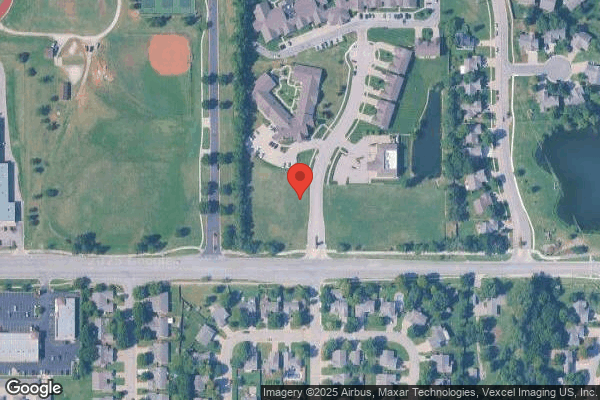
731 KLEIN CIRCLE, DERBY, KS 67037 (316) 719-2400
For profit - Corporation 74 Beds Independent Data: November 2025
Trust Grade
75/100
#60 of 295 in KS
Last Inspection: April 2024

Within standard 12-15 month inspection cycle. Federal law requires annual inspections.

Overview

Derby Health & Rehabilitation, LLC has a Trust Grade of B, indicating it is a good choice, solidly positioned but not at the very top. It ranks #60 out of 295 facilities in Kansas, placing it in the top half of the state, and #5 out of 29 in Sedgwick County, meaning only four local options are better. The facility is improving, with the number of issues decreasing from 7 in 2024 to just 1 in 2025, although it still reports a concerning staff turnover rate of 60%, higher than the Kansas average of 48%. While there are no fines on record, which is a positive sign, the facility has less RN coverage than 76% of Kansas facilities, which could impact the quality of care. Recent inspection findings raised concerns about hazardous chemical storage and sanitation practices, highlighting risks that could affect resident safety and health. Overall, while Derby Health has strengths, such as a good Trust Grade and no fines, families should be aware of staffing issues and specific incidents that require attention.

Trust Score
B
75/100
In Kansas
#60/295
Top 20%
Safety Record
Low Risk
No red flags
Inspections
Getting Better
7 → 1 violations
Staff Stability
⚠ Watch
60% turnover. Above average. Higher turnover means staff may not know residents' routines.
Penalties
✓ Good
No fines on record. Clean compliance history, better than most Kansas facilities.
Skilled Nurses
○ Average
Each resident gets 40 minutes of Registered Nurse (RN) attention daily — about average for Kansas. RNs are the most trained staff who monitor for health changes.
Violations
⚠ Watch
12 deficiencies on record. Higher than average. Multiple issues found across inspections.
★★★★☆
4.0
Overall Rating
★★★★☆
4.0
Staff Levels
★★★★☆
4.0
Care Quality
★★★★☆
4.0
Inspection Score
Stable
2024: 7 issues
2025: 1 issues

The Good

  • 4-Star Staffing Rating · Above-average nurse staffing levels
  • 4-Star Quality Measures · Strong clinical quality outcomes
  • Full Sprinkler Coverage · Fire safety systems throughout facility
  • No fines on record

Facility shows strength in staffing levels, quality measures, fire safety.

The Bad

Staff Turnover: 60%

14pts above Kansas avg (46%)

Frequent staff changes - ask about care continuity

Staff turnover is elevated (60%)

12 points above Kansas average of 48%

The Ugly 12 deficiencies on record

Apr 2025 1 deficiency
CONCERN (D) 📢 Someone Reported This

A family member, employee, or ombudsman was alarmed enough to file a formal complaint

Potential for Harm - no one hurt, but risky conditions existed

Accident Prevention (Tag F0689)

Could have caused harm · This affected 1 resident

The facility reported a census of 69 residents. The sample included seven residents with three residents reviewed for accident hazards. Based on observation, interview and record review, the facility ...

Read full inspector narrative →
The facility reported a census of 69 residents. The sample included seven residents with three residents reviewed for accident hazards. Based on observation, interview and record review, the facility failed to ensure an environment free from accident hazards for two residents, Resident (R)1 and R2 when staff failed to provide adequate hands-on stabilization of the resident from the second staff member during full body mechanical lift transfers. This deficient practice placed R1 and R2 at risk for accidents and injuries related to mechanical lift transfers. Findings included: - During an observation on 04/29/25 at 12:19 PM, Certified Medication Aide (CMA) G and Certified Nurse Aide (CNA) H performed a full body mechanical lift transfer for R1 from her recliner to a wheelchair. CMA G operated the controls of the lift with the legs positioned wide. CMA G raised R1 into the air using the lift. While R1 was in the raised position, CNA H released physical control and stabilization of R1, walked around the lift, R1 and CMA G and stood behind R1's wheelchair. CMA G then pushed the lift with R1 in the up and dangling position over to R1's wheelchair. CNA H then reached out and guided R1 down into the wheelchair as CMA G operated the control. CNA H and CMA G then unhooked the sling from the lift and repositioned R1 in her wheelchair. During an observation on 04/29/25 at 12:51 PM - CNA E and CNA F transferred R2 from her wheelchair to the bed using the full body mechanical lift. CNA E operated the controls with the legs positioned wide. Using the lift, staff raised R2 into the air and when R2 was in the up-position, CNA F let go of R2, opened the bathroom door that was positioned behind the wheelchair and moved the wheelchair into the bathroom. CNA F then walked around CNA E while R2 remained in the up and dangling position. CNA E then moved the legs of the lift into the narrow position and pushed the lift around to the side of R2's bed while lowering R2. CNA F then lifted R2's legs from beside the bed as CNA E pushed the lift into the final position over R2's bed. Staff lowered R2 onto the bed and disconnected the sling from the lift. During an interview on 04/29/25 at 12:28 PM, CMA G and CNA H revealed that they would not have performed the lift task differently. CMA G and CNA H then confirmed that CNA H had let go of R1 to walk around and stand behind R1's wheelchair while CMA G pushed the lift with R1 in the up position . During an interview on 04/29/25 at 12:30 PM, Licensed Nurse (LN) D revealed that mechanical lifts should always be operated with two staff members, one to operate the controls, and the other to ensure resident safety. LN D said the staff who ensured the resident remained safe should not let go of the resident to manipulate other objects or walk around the lift and the other staff member. During an interview on 04/29/25 at 12:58 PM, CNA E and CNA F reported they would not have performed the lift task differently. CNA E and CNA F then confirmed that CNA F let go of R2 while CNA E narrowed the legs of the lift and moved the resident while the lift was being lowered. During an interview on 04/29/25 at 02:58 PM, Administrative Nurse B revealed two staff should operate mechanical lifts with one staff operating the controls and the other maintaining hands-on contact with the resident to ensure safety; additionally, the legs of the lift should always be in the wide position for safety and stability. The facility's undated Hoyer Mechanical Lift policy lacked documentation related to positioning of the legs of mechanical lift. Further, the policy lacked documentation related to staff ensuring resident safety by maintaining contact with resident while lift was in operation.
Apr 2024 7 deficiencies
CONCERN (D) 📢 Someone Reported This

A family member, employee, or ombudsman was alarmed enough to file a formal complaint

Potential for Harm - no one hurt, but risky conditions existed

Deficiency F0582 (Tag F0582)

Could have caused harm · This affected 1 resident

The facility had a census of 61 residents. The sample included 15 residents. Based on record review and interview, the facility failed to provide Resident (R)8, R11, and R160, or their representative,...

Read full inspector narrative →
The facility had a census of 61 residents. The sample included 15 residents. Based on record review and interview, the facility failed to provide Resident (R)8, R11, and R160, or their representative, the completed Centers for Medicare and Medicaid (CMS) Skilled Nursing Facility Advanced Beneficiary Notices (ABN) Form 10055. This placed the resident at risk of uninformed decisions about their skilled services. Findings included: - The Medicare ABN form 10055 informed the beneficiary that Medicare may not pay for future skilled therapy services. The form included an option for the beneficiary to receive specific services listed, and bill Medicare for an official decision on payment. The form stated 1) I understand if Medicare does not pay, I will be responsible for payment but can make an appeal to Medicare, (2) receive therapy listed, but do not bill Medicare, I am responsible for payment for services, (3) I do not want the listed services. A review of the ABN provided to R8 revealed the resident received the wrong form. R8 received the CMS-R-131 instead of CMS Form 10055. The resident's skilled services ended on 04/05/24. A review of the ABN provided to R11 revealed the resident received the wrong form. R11 received the CMS -R-131 instead of CMS Form 10055. The resident's skilled services ended on 02/13/24. A review of the ABN provided to R160 revealed the resident received the wrong form. R160 received the CMS -R-131 instead of CMS Form 10055. The resident's skilled services ended on 02/12 /24. On 04/25/24 at 12:05 PM, Social Services X verified she had been employed at the facility for a year and the CMS-R-131 was the form she provided to R8, R11, and R160, and/or their representative, not the Form 10055. On 04/25/24 at 12:45 PM, Consultant GG verified the facility provided the CMS-R-131 form to R08, R11, and R160, and/or their representative, and failed to provide the 10055. The facility's Medicare Denial Notices (Advance Beneficiary Notices-ABN) policy, dated March 13, 2024, recorded the facility would inform each resident before, or at the time of admission, and periodically during the resident's stay of services not covered under Medicare for the facility's per diem rate. The facility would provide each resident with a written description of legal rights which includes a description of the manner of protecting personal funds. The facility would provide written notification to residents with the necessary information to decide whether to appeal a decision to terminate Medicare care and services at least three days before the planned change in payor status or discharge. The SNFABN would provide information to the resident or representative to enable them to decide if the resident would choose to continue receiving skilled services that may not be covered under Medicare. The facility would inform the beneficiary about potential non-coverage and the option to continue services with the beneficiary accepting financial liability for the services. The facility failed to provide R8, R11, and R160, or their representatives, the correct 10055 form when discharged from skilled care. This placed the residents at risk of uninformed decisions about their services.
CONCERN (D) 📢 Someone Reported This

A family member, employee, or ombudsman was alarmed enough to file a formal complaint

Potential for Harm - no one hurt, but risky conditions existed

Deficiency F0602 (Tag F0602)

Could have caused harm · This affected 1 resident

The facility identified a census of 61 residents. The sample included 15 residents. Based on observation, record review, and interview, the facility failed to ensure residents remained free from abuse...

Read full inspector narrative →
The facility identified a census of 61 residents. The sample included 15 residents. Based on observation, record review, and interview, the facility failed to ensure residents remained free from abuse when multiple residents' medications were misappropriated. This deficient practice placed all residents who had controlled medications stored in the facility at risk for further misappropriation and impaired care related to missing or stolen medications. Findings included: - The facility's investigation report 6803 dated 04/03/24 documented on 03/25/24, Administrative Nurse E noted Resident (R)162's entire card of oxycodone (schedule II opioid pain medication with high use for misuse or addiction) five milligrams (mg) tablets were missing. The pharmacy delivered the card on 03/22/24 and it was received by Licensed Nurse (LN) H. Per the log, the card had 12 pills. The pharmacy was contacted and confirmed that on 03/22/23 at 07:00 PM, LN H received and signed for three narcotic cards including oxycodone 5 mg (12 pills), oxycodone-acetaminophen 5/325 mg (20 pills), and hydrocodone-acetaminophen (opioid pain medication mixed with Tylenol) 5/325 mg (30 pills). The report documented the facility was unable to locate the medications after a search of the medication carts in all four households was conducted. The report documented that upon identification of the missing medications, Administrative Nurse D contacted LN H via phone and LN H stated she was out of town but she remembered she received the narcotics and thought she could have accidentally placed them in the shred box with the medication labels. Administrative Nurse D verified the shred box was searched and no narcotics, labels, or narcotic sheets were found. LN H was asked to come to the facility and fill out a witness statement and stated she would come to the facility on Friday. LN H then sent a text stating she would not be back in town until the following Monday and that she would come to the facility to fill out the witness statement. On Monday 04/01/24, LN H came to the facility and filled out a witness statement, then provided a urine sample. During the investigation, it was determined the three narcotic cards that were delivered on 03/22/24 were missing along with the narcotic count sheets. The facility contacted the police department and gathered statements from the facility staff. Administrative Nurse D reported the following residents were affected by the misappropriation: R162's oxycodone 5 mg, 12 tablets. R163's oxycodone-acetaminophen 5-325 mg, 20 tablets. R164's hydrocodone-acetaminophen 5-325 mg, 30 tablets. On 04/24/24 at 08:20 AM, a review of the nurse's medication cart on the 400 house revealed the narcotic medications were stored in a locked metal box affixed to the medication cart, which was also locked when not in use. On 04/30/24 at 08:10 AM, a review of the nurse's medication cart on the 100 house revealed the narcotic medications were stored in a locked metal box affixed to the medication cart, which was also locked when not in use. On 04/30/24 at 08:20 AM, a review of the nurse's medication cart on the 200 house revealed the narcotic medications were stored in a locked metal box affixed to the medication cart, which was also locked when not in use. On 04/30/24 at 08:30 AM, a review of the nurse's medication cart on the 300 house revealed the narcotic medications were stored in a locked metal box affixed to the medication cart, which was also locked when not in use. On 04/30/24 at 11:00 AM, Administrative Nurse D stated the staff were to receive the narcotic medications and place them in the medication room or cart and a narcotic count sheet would also be in the narcotic book along with the narcotic medication. Administrative Nurse D stated the residents in the facility were to remain free of all forms of abuse, neglect, and exploitation. The facility's Abuse, Neglect and Exploitation policy, undated, documented the facility had developed and implemented the policy and procedure to prohibit mistreatment, neglect, and abuse of all elders and misappropriation of elder property by any perpetrator including but not exclusive to; any staff member other elders. exploitation means misappropriation of elder property or intentionally taking unfair advantage by the use of undue influence, coercion, harassment, duress, deception, false representation or pretense by a caretaker or another person. Facility staff will not use or allow others to use; verbal, mental, sexual, or physical abuse, corporal punishment, or involuntary seclusion. The policy is to ensure that all elders of the facility would be free of physical, emotional, and sexual abuse, neglectful treatment, and misappropriation of funds. The facility failed to ensure residents remained free from abuse when multiple residents' medications were misappropriated. This deficient practice placed all residents who had controlled medications stored in the facility at risk for further misappropriation, abuse, and lack of pain care management related to missing or stolen medications.
CONCERN (D) 📢 Someone Reported This

A family member, employee, or ombudsman was alarmed enough to file a formal complaint

Potential for Harm - no one hurt, but risky conditions existed

Tube Feeding (Tag F0693)

Could have caused harm · This affected 1 resident

**NOTE- TERMS IN BRACKETS HAVE BEEN EDITED TO PROTECT CONFIDENTIALITY** The facility had a census of 61 residents. The sample included 15 residents of which two were reviewed for the gastrostomy tube ...

Read full inspector narrative →
**NOTE- TERMS IN BRACKETS HAVE BEEN EDITED TO PROTECT CONFIDENTIALITY** The facility had a census of 61 residents. The sample included 15 residents of which two were reviewed for the gastrostomy tube (G-tube: surgical creation of an artificial opening into the stomach through the abdominal wall) feeding management. Based on observation, record review, and interview, the facility failed to provide G-tube care per the physician's orders for Resident (R)41 when staff failed to administer the required amount of water prior to the nutritional feeding through the G-tube. This placed the resident at risk for G-tube related complications. Finding included: - R41's Electronic Health Record (EHR) revealed diagnosis of dysphasia (swallowing difficulty), cerebrovascular accident (CVA-stroke- sudden death of brain cells due to lack of oxygen caused by impaired blood flow to the brain by blockage or rupture of an artery to the brain), hemiplegia (paralysis of one side of the body), and diabetes mellitus (DM-when the body cannot use glucose, not enough insulin made or the body cannot respond to the insulin). R41's Quarterly Minimum Data Set (MDS), dated [DATE], documented R41 had moderately impaired cognition. R41 was dependent on staff for toileting, dressing, and personal hygiene. R41 was dependent on staff for mobility and transfers. The MDS recorded the resident had a feeding tube. R41's Care Plan, dated 02/02/24, recorded R41 required a tube feeding for nutritional maintenance. The plan directed the staff to administer tube feedings of Jevity 1.5 (nutritional liquid supplement), one carton four times a day, per G-tube with water flushes of 45 milliliters (ml) before and after feedings. The care plan recorded staff would monitor R41's weight and make nutritional interventions as needed. R41's Physician Order. dated 01/17/23, directed the staff to administer Jevity liquid, one carton through the tube four times a day; provide 45 ml water flush before and after feedings, with an additional 175 ml free water six times a day. On 04/29/24 at 12:00 PM, observation revealed Licensed Nurse (LN) G administered one carton of Jevity through the G-tube followed by 45 ml of water. LN G did not administer the 45 ml water flush prior to administering the medications and feeding, per the physician's order. On 04/29/24 at 02:00 PM, Consultant GG verified the nursing staff should administer the water flushes before and after the nutritional feeding per R41's physician's order. The facility's Enteral Nutrition policy, dated 02/07/2022, documented the staff would provide the residents with enteral feedings to provide nutrients and fluids using the gastrointestinal tract to provide an individual's nutritional needs. The policy documented that the bolus route required that the resident had a functioning stomach that could handle a larger amount of fluid infused at one time the resident's tolerance. The policy documented the formula is administered using a 60 ml syringe and given at a rate based on the nutritional feeding order would contain the name of the formula, flow rate, hours of administration, route of administration and total ml to be delivered per 24-hour period with additional water to meet hydration needs to be given via free water flush. The facility failed to flush R41's G-tube with 45 ml of water, before a nutritional feeding as ordered, placing the resident at risk for complications related to the G-tube.
CONCERN (D) 📢 Someone Reported This

A family member, employee, or ombudsman was alarmed enough to file a formal complaint

Potential for Harm - no one hurt, but risky conditions existed

Drug Regimen Review (Tag F0756)

Could have caused harm · This affected 1 resident

**NOTE- TERMS IN BRACKETS HAVE BEEN EDITED TO PROTECT CONFIDENTIALITY** The facility had a census of 61 residents. The sample included 15 residents with five reviewed for unnecessary drugs. Based on o...

Read full inspector narrative →
**NOTE- TERMS IN BRACKETS HAVE BEEN EDITED TO PROTECT CONFIDENTIALITY** The facility had a census of 61 residents. The sample included 15 residents with five reviewed for unnecessary drugs. Based on observation, interview, and record review the facility failed to ensure the Consultant Pharmacist identified and reported Resident (R) 47's blood pressure medication administered outside the physician-ordered blood pressure parameters. This deficient practice placed R47 at risk for unnecessary medications and related complications. Findings included: - R47's Electronic Medical Record (EMR) documented diagnoses including end-stage renal disease (ESRD-a terminal disease of the kidneys), atrial fibrillation (rapid, irregular heartbeat), and hypocalcemia (abnormally low level of calcium in the blood). The admission Minimum Data Set (MDS), dated [DATE], documented a Brief Interview for Mental Status (BIMS) score of 15, indicating intact cognition. The MDS documented R47 required supervision for eating and was dependent on staff assistance for toileting, bathing, and dressing. R47 received antianxiety (a class of medications that calm and relax people) and opioid (narcotic) medications. R47's Care Plan dated 03/29/24 directed staff to provide one or two-person assistance for activities of daily living. The plan documented R47 received hemodialysis (a procedure where impurities or wastes were removed from the blood) on Mondays, Wednesdays, and Fridays and received high-risk medications. The Physician Order, dated 04/05/24, directed staff to administer midodrine (a drug used to treat low blood pressure),10 milligrams (mg), three times daily. Hold if systolic blood pressure (SBP- top number, the force your heart exerts on the walls of your arteries each time it beats) was greater than (>)130. R47's EMR recorded the following blood pressures which exceeded the ordered parameter and the midodrine was incorrectly administered: 04/07/24 at 08:06 am, 139/83 millimeters (mm) of mercury (Hg) 04/07/24 at 09:28 PM, 132/83 mm/Hg 04/08/24 at 09:24 AM, 132/83 mm/Hg 04/13/24 at 10:56 AM, 145/79 mm/Hg 04/14/24 at 08:37 AM, 141/85 mm/Hg 04/14/24 at 08:58 PM, 172/119 mm/Hg 04/15/24 at 07:33 AM, 143/84 mm/Hg 04/16/24 at 07:30 AM, 141/84 mm/Hg 04/18/24 at 09:07 AM, 138/84 mm/Hg 04/18/24 at 09:49 PM, 141/83 mm/Hg 04/19/24 at 11:33 AM, 146/79 mm/Hg 04/21/24 at 10:16 PM, 138/70 mm/Hg 04/22/24 at 10:10 AM, 138/84 mm/Hg 04/23/24 at 08:19 AM, 135/85 mm/Hg 04/23/24 at 08:59 PM, 137/81 mm/Hg 04/24/24 at 04:46 PM, 136/80 mm/Hg 04/25/24 at 09:07 AM, 139/80 mm/Hg The Progress Note, dated 04/22/24, stated the Consultant Pharmacist medication review stated available chart data was reviewed and no significant irregularities were noted. The recommendation indicated to refer to the nursing recommendation. The Physician Assistant Note, dated 04/23/24, stated R47 was seen that day. The report did not mention anything regarding R47's midodrine or blood pressure. R47's EMR lacked evidence the physician was notified of the midodrine administration outside of physician-ordered parameters. The Pharmacist Recommendation Report for 04/01/24 to 04/23/24 stated, Please review recent Medication Administration Record/Treatment Administration Record (MAR/TAR) for potential holes. The patient's midodrine order currently includes a hold parameter. Please add the blood pressure assessment and documentation to the MAR for this medication. The report lacked comment on the administration of midodrine when the SBP was out of the ordered parameters. On 04/25/24 at 09:17 AM, observation revealed R47 in bed eating breakfast. Certified Medication Aide (CMA) R administered medications, including 10 mg midodrine, to R47. CMA R gave the pills whole in applesauce and when asked what R47's blood pressure was, CMA R stated at 09:07 AM R47's blood pressure was 139/80 mm/Hg. On 04/24/24 at 01:25 PM, CMA R stated if R47's SBP was greater than 130, staff were to hold the midodrine. CMA R verified she should have held R47's midodrine because R47's SBP was 139. On 04/25/24 at 01:31 PM, Administrative Nurse E verified staff were to hold R47's midodrine if the SBP was greater than 130. She verified staff had administered the midodrine when they should have held it numerous times. On 04/29/24 at 09:27 AM, Administrative Nurse E verified the consultant pharmacist had not noted the midodrine error in the monthly review. On 04/29/24 at 12:51 PM, Administrative Nurse D stated she expected the CP to note the administration of midodrine when a SBP was out of the parameters and bring it to her and the physician's attention. The Consultant Pharmacist Services Provider Requirements policy, dated 03/13/24, stated the consultant pharmacist provides pharmaceutical care services including: Reviewing the medication regimen of each elder at least monthly, incorporating federally mandated standards of care in addition to other applicable professional standards, and documenting the review and findings in the elder's clinical record. Communication of the potential or actual problems detected related to medication therapy orders to the responsible physician and the director of nursing. Reviewing the MARS and physician orders monthly at the facility to ensure proper documentation of medication orders and administration of medication to elders. Communicating recommendations for changes in medication therapy and monitoring of medication therapy. Submitting a written report of findings and recommendations resulting from the review. The facility failed to ensure the CP identified and reported the administration of midodrine when staff should have held it, placing the resident at risk for unnecessary medications and related complications.
CONCERN (D) 📢 Someone Reported This

A family member, employee, or ombudsman was alarmed enough to file a formal complaint

Potential for Harm - no one hurt, but risky conditions existed

Deficiency F0757 (Tag F0757)

Could have caused harm · This affected 1 resident

**NOTE- TERMS IN BRACKETS HAVE BEEN EDITED TO PROTECT CONFIDENTIALITY** The facility had a census of 61 residents. The sample included 15 residents with five reviewed for unnecessary drugs. Based on o...

Read full inspector narrative →
**NOTE- TERMS IN BRACKETS HAVE BEEN EDITED TO PROTECT CONFIDENTIALITY** The facility had a census of 61 residents. The sample included 15 residents with five reviewed for unnecessary drugs. Based on observation, interview, and record review the facility failed to hold Resident (R) 47's blood pressure medication per the physician-ordered blood pressure parameters. This deficient practice placed R47 at risk for unnecessary medications and related complications. Findings included: - R47's Electronic Medical Record (EMR) documented diagnoses including end-stage renal disease (ESRD-a terminal disease of the kidneys), atrial fibrillation (rapid, irregular heartbeat), and hypocalcemia (abnormally low level of calcium in the blood). The admission Minimum Data Set (MDS), dated [DATE], documented a Brief Interview for Mental Status (BIMS) score of 15, indicating intact cognition. The MDS documented R47 required supervision for eating and was dependent on staff assistance for toileting, bathing, and dressing. R47 received antianxiety (a class of medications that calm and relax people) and opioid (narcotic) medications. R47's Care Plan dated 03/29/24 directed staff to provide one or two-person assistance for activities of daily living. The plan documented R47 received hemodialysis (a procedure where impurities or wastes were removed from the blood) on Mondays, Wednesdays, and Fridays and received high-risk medications. The Physician Order, dated 04/05/24, directed staff to administer midodrine (a drug used to treat low blood pressure),10 milligrams (mg), three times daily. Hold if systolic blood pressure (SBP- top number, the force your heart exerts on the walls of your arteries each time it beats) was greater than (>)130. R47's EMR recorded the following blood pressures which exceeded the ordered parameter and the midodrine was incorrectly administered: 04/07/24 at 08:06 am, 139/83 millimeters (mm) of mercury (Hg) 04/07/24 at 09:28 PM, 132/83 mm/Hg 04/08/24 at 09:24 AM, 132/83 mm/Hg 04/13/24 at 10:56 AM, 145/79 mm/Hg 04/14/24 at 08:37 AM, 141/85 mm/Hg 04/14/24 at 08:58 PM, 172/119 mm/Hg 04/15/24 at 07:33 AM, 143/84 mm/Hg 04/16/24 at 07:30 AM, 141/84 mm/Hg 04/18/24 at 09:07 AM, 138/84 mm/Hg 04/18/24 at 09:49 PM, 141/83 mm/Hg 04/19/24 at 11:33 AM, 146/79 mm/Hg 04/21/24 at 10:16 PM, 138/70 mm/Hg 04/22/24 at 10:10 AM, 138/84 mm/Hg 04/23/24 at 08:19 AM, 135/85 mm/Hg 04/23/24 at 08:59 PM, 137/81 mm/Hg 04/24/24 at 04:46 PM, 136/80 mm/Hg 04/25/24 at 09:07 AM, 139/80 mm/Hg The Physician Assistant Note, dated 04/23/24, stated R47 was seen that day. The report did not mention anything regarding R47's midodrine or blood pressure. R47's EMR lacked evidence the physician was notified of the midodrine administration outside of the physician-ordered parameters. On 04/25/24 at 09:17 AM, observation revealed R47 in bed eating breakfast. Certified Medication Aide (CMA) R administered medications, including 10 mg midodrine, to R47. CMA R gave the pills whole in applesauce and when asked what R47's blood pressure was, CMA R stated at 09:07 AM R47's blood pressure was 139/80 mm/Hg. On 04/24/24 at 01:25 PM, CMA R stated if R47's SBP was greater than 130, staff were to hold the midodrine. CMA R verified she should have held R47's midodrine because R47's SBP was 139. On 04/25/24 at 01:31 PM, Administrative Nurse E verified staff were to hold R47's midodrine if the SBP was greater than 130. She verified staff had administered the midodrine when they should have held it numerous times. The facility's Medication Administration policy, dated 03/14/24, stated staff were to document and follow holding or notification parameters for ordered medications. The facility failed to hold a blood pressure medication per the physician-ordered parameters, placing R47 at risk for unnecessary drugs and related complications.
CONCERN (E) 📢 Someone Reported This

A family member, employee, or ombudsman was alarmed enough to file a formal complaint

Potential for Harm - no one hurt, but risky conditions existed

Accident Prevention (Tag F0689)

Could have caused harm · This affected multiple residents

The facility had a census of 61 residents. The sample included 15 residents. Based on observation, interview, and record review the facility failed to ensure hazardous chemicals were stored safely. Th...

Read full inspector narrative →
The facility had a census of 61 residents. The sample included 15 residents. Based on observation, interview, and record review the facility failed to ensure hazardous chemicals were stored safely. This placed the five residents identified by the facility as cognitively impaired and independently mobile at risk for accidents and hazard-related injuries. Findings included: - On 04/24/24 at 08:13 AM, observation in the 300-household revealed an unlocked housekeeping closet with the following hazardous items with Keep out of reach of children instructions stored on a waist-high shelf: One small can of fiberglass resin. One quart bottle of tile sealer. One spray bottle of ant killer. One spray can of ant and roach killer. On 04/24/24 at 08:15 AM, Certified Nurse Aide (CNA) M verified the findings. On 04/24/24 at 09:01 AM, Administrative Nurse D verified staff should ensure housekeeping closets were locked when not under supervision. The facility's Chemical Storage policy, dated 03/12/24, stated all chemicals that are deemed hazardous to residents would be stored in a locked area or used under supervision. This was defined as any chemical that would cause harm or stated to keep away from children. The facility failed to ensure hazardous chemicals were stored safely, placing the five residents identified by the facility as cognitively impaired and independently mobile at risk for injury.
CONCERN (E) 📢 Someone Reported This

A family member, employee, or ombudsman was alarmed enough to file a formal complaint

Potential for Harm - no one hurt, but risky conditions existed

Food Safety (Tag F0812)

Could have caused harm · This affected multiple residents

The facility had a census of 61 residents. Based on observation, interview, and record review the facility failed to store, prepare, and serve food in a sanitary manner for residents in two of four ki...

Read full inspector narrative →
The facility had a census of 61 residents. Based on observation, interview, and record review the facility failed to store, prepare, and serve food in a sanitary manner for residents in two of four kitchens and dining rooms. This deficient practice placed residents at risk for food-borne illness. Findings included: - On 04/24/24 at 09:07 AM, observation in the 100-household kitchen freezer revealed a bag of chicken tenders, undated, and a box of hamburger patties opened, and the plastic bag torn leaving the patties open to air. On 04/24/24 at 12:17 PM, observation in the 300-household dining room revealed Certified Nurse Aide (CNA) M served plated food to residents. CNA M touched a resident's shoulders and chair, rubbed his face, and did not wash or sanitize his hands before serving more residents' plates. CNA M wiped his hands on his clothing, scratched his hair rubbed his face numerous times, and continued serving all 12 residents in the dining room without washing or sanitizing his hands. On 04/24/24 at 02:15 PM, observation of the 100 and 300 household kitchens revealed both kitchen toasters had numerous dried crumbs on top and edges, and both oven doors had dried food spills. On 04/29/24 at 12:10 PM, observation of the dining room service in 200-household revealed two staff served residents' meals. CNA M scratched his head and beard, rubbed his eyes, and did not wash or disinfect his hands before handling the residents' coffee cups or glasses. The April 14-20/2024 Cleaning Schedule directed staff to clean the toaster and microwave daily, and the ovens weekly. Staff had initialed as completed cleaning of the toasters and microwave in three days but not the oven. On 04/24/24 at 09:07 AM, Dietary Staff BB verified the findings in the freezers and stated staff were to date items when opened. On 04/24/24 at 02:15 PM, Dietary Staff BB verified the ovens and toasters should have been cleaned. On 04/29/24 at 12:32 PM, DM BB verified staff should wash or disinfect their hands if they have touched their hair or face and clothing before serving residents beverages and meals. The facility's Food Preparation and Sanitation policy, dated 03/14/24, stated any food handlers would perform hand hygiene regularly after touching ears, nose, mouth, or hair. The Dietary Food Storage policy, dated 03/13/24, stated all food items should be labeled with the name and discard date. The policy directed staff to wrap food properly and never leave any food item uncovered and not labeled. The facility's Sanitation of Dining and Food Service Areas policy, dated 03/13/24, stated a cleaning schedule would be posted for all cleaning tasks and would be held responsible for all cleaning tasks. The facility failed to serve food in a sanitary manner for residents in two of the dining rooms and kitchens, placing the residents at risk for food-borne illness.
Nov 2022 4 deficiencies
CONCERN (D)

Potential for Harm - no one hurt, but risky conditions existed

Accident Prevention (Tag F0689)

Could have caused harm · This affected 1 resident

**NOTE- TERMS IN BRACKETS HAVE BEEN EDITED TO PROTECT CONFIDENTIALITY** The facility reported a census of 69 residents with 20 residents sampled, including four residents reviewed for accidents. Based...

Read full inspector narrative →
**NOTE- TERMS IN BRACKETS HAVE BEEN EDITED TO PROTECT CONFIDENTIALITY** The facility reported a census of 69 residents with 20 residents sampled, including four residents reviewed for accidents. Based on interview, record review and observation, the facility failed to initiate the planned intervention for one of the four sampled, Resident (R)2, with the use of a motion alarm placed under the resident in bed/chair/wheelchair, to prevent further falls. Findings included: - Review of Resident (R)2's electronic medical record (EMR), included a diagnosis of dementia (progressive mental disorder characterized by failing memory, confusion). The admission Minimum Data Set (MDS), dated [DATE], documented the resident had a Brief Interview for Mental Status (BIMS) score of 5, indicating severe cognitive impairment. She required extensive assistance of one staff for transfers and walking and had impairment on her bilateral upper extremities. She used a walker or a wheelchair for locomotion. She had one non-injury fall since admission. The Falls Care Area Assessment (CAA), dated 10/16/22, documented the resident was at risk for falls related to weakness. She required extensive assistance with transfers and ambulation. The Temporary admission Care Plan, dated 10/10/22, instructed staff the resident was cognitively impaired and required assistance of two staff for transfers and assistance with ambulating and locomotion. The resident used a wheelchair. The fall care plan, updated 10/26/22, instructed staff to place an alarm pad under the resident when she was in a supine or sitting position. Review of the resident's EMR, included fall assessments which placed the resident at a risk for falls on 11/01/22, 10/28/22, 10/23,22, 10/19/22 and 10/18/22. Review of the resident's EMR, revealed a Progress Note, dated 10/28/22, which documented staff observed the resident on the floor of her room on her left side facing her recliner. Staff observed the motion alarm on the resident's bed and not on the recliner where the resident had been sitting before the fall. The resident had facial bruising as a result of the fall. On 11/03/22 at 06:47 AM, Certified Medication Aide (CMA) R stated the resident will get restless and attempt to get up on her own. Staff are to ensure the motion alarm pad was always underneath her to alert staff when she would attempt to get up on her own. When she fell and got the facial bruising, the motion alarm pad was not in place. On 11/03/22 at 07:50 AM, Certified Nurse Aide (CNA) M stated staff were to always have the motion alarm pad beneath her in bed, in her recliner and in her wheelchair, to notify the staff when she attempted to get up on her own. The resident had a fall from her recliner which caused facial bruising and the staff had not placed the motion alarm pad underneath her, at that time. On 11/08/22 at 11:15 AM, Licensed Nurse (LN) G stated staff should have had the motion alarm pad underneath the resident while she was in the recliner but failed to move it from the bed to the recliner on 10/28/22 when the resident fell from her recliner. On 11/08/22 at 08:15 AM, Administrative Nurse D stated it was the expectation for the staff to have placed the motion alarm pad underneath the resident when she moved from her bed to her recliner. The facility policy for Falls Management, revised 01/05/22, included: Staff will identify and implement appropriate interventions to reduce the risk of falls and to minimize serious consequences if a fall occurs. The facility failed to place the planned use of the motion alarm pad underneath this dependent, confused resident when they moved her from her bed to her recliner, which resulted in a fall with facial bruising.
CONCERN (D)

Potential for Harm - no one hurt, but risky conditions existed

Incontinence Care (Tag F0690)

Could have caused harm · This affected 1 resident

**NOTE- TERMS IN BRACKETS HAVE BEEN EDITED TO PROTECT CONFIDENTIALITY** - Review of Resident (R)55's electronic medical record (EMR), included a diagnosis of neurogenic bladder (dysfunction of the uri...

Read full inspector narrative →
**NOTE- TERMS IN BRACKETS HAVE BEEN EDITED TO PROTECT CONFIDENTIALITY** - Review of Resident (R)55's electronic medical record (EMR), included a diagnosis of neurogenic bladder (dysfunction of the urinary bladder caused by a lesion of the nervous system). The admission Minimum Data Set (MDS), dated [DATE], documented the resident had a Brief Interview for Mental Status (BIMS) score of 15, indicating intact cognition. The resident had a urinary catheter (insertion of a catheter into the bladder to drain the urine into a collection bag) and required extensive assistance of staff for toileting. The Urinary Incontinence and Indwelling Catheter Care Area Assessment (CAA), dated 10/19/22, documented the resident admitted to the facility with the urinary catheter due to a diagnosis of neurogenic bladder. The care plan, dated 10/13/22, instructed staff the resident required total care with toileting and had a urinary catheter. On 11/01/22 at 01:38 PM, the resident sat in his wheelchair with the catheter collection bag hanging from underneath the wheelchair. The catheter tubing rested directly on the floor beneath the wheelchair. On 11/02/22 at 08:25 AM, Certified Nurse Aide (CNA) M and CNA N gave morning cares to the resident in his room. The resident's catheter tubing rested directly on the floor beneath the wheelchair as staff brought the resident out of his room for breakfast. On 11/01/22 at 01:47 PM, CNA N stated the catheter tubing should not be on the floor. CNA N stated she was unaware the tubing was on the floor. On 11/02/22 at 08:25 AM, CNA M stated the catheter tubing should be coiled up and kept inside of the dignity bag. The tubing should never be on the floor. On 11/08/22 at 11:15 AM, Licensed Nurse (LN) G stated catheter tubing should not be on the floor. On 11/08/22 at 08:15 AM, Administrative Nurse D stated the catheter tubing should be kept off the floor at all times. The facility policy for Indwelling Catheter Protocol, approved 02/22/22, included: Staff should take measures to reduce the chance of the tubing touching the floor. The facility failed to take appropriate care of this dependent resident's catheter tubing to keep it off of the floor and prevent urinary tract infections. The facility reported a census of 69 resident with 20 selected for review which included three residents reviewed for urinary catheter/urinary tract infections. Based on observation, interview and record review, the facility failed to ensure sanitary catheter care for two of the three sampled resident's (R)30 and R55, to prevent urinary tract infections. Findings included: - Review of Resident (R)30's Physician Order Sheet, dated 10/16/22, revealed diagnoses included heart failure, cerebral vascular disorder (stroke) aphasia (condition with disordered or absent language function) and neuromuscular dysfunction of the bladder (dysfunction of the urinary bladder caused by a lesion of the nervous system). The admission Minimum Data Set (MDS), dated [DATE], assessed the resident with normal cognitive function, required extensive assistance of one staff for dressing, toilet use and personal hygiene. The resident had an indwelling urinary catheter. The Dehydration/Fluid Maintenance Care Area Assessment (CAA), dated 07/31/22, assessed the resident was on antibiotic for urinary tract infection and pneumonia. Staff advised to monitor the resident for increase signs of urinary tract infection. The Baseline Care Plan, dated 10/16/22, instructed staff the resident required assistance of one staff for grooming/hygiene and had a urinary catheter. The Significant Change MDS, dated 10/22/22, was in progress. Observation, on 11/01/22 at 02:57 PM, revealed the resident seated in his wheelchair in his room. Approximately eight inches of the catheter tubing lay directly on the floor with the urine collection bag in a privacy bag suspended from the bottom of the wheelchair. Observation, on 11/08/22 at 08:57 AM, revealed the resident seated in his wheelchair in the dining room eating breakfast. Approximately four inches of the catheter tubing lay directly on the floor near the resident's feet. Interview, on 11/08/22 at 09:26 AM, with Certified Nurse Aide (CNA) P, confirmed the tubing did lay on the floor at times and staff tried to keep it off the floor but the resident often self-propelled himself in his wheelchair with his legs/feet, the tubing did move out of the urine collection bag. Observation, on 11/08/22 at 01:30 PM, revealed the resident used an exercise machine in a seated position. Approximately eight inches of catheter tubing lay directly on the base of the machine. Interview, on 11/08/22 at 01:40 PM, with Licensed Nurse (LN) H, revealed staff should keep the catheter tubing off the floor. Interview, on 11/08/22 at 02:20 PM, with Administrative Nurse D, revealed she would expect staff to keep the catheter tubing off the floor. The facility policy for Indwelling Catheter Protocol, approved 02/22/22, included: Staff should take measures to reduce the chance of the tubing touching the floor. The facility failed to monitor for sanitary placement of this resident's catheter tubing to ensure the tubing remained off the floor to prevent urinary tract infections.
CONCERN (D)

Potential for Harm - no one hurt, but risky conditions existed

Deficiency F0761 (Tag F0761)

Could have caused harm · This affected 1 resident

**NOTE- TERMS IN BRACKETS HAVE BEEN EDITED TO PROTECT CONFIDENTIALITY** The facility reported a census of 69 residents with two residents reviewed for labeling of insulin pens. Based on observation, i...

Read full inspector narrative →
**NOTE- TERMS IN BRACKETS HAVE BEEN EDITED TO PROTECT CONFIDENTIALITY** The facility reported a census of 69 residents with two residents reviewed for labeling of insulin pens. Based on observation, interview and record review, the facility failed to ensure correct expiration dating/labeling of insulin (a medication used to lower blood sugar levels) for sampled residents (R) 29 and R17. Findings included: - Observation, on [DATE] at 09:02 AM, revealed resident (R)17's Novolog flex pen, (a device containing insulin for the administration of insulin), contained a label in which staff documented the open date of [DATE] and the expiration date written as [DATE]. The resident's Lantus Solostar insulin pen lacked a label from the pharmacy as required and staff wrote the dates on them. Observation, on [DATE] at 09:15 AM, revealed staff documented the open date of [DATE] on R29's Lantus Solostar insulin pen and documented the expiration date of [DATE]. The resident's Humalog insulin pen contained and open date of [DATE], with the expiration date written as [DATE]. Interview, on [DATE] at 09:20 AM, with Licensed Nurse (LN) H, confirmed the above. LN H stated there was a guide that contained the expiration dates for the insulin pens once opened and did not know why staff used the manufacturer's expiration date for unopened pens. Interview, on 11:03/22 at 09:25 AM, with Administrative Nurse E, revealed she would expect staff to label the expiration date of the insulin according to the guide that indicated the number of days before the opened insulin expired and not the manufacturer's date of expiration for unopened insulin. Administrative Nurse E indicated each medication room contained the guide hanging on the wall. Administrative Nurse E stated R17's insulin pen should have a pharmacy label as required. The policy Medication Administration, dated [DATE], instructed staff to administer medication in a safe and sanitary manner. The facility guide Auburn Long-Term Care Medications with Shortened Expiration Dates After First Opened undated, instructed staff to ensure that medications, once opened may lose stability, sterility and of efficacy sooner than the expiration date listed on the manufacturer's packaging. This guide instructed staff that Novolog flex pen, Lantus Solostar and Humalog insulin pen after first use, use pen within 28 days. The facility failed to correctly document the expiration date for three opened insulin pens for these two residents and failed to ensure one insulin pen contained a pharmacy label as required to ensure safe and effective administration of medication.
MINOR (C)

Minor Issue - procedural, no safety impact

Staffing Information (Tag F0732)

Minor procedural issue · This affected most or all residents

The facility reported a census of 69 residents. Based on observation, interview and record review, the facility failed to ensure the daily staff postings included the actual hours worked by the nursin...

Read full inspector narrative →
The facility reported a census of 69 residents. Based on observation, interview and record review, the facility failed to ensure the daily staff postings included the actual hours worked by the nursing staff as required. Findings included: - Review of the Daily Staffing for August, September and October 2022 columns for staff number and hours with daily total documented for RN, LPN and CNA. None of these sheets contained the actual hours worked. The one dated 09/16/22, revealed two RN (registered nurse) unit managers from 08:00AM to 05:00PM, day shift RN indicated one, with hours worked as 12, and one night shift RN with 12 hours. The daily total of RN's was four, and the total hours was 48. Review of the nursing schedule provided by the facility which did not include the two nurse managers, revealed no RN coverage for the day. Interview, on 11/02/22 at 02:13 PM, with Administrative Staff A, revealed she updated the daily staff posting as needed. Interview, on 11/09/22 at 02:59 PM, with Administrative Nurse D, revealed on 09/16/22 the daily staff posting, included the 24 hours worked by the two RN unit managers and confirmed one RN did not work the day shift for 12 hours as indicated on the daily posting but one RN worked from 06:00PM to 06:00AM, and so the total for RN's was three instead of the reported four, and the hours worked was 36 actually instead of the 48 reported on the daily staff posting. The facility did not provide a policy for daily staff posting. The facility failed to ensure daily staff posting included the actual hours worked by staff as required.
Understanding Severity Codes (click to expand)
Life-Threatening (Immediate Jeopardy)
J - Isolated K - Pattern L - Widespread
Actual Harm
G - Isolated H - Pattern I - Widespread
Potential for Harm
D - Isolated E - Pattern F - Widespread
No Harm (Minor)
A - Isolated B - Pattern C - Widespread

Questions to Ask on Your Visit

  • "Why is there high staff turnover? How do you retain staff?"
  • "Can I speak with families of current residents?"
  • "What's your RN coverage like on weekends and overnight?"

Our Honest Assessment

Strengths
  • • No major safety red flags. No abuse findings, life-threatening violations, or SFF status.
  • • No fines on record. Clean compliance history, better than most Kansas facilities.
Concerns
  • • 12 deficiencies on record. Higher than average. Multiple issues found across inspections.
  • • 60% turnover. Above average. Higher turnover means staff may not know residents' routines.
Bottom line: Generally positive indicators. Standard due diligence and a personal visit recommended.

About This Facility

What is Derby Health & Rehabilitation, Llc's CMS Rating?

CMS assigns DERBY HEALTH & REHABILITATION, LLC an overall rating of 4 out of 5 stars, which is considered above average nationally. Within Kansas, this rating places the facility higher than 99% of the state's 100 nursing homes. This rating reflects solid performance across the metrics CMS uses to evaluate nursing home quality.

How is Derby Health & Rehabilitation, Llc Staffed?

CMS rates DERBY HEALTH & REHABILITATION, LLC's staffing level at 4 out of 5 stars, which is above average compared to other nursing homes. Staff turnover is 60%, which is 14 percentage points above the Kansas average of 46%. High turnover can affect care consistency as new staff learn residents' individual needs. RN turnover specifically is 69%, which is notably high. RNs provide skilled clinical oversight, so turnover in this role can affect medical care quality.

What Have Inspectors Found at Derby Health & Rehabilitation, Llc?

State health inspectors documented 12 deficiencies at DERBY HEALTH & REHABILITATION, LLC during 2022 to 2025. These included: 11 with potential for harm and 1 minor or isolated issues.

Who Owns and Operates Derby Health & Rehabilitation, Llc?

DERBY HEALTH & REHABILITATION, LLC is owned by a for-profit company. For-profit facilities operate as businesses with obligations to shareholders or private owners. The facility operates independently rather than as part of a larger chain. With 74 certified beds and approximately 66 residents (about 89% occupancy), it is a smaller facility located in DERBY, Kansas.

How Does Derby Health & Rehabilitation, Llc Compare to Other Kansas Nursing Homes?

Compared to the 100 nursing homes in Kansas, DERBY HEALTH & REHABILITATION, LLC's overall rating (4 stars) is above the state average of 2.9, staff turnover (60%) is significantly higher than the state average of 46%, and health inspection rating (4 stars) is above the national benchmark.

What Should Families Ask When Visiting Derby Health & Rehabilitation, Llc?

Based on this facility's data, families visiting should ask: "How do you ensure continuity of care given staff turnover, and what is your staff retention strategy?" "Can I visit during a mealtime to observe dining assistance and food quality?" "How do you handle medical emergencies, and what is your hospital transfer rate?" "Can I speak with family members of current residents about their experience?" These questions are particularly relevant given the facility's high staff turnover rate.

Is Derby Health & Rehabilitation, Llc Safe?

Based on CMS inspection data, DERBY HEALTH & REHABILITATION, LLC has a clean safety record: no substantiated abuse findings (meaning no confirmed cases of resident harm), no Immediate Jeopardy citations (the most serious violation level indicating risk of serious injury or death), and is not on the Special Focus Facility watch list (a federal program monitoring the lowest-performing 1% of nursing homes). The facility has a 4-star overall rating and ranks #1 of 100 nursing homes in Kansas. While no facility is perfect, families should still ask about staff-to-resident ratios and recent inspection results during their visit.

Do Nurses at Derby Health & Rehabilitation, Llc Stick Around?

Staff turnover at DERBY HEALTH & REHABILITATION, LLC is high. At 60%, the facility is 14 percentage points above the Kansas average of 46%. Registered Nurse turnover is particularly concerning at 69%. RNs handle complex medical decisions and coordinate care — frequent RN changes can directly impact care quality. High turnover means new staff may not know residents' individual needs, medications, or preferences. It can also be disorienting for residents, especially those with dementia who rely on familiar faces. Families should ask: What is causing the turnover? What retention programs are in place? How do you ensure care continuity during staff transitions?

Was Derby Health & Rehabilitation, Llc Ever Fined?

DERBY HEALTH & REHABILITATION, LLC has no federal fines on record. CMS issues fines when nursing homes fail to meet care standards or don't correct problems found during inspections. The absence of fines suggests the facility has either maintained compliance or corrected any issues before penalties were assessed. This is a positive indicator, though families should still review recent inspection reports for the full picture.

Is Derby Health & Rehabilitation, Llc on Any Federal Watch List?

DERBY HEALTH & REHABILITATION, LLC is not on any federal watch list. The most significant is the Special Focus Facility (SFF) program, which identifies the bottom 1% of nursing homes nationally based on persistent, serious quality problems. Not being on this list means the facility has avoided the pattern of deficiencies that triggers enhanced federal oversight. This is a positive indicator, though families should still review the facility's inspection history directly.