WESTVIEW OF DERBY REHABILITATION & HEALTH CARE CEN
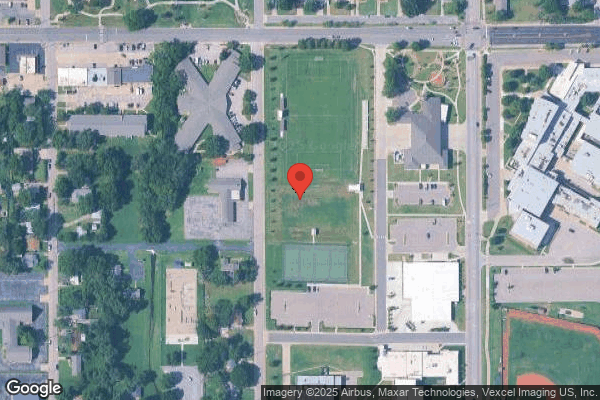
445 N WESTVIEW DR, DERBY, KS 67037 (316) 788-3739
For profit - Limited Liability company 70 Beds TUTERA SENIOR LIVING & HEALTH CARE Data: November 2025 4 Immediate Jeopardy citations
Trust Grade
0/100
#230 of 295 in KS
Last Inspection: March 2025

Within standard 12-15 month inspection cycle. Federal law requires annual inspections.

Overview

Westview of Derby Rehabilitation & Health Care Center has received a Trust Grade of F, indicating significant concerns about the quality of care provided. Ranked #230 out of 295 facilities in Kansas, this places them in the bottom half of nursing homes in the state, and #23 of 29 in Sedgwick County, suggesting limited local options for families. Unfortunately, the facility is worsening, with issues increasing from 4 in 2024 to 20 in 2025. Staffing has a rating of 2 out of 5 stars, with a concerning turnover rate of 70%, much higher than the state average, which raises questions about continuity of care. There have been serious incidents highlighted in inspection reports, including a resident with cognitive impairments who was able to leave the facility unsupervised multiple times, once leading to a fatal encounter with a train. Other critical findings include the failure to prevent another resident from eloping, resulting in a fall when exiting through a malfunctioning door. While the facility does have strong quality measures, these serious safety violations highlight significant weaknesses that families should consider carefully.

Trust Score
F
0/100
In Kansas
#230/295
Bottom 23%
Safety Record
High Risk
Review needed
Inspections
Getting Worse
4 → 20 violations
Staff Stability
⚠ Watch
70% turnover. Very high, 22 points above average. Constant new faces learning your loved one's needs.
Penalties
✓ Good
$85,817 in fines. Lower than most Kansas facilities. Relatively clean record.
Skilled Nurses
⚠ Watch
Each resident gets only 27 minutes of Registered Nurse (RN) attention daily — below average for Kansas. Fewer RN minutes means fewer trained eyes watching for problems.
Violations
⚠ Watch
56 deficiencies on record. Higher than average. Multiple issues found across inspections.
★★☆☆☆
2.0
Overall Rating
★★☆☆☆
2.0
Staff Levels
★★★★★
5.0
Care Quality
★☆☆☆☆
1.0
Inspection Score
Stable
2024: 4 issues
2025: 20 issues

The Good

  • 5-Star Quality Measures · Strong clinical quality outcomes
  • Full Sprinkler Coverage · Fire safety systems throughout facility
  • No fines on record

Facility shows strength in quality measures, fire safety.

The Bad

2-Star Overall Rating

Below Kansas average (2.9)

Below average - review inspection findings carefully

Staff Turnover: 70%

24pts above Kansas avg (46%)

Frequent staff changes - ask about care continuity

Federal Fines: $85,817

Well above median ($33,413)

Moderate penalties - review what triggered them

Chain: TUTERA SENIOR LIVING & HEALTH CARE

Part of a multi-facility chain

Ask about local staffing decisions and management

Staff turnover is very high (70%)

22 points above Kansas average of 48%

The Ugly 56 deficiencies on record

4 life-threatening 1 actual harm
Sept 2025 2 deficiencies
CONCERN (D) 📢 Someone Reported This

A family member, employee, or ombudsman was alarmed enough to file a formal complaint

Potential for Harm - no one hurt, but risky conditions existed

Quality of Care (Tag F0684)

Could have caused harm · This affected 1 resident

The facility reported a census of 62 residents; the sample included six residents reviewed for bowel movements and related monitoring. Based on observation, interview, and record review revealed the f...

Read full inspector narrative →
The facility reported a census of 62 residents; the sample included six residents reviewed for bowel movements and related monitoring. Based on observation, interview, and record review revealed the facility failed to monitor and respond to Resident (R)1 for lack of bowel movements. Findings included:- R1's Electronic Medical Records (EMR) documented diagnoses that included unspecified symptoms and signs involving cognitive functions and awareness (various disorders that affect an individual's intellectual capabilities and conscious perception of their surroundings), and constipation (difficulty passing stools).R1's 07/25/25 Significant Change Minimum Data Set (MDS) documented a Brief Interview for Mental Status (BIMS) score of four, indicating severe cognitive impairment. The MDS noted R1 was always incontinent of bladder, but bowels were unrated on the assessment; R1 did not have a toileting program, and/or constipation.R1's Urinary Continence and Indwelling Catheter Care Area Assessment (CAA), dated 07/25/25, documented R1 was incontinent of bladder and bowel. Staff assisted him with peri-care check and changes with the assistance of two staff members.R1's Care Plan dated 9/06/25, documented R1 was incontinent of bowels and directed staff to take R1 to the toilet at the same time each day and provide peri-care for each incontinent episode. R1's Care Plan dated 02/18/25, documented R1 took pain medication and instructed staff to monitor for constipation. R1's Physician Orders in the EMR documented an order for Milk of Magnesia (laxative) 400 milligrams (mg)/5 milliliters (ml); give 15ml by mouth as needed for constipation, give at bedtime if no bowel movement in three days; ordered on 07/11/25. R1's Physician Orders in the EMR documented an order for sennosides (laxative) 8.6 mg by mouth every night for constipation; ordered on 07/12/25.Review of R1's bowel movement frequency in the EMR dated 08/24/25 through 9/16/25 revealed the resident exceeded three days/72 hours without a bowel movement and/or treatment from 08/24/25 at 03:52 PM through 09/02/25 at 09:13 PM (nine consecutive days) with no medication given for constipation and no assessment documented.The EMR for the same timeframe listed above also revealed the resident exceeded three days/72 hours without a bowel movement and/or treatment from 09/06/25 at 09:59 PM through 09/14/25 at 08:17 PM (eight consecutive days). On 09/12/25 (after six consecutive days with no bowel movement), R1 received Milk of Magnesia. The follow-up from the Milk of Magnesia was documented as unknown, with no additional explanation documented in the nurses' notes. No additional documentation concerning constipation was provided, and no assessment was documented. R1's Tasks documented a bowel movement on 09/14/25 at 08:17 PM.On 09/16/25 at 12:58 PM, R1 lay in bed. The bed was in the lowest position with a fall mat on the floor beside his bed. R1 reported he has had falls with broken bones. On 09/16/25 at 1:58 PM, Certified Medication Aide (CMA) R stated R1 was dependent on two staff members to take him to the toilet; R1 sometimes told staff when he had to go. CMA R said staff documented when residents had bowel movements. CMA R said she was not aware of R1 receiving medications for constipation, as she had not given him any. On 09/16/25 at 04:22 PM, Licensed Nurse (LN) G stated that staff monitor bowel movements and if there was no bowel movement in three days, the nurse would notify the provider. LN g said the nurse would listen to bowel sounds and would follow the standing orders. LN G said staff would definitely investigate and assess the resident and document it in the EMR if the resident went three to four days with no bowel movement.On 09/16/25 at 04:43 PM, Administrative Nurse D stated that the staff monitors the bowel movements, and the Certified Nurse Aides (CNA) were supposed to document bowel movements in the EMR, but it has not always been done. Administrative Nurse D said the nurse was supposed to monitor the EMR dashboard for alerts, as the EMR would alert staff if a bowel movement was not documented in three days. Administrative Nurse D said it was not always being followed up on, and she was working on getting staff to follow up on alerts. The facility did not provide a policy to address the monitoring of residents to prevent constipation.
CONCERN (D) 📢 Someone Reported This

A family member, employee, or ombudsman was alarmed enough to file a formal complaint

Potential for Harm - no one hurt, but risky conditions existed

Accident Prevention (Tag F0689)

Could have caused harm · This affected 1 resident

The facility reported a census of 62 residents; the sample included six residents reviewed for accidents. Based on observation, interview, and record review, the facility failed to implement an interv...

Read full inspector narrative →
The facility reported a census of 62 residents; the sample included six residents reviewed for accidents. Based on observation, interview, and record review, the facility failed to implement an intervention to prevent further falls after a fall with serious injury for Resident (R) 1. Findings included:- R1's Electronic Medical Records (EMR), documented diagnoses which included unspecified symptoms and signs involving cognitive functions and awareness (various disorders that affect an individual's intellectual capabilities and conscious perception of their surroundings), displaced intertrochanteric fracture of right femur with nonunion (a break in the right thigh bone, specifically in the area between the greater and lesser trochanters, where the bone fragments have shifted out of alignment and have failed to heal after a prolonged period, even after treatment), anxiety (mental or emotional reaction characterized by apprehension, uncertainty, and irrational fear), muscle weakness, and a history of falling. R1's 07/25/25 Significant Change Minimum Data Set (MDS) documented a Brief Interview for Mental Status (BIMS) score of four, indicating severe cognitive impairment. The MDS documented R1 had two or more noninjury falls, two or more falls with an injury that was not severe, and one fall with a major injury.R1's 07/25/25 Falls Care Area Assessment (CAA) documented R1 required the assistance of two staff and a mechanical lift for transfers and required a wheelchair for mobility. R1's Care Plan, dated 12/20/24, documented R1 was at high risk for falls, had numerous falls since admission, and was expected to have ongoing falls due to impulsivity and poor safety awareness. An intervention, dated 12/20/24, stated the facility was to provide non-skid footwear to R1. An intervention dated 02/13/25 stated the facility was to lower R1's bed to the lowest position and use a floor mat. An intervention dated 03/26/25 directed staff to ensure R1 had a call light and not to leave in the bathroom unattended; R1 required a bolstered mattress. An intervention, dated 06/18/25, stated that staff will get R1 up and bring him out to the living room area if he is awake in bed. An intervention dated 07/10/25 stated R1 sometimes puts himself on the fall mat beside his bed. R1's Fall Investigation Report, written on 07/14/25, documented on 07/08/25 at 04:00 PM, staff left R1 unattended in the dining room. R1 stood up and fell. The intervention stated that the facility was to send R1 to the hospital for a femur fracture. The report lacked any intervention to prevent further falls. On 09/16/25 at 12:58 PM, R1 lay in bed at the lowest position with a fall mat on the floor beside his bed. R1 reported he had had many falls, rubbed his arm and leg, and stated he had gotten hurt. On 09/16/25 at 1:58 PM, Certified Medication Aide (CMA) R stated R1 had a lot of falls. Staff put his bed low, with a fall mat, and would sometimes sit with R1. CMA R said R1 was dependent on two staff members for assistance with care. CMA R reported if someone fell, the nurse would be called to assess them, get vital signs, and assist the resident up if safe to do so. CMA R stated staff were not involved in choosing the interventions for the falls and said the chosen interventions were not good. On 09/16/25 at 04:22 PM, Licensed Nurse (LN) G stated that when a resident fell, the staff would call the nurse and assess for range of motion, vital signs, any signs of injury, and initiate neurological checks. The nurse created an intervention, and the Director of Nursing (DON), MDS Coordinator, and Assistant DON would review the intervention and change it if needed. On 09/16/25 at 04:43 PM, Administrative Nurse D stated the previous DON had recently quit and oversaw the investigations for falls. Administrative Nurse D stated she was unable to find most of the investigations for the previous falls. Administrative Nurse D stated it was her expectation that the nurse on duty would put an intervention in the computer at the time of a fall; then a team of nurses would review the falls on the next working day to create an appropriate intervention and put the intervention into the computer. Administrative Nurse D stated staff just started doing fall huddles to discuss the fall at the time and started putting the intervention on the communication board.The facility's policy Skilled Fall Policy dated 05/2025, documented the community shall ensure that the Fall Program is maintained to reduce the occurrence of falls, reduce the risk of injury, and promote independence and safety. After each fall, an occurrence report will be completed, the root cause will be determined, and interventions will be implemented.
Mar 2025 17 deficiencies
CONCERN (D) 📢 Someone Reported This

A family member, employee, or ombudsman was alarmed enough to file a formal complaint

Potential for Harm - no one hurt, but risky conditions existed

Deficiency F0558 (Tag F0558)

Could have caused harm · This affected 1 resident

**NOTE- TERMS IN BRACKETS HAVE BEEN EDITED TO PROTECT CONFIDENTIALITY** - The Medical Diagnosis section within R25's Electronic Medical Records (EMR) included diagnoses of acute respiratory failure, b...

Read full inspector narrative →
**NOTE- TERMS IN BRACKETS HAVE BEEN EDITED TO PROTECT CONFIDENTIALITY** - The Medical Diagnosis section within R25's Electronic Medical Records (EMR) included diagnoses of acute respiratory failure, bipolar disorder (a major mental illness that causes people to have episodes of severe high and low moods), need for assistance with personal cares, unsteadiness of feet, and catatonic disorder (rare mental disorder that caused immobility, inability to communicate, and abnormal movements). R4's admission Minimum Data Set (MDS) dated 12/16/24 noted a Brief Interview for Mental Status (BIMS) score of two indicating severe cognitive impairment. The MDS indicated she required substantial to maximal assistance from staff for toileting, bathing, dressing, bed mobility, and bathing. The MDS was unable to determine if she had a history of falls. R4's Falls Care Area Assessment (CAA) completed 12/03/24 indicated she was at risk for falsl related to her impaired gait and cognitive impairment. The CAA noted she used a wheelchair but could ambulate without assistance. The CAA noted a care plan was implemented to address her risks. R4's Care Plan initiated 12/15/24 indicated she was at risk for falls related to her impaired balance and poor safety awareness. The plan noted she required staff assistance with transfers, dressing, bed mobility, bathing, and toileting. The plan noted she had limited mobility and weakness. The plan noted she used a wheelchair for mobility but required staff assistance while walking. The plan noted she had one non-injury fall related to her being dizzy. On 03/03/25 at 08:10 AM, R4 sat in her wheelchair in the hallway next to her room. R4 wheelchair had no foot pedals. R4 had tan rubber-soled shoes on her feet. At 08:11 AM unidentified staff pushed R4 from the hallway to the dining hall table next to the kitchen's drink station. R4's feet slid on the floor as staff pushed her. On 03/03/25 09:30 AM, R4 was moved away from the dining room to her room for toileting assistance. R4's feet slid on the floor as staff pushed her to her room. On 03/05/25 at 11:30 AM, Certified Medication Aide (CMA) R stated some of the residents preferred not to have foot pedals on their wheelchairs, but their feet should never touch the ground while being pushed. She stated cognitively impaired resident must have foot pedals on to prevent falls during motion. On 03/05/25 at 01:16 PM, Administrative Nurse D stated staff were expected to put the foot pedals on before pushing the residents. The facility's Fall Prevention policy (undated) indicated the facility was to implement and provide preventative interventions to prevent potential accidents. The policy indicated the facility was to promote a safe environment to ensure resident safety. The facility failed to ensure the use of wheelchair foot pedals for R4 while being pushed in her wheelchair. This placed the resident at risk for preventable accidents and injuries. The facility identified a census of 69 residents. The sample included 18 residents, with two residents sampled for reasonable accommodations of needs. Based on observation, record review, and interview, the facility failed to ensure Resident (R) 24's call light was within her reach and further failed to provide foot pedals for R25 while pushing her in the hall. This deficient practice left R24 vulnerable to unmet care needs due to the inability to call for staff assistance and placed R25 at an increased risk for preventable falls and injuries. Findings Included: - R24's Electronic Medical Record (EMR) from the Diagnosis tab documented diagnoses of heart failure (a condition with low heart output), hemiparesis/hemiplegia (weakness and paralysis on one side of the body) following a cerebral infarction (stroke - the sudden death of brain cells due to lack of oxygen caused by impaired blood flow to the brain by blockage or rupture of an artery to the brain), effecting the left nondominant side, muscle weakness hypertension (high blood pressure), neurogenic bladder (dysfunction of the urinary bladder caused by a lesion of the nervous system), major depressive disorder (major mood disorder that causes persistent feelings of sadness), and dementia (a progressive mental disorder characterized by failing memory and confusion). The Quarterly Minimum Data Set (MDS) dated [DATE] documented a Brief Interview of Mental Status (BIMS) score of one which indicated severely impaired cognition. The MDS documented R24 was dependent on staff for bathing and toileting. The MDS documented R24 had not had a fall during the observation period. The Significant MDS dated 05/24/24 documented a BIMS score of one which indicated severely impaired cognition. The MDS documented R24 was dependent on staff for bathing and toileting. The MDS documented R24 had a non-injury fall during the look-back period. R24's Falls Care Area Assessment (CAA) dated 05/24/24 documented R24 was at risk for falls and was dependent on staff for activities of daily living (ADL) and transfers. R24 CAA documented she had weakness due to hemiparesis/hemiplegia, was incontinent of bowel, had a Foley catheter, and had confusion. R24's Care Plan dated 03/05/21 documented R24 was at risk for falls, staff were to place a Dycem (non-slip mat used for stabilization and gripping to prevent slipping) in her recliner and wheelchair to help prevent slipping. R24's plan of care dated 12/26/24 documented staff were to ensure that R24 was positioned away from the edge of the bed and staff were to ensure her call light was within reach and encourage the resident to use it for assistance as needed. On 03/03/25 at 07:25 AM, R24 laid on her bed asleep. R24's call light was placed at the back of her legs; the call light was out of her reach. On 03/05/25 at 12:25 PM, Certified Nurse's Aide (CNA) M stated call lights should always be placed on a resident's side, clipped to their clothing, and always within their reach. On 03/05/25 at 12:52 PM, Licensed Nurse (LN) G stated all nursing staff checked to ensure residents' call lights were within the residents' reach. He stated some of the residents had specific places they liked the light placed. On 03/05/24 at 01:16 PM, Administrative Nurse D stated call lights should be within the resident's reach. The facility failed to provide an accommodations of needs policy. The facility failed to ensure R24's call light was within her reach. This deficient practice left R24 vulnerable to unmet care needs due to the inability to call for staff assistance.
CONCERN (D) 📢 Someone Reported This

A family member, employee, or ombudsman was alarmed enough to file a formal complaint

Potential for Harm - no one hurt, but risky conditions existed

Deficiency F0571 (Tag F0571)

Could have caused harm · This affected 1 resident

**NOTE- TERMS IN BRACKETS HAVE BEEN EDITED TO PROTECT CONFIDENTIALITY** The facility reported a census of 69 residents. The sample included 18 residents, with one reviewed for personal funds. Based on...

Read full inspector narrative →
**NOTE- TERMS IN BRACKETS HAVE BEEN EDITED TO PROTECT CONFIDENTIALITY** The facility reported a census of 69 residents. The sample included 18 residents, with one reviewed for personal funds. Based on record review, interviews, and observations, the facility failed to prevent unnecessary charges to Resident (R) 218 bank account resulting in multiple charges to his bank account. This deficient practice placed R218 at risk for misappropriation of funds. Findings Included: - The Medical Diagnosis section within R57's Electronic Medical Records (EMR) included diagnoses of Chronic obstructive pulmonary disorder (COPD - a progressive and irreversible condition characterized by diminished lung capacity and difficulty or discomfort in breathing), senile degeneration of the brain, and dementia (a progressive mental disorder characterized by failing memory and confusion). R218's EMR indicated he was admitted to the facility on [DATE]. R218's admission Minimum Data Set (MDS) completed 09/19/24 noted a Brief Interview for Mental Status (BIMS) score of seven indicating severe cognitive impairment. The MDS noted he was admitted to the facility for hospice services. R218's Dementia Care Area Assessment (CAA) completed 09/22/24 indicated he had severe cognitive impairments and communication issues. The CAA noted a care plan will be implemented to address his needs. R218's EMR indicated he was discharged from the facility on 09/25/25. R218's Care Plan initiated on 09/12/24 indicated he was admitted to the facility and wished to remain in the long-term care unit. R218's EMR under Census revealed his payor source was private pay. R218's EMR under Miscellaneous revealed R218's admission Agreement indicated that the facility was aware he received Medicaid/Medicare services. A review of the facility's Service Invoice (dated 09/30/24) for R218's services revealed his bank account was successfully charged $1850.00 on 09/09/24 for his services in September 2025. A review of the facility's Service Invoice (dated 11/30/24) for R218's services revealed his bank account was billed $2,494.73.00 for his services in September 2024. A review of the facility's Service Invoice (dated 12/15/24) for R218's services revealed his bank account was billed $215.27 for his services in September 2024. A review of the facility's Service Invoice (dated 02/28/25) for R218's services revealed his bank account was charged $2,279.46 on 02/10/25 but was declined due to insufficient funds. On 03/04/25 at 10:01 AM, R218's representative reported the facility charged his personal account $1650.00 in September 2024. She reported the facility then attempted to withdraw $2400.00 but the transaction was declined due to insufficient funds. She reported the facility debited $293.00 in December 2024. She reported the facility attempted to debit his account $2200.00 in January 2024 but the transaction was declined due to insufficient funds. R218's representative stated she reported the transactions to the state agency in February 2025. R218 representative stated she informed the facility. R218 was admitted to the facility on Medicaid under hospice services. She stated the services should have been covered under Medicaid/Medicare services. She stated she provided the facility with a copy of his Medicaid/Medicare eligibility. On 03/05/25 at 10:22 AM, Administrative Staff B stated that R218's billing code was set up incorrectly which resulted in the inappropriate charging of his bank account. She stated the facility would reimburse R218's accounts for the error. On 03/05/25 at 01:34 PM, Administrative Staff A stated R218 was admitted on both hospice pay and private pay at the facility. Administrative Staff A stated that may have caused him to be billed incorrectly. The facility failed to provide a policy related to resident personal funds as requested on 03/05/25. The facility failed to prevent unnecessary charges to the R218 bank account resulting in multiple charges to his bank account. This deficient practice placed R218 at risk for misappropriation of funds.
CONCERN (D) 📢 Someone Reported This

A family member, employee, or ombudsman was alarmed enough to file a formal complaint

Potential for Harm - no one hurt, but risky conditions existed

Deficiency F0582 (Tag F0582)

Could have caused harm · This affected 1 resident

The facility identified a census of 69 with 18 residents included in the sample. The facility identified 12 residents who were discharged from Medicare Part A services. Based on interview and record r...

Read full inspector narrative →
The facility identified a census of 69 with 18 residents included in the sample. The facility identified 12 residents who were discharged from Medicare Part A services. Based on interview and record review the facility failed to issue CMS (Center for Medicare/Medicaid Services) Skilled Nursing Facility Advance Beneficiary Notification (SNF ABN) form 10055 (the form used to notify Medicare A participants of potential financial liability when a Medicare Part A episode ends) for Resident (R) 63. This failure placed the residents at risk for decreased autonomy and impaired decision-making. Findings included: - Review of R63's Electronic Medical Record (EMR) documented that the Medicare Part A episode began on 11/13/24 and ended on 012/06/24. R12 remained in the facility for custodial care. The facility was unable to provide evidence that staff issued the SNF ABN 10055. On 03/02/25 at 11:25 AM, Social Service X stated she had never given an SNF ABN for residents ending Medicare part that were staying in the facility. She stated she was not trained to give SNF ABN. The facility's Skilled Nursing Facility Advanced Beneficiary Notice undated policy documented The SNF ABN provides information to the patient to enable the patient to decide whether to get that care that may not be paid for by Medicare and assume financial responsibility. The facility failed to ensure the forms provided at the end of skilled services contained the required information for the residents to make informed choices and appeal the non-coverage decisions. This failure placed the residents at risk for decreased autonomy and impaired decision-making.
CONCERN (D) 📢 Someone Reported This

A family member, employee, or ombudsman was alarmed enough to file a formal complaint

Potential for Harm - no one hurt, but risky conditions existed

Pressure Ulcer Prevention (Tag F0686)

Could have caused harm · This affected 1 resident

**NOTE- TERMS IN BRACKETS HAVE BEEN EDITED TO PROTECT CONFIDENTIALITY** The facility identified a census of 69 residents. The sample included 18 residents, with three residents reviewed for treatment/...

Read full inspector narrative →
**NOTE- TERMS IN BRACKETS HAVE BEEN EDITED TO PROTECT CONFIDENTIALITY** The facility identified a census of 69 residents. The sample included 18 residents, with three residents reviewed for treatment/services to prevent/heal pressure ulcers (localized injury to the skin and/or underlying tissue usually over a bony prominence, because of pressure, or pressure in combination with shear and/or friction). Based on observation, record review, and interviews, the facility failed to ensure Resident (R) 24's heels were offloading, heel protectors were applied to both heels and further failed to monitor R24's low air loss mattress. This placed R24 at increased risk for developing pressure ulcers. Findings Included: - R24's Electronic Medical Record (EMR) from the Diagnosis tab documented diagnoses of heart failure (a condition with low heart output), hemiparesis/hemiplegia (weakness and paralysis on one side of the body) following a cerebral infarction (stroke - sudden death of brain cells due to lack of oxygen caused by impaired blood flow to the brain by blockage or rupture of an artery to the brain), effecting the left no-dominant side, muscle weakness hypertension (high blood pressure), neurogenic bladder (dysfunction of the urinary bladder caused by a lesion of the nervous system), major depressive disorder (major mood disorder that causes persistent feelings of sadness), and dementia (a progressive mental disorder characterized by failing memory and confusion). The Quarterly Minimum Data Set (MDS) dated [DATE] documented a Brief Interview of Mental Status (BIMS) score of one which indicated severely impaired cognition. The MDS documented R24 was not at risk for developing pressure ulcers. The MDS documented R24 had a pressure-reducing device in her chair, a pressure-reducing device in her bed, nutritional and hydration interventions to manage skin problems, moisture-associated skin damage, and application of ointment or dressing to feet. The Significant MDS dated 05/24/24 documented a BIMS score of one which indicated severely impaired cognition. The MDS documented R24 was not at risk for developing pressure ulcers. The MDS documented R24 had a pressure-reducing device in her chair, a pressure-reducing device in her bed, nutritional and hydration interventions to manage skin problems, moisture-associated skin damage, and application of ointment or dressing to feet. R24's Pressure Ulcer/ Injury Care Area Assessment dated 05/24/24 documented R24 had a risk for pressure due to impaired mobility, needing assistance to reposition has a Foley catheter (a tube inserted into the bladder to drain urine into a collection bag), pain, depression, dementia, and end of life care. R24's pressure injury would be addressed in the care plan. R24's Care Plan revised 02/08/21 documented R24 had potential impairment to skin integrity. Staff were to monitor and document the location, size, and treatment of skin injury, and report abnormalities of skin. R24's plan of care lacked documentation for staff to monitor R24's low air loss mattress. R24's Braden Scale for Prediction Pressure Sore Risk dated 02/23/25 documented a score of 13 indicating a moderate risk for pressure ulcers. R24's EMR under the Vitals and Weights tab documented a weight of 116.00 on 02/01/25. R24's low air loss mattress Drive manufactures recommendation indications document low air mattress should be set at person's weight. R24's Weekly Wound Assessment dated 03/02/24 documented R24 had no skin issues. R24's physician's orders under the Orders tab revealed the following orders: Barrier cream to bottom areas every shift for preventative care dated 01/06/25. Left lateral malleolus (and expanded projection at the distal end of the fibula or tibia at the level of the ankle) apply Skin-prep (liquid skin protectant) twice daily related to redness and preventative 11/13/12. Heel protectors worn to bilateral feet while in bed daily as tolerated every shift while in bed 11/05/24. Offload heels daily while in bed every shift while in bed for redness dated 11/05/24. On 03/03/25 at 07:25 AM, R24 laid on her bed, R24's Low air loss mattress was set at 350 pounds. R24's heels laid directly on the mattress. R24's heels were not floated, and she did not have heel protectors. On 03/05/25 at 12:25 PM, Certified Nurse's Aide (CNA) M stated it would be all nursing duties to ensure residents' heels are floated or boots applied to heels. She stated staff ensured the mattress was plugged in. CNA M stated she was unsure what the mattress dial should be set on. On 03/05/25 at 12:52 PM, Licensed Nurse (LN) G stated all nursing staff check to ensure the mattresses are plugged in. LN G stated he does not monitor the mattress and was unsure what the mattress should be set at. He stated when the mattresses were put in place, the mattress was set, and nursing staff ensured the mattress was working. LN G stated nurses ensured residents had their heels floated. On 03/05/24 at 01:16 PM Administrative Nurse D stated she was unsure how low air loss mattresses were set. Administrative Nurse D stated it was all nursing staff's responsibility to ensure residents' heels are floated. She stated heels to be floated should be on the care plan, and orders should be on the Treatment Administration Record (TAR). The facility's Pressure Injury Prevention policy revised 02/22 documented the facility would implement and develop a plan to meet the needs of each resident. The facility would include the consideration of mechanical support surfaces, nutrition, hydration, positioning, mobility continence, skin condition, and overall clinical condition of the resident. The goal would be for the resident to be free of preventable pressure ulcers and injuries. The facility failed to ensure R24's heels were offloading, and heel protectors were applied to both heels and further failed to monitor R24's low air loss mattress. This placed R24 at increased risk for developing pressure ulcers.
CONCERN (D) 📢 Someone Reported This

A family member, employee, or ombudsman was alarmed enough to file a formal complaint

Potential for Harm - no one hurt, but risky conditions existed

Deficiency F0698 (Tag F0698)

Could have caused harm · This affected 1 resident

The facility identified a census of 69 residents. The sample included 18 residents, with one resident reviewed for hemodialysis (a procedure using a machine to remove excess water, solutes, and toxins...

Read full inspector narrative →
The facility identified a census of 69 residents. The sample included 18 residents, with one resident reviewed for hemodialysis (a procedure using a machine to remove excess water, solutes, and toxins from the blood in people whose kidneys can no longer perform these functions naturally). Based on observation, record review, and interviews, the facility failed to consistently monitor and document Resident (R) 54's dialysis (a procedure where impurities or wastes were removed from the blood), shunt for bruit (blowing or swishing sound heard when blood flows through a shunt), thrill (a fine vibration felt that reflects the blood flow by a dialysis resident's shunt), and dressing. This deficient practice placed R54 at risk of potential adverse outcomes and physical complications related to dialysis. Findings included: - R54's Electronic Medical Record (EMR) from the Diagnosis tab documented diagnoses of diabetes mellitus (DM - when the body cannot use glucose, not enough insulin made or the body cannot respond to the insulin), dialysis hypertension (HTN - elevated blood pressure), unsteadiness on his feet, muscle weakness, need for personal assistance, hearing loss, and major depressive disorder (major mood disorder that causes persistent feelings of sadness). The Significant Change Minimum Data Set (MDS) for R54 dated 01/16/24 recorded a Brief Interview for Mental Status (BIMS) score of 14 which indicated intact cognition. The MDS documented R54 required dialysis during the observation period. R54's Functional Abilities Care Area Assessment (CAA) dated 01/16/24 documented R54 Functional abilities will be addressed in the care plan. R54 required the assistance of one with activities of daily living (ADL) and two persons with transfers due to a fractured shoulder. R54's Care Plan dated 12/10/24 documented R54 required hemodialysis related to end-stage renal disease (a severe and irreversible condition where the kidneys lose their ability to function properly). R54 would have no signs and symptoms of complications from dialysis. Nurses would monitor thrill and bruit to the right upper extremity and obtain vital signs before and after dialysis. R54 would go to dialysis on Mondays, Wednesdays, and Fridays from 10:30 AM to 03:00 PM each dialysis day. Nursing staff were to encourage R54 to go to the scheduled dialysis appointments. R54's EMR under the Orders tab dated 08/04/23 revealed the following physician's order: Dialysis Monday, Wednesday, and Friday at 08:45, check thrill and bruit to right lower extremity, and obtain vital signs (VS) before and after dialysis in the afternoon, every Monday, Wednesday, and Friday for dialysis, dated 12/27/24. R54's EMR lacked documentation or direction for nursing staff to check R54's dressing, bruit, and thrill daily. On 03/03/25 at 07:28 AM, R54 sat in her wheelchair waiting to go to breakfast. R54 was able to communicate with visitors, by using a maker board. On 03/04/25 at 08:00 AM, R54 sat in the dining room waiting for her breakfast with peers. On 03/05/25 at 12:52 PM, Licensed Nurse (LN) G stated nurses do not have a place to document daily monitoring of R54's dressing, bruit, and thrill. He stated he monitored the bruit and thrill daily. LN G stated the bruit and thrill should be monitored daily, and nursing should document the bruit and thrill were monitored daily. On 03/05/25 at 01:16 PM, Administrative Nurse D stated she thought the dressing, bruit, and thrill were monitored before and after dialysis days, and that information was documented on the dialysis communication sheet. Administrative Nurse D was unsure if the bruit and thrill were monitored or documented on the days R54 did not go to dialysis. She stated that information would be documented on the Treatment Administration Record (TAR). The facility's dialysis communication policy failed to cover the access site monitoring. The facility failed to consistently monitor and document R54's dialysis shunt for bruit, thrill, and dressing. This deficient practice placed R54 at risk of potential adverse outcomes and physical complications related to dialysis.
CONCERN (D) 📢 Someone Reported This

A family member, employee, or ombudsman was alarmed enough to file a formal complaint

Potential for Harm - no one hurt, but risky conditions existed

Deficiency F0757 (Tag F0757)

Could have caused harm · This affected 1 resident

The facility identified a census of 69 residents. The sample included 18 residents, with seven reviewed for unnecessary medications. Based on record review, observations, and interviews, the facility ...

Read full inspector narrative →
The facility identified a census of 69 residents. The sample included 18 residents, with seven reviewed for unnecessary medications. Based on record review, observations, and interviews, the facility failed to ensure R4's Diclofenac (topical medicated ointment used to treat pain) medication had a dosage administration amount. This deficient practice placed both residents at risk for unnecessary medications and potential side effects. Findings Included: - The Medical Diagnosis section within R4's Electronic Medical Records (EMR) included diagnoses of cerebral infarction (stroke - sudden death of brain cells due to lack of oxygen caused by impaired blood flow to the brain by blockage or rupture of an artery to the brain), muscle weakness, aphasia (difficulty speaking), chronic kidney disease, and heart failure. R4's admission Minimum Data Set (MDS) dated 12/16/24 noted a Brief Interview for Mental Status (BIMS) score of zero indicating severe cognitive impairment. The MDS indicated she required substantial to maximal assistance with transfers, bed mobility, dressing, toileting, bathing, and personal hygiene. The MDS noted no pain reported during the assessment. The MDS noted she took opioid (a class of controlled drugs used to treat pain) medication. R4's Psychotropic Drug Use Area Assessment (CAA) completed 09/03/24 indicated she took antidepressants (a class of medications used to treat mood disorders). The plan instructed staff to observe for side effects. The CAA noted a care plan was implemented to address the risks of her medications. R4's Care Plan initiated on 04/27/24 indicated she was at risk for pain related to her medical diagnoses. The plan instructed staff to monitor for signs/symptoms of pain and provide treatment. The plan noted she took medications with Black Box Warnings (BBW - the highest safety-related warning that medications can be assigned by the Food and Drug Administration). R4's EMR under Physician's Orders revealed an order dated 10/01/24. The order instructed staff to administer Diclofenac Sodium External Gel topically three times daily to affected areas for pain. The order lacked a dosage for administration. A review of R4's Monthly Medication Review for 11/2024 revealed the Consultant Pharmacist (CP) identified R4's Diclofenac order lacked a dosage and site of application. The CP recommended the facility clarify the dosage amount and location of administration. The facility provided no documented response to the CP's recommendation. On 03/04/25 at 07:30 AM, R4 sat in her wheelchair in her room. R4 was administered her medication but did not want her Diclofenac medication applied. On 03/05/25 at 12:53 PM, Licensed Nurse (LN) G stated all valid medication orders were to include the amount to be administered and the location of the application. On 03/05/25 at 01:16 PM, Administrative Nurse D stated all medication orders should have an accurate dosage amount to be given. She stated Diclofenac should be measured before administration to ensure the correct amount was given. The facility failed to provide a policy related to physician's orders as requested on 03/0625. The facility failed to ensure R4's Diclofenac's order contained a dosage amount to be administered. This placed R4 at risk for unnecessary medications and potential side effects.
CONCERN (D) 📢 Someone Reported This

A family member, employee, or ombudsman was alarmed enough to file a formal complaint

Potential for Harm - no one hurt, but risky conditions existed

Deficiency F0761 (Tag F0761)

Could have caused harm · This affected 1 resident

The facility identified a census of 69 residents. The sample included 18 residents, three medication carts, and one medication room. Based on observation, record review, and interviews, the facility f...

Read full inspector narrative →
The facility identified a census of 69 residents. The sample included 18 residents, three medication carts, and one medication room. Based on observation, record review, and interviews, the facility failed to properly label medication in one of the three medication carts. This placed the residents at risk for adverse outcomes or ineffective medication regimens. Findings included: - On 03/05/25 at 09:06 AM the licensed nurse medication cart on the 400 hallway contained one opened, undated insulin (a hormone that lowers the level of glucose in the blood) pen. On 03/05/25 at 09:06 AM, Licensed Nurse (LN) G stated all insulin pens should be labeled once they are removed from the refrigerator and placed into the medication cart. On 03/05/25 at 01:17 PM, Administrative Nurse D stated she expected all insulin pens to be dated and labeled once the pens were opened. The facility failed to provide a policy related to medication storage. The facility failed to properly label medications. This deficient practice could potentially cause adverse consequences or ineffective treatment to the affected residents.
CONCERN (E) 📢 Someone Reported This

A family member, employee, or ombudsman was alarmed enough to file a formal complaint

Potential for Harm - no one hurt, but risky conditions existed

Deficiency F0583 (Tag F0583)

Could have caused harm · This affected multiple residents

The facility had a census of 69 residents. The sample included 18 residents. Based on observation, record review, and interview, the facility failed to keep Resident (R) 38's protected health informat...

Read full inspector narrative →
The facility had a census of 69 residents. The sample included 18 residents. Based on observation, record review, and interview, the facility failed to keep Resident (R) 38's protected health information (PHI) private on a medication cart parked in the main dining room. This deficient practice placed R38 at risk for impaired privacy. Findings included: - On 03/04/25 at 10:02 AM, an observation revealed a medication cart parked in the 400 hallway with a laptop computer sitting on the top, the computer screen was unlocked and open, and R38's PHI was on the screen visible to all who passed by the medication cart. The information visualized included R38's medications, date of birth , allergy information, and code status. No nursing staff were in view of the medication cart. Certified Medication Aide (CMA) R agency exited another room into the hallway. On 03/04/25 at 10:05 AM, CMA R stated she had just walked away from the medication cart for just a minute. CMA R stated she should not leave the computer open and R38's PHI. On 03/05/25 at 12:50 PM, Licensed Nurse (LN) G stated the laptop should be closed. On 03/05/25 at 01:17 PM, Administrative Nurse D stated she expected the laptop on the medication cart to be locked or closed. On Administrative Nurse D stated the resident's PHI should not be available to just anyone. The facility's Electronic Medical Records policy dated 12/2025 documented electronic records are an acceptable form of medical record management. Only authorized persons who have been issued a password and user ID code would be permitted access to the electronic medical records system. The facility would make reasonable efforts to limit the use or disclosure of protected health information to only the minimum necessary to accomplish the intended purpose of the use or disclosure. The facility failed to maintain R38's privacy regarding PHI. This deficient practice placed the resident at risk for impaired privacy.
CONCERN (E) 📢 Someone Reported This

A family member, employee, or ombudsman was alarmed enough to file a formal complaint

Potential for Harm - no one hurt, but risky conditions existed

ADL Care (Tag F0677)

Could have caused harm · This affected multiple residents

**NOTE- TERMS IN BRACKETS HAVE BEEN EDITED TO PROTECT CONFIDENTIALITY** The facility identified a census of 69 residents. The sample included 18 residents, with eight residents reviewed for activities...

Read full inspector narrative →
**NOTE- TERMS IN BRACKETS HAVE BEEN EDITED TO PROTECT CONFIDENTIALITY** The facility identified a census of 69 residents. The sample included 18 residents, with eight residents reviewed for activities of daily living (ADL) for dependent residents. Based on observation, record review, and interviews, the facility failed to ensure a shower/bath was provided for Resident (R) 11, R34, R14, and R15 who were dependent on staff assistance with ADLs. This deficient practice had the potential to cause skin breakdown and/or skin complications due to poor personal hygiene and impaired psychosocial well-being. Findings included: - R11's Electronic Medical Record (EMR) from the Diagnosis tab documented diagnoses of muscle weakness, need for assistance with personal care, and depression (a mood disorder that causes a persistent feeling of sadness and loss of interest). The Annual Minimum Data Set (MDS) dated [DATE] documented a Brief Interview of Mental Status (BIMS) score of 14 which indicated intact cognition. The MDS documented R11 was dependent on staff assistance for transfers and required substantial assistance from staff for showering/bathing. The Quarterly MDS dated 12/16/24 documented a BIMS score of 14 which indicated intact cognition. The MDS documented that R11 had limited range of motion (ROM - the full movement potential of a joint, usually its range of flexion and extension) on her upper extremity on one side. The MDS documented R11 required substantial to maximum staff assistance for bathing and was dependent on staff assistance for transfers during the observation period. R11's Functional Abilities (Self-Care and Mobility) Care Area Assessment (CAA) dated 11/30/24 documented she required one staff member's assistance with her ADLs. R11's Care Plan dated 03/17/24 documented she preferred to be offered showers or bed baths twice weekly and as needed. The plan of care documented R11 occasionally refused her showers. R11's EMR under the Reports tab and Bathing task was reviewed for the following dates 01/01/25 to 03/03/25 (61 days). The EMR documented one Shower (SH) or Baths (B) on 01/11/25 and one Resident Refused (98 resident refused) on 01/01/25. R11's clinical record lacked evidence she was offered or refused care during the 61 days reviewed. The facility had reported there were bath sheets that were not part of R11's medical record. The facility did not provide the bath sheets for R11. On 03/05/25 at 10:26 AM, R11 laid on her bed with the head of her bed elevated. R11's hair appeared oily and uncombed. R11 had reported she had not received a bath/shower yet this week. R11 stated she felt dirty and neglected when she did not receive her scheduled bath. R11 stated the facility still charged her full price for care. On 03/05/24 at 12:24 PM, Certified Nursing Aide (CNA)M stated residents pick the days of the week they prefer bathing. She stated if the facility staff was unable to give bathing due to staffing, the resident would be scheduled the following day. CNA M stated if a resident refuses the shower, the CNA should ask a second time, and report the refusal to the nurse. CNA M stated staff would offer a bed bath or sponge bath. CNA M stated the bath aide documents bathing on a bath sheet, which is given to the director of nursing after the bath sheet was filled out. On 03/05/25 at 12:52 PM, Licensed Nurse (LN) G stated bathing was done by a bath aide twice a week. LN G stated if a resident refused the CNA would let the nurse know. The LN would visit with the resident and offer a sponge bath or bed bath. LN G stated bathing was documented in the residents' EMR. On 03/05/25 at 01:16 PM, Administrative Nurse D stated residents were offered two showers a week. She stated if a resident did not get their scheduled shower on the day the shower was scheduled, the nurse would visit with the resident and set up a time on a different day. Administrative Nurse D stated if a resident had not received a shower for multiple days or refused bathing consistently that information would be directed to the director of nursing. Administrative Nurse D stated the bath aide fills out a bath sheet, the sheets are given to the director of nursing to review. She stated nursing was to chart refusals. The CNA would chart showers given and refusals in the residents' EMR. Administrative Nurse D stated she was aware of a few residents' showers not being given due to refusals. The facility's Activities of Daily Living policy undated documented the facility provides each resident with care, treatment, and services according to the resident's individualized care plan. Based on the individual resident's comprehensive assessment, facility staff would ensure each resident's abilities in activities of daily living to not diminish unless circumstances of the resident clinical condition demonstrate that the decline was unavoidable, including bathing, dressing grooming transferring, locomotion, ambulation, toileting, eating, and communication. The facility failed to provide consistent bathing for R11. This deficient practice had the risk of poor hygiene and decreased self-esteem and dignity.- The Medical Diagnosis section within R15's Electronic Medical Records (EMR) included diagnoses of chronic obstructive pulmonary disease (COPD - a progressive and irreversible condition characterized by diminished lung capacity and difficulty or discomfort in breathing), fibromyalgia (condition of musculoskeletal pain, spasms, stiffness, fatigue, and severe sleep disturbance), morbid obesity (excessive body fat), and type two diabetes mellitus (DM - when the body cannot use glucose, not enough insulin is made, or the body cannot respond to the insulin). R15's Quarterly Minimum Data Set (MDS) dated 01/03/25 noted a Brief Interview for Mental Status (BIMS) score of 15 indicating intact cognition. The MDS indicated she required substantial to maximal assistance with toileting, transfers, bed mobility, dressing, and bathing. The MDS noted she was frequently incontinent of the bladder and always incontinent of the bowel. The MDS noted she had moisture-associated skin damage (MASD). R15's Functional Abilities Care Area Assessment (CAA) completed 04/03/24 indicated she was dependent on two staff for assistance with her activities of daily living (ADL). The plan noted she would work with therapy to improve her strength and transfer abilities. R15's Urinary Incontinence CAA completed 04/03/24 indicated she was at risk for impaired skin and pressure injuries related to her immobility and incontinence. The plan noted that the staff was to provide peri-care after each incontinent episode. R15's Care Plan initiated 07/21/22 indicated she had an ADLs deficiency related to her medical diagnoses. The plan noted she was dependent on staff assistance for bathing, toileting, dressing, personal hygiene, bed mobility, and transfers (07/21/22). The plan noted she refused all her treatments, therapies, and care (11/08/22). The plan noted that R15 had chronic moisture-associated skin damage due to her immobility and medical diagnoses (12/19/24). R15's Documentation Survey Report revealed her last documented bathing opportunity occurred on 02/01/25. R15's EMR under Tasks revealed no bathing opportunities occurred within the last 30 days reviewed. R15's Progress Notes under Alert Note revealed a note dated 01/24/25. The note revealed she was provided a bed bath by two staff members. No other progress notes revealed bathing. On 03/03/25 at 09:00 AM, R15 lay in her bed. Her bed was in the low position with her bedside table pulled to her left side. R15's hair and skwere greasy. Her hair uncombed. Her room smelled of body odor. R15 reported she felt dirty and unclean due to the facility not providing her bathing for the last month. She stated staff would provide peri-care but would not get her up for showering or bathing. She stated she had no current skin issues but has in the past due to not being bathed properly. On 03/05/24 at 12:24 PM, Certified Nursing Aide (CNA) M stated residents pick the days of the week they prefer bathing. She stated if the facility staff were unable to complete bathing due to staffing, the resident would be scheduled the following day. CNA M stated if a resident refused the shower, the CNA should ask a second time, and report the refusal to the nurse. CNA M stated staff would offer a bed bath or sponge bath. CAN M stated the bath aide documents bathing on a bath sheet, which was given to the director of nursing after the bath sheet was filled out. On 03/05/25 at 12:52 PM, Licensed Nurse (LN) G stated bathing was done by a bath aide twice a week. LN G stated if a resident refused the CNA would let the nurse know. The LN would visit with the resident and offer a sponge bath or bed bath. LN G stated bathing was documented in the resident's EMR. On 03/05/25 at 01:16 PM, Administrative Nurse D stated residents were offered showers twice a week. She stated if a resident had not gotten their scheduled shower on the day the shower was scheduled, the nurse would visit with the resident and set up a time on a different day. Administrative Nurse D stated if a resident does not receive a shower for multiple days or refuses bathing consistently that information would be directed to the director of nursing. Administrative Nurse D stated the bath aide fills out a bath sheet, the sheets are given to the director of nursing to review. She stated nursing was to chart refusals. The CNA would chart showers given and refusals in the residents' EMR. Administrative Nurse D stated she was aware of a few residents' showers not being given due to refusals. The facility's Activities of Daily Living policy (undated) documented the facility provides each resident with care, treatment, and services according to the resident's individualized care plan. Based on the individual resident's comprehensive assessment, facility staff would ensure each resident's abilities in activities of daily living do not diminish unless circumstances of the resident clinical condition demonstrate that the decline was unavoidable, including bathing, dressing grooming transferring, locomotion, ambulation, toileting, eating, and communication. The facility failed to provide consistent bathing opportunities for R15. This deficient practice placed R15 at risk for impaired psycho-social well-being and skin breakdown.- The Diagnosis tab of R14's Electronic Medical Record (EMR) documented diagnoses of obesity (excessive body fat), diabetes mellitus (DM - when the body cannot use glucose, not enough insulin is made, or the body cannot respond to the insulin), hemiplegia (paralysis of one side of the body), affecting left nondominant side, muscle weakness, hypertension (high blood pressure), major depressive disorder (major mood disorder that causes persistent feelings of sadness), lack of coordination, need for assistance with personal care, cellulitis (bacterial infection of the skin and underlying tissues), and abnormalities of gait and mobility. The Quarterly Minimum Data Set (MDS) dated 01/12/25, documented a Brief Interview of Mental Status (BIMS) score of 15 which indicated intact cognition. The MDS documented R14 required substantial to maximum assistance for bathing and dressing; and was dependent of staff for toileting. The Annual MDS dated 07/12/24 documented a BIMS of 15 which indicated intact cognition. The MDS documented R14 had impairment of one side of her body. The MDS documented R14 needed substantial to maximum assistance for bathing and dressing. R14's Care Plan revised on 11/17/24 documented R14 had an activity of daily living (ALD) self-care deficit. R14's plan of care documented she was totally dependent on staff to provide bathing. R14 preferred to receive two showers per week in the daytime, and R14 required one to two staff assistance with her bath. R14's medical record documented R14 did not consistently receive bathing twice weekly from 01/16/25 to 3/2/25 per her choice. On 03/03/25 at 09:24 AM, R14 laid in her bed on her back, with the head of bed raised. R14's room had a distinct urine odor. On 03/03/25 at 09:24 AM, R14 stated she had not gotten a shower for 15 days and was supposed to get a shower on 03/03/25. R14 stated she knew she knew she smelt of urine, and not getting a shower made her feel bad. R14 stated showers get cut when staff was short. On 03/03/25 at 09:24 AM, R14 laid in her bed on her back, with the head of bed raised. R14's room had a distinct urine odor. On 03/05/24 at 12:24 PM, Certified Nursing Aide (CNA) M stated residents pick the days of the week they prefer bathing. She stated if the facility staff was unable to give bathing due to staffing, the resident would be scheduled the following day. CNA M stated if a resident refuses the shower, the CNA should ask a second time, and report the refusal to the nurse. CNA M stated staff would offer a bed bath or sponge bath. CNA M stated the bath aide documents bathing on a bath sheet, which is given to the director of nursing after the bath sheet was filled out. On 03/05/25 at 12:52 PM, Licensed Nurse (LN) G stated bathing was done by a bath aide twice a week. LN G stated if a resident refused the CNA would let the nurse know. The LN would visit with the resident and offer a sponge bath or bed bath. LN G stated bathing was documented in the residents EMR. On 03/05/25 at 01:16 PM Administrative Nurse D stated residents were offered two showers a week. She stated if a resident did not get their scheduled shower, on their shower day, the nurse would visit with the resident and set up a time on a different day. Administrative Nurse D stated if a resident does not receive or shower for multiple days or refuses bathing consistently that information would be directed to the director of nursing. Administrative Nurse D stated the bath aide feels out a bath sheet, the sheets are given to the director of nursing to review. She stated nursing was to chart refusals, and the CNA would chart showers given and refusals in the resident's EMR. The facility's Activities of Daily Living policy undated documented the facility provides each resident with care, treatment, and services according to the resident's individualized care plan. Based on the individual resident's comprehensive assessment, facility staff would ensure each resident's abilities in activities of daily living to not diminish unless circumstances of the resident clinical condition demonstrate that the decline was unavoidable, including bathing, dressing grooming transferring, locomotion, ambulation, toileting, eating, and communication. The facility failed to provide consistent bathing for R14 who required assistance with bathing. This deficient practice placed R14 at risk for complications related to poor hygiene and impaired dignity. - R34's Electronic Medical Record (EMR) from the Diagnoses tab documented diagnoses of vascular dementia (a progressive mental disorder characterized by failing memory and confusion caused by a decreased blood flow to the brain), mood disorder (category of mental health problems, feelings of sadness, helplessness, guilt, and wanting to die were more intense and persistent than what may normally be felt from time to time), anxiety (mental or emotional reaction characterized by apprehension, uncertainty, and irrational fear), fibromyalgia (condition of musculoskeletal pain, spasms, stiffness, fatigue, and severe sleep disturbance), major depressive disorder (major mood disorder that causes persistent feelings of sadness), hypertension (high blood pressure), muscle weakness, abnormalities of gait and mobility, weakness, cerebral infarction (stroke - sudden death of brain cells due to lack of oxygen caused by impaired blood flow to the brain by blockage or rupture of an artery to the brain), and dysphagia (swallowing difficulty). The Quarterly Minimum Data Set (MDS) dated [DATE] documented a Brief Interview of Mental Status (BIMS) score of three which indicated severely impaired cognition. The MDS documented R34 required substantial to maximum assistance from staff for oral hygiene, toileting, dressing, and showers. The MDS documented R34 required staff touching and cueing for eating. The admission MDS dated [DATE] documented a BIMS score of one which indicated severely impaired cognition. The MDS documented R34 needed substantial to maximum assistance from staff for bathing and toileting and was independent with eating. R34's Cognitive and Dementia Care Area Assessment (CAA) dated 04/15/24 for R34 had a BIMS score of one, due to a diagnosis of vascular dementia. R34 requires assistance with ADLs and transfers. R34 had a poor appetite. R34's Care Plan dated 04/02/24 documented R34 required the assistance of one staff for participation with bathing. Staff were to offer R34 a shower two times a week and as needed in the evening. R34's plan of care documented she refuses showers occasionally, and bed baths could be offered as an alternative to showers. R34's medical record lacked documentation of any shower given from 01/07/25 to 03/03/25. R34's medical record documented not applicable or refusals for all bathing days from 01/0725 to 03/03/25. On 03/03/25 at 08:28 AM R34 sat in her armed chair. R34 hair was matted on the left side of her head, and ungroomed. On 03/03/25 at 8:55 AM, R34 sat in her armed chair. R34's hair was ungroomed and appeared tangled on the back of her head. On 03/05/24 at 12:24 PM, Certified Nursing Aide (CNA) M stated residents pick the days of the week they prefer bathing. She stated if the facility staff was unable to give bathing due to staffing, the resident would be scheduled the following day. CNA M stated if a resident refuses the shower, the CNA should ask a second time, and report the refusal to the nurse. CNA M stated staff would offer a bed bath or sponge bath. CAN M stated the bath aide documents bathing on a bath sheet, which is given to the director of nursing after the bath sheet was filled out. On 03/05/25 at 12:52 PM, Licensed Nurse (LN) G stated bathing was done by a bath aide twice a week. LN G stated if a resident refused the CNA would let the nurse know, and the LN would visit with the resident and offer a sponge bath or bed bath. LN G stated bathing was documented in the residents ' EMR. On 03/05/25 at 01:16 PM, Administrative Nurse D stated residents were offered two showers a week. She stated if a resident did not get their scheduled shower on the day the shower was scheduled, the nurse would visit with the resident and set up a time on a different day. Administrative Nurse D stated if a resident does not receive a shower for multiple days or refuses bathing consistently that information would be directed to the director of nursing. Administrative Nurse D stated the bath aide fills out a bath sheet, the sheets are given to the director of nursing to review. She stated nursing was to chart refusals. The CNA would chart showers given and refusals in the residents ' EMR. Administrative Nurse D stated she was aware of a few residents ' showers not being given due to refusals. The facility ' s Activities of Daily Living policy undated documented the facility provides each resident with care, treatment, and services according to the resident's individualized care plan. Based on the individual resident ' s comprehensive assessment, facility staff would ensure each resident's abilities in activities of daily living to not diminish unless circumstances of the resident clinical condition demonstrate that the decline was unavoidable, including bathing, dressing grooming transferring, locomotion, ambulation, toileting, eating, and communication. The facility failed to provide bathing and grooming for R34, who required assistance with bathing and grooming. This deficient practice placed R14 at risk for complications related to poor hygiene and impaired dignity.
CONCERN (E) 📢 Someone Reported This

A family member, employee, or ombudsman was alarmed enough to file a formal complaint

Potential for Harm - no one hurt, but risky conditions existed

Deficiency F0679 (Tag F0679)

Could have caused harm · This affected multiple residents

The facility identified a census of 69 residents. The sample included 18 residents. Based on observation, record review, and interviews, the facility failed to provide resident directed, interactive a...

Read full inspector narrative →
The facility identified a census of 69 residents. The sample included 18 residents. Based on observation, record review, and interviews, the facility failed to provide resident directed, interactive activities based on resident preferences for the residents on the weekends. This deficient practice placed the affected residents at risk for decreased psychosocial well-being, boredom, and isolation. Findings Included: - A review of the facility's Activity Calendars for December 2024, January 2025, and February 2025 was completed. The calendars revealed the residents were provided church related services via television or internet on Sundays. The calendar revealed movies were played for the residents at 02:30 PM and the evening news at 06:00 PM on Sundays. The calendars lacked engaging staff-led activities for Sundays. On 03/04/25 at 10:30 AM, the facility provided music and exercise group for the residents in the dining hall area. On 03/04/25 at 11:00 AM, the facility's Resident Council reported the facility rarely provided activities on weekends. The council reported very little occurred on Sundays. The council reported staff would put on a movie for the residents to watch but would not provide engaging activities. The council reported activities were inconsistent on Saturdays. The council reported sometimes outings occurred on Saturdays, but not all residents could go out due to the limited space in transportation. The council reported if you had to sign up and hope you could get a spot to go. The council reported the facility did not provide an alternative activity for residents who could not go on the outing. The council reported that weekends were often boring due to the lack of engaging activities. On 03/05/25 at 11:12 AM, Certified Medication Aide (CMA) R stated staff were expected to complete the activities on weekends. She stated the facility had outings and religious services come in on Sundays. She stated staff could also provide coloring pages for the residents to turn in to win a prize. On 03/05/25 at 12:47 PM, Activity Staff Z stated staff were expected to complete the scheduled activities on weekends. She stated the activities were not assigned staff to hold the activities, but staff would provide the scheduled activities. She stated the facility did not document what activities were provided or which residents attended. She stated the facility also had an activity basket for the weekends with puzzles, coloring pages, and games. She stated staff could give them to the residents. The facility failed to provide a policy related to activities as requested on 03/05/25. The facility failed to provide consistent activities on the weekends which reflected the residents' interests, and preferences. This placed the affected residents at risk for boredom, isolation, and decreased quality of life.
CONCERN (E) 📢 Someone Reported This

A family member, employee, or ombudsman was alarmed enough to file a formal complaint

Potential for Harm - no one hurt, but risky conditions existed

Accident Prevention (Tag F0689)

Could have caused harm · This affected multiple residents

**NOTE- TERMS IN BRACKETS HAVE BEEN EDITED TO PROTECT CONFIDENTIALITY** - R28's Electronic Medical Record (EMR) from the Diagnosis tab documented diagnoses of muscle weakness, chronic obstructive pulm...

Read full inspector narrative →
**NOTE- TERMS IN BRACKETS HAVE BEEN EDITED TO PROTECT CONFIDENTIALITY** - R28's Electronic Medical Record (EMR) from the Diagnosis tab documented diagnoses of muscle weakness, chronic obstructive pulmonary disease (COPD - a progressive and irreversible condition characterized by diminished lung capacity and difficulty or discomfort in breathing), and hypertension (HTN - elevated blood pressure). The Significant Change Minimum Data Set (MDS) dated [DATE] documented a Brief Interview of Mental Status (BIMS) score of three which indicated severely impaired cognition. The MDS documented R28 required substantial to maximum staff assistance for transfers. The MDS documented R28 had one non-injury during the observation period. The Quarterly MDS dated 12/15/24 documented a BIMS score of three which indicated severely impaired cognition. The MDS documented that R28 required substantial to maximum staff assistance for transfers. The MDS documented R28 had one non-injury during the observation period. R28's Fall Care Area Assessment (CAA) dated 03/18/24 documented he had a history of falls. R28's Care Plan dated 10/15/22 documented he was found on the floor. The plan of care documented nursing staff would ensure R28 was wearing gripper socks when up for the day and not the pressure-reducing boots only when in bed. The plan of care dated 10/25/22 documented nursing staff would ensure R28's call light was within reach. The plan of care dated 03/06/23 documented nursing staff would ensure R28's items were within his reach when in bed. The plan of care dated 09/17/23 documented nursing staff would remind R28 to ask for assistance with toileting or wanting to walk and staff would assist R28 to the bathroom every two hours. The plan of care dated 11/20/23 documented staff would cue R28 during transfers to assist with pivoting. The plan of care dated 01/11/24 documented R28 had a witnessed fall when staff lowered him to the floor. The plan of care documented staff would ensure R28 had the appropriate footwear (non-skid socks or shoes) and gripper strips on the floor next to his bed. The plan of care dated 02/16/24 documented staff would educate R28 to ask for assistance with care. The plan of care dated 04/08/24 documented staff instructed R28 to call for assistance when he wanted to serve popcorn. The plan of care dated 07/19/24 documented staff increased R28's monitoring when in the dining room and would encourage him to sit in the common area following meals. The plan of care dated 02/18/25 documented when R28 became restless after meals, staff was to assist him to a chair in the common area as tolerated or offered to be laid down in the bed. The plan of care lacked staff direction for fall prevention for the following dates 11/20/24 and 11/21/24. R28's EMR under the Progress Notes tab documented an Incident Note dated 01/11/24 at 07:55 AM during a staff-assisted transfer R28's legs buckled, and he fell to the ground with staff assistance. R28 received a skin tear on his left forearm. R28 was wearing only his socks and no shoes. On 02/16/24 at 07:40 PM, a Situation, Background, Assessment, and Recommendation (SBAR- communication tool) documented R28 was found on the floor in the dining room. On 04/08/24 at 04:15 PM a Health Status Note documented dietary staff found R28 on the floor in the dining room. R28 was instructed not to get up without assistance. On 04/08/24 at 06:29 PM a Health Status Note documented dietary staff found R28 on the floor in the dining room. R28 was instructed not to get up without assistance. On 07/19/24 at 07:30 PM a Health Status Note that documented R28 attempted to transfer himself from his wheelchair and fell to the floor. On 11/20/24 at 06:06 PM a Health Status Note documented R28 attempted to stand up from his wheelchair, fell to the floor, and received a skin tear on his right elbow. On 11/21/24 at 07:30 PM a Health Status Note documented R28 was found on the floor in the hallway. R28 had an incontinent episode. A fall intervention was put into place to assist R28 to bed after supper mealtime as R28 preferred to lie down after dinner. On 02/13/25 at 08:35 PM a Health Status Note documented R28 was found on the floor in the common area. R28 had bruising, redness, and swelling on the right side of his forehead and a skin tear on his right elbow. On 03/05/25 09:51 AM, R28 sat in his wheelchair in the dining room. R28 had eggs and other food on his lap and there was not a plate or any fluids on the table in front of him. No nursing staff was noted in the dining room. On 03/05/25 09:55 AM, no gripper strips were on the floor in front of R28's bed. On 03/05/25 at 12:25 PM, Certified Nurse Aide (CNA) M stated R28 was a high fall risk. CNA M stated that R28 had a fall mat next to his bed when he was in bed. On 03/05/25 at 12:50 PM, Licensed Nurse (LN) G stated that everyone had access to the resident's care plan. LN G stated that R28's fall interventions should be on his care plan and the staff could review the interventions from the Kardex (a nursing tool that gives a brief overview of the care needs of each resident). LN G stated the charge nurse would try to come up with a new fall intervention. On 03/05/25 at 01:17 PM, Administrative Nurse D stated that R28 was now a high fall risk. Administrative Nurse D stated the management team would review the fall and the fall intervention. Administrative Nurse D stated she was not sure who would ensure past interventions were in place for the resident. The facility's undated Fall Assessment policy documented the purpose of the Fall Management Program, which was to develop, implement, monitor, and evaluate an interdisciplinary team fall prevention approach and manage strategies and interventions that foster resident independence and quality of life. The Fall Management Program promoted the safety, prevention, and education of both staff and residents. The facility failed to ensure the gripper strips were in place in front of R28's bed. This deficient practice placed R28 at risk of falls and possible injuries. The facility had a census of 69 residents. The sample included 18 residents, with five residents reviewed for accidents and/or hazards. Based on observation, record review, and interview, the facility failed to secure areas containing hazardous materials out of reach of seven cognitively impaired /independently mobile residents in the secured unit. The facility further failed to implement interventions related to Resident (R)28's falls. This deficient practice placed the affected residents at risk for preventable injuries and accidents. Findings Included: - The facility identified that Residents (R) 5, R16, R22, R30, R42, R53, and R60 were cognitively impaired and independently mobile within the facility. On 03/03/25 at 07:03 AM, a walkthrough of the facility was completed. Upon inspection of the facility's supplemental oxygen storage room revealed the entry door was unlocked. An inspection of the room revealed 46 fully charged supplemental oxygen cylinder tanks. At 07:05 AM Licensed Nurse (LN) G secured the oxygen room door and stated the room should have been locked. He stated staff may have forgotten to check the door before exiting the room. He stated the residents should not have access to areas with potential hazards. On 03/03/25 at 07:10 AM, an inspection of the 400 hall revealed the shower room was propped open. The shower contained unsecured two containers of Micro-kill bleach wipes and a spray bottle of disinfectant. The products contained the warning, Keep out of reach of children, hazardous to humans can cause eye irritation, harmful if swallowed. On 03/03/25 at 07:14 AM, an inspection of an unsecured closet next to the maintenance office revealed a one-gallon carton of floor cleaner on the floor. The product contained the warning, Keep out of reach of children, hazardous to humans can cause eye irritation, harmful if swallowed. On 03/03/25 at 07:15 AM, an unlocked utility closet next to R4's room revealed an unlocked electrical panel. The panel contained the warning, high voltage - the danger of electric shock. On 03/03/25 at 07:17 AM, an unlocked utility closet next to R60's room revealed an unlocked electrical panel. The panel contained the warning, high voltage - the danger of electric shock. On 03/05/25 at 01:16 PM, Administrative Nurse D stated all areas within the facility that contained potential hazards for the residents should remain locked and staff were expected to check the doors to ensure they were secured. The facility was unable to provide a policy related to environmental safety as requested on 03/05/25. The facility failed to secure areas containing hazardous materials out of reach of seven cognitively impaired /independently mobile residents in the secured unit. This deficient practice placed the affected residents at risk for preventable injuries and accidents.
CONCERN (E) 📢 Someone Reported This

A family member, employee, or ombudsman was alarmed enough to file a formal complaint

Potential for Harm - no one hurt, but risky conditions existed

Pharmacy Services (Tag F0755)

Could have caused harm · This affected multiple residents

The facility identified a census of 69 residents. The sample included 18 residents, with one medication room and three medication carts. Based on observation, record review, and interviews, the facili...

Read full inspector narrative →
The facility identified a census of 69 residents. The sample included 18 residents, with one medication room and three medication carts. Based on observation, record review, and interviews, the facility failed to ensure controlled substances were accounted for and reconciled between shifts. This placed the residents at risk for misappropriation and/or diversion of controlled substances. Findings included: - On 03/04/25 at 07:12 AM a review of the January, February, and March of 2025 Shift Change Controlled Substance Inventory Count Sheet on the 100 and 200, halls revealed a missing signature for the On Nurse were 02/14, 02/15, 02/16, 02/17, 02/18, 02/ 20, 02/22, 02/23, 03/01, and 03/02. On 03/04/25 at 07:12 AM a review of January, February, and March of 2025 Shift Change Controlled Substance Inventory Count Sheet on the 100 and 200 halls revealed a missing signature for the Off Nurse. The missing signatures for 02/02, 02/05, 02/18, 02/20, 02/22, and 02/28. On 03/04/25 at 07:12 AM, Certified Medication Aide (CMA) S stated all CMAs or Nurses were to count the medication cards, and pills, and sign the count sheet. She stated she did not know what the process was if the count sheet was not signed. On 03/05/25 at 12:52 AM, Licensed Nurse (LN) G stated the CMAs were to count all cards and then count all narcotics per pill. The CMA with a nurse or another CMA was to count at the end of every shift with the incoming and outgoing nurse or CMA. On 03/05/25 at 01:16 PM, Administrative Nurse D said it was the policy to count cards, and pills, and sign each shift. She stated if the narcotic count was not signed, the CMA should take the sheet to the charge nurse or to the director of nursing to reconcile medication. The facility's Controlled Substance policy dated 12/24 documented that controlled substances were subject to special handling storage, disposal, and record-keeping requirements. The facility would maintain compliance with these special provisions. All controlled substances are to be counted every shift The count was to be performed by the oncoming LN or CMA where applicable and the off-going LN or CMT where applicable. The oncoming nurse or CMA would be responsible for viewing the controlled substance proof of use record to verify the amount on the record at the time of the count both nurse or CMA would sign the Narcotic sign in and out sheet. The facility failed to ensure an accurate reconciliation of controlled medications was completed. This placed residents at risk of medication misappropriation and diversion.
CONCERN (E) 📢 Someone Reported This

A family member, employee, or ombudsman was alarmed enough to file a formal complaint

Potential for Harm - no one hurt, but risky conditions existed

Drug Regimen Review (Tag F0756)

Could have caused harm · This affected multiple residents

**NOTE- TERMS IN BRACKETS HAVE BEEN EDITED TO PROTECT CONFIDENTIALITY** The facility identified a census of 69 residents. The sample included 18 residents with seven residents reviewed for unnecessary...

Read full inspector narrative →
**NOTE- TERMS IN BRACKETS HAVE BEEN EDITED TO PROTECT CONFIDENTIALITY** The facility identified a census of 69 residents. The sample included 18 residents with seven residents reviewed for unnecessary medications. Based on observation, record review, and interviews, the facility failed to ensure the physician reviewed and addressed the Consultant Pharmacist (CP) recommendations for Resident (R) 60's as needed antipsychotic medication (a class of medications used to treat major mental conditions that cause a break from reality). The facility also failed to ensure the CP identified and reported irregularities regarding the lack of dosing instructions for Voltaren (topical pain reliever medication) gel for R4. The facility also failed to ensure the physician reviewed and addressed the CP's recommendations for reeducation of R14's analgesics (pain relief) dosage. The facility also failed to ensure the physician had reviewed and addressed the CP's recommendation for R26's antidepressant (a class of medications used to treat mood disorders) medication. These deficient practices placed these residents at risk for adverse medication effects and unnecessary medications. Findings included: - R60's Electronic Medical Record (EMR) from the Diagnosis tab documented diagnoses of dementia (a progressive mental disorder characterized by failing memory and confusion), depression (a mood disorder that causes a persistent feeling of sadness and loss of interest), and anxiety (mental or emotional reaction characterized by apprehension, uncertainty, and irrational fear). The admission Minimum Data Set (MDS) dated [DATE] documented a Brief Interview of Mental Status (BIMS) score of six which indicated severely impaired cognition. The MDS documented R60 had received antipsychotic medication, antianxiety (a class of medications that calm and relax people) medication, antidepressant (a class of medications used to treat mood disorders), and insulin (medication to regulate blood sugar) during the observation period. The MDS documented R60 had not completed a gradual dose reeducation (GDR) and the physician had not documented a GDR was clinically contraindicated. R11's MDS lacked documentation a medication regimen review was completed during the observation period. The Quarterly MDS dated 01/14/25 documented a BIMS score of eight which indicated moderately impaired cognition. The MDS documented that R60 had received insulin, antipsychotic medication, and antidepressant medication during the observation period. The MDS documented R60 had not completed a gradual dose reeducation (GDR) and the physician had not documented a GDR was clinically contraindicated. R11's MDS lacked documentation a medication regimen review was completed during the observation period. R60's Psychotropic Drug Use Care Area Assessment (CAA) dated 10/21/24 documented a pharmacist would review and attempt a GDR as needed. R60's Care Plan dated 10/29/24 documented staff would administer her medication as ordered. The plan of care documented the CP would review her medication monthly per protocol. The plan of care documented the nursing staff would monitor for side effects from her psychotropic medication. R60's EMR under the Progress Notes tab revealed a Consulting Pharmacy Note dated 10/27/24 at 07:19 PM Medication Regimen Review (MRR) documented please see pharmacy recommendations in the report. Review of the Monthly Medication Review (MMRs) from October 2024 to February 2025 provided by the facility revealed an MMR dated 10/28/24 that was reviewed and signed by the physician on 03/05/25. The MMR had indicated a 14-day stop date was required for any as-needed antipsychotic medication. On 03/04/25 at 10:05 AM, R60 laid asleep on her bed. R11 was covered with a blanket and her call light was pinned next to her on the bed. On 03/04/25 at 11:16 AM, Administrative Nurse E stated the facility was unable to provide June and July of 2024. Administrative Nurse E stated the pharmacy was unable to locate the MMRs. On 03/05/25 at 12:53 PM, Licensed Nurse (LN) G stated he did not take care of MMRs. On 03/05/25 at 01:16 PM, Administrative Nurse D stated she had only been in the facility since November 2024 and the pharmacy reviews may have been from the previous nursing administration. Administrative Nurse D stated the CP would email the MMRs to her and Administrative Nurse E. Administrative Nurse D Stated Administrative Nurse E would print the MMRs, and then have the attending physicians address the CP recommendations. Administrative Nurse D stated the facility had realized part of the process for addressing the MMR was missing and had not been completed as required. The facility's Medication Regimen Review (MMR) (undated) indicated the CP would complete monthly medication reviews for each resident and report irregularities identified within the review. The policy indicated the CP will communicate their recommendations with the medical provider and Director of Nursing (DON). The facility failed to ensure the physician reviewed and addressed the CP recommendations for R60's antipsychotic medication. This deficient practice placed R60 at risk for unnecessary medication use, side effects, and physical complications. - The Medical Diagnosis section within R4's Electronic Medical Records (EMR) included diagnoses of cerebral infarction (stroke - sudden death of brain cells due to lack of oxygen caused by impaired blood flow to the brain by blockage or rupture of an artery to the brain), muscle weakness, aphasia (difficulty speaking), chronic kidney disease, and heart failure. R4's admission Minimum Data Set (MDS) dated 12/16/24 noted a Brief Interview for Mental Status (BIMS) score of zero indicating severe cognitive impairment. The MDS indicated she required substantial to maximal assistance with transfers, bed mobility, dressing, toileting, bathing, and personal hygiene. The MDS noted no pain reported during the assessment. The MDS noted she took opioid (a class of controlled drugs used to treat pain) medication. R4's Psychotropic Drug Use Area Assessment (CAA) completed 09/03/24 indicated she took antidepressants (a class of medications used to treat mood disorders). The plan instructed staff to observe for side effects. The CAA noted a care plan was implemented to address the risks of her medications. R4's Care Plan initiated on 04/27/24 indicated she was at risk for pain related to her medical diagnoses. The plan instructed staff to monitor for signs/symptoms of pain and provide treatment. The plan noted she took medications with Black Box Warnings (BBW - the highest safety-related warning that medications can be assigned by the Food and Drug Administration). R4's EMR under Physician's Orders revealed an order dated 10/01/24. The order instructed staff to administer Diclofenac Sodium External Gel topically (topical ointment used to treat pain) three times daily to affected areas for pain. The order lacked a dosage for administration. A review of R4's Monthly Medication Review for 11/2024 revealed the Consultant Pharmacist (CP) identified R4's Diclofenac order lacked a dosage and site of application. The CP recommended clarifying the dosage amount and location of administration. The facility provided no documented response to the CP's recommendation. On 03/04/25 at 07:30 AM, R4 sat in her wheelchair in her room. R4 was administered her medication but did not want her Diclofenac medication applied. On 03/05/25 at 12:53 PM, Licensed Nurse (LN) G stated all valid medication orders were to include the amount to be administered and the location of the application. He stated the facility was to take the pharmacy's recommendations and update the orders. On 03/05/25 at 01:16 PM, Administrative Nurse D stated all medication orders should have an accurate dosage amount to be given. She stated Diclofenac should be measured before administration to ensure the correct amount was given. She stated she had only been in the facility since November 2024 and the pharmacy reviews may have been from the previous nursing administration. The facility's Medication Regimen Review (MMR) (undated) indicated the CP would complete monthly medication reviews for each resident and report irregularities identified within the review. The policy indicated the CP would communicate their recommendations with the medical provider and Director of Nursing (DON). The facility failed to follow the CP's recommendations related to R4's Diclofenac medication. This placed R4 at risk for unnecessary medications and potential side effects.- The Diagnosis tab of R14's Electronic Medical Record (EMR) documented diagnoses of obesity (excessive body fat), diabetes mellitus (DM - when the body cannot use glucose, not enough insulin is made, or the body cannot respond to the insulin), hemiplegia (paralysis of one side of the body), affecting left nondominant side, muscle weakness, hypertension (high blood pressure), major depressive disorder (major mood disorder that causes persistent feelings of sadness), lack of coordination, need for assistance with personal care, cellulitis (bacterial infection of the skin and underlying tissues), and abnormalities of gait and mobility. The Quarterly Minimum Data Set (MDS) dated 01/12/25, documented a Brief Interview of Mental Status (BIMS) score of 15 which indicated intact cognition. The MDS documented R14 required substantial to maximum assistance for bathing and dressing, and was dependent on staff for toileting. The MDS documented R14 received antidepressants (a class of medications used to treat mood disorders) during the observation period. The Annual MDS dated 07/12/24 documented a BIMS of 15 which indicated intact cognition. The MDS documented R14 had impairment of one side of her body. The MDS documented R14 needed substantial to maximum assistance for bathing and dressing. R14 was dependent on staff for toileting. The MDS documented R14 received antidepressants during the look-back period. R14's Psychotropic Drug Use Care Area Assessment (CAA) dated 07/12/24 documented R14 takes medication for depression daily, and Licensed staff would monitor for symptoms of adverse reaction daily and document them. The pharmacist would review her medication quarterly and attempt to reduce it as needed. R14's Care Plan dated 05/1023 documented R14 had depression and took an antidepressant. R14 would remain free of signs and symptoms of distress, symptoms of depression, anxiety (mental or emotional reaction characterized by apprehension, uncertainty, and irrational fear), or sad mood. Nursing staff were to monitor, document, and report to the physician any ongoing signs and symptoms of depression. Nursing staff were to administer medications as ordered and monitor and document any side effects and effectiveness. R14's EMR under Progress Notes dated 06/26/24 documented see note regarding psychotropic gradual dose reduction (GDR) per pharmacy. The facility was unable to provide upon request evidence of the Monthly Regiment Review (MRR) and that the physician had addressed the consulting pharmacist (CP) recommendation. R14's EMR under Orders documented the following physician's order: Trazadone (antidepressant medication) oral tablet, give 50 milligrams (mg), give 1.5 tablets by mouth at bedtime for difficulty sleeping. Acetaminophen (APAP - analgesics) Tylenol Tablet Give 650 mg by mouth one time a day for pain Do Not Exceed 3 gm APAP/24 hours (hrs) Start Date of 02/20/24 - discontinue (D/C) date of 11/26/24. Acetaminophen Tablet 325 MG Give two tablets by mouth every four hours as needed for pain Not To Exceed 3 gm/24 hrs -Start Date of 06/30/22 - D/C Date of 11/26/24. On 03/05/25 at 12:53 PM, Licensed Nurse (LN) G stated he did not review the MRR's from the CP. On 03/05/25 at 01:16 PM, Administrative Nurse D stated she realized a process had been broken when she was hired at the facility. She stated the facility was unable to produce the CP's recommendations for June and July of 2024. Administrative Nurse D stated the physician was unable to address and make recommendations for June and July of 2024. The facility's Psychotropic Medication Use revised 12/24 documented the residents would only receive antipsychotic medication when necessary to treat specific conditions, for which were indicated. The facility failed to ensure the CP identified and made recommendations related to R14's antidepressant medication, and analgesics. This placed R14 at risk for unnecessary psychotropic medications and possible toxicity-related complications. - The Diagnosis tab of R26's Electronic Medical Record (EMR) documented diagnoses of hemiparesis/hemiplegia (weakness and paralysis on one side of the body), following a cerebral infarction (stroke - sudden death of brain cells due to lack of oxygen caused by impaired blood flow to the brain by blockage or rupture of an artery to the brain) non-dominant side, attention and concentration deficit, dysphagia (swallowing difficulty), memory deficit, muscle weakness, need for assistance with person care, difficulty in walking, depression (a mood disorder that causes a persistent feeling of sadness and loss of interest), hypothyroidism (a condition characterized by decreased activity of the thyroid gland), and anxiety (mental or emotional reaction characterized by apprehension, uncertainty, and irrational fear). The Quarterly Minimum Data Set (MDS) dated 10/31/24, documented a Brief Interview of Mental Status (BIMS) score of three which indicated severely impaired cognition. The MDS documented R26 required set up or touching for eating. and was dependent of staff for oral hygiene bathing, and dressing. The MDS documented R26 received antidepressant (a class of medications used to treat mood disorders), and antianxiety (a class of medications that calm and relax people), during the observation period. The Annual MDS dated 01/29/25 documented a BIMS score of four which indicated severely impaired cognition. The MSD documented R26 set up or touching for eating, and was dependent of staff for oral hygiene bathing, and dressing. The MDS documented R26 received antidepressant and antianxiety medication during the observation period. R26's Psychotropic Drug Use Care Area Assessment (CAA) dated 01/09/24 documented R26 takes medication for depression and anxiety and staff would observe daily for adverse effects and document as needed. The CAA documented R26 would have a licensed pharmacist review and make recommendations for gradual dose reduction (GDR) as needed would be addressed in her care plan. R26's Care Plan Date 02/05/2024 documented R26 had depression and took medication to assist with the management of signs and symptoms. R26 takes an antidepressant (a class of medications used to treat mood disorders) daily and tends to isolate herself in her room. Staff were to administer her medication as ordered by the physician and documented any side effects. R26's EMR under Orders documented the following physician's order: Sertraline HCL (antidepressant medication) 50 milligram (mg) give one tablet by mouth in the morning for depression dated 05/22/24. A review of R26's EMR under progress revealed the following note under Progress Notes dated 06/26/20 documented see consulting pharmacy note regarding psychotropic gradual dose reduction (GDR). The facility was unable to provide upon request evidence of the Monthly Regiment Review (MRR), and that the physician had addressed the consulting pharmacist (CP) recommendation. On 03/03/25 at 07:19 AM, R26 laid on her bed asleep. On 03/04/25 at 08:24 AM, R26 was sitting in her Broda chair (specialized wheelchair with the ability to tilt and recline), in the dining room. 0n 03/04/25 at 10:05 AM Administrative Nurse E stated the facility was unable to find all of the CP's recommendation for residents done in June and July of 2024. She stated the facility was unable to obtain the records due to transferring pharmacist. On 03/05/25 at 12:53 PM, Licensed Nurse (LN) G stated he did not review the MRR's from the CP. On 03/05/25 at 01:16 PM, Administrative Nurse D stated she realized a process had been broken when she was hired at the facility. She stated the facility was unable to produce the CP's recommendations for the months of June and July of 2024. She stated the physician was unable to address and make recommendations for the months of June and July of 2024. The facility's Psychotropic Medication Use revised 12/24 documented residents would only receive antipsychotic medication when necessary to treat specific conditions, for which they were indicated. The facility failed to ensure the CP identified and made recommendations related to R26's Sertraline. This placed R26 at risk for unnecessary psychotropic medications and related complications.
CONCERN (E) 📢 Someone Reported This

A family member, employee, or ombudsman was alarmed enough to file a formal complaint

Potential for Harm - no one hurt, but risky conditions existed

Medication Errors (Tag F0758)

Could have caused harm · This affected multiple residents

- The Medical Diagnosis section within R57's Electronic Medical Records (EMR) included diagnoses of Parkinson's disease (a slowly progressive neurologic disorder characterized by resting tremors, roll...

Read full inspector narrative →
- The Medical Diagnosis section within R57's Electronic Medical Records (EMR) included diagnoses of Parkinson's disease (a slowly progressive neurologic disorder characterized by resting tremors, rolling of the fingers, masklike faces, shuffling gait, muscle rigidity, and weakness), depression (a mood disorder that causes a persistent feeling of sadness and loss of interest), and anxiety disorder (mental or emotional reaction characterized by apprehension, uncertainty, and irrational fear). R57's admission Minimum Data Set (MDS) dated 12/19/24 noted a Brief Interview for Mental Status (BIMS) score of 14 indicating intact cognition. The MDS noted he required substantial to maximal assistance with transfers, toileting, bed mobility, bathing, and personal hygiene. The MDS noted he took anxiolytic medication. R57's Psychotropic Drug Use Area Assessment (CAA) completed 12/28/24 indicated he was on hospice services and took antianxiety medication. The CAA instructed staff to monitor him for side effects. The CAA noted the consultant pharmacist (CO) would recommend a gradual dose reduction (GDR) as needed and a care plan was completed. R57's Care Plan initiated on 12/28/24 indicated he had a terminal illness of Parkinson's disease. The plan noted he was at risk for depression, anxiety, loss of interest in activities, and a decline in functioning. The plan instructed staff to administer his medications as ordered and monitor for side effects. The plan instructed staff to report changes in behavior or a decline in his daily functioning. R57's EMR under Physician's Orders revealed an order started on 01/31/25. The order instructed staff to administer 0.5 milliliters of Lorazepam Oral Concentrate (medication used to treat anxiety) by mouth every four hours as needed (PRN) for anxiety. The order lacked a stop date or intended duration. R57's EMR lacked documented rationale for the medication's extended use. On 03/04/25 at 11:21 PM, R57 rested in his bed. R57 reported no concerns related to the medication regimen. On 03/05/25 at 12:53 PM, Licensed Nurse (LN) G stated all PRN psychotropic medications should have a stop date. He stated nursing staff should review the orders each day to ensure the medications were administered appropriately. On 03/05/25 at 01:16 PM, Administrative Nurse D was not aware that R57's PRN Lorazepam medication required a stop date. The facility's Psychotropic Medication Use revised 12/24 indicated the facility will ensure all PRN psychotropic medications were limited to 14 days unless a longer timeframe was deemed appropriate. The facility failed to implement a 14-day stop date on R57's PRN Lorazepam order or provide documentation showing the clinical necessity to continue the medication. This deficient practice placed R57 at risk for unnecessary medications and side effects.The facility identified a census of 69 residents. The sample included 18 residents with seven reviewed for unnecessary medications. Based on record review, observations, and interviews, the facility failed to provide a 14-day stop-date on as-needed (PRN) anxiolytic (a class of medications that calm and relax people) medication or documented rationale of continued use for Residents (R) 57 and R60. The facility additionally failed to complete gradual dose reductions (GDR) for R14 and R26's antidepressant (a class of medications used to treat mood disorders) medications. This deficient practice placed the residents at risk for unnecessary psychotropic (alters mood or thought) medications and side effects. Findings Included: - The Medical Diagnosis section within R57's Electronic Medical Records (EMR) included diagnoses of Parkinson's disease (a slowly progressive neurologic disorder characterized by resting tremors, rolling of the fingers, masklike faces, shuffling gait, muscle rigidity, and weakness), depression (a mood disorder that causes a persistent feeling of sadness and loss of interest), and anxiety disorder (mental or emotional reaction characterized by apprehension, uncertainty, and irrational fear). R57's admission Minimum Data Set (MDS) dated 12/19/24 noted a Brief Interview for Mental Status (BIMS) score of 14 indicating intact cognition. The MDS noted he required substantial to maximal assistance with transfers, toileting, bed mobility, bathing, and personal hygiene. The MDS noted he took anxiolytic medication. R57's Psychotropic Drug Use Area Assessment (CAA) completed 12/28/24 indicated he was on hospice services and took antianxiety medication. The CAA instructed staff to monitor him for side effects. The CAA noted the consultant pharmacist (CO) would recommend a gradual dose reduction (GDR) as needed and a care plan was completed. R57's Care Plan initiated on 12/28/24 indicated he had a terminal illness of Parkinson's disease. The plan noted he was at risk for depression, anxiety, loss of interest in activities, and a decline in functioning. The plan instructed staff to administer his medications as ordered and monitor for side effects. The plan instructed staff to report changes in behavior or a decline in his daily functioning. R57's EMR under Physician's Orders revealed an order started on 01/31/25. The order instructed staff to administer 0.5 milliliters of Lorazepam Oral Concentrate (medication used to treat anxiety) by mouth every four hours as needed (PRN) for anxiety. The order lacked a stop date or intended duration. R57's EMR lacked documented rationale for the medication's extended use. On 03/04/25 at 11:21 PM, R57 rested in his bed. R57 reported no concerns related to the medication regimen. On 03/05/25 at 12:53 PM, Licensed Nurse (LN) G stated all PRN psychotropic medications should have a stop date. He stated nursing staff should review the orders each day to ensure the medications were administered appropriately. On 03/05/25 at 01:16 PM, Administrative Nurse D was not aware that R57's PRN Lorazepam medication required a stop date. The facility's Psychotropic Medication Use revised 12/24 indicated the facility will ensure all PRN psychotropic medications were limited to 14 days unless a longer timeframe was deemed appropriate. The facility failed to implement a 14-day stop date on R57's PRN Lorazepam order or provide documentation showing the clinical necessity to continue the medication. This deficient practice placed R57 at risk for unnecessary medications and side effects.- The Diagnosis tab of R14's Electronic Medical Record (EMR) documented diagnoses of obesity (excessive body fat), diabetes mellitus (DM - when the body cannot use glucose, not enough insulin is made, or the body cannot respond to the insulin), hemiplegia (paralysis of one side of the body), affecting left nondominant side, muscle weakness, hypertension (high blood pressure), major depressive disorder (major mood disorder that causes persistent feelings of sadness), lack of coordination, need for assistance with personal care, cellulitis (bacterial infection of the skin and underlying tissues), and abnormalities of gait and mobility. The Quarterly Minimum Data Set (MDS) dated 01/12/25, documented a Brief Interview of Mental Status (BIMS) score of 15 which indicated intact cognition. The MDS documented R14 required substantial to maximum assistance for bathing, and dressing, and was dependent on staff for toileting. The MDS documented R14 received antidepressants (a class of medications used to treat mood disorders) during the observation period. The Annual MDS dated 07/12/24 documented a BIMS of 15 which indicated intact cognition. The MDS documented R14 had impairment of one side of her body. The MDS documented R14 needed substantial to maximum assistance for bathing and dressing. R14 was dependent on staff for toileting. The MDS documented R14 received antidepressants during the look-back period. R14's Psychotropic Drug Use Care Area Assessment (CAA) dated 07/12/24 documented R14 takes medication for depression daily, and a Licensed staff would monitor for symptoms of adverse reaction daily and document. The pharmacist would review her medication quarterly and attempt to reduce it as needed. R14's Care Plan dated 05/1023 documented R14 had depression and took an antidepressant. R14 would remain free of signs and symptoms of distress, symptoms of depression and anxiety (mental or emotional reaction characterized by apprehension, uncertainty, and irrational fear), or sad mood. Nursing staff were to monitor, document, and report to the physician any ongoing signs and symptoms of depression Nursing staff were to administer medications as ordered and monitor and document any side effects and effectiveness. R14's EMR under Progress Notes dated 06/26/24 documented see note regarding psychotropic gradual dose reduction (GDR) per pharmacy. The facility failed to provide upon request evidence of the Monthly Regiment Review (MRR), and that the physician had addressed the consulting pharmacist (CP) recommendation. R14's EMR under Orders documented the following physician's order: Trazadone (antidepressant medication) oral tablet, give 50 milligrams (mg), give 1.5 tablets by mouth at bedtime for difficulty sleeping. On 03/05/25 at 12:53 PM, Licensed Nurse (LN) G stated he did not review the MRR's from the CP. On 03/05/25 at 01:16 PM Administrative Nurse D stated she realized a process had been broken when she was hired at the facility. She stated the facility was unable to produce the CP's recommendations for June and July of 2024. She stated the physician was unable to address and make recommendations for June and July of 2024. The facility's Psychotropic Medication Use revised 12/24 documented residents would only receive antipsychotic medication when necessary to treat specific conditions, for which they are indicated. The facility failed to ensure the physician reviewed and addressed the CP recommendations for R14. This deficient practice placed R14 at risk for unnecessary medication use, side effects, and physical complications. - The Diagnosis tab of R26's Electronic Medical Record (EMR) documented diagnoses of hemiparesis/hemiplegia (weakness and paralysis on one side of the body), following a cerebral infarction (stroke - sudden death of brain cells due to lack of oxygen caused by impaired blood flow to the brain by blockage or rupture of an artery to the brain) non-dominant side, attention and concentration deficit, dysphagia (swallowing difficulty), memory deficit, muscle weakness, need for assistance with person care, difficulty in walking, depression (a mood disorder that causes a persistent feeling of sadness and loss of interest), hypothyroidism (a condition characterized by decreased activity of the thyroid gland), and anxiety (mental or emotional reaction characterized by apprehension, uncertainty, and irrational fear). The Quarterly Minimum Data Set (MDS) dated 10/31/24, documented a Brief Interview of Mental Status (BIMS) score of three which indicated severely impaired cognition. The MDS documented R26 required set up or touching for eating, and was dependent on staff for oral hygiene bathing, and dressing. The MDS documented R26 received antidepressants (a class of medications used to treat mood disorders), and antianxiety (a class of medications that calm and relax people), during the observation period. The Annual MDS dated 01/29/25 documented a BIMS score of four which indicated severely impaired cognition. The MSD documented R26 set up or touching for eating, and was dependent on staff for oral hygiene bathing, and dressing. The MDS documented R26 received antidepressant and antianxiety medication during the observation period. R26's Psychotropic Drug Use Care Area Assessment (CAA) dated 01/09/24 documented R26 takes medication for depression and anxiety and staff would observe daily for adverse effects and document as needed. The CAA documented R26 would have a licensed pharmacist review and make recommendations for gradual dose reduction (GDR) as needed would be addressed in her care plan. R26's Care Plan Date 02/05/2024 documented R26 had depression and took medication to assist with the management of signs and symptoms. R26 takes an antidepressant daily and tends to isolate herself in her room. Staff were to administer her medication as ordered by the physician and documented any side effects. R26's EMR under Orders documented the following physician's order: Lorazepam (antianxiety medication) oral concentrate two milligrams/milliliter (mg/ml) give 0.25 ml by mouth every four hours as needed (PRN) for anxiety and restlessness for 12 months starting on 09/06/24, ending on 09/06/25. Sertraline HCL (antidepressant medication)50 milligram (mg) give one tablet by mouth in the morning for depression dated 05/22/24. A review of R26's EMR under progress revealed the following note under Progress Notes dated 06/26/20 documented see consulting pharmacy note see note regarding psychotropic gradual dose reduction (GDR). The facility was unable to provide upon request evidence of the Monthly Regiment Review (MRR), and that the physician had addressed the consulting pharmacist (CP) recommendation. On 03/03/25 at 07:19 AM, R26 laid on her bed asleep. On 03/04/25 at 08:24 AM, R26 sat in her Broda chair (specialized wheelchair with the ability to tilt and recline) in the dining room. On 03/05/25 at 12:53 PM, Licensed Nurse (LN) G stated he did not review the MRR's from the CP. On 03/05/25 at 01:16 PM, Administrative Nurse D stated she realized a process had been broken when she was hired at the facility. She stated the facility was unable to produce the CP's recommendations for June and July of 2024. She stated the physician was unable to address and make recommendations for June and July of 2024. The facility's Psychotropic Medication Use revised 12/24 documented residents would only receive antipsychotic medication when necessary to treat specific conditions, for which they are indicated. The facility failed to ensure the physician reviewed and addressed the CP recommendations for R26. This deficient practice placed R26 at risk for unnecessary medication use, side effects, and physical complications.
CONCERN (E) 📢 Someone Reported This

A family member, employee, or ombudsman was alarmed enough to file a formal complaint

Potential for Harm - no one hurt, but risky conditions existed

Infection Control (Tag F0880)

Could have caused harm · This affected multiple residents

The facility identified a census of 69 residents. The facility identified nine residents on Enhanced Barrier Precautions (EBP - infection control interventions designed to reduce transmission of resis...

Read full inspector narrative →
The facility identified a census of 69 residents. The facility identified nine residents on Enhanced Barrier Precautions (EBP - infection control interventions designed to reduce transmission of resistant organisms which employ targeted gown and glove use during high contact care). Based on record review, observations, and interviews, the facility failed to store oxygen saturation equipment and nebulizer (a device that changes liquid medication into a mist easily inhaled into the lungs) tubing in a sanitary manner and further failed to ensure the required personal protective equipment (PPE) was worn while doing tracheostomy (opening through the neck into the trachea through which an indwelling tube may be inserted) care. This deficient practice placed the residents at risk for infectious diseases. Findings included: - On 03/03/25 at 07:08 AM, during the walk-through of the facility, Resident (R) 225's oxygen tubing and cannula were wrapped over her walker and her nebulizer tubing was on her side table, the tubing for R225 was not stored in a sanitary manner. On 03/04/25 at 01:26 PM, Licensed Nurse (LN) G performed tracheostomy (opening through the neck into the trachea through which an indwelling tube may be inserted) care for R38 who was on enhanced barrier precautions. LN G donned sterile gloves to perform tracheostomy care but did not don a gown or mask to provide R38's care. On 03/04/25 at 01:26 PM, LN G stated he was not aware he should have worn anything for PPE except gloves. On 03/05/25 at 01:19 PM, Administrative Nurse D stated respiratory equipment not in use should be placed in a bag. She stated the assistant director of nursing has done training for staff; she was unsure if the staff had been trained on EHB. The Administrative Nurse D stated there are signs placed on doors for residents who are placed on EHB, for staff to follow. The facility's Infection Prevention and Control Program policy documented the primary mission was to establish and maintain an infection prevention and control program to provide a safe, sanitary, and comfortable environment and to help prevent the development and transmission of communicable diseases and infections. The facility failed to store oxygen saturation equipment and nebulizer tubing in a sanitary manner and further failed to ensure that required PPE was worn while doing tracheostomy care. This deficient practice placed the residents at risk for infectious diseases.
CONCERN (F) 📢 Someone Reported This

A family member, employee, or ombudsman was alarmed enough to file a formal complaint

Potential for Harm - no one hurt, but risky conditions existed

Food Safety (Tag F0812)

Could have caused harm · This affected most or all residents

The facility identified a census of 69 residents. The facility had one main kitchen and one dining area. The facility failed to ensure that staff members properly tested and recorded the dish machine ...

Read full inspector narrative →
The facility identified a census of 69 residents. The facility had one main kitchen and one dining area. The facility failed to ensure that staff members properly tested and recorded the dish machine temperatures. This deficient practice placed residents at risk for contamination and food-borne illness. Findings included: - The initial tour of the facility on 03/03/25 at 07:29 AM review of the Dish Machine Log from 02/01/25 to 02/28/25 revealed 34 undocumented dish machine water temperature opportunities out 84 opportunities. The dish machine lacked a Dish Machine Log for 03/2025 was eight undocumented dish machine water temperatures. On 03/03/25 at 07:30 AM, Dietary Aide CC stated the dish machine water temperature was checked all the time. Dietary Staff CC stated the Dish Machine Log for 03/2025 was in the Certified Dietary Manager's office. On 03/04/25 at 12:06 PM, Dietary Staff BB stated the dish machine water temperature should be checked at least daily. Dietary Staff BB stated he had not posted the Dish Machine Log 03/2025. The facility's undated Food Storage policy did not cover the water temperatures for the dish machine. The facility failed to ensure that staff members properly tested and recorded the dish machine temperatures. This deficient practice placed residents at risk for contamination and food-borne illness.
CONCERN (F) 📢 Someone Reported This

A family member, employee, or ombudsman was alarmed enough to file a formal complaint

Potential for Harm - no one hurt, but risky conditions existed

Deficiency F0838 (Tag F0838)

Could have caused harm · This affected most or all residents

The facility identified a census of 69 residents. The sample included 18 residents. Based on observations, interviews, and record reviews, the facility failed to conduct a thorough facility-wide asses...

Read full inspector narrative →
The facility identified a census of 69 residents. The sample included 18 residents. Based on observations, interviews, and record reviews, the facility failed to conduct a thorough facility-wide assessment to determine the resources necessary to care for residents competently during day-to-day operations and emergencies. This failure affected all 69 residents residing in the facility. Findings Included: - On 03/03/25 Administrative Nurse D provided a Facility Assessment updated 08/12/24. A review of the assessment revealed the following: The assessment failed to identify the specific staffing levels needed for each unit and identify the number of Registered Nurses (RN), Licensed Nurses (LPN/LVN), Certified Medication Aides (CMA), and Certified Nurse Aides (CNA) needed for each unit, patient acuity, and census. The assessment lacked staffing levels required for each shift to include evenings and weekends. The assessment failed to identify the means of input gathered from the residents and their representatives when formulating the assessment data. The assessment lacked informed contingency plans for events that do not require activation of the facility's emergency plan but have the potential to impact resident care. On 03/05/25 at 01:34 PM Administrative Staff A stated he updated the assessment annually based on the changes that were put out by the Centers for Medicaid and Medicare Services (CMS). The facility's Facility Assessment Quick Reference Guide dated 08/2024 indicated the facility assessment was to be individualized to the community needs and developed utilizing evidence-based data-driven methods. The facility failed to conduct a thorough, updated facility-wide assessment to determine what resources were necessary to care for residents competently during both day-to-day operations and emergencies. This failure affected all 69 residents residing in the facility.
Jan 2025 1 deficiency 1 Harm
SERIOUS (G) 📢 Someone Reported This

A family member, employee, or ombudsman was alarmed enough to file a formal complaint

Actual Harm - a resident was hurt due to facility failures

Accident Prevention (Tag F0689)

A resident was harmed · This affected 1 resident

The facility reported a census of 43 residents with three residents reviewed for accidents. Based on observations, interviews, and record reviews, the facility failed to ensure one resident remained f...

Read full inspector narrative →
The facility reported a census of 43 residents with three residents reviewed for accidents. Based on observations, interviews, and record reviews, the facility failed to ensure one resident remained free of accident hazards related to mechanical lift transfers when Resident (R) 1 obtained an injury on 11/15/24 at approximately 07:00 PM when an unknown staff member failed to safely operate the mechanical lift and transferred the resident without another staff member present. This deficient practice resulted in a fracture (broken bone) of R1's left patella (kneecap). Findings included: - Review of the Electronic Health Record (EHR) for R1 included diagnoses of cerebral palsy (a progressive disorder of movement, muscle tone or posture caused by injury or abnormal development in the immature brain, most often before birth), diabetes mellitus type two (DM2 - when the body cannot use glucose, not enough insulin made or the body cannot respond to the insulin), blindness, and restless leg syndrome (RLS - a disorder that causes an overwhelming urge to move one's legs). The Annual Minimum Data Set (MDS), dated 06/16/24 documented a Brief Interview of Mental Status score of 14, which indicated intact cognition. The assessment documented the resident utilized a wheelchair for locomotion and was dependent on staff for transfers. The Activity of Daily Living (ADL) Functional / Rehabilitation Potential Care Area Assessment [CAA], dated 06/16/24 triggered for further development/review, but was not completed. The Quarterly MDS, dated 09/16/24 documented a Brief Interview of Mental Status score of 14, which indicated intact cognition. The assessment documented the resident utilized a wheelchair for locomotion and was dependent on staff for transfers. The 12/29/24 Care Plan documented on 06/13/19 R1 had an ADL deficit related to diagnoses of cerebral palsy and blindness and documented R1 required a mechanical lift with two-person assistance for transfers. The Care Plan lacked documentation or intervention related to the injury obtained on 11/15/24. The Progress Notes documented: On 11/15/24 at 08:15 PM, R1 complained of pain to both knees and the left was more painful than the right. The writer documented that R1's knees popped when R1 was being transferred with a mechanical lift. R1 requested to be sent to the Emergency Department (ED) for further evaluation and was transferred to the hospital via Emergency Medical Services (EMS). On 11/16/24 at 01:50 PM, the facility received notification from the ED where R1 was sent that R1 had sustained a non-displaced fracture of the left patella, and the facility notified the resident and the resident's physician. During an interview on 01/08/25 at 12:23 PM, R1 revealed on 11/15/24 at approximately 07:00 PM, one unknown staff member assisted her with the use of a mechanical lift. R1 revealed the unknown staff member was impatient and did not want to wait for a second staff member to assist. R1 stated during the lift procedure her legs hit an unknown metal object, she felt a pop, and immediately felt pain. R1 revealed after the lift procedure was completed, she was evaluated by the nurse and requested to go to the ED for further evaluation and treatment. R1 reported the ED initially diagnosed her knee injury as a sprain but called the next day to report a fracture of the left patella. During an interview on 01/08/25 at 01:39 PM, Certified Nurse Aide (CNA) D revealed staff should always utilize two staff members when operating a mechanical lift, one to operate the controls, and the other to ensure the resident remained safe. During an interview on 01/08/25 at 01:55 PM, CNA E revealed staff should always utilize two staff members when operating a mechanical lift and that no exceptions existed where one staff member could safely operate the lift without a second staff member present for safety reasons. During an interview on 01/08/25 at 01:57 PM, Licensed Nurse (LN) F revealed for safety reasons, staff should always utilize two staff members when operating a mechanical lift. LN F revealed that if one CNA had a resident hooked up to the mechanical lift and a second staff member was unavailable, that the staff member should contact the nurse on duty who would assist with the transfer. During an interview on 01/08/25 at 01:59 AM, Administrative Nurse C revealed the expectation was for two staff members to be present to complete mechanical lift transfers, one to operate the controls and the other to ensure resident safety as documented in R1's care plan. The facility's Safe Lifting and Movement of Residents policy, dated 12/2024, documented that staff responsible for direct resident care would be trained in the use of mechanical lifting devices. The policy lacked direction regarding the safe/appropriate use of mechanical lifting devices. The facility failed to ensure R1 remained free of accident hazards related to mechanical lift transfers when R1 obtained an injury on 11/15/24 at approximately 07:00 PM when an unknown staff member failed to safely operate the mechanical lift. This deficient practice resulted in a fracture of R1's left patella and had the potential to negatively affect the physical and psychosocial well-being of the resident.
May 2024 1 deficiency 1 IJ
CRITICAL (J) 📢 Someone Reported This

A family member, employee, or ombudsman was alarmed enough to file a formal complaint

Immediate Jeopardy (IJ) - the most serious Medicare violation

Accident Prevention (Tag F0689)

Someone could have died · This affected 1 resident

**NOTE- TERMS IN BRACKETS HAVE BEEN EDITED TO PROTECT CONFIDENTIALITY** The facility reported a census of 65 with three of residents selected for reviewed for accident hazards. Based on observation, i...

Read full inspector narrative →
**NOTE- TERMS IN BRACKETS HAVE BEEN EDITED TO PROTECT CONFIDENTIALITY** The facility reported a census of 65 with three of residents selected for reviewed for accident hazards. Based on observation, interview, and record review, the facility failed to ensure a safe and secure environment to prevent the elopement of cognitively impaired R1, identified at risk for elopement. On 05/07/24 at 09:40 AM a CNA M let R1 out the front doors of the building. CNA M thought R1 had an appointment and was leaving to get on the facility transport vehicle. When R1 went out the doors his WanderGuard caused an alarm to activate, and CNA M did not check which resident caused the alarm. The facility did not know R1 was not in the building until almost 15 minutes later when a staff member driving by the facility saw the resident outside, unsupervised, and notified the facility. Staff found the resident approximately 90 feet from the facility, heading toward a highly trafficked, 4 lane road. These failures placed R1 in immediate jeopardy. Findings included: - Review of the resident's Electronic Health Record (EHR) revealed Resident (R)1 had diagnoses which included paraplegia, (paralysis characterized by motor or sensory loss in the lower extremities), cognitive communication deficit (an impairment in organization, sequencing, attention, memory planning, problem-solving, and safety awareness), reduced mobility (difficulty with movement), and chronic pain syndrome (pain that last over three months). Review of R1's Quarterly Minimum Data Set (MDS) dated [DATE], revealed R1 had a Brief Interview for Mental Status score of 10, which indicated moderately impaired cognition. The resident did not wander and had no falls during the look back period. R1 required assistance with bathing, transfers, and dressing. Review of R1's Care Plan dated 05/28/23, with a revision date of 09/13/23, revealed R 1 had an elopement risk, wandered, had attempted to leave the facility, and voiced desire to leave. R1 required frequent monitoring by staff. The care plan stated R1 had impaired cognitive function/dementia or impaired thought process. The care plan further revealed the resident had limited physical mobility and used a wheelchair for locomotion and the resident could go outside with staff supervision only. On 09/23/2023 the care plan informed staff that R1 had attempted to get out of the door in his wheelchair when he sat in front of the door and waited for it to open and occasionally voiced a desire to leave the facility. R1's WanderGuard was replaced on his wheelchair on 02/19/24. Review of the Elopement Assessment dated 02/28/24, identified the resident as cognitively impaired, but not independently mobile. Review of the Nurse's Note dated 05/07/24, revealed at 09:40 AM, Certified Nurse Aide (CNA) M let R1 out the front door (of the facility). At 09:45 AM, Administrative Staff C and Dietary Aide BB reported they saw the resident sitting outside of the front door at a table. At 09:55 AM, an unidentified facility staff member no longer saw the resident sitting at the table. CNA N called the facility and talked to CNA O to let her know the resident was wheeling down the street in front of the facility toward the 4-lane street that runs along the side of the facility. CNA O brought the resident back into the facility. Review of the undated facility Incident and Investigation revealed R1 exited the community and wheeled himself down the sidewalk. A staff member saw him and called another staff member at the facility to go get him. The resident was located at the corner of the facility. The investigation further revealed CNA M let R1 out of the front door of the facility as she thought he was going on the transportation vehicle parked in the front of the building. The investigation verified the resident's WanderGuard sounded when triggered at the door of the facility. Review of the 05/07/24 at 10:00 AM Nurse's Note revealed the facility completed an assessment of the resident with no injuries noted. Observation of the resident on 05/15/24 at 09:00 AM, revealed the resident sat in bed with the head of the bed up and watching TV. No wandering behaviors were observed at that time. Observation of the resident on 05/15/24 at 02:10 PM, revealed the resident continued to lay in bed in his room with no behaviors noted. Observation of the area around the facility where the resident left the facility, unsupervised, revealed the resident mobilized toward a busy 4-lane road with speed limits posted at 30 miles per hour. During an interview with R1 on 05/15/24 at 11:21 AM, the resident stated that when he would get to close to the front door, an alarm would go off. The resident stated he had family that lived in another town and that he planned to move to be closer to family. The resident reported he did not remember the day he left the facility and stated his days run together. During an interview on 05/15/24 at 12:08 PM with CNA O, she reported when the resident was outside of the facility, she was in the shower room with another resident. CNA N called CNA O and reported R1 was on the sidewalk heading toward the 4-lane road on the side of the building. CNA N stated she was on break and was driving so she could not stop to get the resident. CNA O went outside and found R1 about 10 feet away from the crosswalk beside the facility. During an interview on 05/15/24 at 12:17 PM with Administrative Nurse D, revealed her expectation was for the staff to know who the residents were that had a risk for elopement. Administrative Nurse D further expected staff to know which residents had a WanderGuard, the location of the elopement book/policy, and if the alarm went off to look for the resident that caused the alarm to sound. Review of the Wunderground.com/accuweather.com report for 05/07/24 at 09:55 AM revealed an outside temperature at the time the resident left the facility and returned to the facility measured 68 degrees Fahrenheit. Review of the 05/23 Elopement Policy revealed it is the policy of the facility that all residents are afforded adequate supervision to provide the safest environment possible. All residents will be assessed for behaviors or conditions that put them at risk for elopement. All residents so identified will have these issues addressed in their individual care plans. The facility failed to ensure a safe and secure environment to prevent the elopement of cognitively impaired R1, identified at risk for elopement, when on 05/07/24 at 09:40 AM, CNA M let R1 out the front doors of the building, unsupervised. The resident remained out of the building without staff knowledge or supervision for approximately 15 minutes and was found headed toward a busy 4-lane road. On 05/15/24 at 03:31 PM, a copy of the immediate jeopardy (IJ) template was provided to Administrative Staff A and Administrative Nurse D and E for the failure to ensure the safety of R1 when he left the facility, unsupervised, and without staff knowledge. The deficient practice was cited as past non-compliance as the facility implemented the following corrective actions beginning on 05/07/24: 1. The facility located R1 and brought him back to the building. A skin assessment was performed by the Director of Nursing, with no issues found. A WanderGuard was found in place and functioning at the time of the event. R1's Physician and Durable Power of Attorney were notified of the event. Elopement evaluation completed and care plan reviewed. 2. A headcount of all residents was performed. 3. Community review of all residents at risk for elopement was completed on 05/07/24 by the Director of Nursing and Assistant Director of Nursing. Residents identified as having the potential to be affected were evaluated for elopement risk by the Assistant Director of Nursing. 4. Care plan review of residents identified as having the potential to be affected was completed on 05/07/24 by the Assistant Director of Nursing to verify prevention interventions were in place as indicated. 5. Current associates were re-educated by the Assistant Director of Nursing and/or designee on the community Elopement Policy and the community Elopement Evaluation process on 05/07/24. Associates who had not completed the required education on 05/07/24 were required to complete education prior to working their next scheduled shift. 6. An ADHOC QAPI meeting was completed with the community interdisciplinary team on 05/07/24. 7. The facility Medical Director was notified of elopement on 05/07/24 and further notified of the facility compliance plan. 8. Exit doors were evaluated and noted to be functioning without discrepancy. Front door code changed and communicated to the staff. 9. Residents identified with a new risk for elopement or change in elopement risk will be reviewed by clinical/interdisciplinary team during routine clinical huddle to verify elopement risk assessment accuracy, provider notification, and preventative measures. Due to the corrective measures implemented by the facility prior to the onsite complaint investigation on 05/15/24 and 05/16/24, the deficient practice was deemed past non-compliance. The deficient practice remained at a J scope and severity.
Apr 2024 1 deficiency
CONCERN (D) 📢 Someone Reported This

A family member, employee, or ombudsman was alarmed enough to file a formal complaint

Potential for Harm - no one hurt, but risky conditions existed

Deficiency F0676 (Tag F0676)

Could have caused harm · This affected 1 resident

**NOTE- TERMS IN BRACKETS HAVE BEEN EDITED TO PROTECT CONFIDENTIALITY** The facility reported a census of 70 residents with three selected for review for bathing services. Based on observation, record...

Read full inspector narrative →
**NOTE- TERMS IN BRACKETS HAVE BEEN EDITED TO PROTECT CONFIDENTIALITY** The facility reported a census of 70 residents with three selected for review for bathing services. Based on observation, record review, and interview, the facility failed to provide adequate bathing services for the three residents reviewed, Resident (R)1, R2, and R3. Findings included: - The Medical Diagnosis tab in the electronic medical record (EMR) for Resident (R)1 included diagnoses of muscle weakness and need for assistance with personal care. The admission Minimum Data Set (MDS) dated [DATE] assessed R1 with a Brief Interview of Mental Status (BIMS) score of 12, indicating moderate cognitive impairment. R1 required a wheelchair and walker for mobility, set-up or clean-up assistance for bathing and getting in/out of tub/shower. The Functional Abilities Care Area Assessment dated 12/27/23 revealed R1's self-care and mobility will be addressed in the care plan. The Quarterly MDS dated 03/25/24 assessed R1 with a BIMS score of 15, indicating intact cognition and R1 had no changes to mobility devices used or bathing assistance. The Care Plan dated 02/26/24 included a revised intervention dated 03/14/24 which revealed R1 preferred to take a shower at least twice weekly and as needed during the day. The untitled document with facility bathing assignments dated 04/09/24 revealed the staff were to provide R1 with bathing services on the day shift on Monday, Wednesday, and Friday. Review of the paper Bath Sheet and the Activities of Daily Living (ADL)-Bathing task in the EMR from 02/16/24 through 04/15/24 revealed R1 received a shower on 02/17/24 and not again until 02/26/24 (nine days later). On 03/04/24, R1 refused bathing and on 03/06/24, the staff provided bathing (nine days after previous bathing). R1 did not receive additional bathing until 03/21/24 (15 days later). R1 refused bathing on 03/27/24 and receive a shower on 03/28/24. R1 was out of building for an appointment then transferred to the hospital on [DATE], the 11th day without bathing. R1 returned to the facility on [DATE] and lacked bathing for 04/15/24. On 04/17/24 at 08:54 AM, observed R1 sitting in a chair in her room covered up with a blanket. On 04/17/24 at 08:55 AM, R1 stated she did not know what her days she was on the facility schedule to be bathed and the schedule had changed three times since she arrived at the facility on December 11th of 2023. R1 stated the lack of showers was not because she did not want one. R1 stated last week she was gone Monday through Thursday and when she returned on Friday she asked the staff for a shower, as it had been 10 days prior to her going to the hospital since she had one and at the hospital, she received bed baths. R1 stated the staff told her she missed the schedule and did not assist her to get one. R1 stated a couple of mornings the staff came in her room at 06:00 AM and said if she wanted a shower, she had to do it now, she was barely awake, but she did it. R1 stated about two weeks ago on a Wednesday night at 09:30 PM the head nurse assisted her with a shower, and she got a shower on 04/15/24. On 04/17/24 at 11:01 AM, Certified Nurse Aide (CNA) M stated she was made aware of when bathing was to be completed by a shower list, everyone is usually two times a week unless they refuse or have their own preference of what day they would like a shower. CNA M stated she documented the bathing task on a bath sheet and electronically. CNA M stated if a resident refused bathing, she would document that and let the nurse know, after trying to go back a little bit later to see if they change their mind. CNA M stated if she was not able to complete bathing assignments for her shift, she would pass on to the next shift or try to get them done the next day. CNA M stated the schedule for R1's bathing was on the day shift on Monday and Wednesday and sometimes R1 would refuse bathing, not be in the mood, would think it was too late, or out for an appointment. CNA M stated there used to be a designated bath aide but the facility took that away. On 04/17/24 at 11:35 AM, Licensed Nurse (LN) G stated the CNA's know which residents need bathed on their shift by the assignment sheet which was a printed sheet for the week and showed the day of week, shift, and what showers were due. LN G stated the staff document bathing on a bath sheet, electronically, and the weekly assignment sheet. LN G stated staff would write on the assignment sheet if bathing completed or if refused and the sheet would go to management at the end of the week. LN G stated if a resident refuses bathing, the CNA would notify her, she would go talk to them, and if unable to complete bathing on a scheduled shift that would be communicated with the Signal App and communication with staff coming on the next day. LN G stated for R1's bathing days the staff must first talk to her, and she wanted a scheduled time for the shower, and at times when the staff go back at the scheduled times R1 would be flustered, not ready, almost like an anxiety, but not all the time. LN G stated it was not always possible to meet the multiple steps for R1's bathing. On 04/17/24 at 11:44 AM, CNA N stated the facility has a shower sheet to indicate when bathing is due as well as electronically. CNA N stated she documented bathing electronically and on bath sheets and if a resident refuses, she reports to the charge nurse and documents the refusal. CNA N stated if she was not able to complete scheduled bathing on her shift she would try to complete on her next scheduled shift or pass it on to oncoming shift. CNA N stated R1 sometimes refuses bathing, she likes to be bathed at a certain time and she may not be able to give it then. CNA N stated the times R1 wants bathed changes, pending if she has an appointment that day. On 04/17/24 at 11:51 AM, Administrative Nurse E stated the staff were to document bathing on a bath sheet and electronically, including refusals, and she monitored bathing by a monthly spreadsheet. Administrative Nurse E stated if a resident refuses bathing, the staff should offer an alternative such as a bed bath or come back at a later time, and if they still refuse, the refusal should be documented, and the charge nurse should be made aware. On 04/17/24 at 11:55 AM, Administrative Nurse D stated if the staff does not get bathing completed on their scheduled shift, they were to offer bathing on the next shift or the next day. On 04/17/24 at 01:24 PM, Administrative Nurse E stated the charge nurse should check to see if the staff completed bathing assignments before they leave at the end of their shift. Administrative Nurse E stated if the staff did not document bathing on the bath sheet and/or electronically then the staff did not complete the bathing task. Administrative Nurse E stated she expected staff to complete bathing as scheduled, and if a resident refused bathing, the staff were to document that and let the charge nurse know. On 04/17/24 at 01:26 PM Administrative Nurse D stated bathing was part of the Resident Rights. Residents were to receive appropriate and adequate care. The facility lacked a policy for bathing services. The facility failed to offer/provide adequate bathing for R1 resulting in time periods of eight days twice without bathing, 14 days, and 10 days from 02/18/24 through 04/08/24. - The Medical Diagnosis tab, located in the electronic medical record (EMR) for Resident (R)2 included diagnoses of muscle weakness and need for assistance with personal care. The admission Minimum Data Set (MDS) dated [DATE] assessed R2 with a Brief Interview of Mental Status (BIMS) score of 14 indicating intact cognition. R2 required a wheelchair for mobility, substantial/maximal assistance for showering/bathing and transfers in/out of tub/shower. The Functional Abilities Care Area Assessment dated 12/06/23 revealed R2's self-care and mobility would be addressed in the care plan. The Quarterly MDS dated 02/21/24 assessed R2 with a BIMS score of 15 indicating intact cognition, continued to require a wheelchair for mobility, required supervision or touching assistance for showering/bathing, and partial/moderate assistance for transfer. The Care Plan dated 02/29/24 revealed R2 was able to assist with bathing by washing her face and private area as able and required assistance of one person for safety with transfers. A revised intervention, dated 03/17/24, revealed R2 preferred to shower in the morning and the staff were to offer showers twice a week and as needed. The untitled document with facility bathing assignments dated 04/09/24 revealed the staff were to provide R2 bathing on the day shift on Wednesdays and Saturdays. Review of the Activities of Daily Living (ADL)-Bathing task in the EMR and the paper Bath Sheet from 02/17/24 through 04/16/24 revealed R2 received a shower on 02/17/24 and not again until 03/17/24 (29 days later). The staff did not provide R2 bathing again until 04/07/24 when she received a shower (21 days later). The EMR and the Bath Sheet lacked further documentation of bathing from 04/08/24 through 04/16/24 (nine days). Review of the Progress Notes from 02/15/24 through 04/15/24 lacked documentation related to bathing. On 04/17/24 at 09:34 AM observed R2 sitting up in a motorized chair in her room. On 04/17/24 at 09:35 AM R2 stated she was not getting showers done as scheduled, and she preferred showers on Wednesday and Sunday with no preference as the time of the day. R2 stated she received a shower the last three Sundays, however, once a week was not enough as she had rolls and perspire. R2 stated the staff do not offer a shower the next day if it was missed the previous day and would be nice if they did. R2 stated her son went to the nurse the last three weeks and told them she needed a shower. R2 stated she required assistance from staff to shower. On 04/17/24 at 11:01 AM, Certified Nurse Aide (CNA) M stated she was made aware of when bathing was to be completed by a shower list, everyone is usually tow time a week unless they refuse or have their own preference of what day they would like a shower. CNA M stated she documented the bathing task on a bath sheet and electronically. CNA M stated if a resident refuses bathing, she would document that and let the nurse know, after trying to go back a little bit later to see if they change their mind. CNA M stated if she was not able to complete bathing assignments for her shift, she would pass on to the next shift or try to get them done the next day. CNA M stated the schedule for R2's bathing was on the day shift on Wednesday and Saturday. CNA M stated there used to be a designated bath aide but the facility took that away. On 04/17/24 at 11:35 AM, Licensed Nurse (LN) G stated the CNA's know which residents need bathed on their shift by the assignment sheet which was a printed sheet for the week and showed the day of week, shift, and what showers were due. LN G stated the staff document bathing on a bath sheet, electronically, and the weekly assignment sheet. LN G stated staff would write on the assignment sheet if bathing completed or if refused and the sheet would go to management at the end of the week. LN G stated if a resident refuses bathing, the CNA would notify her, she would go talk to them, and if unable to complete bathing on a scheduled shift that would be communicated with the Signal App and communication with staff coming on the next day. LN G stated for R2 had a specific time frame she liked bathing completed, sometimes a 30-minute window and was not always possible to do in that time frame. On 04/17/24 at 11:44 AM, CNA N stated the facility has a shower sheet to indicate when bathing is due as well as electronically. CNA N stated she documented bathing electronically and on bath sheets and if a resident refuses, she reports to the charge nurse and documents the refusal. CNA N stated if she was not able to complete scheduled bathing on her shift she would try to complete on her next scheduled shift or pass it on to oncoming shift. CNA N stated she did not normally provide care to R2. On 04/17/24 at 11:51 AM, Administrative Nurse E stated the staff were to document bathing on a bath sheet and electronically, including refusals, and she monitored bathing by a monthly spreadsheet. Administrative Nurse E stated if a resident refuses bathing, the staff should offer an alternative such as a bed bath or come back at a later time, and if they still refuse, the refusal should be documented, and the charge nurse should be made aware. On 04/17/24 at 11:55 AM, Administrative Nurse D stated if the staff does not get bathing completed on their scheduled shift, they were to offer bathing on the next shift or the next day. On 04/17/24 at 01:24 PM, Administrative Nurse E stated the charge nurse should check to see if the staff completed bathing assignments before they leave at the end of their shift. Administrative Nurse E stated if the staff did not document bathing on the bath sheet and/or electronically then the staff did not complete the bathing task. Administrative Nurse E stated she expected staff to complete bathing as scheduled, and if a resident refused bathing, the staff were to document that and let the charge nurse know. On 04/17/24 at 01:26 PM, Administrative Nurse D stated bathing was part of the Resident Rights, residents were to receive appropriate and adequate care. The facility lacked a policy for bathing services. The facility failed to provide adequate bathing for R2 from 02/18/24 through 04/06/24 resulting in time periods of 28 days and 12 days (with Sunday shower per interview on 03/31/24) without bathing. - The Medical Diagnosis tab in the electronic medical record (EMR) for R3 included diagnoses of muscles weakness, need for assistance with personal care, and dementia (progressive mental disorder characterized by failing memory, confusion). The admission Minimum Data Set (MDS) dated [DATE] assessed R3 with a Brief Interview of Mental Status (BIMS) score of eight, indicating moderate cognitive impairment. R2 required a wheelchair and walker for mobility, partial/moderate assistance for showering/bathing, substantial/maximum assistance for getting in/out tub/shower, and set-up or clean-up assistance for personal hygiene. The Functional Abilities Care Area Assessment dated 12/26/23 revealed R3 could participate in her care as able and required one staff assistance. The Quarterly MDS dated 03/19/24 assessed R3 with a BIMS score of six, indicating severe cognitive impairment, continued with use of walker and wheelchair for mobility, required partial/moderate assistance for bathing/showering and transfer in/out of tub/shower, and set-up or clean-up assistance for personal hygiene. The Care Plan dated 03/19/24 revealed R2 required assistance of one staff for bathing and preferred to be offered a shower at least twice weekly and as needed in the evening. The staff were to check her nail length and trim and clean on bath day, and as necessary. R3 required two staff assistance for transfers. The untitled document with facility bathing assignments dated 04/09/24 revealed the staff were to provide R3 bathing on the evening shift on Monday and Thursday. Review of the ADL-Bathing task in the EMR and the paper Bath Sheet from 02/19/24 through 04/15/24 revealed R3 refused bathing on 02/29/24, received a shower on 03/07/24, refused bathing on 03/14/24, and refused bathing on 03/26/24. R3 received on shower between 02/19/234 and 04/15/24 (57 days). On 04/17/24 at 10:13 AM, observed R3 sitting up in a wheelchair in her room, her fingernails extended past her fingertips and had a brown colored substance under the nails. On 04/17/24 at 10:14 AM, R3 stated she liked her fingernails short to not scratch herself and was not sure who took care of her nails and that she takes a shower or a bath on her own. On 04/17/24 at 11:01 AM, Certified Nurse Aide (CNA) M stated she was made aware of when bathing was to be completed by a shower list, everyone is usually tow times a week unless they refuse or have their own preference of what day they would like a shower. CNA M stated she documented the bathing task on a bath sheet and electronically. CNA M stated if a resident refuses bathing, she would document that and let the nurse know, after trying to go back a little bit later to see if they change their mind. CNA M stated if she was not able to complete bathing assignments for her shift, she would pass on to the next shift or try to get them done the next day. CNA M stated the schedule for R3's bathing was on the evening shift on Monday and Thursday. CNA M stated nail care should be done in the shower and if a resident refused then she would document that and report the refusal to the charge nurse. CNA M stated there used to be a designated bath aide but the facility took that away. On 04/17/24 at 11:35 AM, Licensed Nurse (LN) G stated the CNA's know which residents need bathed on their shift by the assignment sheet which was a printed sheet for the week and showed the day of week, shift, and what showers were due. LN G stated the staff document bathing on a bath sheet, electronically, and the weekly assignment sheet. LN G stated staff would write on the assignment sheet if bathing completed or if refused and the sheet would go to management at the end of the week. LN G stated if a resident refuses bathing, the CNA would notify her, she would go talk to them, and if unable to complete bathing on a scheduled shift that would be communicated with the Signal App and communication with staff coming on the next day. LN G did not know if R3 refused bathing, nail care should be completed on bath days, and the staff should notify her if R3 refused nail care. On 04/17/24 at 11:44 AM, CNA N stated the facility has a shower sheet to indicate when bathing is due as well as electronically. CNA N stated she documented bathing electronically and on bath sheets and if a resident refuses, she reports to the charge nurse and documents the refusal. CNA N stated if she was not able to complete scheduled bathing on her shift she would try to complete on her next scheduled shift or pass it on to oncoming shift. CNA N stated nail care should be provided when doing showers and baths and if a resident refused would chart the refusal and let the nurse know. CNA N stated R3 did not refuse nail care, they were long right now, and she liked them kept up and looking good. On 04/17/24 at 11:51 AM, Administrative Nurse E stated the staff were to document bathing on a bath sheet and electronically, including refusals, and she monitored bathing by a monthly spreadsheet. Administrative Nurse E stated if a resident refuses bathing, the staff should offer an alternative such as a bed bath or come back at a later time, and if they still refuse, the refusal should be documented, and the charge nurse should be made aware. On 04/17/24 at 11:55 AM, Administrative Nurse D stated if the staff does not get bathing completed on their scheduled shift, they were to offer bathing on the next shift or the next day. On 04/17/24 at 01:24 PM, Administrative Nurse E stated the charge nurse should check to see if the staff completed bathing assignments before they leave at the end of their shift. Administrative Nurse E stated if the staff did not document bathing on the bath sheet and/or electronically then the staff did not complete the bathing task. Administrative Nurse E stated she expected staff to complete bathing as scheduled, and if a resident refused bathing, the staff were to document that and let the charge nurse know. On 04/17/24 at 01:26 PM, Administrative Nurse D stated bathing was part of the Resident Rights, residents were to receive appropriate and adequate care. The facility lacked a policy for bathing services. The facility failed to provide adequate bathing for R3 from 02/19/24 through 04/15/24 resulting in bathing provide one time in the 59 days.
Mar 2024 1 deficiency
CONCERN (E) 📢 Someone Reported This

A family member, employee, or ombudsman was alarmed enough to file a formal complaint

Potential for Harm - no one hurt, but risky conditions existed

Investigate Abuse (Tag F0610)

Could have caused harm · This affected multiple residents

The facility reported a census of 60 residents which included two residents sampled for allegations of abuse. Based on interview and record review, the facility failed to suspend alleged perpetrator i...

Read full inspector narrative →
The facility reported a census of 60 residents which included two residents sampled for allegations of abuse. Based on interview and record review, the facility failed to suspend alleged perpetrator in response to an allegation of abuse, neglect, exploitation, or mistreatment, to prevent further potential abuse for the residents of the facility on one of four halls (400 hall) of the facility while an investigation of abuse was in progress related to Resident (R)1. Findings included: - On 03/04/24 at 02:46 PM, Administrative Nurse A stated she received a report of an allegation of abuse on 02/27/24 from Certified Nurse Aide (CNA) B. The allegation included CNA C and Licensed nurse (LN) D restrained and dragged Resident (R)1 to her room and forced her to take medication on 02/25/24. Administrative Nurse A confirmed she suspended LN D and CNA C on 02/28/24, the next day. She allowed CNA C to work the night shift on 02/27/24, 10:00 PM to 06:00 AM after she received the allegation of abuse. Administrative Nurse A stated she should have suspended CNA C to ensure the residents where safe from further potential abuse while an investigation was being conducted and an outcome completed. Review of the nursing staff schedule and Daily Assignment Sheets documentation for 02/27/24 confirmed CNA C worked the night shift 10:00 PM to 06:00 AM. The undated policy Abuse, Prevention and Prohibition Policy, documentation included when an employee is the alleged perpetrator of abuse or neglect, that employee shall immediately be barred from any further contact with the residents through suspension, pending the outcome of the facility investigation. The facility failed to suspend alleged perpetrator in response to an allegation of abuse, neglect, exploitation, or mistreatment, to prevent further potential abuse for the residents of the facility on one of four halls (400 hall) of the facility, while an investigation of abuse was in progress.
Jan 2024 1 deficiency 1 IJ
CRITICAL (J) 📢 Someone Reported This

A family member, employee, or ombudsman was alarmed enough to file a formal complaint

Immediate Jeopardy (IJ) - the most serious Medicare violation

Accident Prevention (Tag F0689)

Someone could have died · This affected 1 resident

**NOTE- TERMS IN BRACKETS HAVE BEEN EDITED TO PROTECT CONFIDENTIALITY** The facility reported a census of 64 residents with three residents identified and reviewed for elopement. Based on interview, o...

Read full inspector narrative →
**NOTE- TERMS IN BRACKETS HAVE BEEN EDITED TO PROTECT CONFIDENTIALITY** The facility reported a census of 64 residents with three residents identified and reviewed for elopement. Based on interview, observation, and record review the facility failed to provide adequate supervision to prevent cognitively impaired Resident (R)1, with a known history of elopement, from leaving the facility unsupervised and without staff knowledge on 12/31/23 at approximately 06:30 AM. The facility staff did not know R1 was not in the facility until the oncoming nurse, Licensed Nurse (LN) D, asked a Certified Nurse Aide (CNA) G to locate R1. The facility staff could not locate R1 on 12/31/23 at 06:30 AM and LN D started the elopement process. At 07:30 AM, CNA G found R1 outside, at the back of the facility, at the bottom of the concrete stairs. R1 exited the facility through a known malfunctioning exit door in the dark, followed the sidewalk around the building, and attempted to walk down 12 unlit concrete steps, at which time R1 fell and hit his head. When R1 left the facility, the temperature measured approximately 30 degrees Fahrenheit (F) with a wind chill of 20 degrees F. R1 was outside, with his location unknown to staff for approximately 60 minutes in the cold weather. This deficient practice placed R1 in immediate jeopardy. Findings included: - Resident (R) 1's Physician Orders dated 01/03/22 revealed a diagnosis of Alzheimer's disease (progressive mental deterioration characterized by confusion and memory failure). The Modification of Annual Minimum Data Set (MDS) dated [DATE] revealed a Brief Interview for Mental Status (BIMS) score of two, indicating severely impaired cognition, and identified behavior of wandering that occurred daily. R1 was independent with Activities of Daily Living (ADLs). The Quarterly MDS dated 10/18/23 revealed a BIMS score of three, indicating severely impaired cognition. R1's behavior of wandering was not exhibited on the assessment. The Care Plan indicated R1 was at risk for elopement/wandering, wore a WanderGuard (a bracelet that sets off an alarm when residents wearing one attempt to exit the building without an escort), and staff were to check placement and monitor its functioning every shift. Interventions updated on 12/31/23 instructed staff to include R1's picture and information in the elopement book. The Elopement Assessment dated 12/31/23 indicated R1 was cognitively impaired, independently mobile, and had a history of elopement. R1 desired to leave the facility, was exit seeking with a purpose, had a diagnosis of Alzheimer's disease or dementia, and wore a WanderGuard. The Nurses Notes dated 12/31/23 revealed at 06:30 AM Licensed Nurse (LN) D asked Certified Nurse Aide (CNA) G to locate R1. The staff member could not locate R1 and notified LN D. LN D then started the elopement process with a resident head count and LN D instructed the other staff members to walk around the outside of the building to look for R1. LN D then notified Law Enforcement, the director of nursing, and family. At 07:30 AM, CNA G found R1 who fell down 12 concrete stairs at the back of the building. LN D assessed R1, applied a C-collar, and assisted R1 up the stairs to a gurney, where Emergency Medical Service (EMS) transported R1 to the hospital for evaluation and further treatment. The Nurses Note dated 12/31/23 at 11:30 AM, documented R1 returned to the facility from the hospital visit. LN D observed 11 staples at the top of R1's scalp, and abrasions to R1's third, fourth, and fifth knuckles on the right hand. An outside observation on 01/08/24 at 09:25 AM, of the 12 concrete steps in the back of the building where R1 fell on [DATE], revealed the second step from the bottom had gray colored hair attached to the step, which was left from R1's head wound (8 days prior). Observation on 01/08/24 at 11:34 AM, revealed R1 sat in the dining room visiting with family, and R1 had 11 staples on the top of his head. R1's abrasions on his right hand were in the healing process. R1's family member stated R1 had been a wanderer for a long time, and further stated R1 was always an exit seeker. Interview with Administrative Nurse B on 01/08/24 at 10:55 AM revealed the staff checked the WanderGuard system daily to make sure it was functioning properly. Interview with Administrative Staff A on 01/08/24 at 11:00 AM revealed the door at the end of the 200 Hall had been malfunctioning for the last month. Administrative Staff A explained the door did latch properly, but at times the door would bounce off of the door frame and the mag lock would not secure the door closed completely. Interview with CNA G on 01/08/24 at 11:50 AM revealed when she came into work on 12/31/23 at 06:00 AM the charge nurse asked her to locate R1. When she could not locate R1, the charge nurse started the elopement procedure with a head count completed, then CNA G and other staff members started looking for R1. She decided to look around back of the facility and about 07:30 AM she found R1 outside at the bottom of the concrete stairs to the basement. Interview with LN D on 01/08/24 at 12:30 PM revealed during the morning report R1 usually wandered around the facility and was not wandering around at that time, so LN D asked CNA G to locate R1. When staff could not locate R1, the elopement procedure was started and staff completed a head count, notified law enforcement, director of nursing, and R1's family. The other staff members in the facility attempted to help locate R1. CNA G found R1 at the bottom of the basement steps behind the facility. R1 received an injury to the top of his head, which required 11 staples. The facilities Elopement Policy dated 2002 revealed all residents are afforded adequate supervision to provide the safest environment possible. All residents will be assessed for behaviors or conditions that put them at risk for elopement. All residents so identified with have these issues addressed in their individual care plans. The Purpose of this policy missing residents shall be defined to mean a resident who has left the facility grounds without signing him/herself out of the facility. Resident who are at risk for elopement shall be provided at least one of the following safety precautions by the facility. Door alarm on facility exit and or a personal safety device that will alert facility staff when the resident has left the building without supervision and or staff supervision. Maintenance will check all door alarms for proper function on a weekly basis. The facility failed to provide adequate supervision to prevent cognitively impaired R1 with a history of elopement from leaving the facility unsupervised and without staff knowledge. R1 exited the facility unsupervised, in the dark, and fell down 12 concrete steps causing a laceration to the head, which required 11 staples to close. This failure placed R1 in immediate jeopardy. On 01/08/24 at 05:01 PM Administrative Staff A and Administrative Nurse B were provided the Immediate Jeopardy Template. The facility identified and implemented the following corrective action on 12/31/23 which included: 1. On 12/31/23 at 07:40 AM, all staff received re-education regarding the facility elopement policy and elopement evaluation. The facility completed training on 01/01/24 at 02:30 PM. 2. The facility identified residents at risk for elopement and an assessment was completed on those residents. 3. A QAPI meeting was completed with the community interdisciplinary team on 12/31/23 at 10:30 AM. 4. Medical director notified of the event on 12/31/23 at 10:00 A 5. Exit doors were evaluated on 12/31/23 and safeguards were placed for staff supervision at the 200 Hall exit door to verify function of door and resident safety on 12/31/23. On 01/01/24 at 10:00 AM the facility had the Mag locking system to secure the 200 hall exit door evaluated. 6. The WanderGuard system and alarms were checked and validated for proper function on 12/31/23 at 09:30 AM with no discrepancies identified. 7. Routine elopement drill's will be scheduled per community policy on varying shifts to confirm staff competency, 8. Quality Assurance plan to monitor facility compliance Director of Nursing will report trends identified with routine reviews to the community QAPI committee for 3 months. Then the QAPI committee will re-evaluate the need for continued monitoring. The surveyor verified the facility implemented the above corrective actions prior to the onsite survey. Therefore, the deficient practice was deemed past noncompliance at a scope and severity of J.
Sept 2023 1 deficiency 1 IJ
CRITICAL (J) 📢 Someone Reported This

A family member, employee, or ombudsman was alarmed enough to file a formal complaint

Immediate Jeopardy (IJ) - the most serious Medicare violation

Accident Prevention (Tag F0689)

Someone could have died · This affected 1 resident

**NOTE- TERMS IN BRACKETS HAVE BEEN EDITED TO PROTECT CONFIDENTIALITY** The facility reported a census of 57 residents with three sampled for elopement. Based on observation, interview, and record rev...

Read full inspector narrative →
**NOTE- TERMS IN BRACKETS HAVE BEEN EDITED TO PROTECT CONFIDENTIALITY** The facility reported a census of 57 residents with three sampled for elopement. Based on observation, interview, and record review, the facility failed to ensure staff provided a safe and secure environment for cognitively impaired Resident (R)1. On [DATE] at approximately 07:05 AM, Licensed Nurse (LN) I walked in the front doors of the facility to report for her shift while R1 walked out of the front doors. LN I assumed R1 was a visitor or employee. The facility staff did not realize R1 was missing until 07:45 AM (40 minutes later), at which time the facility staff began searching for R1. Around 10:00 AM the family notified the facility R1 was found deceased by the train tracks at approximately 08:30 AM, after being struck by a train. R1 had walked approximately eight city blocks away, crossed a busy four lane street/highway with speed limits of 30 miles per hour, and onto heavily trafficked train tracks. This deficient practice placed R1 in immediate jeopardy. Findings included: - Review of R1's Electronic Medical Record (EMR) revealed a diagnosis of small cell lung carcinoma (cancer) with metastases (when cancer had spread to other parts of the body from the original location) to the brain. The Entry Minimum Data Set (MDS), dated [DATE], documented the resident admitted to the facility on [DATE] from an acute care hospital. The Care Plan for cognition, dated [DATE], documented the resident had impaired cognition due to metastatic brain cancer. The Care Plan for behaviors, dated [DATE], instructed staff the resident would occasionally pace in the halls and had difficulty sleeping at times. The Care Plan dated [DATE], lacked staff instruction for monitoring the resident for an elopement risk. Review of the resident's EMR revealed an Elopement assessment, completed [DATE], which indicated the resident was not at risk for elopement. Review of the resident's EMR revealed an incomplete Brief Interview for Mental Status (BIMS-a screening tool used to assess cognition) assessment, dated [DATE]. Review of the resident's EMR and information provided by the facility revealed the following: On [DATE] at 07:05 AM, Licensed Nurse (LN) I reported to work at the facility. As LN I approached the front door of the facility, she witnessed the resident walking out of the building, unaccompanied. During shift report on [DATE] at 07:45 AM, LN I and LN R were in the nurse's station when it was determined the resident had possibly eloped (an incident in which a cognitively impaired resident with poor or impaired decision-making ability/safety awareness, leaves the facility without the knowledge of staff). LN I and LN R immediately notified all staff, who then conducted a head count of all the residents and searched the premises inside and out for R1. LN I and LN R got into their cars and searched a one-mile radius in opposite directions searching for the resident with no success. On [DATE] at 07:47 AM, LN I notified Administrative Nurse D of the possible elopement. Administrative Nurse D requested the facility call the police department to notify them of the possible elopement. On [DATE] at 07:50 AM, the facility notified the resident's family and durable power of attorney (DPOA) the resident could not be located, and the facility had contacted/notified the authorities. On [DATE] at 08:00 AM, the local police department arrived at the facility and were provided with a printed picture and a detailed description of the resident. The facility staff continued their search for missing resident, R1. On [DATE] at 10:00 AM, the resident's family notified the facility the resident R1 was found deceased . The resident walked down paved, populated streets in a residential area and across a busy four lane highway in which the speed limited was posted at 30 miles per hour, to gain access to the highly trafficked train tracks, about eight blocks away. On [DATE] at 12:18 PM, Activity staff Z stated the resident had confusion. She could walk on her own and was independent. Activity staff Z stated she had never seen the resident attempt to exit the facility on her own, but stated she would not have been able to leave the facility unassisted, due to her confusion. On [DATE] at 12:37 PM, Social Service staff X stated she was responsible for completing the BIMS assessments with residents. When she attempted to complete the assessment with the resident on [DATE], the resident was unable to focus her attention to answer the questions of the assessment. On [DATE] at 01:00 PM, Certified Nurse Aide (CNA) M stated the resident had confusion due to having brain cancer. There had been a few times when the resident stood by the door and looked outside, but no one thought the resident would try to elope. The resident was not considered to be an elopement risk and did not have a wander guard (a device often worn as a bracelet resident's wear which alerts staff when a resident wanders too far or breaches a perimeter). On [DATE] at 01:12 PM, CNA N stated she had not seen the resident the morning of the elopement. CNA N stated the resident was confused but did not have a wander guard. On [DATE] at 10:23 AM, Administrative Nurse E stated the resident was intermittingly confused. Administrative Nurse E stated the door code would need to be entered for someone to open the door to go outside. On [DATE] at 12:28 PM, LN G stated the resident was confused. Her family visited her often and would take her outside to sit. LN G confirmed that staff should be the only ones who know the code to the front door. On [DATE] at 01:34 PM, LN H stated the resident had lung cancer which had metastasized to her brain. The resident was very confused and forgot things quickly. She was able to ambulate around the facility on her own. LN H stated she considered the resident to be at risk for elopement due to her confusion and being able to ambulate independently. LN H stated she had not done an elopement risk assessment with the resident and confirmed the resident did not wear a wander guard at the time of her elopement. On [DATE] at 02:14 PM, LN I stated she reported to work at the facility on [DATE] at 07:05 AM and as she approached the front door, a woman walked out of the door wearing a decorative surgical cap and they exchanged pleasantries. LN I stated she believed the woman was a staff member going outside for a break. LN I did not recognize the woman as a resident as she had not worked at the facility since the resident admitted on [DATE]. While receiving report at 07:45 AM, LN R described the newly admitted resident to LN I. LN I stated it was at that time, she realized the woman who had walked out of the door when she entered, was a resident. LN I stated they immediately did a head count of the residents in the building and then began the search for the resident. LN I stated there was no one in the lobby by the front door who could have opened the door for the resident, and LN I was unsure of how the resident knew the code. LN I stated the facility changed the door code frequently. On [DATE] at 03:02 PM, Administrative Nurse D confirmed the resident had confusion but the elopement risk assessment, completed on [DATE], found her to not be at risk for elopement. Administrative Nurse D stated at approximately 08:30 AM, someone informed them a body had been discovered by the train tracks, but they did not receive confirmation until 10:00 AM from the resident's family. Administrative Nurse D stated the facility began their corrective measures immediately on [DATE] and would complete the education on [DATE]. No staff members were allowed to work until the elopement education was completed. The facility reviewed all of the residents elopement assessments, to ensure accuracy. The facility policy for Elopements, reviewed 05/2023, included: It is the policy of the facility that all residents are afforded adequate supervision to provide the safest environment possible. All residents will be assessed for behaviors or conditions that put them at risk for elopement. All residents so identified will have these issues addressed in their individual care plans. The facility failed to ensure staff provided a safe and secure environment for cognitively impaired Resident (R)1. On [DATE] at approximately 07:05 AM, R1 walked out the front door of the facility as LN I arrived for work. The facility staff did not realize R1 was missing for 45 minutes. R1 walked approximately eight city blocks, crossed a busy four lane street/highway with speed limits of 30 miles per hour, and onto heavily trafficked train tracks. Around 10:00 AM R1's family notified the facility she had been found deceased by the train tracks at approximately 8:30 AM. This deficient practice placed R1 in immediate jeopardy. On [DATE] at 04:30 PM Administrative Staff A was provided a copy of the immediate jeopardy (IJ) template and informed of the IJ for failure to ensure the safety of R1 when she left the facility, unsupervised, and without staff knowledge. The deficient practice was cited as past non-compliance as the facility implemented the following corrective actions beginning on [DATE]: 1. The facility reviewed all residents in the facility at risk for elopement to verify preventative interventions were in place, as indicated. 2. Current facility staff were re-educated by Administrative Nurse D/or designee regarding the facility's Elopement policy and Elopement Evaluation process. Staff were required to complete the education prior to working their next scheduled shift. 3. A Quality Assurance Improvement Plan (QAPI) meeting was completed with the interdisciplinary team where the corrective plan was developed on [DATE]. 4. The facility's medical director was notified of the incident on [DATE] at 07:56 AM. 5. The exit doors were evaluated and noted to be functioning without discrepancy. The numerical code to the front door was changed and communicated to the community staff. 6. Any resident identified with a new risk for elopement or change in elopement risk will be reviewed by the clinical interdisciplinary team to verify elopement risk assessment accuracy. The resident's physician will be notified, and preventative interventions will be put into place, as indicated. If discrepancies are identified immediate correction will be completed and one on one education will be completed as indicated. 7. Any resident identified with a change in elopement risk or who have had an elopement attempt will be reviewed during the routine risk meeting by clinical interdisciplinary team. 8. Routine elopement drills will be scheduled periodically on varying shifts to confirm staff competency. Findings of elopement drills will be reported to the facility administrator and reviewed at the following morning meeting. If discrepancies are identified, immediate correction will be completed and one on one education will be provided, as indicated. Due to the correction measures implemented by the facility prior to the onsite complaint investigation on [DATE], the deficient practice was deemed past non-compliance. The deficient practice remained at a J scope and severity.
May 2023 12 deficiencies
CONCERN (D)

Potential for Harm - no one hurt, but risky conditions existed

Deficiency F0561 (Tag F0561)

Could have caused harm · This affected 1 resident

**NOTE- TERMS IN BRACKETS HAVE BEEN EDITED TO PROTECT CONFIDENTIALITY** The facility reported a census of 56 residents with 14 sampled which included two residents reviewed for choices. Based on obser...

Read full inspector narrative →
**NOTE- TERMS IN BRACKETS HAVE BEEN EDITED TO PROTECT CONFIDENTIALITY** The facility reported a census of 56 residents with 14 sampled which included two residents reviewed for choices. Based on observation, interview, and record review, the facility failed to provide choices for Resident (R)39 related to her preferences for waking up in the morning. Findings included: - Review of Resident (R)39's Physician Orders, dated 04/25/23, the resident had diagnoses that included hemiplegia (paralysis of one side of the body), and hemiparesis (muscular weakness of one half of the body) following a cerebral infarction (CVA/stroke - sudden death of brain cells due to lack of oxygen caused by impaired blood flow to the brain by blockage or rupture of an artery to the brain affecting left non-dominant side, difficulty walking, muscle weakness, and need for assistance with personal care). The admission Minimum Data Set, (MDS), dated [DATE], documentation revealed the Brief Interview for Mental Status, (BIMS) score of 15, indicating intact cognition. She did not exhibit behaviors or rejection of care. The resident reported it was somewhat important to choose her own bedtime. The ADL (activities of daily living) Functional/Rehabilitation Potential Care Area Assessment (CAA), dated 05/16/23, documentation did not address the resident's choice related to preferences related to her wake time. The resident's Care Plan, dated 04/22/23, lacked documentation of the resident's choice of preferred time to wake up in the morning. On 05/15/23 at 04:14 PM, the resident reported the staff made her get up in the morning before she wanted to. She reported staff would enter her room and awaken her prior to 07:00 AM, which was her preferred time to get up. On 05/17/23 at 09:33 AM, the resident sat in her self-propelling about the room. She reported she was awakened before 07:00 AM again. She stated she could not sleep in until 07:00 AM, because that was when staff served breakfast and it takes her a while to get up and get dressed. She explained she required two staff to assist her with dressing and applying her brace in the morning. On 05/18/23 at 08:37 AM, Administrative Nurse B stated the resident's preferences should be obtained on admission and included on the care plan to direct the staff in providing care in keeping with the resident's preferences/choices. Administrative Nurse B stated she was aware of the resident's preference to get up in the morning 07:00 AM, or after. Additionally, she stated staff failed to complete the documentation of the resident's preferences. Furthermore, she verified the Care Plan lacked care directives to the staff related to the resident's choice/preference for time of waking in the morning. The undated policy titled Resident Rights, documentation included the right to self-determination. The facility failed to provide choices for the resident related to her preferences for waking up in the morning.
CONCERN (D) 📢 Someone Reported This

A family member, employee, or ombudsman was alarmed enough to file a formal complaint

Potential for Harm - no one hurt, but risky conditions existed

Transfer Notice (Tag F0623)

Could have caused harm · This affected 1 resident

**NOTE- TERMS IN BRACKETS HAVE BEEN EDITED TO PROTECT CONFIDENTIALITY** The facility reported a census of 56 residents with 14 sampled that included three for hospitalization. Based on observation, re...

Read full inspector narrative →
**NOTE- TERMS IN BRACKETS HAVE BEEN EDITED TO PROTECT CONFIDENTIALITY** The facility reported a census of 56 residents with 14 sampled that included three for hospitalization. Based on observation, record review, and interview the facility failed to notify/ send a copy of the notice of facility-initiated hospitalization transfer/discharge to a representative of the Office of the State Long-Term Care Ombudsman of the reason for the transfers for Resident (R) 13, R14, and R47's required hospitalizations. - Review of R13's Minimum Data Set (MDS) tracking form documented the resident discharged to the hospital on [DATE] and returned to the facility on [DATE]. Furthermore, the resident discharged to the hospital again on 04/30/23 and returned to the facility on [DATE]. Review of R13's Medical Record lacked evidence of a written notification of the facility-initiated hospitalizations transfer/discharges to the Office of the State Long-Term Care Ombudsman. On 05/17/23 at 09:55 AM, Social Service staff D confirmed she did not send a notice to the Office of the State Long Term Care Ombudsman when this resident discharged to the hospital and had thought the Ombudsman's email had documented that she did not need the information. Review of an email dated 02/20/23 from the Office of the State Long-Term Care Ombudsman, documented that staff should send notification of hospitalizations to the state office. The facility lacked a policy for Ombudsman notification. The facility failed to notify/ send a copy of the notice of facility-initiated hospitalization transfer/discharge to a representative of the Office of the State Long-Term Care Ombudsman of the reason for the transfer for R13's required hospitalizations. - Review of R14's Minimum Data Set (MDS) tracking form documented the resident discharged to the hospital on [DATE] and returned to the facility on [DATE]. Furthermore, the resident discharged to the hospital again on 02/26/23 and returned to the facility on [DATE]. Review of R14's Medical Record lacked evidence of a written notification of the facility-initiated hospitalizations transfer/discharges to the Office of the State Long-Term Care Ombudsman. On 05/17/23 at 09:55 AM, Social Service staff D confirmed she did not send a notice to the Office of the State Long Term Care Ombudsman when this resident discharged to the hospital and had thought the Ombudsman's email had documented that she did not need the information. Review of an email dated 02/20/23 from the Office of the State Long-Term Care Ombudsman, documented that staff should send notification of hospitalizations to the state office. The facility lacked a policy related to Ombudsman notification. The facility failed to notify/ send a copy of the notice of facility-initiated hospitalization transfer/discharge to a representative of the Office of the State Long-Term Care Ombudsman of the reason for the transfer for R14's required hospitalizations. - Review of the Electronic Medical Records revealed on 05/07/23, R47 transferred to the hospital for severe back pain for a diagnosis of osteomyelitis (local or general infection of the bone). Interview with Social Service D on 05/17/23 revealed the facility did not send the notification of hospitalization to the state long-term care Ombudsman. The facility only gave notification for the residents that discharged from the facility monthly. The facility was unable to provide a policy regarding Ombudsman Notification. The facility failed to notify the long-term care Ombudsman of this resident's transfer to the hospital.
CONCERN (D) 📢 Someone Reported This

A family member, employee, or ombudsman was alarmed enough to file a formal complaint

Potential for Harm - no one hurt, but risky conditions existed

PASARR Coordination (Tag F0644)

Could have caused harm · This affected 1 resident

The facility reported a census of 56 residents, with 14 sampled including two residents sampled for Preadmission Screening and Resident Review (PASARR). Based on interview and record review the facili...

Read full inspector narrative →
The facility reported a census of 56 residents, with 14 sampled including two residents sampled for Preadmission Screening and Resident Review (PASARR). Based on interview and record review the facility failed to coordinate an assessment with the PASARR program for a level II screening as recommended for Resident (R) 22. Findings Included: - The Electronic Health Record (EHR) for R22 revealed the following diagnoses included anxiety (mental or emotional reaction characterized by apprehension, uncertainty and irrational fear) and schizoaffective disorder (mental health disorder characterized by a combination of symptoms of schizophrenia). The 11/13/19 Preadmission Screening and Resident Review (PASARR) Determination Letter indicated a need for further evaluation and would be referred for a Level II screening. The 05/09/23 Care Plan lacked documentation of PASARR Level II requirements. The 05/17/23 EHR for R22 lacked documentation of a PASARR Level II assessment. On 05/17/23 at 10:25 AM, Licensed Nurse E stated R22 could make her needs known and was able to do most things for herself. She confirmed she had nothing to do with obtaining the PASARR. On 05/17/23 at 03:30 PM, Administrative Nurse B revealed she did not know that the Level II PASARR assessment was needed or had not been obtained for R22. Administrative Nurse B confirmed she expected her staff to follow the recommendations of obtaining the assessments. On 05/18/23, Administrative Staff A stated they had no policy in regard to the PASARR, however staff should follow the state guidelines. The facility failed to obtain the recommendations from the PASARR level I evaluation report by not obtaining a PASARR level II assessment, to ensure optimal mental health services provided.
CONCERN (D) 📢 Someone Reported This

A family member, employee, or ombudsman was alarmed enough to file a formal complaint

Potential for Harm - no one hurt, but risky conditions existed

Comprehensive Care Plan (Tag F0656)

Could have caused harm · This affected 1 resident

The facility reported a census of 56 residents, with 14 residents sampled for review. Based on observation, interview, and record review, the facility failed to develop and implement a comprehensive p...

Read full inspector narrative →
The facility reported a census of 56 residents, with 14 residents sampled for review. Based on observation, interview, and record review, the facility failed to develop and implement a comprehensive person-centered care plan for Resident (R) 13 and R15 which included oxygen use and care. Findings included: - R13's pertinent diagnoses from the Electronic Health Record (EHR) included anxiety (mental or emotional reaction characterized by apprehension, uncertainty, and irrational fear), asthma (disorder of narrowed airways that caused wheezing and shortness of breath), and dementia (progressive mental disorder characterized by failing memory, confusion). The 05/12/22 admission Minimum Data Set (MDS) documented R13 had a Brief Interview for Mental Status (BIMS) score of 14, indicating intact cognition. The assessment documented no oxygen use. The 02/10/23 Quarterly MDS documented a BIMS of 15, indicating intact cognition and documented R13 had not used oxygen. The 05/15/23 Care Plan lacked documentation of nebulizer medication or oxygen use or the care of the equipment. The Physicians Orders documented an order on 05/04/23 for R13 for the use of oxygen at one to two liters per minute (LPM) to keep R13's oxygen saturation (measure of how much oxygen the blood carried as a percentage of the maximum it could carry) above 90 percent (%) and ipratropium-albuterol (medication used to control the symptoms of lung diseases such as asthma) 0.5/2.5 (3) milligrams per milliliter (mg/ml) by nebulizer (device which changes liquid medication into a mist easily inhaled into the lungs) inhaled every eight hours as needed for shortness of air. The Physicians Orders documented an order on 05/12/23 for R13 for ipratropium-albuterol 0.5/2.5 (3) mg/3 ml four times a day by nebulizer for wheezes. Observation on 05/17/23 at 04:39 PM, R13 sat in her bed in her room, with the nebulizer mask sitting on her craft rack with no barrier noted under it. On 05/17/23 at 10:25 AM, Licensed Nurse (LN) E revealed R13 used the nebulizer four times a day, that she washed it out before and after the use of it. She stated she thought maybe there should be a barrier under it and that there should probably have a plastic bag to store it in. On 07/17/23 at 11:50 AM Administrative Nurse B stated the care plans would be updated with each change in the resident care. Administrative Nurse B confirmed the care plan had not been updated and that she would expect them to be updated at least weekly. The facilities 01/2017 Care Planning- Interdisciplinary Team policy directed staff to use the assessments to develop a comprehensive plan of care for each resident that would assist the resident in achieving and maintaining the highest practical level of mental functioning, physical functioning, and wellbeing as possible. The facility failed to develop an individualized comprehensive plan of care for this resident that required a nebulizer. - R15's pertinent diagnoses from the Electronic Health Record (EHR) included major depressive disorder (major mood disorder) and hypertension (elevated blood pressure). The 08/04/22 admission Minimum Data Set (MDS) documented R15 had a Brief Interview for Mental Status (BIMS) score of eight, indicating moderately impaired cognition. The assessment documented no oxygen use. The 02/28/23 Quarterly MDS documented a BIMS of 15, indicating intact cognition and documented R15 had used oxygen. The 05/09/23 Care Plan lacked documentation or staff guidance related to use of nebulizer medication, oxygen use, or the care of the equipment. The Physicians Orders documented an order on 01/26/23 for R15 for ipratropium-albuterol (medication used to control the symptoms of lung diseases such as asthma) 0.5/2.5 (3) milligrams per milliliter (mg/ml), four times a day, by nebulizer (device which changes liquid medication into a mist easily inhaled into the lungs) for chronic obstructive pulmonary disease (COPD- progressive and irreversible condition characterized by diminished lung capacity and difficulty or discomfort in breathing) exacerbation for seven days and every four hours as needed for shortness of air. The Physicians Orders documented an order on 05/11/23 for R15 for budesonide (medication used to treat swelling in the lungs) 0.25 mg/2 ml by nebulizer inhaled two times a day for shortness of air and ipratropium-albuterol 0.5/2.5 (3) mg/ml by nebulizer inhaled every six hours as needed for shortness of air. Observation on 05/16/23 at 10:07 AM, revealed R15 sat in her recliner in her room, with the nebulizer mask sitting on her bedside table with no barrier under it. On 05/17/23 at 10:25 AM, Licensed Nurse (LN) E revealed R15 just started using the nebulizer four times a day, that she washed it out before and after the use of it. On 05/17/23 at 11:50 AM, Administrative Nurse B stated care plans should be updated with each change in the resident care. Administrative Nurse B confirmed the care plan had not been updated and that she would expect them to be updated at least weekly. The facilities policy dated 01/2017 for Care Planning- Interdisciplinary Team directed staff to use the assessments to develop a comprehensive plan of care for each resident that would assist the resident in achieving and maintaining the highest practical level of mental functioning, physical functioning, and wellbeing as possible. The facility failed to develop an individualized comprehensive plan of care for this resident that required a nebulizer.
CONCERN (D)

Potential for Harm - no one hurt, but risky conditions existed

Deficiency F0692 (Tag F0692)

Could have caused harm · This affected 1 resident

**NOTE- TERMS IN BRACKETS HAVE BEEN EDITED TO PROTECT CONFIDENTIALITY** The facility reported a census of 56 residents with 14 residents sampled which included two residents reviewed for nutrition. Ba...

Read full inspector narrative →
**NOTE- TERMS IN BRACKETS HAVE BEEN EDITED TO PROTECT CONFIDENTIALITY** The facility reported a census of 56 residents with 14 residents sampled which included two residents reviewed for nutrition. Based on observation, interview, and record review the facility failed to accurately obtain weight and verify weights as needed to monitor and address Resident (R)23's nutritional status/weight loss. Findings included: - Review of Resident (R)23's Physician Orders, (POS) dated 03/21/23, documentation included diagnoses of major depression disorder (abnormal emotional state characterized by exaggerated feelings of sadness, worthlessness, emptiness and hopelessness), dementia (progressive mental disorder characterized by failing memory, confusion), with behavioral disturbances, acquired absence of limb, hypertension (high blood pressure), diabetes (when the body cannot use glucose, not enough insulin made or the body cannot respond to the insulin), encephalopathy (condition of the brain), cerebral infarct (stroke- sudden death of brain cells due to lack of oxygen caused by impaired blood flow to the brain by blockage or rupture of an artery to the brain), acute kidney failure, mild cognitive impairment, and hyperkalemia (elevate potassium in the blood). Review of the admission Minimum Data Set, (MDS), dated [DATE], documentation revealed a Brief Interview for Mental Status, (BIMS)score of five, indicating severe cognitive impairment. He exhibited continuous behaviors which included inattention and disorganized thinking. He ate independently. He had no limitation in functional range of motion of his upper extremities. His height was 70 inches, and his weight (wt.) was 140 pounds (lbs.). The resident had no known significant weight loss or gain. The Nutritional Status CAA, did not trigger. The ADL/Functional Rehabilitation Potential Care Area Assessment (CAA) dated 03/18/23, documented the resident required extensive assistance of two staff with use of a mechanical lift for transfers due to amputation to both lower extremities. The Care Plan, (CP), dated 03/21/23, directed staff the resident had nutritional problem or potential for nutritional problem. Additional intervention dated 05/10/23, directed staff to assist the resident with developing a support system to aid in weight loss efforts to include friends, family, other residents, and volunteers. The resident's identified favorite foods included chicken strips, fries, or cheeseburger. Review of the electronic medical record (EMR) Weight/ VS (vital signs), documentation revealed significant weight changes ranging from three to 39 lbs. as noted below: 1. On 02/25/2023, revealed the resident weighed 141.2 lbs. 2. On 03/03/2023, revealed the resident weighed 141.2 lbs. 3. On 03/10/2023, revealed the resident weighed 140.0 lbs. 4. On 03/15/2023, revealed the resident weighed 136.0 lbs. 5. On 03/17/2023, revealed the resident weighed 177.4 lbs. 6. On 03/24/2023, revealed the resident weighed 177.0 lbs. 7. On 04/04/2023, revealed the resident weighed 175.6 lbs. 8. On 04/11/2023, revealed the resident weighed 136.6 lbs. 9. No further weights documented in the resident's EMR as of 5/16/23. The Nutritional/Dietary Note, dated 04/10/23, in the electronic medical record, documentation included the questionable weights as noted above and identified the resident triggered for a significant weight increase of 34.4 lbs. resulting in a 24.4% weight increase of 175.6 lbs. on 04/04/23. Additionally, documentation noted it was not clear which weights were correct and requested clarification of weekly weights for monitoring the resident's nutritional status. The Dietary Note, dated 04/11/2023, documentation included the resident's weight was 175.6 lbs. due to not subtracting the weight of the w/c. The resident was reweighed, and the wheelchair weight was subtracted, that resulted in the resident's weight of 136.6 lbs. On 05/17/23 at 12:39 PM, Certified Nurse Aide (CNA) L, weighed the resident in his wheelchair. The weight while in the wheelchair was 175 lbs. She reported the wheelchair weighed 46.8 lbs and the resident's weight after subtracting the weight of the wheelchair was 128.2 lbs which reflected a further weight loss 6.15% in 36 days, in which no weights had been documented. Additionally, the resident wt. loss totaled 9.2% lbs. in three months. On 05/18/23 at 11:29 AM, Administrative Nurse B, verified the above findings. She stated the facility staff should identify and address weight loss when it occurs. In situations where the weight is questionable, the staff should reweigh the resident and report the findings. The staff should perform an accurate assessment of the resident to determine actual concerns. She stated the facility did not have a policy regarding obtaining weights. Additionally, she reported the facility did not have a skills checklist to ensure the staff were knowledgeable in obtaining correct weights. The facility policy Weight Assessment and Intervention, dated 01/2017, documentation included, weight will be recorded in the individual's medical record. The threshold for significant unplanned and undesired weight loss will be based on the following criteria 5% weight loss in one month, 7.5% weight loss in three months, and 10% weight loss in six months. The facility failed to accurately obtain this resident's weight and verify weights as needed to monitor and address his weight loss.
CONCERN (D)

Potential for Harm - no one hurt, but risky conditions existed

Deficiency F0698 (Tag F0698)

Could have caused harm · This affected 1 resident

**NOTE- TERMS IN BRACKETS HAVE BEEN EDITED TO PROTECT CONFIDENTIALITY** The facility reported a census 56 residents with 14 residents sampled which included one resident reviewed for dialysis (a proce...

Read full inspector narrative →
**NOTE- TERMS IN BRACKETS HAVE BEEN EDITED TO PROTECT CONFIDENTIALITY** The facility reported a census 56 residents with 14 residents sampled which included one resident reviewed for dialysis (a process of removing excess water, solutes, and toxins from the blood in people whose kidneys can no longer perform these functions naturally). Based on observation, interview, and record review, the facility failed to ensure that Resident (R) 55, who required dialysis, receive services, consistent with professional standards of practice, to monitor for the effectiveness and adverse reactions related to dialysis. Findings included: - Review of Resident (R)55's Physician Orders, (POS) dated 02/24/23, documented diagnoses which included malignant neoplasm (terminal cancer), end stage renal disease, muscle weakness, reduced mobility, and presence of urogenital implant (suprapubic catheter-a surgically place tube through the abdominal wall which drains the bladder. The admission Minimum Data Set, (MDS), dated [DATE], documentation included the resident's Brief Interview for Mental Status, (BIMS) score of seven, which indicated severe cognitive impairment. He required limited assistance of staff with his activities of daily living and was independent with eating. He had an indwelling catheter. He received dialysis. The ADL (activity of daily living) Functional/Rehabilitation Potential Care Area Assessment, (CAA), dated 12/28/22, documented the resident needed assistance of staff with some of his ADL's. The Care Plan, dated 03/08/23, directed staff to obtain vital signs and weight before and after dialysis per protocol and report significant changes. The physician's orders, dated 02/24/23, lacked an order for dialysis. Review of the resident's weights in the Wt.'s/Vitals section of the electronic medical record (EMR)s dated 04/14/23 through 05/17/23, revealed the resident lacked weights pre and post dialysis on 04/21/23, 04/26/23, 04/28/23, 05/08/23, 05/10/23, 05/15/23, a total of 6 occasions. The weight recorded during that same time frame revealed weight fluctuation not consistent with dialysis treatment. As exhibited by an overall weight range of 135.4 pounds (lbs.) to 146 lbs. Additionally, the post dialysis weight was noted to exceed the pre dialysis weight on 04/17/23, 05/01/23, and 05/03/23, exhibited by the following weights, which reflect two to ten lbs. weight gain after dialysis as follows: 1. Pre dialysis weight on 04/17/2023 at 09:32AM, the resident weighed 136.8 lbs. Post dialysis weight on 4/17/2023 at 4:41PM, the resident weighed 146.2 lbs., a total of 9.4 lbs. weight gain. 2. Pre dialysis weight on 05/01/2023 at 10:36AM, the resident weighed 141.4 lbs. Post dialysis weight on 05/01/2023at 04:23 PM. the resident weighed 143.6 lbs., a total of 2.2 lbs. weight gain. 3. Pre dialysis weight on 05/03/2023 at 08:24 AM, the resident weighed 138.6 Lbs. Post dialysis weight on 05/03/2023 at 04:57 PM, the resident weighed 144.8 Lbs., a total of 6.2 lbs. weight gain. On 05/15/2023 at 10:12 AM the resident's pre dialysis weight was 138.7 Lbs. On 05/17/23 at 10:14 AM, Licensed Nurse (LN) E, reported the resident was going to dialysis and he received dialysis three times a week. She stated she completed a pre and post dialysis assessment which included the resident's weight. LN E assisted the resident from his bed to his wheelchair. She positioned the resident's full urine collection bag on the wheelchair and proceeded to take him to the weight scale. She rolled the resident in the wheelchair onto the scale ramp and reported the resident's weight as 184 lbs. She stated the resident's wheelchair weighed 45 lbs., she stated his actual weight would be 184 lbs. minus the 45 lb. for the weight of the wheelchair, that resulted in a weight of 140 lbs. Upon inquiry, she reported the urine collection bag contained 1000 milliliters (mls) of urine and the collection bag should have been emptied prior to weighing the resident in order to get an accurate weight. LN E agreed the weight of 140 lbs. was not an accurate weight and did not reflect the resident's status. Upon review of the resident's POS., she agreed the resident lacked an order for dialysis. On 05/17/23 at 01:54PM, Administrative Nurse B stated the staff should empty the resident's urine collection bag prior to weighing him in order to ensure an accurate assessment reflective of the resident's status and effectiveness of his dialysis treatment. She stated the resident should have an order for dialysis which should include the scheduled times, days of the week, and location with contact information. Upon review of the resident's POS, Administrative Nurse B agreed the resident lacked an order for dialysis. Additionally, she stated the facility lacked a policy for obtaining pre and post weights for dialysis residents. Furthermore, the facility lacked skills check list for staff to obtain weight. The undated facility policy titled Weight Assessment and Intervention, lacked address of procedure to weigh residents pre and post dialysis or with a urine collection bag. The facility failed to ensure that the resident received services, consistent with professional standards of practice, to monitor for the effectiveness and adverse reactions related to dialysis.
CONCERN (D) 📢 Someone Reported This

A family member, employee, or ombudsman was alarmed enough to file a formal complaint

Potential for Harm - no one hurt, but risky conditions existed

Infection Control (Tag F0880)

Could have caused harm · This affected 1 resident

**NOTE- TERMS IN BRACKETS HAVE BEEN EDITED TO PROTECT CONFIDENTIALITY** - Observations daily from 05/16/23 through 05/18/23 revealed R13's nebulizer (device which changes liquid medication into a mist...

Read full inspector narrative →
**NOTE- TERMS IN BRACKETS HAVE BEEN EDITED TO PROTECT CONFIDENTIALITY** - Observations daily from 05/16/23 through 05/18/23 revealed R13's nebulizer (device which changes liquid medication into a mist easily inhaled into the lungs) mask laid directly on her craft cart with no barrier under it and no bag to store it in. Observation on 05/17/23 at 04:39 PM, R13 sat in her bed in her room, with the nebulizer mask sitting on her craft rack with no barrier noted under it. On 05/17/23 at 11:18 AM Certified Medication Aid (CMA) N confirmed she did nothing with the nebulizer masks or medications. On 05/17/23 at 10:25 AM Licensed Nurse (LN) E stated she washed the mask before and after she used it. LN E stated she thought maybe there should be a barrier used for the mask and that maybe a plastic bag should be used for the storage of the tubing and the mask. On 05/17/23 at 11:50 AM Administrative Nurse B confirmed staff should store the nebulizer in a plastic bag and a barrier should be used when drying. Administrative Nurse B confirmed the nebulizer mask should not be stored on top of R13's craft cart. The facilities 01/2017 Oxygen Administration policy directed staff to obtain a physician's order for administration of oxygen, listed the steps to apply oxygen, and what should be documented. The policy lacked documentation on storage of, or care for oxygen equipment. The facility failed to provide a safe, sanitary, and comfortable environment to help prevent the development or transmission of communicable diseases and infections by not storing R13's nebulizer mask in a clean sanitary way. - Observations daily from 05/16/23 through 05/18/23 revealed R15's nebulizer (device which changes liquid medication into a mist easily inhaled into the lungs) mask laid directly on her bedside table with no barrier under it and no bag to store it in. Observation of 05/17/23 at 10:25 AM Licensed Nurse (LN) E provided a nebulizer treatment for R15. LN E used appropriate hand hygiene, disposal, and technique while administering the treatment. LN E washed out the nebulizer mask, dried it with a paper towel, and placed the mask directly on the bedside table. On 05/17/23 at 11:18 AM Certified Medication Aid (CMA) N confirmed she did nothing with the nebulizer masks or medications. On 05/17/23 at 10:25 AM Licensed Nurse (LN) E stated she washed the mask before and after she used it. LN E stated she thought maybe there should be a barrier used for the mask and that maybe a plastic bag should be used for the storage of the tubing and the mask. LN E confirmed she should not dry the mask with a paper towel. On 05/17/23 at 11:50 AM Administrative Nurse B confirmed staff should store the nebulizer in a plastic bag and a barrier should be used when drying, not to dry, as particles could get into the lungs. Administrative Nurse B confirmed the nebulizer mask should not be stored on top of R15's bedside table. The facilities 01/2017 Oxygen Administration policy directed staff to obtain a physician's order for administration of oxygen, listed the steps to apply oxygen, and what should be documented. The policy lacked documentation on storage of, or care for oxygen equipment. The facility failed to provide a safe, sanitary, and comfortable environment to help prevent the development or transmission of communicable diseases and infections by not storing R15's nebulizer mask in a clean sanitary way. The facility reported a census of 56 residents. Based on observation, interview, and record review, the facility failed to maintain an effective infection control program related to Resident (R) 26's urinary catheter, and R13 and R15, related to nubulizer storage. Findings included: - Review of Resident (R) 26 Physician Orders dated 03/09/23 revealed diagnosis that included neurogenic bladder (dysfunction of urinary bladder caused by a lesion of the nervous system) requiring indwelling catheter (a tube placed in the bladder to drain urine into a collection bag). The annual Minimal Data Set (MDS) dated [DATE], revealed a Brief Interview for Mental Status (BIMS) score of 02, indicating severely impaired cognition. The Activities of Daily Living documented the resident required two-person physical assist with toileting and required an indwelling catheter. Review of the Care Plan dated 12/20/22, guided staff to position the catheter bag and tubing below the bladder and away from the entrance room door. Observation on 05/15/23 at 09:27 AM, revealed the urinary catheter bag hung off the recliner and lacked a dignity bag over the collection bag. The drainage emptying spout was not secured in the holder. Observation revealed a strong urine odor. Observation on 05/17/23 at 04:35 PM, revealed Licensed Nurse (LN) F in the resident's room to flush the urinary catheter as ordered. When staff removed the covers, observation revealed the urinary catheter bag laid directly on the floor, without a barrier or cover. On 05/18/23 at 09:50 AM, LN F, reported staff were to make sure the catheter bag does not touch the floor. Staff should clean the port (emptying spout) after emptying the collection bag and ensure the spout is returned to the holder. Staff should store the urinary collection bags in a privacy bag. On 05/18/23 at 10:27 AM, Administrative Staff B reported staff were to keep the indwelling catheter bag off the floor and always placed in a privacy bag. The undated facility policy Catheter Care Urinary revealed the purpose was to prevent catheter-associated urinary tract infection and be sure the catheter tubing and drainage bag were kept off the floor. The facility failed to ensure this resident with an indwelling urinary catheter received appropriate treatment and services to prevent urinary tract infections to the extent possible, when staff failed to keep the collection bag off the floor and keep the urinary spout closed.
CONCERN (D) 📢 Someone Reported This

A family member, employee, or ombudsman was alarmed enough to file a formal complaint

Potential for Harm - no one hurt, but risky conditions existed

Deficiency F0883 (Tag F0883)

Could have caused harm · This affected 1 resident

The facility reported a census of 56 residents with 14 residents sampled which included five residents selected for review of influenza, pneumococcal, and COVID vaccines. Based on interview and record...

Read full inspector narrative →
The facility reported a census of 56 residents with 14 residents sampled which included five residents selected for review of influenza, pneumococcal, and COVID vaccines. Based on interview and record review, the facility failed to ensure the resident/resident representative received information/education regarding the benefits, risks, or medical contraindications of influenza, pneumococcal, and/or COVID vaccines for Resident (R)39. Findings included: - Review of Resident (R)39's immunizations records provided by Administrative Nurse B revealed the records lacked documentation of vaccine information/education for influenza, pneumococcal, and COVID vaccines provided to the resident and/or their representatives to demonstrate the benefits verses risks of receiving the vaccines. The facility lacked documentation the resident had been offered or provided an opportunity to receive the vaccine. - On 05/18/23 3:34 PM, Administrative Nurse B, confirmed the records noted above were all inclusive. She stated the provided documentation was all she was able to provide. The facility policy Infection Prevention and Control Manual, Resident Immunization and Vaccinations, dated 09/2022, documentation included documentation in the resident's medical record and on the immunization record should education was provided. The facility failed to ensure this resident/resident representative received information/education regarding the benefits, risks, or medical contraindications of influenza, pneumococcal, and/or COVID vaccines for the resident.
CONCERN (E) 📢 Someone Reported This

A family member, employee, or ombudsman was alarmed enough to file a formal complaint

Potential for Harm - no one hurt, but risky conditions existed

Deficiency F0625 (Tag F0625)

Could have caused harm · This affected multiple residents

**NOTE- TERMS IN BRACKETS HAVE BEEN EDITED TO PROTECT CONFIDENTIALITY** - Review of R13's Minimum Data Set (MDS) tracking form documented the resident discharged to the hospital on [DATE] and returned...

Read full inspector narrative →
**NOTE- TERMS IN BRACKETS HAVE BEEN EDITED TO PROTECT CONFIDENTIALITY** - Review of R13's Minimum Data Set (MDS) tracking form documented the resident discharged to the hospital on [DATE] and returned to the facility on [DATE]. Furthermore, the resident discharged to the hospital again on 04/30/23 and returned to the facility on [DATE]. Review of R13's Medical Record lacked evidence of the bed-hold policy given to R13 or her representative at the time of the facility-initiated transfers to the hospital. On 05/17/23 at 04:39 PM, R13 sat in her bed in her room, with all needed items within reach. On 05/17/23 at 09:55 AM, Social Service staff D stated the charge nurse would send a copy of the bed-hold policy with the resident upon the discharge to the hospital. On 05/17/23 at 10:25 AM, Licensed Nurse (LN) E stated she did not send a bed-hold policy with the residents when they discharged to the hospital. On 05/17/23 at 11:50 AM, Administrative Nurse B stated staff should send the bed-hold policy with a resident when transferred to the hospital. The facility's Bed Hold Policy and Agreement Form revised February 2014 documented that the bed hold agreement is to be obtained for each occurrence-hospital or therapeutic home leave. The facility failed to provide the resident and/or the resident representative with a written notice specifying the duration and cost of the bed hold, at the time of the resident's transfer to the hospital. - Review of R14's Minimum Data Set (MDS) tracking form documented the resident discharged to the hospital on [DATE] and returned to the facility on [DATE]. Furthermore, the resident discharged to the hospital again on 02/26/23 and returned to the facility on [DATE]. Review of R14's Medical Record lacked evidence of the bed-hold policy given to R14 or her representative at the time of the facility-initiated transfers to the hospital. On 05/17/23 at 09:55 AM, Social Service staff D stated the charge nurse should send a copy of the bed-hold policy with the resident upon the discharge to the hospital. On 05/17/23 at 10:25 AM, Licensed Nurse (LN) E verified she did not send a bed-hold policy with the residents when they discharged to the hospital. On 05/17/23 at 11:50 AM, Administrative Nurse B stated the bed-hold policy should be sent with a resident when they transferred to the hospital. The facility's Bed Hold Policy and Agreement Form revised February 2014 documented that the bed hold agreement was to be obtained for each occurrence-hospital or therapeutic home leave. The facility failed to provide this resident and/or the resident representative with a written notice specifying the duration and cost of the bed hold, at the time of the resident's transfer to the hospital. The facility reported a census of 56 residents with 14 residents included in the sample. Based on interview and record review, the facility failed to provide a written notice specifying the duration and cost of the bed hold policy at the time of the residents' transfers to the hospital. This included Resident (R) 14, R 13, R 47, R 164. Findings included: - Review of R47's Electronic Medical Record dated 04/24/23, revealed the facility lacked a signed bed hold with a written notice specifying the duration and cost of the bed hold policy, at the time of the resident's transfer to the hospital on [DATE]. On 05/17/23 at 09:55 AM, Social Service staff D stated the charge nurse would send a copy of the bed-hold policy with the resident upon the discharge to the hospital. Interview with Administrative Nurse B on 05/17/23 at 10:01 AM revealed it was the expectation of the nursing staff that with each hospitalization the bed hold policy should be sent with the resident and scanned into the resident's chart. On 05/17/23 at 10:25 AM, Licensed Nurse (LN) E stated she did not send a bed-hold policy with the residents when they discharged to the hospital. The Bed Hold Policy and Agreement dated February 2014, indicated the purpose of the policy was to establish policy and procedures for the facility to notify the resident/responsible part of the bed hold policy and agreement the bed hold agreement is to be obtained for each occurrence-hospital or therapeutic home leave. The facility failed to provide this resident and/or their representative, with a written notice specifying the duration and cost of the bed hold policy, at the time of the resident's transfer to the hospital. - Review of R 164's Minimum Data Set (MDS) tracking form documented the resident discharged to the hospital on [DATE]. Review of the resident's record lacked evidence of the bed-hold policy given to the resident/resident representative at the time of the facility-initiated transfer to the hospital. On 05/17/23 at 09:55 AM, Social Service staff D stated the charge nurse would send a copy of the bed-hold policy with the resident upon the discharge to the hospital. Interview with Administrative Nurse B on 05/17/23 at 10:01 AM revealed it was the expectation of the nursing staff that with each hospitalization the bed hold policy should be sent with the resident and scanned into the resident's chart. On 05/17/23 at 10:25 AM, Licensed Nurse (LN) E stated she did not send a bed-hold policy with the residents when they discharged to the hospital. The Bed Hold Policy and Agreement dated February 2014, indicated the purpose of the policy was to establish policy and procedures for the facility to notify the resident/responsible part of the bed hold policy and agreement the bed hold agreement is to be obtained for each occurrence-hospital or therapeutic home leave. The facility failed to provide this resident and/or their representative, with a written notice specifying the duration and cost of the bed hold policy, at the time of the resident's transfer to the hospital.
CONCERN (F) 📢 Someone Reported This

A family member, employee, or ombudsman was alarmed enough to file a formal complaint

Potential for Harm - no one hurt, but risky conditions existed

Food Safety (Tag F0812)

Could have caused harm · This affected most or all residents

The facility reported a census of 56 residents. The facility had one main kitchen. The kitchen served food to one main dining area. Based on observation, interview, and record review, the facility fai...

Read full inspector narrative →
The facility reported a census of 56 residents. The facility had one main kitchen. The kitchen served food to one main dining area. Based on observation, interview, and record review, the facility failed to properly store food in the main kitchen refrigerators due to foods left uncovered, boxes placed directly on the floor in the kitchen area, and staff failed to discard expired foods in accordance with professional standards for food service safety, to prevent food borne illness to the residents. Findings included: - During the brief initial tour of the kitchen, on 05/15/23 at 07:46 AM, observation revealed the following concerns: 1. The walk-in refrigerator had one large bowl of undated green jello with fruit in it, with the plastic wrap falling into the jello. 2. The kitchen dry storage area had one 500-piece box of foam cups, one box of lids for the cups, one large bag of potatoes, and five boxes of oil stored directly on the floor. Also, one undated 10-pound (lbs.) bag of dry spaghetti noodles stored on the shelf. Furthermore, 24 four ounce containers of prune juice with a use by date of 05/09/23. 3. The refrigerator had an undated case of mighty shakes, that are to be stored frozen and used quickly once thawed. Furthermore, four two lbs. containers of yogurt with a use by date of 05/07/23. 4. The kitchen had five mixing bowls, 12 baking sheets, and three baking pans stacked upright on a lower shelf. On 05/16/23 at 08:22 AM, Dietary staff C confirmed staff should not store boxes directly on the floor, and that she was waiting for maintenance to obtain her something to sit them on. Dietary staff C confirmed staff should discard expired foods. The facility's policy undated Food Storage (Dry Refrigerated, and Frozen) documented all food items would be stored on shelves. All packaged food items would be properly labeled, dated, and sealed. Refrigerated items should follow a rotation procedure to ensure oldest would be used first. The facility failed to properly store food in the main kitchen refrigerators due to the boxes being directly on the floor and the open food items, also the expired food items for food service to the residents of this facility, This placed the 56 residents, who resided at the facility, at risk for receiving foodborne illness.
CONCERN (F) 📢 Someone Reported This

A family member, employee, or ombudsman was alarmed enough to file a formal complaint

Potential for Harm - no one hurt, but risky conditions existed

Safe Environment (Tag F0921)

Could have caused harm · This affected most or all residents

The facility reported a census of 56 residents. Based on observation, interview, and record review, the facility failed to provide housekeeping and maintenance services to ensure a safe and sanitary e...

Read full inspector narrative →
The facility reported a census of 56 residents. Based on observation, interview, and record review, the facility failed to provide housekeeping and maintenance services to ensure a safe and sanitary environment for the residents and staff related to items/areas in the facility laundry. Findings included: - The laundry tour on 05/18/23 at 09:22 AM, with Housekeeping/Maintenance Staff V and W identified the following areas of concern: 1. A one foot section of cove base dislodged along an interior wall in the soiled linen area with dirt and debris present. 2. An approximate five-foot section of cove base missing on the back wall of the soiled laundry area. 3. A door with a metal plate protruding from the wooden door at the entrance of the washer room. 4. A washing machine with a white lime deposit build-up that covered the exterior of the machine. 5. A missing panel on the wall behind the washing machine. 6. The platform for the washing machine was made of unsealed concrete, which was not sanitizable. 7. The hopper with brown stain and build-up around the parameter of the bowl and hoses laying inside in water. 8. Peeling floor tile at the corner of the washing machine. 9. Overhead ceiling tile metal strips with rust throughout. 10. Air condition ductwork with rust throughout. 11. A heavy build-up of a yellow green substance on the wall by the fire extinguisher. 12. The folding area had missing laminate which exposed approximately 12 foot of particle board. 13. A folding counter with several missing drawers and peeling laminate on the remaining drawers and doors. 14. Uncovered clean resident clothing hanging on a rack in the hallway adjacent to the laundry. 15. A linen cart used for clean linen with chipped and missing paint on the bottom shelf. On 05/18/23 at 09:22 AM, Housekeeping/Laundry Staff V confirmed the above findings and agreed the laundry needed housekeeping/maintenance services. On 05/18/23 at 12:24 PM, Administrative Staff A, verified the above findings indicated the laundry in need of maintenance and repair. The facility lacked a policy for the maintenance and housekeeping of the facility laundry. The facility failed to provide housekeeping and maintenance services to ensure a safe and sanitary environment for the residents and staff in the facility laundry areas.
CONCERN (F) 📢 Someone Reported This

A family member, employee, or ombudsman was alarmed enough to file a formal complaint

Potential for Harm - no one hurt, but risky conditions existed

Deficiency F0947 (Tag F0947)

Could have caused harm · This affected most or all residents

The facility reported a census of 56 residents. Based on interview and record review, the facility failed to develop, implement and permanently maintain an in-service training program for nurses aides...

Read full inspector narrative →
The facility reported a census of 56 residents. Based on interview and record review, the facility failed to develop, implement and permanently maintain an in-service training program for nurses aides that is appropriate and effective as to ensure the continuing competence of nurse aides with no less than 12 hours per year. Five of five nurse aides also lacked dementia management training, resident abuse prevention training Findings included: - The following hour totaled for the last 12 months indicated the following concerns: 1. Certified Nurse's aide (CNA) I had a total of in-service hours of one and a half total hours. The training record lacked dementia or abuse training. 2. CNA J had a total of in-service hours of three hours The training record lacked dementia or abuse training. 3. CNA K had a total of in-service hours equaled nine hours and fifty minutes of training. The training record lacked dementia and abuse training. 4. CNA L had a total of in-service hours equaled three hours. The training record lacked dementia and abuse training. 5. CNA M lacked indication of any training for the last 12 months. Interview with Administrative Staff B on 05/18/23 at 09:58 AM, revealed the expectation is for staff to complete the in-service training each month by the 20th and I am responsible to make sure the training is competed . The facility failed to provide a policy regarding certified nurse aide in-service. The facility failed to provide 12 hours of in-service training for the last 12 months for five CNA's sampled to include dementia and abuse prevention training.
Jan 2023 3 deficiencies 1 IJ
CRITICAL (J) 📢 Someone Reported This

A family member, employee, or ombudsman was alarmed enough to file a formal complaint

Immediate Jeopardy (IJ) - the most serious Medicare violation

Accident Prevention (Tag F0689)

Someone could have died · This affected 1 resident

**NOTE- TERMS IN BRACKETS HAVE BEEN EDITED TO PROTECT CONFIDENTIALITY** The facility reported a census of 55 residents with 11 selected for review including three reviewed for risk of elopement (an in...

Read full inspector narrative →
**NOTE- TERMS IN BRACKETS HAVE BEEN EDITED TO PROTECT CONFIDENTIALITY** The facility reported a census of 55 residents with 11 selected for review including three reviewed for risk of elopement (an incident in which a cognitively impaired resident with poor or impaired decision-making ability/safety awareness leaves the facility without the knowledge of staff). Based on observation, record review, and interview, the facility failed to ensure a safe environment for cognitively impaired and independently mobile Resident (R)2, who was identified as at risk of elopement, had a history of elopement, and the facility discontinued her elopement risk interventions. On 09/23/22, R2 exited the facility without staff awareness or supervision and crossed a heavily traveled four lane street. The staff who were outside of the facility on break, observed her and assisted her back to the building. This deficient practice placed the resident in immediate jeopardy. Additionally, the facility identified R8 as an elopement risk and failed to complete 15 minute checks, and identified R9 as an elopement risk and failed to check the wander alarm bracelet (bracelet that sets off an alarm when resident wearing one nears or attempts to exit facility without an escort) for placement and function. Furthermore, upon review of three residents for accident hazards, the facility failed to implement appropriate interventions following falls and failed to investigate all falls for R4. The facility failed to implement new interventions following falls for R3 and failed to investigate all falls, failed to implement fall interventions, and failed to transfer R3 in a safe manner. Findings included: - The Medical Diagnosis tab for R2 included diagnoses of dementia (progressive mental disorder characterized by failing memory, confusion), muscle weakness, anxiety disorder (feelings of worry, anxiety, or fear that are strong enough to interfere with one's daily activities), bipolar disorder (major mental illness that caused people to have episodes of severe high and low moods), restlessness, and agitation. The Quarterly Minimum Data Set (MDS) dated [DATE], assessed R2 with a Brief Interview of Mental Status Score (BIMS) of two, indicating severe cognitive impairment, and noted R2 did not wander. R2 required supervision and setup help for walking and used a wander/elopement alarm daily. The Annual MDS dated 12/23/22, assessed R2 with a BIMS score of six, indicating severe cognitive impairment. The MDS noted R2 continued not to wander, was independent with walking, and used a wander/elopement alarm daily. The Activities of Daily Living [ADL] Care Area Assessment (CAA) dated 12/31/22 revealed R2 ambulated throughout the facility independently. The Elopement Assessment -V3 dated 06/21/22 revealed R2 was cognitively impaired and independently mobile and had a history of elopement. Since those items were answered on the assessment, the assessment indicated the resident was at risk for elopement and to proceed with interventions and elopement risk care plan. The assessment revealed discontinued off elopement risk because she acclimated to facility and is no longer exit seeking. The Care Plan dated 12/03/22 revealed R2 ambulated through the facility with no assistive device, was a risk for elopement or to wander, a wander alert device was added on 09/23/22, and the staff added her picture to the elopement book due to her elopement/wandering risk. The care plan history revealed the facility discontinued her elopement risk problem on 08/10/22. The Progress Note dated 09/23/22 at 11:29 AM revealed the staff informed R2's DPOA (Durable Power of Attorney) she left the building this morning after following a visitor out. The staff observed R2 walking down the sidewalk. The staff placed a wander alarm bracelet on her for her safety. The facility Incident Information dated 09/26/22 revealed on 09/23/22 at approximately 09:45 AM the housekeeping staff who were outside on break, discovered R2 walking across the street from the facility, headed towards a park (located across the heavily traveled four lane street). When the staff approached her, R2 stated she was going for a walk and when asked how she got out, R2 stated the lady let me out. The staff brought her back to the facility at 09:50 AM. R2 had been last seen at 09:30 AM holding some clothes and hangers sitting in the common area, which were later discovered on her bed. The facility concluded R2 was let out by a visitor while she was sitting close to the main entrance. The Witness Statement dated 09/23/22 by Administrative Nurse F revealed staff saw R2 walking about in the dining room and the common area about 09:30 AM with clothes hanging over her arm, with the hangers still attached, and R2 spoke to other residents and staff. The Witness Statement dated 09/23/22 by Housekeeping/Maintenance Staff U revealed while outside on break in the back parking lot talking to two other housekeepers, one of the housekeepers asked if that was R2. When the staff looked up, Housekeeping/Maintenance Staff U saw R2 stumble and they ran to R2, who was on the other side of street, south of the facility. R2 told Housekeeping/Maintenance Staff U she was going on a walk and a lady let her out. When brought back inside, the staff applied a wander alarm bracelet to R2. On 01/04/23 at 03:02 PM, observed R2 sitting in the dining room for a facility activity, a she wore a wander alarm bracelet on her left ankle. On 01/04/23 at 03:47 PM observed, with Administrative Staff A, the area the facility staff saw R2 on 09/23/22, when she exited. The street was a four-lane road with a speed limit of 30 miles per hour and heavily traveled. The location R2 crossed lacked a stop sign or traffic light for the four-lane traffic traveling alongside the north of the facility grounds. The park was located across the busy street. On 01/04/23 at 03:50 PM, Administrative Staff A stated a visitor let R2 out but the facility did not know who it was and the facility has a sign posted about not letting anyone out without checking with the staff. On 01/04/23 at 05:03 PM, Administrative Nurse D stated when the staff completed the elopement risk assessment in June 2022, R2 was at risk and to discontinue the elopement interventions was probably not the correct intervention. On 01/05/23 at 09:44 AM, Administrative Staff A stated R2 sat by the front doors before the morning meeting and R2 said she followed a visitor out, so that was how the facility knew R2 went out one the front doors (on 09/23/22). On 01/05/23 at 09:58 AM Housekeeping/Maintenance Staff U stated she was outside on break when she noticed R2 walking across the street, so she ran to get R2. R2 was walking on one street then crossed to the other street and was stumbling trying to step up on the curb. R2 was on the sidewalk when Housekeeping/Maintenance Staff U got to her. R2 went back to the facility with Housekeeping/Maintenance Staff U. R2 had said a lady let her out however, she could not describe her and did not know who she was. Housekeeping/Maintenance Staff U stated as R2 crossed the street there was not any traffic traveling on one road, but there was on their way back to the facility and she had to stop the traffic for her and R2 to cross the street. The facility Elopement Policy undated, revealed using the MDS assessment schedule, all residents are reviewed for safety concerns and precautions. Any residents that are at risk for elopement should be identified and interventions placed in their individual plan of care. Residents at risk for elopement shall be placed in an elopement book located at the reception desk and nurse's stations. This will be updated whenever new resident safety issues are identified. The facility failed to continue with elopement risk interventions for R2, who had severe cognitive impairment and was independently ambulatory, when assessed at risk on the elopement assessment on 06/21/22 and eloped on 09/23/22. This placed R2 at risk for immediate jeopardy. On 01/05/23 at 01:43 PM, Administrative Staff A was informed that they were in immediate jeopardy status and provided the Immediate Jeopardy Template for failure to continue with elopement risk interventions when R2 was at risk per the elopement assessment completed on 06/21/22. R2 eloped from the facility on 09/23/22. The facility completed implementation of the following corrective measures on 09/23/22 at 09:00 PM: 1. Wander alarm initiated to her left ankle. 2. Picture and resident information added to the elopement book. 3. Staff re-educated on elopement policy immediately following the resident's return back to the building, further education provided to staff before the beginning of their shifts. The majority, of staff, received education on 09/23/22. 4. All resident elopement assessments reviewed and updated. 5. R2's care plan reviewed and updated. 6. Maintenance director conducted wander alarm door inspection to all exit doors. The deficient practice with elopement was deemed past non-compliance due to the implemented corrective actions and existed at a J scope and severity. - The Medical Diagnosis tab for R9 included diagnoses of anxiety (feelings of worry, anxiety, or fear that are strong enough to interfere with one's daily activities), encephalopathy (the functioning of the brain is affected by some agent or condition such as a viral infection or toxins in the blood), muscle weakness, and abnormalities of gait and mobility. The admission Minimum Data Set (MDS) dated [DATE] assessed R9 with a Brief Interview of Mental Status (BIMS) score of eight, indicating moderate cognitive impairment, rejected care one to three days, and wandered one to three days. R9 walked in/out of room with supervision and did not require setup assistance from staff, used a walker for mobility and she required a wander/elopement alarm to be used daily. The Activities of Daily Living [ADL] Functional/Rehabilitation Potential Care Area Assessment (CAA) dated 10/18/22 revealed R9 ambulated with a walker and the staff supervised as needed. The Care Plan dated 12/03/22 revealed R9 had been seen several times within the area lost and not knowing where she lived or where she was going and had come to the facility for long term care and was finding adjusting difficult. R9 was at risk for elopement and lacked a wander alarm was in place. Staff were to distract the resident from wandering by offering pleasant diversions, structured activities, food, conversation, television, and a book. The Elopement Assessment V-3 dated 09/29/22 revealed R9 was cognitively impaired and independently mobile, had a desire to leave the facility, was exit seeking with a purpose, and had wandering activity. This indicated R9 was at risk for elopement. The Orders tab for R9 lacked instructions for the staff to check for placement and functioning of a wander/alarm bracelet. The Task tab lacked instructions for the Certified Nurse Aides (CNA's) to check for wander alarm placement and functioning. On 01/04/23 at 03:15 PM observed R9 in her room with a wander alarm bracelet in place to her right ankle. On 01/05/23 at 08:46 AM observed R9 ambulating down the hallway on her own using a walker, wander alarm bracelet was in place to her right ankle. On 01/10/23 at 01:57 PM CNA N stated R9 was at risk for elopement and that she had a wander alarm bracelet in place, she has helped put her hose on so knows she has one. CNA N stated the CNA's do not document anything about wander alarms and believed management checks them. CNA N stated R9 wanted to get out of the facility when she first came I but had not witnessed her exit seeking or talking about leaving. On 01/11/23 at 08:53 AM Administrative Nurse D stated each nurse's cart had a device to check the wander alarm bracelet each 12-hour shift and would document the check on the Treatment Administration Record (TAR). Administrative Nurse D stated if a resident had a wander alarm in place it would be on the TAR to check for placement and function, and the wander alarm would be on the care plan. On 01/11/23 at 09:15 AM, Administrative Nurse D stated R9 did not have the wander alarm in place on the TAR to instruct the staff to check for placement and functioning. On 01/11/23 at 09:35 AM, CNA P stated R9 was at risk for elopement and had a wander alarm bracelet in place to her ankle. On 01/11/23 at 02:12 PM, Licensed Nurse (LN) G stated if a resident was an elopement risk, she would let Administrative Nurse A know, get an order from the doctor for a wander alarm bracelet, and would do checks to see if wander alarm was in place and working. When the order comes from the doctor it would be placed on the TAR for the nurses to check every shift or placement and if it is working with the device the facility has to check the wander alarm with. The facility Elopement Policy undated, lacked instructions for checking for placement and function of the wander alarm bracelet. The facility failed to perform checks of the wander alarm bracelet for placement and functioning, which increased the risk of R9, who had moderate cognitive impairment, to exit the facility without staff awareness. - The Medical Diagnosis tab for R8 included a diagnosis of dementia (progressive mental disorder characterized by failing memory, confusion) with psychotic disturbance (serious illness affecting how one thinks and perceives reality). The Annual Minimum Data Set (MDS) dated [DATE] for R8 assessed him with a Brief Interview of Mental Status (BIMS) score of six, indicating moderate cognitive impairment and did not exhibit wandering. R8 required supervision and setup for walking in/out of the room and used a wheelchair and walker for mobility. R8 did not require a wander/elopement alarm. The Cognitive Loss/Dementia Care Area Assessment (CAA) dated 09/26/22 revealed R8 had cognitive loss due to head trauma. The Activities of Daily Living [ADL] CAA dated 09/26/22 revealed R8 was independent with most ADL's but may need assistance of one person with some. The Quarterly MDS dated 12/16/22, assessed R8 with a BIMS score of seven, indicating severe cognitive impairment, rejected care one to three days, and did not require a wander/elopement alarm. The Care Plan dated 12/03/22 revealed the facility identified R8 as a risk for elopement on 08/31/22. He attempted elopement on 10/27/22 when upset that the staff had not taken him to Walmart. R8 observed the staff leave the facility and thought they were not going to take him, so he decided to go himself. The care plan revealed the staff were to communicate the time they would take him and talk to him if the time needed to be changed. The staff placed R8's picture and resident information in the elopement book. The care plan included on 11/08/22 R8 removed two wander alarm bracelets and would not keep them on and would not allow a third to be placed on his person. The staff were to monitor and document his location in the facility, the nurses every two hours and the aides were to document hourly. The care plan revealed R8 ambulated independently, with or without a device, and would use a wheelchair for mobility or he would walk. The Elopement Assessment V-3 dated 09/23/22 revealed R8 was cognitively impaired and independently mobile and had a desire to leave the facility. This placed the resident at risk for elopement and the staff were to proceed with interventions and an elopement risk care plan. The Task tab instructed staff to Monitor - every one-hour check and revealed from 12/27/22 through 01/16/23 the staff failed to perform hourly checks on 01/04/23, 01/08/23, 01/10/23, and 01/15/23. Each day from 12/27/22 through 01/16/23 revealed hours of the day the staff failed to complete the instructed hourly checks. The Progress Note dated 10/31/22 at 06:36 PM, revealed R8 refused a wander alarm and stated, I decided to stay. Another staff attempted to place a wander alarm and he refused and became agitated. The Progress Note dated 11/08/22 at 04:35 AM, revealed the staff placed a wander alarm on R8 and he removed it stating he would stay there and not try to leave again. On 01/04/23 at 01:50 PM, observed R8 without a wander alarm in place. R8 was in his room resting on his bed. On 01/04/23 at 05:08 PM, Administrative Nurse A stated R8 is not supposed to have a wander alarm bracelet on, he had removed two and refused the third to be placed. The nursing staff was to check him every two hours and instructed them to do so on the Treatment Administration Record. Administrative Nurse A stated R8 walked independently, however, he stayed in his room or close to the nurse's station. On 01/05/23 at 08:20 AM, observed R8 sitting in a wheelchair in the dining room eating breakfast. On 01/10/23 at 01:00 PM, Certified Nurse Aide (CNA) M stated R8 usually eats breakfast in the dining room and has lunch and supper in his room. He will come out of his room if he wants to use the phone and will use the wheelchair to come out of his room but walk on his own in the room. CNA M stated R8 was an elopement risk, and they were to do hourly checks on him and document. CNA M stated she was pretty sure he had a wander alarm bracelet on his ankle. On 01/11/23 at 08:30 AM, observed R8 move himself away from the table in the dining room, move the foot pedals on his wheelchair down, place his feet on the pedals, and propel himself to his room. On 01/11/23 at 08:53 AM, Administrative Nurse A stated she expected the CNA's to complete hourly checks. The facility policy Elopement Policy undated, revealed any residents that are at risk for elopement should be identified and interventions placed in their individual plan of care. The facility failed to follow the care plan by lack of completion of hourly checks for R8, with severe cognitive impairment and assessed at risk for elopement, placing him at increased risk to exit the facility without staff awareness. - The Medical Diagnosis tab for R4 included diagnoses of hemiplegia (paralysis of one side of the body) and hemiparesis (muscular weakness of one half of the body) following cerebrovascular disease (reduction of blood flow to your brain or bleeding in part of the brain) affecting right dominant side, tremor, muscle weakness, and abnormalities of gait and mobility. The admission Minimum Data Set (MDS) dated [DATE] for R4 assessed him with a Brief Interview of Mental Status (BIMS) score of 10, indicating moderate cognitive impairment. He required limited assist of one for transfers and walking in/out of the room. R4's balance was not steady and required staff assistance to stabilize and he had limitations to one side of his upper and lower extremities. He used a walker and a wheelchair for mobility. R4 was always continent of bladder and occasionally incontinent of bowel. R4 had falls in the last six months prior to entry and had no falls since admission, on 02/25/22. The admission MDS dated 05/25/22 for R4 assessed him with a BIMS score of three indicating severe cognitive impairment and required extensive assist of one staff for transfers. R4 did not ambulate and continued to require staff to stabilize his balance. There were not changes to his upper and lower extremity range of motion and continued to use a walker and wheelchair for mobility. R4 was frequently incontinent of urine and always incontinent of bowel. He had falls in the last month and last two to six months prior to reentry, and no falls since reentry on 05/12/22. The Falls Care Area Assessment dated 05/26/22 revealed R4 had right sided weakness and was a fall risk. He walked with a walker and had unsteady gait. The staff were to observe him with ambulation and provide one person assist as needed. The Quarterly MDS dated 11/23/22 assessed R4 with a BIMS score of three, indicating severe cognitive impairment and was totally dependent of two or more staff for transfers. He did not ambulate. His balance during transitions and walking did not occur and there were no changes to his range of motion. R4 used a wheelchair for mobility and was always incontinent of bowel and bladder. Resident had no falls since the prior assessment on 08/26/22. The Care Plan dated 12/03/22 revealed R4 was a high risk for falls, and included these fall interventions: 1. On 02/25/22, the staff were to make sure his call light was within reach and to encourage him to use it for assistance as needed. 2. On 03/18/22, the staff educated R4 to ask for assistance when ready to stand up in the shower. 3. On 03/20/22, the staff placed a Call don't fall sign. 4. On 04/02/22, the Certified Nurse Aides (CNA's) were to offer him to be one of the first residents assisted to meals. 5. On 04/14/22, R4's room changed to one with a more open floor plan to better enable him to get in and out of the bathroom. 6. On 04/23/22, the staff were to assist R4 to the bathroom after meals as needed. 7. On 05/03/22, the staff were to place R4's bed in a low position. 8. On 05/05/22, the staff were to place a floor mat on the floor beside the bed when R4 was in bed. 9. On 06/11/22, the staff were to offer to assist R4 to the recliner or bed after meals. 10. On 06/13/22, the staff were to encourage him to watch something other than ghost/haunted shows at bedtime. 11. On 06/25/22, the staff were to offer reposition, fluids, snack, and/or bathroom during rounds. 12. On 07/17/22, the staff were educated/reminded that R4's bed was to be in the low position and the floor mat next to his bed when napping. 13. On 08/20/22, the staff educated R4 to use the call light and to use safety when trying to reach items. The Fall Risk Data Collection 1019 - V 2 dated 02/25/22 for R4 revealed a score of 29, indicating high risk for falls. intervention was for call light within reach and encourage him to use it for assistance as needed. The Electronic Medical Record (EMR) and facility documentation revealed R4 had 14 falls between 03/18/22 through 08/20/22. The Progress Note dated 03/18/22 at 07:30 PM revealed R4 was lying on the floor on his back in the shower room. He did not respond at first then was slow responding and a small lump was on the back of his head. R4 could not recall falling. The intervention for the fall was education to ask for assistance when ready to stand up in the shower. The facility failed to implement an appropriate intervention as his BIMS score was 10, indicating moderate cognitive impairment. The Progress Note dated 05/03/22 at 06:03 PM revealed R4 was found on his knees in front of the bed, the wheelchair brakes were not locked, had regular socks on his feet, the room was dark, and he was incontinent at the time of the fall. R4 had a scabbed over skin tear to his left forearm from a previous fall that re-opened. R4 stated he was trying to walk to his closet to get pants to change into and lost his balance and fell in front of the closet then scooted on his knees back to his bed. The intervention was to place the bed in the low position. The facility failed to implement an appropriate intervention relating to the cause of the fall. The Progress Note dated 05/05/22 at 06:30 AM revealed R4 was found in his room lying on his back on the floor next to the wheelchair and recliner. The facility lacked a post fall investigation to determine the root cause analysis of the fall. The facility implemented an intervention to place a floor mat on the floor beside the bed when he was in bed. The Progress Note dated 05/27/22 at 10:30 AM revealed R4 had a fall this shift. The facility Risk Watch report dated 05/27/22 revealed R4 was self-transferring from bed to wheelchair and could not find the call light in the bedding. The facility failed to implement a new intervention to prevent further falls. The facility Witness Statement dated 06/02/22 revealed at 10:30 AM while delivering clean linen, R4 was found faced down on the floor by his bed. The facility has no documentation of this event, unknown if it was a new fall or regarding the fall on 05/27/22. The care plan lacked a fall intervention for 05/27/22 and 06/02/22. The Progress Notes dated 07/18/22 at 03:48 AM revealed R4 was on the floor of his room sitting facing his bed with legs folded under him, his left arm was across the bed and right arm hanging at side, and the wheelchair was directly behind him. R4 stated he was leaning across the bed and slipped out of bed landing on knees. The intervention was the staff educated R4 to use the call light and use safety when trying to reach items. The intervention was not appropriate, as R4's BIMS score was three, indicating severe cognitive impairment. On 01/10/23 at 09:58 AM, observed R4 resting in bed in a semi-private room, bed in low position, mat on floor next to bed, and call light across the blanket covering him. On 01/11/23 at 09:19 AM, observed R4 sitting up in his wheelchair in his room, next to and facing the bed, lights off in the room, and the call light activated. On 01/11/23 at 09:24 AM, CNA NN and CNA P responded to the call light and R4 told them he was ready to lay down. CNA NN and CNA P transferred R4 using the lift from his wheelchair to his bed, bed placed in low position, mat placed on floor beside him on the left side of the bed. CNA NN asked if he was dry and R4 responded yes. The CNAs did not offer toileting to R4 at the time. On 01/11/23 at 09:35 AM, CNA P stated she was made aware of falls and the new interventions by a teachable moment board in the nurses' station, which is on a clipboard which informs the staff if there was a care plan change, and the board is looked at before shift starts. CNA P stated R4 was a fall risk, he was to have a fall mat beside the bed and his bed was to be lowered to the floor, make sure his call light was in reach, and explained that he was not on a toileting program. On 01/11/23 at 02:12 PM, Licensed Nurse (LN) G stated when a resident has a fall, she does an assessment, asks questions, has the CNA's write statements, completes the facility fall packet, and can add an intervention to the care plan from the electronic assessment. The family, medical provider and Administrative Staff D would be notified of the fall and documented in the progress note or the Risk Watch report. New interventions would be documented on the fall assessment and the floor staff educated. On 01/24/23 at 01:16 PM, Administrative Staff A stated each fall should have a new intervention implemented, each fall should be investigated to determine the root cause of the fall, the staff should follow the care plan, and education to a resident when their BIMS score was below 13 was not an appropriate intervention. The facility Fall Policy dated 09/17/19 revealed following any falls, the facility staff completes an Occurrence Report. Details of the fall would be recorded, and potential causative factors identified and investigated. Interventions would be implemented, and the care plan updated. The Occurrence Reports would be reviewed at clinical meetings to ensure completeness. The facility failed to implement new and appropriate interventions for the above falls and failed to investigate falls to determine the root cause, placing him at risk for further falls and injury. - The Medical Diagnosis tab for R3 included diagnoses of vascular dementia (a progressive mental disorder characterized by failing memory and confusion caused by a decreased blood flow to the brain), muscle weakness, and abnormalities of gait and mobility. The Annual Minimum Data Set (MDS) dated [DATE] assessed R3 with a Brief Interview of Mental Status (BIMS) score of three indicating severe cognitive impairment and required two assist or more for transfers and walking in/out of her room. Her balance during transitions and walking was not steady and required staff assistance to stabilize. R3 had no impairments to her range of motion and used a walker and a wheelchair for mobility. She had two or more non-injury falls since the prior assessment on 03/31/22. The Falls Care Area Assessment dated 04/28/22 revealed R3 was a fall risk, had vascular dementia, and impaired standing and walking balance. The resident required assistance with activities of daily living (ADL's). She was incontinent of bowel and bladder and had fall interventions in place. The Quarterly MDS dated 07/12/22 assessed R3 with the same BIMS score and transfer status. She required extensive assist of one person for walking in the room and two or more when walking in the corridor. There were no changes in her balance or range of motion, and she used a wheelchair only for mobility. R3 had one non-injury fall since the last assessment on 04/11/22. The Quarterly MDS dated 10/12/22 assessed R3 with the same BIMS score as the prior assessment. She required extensive assistance of two or more staff for transfers and did not ambulate in or out of her room. Her walking balance assessment did not occur, and she continued to need staff to stabilize her when moving from seated to standing. There were no changes to her range of motion and continued to use the wheelchair for mobility. R3 had two or more non-injury falls since the prior assessment. The Care Plan dated 12/03/22 for R3 revealed she was at risk for falls related to her dementia, impaired mobility, and decreased safety awareness and included these interventions: 1. On 04/02/21, the staff were to make sure her call light was in reach and encourage her to use if for assistance as needed, revised on 06/02/21. 2. On 04/07/21, R3 will get down and crawl on the floor when she sees something she wants to get. The staff were to ensure her personal items were within reach. 3. On 04/07/21, R3's bed was to be in the low position when she was in bed, revised on 12/27/22. 4. On 04/08/21 R3 was to have gripper socks. Intervention revised 08/26/22. 5. On 04/09/21, mat on floor beside bed when resident is in bed. 6. On 04/20/21, Dycem (non-slip material) to be under the wheelchair cushion and on top of the cushion. 7. On 04/21/21, grip strips in font of recliner. 8. On 05/05/21, anti-roll back brakes on wheelchair, revised on 08/26/22. 9. On 05/07/21, Dycem to the armchair seat, revised on 08/26/22. 10. On 06/01/21, the staff were to make sure the recliner was in the right position before the grip strips. 11. On 06/23/21, Dycem to be on top of pad in recliner (replaced 02/01/22 related to a non-injury fall). 12. On 03/07/22, the staff replaced the sign family had placed on the door to say R3 was a fall risk and please peek in on me I may be on the floor thank you and the family wants the sign left up. 13. On 08/09/22, R3 was found on the floor, and she has a history of putting herself on the floor, suspected she did this on this day however not witnessed, monitor her as able when in the wheelchair. 14. On 08/17/22 and 08/20/22 R3 slid out from wheelchair when trying to transfer herself, anti-roll brakes were not put on this new chair and maintenance had applied them now. 15. On 09/02/22, the staff were to offer her snacks, toileting, nap, or activity to discourage behavior of sitting her[TRUNCATED]
CONCERN (D) 📢 Someone Reported This

A family member, employee, or ombudsman was alarmed enough to file a formal complaint

Potential for Harm - no one hurt, but risky conditions existed

Deficiency F0553 (Tag F0553)

Could have caused harm · This affected 1 resident

**NOTE- TERMS IN BRACKETS HAVE BEEN EDITED TO PROTECT CONFIDENTIALITY** The facility reported a census of 55 residents with 11 selected for review including one reviewed for participation in the care ...

Read full inspector narrative →
**NOTE- TERMS IN BRACKETS HAVE BEEN EDITED TO PROTECT CONFIDENTIALITY** The facility reported a census of 55 residents with 11 selected for review including one reviewed for participation in the care planning process. Based on interview and record review, the facility failed to facilitate the inclusion of Resident (R)4's representative in care plan meetings. Findings included: - The admission Minimum Data Set (MDS) dated [DATE] revealed R4 admitted to the facility on [DATE] and was assessed with a Brief Interview of Mental Status Score (BIMS) of three, indicating severe cognitive impairment. The facility did not assess how important it was to R9 to have family or a close friend involved in discussion about his care. The Care Plan dated 12/03/22 for R4 revealed an intervention for friends/family involvement in my care: my brother. The Profile tab revealed R4's brother was his Durable Power of Attorney (DPOA) for healthcare and the resident's first emergency contact. The Progress Note dated 06/08/22, for R4 revealed the care plan team met with him to review his care plan. The progress note lacked any family participation in the meeting. The Progress Note dated 07/06/22 revealed a care plan meeting was held for R4 and the team called his brother who was also his DPOA. The Progress Note dated 11/02/22 revealed the care plan team met with R4 to review his plan of care. The progress note lacked any family participation in the meeting. The Interdisciplinary Care Plan Conference Notes - V2 dated 11/02/22 revealed R4's brother notified on 10/12/22 per mail of the care plan meeting on 11/02/22. R4 attended the meeting and the DPOA did not. The note lacked if the facility attempted to phone conference with R4's representative for the meeting. The facility lacked documentation in the progress notes, or the care plan conference notes, that the staff notified the DPOA of the meeting on 06/08/22. On 01/10/23 at 09:23 AM, an unidentified family member stated, we have never been notified of a care plan meeting. On 01/11/23 at 12:22 PM, Administrative Nurse E stated the social worker sends out invitations for the care plan meetings, and if the family cannot attend the phone would be used to conference with them. The first care plan meeting with a resident would be held within 48 hours of admission. Administrative Nurse E stated she recalled having a meeting with R4's brother and his wife but could not recall when that was. On 01/13/23 at 02:33 PM, Administrative Staff A stated he expected the resident representative to be notified of a resident's care plan meeting. The facility lacked a policy for care plan meetings. The facility failed to facilitate inclusion of the representative of R4, who had cognitive impairment, to participate in two of three care plan meetings with the facility staff.
CONCERN (D) 📢 Someone Reported This

A family member, employee, or ombudsman was alarmed enough to file a formal complaint

Potential for Harm - no one hurt, but risky conditions existed

Notification of Changes (Tag F0580)

Could have caused harm · This affected 1 resident

**NOTE- TERMS IN BRACKETS HAVE BEEN EDITED TO PROTECT CONFIDENTIALITY** The facility reported a census of 55 residents with eleven selected for review including three residents reviewed for notificati...

Read full inspector narrative →
**NOTE- TERMS IN BRACKETS HAVE BEEN EDITED TO PROTECT CONFIDENTIALITY** The facility reported a census of 55 residents with eleven selected for review including three residents reviewed for notification of changes. Based on observation, record review, and interview, the facility failed to notify the resident representative after falls for Resident (R)4 and R3. Findings included: - The Profile tab revealed R4's brother was the Durable Power of Attorney (DPOA) and the first emergency contact. The Electronic Medical Record, (EMR) revealed R4 fell five times between 04/23/22 through 06/02/22. The Progress Note dated 04/23/22 revealed R4 was sitting on the floor in front of his wheelchair and the note lacked notification of the fall to the DPOA. The Fall investigation for 04/23/22 lacked notification to the DPOA. The Progress Note dated 05/05/22 revealed R4 was lying on his back on the floor next to his wheelchair and a skin tear that had a scab on his left forearm reopened. The note lacked notification of the fall to the DPOA. The Fall investigation for 05/05/22 lacked notification of the DPOA. The Progress Note dated 05/27/22 revealed the resident had a fall. The facility Risk Watch report lacked notification of the DPOA of the fall and revealed notification was self- 05/27/22. The facility Witness Statement dated 06/02/22 revealed R4 was face down on the floor by his bed. The Progress Notes lacked documentation of the fall. The facility was not able to provide any other documentation/investigation about the fall. The facility failed to notify the DPOA of the fall. The facility failed to notify the DPOA for four of five fall occurrences from 04/23/22 through 06/02/22. On 01/05/23 at 08:21 AM R4 stated he had not had any falls since he came to the facility. On 01/10/23 at 09:23 AM an unidentified family member stated, We are never notified of falls. On 01/10/23 at 09:58 AM observed R4 resting in bed, which was in a low position, a mat on the floor next to his bed, and call light across his in reach on top of the covers. On 01/11/23 at 02:12 PM, Licensed Nurse (LN) G stated families were to be communicated with after falls. On 01/13/22 at 01:33 PM, Administrative Staff A stated he would expect the staff to notify the resident representative after each fall. The facility Fall Policy dated 09/17/19 revealed as updates occur the resident representative will continue to be notified and encouraged to assist with new interventions. The facility failed to provide notification to R4's representative for four of the five falls that occurred between 04/23/22 and 06/02/22. - The Quarterly Minimum Data Set (MDS) dated [DATE] assessed R3 with a Brief Interview of Mental Status (BIMS) score of three, indicating severe cognitive impairment. The Profile tab revealed R3 had a daughter who was the DPOA and the first emergency contact. The Electronic Medical Record (EMR) revealed R3 fell three times between 08/17/22 through 09/07/22. The Progress Note dated 08/17/22 revealed R3 was sitting on the floor in her room in front of the wheelchair. The note lacked notification to the DPOA. The Progress Note dated 09/07/22 at 05:45 AM, revealed R3 was sitting on the floor in front of the TV stand. The facility Fall report revealed the first shift would notify the family. The Progress Notes lacked family notification of the fall on 09/07/22. On 01/05/23 at 08:54 AM, observed R3 sitting in the wheelchair in her room, unattended, leaning forward with her hands together at her knees and a blanket on her lap. On 01/11/23 at 02:12 PM, Licensed Nurse (LN) G stated families were to be communicated with after falls. On 01/13/22 at 01:33 PM, Administrative Staff A stated he would expect the staff to notify the resident representative after each fall. The facility Fall Policy dated 09/17/19 revealed as updates occur the resident representative will continue to be notified and encouraged to assist with new interventions. The facility failed to provide notification to R3's representative for two of the three falls which occurred between 08/17/22 through 09/07/22.
Sept 2021 16 deficiencies
CONCERN (D)

Potential for Harm - no one hurt, but risky conditions existed

Transfer Notice (Tag F0623)

Could have caused harm · This affected 1 resident

- R45's pertinent diagnoses from the 06/23/20 Physician's Order in the electronic medical record (EMR) documented chronic obstructive pulmonary disease (COPD, a progressive and irreversible condition ...

Read full inspector narrative →
- R45's pertinent diagnoses from the 06/23/20 Physician's Order in the electronic medical record (EMR) documented chronic obstructive pulmonary disease (COPD, a progressive and irreversible condition characterized by diminished lung capacity and difficulty or discomfort in breathing), diabetes mellitus (DM, a disease in which the body's ability to produce or respond to the hormone insulin is impaired, resulting in abnormal metabolism of carbohydrates and elevated levels of glucose in the blood and urine), and heart failure (HF, low heart output). The 07/16/21 Annual Minimum Data Set (MDS) documented a brief interview for mental status (BIMS) of seven, indicating severely impaired cognition. The 07/16/21 Return to Community Care Area Assessment (CAA) documented that the area did not trigger. The 07/16/21 Comprehensive Care Plan documented he would remain long term in the care facility. The 07/26/21 Physician Orders documented R45's expected discharge to another Long-Term Care Facility on 07/27/21. Review of the facility provided documentation of monthly notifications to the State LTC Ombudsman of transferred/discharged residents from 01/01/20 to 09/01/21, revealed no documentation of ombudsman notification completed for R45's facility transfer. Interview with Administrative Nurse B on 09/30/21 at 08:00 AM revealed she did not know the facility was supposed to be send resident transfers/discharges notifications to the State LTC Ombudsman. Interview with Social Services Designee N on 09/30/21 at 02:00 PM revealed she did not know she was supposed send notification of transfers/discharges to the State LTC Ombudsman and said she spoke with the facility's consultant and was advised the report should be submitted monthly for transfers/discharges, and would do so from now on. The facility did not provide a policy regarding notification of transfers/discharge as requested on 09/30/21. The facility failed to ensure staff completed notifications to the State LTC Ombudsman for R45's 07/27/21 facility transfer. The facility census totaled 42 residents (R) with 12 included in the sample and two residents reviewed for transfers out of the facility. Based on observation, interview, and record review the facility failed to ensure staff completed notifications to the ombudsman for R38s transfer to the hospital and R45's discharge to another long-term care (LTC) facility. Findings included: - R38's pertinent diagnoses from Physician's Orders in the Electronic Medical Record (EMR) dated 07/19/21 revealed a fracture (broken bone) to his right femur (thigh bone). The 07/16/21 Discharge Assessment Return Anticipated Minimum Data Set (MDS) revealed he discharged to an acute hospital. The 07/16/21 Progress Notes revealed R38 was hospitalized after a fall with fracture due to the resident's non-compliance with ADLs. Review of the facility provided documentation of monthly notifications to the State LTC Ombudsman of transferred/discharged residents from 01/01/20 to 09/01/21, revealed no documentation of ombudsman notification completed for R38's facility-initiated hospitalization transfer. Observation of R38 on 09/27/21 at 03:02 PM revealed the resident laid on his bed talking with family on the phone, call light in place, no signs or symptoms of distress noted. Interview with Administrative Nurse B on 09/30/21 at 08:00 AM revealed she did not know the facility was supposed to be send resident transfers/discharges notifications to the State LTC Ombudsman. Interview with Social Services Designee N on 09/30/21 at 02:00 PM revealed she did not know she was supposed send notification of transfers/discharges to the State LTC Ombudsman and then stated she spoke with the facility's consultant and was advised the report should be submitted monthly for transfers/discharges, and would do so from now on. The facility did not provide a policy regarding notification of transfers/discharge as requested on 09/30/21. The facility failed to ensure staff completed notifications to the State LTC Ombudsman for R38's 07/16/21 facility-initiated hospitalization transfer.
CONCERN (D)

Potential for Harm - no one hurt, but risky conditions existed

Deficiency F0625 (Tag F0625)

Could have caused harm · This affected 1 resident

The facility census totaled 42 residents (R) with 12 residents in the sample and one resident reviewed for hospitalization. Based on observation, interview, and record review the facility failed to no...

Read full inspector narrative →
The facility census totaled 42 residents (R) with 12 residents in the sample and one resident reviewed for hospitalization. Based on observation, interview, and record review the facility failed to notify R38's representative in writing and complete the bed hold for the resident's facility initiated hospitalization transfer. Findings included: - R38's pertinent diagnoses from Physician's Orders and Progress Note for diagnosis in the Electronic Medical Record (EMR) dated 07/19/21 revealed a fracture (broken bone) to his right femur (thighbone). The 06/08/21 Quarterly Minimum Data Set (MDS) revealed a Brief Interview for Mental Status (BIMS) of 15, indicating intact cognition. The resident experienced no falls during the review period. The 07/16/21 Discharge Assessment Return Anticipated MDS revealed he was discharged to an acute hospital. The 09/13/21 Annual MDS revealed a BIMS of 09, indicating moderately impaired cognition. The resident experienced one minor injury fall during the review period. The 09/13/21 ADL Care Area Assessment (CAA) revealed cognitive loss. He may need assistance from staff with Activities of Daily Living (ADLs) due to history of hip fracture. The 02/17/19 Comprehensive Care Plan revealed a revision dated 07/16/21 noting a Call Don't Fall sign placed in the resident's room. The 07/16/21 Progress Notes revealed the hospitalization of R38after a fall with fracture due to the resident's non-compliance with ADLs. The requested documentation of monthly notifications to ombudsman of transferred/discharged residents from 01/2020 to 09/2021 revealed no documentation of completed ombudsman notifications. Observation of R38 on 09/27/21 at 03:02 PM revealed the resident laid on his bed talking with family on the phone, call light in place, and no signs or symptoms of distress noted. Interview with Licensed Nurse I on 09/29/21 at 09:23 AM revealed for facility-initiated hospitalization resident transfers, the nurse did not complete the bed hold and she did not know who completed them. Interview with Administrative Nurse B on 09/30/21 at 08:00 AM revealed she did not know the bed holds had to be completed for each facility-initiated hospitalization transfer to the hospital. Interview with Social Services Designee N on 09/30/21 at 02:00 PM revealed the bed holds should be completed by the nurses and should be sent with the resident to the hospital. She then stated, we do not complete them with the resident's representative. The 02/2014 Bed Hold Policy and Agreement Form revealed the bed hold agreement was to be obtained for each occurrence- hospital or therapeutic home leave. When hospital or therapeutic leave was reported on the midnight census, the business office would notify the resident/responsible party to sign the bed hold agreement. The facility failed to notify R38's representative in writing and complete the bed hold for the resident's facility-initiated hospitalization transfer.
CONCERN (D)

Potential for Harm - no one hurt, but risky conditions existed

Assessment Accuracy (Tag F0641)

Could have caused harm · This affected 1 resident

The facility census totaled 42 residents with 12 residents (R) in the sample. Based on observation, interview, and record review the facility failed to ensure the accuracy of the completed Minimum Dat...

Read full inspector narrative →
The facility census totaled 42 residents with 12 residents (R) in the sample. Based on observation, interview, and record review the facility failed to ensure the accuracy of the completed Minimum Data Set (MDS) regarding falls experienced by R9, which were not noted on the MDS. Findings included: - R9's 09/14/20 Quarterly Minimum Data Set (MDS) revealed he experienced no falls in the review period since last Quarterly MDS assessment on 06/07/20. The 06/16/20 at 05:33 AM Fall Investigation and 06/17/20 Fall Risk Data Collection revealed R9 experienced an unwitnessed fall in his bathroom with no injuries. The 06/19/20 at 06:45 PM Fall Investigation and 06/19/20 at 09:50 PM Health Status Note revealed R9 experienced an unwitnessed fall in his room. Observation of 09/27/21 at 01:05 PM revealed R9 sat in his recliner with the call light within reach. Interview with Consultant Nurse staff O on 10/05/21 at 08:43 AM revealed the resident's MDS lookback period for falls was from prior assessment to current assessment and said the 09/14/20 MDS should have indicated two or more non-injury falls. Review of the 10/2019 Long-Term Care Facility Resident Assessment Instrument 3.0 User's Manual revealed the review period for fall is from the day after the Assessment Reference Date (ARD) of the last MDS assessment to the ARD of the current assessment. Staff must review all available sources for any falls since the last assessment. The facility failed to ensure the accuracy of the completed MDS for R9 regarding falls.
CONCERN (D)

Potential for Harm - no one hurt, but risky conditions existed

Deficiency F0657 (Tag F0657)

Could have caused harm · This affected 1 resident

The facility census totaled 42 residents with 12 residents (R) in the sample. Based on observation, interview, and record review the facility failed to ensure the resident's comprehensive Care Plans r...

Read full inspector narrative →
The facility census totaled 42 residents with 12 residents (R) in the sample. Based on observation, interview, and record review the facility failed to ensure the resident's comprehensive Care Plans reflected the needs of the residents to ensure person-centered care. R10's comprehensive care plan lacked information regarding hospice care, R36's comprehensive care plan lacked information/interventions regarding dialysis (a procedure where impurities or wastes were removed from the blood) services received, and R9's comprehensive care plan lacked revisions related to fall interventions. Findings included: - R10's pertinent diagnoses from Physician's Orders and Progress Note in the Electronic Medical Record (EMR) dated 08/12/21 revealed adult failure to thrive (includes not doing well, feeling poorly, weight loss, poor self-care that could be seen in elderly individuals) and dementia (a progressive mental disorder characterized by failing memory, confusion). The 04/30/21 Significant Change Minimum Data Set (MDS) revealed a Brief Interview for Mental Status (BIMS) of three, indicating severely impaired cognition. The resident required one staff assistance for walking and had a lower extremity (limb) impairment; she used a wheelchair for mobility. The MDS noted her life expectancy to be less than six months and she received hospice care. The 04/30/21 Cognitive Area Assessment (CAA) revealed R10 had dementia and currently received hospice for end of life care. The 07/07/21 Quarterly MDS revealed a BIMS of three with no change in assistance in walking or mobility assistance. The MDS noted R10's life expectancy to be less than six months and she received hospice care. The 03/12/19 Comprehensive Care Plan revealed a revision 09/27/21 noting R10 received hospice services through a contracted company for a terminal (predicted to lead to death, especially slowly; incurable) diagnosis of senile degeneration of brain. Staff offered Chaplin services and Activities of Daily Living by hospice provider. R10 received symptom management by hospice, and the facility staff were to work cooperatively with hospice. The care plan lacked the frequency of hospice visits or how hospice staff communicated the care provided to R10 to the facility staff. Observation of R10 on 09/27/21 at 04:23 PM revealed the resident sat at the nursing station in her wheelchair, calm, and dressed/groomed with shoes in place. Interview with Administrative Nurse B 09/30/21 at 01:00 PM revealed hospice care services and frequency of visits should be documented on the care plan. The facility did not provide a policy regarding care plan revision as requested on 09/30/21. The facility failed to ensure staff updated R10's comprehensive care plan to include hospice care frequency of visits or how hospice communicated the care provided to the facility staff. - R36's pertinent diagnoses from the Physician's Orders in the Electronic Medical Record (EMR) dated 09/21/21 revealed end-stage renal disease (ESRD, a terminal disease because of irreversible damage to kidneys) and chronic kidney disease (CKD, a condition characterized by a gradual loss of kidney function over time). Review of the 06/10/21 Annual Minimum Data Set (MDS) revealed a Brief Interview for Mental Status (BIMS) of 15, indicating intact cognition. Her diagnosis included ESRD and R36 received dialysis. Review of the 09/10/21 Quarterly MDS revealed a BIMS of 15, indicating intact cognition. Her diagnosis included ESRD, and she received dialysis. Review of 05/22/20 Comprehensive Care Plan revealed a revision on 01/12/21 noting R36 received dialysis. The care plan lacked information about the frequency of dialysis, location and assessment of dialysis access site, required monitoring of vital signs, weights, and/or fluid intake, and required labs. Observation on 09/30/21 at 09:08 AM revealed R36 out of the facility for Hemodialysis. Interview with Administrative Nurse B on 09/30/21 at 01:00 PM revealed R36s Dialysis information should be updated on her care plan. The facility failed to provide a policy regarding care plan revision as requested on 09/30/21. The facility failed to ensure R36's comprehensive care plan included information/interventions in regard to the dialysis (a procedure where impurities or wastes were removed from the blood) services received, such as frequency and fistula evaluation. - R9's pertinent diagnoses from Physician's Orders and Progress Note for diagnoses in the electronic medical record (EMR) dated 09/23/21 revealed muscle weakness, benign prostatic hyperplasia (BPH, a non-cancerous enlargement of the prostate which can lead to interference with urine flow, urinary frequency and urinary tract infections), and dementia (a progressive mental disorder characterized by failing memory, confusion). The 09/14/20 Quarterly MDS revealed a BIMS of zero, indicating severely impaired cognition. He required no staff assistance for transfers/ambulating and limited one staff assist for toileting. He experienced no falls in the review period. The 12/28/20 Annual MDS revealed a BIMS of zero, indicating severely impaired cognition. The resident required limited one staff assistance for transfers/toileting, supervision of one staff for walking and used a walker for ambulation. He experienced two or more non-injury falls in the review period. The 12/28/20 Falls Care Area Assessment (CAA) revealed R9 was at risk for falls but could not understand to call for help when needing assistance and ambulated with use of a walker. The 11/19/19 Comprehensive Care Plan revealed a revision on 12/12/19 the resident required a four-wheeled walker for ambulation and needed toileting assistance at times. He was at risk for falls and a revision on 11/19/19 indicated he required the call light in reach and staff encouraged call light use. A revision on 01/27/21 noted he required an unobstructed path to the bathroom. A revision on 06/17/20 noted the resident would place himself on the floor and crawl around, and the staff were to assist him to the chair/bed, he had an actual fall in the bathroom that day. A revision 06/19/20 noted the resident had a fall in his room and the staff must keep the bedside table in reach for all meals and the resident's room free of clutter. The 06/16/20 at 05:33 AM Fall Investigation and 06/17/20 Fall Risk Data Collection revealed R9 experienced an unwitnessed fall in his bathroom with no injuries. The Care Plan lacked revisions to prevent further falls for R9. The 06/19/20 at 06:45 PM Fall Investigation and 06/19/20 at 09:50 PM Health Status Note revealed R9 experienced an unwitnessed fall in his room, found on his right knee in front of recliner, which was tilted forward, trying to get his side table. The Care Plan lacked revisions to prevent further falls for R9. Observation of 09/27/21 at 01:05 PM revealed R9 ambulated with a walker slowly to the room with shoes in place. R9 sat in his recliner with the call light within reach. Interview with Administrative Nurse B on 09/30/21 at 03:13 PM revealed the facility staff completed a fall huddle after each resident fall, completed a root cause analysis and initiated interventions for the fall which were updated on the resident's care plan. The facility did not provide a policy regarding care plan revisions as requested on 09/30/21. The facility failed to ensure R9's comprehensive care plan included revisions after each fall to prevent further falls for R9.
CONCERN (D)

Potential for Harm - no one hurt, but risky conditions existed

Deficiency F0661 (Tag F0661)

Could have caused harm · This affected 1 resident

The facility reported a census of 42 residents, with 12 sampled, including one for discharge to the community. Based on interview and record review the facility failed to complete a discharge summary ...

Read full inspector narrative →
The facility reported a census of 42 residents, with 12 sampled, including one for discharge to the community. Based on interview and record review the facility failed to complete a discharge summary to include the recapitulation of Resident (R) 45's stay in the discharge summary. Findings included: - R45's pertinent diagnoses from 06/23/20 Physician Order in the electronic medical record (EMR) documented encephalopathy (damage or disease that affects the brain), Dementia (progressive mental disorder characterized by failing memory, confusion) and major depressive disorder (MDD, major mood disorder). The 07/16/21 Annual Minimum Data Set (MDS) documented no plans for the resident's discharge. The 07/16/21 Care Area Assessment (CAA) did not trigger for discharge to the community. The 04/15/21 Quarterly MDS documented no plans for discharge. The 07/16/21 Care Plan documented R45 would remain long term in the facility. The Electronic Health Records (EHR) Physician Orders documented an order to discharge to another facility and to continue the current medications dated 07/26/21. R45's EHR lacked evidence of a completed discharge summary or discharge papers, which included a recapitulation of stay for the resident. Interview with Licensed Nurse (LN) I on 09/30/21 at 10:17 AM revealed when she discharged a resident from the facility, she completed a discharge note with information regarding where the resident discharged to, how the facility transferred the resident , vital signs, and what items the resident left with. LN I provided a completed recapitulation of the resident's stay to the resident and/or the resident's family. Interview with Administrative Nurse B on 09/30/21 at 02:49 PM revealed when R45 discharged to another facility, Social Services Director (SSD) N faxed the medication administration record, history and physical completed by the provider, lab work and results, R45's face sheet, discharge order, and any instructions from the provider to the new facility. The facility staff sent a copy of the paperwork with the resident upon transfer but lacked documentation in the resident's chart. Administrative Nurse B expected her staff to write a progress note about the discharge of the resident. The facility did not provide a policy regarding resident discharge and documentation, as requested on 09/30/21. The facility failed to document the discharge summary, including the recapitulation of stay for R45.
CONCERN (D)

Potential for Harm - no one hurt, but risky conditions existed

Quality of Care (Tag F0684)

Could have caused harm · This affected 1 resident

The facility census totaled 42 residents with 12 residents (R) in the sample and one sampled for hospice care. Based on observation, interview, and record review the facility failed to ensure hospice ...

Read full inspector narrative →
The facility census totaled 42 residents with 12 residents (R) in the sample and one sampled for hospice care. Based on observation, interview, and record review the facility failed to ensure hospice care/services were documented and communicated to staff for the continuity of care regarding R10. Findings included: - R10's pertinent diagnoses from Physician's Orders and Progress Note in the Electronic Medical Record (EMR) dated 08/12/21 revealed adult failure to thrive (includes not doing well, feeling poorly, weight loss, poor self-care that could be seen in elderly individuals) and dementia (a progressive mental disorder characterized by failing memory, confusion). The 04/30/21 Significant Change Minimum Data Set (MDS) revealed a Brief Interview for Mental Status (BIMS) of three, indicating severely impaired cognition. The resident required one staff assistance for walking and had a lower extremity (limb) impairment; she used a wheelchair for mobility. Her life expectancy was noted to be less than six months and received hospice care. The 04/30/21 Cognitive Area Assessment (CAA) revealed R10 had Dementia and currently received Hospice for end life care. The 07/07/21 Quarterly MDS revealed a BIMS of three with no change in assistance in walking or mobility assistance. The MDS noted R10's life expectancy to be less than six months and she received hospice care. The 03/12/19 Comprehensive Care Plan revealed a revision 09/27/21 noting R10 received hospice services through a contracted company for a terminal (predicted to lead to death, especially slowly; incurable) diagnosis of senile degeneration of brain. Staff offered Chaplin services and Activities of Daily Living by hospice provider. R10 received symptom management by hospice, and the facility staff were to work cooperatively with hospice. The care plan lacked the frequency of hospice visits or how hospice staff communicated the care provided to R10 to the facility staff. The 04/22/21 Physician Orders revealed the facility could consult hospice of choice if R10's family agreed, for R10's diagnosis of end stage dementia and failure to thrive. The 04/27/21 Physician Orders revealed the facility could consult hospice of family choice. The 09/27/21 Physician Orders revealed the facility admitted R10 to a contracted hospice company on 04/2721. The Hospice Notebook for R10, revealed the notebook lacked Hospice care documentation from 06/01/21 to 08/31/21. Observation of R10 on 09/27/21 at 04:23 PM revealed the resident sat at the nursing station in her wheelchair, calm, and dressed/groomed with shoes in place. Interview with Certified Nurse Aide (CNA) J on 09/29/21 at 11:20 AM revealed she knew R10 received Hospice care, but she stated, she was unsure how often Hospice staff came in to work with the resident or what they did. Interview with CNA K on 09/29/21 at 02:58 PM revealed she knew R10 received Hospice care, and thought they came at least once a week, and if there were any changes with R10 the Hospice staff tell the facility staff. CNA K stated the nurse's station held the Hospice notebook which contained hospice notes. Interview with CNA L on 09/30/21 at 09:05 AM revealed the hospice aides came to the facility twice a week and the hospice nurses came once a week, she thought. She did not know what services Hospice provided to R10. Interview with Licensed Nurse I on 09/29/21 at 09:23 AM revealed R10 received hospice care, she stated, once or twice week. A hospice aide, nurse, and social worker worked with the resident and said the hospice. The Hospice aides assisted the resident with showers, trimming fingernails, sitting with her and talking, tidying room, etc. When the hospice nurse cared for R10, she told facility staff about any updates on R10. She then stated, the Hospice staff documented (care/notes) in a hospice notebook for R10. Interview with Administrative Nurse B 09/30/21 at 01:00 PM revealed the hospice nurses gave a verbal report to the facility staff after caring for R10 and sent the facility staff the hospice notes for documentation. She stated the facility had a notebook for (R10's) hospice documentation but found the hospice staff had not been utilizing the notebook. When Administrative Nurse B requested the hospice notes from the hospice company, she said they only sent the two notes noted in the review. The facility did not provide a policy regarding Hospice as requested on 09/30/21. The facility failed to ensure hospice care/services were documented and communicated to staff for the continuity of care regarding R10.
CONCERN (D)

Potential for Harm - no one hurt, but risky conditions existed

Accident Prevention (Tag F0689)

Could have caused harm · This affected 1 resident

The facility reported a census of 42 residents, with 12 sampled and three reviewed for falls. Based on observation, interview, and record review the facility failed to adequately complete fall investi...

Read full inspector narrative →
The facility reported a census of 42 residents, with 12 sampled and three reviewed for falls. Based on observation, interview, and record review the facility failed to adequately complete fall investigations, to include identifying causal factors related to falls and implement interventions to prevent further falls for Resident (R) 4, R9, and R26. Findings included: - R4's pertinent diagnoses from 05/20/20 Physician's Order in the electronic medical records (EMR) included documented: dementia (progressive mental disorder characterized by failing memory, confusion), anoxic (lack of oxygen) brain damage, psychosis (any major mental disorder characterized by a gross impairment in reality testing) and delusional disorder (untrue persistent belief or perception held by a person although evidence shows it was untrue). The 12/16/20 Quarterly Minimum Data Set (MDS) documented a Brief Interview for Mental Status (BIMS) of three, indicating severely impaired cognition. R4 was able to ambulate around the facility independently. R4 had one fall with injury since previous MDS. The 06/23/21 Annual MDS documented a BIMS of three, indicating severely impaired cognition. R4 required supervision while ambulating around the unit. R4 had no falls since last MDS. The 06/23/21 Falls Care Area Assessment CAA documented R4 was at risk for falls due to dementia and taking antidepressant and psychotropic medications and paced the hallways at times. R4 had no safety awareness while walking. The 09/23/21 Quarterly MDS documented a BIMS of two, indicating severely impaired cognition. R4 required supervision while ambulating around the unit. R4 had no falls since last MDS. The 07/01/21 Care Plan documented R4 was to wear appropriate footwear when ambulating, initiated on 12/14/20 after the fall on 12/14/20. The Fall Risk Assessment completed on 09/15/20, noted R4 had a score of eight, indicating low risk for potential falls and had no history of falls. The 12/14/20 Progress Note documented that R4 was found on the floor in the hallway at approximately 07:30 PM with no shoes on her feet, only regular socks. R4 had been pacing up and down the hallway prior to fall with little success from staff to redirect. Vital signs were taken, and neurological checks initiated per provider request. The 12/14/20 Fall Investigation provided by the facility lacked documentation regarding circumstances surrounding the fall, including causal factors related to the fall, post fall interventions, post fall meeting, witness statements, and neurological (memory and functionality) checks. Observation of R4 on 09/29/21 at 12:44 PM revealed R4 was wandering/pacing throughout the facility independently, but staff were noted to be watching resident. Non-slip socks noted to be on feet. Observation of R4 on 09/30/21 at 11:41 AM revealed R4 walked into the dining room with staff assistance for lunch. R4 had non-slip socks on her feet and did not sit long at the dining table. Staff were able to redirect her back to her table for lunch. Interview with Administrative Nurse B on 09/30/21 at 03:13 PM revealed the facility staff completed a fall huddle after each resident fall, completed a root cause analysis and initiated interventions for the fall which were updated on the resident's care plan. There was a fall bucket of interventions that could be used to implement with residents who have fallen. She did not have the nurses fill out a root cause analysis paper but would add that to the fall investigations, so they can be more complete. This was charted in Risk Management but the facility did not complete a fall packet. The Fall Policy revised on 09/17/19 documented the facility staff were to complete an occurrence report for any falls. Details of the fall would be recorded, and potential causal factors identified and investigated. Interventions would be implemented, and care plans updated. Occurrence reports were to be reviewed at clinical meetings to ensure completeness. The facility failed to complete fall investigations with all documentation including root cause analysis and interventions to prevent future falls for R4. - R26's pertinent diagnoses from the 08/20/21 Physician's Order EMR documented: right femur fracture (leg break), osteoarthritis (degenerative changes to one or many joints characterized by swelling and pain), and Alzheimer's Disease (progressive mental deterioration characterized by confusion and memory failure). The 01/06/21 Annual MDS documented a BIMS of zero, indicating severely impaired cognition. R26 could ambulate independently around the facility and had no history of falls since the previous MDS. The 01/06/21 Falls CAA documented R26 was at risk for falls due to vision impairment, depression, and dementia, and R26 wandered in the hallways. The 08/24/21 Quarterly MDS documented a BIMS of three, indicating severely impaired cognition. R26 required limited assistance from one staff member to ambulate in the facility. R26 had no history of falls since the previous MDS. The Fall Risk Assessment completed on 07/19/21, noted R26 with a score of six, indicating low risk for potential falls and had no history of falls. The 08/05/21 Care Plan documented R26 was to wear gripper socks when not wearing shoes, initiated on 11/16/19. The 08/13/21 Progress Note documented the staff found R26 on the floor by the front door with reported pain to her right hip. The staff obtained vital signs and notified the provider. The facility sent R26 to the hospital for evaluation and surgery. The 08/13/21 Fall Investigation provided by the facility lacked documentation regarding circumstances surrounding the fall, including causal factors related to the fall, post fall interventions, post fall meeting, witness statements, and neurological (memory and functionality) checks. Observation on 09/28/21 at 01:00 PM of resident revealed R26 sat in her wheelchair, propelled to her room with staff assistance. Interview with Administrative Nurse B on 09/30/21 at 03:13 PM revealed the facility staff completed a fall huddle after each resident fall, completed a root cause analysis, and initiated interventions for the fall which were updated on the resident's care plan. There was a fall bucket of interventions that could be used to implement with residents who have fallen. She did not have the nurses fill out a root cause analysis paper but would add that to the fall investigations, so they can be more complete. This was charted in Risk Management but the facility did not complete a fall packet. The Fall Policy revised on 09/17/19 documented the facility staff were to complete an occurrence report for any falls. Details of the fall would be recorded, and potential causal factors identified and investigated. Interventions would be implemented, and care plans updated. Occurrence reports were to be reviewed at clinical meetings to ensure completeness. The facility failed to complete a thorough fall investigations to include causal factors and interventions to prevent future falls for R26. - R9's pertinent diagnoses from Physician's Orders and Progress Note for diagnoses in the electronic medical record (EMR) dated 09/23/21 revealed muscle weakness, benign prostatic hyperplasia (BPH, a non-cancerous enlargement of the prostate which can lead to interference with urine flow, urinary frequency and urinary tract infections), and dementia (a progressive mental disorder characterized by failing memory, confusion). The 09/14/20 Quarterly MDS revealed a BIMS of zero, indicating severely impaired cognition. He required no staff assistance for transfers/ambulating and limited one staff assist for toileting. He experienced no falls in the review period. The 12/28/20 Annual MDS revealed a BIMS of zero, indicating severely impaired cognition. The resident required limited one staff assistance for transfers/toileting, supervision of one staff for walking and used a walker for ambulation. He experienced two or more non-injury falls in the review period. The 12/28/20 Falls Care Area Assessment (CAA) revealed R9 was at risk for falls but could not understand to call for help when needing assistance; ambulated with walker. The Fall Assessments completed for R9's risk of fall identified on 03/09/20, 06/08/20, 06/17/21 the resident was a low risk for falls and on 06/19/21 identified R9 as a high risk for falls. The 11/19/19 Comprehensive Care Plan revealed a revision on 12/12/19 the resident required a four-wheeled walker for ambulation and needed toileting assistance at times. He was at risk for falls and a revision on 11/19/19 indicated he required the call light in reach and staff encouraged call light use. A revision on 01/27/21 noted he required an unobstructed path to the bathroom. A revision on 06/17/20 noted the resident would place himself on the floor and crawl around, and the staff were to assist him to the chair/bed, he had an actual fall in the bathroom that day. A revision 06/19/20 noted the resident had a fall in his room and the staff must keep the bedside table in reach for all meals and the resident's room free of clutter. The 06/16/20 at 05:33 AM Fall Investigation and 06/17/20 Fall Risk Data Collection revealed R9 experienced an unwitnessed fall in his bathroom with no injuries. The investigation lacked information about how the fall occurred with supporting information, lacked causal factors or fall interventions noted. The 06/19/20 at 06:45 PM Fall Investigation and 06/19/20 at 09:50 PM Health Status Note revealed R9 experienced an unwitnessed fall in his room, found on his right knee in front of recliner, which was tilted forward, trying to get his side table. The investigation lacked information about causal factors noted or fall interventions noted. Observation of 09/27/21 at 01:05 PM revealed R9 ambulated with a walker slowly to the room with shoes in place. R9 sat in his recliner with the call light within reach. Interview with Certified Nurse Aide (CNA) J on 09/29/21 at 08:08 AM revealed R9 required one staff assistance with his walker for transfers, walking, and toileting. She stated she did not think he had any falls and did not know of any fall interventions in place. Interview with CNA K on 09/29/21 at 02:58 PM revealed R9 had no falls that she knew of, but she had only worked at the facility for six months. She noted R9 was steady on his feet but required one staff assistance for most Activities of Daily Living (ADLs). He would fuss if staff tried to assist him and he used a walker. Interview with Licensed Nurse I on 09/29/21 at 09:23 AM revealed R9 had not experienced any falls at the facility the last month. He was steady on his feet with a walker, but still considered a fall risk. He required one staff assistance for ADLs, could be grumpy and resistive to cares, but staff were to re-approach, if needed. Interview with Administrative Nurse B on 09/30/21 at 03:13 PM revealed the facility staff completed a fall huddle after each resident fall, completed a root cause analysis and initiated interventions for the fall which were updated on the resident's care plan. There was a fall bucket of interventions that could be used to implement with residents who have fallen. She did not have the nurses fill out a root cause analysis paper but would add that to the fall investigations so they can be more complete, and was included in Risk Management but the facility did not complete a fall packet. The 09/17/19 Fall Policy revealed following any falls, the facility staff completed an occurrence report. Details of the fall would be recorded, and potential causal factors identified and investigated. Interventions would be implemented, and care plans updated. Occurrence reports are reviewed at clinical meetings to ensure completeness. The facility failed to complete thorough fall investigations after each fall, when the facility did not identify causal factors and develop fall interventions to prevent further falls for R9.
CONCERN (D)

Potential for Harm - no one hurt, but risky conditions existed

Deficiency F0698 (Tag F0698)

Could have caused harm · This affected 1 resident

The facility census totaled 42 residents (R) with 12 residents in the sample, and one resident sampled for dialysis services. Based on observation, interview, and record review the facility failed to ...

Read full inspector narrative →
The facility census totaled 42 residents (R) with 12 residents in the sample, and one resident sampled for dialysis services. Based on observation, interview, and record review the facility failed to complete pre-dialysis weights and vital signs, assess the dialysis access site, record resident fluid intake, and obtain physician ordered labs for R36. Findings included: - R36's pertinent diagnoses from the Physician's Orders in the Electronic Medical Record (EMR) dated 09/21/21 revealed end-stage renal disease (ESRD, a terminal disease because of irreversible damage to kidneys) and chronic kidney disease (CKD, a condition characterized by a gradual loss of kidney function over time). Review of the 06/10/21 Annual Minimum Data Set (MDS) revealed a Brief Interview for Mental Status (BIMS) of 15, indicating intact cognition. Her diagnosis included ESRD and R36 received dialysis. Review of the 09/10/21 Quarterly MDS revealed a BIMS of 15, indicating intact cognition. Her diagnosis included ESRD, and she received dialysis. Review of 05/22/20 Comprehensive Care Plan revealed a revision on 01/12/21 noting R36 received dialysis. The care plan lacked information about the frequency of dialysis, location and assessment of dialysis access site, required monitoring of vital signs, weights, and/or fluid intake, and required labs. Review of 03/03/21 Physician Orders revealed R36 required labs including a Renal (kidney) Panel & Complete Blood Count (laboratory blood test) every week on Wednesday for Dialysis. The residents chart lacked documentation for one and/or both of the above physician ordered labs on the following 26 dates from 03/09/21 to 09/27/21. March: 03/10/21 and 03/17/21. April: 04/07/21, 04/14/21, 04/21/21, and 04/28/21. May: 05/05/21, 05/12/21, 05/19/21, and 05/26/21. June: 06/02/21, 06/09/21, 06/16/21, 06/23/21, and 06/30/21. July: 07/07/21, 07/14/21, 07/21/21, and 07/28/21. August: 08/04/21, 08/11/21, 08/18/21, and 08/25/21. September: 09/01/21, 09/15/21, and 09/22/21. The 06/01/21 to 09/28/21 Progress Notes lacked dialysis access site documentation and the CNA Tasks for fluid intake from 06/01/21 to 09/28/21 lacked documentation. Review of 06/01/21 to 09/28/21 Dialysis Communication Record forms revealed 39/51 forms lacked resident weights completed prior to dialysis, lacked post dialysis assessment of the dialysis access site. Most forms lacked documentation from the residents visit to the dialysis center, including no post dialysis vital signs on 06/17/21 and a note from the dialysis facility stating, needs to watch fluid intake. Review of 06/02/21 Dietician Nutrition Assessment revealed staff were to monitor intake, did not specify fluid intake. Observation of R36 on 09/29/21 at 08:59 AM revealed the resident in dining room, seated in her wheelchair at a table awaiting breakfast. At 09:08 AM breakfast arrived at the table, and she received two pieces of French toast and two sausage links with condiments, water, and another beverage cup as well. Observation on 09/30/21 at 09:08 AM revealed R36 out of the facility for Hemodialysis. Interview with resident on 09/27/21 at 12:24 PM revealed she received Dialysis on Tuesday, Thursday, and Saturday at the Dialysis center in town. Her dialysis access site was on her left arm, and she stated, the nurses looked at her dressing when she returned from dialysis, but she removes the dressing the next day, not the nurses, because she thought she was supposed to, as no one has ever told her otherwise. The nurses assessed the dialysis access site only before she left the facility for dialysis, and the staff were supposed to take her vital signs before she left the facility for dialysis and upon her return to the facility. The resident said the staff do not weigh her, noting the dialysis center does, and she returns to the facility with the paperwork from dialysis. Interview with Certified Nurse Aide K on 09/29/21 at 02:58 PM revealed R36 received dialysis and left the faciity on first shift, but only knew she went to dialysis on Saturday. When R36 returned from dialysis, the CNAs were supposed to weigh her and obtain vital signs and give the dialysis notebook with the forms to the nurse. She did not know if fluid intake needed documented for R36. Interview with CNA L on 09/30/21 at 09:05 AM revealed R36 left a little before 06:00 AM to dialysis every Tuesday, Thursday, and Saturday. The nurses completed the vital signs before she leaves the facility, and when she returns. CNA L did not think the resident was on a fluid restriction, and she had never had to document fluids for her. Interview with Licensed Nurse I on 09/30/21 at 09:23 AM revealed R36 did not have a fluid restriction that she knew of, she did not know if her fluids were documented. She stated R36 went to dialysis three days a week at the center in town. LN I said the staff obtained her vital signs and weight before she left the facility, and the nurses assessed the fistula site. There were papers in a folder the staff used to document the information that were sent with her to dialysis. Upon R36's return to the facility after dialysis, staff obtained her weight and vital signs again. The nurses were expected to assess the dialysis access site dressing, ensure the resident kept the dressing in place at least two hours, then removed the dressing, assess the site, and documented in the progress notes. Interview with Administrative Nurse B on 09/30/21 at 01:00 PM revealed she expected the staff to fill out the resident's dialysis paperwork completely, staff should obtain vital signs and weight before the resident lefts the facility for dialysis, and the nurses should check the paperwork upon return to ensure it was filled out. The nurses should assess the fistula site after dialysis and every shift. Review of 02/2021 Dialysis Communication policy revealed a dialysis communication form would be used to send information to and from the facility to the dialysis center and back. Upon return of the resident from the dialysis center, the nurse in charge of the resident would review the communication form and obtain necessary post dialysis information. The policy lacked information about pre and post dialysis monitoring and assessment of the dialysis access site. The facility failed to complete pre-dialysis weights and vital signs, assess the dialysis access site, record resident fluid intake, and obtain physician ordered labs for R36
CONCERN (D)

Potential for Harm - no one hurt, but risky conditions existed

Drug Regimen Review (Tag F0756)

Could have caused harm · This affected 1 resident

- Review of R26's pertinent diagnoses from the Physician's Orders in the Electronic Medical Record (EMR) dated 08/20/21 documented pneumonia ( inflammation of the lungs), major depressive disorder (MD...

Read full inspector narrative →
- Review of R26's pertinent diagnoses from the Physician's Orders in the Electronic Medical Record (EMR) dated 08/20/21 documented pneumonia ( inflammation of the lungs), major depressive disorder (MDD, major mood disorder), hypertension (elevated blood pressure), osteoarthritis (degenerative changes to one or many joints characterized by swelling and pain), and Alzheimer's Disease (progressive mental deterioration characterized by confusion and memory failure). The 01/06/21 Annual Minimum Data Set (MDS) documented R26 received scheduled pain medication antidepressants (class of medications used to treat mood disorders and relieve symptoms of depression), and diuretics (medication to promote the formation and excretion of urine) for seven days of the observation period. R26 did not receive antipsychotic medication (class of medications used to treat psychosis and other mental emotional conditions). The Psychotropic Drug Use Care Area Assessment (CAA), dated 01/06/21, documented R26 received Lexapro (antidepressant) due to MDD and behaviors. Behaviors increased with reduction of medication due to Alzheimer's Disease. The 08/24/21 Quarterly MDS documented R26 received scheduled pain medication, antidepressants, anticoagulants (blood thinner), antibiotics (medication used to treat infection), and diuretics (medication used to increase excretion of urine) during the seven day observation period. R26 did not receive antipsychotic medication. The 08/05/21 Care Plan documented R26 received Bumex (diuretic), Lexapro (antidepressant) and Voltaren Gel (pain medication). Staff were to monitor, document, and report any signs and symptoms of hypokalemia (low potassium) to the provider. Staff were to monitor potassium levels. Staff were to also monitor R26 every shift for any adverse reactions to antibiotics. On the 08/2020 Medication Regimen Review (MRR) the consultant pharmacist documented that a recommendation was made and to see report. The facility did not provide the document see report referenced in the MRR and did not know what the recommendation was in the MRR. On the 10/2020 MRR the consultant pharmacist recommended a Gradual Dose Reduction (GDR) be completed for Lexapro 15 milligram (mg). The facility did not have evidence of a GDR for the Lexapro or follow up on the recommendation. On the 01/2021 MRR the consultant pharmacist recommended Lexapro 15 mg be decreased to 10 mg daily. The facility did not have evidence of a decrease in the Lexapro or follow up on the recommendation. Observation of resident on 09/30/21 at 11:30 AM revealed resident sat in a wheelchair, eating lunch in the dining room. Interview with Licensed Nurse I on 09/29/21 at 09:23 AM revealed she did not know about pharmacy recommendation reviews and thought Administrative Nurse B handled them. Interview with Administrative Nurse B on 09/30/21 at 01:00 PM revealed she provided all the pharmacy recommendation reviews that she could find. She expected the pharmacy reviews to be completed and documentation kept for each resident, along with any that the physician responded to should be scheduled/completed accordingly. Once she obtained a physician response to the pharmacy recommendations, she would give them to the nurses, and they were to complete/schedule those recommendations. The did not provide a policy regarding pharmacy recommendations and physician response as requested on 09/30/21. The facility failed to act upon the consultant pharmacist's MRR recommendations for R26. - R31's pertinent diagnoses from the 02/02/20 Physician's Orders documented diabetes mellitus type 2 (when the body cannot use sugar, not enough insulin made, or the body cannot respond to the insulin), congestive heart failure (CHF, a condition with low heart output and the body becomes congested with fluid), atrial fibrillation ( rapid, irregular heartbeat), chronic obstructive pulmonary disease (COPD, progressive and irreversible condition characterized by diminished lung capacity and difficulty or discomfort in breathing), respiratory failure with hypoxia (lack of oxygen to the brain), MDD, end stage renal disease (ESRD, inability of the kidneys to excrete wastes, concentrate urine and conserve electrolytes), and hypothyroidism (condition characterized by decreased activity of the thyroid gland). The 02/18/21 Annual MDS documented R31 received scheduled pain medication, antidepressants, anticoagulants (blood thinner), diuretics (medication used to increase excretion of urine) and insulin (medication to lower blood glucose) for seven days of the observation period. R31 did not receive antipsychotic medication. The Psychotropic Drug Use Care Area Assessment (CAA), dated 02/18/21, documented R31 received antidepressant medication due to MDD and had no side effects at the time of the MDS completion. The 08/30/21 Quarterly MDS documented R31 received antidepressants, anticoagulants, and diuretics daily in the seven-day review period and antibiotics for one day. R31 did not receive pain medication or antipsychotic medication. Review of the 09/09/21 Care Plan documented staff were to complete lab work as ordered and report any abnormal results to the provider. Staff were to give blood pressure medication and document the response and any side effects. Staff were to monitor for signs and symptoms of hypo/hyperglycemia (low and high blood sugar). On the 08/2020 Medication Regimen Review the consultant pharmacist documented a recommendation was made and to see report. The facility did not provide the document see report referenced in the MRR and did not know what the recommendation was in the MRR. On the 10/2020 MRR the consultant pharmacist recommended a Gradual Dose Reduction (GDR) be completed for Duloxetine (antidepressant) 30 mg. The facility did not have evidence of a GDR for Duloxetine or follow up on the recommendation. On the 01/2021 MRR the consultant pharmacist recommended that a GDR be completed for Duloxetine 30 mg. The facility did not have evidence of a GDR for Duloxetine or follow up on the recommendation. On the 04/2021 MRR the consultant pharmacist documented that a recommendation was made and to see report. The facility did not provide the document see report referenced in the MRR. On the 07/2021 MRR the consultant pharmacist recommended the provider evaluate the resident's medication list to reduce the risk of falls. The facility did not provide evidence of the physician evaluation of the medication list and the medical record lacked evildence of follow up on this recommendation. On the 08/2021 MRR the consultant pharmacist documented a recommendation was made and to see report. The facility did not provide the document see report referenced in the MRR. Observation on 09/29/21 at 08:54 AM revealed the resident sat in her wheelchair in her room, reading a magazine. The resident could converse without difficulty and took her medication without issues. Interview with Licensed Nurse I on 09/29/21 at 09:23 AM revealed she did not know about pharmacy recommendation reviews and thought Administrative Nurse B handled them. Interview with Administrative Nurse B on 09/30/21 at 01:00 PM revealed she provided all the pharmacy recommendation reviews that she could find. She expected the pharmacy reviews to be completed and documentation kept for each resident, along with any that the physician responded to should be scheduled/completed accordingly. Once she obtained a physician response to the pharmacy recommendations, she would give them to the nurses, and they were to complete/schedule those recommendations. The facility failed to provide a policy regarding pharmacy recommendations and physician response as requested on 09/30/21. The facility failed to act upon the consultant pharmacist's MRR recommendations for R31. The facility census totaled 42 residents with 12 residents (R) in the sample and five sampled for medication regimen reviews. Based on interview, observation, and record review the facility failed to maintain documentation of the consultant pharmacist's identified recommendations and failed to act upon recommendations for multiple months for R10, R26, and R31. Findings included: - Resident (R) 10's pertinent diagnoses from Physician's Orders and Progress Note in the Electronic Medical Record (EMR) dated 08/12/21 revealed hyperlipidemia (a condition of elevated blood lipid levels) and atherosclerotic heart disease (a condition which affects the arteries that supply the heart with blood, usually caused by atherosclerosis, a buildup of plaque inside the artery walls). The 04/30/21 Significant Change Minimum Data Set (MDS) revealed a Brief Interview for Mental Status (BIMS) of three, indicating severely impaired cognition. She had diagnoses of hyperlipidemia and coronary artery disease. The Cognitive Loss Care Area Assessment (CAA) revealed a BIMS of three, she had increased confusion, and required redirection. The 07/07/21 Quarterly MDS revealed a BIMS of three. She had diagnoses of hyperlipidemia and coronary artery disease. The 03/12/19 Care Plan revealed a revision dated 08/12/19 that R10 had a diagnosis of coronary artery disease. The care plan lacked information about lipid labs. The Pharmacy Recommendation Reviews revealed: 01/16/20- The pharmacist noted that a lipid panel (measures the amount of specific fat molecules called lipids in the blood) lab must be completed every 12 months, and the physician responded on 01/27/20 agreeing with this recommendation. 03/09/20- The pharmacist noted that the physician accepted the pharmacy recommendation to draw a lipid panel on 01/27/20, but the lab order had not yet been processed. The facility provided no response/reaction to this recommendation. 04/08/20- The pharmacist repeated that the physician accepted the pharmacy recommendation to draw a lipid panel on 01/27/20, but the lab order had not yet been processed. The facility documented that the lipid lab order had been placed. The facility was unable to provide proof of completion of the lipid panel per pharmacy recommendation and physician orders. 03/18/21- The facility could not provide the requested pharmacy recommendation documentation. 04/23/21- The facility could not provide the requested pharmacy recommendation documentation. Observation of R10 on 09/27/21 at 04:23 PM revealed the resident seated at the nursing station in her wheelchair, calm, and dressed/groomed with shoes in place. Interview with Licensed Nurse I on 09/29/21 at 09:23 AM revealed she was not sure about pharmacy recommendation reviews, she thought Administrative Nurse B handled them. Interview with Administrative Nurse B on 09/30/21 at 01:00 PM revealed she provided all of the pharmacy recommendation reviews that she could find. She expected the pharmacy reviews to be completed and documentation kept for each resident, along with any that the physician responded to should be scheduled/completed accordingly. Once she obtained a physician response to the pharmacy recommendations, she would give them to the nurses, and they were to complete/schedule those recommendations. The facility failed to provide a policy regarding pharmacy recommendations and physician response as requested on 09/30/21. The facility failed to document that the pharmacist's identified recommendations and/or failed to document the action taken or not taken to address the irregularities for multiple months for R10.
CONCERN (D)

Potential for Harm - no one hurt, but risky conditions existed

Deficiency F0757 (Tag F0757)

Could have caused harm · This affected 1 resident

The facility reported a census of 42 residents, with 12 sampled and five reviewed for unnecessary medications. Based on interviews and record review, the facility failed to follow the physicians' orde...

Read full inspector narrative →
The facility reported a census of 42 residents, with 12 sampled and five reviewed for unnecessary medications. Based on interviews and record review, the facility failed to follow the physicians' orders regarding R31's diabetes when staff did not document and notify the provider of blood glucose (BG, blood sugar) values outside the designated parameter. The facility further failed to ensure blood pressure parameters for R26 and R31. Findings included: - Review of R26's pertinent diagnoses from the Physician's Orders in the Electronic Medical Record (EMR) dated 08/20/21 documented pneumonia (inflammation of the lungs), major depressive disorder (MDD, major mood disorder), hypertension (HTN; elevated blood pressure), osteoarthritis (degenerative changes to one or many joints characterized by swelling and pain), and Alzheimer's disease (progressive mental deterioration characterized by confusion and memory failure). Review of the 01/06/21 Annual Minimum Data Set (MDS) documented R26 had a brief interview for mental status (BIMS) of zero, indicating severely impaired cognition. No behaviors noted. R26 received scheduled pain medication, as well as daily antidepressants (class of medications used to treat mood disorders and relieve symptoms of depression) and diuretics (medication to promote the formation and excretion of urine) medication in the seven-day review period. R26 did not receive antipsychotic medication (class of medications used to treat psychosis and other mental emotional conditions). Review of the Psychotropic Drug Use Care Area Assessment (CAA), dated 01/06/21, documented R26 received Lexapro (antidepressant) due to MDD and behaviors. When medication was reduced, behaviors increased due to Alzheimer's disease. Review of the 08/24/21 Quarterly MDS documented R26 had a BIMS of three, indicating severely impaired cognition, and had no behaviors noted. R26 received scheduled pain medication, as well as daily antidepressants, anticoagulants (blood thinner), antibiotics (ABX), and diuretics medications in the seven-day review period. R26 did not receive antipsychotic medication. Review of the 08/05/21 Care Plan documented R26 received Bumex (diuretic), Lexapro (antidepressant) and Voltaren Gel (pain medication). The staff were to monitor, document, and report any signs and symptoms of hypokalemia (low potassium) to the provider, monitor potassium levels, and monitor R26 every shift for any adverse reactions to the ABX. Review of the Electronic Health Records (EHR) relevant Physician Orders documented the following: 05/13/19: Potassium Chloride 20 milli-equivalents (mEq) tablet, give one tablet twice daily (BID) for supplement. 08/21/21: vital signs every shift while on skilled nursing. 08/22/21: Lexapro 10mg tablet, give 1 tablet PO QD for MDD. 09/14/21: Bumex 1mg tablet, give 0.5 tablet by mouth (PO) once daily (QD) for HTN. Review of the in-service completed on 05/21/21 by the facility, documented when a resident's blood pressure was checked, staff were to notify the charge nurse if the top number was greater than 180 or less than 90 and/or the bottom number was greater than 110 or less than 50. Review of the 06/2021 through 09/2021 Medication Administration Record (MAR) and Treatment Administration Record (TAR) documented three blood pressures falling outside of the parameters stated above, with no documentation of provider notification. An interview with Certified Medication Aide (CMA) K on 09/29/21 at 03:44 PM revealed blood pressure was not checked prior to the administration of HTN medications. CMA K did obtain blood pressure once a week for R26 and tell the nurse the value. An interview with Licensed Nurse (LN) I on 09/30/21 at 10:33 AM revealed R26 had blood pressure checked each shift while on skilled nursing care. LN I did not know of any orders for blood pressure parameters or when to notify the provider. LN I stated she would notify the provider of any blood pressure that had a top number greater than 180 or less than 90 and/or the bottom number was greater than 100 or less than 60. She would then write a progress note of the notification and any orders the provider may state. An interview with Administrative Nurse B on 09/30/21 at 03:13 PM revealed she expected her staff to recheck any blood pressure outside of the parameters and notify the provider. She expected her staff to document a progress note of the occurrence and notification with any orders given by the provider. An interview with Administrator A on 09/30/21 at 10:15 AM revealed the facility did not have standing orders for blood pressure or when to notify the providers. He stated that he did not know if it was the responsibility of the nurse to use nursing judgement regarding if the provider should be notified for high or low blood pressures. Administrator A stated that the facility worked closely with the providers and that the providers came into the building frequently for rounds and he expected open communication between the facility staff and the providers. The facility failed to provide a policy regarding physician notification and blood pressure parameters. The facility failed to establish blood pressure parameters and when to notify the provider for R26. - Review of R31's pertinent diagnoses from the 02/02/20 Physician's Orders EMR documented diabetes mellitus type 2 (DM, when the body cannot use glucose (sugar), not enough insulin made or the body cannot respond to the insulin), congestive heart failure (CHF, a condition with low heart output and the body becomes congested with fluid), atrial fibrillation (A-Fib, rapid, irregular heartbeat), chronic obstructive pulmonary disease (COPD, progressive and irreversible condition characterized by diminished lung capacity and difficulty or discomfort in breathing), respiratory failure with hypoxia (inadequate supply of oxygen), major depressive disorder (MDD, major mood disorder), end stage renal disease (ESRD, inability of the kidneys to excrete wastes, concentrate urine and conserve electrolytes), and hypothyroidism (condition characterized by decreased activity of the thyroid gland). Review of the 02/18/21 Annual MDS documented R31 had a BIMS of 15, indicating intact cognition. R31 received scheduled pain medication, as well as daily antidepressants, anticoagulants, diuretics, and insulin (medication to lower blood glucose) medications in the seven-day observation period. R26 did not receive antipsychotic medication. Review of the Psychotropic Drug Use Care Area Assessment (CAA), dated 02/18/21, documented R31 received antidepressant medication due to MDD and had no side effects at the time of MDS completion. Review of the 08/30/21 Quarterly MDS documented R31 had a BIMS of 15, indicating intact cognition. No behaviors noted. R31 received seven out of the seven-day observation period of antidepressants, anticoagulants, and diuretics, as well as one out of the seven-day observation period of ABX. R31 did not receive pain medication or antipsychotic medication. Review of the 09/09/21 Care Plan documented staff were to complete lab work as ordered and report any abnormal results to the provider. The staff were to administer medication for hypertension (HTN) and document the response and any side effects. The staff were to monitor for signs and symptoms of hypo/hyperglycemia (low and high BG). Review of the Electronic Health Records (EHR) relevant Physician Orders documented the following: 01/29/19: May obtain blood sugar as needed (PRN) for signs and symptoms of hyper/hypoglycemia. 01/29/19: If blood sugar remained less than 70 and unable to swallow, administer glucagon intramuscularly (IM) per manufacturer's instructions, obtain from the EDK (emergency response medications locked in a kit) . Recheck blood sugar in 15 minutes. If blood sugar remained less than 70, notify the MD. 01/29/19: If blood sugar remained less than 70 and the resident could swallow, administer glucose gel orally and recheck blood sugar in 15 minutes. If the blood sugar remained less than 70, notify MD. 01/29/19: If blood sugar is less than 70 and able to swallow administer food or juice. Recheck blood sugar in 15 minutes and notify MD. 02/03/20: Blood Glucose Monitoring before meals, fasting and HS, four times a day for diabetes call PCP if <60 or >300 02/03/20: Duloxetine (antidepressant) 30mg capsule, Give 1 capsule by mouth in the evening for depression 07/10/20: Weekly vital signs on Fridays 08/11/21: Tradjenta (antihyperglycemic medication) 5mg tablet, give 1 tablet PO in the afternoon for DM 08/11/21: Victoza Solution Pen-injector (diabetic medication) 18 MG/3ML, Inject 1.8 mg subcutaneously (SQ, into belly fat) in the evening for DM 08/11/21: humaLOG (insulin); inject number of units per BG sliding scale: if 301 - 350 give 4 units ; 351 - 400 give 6 units ; 401 - 450 give 8 units; 451 - 500 give 10 units; 501 - 550 give 12 units; 551 - 600 give 14 units. Notify on call provider for hyper and hypo glycemia, subcutaneously every 1 hours as needed for DM 08/11/21: Lantus Solution 100 UNIT/ML (Insulin Glargine), Inject 20 unit subcutaneously at bedtime for DM 08/11/21: HumaLOG KwikPen Solution Pen-injector 100 UNIT/ML (Insulin Lispro (1 Unit Dial)), Inject 13 unit subcutaneously before meals for DM 08/11/21: Eliquis (anticoagulant) 2.5 MG tablet, give 1 tablet PO BID for A-Fib 08/11/21: Carvedilol (antihypertensive, reduces blood pressure) 6.25 MG tablet, Give 1 tablet PO BID CHF, give with meals 08/12/21: Levothyroxine (treats hypothyroidism) Sodium 100mcg tablet, Give 1 tablet PO in the morning before breakfast on empty stomach, for hypothyroidism 08/11/21: Duloxetine HCl Capsule Delayed Release Particles 60 MG, Give 1 capsule PO in the evening for MDD. Give this 60 MG table with Duloxetine 30 MG to equal 90 MG 08/12/12: Losartan Potassium 25 MG tablet, Give 0.5 tablet PO QD for CHF. Give 25mg 1/2 tab to equal 12.5mg 08/12/21: Bumex Tablet 1 MG (Bumetanide), Give 1 tablet by mouth two times a day for edema Review of the in-service completed on 05/21/21 by the facility, documented when a resident's blood pressure was checked, staff were to notify the charge nurse if the top number (systolic) was greater than 180 or less than 90 and/or the bottom number (diastolic, minimum level of blood pressure measured between contractions of the heart) was greater than 110 or less than 50. Review of the 06/2021 through 09/2021 Medication Administration Record (MAR) and Treatment Administration Record (TAR) documented six blood pressures falling outside of the parameters stated above, with no documentation of provider notification. Review of the 06/2021 through 09/2021 Medication Administration Record (MAR) and Treatment Administration Record (TAR) documented that a total of 54 BGs were greater than 300 mg/dl and required NovoLOG insulin per order but was not given. There was a total of 86 BGs that were greater than 300 or less than 60 with no documentation of provider notification. An interview with Certified Medication Aide (CMA) K on 09/29/21 at 03:44 PM revealed blood pressure was not checked prior to the administration of HTN medications. CMA K did obtain blood pressure once a week for R26 and tell the nurse the value. An interview with Licensed Nurse (LN) I on 09/30/21 at 10:33 AM revealed R26 had blood pressure checked each shift while on skilled nursing care. LN I did not know of any orders for blood pressure parameters or when to notify the provider. LN I stated she would notify the provider of any blood pressure that had a top number greater than 180 or less than 90 and/or the bottom number was greater than 100 or less than 60. She would then write a progress note of the notification and any orders the provider may state. R31's BG was checked four times a day and LN I stated she did not know that R31 had a sliding scale for extra insulin based on BG. She stated the provider should be notified of each BG value greater than 300 and a progress note would be written. An interview with Administrative Nurse B on 09/30/21 at 03:13 PM revealed she expected her staff to recheck any blood pressure outside of the parameters and notify the provider. She expected her staff to document a progress note of the occurrence and notification with any orders given by the provider. She expected her staff to recheck any BG that was below 70 and treat per orders, then call the provider. Administrative Nurse B expected her staff to notify the provider of every BG greater than 300 and to administer the sliding scale insulin. R31 was a brittle diabetic and would jump from 400 to less than 60 within a short period of time, and so her insulin was only given based on the amount of food R31 ate. Administrative Nurse B did not know if the providers were notified of the elevated BGs because there was no documentation to support it. The facility did not provide a policy regarding physician notification and BG/blood pressure parameters, as requested. The facility failed to follow the physicians' diabetic orders, notify the provider of BG and blood pressure values that were high or low and document appropriately for R31.
CONCERN (D)

Potential for Harm - no one hurt, but risky conditions existed

Medication Errors (Tag F0758)

Could have caused harm · This affected 1 resident

The facility census totaled 42 residents with 12 residents (R) in the sample and five sampled for unnecessary medications. Based on observation, interview, and record review the facility failed to ens...

Read full inspector narrative →
The facility census totaled 42 residents with 12 residents (R) in the sample and five sampled for unnecessary medications. Based on observation, interview, and record review the facility failed to ensure an appropriate diagnosis for R10s antipsychotic (class of medications used to treat psychosis and other mental emotional conditions) medications. Findings included: - Resident (R) 10's pertinent diagnoses from Physician's Orders and Progress Note for diagnoses in the Electronic Medical Record (EMR) dated 08/12/21 revealed dementia (a progressive mental disorder characterized by failing memory, confusion) and major depressive disorder (MDD, a major mood disorder). The 04/30/21 Significant Change Minimum Data Set (MDS) revealed a Brief Interview for Mental Status (BIMS) of three, indicating severely impaired cognition. She exhibited delusions with verbal behavioral symptoms directed toward others and rejection of care one to three days of the review period. R10 received daily routine antipsychotic medications in the seven-day review period. The 04/30/21 Psychotropic Care Area Assessment (CAA) revealed the resident started Seroquel (used to treat certain mental/mood conditions) due to increased behaviors with Dementia. The 07/07/21 Quarterly MDS revealed a BIMS of three. She exhibited delusions with verbal behavioral symptoms directed toward others and rejection of care one to three days of the review period and received daily routine antipsychotic medications. The 03/12/19 Comprehensive Care Plan revealed the resident received Seroquel (antipsychotic) and had behaviors such as resisting care and pulling fire alarms. A revision dated 07/06/21 revealed she experienced depression (an abnormal emotional state characterized by exaggerated feelings of sadness, worthlessness and emptiness) as well. The 06/02/21 Physician Orders revealed the resident received Depakote delayed release 125 milligram (mg) tablet by mouth in the afternoon for her dementia with sundowning (a state of confusion occurring in the late afternoon and spanning into the night) and verbal/physical aggression. The 06/02/21 Physician Orders revealed the resident received Seroquel Extended Release 24-hour 150 mg tablet by mouth at bedtime for dementia with sundowning and verbal/physical aggression. Observation of R10 on 09/29/21 at 12:08 PM revealed the resident in the dining room, seated in wheelchair eating lunch with no distress or behaviors noted. Staff in dining room interacted with her and she responded appropriately. Interview with Licensed Nurse I on 09/29/21 at 09:23 AM revealed she stated, she figured the diagnosis for the medications were prescribed by a doctor, so she did not think to question the diagnosis for the antipsychotics. Interview with Administrative Nurse B on 09/30/21 at 01:00 PM, she stated, she knew that antipsychotic medication required a diagnosis, but she did not know that antipsychotics required certain diagnosis per regulations. The 02/2021 Psychotropic Medication Use policy revealed antipsychotic medications shall generally be used only for the following conditions/diagnosis as documented in the record, consistent with the definitions in the Diagnostic and Statistical Manual of Mental Disorders (current or subsequent editions): schizophrenia, schizo-affective disorder, schizophreniform disorder, Tourette's disorder, Huntington's disease. The facility failed to ensure R10s antipsychotic medications had an appropriate diagnosis.
CONCERN (D)

Potential for Harm - no one hurt, but risky conditions existed

Deficiency F0804 (Tag F0804)

Could have caused harm · This affected 1 resident

The facility reported a census of 42 residents with three residents requiring a pureed diet. Based on observation, interview, and record review the facility failed to ensure the staff prepared foods b...

Read full inspector narrative →
The facility reported a census of 42 residents with three residents requiring a pureed diet. Based on observation, interview, and record review the facility failed to ensure the staff prepared foods by methods which conserve nutritive value, flavor, and appearance. Observation of kitchen staff not following a recipe for the preparation of the pureed lunch menu, resulted in unappetizing and runny food, with a change in nutritive value when staff substituted milk in place of other thinning ingredients as listed in the recipe (such as broth and/or butter), and failed to follow the recipe measurements and staff was eyeballing measurements of ingredients used in the purees, meant to thin or thicken the puree, and failed to serve all items on the menu in puree form or offer substitutes for items she did not puree. Findings included: - Review of the Weekly Menu, Day 17 approved on 04/17/21, documented the lunch meal included country ham, herb stuffing, buttered carrots, roasted brussels sprouts, cornbread and Texas sheet cake. Review of the DiningRD.com Pureed Country Ham Recipe for three servings, documented four tablespoons (Tbsp) plus two teaspoons (tsp) of water were to be mixed with one-fourth tsp of ham base, to create a broth. The broth was to be used to puree the nine ounces (oz) of ham. If the product needed thickening, thickener was to be added gradually to achieve a smooth, pudding or soft mashed potato consistency. If the product needed to be thinned, broth was to be added gradually to achieve a smooth, pudding or soft mashed potato consistency. Review of the DiningRD.com Pureed Herb Stuffing for three servings, documented one tsp of chicken base was to be mixed with one cup water to create chicken broth. The chicken broth was to be blended with one and one-half cups of herb stuffing until smooth. If the product needed thickening, thickener was to be added gradually to achieve a smooth, pudding or soft mashed potato consistency. If the product needed to be thinned, broth was to be added gradually to achieve a smooth, pudding or soft mashed potato consistency. Review of the DiningRD.com Pureed Carrots for three servings, documented one and one-half cups of carrots were to be blended with one Tbsp plus one tsp of margarine until smooth. If the product needed thickening, thickener was to be added gradually to achieve a smooth, pudding or soft mashed potato consistency. If the product needed to be thinned, an appropriate liquid (not water), was to be added gradually to achieve a smooth, pudding or soft mashed potato consistency. Review of the DiningRD.com Pureed Roasted Brussel Sprouts for three servings, documented one and one-half cups of brussels sprouts were to be blended with one Tbsp plus one tsp of margarine until smooth. If the product needed thickening, thickener was to be added gradually to achieve a smooth, pudding or soft mashed potato consistency. If the product needed to be thinned, an appropriate liquid (not water), was to be added gradually to achieve a smooth, pudding or soft mashed potato consistency. Review of the DiningRD.com Pureed Cornbread for three servings, documented three servings of cornbread were to be blended with one Tbsp plus one tsp of melted margarine. Two-thirds cup of milk was to be added to this gradually until mixture was smooth. More milk could be added, depending upon the dryness of the cornbread. If the product needed thickening, thickener was to be added gradually to achieve a smooth, pudding or soft mashed potato consistency. If the product needed to be thinned, an appropriate liquid (not water), was to be added gradually to achieve a smooth, pudding or soft mashed potato consistency. Review of the DiningRD.com Pureed Texas Sheet Cake-No Nuts for three servings, documented three servings of cake were to be blended with one cup milk until smooth. Observation on 09/28/21 at 11:13 AM with [NAME] M, revealed she blended 12 oz of prepared ham with an unmeasured amount of milk. The ham mixture was thin and runny and poured into three individual bowls. [NAME] M then added an unmeasured amount of thickener to each bowl and stirred. [NAME] M then blended one and one-half cups of prepared herb stuffing and an unmeasured amount of milk until smooth. The mixture was spooned into three individual bowls, with no thickener added. [NAME] M last blended one and one-half cups of cooked carrots and an unmeasured amount of milk. The carrot mixture was thin and runny, poured into three individual bowls and then an unmeasured amount of thickener was added to each of the bowls and stirred. The brussels sprouts, cornbread and sheet cake were not pureed for the three residents. Interview with [NAME] M on 09/28/21 at 11:13 AM revealed the facility had recipes to follow for each food item that was to puree (Cook M left the recipes out for the surveyor to review). Recipes were reviewed with [NAME] M and she said she used milk as a substitute because a previous manager told her it was ok. She also stated that she eyeballed the milk used in the ham, stuffing, and carrots because the facility did not have a Tbsp measuring spoon to use. [NAME] M stated each scoop of thickener was approximately one-fourth tsp and eyeballed it. She stirred the thickener in and left it to sit and stated the food would thicken up on its own soon. When asked about the brussels sprouts, [NAME] M stated the three residents did not like them. When asked about the Texas sheet cake and cornbread, [NAME] M stated the cornbread was hard to puree and became grainy, so she chose not to puree the cornbread. [NAME] M did not know she could puree the cornbread and sheet cake together for texture and flavor if the residents requested the food. [NAME] M also did not know the recipes stated to use broth or appropriate liquid when pureeing the lunch, instead of milk. [NAME] M stated she had not thought about using broth and just always used milk. Interview with Resident (R) 28 on 09/28/21 at 01:15 PM revealed he did not like the pureed lunch served that day and would not order it again. R28 stated the ham did not taste good, nor the rest of the food. Interview with Dietary Manager (DM) H on 09/28/21 at 01:30 PM revealed she expected her kitchen staff to follow the recipes as written. She also stated the use of milk was an appropriate substitute for pureeing meat, but said broth was a better option. The facility did not provide a policy regarding pureed foods as requested on 09/30/21. The facility failed to ensure the staff prepared foods by methods which conserved the nutritive value, flavor, and appearance of pureed foods. Observation of kitchen staff not following a recipe for the preparation of the pureed lunch menu, resulted in unappetizing and runny food, with a change in nutritive value when staff substituted milk in place of other thinning ingredients as listed in the recipe (such as broth and/or butter), and failed to follow the recipe measurements and staff was eyeballing measurements of ingredients used in the purees, meant to thin or thicken the puree, and failed to serve all items on the menu in puree form or offer substitutes for items she did not puree.
CONCERN (E)

Potential for Harm - no one hurt, but risky conditions existed

Deficiency F0730 (Tag F0730)

Could have caused harm · This affected multiple residents

The facility census totaled 42 residents. Based on interview and record review, the facility failed to ensure five Certified Nurse Aide (CNA) staff reviewed, completed 12 hours of required in-service ...

Read full inspector narrative →
The facility census totaled 42 residents. Based on interview and record review, the facility failed to ensure five Certified Nurse Aide (CNA) staff reviewed, completed 12 hours of required in-service training annually. Findings included: - Review of staff training records for Certified Nurse Aide (CNA) C (hired on 05/01/20), D (hired 03/31/20), CNA E (09/26/17), CNA F (hired on 01/20/15), and CNA G (hired on 10/01/13) lacked documented evidence of in-service hours totaling 12 hours in a one-year period from hire anniversary date. Interview with Administrative Nurse B on 09/29/21 at 12:31 PM revealed she started working for the facility in March of 2021 and did not have documentation of completed in-services for any of the facility staff prior to her arrival. Administrative Nurse B could provide documentation of completed in-services for the CNAs [listed above] from March through September of 2021. Review of the Facility Assessment reviewed in 2021, lacked documentation regarding required in-service hours for each staff member annually. The facility did not provide a policy regarding total required annual in-service hours for staff, as requested on 09/30/21. The facility failed to ensure five CNA staff reviewed completed 12 hours of in-service training annually.
CONCERN (E)

Potential for Harm - no one hurt, but risky conditions existed

Deficiency F0943 (Tag F0943)

Could have caused harm · This affected multiple residents

The facility census totaled 42 residents. Based on interview and record review, the facility failed to ensure all facility staff were trained on dementia care and social media annually. Findings incl...

Read full inspector narrative →
The facility census totaled 42 residents. Based on interview and record review, the facility failed to ensure all facility staff were trained on dementia care and social media annually. Findings included: - Review of the staff training records for Certified Nurse Aide (CNA) C (hired 05/01/20) and CNA G (hired 10/01/13) lacked evidence of dementia care training from 05/01/20 through 09/30/21. Review of the staff training records for CNA E (hired 09/26/17), CNA F (hired 01/20/15), and CNA G (hired 10/01/13) lacked evidence of social media training since hire date through 09/30/21. Interview with Administrative Nurse B on 09/29/21 at 12:31 PM revealed the staff completed social media training only upon hire and not completed each year. Administrative Nurse B said the facility completed all staff in-services in-house and did not utilize online training. The 08/27/21 Facility Assessment documented staff were to complete ANE training, however it did not note the frequency for the training. The Facility Assessment noted the expectation of staff to complete HIPAA training annually and noted all CNAs to complete dementia care training annually. The facility Abuse, Prevention and Prohibition Policy, reviewed in 2021, documented all staff would be educated on ANE upon hire, and annually. The policy failed to address social media training. The facility did not provide a policy regarding dementia training and social media training as requested on 09/30/21. The facility failed to ensure staff received training over dementia care and social media, annually.
CONCERN (F)

Potential for Harm - no one hurt, but risky conditions existed

Deficiency F0801 (Tag F0801)

Could have caused harm · This affected most or all residents

The facility census totaled 42 residents. Based on interview and record review, the facility failed to ensure a qualified Dietician or Certified Dietary Manager (CDM) worked in the facility to carry o...

Read full inspector narrative →
The facility census totaled 42 residents. Based on interview and record review, the facility failed to ensure a qualified Dietician or Certified Dietary Manager (CDM) worked in the facility to carry out the functions of food and nutritional services for the 42 residents who resided in the facility and received meals from the facility kitchen. Findings included: - During the annual survey 09/27/21-09/30/21, the facility could not provide documentation of a Dietician evaluating Dietary Manager H or documentation of Dietician in-house to complete assessments and oversee the functions of the kitchen. Additionally, the facility could not provide evidence Dietary Manager H completed or enrolled for the CDM training classes. Interview with Dietary Manager H on 09/27/21 at 10:35 AM revealed she was not a CDM but planned on taking the classes soon. DM H stated a Corporate Dietician worked for the facility, but she has never met that person and did not know the Corporate Dietician's name. Interview with Administrative Nurse B on 09/28/21 at 03:00 PM revealed the facility worked with a Dietician group [name unknown] to consult with the facility. The Dietician assigned to the facility changed frequently and the current consultant worked out of state. Administrative Nurse B stated the facility did not have a Dietician visit the facility since March of 2021. The facility did not provide a policy regarding the use of a CDM or Dietician for kitchen oversight, as requested on 09/30/21. The facility failed to provide a Certified Dietary Manager to carry out the functions of food and nutritional services for the 42 residents who resided in the facility and received meals from the facility kitchen.
CONCERN (F)

Potential for Harm - no one hurt, but risky conditions existed

Food Safety (Tag F0812)

Could have caused harm · This affected most or all residents

The facility reported a census of 42 residents. Based on observation, interview, and record review the facility failed ensure the safe and sanitary meal preparation, service, and storage when kitchen ...

Read full inspector narrative →
The facility reported a census of 42 residents. Based on observation, interview, and record review the facility failed ensure the safe and sanitary meal preparation, service, and storage when kitchen staff failed to adequately monitor the daily temperatures of the refrigerators and freezers, failed to monitor the chemical sanitization of the low temperature dishwasher each shift, and failed to test the sanitizing solution used to clean surfaces in the kitchen and dining room. These failures had the ability to affect all residents served meals from the kitchen. Findings included: - Observation on 09/27/21 at 10:35 AM revealed no completed logs for the low temperature dishwasher or chemical sanitizer spray could be found in the kitchen. Further observation revealed no parts per million (ppm) test strips could be found in the kitchen in order to ensure the antimicrobial properties/chemical sanitization desired effect. Observation of temperature logs located on the refrigerators and freezers in the kitchen at the time of observation lacked completion of daily temperatures/were not complete. Interview with Dietary Manager (DM) H on 09/27/21 at 10:35 AM revealed neither she or any other kitchen staff member had completed the ppm testing for the dishwasher or chemical sanitizer since she started working at the facility in August of 2021. DM H stated she did not know this needed to be completed and would obtain testing strips to complete the ppm testing, verifying none located in the kitchen area. DM H also stated she would obtain copies of the temperature logs for the kitchen refrigerators and freezers from 01/01/20 to 09/27/21. The temperature logs for the refrigerators and freezers in the kitchen for 01/01/20 through 09/01/21, lacked documentation for the entire months of March 2021, July 2021, August 2021, and September 2021. Observation on 09/28/21 at 03:30 PM revealed DM H obtained ppm testing strips and completed testing of both the dishwasher and chemical sanitizer spray. DM H could not provide the surveyor with a ppm reading, as DM H was unsure on how to complete the test or what the results were supposed to be. Interview with DM H on 09/28/21 at 03:30 PM said she had never completed a ppm test and did not know how to complete it. DM H said she did not know what chemical was to be tested for the low temperature dishwasher or chemical sanitizer spray, what value was acceptable, when to test the chemical, or how often. DM H stated she would reach out to her supplier for instructions. Observation on 09/29/21 at 11:20 AM revealed a second [ppm] testing completed with DM H. The chlorine [ppm] for the dishwasher test noted a value of 25 ppm when completed twice. The ppm for the chemical sanitizer noted a value of 350 ppm when completed twice. Interview with DM H on 09/29/21 at 11:20 AM revealed the chemical chlorine was used to clean dishes in the kitchen with the low temperature dishwasher and was to have a quality control value of 50 to100 ppm when tested. The ultra-sanitizer cleaner used to clean the tables, countertops, and surfaces had a quality control value of 200 ppm when tested. With the values listed, DM H verified the tested values on her tests were below the quality control and she would discuss the values with the supply representative on 10/01/21, when he came to the facility for quality testing. The Warewash Preventive Maintenance Report completed from 02/01/21 through 08/30/21, documented the chlorine test completed each month had a value of 75 ppm and the chemical sanitizer had a value of 200 ppm each month. The 07/27/21 and 08/30/21 report documented in-service training as completed with the new kitchen manager. On 10/04/21 at 03:36 PM an interview was attempted with a representative of the contracted company regarding chemical sanitization, quality testing with no response. The facility did not provide a policy regarding refrigerator/freezer temperatures and ppm testing, as requested on 09/30/21. The facility failed to ensure the safe and sanitary meal preparation, service, and storage.
Understanding Severity Codes (click to expand)
Life-Threatening (Immediate Jeopardy)
J - Isolated K - Pattern L - Widespread
Actual Harm
G - Isolated H - Pattern I - Widespread
Potential for Harm
D - Isolated E - Pattern F - Widespread
No Harm (Minor)
A - Isolated B - Pattern C - Widespread

Questions to Ask on Your Visit

  • "What changes have you made since the serious inspection findings?"
  • "Why is there high staff turnover? How do you retain staff?"
  • "Can I speak with families of current residents?"
  • "What's your RN coverage like on weekends and overnight?"

Our Honest Assessment

Strengths
  • • Licensed and certified facility. Meets minimum state requirements.
Concerns
  • • Multiple safety concerns identified: 4 life-threatening violation(s), 1 harm violation(s), $85,817 in fines. Review inspection reports carefully.
  • • 56 deficiencies on record, including 4 critical (life-threatening) violations. These warrant careful review before choosing this facility.
  • • $85,817 in fines. Extremely high, among the most fined facilities in Kansas. Major compliance failures.
  • • Grade F (0/100). Below average facility with significant concerns.
Bottom line: This facility has 4 Immediate Jeopardy findings. Serious concerns require careful evaluation.

About This Facility

What is Westview Of Derby Rehabilitation & Health Care Cen's CMS Rating?

CMS assigns WESTVIEW OF DERBY REHABILITATION & HEALTH CARE CEN an overall rating of 2 out of 5 stars, which is considered below average nationally. Within Kansas, this rating places the facility higher than 0% of the state's 100 nursing homes. A rating at this level reflects concerns identified through health inspections, staffing assessments, or quality measures that families should carefully consider.
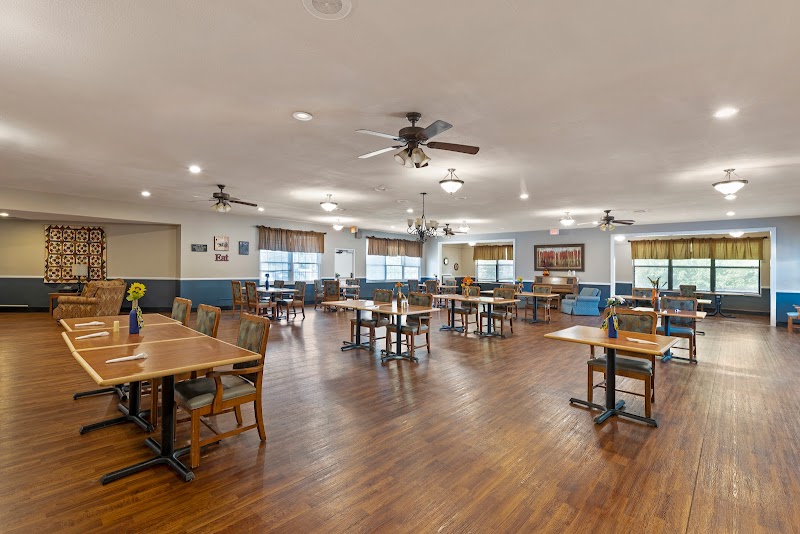
How is Westview Of Derby Rehabilitation & Health Care Cen Staffed?

CMS rates WESTVIEW OF DERBY REHABILITATION & HEALTH CARE CEN's staffing level at 2 out of 5 stars, which is below average compared to other nursing homes. Staff turnover is 70%, which is 24 percentage points above the Kansas average of 46%. High turnover can affect care consistency as new staff learn residents' individual needs. RN turnover specifically is 71%, which is notably high. RNs provide skilled clinical oversight, so turnover in this role can affect medical care quality.

What Have Inspectors Found at Westview Of Derby Rehabilitation & Health Care Cen?

State health inspectors documented 56 deficiencies at WESTVIEW OF DERBY REHABILITATION & HEALTH CARE CEN during 2021 to 2025. These included: 4 Immediate Jeopardy (the most serious level, indicating potential for serious harm or death), 1 that caused actual resident harm, and 51 with potential for harm. Immediate Jeopardy findings are rare and represent the most serious regulatory concerns. They require immediate corrective action.
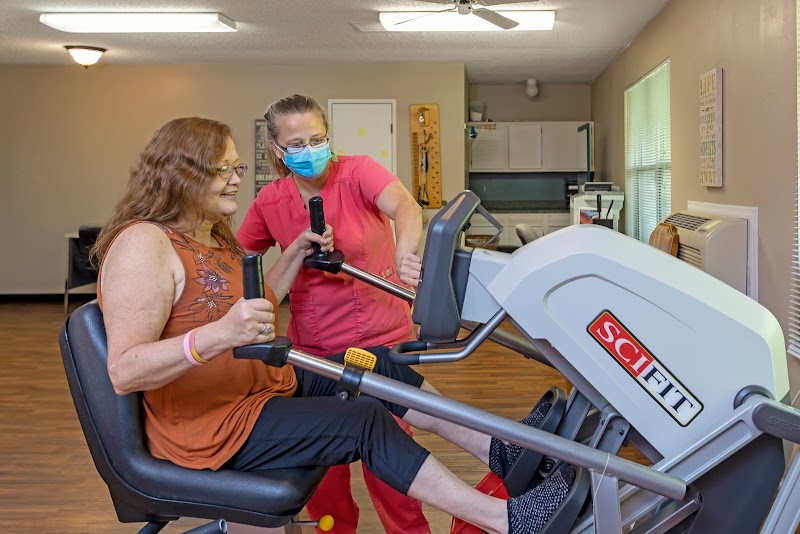
Who Owns and Operates Westview Of Derby Rehabilitation & Health Care Cen?

WESTVIEW OF DERBY REHABILITATION & HEALTH CARE CEN is owned by a for-profit company. For-profit facilities operate as businesses with obligations to shareholders or private owners. The facility is operated by TUTERA SENIOR LIVING & HEALTH CARE, a chain that manages multiple nursing homes. With 70 certified beds and approximately 68 residents (about 97% occupancy), it is a smaller facility located in DERBY, Kansas.
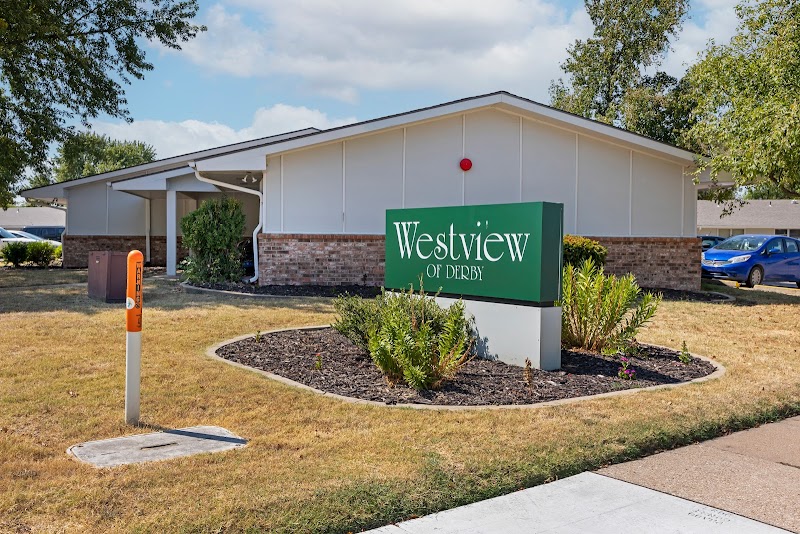
How Does Westview Of Derby Rehabilitation & Health Care Cen Compare to Other Kansas Nursing Homes?

Compared to the 100 nursing homes in Kansas, WESTVIEW OF DERBY REHABILITATION & HEALTH CARE CEN's overall rating (2 stars) is below the state average of 2.9, staff turnover (70%) is significantly higher than the state average of 46%, and health inspection rating (1 stars) is much below the national benchmark.

What Should Families Ask When Visiting Westview Of Derby Rehabilitation & Health Care Cen?

Based on this facility's data, families visiting should ask: "What changes have been made since the serious inspection findings, and how are you preventing similar issues?" "How do you ensure continuity of care given staff turnover, and what is your staff retention strategy?" "Can you walk me through typical staffing levels on day, evening, and night shifts?" "Can I visit during a mealtime to observe dining assistance and food quality?" These questions are particularly relevant given the facility's Immediate Jeopardy citations, the facility's high staff turnover rate, and the below-average staffing rating.

Is Westview Of Derby Rehabilitation & Health Care Cen Safe?

Based on CMS inspection data, WESTVIEW OF DERBY REHABILITATION & HEALTH CARE CEN has documented safety concerns. Inspectors have issued 4 Immediate Jeopardy citations (the most serious violation level indicating risk of serious injury or death). The facility has a 2-star overall rating and ranks #100 of 100 nursing homes in Kansas. Families considering this facility should ask detailed questions about what corrective actions have been taken since these incidents.

Do Nurses at Westview Of Derby Rehabilitation & Health Care Cen Stick Around?

Staff turnover at WESTVIEW OF DERBY REHABILITATION & HEALTH CARE CEN is high. At 70%, the facility is 24 percentage points above the Kansas average of 46%. Registered Nurse turnover is particularly concerning at 71%. RNs handle complex medical decisions and coordinate care — frequent RN changes can directly impact care quality. High turnover means new staff may not know residents' individual needs, medications, or preferences. It can also be disorienting for residents, especially those with dementia who rely on familiar faces. Families should ask: What is causing the turnover? What retention programs are in place? How do you ensure care continuity during staff transitions?

Was Westview Of Derby Rehabilitation & Health Care Cen Ever Fined?

WESTVIEW OF DERBY REHABILITATION & HEALTH CARE CEN has been fined $85,817 across 6 penalty actions. This is above the Kansas average of $33,937. Fines in this range indicate compliance issues significant enough for CMS to impose meaningful financial consequences. Common causes include delayed correction of deficiencies, repeat violations, or care failures affecting resident safety. Families should ask facility leadership what changes have been made since these penalties.

Is Westview Of Derby Rehabilitation & Health Care Cen on Any Federal Watch List?

WESTVIEW OF DERBY REHABILITATION & HEALTH CARE CEN is not on any federal watch list. The most significant is the Special Focus Facility (SFF) program, which identifies the bottom 1% of nursing homes nationally based on persistent, serious quality problems. Not being on this list means the facility has avoided the pattern of deficiencies that triggers enhanced federal oversight. This is a positive indicator, though families should still review the facility's inspection history directly.