FOWLER RESIDENTIAL CARE
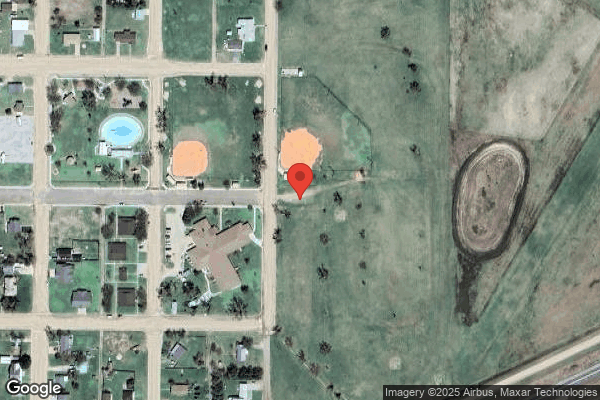
401 E 6TH, FOWLER, KS 67844 (620) 646-5215
Government - Hospital district 20 Beds Independent Data: November 2025 1 Immediate Jeopardy citation
Trust Grade
66/100
#65 of 295 in KS
Last Inspection: February 2025

Within standard 12-15 month inspection cycle. Federal law requires annual inspections.

Overview

Fowler Residential Care has a Trust Grade of C+, indicating it is decent and slightly above average among nursing homes. It ranks #65 out of 295 facilities in Kansas, placing it in the top half, and is the best option in Meade County, where only one other facility exists. However, the facility is currently facing a worsening trend, with the number of issues identified increasing from 1 in 2024 to 2 in 2025. Staffing is a significant strength, rated 5 out of 5 stars with a turnover rate of 36%, which is well below the state average of 48%, and the facility has more RN coverage than 98% of Kansas facilities. On the downside, there have been concerning incidents, including a resident successfully leaving the facility unsupervised despite being at risk for elopement and issues with food storage that could lead to food-borne illnesses. Additionally, the facility received $8,021 in fines, which is average compared to other facilities.

Trust Score
C+
66/100
In Kansas
#65/295
Top 22%
Safety Record
High Risk
Review needed
Inspections
Getting Worse
1 → 2 violations
Staff Stability
○ Average
36% turnover. Near Kansas's 48% average. Typical for the industry.
Penalties
⚠ Watch
$8,021 in fines. Higher than 78% of Kansas facilities, suggesting repeated compliance issues.
Skilled Nurses
✓ Good
Each resident gets 111 minutes of Registered Nurse (RN) attention daily — more than 97% of Kansas nursing homes. RNs are the most trained staff who catch health problems before they become serious.
Violations
○ Average
9 deficiencies on record. Average for a facility this size. Mostly minor or procedural issues.
★★★★☆
4.0
Overall Rating
★★★★★
5.0
Staff Levels
★☆☆☆☆
1.0
Care Quality
★★★★☆
4.0
Inspection Score
Stable
2024: 1 issues
2025: 2 issues

The Good

  • 5-Star Staffing Rating · Excellent nurse staffing levels
  • Full Sprinkler Coverage · Fire safety systems throughout facility
  • No fines on record
  • Staff turnover below average (36%)

    12 points below Kansas average of 48%

Facility shows strength in staffing levels, fire safety.

The Bad

Staff Turnover: 36%

Near Kansas avg (46%)

Typical for the industry

Federal Fines: $8,021

Below median ($33,413)

Minor penalties assessed

The Ugly 9 deficiencies on record

1 life-threatening
Feb 2025 2 deficiencies
CONCERN (E)

Potential for Harm - no one hurt, but risky conditions existed

Deficiency F0582 (Tag F0582)

Could have caused harm · This affected multiple residents

The facility reported a census of 16 residents. The sample included eight residents. Based on interview and record review, the facility failed to ensure the correct and complete Beneficiary Protection...

Read full inspector narrative →
The facility reported a census of 16 residents. The sample included eight residents. Based on interview and record review, the facility failed to ensure the correct and complete Beneficiary Protection Notification forms were issued to two of three residents reviewed, Resident (R) 3 and R11. Findings included: - On 02/26/25 review of the Skilled Nursing Facility Advance Beneficiary Notice of Non-Coverage Form CMS-10055 (SNF ABN- the waiver issued by providers when the services might not be covered) and the Notification of Medicare Non-Coverage Form 10123 (NOMNC- the form used to notify Medicare A participants of their rights to appeal and the last covered date of service) for three residents. R3 and R11 lacked the SNF ABN form, which is a requirement when discharging from skilled services, with days remaining, and remaining in the facility. The Beneficiary Notice documented R3's skilled discharge date as 05/22/24 and would remain in the facility. R11's skilled discharge date as 05/22/24 and would remain in the facility. R3's Skilled Nursing Beneficiary Protection Notification Review documented R3's start date of skilled services as 04/06/24 and end date of 05/22/24. R3 received only the NOMNC form signed on 05/17/24. R11's Skilled Nursing Beneficiary Protection Notification Review documented R11's start date of skilled services as 03/29/24 and end date of 05/22/24. R11 received only the NOMNC form signed on 05/17/24. On 02/26/25 at 09:03 AM, Administrative Staff A revealed she did not know they had to use both forms, confirmed that both forms should have been given as required. Administrative Staff A stated she did not know they were to use both forms. The NOMNC was easier for residents to understand. The facility's policy Right to be Informed of Professional and Financial Information dated 05/15/23, documented the facility would provide a notice of rights and services to each resident prior to or admission and during the resident's stay. The facility will provide the resident with the State-Developed notice of Medicaid rights and obligations. The facility will inform each Medicaid-eligible resident, in writing, at the time of admission to the facility and when the resident becomes eligible for Medicaid and of the changes in services or new charges. The facility failed to ensure the correct and complete Beneficiary Protection Notification forms (SNF ABN 10055) were issued to R3 and R11, as required.
CONCERN (F)

Potential for Harm - no one hurt, but risky conditions existed

Food Safety (Tag F0812)

Could have caused harm · This affected most or all residents

The facility reported a census of 16 residents. Based on observation, interview, and record review, the facility failed to store, prepare, and serve food to prevent possible food-borne illness among t...

Read full inspector narrative →
The facility reported a census of 16 residents. Based on observation, interview, and record review, the facility failed to store, prepare, and serve food to prevent possible food-borne illness among the facility's residents. Findings included: On 02/24/25 at 10:58 AM, during an initial tour of the central kitchen and refrigerator storage areas with Dietary Staff BB, the following areas of concern were identified: One unsealed bag of broccoli, and a container of ranch dressing, in the refrigerator. One sealed bag of onion rings, three bags of hamburger buns, and a bag of hotdog buns without a date or label in the freezer. There was one cutting board with uncleanable surfaces that were discolored along with deep slices that were visible. On 02/24/25 at 11:15 AM, an interview with Dietary Manager BB revealed she expected staff to date opened food items. Dietary Manager BB stated that the above concerns identified with kitchen and freezer storage, which included undated and unsealed items, were unacceptable. The facility's policy on Dietary Purchase, Receipt, and Storage, dated 02/07/17, requires that all products be clearly labeled with the date of receipt. Staff must ensure that food items are rotated to use the oldest products first. The facility failed to store, prepare, and serve food in a sanitary manner to prevent possible food-borne illness to the residents of the facility.
Apr 2024 1 deficiency 1 IJ
CRITICAL (J) 📢 Someone Reported This

A family member, employee, or ombudsman was alarmed enough to file a formal complaint

Immediate Jeopardy (IJ) - the most serious Medicare violation

Accident Prevention (Tag F0689)

Someone could have died · This affected 1 resident

**NOTE- TERMS IN BRACKETS HAVE BEEN EDITED TO PROTECT CONFIDENTIALITY** The facility reported a census of 16 residents with two residents identified and reviewed for elopement. Based on interview, obs...

Read full inspector narrative →
**NOTE- TERMS IN BRACKETS HAVE BEEN EDITED TO PROTECT CONFIDENTIALITY** The facility reported a census of 16 residents with two residents identified and reviewed for elopement. Based on interview, observation, and record review, the facility failed to provide adequate supervision to prevent one cognitively impaired Resident (R) 1, who was identified with an elopement risk and had a known history of elopement, from leaving the facility unsupervised and without staff knowledge. The facility staff last saw R1 on 04/21/24 sometime between 10:00 PM and 11:00 PM. On 04/22/24 at around 03:00 AM, facility staff were unable to locate R1. After searching and notifying Administrative Staff, Law Enforcement, and R1's family, the facility learned R1 was with his sibling in another state, over five hours away. R1 stated he used a hammer to remove the window braces, crawled out of the window, and walked over 100 feet to the back gate area, where a family member picked him up and drove him out of state. The lack of facility supervision for a resident who displayed verbal expressions of wanting to leave, placed R1 in immediate jeopardy. Finding included: - Residents (R) 1's Physician Orders dated 01/20/24, revealed a diagnosis of dementia (progressive mental disorder characterized by failing memory, confusion). The Annual Minimum Data Set (MDS) dated [DATE] indicated a Brief Interview for Mental Status score of 12, which indicated moderate cognitive impairment. The Quarterly MDS dated [DATE], documented a (BIMS) score of 00, indicating R1 refused to participate with the evaluator. R1 had behaviors of delusions (untrue persistent belief or perception held by a person although evidence shows it was untrue). R1 was independent with Activities of Daily Living (ADL). The Care Plan dated 09/26/23 lacked interventions regarding wandering/elopement, supervision, and visual checks for R1. The Care Plan dated 04/23/24, (after the resident left the facility without staff knowledge), identified R1 at risk for wandering/elopement when R1 eloped from the facility on 04/22/24. Staff were to supervise R1 when outside. Staff were to provide visuals check every 30 minutes to identify triggers for wandering/elopement. The Elopement Assessment dated 09/14/23, documented a score of one, that indicated R1 was at risk for elopement. R1 verbally expressed the desire to go home, packed his belonging to go home or stayed near an exit door. The Elopement Assessment dated 12/15/23, documented score of three, that indicated R1 was at risk. He had a BIMS score of seven, (severe cognitive impairment), and a history of elopement while at his home. R1 verbally expressed the desire to go home, packed belongings to go home, or stayed near an exit door. The Elopement Assessment dated 03/16/24, documented he had a history of elopement while at home and a history of attempting to leave the facility without informing staff. R1 continued to verbally express the desire to go home, packed his belonging to go home, or stayed near an exit door. The Nurses Notes dated 04/22/24, documented the nurse went to R1's room to check his blood sugar at 03:00 AM. The room was dark, and the television was off. Staff were unable to locate R1 in his room. The bottom window nearest R1's bed was partially opened and could be opened easily. Staff notified Administrative Staff A by telephone, and the staff conducted a full search. The staff notified R1's son at 03:20 AM. Law Enforcement arrived at the facility at 03:30 AM. R1 was last seen between 10 PM and 11 PM on 04/21/24 The Nurse Note dated 04/22/24 at 12:52 PM, documented law enforcement was able to confirm R1 was with his sibling at his home in another State. The note further revealed R1's son would return R1 to the facility. The Nurse Note dated 04/23/24 at 02:24 PM, documented R1 returned to the facility. According to Google Maps, the distance from the facility to the town where R1 located was approximately 325 miles away, and a non-stop trip would take approximately five and a half hours by vehicle each way (for a total of 11 hours round-trip). An outside observation on 04/22/24 at 01:30 PM revealed R1's room window braces had been removed. Further outside observation revealed train tracks approximately two blocks from the facility and a major highway approximately one quarter of a mile from the facility speed limits of 65 miles per hour. During an interview on 04/29/24 at 12:40 PM, R1 stated he removed the window braces and the screen from the window and crawled out of the window. He reported he did not want his sibling to be in trouble, and he reported he hitchhiked to a neighboring state. During an interview on 04/29/24 at 01:45 PM, Administrative Nurse D reported the facility expected the staff to know the whereabouts of the two elopement risk residents and provide those two residents hourly checks. Administrative Nurse D stated staff did not follow the elopement policy because the staff should have checked on R1 every hour. Administrative Nurse D reported the facility did not do any training regarding elopement after the incident. During an interview on 04/29/24 at 01:50 PM, Administrative Staff A revealed R1 had removed the braces on the window in his room and crawled out the window. Administrative Staff A said R1 walked approximately 100 feet to the back gate of the facility and used his cell phone to call his sibling to pick him up. The facility's Elopement Policy dated 02/02/17, revealed the facility wished to ensure the safety of those elders identified as being at risk for elopement. It was the policy of the facility to identify those elders at risk for elopement and take precautions to ensure their safety and well-being. The facility provided special secure living areas and additional security including a Wander Guard door locking system. This policy applied to all residents residing in any licensed area. The facility failed to provide adequate supervision to prevent the elopement of cognitively impaired Resident (R) 1, identified as an elopement risk and with a known history of elopement. On 04/22/24 R1 left the facility without staff knowledge and the staff did not know R1 was missing until they checked on him around 03:00 AM, which was 4 to 5 hours since staff last saw R1. The resident was located in another State, approximately five and a half hours from the facility. On 04/09/24 at 05:27 PM Administrative Staff A and Administrative Nurse D were provided the Immediate Jeopardy template and notified of the facility's failure to provide adequate supervision to prevent cognitively impaired Resident (R) 1, who was identified with an elopement risk and had a known history of elopement, from leaving the facility unsupervised and without staff knowledge. The immediate jeopardy was determined to first exist on 04/21/24 at 11:00 PM, approximately one hour since staff last saw R1 and around the one hourly check time, due to staff failure to supervise the resident's whereabouts. The facility identified and implemented the following corrective action on 04/30/24 which included: 1. Mandatory all staff review of elopement policy and online education prior to shift work confirmed by sign-in sheet and verification on online education program. Started 04/29/24 at 06:45 PM and will finish on 04/30/24 by 05:00 PM sign in and completion rosters included. 2. Counseling along with disciplinary action on staff involvement with the follow up with the Director of Nursing (DON) to assure compliance. Completed 04/30/24 at 07:50 AM. 3. Room was searched and R1's belonging searched R1 for any additional tools on 04/22/24 at approximately 05:00 AM and when the R1 returned to the facility on [DATE] at 09:20 PM. 4. The window cranks in areas where R1 spends time were replaced and window braces were repaired and secured by maintenance staff. Staff education regarding window repairs, cranks, and tool removal, completed on 04/30/24 at 04:09 PM. 5. Resident on visual checks every 15 minutes upon returning to the facility on [DATE] until reassessment on 04/29/24 by Director of Nursing. R1 will have visual checks every 30 minutes until the next mental health visit (May 14, 2024) which will result in an evaluation of frequency of visual checks. Visual checks will be monitored on the facility electronic charting, via tasks, program. 6. Licensed Nurse meeting held on 04/23/24 at 04:00 PM to discuss elopement assessment values. The surveyor verified the facility implemented the above corrective actions to remove the immediacy, while onsite on 04/30/24 at 04:32 PM. The deficient practice remained at a scope and severity of D.
May 2023 2 deficiencies
CONCERN (D)

Potential for Harm - no one hurt, but risky conditions existed

Accident Prevention (Tag F0689)

Could have caused harm · This affected 1 resident

The facility reported a census of 14 residents and identified 1 with cognitive impairment and self-mobile. Based on interview, observation and record review the facility failed to ensure a safe enviro...

Read full inspector narrative →
The facility reported a census of 14 residents and identified 1 with cognitive impairment and self-mobile. Based on interview, observation and record review the facility failed to ensure a safe environment for the one resident with the failure to secure hazardous chemicals in the facility's beauty shop. Findings include: - On 05/09/23 at 07:30 AM, observation of the facility beauty shop revealed two containers of hair spray unsecured. The hair spray bottles revealed warning labels to keep out of reach of children. On 05/09/23 at 08:00 AM, with notification to Maintenance Staff U of the unlocked chemicals, revealed the hair spray should be secured in a locked cabinet. On 05/10/23 at 12:57 PM, Licensed Nurse G reported that all chemicals in the building needed to be locked inside a cabinet. On 05/10/23 at 12:33 PM, Administrative Nurse D reported all chemicals should be locked inside a cabinet when not in use. The facility's Control of Hazardous Chemicals policy, dated 05/12/21 documented that all substances with warning labels, including but not limited to keep out of reach of children were to Always be locked at all times to avoid accessibility of any elder in the facility. The facility failed to ensure a safe environment for the one resident of the facility with cognitive impairment and self-mobile, related to accident hazards of unsecured chemicals in the facility's beauty shop.
CONCERN (E)

Potential for Harm - no one hurt, but risky conditions existed

Deficiency F0919 (Tag F0919)

Could have caused harm · This affected multiple residents

The facility census totaled 14 residents with seven residents residing on hall 100, and one bath house used to bathe those seven residents on that hall. Based on observation, interview, and record rev...

Read full inspector narrative →
The facility census totaled 14 residents with seven residents residing on hall 100, and one bath house used to bathe those seven residents on that hall. Based on observation, interview, and record review the facility failed to ensure call light accessibility to these seven residents when they received showers in this one bath house. The shower area lacked a cord on the call light located next to the shower making it inaccessible to residents receiving showers and staff providing showers, in case of emergency. Findings include: - Tour of the facility on 05/09/23 at 07:30 AM, revealed a shower room on the hall 100. While checking the room there was a call light box on the wall next to the shower with no pull cord attached for residents or staff to use in case of an emergency. Interview on 05/09/23 at 08:00 AM, Maintenance staff U reported he was aware of the cord being gone and was told about it several days ago, but just had not gotten around to replacing it yet. On 05/10/23 at 12:33 PM administrative staff A reported she was surprised about the cord. She thought she had taken care of that last week but would make sure it was corrected. Review of the facility policy named Nurse Alert System dated 01/17/23 revealed the facility was equipped with a call light system that included a wireless pager system. When the system is activated by an elder, an alert is sent to the pagers of the Direct Care Staff until it is answered and cleared. The nurse call system will be checked, and checks documented by the Environmental Services Staff on a routine basis. The facility failed to ensure call light accessibility to these seven residents when they received showers in this one bath house. The shower area lacked a cord on the call light located next to the shower making it inaccessible to residents receiving showers and staff providing showers, in case of emergency.
Aug 2021 4 deficiencies
CONCERN (D)

Potential for Harm - no one hurt, but risky conditions existed

Deficiency F0761 (Tag F0761)

Could have caused harm · This affected 1 resident

The facility census totaled 15 residents with eight included in the sample. Based on observation, interview, and record review the facility failed to remove expired medications from the refrigerator t...

Read full inspector narrative →
The facility census totaled 15 residents with eight included in the sample. Based on observation, interview, and record review the facility failed to remove expired medications from the refrigerator to include two single dose vaccination injections: one Influenza vaccine (flu vaccine) with an expiration date 06/30/21 and one single dose injection Pneumococcal-13 (pneumonia vaccine) with an expiration date 07/21. Findings included: - Observation of the Medication Room on 08/25/21 at 11:31 AM revealed the refrigerator contained two expired injectable vaccinations. A single dose of Influenza vaccine with the expiration date of 06/30/21 and a single dose of Pneumococcal-13 vaccine with the expiration date of 07/21 Interview with Licensed Nurse (LN) E on 08/30/21 at 09:28 AM revealed the medication room should be check weekly for expired medication by the night nurse. Interview with Administrative Nurse D on 08/30/21 at 10:52 AM revealed she expected the nursing staff to remove medications when expired. The facility policy Medication Labeling and Storage dated 09/18/19 lacked information regarding the disposal of expired medications. The facility failed to remove two expired injectable vaccinations from the medication room refrigerator.
CONCERN (E)

Potential for Harm - no one hurt, but risky conditions existed

Drug Regimen Review (Tag F0756)

Could have caused harm · This affected multiple residents

**NOTE- TERMS IN BRACKETS HAVE BEEN EDITED TO PROTECT CONFIDENTIALITY** - R4's diagnoses from the Physician's Order dated 05/01/21 revealed the following : major depressive disorder recurrent severe w...

Read full inspector narrative →
**NOTE- TERMS IN BRACKETS HAVE BEEN EDITED TO PROTECT CONFIDENTIALITY** - R4's diagnoses from the Physician's Order dated 05/01/21 revealed the following : major depressive disorder recurrent severe with psychotic symptoms (major mood disorder), schizoaffective disorder bipolar type (psychotic disorder characterized by gross distortion of reality, disturbances of language and communication and fragmentation of thought) and traumatic brain injury (A head injury causing damage to the brain). The Annual Minimum Data Set (MDS) dated [DATE] revealed a Brief Interview for Mental Status (BIMS) score of nine indicating moderate cognitive impairment. The resident had a mood severity score of two for mood at a two, not indicative of depression. R4 received antipsychotic, antidepressant, and hypnotic medications daily during the seven day look back period. The Cognitive Loss/Dementia Care Area Assessment (CAA) dated 10/09/20 revealed R4 received antipsychotic medications for control of behaviors due to psychotic diagnosis. The Care Plan dated 06/25/21 revealed R 4 was at risk for a decline in psychosocial well being due to psychotropic medications and history of traumatic brain injury. Current medications included Pristiq (antidepressant) and Risperdal (treat schizophrenia, bipolar). The Pharmacy Medication Recommendation dated 12/22/20 revealed a recommendation that R4 was due for a dose reduction on the medication Pristiq 50 milligrams (mg) since November 2019. R4 would be a good candidate to decrease this medication to 25 mg at this time. The Electronic Medical Record from 12/20/20 to 08/26/21 revealed the medication Pristiq 50 mg continued without a dose reduction attempted. Observation of R4 on 08/25/21 at 11:46 AM in the dining room for lunch sits by himself if questions are asked by the staff R4 will give short answers no abnormal mouth movement or abnormal hand movements noted. Observed R4 08/25/21 at 03:16 PM going outside to smoke accompanied by a staff member returned inside facility at 3:22 PM went straight to his room and shut the door no behaviors noted. Observed R4 08/26/21 at 08:27 AM in dining room for breakfast sits by himself does not socialize with the staff or other residents no behaviors noted. Interview with Pharmacist F on 08/30/21 at 11:30 AM revealed she sends the recommendations to the physician and if no response will continue the dose, but would leave recommendations for the facility to fax if no changes in one month. She would make another recommendation in six months if still no response. Interview with Administrative Nurse D on 08/30/21 at 11:45 AM revealed the pharmacist sent the recommendations to the Director of Nursing and the physician to be followed up with in 48 to 72 hours and if still no response, would contact the physician office for completion. The facility policy Drug Regimen Review dated 02/20/17 revealed the consultant pharmacist will perform a drug regimen review on each elder living in this facility at the time of the elder's admission to the facility and at least monthly and when requested by team members of the facility, but no longer than every six months. The Director of Nursing will track physician response reports and if no response within five working days the or designee would place a phone call to the physician for a phone order response. If no response from the physician within 10 days working days, the facility's Medical Director would be contacted for requested response/recommendations. All responses would be documented in the elder's clinical record. The facility failed to follow-up on a pharmacist recommendation for a dose reduction for Pristiq for R4. - R14's Physician Orders dated 06/15/21 revealed a diagnosis of major depressive disorder (a mood disorder). The Annual Minimum Date Set dated 07/22/21 revealed a Brief Interview for Mental Status score of 15 indicating intact cognition. R14 received daily antidepressant medications during the seven-day look back period. The Physician Orders dated 08/26/21 included an order for Effexor XR (extended release) 75 milligrams (mg) daily for major depressive disorder with a start date of 01/29/21. The Pharmacy Reviews dated 07/22/21 included a pharmacist recommendation R14 would be a good candidate for decreasing the dosage of Effexor 75 mg, R14 received since 01/29/21, at this time. Observed R14 on 08/25/21 at 08:15 AM ambulating with walker in the hallway smiling and laughing with the staff. Interview with Pharmacist F on 08/30/21 at 11:30 AM revealed she sends the recommendations to the physician and if no response will continue the dose, but would leave recommendations for the facility to fax if no changes in one month. She would make another recommendation in six months if still no response. Interview with Administrative Nurse D on 08/30/21 at 11:45 AM revealed the pharmacist sent the recommendations to the Director of Nursing and the physician to be followed up with in 48 to 72 hours and if still no response would contact the physician office for completion. The facility policy dated 02/20/17 revealed the consultant pharmacist will perform a drug regimen review on each elder living in this facility at the time of the elder's admission to the facility and at least monthly and when physician for a phone order response. If no response from the physician within 10 days working days, the facility's Medical Director would be contacted for requested response/recommendations. All responses would be documented in the elder's clinical record. The facility failed to follow-up on a pharmacist recommendation for a dose reduction for Effexor for R14. The facility reported a census of 15 residents, with eight residents included in the sample, and five reviewed for unnecessary medications. Based on observation, interview, and record review the facility failed to follow-up on the recommendations made by the pharmacist for Resident (R)1, R4, R7 and R14 medications. Findings included: - The August 2021 Physician Order Summary revealed R1 with the following diagnoses: anxiety disorder (mental or emotional reaction characterized by apprehension, uncertainty and irrational fear), pain, irritability and anger, and major depressive disorder (abnormal emotional state characterized by exaggerated feelings of sadness, worthlessness, emptiness and hopelessness.) The Annual Minimum Data Set (MDS) dated [DATE] revealed R1 was rarely or never understood, a Brief Interview for Mental Status (BIMS) score could not be completed, and noted R1 as moderately impaired for cognitive skills for daily decision-making. R1 received an antipsychotic, antianxiety, and an antidepressant medication daily in the seven-day review period. The Quarterly MDS dated 07/02/21 revealed R1 was rarely or never understood. A BIMS could not be completed and R1 was moderately impaired for cognitive skills for daily decision-making. R1 received daily antipsychotic, antianxiety, and an antidepressant medication. The Cognitive Loss/Dementia Care Area Assessment (CAA) revealed due to traumatic head injury R1 required assistance with all decision-making processes. Review of the Psychotropic Drug Use Care Area Assessment (CAA) dated 10/01/20 revealed R1 with a diagnosis of anxiety. He would at times refuse care by trying to hit staff and making an angry face. R1 received psychotropic medications for depression, anxiety, irritability, and anger. Review of the Care Plan revealed R1 received Zoloft (an antidepressant medication also known as Sertraline) for depression. Review of the Physician Order dated 11/27/19 revealed R1 received Zoloft (an antidepressant medication) 100 milligrams (mg), one tablet through a G-Tube (a tube inserted through the wall of the abdomen directly into the stomach. It allows air and fluid to leave the stomach and can be used to give drugs and liquids) daily for major depressive disorder. Review of the monthly pharmacist Medication Regimen Review (MMR) revealed the pharmacist recommended a GDR be completed for Sertraline (Zoloft) during the months of 07/20, 01/21, 02/21 and 07/21. Review of the R1's Electronic Health Record (EHR) from 07/20 to present revealed no evidence of an attempted GDR or physician response. An observation on 08/25/21 at 10:42 AM revealed R1 sat in a wheeled recliner in the living room and the staff played a radio for him and then pushed R1 around to the various staff offices to say hello. R1 had a smile on his face and did not exhibit any negative behaviors. During an interview on 08/25/21 at 01:49 PM, Certified Nurse Aide (CNA) C stated R1 did not exhibit any negative behaviors towards staff. During an interview on 08/30/21 at 10:40 AM, Licensed Nurse (LN) E stated R1 exhibited negative behaviors like swatting at staff. During an interview on 08/30/21 at 11:40 AM, Administrative Nurse D confirmed the recommended GDRs were not completed for R1. Administrative Nurse D stated the pharmacist sent all GDR requests to the physicians. Administrative Nurse D stated she sent faxes to the physicians to follow-up on pharmacist recommendations and stated she expected the physicians to respond to the GDR request within 48-72 hours. Administrative Nurse D stated if she did not get a response from the physician, she would call them. Review of the Drug Regimen Review policy dated 02/17/20 revealed, The consultant pharmacist would perform a drug regimen on each elder .All medication orders would be reviewed for .Need for gradual dose reduction based on manufacturer's recommendations and regulatory requirements. The facility failed to ensure the physician responded to a GDR recommendation concerning Sertraline (Zoloft) for R1. - Review of the August 2021 Physician Order Summary revealed R7 had a diagnosis of major depressive disorder (abnormal emotional state characterized by exaggerated feelings of sadness, worthlessness, emptiness and hopelessness). Review of the Significant Change Minimum Data Set (MDS) dated [DATE] revealed a Brief Interview for Mental Status (BIMS) score of 12, indicating moderate cognitive impairment. R7 had a total mood severity score of three, which indicated minimal depression and received an antidepressant daily. The Quarterly MDS dated 06/17/21 revealed a BIMS score of nine, indicating moderate cognitive impairment. R7 had a total mood severity score of two, which indicated minimal depression and received an antidepressant daily. Review of the Psychotropic Drug Use Care Area Assessment (CAA) dated 03/18/21 revealed R7 was medicated with psychotropic medications for multiple psychiatric diagnosis. The consultant pharmacist was to review medications and initiate gradual dose reductions to the Primary Care Physician (PCP). The Care Plan dated 10/21/18 revealed R7 used psychotropic medications and Lexapro for depression. Review of the Physician Order dated 11/26/19 revealed R7 received, Escitalopram (antidepressant medication also known as Lexapro) 20 milligrams (mg), one tablet, by mouth daily for major depressive disorder. Review of the pharmacist Medication Regimen Review (MMR) dated 10/18/20 revealed the pharmacist recommended a GDR be completed for Escitalopram from 20 mg to 10 mg. Review of the R7's Electronic Health Record (EHR) revealed no evidence of an attempted GDR or physician response. An observation on 08/25/21 at 08:48 AM revealed R7 sat in her wheelchair in the dining room for breakfast. R7 was alert and did not appear sedated and did not exhibit any negative behaviors. During an interview on 08/25/21 at 01:47 PM, Certified Nurse Aide (CNA) C stated R7 has never exhibited any negative behaviors towards staff or other residents. During an interview on 08/30/21 at 10:34 AM, Licensed Nurse (LN) E stated R7 did not appear to be depressed. During an interview on 08/30/21 at 11:40 AM, Administrative Nurse D confirmed the recommended GDR for Lexapro was not completed for R7. Administrative Nurse D stated the pharmacist sent all GDR requests to the physicians. Administrative Nurse D stated she sent faxes to the physicians to follow-up on pharmacist recommendations and stated she expected the physicians to respond to the GDR request within 48-72 hours. Administrative Nurse D stated if she did not get a response from the physician, she would call them. Review of the Drug Regimen Review policy dated 02/17/20 revealed, The consultant pharmacist would perform a drug regimen on each elder .All medication orders would be reviewed for .Need for gradual dose reduction based on manufacturer's recommendations and regulatory requirements. The facility failed to ensure the physician responded to a GDR recommendation concerning Escitalopram for R7.
CONCERN (E)

Potential for Harm - no one hurt, but risky conditions existed

Medication Errors (Tag F0758)

Could have caused harm · This affected multiple residents

**NOTE- TERMS IN BRACKETS HAVE BEEN EDITED TO PROTECT CONFIDENTIALITY** - R4's diagnoses from the Physician's Order dated 05/01/21 revealed the following: major depressive disorder recurrent severe wi...

Read full inspector narrative →
**NOTE- TERMS IN BRACKETS HAVE BEEN EDITED TO PROTECT CONFIDENTIALITY** - R4's diagnoses from the Physician's Order dated 05/01/21 revealed the following: major depressive disorder recurrent severe with psychotic symptoms (major mood disorder), schizoaffective disorder bipolar type (psychotic disorder characterized by gross distortion of reality, disturbances of language and communication and fragmentation of thought) and traumatic brain injury (A head injury causing damage to the brain). The Annual Minimum Data Set (MDS) dated [DATE] revealed a Brief Interview for Mental Status (BIMS) score of nine indicating moderate cognitive impairment. The resident had a mood severity score of two for mood at a two, not indicative of depression. R4 received antipsychotic, antidepressant, and hypnotic medications daily during the seven day look back period. The Cognitive Loss/Dementia Care Area Assessment (CAA) dated 10/09/20 revealed R4 received antipsychotic medications for control of behaviors due to psychotic diagnosis. The Care Plan dated 06/25/21 revealed R4 was at risk for a decline in psychosocial well being due to psychotropic medications and history of traumatic brain injury. Current medications included Pristiq (antidepressant) and Risperdal (treat schizophrenia, bipolar). The Pharmacy Medication Recommendation dated 12/22/20 revealed a recommendation that R4 was due for a dose reduction on the medication Pristiq 50 milligrams (mg) since November 2019. R4 would be a good candidate to decrease this medication to 25 mg at this time. The Electronic Medical Record from 12/20/20 to 08/26/21 revealed the medication Pristiq 50 mg continued without a dose reduction attempted. Observation of R4 on 08/25/21 at 11:46 AM in the dining room for lunch sits by himself if questions are asked by the staff R4 will give short answers no abnormal mouth movement or abnormal hand movements noted. Observed R4 08/25/21 at 03:16 PM going outside to smoke accompanied by a staff member and then R4 returned inside facility at 03:22 PM and went straight to his room, shut the door, with no behaviors noted. Observed R4 08/26/21 at 08:27 AM sat in dining room for breakfast by himself and did not socialize with the staff or other residents. Interview with Pharmacist F on 08/30/21 at 11:30 AM revealed she sends the recommendations to the physician and if no response will continue the dose, but would leave recommendations for the facility to fax if no changes in one month. She would make another recommendation in six months if still no response. Interview with Administrative Nurse D on 08/30/21 at 11:45 AM revealed the pharmacist sent the recommendations to the Director of Nursing and the physician to be followed up with in 48 to 72 hours and if still no response, would contact the physician office for completion. Review of the Drug Regimen Review policy dated 02/17/20 revealed, The consultant pharmacist would perform a drug regimen on each elder .All medication orders would be reviewed for .Need for gradual dose reduction based on manufacturer's recommendations and regulatory requirements. The facility failed to ensure R4 did not recieve unecessary medications when the facility follow-up on a pharmacist recommendation for a dose reduction of Pristiq for R4. - R14's diagnosis from the Physician Orders dated 06/15/21 revealed a diagnosis of major depressive disorder (a mood disorder). The Annual Minimum Date Set dated 07/22/21 revealed a Brief Interview for Mental Status score of 15 indicating intact cognition. Review of the medication section revealed R14 received 7 days of antidepressant during the look back period. The Physician Orders dated 08/26/21 included an order for Effexor XR (extended release) 75 milligrams (mg) daily for major depressive disorder with a start date of 01/29/21. The Pharmacy Reviews dated 07/22/21 included a pharmacist recommendation R14 received Effexor 75 mg since 01/29/21 and would be a good candidate to decrease the dose at this time. Review of the R14's Electronic Health Record (EHR) from 07/22/21-08/30/21 revealed no evidence of an attempted decrease in Effexor dosage. Observed R14 on 08/25/21 at 08:15 AM ambulating with walker in the hallway smiling and laughing with the staff. Interview with Pharmacist F on 08/30/21 at 11:30 AM revealed she sends the recommendations to the physician and if no response will continue the dose, but would leave recommendations for the facility to fax if no changes in one month. She would make another recommendation in six months if still no response. Interview with Administrative Nurse D on 08/30/21 at 11:45 AM revealed the pharmacist sent the recommendations to the Director of Nursing and the physician to be followed up with in 48 to 72 hours and if still no response would contact the physician office for completion. The facility policy dated 02/20/17 revealed the consultant pharmacist will perform a drug regimen review on each elder living in this facility at the time of the elder's admission to the facility and at least monthly and when physician for a phone order response. If no response from the physician within 10 days working days, the facility's Medical Director would be contacted for requested response/recommendations. All responses would be documented in the elder's clinical record. The facility failed to ensure R14 did not receive unecessary medications when the facility did not follow-up on a pharmacist recommendation for a dose reduction for Effexor for R14. The facility had a census of 15 residents with eight residents in the sample and five residents reviewed for unnecessary medications. Based on observation, interview, and record review the facility failed to ensure four of five residents did not receive unnecessary medications when the facility failed to ensure the physician responded to a Gradual Dose Reduction (GDR) recommendation to be completed on psychotropic medications (any medication capable of affecting the mind, emotions, and behavior) for Residents (R)1, R4, R7 and R14. Findings included: - Review of the August 2021 Physician Order Summary revealed R1 had the following diagnoses: anxiety disorder (mental or emotional reaction characterized by apprehension, uncertainty and irrational fear), pain, irritability and anger, and major depressive disorder (abnormal emotional state characterized by exaggerated feelings of sadness, worthlessness, emptiness and hopelessness.) The Annual Minimum Data Set (MDS) dated [DATE] revealed R1 was rarely or never understood. A Brief Interview for Mental Status (BIMS) score could not be completed and noted R1 as moderately impaired for cognitive skills for daily decision-making. R1 received an antipsychotic, antianxiety, and an antidepressant medication daily in the seven-day review period. The Quarterly MDS dated 07/02/21 revealed R1 was rarely or never understood. A BIMS could not be completed and R1 was moderately impaired for cognitive skills for daily decision-making. R1 received daily antipsychotic, antianxiety, and an antidepressant medication. The Cognitive Loss/Dementia Care Area Assessment (CAA) revealed due to traumatic head injury R1 required assistance with all decision-making processes. Review of the Psychotropic Drug Use Care Area Assessment (CAA) dated 10/01/20 revealed R1 had a diagnosis of anxiety. He would at times refuse care by trying to hit staff and making an angry face. R1 received psychotropic medications for depression, anxiety, irritability, and anger. Review of the Care Plan revealed R1 received Zoloft (an antidepressant medication also known as Sertraline) for depression. Review of the Physician Order dated 11/27/19 revealed R1 received Zoloft (an antidepressant medication) 100 milligrams (mg), one tablet through a G-Tube (a tube inserted through the wall of the abdomen directly into the stomach. It allows air and fluid to leave the stomach and can be used to give drugs and liquids) daily for major depressive disorder. Review of the monthly pharmacist Medication Regimen Review (MMR) revealed the pharmacist recommended a GDR be completed for Sertraline (Zoloft) during the months of 07/20, 01/21, 02/21 and 07/21. Review of the R1's Electronic Health Record (EHR) from 07/20 to present revealed no evidence of an attempted GDR or physician response. An observation on 08/25/21 at 10:42 AM revealed R1 sat in a wheeled recliner in the living room and the staff played a radio for him and then pushed R1 around to the various staff offices to say hello. R1 had a smile on his face and did not exhibit any negative behaviors. During an interview on 08/25/21 at 01:49 PM, Certified Nurse Aide (CNA) C stated R1 did not exhibit any negative behaviors towards staff. During an interview on 08/30/21 at 10:40 AM, Licensed Nurse (LN) E stated R1 exhibited negative behaviors like swatting at staff. During an interview on 08/30/21 at 11:40 AM, Administrative Nurse D confirmed the recommended GDRs were not completed for R1. Administrative Nurse D stated the pharmacist sent all GDR requests to the physicians. Administrative Nurse D stated she sent faxes to the physicians to follow-up on pharmacist recommendations and stated she expected the physicians to respond to the GDR request within 48-72 hours. Administrative Nurse D stated if she did not get a response from the physician, she would call them. Review of the Drug Regimen Review policy dated 02/17/20 revealed, The consultant pharmacist would perform a drug regimen on each elder .All medication orders would be reviewed for .Need for gradual dose reduction based on manufacturer's recommendations and regulatory requirements. The facility failed to ensure the physician responded to a GDR recommendation concerning Sertraline (Zoloft) for R1. - Review of the August 2021 Physician Order Summary revealed R7 had a diagnosis of major depressive disorder (abnormal emotional state characterized by exaggerated feelings of sadness, worthlessness, emptiness and hopelessness). Review of the Significant Change Minimum Data Set (MDS) dated [DATE] revealed a Brief Interview for Mental Status (BIMS) score of 12, indicating moderate cognitive impairment. R7 had a total mood severity score of three, which indicated minimal depression and received an antidepressant daily. The Quarterly MDS dated 06/17/21 revealed a BIMS score of nine, indicating moderate cognitive impairment. R7 had a total mood severity score of two, which indicated minimal depression and received an antidepressant daily. Review of the Psychotropic Drug Use Care Area Assessment (CAA) dated 03/18/21 revealed R7 was medicated with psychotropic medications for multiple psychiatric diagnosis. The consultant pharmacist was to review medications and initiate gradual dose reductions to the Primary Care Physician (PCP). The Care Plan dated 10/21/18 revealed R7 used psychotropic medications and Lexapro for depression. Review of the Physician Order dated 11/26/19 revealed R7 received, Escitalopram (antidepressant medication also known as Lexapro) 20 milligrams (mg), one tablet, by mouth daily for major depressive disorder. Review of the pharmacist Medication Regimen Review (MMR) dated 10/18/20 revealed the pharmacist recommended a GDR be completed for Escitalopram from 20 mg to 10 mg. Review of the R7's Electronic Health Record (EHR) revealed no evidence of an attempted GDR or physician response. An observation on 08/25/21 at 08:48 AM revealed R7 sat in her wheelchair in the dining room for breakfast. R7 was alert and did not appear sedated and did not exhibit any negative behaviors. During an interview on 08/25/21 at 01:47 PM, Certified Nurse Aide (CNA) C stated R7 has never exhibited any negative behaviors towards staff or other residents. During an interview on 08/30/21 at 10:34 AM, Licensed Nurse (LN) E stated R7 did not appear to be depressed. During an interview on 08/30/21 at 11:40 AM, Administrative Nurse D confirmed the recommended GDR for Lexapro was not completed for R7. Administrative Nurse D stated the pharmacist sent all GDR requests to the physicians. Administrative Nurse D stated she sent faxes to the physicians to follow-up on pharmacist recommendations and stated she expected the physicians to respond to the GDR request within 48-72 hours. Administrative Nurse D stated if she did not get a response from the physician, she would call them. Review of the Drug Regimen Review policy dated 02/17/20 revealed, The consultant pharmacist would perform a drug regimen on each elder .All medication orders would be reviewed for .Need for gradual dose reduction based on manufacturer's recommendations and regulatory requirements. The facility failed to ensure the physician responded to a GDR recommendation concerning Escitalopram for R7.
MINOR (C)

Minor Issue - procedural, no safety impact

Deficiency F0882 (Tag F0882)

Minor procedural issue · This affected most or all residents

The facility had a census of 15 residents with eight residents in the sample. Based on interview and record review the facility failed to ensure the infection preventionist completed specialized train...

Read full inspector narrative →
The facility had a census of 15 residents with eight residents in the sample. Based on interview and record review the facility failed to ensure the infection preventionist completed specialized training in infection control and prevention. This had the potential of affecting all residents in the facility. Findings included: - An Entrance Conference interview completed on 08/24/21 at 08:50 AM identified Administrative Nurse B as the Infection Control Preventionist (ICP) for the facility. Review of information and documentation provided by the facility on 08/25/21 revealed the facility lacked evidence of specialized training in infection prevention and control completed by Administrative Nurse B. On 08/25/21 at 04:10 PM, Administrative Nurse B stated she had been the infection preventionist for about one and a half years but had not completed any specialized training for the position. Interview on 08/30/21 at 09:26 AM with Administrative Staff A revealed Administrative Nurse B had been in her position for about one and a half years and stated she hoped Administrative Nurse B would complete her training by the end of the year. Review of the undated Fowler Residential Care Infection Control Policy revealed, The Infection Control Preventionist .have completed specialized training in infection prevention and control . The facility failed to ensure the infection preventionist completed specialized training in infection prevention and control. This failure had the potential to affect all residents in the facility.
Understanding Severity Codes (click to expand)
Life-Threatening (Immediate Jeopardy)
J - Isolated K - Pattern L - Widespread
Actual Harm
G - Isolated H - Pattern I - Widespread
Potential for Harm
D - Isolated E - Pattern F - Widespread
No Harm (Minor)
A - Isolated B - Pattern C - Widespread

Questions to Ask on Your Visit

  • "What changes have you made since the serious inspection findings?"
  • "Can I speak with families of current residents?"
  • "What's your RN coverage like on weekends and overnight?"

Our Honest Assessment

Strengths
  • • 36% turnover. Below Kansas's 48% average. Good staff retention means consistent care.
Concerns
  • • Multiple safety concerns identified: 1 life-threatening violation(s), Payment denial on record. Review inspection reports carefully.
  • • 9 deficiencies on record, including 1 critical (life-threatening) violation. These warrant careful review before choosing this facility.
Bottom line: Mixed indicators with Trust Score of 66/100. Visit in person and ask pointed questions.

About This Facility

What is Fowler Residential Care's CMS Rating?

CMS assigns FOWLER RESIDENTIAL CARE an overall rating of 4 out of 5 stars, which is considered above average nationally. Within Kansas, this rating places the facility higher than 99% of the state's 100 nursing homes. This rating reflects solid performance across the metrics CMS uses to evaluate nursing home quality.

How is Fowler Residential Care Staffed?

CMS rates FOWLER RESIDENTIAL CARE's staffing level at 5 out of 5 stars, which is much above average compared to other nursing homes. Staff turnover is 36%, compared to the Kansas average of 46%. This relatively stable workforce can support continuity of care.

What Have Inspectors Found at Fowler Residential Care?

State health inspectors documented 9 deficiencies at FOWLER RESIDENTIAL CARE during 2021 to 2025. These included: 1 Immediate Jeopardy (the most serious level, indicating potential for serious harm or death), 7 with potential for harm, and 1 minor or isolated issues. Immediate Jeopardy findings are rare and represent the most serious regulatory concerns. They require immediate corrective action.

Who Owns and Operates Fowler Residential Care?

FOWLER RESIDENTIAL CARE is owned by a government entity. Government-operated facilities are typically run by state, county, or municipal agencies. The facility operates independently rather than as part of a larger chain. With 20 certified beds and approximately 16 residents (about 80% occupancy), it is a smaller facility located in FOWLER, Kansas.

How Does Fowler Residential Care Compare to Other Kansas Nursing Homes?

Compared to the 100 nursing homes in Kansas, FOWLER RESIDENTIAL CARE's overall rating (4 stars) is above the state average of 2.9, staff turnover (36%) is near the state average of 46%, and health inspection rating (4 stars) is above the national benchmark.

What Should Families Ask When Visiting Fowler Residential Care?

Based on this facility's data, families visiting should ask: "What changes have been made since the serious inspection findings, and how are you preventing similar issues?" "Can I visit during a mealtime to observe dining assistance and food quality?" "How do you handle medical emergencies, and what is your hospital transfer rate?" "Can I speak with family members of current residents about their experience?" These questions are particularly relevant given the facility's Immediate Jeopardy citations.

Is Fowler Residential Care Safe?

Based on CMS inspection data, FOWLER RESIDENTIAL CARE has documented safety concerns. Inspectors have issued 1 Immediate Jeopardy citation (the most serious violation level indicating risk of serious injury or death). The facility has a 4-star overall rating and ranks #1 of 100 nursing homes in Kansas. Families considering this facility should ask detailed questions about what corrective actions have been taken since these incidents.

Do Nurses at Fowler Residential Care Stick Around?

FOWLER RESIDENTIAL CARE has a staff turnover rate of 36%, which is about average for Kansas nursing homes (state average: 46%). Moderate turnover is common in nursing homes, but families should still ask about staff tenure and how the facility maintains care continuity when employees leave.

Was Fowler Residential Care Ever Fined?

FOWLER RESIDENTIAL CARE has been fined $8,021 across 1 penalty action. This is below the Kansas average of $33,159. While any fine indicates a compliance issue, fines under $50,000 are relatively common and typically reflect isolated problems that were subsequently corrected. Families should ask what specific issues led to these fines and confirm they've been resolved.

Is Fowler Residential Care on Any Federal Watch List?

FOWLER RESIDENTIAL CARE is not on any federal watch list. The most significant is the Special Focus Facility (SFF) program, which identifies the bottom 1% of nursing homes nationally based on persistent, serious quality problems. Not being on this list means the facility has avoided the pattern of deficiencies that triggers enhanced federal oversight. This is a positive indicator, though families should still review the facility's inspection history directly.