MEADOWBROOK REHABILITATION HOSPITAL
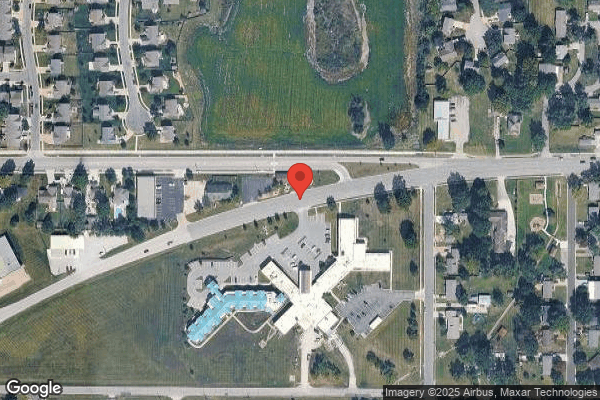
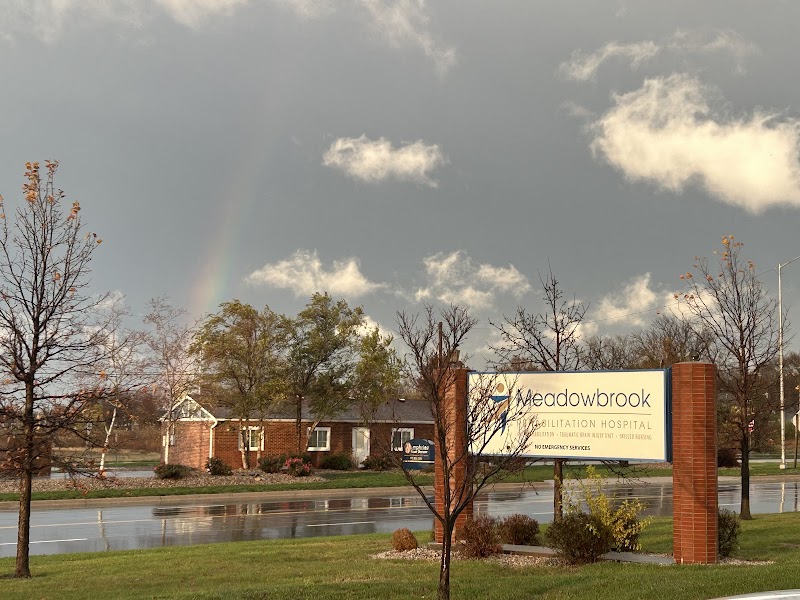
427 W MAIN STREET, GARDNER, KS 66030 (913) 856-8747
For profit - Limited Liability company 42 Beds RECOVER-CARE HEALTHCARE Data: November 2025 3 Immediate Jeopardy citations
Trust Grade
0/100
#262 of 295 in KS
Last Inspection: January 2024

Within standard 12-15 month inspection cycle. Federal law requires annual inspections.

Overview

Meadowbrook Rehabilitation Hospital has received a Trust Grade of F, indicating poor performance and significant concerns about care quality. It ranks #262 out of 295 facilities in Kansas, placing it in the bottom half, and #30 of 35 in Johnson County, meaning there are only a few local options that are better. The facility’s condition is worsening, with issues increasing from 3 in 2023 to 24 in 2024. Staffing is a concern here, with a rating of 2/5 stars and a high turnover rate of 64%, compared to the state average of 48%. Additionally, the facility has significant fines totaling $148,729, which is higher than 98% of Kansas facilities, indicating ongoing compliance problems. Strengths include better RN coverage than 81% of facilities in the state, which is crucial for catching issues that CNAs might miss. However, there are serious weaknesses, including critical incidents such as residents being at high risk for elopement due to insufficient supervision and a failure to implement care plans for residents with a history of trauma and suicide attempts. These findings raise serious concerns about the safety and quality of care provided at this facility.

Trust Score
F
0/100
In Kansas
#262/295
Bottom 12%
Safety Record
High Risk
Review needed
Inspections
Getting Worse
3 → 24 violations
Staff Stability
⚠ Watch
64% turnover. Above average. Higher turnover means staff may not know residents' routines.
Penalties
✓ Good
$148,729 in fines. Lower than most Kansas facilities. Relatively clean record.
Skilled Nurses
✓ Good
Each resident gets 48 minutes of Registered Nurse (RN) attention daily — more than average for Kansas. RNs are trained to catch health problems early.
Violations
⚠ Watch
48 deficiencies on record. Higher than average. Multiple issues found across inspections.
★☆☆☆☆
1.0
Overall Rating
★★☆☆☆
2.0
Staff Levels
★★★☆☆
3.0
Care Quality
★☆☆☆☆
1.0
Inspection Score
Stable
2023: 3 issues
2024: 24 issues

The Good

  • Full Sprinkler Coverage · Fire safety systems throughout facility
  • No fines on record

Facility shows strength in fire safety.

The Bad

1-Star Overall Rating

Below Kansas average (2.9)

Significant quality concerns identified by CMS

Staff Turnover: 64%

17pts above Kansas avg (46%)

Frequent staff changes - ask about care continuity

Federal Fines: $148,729

Well above median ($33,413)

Significant penalties indicating serious issues

Chain: RECOVER-CARE HEALTHCARE

Part of a multi-facility chain

Ask about local staffing decisions and management

Staff turnover is elevated (64%)

16 points above Kansas average of 48%

The Ugly 48 deficiencies on record

3 life-threatening 3 actual harm
Nov 2024 2 deficiencies 1 Harm
SERIOUS (G) 📢 Someone Reported This

A family member, employee, or ombudsman was alarmed enough to file a formal complaint

Actual Harm - a resident was hurt due to facility failures

Free from Abuse/Neglect (Tag F0600)

A resident was harmed · This affected 1 resident

The facility identified a census of 102 residents. The sample included three residents. Based on observation, record review, and interviews, the facility failed to ensure Resident (R) 1, a cognitively...

Read full inspector narrative →
The facility identified a census of 102 residents. The sample included three residents. Based on observation, record review, and interviews, the facility failed to ensure Resident (R) 1, a cognitively impaired resident, remained free from staff-to-resident abuse. On 10/31/24, Certified Nurse Aide (CNA) M and CNA N got R1 ready for a shower. R1 started yelling and swatted at CNA M. CNA M swatted at R1 in return. After CNA M and CNA N got R1 up with the Hoyer lift (full body mechanical lift) and into the shower chair. R1 yelled loudly, and CNA M put her hand on R1's mouth and told R1 to hush. This deficient practice resulted in impaired psychosocial well-being for R1 and placed R1 at risk for continued abuse. Findings included: - R1's Electronic Medical Record (EMR) documented diagnoses of hemiplegia (paralysis of one side of the body) and hemiparesis (muscular weakness of one half of the body) following cerebrovascular disease (CVA-stroke- the sudden death of brain cells due to lack of oxygen caused by impaired blood flow to the brain by blockage or rupture of an artery to the brain) affecting the right dominant side, cognitive communication deficit, speech and language deficits following cerebrovascular disease, and generalized anxiety disorder (mental or emotional reaction characterized by apprehension, uncertainty and irrational fear). The Annual Minimum Data Set (MDS) dated 03/22/24, documented R1 had a Brief Interview for Mental Status (BIMS) score of 99 which indicated R1 was unable to complete the interview. R1 had no behaviors. R1 had impairment on one side of both upper and lower extremities. R1 was dependent on staff for transfers. The Quarterly MDS dated 09/22/24, documented R1 had a BIMS score of five which indicated severe cognitive impairment. R1 had no behaviors. R1 had impairment on one side of both upper and lower extremities. R1 was dependent on staff for transfers. The Cognitive Loss/Dementia Care Area Assessment (CAA) dated 03/26/24, documented R1 had impaired cognition. The Functional Abilities/Rehabilitation Potential CAA dated 03/26/24, documented R1 required assistance with activities of daily living (ADL). R1's Care Plan dated 07/06/22, documented R1 had impaired cognitive function or impaired thought processes related to short-term memory loss and directed staff to approach R1 in a gentle, friendly, and unhurried manner. R1's Care Plan dated 02/06/23, documented R1 required moderate to extensive dependence on staff for ADLs and directed two staff to transfer R1 with a Hoyer lift using a medium or large lift sling. R1's Care Plan dated 07/27/23, documented R1 resisted care related to anxiety and directed staff to allow her to make decisions about her treatment regime, encouraged R1 to participate as much as possible during care activities, give R1 a clear explanation of all care activities as they occurred with each contact, and praised R1 for appropriate behaviors. The facility's Investigation dated 11/07/24, documented on 10/31/24 at around 04:35 PM, Administrative Nurse D notified Administrative Staff A that CNA N witnessed CNA M put her hand over R1's mouth to keep her from screaming and that CNA M swatted at R1's hand and told her to be quiet. CNA O also witnessed CNA M tell R2 she could not have any more soda and R2 was being annoying. The facility suspended CNA M immediately pending an investigation. Administrative Nurse E assessed R1 without any findings of redness or bruising. The facility notified R1's representative, R1's provider, and law enforcement. The facility investigation substantiated that CNA M was abusive to R1 and R2 and terminated her on 11/07/24 . In CNA N's Witness Statement dated 10/31/24, CNA N stated she and CNA M were getting R1 up for a shower on 10/31/24 and R1 started yelling and screaming. She stated CNA M yelled at R1 and said she was not doing that [expletive] and told R1 to quit her [expletive] too. CNA N stated as she and CNA M got R1 into the wheelchair, R1 started hitting CNA M in the head. CNA N stated CNA M swatted at R1 and told her to be quiet. CNA M also put her hand over R1's mouth as well and taunted R1, making R1 more upset. CNA N stated she felt uncomfortable being in the room with CNA M and she felt bad for R1 as she did not deserve to be treated that way. In CNA M's Witness Statement dated 10/31/24, CNA M stated that on 10/31/24, she did not swat at R1, but she moved R1's hand into the sling so it would not get hurt. CNA M stated she did not put her hand on R1's mouth or touch her in any way that would have hurt R1. In Administrative Nurse E's Witness Statement dated 10/31/24, Administrative Nurse E stated after staff informed her of the incident between CNA M and R1, she went to R1's room to perform a skin assessment. She stated R1 had no obvious skin issues, however, R1 kept using her left arm and motioned towards Administrative Nurse E's arm then R1 grabbed Administrative Nurse E's forearm tightly then let go. Administrative Nurse E stated R1 stated no, then took her hand and covered her mouth with it. Administrative Nurse E asked R1 if CNA M covered her mouth and R1 yelled yes as she nodded her head up and down. Administrative Nurse E informed R1 that the facility took care of the situation and R1 thanked her. On 11/12/24 at 01:09 PM, R1 sat in her wheelchair in her bedroom and watched television. She did not remember staff putting their hands on her mouth on 10/31/24. On 11/12/24 at 12:44 PM, CNA N revealed that on 10/31/24, she and CNA M were getting R1 up for a shower between 10:00 AM and 11:00 AM and R1 started yelling. She said she could tell CNA M was getting agitated as R1 was refusing the shower. CNA N said that while they got R1 up, R1 started yelling more and swatting at CNA M. She stated that CNA M swatted back at R1 and taunted her instead of walking away. CNA N said once they had R1 up with the lift and into the shower chair, R1 yelled very loudly, and CNA M put her gloved hand over R1's mouth and told her to hush. She said CNA M said she was not dealing with that [expletive] and told R1 she did not have to deal with R1's [expletive]. CNA N stated she took R1 out of the room and showered her. She said after R1's shower, she took a 15-minute break because she needed a breather and needed to figure out how to handle the situation. CNA N stated she came back in and went to help CNA O with R2. CNA N stated after CNA M told R2 she could not have any more soda, she and CNA O reported to Administrative Nurse D what happened with CNA M and R2 and what happened earlier with CNA M and R1. On 11/12/24 at 12:57 PM, CNA M said she helped CNA N get R1 up for a shower and R1 became agitated and screamed a lot. She said she helped move R1 into her bed after her shower and she moved R1's arm over into the sling and tried to calm her down. CNA M said R1 became agitated before the shower and had become aggressive and hit CNA M a couple of times. CNA M stated she did not put her hand over R1's mouth and never hit her. On 11/12/24 at 01:27 PM, Administrative Nurse E said she had CNA M in her office for being rude to another resident when there was a knock at the door and Administrative Nurse D stepped out. She said that CNA N told Administrative Nurse D what happened with R1, and Administrative Nurse D told Administrative Nurse E they had a bigger issue and Administrative Nurse E went into the hallway. She stated she told CNA M to stay in the office then she and Administrative Nurse D went into Administrative Staff A's office to report what happened with CNA M. Administrative Nurse E said she talked to R1, who was unable to make out sentences, but when asked if she was okay, R1 grabbed Administrative Nurse E's arm and made a smacking motion then made a motion over her mouth. Administrative Nurse E stated she asked R1 if CNA M put her hand over R1's mouth and she stated yes. She stated she had not been notified that CNA M had swatted at R1's arm so when she came out of her room, she asked CNA N if CNA M had smacked R1. Administrative Nurse E said CNA N stated that CNA M swatted at R1's hand because R1 smacked CNA M. Administrative Nurse E stated CNA M talked to the police, filled out a witness statement, clocked out, and left the faciity on suspension. On 11/12/24 at 01:36 PM, Administrative Nurse D stated somebody had written up a grievance about CNA M so she talked to CNA M on 10/31/24 about customer service. She stated while CNA M was in the office, CNA N knocked on the door so Administrative Nurse D stepped out into the hallway. Administrative Nurse D stated CNA N reported that CNA M put her hand over R1's mouth and swatted at the resident. She stated she told CNA M to stay in the office then she reported the incident to Administrative Staff A. Administrative Nurse D stated she had CNA M fill out a witness statement then CNA M talked to law enforcement and the facility suspended her pending an investigation. Administrative Nurse D stated Administrative Nurse E talked to R1 and R1 motioned that her mouth was covered and she was smacked. She stated CNA M denied touching R1. She stated if staff got frustrated during care, she expected staff to make sure the resident was safe and then reapproach them later or find someone else who could help them. On 11/12/24 at 03:10 PM, Administrative Staff A stated that on 10/31/24, she was in an interview with law enforcement when Administrative Nurse D and Administrative Nurse E knocked on her door to report that CNA M put her hand on R1's face and slapped her arm. She stated she immediately called CNA M into the office with law enforcement, and CNA M gave her a statement and then wrote a witness statement. Administrative Staff A stated she informed CNA M of her suspension pending the active investigation. During the investigation, Administrative Nurse E assessed R1 and R1 gestured slapping her arm and covering her mouth. Administrative Staff A stated she terminated CNA M after that. She stated she expected staff to report abuse concerns immediately after an incident. Administrative Staff A stated if staff became frustrated during care, she expected them to step out and take a break or let someone else take care of their load until the frustration passed. The facility's Abuse, Neglect, and Exploitation policy, dated 2024, directed the facility to provide protections for the health, welfare, and rights of each resident by developing and implementing written policies and procedures that prohibit and prevent abuse, neglect, and exploitation and misappropriation of resident property. The facility failed to prevent staff-to-resident abuse for R1 on 10/31/24. This deficient practice resulted in impaired psychosocial well-being for R1 and placed R1 at risk for continued abuse. The facility put the following corrections into place before the onsite visit: The facility suspended CNA M immediately on 10/31/24. Administrative Nurse E assessed R1 with no injuries found on 10/31/24. The facility notified R1's representative, R1's provider, and law enforcement on 10/31/24. The facility obtained witness statements on 10/31/24. The facility conducted abuse, neglect, and exploitation training on 10/31/24. The facility interviewed residents with high BIMS on 11/01/24 regarding abuse. Social Services followed up with R1 on 11/06/24. The facility updated R1's care plan on 11/07/24. The facility terminated CNA M on 11/07/24. Because the facility implemented and completed the corrections before the onsite survey, this deficient practice was cited as past noncompliance. The scope and severity remain a G based on the reasonable person concept due to the circumstances of R1's cognitive impairment and inability to fully express her feelings.
CONCERN (D) 📢 Someone Reported This

A family member, employee, or ombudsman was alarmed enough to file a formal complaint

Potential for Harm - no one hurt, but risky conditions existed

Report Alleged Abuse (Tag F0609)

Could have caused harm · This affected 1 resident

The facility identified a census of 102 residents. The sample included three residents. Based on observation, record review, and interviews, the facility failed to ensure staff immediately reported st...

Read full inspector narrative →
The facility identified a census of 102 residents. The sample included three residents. Based on observation, record review, and interviews, the facility failed to ensure staff immediately reported staff-to-resident abuse for R1 on 10/31/24. This deficient practice placed R1 at risk for further abuse. Findings included: - R1's Electronic Medical Record (EMR) documented diagnoses of hemiplegia (paralysis of one side of the body) and hemiparesis (muscular weakness of one half of the body) following cerebrovascular disease (CVA-stroke- the sudden death of brain cells due to lack of oxygen caused by impaired blood flow to the brain by blockage or rupture of an artery to the brain) affecting the right dominant side, cognitive communication deficit, speech and language deficits following cerebrovascular disease and generalized anxiety disorder (mental or emotional reaction characterized by apprehension, uncertainty and irrational fear). The Annual Minimum Data Set (MDS) dated 03/22/24, documented R1 had a Brief Interview for Mental Status (BIMS) score of 99 which indicated R1 was unable to complete the interview. R1 had no behaviors. R1 had impairment on one side of both upper and lower extremities. R1 was dependent on staff for transfers. The Quarterly MDS dated 09/22/24, documented R1 had a BIMS score of five which indicated severe cognitive impairment. R1 had no behaviors. R1 had impairment on one side both upper and lower extremities. R1 was dependent on staff for transfers. The Cognitive Loss/Dementia (progressive mental disorder characterized by failing memory, confusion) Care Area Assessment (CAA) dated 03/26/24, documented R1 had impaired cognition. The Functional Abilities CAA dated 03/26/24, documented R1 required assistance with activities of daily living (ADLs). R1's Care Plan dated 07/06/22, documented R1 had impaired cognitive function or impaired thought processes related to short-term memory loss and directed staff to approach R1 in a gentle, friendly, and unhurried manner. R1's Care Plan dated 02/06/23, documented R1 required moderate to extensive dependence on staff for ADLs and directed two staff transfer R1 with a Hoyer lift using a medium or large lift sling. R1's Care Plan dated 07/27/23, documented R1 resisted care related to anxiety and directed staff to allow her to make decisions about her treatment regime, encouraged R1 to participate as much as possible during care activities, gave R1 a clear explanation of all care activities as they occurred with each contact, and praised R1 for appropriate behaviors. The facility's Investigation, dated 11/07/24, documented on 10/31/24 at around 04:35 PM, Administrative Nurse D notified Administrative Staff A that CNA N witnessed CNA M put her hand over R1's mouth to keep her from screaming and that CNA M swatted at R1's hand and told her to be quiet. CNA O also witnessed CNA M tell R2 she could not have any more soda and R2 was being annoying. The facility suspended CNA M immediately pending an investigation. Administrative Nurse E assessed R1 without any findings of redness or bruising. The facility notified R1's representative, R1's provider, and law enforcement. The facility investigation substantiated that CNA M was abusive to R1 and R2 and terminated her on 11/07/24. In CNA N's Witness Statement dated 10/31/24, CNA N stated she and CNA M were getting R1 up for a shower on 10/31/24 and R1 started yelling and screaming. She stated CNA M yelled at R1 and said she was not doing that [expletive] and told R1 to quit her [expletive] too. CNA N stated as she and CNA M got R1 into the wheelchair, R1 started hitting CNA M in the head. CNA N stated CNA M swatted at R1 and told her to be quiet. CNA M also put her hand over R1's mouth as well and taunted R1, making R1 more upset. CNA N stated she felt uncomfortable being in the room with CNA M and she felt bad for R1 as she did not deserve to be treated that way. On 11/12/24 at 01:09 PM, R1 sat in her wheelchair in her bedroom and watched television. She did not remember staff putting their hands on her mouth on 10/31/24. On 11/12/24 at 12:44 PM, CNA N revealed that on 10/31/24, she and CNA M were getting R1 up for a shower between 10:00 AM and 11:00 AM and R1 started yelling. She said she could tell CNA M was getting agitated as R1 was refusing the shower. CNA N said that while they got R1 up, R1 started yelling more and swatting at CNA M. She stated that CNA M swatted back at R1 and taunted her instead of walking away. CNA N said once they had R1 up with the lift and into the shower chair, R1 yelled very loudly, and CNA M put her gloved hand over R1's mouth and told her to hush. She said CNA M said she was not dealing with that [expletive] and told R1 she did not have to deal with R1's [expletive]. CNA N stated she took R1 out of the room and showered her. She said after R1's shower, she took a 15-minute break because she needed a breather and needed to figure out how to handle the situation. CNA N stated she came back in and went to help CNA O with R2. CNA N stated after CNA M told R2 she could not have any more soda, she and CNA O reported to Administrative Nurse D what happened with CNA M and R2 and what happened earlier with CNA M and R1. On 11/12/24 at 02:45 PM, Certified Medication Aide (CMA) R stated if she witnessed abuse, she stopped the abuse, removed the abuser from the room, and notified the nurse immediately. She stated she reported any abuse concerns immediately and used the abuse calling chain which included calling the numbers on the chain until she spoke with someone personally. On 11/12/24 at 02:56 PM, Licensed Nurse (LN) G stated if she witnessed abuse, she separated the abuser from the victim and reported it immediately. She stated the facility had an abuse calling tree that included Administrative Staff A, Administrative Nurse D, Administrative Nurse E, and social services. LN G stated she reported any concerns of abuse immediately, she did not take a break then report her concerns. On 11/12/24 at 02:30 PM, Administrative Nurse D stated she assumed CNA N reported the incident between CNA M and R1 immediately. She stated she did not know CNA N took a break before reporting the incident. On 11/12/24 at 03:10 PM, Administrative Staff A stated that she expected staff to report abuse concerns immediately after an incident. On 11/14/24 at 01:34 PM, CNA N stated she remembered that 10/31/24 was half a shift so she did not come in until noon. She stated she was confused regarding the time of the event on 10/31/24. She stated on 10/31/24, she started work at 12:00 PM, and about 30 minutes to an hour later, she helped CNA M get R1 up for a shower. CNA N stated that R1 had bowel movement all over her and CNA M decided she needed a shower. She stated R1 screamed and swatted at CNA M then CNA M swatted back at R1 and taunted R1. CNA N stated once they lifted R1 up in the Hoyer lift to put her in the shower chair, R1 yelled loudly, and CNA M used her gloved hand to cover her mouth once they put her in the shower chair. She stated she took R1 out of the room and gave her a shower. CNA N stated when she was done with the shower, CNA M helped her lay R1 down in bed. She stated she needed a breather for her mental health after the incident and went outside. CNA M stated when she came back in, CNA O needed help getting R2 up so she did that and then she reported what she had witnessed earlier to Administrative Nurse D. She stated she thought she had 24 hours to report abuse which she did and did not know she needed to report abuse immediately. The facility's Abuse, Neglect, and Exploitation policy, dated 2024, directed the facility provided protections for the health, welfare, and rights of each resident by developing and implementing written policies and procedures that prohibit and prevent abuse, neglect, and exploitation and misappropriation of resident property. The policy directed staff to report all alleged violations to the administrator immediately but not later than two hours after the allegation is made if the events that caused the allegation involved abuse or resulted in serious bodily harm. The facility failed to ensure staff reported staff-to-resident abuse for R1 immediately. This deficient practice placed R1 at risk for further abuse.
Jan 2024 22 deficiencies
CONCERN (D) 📢 Someone Reported This

A family member, employee, or ombudsman was alarmed enough to file a formal complaint

Potential for Harm - no one hurt, but risky conditions existed

Deficiency F0558 (Tag F0558)

Could have caused harm · This affected 1 resident

**NOTE- TERMS IN BRACKETS HAVE BEEN EDITED TO PROTECT CONFIDENTIALITY** The facility had a census of 100 residents. The sample included 20 residents. Based on observation, record review, and interview...

Read full inspector narrative →
**NOTE- TERMS IN BRACKETS HAVE BEEN EDITED TO PROTECT CONFIDENTIALITY** The facility had a census of 100 residents. The sample included 20 residents. Based on observation, record review, and interview, the facility failed to accommodate one resident's, Resident (R) 61's preferences when staff delivered R61's meal trays with the other facility room trays even though R61's representative would not be coming until later to feed the resident. This placed the resident at risk for impaired nutrition as well as decreased quality of life. Findings included: - The Electronic Medical Record (EMR) for R61 documented diagnoses of cerebrovascular accident (CVA-stroke- sudden death of brain cells due to lack of oxygen caused by impaired blood flow to the brain by blockage or rupture of an artery to the brain), hemiparesis/hemiplegia (weakness and paralysis on one side of the body), weakness, and other lack of coordination. The Quarterly Minimum Data Set (MDS), dated [DATE], documented R61 had severely impaired cognition and was dependent upon two staff for eating, bed mobility, transfers, toileting, and dressing. R61 had upper and lower functional impairment on one side and did not ambulate. The Significant Change 5-Day Medicare MDS, dated 12/12/23, documented R61 had severely impaired cognition and was dependent on staff for eating, toileting, mobility, dressing, and personal hygiene. R61 had upper and lower functional impairment on one side and required extensive assistance from one staff for eating. R61's Care Plan, dated 12/12/23, initiated on 12/31/20, documented R61 had left-sided weakness and directed staff to use a full body lift for transfers. R61 was non-ambulatory and dependent upon one staff to push her wheelchair. The update, dated 07/19/23, documented R61 was allowed to have a mechanical soft diet if she was one-on-one with staff or a trained family member. The update, dated 07/24/23, documented R61 was able to eat a mechanical soft diet as long as she was one-on-one with therapy, or a trained family member and she would also receive nutrition via gastronomy tube (G-tube: tube surgically placed through an artificial opening into the stomach). On 01/23/24 at 09:18 AM, observation revealed R61 laid in bed. Her untouched breakfast tray sat on her bedside table. R61 stated she had not had her breakfast yet and said she needed assistance. Further observation revealed at 10:44 AM, the breakfast tray was still on her bedside table, untouched, and staff stated R61's representative would be in to assist R61 with lunch. On 01/24/24 at 08:48 AM, observation revealed R61 laid in bed. Her breakfast tray sat on her bedside table. Further observation revealed at 10:40 AM, R61's representative came to assist her. R61 stated she did not want to eat a reheated breakfast, so her representative used the microwave to cook the resident prepackaged oatmeal and assisted in feeding R61 the oatmeal and a banana the representative brought in. On 01/24/24 at 09:33 AM, Licensed Nurse (LN) H stated R61's representative was usually there to assist with the breakfast meal and liked to assist R61 with her meals, so staff usually did not assist R61. On 01/25/24 at 09:30 AM, Administrative Nurse E stated R61's representative usually assisted R61 with breakfast, but the meal tray should not have been brought in there until there was someone there to assist her. The facility's Accommodation of Needs policy, undated, documented the facility would treat each resident with respect and dignity and would evaluate and make reasonable accommodations for the individual needs and preferences of a resident, except when the health and safety of the individual or other residents would be endangered. The facility failed to accommodate R61's preferences when staff delivered R61's meal trays with the other facility room trays even though R61's representative would not be coming until later to feed the resident. This placed the resident at risk for impaired nutrition as well as decreased quality of life.
CONCERN (D) 📢 Someone Reported This

A family member, employee, or ombudsman was alarmed enough to file a formal complaint

Potential for Harm - no one hurt, but risky conditions existed

Report Alleged Abuse (Tag F0609)

Could have caused harm · This affected 1 resident

**NOTE- TERMS IN BRACKETS HAVE BEEN EDITED TO PROTECT CONFIDENTIALITY** The facility had a census of 100 residents. The sample included 20 residents. Based on observation, record review, and interview...

Read full inspector narrative →
**NOTE- TERMS IN BRACKETS HAVE BEEN EDITED TO PROTECT CONFIDENTIALITY** The facility had a census of 100 residents. The sample included 20 residents. Based on observation, record review, and interview, the facility failed to report to the State Agency (SA) within the required timeframe Resident, (R)96's black eye received from an unknown origin. This placed the resident at risk for further injury and unidentified abuse or mistreatment. Findings included: - The Electronic Medical Record (EMR for R96 documented diagnoses of congenital (from birth) deformities of the hip, severe protein-calorie malnutrition (inadequate intake of food occurring in the absence of significant inflammation, injury, or another condition that elicits a systemic inflammatory response), muscle weakness, abnormalities of gait and mobility, lack of coordination, adult failure to thrive (syndrome of weight loss, decreased appetite and poor nutrition, and inactivity, often accompanied by dehydration depressive symptoms, impaired immune function, and low cholesterol), cognitive-communication deficit, and tremors (involuntary quivering movement). The admission Minimum Data Set (MDS), dated [DATE], documented R96 had severely impaired cognition and altered level of consciousness. R96 was dependent upon staff for toileting and showering and required substantial to maximum assistance for personal hygiene, transfers, and toileting. The assessment further documented R96 had lower impairment on one side and had no falls or skin issues. R96's Care Plan, dated 12/13/23, directed staff to encourage repositioning assistance if unable to do so herself, assess skin during routine care, and at least weekly to identify any skin concerns that would require treatment. The plan documented R96 needed moderate assistance with transfers and directed staff to assess assist bars on the bed and provide a high-low bed. The care plan lacked interventions for the prevention of injury related to R96's tremors. The Investigation for Injury of Unknown Cause, dated 01/09/24 at 09:08 AM, documented that day shift staff informed the Licensed Nurse (LN) on duty that R96 had a black eye. Upon assessment, it was noted that R96's left eye was blackened. The nurse spoke with the night shift nurse and the night shift aide, and they both stated that R96 had a black eye that they saw early in their shift. The investigation documented R96 was nonverbal and was unable to say what happened but she had not fallen. The investigation did note R 96 had anxiety and was noted to be restless and agitated. The investigation concluded the root cause of the black eye was that she hit herself on the bed rail. On 01/23/24 at 9:02 AM, observation revealed R96 in bed, partially uncovered. R96's bed rails were not padded. On 01/24/24 at 08:00 AM, Administration Staff A stated they were unsure of how R96 sustained the black eye, but staff felt that due to R96's tremors, she may have hit herself in the eye. Administrative Staff A stated staff were not sure. On 01/24/24 at 01:11 PM, LN G stated that she was on duty when staff saw R96's black eye and she was able to talk to night shift staff but was unsure how she got the black eye. LN G further stated that R96's roommate said R96 had been restless and might have hit her eye on the bedrail, but the staff did not know what happened for sure. On 01/25/24 at 09:00 AM, Certified Nurse Aide (CNA) O stated R69 had tremors and staff tried to put arm sleeves on her so she did not get any bruises from hitting things. On 01/25/24 at 09:30 AM, Administrative Nurse D stated the facility should have called R96's black eye into the state agency. The facility's Exploitation Policy and Procedure dated 11/06/17, addendum A, documented the facility should develop and implement written policies and procedures that prohibit and prevent abuse, neglect, and exploitation of residents and misappropriation of resident property. The addendum further documented the facility would report the results of all investigations to the administrator or his or her designated representative and other officials in accordance with State law, including to the State Survey Agency, within five working days of the incident, and if the alleged violation was verified appropriate corrective action must be taken. The facility failed to report to the SA within the required timeframe R96's injury of unknown origin. This placed the resident at risk for further injury and unidentified abuse or mistreatment.
CONCERN (D) 📢 Someone Reported This

A family member, employee, or ombudsman was alarmed enough to file a formal complaint

Potential for Harm - no one hurt, but risky conditions existed

Investigate Abuse (Tag F0610)

Could have caused harm · This affected 1 resident

**NOTE- TERMS IN BRACKETS HAVE BEEN EDITED TO PROTECT CONFIDENTIALITY** The facility had a census of 100 residents. The sample included 20 residents. Based on observation, record review, and interview...

Read full inspector narrative →
**NOTE- TERMS IN BRACKETS HAVE BEEN EDITED TO PROTECT CONFIDENTIALITY** The facility had a census of 100 residents. The sample included 20 residents. Based on observation, record review, and interview, the facility failed to thoroughly investigate an injury of unknown origin for one resident, Resident (R) 96, who had a black eye. This placed the resident at risk for further injury and unidentified abuse or mistreatment. Findings included: - The Electronic Medical Record (EMR for R96 documented diagnoses of congenital (from birth) deformities of the hip, severe protein-calorie malnutrition (inadequate intake of food occurring in the absence of significant inflammation, injury, or another condition that elicits a systemic inflammatory response), muscle weakness, abnormalities of gait and mobility, lack of coordination, adult failure to thrive (syndrome of weight loss, decreased appetite and poor nutrition, and inactivity, often accompanied by dehydration depressive symptoms, impaired immune function, and low cholesterol), cognitive-communication deficit, and tremors (involuntary quivering movement). The admission Minimum Data Set (MDS), dated [DATE], documented R96 had severely impaired cognition and altered level of consciousness. R96 was dependent upon staff for toileting and showering and required substantial to maximum assistance for personal hygiene, transfers, and toileting. The assessment further documented R96 had lower impairment on one side and had no falls or skin issues. R96's Care Plan, dated 12/13/23, directed staff to encourage repositioning assistance if unable to do so herself, assess skin during routine care, and at least weekly to identify any skin concerns that would require treatment. The plan documented R96 needed moderate assistance with transfers and directed staff to assess assist bars on the bed and provide a high-low bed. The care plan lacked interventions for the prevention of injury related to R96's tremors. The Investigation for Injury of Unknown Cause, dated 01/09/24 at 09:08 AM, documented that day shift staff informed the Licensed Nurse (LN) on duty that R96 had a black eye. Upon assessment, it was noted that R96's left eye was blackened. The nurse spoke with the night shift nurse and the night shift aide, and they both stated that R96 had a black eye that they saw early in their shift. The investigation documented R96 was nonverbal and was unable to say what happened but she had not fallen. The investigation did note R 96 had anxiety and was noted to be restless and agitated. The investigation concluded the root cause of the black eye was that she hit herself on the bed rail. On 01/23/24 at 9:02 AM, observation revealed R96 in bed, partially uncovered. R96's bed rails were not padded. On 01/24/24 at 08:00 AM, Administration Staff A stated they were unsure of how R96 sustained the black eye, but staff felt that due to R96's tremors, she may have hit herself in the eye. Administrative Staff A stated staff were not sure. On 01/24/24 at 01:11 PM, LN G stated that she was on duty when staff saw R96's black eye and she was able to talk to night shift staff but was unsure how she got the black eye. LN G further stated that R96's roommate said R96 had been restless and might have hit her eye on the bedrail, but the staff did not know what happened for sure. On 01/25/24 at 09:00 AM, Certified Nurse Aide (CNA) O stated R69 had tremors and staff tried to put arm sleeves on her so she did not get any bruises from hitting things. On 01/25/24 at 09:30 AM, Administrative Nurse D stated the facility should have called R96's black eye into the state agency. Administrative Nurse D further stated there should been witness statements obtained from the night shift and more of an investigation for this resident. The facility's Exploitation Policy and Procedure dated 11/06/17, addendum A, documented the facility should develop and implement written policies and procedures that prohibit and prevent abuse, neglect, and exploitation of residents and misappropriation of resident property. The addendum further documented the facility would report the results of all investigations to the administrator or his or her designated representative and other officials in accordance with State law, including to the State Survey Agency, within five working days of the incident, and if the alleged violation was verified appropriate corrective action must be taken. The facility failed to thoroughly investigation an injury of unknown origin for R96, who had a black eye. This placed the resident at risk for further injury and unidentified abuse or mistreatment.
CONCERN (D) 📢 Someone Reported This

A family member, employee, or ombudsman was alarmed enough to file a formal complaint

Potential for Harm - no one hurt, but risky conditions existed

Transfer Notice (Tag F0623)

Could have caused harm · This affected 1 resident

**NOTE- TERMS IN BRACKETS HAVE BEEN EDITED TO PROTECT CONFIDENTIALITY** The facility had a census of 100 residents. The sample included 20 residents with three reviewed for hospitalization. Based on o...

Read full inspector narrative →
**NOTE- TERMS IN BRACKETS HAVE BEEN EDITED TO PROTECT CONFIDENTIALITY** The facility had a census of 100 residents. The sample included 20 residents with three reviewed for hospitalization. Based on observation, interview, and record review, the facility failed to notify the State Long Term Care (LTC) Ombudsman (a person who advocates for residents of nursing homes), as required, of Resident (R) 76's discharge from the facility. This placed the resident at risk for impaired rights and/or advocate involvement. Findings included: - R76 's Electronic Medical Record (EMR) documented diagnoses of diabetes mellitus (DM-when the body cannot use glucose, not enough insulin made or the body cannot respond to the insulin), sepsis (a life-threatening systemic reaction that develops due to infections which cause inflammation throughout the entire body), congestive heart failure (CHF-a condition with low heart output and the body becomes congested with fluid) and atrial fibrillation (rapid, irregular heart beat). The Quarterly Minimum Data Set (MDS), dated [DATE], documented a Brief Interview for Mental Status (BIMS) score of 15, indicating intact cognition. The MDS documented R76 required staff assistance to set up her meals and was dependent upon staff for mobility and hygiene. R76's Activities of Daily Living (ADL) Care Plan, dated 01/11/24, directed staff to provide assistance of two staff with all care. R76's EMR documented R76 was hospitalized from [DATE] to 12/23/23. R76's EMR lacked evidence a bed hold was issued. The facility was further unable to provide evidence the LTC Ombudsman was notified of the facility-initiated discharge. On 01/23/24 at 08:45 AM, observation revealed R76 in bed with compression leg boots (device to improve blood circulation) on; staff served her cereal with milk. On 01/23/24 at 03:27 PM, Social Services Staff X verified she faxed the Ombudsman the discharge list of residents but did not have documentation for the December 2023 discharge of R76. The facility's Transfer and Discharge policy, dated 01/09/24, stated the facility would provide a bed hold notice to the resident or their representative at the time of transfer or no later than 24 hours of the transfer and the Social Services Director would provide notice of transfer to the state Long Term Care Ombudsman via a monthly list. The facility failed to notify the LTC Ombudsman of R76's facility-initiated discharge. This placed the resident at risk for impaired rights and/or advocate involvement.
CONCERN (D) 📢 Someone Reported This

A family member, employee, or ombudsman was alarmed enough to file a formal complaint

Potential for Harm - no one hurt, but risky conditions existed

Deficiency F0625 (Tag F0625)

Could have caused harm · This affected 1 resident

**NOTE- TERMS IN BRACKETS HAVE BEEN EDITED TO PROTECT CONFIDENTIALITY** The facility had a census of 100 residents. The sample included 20 residents with three reviewed for hospitalization. Based on o...

Read full inspector narrative →
**NOTE- TERMS IN BRACKETS HAVE BEEN EDITED TO PROTECT CONFIDENTIALITY** The facility had a census of 100 residents. The sample included 20 residents with three reviewed for hospitalization. Based on observation, interview, and record review, the facility failed to provide Resident (R) 76 and/or the resident's representative with the facility Bed Hold upon a facility-initiated discharge/transfer to the hospital. This placed the resident at risk for impaired rights. Findings included: - R76 's Electronic Medical Record (EMR) documented diagnoses of diabetes mellitus (DM-when the body cannot use glucose, not enough insulin made or the body cannot respond to the insulin), sepsis (a life-threatening systemic reaction that develops due to infections which cause inflammation throughout the entire body), congestive heart failure (CHF-a condition with low heart output and the body becomes congested with fluid) and atrial fibrillation (rapid, irregular heart beat). The Quarterly Minimum Data Set (MDS), dated [DATE], documented a Brief Interview for Mental Status (BIMS) score of 15, indicating intact cognition. The MDS documented R76 required staff assistance to set up her meals and was dependent upon staff for mobility and hygiene. The Activities of Daily Living (ADL) Care Plan, dated 01/11/24, directed staff to provide assistance of two staff with all care. R76's EMR documented R76 was hospitalized from [DATE] to 12/23/23. R76's EMR lacked evidence a bed hold was issued. On 01/23/24 at 08:45 AM, observation revealed R76 in bed with compression leg boots (device to improve blood circulation) on; staff served her cereal with milk. On 01/23/24 at 03:27 PM, Social Services Staff X verified the facility had not provided R76 with a bed hold notice upon discharge to the hospital on [DATE]. On 01/23/24 at 03:32 PM, Administrative Nurse D stated the facility was trying to go paperless and failed to provide R76 with any bed hold notice upon her discharge in December 2023. The facility's Transfer and Discharge policy, dated 01/09/24, stated the facility would provide a bed hold notice to the resident or their representative at the time of transfer or no later than 24 hours from the transfer. The facility failed to provide R76 or their representative a Bed Hold notice. This placed the resident at risk for impaired rights.
CONCERN (D) 📢 Someone Reported This

A family member, employee, or ombudsman was alarmed enough to file a formal complaint

Potential for Harm - no one hurt, but risky conditions existed

Comprehensive Care Plan (Tag F0656)

Could have caused harm · This affected 1 resident

**NOTE- TERMS IN BRACKETS HAVE BEEN EDITED TO PROTECT CONFIDENTIALITY** The facility had a census of 100 residents. The sample included 20 residents. Based on observation, record review, and interview...

Read full inspector narrative →
**NOTE- TERMS IN BRACKETS HAVE BEEN EDITED TO PROTECT CONFIDENTIALITY** The facility had a census of 100 residents. The sample included 20 residents. Based on observation, record review, and interview, the facility failed to develop a care plan for Resident (R) 96, who had tremors. This placed the resident at risk for unmet care needs. Findings included: - The Electronic Medical Record (EMR for R96 documented diagnoses of congenital (from birth) deformities of the hip, severe protein-calorie malnutrition (inadequate intake of food occurring in the absence of significant inflammation, injury, or another condition that elicits a systemic inflammatory response), muscle weakness, abnormalities of gait and mobility, lack of coordination, adult failure to thrive (syndrome of weight loss, decreased appetite and poor nutrition, and inactivity, often accompanied by dehydration depressive symptoms, impaired immune function, and low cholesterol), cognitive-communication deficit, and tremors (involuntary quivering movement). The admission Minimum Data Set (MDS), dated [DATE], documented R96 had severely impaired cognition and altered level of consciousness. R96 was dependent upon staff for toileting and showering and required substantial to maximum assistance for personal hygiene, transfers, and toileting. The assessment further documented R96 had lower impairment on one side and had no falls or skin issues. R96's Care Plan, dated 12/13/23, directed staff to encourage repositioning assistance if unable to do so herself, assess skin during routine care, and at least weekly to identify any skin concerns that would require treatment. The plan documented R96 needed moderate assistance with transfers and directed staff to assess assist bars on the bed and provide a high-low bed. The care plan lacked interventions for the prevention of injury related to R96's tremors. The Investigation for Injury of Unknown Cause, dated 01/09/24 at 09:08 AM, documented that day shift staff informed the Licensed Nurse (LN) on duty that R96 had a black eye. Upon assessment, it was noted that R96's left eye was blackened. The nurse spoke with the night shift nurse and the night shift aide, and they both stated that R96 had a black eye that they saw early in their shift. The investigation documented R96 was nonverbal and was unable to say what happened but she had not fallen. The investigation did note R96 had anxiety and was noted to be restless and agitated. The investigation concluded the root cause of the black eye was that she hit herself on the bed rail. On 01/23/24 at 9:02 AM, observation revealed R96 in bed, partially uncovered. R96's bed rails were not padded. On 01/24/24 at 08:00 AM, Administrative Staff A stated they were unsure of how R96 sustained the black eye, but staff felt that due to R96's tremors, she may have hit herself in the eye. Administrative Staff A stated staff were not sure. On 01/24/24 at 01:11 PM, LN G stated that she was on duty when staff saw R96's black eye. She was able to talk to night shift staff but was unsure how R96 got the black eye. LN G further stated that R96's roommate said R96 had been restless and might have hit her eye on the bedrail, but staff did not know what happened for sure. On 01/25/24 at 09:00 AM, Social Services Y verified there was no care plan for R69's tremors and interventions to direct staff when she has tremors. On 01/25/24 at 09:00 AM, Certified Nurse Aide O stated R69 had tremors and staff tried to put arm sleeves on her so she does not get any bruises from hitting things. On 01/25/24 at 09:30 AM, Administrative Nurse D stated there should be a care plan for the resident's tremor. The facility's Comprehensive Care Plan policy, dated 01/09/24, documented the facility developed and implemented a comprehensive person-centered care plan for each resident, consistent with resident rights, that included measurable objectives and timeframe to meet a resident's medical, nursing, and mental and psychosocial needs that are identified in the resident's comprehensive assessment. The interdisciplinary team would prepare the comprehensive care plan within seven days after the completion of the comprehensive MDS assessment. The facility failed to develop a care for R96, who had tremors. This placed the resident at risk for unmet care needs.
CONCERN (D) 📢 Someone Reported This

A family member, employee, or ombudsman was alarmed enough to file a formal complaint

Potential for Harm - no one hurt, but risky conditions existed

Deficiency F0657 (Tag F0657)

Could have caused harm · This affected 1 resident

**NOTE- TERMS IN BRACKETS HAVE BEEN EDITED TO PROTECT CONFIDENTIALITY** The facility had a census of 100 residents. The sample included 20 residents. Based on observation, record review, and interview...

Read full inspector narrative →
**NOTE- TERMS IN BRACKETS HAVE BEEN EDITED TO PROTECT CONFIDENTIALITY** The facility had a census of 100 residents. The sample included 20 residents. Based on observation, record review, and interview, the facility failed to revise a care plan with effective person-centered interventions for one resident, Resident (R) 18, who had falls related to toileting and failed to revise a care plan for R61, who no longer had enhanced barrier precautions. This placed the residents at risk for further injury and unmet care needs. Findings included: - The Electronic Medical Record (EMR) for R18 had diagnoses of hemiparesis/hemiplegia (weakness and paralysis on one side of the body), a history of urinary tract infections (an infection in any part of the urinary system), and mixed incontinence (involuntary leakage of urine associated with urgency and also with exertion, effort, sneezing, or coughing). The Annual Minimum Data Set (MDS), dated [DATE], documented R18 had severely impaired cognition, and was dependent upon staff for toileting, transfers, and bed mobility. R18 required substantial to maximum assistance with mobility and personal hygiene. The MDS further documented R18 had no upper or lower impairment and no falls. R18 had moisture-associated skin damage (MASD- inflammation or skin erosion caused by prolonged exposure to a source of moisture such as urine, stool, sweat, wound drainage, saliva, or mucous) and a turning and repositioning program. The Quarterly MDS, dated 12/29/23, documented R18 had severely impaired cognition, inattention, and disorganized thinking. R18 was dependent upon staff for toileting and transfers and required substantial to maximum assistance with mobility and personal hygiene. The MDS further documented R18 had two or more non-injury falls. R18 had upper and lower impairment on one side and had no skin issues. R18's Care Plan, dated 01/03/24 and initiated on 05/21/20, directed staff to anticipate and meet R18's needs, ensure her call light was within reach, and ensure her bed was in a low position. The update, dated 11/05/21, directed staff to place a fall mat next to the bed. The update, dated 01/29/22, documented staff were educated on the importance of following the care plan and ensuring the resident's bed was in the lowest position and the fall mat in place. The update, dated, 11/27/23, directed staff to check and change R18 at least every two hours, and as needed. The update, dated 12/03/23, directed staff to check and change R18 before and after each meal. The Morse Fall Scale, documented on 11/28/23, 12/03/23, and 12/28/23, indicated the resident a high risk for falls. The Fall Investigation, dated 11/27/23 at 11:11 PM, documented R18 hit her call button around 11:00 PM. When staff entered R18's room, staff found R18 on the floor kneeling on the fall mat. There was a soiled incontinence brief on the trash can. The investigation documented R18 stated she tried to change her brief herself and rolled out of bed. The Fall Investigation, dated 12/03/23 at 11:20 PM, documented other residents were calling for assistance for R18. Staff found R18 on her fall mat, on her knees, with the top of her body leaning on her bed near the bed rail. The investigation further documented R18 was upset and soiled, and stated she was unsure how the fall actually happened. On 01/24/24 at 07:30 AM, observation revealed R18 sat in the dining room in her wheelchair. On 01/24/24 at 07:45 AM, the surveyor requested to observe a transfer, repositioning, and care for R18. Certified Nurse Aide (CNA) N stated R18 would not be repositioned until after lunchtime. On 01/24/24 at 01:45 PM, observation revealed CNA M and CNA N attached the sling to the full lift and transferred R18 into bed. Further observation revealed CNA N removed R18's shoes and pants, loosened her incontinence brief, and assisted her to her right side. R18's buttocks were red and excoriated (raw and irritated). CNA N stated the redness was from staff not applying barrier cream on R18 when staff changed her brief. CNA N further stated that R18 should be repositioned every two hours but had been up since 06:00 AM, as staff were busy, and staff had not had time to check and change R18 or reposition her. CNA N provided peri-care, applied barrier cream, put on a clean incontinence brief, placed pillows on either side of R18, and covered her up. On 01/24/24 at 02:15 PM, Licensed Nurse (LN) H stated that R18 should be repositioned every two hours. When LN H learned R18 had not been repositioned, checked, and changed, for eight hours, she stated she was not surprised as her staff were very busy and had not even had lunch yet. On 01/25/24 at 09:30 AM, Administrative Nurse D stated the care plan should reflect the resident's current status and be revised as needed. The facility's Comprehensive Care Plan policy, dated 01/09/24, documented the comprehensive care plan would be reviewed and revised by the interdisciplinary team after each comprehensive and quarterly MDS assessment. The facility failed to revise R18's care plan with effective person-centered interventions. This placed the resident at risk for further falls and injury. - The Electronic Medical Record (EMR) for R61 documented diagnoses of Methicillin-resistant Staphylococcus aureus (MRSA-a type of bacteria resistant to many antibiotics)in her nares (nostrils), cerebrovascular accident (CVA-stroke- sudden death of brain cells due to lack of oxygen caused by impaired blood flow to the brain by blockage or rupture of an artery to the brain), hemiparesis/hemiplegia (weakness and paralysis on one side of the body), weakness, and other lack of coordination. The Significant Change 5-Day Medicare Minimum Data Set dated 12/12/23, documented R61 had severely impaired cognition and was dependent on staff for eating, toileting, mobility, dressing, and personal hygiene. R61 had upper and lower functional impairment on one side and required extensive assistance from one staff for eating. R61 was not in isolation or quarantine for active infectious diseases. R61's Care Plan, dated 12/12/23, initiated on 10/25/23, documented that R61 was on enhanced barrier precautions related to MRSA on a nasal screen and directed staff to disinfect all equipment used before it left the room and educate R61 and her family regarding preventative measures to contain the infection. The plan directed a mask/shield to be worn during procedures with the risk of splashes or droplet contamination of bodily fluids. Staff were directed to introduce themselves and remind R61 of their name as the personal protective equipment (PPE- gowns, face shields and/or eyeglasses/goggles, and gloves) could be confusing for her to know who was assisting her. Staff were to use as much disposable equipment as possible or use dedicated equipment for R61. The Laboratory Report, dated 12/01/23, documented the MRSA nasal swab result was undetected. On 01/22/24 at 01:30 PM, observation revealed R61 did not have enhanced barrier precaution signage on her door. On 01/23/24 at 12:20 PM, Administrative Nurse E stated R61 was no longer on enhanced precautions but verified the care plan still had isolation precautions and would be updated. On 01/25/24 at 09:30 AM, Administrative Nurse D stated the care plan should reflect the resident's current status and be revised as needed. The facility's Comprehensive Care Plan policy, dated 01/09/24, documented the comprehensive care plan would be reviewed and revised by the interdisciplinary team after each comprehensive and quarterly MDS assessment. The facility failed to revise R61's Care Plan after she no longer required enhanced barrier precautions. This placed the resident at risk for impaired care due to uncommunicated care needs.
CONCERN (D) 📢 Someone Reported This

A family member, employee, or ombudsman was alarmed enough to file a formal complaint

Potential for Harm - no one hurt, but risky conditions existed

Deficiency F0688 (Tag F0688)

Could have caused harm · This affected 1 resident

**NOTE- TERMS IN BRACKETS HAVE BEEN EDITED TO PROTECT CONFIDENTIALITY** The facility had a census of 100 residents. The sample included 20 residents, with one reviewed for restorative therapy. Based o...

Read full inspector narrative →
**NOTE- TERMS IN BRACKETS HAVE BEEN EDITED TO PROTECT CONFIDENTIALITY** The facility had a census of 100 residents. The sample included 20 residents, with one reviewed for restorative therapy. Based on observation, record review, and interview, the facility failed to provide one sampled resident, Resident (R) 61, restorative therapy as care planned. This placed the resident at risk for a decline in mobility and function. Findings included: - The Electronic Medical Record (EMR) for R61 documented diagnoses of cerebrovascular accident (CVA-stroke- sudden death of brain cells due to lack of oxygen caused by impaired blood flow to the brain by blockage or rupture of an artery to the brain), hemiparesis/hemiplegia (weakness and paralysis on one side of the body), weakness, and other lack of coordination. The Quarterly Minimum Data Set (MDS), dated [DATE], documented R61 had severely impaired cognition and was dependent upon two staff for bed mobility, transfers, toileting, and dressing. R61 had upper and lower functional impairment on one side and did not ambulate. The Significant Change 5-Day Medicare MDS, dated 12/12/23, documented R61 had severely impaired cognition and was dependent on staff for toileting, mobility, dressing, and personal hygiene. R61 had upper and lower functional impairment on one side and did not ambulate. R61's Care Plan, dated 12/12/23, initiated on 12/31/20, documented R61 had left-sided weakness and directed staff to use a full body lift for transfers. R61 was non-ambulatory and dependent upon one staff to push her wheelchair. The update, dated 10/31/23, directed staff to provide restorative nursing for passive range of motion (PROM-someone physically moves or stretches a part of the body). The Restorative Nursing Program, dated 4/12/23, directed staff to provide passive range of motion to bilateral (both) shoulders, elbows, and wrist joints, up to two times daily as tolerated. The Restorative Monthly Progress Noted, dated 02/28/23 at 03:10 PM, documented R61 appeared to be at her baseline without significant decline. She had passive participation, and staff would continue with the nursing restorative program. The Restorative Monthly Progress Noted, dated 03/21/23 at 03:45 PM, documented R61 seemed to be at her baseline and passively participated in her restorative program. R61's EMR lacked evidence R61 received the PROM daily as ordered. On 01/24/24 at 09:12 AM, observation revealed R61 lying in bed with a pillow on the left side of her back, a pillow between her knees, and a neck pillow around her neck. Certified Nurse Aide (CNA) N stated R61 was dependent on staff for repositioning because R61 could not use her left side. CNA N further stated staff were to check, change, and reposition R61 every two hours, and staff tried to do so as close to that time as possible. On 01/24/24 at 01:30 PM, Activity Z stated she was responsible for activities full-time and also restorative programs. Activity Z verified that she had not been providing R61 the restorative exercises like she was supposed to as there was not enough time for her to do both activities and restorative. On 01/25/24 at 09:30 AM, Administrative Nurse D stated R61 should receive her restorative program and stated she would work on R61 getting restorative services as she was supposed to. The facility's Restorative and Nursing Program policy, dated 01/09/24, documented the facility provided maintenance and restorative services designed to maintain or improve a resident's abilities to the highest practicable level. The residents identified during the comprehensive assessment process would receive services from certified nursing assistants or designated restorative aides when assessed to need such services, which would include passive or active range of motion. When restorative nursing services were no longer warranted, the restorative aide, Restorative Coordinator, and/or designated licensed nurse would train the appropriate nursing assistants on the care or activities that need to be provided on an ongoing basis during routine care. The facility failed to provide restorative services for R61, as care planned. This placed the resident at risk for a decline in mobility and function.
CONCERN (D) 📢 Someone Reported This

A family member, employee, or ombudsman was alarmed enough to file a formal complaint

Potential for Harm - no one hurt, but risky conditions existed

Accident Prevention (Tag F0689)

Could have caused harm · This affected 1 resident

**NOTE- TERMS IN BRACKETS HAVE BEEN EDITED TO PROTECT CONFIDENTIALITY** The facility had a census of 100 residents. The sample included 20 residents. with two reviewed for accidents. Based on observat...

Read full inspector narrative →
**NOTE- TERMS IN BRACKETS HAVE BEEN EDITED TO PROTECT CONFIDENTIALITY** The facility had a census of 100 residents. The sample included 20 residents. with two reviewed for accidents. Based on observation, record review, and interview, the facility failed to implement the fall prevention interventions for Resident (R) 18, who had falls related to toileting, and failed to provide padded bed rails for R96, who had tremors and hit the bed rails which resulted in bruising. This deficient practice placed the resident's at risk for injury. Findings included: - The Electronic Medical Record (EMR) for R18 had diagnoses of hemiparesis/hemiplegia (weakness and paralysis on one side of the body), a history of urinary tract infections (an infection in any part of the urinary system), and mixed incontinence (involuntary leakage of urine associated with urgency and also with exertion, effort, sneezing, or coughing). The Annual Minimum Data Set (MDS), dated [DATE], documented R18 had severely impaired cognition, and was dependent upon staff for toileting, transfers, and bed mobility. R18 required substantial to maximum assistance with mobility and personal hygiene. The MDS further documented R18 had no upper or lower impairment and no falls. R18 had moisture-associated skin damage (MASD- inflammation or skin erosion caused by prolonged exposure to a source of moisture such as urine, stool, sweat, wound drainage, saliva, or mucous) and a turning and repositioning program. The Quarterly MDS, dated 12/29/23, documented R18 had severely impaired cognition, inattention, and disorganized thinking. R18 was dependent upon staff for toileting and transfers and required substantial to maximum assistance with mobility and personal hygiene. The MDS further documented R18 had two or more non-injury falls. R18 had upper and lower impairment on one side and had no skin issues. R18's Bowel and Bladder Assessment, dated 12/28/23, documented R18 was unable to participate in bowel and bladder training, was incontinent daily, and was sometimes aware of toileting needs. R18's Care Plan, dated 01/03/24, initiated on 04/24/20, documented R18 was incontinent and directed staff to offer toileting upon rising, before and after meals, at bedtime, and as needed. The update, dated 05/13/20, directed staff to observe R18's skin daily while providing activities of daily living assistance, report any changes to the nursing staff, and use a commercial moisture barrier on the skin as indicated. The update, dated 10/15/20, directed staff to provide good peri-care after incontinent episodes and use barrier cream as needed. On 01/24/24 at 07:30 AM, observation revealed R18 sat in the dining room in her wheelchair. On 01/24/24 at 07:45 AM, the surveyor requested to observe a transfer, repositioning, and care for R18. Certified Nurse Aide (CNA) N stated R18 would not be repositioned until after lunchtime. On 01/24/24 at 01:45 PM, observation revealed CNA M and CNA N attached the sling to the full lift and transferred R18 into bed. Further observation revealed CNA N removed R18's shoes and pants, loosened her incontinence brief, and assisted her to her right side. R18's buttocks were red and excoriated (raw and irritated). CNA N stated the redness was from staff not applying barrier cream on R18 when staff changed her brief. CNA N further stated that R18 should be repositioned every two hours but had been up since 06:00 AM, as staff were busy, and staff had not had time to check and change R18 or reposition her. CNA N provided peri-care, applied barrier cream, put on a clean incontinence brief, placed pillows on either side of R18, and covered her up. On 01/24/24 at 02:15 PM, Licensed Nurse (LN) H stated that R18 should be repositioned every two hours. When LN H learned R18 had not been repositioned, checked, and changed, for eight hours, she stated she was not surprised as her staff were very busy and had not even had lunch yet. On 01/25/24 at 09:30 AM, Administrative Nurse D stated R18 should have been repositioned checked and changed every two hours. Administrative Nurse D stated R18 should not have sat in her wheelchair for eight hours. The facility's Accidents and Supervision policy, dated 01/09/24, documented the resident environment remained as free of accident hazards as was possible, and each resident received adequate supervision and assistive devices to prevent accidents. The policy documented implementation of interventions are used to try to reduce a resident's risk from hazards in the environment and are communicated to all relevant staff and are monitored for the effectiveness. The facility failed to implement fall interventions for R18, who had falls related to toileting. This placed the resident at risk for preventable accidents and injury. - The Electronic Medical Record (EMR for R96 documented diagnoses of congenital (from birth) deformities of the hip, severe protein-calorie malnutrition (inadequate intake of food occurring in the absence of significant inflammation, injury, or another condition that elicits a systemic inflammatory response), muscle weakness, abnormalities of gait and mobility, lack of coordination, adult failure to thrive (syndrome of weight loss, decreased appetite and poor nutrition, and inactivity, often accompanied by dehydration depressive symptoms, impaired immune function, and low cholesterol), cognitive-communication deficit, and tremors (involuntary quivering movement). The admission Minimum Data Set (MDS), dated [DATE], documented R96 had severely impaired cognition and altered level of consciousness. R96 was dependent upon staff for toileting and showering and required substantial to maximum assistance for personal hygiene, transfers, and toileting. The assessment further documented R96 had lower impairment on one side and had no falls or skin issues. R96's Care Plan, dated 12/13/23, directed staff to encourage repositioning assistance if unable to do so herself, assess skin during routine care, and at least weekly to identify any skin concerns that would require treatment. The plan documented R96 needed moderate assistance with transfers and directed staff to assess assist bars on the bed and provide a high-low bed. The care plan lacked interventions for the prevention of injury related to R96's tremors. The Investigation for Injury of Unknown Cause, dated 01/09/24 at 09:08 AM, documented that day shift staff informed the Licensed Nurse (LN) on duty that R96 had a black eye. Upon assessment, it was noted that R96's left eye was blackened. The nurse spoke with the night shift nurse and the night shift aide, and they both stated that R96 had a black eye that they saw early in their shift. The investigation documented R96 was nonverbal and was unable to say what happened but she had not fallen. The investigation did note R 96 had anxiety and was noted to be restless and agitated. The investigation concluded the root cause of the black eye was that she hit herself on the bed rail. On 01/23/24 at 9:02 AM, observation revealed R96 in bed, partially uncovered. R96's bed rails were not padded. On 01/24/24 at 08:00 AM, Administration Staff A stated they were unsure of how R96 sustained the black eye, but staff felt that due to R96's tremors, she may have hit herself in the eye. Administrative Staff A stated staff were not sure. On 01/24/24 at 01:11 PM, LN G stated that she was on duty when staff saw R96's black eye and she was able to talk to night shift staff but was unsure how she got the black eye. LN G further stated that R96's roommate said R96 had been restless and might have hit her eye on the bedrail, but the staff did not know what happened for sure. On 01/25/24 at 09:00 AM, Certified Nurse Aide (CNA) O stated R69 had tremors and staff tried to put arm sleeves on her so she did not get any bruises from hitting things. On 01/25/24 at 09:30 AM, Administrative Nurse D stated there should be interventions to prevent injuries for R96 when she is in bed, so she does not hurt herself when her tremors are worse. The facility's Accidents and Supervision policy, dated 01/09/24, documented the resident environment remained as free of accident hazards as was possible, and each resident received adequate supervision and assistive devices to prevent accidents. The policy documented implementation of interventions are used to try to reduce a resident's risk from hazards in the environment and are communicated to all relevant staff and are monitored for the effectiveness. The facility failed to implement interventions to prevent injury for R96, who had tremors and was believed to have been injured by the bed rails. This deficient practice placed R96 at risk for preventable accidents and related injury.
CONCERN (D) 📢 Someone Reported This

A family member, employee, or ombudsman was alarmed enough to file a formal complaint

Potential for Harm - no one hurt, but risky conditions existed

Tube Feeding (Tag F0693)

Could have caused harm · This affected 1 resident

**NOTE- TERMS IN BRACKETS HAVE BEEN EDITED TO PROTECT CONFIDENTIALITY** The facility had a census of 100 residents. The sample included 20 residents. Based on observation, interview, and record review...

Read full inspector narrative →
**NOTE- TERMS IN BRACKETS HAVE BEEN EDITED TO PROTECT CONFIDENTIALITY** The facility had a census of 100 residents. The sample included 20 residents. Based on observation, interview, and record review, the facility failed to provide the physician-ordered residual checks and water flushes for Resident (R) 14's feeding tube (tube for introducing high-calorie fluids into the stomach). This deficient practice placed R14 at risk for aspiration (inhaling liquid or food into the lungs) and inadequate hydration. Findings included: - R14 's Electronic Medical Record (EMR) documented diagnoses of congestive heart failure (CHF-a condition with low heart output and the body becomes congested with fluid), chronic obstructive pulmonary disease (COPD- a progressive and irreversible condition characterized by diminished lung capacity and difficulty or discomfort in breathing), dysphagia (swallowing difficulty) following cerebral infarction (stroke), and Type 2 Diabetes Mellitus (DM-when the body cannot use glucose, not enough insulin made or the body cannot respond to the insulin) with hyperosmolarity (a condition in which the blood has a high concentration of salt (sodium), glucose, and other substances). The Quarterly Minimum Data Set (MDS), dated [DATE], documented R14 had short- and long-term memory problems with severely impaired decision-making. The MDS documented R14 was dependent on staff for all activities of daily living including nutrition. The MDS documented R14 received greater than 51% of her nutrition and fluids through a feeding tube. R14's Care Plan, dated 10/30/23, directed staff to monitor nutrition intake and provide gastrostomy tube (G-tube: tube surgically placed through an artificial opening into the stomach) feedings. The plan directed staff to check for tube placement and gastric contents, or residual volume, per facility protocol and record. The plan directed staff to hold the feeding if greater than 150 cubic centimeters (cc) aspirate (fluid or air withdrawn from a cavity by the use of a syringe or suction device) and notify the provider. The care plan directed staff to see physician orders for current feeding orders. The Physician Order, dated 04/22/23, directed staff to administer Diabetisource AC Liquid (nutritional supplement) 250 milliliters (ml) via G-Tube every four hours with 90 cc water flush before and after each bolus. The Physician Orders, dated 06/15/23, ordered the following: Flush the G-tube with 30 ml of water before and after medication administration. May crush medications together and give per G-tube. Nothing by mouth (NPO) diet. Check G-tube placement with each access (to the tube) and flush with 200 cc water every six hours. Check residual with each tube feeding administration, every four hours, and flush the tube with 90 cc water before and after each bolus feeding. Hold the feeding and notify the physician if 150 cc or greater residual was aspirated. A Quarterly Nutrition Assessment, dated 12/11/23, documented R14 received external nutrition with Diabetisource AC, 250 ml every four hours, 200 ml flush every six hours, and a 90 ml flush before and after each feeding. The assessment documented R14 received 1800 calories, 90 grams of protein, and 800 ml of free water for a total volume of 2304 fluids. The assessment stated R14 had no gastric residual, and the weight averaged 165 pounds plus or minus five pounds. On 01/23/24 at 08:20 AM, observation revealed Licensed Nurse (LN) J checked for gastric residual with the tube feeding syringe and then flushed the tube with 90 ml water. LN J administered medications through the G-tube and put 90 ml water in with the last of the medications and administered by gravity drip. LN J then administered the tube feeding bolus of 250 ml and closed the port without flushing the G-tube as ordered. On 01/24/24 at 07:25 AM, observation revealed LN L crushed R14's medications and did not check for residual before administering medications. LN L then provided a 10 ml flush between each medication and a 30 ml flush after. LN L then administered MiraLAX (stool softener) in 180 ml water, 200 ml free water with the tube feeding, and 90 ml water flush at the end of the tube feeding but never checked residual as ordered. On 01/24/24 at 07:35 AM, LN J stated nurses were to give 380 ml water total with each tube feeding. On 01/24/24 at 08:23 AM, Administrative Nurse D stated R14 received 250 ml water every four hours with 90 ml fluids before and after the tube feeding and a 30 ml water flush before and after medication. On 01/24/24 at 02:35 PM, LN K stated she had not received a competency check for tube feeding since she started work at the facility 1.5 years ago. On 01/25/24 at 08:05 AM, Administrative Staff B stated new staff completed competencies upon hire. She verified the staff hired before the present facility ownership had not had their competencies in the past year. The facility's Care and Treatment of Feeding Tubes policy, dated 01/09/24, stated feeding tubes would be utilized according to physician orders which would include the kind of feeding and its caloric value, volume, duration, mechanism of administration, and frequency of flush. Licensed nurses would monitor and check that the feeding tube is in the correct location and placement would be verified before beginning a feeding or medications. Direction would be provided for the frequency of, and volume used for flushing, including flushing for medication administration and what to do when a prescriber's order does not specify. The facility's undated Flushing a Feeding Tube policy stated the facility would ensure staff providing care and services to a resident with a feeding tube were aware of, competent in, and utilize facility protocols regarding feeding nutrition and care. Compliance guidelines included verification of placement of the feeding tube before flushing, feeding, or administration of medications. After tube placement has been verified, flush the tube with the prescribed amount of water every four hours, before and after feedings and medication as directed by the physician. The facility failed to provide the physician-ordered residual check and water flushes for R14's feeding tube, placing R14 at risk for aspiration and inadequate hydration.
CONCERN (D) 📢 Someone Reported This

A family member, employee, or ombudsman was alarmed enough to file a formal complaint

Potential for Harm - no one hurt, but risky conditions existed

Drug Regimen Review (Tag F0756)

Could have caused harm · This affected 1 resident

**NOTE- TERMS IN BRACKETS HAVE BEEN EDITED TO PROTECT CONFIDENTIALITY** The facility had a census of 100 residents. The sample included 20 residents with five reviewed for unnecessary drugs. Based on ...

Read full inspector narrative →
**NOTE- TERMS IN BRACKETS HAVE BEEN EDITED TO PROTECT CONFIDENTIALITY** The facility had a census of 100 residents. The sample included 20 residents with five reviewed for unnecessary drugs. Based on observation, interview, and record review, the facility failed to ensure the Consultant Pharmacist (CP) identified and reported Resident (R) 18's blood pressures outside of physician-ordered parameters. This deficient practice placed R18 at risk for unnecessary medication side effects. Findings included: - The Electronic Medical Record (EMR) for R18 had diagnoses of hypertension (high blood pressure), hemiparesis/hemiplegia (weakness and paralysis on one side of the body), anxiety (mental or emotional reaction characterized by apprehension, uncertainty and irrational fear), depressive disorder (a mood disorder that causes a persistent feeling of sadness and loss of interest), and mood disorder (category of mental health problems, feelings of sadness, helplessness, guilt, wanting to die were more intense and persistent than what may normally be felt from time to time). The Annual Minimum Data Set (MDS), dated [DATE], documented R18 had severely impaired cognition, and was dependent upon staff for toileting, transfers, and bed mobility. R18 required substantial to maximum assistance with mobility and personal hygiene. The assessment documented R18 received an antidepressant (a class of medication that is used to treat mood disorders and relieve symptoms of depression), an antianxiety (a class of medications that calm and relax people), and an antipsychotic (a class of medications used to treat major mental conditions which cause a break from reality) medication during the observation period. The Quarterly MDS, dated 12/29/23, documented R18 had severely impaired cognition, inattention, disorganized thinking, and was dependent upon staff for toileting and transfers. R18 required substantial to maximum assistance with mobility and personal hygiene. The MDS further documented R18 had two or more non-injury falls, had upper and lower impairment on one side, and had no skin issues. The assessment documented R18 received an antidepressant, an antianxiety, and antipsychotic medication during the observation period. R18's Care Plan, dated 01/03/24, initiated on 05/11/20, directed staff to give antihypertensive (class of medication used to treat high blood pressure) medications as ordered and monitor for side effects such as orthostatic hypotension (blood pressure dropping with a change of position) and increased heart rate and monitor the effectiveness of the medication. The Physician's Order, dated 09/16/21, directed staff to administer metoprolol, 12.5 milligrams (mg), by mouth, for hypertension and hold for systolic blood pressure (SBP- top number, the force your heart exerts on the walls of your arteries each time it beats) less than 110 and/or heart rate less than 55. R18's Medication Administration Record (MAR), dated October 2023, documented the following days the R18 received the medication when the SBP was below the ordered parameter: 10/1/23-99/75 millimeters (mm) of mercury (Hg) 10/09/23-102/60 mm/Hg 10/29/23-99/60 mm/Hg R18's MAR dated November 2023, documented the following days the R18 received the medication when the SBP was below the ordered parameter: 11/11/23-101/78 mm/Hg 11/29/23-108/68 mm/Hg R18's MAR dated December 2023, documented the following days the R18 received the medication when the SBP was below the ordered parameter: 12/08/23-107/72 mm/Hg R18's MAR dated January 2024, documented the following days the R18 received the medication when the SBP was below the ordered parameter: 01/05/24-102/68 mm/Hg 01/06/24-103/84 mm/Hg 01/08/24-105/78 mm/Hg The Medication Regimen Review for October 2023-January 2024, failed to identify R18's systolic blood pressures out of physician-ordered parameters. On 01/24/24 at 09:30 AM, observation revealed Licensed Nurse (LN) H obtained R18's blood pressure and administered her medications without concerns. LN H stated staff held the blood pressure medication if the blood pressure was out of physician-ordered parameters. On 01/25/24 at 09:30 AM, Administrative Nurse D stated staff should follow the physician's orders to hold the medication and had not been told by the consultant pharmacist. The facility's Medication Regimen Review policy, dated 01/09/24, the pharmacist should document either manually or electronically, that each medication regimen review had been completed and communicate any irregularities identified to the facility by verbal or written communication. The Consultant Pharmacist failed to identify and report R18's systolic blood pressures were out of parameter. This deficient practice placed R18 at risk for unnecessary medication side effects.
CONCERN (D) 📢 Someone Reported This

A family member, employee, or ombudsman was alarmed enough to file a formal complaint

Potential for Harm - no one hurt, but risky conditions existed

Deficiency F0757 (Tag F0757)

Could have caused harm · This affected 1 resident

**NOTE- TERMS IN BRACKETS HAVE BEEN EDITED TO PROTECT CONFIDENTIALITY** The facility had a census of 100 residents. The sample included 20 residents, with five reviewed for unnecessary medications. Ba...

Read full inspector narrative →
**NOTE- TERMS IN BRACKETS HAVE BEEN EDITED TO PROTECT CONFIDENTIALITY** The facility had a census of 100 residents. The sample included 20 residents, with five reviewed for unnecessary medications. Based on observation, record review and interview, the facility failed to hold metoprolol (a blood pressure medication) when blood pressures were out of parameters for one resident, Resident (R) 18. This placed R18 at risk for physical decline and medications complications. Findings included: - The Electronic Medical Record (EMR) for R18 had diagnoses of hypertension (high blood pressure), hemiparesis/hemiplegia (weakness and paralysis on one side of the body), anxiety (mental or emotional reaction characterized by apprehension, uncertainty and irrational fear), depressive disorder (a mood disorder that causes a persistent feeling of sadness and loss of interest) , and mood disorder (category of mental health problems, feelings of sadness, helplessness, guilt, wanting to die were more intense and persistent than what may normally be felt from time to time). The Annual Minimum Data Set (MDS), dated [DATE], documented R18 had severely impaired cognition, and was dependent upon staff for toileting, transfers, and bed mobility. R18 required substantial to maximum assistance with mobility and personal hygiene. The assessment documented R18 received an antidepressant (a class of medication that used to treat mood disorders and relieve symptoms of depression), an antianxiety (class of medications that calm and relax people), and antipsychotic (class of medications used to treat major mental conditions which cause a break from reality) medication during the observation period. The Quarterly MDS, dated 12/29/23, documented R18 had severely impaired cognition, inattention, disorganized thinking, and was dependent upon staff for toileting and transfers. R18 required substantial to maximum assistance with mobility and personal hygiene. The MDS further documented R18 had two or more non-injury falls, had upper and lower impairment on one side, and no skin issues. The assessment documented R18 received an antidepressant, an antianxiety, and antipsychotic medication during the observation period. R18's Care Plan, dated 01/03/24, initiated on 05/11/20, directed staff to give antihypertensive (class of medication used to treat high blood pressure) medications as ordered and monitor for side effects such as orthostatic hypotension (blood pressure dropping with change of position) and increased heart rate, and monitor effectiveness of the medication. The Physician's Order, dated 09/16/21, directed staff to administer metoprolol, 12.5 milligram (mg), by mouth, for hypertension and hold for systolic blood pressure (SBP- top number, the force your heart exerts on the walls of your arteries each time it beats) less than 110 and/or heart rate less than 55. R18's Medication Administration Record (MAR), dated October 2023, documented the following days the R18 received the medication when the SBP was below the ordered parameter: 10/1/23-99/75 millimeters (mm) of mercury (Hg) 10/09/23-102/60 mm/Hg 10/29/23-99/60 mm/Hg R18's MAR dated November 2023, documented the following days the R18 received the medication when the SBP was below the ordered parameter: 11/11/23-101/78 mm/Hg 11/29/23-108/68 mm/Hg R18's MAR dated December 2023, documented the following days the R18 received the medication when the SBP was below the ordered parameter: 12/08/23-107/72 mm/Hg R18's MAR dated January 2024, documented the following days the R18 received the medication when the SBP was below the ordered parameter: 01/05/24-102/68 mm/Hg 01/06/24-103/84 mm/Hg 01/08/24-105/78 mm/Hg On 01/24/24 at 09:30 AM, observation revealed Licensed Nurse (LN) H obtained R18's blood pressure and administered her medications without concerns. LN H stated staff held the blood pressure medication if the blood pressure was out of physician ordered parameters. On 01/25/24 at 09:30 AM, Administrative Nurse D stated staff should follow the physician's orders to hold the medication and had not been told by the consultant pharmacist. The facility's Medication Administration policy, dated 01/09/24, documented medications are administered by licensed nurses or other staff who are legally authorized to do so in this state as ordered by the physician and in accordance with professional standards of practice, in a manner to prevent contamination or infection. The facility must obtain and record vital signs when applicable or emergency room (ER) physician orders and when applicable hold medications for those vital signs outside the physicians prescribed parameters. The facility failed to hold metoprolol when R18's systolic blood pressures were out of parameters. This placed R18 at risk for physical decline and complications related to low blood pressure.
CONCERN (D) 📢 Someone Reported This

A family member, employee, or ombudsman was alarmed enough to file a formal complaint

Potential for Harm - no one hurt, but risky conditions existed

Medication Errors (Tag F0758)

Could have caused harm · This affected 1 resident

**NOTE- TERMS IN BRACKETS HAVE BEEN EDITED TO PROTECT CONFIDENTIALITY** The facility had a census of 100 residents. The sample included 20 residents with five reviewed for unnecessary drugs. Based on ...

Read full inspector narrative →
**NOTE- TERMS IN BRACKETS HAVE BEEN EDITED TO PROTECT CONFIDENTIALITY** The facility had a census of 100 residents. The sample included 20 residents with five reviewed for unnecessary drugs. Based on observation, interview, and record review, the facility failed to obtain a physician rationale and risk versus benefit explanation for the continued use of risperidone (antipsychotic medications used to treat major mental conditions that cause a break from reality) for Resident (R) 31. This deficient practice placed the resident at risk of receiving unnecessary antipsychotic drugs. Findings included: - R31 's Electronic Medical Record (EMR) documented diagnoses of Alzheimer's disease (progressive mental deterioration characterized by confusion and memory failure) paranoid personality disorder (when someone distrusts others for no perceived reason at all), and delusional disorder (type of mental health condition in which a person can't tell what's real from what's imagined). The Quarterly Minimum Data Set (MDS), dated [DATE], documented a Brief Interview for Mental Status (BIMS) score of 99, indicating impaired cognition. The MDS documented R31 had short- and long-term memory problems but was independent in decision-making. The MDS documented R31 received antipsychotic medications without a gradual dose reduction (GDR). R31's Care Plan, dated 12/27/23, directed staff to administer medications as ordered, monitor labs, and report findings to the physician as indicated. The care plan directed staff to monitor for tearfulness, agitation, anxiousness, pacing, wandering, disrobing, inappropriate response to verbal communication, violence, or aggression towards others and document per facility protocol. The Physician Order, dated 09/08/22, directed staff to administer risperidone, 0.25 milligrams (mg) at bedtime for a diagnosis of paranoid personality disorder. The Consultant Pharmacist Review, dated 02/15/23, recommended an evaluation for the continued use of risperidone, and the physician ordered a psychiatric consult. The Consultant Pharmacist Review, dated 05/16/23, recommended an evaluation for risperidone use. The Consultant Pharmacist Review, dated 08/21/23, recommended an evaluation for risperidone use. R31's medical record lacked a physician rationale regarding the benefit of the continued use of risperidone versus the risks. On 01/23/24 at 07:37 AM, observation revealed R31 shuffled around the large open front room, looking at the dining room, and then seated himself in the dining room. On 01/24/24 at 10:26 AM, Administrative Nurse D verified the facility had no documentation of risk versus benefit for R31's continued use of risperidone. She verified the pharmacist consultant had not reported any concerns to her regarding a need for the risk versus benefit explanation. The facility's Use of Psychotropic Drugs policy, dated 01/09/24, stated for psychotropic drugs that were initiated after admission to the facility, documentation would include the specific condition as diagnosed by the physician, non-pharmacological interventions that have been attempted, and the target symptoms for monitoring. A resident who receives psychotropic drugs shall receive gradual dose reductions unless clinically contraindicated. The physician in collaboration with the consultant pharmacist shall re-evaluate the use of the medication and consider if the medication could be reduced or discontinued. The facility failed to obtain a risk versus benefit explanation for the continued use of risperidone for R31, placing the resident at risk of receiving unnecessary antipsychotic drugs.
CONCERN (E) 📢 Someone Reported This

A family member, employee, or ombudsman was alarmed enough to file a formal complaint

Potential for Harm - no one hurt, but risky conditions existed

Resident Rights (Tag F0550)

Could have caused harm · This affected multiple residents

The facility had a census of 100 residents. The sample included 20 residents. Based on observation, record review, and interview, the facility failed to promote and provide dignity for Resident (R) 28...

Read full inspector narrative →
The facility had a census of 100 residents. The sample included 20 residents. Based on observation, record review, and interview, the facility failed to promote and provide dignity for Resident (R) 28, who had an uncovered urinary catheter (insertion of a catheter into the bladder to drain the urine) bag. The facility further failed to promote dignity and respect during dining for the 15 residents seated in the dining room when staff discussed their personal issues and looked at their cell phones when assisting residents in eating the meal. These deficient practices placed the residents at risk for an undignified experience and impaired quality of life. Findings included: - On 01/22/24 at 05:10 PM, observation revealed R28 sat in a Broda chair (specialized wheelchair with the ability to tilt and recline) at the dining table. Further observation revealed an uncovered urinary catheter bag hung on the side of R28's chair with clear yellow urine. On 01/23/24 at 11:50 PM, observation revealed R28 sat in a Broda chair at the dining table. An uncovered urinary catheter bag hung on the side of the chair. On 01/24/24 at 08:10 AM, observation revealed R28 sat in the hallway outside of his room in a Broda chair. Further observation revealed an uncovered urinary catheter bag hung on the side of his chair. On 01/23/24 at 12:30 PM, observation revealed four direct care staff sat at an assisted dining table with residents. The staff discussed personal issues and looked at one of the staff member's cell phones. The staff discussed what was on the cell phone, while at the same time giving residents bites of food. The residents were not included in the conversation. There were 15 residents in the dining room during this occurrence. On 01/25/24 at 09:00 AM, Administrative Nurse D verified R28's urinary catheter bag should be covered. Administrative Nurse D also verified direct care staff should not discuss personal issues and not be on their cell phones when assisting residents with their meals. The facility's Promoting/Maintaining Resident Dignity policy, dated 01/09/24, stated it is the practice of this facility to protect and promote resident rights and treat each resident with respect and dignity as well as care for each resident in a manner and in an environment, that maintains or enhances resident's quality of life. The facility failed to promote and maintain dignity for R28 by not covering his urinary catheter. The facility further failed to promote and provide dignity for residents during dining. These deficient practices placed the residents at risk for an undignified experience and impaired quality of life.
CONCERN (E) 📢 Someone Reported This

A family member, employee, or ombudsman was alarmed enough to file a formal complaint

Potential for Harm - no one hurt, but risky conditions existed

ADL Care (Tag F0677)

Could have caused harm · This affected multiple residents

**NOTE- TERMS IN BRACKETS HAVE BEEN EDITED TO PROTECT CONFIDENTIALITY** - The Electronic Medical Record (EMR) for R18 had diagnoses of hemiparesis/hemiplegia (weakness and paralysis on one side of the...

Read full inspector narrative →
**NOTE- TERMS IN BRACKETS HAVE BEEN EDITED TO PROTECT CONFIDENTIALITY** - The Electronic Medical Record (EMR) for R18 had diagnoses of hemiparesis/hemiplegia (weakness and paralysis on one side of the body), a history of urinary tract infections (an infection in any part of the urinary system), and mixed incontinence (involuntary leakage of urine associated with urgency and also with exertion, effort, sneezing, or coughing). The Annual Minimum Data Set (MDS), dated [DATE], documented R18 had severely impaired cognition, and was dependent upon staff for toileting, transfers, and bed mobility. R18 required substantial to maximum assistance with mobility and personal hygiene. The MDS further documented R18 had no upper or lower impairment and no falls. R18 had moisture-associated skin damage (MASD- inflammation or skin erosion caused by prolonged exposure to a source of moisture such as urine, stool, sweat, wound drainage, saliva, or mucous) and a turning and repositioning program. The Quarterly MDS, dated 12/29/23, documented R18 had severely impaired cognition, inattention, and disorganized thinking. R18 was dependent upon staff for toileting and transfers and required substantial to maximum assistance with mobility and personal hygiene. The MDS further documented R18 had two or more non-injury falls. R18 had upper and lower impairment on one side and had no skin issues. R18's Bowel and Bladder Assessment, dated 12/28/23, documented R18 was unable to participate in bowel and bladder training, was incontinent daily, and was sometimes aware of toileting needs. R18's Care Plan, dated 01/03/24, initiated on 04/24/20, documented R18 was incontinent and directed staff to offer toileting upon rising, before and after meals, at bedtime, and as needed. The update, dated 05/13/20, directed staff to observe R18's skin daily while providing activities of daily living assistance, report any changes to the nursing staff, and use a commercial moisture barrier on the skin as indicated. The update, dated 10/15/20, directed staff to provide good peri-care after incontinent episodes and use barrier cream as needed. On 01/24/24 at 07:30 AM, observation revealed R18 sat in the dining room in her wheelchair. On 01/24/24 at 07:45 AM, the surveyor requested to observe a transfer, repositioning, and care for R18. Certified Nurse Aide (CNA) N stated R18 would not be repositioned until after lunchtime. On 01/24/24 at 01:45 PM, observation revealed CNA M and CNA N attached the sling to the full lift and transferred R18 into bed. Further observation revealed CNA N removed R18's shoes and pants, loosened her incontinence brief, and assisted her to her right side. R18's buttocks were red and excoriated (raw and irritated). CNA N stated the redness was from staff not applying barrier cream on R18 when staff changed her brief. CNA N further stated that R18 should be repositioned every two hours but had been up since 06:00 AM, as staff were busy, and staff had not had time to check and change R18 or reposition her. CNA N provided peri-care, applied barrier cream, put on a clean incontinence brief, placed pillows on either side of R18, and covered her up. On 01/24/24 at 02:15 PM, Licensed Nurse (LN) H stated that R18 should be repositioned every two hours. When LN H learned R18 had not been repositioned, checked, and changed, for eight hours, she stated she was not surprised as her staff were very busy and had not even had lunch yet. On 01/25/24 at 09:30 AM, Administrative Nurse D stated R18 should have been repositioned checked, and changed every two hours. Administrative Nurse D stated R18 should not have sat in her wheelchair for eight hours. The facility's Activities of Daily Living (ADLs) policy, dated 01/09/24, documented the facility would ensure a resident's abilities in ADLs did not deteriorate unless deterioration was unavoidable which would include toileting, bathing, dressing, grooming, eating, transfers, ambulation, and communication abilities. The facility would provide a maintenance and restorative program to assist the resident to achieve and maintain the highest practicable outcome based on the comprehensive assessment. The facility failed to provide assistive care for R18 for eight hours which caused her buttocks to be red and excoriated. This placed the resident at risk for further skin breakdown. - The Electronic Medical Record (EMR) for R61 documented diagnoses of cerebrovascular accident (CVA-stroke- sudden death of brain cells due to lack of oxygen caused by impaired blood flow to the brain by blockage or rupture of an artery to the brain), hemiparesis/hemiplegia (weakness and paralysis on one side of the body), weakness, and other lack of coordination. The Quarterly Minimum Data Set (MDS), dated [DATE], documented R61 had severely impaired cognition and was dependent upon two staff for eating, bed mobility, transfers, toileting, and dressing. R61 had upper and lower functional impairment on one side and did not ambulate. The Significant Change 5-Day Medicare MDS, dated 12/12/23, documented R61 had severely impaired cognition and was dependent on staff for eating, toileting, mobility, dressing, and personal hygiene. R61 had upper and lower functional impairment on one side and required extensive assistance from one staff for eating. R61's Care Plan, dated 12/12/23, initiated on 12/31/20, documented R61 had left-sided weakness and directed staff to use a full body lift for transfers. R61 was non-ambulatory and dependent upon one staff to push her wheelchair. The update, dated 07/19/23, documented R61 was allowed to have a mechanical soft diet if she was one-on-one with staff or a trained family member. The update, dated 07/24/23, documented R61 was able to eat a mechanical soft diet as long as she was one-on-one with therapy, or a trained family member and she would also receive nutrition via gastronomy tube (G-tube: tube surgically placed through an artificial opening into the stomach). On 01/23/24 at 09:18 AM, observation revealed R61 laid in bed. Her untouched breakfast tray sat on her bedside table. R61 stated she had not had her breakfast yet and said she needed assistance. Further observation revealed at 10:44 AM, the breakfast tray was still on her bedside table, untouched, and staff stated R61's representative would be in to assist R61 with lunch. On 01/24/24 at 08:48 AM, observation revealed R61 laid in bed. Her breakfast tray sat on her bedside table. Further observation revealed at 10:40 AM, R61's representative came to assist her. R61 stated she did not want to eat a reheated breakfast, so her representative used the microwave to cook the resident prepackaged oatmeal and assisted in feeding R61 the oatmeal and a banana the representative brought in. On 01/24/24 at 09:33 AM, Licensed Nurse (LN) H stated R61's representative was usually there to assist with the breakfast meal and liked to assist R61 with her meals, so staff usually did not assist R61. On 01/25/24 at 09:30 AM, Administrative Nurse E stated R61's representative usually assisted R61 with breakfast, but staff should offer to assist her representatives were not there. The facility's Activities of Daily Living (ADLs) policy, dated 01/09/24, documented the facility would ensure a resident's abilities in ADLs did not deteriorate unless deterioration was unavoidable which would include toileting, bathing, dressing, grooming, eating, transfers, ambulation, and communication abilities. The facility would provide a maintenance and restorative program to assist the resident to achieve and maintain the highest practicable outcome based on the comprehensive assessment. The facility failed to provide assistive cares and services for eating for R61. This placed her at risk for weight loss and unmet ADL needs. - R38's Electronic Medical Record (EMR) documented R38 had diagnoses of an anxiety disorder (mental or emotional reaction characterized by apprehension, uncertainty, and irrational fear), major depressive disorder(major mood disorder which causes persistent feelings of sadness), muscle weakness, extrapyramidal (movement disorders as a result of taking certain medications), and movement disorder( refers to a group of nervous system (neurological) conditions that cause you to have abnormal voluntary( controllable muscular actions ) or involuntary ( abnormal and uncontrollable muscular actions that occur without conscious effort or intention) movements, or slow, reduced movements). R38's Annual Minimum Data Set (MDS), dated [DATE], documented R38 had a Brief Interview of Mental Status (BIMS) score of 10, which indicated severe cognitive impairment. The MDS documented R38 required supervision with bathing. The MDS documented it was very important to R38 to choose between a tub bath, shower, bed bath, or sponge bath. The Care Area Assessment (CAA), dated 11/14/23, documented the resident had impaired cognition and required assistance with activities of daily living (ADLs). The CAA instructed staff to assist R38 with ADLs and encourage R38 to participate in ADL care as much as able to to promote independence. R38's Care Plan revised 01/03/24, documented R38 required one staff assistance with showering. The care plan documented R38 would often refuse bathing and refuse staff assistance to clean, comb her hair, or have it cut. The care plan instructed staff to continue to offer bathing/showers and remind R38 of the importance of hygiene and offer her washcloths and soapy water for sponge bathing if she continued to refuse a bath/shower. The Body Audit Communication Form for Shower/Bathing documented during the last four months R38 received a shower on 10/12/23. The Shower Sheets revealed R38 received a shower on the following dates: September 2023 - 11,21,23 October 2023 - 10.17.30 November 2023 -13 December 2023 - 18, January 2024 - 23 On 01/23/24 at 07:27 AM, observation revealed R38 independently ambulated from her room to the dining room with a black short-sleeve shirt over a long-sleeved white shirt with red airplanes and navy slacks. R38 had matted hair all over her head. On 01/24/24 at 07:35 AM, observation revealed R38 sat on a love seat, in the living area, by the dining room. She wore the same clothes she wore the prior day and had matted hair all over her head. On 01/25/24 at 07:45 AM, observation revealed R38 sat in the love seat in the living room area by the dining room with the same clothes she wore the prior day and had matted hair all over her head. Observation revealed R38 scratched her head with her fingers and could not get her fingers through the matted part of her hair. On 01/24/24 at 2:00 PM, Certified Medication Aide (CMA) R stated R38 recently had an episode of schizophrenia (a mental disorder characterized by gross distortion of reality, disturbances of language and communication, and fragmentation of thought) and, had to be hospitalized . CMA R stated R38 refused bathing because the resident thought there was lysergic acid diethylamide (LSD- a mind-altering drug) on the shower floor. CMA R stated R38 would not let staff touch her hair since she came back from the hospital, but R38 tried to untangle her hair but instead pulled it out. CMA R stated R38 had a lot more hair before the hospital visit. On 01/24/24 at 02:15 PM, Licensed Nurse (LN) K stated R38 had not received a shower for a long time because she refused as she believed there were drugs on the floor. LN K stated when R38 did agree at times to give herself a sponge bath in a sink in her room, staff put soap and water in a basin and R38 washed herself. LN K stated R38 did not wash her hair. LN K stated night shift staff were supposed to lay out clean clothes for R38 to wear the next day, but R38 often refused to wear them and would throw them on the floor. LN K stated R38 often wore the same clothes to bed that she had worn all day. On 01/24/24 at11:45 AM, Administrative Nurse F verified the above documentation regarding R38's bathing record and stated R38 was a hard one to get to take a shower and wash her hair because the resident thought the shower floor had LSD on it, so often refused to take one. Administrative Nurse F stated staff offered to let her go to the beautician to get her hair washed and cut but she refused as the resident was afraid if she did, she would not have any hair left. Administrative Nurse F stated R38 had a basin and washcloths in her bathroom so she could take a sponge bath herself. The facility's Bathing a Resident Policy, revised 02/09/24, documented It is the practice of this facility to assist residents with bathing to maintain proper hygiene and help prevent skin issues. The facility failed to provide bathing regularly for R38. This placed the resident at risk for poor personal hygiene. The facility had a census of 100 residents. The sample included 20 residents. Based on observation, record review, and interview the facility failed to provide activities of daily living (ADL)care and assistance to Resident (R) 28, R38, R18, and R61. This deficient practice placed the residents at risk for poor hygiene and impaired dignity. Findings included: - R28's Electronic Medical Record (EMR) documented R28 had diagnoses of urinary retention (lack of ability to urinate and empty the bladder), diabetes mellitus (DM-when the body cannot use glucose, not enough insulin made or the body cannot respond to the insulin), and psychotic disturbance (any major mental disorder characterized by a gross impairment in reality perception). The Quarterly Minimum Data Set (MDS), dated 12/30/23, documented the resident had a Brief Interview for Mental Status (BIMS) score of four indicating severely impaired cognition. The MDS further documented R28 required moderate staff assistance with dressing, grooming, and personal hygiene. R28's Care Plan dated 01/03/24 directed the staff to provide R28 assistance with dressing, grooming, and changing his clothes as needed. The plan directed staff to shave R28 three times a week. On 01/22/24 at 05:10 PM, observation revealed R28 sat in a Broda chair (specialized wheelchair with the ability to tilt and recline). Further observation revealed the resident was unshaven. His hands and nails were visibly soiled with a dark brown and yellow substance. He wore a gray shirt with large, dried spots of yellow on the front. On 01/23/24 at 10:10 AM, observation revealed R28 sat in a Broda chair in front of the TV in the dining room. Further observation revealed the resident remained unshaven. His hands and nails continued to be visibly soiled with a dark brown and yellow substance. He still wore a gray shirt with large, dried spots of yellow on the front. He had a green and yellow substance on his face, around his mouth. On 01/24/24 at 01:30 PM, observation revealed R28 sat in a Broda chair in front of the TV in the dining room. Further observation revealed the resident remained unshaven, with visibly soiled hands and nails. R28 continued to wear a soiled gray shirt and had a green and yellow substance on his face around his mouth. On 01/24/24 at 03:00 PM, Certified Nurse Aide (CNA) N stated staff were to assist the resident with shaving, changing his clothes, and cleaning his hands and mouth. On 01/25/24 at 09:00 AM, Administrative Nurse D verified R28 required staff assistance with dressing, grooming, and personal hygiene. Administrative Nurse D stated she expected direct care staff to provide the required assistance for R28. The facility's policy for Activities of Daily Living, dated 01/09/24, states a resident who is unable to carry out activities of daily living will receive the necessary services to maintain good grooming and personal care. The facility failed to provide ADL assistance for R28, placing him at risk for poor hygiene and impaired dignity.
CONCERN (E) 📢 Someone Reported This

A family member, employee, or ombudsman was alarmed enough to file a formal complaint

Potential for Harm - no one hurt, but risky conditions existed

Deficiency F0726 (Tag F0726)

Could have caused harm · This affected multiple residents

**NOTE- TERMS IN BRACKETS HAVE BEEN EDITED TO PROTECT CONFIDENTIALITY** The facility had a census of 100 residents. The sample included 20 residents. Based on observation, interview, and record review...

Read full inspector narrative →
**NOTE- TERMS IN BRACKETS HAVE BEEN EDITED TO PROTECT CONFIDENTIALITY** The facility had a census of 100 residents. The sample included 20 residents. Based on observation, interview, and record review, the facility failed to complete competency assessments for staff to ensure staff possessed the skills and abilities necessary to provide care to facility residents. This placed the residents who used mechanical lifts at risk for impaired care and decreased quality of life. Findings included: - The facility lacked documentation of any skills competency checks for any Licensed Nurse (LN) staff or Certified Nurse Aides (CNA) for 2023. On [DATE] at 07:48 AM, Resident (R) 70, an alert and oriented resident, stated a CNA used a sit-to-stand lift to transfer him. R70 stated while he was in the lift, the battery died. The CNA was unaware of the emergency release button to let R70 safely sit back down, so the CNA left R70 standing up, in the lift and left the room. R70 stated he yelled for help as he was starting to fall. A review of R76's medical record revealed on [DATE], staff were transferring R76 and bumped her head with the Hoyer (full body mechanical lift)) lift during the transfer. Staff sent R76 to the emergency room for evaluation and no injury was found. Staff involved were to be given re-education on proper mechanical lift usage before returning to work. On [DATE] at 02:03 PM, Certified Medication Aide (CMA) R stated the facility had not had a skills competency check in the past year. She stated if an incident happened with a resident the staff involved would be verbally in-serviced. On [DATE] at 11:10 AM, Administrative Nurse D verified the lack of a competency evaluation program in the past year. The facility's Competency Evaluation policy, dated [DATE], stated the facility would evaluate each employee to ensure appropriate competencies and skills for performing his or her job and to meet the needs of facility residents. Evaluation of staff competency would be accomplished through the facility's training program. Initial competency was evaluated during the orientation process. Subsequent and or annual competency was evaluated at a frequency determined by the facility assessment, evaluation of the training program, and or job performance evaluations. Checklists would be used to document training and competency evaluations and maintained in the employee's personnel file. The facility failed to complete competency assessments for staff to ensure staff possessed the skills and abilities necessary to provide care to facility residents. This placed the residents who used mechanical lifts at risk for impaired care and decreased quality of life.
CONCERN (E) 📢 Someone Reported This

A family member, employee, or ombudsman was alarmed enough to file a formal complaint

Potential for Harm - no one hurt, but risky conditions existed

Deficiency F0761 (Tag F0761)

Could have caused harm · This affected multiple residents

**NOTE- TERMS IN BRACKETS HAVE BEEN EDITED TO PROTECT CONFIDENTIALITY** The facility had a census of 100 residents. The sample included 20 residents. Based on observation, interview, and record review...

Read full inspector narrative →
**NOTE- TERMS IN BRACKETS HAVE BEEN EDITED TO PROTECT CONFIDENTIALITY** The facility had a census of 100 residents. The sample included 20 residents. Based on observation, interview, and record review, the facility failed to discard outdated medication in one of two medication rooms. This placed the residents at risk of ineffective medications. Findings included: - On [DATE] at 01:40 PM, observation in the medication room located on the 800 hall of the South campus building revealed expired Pneumovax (a vaccine which helps protect against 20 types of pneumococcal bacteria) vials (small glass container), dated [DATE]. On [DATE] at 01:40 PM, Licensed Nurse (LN) I verified the above finding. The facility's Medication Storage Policy, revised documented the medication rooms would be routinely inspected by the facility designee for discontinued, outdated, defective or deteriorated medications with worn, illegible, or missing labels. The facility failed to discard two expired Pneumovax vaccination vials. This placed the residents at risk of receiving ineffective medications.
CONCERN (E) 📢 Someone Reported This

A family member, employee, or ombudsman was alarmed enough to file a formal complaint

Potential for Harm - no one hurt, but risky conditions existed

Food Safety (Tag F0812)

Could have caused harm · This affected multiple residents

The facility had a census of 100 residents. The sample included 20 residents. Based on observation, record review, and interview, the facility failed to store, prepare, distribute, and serve food in a...

Read full inspector narrative →
The facility had a census of 100 residents. The sample included 20 residents. Based on observation, record review, and interview, the facility failed to store, prepare, distribute, and serve food in accordance with professional standards for food service safety, in one of two kitchens. This placed the residents who received their meals from the facility's south kitchen at risk for foodborne illness. Findings included: - On 01/22/24 at 12:30 PM, observation in the kitchen revealed the following: The two-door dietary refrigerator had nine uncovered, undated, unlabeled cinnamon rolls on the top left corner shelf and the middle shelf had 27 unlabeled, undated peanut butter sandwich halves. The silver one-door upright freezer located by the oven had an unlabeled, undated, half-full three-gallon container of cookies and cream ice cream. The three-door fresh produce refrigerator had an unlabeled, undated Zip-lock bag with three red peppers and two heads of cabbage that had a black substance on them, The two-door frozen produce upright freezer had an unlabeled, undated, unsealed box of garlic bread sticks with two pieces of garlic bread outside the bag and an unlabeled, undated package of frozen mixed vegetables. The frozen meats upright freezer had an unlabeled, undated package with six chicken breasts and an unlabeled, undated package of diced turkey. On 01/22/24 at 12:45 PM, Certified Dietary Manager (CDM) BB verified the above findings and discarded the items into the trash can. On 01/24/24 at 10:30 AM, observation in the kitchen revealed the following: The pipes under the three-compartment sink had a blackish substance and leaked water on the floor; the faucet had a slow stream of water continuously running unless turned off at the main valve and the mopboard underneath the three-compartment sink, approximately three feet by four inches was pulled away from the wall. The perimeter of the kitchen floor, approximately four inches wide had numerous different sizes of blackish substance. On 01/24/24 at 01:01 PM, CDM BB verified the issues with the pipes leaking and faucet, and the mopboard. CDM BB stated the kitchen staff had a daily cleaning schedule to follow for each shift and he had notified maintenance about the issue with the three-compartment sink faucet and leaking pipe. On 01/25/24 at 7:52 AM, Maintenance Staff (MS) U stated he was unaware, until this morning the issues with leaking pipes underneath the three-compartment sink and the three-sink faucet. The facility's Food Storage Policy. revised 03/23, documented all foods should be covered, labeled, dated, and routinely monitored to assure that foods (including leftovers) will be consumed by their safe use by dates, frozen (where applicable), or discarded. The facility's Sanitization of the Kitchen Policy, undated, documented the food and nutrition services staff would maintain the sanitation of the kitchen through compliance. with a written, comprehensive cleaning schedule. The facility kitchen staff failed to prepare food in accordance with professional standards for food service safety. This placed the residents who received their food from the facility's kitchen at risk for foodborne illness.
CONCERN (E) 📢 Someone Reported This

A family member, employee, or ombudsman was alarmed enough to file a formal complaint

Potential for Harm - no one hurt, but risky conditions existed

Deficiency F0883 (Tag F0883)

Could have caused harm · This affected multiple residents

The facility had a census of 100 residents. The sample included 20 residents with five residents reviewed for immunizations to include pneumococcal (a disease that refers to a range of illnesses that ...

Read full inspector narrative →
The facility had a census of 100 residents. The sample included 20 residents with five residents reviewed for immunizations to include pneumococcal (a disease that refers to a range of illnesses that affect various parts of the body and are caused by infection) vaccinations. Based on record review and interview, the facility failed to follow the latest guidance from the Centers for Disease Control and Prevention (CDC) when they failed to offer, obtain an informed declination, or a physician documented contraindication for pneumococcal PCV20 vaccination. This deficient practice placed the residents at risk to acquire, spread, and experience complications from the pneumococcal disease. Findings included: - Review of Resident (R) 11. R26, R31, R38, and R44's clinical medical records lacked evidence of a consent, informed declination, or physician documented contraindication for the current pneumococcal vaccine PCV20. On 01/25/24 at 09:51 AM, Administrative Nurse E stated he has discussed the PVC20 vaccine with residents and had plans to take information regarding PCV20 to the facility's Quality Assurance and Performance Improvement meeting but had not yet implemented any system to address it. The facility's Infection Prevention and Control Program policy, dated 08/15/22, documented residents would be offered the pneumococcal vaccines recommended by the CDC upon admission, unless contraindicated or received the vaccines elsewhere. Education would be provided to the residents and/or representatives regarding the benefits and potential side effects of the immunizations prior to offering the vaccines. Documentation will reflect the education provided and details regarding whether or not the resident received the immunizations. The facility failed to offer the pneumococcal PCV20 vaccinations per CDC recommendations. This deficient practice placed the residents at risk to acquire, spread, and experience complications from pneumococcal disease.
CONCERN (E) 📢 Someone Reported This

A family member, employee, or ombudsman was alarmed enough to file a formal complaint

Potential for Harm - no one hurt, but risky conditions existed

Room Equipment (Tag F0908)

Could have caused harm · This affected multiple residents

The facility had a census of 100 residents. The sample included 20 residents. Based on observation, record review, and interview the facility failed to ensure one of two kitchens' plate warmer was in ...

Read full inspector narrative →
The facility had a census of 100 residents. The sample included 20 residents. Based on observation, record review, and interview the facility failed to ensure one of two kitchens' plate warmer was in safe and operable condition. This placed the residents who received their meals from the south kitchen at risk of receiving cold food. Findings included: - On 01/24/24 at 11:50 AM, observation revealed in the kitchen the plate warmer was not working. On 01/23/24 at 01:55 PM, Certified Dietary Manager (CDM) BB verified the plate warmer was not working and stated it had not been working for some time. CDM BB said every time dietary staff plugged it in, everything plugged in along that wall would short out. CDM BB stated he had reported it to maintenance. On 01/25/24 at 07:52 AM, Maintenance Staff (MS) U stated he was unaware of the issue with the plate warmer. MS U stated staff should report all maintenance issues through the Technology Enhanced Learning System (TELS) on the computer, or if unable to run the TELS system, staff should report issues directly to him. On 01/25/24 at 11:45 AM, Administrative Staff A stated she was unaware of the issue with the kitchen plate warmer and stated staff were to report issues with equipment to maintenance on the TELS system on the computer. The facility's Preventative Maintenance Program, revised 01/09/24, documented a preventative maintenance program would be developed and implemented to ensure the provision of a safe, functional, sanitary, and comfortable environment for residents, staff, and the public. The facility failed to maintain all mechanical equipment in safe operating condition. This placed the residents who received their meals from the south kitchen at risk of receiving cold food.
CONCERN (F) 📢 Someone Reported This

A family member, employee, or ombudsman was alarmed enough to file a formal complaint

Potential for Harm - no one hurt, but risky conditions existed

Deficiency F0730 (Tag F0730)

Could have caused harm · This affected most or all residents

The facility had a census of 100 residents. The sample included 20 residents. Based on observation, interview and record review, the facility failed to ensure its certified nurse aides (CNA) received ...

Read full inspector narrative →
The facility had a census of 100 residents. The sample included 20 residents. Based on observation, interview and record review, the facility failed to ensure its certified nurse aides (CNA) received 12 hours in-services annually as required. This deficient practice placed the 100 residents of the facility at risk for inadequate care. Findings included: - The facility provided a list of CNAs who had worked at the facility for more than one year and the in-service records for those staff The facility lacked evidence that any of the aides had the required 12 hours of in-services for 2023. On 01/24/24 at 11:10 AM, Administrative Nurse D verified the facility had not provided the required 12 hours of in-services annually for their CNA staff. The facility's Required Training, Certification and Continuing Education of Nurse Aides policy, dated 01/09/24, stated it was the policy of the facility to comply with State and Federal regulation and requirements pertaining to training, certification, and continuing education of its nurse aides. The policy stated the facility would provide at least 12 hours of in-service training annually, based on the employment date and documentation of in-services would be maintained in the employee's personnel file. Minimum training would include dementia management; abuse, neglect, and exploitation prevention; resident rights; infection prevention and control; safety and emergency procedures; behavioral health; and identification of changes in condition. The facility failed to ensure CNA staff received 12 hours in-services annually as required. This deficient practice placed the 100 residents of the facility at risk for inadequate care.
MINOR (C) 📢 Someone Reported This

A family member, employee, or ombudsman was alarmed enough to file a formal complaint

Minor Issue - procedural, no safety impact

Staffing Information (Tag F0732)

Minor procedural issue · This affected most or all residents

The facility had a census of 100 residents. The sample included 20 residents. Based on observation, interview and record review, the facility failed to post the nursing staffing information in each fa...

Read full inspector narrative →
The facility had a census of 100 residents. The sample included 20 residents. Based on observation, interview and record review, the facility failed to post the nursing staffing information in each facility building daily. Findings included: - On 01/22/24 at 12:30 PM, upon entry to the facility's North building the posted staff hours was dated 01/19/24 (three days prior) and lacked a resident census. Upon entrance to the facility's South building, no posted staff hours were found. On 01/23/24 at 07:05 AM, no staff hours were noted in the South building. At 09:15 AM, staffing was then posted by the front door. On 01/23/24 at 09:15 AM, Administrative Staff C stated she placed the posting there at 07:15 AM and she verified the North building staffing had not been posted over the weekend 01/20/24 to 01/22/24. Upon request the facility did not provide a staff posting policy. The facility failed to post the nursing staffing information in each facility building daily as required.
Mar 2023 1 deficiency 1 IJ
CRITICAL (J) 📢 Someone Reported This

A family member, employee, or ombudsman was alarmed enough to file a formal complaint

Immediate Jeopardy (IJ) - the most serious Medicare violation

Accident Prevention (Tag F0689)

Someone could have died · This affected 1 resident

**NOTE- TERMS IN BRACKETS HAVE BEEN EDITED TO PROTECT CONFIDENTIALITY** The facility identified a census of 87 residents. The facility identified 16 residents at risk for elopement (an incident in whi...

Read full inspector narrative →
**NOTE- TERMS IN BRACKETS HAVE BEEN EDITED TO PROTECT CONFIDENTIALITY** The facility identified a census of 87 residents. The facility identified 16 residents at risk for elopement (an incident in which a cognitively impaired resident with poor or impaired decision-making ability/safety awareness leaves the facility without the knowledge of staff) in the South building. The sample included four residents with three sampled for accidents. The facility failed to identify likely avenues of exit, including windows, and failed to ensure the windows were secured to prevent residents at high risk for elopement from exiting the facility through the window. Resident (R) 1 was severely cognitively impaired and a high risk for elopement due to her dementia (progressive mental disorder characterized by failing memory, confusion). On 02/17/23 at 08:21 PM, Certified Medication Aide (CMA) R attempted to administer R1's medications, but R1 was agitated and refused. At 08:28 PM, R1 climbed out her bedroom window and walked, in the dark, approximately one mile to the local drug store. The temperature outside was 37 degrees Fahrenheit (F). At 08:59 PM, local law enforcement (LE) received a call from the local drug store that R1 was at the drug store, confused, and did not know where she came from or where she lived. LE went to the drug store at 09:09 PM, and eventually brought R1 to the facility's North building where facility staff informed LE, R1 was not on the resident roster. Another LE officer alerted the officer with R1, that R1 was a resident from the South building. The officer brought R1 to the facility's South building where staff confirmed R1 had exited via a window. Upon return at approximately 09:52 PM, R1 was agitated. The facility failure placed R1 in immediate jeopardy. Findings included: - R1 admitted to the facility on [DATE]. The Diagnoses tab of R1's Electronic Medical Record (EMR) documented diagnoses of dementia without behavioral disturbances and Alzheimer's disease (progressive mental deterioration characterized by confusion and memory failure). The admission Minimum Data Set (MDS) dated 06/19/22, documented R1 had a Brief Interview for Mental Status (BIMS) score of three, which indicated severe cognitive impairment. R1 was independent with no help for bed mobility; independent with setup help only for transfers, walking, and toileting; and supervision with setup help only for locomotion and dressing. The Quarterly MDS dated 12/20/22, documented R1 had a BIMS score of three which indicated severe cognitive impairment. R1 required supervision with setup help for all Activities of Daily Living (ADL). The Cognitive Loss/Dementia Care Area Assessment (CAA) dated 07/28/22, documented R1 had cognitive impairment. The Elopement Care Plan dated 09/16/22, documented R1 was at risk for elopement related to cognitive status, mobility status, and assessment indicating at risk or high-risk potential for wandering/elopement. The Care Plan directed the staff were educated on elopement potential, triggers, and preventative measures and staff kept R1's routine consistent to alleviate confusion. The Care Plan dated 02/10/23, documented R1 was an elopement risk/wanderer related to dementia and a desire to live elsewhere. Staff distracted R1 from wandering by offering pleasant diversions, structured activities, food, conversation, television, and books. The Assessments tab of R1's EMR documented a Wandering/Elopement Risk Scale on 01/04/23 documented a score of 12, which indicated high risk for wandering. The facility's Investigation dated 02/22/23, documented on 02/17/23 R1 left the building by climbing out of her window at 08:28 PM. R1 reported to the police that she jumped out of the window because the staff would not let her go through the front door. Earlier that evening, R1 took a shower and was fully dressed in warm clothes, a jacket, and shoes. R1 was still wearing her warm clothes including a jacket when the police [NAME] her back to the facility at 09:52 PM. At 08:21 PM, CMA R attempted to give R1's her medications, but R1 was agitated and refused. Staff last saw R1 at 08:21 PM, eight minutes prior to her exiting out of the window. R1 walked to the local drug store. Video footage at the local drug store showed R1 walked on the sidewalk, crossed the parking lot and entered the store at 08:48 PM, 20 minutes after she exited the facility. R1 asked the cashier at the drug store to call the police because she was lost. Upon return to the facility, R1 was agitated but after she had time to calm down, she allowed an assessment. R1 was negative for injury, interviewed, and immediately placed on one-to-one supervision. R1's baseline was disorientation to facility name, year, and full situation with periods of lucid mentation. On 02/18/23, R1's window screen was found hidden under her bed. She reported to staff she did not go out the door because staff would have stopped her. R1 did not recall the event very well. In an undated Witness Statement, Certified Nurse Aide (CNA) N stated she showered R1 at about 04:30 PM. After dinner around 07:00 PM, several nurses were in and out of R1's room trying to give her medications. CNA N stated R1 was threatening nurses, cussing them out, and telling them to get out of her room. She stated she last saw R1 around 08:00 PM. In a Witness Statement on 02/22/23, CNA M stated she saw R1 cursing at the nurse telling her she did not live there and that she was being held hostage. After several attempts from the CMA, she still refused medications, went to her room, and slammed the door. In a Witness Statement on 02/22/23, CMA S stated she last saw R1 sometime before 08:30 PM when she last attempted to give R1 her night medications. She stated R1 was not in a good mood and that was the second time she had attempted to give R1 her medications. CMA R stated she told the nurse who told CMA R to chart on R1's behaviors. In a Witness Statement on 02/22/23, Licensed Nurse (LN) G stated she was finishing up her charting around 09:45 PM when CNA O reported the police were at the door. The police came in with R1, reported she was picked up at the drug store, and brought to the facility. She stated staff did not know R1 was not in the building. The staff informed the charge nurse, LN I, and took R1 to her room where her left window was open without a screen in place. According to the Kansas State University Historical Weather website, the temperature in the area of the facility on 02/17/23 at 08:00 PM was 37.3 degrees Fahrenheit (F), the temperature at 09:00 PM was 36.0 degrees F, and the temperature at 10:00 PM was 35.3 degrees F. The Narrative Report provided by LE, documented on 02/17/23 at 08:59 PM, LE was dispatched to the drug store for an older female who was not sure how she ended up at the store. Upon arrival at 08:59 PM, LE contacted R1 near the front of the store and she explained that she walked from a medical facility to the store, but she could not recall where her family lived, her phone number, or any information to help locate her home. LE contacted a facility in the area and they stated R1 was not a resident there. LE then transported R1 to the facility's North building where they provided LE with a resident roster which did not show R1 as a resident. LE received a call from another LE officer who informed the LE office with R1 that she was a resident at the South building. LE transported R1 to the South building of the facility where staff told LE R1 left her room through a window. On 02/28/23 at 11:50 AM, the surveyor observed the area outside of R1's left window. The area directly in front of the window had a rock garden with a bush to the side of the window. The parking lot was located straight ahead and had uneven terrain with potholes and loose gravel. On 02/28/23 at 03:35 PM, the surveyor observed the South building of the facility was located one block from the highway. The posted speed limit was 45 miles per hour (mph) until the highway turned into the city's Main Street where it was 35 mph. The drug store was located 0.9 miles from the South building and R1 had to cross the highway/street to get to the drug store. On 02/28/23 at 11:37 AM, Administrative Nurse D stated administration looked at the facility's cameras and saw what time R1 left the building. She stated the times reported in the Investigation were the correct times. On 02/28/23 at 12:38 PM, Administrative Staff A stated she received a call from Administrative Nurse D stating a resident was brought back to the facility by police. She stated R1 climbed out of the window and staff did go to her room and saw the window was open. R1 was placed on one-to-one supervision at that time and maintenance came in to secure her window the next morning. Administrative Staff A stated she verified with the drug store whose camera showed R1 crossed their parking lot and entered the drug store at 08:48 PM. She stated R1 asked the drug store to call the police because she was lost. The last time staff saw R1 was around 08:21 PM and the cameras showed she exited the window at 08:28 PM. On 02/28/23 at 01:52 PM, Administrative Staff A stated it may have crossed the facility's mind at one point that a resident could open a window, but since it was not a normal way to elope, they did not really think about it. On 02/28/23 at 02:25 PM, CNA O stated if a resident was an elopement risk and actively exit seeking, the resident was closely monitored. He stated if they were agitated, staff redirected them. CNA O stated if a resident was missing, the staff completed a full head count, checked outside, and the nurse gave any further instructions. On 02/28/23 at 02:46 PM, LN H stated if a resident was exit seeking, the provider was notified, and staff monitored the resident closely with one-to-one supervision. She stated if a resident eloped, staff searched all over the building outside and inside, did a full head count to figure out who was missing, and notified administration, family, provider, and the police. On 02/28/23 at 02:50 PM, Administrative Nurse D stated if a resident was actively exit seeking, staff were expected to report that to administration so they could establish if there was a potential for elopement. She stated the resident was placed on one-to-one and if it was a change in condition, the provider was notified for possible orders. Administrative Nurse D stated if a resident eloped, a head count was conducted, staff looked outside, and the administrator and herself was notified. On 03/01/23 at 11:11 AM, CNA M stated she last saw R1 around 08:30 PM when CMA R attempted to give her medication. She stated R1 would not take her medication and R1 stated the facility was holding her hostage. CNA M stated R1 went into her room and slammed her door. CNA M thought she went to bed. She stated it was close to 10:00 PM when the police were at the door, saying R1 went out of the window. R1 wore jeans, a sweatshirt, and shoes. She stated when R1 was agitated like that, she left her alone and she normally came back out and asked if she had taken her medication. On 03/02/23 at 10:56 AM, CMA S stated she last saw R1 a little before 08:30 PM in her room when she tried to give R1 her night medications. R1 had refused her medications twice and she left to give her time to cooldown. She stated she asked CMA R to try to give R1 her medications. She could not recall what R1 was wearing the last time she saw her. The facility's Elopements and Wandering Residents policy, revised 2/20/23, directed residents were assessed for elopement and unsafe wandering upon admission and throughout their stay. Interventions to increase staff awareness of the resident's risk, modify the resident's behavior, or to minimize risks associated with hazards were added to the resident's care plan and communicated to appropriate staff. The facility failed to identify likely avenues of exit, including windows, and failed to ensure the windows were secured to prevent residents at high risk for elopement from exiting the facility through the window. R1 exited the facility via a window and walked on rough terrain to the local drug store located almost a mile away and on the other side of a busy street when the temperature was 37 degrees F outside. The facility failure placed R1 in immediate jeopardy. The facility submitted a plan for removal of the immediate jeopardy to the state agency, which included the following: 1. R1 was immediately placed on one-to-one supervision upon return to the facility and remained on one-to-one until her transfer to a facility with a memory care unit on 02/18/23 2. On 02/20/23, the facility ordered supplies that allowed the facility to properly adjust windows. The supplies were received on 02/27/23 and the facility windows were secured for North and South buildings as of 02/28/23. 3. The facility provided education to the South building staff on 02/20/23 and provided education to the North building staff from 02/20/23 to 02/23/23. 4. The South building completed an elopement drill on 02/23/23, and the North building on 02/28/23. After removal of the immediate jeopardy, the deficient practice remained a D scope and severity.
Jan 2023 2 deficiencies 1 IJ
CRITICAL (J) 📢 Someone Reported This

A family member, employee, or ombudsman was alarmed enough to file a formal complaint

Immediate Jeopardy (IJ) - the most serious Medicare violation

Accident Prevention (Tag F0689)

Someone could have died · This affected 1 resident

**NOTE- TERMS IN BRACKETS HAVE BEEN EDITED TO PROTECT CONFIDENTIALITY** The facility reported a census of 88 residents with 33 residents at the North campus. The sample included one resident reviewed ...

Read full inspector narrative →
**NOTE- TERMS IN BRACKETS HAVE BEEN EDITED TO PROTECT CONFIDENTIALITY** The facility reported a census of 88 residents with 33 residents at the North campus. The sample included one resident reviewed for elopement (when a cognitively impaired resident exits the facility without staff knowledge or supervision). Based on observation, record review, and interview, the facility failed to provide adequate supervision to prevent an elopement for Resident (R)1, who was cognitively impaired, at high risk for elopement, and at risk for falls due to an unsteady gait. On 01/01/23 at approximately 03:00 PM, R1 sat in the dining room with other residents. At 03:30 PM staff responded to the dining room door alarm. Staff observed R1's empty wheelchair next to the dining room door. Another resident in the area told staff R1 exited the facility through the dining room door. Licensed Nurse (LN) H and LN I, the 200-hall nurse, went in opposite directions around the facility to look for R1. They met at the midpoint, but had not located R1. LN I went back inside the facility to call the alert for the missing person while LN H circled the facility again. After circling the facility, a second time, LN H located R1 on the sidewalk in front of the facility approximately 15 minutes to 30 minutes after staff identified R1 was missing. R1 stated he had walked to the park. LN H escorted R1 back into the facility. The facility staff failed to provide adequate supervision and allowed R1 to wander outside of the facility without staff knowledge or supervision. This deficient practice placed R1 in Immediate Jeopardy. Findings included: - R1's Electronic Medical Record (EMR), under the Diagnosis tab recorded diagnoses of dementia (progressive mental disorder characterized by failing memory, confusion), muscle weakness, abnormalities of gait and mobility, weakness, and attention and concentration deficit. The admission Minimum Data Set (MDS) dated [DATE] documented a Brief Interview of Mental Status (BIMS) score of seven, which indicated moderately impaired cognition. R1 required supervision with set up help only for bed mobility, transfers, dressing, eating, toilet use, and personal hygiene. R1 walked in his room and the corridor and locomotion on and off the unit independently with set up help only. The MDS recorded R1 had no behaviors. The Discharge Assessment-Return Not Anticipated MDS dated [DATE] recorded R1 had a BIMS of seven, which indicated severe cognitive impairment. The Cognition Care Area Assessment (CAA) dated 12/08/22 documented staff were to monitor for signs and symptoms of acute mental status changes to help treat the underlying condition. The Falls CAA dated 12/08/22 documented staff to anticipate and meet R1's care needs so that R1 did not attempt to unsafely perform activities of daily living (ADL) cares without staff assistance. The Morse Fall Scale for R1 dated 12/05/22 documented R1 was at high risk for falling. R1 had a history of falls and exhibited a weak gait. R1 was forgetful of his own safety limits The Wandering/Elopement Risk Scale dated 12/05/22 documented a score of 14, which indicated a high risk for elopement. The Elopement Care Plan initiated on 12/05/22 directed staff to engage R1 in active conversation as a form of redirection. Education for healthcare decision makers and staff of elopement potential, triggers and preventative measures. The admission Summary dated 12/05/22 at 06:04 PM documented R1 stated several times he wanted to go to his apartment to turn the heater on. Staff attempted to orient R1 to the call light and were not successful as R1 was perseverating on returning to his apartment. The Behavior Note dated 12/06/22 at 10:03 AM documented R1 was confused and did not remember that he was supposed to stay in his room due to quarantine because R1 had the flu. The note recorded R1 was found in the dining room approximately 10 minutes before the note entry without a mask on. A Skilled Note dated 12/6/22 at 12:29 PM documented R1 has exceptions noted with his mood. R1 was anxious and had wandering behavior. An Administration Note dated 12/10/22 at 04:42 PM documented R1 declined his Coreg (medication used to treat heart failure or high blood pressure) that evening stating I don't want it, I don't need it and I don't want to be here anymore. The note recorded R1 was shaking his finger aggressively at the nurse and staff were unable to calm R1 at that time. A PMR Follow Up dated 12/14/22 at 07:07 AM documented R1 wheeled himself down the hall in his wheelchair. R1 was confused, at his baseline, and said he wanted his coat so he could leave. The note recorded staff tried to redirect the resident but R1 insistent on getting his coat to leave. A Skilled Note dated 12/20/22 at 12:16 PM documented R1 was agitated and/or irritable, R1 had delusions (belief that is clearly false and that indicates an abnormality in the affected person's content of thought) and R1 had wandering behavior. A Skilled Note dated 12/21/22 at 01:27 PM documented R1 had a fluctuating mood, R1 was agitated and/or irritable, had delusions and wandering behavior. An Incident Note dated 01/01/23 at 04:44 PM documented LN H was notified by LN I that R1 walked out through the dining room doors, and the alarm was going off. LN H immediately went to the dining room. The alarm was still going off. R2 confirmed to LN H that R1 walked out the door. R1's wheelchair was in front of the door. LN H and LN I both went outside to look for R1. Both nurses met after circling the building. LN I went back inside to do room checks. LN H called the Director of Nursing (DON) and the Assistant Administrator. LN H then called LN J, and a code gold (missing person code) was initiated. LN H circled the building a second time. R1 was located on the sidewalk in front of building. R1 stated he went for walk to the park. R1 was brought back into building. R1 denied any pain. A Witness Statement, dated 01/01/23, from LN H documented LN I notified LN H, at approximately 03:30 PM on 01/01/23, that a resident had walked out the dining room door. LN I stated the alarm was going off. LN H went to dining room to find R1's wheelchair in front of door. Both LN H and LN I went out to look for R1. LN I went left and LN H went right. After the first round LN H and LN I met up in the middle. LN I went back inside to do a head count. While searching, LN H also notified the DON, the assistant administrator, and LN J. A code gold was also activated. LN H found R1 on the sidewalk in front of the building after she went around a second time. R1 had on shoes, jeans, shirt, and a coat. R1 stated he went to the park. LN H walked R1 back into facility. R1 denied pain and no injuries were found on assessment. Administration was notified, family was notified, physician was notified, and R1 was placed on 15-minute checks. A Witness Statement, dated 01/01/23, from LN I documented CNA M said R2, in the dining room, told LN I that R1 left the building from the dining room. LN I walked with CNA M and found R1's wheelchair empty, sitting in front of the door. The door alarm was going off, but it wasn't very loud, and LN I could not get it to cancel. LN H had the master code to cancel the alarm. LN H and LN I went outside to look for R1, LN I and LN H split directions and LN H found the resident on the sidewalk. LN H walked the resident back inside. R1 was in a good mood and very confused. R1 did not have a wanderguard on. The Facility Investigation dated 01/05/23 recorded on 01/01/23 LM H saw R1 in the dining room around 03:00 PM. At around 03:30 PM the dinging room door was alarming. LN H noted R1's empty wheelchair by the dining room door. The investigation recorded R1 left the facility at 03:30 PM and was brought back to the building at 03:45 PM by LN H. Administrative nurse D interviewed R1, and R1 stated he knew he went for a walk and went to see if an old barbeque placed that used to be in town was still there, and when it was not, he came back to the facility. The investigation noted R1 had memory impairment, but usually with objects or appointments. He was able to find his room. The investigation recorded the resident had a BIMS of eleven (moderate cognitive impairment) but was not confused and wondering. A Witness Statement, dated 01/18/23, by LN G, on duty at the time of the elopement, documented sometime in the afternoon after lunch time LN G came out of an unidentified resident's room into the hallway and saw a bunch of [unidentified] staff at the nurse's station; an [unidentified] Certified Nurse's Aide (CNA) approached LN G and said, someone eloped. Another [unidentified] staff member said R1 got out of the dining room door; when LN G asked about the alarm that would have gone off, CNA M told LN G she cleared the alarm and had not actually gone to look at the door. LN G immediately called LN H, and LN H stated R1 was located and coming back towards the building with her. During the phone call, a code gold was called over the intercom and then code gold cleared called almost immediately after. LN G went to the dining room and saw R1's wheelchair parked in front of the door that faces the street on the east side of the building. Shortly after, LN G observed LN H, LN J and R1 walking up the stairs to the main entrance to the rehab door. A Witness Statement, dated 01/18/23, documented on LN J worked as a house supervisor on the hospital side on 01/01/23. LN J received a call at reception from LN H. LN H stated R1 had eloped, and LN H was outside. As LN H was on the phone with LN J, LN H spotted the resident. LN J asked if LN H still needed LN J's assistance. LN H stated LN H might need help bringing the resident in. LN J went outside, LN H was with R1. R1 walked willingly inside. LN J walked with LN H and R1 inside the building According to Wunderground.com, the weather at the time of the elopement was 61 degrees Fahrenheit (F.). Observation on 01/17/23 at 04:40 PM revealed the facility was in an [NAME] area along a heavily trafficked road with four lanes of traffic. The posted speed along that stretch of the road was 35 miles per hour. R1's exact route was unknown although per observation, the resident would have had to walk across a side street to go to the park area. From the doorway that the resident exited, a sidewalk went down and around the building where there were parking lots. The area had many houses between the facility and the park. The front of the facility, where the resident was found, was on the four-lane highway. In an interview on 01/17/23 at 04:14 PM Administrative Nurse D stated R1 had not eloped. In an interview on 01/18/23 at 11:54 AM LN I reported that staff had looked for the R1 a good 20 to 30 minutes. LN I stated that when R1 was brought back into the building, R1 was very confused. LN I said at shift change R1 also wandered into another residents room on the wrong hallway. On 01/18/23 at 03:50 PM Administrative Nurse D stated R1 had no behaviors or wandering or exit seeking. Administrative Nurse D further stated the elopement assessment done upon R1's admission, which recorded R1 as an elopement risk, was done in error and contained inaccurate assessment information. Administrative Nurse D said R1 was alert and oriented. Administrative Nurse D revealed that she was unaware of the assessment findings of R1's Elopement/Wandering Risk Scale (dated 12/05/22) until 01/17/23. On 01/18/23 at 04:00 PM Administrative Staff A stated that R1 was able to tell staff where he was going and he came back willingly. Administrative Staff A further stated R1 was not an elopement risk. On 01/18/23 at 04:12 PM Administrative Nurse D stated R1 was alert and oriented and just chose to go out by himself. Administrative Nurse D said the resident was city. The facility Elopement and Wandering Residents policy implemented 02/01/20 documented the facility ensured that residents who exhibited wandering behavior and/or are at risk for elopement receive adequate supervision to prevent accidents and receive care in accordance with their person-centered plan of care addressing the unique factors contributing to wandering or elopement risk. The policy further documented that alarms are not a replacement for necessary supervision. Staff were to be vigilant in responding to alarms in a timely manner. The facility failed to provide adequate supervision to prevent an elopement for R1, who was cognitively impaired, at high risk for elopement, and at risk for falls due to an unsteady gait. R1 wandered outside of the facility without staff knowledge or supervision. This deficient practice placed R1 in Immediate Jeopardy. After the elopement, the facility placed R1 on 1:1 until 01/02/23. All residents were accounted for, R1 was assessed. The facility provided education and in-service to staff regarding elopement which was completed by 01/04/23. The facility conducted an elopement drill on 01/04/23. The corrective actions were completed prior to the onsite survey so the deficient practice was cited at past noncompliance.
CONCERN (F) 📢 Someone Reported This

A family member, employee, or ombudsman was alarmed enough to file a formal complaint

Potential for Harm - no one hurt, but risky conditions existed

Deficiency F0925 (Tag F0925)

Could have caused harm · This affected most or all residents

The facility reported a census of 88 with 52 residents at the south facility. Based on observation, record review, and interview, the facility failed to maintain an effective pest control program to e...

Read full inspector narrative →
The facility reported a census of 88 with 52 residents at the south facility. Based on observation, record review, and interview, the facility failed to maintain an effective pest control program to ensure the facility remained free from pests. This placed all the residents at the south facility at risk for illness and impaired comfort. Findings included: - Review of the pest control invoice dated 01/13/23 documented the facility would need a cockroach clean out by the ice maker in the back hallway access area. The wall and the cover base had deteriorated. The cockroach clean out was performed as two after-hours services. On 01/17/23 at 02:13 PM an anonymous staff reported that the cockroach problem was bad, and roaches could be observed falling from the dining after the lights were turned out for a while in the evening. The anonymous individual further reported that the cockroach concern was not new, it had been ongoing for months. On 01/17/23 at 02:44 PM observation revealed dead cockroaches in the cupboards in the dining room. The cupboard on the wall beside the dirty dish window had four dead cockroaches in three of the drawers. The cabinets below the four drawers had approximately 39 dead cockroaches along the back of the cabinet and caught in cobwebs along the back right corner of the bottom shelf in the cabinet. On 01/17/23 at 02:44 PM observation revealed 24 dead cockroaches in the cupboard drawers underneath the resident drink station. Below the drawers there were two sets of cabinet doors that opened to the bottom of the cabinet. There were over 26 dead cockroaches in the cabinets. In those cabinets observation further revealed cobwebs on the right side with cockroaches caught in the cobwebs. On 01/17/23 at 03:22 PM an inspection around the ice maker in the back hallway access area, was conducted. Observation revealed multiple dead cockroaches spread over approximately seven tiles. Behind the ice machine there was also a three-foot area of the baseboard that had pulled away from the wall and appeared to be cracked, crumbling, and deteriorating. Approximately two feet to the left of the ice machine, a live cockroach walked across the tiled floor. On 01/17/21 at 03:26 PM Administrative Staff A acknowledged the dead cockroaches in both cupboards in the dining room. Administrative Staff A stated it was disgusting. Administrative Staff A further stated that kitchen staff were responsible to clean those areas. She went on to say housekeeping staff were also expected to spot check the deep cleaning of the dining room and ice machine. Administrative Staff A stated she did spot checks on the cleaning but had not spot checked the dining room or the ice machine. Administrator Staff A further stated she had just received the report form the pest control company regarding the broken floorboard which required repair. Administrative Staff A also revealed that on 01/13/23 a cockroach was observed in the ice machine and the ice machine was emptied to be dead cleaned, but the area behind the ice machine had not yet been addressed. The facility's Pest Control Program policy revised November 2017 documented it was the policy of the facility to maintain an effective pest control program that eradicates and contains common household pests and rodents. The facility's Safe and Homelike Environment policy implemented 10/25/19 documented the facility would provide a safe, clean, comfortable, and homelike environment. The environment referred to any environment in the facility that is frequented by residents, including (but not limited to) the residents' rooms, bathrooms, hallways, dining areas, lobby, outdoor patios, therapy areas, and activity areas. The facility failed to ensure the facility remained free from cockroaches to promote a safe, sanitary and comfortably environment for the residents. This had the potential to affect all the residents in the south campus facility.
Dec 2022 2 deficiencies 1 Harm
SERIOUS (G) 📢 Someone Reported This

A family member, employee, or ombudsman was alarmed enough to file a formal complaint

Actual Harm - a resident was hurt due to facility failures

Free from Abuse/Neglect (Tag F0600)

A resident was harmed · This affected 1 resident

**NOTE- TERMS IN BRACKETS HAVE BEEN EDITED TO PROTECT CONFIDENTIALITY** The facility identified a census of 34 residents. The sample included three residents reviewed for neglect. The facility failed ...

Read full inspector narrative →
**NOTE- TERMS IN BRACKETS HAVE BEEN EDITED TO PROTECT CONFIDENTIALITY** The facility identified a census of 34 residents. The sample included three residents reviewed for neglect. The facility failed to ensure staff responded promptly to Resident (R)1's request for bathing assistance. R1, who prepared to attend his brother's funeral, asked staff for bathing assistance so he would not feel ashamed or embarrass his mother because of his unkempt appearance. Staff were aware of R1's request as well as the reason for the request, but made no effort to expedite the bathing assistance nor offered any reassurance that they intended to provide the assistance, only saying they would try' if they had time. This staff indifference resulted in mental anguish and unnecessary distress for R1. Findings included: - R1's Electronic Medical Record (EMR), under the Diagnosis tab documented diagnoses of traumatic subdural hemorrhage (a collection on blood in the space between the outer layer and the middle layer covering the brain), paraplegia (paralysis characterized by motor or sensory loss in the lower limbs and trunk), muscle weakness, and need for assistance with personal care. The Annual Minimum Data Set (MDS) dated [DATE] documented a Brief Interview of Mental Status (BIMS) score of 15, which indicated intact cognition. R1 required extensive assistance of one staff member for transfers, bed mobility, and dressing. R1 required extensive assistance of two staff members with toilet use, and limited assistance of one staff member for personal hygiene. R1 required physical help in part of bathing from one staff member. R1 had no behaviors exhibited during the look back period and was documented to be improved on behavior status, care rejection, or wandering compared to the prior assessment. The MDS documented it was somewhat important for R1 to choose between a tub bath, shower, bed bath or sponge bath. The ADL Care Area Assessment (CAA) dated 03/03/22 documented R1 needed staff to assist with activities of daily living (ADL) cares as needed, anticipating cares, so that care needs were effectively met. The Quarterly MDS dated 10/26/2022 documented a BIMS score of 15, which indicated intact cognition. R1 required extensive assistance of one staff member for transfers, bed mobility, dressing, and toilet use. R1 required limited assistance of one staff member for personal hygiene. R1 required physical help in part of bathing of one staff member. R1 had no behaviors exhibited during the look back period. The ADL Self Care Performance Deficit Care Plan initiated on 03/09/21 revised on 11/16/22 directed staff that R1 would often refuse bathing or shower, but to continue to offer bathing/showers and remind R1 the importance of hygiene. Staff were further directed that R1 could request a bath/shower at any time and staff were to do their best to accommodate R1. Staff were directed that R1 could wash his upper half of his body but required assistance with his bottom half. R1 preferred showers. The Behavior Care Plan initiated 03/22/21 directed staff to encourage R1 to express his feelings appropriately. On 04/20/21 directed staff to monitor behavior episodes and attempt to determine underlying cause. It further directed staff to consider location, time of day, persons involved, and situations. The Tendency to Exhibit Behaviors Care Plan initiated on 03/15/21 directed staff to assist with the development of appropriate methods of coping and interacting to alleviate behaviors. The Care Plan lacked any interventions to address R1's psychosocial wellbeing or the loss of family members. In a phone interview on 12/27/22 at 09:26 AM, R1 stated he was yelling and begging for staff to assist him, but staff were not responding to his requests. He stated he still had not received a bath and his brother's funeral was that day at 05:00 PM. R1 said he stunk of urine and his hair was gross. He said he was going to shave his head so he would not be an embarrassment to his mother at the funeral. R1 further reported on the previous day he used his call light to call for help at 07:30 AM, but staff did not respond until 08:50 AM. He stated he was forced to lay in a soiled brief for 1.5 hours waiting for staff assistance. R1 said he had not received a shower since 12/06/22. He did report he had declined to take a shower on 12/9 and 12/13. R1 stated he felt very upset and was desperate for someone to help make sure he received a shower to go to the funeral. On 12/27/22 at 11:50 AM R1 was up in his electric wheelchair. He was dressed, his hair appeared to be a half inch in length. R1 had a towel in his lap and the electric hair clipper sat on his nightstand. He had an unkept beard that appeared to be a quarter of an inch to a half inch in length. R1 slouched in his wheelchair and appeared defeated in his mannerisms. R1 stated that he needed to get ready for his brother's funeral but was not sure he would be ready in time. R1 stated he did not want to upset his mother with not being ready or not looking presentable. R1 further stated that he was trimming his fingernails and was cutting his hair and beard so that he looked presentable for the funeral. R1 stated that he just shaved his head because his hair was so dirty it was itchy, and that was the easiest way to help stop the itching. R1 stated his hair was dirty and itchy because he was not getting regular showers. R1 stated he was very frustrated and irritated about not receiving assistance for his grooming and bathing. R1 revealed that his showers were in the evening and on night shift. R1 stated that if he refused a shower, it was primarily because of the time of day or because he was out of the facility. He said if he missed his scheduled shower time, another shower was not offered to him. R1 further revealed that he had stopped asking for a shower on days that were not his shower days because nursing staff told R1 that it was not his shower day or would not tell him anything and walk away from him. R1 stated that this made him angry and was very frustrating. On 12/27/22 at 12:06 PM R1 sat in his electric wheelchair leaning over the right side, with a towel tied around his neck like a clothing protector. He faced the nightstand with the clippers in his hand. R1 had both sides of his head shaved as short as the electric clippers would go without a guard on it. R1 stated that he was getting there with getting his hair cut. R1 stated he had been very worried that he would not be able to get his long hair trimmed up and he worried he would look shaggy. On 12/27/22 at 12:22 PM Licensed Nurse (LN) G stated that R1 had a funeral to go to that day, but R1 would not leave until 05:00 PM. LN G revealed that a staff member told her R1 wanted a shower that day, but LN G stated staff did not know for sure what time staff would fit R1 in, to get a shower. LN G further stated that it was not typical for R1 to shave his head. On 12/27/22 at 01:26 PM Certified Nurse Aide (CNA) M stated that she had never been assigned to provide R1 a shower in the past. CNA M revealed she was aware that R1 had a funeral that day and wanted a shower. She further stated she would do her best to work him into the shower schedule that day but was not sure when it would happen. CNA M confirmed she had not provided R1 with a plan, or time, regarding his shower. On 12/27/22 at 01:28 PM R1 moved his electric wheelchair out of his room and into the hallway. R1 asked if he had any long hairs left (after shaving his head). Observation revealed there were long hairs on the back and right side of his neck. R1 was informed of the observation, and he stated that he would get it taken care of. R1 shaved his entire beard and mustache off. R1 revealed that he was covered with hair now and just needed to get to the shower, but staff had not given him a shower or a proposed time to receive one yet. On 12/27/22 at 01:46 PM Administrative Nurse D stated R1 had many behaviors and would frequently refuse cares. Administrative Nurse D stated she was not aware that R1 had a funeral to go to that day and was unaware if staff planned to give him a shower that day. On 12/27/22 at 02:23 PM R1 went to the shower room with CNA M. At 02:24 PM CNA M exited the shower room alone and went to the nurse's station. CNA M reentered the shower room at 02:25 PM. CNA M left the shower room alone at 02:34 PM, returned to the shower room with supplies at 02:35 PM, and then exited the shower room alone at 02:39 PM. R1 remained in the shower room alone at that time. CNA M nor any other nursing staff re-entered the shower room until the call light went off at 03:03 PM. CNA N then entered the shower room and R1 exited the shower room fully clothed in his manual wheelchair at 03:24 PM. On 12/27/22 at 03:55 PM R1 stated he felt good getting the shower and said that if the state agency had not intervened, R1 did not believe the shower would have happened timely for him to go to his brother's funeral. R1 became tearful, and further stated that due to the intervention that day, he was able to get ready for the funeral. He went on to say he hoped it would change things for him in the facility. On 12/27/22 at 04:24 PM R1 was in his bed getting his shoes on. R1 stated he needed to go outside to get a little bit of a break from everything because he was overwhelmed from everything that was going on. R1 held his head down and did not make eye contact while he stated he was very thankful for the help to get to this point, and said he was not used to receiving much assistance. On 12/27/22 at 04:36 PM Social Services X stated she had told the nursing staff R1 needed a shower before he left. Social Services X revealed that R1 was upset and yelling for assistance prior to 11:45 AM. The Activities of Daily Living (ADLs) Policy dated 08/01/19 documented the facility would ensure a resident's abilities in ADL's would not deteriorate unless deterioration was unavoidable. Residents that were unable to carry out activities of daily living would receive the necessary services to maintain good nutrition, grooming, and personal and oral hygiene. The Freedom from Abuse, Neglect, and Exploitation Policy and Procedure revised 11/06/2017 documented the resident's right to be free from abuse, neglect, misappropriation of resident property, and exploitation. The facility failed to ensure R1 was free from neglect when staff did not respond R1's request for bathing assistance. R1, who prepared to attend his brother's funeral, asked staff for bathing assistance so he would not feel ashamed or embarrass his mother because of his unkempt appearance. Staff were aware of R1's request as well as the reason for the request but made no effort to expedite the bathing assistance nor offered any reassurance that they intended to provide the assistance, only saying they would try' if they had time. This staff indifference resulted in mental anguish and unnecessary distress for R1.
CONCERN (D) 📢 Someone Reported This

A family member, employee, or ombudsman was alarmed enough to file a formal complaint

Potential for Harm - no one hurt, but risky conditions existed

Deficiency F0676 (Tag F0676)

Could have caused harm · This affected 1 resident

**NOTE- TERMS IN BRACKETS HAVE BEEN EDITED TO PROTECT CONFIDENTIALITY** The facility identified a census of 34 residents. The sample included three residents reviewed for activities of daily living (A...

Read full inspector narrative →
**NOTE- TERMS IN BRACKETS HAVE BEEN EDITED TO PROTECT CONFIDENTIALITY** The facility identified a census of 34 residents. The sample included three residents reviewed for activities of daily living (ADL). Based on observation, record review, and interview, the facility failed to promote the highest possible level of functioning and well-being by providing consistent bathing which included alternate days and assistance with showers for Resident (R)1. This placed R1 at risk for impaired dignity and complications related to poor hygiene. Findings included: - R1's Electronic Medical Record (EMR), under the Diagnosis tab documented diagnoses of traumatic subdural hemorrhage (a collection on blood in the space between the outer layer and the middle layer covering the brain), paraplegia (paralysis characterized by motor or sensory loss in the lower limbs and trunk), muscle weakness, and need for assistance with personal care. The Annual Minimum Data Set (MDS) dated [DATE] documented a Brief Interview of Mental Status (BIMS) score of 15, which indicated intact cognition. R1 required extensive assistance of one staff member for transfers, bed mobility, and dressing. R1 required extensive assistance of two staff members with toilet use, and limited assistance of one staff member for personal hygiene. R1 required physical help in part of bathing from one staff member. R1 had no behaviors exhibited during the look back period and was documented to be improved on behavior status, care rejection, or wandering compared to the prior assessment. The MDS documented it was somewhat important for R1 to choose between a tub bath, shower, bed bath or sponge bath. The ADL Care Area Assessment (CAA) dated 03/03/22 documented R1 needed staff to assist with activities of daily living (ADL) cares as needed, anticipating cares, so that care needs were effectively met. The Quarterly MDS dated 10/26/2022 documented a BIMS score of 15, which indicated intact cognition. R1 required extensive assistance of one staff member for transfers, bed mobility, dressing, and toilet use. R1 required limited assistance of one staff member for personal hygiene. R1 required physical help in part of bathing of one staff member. R1 had no behaviors exhibited during the look back period. The ADL Self Care Performance Deficit Care Plan initiated on 03/09/21 revised on 11/16/22 directed staff that R1 would often refuse bathing or shower, but to continue to offer bathing/showers and remind R1 the importance of hygiene. Staff were further directed that R1 could request a bath/shower at any time and staff were to do their best to accommodate R1. Staff were directed that R1 could wash his upper half of his body but required assistance with his bottom half. R1 preferred showers. The Behavior Care Plan initiated 03/22/21 directed staff to encourage R1 to express his feelings appropriately. On 04/20/21 directed staff to monitor behavior episodes and attempt to determine underlying cause. It further directed staff to consider location, time of day, persons involved, and situations. The Tendency to Exhibit Behaviors Care Plan initiated on 03/15/21 directed staff to assist with the development of appropriate methods of coping and interacting to alleviate behaviors. On 10/08/22 at 01:29 PM an Alert Note recorded R1 stated it had been two weeks since his last shower and he stated he would go a month again without showering until the heat was turned on. On 10/18/22 at 02:43 PM a General Note documented R1 refused a shower due to being tired. On 12/05/22 at 04:48 PM a General Note documented R1 had complained about not having a bath since October. R1 was offered a shower and refused. R1 stated he was going out of the facility and refused to sign a refusal sheet. On 12/09/22 at 10:14 PM General Progress Note documented R1 refused a shower and R1 refused to sign the shower sheet On 12/14/22 at 11:16 AM Alert Note documented R1 refused a shower and signed a refusal sheet. The Progress Notes 10/01/22 through 12/2/22 lacked any other documentation that R1 had received or refused to take a shower. Review of the Follow Up Question Report dated 10/01/22 through 11/01/22 documented 10/04/22 09:06 PM refused 10/07/22 05:35 PM resident not available 10/11/22 07:41 PM not applicable 10/16/22 09:59 PM not applicable 10/30/22 11:01 PM received a shower Review of the Follow Up Question Report dated 11/01/22 through 12/01/22 documented 11/03/22 10:50 AM received a shower 11/18/22 08:52 PM not applicable 11/20/22 08:46 PM not applicable 11/22/22 09:59 PM not applicable 11/27/22 09:59 PM no shower given 11/29/22 09:12 PM not applicable Review of the refusal shower sheet provided documented on 11/29/22 R1 refused a shower related to no hot water. Review of the Follow Up Question Report dated 12/01/22 through 12/27/22 documented 12/06/22 01:21 PM received a shower 12/06/22 09:59 PM not applicable 12/11/22 01:59 PM resident refused 12/14/22 04:10 AM resident refused 12/25/22 11:59 PM received a shower The EMR, follow up question reports, and shower sheet provided lacked any further documentation of showers received from 10/01/22 through 12/27/22. On 12/27/22 at 12:22 PM Licensed Nurse (LN) G stated R1 usually refused his showers. LN G further stated this was due to R1 going out in the evening. When asked about changing the scheduled shower day LN G stated no staff asked R1 if he wanted his shower on a different day because staff could not add work to the staffs' day because R1 refused a shower. LN G stated staff could attempt to fit R1 in but that would not always happen. LN G further revealed that R1's shower could not be changed because if things were changed for one resident, that would be favoritism. On 12/27/22 at 12:25 PM R1 stated it was a pain to not get help with showers. R1 revealed that staff always stated that the facility was understaffed. R1 further stated it would be nice to have someone help him with showers and grooming but he was always told the facility was understaffed. R1 stated he felt he could only get help if he yelled for it. R1 said when he asked for a shower outside of his scheduled time, he was told it was not his shower day and staff would remind him when his shower days were. R1 stated this happened so often, he quit asking staff for a shower on a day that was not his shower day. R1 revealed that Administrative Nurse D stated his showers would be moved to days at the end of November but nothing was ever changed. R1 stated he documented when he received showers on his calendar on his phone. He said he felt he needed to track his showers because that way he knew when things had happened for him. On 12/27/22 at 01:46 PM Administrative Nurse D stated that if R1 wanted a shower he could get one. She further stated that facility nursing staff were aware that residents could have a shower if they ask, even if it was outside their regular days. Administrative Nurse D stated that she had tried to move R1's showers but R1 refused to allow that to happen. Administrative Nurse D revealed that the showers were being audited and if a resident was missed the assigned day, the weekend manager was supposed to ask the residents if they would like a shower and then try to get the shower assigned. On 12/27/22 at 01:48 PM Administrative Staff A stated that when agency staff worked, there was no accountability for the agency staff in the evenings and nights. Administrative Staff A further stated she was trying to protect the staff just as much as the residents. On 12/27/2 at 04:21 PM Certified Nurse Aid (CNA) O stated he filled out shower sheets for the showers that he gave. CNA O further stated that if the charting showed a shower was given to R1 on 12/25/22, it was a mistake; he said he mischarted because the showers he gave that day all had shower sheets. On 12/27/22 at 04:55 PM CNA N stated that she recalled being told about two weeks ago that there were unidentified residents that had missed a shower and needed to be added to the weekend showers. CNA N stated that R1 reported he had missed two or three showers but R1 was not on the list of residents who missed showers. CNA N further stated that she could only recall one other weekend that missed showers was brought up as a concern. The Activities of Daily Living (ADLs) Policy dated 08/01/19 documented the facility would ensure a resident's abilities in ADL's would not deteriorate unless deterioration was unavoidable. Residents that were unable to carry out activities of daily living would receive the necessary services to maintain good nutrition, grooming, and personal and oral hygiene. The facility failed to promote the highest level of functioning and well-being possible for R1 by not providing bathing assistance as required. This placed R1 at risk for impaired dignity and complications related to poor hygiene.
Dec 2022 3 deficiencies 1 IJ
CRITICAL (J) 📢 Someone Reported This

A family member, employee, or ombudsman was alarmed enough to file a formal complaint

Immediate Jeopardy (IJ) - the most serious Medicare violation

Deficiency F0742 (Tag F0742)

Someone could have died · This affected 1 resident

**NOTE- TERMS IN BRACKETS HAVE BEEN EDITED TO PROTECT CONFIDENTIALITY** The facility identified a census of 57 residents. The sample included four residents reviewed for accidents. Based on record rev...

Read full inspector narrative →
**NOTE- TERMS IN BRACKETS HAVE BEEN EDITED TO PROTECT CONFIDENTIALITY** The facility identified a census of 57 residents. The sample included four residents reviewed for accidents. Based on record review, interview, and observations, the facility failed to acknowledge and implement a plan of care to address Resident (R) 1's personal history of trauma, increased depression, as well an actual suicide attempt. On 10/20/22 staff identified R1 in his room with a trash bag over his head in an effort to suffocate himself. R1 stated he wanted to die due to his decreased mobility and increased need for assistance. R1 was sent to the hospital for psychiatric treatment and returned to the facility on [DATE]. Upon return, the facility failed to initiate a plan of care, which addressed R1's recent actual suicide attempt or the causative factors. On 11/02/22 staff conducted a multidisciplinary care plan meeting where they reviewed R1's traumatic history and history of suicide in R1's immediate family. On 11/03/22 at 08:20 AM staff found R1, again, with a plastic bag over his head, tied at the neck. The facility's failure to acknowledge the recent suicide attempt, the history of familial suicide, and the increased depression resulted in a second actual suicide attempt. This deficient practice placed R1 in Immediate Jeopardy Findings included: - R1's Electronic Medical Record (EMR), under the Diagnosis tab recorded diagnoses of acquired absence of left leg below knew, Asperger's (a neurodevelopment disability that affects the ability to effectively interact and communicate with people), difficulty in walking, anxiety (mental or emotional reaction characterized by apprehension, uncertainty and irrational fear) disorder, major depressive disorder (major mood disorder), muscle weakness, history of falling, and mixed receptive-expressive language disorder (neurodevelopmental condition in which both the receptive and expressive areas of communication may be affected in any degree, from mild to severe). The admission Minimum Data Set (MDS) assessment dated [DATE] documented a Brief Interview for Mental Status (BIMS) score of 15, which indicated intact cognition. R1 indicated no concerns during his mood interview, and no behaviors. R1 was independent with no setup needed from staff for activities of daily living (ADL), except R1 required supervision with walking in the corridor. R1 took antidepressants (class of medication used to treat depression) seven out of seven days through the look back period. The ADL Care Area Assessment (CAA) dated 06/19/22 documented the care plan would make sure that staff were aware of R1's current ADL needs and preferences. The Psychotropic CAA dated 06/19/22 documented psychotropic (affects mood and thought) drugs would be addressed in R1's care plan to be monitored for all side effects and potential therapeutic benefits of medications. R1's Care Plan dated /revised on 06/21/22 directed staff to know R1 had a self-care deficit and required limited staff assistance with his care needs. It directed staff to encourage R1 to discuss his feeling about self-care deficit as needed. R1's plan of care recorded on 06/29/22 directed R1 was independent for meeting his emotional, intellectual, physical, and social needs through meaningful activities program both self-directed and in groups. It directed staff R1 enjoyed self-initiated activities such as watching televisions in his room and playing with his tablet on the internet. R1's Care Plan dated 07/07/22 and revised on 08/24/22 directed staff R1 required assistance with ADL related to increased risk for falls. It directed staff to recognize early signs of anxiety, treat or change environment (decrease stimulations, remove from loud setting). R1's Care Plan lacked any interventions to address suicidal ideation and actual suicide attempts, prior to 11/22/22. The care plan further lacked resident-centered interventions related to R1's history of personal trauma related to suicide and abuse. The Social Services Note dated 08/02/22 at 02:40 PM documented R1's family reported that R1 had a counselor every couple of weeks at his previous facility. R1's family further reported that R1 started talking of suicide after he lost his leg. The Skilled Note dated 08/04/22 04:08 PM documented R1 had behaviors. R1 was anxious, agitated, with fluctuating mood. The Skilled Note dated 08/10/22 at 07:48 AM documented R1 was anxious and agitated. The Skilled Note dated 08/11/22 at 04:51 AM documented R1 had exceptions noted with mood and was noted with behaviors, was anxious, and agitated. The Skilled Note dated 08/14/22 at 03:56 PM documented R1 had exceptions noted with mood and noted behaviors. R1 was anxious, agitated and/or irritable. The Incident Note dated 08/14/22 at 06:25 PM documented R1 fell in his room and reported his body was failing him. The Social Service Note dated 08/19/22 at 11:57 AM documented R1's family member was worried about R1 being able to see the psychologist. The note further documented R1 was put on the weekly list. The Skilled Note dated 08/19/22 at 01:20 PM documented R1 had exceptions noted with mood and behaviors. R1 was anxious, have agitation and/or irritable. The Skilled Note dated 08/20/22 at 10:08 PM documented R1 was agitated and/or irritable. The Skilled Note dated 08/21/22 at 10:08 AM documented R1 had exceptions noted with mood and behaviors. R1 was anxious, agitated, and tearful. The Skilled Note dated 08/22/22 at 10:08 AM documented R1 had exceptions noted with behaviors, displayed disruptive behaviors, was resistant of cares and had delusions. The Skilled Note dated 08/23/22 at 12:21 PM documented R1 had exceptions noted with behaviors, displayed disruptive behaviors, was resistant to cares and had delusions. The Skilled Note dated 08/25/22 at 01:14 PM documented R1 had exceptions noted with mood and with behaviors. R1 was noted to be anxious, agitated, and/or irritable. The Skilled Note dated 08/26/22 at 08:25 AM documented R1 had exceptions noted with mood, and with behaviors. R1 was noted to be anxious, agitated, and/or irritable. The Skilled Note dated 08/27/22 at 12:18 PM documented R1 had exceptions noted with mood. The Skilled Note dated 08/28/22 at 10:18 AM documented R1 had exceptions noted with mood and behaviors. R1 was anxious, agitated, and/or irritable. The Skilled Note dated 08/29/22 at 11:47 PM documented R1 had exceptions noted with mood and behaviors. R1 was anxious, agitated, and/or irritable. The Skilled Note dated 08/30/22 at 10:18 AM documented R1had exceptions noted with mood. R1 was anxious. The Psychological Diagnostic Interview dated 09/01/22 documented R1's mother made statements about wanting to die, and being anxious, agitated, and depressed. R1 had a past psychiatric history. R1 reported that his father was abusive to his mother and siblings, and that R1's mother completed suicide. R1 reported worsened anxiety and depression after the most recent hospital stay. R1 had perseverative and obsessive thoughts and repeated his statements often, including wanting to die. Nursing staff indicated that the statements had increased more recently. R1 indicated this was related to not wanting to be in the state that R1 was currently in and R1's current functioning. Treatment goals were discussed with nursing staff about R1's suicidal ideation, psychosis, anxiety and depression. It was suggested R1 eat in a less populated area for meals, as increased social interactions seemed to be a trigger for R1's anxiety. The Skilled Note dated 09/01/22 at 02:12 PM documented R1 had exceptions noted with mood and behaviors. R1 was anxious, agitated, and/or irritable. The Administration Note dated 09/01/22 at 02:48 PM documented R1 complained of his body not working and discussed with psychiatrist about issues. The Skilled Note dated 09/02/22 at 02:12 PM documented R1 had exceptions noted with mood and behaviors. R1 was anxious, agitated, and/or irritable. The Skilled Note dated 09/03/22 at 01:12 PM documented R1 had exceptions noted with mood and behaviors. R1 was agitated and/or irritable. The Behavior Note dated 09/07/22 at 07:53 AM documented R1 was approached by staff and immediately started screaming R1 could not take the anxiety any longer, R1's body was failing him and R1 just wanted to be put out of misery. R1 continued stating the facility just needed to ship R1 to an insane asylum. Staff informed R1 the doctor would be contacted. The Behavior Note dated 09/07/22 at 08:52 AM documented R1 frequently exhibited behaviors stating he had demons inside of his body and that his body was failing him. The note further documented that attempts at redirections were usually unsuccessful. The Behavior Note dated 09/07/22 at 08:59 documented R1 requested an exorcism. The Nurses Note dated 09/07/22 at 07:36 PM documented R1 was started on an antipsychotic medication (class of medications used to treat severe mood and mental disorders). Staff attempted to notify the practitioner to request an order for 14 day as needed Ativan (medication used to treat anxiety) due to R1's increased anxiety. The call went to voicemail. The Nurses Note dated 09/07/22 at 08:28 PM documented the Psychiatric Nurse Practitioner ordered Hydroxyzine (medication used to treat anxiety) 10 milligrams three times a day. The Skilled Note dated 09/08/22 at 02:14 PM documented R1 had exceptions noted with mood and behaviors. R1 had anxiety, agitation, and/or irritable. The Skilled Note dated 09/09/22 at 02:14 PM documented R1 had exceptions noted with mood and behaviors. R1 had anxiety, agitation, and/or irritable. The Skilled Note dated 09/10/22 at 12:12 PM documented R1 had exceptions noted with mood. R1 had anxiety and agitation. The Skilled Note dated 09/18/22 at 11:25 AM documented R1 had exceptions noted with mood and behaviors. R1 had noted anxiety, agitation, and/or irritable. The Skilled Note dated 09/19/22 at 11:25 PM documented R1 had exceptions noted with mood and behaviors. R1 had anxiety, agitation, and/or irritable. The Psychotherapy Progress Note dated 10/06/22 documented a treatment plan goal that staff would report a 50 percent reduction in R1's statements related to wanting to die. The Nurses Note dated 10/15/22 at 06:10 AM documented R1 made the discouraged statement that he was never going to get better. The Behavior Note dated 10/18/22 at 10:16 PM documented R1 was attention seeking during that shift. R1 asked repetitively if he should use his walker or wheelchair for mode of ambulation. R1 sat in the hallway versus sitting in the recliner in R1's room, which was his usual behavior. The IDT Weekly Note dated 10/20/22 at 10:12 AM documented R1 had an increase in behaviors displaying more signs and symptoms of depression. The Incident Note dated 10/20/22 at 05:39 AM documented R1 had taken a trash bag and placed it over his head and was attempting to suffocate himself. An unidentified nursing staff ripped the bag so R1 could breathe. When staff asked R1 what was going on, R1 reported he had no reason to live anymore. R1 further reported that his lack of being able to do ADL and being a vegetable was the reason R1 wanted to die. R1 was brought to the nurse's station, and Administrative Nurse E was notified. The eInteract SBAR Summary on 10/20/22 at 05:40 AM documented R1 was sent out for a psychiatric evaluation and was admitted for inpatient psychiatric stay. The Nurses Note dated 10/20/22 at 07:55 AM documented R1 was placed on one on one, and the mental health nurse practitioner ordered to send R1 out for a psychiatric evaluation due to R1 having a plan and following through with a suicidal attempt. R1's family was notified and stated going out was good as R1 had become more depressed and that antidepressants were not working. The Social Services Note dated 10/20/22 at 02:19 PM documented R1's family reported R1's mother had committed suicide. The Admission/Readmission/Quarterly Assessment Note dated 10/31/22 at 12:45 PM documented R1 readmitted to the facility from the hospital after a psychiatric stay. R1 was orientated to call light, bed controls, and telephone location and use. The Multidisciplinary Care Conference dated 11/02/22 at 11:12 AM documented R1's vision was adequate with glasses, hearing was limited, and he had an appointment later that month to follow up. R1 could communicate his needs and wants. R1 had occasional incontinence due to urgency. R1 used a wheelchair for mobility since his return from the hospital and worked with therapy to improve mobility. R1 required limited assistance needed for ADL. He ate well. R1 would peripherally observe activities and enjoyed food related to activities. R1 had no changes in cognition and he stated he did not have as much anxiety. He remained a full code (wanted resuscitative measures if pulse and/or respirations ceased). R1's mother committed suicide, his father was abusive and died of heart attack at [AGE] years old. R1 started therapy services that week with emphasis on ambulation, transfers, balance, safety, ADLs, cognition, and eating/swallowing. R1's care plan was reviewed and updated. The Behavior Note dated 11/03/22 at 08:22 AM documented R1 was found in his room with a plastic bag tied over his head. R1 was kept under one-on-one supervision. R1 stated he was not choosing to feel that way and wanted to find out why he did feel that way. The Behavior Note dated 11/03/22 at 08:50 AM documented R1 reported he was depressed and lost his will to fight. The Transfer to Hospital Summary note dated 11/03/22 at 09:34 AM documented the Psychiatric Nurse Practitioner was contacted and ordered R1 to be sent out for treatment. R1 was transferred to the hospital. The Admission/Readmission/Quarterly Assessment Note dated 11/21/22 at 04:20 PM documented R1 arrived at the facility via wheelchair. R1 was oriented to the call light, place, person, and situation. The Behavior Note dated 11/27/22 at 08:33 AM documented staff administered hydroxyzine as ordered related to restlessness, wandering away from the table, and refusing to eat after receiving insulin (hormone given to control blood sugar levels). R1 received education to eat related to hisreceived insulin. R1 stated his body was already dead, to call the hospital, and that R1 was going to put a bag over his head. The staff notified the Psychiatric Nurse Practitioner who ordered hydroxyzine 20 milligrams three times a day for R1. The staff placed R1 on one-on-one as soon as he made the statement. The notarized Witness Statement by Certified Medication Aide (CMA) R dated 12/08/22 documented CMA R had pulled her medication cart right beside R1's room. A second unidentified staff member came to the medication cart to ask for something but stopped right outside of R1's room and motioned to CMA R that R1 had a bag over his head. CMA R pushed the unidentified staff member aside and went to R1 and removed the bag from R1's head. At that time, CMA R took R1 to the social worker office and notified Social Services X of what had happened. On 12/08/22 at 09:10 AM Administrative Nurse E stated that R1 should have had something in his care plan about his suicidal ideation. Administrative Nurse E verified there was nothing on the care plan to alert staff about concerns with R1's suicidal ideation. She further verified that direct care staff working with R1 would not have known what to do with no directives on the [NAME] (tool used to summarize care needed for each resident) for the nursing staff, especially agency staff. On 12/08/22 at 10:31 AM Administrative Nurse D stated she expected R1's care plan to be updated to reflect his suicidal ideation. Administrative Nurse D further stated that when R1's family member reported R1 was suicidal, Administrative Nurse D expected that to have been added to the care plan immediately and added to the [NAME] so that the staff were aware of the concerns for R1. On 12/08/22 at 10:25 AM Consultant GG reported it would make sense to have interventions in place to prevent future attempts at suicide for R1. The Behavior Management and Monitoring Plan policy implemented 02/01/20 documented residents who exhibit behavioral concerns may require a behavior management plan to ensure they are receiving appropriate services and interventions to meet their needs. Behaviors should be documented clearly and concisely by facility staff. Documentation should include specific behaviors, time and frequency of behaviors, observation of what may be triggering behaviors, what interventions were utilized, and the outcomes of the interventions. Behaviors should be identified and approaches for modification or redirection should be included in the comprehensive plan of care. Target Behaviors, that are individualized to each resident, will be monitored each shift by Licensed Nursing as indicated. The facility failed to acknowledge and implement a plan of care to address R1's personal history of trauma, increased depression as well an actual suicide attempt. The facility's failure to acknowledge the recent suicide attempt, the history of familial suicide and the increased depression resulted in a second actual suicide attempt. This deficient practice placed R1 in Immediate Jeopardy. On 12/08/22 the facility initiated the following actions to remove the immediacy: 1. R1's care plan was revised by Director of Nursing to include his suicidal history and individualized interventions. 2. Current residents with a past history of suicidal ideation were identified through active diagnosis and interview. Individualized care plans were implemented by Director of Nursing. 3. Education was provided to active staff on facility suicide prevention policy and education added to new-hire and agency training. 4. An individualized behavior monitoring task has been added to the TAR for residents with an active diagnosis of suicidal ideation. 5. Ad Hoc QAPI meeting was held. After the corrective actions were completed and the immediacy removed, the deficient practice remained at a scope and severity of D.
SERIOUS (G) 📢 Someone Reported This

A family member, employee, or ombudsman was alarmed enough to file a formal complaint

Actual Harm - a resident was hurt due to facility failures

Accident Prevention (Tag F0689)

A resident was harmed · This affected 1 resident

**NOTE- TERMS IN BRACKETS HAVE BEEN EDITED TO PROTECT CONFIDENTIALITY** The facility identified a census of 57 residents. The sample included five residents reviewed for accidents. Based on record rev...

Read full inspector narrative →
**NOTE- TERMS IN BRACKETS HAVE BEEN EDITED TO PROTECT CONFIDENTIALITY** The facility identified a census of 57 residents. The sample included five residents reviewed for accidents. Based on record review, interview, and observations, the facility failed to safely secure freestanding armoires, in use as resident closets, to prevent accidents and/or injury. On 08/10/22, Resident (R) 2, who required assistance with transfers, attempted to use the handles of the armoire in his room to stand up, which resulted the armoire tipping over onto the resident. The armoire pinned R2 into his wheelchair and required four staff members to lift the armoire off and pull R2's wheelchair back and out of the way. As a result, R2 received a laceration on his chin that would not stop bleeding and required emergent treatment at the hospital, which included sutures to his chin and inside of his mouth. Findings included: - R2's Electronic Medical Record (EMR), under the Diagnosis tab recorded diagnoses of Alzheimer's disease (progressive mental deterioration characterized by confusion and memory failure), anxiety (mental or emotional reaction characterized by apprehension, uncertainty and irrational fear) disorder, delusional (untrue persistent belief or perception held by a person although evidence shows it was untrue) disorder, extrapyramidal (movement disorders as a result of taking certain medications) and movement disorders, hemiplegia (paralysis of one side of the body), and arthritis (inflammation of a joint characterized by pain, swelling, heat, redness and limitation of movement). The admission Minimum Data Set (MDS) assessment dated [DATE] documented a Brief Interview for Mental Status (BIMS) score of 10, which indicated moderately impaired cognition. R2 required limited assistance of one staff member with transfers, dressing, toilet use, and personal hygiene; supervision and set up help with eating. R1 required supervision with no setup or help with locomotion on and off the unit, and bed mobility. The Activity of Daily Living (ADL) Care Area Assessment (CAA) dated 06/16/22 documented R2 required assistance with all ADLs. R2 was able to communicate his wants and needs. The Falls CAA dated 06/16/22 documented R2 was supervised by staff while up in wheelchair for safety. The ADL Care Plan revised 06/29/22 directed staff to supervise R2 while up in wheelchair for safety. The Falls Care Plan revised on 07/06/22 documented R2 needed a safe environment. The eInteract Transfer Form: Transfer to Hospital assessment dated [DATE] documented R2 needed to transfer related to an open area on his chin and noted the cut on the chin continued to bleed. The Infection Control Worksheet assessment documented R2 was sent to the emergency room due to an incident that cause a laceration to the jaw. R2 received stitches and was placed on prophylactic antibiotic related to stitches being placed. The Nurses Note dated 08/10/22 at 06:37 PM documented R2 arrived back from the emergency room sometime after 03:00 PM. R2 had five stitches and dissolvable stiches inside of his mouth. R2 had a new order from the emergency room for an antibiotic, and staff were to remove the stitches in seven to ten days. The Discharge Instructions dated 08/10/22 documented R2 had internal mouth stitches as well as external chin stitches. Orders directed staff to rinse R2's mouth out with water after eating. The internal stitches would take several weeks to dissolve. The instructions directed R2's external stitches were not to get wet on 08/10/22, but ok to get wet on 08/11/22 when bathing; it directed to avoid soaking the stitches. Order directed staff to clean external stitches daily with warm soapy water, apply bacitracin (antibiotic ointment) and keep clean/covered. R2 was to return for external suture removal in five days. The discharge diagnoses noted was chin laceration (cut), facial injury, and laceration of internal mouth. The Weekly Skin Check dated 08/11/22 at 01:30 PM documented bruising to R2's chin and swelling to the chin and lower right cheek. The resident had stitches to the right side of his chin. R2's EMR lacked description or explanation of any event that caused the laceration to R2's chin. The notarized Witness Statement dated 12/07/22 signed by Certified Medication Aide (CMA) R documented staff heard R2 screaming from his room. When CMA R went to check on R2, CMA R saw the armoire on top of R2. R2 will still in his wheelchair with the armoire on top of him, laying across his chin. R2 was bleeding and it took a total of four staff members to free R2 from under the armoire. Once R2 was out from under the armoire, Licensed Nurse (LN) G took over his care. R2 went out to the hospital because LN G could not get the bleeding to stop. The notarized Witness Statement dated 12/07/22 signed by Administrative Nurse E documented LN G brought R2 to the conference room window and reported that R2 had pulled his armoire onto himself and cut his chin. R2 also appeared to have an open area on the bottom inside of his mouth as well. Administrative Nurse E applied pressure while LN G called and obtained an order to send R2 to the hospital, and prepared paperwork to go out with R2. The notarized Witness Statement dated 12/07/22 signed by Administrative Staff A documented staff reported R2 pulled the armoire down on himself when R2 attempted to pull himself up from his wheelchair. R2 had a cut on his chin and upon assessment, R2 was sent out to the hospital; he came back to the facility with stitches. On 12/07/22 at 02:15 PM the armoire in R2's room could be pulled away from the wall with nothing in place to secure the top half of the armoire to the wall. The armoire was approximately five and a half feet tall, by two feet deep by three feet wide. The armoire had two doors that opened outward from the middle of the armoire to the top, with two full width drawers on the bottom third of the armoire. Observation of several more rooms revealed none of the armoires were anchored or attached to the wall to prevent tipping. On 12/07/22 at 02:05 PM CMA R stated that none of the armoires were attached to the walls before or since the accident. CMA R further stated she thought that Maintenance U was supposed to secure the armoires to the wall, but CMA R did not think it had happened yet. On 12/07/22 at 02:35 PM Administrative Nurse D stated she could not locate a risk investigation or any notes within R2's EMR that indicated what happened to R2 that required sutures to his chin. On 12/07/22 at 03:30 PM Administrative Nurse E stated that she thought Maintenance U was told to attach all of the armoires to prevent tipping right after R2 pulled the armoire over on himself. On 12/08/22 at 02:13 PM Maintenance U stated he talked about the need to secure the armoires because it was a problem, but that was all that was done. Maintenance U further stated that there was supposed to be a meeting to discuss a solution but that meeting never happened. He further stated that he is the only maintenance man for the entire building and there was a lot to do. The undated Accidents and Supervision policy documented the residents' environment was to remain as free of accident hazards as possible; and each received adequate supervision and assistive devices to prevent accidents. This included identifying hazards and risks; evaluating and analyzing hazards and risks; implementing interventions to reduce hazards and risks; monitoring for effectiveness and modifying interventions when necessary. The facility failed to ensure the armoires, used for a closet inside the resident's room, were anchored securely to prevent tipping. This deficient practice resulted in a cognitively impaired resident, who attempted to use the armoires to pull himself to a standing position, tipping the armoires onto himself and sustained lacerations which required emergent treatment and sutures.
CONCERN (E) 📢 Someone Reported This

A family member, employee, or ombudsman was alarmed enough to file a formal complaint

Potential for Harm - no one hurt, but risky conditions existed

Deficiency F0919 (Tag F0919)

Could have caused harm · This affected multiple residents

**NOTE- TERMS IN BRACKETS HAVE BEEN EDITED TO PROTECT CONFIDENTIALITY** he facility identified a census of 57 residents. The sample included seven residents. Based on observation, interview, and recor...

Read full inspector narrative →
**NOTE- TERMS IN BRACKETS HAVE BEEN EDITED TO PROTECT CONFIDENTIALITY** he facility identified a census of 57 residents. The sample included seven residents. Based on observation, interview, and record review, the facility failed to maintain a working call light system, due to a lack of facility staff pagers, which were required to notify the facility staff of the residents' need for assistance. This placed the affected residents at risk for unmet care needs. Findings included: - On [DATE] at 10:45 AM observation of direct care staff on duty revealed of the seven staff members working only three of those staff members had pagers on their persons. On [DATE] at 10:55 AM Certified Nurse Aide (CNA) M stated he had a pager, and pulled it out of his pocket. On [DATE] at 10:56 AM CNA N stated she did not have a pager and did not know where the pagers were kept, but she said she was working with CNA M and stated he let her know where she was needed. On [DATE] at 11:00 AM Certified Medication Aide (CMA) S stated she did not carry a pager because she passed medications. CMA S further stated that she had not had a pager since the new company had taken over the building back in May. CMA S revealed that she had reported she did not have a pager. CMA S said she was told by more then one person in management that more pagers were ordered, but she never received one. On [DATE] at 11:03 AM Licenses Nurse (LN) H stated she did not carry a pager but she tried to make sure there was always at least one pager available on her hall. On [DATE] at 11:08 AM CNA T stated most of the time she could not find a pager to carry, but if she could find one she would carry it. On [DATE] at 11:10 AM observation of the main call light panel revealed the call light display screen was in the nurse's charting room that was only visible when standing directly in front of the doorway or inside the room There was no audible alerts when a call light went off on the screen that could be heard when standing in the doorway. On [DATE] at 11:28 AM Resident (R) 7 stated that the staff don't have pagers. R7 further stated that some staff take the pagers home by accident or there are agency staff that take the pagers home and those never come back. R7 revealed that at times it could take up to three hours or more for staff to answer a light, R7 further revealed that if the staff were at the medication cart and the cart was moved away from her room, she did not believe that staff heard her call for help. On [DATE] at 11:28 AM the call light was activated in R7's room. CMA R responded to the call light going off at approximately 11:33 AM. On [DATE] at 11:33 AM CMA R stated until state entered the building and started to ask about pagers, there were no more pagers to be found. Staff were told by Maintenance U and Administrative Staff A that pagers had been ordered. CMA R said that now that state was asking staff about pagers, suddenly pagers have come out and all of the staff are getting a pager. CMA R was noted to have her pager in her hand when she entered R7's room. On [DATE] at 11:37 AM R5 stated she did not know if the call light worked or not. R5 revealed that in the past a bell had been given to her to use if the call light was not working. R5 further revealed that the bell never worked for her and made her feel it was not worth having so she had placed the bell in her window sill. R5 stated she did not expect anyone to help and she felt ignored due to how staff did not respond to her call light. On [DATE] at 11:37 AM in R5's room the hand bell that was provided for resident use when the call lights were not working was rang at approximately 3 minute intervals with the door open to the room. At 11:59 AM Administrative Nurse F entered the room and stated she heard the bell when she was walking down the hallway and came to see what was needed. On [DATE] at 11:59 AM Administrative Nurse F stated she had really good hearing and that is why she heard the bell. Administrative Nurse F felt she could not confirm she would have heard R5's bell if R5's rom door was closed. On [DATE] at 12:16 PM Maintenence U stated he only randomly checked on the pagers to make sure that they were working. He said he did not check on the main monitor to make sure that the call lights were displayed to that monitor. He said it was not checked for a logn time as that feature was shut off a while ago. On [DATE] at 02:40 PM Administrative Nurse F stated there were now nine pagers spread out to staff on the floor. Administrative Nurse F revealed that the pagers were in Administrator Staff A's office but could not fully explain why they were in there. On [DATE] at 04:15PM Administrative Staff A stated that the facility received the pagers but the pagers needed to be labeled and then programmed before they were passed out to the staff on the floor. Administrative Staff A revealed that the pagers had arrived sometime during the week of [DATE], but that Maintenance U would not have attempted to program the pagers until the Monday following the week of Thanksgiving due to him being off that week. The Call Lights: Accessibility and Timely Response policy implemented [DATE] directed that the purpose of the policy was to assure that the facility was adequately equipped with a call light at each residents bedside, toilet, and bathing facility to allow residents to call for assistance. Call lights would directly relay to a staff member or centralized location to ensure appropriate response. Staff would be educated on the proper use of the resident call system, including how the system works and ensuring resident access to the call light. The policy further directed staff member to report problems with a call light or the call system immediately to the supervisor and/or maintenance director and would be provided an immediate or alternative solutions until the problem can be remedied. Examples are provide a bell or whistle or increase frequency of rounding. The facility failed to ensure all staff had access to a working pager to alert them of the resident's need for assistance. This placed the affected residents at risk for unmet care needs.
Mar 2022 9 deficiencies
CONCERN (D)

Potential for Harm - no one hurt, but risky conditions existed

Deficiency F0558 (Tag F0558)

Could have caused harm · This affected 1 resident

**NOTE- TERMS IN BRACKETS HAVE BEEN EDITED TO PROTECT CONFIDENTIALITY** The facility identified a census of 39 residents. The sample included 12 residents. Based on observation, record review, and int...

Read full inspector narrative →
**NOTE- TERMS IN BRACKETS HAVE BEEN EDITED TO PROTECT CONFIDENTIALITY** The facility identified a census of 39 residents. The sample included 12 residents. Based on observation, record review, and interviews, the facility failed to provide care and services to maintain Resident (R) 16's highest level of function, by not maintaining urostomy (diversion of urine away from a diseased or defective bladder through a surgically created opening, or stoma, on the skin) supplies. This placed the resident at risk for physical discomfort, and negative psychosocial impact. Findings included: - R16 's Electronic Medical Record (EMR) from the Diagnoses tab documented diagnoses of need for assistance with personal care, acute transverse myelitis in demyelinating disease of the central nervous system (inflammation of the spinal cord, the part of the nervous system which send message from brain to the nerves and also the sensory information back to the brain), and neuromuscular dysfunction of bladder (dysfunction of the urinary bladder caused by a lesion of the nervous system). The Annual Minimum Data Set (MDS) dated [DATE] documented a Brief Interview of Mental Status (BIMS) score of 15 which indicated intact cognition. The MDS documented that R16 was totally dependent of two staff members for assistance with activities of daily living (ADL's). The MDS document R16 had an indwelling catheter and ostomy during the look back period. R16's Urinary Incontinence and Indwelling Catheter Care Area Assessment (CAA) dated 01/30/22 documented the resident had indwelling nephrostomy (an artificial opening created between the kidney and the skin which allows for the urinary diversion) tubes R16's Care Plan revised 02/14/21 documented she had a urostomy and colostomy (surgical creation of an artificial opening on the stomach wall to excrete feces from the body) bags. The Care Plan documented that R16 may request help when needed but was able to manage both appliances. Review of the EMR under Orders tab revealed physician orders: Colostomy appliance: Change/assist resident with colostomy /urostomy changes as needed, resident provides own cares and needs minimal assistance from staff as needed dated 01/20/21. Colostomy Care every shift dated 01/20/21. Urostomy output every shift, for Catheter output dated 06/29/21. Review of the EMR under Progress Notes tab revealed on 3/10/2022 at 09:01 AM Night shift reported that R16 removed urostomy bag wafer after being informed that facility did not have any extras at this time. The supply room downstairs was searched to locate a wafer that would fit and could not locate. Staff notified the director of nursing, who stated she would get some ordered and overnighted to the facility. Staff notified R16. R16 was upset that the facility could not get them at that time. Review of the EMR under Progress Notes tab revealed on 3/11/2022 at 07:09 PM R16 had requested her urostomy bags, staff reported that the facility did not have urostomy bags that she needed and supplies had been ordered. The nurse reported to R16 the facility did not have the supplies available that she needed for her urostomy care. The director of nursing informed R16 the urostomy bags were unavailable at the facility. On 03/15/22 at 0836 AM R16 laid in bed on her back, head of bed elevated, and her catheter bag was attached to the bed frame. On 03/15/22 at 0836 AM R16 reported she had not slept for the last four nights related to her having to empty the colostomy bag that she has had to use in place of the urostomy bag. R16 stated she was worried if urine leaked from the colostomy bag, it would cause skin related concerns. R16 reported she was unable to reposition herself with out assistance. R16 stated not having her correct urostomy supplies made her feel dirty and afraid of soiling herself. On 03/15/22 at 04:41 PM in an interview, Licensed Nurse (LN) H stated she was not sure how long R16's urostomy supplies had been unavailable. On 03/16/22 at 07:14 AM in an interview, Administrative Nurse D stated the facility had urostomy supplies available but R16 had chosen not to use those supplies. On 03/16/22 at 11:23 AM in an interview R16 stated the urostomy bags available for use did not fit the ostomy wafers available. On 03/16/22 at 01:40 PM in an interview, Certified Nurses Aide (CNA) M stated she assisted R16 with emptying her catheter drainage bag. CNA M stated R16 was able preform her own ostomy care. On 03/16/22 at 02:04 PM in an interview, LN G stated there was no urostomy supplies available in the facility that R16 was able to utilize for urostomy . On 03/16/22 at 02:40 PM in an interview, Administrative Nurse D stated not sure why R16 had run out of her urostomy supplies. Administrative Nurse D stated the nursing staff notify her when R16 needed supplies ordered and then she would order the supplies. The facility Resident Rights policy date 08/01/2019 documented the right to receive the services and/or items included in the plan of care. The facility will ensure that all staff members are educated on the rights of the residents and the responsibility of the facility to properly care for the residents. The facility failed to provide care and services related to R16's urostomy supplies being unavailable for six days, which placed the resident at risk for physical discomfort, and negative psychosocial impact. .
CONCERN (D)

Potential for Harm - no one hurt, but risky conditions existed

Assessment Accuracy (Tag F0641)

Could have caused harm · This affected 1 resident

**NOTE- TERMS IN BRACKETS HAVE BEEN EDITED TO PROTECT CONFIDENTIALITY** The facility identified a census of 39 residents. The sample included 12 residents. One resident, (R)27, was sampled for the acc...

Read full inspector narrative →
**NOTE- TERMS IN BRACKETS HAVE BEEN EDITED TO PROTECT CONFIDENTIALITY** The facility identified a census of 39 residents. The sample included 12 residents. One resident, (R)27, was sampled for the accuracy of assessments. Based on observation, record review and interview the facility failed to ensure that R27 received an accurate Minimum Data Set (MDS) assessment when the facility incorrectly coded an antipsychotic (a class of medications used to treat psychosis and other mental emotional conditions) as an antidepressant (class of medication s used to treat mood disorders). Findings included: - R27's Electronic Medical Record (EMR) from the Diagnoses tab documented diagnoses of dementia (progressive mental disorder characterized by failing memory, confusion). The admission MDS dated 02/10/22 documented a Brief Interview of Mental Status (BIMS) score of 99. A staff interview documented short- and long-term memory problems with moderately impaired decision making. The MDS documented that R27 required extensive assistance of one staff member for activities of daily living (ADL's). The MDS documented R27 required physical assistance of one staff member for bathing during the look back period. The MDS documented R27 received antidepressant medication for seven days during the look back period. The MDS lacked documentation R27 received an antipsychotic medication during the look back period. Review of the EMR under Orders tab revealed the following physician orders: Risperidone (an antipsychotic) one milligram (mg) by mouth at bedtime for mood dated 02/03/22. Risperidone one mg by mouth at bedtime for mood dated 03/11/22. Risperidone one mg by mouth at bedtime for psychosis dated 03/14/22. R27's clinical record lacked evidence he received an antidepressant during the admission MDS look back period. On 03/15/22 at 02:56 PM R27 laid on his left side on the bed asleep, with no behaviors noted. On 03/16/22 at 02:40 PM in an interview, Administrative Nurse D stated that risperidone was a antipsychotic medication and not antidepressant medication as coded on the annual MDS dated [DATE]. The facility did not provide a policy related to accuracy of the MDS assessment. The facility failed to ensure accurate assessment and documentation of antipsychotic drug usage for R27. This had the risk for miscommunication in the care planning process related to antipsychotic medication side effects.
CONCERN (D)

Potential for Harm - no one hurt, but risky conditions existed

Deficiency F0657 (Tag F0657)

Could have caused harm · This affected 1 resident

**NOTE- TERMS IN BRACKETS HAVE BEEN EDITED TO PROTECT CONFIDENTIALITY** The facility identified a census of 39 residents. The sample included 12 residents. Based on observations, record reviews, and i...

Read full inspector narrative →
**NOTE- TERMS IN BRACKETS HAVE BEEN EDITED TO PROTECT CONFIDENTIALITY** The facility identified a census of 39 residents. The sample included 12 residents. Based on observations, record reviews, and interviews, the facility failed to revise the comprehensive care plan to include antipsychotic medication (class of medications used to treat psychosis [any major mental disorder characterized by a gross impairment in reality testing]) use and antibiotic therapy (class of medication used to treat bacterial infections) for aspiration pneumonia (an inflammatory condition of the lungs caused by inhaling foreign material or vomit) for Resident (R) 27, which had the potential for alteration of continuous care among nursing home staff, that could result in adverse consequences related to safety, adverse side effects or injury. Findings included: - R27's electronic medical record (EMR) from the Diagnoses tab documented diagnoses of dementia (progressive mental disorder characterized by failing memory, confusion). The admission Minimum Data Set (MDS) dated [DATE] documented a Brief Interview of Mental Status (BIMS) score of 99. A staff interview documented short- and long-term memory problems with moderately impaired decision making. The MDS documented R27 required extensive assistance of one staff member for activities of daily living (ADL's). The MDS documented R27 required physical assistance of one staff member for bathing during the look back period. The MDS documented R27 received antidepressant medication (class of medications used to treat mood disorders and relieve symptoms of depression (abnormal emotional state characterized by exaggerated feelings of sadness, worthlessness and emptiness) for seven days during the look back period. R27's Psychotropic [mood or thought altering] Drug Use Care Area Assessment (CAA) dated 02/16/22 documented he was at risk of adverse effects related to medication use. Psychotropic medications would be addressed in his care plan. R27's Care Plan dated 03/04/22 documented medication was administered as ordered, monitor/document side effects and effectiveness. The Care Plan lacked documentation to address or monitoring for aspiration pneumonia, antibiotic therapy, or antipsychotic drug use. Review of the EMR under Orders tab revealed physician orders: Risperidone one mg by mouth at bed time for mood dated 03/11/22. Risperidone one mg by mouth at bed time for psychosis dated 03/14/22. Amoxicillin-pot clavulanate (antibiotic) 875-125 mg give one tablet by mouth two times a day for aspiration pneumonia for 10 days dated 03/11/22. On 03/15/22 at 02:56 PM R27 laid on his left side on the bed asleep, with no behaviors noted. On 03/16/22 at 01:40 PM in an interview, Certified Nurse's Aide (CNA) M stated she had access to review the resident's care plan in the point of care (POC) system. On 03/16/22 at 02:04 PM in an interview, Licensed Nurse (LN) G stated she had never updated or completed a baseline care plan on a resident upon return from the hospital. LN G stated if something was needed to be added/revised to t/he care plan she would notify the director of nursing. On 03/16/22 at 02:40 PM in an interview, Administrative Nurse D stated a baseline care plan is not completed on a resident upon return from the hospital, their comprehensive care plan would be revised with any new changes upon return, to address their needs that had changed. The facility Care Plan Revision Upon Status Change policy dated 01/02/20 documented the care plan would be updated with new or modified interventions. The facility failed to revise R27's comprehensive care plan to include psychotropic medication use and antibiotic therapy for aspiration pneumonia upon readmission from the hospital, which had the potential for alteration of continuous care among nursing home staff, that could result in adverse consequences related to safety, adverse side effects or injury.
CONCERN (D)

Potential for Harm - no one hurt, but risky conditions existed

ADL Care (Tag F0677)

Could have caused harm · This affected 1 resident

**NOTE- TERMS IN BRACKETS HAVE BEEN EDITED TO PROTECT CONFIDENTIALITY** The facility identified a census of 39 residents. The sample included 12 residents with six residents reviewed for activities of...

Read full inspector narrative →
**NOTE- TERMS IN BRACKETS HAVE BEEN EDITED TO PROTECT CONFIDENTIALITY** The facility identified a census of 39 residents. The sample included 12 residents with six residents reviewed for activities of daily living (ADLs) cares. Based on observation, record review, and interview, the facility failed to ensure bathing was provided for one resident who required assistance from staff to complete the care. This deficient practice placed resident (R)27 at risk for potential skin breakdown and/or skin complications from not maintaining good personal hygiene and bathing practices. Findings included: - R27's Electronic Medical Record (EMR) from the Diagnoses tab documented diagnoses of dementia (progressive mental disorder characterized by failing memory, confusion). The admission Minimum Data Set (MDS) dated [DATE] documented a Brief Interview of Mental Status (BIMS) score of 99. A staff interview documented short- and long-term memory problems with moderately impaired decision making. The MDS documented R27 required extensive assistance of one staff member for activities of daily living (ADL's). The MDS documented R27 required physical assistance of one staff member for bathing during the look back period. The MDS documented R27 received antidepressant medication (class of medications used to treat mood disorders and relieve symptoms of depression (abnormal emotional state characterized by exaggerated feelings of sadness, worthlessness and emptiness) for seven days during the look back period. R27's ADL Care Area Assessment (CAA) dated 02/16/22 documented that he required assistance with ADLs. Staff was to assist with ADL cares as needed, anticipating cares, so that care needs were effectively met. Staff was to encourage the resident to participated in ADL cares as much as able to promote independence. R27's Rehab/Mobility Care Plan initiated 02/04/22 documented he required limited assistance of one staff member with his bathing/showering twice weekly and as necessary. Review of R27's Follow Up Question Report from 02/03/22 to 03/16/22 documented that R27 received a bath or shower on 02/09/22, 02/23/22, and 02/26/22. The report also documented R27 refused a bath/shower on 02/05/22, 02/12/22, 02/16/22, 02/19/22, 03/02/22, 03/12/22, and 03/16/22. The report lacked any documentation of a bath received or refused on dates between 03/02/22 and 03/12/22. On 03/15/22 R27 was up in his wheelchair at his bedside table feeding himself his lunch. On 03/16/22 at 01:35 PM Certified Nurse Aide (CNA) M stated that the nurses had a list posted at the nurse's station that listed what days each resident was scheduled for their bath/shower. Each resident was asked when they were admitted to the facility what days and what time they preferred to get bathed. When a resident would refuse a bath, staff would tell the nurse on duty, and then the nurse would go attempt to encourage the resident to take a bath or offer a bed bath. Baths were not typically offered the next day due to the number of baths that were scheduled each day to be given. The nurse documented about a bath refusal or if an alternative was offered. An interview on 03/16/2022 at 01:53PM Licensed Nurse (LN) G stated that if a resident refused to bath or shower staff continued offering alternatives for the resident. She stated that all bathing information was documented and reported to the resident's family to assist in getting them to bath. LN G reported that staff will continue to encourage and educate the resident on the importance to bath. On 03/16/22 at 2:39 PM Administrative Nurse D stated that staff should try to offer alternatives when a resident refused a bath, such as asking if they would like a bed bath, offering soap and a washcloth. Residents are educated on the importance of showering. The nursing staff should chart when a resident refused their baths and document if an alternative was offered or given. The undated facility policy Activities of Daily Living (ADLs) documented: The facility will ensure a resident's ability in ADLs do not deteriorate unless deterioration is unavoidable. This included the resident's ability to: 1. Bathe, dress, groom; 2. Transfer and ambulate; 3. Toilet; 4. Eat; and 5. Use speech, language or other functional communication systems. Conditions which may demonstrate unavoidable decline in ADLs included: a. Natural progression of the resident's disease state. B. Deterioration of the resident's physical condition associated with the onset of a physical or mental disability while receiving care to restore or maintain functional abilities. C. Refusal of care and treatment by the resident or his/her surrogate to maintain functional abilities. A resident who is unable to carry out ADLs will receive the necessary services to maintain good nutrition, grooming, and personal or oral hygiene. The facility failed to ensure a shower/bath was provided for R27, who required extensive assistance with ADL's, which had the potential to cause skin breakdown and/or skin complications due to poor personal hygiene and impaired psychosocial wellbeing.
CONCERN (D)

Potential for Harm - no one hurt, but risky conditions existed

Deficiency F0688 (Tag F0688)

Could have caused harm · This affected 1 resident

**NOTE- TERMS IN BRACKETS HAVE BEEN EDITED TO PROTECT CONFIDENTIALITY** The facility identified a census of 39 resident. The sample included 12 residents. One resident, (R) 40, was sampled for the pre...

Read full inspector narrative →
**NOTE- TERMS IN BRACKETS HAVE BEEN EDITED TO PROTECT CONFIDENTIALITY** The facility identified a census of 39 resident. The sample included 12 residents. One resident, (R) 40, was sampled for the prevention of decline in range of motion (ROM). Based on observation, record review, and interview the facility failed to ensure staff applied R40's splint and brace as ordered by the physician, which placed r40 at risk for further decrease in ROM. Findings included: - The electronic medical record (EMR) for R40 documented diagnoses of hemiplegia and hemiparesis following a cerebral infarction affecting the left side (paralysis and weakness for the left side due to a stroke), neoplasm of the peripheral nerves and autonomic nervous system (growths in or near the strands of nerves that transmit signals from the brain to rest of your body). The Annual Minimum Data Set (MDS) dated [DATE] documented R40 had a Brief Interview for Mental Status (BIMS) score of nine which indicated moderately impaired cognition. She required total assistance of two staff to complete her activities of daily living (ADLs). The MDS documented R40 had received active range of motion (AROM) three times and passive range of motion (PROM) six times during the look back period. The Quarterly MDS dated 02/26/22 documented R40 had a BIMS score of 10 which indicated moderately impaired cognition. She had functional limitation in ROM on one side of her upper extremity and both sides of her lower extremities. The MDS documented R40 received AROM two times and PROM one time during the look back period. The ADL Care Area Assessment (CAA) dated 07/01/21 documented R40 was an extensive assistance to total dependence with her daily care related to her recent stroke and chronic health conditions. The ADL Assistance Care Plan documented an intervention that was initiated on 08/03/21 which directed staff to put on a left foot brace while R40 was in bed one to two hours a day two times a day for left foot/ankle contraction. An intervention dated 04/21/21 directed staff to apply a left shoulder sling to R40's left arm and check her skin every shift for skin integrity concerns. Staff were to do right arm active ROM three sets of three repetitions to each moveable joint twice a day and as needed and to document the total number of minutes spent with the exercise. Under the Orders tab for R40, an order dated 07/29/21 for a left foot brace while in bed for one to two hours a day twice a day for left foot/ankle contraction. Check the skin upon the removal and if any concerns notify the physician. Under the Orders tab R40 had a restorative nursing order to wear a left resting hand splint/brace six to eight hours a day to prevent further contracture. Apply bean bags to the palm and elevate left arm. ROM (active) to right upper extremity dated 02/10/22. On 03/15/22 at 08:19 AM R40 was in bed, her head was elevated, bilateral lower extremities rested on the foot board of the bed. R40 did not have heel protectors, a left ankle brace or her left-hand splint on. On 03/15/22 at 10:30 AM R40 remained in bed, her head was elevated. She did not have her heel protectors in place, no left-hand splint or left ankle brace on. On 03/15/22 at 12:34 PM R40 remained in bed at lunch time, head of bed elevated, bedside tray over bed as she fed herself. R40 spilled food onto her gown. She did not have heel protectors on lower extremities, no left-hand splint or left ankle brace noted at that time. On 03/15/22 at 01:13 PM, R40 was in her bed with the head of bed was elevated. She had no heel protectors on her heels and her bilateral lower extremities rested on her footboard. On 03/16/22 at 08:51 AM R40 sat upright in her bed. She had no heel protectors on, her ankle brace nor was her left-hand brace was applied. On 03/16/22 at 11:25 AM R40 sat in high back wheel chair in the dining room at exercise group, no left ankle brace or left-hand splint on. On 03/16/22 at 01:40 PM in an interview, Certified Nurses Aide (CNA) M stated she was not aware of a restorative nursing program or a brace for her left ankle for R40 and would have to look in the her room for the ankle brace. CNA M stated she was not sure how long R40 was to wear her left hand splint. CNA M stated she was not aware that R40 was to be up for at least two meals a day. On 03/16/22 at 02:40 PM in an interview, Licensed Nurse (LN) G stated CNA's applied R40's left hand splint and was worn as tolerated. LN G stated R40 was to wear the left ankle brace for two to four as tolerated. LN G stated she was not aware that if R40 should be up for two meals a day. LN G stated she had noted R40's lower extremities resting on the foot board of her bed and had to repositioned frequently. On 03/16/22 at 02:40 PM in an interview, Administrative Nurse D stated R40's hand splint should be worn for six to eight hours a day. Administrative Nurse D stated she was not sure how long R40's left ankle brace was to be worn and the CNA's provide the restorative programs to the resident's. The facility policy Restorative Nursing Programs implemented 02/01/19 documented: It is the policy of this facility to provide maintenance and restorative services designed to maintain or improve a resident's abilities to the highest practicable level. Nursing personnel are trained on basic, or maintenance, restorative nursing care that does not require the use of a qualified therapist or licensed nurse oversight. This training may include but was not limited to: Maintaining proper positioning and body alignment; assisting residents in adjustments to their disabilities and limitations through use of assistive devices and/or splints/braces/immobilizers; and assisting residents with ROM exercises, performing passive ROM for residents unable to actively participate. The facility failed to ensure that staff provided treatment/services and failed to apply ordered braces and/or splints to help prevent further avoidable reduction of ROM and maintain or improve ROM in R40's extremities.
CONCERN (D)

Potential for Harm - no one hurt, but risky conditions existed

Drug Regimen Review (Tag F0756)

Could have caused harm · This affected 1 resident

**NOTE- TERMS IN BRACKETS HAVE BEEN EDITED TO PROTECT CONFIDENTIALITY** The facility identified a census of 39 residents. The sample included 12 residents. Based on observation, record review, and int...

Read full inspector narrative →
**NOTE- TERMS IN BRACKETS HAVE BEEN EDITED TO PROTECT CONFIDENTIALITY** The facility identified a census of 39 residents. The sample included 12 residents. Based on observation, record review, and interviews, the facility failed to ensure the physician documented a clinical indication for antipsychotic medication (class of medications used to treat psychosis [any major mental disorder characterized by a gross impairment in reality testing]) use as recommended by the Consultant Pharmacist (CP) for Resident (R) 27, which had the potential of unnecessary psychotropic (altering mood or thoughts) medication administration thus leading to possible harmful side effects. Findings included: - R27's electronic medical record (EMR) from the Diagnoses tab documented diagnoses of dementia (progressive mental disorder characterized by failing memory, confusion). The admission Minimum Data Set (MDS) dated [DATE] documented a Brief Interview of Mental Status (BIMS) score of 99. A staff interview documented short- and long-term memory problems with moderately impaired decision making. The MDS documented R27 required extensive assistance of one staff member for activities of daily living (ADL's). The MDS documented R27 required physical assistance of one staff member for bathing during the look back period. The MDS documented R27 received antidepressant medication (class of medications used to treat mood disorders and relieve symptoms of depression (abnormal emotional state characterized by exaggerated feelings of sadness, worthlessness and emptiness) for seven days during the look back period. R27's Psychotropic Drug Use Care Area Assessment (CAA) dated 02/16/22 documented he was at risk of adverse effects related to medication use. Psychotropic medications would be addressed in his care plan. R27's Care Plan dated 03/04/22 documented medication was administered as ordered, monitor/document side effects and effectiveness. Review of the EMR under Orders tab revealed physician orders: Risperidone (antipsychotic) one milligram (mg) by mouth at bed time for mood dated 02/03/22. Risperidone one mg by mouth at bed time for mood dated 03/11/22. Risperidone one mg by mouth at bed time for psychosis dated 03/14/22. Review of the Medication Regimen Review for 02/2022 revealed the CP identified the inappropriate diagnosis for Risperdal and directed the finding to the physician. R27's clinical record lacked physician documentation of clinical indication and rationale for use of antipsychotic without an appropriate diagnosis. On 03/15/22 at 02:56 PM R27 laid on his left side on the bed asleep, with no behaviors noted. On 03/16/22 at 02:04 PM in an interview, Licensed Nurse (LN) G stated every medication should have a diagnosis and justification for administration. LN G stated she would clarify an inappropriate indication with the ordering physician. On 03/16/22 at 02:40 PM in an interview, Administrative Nurse D stated mood was not appropriate reason for R27's antipsychotic medication. Administrative Nurse D stated the physician changed the diagnosis to psychosis on 02/14/22. On 03/17/22 at 10:35 AM in an interview, CP GG stated he reviewed the R27 chart on 02/06/22. CP GG stated he had identified the irregularity of the use of the psychotropic medication and routed the concern to the physician. The facility Medication regimen Review policy last reviewed 01/01/20 documented the drug regimen of each resident was reviewed monthly by a licensed pharmacist and included a review of the resident's medical chart. The pharmacist would communicate any irregularities to the physician in a written form. The facility failed to ensure the physician documented a clinical justification for use of antipsychotic medication for R27 as recommended from the CP, which had the potential of unnecessary psychotropic medication administration thus leading to possible harmful side effects.
CONCERN (D)

Potential for Harm - no one hurt, but risky conditions existed

Medication Errors (Tag F0758)

Could have caused harm · This affected 1 resident

**NOTE- TERMS IN BRACKETS HAVE BEEN EDITED TO PROTECT CONFIDENTIALITY** The facility identified a census of 39 residents. The sample included 12 residents. Based on observation, record review, and int...

Read full inspector narrative →
**NOTE- TERMS IN BRACKETS HAVE BEEN EDITED TO PROTECT CONFIDENTIALITY** The facility identified a census of 39 residents. The sample included 12 residents. Based on observation, record review, and interviews, the facility failed to ensure an appropriate diagnosis for antipsychotic medication (class of medications used to treat psychosis (any major mental disorder characterized by a gross impairment in reality testing) for Resident (R) 27, which had the potential of unnecessary psychotropic (altering mood or thoughts) medication administration thus leading to possible harmful side effects. Findings included: - R27's electronic medical record (EMR) from the Diagnoses tab documented diagnoses of dementia (progressive mental disorder characterized by failing memory, confusion). The admission Minimum Data Set (MDS) dated [DATE] documented a Brief Interview of Mental Status (BIMS) score of 99. A staff interview documented short- and long-term memory problems with moderately impaired decision making. The MDS documented R27 required extensive assistance of one staff member for activities of daily living (ADL's). The MDS documented R27 required physical assistance of one staff member for bathing during the look back period. The MDS documented R27 received antidepressant medication (class of medications used to treat mood disorders and relieve symptoms of depression (abnormal emotional state characterized by exaggerated feelings of sadness, worthlessness and emptiness) for seven days during the look back period. R27's Psychotropic Drug Use Care Area Assessment (CAA) dated 02/16/22 documented he was at risk of adverse effects related to medication use. Psychotropic medications would be addressed in his care plan. R27's Care Plan dated 03/04/22 documented medication was administered as ordered, monitor/document side effects and effectiveness. Review of the EMR under Orders tab revealed physician orders: Risperidone (antipsychotic) one milligram (mg) by mouth at bed time for mood dated 02/03/22. Risperidone one mg by mouth at bed time for mood dated 03/11/22. Risperidone one mg by mouth at bed time for psychosis dated 03/14/22. R27's clinical record lacked physician documentation of clinical indication and rationale for use of antipsychotic without an appropriate diagnosis. On 03/15/22 at 02:56 PM R27 laid on his left side on the bed asleep, with no behaviors noted. On 03/16/22 at 02:04 PM in an interview, Licensed Nurse (LN) G stated every medication should have a diagnosis and justification for administration. LN G stated she would clarify an inappropriate indication with the ordering physician. On 03/16/22 at 02:40 PM in an interview, Administrative Nurse D stated mood was not appropriate reason for R27's antipsychotic medication. Administrative Nurse D stated the physician changed the diagnosis to psychosis on 02/14/22. The facility Medication regimen Review policy last reviewed 01/01/20 documented the drug regimen of each resident was reviewed monthly by a licensed pharmacist and included a review of the resident's medical chart. The pharmacist would communicate any irregularities to the physician in a written form. The facility failed to ensure an appropriate diagnosis for antipsychotic medication antipsychotic medication for R27, which had the potential of unnecessary psychotropic medication administration thus leading to possible harmful side effects.
CONCERN (D)

Potential for Harm - no one hurt, but risky conditions existed

Infection Control (Tag F0880)

Could have caused harm · This affected 1 resident

The facility identified a census of 39 residents. The sample included 12 residents with 12 reviewed for infection control. Based on observation, record review, and interviews, the facility failed to i...

Read full inspector narrative →
The facility identified a census of 39 residents. The sample included 12 residents with 12 reviewed for infection control. Based on observation, record review, and interviews, the facility failed to identify and implement transmission-based precautions and personal protective equipment (PPE) for Resident (R) 22 and R23 and failed to ensure adequate hand hygiene during peri-care for R22. This deficient practice placed the residents at risk for complications related infectious pathogens. Findings Include: -On 03/10/22 at R23's Lab Report indicated his urine culture tested positive for methicillin-resistant staphylococcus aureus infection (MRSA- drug resistant contagious bacteria). On 03/14/22 at R22's Lab Report indicated his urine culture tested positive for MRSA. On 03/15/22 at 10:15AM an observation of R22's and R23's shared room and surrounding area/door failed to provide an isolation cart or sign outside his room directing staff and visitors to check with nursing before entering due to the presence of MRSA. The area contained no biohazard bags for waste or laundry preventing it from mixing with non-contaminated linens. No personal protective equipment gowns available in room for staff to wear. On 03/15/22 at 01:30 PM an observation revealed R23's portable urinal cup sat on his bedside table with urine in it. The urinal was emptied by the nurse and flushed out but not sanitized. The urinal was placed back on R23's portable tray. On 03/16/22 at 07:45 AM an observation was completed of R22's catheter check conducted by staff. Staff completed hand hygiene and donned gloves to provide care but unaware that resident has MRSA infection. Staff discarded sanitary wipes used to clean R22's genital area in the trashcan bedside his bed. Staff failed to utilize personal protective gowns while providing peri-care. Staff failed to use isolation bags to separate contaminated waste. On 03/16/22 at 12:11 PM an observation of peri-care was completed with Certified Nurses Aid (CNA) M and CNA N. Staff began by closing the curtain to attain privacy for the resident. Both staff members donned gloves. Staff pulled his bed linen towards the foot of the bed and removed R22's pants. Staff unhooked his brief but forgot supplies. Staff covered the resident up without a barrier between his genitals and the blanket. Staff doffed their gloves and exited the room. Staff entered the room three minutes later and completed hand hygiene. CNA M donned new gloves and removed the covers. CNA M began wiping R22 with bath wipes in his genital area. R22 was soiled with feces and needed a new brief. Staff turned R22 on his right side. CNA M cleaned his buttocks area and applied barrier cream with the same gloves. CNA M disposed of the supplies in the resident's trash can next to his bed. Staff completed hand hygiene with hand sanitizer and applied new gloves. Staff applied a new brief and R22's pants. Staff repositioned him in a comfortable position and put his covers back on him. Staff were unaware of R22's MRSA infection. In an interview on 03/16/2022 at 01:33PM CNA N stated that she was not aware that R22 had MRSA and was not aware of any resident's on contact precautions. CNA N stated that if a resident is on contact precautions a sign or cart will be placed outside of the resident's room and the nurses will tell the aides which resident have it. She stated that contaminated supplies and trash will be placed in biohazard bags and discarded separately from normal waste. In an interview on 03/16/2022 at 01:53PM Licensed Nurse (LN) G stated that she was aware that R22 had MRSA but was told that it was contained. She stated that the facility's Director of Nursing (DON) or medical doctor were responsible for deciding if a resident was contagious. LN G stated that the CNA's should have been wearing PPE including gowns if having direct contact with exposed MRSA. An interview on 03/16/2022 at 02:53PM with Administrative Nurse stated that any resident on isolation should have an isolation cart outside the door. She reported that the nurse should instruct the care staff to wear the proper PPE and using biohazard marked bags for trash and laundry. She responded no when asked if any resident were contagious in the facility. A review of the facility's Laundry policy dated 11/01/19 stated staff should consider all previously worn clothing and used linens as potentially contaminated. A review of the facility's Transmission Based Precautions stated that it is the facility's responsibility to take the appropriate precautions to prevent transmission of infectious agents. The policy listed MRSA as both standard and contact precautions requiring gowns whenever anticipating that clothing will have direct contact with the patient or potentially contaminated environmental surfaces. The policy stated gloves and gowns must be donned upon entry to the room or cubicle. The facility failed to identify and implement transmission-based precautions for R22 and R23 This deficient practice placed the residents at risk for complications related infectious pathogens.
CONCERN (E)

Potential for Harm - no one hurt, but risky conditions existed

Food Safety (Tag F0812)

Could have caused harm · This affected multiple residents

The facility identified a census of 39 residents. Based on observation, record review, and interviews, the facility failed to perform required cooking equipment checks, store food in a sanitary manner...

Read full inspector narrative →
The facility identified a census of 39 residents. Based on observation, record review, and interviews, the facility failed to perform required cooking equipment checks, store food in a sanitary manner, and ensure kitchen appliances are wiped down daily. This deficient practice placed the residents at risk related to food borne illnesses and food safety concerns. Finding Include: -During the initial inspection of the kitchen on 03/14/22 at 07:10AM the facility's dishwasher sanitation log from 12/2021 through 03/2022 had missing sanitation documentation on 24 occasions (12/22, 12/23, 12/24, 12/25, 12/26, 12/27, 12/28, 12/29, 12/30, 12/31, 2/11, 2/12, 2/13, 2/14, 2/15, 2/16, 2/17, 2/18, 2/19, 2/25, 2/26, 2/27, 2/28, and 2/29). A review of the walk-in refrigerator's temperature revealed missing temperature checks on 24 occasions (12/1, 12/2, 12/15, 12/19, 12/20, 12/21, 12/22, 12/23, 12/24, 12/25, 12/26, 12/27, 12/28, 12/29, 12/30, 12/31, 1/15, 1/22, 1/23, 1/24, 1/29, 1/30, 1/31, and 2/28). A review of the facility's walk-in freezer's temperature log revealed missing temperature checks on 21 occasions. (12/15, 12/16, 12/17, 12/18, 12/19, 12/20, 12/24, 12/25, 12/26, 12/27, 12/28, 12/29, 12/30, 12/31, 1/16, 1/17, 1/18, 1/22, 1/23, 1/24 1/30) A walkthrough of the kitchen area revealed the juice fountain machine had dust and debris covering the outside of the machine. An inspection of the kitchen's reach-in refrigerator revealed undated, unlabeled food belonging to staff stored in the same area as the food served to the residents. An inspection of the walk-in refrigerator revealed celery stored open, on top of a box, without a barrier protecting it from touching other boxes or items stored on the shelf. An interview on 03/16/22 at 10:30AM with Dietary Staff BB stated that the dishwashing sanitation log should be completed three times a day and updated by staff. She stated the staff should be cleaning the kitchen daily and keeping up with the temperature checks on the cooler unit. She reported that staff should also be cleaning up messes as they occur and walking through the kitchen each day to ensure that everything is wiped down. The facility failed to perform required cooking equipment checks, store food in a sanitary manner, and ensure kitchen appliances are wiped down daily. This deficient practice placed the residents at risk related to food borne illnesses and food safety concerns.
Feb 2021 7 deficiencies
CONCERN (D)

Potential for Harm - no one hurt, but risky conditions existed

Deficiency F0688 (Tag F0688)

Could have caused harm · This affected 1 resident

**NOTE- TERMS IN BRACKETS HAVE BEEN EDITED TO PROTECT CONFIDENTIALITY** The facility identified a census of 38. The sample included 15 residents. Four residents were reviewed for positioning and limit...

Read full inspector narrative →
**NOTE- TERMS IN BRACKETS HAVE BEEN EDITED TO PROTECT CONFIDENTIALITY** The facility identified a census of 38. The sample included 15 residents. Four residents were reviewed for positioning and limited range of motion (ROM) of extremities. Based on observation, interviews, and record reviews, the facility failed to ensure restorative care (care provided to maintain a person's highest level of physical, mental, and psychosocial function in order to prevent declines that impact quality of life) was performed for Resident (R) 7, R10, and R20. Findings included: - The Diagnoses tab of R7's electronic medical record (EMR) documented diagnoses of paraplegia (paralysis characterized by motor or sensory loss in the lower limbs and trunk) and muscle weakness. The admission Minimum Data Set (MDS) dated [DATE] revealed R7 had a Brief Interview for Mental Status (BIMS) score of 15 which indicated intact cognition. R7 required two-person extensive physical assistance with bed mobility, transfers, dressing, toileting, and personal hygiene; supervision with set up help with eating. R7 did not receive restorative care during the assessment period. The Quarterly MDS dated 12/07/20 revealed R7 had a BIMS score of 15 which indicated intact cognition. R7 required two-person extensive physical assistance with bed mobility, transfers, and dressing; one-person extensive physical assistance with personal hygiene; independent with set up help with eating. R7 did not receive restorative care during the assessment period. The Activities of Daily Living (ADL) Functional/Rehabilitation Potential Care Area Assessment (CAA) dated 09/15/20 documented staff assisted with ADL cares as needed and therapy services were used as needed to increase functional mobility. The Care Plan initiated 02/02/21 documented R7 was on a restorative program and directed staff to monitor and chart in Point of Care (POC- EMR system). The Restorative Care Program form dated 12/11/20 detailed R7's restorative care goal was to maintain ADLs and functional mobility. The form directed staff to perform active (resident performs exercise unassisted) range of motion of bilateral upper extremities four to six times a week. The Task tab of R7's EMR documented restorative tasks for bed mobility, dressing or grooming, range of motion, and transfers. History of the last 30 days revealed no documentation completed on those tasks. The Task tab of R7's EMR documented a task for strengthening. Documentation history of the last 30 days revealed documentation for active ROM on 02/02/21 and 02/09/21; observation on 02/07/21, refusal on 01/25/21, 02/04/21, and 02/05/21; and not applicable charted on 01/20/21, 01/22/21, 01/28/21, 01/29/21, 01/30/21, 01/31/21, 02/03/21, 02/10/21, 02/11/21, 02/12/21, and 02/16/21. In an observation on 02/16/21 at 01:10 PM, R7 repositioned self in bed using trapeze (medical device positioned above the bed for repositioning in bed) device above bed. In an interview on 02/17/21 at 11:22 Certified Nurse Aide (CNA) M stated she performed restorative care and the other CNAs did as well. She stated she followed the restorative book that contains the resident's restorative care plan. She stated when completed, it was charted in POC. In an interview on 02/17/21 at 12:01 PM Licensed Nurse (LN) H stated charting not applicable in POC meant that the task was not completed. In an interview on 02/17/21 at 02:14 PM Administrative Nurse D stated the facility had a restorative aide and she was expected to chart when restorative care was completed. In an interview on 02/17/21 at 03:30 PM LN H stated the facility had a restorative aide that should have followed the restorative program and documented when restorative care was completed. The Restorative Nursing Programs Policy dated 02/01/20 directed that residents received maintenance restorative nursing services as deemed necessary by CNAs and designated restorative aides. The policy directed that restorative aides implemented the restorative plan for a designated period of time, performed the activities, and documented in the EMR. The facility failed to provide restorative care for R7 which had the potential for a decline in functional mobility and ability to perform ADLs. - The Diagnoses tab of Resident (R) 10's electronic medical record (EMR) revealed diagnoses of paraplegia (paralysis characterized by motor or sensory loss in the lower limbs and trunk), muscle weakness, and stiffness of unspecified joint. The admission Minimum Data Set (MDS) dated [DATE] revealed R10 required two-person total dependence for bed mobility and transfers; one-person total dependence with personal hygiene and toileting; and one-person extensive physical assistance with eating. R10 did not receive restorative care during the assessment period. The Quarterly MDS dated 01/05/21 revealed R10 required two-person total dependence with transfers and toileting; one-person extensive physical assistance with personal hygiene and dressing; and was independent with set up with eating. R10 did not receive restorative care during the assessment period. The Activities of Daily Living (ADL) Functional/Rehabilitation Potential Care Area Assessment CAA dated 06/07/20 documented R10 needed extensive to total dependence for all ADLs and had refused cares including therapies. The Care Plan dated 02/01/21 documented R10 was on a restorative program that nursing staff encouraged R10 to complete. The Care Plan last revised on 10/08/20 documented R10 was resistive to cares and participation in therapy, eating, bathing, dressing, and toileting. The Restorative Care Program form dated 11/12/20 detailed R10's restorative care goal was to maintain current level of function with ADLs. The form directed staff encouraged R10's participation with ADLs and performed active (resident performs exercise unassisted- AROM) and passive (exercise performed with assistance- PROM) range of motion to bilateral upper extremities to increase ROM and decrease contractures four to six times a week. The Task tab of the EMR revealed tasks for AROM, PROM, and strengthening. Documentation history of the last 30 days revealed AROM task performed for 15 minutes on 02/07/21 and 02/09/21; AROM refused on 01/25/21, 02/02/21, 02/04/21, 02/05/21; not applicable charted for 01/20/21, 01/21/21, 01/22/21, 01/28/21, 01/29/21, 01/30/21, 02/03/21, 02/30/21, 02/11/21, 02/12/21, and 02/16/21. Documentation history of the last 30 days revealed PROM task performed for 15 minutes on 02/09/21. Documentation history of the last 30 days revealed strengthening task was refused on 01/25/21, 01/28/21, 01/30/21, 02/02/21, 02/04/21, 02/05/21, and 02/09/21; not applicable charted on 01/20/21, 01/21/21, 01/22/21, 01/29/21, 01/31/21, 02/03/21, 02/10/21, 02/11/21, 02/12/21, and 02/13/21. In an observation on 02/17/21 at 08:30 AM, R10 laid in bed and ate breakfast independently. In an interview on 02/17/21 at 11:22 Certified Nurse Aide (CNA) M stated she performed restorative care and the other CNAs did as well. She stated she followed the restorative book that contains the resident's restorative care plan. She stated when completed, it was charted in Point of Care (POC- EMR system). In an interview on 02/17/21 at 12:01 PM Licensed Nurse (LN) H stated charting not applicable in POC meant that the task was not completed. In an interview on 02/17/21 at 02:14 PM Administrative Nurse D stated the facility had a restorative aide and she was expected to chart when restorative care was completed. In an interview on 02/17/21 at 03:30 PM LN H stated the facility had a restorative aide that should have followed the restorative program and documented when restorative care was completed. The Restorative Nursing Programs Policy dated 02/01/20 directed that residents received maintenance restorative nursing services as deemed necessary by CNAs and designated restorative aides. The policy directed that restorative aides implemented the restorative plan for a designated period of time, performed the activities, and documented in the EMR. The facility failed to provide restorative care for R10 which had the potential for a decline in functional mobility and ability to perform ADLs. - The Diagnoses tab of R20's electronic medical record (EMR) revealed diagnoses of muscle weakness, left and right lower extremity amputation, and muscle wasting and atrophy (wasting or decrease in size of a part of the body). The admission Minimum Data Set (MDS) dated [DATE] revealed R20 had a Brief Interview for Mental Status (BIMS) score of 15 which indicated intact cognition. R20 required one-person extensive physical assistance with bed mobility; two-person extensive physical assistance with transfers and toileting; one-person limited physical assistance with dressing and personal hygiene; and was independent with set up with eating. R20 received active (resident performs exercise unassisted- AROM) range of motion exercises one day for at least 15 minutes and practiced transfers three days during the last seven days of the assessment period. The Quarterly MDS dated 12/18/20 revealed R20 had a BIMS of 15 which revealed intact cognition. R20 required one-person limited physical assistance with bed mobility; two-person extensive physical assistance with transfers and toileting; one-person extensive physical assistance with dressing; and was independent with set up with eating. R20 did not receive restorative care during the assessment period. The Activities of Daily Living (ADL) Functional/Rehabilitation Potential Care Area Assessment (CAA) dated 06/12/20 documented R20 was extensive assistance with transfers, bed mobility, and toileting. The Care Plan initiated 02/02/21 documented R20 was on a restorative program and directed staff to document refusals in Point of Care (POC- EMR system). The Restorative Care Program form dated May 2020 directed that R20's restorative goal was to maintain safe transfers, functional mobility, current strength, and endurance level. The form directed R20 performed three to five sit-to-stand transfers with walker and used arm and leg pedal exerciser for 15 minutes with three pounds of resistance using right prosthetic (an artificial body part such as a leg) device. The Task tab of R20's EMR revealed tasks for restorative nursing active range of motion (AROM), sit-to-stand with walker, strengthening, and training and skill practice in amputation/prosthesis care. Documentation history of the last 30 days revealed AROM performed for 15 minutes on 02/07/21 and 02/09/21; refused AROM on 01/25/21 and 02/02/2; not applicable charted for 01/20/21, 01/22/21, 01/28/21, 01/30/21, 01/31/21, 02/03/21, 02/04/21, 02/05/21, 02/10/21, 02/11/21, and 02/12/21. Documentation history of the last 30 days revealed sit-to-stand with walker performed for 15 minutes on 02/07/21 and 02/09/21; refused sit-to-stand with walker task on 01/25/21 and 02/02/2; not applicable charted for sit-to-stand with walker for 01/20/21, 01/22/21, 01/28/21, 01/30/21, 01/31/21, 02/03/21, 02/04/21, 02/05/21, 02/10/21, 02/11/21, and 02/12/21. Documentation history of the last 30 days revealed strengthening task was performed on 01/18/21, 01/19/21, 01/20/21, 01/23/21, 01/23/21, 01/27/21, 01/29/21, 02/05/21, 02/06/21, 02/07/21, 02/09/21, 02/10/21, 02/11/21, 02/12/21, and 02/13/21; refused strengthening task on 01/21/21, 01/22/21, 01/26/21, 01/28/21, 02/01/21, 02/02/21, 02/15/21, 02/16/21; and not applicable charted for strengthening on 01/25/21, 01/30/21, 01/31/21, 02/03/21, 02/04/21, 02/08/21, 02/14/21. Documentation history of the last 30 days revealed training and skill practice in amputation/prosthesis care was performed on 01/19/21, 01/20/21, 01/21/21, 01/22/21, 01/25/21, 01/26/21, 01/27/21, 01/29/21, 02/04/21, 02/05/21, 02/06/21, 02/07/21, 02/09/21, 02/10/21, 02/11/21, 02/12/21, and 02/16/21; training and skill practice in amputation/prosthesis care was refused on 01/23/21, 01/28/21, 02/01/21, 02/02/21, and 02/15/21; not applicable charted for training and skill practice in amputation/prosthesis care for 01/24/21, 01/30/21, 01/31/21, 02/08/21, 02/13/21, and 02/14/21. In an observation on 02/15/21 at 01:43 PM, R20 sat in bed and watched television, appeared clean and comfortable. In an interview on 02/17/21 at 11:22 Certified Nurse Aide (CNA) M stated she performed restorative care and the other CNAs did as well. She stated she followed the restorative book that contains the resident's restorative care plan. She stated when completed, it was charted in POC. In an interview on 02/17/21 at 12:01 PM Licensed Nurse (LN) H stated charting not applicable in POC meant that the task was not completed. In an interview on 02/17/21 at 02:14 PM Administrative Nurse D stated the facility had a restorative aide and she was expected to chart when restorative care was completed. In an interview on 02/17/21 at 03:30 PM LN H stated the facility had a restorative aide that should have followed the restorative program and documented when restorative care was completed. The Restorative Nursing Programs Policy dated 02/01/20 directed that residents received maintenance restorative nursing services as deemed necessary by CNAs and designated restorative aides. The policy directed that restorative aides implemented the restorative plan for a designated period of time, performed the activities, and documented in the EMR. The facility failed to provide restorative care for R10 which had the potential for a decline in functional mobility and ability to perform ADLs.
CONCERN (D)

Potential for Harm - no one hurt, but risky conditions existed

Deficiency F0698 (Tag F0698)

Could have caused harm · This affected 1 resident

**NOTE- TERMS IN BRACKETS HAVE BEEN EDITED TO PROTECT CONFIDENTIALITY** The facility identified a census of 38 residents. The sample included 15 residents. Based on interviews, record reviews, and obs...

Read full inspector narrative →
**NOTE- TERMS IN BRACKETS HAVE BEEN EDITED TO PROTECT CONFIDENTIALITY** The facility identified a census of 38 residents. The sample included 15 residents. Based on interviews, record reviews, and observations the facility failed to fully utilize a system for communication to the dialysis (a process of removing waste products and excess fluid from the body when the kidneys are unable to adequately filter the blood) center of any concerns or issues for staff to be aware of and also failed to follow physician ordered fluid restrictions for one Resident (R)6 sampled for dialysis. Findings included: - R6's electronic medical record (EMR) documented diagnoses of end stage renal disease (ESRD-a terminal condition caused by irreversible damage to vital tissues in the kidneys) and dependence on renal (kidneys) dialysis. The admission Minimum Data Set (MDS) dated [DATE] documented a Brief Interview for Mental Status (BIMS) score of 15, which indicated intact cognition. She received dialysis treatments. The Quarterly MDS dated 12/03/20 documented a BIMS score of 15 and she received dialysis treatments. The Dehydration/Fluid Maintenance Care Area Assessment dated 11/23/20 documented staff monitored R6's food and fluid intake at every meal to help maintain fluid intake. Staff monitored underlying conditions which affected hydration status and were aware that those conditions might lead to dehydration. The Comprehensive Care Plan documented R6 received dialysis treatments on Mondays, Wednesdays, and Fridays due to renal failure. Staff checked and changed the dressing to the access site (used for dialysis) in her left upper arm. The facility staff monitored R6's intake and output. It did not address R6's physician ordered fluid restrictions. The Orders tab of R6's EMR documented the following orders: Auscultate bruit (an audible vascular sound associated with turbulent blood flow usually heard with the stethoscope) and palpate thrill (palpable vibration) every shift. Notify the physician if absence of the thrill or bruit dated 12/1/20 Monitor the hemodialysis port site (access site) for signs of infection, edema, and bleeding upon return from dialysis and notify the physician if any signs were noted 12/01/20 Renal/Dialysis diet, regular texture, regular consistency, 1500 cubic centimeters (cc's) fluid restriction dated 11/30/20 Review of the dialysis communication sheets from 12/14/20 through 02/10/20 revealed assessments for temperature, pulse, respirations, blood pressures, and weight in pounds. The access site was also to be assessed for redness, swelling, edema (swelling), bleeding, warmth, drainage, bruit/thrill, and for the bandage covering the site. The staff did not obtain post-dialysis assessments for bruit/thrill upon R6's return from dialysis on: 12/11/20, 01/04/21, 01/06/21, 01/08/21, 01/11/21, 01/18/21, 01/20/21, 01/22/21, 01/27/21, 02/01/21, 02/05/21, 02/08/21, and 02/10/21. Review of R6's EMR from 01/20/21 through 02/17/20 revealed R6 exceeded physician ordered fluid restrictions and lacked information of notification to the physician, regarding the excesses, on the following days: 01/20/21=1650 cc's 01/23/21=2,180 cc's 01/24/21=2,480 cc's 01/26/21=2,200 cc's 01/31/21=2,130 cc's 02/02/21=1,800 cc's 02/04/21= 2,130 cc's 02/05/21=2,000 cc's 02/06/21=1,800 cc's 02/07/21=2,240 cc's 02/08/21=2,580 cc's 02/09/21=2,600 cc's 02/14/21=2,640 cc's 02/15/21=1,800 cc's 02/17/21=1,540 cc's On 02/15/21 at 03:38 PM R6 returned to the facility, from the dialysis center, the nurse checked her access site bandage but did not check the access site for bruit/thrill. R6 did not have any drainage noted on the bandage. On 02/17/21 at 10:16 AM Certified Nurse Aide M stated fluid restriction orders were noted on the residents' computer files and the charge nurses reminded staff of the restrictions. The restrictions are also noted on the residents' meal tickets. The staff checked the amount of fluids taken in by the resident and chart the amounts in the computer. On 02/17/21 at 11:58 AM Licensed Nurse (LN) G stated the amount of fluids a resident was allotted for the day was divided between each meal and medication administration. The fluid intake was documented in the Tasks Tab of the residents' EMRs. If the resident exceeded the fluid restrictions the staff provide education to the residents. She would notify the physician if the fluid restrictions were exceeded. LN G was unable to find the allotted breakdown of fluids for R6. On 02/17/21 at 02:14 PM Administrative Nurse D stated fluid restrictions were divided into the amount per cc's a resident consumed for each meal and medication administration. The physician should be notified when a resident exceeded the fluid restriction limits. The facility's Hemodialysis policy dated 01/01/20 documented the nurse ensured the dialysis access site was checked before and after dialysis treatments for patency by auscultating (examination by listening to sounds) for a bruit and palpating (examination by touch) for a thrill. If absent, the nurse immediately notified the physician, dialysis facility, and or nephrologist (kidney specialist). The facility failed to provide timely assessments of R6 after she returned from dialysis, failed to utilize and effective system of communication between the facility and the dialysis center, and failed to follow physician ordered fluid restrictions guidelines. This had the potential for the facility staff to be unaware of potential complications in R6's general well- being.
CONCERN (D)

Potential for Harm - no one hurt, but risky conditions existed

Drug Regimen Review (Tag F0756)

Could have caused harm · This affected 1 resident

**NOTE- TERMS IN BRACKETS HAVE BEEN EDITED TO PROTECT CONFIDENTIALITY** - The Diagnoses tab of R20's electronic medical record (EMR) documented diagnoses of hypertension (elevated blood pressure) and ...

Read full inspector narrative →
**NOTE- TERMS IN BRACKETS HAVE BEEN EDITED TO PROTECT CONFIDENTIALITY** - The Diagnoses tab of R20's electronic medical record (EMR) documented diagnoses of hypertension (elevated blood pressure) and diabetes mellitus (when the body cannot use glucose, not enough insulin made or the body cannot respond to the insulin). The admission Minimum Data Set (MDS) dated [DATE] revealed R20 had a Brief Interview for Mental Status (BIMS) score of 15 which indicated intact cognition. R20 received insulin seven days out of the last seven days of the assessment period. The Quarterly MDS dated 12/18/20 revealed R20 had a BIMS of 15 which indicated intact cognition. R20 received insulin seven days out of the last seven days of the assessment period. The Nutritional Status Care Area Assessment CAA dated 06/12/20 documented R20 was on a low carbohydrate diet due to diabetes. The Care Plan dated 05/13/20 documented R20 had diabetes mellitus and directed nursing staff to administer diabetes medications as ordered by doctor and to check fasting blood sugar as ordered by doctor. The Care Plan dated 05/15/20 documented R20 was at risk for potential side effects related to current medication regiment for metoprolol (antihypertensive) and directed nursing staff to monitor labs and reporting findings to physician as indicated. The Orders tab of R20's EMR documented an order with a start date of 03/31/20 for metoprolol 75 milligrams (mg) two times a day for hypertension, an order with a start date of 03/24/20 for lisinopril (antihypertensive) 20 mg in the morning for hypertension, and an order with a start date of 03/24/20 and stop date of 02/15/21 for amlodipine (antihypertensive) 10 mg in the morning for hypertension. Antihypertensive medication orders had parameters for administration to hold antihypertensive if systolic blood pressure is less than 110 millimeters of mercury (mm Hg) or if heart rate is less than 55 beats per minute (bpm). The Orders tab of R20's EMR documented an order with a start date 09/30/20 for Humalog insulin six units one time a day at 08:00 AM for diabetes mellitus, an order with a start date of 09/30/20 for Humalog insulin 10 units one time a day at 12:00 PM for diabetes mellitus, and an order with a start date of 09/29/20 for Humalog eight units one time a day at 05:00 PM for diabetes mellitus. Humalog insulin orders have parameters for administration to hold if blood sugar is less than 150 milligrams per deciliter (mg/dl). The Medication Administration Record (MAR) reviewed for November 2020 to February 2021 revealed metoprolol 75 mg was given outside of parameters for blood pressure or pulse for 11/05/20, 11/08/20, 11/21/20, 11/24/20, 12/3/20, 12/5/20, 12/9/20, 12/13/20, 12/14/20, 12/17/20, 12/26/20, 12/28/20, 12/29/20, 01/05/21, 01/11/21, 01/12/12, 01/14/21, 01/15/21, 01/16/21, 01/21/21, 01/27/21, 01/29/21, 02/04/21, 02/06/21; lisinopril 20 mg was given outside of parameters for blood pressure or pulse on 11/05/20, 11/08/20, 12/28/20, 12/29/20, 01/05/21, 01/11/21, 01/12/21, 01/21/21, 01/27/21; and amlodipine 10 mg was given outside of parameters for blood pressure or pulse on 11/05/20, 11/08/20, 12/28/20, 12/29/20, 01/05/21, 01/11/21, 01/12/21, 01/21/21, 01/27/21. The MAR reviewed for November 2020 to February 2021 revealed Humalog insulin given outside of parameters for blood sugar on 11/17/20, 11/20/20, 11/21/20, 12/23/20, 12/24/20, 12/30/20, 01/08/21, 01/14/21, 01/21/21, 01/23/21, 02/05/21, 02/12/21, and 02/13/21. Review of the Medication Regimen Reviews for November 2020 to January 2020 lacked evidence of the pharmacist identifying medications that were given outside parameters for November 2020 to January 2020. In an observation on 02/15/21 at 01:43 PM, R20 sat in bed and watched television, appeared clean and comfortable. On 02/17/21 at 11:58 AM Licensed Nurse G stated if a resident does not have parameters ordered to coincide with the use of antihypertensive medication, she notified the physician. The computer does not highlight blood pressures outside of parameters. Medications were not to be given when physician ordered parameters were out of range. The nurses called the physician to obtain proper diagnoses for medications if there was no diagnosis attached to the order. On 02/17/21 at 02:14 PM Administrative Nurse D physician ordered parameters should be followed for medication administration. On 02/17/21 at 03:45 PM Consultant Pharmacist GG stated he made every effort to review medications given outside of physician ordered parameters monthly. The facility's Medication Regimen Review policy dated 01/01/20 documented the Medication Regimen Review was a thorough evaluation of the medication regimen of a resident, with the goal of promoting positive outcomes and minimizing adverse consequences and potential risks associated with medications. The facility failed to ensure the Consultant Pharmacist's identified and reported the facility failure to follow physician ordered blood pressure parameters and blood glucose parameters for R20. This had the potential for unnecessary medication use and unwarranted side effects. The facility identified a census of 38 residents. The sample included 15 residents with five residents sampled for unnecessary medication use. Based on interviews, observations, and record reviews the facility failed to ensure and/or act on the Consultant Pharmacist's recommendations for an inappropriate diagnosis for an antipsychotic medication (used to treat psychosis- any major mental disorder characterized by a gross impairment in reality testing) for Resident (R)4, failure to follow physician ordered blood pressure parameters for R4 and R20, to follow physician ordered pulse parameters for R20, and to follow physician ordered parameters for blood sugar levels for R20. Findings included: - R4's electronic medical record (EMR) documented diagnoses of dementia (progressive mental disorder characterized by failing memory, confusion) and hypertension (elevated blood pressure). R4's admission Minimum Data Set dated 07/25/20 documented a Brief Interview for Mental Status (BIMS) score of 11, which indicated moderately impaired cognition. He had no behavioral symptoms in the seven day look back period. He did not receive an antipsychotic medication. The Quarterly Minimum Data Set dated 11/24/20 documented a BIMS score of 11. He had no behavioral symptoms in the 14 day look back period. He received an antipsychotic medication seven of the seven day look back period. The Cognitive Loss/Dementia Care Area Assessment dated 07/28/20 documented he and the staff thought his cognitive loss could be attributed to his hearing trouble. The staff provided cues, reminders, and a consistent routine as needed. The Comprehensive Care Plan documented Seroquel (medication used to treat psychosis) was not approved for dementia related psychosis and placed elderly dementia residents at an increased mortality risk. The staff administered medications as ordered by the physician. R4's EMR under the Physician's Order tab documented orders for: quetiapine fumarate (Seroquel-an antipsychotic medication) 25 milligrams (mgs.) every 12 hours as needed for agitation dated 07/18/20 and discontinued 09/17/20 Seroquel 12.5mgs. every 12 hours as needed for agitation and anxiety (mental or emotional reaction characterized by apprehension, uncertainty, and irrational fear) for 14 days dated 08/13/20 quetiapine fumarate 25mg every 12 hours as needed for agitation, wandering, and pacing dated 09/17/20 and discontinued 10/15/20. Seroquel 25mgs. At bedtime for depression dated 10/26/20 and discontinued 01/29/21 Seroquel 25mgs. at bedtime for dementia without behavioral disturbance dated 01/29/21 Metoprolol (medication used to treat hypertension) 50mgs. Twice daily for hypertension. Hold the medication if the systolic blood pressure (SBP-the pressure of the blood in the arteries when the heart pumps) was less than 1100 millimeters of mercury (mg hg) dated 10/26/20 Review of R4's Medication Administration Review 12/01/20 through 02/15/21 documented Metoprolol was given when the SBP was outside of physician ordered parameters six times in December, three times in January and once in February. Review of the Consultant Pharmacist's Monthly Medication Reviews from September 2020 to January 2021 revealed the following recommendations: September 2020: PRN (given as necessary) antipsychotic medication orders cannot exceed 14 days please reevaluate the medication for continuation. R4 had been given metoprolol outside of listed parameters on 08/11/20 and 08/13/20. Please ensure the mediation was administered per physician orders. October 2020: R4 an order for Seroquel PRN has been in place since 09/17/20 without a stop date. On 02/16/21 at 09:16 AM R4 propelled his wheelchair through the hallways. He was smiling and joking with staff. On 02/17/21 at 11:58 AM Licensed Nurse G stated if a resident does not have parameters ordered to coincide with the use of antihypertensive medication, she notified the physician. The computer does not highlight blood pressures outside of parameters. Medications were not to be given when physician ordered parameters were out of range. The nurses called the physician to obtain proper diagnoses for medications if there was no diagnosis attached to the order. Dementia without behaviors would not be a proper diagnosis for Seroquel administration. On 02/17/21 at 02:14 PM Administrative Nurse D physician ordered parameters should be followed for medication administration. Dementia without behaviors would be an inappropriate diagnosis for Seroquel use. On 02/17/21 at 03:45 PM Consultant Pharmacist GG stated he made every effort to review medications given outside of physician ordered parameters monthly. Dementia is not a Food and Drug Administration (FDA) approved diagnosis for the use Seroquel per CP GG. The facility's Medication Regimen Review policy dated 01/01/20 documented the Medication Regimen Review was a thorough evaluation of the medication regimen of a resident, with the goal of promoting positive outcomes and minimizing adverse consequences and potential risks associated with medications. The facility failed to ensure and/or act on the Consultant Pharmacist's recommendations for an inappropriate diagnosis for an antipsychotic medication and failed to follow physician ordered blood pressure parameters for R4. This had the potential for unnecessary medication use and unwarranted side effects.
CONCERN (D)

Potential for Harm - no one hurt, but risky conditions existed

Deficiency F0757 (Tag F0757)

Could have caused harm · This affected 1 resident

**NOTE- TERMS IN BRACKETS HAVE BEEN EDITED TO PROTECT CONFIDENTIALITY** - The Diagnoses tab of R20's electronic medical record (EMR) documented diagnoses of hypertension (elevated blood pressure) and ...

Read full inspector narrative →
**NOTE- TERMS IN BRACKETS HAVE BEEN EDITED TO PROTECT CONFIDENTIALITY** - The Diagnoses tab of R20's electronic medical record (EMR) documented diagnoses of hypertension (elevated blood pressure) and diabetes mellitus (when the body cannot use glucose, not enough insulin made or the body cannot respond to the insulin). The admission Minimum Data Set (MDS) dated [DATE] revealed R20 had a Brief Interview for Mental Status (BIMS) score of 15 which indicated intact cognition. R20 received insulin seven days out of the last seven days of the assessment period. The Quarterly MDS dated 12/18/20 revealed R20 had a BIMS of 15 which indicated intact cognition. R20 received insulin seven days out of the last seven days of the assessment period. The Nutritional Status Care Area Assessment CAA dated 06/12/20 documented R20 was on a low carbohydrate diet due to diabetes. The Care Plan dated 05/13/20 documented R20 had diabetes mellitus and directed nursing staff to administer diabetes medications as ordered by doctor and to check fasting blood sugar as ordered by doctor. The Care Plan dated 05/15/20 documented R20 was at risk for potential side effects related to current medication regiment for metoprolol (antihypertensive) and directed nursing staff to monitor labs and reporting findings to physician as indicated. The Orders tab of R20's EMR documented an order with a start date of 03/31/20 for metoprolol 75 milligrams (mg) two times a day for hypertension, an order with a start date of 03/24/20 for lisinopril (antihypertensive) 20 mg in the morning for hypertension, and an order with a start date of 03/24/20 and stop date of 02/15/21 for amlodipine (antihypertensive) 10 mg in the morning for hypertension. Antihypertensive medication orders had parameters for administration to hold antihypertensive medications if systolic blood pressure is less than 110 millimeters of mercury (mm Hg) or if heart rate is less than 55 beats per minute (bpm). The Orders tab of R20's EMR documented an order with a start date 09/30/20 for Humalog insulin six units one time a day at 08:00 AM for diabetes mellitus, an order with a start date of 09/30/20 for Humalog insulin 10 units one time a day at 12:00 PM for diabetes mellitus, and an order with a start date of 09/29/20 for Humalog eight units one time a day at 05:00 PM for diabetes mellitus. Humalog insulin orders have parameters for administration to hold if blood sugar is less than 150 milligrams per deciliter (mg/dl). The Medication Administration Record (MAR) reviewed for November 2020 to February 2021 revealed metoprolol 75 mg was given outside of parameters for blood pressure or pulse for 11/05/20, 11/08/20, 11/21/20, 11/24/20, 12/3/20, 12/5/20, 12/9/20, 12/13/20, 12/14/20, 12/17/20, 12/26/20, 12/28/20, 12/29/20, 01/05/21, 01/11/21, 01/12/12, 01/14/21, 01/15/21, 01/16/21, 01/21/21, 01/27/21, 01/29/21, 02/04/21, 02/06/21; lisinopril 20 mg was given outside of parameters for blood pressure or pulse on 11/05/20, 11/08/20, 12/28/20, 12/29/20, 01/05/21, 01/11/21, 01/12/21, 01/21/21, 01/27/21; and amlodipine 10 mg was given outside of parameters for blood pressure or pulse on 11/05/20, 11/08/20, 12/28/20, 12/29/20, 01/05/21, 01/11/21, 01/12/21, 01/21/21, 01/27/21. The MAR reviewed for November 2020 to February 2021 revealed Humalog insulin given outside of parameters for blood sugar on 11/17/20, 11/20/20, 11/21/20, 12/23/20, 12/24/20, 12/30/20, 01/08/21, 01/14/21, 01/21/21, 01/23/21, 02/05/21, 02/12/21, and 02/13/21. In an observation on 02/15/21 at 01:43 PM, R20 sat in bed and watched television, appeared clean and comfortable. On 02/17/21 at 11:58 AM Licensed Nurse G stated if a resident does not have parameters ordered to coincide with the use of antihypertensive medication, she notified the physician. The computer does not highlight blood pressures outside of parameters. Medications were not to be given when physician ordered parameters were out of range. The nurses called the physician to obtain proper diagnoses for medications if there was no diagnosis attached to the order. On 02/17/21 at 02:14 PM Administrative Nurse D physician ordered parameters should be followed for medication administration. The facility's Preventing Medication Errors policy dated 01/01/20 documented medications were administered as ordered with the appropriate amount of fluid or food. The facility failed to follow physician ordered blood pressure, heart rate, and blood sugar parameters for R20. This had the potential for unnecessary medication use and unwarranted side effects. The facility identified a census of 38 residents. The sample included 15 residents with five residents sampled for unnecessary medication use. Based on interviews, observations, and record reviews the facility failed to follow physician ordered blood pressure parameters for R4 and R20, and to follow physician ordered parameters for blood sugar levels for R20. Findings included: - R4's electronic medical record (EMR) documented diagnoses of dementia (progressive mental disorder characterized by failing memory, confusion) and hypertension (elevated blood pressure). R4's admission Minimum Data Set dated 07/25/20 documented a Brief Interview for Mental Status (BIMS) score of 11, which indicated moderately impaired cognition. He had no behavioral symptoms in the seven day look back period. He did not receive an antipsychotic medication. The Quarterly Minimum Data Set dated 11/24/20 documented a BIMS score of 11. He had no behavioral symptoms in the 14 day look back period. He received an antipsychotic medication seven of the seven day look back period. The Cognitive Loss/Dementia Care Area Assessment dated 07/28/20 documented he and the staff thought his cognitive loss could be attributed to his hearing trouble. The staff provided cues, reminders, and a consistent routine as needed. The Comprehensive Care Plan documented Seroquel (medication used to treat psychosis) was not approved for dementia related psychosis and placed elderly dementia residents at an increased mortality risk. The staff administered medications as ordered by the physician. R4's EMR under the Physician's Order tab documented orders for: Metoprolol (medication used to treat hypertension) 50mgs. Twice daily for hypertension. Hold the medication if the systolic blood pressure (SBP-the pressure of the blood in the arteries when the heart pumps) was less than 1100 millimeters of mercury (mg hg) dated 10/26/20 Review of R4's Medication Administration Review 12/01/20 through 02/15/21 documented Metoprolol was given when the SBP was outside of physician ordered parameters six times in December, three times in January and once in February. On 02/16/21 at 09:16 AM R4 propelled his wheelchair through the hallways. He was smiling and joking with staff. On 02/17/21 at 11:58 AM Licensed Nurse G stated if a resident does not have parameters ordered to coincide with the use of antihypertensive medication, she notified the physician. The computer does not highlight blood pressures outside of parameters. Medications were not to be given when physician ordered parameters were out of range. On 02/17/21 at 02:14 PM Administrative Nurse D physician ordered parameters should be followed for medication administration. The facility's Preventing Medication Errors policy dated 01/01/20 documented medications were administered as ordered with the appropriate amount of fluid or food. The facility failed to ensure and/or act on the Consultant Pharmacist's recommendations for an inappropriate diagnosis for an antipsychotic medication and failed to follow physician ordered blood pressure parameters for R4. This had the potential for unnecessary medication use and unwarranted side effects.
CONCERN (D)

Potential for Harm - no one hurt, but risky conditions existed

Medication Errors (Tag F0758)

Could have caused harm · This affected 1 resident

The facility identified a census of 38 residents. The sample included 15 residents with five residents sampled for unnecessary medication use. Based on interviews, observations, and record reviews the...

Read full inspector narrative →
The facility identified a census of 38 residents. The sample included 15 residents with five residents sampled for unnecessary medication use. Based on interviews, observations, and record reviews the facility failed to ensure an appropriate diagnosis for an antipsychotic medication (used to treat psychosis- any major mental disorder characterized by a gross impairment in reality testing) was in place for Resident (R)4. Findings included: - R4's electronic medical record (EMR) documented diagnoses of dementia (progressive mental disorder characterized by failing memory, confusion) and hypertension (elevated blood pressure). R4's admission Minimum Data Set dated 07/25/20 documented a Brief Interview for Mental Status (BIMS) score of 11, which indicated moderately impaired cognition. He had no behavioral symptoms in the seven day look back period. He did not receive an antipsychotic medication. The Quarterly Minimum Data Set dated 11/24/20 documented a BIMS score of 11. He had no behavioral symptoms in the 14 day look back period. He received an antipsychotic medication seven of the seven day look back period. The Cognitive Loss/Dementia Care Area Assessment dated 07/28/20 documented he and the staff thought his cognitive loss could be attributed to his hearing trouble. The staff provided cues, reminders, and a consistent routine as needed. The Comprehensive Care Plan documented Seroquel (medication used to treat psychosis) was not approved for dementia related psychosis and placed elderly dementia residents at an increased mortality risk. The staff administered medications as ordered by the physician. R4's EMR under the Physician's Order tab documented orders for: quetiapine fumarate (Seroquel-an antipsychotic medication) 25 milligrams (mgs.) every 12 hours as needed for agitation dated 07/18/20 and discontinued 09/17/20 Seroquel 12.5mgs. every 12 hours as needed for agitation and anxiety (mental or emotional reaction characterized by apprehension, uncertainty, and irrational fear) for 14 days dated 08/13/20 quetiapine fumarate 25mg every 12 hours as needed for agitation, wandering, and pacing dated 09/17/20 and discontinued 10/15/20. Seroquel 25mgs. At bedtime for depression dated 10/26/20 and discontinued 01/29/21 Seroquel 25mgs. at bedtime for dementia without behavioral disturbance dated 01/29/21 On 02/16/21 at 09:16 AM R4 propelled his wheelchair through the hallways. He was smiling and joking with staff. On 02/17/21 at 11:58 AM Licensed Nurse G stated if a resident does not have parameters ordered to coincide with the use of antihypertensive medication, she notified the physician. The computer does not highlight blood pressures outside of parameters. Medications were not to be given when physician ordered parameters were out of range. The nurses called the physician to obtain proper diagnoses for medications if there was no diagnosis attached to the order. Dementia without behaviors would not be a proper diagnosis for Seroquel administration. On 02/17/21 at 02:14 PM Administrative Nurse D physician ordered parameters should be followed for medication administration. Dementia without behaviors would be an inappropriate diagnosis for Seroquel use. On 02/17/21 at 03:45 PM Consultant Pharmacist GG stated dementia is not a Food and Drug Administration (FDA) approved diagnosis for the use Seroquel. The facility's Medication Orders policy dated 01/01/20 documented medication orders included the diagnosis or indication for use. The facility failed to ensure an appropriate diagnosis for an antipsychotic medication for R4. This had the potential for unnecessary medication use and unwarranted side effects.
CONCERN (E)

Potential for Harm - no one hurt, but risky conditions existed

Food Safety (Tag F0812)

Could have caused harm · This affected multiple residents

The facility identified a census of 38. Based on observation, interview, and record review, the facility failed to ensure safe and sanitary storage of plates and bowls used for serving resident meals ...

Read full inspector narrative →
The facility identified a census of 38. Based on observation, interview, and record review, the facility failed to ensure safe and sanitary storage of plates and bowls used for serving resident meals on. Findings included: - During the initial tour of the facility kitchen, an observation on 02/11/21 at 07:40 AM revealed plates and bowls stored on the dish storage shelves inside the kitchen were stored with eating surfaces exposed. An observation on 02/17/21 at 02:41 PM revealed plates and bowls remained stored on the dish storage shelves were stored with eating surfaces exposed. In an interview on 02/17/21 at 02:53 PM, Dietary Manager BB stated dishes should have been stored inverted to prevent contamination of the dishes. The facility failed to provide a policy on proper storage of dishes. The facility failed to ensure safe and sanitary storage of plates and bowls used for serving resident meals on. This deficient practice had the potential to create an unsanitary environment which increases risk of infection for residents.
CONCERN (E)

Potential for Harm - no one hurt, but risky conditions existed

Infection Control (Tag F0880)

Could have caused harm · This affected multiple residents

The facility identified a census of 38 residents. Based on observations, interviews, and record reviews the facility failed to maintain standard transmission based precautions (precautions which inclu...

Read full inspector narrative →
The facility identified a census of 38 residents. Based on observations, interviews, and record reviews the facility failed to maintain standard transmission based precautions (precautions which include but are not limited to the use of gloves, gowns, masks, eye protection, or face shields) for the prevention of transmission based infections when staff failed to perform proper hand hygiene as they assisted with dining services. Findings included: - Observations on 02/11/21 at 08:14 AM revealed Certified Nurse Aide (CNA) N served a meal tray to a resident and served another resident a tray. She placed a plate shield on a plate without the use of gloves, then proceeded to cut a resident's food. She returned to the serving area, donned a pair of gloves, without performing hand hygiene, poured a glass of juice for a resident, and spread butter on the resident's toast. She removed the gloves and proceeded to serve a meal tray to a resident. She took a meal tray to the storage rack, poured a glass of juice and obtained a carton of milk for a resident She returned to the serving counter and retrieved a tray for another resident. She walked to the 100 hall and placed a tray on a Personal Protective Equipment storage bin, donned a protective gown and gloves. She did not sanitize her hands at all during this time. CNA N stated staff were to sanitize their hands when they entered a resident's room and in between each meal tray served. Observations on 02/11/21 at 11:59 AM a female staff member served liquids to a resident, repositioned a resident in his wheelchair, returned to the kitchenette area and retrieved a stack of clothing protectors and set them on a table. She then placed a clothing protector on a male resident, took the stack to another table and placed a protector on another male resident, pushed his wheelchair and put the wheelchair brakes on, and then placed a protector on another male resident. She went to another table as she held the stack of protectors, readjusted the wheelchair of a female resident, touched the resident's hair to put a stray hair in place after she placed a protector on the resident. She held the stack of protectors under her arm and went to another table and placed a protector on a male resident after she placed the stack on his table. She readjusted two glasses of liquid, a coffee pot, juice container box, and the straw container on a cart, pushed the cart to the opposite side of the dining room, put ice in a cup of liquid and placed a straw in a resident's drink as she touched the upper part of the straw. She did not sanitize her hands during these observations. On 02/17/21 at 10:16 AM CNA M she washed her hands with soap and water after she had performed tasks such as a resident brief change. She sanitized her hands when she did tasks such as fluid distribution to residents or when she doffed her gloves. On 02/17/21 at 11:58 AM Licensed Nurse G stated hand hygiene was performed with soap and water if the gloves/hands were visibly soiled or after the third time hand sanitizer was used. On 02/17/21 at 02:14 PM Administrative Nurse D stated she expected staff to sanitize their hands between passing different trays, touching different objects or between touching residents. The facility's Hand Hygiene policy dated 11/01/19 documented staff involved in direct resident contact performed proper hand hygiene procedures to prevent the spread of infection to other personnel, residents, and visitors. The facility's Infection Prevention and Control Program dated 11/01/19 documented staff washed their hands when coming on duty between resident contacts after handling contaminated objuects, and before and after performance of resident care procedures. The facility failed to maintain standard transmission-based precautions when staff did not ensure the proper hand hygiene when they attended to the needs of residents. This had the potential for increased spread of infections.
Understanding Severity Codes (click to expand)
Life-Threatening (Immediate Jeopardy)
J - Isolated K - Pattern L - Widespread
Actual Harm
G - Isolated H - Pattern I - Widespread
Potential for Harm
D - Isolated E - Pattern F - Widespread
No Harm (Minor)
A - Isolated B - Pattern C - Widespread

Questions to Ask on Your Visit

  • "What changes have you made since the serious inspection findings?"
  • "What safeguards are in place to prevent abuse and neglect?"
  • "Why is there high staff turnover? How do you retain staff?"
  • "Can I speak with families of current residents?"
  • "What's your RN coverage like on weekends and overnight?"

Our Honest Assessment

Strengths
  • • Licensed and certified facility. Meets minimum state requirements.
Concerns
  • • Multiple safety concerns identified: Federal abuse finding, 3 life-threatening violation(s), 3 harm violation(s), $148,729 in fines, Payment denial on record. Review inspection reports carefully.
  • • 48 deficiencies on record, including 3 critical (life-threatening) violations. These warrant careful review before choosing this facility.
  • • $148,729 in fines. Extremely high, among the most fined facilities in Kansas. Major compliance failures.
  • • Grade F (0/100). Below average facility with significant concerns.
Bottom line: This facility has a substantiated abuse finding. Extreme caution advised. Explore alternatives.

About This Facility

What is Meadowbrook Rehabilitation Hospital's CMS Rating?

CMS assigns MEADOWBROOK REHABILITATION HOSPITAL an overall rating of 1 out of 5 stars, which is considered much below average nationally. Within Kansas, this rating places the facility higher than 0% of the state's 100 nursing homes. A rating at this level reflects concerns identified through health inspections, staffing assessments, or quality measures that families should carefully consider.

How is Meadowbrook Rehabilitation Hospital Staffed?

CMS rates MEADOWBROOK REHABILITATION HOSPITAL's staffing level at 2 out of 5 stars, which is below average compared to other nursing homes. Staff turnover is 64%, which is 17 percentage points above the Kansas average of 46%. High turnover can affect care consistency as new staff learn residents' individual needs.

What Have Inspectors Found at Meadowbrook Rehabilitation Hospital?

State health inspectors documented 48 deficiencies at MEADOWBROOK REHABILITATION HOSPITAL during 2021 to 2024. These included: 3 Immediate Jeopardy (the most serious level, indicating potential for serious harm or death), 3 that caused actual resident harm, 41 with potential for harm, and 1 minor or isolated issues. Immediate Jeopardy findings are rare and represent the most serious regulatory concerns. They require immediate corrective action.
Who Owns and Operates Meadowbrook Rehabilitation Hospital?

MEADOWBROOK REHABILITATION HOSPITAL is owned by a for-profit company. For-profit facilities operate as businesses with obligations to shareholders or private owners. The facility is operated by RECOVER-CARE HEALTHCARE, a chain that manages multiple nursing homes. With 42 certified beds and approximately 108 residents (about 257% occupancy), it is a smaller facility located in GARDNER, Kansas.
How Does Meadowbrook Rehabilitation Hospital Compare to Other Kansas Nursing Homes?

Compared to the 100 nursing homes in Kansas, MEADOWBROOK REHABILITATION HOSPITAL's overall rating (1 stars) is below the state average of 2.9, staff turnover (64%) is significantly higher than the state average of 46%, and health inspection rating (1 stars) is much below the national benchmark.

What Should Families Ask When Visiting Meadowbrook Rehabilitation Hospital?

Based on this facility's data, families visiting should ask: "What changes have been made since the serious inspection findings, and how are you preventing similar issues?" "What safeguards and monitoring systems are in place to protect residents from abuse or neglect?" "How do you ensure continuity of care given staff turnover, and what is your staff retention strategy?" "Can you walk me through typical staffing levels on day, evening, and night shifts?" These questions are particularly relevant given the facility's Immediate Jeopardy citations, the substantiated abuse finding on record, the facility's high staff turnover rate, and the below-average staffing rating.

Is Meadowbrook Rehabilitation Hospital Safe?

Based on CMS inspection data, MEADOWBROOK REHABILITATION HOSPITAL has documented safety concerns. The facility has 1 substantiated abuse finding (meaning confirmed case of resident harm by staff or other residents). Inspectors have issued 3 Immediate Jeopardy citations (the most serious violation level indicating risk of serious injury or death). The facility has a 1-star overall rating and ranks #100 of 100 nursing homes in Kansas. Families considering this facility should ask detailed questions about what corrective actions have been taken since these incidents.

Do Nurses at Meadowbrook Rehabilitation Hospital Stick Around?

Staff turnover at MEADOWBROOK REHABILITATION HOSPITAL is high. At 64%, the facility is 17 percentage points above the Kansas average of 46%. High turnover means new staff may not know residents' individual needs, medications, or preferences. It can also be disorienting for residents, especially those with dementia who rely on familiar faces. Families should ask: What is causing the turnover? What retention programs are in place? How do you ensure care continuity during staff transitions?

Was Meadowbrook Rehabilitation Hospital Ever Fined?

MEADOWBROOK REHABILITATION HOSPITAL has been fined $148,729 across 5 penalty actions. This is 4.3x the Kansas average of $34,566. Fines at this level are uncommon and typically indicate a pattern of serious deficiencies, repeated violations, or failure to correct problems promptly. CMS reserves penalties of this magnitude for facilities that pose significant, documented risk to resident health or safety. Families should request specific documentation of what issues led to these fines and what systemic changes have been implemented.

Is Meadowbrook Rehabilitation Hospital on Any Federal Watch List?

MEADOWBROOK REHABILITATION HOSPITAL is not on any federal watch list. The most significant is the Special Focus Facility (SFF) program, which identifies the bottom 1% of nursing homes nationally based on persistent, serious quality problems. Not being on this list means the facility has avoided the pattern of deficiencies that triggers enhanced federal oversight. This is a positive indicator, though families should still review the facility's inspection history directly.