MEDICALODGES GODDARD
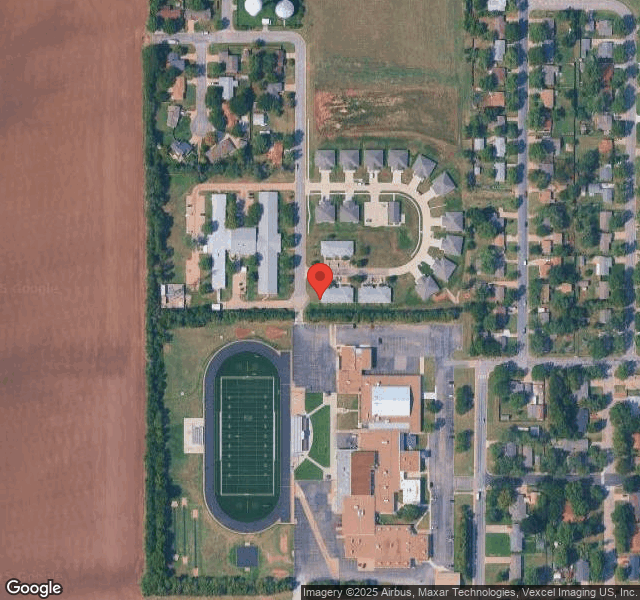
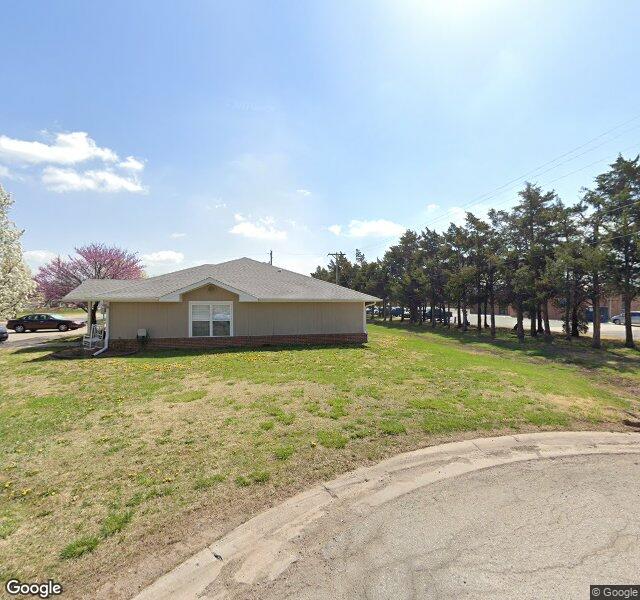
501 EASY STREET, GODDARD, KS 67052 (316) 794-8635
For profit - Corporation 60 Beds MEDICALODGES, INC. Data: November 2025 1 Immediate Jeopardy citation
Trust Grade
26/100
#207 of 295 in KS
Last Inspection: February 2024

Within standard 12-15 month inspection cycle. Federal law requires annual inspections.

Overview

Medicalodges Goddard has received a Trust Grade of F, indicating significant concerns about the facility's quality and safety. It ranks #207 out of 295 nursing homes in Kansas, placing it in the bottom half, and #20 of 29 in Sedgwick County, meaning there are very few local options that perform better. Although the trend is improving, with a decrease in reported issues from 15 in 2024 to just 1 in 2025, the facility still displays serious weaknesses. Staffing is a relative strength, earning 4 out of 5 stars, but the high turnover rate of 61% is concerning, as it is above the state average. Specific incidents include a critical failure to prevent a cognitively impaired resident from exiting the facility unsupervised, which posed a serious safety risk, and a serious incident where a resident fell during a transfer due to equipment failure, resulting in injury. Additionally, a medication cart was left unlocked and unattended, raising concerns about medication safety.

Trust Score
F
26/100
In Kansas
#207/295
Bottom 30%
Safety Record
High Risk
Review needed
Inspections
Getting Better
15 → 1 violations
Staff Stability
⚠ Watch
61% turnover. Above average. Higher turnover means staff may not know residents' routines.
Penalties
✓ Good
$10,059 in fines. Lower than most Kansas facilities. Relatively clean record.
Skilled Nurses
⚠ Watch
Each resident gets only 27 minutes of Registered Nurse (RN) attention daily — below average for Kansas. Fewer RN minutes means fewer trained eyes watching for problems.
Violations
⚠ Watch
28 deficiencies on record. Higher than average. Multiple issues found across inspections.
★★☆☆☆
2.0
Overall Rating
★★★★☆
4.0
Staff Levels
★★★★☆
4.0
Care Quality
★★☆☆☆
2.0
Inspection Score
Stable
2024: 15 issues
2025: 1 issues

The Good

  • 4-Star Staffing Rating · Above-average nurse staffing levels
  • 4-Star Quality Measures · Strong clinical quality outcomes
  • Full Sprinkler Coverage · Fire safety systems throughout facility
  • No fines on record

Facility shows strength in staffing levels, quality measures, fire safety.

The Bad

2-Star Overall Rating

Below Kansas average (2.9)

Below average - review inspection findings carefully

Staff Turnover: 61%

15pts above Kansas avg (46%)

Frequent staff changes - ask about care continuity

Federal Fines: $10,059

Below median ($33,413)

Minor penalties assessed

Chain: MEDICALODGES, INC.

Part of a multi-facility chain

Ask about local staffing decisions and management

Staff turnover is elevated (61%)

13 points above Kansas average of 48%

The Ugly 28 deficiencies on record

1 life-threatening 1 actual harm
Jan 2025 1 deficiency
CONCERN (D) 📢 Someone Reported This

A family member, employee, or ombudsman was alarmed enough to file a formal complaint

Potential for Harm - no one hurt, but risky conditions existed

Accident Prevention (Tag F0689)

Could have caused harm · This affected 1 resident

**NOTE- TERMS IN BRACKETS HAVE BEEN EDITED TO PROTECT CONFIDENTIALITY** The facility reported a census of 44 residents with three residents included in the sample. Based on observation, interview, and...

Read full inspector narrative →
**NOTE- TERMS IN BRACKETS HAVE BEEN EDITED TO PROTECT CONFIDENTIALITY** The facility reported a census of 44 residents with three residents included in the sample. Based on observation, interview, and record review the facility failed to ensure an environment free of accident hazards on 01/14/25 when Certified Nurse Aide (CNA) M did not follow the standard of care and utilize another staff member assistance during the transfer of Resident (R) 1 from his wheelchair to his bed, using a Hoyer Lift (a mechanical device that helps people with limited mobility be transferred safely with minimal physical effort). Findings included: - The Quarterly Minimum Data Set (MDS) dated [DATE] revealed R1 had a Brief Interview for Mental Status (BIMS) score of 14, indicating intact cognition. The Care Plan revision dated 12/31/24 revealed R1 required assistance from staff with all transfers. An observation on 01/14/25 at 12:35 PM revealed CNA M transferred R1 from his wheelchair to his bed using the Hoyer lift by herself. An interview on 01/14/25 at 12:35 PM with CNA M revealed if the resident was light, they could use the Hoyer and lift the resident by themselves. An interview on 01/14/25 at 01:25 PM with Administrative Nurse D revealed the protocol for transfers of a resident using the Hoyer lift was two staff members to always be present to assist with transfers. An interview on 01/14/25 at 02:50 PM with CNA N revealed the facility provided training on the Hoyer and Sit-to-Stand lifts and noted they were to always have two staff members while using the lifts. On 01/14/25 at 03:00 PM Administrative Nurse D stated the facility did not have a policy regarding Transfers and further stated staff were to follow known standards of care utilizing two staff to transfer residents using a Hoyer lift. The facility failed to ensure an environment free of accident hazards on 01/14/25 when CNA M transferred R1 from his wheelchair to his bed with the use of a Hoyer lift and did not have an additional staff member present for the transfer.
Sept 2024 1 deficiency
CONCERN (D) 📢 Someone Reported This

A family member, employee, or ombudsman was alarmed enough to file a formal complaint

Potential for Harm - no one hurt, but risky conditions existed

Infection Control (Tag F0880)

Could have caused harm · This affected 1 resident

**NOTE- TERMS IN BRACKETS HAVE BEEN EDITED TO PROTECT CONFIDENTIALITY** The facility reported a census of 43 with 3 residents selected for review. Based on observation, interview, and record review, t...

Read full inspector narrative →
**NOTE- TERMS IN BRACKETS HAVE BEEN EDITED TO PROTECT CONFIDENTIALITY** The facility reported a census of 43 with 3 residents selected for review. Based on observation, interview, and record review, the facility failed to implement infection control measurements by the failure to cleansing hands between glove changes during a wound dressing change on Resident (R) 2. Findings included: - The Physicians Order dated 08/29/24 revealed R2 had diagnosis that included chronic multifocal osteomyelitis of multiple sites (local or generalized infection of the bone and bone marrow), and pressure ulcer (localized injury to the skin and/or underlying tissue usually over a bony prominence as results of pressure or pressure in combination with shear and/or friction). The Quarterly Minimum Data Set (MDS) dated [DATE], revealed a Brief interview for Mental Status (BIMS) of 15, that indicated intact cognition. R2 had one stage three pressure ulcer injury over bony prominence upon admission. R2 used a pressure reducing device for chair and bed and was on a turning repositioning program. The Care Plan dated 08/16/24, revealed R2 was at risk for alteration in skin integrity related to limited mobility and pain. Staff to provide education on the need to change position with staff every two hours and as needed. Licensed staff instructed to provide wound care to the left hip, right buttocks, left buttocks, and right below knee amputation. The Wound Care Plus orders received on 09/03/24 included for the left hip/ Right stump: cleanse area with hypochlorous acid (a cleanser that acts as a preservative that inhabits microbial contamination), place gauze soaked in hypochlorous acid on the wound for 15 minutes and apply Santyl (medication used to remove dead tissue for chronic skin ulcers). Apply calcium alginate (used to treat wounds that are moderately to heavily drainage, helps to create a moist healing environment), and change dressing to areas every other day. The Electronic Medical Records dated 09/03/24, revealed R2 returned from the hospital with new wounds. R1 readmitted with wounds to the right shin, lateral buttock, to and one over the left greater trochanter (hip). Observation on 09/09/24 at 11:15 AM revealed wound care provided by Licensed Nurse (LN) G for the following areas of R2's right hip, right stump, and left hip. During the wound care observations, LN G failed to cleanse her hands after removing her soiled gloves and donning on clean gloves throughout the dressing changes. On 09/09/24 at 12:15 PM, Interview with Licensed Nurse G regarding proper hand sanitizer between the soiled gloves and clean gloves, LN G stated she was aware she needed to use hand sanitizer or wash her hands between each glove changes. On 09/09/24 at 04:30 PM, Interview with Administrative Nurse D revealed the expectations was the nurses to follow the standard procedure for wound care. The policy Wound Prevention and Management dated 12/2018 to provide a systematic approach for identifying resident at risk for skin breakdown and develop interventions to decrease the incidence of residents who develop pressure ulcers while providing guidelines for optimal care to promote healing for resident with all identified skin alterations. The facility failed to implement infection control measurements for R2 by not cleansing hands between gloves during wound care.
Feb 2024 14 deficiencies
CONCERN (D) 📢 Someone Reported This

A family member, employee, or ombudsman was alarmed enough to file a formal complaint

Potential for Harm - no one hurt, but risky conditions existed

Resident Rights (Tag F0550)

Could have caused harm · This affected 1 resident

**NOTE- TERMS IN BRACKETS HAVE BEEN EDITED TO PROTECT CONFIDENTIALITY** The facility reported a census of 38 residents with 13 residents sampled, that included five residents selected for review relat...

Read full inspector narrative →
**NOTE- TERMS IN BRACKETS HAVE BEEN EDITED TO PROTECT CONFIDENTIALITY** The facility reported a census of 38 residents with 13 residents sampled, that included five residents selected for review related to dignity. Based on interview, observation, and record review, the facility failed to protect the privacy and dignity of Residents (R)40 and R95. This deficient practice led to R40's and R95's respective urinary catheter (a tube inserted into the bladder to drain urine and into a collection bag) bags to be visible to visitors and other residents. This practice had the potential to lead to negative psychosocial effects related to dignity. Findings included: - R40's Electronic Health Record (EHR) revealed a diagnosis of benign prostatic hyperplasia (BPH, a non-cancerous enlargement of the prostate which can lead to interference with urine flow, urinary frequency and urinary tract infections). The admission Minimum Data Set (MDS) dated [DATE], documented a Brief Interview for Mental Status (BIMS) of 13, which indicated intact cognition. R40 had an indwelling urinary catheter (a tube inserted into the bladder to drain urine and into a collection bag) and required substantial or maximal assistance with all cares except eating, which he was independent. The Quarterly MDS dated 01/19/24, documented a BIMS of 13, which indicated intact cognition and that R40 had an indwelling urinary catheter. The Urinary Incontinence and Indwelling Catheter Care Area Assessment (CAA) dated 11/12/23 documented that R40 required assistance with toileting needs and actual incontinent episodes. The Care Plan, dated 11/20/23, revealed R40 had an indwelling catheter related to urinary retention (lack of ability to urinate and empty the bladder) and included the following interventions: On 11/20/23, staff were to change the catheter every 30 days. On 11/20/23, staff were to change the catheter as needed. On 11/20/23, staff were to monitor catheter output every shift. On 01/20/24, staff were to change the catheter every 30 days at bedtime on the 16th of every month. The care plan lacked interventions related to maintaining or protecting the resident's privacy or dignity related to the urinary catheter. The EHR Physician Orders documented the following: 1. On 02/16/24, urinary catheter in place and to change every 30 days and as needed on the 13th of each month related to BPH with urinary obstruction. 2. On 02/14/24, flush catheter nightly with 60 milliliters (mL) of sterile water at bedtime related to BPH with urinary obstruction. On 02/20/24 at 01:23 PM, R40 observed from the hallway resting in bed with a urinary catheter drainage bag hanging from the bed frame. The drainage collection bag was approximately 1/3 full of a transparent light-straw colored liquid. On 02/22/24 at 11:25 AM, Certified Nurse Aide (CNA) G revealed that urinary catheter bags should always be covered with a dignity bag or otherwise obscured from view of visitors and other residents to protect the resident's dignity. On 02/21/24 at 01:10 PM, Licensed Nurse (LN) F revealed urinary catheter bags should be inside dignity bags when ever they are visible to other residents or visitors and explained if a resident was in their bed, the drainage bag should be placed on the other side of the bed, other than in view of the hallway door. When a resident sat in their recliner or wheelchair, the drainage bag should be in a dignity bag or other device to obscure it from public view. On 02/26/24 at 12:57 PM, Administrative Nurse B revealed that all urinary catheter drainage bags should be in a dignity bag or otherwise always obscured from the view of other residents or visitors. The facility's undated Resident Rights policy documented that each resident has the right to a dignified existence and should be treated with consideration, respect and full recognition of their dignity and individuality which included privacy in treatment and care of their personal needs. The facility failed to protect the privacy and dignity of R40. This deficient practice led to R40's urinary catheter bag to be visible to visitors and other residents. This practice had the potential to lead to negative psychosocial effects related to dignity. - Resident (R) 95's signed physician orders dated 02/09/24, revealed the diagnosis that included bladder neck obstruction (lack of ability to urinate and empty the bladder). The admission Minimum Data Set (MDS) dated [DATE] revealed a Brief Interview for Mental Status (BIMS) score of 11, indicating moderate cognitive impairment. The resident required moderate assist with toileting and supervision with mobility. The resident had an indwelling urinary catheter (insertion of a catheter into the bladder to drain the urine into a collection bag). The Urinary Incontinence and Indwelling Catheter Care Area Assessment (CAA) dated 02/14/24, revealed R95 required assistance with toileting needs and actual incontinent episodes. Contributing factors included weakness, impaired mobility, and cognitive loss. The risk factors included skin breakdown, falls, and recurrent UTIs (urinary tract infections). A care plan will be initiated/reviewed to improve/maintain current toileting skills and ability to transfer to the commode, continence status, decrease fall and pressure ulcer risk, and decrease risk for UTI. The CAA lacked documentation of the resident having an indwelling urinary catheter on admission to the facility due to bladder neck obstruction. R95's Care Plan dated 02/06/24, revealed the resident had an indwelling urinary catheter. Staff were to change the catheter every eight to ten days related to bladder obstruction and to monitor the output every shift. Review of the physician's admission orders, dated 02/08/24, revealed orders for a Foley catheter (urinary catheter), 18 French, with a 10 cubic centimeter (cc) bulb. Change every eight to ten days due to bladder neck obstruction. Observation on 02/20/24 at 09:00 AM, revealed staff assisted R95 to ambulate in the hallway with a walker as a mobility device. The resident's catheter bag hung on a bar on the side of the walker with no dignity bag in place and yellow urine was visible in the tubing and the urine collection bag. Observation on 02/20/24 at 01:35 PM, revealed the resident on his bed. The resident's catheter bag hung from the footboard of the bed. The urine collection bag lacked a covering, and yellow urine was visible from the hallway outside of the resident's room. Observation on 02/20/24 at 03:43 PM, revealed the catheter bag hung from the footboard on the bed above the level of the bladder. The collection bag lacked a covering and the resident's uncovered collection bag was visible from the hallway. Observation on 02/21/24 at 09:39 AM, revealed the resident on his bed. The collection bag contained urine and lacked a dignity bag. R95's door was open, and the uncovered collection bag was visible from the hallway. On 02/21/24 at 09:48 AM, Certified Nursing Assistant (CNA) D reported staff should cover the urinary collection bag. On 02/21/24 at 09:45 AM, Licensed Nurse (LN) E reported staff should keep a dignity bag on urinary collection bags. On 02/22/23 at 11:00 AM, Administrative Nurse B reported CNA's have skills checklists and should know how to care for a resident with a urinary catheter. All catheter bags should be kept in a dignity bag. The undated facility's policy for Resident Rights revealed the resident shall be treated with consideration, respect, and full recognition of their dignity and individuality, including privacy in treatment and in the care of personal needs. The facility failed to protect the privacy and dignity of R95 by not providing a dignity bag to cover his catheter drainage bag.
CONCERN (D) 📢 Someone Reported This

A family member, employee, or ombudsman was alarmed enough to file a formal complaint

Potential for Harm - no one hurt, but risky conditions existed

Assessment Accuracy (Tag F0641)

Could have caused harm · This affected 1 resident

**NOTE- TERMS IN BRACKETS HAVE BEEN EDITED TO PROTECT CONFIDENTIALITY** The facility reported a census of 38 residents with 13 residents selected for review. Based on observation, interview, and recor...

Read full inspector narrative →
**NOTE- TERMS IN BRACKETS HAVE BEEN EDITED TO PROTECT CONFIDENTIALITY** The facility reported a census of 38 residents with 13 residents selected for review. Based on observation, interview, and record review, the facility failed to accurately complete the Minimum Data Set (MDS) for one sampled resident, Resident (R)195, related to the use of indwelling urinary catheter (a tube inserted into the bladder to drain urine into a collection bag). This placed the resident at risk for uncommunicated care needs. Findings include: - R195's Electronic Health Record (EHR) revealed diagnoses that included the following: urinary tract infection (UTI-an infection in any part of the urinary system), lack of coordination, overactive bladder, encounter following surgical amputation (surgical removal of a body part), osteomyelitis (local or generalized infection of the bone and bone marrow), need for assistance with personal care and generalized weakness. R195's admission Minimum Data Set (MDS) dated [DATE] documented a Brief Interview for Mental Status (BIMS) score of 15, which indicated intact cognition. R195 required total care of two persons for all cares except eating which required supervision. R195 had an indwelling urinary catheter (a tube inserted into the bladder to drain urine into a collection bag). R195's Quarterly MDS, dated 01/24/24 documented a BIMS score of 13, which indicated intact cognition. R195 was occasionally incontinent of urine and had no indwelling or external urinary catheters. R195's Urinary Incontinence and Indwelling Catheter Care Area Assessment (CAA) documented R195 was incontinent of urine and at risk for recurrent UTIs with contributing factors of weakness, impaired mobility and cognitive loss. The Care Plan, dated 01/07/24, revealed that R195 had an indwelling urinary catheter and included the following interventions: On 09/16/24, staff were to provide assistance with pericare (care of the skin of the area of the body between the anus and genitals) and catheter care. On 01/07/24, staff were to change the catheter as needed. On 01/07/24, staff were to monitor catheter output every shift. On 01/19/24, staff were to flush the catheter every night at bedtime. On 01/20/24, staff were to change the catheter every 30 days. The EHR Physician Orders documented the following: 1. On 01/11/24, to insert indwelling urinary catheter and lacked indication for use. 2. On 02/15/24, to flush urinary catheter every night at bedtime for wound care management. 3. On 02/15/24, to change the indwelling urinary catheter every 30 days for wound care management. The Progress Notes documented the following: On 01/06/24 at 12:12 PM, that staff had spoken with resident and family about changing from a condom catheter (a tube attached to a sheath for the penis used to carry urine to a collection bag) to indwelling catheter On 01/10/24 at 03:45 PM, that staff had spoken to wound clinic who had sent the resident from the wound clinic to the Emergency Department (ED) and staff explained that they had put in an indwelling catheter (at undocumented date/time) due to condom catheter being insufficient to control urinary incontinence. Review of EHR Tasks documented 39 entries that indicated the completion of catheter care between 01/06/24 and 02/22/24. On 02/22/24 at 02:30 PM, Administrative Nurse B revealed that the resident had a condom catheter changed to indwelling catheter some time on 01/06/24. On 02/26/24 at 12:57 PM, Administrative Nurse B confirmed that R195's Quarterly MDS, dated 01/24/24 incorrectly documented no indwelling or external urinary catheters. Further stated that her expectation was for all assessments including MDS assessments to be accurate. The facility failed to provide a policy related to accuracy of assessments as requested on 02/26/24 at 01:00 PM. The facility failed to accurately complete the MDS for R195 related to the use of indwelling urinary catheter. This placed the resident at risk for uncommunicated care needs.
CONCERN (D) 📢 Someone Reported This

A family member, employee, or ombudsman was alarmed enough to file a formal complaint

Potential for Harm - no one hurt, but risky conditions existed

Comprehensive Care Plan (Tag F0656)

Could have caused harm · This affected 1 resident

**NOTE- TERMS IN BRACKETS HAVE BEEN EDITED TO PROTECT CONFIDENTIALITY** The facility identified a census of 38 residents, with 13 residents selected for review. Based on observation, record review and...

Read full inspector narrative →
**NOTE- TERMS IN BRACKETS HAVE BEEN EDITED TO PROTECT CONFIDENTIALITY** The facility identified a census of 38 residents, with 13 residents selected for review. Based on observation, record review and interview, the facility failed to develop a comprehensive person-centered care plan for Resident (R)39, regarding the need for isolation. Findings included: - Resident (R)39's signed physician orders, dated 02/16/24 revealed the diagnosis included respiratory syncytial virus (RSV is a contagious virus that causes infections of the respiratory tract). The admission Minimum Data Set (MDS) dated [DATE], revealed a Brief Interview for Mental Status (BIMS) score of 14, indicating intact cognition. The resident required extensive assistance of two for daily care and was non-ambulatory. The resident received pain medication on an as needed basis for pain of 6/10 scale. The Quarterly MDS dated 12/22/23, revealed no significant changes in cognition or cares. R39's Care Plan dated 08/03/23 revealed the following: R39 required staff assistance with daily cares related to physical limitations. R39 required assistance of two staff for toileting ad transfers. R39 could occasionally self-propel the wheelchair around the facility, and other times, required staff assistance for propelling the wheelchair. The care plan lacked interventions for isolation for RSV care of the resident. Review of the physician orders dated 02/18/24 revealed: On 02/18/24, Quarantine (isolation) for 10 days due to RSV. Observation on 02/20/24 at 08:30 AM, revealed the resident dressed and well-groomed sitting in his wheelchair in his room, and finished eating breakfast. The resident was talkative and sounded congested as he spoke with an occasional cough. Personal protective equipment (PPE) barrels were in the room by the door for staff to doff PPE. On 02/20/24 at 8:30 AM, the resident reported he felt better but still had no energy. He needed to rest during the day. The resident did not like having to remain in his room. Staff came in but only when he needed something, then staff had to wear all that garb. On 02/21/24 at 10:20 AM, certified nursing assistant (CNA) D reported the resident was on quarantine for RSV. Staff must gown and glove and wear a mask when entering the room. On 02/22/24 at 01:30 PM, CNA L reported the resident still had the cough, but felt better. He is on isolation, and he understands he must stay in his room. The resident Has RSV. On 02/22/24 at 02:00 PM, Licensed Nurse (LN) reported the facility had a lot of residents in isolation due to RSV. They had to be in isolation for 10 days. Staff are educated e on wearing PPE and have it right outside the residents' rooms. He does have a cough. He continues to cough up small amounts of thick yellow sputum (a mixture of saliva and mucus produced by the lungs as a result of viral or bacterial infections). On 02/26/24 at 12:57 PM, Administrative Nurse B reported staff try to update the care plan as soon as possible when changes develop. She confirmed incomplete data on R24's care plan. Review of the facility's policy for Electronic Care Plan dated 12/18 revealed Care Plan Revision- The interdisciplinary Team are to review, revise, and sign the person-centered plan of care with revisions. The facility failed to develop and implement R39's care plan to include his isolation status and treatment for RSV. This placed the resident at risk to not receive appropriate cares and treatment.
CONCERN (D) 📢 Someone Reported This

A family member, employee, or ombudsman was alarmed enough to file a formal complaint

Potential for Harm - no one hurt, but risky conditions existed

Deficiency F0657 (Tag F0657)

Could have caused harm · This affected 1 resident

**NOTE- TERMS IN BRACKETS HAVE BEEN EDITED TO PROTECT CONFIDENTIALITY** The facility reported a census of 38 residents. The sample included 13 residents. Based on observation, interview and record rev...

Read full inspector narrative →
**NOTE- TERMS IN BRACKETS HAVE BEEN EDITED TO PROTECT CONFIDENTIALITY** The facility reported a census of 38 residents. The sample included 13 residents. Based on observation, interview and record review, the facility failed to review and revise one resident's care plans, related to adequate monitoring and care of Resident (R)26's multiple skin areas/wounds. Findings included: - Review of Resident (R)26's undated Physician Orders, (POS) documentation included diagnoses of multiple sclerosis (MS- progressive disease of the nerve fibers of the brain and spinal cord) , anxiety disorder (mental or emotional reaction disorder characterized by apprehension, uncertainty and irrational fear) , chronic inflammation (a normal body's response to injury or infection) polyneuritis (inflammation of several peripheral nerves at the same time), and diabetes (DM-when the body cannot use glucose, not enough insulin made or the body cannot respond to the insulin). The Annual Minimum Data Set, (MDS) dated [DATE], documentation included a Brief Interview for Mental Status, score (BIMS) of 14, indicating cognitively intact. The resident required extensive assistance of staff with his bed mobility. He had a formal skin assessment completed which identified him as not at risk for pressure ulcer/injury and without skin care issues. The Pressure Ulcer/Injury Care Area Assessment, (CAA), dated 05/10/23, documentation included the resident required staff assistance with bed mobility, transfers, walking, locomotion, dressing, toileting, personal hygiene, and bathing during his look back period. The resident was incontinent of bladder and frequently incontinent of bowel during his look back period. The CAA contributing factors which included Activities of daily living (ADL)/functional/mobility impairment and incontinence. Risk factors included pain, the development of Pressure ulcer/skin condition, and fluid deficit risk. A licensed nurse to assess the resident's skin each week and put proper interventions in place to prevent skin breakdown. Skin is also assessed by caregivers with each bath and each time the resident is dressed. Notify the physician of any abnormal findings and treatment orders obtained. His caregivers assist with repositioning at least every two hours and as needed for comfort. The Care Plan dated 01/28/24, directed staff the resident was at risk for skin breakdown. Staff were to provide skin assessments per protocol and as indicated. Additionally, to monitor and report any changes, skin tears, or bruising while providing daily cares, and assisting the resident with his bathing. The care plan lacked address of the resident scratching his legs that resulted in multiple scabbed areas on his legs. The care plan lacked interventions for monitoring the areas or treatment for the multiple scabbed areas on his bilateral (both) legs. Review of the resident's Skin Condition Note, dated 09/08/2023 at 08:57 AM, documented the resident's skin as warm and dry. The resident with a history of picking and scratching with both open and scabbed over areas to bilateral (both) lower extremities (BLE) and bilateral upper extremities (BUE). No areas over 1.0 centimeter (cm) with no indication of infection noted. No current treatment order initiated as needed for open areas with excessive bleeding. He was non-compliant with education provided regarding scratching and picking. The Skin Condition Note, lacked details regarding the number of skin area, location, characteristics, or measurements, to provide a baseline of information for monitoring for worsening skin condition. Each subsequent weekly Skin Condition Note, dated 09/15/23 through 01/21/24 documented the resident's condition in general terms such as sporadic scabbed over areas related to picking and scratching, and lacked assessment details regarding the number of skin area, characteristics, nor measurements, to provide a baseline of information for monitoring of skin condition and need for intervention to prevent complications for this dependent diabetic resident. On 02/21/24 at 09:37 AM, the resident sat in the wheelchair with an undated bandage on his left lower front leg. He had multiple open areas with red wound bed with scant blood present as well as scabbed areas with surrounding redness and bluish discoloration on the front portion of his right lower leg. The right lower leg did not have a bandage present. On inquiry, the resident stated he reason the bandage was on his left leg was because he picked his leg. When asked what happened to his other leg (right leg), he stated he picked and scratched it as well. The resident reported his legs itched and he did not know why the staff just put the bandage on his left leg. On 02/21/24 at 01:51 PM, Licensed Nurse (LN) F stated the resident picks at his legs and sometimes they bleed. The resident likes to watch them bleed. She verified the resident lacked orders for dressings or treatment for his legs, but the staff sometimes put bandages on the areas to stop them from bleeding because the resident took blood thinners. She verified the lack of address in the resident's care plan of his scratching or picking at his skin, nor interventions to monitor and prevent further injury to his skin. Additionally, she reported the resident received a weekly skin check. She verified the Skin Condition Notes, lacked number, location, characteristics, and measurements of the wounds on the resident's bilateral legs. On 02/22/24 at 02:45 PM, Administrative Nurse C assessed the resident's bilateral legs and confirmed his left leg with edema and seven scabbed areas from just above the knee on the left outer side extending to the ankle . Additionally, Administrative Nurse C assessed the right leg and noted 13 scabbed areas which included two wounds with surrounding redness. She explained to the resident that he needed to stop scratching his legs to prevent cellulitis (skin infection caused by bacteria) in his legs. She continued to explain cellulitis was an infection of the skin and he was at a greater risk to potentially lose his legs because he was a diabetic. On 02/26/24 at 02:13 PM, Administrative Nurse B confirmed the above findings. She stated the Skin Condition Notes, should include the measurements, characteristics, and location of wounds to facilitate monitoring for condition change and to determine the need for further intervention. She stated the Care plan should include updated status of wounds based on the assessment to direct the staff in providing care to prevent further complications for this dependent resident with diabetes. The facility policy Electronic Care Plan, dated 12/2018, documentation included the purpose of the care plan is to provide a guide to the Interdisciplinary Team (IDT), resident, and responsible party, to promote quality care and quality of life by facilitating communication about the resident's barriers and needs. Care plan review and revisions are to be completed will the wellness program. The facility failed to review and revise the care plan, related to the monitoring and care of this resident with multiple skin areas/wounds (20). - Resident (R) 24's signed physician orders revealed the following diagnoses: diabetes mellitus type 2 (when the body cannot use glucose, not enough insulin is made or the body cannot respond to the insulin), hypertension (elevated blood pressure), pain, and congestive heart failure (CHF- a condition with low heart output and the body becomes congested with fluid). The Annual Minimum Data Set (MDS) dated [DATE], revealed a Brief Interview for Mental Status (BIMS) score of 12, indicating moderate cognitive impairment. The resident received pain medication on schedule. The resident received antidepressants (class of medications used to treat mood disorders). The Quarterly MDS dated [DATE], revealed no changes in cognition Medications included an antidepressant. The Psychotropic Drug Use Care Area Assessment (CAA), dated 08/18/23 revealed R24's CAA triggered secondary to use of psychotropic medication to manage a psychiatric illness or condition. Review of the Care Plan dated 02/21/24 revealed R24 used therapeutic psychotropic medications. The resident received the antidepressant duloxetine for behaviors of rejection of care and abusive language. R24 required psychiatric services. R24's Buspar dosage increased per order due to increased anxiety with delusional thinking. The use of psychotropic drugs puts R24 at risk for falls, lethargy, and depression. Review of the Physician orders revealed Buspar, 10 milligrams (mg), twice a day, revealed the medication was discontinued on 11/07/22. Review of the Consulting Pharmacist Monthly Medication Regimen Review revealed the following: On 02/23/23- Please remove Buspar from the care plan. Resident is no longer on medication since 11/07/22. On 03/15/23- Please remove Buspar from the care plan. Resident is no longer on medication since 11/07/22. Observation on 02/21/24 at 08:00 AM revealed the resident's family propelled R24 to the dining room. R24 visited with family and no signs of distress. Observation on 02/22/24 at 01:00 PM, revealed R24 without signs of distress. On 02/20/24 at 09:00 AM, Certified Nursing Assistant (CNA) D reported the resident and her family spent a lot of time in their room with their own activities. The resident required assist of one with all her cares but was alert and could make needs known. On 02/22/24 at 03:00 PM CNA L reported the resident had no real behaviors. She required assist of one with her care. On 02/22/24 at 02:00 PM, Licensed Nurse (LN) M reported the resident was pleasant and cooperative with staff with all her cares. On 02/26/24 at 12:57 PM, Administrative Nurse B reported staff should update the care plan care as soon as possible when changes would develop. She confirmed inaccurate data on R24's care plan. Review of the facility's policy Electronic Care Plan dated 12/18, revealed for the care plan revision, the Interdisciplinary Team are to review, revise, and sign the person-centered plan of care with revisions. The facility failed to update the resident care plan when the antianxiety medication was discontinued on 11/07/22.
CONCERN (D) 📢 Someone Reported This

A family member, employee, or ombudsman was alarmed enough to file a formal complaint

Potential for Harm - no one hurt, but risky conditions existed

Quality of Care (Tag F0684)

Could have caused harm · This affected 1 resident

**NOTE- TERMS IN BRACKETS HAVE BEEN EDITED TO PROTECT CONFIDENTIALITY** The facility reported a census of 38 residents. The sample included 13 residents with one resident sampled for skin condition, n...

Read full inspector narrative →
**NOTE- TERMS IN BRACKETS HAVE BEEN EDITED TO PROTECT CONFIDENTIALITY** The facility reported a census of 38 residents. The sample included 13 residents with one resident sampled for skin condition, not related to pressure ulcer/injury. Based on observation, interview and record review, the facility failed to ensure adequate monitoring of one Resident (R)26's skin condition, to ensure resolution of multiple skin areas/wounds (20). Findings included: - Review of Resident (R)26's undated Physician Orders, (POS) documentation included diagnoses of multiple sclerosis (MS- progressive disease of the nerve fibers of the brain and spinal cord) , anxiety disorder (mental or emotional reaction disorder characterized by apprehension, uncertainty and irrational fear) , chronic inflammation (a normal body's response to injury or infection) polyneuritis (inflammation of several peripheral nerves at the same time), and diabetes (DM-when the body cannot use glucose, not enough insulin made or the body cannot respond to the insulin). The Annual Minimum Data Set, (MDS) dated [DATE], documentation included a Brief Interview for Mental Status, score (BIMS) of 14, indicating cognitively intact. The resident required extensive assistance of staff with his bed mobility. He had a formal skin assessment completed which identified him as not at risk for pressure ulcer/injury and without skin care issues. The Pressure Ulcer/Injury Care Area Assessment, (CAA), dated 05/10/23, documentation included the resident required staff assistance with bed mobility, transfers, walking, locomotion, dressing, toileting, personal hygiene, and bathing during his look back period. The resident was completely incontinent of bladder and frequently incontinent of bowel during his look back period. The CAA contributing factors which included Activities of daily living (ADL)/functional/mobility impairment and incontinence. Risk factors included pain, the development of Pressure ulcer/skin condition, and fluid deficit risk. A licensed nurse to assess the resident's skin each week and put proper interventions in place to prevent skin breakdown. Skin is also assessed by caregivers with each bath and each time the resident is dressed. Notify the physician of any abnormal findings and treatment orders obtained. His caregivers assist with repositioning at least every two hours and as needed for comfort. The Care Plan dated 01/28/24, directed staff the resident was at risk for skin breakdown. Staff were to provide skin assessments per protocol and as indicated. Additionally, to monitor and report any changes, skin tears, or bruising while providing daily cares, and assisting the resident with his bathing. The care plan lacked address of the resident scratching his legs that resulted in multiple scabbed areas on his legs. The care plan lacked interventions for monitoring the areas or treatment for the multiple scabbed areas on his bilateral (both) legs. Review of the resident's Skin Condition Note, dated 09/08/2023 at 08:57 AM, documented the resident's skin as warm and dry. The resident with a history of picking and scratching with both open and scabbed over areas to bilateral lower extremities (BLE) and bilateral upper extremities (BUE). No areas over 1.0 centimeter (cm) with no indication of infection noted. No current treatment order initiated as needed for open areas with excessive bleeding. He was non-compliant with education provided regarding scratching and picking. The Skin Condition Note, lacked details regarding the number of skin area, location, characteristics, or measurements, to provide a baseline of information for monitoring for worsening skin condition. Each subsequent weekly Skin Condition Note, dated 09/15/23 through 01/21/24 documented the resident's condition in general terms such as sporadic scabbed over areas related to picking and scratching, and lacked assessment details regarding the number of skin area, characteristics, nor measurements, to provide a baseline of information for monitoring of skin condition and need for intervention to prevent complications for this dependent diabetic resident. On 02/21/24 at 09:37 AM, the resident sat in the wheelchair with an undated bandage on his left lower front leg. He had multiple open areas with red wound bed with scant blood present as well as scabbed areas with surrounding redness and bluish discoloration on the front portion of his right lower leg. The right lower leg did not have a bandage present. On inquiry, the resident stated the reason the bandage was on his left leg was because he picked his leg. When asked what happened to his other leg (right leg), he stated he picked and scratched it as well. The resident reported his legs itched and he did not know why the staff just put the bandage on his left leg. On 02/21/24 at 01:51 PM, Licensed Nurse (LN) F stated the resident picks at his legs and sometimes they bleed. The resident likes to watch them bleed. She verified the resident lacked orders for dressings or treatment for his legs, but the staff sometimes put bandages on the areas to stop them from bleeding because the resident took blood thinners. She verified the lack of address in the resident's care plan of his scratching or picking at his skin, nor interventions to monitor and prevent further injury to his skin. Additionally, she reported the resident received a weekly skin check. She verified the Skin Condition Notes, lacked number, location, characteristics, and measurements of the wounds on the resident's bilateral legs. On 02/22/24 at 02:45 PM, Administrative Nurse C assessed the resident's bilateral legs and confirmed his left leg with edema and seven scabbed areas from just above the knee on the left outer side extending to the ankle. Additionally, Administrative Nurse C assessed the right leg and noted 13 scabbed areas which included two wounds with surrounding redness. She explained to the resident that he needed to stop scratching his legs to prevent cellulitis (skin infection caused by bacteria) in his legs. She continued to explain cellulitis was an infection of the skin and he was at a greater risk to potentially lose his legs because he was a diabetic. On 02/26/24 at 02:13 PM, Administrative Nurse B confirmed the above findings. She stated the Skin Condition Notes, should include the measurements, characteristics, and location of wounds to facilitate monitoring for condition change and to determine the need for further intervention. She stated the Care plan should include updated status of wounds based on the assessment to direct the staff in providing care to prevent further complications for this dependent resident with diabetes. The facility lacked a policy related to monitoring skin conditions to prevent complications. The facility failed to ensure adequate monitoring of this resident's skin condition to ensure resolution of multiple skin areas/wounds the dependent diabetic Resident.
CONCERN (D) 📢 Someone Reported This

A family member, employee, or ombudsman was alarmed enough to file a formal complaint

Potential for Harm - no one hurt, but risky conditions existed

Incontinence Care (Tag F0690)

Could have caused harm · This affected 1 resident

**NOTE- TERMS IN BRACKETS HAVE BEEN EDITED TO PROTECT CONFIDENTIALITY** The facility reported a census of 38 residents with 13 residents sampled, that included two reviewed for urinary catheter (a tub...

Read full inspector narrative →
**NOTE- TERMS IN BRACKETS HAVE BEEN EDITED TO PROTECT CONFIDENTIALITY** The facility reported a census of 38 residents with 13 residents sampled, that included two reviewed for urinary catheter (a tube inserted into the bladder to drain urine into a collection bag) care. Based on interview, observation, and record review, the facility failed to provide appropriate treatment and services of Resident (R)95 when resident was transported with the urinary collection bag above the level of his bladder. This deficient practice had the potential to negatively affect R95. Findings include: - Resident (R) 95's signed physician orders dated 02/09/24, revealed the diagnosis that included bladder neck obstruction (lack of ability to urinate and empty the bladder). The admission Minimum Data Set (MDS) dated [DATE] revealed a Brief Interview for Mental Status (BIMS) score of 11, indicating moderate cognitive impairment. The resident required moderate assist with toileting and supervision with mobility. The resident had an indwelling urinary catheter (insertion of a catheter into the bladder to drain the urine into a collection bag). The Urinary Incontinence and Indwelling Catheter Care Area Assessment (CAA) dated 02/14/24, revealed R95 required assistance with toileting needs and actual incontinent episodes. Contributing factors included weakness, impaired mobility, and cognitive loss. The risk factors included skin breakdown, falls, and recurrent UTIs (urinary tract infections). A care plan will be initiated/reviewed to improve/maintain current toileting skills and ability to transfer to the commode, continence status, decrease fall and pressure ulcer risk, and decrease risk for UTI. The CAA lacked documentation of the resident having an indwelling urinary catheter on admission to the facility due to bladder neck obstruction. R95's Care Plan dated 02/06/24, revealed the resident had an indwelling urinary catheter. Staff were to change the catheter every eight to ten days related to bladder obstruction and to monitor the output every shift. Review of the physician's admission orders, dated 02/08/24, revealed orders for a Foley catheter (urinary catheter), 18 French, with a 10 cubic centimeter (cc) bulb. Change every eight to ten days due to bladder neck obstruction. Observation on 02/20/24 at 01:35 PM, revealed the resident on his bed. The resident's catheter bag hung from the footboard of the bed. The level was above the resident's bladder level. Observation on 02/20/24 at 03:43 PM, revealed the catheter bag hung from the footboard on the bed above level of bladder. Observation on 02/21/24 at 09:39 AM, revealed the resident on his bed. The resident's catheter bag hung from the footboard above the level of his bladder. On 02/21/24 at 09:48 AM, Certified Nursing Assistant (CNA) D reported staff should hang the resident's urinary collections bags below the level of the resident's bladder. On 02/21/24 at 09:45 AM, Licensed Nurse (LN) E reported staff should keep the resident's urinary collection bag below the resident's bladder. On 02/22/23 at 11:00 AM, Administrative Nurse B reported CNA's have skills checklists and should know how to care for a resident with a urinary catheter. Staff should make sure the resident's collection bag was below the resident's bladder to prevent back flow of the urine into the resident's bladder. A policy for catheter care was requested on 02/26/24 with no policy provided. The facility failed to ensure appropriate treatment and services to prevent possible urinary tract infections to this resident who required a urinary catheter,
CONCERN (D) 📢 Someone Reported This

A family member, employee, or ombudsman was alarmed enough to file a formal complaint

Potential for Harm - no one hurt, but risky conditions existed

Deficiency F0730 (Tag F0730)

Could have caused harm · This affected 1 resident

The facility reported a census of 38 residents. Based on interview and record review, the facility failed to conduct annual performance reviews for one of the two Certified Nurse Aides that the facili...

Read full inspector narrative →
The facility reported a census of 38 residents. Based on interview and record review, the facility failed to conduct annual performance reviews for one of the two Certified Nurse Aides that the facility had employed over a year. Findings included: - During review of employment records for the two Certified Nurse Aides (CNA), employed by the facility for over a year, the facility failed to complete one of the two CNA's annual performance review for Certified Nurse Aide (CNA) K, hired 09/29/2015. The most recent unsigned performance evaluation for CNA K, dated 08/31/2022 (six months past due). On 02/22/24 at 10:30 AM, Administrative Nurse B verified CNA K lacked an annual performance evaluation, which should have been completed within 12 months. She reported the facility lacked a policy regarding completion of annual performance evaluations for employees, but she was aware it was a regulatory requirement. The facility lacked a policy to address the completion of annual performance evaluations. The facility failed to conduct annual performance reviews for one of the two Certified Nurse Aides that the facility had employed over a year which provided care for the residents of the facility.
CONCERN (D) 📢 Someone Reported This

A family member, employee, or ombudsman was alarmed enough to file a formal complaint

Potential for Harm - no one hurt, but risky conditions existed

Medical Records (Tag F0842)

Could have caused harm · This affected 1 resident

**NOTE- TERMS IN BRACKETS HAVE BEEN EDITED TO PROTECT CONFIDENTIALITY** The facility reported a census of 38 residents with 13 residents sampled, that included two reviewed for urinary catheter (a tub...

Read full inspector narrative →
**NOTE- TERMS IN BRACKETS HAVE BEEN EDITED TO PROTECT CONFIDENTIALITY** The facility reported a census of 38 residents with 13 residents sampled, that included two reviewed for urinary catheter (a tube inserted into the bladder to drain urine into a collection bag) care. Based on interview, observation, and record review, the facility failed to provide appropriate treatment and services of Resident (R)195 from lack of documented catheter care. This deficient practice had the potential to negatively affect R195. Findings included: - R195's Electronic Health Record (EHR) revealed diagnoses that included the following: urinary tract infection (UTI-an infection in any part of the urinary system), lack of coordination, overactive bladder, encounter following surgical amputation (surgical removal of a body part), osteomyelitis (local or generalized infection of the bone and bone marrow), need for assistance with personal care and generalized weakness. R195's admission Minimum Data Set (MDS) dated [DATE] documented a Brief Interview for Mental Status (BIMS) score of 15, which indicated intact cognition. R195 required total care of two persons for all cares except eating which required supervision. R195 had an indwelling urinary catheter (a tube inserted into the bladder to drain urine into a collection bag). R195's Quarterly MDS, dated 01/24/24 documented a BIMS score of 13, which indicated intact cognition. R195 was occasionally incontinent of urine and had no indwelling or external urinary catheters. R195's Urinary Incontinence and Indwelling Catheter Care Area Assessment (CAA) documented R195 was incontinent of urine and at risk for recurrent UTIs with contributing factors of weakness, impaired mobility and cognitive loss. The Care Plan, dated 01/07/24, revealed that R195 had an indwelling urinary catheter and included the following interventions: On 09/16/24, staff were to provide assistance with pericare (care of the skin of the area of the body between the anus and genitals) and catheter care. On 01/07/24, staff were to change the catheter as needed. On 01/07/24, staff were to monitor catheter output every shift. On 01/19/24, staff were to flush the catheter every night at bedtime. On 01/20/24, staff were to change the catheter every 30 days. The EHR Physician Orders documented the following: 1. On 01/11/24, insert an indwelling urinary catheter. The order lacked an indication for use. 2. On 02/15/24, flush the urinary catheter every night at bedtime, for wound care management. 3. On 02/15/24, to change the indwelling urinary catheter every 30 days for wound care management. The Progress Notes documented the following: On 01/06/24 at 12:12 PM, staff spoke with the resident and the family about changing from a condom catheter (a tube attached to a sheath for the penis used to carry urine to a collection bag) to an indwelling catheter. On 01/10/24 at 03:45 PM, staff spoke to the wound clinic who had sent the resident from the wound clinic to the Emergency Department (ED), and staff explained that they had put in an indwelling catheter (at undocumented date/time) due to the condom catheter being insufficient to control his urinary incontinence. Review of EHR Tasks documented 55 opportunities for catheter care between 01/06/24 and 02/22/24 with 16 opportunities left blank and undocumented. On 02/22/24 at 02:30 PM, Administrative Nurse B revealed that the resident had a condom catheter changed to indwelling catheter some time on 01/06/24 and confirmed the 16 missing entries in the task record. Further Administrative B revealed that if a task was not documented, it was not done. The facility lacked a policy related to indwelling catheter care and maintenance as requested on 02/26/24. The facility failed to provide appropriate treatment and services of personal hygiene needs with incontinence for R195 when staff failed to document catheter care 16 out of 55 times between 01/06/24 and 02/22/24. This deficient practice had the potential to develop into negative outcomes which include UTIs.
CONCERN (D) 📢 Someone Reported This

A family member, employee, or ombudsman was alarmed enough to file a formal complaint

Potential for Harm - no one hurt, but risky conditions existed

Deficiency F0947 (Tag F0947)

Could have caused harm · This affected 1 resident

The facility reported a census of 38 residents. Based on interview and record review, the facility failed to ensure no less than 12 hours per year required in-service training to ensure the continuing...

Read full inspector narrative →
The facility reported a census of 38 residents. Based on interview and record review, the facility failed to ensure no less than 12 hours per year required in-service training to ensure the continuing competence of nurse aides for one of the two nurse aides employed for a year or more. Findings included: - During review of employment records for the two Certified Nurse Aides (CNA), employed by the facility for over a year, the facility failed to ensure no less than 12 hours per year required in-service training to ensure the continuing competence for Certified Nurse Aide (CNA) K, hired 09/29/2015. Review of her education profile revealed the CNA with 10.5 hours of continuing in-service training in the previous year. On 02/22/24 at 10:30 AM, Administrative Nurse B verified CNA K lacked the required 12 hours of continuing education to ensure competency. She reported the facility lacked a policy regarding the required 12 hours of in-service training annually for CNAs, but she was aware it was a regulatory requirement. The facility lacked a policy to address the required 12 hours of in-service training annually for CNAs. The facility failed to ensure no less than 12 hours per year required in-service training to ensure the continuing competence of nurse aides which provided care for the residents of the facility.
CONCERN (E) 📢 Someone Reported This

A family member, employee, or ombudsman was alarmed enough to file a formal complaint

Potential for Harm - no one hurt, but risky conditions existed

Safe Environment (Tag F0584)

Could have caused harm · This affected multiple residents

The facility had a census of 38 residents. Based on observation, record review, and interview, the facility failed to maintain a clean, comfortable and homelike environment to the residents that resid...

Read full inspector narrative →
The facility had a census of 38 residents. Based on observation, record review, and interview, the facility failed to maintain a clean, comfortable and homelike environment to the residents that resided in the facility. Findings included: - On 02/22/24 at 04:00 PM, initial walk through of the facility with Administrative Staff A, identified a broken fiberglass reinforced panel (FRP - a waterproof plasticized product that is often used on high-contact surfaces such as walls or doors to prevent damage to the structural integrity of the material underneath), with a jagged edge approximately 10-12 inches off the floor on the door to the shower room on 100 hall that was only utilized by the residents on the 100 hall. On 02/22/24 at 04:05 PM, Administrative Staff A stated that the shower room would be removed from service until the door had been repaired and notified the appropriate personnel to remove and replace the panel. On 02/26/24 at 07:30 AM, surveyor verified with Administrative Staff A that the door panel had been replaced and with visual inspection of the shower room door on the 100 hall. On 02/26/24 at 01:30 PM, environmental tour with Maintenance Supervisor J revealed and confirmed the following areas of concern: 1. Seventeen (17) areas of concern where the carpet had frayed at the seams in the dining area, main hallway, nurses station area, 100 hall carpet and 200 hall carpeting. 2. A broken transition and frayed carpeting between the hallway and the shower room on 200 hall that was only utilized by residents of the 200 hall. 3. Numerous broken tiles in shower room on 200 hall that was only utilized by residents of the 200 hall. 4. The ceiling in the nursing station area immediately inside the main entry that led to the 200 hall had a seam where the drywall panels separated, and the seam had fallen away from the ceiling but was still attached to the ceiling. 5. Multiple areas on numerous visible walls in the residents' rooms, and hallways with wallpaper peeling away from the wall. 6. An area on the ceiling and the wall of 200 hall that transitioned from the nursing station where the wallpaper was held in place with scotch tape. On 02/26/24 at 01:45 PM, Maintenance Supervisor J was unable to provide an explanation why the identified items had not been replaced and/or repaired by the facility. The facility's undated Housekeeping, Laundry and Maintenance policy documented that the maintenance person is responsible for the routine repair and maintenance of the facility and equipment and preventative maintenance must be performed as listed in the Preventative Maintenance manual. The facility failed to provide a Preventative Maintenance manual. The facility's Housekeeping, Laundry and Maintenance policy, dated 06/03/14, documented that housekeeping, laundry and maintenance were responsible to keep the interior of the building clean, safe and orderly. Further documented that maintenance would maintain the facility in good repair and free from hazards such as loose or cracked floor coverings and other similar conditions. The facility failed to maintain a clean, comfortable and homelike environment to the residents that resided in the facility.
CONCERN (F) 📢 Someone Reported This

A family member, employee, or ombudsman was alarmed enough to file a formal complaint

Potential for Harm - no one hurt, but risky conditions existed

Deficiency F0761 (Tag F0761)

Could have caused harm · This affected most or all residents

**NOTE- TERMS IN BRACKETS HAVE BEEN EDITED TO PROTECT CONFIDENTIALITY** - On [DATE] at 08:25 AM, a Nurse treatment cart that contained wound care supplies and medicated ointments had been unlocked and...

Read full inspector narrative →
**NOTE- TERMS IN BRACKETS HAVE BEEN EDITED TO PROTECT CONFIDENTIALITY** - On [DATE] at 08:25 AM, a Nurse treatment cart that contained wound care supplies and medicated ointments had been unlocked and unattended. At 08:30 AM, Administrative Nurse C stated that the cart was the nurse's responsibility and confirmed that the cart was unlocked and unattended. Administrative Nurse C stated that the treatment cart should be locked when unattended. The facility's Storage of Medication policy, dated 01/2023 documented that the medication supply shall be accessible to licensed nursing personnel, pharmacy personnel or staff members that are lawfully authorized to administer medications. Further documented that to limit the access to prescription medications, storage areas should remain locked when not in use or attended by persons with authorized access. The facility failed to provide a safe environment for all residents by the failure to ensure a medication cart used by the facility remained locked when not in direct line of vision of the licensed nurse passing medications from their carts. The facility reported a census of 38 residents. Based on observation, interview, and record review, the facility failed to store Controlled Medications (medications which fall under US Drug Enforcement Agency (DEA) Schedules II-V), have a potential for abuse, ranging from low to high, and may also lead to physical or psychological dependence), permitting only authorized personnel to have access related to diversion of controlled medication for three residents. Resident (R)145 for unknown quantity of Lorazepam, 0.5 milligram(mg) tablets (anti-anxiety medication), R 146 for unknown quantity of Oxycodone 10/325 mg. tablets (a narcotic/pain medication), and R 147 for unknown quantity of Lorazepam. Additionally, the facility failed to provide a safe environment for all residents by the failure to ensure one of two medication carts, used to store resident's medications remained locked when not in direct line of vision of the licensed nurse passing medications from their carts. Findings included: - On [DATE] at 10:29 AM, Administrative Nurse B confirmed the diversion of controlled medications reported on [DATE] of two residents, (R)145 and R 146 resulting in the discovery of an additional missing controlled medication card for resident R 147. She reported the events as follows: On [DATE] at 12:23 PM, Licensed Nurse (LN) N called Administrative Nurse B and reported during the shift change medication reconciliation between LN N and LN P they identified a discrepancy. Two medication cards of controlled medications were missing. The card count (vacuum sealed cards which contained up to 31 tablets) for Lorazepam 0.5 mg Ativan for Resident (R)146 and Oxycodone 10/325 for (R) 145. There were two missing cards with unknown quantities of controlled medication. The total tablet count was not established due to the alleged perpetrator (AP Administrative Nurse O,) removed the count sheet used for reconciliation which contained the number of tablets in each medication card. LN N reported he asked LN P (no longer employed) the day shift nurse why the cards were missing, and LN P informed him Administrative Nurse O (no longer employed) had taken them out of the locked narcotic medication drawer earlier in the day to destroy them. Administrative Nurse B stated the facility protocol required both Administrative Nurse B and Administrative Nurse O to be present when removing controlled medication from the medication cart to be destroyed. Controlled medications should be destroyed when the medication order changed, or the resident is discharged from the facility. She stated the two administrative nurses have different keys to the lock box for controlled medications and the destroy cabinet. Both keys were required to enter the controlled medication cabinet where and /or the medication cart, the director of nursing (DON) and Assistive director of nursing (ADON) are to be present when medications are taken out of the Cart to the Nursing office with the corresponding narcotic sheet, to verify the medication count and then put in the destroy closet to be destroyed when the pharmacist comes to the building. The destroy medication closet is to be locked and requires the two administrative nurse's keys to be opened. Upon reconciling medications, Administrative Nurse B reported she noted the destroyed medication closet was missing an additional card of unknown quantity of Lorazepam for R 147 in addition to the two missing cards that Administrative Nurse O reportedly removed from the medication cart to place in the destroy closet. She stated when she opened the closet while conducting the investigation of the first two missing medication cards, she noted the destroyed narcotic count book with logged entries with the last line whitened out, the count revealed the third missing card of medications for R 147. Upon inquiry, Administrative Nurse B stated that at the time of the missing medication cards she had kept her keys to the destroyed closet in a purse under her desk, the AP was the assistant director of nursing at the time and had the second key required to enter the destroy closet. LN P was a new nurse and may not have been aware of the policy to only allow the removal of controlled medications from the cart with two administrative nurses present at the time of removal. Additionally, Administrative Nurse B reported she could not get into the destroy closet to investigate because Administrative Nurse O had the second key, so she had to call the policy to break into the closet to conduct the investigation. The police came and broke in the door to gain access to the closet and the reconciled closet content revealed R 147, was missing Ativan 0.5 mg card and the paper sheet. His medications were taken out of the medication cart and put in the closet on [DATE], because he was deceased . The police came out filed a report. She reported she then notified the state agency on [DATE]. On [DATE] at 12:05 PM, LN M, performed the count for the North Hall Medication Cart and the medication storage room. Reconciliation of the count sheets and the medications was completed accurately. On [DATE] at 12:25 PM, LN M stated when a physician discontinued a resident's-controlled medication, the narcotics were pulled by two administrative nurses at the same time. They count and reconcile the medications at that time and put them in the destroyed medication closet. The nurses count the medication each time when we switch cart. Medication aides do not have access to narcotics nurses only pass the controlled medications. Nurses are to count every shift change. On [DATE] at 12:58 PM, Administrative Nurse B confirmed the above findings. She stated the diversion did occur. Administrative Nurse O accessed both keys entered the cart independently, removed two controlled medication cards for two residents. She reported she should have maintained her key on her person at all times, to prevent any one person having access to both keys. Additionally, she stated the new nurse's orientation should have included not to give access to the controlled medication drawer to remove medications to be destroyed without the direct presence of two administrative nurses. She agreed the facility failed to implement the system designed to ensure secure storage of controlled medications. The facility policy, Storage of Medication, dated 2007, documentation included controlled medications should be stored separately from non-controlled medications. The access system (key, security codes) used to lock schedule II medications and other medications subject to abuse, cannot be the same access system used to obtain the non-scheduled medications. The facility failed to store Controlled Medications permitting only authorized personnel to have access related to diversion of controlled medication for the residents of the facility.
CONCERN (F) 📢 Someone Reported This

A family member, employee, or ombudsman was alarmed enough to file a formal complaint

Potential for Harm - no one hurt, but risky conditions existed

Staffing Data (Tag F0851)

Could have caused harm · This affected most or all residents

The facility reported a census of 38 residents. Based on interview and record review, the facility failed to electronically submit to Centers for Medicare and Medicaid Services, (CMS) complete and acc...

Read full inspector narrative →
The facility reported a census of 38 residents. Based on interview and record review, the facility failed to electronically submit to Centers for Medicare and Medicaid Services, (CMS) complete and accurate direct care staffing information, including information for agency and contract staff, based on payroll and other verifiable and auditable data in a uniform format according to specifications established by CMS (i.e., Payroll Base Journal [PBJ]), related to weekend staffing data is excessively low. Findings included: - Review of the Payroll Based Journal (PBJ) Staffing Data Report submitted revealed weekend staffing data excessively low as follows: 1. The first quarter of fiscal year (FY) 2023, (10/01/22 through 12/31/22). 2. The second quarter of FY 2023, (January 01,2023 through March 31/2023). 3. The third quarter of FY 2023, (04/01/2023 through 06/30/2023). 4. The fourth quarter of FY 2023 (July 01/2023 through September 30, 2023). Review of the nursing staff schedule, agency staff, and staff postings for direct care on the weekends identified above were inaccurate and did not capture the direct care time delivered by licensed nurses, certified department heads, and agency staff. Additionally, review of the agency staff time sheets, and the certified department heads attendance revealed the available staff present which provided direct care during the identified weekends noted in the above quarters. On 02/22/24 at 10:45 AM, Administrative Nurse B reported here were some weekends the facility was short of preferred nurse staffing, but the positions were covered by the administrator, department heads, and agency staff that were licensed or certified, to ensure direct care was provided for the residents. Upon review of the documentation noted above, she confirmed the PBJ failed to accurately reflect the direct care staff available to provide care on the weekends for the above noted quarters. On 02/22/24 at 12:40 PM, Administrative Staff A confirmed the PBJ did not capture the agency staff and the department heads that worked on the weekends as CNAs time accurately for the above noted. The facility lacked a policy to address the submission of accurate PBJ staffing report to CMS. The facility failed to electronically submit to Centers for Medicare and Medicaid Services, (CMS) complete and accurate direct care staffing information, including information for agency and contract staff, based on payroll and other verifiable and auditable data in a uniform format according to specifications established by CMS (i.e., Payroll Base Journal [PBJ]), related to weekend staffing data is excessively low.
CONCERN (F) 📢 Someone Reported This

A family member, employee, or ombudsman was alarmed enough to file a formal complaint

Potential for Harm - no one hurt, but risky conditions existed

Infection Control (Tag F0880)

Could have caused harm · This affected most or all residents

**NOTE- TERMS IN BRACKETS HAVE BEEN EDITED TO PROTECT CONFIDENTIALITY** The facility reported a census of 38 residents with 13 residents sampled. Based on observation, interview, and record review, th...

Read full inspector narrative →
**NOTE- TERMS IN BRACKETS HAVE BEEN EDITED TO PROTECT CONFIDENTIALITY** The facility reported a census of 38 residents with 13 residents sampled. Based on observation, interview, and record review, the facility failed to maintain an effective infection control program with the failure of staff to follow infection control standards when delivering laundry to resident rooms and failure to follow the standard of practice when performing a partial bed bath to Resident (R) 195's perineum (the area of skin between the anus and the genitals). This deficient practice has the potential to lead to cross contamination between residents, and to place the residents receiving bed baths at increased risk of developing infections. Findings include: - On 02/20/24 at 12:46 PM, Laundry Staff I observed with an uncovered linen cart with clean linen being transported down the hallway, and Laundry Staff I delivered linens to several resident rooms while wearing the same gloves, no hand hygiene or glove change performed between contacts with resident rooms. On 02/20/24 at 12:50 PM, Laundry Staff I reported the linen cart could be covered or uncovered, depending on the preference of whomever delivered the laundry. Further stated that she was unsure what the policy documented related to the delivery of clean linens. The act of wearing gloves were for her protection and that she had not received training to change gloves or perform hand hygiene between resident room contacts. On 02/20/24 at 04:19 PM, Maintenance Supervisor J revealed that he did not know if linen carts were to be covered or if staff should change gloves or perform hand hygiene between resident room contacts. On 02/26/24 at 01:24 PM AM, Administrative Nurse B stated that her expectation for laundry personnel to change gloves (if applicable) and perform hand hygiene between resident room contacts. Administrative Nurse B stated that at the time of the observation on 02/20/24 when Laundry Staff I transported clean linens down the hallway, she was unaware of any requirement to transport clean linens by methods that ensure cleanliness and protect from dust and soil. Additionally stated that it was an infection control concern for cross-contamination between residents if the linen cart remained uncovered. The facility's 11/2023 Infection Management Process policy failed to document instructions for staff related to delivery of clean linens. The facility's 05/2017 Hand Hygiene policy documented that hand hygiene should be completed by staff before and after resident contact and between glove changes. The facility failed to maintain an effective infection control program with the failure of staff to follow infection control standards for handling and transporting linens to prevent the spread of infection. This deficient practice has the potential to lead to cross contamination between residents and negatively affect every resident in the facility. - R195's Electronic Health Record (EHR) revealed diagnoses that included the following: urinary tract infection (UTI-an infection in any part of the urinary system), lack of coordination, overactive bladder, encounter following surgical amputation (surgical removal of a body part), osteomyelitis (local or generalized infection of the bone and bone marrow), need for assistance with personal care and generalized weakness. R195's admission Minimum Data Set (MDS) dated [DATE] documented a Brief Interview for Mental Status (BIMS) score of 15, which indicated intact cognition. R195 required total care of two persons for all cares except eating which required supervision. R195 had an indwelling urinary catheter (a tube inserted into the bladder to drain urine into a collection bag). R195's Quarterly MDS, dated 01/24/24 documented a BIMS score of 13, which indicated intact cognition. R195 was occasionally incontinent of urine and had no indwelling or external urinary catheters. R195's Urinary Incontinence and Indwelling Catheter Care Area Assessment (CAA) documented R195 was incontinent of urine and at risk for recurrent UTIs with contributing factors of weakness, impaired mobility and cognitive loss. On 02/21/24 at 01:25 PM, Certified Nurse Aide (CNA) G performed peri-care (cleaning of the area between resident's anus and genitals) and a partial bed bath which included cleaning of several wounds on the resident's buttocks, perineum and coccyx (small triangular area at the base of the spine). CNA G performed hand hygiene and collected a basin full of warm soapy water that had previously been placed on an over the bed table. Staff positioned the resident on his back and spread his legs and exposed his genitals and perineum. CNA G washed area above genitals, then returned the soiled washcloth back to basin of soapy water and reused the same washcloth. CNA G then washed the resident's left inguinal crease (the area of the body where the leg joins the torso), then returned the washcloth back to the basin of soapy water and reused the washcloth. CNA G then washed the right inguinal crease, then returned the washcloth back to the basin of soapy water and reused the washcloth. CNA G then washed the resident's genitals, then returned the washcloth back to the basin of soapy water and reused the washcloth. CNA G then assisted the resident to roll to his left side and cleaned perineum and anus, then returned the washcloth back to the basin of soapy water and reused the washcloth. CNA G then washed the resident's right buttock, then returned the washcloth back to the basin of soapy water and reused the washcloth. Resident was assisted to roll to his right side. CNA G then picked up the basin of soapy water and walked around to the other side of the bed and placed the basin of soapy water onto the fall mat positioned on the floor. CNA G then assisted the resident to stay on his right side with her left hand and bent down to the floor and retrieved the same washcloth from the basin of soapy water on the floor and washed the resident's left buttock. CNA G then assisted resident to roll left to right and removed the bath blanket that was under the resident. CNA G utilized a single washcloth to perform peri care and returned the washcloth back to the basin full of soapy water throughout the entire procedure. On 02/21/24 at 01:40 PM, CNA G stated that this method of cleaning was how she was trained to perform this task. Stated that she has seen other CNAs perform this task by utilizing multiple washcloths to perform the same task. Further, CNA stated that she did not know what the policy or procedure was to perform this task. CNA G then stated that if the washcloth was visibly soiled, she would have utilized a new washcloth for additional cleaning. Additionally confirmed that the washcloth could have been soiled with contaminates that were not visible to normal human vision. On 02/21/24 at 01:45 PM, Licensed Nurse (LN) E stated the standard of care for peri-care and bed baths was that the tasks should be performed with a one-wipe-per-swipe method without regard to whether a washcloth or disposable wipe was used and that the wash basin should be set on a surface at waist height and not on the floor. On 02/21/24 at 02:00 PM, LN F stated that the standard of care for peri-care and bed baths was that the tasks should be performed with either washcloths or disposable wipes utilizing a one-wipe-per-swipe method and that wash basins should be set on a surface at waist height and not on the floor. On 02/21/24 at 02:20 PM, Administrative Nurse B stated that peri care should be done using one wipe per swipe and preferably with disposable wipes. Further stated that the wash basin or pack of disposable wipes should be set on the bedside table or some other surface, but never on the floor. Stated that all staff perform a skills check-off to perform cares and that indicated to use at least four disposable wipes for the procedure. Stated that she was unsure if there's a specific policy/procedure guide for the performance of this skill and confirmed improper cleansing technique was an infection control concern. On 02/22/24 at 08:15 AM, Administrative Nurse B stated that peri care should be performed to the professional standard of care and that the facility lacked a policy or procedure guide specific to this task. The facility failed to maintain an effective infection control program with the failure of staff to follow infection control standards when delivering laundry to resident rooms and failure to follow the standard of practice when performing a partial bed bath to Resident (R) 195's perineum (the area of skin between the anus and the genitals). This deficient practice has the potential to lead to cross contamination between residents, and to place the residents receiving bed baths at increased risk of developing infections.
CONCERN (F) 📢 Someone Reported This

A family member, employee, or ombudsman was alarmed enough to file a formal complaint

Potential for Harm - no one hurt, but risky conditions existed

Safe Environment (Tag F0921)

Could have caused harm · This affected most or all residents

The facility reported a census of 38 residents. Based on observation, interview, and record review the facility failed to ensure a safe sanitary environment for the residents and staff in the facility...

Read full inspector narrative →
The facility reported a census of 38 residents. Based on observation, interview, and record review the facility failed to ensure a safe sanitary environment for the residents and staff in the facility laundry. Findings included: - On 02/22/24 at 08:04 AM, the tour of the laundry with Maintenance Staff J and Laundry Staff I revealed the following concerns: 1. The linoleum floor with multiple raised, unsealed, and unsanitizable areas throughout the laundry area. 2. The ceiling with an approximate six-foot brown stain. 3. An approximate four-to-five-foot section of the sheetrock wall had missing and bubbling paint. The wall with the bubbling paint measured approximately a 4 by 5-foot section. 4. A unpainted, unsealed, irregular textured epoxy patch along the wall which was unsanitizable. 5. Approximately one to two feet of torn sheetrock behind the soiled linen barrels storage. 6. Multiple broken and missing floor tiles. On 02/22/24 at 08:24 AM, the tour of the laundry with Maintenance Staff J and Laundry Staff I confirmed and agreed with the above identified concerns . On 02/22/24 at 08:45, Administrative Staff A confirmed the above concerns related to the laundry environment and sanitation. He reported the maintenance supervisor should address the noted concerns. The facility policy Housekeeping, Laundry, and Maintenance, dated 06/03/2014, documentation included the goals of the Housekeeping, Laundry, and Maintenance are to maintain a sanitary, comfortable environment and help prevent the development and transmission of infection. The facility failed to ensure a safe sanitary environment for the residents and staff in the facility laundry.
May 2023 1 deficiency 1 Harm
SERIOUS (G) 📢 Someone Reported This

A family member, employee, or ombudsman was alarmed enough to file a formal complaint

Actual Harm - a resident was hurt due to facility failures

Accident Prevention (Tag F0689)

A resident was harmed · This affected 1 resident

The facility reported a census of 48 residents, with four residents sampled, including three reviewed for accident hazards. Based on observation, interview, and record review, the facility failed to e...

Read full inspector narrative →
The facility reported a census of 48 residents, with four residents sampled, including three reviewed for accident hazards. Based on observation, interview, and record review, the facility failed to ensure staff performed a safe transfer for Resident (R) 4, when the sling (unknown age) ripped and R4 fell three feet from a mechanical lift and resulted in a laceration to the back of her head that required two staples. Findings included: - R4's diagnoses from the Electronic Health Record (EHR) documented obesity, gout (inflammation of the joints), depression (abnormal emotional state characterized by exaggerated feelings of sadness, worthlessness, and emptiness), and respiratory failure (lack of oxygen). The 03/27/23 admission Minimum Data Set (MDS) documented a Brief Interview for Mental Status (BIMS) score of 15, indicating intact cognition. R4 required extensive assistance of two staff for transfers. R4 had no falls since the prior assessment. The 03/10/23 Care Plan documented R4 was at risk for falls. R4 required the use of a mechanical lift and two staff for transfers. The Care Plan did not include interventions related to sling use until a revision on 05/21/23, after the fall, which directed staff to audit slings prior to use. Review of the Fall Investigation dated 05/21/23, documented at approximately 10:00 AM, R4 was in bed and facility staff used a full body mechanical lift to transfer the resident to her recliner. As staff moved R4 in the mechanical lift, the sling (the harness-type material that connects to the lift and is used to hold the resident during transfers) broke and R4 fell about three feet to the floor. R4 had hit her head and sustained a laceration to the back of her head. Staff applied pressure to the laceration which took approximately 20 minutes to stop the bleeding. R4 was transported to the emergency room by emergency services, where R4 received staples to close the laceration. R4 returned to the facility. All slings in use were audited after the fall. The Witness Statement for the incident on 05/21/23 for R4, by Certified Nurse Aid (CNA) E, documented CNA D asked her to assist in getting R4 up. R4 was already in the sling. CNA D lifted R4 with the mechanical lift and the top strap on the sling snapped. CNA E noted R4 was in the air and fell to the floor. CNA D stayed with R4, and CNA E went to get the LN. The Witness Statement for the incident on 05/21/23 for R4, by CNA D, documented another staff member assisted with putting R4 in the sling. CNA D started to maneuver the mechanical lift over the recliner, the sling ripped, and R4 fell and hit her head on the leg part of the mechanical lift. Review of Progress Note dated 05/21/23, documented R4 did not lose consciousness, was alert and oriented. R4 complained of head and back pain, and she had a large bump to the back of her head. The bleeding subsided and R4's head was wrapped in a pressure dressing. R4 was being transferred in a mechanical lift when the strap gave way, and R4 fell from about three feet. Two CNAs were present during this and immediately got Licensed Nurse (LN) C for help. LN J entered R4's room to help, applied pressure to R4's head for about 20 minutes, and was able to stop the bleeding. A pressure dressing was then applied around her head and staff telephoned for emergency services (EMS) to transport R4 to the hospital. Review of Progress Note dated 05/21/23, documented R4 returned to the facility around 03:30 PM. R4 received two staples to the laceration on the back of her head and was given pain medication at the emergency room. R4 had directions to follow up in seven days with her provider to remove the staples. The staff administered pain medication to R4 when she stated she had pain to her back and hips. On 05/24/23 at 10:09 AM, observed R4 laid in her bed, in the regular height position, two CNAs were present, and a sling was under R4, as they prepared to get R4 up for the day. The two CNAs transferred R4 to her recliner. On 05/24/23 at 10:39 AM, R4 reported on that morning (05/21/23) she was in the lift with CNA D and CNA E there, and then she fell. R4 stated now she is leery of the mechanical lift, but the staff are good at talking to her during the transfers. R4 stated she went to the emergency room and got two staples in her head. On 05/24/23 at 11:09 AM, Laundry Staff H reported she did launder the slings for the mechanical lifts. Laundry Staff H reported she did inspect the slings each time they were laundered. Laundry Staff H reported she would report to her supervisor if she noted any frayed or ripped areas. On 05/24/23 at 11:40 AM, Laundry Staff I reported she did inspect the slings when she washed them. Laundry Staff I reported she would tug on the straps and look for rips or tears. On 05/25/23 at 06:40 AM, Maintenance Staff G reported the labels on the slings had worn off and were unreadable. He did not know the length of time they had been in use. Maintenance Staff G reported he inspected the slings as they were laundered but had no way of tracking each specific sling. Maintenance Staff G reported when he called the manufacturer, they informed him of the suggested length of time for use of a sling, was five years. They also had informed him of things to look for, such as slick or shiny spots at stress points. On 05/25/23 at 09:45 AM, Certified Nurse Aide (CNA) E reported on the morning of 05/21/23 she was called into R4's room to assist CNA D with the transfer, CNA D already had R4 in the sling. They began the transfer and R4 fell. CNA E went to get the LN. On 05/25/23 at 10:00 AM, Administrative Staff K revealed she completed an audit on all of the slings in use and discarded six of the nine. Administrative Staff K stated she discarded them due to tearing away from stitching at the shoulder areas on the netting material, and one had the handle on the back of the sling, pulling apart. None of them were discarded due to damage to the straps. On 04/27/23 at 10:30 AM, Administrative Nurse B revealed she expected all the staff to have the knowledge to use the mechanical lifts safely. Administrative Nurse B reported that she had looked at the broken strap that led to the fall and saw no rips, tears, or fraying that could have caused it. Administrative Nurse B reported all the slings they ordered were rated for up to 600 pounds. The facilities 12/2022 Fall Management policy documented the facility strived to minimize the risk for resident falls and to reduce injuries associated with resident falls. The facility failed to provide adequate assistive devices to prevent accidents, when R4 fell from a mechanical lift when the sling ripped on 05/21/23, which resulted in two staples to the back of R4's head.
Nov 2022 2 deficiencies
CONCERN (D) 📢 Someone Reported This

A family member, employee, or ombudsman was alarmed enough to file a formal complaint

Potential for Harm - no one hurt, but risky conditions existed

Quality of Care (Tag F0684)

Could have caused harm · This affected 1 resident

**NOTE- TERMS IN BRACKETS HAVE BEEN EDITED TO PROTECT CONFIDENTIALITY** The facility reported a census of 47 residents with three residents reviewed for assessment after change in condition. Based on ...

Read full inspector narrative →
**NOTE- TERMS IN BRACKETS HAVE BEEN EDITED TO PROTECT CONFIDENTIALITY** The facility reported a census of 47 residents with three residents reviewed for assessment after change in condition. Based on record review and interview, the facility failed to ensure that one of the three sampled residents, Resident (R)1, received an appropriate nursing assessment with vital signs (clinical measurements, specifically pulse rate, temperature, respiration rate, and blood pressure, that indicate the state of a patient's essential body functions), when the resident was having chest pains which sent R1 to the emergency room (ER). The facility also failed to provide skilled nursing assessments and update the resident's medical record with those assessments, including vital signs. Findings included: - The signed Physician Orders (PO), dated 11/15/22, for R1, documented the resident with diagnoses of Non-ST Elevation (NSTEMI) Myocardial Infarction (partial blockage of one of the coronary arteries, causing reduced flow of oxygen-rich blood to the heart muscle), Atherosclerotic heart disease of native coronary artery (build-up of plaque (fats) inside the artery walls), and essential (primary) hypertension (occurs when you have abnormally high blood pressure that's not the result of a medical condition). Review of resident's electronic medical records (EMR) revealed the staff assessed and documented the resident's vital signs on 11/15/22. Further review revealed no other documentation that facility staff assessed vital signs during the time the resident was in the facility through discharge to the ER on [DATE]. The resident admitted with skilled nursing care and there were no skilled progress notes with nursing assessments in the documentation. A Nurse's Note, dated 11/17/22 at 05:22 AM, by Licensed Nurse (LN) G, revealed R1's family came to the nurse's station and reported the resident was having chest pains and they wanted him to go to the hospital. LN G obtained orders from the physician to send R1 to the ER and notified Administrative Nurse D, that the resident was sent to the hospital. Further review of resident's EMR revealed lack of documentation of assessment by LN G before he was sent to the ER on [DATE]. Interview, on 11/29/22 at 02:08 PM, Certified Nurse Aide (CNA) M reported she came on shift at 02:00 PM and the resident was fine and had no complaints. CNA M went to the dining room to assist residents with their meals, between 05:30 and 06:00 PM. She was also helping with call lights. She went down the hallway to answer a call light and there were two visitors in R1's room. One visitor angrily asked CNA M to take R1's vital signs. CNA M reported this to LN G who stated she was headed to R1's room anyway and she would take his vitals. Later, while answering call lights, she saw LN G in R1's room with the visitors but did not see LN G take the resident's vitals. The next thing she knew, R1 was being transported to the hospital by emergency staff. Interview, on 11/30/22 at 08:26 PM, Administrative Nurse D stated when the residents have a change in condition, the facility has a protocol the nurses follow, and vital signs are part of that protocol. The nurse should perform an assessment with vital signs and document it in the resident's chart so that information would be available for the physician and emergency services. A resident that admitted with skilled nursing services should have a skilled nursing note with assessments at least once a day, if not once a shift. There should have been a skilled note in the documentation for 11/16/22. On 11/30/22 at 12:05 PM, Consultant Nurse GG reported that the facility follows Medicare guidelines for skilled charting in the resident's EMR. The facility's Interact Tool, dated 2011, documented Change in Conditions: When to report to the MD/NP/PA .Immediate Notification .Any symptom .Acute or Sudden .Vital Signs (report why vital signs were taken) . Blood Pressure .Report Immediately .Systolic BP > 200 mmHg .Diastolic BP > 115 mmHg .Signs and Symptoms .Immediate .Chest pain, pressure, or tightness . The facility failed to provide appropriate nursing assessments for this resident who was sent to the ER with chest pains.
CONCERN (D) 📢 Someone Reported This

A family member, employee, or ombudsman was alarmed enough to file a formal complaint

Potential for Harm - no one hurt, but risky conditions existed

Pharmacy Services (Tag F0755)

Could have caused harm · This affected 1 resident

**NOTE- TERMS IN BRACKETS HAVE BEEN EDITED TO PROTECT CONFIDENTIALITY** The facility reported a census of 47 residents with three residents reviewed for pharmaceutical services. Based on record review...

Read full inspector narrative →
**NOTE- TERMS IN BRACKETS HAVE BEEN EDITED TO PROTECT CONFIDENTIALITY** The facility reported a census of 47 residents with three residents reviewed for pharmaceutical services. Based on record review and interview, the facility failed to ensure a system to ensure that two of the three sampled residents, Resident (R) 1 and R2 received medications as ordered by the physician for timely administration. Findings included: - The Physician Orders (PO), dated 11/15/22, for R1, documented the resident admitted on [DATE] with diagnoses of Non-ST Elevation (NSTEMI) Myocardial Infarction (partial blockage of one of the coronary arteries, causing reduced flow of oxygen-rich blood to the heart muscle), atherosclerotic heart disease of native coronary artery (build-up of plaque (fats) inside the artery walls), and essential (primary) hypertension (occurs when you have abnormally high blood pressure that's not the result of a medical condition). The Care Plan, dated 11/16/22, documented the resident with a Brief Interview for Mental Status (BIMS) score of 10, indicating moderately impaired cognition. He required assistance of one staff member for bed mobility, toileting, and transfer due to physical limitations and was ambulatory with a walker. The resident also received continuous oxygen at 1 Liter (L)/minute (min) via nasal cannula. The PO, dated 11/15/22, documented the following orders: 1. Nitro-Dur Patch 24 Hour (Nitroglycerin) (antianginal [chest pain]), apply one patch transdermally (to skin) one time a day related to Non-ST Elevation (NSTEMI) Myocardial Infarction. Ordered 11/16/22. 2. Ranolazine ER (extended release) (antianginal) 12 hour 500 milligrams (mg), give one tablet by mouth two times a day related to Non-ST Elevation (NSTEMI) Myocardial Infarction. Ordered on 11/16/22. 3. Sertraline HCI (antidepressant) tablet 50 mg, give one tablet by mouth two times a day related to Major Depressive Disorder, recurrent (mood disorder that causes a persistent feeling of sadness and loss of interest). Ordered on 11/16/22. 4. Clopidogrel Bisulfate tablet 75 mg (antiplatelet [blood thinner]), give one tablet by mouth one time a day related to atherosclerotic heart disease of native coronary artery. Ordered on 11/16/22. 5. Valsartan tablet 40 mg (antihypertensive [lowers blood pressure]), give one tablet by mouth two times a day related to essential (primary) hypertension. Ordered on 11/16/22. 6. Metoprolol Succinate ER tablet 24-hour, 25 mg (antihypertensive), give one tablet by mouth one time a day related to essential (primary) hypertension. Hold if pulse is less than 60 and notify physician. Ordered on 11/16/22. 7. Doxazosin Mesylate tablet 4 mg (antihypertensive), give one tablet by mouth one time a day related to essential (primary) hypertension. Ordered on 11/15/22. 8. Finasteride tablet 5 mg (androgen inhibitor [hormone blocker]), give one tablet by mouth one time a day related to benign prostatic hyperplasia without lower urinary tract symptoms (prostate gland enlargement). Ordered on 11/15/22. 9. Protonix tablet delayed release 40 mg (pantoprazole sodium) (antiulcer), give one tablet by mouth two times a day related to gastro-esophageal reflux disease without esophagitis (a condition in which stomach acid flows backward into the esophagus, resulting in heartburn). Ordered on 11/15/22. 10. Amiodarone HCI tablet 200 mg (antiarrhythmics [heart rhythm regulator]), give one tablet by mouth one time a day related to Non-ST Elevation (NSTEMI) Myocardial Infarction. Ordered on 11/15/22. 11. Apixaban tablet 5 mg (anticoagulant [blood thinner]), give one tablet by mouth two times a day related to atherosclerotic heart disease of native coronary artery. Ordered on 11/15/22. 12. Fenofibrate tablet 145 mg (lipid [fat in blood] lowering agent), give one tablet by mouth one time a day related to hyperlipidemia (an abnormally high concentration of fats or lipids in the blood). Ordered on 11/15/22. 13. Nitroglycerin tablet sublingual (under the tongue), give one tablet sublingually as needed for chest pain. Ordered on 11/15/22. Review of the resident's electronic medical record (EMR) revealed the resident admitted to the facility on [DATE] at 03:15 PM. Review of the resident's November 2022 Medication Administration Record (MAR), 11/15 through 11/16/22, revealed the staff failed to administer any of the above physician ordered medications during the stay in the facility. The resident discharged via Emergency Medical Services (EMS) from the facility on 11/16/22 at approximately 06:30 PM, due to chest pain. A pharmacy shipping manifest, dated 11/16/22 at 04:40 PM, documented the pharmacy delivered the above medication orders and the nursing staff signed for them. There were no medications administered after that time the pharmacy delivered them and before the resident transported to the hospital. Interview, on 11/30/22 at 08:26 AM, Administrative Nursing Staff D reported the resident's medications did not get to the facility until around dinnertime on 11/16/22. The pharmacy delivered medications in the late afternoon. She checked the resident's medication orders the morning of the 16th and saw that all of R1's medications were pending. She called the pharmacy, and the medications were delivered late that afternoon. The resident did not receive any medications while in the facility. The facility policy Medication Ordering and Receiving, From Pharmacy Provider, dated 01/20, documented .Procedures .e. New medications .ordered as follows .If the first dose of medication is scheduled to be given before the next regularly scheduled pharmacy delivery, please telephone or transmit the medication orders to the pharmacy immediately upon receipt. Inform the pharmacy of the need for prompt delivery. Timely delivery of new orders is required so that medication administration is not delayed. The facility failed to ensure a system to ensure ordering and administration of R1's medications per physician orders. - The Physician Orders (PO), dated 10/13/22, for R2, documented the resident admitted on [DATE] with diagnoses of chronic ischemic heart disease (inadequate supply of blood to the heart due to blockage in the arteries) and essential (primary) hypertension (occurs when you have abnormally high blood pressure that's not the result of a medical condition). The Discharge Return Anticipated Minimum Data Set (MDS), dated [DATE], documented the resident with independent cognitive skills for daily decision making and required extensive assistance from staff for Activities of Daily Living (ADL). The Care Plan, dated 10/14/22, advised the staff that the resident required extensive assistance from one staff member for bed mobility and toileting. He required extensive assistance of two staff members for transfers and used a wheelchair for mobility. The resident used continuous oxygen at 3-4 Liters (L)/minute (min) via nasal cannula and was admitted to hospice services. The PO, dated 10/13/22, documented the following orders: 1. Aspirin tablet, give 81 milligrams (mg) by mouth one time a day for Pain. Order date 10/13/22. Review of the resident's October 2022 Medication Administration Record (MAR), from 10/13/22 through 10/19/22, revealed the staff documented the resident did not receive this medication on 10/14, 10/17, and 10/19/22. Resident discharged to the hospital on [DATE] at approximately 04:00 PM due to respiratory issues and shortness of breath. 2. Clopidogrel Bisulfate tablet 75 mg (antiplatelet [blood thinner]), give 75 mg by mouth one time a day for health maintenance. Order date 10/13/22. Review of the resident's October 2022 MAR from 10/13/22 through 10/19/22, revealed the staff documented the resident did not receive this medication on 10/14, 10/16, 10/17, and 10/19/22. 3. Finasteride tablet 5 mg (androgen inhibitor [hormone blocker]), give 5 mg by mouth one time a day for Health Maintenance. Order date 10/13/22. Review of the resident's October 2022 MAR from 10/13/22 through 10/19/22, revealed the staff documented the resident did not receive this medication on 10/14, 10/16, 10/17, and 10/19/22. 4. Isosorbide Mononitrate tablet 30 mg (antianginal [chest pain]), give 30 mg by mouth one time a day for Health Maintenance. Order date 10/14/22. Review of the resident's October 2022 MAR from 10/13/22 through 10/19/22, revealed the staff documented the resident did not receive this medication on 10/16, 10/17, and 10/19/22. 5. Isosorbide Mononitrate tablet 30 mg (antianginal [chest pain]), give 30 mg by mouth one time a day for Supplement. Order date 10/13/22. Review of the resident's October 2022 MAR from 10/13/22 through 10/19/22, revealed the staff documented the resident did not receive this medication on 10/14, 10/16, 10/17, and 10/19/22. 6. Metoprolol Succinate Capsule Extended Release (ER) 24- hour sprinkle 200 mg (antihypertensive [lowers blood pressure]), give 200 mg by mouth in the morning for Health Maintenance. Order date 10/13/22. Discontinued on 10/14/22 at 7:08 PM. Review of the resident's October 2022 MAR from 10/13/22 through 10/14/22, revealed the MAR lacked documentation that the resident received this medication on 10/14/22. 7. Metoprolol Tartrate tablet (antihypertensive), give 200 mg by mouth one time a day for health maintenance. Order date 10/14/22. Review of the resident's October 2022 MAR from 10/14/22 through 10/19/22, revealed the staff documented the resident did not receive this medication on 10/16, 10/17, and 10/19/22. 8. Protonix tablet delayed release 40 mg (pantoprazole sodium) (antiulcer), give one tablet by mouth one time a day for Heartburn; Indigestion. Order date 10/14/22. Review of the resident's October 2022 MAR from 10/14/22 through 10/19/22, revealed the staff documented the resident did not receive this medication on 10/16, 10/17, and 10/19/22. 9. Rosuvastatin Calcium tablet 10 mg (lipid [fat in blood] lowering agent), give 10 mg by mouth at bedtime for health maintenance. Order date 10/14/22. Review of the resident's October 2022 MAR from 10/14/22 through 10/19/22, revealed the staff documented the resident did not receive this medication on 10/14, 10/15, and 10/16/22. 10. Sertraline HCI tablet 100 mg (antidepressant), give 100 mg by mouth one time a day for Anxiety. Order date 10/14/22. Review of the resident's October 2022 MAR from 10/14/22 through 10/19/22, revealed the staff documented the resident did not receive this medication on 10/16, 10/17, and 10/19/22. 11. Bumex tablet 0.5 mg (bumetanide) (diuretic [medication that removes excess fluid from the body]), give 0.5 mg by mouth two times a day for shortness of air. Order date 10/13/22. Review of the resident's October 2022 MAR from 10/14/22 through 10/19/22, revealed the MAR lacked documentation that the resident received this medication on 10/14 (AM and PM); revealed the staff documented the resident did not receive this medication on 10/15 (PM), 10/16 (AM and PM), 10/17 (AM and PM), and 10/19/22 (AM). 12. Fluticasone-Salmeterol Aerosol 45-21 micrograms (mcg)/act (antiasthmatic [reduces shortness of air]), one puff inhale orally two times a day for cough. Order date 10/14/22. Review of the resident's October 2022 MAR from 10/14/22 through 10/19/22, revealed the MAR lacked documentation that the resident received this medication on 10/14 (PM); revealed the staff documented the resident did not receive this medication on 10/15 (PM), 10/16 (AM and PM), 10/17 (AM and PM), and 10/19/22 (AM). 13. Ivabradine HCI tablet 5 mg (HCN channel blocker [heart failure]), give 5 mg by mouth two times a day for health maintenance. Order date 10/14/22. Review of the resident's October 2022 MAR from 10/14/22 through 10/19/22, revealed the MAR lacked documentation that the resident received this medication on 10/14 (PM); revealed the staff documented the resident did not receive this medication on 10/15 (PM), 10/16 (AM and PM), 10/17 (AM and PM), and 10/19/22 (AM). 14. Quetiapine Fumarate tablet 50 mg (antipsychotic/mood stabilizer), give 50 mg by mouth two times a day for health maintenance. Order date 10/13/22. Review of the resident's October 2022 MAR from 10/13/22 through 10/19/22, revealed the MAR lacked documentation that the resident received this medication on 10/13 (PM) and 10/14 (AM and PM); revealed the staff documented the resident did not receive this medication on 10/15 (PM), 10/16 (AM and PM), 10/17 (AM and PM), and 10/19/22 (AM). 15. Hydralazine HCI tablet 100 mg (antihypertensive), give 100 mg by mouth three times a day for health maintenance. Order date 10/13/22. Review of the resident's October 2022 MAR from 10/13/22 through 10/19/22, revealed the MAR lacked documentation that the resident received this medication on 10/13 (PM) and 10/14 (AM and Noon); revealed the staff documented the resident did not receive this medication on 10/14 (PM), 10/15 (AM, Noon and PM), 10/16 (AM, Noon and PM), 10/17 (AM and Noon), and 10/19/22 (AM and Noon). A pharmacy shipping manifest, dated 10/17/22 at 01:29 PM, documented the above medication orders as delivered by the pharmacy and signed for by the nursing staff. Review of eMAR notes from the resident's EMR, 10/14/22 through 10/16/22, documented multiple medications were unavailable and the staff were waiting on pharmacy for delivery. Interview, on 11/30/22 at 11:00 AM, Administrative Nursing Staff D reported that the resident had a few of his medications when he admitted to the facility. The resident was receiving services from the VA and hospice. There was some confusion about who was providing medications when the resident admitted to the facility. She contacted hospice by phone on the 17th and they ordered his medications, and the pharmacy delivered them that afternoon. The facility policy Medication Ordering and Receiving, From Pharmacy Provider, dated 01/20, documented .Procedures .e. New medications .ordered as follows .If the first dose of medication is scheduled to be given before the next regularly scheduled pharmacy delivery, please telephone or transmit the medication orders to the pharmacy immediately upon receipt. Inform the pharmacy of the need for prompt delivery. Timely delivery of new orders is required so that medication administration is not delayed. The facility failed to ensure a system for timely ordering and administration of R2's medications per physician orders.
May 2022 6 deficiencies 1 IJ
CRITICAL (J)

Immediate Jeopardy (IJ) - the most serious Medicare violation

Accident Prevention (Tag F0689)

Someone could have died · This affected 1 resident

**NOTE- TERMS IN BRACKETS HAVE BEEN EDITED TO PROTECT CONFIDENTIALITY** The facility census totaled 49 residents, with three residents reviewed for elopement (an incident in which a cognitively impair...

Read full inspector narrative →
**NOTE- TERMS IN BRACKETS HAVE BEEN EDITED TO PROTECT CONFIDENTIALITY** The facility census totaled 49 residents, with three residents reviewed for elopement (an incident in which a cognitively impaired resident with poor or impaired decision-making ability/safety awareness leaves the facility without the knowledge of staff). Based on observation, interview, and record review the facility failed to ensure a safe/secure environment for cognitively impaired, independently mobile Resident (R) 1, with a known history of exit seeking, to prevent him from leaving the facility on [DATE] at around 08:00 PM. The facility failed to ensure all staff working were trained in elopement procedures, failed to have an effective system in checking the wandering alarm system for functionality at the exit door, and did not provide adequate supervision for R1. The resident remained outside of the facility for 17 minutes and staff found R1 walking west on the southside a four-lane divided highway, with speeds of 60 miles per hour. These failures placed R1 and one other resident with a WanderGuard and at risk for elopement, in immediate jeopardy. Findings included: - R1's diagnoses from the [DATE] Physician's Orders in the Electronic Medical Record (EMR) revealed dementia (progressive mental disorder characterized by failing memory, confusion) with behaviors and delusional disorder (untrue persistent belief or perception held by a person although evidence shows it was untrue). The [DATE] admission Minimum Data Set (MDS) revealed a brief interview for mental status (BIMS) score of 12, indicating moderate cognitive impairment. The resident was independent with ambulation and the MDS indicated R1 did not wander during the seven-day look back period. The [DATE] Cognitive and Behavioral Care Area Assessment (CAA) documented that R1 demonstrated fluctuating disorganized thinking during his look back period. The [DATE] Quarterly MDS revealed a BIMS of five, indicating severe cognitive impairment. The resident was independent with ambulation and the MDS indicated R1 did not wander during the seven-day look back period. The [DATE] Elopement Risk Scale assessment documented R1 was a high risk for elopement, due to wandering, verbal threats of elopement, packing his belongings, exit seeking, and his ability to open doors independently. The assessment documented R1 wore a WanderGuard (bracelet that sets off an alarm when residents wearing one attempt to exit the building without an escort) on his ankle. The [DATE] Care Plan documented R1 ambulated independently and had a history of removing his WanderGuard. Staff were to check for WanderGuard placement each shift and to follow the facility protocol if he eloped. Staff were to complete frequent visual checks if R1 was near the exit doors. The Care Plan lacked updated elopement interventions after [DATE], as of review on [DATE]. The Behaviors Notes written by staff between [DATE] and [DATE] documented R1 opened the front exit door on four occasions and walked out of the facility once. The front door alarm sounded on one of the four occasions, and the WanderGuard alarm system sounded on two of the four occasions. The [DATE] Behavior Note documented R1 walked out the front door of the facility and down the sidewalk toward the street. The note lacked documentation if any alarms triggered or sounded. The [DATE] Physician Orders documented the staff were to check for placement of the WanderGuard each shift. The [DATE] Behavior Note documented that R1 opened the front door to the facility and walked outside, set off the door alarm, but not the WanderGuard alarm system. The [DATE] Nurse's Note documented R1 exhibited exit seeking behaviors throughout the shift, with attempts to exit the facility. The [DATE] Nurse's Note documented staff heard the door alarm sound around 08:00 PM, assessed the area, and noted no one present. The note documented R1 was the highest risk for elopement and staff initiated the facility's elopement protocol. Administrative Staff A found R1 outside of the facility and returned R1 to the facility at 08:17 PM, unharmed. Review of the surveillance video of the elopement involving R1 from [DATE] (no audio available) revealed R1 walked to the front lobby, pushed the front left door open (without difficulty) and exited the facility at 08:00 PM, per the time stamp. Both Administrative Staff A and Administrative Nurse B confirmed the door alarm sounded throughout the facility. The video review revealed the staff in the area at the time were walking or standing in the halls, but did not have a reaction to the audible door alarm, with staff observed walking in the opposite direction of the lobby and the front door. At 08:03 PM, Licensed Nurse (LN) P walked to the nurse's station, checked the alarm box for the exit door, then walked to the front door. LN P shut off the alarm via the code box at the front door and walked outside. LN P went back into the facility after a few seconds and walked to the nurse's station. Both Administrative Staff A and Administrative Nurse B confirmed that LN P initiated the facility's elopement procedure. Administrative Staff A left the facility at 08:08 PM, while staff walked throughout the facility, checking rooms and opening doors. At 08:17 PM, Administrative Staff A walked up to the front door with R1. Observation on [DATE] at 10:00 AM revealed the only facility door to have the WanderGuard alarm system was the front door. Administrative Staff A checked the WanderGuard for functionality and used a hand-held (unnamed) device which scanned the tag that displayed tag ok, indicating the WanderGuard tag was functioning properly. Administrative Staff A then took the WanderGuard tag to the front lobby, which set off the alarm system and created a loud alarm sound. Administrative Staff A walked to the front door and turned off the alarm. On [DATE] at 10:10 AM, R1 ambulated throughout the halls independently and wore a WanderGuard on his right wrist. Resident was steady on his feet with a normal gait and wore appropriate clothing and shoes. On [DATE] at 03:51 PM, LN Q used the hand-held device to check R1's WanderGuard for functionality. After confirming the WanderGuard was on R1's right wrist LN Q scanned the WanderGuard tag with the device, receiving the tag ok message. Staff did not check the WanderGuard with the WanderGuard system alarm in the lobby area. On [DATE] at 02:50 PM, Certified Nurse Aide (CNA) S stated R1 went out the facility door on [DATE]. CNA S confirmed R1 wore a WanderGuard, but that it did not work, allowing R1 to walk out the front door. The evening of [DATE], the front door did not latch and R1 pushed it open easily. When R1 exited the facility, staff told CNA S to check every room and open every door to look for R1, but she could not find him. CNA S stated other staff found R1 and brought him back to the facility unharmed. The facility gave R1 a new WanderGuard tag when he returned to the facility. CNA S stated she did not have any training on elopement protocol. Interview on [DATE] at 03:52 PM with LN Q revealed staff checked the placement of the WanderGuard each shift for R1 with the hand-held device to ensure the WanderGuard tag worked properly. When the device displayed tag ok, it meant that the WanderGuard tag functioned properly and will set off the WanderGuard alarm system if R1 walked too close to the front door. LN Q did not know what the hand-held device would show if the WanderGuard tag was not functioning properly, because it had never happened before. LN Q stated staff also checked the placement of R1's WanderGuard to ensure it was still on him. She stated that the WanderGuard tag was not checked with the WanderGuard alarm system regularly, only when the WanderGuard was first put on the resident. LN Q stated R1 set off the WanderGuard alarm system almost daily when he walked into the lobby and attempted to open the front door. LN Q said Maintenance Staff R was responsible for checking the doors and would sometimes set off the alarm, but LN Q did not know how he completed the task. Interview on [DATE] at 11:27 AM with LN P revealed on [DATE] he heard the door alarm sound when he passed medications and he went to investigate. He turned off the door alarm and walked outside to see who set off the alarm, but he could not find anyone. LN P stated he did not hear the WanderGuard alarm system sound at any time. He then walked back inside to look for R1 because R1 was a high elopement risk resident, but he could not find R1. LN P initiated the search for R1 with the other staff and notified Administrative Staff A of the elopement, who left the facility to go look for R1. LN P and the other staff continued to look for R1 in all rooms, opening doors and calling R1's name. Administrative Staff A called LN P stating staff found R1. LN P stated R1 was missing for approximately 15 minutes, and the staff assessed R1 when he returned to the facility unharmed with normal vital signs R1 told LN P he left the facility because he wanted to visit his wife. LN P stated he cut off the WanderGuard tag on R1's ankle and checked it with the WanderGuard alarm system, but the alarm did not trigger. LN P put a new WanderGuard tag on R1, but it too did not trigger the alarm. LN P stated the facility notified the WanderGuard company to fix the issue. Once fixed, both the old WanderGuard tag and the new WanderGuard tag triggered the WanderGuard alarm system. LN P confirmed the WanderGuard tags were checked daily with the hand-held device that displayed tag ok when it was working, but he did not know what was displayed when the tag did not work. LN P stated he remembered hearing the WanderGuard alarm system being triggered sometime earlier in the week, but did not know when it stopped working. R1 was a high elopement risk and LN P tried to keep track of him as often as he could, to monitor for attempted elopements. LN P stated R1 frequently spoke of wanting to leave to see his wife, but R1 never eloped prior to [DATE]. LN P stated the management team was responsible for checking the WanderGuard alarm system. Interview on [DATE] at 05:07 PM with Maintenance Staff R revealed he checked the code to the front door weekly to ensure it still worked and he changed the code each month. Maintenance Staff R stated the nursing staff were responsible for checking the WanderGuard code daily, but Maintenance Staff R stated he would check that it worked each week. Maintenance Staff R stated that the front door was stuck and would not latch properly at one point, so he had the company go out to the facility to fix it. He checked the door alarm by opening the front door and holding it open until the alarm sounded. Maintenance Staff R stated that staff would sometimes respond to the door alarm, but they had a monitor at the nurse's station and could see him, so they would not always respond. Maintenance Staff R stated he did not check the WanderGuard tags against the doors and that the nursing staff would check them daily. Interview on [DATE] at 09:15 AM with Administrative Nurse B revealed all facility doors had an alarm that would sound if left open for five to eight seconds. All residents with a WanderGuard were checked each shift for placement and functionality, with the hand-held device. Interview on [DATE] at 10:00 AM with Administrative Staff A revealed a resident's family arrived at the facility at 07:45 PM and entered through the front door. Administrative Staff A reviewed the surveillance footage with Administrative Nurse B and noted R1 pushed the front door open at 08:00 PM. Administrative Staff A stated he assumed the door was not latched all the way closed or that the door was malfunctioning because R1 should not have been able to open the door. He confirmed that door alarm triggered and sounded throughout the facility, but the WanderGuard alarm system did not trigger or sound. When R1 exited the facility, the WanderGuard was on his left ankle, covered by socks and pants and Administrative Staff A thought that the layers could have interfered with the WanderGuard tag triggering the system. Because of this, staff moved R1's WanderGuard to his right wrist after the elopement. Administrative Staff A stated R1 removed the WanderGuard from his wrist in the past, so it was moved to his left ankle. When R1 was found by Administrative Staff A on [DATE], the WanderGuard was on R1's left ankle. Administrative Staff A stated he saw R1 walking at 08:10 PM, and got in his car to pick up R1. At 08:13 PM, R1 was found walking on a [major four-lane] US Highway, at mile marker 202, walking west on the south side of the highway. Administrative Staff A stated R1 got in the car and told him I know you. I am going to visit my wife. At 08:13 PM, Administrative Staff A called LN P at the facility, to notify staff they found R1 unharmed. R1 returned to the facility by car with Administrative Staff A, at approximately 08:15 PM. Administrative Staff A stated the weather was warm and in the 70s, and R1 wore appropriate clothing and shoes. He stated R1 had many elopement attempts, but was never successful until [DATE]. Interview on [DATE] at 01:15 PM with Administrative Nurse B revealed R1 was last seen walking down the south hall toward his room at 07:50 PM by LN P. R1 then turned around and walked up the hall toward LN P and the front door. Administrative Nurse B stated R1 was a known elopement risk and she continued to educate staff on monitoring R1 for exit seeking behavior. The only documentation used for monitoring R1 was the WanderGuard placement checks. On [DATE] at 04:30 PM, Administrative Staff A and Administrative Nurse B revealed the WanderGuard tags could be used until the expiration date listed on the tag, and stated changing of the batteries was not necessary. When the WanderGuard tag stopped working or met the expiration date, staff disposed of the expired WanderGuard tag and placed a new WanderGuard tag on the resident. Staff checked the WanderGuard tag against the front doors when first placed on a resident. They stated R1 would set off the WanderGuard alarm system all the time, so the WanderGuard alarm system did not need to be checked. When R1 got too close to the lobby, the WanderGuard tag would sound and would turn off when R1 backed out of the area. If R1 opened the front door, both the door alarm and the WanderGuard alarm system would be triggered and sound off. Interview on [DATE] at 09:16 AM with Administrative Nurse B revealed on the evening of [DATE], at the time of the elopement, four of the six staff working were agency staff. She stated the agency staff going to the facility to work did not have elopement training, but she expected them to use the agency book [a book for agency staff, filled with facility policies and procedures and emergency phone numbers] located at the nurse's station. Administrative Nurse B expected all staff in the facility, including agency staff, to respond immediately to any alarm, find out what the alarm was, where it was coming from, and the act accordingly. The 12/2019 Resident Elopement Policy and Procedure documented interventions were to be documented in the care plan for residents at risk for elopement. The policy lacked clear directions for testing the functionality for the WanderGuard system when worn by a resident. The facility failed to ensure a safe/secure environment for cognitively impaired, independently mobile Resident (R) 1, to prevent him from leaving the facility on [DATE] at around 08:00 PM without staff knowledge. The facility staff working did not respond appropriately to the door alarm (the wandering resident alarm system did not activate) per video review and four of the six staff working, at the time of the incident, did not have facility elopement training. The resident was outside of the facility for 17 minutes and found walking west on the southside a four-lane divided highway, with speeds of 60 miles per hour. The facility staff did not have an effective system in checking the wandering alarm system for functionality at the exit door. The facility did not provide adequate supervision for R1, identified by the facility as a high risk for elopement and who exited the facility on three separate occasions prior to the [DATE] incident, to prevent the elopement. These failures placed R1 and one other resident with WanderGuard in immediate jeopardy. On [DATE] at 12:41 PM, the facility provided an acceptable plan for removal of the immediate jeopardy, when the facility implemented the following: 1. The facility checked all exit doors to ensure all alarmed doors were in proper working order on [DATE]. 2. All residents at risk for elopement were reevaluated and assessments and care plans were updated on [DATE]. 3. The facility will review elopement risk residents weekly at the risk meeting. 4. The facility identified the need for staff education on the elopement policy, drills and plan of action and completed an in-service on [DATE] with all facility and agency staff. All staff members not in attendance must complete training prior to working the floor. 5. Elopement drills were completed each shift on [DATE] and will continue monthly. 6. The elopement book was reviewed to ensure accuracy on [DATE]. 7. Weekly door checks will be completed by maintenance staff documented in tracking system, to include taking a WanderGuard bracelet to the door, for verification of alarm functionality (implemented on [DATE]). 8. A Quality Assurance and Performance Improvement (QAPI) meeting was held on [DATE] with Administrative Staff A, Administrative Nurse B and Physician O.
CONCERN (D)

Potential for Harm - no one hurt, but risky conditions existed

Comprehensive Assessments (Tag F0636)

Could have caused harm · This affected 1 resident

**NOTE- TERMS IN BRACKETS HAVE BEEN EDITED TO PROTECT CONFIDENTIALITY** The facility reported a census of 46 residents, with 12 sampled. Based on observation, interview, and record review, the facilit...

Read full inspector narrative →
**NOTE- TERMS IN BRACKETS HAVE BEEN EDITED TO PROTECT CONFIDENTIALITY** The facility reported a census of 46 residents, with 12 sampled. Based on observation, interview, and record review, the facility failed to complete a comprehensive, accurate, standardized reproducible assessment within 14 calendar days after admission for Resident (R) 92. Findings include: - Review of Resident (R) 92's Electronic Health Record (EHR) dated 04/24/22 documented the following diagnosis: Methicillin-resistant Staphylococcus aureus (MRSA; a type of bacteria resistant to many antibiotics) of tracheostomy (opening though the neck into the trachea through which an indwelling tube may be inserted) stoma (surgically created opening of an internal organ on the surface of the body). The 04/29/22 admission Minimum Data Sheet (MDS) documented the assessment was in progress. R92 admitted to the facility on [DATE]. The assessment should have been completed by 05/04/22 or 14 days after admission. The Care Area Assessment (CAA) due on 05/04/22 had not been completed for R92. The 04/25/22 Care Plan documented R92 had a tracheotomy and needed to use oxygen to assist with breathing. An observation on 05/10/22 at 11:20 AM revealed R92 laid in his bed on his back with the head of the bed elevated and his breathing was unlabored. On 05/12/21 at 12:35 PM Administrative Nurse H confirmed the assessment had not been completed. She further stated she was aware of the requirements and that the facility had a lot of new admissions recently. On 05/12/22 at 01:35 PM Administrative Nurse B stated she had just been made aware of R92's assessment not having been completed. The did not provide a policy regarding facility comprehensive assessments as requested on 05/12/22 at 11:00 AM. The facility failed to ensure the comprehensive assessment was completed timely for Resident (R)92.
CONCERN (D)

Potential for Harm - no one hurt, but risky conditions existed

Deficiency F0657 (Tag F0657)

Could have caused harm · This affected 1 resident

The facility census totaled 46 residents with 12 included in the sample. Based on observation, interview and record review the facility failed to revise the comprehensive care plan when Resident (R)20...

Read full inspector narrative →
The facility census totaled 46 residents with 12 included in the sample. Based on observation, interview and record review the facility failed to revise the comprehensive care plan when Resident (R)20 readmitted to the facility to include oxygen use. Findings included: - R20's signed physician orders dated 05/02/22 revealed the following diagnoses: dementia (progressive mental disorder characterized by failing memory, confusion), diabetes mellitus (when the body cannot use glucose, not enough insulin is made or the body cannot respond to the insulin), depression (abnormal emotional state characterized by exaggerated feelings of sadness, worthlessness and emptiness), and peripheral vascular disease (abnormal condition affecting the blood vessels). The 03/10/22 Significant Change in Status Minimum Data Set (MDS) revealed a Brief Interview for Mental Status (BIMS) score of 10, indicating moderate cognitive impairment. The resident required extensive assistance of two staff for daily care. The resident had a urinary catheter. The resident readmitted with three venous and arterial ulcers and received ulcer care. Medications included antipsychotic, and antidepressants. The resident received oxygen therapy (O2). The 03/10/22 Care Area Assessment (CAA) did not address the use of oxygen therapy. The 03/22/22 Care Plan did not address the use of oxygen at three liters per min (L/min) as ordered by the physician on 03/03/22. Observation on 05/10/22 at 11:30 AM revealed Certified Nursing Assistant (CNA) G and CNA I in the resident room to get resident up for lunch. The lift sling was placed under the resident as he was turned to the side. The resident was turned onto his back and the sling was connected to the lift. The resident was transferred to his wheelchair and the O2 tubing transferred to a tank on the wheelchair. The O2 concentrator had tubing rolled up in a bag on the concentrator. The humidifier bottle was empty. No date was noted on the tubing or bottle with no fluid detected. The concentrator continued to run after resident was taken out of the room. Observation on 05/11/22 at 07:42 AM revealed the resident sat in his wheelchair and was assisted with the breakfast meal. The resident was being assisted by CNA F. The resident had O2 running per nasal cannula and had a small O2 tank. The O2 tank was on refill indicating it was low on O2 and needed to be changed. CNA F reported she did not check the tank when she put the resident on the O2. During an interview on 05/10/22 at 2:35 PM, CNA E reported the resident had O2 on at all times and used a cpap (continuous positive airway pressure) at night. The night nurse changed the tubing on the night shift. CNA E was not sure who was responsible for ensuring there was water in the bottle, but he would fill it since it was empty. During an interview on 05/12/22 at 10:00 AM, CNA F reported it was everyone's job to keep water in R20's O2 bottle and to keep an eye on when the small tank needed to be replaced. During an interview on 05/11/22 at 2:00 PM, Licensed Nurse D reported the resident had a big decline since he went into the hospital. R20 was on O2 continuously since returning from the hospital. R20 was totally dependent on staff for daily cares. On 05/12/22 at 12:30 PM Administrative Nurse H reported the MDS and care plans were behind. Administrative Nurse H stated the facility admitted a lot of residents at one time and she was not caught up on all the changes. On 05/12/22 at 01:30 PM Administrative Nurse B reported she had just been informed of the care plan not being updated when the resident returned to the facility. His MDS was done but she did not know why his care plan wasn't updated. A policy was requested for Care Plans was requested on 05/12/22 at 11:00 AM The facility failed to revise the comprehensive care plan when the resident readmitted to the facility to include oxygen use.
CONCERN (D)

Potential for Harm - no one hurt, but risky conditions existed

ADL Care (Tag F0677)

Could have caused harm · This affected 1 resident

Resident (R) 26's 04/30/22 Physician Orders revealed the diagnosis of acute osteomyelitis left ankle and foot (an infection in the bone) and type two diabetes (a disease in which the body's ability to...

Read full inspector narrative →
Resident (R) 26's 04/30/22 Physician Orders revealed the diagnosis of acute osteomyelitis left ankle and foot (an infection in the bone) and type two diabetes (a disease in which the body's ability to produce or respond to the hormone insulin is impaired, resulting in abnormal metabolism of carbohydrates and elevated levels of glucose in the blood and urine). The 04/06/22 admission Minimum Data Set (MDS) documented a Brief Interview for Mental Status (BIMS) score of 15 indicating intact cognition. R26 received supervision with set up help only with the Activities of Daily Living (ADL's). The 04/06/22 Activities of Daily Living Care Area Assessment (CAA) documented R26 required staff assistance, during the look back period, with bathing due to unsteadiness with sitting to standing, walking/turning, getting off or on the toilet, and/or any surface to surface transfers. R26 was able to rebalance without staff assistance. The 04/30/22 Baseline Care Plan documented R26 required staff assistance with ADL's related to a history of fall, a recent hospitalization, poor balance and limited range of motion to the left foot. Bathing required extensive assist of one staff member and R26 preferred to shower. The 04/01/22 to 05/10/22 Bathing Record Sheets documented R26 received one bath. Interview with R26 on 05/11/22 at 10:36AM regarding the bath schedule stated the only bath he received was about two weeks ago. Interview with Certified Nurse Aide (CNA) J on 05/11/22 at 1:35 PM revealed staff received the bathing schedule. The facility had a lot of agency staff working, so the residents did not always receive their baths. Interview with Licensed Nurse C LN on 05/12/22 at 1:16 PM revealed R26 left the building frequently for either appointments or family outings, which made it difficult to complete his treatments and baths on time. Interview with Administrative Nurse B on 05/12/22 at 03:15 PM revealed the agency staff did not know the appropriate way to chart the baths given. The facility failed to provide a policy regarding Activities of Daily Living as requested on 5/12/22 at 11:00 AM. The facility failed to provide R26 with the necessary services (bathing) to maintain good grooming and good personal hygiene. The facility had a census of 46 residents with 12 included in the sample. Based on observation, interview and record review the facility failed to provide bathing and grooming for three residents reviewed for bathing, as evidenced by lack of documentation on the bath record, long facial hair and dirty and long fingernails for Resident (R)25, R26, and R27. Findings include: - Resident (R) 25's signed physician orders dated 04/28/22 revealed the following diagnoses: Chronic Obstructive Pulmonary Disease (COPD; progressive and irreversible condition characterized by diminished lung capacity and difficulty or discomfort in breathing), bipolar disorder (major mental illness that caused people to have episodes of severe high and low moods), schizophrenia (psychotic disorder characterized by gross distortion of reality, disturbances of language and communication and fragmentation of thought), and anxiety (mental or emotional reaction characterized by apprehension, uncertainty and irrational fear). The 12/23/21 Annual Minimum Data Set (MDS) revealed a Brief Interview for Mental Status (BIMS) score of three indicating severe cognitive impairment The resident was incontinent of bowel and bladder and required limited assist of one with dressing, toilet extensive assist of one and no bathing documented on the assessment. The resident received antipsychotic and antidepressant medications seven days of the observation period. The 03/24/22 Quarterly MDS revealed no significant changes from the annual MDS done on 12/23/21. The 12/23/21 Activities of Daily Living (ADL) Care Area Assessment (CAA) revealed the resident required staff assistance with bed mobility, transfers, walking, locomotion, dressing, eating, toileting, and personal hygiene. The 03/21/22 Care Plan revealed the resident required staff assistance with activities of daily living (ADL's) related to changing cognitive status and medication use. Approaches include-The resident was independent with bathing andneeded limited assistance of one staff for bed mobility. He required extensive assistance of one staff for dressing and extensive assistance of one with toileting. The 04/14/22 to 05/12/22 Bathing documentation revealed the resident received approximately one bath a week with no refusals. The form had no area to chart fingernail care or shaving. An observation on 05/09/22 09:11AM the resident was unshaved and fingernails long and dirty. An observation on 05/10/22 at 12:30 PM revealed the resident at the dining table as he finished his lunch meal. The resident ate approx 1/2 of his spaghetti and meatballs, vegetables and all his cake. The resident ate independently then ambulated with a walker back to his room. The resident had whiskers noticeable on his face along with dirty fingernails. An observation on 05/12/22 at 7:30 AM revealed the resident sat eating breakfast at the dining table. The resident was eating and drinking independently. The resident continued to have long dirty nails and facial hair that was unshaven. On 05/12/22 at 07:30 AM, the resident reported he was not trying to grow a beard and just needed to be shaved. The resident gave no other statements. During an interview on 05/10/22 at 2:20 PM. Certified Nursing Assistant (CNA) E reported the residents were to get at least two baths a week but since the facility had so many agency staff it was hard to follow behind them and double check everything was getting done. The baths were supposed to be charted in the tasks section on the tablet. On 05/12/22 at 10:00 AM, CNA F reported she always shaved the men when she bathed them. She was not sure agency CNA's did that. Baths were to be charted on the tablet if a bath was given or refused. When she had a resident refuse, she reported that to the charge nurse and would try again later. R25 was on her list for 05/12/22 and she would make sure she looked at his nails and shaved him. On 05/12/22 at 11:00 AM, Licensed Nurse (LN) D reported all residents should get at least two baths per week. Two days a week they had a bath aide to get any baths that were missed. He thinks the baths were being done but he wondered about the documentation. Staff was to chart bathing in the tablet, but LN D thinks a lot of agency aides do not do that, so it looks like the resident was not getting bathed. LN D agreed the resident needed attention to his facial hair and nails. R25 was scheduled to take a bath on 05/12/22. During an interview on 05/12/22 at 01:30 PM, Administrative Nurse B reported she did not think the residents were not getting baths. The residents had clean clothes and their hair was not greasy. She believed it was a problem with documentation and that several agency aides could probably be taught about nail care and shaving and documenting what they are doing. A policy for bathing was requested on 05/12/22 at 11:00 AM though no policy was provided. The facility failed to provide bathing and grooming for R25, as evidenced by lack of documentation on the bath record, long facial hair and dirty and long fingernails. - R26's signed physician orders dated 05/02/22 revealed the following diagnoses: Hypertension (elevated blood pressure), constipation Difficulty passing hard stool), pain, Posttraumatic stress disorder (PTSD; psychiatric disorder characterized by an acute emotional response to a traumatic event or situation involving severe environmental stress, such as natural disaster, military combat, serious automobile accident, airplane crash or physical torture), major depression (major mood disorder), and delusional disorder (untrue persistent belief or perception held by a person although evidence shows it was untrue). The 02/03/22 Quarterly Minimum Data Set (MDS) revealed a Brief Interview for Mental Status (BIMS) score of 99 indicating resident did not participate in the assessment. The resident required extensive assistance of two staff for dressing, toileting and personal hygiene. No documentation for bathing during the seven-day observation period. Medications included antipsychotic, antidepressant and anticoagulant medications 7 days of the seven-day observation period. The 03/24/22 Significant Change in Status MDS revealed a BIMS of 99 unable to complete the BIMS. The resident had no behaviors documented. The resident required limited assistance with dressing and extensive assist of two with toileting. The resident required limited assistance of one staff with bathing. Medications included antipsychotic, antidepressant and anticoagulant medications seven days of the seven-day observation period. The 03/24/22 Dementia Care Area Assessment (CAA) revealed per the BIMS, resident had a score of 99. He displayed memory impairment, and moderately impaired daily decision-making skills. He could identify season, location of room, staff names/faces, and that he was in a nursing home. Per staff interviews, resident displayed constant inattention and disorganized thinking. This was typical of resident's baseline. The 03/24/22 Psychosocial CAA documented that R26 had a BIMS score of 99. Per the plan of care, the resident required staff assistance with bed mobility, transfers, locomotion, dressing, eating, toileting, personal hygiene, and bathing during his look back period. The 03/31/22 Care Plan revealed a self-care deficit due to changing cognitive status, behavioral signs, mood decline, and psychotropic med use. The resident required extensive assistance of one staff for showers and limited assistance of one for bed mobility, dressing, personal hygiene and toileting. The 01/09/22 through 05/11/22 Nurse's Progress Notes laced documentation the resident refused his bath. The CNA Task Documentation reviewed on 05/10/22 revealed the resident was scheduled for a bath on Wednesdays and Saturdays. The resident received one bath in April of 2022, on 04/27/22. In May of 2022, the facility lacked documentation that R26 received a bath. An observation on 05/09/22 01:58 PM revealed the resident had nails long and dirty debris under nails. An observation on 05/10/22 11:10 AM revealed the resident was lying on his bed sleeping. The resident had a soda on the bedside table with a cup containing fluid and a straw in the cup. The resident was calm and sleeping quietly. The resident had clean clothes on with long facial hair. Unable to visualize fingers under the blanket. An observation on 05/11/22 at 11:50 AM revealed the resident wheeled himself to the dining room for the noon meal. The resident spoke to no one and only took a few bites of his meal before he wheeled himself back to his room. His room was dark and quiet. The resident laid on the bed and turned towards the wall. No interaction with staff. The resident was unshaven. An observation on 05/12/22 at 08:40 AM revealed the resident wheeled himself out of the dining room towards his room. The resident went into his room and shut the door. The resident would not answer questions or greeting. The resident had facial hair unshaved. An attempt was made to interview the resident on 05/09/22 01:58 PM. The resident refused the interview. On 05/10/22 at 02:30 PM, Certified Nursing Assistant (CNA) E reported the resident was a very grumpy man. Staff go in to assist the resident but if he starts yelling and cussing, staff leave just stepping out of the room then reenter and he will usually calm down. He has a specific place in the DR and if any other resident sits in his place the resident has a fit. He yells and carries on until the other resident leaves. He stays by himself most of the time in his room. The resident is scheduled for two baths a week but refuses care from staff. The staff were to report to the nurse if he refused and chart that he refused. On 05/12/22 at10:00 AM, CNA F reported she would try to bathe the resident every time she worked that hall. The resident most often refused. If pushed to take a shower R26 would get agitated and start cussing and yelling for staff to leave his room. Staff are supposed to chart our baths but often forget to go back and chart the refusals. During an interview on 05/12/22 at 09:30 AM, Licensed Nurse D reported the resident took psych meds to control his behavior, but it was day by day. He would be cooperative one minute and volatile the next. His behaviors were verbal outbursts of cussing, name calling and isolating in his room. When he had behaviors, staff was to monitor those in the nurse notes with a behavior note. During an interview on 05/12/22 at 01:30 PM, Administrative Nurse B reported she did not think the residents were not getting baths. The residents had clean clothes and their hair was not greasy. She believed it was a problem with documentation and that several agency aides could probably be taught about nail care and shaving and documenting what they are doing. A policy for bathing was requested on 05/12/22 at 11:00 AM though no policy was provided. The facility failed to provide bathing and grooming for R26 as evidenced by lack of documentation on the bath record, long facial hair and dirty and long fingernails.
CONCERN (D)

Potential for Harm - no one hurt, but risky conditions existed

Respiratory Care (Tag F0695)

Could have caused harm · This affected 1 resident

The facility reported a census of 46 residents with 12 included in the sample. Based on observation, interview, and record review the facility failed to ensure they had a system in place to change oxy...

Read full inspector narrative →
The facility reported a census of 46 residents with 12 included in the sample. Based on observation, interview, and record review the facility failed to ensure they had a system in place to change oxygen tubing, nebulizer tubing and cleaning of respiratory equipment in a timely manner for Residents (R) 20 and R92. Findings included: - R20's 05/02/22 Signed Physician Orders documented the following diagnoses: dementia (progressive mental disorder characterized by failing memory, confusion), diabetes mellitus (when the body cannot use glucose, not enough insulin is made or the body cannot respond to the insulin), depression (abnormal emotional state characterized by exaggerated feelings of sadness, worthlessness and emptiness), and peripheral vascular disease (abnormal condition affecting the blood vessels). The 03/10/22 Significant Change in Status Minimum Data Set (MDS) documented a Brief Interview for Mental Status (BIMS) score of 10, indicating moderate cognitive impairment. R20 required extensive assistance of two staff for daily care. R20 received oxygen therapy (O2). The 03/10/22 Care Area Assessment (CAA) did not address the use of oxygen therapy. The 03/22/22 Care Plan did not address the use of oxygen as ordered by the physician on 03/03/22. Observation on 05/10/22 at 11:30 AM revealed Certified Nursing Aide (CNA) G and CNA I in the room to get R20 up for the noon meal. The O2 tubing was rolled up in a bag on the concentrator. The humidifier bottle was empty. No date noted on the tubing or bottle. The concentrator continued to run after the resident was taken out of the room. On 05/10/22 at 2:35 PM, CNA E stated R20 had O2 on at all times. It was the night nurse who changed the tubing. He was not sure who was to make sure there was water in the bottle, but he would fill it since it was empty. On 05/12/22 at 10:00 AM, CNA F stated it was everyone's job to keep water in the O2 bottles and to keep an eye on when the small tank needed to be replaced. On 05/11/22 at 02:00 PM, Licensed Nurse D reported R20 used O2 continuously. It was the night nurse who changed the bottle and the tubing weekly. The night nurse was supposed to date the tubing and bottle, but often did not. It was not charted on the electronic record. On 05/12/22 at 1:30 PM, Administrative Nurse B reported the night shift nurse was to change the tubing and bottle every Sunday night. It was her expectation the tubing and bottle were dated. A policy for Oxygen use was requested on 05/12/22 at 11:00 AM. No policy was received. The facility failed to ensure they had a system in place to change oxygen tubing, and cleaning of respiratory equipment in a timely manner - Review of Resident (R) 92's 04/24/22 Electronic Health Record (EHR) documented the following diagnosis: Methicillin-resistant Staphylococcus aureus (MRSA; a type of bacteria resistant to many antibiotics) of tracheostomy (opening though the neck into the trachea through which an indwelling tube may be inserted) stoma (surgically created opening of an internal organ on the surface of the body). The 04/29/22 admission Minimum Data Sheet (MDS) documented the assessment was in progress. The Care Area Assessment (CAA) due on 05/04/22 had not been completed for R92. The 04/25/22 Care Plan documented R92 had a tracheotomy and needed to use oxygen to assist with breathing. An observation on 05/09/22 04:54 PM revealed the resident in his bed sleeping. R92's O2 mask was on the floor with the O2 still running. No date on the bottle or tubing noted. An observation on 05/10/22 at 11:20 AM revealed R92 laid in his bed on his back with the head of the bed elevated and his breathing was unlabored. No date on O2 tubing noted. On 05/12/21 at 12:35 PM Administrative Nurse B confirmed the O2 tubing and nebulizer tubing should be dated. The Electronic Health Record lacked instructions to change tubing on a weekly basis. A policy for Oxygen use was requested on 05/12/22 at 11:00 AM. No policy received. The facility failed to ensure they had a system in place to change oxygen tubing, and cleaning of respiratory equipment in a timely manner The facility reported a census of 46 residents with 12 included in the sample. Based on observation, interview, and record review the facility failed to ensure they had a system in place to change oxygen tubing, nebulizer tubing and cleaning of respiratory equipment in a timely manner for Residents (R) 20 and R92. Findings included: - R20's 05/02/22 Signed Physician Orders documented the following diagnoses: dementia (progressive mental disorder characterized by failing memory, confusion), diabetes mellitus (when the body cannot use glucose, not enough insulin is made or the body cannot respond to the insulin), depression (abnormal emotional state characterized by exaggerated feelings of sadness, worthlessness and emptiness), and peripheral vascular disease (abnormal condition affecting the blood vessels). The 03/10/22 Significant Change in Status Minimum Data Set (MDS) documented a Brief Interview for Mental Status (BIMS) score of 10, indicating moderate cognitive impairment. R20 required extensive assistance of two staff for daily care. R20 received oxygen therapy (O2). The 03/10/22 Care Area Assessment (CAA) did not address the use of oxygen therapy. The 03/22/22 Care Plan did not address the use of oxygen as ordered by the physician on 03/03/22. Observation on 05/10/22 at 11:30 AM revealed Certified Nursing Aide (CNA) G and CNA I in the room to get R20 up for the noon meal. The O2 tubing was rolled up in a bag on the concentrator. The humidifier bottle was empty. No date noted on the tubing or bottle. The concentrator continued to run after the resident was taken out of the room. On 05/10/22 at 2:35 PM, CNA E stated R20 had O2 on at all times. It was the night nurse who changed the tubing. He was not sure who was to make sure there was water in the bottle, but he would fill it since it was empty. On 05/12/22 at 10:00 AM, CNA F stated it was everyone's job to keep water in the O2 bottles and to keep an eye on when the small tank needed to be replaced. On 05/11/22 at 02:00 PM, Licensed Nurse D reported R20 used O2 continuously. It was the night nurse who changed the bottle and the tubing weekly. The night nurse was supposed to date the tubing and bottle, but often did not. It was not charted on the electronic record. On 05/12/22 at 1:30 PM, Administrative Nurse B reported the night shift nurse was to change the tubing and bottle every Sunday night. It was her expectation the tubing and bottle were dated. A policy for Oxygen use was requested on 05/12/22 at 11:00 AM. No policy was received. The facility failed to ensure they had a system in place to change oxygen tubing, and cleaning of respiratory equipment in a timely manner - Review of Resident (R) 92's 04/24/22 Electronic Health Record (EHR) documented the following diagnosis: Methicillin-resistant Staphylococcus aureus (MRSA; a type of bacteria resistant to many antibiotics) of tracheostomy (opening though the neck into the trachea through which an indwelling tube may be inserted) stoma (surgically created opening of an internal organ on the surface of the body). The 04/29/22 admission Minimum Data Sheet (MDS) documented the assessment was in progress. The Care Area Assessment (CAA) due on 05/04/22 had not been completed for R92. The 04/25/22 Care Plan documented R92 had a tracheotomy and needed to use oxygen to assist with breathing. An observation on 05/09/22 04:54 PM revealed the resident in his bed sleeping. R92's O2 mask was on the floor with the O2 still running. No date on the bottle or tubing noted. An observation on 05/10/22 at 11:20 AM revealed R92 laid in his bed on his back with the head of the bed elevated and his breathing was unlabored. No date on O2 tubing noted. On 05/12/21 at 12:35 PM Administrative Nurse B confirmed the O2 tubing and nebulizer tubing should be dated. The Electronic Health Record lacked instructions to change tubing on a weekly basis. A policy for Oxygen use was requested on 05/12/22 at 11:00 AM. No policy received. The facility failed to ensure they had a system in place to change oxygen tubing, and cleaning of respiratory equipment in a timely manner
CONCERN (D)

Potential for Harm - no one hurt, but risky conditions existed

Infection Control (Tag F0880)

Could have caused harm · This affected 1 resident

The facility reported a census of 46 residents. Based on observation, interview, and record review the facility failed to ensure a safe sanitary environment to prevent infection for Resident (R) 92, b...

Read full inspector narrative →
The facility reported a census of 46 residents. Based on observation, interview, and record review the facility failed to ensure a safe sanitary environment to prevent infection for Resident (R) 92, by not storing his oxygen mask, nebulizer (device which changes liquid medication into a mist easily inhaled into the lungs) mask, and urinary catheter (insertion of a catheter into the bladder to drain the urine into a collection bag) drainage bag in a sanitary manner. Findings Included: - An observation on 05/09/22 at 04:54 PM R92 laid in bed on his back with the head of the bed elevated. R92's oxygen (O2) mask laid on the floor and still had O2 flowing through it. R92's urinary catheter drainage bag also laid on the floor under the bed. On 05/10/22 at 01:09 PM R92's O2 mask laid on the mattress next to him with no barrier noted between the mask and the mattress. On 05/11/22 at 09:33 AM R92's O2 mask hung over the back of his wheelchair, with no barrier noted. R92's nebulizer mask sat on the bedside table with no barrier under it and not in a protective covering. On 05/10/22 at 1:30 PM Certified Nurse Aid (CNA) G stated she thought R92 only wore his O2 at night. R92 had a urinary catheter. On 05/11/22 at 09:30 AM Licensed Nurse (LN) D confirmed the oxygen and nebulizer masks should be stored in a clean bag on the resident's oxygen concentrator. LN D confirmed a urinary catheter drainage bag should never be on the floor. The facility failed to provide a policy as requested on 05/12/22 at 11:00 AM. The facility failed to ensure a safe and sanitary environment for R92 to prevent infections, by not storing his oxygen mask, nebulizer mask, and urinary catheter drainage bag in a sanitary manner.
Oct 2020 3 deficiencies
CONCERN (D)

Potential for Harm - no one hurt, but risky conditions existed

Deficiency F0698 (Tag F0698)

Could have caused harm · This affected 1 resident

**NOTE- TERMS IN BRACKETS HAVE BEEN EDITED TO PROTECT CONFIDENTIALITY** The facility census totaled 38 residents, with 12 included in the sample, with one resident reviewed for dialysis (the clinical ...

Read full inspector narrative →
**NOTE- TERMS IN BRACKETS HAVE BEEN EDITED TO PROTECT CONFIDENTIALITY** The facility census totaled 38 residents, with 12 included in the sample, with one resident reviewed for dialysis (the clinical purification of blood, as a substitute for the kidney's normal function). Based on interview, observation, and record review, the facility failed to provide the necessary care and service to attain or maintain a resident's highest practicable physical well-being related to dialysis by not documenting assessments of Resident (R) 28's dialysis fistula (a connection, made by a vascular surgeon, of an artery to a vein site). Findings included: - The review of R28's signed Physician Orders dated 02/12/20 revealed the following diagnoses: chronic kidney disease, dependence on renal dialysis, hypotension (low blood pressure). Review of the Significant Change Minimum Data Set (MDS) dated [DATE] revealed a Brief Interview for Mental Status (BIMS) score of 15, indicating intact cognition. R28 received dialysis treatments. Review of the Quarterly MDS dated [DATE] revealed a BIMS score of 15 indicating intact cognition and no behaviors present. Received dialysis treatments. Review of R28's Care Plan dated 07/17/17, revealed he had renal failure and went to dialysis three times per week (07/17/17). R28 had a functional Arteriovenous (AV) fistula in his left arm and received dialysis through this fistula. The Care Plan did not mention anything about assessing the fistula, thrill (a fine vibration felt which reflects the blood flow by a dialysis resident's shunt), and bruit (blowing or swishing sound heard which reflects the blood flow with a dialysis resident's shunt) each shift and documenting this on the Treatment Administration Record (TAR) as specified in the Dialysis Management Guideline Policy. Review of R28's Physician Orders dated 06/27/20 revealed nursing staff were to check vital signs before and after dialysis on Tuesday, Thursday, and Saturday. Review of the August, September, and October TARs revealed no documentation of the AV fistula site assessment for bleeding, bruit or thrill. An observation on 10/20/20 at 01:23 PM revealed R28 came back from dialysis. A dialysis notebook was returned and included a completed communication sheet. At 01:33 PM, Certified Medication Aide (CMA) E obtained vital signs for R28. By 02:05 PM the charge nurse had not assessed the fistula site upon R28's returning from dialysis and did not include any documentation in her notes to state she had assessed the fistula site. During an interview on 10/20/20 at 02:05 PM R28 stated nursing staff checked his fistula site sometimes but not on a regular basis. During an interview on 10/22/20 at 11:02 AM, Administrative Nurse B, stated she personally assessed the left arm fistula site for bleeding, thrill and bruit but stated that she had not documented this in R28's medical records. Administrative Nurse B stated the fistula site should be documented on the TAR and this had been done in the past but was taken off the TAR when R28 used a dialysis catheter in his chest and the AV fistula assessment was never put back on the TAR since using the AV fistula on his left arm. During an interview on 10/22/20 at 03:45PM, Administrative Nurse A stated she expected nursing staff to assess R28's fistula site for bleeding and for thrill and bruit and expected this to be documented in a nursing note upon return from the dialysis facility. Review of the Dialysis Management Guideline policy dated 04/2015 revealed, Assessment of the dialysis access site is to be documented in the TAR every shift. All access site types are to be assessed every shift for bleeding, signs symptoms of infection. AV fistulas are to be assessed every shift for thrill and bruit. The facility failed to ensure nursing staff performed and documented post-dialysis assessments of R28's fistula site.
CONCERN (D)

Potential for Harm - no one hurt, but risky conditions existed

Deficiency F0757 (Tag F0757)

Could have caused harm · This affected 1 resident

**NOTE- TERMS IN BRACKETS HAVE BEEN EDITED TO PROTECT CONFIDENTIALITY** The facility census totaled 38 residents, with 12 included in the sample, and five residents reviewed for unnecessary medication...

Read full inspector narrative →
**NOTE- TERMS IN BRACKETS HAVE BEEN EDITED TO PROTECT CONFIDENTIALITY** The facility census totaled 38 residents, with 12 included in the sample, and five residents reviewed for unnecessary medications. Based on interview, observation, and record review, the facility failed to ensure staff held Resident (R)28's Midodrine (medication used to increase blood pressure) when the resident's systolic blood pressure (SBP) was greater than 150 mmHg (millimeters of mercury). Findings included: - Review of R28's signed Physician Orders dated 02/12/20 included a diagnosis of hypotension (low blood pressure). Review of the Significant Change Minimum Data Set (MDS) dated [DATE] revealed a Brief Interview for Mental Status (BIMS) score of 15, indicating intact cognition. R28 received dialysis (the clinical purification of blood by dialysis, as a substitute for the kidney's normal function) treatments. A review of the Quarterly MDS dated 08/27/20 revealed a BIMS score of 15, indicating intact cognition, and he continued to receive dialysis treatments. Review of R28's Care Plan dated 07/17/17 revealed he had renal failure and went to dialysis three times per week. Review of R28's Physician Orders dated 06/26/20 revealed R28 received Midodrine (a medication used to increase blood pressure) 10 milligrams (mg), give one tablet by mouth three times a day related to other hypotension. The staff were not to administer the medication if the resident's SBP was greater than 150 mmHg. A review of the September 2020 Electronic Medication Administration Record (EMAR) revealed staff administered the medication when his SBP was greater than 150 mmHg on: 09/13/20 at 08:00 with a SBP of 164/100 mmHg 09/23/20 at 02:00 with a SBP of 151/77 mmHg Review of the October 2020 EMAR revealed staff did not hold the administration of Midodrine when his SBP was greater than 150 mmHg on: 10/05/20 at 08:00 with a SBP of 166/86 mmHg 10/10/20 at 08:00 with a SBP of 163/95 mmHg 10/13/20 at 02:00 with a SBP of 157/81 mmHg 10/18/20 at 08:00 with a SBP of 152/85 mmHg An observation on 10/20/20 at 01:23 PM revealed R28 came back from dialysis, with a dialysis notebook which included a completed communication sheet. At 01:33 PM staff obtained vital signs. During an interview on 10/22/20 at 10:20 AM, Certified Medication Aide (CMA) E stated R28 received Midodrine, intended to raise his blood pressure. CMA E reported the staff were not to administer the medication if R28's SBP was above 150 mmHg. CMA E said if the staff held any medication, they documented in the EMAR an H for held or VS for vital signs out of parameters. During an interview on 10/22/20 at 11:02 AM, Administrative Nurse B confirmed the occasions the staff administered the medication when the vital signs were out of parameters. During an interview on 10/22/20 at 03:45 PM, Administrative Nurse A stated she expected the nursing staff to follow medication parameters as ordered and not administer medication outside of the parameters. The facility did not provide a policy concerning unnecessary medications or parameters as requested on 10/27/20. The facility failed to ensure R28 did not receive unnecessary medications when the staff administered medication to R28, outside of the ordered parameters.
CONCERN (D)

Potential for Harm - no one hurt, but risky conditions existed

Medication Errors (Tag F0758)

Could have caused harm · This affected 1 resident

**NOTE- TERMS IN BRACKETS HAVE BEEN EDITED TO PROTECT CONFIDENTIALITY** The facility reported a census of 38 residents with 12 sampled for review, including five for unnecessary medications. Based on ...

Read full inspector narrative →
**NOTE- TERMS IN BRACKETS HAVE BEEN EDITED TO PROTECT CONFIDENTIALITY** The facility reported a census of 38 residents with 12 sampled for review, including five for unnecessary medications. Based on observation, interview, and record review the facility failed to provide proper assessments for psychotropic drug use for residents (R)18 and R25 by not assessing for drug-induced movement disorders. Findings included: - Review of R18's Physician Order Sheet dated 09/18/20 included the following diagnoses; MDD-(Major depressive disorder- major mood disorder) and Posttraumatic stress disorder (PTSD, a psychiatric disorder characterized by an acute emotional response to a traumatic event or situation involving severe environmental stress, such as natural disaster, military combat, serious automobile accident, airplane crash or physical torture). Review of the admission Minimum Data Set (MDS) dated [DATE] documented a Brief Mental Status (BIMS) score of 15, indicating intact cognition. R18 received scheduled antipsychotic (class of medications used to treat psychosis and other mental, emotional conditions) medications seven days of the seven day look back period. Review of the Quarterly MDS dated 08/06/20 documented a BIMS score of 10, indicating moderately impaired cognition. R18 received scheduled antipsychotic medications seven days of the seven day look back period. Review of Physician Orders dated 09/18/20 documented R18 received Abilify (an antipsychotic medication) 5 milligrams (mg) daily, ordered on 05/08/20. Review of Pharmacy Reviews dated 04/16/20 and 07/24/29 documented that the recommendations were to complete the Dyskinesia Identification System: Condensed User Scale (DISCUS, used to assess drug-induced movement disorders) assessment. A review of the DISCUS assessments revealed the last completed assessment was on 04/20/20. There was no documentation of an assessment being completed in July 2020, as recommended by the pharmacist. Following multiple telephone attempts during the survey period, LN D was unavailable for an interview. Interview on 10/22/20 at 10:20 AM with Administrative Nurse B revealed that Licensed Nurse (LN) D would complete the DISCUS assessments with each quarterly MDS. Interview on 10/22/20 at 03:22 PM Administrative Nurse A revealed that LN D would do DISCUS assessment quarterly with the MDS. She confirmed there were outstanding assessments, and she had forwarded them on to LN D. Review of the facilities 11/17 dated policy Medication Regimen Review and Reporting documented the care center was to verify and take appropriate action within 30 days of the pharmacist's recommendations. The facility failed to properly assess the use of antipsychotic medications for R18 preventing possible side effects and unnecessary medications. - Review of the Physician Order Sheet dated 09/18/20 documented the following diagnosis for Resident (R) 25; hallucinations (sensing things while awake that appear to be real, but the mind created), delusions (untrue persistent belief or perception held by a person although evidence shows it was untrue), and MDD (Major depressive disorder- major mood disorder). Review of the Annual Minimum Data Set (MDS) dated [DATE] revealed a Staff Assessment of Mental Status of modified independence, indicating some difficulty in new situations only. R25 received scheduled antipsychotic (class of medications used to treat psychosis and other mental, emotional conditions) medications seven days of the seven day look back period. Review of the Quarterly MDS dated 08/20/20 documented a BIMS score of 13, indicating intact cognition. R25 received scheduled antipsychotic medications seven days of the seven day look back period. A review of the Psychotropic Drug Use Care Area Assessment (CAA) documented that R25 received antipsychotic medication for all seven days during that seven day review period. Review of Physician Orders dated 09/18/20 documented R25 received Seroquel (an antipsychotic medication) 25 milligrams (mg) daily at bedtime, ordered on 4/20/20. Review of Pharmacy Reviews dated 04/16/20 and 07/24/29 documented that the recommendations were to complete the Dyskinesia Identification System: Condensed User Scale (DISCUS, used to assess drug-induced movement disorders) assessment. A review of the DISCUS assessments revealed the last completed assessment was on 04/20/20. There was no documentation of an assessment being completed in July 2020, as recommended by the pharmacist. Following multiple telephone attempts during the survey period, LN D was unavailable for an interview. Interview on 10/22/20 at 10:20 AM with Administrative Nurse B revealed that Licensed Nurse (LN) D would complete the DISCUS assessments with each quarterly MDS. Interview on 10/22/20 at 03:22 PM Administrative Nurse A revealed that LN D would do DISCUS assessment quarterly with the MDS. She confirmed there were outstanding assessments, and she had forwarded them on to LN D. Review of the facilities 11/17 dated policy Medication Regimen Review and Reporting documented the care center was to verify and take appropriate action within 30 days of the pharmacist's recommendations. The facility failed to properly assess the use of antipsychotic medications for R25 preventing possible side effects and unnecessary medications.
Understanding Severity Codes (click to expand)
Life-Threatening (Immediate Jeopardy)
J - Isolated K - Pattern L - Widespread
Actual Harm
G - Isolated H - Pattern I - Widespread
Potential for Harm
D - Isolated E - Pattern F - Widespread
No Harm (Minor)
A - Isolated B - Pattern C - Widespread

Questions to Ask on Your Visit

  • "What changes have you made since the serious inspection findings?"
  • "Why is there high staff turnover? How do you retain staff?"
  • "Can I speak with families of current residents?"
  • "What's your RN coverage like on weekends and overnight?"

Our Honest Assessment

Strengths
  • • Licensed and certified facility. Meets minimum state requirements.
Concerns
  • • Multiple safety concerns identified: 1 life-threatening violation(s), 1 harm violation(s). Review inspection reports carefully.
  • • 28 deficiencies on record, including 1 critical (life-threatening) violation. These warrant careful review before choosing this facility.
  • • $10,059 in fines. Above average for Kansas. Some compliance problems on record.
  • • Grade F (26/100). Below average facility with significant concerns.
Bottom line: Trust Score of 26/100 indicates significant concerns. Thoroughly evaluate alternatives.

About This Facility

What is Medicalodges Goddard's CMS Rating?

CMS assigns MEDICALODGES GODDARD an overall rating of 2 out of 5 stars, which is considered below average nationally. Within Kansas, this rating places the facility higher than 0% of the state's 100 nursing homes. A rating at this level reflects concerns identified through health inspections, staffing assessments, or quality measures that families should carefully consider.

How is Medicalodges Goddard Staffed?

CMS rates MEDICALODGES GODDARD's staffing level at 4 out of 5 stars, which is above average compared to other nursing homes. Staff turnover is 61%, which is 15 percentage points above the Kansas average of 46%. High turnover can affect care consistency as new staff learn residents' individual needs.

What Have Inspectors Found at Medicalodges Goddard?

State health inspectors documented 28 deficiencies at MEDICALODGES GODDARD during 2020 to 2025. These included: 1 Immediate Jeopardy (the most serious level, indicating potential for serious harm or death), 1 that caused actual resident harm, and 26 with potential for harm. Immediate Jeopardy findings are rare and represent the most serious regulatory concerns. They require immediate corrective action.

Who Owns and Operates Medicalodges Goddard?

MEDICALODGES GODDARD is owned by a for-profit company. For-profit facilities operate as businesses with obligations to shareholders or private owners. The facility is operated by MEDICALODGES, INC., a chain that manages multiple nursing homes. With 60 certified beds and approximately 45 residents (about 75% occupancy), it is a smaller facility located in GODDARD, Kansas.

How Does Medicalodges Goddard Compare to Other Kansas Nursing Homes?

Compared to the 100 nursing homes in Kansas, MEDICALODGES GODDARD's overall rating (2 stars) is below the state average of 2.9, staff turnover (61%) is significantly higher than the state average of 46%, and health inspection rating (2 stars) is below the national benchmark.

What Should Families Ask When Visiting Medicalodges Goddard?

Based on this facility's data, families visiting should ask: "What changes have been made since the serious inspection findings, and how are you preventing similar issues?" "How do you ensure continuity of care given staff turnover, and what is your staff retention strategy?" "Can I visit during a mealtime to observe dining assistance and food quality?" "How do you handle medical emergencies, and what is your hospital transfer rate?" These questions are particularly relevant given the facility's Immediate Jeopardy citations and the facility's high staff turnover rate.

Is Medicalodges Goddard Safe?

Based on CMS inspection data, MEDICALODGES GODDARD has documented safety concerns. Inspectors have issued 1 Immediate Jeopardy citation (the most serious violation level indicating risk of serious injury or death). The facility has a 2-star overall rating and ranks #100 of 100 nursing homes in Kansas. Families considering this facility should ask detailed questions about what corrective actions have been taken since these incidents.

Do Nurses at Medicalodges Goddard Stick Around?

Staff turnover at MEDICALODGES GODDARD is high. At 61%, the facility is 15 percentage points above the Kansas average of 46%. High turnover means new staff may not know residents' individual needs, medications, or preferences. It can also be disorienting for residents, especially those with dementia who rely on familiar faces. Families should ask: What is causing the turnover? What retention programs are in place? How do you ensure care continuity during staff transitions?

Was Medicalodges Goddard Ever Fined?

MEDICALODGES GODDARD has been fined $10,059 across 1 penalty action. This is below the Kansas average of $33,179. While any fine indicates a compliance issue, fines under $50,000 are relatively common and typically reflect isolated problems that were subsequently corrected. Families should ask what specific issues led to these fines and confirm they've been resolved.

Is Medicalodges Goddard on Any Federal Watch List?

MEDICALODGES GODDARD is not on any federal watch list. The most significant is the Special Focus Facility (SFF) program, which identifies the bottom 1% of nursing homes nationally based on persistent, serious quality problems. Not being on this list means the facility has avoided the pattern of deficiencies that triggers enhanced federal oversight. This is a positive indicator, though families should still review the facility's inspection history directly.