AZRIA HEALTH GREAT BEND
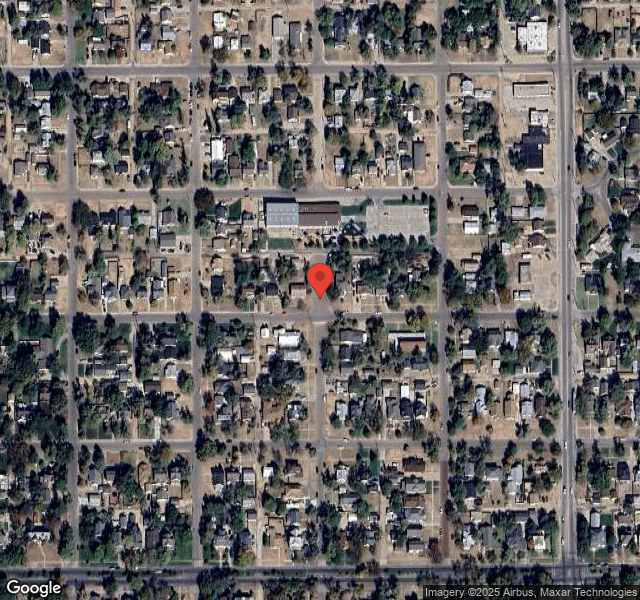
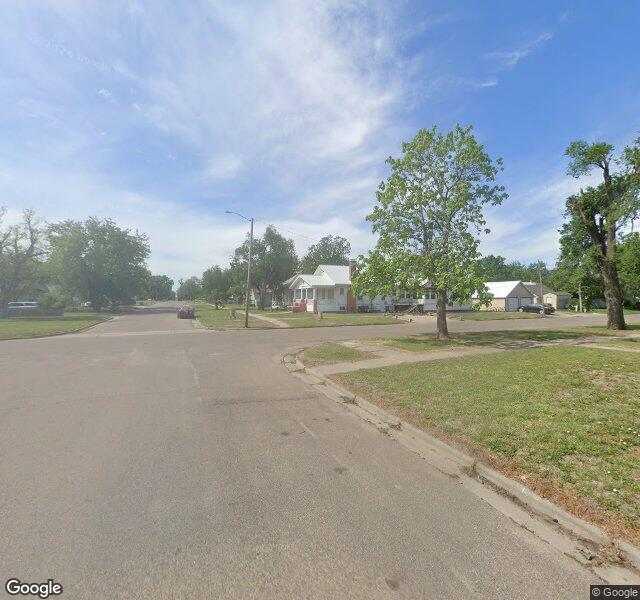
1560 K 96 HWY, GREAT BEND, KS 67530 (620) 792-2448
For profit - Corporation 85 Beds AZRIA HEALTH Data: November 2025 1 Immediate Jeopardy citation
Trust Grade
23/100
#175 of 295 in KS
Last Inspection: November 2023

Within standard 12-15 month inspection cycle. Federal law requires annual inspections.

Overview

Azria Health Great Bend has received a Trust Grade of F, indicating significant concerns about the facility's quality and care. It ranks #175 out of 295 nursing homes in Kansas, placing it in the bottom half of the state, but it is the top-rated option in Barton County, where there is only one other facility. The facility's overall performance is improving, having reduced reported issues from two in 2024 to one in 2025. Staffing is average with a turnover rate of 53%, which is close to the state average, and the facility has concerning fines totaling $42,485, indicating compliance problems that are higher than 76% of other Kansas facilities. While the facility does have average RN coverage, it has faced serious incidents such as failing to prevent a cognitively impaired resident from wandering outside the facility without supervision, and not properly managing a resident's insulin medication, leading to dangerously low blood sugar levels. Additionally, a resident developed a serious pressure ulcer due to a lack of adequate care. Overall, while there are some strengths in staffing and potential for improvement, the facility has notable weaknesses that families should carefully consider.

Trust Score
F
23/100
In Kansas
#175/295
Bottom 41%
Safety Record
High Risk
Review needed
Inspections
Getting Better
2 → 1 violations
Staff Stability
⚠ Watch
53% turnover. Above average. Higher turnover means staff may not know residents' routines.
Penalties
✓ Good
$42,485 in fines. Lower than most Kansas facilities. Relatively clean record.
Skilled Nurses
○ Average
Each resident gets 40 minutes of Registered Nurse (RN) attention daily — about average for Kansas. RNs are the most trained staff who monitor for health changes.
Violations
⚠ Watch
34 deficiencies on record. Higher than average. Multiple issues found across inspections.
★★☆☆☆
2.0
Overall Rating
★★★☆☆
3.0
Staff Levels
★☆☆☆☆
1.0
Care Quality
★★★☆☆
3.0
Inspection Score
Stable
2024: 2 issues
2025: 1 issues

The Good

  • Full Sprinkler Coverage · Fire safety systems throughout facility
  • No fines on record

Facility shows strength in fire safety.

The Bad

2-Star Overall Rating

Below Kansas average (2.9)

Below average - review inspection findings carefully

Staff Turnover: 53%

Near Kansas avg (46%)

Higher turnover may affect care consistency

Federal Fines: $42,485

Above median ($33,413)

Moderate penalties - review what triggered them

Chain: AZRIA HEALTH

Part of a multi-facility chain

Ask about local staffing decisions and management

The Ugly 34 deficiencies on record

1 life-threatening 2 actual harm
May 2025 1 deficiency 1 Harm
SERIOUS (G) 📢 Someone Reported This

A family member, employee, or ombudsman was alarmed enough to file a formal complaint

Actual Harm - a resident was hurt due to facility failures

Pressure Ulcer Prevention (Tag F0686)

A resident was harmed · This affected 1 resident

The facility identified a census of 62 residents, with three residents reviewed for pressure ulcers (localized injury to the skin and/or underlying tissue usually over a bony prominence, as a result o...

Read full inspector narrative →
The facility identified a census of 62 residents, with three residents reviewed for pressure ulcers (localized injury to the skin and/or underlying tissue usually over a bony prominence, as a result of pressure, or pressure in combination with shear and/or friction). Based on record review, observation, and interview, the facility failed to provide necessary care, consistent with professional standards of practice, to prevent pressure ulcers including offloading for Resident (R) 1 who developed a facility-acquired unstageable pressure ulcer (depth of the wound is unknown due to the wound bed is covered by a thick layer of other tissue and pus) on her left heel. This deficient practice also placed R1 at risk for infection and pain. Findings included: - R1's Electronic Medical Record (EMR) documented R1 had diagnoses of a pubic fracture, pressure ulcers, weakness, abnormality of gait and mobility, and need for personal care. R1's admission Minimum Data Set (MDS), dated 02/13/25, documented R1 had a Brief Interview for Mental Status (BIMS) score of 12, which indicated moderately impaired cognition. The MDS documented R1 required substantial/maximum staff assistance with dressing, donning (putting on) footwear, and bed mobility. The MDS noted R1 was dependent on staff for all transfers. The MDS documented R1 was at risk for developing pressure ulcers; R1 was admitted with two Stage 2 (partial-thickness skin loss into but no deeper than the dermis including intact or ruptured blisters) pressure ulcers and one Stage 3 (full-thickness pressure injury extending through the skin into the tissue below) pressure ulcer. The MDS documented R1 had pressure ulcer treatments including nutrition and hydration management, pressure ulcer care, and application of ointments/medications. The Functional Abilities Care Area Assessment (CAA), dated 02/13/25, documented R1 had an alteration in self-care and mobility function with altered elimination, a risk for falls, and a risk for skin breakdown. The CAA identified R1 admitted with a Stage 3 pressure ulcer to her coccyx (tailbone area) and a Stage 2 pressure ulcer to her right and left buttocks. The CAA noted R1 received antibiotics for positive wound cultures and infection. The Pressure Ulcer/Injury CAA, dated 02/13/25, documented R1 entered the facility with pressure ulcers, and had contributing factors of diabetes mellitus (DM - when the body cannot use glucose, not enough insulin made or the body cannot respond to the insulin), weakness, and immobility. R1's Care Plan documented R1 required substantial to maximum assistance from one to two staff for bathing, bed mobility, and transfers; R1 was dependent on one to two staff for toileting. The care plan directed staff to follow facility policies and protocols for the prevention and treatment of skin breakdown, administer treatments as ordered, monitor for effectiveness, and provide pressure relieving/reducing devices on R1's bed and chair (02/10/25). The plan documented R1 was to wear heel protectors at all times (03/27/25). The plan directed staff to use caution during transfers and bed mobility to prevent R1 from striking her arms, legs, and hands against any sharp or hard surfaces (04/11/25). R1's Care Plan lacked interventions related to repositioning and lacked interventions related to offloading until 03/27/25. The Braden Scale for Predicting Pressure Sore Risk, dated 02/18/25, documented R1's score as 18, which indicated R1 was at low risk for pressure ulcer development. The Braden Scale for Predicting Pressure Sore Risk, dated 03/08/25, documented R1's score as 17, which indicated R1 was at low risk for pressure ulcer development. The Incident Note, dated 03/15/25 at 12:44 AM, documented the nurse was called into R1's room by the Certified Nurse Aides (CNA) who reported R1 had blood by her left heel. The note documented the nurse found R1 had five centimeters (cm) by three cm Stage 3 pressure ulcer on her left heel. The staff cleansed the wound with wound cleanser and applied Xerofoam (sterile non-adhering fine mesh gauze treated with a bacteriostatic agent) and a border dressing to R1's left heel. The Order Note, dated 03/20/25, documented a left heel dressing change. Staff were to cleanse the wound with wound cleanser, apply calcium alginate (highly absorbent dressing), cover with a bordered adhesive foam dressing and change daily and as needed. The Wound Assessment Note, dated 03/20/25, documented R1's left heel wound measured 5 cm by 6 cm by 0.2 cm deep. The IDT Note, dated 03/21/25, documented R1 had a new pressure ulcer on her left heel. Staff received orders to start calcium alginate to aid in the formation of granulation tissue (new tissue formed during wound healing) and to debride (medical removal of dead, damaged, or infected tissue to improve the healing potential for the remaining healthy tissue) areas of loose skin. The note documented the treated area had no signs or symptoms of infection. The Wound Assessment Note, dated 03/26/25 documented R1's left heel wound measured 5.5 cm by 7.4 cm and was mostly necrotic (pertaining to the death of tissue in response to disease or injury). The IDT Note, dated 03/26/25, documented R1's left heel treatment started the previous week. The peri-wound (tissue surrounding the wound) was opening up and increased in size. The wound had no signs or symptoms of infection noted to the area. The Wound Assessment Note, dated 04/03/25, documented R1's left heel wound measured 6 cm by 8.5 cm and had progressed to an unstageable ulcer. The IDT Note, dated 04/03/25 documented R1's left heel ulcer progressed in normal stages for pressure ulcers, the peri wound was sloughing (dead tissue, usually cream or yellow in color) off and the wound was expanding in size. The Wound Assessment Note, dated 04/11/25, documented R1's left heel ulcer measured 5.7 cm by 8.5 cm and continued to be necrotic and unstageable. The Wound Assessment Note, dated 04/17/25, documented R1's left heel wound measured 5.6 cm by 8.3 cm. The wound was necrotic, unstageable, and had a foul odor. The IDT Note, documented all of R1's pressure sores showed signs of improvement except the left heel ulcer. Staff requested and received an order for a wound culture due to the wound's odor. The EMR lacked evidence of the culture results that were ordered. The Skin/Wound Note, dated 04/21/25, documented R1 had a large injury to her left leg. R1 obtained a laceration (cut) to her left inner calf during a transfer with a Hoyer lift (total body mechanical lift) caused by R1's leg rubbing on the back of the foot pedal. Staff called Emergency Medical Services (EMS) and sent R1 to the emergency room for suture (stitches) placement. The Hospital Progress Note, dated 04/22/25, documented the hospital placed nine sutures on R1's left anterior shin laceration to R1's leg that grazed the back of the foot pedals on her wheelchair. The note documented the hospital had concerns about R1's left heel wound due to the malodorous smell, and an X-ray was done that showed a large soft tissue wound posterior (back) to the calcaneus (heel bone) with adjacent soft tissue swelling, osseous (hard, mineralized tissue that provides the skeletal structure of the human body) destruction of the posterior calcaneal (heel bone) cortex (outer layer of any part) adjacent to the wound consistent with acute osteomyelitis (local or generalized infection of the bone and bone marrow). R1 received vancomycin (antibiotic) and Zosyn (antibiotic) at the transferring hospital. R1 was transferred to a higher-level hospital for surgical evaluation. R1's age, multiple comorbid conditions, and lack of mobility as well as dementia, resulted in a conservative treatment plan. R1's responsible party discussed the options to discharge back to long-term care on hospice versus continuation of intravenous (IV) antibiotics for six to eight weeks and see how R1 did. The General Progress Note, dated 04/28/25, documented R1 arrived from a higher level of care with diagnoses of failure to thrive, wounds, and frail elderly. R1 was admitted back to the facility on hospice. The Infection Note, dated 04/30/25, documented R1 continued an antibiotic for her left heel wound. There were no signs and symptoms of infection to left heel. The staff changed the dressing, and the area was without odor. On 05/07/25 at 11:30 AM, observation revealed R1 lay in bed sleeping. R1 had oxygen tubing pulled down below her chin. R1 had blue pressure-relieving boots on both feet. R1 lay on a low-air mattress. On 05/07/25 at 11:30 AM, R1 stated she did not know how she got the sore on her left heel, but it hurt. R1 apologized for being sleepy, saying she had just received a pain pill, which made her sleepy. On 05/07/25 at 01:00 PM, CNA O stated she could not remember if R1 had pressure-relieving boots prior to her obtaining the heel wound. CNA O stated she did not know if turning and repositioning was on R1's Care Plan but staff would turn and reposition anyway regardless of if it was on the care plan. CNA O stated R1 had been on an air mattress since R1's admission to the facility. On 05/07/25 at 01:10 PM, CNA P stated she did not think R1 had pressure-relieving boots on her feet before she developed the left heel pressure ulcer. CNA P stated there was nothing that alerted or informed staff which residents needed to be turned or repositioned, but the CNA just knew and did it anyway. On 05/07/25 at 01:20 PM, Licensed Nurse (LN) G stated she was sure R1 had been on an air mattress since admission, but she could not accurately say whether R1 had pressure-relieving boots to her feet prior to getting the pressure wound on the left heel. On 05/07/25 at 02:30 PM, Administrative Nurse D stated she did not know why R1's Care Plan did not include pressure-relieving boots as an intervention until 03/27/25 after R1 had sustained the left heel ulcer. Administrative Nurse D stated the facility was in between MDS nurses at that time, and training new MDS nurses about care plan interventions was complicated. Administrative Nurse D stated she thought R1 had pressure-relieving boots in place from admission. Administrative Nurse D stated she knew R1 had an air mattress since her admission to the facility. Administrative Nurse D stated she thought R1 had possibly been in the dying process since her admission, and that is why she obtained the pressure ulcer. Administrative Nurse D stated she expected that residents would not develop facility-acquired pressure ulcers unless they were unavoidable. The facility did not provide a policy on pressure ulcer prevention.
Jun 2024 1 deficiency 1 IJ
CRITICAL (J) 📢 Someone Reported This

A family member, employee, or ombudsman was alarmed enough to file a formal complaint

Immediate Jeopardy (IJ) - the most serious Medicare violation

Accident Prevention (Tag F0689)

Someone could have died · This affected 1 resident

The facility identified a census of 58 residents with three residents reviewed for elopement and wandering. Based on record review, observation, and interview, the facility failed to ensure staff prov...

Read full inspector narrative →
The facility identified a census of 58 residents with three residents reviewed for elopement and wandering. Based on record review, observation, and interview, the facility failed to ensure staff provided adequate supervision to prevent cognitively impaired Resident (R)1 from exiting the facility without staff knowledge and supervision. On 06/13/24 at approximately 07:55 AM R1, who was at risk for elopement, propelled his wheelchair from the dining room to the smoker's room on the south hall. R1 went into the smoker's room and said that it was his home. Housekeeping Staff U removed R1 from the smoker's room and told Certified Nurse Aide (CNA) N what R1 was doing. R1 reentered the smoker's room and CNA N went in and tried to convince R1 to leave but R1 again stated it was his home. Since R1 was not attempting to exit, CNA N left him to go answer call lights. Both CNA N and CNA M began assisting other residents. At 08:20 AM, Administrative Staff A entered the parking lot and headed to the door of the facility. She heard someone say, Good Morning. When she looked back to the east, she saw R1 in the parking lot, sitting in his wheelchair. Administrative Staff A approached R1 and asked what he was doing outside, and he said, I am going home to see my wife and brother. Administrative Staff A called Administrative Nurse D and she came to assist R1 back into the facility. The investigation revealed the door alarm to the smoker's room sounded, but staff could not hear it. The facility's failure to provide adequate supervision to prevent R1 from eloping placed R1 in immediate jeopardy. Findings included: - R1's Electronic Medical Record (EMR) documented diagnoses of Alzheimer's disease (progressive mental deterioration characterized by confusion and memory failure), muscle weakness, history of falling, difficulty in walking, and hypertension (high blood pressure). The Quarterly Minimum Data Set (MDS), dated 05/22/24, documented R1 had a Brief Interview for Mental Status (BIMS) score of seven which indicated severe cognitive impairment. The MDS documented R1 used a wheelchair for locomotion and required moderate to maximum assistance from one staff for toileting, dressing, bed mobility, and bathing. R1 was able to use his wheelchair to move from one place to another without assistance. The MDS documented R1 had no behaviors. The Functional Abilities Care Area Assessment (CAA), dated 11/29/23, documented R1 required assistance with bed mobility, transfers, dressing, bathing, and personal hygiene tasks. The CAA documented R1 was able to eat independently with set-up assistance as needed. The CAA documented R1 was able to self-propel independently for short distances. The Fall CAA, dated 11/29/23, documented R1 was at risk for falls due to generalized weakness, unsteadiness, decreased safety awareness, and actual falls. R1's Care Plan documented R1 was an elopement risk/wanderer, and his safety would be maintained (06/11/24). R1's information was added to the elopement risk binder. The care plan directed staff to identify a pattern of wandering and intervene as appropriate and provide R1 with structured activities like toileting, walking inside and outside, and reorientation strategies. The care plan directed staff when R1 wanted to go home or stated that he needed to go home, to use redirection and remove R1 away from the door. The Elopement Risk Evaluation, dated 06/10/24, documented R1 had a score of three which indicated R1 was at risk for elopement. The Fall Risk Evaluation, dated 06/10/24, documented R1 had a score of twenty which indicated he was at risk for falls. The Facility Incident Report, dated 06/13/24, documented at approximately 07:55 AM on 06/13/24, R1 was seen in the facility's smoking room by CNA N. CNA N stated R1 was not exit seeking so she left him in the smoking room and went to answer call lights. At 08:20 AM, Administrative Staff A observed R1 sitting in the parking lot in his wheelchair. R1 told Administrative Staff D he was waiting for his family. R1 was easily redirected. R1 had on a sweatshirt, pants, socks, and shoes. The temperature outside was 71 degrees, sunny, with a light breeze. R1 was taken back into the facility and a head count of all residents was performed. A head-to-toe assessment of R1 revealed no injuries. R1 went outside through the smoke room door. The door alarm was alarming, but the staff did not respond to the door alarm because they could not hear the alarm where they were. Staff were in residents' rooms and two CNAs were in the dining room. Interventions included R1 was one-to-one with staff until it was determined he was not exiting seeking. All the door alarms were checked and functioning properly. Education was performed with all staff to respond to door alarms. Maintenance is looking for ways the smoking-room door alarm can be made louder. CNA M's Witness Statement, dated 06/13/24, documented CNA M had just finished giving another resident a shower and walked the resident out of the shower room and to their room. CNA M saw R1 heading from the dining room onto the south hall at 07:50 AM. Housekeeping Staff U's Witness Statement, dated 06/13/24, documented at around 07:55 AM Housekeeping Staff U saw R1 in the smoke room. R1 stated he was going home. Housekeeping Staff U removed R1 from the smoke room and R1 said the smoke room was his home. A couple of minutes later, R1 went back into the smoke room and Housekeeping Staff U notified CNA N of R1's location. CNA N's Witness Statement, dated 06/13/24, was documented at around 07:55 AM Housekeeping Staff U informed CNA N R1 was in the smoke room, and she attempted to keep R1 out of the room, but he had gone in again stating the room was his home. CNA N attempted to remove R1 from the smoke room but R1 refused to come out. R1 was just sitting in the room and not attempting to leave. CNA N stated she made sure R1 was just sitting there and left to go answer call lights. Administrative Staff A's Witness Statement, dated 06/13/24, documented she pulled into the facility parking lot around 08:20 AM. Administrative Staff A stated she walked to the front door of the facility when she heard someone say, Good morning. Administrative Staff A looked to her right and saw R1 sitting in his wheelchair in the middle of the parking lot. Administrative Staff A asked R1 where he was going and R1 said to see his wife and his brother. Administrative Staff A asked R1 how he got outside and R1 said the back door. Administrative Staff A called Administrative Nurse D at 08:23 AM and informed her of the situation. Administrative Staff A then moved R1 out of the parking lot and onto the sidewalk. Administrative Nurse D arrived to assist R1 back into the facility. On 06/17/24 at 09:15 AM, observation revealed a sidewalk leading out to the parking lot which was full of cars. There was multiple car-stops. The pavement in the parking lot had cracks and weeds growing up in the cracks. On 06/17/24 at 09:30 AM, observation revealed R1 sat up in his bed drinking water. R1 was very pleasant and friendly. R1 was not oriented to time or place. A CNA sat outside of R1's room providing one-on-one supervision. On 06/17/24 at 09:15 AM, CNA O stated R1 could not walk and used a wheelchair for locomotion but R1 had poor safety awareness and had falls where he had tried to stand up and walk. On 06/17/24 at 10:30 AM, CNA M stated she was working the day R1 eloped, and she did not hear the door alarm sound when she was in another resident's room. CNA M stated she thought R1 would be safe in the smoke room, or she would not have left him there. On 06/17/24 at 11:30 AM, Administrative Nurse D stated when she was outside with R1 she could hear the alarm sounding outside, but as soon as she came into the building, the alarm was not sounding at the alarm panel to alert staff. Maintenance fixed the alarm so it was sounding at the alarm panel and staff could hear the alarm throughout the building. Administrative Nurse D stated she expected all staff to respond to door alarms and provided education to all the staff regarding elopements and conducted elopement drills twice a day to ensure everyone knew what to do. The facility Wandering and Elopement Policy, dated 07/01/24, documented the purpose of the policy is to provide a system of identification of residents at risk for unsafe wandering and elopement, provide a program of supervision and interventions to minimize the risk of resident elopements, improve resident safety through timely investigations of elopements and elopement attempts, and provide staff education in effective wandering/elopement management through in-services and elopement drills. On 06/17/24 at 01:06 PM Administrative Staff A received a copy of the Immediate Jeopardy [IJ] Template and was informed that the facility's failure to provide adequate supervision to prevent R1 from eloping placed R1 in immediate jeopardy. The facility identified and implemented immediate corrective actions, which were completed on 06/13/24 and included: All nursing staff were re-educated on wandering/elopement. R1 is one-on-one with staff until it is determined he is not exiting seeking. Maintenance fixed the smoke room door alarm, so it would alarm not only in the room and outside but at the alarm panel to alert staff. Maintenance staff and the manager on duty on the weekends are checking all door alarms twice a day. Care plans of residents at risk for elopement were reviewed and new elopement risk evaluations were completed on all residents. Due to the corrective action completed before the onsite survey, the citation was deemed past noncompliance at a J scope and severity.
Jan 2024 1 deficiency 1 Harm
SERIOUS (G) 📢 Someone Reported This

A family member, employee, or ombudsman was alarmed enough to file a formal complaint

Actual Harm - a resident was hurt due to facility failures

Deficiency F0760 (Tag F0760)

A resident was harmed · This affected 1 resident

The facility identified a census of 65 residents with three residents reviewed for medication errors. Based on record review, observation, and interview, the facility failed to follow the physician's ...

Read full inspector narrative →
The facility identified a census of 65 residents with three residents reviewed for medication errors. Based on record review, observation, and interview, the facility failed to follow the physician's orders for Resident (R)1's insulin (a hormone that lowers the level of glucose in the blood) administration which resulted in R1's blood sugar decreased to 44 milligrams per deciliter (mg/dl) and had to be transferred to a higher level of care. On 12/17/23 Licensed Nurse (LN) G administered eight units of insulin aspart (short-acting insulin) to R1 right as R1 started to eat supper, despite the physician's order which directed staff to only give insulin aspart if the resident ate greater than 50% of the meal. R1 only ate three to four bites of her supper. This deficient practice resulted in a hypoglycemic (less than normal amount of sugar in the blood typically less than 70 mg/dl) episode and placed R1 at risk for other related complications. Findings included: - R1's Electronic Medical Record (EMR) documented that R1 had diagnoses of diabetes mellitus (DM-when the body cannot use glucose, not enough insulin made or the body cannot respond to the insulin), dementia (progressive mental disorder characterized by failing memory, confusion), Alzheimer's disease (progressive mental deterioration characterized by confusion and memory failure), and hypertension (high blood pressure). The Quarterly Minimum Data Set (MDS), dated 12/17/23, documented that R1 was rarely/never understood and had short and long-term memory problems. The MDS further documented R1 was dependent on staff for personal hygiene, bed mobility, transfer, toileting, and bathing. R1 required moderate assistance for eating. The Cognitive Loss/Dementia Care Area Assessment (CAA), dated 06/27/23, documented R1 had a Brief Interview for Mental Status score of six which indicated severely impaired cognition. The Activities of Daily Living (ADL)/Rehabilitation Potential CAA, dated 06/27/23, documented R1 required assistance with bed mobility, transfers, dressing, bathing, and mobility. The CAA documented R1 used the sit-to-stand lift to transfer and was able to verbalize her needs to staff. R1's Care Plan, revised on 12/21/22, documented R1 was at risk for alterations in her blood sugar levels and hypoglycemia. The care plan directed staff to monitor for any signs and symptoms of hypoglycemia, administer medications as ordered, and notify the physician if R1's blood sugar was less than 70 mg/dl or greater than 350 mg/dl. The Order Summary Tab documented the physician's order, dated 07/12/23, which directed licensed staff to administer eight units of insulin aspart subcutaneously (under the skin) three times a day and to hold the dose if R1 ate less than fifty percent of her meal. The Weights and Vitals Tab documented on 12/17/23, R1's blood sugar was 80 mg/dl at 07:26 AM, 132 mg/dl at 11:07 AM, and 200 mg/dl at 05:01 PM. The electronic Medication Administration Record (MAR), dated December 2023, documented R1 received eight units of insulin aspart on 12/17/23at 05:30 PM by LN G. The General Progress Note, dated 12/17/23, documented R1 was found non-responsive and diaphoretic (sweaty) at 08:15 PM. R1's blood sugar was 44 mg/dl. Staff administered R1 a tube of glucose gel (gel used to increase blood sugar) and R1 moaned and opened her eyes. Staff notified Emergency Medical System (EMS) and EMS arrived at 08:44 PM. R1's blood sugar at the time was 29 mg/dl. EMS started an intravenous line (IV) gave R1 D10 (dextrose 10%) and transported R1 to the hospital. Five different staff tried to assist R1 with supper and she refused to eat except for three to four bites. The Conversation with Practitioner Note, dated 12/17/23, documented staff notified R1's primary care physician that R1's insulin was given to her before supper and R1 only ate three to four bites. Multiple staff tried to assist her and R1 refused to eat any more supper; R1 had a low blood sugar of 44 mg/dl. The Facility Incident Report, dated 12/22/23, documented on 12/17/23 at approximately 08:15 PM, R1, a COVID-19 (highly contagious respiratory virus) positive resident, was found to be less responsive and diaphoretic. Upon evaluation by the charge nurse, R1's blood sugar was 44 mg/dl. Staff notified R1's primary care physician and received a new order to administer one tube of dextrose gel and send R1 to the emergency room (ER) for evaluation and treatment. Upon review, R1 had an order for insulin aspart eight units subcutaneously three times a day and to hold the dose if R1 ate 50% or less of her meals. R1 was administered her insulin before supper and R1 only ate three to four bites of supper. R1 had a decrease in mental status and meal intake due to being COVID-19-positive. ER documentation noted R1 was hypoglycemic but became more responsive with the dextrose gel and D10 treatment. The Hospital Health and Physical, documented R1 was at the emergency department due to a low blood sugar of 29 mg/dl and hypotension (low blood pressure) with systolic blood pressure in the 70's. R1 was transferred to a higher level of care. On examination, R1 had diagnoses of septic shock due to cystitis (inflammation of the bladder), hypoglycemia, and infection. On 01/11/24 at 09:00 AM, observation revealed R1 laid in bed with an oxygen cannula in her nostrils. R1 slept soundly. On 01/11/24 at 09:15 AM, CMA R stated that R1 could not eat by herself and had to be fed by staff. On 01/11/24 at 10:00 AM, Administrative Nurse D stated that she expected all of her nurses to follow physicians' orders exactly as written to ensure the safety of the residents. Administrative Nurse D stated all of the nurses at the facility were re-educated regarding following physician orders and insulin administration. Administrative Nurse D stated LN G was suspended pending the investigation but returned to work after re-education. Administrative Nurse D stated LN G did not know why she gave R1 her insulin before she ate that day because she had never done that before. The facility's Insulin Administration Policy, dated September 2014, documented the purpose of the policy was to provide guidelines for the safe administration of insulin to residents with diabetes. The type of insulin, dosage requirements, strength, and method of administration must be verified before administration to ensure that it corresponds with the order on the medications sheet and the physician's order. The facility failed to follow the physician's orders for R1's insulin administration. This deficient practice resulted in a hypoglycemia episode which required emergent treatment and placed R1 at risk for related complications. On 12/21/23 the facility identified and completed the following corrective actions: All nurses received education regarding physician orders and insulin administration. All residents who received insulin were reviewed and had care plans updates as needed. A risk meeting was held and presented to Quality Assurance and Performance Improvement (QAPI), and insulin orders were audited. All corrective actions were completed prior to the onsite survey, therefore the deficient practice was deemed past noncompliance at a G scope and severity.
Nov 2023 5 deficiencies
CONCERN (D)

Potential for Harm - no one hurt, but risky conditions existed

Resident Rights (Tag F0550)

Could have caused harm · This affected 1 resident

**NOTE- TERMS IN BRACKETS HAVE BEEN EDITED TO PROTECT CONFIDENTIALITY** The facility had a census of 64 residents. The sample included 19 residents. Based on observation, record review, and interview,...

Read full inspector narrative →
**NOTE- TERMS IN BRACKETS HAVE BEEN EDITED TO PROTECT CONFIDENTIALITY** The facility had a census of 64 residents. The sample included 19 residents. Based on observation, record review, and interview, the facility failed to honor resident rights when the facility revoked Resident (R) 31's smoking privilege as a form of reprisal for the facility's inadequate supervision which allowed R31 to obtain cigarettes and a lighter from another resident's room; R31 lit a cigarette in the hall outside of the smoking room. (See F689). This deficient practice placed R31 at risk for impaired self-determination about things that were important to her, including smoking. Findings included: - R31's Electronic Medical Record (EMR) documented diagnoses of generalized anxiety (mental or emotional reaction characterized by apprehension, uncertainty and irrational fear) disorder, major depressive disorder (major mood disorder which causes persistent feelings of sadness), nicotine dependence (an addictive organic compound found in tobacco plants), mild intellectual disabilities (a significantly below-average score on a test of mental ability or intelligence and by limitations in the ability to function in areas of daily life), bipolar disorder (major mental illness that caused people to have episodes of severe high and low moods), delusional disorders (untrue persistent belief or perception held by a person although evidence shows it was untrue), schizophrenia (mental disorder characterized by gross distortion of reality, disturbances of language and communication and fragmentation of thought), vascular dementia (a progressive mental disorder characterized by failing memory and confusion caused by a decreased blood flow to the brain), diabetes mellitus (DM-when the body cannot use glucose, not enough insulin made or the body cannot respond to the insulin), and acquired absence of left leg above knee. The Annual Minimum Data Set (MDS) dated [DATE] documented R31's had a Brief Interview for Mental Status (BIMS) score of 13 which indicated intact cognition. R31 rejected cares four to six days of the observation period but not daily. She had no wandering during the observation period. The Behavioral Care Area Assessment documented R31 had diagnoses of schizophrenia, bipolar disorder, anxiety, psychosis, and mild intellectual disabilities; R31's behavior and noncompliance were chronic. The MDS recorded R31 had current tobacco use. The Quarterly Minimum Data Set (MDS), dated [DATE], documented R31 had intact cognition with a BIMS of 14. She had no delirium (sudden severe confusion, disorientation and restlessness) or psychosis (any major mental disorder characterized by a gross impairment in reality perception). The MDS recorded R31 had no wandering or rejection of cares during the observation period, but she did exhibit physical and verbal behaviors directed toward others which occurred one to three days during the observation period. The MDS further documented R31 required partial/moderate assistance with sit to lying and lying to sitting and substantial/maximal assistance with chair to bed to chair transfers; R31 used a manual wheelchair. R31 received insulin (hormone that lowers the level of glucose in the blood), antipsychotic (class of medications used to treat major mental conditions which cause a break from reality), antianxiety (class of medications that calm and relax people), and antibiotic (medication to treat infections) on a routine basis. The question regarding current tobacco use on the MDS was unanswered. R31's Care Plan, initiated on 02/17/21 and revised on 08/31/23 documented R31 had impaired cognition or thought processes due to dementia. The plan listed an intervention initiated on 07/13/21 and revised on 12/05/22 which documented R31 had tobacco use and would adhere to the tobacco and smoking policies of the facility. The care plan listed an intervention dated 07/13/21 which directed staff to conduct a smoking evaluation on admission and as needed; educate the resident and responsible party on the facility's tobacco and smoking policies. R31's Care Plan further documented R31 had a history of hoarding behavior, dated 08/17/21 and directed staff to provide alternative activities to use for meaningful work/tasks and distraction. The plan further listed an intervention dated 03/25/22 which documented R31 had a history of going into other residents' rooms at times and directed staff to re-orient R31 as indicated. R31's Care Plan recorded an intervention dated 08/31/23 which directed that due to R31's use of psychotropic (alters mood or thought) medication, R31 had times for smoking cigarettes. The nurse would monitor and give R31 three cigarettes every two hours. R31's Smoking and Safety Evaluation dated 05/16/23, documented R31 did not demonstrate safe smoking behavior in interacting with peers and required an assistive device for smoking. Other risk level considerations included R31 had diagnoses of dementia/memory impairment. The team deemed R31 unsafe to smoke, therefore she required staff supervision for smoking. R31's Smoking and Safety Evaluation dated 08/14/23, documented R31 used tobacco two to five times a day, morning, afternoon and evening. The assessment recorded R31 was not on a smoking cessation plan and was not interested in quitting. The assessment documented R31 understood the community safety rules and articulated an understanding of the danger of smoking near flammable materials or a resident wearing oxygen. According to the assessment, the team decided the resident could smoke with a safe smoking care plan. Due to R31's diagnosis of dementia/memory loss impairment and psychotropic medications use, staff would light the cigarette for R31. A nurse's note in the Progress Notes section recorded on 06/29/23 R31 went into R43's room and took his cup of medication that was left in his room. Staff educated R31 on not going into another resident's room and that she cannot take medication that she does not get from staff. The facility's Investigation report, dated 11/02/23, documented R31 had been smoking in the South hallway. R31 took cigarettes and a lighter from another resident's room and lit the cigarette in the hallway. Staff put the cigarette out. Staff informed R31's guardian that the resident's smoking privileges had been removed as R31 was unable to follow policy and was not safe to smoke. R31 denied taking cigarettes out of another resident room and did not realize what she did. On 11/02/23 at 12:24 PM, observation revealed R31 sat in R43's room. R43 was in the bathroom and yelled at R31 to get out of his room stating that R31 was not to be in his room. R31 left the room stating she was confused and thought she was in her room. On 11/02/23 at approximately 12:28 PM, R31 sat in the hallway outside the smoking room with a lit cigarette. Staff intervened immediately and put out the cigarette; staff retrieved the cigarettes and lighter which belonged to another resident. On 11/06/23 at 09:47 AM Certified Medication Aide (CMA) S reported R31's smoking routine was she could get two cigarettes and her lighter every two hours. On 11/07/23 at 10:30 AM, Licensed Nurse (LN) G stated R31 could no longer smoke because R31 was able to get cigarettes from someone else's room and lit up and smoked in the hallway. LN G stated occasionally R31's visitor would bring in lighters and R31 would stash them in her room. LN G reported R31 had been known to take things from R43's room in the past. On 11/07/23 at 11:27 AM Administrative Nurse D verified R31's smoking privileges were revoked because she obtained cigarettes and a lighter from another resident's room and lit a cigarette in the hallway. Administrative Nurse D provided documentation of notifying R31's physician of offering R31 Nicorette gum which was refused and requested nicotine patches. Administrative Nurse D verified the facility had not provided/offer R31 with alternative options with safe smoking practices. The facility's Resident Rights policy, date 12/2016, documented employees shall treat all residents with kindness, respect, and dignity. Federal and state laws guarantee certain basic rights to all residents of this facility. These rights include the resident's right to self-determination, to exercise his or her rights without interference, coercion, discrimination, or reprisal from the facility. The revoking of R31's smoking privileges as a form of reprisal placed the resident at risk for loss of self-determination related to what was important to the resident.
CONCERN (D)

Potential for Harm - no one hurt, but risky conditions existed

Accident Prevention (Tag F0689)

Could have caused harm · This affected 1 resident

**NOTE- TERMS IN BRACKETS HAVE BEEN EDITED TO PROTECT CONFIDENTIALITY** - R31's Electronic Medical Record (EMR) documented diagnoses of generalized anxiety (mental or emotional reaction characterized ...

Read full inspector narrative →
**NOTE- TERMS IN BRACKETS HAVE BEEN EDITED TO PROTECT CONFIDENTIALITY** - R31's Electronic Medical Record (EMR) documented diagnoses of generalized anxiety (mental or emotional reaction characterized by apprehension, uncertainty and irrational fear) disorder, major depressive disorder (major mood disorder which causes persistent feelings of sadness), nicotine dependence (an addictive organic compound found in tobacco plants), mild intellectual disabilities (a significantly below-average score on a test of mental ability or intelligence and by limitations in the ability to function in areas of daily life), bipolar disorder (major mental illness that caused people to have episodes of severe high and low moods), delusional disorders (untrue persistent belief or perception held by a person although evidence shows it was untrue), schizophrenia (mental disorder characterized by gross distortion of reality, disturbances of language and communication and fragmentation of thought), vascular dementia (a progressive mental disorder characterized by failing memory and confusion caused by a decreased blood flow to the brain), diabetes mellitus (DM-when the body cannot use glucose, not enough insulin made or the body cannot respond to the insulin), and acquired absence of left leg above knee. The Annual Minimum Data Set (MDS) dated [DATE] documented R31's had a Brief Interview for Mental Status (BIMS) score of 13 which indicated intact cognition. R31 rejected cares four to six days of the observation period but not daily. She had no wandering during the observation period. The Behavioral Care Area Assessment documented R31 had diagnoses of schizophrenia, bipolar disorder, anxiety, psychosis, and mild intellectual disabilities; R31's behavior and noncompliance were chronic. The MDS recorded R31 had current tobacco use. The Quarterly Minimum Data Set (MDS), dated [DATE], documented R31 had intact cognition with a BIMS of 14. She had no delirium (sudden severe confusion, disorientation and restlessness) or psychosis (any major mental disorder characterized by a gross impairment in reality perception). The MDS recorded R31 had no wandering or rejection of cares during the observation period, but she did exhibit physical and verbal behaviors directed toward others which occurred one to three days during the observation period. The MDS further documented R31 required partial/moderate assistance with sit to lying and lying to sitting and substantial/maximal assistance with chair to bed to chair transfers; R31 used a manual wheelchair. R31 received insulin (hormone that lowers the level of glucose in the blood), antipsychotic (class of medications used to treat major mental conditions which cause a break from reality), antianxiety (class of medications that calm and relax people), and antibiotic (medication to treat infections) on a routine basis. The question regarding current tobacco use on the MDS was unanswered. R31's Care Plan, initiated on 02/17/21 and revised on 08/31/23 documented R31 had impaired cognition or thought processes due to dementia. The plan listed an intervention initiated on 07/13/21 and revised on 12/05/22 which documented R31 had tobacco use and would adhere to the tobacco and smoking policies of the facility. The care plan listed an intervention dated 07/13/21 which directed staff to conduct a smoking evaluation on admission and as needed; educate the resident and responsible party on the facility's tobacco and smoking policies. R31's Care Plan further documented R31 had a history of hoarding behavior, dated 08/17/21 and directed staff to provide alternative activities to use for meaningful work/tasks and distraction. The plan further listed an intervention dated 03/25/22 which documented R31 had a history of going into other residents' rooms at times and directed staff to re-orient R31 as indicated. R31's Smoking and Safety Evaluation dated 05/16/23, documented R31 did not demonstrate safe smoking behavior in interacting with peers and required an assistive device for smoking. Other risk level considerations included R31 had diagnoses of dementia/memory impairment. The team deemed R31 unsafe to smoke, therefore she required staff supervision for smoking. R31's Smoking and Safety Evaluation dated 08/14/23, documented R31 used tobacco two to five times a day, morning, afternoon and evening. The assessment recorded R31 was not on a smoking cessation plan and was not interested in quitting. The assessment documented R31 understood the community safety rules and articulated an understanding of the danger of smoking near flammable materials or a resident wearing oxygen. According to the assessment, the team decided the resident could smoke with a safe smoking care plan. Due to R31's diagnosis of dementia/memory loss impairment and psychotropic medications use, staff would light the cigarette for R31. A nurse's note in the Progress Notes section recorded on 06/29/23 R31 went into R43's room and took his cup of medication that was left in his room. Staff educated R31 on not going into another resident's room and that she cannot take medication that she does not get from staff. The facility's Investigation report, dated 11/02/23, documented R31 had been smoking in the South hallway. R31 took cigarettes and a lighter from another resident's [R43] room and lit the cigarette in the hallway. Staff put the cigarette out. Staff informed R31's guardian that the resident's smoking privileges had been removed as R31 was unable to follow policy and was not safe to smoke. R31 denied taking cigarettes out of another resident room and did not realize what she did. On 11/02/23 at 12:24 PM, observation revealed R31 sat in R43's room. R43 was in the bathroom and yelled at R31 to get out of his room stating that R31 was not to be in his room. R31 left the room stating she was confused and thought she was in her room. On 11/02/23 at approximately 12:28 PM, R31 sat in the hallway outside the smoking room with a lit cigarette. Staff intervened immediately and put out the cigarette and retrieved the cigarettes and lighter which belonged to another resident. On 11/06/23 at 09:47 AM Certified Medication Aide (CMA) S reported R31's smoking routine was she could get two cigarettes and her lighter every two hours. On 11/07/23 at 10:30 AM, Licensed Nurse (LN) G stated R31 could no longer smoke because R31 was able to get cigarettes from someone else's room and lit up and smoked in the hallway. LN G stated occasionally R31's visitor would bring in lighters and R31 would stash them in her room. LN G reported R31 had been known to take things from R43's room in the past. LN G also reported the smoke room was not equipped with a camera. On 11/07/23 at 11:27 AM Administrative Nurse D verified R31's smoking privileges were revoked because she obtained cigarettes and a lighter from another resident's room and lit a cigarette in the hallway. Administrative Nurse D provided documentation of notifying R31's physician of offering R31 Nicorette gum which was refused and requested nicotine patches. Administrative Nurse D verified the facility had not provided/offer R31 with alternative options with safe smoking practices. The facility's Smoking Policy-Residents, dated 08/2022, documented the facility has established and maintains safe resident smoking practices. Prior to, and upon admission, residents are informed of the facility smoking policy, including designated resident smoking areas, and the extent to which the facility can accommodate their smoking or non-smoking preferences. Smoking, regardless of method of tobacco consumption is only permitted in designated resident smoking area. The facility may impose smoking restrictions on a resident at any time if it is determined that the resident cannot smoke safely with the available levels of supervision. Any resident with smoking privileges requiring monitoring shall have the direct supervision of a staff member, family member, visitor or volunteer worker at all times while smoking. The facility failed to provide adequate supervision to R31, who had a history of taking unsafe items from R43's room, which allowed her to wander into R43's room, obtain smoking materials, and light a cigarette in the hall outside the smoking area. This deficeint practice placed R31 at risk for preventable accidents and injuries. The facility had a census of 64 residents. The sample included 19 residents with nine reviewed for accidents. Based on observation, record review, and interview, the facility failed to provide the care planned amount of staff assistance for Resident (R) 29 to prevent falls, and failed to provide supervision for R31, who entered another resident's room and engaged in unsafe activity. These deficient practices placed the affected residents at risk for further falls and preventable injury. Findings included: - The Electronic Medical Record (EMR) for R29 documented diagnoses of cerebral infarction due to embolism of cerebral artery (the pathological process that result in an area of necrotic tissue in the brain), hemiparesis (muscular weakness of one half of the body), hemiplegia (paralysis of one side of the body), repeated falls, and difficulty walking. R29's Quarterly Minimum Data Set (MDS), dated [DATE], documented R29 had intact cognition and required extensive assistance of two staff for bed mobility, transfers, and toileting. The MDS recorded ambulation only occurred once or twice with two staff assistance. The MDS further documented R29 had upper and lower functional impairment on one side, unsteady balance, and had one fall with injury. The Fall Risk Assessments, dated 10/18/23 and 10/26/23, documented the resident was at risk for falls. R29's Care Plan, dated 08/28/23, initiated on 06/02/23, educated R29 to call for assistance. It directed staff to obtain therapy referrals as ordered by physician, provide the resident with a safe environment free of clutter, and ensure R29 wore appropriate shoes and clothing. The update dated 06/06/23, documented R29 required assistance of one or two staff for transfers. The update, dated 06/20/23, directed staff to use two staff for transfers, and have R29 call staff for assistance. The update, dated 08/25/23, directed staff to ensure cords were not under the bed prior to leaving the room. The update, dated 09/05/23, directed staff to provide R29 with a reacher. The update, dated 10/16/23, directed staff to keep a wheelchair within reach until R29 stated he felt steady while standing. The update, dated 10/26/23, directed staff to reeducate R29 to call for assistance and place signage in his room for extra reminder. The update, dated 11/02/23, directed staff to use one staff member with transfers. The Nurse's Note, dated 10/16/23 at 05:31 PM, documented R29 was on the floor next to his recliner. Hehad both shoes on, and a gait belt. His bottom legs faced forward, and the bedside table was broken. The note further documented the Certified Nurse Aide (CNA) stated R29 broke the table as he reached for it during the fall. The Fall Investigation, dated 10/16/23 at 04:07 PM, documented R29's right leg went weak and he fell down. The investigation further documented R29 did not sustain any injury, and was educated to tell staff when he felt weak. The investigation further recorded staff were reeducated to transfer R29 with two staff when he was weak or unsteady. On 11/06/23 at 09:00 AM, observation revealed R29 sat on the toilet, CNA N placed a gait belt around R29's waist, and instructed him to grab onto the bar in front of him and stand up. Continued observation revealed CNA N had to cue R29 to take his time, turn, reach back to feel for the recliner, and sit down. On 11/06/23 at 09:10 AM, CNA N stated R29 used to be a two person transfer but he worked with therapy and was now a one person assistance for transfers and ambulation. On 11/07/23 at 11:20 AM, Licensed Nurse (LN) H stated she encouraged staff to use two staff for R29's transfers and ambulation because the resident's cognition had declined, he was weak, and unpredictable. On 11/07/23 at 11:45 AM Administrative Nurse D stated R29 received therapy and was now a one person staff assistance with transfers, and ambulation. Administrative Nurse D stated she felt the care plan had incorrect documentation but stated staff should follow the care plan. The facility's Fall and Fall Risk policy, dated 03/2018, documented based on previous evaluations and current data, the staff would identify interventions related to the resident's specific risks and causes to try to prevent the resident from falling and to try to minimize complications from falls. The facility failed to follow R29's plan of care to ensure two staff for transfers, which resulted in a fall. This placed the resident at risk for further falls and preventable injury.
CONCERN (E)

Potential for Harm - no one hurt, but risky conditions existed

Deficiency F0761 (Tag F0761)

Could have caused harm · This affected multiple residents

The facility had a census of 64 residents. The sample included 19 residents. Based on observation, interview, and record review, the facility failed to discard expired stock medication. These deficien...

Read full inspector narrative →
The facility had a census of 64 residents. The sample included 19 residents. Based on observation, interview, and record review, the facility failed to discard expired stock medication. These deficient practices placed the affected resident at risk for ineffective medications. Findings included: - On 11/01/2023 at 08:50 AM, observation of the medication cart for the Southwest hall revealed the following: One bottle of Melatonin (sleep supplement,) 1 milligram (mg), 180 tablets, expired 06/2023 One bottle of Oyster shell calcium, 500 mg, 100 tablets, expired 07/2023 One bottle of Thera-M- multivitamin 100 caplets, expired 09/2023 On 11/01/23 at 08:55AM, Certified Medication Aide (CMA) R verified the nurses were to discard expired medications. CMA R said staff had recently went through the medications carts and stated the expired medications must have been missed. On 11/02/23 at 8:30 AM, Administrative Nurse D verified the nurses should look at the stock bottles and verify the medication expiration date with each administration and discard expired medications. The facility's Storage of Medications policy, dated November 2020, documented the facility shall store all drugs and biologicals in a safe, secure and orderly manner. Drug containers that have missing incomplete, improper, or incorrect labels are returned to the pharmacy for proper labeling before storing. Discontinued, outdated, or deteriorated drugs or biologicals are returned to the dispensing pharmacy or destroyed. The facility failed to dispose of expired medication placing the residents at risk for ineffective medication.
CONCERN (F)

Potential for Harm - no one hurt, but risky conditions existed

Menu Adequacy (Tag F0803)

Could have caused harm · This affected most or all residents

The facility had a census of 64 residents. Based on observation, interview, and record review the facility failed to provide adequate nutritional servings during a meal, as specified in the recipe. Th...

Read full inspector narrative →
The facility had a census of 64 residents. Based on observation, interview, and record review the facility failed to provide adequate nutritional servings during a meal, as specified in the recipe. This deficient practice placed residents who received their meals from the facility kitchen at risk for inadequate nutrition. Findings included: - The facility's recipe from DiningRD.com for pureed Chicken Penne Pasta-No Bacon stated the portion size after the pureed process was a #6 dip (equal to 4.58 ounces). The recipe for regular diet Chicken Bacon Penne Pasta stated the portion size was an 8-ounce spoodle (cross between a serving spoon and a ladle). On 11/02/23 at 11:20 AM, observation revealed Dietary Staff (DS) CC prepared pureed diets for three residents, including the following food: Chicken alfredo with penne noodles: three one-half cups of the pasta, three-quarters of a cup chicken broth, and one tablespoon of thickener. On 11/02/23 at 11:35 AM, observation revealed DS CC served meals from the steam table. She used a four-ounce gray colored scoop to dish up the chicken alfredo pasta for the pureed diets and a different four-ounce gray scoop to dish up the chicken alfredo pasta for the regular diets. On 11/02/23 at 03:15 PM, DS BB verified staff did not provide the serving size at lunch as specified in the recipe for the chicken bacon pasta. The facility's Kitchen Weights and Measures policy, dated April 2007, stated food services staff would be trained in proper use of cooking and serving measurements to maintain portion control. The policy stated staff would be trained in the appropriate measurement and type of serving utensil to use for each food. Signs or posters explaining coded measurement indicators on utensils would be prominently displayed for reference. The facility failed to provide adequate nutritional servings during a meal, as specified in the recipe, placing residents who received their meals from the facility kitchen at risk for inadequate nutrition.
MINOR (C)

Minor Issue - procedural, no safety impact

Deficiency F0620 (Tag F0620)

Minor procedural issue · This affected most or all residents

The facility identified a census of 64 residents. The sample included 19 residents, with three reviewed for abuse. Based on record reviews and interviews, the facility failed to establish and implemen...

Read full inspector narrative →
The facility identified a census of 64 residents. The sample included 19 residents, with three reviewed for abuse. Based on record reviews and interviews, the facility failed to establish and implement an admissions agreement that explained and protected resident's right to personal property, safeguarded by the facility in a manner which allowed full accessibility to the valuable by the resident. Findings included: - The facility's admission Agreement under Valuables on page five, stated the resident, or the responsible party (if applicable), accepted the responsibility of safeguarding all valuables, money, appliances, and all other pieces of the resident's personal property, while the resident stayed at the facility. Pursuant to applicable law, the facility exercised reasonable care to protect the resident's personal property and made all reasonable efforts to recover any misplaced items. However, the facility was not responsible for replacing any missing items, other than was required by applicable law. On 11/07/23 at 10:39 AM PM, Social Services X stated residents signed a valuables policy on the admission agreement and that she had been the one having them sign until recently. On 11/07/23 at 10:52 AM, Administrative Staff A stated residents were offered lock boxes or trust accounts in order to safeguard their valuables or money. Administrative Staff A stated if the resident did not use the lock box or trust account, the facility could not determine if a residnet really had money and if the money was really missing. Administrative Staff A further stated, because residents were offered the lock boxes and trust accounts, if the resident did not accept, the facility was not responsible for the loss of the resident's property. The facility's admission Agreement policy, last revised August 2018, directed the facility did not ask or require residents/potential residents to waive facility liability of personal property. The facility failed to establish and implement an admissions agreement that explained and protected resident's right to personal property, safeguarded by the facility in a manner which allowed full accessibility to the valuable by the resident.
Apr 2022 12 deficiencies
CONCERN (D)

Potential for Harm - no one hurt, but risky conditions existed

Deficiency F0657 (Tag F0657)

Could have caused harm · This affected 1 resident

**NOTE- TERMS IN BRACKETS HAVE BEEN EDITED TO PROTECT CONFIDENTIALITY** The facility had a census of 57 residents. The sample included 15 residents. Based on observation, interview, and record review ...

Read full inspector narrative →
**NOTE- TERMS IN BRACKETS HAVE BEEN EDITED TO PROTECT CONFIDENTIALITY** The facility had a census of 57 residents. The sample included 15 residents. Based on observation, interview, and record review the facility failed to revise Resident (R) 36's care plan to include the amount of fluids to be given each shift and from each source. This placed R36 at risk to not receive interventions designed to limit his fluid intake. Findings included: - R36's Physician Order Sheet (POS), dated 03/14/22, documented diagnoses of end stage renal disease (ESRD- medical condition in which a person's kidneys cease functioning on a permanent basis leading to the need for a regular course of long-term dialysis or a kidney transplant to maintain life) requiring dialysis (the process of removing excess water, solutes, and toxins from the blood in people whose kidneys can no longer perform these functions naturally), hypertension (high blood pressure), and heart failure (chronic, progressive condition in which the heart muscle is unable to pump enough blood to meet the body's needs). The admission Minimum Data Set (MDS), dated [DATE], documented a Brief Interview for Mental Status (BIMS) score of five, indicating severely impaired decision-making skill. The MDS documented R36 was independent with eating, required limited assistance for hygiene, and extensive assistance of two staff for all other activities of daily living. R36 had no skin issues, no problems with swallowing, weighed 137 pounds, and received insulin, oxygen, and dialysis. The Hydration Care Plan, dated 02/20/22, directed staff with the following information: R36 on (Specify amount) cc per day fluid restriction. Nursing to provide (specify amount) Dietary to provide (specify amount) Please remind and educate R36 on risks or benefits of compliance. Report to his physician if R36 chose not to comply. Monitor, document, and report as needed if R36 had any signs of dehydration ( harmful reduction in the amount of water in the body) or if he had new or worsening edema (swelling caused by excess fluid trapped in your body's tissues). Obtain and monitor R36's labwork as ordered. Provide him as needed, lemon glycerin swabs, ice chips and/or moisturizer on his lips. The Physician Order, dated 02/18/22, directed staff to provide fluid restriction of 1500 milliliters (ml) every shift (day, night). Review of R36's Hydration Record, dated 03/07/22 to 04/02/22, revealed staff documented fluids two shifts per day, 300 ml to 2400 ml per day. On 04/03/22 and 04/04/22 staff documented only one shift per day. R36's meal fluid intake documented separately and 17 days out of 30 (03/07/22 to 04/04/22) lacked fluid intake with all meals. R36's weight record, dated 02/15/22 to 03/15/22, documented the resident gained seven pounds. On 03/31/22 at 01:55 PM, observation revealed R36 in bed, leaning over by the bedside table and drinking independently from a 500 ml beverage mug. On 04/04/22 at 09:55 AM, Certified Nurse Aide (CNA) M stated R36 had a fluid restriction of 1500 ml per day. She stated R36 monitored himself, and just requested ice and chewed on it throughout the day, but occasionally asked for extra soda or iced tea. CNA stated she documented fluid intake in POC (electronic record) and the directions in the POC stated 1500 ml every shift. On 04/05/22 at 11:31 AM, Administrative Nurse D stated CNAs write fluid amounts on a board in the nurse's station or document in POC and at the end of the shift the nurses were to count the amount of fluids consumed. Administrative Nurse D verified the amount of fluids for each shift should be on the care plan. She verified the physician order for fluid restriction directed 1500 ml per shift, it needed to be clarified, and verified missing documentation of R36's fluid intake. The facility's Resident Hydration and Prevention of Dehydration policy, dated October 2017, documented physician orders to limit fluids would take priority over calculated fluid needs. The policy stated nurse aides would document intake in the medical records, nursing would monitor and document fluid intake, and the interdisciplinary team would update the care plan. The facility failed to care plan the amount of fluids per shift and meals for R36. This placed the resident at risk at risk to not receive interventions designed to limit his fluid intake.
CONCERN (D)

Potential for Harm - no one hurt, but risky conditions existed

Quality of Care (Tag F0684)

Could have caused harm · This affected 1 resident

The facility had a census of 56. The sample included 15 residents. Based on observation, record review and interview the facility failed to ensure blood sugar parameters were provided to direct assess...

Read full inspector narrative →
The facility had a census of 56. The sample included 15 residents. Based on observation, record review and interview the facility failed to ensure blood sugar parameters were provided to direct assessment, treatment and physician notification for one sampled resident, Resident (R) 32. This placed the resident at risk for adverse side effects from abnormal blood sugars and lack of physician oversight. Findings included: - R32's Physician Order Sheet, dated 03/02/22, recorded diagnoses of dementia (progressive mental disorder characterized by failing memory and confusion) and diabetes mellitus (disease that impairs the body's ability to regulate blood sugar). R32's Quarterly Minimum Data Set (MDS), dated 02/16/22, documented the resident had a Brief Interview for Mental Status (BIMS) score of 11 (moderate cognitive impairment). The MDS documented R32 had a diagnosis of diabetes and received insulin (medication used to regulate blood sugar levels) injections seven days a week. The Diabetic Care Plan, dated 03/07/22, directed staff to check R32's blood sugars as ordered by the physician, monitor for signs and symptoms of hyperglycemia (more than normal amount of sugar in the blood) and hypoglycemia (less than normal amount of sugar in the blood), and notify the physician as needed. The Physician's Order, dated 11/16/21, directed staff to administer Tresiba insulin (slow acting medication to regulate blood sugars) ten units to R32 at bedtime. The Physician's Order, dated 11/17/21, directed staff to administer Novolog insulin (fast acting medication to regulate blood sugars) four units to R32 before meals. The Physician's Order, dated 02/09/22, directed staff to check R32's blood sugar levels before meals and at bedtime (06:30 AM, 11:00 AM, 05:00 PM, 08:00 PM). Review of R32's medical record lacked documentation of physician ordered blood sugar parameters to direct staff to provide assessments, treatment, and physician notification for abnormal blood sugars. R32's Medication Administration Record (MAR) for March 2022 recorded the following blood sugars with insulin administered and no documentation of assessment, treatment or physician notification: 03/03/22 at 07:30 AM - blood sugar 73 milligrams/deciliter (mg/dl) 03/12/22 at 07:30 AM - blood sugar 75 mg/dl 03/13/22 at 07:30 AM - blood sugar 67 mg/dl 03/14/22 at 07:30 AM - blood sugar 71 mg/dl 03/18/22 at 07:30 AM - blood sugar 76 mg/dl 03/24/22 at 07:30 AM - blood sugar 70 mg/dl 03/31/22 at 07:30 AM - blood sugar 67 mg/dl R32's MAR for March 2022 recorded the following blood sugars with no documentation of assessment, treatment or physician notification: 03/06/22 at 08:00 PM - blood sugar 378 mg/dl 03/09/22 at 08:00 PM - blood sugar 350 mg/dl 03/14/22 at 08:00 PM - blood sugar 390 mg/dl 03/19/22 at 08:00 PM - blood sugar 379 mg/dl 03/26/22 at 08:00 PM - blood sugar 358 mg/dl On 03/31/22 at 08:04 AM, observation revealed R32 sat in her wheelchair at the dining table and ate independently with staff supervision. On 04/04/22 at 03:40 PM, Licensed Nurse (LN) K stated staff checked R32's blood sugar and administered insulin as ordered by the physician. LN K stated R32 did not have physician ordered blood sugar parameters to direct staff to provide assessments, treatments and physician notification for abnormal blood sugars. On 04/05/22 at 08:52 AM, Administrative Nurse D stated R32 should have physician ordered blood sugar parameters to direct cares and physician notification of abnormal blood sugars. The facility's Obtaining Glucose Level policy, dated October 2011, directed staff to check blood sugar levels as ordered by the physician, assess residents with abnormal blood sugars, notify the physician as directed, and monitor the effectiveness of treatment interventions. The facility failed to provide physician ordered blood sugar parameters to direct assessment, treatment and physician notification for R32. This placed the resident at risk for adverse side effects from abnormal blood sugars and lack of physician oversight.
CONCERN (D)

Potential for Harm - no one hurt, but risky conditions existed

Pressure Ulcer Prevention (Tag F0686)

Could have caused harm · This affected 1 resident

**NOTE- TERMS IN BRACKETS HAVE BEEN EDITED TO PROTECT CONFIDENTIALITY** The facility had a census of 56 residents. The sample included 15 residents, with seven reviewed for pressure ulcers. Based on o...

Read full inspector narrative →
**NOTE- TERMS IN BRACKETS HAVE BEEN EDITED TO PROTECT CONFIDENTIALITY** The facility had a census of 56 residents. The sample included 15 residents, with seven reviewed for pressure ulcers. Based on observation, record review, and interview, the facility failed to prevent the development of a suspected deep tissue injury (an injury to the soft tissue under the skin due to pressure and is usually over a bony prominence) for one sampled resident, Resident (R) 44. This placed the resident at risk for further skin breakdown. Findings included: - The electronic medical record (EMR) documented R44 had diagnoses of contracture of the left hand (a condition of shortening and hardening of muscles, tendons, or other tissue, often leading to the deformity and rigidity of joints), vascular dementia without behavioral disturbance (a progressive mental disorder characterized by failing memory and confusion caused by a decreased blood flow to the brain), and anxiety (mental or emotional reaction characterized by apprehension, uncertainty and irrational fear). The Quarterly Minimum Data Set (MDS), dated [DATE], documented R44 had moderately impaired cognition and required limited assistance of one staff for transfers, ambulation, toileting, and extensive assistance of one staff for dressing and personal hygiene. R44 was at risk for pressure ulcers, had no skin breakdown, and did not wear a splint. The Braden Scale Assessment, dated 02/21/22, documented R44 was at risk for skin breakdown. The Pressure Ulcer Care Plan, revised 04/05/22, originally dated 05/20/21, directed staff to inspect R44's skin weekly and as needed, evaluate and monitor for pressure ulcer potential every three months and as needed. An intervention, dated 02/24/22, directed staff to check the splint placement to his left hand every shift and monitor for skin breakdown. An intervention, dated 02/25/22, directed staff to monitor nutritional status, administer treatments as ordered, and monitor for effectiveness. Assess wound healing weekly and as needed, follow facility policies and protocols for the prevention/treatment of skin breakdown, and inform the resident/family/caregivers of any new areas of skin breakdown. The Nurse's Note, dated 02/11/22 at 10:29 PM, documented R44 did not want to put the splint on his left hand because it was making his hand sore. The Skin Alteration Evaluation Sheet, dated 02/24/22, documented the resident had a deep tissue injury on his fifth finger on his left hand with no drainage or pain. The sheet further documented the area measured 1.5 centimeter (cm) x 0.5 cm and was caused due to the splint rubbed his finger. A Physician's Order, dated 02/26/22, directed staff to apply skin prep (forms a protective film or barrier) on the resident's finger daily. The Skin Alteration Evaluation Sheet, dated 03/03/33, documented R44 had a suspected deep tissue injury to his left fifth finger which measured 1.5 cm x 0.5 cm. A Physician's Order, dated 03/06/22, directed staff to not apply the splint until the pressure sore was resolved. A Physician's Order, dated 03/15/22, directed staff to use a therapy carrot hand contracture appliance in R44's left hand at night. The Skin Alteration Evaluation Sheet, dated 03/17/22, documented R44 had a suspected deep tissue injury which measured 1.2 cm x 1.8 cm, appeared deep purple and non blanchable (discoloration of the skin that does not turn white when pressed). The Skin Alteration Evaluation Sheet, dated 03/24/22, documented R44 had a suspected deep tissue injury which measured 1.2 cm x 2.1 cm. A Physician's Order, dated 03/29/22, directed staff to give R44 liquid protein, 30 milliliters (ml) daily, for skin integrity. The Skin Alteration Evaluation Sheet, dated 03/31/22, documented R44 had a suspected deep tissue injury which measured 1.1 cm x 2.2 cm, continued to be deep purple in color and non-blanchable. On 03/31/22 at 08:20 AM, observation revealed R44's left fifth digit was purple in color from the tip of his finger almost to the first joint. On 04/05/22 at 07:55 AM, observation revealed Licensed Nurse (LN) H took a skin prep pad and wiped around R44s left fifth joint. The sore area was still purple and had not opened yet. On 03/30/22 at 02:05 PM, R44 stated he had never had sores from his splint before and doesn't use the splint anymore because it had rubbed against his finger. On 04/05/22 at 07:55 AM, LN H stated the deep tissue injury was from the splint rubbing against R44's finger. LN H further stated she did not know if staff checked the resident's hand for skin breakdown when the splint was removed daily. On 04/05/22 at 11:00 AM, Administrative Nurse D stated staff should have been checking R44's skin underneath the splint for breakdown, especially when the resident stated his hand hurt from the splint. On 04/05/22 at 02:00 PM, Certified Nurse Aide (CNA) NN stated she did not check R44's skin prior to putting the splint on the resident's hand, the nurses would do that. CNA NN further stated R44 does not wear the splint anymore because he had an area on his finger that was sore. The facility's Pressure Ulcers/Skin Breakdown policy, dated April 2018, documented the nursing staff and practitioner would assess and document an individual's significant risk factors for developing pressure ulcers, for example, immobility, recent weight loss, and a history of pressure ulcers, the physician would help identify factors contributing or predisposing resident to skin breakdown. Any nutritional supplementation should be based on realistic appraisal of an individual's current national status. The facility failed to prevent a suspected deep tissue injury to R44's left digit from a splint, placing the resident at risk for further skin breakdown.
CONCERN (D)

Potential for Harm - no one hurt, but risky conditions existed

Incontinence Care (Tag F0690)

Could have caused harm · This affected 1 resident

The facility had a census of 56 residents. The sample included 15 residents, with one reviewed for bladder and bowel incontinence. Based on observation, record review, and interview, the facility fail...

Read full inspector narrative →
The facility had a census of 56 residents. The sample included 15 residents, with one reviewed for bladder and bowel incontinence. Based on observation, record review, and interview, the facility failed to develop a personalized toileting plan for R42 who had urinary incontinence (loss of bladder control), history of skin breakdown due to recently healed moisture associated skin damage (inflammation or skin erosion caused by prolonged exposure to a source of moisture such as urine) on the resident's buttocks, and a history of Urinary Tract Infections (UTI's - bladder infection). This deficient practice placed R42 at risk for UTIs and skin breakdown. Findings included: - The electronic medical record (EMR) documented R42 had diagnoses of vascular dementia without behavioral disturbance (a progressive mental disorder characterized by failing memory and confusion caused by a decreased blood flow to the brain) and chronic kidney disease (damaged kidneys that can't filter blood as they should). The Significant Change Minimum Data Set (MDS), dated 02/10/22, documented R42 required extensive assistance of two staff for bed mobility, transfers, dressing, and toileting. The resident was frequently incontinent of bladder. The Bladder and Bowel Assessment, dated 04/02/22, documented R42 had long and short term memory loss and would sometime asked to be toileted, had a history of UTIs, and was confined to a chair. The Bladder and Bowel Incontinence Care Plan dated 04/02/22, directed staff to use one to two staff for toileting and hygiene, monitor for urinary tract infections, check for incontinence episodes every two hours and as needed, and apply moisture barrier after each incontinence episode. Review of the EMR lacked documentation a three day voiding diary was obtained. On 04/04/22 at 11:00 AM, observation revealed Certified Nurse Aide (CNA) M and CNA MM transferred R42 from the wheelchair to the toilet. The resident's wheelchair cushion was wet and the back of the resident's pants were soiled. R42's incontinent brief was heavily soiled with urine. CNA MM whispered to CNA M to clean the resident's wheelchair cushion and to get the resident a new pair of pants. On 04/04/22 at 11:30 AM, CNA MM stated R42 incontinence brief was checked every two hours and she was taken to the bathroom. On 04/05/22 at 11:00 AM, Administrative Nurse D stated R42 should be checked and toileted more frequently so she was not saturated in urine. Administrative Nurse D further stated the resident drinks a lot of fluids and they were going to do a three day voiding diary on the resident. The facility's Urinary Incontinence policy, dated April 2018, documented the nursing staff would identify and document circumstances related to the incontinence and identify individuals with complications of existing incontinence such as skin maceration or breakdown. The document directed staff to provide scheduled toileting, prompted toileting, or other interventions to try to improve the individual's continence status. The facility failed to obtain a three day voiding diary to personalize R42's toileting habits, placing her at risk for skin breakdown and UTI's.
CONCERN (D)

Potential for Harm - no one hurt, but risky conditions existed

Deficiency F0692 (Tag F0692)

Could have caused harm · This affected 1 resident

**NOTE- TERMS IN BRACKETS HAVE BEEN EDITED TO PROTECT CONFIDENTIALITY** The facility had a census of 57 residents. The sample included 15 residents with two reviewed for hydration. Based on observatio...

Read full inspector narrative →
**NOTE- TERMS IN BRACKETS HAVE BEEN EDITED TO PROTECT CONFIDENTIALITY** The facility had a census of 57 residents. The sample included 15 residents with two reviewed for hydration. Based on observation, interview, and record review the facility failed to clarify the order for fluid restriction, plan the amount of fluids per shift and meals, and thoroughly document the fluid amounts Resident (R) 36 consumed daily. This placed the resident at risk for consuming greater amounts of fluids than the physician considered safe for his health. Findings included: - R36's Physician Order Sheet (POS), dated 03/14/22, documented diagnoses of end stage renal disease (ESRD- medical condition in which a person's kidneys cease functioning on a permanent basis leading to the need for a regular course of long-term dialysis or a kidney transplant to maintain life) requiring dialysis (the process of removing excess water, solutes, and toxins from the blood in people whose kidneys can no longer perform these functions naturally), hypertension (high blood pressure), and heart failure (chronic, progressive condition in which the heart muscle is unable to pump enough blood to meet the body's needs). The admission Minimum Data Set (MDS), dated [DATE], documented a Brief Interview for Mental Status (BIMS) score of five, indicating severely impaired decision-making skill. The MDS documented R36 was independent with eating, required limited assistance for hygiene, and extensive assistance of two staff for all other activities of daily living. R36 had no wound, no problems with swallowing, weighed 137 pounds, and received insulin, oxygen, and dialysis. The Hydration Care Plan, dated 02/20/22, directed staff with the following information: R36 on (Specify amount) cc per day fluid restriction. Nursing to provide (specify amount) Dietary to provide (specify amount) Please remind and educate R36 on risks or benefits of compliance. Report to his physician if R36 chose not to comply. Monitor, document, and report as needed if R36 had any signs of dehydration ( harmful reduction in the amount of water in the body) or if he had new or worsening edema (swelling caused by excess fluid trapped in your body's tissues). Obtain and monitor R36''s labwork as ordered. Provide him as needed, lemon glycerin swabs, ice chips and/or moisturizer on his lips. The Physician Order, dated 02/18/22, directed staff to provide fluid restriction of 1500 milliliters (ml) every shift (day, night). Review of R36's Hydration Record, dated 03/07/22 to 04/02/22, revealed staff documented fluids two shifts per day, 300 ml to 2400 ml per day. On 04/03/22 and 04/04/22 staff documented only one shift per day. R36's meal fluid intake documented separately and 17 days out of 30 (03/07/22 to 04/04/22) lacked fluid intake with all meals. R36's weight record, dated 02/15/22 to 03/15/22, documented the resident gained seven pounds. On 03/31/22 at 09:00 AM, observation revealed R36 in bed and independently drinking apple juice from a 240 ml glass without problems. On 03/31/22 at 01:55 PM, observation revealed R36 in bed, leaning over by the bedside table and drinking independently from a 500 ml beverage mug. On 04/04/22 at 09:55 AM, Certified Nurse Aide (CNA) M stated R36 had a fluid restriction of 1500 ml per day. She stated R36 monitored himself, and just requested ice and chewed on it throughout the day, but occasionally asked for extra soda or iced tea. CNA stated she documented fluid intake in POC (electronic record) and the directions in the POC stated 1500 ml every shift. On 04/05/22 at 11:31 AM, Administrative Nurse D stated CNAs wrote fluid amounts on a board in the nurse's station or document in POC and at the end of the shift the nurses were to count the amount of fluids consumed. Administrative Nurse D verified the amount of fluids for each shift should be on the care plan. She verified the physician order for fluid restriction directed 1500 ml per shift needed to be clarified and verified missing documentation of R36's fluid intake. The facility's Resident Hydration and Prevention of Dehydration policy, dated October 2017, documented physician orders to limit fluids would take priority over calculated fluid needs. The policy stated nurse aides would document intake in the medical records, nursing would monitor and document fluid intake, and the interdisciplinary team would update the care plan. The failed to clarify the order for fluid restriction, care plan the amount of fluids per shift and meals, and thoroughly document the fluid amounts R36 consumed daily. This placed the resident at risk for consuming greater amounts of fluids than the physician considered safe for his health.
CONCERN (D)

Potential for Harm - no one hurt, but risky conditions existed

Pharmacy Services (Tag F0755)

Could have caused harm · This affected 1 resident

**NOTE- TERMS IN BRACKETS HAVE BEEN EDITED TO PROTECT CONFIDENTIALITY** - The electronic medical record (EMR) documented R7 had diagnoses of pain (physical suffering or discomfort caused by illness or...

Read full inspector narrative →
**NOTE- TERMS IN BRACKETS HAVE BEEN EDITED TO PROTECT CONFIDENTIALITY** - The electronic medical record (EMR) documented R7 had diagnoses of pain (physical suffering or discomfort caused by illness or injury), anxiety (mental or emotional reaction characterized by apprehension, uncertainty, and irrational fear), and hypertension (high blood pressure). The Quarterly Minimum Data Set (MDS), dated [DATE], documented R7 had intact cognition, independent with bed mobility, transfers and independent with set-up assistance with dressing, eating, toileting, and personal hygiene. R7 had scheduled pain medications and did not exhibit any complaints of pain. The Pain Care Plan, dated 03/03/22, directed staff to evaluate the effectiveness of pain management, notify the physician if R7 had inadequate pain relief, provide pain medication as ordered, and utilize non-pharmacological interventions for pain relief. The Pain Assessment, dated 11/12/21, documented the resident had a history of right shoulder pain and received as needed (PRN) hydrocodone (used to treat moderate to severe pain) without any side effects. The Pain Assessment, dated 01/04/22 documented the resident did not have any pain. The Physician's Order, dated 10/24/21, directed staff to administer hydrocodone, 5 milligrams (mg), one tablet, by mouth every six hours, prn for pain. The Narcotic Inventory Count Verification Sheet, lacked documentation R7's hydrocodone medication was counted and verified to have 60 pills from 02/05/22 to 02/06/22. The Investigation Report, dated 02/06/22, documented at approximately 12:30 AM, Certified Medication Aide (CMA) S and Licensed Nurse (LN) J counted the bottled hydrocodone for R7 and found that the bottle contained 50 pills instead of the 60 pills that were documented on the narcotic sign out sheet. LN J and CMA S recounted the pills and found the count was still not correct. LN J contacted Administrative Nurse E, the on call nurse, who then contacted Administrative Nurse D. At 08:30 AM, CMA O contacted Administrative Nurse D again that the hydrocodone medication for R7 did not look right and looked like Tylenol (a mild pain reliever). Administrative Nurse D arrived at the facility and counted all the narcotics and found no other discrepancies except for R7's hydrocodone. The local police department was notified and a report was made for the missing narcotics. On 03/31/22 at 08:13 AM, observation revealed the narcotic sign out sheet for R7's hydrocodone medication. The hydrocodone medication was no longer in a bottle but packaged in a medication card and the 11 hydrocodone tablets matched the sign out sheet for the resident. On 03/31/22 at 08:20 AM, CMA O stated the on 02/06/22, the night shift nurse had counted the hydrocodone medication with the CMA and that the pills did not look right. The pills had been packed into the bottle so tight that some of the pills broke in half. CMA O further stated the pills in the bottle looked like Tylenol. CMA O stated Administrative Nurse D called the police to fill out a report and that all the staff involved, including herself, were drug tested but was unsure of the outcome of the investigation. CMA O stated Administrative Nurse D or other nursing administrative staff would watch staff count the narcotics almost daily every shift. On 04/05/22 at 09:35 AM, LN L stated R7 did not often complain of pain and did have prn pain medication. LN L further stated the off going nurse or CMA count with the oncoming nurse or CMA, and at this time, all the narcotic counts are correct. On 04/05/22 at 10:30 AM, Administrative Nurse D verified R7's pain pills were not counted each shift by the nurses and medication aides. Administrative Nurse D stated she had completed daily audits for narcotic counts and recently changed the audits to weekly. Administrative Nurse D further stated she watched staff count the narcotics, have had meetings with nursing staff, and they have not been able to pinpoint when the hydrocodone was switched. On 04/05/22 at 02:10 PM, CMA S stated, before she had left for a week, R7's hydrocodone count was correct with 60 pills in the bottle. When she returned and was back on the medication cart, she counted R7's hydrocodone with LN J and found 10 were missing and the pills were not hydrocodone. CMA S further stated LN J and herself recounted the pills several times and called Administrative Nurse D. CMA S stated Administrative Nurse D watched them count the pills every other day each shift. The facility's Controlled Substances policy, dated April 2019, documented the controlled medications are counted at the end of each shift. The nurse coming on duty and the nurse going off duty determine the count together. Any discrepancies in the controlled substance count are documented and reported to the director of nursing services immediately. The policy further documented, the director of nursing services investigates all discrepancies in controlled medication reconciliation to determine the cause and identify any responsible parties, and reports the findings to the administrator. The director of nursing services consults with the provider pharmacy and the administrator to determine whether further legal action was indicated. The facility failed to maintain accurate medication records for R7 whose hydrocodone medication was switched for Tylenol, placing the resident at risk for uncontrolled pain. The facility had a census of 56 residents. The sample included 15 residents. Based on observation, record review and interview the facility failed to provide adequate supervision, security and maintain accurate records of narcotic pain medications (medications used to treat moderate to severe pain) for two sampled residents, Resident (R) 106 and R7. This placed the residents at risk for lack of pain control and misappropriation of medications. Findings included: - R106's Physician Order Sheet, dated 01/03/22, recorded diagnoses of end-stage ovarian cancer (late stages of cancer that is difficult to treat and can be fatal), end-stage renal disease (longstanding disease of the kidneys leading to renal failure), and chronic pain. R106's admission Minimum Data Set (MDS), dated 11/12/21, documented the resident had a Brief Interview for Mental Status (BIMS) score of 15 (cognitively intact). The MDS documented R106 received scheduled and as needed (PRN) pain medications and received opioid medication (medication used to treat moderate to severe pain) seven days a week. The Medication Care Plan, dated 01/07/22, recorded R106 received hospice services, had chronic pain, and directed staff to assess the resident's pain every shift. The Medication Care Plan directed staff to administer pain medications as ordered by the physician and monitor the effectiveness of the pain medications. The Physician's Order, dated 11/08/21, directed staff to administer Percocet (opioid medication used to treat moderate to severe pain) 5 milligrams (mg)/325 mg every six hours PRN to R106 for severe pain. The facility's investigation for Complaint #168992, dated 01/21/22, recorded on 01/20/22 at 02:00 PM, Licensed Nurse (LN) L was working on the Covid unit, received a 30 count bubble pack medication card of Percocet 5 mg/325 mg, and left the medication card unsecured and unsupervised on the nurse station counter. On 01/20/22 at 03:30 PM, LN L left the facility due to illness and was replaced on the Covid unit by Certified Nurse Aide (CNA) P. On 01/20/22 at 07:50 PM, Certified Medication Aide (CMA) R assessed R106 for pain, was not able to locate the medication card of Percocet and reported the missing medication to the charge nurse and Director of Nursing (DON). This incident was reported to law enforcement. LN L, CMA R, CNA P and Therapy Staff GG (provided therapy to a resident on the Covid unit during the time of the incident) completed witness statements and were interviewed by the police. The facility replaced R106's missing medication. On 04/04/22 at 03:33 PM, Licensed Nurse (LN) K stated when narcotic medication was delivered to the facility, the nurse should enter the pertinent medication information and count onto a narcotic control sheet, and immediately secure the medication in the locked box on a secured medication cart. On 04/05/22 at 09:33 AM, Administrative Nurse D stated the Percocet should have been supervised by the nurse until the narcotic count documentation was completed and the medication secured in the lock box of a secured medication cart. The Controlled Substances Policy, dated April 2019, directed staff to enter all relevant information on a narcotic count sheet upon receipt of a controlled substance, and ensure access to controlled medications were locked at all times. The facility failed to provide adequate supervision, security and maintain accurate records of narcotic pain medications for R106, placing the resident at risk for lack of pain control and misappropriation of medications.
CONCERN (D)

Potential for Harm - no one hurt, but risky conditions existed

Drug Regimen Review (Tag F0756)

Could have caused harm · This affected 1 resident

**NOTE- TERMS IN BRACKETS HAVE BEEN EDITED TO PROTECT CONFIDENTIALITY** - R3's Physician Order Sheet (POS), dated 03/14/22, documented diagnoses including diabetes and diabetic peripheral angiopathy (...

Read full inspector narrative →
**NOTE- TERMS IN BRACKETS HAVE BEEN EDITED TO PROTECT CONFIDENTIALITY** - R3's Physician Order Sheet (POS), dated 03/14/22, documented diagnoses including diabetes and diabetic peripheral angiopathy (blood vessel disease caused by high blood sugar levels. The Quarterly Minimum Data Set (MDS), dated [DATE] , documented a Brief Interview for Mental Status (BIMS) score of 14, indicating intact cognition. The MDS documented R3 independent with eating, bed mobility, locomotion, required supervision for hygiene, toileting, transfers, and limited staff assistance for dressing. The MDS documented R3 received insulin (hormone that lowers the level of sugar in the blood)seven days of the lookback period. The Diabetes Care Plan, dated 03/28/22, directed staff to obtain fasting (not having anything to eat or drink (except water) for at least eight hours) blood sugar levels as ordered by the doctor. Provide diabetes medication, blood sugar checks, labwork as ordered, notify the physician as requested of the results, and any adverse drug reactions. The Physician Order, dated 10/15/21, directed staff to administer the following insulin: Lispro (fast acting insulin), 10 units, three times daily. Levemir (long acting insulin), 25 units at bedtime. Review of R3's medical record revealed no physician orders for blood sugar checks or parameters to determine when to notify the physician of blood sugar levels. R3's March 2022 Medication Administration Record revealed staff documentation of blood sugars ranging from 80 to 298 milligrams per deciliter (mg/dL) (normal is 70-110 mg/dL). Pharmacist Reviews on 10/18/21, 11/28/21, 12/17/21, 01/06/22, 02/15/22, and 03/21/22 lacked notation for the lack of physician orders for blood sugar monitoring or parameters. On 03/31/22 at 07:40 AM, observation revealed Certified Medication Aide (CMA) R administered medication to R3 who was in bed and took the medications whole with a few sips of water. On 04/04/22 at 09:42 AM, Licensed Nurse (LN) G stated R3 did not have physician ordered blood sugar parameters for physician notification or holding of insulin. She stated R3's blood sugar levels were fairly steady and did not get too high or too low. On 04/05/22 at 11:31 AM, Administrative Nurse D stated R3's blood sugar check order was included with the insulin order per facility standards. Administrative Nurse D stated if the physician requested accuchecks other than when insulin was ordered it would be in a specific order. Administrative Nurse D verified the lack of physician ordered blood sugar checks and parameters and verified the Consultant Pharmacist had not notified her of the lack of physician orders for blood sugar checks or parameters. The facility's Obtaining a Fingerstick Glucose Level policy, dated October 2011, directed staff to verify there is a physician order for this procedure. The policy did not address parameters for determining when to notify the physician. The facility's Medication Regimen Reviews policy, dated May 2019, documented the consultant pharmacist would perform a medication regimen review monthly to prevent, identify, report and resolve medication related problems, errors, and other irregularities. The consultant pharmacist would provide the director of nursing services and medical director with a copy of all medication regimen reports. The facility failed to ensure the Consultant Pharmacist identified and reported to the Director of Nursing, medical director, or the physician, the lack of physician orders for blood sugar checks and parameters for physician notification of abnormal blood sugars. This deficient practice placed R3 at risk for lack of physician oversight. The facility had a census of 56 residents. The sample included 15 residents with five reviewed for unnecessary medications. Based on observation, record review and interview, the facility failed to ensure the Consultant Pharmacist identified and reported to the Director of Nursing (DON), medical director, or physician about the lack of physician ordered blood sugar parameters for Resident (R) 32 and R3, and an inappropriate diagnosis for the use of an antipsychotic medication (medication used to treat significant mental health problems) for R54. This placed the residents at risk for adverse side effects related to abnormal blood sugars and antipsychotic medications. Findings included: - R32's Physician Order Sheet, dated 03/02/22, recorded diagnoses of dementia (progressive mental disorder characterized by failing memory and confusion) and diabetes mellitus (disease that impairs the body's ability to regulate blood sugar). R32's Quarterly Minimum Data Set (MDS), dated 02/16/22, documented the resident had a Brief Interview for Mental Status (BIMS) score of 11 (moderate cognitive impairment). The MDS documented R32 had a diagnosis of diabetes and received insulin (medication used to regulate blood sugar levels) injections seven days a week. The Diabetic Care Plan, dated 03/07/22, directed staff to check R32's blood sugars as ordered by the physician, monitor for signs and symptoms of hyperglycemia (more than normal amount of sugar in the blood) and hypoglycemia (less than normal amount of sugar in the blood), and notify the physician as needed. The Physician's Order, dated 11/16/21, directed staff to administer Tresiba insulin (slow acting medication to regulate blood sugars) ten units to R32 at bedtime. The Physician's Order, dated 11/17/21, directed staff to administer Novolog insulin (fast acting medication to regulate blood sugars) four units to R32 before meals. The Physician's Order, dated 02/09/22, directed staff to check R32's blood sugar levels before meals and at bedtime (06:30 AM, 11:00 AM, 05:00 PM, 08:00 PM). R32 was admitted to the facility on [DATE] and review of R32's medical record lacked documentation of physician ordered blood sugar parameters to direct staff to provide assessments, treatment and physician notification for abnormal blood sugars. The Pharmacist Medication Reviews, dated 12/17/21, 01/17/22, 02/21/22, and 03/22/21, lacked documentation the pharmacist addressed R32 not having physician ordered blood sugar parameters. On 03/31/22 at 08:04 AM, observation revealed R32 sat in her wheelchair at the dining table and ate independently with staff supervision. On 04/04/22 at 03:40 PM, Licensed Nurse (LN) K stated staff checked R32's blood sugar and administered insulin as ordered by the physician. LN K stated R32 did not have physician ordered blood sugar parameters to direct staff to provide assessments, treatments and physician notification for abnormal blood sugars. On 04/05/22 at 08:52 AM, Administrative Nurse D stated the consultant pharmacist had not addressed R32 not having physician ordered blood sugar parameters to direct cares and physician notification of abnormal blood sugars. The facility's Medication Regimen Review policy, dated April 2019, directed the consultant pharmacist to address inadequate monitoring of medication effectiveness and adverse consequences. The facility failed to ensure the Consultant Pharmacist identified and reported to the DON, medical director, or physician R32's lack of physician ordered blood sugar parameters, placing the resident at risk for adverse side effects related to abnormal blood sugars. - The Physician Order Sheet, dated 01/06/22, recorded R54 had diagnoses of dementia with behaviors (persistent mental disorder marked by memory loss and impaired reasoning), depression (mood disorder that causes a persistent feeling of sadness and loss of interest), anxiety (mental health disorder characterized by worry and fear that interferes with daily life), and insomnia (difficulty sleeping). The Quarterly Minimum Data Set (MDS), dated [DATE], recorded R54 had a Brief Interview for Mental Status (BIMS) score of two (severe cognitive impairment) and no behaviors. The MDS recorded R54 transferred and walked independently and received scheduled antipsychotic medication and antidepressant medication (medication used to treat moods and symptoms associated with depression) seven days a week. The Medication Care Plan, dated 02/10/22, recorded R54 received Risperdal (antipsychotic medication) with a Black Box Warning (highest safety-related warning that medications can have assigned by the Food and Drug Administration) that recorded the medication was not approved for treatment of elderly patients with dementia, and side effects increased mortality. The Medication Care Plan directed staff to monitor R54 and report life-threatening side effects to the physician. The Physician's Order, dated 11/29/21, directed staff to administer Risperdal (antipsychotic medication used to treat severe behavior problems) 0.5 milligrams (mg) at bedtime to R54 for dementia with behaviors. R54's Medication Administration Record (MAR) directed staff to monitor and record the following behaviors each shift due to the resident's use of Risperdal: yelling, agitation, hallucinations, combative and refusing care. The MARs, dated October 2021, November 2021, December 2021, January 2022, February 2022 and March 2022, recorded R54 exhibited none of the listed behaviors. The Pharmacist Medication Reviews, dated 12/17/21, 01/17/22, 02/21/22, and 03/22/22, lacked documentation the pharmacist addressed the inappropriate diagnosis of dementia with behaviors for R54's use of Risperdal. On 04/04/22 at 07:58 AM, observation revealed R54 walked independently to the dining room, made food and drink choices, conversed with other residents and staff, and had no behaviors. On 04/05/22 at 09:32 AM, Administrative Nurse D stated the Consultant Pharmacist had not addressed R54's inappropriate diagnosis for the use of Risperdal. The facility's Medication Regimen Review policy, dated April 2019, directed the consultant pharmacist to address inadequate monitoring of medication effectiveness and adverse consequences. The facility failed to ensure the Consultant Pharmacist identified and reported to the DON, medical director, or physician R54's inappropriate diagnosis for the use of an antipsychotic medication, placing the resident at risk for adverse side effects related to antipsychotic medications.
CONCERN (D)

Potential for Harm - no one hurt, but risky conditions existed

Deficiency F0757 (Tag F0757)

Could have caused harm · This affected 1 resident

**NOTE- TERMS IN BRACKETS HAVE BEEN EDITED TO PROTECT CONFIDENTIALITY** - R3's Physician Order Sheet (POS), dated 03/14/22, documented diagnoses including diabetes, and diabetic peripheral angiopathy ...

Read full inspector narrative →
**NOTE- TERMS IN BRACKETS HAVE BEEN EDITED TO PROTECT CONFIDENTIALITY** - R3's Physician Order Sheet (POS), dated 03/14/22, documented diagnoses including diabetes, and diabetic peripheral angiopathy (blood vessel disease caused by high blood sugar levels. The Quarterly Minimum Data Set (MDS), dated [DATE], documented a Brief Interview for Mental Status (BIMS) of 14, indicating intact cognition. The MDS documented R3 independent with eating, bed mobility, locomotion, required supervision for hygiene, toileting, transfers, and limited staff assistance for dressing. The MDS documented R3 received insulin (hormone that lowers the level of sugar in the blood) seven days of the lookback period. The Diabetes Care Plan, dated 03/28/22, directed staff to obtain fasting (not having anything to eat or drink (except water) for at least eight hours) blood sugar levels as ordered by the doctor. Provide diabetes medication, blood sugar checks, labwork as ordered, notify the physician as requested of the results, and any adverse drug reactions. The Physician Order, dated 10/15/21, directed staff to administer the following insulin: Lispro (fast acting insulin), 10 units, three times daily. Levemir (long acting insulin), 25 units at bedtime. Review of R3's medical record revealed no physician orders for blood sugar checks or parameters to determine when to notify the physician of blood sugar levels. R3's March 2022 Medication Administration Record revealed staff documentation of blood sugars ranging from 80 to 298 milligrams per deciliter (mg/dL) (normal is 70-110 mg/dL). On 03/31/22 at 07:40 AM, observation revealed Certified Medication Aide (CMA) R administered medication to R3 who was in bed and took the medications whole with a few sips of water. On 04/04/22 at 09:42 AM, Licensed Nurse (LN) G stated the resident did not have physician ordered blood sugar parameters for physician notification or holding of insulin. She stated R3's blood sugar levels were fairly steady and did not get too high or too low. On 04/05/22 at 11:31 AM, Administrative Nurse D stated R3's blood sugar check order was included with the insulin order per facility standards. Administrative Nurse D stated if the physician requested accuchecks other than when insulin was ordered it would be in a specific order. Administrative Nurse D verified the lack of physician ordered blood sugar checks and parameters. The facility's Obtaining a Fingerstick Glucose Level policy, dated October 2011, directed staff to verify there is a physician order for this procedure. The policy did not address parameters for determining when to notify the physician. The facility failed to obtain physician orders for blood sugar checks and parameters for physician notification of abnormal blood sugars. This deficient practice placed R3 at risk for lack of physician oversight. The facility had a census of 56 residents. The sample included 15 residents with five reviewed for unnecessary medications. Based on observation, record review, and interview the facility failed to provide physician ordered blood sugar parameters for two sampled residents, Resident (R) 32 and R3. This placed the residents at risk for abnormal blood sugars and lack of physician oversight. Findings included: - R32's Physician Order Sheet, dated 03/02/22, recorded diagnoses of dementia (progressive mental disorder characterized by failing memory and confusion), and diabetes mellitus (disease that impairs the body's ability to regulate blood sugar). R32's Quarterly Minimum Data Set (MDS), dated 02/16/22, documented the resident had a Brief Interview for Mental Status (BIMS) score of 11 (moderate cognitive impairment). The MDS documented R32 had a diagnosis of diabetes and received insulin (medication used to regulate blood sugar levels) injections seven days a week. The Diabetic Care Plan, dated 03/07/22, directed staff to check R32's blood sugars as ordered by the physician, monitor for signs and symptoms of hyperglycemia (more than normal amount of sugar in the blood) and hypoglycemia (less than normal amount of sugar in the blood), and notify the physician as needed. The Physician's Order, dated 11/16/21, directed staff to administer Tresiba insulin (slow acting medication to regulate blood sugars) ten units to R32 at bedtime. The Physician's Order, dated 11/17/21, directed staff to administer Novolog insulin (fast acting medication to regulate blood sugars) four units to R32 before meals. The Physician's Order, dated 02/09/22, directed staff to check R32's blood sugar levels before meals and at bedtime (06:30 AM, 11:00 AM, 05:00 PM, 08:00 PM). Review of R32's medical record lacked documentation of physician ordered blood sugar parameters to direct staff to provide assessments, treatment and physician notification for abnormal blood sugars. On 03/31/22 at 08:04 AM, observation revealed R32 sat in her wheelchair at the dining table and ate independently with staff supervision. On 04/04/22 at 03:40 PM, Licensed Nurse (LN) K stated staff checked R32's blood sugar and administered insulin as ordered by the physician. LN K stated R32 did not have physician ordered blood sugar parameters to direct staff to provide assessments, treatments and physician notification for abnormal blood sugars. On 04/05/22 at 08:52 AM, Administrative Nurse D stated R32 should have physician ordered blood sugar parameters to direct cares and physician notification of abnormal blood sugars. The facility's Obtaining Glucose Level policy, dated October 2011, directed staff to check blood sugar levels as ordered by the physician, assess residents with abnormal blood sugars, notify the physician as directed, and monitor the effectiveness of treatment interventions. The facility failed to provide physician ordered blood sugar parameters for R32, placing the resident at risk for abnormal blood sugars and lack of physician oversight.
CONCERN (D)

Potential for Harm - no one hurt, but risky conditions existed

Medication Errors (Tag F0758)

Could have caused harm · This affected 1 resident

**NOTE- TERMS IN BRACKETS HAVE BEEN EDITED TO PROTECT CONFIDENTIALITY** The facility had a census of 56 residents. The sample included 15 residents with five reviewed for unnecessary medications. Base...

Read full inspector narrative →
**NOTE- TERMS IN BRACKETS HAVE BEEN EDITED TO PROTECT CONFIDENTIALITY** The facility had a census of 56 residents. The sample included 15 residents with five reviewed for unnecessary medications. Based on observation, record review and interview, the facility failed to ensure an appropriate diagnosis for the use of an antipsychotic medication (medications used to treat significant mental health problems) for one sampled resident, Residents (R) 54. This placed R54 at risk to receive unnecessary antipsychotic medications and adverse medication side effects. Findings included: - The Physician Order Sheet, dated 01/06/22, recorded R54 had diagnoses of dementia with behaviors (persistent mental disorder marked by memory loss and impaired reasoning), depression (mood disorder that causes a persistent feeling of sadness and loss of interest), anxiety (mental health disorder characterized by worry and fear that interferes with daily life), and insomnia (difficulty sleeping). The Quarterly Minimum Data Set (MDS), dated [DATE], recorded R54 had a Brief Interview for Mental Status (BIMS) score of two (severe cognitive impairment) and no behaviors. The MDS recorded R54 transferred and walked independently and received scheduled antipsychotic medication and antidepressant medication (medication used to treat moods and symptoms associated with depression) seven days a week. The Medication Care Plan, dated 02/10/22, recorded R54 received Risperdal (antipsychotic medication) with a Black Box Warning (highest safety-related warning that medications can have assigned by the Food and Drug Administration) that recorded the medication was not approved for treatment of elderly patients with dementia, and side effects increased mortality. The Medication Care Plan directed staff to monitor R54 and report life-threatening side effects to the physician. The Physician's Order, dated 11/29/21, directed staff to administer Risperdal (antipsychotic medication used to treat severe behavior problems) 0.5 milligrams (mg) at bedtime to R54 for dementia with behaviors. R54's Medication Administration Record (MAR) directed staff to monitor and record the following behaviors each shift due to the resident's use of Risperdal: yelling, agitation, hallucinations, combative and refusing care. The MARs, dated October 2021, November 2021, December 2021, January 2022, February 2022 and March 2022, recorded R54 exhibited none of the listed behaviors. The Pharmacist Medication Reviews, dated 12/17/21, 01/17/22, 02/21/22, and 03/22/21, lacked documentation the pharmacist addressed the inappropriate diagnosis of dementia with behaviors for R54's use of Risperdal. On 04/04/22 at 07:58 AM, observation revealed R54 walked independently to the dining room, made food and drink choices, conversed with other residents and staff, and had no behaviors. On 04/04/22 at 01:27 PM, Licensed Nurse (LN) I stated R54 had severe cognitive impairment due to dementia, was resistive to cares at times, and the resident's occasional behaviors were easily directed. On 04/04/22 at 01:41 PM, Certified Nurse Aide (CNA) N stated R54 was pleasantly confused, wandered at times but was easily redirected, and the resident had no combative behaviors. On 04/05/22 at 09:32 AM, Administrative Nurse D stated dementia with behaviors was an inappropriate diagnosis for R54's use of Risperdal. The facility's Medication Regimen Review policy, dated May 2019, directed staff to ensure medications had an appropriate diagnosis, and monitor medications for adverse side effects. The facility failed to ensure an appropriate diagnosis for the use of an antipsychotic medication for R54, placing the resident at risk to receive unnecessary antipsychotic medications and adverse medication side effects.
CONCERN (D)

Potential for Harm - no one hurt, but risky conditions existed

Deficiency F0761 (Tag F0761)

Could have caused harm · This affected 1 resident

**NOTE- TERMS IN BRACKETS HAVE BEEN EDITED TO PROTECT CONFIDENTIALITY** The facility had a census of 57 residents. The sample included 15 residents. Based on observation, interview, and record review ...

Read full inspector narrative →
**NOTE- TERMS IN BRACKETS HAVE BEEN EDITED TO PROTECT CONFIDENTIALITY** The facility had a census of 57 residents. The sample included 15 residents. Based on observation, interview, and record review the facility failed to dispose of one expired insulin (medication used to regulate blood sugar levels) pen for Resident (R) 36, in one of four facility medication carts. This deficient practice placed R36 at risk to receive expired, ineffective insulin. Findings included: - On [DATE] at 08:31 AM, Licensed Nurse (LN) G opened the south hall nurse medication cart and observation revealed one Aspart insulin pen, dated as opened [DATE], for Resident (R) 36. On [DATE] at 08:31 AM, LN G verified the Aspart insulin pen was expired and should have been disposed of [DATE]. The Aspart insulin directions for storage documented after use Keep at room temperature (below 86 o F) or refrigerated for up to 28 days. Keep away from direct heat and light and dispose after 28 days. The facility's Insulin Administration policy, dated [DATE], directed staff to check the expiration date of the insulin and follow manufacturer's recommendations for expiration after opening. The facility failed to dispose of an expired insulin in a timely manner. This deficient practice placed R36 at risk to receive expired, ineffective insulin.
CONCERN (D)

Potential for Harm - no one hurt, but risky conditions existed

Infection Control (Tag F0880)

Could have caused harm · This affected 1 resident

The facility had a census of 57 residents. The sample included 15 residents with seven reviewed for pressure ulcers (injuries to skin and underlying tissue resulting from prolonged pressure on the ski...

Read full inspector narrative →
The facility had a census of 57 residents. The sample included 15 residents with seven reviewed for pressure ulcers (injuries to skin and underlying tissue resulting from prolonged pressure on the skin). Based on observation, interview, and record review the facility failed to perform proper infection control during an open wound dressing change for Resident (R) 36. This placed R36 at risk for infection. Findings included: - On 03/31/22 at 10:47 AM, observation revealed Licensed Nurse (LN) H donned gloves, cleansed R36's left heel wound with wound cleanser and cotton, did not remove her soiled gloves, then applied a wound dressing to the open wound. On 03/31/22 at 10:50 AM, LN H verified she had not removed her soiled gloves after cleansing R36's wound before applying the clean wound dressing and stated she should have changed her soiled gloves. On 04/05/22 at 11:31 AM, Administrative Nurse D verified she expected staff to change gloves and wash hands between dirty and clean items or wound dressings and expected nurses to use disinfectant hand gel or wash hands when changing gloves. The facility's Handwashing and Hand Hygiene policy, dated August 2019, directed all personnel to follow handwashing, hand hygiene procedures to help prevent the spread of infection. The policy directed staff to use an alcohol-based hand rub or soap and water for the following situations: Before handling clean or soiled dressings, gauze pads, etc., after handling used dressing, after removing gloves. The policy stated the use of gloves does not replace handwashing, hand hygiene. The facility failed to perform proper infection control during an open wound dressing change for R36, placing him at risk for infection.
CONCERN (E)

Potential for Harm - no one hurt, but risky conditions existed

Deficiency F0582 (Tag F0582)

Could have caused harm · This affected multiple residents

The facility had a census of 57 residents. The sample included 15 residents with four reviewed for Beneficiary Notices. Based on record review and interview the facility failed to inform Resident (R) ...

Read full inspector narrative →
The facility had a census of 57 residents. The sample included 15 residents with four reviewed for Beneficiary Notices. Based on record review and interview the facility failed to inform Resident (R) 17, R38, R42, and R48 or their representative of the monetary cost to stay in the facility after Medicare Part A services ended. This deficient practice placed the four residents at risk to make an uninformed decision regarding the cost of their continued stay. Findings included: - R17's skilled services ended 03/21/22. The facility provided R17 the Advance Beneficiary Notice (ABN) form, Center for Medicaid Medicare Services (CMS)-R-131, without documenting the specific monetary amount it would cost R17 to continue staying in the facility. The form documented R17 chose option 2- I want Medicare Part A, physical therapy, occupational therapy, facility room and board, pharmacy and ancillary services. R38's skilled services ended 01/01/22. The facility provided R38 the Advance Beneficiary Notice (ABN) form, Center for Medicaid Medicare Services (CMS)-R-131, without documenting the specific monetary amount it would cost R38 to continue staying in the facility. The form documented R38 chose option 2- I want Medicare Part A, physical therapy, occupational therapy, facility room and board, pharmacy and ancillary services. R42's skilled services ended 12/21/21. The facility provided R42 the Advance Beneficiary Notice (ABN) form, Center for Medicaid Medicare Services (CMS)-R-131, without documenting the specific monetary amount it would cost R42 to continue staying in the facility. The form documented R42 chose option 2- I want Medicare Part A, physical therapy, occupational therapy, facility room and board, pharmacy and ancillary services. Further information revealed R42 chose Hospice services instead. R48's skilled services ended 03/29/22. The facility provided R48 the Advance Beneficiary Notice (ABN) form, Center for Medicaid Medicare Services (CMS)-R-131, without documenting the specific monetary amount it would cost R42 to continue staying in the facility. The form documented R48 chose option 2- I want Medicare Part A, physical therapy, occupational therapy, facility room and board, pharmacy and ancillary services. The Skilled Nursing Facility Advance Beneficiary Notice (SNFABN) provides information to residents/beneficiaries so that they can decide if they wish to continue receiving the skilled services that may not be paid for by Medicare and assume financial responsibility. The facility must provide form CMS-10055, to inform the beneficiary of his or her potential liability for payment if the resident elects to stay in the facility. The facility's Medicare Advanced Beneficiary Notice policy, dated April 2021, documented the facility would notify the resident in writing of the potential liability for payment of non-covered services and issue the SNFABN (CMS form 10055) to the resident prior to providing care that Medicare usually covers, but may not pay for because the care is considered not medically reasonable and necessary, or custodial. The policy stated the resident may choose to continue receive the skilled services and assume financial responsibility. On 04/05/22 at 12:50 PM, Social Services Staff X verified the specific monetary estimate was not provided to the four residents and stated she was unaware the CMS form 10055 was to be used instead of the CMS form R 131. She verified all four residents stayed in the facility. The facility failed to fully inform R17, R38, R42, and R48 or their representative of the liability or cost of their continued stay in the facility after Medicare Part A services ended. This deficient practice placed the four residents at risk to make an uninformed decision regarding the cost of their continued stay.
Nov 2020 14 deficiencies
CONCERN (D)

Potential for Harm - no one hurt, but risky conditions existed

Resident Rights (Tag F0550)

Could have caused harm · This affected 1 resident

**NOTE- TERMS IN BRACKETS HAVE BEEN EDITED TO PROTECT CONFIDENTIALITY** The facility had a census of 40 residents. The sample included 12 residents. Based on observation, record review, and interview,...

Read full inspector narrative →
**NOTE- TERMS IN BRACKETS HAVE BEEN EDITED TO PROTECT CONFIDENTIALITY** The facility had a census of 40 residents. The sample included 12 residents. Based on observation, record review, and interview, the facility failed to treat two of 12 sampled residents with dignity, Resident (R) 36, when staff obtained R36's blood sugar test (a procedure using a machine to take a sample of blood to measure the amount of sugar) and administered his insulin (a medication that helps move sugar, or glucose, into your body's tissues) in the dining room in with seven other residents present, and failed to change R17's shirt with holes and food particles on it. Findings included: - R36's Annual Minimum Data Set (MDS), dated [DATE], documented the resident had a Brief Interview for Mental Status (BIMS) score of seven, indicating severe cognitive impairment. The MDS documented the resident required extensive staff assistance with toilet use, personal hygiene, transfers, walking in room and corridor, locomotion on and off the unit, dressing, and supervision with bed mobility and eating. The revised Diabetes Mellitus Care Plan, dated 10/16/20, directed staff to provide blood sugar tests and administer the resident insulin as ordered by the physician. The care plan instructed staff to hold the resident's insulin if his blood sugar was less than 100 milligrams/deciliter (mg/dl) and notify the physician if less than 70 mg/dl. On 11/18/20 at 11:52 AM, observation revealed Licensed Nurse (LN) H obtained the resident's blood sugar level at the dining room table, with seven other residents present. On 11/18/20 at 11:55 AM, observation revealed LN H administered the resident's insulin in his right arm at the dining room table, with seven other residents present. On 11/18/20 at 11:52 AM, LN H verified she obtained the resident's blood sugar level at the dining room table, stated she should have checked the blood sugar level in his room, but wanted to obtain the blood sugar level before the resident ate lunch. On 11/18/20 at 11:55 AM, LN H verified she administered the resident's insulin at the dining room table and stated she should have administered it in his room. On 11/24/20 at 03:30 PM, Administrative Nurse D stated she expected staff to obtain the resident's blood sugar levels in the resident's room. The facility's The Quality of Life-Activities of Daily Living (ADLs) policy, dated November 2017, documented the community environment and staff behaviors are directed toward assisting the resident in maintaining and or achieving independent functioning and dignity. The facility failed to treat R36 with dignity when staff obtained his blood sugar level and administered his insulin at the dining room table with seven other residents present, placing the resident at risk for an undignified experience. - R17's Annual MDS, dated 08/11/20, recorded the resident had intact cognition and required extensive assistance of two staff for dressing and one staff for personal hygiene. The ADL Care Area Assessment (CAA), dated 08/18/20, documented the resident required assistance with ADLs. The ADL Care Plan, dated 10/07/20, documented the resident would be neatly groomed and odor free, and directed staff to assist the resident with personal hygiene. On 11/18/20 at 02:20 PM, observation revealed the resident unshaven, with an overgrowth of facial hair. Further observation revealed the resident had holes and food debris on his shirt. On 11/23/20 at 09:30 AM, observation revealed the resident had a yellow substance from his mouth on his shirt. On 11/23/20 at 02:11 PM, observation revealed the resident's shirt had food particles from lunch all over it. On 11/23/20 at 09:51 AM, Certified Nurse Aide (CNA) N stated she would change the resident's shirt if it was dirty and ask the resident if he would like to be shaved. On 11/24/20 02:03 PM, Certified Medication Aide (CMA) O stated some of the resident's only received a shower one time a week and that's when she would shave the resident as well as change the resident's shirt. On 11/24/20 at 03:22 PM, Administrative Nurse D stated she expected staff to change the resident's dirty shirt and shave the resident daily. The facility's The Quality of Life-Activities of Daily Living policy, dated November 2017, documented the community environment and staff behaviors are directed toward assisting the resident in maintaining and or achieving independent functioning and dignity. The facility failed to provide R17 personal cares in a manner that promotes and enhances quality of life, placing the resident at risk for an undignified experience.
CONCERN (D)

Potential for Harm - no one hurt, but risky conditions existed

Investigate Abuse (Tag F0610)

Could have caused harm · This affected 1 resident

**NOTE- TERMS IN BRACKETS HAVE BEEN EDITED TO PROTECT CONFIDENTIALITY** The facility had a census of 40 residents. The sample included 12 residents with two reviewed for accidents. Based on observatio...

Read full inspector narrative →
**NOTE- TERMS IN BRACKETS HAVE BEEN EDITED TO PROTECT CONFIDENTIALITY** The facility had a census of 40 residents. The sample included 12 residents with two reviewed for accidents. Based on observation, interview, and record review, the facility failed to report to the state agency an incident where Resident (R) 138's wheelchair tipped over backwards in the transportation van during a transfer. Findings included: - - R138's admission Minimum Data Set (MDS), dated [DATE], documented the resident had a Brief Interview for Mental Status (BIMS) score of 13, indicating intact cognition. The MDS documented the resident required limited assistance of one staff for transfers, walking in room, locomotion on unit, personal hygiene, and one noninjury fall. The Fall Care Area Assessment (CAA), dated 09/09/20, documented R138 required staff assistance with transfers, ambulation, and toileting. The CAA documented the resident was a high risk for falls and received Physical Therapy (PT) and Occupational Therapy (OT) for a diagnoses of muscle weakness, difficulty walking, and repeated falls. The CAA documented R138 had multiple falls at home prior to her admission and one non-injury fall since her admission, and balance unsteady. The CAA directed staff to monitor the resident for falls and potential falls, and implement fall prevention interventions as physician ordered. The Fall Care Plan, dated 08/31/20, directed staff to complete fall risk assessments per facility protocol, keep environment free of clutter and safety hazards, keep frequently used items within easy reach, ensure the resident wore properly fitting shoes, and PT/OT to evaluate and treat as needed. The 09/01/20 update documented staff educated the resident to call for assistance with cares, the 09/24/20 update documented staff encouraged the resident to use her walker when ambulating, the 10/22/20 update documented non-skid strips applied on floor in front of recliner, the 11/04/20 update documented PT/OT discontinued, and the 11/06/20 updated documented staff re-educated the resident on importance of using call light and waiting for staff. Review of the Safety Training Procedure: Securing Wheelchair in Community Van, dated 08/21/20, documented Maintenance Staff (MS) U trained CNA M on properly securing a wheelchair in the facility van. On 11/18/20 at 01:45 PM, MS U took a wheelchair out to the wheelchair van and attempted to hook up the wheelchair to all four safety harness belts from the right side only. Observation revealed this was not possible as a person could not reach across the wheelchair to reach the safety harnesses on the left side to hook them to the wheelchair. MS U stated it was impossible for CNA M to reach across and hook the left belts from the right side. On 11/24/20 at 08:15 AM, observation revealed MS U propelled R138 in her wheelchair to the facility van, secured the resident's wheelchair at all four safety harnesses, and appropriately secured R138's seat belted. R138 stated, Well that's not how she did it before. On 11/18/20 at 10:00 AM, R138 stated on 11/10/20 the girl from transportation came to get her for her doctor's appointment. When the van driver placed R138 in the van, R138 told her that she had not secured one side of the wheelchair. R138 stated the van driver told R138 that she had reached across and secured the other side of the wheelchair. When they were driving to the appointment the van driver had to brake and the wheelchair tipped backwards in the van. R138 stated she had to lift her head up to keep from hitting her head. The van driver pulled into a parking lot, assisted R138's wheelchair to sit back up, and locked the wheelchair in place. On 11/18/20 at 10:15 AM, Administrative Staff A stated she was not aware the resident's wheelchair tipped over during a transport two week ago. On 11/18/20 at 10:45 AM, Certified Medication Aide (CMA) M stated the resident slid back in the wheelchair because the left front ratchet hook on the transportation van wasn't working right. CNA M stated she pulled into a parking lot and lifted R138's wheelchair back up, R138 never hit the floor. CMA M stated that she reported the incident to LN G and mentioned it to MS U, but did not fill out an incident report. On 11/18/20 at 10:45 AM, MS U stated no one told him about the incident that occurred a couple of weeks ago, the only problem that he knew about was on 08/19/20, and CNA M was not in transportation at that time. MS U stated he checked the van's belts on 08/20/20, determined the belts were functioning, and it had been operator error because the van driver had twisted the seat belts up. MS U stated he trained CMA M on 08/21/20 for transportation and CNA M had been doing transportation since then. On 11/18/20 at 11:00 AM, LN G stated R138 told other staff members after she returned from her appointment that she had fallen over backwards in the van. LN G did not remember the exact day this had happened. LN G denied that CNA M reported the incident upon returning to the facility. After staff informed LN G what R138 had said, LN G reported the incident to Administrative Staff A. On 11/18/20 at 11:15 AM, CNA M stated she hooked up all three harnesses of the wheelchair van from only the right side of the van that day because the left door was locked, and she didn't hit the unlock button. On 11/18/20 at 11:20 AM, Administrative Staff A stated she did remember that LN G had reported that incident to her, but LN G was laughing when she reported it so Administrative Staff A didn't think it was a big deal, and nobody got hurt. Administrative Staff A stated she did not report the incident to anyone. The facility's revised Abuse Investigations F600, F602, F603, F607, F610 policy, dated January 2020, documented should an incident or suspected incident of resident abuse, mistreatment, misappropriation, neglect or injury of unknown source be reported, the Administrator, or his/her designee, will appoint a member of management to investigate the alleged incident. The Administrator will report all alleged and final abuse investigations to the state agency per state guidelines. The facility failed to report an incident of neglect to the state agency when R138's wheelchair tipped over in the transportation van enroute to a medically necessary appointment, placing the resident at risk for injury.
CONCERN (D)

Potential for Harm - no one hurt, but risky conditions existed

Deficiency F0657 (Tag F0657)

Could have caused harm · This affected 1 resident

**NOTE- TERMS IN BRACKETS HAVE BEEN EDITED TO PROTECT CONFIDENTIALITY** The facility had a census of 40 residents. The sample included 12 residents with one reviewed for hospice services. Based on obs...

Read full inspector narrative →
**NOTE- TERMS IN BRACKETS HAVE BEEN EDITED TO PROTECT CONFIDENTIALITY** The facility had a census of 40 residents. The sample included 12 residents with one reviewed for hospice services. Based on observation, record review, and interview, the facility failed revise one of one sampled resident's care plans to include hospice services, Resident (R) 36, who hospice admitted on [DATE]. Findings included: - R36's Quarterly Minimum Data Set (MDS), dated [DATE], was not completed. R36's Annual MDS, dated 06/02/20, documented the resident had a Brief Interview for Mental Status (BIMS) score of seven, indicating severe cognitive impairment. The MDS documented the resident required extensive staff assistance with toilet use, personal hygiene, transfers, walking in room and corridor, locomotion on and off the unit, dressing, and supervision with bed mobility and eating. The revised Activities of Living (ADL) Care Plan, dated 10/16/20, documented the resident required one to two staff assistance with all ADLs except required staff supervision with eating. The care plan lacked a hospice section with guidance for staff regarding hospice services. The Progress Note, dated 11/04/20 (untimed), documented the physician recommended the facility admit the resident to hospice services. On 11/19/20 at 11:07 AM, observation revealed the resident sat in his wheelchair in his room with no signs of pain. On 11/24/20 at 01:50 PM, Certified Nurse Aide (CNA) P stated hospice staff came to the facility once in a while to visit the resident, when they finished with the visit, hospice staff would usually tell her what cares they had provided. On 11/24/20 at 03:30 PM, Administrative Nurse D verified the facility care plan lacked a section regarding hospice services. The facility's Care Plans Comprehensive policy, dated November 2017, documented the care planning/interdisciplinary team would be responsible for the periodic review and updating of care plans. The facility failed to revise R36's care plan to include guidance to facility staff regarding hospice services provided, placing the resident at risk of not receiving needed cares.
CONCERN (D)

Potential for Harm - no one hurt, but risky conditions existed

Deficiency F0676 (Tag F0676)

Could have caused harm · This affected 1 resident

**NOTE- TERMS IN BRACKETS HAVE BEEN EDITED TO PROTECT CONFIDENTIALITY** The facility had a census of 40 residents. The sample included 12 residents with two reviewed for activities of daily living (AD...

Read full inspector narrative →
**NOTE- TERMS IN BRACKETS HAVE BEEN EDITED TO PROTECT CONFIDENTIALITY** The facility had a census of 40 residents. The sample included 12 residents with two reviewed for activities of daily living (ADLs). Based on observation, record review, and interview, the facility failed to provide personal cares and grooming for one of two sampled residents, Resident (R) 17. Findings included: - R17's Annual Minimum Data Set (MDS), dated [DATE], recorded the resident had intact cognition and required extensive assistance of two staff for dressing, one staff for personal hygiene, and totally dependent on two staff for bathing. The ADL Care Area Assessment (CAA), dated 08/18/20, documented the resident required assistance with ADLs. The ADL Care Plan, dated 10/07/20, documented the resident would be neatly groomed and odor free and directed staff to assist the resident with personal hygiene. On 11/18/20 at 02:20 PM, observation revealed the resident had holes and food debris on his shirt. Further observation revealed the resident unshaven, with overgrowth of facial hair. On 11/23/20 at 09:30 AM, observation revealed the resident had a yellow substance from his mouth on his shirt. On 11/23/20 at 02:11 PM, observation revealed the resident's shirt contained food particles from lunch all over it. On 11/23/20 at 09:51 AM, Certified Nurse Aide (CNA) N stated she would change the resident's shirt if it was dirty and ask the resident if he would like to be shaven. On 11/24/20 02:03 PM, Certified Medication Aide (CMA) O stated some of the resident's were only showered one time a week and that's when she would shave the resident as well as change the resident's shirt. On 11/24/20 at 03:22 PM, Administrative Nurse D stated she expected staff to change the resident's dirty shirt and shave the resident daily. The facility's Quality of Life-Activities of Daily Living, policy, dated 11/2017, documented residents are provided with appropriate care and services including hygiene, mobility, elimination, and dining. The policy further documented residents whom are unable to carry out activities of daily living received the necessary care and services to maintain good nutrition, grooming, personal hygiene, and oral care. The facility failed to provide personal care and grooming for R17, placing the resident at risk for poor hygiene.
CONCERN (D)

Potential for Harm - no one hurt, but risky conditions existed

ADL Care (Tag F0677)

Could have caused harm · This affected 1 resident

**NOTE- TERMS IN BRACKETS HAVE BEEN EDITED TO PROTECT CONFIDENTIALITY** The facility had a census of 40 residents. The sample included 12 residents with two reviewed for activities of daily living (AD...

Read full inspector narrative →
**NOTE- TERMS IN BRACKETS HAVE BEEN EDITED TO PROTECT CONFIDENTIALITY** The facility had a census of 40 residents. The sample included 12 residents with two reviewed for activities of daily living (ADLs). Based on observation, record review, and interview, the facility failed to provide oral care for one of two sampled residents, Resident (R) 27. Findings included: - R27's Annual Minimum Data Set (MDS), dated [DATE], documented the resident had a Brief Interview for Mental Status (BIMS) score of 99, indicating severe cognitive impairment, and modified independence for cognitive skills. The MDS documented the resident was totally dependent on two staff for personal hygiene. The Activities of Daily Living (ADLs) Care Area Assessment (CAA) dated 09/13/20, documented the resident required total assistance with ADLs. The ADL Care Plan, dated 09/16/20, documented the resident required assistance of one staff for oral hygiene and directed staff to provide oral care every one to two hours, monitor for foul odors, swelling gums, and report to the physician any signs or symptoms of infection. On 11/19/20 at 01:15 PM, observation revealed Licensed Nurse (LN) J obtained a sterile cotton tipped swab and used the blunt wooden end to scrape buildup from the resident's teeth. Further observation revealed LN J was unable to remove the buildup from the resident's teeth. On 11/19/20 at 12:30 PM, observation revealed Certified Nurse Aide (CNA) Q, LL, and MM assisted the resident with incontinent care and used a full lift (total body mechanical lift used to transfer residents) to transfer the resident from her bed into her chair. Further observation revealed CNA LL looked for oral toothettes and could not find any, the nurse aides left the room, and did not provide the resident oral care. On 11/24/20 at 08:00 AM, observation revealed staff repositioned the resident and did not perform oral care. On 11/19/20 at 01:45 PM, Administrative Nurse D stated she expected staff to perform oral care on the resident every 1 1/2 to 2 hours On 11/19/20 at 01:00 PM, CNA Q stated she made care sheets for agency staff as well as new nurse aides with the cares to be provided to the resident and oral care was not always on the care sheet. On 11/19/20 at 01:15 PM, LN J stated he expected the nurse aides to complete oral care on the resident. On 11/24/20 at 11:45 AM, CNA MM stated she was unaware staff were to provide the resident oral care every 1 1/2 to 2 hours. On 11/24/20 at 11:46 AM, CNA P stated she did not know staff were to provide the resident oral care every 1 1/2 to 2 hours. The facility's Quality of Life-Activities of Daily Living policy, dated November 2017, documented residents are provided with appropriate care and services including hygiene, mobility, elimination, and dining. The policy further documented residents whom are unable to carry out activities of daily living received the necessary care and services to maintain good nutrition, grooming, personal hygiene, and oral care. The facility failed to provide R27 oral care as care planned, placing the resident at risk for infection.
CONCERN (D)

Potential for Harm - no one hurt, but risky conditions existed

Accident Prevention (Tag F0689)

Could have caused harm · This affected 1 resident

**NOTE- TERMS IN BRACKETS HAVE BEEN EDITED TO PROTECT CONFIDENTIALITY** The facility had a census of 40 residents. The sample included 12 residents with two reviewed for accidents. Based on observatio...

Read full inspector narrative →
**NOTE- TERMS IN BRACKETS HAVE BEEN EDITED TO PROTECT CONFIDENTIALITY** The facility had a census of 40 residents. The sample included 12 residents with two reviewed for accidents. Based on observation, interview, and record review, the facility failed to ensure the resident's environment remained as free from accident hazards as possible when staff failed to properly secure Resident (R) 138's wheelchair in the transportation van leading to the resident's wheelchair tipping over backward. Findings included: - R138's admission Minimum Data Set (MDS), dated [DATE], documented the resident had a Brief Interview for Mental Status (BIMS) score of 13, indicating intact cognition. The MDS documented the resident required limited assistance of one staff for transfers, walking in room, locomotion on unit, personal hygiene, and one noninjury fall. The Fall Care Area Assessment (CAA), dated 09/09/20, documented R138 required staff assistance with transfers, ambulation, and toileting. The CAA documented the resident was a high risk for falls and received Physical Therapy (PT) and Occupational Therapy (OT) for a diagnoses of muscle weakness, difficulty walking, and repeated falls. The CAA documented R138 had multiple falls at home prior to her admission and one non-injury fall since her admission, balance unsteady, directed staff to monitor the resident for falls and potential falls, and implement fall prevention interventions as physician ordered. The Fall Care Plan, dated 08/31/20, directed staff to complete fall risk assessments per facility protocol, keep environment free of clutter and safety hazards, keep frequently used items within easy reach, ensure the resident wore properly fitting shoes, and PT/OT to evaluate and treat as needed. The 09/01/20 update documented staff educated the resident to call for assistance with cares, the 09/24/20 update documented staff encouraged the resident to use her walker when ambulating, the 10/22/20 update documented non-skid strips applied on floor in front of recliner, the 11/04/20 update documented PT/OT discontinued, and the 11/06/20 updated documented staff re-educated the resident on importance of using call light and waiting for staff. Review of the Safety Training Procedure: Securing Wheelchair in Community Van, dated 08/21/20, documented Maintenance Staff (MS) U trained CNA M on properly securing a wheelchair in the facility van. On 11/18/20 at 10:00 AM, R138 stated on 11/10/20 the girl from transportation came to get her for her cancer appointment. When van driver placed R138 in the van, R138 told her that she had not secured the one side of the wheelchair. R138 stated the van driver told R138 that she had reached across and secured the other side of the wheelchair. When they were driving to the appointment the van driver had to brake and the wheelchair tipped backwards in the van. R138 stated she had to lift her head up to keep from hitting her head. The van driver pulled into a parking lot, assisted R138's wheelchair to sit back up, and locked the wheelchair in place. On 11/18/20 at 10:15 AM, Administrative Staff A stated she was not aware the resident's wheelchair tipped over during a transport two week ago. On 11/18/20 at 10:45 AM, Certified Medication Aide (CMA) M stated the resident slid back in the wheelchair because the left front ratchet hook on the transportation van wasn't working right. CNA M stated she pulled into a parking lot and lifted R138's wheelchair back up, R138 never hit the floor. CMA M stated that she reported the incident to LN G and mentioned it to MS U, but did not fill out an incident report. On 11/18/20 at 10:45 AM, MS U stated no one told him about the incident that occurred a couple of weeks ago, the only problem that he knew about was on 08/19/20, and CNA M had not been in transportation at that time. MS U stated he checked the van's belts on 08/20/20, determined the belts were functioning, and it had been operator error because the van driver had twisted the seat belts up. MS U stated he trained CMA M on 08/21/20 for transportation and CNA M had been doing transportation since then. On 11/18/20 at 11:00 AM, LN G stated R138 told other staff members after she returned from her appointment that she had fallen over backwards in the van. LN G did not remember the exact day this had happened. LN G denied that CNA M reported the incident upon returning to the facility. After staff informed LN G what R138 had said, LN G reported the incident to Administrative Staff A. On 11/18/20 at 11:15 AM, CNA M stated she hooked up all three harnesses of the wheelchair van from only the right side of the van that day because the left door was locked, and she didn't hit the unlock button. On 11/18/20 at 11:20 AM, Administrative Staff A stated she did remember that LN G had reported that incident to her, but LN G was laughing when she reported it so Administrative Staff A didn't think it was a big deal, and nobody got hurt. Administrative Staff A stated she did not report the incident to anyone. On 11/18/20 at 01:45 PM, MS U took a wheelchair out to the wheelchair van and attempted to hook up the wheelchair to all four safety harness belts from the right side only. Observation revealed this was not possible as a person could not reach across the wheelchair to reach the safety harnesses on the left side to hook them to the wheelchair. MS U stated it was impossible for CNA M to reach across and hook the left belts from the right side. On 11/24/20 at 08:15 AM, observation revealed MS U propelled R138 in her wheelchair to the facility van, secured the resident's wheelchair at all four safety harnesses, and appropriately secured R138's seat belted. R138 stated, Well that's not how she did it before. The facility's revised Transportation, Facility Van policy, dated April 2016, documented the purpose of the policy was to transport residents in a safe manner. All transportation employees will receive training for the proper use of the community's van lift and securing system. The facility failed to provide F138 safe transportation to a medically necessary appointment, placing the resident at risk for injury.
CONCERN (D)

Potential for Harm - no one hurt, but risky conditions existed

Drug Regimen Review (Tag F0756)

Could have caused harm · This affected 1 resident

**NOTE- TERMS IN BRACKETS HAVE BEEN EDITED TO PROTECT CONFIDENTIALITY** The facility had a census of 40 residents. The sample included 12 residents with five reviewed for unnecessary medications. Base...

Read full inspector narrative →
**NOTE- TERMS IN BRACKETS HAVE BEEN EDITED TO PROTECT CONFIDENTIALITY** The facility had a census of 40 residents. The sample included 12 residents with five reviewed for unnecessary medications. Based on observation, record review, and interview, the facility's pharmacy consultant failed to ensure an appropriate diagnosis for Resident (R) 12's Seroquel (antipsychotic-class of medication used to treat any major mental disorder characterized by a gross impairment in reality testing and other mental emotional conditions). Findings included: - R12's Physician Order Sheet, dated 08/27/20, documented diagnoses of Alzheimer's type dementia (progressive mental disorder characterized by failing memory, confusion) and depression (abnormal emotional state characterized by exaggerated feeling of sadness, worthlessness, and emptiness). The Quarterly Minimum Data Set (MDS), dated [DATE], documented the resident had moderate cognitive impairment, required extensive assistance of one staff for activities of daily living (ADLs), and received antidepressant (class of medications used to treat mood disorders and relieve symptoms of depression), anti-anxiety (class of medications that calm and relax people with excessive anxiety, nervousness, or tension), and antipsychotic medication seven of seven days in the look back period. The MDS documented a gradual dose reduction (GDR) was contraindicated on 10/25/19 and no further GDR had been attempted. The Psychotropic Drug Use Care Area Assessment (CAA), dated 07/17/20, documented the resident intermittently hollered almost daily during the look back period. The CAA documented the physician ordered Seroquel for agitation, and nursing and pharmacist monitored the effects of the medication. The revised Medication Care Plan, dated 11/12/20, directed staff to monitor the resident for changes in mood, administer medication as ordered, monitor the effectiveness, and request pharmacy reviews to include attempts as a gradual dose reduction when appropriate. The Physician Order, dated 08/27/20, original order 08/29/18, directed staff to administer the resident Seroquel 25 milligrams (mg) by mouth daily for agitation. On 11/24/20 at 08:00 AM, observation revealed R12 sat in recliner reading a book and staff administered R12 her medications without difficulty. On 11/24/20 at 03:45 PM, Administrative Nurse D stated agitation was not an appropriate diagnosis for Seroquel or appropriate for the resident to be on an antipsychotic medication. The facility's Unnecessary Drugs, Psychotropic Use F757 F758 policy dated January 2020, documented the resident would receive antipsychotic medication when necessary to treat specific conditions for which they were indicated and effective. The facility's revised Pharmacy Services Overview F755 policy, dated January 2020, documented the facility shall contract with a licensed Pharmacist to help it obtain and maintain timely and appropriate pharmacy services that support residents' needs, are consistent with current standards of practice, and meet state and federal requirements. This includes, but is not limited to: Collaborate with staff and practitioner to address and resolve medication-related needs or problems; Recommend current resources to help staff to understand and identify medications and related information such as contraindications, adverse consequences, and appropriate monitoring. The facility's pharmacy consultant failed to ensure an appropriate diagnosis for R12's Seroquel, placing the resident at risk for adverse side effects.
CONCERN (D)

Potential for Harm - no one hurt, but risky conditions existed

Deficiency F0757 (Tag F0757)

Could have caused harm · This affected 1 resident

The facility had a census of 40 residents. The sample included 12 residents. Based on observation, record review, and interview the facility failed to provide diagnoses for four medication, for one of...

Read full inspector narrative →
The facility had a census of 40 residents. The sample included 12 residents. Based on observation, record review, and interview the facility failed to provide diagnoses for four medication, for one of five residents reviewed for unnecessary medications Resident (R) 36. Findings included: - R36's Annual Minimum Data Set, dated 06/02/20, documented the resident had a Brief Interview of Mental Status (BIMS) score of seven, indicating severe cognitive impairment. The MDS documented the resident required extensive staff assistance with all activities of daily living (ADLs) except required supervision with bed mobility and eating. The MDS documented the resident received insulin injections (a medication used to take the place of insulin that is normally produced by the body), diuretic (medication to promote the formation and excretion of urine), and opioid (a narcotic pain medication) medications seven days during the lookback period. The Cognitive Loss/Dementia (progressive mental disorder characterized by failing memory, confusion) Care Area Assessment (CAA), dated 06/02/20, documented the resident received insulin injections for diabetes (when the body cannot use glucose, not enough insulin made or the body cannot respond to the insulin), cardizem (medication used to treat hypertension (high blood pressure), lisinopril (medication used to treat hypertension), and metoprolol (a medication used to treat angina (chest pain) and hypertension), and Lasix (medication used to reduce extra fluid in the body (edema) caused by conditions such as heart failure, liver disease, and kidney disease). The revised Diabetes Mellitus Care Plan, dated 10/16/20, directed staff to administer insulin and oral hypoglycemic medications as physician ordered. The care plan directed staff to complete accuchecks (a test to check a persons blood sugar level) and obtain labs as physician ordered, observe for signs of hypoglycemia (less than normal amount of sugar in the blood), and hyperglycemia (greater than normal amount of glucose in the blood). The care plan directed staff to administer diet as physician ordered, notify physician if the residents blood sugar was less than 70 milligrams/deciliter (mg/dl), and hold his insulin if blood sugar was less than 100 mg/dl. The Physician Order Sheet, dated 10/31/20, documented staff administered the resident the following medications without a diagnoses: Ferrous sulfate, 325 milligram(mg) every day. Levothyroxine sodium, 137 micrograms (mcg) every day. Novolog insulin, five units subcutaneous (sq) twice a day with breakfast and lunch. Novolog, 10 units sq in the evening with supper. The November 2020 Medication Administration Record (MAR) lacked a diagnoses for the medications listed above. On 11/19/20 at 11:07 AM, observation revealed the resident sat in a wheelchair in his room and visited politely with staff. On 11/24/20 at 03:30 PM Administrative Nurse D verified the resident's medication diagnoses were not on his physician order sheet or his MAR, they were kept on a separate sheet in his chart. Administrative Nurse D verified the resident's diagnoses were on the resident's face sheet but they lacked medications to go with the diagnoses. Administrative Nurse D stated the diagnoses should be on either the MAR or physician order sheet. The facility's Physician Medication Orders for Medications policy, dated 09/12, documented orders for medications must include the following: Name and strength of drug. Quantity or specific duration of therapy. Dosage and frequency of administration. Route of administration. Reason or problem for which the medication is given. The facility failed to provide diagnoses for four of R36's medications, placing the resident at risk for being treated with inappropriate medications.
CONCERN (D)

Potential for Harm - no one hurt, but risky conditions existed

Medication Errors (Tag F0758)

Could have caused harm · This affected 1 resident

**NOTE- TERMS IN BRACKETS HAVE BEEN EDITED TO PROTECT CONFIDENTIALITY** The facility had a census of 40 residents. The sample included 12 residents with five reviewed for unnecessary medications. Base...

Read full inspector narrative →
**NOTE- TERMS IN BRACKETS HAVE BEEN EDITED TO PROTECT CONFIDENTIALITY** The facility had a census of 40 residents. The sample included 12 residents with five reviewed for unnecessary medications. Based on observation, record review, and interview, the facility failed ensure an appropriate diagnosis for Resident (R) 12's Seroquel (antipsychotic medication, class of medication used to treat psychosis and other mental emotional conditions). Findings included: - R12's Physician Order Sheet, dated 08/27/20, documented diagnoses of Alzheimer's type dementia (progressive mental disorder characterized by failing memory, confusion) and depression (abnormal emotional state characterized by exaggerated feeling of sadness, worthlessness, and emptiness). The Quarterly Minimum Data Set (MDS), dated [DATE], documented the resident had moderate cognitive impairment, required extensive assistance of one staff for activities of daily living (ADLs), and received antidepressant (class of medications used to treat mood disorders and relieve symptoms of depression), anti-anxiety (class of medications that calm and relax people with excessive anxiety, nervousness, or tension), and antipsychotic medication seven out of seven days in the look back period. The MDS documented a gradual dose reduction (GDR) was contraindicated on 10/25/19 and no further GDR had been attempted. The Psychotropic Drug Use Care Area Assessment (CAA), dated 07/17/20, documented the resident had intermittent hollering out almost daily during the look back period. The CAA documented the physician ordered Seroquel for agitation, and nursing and pharmacist monitored the effects of the medication. The revised Medication Care Plan, dated 11/12/20, directed staff to monitor the resident for changes in mood, administer medication as ordered, monitor the effectiveness, and request pharmacy reviews to include attempts as a gradual dose reduction when appropriate. The Physician Order, dated 08/27/20, directed staff to administer Seroquel 25 milligram (mg) daily at bedtime for agitation. On 11/24/20 at 08:00 AM, observation revealed R12 sat in recliner reading a book and staff administered R12 her medications without difficulty. On 11/24/20 at 03:45 PM, Administrative Nurse D stated agitation was not an appropriate diagnosis for Seroquel or appropriate for the resident to be on an antipsychotic medication. The facility's Unnecessary Drugs, Psychotropic Use F757 F758 policy dated January 2020, documented the resident would receive antipsychotic medication when necessary to treat specific conditions for which they were indicated and effective. The facility failed to ensure an appropriate diagnosis for R12's Seroquel, placing the resident at risk for adverse side effects.
CONCERN (D)

Potential for Harm - no one hurt, but risky conditions existed

Deficiency F0761 (Tag F0761)

Could have caused harm · This affected 1 resident

The facility had a census of 40 residents. The sample included 12 residents. Based on observation, record review, and interview, the facility failed to discard expired medication in one of two medicat...

Read full inspector narrative →
The facility had a census of 40 residents. The sample included 12 residents. Based on observation, record review, and interview, the facility failed to discard expired medication in one of two medication rooms. Findings included: - On 11/18/20 at 11:00 AM, observation during medication storage task revealed four bottles of zinc sulfate (dietary supplement to treat zinc deficiency), 220 milligram (mg) with an expiration date of 10/20 and two bottles with an expiration date of 12/19. On 11/18/20 at 11:00 AM, Licensed Nurse (LN) H verified the above finding, removed the expired medications from the medication room, and took them to the director of nursing. On 11/24/20 at 03:20 PM, Administrative Nurse D stated she expected staff to check expiration dates of stock medications when they place new medications in the medication room with a new shipment. The facility's revised Storage of Medications F761 policy, dated January 2020, documented the facility should not use discontinued, outdated, or deteriorated drugs or biologicals. All such drugs should be returned to the dispensing pharmacy or destroyed. The facility failed to discard expired stock medications, placing the resident at risk for receiving ineffective medication.
CONCERN (D)

Potential for Harm - no one hurt, but risky conditions existed

Deficiency F0804 (Tag F0804)

Could have caused harm · This affected 1 resident

The facility had a census of 40 residents. Based on observation and interview, the facility failed to prepare food by methods that conserved the nutritive value for Resident (R) 28, who received puree...

Read full inspector narrative →
The facility had a census of 40 residents. Based on observation and interview, the facility failed to prepare food by methods that conserved the nutritive value for Resident (R) 28, who received pureed meals. Findings included: - On 11/19/20 at 12:17 PM, observation revealed Licensed Nurse (LN) G used a spoon to break up a brownie, poured whole milk over the top of the brownie, and served it to R 28, who required a pureed diet. On 11/23/20 at 11:00 AM, observation revealed Dietary Staff (DS) BB placed four ounces (oz) of meatloaf in a baby food processor with an unmeasured amount of milk then pureed to a pudding consistency. After cleaning the food processor, DS BB pureed three oz of cooked carrots with an unmeasured amount of milk to a thin consistency. DS BB plated the meatloaf and carrots and sent the plate to be served to the resident. DS BB stated she forgot about the mashed potatoes and cookies, then served the resident mashed potatoes. Continued observation revealed DS BB pureed two cookies with an unmeasured amount of milk to a water thin consistency, added another cookie, the mixture was still to runny, so she added food thickener into the mixture until it was pudding consistency. On 11/23/20 at 11:02 AM, DS BB stated she did not used a recipe to make pureed foods. On 11/23/20 at 01:59 PM, DS CC stated the facility used to have pureed recipes, but he did not know where the recipes were. DS CC stated he just added stuff in and mixed it up. On 11/23/20 at 03:24 PM, DS DD stated dietary staff should puree food from the nutritionally equivalent food that the other residents received. DS DD stated she was more concerned that staff obtained the correct texture for the pureed diet. DS DD stated staff should not have served a regular brownie covered in milk to a resident on a pureed diet. On 11/25/20 at 11:20 AM, Administrative Staff A stated the facility did not have a policy for pureed foods. The facility failed to prepare pureed food by methods that conserved the nutritive value for R28, who received pureed textured meals, placing the resident at risk for unmet nutritional needs.
CONCERN (E)

Potential for Harm - no one hurt, but risky conditions existed

Food Safety (Tag F0812)

Could have caused harm · This affected multiple residents

The facility had a census of 40 residents. Based on observation, record review, and interview, the facility failed to store, prepare, and serve food in a safe and sanitary manner for the 39 residents ...

Read full inspector narrative →
The facility had a census of 40 residents. Based on observation, record review, and interview, the facility failed to store, prepare, and serve food in a safe and sanitary manner for the 39 residents who received meals from the facility kitchen. Findings included: - On 11/18/20 at 09:00 AM, observation during initial tour of the kitchen and dining room revealed the following: The kitchen freezer contained ice cream that had melted and refrozen on the sides and edges of the freezer. Pork loin and hamburger thawing in the same pan. Tater puffs, apple pie, pizza, and chicken stored on the floor of the walk-in freezer. Two packages of opened uncooked spaghetti noodles not stored in a closed container. Dried, purple, sticky substance on the bottom shelf of the dining room refrigerator. Dirt and dark colored fuzz on the light guard above the stove. Gray colored furry lining on the back of the oven and stove. 1/4 inch of grease and food particles on a tray holding the fryer. On 11/23/20 at 11:00 AM, observation of the kitchen food prep area revealed no lid on the trash can, Dietary Staff (DS) BB dropped a lid on the floor, then picked it up without changing her gloves. Further observation revealed DS BB used her bare/ungloved hands and placed two cookies in the food processor. Review of the October 2020 Food Temperature Logs revealed missing temperatures on 10/22, 10/23, 10/29, and 10/30. Review of the November 2020 Food Temperature Logs revealed missing temperatures 11/2-11/8, 11/13, 11/14, 11/19, and 11/20. On 11/18/20 at 09:00 AM, DS EE stated he did not know where monthly food temperature logs, other than October and November, were located. On 11/23/20 at 01:59 PM, DS CC verified he forgot to obtain temperatures of food being served to the residents at times. The facility's Food Safety Requirements policy, dated February 2020, documented food would be received and stored in a manner that complies with safe food handling practices. The policy documented food services, or other designated staff would maintain clean food storage areas at all times, functioning of the refrigeration and food temperatures would monitored at designated intervals throughout the day of the Food Service Manager or designee and documented according to state-specific requirements. Uncooked and raw animal products and fish would be stored separately in drip-proof containers and below fruits, vegetables and other ready to eat foods, and opened containers must be dated and sealed or covered during storage. The facility failed to store, prepare, and serve food in a safe and sanitary manner, placing the 39 residents who received meals from the facility kitchen at risk for food borne illnesses.
CONCERN (E)

Potential for Harm - no one hurt, but risky conditions existed

Infection Control (Tag F0880)

Could have caused harm · This affected multiple residents

The facility had a census of 40 residents. The sample included 12 residents. Based on observation, record review, and interview, the facility failed to provide proper transmission-based precautions on...

Read full inspector narrative →
The facility had a census of 40 residents. The sample included 12 residents. Based on observation, record review, and interview, the facility failed to provide proper transmission-based precautions on one of three halls, when Housekeeping Staff (HS) V removed her soiled personal protective equipment (PPE) outside a quarantined resident's room. Findings included: - On 11/23/20 at 11:47 AM, Observation revealed HS V, while cleaning a quarantined resident's room on the southwest hall, removed her N95 (a mask that filters at least 95% of airborne particles) mask, placed it on a housekeeping cart in a brown paper bag, in the hallway next to the room, then applied a surgical mask, gown, and sanitized her hands and applied gloves. Observation revealed HS V retrieved dc 33 (a sanitizer) in a spray bottle, and toilet bowl cleaner from the housekeeping cart in the hall outside the resident's room, and entered the resident's room. HS V sprayed the bathroom sink and toilet with dc 33, squirted toilet bowl cleaner into the toilet bowl, returned to the cart outside the room, placed the toilet bowl cleaner in the housekeeping cart, then returned to the resident's room, tied and removed a plastic trash bag from the trash can, returned to the cart and placed the plastic bag inside the plastic bag on cart. Observation revealed HS V returned to the resident's room and placed a new plastic bag in the trash can, then removed and discarded her gloves. Further observation revealed HS V applied new gloves, retrieved a toilet bowl cleaner brush and clean cloth, brought the items into the resident's bathroom, and wiped down the bathroom sink and toilet with the clean cloth, and brushed the toilet bowl. HS V then returned to the cart, placed the toilet brush and container on the cart, placed the cloth in a plastic bag on the housekeeping cart, then removed and discarded her gloves. Continued observation revealed HS V applied new gloves, obtained a dust mop, re-entered the quarantined room, dusted the bedroom floor from furthest part of the room to the entrance door, removed dust mop head and placed in plastic trash bag on cart. HS V applied hand sanitizer on her hands, applied gloves, obtained a mop head from premixed water solution with dc 33 in a bucket on the housekeeping cart, washed the room floor, then bathroom floor, then to room door. HS V removed the mop head and placed it in a trash bag on the housekeeping cart in the hall outside the resident's room, then removed and discarded her gloves. Continued observation revealed HS V removed her surgical mask and gown, while she stood in the hallway outside the resident's room, beside the housekeeping cart, placed them in a plastic bag on the cart, and applied hand sanitizer on her hands. On 11/24/20 at 03:33 PM, HS V verified she removed her gown and mask outside the quarantined resident's room, but should have removed them inside the resident's room. On 11/23/20 01:42 PM, Maintenance Staff (MS) U stated he expected staff, when cleaning a quarantined resident's room, to remove their N95 mask, sanitize hands, apply a surgical mask, gown, and goggles prior to entering the room. When finished cleaning the room, remove the gown, mask, and gloves in the room, then sanitize their hands. On 11/24/20 at 03:20 PM, Administrative Nurse D stated she expected staff who entered a quarantined resident's room, for any reason, to sanitize their hands, change mask, and apply gown and gloves before entering. Before leaving the room, staff should remove and discard their mask, gown, and gloves. The facility's Isolation-Categories of Transmission Based, dated July 2020, documented all individuals must wear approved respiratory protection when entering a resident's room. Staff must wear gloves when entering the resident's room and a gown and remove them before leaving room, and wash hands with antimicrobial agent or waterless antiseptic agent. Staff must also wear a gown (clean, nonsterile) for all interactions that may involve contact with the resident or potentially contaminated items in the resident's environment. Staff should remove gown and perform hand hygiene before leaving the resident's environment. The facility's Universal Source Control (key concepts) during a Pandemic, Including COVID-19policy, dated July 2020, documented staff were to wear face masks at all times. If Covid-19 is suspected or prevalent in the community KN95 (a particulate-filtering facepiece respirator that meets the U.S. National Institute for Occupational Safety and Health N95 classification of air filtration, meaning that it filters at least 95% of airborne particles) or N95 masks should be worn as available. The facility failed to provide proper transmission-based precautions, when HS V cleaned a quarantined resident's room without removing PPE prior to leaving the resident's room, placing the residents, who reside in the facility at risk for infection.
CONCERN (F)

Potential for Harm - no one hurt, but risky conditions existed

Deficiency F0801 (Tag F0801)

Could have caused harm · This affected most or all residents

The facility had a census of 40 residents. Based on observation and interview, the facility failed to employ a certified dietary manager (CDM) to carry out the functions of food and nutrition services...

Read full inspector narrative →
The facility had a census of 40 residents. Based on observation and interview, the facility failed to employ a certified dietary manager (CDM) to carry out the functions of food and nutrition services for 39 of 40 residents in the facility who received meals from the facility kitchen. Findings included: - On 11/23/20 at 11:00 AM, observation revealed Dietary Staff (DS) BB prepared a pureed meal for one resident. Observation revealed DS BB did not measure ingredients before placing them in the food processor, and forgot to include mashed potatoes and dessert before sending the meal out to the resident. On 11/18/20 at 09:00 AM, DS EE verified the facility had not employed a CDM for five or six months. On 11/24/20 at 05:30 PM, Administrative Staff A stated she had been in the process of hiring a CDM for the past six months without success. Administrative Staff A verified the CDM at another facility had been coming once a week, but had not come for a while due to Covid-19 (highly contagious respiratory infection). Upon request, the facility was unable to provide a policy for a CDM. The facility failed to employ a CDM to supervise and meet dietary needs for the 39 residents who received meals from the facility kitchen, placing the residents at risk for nutritional decline.
Understanding Severity Codes (click to expand)
Life-Threatening (Immediate Jeopardy)
J - Isolated K - Pattern L - Widespread
Actual Harm
G - Isolated H - Pattern I - Widespread
Potential for Harm
D - Isolated E - Pattern F - Widespread
No Harm (Minor)
A - Isolated B - Pattern C - Widespread

Questions to Ask on Your Visit

  • "What changes have you made since the serious inspection findings?"
  • "Can I speak with families of current residents?"
  • "What's your RN coverage like on weekends and overnight?"

Our Honest Assessment

Strengths
  • • Licensed and certified facility. Meets minimum state requirements.
Concerns
  • • Multiple safety concerns identified: 1 life-threatening violation(s), 2 harm violation(s), $42,485 in fines. Review inspection reports carefully.
  • • 34 deficiencies on record, including 1 critical (life-threatening) violation. These warrant careful review before choosing this facility.
  • • $42,485 in fines. Higher than 94% of Kansas facilities, suggesting repeated compliance issues.
  • • Grade F (23/100). Below average facility with significant concerns.
Bottom line: Trust Score of 23/100 indicates significant concerns. Thoroughly evaluate alternatives.

About This Facility

What is Azria Health Great Bend's CMS Rating?

CMS assigns AZRIA HEALTH GREAT BEND an overall rating of 2 out of 5 stars, which is considered below average nationally. Within Kansas, this rating places the facility higher than 0% of the state's 100 nursing homes. A rating at this level reflects concerns identified through health inspections, staffing assessments, or quality measures that families should carefully consider.

How is Azria Health Great Bend Staffed?

CMS rates AZRIA HEALTH GREAT BEND's staffing level at 3 out of 5 stars, which is average compared to other nursing homes. Staff turnover is 53%, compared to the Kansas average of 46%.

What Have Inspectors Found at Azria Health Great Bend?

State health inspectors documented 34 deficiencies at AZRIA HEALTH GREAT BEND during 2020 to 2025. These included: 1 Immediate Jeopardy (the most serious level, indicating potential for serious harm or death), 2 that caused actual resident harm, 30 with potential for harm, and 1 minor or isolated issues. Immediate Jeopardy findings are rare and represent the most serious regulatory concerns. They require immediate corrective action.

Who Owns and Operates Azria Health Great Bend?

AZRIA HEALTH GREAT BEND is owned by a for-profit company. For-profit facilities operate as businesses with obligations to shareholders or private owners. The facility is operated by AZRIA HEALTH, a chain that manages multiple nursing homes. With 85 certified beds and approximately 65 residents (about 76% occupancy), it is a smaller facility located in GREAT BEND, Kansas.

How Does Azria Health Great Bend Compare to Other Kansas Nursing Homes?

Compared to the 100 nursing homes in Kansas, AZRIA HEALTH GREAT BEND's overall rating (2 stars) is below the state average of 2.9, staff turnover (53%) is near the state average of 46%, and health inspection rating (3 stars) is at the national benchmark.

What Should Families Ask When Visiting Azria Health Great Bend?

Based on this facility's data, families visiting should ask: "What changes have been made since the serious inspection findings, and how are you preventing similar issues?" "Can I visit during a mealtime to observe dining assistance and food quality?" "How do you handle medical emergencies, and what is your hospital transfer rate?" "Can I speak with family members of current residents about their experience?" These questions are particularly relevant given the facility's Immediate Jeopardy citations.

Is Azria Health Great Bend Safe?

Based on CMS inspection data, AZRIA HEALTH GREAT BEND has documented safety concerns. Inspectors have issued 1 Immediate Jeopardy citation (the most serious violation level indicating risk of serious injury or death). The facility has a 2-star overall rating and ranks #100 of 100 nursing homes in Kansas. Families considering this facility should ask detailed questions about what corrective actions have been taken since these incidents.

Do Nurses at Azria Health Great Bend Stick Around?

AZRIA HEALTH GREAT BEND has a staff turnover rate of 53%, which is 7 percentage points above the Kansas average of 46%. Moderate turnover is common in nursing homes, but families should still ask about staff tenure and how the facility maintains care continuity when employees leave.

Was Azria Health Great Bend Ever Fined?

AZRIA HEALTH GREAT BEND has been fined $42,485 across 3 penalty actions. The Kansas average is $33,504. While any fine indicates a compliance issue, fines under $50,000 are relatively common and typically reflect isolated problems that were subsequently corrected. Families should ask what specific issues led to these fines and confirm they've been resolved.

Is Azria Health Great Bend on Any Federal Watch List?

AZRIA HEALTH GREAT BEND is not on any federal watch list. The most significant is the Special Focus Facility (SFF) program, which identifies the bottom 1% of nursing homes nationally based on persistent, serious quality problems. Not being on this list means the facility has avoided the pattern of deficiencies that triggers enhanced federal oversight. This is a positive indicator, though families should still review the facility's inspection history directly.