MEDICALODGES GREAT BEND
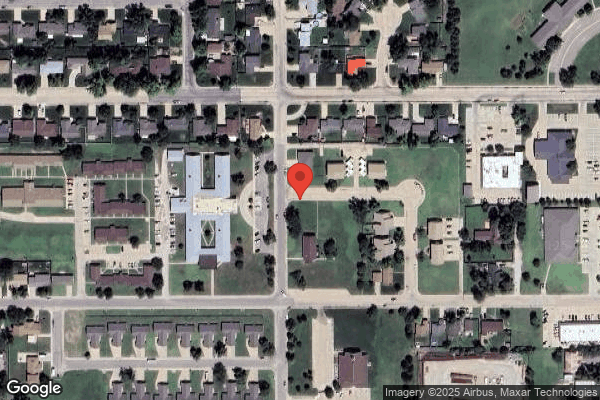
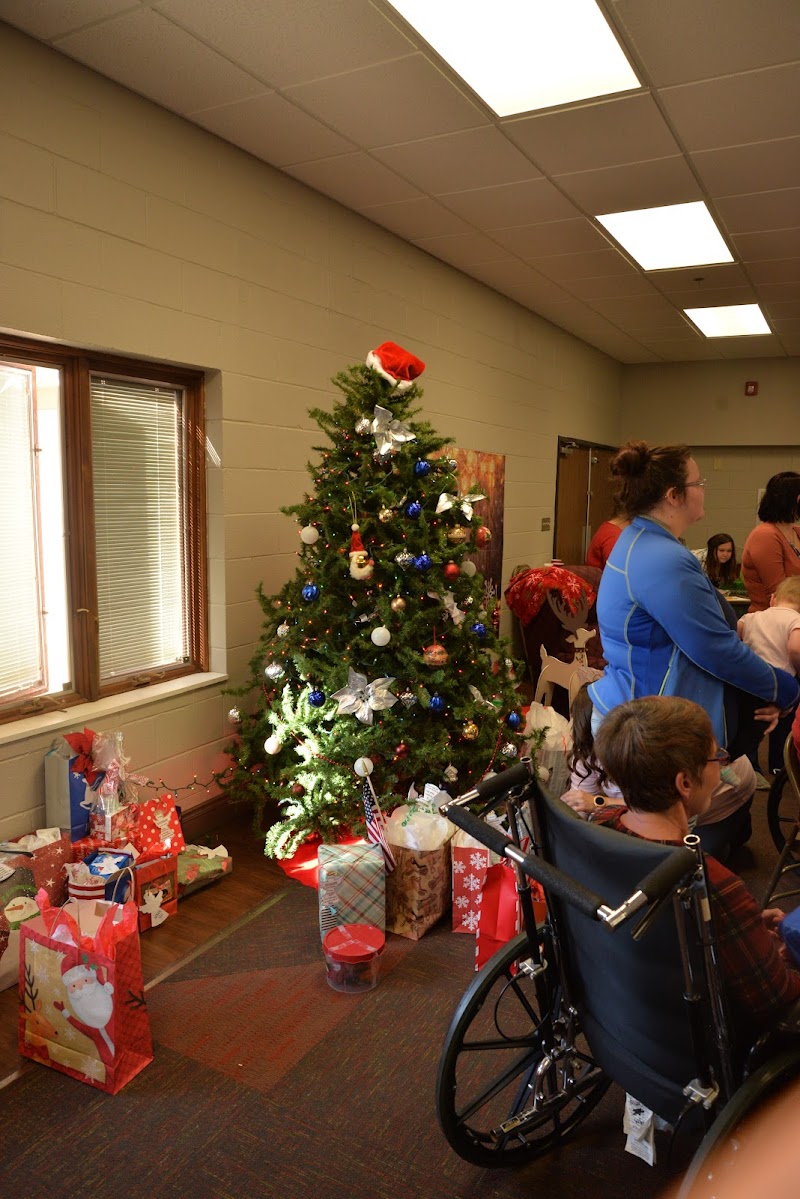
1401 CHERRY LANE, GREAT BEND, KS 67530 (620) 792-2165
For profit - Corporation 51 Beds MEDICALODGES, INC. Data: November 2025 4 Immediate Jeopardy citations
Trust Grade
0/100
#208 of 295 in KS
Last Inspection: July 2024

Within standard 12-15 month inspection cycle. Federal law requires annual inspections.

Overview

Medicalodges Great Bend has received a Trust Grade of F, indicating significant concerns about the quality of care provided. With a state rank of #208 out of 295 facilities in Kansas, they fall in the bottom half, and they are the second-best option in Barton County, meaning there is only one local facility that rates higher. While the facility is improving, going from eight issues in 2024 to one in 2025, they still have serious deficiencies, including critical incidents where residents were not adequately supervised and suffered harmful consequences. Staffing is a relative strength with a 4/5 rating, and turnover is slightly below the state average at 47%, suggesting that some staff are familiar with resident care. However, fines totaling $43,613 are concerning, indicating repeated compliance problems that are more severe than 85% of other Kansas facilities.

Trust Score
F
0/100
In Kansas
#208/295
Bottom 30%
Safety Record
High Risk
Review needed
Inspections
Getting Better
8 → 1 violations
Staff Stability
⚠ Watch
47% turnover. Above average. Higher turnover means staff may not know residents' routines.
Penalties
⚠ Watch
$43,613 in fines. Higher than 77% of Kansas facilities, suggesting repeated compliance issues.
Skilled Nurses
✓ Good
Each resident gets 47 minutes of Registered Nurse (RN) attention daily — more than average for Kansas. RNs are trained to catch health problems early.
Violations
⚠ Watch
42 deficiencies on record. Higher than average. Multiple issues found across inspections.
★★☆☆☆
2.0
Overall Rating
★★★★☆
4.0
Staff Levels
★★☆☆☆
2.0
Care Quality
★★☆☆☆
2.0
Inspection Score
Stable
2024: 8 issues
2025: 1 issues

The Good

  • 4-Star Staffing Rating · Above-average nurse staffing levels
  • Full Sprinkler Coverage · Fire safety systems throughout facility
  • No fines on record

Facility shows strength in staffing levels, fire safety.

The Bad

2-Star Overall Rating

Below Kansas average (2.9)

Below average - review inspection findings carefully

Staff Turnover: 47%

Near Kansas avg (46%)

Higher turnover may affect care consistency

Federal Fines: $43,613

Above median ($33,413)

Moderate penalties - review what triggered them

Chain: MEDICALODGES, INC.

Part of a multi-facility chain

Ask about local staffing decisions and management

The Ugly 42 deficiencies on record

4 life-threatening 2 actual harm
Apr 2025 1 deficiency 1 IJ
CRITICAL (J) 📢 Someone Reported This

A family member, employee, or ombudsman was alarmed enough to file a formal complaint

Immediate Jeopardy (IJ) - the most serious Medicare violation

Accident Prevention (Tag F0689)

Someone could have died · This affected 1 resident

**NOTE- TERMS IN BRACKETS HAVE BEEN EDITED TO PROTECT CONFIDENTIALITY** The facility identified a census of 38 residents, with four residents reviewed for elopements (when a resident leaves the premis...

Read full inspector narrative →
**NOTE- TERMS IN BRACKETS HAVE BEEN EDITED TO PROTECT CONFIDENTIALITY** The facility identified a census of 38 residents, with four residents reviewed for elopements (when a resident leaves the premises or a specific safe area without authorization and/or necessary supervision). Based on record review, observation, and interview, the facility failed to provide adequate supervision to prevent an elopement for cognitively impaired Resident (R) 1, who the facility identified as a high risk for elopement. On 04/05/24 at approximately 04:18 PM, R1 exited the facility's 200 hall through an unlocked door, which did not alarm. R1 walked approximately the length of a football field over cracked sidewalks, uneven grassy areas, a parking lot full of large potholes, and over several curbs before falling, between two apartment buildings, behind the facility. A community member living in the apartment building called 911 and reported R1 lying on the apartment complex lawn. At 04:45 PM, Certified Medication Aide (CMA) R saw an ambulance behind the facility and identified R1 on the ambulance stretcher. Emergency Medical Services (EMS) transported R1 to the local hospital for evaluation. The facility's failure to ensure R1 received adequate supervision to prevent an elopement which resulted in a fall outside of the facility, and the failure to ensure functioning door alarms and locks placed R1 in immediate jeopardy. Findings included: - R1's Electronic Medical Record (EMR) documented R1 had diagnoses of Alzheimer's disease (progressive mental deterioration characterized by confusion and memory failure), dementia (progressive mental disorder characterized by failing memory, confusion), anxiety (mental or emotional reaction characterized by apprehension, uncertainty and irrational fear), unsteadiness on her feet, abnormalities of gait (manner or style of walk), and muscle weakness. The Significant Change Minimum Data Set (MDS), dated [DATE], documented R1 had a Brief Interview for Mental Status (BIMS) score of zero, which indicated severely impaired cognition. The MDS documented R1 had physical and verbal behaviors directed towards others during the look-back period. The MDS documented R1 had episodes of wandering during the look-back period, and the wandering episodes placed R1 at significant risk of getting to a potentially dangerous place. The MDS documented R1 was dependent on staff for toileting, bathing, and personal hygiene; and required substantial staff assistance with dressing and donning and doffing footwear. The MDS documented R1 required supervision or touching assistance with transfers, ambulation, and bed mobility. The MDS documented R1 had one non-injury fall and one minor injury fall during the look-back period. The Cognitive Loss/Dementia Care Area Assessment (CAA), dated 01/31/25, documented R1 had diagnoses of Alzheimer's disease, dementia, irritability, anger, and altered mental status. The CAA documented R1 displayed physical and verbal outbursts and wandering, and staff would redirect R1 as needed. The Falls CAA, dated 01/31/25, documented R1 had poor safety awareness and had fallen during the look-back period. The CAA directed staff to monitor R1 closely. R1's Care Plan documented R1 was independent most of the time with transfers, ambulation, and locomotion, but needed assistance at times when her gait was unsteady. The care plan documented R1 was at risk for falls and needed appropriate footwear. The plan directed staff to have R1's call light within reach. The plan directed staff to keep pathways in R1's room clear and unobstructed and when R1 had increased wandering, offer her activities to redirect her (12/13/22). The care plan documented R1 had cognitive deficits that affected her memory (02/15/24). The care plan directed staff to consider R1's physical needs when R1 was wandering (09/22/23). The Facility Incident Report, dated 04/07/25, documented on 04/05/25 at approximately 04:00 PM, CMA R reported she saw R1 at the front nurse's station. At 04:15 PM, video camera footage showed R1 pushing on the far-left side of the exit door on 200 hall. R1 pushed on the right side of the 200 hall exit door, and the door opened. R1 quickly exited the building and turned to shut the door. CMA R passed medication on the 400 hall at the back of the facility when she observed an ambulance behind the facility with someone on the stretcher with a purple jacket on. CMA R asked another CNA what color R1's jacket was, and the aide said purple. At that point, EMS turned the stretcher, and staff saw it was R1. CMA R ran down the hall, alerted LN G, ran back to the parking lot, and spoke to EMS personnel. At 04:47 PM, the ambulance pulled up in front of the facility to get a copy of R1's face sheet and told staff they were transporting R1 to the local hospital for testing and possible treatment. The emergency room Dismissal Instructions, dated 04/05/25, documented R1 had a urinary tract infection (UTI - an infection in any part of the urinary system) requiring antibiotics, and abrasions to her face due to a fall. The dismissal instructions directed R1 to take all of her antibiotics and to monitor the wounds on her face; keep the wound clean and dry, and if the wound started to have increased redness, purulent (producing or containing pus) drainage, or swelling, the wounds would need to be re-evaluated for infection. The dismissal instruction directed the facility that if R1 developed a fever, worsening altered mental state, or any other new, concerning symptoms, R1 should return to the emergency room for evaluation. CMA R's Notarized Witness Statement, dated 04/05/25, documented CMA R last saw R1 physically in the facility at 04:00 PM at the front nurse's station. CMA R stated she started her medication pass on the back hall at about 04:15 PM when CMA R started looking on the 400 hall to see if R1 was in one of the rooms. CMA R went into a room and saw an ambulance in the back parking lot, when she looked out the window. CMA R noted she saw EMS placing someone wearing a purple jacket on a stretcher. The statement documented CMA R asked another Certified Nurse Aide (CNA) what color jacket R1 had on, and she said Purple. EMS then turned the stretcher towards the window, and CMA R saw R1 lying on the stretcher. CMA R ran out to the parking lot and spoke with EMS personnel who told CMA R that R1 fell on the sidewalk. R1 was able to tell them her name. The statement recorded the ambulance came around to the front of the facility to get R1's face sheet around 04:47 PM. Certified Nurse Aide (CNA) M's Notarized Witness Statement, dated 04/05/25, documented CNA M saw R1 with another staff member, and then saw R1 headed around the corner with a nurse. The statement noted that after a while, CNA M asked a co-worker if she had seen R1 and the co-worker said she had not seen R1. CNA M noted she then kept her eye out for R1 and went to check with a co-worker if she had checked R1's room for her. CNA M's co-worker came out of R1's room and said R1 was not there. CNA M searched the front hall but saw no signs of R1, so CNA M went to the back hall to see if anyone had found R1. CNA M noted two aides came out of a room in a hurry, yelling something about R1. CNA M noted the ambulance was outside, and CNA M and another staff member stopped the ambulance, told them R1's name, and then ran back to the facility to report to the nurse. CNA N's Notarized Witness Statement, dated 04/05/25, documented CNA N saw R1 at approximately 04:00 PM, before staff started getting residents up. R1 stood at the end of the 400 hall with another resident. CNA N noted R1 stood at the end of 400 hall and CNA N called for R1 and then assisted R1 into a chair at the back nurse's station. CNA N documented that a co-worker approached her and asked if she had seen R1, so CNA N started looking for R1, but did not see R1. CNA N noted she and another aide went down the 400 hall looking for R1 when they saw an ambulance at the apartments behind the facility. CNA N noted she saw R1 being placed on the stretcher, and immediately notified the nurse. Licensed Nurse (LN) G's Notarized Witness Statement, dated 04/05/25, documented the last time LN G saw R1, R1 was walking down the 200 hall and had stopped around room [ROOM NUMBER], turned around and started walking north. LN G stated after the incident, she went down to the 200 hall exit door and attempted to open the door, but could not open the door using her whole body weight while she pushed the door handle. The Nurse's Note, dated 04/05/25, documented R1 arrived back at the facility via a private vehicle driven by R1's responsible party. A nurse-to-nurse report documented R1 had abrasions to her face and Bacitracin (antibiotic ointment) was applied to the abrasions; all the scans of R1's face and knees came back with no concerns. The note recorded R1 had a severe (UTI - an infection in any part of the urinary system) and received an injection of Rocephin (antibiotic) in the emergency room (ER). The Hospice Note, dated 04/06/25, documented R1 hurt her knee and had a lot of pain in the left knee. The note documented R1 had a hard time putting weight on her knee and used a wheelchair. R1 had a one-to-one CNA sitting with her. The note documented R1 had gotten out of the building and was brought to the ER on [DATE]. R1 had abrasions on her forehead, the bridge and tip of her nose, and her inner left eye was bruised. On 04/21/25 at 10:00 AM, observation of the area around the facility in which R1 traversed on 04/05/25, revealed R1 walked approximately the length of a football field around the facility. Observation of the area revealed cracked sidewalks, an uneven grassy lawn to the back parking lot, and the parking lot was cracked and uneven, with several very large potholes. On 04/21/25 at 10:30 AM, observation revealed R1 sat in a wheelchair watching an activity where other residents were playing a game. R1 had a large yellow/green bruise on the entire left side of her face with two abrasions to her nose. When asked if her face hurt, R1 said, Well, what's wrong with my face? On 04/21/25 at 11:00 AM, CMA R stated she last saw R1 around 04:15 PM, and then when she went to look for R1, she could not find her so she asked other CNAs if they knew where R1 was but no one knew, so they started searching rooms. CMA R stated she was in a resident's room and saw an ambulance out back loading someone in the ambulance, so CMA R asked another staff member what color R1's jacket was, and they said purple. CMA R said that EMS swung the cot around at that point, and CMA R saw R1. CMA R stated she ran out to the EMS and told them R1's name, and they said they were going to pull around and get a face sheet at the front of the building. CMA R stated she had received training regarding elopement. On 04/21/25 at 09:30 AM, Administrative Staff A stated they thought contractors working in the facility had unhooked the door alarm sensors, and then, when they went out the door, they did not shut it tight, so the mag-lock did not engage. Administrative Staff A stated that 1200-pound mag-locks had been installed on all doors on 04/16/25, and the 1200-pound mag-locks would pull the doors shut if they were within two inches of shutting. Administrative Staff A stated the door at the end of 200 hall was immediately secured and the mag-lock was functioning; the alarm was rewired and was now in working order. Administrative Staff A said all staff were re-educated on the facility's elopement policy, stop signs were placed on each exit door, and the signs also requested contractors to alert staff before using the exit doors so staff could stay at the exit doors until the contractors were done. Administrative Staff A stated the facility's elopement book was reviewed for accuracy, R1 was put on one-to-one over the weekend, and the findings of the incident were taken to an emergency Quality Assurance and Performance Improvement (QAPI) meeting. Administrative Staff A verified that all the door alarms and mag-locks were checked for functionality on 04/01/25. On 04/21/25 at 10:00 AM, Administrative Nurse D stated she thought contractors working on the back rooms down 200 hall had unhooked the door alarm from the censors, but the facility could not prove that. Administrative Nurse D verified the door alarm was not hooked up on 04/05/25. Administrative Nurse D showed the path staff thought R1 took when she exited the 200 hall. Administrative Nurse D stated R1 was on hospice and her ability to transfer and ambulate fluctuated from day to day; sometimes she was independent and all over the facility, and other days she was in a wheelchair. Administrative Nurse D stated R1 had been on 30-minute location checks because she was a high elopement risk. Administrative Nurse D stated all administrative staff were in the building fifteen to twenty minutes after R1 was seen outside, and all the doors were checked for functioning door alarms and mag locks. Administrative Nurse D stated that education on the Elopement Policy was started that day and that none of the staff could work before completing the education. Administrative Nurse D verified all education was completed on Wednesday, 04/09/25. The facility's Resident Elopement Policy and Procedure, revised December 2022, documented the facility strived to promote a safe and secure environment to help minimize the risk of residents leaving the premises or a safe area without the necessary supervision or authorization to do so. Risk for elopement was to be identified for residents, and an individualized care plan was developed based on risk. Staff are to investigate and report instances of potential elopement. The facility is to have a process to monitor the security of the premises on a routine basis. On 04/21/25 at 01:31 PM, Administrative Staff A was provided the Immediate Jeopardy [IJ] Template and notified the facility's failure to provide adequate supervision to prevent an elopement for R1 placed the resident in immediate jeopardy. The facility identified and implemented immediate corrective actions, which were completed on 04/16/25 and included: 1200-pound mag-locks were installed on all doors on 04/16/25. The door at the end of 200 hall was immediately secured, and the mag-lock was functioning. The alarm was rewired and in working order. All staff were re-educated on the facility's elopement policy. Stop signs were placed on each exit door, and the signs also requested contractors to alert staff before using the exit doors so staff could stay at the exit doors until the contractors were done. The facility's Elopement Book was reviewed for accuracy. R1 was put on one-to-one over the weekend. The findings of the incident were taken to an emergency QAPI. Because all corrective actions were completed before the onsite survey, the citation was deemed past noncompliance and existed at a J (isolated, immediate jeopardy) scope and severity.
Jul 2024 5 deficiencies
CONCERN (D)

Potential for Harm - no one hurt, but risky conditions existed

Drug Regimen Review (Tag F0756)

Could have caused harm · This affected 1 resident

**NOTE- TERMS IN BRACKETS HAVE BEEN EDITED TO PROTECT CONFIDENTIALITY** The facility had a census of 37 residents. The sample included 12 residents. Based on observation, interview, and record review ...

Read full inspector narrative →
**NOTE- TERMS IN BRACKETS HAVE BEEN EDITED TO PROTECT CONFIDENTIALITY** The facility had a census of 37 residents. The sample included 12 residents. Based on observation, interview, and record review the facility failed to ensure the Consultant Pharmacist (CP) identified and notified the facility and physician of the numerous times staff administered two blood pressure medications to Resident (R) 21 when the physician order indicated the medications should have been held (not administered) in April, May, and June 2024. This deficient practice placed R21 at risk for unintended results from medications. Findings included: - R21's Electronic Medical Record (EMR) recorded a diagnosis of hypertension (HTN-elevated blood pressure). The Quarterly Minimum Data Set (MDS), dated [DATE], documented a Brief Interview for Mental Status (BIMS) score of four, indicating severely impaired cognition. The MDS documented R21 required set-up assistance for meals and was dependent on staff for all other activities of daily living (ADL) and mobility. R21's Medication Care Plan, dated 07/22/24, directed staff to administer R21's medications at about the same time each day and check the blood pressure before giving the medications. The care plan stated the pharmacist and physician were to review medications. The Physician Order, dated 04/04/24, directed staff to administer amlodipine (blood pressure lowering medication)10 milligram (mg) daily and hold for a blood pressure less than 100/65 millimeters (mm) of Mercury (Hg) if either number is lower. The Physician Order, dated 04/04/24, directed staff to administer benazepril (blood pressure lowering medication),10 mg daily, and hold for blood pressure less than 100/65 mm/Hg if either number is lower. R21's Medication Administration Record (MAR) revealed the following: April 5-30, 2024, staff administered amlodipine and benazepril when R21's blood pressure was lower than the physician-ordered parameter 11 times. In May 2024, staff administered amlodipine and benazepril when R21's blood pressure was lower than the physician-ordered parameter 16 times. In June 2024, staff administered amlodipine and benazepril when R21's blood pressure was lower than the physician-ordered parameter 10 times. On July 1-23,2024, staff administered amlodipine and benazepril when R21's blood pressure was lower than the physician-ordered parameter eight times. The Pharmacist Consultant Medication Regimen Reviews for April, May, and June 2024 lacked notes regarding the administration of benazepril and amlodipine when the blood pressures were out of the physician-ordered parameters. On 07/23/24 at 07:38 AM, observation revealed Certified Medication Aide (CMA) R obtained R21's blood pressure while he was seated in the dining room and then administered medications including amlodipine, 10 mg and benazepril, 10 mg to R21. CMA R crushed the pills and mixed them with water before giving them to R21. On 07/23/24 at 12:47 PM, Licensed Nurse (LN) G verified the CMA should not have administered the amlodipine and benazepril due to the out-of-parameter blood pressure. LN G verified the numerous times staff administered the two medications, April through the current time, that staff should have held the two medications. On 07/24/24 at 09:15 AM, Administrative Nurse E verified the facility's Consultant Pharmacist had not informed the facility of the ongoing medication errors. The facility's Medication Regimen Review (MRR) and Reporting policy, dated 2007, stated the medication regimen review included a review of the medical records in order to prevent, identify, report, and resolve medication-related problems, errors, or other irregularities. The findings would be communicated to the director of nursing and the medical director. Resident-specific MRR recommendations and findings would be documented and acted upon by the nursing care center and or the physician. The facility failed to ensure the CP identified and notified the facility and physician of the numerous times staff administered two blood pressure medications to R21 outside the physician ordered parameters. This deficient practice placed R21 at risk for unintended results from medications.
CONCERN (D)

Potential for Harm - no one hurt, but risky conditions existed

Deficiency F0757 (Tag F0757)

Could have caused harm · This affected 1 resident

**NOTE- TERMS IN BRACKETS HAVE BEEN EDITED TO PROTECT CONFIDENTIALITY** The facility had a census of 37 residents. The sample included 12 residents with five reviewed for unnecessary drugs. Based on o...

Read full inspector narrative →
**NOTE- TERMS IN BRACKETS HAVE BEEN EDITED TO PROTECT CONFIDENTIALITY** The facility had a census of 37 residents. The sample included 12 residents with five reviewed for unnecessary drugs. Based on observation, interview, and record review the facility failed to hold Resident (R) 21's blood pressure medication per the physician ordered blood pressure parameters. This deficient practice placed R21 at risk for unnecessary medications and related complications. Findings included: - R21's Electronic Medical Record (EMR) recorded a diagnosis of hypertension (HTN-elevated blood pressure). The Quarterly Minimum Data Set (MDS), dated [DATE], documented a Brief Interview for Mental Status (BIMS) score of four, indicating severely impaired cognition. The MDS documented R21 required set-up assistance for meals and was dependent on staff for all other activities of daily living (ADL) and mobility. R21's Medication Care Plan, dated 07/22/24, directed staff to administer R21's medications at about the same time each day and check the blood pressure before giving the medications. The care plan stated the pharmacist and physician were to review medications. The Physician Order, dated 04/04/24, directed staff to administer amlodipine (blood pressure lowering medication)10 milligram (mg) daily and hold for a blood pressure less than 100/65 millimeters (mm) of Mercury (Hg) if either number is lower. The Physician Order, dated 04/04/24, directed staff to administer benazepril (blood pressure lowering medication),10 mg daily, and hold for blood pressure less than 100/65 mm/Hg if either number is lower. R21's Medication Administration Record (MAR) revealed the following: April 5-30, 2024, staff administered amlodipine and benazepril when R21's blood pressure was lower than the physician-ordered parameter 11 times. In May 2024, staff administered amlodipine and benazepril when R21's blood pressure was lower than the physician-ordered parameter 16 times. In June 2024, staff administered amlodipine and benazepril when R21's blood pressure was lower than the physician-ordered parameter 10 times. On July 1-23,2024, staff administered amlodipine and benazepril when R21's blood pressure was lower than the physician-ordered parameter eight times. On 07/23/24 at 07:38 AM, observation revealed Certified Medication Aide (CMA) R obtained R21's blood pressure while he was seated in the dining room and then administered medications including amlodipine, 10 mg and benazepril, 10 mg to R21. CMA R crushed the pills and mixed them with water before giving them to R21. On 07/23/24 at 12:47 PM, Licensed Nurse (LN) G verified the CMA should not have administered the amlodipine and benazepril due to the out-of-parameter blood pressure. LN G verified the numerous times staff administered the two medications, April through the current time, that staff should have held the two medications. On 07/24/24 at 09:15 AM, Administrative Nurse E verified the ongoing medication error. Upon request, the facility did not provide a medication administration policy. The facility failed to hold R21's blood pressure medication per the physician ordered blood pressure parameters. This deficient practice placed R21 at risk for unnecessary medications and related complications.
CONCERN (E)

Potential for Harm - no one hurt, but risky conditions existed

Accident Prevention (Tag F0689)

Could have caused harm · This affected multiple residents

**NOTE- TERMS IN BRACKETS HAVE BEEN EDITED TO PROTECT CONFIDENTIALITY** The facility identified a census of 37 residents. The sample included 12 residents with five residents sampled for accidents. Ba...

Read full inspector narrative →
**NOTE- TERMS IN BRACKETS HAVE BEEN EDITED TO PROTECT CONFIDENTIALITY** The facility identified a census of 37 residents. The sample included 12 residents with five residents sampled for accidents. Based on observation, record review, and interview, the facility failed to ensure an environment free from accident hazards when the facility failed to secure fully pressurized supplemental oxygen cylinders in a safe, locked area, and out of reach of the five cognitively impaired independently mobile residents. The facility additionally failed to ensure interventions were put in place for 22 of Residents (R) 33's 41 falls. This deficient practice placed the residents at risk for preventable accidents, falls, and injuries. Findings included: - On 07/22/24 at 08:02 AM a walkthrough of the facility revealed an unsecured oxygen storage room. The room contained 38 fully pressurized supplemental oxygen cylinder tanks stored in floor racks. The room had a numerical keypad on the entry door. No facility staff was in the storage room area. The room's keypad door auto-locked when pulled closed. On 07/24/24 at 08:18 AM Certified Nurse Aide (CNA) O stated that the oxygen storage room should always remain locked to ensure a resident did not wander into the room. On 07/24/24 at 09:26 AM Licensed Nurse (LN) G stated the oxygen storage room should always be locked due to the wandering residents in that facility. LN G stated the door had a keypad lock. On 07/24/24 at 09:37 AM Administrative Nurse D stated the oxygen storage room should always remain locked unless a staff member was accessing the room. On 07/24/24 at 09:39 AM Administrative Nurse E stated on the morning of 07/22/24 a staff member was preparing a resident to go to the doctor and had just obtained a new oxygen bottle for that resident and must have mistakenly not gotten the door closed all the way when they exited the room. Administrative Nurse E stated staff have been educated to ensure the door was closed and always locked. On 07/24/24 at 12:15 PM Administrative Staff A stated the facility did not have a specific policy related to the oxygen storage room but that it was just a standard of care. The facility, upon request, did not provide a policy for oxygen cylinder storage. The facility failed to ensure an environment free from accident hazards when the facility failed to secure pressurized medical oxygen cylinder tanks in a safe, locked area, and out of reach of the five cognitively impaired, independently mobile residents. This deficient practice placed the residents at risk for preventable accidents and injuries. - R33's Electronic Medical Record (EMR) documented diagnoses of diabetes mellitus (DM-when the body cannot use glucose, not enough insulin made or the body cannot respond to the insulin), chronic pain, anxiety disorder (a mental or emotional disorder characterized by apprehension, uncertainty and irrational fear), persistent mood disorders and insomnia (inability to sleep). R33's Quarterly Minimum Data Set (MDS), dated [DATE], documented short- and long-term memory problems with moderately impaired decision-making, physical and verbal behaviors, and rejection of care. The MDS documented R33 required partial assistance for eating and was dependent on staff for all other activities of daily living (ADL) and mobility. The MDS documented R33 had two or more non-injury falls, two or more minor injury falls since the last MDS assessment, and received an antipsychotic (class of medications used to treat major mental conditions which cause a break from reality), an antianxiety (class of medications that calm and relax people) and a hypnotic (a class of medications used to induce sleep) medications. R33's Fall Care Plan, dated 06/10/24, stated R33 was at risk for falls due to wandering and psychotropic (alters mood or thought) medications. The care plan directed staff to encourage R33 to wait for assistance from staff before attempting to stand up. Staff were to ensure R33 had a high-low bed, and R33 needed to have it lower when he was in bed. The plan recorded he would sit on the floor to move things around and try to fix things. If no staff member witnessed him putting himself on the floor, nurses would treat the incident as a fall, including assessing him and completing neurological checks per protocol. Staff were to ensure he wore appropriate shoes and nonslip footwear. The plan directed to ask the pharmacist and physician to monitor R33's medications on an ongoing basis and to place the call light within his reach. The plan further directed the following interventions related to falls: Fall on 12/21/23 Assist R33 to the restroom before bed at night. Fall on 12/29/23 Encourage R33 to sit or lie down when he appears to be tired. Fall on 12/29/23 Encourage R33 to use a wheelchair if he appears to be weak or groggy, or if he was using the handrails in the hallways to support himself. Fall on 12/30/23 Keep the bathroom light or another light on in R33's room. Fall on 01/02/24 Encourage R33's to help staff with tasks to reduce wandering. Fall on 01/03/24 R33 was moved to a room closer to the nurse's station on 01/13/24. Fall on 01/06/24 Staff to set the brakes on his wheelchair when R33 is stationary. Fall on 01/10/24 Encourage R33 to sit near the nurse's station after dinner until he is ready to go to bed. Fall on 01/14/24 Staff should help lower the resident to the floor during a fall to avoid injury. Fall on 01/15/24 Encourage R33 to stand up straight if he is leaning while walking. Fall on 01/24/24 Assist R33 in putting non-skid socks back on when he takes them off. Fall on 01/25/24 Staff should pick up anything that R33 drops right away, and prompt him not to do it himself. Fall on 01/28/24 Place anti-roll-back bars on R33's wheelchair to prevent it from rolling backwards. Fall on 02/12/24 Staff were to assist R33 to get up and sit at the nursing station or dining room for meals. Please get him up early when possible. Fall on 02/01/24 Medication review with changes by the psychiatric provider. Fall on 02/04/24 Medication review with changes completed on 02/15/24 due to a fall on 02/13/24. Fall on 05/06/24 Staff were to offer R33 food at night when he is restless and trying to get out of bed. Fall on 05/23/24 A scoop mattress was placed on R33's bed to remind him not to roll over too far. Fall on 04/02/24 When R33's family leaves after a visit, staff need to monitor him on one or bring him to the nurse's desk where he can be seen by staff. R33's EMR documented 41 falls since admission on [DATE] and no care plan revision indicating new interventions for 22 of those falls. The Fall Note, dated 07/22/24 at 10:48 AM, documented that R33 sat upright in his wheelchair in a well-lit uncluttered walkway in the back hall next to the nurse's station. There was some commotion when the resident was observed falling to the floor from a standing position. On 07/22/24 at 01:35 PM, observation revealed R33 sat in a wheelchair by the nurse's desk. R33 wore non-skid socks and his feet rested on the floor. R33 appeared relaxed. At 01:43 PM, R33 continued to sit. He had his head down, and his eyes closed. Certified Medication Aide (CMA) R placed footrests on his wheelchair and took him to his room. Observation revealed a maintenance issue in his room, so the staff took him back to the nurse's desk area and gave him a snack. On 07/24/24 at 09:15 AM, Administrative Nurse E stated R33 had a lot of repetitive causes of falls due to attempting to stand. Administrative Nurse E verified the facility had not developed interventions and updated R33's plan of care with each fall to prevent further falls. The facility's Risk Management policy, dated 11/2023, stated with each event, the charge nurse would update the resident's care plan with a new intervention to prevent further occurrence of the event. The facility failed to identify and implement effective interventions to prevent further falls for R33, placing the resident at risk for further falls and injury.
CONCERN (E)

Potential for Harm - no one hurt, but risky conditions existed

Unnecessary Medications (Tag F0759)

Could have caused harm · This affected multiple residents

The facility had a census of 37 residents. The sample included 12 residents. Based on observation, interview, and record review the facility failed to ensure a medication error rate of less than five ...

Read full inspector narrative →
The facility had a census of 37 residents. The sample included 12 residents. Based on observation, interview, and record review the facility failed to ensure a medication error rate of less than five percent. This deficient practice placed Resident (R) 21 at risk for significant medication errors and resulted in a facility medication error rate of 7.69 percent (%) placing all residents who received medication at risk for medication errors. Findings included: - The Physician Order, dated 04/04/24, directed staff to administer amlodipine (blood pressure lowering medication)10 milligram (mg) daily and hold for a blood pressure less than 100/65 millimeters (mm) of Mercury (Hg) if either number is lower. The Physician Order, dated 04/04/24, directed staff to administer benazepril (blood pressure lowering medication),10 mg daily, and hold for blood pressure less than 100/65 mm/Hg if either number is lower. On 07/23/24 at 07:38 AM, observation revealed Certified Medication Aide (CMA) R obtained R21's blood pressure while he was seated in the dining room and then administered medications including amlodipine, 10 mg and benazepril, 10 mg to R21. CMA R crushed the pills and mixed them with water before giving them to R21. On 07/23/24 at 07:45 AM, R21's EMR documented a blood pressure of 128/60 mmHg. On 07/23/24 at 12:28 PM, CMA R verified the physician's orders to hold the amlodipine and benazepril for a blood pressure less than 100/65 and verified she should not have administered those medications that morning. On 07/23/24 at 12:47 PM, Licensed Nurse (LN) G verified the CMA should not have administered the amlodipine and benazepril due to the out-of-parameter blood pressure. Upon request, the facility did not provide a policy related to medication errors. The facility failed to administer medications with a less than five percent error rate placing R21 at risk for significant medication errors and resulting in a 7.69 % error rate. This placed all residents who received medications at risk for complications related to medication errors.
CONCERN (F)

Potential for Harm - no one hurt, but risky conditions existed

Deficiency F0947 (Tag F0947)

Could have caused harm · This affected most or all residents

The facility had a census of 37 residents. Based on record review and interview, the facility failed to ensure staff completed the required 12-hour in-service education for Certified Nurse Aide (CNA) ...

Read full inspector narrative →
The facility had a census of 37 residents. Based on record review and interview, the facility failed to ensure staff completed the required 12-hour in-service education for Certified Nurse Aide (CNA) N and CNA T, who were all employed by the facility for at least one year. This deficient practice placed the residents at risk of decreased quality of care. Findings included: - A review of the facility's 12-hour annual in-service documentation for five certified staff members who had been employed at the facility for at least one year revealed the following: CMA T lacked dementia care training. CNA N lacked had only completed three of the required 12 in-service hours. On 07/24/24 at 09:37 AM Administrative Nurse D reported the facility utilized an electronic education system for the required education. She confirmed the above staff did not have the required education topics and /or hours. Upon request, the facility did not provide a policy for required services. The facility failed to ensure required topics and 12-hours in-service education for CMA S and T and CNA N, which placed the residents at risk for decreased quality of care.
Feb 2024 2 deficiencies 1 IJ
CRITICAL (J) 📢 Someone Reported This

A family member, employee, or ombudsman was alarmed enough to file a formal complaint

Immediate Jeopardy (IJ) - the most serious Medicare violation

Menu Adequacy (Tag F0803)

Someone could have died · This affected 1 resident

**NOTE- TERMS IN BRACKETS HAVE BEEN EDITED TO PROTECT CONFIDENTIALITY** The facility identified a census of 42 residents. The sample included three residents reviewed for therapeutic diets (a modifica...

Read full inspector narrative →
**NOTE- TERMS IN BRACKETS HAVE BEEN EDITED TO PROTECT CONFIDENTIALITY** The facility identified a census of 42 residents. The sample included three residents reviewed for therapeutic diets (a modification of a regular diet to fit the nutrition needs of a particular person and are modified for nutrients, texture, and/or food allergies or intolerances). Based on observations, record review, and interviews, the facility failed to provide the physician-ordered thickened liquids to Resident (R) 1, who had a history of dysphagia (difficulty swallowing) and aspiration (inhaling liquid or food into the lungs). On 01/07/24, Certified Nurse Aide (CNA) M served R1 thin liquids during breakfast instead of nectar thick liquids (mildly thickened liquids). Licensed Nurse (LN) G observed R1 coughing and choking afterward. LN H suctioned R1 multiple times but R1 continued to sound congested. Staff sent R1 to the emergency room (ER). R1 arrived at the hospital in obvious respiratory distress, with abnormal lung sounds, and required bilevel positive airway pressure (BiPAP-medical device which helps with breathing) treatment. R1 returned to the facility later that day on antibiotics (medications used to treat bacterial infections) to treat aspiration pneumonia (an inflammatory condition of the lungs caused by inhaling foreign material or vomit). The facility's failure to follow R1's therapeutic diet order for thickened liquids placed her in immediate jeopardy. Findings included: - The Diagnoses tab of R1's Electronic Medical Record (EMR) documented diagnoses of dementia (a progressive mental disorder characterized by failing memory, and confusion), personal history of transient ischemic attacks (TIA- temporary episode of inadequate blood supply to the brain), dysphagia, and diabetes mellitus (DM-when the body cannot use glucose, not enough insulin made, or the body cannot respond to the insulin). The Quarterly Minimum Data Set (MDS) dated 10/20/23, documented R1 had a Brief Interview for Mental Status (BIMS) score of 8 which indicated moderate cognitive impairment. R1 required supervision or touching assistance with eating and had coughing or choking during meals or when swallowing medications. The Annual MDS dated 01/12/24, documented R1 had a BIMS score of 13 which indicated intact cognition. R1 required set-up/clean-up assistance with eating and had coughing or choking during meals or when swallowing medications. The Activity of Daily Living Functional/Rehabilitation Care Area Assessment (CAA) dated 01/23/24, documented R1 was dependent on staff for almost all of her activities of daily living (ADLs). She was able to feed herself once it was set up. The Nutritional Status CAA dated 01/23/24, documented R1 was on a pureed diet (mechanically altered therapeutic diet) with thickened liquids due to choking and aspiration pneumonia. R1's Care Plan, last revised on 12/11/23, documented she had a risk for choking due to pocketing food in her mouth and was sent to the ER for suspected aspiration on 12/11/23. The care plan directed staff to remind R1 to take small bites, chew, and swallow before putting more in her mouth. R1's Care Plan, dated 01/21/21, documented R1 was at risk to lose or gain weight due to her disease process. The care plan documented an intervention, dated 01/21/21, that directed staff to provide R1 her meals as ordered by the physician. The care plan documented an intervention, dated 01/04/24, that directed R1 had a regular diet with pureed texture and nectar-thick fluid consistency. The Orders tab of R1's EMR documented an order with a start date of 12/27/23 and discontinued date of 01/11/24, for a controlled carbohydrate diet (CCHO- a diet that manages the number of carbohydrates and benefits people with diabetes) with pureed texture and nectar consistency for aspiration pneumonia. The Orders tab documented an order with a start date of 01/11/24 for a CCHO diet with pureed texture and honey consistency liquids (thickened liquids consistent with honey or a milkshake) for aspiration pneumonia. The facility's investigative report, dated 01/10/24, documented on 01/07/24, R1 was eating breakfast in the main dining room and started to cough. A CNA brought R1 to LN H who noted R1's upper lung sounds evidenced fluid. LN H suctioned R1 and removed fluid but R1 continued coughing with less congestion. Staff called Emergency Medical Services (EMS) and they arrived quickly and took R1 to the hospital for evaluation and treatment. Upon further investigation, it was discovered that staff gave R1 regular juice when she was on nectar-thick liquids. R1 returned from the hospital at 12:30 PM via EMS with an order for antibiotics for possible aspiration pneumonia. In LN G's notarized Witness Statement on 01/07/24, LN G stated she went to the big dining room to get a blood pressure on a resident when she saw R1 choking. She told staff R1 was choking. R1 stated she was fine, but her voice was gurgling and LN G heard fluid in her throat. LN G stated R1 drank regular liquids. She stated staff took R1 out of the dining room to LN H and she followed behind. LN G stated she told LN H that R1 choked and needed to go to the ER to be suctioned. She stated R1 needed to be at the assisted table so she would not choke. LN G stated LN H suctioned R1 and got quite a bit of fluid out. She stated R1 talked a little better but was still full of fluid in her throat, so EMS was called, and staff sent R1 to the ER for aspiration. The Notes tab of R1's EMR revealed the following: A Nurse's Note on 01/07/24 at 08:45 AM documented R1 ate and drank at breakfast when she started to cough. The CNA brought R1 to LN H who noted R1's upper lungs were filled with fluid. LN H suctioned R1 several times and removed fluid with R1 still coughing but less congested. R1 was a puree diet with nectar thick liquids. R1 drank regular fluids. R1 left the facility at 08:36 AM to the ER. A Nurse's Note on 01/07/24 at 12:47 PM documented the nurse called the ER and the ER nurse stated R1 was resting. ER nurse reported they placed a BiPAP on R1 earlier to help with breathing. The ER nurse reported R1 received an injection of antibiotics and would return with an order for oral antibiotics. A Nurse's Note on 01/07/24 at 03:19 PM documented R1 returned from the ER at 12:30 PM via EMS. The CNA assisted R1 back to bed and R1 answered questions appropriately. R1 was hungry and wanted to eat a late lunch. R1's bilateral lungs had crackles (abnormal lung sounds that occur as a result of small airways suddenly snapping open and may indicate a person's lungs have fluid inside them or are not inflating correctly). R1 had a new order for Zithromax (azithromycin- antibiotic) for five days and Augmenting (antibiotic) for 10 days. A Nurse's Note on 01/07/24 at 03:24 PM documented that education was given to CNAs about R1 being on thickened liquids with a pureed diet. R1 sat at assist table for meals to ensure she received the proper diet. Upon request, the facility provided R1's hospital documentation from 01/07/24. The ED Provider Notes, dated 01/07/24, documented R1 arrived at the ER with complaints of sudden onset respiratory distress. The facility stated she was a high aspiration risk and was supposed to have thickened liquids but did not get thickened liquids with breakfast and staff believed she aspirated. R1 was in respiratory distress and mildly hypoxic (not getting enough oxygen). Upon arrival, R1 was alert and would respond by shaking her head yes or no. R1's breathing was labored and tachypneic (abnormally rapid breathing), BiPAP was initiated prehospital and was continued. R1 displayed obvious respiratory distress and her lung sounds were heavy with rales (crackles) bilaterally. The note documented a clinical impression for R1 as aspiration pneumonia of both lungs and R1 received new medications of Augmentin 875 milligrams (mg)/125 mg every 12 hours for 10 days for lower respiratory infection and Zithromax 500 mg daily for five days for lower respiratory infection. On 02/06/24 at 12:02 PM, R1 sat in her wheelchair at the assisted table in the dining room. She ate a pureed diet with honey thick liquids. Staff assisted residents at the table. On 02/06/24 at 12:34 PM, Dietary BB stated she reviewed diet orders, care plans, and communications for thickened liquids. She stated the diet cards listed the diets along with if a resident was on thickened liquids. Dietary BB stated dietary staff made the thickened liquids and on 01/07/24, a new staff member had brought R1 into the dining room who was not aware R1 was on thickened liquids. She stated the staff placed R1 at a table with her back to Dietary BB, so she was unable to see that the staff served her a beverage. On 02/06/24, CNA M was unavailable for an interview. On 02/06/24 at 12:39 PM, CNA N stated she knew who was on thickened liquids by their diet chart, and the nurses and dietary let them know. She stated communication was sent out for diet changes. She stated she did not hand out beverages at mealtimes and the only resident on thickened liquids was R1. On 02/06/24 at 12:54 PM, LN G stated on 01/07/24, she went into the dining room to get vitals and happened to look over at R1. She saw R1 was choking/coughing and stated to staff in the room that R1 was choking. LN G stated she went over to R1 and asked her if she was okay and R1 shook her head. She stated she noticed R1's cup had red juice in it, but it was not thickened. She stated she asked the staff in the dining room who gave R1 the juice, but Dietary BB stated she did not know, and it was probably one of the CNAs. LN G stated she told Dietary BB that she believed R1 was supposed to have thickened liquids and Dietary BB stated the staff member probably did not know that. LN G stated staff took R1 out of the dining room to LN H, who assessed her. LN G stated LN H suctioned R1 and got red liquid out. She stated R1 went to the hospital and came back that day with a diagnosis of aspiration pneumonia. LN G stated dietary staff were supposed to pass the thickened liquids since they served the food, silverware, and everything else. LN G stated staff knew who was on thickened liquids by the list at the nurses' station and it was listed on their dietary cards as well. On 02/06/24 at 01:06 PM, Administrative Nurse D stated R1 was served regular liquids instead of thickened. She stated usually dietary did the thickened liquids including making and serving them. Administrative Nurse D stated staff knew who received thickened liquids by their diet cards and on the [NAME] (a nursing tool that gives a brief overview of the care needs of each resident). She stated expected staff to look at the diet card or the [NAME] before serving anything to a resident. On 02/06/24 at 1:16 PM, Administrative Staff A stated he expected dietary to provide thickened liquids. He stated because of the incident, the facility bought pre-thickened liquids for staff to have available at all times. He stated staff knew who received thickened liquids by their care plan, in Point of Care (POC- EMR system for CNAs), and the resident's dietary card. The facility's Thickening Fluids policy, dated 2011, directed the dining service staff were responsible for thickening and distributing all thickened liquids for meals, snacks, activities, medication pass, and resident rooms. The facility failed to provide R1 with physician-ordered thickened liquids on 01/07/24 when she received thin liquids and aspirated. The facility sent R1 to the ER for evaluation and treatment for aspiration and R1 returned with antibiotics for aspiration pneumonia. This deficient practice placed R1 in immediate jeopardy. The facility put the following corrections in place by 01/11/24: Dietary and Nursing staff were educated on diets and fluid consistencies on 01/08/24. R1 was evaluated by speech therapy with diet recommendations for puree with honey-thickened liquids on 01/09/24. CNA M received a written warning for failing to follow policy on 01/10/24. R1's diet order was changed to puree with honey-thickened liquids on 1/11/24. R1's Care Plan was updated on 01/11/24. All corrections were completed before the onsite survey therefore the deficient practice was cited as past noncompliance and remained at a scope and severity of J.
CONCERN (D) 📢 Someone Reported This

A family member, employee, or ombudsman was alarmed enough to file a formal complaint

Potential for Harm - no one hurt, but risky conditions existed

Quality of Care (Tag F0684)

Could have caused harm · This affected 1 resident

**NOTE- TERMS IN BRACKETS HAVE BEEN EDITED TO PROTECT CONFIDENTIALITY** The facility identified a census of 42 residents. The sample included three residents with one reviewed for medications. Based o...

Read full inspector narrative →
**NOTE- TERMS IN BRACKETS HAVE BEEN EDITED TO PROTECT CONFIDENTIALITY** The facility identified a census of 42 residents. The sample included three residents with one reviewed for medications. Based on observations, record review, and interview, the facility failed to accurately transcribe and administer antibiotic (medications used to treat bacterial infections) orders for Resident (R) 1 upon her return from the emergency room (ER). This deficient practice placed R1 at risk for ineffective treatment for aspiration pneumonia (an inflammatory condition of the lungs caused by inhaling foreign material or vomit) and unwarranted physical complications. Findings included: - The Diagnoses tab of R1's Electronic Medical Record (EMR) documented diagnoses of dementia (a progressive mental disorder characterized by failing memory, and confusion), personal history of transient ischemic attacks (TIA- temporary episode of inadequate blood supply to the brain), dysphagia, and diabetes mellitus (DM-when the body cannot use glucose, not enough insulin made or the body cannot respond to the insulin). The Annual Minimum Data Set (MDS) dated 01/12/24, documented R1 had a Brief Interview for Mental Status (BIMS) score of 13 which indicated intact cognition. R1 required set-up/clean-up assistance with eating and had coughing or choking during meals or when swallowing medications. The Functional Abilities (Self-Care and Mobility) Care Area Assessment (CAA) dated 01/23/24, documented R1 was dependent on staff for almost all of her activities of daily living (ADLs). She was able to feed herself once it was set up. The Nutritional Status CAA dated 01/23/24, documented R1 was on a pureed diet (mechanically altered therapeutic diet) with thickened liquids due to choking and aspiration pneumonia. R1's Care Plan, last revised on 12/11/23, documented she had a risk for choking due to pocketing food in her mouth and was sent to the ER for suspected aspiration on 12/11/23. The care plan directed staff to remind R1 to take small bites, chew, and swallow before putting more in her mouth. R1's Care Plan, dated 01/21/21, documented R1 was at risk of losing or gaining weight due to her disease process. The care plan documented an intervention, dated 01/21/21, that directed staff to provide R1 her meals as ordered by the physician. The care plan documented an intervention, dated 01/04/24, that directed R1 to have a regular diet with pureed texture and nectar-thick fluid consistency. The Orders tab of R1's EMR documented an order with a start date of 01/07/24 and discontinued date of 01/10/24 for azithromycin (antibiotic medication) 250 milligrams (mg) two tablets two times a day for aspiration pneumonia for five days, an order with a start date of 01/07/24 and discontinued date of 01/08/24 for amoxicillin (antibiotic medication) 875 mg one tablet every 12 hours for aspiration pneumonia, an order with a start date of 01/08/24 and discontinued date of 01/22/24 for amoxicillin 875 mg one tablet every 12 hours for aspiration pneumonia for 18 administrations; and an order with a start date of 01/10/24 and end date of 01/14/24, for azithromycin 250 mg one tablet one time a day for aspiration pneumonia for five days. A review of R1's Medication Administration Report for January 2024 revealed R1's amoxicillin 875 mg one tablet order, start date of 01/08/24 and discontinued date of 01/22/24, lacked documentation it was administered from 01/08/24 to the 01/21/24 morning administration; and the 01/21/24 evening administration and 01/22/24 morning administration had documentation of O which stood for Other See Nurse Notes. R1's azithromycin 250 mg one tablet order, start date of 01/10/24 and end date of 01/14/24, revealed the 01/11/24 to 01/14/24 administrations had documentation of O which stood for Other See Nurse Notes. The facility's investigative report, dated 01/10/24, documented on 01/07/24, R1 was eating breakfast in the main dining room and started to cough. A CNA brought R1 to LN H who noted R1's upper lung sounds evidenced fluid. LN H suctioned R1 and removed fluid but R1 continued coughing with less congestion. Staff called Emergency Medical Services (EMS) and they arrived quickly and took R1 to the hospital for evaluation and treatment. Upon further investigation, it was discovered that staff gave R1 regular juice when she was on nectar-thick liquids. R1 returned from the hospital at 12:30 PM via EMS with an order for antibiotics for possible aspiration pneumonia. The Notes tab of R1's EMR revealed the following: A Nurse's Note on 01/07/24 at 12:47 PM documented the nurse called the ER and the ER nurse stated R1 was resting. The ER nurse reported R1 received an injection of antibiotics and would return with an order for oral antibiotics. A Nurse's Note on 01/07/24 at 03:19 PM documented R1 returned from the ER at 12:30 PM via EMS. The CNA assisted R1 back to bed and R1 answered questions appropriately. R1 was hungry and wanted to eat a late lunch. R1's bilateral lungs had crackles (abnormal lung sounds that occur as a result of small airways suddenly snapping open and may indicate a person's lungs have fluid inside them or are not inflating correctly). R1 had a new order for Zithromax (azithromycin) for five days and Augmentin (antibiotic medication) for 10 days. A Default Progress Note (PN) Type for eMAR (electronic MAR) on 01/11/24 at 08:11 PM documented R1's azithromycin 250 mg one tablet medication was out of stock and on order. A Default PN Type for eMAR on 01/12/24 at 06:45 PM documented the facility waited on pharmacy for R1's azithromycin 250 mg one tablet medication. A Default PN Type for eMAR on 01/13/24 at 07:38 PM documented R1's azithromycin 250 mg one tablet medication was on order. A Default PN Type for eMAR on 01/21/24 at 09:01 PM documented the facility did not have R1's amoxicillin 875 mg. A Default PN Type for eMAR on 01/22/24 at 11:00 AM documented R1's amoxicillin 875 mg medication was on order. Upon request, the facility provided R1's hospital documentation from 01/07/24. The ED Provider Notes, dated 01/07/24, documented a clinical impression for R1 as aspiration pneumonia of both lungs and R1 received new medications of Augmentin (amoxicillin/clavulanate) 875 milligrams (mg)/125 mg every 12 hours for 10 days for lower respiratory infection and Zithromax 500 mg daily for five days for lower respiratory infection. On 02/06/24 at 12:02 PM, R1 sat in her wheelchair at the assisted table in the dining room. She ate a pureed diet with honey thick liquids. Staff assisted residents at the table. On 02/06/24 at 2:28 PM, LN G stated when a resident returned from the ER with paperwork, she went through the paperwork and if they had orders, she put them on the MAR. She stated when she reviewed ER orders, she noted and faxed the orders then put the paperwork in the new orders slot in the printer room. LN G stated it was not okay for a resident to go any days without starting a medication and she pulled medications from the emergency kit (Ekit) for antibiotics. She stated if a medication was not delivered then she called the pharmacy and if she was unable to get the medication then she notified the provider for a possible order change. On 02/06/24 at 02:37 PM, Administrative Nurse D stated when a resident returned from the ER, the floor nurse put the orders in and signed the paperwork as noted then placed it in Administrative Nurse E's box for her to check the orders. Administrative Nurse D stated if the medication was not delivered, the nurse called the pharmacy and could use the Ekit if the medication was really important. Administrative Nurse D confirmed R1's ER orders from 01/07/24 were not transcribed correctly and stated R1 was very congested when she returned. On 02/06/24 at 02:44 PM, Administrative Nurse E stated when a resident returned from the ER, one nurse put the orders in and a second nurse checked them. She stated if a floor nurse put the orders in, she had gone back in to check them. Administrative Nurse E stated the administrative nurses usually put the orders in and another nurse checked them. The facility did not provide a policy on following physician's orders. The facility failed to accurately transcribe and administer R1's antibiotic orders for aspiration pneumonia upon her return from the ER on [DATE]. This deficient practice placed R1 at risk for ineffective treatment for aspiration pneumonia and unwarranted physical complications.
Jan 2024 1 deficiency 1 IJ
CRITICAL (J) 📢 Someone Reported This

A family member, employee, or ombudsman was alarmed enough to file a formal complaint

Immediate Jeopardy (IJ) - the most serious Medicare violation

Accident Prevention (Tag F0689)

Someone could have died · This affected 1 resident

**NOTE- TERMS IN BRACKETS HAVE BEEN EDITED TO PROTECT CONFIDENTIALITY** The facility identified a census of 46 residents with three residents reviewed for elopement (when a cognitively impaired reside...

Read full inspector narrative →
**NOTE- TERMS IN BRACKETS HAVE BEEN EDITED TO PROTECT CONFIDENTIALITY** The facility identified a census of 46 residents with three residents reviewed for elopement (when a cognitively impaired resident leaves the facility without the knowledge or supervision of staff). Based on record review, observation, and interview, the facility failed to identify likely avenues of exit, including windows, and failed to ensure the windows were secured to prevent Resident (R) 1, who was severely cognitively impaired and a high risk for elopement, from exiting the facility through the window. On 12/20/23 at 08:00 PM, Certified Nurse Aide (CNA) M assisted R1 to bed and then began the constant surveillance of R1's room from the nurse's station due to R1's high elopement risk and his multiple attempts to elope. At 09:10 PM CNA N observed R1 outside the front door, knocking over the patio furniture. The temperature outside was approximately 39 degrees Fahrenheit (F). Staff assisted R1 back into the facility and noted he had no injuries but was cool to touch. Staff returned R1 to his room and noted that R1's window was open and lacked a screen. The facility failed to identify and secure likely avenues of exit for R1, who was at high risk for elopement and falls. As a result of this failure, R1 eloped from the facility via his bedroom window. The deficient practice placed R1 in immediate jeopardy. Findings included: - R1's Electronic Medical Record (EMR) documented R1 had diagnoses of dementia (a progressive mental disorder characterized by failing memory, and confusion), muscle weakness, difficulty walking, and anxiety (mental or emotional reaction characterized by apprehension, uncertainty, and irrational fear). The admission Minimum Data Set (MDS), dated 12/15/23, documented R1 had a Brief Interview for Mental Status (BIMS) score of four, which indicated severely impaired cognition. The MDS documented R1 had physical and verbal behaviors directed toward others for one to three days during the observation period. The MDS documented R1's behaviors put R1 at significant risk for physical illness or injury, significantly interfered with R1's care, and significantly interfered with R1's participation in activities or social interactions. The MDS documented R1's behaviors put others at significant risk for physical injury, significantly intruded on the privacy and activities of others, and significantly disrupted the living environment. The MDS documented R1 wandered for one to three days during the look back period and R1's wandering placed him at significant risk of getting to potentially dangerous places and intruded on the privacy of others. The Cognitive Loss/Dementia Care Area Assessment (CAA), dated 12/15/23, documented R1 was unable to recall orientation questions or repeat words immediately or after five minutes. R1 had problems with wandering, physical, and verbal behaviors, and rejection of care. The CAA recorded a care plan would be initiated to provide orientation to R1 when able, assist him with cares, and remind him not to have aggressive or verbal behaviors. The Behavioral Symptoms CAA, dated 12/15/23, documented R1 wandered most of the day and when staff attempted to engage him in cares, he often rejected their cares. R1's Care Plan, dated 12/05/23, documented R1 as a high risk for elopement. The care plan directed staff to understand if R1 started packing his belongings it was a sign he was thinking about leaving. R1's Care Plan directed staff to report to the nurse increased wandering or pacing and try to determine triggers for R1's exit-seeking behaviors. The care plan directed staff to know where R1 was at all times and if R1 was in his room, staff were to sit near the nurse's station, watch the hallway, and be able to see if R1 exited his room. The admission Progress Note, dated 12/04/23, documented R1 was only oriented to family. R1 wanted to leave the building, was exit-seeking, and would go to the door but not open it. The Nurse's Note, dated 12/07/23, documented R1 saw the hairdresser walking out the front door and followed behind her. As R1 was walking out the front door, staff from the business office saw him and followed behind R1. R1 was not outside alone. The business office staff held the front door open so the alarm would go off and staff responded and were able to get R1 back into the facility. The Nurse's Note, dated 12/09/23, documented R1 was up all day walking the halls. R1 tried to get out of the building and walked up to each door trying to push the doors open. The Nurse's Note, dated 12/14/23, documented R1 was restless all evening and was up until 01:30 AM. All evening, R1 was at the doors wanting to leave. R1 continuously walked into other residents' rooms. The Behavior Note, dated 12/20/23, documented CNA N found R1 at the front door. The back nurse's station was occupied the entire time, and no one saw R1 walking around after he was laid down. The door alarm never sounded. CNA M took R1 to his room and discovered the window was open with no screen. It was unclear if R1 took off the screen. R1 also turned all of the patio furniture upside down. R1 had stickers (burweed) in his socks and his skin was cool to the touch. The Elopement Risk Assessment, dated 12/21/23, documented R1 had dementia, exhibited wandering and exit-seeking behavior, was cognitively impaired, and had impaired safety awareness. The assessment documented R1 was able to open doors, able to activate the keypad, and was able to exit doors independently. R1's elopement risk score was 31, a high risk for elopement. The Fall Risk Assessment, dated 12/21/23, documented R1 had multiple falls over the last six months. R1 exhibited a loss of balance while standing and strayed off of a straight path when walking. R1's fall assessment score was 21, high risk for falls. The Facility Incident Report, dated 12/22/23, documented CNA M helped R1 to bed at approximately 08:00 PM. CNA M then went back to the nurse's station where he could monitor R1's room door. At approximately 08:30 PM CNA M went to the front of the facility to help the front hall staff. Licensed Nurse (LN) G remained at the nurse's station to monitor R1's door. At approximately 09:10 PM staff witnessed R1 outside on the front porch knocking the patio furniture over. Staff escorted R1 back into the facility and notified the charge nurse. Staff completed a full assessment with no injury or adverse effect found. The temperature at the time of the event was 39 degrees F. CNA N's Witness Statement, dated 12/21/23, documented CNA N saw R1 around 06:30 PM walking the halls with staff. CNA N documented she sat down to chart at 09:15 PM and happened to look at the front door and saw a man standing at the front door. CNA N documented she went to investigate, and saw it was R1. CNA N documented she called for other staff and got R1 back into the building. CNA M's Witness Statement, dated 12/22/23, documented CNA M put R1 to bed at 08:30 PM. CNA M documented he stayed at the nurse's station until about 09:00 PM and R1 had not left his room. CNA M documented he (CNA M) went to the front to help, and at 09:10 PM to 09:15 PM staff found R1 outside in front of the building. CNA M documented nobody saw R1 leave his room and when staff went to R1's room, R1's window was open, so staff suspected R1 climbed out of his window. On 01/10/24 at 11:00 AM, observations revealed R1 sat in a chair at the nurse's station with a tray table in front of him, eating. R1 wore a short-sleeved button-down shirt, and jeans, and had bare feet. On 01/10/24 at 10:45 AM, Licensed Nurse (LN) G stated R1 had not been doing much wandering lately because he was sick and not feeling well. LN G stated when R1 felt good, he was up wandering in the halls, into other residents' rooms, and exit seeking. On 01/10/24 at 11:30 AM, Administrative Staff A stated R1 was placed on elopement risk precautions immediately upon admission to the facility on [DATE]. Administrative Staff A stated the Elopement Risk Assessment was not completed on admission day. Administrative Staff A stated all residents who were at risk for elopement had their windows now fixed with shims to only allow the windows to open three to four inches. Administrative Staff A stated a facility-wide door check was completed to ensure all alarmed doors were in proper working order on 12/21/23. Administrative Staff A stated all staff were educated on the elopement policy and R1's elopement incident before working their next shift. Administrative Staff A stated all residents' elopement assessments and care plans were reviewed for accuracy and appropriateness on 12/21/23. Administrative Staff A stated the elopement book was reviewed to ensure accuracy on 12/21/23, and an unscheduled Quality Assurance and Performance Improvement (QAPI) meeting was held to discuss the incident. Administrative Staff A stated R1 was in a referral process for a locked unit. Administrative Staff A verified the facility failed to ensure the windows were secured to prevent residents at high risk for elopement from exiting the facility through the window. The facility's Resident Elopement Policy and Procedure, reviewed in December 2022, documented the facility strives to promote a safe and secure environment to help minimize the risk of residents leaving the premises or a safe area without the necessary supervision or authorization to do so. Risk for elopement is to be identified for residents and an individualized care plan developed based on risk. Staff are to investigate and report instances of potential elopement. The facility is to have a process to monitor the security of the premises on a routine basis. The facility failed to identify likely avenues of exit, including windows, and failed to ensure the windows were secured to prevent residents at high risk for elopement from exiting the facility through the window. As a result of this failure, R1 eloped from the facility via his bedroom window. The deficient practice placed R1 in immediate jeopardy. On 12/21/23 the facility identified and completed the following corrective actions: All residents at risk for elopement had their windows fixed with shims to only allow the windows to open three to four inches. The facility completed a facility-wide door check to ensure all alarmed doors were in proper working order. All staff received education on the elopement policy and R1's elopement incident before working their next shift. All residents' Elopement Assessments and care plans were reviewed for accuracy and appropriateness. The elopement book was reviewed to ensure accuracy, and an unscheduled QAPI meeting was held to discuss the incident. All actions were completed before the onsite survey therefore the deficient practice was deemed past noncompliance and remained at a J scope and severity.
Aug 2023 1 deficiency
CONCERN (E) 📢 Someone Reported This

A family member, employee, or ombudsman was alarmed enough to file a formal complaint

Potential for Harm - no one hurt, but risky conditions existed

Infection Control (Tag F0880)

Could have caused harm · This affected multiple residents

The facility identified a census of 44 residents. Based on observations, record review, and interviews, the facility failed to ensure oxygen tubing was stored properly, failed to ensure adequate hand ...

Read full inspector narrative →
The facility identified a census of 44 residents. Based on observations, record review, and interviews, the facility failed to ensure oxygen tubing was stored properly, failed to ensure adequate hand hygiene, failed to prevent cross-contamination with sit-to-stand (mechanical lift that helps patient rise from a seated to a standing position) lift usage, failed to prevent cross-contamination with glucometer (device used to obtain a blood sugar level), and failed to ensure proper usage of personal protective equipment (PPE- gowns, face shields and/or eye glasses/goggles, and gloves). This deficient practice had the risk to spread illness and infection to all residents. Findings included: - On 08/30/23 at 09:52 AM, Resident (R) 1's oxygen tubing was coiled up and laid on her concentrator, not stored in a bag. On 08/30/23 at 09:58 AM, Certified Nurse Aide (CNA) M wore gloves and transported a red biohazard bag to the soiled utility room. She exited the soiled utility room within seconds, no longer wearing gloves. CNA M pushed a sit-to-stand lift into the clean storage room, exited within seconds, then proceeded down the hallway. Hand hygiene was not performed during this observation. On 08/30/23 at 10:02 AM, Certified Medication Aide (CMA) R prepared medications at the medication cart then entered R2's room and administered her medications using a spoon. She exited R2's room, went back to the medication cart, and pushed it down the hallway. Hand hygiene was not performed after administering R2's medications. On 08/30/23 at 10:06 AM, R3 was in droplet precautions (safeguards designed to reduce the risk of droplet transmission of infectious agents, spread primarily through coughing, sneezing and talking) for COVID-19 (an acute respiratory illness in humans caused by coronavirus, capable of producing severe symptoms and in some cases death) CNA M wore a KN-95 (higher level respirator mask) mask, donned (put on) gloves then an isolation gown. She entered R3's room without donning eye protection as required with droplet precautions. On 08/30/23 at 11:14 AM, CNA M and CNA N entered R5's room with the sit-to-stand lift. On 08/30/23 at 11:19 AM, CNA N exited R5's room with the sit-to-stand lift and a soiled trash bag, she pushed the sit-to-stand lift into the clean utility room without disinfecting the lift after usage. On 08/30/23 at 11:31 AM, Licensed Nurse (LN) G entered R6's room with a tray that contained a glucometer and glucometer supplies (lancets, alcohol pads, and glucometer strips). He donned gloves then cleansed the glucometer strip port on the glucometer but did not clean the entire device. LN G obtained R6's blood sugar then cleansed the glucometer strip port after use without disinfecting the entire device. He placed the glucometer back in the tray on top of the glucometer supplies, doffed (removed) gloves, and placed the tray on top of the nurses' cart. He did not perform hand hygiene after doffing gloves and before proceeding down the hallway with the glucometer tray to R7's room. On 08/30/23 at 11:35 AM, LN G entered R7's room with glucometer tray and donned gloves. He cleansed the glucometer strip port only then placed the glucometer on the bedside table without a barrier. He obtained R7's blood sugar then placed the glucometer in the tray on top of the supplies and doffed gloves without performing hand hygiene afterward. LN G exited R7's room with glucometer tray, placed on top of the nurses' cart, then into the top drawer. He did not disinfect the glucometer device after use. On 08/30/23 at 12:22 PM, R4 was on droplet precautions for COVID-19. CMA R wore a KN-95, donned an isolation gown and gloves then entered R4's room to administer medications. She did not wear eye protection into R4's room as required with droplet precautions. On 08/30/23 at 12:28 PM, CNA O wore a KN-95 mask, donned an isolation gown, placed a surgical mask over her KN-95 and entered R4's room with his lunch. She did not wear eye protection into R4's room as required with droplet precautions. On 08/30/23 at 01:06 PM, R1's oxygen tubing was coiled up and laid on top of her oxygen concentrator, not stored in a bag. On 08/30/23 at 11:38 AM, LN G stated he was told when disinfecting the glucometer device before and after use, there was a four-minute wet time required for disinfection, but he was curious what the required wet time was now. On 08/30/23 at 01:40 PM, CNA N stated hand hygiene was performed when entering and upon exiting rooms and after doffing gloves. She stated cross-contamination was prevented by disinfecting the mechanical lifts after use and the sanitizing wipes were kept in the clean utility room. CNA N stated she knew if a resident was on isolation by the computer charting and there was a sign on the door that said to ask the nurse before entering the room. She stated she talked to the nurse to find out what type of isolation the resident was on and what PPE was required. CNA N stated the PPE required for COVID-19 was isolation gown, mask, face shield, and gloves. The proper sequence for donning PPE for COVID-19 isolation was gown, gloves, face shield, and mask. She stated oxygen tubing was stored properly in a bag. On 08/30/23 at 01:46 PM, LN H stated hand hygiene was performed before entering and after exiting resident rooms and after doffing gloves. She stated cross-contamination was prevented by wiping the mechanical lifts with sanitizing wipes between each person. LN H stated cross-contamination was prevented with glucometer usage by cleansing the entire device before and after use and a barrier was used during the procedure. She stated she knew what residents were on isolation because staff discussed what residents were on isolation and a sign was on their door that stated to stop and see the nurse. LN H stated the PPE required for COVID-19 precautions was a gown, N-95 mask, gloves, and depending on how bad the infection was, a face shield. She stated the proper sequence for donning PPE was gloves, isolation gown, surgical mask over the N-95 she already wore, and face shield before going into the room. LN H stated oxygen tubing was stored in a bag when not in use. On 08/30/23 at 01:56 PM, Administrative Nurse D stated hand hygiene was performed anytime going into and coming out of a resident's room and before and after using gloves. She stated cross-contamination was prevented with mechanical lift usage by cleaning in between each use. Glucometers were cleansed before and after each use and when obtaining a blood sugar, the glucometer was cleaned before placed back in the glucometer tray. She stated she placed the glucometer in the tray during the procedure and she did not place it on the bedside table. Administrative Nurse D stated a resident's isolation status was located in their electronic medical record (EMR), there was a sign on their door, and an isolation cart outside their room. She stated the resident's main page listed what isolation they were on and what PPE staff were to wear. Administrative Nurse D stated the PPE required for COVID-19 precautions included isolation gown, gloves, N-95, and eye protection and the sequence for donning PPE was N95, gloves, gown, and eye protection. She stated oxygen tubing was stored in a bag when not in use. The facility's Infection Management Process policy, last revised October 2022, directed employees had available proper PPE to use during work time which included gloves, gowns, masks, and eye shields and employees were educated with orientation and at least yearly on proper hand hygiene to include hand washing and hand hygiene. The policy directed the Center for Disease Control (CDC) guidelines were the resource for the implementation of appropriate isolation procedures. Glucometers were properly sanitized between each use and staff were educated on appropriate drying time before using. The facility's Checklist for Controlling COVID-19 in Long-Term Care Facility policy, last revised 05/15/23, directed gloves, gowns, face masks, and eye protection were used when providing care to residents in droplet precautions. The facility failed to ensure oxygen tubing was stored properly, failed to ensure adequate hand hygiene, failed to prevent cross-contamination with sit-to-stand lift usage, failed to prevent cross-contamination with glucometer, and failed to ensure proper usage of PPE. This deficient practice had the risk to spread illness and infection to all residents.
Jun 2023 1 deficiency 1 IJ
CRITICAL (J) 📢 Someone Reported This

A family member, employee, or ombudsman was alarmed enough to file a formal complaint

Immediate Jeopardy (IJ) - the most serious Medicare violation

Free from Abuse/Neglect (Tag F0600)

Someone could have died · This affected 1 resident

**NOTE- TERMS IN BRACKETS HAVE BEEN EDITED TO PROTECT CONFIDENTIALITY** The facility identified a census of 44 residents with three reviewed for neglect. Based on record review, observation, and inter...

Read full inspector narrative →
**NOTE- TERMS IN BRACKETS HAVE BEEN EDITED TO PROTECT CONFIDENTIALITY** The facility identified a census of 44 residents with three reviewed for neglect. Based on record review, observation, and interview, the facility failed to ensure Resident (R) 1 remained free from neglect when the facility failed to provide the necessary care and services required by R1 to promote and maintain R1's highest level of health and wellbeing. R1 admitted to the facility on [DATE] with an order for losartan (medications used to lower blood pressure) 100 milligrams (mg) daily for hypertension (high blood pressure). The facility failed to administer the losartan for 12 days, until 04/29/23, when R1's representative noted the omission. On that same day, R1 had a high blood pressure of 244/110 millimeters of mercury (mmHg) (normal blood pressure range 120/80 mmHg) and fell. R1 went to the emergency room (ER) where it was determined he had a fractured right foot. R1 was placed in a controlled ankle movement (CAM) boot with orders for reduced mobility and non-weight bearing status. R1 returned to the facility and experienced ten falls between 04/29/23 and 05/20/23. Additionally, on 05/03/23, R1's physician evaluated and ordered a chopped meat diet and swallowing evaluation for R1. The facility failed to relay the swallowing evaluation order to Speech Therapy, therefore the evaluation was not completed. On 05/27/23, while eating ground ham and scalloped potatoes, R1 choked. Staff contacted 911 and attempted to perform the Heimlich maneuver, which did produce food items expelled from R1's airway. EMS arrived at the facility and attempted to suction the potatoes from R1's airway but were unsuccessful. R1 had respiratory arrest and was pronounced dead in the facility. The facility's cumulative neglect in providing the necessary care for R1 placed R1 in immediate jeopardy. Findings included: - R1's Electronic Medical Record (EMR) documented R1 was admitted to the facility on [DATE] with diagnoses of hypertension, Alzheimer's disease (progressive mental deterioration characterized by confusion and memory failure), and diabetes mellitus (when the body cannot use glucose, not enough insulin made, or the body cannot respond to the insulin). The admission Minimum Data Set (MDS), dated 04/26/23, documented R1 had a Brief Interview for Mental Status (BIMS) score of eight, which indicated R1 had moderate cognitive impairment. The MDS documented R1 required supervision with set-up help only for bed mobility, transfer, dressing, toilet use, personal hygiene, and bathing. R1 was independent with walking in his room, locomotion on the unit, and eating. The MDS documented R1 did not have any falls in the six months prior to his admission to the facility. The Significant Change MDS, dated 05/16/23, documented R1 had a BIMS score of seven, which indicated R1 had severe cognitive impairment. The MDS documented R1 required extensive assistance of one to two staff for bed mobility, transfer, walking, locomotion, dressing, eating, toileting, personal hygiene, and bathing. The MDS documented R1 had two or more falls with no injury, two or more falls with minor injury, and two or more falls with major injury. The Cognitive Loss/Dementia Care Area Assessment (CAA), dated 05/16/23 documented R1 had a BIMS of seven and had short term memory loss and wandered in his wheelchair at night looking for something or someone. The Activity of Daily Living [ADL]/Rehabilitation Potential CAA, dated 05/16/23, documented R1 required assistance with all his ADL due to weakness and a fractured foot. R1's Care Plan would be reviewed for staff to assist R1 as needed and to have R1 participate in self-care as much as possible. The Fall CAA, dated 05/16/23, documented R1 had an unsteady gait (manner or style of walking) and fell frequently. R1's family requested for him to have physical and occupational therapy and R1 was started on therapies. R1 had major injuries from falls of a fractured right foot and laceration to his head. The care plan would be reviewed for R1 to start therapy for strengthening and staff to toilet and check on R1 more often. The Activity of Daily Living Care Plan, dated 04/28/23, directed staff R1 required one staff assistance with dressing and grooming needs. It instructed staff to ensure R1's call light was in reach, and R1 wore glasses and to make sure the glasses were clean and on R1. The Fall Care Plan, dated 04/21/23, directed staff to offer to assist R1 to the bathroom during each of their rounds, place a fall mat by the bed when R1 slept, and encourage R1 to change positions slowly. It directed staff to round on R1 every two hours during the night and offer R1 assistance to the bathroom if R1 was awake; assist R1 to the bathroom at 02:00 AM every night shift due to frequent falls while trying to get to the bathroom. It directed staff to assist R1 to the bathroom at least every two hours while awake and every four hours while sleeping; give R1 reminders to call for help before getting up, ensure a high-low bed was used appropriately before leaving R1's room, keep commonly used items close to R1's reach, and ensure R1 wore appropriate shoes and non-skin footwear. The care plan directed staff to ensure R1's call light was within reach and encourage R1 to use the call light to ask for assistance and ensure the pathway in R1's room remained clean and unobstructed. The Hospice Care Plan, dated 04/21/23, directed staff to administer medications as ordered. The Code Status Care Plan, dated 04/17/23, documented R1 was a Do Not Resuscitate (DNR). If R1's heart stopped beating and/or R1's respiration ceased, do not perform life sustaining measures. The Nutrition Care Plan, dated 04/18/23, documented R1 was on a regular diet, regular texture, regular fluid consistency, staff to assist R1 as needed during meals, and staff to weigh R1 weekly. The facility lacked a care plan which addressed R1's hypertension. The facility Electronic Medication Administration Record (EMAR), dated April 2023, documented the high blood pressure medication, losartan 100 mg by mouth daily, was not administered to R1 from 04/18/23 thru 04/29/23. The facility EMR lacked any blood pressure readings for R1 from 04/18/23 thru 04/29/23. The admission Orders, dated 04/17/23, documented R1's Primary Care Physician (PCP) ordered R1's admission to the facility, code status DNR, activity as tolerated, diet regular, and medications per list. The admission orders included staff to administer to R1 losartan, 100 mg by mouth daily. R1's PCP ordered for the facility to notify the physician of any blood pressures greater than 160/90 mmHg or less than 100/50 mmHg and to call for pulses greater than 120 beats per minute (bpm) or less than 50 bpm. The orders were noted by Licensed Nurse (LN) G on 04/14/23 at 01:45 PM. The Incident Note, dated 04/29/23 at 07:15 AM, revealed a Certified Nurse Aid (CNA) informed LN H that R1 was on the floor, she found R1 crawling on all fours from the bathroom, and there was urine on the floor. LN H went to R1's room and saw R1 seated on his bed with his pants around his knees. LN H obtained R1's vital signs and noted R1 had a red bruise with a bump on the right side of his head above his ear and a red bruised on the inner side of his right foot below R1's big toe. R1's seated blood pressure was 117/61 mmHg and R1's standing blood pressure was 122/66 mmHg. R1 stated he was going to the restroom and fell and denied pain. LN H assisted R1 to stand and noted R1 rubbed his right knee and seemed weak. LN H instructed the CNA to use the wheelchair when transferring R1. LN H began neurological assessments on R1. R1's representative came to visit R1, and LN H informed her of R1's fall. LN H reported R1's fall to hospice and the on-call nurse practitioner. The on-call nurse practitioner ordered LN H to let her know if R1's condition and instructed to continue neurological checks. The Incident Note, dated 04/29/23 at 03:00 PM, documented the CNA informed the LN H R1 fell. LN H went to R1's room and R1 was on the floor in front of his recliner leaning to the left side. R1 stated tried to go to the bathroom. LN H observed R1 had a bump on the left side of his forehead and some bruising to his left arm. LN H obtained R1's vital signs and had the CNA assist R1 up to his wheelchair. The CNA wheeled R1 to the nurse's station so LN H could keep an eye on him and perform neurological assessments. LN H called hospice, the on-call provider and R1's representative. R1's blood pressure was 214/110 mmHg. The on-call nurse practitioner ordered LN H to give R1 2.5 mg of amlodipine (medication used to lower blood pressure) and if R1's blood pressure did not go down in four hours, R1 should go to the ER. LN H gave R1 amlodipine 2.5 mg at 04:00 PM. LN H noted R1's blood pressure continued to rise, and at 05:50 PM, LN H called the on-call nurse practitioner and received orders to transfer R1 to the ER. LN H called R1's representative and she stated she would transport R1 to the ER. LN H called the ER nurse at 06:03 PM to give report on R1. At 06:30 PM, R1's representative arrived at the facility to transport R1 to the ER. The Incident Note, dated 04/30/23 at 12:07 AM, documented the CNAs on shift found R1 on the floor. The charge nurse went to R1's room and found R1 seated on the floor next to his bed. R1 stated he had rolled out of bed. The charge nurse noted R1 was incontinent of urine, had no visible signs of injuries, and had normal range of motion. Staff assisted R1 to his feet, cleaned and dressed him, applied non-skid socks, and assisted R1 back to bed. The charge nurse started neurological checks and R1's blood pressure was 117/61 mmHg. The Order Note, dated 04/30/23 at 03:15 AM, documented staff notified R1's hospice provider of the orders to start amlodipine 7.5 mg by mouth daily, and to notify R1's PCP if blood pressures were greater than 145/90 mmHg or less than 100/60 mmHg. The Nurse's Note, dated 04/30/23 at 10:12 AM, documented R1's pharmacy did not open until 10:00 AM and the facility needed amlodipine 7.5 mg, ordered the previous day. Staff called R1's pharmacy at 10:02 AM. R1's representative came to the nurse's station and stated the Certified Medication Aide (CMA) informed her R1 had not received his losartan for two weeks. The LN explained to R1's representative she was on the phone with R1's pharmacy to give the order for amlodipine and then the LN would investigate the other medication. The charge nurse gave the verbal order for amlodipine to the pharmacy and then confirmed losartan had been ordered upon R1's admission to the facility but it was not entered or administered. The charge nurse told R1's representative the losartan was reinstated. The Nurse's Note, dated 04/30/23 at 11:29 AM, documented the charge nurse spoke to the on-call nurse practitioner, who stated since the losartan was not administered for two weeks, to discontinue the amlodipine, and continue to monitor R1's blood pressure. The Nurse's Note, dated 04/30/23 at 01:52 PM, documented R1 continued fall follow up and had some swelling to his right ankle and a bruise above his left eye. R1 complained of pain and staff administered an as needed pain medication, which was effective. R1's blood pressure was 132/78 mmHg. The Nurse's Note, dated 05/01/23 at 01:19 AM, documented R1 continued fall follow up due to several falls on 04/29/23 and 04/30/23. R1 continued to have a bruised, small bump to the right side of his head and bruising noted around R1's left eye. R1's range of motion was normal and R1 denied any pain. Neurological checks were normal and R1's blood pressure was 136/77 mmHg. The Nurse's Note, dated 05/01/23 at 05:32 AM, documented R1's right foot in the metatarsal (bones in the foot) region was swollen and R1 complained of pain when he walked on the right foot. Staff contacted R1's hospice provider for an x-ray of R1's right foot and received orders for an x-ray of R1's ankle and foot. The RISK Progress Note, dated 05/01/23 at 10:33 AM, documented on 04/29/23, staff found R1 on the floor in his room. R1 told staff he tried to get to the bathroom. Upon assessment, the nurse found a bump on the right side of R1's head and a bruise on his right foot. The following day, staff noted swelling to R1's right foot and obtained an order for an x-ray. The RISK Progress Note, dated 05/01/23 at 10:39 AM, documented on 04/29/23 at approximately 03:00 PM R1 fell a second time that day. The nurse who assessed R1 noted a new bump on his head and bruising to his left arm. R1's blood pressure was in the 200's/100's mmHg, staff notified the on-call doctor and received an order to administer amlodipine and send R1 to the ER if his blood pressure did not come down with that medication. R1's family transported R1 to the ER approximately an hour later due to high blood pressure. The RISK Progress Note, dated 05/01/23 at 10:45 AM, documented on 04/30/23 at around 12:07 AM, staff found R1 on the floor for the third time in twenty-four hours. Upon assessment, the nurse on duty found no injuries, completed neurological checks, per protocol, and noted R1 was incontinent of urine. The Nurse's Note, dated 05/01/23 at 03:00 PM, documented the CNA alerted the nurse to R1's room. R1 had slid out of his recliner and did not hit his head. R1's blood pressure was 136/72 mmHg. The nurse performed a physical assessment and noted R1 did not have any injuries. Staff notified R1's representative and physician. The Nurse's Note, dated 05/01/23 at 05:36 PM, documented R1's x-ray results of his right foot and revealed R1 had sustained two fractures in his right foot. The results were faxed to R1's PCP and staff notified R1's representative of the results. The X-ray Results, dated 05/01/23, documented a non-displaced fracture of the right foot fifth metatarsal and an avulsion (when a bone fragment is p0ulled away from its main body by soft tissue that is attached to it) of the calcaneus inferior aspect (inner heel bone). The Nurse's Note, dated 05/01/23, at 06:47 PM documented R1's representative went to the facility to get R1 to take him to the ER for a Computed Tomography (CT-a radiological test showing detailed images of any part of the body). The Nurse's Note, dated 05/01/23 at 11:50 PM, documented R1 arrived back from the hospital accompanied by his representatives at 09:50 PM. A report from the local hospital documented the CT results showed findings of old infarcts (localized area of tissue death due to lack of blood supply). R1's blood pressure was high during his visit and the ER administered clonidine (blood pressure medication) and Tylenol (pain medication) and applied an orthopedic shoe to R1's right foot. The Nurse's Note, dated 05/02/23 at 06:02 PM, documented fall tracking continued for R1 status post two fractures to R1's right foot. R1 wore an orthopedic shoe and was non-weight bearing until R1 has an orthopedic appointment ordered by his PCP. The Fall Note, dated 05/03/23 at 01:46 AM, documented staff found R1 on the floor beside his bed. The charge nurse noted R1 laid on his left side with his head toward the foot of the bed. R1 did not appear to be in pain, responded to verbal commands, and the nurse noted feces on the floor and in R1's brief. Neurological checks were initiated due to being an unwitnessed fall. The Nurse's Note, dated 05/03/23 at 02:22 AM, documented the CNA notified the charge nurse R1 was almost out of bed again at this time. The CNA informed the charge nurse R1's legs were falling out of the bed and his arm hung out of bed. The charge nurse told the CNA to increase rounds and frequently monitor R1 to prevent further falls. The Skin Condition Note, dated 05/03/23 at 04:54 AM, documented a 5 centimeter (cm) by 6 cm bruise to the back of R1's head with a raised bump and a 3 cm by 4 cm scab to the right side of R1's head. The Nurse's Note, dated 05/03/23 at 09:09 AM, documented the facility called R1's PCP's nurse about R1's blood pressure being 178/84 mmHg. The nurse stated R1 had an appointment with the doctor that morning at 10:00 AM and they would address R1's high blood pressure then. R1's representatives were with R1 and would attend the appointment with him. The Doctor's Orders, dated 05/03/23, documented R1's blood pressure at his appointment was 178/84 mmHg. The doctor noted he saw R1 for fall follow up, right foot fracture, and high blood pressure. R1's PCP ordered physical therapy and occupational therapy to evaluate R1 due to weakness, gait, and coordination. R1's PCP ordered a diet change which directed chopped up meats, no bread with meats i.e., sandwich. The orders directed for a swallow evaluation with a speech therapist, change potassium to powdered packet instead of tablet, amlodipine 2.5 mg by mouth twice a day as needed for blood pressure greater than 150/80 mmHg, a mattress by his bed due to falls, and a foot boot on in morning and off at bedtime. The orders were noted by Administrative Nurse D on 05/03/23. The RISK Progress Noted, dated 05/03/23, documented staff found R1 on the floor next to his bed around midnight. The nurse did an assessment and did not find any signs of any new injuries. R1 had two fractures to his right foot prior to this fall. The note included the facility would reach out to hospice about obtaining a high/low bed and start using a mat on the floor next to R1's bed. The Nurse's Note, dated 05/04/23 at 05:03 PM, documented the CNA called the charge nurse to R1's room and the nurse found R1 on the floor next to the matt on floor in front of R1's room door. The door was closed and R1 stated he tried to go to the bathroom. The staff placed R1's ortho boot on his right foot and three staff assisted R1 to a wheelchair and then placed R1 on the toilet. The staff noted R1's pull-up was wet. R1 denied pain. R1's blood pressure was 151/90 mmHg. The Risk Progress Note, dated 05/04/23 at 05:55 PM, documented R1 was found on the mat on the floor of his room. The nurse did not note any new injuries. R1 had two fractures in his right foot from a prior fall. R1 was incontinent of urine before he was found. Staff would continue to remind R1 to use his call light and make sure it was within reach before leaving the room. The Nurses Note, dated 05/07/23 at 07:20 PM, documented R1 fell at 06:40 PM. Another resident alerted staff R1 was on the floor. The charge nurse went to R1's room and found R1 on his back between the recliner and the wall, and his head against the bedside table. R1's cookies and water were spilled all over the floor. R1 wore his ortho boot and one shoe at the time of the fall. R1's call light was not on, R1 could not verbalize what happened, and R1 complained his head hurt. The nurse noted a small laceration to the back of R1's head and no other injuries noted at the time. The staff notified R1's representative of the laceration and she stated if the doctor wanted R1 to go to the ER she preferred to transport R1. Staff notified R1's PCP and received verbal order to send R1 to the ER for evaluation. R1's representative arrived to the facility at 07:15 PM to transport R1 to the ER. The Nurse's Note, dated 05/08/23 at 03:16 AM, documented R1 arrived back to the facility at 08:15 PM with his representatives and the following orders: return to the nursing home, continue all previous orders as directed, follow-up with PCP as needed, clean wound per facility protocol until healed. The Nurse's Note, dated 05/08/23 at 08:15 AM, documented R1 was up all night. R1 was up in his wheelchair that morning and was fidgeting, restless, and refused to eat breakfast or drink fluids. The Nurse's Note, dated 05/08/23 at 10:29 AM, documented the charge nurse placed a call to R1's PCP to inform her R1 had increase confusion, anxiety, and decreased appetite. The Nurse's Note, dated 05/08/23 at 11:59 AM, documented R1's PCP ordered a urinalysis, mirtazapine (antidepressant used to stimulate appetite) 15 mg, discontinue as needed Buspar (medication used to treat anxiety) and start Buspar 5 mg twice a day scheduled. The Nurse's Note, dated 05/09/23, documented R1 continued to have multiple bruises to the left side of his body and forehead from previous falls. The Speech Therapy Evaluation and Plan of Treatment, dated 05/09/23, documented R1 was referred to speech therapy due to exacerbation of cognitive impairment and decreased ability to respond to cues/instruction placing R1 at risk for decreased ability to return to prior level of supervision, falls, and further decline in function. R1's goals for therapy were: R1 would follow 1-step verbal commands with 80% accuracy and occasional visual cues in order to enhance R1's ability to decrease falls; R1 would recall daily events using visual aids as needed with 80% accuracy of opportunities and occasional visual cues in order to promote independence and safely participate with activities of choice; R1 would recall novel information with 60% accuracy when given minimal cues in order to increase participation in daily activities; and R1 would participate in conversational exchanges with minimal cues in order to increase quality of living. Certification period for R1 to participate in speech therapy was 05/09/23 through 08/06/23. The Speech Therapy Evaluation and Plan of Treatment lacked evidence of a completed swallow conducted. The RISK Progress Note, dated 05/15/23, documented R1 was found on the floor at approximately 03:30 AM. On assessment the nurse found small abrasion to right elbow. As of 10:00 AM this morning neurological checks were within normal limits. Care plan was updated to include more frequent rounding on R1 during the night. The Fall Note, dated 05/16/23 at 03:10 AM, documented the CNA notified the charge nurse R1 fell. The charge nurse found R1 on his right side with his knees pulled up to his chest in the doorway of his restroom in his bedroom. R1 did not appear to be in pain and denied pain. Nursing staff to toilet R1 at 02:00 AM to 03:00 AM related to previous falls at similar time. R1 placed on fifteen-minute checks to observe for R1's location. The Fall Note, dated 05/20/23 at 07:07 AM, documented the CNA came to get the charge nurse at the nurse's station and reported R1 fell. Upon entry into R1's room, R1 laid on the fall mat next to his bed. R1's head rested against the wall and there was a dent in the wall directly above where R1's head was resting. R1 could not verbalize what happened. The Skin Condition Note, dated 05/21/23 at 04:58 AM, noted R1 had a bruise to his right shoulder measuring 5 cm by 6 cm. R1 had pain upon palpation. The Nurse's Note, dated 05/22/23 at 12:43 PM, documented R1 had an orthopedic appointment for his right foot fractures. New orders to continue to use wheelchair for long distances, weight bearing with transfers only with assistive device and staff, continue surgical shoe to right foot. A Nurse's Note, dated 05/27/23 at 01:07 PM, documented the charge nurse was called to the main dining room to help assist R1 as he was choking on scalloped potatoes. The CMA administered the Heimlich maneuver to R1 with assistance from the CNA. The charge nurse started performing the Heimlich maneuver while another nurse called 911 and obtained R1's code status. The note included some food came out of R1's mouth while staff did the maneuver. Staff laid R1 on the floor and R1 took a couple of breaths. Staff applied oxygen and noted food was still coming out of R1's mouth, and then R1 stopped breathing again. R1 was a DNR. The paramedics arrived and hooked R1 up to the heart monitor. The paramedics stopped what they were doing and pronounced R1 dead at 01:04 PM. A Nurse's Note, dated 05/27/23 at 05:02 PM, documented the nurse was called into the main dining room to help assist choking resident R1, around 12:40 PM. A CMA performed the Heimlich maneuver with assistance from a CNA. The nurse started to perform the Heimlich maneuver while the other nurse obtained R1's code status and called 911. More food came up and staff laid R1 down and R1 took a couple of respirations, and the nurse felt a pulse. Staff applied oxygen to R1 and food was still coming out of R1's mouth when R1 stopped breathing again. R1 had no pulse at that time. R1 was a DNR. Paramedics arrived and hooked R1 up to a heart monitor. One paramedic looked at the DNR paperwork and the other two paramedics suctioned R1 and were getting food out of R1's throat. The paramedic accepted the DNR paperwork and unhooked the heart monitor from R1 and pronounced R1 dead at 01:04 PM. On 06/12/23 at 10:00 AM, Physical Therapy Assistant (PTA) GG stated that physical therapy and occupational therapy started to work with R1 per doctor's orders but there was not much that physical therapy could do for gait and strengthening because R1 was non-weight bearing due to his right foot fracture. On 06/12/23 at 10:15 AM, Administrative Nurse E, stated that R1 had a Significant Change because he was taken off hospice care because R1's representatives were adamant R1 had declined tremendously since his admission to the facility and wanted R1 to have physical therapy and occupational therapy. On 06/12/23 at 10:30 AM, CNA M stated she never noticed R1 having difficulty with swallowing but did notice R1 had a decline after he started having multiple falls. On 06/12/23 at 10:45 AM, LN G stated he noticed R1 having difficulty swallowing his potassium pill and a request was made to R1's PCP to change the potassium to powder or liquid. LN G stated R1's blood pressure medication was not given to R1 for two weeks after R1 admitted , and R1's blood pressure did get high. LN G stated R1's representatives thought R1 had a stroke because of his rapid decline after not receiving his blood pressure medications. LN G stated prior to R1's decline, R1 was walking the halls with his cane, visiting with staff and residents, and joking around telling jokes. LN G stated after R1 started falling, R1's decline was obvious. On 06/12/23 at 11:00 AM, Dietary Staff (DS) BB stated on the day R1 choked on his food the menu was ham, scalloped potatoes, and boiled cauliflower. DS BB stated R1's ham was ground with gravy on top of it. DS BB stated she was unaware of R1 having any difficulty swallowing. On 06/12/23 at 11:40 AM, Speech Therapist (ST) HH stated she started working with R1 for cognition and memory. Upon learning of the physician order for a swallow evaluation, ST HH was shocked the order was for a swallowing evaluation and stated nursing staff informed ST HH the evaluation to treat was for cognition and memory. ST HH stated she had never seen R1 for a swallowing evaluation. ST HH stated therapy did not receive written orders, all orders come to therapy verbally by nursing staff. On 06/12/23 at 12:14 PM, R1's representative stated she and her sister had taken R1 to his follow up appointment with his primary care provider on 05/03/23. They informed R1's PCP R1 had choked on a sandwich recently and coughed and coughed and was finally able to bring up the food, so R1's PCP ordered a swallowing evaluation by speech therapy. She said R1's PCP also ordered physical therapy and occupational therapy to see R1 because he was having so many falls. R1's representative felt upset that R1 had not received his blood pressure medications as ordered and felt that this was the start of R1 progressive decline. On 06/12/23 at 01:00 PM, Administrative Nurse D stated she thought R1's blood pressure medication was placed in the computer but for some reason it came up Pending and the EMR did not show to administer R1's losartan. Administrative Nurse D stated the day shift nurses put the orders into the computer, night nurses checked the orders, and then medical records completed a third check, but R1's losartan was missed. Administrative Nurse D stated therapy orders were put in the computer by nursing staff and then nursing staff verbally communicated the orders to therapy. Administrative Nurse D was unaware R1 had an order for speech therapy to conduct a swallow evaluation for R1. On 06/12/23 at 02:00 PM, Administrative Staff A stated he just found out from Administrative Nurse D that R1 had an order to have speech therapy see R1 for a swallowing evaluation. Administrative Staff A stated the facility needed to come up with a better way of communicating orders to therapy rather than just verbally. Administrative Staff A stated due to R1's losartan order being missed, administrative LNs would input all new admission orders into the computer. On 06/12/23 at 02:15 PM, Consultant KK stated she had become aware of R1's losartan not being given on the follow up appointment on 05/03/23. R1's representatives told Consultant KK R1 had a choking episode with a sandwich but was able to get the food up, so Consultant KK ordered speech therapy for a swallowing evaluation. Consultant KK changed R1's dietary order to chopped meat without bread, for example sandwiches, pending the results of the swallowing evaluation. Consultant KK stated she expected the facility to follow the orders given to them. The facility's Abuse, Neglect, and Exploitation Policy, reviewed October 2022, documented the facility would treat each resident with respect, kindness, dignity, and care, to keep them free from abuse and neglect and to take swift and immediate action to investigate and adjudicate alleged resident abuse and neglect. Neglect is the failure to provide the goods and services necessary to avoid physical harm, mental anguish, or mental illness. Neglect occurs on an individual basis when a resident receives lack of care in one or more areas. The facility failed to ensure R1 remained free from neglect when the facility failed to provide the necessary care and services required by R1 to promote and maintain R1's highest level of health and wellbeing. This deficient practice placed R1 in Immediate Jeopardy. The facility implemented the following corrective actions to remove the immediacy: Staff were notified administrative nurses would input admission orders and conduct a second check on 05/03/23. Medical Records audits new admission medication reconciliation with each new admit or readmit and daily for order changes initiated on 05/03/23 Staff were educated on medication reconciliation on admission by two licensed nurses on 05/17/23 A Quality Assurance and Performance Improvement (QAPI) meeting held on 05/30/23. All diet orders reviewed for all residents, and verified consistent on their care plans on by 05/31/23. All employees and therapy educated on the Therapy Communication Form, medication reconciliation, fall prevention and root cause analysis, on 06/13/23. Staff educated on Abuse and Neglect on 06/13/23. After removal of the immediacy, the deficient practice remained at a scope and severity of a G.
Nov 2022 1 deficiency
CONCERN (D) 📢 Someone Reported This

A family member, employee, or ombudsman was alarmed enough to file a formal complaint

Potential for Harm - no one hurt, but risky conditions existed

Deficiency F0567 (Tag F0567)

Could have caused harm · This affected 1 resident

The facility identified a census of 46 residents with three residents reviewed for misappropriation of funds. Based on observation, record review, and interview, the facility failed to obtain permissi...

Read full inspector narrative →
The facility identified a census of 46 residents with three residents reviewed for misappropriation of funds. Based on observation, record review, and interview, the facility failed to obtain permission from Resident (R) 1's conservator/guardian before spending $1,742.01 from R1's resident fund on an incontinent recliner, women's deluxe bath set, DVD player, and special value clothing set with shirts, pants and a pair of shoes This placed R1 at risk for mismanaged funds and unmet needs due to limit/decreased resources. Findings included: - R1's Electronic Medical Record (EMR) documented R1 had diagnoses of dementia (progressive mental disorder characterized by failing memory, confusion), psychotic disturbance (any major mental disorder characterized by a gross impairment in reality testing), and anxiety (mental or emotional reaction characterized by apprehension, uncertainty and irrational fear). The Quarterly Minimum Data Set (MDS), dated 08/19/22, documented R1 had a Brief Interview for Mental Status (BIMS) score of fifteen which indicated R1 had intact cognition. The MDS continued to document R1 required supervision of one staff for all activities of daily living (ADL's). The Care Area Assessments (CAA's) were not addressed. The Cognitive Function Care Plan, reviewed 08/19/22, directed staff to cue R1 and provide reminders due to memory loss. The care plan also documented R1 had a guardian to assist her with making major decisions and directed staff to contact R1's guardian as needed. The invoice, dated 09/23/22, from Senior Shopping Service documented the payment terms for purchase was to be paid with R1's trust account. An incontinent recliner was purchased for $899.99, a Women's Deluxe Bath Basket was purchased for $119.99, a Special Value Package with women's shirts, pants and shoes was purchased for $379.99, and a DVD player was purchased for $119.99. The subtotal of the invoice was $1539.96, tax was $127.05, and shipping was $75.00 for a grand total of $1742.01. On 11/14/22 at 10:00 AM, observation revealed R1 sat in her recliner without any pants. R1 leaned back in her chair as if she were tired and taking a rest break from dressing. Further observation revealed a DVD player, still in the box, on the floor of R1's closet. On 11/14/22 at 10:00 AM, R1 stated, Well I guess I really don't know. When asked if she knew the day of week, month and/or year. R1 then looked over at her clock on her side table and stated, Well it's Monday, and November, and 2022. R1 stated that the activity director had bought her a whole bunch of stuff. R1 stated she really liked all the clothes but did not even know what a DVD player was and was not sure why it was bought. She also said the shoes did not fit well and both needed to be sent back. On 11/14/22 at 10:30 AM, Activity Staff Z stated that she had been in the business office when the business office person from corporate told her that several residents needed to spend down their accounts. The business office person from corporate handed Activity Staff Z the Senior Shopping Service catalogue and gave her a list of resident's names. Activity Staff Z stated that she was not aware that R1 had a conservator/guardian that needed to be contacted prior to any purchases. Activity Director Z stated she was educated regarding the proper way to purchase items for the residents after the incident. On 11/14/22 at 01:00 PM, Administrative Staff A stated he had recently become the interim administrator at the facility and when he was looking through the transactions that were purchased from Senior Shopping Service he realized that too much money had been spent on the items and went on to say that is not the way the facility handled purchasing for seniors at the facility. Administrative Staff A stated the DVD player would be returned to Senior Shopping Service and education had been completed with Activity Director Z. On 11/14/22 at 01:30 PM, R1's conservator/guardian stated she was very upset with the facility as she had not found out about the purchases that had been made in September until R1's care plan meeting on October 31, 2022. R1's guardian stated R1 had a total of $1952.00 in her account prior to the purchases and the facility spent $1742.01. R1's guardian stated the sole purpose for her being R1's conservator/guardian is because R1 had dementia and did not make good decisions. The facility's Resident Trust Account Explanation policy, dated 07/15/02, documented the facility is permitted to hold, safeguard, and account for a resident's personal needs fund only upon the written authorization of the responsible party (resident, court-appointed guardian or conservator, properly empowered Power of Attorney for Health Care Decisions or a property empowered designee from another state. The facility failed to obtain permission from R1's conservator/guardian prior to spending R1's money from her residnet funds account placing her at risk for mismanaged personal funds and unmet needs due to decreased resources.
Jul 2022 17 deficiencies 1 Harm
SERIOUS (G)

Actual Harm - a resident was hurt due to facility failures

Deficiency F0692 (Tag F0692)

A resident was harmed · This affected 1 resident

**NOTE- TERMS IN BRACKETS HAVE BEEN EDITED TO PROTECT CONFIDENTIALITY** - The Medical Diagnosis section within R18's Electronic Medical Record (EMR) included dysphagia (swallowing difficulty) and apha...

Read full inspector narrative →
**NOTE- TERMS IN BRACKETS HAVE BEEN EDITED TO PROTECT CONFIDENTIALITY** - The Medical Diagnosis section within R18's Electronic Medical Record (EMR) included dysphagia (swallowing difficulty) and aphasia (disorder that affects a person's ability to communicate) following a nontraumatic intracerebral hemorrhage (stroke), muscle weakness, flaccid hemiplegia (paralysis of one side of the body) affecting right dominant side, depressive disorder (abnormal emotional state characterized by exaggerated feelings of sadness, worthlessness, emptiness and hopelessness )and esophageal obstruction dysphagia pharyngoesophageal. The Quarterly Minimum Data Set (MDS), dated [DATE], documented R18 had intact cognition, required supervision and set up help with eating, had functional range of motion impairment of one side to upper and lower extremity. The MDS recorded R18 had no swallowing disorders, no nutritional approaches, unknown weight gain or loss; R18 weighed 165 pounds (lb.). The MDS further documented R18 received speech therapy. The Nutrition Care Assessment (CAA), dated 10/11/21, had not triggered on the annual assessment. The Care Plan, dated 05/27/22, instructed staff to provide one fortified food per meal, regular soft textured foods and regular liquids. The care plan documented R18 snacked frequently throughout the day and directed staff to notify the physician if R18 reported something caught in his throat. R18 frequently ate soup for lunch and supper, and staff encouraged R18 to come out of his room for meals. The care plan further instructed staff to provide a mighty shake three times a day, and to ensure R18 was out of bed and sitting upright when eating. The Physician Order, dated 03/23/22 directed staff to weigh R18 weekly. R18's EMR weight revealed the following weights obtained: 03/17/22 170.4 lbs. 04/05/22 167.2 lbs. 04/18/22 165.0 lbs. 05/09/22 167.0 lbs. 05/18/22 160.4 lbs. 06/03/22 160.8 lbs. 06/15/22 160.2 lbs. 07/08/22 159.6 lbs. The Physician Order, dated 04/06/22, instructed staff to give R18 a house shake three times a day. The Registered Dietician (RD) Assessment Progress Note, dated 04/02/22, documented a weight loss of three pounds since prior hospitalization, a diet of mechanical soft texture foods with shakes three times a day. The note recorded that R18's intake was variable with average of 50 percent (%) of meals. The RD recommended Med Pass 2.0 (high calorie protein supplement) of 120 milliliters (ml) twice a day to increase calories and stabilize weight. The Progress Note, dated 04/06/22, sent to the physician documented the RD had recommended Med Pass 2.0, 120 ml twice a day to increase calories. The note requested the order for the recommendation. The Physician Order dated 04/13/22, directed to add Med Pass 2.0, 120 ml twice a day. R18's clinical record lacked evidence the Med Pass was provided. The Weight Warning Progress Note dated 06/01/22, documented R18 weighed 160.8 lbs.; R18 ate small portions at meals, often only soup. The note documented the RD would be consulted for weight loss for further intervention recommendations. The RD Progress Note, date 06/20/22, documented weight loss during the past six months. R18's diet was mechanical soft with shakes three times a day. R18's intake was variable, and he would often only eat soup, usually skipped breakfast. The RD recommended Med Pass 120 ml two times a day. On 07/20/22 at 12:59 PM, observation revealed R18 sat in his wheelchair in his room. Observation further revealed a bowl of broth and a large glass of a chocolate drink on the bedside table next to the resident. On 07/21/22 at 12:40 PM, observation revealed R18 sat on the edge of his bed with feet almost touching the floor. He had a fork and used it to get the noodles out of the broth. On 07/21/22 at 01:01 PM, Certified Medication Aide (CMA) R stated R18 got shakes three times a day and he usually liked the chocolate ones. She reported he did not like snacks because of some choking issues in the past. CMA R stated the EMR only documented the resident got the shake and did not record the intake of the resident. CMA R said if the resident refused the shake, that was recorded in the EMR. CMA R verified the EMR did not have an order for Med Pass 2.0 and expressed surprise the facility had not provided the order for his weight loss. On 07/25/22 at 09:25 AM, Dietary Staff BB reported she followed the resident weights weekly. She stated the dietician recommended Med Pass but was unaware if the physician had signed the order for it. On 07/25/22 at 12:25 PM, Administrative Nurse D verified the order for weekly weights due to weight loss and said, due to agency staff, R18's weight was not obtained weekly. Administrative Nurse D stated she knew the RD recommended Med Pass but thought the physician had not signed the order for it. She stated if the physician signed the recommendation then it should be followed. On 07/25/22 at 09:44 AM, Consultant GG stated the facility staff reported R18 took most of his shakes but had not checked the EMR for refusals. Consultant GG reported she recommended Med Pass to introduce more calories for R18, which would benefit the resident. On 07/26/22 at 11:30 AM, Consultant II stated the lack of the Med Pass 2.0 ,as ordered in 04/2022, contributed to R18's weight loss. The facility's Weight Assessment and Intervention policy, dated 2011, documented the Registered Dietician will review weights monthly. Trends will be evaluated by the Interdisciplinary Team (IDT) to determine whether or not significant change has occurred. The Physician and IDT will identify conditions and medications that may increase risk of weight change. Interventions for undesirable weight loss shall be based on careful consideration of the resident's conditions. The facility failed to obtain weekly weights, act upon the RD recommendations, and monitor supplement intake for effectiveness which placed R18 at risk for continued unintended weight loss and malnutrition. The facility had a census of 44 residents. The sample included 16 residents with two reviewed for nutrition. Based on observation, record review, and interview, the facility failed to provide weekly weights, failed to act on Registered Dietician (RD) recommendations, failed to monitor supplement and fortified food intake and failed to ensure staff offered fortified food and nutritional supplements to R9, who was at risk for unintended weight loss and had a significant unplanned weight loss of 10.94 percent in six months. The facility further failed to implement RD recommendations, provide and monitor nutritional supplements as ordered and consistently measure weights for R18 who was at risk for weight loss. This deficient practice placed the residents at increased risk for ongoing weight loss and related complications Findings included: - The Electronic Medical Record (EMR) for R9 documented diagnoses of Alzheimer's disease (progressive mental deterioration characterized by confusion and memory failure), adjustment disorder with anxiety (a stress related condition), hypertension (high blood pressure), and pain (an unpleasant sensory and emotional experience, associated with or expressed in terms of actual or potential tissue damage). The Quarterly Minimum Data Set (MDS), dated [DATE], documented R9 had severely impaired cognition, inattention, and disorganized thinking, and required limited assistance of one staff for all Activities of Daily Living (ADLs). The MDS documented R9 was 66 inches tall, weighed 121 pounds (lbs.), and had no weight loss. The Nutrition Care Area Assessment, dated 10/22/21, did not trigger. The Nutrition Care Plan, dated 04/28/22, documented R9 was at risk for weight loss or gain related to her disease process and directed staff to offer a regular diet, regular texture, and regular fluid consistency. The care plan further directed staff to monitor R9's weight and report to her physician as needed. The care plan directed staff to provide meals as ordered by R9's physician, refer her to the registered dietician (RD) as needed, provide house shakes three times a day. The plan recorded R9 often stood and wandered around while eating. The care plan lacked documentation of weekly weights and lacked direction R9 received fortified foods. The Physician's Order, dated 03/18/22, directed staff to weight R9 weekly. R9's Vital Sign Log-Weights recorded the following weights: 01/01/22 128 lbs. 02/17/22 119 lbs. (7.3 percent [%] weight loss in 30 days) 03/03/22 121 lbs. 04/18/22 118 lbs. 05/09/22 112.8 lbs. 05/18/22 115.8 lbs. 05/27/22 116 lbs. 06/07/22 114 lbs. 06/16/22 114 lbs. 07/06/22 112.8 lbs. (10.94% weight loss in 180 days) The Registered Dietician Note, dated 01/12/22 at 08:23 AM, documented R9's weight was down 9.2% in three months and 4% in one month. The RD recommended adding a mighty shake (nutritional supplement) twice a day, encourage good intakes at meals and to honor her preferences. R9's clinical record lacked evidence the facility followed the RD's recommendation. The Weight Change Note, dated 02/23/22, documented R9 had a 10% weight loss in 60 days and her weight would be monitored weekly with fortified foods added to her meals. R9's clinical record lacked evidence R9 was weighed weekly. The Registered Dietician Note, dated 03/07/22 at 07:10 AM, documented R9's weight was down 9.4% in three months and 14.3% in 6 months, which was a significant loss. The note further documented R9 was offered fortified foods at meals. R9's meal intakes varied, and the RD recommended house shakes three times a day; staff should encourage or assist R9 with help to promote intake. The Note to the physician, dated 03/21/22 at 04:47 PM (14 days after the RD recommendation was received), documented the RD recommended a mighty shake three times a day and staff asked for an order for the shakes. R9's clinical record clacked evidence the facility followed up when the physician did not respond to the request. The Physician's Order, dated 05/05/22, directed staff to offer R9 protein shakes after meals if she ate less than 25% of her meal, monitor her weight, and update the physician at nursing home rounds. The Registered Dietician Note, dated 05/15/22 at 07:25 PM, documented R9 had a 6.5% weight loss since 04/18/22 and documented R9 was offered fortified foods at meals and shakes three times a day. The RD recommended to monitor R9's weight and notify the RD to make additional recommendations as appropriate. The Registered Dietician Note, dated 06/20/22 at 09:46 AM, documented a significant weight loss since 01/01/2. The note recorded R9 was offered fortified foods at meals, mighty shakes were started on 05/06/22 to increase R9's calories and to stabilize R9's weight. The RD directed to monitor R9's weight trends and notify the RD to make additional recommendations as appropriate. The Registered Dietician Note, dated 07/18/22 at 11:39 AM, documented R9's weight was trending down. The note further documented R9 was offered fortified foods at meals and shakes three times a day after meals. The RD recommended Med Pass 2.0 (nutritional shake to supplement calories and protein). R9's clinical record lacked evidence the facility followed the RD's recommendation for the nutritional supplement. On 07/21/22 at 12:00 PM, Dietary Staff BB stated there were 10 resident's that received fortified foods. Dietary Staff BB stated the fortified food that day was chocolate milk. On 07/21/22 at 12:00 PM, observation revealed staff assisted R9 to sit down at the dining room table. R9 received barbeque chicken, potato bakers (small round potatoes), vegetable blend, and a small bowl with dessert. Further observation revealed Dietary Staff BB gave R9 a glass of fortified chocolate milk and a large glass of juice. Activity Staff Z sat beside the resident to assist her as needed, but did not offer, encourage, or assist R9 to drink her fortified milk or juice. R9 took her small bowl of dessert and held it up to her mouth, without silverware, and tried to eat the dessert. , R9 was given her fork, and she started to eat her chicken. Activity Staff Z left the table as R9 continued to eat her chicken, but at this time still has not taken a drink of her milk or juice. At 12:25 PM, Certified Nurse Aide (CNA) Q sat beside the resident as R9 reached for another resident's empty glass, CNA Q pushed the empty glass away, and brought R9's juice and fortified milk closer to her, but did not encourage or assist the resident to drink. CNA Q then left the table to go assist another resident as CNA M stood beside R9 and asked if R9 was finished. CNA M assisted R9 up and walked with her out of the dining room. R9 never received a drink of her fortified milk or juice the entire meal. On 07/21/22 at 12:40 PM, CNA Q stated she did not know why she did not assist the resident with her fluids and stated she did not know which residents received fortified meals. CNA Q further stated she was unaware that the fortified meal item was the chocolate milk. On 07/21/22 at 02:43 PM, Certified Medication Aide (CMA) S stated R9 received a mighty shake at 10:00 AM, 02:00 PM, and in the evening. CMA S further stated she forgot to give R9 the shake at 02:00 PM and stated she did not give her the 10:00 AM shake like she was supposed to. CMA S stated staff do not document the percentage of the mighty shakes the resident consumed, only that they gave it. Review of the EMR documented the resident had received the 10:00 AM shake, although CMA S stated it was not given. On 07/25/22 at 09:35 AM, Consultant GG stated staff were supposed to make sure they gave R9 her mighty shakes and the fortified foods to keep R9's weight up. Consultant GG stated she recommended Med Pass 2.0 the previous week. She then looked at the chart and said she would contact Dietary Staff BB to see if the supplements had been started yet. On 07/25/22 at 12:17 PM, Dietary Staff BB stated she periodically asked the CNA's if R9 was drinking her mighty shakes. Dietary Staff BB said stated if R9 did not drink her shakes, staff informed the nurse to document she refused. On 07/25/22 at 12:30 PM, Administrative Nurse D stated staff were trying to get R9's weight back up. She stated staff discussed R9 in the risk meetings weekly and monitored her weight. Administrative Nurse D stated staff tried to have different staff be responsible for obtaining R9's weight weekly, but have not been successful. Administrative Nurse D stated staff should have assisted R9 with her fortified milk and offered her assistance to drink her juice. On 07/26/22 at 01:59 PM, Consultant JJ stated she expected the facility to weigh the resident weekly and make all attempts to assist the resident to drink her mighty shakes. Consultant JJ expressed she was not made aware of the times the resident was not drinking the supplemental shakes. Consultant JJ further stated new orders were being sent to the facility to send R9's weights every week for medical review. The facility's Weight Assessment and Intervention policy, dated 2011, documented the team would strive to prevent, monitor, and intervene for the undesirable weight change of residents and a weight change of 3% or more since the previous weight assessment shall be retaken the same or next day to confirm If the weight was verified, nursing staff would notify the dining services, the registered dietician would review the weights monthly, trends would be evaluated by the team to determine whether or not a significant weight change has occurred. The facility would useg the criteria for weight loss as 5% in one month, 7.5% in three months, 10% in six months. If the weight was unplaced, the care plan would be reviewed by the team and updated, Unplaced weight change would be referred to the registered dietician for interventions for the undesirable weight change. The interventions shall be based on careful consideration of the nutrition and hydration needs of resident, function factors that may inhibit appetite or desire to participate in meals, use of supplementation and/or feeding tubes. The physician would be notified of significant weight changes. The facility failed to implement the Registered Dietician's recommendations in a timely manner, failed to provide mighty shakes and fortified foods and failed to consistently monitor weights for cognitively impaired R9, who had a 10.94% weight loss in six months, placing the resident at risk for further weight loss and decline.
CONCERN (D)

Potential for Harm - no one hurt, but risky conditions existed

Report Alleged Abuse (Tag F0609)

Could have caused harm · This affected 1 resident

**NOTE- TERMS IN BRACKETS HAVE BEEN EDITED TO PROTECT CONFIDENTIALITY** The facility had a census of 44 residents. The sample included 16 residents. Based on observation, record review and interview, ...

Read full inspector narrative →
**NOTE- TERMS IN BRACKETS HAVE BEEN EDITED TO PROTECT CONFIDENTIALITY** The facility had a census of 44 residents. The sample included 16 residents. Based on observation, record review and interview, the facility failed to identify and report Resident (R)24's missing fentanyl (narcotic medication for pain) patchs to the State Agency (SA) as an allegation of misappropriation. This placed the resident at risk for ongoing abuse and/or misappropriation. Findings included: - R24's Physician Order Sheet, dated 05/25/22, revealed diagnosis of Alzheimer's disease (a progressive disease that destroys memory and other important mental functions), and dementia without behavioral disturbance (progressive mental disorder characterized by failing memory, confusion.) R24's Significant Change Minimum Data Set (MDS), dated [DATE], recorded R24 had severely impaired cognition. The MDS recorded she required extensive two staff assistance with bed mobility, dressing, toileting and personal hygiene. The MDS documented the resident received an opioid (a class of pain-relieving medication including fentanyl) pain medication seven days a week. The Pain Care Plan, dated 06/08/22, documented R24 received pain medication but did not state a specific pain goal. The Physicians order, dated 05/04/22, documented fentanyl patch 72 hours, 12 micrograms (mcg) an hour, apply one patch transdermal (supplying a medication in a form of absorption through the skin into the blood stream) for pain, one time a day, every three days. The Physician order, dated 05/05/22 documented to check the fentanyl patch every shift for placement. The Nurse's Note, dated 05/27/22 at 04:45 PM, documented the fentanyl patch was replaced due to staff unable to locate the patch and the physician was notified; physician ordered staff to reapply a fentanyl patch. The nurse's notes documented the Medication Administration Review (MAR) was updated to change the patch as ordered in three days. The Nurses Notes, dated 05/31/22 at 05:34 PM, recorded a physician order to increase fentanyl to 25 mcg per hour per transdermal patch. The Nurse's Notes, dated 06/06/22 at 07:59 PM, documented the fentanyl patch was missing at 07:30 PM with day and night nurse check. A call was placed to the physician office. The RISK progress note, dated 06/08/22 at 10:39 AM, documented the resident was reviewed in RISK by the interdisciplinary team and discussed the residents fentanyl patch had been missing on numerous occasions; it was suggested to use a Tegaderm (transparent film dressing used to covered and protect wounds, and secure devices to the skin) with the patch in the middle to prevent the patch from coming off. On 07/21/22 at 09:45 AM, observation revealed Certified Nurse Aide (CNA) M and CNA N assisted the resident from the bed to the recliner. CNA M assisted the resident to sit up on the edge of the bed and changed her night shirt. R24 had a fentanyl patch, secured with a Tegaderm dressing, in the middle of her back with the date 07/20/22 and nurses' initials. Continued observation revealed the fentanyl patch and dressing were intact and secured. Staff dressed the resident and assisted her to transfer to the recliner per two staff, gait belt and walker. On 07/20/22 at 03:30 PM, Administrative Nurse D verified the resident had an order for a fentanyl pain patch for overall pain and verified the patch was missing and not found. Administrative Nurse D verified she had not reported the missing fentanyl patch to the SA and did not realized she should have. Administrative Nurse D stated the resident had been missing a patch prior to the last one on 06/06/22 and they decided to apply a Tegaderm to keep it secured and so it would not fall off. The facility's Abuse, Neglect, and Exploitation policy, dated September 2017, recorded the resident has the right to be free from verbal, sexual, physical and mental abuse and involuntary seclusion and it is the policy of the facility to treat each resident with respect, kindness dignity and care, to keep them free from abuse and neglect and to take swift and immediate action to investigate and adjudicate alleged resident abuse and neglect. The policy further recorded staff would report all alleged violations and all substantiated incidents to the state agency. The policy directed the staff to report all alleged violations of abuse and neglect. All reported and/or suspected incidents of abuse, neglect or exploitation of personal property shall result in an investigation which shall be handled as follows: The Director of Nursing and Administrator shall oversee a through, timely and credible investigation of all incidents to rule out abuse, neglect or misappropriation of funds or property. Assess and interview the resident if possible. Review statements from all sources. Statements may need to be notarized. Maintain a file for review by the State during their investigation of all information gathered. Reporting and Response documented all alleged violations involving abuse, neglect, exploitation or mistreatment, including injuries of unknown source and misappropriation of resident's property are to be reported immediately to the Administrator and/or their designated representative, the appropriate state agency and when applicable, law enforcement. No later than 2 hours after the allegation is made if the allegation involves abuse or results in serious body harm, or not later than 24 hours if the allegation does not involve abuse and does not result in serious body injury. The facility failed to identify and report R24's missing fentanyl patchd to the SA as an allegation of misappropriation, placing the resident at risk for increased pain, abuse and/or misappropriation.
CONCERN (D)

Potential for Harm - no one hurt, but risky conditions existed

Investigate Abuse (Tag F0610)

Could have caused harm · This affected 1 resident

**NOTE- TERMS IN BRACKETS HAVE BEEN EDITED TO PROTECT CONFIDENTIALITY** The facility had a census of 44 residents. The sample included 16 residents. Based on observation, interview, and record review,...

Read full inspector narrative →
**NOTE- TERMS IN BRACKETS HAVE BEEN EDITED TO PROTECT CONFIDENTIALITY** The facility had a census of 44 residents. The sample included 16 residents. Based on observation, interview, and record review, the facility failed to investigate Resident (R) 24's missing fentanyl (narcotic) patches. This placed the resident at risk for ineffective pain relief and unidentified misappropriation. Findings included: - R24's Physician Order Sheet, dated 05/25/22, revealed diagnosis of Alzheimer's disease (a progressive disease that destroys memory and other important mental functions), and dementia without behavioral disturbance (progressive mental disorder characterized by failing memory, confusion.) R24's Significant Change Minimum Data Set (MDS), dated [DATE], recorded R24 had severely impaired cognition. The MDS recorded she required extensive two staff assistance with bed mobility, dressing, toileting and personal hygiene. The MDS documented the resident received an opioid (a class of pain-relieving medication including fentanyl) pain medication seven days a week. The Pain Care Plan, dated 06/08/22, documented R24 received pain medication but did not state a specific pain goal. The Physicians order, dated 05/04/22, documented fentanyl patch 72 hours, 12 micrograms (mcg) an hour, apply one patch transdermal (supplying a medication in a form of absorption through the skin into the blood stream) for pain, one time a day, every three days. The Physician order, dated 05/05/22 documented to check the fentanyl patch every shift for placement. The Nurse's Note, dated 05/27/22 at 04:45 PM, documented the fentanyl patch was replaced due to staff unable to locate and the physician was notified and ordered staff to reapply a fentanyl patch. The nurse's notes documented the Medication Administration Review (MAR) was updated to change the patch as ordered in three days. The Nurses Notes, dated 05/31/22 at 05:34 PM, physician order to increase fentanyl to 25 mcg per hour per transdermal patch. The Nurse's Notes, dated 06/06/22 at 07:59 PM, documented the fentanyl patch was missing at 07:30 PM with day and night nurse check. A call was placed to the physician office. The RISK progress note, dated 06/08/22 at 10:39 AM, documented the resident was reviewed in RISK by the interdisciplinary team and discussed the residents fentanyl patch had been missing on numerous occasions, and suggested to use a Tegaderm (transparent film dressing used to covered and protect wounds, and secure devices to the skin) with the patch in the middle to prevent the patch from coming off. On 07/21/22 at 09:45 AM, observation revealed Certified Nurse Aide (CNA) M and CNA N assisted the resident from the bed to the recliner. CNA M assisted the resident to sit up on the edge of the bed and changed her night shirt. R24 had a fentanyl patch, secured with a Tegaderm dressing, in the middle of her back with the date 07/20/22 and nurses' initials. Continued observation revealed the fentanyl patch and dressing were intact and secured. Staff dressed the resident and assisted her to transfer to the recliner per two staff, gait belt and walker. On 07/20/22 at 03:30 PM, Administrative Nurse D verified the resident had an order for a fentanyl pain patch for overall pain and verified the patch was missing and not found. Administrative Nurse D verified she had not reported the missing fentanyl patch to the state agency and did not realized she should have. Administrative Nurse D stated the resident had been missing a patch prior to the last one on 06/06/22 and they decided to apply a Tegaderm to keep it secured and so it would not fall off. Administrative Nurse D verified she failed to investigate the missing patches and failed to do a through investigation regarding the missing fentanyl patches. The facility's Abuse, Neglect, and Exploitation policy, dated September 2017, recorded the resident has the right to be free from verbal, sexual, physical and mental abuse and involuntary seclusion and it is the policy of the facility to treat each resident with respect, kindness dignity and care, to keep them free from abuse and neglect and to take swift and immediate action to investigate and adjudicate alleged resident abuse and neglect. The policy further recorded staff would report all alleged violations and all substantiated incidents to the state agency. The policy directed the staff to report all alleged violations of abuse and neglect. All reported and/or suspected incidents of abuse, neglect or exploitation of personal property shall result in an investigation which shall be handled as follows: The Director of Nursing and Administrator shall oversee a through, timely and credible investigation of all incidents to rule out abuse, neglect or misappropriation of funds or property. Assess and interview the resident if possible. Review statements from all sources. Statements may need to be notarized. Maintain a file for review by the State during their investigation of all information gathered. Reporting and Response documented all alleged violations involving abuse, neglect, exploitation or mistreatment, including injuries of unknown source and misappropriation of resident's property are to be reported immediately to the Administrator and/or their designated representative, the appropriate state agency and when applicable, law enforcement. No later than 2 hours after the allegation is made if the allegation involves abuse or results in serious body harm, or not later than 24 hours if the allegation does not involve abuse and does not result in serious body injury. The facility failed to investigate R24's missing fentanyl patches, placing the resident at risk for ineffective medication, abuse and/or misappropriation.
CONCERN (D)

Potential for Harm - no one hurt, but risky conditions existed

Deficiency F0655 (Tag F0655)

Could have caused harm · This affected 1 resident

**NOTE- TERMS IN BRACKETS HAVE BEEN EDITED TO PROTECT CONFIDENTIALITY** The facility had a census of 44 residents. The sample included 16 residents. Based on observation, record review, and interview,...

Read full inspector narrative →
**NOTE- TERMS IN BRACKETS HAVE BEEN EDITED TO PROTECT CONFIDENTIALITY** The facility had a census of 44 residents. The sample included 16 residents. Based on observation, record review, and interview, the facility failed provide a baseline care plan within forty-eight (48) hours of admission for Resident (R) 37 which placed the resident at risk of unmet care needs. Findings included: -The Medical Diagnosis section within R37's Electronic Medical Records (EMR) included diagnoses of failure to thrive, retention of urine, intracerebral hemorrhage (condition in which a ruptured blood vessel causes bleeding inside the brain), chronic obstructive pulmonary disease (COPD - progressive and irreversible condition characterized by diminished lung capacity and difficulty or discomfort in breathing) , chronic kidney disease, diabetes mellitus (when the body cannot use glucose, not enough insulin made or the body cannot respond to the insulin) heart failure, and malignant neoplasm (cancer tumor) of upper lobe left bronchus or lung. The admission Comprehensive Minimum Data Set (MDS), dated [DATE], documented R37 had moderately impaired cognition, required supervision and set up assistance with dressing, toilet use, and supervision and one person physical help with personal hygiene R37 was steady at all times with transfers and surface to surface transition. The MDS further documented R37 had occasional incontinence of urine and had no urinary trial or program. The Urinary Care Area Assessment, dated 07/07/22, lacked analysis of findings. The Baseline Care Plan, dated 06/23/22, lacked problem, goal, and interventions related to R37's urinary incontinence. The Progress Note, dated 06/19/22, documented R37 arrived by private vehicle accompanied by a family member. The note further documented the family member could no longer meet R37's needs at home and had no discharge plans. On 07/21/22 at 03:03 PM observation revealed R37 sat in the commons area in his wheelchair, with his cane perched on the foot pedal of the chair. R37 watched the traffic of the facility. On 07/21/22 at 01:21 PM Certified Nurse Aide (CNA) O stated R37 was admitted with progressive dementia (progressive mental disorder characterized by failing memory, confusion) and was continent of urine and stool but had incontinence now. CNA O stated at times R37 would not allow staff to change him for hours. CNA O stated she was not aware of where information was kept for providing care for the residents. CNA O stated the staff pass on information verbally from shift to shift for new residents. On 07/25/22 at 10:18 AM Administrative Nurse F reported the baseline care plan needed more work and had not been created until 06/23/22, which was not within 48 hours of admission. On 07/25/22 at 12:25 PM, Administrative Nurse D stated she expected baseline care plans to be completed within 48 hours of the resident's admission. The facility Electronic Care Plan policy, dated 12/2020, documented the purpose was to provide a guide to the interdisciplinary team (IDT), the resident and their responsible party to promote quality care and quality of life to attain highest practical level of independence and dignity to each residents by facilitating communication about the resident's barriers, strength, voice, choice and needs. The resident's person-centered plan of care is an active working document that reflects the care needs and resident voice. The IDT is to develop a Baseline Care Plan within forty-eight hours of admission in the electronic record. The MDS Coordinator is to review the care plan first business day after admission for accuracy, revision, or modification of the focus, goal or interventions. The facility failed to develop a baseline care plan for R37 urinary incontinence needs, which placed the resident at risk for unmet care needs.
CONCERN (D)

Potential for Harm - no one hurt, but risky conditions existed

Comprehensive Care Plan (Tag F0656)

Could have caused harm · This affected 1 resident

**NOTE- TERMS IN BRACKETS HAVE BEEN EDITED TO PROTECT CONFIDENTIALITY** The facility had a census of 44 residents. The sample included 16 residents. Based on observation, record review, and interview,...

Read full inspector narrative →
**NOTE- TERMS IN BRACKETS HAVE BEEN EDITED TO PROTECT CONFIDENTIALITY** The facility had a census of 44 residents. The sample included 16 residents. Based on observation, record review, and interview, the facility failed to develop a comprehensive plan of care for Resident (R)37 which placed the resident for unmet care needs. Findings included: - The Medical Diagnosis section within R37's Electronic Medical Records (EMR) included diagnoses of failure to thrive, retention of urine, intracerebral hemorrhage (condition in which a ruptured blood vessel causes bleeding inside the brain), chronic obstructive pulmonary disease (COPD- progressive and irreversible condition characterized by diminished lung capacity and difficulty or discomfort in breathing) , chronic kidney disease, diabetes mellitus (when the body cannot use glucose, not enough insulin made or the body cannot respond to the insulin) and heart failure, malignant neoplasm (cancer tumor) of upper lobe left bronchus or lung. The admission Comprehensive Minimum Data Set (MDS), dated [DATE], documented R37 had moderately impaired cognition, required supervision and set up assistance with dressing, toilet use, and supervision and one person physical help with personal hygiene, was steady at all times with transfers and surface to surface transition. The MDS further documented the R37 had occasional incontinence of urine and had no urinary trial or program. The Care Area Assessment (CAA), dated 07/07/22, triggered cognitive loss/dementia, activity of dialing living functional/rehabilitation potential, urinary incontinence, psychosocial well-being, activities, falls, nutritional status, dental care and pressure ulcers. R37's clinical record lacked a comprehensive care plan. The Progress Note, dated 06/19/22, documented R37 arrived by private vehicle accompanied by a family member. The note further documented the family member could no longer meet his needs at home and had no discharge plans. On 07/21/22 at 03:03 PM observation revealed R37 sat in the commons area in his wheelchair with cane perched on the foot pedal of the chair. R37 watched the traffic of the facility. On 07/21/22 at 01:21 PM Certified Nurse Aide (CNA) O stated R37 had been admitted with progressive dementia (progressive mental disorder characterized by failing memory, confusion) and was continent of urine and stool, but had incontinence now. CNA O stated at times R37 would not allow staff to change him for hours. CNA O stated she was not aware of where information was kept for providing care for the resident. CNA O stated the staff pass on information from shift to shift for new residents. On 07/25/22 at 10:18 AM, Administrative Staff F stated she was responsible for the baseline and comprehensive care plans. Administrative Nurse F verified a comprehensive care plan should have been completed and implemented seven days following the CAA completion date. She verified the comprehensive care plan had not been completed. On 07/25/22 at 12:25 PM, Administrative Nurse D stated she expected a comprehensive care to be completed within the time frame of the Resident Assessment Instrument (RAI) manual. The facility Electronic Care Plan policy, dated 12/2020, documented the purpose was to provide a guide to the interdisciplinary team (IDT), the resident and their responsible party to promote quality care and quality of life to attain highest practical level of independence and dignity to each residents by facilitating communication about the resident's barriers, strength, voice, choice and needs. The resident's person-centered plan of care is an active working document that reflects the care needs and resident voice. The IDT is to develop a comprehensive are plan per RAI guidelines. Each member of the IDT is to complete individualized focus, goal, and interventions for the care plan areas associated with their position. The facility failed to develop a comprehensive plan of care for R37, which placed the resident at risk for unmet care needs.
CONCERN (D)

Potential for Harm - no one hurt, but risky conditions existed

Deficiency F0657 (Tag F0657)

Could have caused harm · This affected 1 resident

**NOTE- TERMS IN BRACKETS HAVE BEEN EDITED TO PROTECT CONFIDENTIALITY** The facility had a census of 44 residents. The sample included 16 residents, with two reviewed for nutrition. Based on observati...

Read full inspector narrative →
**NOTE- TERMS IN BRACKETS HAVE BEEN EDITED TO PROTECT CONFIDENTIALITY** The facility had a census of 44 residents. The sample included 16 residents, with two reviewed for nutrition. Based on observation, record review, and interview, the facility failed to revise the care plan with interventions to prevent weight loss for one sampled resident, Resident (R) 9, who was at risk for unintended weight loss and had a significant weight loss of 10.94% in six months. This placed the resident at increased risk for ongoing weight loss and related complications. Findings included: - The Electronic Medical Record (EMR) for R9 documented diagnoses of Alzheimer's disease (progressive mental deterioration characterized by confusion and memory failure), adjustment disorder with anxiety (a stress related condition), hypertension (high blood pressure), and pain (an unpleasant sensory and emotional experience, associated with or expressed in terms of actual or potential tissue damage). The Quarterly Minimum Data Set (MDS), dated [DATE], documented R9 had severely impaired cognition, inattention, and disorganized thinking, and required limited assistance of one staff for all activities of daily living (ADLs). The MDS documented R9 was 66 inches tall, weighed 121 pounds (lbs.), and had no weight loss. The Nutrition Care Area Assessment, dated 10/22/21, did not trigger. The Nutrition Care Plan, dated 04/28/22, documented R9 was at risk for weight loss or gain related to her disease process and directed staff to offer a regular diet, regular texture, and regular fluid consistency. The care plan further directed staff to monitor R9's weight and report to her physician as needed. The care plan directed staff to provide meals as ordered by R9's physician, refer her to the registered dietician (RD) as needed, provide house shakes three times a day. The plan recorded R9 often stood and wandered around while eating. The care plan lacked documentation of weekly weights and lacked direction R9 received fortified foods. The Physician's Order, dated 03/18/22, directed staff to weight R9 weekly. The Registered Dietician Note, dated 01/12/22 at 08:23 AM, documented R9's weight was down 9.2% in three months and 4% in one month. The RD recommended adding a mighty shake (nutritional supplement) twice a day, encourage good intakes at meals and to honor her preferences. R9's clinical record lacked evidence the facility followed the RD's recommendation. The Weight Change Note, dated 02/23/22, documented R9 had a 10% weight loss in 60 days and her weight would be monitored weekly with fortified foods added to her meals. R9's clinical record lacked evidence R9 was weighed weekly. The Registered Dietician Note, dated 03/07/22 at 07:10 AM, documented R9's weight was down 9.4% in three months and 14.3% in 6 months, which was a significant loss. The note further documented R9 was offered fortified foods at meals. R9's meal intakes varied, and the RD recommended house shakes three times a day; staff should encourage or assist R9 with help to promote intake. The Note to the physician, dated 03/21/22 at 04:47 PM (14 days after the RD recommendation was received), documented the RD recommended a mighty shake three times a day and staff asked for an order for the shakes. R9's clinical record clacked evidence the facility followed up when the physician did not respond to the request. The Physician's Order, dated 05/05/22, directed staff to offer R9 protein shakes after meals if she ate less than 25% of her meal, monitor her weight, and update the physician at nursing home rounds. The Registered Dietician Note, dated 05/15/22 at 07:25 PM, documented R9 had a 6.5% weight loss since 04/18/22 and documented R9 was offered fortified foods at meals and shakes three times a day. The RD recommended to monitor R9's weight and notify the RD to make additional recommendations as appropriate. The Registered Dietician Note, dated 06/20/22 at 09:46 AM, documented a significant weight loss since 01/01/2. The note recorded R9 was offered fortified foods at meals, mighty shakes were started on 05/06/22 to increase R9's calories and to stabilize R9's weight. The RD directed to monitor R9's weight trends and notify the RD to make additional recommendations as appropriate. The Registered Dietician Note, dated 07/18/22 at 11:39 AM, documented R9's weight was trending down. The note further documented R9 was offered fortified foods at meals and shakes three times a day after meals. The RD recommended Med Pass 2.0 (nutritional shake to supplement calories and protein). R9's clinical record lacked evidence the facility followed the RD's recommendation for the nutritional supplement. On 07/21/22 at 12:00 PM, Dietary Staff BB stated there were 10 resident's that received fortified foods. Dietary Staff BB stated the fortified food that day was chocolate milk. On 07/21/22 at 12:00 PM, observation revealed staff assisted R9 to sit down at the dining room table. R9 received barbeque chicken, potato bakers (small round potatoes), vegetable blend, and a small bowl with dessert. Further observation revealed Dietary Staff BB gave R9 a glass of fortified chocolate milk and a large glass of juice. Activity Staff Z sat beside the resident to assist her as needed, but did not offer, encourage, or assist R9 to drink her fortified milk or juice. R9 took her small bowl of dessert and held it up to her mouth, without silverware, and tried to eat the dessert. , R9 was given her fork, and she started to eat her chicken. Activity Staff Z left the table as R9 continued to eat her chicken, but at this time still has not taken a drink of her milk or juice. At 12:25 PM, Certified Nurse Aide (CNA) Q sat beside the resident as R9 reached for another resident's empty glass, CNA Q pushed the empty glass away, and brought R9's juice and fortified milk closer to her, but did not encourage or assist the resident to drink. CNA Q then left the table to go assist another resident as CNA M stood beside R9 and asked if R9 was finished. CNA M assisted R9 up and walked with her out of the dining room. R9 never received a drink of her fortified milk or juice the entire meal. On 07/21/22 at 12:40 PM, CNA Q stated she did not know why she did not assist the resident with her fluids and stated she did not know which residents received fortified meals. CNA Q further stated she was unaware that the fortified meal item was the chocolate milk. On 07/21/22 at 02:43 PM, Certified Medication Aide (CMA) S stated R9 received a mighty shake at 10:00 AM, 02:00 PM, and in the evening. CMA S further stated she forgot to give R9 the shake at 02:00 PM and stated she did not give her the 10:00 AM shake like she was supposed to. CMA S stated staff do not document the percentage of the mighty shakes the resident consumed, only that they gave it. Review of the EMR documented the resident had received the 10:00 AM shake, although CMA S stated it was not given. On 07/25/22 at 12:30 PM, Administrative Nurse D stated staff were trying to get R9's weight back up. She stated staff discussed R9 in the risk meetings weekly and monitored her weight. Administrative Nurse D stated staff tried to have different staff be responsible for obtaining R9's weight weekly but have not been successful. Administrative Nurse D stated staff should have assisted R9 with her fortified milk and offered her assistance to drink her juice. Administrative Nurse D stated the care plan should be updated with all the interventions used to prevent her weight loss. The facility's Care Plan Revision policy, dated December 2020 documented the team are to review, revise, and sign the person centered plan of care related to their discipline. Each member of the team was to complete the care plan meeting section designated for their discipline prior to the care plan meeting with the resident and/or resident designee, the MDS Coordinator is to complete the review of the care plan in the computer. The facility failed to revise R9's care plan with interventions to prevent further weight loss and to provide direction to staff for the fortified food intake. This placed the resident at risk for further weight loss and decline.
CONCERN (D)

Potential for Harm - no one hurt, but risky conditions existed

Accident Prevention (Tag F0689)

Could have caused harm · This affected 1 resident

**NOTE- TERMS IN BRACKETS HAVE BEEN EDITED TO PROTECT CONFIDENTIALITY** The facility had a census of 44 residents. The sample included 16 residents, with 11 reviewed for accidents. Based on observatio...

Read full inspector narrative →
**NOTE- TERMS IN BRACKETS HAVE BEEN EDITED TO PROTECT CONFIDENTIALITY** The facility had a census of 44 residents. The sample included 16 residents, with 11 reviewed for accidents. Based on observation, record review, and interview, the facility failed to provide a safe environment and failed to implement resident centered interventions for one sampled resident, Resident (R) 3, who had multiple falls. This placed the resident at risk for further falls and injury. Findings included: - The Electronic Medical Record (EMR) for R3 documented diagnoses of edema (swelling resulting from an excessive accumulation of fluid in the body tissues), unsteadiness on feet, diabetes mellitus type 2 (when the body cannot use glucose, not enough insulin made or the body cannot respond to insulin), chronic systolic heart failure (the left ventricle of your heart, which pumps most of the blood, has become weak), hypertension (high blood pressure). The Medicare-5 Day Minimum Data Set (MDS), dated [DATE], documented R3 had severely impaired cognition and required extensive assistance of two staff for bed mobility, transfers, locomotion on and off the unit, toileting, and limited assistance of two staff for ambulation. The MDS further documented R3 had unsteady balance, had no functional impairment, and had one non injury fall. The Fall Risk Assessments, dated 03/12/22, 04/22/22, 05/14/22, 06/03/22, and 07/05/22, documented the resident was a high risk for falls. The Fall Care Plan, dated 03/12/22, directed staff not to keep pedals on R3's wheelchair unless he was being pushed; wear appropriate shoes and non-slip footwear. The care plan directed staff to remind R3 to ask for help by putting on his call light. The update, dated 03/25/22, directed staff to make sure R3's wheelchair was in reach while in his recliner. The update, dated 04/22/22, directed staff to make sure his wheelchair was locked and within reach with in bed and recliner, educate staff on proper placement of wheelchair foot pedals. The update, dated 05/14/22, directed staff to remove pedals from R3's wheelchair when the resident was not in the wheelchair. The update, dated 06/03/22 and 06/06/22, directed staff to ensure R3's door was open between cares to increase visual monitoring. The update, dated 07/09/22, directed staff to make sure R3's wheelchair was not in reach while in his recliner, so he did not use it as a foot rest. The Fall Investigation, dated 03/25/22 at 3:59 PM, documented R3 transferred to his wheelchair and slide out onto the floor. The investigation documented staff educated the resident to use his call light when moving to his chair. The investigation documented staff were to make sure R3's wheelchair was within reach when he was in his recliner. The Fall Investigation, dated 04/10/22 at 06:40 PM, documented R3 was found on the floor in his room and fell while he transferred himself from the recliner to his wheelchair. The investigation further documented staff reeducated R3 to use his call light and staff made sure his wheelchair was locked and within reach. The Fall Investigation, dated 04/22/22 at 02:30 AM, documented R3's door was shut and he was yelling for staff to open the door. The investigation further documented R3 was on the floor in front of his wheelchair. R3 stated he tried to go to the bathroom when his feet got caught in the wheelchair pedals. The investigation documented R3 received a skin tear on his left elbow which measured 1.5 centimeters (cm) x 1.0 cm. The staff were directed on proper placement of the wheelchair, pedals to be placed in the bag on his wheelchair. The Fall Investigation, dated 05/14/22 at 05:37 PM, documented staff found the resident on the ground with wheelchair pedals under the resident of which caused the wheelchair to tip upside down onto the resident. The resident had attempted to transfer himself into the wheelchair. The resident received a reddened area to his scapula (shoulder blade), a bruise to his left buttock (his bottom), and a hematoma (a bad bruise) to his head. The Fall Investigation, dated 06/02/22 at 11:10 PM, documented R3 fell while he attempted to transfer to his recliner. The resident did not receive any injury and staff were directed to leave his room door open. The Fall Investigation, dated 06/03/22 at 04:27 PM, documented R3 fell while he attempted to transfer to his recliner. The resident did not receive any injury and staff were directed to leave his room door open. The Fall Investigation, dated 06/06/22 at 04:50 AM, documented R3's legs gave out and he fell while attempting to ambulate to the bathroom. The resident was educated to call for assistance. On 07/19/22 at 02:53 PM, observation revealed R3's room door shut as the resident was asleep in his wheelchair. Further observation revealed R3 had his feet propped up on the seat of his wheelchair. On 07/21/22 at 08:24 AM, observation revealed Certified Nurse Aide (CNA) M placed a gait belt around the resident's waist and placed his walker in front of him. Further observation revealed CNA M and CNA O stood the resident up, pivot turned the resident, and sat him down into his recliner. Continued observation revealed CNA M placed the resident's feet onto the seat of the wheelchair, covered the resident, and gave him his call light. CNA M propped the resident's door open with a trashcan. On 07/25/22 at 10:15 AM, observation revealed the resident's door was closed. On 07/25/22 at 10:29 AM, observation revealed R3 opened his room door and propelled his wheelchair to the door of his room. Further observation revealed R3's wheelchair pedals were on the wheelchair as he propelled the wheelchair. On 07/21/22 at 08:24 AM, CNA M stated staff are supposed to leave his room door open, but the resident wants his door shut. CNA M stated, R3 had a lot of falls because he could not remember to call for assistance when he transferred himself. On 07/25/22 at 20:45 AM, Licensed Nurse (LN) G stated R3 had only one fall since she started working. LN G further stated R3 did not call for assistance when he transferred. On 07/25/22 at 12:30 PM, Administrative Nurse D stated R3's room door was to be left open and she had told staff last week to make sure the door stayed open. Administrative Nurse D further stated the resident's wheelchair pedals were not to be on the wheelchair unless staff pushed the resident. The facility's Falls Management policy, dated December 2017, documented the facility strived to minimize the risk for resident falls and to reduce injuries associated with resident falls. The policy further documented the plan of care addressed individualized resident focus, goals, and interventions directed towards reducing the resident's risk of injury and potential reoccurrence of falls. The fall prevention interventions are to be communicated to facility staff through the plan of care and the plan of care was reviewed and revised with each fall occurrence and new interventions implemented. The facility failed to implement fall interventions for cognitively impaired R3, who had multiple falls. This placed the resident at risk for further falls and injury.
CONCERN (D)

Potential for Harm - no one hurt, but risky conditions existed

Incontinence Care (Tag F0690)

Could have caused harm · This affected 1 resident

**NOTE- TERMS IN BRACKETS HAVE BEEN EDITED TO PROTECT CONFIDENTIALITY** The facility had a census of 44 residents. The sample included 16 residents, with one resident reviewed for bowel and bladder fu...

Read full inspector narrative →
**NOTE- TERMS IN BRACKETS HAVE BEEN EDITED TO PROTECT CONFIDENTIALITY** The facility had a census of 44 residents. The sample included 16 residents, with one resident reviewed for bowel and bladder function. The facility failed to provide Resident (R) 37 with assessment and interventions to prevent further bladder incontinence. This placed R37 at risk for functional decline and impaired dignity. Findings included: -The Medical Diagnosis section within R37's Electronic Medical Records (EMR) included diagnoses of failure to thrive, retention of urine, intracerebral hemorrhage (condition in which a ruptured blood vessel causes bleeding inside the brain), chronic obstructive pulmonary disease (COPD- progressive and irreversible condition characterized by diminished lung capacity and difficulty or discomfort in breathing) , chronic kidney disease, diabetes mellitus (when the body cannot use glucose, not enough insulin made or the body cannot respond to the insulin) heart failure, and malignant neoplasm (cancer tumor) of upper lobe left bronchus or lung. The admission Comprehensive Minimum Data Set (MDS), dated [DATE], documented R37 had moderately impaired cognition, required supervision and set up assistance with dressing, toilet use, and supervision and one person physical help with personal hygiene. R37 was steady at all times with transfers and surface to surface transition. The MDS further documented R37 had occasional incontinence of urine and had no urinary trial or program. The Urinary Care Area Assessment, dated 07/07/22, lacked analysis of findings. The Three-Day Bowel and Bladder Voiding Pattern form was incomplete. The Comprehensive Care Plan had not been completed. The Physician Order, dated 06/21/22, directed staff to administer finasteride five milligrams (mg) one time a day for retention of urine. The Physician Order, dated 07/19/22, directed staff to administer tamsulosin 0.4 mg one time a day for retention of urine. On 07/21/22 at 03:03 PM observation revealed R37 sat in the commons area in his wheelchair with his cane perched on the foot pedal of the chair. R37 watched the traffic of the facility. On 07/21/22 at 01:21 PM Certified Nurse Aide (CNA) O stated R37 had been admitted with progressive dementia (progressive mental disorder characterized by failing memory, confusion) and was continent of urine and stool on admission but had incontinence now. CNA O stated at times R37 would not allow staff to change him for hours. On 07/25/22 at 12:25 PM, Administrative Nurse D stated a three-day bowel and bladder assessment should be completed when a resident was admitted , and this information was used to develop the care plan. Administrative Nurse D verified the assessment was not fully completed. The facility's Incontinence Management policy, dated 12/2017, documented the residents are to be assessed to identify a history and pattern of bowel and bladder function. The resident is to have a completed three-day toileting diary upon admission. Medications are to be reviewed during assessment to identify contributing factors. The residents individualized toileting program is to be care planned. The facility failed to review and assess R37's bowel and bladder function. This deficient practice placed the resident at risk for continued and/or worsening incontinence and related complications
CONCERN (D)

Potential for Harm - no one hurt, but risky conditions existed

Deficiency F0740 (Tag F0740)

Could have caused harm · This affected 1 resident

**NOTE- TERMS IN BRACKETS HAVE BEEN EDITED TO PROTECT CONFIDENTIALITY** The facility had a census of 44 residents. The sample included 16 residents, with four reviewed for behaviors. Based on observat...

Read full inspector narrative →
**NOTE- TERMS IN BRACKETS HAVE BEEN EDITED TO PROTECT CONFIDENTIALITY** The facility had a census of 44 residents. The sample included 16 residents, with four reviewed for behaviors. Based on observation, record review, and interview, the facility failed to provide the necessary behavioral health care and services to attain or maintain the highest practicable physical, mental, and psychosocial well-being for one sampled resident, Resident (R) 14, who stated he wanted to kill himself twice within a three-month period. This placed the resident at risk for further decline of his emotional and mental-wellbeing. Findings included: - The Electronic Medical Record (EMR) documented R14 had diagnoses of vascular dementia (changes to memory, thinking, and behavior resulting from conditions that affect the blood vessels in the brain), anxiety (mental or emotional reaction characterized by apprehension, uncertainty and irrational fear), panic disorder (a disorder in which debilitating anxiety and fear arise frequently and without reasonable cause), and depression (abnormal emotional state characterized by exaggerated feelings of sadness, worthlessness, and emptiness. The Significant Change Minimum Data Set (MDS), dated [DATE], documented R14 had severely impaired cognition and required limited assistance of one staff for all activities of daily living (ADLs). The MDS further documented R14 had thoughts he would be better off dead or hurting himself never or only one day, felt depressed or hopeless 12 to 14 days, received antipsychotic (medication used to treat psychosis or other mental emotional conditions, antianxiety (medication that calm and relax people with excessive anxiety, nervousness, or tension), and antidepressant (medication used to treat mood disorders and relieve symptoms of depression) medications. The Care Plan, dated 03/07/22, documented R14 made suicidal statements to staff and when asked, he stated he did not have a plan to harm himself. The care plan further documented the care team was aware and would monitor him. The Nurse's Note, dated 03/04/22 at 06:56 PM, documented R14 voiced I want to kill myself to a Certified Nurse Aide (CNA). The nurse's note further documented the nurse assessed the resident, and he stated his mom killed herself and he would never do something like that. The nurse's note documented Administrative Nurse D stated R14 had made a similar comment the previous week. On 03/04/22 a fax was submitted to R14's physician to inform him regarding the recent statement of suicidal ideation. The EMR lacked documentation of a response from the physician and lacked follow-up from the facility. The Nurse's Note, dated 06/08/22 at 11:46 AM, documented R14 voiced to the Certified Medication Aide (CMA) that he wanted to kill himself. The nurse assessed the resident and inquired if he was having thoughts of harming himself. The resident stated that he has had thoughts like that all of his life ever since his mother and brother had killed themselves. The note documented R14 stated he would not do it because he was too scared and that the nurse need not to worry; R14 stated he did not have a plan to harm himself. The EMR lacked follow up documentation or interventions put into place after R14 made the statement he wanted to kill himself. On 07/19/22 at 11:56 AM, observation revealed R14 independently ambulating, using his walker, down the 400 hall. On 07/21/22 at 02:10 PM, Social Service X stated she was unaware the resident had made statements of wanting to kill himself. Social Service X stated R14 went out of the facility for counseling, but the facility never received documentation of his sessions regarding what was discussed. Social Service X further stated, if she had been told, she would have spent time with R14 and would have been in contact with his physician. On 07/21/22 at 02:19 PM, Administrative Nurse D stated she was aware of R14's statement in March but was not aware that he had made a similar statement in June. Administrative Nurse D further stated, if she had been aware, she would have made sure the physician was notified, updated the care plan, and monitored the resident more closely. On 07/25/22 at 10:04 AM, CNA N stated the resident used to have behaviors when he first came to the facility but has not for a long time. CNA N further stated R14 had never made comments that he wanted to harm himself; if he had, CNA N would tell the nurse. On 07/25/22 at 12:45 PM, Licensed Nurse (LN) G stated she had known R14 for a long time and stated his mother and brother had both committed suicide but R14 had never made any statements to her that he would harm himself. The facility's Behavior Management policy, dated December 2017, documented the physician and responsible party are to be notified following a new or prolonged behavior, and notifications are documented in the clinical record. The resident's behaviors, including physical and verbal aggression initiated or received, elopement, self-inflicted injury and resident to staff events are recorded in point click care risk management per the risk management policy. The facility failed to provide the necessary behavioral health care and services to attain or maintain the highest practicable physical, mental, and psychosocial well-being for R14, who made statements he wanted to kill himself. This placed the resident at risk for further decline of his emotional and mental-wellbeing.
CONCERN (D)

Potential for Harm - no one hurt, but risky conditions existed

Deficiency F0745 (Tag F0745)

Could have caused harm · This affected 1 resident

**NOTE- TERMS IN BRACKETS HAVE BEEN EDITED TO PROTECT CONFIDENTIALITY** The facility had a census of 44 residents. The sample included 16 residents. Based on observation, record review, and interview,...

Read full inspector narrative →
**NOTE- TERMS IN BRACKETS HAVE BEEN EDITED TO PROTECT CONFIDENTIALITY** The facility had a census of 44 residents. The sample included 16 residents. Based on observation, record review, and interview, the facility failed to identify and provide medically-related social services to attain or maintain the highest practicable physical, mental and psychosocial well-being of one sampled resident, Resident R14, who stated he wanted to kill himself twice within a three-month period. This placed the resident at risk for further decline of his emotional and mental-wellbeing. - The Electronic Medical Record (EMR) documented R14 had diagnoses of vascular dementia (changes to memory, thinking, and behavior resulting from conditions that affect the blood vessels in the brain), anxiety (mental or emotional reaction characterized by apprehension, uncertainty and irrational fear), panic disorder (a disorder in which debilitating anxiety and fear arise frequently and without reasonable cause), and depression (abnormal emotional state characterized by exaggerated feelings of sadness, worthlessness, and emptiness. The Significant Change Minimum Data Set (MDS), dated [DATE], documented R14 had severely impaired cognition and required limited assistance of one staff for all Activities of Daily Living (ADLs). The MDS further documented R14 had thoughts he would be better off dead or hurting himself never or only one day, felt depressed or hopeless 12 to 14 days, received antipsychotic (medication used to treat psychosis or other mental emotional conditions, antianxiety (medication that calm and relax people with excessive anxiety, nervousness, or tension), and antidepressant (medication used to treat mood disorders and relieve symptoms of depression) medications. The Care Plan, dated 03/07/22, documented R14 made suicidal statements to staff and when asked, he stated he did not have a plan to harm himself. The care plan further documented the care team was aware and would monitor him. The Nurse's Note, dated 03/04/22 at 06:56 PM, documented R14 voiced I want to kill myself to a Certified Nurse Aide (CNA). The nurse's note further documented the nurse assessed the resident, and he stated his mom killed herself and he would never do something like that. The nurse's note documented Administrative Nurse D stated R14 had made a similar comment the previous week. On 03/04/22 a fax was submitted to R14's physician to inform him regarding the recent statement of suicidal ideation. The EMR lacked documentation of a response from the physician and lacked follow-up from the facility. The Nurse's Note, dated 06/08/22 at 11:46 AM, documented R14 voiced to the Certified Medication Aide (CMA) that he wanted to kill himself. The nurse assessed the resident and inquired if he was having thoughts of harming himself. The resident stated that he has had thoughts like that all of his life ever since his mother and brother had killed themselves. The note documented R14 stated he would not do it because he was too scared and that the nurse need not to worry and stated he did not have a plan to harm himself. The EMR lacked follow up documentation or interventions put into place after R14 made the statement he wanted to kill himself. On 07/19/22 at 11:56 AM, observation revealed R14 independently ambulating, using his walker, down the 400 hall. On 07/21/22 at 02:10 PM, Social Service X stated she was unaware the resident had made statements of wanting to kill himself. Social Service X stated R14 went out of the facility for counseling, but the facility never received documentation of his sessions regarding what was discussed. Social Service X further stated, if she had been told, she would have spent time with R14 and would have been in contact with his physician. On 07/21/22 at 02:19 PM, Administrative Nurse D stated she was aware of R14's statement in March and had not made SS X aware of his statements, but was not aware that he had made a similar statement in June. Administrative Nurse D further stated, if she had been aware, she would have made sure the physician was notified, updated the care plan, and monitored the resident more closely. On 07/25/22 at 10:04 AM, CNA N stated the resident used to have behaviors when he first came to the facility but has not for a long time. CNA N further stated R14 had never made comments that he wanted to harm himself, if he had CNA N would tell the nurse. On 07/25/22 at 12:45 PM, Licensed Nurse (LN) G stated she had known R14 for a long time and stated his mother and brother had both committed suicide but R14 had never made any statements to her that he would harm himself. The facility's Social Services Job Summary, dated October 2014, documented Social Service was responsible for coordination of internal and external care services related to the psychosocial and personal needs of the resident from admission to discharge. The Social Service job responsibilities included being available and maintaining supportive relationships with residents and families, Recording and reporting to the Administrator all resident and family reports of concern in accordance with the facility policies and procedure. Social Services are responsible for observing, documenting, and reporting, resident behavioral/psychosocial condition or change in condition and resident response to significant events. documenting accurate, pertinent behavioral and psychosocial information in progress notes on a routine basis. Reviewing resident advance directives on a routine basis. The facility failed to identify and provide medically-related social services to attain or maintain the highest practicable physical, mental and psychosocial well-being of one sampled resident, R14, who stated he wanted to kill himself twice within a three-month period. This placed the resident at risk for further decline of his emotional and mental-wellbeing.
CONCERN (D)

Potential for Harm - no one hurt, but risky conditions existed

Drug Regimen Review (Tag F0756)

Could have caused harm · This affected 1 resident

**NOTE- TERMS IN BRACKETS HAVE BEEN EDITED TO PROTECT CONFIDENTIALITY** The facility had a census of 44 residents. The sample included 16 residents, with five reviewed for unnecessary medications. Bas...

Read full inspector narrative →
**NOTE- TERMS IN BRACKETS HAVE BEEN EDITED TO PROTECT CONFIDENTIALITY** The facility had a census of 44 residents. The sample included 16 residents, with five reviewed for unnecessary medications. Based on observation, record review, and interview, the facility's Consultant Pharmacist (CP) failed to identify and report multiple episodes of blood pressures outside of physician ordered parameter for Resident (R) 14. This placed R14 at risk for physical decline and complications related to low blood pressure. Findings included: - The Electronic Medical Record (EMR) documented R14 had diagnoses of hypertension (high blood pressure), vascular dementia (changes to memory, thinking, and behavior resulting from conditions that affect the blood vessels in the brain), anxiety (mental or emotional reaction characterized by apprehension, uncertainty and irrational fear), panic disorder (a disorder in which debilitating anxiety and fear arise frequently and without reasonable cause), and depression (abnormal emotional state characterized by exaggerated feelings of sadness, worthlessness, and emptiness. The Significant Change Minimum Data Set (MDS), dated [DATE], documented R14 had severely impaired cognition and required limited assistance of one staff for all activities of daily living (ADLs). The MDS further documented R14 received antipsychotic (medication used to treat psychosis or other mental emotional conditions, antianxiety (medication that calm and relax people with excessive anxiety, nervousness, or tension), and antidepressant (medication used to treat mood disorders and relieve symptoms of depression) medications. The Black Box Warning Care Plan, dated 04/24/22, documented R14 received antihypertensive medications that put him at risk for potential side effects and directed staff to report concerns or changes to the charge nurse; pharmacist to review medication monthly and as needed, report concerns to the physician, see medication administration record for current list of medications, and if R14's health status changes, have the physician review medications for changes. The Physician's Order, dated 04/28/21, directed staff to administer amlodipine besylate 10 milligrams (mg)daily. The order directed staff to hold the medication if the residents systolic blood pressure (SBP-the top number that measures the force the heart exerts on the walls of the arteries each time it beats) was less than 120 millimeters of mercury (mmHg). The Medication Administration Record (MAR), dated May 2022, documented the following days R14 received the medication when the SBP was below the ordered parameter: 05/10/22 - 119/78 05/17/22 - 110/68 05/18/22 - 110/66 05/19/22 - 114/69 05/20/22 - 108/65 05/22/22 - 117/71 The Medication Regimen Review, dated 05/25/22, lacked evidence the CP identified and reported R14's blood pressures outside of physician ordered parameters. The MAR, dated June 2022, documented the following days R14 received the medication when the SBP was below the ordered parameter: 06/08/22 - 117/64 06/12/22 - 119/83 The Medication Regimen Review, dated 06/30/22, lacked evidence the CP identified and reported R14's blood pressures outside of physician ordered parameters. The Physician's Order, dated 04/28/21, directed staff to administer olmesartan medoxomil-hctz 25 mg daily. The order directed staff to hold the medication if the residents systolic blood pressure was less than 120 mmHg. The MAR dated May 2022, documented the following days R14 received the medication when the SBP was below the ordered parameter 05/10/22 - 119/78 05/17/22 - 110/68 05/19/22 - 108/65 05/22/22 - 117/71 The Medication Regimen Review, dated 05/25/22, lacked evidence the CP identified and reported R14's blood pressures outside of physician ordered parameters. The MAR, dated June 2022, documented the following days R14 received the medication when the SBP was below the ordered parameter: 06/08/22 - 117/64 06/12/22 - 119/83 The Medication Regimen Review, dated 06/30/22, lacked evidence the CP identified and reported R14's blood pressures outside of physician ordered parameters. On 07/19/22 at 11:56 AM, observation revealed R14 independently ambulating, using his walker, down the 400 hall. On 07/25/22 at 10:48 AM, Certified Medication Aide (CMA) R stated even if the blood pressure was too low, she documented it and was not aware that she should documented the vital signs were out of parameter. On 07/25/22 at 12:45 PM, Licensed Nurse (LN) G stated the CMA are to hold the hypertension medication if the vital signs are out of parameter. LN G said she had not been told by any CMA that they held the medication. On 07/25/22 at 12:30 PM, Administrative Nurse D verified the CP had not notified her of the out of parameter blood pressures. On 07/26/22 at 03:00 PM, the CP was unavailable for an interview. The facility's Medication Monitoring policy, dated 2007, documented the consultant pharmacist reviews the medication regimen and medication cart at least monthly to appropriately monitor the medication regimen and ensure that the medication for each resident received was clinically indicated. Identification of irregularities may occur by the consultant pharmacist utilizing a variety of sources including medication medical record, prescribers orders, progress notes, nurse's notes, and behavior monitoring. The facility's CP failed to identify and report to the Director of Nursing, physician, and medical director R14's blood pressures outside of the physician ordered parameters, placing the resident at risk for physical decline.
CONCERN (D)

Potential for Harm - no one hurt, but risky conditions existed

Deficiency F0757 (Tag F0757)

Could have caused harm · This affected 1 resident

**NOTE- TERMS IN BRACKETS HAVE BEEN EDITED TO PROTECT CONFIDENTIALITY** The facility had a census of 44 residents. The sample included 16 residents, with five reviewed for unnecessary medications. Bas...

Read full inspector narrative →
**NOTE- TERMS IN BRACKETS HAVE BEEN EDITED TO PROTECT CONFIDENTIALITY** The facility had a census of 44 residents. The sample included 16 residents, with five reviewed for unnecessary medications. Based on observation, record review, and interview, the facility failed to hold amlodipine (a medication for high blood pressure) and olmesartan medoxomil-hctz (a medication for high blood pressure) when systolic blood pressures were out of parameter for one of five sampled residents, Resident (R) 14. This placed R14 at risk for physical decline and complications related to low blood pressure. Findings included: - The Electronic Medical Record (EMR) documented R14 had diagnoses of hypertension (high blood pressure), vascular dementia (changes to memory, thinking, and behavior resulting from conditions that affect the blood vessels in the brain), anxiety (mental or emotional reaction characterized by apprehension, uncertainty and irrational fear), panic disorder (a disorder in which debilitating anxiety and fear arise frequently and without reasonable cause), and depression (abnormal emotional state characterized by exaggerated feelings of sadness, worthlessness, and emptiness. The Significant Change Minimum Data Set (MDS), dated [DATE], documented R14 had severely impaired cognition and required limited assistance of one staff for all Activities of Daily Living (ADLs). The MDS further documented R14 received antipsychotic (medication used to treat psychosis or other mental emotional conditions, antianxiety (medication that calm and relax people with excessive anxiety, nervousness, or tension), and antidepressant (medication used to treat mood disorders and relieve symptoms of depression) medications. The Black Box Warning Care Plan, dated 04/24/22, documented R14 received antihypertensive medications that put him at risk for potential side effects and directed staff to report concerns or changes to the charge nurse, pharmacist to review medication monthly and as needed, report concerns to the physician, see medication administration record for current list of medications, and if R14's health status changes, have the physician review medications for changes. The Physician's Order, dated 04/28/21, directed staff to administer amlodipine besylate 10 milligrams (mg)daily. The order directed staff to hold the medication if the residents systolic blood pressure (SBP-the top number that measures the force the heart exerts on the walls of the arteries each time it beats) was less than 120 millimeters of mercury (mmHg). The Medication Administration Record (MAR), dated May 2022, documented the following days R14 received the medication when the SBP was below the ordered parameter: 05/10/22 - 119/78 05/17/22 - 110/68 05/18/22 - 110/66 05/19/22 - 114/69 05/20/22 - 108/65 05/22/22 - 117/71 The Medication Administration Record (MAR), dated June 2022, documented the following days R14 received the medication when the SBP was below the ordered parameter: 06/08/22 - 117/64 06/12/22 - 119/83 The Medication Administration Record (MAR), dated July 2022, documented the following days R14 received the medication when the SBP was below the ordered parameter: 07/01/22 - 117/84 07/02/22 - 112/72 07/08/22 - 100/69 07/20/22 - 102/74 The Physician's Order, dated 04/28/21, directed staff to administer olmesartan medoxomil-hctz 25 mg daily. The order directed staff to hold the medication if the residents systolic blood pressure was less than 120 mmHg. 05/10/22 - 119/78 05/17/22 - 110/68 05/19/22 - 108/65 05/22/22 - 117/71 The Medication Administration Record (MAR), dated June 2022, documented the following days R14 received the medication when the SBP was below the ordered parameter: 06/08/22 - 117/64 06/12/22 - 119/83 The Medication Administration Record (MAR), dated July 2022, documented the following days R14 received the medication when the SBP was below the ordered parameter: 07/01/22 - 117/84 07/02/22 - 114/68 07/08/22 - 100/69 07/20/22 - 102/74 On 07/19/22 at 11:56 AM, observation revealed R14 independently ambulating, using his walker, down the 400 hall. On 07/25/22 at 10:48 AM, Certified Medication Aide (CMA) R stated even if the blood pressure was too low, she documented it and was not aware that she should documented the vital signs were out of parameter. On 07/25/22 at 12:45 PM, Licensed Nurse (LN) G stated the CMA are to hold the hypertension medication if the vital signs are out of parameter. LN G said she had not been told by any CMA that they held the medication. On 07/25/22 at 12:30 PM, Administrative Nurse D stated the CMA's should follow the physician order and hold the hypertension medication if it was out of parameter and notify the nurse that the medication was held A policy for medication administration was not provided by the facility. The facility failed to hold R14's amlodipine and olmesartan medoxomil-hctz when systolic blood pressures were out of parameter. This placed R14 at risk for physical decline and complications related to low blood pressure.
CONCERN (D)

Potential for Harm - no one hurt, but risky conditions existed

Medication Errors (Tag F0758)

Could have caused harm · This affected 1 resident

**NOTE- TERMS IN BRACKETS HAVE BEEN EDITED TO PROTECT CONFIDENTIALITY** The facility had a census of 44 resident. The sample included 16 residents, with five reviewed for unnecessary medications. Base...

Read full inspector narrative →
**NOTE- TERMS IN BRACKETS HAVE BEEN EDITED TO PROTECT CONFIDENTIALITY** The facility had a census of 44 resident. The sample included 16 residents, with five reviewed for unnecessary medications. Based on observation, record review, and interview, the facility failed to obtain a stop date for Resident (R) 14's PRN (as needed) diazepam (a sedative used to treat anxiety). and failed to ensure an appropriate diagnosis for R17's Seroquel and Zyprexa (antipsychotic medication). Findings included: - The Electronic Medical Record (EMR) documented R14 had diagnoses of hypertension (high blood pressure), vascular dementia (changes to memory, thinking, and behavior resulting from conditions that affect the blood vessels in the brain), anxiety (mental or emotional reaction characterized by apprehension, uncertainty and irrational fear), panic disorder (a disorder in which debilitating anxiety and fear arise frequently and without reasonable cause), and depression (abnormal emotional state characterized by exaggerated feelings of sadness, worthlessness, and emptiness. The Significant Change Minimum Data Set (MDS), dated [DATE], documented R14 had severely impaired cognition and required limited assistance of one staff for all Activities of Daily Living (ADLs). The MDS further documented R14 received antipsychotic (medication used to treat psychosis or other mental emotional conditions, antianxiety (medication that calm and relax people with excessive anxiety, nervousness, or tension), and antidepressant (medication used to treat mood disorders and relieve symptoms of depression) medications. The Psychotropic Medication Care Plan, dated 04//24/22, documented R14 used psychotropic (altering mood or thoughts) medications and directed staff to encourage the resident to participate in activities of his choice, refer as needed to have a psychological referral, allow R14 to express emotions without judgement or criticism, The Physician's Order, dated 04/23/22, directed staff to administer diazepam 2 milligrams (mg) every eight hours prn for agitation (a state of anxiety or nervous excitement). The order lacked a stop date for the PRN diazepam. The Medication Regimen Review, dated 05/25/22 and 06/30/22 documented psychotropic PRN orders cannot exceed 14 days with the exception that the prescriber document their rationale in the resident medical record and indicate the duration for the PRN order and to please address the noncompliant PRN diazepam. The record lacked follow up documentation to the physician. On 07/19/22 at 11:56 AM, observation revealed R14 independently ambulating, using his walker, down the 400 hall. On 07/25/22 at 12:30 PM, Administrative Nurse D stated they have tried to get the physicians to give stop dates, but the physicians ignore her requests. The facility's Behavior Management and Psychotropic Medications policy, dated December 2017, documented off-label and as needed (PRN) use of psychotropic medications are to be discouraged for elderly residents with dementia. Physician orders to automatically reduce and discontinue an existing or newly initiated antipsychotic medication are to be considered at the time the order is received. The facility failed to identify the lack of a stop for R14's PRN diazepam, placing the resident at risk for receiving unnecessary medications. - R17's Physician Order Sheet (POS), dated 06/07/22 documented diagnoses of Alzheimer's disease (progressive mental deterioration characterized by confusion and memory failure), and hypertension (elevated blood pressure.) R17's admission Minimum Data Set (MDS), dated [DATE], recorded the resident had severely impaired cognition with disruptive behaviors not directed at other one to three days a week. The MDS recorded the resident required extensive assistance of one to two staff for bed mobility, locomotion on the unit, dressing and personal hygiene. The MDS documented R17 received an antipsychotic (a class of medications used to manage delusions, hallucinations, and paranoia) medication seven days during the lookback period. R17's Cognitive Loss/Dementia Care Area Assessment, dated 05/20/22 recorded the resident's cognitive loss may be related to a diagnosis of alcohol abuse. R17's Care Plan, dated 07/01/22 directed staff to monitor the resident's cognition, mood and behaviors during the day and night, more so during the evening due to diagnosis of Alzheimer's disease. The car plan documented the resident's mood and behavior fluctuated during the day and night and staff would be patient when R17 became combative. R17s Abnormal Involuntary Movement Scale (AIMS) Assessment, (assessment for detection of involuntary movements related to use of antipsychotic) dated 05/19/22, recorded a score of zero (a score of two or higher indicates the resident has involuntary movements). The Physician Order, dated 05/06/22, directed the staff to administer R17 Seroquel (antipsychotic medication) for a diagnosis of mood related to Alzheimer's. The Physician Order, dated 05/09/22, directed the staff to administer R17 Zyprexa (antipsychotic) for a diagnosis mood related to Alzheimer's. The Pharmacy Consult review on 05/24/22 documented the inappropriate diagnosis of mood related to Alzheimer's as an indication for the use Seroquel and Zyprexa. On 07/20/22 at 01:00 PM, observation revealed the resident walked up and down the central hall leaning over approximately 30 degrees. R17 looked at the ground while walking. The resident was dressed in street clothes and occasionally stopped and looked in trash cans in the conference room and the women's public bathroom on the 100 hall. On 07/21/22 at 02:30 PM, Administrative Nurse D verified mood related to Alzheimer's was not an appropriate diagnosis for a resident who received Seroquel and Zyprexa. She verified the pharmacist had addressed the inappropriate diagnosis but the physician had not changed the diagnosis for the medications. The facility's Behavior Management and Psychotropic Medications policy, dated December 2017 documented to enhance the quality of life through behavioral interventions minimized psychotropic medication use and monitoring for adverse effects. The policy recorded residents are to be assessed for appropriate diagnosis, utilization, adverse effects, and target behaviors related to psychotropic medication use. The facility failed to ensure an appropriate diagnosis for the use of R17's Zyprexa and Seroquel placing the resident at risk for adverse side effects.
CONCERN (D)

Potential for Harm - no one hurt, but risky conditions existed

Deficiency F0849 (Tag F0849)

Could have caused harm · This affected 1 resident

**NOTE- TERMS IN BRACKETS HAVE BEEN EDITED TO PROTECT CONFIDENTIALITY** The facility had a census of 44 residents. The sample included 16 residents with one reviewed for hospice (a type of health care...

Read full inspector narrative →
**NOTE- TERMS IN BRACKETS HAVE BEEN EDITED TO PROTECT CONFIDENTIALITY** The facility had a census of 44 residents. The sample included 16 residents with one reviewed for hospice (a type of health care that focused on the terminally ill patient's pain and symptoms and attending to their emotional and spiritual needs at the end of life) services. Based on observation, record review, and interview, the facility failed to ensure a coordinated plan of care, which coordinated care and services provided by the facility with the care and services provided by hospice, was developed and available for Resident (R24. This placed R24 at risk for inappropriate end of life cares. Findings included: - R24's Physician Order Sheet, dated 05/25/22, revealed diagnosis of Alzheimer's disease (a progressive disease that destroys memory and other important mental functions), and dementia without behavioral disturbance (progressive mental disorder characterized by failing memory, confusion.) R24's Significant Change Minimum Data Set (MDS), dated [DATE], recorded R24 had severely impaired cognition. The MDS recorded she required extensive two staff assistance with bed mobility and transfers and received hospice services. The Activities of Daily Living (ADL) Care Plan, dated 05/11/22, recorded R24 required extensive assistance with bed mobility, transfers, locomotion, dressing, toileting, hygiene and limited assistance with eating. The Care Plan documented the resident was admitted to hospice for a terminal prognosis of dementia (progressive mental deterioration characterized by confusion and memory failure) with behavioral disturbance and received hospice services. Review of R24's medical records documented the resident was admitted to hospice care on 03/30/22 and lacked a hospice care plan with evidence of coordination of care between hospice and the facility. On 07/20/22 at 08:10 AM, observation revealed R24 lying in bed with eyes closed. On 07/21/22 at 01:45 PM, Administrative Nurse D expected the facility to have a hospice care plan for R24 to be able to coordinate care with hospice services. Administrative Nurse D verified the facility lacked a hospice care plan and evidence of collaboration between hospice and facility for R24. The facility's Consultant Contract Nursing Home and Hospice Agreement policy, dated April 2022, documented a contract between the facility and hospice shall furnish to the individual who is both a resident of the home and Hospice Agency patient all of those services which the Home normally would have provided in the absence of the Hospice program, as provided for in the home's policy, procedure protocol and agreements with the resident and the resident's family. It is understood and agreed that because the eligible place of residents is the Home, the Home shall provide those services which approximate the kind of service which would have been provided by family members. It is the Home's responsibility to furnish 24-hour room and board care, meet the resident's personal needs in coordination with the Hospice Agency, and ensure that the level of care provided is appropriately based on the individual resident's needs. When Home personnel are responsible for the administration of prescribed therapies, including those therapies determined appropriate by the Hospice agency and delineated in the Hospice Plan of Care, the Home personnel may administer the therapies when permitted by State law and as specified by the Home. The Hospice Agency and the Home would agree to cooperate with each other in reviewing the quality and appropriateness of hospice services rendered in the Home. The Home and the Hospice Agency will each appoint two individuals who will, together, constitute a Liaison Committee which will meet, when appropriate, to review the working relationship between Hospice Agency and the Home, to discuss services rendered to residents who are hospice patients and to make recommendations for improving the contractual agreement between the parties. Discussion and recommendations of the Liaison Committee will be considered advisory to the Home and the Hospice Agency and not binding upon either party. The Hospice admission Criteria documented the patient/families admitted to the Hospice Program are provided care at the home or in the inpatient facility based on their needs as identified in the interdisciplinary plan of care. Irrespective of the inability to pay. The final decision as to whether a patient meets criteria shall be made by the hospice Agency. The facility failed to coordinate care between themselves and hospice services for R24, who received hospice services, placing her at risk for inappropriate end of life care.
CONCERN (E)

Potential for Harm - no one hurt, but risky conditions existed

Food Safety (Tag F0812)

Could have caused harm · This affected multiple residents

The facility had a census of 44 residents. The sample included 16 residents. Based on observation, record review and interview the facility staff failed to handle beverages appropriately and clean the...

Read full inspector narrative →
The facility had a census of 44 residents. The sample included 16 residents. Based on observation, record review and interview the facility staff failed to handle beverages appropriately and clean the plate carts before placing clean dishes on them. This deficient practice placed the 44 residents of the facility at risk for food borne illness. Findings included: - On 07/19/22 at 12:40 PM, observation revealed Certified Nurse Aide (CNA) P served room trays on the 300 hall. She removed the lids on the beverages, then held the glasses by the top rim when taking them into five residents' rooms. On 07/20/22 at 11:45 AM, observation just before lunch revealed the cart for clean dishes, trays, and lids had dried food crumbs on each shelf with the clean dishes. On 07/21/22 at 11:55 AM, observation in the dining room revealed CNA O handled three residents' beverages by the top rim while serving and Certified Medication Aide (CMA) S handled two residents' beverages by the top rim while administering medications. On 07/21/22 at 1203 PM, observation just before lunch revealed the cart for clean dishes, trays, and lids had dried food crumbs on each shelf with the clean dishes. On 07/25/22 at 10:02 AM, Dietary Staff BB verified staff were not to handle beverages by the lip surface and dietary were to clean the carts every evening. Dietary Staff BB acknowledged the cleaning had not been thorough. The facility Daily Cleaning Schedule, dated July 17-23, 2022, included clean food and beverage carts AM, lunch, and PM. Initialed three times daily. The Weekly Cleaning Schedule, dated July 2022, included deep clean all carts, and was initialed week one and week two of July. Upon request the facility did not provide a policy for handling of beverages and cleaning. The facility failed to handle beverages appropriately and clean the plate carts before placing clean dishes on them, placing the 44 residents of the facility at risk for food borne illness.
CONCERN (E)

Potential for Harm - no one hurt, but risky conditions existed

Deficiency F0883 (Tag F0883)

Could have caused harm · This affected multiple residents

The facility had a census of 44 residents. The sample included 16 residents with five sampled for immunizations. Based on record review and interview, the facility failed to provide documentation for ...

Read full inspector narrative →
The facility had a census of 44 residents. The sample included 16 residents with five sampled for immunizations. Based on record review and interview, the facility failed to provide documentation for five sampled residents influenza (a highly contagious viral infection of the respiratory passages causing fever, severe aching, inflammation of the nose and throat, often occurring in epidemics) vaccinations, Resident (R)27, R6, R28, R19, and R24. This placed the residents at increased risk of illness. Findings included: - On 07/21/22 at 09:30 AM, review of R27, R6, R28, R19, and R24's medical records lacked documentation staff administered each resident the annual influenza vaccination. On 07/21/22 at 01:30 PM, Administrative Nurse D verified the facility lacked documentation each resident had received, or staff had administered the annual influenza vaccination to the resident. Administrative Nurse D verified she had started at the facility December 2021 and the facility lacked documentation the residents received their 2021 annual influenza vaccines. The facility's Resident Immunizations policy, dated December 2018, recorded all residents are to be offered the influenza vaccine annually during the influenza season, and pneumococcal vaccines are to be offered to all eligible residents per Centers for Disease Control (CDC) guidelines. The policy recorded the residents and responsible parties have the right to refuse any offered or physician ordered immunization. Residents and responsible parties are to be provided with education regarding benefits, potential risk and side effect of immunizations utilizing the current CDC vaccine information statements. The documentation revealed the facility would determine if the resident had received immunization outside of the facility from another provider, and immunization history from other providers would be included in the resident's clinical record. The facility failed to obtain or provide documentation for Resident (R)27, R6, R28, R19 and R24 as to if they received the influenza vaccination, placing the residents at risk to develop Influenza.
CONCERN (E)

Potential for Harm - no one hurt, but risky conditions existed

Safe Environment (Tag F0921)

Could have caused harm · This affected multiple residents

The facility had a census of 44 residents. The sample included 16 residents. Based on observation, interview, and record review the facility failed to provide a clean, comfortable, safe environment by...

Read full inspector narrative →
The facility had a census of 44 residents. The sample included 16 residents. Based on observation, interview, and record review the facility failed to provide a clean, comfortable, safe environment by not ensuring the kitchen floor tiles remained intact and failed to ensure the ice machine drainage system had a two inch air gap in the line. This deficient practice placed residents at increased risk for illness. Findings included: - On 07/19/22 at 08:30 AM, observation revealed nine cracked floor tiles, 12 by 12 inch, with cracks and missing pieces in the facility kitchen. On 07/20/22 at 11:45 AM, observation revealed the ice machine drainpipe rested on floor and drain hole. On 07/25/22 at 10:02 am, Dietary Staff BB verified the observation of the broken floor tiles and the lack of air space in the drainage system. The Monthly Cleaning Schedule, dated May through December 2022, included the task of cleaning the ice machine, and was initialed May, June and July. Upon request the facility did not provide a policy for the ice machine. The facility failed to provide a clean, comfortable, safe environment by not ensuring the kitchen floor tiles remaiend intact and the ice machine drainage system had a two inch air gap in the line,which icnreased the risk of illness due to unsanitary conditions.
Jan 2021 13 deficiencies 1 Harm
SERIOUS (G)

Actual Harm - a resident was hurt due to facility failures

Pressure Ulcer Prevention (Tag F0686)

A resident was harmed · This affected 1 resident

**NOTE- TERMS IN BRACKETS HAVE BEEN EDITED TO PROTECT CONFIDENTIALITY** The facility had a census of 49 residents. The sample included 14 residents with four reviewed for pressure ulcers. Based on obs...

Read full inspector narrative →
**NOTE- TERMS IN BRACKETS HAVE BEEN EDITED TO PROTECT CONFIDENTIALITY** The facility had a census of 49 residents. The sample included 14 residents with four reviewed for pressure ulcers. Based on observation, record review, and interview, the facility failed to implement interventions to prevent pressure ulcers for two of four sampled residents, Resident (R) 49, whose unstageable pressure ulcer (full thickness skin, muscle loss with slough and/or eschar [dead tissue] present in the base of the pressure ulcer, preventing from seeing true depth of ulcer) on his vertebrae (an arched, hollow section through which the spinal cord passes) which originally measured 2.5 centimeters (cm) x 2.5 cm x 3.0 cm increased in size and worsened to 4 cm x 3 cm. R49 also developed a new stage two pressure ulcer (partial thickness loss of skin presenting as a shallow open area with a red/pink wound bed) below the original pressure ulcer on the residents mid vertebrae, which measured 0.5 cm x 1 cm x 0.1. R39 developed a facility acquired stage two pressure ulcer to the right buttock, which measured 0.4 cm x 1.8 cm. Findings included: - R49's Physician Order Sheet, dated 12/14/20, documented the resident had diagnoses of fracture (broken bone) of part of the neck of the right femur (upper long leg bone), muscle weakness, and difficulty in walking. The Medicare 5-Day Minimum Data Set (MDS), dated [DATE], documented the resident had a Brief Interview for Mental Status score of 12, indicating moderately impaired cognition. The MDS documented the resident required extensive staff assistance with bed mobility, transfers, dressing, and toilet use, staff supervision with eating, and ambulation did not occur. The MDS documented the resident had lower extremity impairment on one side and used a wheelchair for mobility. The Alteration in Skin Integrity Care Plan, dated 11/13/20, directed staff to encourage the resident to eat protein, inspect the resident's skin with bathing and daily care, and report changes to the licensed nurse. The revised care plan dated 01/20/21 implemented an air mattress and a cushion in his wheelchair. The Nurse's Note, dated 12/05/20 at 02:54 PM, documented the resident fell in his room and his right leg looked to be at a slightly unusual angle, rotated outward, and he could not move his right leg. The note documented the resident had right hip pain, staff notified the physician, and transferred the resident to the emergency room. The admission to Hospital Note, dated 12/05/20 (untimed), lacked documentation the resident had a pressure ulcer. The Progress Note, dated 12/09/20 at 10:05 AM, from the nurse practitioner at the hospital documented the resident had a stage 3 pressure ulcer (full thickness loss of skin with fat visible in the ulcer) to the thoracic region of the spine (area of spine from base of neck down to abdomen) secondary to pressure. The facility's admission Assessment, dated 12/11/20 at 02:41 PM, documented the facility readmitted the resident from the hospital with ability to walk severely limited or non-existent due to the resident not able to bear his own weight and must be assisted into wheelchair. The assessment documented the resident very limited in ability to change and control body position, could make occasional slight changes in body or extremity position, but unable to make frequent or significant changes independently. The assessment documented the resident had a stage one pressure ulcer to his mid vertebrae which measured 2.5 cm x 2.5 cm x 3.0 cm (inconsistent with the nurse practitioner's hospital progress note on 12/09/20). The Skin/Wound Assessments documented the following: On 12/16/20 R49 had a mid back pressure ulcer on his upper vertebrae that measured 2.5 cm x 2.3 cm. The preventative measure in place instructed staff to apply eucerin (a rich formula formulated to that seals in moisture to help heal very dry, sensitive skin) cream to the resident's dry skin. On 12/18/20 the resident had an upper mid back unstageable pressure ulcer measured 2.5 cm x 2.3 cm and no preventative measures in place. The medical record revealed no skin assessment documentation between 12/18/20 and 01/06/21. On 01/06/21 R49 had an unstageable mid back pressure ulcer on his upper vertebrae that measured 3.9 cm x 2.7 cm with no depth. The preventative measures in place included provide the resident pressure ulcer care, float his heels, and ensure the resident had on special boots. On 01/13/21 the resident had an unstageable mid back pressure ulcer on his upper vertebrae that measured 2.5 cm x 4 cm. 0.2 cm and a new stage two pressure ulcer on his lower mid back that measured 0.5 cm x 1 cm x 0.1 cm. The preventative measures in place included float heels and have the resident wear special boots. On 01/21/21 the resident had on his upper mid vertebrae an unstageable pressure ulcer which measured 4 cm x 3 cm and a lower mid vertebrae stage two pressure ulcer which measured 1.1 cm x 0.9 cm. The wound assessment documented the preventative measures in place included pressure ulcer care, low air mattress, float heels, heel/elbow protectors, special boots, repositioning, calorie and protein supplement, and multivitamin. On 01/27/21 at 02:21 PM, observation revealed Licensed Nurse (LN) H applied gloves, removed the resident's dressing on his mid upper back, discarded the dressing in the trash, then removed and discarded her gloves. The area around the open wound was reddish purple in color, wound bed had yellow slough (dead tissue, usually cream or yellow in color), edges around the wound bed had pink granulation. Observation revealed approximately two to three inches below the wound was a pea size open area. Observation revealed LN H applied new gloves, measured the top wound at 5.1 cm x 3.3 cm, cleansed both wounds with wound wash with separate two by two gauze pads, removed, and discarded her gloves. LN I then applied new gloves, applied skin prep (a liquid that when applied to the skin forms a protective film or barrier) around the wounds edges, applied calcium alginate (a dressing that absorb fluids and promotes healing) dressing on the top wound, then covered both wounds with a heart shaped Allevyn dressing (hydrocelluar foam dressing). On 01/27/21 at 12:51 PM, Administrative Nurse D verified interventions to prevent the increase of the resident's upper mid back pressure ulcer and development of a new pressure ulcer were not put in place until 01/20/21. Administrative Nurse D stated staff should have implemented an air mattress on the resident's bed, pressure relieving cushion on the seat of his wheelchair, and turning reposition program when he readmitted from the hospital on [DATE], after a hip fracture repair. On 01/27/21 at 02:31 PM, Physician GG stated he would have expected staff to immediately place an air mattress on the resident's bed, cushion in chair, and turning and repositioning program, when the resident was admitted back to the facility after a hip fracture repair and was non weight bearing. Physician GG stated the interventions would have helped in preventing the resident's upper mid back pressure ulcer from worsening and developing a lower mid back pressure ulcer but was not sure if they would have prevented them. On 02/03/21 at 11:48 AM, Licensed Nurse (LN) J verified the admission Assessment dated 12/11/20 at 02:41 PM documentation incorrectly identified the pressure ulcer as a stage one upon admission to the facility and should have documented the pressure ulcer as a stage three. The facility's Wound Prevention and Management policy, dated December 2018, documented the facility would develop a system to review all residents at risk for pressure ulcers weekly. The residents' plan of care would address problems, goals and interventions directed towards prevention of pressure ulcers and skin integrity concerns. The facility failed to implement interventions to prevent the worsening of an unstageable pressure ulcer and development of a lower mid back stage two pressure ulcer for R49, placing the resident at risk for further skin breakdown. - Resident (R) 39's Annual Minimum Data Set (MDS), dated [DATE], documented a Brief Interview for Mental Status (BIMS) score of 6 indicating severe cognitive impairment. The MDS documented the resident was independent with eating, required staff supervision for bed mobility, transfers, toileting, and hygiene. The resident was frequently incontinent of urine, at risk for pressure ulcer (PU), and no current PU. Pressure relief measures included a device for his bed, dressings, and ointment to areas other than his feet. The Quarterly MDS, dated 12/05/20, documented a Brief Interview for Mental Status (BIMS) score of 0, indicating severe cognitive impairment. The resident required supervision with eating, limited assistance of one staff for bed mobility, transfers, toileting, walking,and extensive assistance of two staff for dressing. The resident was frequently incontinent of urine, at risk for PU, no current PU, and had an open lesion on his foot. Pressure relief measures included a device for his bed, nutrition interventions, and dressings to areas other than his feet. The Pressure Ulcer Care Area Assessment (CAA), dated 09/14/20, documented the resident had frequent incontinence and was at risk of developing pressure ulcers. The resident currently had a non-pressure related open area being treated per physician order. Resident will have no skin breakdown during the next review period. Encourage resident to consume all of the offered food/fluids to assist in maintaining adequate nutrition/hydration. Provide skin assessments per protocol and as indicated. Resident used a pressure reducing/relieving mattress on his bed. The Skin Care Plan, dated 12/14/20, directed staff to encourage the resident to consume all of the offered food/fluids to assist in maintaining adequate nutrition/hydration. The care plan documented R39 had an open area on the right buttock and directed staff to apply Medi-honey (wound care treatment) and cover with hydrocellular (specialized wound dressing) dressing to the right buttock wound daily. The resident had extremely dry cracked heels especially the left, apply Aquaphor (protects skin and locks in moisture to help repair and heal dry, cracked skin) and cover with hydrocellular dressing to the left heel for protection. I need encouragement to shift or alter my weight/body position. The Physician Order, dated 12/15/20, directed staff to apply Calmoseptine (skin barrier product) to the buttocks twice daily to prevent skin breakdown. The Wound Assessment, dated 01/13/21, documented a new, facility acquired Stage 2 PU (Partial thickness loss of skin, presenting as a shallow open ulcer with a red pink wound bed) to the right buttock, which measured 0.4 x 1.8 centimeters (cm), found 01/12/21. The assessment indicated no preventive measures in place, and nutritional measures included protein supplement, and multivitamin (MVI). The 01/13/21 Fax to his physician requested a change in orders for the left heel for protection. The Physician Order, dated 01/13/21, directed staff to clean the right buttock with wound cleanser, apply skin prep peri wound, apply hydrocolloid dressing and change every three days and as needed (PRN) for the Stage 2 PU. The Wound Assessment, dated 01/20/21, documented the right buttock Stage 2 PU measured 0.5 cm x 0.3 cm, had 100% granulation (tissue formed during wound healing). Preventive measures listed pressure reducing mattress, repositioning, protein supplement, and MVI. On 01/26/21 at 02:51 PM, Licensed Nurse (LN) L stated the resident had a duoderm on his right buttock over the PU and was not due to have it changed. It should be changed every 3 days and if we remove it early the skin may be damaged unnecessarily. She stated R39 did not have any ulcers or wounds on his feet. On 01/27/21 at 11:27 AM, LN L performed a check of R39's skin. Observation revealed no dressing on the right buttock which had a small pink/red area, approximately 0.3 cm round. R39 jumped when the nurse touched his left heel and he stated it was sore. The heel had no dressing for protection, as ordered, and observation revealed the skin on the back edge of his heel a little darker pink than surrounding heel skin. Further observation revealed the shoes he normally wore were beside his bed and the back lip of the left shoe was bent down inside the shoe. On 01/27/21 at 11:27 AM, LN L stated staff were to ensure a dressing in place on the right buttock and left heel. She verified the care plan should have pressure ulcer preventions listed. The facility's Wound Prevention and Management policy, dated December 2018, documented the Director of Nursing or designee would be responsible for monitoring all wounds on a weekly basis. The policy stated if a resident was identified at risk or with actual alterations in skin integrity of feet, footwear would be addressed for appropriateness. The facility failed to ensure placement of pressure ulcer dressings, as physician ordered for R39, who developed a Stage 2 PU while in care of the facility, placing the resident at risk for worsening of pressure ulcers.
CONCERN (D)

Potential for Harm - no one hurt, but risky conditions existed

Deficiency F0578 (Tag F0578)

Could have caused harm · This affected 1 resident

**NOTE- TERMS IN BRACKETS HAVE BEEN EDITED TO PROTECT CONFIDENTIALITY** The facility had a census of 49 residents. The sample included 14 residents with one reviewed for advanced directives. Based on ...

Read full inspector narrative →
**NOTE- TERMS IN BRACKETS HAVE BEEN EDITED TO PROTECT CONFIDENTIALITY** The facility had a census of 49 residents. The sample included 14 residents with one reviewed for advanced directives. Based on record review and interview, the facility failed to provide advance directive signed by the physician for one sampled resident, Resident (R) 100. Findings included: - The Physician Order Sheet (POS), dated [DATE], documented diagnoses of type 2 diabetes (when the body cannot use glucose, not enough insulin made, or the body cannot respond to the insulin), mild cognitive impairment (the stage between the expected cognitive decline of normal aging and the more serious decline of dementia), other signs and symptoms involving cognitive function and awareness, dementia (progressive mental disorder characterized by failing memory and confusion), and major depressive disorder (major mood disorder). R100's admission Minimum Data Set (MDS), dated [DATE], documented the resident had a Brief Interview for Mental Status (BIMS) score 0, indicating severe cognitive deficit. The MDS documented the resident was independent with bed mobility, transfer, walk in room, walk in corridor, and dressing. The Cognition Care Area Assessment (CAA), dated [DATE], documented the resident had short and long-term memory deficit, impaired decision-making skills related to cognition, and cognitive loss related to her memory. The admission Care Plan, dated [DATE], lacked instruction for resuscitation (revive someone from unconsciousness or apparent death) if the resident stopped breathing. Review of R100's physical chart and Electronic Medical Record (EMR) lacked documentation of signed physician code status orders. R100's husband left an advanced directive form stating that he wanted the resident to be a Do Not Resuscitate (DNR). The facility did not get the advanced directive form signed by a physician. On [DATE] at 02:43 PM, CNA P stated that she did not know what the resident's advanced directives were and she did not know where to find it. CNA P stated she assumed they would be in Point Click Care (EMR computer program). On [DATE] at 09:30 AM, LN E stated the facility had a signed advance directive form signed by the resident's husband stating that he wanted the resident to be a DNR. The resident came to the facility from another town and her primary care physician did not want to stay on her case when she was that far away. The facility then had to find a physician that would take on care of the resident. They found a physician to care for the resident about a week ago. She stated that she would fax the advanced directive form to the primary care physician right away. LN E confirmed that without the advance directive form signed by the physician, R100 would be a full code (a technique of basic life support for the purpose of oxygenating the brain and heart until appropriate medical treatment can restore a normal heart beat). On [DATE] at 10:21 AM, LN K stated R100 admitted to the facility on [DATE] with a signed DNR from the family. LN K just faxed it to the doctor today for her to sign and get back to us. LN K stated the facility would have treated her like a full code since we didn't have the DNR signed by the doctor. On [DATE] at 03:49 PM, Administrative Nurse D stated that the facility accepted R100 as a resident and then the family showed up with her without any notice. They did not have any local doctor that was willing to treat a new patient. We got the basic orders for admission for her primary care physician in another town. Ideally the facility would have the code status on admission. Her expectation was for advance directives to be in place before admission to this facility. The facility Advance Directives-Code Status policy, revised 12/2017, documents resident advanced directives, if formulated, and preference for code status should be obtained upon admission. A physician order should be obtained for any resident who requested to be a Do Not Resuscitate (DNR). The facility was to be in compliance with the requirements of state law respecting advance directives. The facility failed ensure R100 had a physician signed advanced directive, placing the resident at risk for receiving inappropriate care.
CONCERN (D)

Potential for Harm - no one hurt, but risky conditions existed

Transfer Notice (Tag F0623)

Could have caused harm · This affected 1 resident

**NOTE- TERMS IN BRACKETS HAVE BEEN EDITED TO PROTECT CONFIDENTIALITY** The facility had a census of 49 residents. The sample included 14 residents of which two were reviewed for hospitalization. Base...

Read full inspector narrative →
**NOTE- TERMS IN BRACKETS HAVE BEEN EDITED TO PROTECT CONFIDENTIALITY** The facility had a census of 49 residents. The sample included 14 residents of which two were reviewed for hospitalization. Based on observation, record review, and interview, the facility failed to notify the ombudsman when Resident (R) 49 transferred to the hospital and remained in the hospital. Findings included: - R49's Discharge Minimum Data Set (MDS), dated [DATE], documented the resident had an unplanned discharge to an acute hospital. The 12/05/20 at 02:54 PM Nurse's Note, documented the nurse heard the resident yelling, help me from down the 100 hallway. The nurse ran down to see who it was and what happened. When the nurse got to the resident's room, he was laying on the floor in front of his closet. His four wheeled walker was in front of his bathroom door but his television (TV) stand was pulled almost a foot away from the wall on the side closest to the bathroom. The resident was not wearing shoes and his pants hung loosely on him, his feet were facing toward the hallway and his head was toward the window. The note documented the resident's right leg looked to be at a slightly unusual angle, rotated outward, and the resident stated, I think I broke my right hip. The note documented the nurse assessed the resident and he could not move his right leg at all, the physician was notified and he ordered to send the resident to the emergency room (ER). On 01/26/21 at 09:59 AM, observation revealed the resident sat in bed with the head of the bed up. 01/26/21 at 03:00 PM, Administrative Nurse D stated she was unaware the facility was to notify the ombudsman when the resident transferred to a hospital. On 01/26/21 at 03:05 PM, Administrative Staff A verified the facility had not notified the Ombudsman when residents transferred to a hospital and was unaware he was suppose to notify them. Upon request the facility failed to provide a policy regarding notifying the ombudsman. The facility failed to notify the ombudsman when R49 transferred to the hospital.
CONCERN (D)

Potential for Harm - no one hurt, but risky conditions existed

Deficiency F0657 (Tag F0657)

Could have caused harm · This affected 1 resident

**NOTE- TERMS IN BRACKETS HAVE BEEN EDITED TO PROTECT CONFIDENTIALITY** The facility had a census of 49 residents. The sample included 14 residents. Based on observation, interview, and record review,...

Read full inspector narrative →
**NOTE- TERMS IN BRACKETS HAVE BEEN EDITED TO PROTECT CONFIDENTIALITY** The facility had a census of 49 residents. The sample included 14 residents. Based on observation, interview, and record review, the facility failed to update Resident (R) 47's care plan to include hospice and R49's care plan to prevent pressure ulcers. Findings included: - R47's Significant Change Minimum Data Set (MDS), dated [DATE] documented the resident had a Brief Interview for Mental Status score of 15, which indicated intact cognition. The MDS documented the resident required extensive staff assistance with bed mobility, transfer, locomotion on and off unit, dressing, and toilet use, limited staff assistance with personal hygiene, and supervision with eating. The MDS documented the resident received hospice services. The Activities of Daily Living (ADL) Care Plan, dated 08/24/20, documented the resident required extensive staff assist with bed mobility, dressing, transfers, toilet use, and set up staff assistance with eating. The care plan instructed staff to encourage the resident to participate to the fullest extent possible with each interaction. The care plan lacked an updated section regarding hospice services. The Hospice Certification and Plan of Care, dated 12/09/20, documented the resident admitted to hospice services on 12/09/20 with diagnosis of lung cancer. The plan documented the facility staff would be knowledgeable and involved in the hospice plan of care. The 12/09/20 at 12:00 PM Nurse's Note, documented the resident returned to facility from the hospital, had refused treatment for her lung cancer, and elected to receive hospice services. On 01/21/21 at 07:46 AM, observation revealed the resident seated in a recliner in her room with no signs or symptoms of pain. On 01/26/21 at 01:38 PM, Nurse Aide O stated hospice staff came into the facility on Wednesdays, would assist her in providing care for the resident, and would report to staff before leaving if there was anything new or different for the resident. On 01/27/21 at 02:02 PM, Administrative Nurse D verified the facility care plan lacked a section regarding hospice services. Upon request the facility failed to provide a policy regarding updating care plans. The facility failed to update R47's care plan with a hospice section, with guidance to facility staff regarding what cares hospice would provide, placing the resident at risk of not receiving needed cares. - R49's Physician Order Sheet, dated 12/14/20, documented the resident had diagnoses of fracture (broken bone) of part of neck of right femur (thigh bone), muscle weakness, and difficulty in walking. The Medicare 5-Day Minimum Data Set (MDS), dated [DATE], documented the resident had a Brief Interview for Mental Status score of 12 which indicated moderately impaired cognition. The MDS documented the resident required extensive staff assistance with bed mobility, transfers, dressing, and toilet use, staff supervision with eating, and ambulation did not occur. The MDS documented the resident had lower extremity impairment on one side and used a wheelchair for mobility. The Activities of Daily Living (ADL) Care Plan, dated 11/13/20, documented the resident required staff assistance with ADLs related to physical limitations and two staff assistance with a full mechanical lift for transfers. The Alteration in Skin Integrity Care Plan, dated 11/13/20, directed staff to encourage the resident to eat protein, inspect the resident's skin with bathing and daily care, and report changes to the licensed nurse. The revised care plan dated 01/20/21 implemented an air mattress and a cushion in his wheelchair. The Nurse's Note, dated 12/05/20 at 02:54 PM, documented the resident fell in his room and his right leg looked to be at a slightly unusual angle, rotated outward, and he could not move his right leg. The note documented the resident had right hip pain, staff notified the physician, and transferred the resident to the emergency room. The admission to Hospital Note, dated 12/05/20 (untimed), lacked documentation the resident had a pressure ulcer. The Progress Note, dated 12/09/20 at 10:05 AM, from the nurse practitioner at the hospital documented the resident had a stage 3 pressure ulcer (full thickness loss of skin with fat visible in the ulcer) to the thoracic region of the spine (area of spine from base of neck down to abdomen) secondary to pressure. The facility's admission Assessment, dated 12/11/20 at 02:41 PM, documented the facility readmitted the resident from the hospital with ability to walk severely limited or non-existent due to the resident not able to bear his own weight and must be assisted into wheelchair. The assessment documented the resident very limited in ability to change and control body position, could make occasional slight changes in body or extremity position, but unable to make frequent or significant changes independently. The assessment documented the resident had a stage one pressure ulcer to his mid vertebrae which measured 2.5 cm x 2.5 cm x 3.0 cm (inconsistent with nurse practitioner's hospital note). On 01/27/21 at 02:21 PM, observation revealed Licensed Nurse (LN) H applied gloves, removed the resident's dressing on his mid upper back, discarded the dressing in the trash, then removed and discarded her gloves. Observation revealed the area around the open wound reddish purple in color, wound bed had yellow slough (dead tissue, usually cream or yellow in color), edges around the wound bed had pink granulation. Observation revealed approximately two to three inches below the wound was a pea size open area. Observation revealed LN H applied new gloves, measured the top wound at 5.1 cm x 3.3 cm, cleansed both wounds with wound wash on separate two by two gauze, removed, and discarded her gloves. Observation revealed LN I applied new gloves, applied skin prep (a liquid that when applied to the skin forms a protective film or barrier) around the wounds edges, applied calcium alginate (a dressing that absorb fluids and promotes healing) dressing on the top wound, then covered both wounds with a heart shaped Allevyn dressing (hydrocelluar foam dressing). On 01/27/21 at 12:51 PM, Administrative Nurse D verified interventions to prevent the increase of the resident's upper mid back pressure ulcer and development of a new pressure ulcer were not put in place until 01/20/21. Administrative Nurse D stated staff should have implemented an air mattress on the resident's bed, pressure relieving cushion on the seat of his wheelchair, and turning reposition program when he readmitted from the hospital on [DATE], after a hip fracture repair. Upon request the facility failed to provide a policy regarding updating care plans. The facility failed to update R49's care plan, in a timely manner, with interventions to prevent pressure ulcer development, placing the resident at risk for skin break down.
CONCERN (D)

Potential for Harm - no one hurt, but risky conditions existed

Accident Prevention (Tag F0689)

Could have caused harm · This affected 1 resident

**NOTE- TERMS IN BRACKETS HAVE BEEN EDITED TO PROTECT CONFIDENTIALITY** The facility had a census of 49 residents. The sample included 14 residents with six reviewed for accidents. Based on observatio...

Read full inspector narrative →
**NOTE- TERMS IN BRACKETS HAVE BEEN EDITED TO PROTECT CONFIDENTIALITY** The facility had a census of 49 residents. The sample included 14 residents with six reviewed for accidents. Based on observation, interview, and record review, the facility failed to implement interventions to prevent falls for one of six residents, Resident (R) 34, including a Three Day Bladder Assessment designated to prevent further falls. Findings included: - R34's Quarterly Minimum Data Set (MDS), dated [DATE], documented the resident had a Brief Interview for Mental Status (BIMS) score of one, indicating severe cognitive impairment. The resident required limited staff assistance for walking and eating, extensive staff assistance of one for toileting, transfers, and extensive staff assistance of two for dressing, and bed mobility. The MDS documented the resident required assistance to regain her balance, used a wheelchair for mobility, and had non-injury fall since the previous MDS. The Annual MDS, dated 11/20/20, documented the same as the 09/05/20 assessment except; the resident had a BIMS score of zero, indicating severe cognitive impairment, required extensive assistance of one staff for eating, two staff for transfers, walking, and toileting. The MDS documented the resident had one non-injury fall and two or more minor injury falls since the previous MDS. The Fall Care Area Assessment (CAA), dated 11/20/20, documented the resident's balance not steady, only able to stabilize with staff assistance. The CAA documented the resident needed to wear appropriate shoes and non-slip footwear and directed staff to make sure the pathway in her room remained clean and unobstructed, and when possible please have her room near the nurses' desk and/or near the dining room. The Fall Care Plan, dated 11/29/20, directed staff to ensure the resident wore appropriate shoes and non-slip footwear and the pathway in her room remained clean and unobstructed. Staff were to cue the resident during transfers, hold her hand and assist with ambulating as needed for meals and activities, use a wheelchair for long distances, and cue to toilet as well as assist with peri care. If the resident wandered, she may need to use the toilet. The Fall Risk Assessment, dated 10/25/20, indicated high risk. Previously she was moderate risk with each fall risk assessment. The Fall Note, dated 10/25/20, documented at 06:36 PM, an aide called the nurse on duty to the resident's room, the aide stated she found the resident sitting on the bathroom floor with her pants down. The resident had a baseball size hematoma (collection of blood trapped in the tissues of the skin or in an organ, resulting from trauma) to the left side of her forehead, refused to move her left arm and reported pain in her left leg. Nursing contacted the family and they wanted the resident sent to the emergency room (ER) to be evaluated. The note directed staff to do a new three day bowel and bladder assessment and update the toileting schedule or double check it against new bowel and bladder to make sure times to toilet were still good. The Radiology Report, dated 10/25/20, documented a humeral neck (upper arm bone) fracture. R34's medical record lacked a Bowel and Bladder Assessment or Three Day Voiding Pattern after the 10/25/20 fall. The Fall Note, dated 01/08/21, at 05:34 PM, documented nursing found R34 on the floor by the bathroom door in her room. Resident had reddened area to left shoulder, but was able to move all extremities without difficulty and reported no pain. The note lacked any fall interventions. On 01/26/21 at 08:55 AM, observation revealed R34 in her recliner, feet elevated, call button on the resident, and carpet on the floor. On 01/26/21 at 01:25 PM, Certified Nurse Aide (CNA) N stated the resident was restless today so they were going to weigh her and allow her to sit in her wheelchair a while so she could self-propel as she wanted. CNA N stated the resident required two staff assistance to transfer from her wheelchair to her recliner. CNA N stated staff toileted the resident every two hours during the day and checked and changed her brief at night. On 01/27/21 at 03:55 PM, Administrative Nurse D verified the facility did not have a record of the three day bladder assessment listed as a fall intervention to be performed after the 10/25/20 fall. The facility's Falls Management policy, dated December 2017, documented staff were to revise the plan of care after each fall and implement new interventions. The facility interdisciplinary team would review residents with falls weekly and the plan of care would address individualized intervention directed toward reducing the resident's risk of injury and potential reoccurrence of falls. The facility failed to perform a Three Day Bladder Assessment as documented to prevent further falls for R34, placing the resident at risk for further falls and potential injuries.
CONCERN (D)

Potential for Harm - no one hurt, but risky conditions existed

Incontinence Care (Tag F0690)

Could have caused harm · This affected 1 resident

**NOTE- TERMS IN BRACKETS HAVE BEEN EDITED TO PROTECT CONFIDENTIALITY** The facility had a census of 49 residents. The sample included 14 residents with three reviewed for urinary catheter or Urinary ...

Read full inspector narrative →
**NOTE- TERMS IN BRACKETS HAVE BEEN EDITED TO PROTECT CONFIDENTIALITY** The facility had a census of 49 residents. The sample included 14 residents with three reviewed for urinary catheter or Urinary Tract Infection (UTI). Based on observation, interview, and record review, the facility failed to provide interventions to prevent a UTI for one of three residents sampled, Resident (R) 22. Findings included: - R22's Annual Minimum Data Set (MDS), dated [DATE], documented a Brief Interview for Mental Status (BIMS) score of 6, indicating severely impaired cognition. The MDS documented the resident was independent for all Activities of Daily Living (ADLs) and, had occasional urinary incontinence. The Quarterly MDS, dated 11/04/20, documented a Brief Interview for Mental Status (BIMS) of 11, which indicated moderately impaired cognition, independent for all Activities of Daily Living (ADLs), had a urinary catheter (tubing inserted into the bladder to drain the urine into a collection bag), and received antibiotics six days of the lookback period. The Urinary Care Plan, dated 01/14/21, documented the resident was incontinent of urine at times, directed staff to note any changes in amount, frequency, color or odor of my urine, and provide peri care as needed with incontinence episodes due to a history of UTI. The care plan lacked direction for staff to provide catheter care. The Physician Order, dated 09/23/20, directed staff to place a urinary catheter in the resident until seen on 09/29/20. The Physician Order, dated 12/29/20, directed staff to change the urinary catheter monthly, and connect the catheter to a leg bag. The Catheter Care electronic documentation revealed staff provided catheter care one to three times/day and R22 refused to allow the care occasionally. Staff documented urine output one to three times per day (not on every shift). The resident's urine culture (examination of urine), dated 11/30/20, documented positive for the bacteria, proteus miribilis. The resident's urine culture, dated 12/29/20, positive for the bacteria serratia marcescens, and proteus mirabilis. On 01/21/21 at 04:20 PM, observation revealed the resident in bed on his left side with eyes closed. No urinary catheter bag noted. On 01/26/21 at 01:23 PM, Certified Nurse Aide (CNA) N stated the resident refused to allow the surveyor to observe catheter cares. She stated staff provided catheter care twice per shift, but the resident emptied the catheter leg bag himself at times. On 01/27/21 at 03:55 PM, Administrative Nurse D verified the care plan should include catheter care and staff were to provide and document catheter care each shift. Upon request the facility did not provide a Catheter Care policy. The facility failed to provide necessary interventions to prevent urinary infections for R22 who developed two UTIs within 30 days.
CONCERN (D)

Potential for Harm - no one hurt, but risky conditions existed

Drug Regimen Review (Tag F0756)

Could have caused harm · This affected 1 resident

**NOTE- TERMS IN BRACKETS HAVE BEEN EDITED TO PROTECT CONFIDENTIALITY** - R42's Physician Order Sheet, dated 12/08/20, documented the resident had diagnoses of Alzheimer's disease (progressive mental ...

Read full inspector narrative →
**NOTE- TERMS IN BRACKETS HAVE BEEN EDITED TO PROTECT CONFIDENTIALITY** - R42's Physician Order Sheet, dated 12/08/20, documented the resident had diagnoses of Alzheimer's disease (progressive mental deterioration characterized by confusion and memory failure), dementia with behavioral disturbance (progressive mental disorder characterized by failing memory and confusion), major depressive disorder (major mood disorder), and pseudobulbar affect (a condition characterized by an involuntary and uncontrollable reaction of laughter or crying that is disproportionate). The Quarterly Minimum Data Set (MDS), dated [DATE], documented the resident received antipsychotic medication on a daily basis, no Gradual Dose Reduction (GDR) had been attempted, and no documentation of a contraindication of a GDR by a physician. The Psychotropic Drug Use Care Area Assessment (CAA), dated 06/26/20, recorded the resident took Seroquel (an antipsychotic medication) 25 milligrams (mg) for agitation related to major depressive disorder. The pharmacy consultant and physician reviewed the medications monthly. The Black Box Warning (a system for highlighting serious and sometimes threatening adverse drug reactions within the labeling of prescription drug products) Care Plan, dated 12/24/20, recorded Seroquel had a mortality increase for use in elderly patients with dementia related psychosis (any major mental disorder characterized by a gross impairment in reality) and was not approved for the treatment of patients with dementia related psychosis. Medications that have a Black Box Warning need to be monitored. The Behaviors Monitoring Assessment, dated 12/28/20 to 01/26/21, recorded the resident had behaviors that included yelling, kicking, hitting, and rejecting care 12 of 30 days. The DISCUS Assessment, dated 02/11/20, recorded the resident was taking Seroquel 25 mg. The resident had a total score of two which indicated he had no signs or symptoms of tardive dyskinesia (a condition of the nervous system, often caused by long term use of antipsychotic drugs). The assessment recorded the resident exhibited minimal chewing/lip smacking and grimaces . The Pharmacy Consultant Notes, from 01/24/20 through 01/19/21, documented eight out of 13 reviews in which the pharmacist recommended nursing complete a DISCUS assessment for the resident due to antipsychotics having the capacity to cause tardive dyskinesia and other movement disorders. The pharmacy consultant recommended the assessment be performed at least quarterly. On 01/21/21 at 09:23 AM, observation revealed the resident lying in bed with eyes closed. The resident made repetitive movements with his mouth, pursing his lips over and over again. On 01/26/20 at 03:33 PM, observation revealed the resident lying in bed and listened to music. On 01/27/21 at 08:33 AM, observation revealed R42 took his medications without any difficulty and conversed calmly with staff. On 01/26/21 at 09:56 AM, LN E verified the resident had not had a DISCUS assessment completed since 02/11/20. She did not know the schedule for completion of the DISCUS assessments. On 01/27/21 at 04:01 PM, Administrative Nurse D stated she would expect the pharmacy recommendations would be followed up and reviewed by nursing, and that the recommendation that a DISCUS assessment be done quarterly and annually should have been implemented . The facility's Medication Regimen Review and Reporting (MRR) policy, dated January 2020, documented the consultant pharmacist will perform a thorough evaluation of the medication regimen of a resident with the goal of promoting positive outcomes and minimizing adverse consequences and potential risks associated with a medication. The MRR includes review of the medical record in order to prevent, identify, report, and resolve medication related problems, medications errors, or other irregularities. The MRR also involves collaboration with other members of the Interdisciplinary Team (IDT). Residents who used psychotropic drugs receive gradual dose reductions, and behavioral interventions, unless clinically contraindicated, in an effort to discontinue these drugs. The failed to act upon the consultant pharmacist recommendations to complete a DISCUS assessment for R42 who received an antipsychotic medication daily, placing the resident at risk for adverse side effects. The facility had a census of 49 residents. The sample included 14 residents with five reviewed for unnecessary medication. Based on observation, interview, and record review, the facility failed to ensure the consultant pharmacist identified irregularities (blood sugar parameters for Resident (R) 48) and the facility failed to act upon the consultant pharmacist's recommendations (need for quarterly DISCUS [Dyskinesia Identification System Condensed User Scale] for R42). Findings included: - R48's admission Minimum Data Set (MDS), dated [DATE] , documented Brief Interview for Mental Status (BIMS) score of 0, which indicated severe cognitive impairment. The MDS documented the resident was independent with eating, required supervision with transfers, bed mobility, locomotion, extensive staff assistance with dressing and toileting. The resident received insulin seven days of the lookback period. The Medication Care Plan, dated 12/15/20, directed staff to monitor labs as ordered by my physician and to provide my medications as ordered. If my health status changed please have my physician review my medications for potential change. Please monitor and report any concerns to the physician immediately. The Consultant Pharmacist to review medication monthly, and report concerns or changes to the charge nurse immediately. The Physician Order, dated 12/14/20, directed staff to administer Humulin R (short acting insulin) per sliding scale at bedtime (1-80 milligrams per deciliter (mg/dL)=65 units, 90-350 mg/dL=75 units). Humulin R at 08:00 AM and noon per sliding scale. (1-89 mg/dL=80 units, 90-350 mg/dL=90 units) The 12/14/20 at 01:15 AM, Fax note documented staff requested orders for fasting blood sugar checks before meals (AC) and at bedtime (HS), along with parameters in case the physician needed contacted. The Nurse's Note, dated 12/14/20 at 01:00 PM, documented the resident's Blood Sugar (BS) was 184 mg/dL, and the nurse felt it was not appropriate to give 90 units of insulin. The nurse called the physician that took care of insulin and diabetic issues and awaited a return call. The January 2021 Medication Administration Record (MAR) documented a blood sugar of 47 mg/dL (normal blood sugar 70 mg/dL) on 01/10/21 and a BS of 52 mg/dL mg/dL on 01/07/21. The Nurse's Note, dated 01/07/21 at 09:45 AM, documented the resident had a BS of 52 mg/dL and did not wake up to eat breakfast. No interventions were documented. The Medical Record lacked documentation of interventions taken as a result of the resident's low BS on 01/10/21. The Pharmacist Review, dated 01/19/21, lacked recommendations regarding blood sugar parameters for notification of the physician. 01/21/21 09:52 AM, observation revealed Certified Medication Aide (CMA) R administered medications whole to R48, who took them whole. On 01/27/21 at 09:28 AM, Licensed Nurse (LN) I stated the resident received insulin per sliding scale. LN I stated she would not give insulin if the BS was 40 mg/dL, and would call for clarification. She stated the facility did not use physician standing orders. On 01/27/21 at 03:37 PM, Administrative Nurse D stated the facility lacked parameters for notifying the physician for abnormal low blood sugars and the pharmacist consultant did not bring it to her attention. The facility's Medication Regimen Review and Reporting policy, dated January 2020, documented the consultant pharmacist compiled, analyzed, and presented findings regarding the proper monitoring of medication therapy to appropriate healthcare disciplines. The facility's consultant pharmacist failed to inform the director of nursing or the physician of the lack of parameters for notifying the physician of R48's abnormal blood sugars, placing the resident at risk to not have physician direction for abnormal blood sugars.
CONCERN (D)

Potential for Harm - no one hurt, but risky conditions existed

Deficiency F0757 (Tag F0757)

Could have caused harm · This affected 1 resident

**NOTE- TERMS IN BRACKETS HAVE BEEN EDITED TO PROTECT CONFIDENTIALITY** The facility had a census of 49 residents. The sampled included 14 residents with five reviewed for unnecessary medication. Base...

Read full inspector narrative →
**NOTE- TERMS IN BRACKETS HAVE BEEN EDITED TO PROTECT CONFIDENTIALITY** The facility had a census of 49 residents. The sampled included 14 residents with five reviewed for unnecessary medication. Based on observation, interview, and record review, the facility failed to obtain physician orders for blood sugar parameters for Resident (R) 48 who received insulin (hormone which promotes the absorption of glucose from the blood). Findings include: - R48's admission Minimum Data Set (MDS), dated [DATE], documented Brief Interview for Mental Status (BIMS) score of 0, which indicated severe cognitive impairment. The MDS documented the resident was independent with eating, required supervision with transfers, bed mobility, locomotion, extensive staff assistance with dressing and toileting. The resident received insulin seven days of the lookback period. The Medication Care Plan, dated 12/15/20, directed staff to monitor labs as ordered by my physician and provide my medications as ordered. If my health status changed have my physician review my medications for potential change. Please monitor and report any concerns to the physician immediately. The Consultant Pharmacist to review medication monthly and report concerns or changes to the charge nurse immediately. The Physician Order, dated 12/14/20, directed staff to administer Humulin R (short acting insulin) per sliding scale at bedtime (1-80 milligrams per deciliter (mg/dL)=65 units, 90-350 mg/dL=75 units) and Humulin R at 08:00 AM and noon per sliding scale (1-89 mg/dL=80 units, 90-350 mg/dL=90 units). The 12/14/20 at 01:15 AM, Fax note documented staff requested orders for fasting blood sugar checks before meals (AC) and at bedtime (HS), along with parameters in case the physician needed contacted. The Nurse's Note, dated 12/14/20 at 01:00 PM, documented the resident's Blood Sugar (BS) was 184 mg/dL, and the nurse felt it was not appropriate to give 90 units of insulin. The nurse called the physician that took care of insulin and diabetic issues and awaited a return call. The January 2021 Medication Administration Record (MAR) documented a blood sugar of 47 mg/dL (normal blood sugar 70 mg/dL on 01/10/21 and a BS of 52 mg/dL mg/dL on 01/07/21. The Nurse's Note, dated 01/07/21 at 09:45 AM, documented the resident had a BS of 52 mg/dL and did not wake up to eat breakfast. No interventions were documented. The Medical Record lacked documentation of interventions taken as a result of the resident's low BS on 01/10/21. The Pharmacist Review, dated 01/19/21, lacked recommendations regarding blood sugar parameters for notification of the physician. An observation on 01/21/21 09:52 AM, revealed Certified Medication Aide (CMA) R administered medications whole to R48, who took them whole. On 01/27/21 at 09:28 AM, Licensed Nurse (LN) I stated the resident received insulin per sliding scale. LN I stated she would not give insulin if the BS was 40 mg/dL, and would call for clarification. She stated the facility did not use physician standing orders. On 01/27/21 at 03:37 PM, Administrative Nurse D stated the facility lacked parameters for notifying the physician for abnormal low blood sugars. The facility's Medication Regimen Review and Reporting policy, dated January 2020, documented the attending physician plays a key role in developing, monitoring, and modifying the medication regimen in order to optimize the therapeutic benefit and minimize or prevent potential adverse consequences. Including monitoring for efficacy and adverse consequences. The facility did not provide a specific policy for blood sugar monitoring. The facility failed to obtain physician orders for blood sugar parameters for R48 who received insulin and had documentation of low blood sugars.
CONCERN (D)

Potential for Harm - no one hurt, but risky conditions existed

Medication Errors (Tag F0758)

Could have caused harm · This affected 1 resident

**NOTE- TERMS IN BRACKETS HAVE BEEN EDITED TO PROTECT CONFIDENTIALITY** The facility had a census of 49 residents. The sample included 14 residents with five reviewed for unnecessary medications. Base...

Read full inspector narrative →
**NOTE- TERMS IN BRACKETS HAVE BEEN EDITED TO PROTECT CONFIDENTIALITY** The facility had a census of 49 residents. The sample included 14 residents with five reviewed for unnecessary medications. Based on observation, record review, and interview, the facility failed to complete quarterly DISCUS (Dyskinesia Identification System Condensed User Scale) to assess for side effects for one of five sampled residents, Resident (R) 42. Findings included: - R42's Physician Order Sheet, dated 12/08/20, documented the resident had diagnoses of Alzheimer's disease (progressive mental deterioration characterized by confusion and memory failure), dementia with behavioral disturbance (progressive mental disorder characterized by failing memory and confusion), major depressive disorder (major mood disorder), and pseudobulbar affect (a condition characterized by an involuntary and uncontrollable reaction of laughter or crying that is disproportionate). The Quarterly Minimum Data Set (MDS), dated [DATE], documented the resident received antipsychotic medication on a daily basis. The Psychotropic Drug Use Care Area Assessment (CAA), dated 06/26/20, recorded the resident took Seroquel (an antipsychotic medication) 25 milligrams (mg) for agitation related to major depressive disorder. The pharmacy consultant and physician reviewed the medications monthly. The Black Box Warning (a system for highlighting serious and sometimes threatening adverse drug reactions within the labeling of prescription drug products) Care Plan, dated 12/24/20, recorded Seroquel had a mortality increase for use in elderly patients with dementia related psychosis (any major mental disorder characterized by a gross impairment in reality) and was not approved for the treatment of patients with dementia related psychosis. Medications that have a Black Box Warning need to be monitored. The Behaviors Monitoring Assessment recorded the resident had behaviors that included yelling, kicking, hitting, and rejecting care 12 of 30 days. The DISCUS Assessment, dated 02/11/20, recorded the resident was taking Seroquel 25 mg. The resident had a total score of two which indicated he had no signs or symptoms of tardive dyskinesia (a condition of the nervous system, often caused by long term use of antipsychotic drugs). The assessment recorded the resident exhibited minimal chewing/lip smacking and grimaces. The Pharmacy Consultant Notes, from 01/24/20 through 01/19/21, documented eight out of 13 reviews in which the pharmacist recommended nursing complete a DISCUS assessment for the resident due to antipsychotics having the capacity to cause tardive dyskinesia and other movement disorders. The pharmacy consultant recommended the assessment be performed at least quarterly. On 01/21/21 at 09:23 AM, observation revealed the resident lying in bed with eyes closed. The resident made repetitive movements with his mouth, pursing his lips over and over again. On 01/26/20 at 03:33 PM, observation revealed the resident lying in bed and listened to music. On 01/27/21 at 08:33 AM, observation revealed R42 took his medications without any difficulty and conversed calmly with staff. On 01/26/21 at 09:56 AM, LN E verified the resident had not had a DISCUS assessment completed since 02/11/20. She did not know what kind of a schedule the DISCUS assessment was on. On 01/27/21 at 04:01 PM, Administrative Nurse D stated she would expect the pharmacy recommendations would be followed up and reviewed by nursing, and that the recommendation that a DISCUS assessment be done quarterly and annually should have been implemented. The facility's Medication Regimen Review and Reporting (MRR) policy, dated January 2020, documented the consultant pharmacist will perform a thorough evaluation of the medication regimen of a resident with the goal of promoting positive outcomes and minimizing adverse consequences and potential risks associated with a medication. The MRR includes review of the medical record in order to prevent, identify, report, and resolve medication related problems, medications errors, or other irregularities. The MRR also involves collaboration with other members of the Interdisciplinary Team (IDT). The facility failed to complete quarterly DISCUS (Dyskinesia Identification System Condensed User Scale) to assess for side effects for R42.
CONCERN (D)

Potential for Harm - no one hurt, but risky conditions existed

Deficiency F0761 (Tag F0761)

Could have caused harm · This affected 1 resident

**NOTE- TERMS IN BRACKETS HAVE BEEN EDITED TO PROTECT CONFIDENTIALITY** The facility had a census of 49 residents with 2 medication carts. Based on observation, interview, and record review, the facil...

Read full inspector narrative →
**NOTE- TERMS IN BRACKETS HAVE BEEN EDITED TO PROTECT CONFIDENTIALITY** The facility had a census of 49 residents with 2 medication carts. Based on observation, interview, and record review, the facility failed to label opened insulin (hormone which allows cells throughout the body to uptake glucose) pens with the opened date for two of three insulin dependent residents, Residents (R) 101 and R44, and to dispose of an outdated insulin pen for one of three insulin dependent residents, R5 from 1 of 2 medication carts. Findings included: - On [DATE] at 08:09 AM, Licensed Nurse (LN) G opened the 300-400 hall nurse's medication cart and checked the opened insulin pens and observation revealed the following: One Basaglar insulin pen without an opened date for R101, expired 28 days after opening. One Novolog insulin 70/30 pen without an opened date for R44, expired 14 days after opening. One Novolog flex pen without an opened date for R44, expired 28 days after opening. One Novolog flex pen, dated [DATE], for R5, expired 28 days after opening. On [DATE] at 08:10 AM, LN G verified R5's insulin was outdated and immediately disposed of it. LN G verified staff were to date all insulin pens or vials when they were opened as certain insulins were not to be used longer than recommended by the manufacturer. Upon request the facility did not provide a policy for labeling and dating insulin. The facility failed to label three insulin pens with the opened date and failed to dispose of one insulin pen immediately after expiration, placing R101, R44, and R5 at risk to receive ineffective insulin.
CONCERN (D)

Potential for Harm - no one hurt, but risky conditions existed

Deficiency F0804 (Tag F0804)

Could have caused harm · This affected 1 resident

The facility had a census of 49 residents. The sample included 14 residents. Based on observation, interview, and record review, the facility failed to ensure one unsampled resident, Resident (R) 8, r...

Read full inspector narrative →
The facility had a census of 49 residents. The sample included 14 residents. Based on observation, interview, and record review, the facility failed to ensure one unsampled resident, Resident (R) 8, received assistance with her meal in a timely manner before the food became unpalatable at 80 degrees Fahrenheit (F). Findings included: - R8's Nutrition Care Plan, dated 01/17/19, directed staff to provide assistance with eating. The care plan documented the resident required staff to put the bite on the fork, then cue her to take it to her mouth. She will do this and at times will continue to feed self without cue. If she starts to forget what to do, again put the food on her fork and cue her to take a bite. She needs multiple cues at meal times. 01/20/21 at 12:23 PM, observation revealed staff delivered a meal to R8. The very confused resident sat in her chair with the meal beside her, but she did not attempt to eat. At 12:39 PM the activity director assisted the resident to eat. On 01/21/21 at 12:17 PM, observation revealed staff delivered a meal to R8 and continued to deliver meals to residents on the 300 hall. At 12:33 PM, the resident sat, without eating, and she had not attempted to feed herself. On 01/21/21 at 12:49 PM, (32 minutes later) Licensed Nurse (LN) H entered the residents room. At this time the surveyor asked for the meat entree (pureed beef stroganoff) temperature. Dietary staff obtained a temperature of 80 degrees F and verified the food too cold to be appetizing. LN H asked dietary staff to warm up the hot food. On 01/21/21 at 12:55 PM, Administrative Nurse E stated R8 required assistance with meals as she no longer attempted to feed herself. She verified the resident had weight loss of 15 pounds over the last 12 months. The facility's In Room Dining policy, dated 03/26/20, documented food temperatures of hot foods on room trays at the point of service were preferred to be at 120 degrees F or greater to promote palatability for the resident. The facility failed to provide R8 assistance to eat her meal when the food was warm enough to be palatable, placing the resident at risk for further weight loss due to unappetizing food.
CONCERN (E)

Potential for Harm - no one hurt, but risky conditions existed

Infection Control (Tag F0880)

Could have caused harm · This affected multiple residents

The facility had a census of 49 residents. Based on observation, interview, and record review, the facility failed to perform appropriate infection control procedures when providing care for a newly a...

Read full inspector narrative →
The facility had a census of 49 residents. Based on observation, interview, and record review, the facility failed to perform appropriate infection control procedures when providing care for a newly admitted resident in quarantine/isolation for potential Covid 19 infection. Findings included: - Resident (R) 101's medical record documented the facility admitted the resident 01/12/21, and staff placed the resident in droplet precautions for Covid 19 (a mild to severe respiratory illness caused by a new strain of coronavirus, characterized by fever, cough, shortness of breath), which required 14 days of precautions. On 01/21/21 at 09:14 AM, observation revealed Licensed Nurse (LN) G, who wore an isolation gown, face mask, and goggles entered quarantined R101's room in the Special Care Unit (SCU), stood close to her bed and obtained a blood pressure with a wrist cuff. Continued observation revealed LN G did not remove the isolation gown, face mask, and goggles before leaving the isolation room and continued to wear the potentially contaminated gown, goggles and face mask when leaning against the medication cart, in the 400 hall, and out of the SCU to the west hall nurses desk. On 01/21/21 at 09:20 AM, observation revealed the resident's door lacked a sign to see the nurse before entering the quarantine/isolation (9 days after the resident's admission) room. In the hall near her door revealed a plastic dresser with isolation supplies. On 01/21/21 at 09:30 AM, observation revealed Certified Medication Aide (CMA) R donned an extra face mask, a gown over her other one, gloved, and entered the quarantine resident's room to administer medications. CMA R removed the extra gown before leaving the room, left on the extra mask and left the SCU. On 01/21/21 at 09:37 AM, observation revealed CNA M and CNA P went into R101's room and CNA P assisted the resident in the bathroom. CNA P verified she did not remove the potentially contaminated isolation gown before leaving the resident's room and then assisted another resident to ambulate in his room to his recliner. On 01/21/21 at 09:20 AM, CMA R and CNA M stated they were unsure why the isolation supply cart was in the hallway and stated maybe it was just extra supplies. On 01/21/21 at 01:05 PM, Administrative Nurse E stated staff should continue droplet precautions for R101 until 01/26/21. Administrative Nurse E stated staff were to wear a gown over their regular gown, an extra face mask, and goggles when entering an isolation room and should remove the extra gown and face mask prior to leaving the room and clean the goggles after leaving the room. Administrative Nurse E stated staff should always wear an extra gown or don a clean gown after leaving the isolation room and the supply cart kept next to the isolation room door. The facility's Controlling Covid 19 policy, dated 05/21/20, documented residents newly admitted or readmitted to the facility were to be placed in droplet precautions for 14 days, including both known and unknown Covid 19 status. The policy directed staff to place signage on the room door indicating precautions. The facility failed to follow proper infection control guidelines when providing care for R101, a newly admitted resident, placing other residents at risk for Covid 19 infection.
MINOR (C)

Minor Issue - procedural, no safety impact

Deficiency F0575 (Tag F0575)

Minor procedural issue · This affected most or all residents

The facility had a census of 49 residents. Based on observation and interview, the facility failed to post the required Kansas Department for Aging and Disability Services (KDADS) complaint hotline te...

Read full inspector narrative →
The facility had a census of 49 residents. Based on observation and interview, the facility failed to post the required Kansas Department for Aging and Disability Services (KDADS) complaint hotline telephone number. Findings included: - On 01/27/21 at 02:34 PM, observation in the common areas of the facility revealed no posting of the Kansas Department for Aging and Disability Services (KDADS) complaint hotline telephone number. On 01/27/21 at 02:22 PM, the resident council member Resident (R) 19 stated she did not know where to find the KDADS Abuse, Neglect, and Exploitation, hotline number. On 01/27/21 at 02:35 PM, Administrative Staff A verified the KDADS hotline was not posted. The facility failed to post access information for the KDADS hotline, placing the residents at risk for being unable to report incidents including abuse, neglect, and exploitation.
Understanding Severity Codes (click to expand)
Life-Threatening (Immediate Jeopardy)
J - Isolated K - Pattern L - Widespread
Actual Harm
G - Isolated H - Pattern I - Widespread
Potential for Harm
D - Isolated E - Pattern F - Widespread
No Harm (Minor)
A - Isolated B - Pattern C - Widespread

Questions to Ask on Your Visit

  • "What changes have you made since the serious inspection findings?"
  • "Can I speak with families of current residents?"
  • "What's your RN coverage like on weekends and overnight?"

Our Honest Assessment

Strengths
  • • Licensed and certified facility. Meets minimum state requirements.
Concerns
  • • Multiple safety concerns identified: 4 life-threatening violation(s), 2 harm violation(s), $43,613 in fines. Review inspection reports carefully.
  • • 42 deficiencies on record, including 4 critical (life-threatening) violations. These warrant careful review before choosing this facility.
  • • $43,613 in fines. Higher than 94% of Kansas facilities, suggesting repeated compliance issues.
  • • Grade F (0/100). Below average facility with significant concerns.
Bottom line: This facility has 4 Immediate Jeopardy findings. Serious concerns require careful evaluation.

About This Facility

What is Medicalodges Great Bend's CMS Rating?

CMS assigns MEDICALODGES GREAT BEND an overall rating of 2 out of 5 stars, which is considered below average nationally. Within Kansas, this rating places the facility higher than 0% of the state's 100 nursing homes. A rating at this level reflects concerns identified through health inspections, staffing assessments, or quality measures that families should carefully consider.

How is Medicalodges Great Bend Staffed?

CMS rates MEDICALODGES GREAT BEND's staffing level at 4 out of 5 stars, which is above average compared to other nursing homes. Staff turnover is 47%, compared to the Kansas average of 46%.

What Have Inspectors Found at Medicalodges Great Bend?

State health inspectors documented 42 deficiencies at MEDICALODGES GREAT BEND during 2021 to 2025. These included: 4 Immediate Jeopardy (the most serious level, indicating potential for serious harm or death), 2 that caused actual resident harm, 35 with potential for harm, and 1 minor or isolated issues. Immediate Jeopardy findings are rare and represent the most serious regulatory concerns. They require immediate corrective action.
Who Owns and Operates Medicalodges Great Bend?

MEDICALODGES GREAT BEND is owned by a for-profit company. For-profit facilities operate as businesses with obligations to shareholders or private owners. The facility is operated by MEDICALODGES, INC., a chain that manages multiple nursing homes. With 51 certified beds and approximately 38 residents (about 75% occupancy), it is a smaller facility located in GREAT BEND, Kansas.
How Does Medicalodges Great Bend Compare to Other Kansas Nursing Homes?

Compared to the 100 nursing homes in Kansas, MEDICALODGES GREAT BEND's overall rating (2 stars) is below the state average of 2.9, staff turnover (47%) is near the state average of 46%, and health inspection rating (2 stars) is below the national benchmark.

What Should Families Ask When Visiting Medicalodges Great Bend?

Based on this facility's data, families visiting should ask: "What changes have been made since the serious inspection findings, and how are you preventing similar issues?" "Can I visit during a mealtime to observe dining assistance and food quality?" "How do you handle medical emergencies, and what is your hospital transfer rate?" "Can I speak with family members of current residents about their experience?" These questions are particularly relevant given the facility's Immediate Jeopardy citations.

Is Medicalodges Great Bend Safe?

Based on CMS inspection data, MEDICALODGES GREAT BEND has documented safety concerns. Inspectors have issued 4 Immediate Jeopardy citations (the most serious violation level indicating risk of serious injury or death). The facility has a 2-star overall rating and ranks #100 of 100 nursing homes in Kansas. Families considering this facility should ask detailed questions about what corrective actions have been taken since these incidents.

Do Nurses at Medicalodges Great Bend Stick Around?

MEDICALODGES GREAT BEND has a staff turnover rate of 47%, which is about average for Kansas nursing homes (state average: 46%). Moderate turnover is common in nursing homes, but families should still ask about staff tenure and how the facility maintains care continuity when employees leave.

Was Medicalodges Great Bend Ever Fined?

MEDICALODGES GREAT BEND has been fined $43,613 across 3 penalty actions. The Kansas average is $33,515. While any fine indicates a compliance issue, fines under $50,000 are relatively common and typically reflect isolated problems that were subsequently corrected. Families should ask what specific issues led to these fines and confirm they've been resolved.

Is Medicalodges Great Bend on Any Federal Watch List?

MEDICALODGES GREAT BEND is not on any federal watch list. The most significant is the Special Focus Facility (SFF) program, which identifies the bottom 1% of nursing homes nationally based on persistent, serious quality problems. Not being on this list means the facility has avoided the pattern of deficiencies that triggers enhanced federal oversight. This is a positive indicator, though families should still review the facility's inspection history directly.