DIVERSICARE OF HAYSVILLE
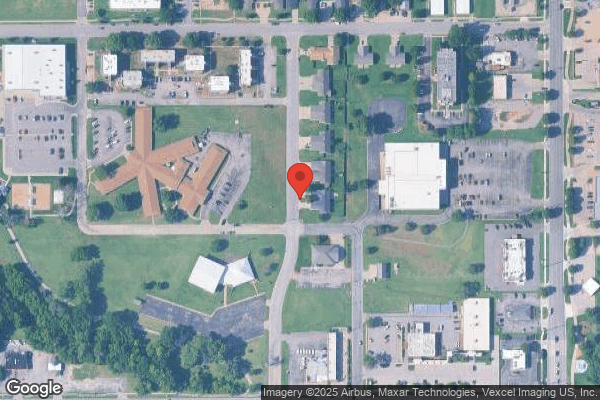
215 N LAMAR AVENUE, HAYSVILLE, KS 67060 (316) 524-3211
For profit - Limited Liability company 119 Beds DIVERSICARE HEALTHCARE Data: November 2025 2 Immediate Jeopardy citations
Trust Grade
11/100
#183 of 295 in KS
Last Inspection: March 2025

Within standard 12-15 month inspection cycle. Federal law requires annual inspections.

Overview

Families researching Diversicare of Haysville should be aware that it has received a Trust Grade of F, indicating significant concerns about the facility's quality of care. Ranking #183 out of 295 in Kansas places it in the bottom half of nursing homes in the state, and #17 out of 29 in Sedgwick County means there are only a few local options that perform better. Unfortunately, the facility's trend is worsening, with reported issues increasing from 19 in 2023 to 21 in 2025. Staffing is a mixed bag, with a rating of 2 out of 5 stars and a turnover rate of 57%, which is around the state average, suggesting staff may not remain long enough to build strong relationships with residents. The facility has accrued $26,046 in fines, which is concerning, and while it does have good RN coverage, more than 86% of Kansas facilities, recent inspector findings include serious incidents such as a failure to prevent sexual abuse and a resident eloping from the facility unnoticed, highlighting significant safety risks.

Trust Score
F
11/100
In Kansas
#183/295
Bottom 38%
Safety Record
High Risk
Review needed
Inspections
Getting Worse
19 → 21 violations
Staff Stability
⚠ Watch
57% turnover. Above average. Higher turnover means staff may not know residents' routines.
Penalties
✓ Good
$26,046 in fines. Lower than most Kansas facilities. Relatively clean record.
Skilled Nurses
✓ Good
Each resident gets 46 minutes of Registered Nurse (RN) attention daily — more than average for Kansas. RNs are trained to catch health problems early.
Violations
⚠ Watch
41 deficiencies on record. Higher than average. Multiple issues found across inspections.
★★☆☆☆
2.0
Overall Rating
★★☆☆☆
2.0
Staff Levels
★★★★★
5.0
Care Quality
★☆☆☆☆
1.0
Inspection Score
Stable
2023: 19 issues
2025: 21 issues

The Good

  • 5-Star Quality Measures · Strong clinical quality outcomes
  • Full Sprinkler Coverage · Fire safety systems throughout facility
  • No fines on record

Facility shows strength in quality measures, fire safety.

The Bad

2-Star Overall Rating

Below Kansas average (2.9)

Below average - review inspection findings carefully

Staff Turnover: 57%

11pts above Kansas avg (46%)

Frequent staff changes - ask about care continuity

Federal Fines: $26,046

Below median ($33,413)

Moderate penalties - review what triggered them

Chain: DIVERSICARE HEALTHCARE

Part of a multi-facility chain

Ask about local staffing decisions and management

Staff turnover is elevated (57%)

9 points above Kansas average of 48%

The Ugly 41 deficiencies on record

2 life-threatening 1 actual harm
May 2025 1 deficiency
CONCERN (D) 📢 Someone Reported This

A family member, employee, or ombudsman was alarmed enough to file a formal complaint

Potential for Harm - no one hurt, but risky conditions existed

Infection Control (Tag F0880)

Could have caused harm · This affected 1 resident

The facility identified a census of 84 residents which included four residents. Based on observation, interview, and record review, the facility failed to maintain an effective infection control progr...

Read full inspector narrative →
The facility identified a census of 84 residents which included four residents. Based on observation, interview, and record review, the facility failed to maintain an effective infection control program that included Enhanced Barrier Precautions (EBP - infection control interventions designed to reduce transmission of resistant organisms which employ targeted gown and glove use during high contact care) and failed to implement adequate infection control and hand hygiene measures during wound care for one resident in the facility, Resident (R) 1. This deficient practice placed R1 at risk for wound infection and related complications. Findings Included: - During an observation on 05/20/25 at 11:20 AM, Licensed Nurse (LN) G entered R1's room to perform wound care. LN G performed hand hygiene and donned clean gloves but did not don a gown. LN G removed the old dressing from R1's leg wound. LN G then doffed the gloves, performed hand hygiene, and applied new gloves. LN G then cleansed R1's coccyx (small triangular bone at the base of the spine) wound with wound cleanser. LN G removed the gloves, performed hand hygiene, and then donned new gloves. LN G then placed Skin-prep (liquid skin protectant) along the borders of R1's coccyx wound and placed Derma Blue (a highly absorbent vertically wicking foam primary dressing embedded with three proven antimicrobials) into the coccyx wound bed. LN G then removed the gloves and donned new gloves without performing hand hygiene. LN G then placed a boarder-gauze dressing and ABD pad (a large pad to absorb drainage) on the coccyx wound. LN G then placed Triad cream (a topical cream used to assist in the healing of superficial wounds) on R1's leg wound and covered the wound with an ABD pad. LN G then doffed her gloves and performed hand hygiene. During an interview on 05/20/25 at 11:25 AM, LN G said that hand hygiene only needed to be performed between glove changes when transitioning between the dirty and clean phases of wound care or when transitioning between different wounds. Additionally, LN G confirmed that she failed to wear a gown to complete the requirements for EBP during wound care. LN G stated that wound care should be completed from start to finish on one wound before transitioning between wounds. LN G confirmed that she initiated treatment on R1's leg wound before transitioning to R1's coccyx wound, completed wound care on R1's coccyx wound, then transitioned back to R1's leg wound and completed care of the leg wound. During an interview on 05/20/25 at 12:32 PM, Administrative Nurse E stated that from an infection control perspective, wound care should be performed while wearing EBP and said wound care should be completed on one wound before moving on to any additional wounds and hand hygiene should be performed with each glove change. During an interview on 05/20/25 at 01:07 PM, Administrative Nurse D revealed the facility's expectation is that EBP would be used for all dressing changes and wound care would be completed for one wound before initiating wound care on any additional wounds. Administrative Nurse D said staff should follow the order of operation listed on the Clean Dressing Change Audit form. Administrative Nurse D said hand hygiene would be performed between each glove change. The facility's Policies and Practices - Infection Control policy dated 11/01/17 documented that the facility's infection control policies and practices were intended to maintain a safe and sanitary environment to prevent and manage the transmission of infections. All team members would be trained on hire and periodically thereafter. EBP included the use of a gown and gloves which would be used for residents with wounds.
Mar 2025 20 deficiencies
CONCERN (D) 📢 Someone Reported This

A family member, employee, or ombudsman was alarmed enough to file a formal complaint

Potential for Harm - no one hurt, but risky conditions existed

Deficiency F0554 (Tag F0554)

Could have caused harm · This affected 1 resident

**NOTE- TERMS IN BRACKETS HAVE BEEN EDITED TO PROTECT CONFIDENTIALITY** The facility identified a census of 81 residents. The sample included 21 residents, with one resident reviewed for self-administ...

Read full inspector narrative →
**NOTE- TERMS IN BRACKETS HAVE BEEN EDITED TO PROTECT CONFIDENTIALITY** The facility identified a census of 81 residents. The sample included 21 residents, with one resident reviewed for self-administration of medication. Based on observation, record review, and interviews, the facility failed to ensure safe and appropriate self-administration of medication for Resident (R) 22. This deficient practice placed R22 at risk for unnecessary medication side effects and self-administration errors. Findings included: - R22's Electronic Medical Record (EMR) from the Diagnosis tab documented diagnoses of blindness in one eye, paraparesis (partial paralysis, usually affecting only the lower extremities), need for assistance with personal care, muscle weakness, and cognitive communication deficit (an impairment in organization, sequencing, attention, memory, planning, problem-solving, and safety awareness). The admission Minimum Data Set (MDS) dated [DATE] documented a Brief Interview of Mental Status (BIMS) score of 15 which indicated intact cognition. The MDS documented R22 was dependent on staff assistance for transfers. The MDS documented R22 had received antidepressant (a class of medications used to treat mood disorders) medication during the observation period. The Quarterly MDS dated 12/31/24 documented a BIMS score of 15 which indicated intact cognition. The MDS documented that R22 required substantial to maximum assistance with upper body dressing and was dependent on staff assistance with bed mobility. R22's Functional Abilities (Self-Care and Mobility) Care Area Assessment (CAA) dated 06/08/24 documented she required assistance with all daily cares and most tasks required the assistance of two staff members. R22's Care Plan dated 09/05/24 documented staff would administer her medications as ordered. Review of R22's EMR under the Orders tab lacked any order for the self-administration of medication. Review of R22's EMR lacked an assessment related to the self-administration of medication. On 03/10/25 at 08:49 AM, R22 laid on her bed with the head of her bed elevated and her bedside table over the bed. R22 stated she was waiting for breakfast and a paper medication cup with multiple pills sat on top of her water pitcher on the bedside table. On 03/11/25 at 09:48 AM, R22 laid asleep with her bedside table across the bed in front of her. On R22's water pitcher sat a paper medication cup with multiple medications in the cup. On 03/12/25 at 12:17 PM, Certified Medication Aide (CMA) R stated a resident would require a physician order for self-medication administration after the nurse had performed an assessment to ensure they were safe to administer their own medications, On 03/12/25 at 12:42 PM, Licensed Nurse (LN) G stated that R22 did not have an order to self-administer her medications and the medication should not be left on her bedside table. On 03/12/25 at 01:29 PM, Administrative Nurse D stated that R22 did not have an assessment or a physician order to self-administer her own medications. Administrative Nurse D stated her medication should not be left on her bedside table. The facility was unable to provide a policy related to resident self-medication administration. The facility failed to ensure safe and appropriate self-administration of medications for R22. This deficient practice had the risk of unnecessary medication side effects and self-administration errors for R22.
CONCERN (D) 📢 Someone Reported This

A family member, employee, or ombudsman was alarmed enough to file a formal complaint

Potential for Harm - no one hurt, but risky conditions existed

Deficiency F0558 (Tag F0558)

Could have caused harm · This affected 1 resident

**NOTE- TERMS IN BRACKETS HAVE BEEN EDITED TO PROTECT CONFIDENTIALITY** The facility reported a census of 81 residents. The sample included 21 residents, with four reviewed for accommodation of needs....

Read full inspector narrative →
**NOTE- TERMS IN BRACKETS HAVE BEEN EDITED TO PROTECT CONFIDENTIALITY** The facility reported a census of 81 residents. The sample included 21 residents, with four reviewed for accommodation of needs. Based on interviews, observations, and record review, the facility failed to ensure Resident (R) 3 and R66 had the appropriate call light or other method to communicate their needs. This deficient practice placed the residents at risk for preventable accidents and injuries. Findings Included: - The Medical Diagnosis section within R3's Electronic Medical Records (EMR) included diagnoses of dysphagia (difficulty swallowing), muscle weakness, need for assistance with care, intellectual disabilities (a significantly below-average score on a test of mental ability or intelligence and limitations in the ability to function in areas of daily life), and obesity (severely overweight). R3's Quarterly Minimum Data Set (MDS) dated 11/29/25 noted a Brief Interview for Mental Status (BIMS) score of six indicating severe cognitive impairment. The MDS noted she used a wheelchair for mobility. The MDS noted she required partial to moderate assistance with bed mobility, transfers, dressing, bathing, personal hygiene, and toileting. The MDS noted she had upper extremity impairment to one side. R3's Functional Abilities Care Area Assessment (CAA) completed 01/11/24 indicated she was admitted to the facility with impaired speech. The CAA noted that screeching is the only sound she can make due to her intellectual disability. The CAA noted she required staff assistance with all activities of daily living (ADL). R3's Care Plan initiated on 09/04/18 noted she was admitted to the facility with severe cognitive loss, impaired speech, and poor memory. The plan noted staff were to ask her simple yes or no questions. The plan noted staff were to monitor her body language and facial expressions to further determine her needs. The plan noted staff were to ensure her call light remained within her reach when in her room. The plan noted she used a touchpad call light. The plan noted she was at risk for falls due to her impaired communication and cognition. On 03/10/25 at 07:10 AM, an inspection of R3's bed revealed her room had a push button call light in place. An inspection of the room revealed no soft-touch call light. On 03/12/25 at 07:20 AM, R3 rested in her bed. R3 had difficulty holding the small push-button call light when asked if she could operate it. On 03/12/25 at 12:16 PM, Certified Medication Aide (CMA) R stated the soft-touch call lights were meant for residents who could not hold or activate the push-button call lights. She stated that R3 should have a touch call light due to her difficulty holding the button. On 03/12/25 at 01:30 PM, Administrative Nurse D stated that R3's call light was just replaced with a touch light before the interview. She stated staff were expected to monitor the residents' care environments to ensure the correct care interventions and equipment were in place. The facility failed to provide a policy related to accommodation of needs or call lights as requested on 03/12/25. The facility failed to ensure R3 had the appropriate call light or other method to communicate their needs. This deficient practice placed the residents at risk for preventable accidents and injuries.- R66's Electronic Medical Record (EMR) from the Diagnosis tab documented diagnoses of major depressive disorder (major mood disorder that causes persistent feelings of sadness), anxiety (mental or emotional reaction characterized by apprehension, uncertainty, and irrational fear), hypertension (high blood pressure), dementia (a progressive mental disorder characterized by failing memory and confusion), muscle weakness, need for assistance with personal care, cognitive communication deficit (an impairment in organization, sequencing, attention, memory, planning, problem-solving, and safety awareness), hyperlipidemia (condition of elevated blood lipid levels), and dysphagia (swallowing difficulty). The Quarterly Minimum Data Set (MDS) dated [DATE] documented a Brief Interview of Mental Status (BIMS) score of five which indicated severely impaired cognition. The MDS documented R66 was independent with all activities of daily living (ADL) except bathing and required touching and cueing. The admission MDS dated 08/19/24 documented a BIMS score of four which indicated severely impaired cognition. The MDS documented R66 was independent with eating and oral hygiene and needed partial to moderate assistance of staff from staff for bathing and upper and lower body dressing. The Urinary Incontinence and Indwelling Catheter Care Area Assessment (CAA) dated 08/19/24 documented R66 was admitted to the center post-hospital stay for therapy with diagnoses of hypertension and dementia. R66 was alert and orientated, able to voice her needs. Staff were to assist with toileting tasks as needed, R66 had occasional incontinence of the bladder. R66's Care Plan dated 08/27/24 documented staff would anticipate and meet R66's needs. R66's plan of care documented staff would ensure R66's call light was within her reach and encourage her to use the light for assistance, her plan of care documented R66 needed prompt responses to all requests for assistance, and staff would follow the facility's falls protocol. On 03/10/25 at 08:41 AM, R66 laid on her bed. R66's call light was wrapped with another call light. The call light dangled on the floor in the middle of R66's room. R66's call light was not in her reach. On 03/11/25 at 08:41 AM, R66 laid on her bed. R66's call light was wrapped with another call light. The call light dangled on the floor in the middle of R66's room. R66's call light was not in her reach. On 03/12/25 at 11:22 AM, Certified Medication Aide (CMA) R stated all residents should have access to their call light. She stated call lights should be within the resident's reach. On 03/12/25 at 12:41 PM, Licensed Nurse (LN) G stated it was all staff's responsibility to ensure residents have their call light within the resident's reach. On 03/12/25 at 01:30 PM, Administrative Nurse D stated the resident's call light was to be placed within the resident's reach. The facility failed to provide an accommodation of needs policy about call lights. The facility failed to ensure R66's call light was within her reach. This deficient practice left R66 vulnerable to unmet care needs due to the inability to call for staff assistance.
CONCERN (D) 📢 Someone Reported This

A family member, employee, or ombudsman was alarmed enough to file a formal complaint

Potential for Harm - no one hurt, but risky conditions existed

Deficiency F0567 (Tag F0567)

Could have caused harm · This affected 1 resident

**NOTE- TERMS IN BRACKETS HAVE BEEN EDITED TO PROTECT CONFIDENTIALITY** The facility identified a census of 81 residents. The sample includes 21 residents, with five residents reviewed for resident fu...

Read full inspector narrative →
**NOTE- TERMS IN BRACKETS HAVE BEEN EDITED TO PROTECT CONFIDENTIALITY** The facility identified a census of 81 residents. The sample includes 21 residents, with five residents reviewed for resident funds. Based on observation, record review, and interviews, the facility failed to provide and or ensure resident funds accounts were accessible 24 hours a day seven days a week. This deficient practice placed residents at risk for decreased psychosocial well-being. Findings Included: - On [DATE] at 10:13 AM, Resident Council members Resident (R) 19, R53, and R65 reported the only way residents could access their money in their trust accounts was through Administrative Staff B. They reported that they were only aware that money withdrawals occurred Monday through Friday from 11:00 AM to 12:00 PM during the day. She stated we set a time because residents would be in my office all day long. On [DATE] at 11:431AM, Certified Medication Aide (CMA) R stated residents can get money on the weekends, she stated there was money in an envelope on the 300-hall cart. CMA R stated residents could ask for money on the weekends. On [DATE] at 12:17 PM, Licensed Nurse (LN) G stated residents could get money Monday through Friday. LN G stated residents could also get a small amount of money on the weekend from the nurse working hall 300. On [DATE] at 01:07 PM, Administrative Staff B stated the money was given out Monday-Friday from 11:00-12:00 during the day. She stated there was a small amount of cash kept in the cart in the hall 300 residents had access to. She stated we set a time because residents would be in my office all day long. On [DATE] at 01:30 PM, Administrative Staff D reported the residents were informed on admission when they could get money. She stated residents were able to get cash Monday through Friday from 11:00 AM through 12:00 PM. Administrative D stated the money was kept in the business office, and residents' funds were distributed by the Activities Director. She stated residents could get cash on the weekends from the nurse working the 300 halls, cash was kept on her cart. The facility's Residents Trust policy documented the facility shall have standardized policies for the handling of resident trust accounts both active residents' funds and funds of deceased residents. Monitoring systems shall be in place to ensure funds were handled according to applicable state regulations. The facility would maintain at least $200.00 in petty cash, used specifically for withdrawals of cash for residents daily. All petty cash funds would be held on in cash in the facility Administrator's name and funds would be replenished upon recording residents spending into the resident trust system. The facility failed to ensure resident funds accounts were accessible 24 hours a day seven days a week. This deficient practice placed residents at risk for decreased psychosocial well.
CONCERN (D) 📢 Someone Reported This

A family member, employee, or ombudsman was alarmed enough to file a formal complaint

Potential for Harm - no one hurt, but risky conditions existed

Deficiency F0602 (Tag F0602)

Could have caused harm · This affected 1 resident

**NOTE- TERMS IN BRACKETS HAVE BEEN EDITED TO PROTECT CONFIDENTIALITY** The facility identified a census of 81 residents. The sample included 21 residents, with one reviewed for abuse and/or neglect. ...

Read full inspector narrative →
**NOTE- TERMS IN BRACKETS HAVE BEEN EDITED TO PROTECT CONFIDENTIALITY** The facility identified a census of 81 residents. The sample included 21 residents, with one reviewed for abuse and/or neglect. Based on record review and interview, the facility failed to ensure Resident (R) 35 was free from abuse when R35's medication was misappropriated from the facility medication cart. This placed the residents at risk for both physical and psychosocial negative outcomes. Findings included: - R35's Electronic Medical Record (EMR) under the Diagnosis tab recorded diagnoses of hemiparesis/hemiplegia (weakness and paralysis on one side of the body) of the left nondominant side, Parkinson's disease (a slowly progressive neurologic disorder characterized by resting tremors, rolling of the fingers, masklike faces, shuffling gait, muscle rigidity, and weakness), and dementia (a progressive mental disorder characterized by failing memory and confusion). The Quarterly Minimum Data Set (MDS) dated [DATE] documented a Brief Interview of Mental Status (BIMS) score of ten which indicated moderately impaired cognition. The MDS documented R35 received opioids (a class of controlled drugs used to treat pain) during the observation period. Review of R35's physician orders revealed R35 was receiving Oxycodone (pain medication) HCl Oral Tablet 5 MG (Oxycodone HCl) Give 1 tablet by mouth every 24 hours as needed for pain -Order start date 12/27/24 -discontinue (D/C) date 01/31/25. Review of the Complaint Investigation Witness Statement dated 01/28/25 documented when the Director of Clinical Operations arrived at the facility to help with locating the missing narcotic card, Administrative Nurse F looked in the count binder and confirmed the shift count sheet was present and complete. On 01/09/25 the receiving nurse of the narcotics did not log the medication into the narcotic inventory count. Review of the Complaint Concern log dated 01/28/25 documented when the Assistant Director of Nursing was notified of missing narcotics she immediately verified the medication book was on the medication cart, and the narcotic count sheet was present in the book. The ADON verified the current count was reconciled and correct. Review of the Custom Concern log dated 01/30/25 recorded an unknown resident was missing medication/ narcotics in a bubble pack and confirmed reimbursement of the cost of medication. Review of the Manual Check Request log documented a reimbursement for medication was given for missing medication for R35 in the amount of $13.43. The facility's Investigation Template dated 01/30/25 documented a process was established where all controlled substances would be accounted for at each shift change to ensure accuracy and prevent discrepancies. Every controlled substance would be traced using Controlled Substances Count Sheets to ensure a detailed log was maintained. Any unused controlled substances would be disposed of following the Disposal of Controlled Substances guidelines. The facility would be doing regular audits of narcotic documentation three times per week for eight weeks to ensure compliance. Medication destruction audits would also take place monthly, in partnership with a pharmacy consultant. The facility was unable to determine an alleged perpetrator. The facility's process for controlled substance delivery and accountability had been modified to prevent future discrepancies. All nursing staff would undergo mandatory training on narcotic management and controlled substance accountability to ensure comprehensive understanding and adherence to new protocols. To maintain accountability an ensure the implemented interventions are effective, the results of ongoing audits would be shared at the monthly Quality Assurance and Performance Improvement (QAPI) meetings. All residents were evaluated to ensure proper pain management and to confirm no residents had missed any doses of prescribed medications. The police were called to ensure any potential criminal activity could be investigated. A review of staff training on 07/22/24 documented all staff were given Abuse and Neglect training. On 03/12/25 at 10:47 AM, Administrative Nurse D stated that Licensed Nurse (LN) G had received a controlled substance the previous day 01/09/25, and that LN G failed to sign the narcotic card into the narcotic count. Administrative nurse D stated the ADON was notified on 01/28/25. Administrative Nurse D stated the Administrator was notified immediately. Administrative Nurse D stated while investigating the missing bubble pack, other controlled cards were determined to be missing from the medication box to be destroyed. She stated the facility started training to ensure all cards were counted, and education on the medication destroy box. Administrative Nurse D stated the facility had not called the State because the facility did not feel there was abuse involved. She stated the facility figured out what happened to the medication but was unsure who the alleged perpetrator was. She stated the facility figured out the cards were taken. Administrative Nurse D stated she does not have documentation of ongoing audits, she walks by the carts and ensures the count was correct. She stated the facility reimbursed R35 for the medication, and he never missed a dose of pain medication. Administrative Nurse D stated the Abuse and Neglect training was started with all staff members. On 03/12/25 at 12:17 PM, Certified Medication Aide (CMA) R stated all narcotics were counted by the oncoming staff and outgoing staff on each shift. She stated she did not know what the process would be because she had never had anyone not count narcotics with her. On 03/12/25 at 12:41 PM, LN G stated it was the facility's policy to count narcotics with the oncoming and outgoing nurse each shift. She stated it was also the policy of the facility to document narcotic cards added to the narcotic count each shift. The facility's Abuse, Neglect and Exploitation dated 01/2019 documented the facility Administrator would oversee the implementation of corrective actions to protect all residents. The Administrator or designee would conduct an internal investigation against any violation/alleged violation of abuse, neglect, exploitation, injury of unknown source misappropriation of resident property, or involuntary seclusion and report the results of the investigation to the enforcement agency in accordance with state law including the state survey and certification agency within five working days of the incident or according to state law. The facility failed to ensure R35 was free from abuse when R35's medication was misappropriated from the facility medication cart. This placed the residents at risk for both physical and psychosocial negative outcomes.
CONCERN (D) 📢 Someone Reported This

A family member, employee, or ombudsman was alarmed enough to file a formal complaint

Potential for Harm - no one hurt, but risky conditions existed

Report Alleged Abuse (Tag F0609)

Could have caused harm · This affected 1 resident

**NOTE- TERMS IN BRACKETS HAVE BEEN EDITED TO PROTECT CONFIDENTIALITY** The facility identified a census of 81 residents. The sample included 21 residents, with one reviewed for abuse and/or neglect. ...

Read full inspector narrative →
**NOTE- TERMS IN BRACKETS HAVE BEEN EDITED TO PROTECT CONFIDENTIALITY** The facility identified a census of 81 residents. The sample included 21 residents, with one reviewed for abuse and/or neglect. Based on record review and interview, the facility failed to submit a full investigation of a reportable occurrence for Resident (R) 35 to the appropriate state agency within twenty-four hours as required for misappropriation of R35's missing controlled substance. This placed the residents at risk for unidentified and ongoing abuse and /or neglect. Findings included: - R35's Electronic Medical Record (EMR) under the Diagnosis tab recorded diagnoses of hemiparesis/hemiplegia (weakness and paralysis on one side of the body) of the left nondominant side, Parkinson's disease (a slowly progressive neurologic disorder characterized by resting tremors, rolling of the fingers, masklike faces, shuffling gait, muscle rigidity, and weakness), and dementia (a progressive mental disorder characterized by failing memory and confusion). The Quarterly Minimum Data Set (MDS) dated [DATE] documented a Brief Interview of Mental Status (BIMS) score of ten which indicated moderately impaired cognition. The MDS documented R35 received opioids (a class of controlled drugs used to treat pain) during the observation period. Review of R35's physician orders revealed R35 was receiving Oxycodone (pain medication) HCl Oral Tablet 5 MG (Oxycodone HCl) Give 1 tablet by mouth every 24 hours as needed for pain -Order start date 12/27/24 -discontinue (D/C) date 01/31/25. Review of the pharmacy delivery sheet documented 30 oxycodone tablets were delivered on 01/09/25. Review of the Complaint Investigation Witness Statement dated 01/28/25 documented when the Director of Clinical Operations arrived at the facility to help with locating the missing narcotic card, Administrative Nurse F looked in the count binder and confirmed the shift count sheet was present and completed. On 01/09/25 the receiving nurse of the narcotics did not log the medication into the narcotic inventory count. Review of the Complaint Concern log dated 01/28/25 documented when the Assistant Director of Nursing was notified of missing narcotics, she immediately verified the medication book was on the medication cart, and the narcotic count sheet was present in the book. The ADON verified the current count was reconciled and correct. Review of the Custom Concern log dated 01/30/25 recorded an unknown resident was missing medication/ narcotics in bubble packs and confirmed reimbursement of the cost of medication. Review of the Manual Check Request log documented a reimbursement for medication was given for missing medication for R35 in the amount of $13.43. The facility's Investigation Template dated 01/30/25 documented a process was established where all controlled substances would be accounted for at each shift change to ensure accuracy and prevent discrepancies. Every controlled substance would be traced using Controlled Substances Count Sheets to ensure a detailed log was maintained. Any unused controlled substances would be disposed of following the Disposal of Controlled Substances guidelines. The facility would be doing regular audits of narcotic documentation three times per week for eight weeks to ensure compliance. Medication destruction audits would also take place monthly, in partnership with a pharmacy consultant. The facility was unable to determine an alleged perpetrator. The facility's process for controlled substance delivery and accountability has been modified to prevent future discrepancies. All nursing staff would undergo mandatory training on narcotic management and controlled substance accountability to ensure comprehensive understanding and adherence to new protocols. To maintain accountability and ensure the implemented interventions are effective, the results of ongoing audits would be shared at the monthly Quality Assurance and Performance Improvement (QAPI) meetings. All residents were evaluated to ensure proper pain management and to confirm no residents had missed any doses of prescribed medications. The police were called to ensure any potential criminal activity could be investigated. A review of staff training on 07/22/24 documented all staff were given Abuse and Neglect training. On 03/12/25 at 10:47 AM, Administrative Nurse D stated that Licensed Nurse (LN) G had received A controlled substance the previous day 01/09/25, the LN G failed to sign the narcotic card into the narcotic count. Administrative nurse D stated the ADON was notified on 01/28/25. Administrative Nurse D stated the Administrator was notified immediately. Administrative Nurse D stated while investigating the missing bubble pack, other controlled cards were determined to be missing from the medication box to be destroyed. She stated the facility started training to ensure all cards were counted, and education on the medication destroy box. Administrative Nurse D stated the facility had not called the State because the facility did not feel there was abuse involved. She stated the facility figured out what happened to the medication but was unsure who the alleged perpetrator was. She stated the facility figured out the cards were taken. Administrative Nurse Stated she does not have documentation of ongoing audits; she walks by the carts and ensures the count was correct. She stated the facility reimbursed R35 for the medication, and he never missed a dose of pain medication. Administrative Nurse D stated the Abuse and Neglect training was started with all staff members. On 03/12/25 at 12:17 PM, Certified Medication Aide (CMA) R stated all narcotics were counted by the oncoming staff and outgoing staff on each shift. She stated she did not know what the process would be because she had never had anyone not count narcotics with her. On 03/12/25 at 12:41 PM, LN G stated it was the facility's policy to count narcotics with the oncoming and outgoing nurse each shift. She stated it was also the policy of the facility to document narcotic cards added to the narcotic count each shift. The facility's Abuse, Neglect and Exploitation dated 01/2019 documented the facility Administrator would oversee the implementation of corrective actions to protect all residents. The Administrator or designee would conduct an internal investigation against any violation/alleged violation of abuse, neglect, exploitation, injury of unknown source misappropriation of resident property, or involuntary seclusion and report the results of the investigation to the enforcement agency in accordance with state law including the state survey and certification agency within five working days of the incident or according to state law. The facility failed to submit a full investigation of a reportable occurrence for R35 to the appropriate state agency within twenty-four hours as required, for misappropriation of R35's missing controlled substance. This placed the residents at risk for unidentified and ongoing abuse and /or neglect.
CONCERN (D) 📢 Someone Reported This

A family member, employee, or ombudsman was alarmed enough to file a formal complaint

Potential for Harm - no one hurt, but risky conditions existed

Transfer Notice (Tag F0623)

Could have caused harm · This affected 1 resident

**NOTE- TERMS IN BRACKETS HAVE BEEN EDITED TO PROTECT CONFIDENTIALITY** The facility identified a census of 81 residents. The sample included 21 residents, with three sampled residents reviewed for ho...

Read full inspector narrative →
**NOTE- TERMS IN BRACKETS HAVE BEEN EDITED TO PROTECT CONFIDENTIALITY** The facility identified a census of 81 residents. The sample included 21 residents, with three sampled residents reviewed for hospitalization. Based on observation, record review, and interview, the facility failed to ensure that Resident (R) 14 and R54 and their representative received written notification of transfer, as soon as practicable to R14 and R54 or their representative for their facility-initiated transfer. This deficient practice had the risk of miscommunication between the facility and resident/family and possible missed opportunities for healthcare service for R14 and R54. Findings included: - R14's Electronic Medical Record (EMR) documented diagnoses of hypertension (HTN - elevated blood pressure), chronic obstructive pulmonary disease (COPD - a progressive and irreversible condition characterized by diminished lung capacity and difficulty or discomfort in breathing), heart failure (a condition where the heart is unable to pump enough blood to meet the body's needs), diabetes mellitus (DM - when the body cannot use glucose, not enough insulin is made, or the body cannot respond to the insulin), bipolar disorder (a major mental illness that causes people to have episodes of severe high and low moods), schizoaffective disorder (a mental disorder characterized by gross distortion of reality, disturbances of language and communication, and fragmentation of thought), and fracture of left tibia (broken bone of the lower leg). R14's Discharge MDS dated 09/13/24, documented an unplanned discharge to a short-term acute hospital with an anticipated return. R14's Entry MDS dated 09/16/24, documented a re-entry to the facility from a short-term acute hospital. R14's Discharge MDS dated 10/19/24, documented he had an unplanned discharge to a short-term acute hospital with an anticipated return. R14's Entry MDS dated 10/22/24, documented a re-entry to the facility from a short-term acute hospital. R14's Significant Change Minimum Data Set (MDS) dated 11/02/24, documented he had a Brief Interview for Mental Status (BIMS) score of 10, which indicated moderately impaired cognition. R14 required substantial assistance to dependent on staff for functional abilities and activities of daily living (ADL). R14 required the use of a wheelchair for mobility. R14's goal for discharge was to remain in the facility. R14's Discharge MDS dated 12/24/24, documented he had an unplanned discharge to a short-term acute hospital with an anticipated return. R14's Entry MDS dated 12/31/24, documented a re-entry to the facility from a short-term acute hospital. R14's Functional Abilities Care Area Assessment (CAA) dated 11/04/24, documented that he was alert, had some confusion and was able to voice his needs for assistance. R14 needed assistance for ADLs, and can be self-limiting, and may refuse care. R14 was participating in therapy but had a history of refusing. R14 will remain at the long-term care center. R14's Care Plan revised on 02/12/25, documented he planned on living at the facility permanently due to his diminished functioning. The care plan directed staff to evaluate his physical, mental, and cognitive needs quarterly, annually, and as needed to ensure appropriate interventions were in place. Staff were directed that R14 only wanted to be asked about discharging annually and upon significant change. A General Notes in the Progress Notes tab of the EMR dated 09/13/24 at 12:13 PM for R14 documented the resident was sent to the emergency room to be evaluated and treated due to altered mental status. A bed hold policy was sent with R14, and his daughter was made aware. The facility provided an EINTERACT Transfer Form in the EMR dated 09/13/24 at 12:26 PM, documenting that R14 was transferred due to an unplanned altered mental status. The facility did provide written notification of transfer for R14's 12/24/24 as it had not been completed for the transfer. On 03/11/25 at 09:18 AM, R14 laid on his back on his bed. R14's head of the bed was elevated, and the call light was within reach. On 03/11/25 at 02:29 PM, Administrative Nurse D stated that when a resident was sent out to the hospital Notice of Bed Hold Policy and the Notice of Transfer or Discharge were sent with the resident. Administrative Nurse D stated the forms were not completed for R14's 10/19/24 discharge to the hospital. Licensed Nurse (LN) H was out on leave with his daughter. Administrative Nurse D stated for R14's 12/24/24 discharge, a bed hold and written notification were not provided to the resident and his representative. The facility policy Transfer & Discharge effective 01/01/16 documented before the facility transfers or discharges a resident, it shall notify the resident and the resident's representative of the basis for the transfer or discharge in a language and manner they understand; they would also notify the state long-term care ombudsman. The notice of transfer shall include the information required under the law, including the resident's appeals rights, and shall be provided at least 30 days before the proposed date of the transfer or discharge unless sooner notice was permitted. Notice may be made as soon as practicable before a transfer or discharge when an immediate transfer was required due to urgent medical needs. The facility failed to provide a written notice of transfer as soon as practicable to R14 or their representative for their facility-initiated transfer. This deficient practice had the risk of miscommunication between the facility and resident/family and possible missed opportunity for healthcare service for R14. - R54's Electronic Medical Record (EMR) documented diagnoses of Parkinson's disease (a slowly progressive neurologic disorder characterized by resting tremors, rolling of the fingers, masklike faces, shuffling gait, muscle rigidity, and weakness), congestive heart failure (CHF - a condition with low heart output and the body becomes congested with fluid), dementia (a progressive mental disorder characterized by failing memory and confusion), and osteoporosis (abnormal loss of bone density and deterioration of bone tissue with an increased fracture risk). R54's admission Minimum Data Set (MDS) dated 10/07/24, documented she had a Brief Interview for Mental Status (BIMS) score of 10, which indicated moderately impaired cognition. R54 required moderate assistance from staff for oral hygiene, upper body dressing, and personal hygiene. R54 was dependent on staff assistance with all other functional abilities and activities of daily living (ADL). R54 used a wheelchair to assist with mobility. R54's goal for discharge was to discharge back to the community. Active discharge planning was occurring for the resident to return to the community. R54's Discharge MDS dated 12/09/24, documented an unplanned discharge to a short-term acute hospital with an anticipated return. R54's Entry MDS dated 12/11/24, documented a re-entry to the facility from a short-term acute hospital. R54's Discharge MDS dated 02/11/25, documented he had an unplanned discharge to a short-term acute hospital with an anticipated return. R54's Entry MDS dated 02/24/25, documented a re-entry to the facility from a short-term acute hospital. R54's Quarterly MDS dated 02/28/25 documented she had both short and long-term memory problems. R54 required moderate to maximal staff assistance with her functional abilities. R54 required the use of a wheelchair for mobility. R54's Functional Abilities Care Area Assessment (CAA) dated 10/08/24, documented she was alert, orientated, and able to voice her needs. R54 required assistance from staff for all daily cares. R54 minimally participated in therapy. R54's overall goal for discharge was to remain in the facility. R54's Care Plan initiated on 03/10/25, documented that she planned on living at the facility permanently due to his diminished functioning. The care plan directed staff to evaluate her physical, mental, and cognitive needs quarterly, annually, and as needed to ensure appropriate interventions was in place. Staff were directed that R54 only wanted to be asked about discharging annually and upon significant change. R54's written notification of transfer or discharge was requested for her facility-initiated discharge to the hospital on [DATE] and 02/11/25. The facility provided a printout of R54's 12/09/24 at 08:29 AM EINTERACT Transfer Form in the Progress Notes tab of the EMR. The note documented R54 was transferred due to being unresponsive. A General Notes note in the Progress Notes tab of the EMR dated 12/09/24 at 08:47 AM documented R54 was sent to the emergency room (ER) to be evaluated and treated due to unresponsiveness. The aides went to get her ready for breakfast but R54 was unable to respond to them. The nurse assessed R54, and she was hard to arouse, was mumbling a little bit, and responded to sternal rub by moaning. The nurse practitioner was notified, and an order was received to send her to the ER for evaluation and treatment. R54's daughter was made aware. R54's daughter arrived at the facility as emergency medical services (EMS) arrived. A bed hold policy was sent with R54 to the hospital. The facility was unable to provide evidence a Notice of Transfer or Discharge was completed and provided to R54 for her facility-initiated transfers on 12/09/24 and 02/11/25. The facility failed to provide evidence that a copy of the Notice of Transfer or Discharge was sent by mail within a reasonable time frame to R54's representative for the transfers. On 03/11/25 at 12:05 PM, R54 was propelled by staff from her room to the dining room for lunch. On 03/11/25 at 02:29 PM, Administrative Nurse D stated that when a resident was sent out to the hospital Notice of Bed Hold Policy and the Notice of Transfer or Discharge were sent with the resident. Administrative Nurse D stated the forms were not completed for R54's 02/11/25 discharge to the hospital. Administrative Nurse D stated the representative was typically notified by the nurse when being transferred and no written notification was mailed to them. The facility policy Transfer & Discharge effective 01/01/16 documented before the facility transfers or discharges a resident, it shall notify the resident and the resident's representative of the basis for the transfer or discharge in a language and manner they understand; they will also notify the state long-term care ombudsman. The notice of transfer shall include the information required under the law, including the resident's appeals rights, and shall be provided at least 30 days before the proposed date of the transfer or discharge unless sooner notice was permitted. Notice may be made as soon as practicable before a transfer or discharge when an immediate transfer was required due to urgent medical needs. The facility failed to provide a written notice of transfer as soon as practicable to R54 or their representative for their facility-initiated transfer. This deficient practice had the risk of miscommunication between the facility and resident/family and possible missed opportunity for healthcare service for R54.
CONCERN (D) 📢 Someone Reported This

A family member, employee, or ombudsman was alarmed enough to file a formal complaint

Potential for Harm - no one hurt, but risky conditions existed

Deficiency F0625 (Tag F0625)

Could have caused harm · This affected 1 resident

**NOTE- TERMS IN BRACKETS HAVE BEEN EDITED TO PROTECT CONFIDENTIALITY** The facility identified a census of 81 residents. The sample included 21 residents, with three sampled residents reviewed for ho...

Read full inspector narrative →
**NOTE- TERMS IN BRACKETS HAVE BEEN EDITED TO PROTECT CONFIDENTIALITY** The facility identified a census of 81 residents. The sample included 21 residents, with three sampled residents reviewed for hospitalization. Based on observation, record review, and interview, the facility failed to provide a bed hold policy to Resident (R) 14 and R54 or their representatives when they transferred to the hospital. This deficient practice had the risk of impaired ability for R14 and R54 to return to the facility and their previous rooms. Findings included: - R14's Electronic Medical Record (EMR) documented diagnoses of hypertension (HTN - elevated blood pressure), chronic obstructive pulmonary disease (COPD - a progressive and irreversible condition characterized by diminished lung capacity and difficulty or discomfort in breathing), heart failure (a condition where the heart is unable to pump enough blood to meet the body's needs), diabetes mellitus (DM - when the body cannot use glucose, not enough insulin is made, or the body cannot respond to the insulin), bipolar disorder (a major mental illness that causes people to have episodes of severe high and low moods), schizoaffective disorder (a mental disorder characterized by gross distortion of reality, disturbances of language and communication, and fragmentation of thought), and fracture of left tibia (broken bone of the lower leg). R14's Discharge MDS dated 09/13/24, documented an unplanned discharge to a short-term acute hospital with an anticipated return. R14's Entry MDS dated 09/16/24, documented a re-entry to the facility from a short-term acute hospital. R14's Discharge MDS dated 10/19/24, documented he had an unplanned discharge to a short-term acute hospital with an anticipated return. R14's Entry MDS dated 10/22/24, documented a re-entry to the facility from a short-term acute hospital. R14's Significant Change Minimum Data Set (MDS) dated 11/02/24, documented he had a Brief Interview for Mental Status (BIMS) score of 10, which indicated moderately impaired cognition. R14 required substantial to dependent assistance from staff for functional abilities and activities of daily living (ADL). R14 required the use of a wheelchair for mobility. R14's goal for discharge was to remain in the facility. R14's Discharge MDS dated 12/24/24, documented he had an unplanned discharge to a short-term acute hospital with an anticipated return. R14's Entry MDS dated 12/31/24, documented a re-entry to the facility from a short-term acute hospital. R14's Functional Abilities Care Area Assessment (CAA) dated 11/04/24, documented that he was alert, had some confusion and was able to voice his needs for assistance. R14 needed assistance for ADLs, and can be self-limiting, and may refuse care. R14 was participating in therapy but had a history of refusing. R14 will remain at the long-term care center. R14's Care Plan revised on 02/12/25, documented he planned on living at the facility permanently due to his diminished functioning. The care plan directed staff to evaluate his physical, mental, and cognitive needs quarterly, annually, and as needed to ensure appropriate interventions were in place. Staff were directed that R14 only wanted to be asked about discharging annually and upon significant change. A General Notes in the Progress Notes tab of the EMR dated 09/13/24 at 12:13 PM for R14 documented the resident was sent to the emergency room to be evaluated and treated due to altered mental status. A bed hold policy was sent with R14, and his daughter was made aware. The facility provided an EINTERACT Transfer Form in the EMR dated 09/13/24 at 12:26 PM, documenting that R14 was transferred due to an unplanned altered mental status. The facility had not provided a written notification of transfer for R14's 12/24/24 discharge as it had not been completed for the transfer. On 03/11/25 at 09:18 AM, R14 laid on his back on his bed. R14's head of the bed was elevated, and the call light was within reach. On 03/11/25 at 02:29 PM, Administrative Nurse D stated that when a resident was sent out to the hospital Notice of Bed Hold Policy and the Notice of Transfer or Discharge was sent with the resident. Administrative Nurse D stated the forms were not completed for R14's 10/19/24 discharge to the hospital. H was out on leave with his daughter. Administrative Nurse D stated for R14's 12/24/24 discharge, a bed hold and written notification were not provided to the resident and his representative. The Bed Hold Policy dated 11/01/16 documented the facility would, in accordance with federal and state regulations, hold a resident's bed during a temporary hospitalization or therapeutic leave. Before the facility transfers a resident to a hospital or the resident goes on therapeutic leave, the facility would provide the resident or his or her representative the bed hold policy. If the resident required a transfer to a hospital or went on temporary therapeutic leave, the facility would hold the resident's bed for the duration required under state law, and law and allow the resident to return to the facility subject to the terms of this bed hold policy. The facility failed to provide a bed hold policy to R14 or their representatives when they transferred to the hospital. This deficient practice had the risk of impairing the ability of R4 to return to the facility and to his previous room. - R54's Electronic Medical Record (EMR) documented diagnoses of Parkinson's disease (a slowly progressive neurologic disorder characterized by resting tremors, rolling of the fingers, masklike faces, shuffling gait, muscle rigidity, and weakness), congestive heart failure (CHF - a condition with low heart output and the body becomes congested with fluid), dementia (a progressive mental disorder characterized by failing memory and confusion), and osteoporosis (abnormal loss of bone density and deterioration of bone tissue with an increased fracture risk). R54's admission Minimum Data Set (MDS) dated 10/07/24, documented she had a Brief Interview for Mental Status (BIMS) score of 10, which indicated moderately impaired cognition. R54 required moderate assistance from staff for oral hygiene, upper body dressing, and personal hygiene. R54 was dependent on staff assistance with all other functional abilities and activities of daily living (ADL). R54 used a wheelchair to assist with mobility. R54's goal for discharge was to discharge back to the community. Active discharge planning was occurring for the resident to return to the community. R54's Discharge MDS dated 12/09/24, documented an unplanned discharge to a short-term acute hospital with an anticipated return. R54's Entry MDS dated 12/11/24, documented a re-entry to the facility from a short-term acute hospital. R54's Discharge MDS dated 02/11/25, documented he had an unplanned discharge to a short-term acute hospital with an anticipated return. R54's Entry MDS dated 02/24/25, documented a re-entry to the facility from a short-term acute hospital. R54's Quarterly MDS dated 02/28/25 documented she had both short and long-term memory problems. R54 required moderate to maximal staff assistance with her functional abilities. R54 required the use of a wheelchair for mobility. R54's Functional Abilities Care Area Assessment (CAA) dated 10/08/24, documented she was alert, orientated, and able to voice her needs. R54 required assistance from staff for all daily care. R54 minimally participated in therapy. R54's overall goal for discharge was to remain in the facility. R54's Care Plan initiated on 03/10/25, documented that she planned on living at the facility permanently due to his diminished functioning. The care plan directed staff to evaluate her physical, mental, and cognitive needs quarterly, annually, and as needed to ensure appropriate interventions were in place. Staff were directed that R54 only wanted to be asked about discharging annually and upon significant change. R54's written notification of transfer or discharge was requested for her facility-initiated discharge to the hospital on [DATE] and 02/11/25. The facility provided a printout of R54's 12/09/24 at 08:29 AM EINTERACT Transfer Form in the Progress Notes tab of the EMR. The noted documented R54 was transferred due to being unresponsive. A General Notes note in the Progress Notes tab of the EMR dated 12/09/24 at 08:47 AM documented R54 was sent to the emergency room (ER) to be evaluated and treated due to unresponsiveness. The aides went to get her ready for breakfast but R54 was unable to respond to them. The nurse assessed R54, and she was hard to arouse, was mumbling a little bit, and responded to sternal rub by moaning. The nurse practitioner was notified, and an order was received to send her to the ER for evaluation and treatment. R54's daughter was made aware. R54's daughter arrived at the facility as emergency medical services (EMS) arrived. A bed hold policy was sent with R54 to the hospital. The facility was unable to provide evidence a Notice of Transfer or Discharge was completed and provided to R54 for her facility-initiated transfers on 12/09/24 and 02/11/25. The facility failed to provide evidence that a copy of the Notice of Transfer or Discharge was sent by mail within a reasonable time frame to R54's representative for the transfers. On 03/11/25 at 12:05 PM, staff propelled R54 from her room to the dining room for lunch. On 03/11/25 at 02:29 PM, Administrative Nurse D stated that when a resident was sent out to the hospital Notice of Bed Hold Policy and the Notice of Transfer or Discharge were sent with the resident. Administrative Nurse D stated the forms were not completed for R54's 02/11/25 discharge to the hospital. Administrative Nurse D stated the representative was typically notified by the nurse by phone when being transferred, and the bed hold was sent with the resident. The Bed Hold Policy, dated 11/01/16, documented the facility would, in accordance with federal and state regulations, hold a resident's bed during a temporary hospitalization or therapeutic leave. Before the facility transfers a resident to a hospital or the resident goes on therapeutic leave, the facility shall provide the resident or his or her representative the bed hold policy. If the resident required a transfer to a hospital or went on temporary therapeutic leave, the facility would hold the resident's bed for the duration required under state law and allow the resident to return to the facility subject to the terms of this bed hold policy. The facility failed to provide a bed hold policy to R54 or their representatives when they transferred to the hospital. This deficient practice had the risk of the impaired ability for R54 to return to the facility and to her previous room.
CONCERN (D) 📢 Someone Reported This

A family member, employee, or ombudsman was alarmed enough to file a formal complaint

Potential for Harm - no one hurt, but risky conditions existed

Deficiency F0679 (Tag F0679)

Could have caused harm · This affected 1 resident

The facility identified a census of 81 residents. The sample included 21 residents. Based on observation, record review, and interviews, the facility failed to provide consistent weekend activities on...

Read full inspector narrative →
The facility identified a census of 81 residents. The sample included 21 residents. Based on observation, record review, and interviews, the facility failed to provide consistent weekend activities on Sundays to promote socialization. This deficient practice placed the affected residents at risk for decreased psychosocial well-being, boredom, and isolation. Findings included: - A review of the facility's Activity Calendar for January, February, and March 2025 was completed. The Activity Calendar for January 2025 recorded each Sunday listed church services at 02:00 PM. The Activity Calendar for February 2025 recorded each Sunday listed church services at 2:00 PM, Sunday 02/02/25 at 06:30 PM listed resident movie night, 02/09/25 at 06:30 PM listed game night, 02/16/25 at 06:30 listed resident chooses game night, and 02/23/25 at 06:30 listed resident movie night. The Activities Calendar for March 2025 recorded each Sunday listed church services at 02:00 PM, Sunday 03/02/25 at 06:30 PM listed residents choose a game to play, on 03/09/25 at 06:30 PM card games, on 03/16/25 at 0:6:30 PM board game, and on 03/23/25 listed movie time. On 03/11/25 at 10:00 AM, Resident Council members reported on Sundays, there were not many activities. The council reported they could go to church services. The Resident Council stated there were no consistent activities on Sundays, and residents stayed in their rooms and watched TV. The Resident Council stated the weekends get very long. The Resident council stated there are activities on the calendar for Sundays, these activities are supposed to be led by staff, they stated the staff are very busy and do not have time. On 03/12/25 at 01:05 PM, Activities Staff Z worked Monday through Friday, and the facility had church on Sundays, and either volunteers or staff-led activities on the weekends. On 03/12/25 at 12:17 PM, Certified Medication Aide (CMA) R, stated the resident could go to church on Sundays, and there were staff-led activities or volunteers on the weekends. On 03/12/25 at 01:20 PM, Administrative D stated the facility had volunteers on Sundays, and the nursing staff did Sunday activities in the evening. She stated the facility did one-to-one with residents who were unable to attend the Sunday activity. The facility's Activities policy dated 04/22 documented it was the policy of the center to provide an ongoing program to support residents in their choice of activities based on their comprehensive assessment, care plan, and preferences. Center-sponsored group, individual, and independent activities would be designed to meet the interest of each resident, as well as support their physical, mental, and psychosocial well-being. Activities would encourage both independence and interactions within the community. The facility failed to provide consistent weekend activities for the residents to promote socialization. This deficient practice placed the affected residents at risk for decreased psychosocial well-being, boredom, and isolation.
CONCERN (D) 📢 Someone Reported This

A family member, employee, or ombudsman was alarmed enough to file a formal complaint

Potential for Harm - no one hurt, but risky conditions existed

Quality of Care (Tag F0684)

Could have caused harm · This affected 1 resident

**NOTE- TERMS IN BRACKETS HAVE BEEN EDITED TO PROTECT CONFIDENTIALITY** The facility identified a census of 81 residents. The sample included 21 residents with one resident reviewed for quality of car...

Read full inspector narrative →
**NOTE- TERMS IN BRACKETS HAVE BEEN EDITED TO PROTECT CONFIDENTIALITY** The facility identified a census of 81 residents. The sample included 21 residents with one resident reviewed for quality of care. Based on observation, record review, and interviews, the facility failed to follow a physician's order for daily weights to monitor for congestive heart failure (CHF - a condition with low heart output and the body becomes congested with fluid) for Resident (R) 2. This deficient practice placed R2 at risk for delay in treatment related to fluid overload and untreated illness. Findings included: - R2's Electronic Medical Record (EMR) from the Diagnosis tab documented diagnoses of chronic obstructive pulmonary disease (COPD - a progressive and irreversible condition characterized by diminished lung capacity and difficulty or discomfort in breathing), CHF, and edema (swelling resulting from an excessive accumulation of fluid in the body tissues). The Annual Minimum Data Set (MDS) dated [DATE] documented a Brief Interview of Mental Status (BIMS) score of 14 which indicated intact cognition. The MDS documented R2 was dependent on staff assistance with transfers. The MDS documented R2 had received diuretic medication (a medication to promote the formation and excretion of urine) during the observation period. The Quarterly MDS dated 01/09/25 documented a BIMS score of 12 which indicated moderately impaired cognition. The MDS documented that R2 was dependent on staff assistance with transfers. The MDS documented R2 had received diuretic medication during the observation period. R2's Functional Abilities (Self-Care and Mobility) Care Area Assessment (CAA) dated 10/16/24 documented he required assistance with activities of daily living. R2's Care Plan dated 01/24/25 documented nursing staff would monitor his weight as ordered. R2's EMR under the Orders tab revealed the following physician orders: Daily weights using the same modality each time (Hoyer lift- total body mechanical lift) one time a day for CHF dated 09/02/24. Bumex (diuretic) oral tablet give two milligrams (mg) by mouth two times a day for CHF dated 09/09/24. Review of R2's Medication Administration Record (MAR) from 02/01/25 to 03/10/25 (37 days) lacked evidence staff measured and recorded R2's weight) on following three dates 02/20/25, 02/28/25, and 03/02/25. The MAR documented R2 had refused on the following two dates 02/10/25 and 02/14/25. The MAR documented R2 was asleep on 02/13/25. The MAR documented R2's weight was on hold the five dates 02/03/25, 02/04/25, 02/05/25, 02/08/25, and 02/11/25. The MAR documented other/see progress notes on the following two dates 02/02/25 and 02/09/25. The clinical record lacked documentation of physician notification of daily weight was not obtained. On 03/11/25 at 09:51 AM, R2 was asleep on his back on the bed. R2's side rails were up and locked on both sides of the bed. R2's pressure relieving devices were in place on his lower extremities. On 03/12/25 at 12:17 PM, Certified Medication Aide (CMA) R stated everyone would assist in obtaining the daily weights. CMA R stated the charge nurse would enter the weights into the resident's EMR. On 03/12/25 at 12:42 PM, Licensed Nurse (LN) G stated everyone was responsible for obtaining the daily weights. LN G stated the nurse would enter the daily weights in the resident's MAR. LN G stated the physician should be notified of any daily weights that were not obtained and the notifications would be documented in the resident's progress notes. On 03/12/25 at 01:29 PM, Administrative Nurse D stated she expected the charge nurse to ensure the daily weights were obtained and recorded. Administrative Nurse D stated the physician should be notified of any daily weights not obtained and a progress note written with the physician's response. The facility failed to provide a policy related to quality of care. The facility failed to follow a physician's order for daily weights related to R2's CHF. This deficient practice placed R2 at risk of adverse side effects from unnecessary medication or complications related to fluid overload.
CONCERN (D) 📢 Someone Reported This

A family member, employee, or ombudsman was alarmed enough to file a formal complaint

Potential for Harm - no one hurt, but risky conditions existed

Deficiency F0744 (Tag F0744)

Could have caused harm · This affected 1 resident

The facility identified a census of 81 residents. The sample included 21 residents, with one reviewed for dementia (a progressive mental disorder characterized by failing memory, and confusion) care. ...

Read full inspector narrative →
The facility identified a census of 81 residents. The sample included 21 residents, with one reviewed for dementia (a progressive mental disorder characterized by failing memory, and confusion) care. Based on interviews, record reviews, and observations, the facility failed to provide dementia-related care services for Resident (R) 12 to promote the resident's highest practicable level of well-being. This deficient practice placed R12 at risk for decreased quality of life, isolation, and impaired dignity. Findings Included: - The Medical Diagnosis section within R12's Electronic Medical Records (EMR) included diagnoses of dementia (a progressive mental disorder characterized by failing memory and confusion), dysphagia (difficulty swallowing), cognitive-communication deficit (an impairment in organization, sequencing, attention, memory, planning, problem-solving, and safety awareness), insomnia (difficulty sleeping), and need for assistance with personal cares. R12's Annual Minimum Data Set (MDS) dated 02/14/25 noted a Brief Interview for Mental Status (BIMS) score of six indicating severe cognitive impairment. The MDS noted she used a wheelchair for mobility. The MDS noted she required partial to moderate assistance with bed mobility, transfers, dressing, bathing, personal hygiene, and toileting. The MDS noted no recent falls. R12's Functional Abilities Care Area Assessment (CAA) completed 02/16/25 indicated she was alert with some confusion. The CAA noted she may or may not voice her needs for assistance and had poor safety awareness. The CAA instructed staff to assist her with her daily care. R12's Care Plan initiated 06/03/24 indicated she had a self-care deficit related to her impaired cognition and dementia. The plan noted she required the assistance of one staff for transfers, dressing, bathing, bed mobility, grooming, and toileting. The plan instructed staff to provide hair, nail, and oral care daily and as needed. The plan lacked indication or interventions related to her dementia-related behaviors or refusal of care. R12's EMR under Progress Notes completed on 03/10/25 documented R12 transferred herself from her wheelchair to the nurse's station chair and began grabbing items off the nurse's desk. The note revealed staff were unable to redirect her and she remained at the station for four to five hours. The note indicated she eventually agreed to go to bed. R12's EMR under Progress Notes completed on 11/20/24 documented R12 was confused and asked to call a cab to go home. The note reported that R12 informed staff she had no money and didn't want to stay. The note indicated staff offered pudding but R12 refused to eat it. R12's EMR under Progress Notes completed on 09/29/24 documented R12 was educated not to eat roommates' food or drinks. The note indicated she was educated to keep her hands to herself. R12's EMR under Progress Notes revealed a note completed on 09/20/24 documented indicated R12 became agitated at staff and threw a water pitcher while staff attempted a check and change. The note indicated she then threw feces at staff. The note indicated staff were unable to redirect R12. No other interventions were noted. R12's EMR under Documentation Survey Report from 01/01/2025 to 03/12/25 (70 days reviewed) revealed she received bathing on 10 occasions: 01/02/25, 01/06/25, 01/20/25, 01/23/25, 01/30/25, 02/03/25, 02/17/25, 03/03/25, 03/06/25, and 03/10/25. The report noted she refused on nine occasions in the reviewed period. R12's EMR revealed no rationale or interventions offered for the refused bathing occurrences. On 03/10/25 at 07:40 AM, R12 sat in the dining area. R12's hair was greasy and uncombed. She reported she was not sure when her last bathing occurrence was and if staff offered to comb her hair. On 03/11/25 at 12:30 PM, R12 sat in her wheelchair in the dining room. Her hair was uncombed. On 03/12/25 at 11:30 AM, Certified Medication Aide (CNA) R stated that R12 had a history of refusing care and bathing. She stated staff would often ask to provide bathing assistance and report to the nurse if she refused. She stated that R12 would also refuse to allow staff to assist with grooming and activities. She stated staff would allow time for R12 to calm down and reoffer the care. On 03/12/25 at 11:45 AM, Licensed Nurse (LN) G stated that R12 refused bathing and care frequently. She stated staff should offer alternative care if she did not want bathing or showers. She stated R12 sometimes had confusion but rarely was aggressive or not redirectable. She stated offering R12 a snack was often effective. She stated the care plan should identify her behaviors and provide interventions to help staff understand how to calm her down. On 03/12/25 at 01:30 PM, Administrative Nurse D stated that R12 was often redirectable and loved sugary snacks. She stated staff were expected to be patient and allow her time to process what was asked. She stated staff were expected to provide options and alternatives to R14 if she refused her daily care. She stated staff were expected to chart refusals and note what interventions were attempted. The facility's Dementia Care revised 01/2016 noted the facility was to ensure care was provided in a consistent and dignified manner. The policy noted staff were to re-approach residents after refusals and respond to any behaviors of distress to ensure all unmet needs were addressed. The facility failed to provide dementia-related care services for R12 to promote the resident's highest practicable level of well-being. This deficient practice placed R12 at risk for decreased quality of life, isolation, and impaired dignity.
CONCERN (D) 📢 Someone Reported This

A family member, employee, or ombudsman was alarmed enough to file a formal complaint

Potential for Harm - no one hurt, but risky conditions existed

Drug Regimen Review (Tag F0756)

Could have caused harm · This affected 1 resident

**NOTE- TERMS IN BRACKETS HAVE BEEN EDITED TO PROTECT CONFIDENTIALITY** The facility identified a census of 81 residents. The sample included 21 residents, with six residents reviewed for unnecessary ...

Read full inspector narrative →
**NOTE- TERMS IN BRACKETS HAVE BEEN EDITED TO PROTECT CONFIDENTIALITY** The facility identified a census of 81 residents. The sample included 21 residents, with six residents reviewed for unnecessary medications. Based on observation, record review, and interviews, the facility failed to ensure the physician reviewed and addressed the Consultant Pharmacist (CP) recommendations for Resident (R) 61's as needed psychotropic medication (alters mood or thought). The facility also failed to ensure the CP identified and reported irregularities regarding lack of dosing instructions for Voltaren (topical pain reliever medication) gel and the lack of monitoring antihypertensive (a class of medication used to treat high blood pressure) medications for R54. The facility also failed to ensure the CP identified and reported irregularities regarding lack of documentation of R14's oxygen saturation monitoring. These deficient practices placed these residents at risk for adverse medication effects and unnecessary medications. Findings included: - R61's Electronic Medical Record (EMR) from the Diagnosis tab documented diagnoses of depression (a mood disorder that causes a persistent feeling of sadness and loss of interest), anxiety (mental or emotional reaction characterized by apprehension, uncertainty, and irrational fear), and congestive heart failure (CHF - a condition with low heart output and the body becomes congested with fluid). The Annual Minimum Data Set (MDS) dated [DATE] documented a Brief Interview of Mental Status (BIMS) score of 13 which indicated intact cognition. The MDS documented R61 had received insulin (medication to regulate blood sugar), antidepressant (a class of medications used to treat mood disorders), diuretic (a medication to promote the formation and excretion of urine) medication, and opioid (a class of controlled drugs used to treat pain) medication during the observation period. The MDS lacked documentation a gradual dose reduction (GDR) was attempted. The MDS also lacked documentation there was physician documentation a GDR was contraindicated. The MDS lacked documentation a drug regimen review was completed during the observation period. The Quarterly MDS dated 12/05/24 documented a BIMS score of 13 which indicated intact cognition. The MDS documented that R61 had received insulin, antidepressant medication, diuretic medication, and opioid medication during the observation period. The MDS lacked documentation a GDR was attempted. The MDS also lacked documentation there was physician documentation a GDR was contraindicated. The MDS lacked documentation a drug regimen review was completed during the observation period. R61's Psychotropic Drug Use Care Area Assessment (CAA) dated 06/19/24 documented the physician, pharmacist, and nursing staff would monitor her for adverse side effects of her psychotropic medications. R61's Care Plan dated 05/08/24 documented the nursing staff would administer her medication as ordered. The plan of care documented the nursing staff would monitor for side effects and effectiveness. R61's EMR under the Orders tab revealed the following physician orders: Trazodone (antidepressant) hcl oral tablet 50 milligrams (mg) give half tablet (25mg) by mouth as needed for behaviors; anxiety doctor does not care how close two doses are as long as only two doses a day dated 03/07/25. Review of R61's Monthly Medication Review (MMR) from February 2024 through February 2025 provided by the facility, lacked evidence the attending physician had reviewed or addressed the CP's recommendation from 10/17/24. The facility was unable to provide evidence the physician reviewed the recommendations made on 10/17/24 upon request. Review of R61's EMR under the Progress Notes tab a Pharmacy Review note dated 10/17/24 at 05:11 PM documented recommendations were made, review of the Clinical Pharmacy Report Review R61's EMR under the Documents tab revealed an unaddressed and unsigned Monthly Medication Review (MMR) dated 10/17/24. On 03/11/25 at 07:20 AM, R61 propelled herself in the wheelchair to the dining room. On 03/12/25 at 12:42 PM, Licensed Nurse (LN) G stated she would review the MMRs at times after the physician had reviewed and signed the recommendations. LN G stated she made any changes in the resident's EMR. On 03/12/25 at 01:29 PM, Administrative Nurse D stated she would expect the as-needed psychotropic medications to have a 14-day stop date or duration for the administration ordered. Administrative Nurse D stated that R61's attending physician was notified of the CP's irregularities and failed to respond or address the recommendations. The facility's Medication Regimen Review (MRR) policy dated 11/28/16 documented the center would meet MRR requirements including the timely notification of consultant pharmacist identified irregularities that require urgent action to protect patients/residents. The center would encourage the Physician/Prescriber or other Responsible Parties receiving the MRR to act upon the recommendations contained in the MRR. The attending physician would document the identified irregularity has been reviewed and what, if any, action has been taken to address the recommendations. If the attending physician has decided to make no change in the medication, the attending physician should document the rationale in the residents' health records. The center would alert the Medical Director when MRRs are not addressed by the attending physician/prescriber in a timely manner. The facility failed to ensure the physician reviewed and addressed the CP recommendations for R61. This deficient practice placed R61 at risk for unnecessary medication use, side effects, and physical complications. - R14's Electronic Medical Record (EMR) documented diagnoses of hypertension (HTN - elevated blood pressure), chronic obstructive pulmonary disease (COPD - a progressive and irreversible condition characterized by diminished lung capacity and difficulty or discomfort in breathing), heart failure (a condition where the heart is unable to pump enough blood to meet the body's needs), diabetes mellitus (DM - when the body cannot use glucose, not enough insulin is made, or the body cannot respond to the insulin), bipolar disorder (a major mental illness that causes people to have episodes of severe high and low moods), schizoaffective disorder (a mental disorder characterized by gross distortion of reality, disturbances of language and communication, and fragmentation of thought), and fracture of left tibia (broken bone of the lower leg). R14's Significant Change Minimum Data Set (MDS) dated 11/02/24, documented he had a Brief Interview for Mental Status (BIMS) score of 10, which indicated moderately impaired cognition. R14 required substantial assistance to dependent on staff for functional abilities and activities of daily living (ADL). R14 required the use of a wheelchair for mobility. R14 took an anticoagulant (a class of medications used to prevent the blood from clotting), an antidepressant (a class of medications used to treat mood disorders), an antipsychotic (a class of medications used to treat major mental conditions that cause a break from reality), and insulin (a hormone that lowers the level of glucose in the blood) regularly. R14 required oxygen therapy. R14's Functional Abilities Care Area Assessment (CAA) dated 11/04/24, documented that he was alert, had some confusion and was able to voice his needs for assistance. R14 needed assistance for ADLs, and could be self-limiting, and may refuse care. R14 was participating in therapy but had a history of refusing. R14 will remain at the long-term care center. R14's Care Plan, revised on 02/12/25, directed staff to monitor him for acute signs and symptoms of respiratory insufficiency and to notify the physician. R14's care plan lacked staff direction about maintaining his O2 saturation levels above 90%. R14's Orders tab of the EMR documented a physician's order dated 10/23/24 to maintain O2 saturation (percentage of oxygen in the blood) above 90 percent (%) every shift for COPD respiratory failure. This order was discontinued on 02/21/25. R14's Orders tab of the EMR documented a physician's order dated 02/22/25 to maintain O2 saturation (percentage of oxygen in the blood) above 90 percent (%), R14 was currently on room air. A review of R14's Orders tab of the EMR lacked any order to administer supplemental O2 if his O2 saturation was below 90%. A review of the CP's Note to Attending Physician/Prescriber recommendations from October 2024 to February 2025 revealed no recommendation to monitor and document his O2 saturation. A review of R14's Medication Administration Record (MAR) and Treatment Order Record (TAR) from October 2024 to 02/21/25 revealed the O2 saturation had been obtained and documented three times daily as ordered. A review of R14's MAR and TAR from 02/22/25 to the present revealed that staff had signed off on the order to maintain O2 saturation above 90%, but the TAR lacked monitoring and documenting of the O2 saturation reading on 14 of 14 opportunities. A review of R14's MAR and TAR for March 2025 revealed that staff had not obtained and documented R14's O2 saturation on 20 of 20 opportunities. On 03/11/25 at 09:18 AM, R14 laid on his back on his bed. R14's head of the bed was elevated, and the call light was within reach. On 03/12/25 at 01:30 PM, Administrative Nurse D stated she would expect the CP to identify and report if R14's O2 saturation level was not being monitored and documented on the TAR. Administrative Nurse D stated that R14's order had been changed recently to be done only twice daily. Administrative Nurse D stated the order had not been input correctly to include documenting the O2 reading. The CP could not be reached for an interview. The facility's Medication Regimen Review (MRR) policy dated 11/28/16 documented the center would meet MRR requirements including the timely notification of consultant pharmacist identified irregularities that require urgent action to protect patients/residents. The center would encourage the Physician/Prescriber or other Responsible Parties receiving the MRR to act upon the recommendations contained in the MRR. The attending physician would document that the identified irregularities were reviewed and what, if any, action has been taken to address the recommendations. If the attending physician has decided to make no change in the medication, the attending physician should document the rationale in the residents' health records. The center would alert the Medical Director when MRRs are not addressed by the attending physician/prescriber in a timely manner. The facility failed to ensure the CP identified and reported R14's O2 not being monitored and documented as the physician ordered. This placed R14 at risk for unnecessary medication administration and related complications. - R54's Electronic Medical Record (EMR) documented diagnoses of Parkinson's disease (a slowly progressive neurologic disorder characterized by resting tremors, rolling of the fingers, masklike faces, shuffling gait, muscle rigidity, and weakness), congestive heart failure (CHF - a condition with low heart output and the body becomes congested with fluid), dementia (a progressive mental disorder characterized by failing memory and confusion), and osteoporosis (abnormal loss of bone density and deterioration of bone tissue with an increased fracture risk). R54's admission Minimum Data Set (MDS) dated 10/07/24, documented she had a Brief Interview for Mental Status (BIMS) score of 10 which indicated moderately impaired cognition. R54 required moderate assistance from staff for oral hygiene, upper body dressing, and personal hygiene. R54 was dependent on staff assistance with all other functional abilities and activities of daily living (ADL). R54 used a wheelchair to assist with mobility. R54 received an anticoagulant (a class of medications used to prevent the blood from clotting), a diuretic (a medication to promote the formation and excretion of urine), and other medications regularly. R54's Functional Abilities Care Area Assessment (CAA) dated 10/08/24, documented she was alert, orientated, and able to voice her needs. R54 required assistance from staff for all daily care. R54 minimally participated in therapy. R54's Care Plan revised on 03/10/25, directed staff to administer medications as ordered. R54's Orders Tab of the EMR documented a physician's order dated 10/03/24 for digoxin (a medication used to treat heart rhythm disorders) 125 milligrams (mg) to give one tablet by mouth one time a day for atrial fibrillation (A-Fib - a rapid, irregular heartbeat). This order was discontinued on 02/12/25. This order lacked a parameter for the pulse. R54's Orders Tab of the EMR documented a physician's order dated 02/25/25 for metoprolol succinate (a beta blocker medication) 100 mg by mouth daily for HTN. The order lacked a parameter for the blood pressure and pulse. R54's Orders tab of the EMR documented a physician's order dated 02/25/25 for digoxin 125 mg by mouth daily for A-Fib. This order lacked a parameter for the pulse prior to administration. R54's Orders tab of the EMR documented a physician's order for diclofenac (a topical medication used to treat mild to moderate pain and arthritis) one percent (1%) gel to be applied to the knees and shoulders topically three times daily. This order lacked a dosage amount to be applied to the affected areas. A review of R54's Medication Administration Record (MAR) and Treatment Administration Record (TAR) for October 2024 to March 2025 revealed that a pulse reading was not obtained and documented before the administration of her physician-ordered digoxin. R54's blood pressure and pulse were not monitored and documented prior to the administration of her physician-ordered metoprolol. A review of the CP's Note to Attending Physician/Prescriber recommendations from October 2024 to February 2025 revealed the CP failed to identify and recommend monitoring and documenting R54's pulse before the administration of digoxin, the blood pressure, and pulse before the administration of metoprolol, and failed to identify R54's diclofenac lacked a dosage amount. On 03/11/25 at 12:05 PM, R54 was propelled by staff from her room to the dining room for lunch. On 03/12/25 at 12:16 PM, Certified Medication Aide (CMA) R stated a pulse should be obtained and documented before digoxin was given to make sure the pulse was not too low. CMA R stated she thought that blood pressure and pulse should be taken before giving a beta blocker like metoprolol. On 03/12/25 at 12:41 PM, Licensed Nurse (LN) G stated that when a medication was entered into the EMR it should ask the person entering the order if it was a blood pressure medication there should be a pulse and or a blood pressure reading obtained before administration. LN G stated any order should indicate a dosage amount to give or apply. On 03/12/25 at 01:30 PM, Administrative Nurse D stated all medications should have a dosage amount. Administrative Nurse D stated the physician or the nurse practitioner input their own orders into the EMR, but the nurses would enter orders if a phone order was received when a resident returned from an appointment, or from the hospital. Administrative Nurse D expected staff to ensure that a pulse was obtained prior to administration of digoxin as well as a blood pressure for metoprolol. The CP could not be reached for an interview. The facility's Medication Regimen Review (MRR) policy dated 11/28/16 documented the center would meet MRR requirements including the timely notification of consultant pharmacist identified irregularities that require urgent action to protect patients/residents. The center would encourage the Physician/Prescriber or other Responsible Parties receiving the MRR to act upon the recommendations contained in the MRR. The attending physician would document that the identified irregularity has been reviewed and what if any, action has been taken to address the recommendations. If the attending physician has decided to make no change in the medication, the attending physician should document the rationale in the residents' health records. The center would alert the Medical Director when MRRs are not addressed by the attending physician/prescriber in a timely manner. The facility failed to ensure that the CP identified and reported when R54's physician-ordered diclofenac gel lacked a dosage amount. The facility further failed to ensure the CP identified and reported that R54's pulse had not been obtained prior to the administration of digoxin and failed to ensure R54's blood pressure had been obtained prior to the administration of metoprolol. These deficient practices placed R54 at risk of unnecessary medication administration and related complications.
CONCERN (D) 📢 Someone Reported This

A family member, employee, or ombudsman was alarmed enough to file a formal complaint

Potential for Harm - no one hurt, but risky conditions existed

Deficiency F0757 (Tag F0757)

Could have caused harm · This affected 1 resident

The facility identified a census of 81 residents. The sample included 21 residents, with five sampled residents reviewed for unnecessary medications. Based on observation, record review, and interview...

Read full inspector narrative →
The facility identified a census of 81 residents. The sample included 21 residents, with five sampled residents reviewed for unnecessary medications. Based on observation, record review, and interview, the facility failed to ensure that Resident (R) 14's oxygen (O2) saturation was monitored and documented as physician ordered. The facility failed to ensure staff monitored and documented R54's pulse for her antiarrhythmic (medications used to treat abnormal heart rhythms) and R54's blood pressure for her beta blocker (a medication used to treat high blood pressure and other cardiac conditions). This deficient practice placed these residents at risk for unnecessary medication administration and related complications. Findings included: - R14's Electronic Medical Record (EMR) documented diagnoses of hypertension (HTN - elevated blood pressure), chronic obstructive pulmonary disease (COPD - a progressive and irreversible condition characterized by diminished lung capacity and difficulty or discomfort in breathing), heart failure (a condition where the heart is unable to pump enough blood to meet the body's needs), diabetes mellitus (DM - when the body cannot use glucose, not enough insulin is made, or the body cannot respond to the insulin), bipolar disorder (a major mental illness that causes people to have episodes of severe high and low moods), schizoaffective disorder (a mental disorder characterized by gross distortion of reality, disturbances of language and communication, and fragmentation of thought), and fracture of left tibia (broken bone of the lower leg). R14's Significant Change Minimum Data Set (MDS) dated 11/02/24, documented he had a Brief Interview for Mental Status (BIMS) score of 10, which indicated moderately impaired cognition. R14 required substantial assistance to dependent on staff for functional abilities and activities of daily living (ADL). R14 required the use of a wheelchair for mobility. R14 took an anticoagulant (a class of medications sued to prevent the blood from clotting), an antidepressant (a class of medications used to treat mood disorders), an antipsychotic (a class of medications used to treat major mental conditions that cause a break from reality), and insulin (a hormone that lowers the level of glucose in the blood) regularly. R14 required oxygen therapy. R14's Functional Abilities Care Area Assessment (CAA) dated 11/04/24, documented that he was alert, had some confusion, and was able to voice his needs for assistance. R14 needed assistance for ADLs, and can be self-limiting, and may refuse cares. R14 was participating in therapy but had a history of refusing. R14 will remain at the long-term care center. R14's Care Plan, revised on 02/12/25, directed staff to monitor him for acute signs and symptoms of respiratory insufficiency, and to notify the physician. R14's care plan lacked staff direction about maintaining his O2 saturation levels above 90%. R14's Orders tab of the EMR documented a physician's order dated 02/21/25 for O2 to maintain O2 saturation (percentage of oxygen in the blood) above 90 percent (%). A review of R14's Medication Administration Record (MAR) and Treatment Order Record (TAR) for February 2025 revealed that staff had signed off on the order to maintain O2 saturation above 90%. The TAR lacked monitoring and documenting of the O2 saturation reading on 14 of 14 opportunities. A review of R14's MAR and TAR for March 2025 revealed that staff had not obtained and documented R14's O2 saturation on 20 of 20 opportunities. On 03/11/25 at 09:18 AM, R14 laid on his back on his bed. R14's head of the bed was elevated, and the call light was withing reach. On 03/12/25 at 12:16 PM, Certified Medication Aide (CMA) R, stated that if a resident had an order for O2 saturation, the MAR or TAR should have a place where the O2 reading can be documented. On 03/12/25 at 12:41 PM, Licensed Nurse (LN) G stated R14's MAR or TAR should have a slot on the O2 order where the O2 saturation reading could be documented. LN G stated when the order was input into the EMR it must not been marked to include the slot to enter the O2 saturation reading. LN G stated R14's O2 saturation should be monitored and documented. On 03/12/25 at 01:30 PM, Administrative Nurse D stated if a resident was receiving O2 the saturation level should be monitored and documented on the TAR. Administrative Nurse D stated when the order was input into the EMR the staff member did not mark the area for the reading. Administrative Nurse D stated that R14's MAR/TAR would be updated to ensure the O2 reading was obtained. The Verbal Orders policy dated February 2025 documented physician orders may be received by telephone, by a licensed nurse or other licensed or registered health care specialist who was legally authorized to do so. Enter the order into the medical record electronically as per the software system guidelines. The facility failed to ensure the nursing staff monitored and documented R14's O2 saturation as physician ordered. This placed R14 at risk for unnecessary medication administration and related complications. - R54's Electronic Medical Record (EMR) documented diagnoses of Parkinson's disease (a slowly progressive neurologic disorder characterized by resting tremors, rolling of the fingers, masklike faces, shuffling gait, muscle rigidity, and weakness), congestive heart failure (CHF - a condition with low heart output and the body becomes congested with fluid), dementia (a progressive mental disorder characterized by failing memory and confusion), and osteoporosis (abnormal loss of bone density and deterioration of bone tissue with an increased fracture risk. R54's admission Minimum Data Set (MDS) dated 10/07/24, documented she had a Brief Interview for Mental Status (BIMS) score of 10 which indicated moderately impaired cognition. R54 required moderate assistance from staff for oral hygiene, upper body dressing, and personal hygiene. R54 was dependent on staff assistance with all other functional abilities and activities of daily living (ADL). R54 used a wheelchair to assist with mobility. R54 received an anticoagulant (a class of medications sued to prevent the blood from clotting), a diuretic (a medication to promote the formation and excretion of urine), and other medications regularly. R54's Functional Abilities Care Area Assessment (CAA) dated 10/08/24, documented she was alert, and orientated, and able to voice her needs. R54 required assistance from staff for all daily cares. R54 minimally participated in therapy. R54's Care Plan revised on 03/10/25, directed staff to administer medications as ordered. R54' Orders Tab of the EMR documented a physician's order dated 10/03/24 for digoxin (a medication used to treat heart rhythm disorders) 125 milligrams (mg) to give one tablet by mouth one time a day for atrial fibrillation (A-Fib - a rapid, irregular heartbeat). This order was discontinued on 02/12/25. This order lacked a parameter for the pulse. R54' Orders Tab of the EMR documented a physician's order dated 02/25/25 for metoprolol succinate (a beta blocker medication) 100 mg by mouth daily for HTN. The order lacked a parameter for the blood pressure and pulse. R54's Orders tab of the EMR documented a physician's order dated 02/25/25 for digoxin 125 mg by mouth daily for A-Fib. This order lacked a parameter for the pulse prior to administration. R54's Orders tab of the EMR documented a physician's order for diclofenac (a topical medication used to treat mild to moderate pain and arthritis) one percent (1%) gel to be applied to the knees and shoulders topically three times daily. This order lacked a dosage amount to be applied to the affected areas. A review of R54's Medication Administration Record (MAR) and Treatment Administration Record (TAR) for October 2024 to March 2025 revealed that a pulse reading was not obtained and documented before the administration of her physician-ordered digoxin. R54's blood pressure and pulse was not monitored and documented prior to administration of her physician-ordered metoprolol. On 03/11/25 at 12:05 PM, R54 was propelled by staff from her room to the dining room for lunch. On 03/12/25 at 12:16 PM, Certified Medication Aide (CMA) R stated a pulse should be obtained and documented before digoxin was given to make sure the pulse was not too low. CMA R stated she thought that a blood pressure and pulse should be taken before given a beta blocker like metoprolol. On 03/12/25 at 12:41 PM, Licensed Nurse (LN) G stated that when a medication was entered into the EMR it should ask the person entering the order if it was a blood pressure medication there should be a pulse and or a blood pressure reading obtained before administration. LN G stated any order should indicate a dosage amount to give or apply. On 03/12/25 at 01:30 PM, Administrative Nurse D stated all medications should have a dosage amount. Administrative Nurse D stated the physician, or the nurse practitioner input their own orders into the EMR, but the nurses would enter orders if a phone order was received, when a resident returned from an appointment, or from the hospital. Administrative Nurse D expected staff to ensure that a pulse was obtained prior to administration of digoxin as well as a blood pressure for metoprolol. The Verbal Orders policy dated February 2025 documented physician orders may be received by telephone, by a licensed nurse or other licensed or registered health care specialist who was legally authorized to do so. Enter the order into the medical record electronically as per the software system guidelines. The facility did not provide a policy regarding unnecessary medications as requested. The facility failed to ensure that R54's physician-ordered diclofenac gel had a dosage amount. The facility further failed to ensure that R54's pulse was obtained prior to administration of digoxin and failed to ensure R54's blood pressure was obtained prior to administration of metoprolol. These deficient practices placed R54 at risk of unnecessary medication administration and related complications.
CONCERN (D) 📢 Someone Reported This

A family member, employee, or ombudsman was alarmed enough to file a formal complaint

Potential for Harm - no one hurt, but risky conditions existed

Medication Errors (Tag F0758)

Could have caused harm · This affected 1 resident

**NOTE- TERMS IN BRACKETS HAVE BEEN EDITED TO PROTECT CONFIDENTIALITY** The facility identified a census of 81 residents. The sample included 21 residents, with six residents reviewed for unnecessary ...

Read full inspector narrative →
**NOTE- TERMS IN BRACKETS HAVE BEEN EDITED TO PROTECT CONFIDENTIALITY** The facility identified a census of 81 residents. The sample included 21 residents, with six residents reviewed for unnecessary medications. Based on observation, record review, and interviews, the facility failed to ensure the as needed (PRN) psychotropic (alters mood or thought) medication had a 14-day stop date or a specified duration with supporting physician documentation for Resident (R) 61's PRN psychotropic medications. This placed R61 at risk for unnecessary medication administration and possible adverse side effects. Findings included: - R61's Electronic Medical Record (EMR) from the Diagnosis tab documented diagnoses of depression (a mood disorder that causes a persistent feeling of sadness and loss of interest), anxiety (mental or emotional reaction characterized by apprehension, uncertainty, and irrational fear), and congestive heart failure (CHF - a condition with low heart output and the body becomes congested with fluid). The Annual Minimum Data Set (MDS) dated [DATE] documented a Brief Interview of Mental Status (BIMS) score of 13 which indicated intact cognition. The MDS documented R61 had received insulin (medication to regulate blood sugar), antidepressant (a class of medications used to treat mood disorders), diuretic (a medication to promote the formation and excretion of urine) medication, and opioid (a class of controlled drugs used to treat pain) medication during the observation period. The MDS lacked documentation a gradual dose reduction (GDR) was attempted. The MDS also lacked documentation there was physician documentation a GDR was contraindicated. The MDS lacked documentation a drug regimen review was completed during the observation period. The Quarterly MDS dated 12/05/24 documented a BIMS score of 13 which indicated intact cognition. The MDS documented that R61 had received insulin, antidepressant medication, diuretic medication, and opioid medication during the observation period. The MDS lacked documentation a GDR was attempted. The MDS also lacked documentation there was physician documentation a GDR was contraindicated. The MDS lacked documentation a drug regimen review was completed during the observation period. R61's Psychotropic Drug Use Care Area Assessment (CAA) dated 06/19/24 documented the physician, pharmacist, and nursing staff would monitor her for adverse side effects of her psychotropic medications. R61's Care Plan dated 05/08/24 documented the nursing staff would administer her medication as ordered. The plan of care documented the nursing staff would monitor for side effects and effectiveness. R61's EMR under the Orders tab revealed the following physician orders: Trazodone (antidepressant) hcl oral tablet 50 milligram (mg) give half tablet (25mg) by mouth as needed for behaviors; anxiety doctor does not care how close two doses are as long as only two doses a day dated 03/07/25. The as needed antidepressant medication lacked a 14 day stop date or a physician ordered specific duration. On 03/11/25 at 07:20 AM, R61 propelled herself in the wheelchair to the dining room. On 03/12/25 at 12:42 PM, Licensed Nurse (LN) G stated R61's attending physician would decline to give a specific duration for R61's as needed trazodone. LN G stated she would call and request a stop date or specific duration and was unable to get a return order from the physician. On 03/12/25 at 01:29 PM, Administrative Nurse D stated she would expect the as needed psychotropic medications had a 14 day stop date or duration for administration ordered. Administrative Nurse D stated R61's attending physician was notified of the CP's irregularities and failed to respond or address the recommendations. The facility was unable to provide a policy related psychotropic medication monitoring. The facility failed to ensure R61's as needed trazadone had a stop date, or a physician ordered specified duration for administration. This placed R61 at risk for unnecessary medication administration and possible adverse side effects.
CONCERN (D) 📢 Someone Reported This

A family member, employee, or ombudsman was alarmed enough to file a formal complaint

Potential for Harm - no one hurt, but risky conditions existed

Deficiency F0883 (Tag F0883)

Could have caused harm · This affected 1 resident

The facility identified a census of 81 residents. The sample included 21 residents, with five reviewed for immunization status. Based on record reviews, and interviews, the facility failed to offer or...

Read full inspector narrative →
The facility identified a census of 81 residents. The sample included 21 residents, with five reviewed for immunization status. Based on record reviews, and interviews, the facility failed to offer or obtain informed declinations, consent, or a physician-documented contraindication for the Pneumococcal Conjugate Vaccine (PCV20- vaccination for bacterial infections) pneumococcal (type of bacterial infection) vaccination for Resident (R) 32. The facility also failed to administer PCV20 for R54 who had given consent. This placed these residents at increased risk for acquiring, transmitting, or experiencing complications from the pneumococcal disease. Findings included: - Review of R32's clinical record lacked documentation the PCV20 was offered or declined and lacked documentation of a historical administration or physician-documented contraindication. Review of R54's clinical record revealed the PCV13 was administered on 11/15/20. The facility provided a signed consent for PCV20 dated 10/02/24. R54's clinical record lacked documentation PCV20 was administered. On 03/12/25 at 12:42 PM, Licensed Nurse (LN) G stated she would ask the resident at the time of admission about their immunizations. LN G stated she was not responsible with tracking immunizations. On 03/12/25 at 01:29 PM, Administrative Nurse D stated the residents were asked at the time of admission about what immunizations they had received historically. Administrative Nurse D stated the Infection Preventionist was responsible to track and administer the immunizations. Administrative Nurse D stated R54's PCV20 had been overlooked and was ordered from the pharmacy. The facility's Pneumonia Vaccination Policy dated 11/28/16 documented the pneumococcal vaccination was offered to all patients and residents that meet eligibility criteria in accordance with current best practice clinical guidelines such as those from the Centers for Disease Control and Prevention (CDC). The facility failed to offer and administer PCV20 or obtain informed declinations for R32, who were eligible to receive the vaccination. The facility also failed to administer PCV20 after a consent was given for R54 on 10/02/24. This placed R32 and R54 at increased risk for acquiring, transmitting, or experiencing complications from the pneumococcal disease.
CONCERN (E) 📢 Someone Reported This

A family member, employee, or ombudsman was alarmed enough to file a formal complaint

Potential for Harm - no one hurt, but risky conditions existed

Resident Rights (Tag F0550)

Could have caused harm · This affected multiple residents

The facility identified a census of 81 residents. The sample included 21 residents, with five residents reviewed for dignity. Based on observation, interview, and record review, the facility failed to...

Read full inspector narrative →
The facility identified a census of 81 residents. The sample included 21 residents, with five residents reviewed for dignity. Based on observation, interview, and record review, the facility failed to provide a dignified care environment for Resident (R) 9, R14, R27, and R130. This deficient practice placed the residents at risk for impaired dignity and quality of life. Findings Included: - On 03/10/24 at 09:10 AM, R9 (a severely cognitively impaired resident) was assisted by an unidentified staff member in her room. R9 sat on the side of her bed in her room. R9's bedside table was positioned in front of her with her breakfast. R9 had only underwear on her lower half. R9 fell asleep as she sat on the side of her bed with her head against the wall. Her leg and groin area were left exposed. On 03/10/25 at 10:17 AM, R14 (a severely cognitively impaired resident) sat in his bed with his door fully open. R14 only had a sheet covering his groin area as staff and other residents passed his room. On 03/11/25 at 09:08 AM, R27 (a severely cognitively impaired resident) sat in her Broda chair (specialized wheelchair with the ability to tilt and recline) at the window table in the dining room. R27 recevied feeding assistance for her breakfast meal. The staff member stood the entire time while feeding her breakfast. On 03/11/25 at 09:32 AM, R130 (a physically and cognitively impaired resident dependent on all assistance) lay in her bed facing the door. R130 wore a gown but her entire upper right side up to her chest was exposed while her bed faced the door. On 03/12/25 at 12:38 PM, Certified Medication Aide (CMA) R stated staff were expected to cover up the residents to prevent exposure and possible embarrassment. She stated staff were expected to sit next to the residents while providing feeding assistance. On 03/12/25 at 01:04 PM, Licensed Nurse G stated some residents would prefer not to wear pants or clothing, but the facility was responsible for ensuring the residents were dressed and preventing possible exposure to themselves or others. She stated staff should never stand while providing feeding assistance to the residents. On 03/12/24 at 01:30 PM, Administrative Nurse D stated staff were expected to provide dignified care to each resident. She stated staff were to sit next to residents while assistance was provided. She stated staff were expected to monitor each resident to prevent the resident from being exposed. The facility's Resident Rights and Quality of Life policy revised 05/2012 indicated the facility was to ensure a dignified existence for all residents. The policy noted the facility would ensure a clean, comfortable, and safe environment for each resident. The facility failed to provide a dignified care environment for R9, R14, R27, and R130. This deficient practice placed the residents at risk for impaired dignity and quality of life.
CONCERN (E) 📢 Someone Reported This

A family member, employee, or ombudsman was alarmed enough to file a formal complaint

Potential for Harm - no one hurt, but risky conditions existed

Accident Prevention (Tag F0689)

Could have caused harm · This affected multiple residents

**NOTE- TERMS IN BRACKETS HAVE BEEN EDITED TO PROTECT CONFIDENTIALITY** - R130's Electronic Medical Record (EMR) from the Diagnosis tab documented diagnoses of hemiparesis (muscular weakness of one ha...

Read full inspector narrative →
**NOTE- TERMS IN BRACKETS HAVE BEEN EDITED TO PROTECT CONFIDENTIALITY** - R130's Electronic Medical Record (EMR) from the Diagnosis tab documented diagnoses of hemiparesis (muscular weakness of one half of the body), hemiplegia (paralysis of one side of the body), and cerebral infarction (stroke - sudden death of brain cells due to lack of oxygen caused by impaired blood flow to the brain by blockage or rupture of an artery to the brain) affecting her dominant right side. The Significant Change Minimum Data Set (MDS) dated [DATE] documented she had severely impaired cognition. The MDS documented R130 had an impaired range of motion (ROM - the full movement potential of a joint, usually its range of flexion and extension) on one side of her upper and lower extremities. The MDS documented R130 was dependent on staff assistance for all activities of daily living (ADL). R130's Falls Care Area Assessment (CAA) dated 02/14/25 documented she required total assistance with transfers and mobility. R130's Care Plan last revised on 03/10/25 directed the staff to keep her bed in a low position while she was in bed for safety. On 03/10/25 at 07:40 AM, R130 laid on her back in the bed. R130's bed was elevated four feet off the floor. On 03/11/25 at 08:20 AM, R130 laid on the left side of the bed facing the open door. R130's bed was elevated three feet off the floor and her right shoulder was exposed to the hallway. On 03/12/25 at 12:17 PM, Certified Medication Aide (CMA) R stated fall interventions could be found on the Kardex (nursing tool that gives a brief overview of the care needs of each resident). CMA R stated if a bed was to be in the low position that information would be included on the Kardex. On 03/12/25 at 12:42 PM, Licensed Nurse (LN) G stated the interventions for falls were listed on the care plan and Kardex. LN G stated R130's bed should be in the lowest position. LN G stated it was the charge nurse's responsibility to ensure fall interventions were in place. On 03/12/25 at 01:29 PM, Administrative Nurse D stated the fall interventions could be found on the resident's care plan or the Kardex. Administrative Nurse D stated she would expect everyone to ensure a resident's fall interventions were in place at all times. The facility's Fall Prevention policy documented the facility was to identify risks and establish interventions to mitigate the occurrence of falls. The facility would provide a comprehensive care plan to include the preventative interventions that would be initiated and placed on the Kardex (a nursing tool that gives a brief overview of the care needs of each resident) for all team members to review. The identified interventions would be communicated to all team members by the fall prevention team. The facility failed to ensure R130's bed was kept in the lowest position when she was in the bed for safety. This deficient practice placed R130 at further risk for injuries related to falls.The facility had a census of 81 residents. The sample included 21 residents, with two reviewed for accidents. Based on observation, record review, and interview, the facility failed to ensure the safe storage of medications, pressurized oxygen cylinders, and chemical agents from eleven cognitively impaired independently mobile residents. The facility additionally failed to ensure Resident (R) 130's bed remained at a safe height per her care-planned interventions. This deficient practice placed the affected residents at risk for preventable accidents and injuries. Findings Included: - On 03/10/25 at 07:04 AM, an initial walkthrough of the facility was completed: An inspection of the supplemental oxygen storage closet revealed that the entry door was unlocked. The closet contained 79 fully compressed oxygen cylinder tanks stored in floor racks. At 07:10 AM, Licensed Nurse (LN) H inspected the door and found it was unlocked because the manual latch was not turned on the handle. LN H stated that the closet and oxygen rooms should remain locked. An inspection of the 100-Hall revealed the shower room was propped open. An inspection of the shower room revealed an unsecured bottle of multi-surface disinfectant. The bottle contained the warning, Keep out of reach from children. An inspection of the treatment cart positioned at the entrance of the 300 Hall revealed the cart was left unlocked and unattended. The cart revealed unsecured medication and prescription ointments. (Refer to F761) On 03/10/25 at 07:59 AM, an inspection of the 300 Hall revealed an unlocked medication cart with the keys in the lock left unattended outside by R9's room. The cart contained medications and prescribed ointments. (Refer to F761) On 03/10/25 at 08:49 AM, an inspection of R22's room revealed her morning medications were left unattended on her bedside table as R22 slept in her bed. (Refer to F554) On 03/10/25 at 09:20 AM, an inspection of the 300 Hall's Quiet Room revealed an unlocked medication cart. The cart contained medicated creams and ointments. (Refer to F761) On 03/11/25 at 09:48 AM R22's medications were again left on her bedside table unattended as she slept in her bed. (Refer to F554) On 03/12/25 at 12:16 AM, Certified Medication Aide (CMA) stated the oxygen storage rooms and medication carts were to be locked when not in use or unsupervised. She stated nurses and medication aides have been educated not to leave the carts unlocked. On 03/12/25 at 01:24 PM, Administrative Nurse D stated staff were expected to check the oxygen rooms and medication cart to ensure they were secured before leaving them. The facility's Medication Storage policy dated 04/2020 indicated the facility will ensure the safe storage of medications and biologicals in a secure area per the manufacturer's recommendation. The facility failed to ensure the safe storage of medications, pressurized oxygen cylinders, and chemical agents from eleven cognitively impaired independently mobile residents. This deficient practice placed the affected residents at risk for preventable accidents and injuries.
CONCERN (E) 📢 Someone Reported This

A family member, employee, or ombudsman was alarmed enough to file a formal complaint

Potential for Harm - no one hurt, but risky conditions existed

Deficiency F0761 (Tag F0761)

Could have caused harm · This affected multiple residents

The facility identified a census of 81 residents. The sample included 21 residents, five medication carts and three medication rooms. Based on observation, record review, and interviews, the facility ...

Read full inspector narrative →
The facility identified a census of 81 residents. The sample included 21 residents, five medication carts and three medication rooms. Based on observation, record review, and interviews, the facility failed to properly store medications in three of the five medication carts. The facility also failed to label medication in one of the five medication carts. This placed the residents at risk for adverse outcomes or ineffective medication regimens. Findings included: - During initial tour on 03/10/25 at 07:10 AM a medication cart on the 300 hallway was unlocked and unattended in the hallway. The unattended medication cart contained five opened, undated insulin (hormone that lowers the level of glucose in the blood) pens. On 03/10/25 at 07:59 AM on hall 300 a medication cart with scheduled medication, scheduled narcotics, nasal sprays, was left unlocked with the medication keys and narcotic keys left in the cart. On 03/10/25 at 09:20 AM a medication cart in the resident's quiet room was unlocked and unattended. The medication cart contained eye drops, skin creams, enemas and pain relieve cream. On 03/12/25 at 12:17 PM, Certified Medication Aide (CMA) R stated the medication cart should never be left unlocked and unattended. CMA R stated the keys should never be left in the lock on the medication cart and left unattended. On 03/12/25 at 12:42 PM, Licensed Nurse (LN) G stated the medication carts should not be left unlocked and unattended. LN G stated the keys should never be left in the lock of the medication unattended. LN G stated an insulin pen should be labeled at the time of the first administration. On 03/12/25 at 01:29 PM, Administrative Nurse D stated she expected all medication carts to be locked when unattended. Administrative Nurse D stated the keys should never be left in the lock of the medication cart and then left unattended. Administrative Nurse D stated she expected insulin pens to be label and dated. The facility was unable to provide a policy related medication storage. The facility failed to properly to store and label medications. This deficient practice could potentially cause adverse consequences or ineffective treatment to the affected residents.
CONCERN (E) 📢 Someone Reported This

A family member, employee, or ombudsman was alarmed enough to file a formal complaint

Potential for Harm - no one hurt, but risky conditions existed

Infection Control (Tag F0880)

Could have caused harm · This affected multiple residents

The facility identified a census of 81 residents. The facility identified seven residents on Enhanced Barrier Precautions (EBP - infection control interventions designed to reduce transmission of resi...

Read full inspector narrative →
The facility identified a census of 81 residents. The facility identified seven residents on Enhanced Barrier Precautions (EBP - infection control interventions designed to reduce transmission of resistant organisms that employ targeted gown and glove use during high contact care) and one person on contact precautions (safeguards designed to reduce the risk of transmission of microorganisms by direct or indirect contact). Based on record reviews, observations, and interviews, the facility failed to ensure to Resident (R) 130's Foley catheter (a tube inserted into the bladder to drain urine into a collection bag) tubing was off the floor. The facility additionally failed to store R38 respiratory equipment in a sanitary manner. The facility further failed to sanitize a shared Hoyer (total body mechanical lift) between residents and failed to ensure the clean linen was covered in a sanitary manner when going through residents' halls. These deficient practices placed the residents at risk for infectious diseases. Included Findings: - On 03/10/25 at 07:04 AM a walkthrough of the facility was completed. An inspection of R38's room revealed a nasal oxygen tubing wrapped around the back wheelchair handle, R38's nasal tubing was not stored in a sanitary manner. On 03/10/25 at 09:32 AM after transferring R38 with Hoyer lift Certified Nurse's Aide (CNA) M pushed the Hoyer to the residents quit room and walked away, CNA M did not sanitize the Hoyer lift after R38's transfer. On 03/11/25 at 09:28 AM a laundry personal pushed clean linen down hall 100, and then down 200 halls, the laundry cart had clean towels, the laundry cart was not covered in a sanitary manner. On 03/11/25 at 11:38 AM R130's Foley catheter tubing laid directly on the floor. R130's urinary bag was coved with a privacy bag and laid directly on the floor. On 03/12/24 at 12:17 PM, Certified Medication Aide (CMA) R stated all oxygen tubing and equipment should be stored in a clean plastic bag to prevent contamination and respiratory infections. She stated Hoyer should be wiped down, and wipes were stored in the medication room. CMA R stated clean linen should be covered when going down hallways. She stated the Foley catheter and tubing should be off the floor. On 03/12/25 at 12:41 PM, Licensed Nurse (LN) G stated all shared equipment should be sanitized between residents. She stated residents have bags to place all respiratory equipment in when not in use. LNG stated linen should always be covered, and the Foley catheter bag and tubing should be off the floor. On 03/12/25 at 01:30 PM, Administrative Nurse D stated linens should be covered when going through hallways, and the Hoyer should be sanitized between resident use. Foley catheters bags and tubing should never be on the floor, and all residents have bags in their rooms or hanging from there canisters to place oxygen tubing when not in use. The facility's Infection Control policy dated 11/01/17 documented The facility's infection control polices and practices were intended to facilitate maintaining a safe, sanitary and comfortable environment and to help prevent and manage transmission of diseases and infections. The facility failed to ensure to R130's Foley catheter and tubing was off the floor. The facility additionally failed to store R38 respiratory equipment in a sanitary manner. The facility further failed to sanitize a shared Hoyer between residents and failed to ensure the clean linen was covered in a sanitary manner when going through residents' halls. These deficient practices placed the residents at risk for infectious diseases.
CONCERN (F) 📢 Someone Reported This

A family member, employee, or ombudsman was alarmed enough to file a formal complaint

Potential for Harm - no one hurt, but risky conditions existed

Deficiency F0726 (Tag F0726)

Could have caused harm · This affected most or all residents

The facility identified a census of 81 residents. The sample included 21 residents. Based on observations, interviews, and record reviews, the facility failed to ensure staff possessed the appropriate...

Read full inspector narrative →
The facility identified a census of 81 residents. The sample included 21 residents. Based on observations, interviews, and record reviews, the facility failed to ensure staff possessed the appropriate skills and knowledge to safely handle, store, and administer resident medications. This deficient practice placed the residents at risk for potential medication errors and side effects. Findings included: - A Complaint Investigation Witness Statement completed 01/28/25 revealed the facility was unable to locate Resident (R) 35's prescribed five-milligram oxycodone (controlled substance pain medication with a high potential for abuse and dependency) pill card. The report indicated the pill card contained 30 individually packed and numbered for use. The report indicated the facility received the medication pill card on 01/09/25 and was placed in the narcotic lock box. The report indicated the narcotic count was updated to include the new card. The report indicated the missing count sheet and pill card were identified as missing on 01/28/25. The report indicated the facility was unable to identify when the card was last verified or seen by staff since being placed in the narcotic lock box. The report indicated that 11 other medication cards went missing from the designated medication destruction/disposal box. The report's Root-Cause Analysis indicated the facility would start a process for each controlled substance to be accounted for each shift change, use controlled substances tracking sheets, and follow the controlled substances per the disposal guidelines. On 03/10/25 at 07:04 AM, an initial walkthrough of the facility revealed a treatment cart in the 300 Hall was left unlocked and unattended by nursing staff. The cart contained prescription medications and ointments. (Refer to F761) On 03/10/25 at 07:59 AM, an inspection of the 300 Hall revealed an unlocked medication cart with the keys in the lock left unattended outside by R9's room. The cart contained medications and prescribed ointments. (Refer to F761) On 03/10/25 at 08:49 AM, an inspection of R22's room revealed her morning medications were left unattended on her bedside table as R22 slept in her bed. (Refer to F554) On 03/10/25 at 09:20 AM, an inspection of the 300 Hall's Quiet Room revealed an unlocked medication cart. The cart contained medicated creams and ointments. (Refer to F761) On 03/11/25 at 09:48 AM, R22's medications were again left on her bedside table unattended as she slept in her bed. (Refer to F554) On 03/12/25 at 12:16 AM, Certified Medication Aide (CMA) R stated the medication carts were to be locked when not in use or unsupervised. She stated nurses and medication aides have been educated not to leave the carts unlocked. She stated medication should never be left unsupervised in the resident's rooms. She stated staff should complete narcotics counts at each shift change to verify all medications were present. On 03/12/25 at 12:35 PM, Licensed Nurse (LN) G stated staff were expected to lock the med carts when they walked away from them. She stated nursing staff were expected to complete and sign off on narcotic medications at the beginning of each shift with two nurses signing. She stated staff should never leave medications in the resident's rooms unsupervised. On 03/12/25 at 01:24 PM, Administrative Nurse D stated staff were expected to check the medication carts to ensure they were secured before leaving them. She stated the nurses were expected to count and verify narcotic cards each shift as a correction plan for the loss of medications. She stated medications were expected to be destroyed with two nurses witnessing and signing off. The facility was unable to provide a policy related to competent staffing as requested on 03/13/25. The facility failed to ensure staff possessed the appropriate skills and knowledge to safely handle, store, and administer resident medications. This deficient practice placed the residents at risk for potential medication errors and side effects.
CONCERN (F) 📢 Someone Reported This

A family member, employee, or ombudsman was alarmed enough to file a formal complaint

Potential for Harm - no one hurt, but risky conditions existed

Staffing Data (Tag F0851)

Could have caused harm · This affected most or all residents

The facility reported a census of 81 residents. The sample included 21 residents. Based on record review and interviews, the facility failed to submit accurate staffing information to the federal regu...

Read full inspector narrative →
The facility reported a census of 81 residents. The sample included 21 residents. Based on record review and interviews, the facility failed to submit accurate staffing information to the federal regulatory agency through Payroll Based Journaling (PBJ - Staffing Data Report), when the facility failed to submit accurate weekend staffing coverage hours. This placed the residents at risk for unidentified and ongoing inadequate staffing. Findings included: - A review of the facility's submitted PBJ data from 10/01/24 through 12/31/24 indicated the facility triggered for excessively low weekend staffing for Fiscal Year (FY) Quarter One 2025. On 03/12/25 at 10:00 AM, the facility's Resident Council reported staffing on the weekends consistently changed due to call-offs. The council indicated the weekend manager would come in to fill shifts and help fill in the gaps. A review of the facility's working schedule, time sheets/punches, and posted staffing hours indicated no gaps or loss of hours. An inspection of the working schedule revealed weekend call-offs documented with administrative nurse coverage. On 03/12/25 at 11:34 AM, Certified Medication Aide (CMA) R stated the facility had call-offs at times but would often have weekend managers to come in and either find replacements or work. On 03/12/25 at 01:30 PM, Administrative Nurse D stated the facility did have a lot of call-offs recently due to the influenza (contagious viral infection) outbreak. She stated the nurse managers came in to work and their time was not added to the PBJ submission. The facility was unable to provide a policy related to staffing or PBJ reporting as requested on 03/12/25. The facility failed to ensure accurate staffing hour information was submitted to the federal regulatory agency through PBJ when the facility failed to submit accurate weekend staffing coverage hours. This placed the residents at risk for unidentified and ongoing inadequate staffing.
Oct 2023 4 deficiencies 1 IJ
CRITICAL (J) 📢 Someone Reported This

A family member, employee, or ombudsman was alarmed enough to file a formal complaint

Immediate Jeopardy (IJ) - the most serious Medicare violation

Free from Abuse/Neglect (Tag F0600)

Someone could have died · This affected 1 resident

**NOTE- TERMS IN BRACKETS HAVE BEEN EDITED TO PROTECT CONFIDENTIALITY** The facility reported a census of 88 residents with 13 selected for review including two residents reviewed for sexual abuse, Re...

Read full inspector narrative →
**NOTE- TERMS IN BRACKETS HAVE BEEN EDITED TO PROTECT CONFIDENTIALITY** The facility reported a census of 88 residents with 13 selected for review including two residents reviewed for sexual abuse, Resident (R)4 and R5. Based on observation, interview, and record review, the facility failed to prevent sexual abuse on 09/26/23 at approximately 07:00 PM when Dietary Staff (DS) BB failed to immediately separate R4 away from R5, after DS BB saw R4 lift R5's dress. After witnessing the incident, DS BB went into the kitchen and told DS CC, which left R4 and R5 unsupervised, as no other staff were in the dining room at that time. DS CC stated when she walked out of the kitchen, she saw R4 had R5's dress pulled up with one hand and R4's other hand was on R5's thigh, and R5 seemed flustered and irritated. DS CC went to get the nurse on R5's hall, which again left R4 and R5 unsupervised. DS CC told CNA M that R4 had R5's dress pulled up exposing her, and his hand was on her thigh. CNA M stated when she entered the dining room, R4 was facing R5 with his arm up her dress and CNA M could not see where his hand was. CNA M's witness statement stated R4's hand was up R5's dress, rubbing her breast area, and he stopped and removed his hand when approached. CNA M stated R5 was teary eyed and had stated she kept telling him to stop and he wouldn't. This deficient practice allowed R4 to continue to sexually abuseR5 and placed her in immediate jeopardy. Findings included: - The Medical Diagnosis tab for R4 included a diagnosis of major depressive disorder (major mood disorder). The Quarterly Minimum Data Set (MDS) dated [DATE] assessed R4 with a Brief Interview of Mental Status (BIMS) score of 10 indicating moderate cognitive impairment, used a wheelchair for mobility, required supervision and setup for locomotion on and off the unit, and had no impairment of range of motion to his upper or lower extremities. The Annual MDS dated 08/18/23 for R4 assessed him with a BIMS score of 12, indicating moderate cognitive impairment. There were no changes to his locomotion on and off the unit, range or motion, or devices used for mobility. The Cognitive Loss/Dementia Care Area Assessment (CAA) dated 08/30/23 revealed R4's BIMS score of 12 out of 15 indicated moderately impaired cognition. The Activities of Daily Living [ADL] CAA dated 08/30/23 revealed R4 was alert and oriented and able to voice his need for assistance and noted he was impulsive at times. The Care Plan dated 09/05/23 included an intervention dated 11/05/22, which revealed R4 seemed to be a social person, but lacked healthy boundaries with others. The facility revised R4's care plan on 09/29/23 to include a history of sexual urges. R4 acted on sexual urges on 09/26/23, required one to one monitoring continuously, and required medication changes on 09/27/23. The Medical Diagnosis tab for R5 included diagnoses of major depressive disorder, mild neurocognitive disorder without behavioral disturbance, need for assistance with personal care, muscle weakness, lack of coordination, cognitive communication deficit, and aphasia (condition with disordered or absent language function). The admission MDS dated 08/21/23 for R5 assessed her with a BIMS score of five, indicating severe cognitive impairment, she had clear speech, and could make herself understood. She required extensive assistance of one staff for locomotion on and off the unit, used a wheelchair for mobility, and had impairment to her upper and lower extremity range of motion on one side. The Significant Change in Status Assessment MDS dated 09/08/23 assessed R5 with a BIMS score of seven, indicating severe cognitive impairment, had clear speech, could make herself understood. She required assistance of two or more for locomotion on and off the unit and had no changes to her range of motion. The Cognitive Loss/Dementia CAA dated 09/12/23 revealed R5's BIMS score of seven out of 15 indicated severely impaired cognition. The ADL Functional/Rehabilitation Potential CAA dated 09/12/23 revealed R5 was alert with some confusion, would voice her needs for assistance, and required extensive assistance of two staff for most daily cares. The Care Plan dated 09/20/23 revealed R5 was able to effectively communicate with others. The facility revised her care plan on 09/29/23 to include she was at risk for negative impact of trauma on physical and mental health related to her exposure to a sexual abuse experience. The Progress Notes dated 09/26/23 at 07:45 PM for R5 revealed at approximately 07:00 PM staff notified Licensed Nurse (LN) G of an incident that occurred in the dining room involving a male resident who put his hands up R5's dress and touched her inappropriately. R5 was tearful and LN G offered therapeutic communication and reassured her she was staff. Staff assisted R5 to her room and then to bed and performed a skin assessment. The Progress Notes for R4 lacked an entry regarding the incident until 09/27/23 at 04:18 PM by Consultant Staff Nurse Practitioner GG. The note revealed R4 had inappropriate sexual behaviors. The note revealed last night at dinner R4 put his hand up another resident's skirt and she began screaming and alerting the staff. According to Administrative Nurse G R4 admitted to what he had done. The facility investigation lacked any witness statements with the dietary staff regarding the incident on 09/26/23. The undated Witness Statement by Certified Nurse Aide (CNA) M stated at approximately 07:00 PM she entered the dining room and saw R4 with his hand up R5's dress and he was rubbing her breast area. CNA M stated when she approached, R4 stopped and removed his hand from R5. R5 stated to CNA M I told him to stop but he wouldn't. The undated Witness Statement , for the incident on 09/26/23 by LN G revealed when she asked R5 what happened she was tearful and stated, I kept telling him to stop and get away and he wouldn't. On 10/09/23 at 02:36 PM R5 was laying on his bed with his eyes closed and CNA P was in the room providing one to one supervision. On 10/10/23 at 04:50 PM CNA N stated on 09/26/23 around 06:30 PM after every tray served in the dining room, he saw R4 sitting in the dining room in his wheelchair by the front table, which was not his typical place where he would sit. CNA N stated R4 was not eating at that time and was watching him. CNA N stated he went to get something for another resident from the kitchen and R4 was several feet away from R5 at the time with his hands to himself. CNA N stated he exited the dining room to help assist residents to their rooms. On 10/11/23 at 09:13 AM CNA O stated she was on duty from 04:00 PM to 10:00 PM on 09/26/23. CNA O stated she had seen R4 earlier in the evening eating dinner about a table away from R5, R4 was sitting with a couple of male residents. CNA O stated she was not in the dining room when the incident occurred, however she took care of R5 that evening and she was pretty distraught at first and as time went on, she seemed like she did not quite remember it. CNA O stated that R5 told her she asked R4 to stop but she did not say what he did. On 10/11/23 at 09:55 AM CNA M stated she entered the dining room after DS CC came and got her, R4 was facing R5 with his arm up her dress, and she was not sure where R4 was touching R5. CNA M stated Dietary Staff (DS) CC came and got her because of what was going on. CNA M stated she was on her way to the dining room and was the first staff member DS CC saw. CNA M stated when she came up from behind R5, R5 stated I told you to stop. CNA M stated she had to ask R4 to stop and removed R5 away from him. CNA M stated at the time R5 was teary eyed and she told CNA M she kept telling him to stop and he would not. On 10/11/23 at 10:36 AM DS BB stated on 09/26/23 while cleaning off the tables in the dining room, she saw R4 talk to R5, and then later she saw R4 close to R5, R4 lifted up R5's dress or shirt up, and R5 stated what are you doing? DS BB stated went into the kitchen and told DS CC what R4 did. DS BB stated at that time there was not any other staff in the dining room. DS BB stated she did not hear R5 say anything else and did not see R4 do anything with the hand that was not lifting up R5's clothing. DS BB stated that was her first time she had been in that situation and did not know what to do. DS BB stated she stayed in the kitchen after telling DS CC R4 had lifted up R5's dress. On 10/11/23 at 10:54 AM Administrative Staff A stated if a resident touched another resident inappropriately, the staff should separate them immediately and isolate and remain with the perpetrator. On 10/11/23 at 11:05 AM DS CC stated on 09/26/23 DS BB had entered the kitchen and told her R4 was talking to R5 and R5 seemed irritated. DS CC stated then DS BB entered the kitchen a second time and said R4 had R5's dress pulled up, and that is when she was when she went out to the dining room as she knew that was not okay. DS CC stated when she walked out of the kitchen R4 had R5's dress pulled up with one hand and his other hand was on her thigh. DS CC stated R5 was not saying anything at that time and seemed flustered and irritated. DS CC stated she knew what hall R5 was on, so she exited the dining room to get the nurse, and approximately 30 seconds later she seen CNA M and told her R4 had R5's dress pulled up with his hand on her thigh and was exposing her. DS CC confirmed when she went to get the nurse there were not any other staff in the dining room. On 10/11/23 at 11:16 AM Administrative Nurse D stated she expected the staff to separate R4 and R5 immediately. The facility policy Abuse, Neglect, Misappropriation, Exploitation dated January 2019 defined sexual abuse as nonconsensual sexual contact of any type with a resident/patient. If actual violation or alleged violation occurs the resident will immediately be removed from any potential harm. The facility failed to separate R4 form R5 after witnessing unwanted touching, the staff twice left R4 and R5 unsupervised in the dining room, after observing R4 lifting R5's dress, and then again observing R4 lift R5's dress and place his hand on her thigh. This failure allowed R4 to continue to sexually abuse R5, which caused her to be tearful and reported to staff she had told him to stop, and he would not. On 10/11/23 at 03:20 PM Administrative Staff A was provided a copy of the Immediate Jeopardy Template and notified of the facility's failure to prevent sexual abuse with the failure to separate R4 from R5 on 09/26/23 at approximately 07:00 PM. The immediate jeopardy was determined to first exist on 09/26/23 and the surveyor verified the removal of the immediate jeopardy occurred on 09/27/23 at 11:57 PM, prior to the surveyor entrance, which deemed the deficient practice as past non-compliance when they completed the following: 1. On 09/26/23 at 07:05 PM R4 and R5 separated and R4 placed on one-to-one supervision. 2. On 09/26/23 at 07:10 PM emotional supportive care and safety reassurance provided. 3. On 09/26/23 at 07:15 PM interviewed R5. 4. On 09/26/23 at 07:27 PM assessment completed of R4 and R5. 5. On 09/26/23 at 07:30 PM resident responsible party and physician notified. 6. On 09/26/23 at 09:00 PM Kansas Department for Aging and Disability (KDADS) and police notified. 7. On 09/27/23 at 08:00 AM both residents referred to consulting Licensed Clinical Social Worker for emotional support. 8. On 09/27/23 at 11:30 AM alert and oriented interviews completed, and team member interviews completed. 9. On 09/27/23 at 11:57 PM completion to all team members educated or prior to working on Abuse policy, Elder Justice Act, and Trauma Informed Care. The deficient practice existed at a J scope and severity following the removal of the immediate jeopardy.
CONCERN (E) 📢 Someone Reported This

A family member, employee, or ombudsman was alarmed enough to file a formal complaint

Potential for Harm - no one hurt, but risky conditions existed

Deficiency F0567 (Tag F0567)

Could have caused harm · This affected multiple residents

The facility reported a census of 88 residents. The 13 residents sampled included eight residents reviewed for resident funds. Based on observation, record review, and interview, the facility failed t...

Read full inspector narrative →
The facility reported a census of 88 residents. The 13 residents sampled included eight residents reviewed for resident funds. Based on observation, record review, and interview, the facility failed to safeguard cash in the facility safe located in the business office, for two of the eight residents reviewed resulting in theft of cash for R6 in the amount of $2,300 and for R7 in the amount of $4,000. The facility replaced the missing cash for these two residents but this practice left any other resident who placed cash or valuables in the facility safe at potential for loss. Findings included: - The facility investigation dated 10/09/23 revealed on 10/03/23 at approximately 02:00 PM, Administrative Staff B noted cash funds missing from the facility safe in the total amount of $6,300. Administrative Staff B then notified Consultant Staff HH, who arrived at the facility, completed a search of the safe, and confirmed the funds were missing. R6 and R7 had previously placed funds in the total amount of $6,300 in the safe. The staff notified the local law enforcement who arrived, took pictures of the office door and the safe, and reported no signs of forced entry. The investigation revealed five team members had access to the business office safe from the time the money was last seen to the time it was discovered missing. The facility educated the business office manager on the importance of securing her door anytime she was not in the office to ensure restricted access to funds by team members and residents. After the interviews and investigation, neither the detective nor the facility could determine an alleged perpetrator. The facility was in the process of replacing the missing cash for the two residents. On 10/09/23 at 10:05 AM, observation revealed the safe in the corner of the business office, located behind the L shaped office desk, a keypad noted missing from the safe, and the door handle of the safe had a place to insert a key. The facility lacked cameras in the 400 hallway, at the location of the business office. On 10/09/23 at 10:06 AM, Administrative Staff B stated the facility lacked cameras anywhere in the building and her office door did not automatically lock when the door shut, it required to be locked manually. Administrative Staff B stated she would lock the office when she was not in the office, and to be able to enter the safe would require a key. There was previously a numeric keypad on the safe, but it was not present when she started, nine months ago. Administrative Staff B stated the key to the safe was left in the unlocked door of her desk on the left side towards the back. She opened the door and revealed an upper shelf. Administrative Staff B stated she knew of only one key to the safe, and she would keep in the unlocked desk. She further explained that other people could observe her take the key out of that location before this incident. Administrative Staff B stated the last time she visualized the money in the safe was on 09/29/23. There was $6,300 in the safe taken, the cash box was locked and in the safe and was not taken. Administrative Staff B stated she had a yellow envelope which she kept R6's and R7's envelopes with cash in. Administrative Staff B stated R6's money in the amount of $2,300 had been in the safe for probably a month, it was cash, and R7's money in the amount of $4,000 had been stored since June for safekeeping. Administrative Staff B stated R6 and R7 did not want their money placed in a resident trust account when offered. Administrative Staff B stated we offered R6 and R7 to put their money in the safe so it would not get stolen out of their room. Administrative Staff B also explained that both residents' payor source was Medicaid, and they were to have a balance under $2,000. Administrative Staff B stated R7 owed the facility quite a bit of money and she would not use that money for her care cost bills and staff told her she had a balance, but she did not give permission to use it towards her care costs bills. Administrative Staff B stated R6 came into the office on 09/29/23 and wanted to know how much money he had in the envelope. She removed it from the envelope, counted it in front of him, and placed it back, which was how she knew the money was there on that date. Administrative Staff B stated when she returned to work the following Monday (10/02/23), the office door was locked, and she did not open the safe that day. When she came in later Tuesday (10/03/23), the office door had been locked. Administrative Staff B stated on 10/03/23 around 02:00 PM, she went to place a check in the envelope that she kept the individual envelopes in, looked through the envelope to see if everything was there, and that was when she discovered the envelopes for R6 and R7 were discovered missing. Administrative Staff B stated when she went to the safe it was locked and the key to the safe was where she normally kept it. Administrative Staff B stated several staff members knew the money was there and Consultant Staff HH, Maintenance Staff U, Administrative Staff A, and herself had a key to the office door, however she did not know if anyone else had a key or not. On 10/10/23 at 03:47 PM, Administrative Staff B stated she would check to see if R6 and R7's money was in the safe about every couple of days when she would get into the safe to put checks in there. She would write the amount of money on the envelope when more was added or taken out and have the resident initial to show when the money was taken out. R6 would not initial when money was taken out as he felt like it was not important. Administrative Staff B stated R7 did request money out, she thought $100, on 09/28/23 or 09/29/23. On 10/12/23 at 01:23 PM, Administrative Staff B stated she obtained a signed authorization for residents with trust accounts to handle their money and R7 did not have a resident trust account. However, R6 had a trust account and he wanted his money kept in cash so he could get $100 or $200 here and there, and she did not keep that kind of money for the trust. The facility did not provide a policy regarding handling and safeguarding of resident cash kept in the facility safe. The facility failed to safeguard resident money resulting in theft of R6 and R7's cash totaling $6,300 from the facility safe. The facility replaced the missing cash for these two residents but this practice left any other resident who placed cash or valuables in the facility safe at potential for loss.
CONCERN (E) 📢 Someone Reported This

A family member, employee, or ombudsman was alarmed enough to file a formal complaint

Potential for Harm - no one hurt, but risky conditions existed

Deficiency F0569 (Tag F0569)

Could have caused harm · This affected multiple residents

The facility reported a census of 88 residents with 13 selected for review, including five residents reviewed for personal funds accounts, Resident (R)9, R10, R11, R12, and R13. Based on record review...

Read full inspector narrative →
The facility reported a census of 88 residents with 13 selected for review, including five residents reviewed for personal funds accounts, Resident (R)9, R10, R11, R12, and R13. Based on record review and interview, the facility failed to provide notification to the five selected residents, who received Medicaid benefits, when the amount in their trust account reached $200.00 less than the SSI (Supplemental Security Income) resource limit (Limit is $2,000) to prevent loss of eligibility for Medicaid or SSI. Findings included: - The Midnight Census Report dated 10/08/23 revealed the Primary Payor source for R9 was Hospice Medicaid, and Primary Payor source was only Medicaid for R10, R11, R12, and R13. The Resident Statement Landscape for R9 revealed from 01/03/23 through 09/11/23 his account balance ranged from $7,891.90 to $11,231.60. The Resident Statement Landscape for R10 revealed from 07/28/23 through 09/06/23 her balance ranged from $3,781.57 to $5,605.85. The Resident Statement Landscape for R11 revealed from 01/03/23 through 09/06/23 his balance ranged from $6,207.80 to $7,996.64. The Resident Statement Landscape for R12 revealed from 01/03/23 through 09/29/23 her balance ranged from $2,892.23 to $9,367.98. The Resident Statement Landscape for R13 revealed from 01/03/23 through 09/06/23 his balance ranged from $3,830.71 to $6,666.62. On 10/16/23 at 02:37 PM, Administrative Staff B explained the incidents with each of these residents. She stated she shared with R9's Guardian on 10/03/23 that he had received a large credit in August of 2022 and his balance increased from there and some legal fees were paid in September 2023 for $2,757.74 to decrease his balance, which remained above the SSI limit. Administrative Staff B stated R10 had a deposit on 07/28/23 due to a closed bank account and she notified the DPOA (Durable Power of Attorney) on 10/03/23. However, Staff B lacked any documentation of any notification to the DPOA about the resident's overage of the SSI limit. Administrative Staff B stated R11 had a letter sent out about the balance on 10/04/23 and she did not know what the responsibility was after that. However, Staff B lacked any documentation of any notification to the DPOA about the resident's overage of the SSI limit. Administrative Staff B stated R12's DPOA happened to be in the facility last month on 09/26/23 and she talked to the DPOA about her balance. However, Staff B lacked any documentation of any notification to the DPOA about the resident's overage of the SSI limit. Administrative Staff B stated that some of R13's money was going to go to a bill for dental and vision for several thousand, and his family had been notified on 09/20/23. However, Staff B lacked any documentation of any notification to the DPOA about the resident's overage of the SSI limit. The facility failed to show documentation of when notifications had been provided for balances approaching or over $2,000 for these five residents. On 10/17/23 at 03:02 PM Administrative Staff B stated she did not have the actual notification letters. The staff provided the letters, but the facility did not get the letters back or make copies of the letters prior to sending them out. The facility policy Resident Trust dated 09/20/17 revealed Residents who receive Medicaid benefits must be notified by the center when the amount of his/her resident trust account reaches $200.00 less than the SSI resource limit for that person or he/she may lose eligibility for Medicaid of SSI. The center must issue written notification to the Medicaid regional/district office of any Resident receiving medical assistance under Title XIX of the Social Security Act when the resident's account balance reaches the applicable resource limit. The Business Office Manager and Administrator at the center were responsible to monitor balances and send notices to the resident and/or the resident's responsible party (family/POA) when needed. The facility failed to provide notification to the five selected residents, who received Medicaid benefits, when the amount in their trust account reached $200.00 less than the SSI (Supplemental Security Income) resource limit (Limit is $2,000) to prevent loss of eligibility for Medicaid or SSI.
CONCERN (F) 📢 Someone Reported This

A family member, employee, or ombudsman was alarmed enough to file a formal complaint

Potential for Harm - no one hurt, but risky conditions existed

Safe Environment (Tag F0584)

Could have caused harm · This affected most or all residents

The facility reported a census of 88 residents. Based on observation, record review, and interview, the facility failed to provide housekeeping and maintenance services to maintain a sanitary, orderly...

Read full inspector narrative →
The facility reported a census of 88 residents. Based on observation, record review, and interview, the facility failed to provide housekeeping and maintenance services to maintain a sanitary, orderly, and comfortable interior in the resident rooms, shower rooms, and hallways, for all of the residents of the facility. Findings included: - On 10/10/23 at 10:09 AM an environmental tour revealed the following concerns on the 400 Hallway: 1. The fire door has multiple areas of scraped paint, with the largest area approximately one foot in width. 2. A resident room with scraped paint along the doorways, a dark substance around the base of the toilet, scraped paint on several walls, brown splatters on a wall, a brown substance on the handrail above the wall with the same splatter opposite of the toilet, peeling paint above the sink caulking, a bent floor vent with rust spots, floor tile with approximately a three inch area missing, and a paint scrape below and left of the windowsill. 3. A resident bathroom with a large area of rust colored stain around the sink drain, paint scrapes on the doorway, a crack in the flooring approximately two feet and cove base loose at the corner. 4. A resident bathroom with scraped paint on the doorways, a crack in the flooring approximately three feet opposite the toilet and six cracks close to the toilet, a large dark rust spot on the sink drain, the sink faucet with a white substance buildup around the handles, a rust color around the faucet base, and a rusty brown substance on the wall above the cove base and below the hand soap dispenser. 5. A resident room with an approximate eight-inch gap between the tile and wall, in the corner left of the window, with a dried light green cracked substance. The bathroom had a dark substance around the toilet base, a crack in the flooring next to the toilet, dark in color, rust stains around the sink drain and faucet handles, caulking peeling above the sink, paint scrapes on the doorways of the room and bathroom, and paint scrapes on the closet doors. 6. The hallway wall next to the door labeled Material .Sheets has missing wallpaper and peeling wallpaper areas. The wallpaper above a nursing storage room had bubbled and peeling wallpaper. 7. A resident room with a rusty and bent vent. The bathroom had rust stains in the sink bowl and around the faucet handles. The wood shelf in the bathroom, above the toilet, had missing paint, and the bathroom doorway had scraped paint. 8. Peeling wallpaper above a resident room and paint scrapes. The room had cracked floor tile in front of the vent with a gap between the floor and the vent approximately 10 inches. Around the toilet base was dirty, rust stains in the bowl of the sink, and scraped paint on the bathroom doorways. 9. A resident room with an approximate four by one-inch hole in the floor next to the floor vent. The bathroom doorway had scraped paint and the bathroom door had a jagged edge on the inside of the door next to the hinges towards the bottom where the door protective cover was missing. A gray colored stain to the sink around the drain, and the wood shelf above the toilet with multiple spots of pink, brown, and rust colored spots and pieces of hair. 10. A peeled area of wallpaper above the handrail at the end of the hallway below and left of the fire pull station, loose wallpaper around the exit sign, and the vent on the hallway floor next to the exit sign had multiple areas of rust. On 10/10/23 at 10:42 AM Maintenance Staff (MS) U stated he did replace the bottom of the hallway walls of wallpaper and the next job was to work on the top part of the walls. On 10/10/23 at 10:45 AM an environmental tour revealed the following concerns on the 300 Hallway: 1. The doorway to the shower room had scraped paint, a rust color in the sink bowl, dark brown/black colored with white streaks in the bottom of the toilet bowl which appeared scratched with a brush. 2. A resident room with a few small areas of scraped paint below the light switch and above the first bed of the room. 3. A resident room with large paint scrapes along the walls behind the headboard of the first bed and scraped paint on the closet doors. The bathroom had a rust color in the sink bowl around the drain, faucet handles with a dark brown/black substance around the toilet, the toilet bowl had a light brown ring and stains at and below water level, and the sink, the floor, and the toilet seat were dirty. 4. A resident room with scraped paint at the doorways of the room and bathroom, chipped tile in the shower, shower head with a white build up, and rusty/brown color at the base of the toilet. The room had a gap between the floor and cove base approximately three feet behind the headboard of the second bed and the floor of the room had multiple gray streaks all over it. 5. A resident room had edges of the room and bathroom were dirty and around the base of the toilet. 6. A resident bathroom door with missing finish, the doorway of the bathroom with scraped paint, a dark brown/rusty around the toilet base, a shelf above the toilet with dried splatters and green color of either scraped paint or from an item that had stuck to the shelf leaving the color, a rusty sink drain, the tub dusty with multiple pieces of debris. The room had pieces of the vertical blinds laying on the floor, a floor vent with multiple rust spots, cracked tile by the second bed, scraped paint on the closet doors, and scraped paint and multiple gray streaks on bottom cover of the bathroom door. 7. A resident room with multiple scrapes on the wall to the right of the doorway, scrapes and gouges on the wall below the light at the second bed, closet frame with crack almost the entire length with two areas of missing finish approximately six to eight inches exposing bare wood, a gap between floor vent and the flooring, a crack along the corner of the wall by the second bed with a gap between the floor and the ceiling approximately two to three inches, loose cove base at the corner by the second bed, and cob webs with two dead flies in the windowsill. The bathroom sink had rust around the sink drain, a crack at the corner of the wall above the tile above the toilet, and three colors of paint in the area where there were six anchors in the wall not covered. 8. A resident room with partial tile missing at the doorway of the room, paint scraped on the doorways, and rust around the sink drain and faucet. The alarm on the wall in the bathroom had a missing cover plate which was hanging from the bottom of the pull cord, and rust color around the toilet base. The room had white colored splatters on the blue wall by bed two. 9. A resident room that lacked a windowsill exposed the bare wood, chipped paint, and debris, and with cobwebs and debris at the base of the window and blinds. The bathroom had paint scraped off, the door had missing laminate in two different areas and scrapes, and the cove base was loose in three areas. The wood shelf above the toilet had peeled off paint on the left outer edge and the shelf was dirty. A crack was above the bathroom doorway that extended up to the ceiling with about a 10-inch area of separation in the sheet rock about three inches below the ceiling and the gap between the ceiling and the wall had peeled sheet rock. There was also a gap between the ceiling and the wall above the sink and to the left that went all the way across the wall/ceiling above the sink and the toilet and a crack running down the corner of the wall by the toilet. 10. A resident room had a gap between the floor and the floor vent. The floor vent in place was smaller than the opening of the floor. The bathroom had a black color around the toilet base, and scraped paint on the bathroom and room doorway. 11. A resident room with a visible crack at the corner of the wall which extended from the ceiling to where the bed height was. A gap between the ceiling and wall was present about five to six inches wide and an inch tall. There was scraped paint on the wall by the foot of the bed. The bathroom door had an indention where it appeared to have had putty in place approximately two inches. The floor vent had a towel over it, the resident in the room explained she could not close the vent and it would get cold in the summer. The vent had a black substance on it and there was a gap between the floor and the vent. The vent was bent inwards. The floor in front of the vent where the bedside stand was, had a dried dark pink substance on the floor and debris. In the bathroom the caulking around the toilet was cracked and rusty in color, there was a large area of staining below the toilet paper holder that was brown/rusty in color and approximately eight by four inches, the sink drain was rusty and had a rusty colored stain around in in the bowl of the sink and the vent hole of the sink. 12. A resident room with a crack in the corner of the wall by the first bed. The sink drain was rusty and a rust stain coming from the sink vent approximately eight inches, and a rusty color was around the toilet base. The bathroom door on the inside had a missing protective corner in the corner exposing missing laminate from the wood with multiple gray streaks on the cover and the doorway had scraped paint. The shelf above the toilet had dust and a plastic graduate with brown splatters on it. The toilet safety rail was rusty around where it attached to the toilet and it also had a white buildup. The toilet seat had a two-inch area of missing finish. The closet doors had paint chips and the windowsill was dusty with debris. 13. At the end of the hallway was an approximate 12 by 6-inch square of missing wallpaper and the wallpaper was peeling in the corner to the left of the exit door. On 10/10/23 at 11:17 AM MS U stated the staff were to communicate to him when items need repaired through the TELS system (an electronic communication system). On 10/10/23 at 11:45 AM an environmental tour revealed the following concerns on the 100 Hallway: 1. A resident room with a loose outlet cover by the bathroom door, brown colored splatters on the closet door, and with paint scrapes on the room and bathroom doorways. 2 . A resident room with paint scrapes on the wall between the bed and recliner and an overbed table frame with multiple places of rust spots. The bathroom faucet handles had a light rust color around them and a brown ring around the sink drain. 3. A resident room had a missing cover where a cable cord exited from the wall, multiple places of scraped paint on the walls and doorways, 13 floor tiles with various cracks, and brown splatters on the closet doors. In the bathroom there were three holes in the wall above the soap dispenser approximately one centimeter each. The wood shelf above the toilet had a crack in it, the cove base behind the toilet was loose, the wall next to the sink had purple colored streaks on it, pink stains on the floor tile below the sink, peeled paint above the cove base to the left and under sink, four tiles with cracks at the bathroom doorway, and the inside cover of the bathroom door with gray/black streaks. 4. A resident room with scraped paint at the doorway and behind the recliner on the first side of the room. The bathroom sink had rust stains around the sink drain and the sink bowl vent opening. A scrape on the wall below the towel racks, the wood shelf was missing paint on the left side and there was a brown discoloration on the floor in front of the toilet. 5. A resident room with a large rust stain on the sink bowl coming from the sink vent and scrapes on the wall by the window on the right side. 6. A resident room with a chip out of the corner of the floor tile approximately five feet from the doorway. The bathroom sink was dripping water, there was a rust colored caulking around the toilet base, rust on the sink drain and approximately four inches of the sink finish was missing around the drain. 7. A resident room with the sheetrock paper peeled in approximate a two-inch area behind the second bed along with a few scraped areas and scraped areas above the headboard of the first bed. The toilet was angled slightly to the left exposing an area between the toilet and the caulking which was rusty colored, and a square area of the wall behind the toilet was not the same paint color as the rest of the bathroom walls. 8. The shower room vent had a large area of rust, the countertop against the cabinet was missing approximately 10 inches of the cover to the edge, the light on the sink side of the room had a burnt out bulb and was lacking a light cover, the ceiling vent was dusty above where the shower chairs were stored and the doorway had scraped paint. 9. A resident room had a transfer pole by the bed with missing paint and dried light brown specks on the pole. The bathroom sink had a stain around the drain. 10. A resident room with scraped pain on all four walls, the floor vent was rusty, the tile in the corner of the bathroom cracked with approximately an inch missing out of the center, the toilet had cracked rusty caulking around the base, and the wood shelf above the toilet had chipped paint. On 10/10/23 at 11:45 AM an environmental tour revealed the following concerns with the dining room and the 500 Hallway: 1. There was loose cove base in an approximately foot section with crumbled sheetrock with white powder on the floor in the hallway leading to the dining room from the east. Another loose piece approximately six inches between the first area and the dining area coming from the 500 hallway on the right side. The dining room had areas of scraped paint. 2. A resident room bathroom had a shower stall that was missing two tiles and several loose tiles, the wall behind was brown/black in color, the white shower curtain had brown splatters and black streaks on it, there was a black discoloration around the sink drain and the base of the toilet. The bathroom door had multiple scrapes across it. 3. A resident room bathroom appeared to have a new toilet placed leaving a gap between it and the floor exposed in front of the toilet. The tub had a turquoise color staining by the tub drain and around the sink drain. 4. A resident room bathroom had a crack in the wall above the bathroom door and a loose tile in the shower stall. 5. A resident room with a floor vent that was loose on one edge and had rusty areas, a hole around a cable that exited from the wall, two of the walls with scraped paint, and the protective cover on the bathroom door bottom was loose at the top right corner. 6. A resident room bathroom with two cracks along the floor of the shower stall. 7. A resident room bathroom had a turquoise colored stain around the tub drain and the tub was dirty with some black debris present. 8. A resident room with a long floor vent that had multiple rust spots and paint scrapes and there were two different colors of paint on the back wall. 9. The floor vent at the end of the hallway by a resident room with chipped paint and rust spots. 10. A resident room with chipped paint on the floor vent and black discoloration around the base of the toilet. 11. A resident room with chipped paint and rust spots on the floor vent, a crack in the wall from the base of the cable outlet to just above the cove base and another crack to the left of that and to the right above the vent that extended not quite all the way up to the windowsill. There were paint scrapes to the right of the window, two different colors of paints behind the head of the second bed, and approximately eight inches of sheetrock peeled above and to the right of the closet door. 12. A resident room had a bedside commode in the room by the window which had an odor and dried clear/white splatters in the bucket and a brown spot to the back of the inside of the rim above the bucket. The floor vent to the right of the sliding glass doors had a black substance on the surface as well as the vent to the left. The bathroom faucet had a fast drip to light stream with a large amount of light brown discoloration to the sink bowl. 13. A resident room with rust spots on the floor vent, the corner of the room has black substance that goes several inches above the trim, the overbed table frame had chipped paint in multiple areas, and a different paint color on the wall in a rectangle area next to the doorway. The bathroom had an area of sheetrock replaced in a square below the sink that had an approximate 12-inch area that had a gap approximately one to two centimeters between the wall and the replaced sheetrock. A square area on the wall behind the toilet that was a different paint color, and the bathroom and room doorways had scraped paint. 14. The shower room on the even room number side was lacking the strip on the side of the countertop and there were some brown/black colored areas at the base of the toilet. 15. The shower room on the odd number side had the strip on the counter edge loose and sticking out, doorways with scraped paint, and the toilet bowl had a brown ring at the water level. 16. A resident room with peeled sheetrock on the wall to the left of the bathroom approximately 10 by four inches. The bathroom had two different paint colors, the sink drain was rusty and had a brown discoloration around it. The toilet safety rail had multiple areas of chipped paint exposing rusty metal, and scraped paint on the doorway. 17. A resident room with a floor vent with chipped paint and rust spots. The sink drain had a brown discoloration approximately eight inches, and there was a dark brown/black discoloration behind the toilet and part of the toilet base. 18. A resident room with cove base missing to the right side of the bathroom wall, a gap around the outlet cover above the second bed, a four inch area of a black substance in the corner of the room by the floor vent, the floor vent has rust spots and black spots to the top of the vent and black spots to the right side of the vent. There was a hole in the wall to the left of the floor jack approximately six by four inches. 19. A resident room with a hole around a cable by the sliding glass door, chipped paint, and rust spots on the vent to the right of the door, and a black substance on top of the vent to the left side of the door. The wall below the bathroom sink had a bubbled area, the wall moved in slightly when MS U pressed on it. 20. A resident room with a vent that had chipped paint on it and a about a foot-and-a-half piece of tape that was painted over that had contact with the wall and the vent with a lifted edge that was black under it. The bathroom sink drain had a brown discoloration around it and the toilet had a riser that was too wide to fit between the wall and the sink, so it was at an angle, and there was a brown ring at the toilet water level. There was an approximately three-inch area where the ceiling texture was hanging down. 21. A resident room with chipped paint on the floor vent and a few areas of scraped paint on the walls. 22. A resident room with chipped paint and rust spots on the floor vent, two light bulbs missing out of the bathroom light fixture. 23. A resident room bathroom with brown staining to the sink bowl at water level and around the toilet. The corner shelf above the toilet had yellow stains below a plastic graduate, and two tissues wadded up in the corner on the floor by the toilet. 24. The floor vent in the hallway by a resident room had rust spots and the edge of the vent was loose on the left side. On 10/11/23 at 09:20 AM Certified Nurse Aide (CNA) O stated if there were issues with the building, she would verbally notify maintenance, and if maintenance was not in the building they would enter it in the computer in the TELS system. CNA O stated when she enters items in the TELS system the issue was taken care of the next day. On 10/11/23 at 09:36 AM Certified Medication Aide (CMA) R stated if she sees an issue with the building or housekeeping that needs addressed, she will either tell maintenance or enter it into the TELS system for him to fix. On 10/11/23 at 09:41 AM MS U stated he tried to do a building audit monthly, the last time he completed one was the first part of September and he had stopped putting things in the audits as it was stuff he had reported before. MS U stated he makes a work order as he finds things and enters them into the TELS system. The TELS system notifies him when a work order is entered, which he stated was mostly generated by him. MS U stated if a staff tells him about a problem, then he enters that into the TELS system. MS U stated he did not have documentation of the monthly audits. The facility policy Room Audit dated 09/01/14, revealed the purpose of the policy was to assess resident rooms to identify items that should be repaired, replaced, or addressed to ensure a home-like standard that meets acceptable standards. Monthly rooms should be inspected and checked. This was a primary maintenance function however administrative staff should participate on a regular basis. Electrical outlets and switches should be checked for cracked receptacles or receptacles covers. Receptacles should be checked to make sure they are not too loose. Lights including over-bed lighting should be checked for proper function to include burned out bulbs and missing covers. Any cable TV conductors should be secured. Resident bathrooms should be checked for leaks, running, or broken plumbing fixtures. Housekeeping issues should be noted and reported to housekeeping. Damaged drywall, furniture, or non-functioning equipment, etc. should be noted, a work order created and addressed according to priority. The facility failed to provide a policy for environmental cleaning a provided an Inservice sheet dated 10/10/23 for patient room and washroom cleaning. The facility failed to provide housekeeping and maintenance services to maintain a sanitary, orderly, and comfortable interior in the resident rooms, shower rooms, and hallways for all of the residents of the facility.
Jun 2023 1 deficiency 1 IJ
CRITICAL (J) 📢 Someone Reported This

A family member, employee, or ombudsman was alarmed enough to file a formal complaint

Immediate Jeopardy (IJ) - the most serious Medicare violation

Accident Prevention (Tag F0689)

Someone could have died · This affected 1 resident

The facility reported a census of 86 residents, with three residents included in the sample and reviewed for wandering. Based on observation, interview, and record review the facility failed to ensure...

Read full inspector narrative →
The facility reported a census of 86 residents, with three residents included in the sample and reviewed for wandering. Based on observation, interview, and record review the facility failed to ensure a safe, secure environment for cognitively impaired and independently mobile Resident (R)1, identified at high risk for elopement and who made exit seeking remarks. On 06/16/23 prior to 08:48 PM, R1 left the facility without staff knowledge. The facility staff last saw R1 at 07:30 PM and did not know R1 was missing until the local fire department called to ask about the found person and the facility then conducted a head count and identified R1 was missing. Upon investigation the facility discovered R1 exited the facility's [NAME] door without staff knowledge and/or supervision, and without the door alarming. R1 ambulated down the street approximately one block, unattended on an uneven sidewalk next to a road with a posted speed limit of 30 miles per hour, until a local community member picked R1 up and brought R1 to the local fire department. R1 fell while exiting the car at the fire department, which caused cause facial abrasions and a fractured left wrist. This failure placed R1 in immediate jeopardy. Findings included: - R1's 06/01/23 signed Physician's Orders revealed a diagnosis of dementia (a progressive mental disorder characterized by failing memory, confusion). The 10/28/23 admission Minimum Data Set (MDS) revealed a Brief Interview for Mental Status (BIMS) score of six, indicating severe cognitive impairment. The 05/18/23 Quarterly MDS indicated a BIMS score of four, indicating severe cognitive impairment. The 06/01/23 Care Plan revealed R1 was an elopement risk related to R1's comments I am leaving, going home with wandering and staying by the exit doors at times. The Nurse Notes dated 06/16/23 at 09:22 PM documented the facility received a phone call from the local fire department asking if R1 lived at the nursing home. The local fire department informed the staff the resident was presently with them and did sustain minor injuries. The fire department notified Emergency Medical Services to take R1 to the hospital, to which R1 declined. EMS arrived with R1 at 08:05 PM to the facility and R1 appeared alert, confused, and unable to recall what happened. R1 also had minor scrapes to his bilateral knees. Staff checked all exits and entrance doors for proper functioning and placed a new Wander Guard bracelet ( a device used to keep elderly people with dementia from wandering) to R1's left wrist. The Nurse Notes dated 06/16/23 at 08:50 PM revealed staff completed a skin assessment of R1 and noted abrasions on his forehead and bridge of nose, and scrapes to his bilateral knees. The note included R1 had bruising to his left hand to the lateral outer hand area. R1 declined to go to the hospital. Staff initiated neuro checks, administered routine medication, and placed a new Wander Guard to his left wrist. Review of the facility Investigation regarding the elopement of R1 on 06/16/23 at approximately 08:40 PM revealed the facility received a call from the local fire department that R1 was found by community member and brought R1 to the local fire station. As R1 got out of the car, R1 tripped, causing abrasions to his forehead, nose, and a fracture of his left wrist. All doors tested for proper functioning by charge nurse, and it was determined the west entrance Wander Guard was not alerting when the bracelets were in range. The doorway was then locked to prevent entrance and keypad placed out of order to prevent exit out of the door, until the Wander Guard system was evaluated and properly functioning. The company came out at noon the next day and the technician found a loose wire in the power board that kept the Wander Guard from alerting. The wire was fixed and the facility placed the door back into service at approximately 01:00 PM on 06/17/23. An x-ray report, dated 06/17/23, for R1's left wrist revealed the x-ray completed due to pain and a fall by the resident. The results documented the resident sustained an acute nondisplaced intra-articular fracture through the left radial syloid (left wrist). Observation on 06/22/23 at 03:00 PM, revealed R1 sat in a chair behind the nurse's desk with abrasions to his forehead, cheeks, and nose, presumed from the fall R1 had while out of the facility no bruising/swelling noted on his left wrist. Observation on 06/26/23 03:00 PM, revealed the street was approximately one block from the facility, with an uneven sidewalk next to a street. The street held a posted speed limit sign of 30 miles per hour. During an interview on 06/26/23 at 10:25 AM, Certified Medication Aide (CMA) R reported they did not know R1 went through the exit door. CMA R said it was not until the nurse received the phone call that the facility staff conducted a resident head count. CMA R stated after R1 returned the staff placed him on one-on-one observation and the staff received education on elopement. During an interview on 06/26/23 at 10:29 AM, CMA S reported the last time she saw R1 was when he tried to follow her through the double doors to go into the back part of the facility, on 06/16/23 and the wander guard alarm sounded. At that time CMS S redirected R1 away from the doors and then reset the alarm. During an interview on 06/27/23 at 08:20 AM, Licensed Nurse (LN) G revealed she was not working when R1 exited the facility. LN G stated the facility provided training on elopement to the staff to check the Wander Guard on each shift. LN G said there was an elopement book at the nurse's station that covered everything that needed to be completed with any possible elopement. LN G said if the Wander Guard alarm sounded, the staff were to check all the doors and complete a head count to verify all residents were in the facility. During an interview on 06/26/23 at 11:00 AM, Administrative Nurse D said the facility expected the staff to follow the elopement policy, check the Wander Guards every shift, redirect residents away from the doors, and if the alarm went off, to see if anyone was outside and initiate a head count. The 04/2017 facility Elopement policy revealed the facility would identify risk and establish interventions to mitigate the occurrence of elopement. Door alarm protocol team members knew how to respond to all door/exit alarms. Once door/exit alarms were activated a resident search was completed, ensuring there was no missing resident. The facility failed to ensure a safe/secure environment for cognitively impaired and independently mobile R1, identified by the facility to be a high risk for elopement, who made prior exit seeking remarks, and who exited the facility through a [NAME] door, which the Wander Guard alarm did not alert, on 06/16/23. The facility did not know R1 eloped until the local fire department called the facility regarding a found person and R1 fell while outside, sustaining abrasions to his face, nose, and a fractured left wrist. The facility immediately following the resident's return, identified and implemented the following corrective actions, which were completed on 06/18/23 at 05:51 PM: 1. The [NAME] door to the parking lot remained closed until the wander guard system had completed repairs on 06/17/23 at 01:00 PM. 2. All residents with Wander Guard bracelets were checked for functionality and positioning. 3. All resident at risk for wandering had care plan and elopement book updated. 4. All doors were checked for proper function and operation. 5. Wander Guard repaired by outside vendor, completed on 06/17/23 at 01:00 PM. 6. Reassessment completed for each resident for potential risk for elopement. 7. Verified team members to check proper placement every shift and functioning of Wander Guard bracelets was in the Electronic Medical Record. 8. Conducted an elopement drill with all staff educated on all three shifts beginning 06/16/23. 9. Elopement training with all staff started on 06/16/23 upon the resident's return to the facility and completed on 06/18/23 at 05:51 PM. The surveyor verified the completed corrective actions while onsite on 06/27/23. Due to the corrective measures identified and completed prior to the surveyor's initial entrance on 06/22/23, this deemed the deficient practice as past noncompliance at a J scope and severity level.
May 2023 14 deficiencies 1 Harm
SERIOUS (G) 📢 Someone Reported This

A family member, employee, or ombudsman was alarmed enough to file a formal complaint

Actual Harm - a resident was hurt due to facility failures

Deficiency F0692 (Tag F0692)

A resident was harmed · This affected 1 resident

**NOTE- TERMS IN BRACKETS HAVE BEEN EDITED TO PROTECT CONFIDENTIALITY** The facility reported a census of 87 residents, with 18 residents sampled, including five residents reviewed for nutrition. Base...

Read full inspector narrative →
**NOTE- TERMS IN BRACKETS HAVE BEEN EDITED TO PROTECT CONFIDENTIALITY** The facility reported a census of 87 residents, with 18 residents sampled, including five residents reviewed for nutrition. Based on observation, interview and record review, the facility failed to provide adequate nutritional interventions for Resident (R)3, to maintain her body weight, and prevent a significant weight loss of 6.85% (percent) in less than one month. Findings included: - Review of Resident (R)3's electronic medical record (EMR) revealed a diagnosis of Crohn's disease (chronic inflammation of the bowel). The admission Minimum Data Set (MDS), dated [DATE], documented the resident had a Brief Interview for Mental Status (BIMS) score of seven, indicating severe cognitive impairment. She required supervision with setup help for eating. Her height was 63 inches and she weighed 166 pounds (lbs.), with no or unknown weight loss or weight gain. The Nutritional Status Care Area Assessment (CAA), dated 04/18/23, documented to refer to the dietary notes. The Care Plan, dated 04/12/23, lacked staff instruction regarding nutrition or eating assistance for R3. Review of the resident's EMR revealed an admission weight of 166.4 lbs. on 04/07/23. Review of the resident's EMR revealed a Clinical Health Status Evaluation dated 04/07/23, which included the resident had no known chewing problems and the resident did not require adaptive equipment for meals. Her oral intake was a regular diet and liquids. Review of the resident's EMR revealed a Nutritional Screening, dated 04/17/23, which included the resident had no weight loss or gain on her regular diet with thin liquids. The resident had a swallowing disorder with a reported choking episode, per the progress notes. Review of the resident's EMR revealed a Registered Dietician (RD) Nutritional Assessment, dated 04/17/23, which documented the resident required a total of 1890-2100 calories, 61-76 grams (g) protein, and 1890-2280 cubic centimeters (cc), to meet her estimated nutritional needs. The resident could feed herself. The nutritional goal was for the resident to maintain her weight and consume greater than (>) 50-75% of all meals. Her nutritional intervention was for speech therapy (ST) to evaluate and treat. The resident's EMR documented a weight of 155 lbs. on 05/02/23, which revealed a weight loss of 6.85% (percent), in less than 30 days, from the 04/07/23 admission weight of 166.4 lbs. No other documented weights were available. The resident's EMR lacked physician notification of the weight loss until 05/02/23. Review of the resident's EMR revealed a Physician's Order for a house supplement twice daily (BID), and weekly weights for four weeks on Mondays, dated 05/08/23-- six days after the obtained weight with the significant decline on 05/02/23 Review of the resident's EMR, from 04/17/23 through 05/16/23, revealed the resident consumed 51-100% of meals and required setup help only for meals. On 05/17/23 at 09:27 AM, Certified Nurse Aide (CNA) C sat the resident up in bed and served her breakfast, which consisted of two pancakes, uncut, and ground sausage with gravy. CNA C then left the room. On 05/17/23 at 09:40 AM, the resident remained upright in bed with her eyes closed. Her untouched breakfast remained on the over the bed table. On 05/17/23 at 10:30 AM, the resident remained upright in bed with her eyes closed. Her untouched breakfast remained on the over the bed table. On 05/16/23 at 09:10 AM, CNA D stated the resident could usually feed herself. CNA D said the resident did not receive snacks or shakes during the day shift. On 05/16/23 at 02:50 PM, CNA G stated the resident could feed herself. CNA G stated the resident went to the dining room at times for the evening meal, but ate in her room at times, also. CNA G said the resident did not need assistance with meals. On 05/17/23 at 10:48 AM, CNA C stated the resident ate a couple bites of pancake and confirmed she had not reheated the resident's breakfast, which sat in her room for a long time before the resident was fed. On 05/16/23 at 11:08 AM, Licensed Nurse (LN) E stated all residents were weighed at least monthly unless otherwise ordered by the physician. If a resident had weight loss the staff would usually do weekly weights. LN E did not know the resident had a weight loss. On 05/17/23 at 08:06 AM, Dietary Staff O stated when a resident admitted to the facility staff obtained daily weights for three days. Dietary Staff O stated staff documented all weights in the computer system and weights were reviewed during morning stand up meetings. Dietary Staff O did not know of the resident's weight loss. On 05/17/23 at 12:08 PM, Dietary Staff K stated she expected the facility to notify her of any resident who had a weight loss so that she could review the resident and make recommendations. Dietary Staff K did not know when or if the facility notified her of the resident having a significant weight loss. On 05/17/23 at 08:14 AM, Administrative Nurse B stated weights were reviewed and discussed during the morning meetings. Administrative Nurse B said the computer sent an alert for residents who were showing a weight loss and for some reason the computer did not send an alert to show R3's weight loss. Administrative Nurse B stated the resident weights fell through the cracks. The facility policy for Weight and Height of Resident, effective 03/21/21, included residents with a recent unplanned weight loss and/or a history of weight loss will be weighed weekly. The resident will immediately be reweighed if there is a three pound greater/or less than the previous weight. A weight loss of 5 percent (%) in one month is significant; greater than 5% is severe. Review the resident's care plan to assess for any special needs of the resident. The facility failed to provide adequate nutritional interventions for R3 to maintain her body weight and prevent a significant weight loss of 6. 85% in less than one month.
CONCERN (D)

Potential for Harm - no one hurt, but risky conditions existed

Resident Rights (Tag F0550)

Could have caused harm · This affected 1 resident

**NOTE- TERMS IN BRACKETS HAVE BEEN EDITED TO PROTECT CONFIDENTIALITY** The facility reported a census of 87 residents with 18 residents sampled, including three residents reviewed for dignity. Based ...

Read full inspector narrative →
**NOTE- TERMS IN BRACKETS HAVE BEEN EDITED TO PROTECT CONFIDENTIALITY** The facility reported a census of 87 residents with 18 residents sampled, including three residents reviewed for dignity. Based on observation, interview and record review, the facility failed to treat two residents with respect and dignity including Resident (R)3, by leaving the resident exposed to others in the hallway while she rested in bed and (R) 29, wearing soiled clothing. Findings included: - Review of Resident (R)3's electronic medical record (EMR) included a diagnosis of weakness. The admission Minimum Data Set (MDS), dated [DATE], documented the resident had a Brief Interview for Mental Status (BIMS) score of seven, indicating severe cognitive impairment. She required extensive assistance of two staff for bed mobility and extensive assistance of one staff for dressing. The Activity of Daily Living (ADL) Functional/Rehabilitation Potential Care Area Assessment (CAA), dated 04/18/23, documented the resident was alert with confusion and required extensive assistance of one to two staff for most daily cares. The care plan for lacked staff instruction for ADLs. Review of the resident's EMR from 04/17/23 through 05/15/23, revealed the resident required limited to extensive assistance with dressing and bed mobility. On 05/16/23 at 07:19 AM, the resident rested in bed with her eyes closed with the door to her room open to the hallway. The resident's bed covers were down to her mid thighs with her brief visible to staff and other residents in the hallway. On 05/16/23 at 07:44 AM, Certified Nurse Aide (CNA) C entered the resident's room to say good morning. CNA left the room without covering the resident. On 05/17/23 at 09:27 AM, the resident rested in bed with her eyes closed with the door to her room open to the hallway. The resident's bed covers were down to her mid thighs with her brief visible to staff and other residents in the hallway. On 05/16/23 at 02:50 PM, CNA G stated the resident should not be left uncovered in bed with her door open. She should not be exposed to other staff and residents in the hallway. On 05/17/23 at 09:41 AM, CNA C stated staff would need to make sure the resident remained covered so that she was not exposed to those in the hallway. On 05/17/23 at 01:09 PM, Administrative Nurse B stated it was the expectation that staff keep the residents covered while they are in their beds. The facility policy for Rights as a Resident, dated 2022, included: Resident rights includes the right to be treated with consideration, respect, and dignity. The facility failed to treat this dependent resident with respect and dignity by leaving her exposed to others in the hallway while she rested in bed. - Review of Resident (R)29's electronic medical record (EMR), revealed a diagnosis of Alzheimer's disease (progressive mental deterioration characterized by confusion and memory failure). The admission Minimum Data Set (MDS), dated [DATE], documented the resident had a Brief Interview for Mental Status (BIMS) score of 11, indicating moderately impaired cognition. She required extensive assistance of two staff for dressing. The Activity of Daily Living (ADL) Functional/Rehabilitation Potential Care Area Assessment (CAA), dated 02/12/23, documented the resident required extensive to total assistance of one to two staff for daily tasks. She was alert with confusion. The care plan for ADLs, revised 05/08/23, instructed staff the resident had limited mobility. She required total assistance of one to two staff for dressing. Review of the resident's EMR, from 04/18/23 through 05/16/23, revealed the resident required extensive assistance of one staff for dressing. On 05/16/23 at 11:14 AM, the resident sat up in her wheelchair in the hallway. The resident was wearing a shirt with visible dried food on the front. On 05/16/23 at 11:23 AM, Certified Nurse Aide (CNA) D took the resident to the dining room for lunch. The resident continued to have the dried food down the front of her shirt. On 05/16/23 at 02:49 PM, the resident rested in bed with her eyes closed. She continued to wear the shirt with the dried food down the front. On 05/16/23 at 02:50 PM, CNA G stated residents clothes should be changed when they are dirty. On 05/17/23 at 09:00 AM, CNA D stated the residents should always have on clean clothing. On 05/16/23 at 11:08 AM, Licensed Nurse (LN) E stated the staff should have the residents dressed in clean clothing at all times. On 05/17/23 at 08:51 AM, Administrative Nurse B stated it was the expectation for staff to ensure residents were always dressed in clean clothing. The facility policy for Rights as a Resident, dated 2022, included: Resident rights includes the right to be treated with consideration, respect, and dignity. The facility failed to treat this dependent resident with respect and dignity by leaving her exposed to others in the hallway and dining room while wearing a shirt with dried food on the front for an extended period of time.
CONCERN (D) 📢 Someone Reported This

A family member, employee, or ombudsman was alarmed enough to file a formal complaint

Potential for Harm - no one hurt, but risky conditions existed

Deficiency F0625 (Tag F0625)

Could have caused harm · This affected 1 resident

**NOTE- TERMS IN BRACKETS HAVE BEEN EDITED TO PROTECT CONFIDENTIALITY** The facility reported a census of 87 residents with 18 included in the sample including one reviewed for hospitalization. Based ...

Read full inspector narrative →
**NOTE- TERMS IN BRACKETS HAVE BEEN EDITED TO PROTECT CONFIDENTIALITY** The facility reported a census of 87 residents with 18 included in the sample including one reviewed for hospitalization. Based on interview and record review the facility failed to provide a copy of the facility bed hold policy to Resident (R) 73 or his representative with hospital transfer. Findings included: - Review of R73 Minimum Data Set tracking form documented the resident discharged to the hospital on [DATE] and returned to the facility on [DATE]. Review of R73's Electronic Medical Record revealed it lacked evidence of written notification of the facility-initiated hospitalization transfer and bed hold to the resident or to her representative. On 05/16/23 at 07:20 AM, Certified Nursing Assistant (CNA) P performed AM care to the resident as she sat in her wheelchair. The sit to stand lift sat in the room and staff reported she just transferred the resident to her chair with just one staff herself. The resident was alert with no signs of distress or discomfort. On 05/17/23 at 8:40 AM, Administrative Nurse M stated the nurse was responsible for sending the bed hold policy with the resident on transfers and documenting that in the resident record. Review of the facility policy called Bed Hold Policy dated 11/01/2016, revealed before the Center transfers a resident to a hospital or the resident goes on a therapeutic Leave, the Center shall provide the resident or his/her resident Representative a copy of the facility bed hold policy. The facility will in accordance with Federal and State regulations, hold a Residents bed during a temporary hospitalization or therapeutic leave. The facility failed to provide a copy of the facility bed hold policy to Resident (R)73 or her representative for her facility- initiated hospitalization transfer.
CONCERN (D)

Potential for Harm - no one hurt, but risky conditions existed

Comprehensive Care Plan (Tag F0656)

Could have caused harm · This affected 1 resident

**NOTE- TERMS IN BRACKETS HAVE BEEN EDITED TO PROTECT CONFIDENTIALITY** The facility reported a census of 87 residents with 18 residents sampled. Based on interview and record review, the facility fai...

Read full inspector narrative →
**NOTE- TERMS IN BRACKETS HAVE BEEN EDITED TO PROTECT CONFIDENTIALITY** The facility reported a census of 87 residents with 18 residents sampled. Based on interview and record review, the facility failed to complete a individualized comprehensive care plan for one Resident (R)3, regarding the use of oxygen. Findings included: - Review of Resident (R)3's electronic medical record (EMR), included a diagnosis of respiratory failure (the inability of the lungs to perform their basic task of gas exchange, the transfer of oxygen from inhaled air into the blood and the transfer of carbon dioxide from the blood into exhaled air). The admission Minimum Data Set (MDS), dated [DATE], documented the resident had a Brief Interview for Mental Status (BIMS) score of seven, indicating severe cognitive impairment. The resident used oxygen while a resident. The Activity of Daily Living (ADL) Functional/Rehabilitation Potential Care Area Assessment (CAA), dated 04/18/23, documented the resident had a diagnosis of sleep apnea (sleep disorder characterized by periods without respirations). Review of the resident's EMR revealed a physician's order for continuous oxygen supplementation, 2 liter (L) per minute per nasal canula (NC), twice daily (BID), ordered, 04/13/23. On 05/16/23 at 07:19 AM, the resident rested in bed. The resident had on oxygen per NC at 2 L per minute. On 05/16/23 at 09;10 AM, the resident continued to rest in bed with oxygen on per NC. On 05/16/23 at 09:10 AM, Certified Nurse Aide (CNA) C stated the resident used oxygen continuously. On 05/16/23 at 02:50 PM, CNA G stated the resident used oxygen continuously. On 05/16/23 at 11:08 AM, Licensed Nurse (LN) E stated the resident used oxygen continuously. On 05/17/23 at 01:09 PM, Administrative Nurse B stated it was the expectation the care plan include all treatments the resident required, including oxygen. The facility policy for Care Plans, effective August 2012, included: Care plans will be developed for all patients and residents based upon the Resident Assessment Instrument (RAI) manual guidelines. Care plans are developed by the interdisciplinary team and revised as needed according to resident and patient status or change. The facility failed to complete an individualized comprehensive care plan for this dependent resident who required continuous oxygen supplementation.
CONCERN (D) 📢 Someone Reported This

A family member, employee, or ombudsman was alarmed enough to file a formal complaint

Potential for Harm - no one hurt, but risky conditions existed

Accident Prevention (Tag F0689)

Could have caused harm · This affected 1 resident

**NOTE- TERMS IN BRACKETS HAVE BEEN EDITED TO PROTECT CONFIDENTIALITY** The facility census totaled 86 residents with 18 included in the sample. Based on observation, interview, and record review the ...

Read full inspector narrative →
**NOTE- TERMS IN BRACKETS HAVE BEEN EDITED TO PROTECT CONFIDENTIALITY** The facility census totaled 86 residents with 18 included in the sample. Based on observation, interview, and record review the facility failed to ensure planned and implemented interventions following a fall by one sampled resident (R) 73, to prevent further falls and potential injury. Findings included: - R73's Electronic Medical Record (EMR) revealed the following diagnoses: chronic kidney disease, (inability of the kidneys to excrete wastes, concentrate urine and conserve electrolytes), hip fracture (broken bone), Pelvic fracture, acute respiratory failure, (inability to breathe), osteoporosis (abnormal loss of bone density and deterioration of bone tissue with an increased fracture risk). The admission Minimum Data Set (MDS) dated [DATE] revealed a Brief Interview for Mental Status (BIMS) score of 13 indicating intact cognition. The resident required extensive assistance of two staff for transfers, was non-ambulatory, and required extensive assistance of one for dressing and toileting. The resident was dependent on a wheelchair for mobility. Review of the 04/20/23 Significant Change in Status MDS revealed a BIMS of 10 indicating moderate cognitive impairment. The resident received total assistance of two staff for transfers, was non-ambulatory and required extensive assistance of two staff for dressing and toileting. The resident was dependent on a wheelchair for mobility. The resident had two falls since the last assessment with one having no injury and one with major injury. Medications included antidepressant, anticoagulant, diuretic, opioid pain medication on seven days of the seven-day observation period. The Care Area Assessment (CAA) for Cognition, dated 04/20/23 revealed a BIMS of 10, indicating moderately impaired cognition. The Activities of Daily Living (ADL) CAA revealed the resident readmitted post hospital stay for fractures with surgical repair of the left hip from a fall at the facility. She was alert with some confusion, and she may/may not voice her need for assistance. The resident required extensive assistance of two staff for most daily cares. The Fall CAA, revealed the resident readmitted post hospital stay for fractures with surgical repair from fall at the facility. She was alert with some confusion. She required total assistance of two staff for transfers with use of full lift. R73 sustained a left hip and pelvis fracture from a fall at the facility, with left hip surgical repair. A wheelchair was required for mobility propelled mainly by staff. The Care Plan dated 01/23/2023 revealed the resident was at high risk for falls related to confusion, and gait/balance problems. It instructed the staff to anticipate and meet the resident's needs. Be sure the resident's call light was within reach and encourage the resident to use it for assistance as needed. The resident needed prompt response to all requests for assistance. It instructed staff to educate the resident/family/caregivers about safety reminders and what to do if a fall occurs. (The resident had moderately impaired cognition, so education was not an appropriate intervention for her.) The resident required a Hoyer lift for transfers, and had confusion noted. The resident needed to have her personal phone charged and within reach while in bed. A touch pad call light would be in placed to help alert staff if she attempted to get out of bed again. The care plan lacked interventions following the fall on 04/07/23 which resulted in a fractured hip and pelvis, to prevent further falls. Review of the fall investigation dated 01/20/23 at 07:24 AM, revealed the staff found the resident sitting on the floor on her right buttock, right arm down supporting upper body. Both legs bent and stretched to the left. Resident stated she was trying to get up and get ready for breakfast. The resident had nonskid socks on. The CMA was passing medications in the dining room and heard resident yelling. No injuries and resident gotten up from the floor and taken to get showered and dressed. Immediate actions taken included the bed in the lowest position and phone charged or charging and within reach while in bed. A General Note, dated 04/09/23 at 02:16 PM, documented that a CNA reported finding the resident on the floor not but 20 minutes from doing rounds. The resident was on the floor laying on her back in front of the recliner next to her wheelchair. This nurse assessed her finding that she had hit her head on the left temple/ forehead. The resident complained she had a headache. Range of motion (ROM) on her upper extremities was normal for the resident. She reported her lower back and left hip hurt when she tried to lay flat with legs straightened. She was transferred to the hospital. Review of the Fall Investigation dated 04/09/23 at 02:18 PM revealed a CNA reported the resident was on the floor. The resident stated she did not use her call light or wait for help. She tried to transfer herself to her wheelchair, stood and tried to turn. While wearing non-skid socks she fell hitting her head on the floor then turned over on her back. left forehead. The staff transferred the resident to the hospital. Observation on 05/16/23 at 07:20 AM, revealed Certified Nursing Assistant (CNA) P performed AM care to the resident as she sat in her wheelchair. The sit to stand lift was in the resident's room. CNA P reported she transferred the resident to her chair with just the one staff. On 05/16/23 at 2:30 PM, the resident sat in her wheelchair by the nurse's desk. The resident voiced she wanted to play BINGO and was waiting for staff to wheel her chair down as the resident could not propel it independently. On 05/16/23 at 07:25 AM, CNA P reported not working when the resident fell. Upon her return the resident had nonskid socks on and was to use a full body lift with assist of two staff. She has since graduated to the sit to stand mechanical lift and assistance of one staff for transfers. On 05/17/23 at 08:40 AM, Administrative Nurse M provided a care plan that included interventions for the fall on 04/09/23. The care plan was dated as initiated on 04/09/23, although the created date was 05/16/23. When asked about the care plan she stated it was written when the resident fell but the resident did not return to facility following the fall until 04/13/23. During interview, on 05/17/23 at 09:00 AM, Administrative Nurse B stated she did not know when the care plan was written but did acknowledge the creation date was yesterday (05/16/23) and not 4/9/23 as printed on the care plan as the effective date. The resident was not in the facility from 04/09 to 04/13/23. Review of the Facility Policy named Falls dated 02/17 included, .To establish a process that identified risk and establishes interventions to mitigate the occurrence of falls. The fall event and intervention are recorded on the 24 Hour Report, the resident's care plan and caregiver guide. Implement intervention identified . The facility failed to ensure planned and implemented interventions following this fall to prevent further falls for the resident.
CONCERN (D) 📢 Someone Reported This

A family member, employee, or ombudsman was alarmed enough to file a formal complaint

Potential for Harm - no one hurt, but risky conditions existed

Respiratory Care (Tag F0695)

Could have caused harm · This affected 1 resident

**NOTE- TERMS IN BRACKETS HAVE BEEN EDITED TO PROTECT CONFIDENTIALITY** The facility reported a census of 87 residents with 18 residents sampled, including three residents reviewed for respiratory car...

Read full inspector narrative →
**NOTE- TERMS IN BRACKETS HAVE BEEN EDITED TO PROTECT CONFIDENTIALITY** The facility reported a census of 87 residents with 18 residents sampled, including three residents reviewed for respiratory care. Based on observations, record reviews, and interviews, the facility failed to appropriately administer oxygen to Resident (R)138 as ordered. In addition, the facility failed to properly store the nebulizer (a device for administering inhaled medications) and to correctly store distilled water used for oxygen humidification for R78. These deficient practices could lead to possible respiratory complications and/or infections. Findings included: - R78's pertinent diagnoses from the Electronic Health Record (EHR) documented chronic obstructive pulmonary disease (COPD - a progressive and irreversible condition characterized by diminished lung capacity and difficulty or discomfort in breathing), acute sudden and chronic (persisting for a long period) respiratory failure (a condition in which respiratory function is inadequate to maintain the body's need for oxygen supply and/or carbon dioxide removal while at rest). The 03/08/23 admission Minimum Data Set (MDS) documented brief interview for mental status (BIMS) of 15, indicating intact cognition. The resident received oxygen. The 04/29/23 quarterly MDS documented a BIMS of 12, indicating moderately impaired cognition. The resident received oxygen. The 03/08/23 Care Area Assessment (CAA) lacked documentation related to the resident's oxygen use. The Physician Orders PO included ipratropium-albuterol inhalation solution to be given three times per day for shortness of air but lacked a physician's order for the resident's oxygen use. The 03/01/23 to 05/15/23, Medication Administration Record (MAR) and Treatment Administration Record (TAR) documented appropriate documentation of administrations of ipratropium-albuterol inhalation solution but lacked documentation for the administration of oxygen or changing of the oxygen tubing or humidifier. On 05/15/23 at 09:48 AM, R78 observation revealed the resident sitting on edge of the bed wearing oxygen by nasal cannula, a gallon container of distilled water (used to refill the humidifier on an oxygen concentrator) sat directly on the floor next to the oxygen concentrator. Further, the nebulizer was observed to be intact and sitting on top of the nebulizer machine and visualized to contain an unknown clear liquid. On 05/16/23 at 09:00 AM, observation revealed the resident sitting on edge of the bed wearing oxygen by nasal cannula, a gallon container of distilled water sat directly on the floor next to the oxygen concentrator. Further, the nebulizer container sat intact and on top of the nebulizer machine and contained an unknown clear liquid. On 05/16/23 at 03:01 PM, Certified Medication Aide (CMA) Q reported that nebulizers should be rinsed out and set on a paper towel to air dry after a resident receives a nebulized (inhaled) medication. The distilled water containers should be stored somewhere other than on the floor. Additionally, all nursing staff (Licensed Nurses [LN], Certified Nurse Aides [CNA] and CMAs) were responsible to ensure the humidifier on the residents' oxygen concentrators contained an adequate amount of distilled water. On 05/16/23 at 03:49 PM, LN L stated that nebulizers should be rinsed out and set on a paper towel to air dry after a resident receives a nebulized medication. The distilled water containers should be stored on the bedside table, the dresser or in a resident's closet. On 05/17/23 at 07:55 AM, LN R stated that the distilled water containers should be stored in the resident's closet and not on the floor. On 05/17/23 at 11:08 AM, Administrative Nurse B stated that the containers of distilled water should be stored on the resident's dresser, on the bedside table or inside the closet but never on the floor. It was the responsibility of all nursing staff to ensure the containers of distilled water were not stored directly on the floor. The facility failed to provide a policy related to oxygen administration or medication administration related to inhaled medications as requested on 05/17/23. The facility's Oxygen Guideline policy dated 01/01/22, documented that oxygen was to be provided in accordance with an order from a provider and in accordance with acceptable standards of practice. Lacked documentation related to humidifier use, or care of equipment utilized to administer inhaled medications. The facility failed to properly store the nebulizer and the distilled water used for this resident's oxygen, with potential for increased infections. - R 138's signed physician orders dated 05/15/23, with diagnosis which included: wedge compression fracture of T11-T12 vertebra, hypothyroidism (condition characterized by decreased activity of the thyroid gland), and acute kidney failure (inability of the kidneys to excrete wastes, concentrate urine and conserve electrolytes). The Minimum Data Set (MDS) tracking form indicated the resident admitted to the facility on [DATE]. Review of the Baseline Care Plan dated 05/12/23 revealed the resident used oxygen therapy and staff were instructed to titrate the oxygen if able. Review of the Physician Orders revealed orders for continuous oxygen (O2) at one to two liters per nasal cannula to keep O2 saturations above 90%. Observation, on 05/15/23 at 09:15 AM, revealed the resident was not wearing her O2 and stated she did not know where it was. Observation further revealed the O2 tubing and cannula wrapped around the bed rail with the cannula stuck on the hinge of the rail. The O2 was off and not running. Observation, on 05/16/23 at 08:40 AM, revealed the resident sleeping in bed. The O2 was not on the resident and the tubing was still behind her bed tangled with the bedrail. On 05/17/23 at 8:10 AM, the resident initiated her call light for assistance and Certified Nursing Assistant (CNA) P answered the light. The resident's O2 was still not running. During an interview, on 05/16/23 at 09:00 AM, the resident reported she had not had O2 since she came into the facility. On 05/16/23 at 12:20 PM, CNA R reported the resident was able to call for assistance. She reported not knowing if the resident was to have her O2 on or not but had not seen it on her. On 05/16/23 at 3:45 PM, CNA S revealed the resident had not been wearing her O2 when she worked with her. During an interview, on 05/17/23 at 07:40 AM, Administrative nurse M stated there was a standing order to allow them to change the O2 order to as needed (PRN) depending on the residents O2 saturations. She further explained the standing order would have to be initiated and put on the Medication Administration Record (MAR) for it to be in effect. So as of now the O2 order was still for continuous O2. A policy on O2 Therapy was requested and not provided. The facility failed to provide oxygen therapy as ordered by the physician orders for this resident.
CONCERN (D) 📢 Someone Reported This

A family member, employee, or ombudsman was alarmed enough to file a formal complaint

Potential for Harm - no one hurt, but risky conditions existed

Deficiency F0698 (Tag F0698)

Could have caused harm · This affected 1 resident

**NOTE- TERMS IN BRACKETS HAVE BEEN EDITED TO PROTECT CONFIDENTIALITY** The facility reported a census of 87 residents with 18 residents sampled, including one resident reviewed for dialysis. Based on...

Read full inspector narrative →
**NOTE- TERMS IN BRACKETS HAVE BEEN EDITED TO PROTECT CONFIDENTIALITY** The facility reported a census of 87 residents with 18 residents sampled, including one resident reviewed for dialysis. Based on observation, interview, and record review, the facility failed to ensure appropriate adequate communication between the dialysis center and the facility, for the one Resident (R)72, regarding a lack of regular dialysis communication sheets, with the facility. Findings included: - Review of Resident (R)72's electronic medical record (EMR), included a diagnosis of end stage renal disease (condition where the kidney reaches advanced state of loss of function). The admission Minimum Data Set (MDS), dated [DATE], documented the resident had a Brief Interview for Mental Status (BIMS) score of 15, indicating intact cognition. She was independent with activities of daily living (ADL) and received dialysis (when a machine removes blood from your body, filters it through a dialyzer (artificial kidney) and returns the cleaned blood to your body). The Care Area Assessment, dated 09/27/22, lacked triggers. The quarterly MDS, dated 03/28/23, documented the resident had a BIMS score of 15, indicating intact cognition. She was independent with all ADLs and received dialysis while a resident at the facility. The care plan for dialysis, revised 04/11/23, instructed staff the that the resident finds her own outside transportation for dialysis. Review of the resident's electronic medical record (EMR) lacked dialysis communication sheets with the facility since 02/06/23. On 05/15/23 at 02:44 PM, Licensed Nurse (LN) F assessed the resident after returning from dialysis. The resident stated she had not brought back the dialysis communication sheet. On 05/15/23 at 02:59 PM, LN F stated the facility was to send the dialysis communication sheet with the resident in the morning when she left for dialysis. Then the resident was to return the communication sheet following dialysis. LN F stated the resident had not brought the communication sheet with her when she returned to the facility that day. On 05/16/23 at 01:59 PM, LN E stated the facility would send a communication sheet with the resident each morning when she left for dialysis then the resident would return the sheet following dialysis. This was how the facility and the dialysis center communicated regarding the resident. The communication sheets were kept in a notebook. LN E was unsure where the notebook with the communication sheets was kept. On 05/17/23 at 08:51 AM, Administrative Nurse B confirmed there were no dialysis communication sheets after 02/06/23. The facility protocol for dialysis, included: Dialysis communication sheets are completed and sent with dialysis patients. Dialysis was expected to return the sheets with completion on their end. If not returned, the center will attempt to call, fax and request information. The facility failed to ensure appropriate adequate communication between the dialysis center and the facility.
CONCERN (D) 📢 Someone Reported This

A family member, employee, or ombudsman was alarmed enough to file a formal complaint

Potential for Harm - no one hurt, but risky conditions existed

Medication Errors (Tag F0758)

Could have caused harm · This affected 1 resident

**NOTE- TERMS IN BRACKETS HAVE BEEN EDITED TO PROTECT CONFIDENTIALITY** The facility reported a census of 87 residents with 18 residents in the sample which included five residents reviewed for unnece...

Read full inspector narrative →
**NOTE- TERMS IN BRACKETS HAVE BEEN EDITED TO PROTECT CONFIDENTIALITY** The facility reported a census of 87 residents with 18 residents in the sample which included five residents reviewed for unnecessary medications. Based on observation, interview and record review, the facility failed to ensure two of the five sampled residents, including Resident (R) 8 and R18 were appropriately and timely monitored for side effects of extrapyramidal (abnormal involuntary body movements caused by medications) symptoms due to antipsychotic (a class of medication used to treat psychosis and other mental emotional conditions) medication use. Findings included: - R8's pertinent diagnoses from the Electronic Health Record (EHR) documented schizoaffective disorder (a chronic mental health condition characterized primarily by symptoms of schizophrenia, such as hallucinations or delusions, and symptoms of a mood disorder, such as mania and depression), major depressive disorder (MDD - a serious mood disorder involving one or more episodes of intense psychological depression or loss of interest or pleasure that lasts two or more weeks) and dependence on renal dialysis (a type of treatment that helps the body remove extra fluid and waste products from the blood when the kidneys are not able to - a treatment procedure that is usually performed three to four times per week). R8's Annual Minimum Data Set (MDS), dated [DATE], documented a Brief Interview for Mental Status (BIMS) of 15, indicating intact cognition. The resident had no adverse behaviors. The resident received an antipsychotic medication and an antidepressant medication daily during the seven-day look back period. Additionally, the resident received an antianxiety medication on three of the seven days during the seven-day look back period. R8's Quarterly MDS, dated 02/27/23 documented a BIMS of 13, indicating intact cognition. The resident received an antipsychotic medication and antidepressant medication daily in the seven-day look back period. Additionally, the resident received an antianxiety medication on three of the seven days during the seven-day look back period. Review of the Psychotropic Drug Use Care Area Assessment (CAA), dated 12/21/22 documented the use of psychotropic (classes of medications that affect the mind, mood, or mental processes) medication usage. The CAA further, documented for staff to monitor for side effects and effectiveness of medication usage. However, the CAA lacked documentation for staff to monitor and document behaviors or to assess for abnormal movements. The Psychosocial and Mood CAA was not triggered for further assessment on the MDS. The care plan documented: 1. On 09/13/18, the resident with a history of bipolar disorder (major mental illness that caused people to have episodes of severe high and low moods) and depression with instructions for staff to monitor the resident's mood and behaviors and report to the nurse and doctor. 2. On 11/09/19, the potential for drug related complications associated with the use of psychotropic medications and instructed staff to perform an abnormal involuntary movement score (AIMS) per facility protocol. 3. On 11/17/19, it instructed staff, pharmacy, and the physician to monitor any adverse side effects. The EHR Physician Orders included: 1. Risperdal (risperidone, an antipsychotic medication) 0.25 milligrams (mg) to be given orally one time daily for bipolar mood disorder, dated 02/23/23. 2. Nortriptyline (an antidepressant medication) 25mg to be given orally one time daily related to major depressive disorder, dated 05/19/22. 3. Nortriptyline 10mg to be given orally one time daily, and opposite 25mg dose, related to bipolar mood disorder, dated 04/20/23. 4. Ativan (lorazepam - an antianxiety medication) 0.5mg to be given one time a day on Monday, Wednesday and Friday before dialysis with an order to not give the medication if the resident did not go to dialysis. The record lacked orders specific to monitoring of abnormal or involuntary movements related to these medication usages. Review of the EHR for AIMS assessments documented: 1. On 12/16/21 an AIMS assessment score of zero indicating no abnormal or involuntary movements. 2. On 07/28/22 an AIMS assessment score of zero indicating no abnormal or involuntary movements; this was seven months and seven days from the previous documented assessment. 3. On 02/24/23 an AIMS assessment score of zero indicating no abnormal or involuntary movements; this was seven months and one day from the previous documented assessment. The 03/01/23 to 05/15/23 medication administration record (MAR) and treatment administration record (TAR) clinical records documented appropriate behavior monitoring or mood monitoring but lacked monitoring of abnormal or involuntary movements. The Monthly Medication Regimen Review (MRR) documents reviewed from 04/14/22 to 04/18/23 documented: 1. On 07/24/22, a recommendation from pharmacist related to monitoring of abnormal or involuntary movements related to antipsychotic medication use to be performed and then repeated at least every six months or more frequently if per facility protocol. 2. On 02/21/23, a recommendation from pharmacist related to monitoring of abnormal or involuntary movements related to antipsychotic medication use to be performed and then repeated at least every six months or more frequently if per facility protocol. The Progress Notes reviewed from 01/01/23 to 05/17/23 lacked documentation of monitoring of behaviors or abnormal and/or involuntary movements. On 05/16/23 at 03:01 PM, Certified Medication Aide (CMA) Q revealed that Certified Nurse Aides (CNAs) and CMAs had been instructed to monitor for abnormal or involuntary movements and report them to the Licensed Nurse (LN) if they were observed. On 05/16/23 at 03:49 PM, LN L reported AIMS assessments should be completed at admission to the facility and every three months thereafter on all residents who received psychotropic (classes of medications that affect the mind, mood or mental processes and includes antipsychotic, antianxiety and antidepressant medications) medications. On 05/17/23 at 08:40 AM, LN R revealed that AIMS assessments should be completed at admission to the facility and every three months thereafter on all residents who received psychotropic medications. On 05/17/23 at 08:40 AM, Administrative Nurse B stated that AIMS scores should be completed on admission to the facility, every six months, and on the clinical health status assessment which was initiated by the MDS assessment and performed every three months. Further, Administrative Nurse B stated that the facility lacked a specific policy related to completion or frequency of AIMS assessments. On 05/17/23 at 09:58 AM, Administrative Nurse B and Administrative Staff A confirmed the lack of a policy related to completion or frequency of AIMS assessments. The facility failed to produce a policy related to the completion or frequency of AIMS assessments as requested on 05/17/23. The facility failed to provide a policy related to medication administration as requested on 05/17/23. The facility failed to provide a policy related to following pharmacist recommendations on the monthly medication regimen reviews (MRRs) as requested on 05/17/23. The facility failed to ensure staff appropriately and timely monitored R8 for side effects such as abnormal involuntary body movements caused by the physician ordered medications. - R18's pertinent diagnoses from the Electronic Health Record (EHR) documented schizoaffective disorder (a chronic mental health condition characterized primarily by symptoms of schizophrenia, such as hallucinations or delusions, and symptoms of a mood disorder, such as mania and depression), major depressive disorder (MDD - a serious mood disorder involving one or more episodes of intense psychological depression or loss of interest or pleasure that lasts two or more weeks), anxiety disorder (a mental or emotional reaction characterized by apprehension, uncertainty and irrational fear) and bipolar disorder (a major mental illness that caused people to have episodes of severe high and low moods). R18's Annual Minimum Data Set (MDS), dated [DATE], documented a Brief Interview for Mental Status (BIMS) of 15, indicating intact cognition. The resident had no adverse behaviors. The resident received antipsychotic (a class of medications used to treat psychosis and other mental emotional conditions) medications and antidepressant (class of medications used to treat mood disorders and relieve symptoms of depression) medications daily in the seven-day look back period. R18's Quarterly MDS, dated 05/01/23, documented a BIMS of 15 indicating intact cognition. The resident had no adverse behaviors. The resident received antipsychotic and antidepressant medications daily in the seven-day look back period. Review of the Psychotropic Drug Use Care Area Assessment (CAA), dated 01/11/23 documented the resident had psychological diagnoses and documented antipsychotic and antidepressant use. Review of the Psychosocial Well Being CAA, dated 01/11/23 documented that the resident was grieving the loss of his mother. Review of the Mood CAA, dated 01/11/23 documented that the resident was grieving the loss of his mother. The Care Plan documented: 1. On 09/01/21, the use of Cymbalta (duloxetine - an antidepressant) and Zyprexa (olanzapine - an antipsychotic). 2. On 09/01/21, it instructed staff to perform an abnormal involuntary movement score (AIMS) per facility protocol. 3. On 09/01/21, it instructed staff to monitor for any adverse reactions to psychotropic (a class of medications used to treat psychosis and other mental emotional conditions) medication use. The EHR Physician Orders included: 1. Zyprexa (olanzapine) 5 milligrams (mg) one tablet to be given orally each morning related to schizoaffective disorder, dated 05/27/22. 2. Zyprexa (olanzapine) 5mg, two tablets to be given orally one time daily related to schizophrenia, dated 08/04/21. 3. Cymbalta (duloxetine) 30mg, two capsules to be given orally twice per day related to depression, dated 08/04/21. The record lacked orders specific to monitoring of abnormal or involuntary movements. Review of the EHR for AIMS assessments documented: 1. On 05/26/21, an AIMS assessment score of zero indicating no abnormal or involuntary movements. 2. On 07/28/22, an AIMS assessment score of zero indicating no abnormal or involuntary movements; this was 14 months and two days from the previous documented assessment. 3. On 03/28/23, an AIMS assessment score of zero indicating no abnormal or involuntary movements; this was eight months from the previous documented assessment. The 03/01/23 to 05/15/23 medication administration record (MAR) and treatment administration record (TAR) clinical records documented appropriate behavior monitoring and mood monitoring but lacked monitoring of abnormal or involuntary movements. The Medication Regimen Review (MRR) documents reviewed from 04/26/22 to 04/18/23 documented: 1. On 07/26/23, a request from the pharmacist for an AIMS score to be documented related to monitoring of abnormal or involuntary movements related to antipsychotic medication use to be performed and then repeated at least every six months or more frequently if per facility protocol. 2. On 02/21/23, a progress note entry from the pharmacist that documented no new irregularities and lacked a recommendation for an AIMS score to be documented. 3. On 03/15/23, a progress note entry from the pharmacist that documented no new irregularities and lacked a recommendation for an AIMS score to be documented. The Progress Notes reviewed from 01/01/23 to 05/17/23 and lacked documentation of monitoring of behaviors or abnormal and/or involuntary movements. On 05/16/23 at 03:01 PM, Certified Medication Aide (CMA) Q revealed that Certified Nurse Aides (CNAs) and CMAs had been instructed to monitor for abnormal or involuntary movements and report them to the Licensed Nurse (LN) if they were observed. On 05/16/23 at 03:49 PM, LN L reported AIMS assessments should be completed at admission to the facility and every three months thereafter on all residents who received psychotropic (classes of medications that affect the mind, mood or mental processes and includes antipsychotic, antianxiety and antidepressant medications) medications. On 05/17/23 at 08:40 AM, LN R revealed that AIMS assessments should be completed at admission to the facility and every three months thereafter on all residents who received psychotropic medications. On 05/17/23 at 08:40 AM, Administrative Nurse B stated that AIMS scores should be completed on admission to the facility, every six months, and on the clinical health status assessment which was initiated by the MDS assessment and performed every three months. Further, Administrative Nurse B stated that the facility lacked a specific policy related to completion or frequency of AIMS assessments. On 05/17/23 at 09:58 AM, Administrative Nurse B and Administrative Staff A confirmed the lack of a policy related to completion or frequency of AIMS assessments. The facility provided an undated document titled AIMS Process that documented AIMS assessments were available with the clinical health status and available as a stand-alone assessment on an as needed basis. Further documented that they were scheduled by manual activation with annual, quarterly [and] other types. The facility failed to provide a policy related to the completion or frequency of AIMS assessments as requested on 05/17/23. The facility failed to ensure staff appropriately and timely monitored R18 for side effects including an AIMS caused by the resident's medications.
CONCERN (D) 📢 Someone Reported This

A family member, employee, or ombudsman was alarmed enough to file a formal complaint

Potential for Harm - no one hurt, but risky conditions existed

Deficiency F0806 (Tag F0806)

Could have caused harm · This affected 1 resident

**NOTE- TERMS IN BRACKETS HAVE BEEN EDITED TO PROTECT CONFIDENTIALITY** The facility census totaled 87 residents with 18 residents included in the sample. Based on observation, interview, and record r...

Read full inspector narrative →
**NOTE- TERMS IN BRACKETS HAVE BEEN EDITED TO PROTECT CONFIDENTIALITY** The facility census totaled 87 residents with 18 residents included in the sample. Based on observation, interview, and record review the facility failed to honor Resident (R) 14's dietary food choices when the resident requested no pork be served and the facility continued to serve her pork. Findings included: - R14's signed physician orders dated 03/10/23, revealed hypertension (elevated blood pressure), hypothyroidism (condition characterized by decreased activity of the thyroid gland) diabetes mellitus type 2 (when the body cannot use glucose, not enough insulin is made, or the body cannot respond to the insulin). The admission Minimum Data Set (MDS) dated [DATE] revealed a Brief Interview for Mental Status (BIMS) score of 10 indicating moderate cognitive impairment and the resident had no reported behavior issues. Review of the Care Plan dated 03/13/23, revealed it instructed the staff to serve the resident's diet as ordered. The Registered Dietician was to evaluate and make diet change recommendation as needed (PRN). Review of the Diet card for the resident, dated 05/16/23 revealed for breakfast the resident was to receive- Scrambled eggs with cheese, oatmeal, biscuit, and jelly. Observation on 05/16/23 at 08:10 AM, revealed the resident did receive pork sausage on her plate served to her by the staff. On 05/16/23 review of the diet card for the noon meal documented the resident was to receive Salisbury steak- brown gravy, baked sweet potatoes, spinach au gratin, and summer fresh fruit cup. Observation, on 05/16/23 at 12:20 PM, revealed the resident was served baked ham instead of the Salisbury steak even though she does not eat pork. The staff failed to offer any alternative to the (pork) ham and the resident left the dining room. Observation, on 05/15/23 at 01:20 PM, revealed the resident in her room eating some chicken her family brought in for her. The resident was a little upset because she had told them repeatedly, she did not like pork. The staff did not offer any alternatives, so the resident left the dining room and returned to her room. She called her daughter who brought her in some chicken. She reported the staff knew she did not eat ham, or any pork and she has told them repeatedly. On 05/15/23 at 01:14 PM, R14 reported the facility food was bad and they would not offer an alternative. She did not like pork and the kitchen keeps serving her pork. Staff get angry when she would not eat it. On 05/16/23 at 12:05 PM, the surveyor reminded the unnamed CNA serving the resident's meal tray that the resident did not like ham. The CNA reported, Well, they will give it to her and if she does not want it, she can send it back and ask for a peanut butter and jelly sandwich as that was what they usually use for an alternative, or the resident would call her daughter for some food. On 05/16/23 at 3:50 PM, CNA W reported the resident complains about the food, but she could always order something else, as usually it would be a sandwich. She eats all the time. Her daughter brings snacks for her refrigerator in her room. During an interview, on 05/17/23 at 11:30 AM, District Dietary Manager O printed the diet sheet for the resident, and it showed the resident did not like pork and should not be served pork. While reviewing the diet sheet for yesterday the resident should not have been given pork at breakfast or lunch. She reported the servers were not reading the diet cards. A requested policy for food choices revealed no policy received. The facility failed to honor the resident's food choices when she requested no pork, but the facility continued to serve her pork.
CONCERN (D) 📢 Someone Reported This

A family member, employee, or ombudsman was alarmed enough to file a formal complaint

Potential for Harm - no one hurt, but risky conditions existed

Infection Control (Tag F0880)

Could have caused harm · This affected 1 resident

- Resident (R) 78's diagnoses from the Electronic Health Record (EHR) included chronic obstructive pulmonary disease (COPD - a progressive and irreversible condition characterized by diminished lung c...

Read full inspector narrative →
- Resident (R) 78's diagnoses from the Electronic Health Record (EHR) included chronic obstructive pulmonary disease (COPD - a progressive and irreversible condition characterized by diminished lung capacity and difficulty or discomfort in breathing) acute (sudden) and chronic (persisting for a long period) and respiratory failure (a condition in which respiratory function is inadequate to maintain the body's need for oxygen supply and/or carbon dioxide removal while at rest). The 03/08/23 admission Minimum Data Set (MDS) documented brief interview for mental status (BIMS) of 15, indicating intact cognition. The resident required limited or extensive assistance of one staff for most cares and received the use of oxygen (O2). The 04/29/23 quarterly MDS documented a BIMS of 12, indicating moderately impaired cognition and the resident continued to receive oxygen. The 03/08/23 Care Area Assessment (CAA) lacked documentation related to the oxygen usage. R78's EHR Physician Orders included ipratropium-albuterol inhalation solution to be given three times per day for shortness of air but lacked the orders for the resident's oxygen use. The 03/01/23 to 05/15/23 EHR Medication Administration Record (MAR) and Treatment Administration Record (TAR) documented the appropriate administrations of ipratropium-albuterol inhalation solution (breathing treatment) but lacked documentation for the administration of oxygen or changing of the oxygen tubing or humidifier. On 05/15/23 at 09:48 AM, R78 observed to sit on the edge of the bed wearing oxygen via nasal cannula. A gallon container of distilled water (used to refill the humidifier on an oxygen concentrator) sat directly on the floor next to the oxygen concentrator. Furthermore, the nebulizer was intact and sitting on top of the nebulizer machine. It contained an unknown clear liquid inside, for an unknown timeframe. On 05/16/23 at 09:00 AM, R78 sat on the edge of the bed wearing oxygen via nasal cannula. The gallon container of distilled water continued to sit directly on the floor next to the oxygen concentrator. Furthermore, the nebulizer was intact and sitting on top of the nebulizer machine. It contained an unknown clear liquid from an unknown timeframe. On 05/16/23 at 03:01 PM, Certified Medication Aide (CMA) Q reported that nebulizers should be rinsed out and set on a paper towel to air dry after a resident receives a nebulized (inhaled) medication. Also that the distilled water containers should be stored somewhere other than on the floor. CMA Q additionally explained that all nursing staff (Licensed Nurses [LN], Certified Nurse Aides [CNA] and CMAs) were responsible to ensure the humidifier on the residents' oxygen concentrators contained an adequate amount of the bottled distilled water. On 05/16/23 at 03:49 PM, LN L stated that nebulizers should be rinsed out and set on a paper towel to air dry after a resident receives a nebulized medication. The distilled water containers should be stored on the bedside table, the dresser or in a resident's closet. On 05/17/23 at 07:55 AM, LN R stated that the distilled water containers should be stored in the resident's closet and not on the floor. On 05/17/23 at 11:08 AM, Administrative Nurse B stated that the containers of distilled water should be stored on the resident's dresser, on the bedside table or inside the closet but never on the floor. She further explained that it was the responsibility of all nursing staff to ensure the containers of distilled water were not stored on the floor. The facility failed to provide a policy related to oxygen administration or medication administration related to inhaled medications as requested on 05/17/23. The facility's Oxygen Guideline policy, dated 01/01/22, documented that oxygen was to be provided in accordance with an order from a provider and in accordance with acceptable standards of practice. The policy lacked information related to humidifier use or cleaning of equipment utilized to administer inhaled medications. The facility's Policies and Practices - Infection Control, dated 11/01/17, documented the staff were to provide a sanitary environment to help prevent and manage diseases and infections; however, lacked instructions related to storage of distilled water for use in oxygen concentrator humidifiers. It also lacked instructions related to the cleaning of equipment utilized to administer inhaled medications. The facility failed to maintain an effective infection control program with the facility to properly store the nebulizer and to correctly store the distilled water used for oxygen humidification for R78. The facility reported a census of 87 residents with 18 residents included in the sample. Based on observation, interview, and record review, the facility failed to maintain an effective infection control program related to respiratory needs for two sampled residents with oxygen therapy, with the facility failure to keep sanitary storage of oxygen tubing and cannula for Resident (R)138 and failure to use sanitary measures to clean and store Resident (R) 78's nebulizer equipment between treatments, and with placement of the gallon distilled water used for the oxygen to sit directly on the floor beside the resident's oxygen concentrator. Findings included: - R138's signed physician orders dated 05/15/23 revealed: wedge compression fracture of T1-t12 vertebra and osteitis deferments (a chronic bone disorder that typically results in enlarged, deformed bones due to excessive breakdown and formation of bone tissue that can cause bones to weaken and may result in bone pain, arthritis, bony deformities, and fractures). The resident's Minimum Data Set (MDS) lacked completion due to admission date of 05/12/23. Review of the Baseline Care Plan dated 05/12/23 revealed the resident used oxygen (O2) therapy and the staff could titrate it if possible. Review of the Physician Orders dated 05/12/23 revealed orders for continuous oxygen at 1-2 liters a minute per nasal cannula, to keep O2 levels above 90%. Observation, on 05/15/23 at 9:15 AM, the resident was not wearing her O2 and stated she did not know where it was. Observation revealed the oxygen tubing and cannula wrapped around the bed rail and the cannula was stuck in the hinge of the rail hanging down and directly touching the floor. The O2 was off and not running. Observation, on 05/16/23 at 08:40 AM, revealed the resident sleeping in bed without the oxygen on. The oxygen tubing was still behind her bed tangled in the bedrail and hanging down on the floor. On 05/16/23 at 08:50 AM, Certified Nursing Assistant (CNA) P brought the resident's breakfast tray and placed it on the dresser. Physical Therapist U was in the room assisting the resident to reposition and sit up. The resident was then sat in her wheelchair to eat breakfast. The oxygen remained off. On 05/17/23 at 8:10 AM, the resident's oxygen remained off. On 05/15/23 at 9:00 AM, the resident reported she did not think she was to wear the O2, and the staff did not put it on her. During an interview on 05/16/23 at 09:00 AM the resident reported she had not had use of the O2 since she admitted . During an interview on 05/17/23 at 7:40 AM, Administrative Nurse M stated there was a standing order to allow the staff to use the O2 as needed (PRN) depending on the resident's O2 saturations (amount of oxygen in the blood) levels. She verified that the standing physician order would have to be initiated and put on the Medication Administration Record for it to be in effect and the staff failed to do that, so as of currently the O2 order was still for the resident to use the O2 continuous. On 05/17/23 at 09:00 AM, Administrative nurse B reported she expected the nurses to follow the physician orders and to store the O2 in the bag on the concentrator and off the floor for sanitary reasons. On 05/17/23 a policy for storage of O2 equipment was requested though not provided. The facility failed to provide maintain an effective infection control program with the failure to ensure a sanitary environment for R138's storage of the O2 cannula and tubing and off the floor.
CONCERN (E)

Potential for Harm - no one hurt, but risky conditions existed

Deficiency F0657 (Tag F0657)

Could have caused harm · This affected multiple residents

**NOTE- TERMS IN BRACKETS HAVE BEEN EDITED TO PROTECT CONFIDENTIALITY** - Review of Resident (R)29's electronic medical record (EMR), revealed a diagnosis of major depressive disorder (MDD)-major mood...

Read full inspector narrative →
**NOTE- TERMS IN BRACKETS HAVE BEEN EDITED TO PROTECT CONFIDENTIALITY** - Review of Resident (R)29's electronic medical record (EMR), revealed a diagnosis of major depressive disorder (MDD)-major mood disorder). The admission Minimum Data Set (MDS), dated [DATE], documented the resident had a Brief Interview for Mental Status (BIMS) score of 11, indicating moderately impaired cognition. She took an antipsychotic (medication to treat psychological issues) five days of the seven-day assessment period. The Psychotropic Drug Use Care Area Assessment (CAA), dated 02/12/23, documented the resident had a diagnosis of MDD and took psychotropic (any medication capable of affecting the mind, emotions, and behavior medications). The care plan, revised 05/08/23, lacked staff instruction for the resident's use of psychotropic medications. Review of the EMR revealed a physician's order for Seroquel (an antipsychotic medication), 25 milligrams (mg) at bedtime, for anxiety (mental or emotional reaction characterized by apprehension, uncertainty, and irrational fear), ordered 05/05/23. On 05/17/23 at 08:51 AM, Administrative Nurse B, stated it was the expectation that the care plan include staff instruction of residents using psychotropic medications. The facility policy for Care Plans, effective August 2012, included: Care plans will be developed for all patients and residents based upon the Resident Assessment Instrument (RAI) manual guidelines. Care plans are developed by the interdisciplinary team and revised as needed according to resident and patient status or change. The facility failed to review and revise the care plan with staff instruction for the resident's behaviors and use of psychotropic medications. - Review of Resident (R)3's electronic medical record (EMR) included a diagnosis of weakness. The admission Minimum Data Set (MDS), dated [DATE], documented the resident had a Brief Interview for Mental Status (BIMS) score of seven, indicating severe cognitive impairment. She required extensive assistance of two staff for bed mobility and extensive assistance of one staff for dressing. The Activity of Daily Living (ADL) Functional/Rehabilitation Potential Care Area Assessment (CAA), dated 04/18/23, documented the resident was alert with confusion and required extensive assistance of one to two staff for most daily cares. The care plan for lacked staff instruction for ADLs. Review of the resident's EMR from 04/17/23 through 05/15/23, revealed the resident required limited to extensive assistance with dressing and bed mobility. On 05/16/23 at 07:19 AM, the resident rested in bed with her eyes closed with the door to her room open to the hallway. The resident's bed covers were down to her mid thighs with her brief visible to staff and other residents in the hallway. On 05/16/23 at 07:44 AM, Certified Nurse Aide (CNA) C entered the resident's room to say good morning. CNA left the room without covering the resident. On 05/17/23 at 09:27 AM, the resident rested in bed with her eyes closed with the door to her room open to the hallway. The resident's bed covers were down to her mid thighs with her brief visible to staff and other residents in the hallway. 05/17/23 at 08:51 AM, Administrative Nurse B, stated it was the expectation that the care plan included staff instruction of residents ADL needs. The facility policy for Care Plans, effective August 2012, included: Care plans will be developed for all patients and residents based upon the Resident Assessment Instrument (RAI) manual guidelines. Care plans are developed by the interdisciplinary team and revised as needed according to resident and patient status or change. The facility failed to review and revise the care plan with staff instruction for this dependent resident's ADL needs. - Review of Resident (R)72's electronic medical record (EMR), included a diagnosis of end stage renal disease (condition where the kidney reaches advanced state of loss of function). The admission Minimum Data Set (MDS), dated [DATE], documented the resident had a Brief Interview for Mental Status (BIMS) score of 15, indicating intact cognition. She was independent with activities of daily living (ADL) and received dialysis (when a machine removes blood from your body, filters it through a dialyzer (artificial kidney) and returns the cleaned blood to your body). The Care Area Assessment, dated 09/27/22, lacked triggers. The quarterly MDS, dated 03/28/23, documented the resident had a BIMS score of 15, indicating intact cognition. She was independent with all ADLs and received dialysis while a resident at the facility. The care plan for dialysis, revised 04/11/23, lacked staff instruction on the completion of the dialysis communication sheet. Review of the resident's electronic medical record (EMR) lacked dialysis communication sheets with the facility since 02/06/23. 05/17/23 at 08:51 AM, Administrative Nurse B, stated it was the expectation that the care plan included staff instruction for the completion of the dialysis communication sheets. The facility policy for Care Plans, effective August 2012, included: Care plans will be developed for all patients and residents based upon the Resident Assessment Instrument (RAI) manual guidelines. Care plans are developed by the interdisciplinary team and revised as needed according to resident and patient status or change. The facility failed to review and revise the care plan with staff instruction for the completion of the dialysis communication sheets. The facility census totaled 87 residents with 18 residents included in the sample. Based on observation, interview, and record review the facility failed to review and revise care plans for four sampled residents including, interventions to prevent further falls for Resident (R)73, behaviors for the use of an antipsychotic medication for R29, with instructions for the dialysis communication sheet for R72, and for Activities of Daily Living needs of R3. Findings included: - R73's Electronic Medical Record (EMR) revealed the following diagnoses: chronic kidney disease, (inability of the kidneys to excrete wastes, concentrate urine and conserve electrolytes), hip fracture (broken bone), Pelvic fracture, acute respiratory failure, (inability to breathe), osteoporosis (abnormal loss of bone density and deterioration of bone tissue with an increased fracture risk). The admission Minimum Data Set (MDS) dated [DATE] revealed a Brief Interview for Mental Status (BIMS) score of 13 indicating intact cognition. The resident required extensive assistance of two staff for transfers, was non-ambulatory, and required extensive assistance of one for dressing and toileting. The resident was dependent on a wheelchair for mobility. Review of the 04/20/23 Significant Change in Status MDS revealed a BIMS of 10 indicating moderate cognitive impairment. The resident received total assistance of two staff for transfers, was non-ambulatory and required extensive assistance of two staff for dressing and toileting. The resident was dependent on a wheelchair for mobility. The resident had two falls since the last assessment with one having no injury and one with major injury. Medications included antidepressant, anticoagulant, diuretic, opioid pain medication on seven days of the seven-day observation period. The Care Area Assessment (CAA) for Cognition, dated 04/20/23 revealed a BIMS of 10, indicating moderately impaired cognition. The Activities of Daily Living (ADL) CAA revealed the resident readmitted post hospital stay for fractures with surgical repair of the left hip from a fall at the facility. She was alert with some confusion, and she may/may not voice her need for assistance. The resident required extensive assistance of two staff for most daily cares. The Fall CAA, revealed the resident readmitted post hospital stay for fractures with surgical repair from fall at the facility. She was alert with some confusion. She required total assistance of two staff for transfers with use of full lift. R73 sustained a left hip and pelvis fracture from a fall at the facility, with left hip surgical repair. A wheelchair was required for mobility propelled mainly by staff. The Care Plan dated 01/23/2023 revealed the resident was at high risk for falls related to confusion, and gait/balance problems. It instructed the staff to anticipate and meet the resident's needs. Be sure the resident's call light was within reach and encourage the resident to use it for assistance as needed. The resident needed prompt response to all requests for assistance. It instructed staff to educate the resident/family/caregivers about safety reminders and what to do if a fall occurs. (The resident had moderately impaired cognition, so education was not an appropriate intervention for her.) The resident required a Hoyer lift for transfers, and had confusion noted. The resident needed to have her personal phone charged and within reach while in bed. A touch pad call light would be in placed to help alert staff if she attempted to get out of bed again. The care plan lacked interventions following the fall on 04/07/23 which resulted in a fractured hip and pelvis, to prevent further falls. Review of the fall investigation dated 01/20/23 at 07:24 AM, revealed the staff found the resident sitting on the floor on her right buttock, right arm down supporting upper body. Both legs bent and stretched to the left. Resident stated she was trying to get up and get ready for breakfast. The resident had nonskid socks on. The CMA was passing medications in the dining room and heard resident yelling. No injuries and resident gotten up from the floor and taken to get showered and dressed. Immediate actions taken included the bed in the lowest position and phone charged or charging and within reach while in bed. A General Note, dated 04/09/23 at 02:16 PM, documented that a CNA reported finding the resident on the floor not but 20 minutes from doing rounds. The resident was on the floor laying on her back in front of the recliner next to her wheelchair. This nurse assessed her finding that she had hit her head on the left temple/ forehead. The resident complained she had a headache. Range of motion (ROM) on her upper extremities was normal for the resident. She reported her lower back and left hip hurt when she tried to lay flat with legs straightened. She was transferred to the hospital. Review of the Fall Investigation dated 04/09/23 at 02:18 PM revealed a CNA reported the resident was on the floor. The resident stated she did not use her call light or wait for help. She tried to transfer herself to her wheelchair, stood and tried to turn. While wearing non-skid socks she fell hitting her head on the floor then turned over on her back. left forehead. The staff transferred the resident to the hospital. Observation on 05/16/23 at 07:20 AM, revealed Certified Nursing Assistant (CNA) P performed AM care to the resident as she sat in her wheelchair. The sit to stand lift was in the resident's room. CNA P reported she transferred the resident to her chair with just the one staff. On 05/16/23 at 07:25 AM, CNA P reported not working when the resident fell. Upon her return the resident had nonskid socks on and was to use a full body lift with assist of two staff. She has since graduated to the sit to stand mechanical lift and assistance of one staff for transfers. On 05/17/23 at 08:40 AM, Administrative Nurse M provided a care plan that included interventions for the fall on 04/09/23. The care plan was dated as initiated on 04/09/23, although the created date was 05/16/23. When asked about the care plan she stated it was written when the resident fell but the resident did not return to facility following the fall until 04/13/23. During interview, on 05/17/23 at 09:00 AM, Administrative Nurse B stated she did not know when the care plan was written but did acknowledge the creation date was yesterday (05/16/23) and not 4/9/23 as printed on the care plan as the effective date. The resident was not in the facility from 04/09 to 04/13/23. Review of the Facility Policy named Falls dated 02/17 included, .To establish a process that identified risk and establishes interventions to mitigate the occurrence of falls. The fall event and intervention are recorded on the 24 Hour Report, the resident's care plan and caregiver guide. Implement intervention identified . The facility Policy named Care Plans dated 10/21 revealed care plans will be developed for residents based upon the RAI manual guidelines. Care plans are developed by the interdisciplinary team and revised as needed according to the residents status or change. The facility failed to review and revise the Care Plan with interventions following the resident's fall to prevent further falls.
CONCERN (E) 📢 Someone Reported This

A family member, employee, or ombudsman was alarmed enough to file a formal complaint

Potential for Harm - no one hurt, but risky conditions existed

Deficiency F0919 (Tag F0919)

Could have caused harm · This affected multiple residents

The facility census totaled 87 residents with 26 residents residing one hall, and one bath house used to bathe those 26 residents. Based on observation, interview, and record review the facility faile...

Read full inspector narrative →
The facility census totaled 87 residents with 26 residents residing one hall, and one bath house used to bathe those 26 residents. Based on observation, interview, and record review the facility failed to ensure call light accessibility to these 26 residents when they received showers in this one shower room. The shower area lacked a cord on the two call lights located in the shower and the call light next to the toilet making them inaccessible to residents receiving showers and staff providing showers, in case of emergency. Findings included: - Tour of the facility on 05/15/23, revealed a shower room on one of the resident halls. Observation of the room for functional call lights, revealed the two call lights in the shower area lacked pull cords attached for residents or staff to use in case of an emergency. Additionally, the call light in the same room but next to the toilet also lacked a pull cord attached for residents or staff to use in case of an emergency. On 05/15/23 at 11:05 AM, Certified Nurse Aide (CNA) S stated that the call lights in the shower room should have pull cords attached. On 05/15/23 at 11:06 AM, CNA T confirmed that the call lights in the shower room lacked pull cords. On 05/17/23 at 11:15 AM, Maintenance Staff V stated that all call lights in bathrooms and shower rooms should have pull cords. The facility failed to provide a policy specific to call light operation as requested on 05/17/23. The facility failed to ensure call light accessibility to the 26 residents on the one resident hall in this one shower room, in case of need or emergency.
CONCERN (F) 📢 Someone Reported This

A family member, employee, or ombudsman was alarmed enough to file a formal complaint

Potential for Harm - no one hurt, but risky conditions existed

Food Safety (Tag F0812)

Could have caused harm · This affected most or all residents

The facility reported a census of 87 residents. Based on observation, record review, and interview, the facility failed to prepare and serve food under sanitary conditions, to the residents of the fac...

Read full inspector narrative →
The facility reported a census of 87 residents. Based on observation, record review, and interview, the facility failed to prepare and serve food under sanitary conditions, to the residents of the facility appropriately to prevent the potential for food borne bacteria. Findings included: - During an environmental tour of the kitchen on 05/17/23 at 07:03 AM, with dietary staff N and O, revealed the following areas of concern: 1. There was a loose hose on the top of the ice machine. No staff member was aware of what the hose led to. 2. The juice machine had a build-up of sticky, dried juice on the nozzle. 3. The large, industrial can opener had a build-up of dried food on the tip. 4. The drain to the ice machine lacked a two-inch air gap to prevent backflow into the ice. 5. Thirteen cookie sheets contained a sticky, dried on substance over the cooking area of the pan. 6. The metal dish rack used to hold individual serving bowls, had rust in multiple areas of the rack. 7. The metal rack used to hold pots and pans had a sticky substance on multiple areas of the rack. 8. Four skillets lacked the non-stick surface of the cooking area, making it an uncleanable surface. 9. One pot had an uncleanable cooking surface. On 05/17/23 at 07:03 AM, Dietary staff N and O confirmed the areas of concern were an issue which needed to be corrected. The kitchen cleaning schedule revealed the AM cook was responsible for cleaning the can opener and the morning staff were responsible for cleaning of the wire racks. The facility failed to prepare and serve food under sanitary conditions for the residents of the facility.
CONCERN (F) 📢 Someone Reported This

A family member, employee, or ombudsman was alarmed enough to file a formal complaint

Potential for Harm - no one hurt, but risky conditions existed

Safe Environment (Tag F0921)

Could have caused harm · This affected most or all residents

The facility reported a census of 87 residents. Based on observation, record review and interview, the facility failed to provide necessary maintenance services for the kitchen floor to provide a safe...

Read full inspector narrative →
The facility reported a census of 87 residents. Based on observation, record review and interview, the facility failed to provide necessary maintenance services for the kitchen floor to provide a safe, functional and sanitary environment. Findings included: - During an environmental tour of the kitchen on 05/17/23 at 07:03 AM, revealed the following concern: The kitchen floor had multiple cracked, broken tiles throughout the kitchen. On 05/17/23 at 07:03 AM, Dietary staff O confirmed the kitchen floor had multiple broken tiles. The facility lacked a policy for the upkeep of the kitchen floor. The facility failed to provide necessary maintenance services for the kitchen floor to provide a safe, functional and sanitary environment.
Oct 2021 1 deficiency
CONCERN (D)

Potential for Harm - no one hurt, but risky conditions existed

Infection Control (Tag F0880)

Could have caused harm · This affected 1 resident

The facility census totaled 78 residents with 18 in the sample. Based on observation, interview, and record review the facility failed to ensure a sanitary environment when Certified Nurse Aide (CNA) ...

Read full inspector narrative →
The facility census totaled 78 residents with 18 in the sample. Based on observation, interview, and record review the facility failed to ensure a sanitary environment when Certified Nurse Aide (CNA) staff did not change gloves and perform hand hygiene when going from dirty to clean areas, during two observation of incontinence care for Resident (R) 44. Findings included: - Observation on 10/11/21 at 09:52 AM revealed Certified Nurse Aide (CNA) O and CNA N prepared to change the R44's brief. CNA O and CNA N washed their hands and donned (put on) gloves. CNA N removed the residents wet brief, placed a clean brief under the resident, and then used wet wipes to provide peri-care to the resident. CNA N used the wet wipes to clean the front of the resident but did not clean between R44's legs or buttocks. CNA N fastened the adhesive tabs on R44's clean brief. CNA N wore the same gloves throughout the observation of R44's brief change and peri-care. Observation on 10/12/21 at 11:15 AM CNA P and CNA M donned gloves then moved the R44's bed. CNA M peeled the adhesive tabs back from R44's brief and used wet wipes to clean the front of the resident's peri area. CNA M then removed her gloves, retrieved a clean brief from the closet, then replaced her gloves, and rolled the resident to her left side. CNA M used wet wipes to clean the resident's buttocks and used her soiled gloved hands to removed additional wet wipes from the container as she provided pericare. CNA M and CNA P then placed a clean brief under the resident wearing the same soiled gloves. CNA M wore the same soiled gloves as she went through the resident's dresser and nightstand drawer, in a search for R44's ointment. CNA M wore the same soiled gloves as she positioned the resident to her back, secured the adhesive strips into place on her brief, and then adjusted the resident's pillow. During interview on 10/11/21 at 10:00 AM CNA N reported she knew she should have changed her gloves. She reported she forgot to change them. During an interview on 10/12/21 at 11:25 AM CNA M reported she changed her gloves when she got the clean brief from the closet, but she verified she did not change them after she did peri-care and before she went through the resident's drawers. CNA M acknowledged she should have changed her gloves after providing peri care. During an interview on 10/14/21 at 12:05 PM Administrative Nurse D reported the staff needed more training in glove changes when going from dirty to clean areas. Administrative Nurse D said she started reviewing hand hygiene and peri care procedures with staff yesterday and continued today. Review of the facility policy Infection Control 2019 revealed standard precautions were the recommended practice for the care of all residents within the facility. Standard precautions applied whenever there was potential for contact with blood, body fluids, non-intact skin, mucous membranes, and secretions except for perspiration. The policy noted staff were to perform hand hygiene before and after resident contact, including after gloves were removed. The facility failed to ensure a sanitary environment when CNA staff did not change gloves and perform hand hygiene when going from dirty to clean areas, during two observations of incontinence care for R44.
Understanding Severity Codes (click to expand)
Life-Threatening (Immediate Jeopardy)
J - Isolated K - Pattern L - Widespread
Actual Harm
G - Isolated H - Pattern I - Widespread
Potential for Harm
D - Isolated E - Pattern F - Widespread
No Harm (Minor)
A - Isolated B - Pattern C - Widespread

Questions to Ask on Your Visit

  • "What changes have you made since the serious inspection findings?"
  • "Why is there high staff turnover? How do you retain staff?"
  • "Can I speak with families of current residents?"
  • "What's your RN coverage like on weekends and overnight?"

Our Honest Assessment

Strengths
  • • Licensed and certified facility. Meets minimum state requirements.
Concerns
  • • Multiple safety concerns identified: 2 life-threatening violation(s), 1 harm violation(s), $26,046 in fines, Payment denial on record. Review inspection reports carefully.
  • • 41 deficiencies on record, including 2 critical (life-threatening) violations. These warrant careful review before choosing this facility.
  • • $26,046 in fines. Higher than 94% of Kansas facilities, suggesting repeated compliance issues.
  • • Grade F (11/100). Below average facility with significant concerns.
Bottom line: Trust Score of 11/100 indicates significant concerns. Thoroughly evaluate alternatives.

About This Facility

What is Diversicare Of Haysville's CMS Rating?

CMS assigns DIVERSICARE OF HAYSVILLE an overall rating of 2 out of 5 stars, which is considered below average nationally. Within Kansas, this rating places the facility higher than 0% of the state's 100 nursing homes. A rating at this level reflects concerns identified through health inspections, staffing assessments, or quality measures that families should carefully consider.

How is Diversicare Of Haysville Staffed?

CMS rates DIVERSICARE OF HAYSVILLE's staffing level at 2 out of 5 stars, which is below average compared to other nursing homes. Staff turnover is 57%, which is 11 percentage points above the Kansas average of 46%. High turnover can affect care consistency as new staff learn residents' individual needs.

What Have Inspectors Found at Diversicare Of Haysville?

State health inspectors documented 41 deficiencies at DIVERSICARE OF HAYSVILLE during 2021 to 2025. These included: 2 Immediate Jeopardy (the most serious level, indicating potential for serious harm or death), 1 that caused actual resident harm, and 38 with potential for harm. Immediate Jeopardy findings are rare and represent the most serious regulatory concerns. They require immediate corrective action.
Who Owns and Operates Diversicare Of Haysville?

DIVERSICARE OF HAYSVILLE is owned by a for-profit company. For-profit facilities operate as businesses with obligations to shareholders or private owners. The facility is operated by DIVERSICARE HEALTHCARE, a chain that manages multiple nursing homes. With 119 certified beds and approximately 85 residents (about 71% occupancy), it is a mid-sized facility located in HAYSVILLE, Kansas.
How Does Diversicare Of Haysville Compare to Other Kansas Nursing Homes?

Compared to the 100 nursing homes in Kansas, DIVERSICARE OF HAYSVILLE's overall rating (2 stars) is below the state average of 2.9, staff turnover (57%) is significantly higher than the state average of 46%, and health inspection rating (1 stars) is much below the national benchmark.

What Should Families Ask When Visiting Diversicare Of Haysville?

Based on this facility's data, families visiting should ask: "What changes have been made since the serious inspection findings, and how are you preventing similar issues?" "How do you ensure continuity of care given staff turnover, and what is your staff retention strategy?" "Can you walk me through typical staffing levels on day, evening, and night shifts?" "Can I visit during a mealtime to observe dining assistance and food quality?" These questions are particularly relevant given the facility's Immediate Jeopardy citations, the facility's high staff turnover rate, and the below-average staffing rating.

Is Diversicare Of Haysville Safe?

Based on CMS inspection data, DIVERSICARE OF HAYSVILLE has documented safety concerns. Inspectors have issued 2 Immediate Jeopardy citations (the most serious violation level indicating risk of serious injury or death). The facility has a 2-star overall rating and ranks #100 of 100 nursing homes in Kansas. Families considering this facility should ask detailed questions about what corrective actions have been taken since these incidents.

Do Nurses at Diversicare Of Haysville Stick Around?

Staff turnover at DIVERSICARE OF HAYSVILLE is high. At 57%, the facility is 11 percentage points above the Kansas average of 46%. High turnover means new staff may not know residents' individual needs, medications, or preferences. It can also be disorienting for residents, especially those with dementia who rely on familiar faces. Families should ask: What is causing the turnover? What retention programs are in place? How do you ensure care continuity during staff transitions?

Was Diversicare Of Haysville Ever Fined?

DIVERSICARE OF HAYSVILLE has been fined $26,046 across 2 penalty actions. This is below the Kansas average of $33,339. While any fine indicates a compliance issue, fines under $50,000 are relatively common and typically reflect isolated problems that were subsequently corrected. Families should ask what specific issues led to these fines and confirm they've been resolved.

Is Diversicare Of Haysville on Any Federal Watch List?

DIVERSICARE OF HAYSVILLE is not on any federal watch list. The most significant is the Special Focus Facility (SFF) program, which identifies the bottom 1% of nursing homes nationally based on persistent, serious quality problems. Not being on this list means the facility has avoided the pattern of deficiencies that triggers enhanced federal oversight. This is a positive indicator, though families should still review the facility's inspection history directly.