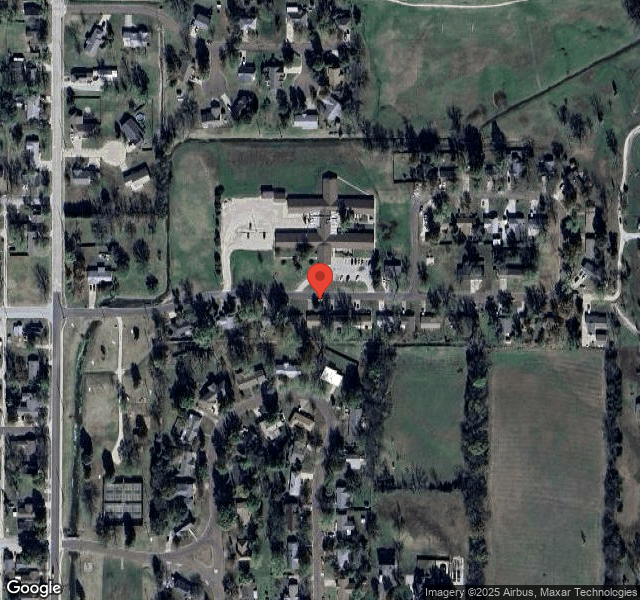
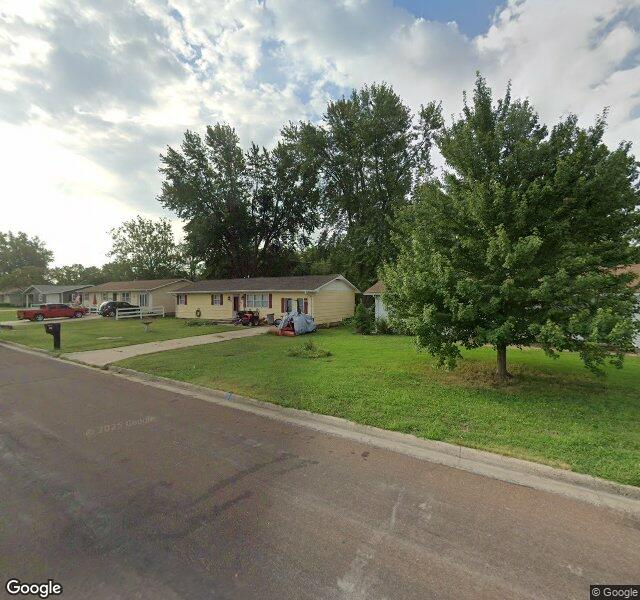
MEDICALODGES IOLA

600 E GARFIELD STREET, IOLA, KS 66749 (620) 365-3183
For profit - Limited Liability company 45 Beds MEDICALODGES, INC. Data: November 2025 6 Immediate Jeopardy citations
Trust Grade
0/100
#266 of 295 in KS
Last Inspection: July 2025

Inspected within the last 6 months. Data reflects current conditions.

Overview

Medicalodges Iola has received a Trust Grade of F, indicating significant concerns about care quality and safety. It ranks #266 out of 295 facilities in Kansas, placing it in the bottom half overall, and #2 out of 2 in Allen County, meaning there is only one other facility in the area with worse ratings. Although the number of issues reported has improved over the past year, they still have a concerning total of 45 deficiencies, including critical incidents of resident abuse and neglect. Staffing is somewhat average with a 3/5 rating, but a high turnover rate of 70% raises alarms about staff stability and continuity of care. Additionally, the facility has incurred fines totaling $53,398, which is higher than 88% of Kansas facilities, suggesting ongoing compliance issues that families should carefully consider.

Trust Score
F
0/100
In Kansas
#266/295
Bottom 10%
Safety Record
High Risk
Review needed
Inspections
Getting Better
15 → 12 violations
Staff Stability
⚠ Watch
70% turnover. Very high, 22 points above average. Constant new faces learning your loved one's needs.
Penalties
✓ Good
$53,398 in fines. Lower than most Kansas facilities. Relatively clean record.
Skilled Nurses
○ Average
Each resident gets 37 minutes of Registered Nurse (RN) attention daily — about average for Kansas. RNs are the most trained staff who monitor for health changes.
Violations
⚠ Watch
45 deficiencies on record. Higher than average. Multiple issues found across inspections.
★☆☆☆☆
1.0
Overall Rating
★★★☆☆
3.0
Staff Levels
★★☆☆☆
2.0
Care Quality
★☆☆☆☆
1.0
Inspection Score
Stable
2024: 15 issues
2025: 12 issues

The Good

  • Full Sprinkler Coverage · Fire safety systems throughout facility
  • No fines on record

Facility shows strength in fire safety.

The Bad

1-Star Overall Rating

Below Kansas average (2.9)

Significant quality concerns identified by CMS

Staff Turnover: 70%

24pts above Kansas avg (46%)

Frequent staff changes - ask about care continuity

Federal Fines: $53,398

Above median ($33,413)

Moderate penalties - review what triggered them

Chain: MEDICALODGES, INC.

Part of a multi-facility chain

Ask about local staffing decisions and management

Staff turnover is very high (70%)

22 points above Kansas average of 48%

The Ugly 45 deficiencies on record

6 life-threatening
Jul 2025 12 deficiencies
CONCERN (D) 📢 Someone Reported This

A family member, employee, or ombudsman was alarmed enough to file a formal complaint

Potential for Harm - no one hurt, but risky conditions existed

Resident Rights (Tag F0550)

Could have caused harm · This affected 1 resident

The facility reported a census of 43 residents; the sample included 13 residents. Based on interviews, observations, and record review, the facility failed to protect the dignity of three residents, R...

Read full inspector narrative →
The facility reported a census of 43 residents; the sample included 13 residents. Based on interviews, observations, and record review, the facility failed to protect the dignity of three residents, Resident (R) 2, when R2 was transported from his room to the shower room via a shower chair only covered with a white sheet with his buttocks exposed. Additionally, staff entered the rooms of R2, R7, and R8 without knocking first and did not identify themselves or await acknowledgment from the resident. These deficient practices placed the residents at risk for negative psychosocial effects related to impaired dignity.Findings included:- During an observation on 07/21/25 at 09:58 AM, Certified Nurse Aide (CNA) O knocked on R8's door once and then entered the room without acknowledgement from R8 while he was being interviewed. R8 stated that staff frequently entered his room without knocking or waiting for permission.During an observation on 07/21/25 at 09:25 AM, R7's door was closed, and CNA O opened the door and entered R7's room without knocking or introducing herself.During an observation on 07/21/25 at 09:26 AM, Licensed Nurse (LN) G assisted R2 out of bed, to the toilet, and then assisted him to his chair. While R2 was receiving care, LN F opened R2's door without knocking and looked into the room, looking for another staff member. A few minutes later, CNA O pushed R2's door open without knocking and walked into the room with R2's food tray. During an observation on 07/23/24 at 11:15 AM, staff wheeled R2 from his room to the shower room in a shower chair past the dining room, where other residents were gathering. R2 had a sheet over his lap; his bare legs and bare buttocks were exposed.During an interview on 07/21/25 at 11:40 AM, R7 reported that sometimes staff would just enter her room, or sometimes they would knock first and then enter.During an interview on 07/22/25 at 10:36 AM, CNA L stated that before entering a resident's room, staff were supposed to knock and introduce themselves, then await acknowledgement from the resident before entering. During an interview on 07/22/25 at 10:41 AM, LN H stated that before entering a resident's room, staff should have introduced themselves and awaited resident acknowledgement.During an interview on 07/22/25 at 11:16 AM, Administrative Nurse C stated that staff should have knocked, introduced themselves, and awaited acknowledgement from the resident before entering their room.During an interview on 07/22/25 at 01:53 PM, CNA O stated that she was aware that she needed to be respectful and knock before entering a resident's room.During an interview on 07/23/25 11:21 AM, Administrative Staff A reported that residents should not be transported through the halls with their buttocks or any private areas exposed. During an interview on 07/23/25 at 11:44 AM, CNA N reported that normally, residents were moved from their room to the shower room in their wheelchairs. CNA N also stated that it was not dignified or appropriate to push residents down the hall with exposed privates or only a sheet covering their laps.During an interview on 07/23/25 at 11:50 AM, CNA P reported that it was not safe to push residents in a wheelchair or shower chair down the hall without foot pedals. CNA P also reported that you were not supposed to push residents in the hall on the shower chair, especially if they had exposed areas.The facility's Your Rights and Protections as a Nursing Home Resident policy documented that the residents would have the right to be treated with dignity and respect. The policy further documented that residents would have the right to get proper privacy, property, and living arrangements.
CONCERN (D)

Potential for Harm - no one hurt, but risky conditions existed

Assessment Accuracy (Tag F0641)

Could have caused harm · This affected 1 resident

**NOTE- TERMS IN BRACKETS HAVE BEEN EDITED TO PROTECT CONFIDENTIALITY** The facility reported a census of 43 residents. The sample included 13 residents. Based on observation, interview, and record re...

Read full inspector narrative →
**NOTE- TERMS IN BRACKETS HAVE BEEN EDITED TO PROTECT CONFIDENTIALITY** The facility reported a census of 43 residents. The sample included 13 residents. Based on observation, interview, and record review, the facility failed to accurately complete the Minimum Data Set for Resident (R) 5 and R14. This placed the resident at risk for impaired care due to unidentified care needs. Findings included:- R5's Electronic Medical Record (EMR) documented a diagnosis of Parkinson’s disease (a slowly progressive neurologic disorder characterized by resting tremors, rolling of the fingers, masklike faces, shuffling gait, muscle rigidity, and weakness), and dementia (a progressive mental disorder characterized by failing memory and confusion). R5’s 04/23/25 Significant Change Minimum Data Set (MDS) documented a Brief Interview for Mental Status (BIMS) of seven, which indicated severe cognitive impairment. R5 had a Foley catheter (a tube inserted into the bladder to drain urine into a collection bag) and was dependent on staff for assistance. The MDS documented R5 had one non-injury fall. R5’s 04/23/25 “Falls Care Area Assessment (CAA) documented R5 had a BIMS score of seven. He had disorganized thinking and was impulsive. R5 required total assistance with care and was transferred using a full-body lift. R5 took antidepressant and anticonvulsant medications and was unaware of safety issues. He had multiple falls before admission and has had one fall since return. R5’s “Fall Note” on 04/20/25 at 09:18 AM documented a noninjury fall. R5’s “Fall Note” on 04/22/25 at 02:25 PM documented a fall with skinned knees. Observation on 07/21/25 at 01:22 PM, R5 lay in bed. The bed was in the lowest position, and there was a fall mat beside the bed. R5’s feet were hanging over the end of the bed. On 07/23/25 at 01:50 PM, Administrative Nurse D stated the 04/23/25 Significant Change MDS for R5 was incorrect and should have documented two falls, one with a minor injury and one with no injuries. Administrative Nurse D said the facility uses the Resident Assessment Instrument (RAI- a comprehensive, standardized tool used in long-term care facilities to assess residents, guide care planning, and monitor quality of care) manual to direct MDS procedures. On 07/23/25 at 12:11 PM, Administrative Staff A stated she expected the MDS to be accurate and completed on time. The RAI Manual documents that it is a requirement that the RAI process accurately reflects the resident’s status. Falls are a leading cause of injury, morbidity, and mortality in older adults. A previous fall, especially a recent fall, recurrent falls, and falls with significant injury are the most important predictors of risk for future falls and injurious falls. Persons with a history of falling may limit activities because of a fear of falling and should be evaluated for reversible causes of falling - R14's Electronic Medical Record included dementia (a progressive mental disorder characterized by failing memory and confusion). R14's admission Minimum Data Set (MDS), dated [DATE], documented the resident had a Brief Interview for Mental Status (BIMS) score of nine, indicating moderately impaired cognition. She did not receive anticoagulant medication (medications that decrease the body's ability to clot). The Cognitive Loss/Dementia Care Area Assessment (CAA), dated 03/30/25, documented that the resident was able to make her needs known at times. R14's Quarterly MDS, dated [DATE], documented the resident had a BIMS score of eight, indicating severe cognitive impairment. She received an anticoagulant medication during the assessment period. R14's Care Plan instructed staff the resident experienced sundowning (a condition where a person tends to become confused or disoriented toward the end of the day) at times. R14's EMR included the following physician's order:Aspirin (ASA-an antiplatelet medication used to prevent platelets from sticking together and decrease the body's ability to form blood clots), 81 milligrams (mg), daily for health maintenance, ordered 03/24/25. R14's Medication Administration Record (MAR) for July 2025 documented that the resident received the medication daily, as ordered. On 07/23/25 at 09:11 AM, Administrative Nurse D stated R14's Quarterly MDS dated [DATE] was inaccurate. Administrative Nurse D said the resident did not receive an anticoagulant medication during the assessment period but had received an antiplatelet medication. On 07/22/25 at 03:35 PM, Administrative Staff A stated it was the expectation for staff to complete all MDS accurately. The facility utilized the Resident Assessment Instrument (RAI) Manual for accurate completion of the MDS.
CONCERN (D)

Potential for Harm - no one hurt, but risky conditions existed

Comprehensive Care Plan (Tag F0656)

Could have caused harm · This affected 1 resident

**NOTE- TERMS IN BRACKETS HAVE BEEN EDITED TO PROTECT CONFIDENTIALITY** The facility reported a census of 43 residents; the sample included 13 residents. Based on observation, interview, and record re...

Read full inspector narrative →
**NOTE- TERMS IN BRACKETS HAVE BEEN EDITED TO PROTECT CONFIDENTIALITY** The facility reported a census of 43 residents; the sample included 13 residents. Based on observation, interview, and record review, the facility failed to complete a comprehensive care plan for Resident (R)6 regarding non-pharmacologic pain interventions and for R42 regarding oxygen use. This placed the residents at risk for impaired care due to uncommunicated care needs.Findings included:- R6's Electronic Medical Record (EMR) revealed a diagnosis of trigeminal neuralgia.R6's Significant Change Minimum Data Set (MDS), dated [DATE], documented that the resident had a Brief Interview for Mental Status (BIMS) score of 13, indicating intact cognition. She received scheduled and as-needed (PRN) pain medications and reported she had occasional pain, which rarely affected her day-to-day activities and sleep. The MDS noted R6's worst pain in the past five days was rated at a five on a one to 10 pain scale (one being minimal pain and 10 the worst pain imaginable).The Pain Care Area Assessment (CAA), dated 05/21/25, did not trigger.R6's Care Plan, revised 05/14/25, lacked staff instruction for non-pharmacological interventions for pain.R6's EMR revealed the following physician's orders:Carbamazepine (a medication which works by decreasing nerve impulses that cause nerve pain, such as trigeminal neuralgia), 200 milligrams (mg), by mouth twice daily for a diagnosis of trigeminal neuralgia, ordered 07/09/25.Lidocaine viscous HCI mouth/throat solution 2% (a local anesthetic used to numb painful areas of the mouth and throat), 5 milliliters (ml), swish and spit before meals and at bedtime for a diagnosis of trigeminal neuralgia, ordered 04/18/25.R6's EMR documented the resident's pain level was zero on a scale of one to 10 for both shifts on 07/20/25. Staff documented the resident's pain level was a nine on a one to 10 pain scale on the morning of 07/21/25.On 07/21/25 at 09:37 AM, R6 sat in her recliner in her room watching TV. The resident had facial grimacing as she visited with staff.On 07/22/25 at 09:11 AM, Administrative Nurse D stated that non-pharmacological pain interventions should be included on the care plans of residents who have pain.The facility policy for Pain Management, revised 10/22, included: The facility shall implement individualized interventions for residents with pain and document the interventions in the care plan. - R42's Electronic Medical Record (EMR) documented a diagnosis of respiratory failure (a condition where the lungs cannot effectively take in enough oxygen for the blood).R42's admission Minimum Data Set (MDS), dated [DATE], documented the resident had a Brief Interview for Mental Status (BIMS) score of 13, indicating intact cognition. She received oxygen during the assessment period.The Cognitive Loss/Dementia Care Area Assessment (CAA) dated 04/01/25 did not trigger.R42's Quarterly MDS, dated [DATE], documented that the resident had a BIMS score of 13. She received oxygen during the assessment period.R42's Care Plan, revised 06/12/25, lacked staff instruction regarding oxygen use. The resident had no plans to discharge from the facility.R42's EMR documented the following physician's order:Oxygen per nasal cannula (NC), 3-4 liters (L), for a diagnosis of respiratory failure, ordered 03/26/25.On 07/21/25 at 09:47 AM, R42 sat in her room with the oxygen on per NC.On 07/22/25 at 10:19 AM, R42 sat in her room with the oxygen on per NC.On 07/23/25 at 09:11 AM, Administrative Nurse D stated oxygen should be included on the care plan.The facility policy for Electronic Care Plan, revised 12/2020, included: The facility shall develop a plan of care to attain and maintain the highest practical level of physical, psychological, emotional, and social well-being for each resident in the facility.
CONCERN (D)

Potential for Harm - no one hurt, but risky conditions existed

Incontinence Care (Tag F0690)

Could have caused harm · This affected 1 resident

The facility identified a census of 43 residents. The sample included 13 residents, with one resident reviewed for urinary tract infections. Based on observation, interview, and record review, the fac...

Read full inspector narrative →
The facility identified a census of 43 residents. The sample included 13 residents, with one resident reviewed for urinary tract infections. Based on observation, interview, and record review, the facility failed to provide Resident (R) 5, who had an indwelling catheter (tube inserted into the bladder to drain urine into a collection bag), with appropriate treatment and services to care for a catheter and to prevent urinary tract infections (UTI-an infection in any part of the urinary system). This deficient practice placed the resident at risk for UTI and other catheter-related complications.Findings included:- R5's Electronic Medical Record (EMR) documented a diagnosis of UTI, Parkinson's disease (a slowly progressive neurologic disorder characterized by resting tremors, rolling of the fingers, masklike faces, shuffling gait, muscle rigidity, and weakness), and dementia (a progressive mental disorder characterized by failing memory and confusion).R5's 04/23/25 Significant Change Minimum Data Set (MDS) documented a Brief Interview for Mental Status (BIMS) of seven, which indicated severe cognitive impairment. R5 had a Foley catheter and was dependent on staff for assistance.R5's 04/23/25 Urinary Incontinence and Indwelling Catheter Care Area Assessment (CAA) documented R5 required total assistance with care and was transferred using a full body lift. R5 wore briefs and had a Foley catheter. Staff completed incontinence care and catheter care. The CAA noted staff would keep the urine drainage bag below the level of the bladder for dependent drainage. R5's Care Plan on 07/21/25 revealed R5 had an indwelling catheter with an intervention dated 03/31/25 that instructed staff to position the catheter bag and tubing below the level of the bladder. Observation on 07/23/25 at 01:08 PM, Certified Nurse Aide (CNA) P and Certified Medication Aide (CMA) V assisted R5 from the wheelchair to his bed using a Hoyer lift (full body mechanical lift). CNA P and CMA V donned a gown and gloves and hooked up the sling to the Hoyer lift. CNA P attached the Foley bag to the sling at R5's shoulder level, above the level of R5's bladder, and transferred R5 to bed. CMA V unhooked the bag and placed it on the bed beside R5, level to R5's bladder, as they continued. The bag was then attached to the bed frame.On 07/23/25 at 01:15 PM, CMA V stated she was aware that the catheter bag was to be below the level of the bladder at all times. She said she was not thinking about raising the bag for the transfers. On 07/23/25 at 01:35 PM, Licensed Nurse (LN) G stated the catheter drainage bag was to be below the level of the bladder at all times. LN G said the catheter should not be raised higher than the bladder, as that would allow urine to drain back into the bladder.On 07/23/25 at 03:10 PM, Administrative Nurse C said he expected the catheter drainage bag to remain below the level of the bladder. Administrative Nurse C said allowing urine to backflow into the bladder was an infection control issue and could cause urinary tract infections. The facility did not provide a policy for catheter care.
CONCERN (D)

Potential for Harm - no one hurt, but risky conditions existed

Deficiency F0697 (Tag F0697)

Could have caused harm · This affected 1 resident

**NOTE- TERMS IN BRACKETS HAVE BEEN EDITED TO PROTECT CONFIDENTIALITY** The facility reported a census of 43 residents; 13 residents were sampled, including one resident reviewed for pain. Based on ob...

Read full inspector narrative →
**NOTE- TERMS IN BRACKETS HAVE BEEN EDITED TO PROTECT CONFIDENTIALITY** The facility reported a census of 43 residents; 13 residents were sampled, including one resident reviewed for pain. Based on observation, interview, and record review, the facility failed to administer pain medications for Resident (R) 6, who had a diagnosis of trigeminal neuralgia (a chronic painful disease that affects the nerve that carries sensation from the face to the brain). This placed the resident at risk of uncontrolled pain.Findings included:- R6's Electronic Medical Record (EMR) revealed a diagnosis of trigeminal neuralgia.R6's Significant Change Minimum Data Set (MDS), dated [DATE], documented that the resident had a Brief Interview for Mental Status (BIMS) score of 13, indicating intact cognition. She received scheduled and as-needed (PRN) pain medications and reported she had occasional pain, which rarely affected her day-to-day activities and sleep. The MDS noted R6's worst pain in the past five days was rated at a five on a one to 10 pain scale (one being minimal pain and 10 the worst pain imaginable). The Pain Care Area Assessment (CAA), dated 05/21/25, did not trigger.R6's Care Plan, revised 05/14/25, instructed staff she received pain medications for her diagnosis of trigeminal neuralgia. The care plan lacked direction to staff regarding non-pharmacological interventions for pain.R6's EMR revealed the following physician's orders:Carbamazepine (a medication which works by decreasing nerve impulses that cause nerve pain, such as trigeminal neuralgia), 200 milligrams (mg), by mouth, twice daily for a diagnosis of trigeminal neuralgia, ordered 07/09/25.Lidocaine viscous HCI mouth/throat solution 2% (a local anesthetic used to numb painful areas of the mouth and throat), 5 milliliters (ml), swish and spit before meals and at bedtime for a diagnosis of trigeminal neuralgia, ordered 04/18/25.R6's July 2025 Medication Administration Record (MAR) documented R6 did not receive the bedtime dose of carbamazepine on 07/19/25, both scheduled doses on 7/21/25, and the morning dose on 07/21/25.R6's July 2025 MAR documented R6 did not receive the lidocaine viscous solution for the last two scheduled doses on 07/20/25 and the first two scheduled doses on 07/21/25.R6's Progress Notes in the EMR revealed documentation that staff notified the pharmacy of the need to refill the carbamazepine and lidocaine viscous solution on 07/20/25 and twice on 07/21/25.R6's EMR documented the resident's pain level was zero on a scale of one to 10 for both shifts on 07/20/25. Staff documented the resident's pain level was a nine on a one to 10 pain scale on the morning of 07/21/25.On 07/21/25 at 09:37 AM, R6 sat in her recliner in her room watching TV. The resident had facial grimacing as she visited with staff.On 07/21/25 at 09:37 AM, R6 stated she had not received her pain medication for her trigeminal neuralgia over the weekend and said she was experiencing an increase in pain.On 07/22/25 at 10:35 AM, Certified Medication Aide (CMA) T stated the two medications had not been reordered as they should have been, and the resident did not have them over the weekend. CMA T stated the resident had an increase in facial and mouth pain over the weekend due to not receiving her medications.On 07/22/25 at 02:21 PM, Certified Nurse Aide (CNA) K stated the resident had not complained to her of an increase in pain over the weekend. CNA K stated the resident was able to eat her evening meals without difficulty.On 07/22/25 at 03:35 PM, Administrative Staff A stated the facility expected staff to ensure all residents had sufficient pain medication to get through the weekend.The facility policy for Pain Management, revised 10/22, included: The facility shall develop an individualized treatment plan including pharmacologic and non-pharmacologic interventions for each resident with pain.
CONCERN (E)

Potential for Harm - no one hurt, but risky conditions existed

Deficiency F0552 (Tag F0552)

Could have caused harm · This affected multiple residents

The facility reported a census of 43 residents. The sample included 13 residents, with five residents reviewed for unnecessary medications. Based on interview and record review, the facility failed to...

Read full inspector narrative →
The facility reported a census of 43 residents. The sample included 13 residents, with five residents reviewed for unnecessary medications. Based on interview and record review, the facility failed to ensure informed consent including purpose, risks versus benefits, and expected therapeutic benefits for the use of antipsychotic (a class of medications used to treat major mental conditions that cause a break from reality), anxiolytic (medication used to treat symptoms of anxiety) and other psychotropic medications (drugs that affect the brain and nervous system to treat mental illnesses)) for Resident (R)14, R6, R42, R17 and R2. This placed the residents at risk for adverse side effects of the medications and uninformed decisions. Findings included:- R14's Electronic Medical Record (EMR) included the following diagnoses: depression (a mood disorder that causes a persistent feeling of sadness and loss of interest) and anxiety (mental or emotional reaction characterized by apprehension, uncertainty, and irrational fear).R14's EMR documented the following physician's orders:Sertraline (an antidepressant medication used to treat mood disorders), 50 milligrams (mg), by mouth daily for a diagnosis of depression, ordered 03/24/25.Trazodone (an antidepressant medication), 50 mg, daily at bedtime for a diagnosis of insomnia (difficulty sleeping) ordered 03/24/25.Buspirone (an anxiolytic medication used to treat symptoms of anxiety), 15 mg, three times daily for a diagnosis of anxiety, ordered 03/24/25.Seroquel (an antipsychotic medication used to treat major mental conditions that cause a break from reality), 12.5 mg, three times daily for a diagnosis of dementia (a progressive mental disorder characterized by failing memory and confusion) with agitation (feeling of aggravation or restlessness brought on by a provocation or a medical condition), ordered 04/08/25.R14's EMR lacked documentation of informed consent for R14's psychotropic and antipsychotic medications.On 07/22/25 at 03:35 PM, Administrative Staff A stated the facility had not completed informed consents for R14's antipsychotic and psychotropic medications.The facility policy for Behavior Management & Psychotropic Medications, revised 04/2025, included: An informed consent shall be completed for the use of psychotropic medications prior to the initial administration of the medication and with a dose increase.- R6's Electronic Medical Record (EMR) included the following diagnoses: bipolar disorder (a major mental illness that causes people to have episodes of severe high and low moods), insomnia (inability to sleep), and anxiety (mental or emotional reaction characterized by apprehension, uncertainty, and irrational fear).R6's EMR documented the following physician's orders:Seroquel (an antipsychotic medication used to treat major mental conditions that cause a break from reality), 12.5 milligrams (mg), every day at bedtime, for a diagnosis of bipolar disease, ordered 04/18/25.Trazodone (an antidepressant medication), 50 mg, daily at bedtime for a diagnosis of insomnia, ordered 04/18/25.Clonazepam (an anxiolytic medication used to treat symptoms of anxiety), 0.5 mg, twice daily for a diagnosis of anxiety, ordered 04/18/25.R6's EMR lacked documentation of informed consent for R6's psychotropic and antipsychotic medications.On 07/22/25 at 03:35 PM, Administrative Staff A stated the facility had not completed informed consents for R6's antipsychotic and psychotropic medications.The facility policy for Behavior Management & Psychotropic Medications, revised 04/2025, included: An informed consent shall be completed for the use of psychotropic medications prior to the initial administration of the medication and with a dose increase.- R42's Electronic Medical Record (EMR) included a diagnosis of anxiety (mental or emotional reaction characterized by apprehension, uncertainty, and irrational fear).R42's EMR documented the following physician's order:Buspirone (an anxiolytic medication used to treat symptoms of anxiety), 1 milligram (mg), by mouth (three times daily for a diagnosis of anxiety, ordered 03/26/25.R42's EMR lacked documentation of informed consent for R42's psychotropic medications.On 07/22/25 at 03:35 PM, Administrative Staff A stated the facility had not completed informed consents for R42's psychotropic medications.The facility policy for Behavior Management & Psychotropic Medications, revised 04/2025, included: An informed consent shall be completed for the use of psychotropic medications prior to the initial administration of the medication and with a dose increase.- R17's Electronic Medical Record (EMR) included the following diagnoses: anxiety (mental or emotional reaction characterized by apprehension, uncertainty, and irrational fear) and depression (a mood disorder that causes a persistent feeling of sadness and loss of interest).R17's EMR documented the following physician's orders:Hydroxyzine (an anxiolytic medication used to treat symptoms of anxiety), 25 milligrams (mg), every 21 hours as needed (PRN), for a diagnosis of anxiety, ordered 06/24/25.Duloxetine (an antidepressant medication), 50 mg, daily for a diagnosis of depression, ordered 05/14/25.Buspirone (an anxiolytic medication), 7.5 mg, by mouth three times daily for a diagnosis of anxiety, ordered 04/02/25.R17's EMR lacked documentation of informed consent for R17's psychotropic medications.On 07/22/25 at 03:35 PM, Administrative Staff A stated the facility had not completed informed consents for R17's psychotropic medications.The facility policy for Behavior Management & Psychotropic Medications, revised 04/2025, included: An informed consent shall be completed for the use of psychotropic medications prior to the initial administration of the medication and with a dose increase.- R2's Electronic Medical Record (EMR) included the following diagnoses: anxiety (mental or emotional reaction characterized by apprehension, uncertainty, and irrational fear), depression (a mood disorder that causes a persistent feeling of sadness and loss of interest) and schizoaffective disorder (a mental disorder characterized by gross distortion of reality, disturbances of language and communication, and fragmentation of thought)R2's EMR documented the following physician's orders:Buspirone (an anxiolytic medication), 10 milligrams (mg), twice daily for a diagnosis of anxiety, ordered 06/19/25.Seroquel (an antipsychotic medication used to treat major mental conditions that cause a break from reality), 50 mg, by mouth, three times daily for a diagnosis of schizoaffective disorder, ordered 06/24/25.Clonazepam (an anxiolytic medication), 0.5 mg, twice daily for a diagnosis of anxiety, ordered 07/15/25.R2's EMR lacked documentation of informed consent for R2's psychotropic medications.On 07/22/25 at 03:35 PM, Administrative Staff A stated the facility had not completed informed consents for R2's psychotropic and antipsychotic medications.The facility policy for Behavior Management & Psychotropic Medications, revised 04/2025, included: An informed consent shall be completed for the use of psychotropic medications prior to the initial administration of the medication and with a dose increase.
CONCERN (E)

Potential for Harm - no one hurt, but risky conditions existed

Safe Environment (Tag F0584)

Could have caused harm · This affected multiple residents

The facility reported a census of 43 residents. The sample included 13 residents. Based on interviews, observation, and record review, the facility failed to ensure a safe, clean home-like environment...

Read full inspector narrative →
The facility reported a census of 43 residents. The sample included 13 residents. Based on interviews, observation, and record review, the facility failed to ensure a safe, clean home-like environment in all areas of the facility, including the dining area. This deficient practice placed the residents at risk for tripping hazards and decreased comfort.Findings included:- During an observation on 07/21/25 at 09:26 AM, Resident (R) 2's fall mat and room floor had sticky food particles and debris on them. Licensed Nurse (LN) G acknowledged that the mat was filthy and the floor was very sticky and cleaned the mat at that time. During an observation on 07/22/25 at 10:05 AM, the floor area in the dining room had 44 tiles missing; no hazard sign or barrier was blocking the trip hazard.During an observation on 07/22/25 at 10:58 AM, the door on a resident room on the 400-hall displayed bubbling on the surface where the Veneer was separating. The door frames of the doors on the 400-hall had bubbled, chipped, and missing paint.During an observation on 07/22/25 at 11:02 AM, the door frames on the 300-hall had bubbled, chipped, and missing paint. The door on a resident room on the 300-hall displayed bubbling on the surface where the Veneer was separating. Observation on 07/22/25 at 11:02 AM, R2's fall mat had pieces of food on it with sticky areas.During an observation on 07/23/25 at 07:53 AM, the missing tile area in the dining room had no warning or hazard sign in place.During an observation on 07/23/24 at 11:15 AM, the door frames on the 100-hall had bubbled, chipped, and missing paint.On 07/22/25 at 10:05 AM, Dietary CC reported that the tiles in the dining room were removed three weeks ago due to a bathroom pipe leak.On 07/22/25 at 11:02 AM, Certified Nurse Aide (CNA) O reported that she was unsure how long the door frames had been chipped. CNA O also reported that maintenance would periodically repaint them.On 07/22/25 at 11:07 AM, Maintenance X reported that the dining room tiles were removed three weeks ago due to a sewer line blow-out in the service hallway bathroom. Maintenance X reported that he had ordered matching tiles and planned to replace and repair them within the next week. Maintenance X also stated he had been constantly repairing the door frames, at least monthly, and he had been aware of laminate on doors bubbling and had periodically re-glued it back. On 07/22/25 at 03:23 PM, Administrative staff A stated that the floors should have been cleaned at least daily and maintenance should have been notified immediately to repair or replace any tiles. Administrative Staff A said broken or missing tiles were a tripping hazard and should be marked as such to prevent injury.On 07/23/25 at 08:46 AM, Administrative Staff A reported that the door jams should have been maintained and re-painted at least monthly to keep them in proper condition. Administrative Staff A stated that she was unaware of the doors with bubbling laminate.The facility's Your Rights and Protections as a Nursing Home Resident policy documented that the residents would have the right to be treated with dignity and respect. The policy further documented that residents would have the right to get proper privacy, property, and living arrangements.
CONCERN (E)

Potential for Harm - no one hurt, but risky conditions existed

Infection Control (Tag F0880)

Could have caused harm · This affected multiple residents

The facility reported a census of 43 residents. The sample included 13 residents. Based on observations, interviews, and record review, the facility failed to maintain an effective infection control p...

Read full inspector narrative →
The facility reported a census of 43 residents. The sample included 13 residents. Based on observations, interviews, and record review, the facility failed to maintain an effective infection control program related to the Enhanced Barrier Precautions (EBP-infection control interventions designed to reduce transmission of resistant organisms, which employ targeted gown and glove use during high contact care). The facility failed to ensure adequate hand hygiene and personal protective equipment (PPE) when caring for residents. Additionally, staff failed to store respiratory equipment in a sanitary manner. This placed the residents at risk for infections.Findings included:- Observation on 07/21/25 at 11:49 AM, Resident (R)'s fall mat next to his bed had cracks and frayed areas exposing the inner foam.Observation on 07/21/25 at 11:52 AM, R7 had a Foley catheter (a tube inserted into the bladder to drain urine into a collection bag) with the collection bag resting on the floor next to his bed. There was no PPE for EBP located in or around the room, and no signage alerting staff to the EBP precautions.Observation on 07/21/25 at 01:22 PM, R5's bed was in the lowest position, and his catheter bag was on the floor. The dignity bag was wadded up beside it, partially under it. There was no PPE in or around the room, and no signs instructing staff on EBP.Observation on 07/21/25 at 1:40 PM, R39 had a suprapubic catheter (urinary bladder catheter inserted through the abdomen into the bladder). There was no EBP PPE and no signage present.Observation on 07/22/25 at 8:05 AM, Certified Nurse Aide (CNA) O applied a gown and gloves and entered the room to care for R4. CNA O got out the supplies and uncovered R4. She looked for the trash can and retrieved it from the other side of the bed. CNA O removed the fasteners from the side of R4's brief closest to her, then picked up the trash can again and went to the other side of the bed. Wearing the same gloves, CNA O removed the fastener from that side of the brief and cleaned R4's buttocks. Wearing the same soiled gloves, CNA O placed a clean brief under the resident's dirty brief. CNA O then wiped the front peri-area and removed the soiled brief. CNA O adjusted the clean brief, wiped the peri area, and then applied new gloves without performing hand hygiene. CNA O then fastened the brief. CNA O continued dressing R4, then removed the gown and gloves and tied up the trash. She then washed her hands.Observation on 07/22/25 at 11:00 AM, R29's floor mattress was worn at the corners.Observation on 07/22/25 at 1:45 PM, R7's Foley bag rested on the floor. CNA L emptied the bag after washing her hands and donning gloves. CNA L did not apply a gown. CNA L hung the bag so that it was no longer touching the floor.Observation on 07/23/25 at 01:08 PM, CNA P and Certified Medication Aide (CMA) V assisted R5. R5 requested a tissue, and CMA V handed him a tissue. R5 blew his nose and handed the tissue to CNA P. CNA P grabbed the tissue with her ungloved hand and threw it away. CNA P continued assisting R5. She applied a gown without performing hand hygiene and hooked up the sling to the Hoyer lift (full-body mechanical lift). CNA P attached the Foley bag to the sling at shoulder level and transferred R5 to bed. CMA V placed the bag on the bed beside R5 as they continued. CNA N entered the room and applied a gown and gloves. CNA N rolled R5 and removed the sling. CNA N then lowered the bed, removed her gown and gloves, and placed the fall mat on the floor beside R5's bed. CNA N removed her gown and gloves. CMA P then washed her hands and applied a glove to her left hand only to empty the catheter bag. CMA P held the bag with her ungloved hand, opened the spout, and drained the urine. Observation on 07/23/25 at 01:08 PM, CNA P and CMA V assisted R5 to bed. His oxygen concentrator was beside his bed. The oxygen tubing lay on top of the oxygen concentrator, unbagged.On 07/21/25 at 09:26 AM, Licensed Nurse (LN) G stated that the floor mats and floor should be cleaned and disinfected routinely.On 07/22/25 at 01:45 PM, CNA L reported that the Foley tubing and bag should not be on the floor; it should be hanging but below the bladder for proper drainage. On 07/22/25 at 11:16 AM, Administrative Nurse C reported he was not aware of any guidelines concerning EBP for urinary catheters and said he would have to review the guidelines. Administrative Nurse C said the standard precautions were in place only if it was required. Administrative Nurse C verified there was no EBP PPE or signage. Administrative Nurse C confirmed that catheter bags should not touch the floor.On 07/22/25 at 01:53 PM, CNA O stated she caught herself grabbing the clean brief with her dirty gloves. She said she was not aware that hand hygiene should be performed when removing gloves.On 07/23/25 at 11:21 AM, Administrative Staff A reported EBP PPE should be in place with signage for Foley catheters, but suprapubic catheters do not fall under that. She said she expected staff to use proper hand washing, PPE, keep the floor mats clean and in good repair, and provide proper care of Foley catheters.On 07/23/25 at 03:10 PM, Administrative Nurse C reported that he expected the staff to follow infection control guidelines, which included proper hand washing and removal of gloves when going from a dirty area to a clean area, use of proper PPE, keeping the floor mats clean and in good repair, and proper care of Foley catheters. Administrative Nurse C said oxygen tubing should be in a bag when not in use.The facility's policy Infection Management Process documented that all residents' rooms will have standard cleaning services daily. Employees will be educated on proper hand hygiene. Posting to notify employees and visitors will be implemented to identify isolation precautions to be utilized, including the correct PPE to be used.
CONCERN (F)

Potential for Harm - no one hurt, but risky conditions existed

Deficiency F0730 (Tag F0730)

Could have caused harm · This affected most or all residents

The facility reported a census of 43 residents. Based on interview and record review, the facility failed to complete annual performance evaluations for five Certified Nurse Aides (CNAs) who were empl...

Read full inspector narrative →
The facility reported a census of 43 residents. Based on interview and record review, the facility failed to complete annual performance evaluations for five Certified Nurse Aides (CNAs) who were employed at the facility for more than 12 months. This placed the residents at risk for decreased quality of care.Findings included:- Review of personnel records on 07/22/25 at 07:25 AM revealed that Certified Medication Aide (CMA) T, CMA U, CNA M, CNA N, and CNA L did not have performance evaluations completed for the last 12 months of full-time employment.During an interview on 07/22/25 at 07:25 AM, Administrative Staff A stated that no performance evaluations were completed for the five CNAs selected for review. Administrative Staff A further stated that she was aware that evaluations should have been completed, but they were not.The facility's Employee Handbook, dated 05/24/20, documented that full and part-time employees should receive formal, written evaluations. Supervisors, administrators/managers/directors are requested to conduct annual performance evaluations. It further documented that every effort would be made to conduct a performance evaluation within two weeks of the employee's anniversary date.
CONCERN (F)

Potential for Harm - no one hurt, but risky conditions existed

Food Safety (Tag F0812)

Could have caused harm · This affected most or all residents

The facility reported a census of 43 residents with two kitchens. Based on observation, interview, and record review, the facility failed to provide sanitary conditions for food storage and preparatio...

Read full inspector narrative →
The facility reported a census of 43 residents with two kitchens. Based on observation, interview, and record review, the facility failed to provide sanitary conditions for food storage and preparation to prevent the spread of food-borne illness to the residents of the facility. This placed the residents at risk for food-borne illness.Findings included:- Initial tour of the kitchen on 07/021/25 at 08:40 AM with Dietary Manager BB revealed the following areas of concern:The top of the automated dishwasher had dried food debris on it.The ice maker had food particles on the top and sides of it, and food was stored on top of it in storage bags.The kitchen area had multiple fans placed throughout the kitchen., The fans were dirty and dusty and blowing into the food preparation area and the dish cleaning area.There were numerous food items and trash on the floor.The trash cans in the food preparation area were visibly dirty on the outside.The counter where the coffee pot sat had spilled coffee on it.The floors were sticky and slick.Observed on 07/21/25 at 03:50 PM, seven plastic cutting boards were marked and grooved throughout the cutting surface, three large baking sheets had baked-on grease areas in each corner of the cooking surface, and cut marks throughout the cooking surface.Observed on 07/22/25 at 10:05 AM, the counter with the coffee pots had spilled coffee, and the kitchen floor continued to be sticky. There was a broken tile around the clean-out drain by the stove. Observed on 07/22/25 at 10:10 AM, the automated dishwasher continued to have debris on it, and a dirty upright fan was blowing across a drying rack holding clean dishes.Observed on 07/22/25 at 10:20 AM, Dietary Aide CC filled a resident's cup with ice and did not perform hand hygiene or wear gloves before or after handling the cup, and then continued cooking food on the stove. There were food items and other trash on the kitchen floor.On 07/21/25 at 03:55 PM, Dietary Manager BB reported that the cutting boards were not sanitary any longer because they were cut up and the grooves can collect debris and bacteria, and they needed to be replaced. Dietary Manager BB said the stained baking sheets also needed to be replaced. Dietary Manager BB also stated that the fans should have been cleaned, and the automated dish washer should have been cleaned.On 07/22/25 at 10:05 AM, Dietary Aide CC reported that the kitchen was supposed to be cleaned throughout the day as staff worked. On 07/22/25 at 10:10 AM, Dietary Aide DD reported that there had not been a regular cleaning schedule for the automated dishwasher, but it should not have been dirty.On 07/22/25 at 11:07 AM, Maintenance X reported he was aware of the broken kitchen tile; it just had not been replaced yet.On 07/22/25 at 03:23 PM, Administrative Staff A stated that spills should have been cleaned immediately, and the ice maker should not have been dirty. Administrative Staff A also stated that the automated dish washer and fans should be cleaned regularly, and all equipment should be in clean and proper working order. Administrative Staff A further stated that the floors should have been cleaned at least daily, and maintenance should have been notified immediately to repair or replace any tiles. During an interview on 07/23/25 at 08:46 AM, Administrative Staff A reported that the kitchen floors should have been mopped and cleaned twice daily, and if anything had fallen on the floor, it should have been picked up immediately. Administrative Staff A also stated that staff should have regularly performed hand hygiene and should have performed hand hygiene at some point between filling a resident's cup with ice and returning to cooking.During an interview on 07/23/25 at 10:50 AM, Dietary Manager BB reported that the floor should have been mopped and cleaned at least twice daily, and any trash or food on the floor should have been picked up immediately. Dietary Manager BB further stated that hand hygiene should have been performed before and after gloving and before or after filling the ice cup and returning to cooking.The facility Infection Management Process, dated 11/2023, documented that dietary services would use Serve Safe and the Health Technologies Guidelines and Procedure Manual for reference on proper food preparation, management, and dining services. The policy further documented that routine cleaning and disinfection of frequently touched or visibly soiled surfaces in common areas, resident rooms, and at the time of discharge would occur.The facility The Sanitation of Dining and Food Service Areas guideline documented that the dining services staff would uphold sanitation of the dining areas according to a thorough, written schedule. It further documented that the dining services manager would record the necessary cleaning and sanitation tasks for the department, and that all staff would be trained on the frequency of cleaning, and that staff would be held responsible for all cleaning tasks.
CONCERN (F)

Potential for Harm - no one hurt, but risky conditions existed

Deficiency F0882 (Tag F0882)

Could have caused harm · This affected most or all residents

The facility reported a census of 43 residents. Based on interview and record review the facility failed to ensure the designated Infection Preventionist (IP) was trained and certified in infection pr...

Read full inspector narrative →
The facility reported a census of 43 residents. Based on interview and record review the facility failed to ensure the designated Infection Preventionist (IP) was trained and certified in infection prevention and control. This failure placed all 43 residents at increased risk for infectious disease. Findings included: - During an interview on 07/23/25 at 12:11 PM, Administrative Staff A revealed the facility did not have a certified IP. Administrative Staff A stated the previous certified IP left 06/01/25, and the current IP is not certified. During an interview on 07/22/25 at 03:10 PM, Administrative Nurse C, the facility-identified IP, confirmed he was not certified in infection control. The facility's Infection Control Surveillance policy dated 11/2023 documented that the infection control preventionist is to monitor compliance with state and federal regulatory standards as they pertain to infection prevention and control.
CONCERN (F)

Potential for Harm - no one hurt, but risky conditions existed

Deficiency F0947 (Tag F0947)

Could have caused harm · This affected most or all residents

The facility reported a census of 43 residents. Based on interviews and record review, the facility failed to ensure the mandatory 12 hours of education were completed for Certified Nurse Aides (CNA) ...

Read full inspector narrative →
The facility reported a census of 43 residents. Based on interviews and record review, the facility failed to ensure the mandatory 12 hours of education were completed for Certified Nurse Aides (CNA) as required. This placed the residents at risk for decreased quality of care.Findings included:- Review of Certified Medication Aide (CMA) U's personnel and training records revealed CMA U had not completed any of the mandatory 12 hours of education in the last 12 months.On 07/23/05 at 08:46 AM, Administrative Staff A reported that she had performed her own investigation and discovered that CMA U had not completed the mandatory 12 hours of education. Administrative Staff A also reported that the facility did not have a policy related to education, and said the facility follows the regulations.On 07/23/25 at 09:00 AM, CMA U verified that she had not completed the mandatory 12 hours of education for the last 12-month period. The facility did not provide a policy.
May 2024 4 deficiencies 4 IJ
CRITICAL (J) 📢 Someone Reported This

A family member, employee, or ombudsman was alarmed enough to file a formal complaint

Immediate Jeopardy (IJ) - the most serious Medicare violation

Free from Abuse/Neglect (Tag F0600)

Someone could have died · This affected 1 resident

**NOTE- TERMS IN BRACKETS HAVE BEEN EDITED TO PROTECT CONFIDENTIALITY** The facility reported a census of 36 residents with four residents sampled. Based on observation, record review, and interview, ...

Read full inspector narrative →
**NOTE- TERMS IN BRACKETS HAVE BEEN EDITED TO PROTECT CONFIDENTIALITY** The facility reported a census of 36 residents with four residents sampled. Based on observation, record review, and interview, the facility failed to prevent the physical abuse and neglect of R2. On 03/21/24, R2 reported Certified Nurse Aide (CNA) M was rough with her when assisting her to bed around 06:30 PM to 07:00 PM. R2 stated CNA M threw her into her bed by having a hold of her legs and swung her on the bed, while in the lift sling, during the transfer from the wheelchair to her bed. Afterwards, R2 experienced dizziness, nausea, and difficulty breathing due lying flat as the head of the bed was flat. R2 activated her call light and when nobody responded to the call light, R2 started yelling out. When CNA M responded to R2, she did so by yelling at R2 from the hallway saying R2 was not the only resident left to take care of. R2's bed remained flat and R2 lacked application of her supplemental oxygen for 3 to 3.5 hours, until CNA N arrived for the 10:00 PM shift. While rounding, R2 hollered out CNA N's name and before she could respond, CNA M yelled from approximately 34 feet away That's enough [R2]! CNA N responded to R2 and found the resident crying and upset. CNA N reported the concerns to Licensed Nurse (LN) G at 10:10 PM. CNA N and LN G failed to report the abuse and neglect to Administrative Staff A immediately. CNA M remained on duty until 06:00 AM on 03/22/24, working the last eight hours of her scheduled 12-hour shift on the other side of the facility. This deficient practice placed R2 in immediate jeopardy and other residents who resided in the facility at risk for abuse and neglect. Findings included: - The Medical Diagnosis tab located in the electronic medical record (EMR) for R2 included diagnoses of muscle weakness, anxiety disorder (mental or emotional reaction characterized by apprehension, uncertainty and irrational fear), and chronic obstructive pulmonary disease (COPD- progressive and irreversible condition characterized by diminished lung capacity and difficulty or discomfort in breathing). The Annual Minimum Data Set (MDS) dated [DATE], assessed R2 with a Brief Interview of Mental Status (BIMS) score of 15, indicating intact cognition. R2 required oxygen. R2 had a range of motion impairment to her upper extremity on one side, was dependent on staff to roll left and right and return to back when in bed, when moving from lying to sitting on the side of the bed, and transfers in and out of the bed. The Functional Abilities Care Area Assessment dated 01/30/24, revealed R2 had limited use of her right arm, used the call light when she needed assistance, and required total assistance from two staff for transfers with the full body lift. The Quarterly MDS dated 03/07/24, assessed R2 with a BIMS score of 14, indicating intact cognition. R2 required oxygen and continued to have impairment to one side of her upper extremity range of motion. R2 required substantial/maximum assistance from staff for rolling left-to-right and to back when in bed, moving from lying to sitting on the side of the bed, and transfers to/from the bed. The Care Plan dated 01/16/24 revealed R2 required extensive assistance of two staff with bed mobility and transfers with the full body lift. R2 wore oxygen at night to assist with her breathing to keep her oxygen saturations above 90 percent. The User Learning education log dated 05/02/24 revealed CNA M completed education on abuse/neglect/exploitation on 12/05/23 and 02/17/24. The Physician Order tab located in the EMR revealed R2 had an order dated 04/22/22 for oxygen at two liters at bedtime to keep oxygen saturations above 90 percent. The facility Assignment Sheet dated 03/21/24 revealed CNA M was scheduled for 06:00 PM to 10:00 PM on R2's side of the facility and the other side of the facility for the night shift. From 04:00 PM to 08:00 PM, CNA O scheduled on R2' s side of the facility and LN G scheduled the second half of the evening shift on R2's side of the facility, then on night shift was the charge nurse for both sides of the facility. CMA S scheduled for medications on the evening shift and CNA N scheduled on the night shift on R2's side of the facility. The facility Report of Concern dated 03/21/24 by CNA N, revealed when CNA N first walked in to get report R2 was in her room crying and said when she was put to bed, the unidentified staff left her head down flat, and it made her feel dizzy and sick. R2 had put her call light on to ask for help but nobody ever answered her light so then she yelled for help and when CNA M came in, she told R2 she needed to wait and left without helping her. CNA N was getting report from CNA M when R2 yelled CNA N's name from her room and CNA M yelled back at her That's enough [R2] then continued talking. CNA N went to room and R2 was telling her about what had happened and spend the next 30 to 40 minutes crying on and off in her room. CNA N stated R2 was very upset about the situation. The facility Report of Concern dated 03/21/24 by LN G, revealed at 10:10 PM CNA M told her she had been in R2's room and R2 was crying and upset that CNA M and CNA O had put her to bed, CNA M was rude to her, etc. LN G had talked to R2 at 06:00 PM when sitting in her wheelchair next to the television room and she was smiling and happy and stated she had a good day. LN G stated when trying to talk to her later about what happened, R2 got upset and had a difficult time explaining. R2 did stated they just plopped her into bed and left, she put on her call light and after 20 minutes, they had not answered her light, so she called out with her voice. CNA M came in and was rude to her. LN G did not push the issue further with R2 as it caused her to get upset again. LN G explained R2 had not done anything wrong, and LN G would try to investigate the manner. The facility investigation revealed an interview with R2 stating she called out for help to put her to bed, she had rung the call light, and nobody came for 30 minutes or longer. When CNA M responded she stated she could not do it alone and she was the only one here, but R2 said CNA O was also on this side. R2 stated CNA M basically threw her in bed and she was sideways with her head towards the window and her feet towards the door with her head all the way down and lacked her oxygen. R2 started getting really dizzy and sick and used the call light and no one came, so she started yelling out and CNA M yelled from the hall that R2 was not the only resident they had to take care of and left. R2 stated her legs were all twisted in her blankets so she could not move herself and she kept getting dizzier, so she started yelling for help. R2 asked for help to untangle her legs so she could maybe get herself straightened up in bed, but nobody came. R2 stated CNA M was really rough with her and basically threw her in bed and she never sleeps with her bed flat because she cannot breathe. R2 was yelling for them to come back and finish and nobody ever came until the night shift got there, and CNA N came in. CNA N applied R2's oxygen first thing then helped R2 to get straight and elevate the head of her bed, then R2's dizziness stopped. R2 stated one time in her room CNA M yelled at her from the hallway and told her she needed to be quiet, or she was going to wake everyone up. R2 said all she wanted was for the CNA to help her, put her oxygen on, and raise the head of the bed up. The investigation included when Administrative Staff A and Administrative Nurse D interviewed CNA M and asked if she did all the things reported, CNA M answered yes. When asked if she felt like anything she had done was considered abuse, CNA M answered yes. The facility Witness Statement dated 03/22/24 by CNA Q, revealed on 03/21/24 she witnessed CNA M, after CNA O left, having multiple call lights on while CNA M remained sitting at the nurse's desk eating her food. The facility Witness Statement dated 03/22/24 by CNA N, revealed on 03/21/24 when first arriving for her shift, CNA M asked for help to pull R2 up in the bed. When walking in R2's room she was crying and would not respond to CNA N when trying to talk to her. CNA N then stated they left her room so CNA M could give CNA N report, and while talking, R2 started yelling CNA N's name and CNA M instead of checking on her yelled back at her down the hallway That's enough [R2] and went back to talking. CNA N went in to check on R2 and to ask what was wrong. While crying R2 said when she was put to bed, the staff had left her head down flat making her feel dizzy and sick. R2 told CNA N she pressed her call light to ask for help and waited but no one answered her light, so she then tried yelling for help. CNA M then came in and told her she needed to wait and left without helping R2. CNA N stated R2 continued crying on and off for the next 30 minutes or so and seemed to be very upset. CNA N told LN G and then filled out a Report of Concern form. The facility Witness Statement dated 03/22/24 by CNA M, revealed on 03/21/24 she arrived at the facility at 06:00 PM. Towards the end of the night close to 10:00 PM while charting R2's light came on and she called asking to be lifted up and CNA M told R2 she was going to need to wait a second for CNA N to get there to help. R2 stated she can't, and CNA N told her she was sorry and did not know what else she could do right then, and R2 seemed okay with the answer. CNA N came in and CNA M started giving report when R2 started to call out/holler and CNA M stated [R2] that's enough and asked CNA N to help lift R2 up. The statement lacked what occurred when assisting R2 to bed and any interactions after that until the request to be pulled up close to 10:00 PM. The facility Witness Statement dated 03/21/24 by LN G, revealed at approximately 10:10 PM CNA M, who came in at 10:00 PM, told LN G she had been in R2's room and R2 was crying and very upset. R2 had told CNA N that CNA M and CNA O put R2 to bed and they were rude to her and etc. LN G had seen her at 06:00 PM sitting in her wheelchair next to the television room smiling and happy and stated she had a very good day. When LN G tried to talk to her later to get an explanation of what happened to get her so upset, but R2 became upset again and had a hard time explaining with words. R2 did say they plopped her down into bed and left. R2 told LN G she put her call light back on and after 20 minutes no one answered her light, so she called out with her voice then CNA M came back into R2's room, was very rude to her, and then left the room. LN G did not push the issue with R2 any further as it was causing her great upset to recall the issue. LN G explained to R2 that R2 did not do anything wrong, and LN G would try to investigate the matter. The Licensed Medication Administration Record dated March 2024, revealed on 03/21/24 at hour of sleep, LN G documented R2's oxygen saturation level as 85 percent. All other days of the month R2's oxygen level was 93 percent or better except on 03/28/24 and 03/29/24 documented not applicable. The Vital Signs tab in the EMR revealed on 03/21/24 at 10:18 PM, LN G assessed R2's oxygen saturation level at 85 percent, eight minutes after CNA N reported R2's concerns to LN G. The Progress Note dated 03/22/24 at 02:00 PM revealed R2 alleged that an unidentified CNA on night shift last night was rough and spoke to her inappropriately. The facility Employee Warning Notice dated 03/25/24 revealed LN G did not follow the ANE (Abuse, Neglect, Exploitation) Policy - did not report ANE immediately. Observation on 05/06/24 at 08:57 AM, revealed R2 sat up in a wheelchair in the activity area with a lift sling under her. Her room was located approximately 34 feet from the east side of the nurse's desk. An unidentified staff member assisted her to her room for the interview. In R2's room, an oxygen concentrator was next to the head of the bed and a full body lift stored in her room. During an interview on 05/06/24 at 08:59 AM, R2 stated she thought on 03/21/24 at approximately 06:30 to 07:00 PM, CNA M and CNA O assisted her to bed using the lift and CNA M had a hold of her and just threw me into bed. R2 stated CNA M did not have a hold of the lift sling, she had a hold of her feet and slung me in there. R2 could not recall if she was crossways in the bed or not and stated both staff walked out after putting her to bed. R2 stated she has to have the head of the bed up; the staff lay it flat when she gets in to bed and then they put it up and she gets really dizzy if she lays flat. R2 stated she turned on her light to get help as she cannot run the bed controls due to her right side messed up and the staff run the controls. R2 stated her feet were all tangled up and everything. R2 stated she hollered out to get help and CNA M stated [R2] that is enough and stated CNA M was always nasty. R2 stated she was dizzy waiting for someone to help her and was nauseated too. R2 stated she was crying, and CNA N came to help her and put her head up. R2 stated she wears oxygen at night. R2 stated CNA O was nice to her that night and always is. On 05/06/24 at 09:24 AM, an attempt to reach CNA O for interview was unsuccessful. On 05/06/24 at 09:25 AM, LN G reported she thought it was around 08:00 PM when R2 received assistance to go to bed and did not hear anything until 10:00 PM or a little later when CNA N came in. LN G stated CNA N reported to her she had just been in the room with R2, and she was crying and when they put her to bed, they just plopped her down and walked out. LN G stated that was basically all CNA N said, but thought it was important to know R2 was upset. LN G stated she went back into R2's room to talk to her, she was crying again and had a hard time getting anything out, R2 said they (did not specify who) came in there and plopped her on the bed and left and her call light had been on, and they did not come back. LN G stated R2 did not tell her about her head being flat, but she was breaking up when talking and she could not recall if R2 had told her anything that CNA M said to R2. LN G stated she did not report anything at that time to Administrative Staff A and she filled out a report of concern form and placed it under Administrative Staff A's office door. LN G stated when R2 talked to her it really did not sound like anything, she could not spit it out, and she was upset. On 05/06/24 at 10:09 AM, CNA N stated on 03/21/24 when she first walked in, CNA M immediately came up to her and asked if staff could help pull R2 up in the bed. CNA N stated she was in the breakroom dropping off her things before she came to the desk. CNA N stated when entering R2's room she was crying, avoiding eye contact, sniffling, and rubbing her face. CNA N stated it was unusual for R2 to cry. CNA N stated she could not recall if R2 had oxygen on at that time, CNA N stated they then left the room, CNA M started giving her report, they were standing in front of the desk and had just finished rounds and R2 started yelling CNA N's name. CNA M stated before she had a chance to say anything, CNA M stated That's enough [R2] and kept talking like nothing happened and walked off to the other side of the facility. CNA N went to go talk to R2, who was hysterically crying when she walked in and had said a lot about not being able to breathe, would not answer the call light and come help, and CNA M should know better. CNA N left the room and LN G was at the cart, so she went straight to her and told her about it. CNA N stated she filled out a report of concern form and left it under Administrative Staff A's door. CNA N stated she did not contact Administrative Staff A nor Administrative Nurse D as she knew LN G was writing her report and assumed she was going to notify them. On 05/06/24 at 10:48 AM, CNA M stated she worked 06:00 PM to 10:00 PM on R2's side of the building. CNA M stated it was around 06:30 to 07:00 PM when assisting R2 to bed. CNA M denied having a hold of R2's feet or legs during the lift transfer to bed and stated she guided the lift as CNA O was not to run the lift and helped her put R2 to bed. CNA M denied swinging R2 into bed and stated they placed R2 over the bed and lowered her and moved her up in the bed. CNA M could not recall if she or CNA O put R2's oxygen in place and stated R2 had them put her head up a little bit but not too much. CNA M stated R2 had her call light on a few times after that, one for her teeth and one for her drink, and then shortly after that to be pulled up. CNA M stated she had forgotten to take care of her teeth when they laid R2 down so she went and ahead and took care of that. CNA M stated around 09:30 PM or closer to 10:00 PM, R2 wanted to be pulled up. CNA M stated R2 was hollering, she had put her call light on a few minutes before CNA N arrived and had told R2 that the nurse was busy, and CNA N was not here yet so it would be a few minutes before pulling her up. CNA M stated R2 did not like that answer and started crying and she told R2 she would have to wait, it would be a few minutes and as soon as R2 heard CNA N, she started hollering out into hallway screaming, while we were in the middle of giving report. CNA M said she raised her voice at R2 and said [R2] that is enough while standing at the desk. CNA M admitted she had gotten loud with R2 and after getting her situated she went over to the other side of the facility and worked until 06:00 AM on 03/22/24. On 05/06/24 at 11:20 AM Administrative Staff A stated on 03/22/24 there was a report of concern from LN G and CNA N under her door that she got to a few hours after arriving to the facility, which was usually 08:00 AM. Administrative Staff A stated she was not aware of R2's concerns prior to that and had she known, she would have suspended CNA M and if the staff truly felt CNA M yelled at R2 they should have called her. Administrative Staff A stated the staff were to call her immediately for allegations of abuse or neglect. On 05/06/24 at 01:14 PM Administrative Staff A stated she had interviewed CNA O and she did not hear or see anything that would be classified as abuse and did not collect a statement from her. The facility's policy for Abuse, Neglect, and Exploitation dated October 2022, revealed the resident has the right to be free from verbal, sexual, physical, and mental abuse and involuntary seclusion. The facility policy was to treat each resident with respect, kindness, dignity, and care, to keep them free form abuse and neglect, and to take swift and immediate action to investigate and adjudicate alleged resident abuse and neglect. All alleged violations involving abuse, neglect, exploitation, or mistreatment are to be reported immediately to the Administrator and/or their designated representative. Any time a report of possible abuse, neglect, or exploitation was made against an employee, that employee should be immediately sent home and suspended without by the person in charge until a thorough investigation could be conducted by the Director of Nursing/Administrator. The facility failed to prevent physical and verbal abuse and neglect to R2 on 03/21/24 by CNA M and allowed her to continue her shift for eight more hours placing other residents in the facility for abuse and neglect. On 05/06/24 at 04:33 PM, Administrative Staff A was provided the Immediate Jeopardy template and notified of the facility's failure to prevent abuse and neglect on 03/21/24 to R2. The immediate jeopardy was determined to first exist on 03/21/24 at approximately 07:00 PM when CNA M roughly put R2 in bed. The surveyor verified the removal of the immediate jeopardy occurred on 03/22/24 at 10:00 PM with the facility implementation of the following actions: 1. Administrative Staff A and Administrative Nurse D interviewed R2 on 03/22/24 at 11:20 AM. R2 confirmed the allegations. 2. CNA M interviewed on 03/22/24 at 02:15 PM by Administrative Staff A and Administrative Nurse D and asked if she had done all the things reported and CNA M responded yes!' and began crying. CNA M suspended. 3. CNA M interviewed by Administrative Staff A on 03/22/24 at 04:00 PM regarding the allegations against CNA N to R2. 4. The LN completed an assessment on 03/22/24. 5. Verbal discipline and education given to LN G for not reporting immediately on 03/22/24. 6. All staff training initiated immediately on reporting allegations of abuse and completed at the start of each shift on 03/22/24 at 10:00 PM. 7. Written discipline given to LN G on 03/25/24. 8. QAPI meeting held on 03/26/24 with the medical director. 9. On 03/27/24 at 05:11 PM CNA M terminated. Due to the corrective measures implemented prior to the onsite survey, the deficient practice was deemed past non-compliance and existed at a J scope and severity.
CRITICAL (J) 📢 Someone Reported This

A family member, employee, or ombudsman was alarmed enough to file a formal complaint

Immediate Jeopardy (IJ) - the most serious Medicare violation

Report Alleged Abuse (Tag F0609)

Someone could have died · This affected 1 resident

**NOTE- TERMS IN BRACKETS HAVE BEEN EDITED TO PROTECT CONFIDENTIALITY** The facility reported a census of 36 residents with four residents sampled. Based on observation, record review, and interview, ...

Read full inspector narrative →
**NOTE- TERMS IN BRACKETS HAVE BEEN EDITED TO PROTECT CONFIDENTIALITY** The facility reported a census of 36 residents with four residents sampled. Based on observation, record review, and interview, the facility failed to report abuse and neglect of R2 immediately on 03/21/22 at 10:10 PM. On 03/21/24, R2 reported Certified Nurse Aide (CNA) M was rough with her when assisting her to bed around 06:30 PM to 07:00 PM. R2 stated CNA M threw her into her bed by having a hold of her legs and swung her on the bed, while in the lift sling, during the transfer from the wheelchair to her bed. Afterwards, R2 experienced dizziness, nausea, and difficulty breathing due to lying flat as the head of the bed was flat. R2 activated her call light and when nobody responded to the call light, R2 started yelling out. When CNA M responded to R2, she did so by yelling at R2 from the hallway saying R2 was not the only resident left to take care of. R2's bed remained flat and R2 lacked application of her supplemental oxygen for 3 to 3.5 hours, until CNA N arrived for the 10:00 PM shift. While rounding, R2 hollered out CNA N's name and before she could respond, CNA M yelled from approximately 34 feet away That's enough [R2]! CNA N responded to R2 and found the resident crying and upset. CNA N reported the concerns to Licensed Nurse (LN) G at 10:10 PM. CNA N and LN G failed to report the abuse and neglect to Administrative Staff A immediately. The administrator was not aware of the events until 03/22/24, several hours after her arrival, when reading Report of Concern forms from LN G and CNA N that were placed under her door. CNA M remained on duty until 06:00 AM on 03/22/24, working the last eight hours of her scheduled 12-hour shift on the other side of the facility. This deficient practice placed R2 in immediate jeopardy and allowed potential for further abuse and neglect by CNA M to other residents in the facility for eight more hours. Findings included: - The Medical Diagnosis tab located in the electronic medical record (EMR) for R2 included diagnoses of muscle weakness, anxiety disorder (mental or emotional reaction characterized by apprehension, uncertainty and irrational fear), and chronic obstructive pulmonary disease (COPD- progressive and irreversible condition characterized by diminished lung capacity and difficulty or discomfort in breathing). The Annual Minimum Data Set (MDS) dated [DATE], assessed R2 with a Brief Interview of Mental Status (BIMS) score of 15, indicating intact cognition. R2 required oxygen. R2 had a range of motion impairment to her upper extremity on one side, was dependent on staff to roll left and right and return to back when in bed, when moving from lying to sitting on the side of the bed, and transfers in and out of the bed. The Functional Abilities Care Area Assessment dated 01/30/24, revealed R2 had limited use of her right arm, used the call light when she needed assistance, and required total assistance from two staff for transfers with the full body lift. The Quarterly MDS dated 03/07/24, assessed R2 with a BIMS score of 14, indicating intact cognition. R2 required oxygen and continued to have impairment to one side of her upper extremity range of motion. R2 required substantial/maximum assistance from staff for rolling left-to-right and to back when in bed, moving from lying to sitting on the side of the bed, and transfers to/from the bed. The Care Plan dated 01/16/24 revealed R2 required extensive assistance of two staff with bed mobility and transfers with the full body lift. R2 wore oxygen at night to assist with her breathing to keep her oxygen saturations above 90 percent. The User Learning education log dated 05/02/24 revealed CNA M completed education on abuse/neglect/exploitation on 12/05/23 and 02/17/24. The Physician Order tab located in the EMR revealed R2 had an order dated 04/22/22 for oxygen at two liters at bedtime to keep oxygen saturations above 90 percent. The facility Assignment Sheet dated 03/21/24 revealed CNA M was scheduled for 06:00 PM to 10:00 PM on R2's side of the facility and the other side of the facility for the night shift. From 04:00 PM to 08:00 PM, CNA O scheduled on R2' s side of the facility and LN G scheduled the second half of the evening shift on R2's side of the facility, then on night shift was the charge nurse for both sides of the facility. CMA S scheduled for medications on the evening shift and CNA N scheduled on the night shift on R2's side of the facility. The facility Report of Concern dated 03/21/24 by CNA N, revealed when CNA N first walked in to get report R2 was in her room crying and said when she was put to bed, the unidentified staff left her head down flat, and it made her feel dizzy and sick. R2 had put her call light on to ask for help but nobody ever answered her light so then she yelled for help and when CNA M came in, she told R2 she needed to wait and left without helping her. CNA N was getting report from CNA M when R2 yelled CNA N's name from her room and CNA M yelled back at her That's enough [R2] then continued talking. CNA N went to room and R2 was telling her about what had happened and spend the next 30 to 40 minutes crying on and off in her room. CNA N stated R2 was very upset about the situation. The facility Report of Concern dated 03/21/24 by LN G, revealed at 10:10 PM CNA M told her she had been in R2's room and R2 was crying and upset that CNA M and CNA O had put her to bed, CNA M was rude to her, etc. LN G had talked to R2 at 06:00 PM when sitting in her wheelchair next to the television room and she was smiling and happy and stated she had a good day. LN G stated when trying to talk to her later about what happened, R2 got upset and had a difficult time explaining. R2 did stated they just plopped her into bed and left, she put on her call light and after 20 minutes, they had not answered her light, so she called out with her voice. CNA M came in and was rude to her. LN G did not push the issue further with R2 as it caused her to get upset again. LN G explained R2 had not done anything wrong, and LN G would try to investigate the manner. The facility investigation revealed an interview with R2 stating she called out for help to put her to bed, she had rung the call light, and nobody came for 30 minutes or longer. When CNA M responded she stated she could not do it alone and she was the only one here, but R2 said CNA O was also on this side. R2 stated CNA M basically threw her in bed and she was sideways with her head towards the window and her feet towards the door with her head all the way down and lacked her oxygen. R2 started getting really dizzy and sick and used the call light and no one came, so she started yelling out and CNA M yelled from the hall that R2 was not the only resident they had to take care of and left. R2 stated her legs were all twisted in her blankets so she could not move herself and she kept getting dizzier, so she started yelling for help. R2 asked for help to untangle her legs so she could maybe get herself straightened up in bed, but nobody came. R2 stated CNA M was really rough with her and basically threw her in bed and she never sleeps with her bed flat because she cannot breathe. R2 was yelling for them to come back and finish and nobody ever came until the night shift got there, and CNA N came in. CNA N applied R2's oxygen first thing then helped R2 to get straight and elevate the head of her bed, then R2's dizziness stopped. R2 stated one time in her room CNA M yelled at her from the hallway and told her she needed to be quiet, or she was going to wake everyone up. R2 said all she wanted was for the CNA to help her, put her oxygen on, and raise the head of the bed up. The investigation included when Administrative Staff A and Administrative Nurse D interviewed CNA M and asked if she did all the things reported, CNA M answered yes. When asked if she felt like anything she had done was considered abuse, CNA M answered yes. The facility Witness Statement dated 03/22/24 by CNA Q, revealed on 03/21/24 she witnessed CNA M, after CNA O left, having multiple call lights on while CNA M remained sitting at the nurse's desk eating her food. The facility Witness Statement dated 03/22/24 by CNA N, revealed on 03/21/24 when first arriving for her shift, CNA M asked for help to pull R2 up in the bed. When walking in R2's room she was crying and would not respond to CNA N when trying to talk to her. CNA N then stated they left her room so CNA M could give CNA N report, and while talking, R2 started yelling CNA N's name and CNA M instead of checking on her yelled back at her down the hallway That's enough [R2] and went back to talking. CNA N went in to check on R2 and to ask what was wrong. While crying R2 said when she was put to bed, the staff had left her head down flat making her feel dizzy and sick. R2 told CNA N she pressed her call light to ask for help and waited but no one answered her light, so she then tried yelling for help. CNA M then came in and told her she needed to wait and left without helping R2. CNA N stated R2 continued crying on and off for the next 30 minutes or so and seemed to be very upset. CNA N told LN G and then filled out a Report of Concern form. The facility Witness Statement dated 03/22/24 by CNA M, revealed on 03/21/24 she arrived at the facility at 06:00 PM. Towards the end of the night close to 10:00 PM while charting R2's light came on and she called asking to be lifted up and CNA M told R2 she was going to need to wait a second for CNA N to get there to help. R2 stated she can't, and CNA N told her she was sorry and did not know what else she could do right then, and R2 seemed okay with the answer. CNA N came in and CNA M started giving report when R2 started to call out/holler and CNA M stated [R2] that's enough and asked CNA N to help lift R2 up. The statement lacked what occurred when assisting R2 to bed and any interactions after that until the request to be pulled up close to 10:00 PM. The facility Witness Statement dated 03/21/24 by LN G, revealed at approximately 10:10 PM CNA M, who came in at 10:00 PM, told LN G she had been in R2's room and R2 was crying and very upset. R2 had told CNA N that CNA M and CNA O put R2 to bed and they were rude to her and etc. LN G had seen her at 06:00 PM sitting in her wheelchair next to the television room smiling and happy and stated she had a very good day. When LN G tried to talk to her later to get an explanation of what happened to get her so upset, but R2 became upset again and had a hard time explaining with words. R2 did say they plopped her down into bed and left. R2 told LN G she put her call light back on and after 20 minutes no one answered her light, so she called out with her voice then CNA M came back into R2's room, was very rude to her, and then left the room. LN G did not push the issue with R2 any further as it was causing her great upset to recall the issue. LN G explained to R2 that R2 did not do anything wrong, and LN G would try to investigate the matter. The Licensed Medication Administration Record dated March 2024, revealed on 03/21/24 at hour of sleep, LN G documented R2's oxygen saturation level as 85 percent. All other days of the month R2's oxygen level was 93 percent or better except on 03/28/24 and 03/29/24 documented not applicable. The Vital Signs tab in the EMR revealed on 03/21/24 at 10:18 PM, LN G assessed R2's oxygen saturation level at 85 percent, eight minutes after CNA N reported R2's concerns to LN G. The Progress Note dated 03/22/24 at 02:00 PM revealed R2 alleged that an unidentified CNA on night shift last night was rough and spoke to her inappropriately. The facility Employee Warning Notice dated 03/25/24 revealed LN G did not follow the ANE (Abuse, Neglect, Exploitation) Policy - did not report ANE immediately. Observation on 05/06/24 at 08:57 AM, revealed R2 sat up in a wheelchair in the activity area with a lift sling under her. Her room was located approximately 34 feet from the east side of the nurse's desk. An unidentified staff member assisted her to her room for the interview. In R2's room, an oxygen concentrator was next to the head of the bed and a full body lift stored in her room. During an interview on 05/06/24 at 08:59 AM, R2 stated she thought on 03/21/24 at approximately 06:30 to 07:00 PM, CNA M and CNA O assisted her to bed using the lift and CNA M had a hold of her and just threw me into bed. R2 stated CNA M did not have a hold of the lift sling, she had a hold of her feet and slung me in there. R2 could not recall if she was crossways in the bed or not and stated both staff walked out after putting her to bed. R2 stated she has to have the head of the bed up; the staff lay it flat when she gets in to bed and then they put it up and she gets really dizzy if she lays flat. R2 stated she turned on her light to get help as she cannot run the bed controls due to her right side messed up and the staff run the controls. R2 stated her feet were all tangled up and everything. R2 stated she hollered out to get help and CNA M stated [R2] that is enough and stated CNA M was always nasty. R2 stated she was dizzy waiting for someone to help her and was nauseated too. R2 stated she was crying, and CNA N came to help her and put her head up. R2 stated she wears oxygen at night. R2 stated CNA O was nice to her that night and always is. On 05/06/24 at 09:25 AM, LN G reported she thought it was around 08:00 PM when R2 received assistance to go to bed and did not hear anything until 10:00 PM or a little later when CNA N came in. LN G stated CNA N reported to her she had just been in the room with R2, and she was crying and when they put her to bed, they just plopped her down and walked out. LN G stated that was basically all CNA N said, but thought it was important to know R2 was upset. LN G stated she went back into R2's room to talk to her, she was crying again and had a hard time getting anything out, R2 said they (did not specify who) came in there and plopped her on the bed and left and her call light had been on, and they did not come back. LN G stated R2 did not tell her about her head being flat, but she was breaking up when talking and she could not recall if R2 had told her anything that CNA M said to R2. LN G stated she did not report anything at that time to Administrative Staff A and she filled out a report of concern form and placed it under Administrative Staff A's office door. LN G stated when R2 talked to her it really did not sound like anything, she could not spit it out, and she was upset. On 05/06/24 at 10:09 AM, CNA N stated on 03/21/24 when she first walked in, CNA M immediately came up to her and asked if staff could help pull R2 up in the bed. CNA N stated she was in the breakroom dropping off her things before she came to the desk. CNA N stated when entering R2's room she was crying, avoiding eye contact, sniffling, and rubbing her face. CNA N stated it was unusual for R2 to cry. CNA N stated she could not recall if R2 had oxygen on at that time, CNA N stated they then left the room, CNA M started giving her report, they were standing in front of the desk and had just finished rounds and R2 started yelling CNA N's name. CNA M stated before she had a chance to say anything, CNA M stated That's enough [R2] and kept talking like nothing happened and walked off to the other side of the facility. CNA N went to go talk to R2, who was hysterically crying when she walked in and had said a lot about not being able to breathe, would not answer the call light and come help, and CNA M should know better. CNA N left the room and LN G was at the cart, so she went straight to her and told her about it. CNA N stated she filled out a report of concern form and left it under Administrative Staff A's door. CNA N stated she did not contact Administrative Staff A nor Administrative Nurse D as she knew LN G was writing her report and assumed she was going to notify them. On 05/06/24 at 10:48 AM, CNA M stated she worked 06:00 PM to 10:00 PM on R2's side of the building. CNA M stated it was around 06:30 to 07:00 PM when assisting R2 to bed. CNA M denied having a hold of R2's feet or legs during the lift transfer to bed and stated she guided the lift as CNA O was not to run the lift and helped her put R2 to bed. CNA M denied swinging R2 into bed and stated they placed R2 over the bed and lowered her and moved her up in the bed. CNA M could not recall if she or CNA O put R2's oxygen in place and stated R2 had them put her head up a little bit but not too much. CNA M stated R2 had her call light on a few times after that, one for her teeth and one for her drink, and then shortly after that to be pulled up. CNA M stated she had forgotten to take care of her teeth when they laid R2 down, so she went and ahead and took care of that. CNA M stated around 09:30 PM or closer to 10:00 PM, R2 wanted to be pulled up. CNA M stated R2 was hollering, she had put her call light on a few minutes before CNA N arrived and had told R2 that the nurse was busy, and CNA N was not here yet so it would be a few minutes before pulling her up. CNA M stated R2 did not like that answer and started crying and she told R2 she would have to wait, it would be a few minutes and as soon as R2 heard CNA N, she started hollering out into hallway screaming, while we were in the middle of giving report. CNA M said she raised her voice at R2 and said [R2] that is enough while standing at the desk. CNA M admitted she had gotten loud with R2 and after getting her situated she went over to the other side of the facility and worked until 06:00 AM on 03/22/24. On 05/06/24 at 11:20 AM Administrative Staff A stated on 03/22/24 there was a report of concern from LN G and CNA N under her door that she got to a few hours after arriving to the facility, which was usually 08:00 AM. Administrative Staff A stated she was not aware of R2's concerns prior to that and had she known, she would have suspended CNA M and if the staff truly felt CNA M yelled at R2 they should have called her. Administrative Staff A stated the staff were to call her immediately for allegations of abuse or neglect. On 05/06/24 at 01:14 PM Administrative Staff A stated she had interviewed CNA O and she did not hear or see anything that would be classified as abuse and did not collect a statement from her. The facility's policy for Abuse, Neglect, and Exploitation dated October 2022, revealed the resident has the right to be free from verbal, sexual, physical, and mental abuse and involuntary seclusion. The facility policy was to treat each resident with respect, kindness, dignity, and care, to keep them free form abuse and neglect, and to take swift and immediate action to investigate and adjudicate alleged resident abuse and neglect. All alleged violations involving abuse, neglect, exploitation, or mistreatment are to be reported immediately to the Administrator and/or their designated representative. Any time a report of possible abuse, neglect, or exploitation was made against an employee, that employee should be immediately sent home and suspended without by the person in charge until a thorough investigation could be conducted by the Director of Nursing/Administrator. The facility failed to report abuse and neglect to R2 on 03/21/24 by CNA M immediately to the administrator which allowed her to continue her shift for eight more hours placing other residents in the facility at risk for potential abuse and neglect. On 05/06/24 at 04:33 PM, Administrative Staff A was provided the Immediate Jeopardy template and notified of the facility's failure to prevent abuse and neglect on 03/21/24 to R2. The immediate jeopardy was determined to first exist on 03/21/24 at approximately 07:00 PM when CNA M roughly put R2 in bed. The surveyor verified the removal of the immediate jeopardy occurred on 03/22/24 at 10:00 PM with the facility implementation of the following actions: 1. Administrative Staff A and Administrative Nurse D interviewed R2 on 03/22/24 at 11:20 AM. R2 confirmed the allegations. 2. CNA M interviewed on 03/22/24 at 02:15 PM by Administrative Staff A and Administrative Nurse D and admitted to the allegations. The facility suspended CNA M. 3. CNA M interviewed by Administrative Staff A on 03/22/24 at 04:00 PM regarding the allegations against CNA N to R2. 4. The LN completed an assessment on 03/22/24. 5. Verbal discipline and education given to LN G for not reporting immediately on 03/22/24. 6. All staff training initiated immediately on reporting allegations of abuse, and completed at the start of each shift on 03/22/24 at 10:00 PM. 7. Written discipline given to LN G on 03/25/24. 8. QAPI meeting held on 03/26/24 with the medical director. 9. On 03/27/24 at 05:11 PM CNA M terminated. Due to the corrective measures implemented prior to the onsite survey, the deficient practice was deemed past non-compliance and existed at a J scope and severity.
CRITICAL (J) 📢 Someone Reported This

A family member, employee, or ombudsman was alarmed enough to file a formal complaint

Immediate Jeopardy (IJ) - the most serious Medicare violation

Investigate Abuse (Tag F0610)

Someone could have died · This affected 1 resident

**NOTE- TERMS IN BRACKETS HAVE BEEN EDITED TO PROTECT CONFIDENTIALITY** The facility reported a census of 36 residents with four residents sampled. Based on observation, record review, and interview, ...

Read full inspector narrative →
**NOTE- TERMS IN BRACKETS HAVE BEEN EDITED TO PROTECT CONFIDENTIALITY** The facility reported a census of 36 residents with four residents sampled. Based on observation, record review, and interview, the facility failed to protect Resident (R) 2 from further abuse and neglect. On 03/21/22 at 10:10 PM when staff failed to notify the administrator immediately of an allegation of abuse and neglect. R2 reported Certified Nurse Aide (CNA) M was rough with her when assisting her to bed around 06:30 PM to 07:00 PM. R2 stated CNA M threw her into her bed by having a hold of her legs and swung her on the bed, while in the lift sling, during the transfer from the wheelchair to her bed. Afterwards, R2 experienced dizziness, nausea, and difficulty breathing due to lying flat as the head of the bed was flat. R2 activated her call light and when nobody responded to the call light, R2 started yelling out. When CNA M responded to R2, she did so by yelling at R2 from the hallway saying R2 was not the only resident left to take care of. R2's bed remained flat and R2 lacked application of her supplemental oxygen for 3 to 3.5 hours, until CNA N arrived for the 10:00 PM shift. While rounding, R2 hollered out CNA N's name and before she could respond, CNA M yelled from approximately 34 feet away That's enough [R2]! CNA N responded to R2 and found the resident crying and upset. CNA N reported the concerns to Licensed Nurse (LN) G at 10:10 PM. CNA N and LN G failed to report the abuse and neglect to Administrative Staff A immediately and did not remove CNA M from working with residents. The administrator was not aware of the events until 03/22/24, several hours after her arrival, when reading the Report of Concern forms from LN G and CNA N that were placed under her door. CNA M remained on duty until 06:00 AM on 03/22/24, working the last eight hours of her scheduled 12-hour shift on the other side of the facility. This deficient practice placed R2 in immediate jeopardy and did not protect R2 from potential for further abuse and neglect by CNA M and placed any resident CNA M worked with for the next eight hours at risk for abuse and neglect. Findings included: - The Medical Diagnosis tab located in the electronic medical record (EMR) for R2 included diagnoses of muscle weakness, anxiety disorder (mental or emotional reaction characterized by apprehension, uncertainty and irrational fear), and chronic obstructive pulmonary disease (COPD- progressive and irreversible condition characterized by diminished lung capacity and difficulty or discomfort in breathing). The Annual Minimum Data Set (MDS) dated [DATE], assessed R2 with a Brief Interview of Mental Status (BIMS) score of 15, indicating intact cognition. R2 required oxygen. R2 had a range of motion impairment to her upper extremity on one side, was dependent on staff to roll left and right and return to back when in bed, when moving from lying to sitting on the side of the bed, and transfers in and out of the bed. The Functional Abilities Care Area Assessment dated 01/30/24, revealed R2 had limited use of her right arm, used the call light when she needed assistance, and required total assistance from two staff for transfers with the full body lift. The Quarterly MDS dated 03/07/24, assessed R2 with a BIMS score of 14, indicating intact cognition. R2 required oxygen and continued to have impairment to one side of her upper extremity range of motion. R2 required substantial/maximum assistance from staff for rolling left-to-right and to back when in bed, moving from lying to sitting on the side of the bed, and transfers to/from the bed. The Care Plan dated 01/16/24 revealed R2 required extensive assistance of two staff with bed mobility and transfers with the full body lift. R2 wore oxygen at night to assist with her breathing to keep her oxygen saturations above 90 percent. The User Learning education log dated 05/02/24 revealed CNA M completed education on abuse/neglect/exploitation on 12/05/23 and 02/17/24. The Physician Order tab located in the EMR revealed R2 had an order dated 04/22/22 for oxygen at two liters at bedtime to keep oxygen saturations above 90 percent. The facility Assignment Sheet dated 03/21/24 revealed CNA M was scheduled for 06:00 PM to 10:00 PM on R2's side of the facility and the other side of the facility for the night shift. From 04:00 PM to 08:00 PM, CNA O scheduled on R2' s side of the facility and LN G scheduled the second half of the evening shift on R2's side of the facility, then on night shift was the charge nurse for both sides of the facility. CMA S scheduled for medications on the evening shift and CNA N scheduled on the night shift on R2's side of the facility. The facility Report of Concern dated 03/21/24 by CNA N, revealed when CNA N first walked in to get report R2 was in her room crying and said when she was put to bed, the unidentified staff left her head down flat, and it made her feel dizzy and sick. R2 had put her call light on to ask for help but nobody ever answered her light so then she yelled for help and when CNA M came in, she told R2 she needed to wait and left without helping her. CNA N was getting report from CNA M when R2 yelled CNA N's name from her room and CNA M yelled back at her That's enough [R2] then continued talking. CNA N went to room and R2 was telling her about what had happened and spend the next 30 to 40 minutes crying on and off in her room. CNA N stated R2 was very upset about the situation. The facility Report of Concern dated 03/21/24 by LN G, revealed at 10:10 PM CNA M told her she had been in R2's room and R2 was crying and upset that CNA M and CNA O had put her to bed, CNA M was rude to her, etc. LN G had talked to R2 at 06:00 PM when sitting in her wheelchair next to the television room and she was smiling and happy and stated she had a good day. LN G stated when trying to talk to her later about what happened, R2 got upset and had a difficult time explaining. R2 did stated they just plopped her into bed and left, she put on her call light and after 20 minutes, they had not answered her light, so she called out with her voice. CNA M came in and was rude to her. LN G did not push the issue further with R2 as it caused her to get upset again. LN G explained R2 had not done anything wrong, and LN G would try to investigate the manner. The facility investigation revealed an interview with R2 stating she called out for help to put her to bed, she had rung the call light, and nobody came for 30 minutes or longer. When CNA M responded she stated she could not do it alone and she was the only one here, but R2 said CNA O was also on this side. R2 stated CNA M basically threw her in bed and she was sideways with her head towards the window and her feet towards the door with her head all the way down and lacked her oxygen. R2 started getting really dizzy and sick and used the call light and no one came, so she started yelling out and CNA M yelled from the hall that R2 was not the only resident they had to take care of and left. R2 stated her legs were all twisted in her blankets so she could not move herself and she kept getting dizzier, so she started yelling for help. R2 asked for help to untangle her legs so she could maybe get herself straightened up in bed, but nobody came. R2 stated CNA M was really rough with her and basically threw her in bed and she never sleeps with her bed flat because she cannot breathe. R2 was yelling for them to come back and finish and nobody ever came until the night shift got there, and CNA N came in. CNA N applied R2's oxygen first thing then helped R2 to get straight and elevate the head of her bed, then R2's dizziness stopped. R2 stated one time in her room CNA M yelled at her from the hallway and told her she needed to be quiet, or she was going to wake everyone up. R2 said all she wanted was for the CNA to help her, put her oxygen on, and raise the head of the bed up. The investigation included when Administrative Staff A and Administrative Nurse D interviewed CNA M and asked if she did all the things reported, CNA M answered yes. When asked if she felt like anything she had done was considered abuse, CNA M answered yes. The facility Witness Statement dated 03/22/24 by CNA Q, revealed on 03/21/24 she witnessed CNA M, after CNA O left, having multiple call lights on while CNA M remained sitting at the nurse's desk eating her food. The facility Witness Statement dated 03/22/24 by CNA N, revealed on 03/21/24 when first arriving for her shift, CNA M asked for help to pull R2 up in the bed. When walking in R2's room she was crying and would not respond to CNA N when trying to talk to her. CNA N then stated they left her room so CNA M could give CNA N report, and while talking, R2 started yelling CNA N's name and CNA M instead of checking on her yelled back at her down the hallway That's enough [R2] and went back to talking. CNA N went in to check on R2 and to ask what was wrong. While crying R2 said when she was put to bed, the staff had left her head down flat making her feel dizzy and sick. R2 told CNA N she pressed her call light to ask for help and waited but no one answered her light, so she then tried yelling for help. CNA M then came in and told her she needed to wait and left without helping R2. CNA N stated R2 continued crying on and off for the next 30 minutes or so and seemed to be very upset. CNA N told LN G and then filled out a Report of Concern form. The facility Witness Statement dated 03/22/24 by CNA M, revealed on 03/21/24 she arrived at the facility at 06:00 PM. Towards the end of the night close to 10:00 PM while charting R2's light came on and she called asking to be lifted up and CNA M told R2 she was going to need to wait a second for CNA N to get there to help. R2 stated she can't, and CNA N told her she was sorry and did not know what else she could do right then, and R2 seemed okay with the answer. CNA N came in and CNA M started giving report when R2 started to call out/holler and CNA M stated [R2] that's enough and asked CNA N to help lift R2 up. The statement lacked what occurred when assisting R2 to bed and any interactions after that until the request to be pulled up close to 10:00 PM. The facility Witness Statement dated 03/21/24 by LN G, revealed at approximately 10:10 PM CNA M, who came in at 10:00 PM, told LN G she had been in R2's room and R2 was crying and very upset. R2 had told CNA N that CNA M and CNA O put R2 to bed and they were rude to her and etc. LN G had seen her at 06:00 PM sitting in her wheelchair next to the television room smiling and happy and stated she had a very good day. When LN G tried to talk to her later to get an explanation of what happened to get her so upset, but R2 became upset again and had a hard time explaining with words. R2 did say they plopped her down into bed and left. R2 told LN G she put her call light back on and after 20 minutes no one answered her light, so she called out with her voice then CNA M came back into R2's room, was very rude to her, and then left the room. LN G did not push the issue with R2 any further as it was causing her great upset to recall the issue. LN G explained to R2 that R2 did not do anything wrong, and LN G would try to investigate the matter. The Licensed Medication Administration Record dated March 2024, revealed on 03/21/24 at hour of sleep, LN G documented R2's oxygen saturation level as 85 percent. All other days of the month R2's oxygen level was 93 percent or better except on 03/28/24 and 03/29/24 documented not applicable. The Vital Signs tab in the EMR revealed on 03/21/24 at 10:18 PM, LN G assessed R2's oxygen saturation level at 85 percent, eight minutes after CNA N reported R2's concerns to LN G. The Progress Note dated 03/22/24 at 02:00 PM revealed R2 alleged that an unidentified CNA on night shift last night was rough and spoke to her inappropriately. The facility Employee Warning Notice dated 03/25/24 revealed LN G did not follow the ANE (Abuse, Neglect, Exploitation) Policy - did not report ANE immediately. Observation on 05/06/24 at 08:57 AM, revealed R2 sat up in a wheelchair in the activity area with a lift sling under her. Her room was located approximately 34 feet from the east side of the nurse's desk. An unidentified staff member assisted her to her room for the interview. In R2's room, an oxygen concentrator was next to the head of the bed and a full body lift stored in her room. During an interview on 05/06/24 at 08:59 AM, R2 stated she thought on 03/21/24 at approximately 06:30 to 07:00 PM, CNA M and CNA O assisted her to bed using the lift and CNA M had a hold of her and just threw me into bed. R2 stated CNA M did not have a hold of the lift sling, she had a hold of her feet and slung me in there. R2 could not recall if she was crossways in the bed or not and stated both staff walked out after putting her to bed. R2 stated she has to have the head of the bed up; the staff lay it flat when she gets in to bed and then they put it up and she gets really dizzy if she lays flat. R2 stated she turned on her light to get help as she cannot run the bed controls due to her right side messed up and the staff run the controls. R2 stated her feet were all tangled up and everything. R2 stated she hollered out to get help and CNA M stated [R2] that is enough and stated CNA M was always nasty. R2 stated she was dizzy waiting for someone to help her and was nauseated too. R2 stated she was crying, and CNA N came to help her and put her head up. R2 stated she wears oxygen at night. R2 stated CNA O was nice to her that night and always is. On 05/06/24 at 09:25 AM, LN G reported she thought it was around 08:00 PM when R2 received assistance to go to bed and did not hear anything until 10:00 PM or a little later when CNA N came in. LN G stated CNA N reported to her she had just been in the room with R2, and she was crying and when they put her to bed, they just plopped her down and walked out. LN G stated that was basically all CNA N said, but thought it was important to know R2 was upset. LN G stated she went back into R2's room to talk to her, she was crying again and had a hard time getting anything out, R2 said they (did not specify who) came in there and plopped her on the bed and left and her call light had been on, and they did not come back. LN G stated R2 did not tell her about her head being flat, but she was breaking up when talking and she could not recall if R2 had told her anything that CNA M said to R2. LN G stated she did not report anything at that time to Administrative Staff A and she filled out a report of concern form and placed it under Administrative Staff A's office door. LN G stated when R2 talked to her it really did not sound like anything, she could not spit it out, and she was upset. On 05/06/24 at 10:09 AM, CNA N stated on 03/21/24 when she first walked in, CNA M immediately came up to her and asked if staff could help pull R2 up in the bed. CNA N stated she was in the breakroom dropping off her things before she came to the desk. CNA N stated when entering R2's room she was crying, avoiding eye contact, sniffling, and rubbing her face. CNA N stated it was unusual for R2 to cry. CNA N stated she could not recall if R2 had oxygen on at that time, CNA N stated they then left the room, CNA M started giving her report, they were standing in front of the desk and had just finished rounds and R2 started yelling CNA N's name. CNA M stated before she had a chance to say anything, CNA M stated That's enough [R2] and kept talking like nothing happened and walked off to the other side of the facility. CNA N went to go talk to R2, who was hysterically crying when she walked in and had said a lot about not being able to breathe, would not answer the call light and come help, and CNA M should know better. CNA N left the room and LN G was at the cart, so she went straight to her and told her about it. CNA N stated she filled out a report of concern form and left it under Administrative Staff A's door. CNA N stated she did not contact Administrative Staff A nor Administrative Nurse D as she knew LN G was writing her report and assumed she was going to notify them. On 05/06/24 at 10:48 AM, CNA M stated she worked 06:00 PM to 10:00 PM on R2's side of the building. CNA M stated it was around 06:30 to 07:00 PM when assisting R2 to bed. CNA M denied having a hold of R2's feet or legs during the lift transfer to bed and stated she guided the lift as CNA O was not to run the lift and helped her put R2 to bed. CNA M denied swinging R2 into bed and stated they placed R2 over the bed and lowered her and moved her up in the bed. CNA M could not recall if she or CNA O put R2's oxygen in place and stated R2 had them put her head up a little bit but not too much. CNA M stated R2 had her call light on a few times after that, one for her teeth and one for her drink, and then shortly after that to be pulled up. CNA M stated she had forgotten to take care of her teeth when they laid R2 down, so she went and ahead and took care of that. CNA M stated around 09:30 PM or closer to 10:00 PM, R2 wanted to be pulled up. CNA M stated R2 was hollering, she had put her call light on a few minutes before CNA N arrived and had told R2 that the nurse was busy, and CNA N was not here yet so it would be a few minutes before pulling her up. CNA M stated R2 did not like that answer and started crying and she told R2 she would have to wait, it would be a few minutes and as soon as R2 heard CNA N, she started hollering out into hallway screaming, while we were in the middle of giving report. CNA M said she raised her voice at R2 and said [R2] that is enough while standing at the desk. CNA M admitted she had gotten loud with R2 and after getting her situated she went over to the other side of the facility and worked until 06:00 AM on 03/22/24. On 05/06/24 at 11:20 AM Administrative Staff A stated on 03/22/24 there was a report of concern from LN G and CNA N under her door that she got to a few hours after arriving to the facility, which was usually 08:00 AM. Administrative Staff A stated she was not aware of R2's concerns prior to that and had she known, she would have suspended CNA M and if the staff truly felt CNA M yelled at R2 they should have called her. Administrative Staff A stated the staff were to call her immediately for allegations of abuse or neglect. On 05/06/24 at 01:14 PM Administrative Staff A stated she had interviewed CNA O and she did not hear or see anything that would be classified as abuse and did not collect a statement from her. The facility's policy for Abuse, Neglect, and Exploitation dated October 2022, revealed the resident has the right to be free from verbal, sexual, physical, and mental abuse and involuntary seclusion. The facility policy was to treat each resident with respect, kindness, dignity, and care, to keep them free form abuse and neglect, and to take swift and immediate action to investigate and adjudicate alleged resident abuse and neglect. All alleged violations involving abuse, neglect, exploitation, or mistreatment are to be reported immediately to the Administrator and/or their designated representative. Any time a report of possible abuse, neglect, or exploitation was made against an employee, that employee should be immediately sent home and suspended without by the person in charge until a thorough investigation could be conducted by the Director of Nursing/Administrator. The facility failed to report abuse and neglect to R2 on 03/21/24 by CNA M immediately to the administrator which allowed her to continue her shift for eight more hours placing other residents in the facility at risk for potential abuse and neglect. On 05/06/24 at 04:33 PM, Administrative Staff A was provided the Immediate Jeopardy template and notified of the facility's failure on 03/21/24 to protect R2 and other residents of the facility from potential further abuse and neglect after receiving an allegation of abuse and neglect regarding CMA M. The immediate jeopardy was determined to first exist on 03/21/24 at 10:10 PM when staff were made aware of the allegation and the surveyor verified the removal of the immediate jeopardy occurred on 03/22/24 at 10:00 PM with the facility implementation of the following actions: The immediate jeopardy was determined to first exist on 03/21/24 at 07:00 PM when CNA M roughly put R2 in bed. The surveyor verified the removal of the immediate jeopardy occurred on 03/22/24 at 10:00 PM with the facility implementation of the following actions: 1. Administrative Staff A and Administrative Nurse D interviewed R2 on 03/22/24 at 11:20 AM. R2 confirmed the allegations. 2. CNA M interviewed on 03/22/24 at 02:15 PM by Administrative Staff A and Administrative Nurse D and asked if she had done all the things reported and CNA M responded yes!' and began crying. CNA M suspended. 3. CNA M interviewed by Administrative Staff A on 03/22/24 at 04:00 PM regarding the allegations against CNA N to R2. 4. The LN completed an assessment on 03/22/24. 5. Verbal discipline and education given to LN G for not reporting immediately on 03/22/24. 6. All staff training initiated immediately on reporting allegations of abuse and completed at the start of each shift on 03/22/24 at 10:00 PM. 7. Written discipline given to LN G on 03/25/24. 8. QAPI meeting held on 03/26/24 with the medical director. 9. On 03/27/24 at 05:11 PM CNA M terminated. Due to the corrective measures implemented prior to the onsite survey, the deficient practice was deemed past non-compliance and existed at a J scope and severity.
CRITICAL (J) 📢 Someone Reported This

A family member, employee, or ombudsman was alarmed enough to file a formal complaint

Immediate Jeopardy (IJ) - the most serious Medicare violation

Accident Prevention (Tag F0689)

Someone could have died · This affected 1 resident

The facility reported a census of 36 residents, with four residents sampled, including three residents reviewed for risk of elopement (an incident in which a cognitively impaired resident with poor or...

Read full inspector narrative →
The facility reported a census of 36 residents, with four residents sampled, including three residents reviewed for risk of elopement (an incident in which a cognitively impaired resident with poor or impaired decision-making ability/safety awareness leaves the facility without the knowledge of staff). Based on observation, record review, and interview, the facility failed to provide adequate supervision and a safe environment, as free of accident hazards as possible, to prevent the elopement of cognitively impaired and independently mobile Resident (R)1. On 04/27/24 during the 05:45 PM to 06:00 AM shift, staff deactivated an exit door alarm on a hallway R1 did not reside on due to a storm causing the alarm to sound. On 04/28/24 at 03:57 PM, R1 attempted to exit a hallway door on the side of the facility the resident resided on, and staff redirected R1. On 04/28/24 at 03:59 PM, R1 sat in a chair in the activity area next to the nurse's station of the area of the facility he resided on. Shortly after, R1 exited the hallway door where the alarm had been deactivated. The facility staff did not know R1 was outside until a visitor in the community, in a house across the street, observed R1 having trouble with his walker going from the facility driveway to the street. The visitor then got in his car and drove over to the facility to report seeing a person outside walking down the street with a walker. At 04:03 PM, staff alerted the charge nurse on the walkie talkie that a resident had gotten outside without staff knowledge. The lack of functioning alarm doors to ensure resident safety and failure to provide appropriate supervision for a resident who displayed active exit seeking behaviors, placed R1 in immediate jeopardy and placed all five residents at risk for elopement. Findings included: - The Medical Diagnosis tab located in the electronic medical record (EMR) for R1 included diagnoses of Alzheimer's disease (progressive mental deterioration characterized by confusion and memory failure), dementia (progressive mental disorder characterized by failing memory, confusion), muscle weakness, and hallucinations (sensing things while awake that appear to be real, but the mind created). The admission Minimum Data Set dated 04/17/24, assessed R1 with a Brief Interview of Mental Status (BIMS) score of four, indicating severe cognitive impairment. R1 wandered one to three days of the assessment period, used a walker for mobility, and with setup assistance he could walk 150 feet in the corridor on admission. The Behavioral Symptoms Care Area Assessment dated 04/24/24 revealed R1 wandered at times and, when noted, the staff were to toilet him, feed him, sit him at the activity table and give colors for him to color. R1 also liked to watch Star Trek and old westerns. R1 was an elopement risk and needed to be monitored when he was wandering. The Care Plan initiated on 04/11/24, revealed R1 was an elopement risk/wanderer, had impaired safety awareness, and had cognitive loss that affected his memory. The staff were to provide structured activities: toileting, walking inside and outside, reorientation strategies including signs, pictures, and memory boxes. The staff were to identify patterns of wandering to determine if it was purposeful, aimless, escapist, looking for something, or need for more exercise, and staff were to intervene as appropriate. The staff were to distract R1 from wandering by offering pleasant diversions, structured activities, food, conversation, television, and a book. On 04/29/24, the facility added an intervention for 1:1 observation until further notice. R1 was also a risk for falls/injury. The Clinical Health Review dated 04/11/24, scored R1 at 21 indicating a high elopement risk level. R1 had wandering, exit seeking/door watcher, memory deficit, impaired safety awareness, had physical ability to open doors, able to exit doors independently with or without assistive device and impaired cognition. Elopement risk interventions included the facility had locked/coded doors. The Progress Note dated 04/12/24 at 04:40 PM, revealed R1 admitted to the facility from home, had a diagnosis of Alzheimer's, and tended to wander. Review of the Progress Notes dated 04/12/24 through 04/22/24 revealed R1 had periods of wandering, exit seeking, was witnessed leaving the building once, and had attempts to leave the facility. On 04/27/24 at 06:09 PM, a Code Red Weather Warning was sent out via text message per automated system for the city location of the facility for a severe thunderstorm warning until 07:00 PM. An additional alert was sent out at 10:25 PM until 11:30 PM. The Progress Note dated 04/28/24 at 04:36 PM revealed Licensed Nurse (LN) I heard staff on the walkie talkie at 04:03 PM say I think your resident got out. LN I went to the front of the building and observed two staff members walking R1 back to the facility front door. LN I last saw R1 with a Certified Nurse Aide (CNA) at 03:57 PM. After assessing R1 for injury and finding none, she placed R1 on one-on-one with staff. LN I assessed all doors with a unidentified Certified Mediation Aide (CMA) and found a hallway exit door on the other side of the facility where R1 resided was unlocked, causing the alarm to not sound. The facility Witness Statement dated 04/28/24 by LN H, revealed on 04/27/24 while working the 05:45 PM to 06:15 AM shift, there was a severe thunderstorm warning and tornado warning for the county of the facility location. The wind caused the door on a [deactivated door alarm hallway] to blow open, sounding the alarms. LN H checked the door and secured it making sure the door locked at that time. The facility Witness Statement dated 04/28/24 by CNA O, revealed they observed R1 walking the halls and walked down [deactivated door alarm hall] and R1 tried going out at 03:57 PM. CNA O told R1 it was too cold and would not be good to go out. R1 walked back to the activity room, where CNA O last saw him. The facility Witness Statement dated 04/28/24 by CNA Q, revealed she toileted R1 at 03:00 PM and at 03:59 PM she observed R1 in the activity room with other residents. At 04:16 PM, LN I informed CNA Q that R1 got outside and was back inside. The facility Witness Statement dated 04/28/24 by [Visiting Neighbor] revealed he got up from the couch and noticed a gentleman with a walker, walking in the parking lot. He observed R1 having trouble with the walker coming out of the entrance of the parking lot, so he went over to the facility to let them know, since R1 was not in the parking lot at the time. The statement lacked a time of the observation. The facility Witness Statement dated 04/28/24 by LN J, revealed she was charting at the nurse's desk on the other side of the facility R1 resided on. At approximately 04:30 PM, a gentleman came through the front door and reported an elderly man walking outside with his walker. LN J, CMA R, and CNA P went outside to find the resident and CMA R walked R1 back while CNA P contacted LN I. LN J observed the gentleman reporting get in a car and drive to a house across the street. The facility Witness Statement dated 04/28/24 by CMA R, revealed a gentleman came to the front desk and reported an elderly gentleman was walking down the road with a walker. CMA R, LN J, and another CNA immediately went out the front door to find the resident. CMA R observed R1 walking down the street with his walker going west. CMA R ran to him with the other CNA and R1 said he was enjoying the weather, when asked what he was up to. CMA R walked with resident back to the building through the front door. The statement lacked the time it was reported a resident outside, or the time CMA R observed R1 walking down the street. The facility Witness Statement dated 04/28/24 by CNA P, revealed she was at the desk with another CNA, a CMA, and a nurse when a guy came in the front door to the desk and informed staff there was a guy walking down the road with a walker. CNA P, the other CNA, and the CMA ran out the door to go get the resident. When they asked R1 what he was doing, he responded he was enjoying the weather. CNA P stated they walked with R1 inside while the nurse and alerted the nurse in charge of R1. The statement lacked a time of notification of the missing resident and the time they observed R1 walking down the street. The facility Witness Statement dated 04/28/24 by CMA S, revealed LN I told her R1 had escaped the building and none of the staff heard alarms on any of the doors go off. CMA S checked all the doors and found that the door on the (deactivated door alarm) hallway, was unlocked. Observation on 05/02/24 at 09:32 AM, during tour of the facility, revealed a stop sign secured with Velcro was across the hallway exit doors of four hallways. A key box by each door showed a red light on. Outside the door the facility found was unalarmed/unlocked, was an area of pavement approximately eight feet from the door with a sidewalk on each side of the building that extended from the paved area. Beyond the paved area was a grass area that extended out to a street on the east side of the facility. The double doors at the front of the facility by the nurse's desk required a key code to exit to the front lobby/office area by the front entrance doors of the facility. R1's room was located on another hall on the other side of the facility. Observation on 05/02/24 at 10:33 AM, revealed R1 walking with a front-wheeled walker, gait steady and slow, accompanied by Social Service Staff X, down the hall he resided on and to the activity area where other residents were playing a bag toss game with country music playing. R1 sat in a chair and began mouthing the words to the country song and participated in the game. Observation on 05/02/24 at 01:58 PM of the area outside of the hall door that was unlocked when R1 eloped, revealed the sidewalk extended south and adjoined the front parking lot. The end of the driveway to the east had a white sign that read Entrance and on the west side a white sign that read Exit. Observation on 05/02/24 at 03:00 PM, revealed the distance from the hall exit door the facility believed R1 went out to the location where found was approximately 435 feet measured with a GPS (Global Positioning System) device, the curb angles down from the front parking lot to where the Entry facility driveway located. During an interview on 05/02/24 at 11:31 AM, Maintenance Staff U stated for an alarm to not sound on the door, it would have to be shut off with a key, which the two charge nurses, dietary manager, and Maintenance Staff U have. A monitor was at each nurse's desk to identify the exit doors. If the light were on at the monitor, then the alarm was on. If the light was off, then the alarm was off. If the light blinked, then that indicated the alarm had been activated and would sound. Maintenance Staff U stated he checked the doors on 04/26/24 and they were all functioning and locked. During an interview on 05/02/25 at 12:59 PM, CMA R stated she worked on 04/28/24 from 02:00 PM to 10:00 PM on the other side of the facility where R1 resided. CMA R stated in the afternoon, she stood in front of the dining room at the nurse's desk when a gentleman came in the front door. CMA R stated she did not know who the gentleman was, and he stated, Ladies I am sorry to interrupt but there is a gentleman with a walker out front. CMA R stated she saw R1 walking as soon as she got to the front door, and he was 10 to 15 feet west of the white sign going west. CNA P accompanied her to look for R1. When approached, R1 stated he was going out for a stroll. CMA R stated R1 turned back around and walked back in the facility with her. CMA R stated she did not observe R1 on the hall prior to the elopement, nor had she heard a door alarm sound. During an interview on 05/02/24 at 01:06 PM, CNA Q stated she worked on 04/28/24 from 02:00 PM to 06:00 PM and was assigned to the area R1 resided on. CNA Q stated she toileted R1 around 03:00 PM and saw him around 03:57 PM to 03:59 PM sitting in a chair in the activity area by the nurse's desk, and he had his walker with him. CNA Q stated she then went in another resident room to provide cares and when she came out of the room at 04:16 PM, LN I reported to her R1 was discovered outside. CNA Q stated she did not hear a door alarm sound, and if it did, the alarm could be heard when inside a room. CNA Q stated she checks on R1 because he had tried to get out of the doors before. During an interview on 05/02/24 at 01:13 PM, CNA P stated she worked on 04/28/24 from around noon until 10:30 PM on the other side of the facility from where R1 resided. CNA P stated she did not see R1 on her side of the facility prior to the elopement, nor did she hear a door alarm. CNA P stated she was at the nurse's desk when a guy came in and said there was a guy walking down the road with a walker. CNA P went outside with CMA R and R1 returned inside with them. On 05/02/24 at 01:30 PM, an attempt for a phone interview with CMA S was unsuccessful. During an interview on 05/02/24 at 01:33 PM, LN J stated she worked 06:00 AM to 06:00 PM on 04/28/24 on the other side of the facility R1 resided on and had not seen R1 until supper time. LN J stated she had been at the desk charting and did not see R1 go by and had not heard an alarm go off. LN J was not aware of any unlocked exit doors. During an interview on 05/02/24 at 01:35 PM, LN I stated she worked on 04/28/24 from 06:00 AM to 06:00 PM and was the charge nurse for R1. LN I stated she last saw R1 around 03:57 PM, wandering around by the nurse's station (for the hall he resided on). LN I stated she was assisting another resident in a room when she was alerted over the walkie talkie around 04:05 PM by an unknown staff member saying I think your guy got out. She could not get a response back on the walkie when asking what and who, so she went to R1's room and he was not there so she ran up to the front doors and on the way out the front doors she saw two staff bringing R1 back and he was barely in the parking lot at that time. LN I stated she did not hear a door alarm sound prior to the elopement and it was found the alarm was off on one of the hall doors (specified the hall), not where R1 resided. LN I stated prior to this she tried to check on R1 every 15 minutes due to his risk for eloping and kept him busy in the activity area. During an interview on 05/02/24 at 01:45 PM, CNA O stated she worked on 04/28/24 from 02:00 PM to 08:00 PM on the side R1 resided on. CNA O stated she saw R1 walking the halls (specified two hallways) and she followed him. R1 was at the exit door on a different hall from where he resided but same side of building, he had reached around the Velcro stop sign and was about to open the door when she told him it was too cold to go out. CNA O stated she was able to get R1 to turn around and he went to the activity area. CNA O went into another resident room after that and after exiting the room she was told R1 had gotten outside. CNA O did not hear a door alarm sound. During an interview on 05/02/24 at 02:08 PM, CMA R stated R1 was 10 to 15 feet west of the Exit sign near the west driveway when she found him. On 05/02/24 at 02:29 PM, Administrative Staff A stated staff should notify her if there is a problem with a door alarm so maintenance could be notified to check it and not shut the alarm off. During an interview on 05/02/24 at 02:44 PM, with the male visitor who alerted staff of R1 being outside, revealed the visitor saw R1 at the east side of the driveway, right on the curb by the street and then the resident went west. He noticed R1 was having trouble with the curb with his walker, at the edge of the west side of the driveway, where it curves and goes west. The facility policy Resident Elopement dated December 2022 included the facility strives to promote a safe and secure environment to help minimize risk of residents leaving the premises or safe area without the necessary supervision or authorization to do so. The facility is to have a process to monitor security of the premises on a routine basis. The facility failed to provide adequate supervision and a safe environment to cognitively impaired and independently mobile R1, identified as an elopement risk, who eloped from the facility with his walker on 04/28/24 without the staff knowledge, until a visitor informed the facility of a man walking outside in the street. On 05/02/24 at 05:32 PM, Administrative Staff A was provided the Immediate Jeopardy template and notified of the facility's failure to provide adequate supervision to R1 and ensure the exit door alarms were on when R1 eloped from the facility on 04/28/24 after 03:59 PM, placed R1 in immediate Jeopardy. The immediate jeopardy was determined to first exist on 04/27/24 at 06:09 PM and the surveyor verified the facility identified and implemented corrective actions completed on 04/29/24 at 10:00 PM, when the facility completed the following: 1. The facility immediately placed R1 on one-to-one supervision with staff, after the nurse assessed for injuries when he returned back inside the building on 04/28/24 at approximately 04:05 PM. 2. A facility wide door check completed by maintenance to ensure all alarmed doors were in proper working order, completed on 04/28/24 at 04:46 PM. 3. On 04/29/24 at 09:20 AM, R1's elopement assessment updated, and all other residents has elopement assessment completed and care plan reviewed for accuracy and appropriateness on 04/29/24 by 12:00 PM. 4. Stop signs placed on hallway exit doors to remind resident to turn around on 04/29/24 at 03:00 PM. 5. The facility's Elopement book reviewed to ensure accurate content and completed on 04/29/24 at 03:08 PM. 6. The Administrator, Director of Nursing, and Medical Director held a QAPI (Quality Assurance Performance Improvement) meeting via phone on 04/29/24 at 04:48 PM. 7. All staff educated on elopement policy and resident incident starting on 04/28/24 and ending on 04/29/24 at 10:00 PM. Otherwise, employees were suspended pending required in-service. Due to the corrective actions implemented prior to the onsite visit, the deficient practice was deemed past non-compliance and existed at a J scope and severity.
Jan 2024 11 deficiencies
CONCERN (D)

Potential for Harm - no one hurt, but risky conditions existed

Deficiency F0657 (Tag F0657)

Could have caused harm · This affected 1 resident

**NOTE- TERMS IN BRACKETS HAVE BEEN EDITED TO PROTECT CONFIDENTIALITY** The facility reported a census of 34 residents with 16 selected for review. Based on observation, interview and record review, t...

Read full inspector narrative →
**NOTE- TERMS IN BRACKETS HAVE BEEN EDITED TO PROTECT CONFIDENTIALITY** The facility reported a census of 34 residents with 16 selected for review. Based on observation, interview and record review, the facility failed to revise one Resident (R)1's care plan to include care and treatment of her urinary catheter and failed to revise R4's care plan to include use of a pressure reducing device when sitting in her recliner. Findings included: - Review of Resident (R)1's Physician Order Sheet, dated 01/02/24, revealed diagnoses that included neuromuscular dysfunction of bladder (the muscles that control the flow of urine out of the body do not relax and prevent the bladder from fully emptying), muscle weakness, arthritis (inflammation of a joint characterized by pain, swelling, redness and limitation of movement) and neuralgia (weakness, numbness, and pain from nerve damage, usually in the hands and feet). The Annual Minimum Data Set (MDS), dated [DATE], assessed the resident with a Brief Interview for Mental Status (BIMS) score of nine which indicated moderate cognitive impairment. The resident required substantial/maximal assistance with toileting and was always incontinent of urine. The ADL (Activities of Daily Living) Functional /Rehabilitation Care Area Assessment (CAA), dated 07/19/23, assessed the resident required extensive assistance of one to two staff for toilet use and peri care. The Quarterly MDS, dated 12/06/23, assessed the resident with a BIMS score of 12 which indicated moderate cognitive impairment. The resident had no pressure ulcers but had moisture associated skin damage (inflammation or skin erosion caused by prolonged exposure to a source of moisture such as urine, stool, sweat, wound drainage, saliva or mucous). The resident was always incontinent of urine. The Care Plan reviewed 12/29/23, instructed staff the resident had sensory unawareness of urinary incontinence and to check and change and provide peri care every two to three hours as needed. The Care Plan lacked an update for instruction of the care and treatment of this resident's urinary catheter. On 01/09/24, the physician order instructed staff to insert a urinary catheter for bladder drainage due to the resident's neurogenic bladder. Observation, on 01/24/23 at 09:50 AM, revealed the resident positioned in bed. Licensed Nurse H and Certified Nurse Aide OO repositioned the resident in her bed. The resident's urinary catheter bag was attached to the bed frame with the lower part of the bag directly on the floor. The anchoring device for the catheter was not attached to the resident as it was twisted and stuck to itself around the catheter tubing. CNA OO and LN H provided peri care to the resident and repositioned the resident onto her right side. LN H stated the resident should have an anchoring device on the catheter. Observation, on 01/24/24 at 2:24 PM revealed CNA PP, repositioned the resident so she could eat lunch. CNA PP placed a pillow under the resident's legs and repositioned the urinary catheter. The urinary catheter lacked an anchoring device. Observation, on 01/25/24 at 10:58 AM, revealed the resident positioned in bed. Certified Nurse Aide (CNA) OO and (LN) I positioned the resident onto her left side for dressing change. The resident's bed linen contained wrinkles beneath her back and lower back. The resident's urinary catheter had the same nonfunctional twisted anchoring device adhered to itself around the catheter tubing, and no functional anchoring device to secure the catheter to prevent dislodgement or tearing of the urethra (small tubular structure that drains urine from the bladder). Interview, on 01/25/24 at 12:29 PM, with Administrative Nurse D, confirmed the January 2024 Medication Administration Record/ Treatment Administration Record (MAR/TAR) and the Care Plan lacked instruction for care of the urinary catheter and would expect licensed staff to ensure documentation on the MAR/TAR and Care Plan. Interview, on 01/25/24 at 12:29 PM, with Administrative Nurse D, revealed she would expect licensed nurses to update the care plan when they have a new order or treatment. The Medication Administration Record/Treatment Administration Record also should be updated. The facility policy Electronic Care Plan revised 12/20, instructed staff the person-centered plan of care reflects the care needs and voice of the resident. The facility failed to revise the Care Plan to include this resident's urinary catheter. - Review of Resident (R)4's medical record, revealed diagnoses included heart failure, osteoarthritis (degenerative changes to one or many joints characterized by swelling and pain) and muscle weakness. The admission Minimum Data Set (MDS), dated [DATE], assessed the resident with a Brief Interview for Mental Status (BIMS) score of 8 which indicated severe cognitive impairment. The Significant Change Minimum Data Set (MDS), dated [DATE], lacked assessment of the residents mental status and assessed the resident with two stage two pressure ulcers (localized injury to the skin and/or underlying tissue usually over a bony prominence, as a result of pressure, or pressure in combination with shear and/or friction stage two partial thickness skin loss into but no deeper than the dermis including intact or ruptured blisters) and one stage three pressure ulcer(full thickness pressure injury extending through the skin into the tissue below) present upon admission. The resident required substantial/maximum assistance with activities of daily living and transfers. The Pressure Ulcer Care Area Assessment (CAA) dated 12/15/23 assess the resident admitted with two stage two pressure ulcer and one stage three pressure ulcer on each buttock and coccyx (lower area of spine). The resident wore briefs for incontinence. The resident was able to reposition herself, but staff assisted the resident to turn and reposition every two hours and provide prompted toilet opportunity to the resident. The resident received hospice services. The Care Plan reviewed 12/15/23, instructed staff to reposition off coccyx (area at the base of the spine) every three to four hours due to pressure wound. Check and change the resident, provide an air mattress on the bed and a wheelchair cushion when R4 was in her wheelchair. On 01/15/24, the physician instructed staff to cleanse the coccyx wound with wound cleanser, apply skin prep to the peri wound (area around the wound) area and cover with a foam sacral (large triangular bone/area between the two hip bones at the base of the spine) dressing daily and as needed. A Skin/Wound Condition Assessment, dated 01/15/24, assessed the resident's stage three pressure ulcer measurements as one by one centimeter (cm) with a depth of 0.1 cm. Observation, on 01/24/24 at 08:15 AM, revealed the resident positioned in bed. Licensed Nurse LN H and Certified Nurse Aide (CNA) N dressed the resident and transferred her to her wheelchair. Observation on 01/24/24 at, 09:45 AM revealed the resident seated in a recliner in the common living area. Observations on 01/24/24 continued every fifteen minutes with the resident remaining in the recliner in the common living area. Observation, on 01/24/24 at 12:15 PM, (two and a half hours after seated in the recliner) revealed CNA O transferred the resident from her recliner to her wheelchair. The recliner lacked a pressure relieving device and had two folded bath blankets in the seat of the chair. CNA O stated the resident did not have a cushion in her recliner and could voice to staff the need to toilet. CNA O stated the resident had a cushion in her wheelchair but did not know if she should have a cushion in the recliner. Observation, on 01/24/24 at 01:30 PM revealed the resident seated in the recliner in the common living area. The recliner lacked a cushion. Observation, on 01/24/24 at 04:00 PM, revealed CMA G and CNA P transferred the resident from the recliner to her wheelchair and took her to the toilet. The resident was incontinent of bowel and bladder. Interview, on 01/25/24 at 10:30 AM, with Consulting Hospice Nurse GG, revealed the resident should have a cushion in the recliner as staff could move the cushion from her wheelchair to the recliner when transferring the resident. Interview, on 01/25/24 at 1:00 PM, with Administrative Staff A, revealed she would expect staff to provide pressure relieving devices to the resident when seated in a recliner and would expect licensed nurses to add interventions such as adding the pressure relieving cushion to the resident's recliner to the care plan to ensure the resident received pressure relief when sitting in the recliner. The facility policy Electronic Care Plan revised 12/20, instructed staff the person-centered plan of care reflects the care needs and voice of the resident. The facility failed to revise this resident with a stage three pressure ulcer to include a pressure reducing device in her recliner to aid in healing her current pressure ulcer and prevention of further pressure ulcers.
CONCERN (D)

Potential for Harm - no one hurt, but risky conditions existed

ADL Care (Tag F0677)

Could have caused harm · This affected 1 resident

**NOTE- TERMS IN BRACKETS HAVE BEEN EDITED TO PROTECT CONFIDENTIALITY** The facility reported a census of 34 residents with 14 residents sampled, including two residents reviewed for Activities of Dai...

Read full inspector narrative →
**NOTE- TERMS IN BRACKETS HAVE BEEN EDITED TO PROTECT CONFIDENTIALITY** The facility reported a census of 34 residents with 14 residents sampled, including two residents reviewed for Activities of Daily Living (ADL). Based on observation, interview and record review, the facility failed to provide facial grooming for one of the two sampled Residents (R)28 regarding the trimming of his beard and mustache. Findings included: - Review of Resident (R)28's electronic medical record (EMR) revealed the following diagnoses: Parkinson's disease (slowly progressive neurologic disorder characterized by resting tremor, rolling of the fingers, masklike faces, shuffling gait, muscle rigidity and weakness) and hemiplegia (paralysis on one side of the body). The Significant Change Minimum Data Set (MDS), dated [DATE], documented the resident had a Brief Interview for Mental Status (BIMS) score of 11, indicating moderately impaired cognition. He required extensive assistance of two staff for personal hygiene and had an impairment in functional range of motion (ROM) on one side of his upper extremity. The Activity of Daily Living (ADL) Functional/Rehabilitation Potential Care Area Assessment (CAA), dated 06/09/23, documented the resident had very limited use of his left arm and required extensive assistance of two staff for ADLs. The Quarterly MDS, dated 12/20/23, documented the resident had a BIMS score of five, indicating severe cognitive impairment. He was dependent on staff for personal hygiene needs. The care plan for ADLs, revised 10/10/23, instructed staff the resident was dependent on two staff for personal hygiene cares. Review of the resident's EMR from 12/26/23 through 01/23/24 revealed the resident was dependent on staff for personal hygiene needs, including shaving. On 01/23/24 at 10:57 AM, the resident sat in the recliner in his room. The resident had a beard and mustache which was long and unkempt which curled over his lips and into his mouth area. On 01/24/24 at 08:22 AM, the resident's beard and mustache continued to be long and unkempt, curling over his lips and into his mouth area. On 01/24/24 at 08:22 AM, Certified Nurse Aide (CNA)/hospitality aide, M stated she had not offered to trim the resident's beard and mustache. On 01/24/24 at 01:08 PM, CNA N confirmed the resident's facial hair was too long and stated she had not offered to trim the resident's facial hair. On 01/24/24 at 02:46 PM, Certified Medication Aide (CMA) R stated the resident did not refuse cares. CMA R was unsure of when the resident was to have his beard and mustache trimmed, but confirmed the resident was in need of a trim of his facial hair. On 01/25/24 at 01:29 PM, Administrative Staff A stated she would expect staff to ensure resident's facial hair was groomed appropriately. The facility lacked a policy regarding resident ADLs. The facility failed to provide this dependent resident with necessary personal hygiene assistance regarding trimming his facial hair.
CONCERN (D)

Potential for Harm - no one hurt, but risky conditions existed

Pressure Ulcer Prevention (Tag F0686)

Could have caused harm · This affected 1 resident

**NOTE- TERMS IN BRACKETS HAVE BEEN EDITED TO PROTECT CONFIDENTIALITY** The facility reported a census of 34 residents with 14 selected for review which included two residents reviewed for pressure ul...

Read full inspector narrative →
**NOTE- TERMS IN BRACKETS HAVE BEEN EDITED TO PROTECT CONFIDENTIALITY** The facility reported a census of 34 residents with 14 selected for review which included two residents reviewed for pressure ulcers (localized injury to the skin and/or underlying tissue usually over a bony prominence, because of pressure, or pressure in combination with shear and/or friction). Based on observation interview and record review, the facility failed to provide sanitary dressing change for one Resident (R)1 pressure ulcer and failed to implement pressure relieving device in R4's recliner. Findings included: - Review of Resident (R)1's Physician Order Sheet, dated 01/02/24, revealed diagnoses that included neuromuscular dysfunction of bladder (neurogenic bladder: the muscles that control the flow of urine out of the body do not relax and prevent the bladder from fully emptying), muscle weakness, arthritis (inflammation of a joint characterized by pain, swelling, redness and limitation of movement) and neuralgia (weakness, numbness, and pain from nerve damage, usually in the hands and feet). The Annual Minimum Data Set (MDS), dated [DATE], assessed the resident with a Brief Interview for Mental Status (BIMS) score of nine which indicated moderate cognitive impairment. The resident required substantial/maximal assistance with bed mobility. The resident was at risk for pressure ulcer development and had a pressure reducing device for chair and bed. The Pressure Ulcer Care Area Assessment (CAA), dated 07/19/23, assessed the resident needed extensive assistance with activities of daily living and staff monitored skin and used protective ointment to left foot and a protective boot. The Quarterly MDS, dated 12/06/23, assessed the resident with a BIMS score of 12 which indicated moderate cognitive impairment. The resident had no pressure ulcers but had moisture associated skin damage (inflammation or skin erosion caused by prolonged exposure to a source of moisture such as urine, stool, sweat, wound drainage, saliva or mucous). The resident had a pressure relieving device for the chair, bed and received a turning and repositioning program. The Care Plan reviewed 12/29/23, instructed staff to check and change the resident as needed. An entry dated 12/17/23, instructed staff to provide dressing changes to the wounds on her left buttocks and coccyx (area at the base of the spine) as ordered. On 01/03/24, the physician instructed staff to cleanse the wound with wound cleanser, apply skin prep to the peri wound, apply Santyl (a prescription enzyme used to help break up and remove dead skin and tissue of a wound), cover with a collagen (protein derived wound treatment used to promote wound healing) pad and cover with a dressing, change daily and as needed. Observation, on 01/24/23 at 11:52 AM, revealed the resident positioned in bed. Licensed H removed a pillow from the resident's side, which contained a dried brown substance which LN H identified as vomit. Wound Consultant HH stated the resident's pressure ulcer as a stage three pressure ulcer (localized injury to the skin and/or underlying tissue usually over a bony prominence, as a result of pressure, or pressure in combination with shear and/or friction in this case a full thickness pressure injury extending through the skin into the tissue below) and measured the wound as three by two centimeters (cm) with a 0.4 cm depth. Wound Consultant HH provided debridement (surgical removal of dead, damaged, or infected tissue to improve the healing potential for the remaining healthy tissue) at that time. Wound Consultant HH stated the wounds began from moisture associated skin damage caused by the resident's neurogenic bladder and the wounds improved after insertion of a urinary catheter and change in daily dressing change orders and now only one wound remained. The wound did become infected and was successfully treated with antibiotics. LN H cleansed the wound with wound cleanser, applied Santyl and covered the wound with calcium alginate and foam sacral dressing. Observation, on 01/25/24 at 10:58 AM, revealed the resident positioned in bed. Certified Nurse Aide (CNA) OO and (LN) I positioned the resident onto her left side for dressing change. The resident's bed linen contained wrinkles beneath her back and lower back. LN, I placed wound care supplied on a plastic bag on the residents over bed table without sanitizing the surface. LN J donned gloves and removed the soiled dressing which contained a large amount of tan drainage. With the same gloves LN, I cleansed the wound with wound cleanser, then with the same gloved hands proceeded to apply Santyl to the wound with a cotton tipped applicator. LN, I confirmed hand sanitization and gloving should occur after removing the old dressing, after cleansing the wound and before the application of the Santyl, collagen and final dressing to prevent the spread of infection. Interview, on 01/25/24 at 01:00 PM, with Administrative Staff A, revealed she would expect staff to provide dressing changes in a sanitary manner. The facility policy Wound Prevention and Management revised 12/2018, instructed staff to develop interventions to decrease the incidents of residents who develop pressure ulcers while providing guidelines for optimal care to promote healing for residents with all identified skin alterations. The Infection Management Process revised 11/2023, instructed staff to prevent and manage infection events. The facility failed to provide sanitary wound care, adjustments of linen to ensure decrease of pressure areas, and removal of soiled linen to prevent further infection in R1's stage three pressure ulcer to promote optimal wound healing. - Review of Resident (R)4's medical record, revealed diagnoses included heart failure, osteoarthritis (degenerative changes to one or many joints characterized by swelling and pain) and muscle weakness. The admission Minimum Data Set (MDS), dated [DATE], assessed the resident with a Brief Interview for Mental Status (BIMS) score of 8 which indicated severe cognitive impairment. The Significant Change Minimum Data Set (MDS), dated [DATE], lacked assessment of the residents mental status and assessed the resident with two stage two pressure ulcers (localized injury to the skin and/or underlying tissue usually over a bony prominence, as a result of pressure, or pressure in combination with shear and/or friction stage two partial thickness skin loss into but no deeper than the dermis including intact or ruptured blisters) and one stage three pressure ulcer(full thickness pressure injury extending through the skin into the tissue below) present upon admission. The resident required substantial/maximum assistance with activities of daily living and transfers. The Pressure Ulcer Care Area Assessment (CAA) dated 12/15/23 assess the resident admitted with two stage two pressure ulcer and one stage three pressure ulcer on each buttock and coccyx (lower area of spine). The resident wore briefs for incontinence. The resident was able to reposition herself, but staff assisted the resident to turn and reposition every two hours and provide prompted toilet opportunity to the resident. The resident received hospice services. The Care Plan reviewed 12/15/23, instructed staff to reposition off coccyx (area at the base of the spine) every three to four hours due to pressure wound. Check and change the resident, provide an air mattress on the bed and a wheelchair cushion when R4 was in her wheelchair. On 01/15/24, the physician instructed staff to cleanse the coccyx wound with wound cleanser, apply skin prep to the peri wound (area around the wound) area and cover with a foam sacral (large triangular bone/area between the two hip bones at the base of the spine) dressing daily and as needed. A Skin/Wound Condition Assessment, dated 01/15/24, assessed the resident's stage three pressure ulcer measurements as one by one centimeter (cm) with a depth of 0.1 cm. Observation, on 01/24/24 at 08:15 AM, revealed the resident positioned in bed. Licensed Nurse LN H and Certified Nurse Aide (CNA)N removed the resident's urine saturated brief, which soaked through to the bed saver, and provided peri care. LN H removed the resident's dressing to her sacral area and cleansed the open pressure ulcer with wound cleanser, LN H stated she did not stage or measure wounds as the hospice nurse did this. The wound was approximately one centimeter in diameter, with yellow slough. LN H applied skin prep to the peri wound area and the applied a sacral foam dressing. CNA N and LN H dressed the resident and transferred her to her wheelchair. Observation on 01/24/24 at, 09:45 AM revealed the resident seated in a recliner in the common living area. Observations on 01/24/24 continued every fifteen minutes with the resident remaining in the recliner in the common living area. Observation, on 01/24/24 at 12:15 PM, (two and a half hours after seated in the recliner) revealed CNA O transferred the resident from her recliner to her wheelchair. The recliner lacked a pressure relieving device and had two folded bath blankets in the seat of the chair. CNA O transferred the resident onto the toilet and found the resident incontinent of stool and urine. CNA O provided peri care and then transferred the resident back into her wheelchair and took her to the dining room for noon meal. CNA O stated the resident did not have a cushion in her recliner and could voice to staff the need to toilet. CNA O stated the resident had a cushion in her wheelchair but did not know if she should have a cushion in the recliner. Observation, on 01/24/24 at 01:30 PM revealed the resident seated in the recliner in the common living area. The recliner lacked a cushion. Observation, on 01/24/24 at 04:00 PM, revealed CMA G and CNA P transferred the resident from the recliner to her wheelchair and took her to the toilet. The resident was incontinent of bowel and bladder. Interview, on 01/25/24 at 10:30 AM, with Consulting Hospice Nurse GG, revealed the resident should have a cushion in the recliner as staff could move the cushion from her wheelchair to the recliner when transferring the resident. Interview, on 01/25/24 at 1:00 PM, with Administrative Staff A, revealed she would expect staff to provide pressure relieving devices to the resident when seated in a recliner. The facility policy Wound Prevention and Management revised 12/2018, instructed staff to develop interventions to decrease the incidents of residents who develop pressure ulcers while providing guidelines for optimal care to promote healing for residents with all identified skin alterations. The facility failed to ensure staff provided this resident with a stage three pressure ulcer pressure relieving devices when seated in a recliner and adequate toileting routine to promote optimal wound healing.
CONCERN (D)

Potential for Harm - no one hurt, but risky conditions existed

Accident Prevention (Tag F0689)

Could have caused harm · This affected 1 resident

**NOTE- TERMS IN BRACKETS HAVE BEEN EDITED TO PROTECT CONFIDENTIALITY** The facility reported a census of 34 residents with 14 residents sampled, including two residents reviewed for accidents. Based ...

Read full inspector narrative →
**NOTE- TERMS IN BRACKETS HAVE BEEN EDITED TO PROTECT CONFIDENTIALITY** The facility reported a census of 34 residents with 14 residents sampled, including two residents reviewed for accidents. Based on interview, record review and observation, the facility failed to ensure one Resident (R)31 was kept free of accident hazards by failing to ensure her urinary catheter tubing (insertion of a catheter into the bladder to drain the urine into a collection bag) was contained to prevent a tripping hazard. Findings included: - Review of Resident (R)31's electronic medical record (EMR) revealed the following diagnoses: retention of urine (lack of ability to urinate and empty the bladder) and weakness. The Annual Minimum Data Set (MDS), dated [DATE], documented the resident had a Brief Interview for Mental Status (BIMS) score of seven, indicating severe cognitive impairment. She required substantial to maximal staff assistance to transfer from her bed to her wheelchair and partial to moderate staff assistance to go from lying to sitting on the side of her bed. She had an indwelling urinary catheter (insertion of a catheter into the bladder to drain the urine into a collection bag), had one non-injury fall, and one injury (except major) fall since the prior assessment. The Functional Abilities Care Area Assessment (CAA), dated 01/03/24, documented the resident required extensive assistance of one staff with activities of daily living (ADL) and was non-ambulatory (unable to walk). The Quarterly MDS, dated 10/25/23, documented the resident had a BIMS score of nine, indicating moderate cognitive impairment. She required substantial to maximal assistance of staff for transfers from her chair to her bed and partial to moderate assistance to go from lying to sitting on the side of her bed. She had an indwelling urinary catheter and had one non-injury fall since her prior assessment. The care plan for falls, revised 01/17/24, instructed staff to ensure the resident's catheter bag and tubing were not tangled. Staff were not to encourage the resident not to sit up on the side of the bed and were to ensure the resident had on non-skid socks or shoes on while ambulating or transferring. Review of the resident's EMR revealed fall assessments which placed the resident at a high risk for falls on 06/27/23, 09/15/23, 11/12/23 and 12/03/23. Review of the resident's EMR revealed an injury fall in the resident's room on 11/12/23. The resident's feet had become tangled in the tubing of her urinary catheter and when she attempted to free herself from the tubing, she fell the rest of the way out of the bed onto the fall mat next to her bed. The resident received a skin tear to her right arm and a bruise to her right shoulder. Staff treated the skin tear per facility protocol and the area healed without incident. The intervention for the fall was to ensure the catheter bag and tubing was placed where it was less likely for the resident to become tangled in the tubing if she were to attempt to get up on her own. On 01/24/24 at 12:55 PM, the resident propelled herself from the dining room to her room, using her feet, in her wheel chair. Certified Nurse Aide (CNA) N and CNA/Hospitality Aide M assisted the resident to transfer from her wheelchair to her bed to rest using extensive assistance of both staff and the use of a gait belt. The resident wore non-skid socks during the transfer. The catheter bag was hung on the bed frame with the tubing loose on the floor where the resident would place her feet if she attempted to sit up to the side of the bed, causing a fall hazard. On 01/24/24 at 02:58 PM, the resident was sitting up on the side of her bed with the catheter tubing resting directly between her bare feet on the floor. The tubing was wrapped once around the resident's left ankle. Certified Medication Aide (CMA) R entered the resident's room upon this surveyor's request and removed the tubing from around the resident's ankle, and transferred the resident from the bed to the wheelchair and propelled her to the activity room. On 01/25/24 at 09:34 AM, the resident was partially out of her bed with her feet down on the floor and tangled in her catheter tubing. Licensed Nurse (LN) G entered the resident's room upon this surveyor's request and assisted the resident in untangling her feet from the tubing and assisted her legs back up into the bed. On 01/24/24 at 01:08 PM, CNA N stated the resident's fall interventions included keeping her bed in the lowest position, the fall mat next to her bed and not leaving her in her room alone while in her wheelchair. CNA N was not aware of the intervention to keep the resident's catheter tubing secured. On 01/24/24 at 02:46 PM, CMA R stated the resident was confused and could not remember to use her call light for assistance. CMA R confirmed the catheter tubing should be kept secured and it had not been. On 01/25/24 at 09:34 AM, LN G stated the resident could trip on the catheter tubing if it was not kept secured in the dignity bag. LN G confirmed the resident's feet had been tangled in the tubing when she entered the room. On 02/25/24 at 01:29 PM, Administrative Staff A stated staff were expected to use the fall interventions which were put into place to help prevent resident falls. The catheter tubing being around the resident's feet and legs was a fall hazard for this dependent resident. It was the expectation for staff to follow fall interventions to help to prevent a fall with major injury. The facility policy for Falls Management, revised 12/2022, included: The facility strives to minimize the risk for resident alls. If a resident was identified at risk the facility shall initiate interventions and include them in the resident's individualized plan of care. The facility failed to ensure the fall interventions were being practiced for this dependent resident with a history of falls.
CONCERN (D)

Potential for Harm - no one hurt, but risky conditions existed

Incontinence Care (Tag F0690)

Could have caused harm · This affected 1 resident

**NOTE- TERMS IN BRACKETS HAVE BEEN EDITED TO PROTECT CONFIDENTIALITY** The facility reported a census of 34 residents with 14 selected for review which included three residents reviewed for urinary c...

Read full inspector narrative →
**NOTE- TERMS IN BRACKETS HAVE BEEN EDITED TO PROTECT CONFIDENTIALITY** The facility reported a census of 34 residents with 14 selected for review which included three residents reviewed for urinary catheter. Based on observation, interview and record review, the facility failed to ensure proper catheter care with securing of the catheter for one Resident (R)1 of the three residents reviewed, to prevent urethral trauma. Findings included: - Review of Resident (R)1's Physician Order Sheet, dated 01/02/24, revealed diagnoses that included neuromuscular dysfunction of bladder (the muscles that control the flow of urine out of the body do not relax and prevent the bladder from fully emptying), muscle weakness, arthritis (inflammation of a joint characterized by pain, swelling, redness and limitation of movement) and neuralgia (weakness, numbness, and pain from nerve damage, usually in the hands and feet). The Annual Minimum Data Set (MDS), dated [DATE], assessed the resident with a Brief Interview for Mental Status (BIMS) score of nine which indicated moderate cognitive impairment. The resident required substantial/maximal assistance with toileting and was always incontinent of urine. The ADL (Activities of Daily Living) Functional /Rehabilitation Care Area Assessment (CAA), dated 07/19/23, assessed the resident required extensive assistance of one to two staff for toilet use and peri care. The Quarterly MDS, dated 12/06/23, assessed the resident with a BIMS score of 12 which indicated moderate cognitive impairment. The resident had no pressure ulcers but had moisture associated skin damage (inflammation or skin erosion caused by prolonged exposure to a source of moisture such as urine, stool, sweat, wound drainage, saliva or mucous). The resident was always incontinent of urine. The Care Plan reviewed 12/29/23, instructed staff the resident had sensory unawareness of urinary incontinence and to check and change and provide peri care every two to three hours as needed. The Care Plan lacked an update for instruction of the care and treatment of this resident's urinary catheter. On 01/09/24, the physician order instructed staff to insert a urinary catheter for bladder drainage due to the resident's neurogenic bladder. Observation, on 01/24/23 at 09:50 AM, revealed the resident positioned in bed. Licensed Nurse H and Certified Nurse Aide OO repositioned the resident in her bed. The resident's urinary catheter bag was attached to the bed frame with the lower part of the bag directly on the floor. The anchoring device for the catheter was not attached to the resident as it was twisted and stuck to itself around the catheter tubing. CNA OO and LN H provided peri care to the resident and repositioned the resident onto her right side. LN H stated the resident should have an anchoring device on the catheter. Observation, on 01/24/24 at 2:24 PM revealed CNA PP, repositioned the resident so she could eat lunch. CNA PP placed a pillow under the resident's legs and repositioned the urinary catheter. The urinary catheter lacked an anchoring device. Observation, on 01/25/24 at 10:58 AM, revealed the resident positioned in bed. Certified Nurse Aide (CNA) OO and (LN) I positioned the resident onto her left side for dressing change. The resident's bed linen contained wrinkles beneath her back and lower back. The resident's urinary catheter had the same nonfunctional twisted anchoring device adhered to itself around the catheter tubing, and no functional anchoring device to secure the catheter to prevent dislodgement or tearing of the urethra (small tubular structure that drains urine from the bladder). Interview, on 01/25/24 at 12:29 PM, with Administrative Nurse D, confirmed the January 2024 Medication Administration Record/ Treatment Administration Record (MAR/TAR) and the Care Plan lacked instruction for care of the urinary catheter and would expect licensed staff to ensure documentation on the MAR/TAR and Care Plan. Interview, on 01/25/24 at 01:00 PM, with Administrative Staff A, revealed she would expect staff to provide catheter care as per the standard of practice. The facility lacked a policy for catheter care. The facility failed to provide an anchoring device for this resident's catheter to prevent dislodgement or urethra trauma.
CONCERN (D)

Potential for Harm - no one hurt, but risky conditions existed

Infection Control (Tag F0880)

Could have caused harm · This affected 1 resident

**NOTE- TERMS IN BRACKETS HAVE BEEN EDITED TO PROTECT CONFIDENTIALITY** - Review of Resident (R)31's electronic medical record (EMR) revealed a diagnosis of retention of urine (lack of ability to urin...

Read full inspector narrative →
**NOTE- TERMS IN BRACKETS HAVE BEEN EDITED TO PROTECT CONFIDENTIALITY** - Review of Resident (R)31's electronic medical record (EMR) revealed a diagnosis of retention of urine (lack of ability to urinate and empty the bladder). The Annual Minimum Data Set (MDS), dated [DATE], documented the resident had a Brief Interview for Mental Status (BIMS) score of seven, indicating severe cognitive impairment. She had an indwelling urinary catheter (insertion of a catheter into the bladder to drain the urine into a collection bag). The Urinary Incontinence and Indwelling Catheter Care Area Assessment (CAA), dated 01/03/24, documented the resident had an indwelling urinary catheter due to urinary retention. The Quarterly MDS, dated 10/25/23, documented the resident had a BIMS score of nine, indicating moderate cognitive impairment. She had an indwelling urinary catheter and had one non-injury fall since her prior assessment. The care plan for urinary catheter, revised 01/17/24, instructed staff to provide catheter care every shift. Review of the resident's EMR revealed a physician's order which documented the resident had a urinary catheter due to retention of urine, on 11/27/23. On 01/24/24 at 12:55 PM, Certified Nurse Aide (CNA) N and CNA/Hospitality Aide M emptied the urine from the resident's catheter bag. CNA M obtained the used graduate (a plastic measuring device used to measure fluids) from the resident's bathroom with her bare hands and held it against her top as she waited to drain the urine from the resident's catheter bag. CNA M drained approximately 150 cubic centimeters (cc) of dark, yellow cloudy urine from the resident's catheter bag and reattached the nozzle to the port on the side of the catheter bag without cleansing it with an alcohol swab. CNA N removed the nozzle from the port, cleansed it with an alcohol swab and reconnected the nozzle to the port. CNA M then entered the restroom to pour the urine from the graduate into the toilet. While leaning over to pour the urine into the toilet the gait belt (belt used to help transfer or stabilize during activity) bumped up against the toilet multiple times. CNA M then rinsed the graduate in the sink, poured the water into the toilet, dried the inside of the graduate with a paper towel and her bare hand and placed the graduate on a paper towel on the back of the toilet. On 01/24/24 at 01:08 PM, CNA/Hospitality Aide M stated she should have worn a glove when she brought the graduate out of the bathroom and she should have cleansed the nozzle of the catheter tubing with an alcohol swab before reattaching it to the port of the catheter bag. On 01/24/24 at 02:46 PM, CNA N stated she had unhooked the nozzle from the catheter bag and cleansed it with an alcohol swab after it had already been reattached. CNA N stated the nozzle needed to be cleansed before reinserting into the bag after emptying urine. While handling dirty things, such as the graduate, staff needed to always wear gloves and not hold dirty objects against their clothing. The gait belts should not come into contact with the toilet at any times. On 01/25/24 at 01:29 PM, Administrative Staff A confirmed CNA M needed more education on infection control practices as she had not provided good catheter care to the resident. The facility lacked a policy for catheter care. The facility failed to properly provide catheter care for this dependent resident with a urinary catheter to prevent cross contamination and infections. The facility reported a census of 34 residents with 14 selected for review. Based on observation, interview, and record review, the facility failed to maintain an effective infection control program with the failure to provide a sanitary room environment for Resident (R)1 and failed to provide sanitary drainage of urinary catheter for R31 to prevent cross contamination and infections. Findings included: - Review of Resident (R)1's Physician Order Sheet, dated 01/02/24, revealed diagnoses that included neuromuscular dysfunction of bladder (the muscles that control the flow of urine out of the body do not relax and prevent the bladder from fully emptying), muscle weakness, arthritis (inflammation of a joint characterized by pain, swelling, redness and limitation of movement) and neuralgia (weakness, numbness, and pain from nerve damage, usually in the hands and feet). The Annual Minimum Data Set (MDS), dated [DATE], assessed the resident with a Brief Interview for Mental Status (BIMS) score of nine which indicated moderate cognitive impairment. The resident required substantial/maximal assistance with bed mobility. The resident was at risk for pressure ulcer development and had a pressure reducing device for chair and bed. The Pressure Ulcer Care Area Assessment (CAA), dated 07/19/23, assessed the resident needed extensive assistance with activities of daily living and staff monitored skin and used protective ointment to left foot and a protective boot. The Quarterly MDS, dated 12/06/23, assessed the resident with a BIMS score of 12 which indicated moderate cognitive impairment. The resident had no pressure ulcers but had moisture associated skin damage (inflammation or skin erosion caused by prolonged exposure to a source of moisture such as urine, stool, sweat, wound drainage, saliva or mucous). The resident had a pressure relieving device for chair, bed and turning and repositioning program. The Care Plan reviewed 12/29/23, instructed staff to check and change the resident as needed. An entry dated 12/17/23, instructed staff to provide dressing changes to the wounds on her left buttocks and coccyx (area at the base of the spine) as ordered. Observation, on 01/24/23 at 09:50 AM, revealed the resident positioned in bed. Licensed Nurse (LN) H stated the resident was on contact isolation for infection in the resident's wound. LN H removed a pillow from the resident's side, which contained a dried brown substance which LN H identified as vomit. The resident's room floor contained several areas of sticky substance, and several blankets were piled on the floor behind the biohazard trash and linen containers. A foam positioning wedge was laying directly on the floor. Several pillows were laying directly on the floor. Interview, on 01/24/24 at 10:37 AM, with housekeeping staff U, revealed housekeeping cleans isolation rooms every other day but did not know when R1 room was last cleaned. Interview, on 01/25/24 at 01:00 PM, with Administrative Staff A, revealed she would expect staff to provide a sanitary environment for the residents. The undated facility policy Resident Room Cleaning instructed staff to provide daily cleaning to resident room. The facility failed to ensure staff provided a sanitary room environment for this resident to prevent the spread of infection.
CONCERN (E)

Potential for Harm - no one hurt, but risky conditions existed

Safe Environment (Tag F0584)

Could have caused harm · This affected multiple residents

The facility reported a census of 34 residents. Based on observation, interview and record review, the facility failed to maintain a clean, comfortable and homelike environment in three resident rooms...

Read full inspector narrative →
The facility reported a census of 34 residents. Based on observation, interview and record review, the facility failed to maintain a clean, comfortable and homelike environment in three resident rooms and one of two medication rooms. Findings included: - During the survey process, the following areas of concern were noted in the facility: 1. An unopened box of tube feeding supplies, quantity unknown, rested directly on the floor in the medication room. 2. One resident room had a fall mat with multiple tears which made it unsanitizable. The resident's room also had a build-up of dirt and grime around the parameter of the room. 3. One resident's room had a headboard with large areas of missing and/or chipped varnish, making it unsanitizable. The facility policy for Infection Management Process, revised 11/2023, included: All resident rooms will have standard housekeeping services at least daily. The facility failed to maintain a clean, comfortable and homelike environment in these resident rooms and medication room. - Observation on 01/23/24 and 01/24/23 of Resident (R)1's room revealed the floor with multiple areas of a sticky substance. The over bed table contained rust and a build-up of grime on the base of the table. The room contained a recliner with multiple pillows without pillowcases, and the resident's dresser tops contained unorganized supplies and personal items. Interview, on 01/24/24 at 08:06 AM, Licensed Nurse (LN) H, revealed the resident remained in bed most of the time. LN H stated the floor was dirty and the room needed to be cleaned. Interview, on 01/24/24 at 10:37 AM, with Housekeeping Staff U, revealed housekeeping cleaned R1's room every other day as the resident was in isolation. Housekeeping Staff U stated nursing staff would be responsible for organization of items in the resident rooms. The facility policy Resident Room Cleaning undated, instructed staff to daily clean resident rooms, pick up all trash, mop the floor, move furniture and beds to thoroughly clean. The facility failed to ensure staff maintained this dependent resident's room in a sanitary and homelike manner to enhance the resident's sense of wellbeing.
CONCERN (F)

Potential for Harm - no one hurt, but risky conditions existed

Food Safety (Tag F0812)

Could have caused harm · This affected most or all residents

The facility reported a census of 34 residents. Based on observation, record review and interview, the facility failed to prepare and serve food under sanitary conditions, to the residents of the faci...

Read full inspector narrative →
The facility reported a census of 34 residents. Based on observation, record review and interview, the facility failed to prepare and serve food under sanitary conditions, to the residents of the facility appropriately to prevent the potential for food borne bacteria. Findings included: - During an initial tour on 01/24/24 at 07:53 AM, the following areas of concern were noted: 1. Six plastic cutting boards had deep grooves, making the boards unsanitizable. 2. One large cutting board was put away as clean but contained a large coffee stain. 3. A cabinet to store clean dishes had shelving paper which was stained brown in areas and had a build-up of dust along the edges of the cabinet. The cabinet also had multiple areas of a dried on food substance. 4. Six wire racks in one two-door reach-in refrigerator had the protective coating missing from the tips of the wire racks, making them unsanitizable. 5. The stationary can open had a build-up of a black, sticky substance around the point of the opener which goes into the can while opening. 6. An unopened cardboard box containing 1000 10 ounce (oz) styrofoam cups rested directly on the floor of the store room. The facility policy for Sanitation of Dining and Food Service Areas, undated, documented the dining services staff will uphold sanitation of the dining areas according to a thorough, written schedule. Staff will be held responsible for all cleaning tasks. On 01/25/24 at 10:50 AM, Administrative Staff A confirmed the above issues were of concern. The facility failed to prepare and serve food under sanitary conditions, to the residents of the facility appropriately to prevent the potential for food borne bacteria.
CONCERN (F)

Potential for Harm - no one hurt, but risky conditions existed

Antibiotic Stewardship (Tag F0881)

Could have caused harm · This affected most or all residents

**NOTE- TERMS IN BRACKETS HAVE BEEN EDITED TO PROTECT CONFIDENTIALITY** The facility reported a census of 34 residents with 14 selected for review, which included one resident reviewed for antibiotic ...

Read full inspector narrative →
**NOTE- TERMS IN BRACKETS HAVE BEEN EDITED TO PROTECT CONFIDENTIALITY** The facility reported a census of 34 residents with 14 selected for review, which included one resident reviewed for antibiotic use. Based on observation, interview and record review, the facility failed to ensure Resident (R)27 received an appropriate antibiotic, based on culture report. The facility failed to track and trend causative microorganisms for infections and use of appropriate antibiotics. Findings included: - Review of Resident (R)27's Physician Order Sheet, dated 01/02/24, revealed diagnoses that included rheumatoid arthritis (chronic inflammatory disease that affected joints and other organ systems), major depressive disorder (major mood disorder which causes persistent feelings pf sadness) and peripheral vascular disease (slow and progressive circulation disorder causing narrowing, blockage, or spasms in a blood vessel). The Annual Minimum Data Set (MDS), dated [DATE], assessed the resident with a Brief Interview for Mental Status (BIMS) score of nine which indicated moderate cognitive impairment. The resident was always continent of urine. The ADL (Activity of Daily Living) Functional/Rehabilitation Care Area Assessment (CAA), dated 03/01/23, assessed the resident required assistance on one person for ADLs. The Quarterly Minimum Data Set dated 11/08/23, assessed the resident with a BIMS score of seven which indicated severe cognitive impairment. The resident was occasionally incontinent of urine. The Care Plan reviewed 11/08/23, instructed staff to monitor signs and symptoms of dehydration (when the body loses fluid without replacing it) which included concentrated urine, new onset of confusion, headache, fatigue, and weakness. A Nurse's Note, dated 12/05/23, indicated the resident had increased confusion. A family member requested a urinalysis. The nurse's failed to document if staff attempted to increase fluid consumption, assess temperature, or pain. On 12/06/23, the physician order instructed staff to administer Bactrim DS twice a day, for three days, for urinary tract infection. A culture report, dated 12/09/23, indicated no growth of bacteria in the resident's urine. Review of the Infection Surveillance Monthly Report (a report that documents infections in the facility by resident) for December 2023, revealed lack of identification of the causative microorganisms from culture reports. This report documented the resident had altered mental status and urinary complaints and received Bactrim DS for three days and the infection was resolved. The report did not indicate that a culture was done or the results of the culture. Review of the Infection Surveillance Monthly Report from February 2023 through December 2023, lacked identification of any causative microorganisms from culture reports if done. The January 2024 ongoing log was not available. Interview, on 01/25/24 at 01:00 PM, with Administrative Staff A, revealed infections were discussed in the QUAPI (Quality Assurance Performance Improvement) meetings with the Medical Director. The facility policy Infection Control Surveillance revised 11/2023, instructed the Infection Preventionist or designee to review the clinical record for diagnostic or lab results which support the use of the current antibiotic prescribed. The facility failed to identify causative organisms for infections on the Infection Surveillance Monthly Report to determine appropriate antibiotic usage, to identify trends and determine interventions to prevent the spread of infections as required.
CONCERN (F)

Potential for Harm - no one hurt, but risky conditions existed

Safe Environment (Tag F0921)

Could have caused harm · This affected most or all residents

The resident reported a census of 34 residents. Based on observation, interview, and record review, the facility failed to provide a safe, functional, sanitary, and comfortable environment for residen...

Read full inspector narrative →
The resident reported a census of 34 residents. Based on observation, interview, and record review, the facility failed to provide a safe, functional, sanitary, and comfortable environment for residents and staff in the facility kitchen. Findings included: - During the initial tour of the kitchen on 01/24/24 at 07:53 AM, the following area of concern was noted: The parameter of the floor and the floor where the table legs rested had a heavy build-up of dirt, trash, and discolored grime. On 01/25/24 at 10:50 AM, Administrative Staff A confirmed the areas of concern. The facility policy for Sanitation of Dining and Food Service Areas, undated, documented the dining services staff will uphold sanitation of the dining areas according to a thorough, written schedule. Staff will be held responsible for all cleaning tasks. The facility failed to provide a safe, functional, sanitary, and comfortable environment for staff and residents in the facility kitchen.
MINOR (C)

Minor Issue - procedural, no safety impact

Deficiency F0730 (Tag F0730)

Minor procedural issue · This affected most or all residents

The facility reported a census of 34 residents. Based on interview and record review the facility failed to complete an annual performance review at least once every 12 months for four of four Certifi...

Read full inspector narrative →
The facility reported a census of 34 residents. Based on interview and record review the facility failed to complete an annual performance review at least once every 12 months for four of four Certified Nurse Aides (CNA) reviewed, CNA N, CNA P, CNA Q and CNA MM and one of one Certified Medication Aide (CMA) reviewed, CMA S. Findings included: - Review of these four Certified Nurse Aide (CNA) and one Certified Medication Aide (CMA) personnel files, revealed the following concerns: 1. CMA S, hired 05/01/22, lacked an annual performance review in her personnel file. 2. CNA P, hired 05/01/22, lacked an annual performance review in her personnel file. 3. CNA Q, hired 09/26/22, lacked an annual performance review in his personnel file. 4. CNA MM, hired 05/01/22, lacked an annual performance review in her personnel file. 5. CNA N, hired 05/01/22, lacked an annual performance review in her personnel file. The facility handbook, undated, included: Full-time and part-time employees shall receive formal, written evaluations on an annual basis within two weeks of the employee's anniversary date. On 01/25/24 at 01:29 PM, Administrative Staff A stated she was unsure as to why these employees did not have an annual evaluation completed. The facility failed to complete annual performance reviews for these four CNAs and one CMA who had been an employee for over one year.
Dec 2023 1 deficiency 1 IJ
CRITICAL (J) 📢 Someone Reported This

A family member, employee, or ombudsman was alarmed enough to file a formal complaint

Immediate Jeopardy (IJ) - the most serious Medicare violation

Accident Prevention (Tag F0689)

Someone could have died · This affected 1 resident

**NOTE- TERMS IN BRACKETS HAVE BEEN EDITED TO PROTECT CONFIDENTIALITY** The facility reported a census of 36 residents with one resident reviewed, Resident (R)1, for accident hazards. Based on observa...

Read full inspector narrative →
**NOTE- TERMS IN BRACKETS HAVE BEEN EDITED TO PROTECT CONFIDENTIALITY** The facility reported a census of 36 residents with one resident reviewed, Resident (R)1, for accident hazards. Based on observation, interview, and record review, the facility failed to ensure staff provided a safe environment as free of accidents as possible, when Social Service Staff X propelled R1 in her wheelchair backwards out of the facility's transport van, but failed to ensure the mechanical lift platform was in the proper up position. R1 flipped backwards in her wheelchair out of the van. The resident stated she could not breath as she was upside down having fell approximately two feet from the van door to the lift platform which was at ground level. R1 struck her shoulder and back on the lowered platform and her head on the ground. R1 required emergency medical transport for evaluation and treatment after the fall, where she was diagnosed with a concussion (damage to the brain caused by violent jarring or shaking, such as a blow). R1 had pain following the fall and suffered significant bruising to her shoulder, back, head, and elbow, had a laceration to her head, and nausea and vomiting, as well. This deficient practice placed R1 in immediate jeopardy. Findings included: - The Medical Diagnosis tab for R1 included diagnoses of cerebral infarction (stroke- damage to tissues in the brain due to a loss of oxygen to the area), muscle weakness, anxiety disorder (feelings of worry, anxiety, or fear strong enough to interfere with one's daily activities), osteoarthritis (degenerative changes to one or many joints characterized by swelling and pain), need for assistance with personal care, Parkinsonism (brain condition causing slowed movements, tremors, and muscle stiffness), and atrial fibrillation (rapid, irregular heart beat). The Annual Minimum Data Set (MDS) dated [DATE] assessed R1 with a Brief Interview of Mental Status (BIMS) score of 15, indicating intact cognition. R1 required extensive assistance of two or more staff for locomotion on and off the unit, did not ambulate, and used a walker and a wheelchair for mobility. She had no falls since the prior assessment. The Activities of Daily Living [ADL] Functional/Rehabilitation Potential Care Area Assessment (CAA) dated 07/25/23 revealed R1 required extensive assistance with most of her ADL's. The Quarterly MDS dated 11/29/23 assessed R1 with a BIMS score of 15 and she continued to use a manual wheelchair for mobility. R1 required partial/moderate assistance to wheel herself 50 feet with two turns once seated in the wheelchair. The Care Plan dated 12/06/23 included a revision dated 12/15/23 which revealed R1 fell from the van to the ground and had a concussion, swelling, bruising and pain. The Orders tab for R1 included an order dated for Pradaxa (medication that thins the blood), 150 milligrams (mg), by mouth, twice daily, for atrial fibrillation. The Official Transcript for the online computerized training program for Social Service Staff X revealed on 07/12/23 she completed the training Assisting Residents with Transportation. The Assisting Residents with Transportation released 12/21/18, the online computerized training program objective included use of a vehicle lift. The Nurse's Note dated 12/15/23 at 11:20 AM by Administrative Nurse D revealed while R1 was on an outing to a local restaurant with other residents for lunch, a staff member (unidentified in note) moved R1 in her wheelchair from inside the van the lift, which was not elevated. R1 fell in her wheelchair backwards to the ground striking her shoulders/upper back on the lift and her head on the ground. The staff onsite called 911. R1 was never unconscious, was alert and oriented to person, place, and time. The nurse on location held R1's head straight to keep her head from moving and the ambulance took R1 to the local hospital. The Nurse's Notes dated 12/15/23 at 02:39 PM by Administrative Nurse D revealed R1 arrived back at the facility with ice packs on her head and upper back. The ice packs could be applied to areas of swelling and bruising on the head and upper back, between the scapula (shoulder blade), every two hours for 20 minutes as needed for pain or discomfort. The hospital After Visit Summary dated 12/15/23 revealed R1 was evaluated due to a fall and included diagnoses of concussion without loss of consciousness and a scalp hematoma (collection of blood trapped in the tissues of the skin or in an organ, resulting from trauma). Hospital staff administered Tylenol (analgesic medication), 650 milligrams (mg), at 01:10 PM, and Zofran (anti-nausea medication) oral disintegrating tablet, four mg, at 01:10 PM to R1. Instructions included to return for any further problems or concerns, follow-up with her doctor, and Tylenol, 650 mg, every six hours, as needed for pain or discomfort. The summary included to read the attached information (the information sheet about concussions, possible related symptoms, and what to look out for). The Nurse's Note dated 12/15/23 at 03:30 PM by Administrative Nurse D revealed R1 returned from the local hospital after treatment for a concussion. R1 complained of feeling stiff in her upper back and pain with movement of her arms when she returned. R1's swelling on her upper back was far more swollen than anything, where she hit the lift leaving waffle shaped raised areas. R1 rated her pain in that area as eight out of 10 on the pain scale, where 10 is the worst amount of pain. The Skin/Wound Condition Assessment dated 12/15/23 by Administrative Nurse D revealed: 1. A 9.0 centimeter (cm) by 5.0 cm dark purplish red hard raised bruise to the right elbow. 2. An area 28.0 cm by 17 cm with waffle shaped bruises between the scapula of her upper back that were raised at different heights and the deepness of color varied. Some of the bruises were very dark purple and some were dark red. The bruises on the upper back were very raised and painful to touch. The waffle appearance was from the lift gate. 3. A 1.0 cm by 0.2 cm laceration to the back of R1's head, closed, with 2.0 cm by 1.0 cm raised, bruised area surrounding the laceration. This laceration did not require staples or sutures. 4. A 13.0 cm by 12.0 cm contusion to the crown of head/scalp with scattered petechiae (pinpoint-sized sports of bleeding under the skin), not a solid bruise or raised, and in the center of the crown the hair was missing. The Nurse's Note dated 12/16/23 at 10:12 PM revealed R1 required Mylanta (antacid medication) for complaint of upset stomach. The Nurse's Note dated 12/17/23 at 10:50 PM, revealed R1 required Tylenol for complaint of headache. The Nurse's Note dated 12/18/23 at 08:45 AM, revealed R1 complained of generalized pain between the shoulders, had bruising to the area, and required Tylenol for her discomfort. The Risk Progress Note dated 12/18/23 at 06:05 PM revealed R1 had bruising to her head and her upper back between her scapula, experienced headaches, nausea, and vomiting. R1 required Tylenol and ice packs. Observation on 12/20/23 at 09:24 AM, revealed R1 sat in the recliner in her room with her feet elevated. She wore short sleeves, and a large area of black/purple bruising to her right elbow, was visible. On 12/20/23 at 09:25 AM, R1 stated Social Service Staff X was moving her backwards out of the van and it felt like the lift dropped and she landed with her feet in the air first then down onto the lift landing on her right shoulder and eventually hitting her lower back on the lift, falling out of her chair on impact. R1 stated she had a backache and a headache, and it seemed forever to get her head down as it did not hit right away. R1 stated she had a scrape to the back of her head that did not bleed and was not as serious as the damage done to her back, however, nothing was broke. R1 currently stated her pain earlier was at a level eight and she had taken Tylenol about an hour ago and now her pain level was at a six. R1 stated her pain was at her lower back and her the pain in her head had pretty much gone away. R1 stated the day she fell she threw up twice in the emergency room and once the next day here. R1 stated she did not want to ride in the van again, she was scared to get on it. On 12/20/23 at 09:28 AM, during an interview with R1, she called for staff to assist to raise the back of her shirt for observation of the bruising. Observed yellow colored faded bruising across her upper back and an area of purple bruising at the right scapula area. On 12/20/23 at 09:57 AM, observed Maintenance Staff U measure the distance from the ground to the level of the lift platform (floorboard level of inside of van) which measured two feet and two inches. On 12/20/23 at 10:00 AM, Administrative Nurse E went outside to the facility van and stated when she arrived at the scene on 12/15/23, R1's head and the back of her shoulders were in contact with the lift platform and the rest of her body was against the wheelchair, her feet were at the seat of the chair. Administrative Nurse D stated the wheelchair was upside down with the handles wedged and hung up between the bumper and rubber door seal. Administrative Nurse D stated R1's wheelchair was wide and allowed for about an inch of space on each side of the wheel when on the lift platform. On 12/20/23 at 10:10 AM Administrative Nurse E stated on 12/15/23 around 11:10 AM she was with another resident walking to the restaurant and when arriving to the sidewalk she heard Oh my God, help, help, oh my God! and so after ensuring the resident that she was with was okay to keep walking, she rounded the facility van and observed R1 on the ground position demonstrated earlier. Administrative Nurse E stated she moved R1's wheelchair and then assessed her as R1 stated she could not breathe; her chin was tucked down to her chest. Administrative Nurse E stated she held her neck to keep it straight, R1 stated she had a little bit of a headache and knew who she was, where she was, and her name. Administrative Nurse E stated she had Social Service Staff X called 911, however she was extremely upset so she had Administrative Staff B finish up the call with 911. Administrative Nurse E stated Emergency Medical Services transported her to the emergency room and then she contacted the Administrator. On 12/20/23 at 10:20 AM, Activity Staff Z stated she had assisted residents out of the facility small van at the local restaurant and went to assist Social Service staff X with the facility large van. She moved one resident sitting in a wheelchair out of the back of the van, and as soon as the resident lowered to the ground via the lift, she took the resident straight inside the building because it was raining and left the lift in the lowered ground position. Before she got back outside, the incident with R1 had already happened, and when she saw R1, she was in a sitting position, but on her back and the wheelchair had been moved before she arrived. Administrative Nurse E held the back of R1's head, and R1 looked scared. On 12/20/23 at 11:16 AM, Social services Staff X stated while Activity Staff Z took another resident off the van using the lift, she unlocked R1's wheelchair so she could be wheeled out of the van. Social Services Staff X stated she assumed Activity Staff Z raised the lift back up, and when she had her hands on R1's armrests of the wheelchair moving her backwards, she was bent over and could not see over or around R1 to see the lift platform. Social Services Staff X stated when pushing her (backwards) she realized the wheel had nothing to grab and she lowered herself to the floorboard of the van to stop the wheelchair, she blanked out and realized the wheelchair was empty and R1 was on the lift platform on the ground flat on her back. Social services Staff X stated she began screaming for help. Social services staff X stated she should have climbed on a seat in the van to visualize the lift platform to ensure it was at the proper position before moving R1 out of the van. On 12/2023 at 12:40 PM, Volunteer M stated she was standing up on the inside of the van and saw Social Services Staff X push R1's wheelchair backwards, and then saw the chair fall backwards out of the van and heard R1 say she could not breathe. She then went into the restaurant to get help from the other staff that were in there and stayed inside the restaurant with the other residents. On 12/20/23 at 12:46 PM, Administrative Nurse D stated she expected Social services Staff X to look and see that the lift was in the proper position before moving R1 out of the van. On 12/20/23 at 12:49 PM, Administrative Staff A stated she expected Social services Staff X to make sure the lift was in the proper position before moving R1 off the van. The facility's policy for Van Safety Orientation and In-Service form dated 02/12/16 included when exiting the van, move the resident to the platform. The policy lacked to ensure the lift platform was in the proper position. The facility failed to ensure staff provided a safe environment as free of accidents as possible, resulting in harm to R1 when Social Services Staff X failed to ensure the van lift platform was at the proper position before moving R1 backwards out of the van, causing R1 to flip backwards in her wheelchair upside down, which resulted in injuries and placed the resident in immediate jeopardy. On 12/20/23 at 05:00 PM Administrative Staff A was provided a copy of the Immediate Jeopardy template and notified of the facility's failure to provide a safe environment as free of accident as possible when Social Services Staff X propelled R1 in her wheelchair backwards out of the transport van without ensuring proper position of the lift platform, causing R1's wheelchair to flip backwards and her to fall out of the wheelchair. R1 required emergency medical transport for evaluation and treatment following the fall on 12/15/23 at 11:10 AM. The immediate jeopardy was determined to first exist on 12/15/23 and the surveyor verified the facility identified and implemented corrective actions completed on 12/16/23 at 10:00 PM, when the facility completed the following: 1. Social Services Staff X placed on suspension on 12/15/23 at 12:54 PM. 2. R1's Emergency Contact notified on 12/15/23 at 01:06 PM. 3. R1's physician notified of event on 12/15/23 at 01:37 PM. 4. Skin assessment completed upon return from the emergency room on [DATE] and the Care Plan revised. 5. On 12/15/23 at 05:00 PM, additional education of all staff who drove the van with demonstration of proper loading and unloading with skills check completed. 6. On 12/15/23 a QAPI (Quality Assurance Performance Improvement) meeting held regarding the incident. 7. All new staff hired with authorization to drive the van will have a skills check completed prior to authorizing the transportation of residents in the van. 8. Administrator and/or designee will audit monthly a random selection of staff on proper loading and unloading of residents. 9. The Van Safety Orientation and In-Service form will be utilized for skills checks and verified as completed before any new drivers are authorized to drive the van. 10. All authorized drivers and skills checks will be reviewed for compliance and results reported to the QAPI committee. 11. All staff in-serviced on Abuse, Neglect, and Exploitation completed on 12/16/23 at 10:00 PM. Any staff that had not completed in-service placed on suspension until completed. Due to the corrective actions implemented prior to the onsite visit, the deficient practice was deemed past non-compliance and existed at a J scope and severity.
Dec 2022 4 deficiencies 1 IJ
CRITICAL (J) 📢 Someone Reported This

A family member, employee, or ombudsman was alarmed enough to file a formal complaint

Immediate Jeopardy (IJ) - the most serious Medicare violation

Accident Prevention (Tag F0689)

Someone could have died · This affected 1 resident

**NOTE- TERMS IN BRACKETS HAVE BEEN EDITED TO PROTECT CONFIDENTIALITY** The facility reported a census of 38 residents with 11 selected for review including three reviewed for risk of elopement (when ...

Read full inspector narrative →
**NOTE- TERMS IN BRACKETS HAVE BEEN EDITED TO PROTECT CONFIDENTIALITY** The facility reported a census of 38 residents with 11 selected for review including three reviewed for risk of elopement (when a resident exits the building without staff awareness). Based on observation, record review, and interview, the facility failed to complete an elopement risk assessment for Resident (R)3 within 24 hours of admission, failed to complete an elopement assessment with exit seeking behaviors following admission on several occasions, and failed to implement a care plan addressing exit seeking behavior and elopement risk for R3, who had severe cognitive impairment. On 12/12/22, R3 eloped from the facility without staff awareness when it was dark outside, without her walker, and was found by the local police department approximately a half a mile away from the facility. This deficient practice placed the resident at risk for immediate jeopardy. Additionally, the facility identified R5 as a risk for elopement on 11/05/22 and failed to implement interventions for elopement risk until 12/13/22, when the facility completed an additional elopement risk assessment and R5 continued to be at risk for elopement. Findings included: - The Medical Diagnosis tab for Resident (R)3 included diagnoses of dementia (progressive mental disorder characterized by failing memory, confusion), other symptoms and signs involving cognitive functions and awareness, and amnesia (loss of memory caused by brain damage or severe emotional trauma). The admission Minimum Data Set (MDS) dated [DATE] revealed R3 admitted to the facility on [DATE]. R3 had a Brief Interview of Mental Status (BIMS) score of one, indicating severe cognitive impairment, and wandered one to three days during the seven-day lookback period of the assessment. The wandering placed R3 at significant risk of getting to a potentially dangerous place. R3 required supervision and setup from staff for transfers and for walking and used a walker and wheelchair for mobility. She did not have any range of motion impairments and did not use a wander/elopement alarm (a device/bracelet that sets off an alarm when a resident wearing one attempts to leaves the facility without staff supervision). The Cognitive Loss/Dementia Care Area Assessment (CAA) dated 12/13/22 and completed late, revealed R3 had a BIMS score of one, had a wandering episode and diverted back to her room which she then threw her clothes out into the hall. The Behavioral Symptoms CAA dated 12/13/22 and completed late, revealed R3 had wandered one to three times, had thrown her clothes out into the hall once, and 15-minute checks were set up. The staff were to check in on her every time they went by her room. The Care Plan dated 12/13/22 revealed R3 may wander or attempt to leave the building on her own and she had dementia/cognitive issues. Interventions included one-to-one supervision until further notice, encourage activities to keep her busy, and report to the nurse if she had increased wandering or pacing. On 12/14/22 the staff added to the care plan R3 could wheel herself around the facility in her wheelchair, used a walker for short distances and a wheelchair for longer distances, and for the staff to provide supervision with Activities of Daily Living (ADL's) and R3 could complete most tasks independently. The facility failed to have an initial or comprehensive care plan in place for her elopement risk prior to 12/13/22. The Clinical Health Review dated 11/28/22 and locked on 12/13/22, revealed the staff failed to complete the elopement risk section of the assessment until 12/13/22. R3 scored a 33, indicating she was a high risk to elope from the facility. Interventions on the assessment included the facility had locked doors and one-to-one supervision until further notice. The Progress Note dated 12/02/22 at 01:44 PM revealed R3 was on isolation precautions for COVID-19 (a highly contagious respiratory disease caused by the coronavirus) and was not compliant. She refused to stay in her room and attempted to go out the front door. R3 threw all of her clothes from her room into the hallway stating she was moving out. The staff escorted her to the TV room in the front lobby per her wheelchair and transferred her to a recliner. The staff put a movie on and R3 became more cooperative. The staff checked on her frequently and she wanted to stay in the TV room. The Progress Note dated 12/07/22 at 02:04 AM revealed R3 had to be assisted by two staff after leaving her room and ambulating in the hallway nearly losing her balance. The staff escorted R3 to her room and assisted her to bed. She remained in her room, but tonight she had packed up all her belongings, removed pictures from walls, was trying to leave, and had to be redirected to her room three times. The Progress Note dated 12/08/22 at 05:20 PM revealed R3 had packed her belongings and attempted to leave the building stating she needed help getting out of here. R3 had her coat on and was carrying her purse, and the staff redirected her to her room as needed. The Progress Note dated 12/13/22 at 12:54 AM revealed the staff notified an agency nurse at 07:25 PM that R3 was not in her room. The staff noticed when entering her room, the window screen had been removed, and the window was wide open. The nurse notified the administrator and local law enforcement and delegated staff to begin searching inside and outside of the property. R3 did not have her walker with her. The police located her and brought her back to the facility. A head to toe skin assessment revealed a small abrasion to the back of her upper right thigh that did not require any treatment. R3's vital signs and neurological checks were in normal limits and she denied any pain or discomfort. Staff placed within arm's length of resident to meet any needs she may have and ensure her safety. The Progress Note dated 12/13/22 at 08:32 AM revealed Social Services Staff X on the evening of 12/12/22 received a call from the administrator that R3 had eloped and to go to the facility. When pulling up to the facility a patrol car was in front of the building with a police officer exiting the vehicle, opening the back door, and letting R3 out. The officer asked if Social Services Staff X worked at the facility and responded yes then asked if this was the missing resident and responded yes. Social Services Staff X then took over per the police officer's request and walked with her in the building and the officer drove off. Social Services Staff X took R3 to her room where the nurse did an assessment. The note revealed this was approximately at 07:43 PM. The Weatherunderground.com showed a temperature between 06:53 PM and 07:53 PM to be 46 degrees Fahrenheit with a 16 mile per hour wind from the east south east. The facility Witness Statement for the incident on 12/12/22 for R3 by Certified Medication Aide (CMA) R revealed R3 was last seen by CMA R at 07:10 PM while at the nurse's desk observing a Certified Nurse's Aide (CNA) redirecting her back to her room. On 12/12/22 at 07:25 PM CMA R went to R3's room to give her medication, the room lights were on, the windowpanes were sitting on the floor and the blinds were still attached. CMA R then immediately checked outside of the window and the bathroom to make sure she wasn't there and called for the nurse. CMA R stated she immediately went and looked outside, after checking around the building some other aides came out, so she went back inside to check other rooms per instructions of the nurse. The Witness Statement for the incident on 12/12/22 for R3 by CNA N revealed R3 last seen by him at 07:10 PM when she was trying to exit the building. R3 had said her husband made her mad. CNA N redirected R3 back to her room and was sitting in the recliner when he left the room. On 12/15/22 at 01:24 PM observation revealed R3's name outside of room door, R3 was not in her room. An alarm was present to both windows in her room. The room adjoined another room via a bathroom. The adjoining room had R3's spouse's name outside of the door and observed R3 sitting in a recliner in the room next to her spouse and another male resident was in the room with them visiting. On 12/15/22 at 02:22 PM Administrative Nurse D stated when a resident admits to the facility, a Clinical Health Review would be done which included an elopement risk assessment, and thought it needed to be completed within 24 hours of admission. Administrative Nurse D stated R3 was on 15-minute checks prior to the elopement but did not know where the checks were documented at or when they were started, the aides had said they were watching her every 15 minutes using their watches for an alarm. Administrative Nurse D stated a baseline care plan would be in the electronic record under Care Plans. The Clinical Health Review was not completed on 11/28/22 (day of admission) and the elopement assessment was not complete until 12/13/22. Administrative Nurse D stated on 12/13/22 she completed an elopement assessment on everybody. O 12/15/22 at 02:30 PM Licensed Nurse (LN) G stated an elopement risk was to be done when a resident admits to the facility, which was part of the Clinical Health Review and needed to be completed within 24 hours. The care plan or nurse's notes would have interventions if deemed an elopement risk and she would let the administrator and Administrative Nurse D know. LN G stated it was her opinion that anyone with any type of dementia who was ambulatory would be at risk for elopement and was not aware of a facility elopement book. If a resident had not been deemed at risk, but then started to have exit seeking behaviors, she would notify the administrator and the director of nursing if the facility had one and do 15-minute checks. LN G stated when 15-minute checks were done, there is a sheet the staff fill out they would sign when completing the check. On 12/15/22 at 02:51 PM, CNA M stated he was not aware that R3 was an elopement risk prior to 12/12/22 and stated there was a book at the nurse's desk with who was at risk for elopement. CNA M stated when R3 admitted she walked just fine with a walker however would walk around without it and we would have to remind her to use it. CNA M stated he worked the evening shift on 12/12/22 and R3 had went to the dining room for supper, which started around 04:30 PM, with her spouse and seemed fine. CNA M stated he worked with CNA N that evening and had reported he had to redirect R3 from going out of one of the exit doors. CNA M stated he had seen her after supper reading the newspaper, could not recall if it was her room or her spouses or what time, and had asked if she needed anything at that time. CNA M stated he was assisting another resident when the hospitality aide asked CNA N and himself if they had seen R3 and that she was gone. CNA M stated he checked around the building and walked around the block to see if he could see her. By the time he had checked the neighborhood to see if she was in someone's yard, CNA M returned to the facility and was not long after that when R3 was [NAME] back to the facility. R3 had on slacks, a denim-type blouse, shoes, and a Sherpa style jacket when she returned. On 12/15/22 at 03:08 PM CNA N stated on 12/12/22 around 07:10 PM, R3 was on her way to the exit door of the hall she resided on, she was fully dressed and had her purse. CNA N stated R3 told him her husband was mad at her and she was upset with him and needed to leave to get some fresh air. CNA N stated he redirected R3 back to her room and tried to calm her down and informed the charge nurse, who responded she would take care of it, however was in the middle of doing rounds and was super busy. CNA N stated he had provided R3 fluids and she was sitting in her recliner when he left the room. CNA N stated while assisting another resident with CNA M, CMA R alerted them that R3 was missing and he started searching all the rooms and then went outside and looked all around the block and came back in to see if she had come back or not and was not sure how she got back to the facility, however knew Social Services Staff X came in the building with her. On 12/15/22 at 03:22 PM observed R3 sitting in room with spouse and a hospitality aide sitting with them with a clipboard to document the one-to-one supervision on. On 12/15/22 at 03:24 PM R3 stated she did not remember leaving however remembered going out of a window several nights ago and it was dark. R3 stated she thought she was just out for a walk and then pointed to her spouse stating, I suppose he brought me back. R3 stated when she left the building she went to the library in Humboldt (a town approximately 10 miles away) and told them there she needed a place to stay, they took care of her and made her happy, then she came back to the building. When asked R3 what she would do if she wanted to leave the building, she stated I don't know, I have never done that before. On 12/15/22 at 03:33 PM Administrative Staff A stated the staff did not document 15-minute checks prior to R3's elopement on 12/12/22. Administrative Staff A stated some of the aides, however not on all shifts, were setting an alarm on their phone to check R3 every 15 minutes. Administrative Staff A stated a resident should have an elopement assessment done when admitted but was not sure of the timeline and referred that question to the Consultant Nurse. On 12/15/22 at 03:35 PM Consultant Nurse GG stated the elopement assessment is part of the Clinical Health Review and should be completed within the first 24 hours of admission. If a resident is deemed to be at risk for elopement, the staff were to implement interventions on the care plan, which would be the baseline care plan if identified in the first 24 hours. Consultant Nurse GG stated if a resident had not been previously identified at risk, then they show exit seeking behaviors, a new elopement assessment should be completed, and new interventions added to the care plan. Consultant Nurse GG confirmed R3 did not have an elopement risk assessment completed until 12/13/22, which was after she eloped, and did not have a care plan for elopement risk until 12/13/22. On 12/15/22 at 03:38 PM Administrative Staff A stated the police officer informed the facility R3 was at the corner of [NAME] and [NAME] streets at 07:41 PM on 12/12/22. On 12/15/22 at 03:57 PM CMA R stated before 12/12/22 R3 had exit seeking behaviors, she was always headed to the door at the end of the hall she resided on, she would pack her belongings and have them on the bed, and would say she was going home or going camping with her son. CMA R stated 15-minute checks were done before that however she had never documented any, and she personally was not doing 15-minute checks on R3 on 12/12/22. CMA R stated generally everyone would do them and one of the CNA's had set an alarm in the past but was not aware if any staff were doing so on 12/12/22. CMA R stated she seen R3 trying to go out the exit door on the hall she resided on at 07:10 PM on 12/12/22. CMA R stated CNA N went to R3, distracted her from the door, and took he back to her room, and that was the last time she seen R3. CMA R stated on 12/12/22 at 07:25 she went to R3's room to give her pills and when she opened the door the blind was blowing in her room, the screen to the window was in front of the heater, and the glass panel of the window was sitting on the side of the heater. CMA R stated R3's recliner was in front of the window, where it had been before. CMA R stated she immediately ran to the window, checked outside the window and around, it was dark, checked the bathroom, checked R3's spouse's room, then ran and got the nurse. CMA R stated then a perimeter check was done outside and the aides on duty were searching both sides of the facility. CMA R stated the police brought her to the facility around 07:55 PM and R3 entered the building with Social Services Staff X. CMA R stated R3 had a Sherpa style jacket, denim button up shirt, black athletic pants, tennis shoes, and was carrying her purse. On 12/15/22 at 05:00 PM observation of the outside of the facility to the area R3 was found by the police department revealed a sidewalk in the large yard area to the south of the facility that ran east and west and connected to the front paved lot to the east and a gravel parking lot to the west. The facility is in a residential area and lacked a sidewalk for a block west. [NAME] creek, a small creek observed west of the facility then at the end of the creek deepened to approximately six feet. Across the street from there was a park area, southwest of the facility which was slightly hilly. Once a block west of the facility there were sidewalks along the streets. The speed limit in the area from the facility to where she was found was 30 miles per hour. The facility policy Resident Elopement Policy and Procedure dated December 2019, revealed residents were to be assessed for elopement risk within the first 24 hours of admission, quarterly, annually, significant change, and with behavior indicating potential elopement risk. The staff were to document the assessment in the clinical record. If identified risk was present, the interventions implemented were to be documented on the care plan. The facility failed to complete an elopement risk assessment for R3, who had severe cognitive impairment, within 24 hours of admission, and with exit seeking behaviors on 12/02/22, 12/07/22, and 12/08/22. The facility failed to implement a care plan to identify the elopement risk and interventions to prevent elopement until after R3 exited the facility without staff awareness on 12/12/22 and wandered without any assistive device approximately a half a mile away from the facility. This deficient practice placed R3 in immediate jeopardy. On 12/19/22 at 10:26 AM Administrative Staff A was informed that they were in immediate jeopardy status and provided the Immediate Jeopardy Template for failure to complete and elopement risk assessment within 24 hours of admission and with subsequent exit seeking behaviors following admission, and failure to implement a care plan addressing the exit seeking behavior and elopement risk. This deficiency was cited as immediate jeopardy, past non-compliance as the facility completed the following, as of 12/13/22 at 06:15 PM: 1. R3's placed on one-to-one supervision upon return to the facility. 2. All residents had an elopement assessment done and care plan reviewed for accuracy on 12/13/22. 3. The elopement book assessed for accuracy on 12/13/22. 4. Facility wide door check completed on 12/13/22 to ensure all alarmed doors were in proper working order. 5. On 12/13/22 maintenance completed work on R3's room, her spouse's room, and all other windows to secure them from opening more than four inches on 12/13/22. 6. A QAPI (Quality Assurance and Performance Improvement) meeting was held on 12/13/22. 7. All staff educated on elopement policy and resident incident prior to working new shift. Education initiated immediately on 12/12/22 following the incident and completed on 12/13/22 at 06:15 PM. - The Medical Diagnosis tab, for Resident (R)5 included diagnoses of Alzheimer's disease (a progressive mental deterioration characterized by confusion and memory failure) and dementia (progressive mental disorder characterized by failing memory, confusion). The Annual Minimum Data Set (MDS) dated [DATE] for R5 assessed her with a Brief Interview of Mental Status (BIMS) score of three, indicating severe cognitive impairment. R5 had verbal and other behavior symptoms one to three days of the assessment look-back period, however did not wander. She required a wheelchair for mobility and limited assistance of one staff for locomotion on the unit and supervision and two or more staff for locomotion off the unit. R5 did not have any impairments to her range of motion and did not use a wander/elopement alarm. The Cognitive Loss/Dementia Care Area Assessment (CAA) dated 06/16/22 revealed R5 had more confusion in the evening and would holler if she wanted something and would also use the call light at times. The Behavioral Symptoms CAA dated 06/16/22 revealed R5 would holler and yell hey at times when she needed to use the bathroom or just wanted attention. Calling her children, offering coffee, or one-to-one may settle her. The Quarterly MDS dated 11/02/22, revealed R5 had a BIMS score of zero, indicating severe cognitive impairment. She had no behaviors or episodes of wandering and did not use a wander/elopement alarm. R5 continued to use a wheelchair for mobility and required supervision and one-person physical assist for locomotion on and off of the unit. The Care Plan revealed the staff added a new problem on 12/13/22 for the potential of R5 to wander or attempt to leave the building on her own and had dementia/cognitive issues. The Clinical Health Review revealed on 08/22/22, the resident was not at risk for elopement. On 11/05/22, R5 scored a 17, indicating high risk to wander, and on 12/13/22, she continued to have a score of 17. The facility failed to implement any interventions for elopement risk when identified on 11/05/22 until 12/13/22, a total of 40 days. On 12/19/22 at 03:10 PM, observed R5 sat in a wheelchair by the north nurse's desk and propelled herself over to another resident sitting in the area, then propelled herself back by the nurse's desk. On 12/15/22 at 03:55 PM, Consultant Nurse GG stated if a resident had not previously been identified as an elopement risk, new interventions should be added to the care plan when identified at risk. The facility policy Resident Elopement Policy and Procedure dated December 2019, revealed residents were to be assessed for elopement risk within the first 24 hours of admission, quarterly, annually, significant change, and with behavior indicating potential elopement risk. The staff were to document the assessment in the clinical record. If identified risk was present, the interventions implemented were to be documented on the care plan. The facility failed to implement interventions for elopement risk for this resident when the facility identified her as an elopement risk on 11/05/22, until 12/13/22 when an additional elopement assessment completed, which was 40 days later, which placed R5 at risk to exit the facility without staff awareness.
CONCERN (D) 📢 Someone Reported This

A family member, employee, or ombudsman was alarmed enough to file a formal complaint

Potential for Harm - no one hurt, but risky conditions existed

ADL Care (Tag F0677)

Could have caused harm · This affected 1 resident

**NOTE- TERMS IN BRACKETS HAVE BEEN EDITED TO PROTECT CONFIDENTIALITY** The facility reported a census of 38 residents with eleven selected for review, including three reviewed for bathing services. B...

Read full inspector narrative →
**NOTE- TERMS IN BRACKETS HAVE BEEN EDITED TO PROTECT CONFIDENTIALITY** The facility reported a census of 38 residents with eleven selected for review, including three reviewed for bathing services. Based on observation, interview, and record review, the facility failed to offer and provide bathing services to the three residents, Resident (R)2, R6, and R7, per their bathing schedule/preference. Findings included: - The Medical Diagnosis tab for Resident (R2) included diagnoses of muscle weakness, history of falling, chronic obstructive pulmonary disease (COPD - progressive and irreversible condition characterized by diminished lung capacity and difficulty or discomfort in breathing), disorientation, and pain. The Quarterly Minimum Data Set (MDS) dated [DATE] assessed R2 with a Brief Interview of Mental Status (BIMS) score of 12, indicating moderate cognitive impairment and required one staff assist for transfer only for bathing assistance. The Annual MDS dated 10/05/22 assessed R2 with a BIMS score of 15, indicating cognition intact and had no change in bathing assistance. The ADL (activities of daily living) Functional/Rehabilitation Potential Care Area Assessment dated 10/18/22, revealed R2 refused showers at times (when weather was cold, raining, or he was not feeling well) and staff encouraged to at least wash up. The Care Plan dated 10/18/22 revealed R2 preferred to have showers and had no time preference. He required limited to extensive assistance from one staff and would refuse a shower if cold, raining, or if he did not feel well. The care plan revealed he often would take a shower one to two times every two weeks and that was how he did it at home. The facility's Weekly Bath Schedule revealed R2 was listed to have a bath on Wednesdays and Saturdays on the 06:00 AM to the 02:00 PM shift. The Documentation Survey Report v2 from 10/01/22 through 12/21/22 revealed the following lack of bathing: 1. On 10/08/22, 10/12/22, and 10/15/22, the facility failed to offer bathing. On 10/9/22 R2 refused bathing. On 10/22/22 and 10/26/22 the facility failed to offer bathing. R2 went from 10/06/22 through 10/28/22 without bathing, a total of 23 days. 2. R2 received a shower on 10/29/22. On 11/02/22 and 11/05/22 the facility failed to offer bathing. R2 received a shower on 11/09/22. R5 went 10 days without bathing. 3. The facility failed to offer bathing on 11/12/22. R2 received a shower on 11/16/22. R2 went six days without bathing. 4. The facility failed to offer bathing on 11/19/22. R2 received a shower on 11/23/22. R2 went six days without bathing. 5. R2 received a shower on 11/30/22. The facility failed to offer bathing on 12/03/22 and 12/07/22. R2 received a bed bath on 12/10/22. R2 went nine days without bathing. 6. R2 received a shower on 12/14/22. The facility failed to offer bathing on 12/17/22. R2 received a shower on 12/21/22. R2 went six days without bathing. The facility reported R2 tested positive for COVID-19 (a highly contagious respiratory disease caused by the coronavirus). The Progress Note dated 12/16/22 revealed R2 was out of isolation. On 12/19/22 at 01:40 PM, R2 sat in his recliner in his room at the time of interview. When questioned if he was getting bathed at a frequency he wanted to be, R2 responded No I am not. R2 stated he did not refuse bathing and his last shower or bath had been over a week. R2 stated staff had not offered him a shower in a while, maybe two weeks, or not that long but it seemed like it. R2 stated a lot of times he would wash himself up in the bathroom. On 12/20/22 at 01:40 PM, Certified Nurse Aide (CNA) O stated there was a sheet that had the shower schedule on it for the residents to show who was due on what day and what shift, and then when the shower was done, it would be documented in the electronic charting, including if they refused. CNA O stated there were days that the staff on duty could not get the scheduled showers done so they would try to do the showers the next day, or try to do a bed or partial bath, and that probably happened every one to two weeks. On 12/20/22 at 02:38 PM, CNA P stated the electronic charting and the bathing schedule directed staff to what residents had bathing due on their shift. The type of bath and any bathing refusals were to be documented in the electronic charting. CNA P stated R2 had refused bathing a couple of times, but he had COVID and refused. CNA P stated R2 liked his showers. On 12/20/22 at 03:02 PM, Administrative Staff A stated the facility did not have a bathing policy. On 12/20/22 at 03:53 PM, an unidentified family member stated R2 had COVID-19 at the first of the month and was told he had to have a sponge bath during that time. The family member visited and R2 in November, 2022 and had not had a shower for several days, an when the unidentified family member reported when it was reported to staff, the family member was told he was not the only one who did not have a bath and they were working on a new bath schedule. On 12/21/22 at 04:11 PM, Administrative Staff A stated staff should offer bathing per schedule and document. The facility lacked a bathing policy. The facility failed to offer this resident, that required assistance with bathing services, 12 times from 10/08/22 through 12/17/22. - The Medical Diagnosis tab for Resident (R)6 included a diagnosis of Parkinson's disease (slowly progressive neurologic disorder characterized by resting tremor, rolling of the fingers, masklike faces, shuffling gait, muscle rigidity and weakness). The Significant Change Minimum Data Set (MDS) dated [DATE] assessed R6 with a Brief Interview of Mental Status (BIMS) score of eight, indicating moderate cognitive impairment. He did not reject care, and he required two staff assist with part of his bathing activity. The ADL (activities of daily living) Functional/Rehabilitation Potential Care Area Assessment (CAA) dated 04/29/22 lacked a CAA summary. The Care Plan, dated 11/30/22, revealed R6 required staff assistance with ADL's related to physical limitations and on 07/21/22 and intervention revealed R6 preferred to shower on Wednesdays and Sundays. The facility's Weekly Bathing Schedule revealed R6 was due for bathing on the 06:00 AM to 02:00 PM shift on Sunday and Wednesday. The Documentation Survey Report v2 dated 10/01/22 through 12/21/22 for R6 revealed the following: 1. The facility failed to offer bathing on 10/02/22, 10/05/22, and 10/09/22 (10/05/22, a Wednesday, was documented not applicable). On 10/12/22, R6 received a shower. R6 went 11 days from 10/01-10/11/22 without bathing services. 2. The facility failed to offer bathing on 10/16/22, 10/19/22, 10/23/22, 10/26/22, 10/30/22, 11/02/22, 11/06/22, and 11/09/22. R6 received a bed bath on 11/13/22. R6 went 31 days without bathing services. 3. The facility failed to offer bathing on 11/16/22, 11/20/22, and 11/23/22. R6 received a shower on 11/27/22. R6 went 13 days without bathing. 4. The facility failed to offer bathing on 11/30/22, 12/04/22, and 12/07/22. R6 received a bed bath on 12/11/22. R6 went 13 days without bathing. 5. The facility failed to offer bathing on 12/14/22. R6 received a shower on 12/18/22. R6 went six days without bathing. The facility reported R6 tested positive for COVID-19 (a highly contagious respiratory disease caused by the coronavirus). On 12/19/22 at 02:10 PM, observed R6 sitting in a recliner in his room, skin flakes noted to his shirt, and an unidentified family member was in the room. On 12/19/22 at 02:11 PM, R6 stated he was not getting bathed at a frequency he would like to be, and he preferred to be bathed twice weekly. On 12/19/22 at 02:12 PM, an unidentified family member reported staff should bathe the resident on Sundays and Wednesdays, and that was not getting done. The family member reported R6 recently had COVID and did not get bathed during that time, she could always tell by his hair, and she was there every day. The family member stated, Sometimes I have to push them to get him bathed because he does not get one often enough. On 12/20/22 at 01:40 PM, Certified Nurse Aide (CNA) O stated there was a sheet that had the shower schedule on it for the residents to show who was due on what day and what shift, and when the shower was done, then it would be documented in the electronic charting, including if the resident refused. CNA O stated there were days that the staff on duty could not get the scheduled showers done, so they would try to do the showers on the next day, or try to do a bed or partial bath, and probably happened every one to two weeks. CNA O stated R6 refuses bathing quite a bit and she usually would get his family member who comes in often, to talk him into it. On 12/20/22 at 02:38 PM, CNA P reported the electronic charting, and the bathing schedule directed the staff to what residents had bathing due on their shift. The type of bath and included refusals should be documented in the electronic charting. On 12/20/22 at 03:02 PM, Administrative Staff A stated the facility did not have a bathing policy. On 12/21/22 at 04:11 PM, Administrative Staff A stated staff should offer the resident their bathing per schedule and document. Administrative Staff A stated the facility had an aide from an agency that did not think residents could shower if they had COVID-19 and there were residents who would not come out of their room to shower because there was COVID-19 in the building. The facility lacked a bathing policy. The facility failed to offer this resident who required assistance, bathing on 18 occurrences between 10/02/22 through 12/14/22. - The Medical Diagnosis tab for Resident (R)7 included diagnoses of muscle weakness, anxiety (feelings of worry, anxiety, or fear that are strong enough to interfere with one's daily activities), and schizophreniform disorder (a psychotic disorder that affects how one acts, thinks, relates to others, expresses emotions, and perceives reality). The Annual Minimum Data Set (MDS), dated [DATE], assessed R7 with a Brief Interview of Mental Status (BIMS) score of 11, indicating moderate cognitive impairment. She had no rejection of care and required physical assist from one staff for part of bathing activity. The ADL (activities of daily living) Functional/Rehabilitation Potential Care Area Assessment dated 08/15/22, revealed R7 was alert and oriented with some forgetfulness. and staff to explain procedures before and while being done. The Care Plan dated 12/13/22, included an intervention on 04/27/22, that R7 preferred to have a shower or sponge bath and liked her bath early in the morning. R7 required extensive assistance of one staff for a sponge bath and two staff assist for transfer when showering. R7 was to shower on Tuesdays and Fridays. The facility's Weekly Bathing Schedule revealed R7 had bathing scheduled on Tuesdays and Fridays on the 06:00 AM to 02:00 PM shift. The Documentation Survey Report v2 dated 10/01/22 through 12/21/22 revealed the following: 1. R7 received a bed bath on 10/04/22. The facility failed to offer bathing on 10/07/22, 10/11/22, and 10/14/22. R7 received a shower on 10/18/22. R7 went 13 days without bathing. 2. On 10/21/22, R7 refused bathing. The facility failed to offer bathing on 10/25/22 and 10/28/22. R7 received a bed bath on 11/01/22. R7 went 13 days without bathing. 3. R7 received a bed bath on 11/04/22. The facility failed to offer bathing on 11/08/22. R7 received a shower on 11/11/22. R7 went six days without bathing. 4. R7 receive a bed bath on 11/15/22. The facility failed to offer bathing on 11/18/22, 11/22/22, and 11/25/22. R7 received a partial bath on 11/29/22. R7 went 13 days without bathing. 5. R7 received a bed bath on 12/02/22. The facility failed to offer bathing on 12/06/22 and 12/09/22. On 12/10/22, R7 refused bathing and on 12/11/22 she received a shower. R7 went 9 days without bathing. 6. R7 received a shower on 12/16/22. The facility failed to offer bathing on 12/20/22. On 12/19/22 at 02:00 PM, R7 the resident observed up in her wheelchair, no odors noted, and hair appeared clean. On 12/20/22 at 01:40 PM, Certified Nurse Aide (CNA) O stated there was a sheet that had the shower schedule on it for the residents to show who was due on what day and what shift, and when the shower was done it would be documented in the electronic charting, including if the resident refused. CNA O stated there were days that the staff on duty could not get the scheduled showers done, so they would try to do the shower the next day, or try to do a bed or partial bath, and probably happened every one to two weeks. CNA O stated R7 would refuse a shower sometimes but would still do a bed bath. On 12/20/22 at 02:38 PM, CNA P stated the electronic charting and the bathing schedule directed the staff to what residents had bathing due on their shift. The type of bath and included if the resident refused were documented in the electronic charting. On 12/20/22 at 03:02 PM, Administrative Staff A stated the facility did not have a bathing policy. On 12/21/22 at 04:11 PM, Administrative Staff A stated the staff should offer bathing per schedule and document. The facility lacked a bathing policy. The facility failed to offer this resident that required assistance, bathing services on 12 occurrences from 10/07/22 through 12/20/22.
CONCERN (D) 📢 Someone Reported This

A family member, employee, or ombudsman was alarmed enough to file a formal complaint

Potential for Harm - no one hurt, but risky conditions existed

Pressure Ulcer Prevention (Tag F0686)

Could have caused harm · This affected 1 resident

**NOTE- TERMS IN BRACKETS HAVE BEEN EDITED TO PROTECT CONFIDENTIALITY** The facility reported a census of 38 residents with 11 selected for review including five reviewed for skin conditions including...

Read full inspector narrative →
**NOTE- TERMS IN BRACKETS HAVE BEEN EDITED TO PROTECT CONFIDENTIALITY** The facility reported a census of 38 residents with 11 selected for review including five reviewed for skin conditions including pressure ulcers (localized injury to the skin and/or underlying tissue usually over a bony prominence, as a result of pressure, or pressure in combination with shear and/or friction). Based on interview and record review, the facility failed to provide physician ordered treatment to Resident (R4), to a pressure area(s) to the left heel. Findings included: - The Medical Diagnosis tab for Resident (R)4 included diagnosis of muscle weakness, need for assistance with personal care, disorder of skin and subcutaneous (beneath the skin) tissue, acquired absence of right leg above knee, and history of venous thrombosis (clot that developed within a blood vessel) and embolism (an obstruction in a blood vessel due to a blood clot or other foreign matter that gets stuck while traveling through the blood stream). The Quarterly Minimum Data Set (MDS) dated [DATE] assessed R4 with a Brief Interview of Mental Status (BIMS) score of 12 indicating moderate cognitive impairment. R4 did not reject care and required extensive assistance of two or more staff for bed mobility and was totally depended on two or more staff for transfers. She was at risk for pressure ulcer development and had no pressure areas present. R4 had MASD (moisture associated skin damage) and had a pressure reducing device for her chair and bed. R4 was not on a turning/repositioning program and the staff applied ointments/medications other than to her feet. The Annual MDS dated 10/26/22 did not assess R4's BIMS score or complete the staff assessment of R4's mental status. R4 did not reject care and had no changes in her bed mobility or transfers. She was at risk for developing pressure ulcers and had no pressure ulcers present. R4 continued with MASD, a pressure reducing device to her chair and bed, and application of ointments/medications other than to her feet. R4 was on a turning/repositioning program. The Pressure Ulcer/Injury Care Area Assessment (CAA) dated 11/08/22, revealed R4 required extensive assistance with ADL's (activities of daily living) of one to two staff and the staff monitored her skin with cares. R4 had a fungal rash to her back and buttocks the staff was treating, the staff was placing skin prep on her heel, and she was to wear a boot to her foot. The staff was applying moisture barrier cream as needed. The Care Plan dated 06/07/22 revealed R4 required staff assistance with ADL's related to weakness and was a total transfer with full body lift and two staff, mobile per wheelchair, and required extensive assistance of two staff with bed mobility. R4 was at risk for skin breakdown and staff were to place a heel boot on as she allowed or float her heel on pillows when in bed or recliner. R4 had an air mattress, foot cradle, and pressure relieving cushion in her mobility chair. The staff were to prop her left foot up on a pillow when in bed. R4 could make some position changes for comfort, however, would ask the staff turn her and had grab bars on her bed to help with positioning. The staff were to monitor her left heel, she had PVD (peripheral vascular disease - abnormal condition affecting the blood vessels) and has had breakdown to the left heel before. The staff were to assess her skin and report any changes, skin tears, or bruising while providing daily cares and/or assistance with bathing. The Skin/Wound Condition Assessment dated 09/27/22 revealed R4's buttocks and peri area were reddened at this time, reported per CNA (Certified Nurse Aide), and the staff were encouraged to change her frequently and check her at least every two hours. The Assessment tab located in the electronic medical record (EMR) lacked further skin/wound assessments past 09/27/22 through 12/20/22. The facility Weekly Skin Assessment schedule revealed R4's skin assessment was due on the 02:00 PM to 10:00 PM shift on Tuesday. The paper chart for R1 revealed the last wound care visit progress notes were dated 10/31/22. At that time, R1 had a rash to her back including bilateral buttock, labia, and perineum, a non-pressure chronic ulcer to her left heel, right buttock full thickness MASD, and a non-pressure chronic ulcer, initial wound encounter to the left ankle. Additional wound care progress notes, requested by surveyor to Administrative Staff A, revealed additional visits on 11/07/22, 11/14/22, 11/21/22, 11/28/22, and 12/19/22. The EMR lacked wound care assessments for 12/05/22 and 12/22/22. The facility failed to ensure R4's skin conditions were assessed on 12/05/22 and 12/12/22. The wound care Progress Note dated 10/31/22 revealed R4 had a rash to her back, bilateral buttock, labia, and perineum measuring 38 centimeters (cm) by 35 cm and no measurable depth (wound number one). R4 had a non-pressure chronic ulcer to the left heel measuring 2.8 cm by 2 cm by 0.1 cm (wound number two). R4 had a Stage three pressure injury (full thickness tissue loss, subcutaneous fat may be visible but bone, tendon, or muscle not exposed, and slough [dead tissue, usually cream or yellow in color] may be present but does not obscure the depth of tissue loss), initial wound encounter, measuring 16 cm by 14 cm by 0.1 cm (wound number three). R4 had a non-pressure chronic ulcer of the left ankle, initial wound encounter, which measured 0.5 cm by 0.4 cm with no measurable depth (wound number four). The wound care Progress Note dated 11/07/22 revealed R4's wound number four resolved. The wound care Progress Note dated 11/14/22 revealed R4 continued to have wounds one, two, and three. The wound care Progress Note dated 11/21/22 revealed R4's wound number one wound number three resolved, leaving wound number two, the left heel. The left heel wound measured 2.3 cm by 3 cm with no measurable depth. The wound care Progress Note dated 11/28/22 for R4 revealed wound number two measured 3.1 cm by 3.5 cm by 0.1 cm, an increase in size from 11/21/22. The facility Wound Management Log dated 11/30/22 revealed R4 had a pressure area to her left heel that was unstageable and the log contained four different wound measurements. The log also include a stage three pressure area to her right thigh measuring 3.5 cm by 1.5 cm. The wound care Progress Note dated 12/19/22 for R4 revealed wound number two measured 1.5 cm by 1.8 cm by 0.1 cm, a decrease in size, however, upon examination, the dressing had a date of 12/15/22 and had not been changed in four days. The November 2022 Treatment Administration Record (TAR) for R4 revealed these instructions: 1). Skin prep to left heel daily then ensure heel float is in place every evening shift for skin integrity. The facility failed to complete the treatment on 11/01/22, 11/02/22, 11/07/22, 11/10/22, 11/14/22, 11/15/22. The order ended on 11/25/22. 2). On 11/03/22, for wound number one (back including bilateral buttock, labia, and perineum), cleanse the wound with soap and water, pat dry, apply Collagen powder, one gram, mixed with barrier ointment (facility choice with no Zinc) to base of clean wound bed. The order ended on 11/25/22. The facility failed to complete the treatment on 11/03/22, 11/04/22, 11/14/22, 11/17/22, 11/18/22, 11/21/22, 11/22/22, 11/23/22, and 11/25/22. 3). On 11/03/22. for wound number two (left heel), clean the wound with normal saline, apply skin prep over area of stable eschar including edges and surrounding skin one time a day. The order ended on 11/25/22. The facility failed to complete the treatment on 11/03/22, 11/04/22, 11/14/22, 11/17/22, 11/18/22, 11/21/22, 11/22/22, 11/23/22, and 11/25/22. 4). On 11/26/22, for wound number two, the treatment changed to every other day and that order ended on 11/18/22. On 11/29/22, the order changed back to daily. The facility failed to complete the treatment on 11/29/22 and 11/30/22. 5). On 11/03/22, for wound number three (right buttock), cleanse wound with soap and water, pat dry, apply collagen powder, one gram, mixed with barrier ointment to clean wound bed, one time a day. The order ended on 11/25/22. The facility failed to complete the treatment on 11/03/22, 11/04/22, 11/14/22, 11/17/22, 11/18/22, 11/21/22, 11/22/22, 11/23/22, and 11/25/22. 6). On 11/03/22, wound number four (left lateral ankle), cleanse wound with normal saline, apply skin prep over area of stable eschar ensuring edges and surrounding skin has been applied one time a day. The order ended on 11/25/22. The facility failed to complete the treatment on 11/03/22, 11/04/22, 11/14/22, 11/17/22, 11/18/22, 11/21/22, 11/22/22, 11/23/22, and 11/25/22. The TAR for 12/01-12/20/22, for R4 revealed these instructions: 1. On 11/19/22, wound number two (left heel), cleanse wound with normal saline, apply skin prep over area of stable eschar including edges and surrounding skin, change dressing daily an and as needed. The facility failed to complete the treatment on 12/01/22, 12/02/22, and 12/03/22. The staff failed to complete the treatment for five days, 11/29/22 through 12/03/22. The facility failed to complete the treatment on 12/13/22, 12/14/22, and 11/16/22. Staff did complete the treatment on 11/15/22 and documented completed on 12/17/22 and 12/18/22, however the wound care notes for 12/19/22 indicated the dressing in place to the left heel had a date of 12/15/22. On 12/19/22 at 02:40 PM observed R4 propelled her wheelchair out of her room, left foot resting on foot pedal, heel not in contact with the pedal. The resident wore a nonskid sock to her left foot, bulkiness noted to left heel. On 12/20/22 at 08:35 AM, Licensed Nurse (LN) I reported there was a 24 hour report sheet form that he goes by on the computer to show which skin assessments are due for the morning and evenings and goes on that report sheet. Skin assessment were documented in the electronic medical record (EMR) under assessment tab, if there were no skin issues there would still be an assessment to indicate that. On 12/20/22 at 10:45 AM observed R4 rested in bed with a boot in place to left foot and left leg elevated on a pillow. On 12/20/22 at 11:00 AM LN H stated she is made aware of what skin assessments to do by the 24 hour Acute Charting/Acute Charting Tracking form the night shift nurse fills out and she did not have any skin assessments due on her shift according to the form. Skin assessments should be documented in the EMR under the assessment tab. LN H stated when Wound Care Plus (outside resource for wounds) is seeing a resident, the facility staff does not measure wounds. On 12/20/22 at 05:09 PM. Administrative Staff A stated the licensed nurses are responsible for weekly skin assessments, including when a resident receives visits by Wound Care Plus. On 12/21/22 at 11:43 AM Administrative Staff A reported R4 was positive for COVID-19 (a highly contagious respiratory disease caused by the coronavirus) and Wound Care Plus would not see her then and on 12/12/22 the provider was ill so there was not a wound care visit that week. Administrative A stated when the facility had a Director of Nursing (DON), the DON filled out the wound log and then Consultant Nurse GG did them once a week and they had not been done since 11/30/22. On 12/21/22 at 01:59 PM observed LN H provide wound care to R4's left heel. Resident had three areas to her left foot, observed left outer area partially covered with eschar and the back of the left heel and left inner heel has open areas. LN H stated she received new wound care orders today. The facility policy Wound Prevention and Management dated 12/2022, revealed the facility will review all residents with wounds weekly. The DON or designee would be responsible for monitoring all wounds on a weekly basis using the Skin Condition Assessment in the EMR. The DON or designee will complete an assessment of all wounds weekly using the Skin/Wound Condition Assessment in the EMR until resolved. The licensed nurse would be responsible for weekly skin assessment of skin for all residents and document findings in the EMR in the Skin Condition note. The DON or designee will complete and print the Wound Management Log on a weekly basis and maintain. The facility failed to assess R4's skin weekly, failed to complete physician ordered skin treatments, failed to ensure wounds/pressure ulcers were assessed weekly, and failed to maintain an accurate wound log. These practices placed the resident at risk for deterioration in skin conditions.
CONCERN (E) 📢 Someone Reported This

A family member, employee, or ombudsman was alarmed enough to file a formal complaint

Potential for Harm - no one hurt, but risky conditions existed

Quality of Care (Tag F0684)

Could have caused harm · This affected multiple residents

**NOTE- TERMS IN BRACKETS HAVE BEEN EDITED TO PROTECT CONFIDENTIALITY** The facility reported a census of 38 residents with 11 residents selected for review, including five reviewed for skin condition...

Read full inspector narrative →
**NOTE- TERMS IN BRACKETS HAVE BEEN EDITED TO PROTECT CONFIDENTIALITY** The facility reported a census of 38 residents with 11 residents selected for review, including five reviewed for skin conditions. Based on observation, interview, and record review, the facility failed to complete weekly skin and/or wound assessment for four of the five residents reviewed, Resident (R)1, R9, R10, and R11. Furthermore, the facility failed to complete and admission skin assessment for R1 and failed to include all skin conditions on a skin assessment. For R9, the facility failed to measure skin conditions and include all skin impairments on the weekly assessment and failed to obtain orders to treat areas of skin impairments, and for R4, the facility failed to complete physician ordered treatments. Findings included: - The Medical Diagnosis tab for Resident (R)4 included diagnosis of muscle weakness, need for assistance with personal care, disorder of skin and subcutaneous (beneath the skin) tissue, acquired absence of right leg above the knee, and history of venous thrombosis (clot that developed within a blood vessel) and embolism (an obstruction in a blood vessel due to a blood clot or other foreign matter that gets stuck while traveling through the blood stream). The Quarterly Minimum Data Set (MDS), dated [DATE], assessed R4 with a Brief Interview of Mental Status (BIMS) score of 12, indicating moderate cognitive impairment. R4 did not reject care and required extensive assistance of two or more staff for bed mobility and was totally depended on two or more staff for transfers. She was at risk for pressure ulcer development and had no pressure areas present. R4 had MASD (moisture associated skin damage) and had a pressure reducing device for her chair and bed. R4 was not on a turning/repositioning program and staff applied ointments/medications other than to her feet. The Annual MDS, dated 10/26/22 did not assess R4's BIMS score or complete the staff assessment of R4's mental status. R4 did not reject care and had no changes in her bed mobility or transfers. She was at risk for developing pressure ulcers and had no pressure ulcers present. R4 continued with MASD, a pressure reducing device to her chair and bed, and application of ointments/medications other than to her feet. R4 was on a turning/repositioning program. The Pressure Ulcer/Injury Care Area Assessment, dated 11/08/22, revealed R4 required extensive assistance with ADL's (activities of daily living) of one to two staff and staff monitored her skin with cares. Staff were to treat the resident's fungal rash to her back and buttocks. Staff was to place a skin prep on her heel, and she required a special boot to her foot. Staff were to apply a moisture barrier cream as needed. The Care Plan dated 06/07/22, revealed R4 required staff assistance with ADL's related to weakness and was a total transfer with a full body lift and two staff, mobile per wheelchair, and required extensive assistance of two staff with bed mobility. R4 was at risk for skin breakdown and staff were to place a heel boot on as she allowed or float her heel on pillows when in her bed or recliner. R4 had an air mattress, foot cradle, and pressure relieving cushion in her mobility chair. The staff were to prop her left foot up on a pillow when she was in bed. R4 could make some position changes for comfort, however, would ask staff to turn her and had grab bars on her bed to help with positioning. The staff were to monitor her left heel, she had PVD (peripheral vascular disease - abnormal condition affecting the blood vessels) and had breakdown to the left heel previously. Staff were to assess her skin and report any changes, skin tears, or bruising while providing daily cares and/or assistance with bathing. The Skin/Wound Condition Assessment dated 09/27/22, revealed R4's buttocks and peri area were reddened, reported per CNA (Certified Nurse Aide), and staff were encouraged to change her frequently and check her at least every two hours. The Assessment tab located in the electronic medical record (EMR) lacked further skin/wound assessments past 09/27/22 through 12/20/22. The facility Weekly Skin Assessment schedule revealed R4's skin assessment was due on the 02:00 PM to 10:00 PM shift on Tuesdays. The paper chart for R1 revealed the last wound care visit progress notes dated 10/31/22. At that time, R1 had a rash to her back including bilateral (both) buttock, labia (part of the female genitalia), and perineum ([peri area] layer of skin between genitals and anus), a non-pressure chronic ulcer to her left heel, right buttock full thickness MASD, and a non-pressure chronic ulcer, initial wound encounter to the left ankle. Additional wound care progress notes, requested by surveyor to Administrative Staff A, revealed additional visits on 11/07/22, 11/14/22, 11/21/22, 11/28/22, and 12/19/22. The EMR lacked wound care assessments for 12/05/22 and 12/22/22. The facility failed to ensure R4's skin conditions assessed on 12/05/22 and 12/12/22. The wound care Progress Note dated 10/31/22, revealed R4 had a rash to her back, bilateral buttock, labia, and perineum measuring 38 centimeters (cm) by 35 cm and no measurable depth (wound number one). R4 had a non-pressure chronic ulcer to her left heel that measured 2.8 cm by 2 cm by 0.1 cm (wound number two). R4 had a Stage three pressure injury (full thickness tissue loss, subcutaneous fat may be visible but bone, tendon, or muscle not exposed, and slough [dead tissue, usually cream or yellow in color] may be present but does not obscure the depth of tissue loss), initial wound encounter, measuring 16 cm by 14 cm by 0.1 cm (wound number three). R4 had a non-pressure chronic ulcer of the left ankle, initial wound encounter, which measured 0.5 cm by 0.4 cm with no measurable depth (wound number four). The wound care Progress Note dated 11/07/22 revealed R4's wound number four resolved. The wound care Progress Note dated 11/14/22 revealed R4 continued to have wounds one, two, and three. The wound care Progress Note dated 11/21/22 revealed R4's wound number one and wound number three resolved, which left the wound number two, the left heel. The left heel wound measured 2.3 cm by 3 cm with no measurable depth. The wound care Progress Note dated 11/28/22, revealed wound number two measured 3.1 cm by 3.5 cm by 0.1 cm, an increase in size from 11/21/22. The facility Wound Management Log dated 11/30/22, revealed R4 had a pressure area to her left heel that was unstageable and the log contained four different wound measurements. The log also included a stage three pressure area to her right thigh that measured 3.5 cm by 1.5 cm. The wound care Progress Note dated 12/19/22, revealed wound number two measured 1.5 cm by 1.8 cm by 0.1 cm, a decrease in size, however, upon examination, the dressing had a date of 12/15/22 and had not been changed in four days. The November 2022 Treatment Administration Record (TAR) for R4 revealed these instructions: 1). Skin prep to left heel daily, then ensure heel float is in place every evening shift for skin integrity. The facility failed to complete the treatment on 11/01/22, 11/02/22, 11/07/22, 11/10/22, 11/14/22, 11/15/22. The order ended on 11/25/22. 2). On 11/03/22, for wound number one (back including bilateral buttock, labia, and perineum), cleanse the wound with soap and water, pat dry, apply Collagen powder, one gram, mixed with barrier ointment (facility choice with no Zinc) to the base of the clean wound bed. The order ended on 11/25/22. The facility failed to complete the treatment on 11/03/22, 11/04/22, 11/14/22, 11/17/22, 11/18/22, 11/21/22, 11/22/22, 11/23/22, and 11/25/22. 3). On 11/03/22. for wound number two (left heel), clean the wound with normal saline, apply skin prep over area of stable eschar (dead tissue) including edges and surrounding skin, one time a day. The order ended on 11/25/22. The facility failed to complete the treatment on 11/03/22, 11/04/22, 11/14/22, 11/17/22, 11/18/22, 11/21/22, 11/22/22, 11/23/22, and 11/25/22. 4). On 11/26/22, for wound number two, the treatment changed to every other day and that order ended on 11/18/22. On 11/29/22, the order changed back to daily. The facility failed to complete the treatment on 11/29/22 and 11/30/22. 5). On 11/03/22, for wound number three (right buttock), cleanse the wound with soap and water, pat dry, apply collagen powder, one gram, mixed with barrier ointment to the clean wound bed, one time a day. The order ended on 11/25/22. The facility failed to complete the treatment on 11/03/22, 11/04/22, 11/14/22, 11/17/22, 11/18/22, 11/21/22, 11/22/22, 11/23/22, and 11/25/22. 6). On 11/03/22, wound number four (left lateral ankle), cleanse the wound with normal saline, apply skin prep over area of stable eschar ensuring edges and surrounding skin has been applied, one time a day. The order ended on 11/25/22. The facility failed to complete the treatment on 11/03/22, 11/04/22, 11/14/22, 11/17/22, 11/18/22, 11/21/22, 11/22/22, 11/23/22, and 11/25/22. 7). On 10/31/22, apply barrier ointment with all pericare, every shift, for contact dermatitis (inflammation of the skin caused by contact with substances that results in rash, dry skin and itching). From 11/01/22 through 11/30/22, the facility failed to complete the treatment 26 times. The TAR for 12/0122 thru 12/20/22, revealed these instructions: 1). On 11/19/22, wound number two (left heel), cleanse the wound with normal saline, apply skin prep over area of stable eschar including edges and surrounding skin, change dressing daily an and as needed. The facility failed to complete the treatment on 12/01/22, 12/02/22, and 12/03/22. The staff failed to complete the treatment for five days, 11/29/22 through 12/03/22. The facility failed to complete the treatment on 12/13/22, 12/14/22, and 11/16/22. Staff did complete the treatment on 11/15/22 and documented completed on 12/17/22 and 12/18/22, however the wound care notes for 12/19/22 indicated the dressing in place to the left heel had a date of 12/15/22. 2). On 10/31/22, apply barrier ointment with all pericare every shift for contact dermatitis. The facility failed to complete the treatment 10 times from 12/01/22 through 12/20/22. On 12/19/22 at 02:40 PM, observed R4 propelling her wheelchair out of her room, her left foot rested on the foot pedal, heel not in contact with the pedal. The resident had on a nonskid sock to her left foot, bulkiness noted to her left heel. On 12/20/22 at 08:35 AM, Licensed Nurse (LN) I stated there was a 24 hour report sheet form that he goes by on the computer to show which skin assessments are due for the morning and evenings and goes on that report sheet. Skin assessment were to be documented in the electronic medical record (EMR) under the assessment tab, if there were no skin issues there should still be an assessment to indicate if the resident did not have a skin issue. On 12/20/22 at 10:45 AM. observed R4 rested in bed with a boot in place to her left foot and her left leg elevated on a pillow. On 12/21/22 at 01:59 PM, observed LN H provide wound care to R4's left heel. The resident had three areas to her left foot, observed her left outer area partially covered with eschar, and the back of the left heel and left inner heel had open areas. On 12/20/22 at 11:00 AM, LN H stated she was made aware of what skin assessments should be completed by the 24 hour Acute Charting/Acute Charting Tracking form the night shift nurse fills out and she did not have any skin assessments due on her shift according to the form. Skin assessments should be documented in the EMR under the assessment tab. LN H stated when Wound Care Plus (outside services) is seeing a resident, the facility staff does not measure wounds. On 12/20/22 at 05:09 PM, Administrative Staff A stated licensed nurses are responsible for weekly skin assessments including when a resident receives visits by Wound Care Plus. On 12/21/22 at 11:43 AM, Administrative Staff A reported R4 was positive for COVID-19 (a highly contagious respiratory disease caused by the coronavirus) and Wound Care Plus would not see her then, and on 12/12/22 the provider was ill so there was not a wound care visit that week. Administrative A stated when the facility had a Director of Nursing (DON), the DON filled out the wound log and then Consultant Nurse GG did them once a week and they had not been done since 11/30/22. The facility's policy for Wound Prevention and Management, dated 12/2022, revealed the facility would review all residents with wounds weekly. The DON or designee would be responsible for monitoring all wounds on a weekly basis using the Skin Condition Assessment in the EMR. The DON or designee would complete an assessment of all wounds weekly using the Skin/Wound Condition Assessment in the EMR until resolved. The licensed nurse would be responsible for weekly skin assessment of skin for all residents and document findings in the EMR in the Skin Condition note. The DON or designee would complete and print the Wound Management Log on a weekly basis and maintain. The facility failed to assess R4's skin weekly, failed to complete physician ordered skin treatments, failed to ensure wounds were assessed weekly, and failed to maintain an accurate wound log. These practices placed the resident at risk for deterioration in skin conditions. - The Medical Diagnosis tab for R9 included diagnoses of muscle weakness, need for assistance with personal care, and metabolic encephalopathy (a chemical imbalance of the blood that affects the brain that can lead to personality changes). The admission Minimum Data Set (MDS) for R9 assessed her with a Brief Interview of Mental Status (BIMS) score of seven, indicating severe cognitive impairment and she did not reject care. R9 required extensive assistance from two or more staff for bed mobility and limited assistance of two or more staff for transfers. R9 was not at risk for developing pressure ulcers, had skin tear(s) present, and had a pressure reducing device for her chair and bed. The ADL (activities of daily living) Functional/Rehabilitation Potential Care Area Assessment (CAA) dated 11/04/22, revealed R9 required limited to extensive assistance with ADL's. The Pressure Ulcer/Injury CAA dated 11/04/22, revealed R9 scored a 20 on the Braden scale (used to predict pressure sore risk), indicating she was not at risk for development of pressure ulcers. The MDS tab revealed R9 discharged from the facility with return anticipated on 11/18/22, returned the facility on 11/22/22, discharged from the facility with return anticipated on 11/24/22, and returned the facility on 11/30/22. The Care Plan for R9 revealed she was at risk for skin breakdown, had a pressure reducing mattress on her bed, needed limited assistance of one to two staff for assistance with ADL's, and staff were to assist her in keeping her skin clean and dry. The Clinical Health Review- - V6 dated 11/30/22, revealed R9 had a skin tear to her right and left shin and to the TAR (Treatment Administration Record) for treatment. Her Braden score was 14 indicating moderate risk for pressure ulcer development. The assessment lacked measurements of the skin tears. The Skin/Wound Condition Assessment V 3 revealed on 12/05/22, R9 had a skin tear to the front of her left lower leg that measured 3.0 by 2.5 centimeters (cm). The assessment did not include if the skin tear to the right shin had healed. The Assessment tab lacked further skin/wound assessments past 12/05/22. The Progress Notes lacked a skin/wound assessment after 12/05/22 through 12/19/22. The facility Weekly Skin Assessment schedule lacked R9's name below any of the days of the week to prompt the licensed nurse to perform a skin assessment. The facility failed to add R9 to the schedule and failed to assess her skin after 12/05/22. The TAR for November 2022 for R9 included these instructions: 1). On 10/24/22, monitor skin tear to the right shin for infection, daily in the evening, until healed. The staff documented task completed on 11/30/22. 2). On 11/30/22, cleanse all wounds with soap and water, pat dry, cover with Mepilex boarder foam (a self-adherent foam dressing), change every two to three days, and as needed. Staff failed to document the dressing change on 11/30/22. Additionally,the instructions lacked where R9's wounds were located. 3. On 11/30/22, cleanse daily during cares with soap and water, pat dry, apply clear zinc ointment as needed for moisture barrier, may leave open to air or cover with Mepilex sacrum border dressing and change every three to five days as needed. The TAR lacked documentation on 11/30/22 for completion of the treatment. The TAR dated, December 2022 for R9 included these instructions: 1). On 10/24/22, monitor skin tear to the resident's right shin for infection daily in the evening until healed. From 12/01/22-12/19/22 the TAR revealed the staff monitored the skin tear. 2). On 11/30/22, cleanse all wounds with soap and water, pat dry, cover with Mepilex border foam, and change every two to three days, and as needed. The instructions continued to lack where the wounds were. Staff documented NA indicating not required/not applicable on the TAR for 12/03/22 and completed the treatment on 12/09/22 and 12/15/22. The facility failed to complete the treatment on 12/18/22. The TAR lacked any PRN treatments completed by staff. 3). On 11/30/22, cleanse daily during cares with soap and water, pat dry, apply clear zinc ointment as needed for moisture barrier, may leave open to air or cover with Mepilex sacrum border dressing and change every three to five days as needed. The facility documented NA on the TAR on 12/03/22, failed to complete the treatment on 12/06/22, documented NA on 12/09/22, completed the treatment on 12/12/22 and 12/15/22, and failed to complete the treatment on 12/18/22. 4). On 12/14/22, compression with gauze wrap to the left shin one time a day for weeping. The staff completed the treatment 12/14-12/19/22 with exception of 12/16/22, the staff documented O indicating other, see nurses notes. On 12/20/22 at 08:04 AM. observed R9 was on her bed and Certified Nurse Aide (CNA) O and CNA Q were in the room to assist R9 to get up for the day. R9 complained of her feet hurting. CNA Q said they were swollen and called for the nurse. R9 had gauze wrap covered with an elastic self-adhering bandage in place from below her knee to above her ankle on her right and left leg. On 12/20/22 at 08:13 AM, Licensed Nurse (LN) I entered the resident's room to assess R9 and stated he thought the wraps that were in place to her legs were too tight and left the room to get scissors to remove the wraps. On 12/20/22 at 08:15 AM, LN I returned to R9's room and removed the wraps. The resident's right leg had a dressing dated 12/18/22, and the left leg dressing lacked a date. When staff removed the wraps, R9 had nonadherent dressings in place to both legs at/near the shin areas. On 12/20/22 at 08:18 AM, CNA Q stated when she worked on 12/17/22, neither of R9's legs were wrapped like that, neither leg had a dressing on it. On 12/20/22 at 08:19 AM, CNA O stated R9's legs were wrapped like that on 12/18/22. On 12/20/22 at 08:21 AM, LN I returned to R9's room with dressing supplies. The nonadherent dressing just below the right knee was stuck and LN I had to moisten with normal saline to loosen the dressing. The dressing had red drainage on it and once removed. there was an area of purple bruising with a split in the skin on the bruise. The nonadherent dressing just above the right ankle near the shin area was also stuck and LN I used normal saline to remove the dressing, which had red drainage to the dressing. There was a total of four nonadherent dressings to the right leg under the wraps. R9's left leg had five nonadherent dressings in place under the wraps and one of those was stuck to her skin and LN I used normal saline to moisten the dressing for removal. Under the dressing that was stuck was a skin tear with a small scabbed area below it. After removal LN I left R9's legs uncovered to air out and left the room. On 12/20/22 at 08:35 AM, LN I stated R9 had a compression gauze dressing order for her left leg, but not the right, and also had a sacral (near the lower back) dressing order. LN I reported he found an order in the paper chart dated 12/14/22, indicating R9 had a skin tear to her left lower extremity and had six steri-strips (sterile pieces of medical tape used to close wounds and help the edges grow back together), a skin tear had opened, however, he did not see any orders for treatment to the right lower extremity, which should have documentation about the skin tears and a treatment order in place. LN I stated there was an order form the hospital dated 11/30/22 for the right lower leg and left elbow wounds to cleanse with soap and water and pat dry, cover with Mepilex border foam and change every two to three days. LN I stated he did not know what skin issues R9 had on her bottom and would have to look. LN I stated there was a 24-hour report sheet form that he referenced by on the computer to show which skin assessments are due for the morning and evenings and goes on that report sheet. Skin assessment should be documented in the electronic medical record (EMR) under the assessment tab, if there were no skin issues, there would still be an assessment to indicate no skin issues. LN I stated the resident had orders for Wound Care Plus (outside resource for wound care), but did not see any progress notes from them in the resident's chart. On 12/20/22 at 08:55 AM, Administrative Staff B stated if a resident was seen by Wound Care Plus, their notes would be in the chart. On 12/20/22 at 09:01 AM, LN I stated 12/05/22 was the last skin assessment completed for R9 and included a skin tear on her left lower extremity and lacked any issues with the right lower extremity and her sacrum. On 12/20/22 at 09:06 AM, observation of R9's sacral area with LN I revealed a small circular area to the left buttocks, blanches (skin turns pale or white when pressed firmly with a finger or device). On 12/20/22 at 09:25 AM, LN I measured R9's wounds, which revealed: 1). Below the knee on the right shin bruise measured 5.0 cm by 2.5 cm with a horizontal split in the middle of the bruise, which was 2.5 cm long and 0.2 cm wide at the widest open point. 2). Above the right outer ankle was a dry scab that measured 0.8 cm by 1.5 cm. 3). The right knee had a scab area which measured 1.0 cm by 1.0 cm. 4). The left shin skin near the mid shin area had a L shaped skin tear with a total length from the top to the end of the skin tear of 5.3 cm and the widest open area of the tear measured 1.0 cm. 5). The left shin skin tear had a scabbed area below it which measured 0.5 cm. On 12/20/22 at 11:00 AM, LN H stated she is made aware of what skin assessments to do by the 24 hour Acute Charting/Acute Charting Tracking form that the night shift nurse fills out and she did not have any skin assessments due on her shift according to the form. Skin assessments would be documented in the EMR under the assessment tab. On 12/20/22 at 05:09 PM, Administrative Staff A stated the licensed nurses are responsible for weekly skin assessments. The facility's policy for Wound Prevention and Management, dated 12/2022, revealed the facility would review all residents with wounds weekly. The DON or designee would be responsible for monitoring all wounds on a weekly basis using the Skin Condition Assessment in the EMR. The DON or designee would complete an assessment of all wounds weekly using the Skin/Wound Condition Assessment in the EMR until resolved. The licensed nurse would be responsible for weekly skin assessment of skin for all residents and document findings in the EMR in the Skin Condition note. The DON or designee would complete and print the Wound Management Log on a weekly basis and maintain. The facility failed to document all skin condition on the skin assessment on 11/30/22 when R9 returned from the hospital and failed to complete a weekly wound assessment. The facility failed to perform physician ordered treatments. These practices placed R9 at risk for wound deterioration and unidentified skin issues that would require treatment and/or interventions to promote healing. - The Medical Diagnosis tab for R10 included diagnoses of neuralgia (nerve pain) and neuritis (nerve inflammation) and chronic pain. The Annual Minimum Data Set (MDS) dated [DATE] for R10 assessed her with a Brief Interview of Mental Status (BIMS) score of eight, indicating moderate cognitive impairment and she did not reject care. R10 was independent with bed mobility and transfers, was at risk for developing pressure ulcers, did not have any skin issues present, and had a pressure reducing device for the chair. The ADL (activities of daily living) Functional/Rehabilitation Potential Care Area Assessment (CAA) dated 03/08/22 and the Pressure Ulcer/Injury CAA dated 03/08/22 lacked a CAA summary. The Quarterly MDS dated 10/12/22, assessed R10 with a BIMS score of six, indicating severe cognitive impairment and she did not reject care. She was independent in bed mobility and required supervision and setup for transfers. She was not at risk for developing pressure ulcers, had no skin issues, and did not require any skin treatments. The MDS tab revealed R10 discharged from the facility with return anticipated on 11/07/22 and returned to the facility on [DATE]. The Care Plan on 04/22/22, revealed R10 was at risk for skin breakdown and on 04/27/22, staff were to monitor for gaulding and apply moisture barrier cream as needed. On 06/21/22, R10 required assist of one with bed mobility and transfers, the staff were to place a seat cushion in her chair, and monitor and report any changes, skin tears, or bruising while providing cares and /or assisting her with bathing. Included on the care plan on 12/18/22, R10 recieved hospice services related to her terminal illness. The Skin/Wound Condition Assessment - - V 3 dated 11/16/22, revealed R10 had an intact blister to her left inner buttock upon return from the hospital and barrier cream applied gently with peri-cares. R10 also had MASD (moisture associated skin damage) to the left buttock and the skin on her buttock was fragile. Preventative measures included a low air loss or alternating pressure air mattress and Peri Guard (skin protective ointment) with peri-cares. The facility Weekly Skin Assessment sheet revealed R10 was due for a skin assessment on Fridays on the 02:00 PM to the 10:00 PM shift. The electronic medical record (EMR) lacked any further skin assessments in the progress notes and under the assessment tab after 11/16/22. The facility failed to perform a weekly skin assessment on 11/18/22, 11/25/22, 12/02/22, 12/09/22, and 12/16/22. The hospice chart included an assessment by the Registered Nurse and a visit by the hospice aide on 12/07/22, however lacked any skin conditions on the notes. No other hospice notes were in the hospice chart between 11/16/22 and 12/20/22. The Orders tab lacked instructions for treatment to R10's left buttock. On 12/19/22 at 02:55 PM, observed R10 in her bed on her backside, with the head of the bed elevated approximately 45 degrees, air waffle mattress overlay in place, and her legs rested on a pillow. On 12/20/22 at 08:35 AM, Licensed Nurse (LN) I stated there was a 24-hour report sheet form that he referenced on the computer to show which skin assessments were due for the morning and evenings and goes on that report sheet. Skin assessment should be documented in the electronic medical record (EMR) under assessment tab, if there were no skin issues there would still be an assessment to indicate no skin issues. On 12/20/22 at 11:00 AM, Licensed Nurse (LN) H stated she did not believe R10 had any skin issues because they were not doing any wound cares for her. LN H stated she is made aware of what skin assessments to do by the 24 hour Acute Charting/Acute Charting Tracking form the night shift nurse fills out and she did not have any skin assessments due on her shift according to the form. Skin assessments would be documented in the EMR under the assessment tab. On 12/20/22 at 02:26 PM, LN H assessed the resident's skin upon request. R10 had no open areas or skin issues to her buttocks or sacral area. R10 positioned slightly to her left side with use of pillows when staff entered the room. On 12/20/22 at 05:09 PM, Administrative Staff A stated the licensed nurses are responsible for weekly skin assessments. On 12/21/22 at 12:02 PM, Administrative Nurse D reported a skin assessment should be completed within four hours of admission, and a weekly skin assessment should be done and documented in the electronic medical record under the assessment tab or in the progress notes. The facility policy Wound Prevention and Management dated 12/2022 revealed an assessment is to be completed within the first four hours of admission using the Clinical Health Review section 13 integumentary, in the electronic medical record. The facility will review all residents with wounds weekly and the director of nursing (DON) or designee would be responsible for monitoring all wounds on a weekly basis using the Skin Condition assessment in the electronic medical record. The plan of care will address problems, goals, and interventions directed towards prevention or pressure ulcers and /or skin integrity concerns identified. If identified risks were present the interventions would be documented on the care plan. Residents will be observed daily by the CNA for changes in skin condition and the CNA will be responsible to report to the Licensed Nurse and document in the EMR identified changes. The Licensed Nurse would document findings utilizing the Skin Condition note in the EMR and notify the DON or designee. The licensed nurse would be responsible for weekly assessment of skin for all residents and document findings in the electronic medical record Skin Condition Note. The facility failed to assess R10's skin weekly after 11/16/22 through 12/16/22 per the Weekly Skin Assessment schedule (five weekly skin assessments). The facility failed to follow up on the resident's left buttock blister and MASD identified on 11/16/22. This practice placed the resident at risk for unidentified skin conditions requiring treatment. - The Medical Diagnosis tab for Resident (R)11 included diagnoses of other specified disorders of the skin and subcutaneous (beneath the skin) tissue and dementia (progressive mental disorder characterized by failing memory, confusion). The Annual Minimum Data Set (MDS) dated [DATE], assessed R11 with a Brief Interview of Mental Status (BIMS) score of four, indicating severe cognitive impairment. R11 did not reject care and required extensive assistance of two or more staff for bed mobility and transfers. She was frequently incontinent of bowel and bladder, was at risk for de[TRUNCATED]
Jun 2022 13 deficiencies
CONCERN (D)

Potential for Harm - no one hurt, but risky conditions existed

Deficiency F0561 (Tag F0561)

Could have caused harm · This affected 1 resident

**NOTE- TERMS IN BRACKETS HAVE BEEN EDITED TO PROTECT CONFIDENTIALITY** The facility reported a census of 41 residents. The 15 residents selected for review included one resident reviewed for choices....

Read full inspector narrative →
**NOTE- TERMS IN BRACKETS HAVE BEEN EDITED TO PROTECT CONFIDENTIALITY** The facility reported a census of 41 residents. The 15 residents selected for review included one resident reviewed for choices. Based on observation, interview and record review, the facility failed to provide a bathing choice opportunity for the one resident (R)9 who requested a shower. Findings included: - Review of resident (R)9's Physician Order Sheet, dated 05/02/22, revealed diagnoses included hypoosmolality (a condition where levels of electrolytes, nutrients and proteins are lower than normal), hyponatremia (low sodium concentration in the blood), major depressive disorder (major mood disorder), and anxiety (mental or emotional reaction characterized by apprehension, uncertainty and irrational fear). The Annual Minimum Data Set (MDS), dated [DATE], assessed the resident with normal cognition. The resident required limited assistance with transfer, dressing and personal hygiene. The resident had no impairment in the upper or lower extremities. The ADL (Activities of Daily Living) Care Area Assessment (CAA), dated 09/21/21, assessed the resident needed limited assistance of one staff for transfer, bathing, and dressing. The Quarterly MDS, dated 03/02/22, assessed the resident with normal cognitive function and required limited assistance with transfer and bathing. The Care Plan, reviewed 04/22/22, instructed staff the resident preferred showers on Wednesdays. The Bathing tab in the Task section of the electronic medical record revealed the resident preferred showers on Sundays and Wednesdays. Review of the Documentation Survey Report dated June/2022, revealed no documentation for Wednesday June 1, Sunday June 5 and on Wednesday June 8th that the facility staff provided the resident with a shower per her preference. Interview, on 06/06/22 at 11:30AM, with the resident revealed she would like to take a shower and stated staff did not offer them to her for several days. The resident stated she felt locked in her room. The resident stated staff were too busy with the COVID outbreak and they did not think they could take her out of her room. The resident was not Covid positive. Interview, on 06/08/22 at 10:57 AM, with CNA N revealed staff did not give showers to the residents because of the outbreak of Covid. Interview, on 06/09/22 at 12:47PM, with the resident revealed staff did not offer her a bathing opportunity again on Wednesday 06/08/22. Interview, on 06/09/22 at 10:30 AM, with Administrative Nurse D, revealed she would expect staff to provide showers to the residents if they wanted one or a bed bath and that the staff could transport the resident to the shower room with a mask on as tolerated. The facility lacked a policy for choices/bathing. The facility failed to provide the resident her choice of a shower on three occasions to promote her health and wellbeing.
CONCERN (D)

Potential for Harm - no one hurt, but risky conditions existed

Deficiency F0657 (Tag F0657)

Could have caused harm · This affected 1 resident

**NOTE- TERMS IN BRACKETS HAVE BEEN EDITED TO PROTECT CONFIDENTIALITY** The facility reported a census of 41 residents with 15 residents included in the sample. Based on observation, record review and...

Read full inspector narrative →
**NOTE- TERMS IN BRACKETS HAVE BEEN EDITED TO PROTECT CONFIDENTIALITY** The facility reported a census of 41 residents with 15 residents included in the sample. Based on observation, record review and interview, the facility failed to review and revise the care plan for one sampled Resident (R)20, regarding oxygen use. Findings included: - Review of Resident (R)20's electronic medical record (EMR), under the Medical Diagnosis tab, included a diagnosis of chronic obstructive pulmonary disease (COPD, progressive and irreversible condition characterized by diminished lung capacity and difficulty or discomfort in breathing). The significant change Minimum Data Set (MDS), dated [DATE], documented the resident had a Brief Interview for Mental Status (BIMS) score of nine, indicating moderately impaired cognition. She had shortness of breath (SOB) with exertion. She did not receive oxygen. The Cognitive Loss/Dementia Care Area Assessment' (CAA), dated 03/23/22, documented the resident was able to make her needs known at times, but also required cueing. The quarterly MDS, dated 12/29/21, documented the resident had a BIMS score of 7, indicating severe cognitive impairment. She had no SOB and oxygen was not used. The care plan, revised 04/19/22, lacked any staff instruction on respiratory cares for this resident. Review of the resident's EMR under the Orders tab, revealed no physician order for oxygen usage. On 06/06/22 at 09:21 AM, the resident rested in her recliner in her room with oxygen on via nasal canula. On 06/06/22 at 11:30 AM, the resident remained in her recliner in her room with oxygen on via nasal canula. On 06/07/22 at 01:33 PM, Certified Nurse Aide (CNA) NN stated the resident used the oxygen for about the last two weeks. She used it sometimes at night. On 06/07/22 at 03:32 PM, Social Services staff X stated the resident did not have a physician order for the oxygen. On 06/08/22 at 08:46 AM, Certified Medication Aide (CMA) S stated the resident did not have an order for the oxygen usage. On 06/07/22 at 01:36 PM, Licensed Nurse (LN) J stated the resident's care plan should have been updated to include oxygen at the time staff initiated the oxygen usage. On 06/09/22 at 09:27 AM, Administrative Nurse D stated the staff should update the care plan when a resident begins using oxygen. The facility policy for Electronic Care Plan, revised 12/2020, included: The facility was to develop a plan of care to attain and maintain the highest practical level of physical, psychological, emotional and social wellbeing for each resident in the facility. The facility failed to review and revise the care plan for this resident with oxygen usage when they initiated the oxygen.
CONCERN (D)

Potential for Harm - no one hurt, but risky conditions existed

Quality of Care (Tag F0684)

Could have caused harm · This affected 1 resident

**NOTE- TERMS IN BRACKETS HAVE BEEN EDITED TO PROTECT CONFIDENTIALITY** The facility reported a census of 41 residents. The 15 residents sampled included two reviewed for other skin issues. Based on o...

Read full inspector narrative →
**NOTE- TERMS IN BRACKETS HAVE BEEN EDITED TO PROTECT CONFIDENTIALITY** The facility reported a census of 41 residents. The 15 residents sampled included two reviewed for other skin issues. Based on observation, interview and record review the facility failed to provide thorough incontinence hygiene care and treatment, in a timely manner, to prevent moisture associated skin damage to one of the two sampled residents (R)15. Findings Included: - Review of resident (R) 15's Physician Order Sheet, dated 03/16/22 revealed diagnoses included psychosis (any major mental disorder characterized by a gross impairment in reality), peripheral vascular disease (abnormal condition affecting the blood vessels), and urinary tract infection. The Annual Minimum Data Set (MDS), dated [DATE] assessed the resident with normal cognitive function the resident required extensive assistance of two staff for bed mobility, toileting, and personal hygiene. The resident was always incontinent of bowel and bladder, and at risk for pressure ulcers. The resident had moisture associated skin damage (MASD inflammation or skin erosion caused by prolonged exposure to a source of moisture such as urine, stool, sweat, wound drainage, saliva or mucous). The Urinary Incontinence and Indwelling Catheter Care Area Assessment (CAA), dated 12/21/21, assessed the resident was unaware of the need to void and the staff provided check and change with peri care hygiene cares. The Pressure Ulcer CAA, dated 12/21/21, assessed the resident required extensive assist of staff for activities of daily living. The resident was at risk for skin breakdown and required moisture barrier with monitoring of skin during cares. The Quarterly Minimum Data Set (MDS), dated [DATE], assessed the resident with long- and short-term memory impairment and independent with decision making. The resident required extensive assistance of two staff for bed mobility, toileting, and personal hygiene. The resident was always incontinent of bowel and bladder, and at risk for pressure ulcers. The resident had moisture associated skin damage (MASD inflammation or skin erosion caused by prolonged exposure to a source of moisture such as urine, stool, sweat, wound drainage, saliva or mucous). The Care Plan, reviewed 06/07/22, instructed staff the resident had sensory unawareness of incontinence of the bladder and instructed staff to check and change the resident as needed, provide peri care, and to use a skin barrier cream to prevent skin breakdown and further skin issues. A Physician's Order, dated 04/26/22, instructed staff to apply Calmoseptine (a type of moisture barrier) ointment 0.44-20.6% to the resident's buttocks topically every eight hours as needed to rash for protection and prevention, as needed. Observation, on 06/06/22 at 09:30 AM, revealed the resident positioned in her bed holding an open tube of Differen gel 0.1% (a medication for acne) and moving her hand towards her groin area. The resident stated she had an irritation in her groin area and wanted to apply this cream. Interview on 06/06/22 at 09:30AM, with Certified Nurse Aide (CNA) MM, revealed she did not know why the resident had the Differen gel. Interview, on 06/06/22 at 09:40 AM, with Licensed Nurse (LN) G revealed the resident had a barrier cream that staff apply but did not know how/where the resident got the Differen gel. Observation, on 06/08/22 at 07:30 AM, revealed the resident asleep in bed. confused and disoriented. LN H reoriented the resident and requested CNA O and CNA P provide peri care, dress, and transfer her to the recliner for supper. Continued frequent observations at intervals throughout the morning revealed no changes and the resident asleep in the bed. Observation on 06/08/22 at 11:30 AM, revealed Certified Nurse Aide (CNA) O and CNA M, checked the resident for urinary incontinence and found the resident with a dry incontinence brief. Staff did not offer the resident a toileting opportunity and offer the resident fluids. CNA O stated she changed the resident earlier in the morning. CNA O stated the resident preferred to sleep in late as she stayed up late the prior evening. Interview, on 06/08/22 at 12:00 PM, with Licensed Nurse (LN) H, revealed the resident often sleeps in late and she instructed staff to check on the resident to see if she wanted to get up for lunch and to check her for incontinence. Observation on 6/08/22 at 12:15 PM, and at fifteen-minute intervals through 4:00PM, revealed the resident asleep on her back in her bed. Observation, on 06/08/22 at 04:00PM, revealed the resident remained asleep in her bed in the same position on her back. Observation, on 06/08/22 at 04:30 PM, revealed LN H attempted to awaken the resident. The resident was confused and disoriented. LN H reoriented the resident and requested CNA O and CNA P provide peri care, dress, and transfer her to the recliner for supper. Observation, on 06/08/22 at 04:45 PM, revealed CNA O and P, removed the resident's urine saturated incontinent brief and obtained peri wipes. The resident's groin area skin was pink in color with a bright red linear area approximately three centimeters in length and half a centimeter in diameter on her upper inner thigh. CNA O stated at that time that it was probably due to her brief. CNA P proceeded to wipe the resident's peri area with the same wipe folded after cleaning the area several times. CNA P did not open the resident's legs to access the vulvar area, nor did she wipe the inner aspect of the resident's legs which came in contact with urine. CNA P and CNA O then assisted the resident to turn onto her left side. The resident's right and left buttocks contained irregularly shaped areas of skin in various shades of pink to red. The skin showed no evidence of previous application of Calmoseptine cream. CNA P wiped the area with a peri wipe, and the resident continued to urinate. CNA P folded the bed saver pad to absorb the urine and wiped the area with a peri wipe then placed a clean brief under her. CNA O then assisted the resident to turn onto her right side and adjusted the brief and began to fasten it without cleaning the resident's left buttocks or peri area since the urinated again. This surveyor requested CNA P provide peri care to the resident's left buttocks and peri area. CNA O obtained a peri wipe and wiped the resident's peri area with a back to front motion several times and the handed the urine-soaked peri wipe to CNA P as it dripped onto the resident. CNA O stated she thought the resident had a cream for her buttocks. CNA O and CNA P transferred the resident to her recliner with a mechanical lift. Interview, on 06/08/22 at 05:45PM, with LN H revealed she would expect staff to provide peri care in a sanitary manner and she would apply barrier cream to her buttocks per physician's order. Interview, on 06/09/22 at 04:30 PM, with Administrative Nurse D, revealed she would expect staff to provide incontinence care in a sanitary manner. Administrative Nurse D stated she did not know how/where the resident obtained the Differen gel, and staff had a physician order to apply Calmoseptine as a barrier to help prevent moisture associated skin damage. Administrative Nurse D stated the facility recently changed manufacturer of incontinence products and thought the skin irritation may be due in part to the new product. The facility policy Wound Prevention and Management, revised 12/2018, instructed staff to develop interventions to decrease the incidence of residents who develop pressure ulcers while providing guidelines for optimal care to promote healing for residents with all identified skin alterations. The facility failed to provide thorough incontinence hygiene care and treatment, in a timely manner, to prevent moisture associated skin damage to this resident.
CONCERN (D)

Potential for Harm - no one hurt, but risky conditions existed

Pressure Ulcer Prevention (Tag F0686)

Could have caused harm · This affected 1 resident

**NOTE- TERMS IN BRACKETS HAVE BEEN EDITED TO PROTECT CONFIDENTIALITY** The facility reported a census of 41 residents with 15 residents sampled, including two residents reviewed for pressure ulcers (...

Read full inspector narrative →
**NOTE- TERMS IN BRACKETS HAVE BEEN EDITED TO PROTECT CONFIDENTIALITY** The facility reported a census of 41 residents with 15 residents sampled, including two residents reviewed for pressure ulcers (PU). Based on observation, interview and record review, the facility failed to ensure appropriate treatment and services for one of the Residents (R)40, for failure to prevent the development of one stage II PU (partial thickness skin loss). Findings included: - Review of Resident (R)40's electronic medical record (EMR), under the Med Diag tab, included a diagnosis of Parkinson's disease (slowly progressive neurological disorder characterized by resting tremor, rolling of the fingers, masklike faces, shuffling gait, muscle rigidity and weakness). The significant change Minimum Data Set (MDS), dated [DATE], documented the resident had a Brief Interview for Mental Status (BIMS) score of eight, indicating moderate cognitive impairment. He required extensive assistance of two staff for bed mobility and transfers and had functional impairment in range of motion (ROM) on one side of his lower extremity. He used a wheelchair for locomotion. The resident was at risk for the development of pressure ulcers (PU) but had no unhealed PUs at the time of the assessment. The Pressure Ulcer/Injury Care Area Assessment (CAA), dated 04/28/22, documented the resident required extensive to total assistance of two staff for activities of daily living (ADL) and staff were to provide peri-care (cleansing of genitals) and use moisture barrier cream, as needed (PRN). The quarterly MDS, dated 02/16/22, documented the resident had a BIMS score of 11, indicating moderate cognitive impairment. He required extensive assistance of two staff for bed mobility and transfers and used a walker and wheelchair for locomotion. He had no impairment in functional ROM. He was at risk for the development of PUs but had no unhealed PUs at the time of the assessment. The care plan for skin, revised 04/25/22, instructed staff to contact the physician with any changes in the resident's skin. Staff were to encourage the resident to shift his weight while in his wheelchair and/or bed. Staff were to place a seat cushion in his wheelchair. Review of the resident's EMR, under the Assessments tab, included Braden assessments (determines the likelihood of a resident's development of PUs), dated 04/27/22, 02/11/22, and 12/19/21, which placed the resident at risk for the development of pressure ulcers. Review of the resident's EMR, under the Orders tab, revealed a physician's order for Calmoseptine Ointment (a moisture barrier cream) 0.44-20.6%, to the right buttocks topically every (Q) shift, for superficial open areas on the buttocks, ordered 06/08/22. The resident's EMR lacked documentation of an open area to the resident's buttocks at that time. On 06/07/22 at 09:24 AM, Certified Nurse Aide (CNA) NN and MM entered the resident's room to change his brief. Staff removed the resident's brief and rolled him to the right side to provide peri-care. Upon rolling the resident to the side, staff noted a small, reddened open area to the resident's right buttock. Once staff finished changing the resident, they transferred the resident to his wheelchair with the use of the full body lift. The wheelchair lacked a gel (seat) cushion. On 06/08/33 at 09:25 AM, CNA QQ and CMA S transferred the resident from his bed to his wheelchair with the use of the full body lift. The wheelchair lacked a gel cushion. On 06/09/22 at 10:34 AM, Licensed Nurse (LN) L and Administrative Nurse D entered the resident's room to assess and measure the open area to the resident's right buttocks. Upon assessment of the resident's buttocks, the area measures 0.2 X 0.2 cm, and was a reddened, closed, blanchable area. Staff applied a barrier cream to the area. On 06/07/22 at 09:24 AM, CNA NN stated, the resident did not have a gel cushion for his wheelchair. He only had a gel cushion for his recliner seat. On 06/07/22 at 10:10 AM, CMA S stated the resident did not have a gel cushion for his wheelchair. On 06/07/22 at 01:25 PM, CNA MM stated the resident only had a gel cushion for his recliner, not his wheelchair. On 06/09/22 at 10:35 AM, CNA QQ stated, the resident used to have a gel cushion for his wheelchair, but no longer had the gel cushion.
CONCERN (D)

Potential for Harm - no one hurt, but risky conditions existed

Deficiency F0692 (Tag F0692)

Could have caused harm · This affected 1 resident

**NOTE- TERMS IN BRACKETS HAVE BEEN EDITED TO PROTECT CONFIDENTIALITY** The facility reported a census of 41 residents. The 15 residents sampled included four residents reviewed for hydration. Based o...

Read full inspector narrative →
**NOTE- TERMS IN BRACKETS HAVE BEEN EDITED TO PROTECT CONFIDENTIALITY** The facility reported a census of 41 residents. The 15 residents sampled included four residents reviewed for hydration. Based on observation, interview and record review, the facility failed to ensure one of the four sampled residents (R)9 received a planned fluid restriction, and failed to monitor accurately the resident's fluid intakes, per physician's order. Findings included: - Review of resident (R)9's Physician Order Sheet, dated 05/02/22, revealed diagnoses included hypoosmolality (a condition where levels of electrolytes, nutrients and proteins are lower than normal), hyponatremia (low sodium concentration in the blood), major depressive disorder (major mood disorder), and anxiety (mental or emotional reaction characterized by apprehension, uncertainty and irrational fear). The Annual Minimum Data Set (MDS), dated [DATE], assessed the resident with normal cognition. The resident required supervision with eating and had no impairment in the upper and lower extremities. The resident had no chewing or swallowing difficulties. The Nutritional Status Care Area Assessment (CAA), dated 09/21/21, assessed the resident was on a regular diet with increased sodium and a fluid restriction of 2000 cc (cubic centimeters) per 24 hours. The resident was able to make choices from the menu. The Quarterly MDS, dated 03/02/22, assessed the resident with normal cognitive function and required supervision for eating. The Care Plan, reviewed 04/22/22, instructed staff the resident was on regular diet with a 2000cc per 24-hour fluid restriction to encourage to add salt to her food and had a salt shaker. The resident did not follow her fluid restrictions at times. The resident drank caffeine diet soda or lemon lime soda with lunch and supper and Gatorade for increased sodium. It also instructed the staff to monitor the resident for signs of dehydration. The resident had an alarm on her bathroom door to notify staff and remind the resident of her fluid restriction. A Physician's Order, dated 09/08/21, instructed staff to provide a two-liter (2000 cc) fluid restriction per 24 hours. The resident's current diet card indicated 1500 cc with no indication of planned fluid allotment per meal, with medications or how much fluid in-between meals that staff could provide. The Meal Consumption Sheet paper version for fluid/food document, indicated the resident was on a 1500 ml (milliliter same as cc) restriction. Review of the Fluid Restriction Monitoring sheet dated May 2022, revealed no fluid recorded for the 6:00 AM to 2:00 PM shift. The 2:00 PM to 10:00PM shift recorded fluid ranging from 125 cc to 500cc, on 24 of the 31 days. The 10:00PM to 6:00AM shift recorded fluid ranging from zero to 240 cc for 23 days of the 31 days. Staff did not calculate the totals or make comments. Random review of the Meal Consumption Sheets, revealed the following irregularities: On 05/22/22, no fluid recorded for breakfast or lunch and 300cc for supper. On 05/26/22, no fluid recorded for breakfast or lunch and 140 cc for supper. On 05/29/22, for breakfast 275 cc, no fluid recorded for lunch and 350cc for supper for a total of 625 cc. The Fluid Restriction Monitoring sheet for May 22, 2022, for 05/22/22 and 05/26/22 lacked indication of amount of fluid consumed. The Fluid Restriction Monitoring sheet for May 29, 2022, indicated the resident consumed 360 cc of fluid. Interview, on 06/06/22 at 11:30AM, with the resident revealed her mouth gets dry at times and staff provide fluids for her but she was not sure why her fluids were restricted. The resident had no fluid in her room. Observation, on 06/07/22 at 05:28 PM, revealed the resident received 350 cc of soda on her evening meal tray. The resident requested more fluids and Licensed Nurse (LN) H brought the resident 120 cc of soda. Interview, on 06/07/22 at 05:45 PM, with LN H, revealed that nursing staff record the resident's fluid intake in a notebook by shift and she looks at it to determine if the resident can have additional fluids. LN H stated there was not designated planned allotments for fluids with medications. Interview, on 06/08/22 at 10:57 AM, with Certified Nurse Aide (CNA) O revealed nursing staff record the resident's fluid intake in the logbook on the nurse's desk and staff enter this into the electronic medical record. Interview, on 06/08/22 at 12:30 PM, with Dietary Staff CC, revealed she looks at the Meal Consumption Sheet to determine how much fluid the resident consumed at the previous meal to determine how much she could have. Interview, on 06/09/22 at 11:30 AM, with Dietary Staff BB, confirmed the diet card showed 1500cc fluid restriction and lacked planned liquid allocations for meals, medication pass and in-between. Interview, on 06/09/22 at 4:30 PM, with Administrative Nurse D, revealed staff did use the Meal Consumption Sheets prior to 06/02/22, but now staff record the fluids in the electronic record. Administrative Nurse D stated the resident's fluid intake did increase to 2000cc, and she would expect staff to monitor the fluid amounts the resident consumed. The facility failed to provide a policy for fluid restriction monitoring. The facility failed to implement a planned fluid restriction, and failed to accurately monitor this resident's fluid intake, as ordered by the physician.
CONCERN (D)

Potential for Harm - no one hurt, but risky conditions existed

Respiratory Care (Tag F0695)

Could have caused harm · This affected 1 resident

**NOTE- TERMS IN BRACKETS HAVE BEEN EDITED TO PROTECT CONFIDENTIALITY** The facility reported a census of 41 residents with 15 residents sampled, including one resident reviewed for respiratory needs....

Read full inspector narrative →
**NOTE- TERMS IN BRACKETS HAVE BEEN EDITED TO PROTECT CONFIDENTIALITY** The facility reported a census of 41 residents with 15 residents sampled, including one resident reviewed for respiratory needs. Based on interview, record review, and observation, the facility failed to obtain a physician order to appropriately administer oxygen to the one sampled Resident (R)20, who used oxygen. Findings included: - Review of Resident (R)20's electronic medical record (EMR), under the Medical Diagnosis tab, included a diagnosis of chronic obstructive pulmonary disease (COPD, progressive and irreversible condition characterized by diminished lung capacity and difficulty or discomfort in breathing). The significant change Minimum Data Set (MDS), dated [DATE], documented the resident had a Brief Interview for Mental Status (BIMS) score of nine, indicating moderately impaired cognition. She had shortness of breath (SOB) with exertion. She did not receive oxygen. The Cognitive Loss/Dementia Care Area Assessment' (CAA), dated 03/23/22, documented the resident was able to make her needs known at times, but also required cueing. The quarterly MDS, dated 12/29/21, documented the resident had a BIMS score of 7, indicating severe cognitive impairment. She had no SOB and oxygen was not used. The care plan, revised 04/19/22, lacked any staff instruction on respiratory cares for this resident. Review of the resident's EMR under the Orders tab, revealed no physician order for oxygen usage. On 06/06/22 at 09:21 AM, the resident rested in her recliner in her room with oxygen on via nasal canula. On 06/06/22 at 11:30 AM, the resident remained in her recliner in her room with oxygen on via nasal canula. On 06/07/22 at 01:33 PM, Certified Nurse Aide (CNA) NN stated the resident used the oxygen for about the last two weeks. She used it sometimes at night. On 06/07/22 at 03:32 PM, Social Services staff X stated the resident did not have a physician order for the oxygen. On 06/08/22 at 08:46 AM, Certified Medication Aide (CMA) S stated the resident did not have an order for the oxygen usage. On 06/07/22 at 01:36 PM, Licensed Nurse (LN) J stated the facility had a standing order for the use of oxygen, but the staff failed to initiate the order for the resident. It was his understanding the resident used the oxygen at times. On 06/09/22 at 09:27 AM, Administrative Nurse D stated the staff should initiate standing orders when a resident used oxygen. Oxygen can not be used without an order. The physician order for the oxygen usage was not initiated by the nursing staff until 06/08/22, but was being used before that date. The facility policy for Medication Orders, dated 12/12, included: Medications are administered only upon the receipt of a clear, complete and signed order by a person lawfully authorized to prescribe. The facility failed to initiate a physician standing order for the use of oxygen for this resident, to ensure appropriate oxygen usage.
CONCERN (D)

Potential for Harm - no one hurt, but risky conditions existed

Drug Regimen Review (Tag F0756)

Could have caused harm · This affected 1 resident

The facility reported a census of 41 residents with 15 selected for review which included five residents selected for review for unnecessary medications . Based on observation, interview, and record r...

Read full inspector narrative →
The facility reported a census of 41 residents with 15 selected for review which included five residents selected for review for unnecessary medications . Based on observation, interview, and record review, the facility failed to timely act upon and follow-up with the physician related to pharmacy recommendations for medications for gradual dose reductions (GDR) including; Residents (R)5, R22, and R27. Findings included: - The Physician Order Sheet (POS) for Resident (R)27, dated 05/22/22, documented a diagnosis of gastroesaphageal reflux disorder (backflow of stomach contents to the esophagus). On 12/30/21 and 04/28/22, the pharmacist consultant recommended a gradual dose reduction (GDR) for pantoprazole (gastroesophogeal medication) 40 milligrams (mg), every (Q) day (D), ordered initially on 08/15/21. Documentation lacked a response from the physician regarding these two recommendations for the same thing. On 06/09/22 at 11:15 AM, Administrative Nurse D stated she would get the recommendations from the pharmacist consultant and send them to the physicians. She would try to get the recommendations back within seven days, but that did not always happen. Administrative Nurse D stated the pharmacy recommendations were her responsibility. On 06/13/22 at 10:35 AM, Pharmacy Consultant GG stated he noticed for several months staff did not follow up with the pharmacy recommendations and questioned Administrative Nurse Staff D, but she did not offer an explanation as why the recommendations were not followed up. The facility policy for Medication Regimen Review and Reporting, revised 09/18, included: The nursing care center will follow up on recommendations to verify that appropriate action has been taken. Recommendations shall be acted upon within 30 calendar days. The facility failed to timely act upon the pharmacist recomendation, twice to attempt a gradual dose reduction on this resident's gastroesophaeal medication. - Review of Resident (R)22's Physician Order Sheet (POS), dated 05/02/22, documented diagnoses, which included: anxiety (mental or emotional reaction characterized by apprehension, uncertainty and irrational fear) and major depressive disorder (MDD-major mood disorder). The Psychotropic Drug Care Area Assessment (CAA), dated 10/13/21, documented the resident took the antianxiety and antidepressant medications routinely. The pharmacist consultant monitors the medications and makes recommendations to the physician. The resident's physician would make any needed changes, to keep the medications at the lowest effective dose. The quarterly MDS, dated 03/30/22, documented the resident had a BIMS score of eight, indicating moderately impaired cognition. She had no behavioral symptoms, rejection of care or wandering. She received an antianxiety and antidepressant seven of the seven days of the assessment period. The care plan for medications, revised 05/01/22, instructed staff to monitor for adverse effects from the medications and to notify the physician with any change of behavior. Review of the pharmacist consultant recommendations, provided by the facility, included: On 01/31/22, the pharmacist consultant recommended a gradual dose reduction (GDR) for Diazapam (benzodiazepine) 2.5 milligrams (mg), every (Q) hour of sleep (HS), for anxiety and Mirtazapine (antidepressant) 15 mg, Q HS for MDD. Documentation lacked a response from the physician regarding the recommendations. On 06/07/22 at 10:45 AM, the resident sat in her room eating breakfast. The resident had no indication of depression or anxiety noted at that time. On 06/08/22 at 10:45 AM, the resident played a ring toss game with staff. No indication of depression or anxiety noted at that time. On 06/09/22 at 11:15 AM, Administrative Nurse D stated she would get the recommendations from the pharmacist consultant and send them to the physicians. She would try to get the recommendations back within seven days, but that did not always happen. Administrative Nurse D stated the pharmacy recommendations were her responsibility. On 06/13/22 at 10:35 AM, Pharmacy Consultant GG stated he noticed for several months staff did not follow up with the pharmacy recommendations and questioned Administrative Nurse Staff D, but she did not offer an explanation as why the recommendations were not followed up. The facility policy for Medication Regimen Review and Reporting, revised 09/18, included: The nursing care center will follow up on recommendations to verify that appropriate action has been taken. Recommendations shall be acted upon within 30 calendar days. The facility failed to timely act upon and follow-up with the physician related to pharmacy recommendations for this resident with recommendations of gradual dose reductions in benzodiazepine and antidepressant medications. - Review of resident (R)5's Physician Order Sheet, dated 03/03/22, revealed diagnosis included Parkinson's disease (slowly progressive neurologic disorder characterized by resting tremor, rolling of the fingers, masklike faces, shuffling gait, muscle rigidity and weakness), diabetes (when the body cannot use glucose, not enough insulin made or the body cannot respond to the insulin), major depressive disorder (MDD, major mood disorder), insomnia (inability to sleep), and anxiety (mental or emotional reaction characterized by apprehension, uncertainty and irrational fear). The resident's, Psychotropic Drug Use Care Area Assessment (CAA), dated 09/08/21 assessed the resident was prescribed antidepressants, anti-anxiety and hypnotic medications. The Care Plan, reviewed 04/18/22, instructed staff the resident deterioration was expected due to physical and mental status due to multiple end stage disease responses. The resident received Clonazepam for anxiety, Sertraline for depression, Wellbutrin for depression and Amitriptyline for insomnia. Staff instructed to document for restlessness, worried thought, negative thoughts, statements, and insomnia. Physician Orders, revealed the following medications: 07/20/20, Sertraline, 50 milligrams (mg,) daily, for major depressive disorder. 10/06/20, Wellbutrin sustained release, 100 mg, twice a day, for depression. 04/12/21, Amitriptyline, 75 mg, at hour of sleep. for insomnia. 10/14/20, Clonazepam, 0.125 mg, three times a day, for generalized anxiety. A Pharmacy Recommendation, dated 01/31/22, informed the physician the resident was administered Clonazepam three time a day for anxiety, Sertraline 50 mg for MDD, Wellbutrin sustained release for MDD and Amitriptyline 50 mg at hour of sleep for insomnia. Recommendation for use of these medications daily less than four continuous months unless gradual dose reduction unsuccessful and dose reduction was clinically contraindicated. The resident's medical record lacked a physician follow-up for the recommendation. Observation, on 06/06/22 at 11:42AM, revealed the resident asleep in her bed the resident did not have breakfast. Interview with Certified Nurse Aide (CNA) MM revealed the resident often did not awaken for breakfast and has been declining. Observation, on 06/07/22 at 04:33 PM, revealed the resident seated in her chair in her room sleeping. Interview, on 06/07/22 at 04:33PM, with Certified Nurse Aide (CNA) O, revealed the resident did not always awaken for meals, and often would only eat a few bites of food. Observation on 06/07/22 at 06:16PM, revealed CNA Q, feeding the resident a milkshake and water. The resident declined the milkshake being sleepy. Interview, on 06/9/22 at 01:39 PM, with Licensed Nurse (LN) I, revealed the resident was on hospice services since 05/06/22. LN I stated the resident had a decreased appetite and was declining and was sleeping a lot. Interview, on 06/09/22 at 2:00 PM, with Administrative Nurse D, revealed she notifies the physician of the pharmacist recommendations by phone or fax. If the physician does not respond in seven days, she will renotify the physician and continue. If she received no response in 30 days, she presented the issue to the Quality Assurance committee for medical director review. Administrative Nurse D confirmed the facility lack of follow-up for several pharmacy recommendations. On 06/13/22 at 10:35AM, Pharmacy Consultant GG stated he noticed for several months staff did not follow-up with the pharmacy recommendations and questioned Administrative Nurse Staff D, but she did not offer an explanation as why the recommendations did not have physician follow-up. The facility policy Medication Regimen Review and Reporting, revised 09/18, instructed staff to follow up on the recommendations to verify that appropriate action has been taken within 30 days. The facility failed to follow-up on the pharmacist recommendations made on 01/31/22, for dose reduction on four of this resident's psychotropic medications to ensure the resident did not receive adverse side effects from these medications.
CONCERN (E)

Potential for Harm - no one hurt, but risky conditions existed

Safe Environment (Tag F0584)

Could have caused harm · This affected multiple residents

The facility reported a census of 41 residents. Based on observation, interview, and record review, the facility failed to provide a clean and sanitary environment in a storage room and in the biohaza...

Read full inspector narrative →
The facility reported a census of 41 residents. Based on observation, interview, and record review, the facility failed to provide a clean and sanitary environment in a storage room and in the biohazard room, for the residents of the facility. Findings included: - During an environmental tour on 06/08/22 at 10:27 AM with Housekeeping/Maintenance staff U, revealed the following concerns: The north hall storage room had multiple cardboard boxes resting directly on the floor. These boxes contained resident care use items including; One box contained 24 cold compresses, one box contained 2,500 count 3.5 ounce (oz) clear plastic cups, one box contained 50 count nebulizer tubing and one box contained eight bottles of sani cloth bleach wipes. On 06/08/22 at 10:27 AM, Housekeeping/Maintenance staff U stated there was nowhere else to store the boxes except directly on the floor. On 06/08/22 at 10:50 AM, the biohazard closet had two full biohazard bags resting directly on the floor. On 06/08/22 at 10:50 AM, Housekeeping/Maintenance staff U stated there was nowhere else to store the full biohazard bags. The facility was out of biohazard boxes to store the bags in. On 06/09/22 at 01:34 PM, Administrative Staff A stated, the facility should not store biohazard bags directly on the floor. The facility lacked a policy for storing biohazard bags. The facility failed to provide the residents of the facility with a clean, sanitary environment in a storage room and in the biohazard room.
CONCERN (E)

Potential for Harm - no one hurt, but risky conditions existed

Incontinence Care (Tag F0690)

Could have caused harm · This affected multiple residents

**NOTE- TERMS IN BRACKETS HAVE BEEN EDITED TO PROTECT CONFIDENTIALITY** - Resident (R)27's Physician Order Sheet (POS), dated 05/22/22, documented the resident had a diagnosis of dementia (progressive...

Read full inspector narrative →
**NOTE- TERMS IN BRACKETS HAVE BEEN EDITED TO PROTECT CONFIDENTIALITY** - Resident (R)27's Physician Order Sheet (POS), dated 05/22/22, documented the resident had a diagnosis of dementia (progressive mental disorder characterized by failing memory, confusion). The admission Minimum Data Set (MDS), dated [DATE], documented the resident had a Brief Interview for Mental Status (BIMS) score of six, indicating severe cognitive impairment. She required extensive assistance of two staff for toileting and was frequently incontinent of bladder. She had no impairment in functional range of motion (ROM). The Urinary Incontinence and Indwelling Catheter Care Area Assessment (CAA), dated 08/11/21, documented the resident was frequently incontinent of bladder and wore adult briefs. Staff were to perform peri-care (cleansing of genitals), as needed (PRN). The quarterly MDS, dated 04/06/22, documented the resident had a staff assessment for cognition which revealed severe cognitive impairment. The resident required extensive assistance of two staff for toileting and was always incontinent of bladder. She had no impairment in functional ROM. The care plan for incontinence, revised 05/01/22, instructed staff the resident was frequently incontinent of bladder and required assistance with peri care after each incontinent episode. On 06/07/22 at 11:11 AM, Certified Nurse Aide (CNA) O and PP, took the resident to her room to toilet. The resident's brief was completely saturated with urine. The resident then also voided urine in the toilet. CNA PP performed peri-care using one wipe for multiple swipes over the same area. On 06/07/22 at 11:11 AM, CNA PP, confirmed she used one wipe for multiple swipes while performing peri-care. CNA PP stated she would fold the wipe in between each swipe but would not use a new wipe. On 06/07/22 at 11:17 AM, CNA O stated staff only use one wipe when completing peri care if a resident was incontinent of bladder. They would use more than one wipe, if needed, if a resident were incontinent of bowel. On 06/09/22 at 08:30 AM, Licensed Nurse (LN) H stated staff should use one wipe for one swipe when providing peri-care. On 06/09/22 at 09:27 AM, Administrative Nurse D explained the staff were double wiping with the wipes. The staff should use one wipe for one swipe. The facility lacked a policy for peri-care. Staff failed to use appropriate clean, sanitary procedures while providing peri-care for this dependent resident, to prevent urinary tract infections. - Review of Resident (R)40's electronic medical record (EMR), under the Medical Diagnosis tab, included a diagnosis of Parkinson's disease (slowly progressive neurologic disorder characterized by resting tremor, rolling of the fingers, masklike faces, shuffling gait, muscle rigidity and weakness). The significant change Minimum Data Set (MDS), dated [DATE], documented the resident had a Brief Interview for Mental Status (BIMS) score of eight, indicating severe cognitive impairment. He required total assistance of two staff for toileting and was always incontinent of bladder and frequently incontinent of bowel. The Urinary Incontinence and Indwelling Catheter Care Area Assessment (CAA), dated 04/28/22, documented the resident wore briefs and staff would perform peri-care (cleansing of genitals). Staff would use barrier cream, as needed, PRN. The quarterly MDS, dated 02/16/22, documented the resident had a BIMS score of 11, indicating moderate cognitive impairment. He required extensive assistance of two staff for toileting and was frequently incontinent of bowel and bladder. The care plan, revised 04/25/22, instructed staff to provide peri-care, PRN. On 06/07/22 at 09:24 AM, Certified Nurse Aide (CNA) NN and MM entered the resident's room to dress him for the day. The resident's brief was completely saturated with urine and he had been incontinent of bowel. CNA MM used one wipe for multiple swipes while performing peri-care, folding the wipe in between swipes. On 06/07/22 at 09:24 AM, CNA NN stated staff use one wipe to perform peri-care. On 06/07/22 at 10:10 AM, Certified Medication Aide (CMA) S stated staff can use a wipe for multiple swipes if the wipe was folded in between swipes. On 06/08/22 at 04:06 PM, Licensed Nurse (LN) K stated, staff should use one wipe for one swipe while performing peri-care. On 06/09/22 at 09:27 AM, Administrative Nurse D stated the staff were double wiping with the wipes. The staff should use one wipe for one swipe. She would do education with the staff regarding peri-care. The facility lacked a policy for peri-care. Staff failed to use clean, sanitary procedures while providing peri-care for this dependent resident. The facility reported a census of 41 residents. The 15 residents sampled included four reviewed for urinary incontinence. Based on observation, interview and record review, the facility failed to provide toileting opportunity/check and change opportunity in a timely manner for three of the four sampled residents (R)15, R40, R27 and failed to provide perineal hygiene in a sanitary manner for four of the four sampled residents R15, R23, R40 and R 27. Findings Included: - Review of resident (R) 15's Physician Order Sheet, dated 03/16/22 revealed diagnoses included psychosis (any major mental disorder characterized by a gross impairment in reality), peripheral vascular disease (abnormal condition affecting the blood vessels), and urinary tract infection. The Annual Minimum Data Set (MDS), dated [DATE] assessed the resident with normal cognitive function the resident required extensive assistance of two staff for bed mobility, toileting, and personal hygiene. The resident was always incontinent of bowel and bladder, and at risk for pressure ulcers. The resident had moisture associated skin damage (MASD inflammation or skin erosion caused by prolonged exposure to a source of moisture such as urine, stool, sweat, wound drainage, saliva or mucous). The Urinary Incontinence and Indwelling Catheter Care Area Assessment (CAA), dated 12/21/21, assessed the resident was unaware of the need to void and the staff provided check and change with peri care hygiene cares. The Pressure Ulcer CAA, dated 12/21/21, assessed the resident required extensive assist of staff for activities of daily living. The resident was at risk for skin breakdown and required moisture barrier with monitoring of skin during cares. The Quarterly Minimum Data Set (MDS), dated [DATE], assessed the resident with long- and short-term memory impairment and independent with decision making. The resident required extensive assistance of two staff for bed mobility, toileting, and personal hygiene. The resident was always incontinent of bowel and bladder, and at risk for pressure ulcers. The resident had moisture associated skin damage (MASD inflammation or skin erosion caused by prolonged exposure to a source of moisture such as urine, stool, sweat, wound drainage, saliva or mucous). The Care Plan, reviewed 06/07/22, instructed staff the resident had sensory unawareness of incontinence of the bladder and instructed staff to check and change the resident as needed, provide peri care, and to use a skin barrier cream to prevent skin breakdown and further skin issues. A Physician's Order, dated 04/26/22, instructed staff to apply Calmoseptine ointment 0.44-20.6% to the resident's buttocks topically every eight hours as needed to rash for protection and prevention, as needed. Observation, on 06/08/22 at 07:30 AM, revealed the resident asleep in bed. Continued frequent observations at intervals throughout the morning revealed no changes and the resident asleep in the bed. Observation on 06/08/22 at 11:30 AM, revealed Certified Nurse Aide (CNA) O and CNA M, checked the resident for urinary incontinence and found the resident with a dry incontinence brief. Staff did not offer the resident a toileting opportunity and offer tge resident fluids. CNA O stated she changed the resident earlier in the morning. CNA O stated the resident preferred to sleep in late as she stayed up late the prior evening. Interview, on 06/08/22 at 12:00 PM, with Licensed Nurse (LN) H, revealed the resident often sleeps in late and she instructed staff to check on the resident to see if she wanted to get up for lunch. Observation on 6/08/22 at 12:15 PM, and at fifteen-minute intervals through 4:00PM, revealed the resident asleep on her back in her bed. Observation, on 06/08/22 at 04:00PM, revealed the resident remained asleep in her bed in the same position on her back. Observation, on 06/08/22 at 04:30 PM, revealed LN H attempted to awaken the resident. The resident was confused and disoriented. LN H reoriented the resident and requested CNA O and CNA P provide peri care, dress, and transfer her to the recliner for supper. Observation, on 06/08/22 at 04:45 PM, revealed CNA O and P, removed the resident's urine saturated incontinent brief and obtained peri wipes. The resident's groin area skin was pink in color with a bright red linear area approximately three centimeters in length and half a centimeter in diameter on her upper inner thigh. CNA O stated at that time that it was probably due to her brief. CNA P proceeded to wipe the resident's peri area with the same wipe folded after cleaning the area several times. CNA P did not open the resident's legs to access the vulvar area, nor did she wipe the inner aspect of the resident's legs which came in contact with urine. CNA P and CNA O then assisted the resident to turn onto her left side. The resident's right and left buttocks contained irregularly shaped areas of skin in various shades of pink to red. CNA P wiped the area with a peri wipe, and the resident continued to urinate. CNA P folded the bed saver pad to absorb the urine and wiped the area with a peri wipe then placed a clean brief under her. CNA O then assisted the resident to turn onto her right side and adjusted the brief and began to fasten it without cleaning the resident's left buttocks or peri area since the urinated again. This surveyor requested CNA P provide peri care to the resident's left buttocks and peri area. CNA O obtained a peri wipe and wiped the resident's peri area with a back to front motion several times and the handed the urine-soaked peri wipe to CNA P as it dripped onto the resident. CNA O stated she thought the resident had a cream for her buttocks. CNA O and CNA P transferred the resident to her recliner with a mechanical lift. Interview, on 06/08/22 at 05:45PM, with LN H revealed she would expect staff to provide peri care in a sanitary manner and she would apply barrier cream to her buttocks per physician's order. Interview, on 06/09/22 at 04:30 PM, with Administrative Nurse D, revealed she would expect staff to provide incontinence care in a sanitary manner. The facility lacked a policy for incontinence care. The facility failed to provide incontinence care in a sanitary manner to this dependent resident to prevent urinary tract infections and/or the spread of infection. - Review of resident (R)23's Physician Order Sheet, dated 03/03/22, revealed diagnosis included schizophrenia, arthritis and rib fracture. The Annual Minimum Data Set (MDS), dated [DATE], assessed the resident with normal cognitive function required extensive assistance of two staff for toilet use and personal hygiene. The resident had no impairment in functional range of motion in the upper and lower extremities. The resident's, Urinary Incontinence and Indwelling Catheter Care Area Assessment (CAA), dated 01/05/22 assessed the resident needed extensive assistance of two staff and occasionally the sit to stand mechanical lift for toileting. The resident was frequently incontinent of bowels and bladder. The resident wears incontinence products and staff to assist her with peri care. The resident used the call light when needing assistance with toileting and on a scheduled prompt toileting plan. The Quarterly MDS, assessed the resident with moderate cognitive impairment and assessed the resident needed extensive assistance of two staff and occasionally the sit to stand mechanical lift for toileting. The resident was frequently incontinent of bowels and bladder. The resident wears incontinence products and staff to assist her with peri care. The resident used the call light when needing assistance with toileting and on a scheduled prompt toileting plan. The Care Plan, reviewed 05/11/22, instructed staff to provide prompted toileting and peri care to the resident. Observation, on 06/09/22 at 07:30 AM, revealed Certified Nurse Aide N assisted the resident to the bathroom and exited the room. Observation at that time revealed the resident seated on the toilet. Observation, on 06/09/22 at 08:03 AM, revealed the resident stood from the toilet, and pulled up her pants. The resident stated she did not call for assistance. This surveyor activated the resident's call light for safety. The resident walked with her walker from the bathroom to her recliner and sat down. Observation, on 06/09/22 at 08:10 AM, revealed CNA N responded to the call light and stated the resident did not always use the call light. CNA N stated the resident required assistance with peri care and personal hygiene. CNA N did not offer peri care to the resident at that time or handwashing opportunity. Interview, on 06/09/22 at 10:30 AM, with Licensed Nurse (LN) I, revealed the resident required staff assistance with toileting and peri care as the resident could not wipe herself due to her obesity. Interview, on 06/09/22 at 04:30 PM, with Administrative Nurse D, revealed the resident required assistance with toileting and personal hygiene and would expect staff to provide peri care with toileting. Nurse D did not know if the resident could wipe herself due to physical limitations. The facility lacked a peri care policy. The facility failed to provide peri care and handwashing for this resident to prevent urinary tract infections and/or spread of infection.
CONCERN (F)

Potential for Harm - no one hurt, but risky conditions existed

Deficiency F0725 (Tag F0725)

Could have caused harm · This affected most or all residents

The facility reported a census of 41 residents. Based on observation, interview and record review, the facility failed to provide sufficient nursing staff to ensure nursing and related services to att...

Read full inspector narrative →
The facility reported a census of 41 residents. Based on observation, interview and record review, the facility failed to provide sufficient nursing staff to ensure nursing and related services to attain or maintain the highest physical, mental, and psychosocial wellbeing of the residents residing in this facility. Findings included: - Review of the staffing records revealed the facility lacked staff postings with hours worked. Review of the [Facility] Assignment Sheets, revealed the following areas of concern: On 03/05/22, night shift (10:00PM- 6:00AM,) the North hall, had one Licensed Nurse (LN) and no Certified Nurse Aide (CNA.) On 03/11/22 evening shift (2:00 PM - 10:00PM,) the North hall, had one LN and one CNA. On 03/16/22, night shift, the South hall, had one LN and no CNA, and the North hall, had one LN and one CNA. On 03/29/22, evening shift, one LN and one CNA. On 04/06/22, night shift, the North hall, had one LN with no CNA, and the South hall, had one LN with one CAN. On 05/16/22, day shift (6:00 AM- 2:00 PM,) the North hall, had one LN and one CNA with a floating staff CNA. On 05/23/22, night shift, the North and South halls, had one nurse and two CNA. Interview, on 06/06/22 at 11:30AM, with resident R9 revealed she would like to take a shower and stated staff did not offer them to her for several days. The resident stated she felt locked in her room. The resident stated staff were too busy with the COVID outbreak and they did not think they could take her out of her room. The resident was not Covid positive. Interview, on 06/06/22 at 12:19 PM, with R 32 revealed there was not enough staff to assist the resident with toileting. The resident stated she often would take herself to the bathroom as staff did not answer her call light in a timely manner. She also stated she was not always getting a bath or shower. Interview, on 06/06/22 at 01:24 PM, with R 144, revealed staff responded to the call light in 20 to 40 minutes. He stated he needed help getting to the bathroom and had incontinent episodes due to the lack of timely response to his call light. Interview, on 06/06/22 at 01:43 PM, with R 40's family member revealed she did not feel facility had enough staff to meet the resident's needs as he waits a long time for staff to respond to his call light. Interview, on 06/08/22 at 04:30 PM, with R15, revealed she requested a bathing opportunity after a large urine incontinent episode and CNA O stated they would try to give her a bed bath after supper. Interview, on 06/08/22 at 08:46 AM, with Certified Medication Nurse (CMA) S, revealed staff were not providing showers to residents due to COVID-19 outbreak, but could if the resident was wearing a mask. Staff attempted to turn and reposition residents as much as possible. Interview, on 06/09/22 at 03:20 PM, with Administrative Nurse D, revealed she would expect staff to complete all tasks and provide care to meet the needs of the residents. She stated when one Certified Nurse Aide (CNA) was assigned to one hall on the evening shift, department heads assisted to get tasks done along with the licensed nurse on duty. Interview, on 06/06/22 at 02:04 PM, with Administrative staff A, revealed she was aware of staffing issues as several staff had quit. She stated department heads helped out with staffing issues to meet the needs of residents. Furthermore, 1. Refer to F561:the facility failed to provide a bathing choice opportunity for the one resident (R)9 who requested a shower. 2. Refer to F684:the facility failed to provide thorough incontinence hygiene care and treatment, in a timely manner, to prevent moisture associated skin damage to one of the two sampled residents (R)15. 3. Refer to F686:the facility failed to ensure appropriate treatment and services for one of the Residents (R)40, for failure to prevent the development of one stage II PU (partial thickness skin loss). 4. Refer to F690:the facility failed to provide toileting opportunity/check and change opportunity in a timely manner for three of the four sampled residents (R)15, R40, R27 and failed to provide perineal hygiene in a sanitary manner for four of the four sampled residents R15, R23, R40 and R 27. 5. Refer to F695: the facility failed to obtain a physician order to appropriately administer oxygen to the one sampled Resident (R)20, who used oxygen. The Facility Assessment, updated 06/06/22, instructed staff to base the staffing plan on resident population and their needs for care and support and advised staff to review the approach to staffing to meet the needs of the resident. Staff assignments were determined by the licensed nurse at the start of the shift. The facility failed to provide sufficient nursing staff to ensure nursing and related services to attain or maintain the highest physical, mental, and psychosocial wellbeing of the residents residing in this facility as indicated with the multiple interviews and care area citations written.
CONCERN (F)

Potential for Harm - no one hurt, but risky conditions existed

Antibiotic Stewardship (Tag F0881)

Could have caused harm · This affected most or all residents

The facility reported a census of 41 residents. Based on record review and interview, the facility failed to ensure nursing staff followed the principles of antibiotic stewardship in a proactive manne...

Read full inspector narrative →
The facility reported a census of 41 residents. Based on record review and interview, the facility failed to ensure nursing staff followed the principles of antibiotic stewardship in a proactive manner to ensure residents received antibiotics in a safe and effective manner and to prevent unnecessary side effects of antibiotics and antibiotic resistance. The facility failed to track and trend infections and causative microorganisms throughout the facility and failed to compile antibiotic use data for prescribing practitioners. Findings included: - Review of the Infection Tracking notebook, revealed a map of the facility units with color coded key for various infections, such as urinary tract, respiratory and skin. The notebook contained a section for urinary tract infections and antibiotic prescribed and contained a section for non-urinary tract infection with antibiotic prescribed but the notations lacked causative organisms. Review of the log for February 2021, revealed an unsampled resident (R)21 with a urinary tract infection. The culture result showed MRSA (Methicillin Resistant Staphylococcus Aureus a bacterium that is resistant to antibiotics often requires isolation) which was indicated as a UTI on the map. The notebook lacked data for May 2022 and June 2022. Interview, on 06/09/22 at 02:51 PM, with Administrative Nurse D, revealed she documented the infection on the map daily as the antibiotic was prescribed, but compiled the data at the end of the month. Administrative Nurse D stated the system changed on 06/02/22 and she did not compile May 2022 data or June 2022 data. She stated she did track the COVID-19 outbreak and did source control and determined the contact as a staff member. Administrative Nurse D stated she did not compile causative microorganisms monthly or compile antibiotic use data for prescribing practitioners. The facility failed to ensure nursing staff followed the principles of antibiotic stewardship in a proactive manner to ensure residents received antibiotics in a safe and effective manner and to prevent unnecessary side effects of antibiotics and antibiotic resistance. The facility failed to track and trend infections and causative microorganisms throughout the facility and failed to compile antibiotic use data for prescribing practitioners.
CONCERN (F)

Potential for Harm - no one hurt, but risky conditions existed

Deficiency F0887 (Tag F0887)

Could have caused harm · This affected most or all residents

**NOTE- TERMS IN BRACKETS HAVE BEEN EDITED TO PROTECT CONFIDENTIALITY** The facility reported a census of 41 residents with 2 identified as unvaccinated residents. Based on interview and record review...

Read full inspector narrative →
**NOTE- TERMS IN BRACKETS HAVE BEEN EDITED TO PROTECT CONFIDENTIALITY** The facility reported a census of 41 residents with 2 identified as unvaccinated residents. Based on interview and record review the facility failed to ensure staff provided COVID-19 vaccination information/education which included benefit verses risk to ensure informed declination. The facility failed to ensure prompt preparation for administration of the COVID-19 booster to the residents which was available on 05/19/22. The facility currently had five residents with COVID-19 and was in outbreak testing. Findings included: - Review of resident (R) 28's medical record revealed the resident admitted to the facility on [DATE] and lacked a signed declination form. Review of R 27's medical record revealed the resident admitted to the facility 08/05/21 and lacked a signed declination form. Interview, on 06/08/22 at 01:20 PM, with Administrative Nurse D, confirmed staff did not obtain the declination forms to verify the facility provided information/education to include benefit verses risk for COVID-19 vaccine upon admission to the facility. Administrative Nurse D stated she verbally informed the resident of the benefit verses risk of the vaccine and documented in the Nurse Note. Administrative Nurse D stated the residents that agreed to the COVID-19 vaccine received the most recent dose on 11/18/21. Administrative Nurse D confirmed the facility lacked preparation for administration of the most recent COVID-19 booster which became available on 05/19/22. The facility policy Resident Immunization, revised 12/2018, instructed staff adult immunization was essential to the health and wellbeing of the residents. Residents have the right to refuse immunization and staff are instructed to document in the clinical record. The facility failed to provide information/education to include benefit verses risk information for the COVID-19 vaccine to ensure informed declination. The facility failed to prepare for administration of the most recent COVID-19 booster which became available on 05/19/22 to ensure the residents were kept up to date with vaccinations.
MINOR (C)

Minor Issue - procedural, no safety impact

Staffing Information (Tag F0732)

Minor procedural issue · This affected most or all residents

The facility reported a census of 41 residents. Based on interview and record review, the facility failed to post the daily nurse staffing with the resident census and hours worked as required for the...

Read full inspector narrative →
The facility reported a census of 41 residents. Based on interview and record review, the facility failed to post the daily nurse staffing with the resident census and hours worked as required for the residents, staff and visitors of the facility. Findings included: - Observation on 06/06-06/09/22 revealed a lack of posted daily nurse staffing with the resident census and hours worked. Review of the [Facility] Assignment Sheets, revealed the following areas of concern: On 03/05/22, night shift (10:00PM- 6:00AM,) the North hall, had one Licensed Nurse (LN) and no Certified Nurse Aide (CNA). On 03/11/22, evening shift (2:00 PM - 10:00PM,) the North hall, had one LN and one CNA. On 03/16/22, night shift, the South hall, had one LN and no CNA, the North hall, had one LN and one CNA. On 03/29/22, evening shift, the North hall, had one LN and one CNA. On 04/06/22, night shift, the North hall, had one LN with no CNA, and the South hall, had one LN with one CAN. On 05/16/22, day shift (6:00 AM- 2:00 PM,) then North hall, had one LN and one CNA with a floating staff CNA. On 05/23/22, night shift, the North and South halls, had one nurse and two CNA. Interview, with Administrative Staff A, confirmed the facility lacked posted daily nurse staffing with the resident census and hours worked as required. Administrative Staff A stated the staff member responsible for this duty had quit several weeks ago and she did not assign another staff to this task. The facility lacked a policy for staff posting with resident census and hours worked. The facility failed to post the daily nursing staff with resident census and hours worked as required.
Understanding Severity Codes (click to expand)
Life-Threatening (Immediate Jeopardy)
J - Isolated K - Pattern L - Widespread
Actual Harm
G - Isolated H - Pattern I - Widespread
Potential for Harm
D - Isolated E - Pattern F - Widespread
No Harm (Minor)
A - Isolated B - Pattern C - Widespread

Questions to Ask on Your Visit

  • "What changes have you made since the serious inspection findings?"
  • "Why is there high staff turnover? How do you retain staff?"
  • "Can I speak with families of current residents?"
  • "What's your RN coverage like on weekends and overnight?"

Our Honest Assessment

Strengths
  • • Licensed and certified facility. Meets minimum state requirements.
Concerns
  • • Multiple safety concerns identified: 6 life-threatening violation(s), $53,398 in fines. Review inspection reports carefully.
  • • 45 deficiencies on record, including 6 critical (life-threatening) violations. These warrant careful review before choosing this facility.
  • • $53,398 in fines. Extremely high, among the most fined facilities in Kansas. Major compliance failures.
  • • Grade F (0/100). Below average facility with significant concerns.
Bottom line: This facility has 6 Immediate Jeopardy findings. Serious concerns require careful evaluation.

About This Facility

What is Medicalodges Iola's CMS Rating?

CMS assigns MEDICALODGES IOLA an overall rating of 1 out of 5 stars, which is considered much below average nationally. Within Kansas, this rating places the facility higher than 0% of the state's 100 nursing homes. A rating at this level reflects concerns identified through health inspections, staffing assessments, or quality measures that families should carefully consider.

How is Medicalodges Iola Staffed?

CMS rates MEDICALODGES IOLA's staffing level at 3 out of 5 stars, which is average compared to other nursing homes. Staff turnover is 70%, which is 24 percentage points above the Kansas average of 46%. High turnover can affect care consistency as new staff learn residents' individual needs. RN turnover specifically is 100%, which is notably high. RNs provide skilled clinical oversight, so turnover in this role can affect medical care quality.

What Have Inspectors Found at Medicalodges Iola?

State health inspectors documented 45 deficiencies at MEDICALODGES IOLA during 2022 to 2025. These included: 6 Immediate Jeopardy (the most serious level, indicating potential for serious harm or death), 37 with potential for harm, and 2 minor or isolated issues. Immediate Jeopardy findings are rare and represent the most serious regulatory concerns. They require immediate corrective action.

Who Owns and Operates Medicalodges Iola?

MEDICALODGES IOLA is owned by a for-profit company. For-profit facilities operate as businesses with obligations to shareholders or private owners. The facility is operated by MEDICALODGES, INC., a chain that manages multiple nursing homes. With 45 certified beds and approximately 42 residents (about 93% occupancy), it is a smaller facility located in IOLA, Kansas.

How Does Medicalodges Iola Compare to Other Kansas Nursing Homes?

Compared to the 100 nursing homes in Kansas, MEDICALODGES IOLA's overall rating (1 stars) is below the state average of 2.9, staff turnover (70%) is significantly higher than the state average of 46%, and health inspection rating (1 stars) is much below the national benchmark.

What Should Families Ask When Visiting Medicalodges Iola?

Based on this facility's data, families visiting should ask: "What changes have been made since the serious inspection findings, and how are you preventing similar issues?" "How do you ensure continuity of care given staff turnover, and what is your staff retention strategy?" "Can I visit during a mealtime to observe dining assistance and food quality?" "How do you handle medical emergencies, and what is your hospital transfer rate?" These questions are particularly relevant given the facility's Immediate Jeopardy citations and the facility's high staff turnover rate.

Is Medicalodges Iola Safe?

Based on CMS inspection data, MEDICALODGES IOLA has documented safety concerns. Inspectors have issued 6 Immediate Jeopardy citations (the most serious violation level indicating risk of serious injury or death). The facility has a 1-star overall rating and ranks #100 of 100 nursing homes in Kansas. Families considering this facility should ask detailed questions about what corrective actions have been taken since these incidents.

Do Nurses at Medicalodges Iola Stick Around?

Staff turnover at MEDICALODGES IOLA is high. At 70%, the facility is 24 percentage points above the Kansas average of 46%. Registered Nurse turnover is particularly concerning at 100%. RNs handle complex medical decisions and coordinate care — frequent RN changes can directly impact care quality. High turnover means new staff may not know residents' individual needs, medications, or preferences. It can also be disorienting for residents, especially those with dementia who rely on familiar faces. Families should ask: What is causing the turnover? What retention programs are in place? How do you ensure care continuity during staff transitions?

Was Medicalodges Iola Ever Fined?

MEDICALODGES IOLA has been fined $53,398 across 3 penalty actions. This is above the Kansas average of $33,613. Fines in this range indicate compliance issues significant enough for CMS to impose meaningful financial consequences. Common causes include delayed correction of deficiencies, repeat violations, or care failures affecting resident safety. Families should ask facility leadership what changes have been made since these penalties.

Is Medicalodges Iola on Any Federal Watch List?

MEDICALODGES IOLA is not on any federal watch list. The most significant is the Special Focus Facility (SFF) program, which identifies the bottom 1% of nursing homes nationally based on persistent, serious quality problems. Not being on this list means the facility has avoided the pattern of deficiencies that triggers enhanced federal oversight. This is a positive indicator, though families should still review the facility's inspection history directly.