
MORAN MANOR

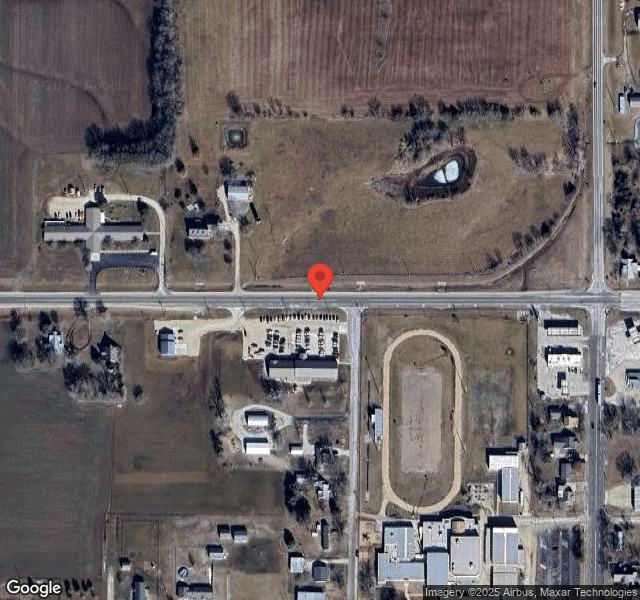
3940 US HWY 54, MORAN, KS 66755 (620) 237-4300
For profit - Corporation 45 Beds AMERICARE SENIOR LIVING Data: November 2025 1 Immediate Jeopardy citation
Trust Grade
43/100
#145 of 295 in KS
Last Inspection: June 2025

Inspected within the last 6 months. Data reflects current conditions.

Overview

Moran Manor has a Trust Grade of D, indicating it is below average and has some concerning issues. It ranks #145 out of 295 facilities in Kansas, placing it in the top half, and is the best option in Allen County with only one other facility to compare against. The facility's trend is improving, with a decrease in reported issues from 12 in 2023 to 9 in 2025. Staffing is a relative strength with a rating of 4 out of 5 stars, though the turnover rate is 56%, which is average for the state. Notably, there have been no fines, which is a positive sign, and RN coverage is better than 86% of Kansas facilities, ensuring that registered nurses are available to catch potential problems. However, there have been critical safety concerns, such as a resident being transported without proper safety measures, and issues in the kitchen related to food sanitation and pest control that could risk residents’ health. Overall, while there are strengths in staffing and RN coverage, families should weigh these against the serious deficiencies noted in safety and sanitation.

Trust Score
D
43/100
In Kansas
#145/295
Top 49%
Safety Record
High Risk
Review needed
Inspections
Getting Better
12 → 9 violations
Staff Stability
⚠ Watch
56% turnover. Above average. Higher turnover means staff may not know residents' routines.
Penalties
✓ Good
No fines on record. Clean compliance history, better than most Kansas facilities.
Skilled Nurses
✓ Good
Each resident gets 54 minutes of Registered Nurse (RN) attention daily — more than average for Kansas. RNs are trained to catch health problems early.
Violations
⚠ Watch
26 deficiencies on record. Higher than average. Multiple issues found across inspections.
★★★☆☆
3.0
Overall Rating
★★★★☆
4.0
Staff Levels
★★☆☆☆
2.0
Care Quality
★★★☆☆
3.0
Inspection Score
Stable
2023: 12 issues
2025: 9 issues

The Good

  • 4-Star Staffing Rating · Above-average nurse staffing levels
  • Full Sprinkler Coverage · Fire safety systems throughout facility
  • No fines on record

Facility shows strength in staffing levels, fire safety.

The Bad

3-Star Overall Rating

Near Kansas average (2.9)

Meets federal standards, typical of most facilities

Staff Turnover: 56%

Near Kansas avg (46%)

Frequent staff changes - ask about care continuity

Chain: AMERICARE SENIOR LIVING

Part of a multi-facility chain

Ask about local staffing decisions and management

Staff turnover is elevated (56%)

8 points above Kansas average of 48%

The Ugly 26 deficiencies on record

1 life-threatening
Jun 2025 8 deficiencies
CONCERN (D)

Potential for Harm - no one hurt, but risky conditions existed

Resident Rights (Tag F0550)

Could have caused harm · This affected 1 resident

**NOTE- TERMS IN BRACKETS HAVE BEEN EDITED TO PROTECT CONFIDENTIALITY** The facility reported a census of 36 residents with 14 residents sampled, including two residents reviewed for dignity. Based on...

Read full inspector narrative →
**NOTE- TERMS IN BRACKETS HAVE BEEN EDITED TO PROTECT CONFIDENTIALITY** The facility reported a census of 36 residents with 14 residents sampled, including two residents reviewed for dignity. Based on observation, interview, and record review, the facility failed to ensure dignified care for Resident (R)28, when staff failed to cover the resident while receiving care when staff entered and exited his room. This placed the resident at risk for embarrassment and decreased psychosocial well-being. Findings included: - A review of R28's Electronic Medical Record (EMR) revealed a diagnosis of Parkinson's disease (a slowly progressive neurologic disorder characterized by resting tremors, rolling of the fingers, masklike faces, shuffling gait, muscle rigidity, and weakness). The Annual Minimum Data Set (MDS), dated [DATE], documented the resident had a Brief Interview for Mental Status (BIMS) score of 11, indicating moderately impaired cognition. The MDS noted he required staff assistance with toileting. R28's Urinary Incontinence/Indwelling Catheter Care Area Assessment dated 04/17/25 documented the resident required staff assistance with toileting needs due to weakness and cognitive loss. The Quarterly MDS, dated 01/17/25, documented R28 had a BIMS score of five indicating severe cognitive impairment. The MDS noted he required staff assistance with toileting. R28's Care Plan, revised 06/02/25, instructed staff to provide catheter (a flexible tube inserted through a narrow opening into a body cavity, particularly the bladder, for removing fluid) care every shift. On 06/03/25 at 09:07 AM, Licensed Nurse (LN) G provided peri-care for R28. The resident lay on top of his bed, uncovered; he was naked from the waist down. While LN G provided care, Certified Nurse Aide (CNA) N knocked on the resident's door and entered without awaiting a response from LN G. CNA N entered R28's room which exposed the resident to any residents, staff, and visitors who may have been outside of his door. On 06/03/25 at 09:35 AM, CNA N confirmed she entered the resident's room without awaiting a response which caused the resident to be exposed to anyone in the hall. On 06/03/25 at 09:37 AM, LN G stated staff should not enter and exit a resident's room during care. On 06/04/25 at 09:41 AM, Administrative Nurse D stated she expected staff not to enter a resident's room while the resident was not covered during care. Review of the facility policy Promoting/Maintaining Resident Dignity, implemented 01/21/25, included: The facility shall promote and protect each resident's rights with respect and dignity.
CONCERN (D)

Potential for Harm - no one hurt, but risky conditions existed

Deficiency F0637 (Tag F0637)

Could have caused harm · This affected 1 resident

The facility identified a census of 36 residents. The sample included 14 residents with one sampled for dialysis (a procedure where impurities or wastes were removed from the blood) review. Based on o...

Read full inspector narrative →
The facility identified a census of 36 residents. The sample included 14 residents with one sampled for dialysis (a procedure where impurities or wastes were removed from the blood) review. Based on observation, interview, and record review, the facility failed to complete a Significant Change Minimum Data Set assessment for Resident (R) 31 when the resident started dialysis. This deficient practice placed the resident at risk for unidentified care needs after a significant change in health status. Findings: - R31's Electronic Medical Record (EMR) documented a diagnosis of end-stage renal disease (ESRD-a terminal disease of the kidneys) and dependence on dialysis. R31's 02/21/25 admission Minimum Data Set (MDS) documented a Brief Interview for Mental Status (BIMS) score of 13, indicating intact cognition. The MDS documented R31 was not on dialysis services at that time. R31's 05/09/25 Quarterly MDS documented a BIMS of 13. The MDS noted R31 was on dialysis services at that time. R31's Care Plan, dated 05/09/25, documented R31 had dialysis treatment and instructed staff to coordinate care in collaboration with the dialysis center. The plan directed staff to communicate with the dialysis center regarding medications, diet, and lab results. The plan documented R31 had a central venous catheter (CVC-a thin, flexible tube inserted into a large vein, usually in the neck, chest, or groin, and threaded up to a vein near the heart) located in his upper left chest. R31's Care Plan instructed staff to keep it clean and dry; change R31's dressing as directed by the dialysis center and monitor for signs and symptoms of infection. The plan directed staff that dressing changes were done by the dialysis nurse on a routine basis; staff were to reinforce loose dressings. R31's EMR under the Physician Orders documented the following orders: Dialysis: Change dressing as directed by dialysis and reinforce loose dressings. Dressing will be changed at dialysis on Monday, Wednesday, and Friday. Call the dialysis site with questions. Change when soiled, ordered 05/20/25. Dialysis: If dressing is in place change as needed when soiled. Ordered on 05/20/25. Dialysis: Monday Wednesday, and Friday at 02:00 PM. Complete the Pre/Post Dialysis Assessment under the assessment tab on dialysis days. Send a snack with R31. Ordered on 05/20/25. Dialysis: Monitor the dialysis catheter in the left chest area for signs of infection, every shift. Ordered on 05/20/25. Dialysis Precautions: No lab draws, or blood pressure taken on the left arm ordered on 5/28/25. R31's EMR revealed the following: R31's Pre/Post Dialysis Evaluation was not completed on 04/11/25, 04/14/25, 04/16/25, 04/18/25, 04/23/25, 05/05/25, and 05/23/25. R31's Dialysis Communication Form was not provided for 04/14/25, 04/21/25, and 05/21/25. R31's Dialysis Communication Form from 04/18/25 had a note from the dialysis center that instructed staff to please keep the CVC dressing clean, dry, and intact. During an observation on 06/03/25 at 08:12 AM, R31 lay in bed. His CVC dressing over his dialysis catheter port was soiled with light red areas and areas of dried dark blood. The dressing was not tightly secured to his chest. R31's chest was exposed and appeared to have a light red area to his chest. R31 had a drink that appeared to be the same light pink color on the dressing and his chest. During an interview on 06/04/25 at 12:35 PM, LN H and Consultant Staff GG stated they expected the MDS to be correct and timely. They acknowledged a Significant Change MDS should have been completed following the start of R31's dialysis. During an interview on 06/04/25 at 01:30 PM, Administrative Nurse D stated that she expected the MDS to be completed timely and accurately. The MDS policy documented the facility will conduct initial and periodic comprehensive, accurate, standardized reproducible assessments. The Resident Assessment Instrument (RAI- is a comprehensive, standardized tool used in long-term care facilities to assess residents, guide care planning, and monitor quality of care.) will be used as a basis for assessment and care planning. A comprehensive assessment will be completed within 14 days of a significant change that is not likely to resolve itself.
CONCERN (D)

Potential for Harm - no one hurt, but risky conditions existed

Assessment Accuracy (Tag F0641)

Could have caused harm · This affected 1 resident

The facility reported a census of 36 residents with 14 residents selected for review. Based on observation, interview, and record review, the facility failed to accurately complete the Minimum Data Se...

Read full inspector narrative →
The facility reported a census of 36 residents with 14 residents selected for review. Based on observation, interview, and record review, the facility failed to accurately complete the Minimum Data Set for Resident (R) 2. This placed the resident at risk for unidentified care needs. Findings included: - R2's Electronic Medical Record (EMR) documented diagnoses of post-traumatic stress disorder (PTSD- mental disorder characterized by an acute emotional response to a traumatic event or situation involving severe environmental stress), anxiety (class of medications that calm and relax people), depressive disorder (major mood disorder which causes persistent feelings of sadness), obsessive-compulsive disorder (OCD- an anxiety disorder characterized by recurrent and persistent thoughts, ideas, and feelings of obsessions severe enough to cause marked distress, consume considerable time, or significantly interfere with the resident's occupational, social, or interpersonal functioning), and dementia (a progressive mental disorder characterized by failing memory and confusion). R2's 10/28/24 Annual Minimum Data Set (MDS) documented R2 had a Brief Interview for Mental Status (BIMS) of 15, indicating intact cognition, and a PHQ-9 severity score of zero indicating no depression. The MDS noted R2 had no behaviors and took an antidepressant (a class of medications used to treat mood disorders). The MDS inaccurately documented that R2 did not take an antipsychotic medication (a class of medications used to treat major mental conditions that cause a break from reality). The 10/28/24 Psychotropic Drug Use Care Area Assessment (CAA) documented R2 took psychotropic medications to manage psychiatric illness/condition and a licensed nurse monitored for side effects every shift. The CAA noted a pharmacist consultant will review medications monthly and the physician will review medications with each visit. R2's 05/07/25 Quarterly MDS documented a BIMS of 15. The MDS noted R2 took an antidepressant, antianxiety, and an antipsychotic medication. R2's Care Plan dated 11/22/18 noted R2 received psychotropic medications and instructed staff to monitor her every shift for targeted behaviors. R2 has a diagnosis of anxiety, depression, and obsessive-compulsive disorder. R2's Care Plan instructed staff to re-direct the resident when behaviors were present. The plan notified staff that R2 received antipsychotic medication. R2's Physicians Orders documented: A discontinued order for Seroquel (antipsychotic) 25 milligrams (mg), take two tablets three times a day for depression and anxiety. This was started on 12/22/23 and was discontinued on 01/24/25. Seroquel 25 milligrams mg, take one tablet by three times a day for obsessive-compulsive disorder. This was started on 04/30/25. During an observation on 06/02/25 at 12:33 PM, R2 sat in her recliner in her room. She stated she was unhappy with her medications. She said she just did not feel like the medications were helping. During an interview on 06/04/25 at 12:35 PM, LN H and Consultant Staff GG stated they expected the MDS to be correct and timely. They acknowledged the MDS should have been coded with the antipsychotic medication to properly assess the resident. During an interview on 06/04/25 at 01:30 PM, Administrative Nurse D stated she expected the MDS and CAAs to be completed accurately. Administrative Nurse D said the MDS should have been coded that R2 was taking the antipsychotic medication. The MDS policy documented the facility will conduct initial and periodic comprehensive, accurate, standardized reproducible assessments. The Resident Assessment Instrument (RAI- is a comprehensive, standardized tool used in long-term care facilities to assess residents, guide care planning, and monitor quality of care) will be used as a basis for assessment and care planning.
CONCERN (D)

Potential for Harm - no one hurt, but risky conditions existed

Quality of Care (Tag F0684)

Could have caused harm · This affected 1 resident

**NOTE- TERMS IN BRACKETS HAVE BEEN EDITED TO PROTECT CONFIDENTIALITY** The facility reported a census of 36 residents with 14 residents sampled including one resident reviewed for positioning. Based ...

Read full inspector narrative →
**NOTE- TERMS IN BRACKETS HAVE BEEN EDITED TO PROTECT CONFIDENTIALITY** The facility reported a census of 36 residents with 14 residents sampled including one resident reviewed for positioning. Based on observation, interview, and record review, the facility failed to ensure appropriate wheelchair positioning for Resident (R)23, regarding the positioning of her feet on the foot pedals. This placed the resident at risk for accidents and decreased comfort. Findings included: - Review of R23's Electronic Medical Record (EMR) revealed a diagnosis of Parkinson's disease (a slowly progressive neurologic disorder characterized by resting tremors, rolling of the fingers, masklike faces, shuffling gait, muscle rigidity, and weakness). R23's Annual Minimum Data Set (MDS), dated [DATE], documented the resident had a Brief Interview for Mental Status (BIMS) score of six, indicating severe cognitive impairment. The MDS noted R23 was independent with mobility in her wheelchair and had no limitation in range of motion (ROM). The Functional Abilities Care Area Assessment (CAA), dated 07/01/24, documented the resident required staff assistance for the completion of activities of daily living (ADL). The Quarterly MDS, dated 03/27/25, documented the resident had a BIMS score of eight, indicating moderately impaired cognition. The MDS noted she was independent with mobility in her wheelchair and had no limitations in ROM. R23's Care Plan, revised 05/30/25, instructed staff the resident required limited assistance with mobility in her wheelchair. R23's EMR, from 05/06/25 through 06/03/25, revealed the resident required partial/moderate staff assistance to total dependence on staff for mobility in her wheelchair. Observation on 06/02/25 at 07:15 AM revealed R23 sat in her wheelchair in the front common area. The resident wore shoes. The center of the resident's feet rested on the distal (far) edge of the wheelchair's foot pedals with her heels several inches above the foot pedals and the toe of her shoes pointed down towards the floor. On 06/03/25 at 07:41 AM, R23 sat in her wheelchair at the dining table. The resident wore shoes. The center of the resident's feet rested on the distal edge of the wheelchair's foot pedals with her heels several inches above the foot pedals and the toe of her shoes pointed down towards the floor. On 06/03/25 at 08:47 AM, Certified Nurse Aide (CNA) M propelled the resident in her wheelchair to her room. Her feet remained in the same position as earlier. On 06/03/25 at 08:57 AM, CNA M confirmed R23's feet did not sit flatly on the foot pedals of the wheelchair. On 06/03/25 at 09:01 AM, CNA N stated R23's feet would often come off the foot pedals because her feet did not fit properly on the foot pedals. On 06/04/25 at 09:45 AM, Licensed Nurse (LN) G stated R23's feet had never fit properly on the foot pedals of her wheelchair. On 06/04/25 at 10:17 AM, Administrative Nurse D stated the resident's feet did not fit the foot pedals of her wheelchair properly. The facility did not provide a policy for wheelchair positioning.
CONCERN (D)

Potential for Harm - no one hurt, but risky conditions existed

Deficiency F0698 (Tag F0698)

Could have caused harm · This affected 1 resident

The facility identified a census of 36 residents. The sample included 14 residents with one sampled for dialysis (a procedure where impurities or wastes were removed from the blood) review. Based on o...

Read full inspector narrative →
The facility identified a census of 36 residents. The sample included 14 residents with one sampled for dialysis (a procedure where impurities or wastes were removed from the blood) review. Based on observation, interview, and record review, the facility failed to provide the necessary dialysis assessment, care, and services for Resident (R) 31. This deficient practice had the risk of adverse outcomes and dialysis complications for R31. Findings: - R31's Electronic Medical Record (EMR) documented a diagnosis of end-stage renal disease (ESRD-a terminal disease of the kidneys) and dependence on dialysis. R31's 02/21/25 admission Minimum Data Set (MDS) documented a Brief Interview for Mental Status (BIMS) score of 13, indicating intact cognition. The MDS documented R31 was not on dialysis services at that time. R31's 05/09/25 Quarterly MDS documented a BIMS of 13. The MDS noted R31 was on dialysis services at that time. R31's Care Plan, dated 05/09/25, documented R31 had dialysis treatment and instructed staff to coordinate care in collaboration with the dialysis center. The plan directed staff to communicate with the dialysis center regarding medications, diet, and lab results. The plan documented R31 had a central venous catheter (CVC-a thin, flexible tube inserted into a large vein, usually in the neck, chest, or groin, and threaded up to a vein near the heart) located in his upper left chest. R31's Care Plan instructed staff to keep it clean and dry; change R31's dressing as directed by the dialysis center and monitor for signs and symptoms of infection. The plan directed staff that dressing changes were done by the dialysis nurse on a routine basis; staff were to reinforce loose dressings. R31's EMR under the Physician Orders documented the following orders: Dialysis: Change dressing as directed by dialysis and reinforce loose dressings. Dressing will be changed at dialysis on Monday, Wednesday, and Friday. Call the dialysis site with questions. Change when soiled, ordered 05/20/25. Dialysis: If dressing is in place change as needed when soiled. Ordered on 05/20/25 Dialysis: Monday Wednesday, and Friday at 02:00 PM. Complete the Pre/Post Dialysis Assessment under the assessment tab on dialysis days. Send a snack with R31. Ordered on 05/20/25. Dialysis: Monitor the dialysis catheter in the left chest area for signs of infection, every shift. Ordered on 05/20/25. Dialysis Precautions: No lab draws, or blood pressure taken on the left arm ordered on 5/28/25. R31's EMR revealed the following: R31's Pre/Post Dialysis Evaluation was not completed on 04/11/25, 04/14/25, 04/16/25, 04/18/25, 04/23/25, 05/05/25, and 05/23/25. R31's Dialysis Communication Form was not provided for 04/14/25, 04/21/25, and 05/21/25. R31's Dialysis Communication Form from 04/18/25 had a note from the dialysis center that instructed staff to please keep the CVC dressing clean, dry, and intact. R31's EMR, reviewed on 06/04/25, lacked evidence that the doctor or dialysis center was notified of the soiled dressing on 06/03/25. During an observation on 06/03/25 at 08:12 AM, R31 lay in bed. His CVC dressing over his dialysis catheter port was soiled with light red areas and areas of dried dark blood. The dressing was not tightly secured to his chest. R31's chest was exposed and appeared to have a light red area to his chest. R31 had a drink that appeared to be the same light pink color on the dressing and his chest. During an interview on 06/04/25 at 12:10 PM, Licensed Nurse (LN) G stated that prior to dialysis the nurse filled out the Dialysis Communication Form, obtained vital signs, and assessed the resident. LN G said after dialysis, facility staff did not assess R31 because R31 typically came back from dialysis and went straight to supper. During an interview on 06/04/25 at 01:30 PM, Administrative Nurse D stated that she expected staff to follow the orders and the policy for dialysis for residents including following orders and doing an assessment on the residents before and after each dialysis treatment. Administrative Nurse D said she also expected the catheter area to be assessed and clean and dry. Administrative Nurse D stated that the dialysis nurses changed the dressing. The facility's Hemodialysis policy, dated 01/21/25, documented the facility would provide the necessary care and treatment consistent with professional standards of practice, physician's orders and the residents care plan. The facility will coordinate and collaborate with the Dialysis Center. The facility will monitor and document the status of the resident's access site upon their return from a treatment.
CONCERN (F)

Potential for Harm - no one hurt, but risky conditions existed

Food Safety (Tag F0812)

Could have caused harm · This affected most or all residents

The facility reported a census of 36 residents with one kitchen. Based on observation, interview, and record review, the facility failed to provide sanitary conditions for food storage to prevent the ...

Read full inspector narrative →
The facility reported a census of 36 residents with one kitchen. Based on observation, interview, and record review, the facility failed to provide sanitary conditions for food storage to prevent the spread of food borne illness to the residents of the facility. This placed the residents at risk for food-borne illness. Findings included: - Initial tour of the kitchen on 06/02/35 at 02:51 PM with Dietary Manager BB, revealed the following areas of concern: The stand-up freezer in the kitchen area contained BBQ ribs open to air and undated. There were frozen vegetables in a bag, opened and not dated. The stand-up refrigerator in the kitchen contained salad opened to air and not dated. It also contained cottage cheese, sour cream, and cream opened but not dated. The dry storage area had a freezer with frozen peas that was open to air. The kitchen area had a cutting board with deep grooves and scratches on it. During an interview on 06/02/25 at 03:05 PM, Dietary Manager BB reported she expected all food to be dated and covered. Dietary Manager BB further stated all equipment should have cleanable surfaces with no scratches. Dietary Manager BB immediately discarded the cutting board. During an interview on 06/04/25 at 01:53 PM, Administrative Staff A reported that once the food was open, it had to be labeled and dated. Administrative Staff A said that after three days of storage, food should be thrown out. Administrative Staff A also reported that utensils were to be replaced if damaged or contaminated. The facility's Food Safety Requirements policy dated 01/21/25 documented that all foods in the kitchen would be labeled and include the name of the food and expiration date. Additionally, all items were to be covered or in airtight containers. All equipment used in the kitchen will be cleaned and sanitized.
CONCERN (F)

Potential for Harm - no one hurt, but risky conditions existed

Deficiency F0925 (Tag F0925)

Could have caused harm · This affected most or all residents

The facility reported a census of 36 residents. The sample included 14 residents. Based on interviews, record reviews and observation, the facility failed to maintain an effective pest control program...

Read full inspector narrative →
The facility reported a census of 36 residents. The sample included 14 residents. Based on interviews, record reviews and observation, the facility failed to maintain an effective pest control program to ensure the kitchen was free from insects and/or pests. This deficient practice placed the residents at risk for contaminated food, illness and discomfort. Findings included: - During an observation on 06/02/25 at 02:51 PM, there was an abundance of flies throughout the kitchen area. Further observation revealed no methods to prevent or eradicate the insects. During an observation on 06/03/25 at 12:20 PM, observation revealed flies throughout the kitchen and dining room area. During an observation on 06/04/25 at 09:13 AM, the west door that led from outside into the kitchen would not close completely without force. During an observation on 06/04/25 at 09:20 AM, the east dining room door that led directly into the courtyard had a significant gap at the bottom large enough to allow pests and/or rodents to enter the dining room. During an observation on 06/04/25 at 09:25 AM, an outer screen on the east kitchen wall had the top metal frame bent, and the screen was not sealed to the window. A review of the Facility Pest Control Service Agreement, with service start date of 10/2023, indicated that pest control vendor provided monthly service to the facility for pests and as needed for rodent control. The agreement further indicated that the service would not provide service/treatments for termites, bed bugs or flying insects. During an interview on 06/04/25 at 08:15 AM, Administrative Staff A reported that the kitchen and facility should have been free and clear of pests and rodents. Administrative Staff A said if there was an issue with either, she expected that the pest control service provider would be contacted to implement a plan to combat the pest issue. During an interview on 06/04/25 at 08:47 AM, Maintenance U reported that a private pest control vendor provided monthly pest and rodent control inside and outside of the facility. Maintenance U said if there was a pest or rodent issue that arose beyond the monthly service, staff would contact the pest control vendor to provide additional services. The facility policy Pest Control Program, dated 01/21/25 indicated that the facility would maintain a written agreement with a qualified outside pest control service that would provide pest control services on a regularly scheduled basis. The policy also indicated that the facility would utilize a variety of methods that were deemed appropriate by the outside pest control service for controlling seasonal pests such as flies.
MINOR (C)

Minor Issue - procedural, no safety impact

Staffing Information (Tag F0732)

Minor procedural issue · This affected most or all residents

The facility reported a census of 36 residents. Based on record review and interview, the facility failed to display accurate and identifiable staffing information, which contained the actual nursing ...

Read full inspector narrative →
The facility reported a census of 36 residents. Based on record review and interview, the facility failed to display accurate and identifiable staffing information, which contained the actual nursing hours worked. Findings included: - Review of the facility's Daily Staffing Sheets, from 05/01/25 through 06/02/25, revealed the actual hours worked had not been completed on the daily staffing sheets. On 06/04/25 at 07:11 AM, Administrative Nurse D verified the actual hours worked had not been filled in on the daily staffing sheets, as required. The facility did not provide a policy regarding the accurate completion of the Daily Staffing Sheets.
Mar 2025 1 deficiency 1 IJ
CRITICAL (J) 📢 Someone Reported This

A family member, employee, or ombudsman was alarmed enough to file a formal complaint

Immediate Jeopardy (IJ) - the most serious Medicare violation

Accident Prevention (Tag F0689)

Someone could have died · This affected 1 resident

**NOTE- TERMS IN BRACKETS HAVE BEEN EDITED TO PROTECT CONFIDENTIALITY** The facility reported a census of 34 residents, with one resident sampled for accidents. Based on observation, interview, and re...

Read full inspector narrative →
**NOTE- TERMS IN BRACKETS HAVE BEEN EDITED TO PROTECT CONFIDENTIALITY** The facility reported a census of 34 residents, with one resident sampled for accidents. Based on observation, interview, and record review, the facility failed to ensure Resident (R) 1 remained free of accident hazards during transportation. On 01/21/25, Transportation Staff E and Certified Nurse Aide (CNA) D did not ensure R1 was safely secured in the transportation vehicle before operating the vehicle. CNA D, who secured R1 in the transportation vehicle, lacked appropriate training and competency evaluation. Transportation Staff D failed to ensure R1's wheelchair was appropriately secured then operated the vehicle in a manner that caused the CNA to fear for her safety and the safety of the resident, by frequently looking at his phone which caused the vehicle to cross the [NAME] strips (corrugated pavement along the side of the road that causes rumbling and vibration when driven over to alert inattentive drivers of potential danger) on the right and left (center and shoulder) sides of the road multiple times during transportation. The driver of the vehicle rapidly brought the vehicle to a stop at an intersection which caused R1 to slide partially out of her wheelchair to the floor, injuring her left ankle. Transportation Staff E and CNA D failed to accurately communicate to the facility that the resident was injured and failed to activate 911 so the resident could be appropriately assessed. Additionally, the staff continued to the doctor's appointment and then drove approximately 50 miles back to the facility where the resident was then assessed to have an injury. This deficient practice placed R1 in immediate jeopardy. Findings included: - Review of the Electronic Health Record (EHR) revealed diagnoses that included diabetes mellitus type 2 (DM2 - when the body cannot use glucose, not enough insulin made or the body cannot respond to the insulin), cerebral (of or related to the brain) aneurysm (an abnormal bulge or ballooning in the wall of a blood vessel and if ruptured could cause serious internal bleeding with a potential to be life-threatening), and nontraumatic intracerebral hemorrhage (loss of a large amount of blood in a short period of time). The 11/24/24 Quarterly Minimum Data Set (MDS) documented a Brief Interview for Mental Status (BIMS) score of 14, which indicated intact cognition. The assessment documented R1 utilized a manual wheelchair and mechanical lift. The Care Plan reviewed 03/20/25, lacked instructions for staff related to securement in the facility vehicle during transportation. Review of the Progress Notes dated 01/21/25 at 12:30 PM, written by Administrative Nurse B, documented Transportation Staff E notified the facility that the facility vehicle stopped abruptly and R1 slid out of her chair. The note included R1 had not completely fallen to the ground and R1's left foot became entangled in a locking mechanism on the floor. Transportation Staff E and CNA D assisted R1 back into her wheelchair and returned to the facility. R1 was assessed for injuries and had a swollen left ankle. The staff notified R1's physician. Review of the facility's investigation revealed the following: On 01/20/25 at an unknown time, Transportation Staff E received a verbal warning related to excessive use of speed and vehicle safety based on reports from citizens of the community. On 01/21/25 at an unknown time, CNA D documented in a witness statement Transportation Staff E drove the facility vehicle while looking away from the road as if Transportation Staff E was looking at his phone. CNA D documented Transportation Staff E drove on the [NAME] strips numerous times. CNA D documented Transportation Staff E delegated securing R1 in the vehicle to CNA D. CNA D documented Transportation Staff E came to a sudden stop and CNA D turned to check on R1 and discovered R1 had slid almost completely out of the wheelchair with R1's left foot stuck on the right wheelchair strap. CNA D documented R1 complained of pain to her left ankle and CNA D and Transportation Staff E assisted R1 back into her wheelchair. On 01/21/25 at an unknown time, Transportation Staff E documented in a witness statement the vehicle was operated doing the speed limit of 40 miles per hour (mph) when the traffic light turned to red when the vehicle was approximately one-half of a block away. Transportation Staff E documented brakes were applied heavily to stop due to a police officer being parked nearby. Transportation Staff E documented CNA D checked on R1 and discovered R1 had slid out of the wheelchair. Transportation Staff E documented the vehicle pulled into a nearby gas station. Transportation Staff E documented R1's foot was caught behind the anchor lock on the right front of the wheelchair and then assisted CNA D to return R1 to the wheelchair. The witness statement lacked documentation of R1 complaining of pain. On 01/22/25 at 03:56 PM, an x-ray report documented transverse (horizontal) impacted (a type of fracture where the broken ends were driven into each other) fractures of the distal (lower) tibia and fibula (bones of the lower leg), displaced approximately one quarter shaft width, and marked osseous (bone) demineralization (loss of minerals from bones which makes them more prone to fractures). On 01/27/25 at 10:30 AM, Transportation Staff E was terminated due to inability to follow basic safety procedures and rules of the road. During an interview on 03/20/25 at 09:58 AM, R1 revealed on 01/21/25 her seatbelt was on, but it was not tight. R1 said, when the driver of the facility vehicle stopped suddenly, she slid under the seatbelt and partially onto the floor and injured her left leg. R1 stated the driver then drove the vehicle to a gas station and both staff members assisted R1 back into her wheelchair. R1 reported she told both staff members about the pain in her left ankle. R1 was unable to recall which staff member secured her and the wheelchair in the facility vehicle. During an interview on 03/20/25 at 12:45 PM, CNA D revealed she had not received any training or completed any competencies related to securing residents or the resident's wheelchairs in the facility vehicle. CNA D revealed on 01/21/25, Transportation Staff E requested CNA D secure R1 and R1's wheelchair in the facility vehicle and confirmed she had not received any training to perform this task. CNA D revealed on 01/21/25 while Transportation Staff E operated the vehicle, he looked away from the road at his phone which caused the vehicle to drift and crossed the [NAME] strips multiple times. CNA D revealed while riding in the vehicle operated by Transportation Staff E, she felt unsafe and was concerned for her own safety and the safety of R1. CNA D revealed after Transportation Staff E stopped the vehicle quickly, she turned around to check on R1 and noticed she had slid out from under the seatbelt and was partially on the floor. CNA D stated R1 complained of pain to the left ankle and the left ankle appeared swollen compared to the right ankle. Transportation Staff E then drove the van to the nearest gas station a short distance away and CNA D assisted R1 off the floor and directed Transportation Staff E to contact the facility for instructions. Transportation Staff E did not communicate to the facility that R1 was injured and complained of left ankle pain and received instructions to assist R1 back into her wheelchair and continue to their destination, then return to the facility. CNA D revealed neither her or Transportation Staff E considered calling 911 to activate EMS (emergency medical services) or go to the nearest emergency department (ED) During an interview on 03/20/25 at 01:08 PM, Transportation Staff E reported on the morning of 01/21/25 he had difficulty maintaining lane position due to strong winds and denied being distracted by looking at his phone. Transportation Staff E confirmed information documented in his witness statement listed above and revealed that he was unaware of any complaints of pain by R1. Transportation Staff E reported that he secured R1 and R1's wheelchair During an interview on 03/20/25 at 12:05 PM, Administrative Nurse B reviewed the progress note documentation from 01/21/25 at 12:30 PM and stated she could not recall if staff provided a time when the resident slid out of the wheelchair or if the staff reported to her any complaints of pain or injury. Administrative Nurse B revealed the expectation was that only staff members who were trained and had performed competencies would secure residents in the facility vehicle. Administrative Nurse B reviewed the facility investigation's witness statement from CNA D and confirmed documentation that indicated R1 had pain and restated staff did not communicate the discovery of pain when they called. Administrative Nurse B further stated that if transportation staff (driver or attendant) were alerted to pain after a similar incident, they should call 911 to activate EMS and/or go to the nearest ED to have the resident evaluated for injury. Administrative Nurse B defined a fall as an unintentional change in plane, and the incident on 01/21/25 should have been considered a fall with the appropriate response from staff. During an interview on 03/20/25 at 11:35 AM, Administrative Staff A revealed the driver of the facility vehicle was ultimately the one responsible to ensure residents were appropriately secured in the vehicle. Administrative Staff A reported that Transportation Staff E was terminated and remaining authorized drivers were reeducated related to their roles and responsibilities. Administrative Staff A revealed all CNA personnel have been instructed if they were riding in the facility's vehicle the driver of the vehicle was responsible to ensure the residents, and their wheelchairs were secured. The facility's undated Transporting a Resident (Facility Van) policy documented each resident would be secured in a seat with a seatbelt or in their wheelchair secured with wheelchair tie-downs. The facility failed to ensure Resident (R)1 remained free of accident hazards during transportation. On 01/21/25, Transportation Staff E and CNA D did not ensure R1 was safely secured in the transportation vehicle before operating the vehicle. The CNA who secured the resident lacked appropriate training and competency evaluation. Transportation Staff D failed to ensure R1's wheelchair was appropriately secured then operated the vehicle in a manner that caused the CNA to fear for her safety and the safety of the resident by frequently looking at his phone which caused the vehicle to cross the [NAME] strips (corrugated pavement along the side of the road that causes rumbling and vibration when driven over to alert inattentive drivers of potential danger) on the right and left (center and shoulder) sides of the road multiple times during transportation. The driver of the vehicle rapidly brought the vehicle to a stop at an intersection which caused R1 to slide partially out of her wheelchair to the floor, injuring her left ankle. Transportation Staff E and CNA D failed to accurately communicate to the facility that the resident was injured and failed to activate 911 so the resident could be appropriately assessed. Additionally, the staff continued to the doctor's appointment and then drove approximately 50 miles back to the facility where the resident was then assessed to have an injury. This deficient practice placed R1 in immediate jeopardy. On 03/20/25 at 03:35 PM, Administrative Staff A, Administrative Nurse B, Administrative Staff F and Consultant Nurse G were provided the Immediate Jeopardy (IJ) Template for failure ensure R1 remained free of accidents The facility immediately implemented corrective measures following the incident that involved R1 on 01/21/25. The facility's corrective measures included the following, which were verified by the surveyor on-site during the investigation. 1. All staff received education related to the roles and responsibilities of staff during transportation outside the facility, completed 01/23/25 at 01:00 PM 2. All staff authorized to drive for the facility were reeducated related to their roles and responsibilities, completed 01/28/25 at unknown time. 3. Transportation Staff E was terminated, completed 01/27/25 at 10:30 AM. All corrections were completed prior to the onsite survey, therefore the deficient practice was cited as past noncompliance at a scope and severity of G.
Aug 2023 11 deficiencies
CONCERN (D)

Potential for Harm - no one hurt, but risky conditions existed

Resident Rights (Tag F0550)

Could have caused harm · This affected 1 resident

**NOTE- TERMS IN BRACKETS HAVE BEEN EDITED TO PROTECT CONFIDENTIALITY** The facility reported a census of 32 residents with 16 residents sampled, including three residents reviewed for dignity. Based ...

Read full inspector narrative →
**NOTE- TERMS IN BRACKETS HAVE BEEN EDITED TO PROTECT CONFIDENTIALITY** The facility reported a census of 32 residents with 16 residents sampled, including three residents reviewed for dignity. Based on observation, interview, and record review, the facility failed to show respect and dignity to one Resident (R)25, when staff failed to close the blinds while providing peri-care (cleansing of the genitals), R 10, when staff failed to provide dignity as two staff opened and closed the door to his room while he was exposed from the mid chest to his ankles, and R26, when the resident had his abdomen exposed in the dining room, common living area. Findings included: - The Physician Order Sheet (POS), dated 08/23/23, documented Resident (R) 25 had diagnoses which included: anxiety (mental or emotional reaction characterized by apprehension, uncertainty and irrational fear), panic (sudden uncontrollable fear or anxiety, often causing wildly unthinking behavior) and cerebral infarction ((CVA [stroke] sudden death of brain cells due to lack of oxygen caused by impaired blood flow to the brain by blockage or rupture of an artery to the brain). The Significant Change Minimum Data Set (MDS), dated [DATE], documented a Brief Interview for Mental Status (BIMS) score of six, indicating severe cognitive impairment. She required extensive assistance of two staff for bed mobility and total assistance of two staff for toileting. She was always incontinent of bowel and bladder. The Activity of Daily Living (ADL) Functional/Rehabilitation Potential Care Area Assessment (CAA), dated 09/25/22, documented the resident was dependent on staff for all ADL's. The Quarterly MDS, dated 07/26/23, documented the resident had a BIMS score of three, indicating severe cognitive impairment. She required total assistance of two staff for bed mobility and toileting. She was always incontinent of bowel and bladder. The care plan for ADL's, revised 06/09/23, instructed staff the resident was totally dependent on staff for ADL's. On 08/30/23 at 09:17 AM, Licensed Nurse (LN) G entered the resident's room to assist with cares. Certified Nurse Aide (CNA) N and LN G turned the resident onto her left side in bed, exposing her bare buttocks to the window, which had opened blinds. LN G provided peri-care with the resident's buttocks fully exposed. On 08/30/23 at 09:20 AM, CNA N stated the window blinds should be closed when staff perform cares with the resident. On 08/30/23 at 09:28 AM, LN G stated the blinds should have been closed while staff were providing cares. On 08/31/23 at 10:58 AM, Administrative Nurse E stated the staff should always close the window blinds while performing cares with residents. The facility policy for Quality of Life--Dignity, revised August 2009, included: Staff shall promote, maintain and protect resident privacy, including bodily privacy during assistance with personal care and during treatment procedures. The facility failed to provide dignity for this dependent resident while providing peri-care by failing to close the window blinds, which exposed the resident's bare buttocks. - Resident (R)10's electronic medical record (EMR), revealed a diagnosis of neurogenic bladder (dysfunction of the urinary bladder caused by a lesion of the nervous system). The admission Minimum Data Set (MDS), dated [DATE], documented the resident had a Brief Interview for Mental Status (BIMS) score of 14, indicating intact cognition. He had an indwelling urinary catheter (a closed sterile system with a catheter and retention balloon that is inserted through the urethra or to allow for bladder drainage). He required total assistance of one staff for toileting. The Urinary Incontinence and Indwelling Catheter Care Area Assessment (CAA), dated 09/19/23, documented the resident had urinary retention (inability to urinate). He required staff assistance to maintain his catheter. The Quarterly MDS, dated 06/14/23, documented the resident had a BIMS score of six, indicating severe cognitive impairment. He had an indwelling urinary catheter and required supervision for toileting. The urinary catheter care plan, revised 06/14/23, instructed staff to flush the catheter with sterile water, as ordered. Review of the resident's EMR, revealed the following order: Flush and irrigate the resident's urinary catheter with 60-120 cubic centimeters (cc's) of sterile water every day and as needed (PRN), ordered 05/11/23. On 08/30/23 at 01:52 PM, Licensed Nurse (LN) G gathered his supplies and entered the resident's room to flush the catheter tubing and provide catheter care. LN G had the resident assist to lower his pants down to his ankles and sit on the recliner while performing cares. While performing cares, Administrative Nurse E knocked on the door and walked through the door without waiting for an answer from the resident or the staff. Administrative Nurse E then left the room by opening the door to the resident's room, which placed the resident into view of other residents, staff or visitors in the hallway, as he sat naked from mid-chest to his ankles. At one point while performing cares, LN G opened the resident's door and exited for further supplies. LN G then re-opened the door to re-enter the room, which placed the resident into view of other residents, staff or visitors in the hallway, as he sat naked from mid-chest to his ankles. On 08/30/23 at 03:51 PM, LN G stated the resident did not want his blinds closed at any time but the resident should have been covered before the door to his room was opened as the resident was half naked in his chair and the door being opened put him into view of anyone in the hallway. On 08/31/23 at 10:58 AM, Administrative Nurse E stated the resident should not be exposed at any time. The facility policy for Quality of Life--Dignity, revised August 2009, included: Staff shall promote, maintain and protect resident privacy, including bodily privacy during assistance with personal care and during treatment procedures. The facility failed to cover this dependent resident during catheter cares when the door to his room was opened two times by staff, exposing him to anyone who may have been in the hallway. - Review of Resident (R)26's Physician Order Sheet, dated 06/13/23, revealed diagnoses included dementia (progressive mental disorder characterized by failing memory and confusion,) heart failure, and diabetes (when the body cannot use glucose, not enough insulin made, or the body cannot respond to the insulin.) The Annual Minimum Data Set (MDS), dated [DATE], assessed the resident with a Brief Interview for Mental Status (BIMS) score of three, which indicated severely impaired cognition. The resident required limited assistance of one staff for dressing. The ADL (Activity of Daily Living) Functional/Rehabilitation Potential Care Area Assessment (CAA), dated 04/15/23, assessed the resident did not trigger for this resident. The Quarterly Minimum Data Set, dated 08/04/23, assessed the resident with a BIMS score of five, and required extensive assistance of one staff for dressing. The Care Plan, dated 08/04/23, instructed staff to monitor the resident for his general awareness, he had difficulty understanding others and difficulty with personal hygiene. Observation, on 08/29/23 at 08:30 AM, revealed the resident seated in his wheelchair in the dining room. The resident's tee shirt hem was scrunched up above his exposed abdomen. Observation on 08/29/23 at 11:03 AM, revealed the resident seated in the common lobby area with his tee shirt scrunched above his exposed abdomen. Various Nursing Staff walked by the resident without assisting him with clothing adjustment. Observation, on 08/29/23 at 11:15 AM, R12 walked by the resident and suggested he pull his shirt down. The resident did not respond to the request. Interview, on 08/29/23 at 11:30 AM, with Licensed Nurse G, revealed he would expect staff to assist the resident to adjust clothing. Interview, on 08/30/23 at 03:14 PM, with certified Nurse Aide (CNA) P, revealed the resident required extensive assistance with ADL's and cooperated with instructions. Interview, on 08/31/23 at 11:21 AM, with Administrative Nurse E, revealed she would expect staff dress the resident appropriately and adjust clothing as needed. Administrative Nurse E stated she would investigate to ensure the resident had clothing that fit appropriately. The facility policy for Quality of Life--Dignity, revised August 2009, instructed staff to promote maintain and protect resident privacy. The facility policy Activities of Daily Living (ADL) dated 10/2022, instructed staff to provide ADL's for residents to maintain good grooming and personal hygiene. The facility failed to ensure this resident's dignity in the common areas of the facility, when staff failed to assist clothing adjustment for this resident that required extensive staff assistance with dressing.
CONCERN (D)

Potential for Harm - no one hurt, but risky conditions existed

Assessment Accuracy (Tag F0641)

Could have caused harm · This affected 1 resident

**NOTE- TERMS IN BRACKETS HAVE BEEN EDITED TO PROTECT CONFIDENTIALITY** The facility reported a census of 32 residents with 16 sampled for review. Based on observation, interview, and record review, t...

Read full inspector narrative →
**NOTE- TERMS IN BRACKETS HAVE BEEN EDITED TO PROTECT CONFIDENTIALITY** The facility reported a census of 32 residents with 16 sampled for review. Based on observation, interview, and record review, the facility failed to complete an accurate Minimum Data Set (MDS) for one Resident (R)25, regarding anti-psychotic medications (class of medications used to treat psychosis and other mental emotional conditions). Findings included: - Review of Resident (R)25's electronic medical record (EMR) included diagnoses of anxiety (mental or emotional reaction characterized by apprehension, uncertainty and irrational fear), pain disorder (a mental and behavioral disorder), and depression (abnormal emotional state characterized by exaggerated feelings of sadness, worthlessness and abnormal emotional state characterized by exaggerated feelings of sadness, worthlessness, emptiness and hopelessness emptiness). The Significant Change Minimum Data Set (MDS), dated [DATE], documented the resident had a Brief Interview for Mental Status (BIMS) score of six, indicating severe cognitive impairment. The MDS documented the resident received anti-psychotic medications seven days of the seven-day assessment period. The MDS further documented the resident did not receive any antipsychotic medications during the seven-day assessment period. The Psychosocial Well-Being Care Area Assessment (CAA), dated 09/25/22, documented the resident often yelled out and had difficulty expressing her needs. The Quarterly MDS, dated 07/26/23, documented the resident had a BIMS score of three, indicating severe cognitive impairment. She received anti-psychotic medications seven days of the seven-day assessment period and received anti-psychotic medications on a routine basis only. The care plan for mental wellness and psychotropic medication use, revised 06/09/23, instructed staff the resident would cry out and yell at times. The resident had psychotropic medications. Review of the resident's EMR revealed the following order: Risperidone (an anti-psychotic medication), 0.5 milligrams (mg), via percutaneous endoscopic gastrostomy tube (PEG-tube is a tube inserted through the abdomen directly into the stomach), twice daily (BID), for depression, ordered 07/29/22. On 08/31/23 at 09:44 AM, Consultant Staff GG stated the significant change MDS, dated [DATE], was inaccurate. The resident received anti-psychotics on a routine basis during the assessment period. On 08/31/23 at 10:58 AM, Administrative Nurse E stated it was the expectation for the MDS's to be completed accurately. The facility utilizes the Resident Assessment Instrument (RAI) in completion of the MDS. The facility failed to complete an accurate comprehensive assessment for this dependent resident.
CONCERN (D)

Potential for Harm - no one hurt, but risky conditions existed

Comprehensive Care Plan (Tag F0656)

Could have caused harm · This affected 1 resident

**NOTE- TERMS IN BRACKETS HAVE BEEN EDITED TO PROTECT CONFIDENTIALITY** The facility reported a census of 32 residents with 16 residents sampled. Based on observation, interview, and record review, th...

Read full inspector narrative →
**NOTE- TERMS IN BRACKETS HAVE BEEN EDITED TO PROTECT CONFIDENTIALITY** The facility reported a census of 32 residents with 16 residents sampled. Based on observation, interview, and record review, the facility failed to complete a comprehensive care plan for one Resident (R)32, regarding pain. Findings included: - Review of Resident (R)32's electronic medical record (EMR) included a diagnosis of fractured ribs (broken ribs). The admission Minimum Data Set (MDS), dated [DATE], documented the resident had a Brief Interview for Mental Status (BIMS) score of 10, indicating moderately impaired cognition. He reported frequent pain with worse pain in past five days being five out of a one to ten pain assessment tool. Pain did affect his sleep but did not affect his day to day activities. He received as needed (PRN) pain medications. The Pain Care Area Assessment (CAA), dated 08/21/23, documented the nursing staff would monitor the resident for pain and work on finding effective pain management interventions, including medication and non-medical options for pain. The care plan, dated 08/14/23, instructed staff the resident had pain, but lacked staff instruction for non-medical pain interventions for the resident. Review of the resident's EMR from 08/14/23 through 08/30/23, revealed the resident had pain rated from 2-8 and received pain medication, with effective results, for the pain. The EMR lacked non-medical pain interventions attempted by the staff. On 08/30/23 at 03:39 PM, Certified Nurse Aide (CNA) P stated the resident complained of pain a lot and would receive pain medication. CNA P was unaware of any non-medical pain interventions to assist the resident with his pain. On 08/30/23 at 03:51 PM, Licensed Nurse (LN) G stated the resident had an order for pain medication every four hours. LN G was unaware of any non-medical pain interventions. On 08/31/23 at 10:04 AM, Administrative Nurse E stated the staff should be attempting non-medical pain interventions before administering pain medication. The facility policy for Activities of Daily Living, revised 10/2022, included: The facility will maintain individual objectives of the care plan. The facility failed to complete a comprehensive care plan for this resident, regarding pain.
CONCERN (D)

Potential for Harm - no one hurt, but risky conditions existed

Accident Prevention (Tag F0689)

Could have caused harm · This affected 1 resident

**NOTE- TERMS IN BRACKETS HAVE BEEN EDITED TO PROTECT CONFIDENTIALITY** The facility reported a census of 32 residents with 16 residents sampled, including three residents reviewed for accidents. Base...

Read full inspector narrative →
**NOTE- TERMS IN BRACKETS HAVE BEEN EDITED TO PROTECT CONFIDENTIALITY** The facility reported a census of 32 residents with 16 residents sampled, including three residents reviewed for accidents. Based on observation, interview, and record review, the facility failed to ensure an environment free from accident hazards for one Resident (R)23, regarding the lack of foot pedals on her wheelchair. Findings included: - Review of Resident (R)23's electronic medical record (EMR) included a diagnosis of dementia (progressive mental disorder characterized by failing memory, confusion). The Annual Minimum Data Set (MDS), dated [DATE], documented the staff assessment for cognition revealed severe cognitive impairment. She required extensive assistance of one staff for locomotion on the unit. She had no impairment in her functional range of motion (ROM) and used a wheelchair for locomotion. The Activity of Daily Living (ADL) Functional/Rehabilitation Potential Care Area Assessment (CAA), dated 07/26/23, did not trigger. The Quarterly MDS, dated 04/27/23, documented the resident had a Brief Interview for Mental Status (BIMS) score of three, indicating severe cognitive impairment. She required total assistance of one staff for locomotion on the unit, had limited ROM on one side of her lower extremities and used a wheelchair for locomotion on the unit. The care plan for safety, revised 08/09/23, instructed staff the resident used a wheelchair for locomotion. Review of the resident's EMR, from 08/02/23 through 08/30/23, documented the resident required extensive to total assistance of one staff for locomotion in the facility. On 08/30/23 at 07:49 AM, Certified Nurse Aide (CNA) M and CNA Q transferred the resident from a recliner in the commons area to her wheelchair. CNA Q propelled the resident from the commons area to the shower room in her wheelchair to toilet. The resident's socked feet skimmed the floor during transport. The wheelchair lacked foot pedals. After toileting, CNA M propelled the resident from the shower room to the dining room for breakfast. The resident's feet skimmed the floor during transport. The wheelchair lacked foot pedals. On 08/30/23 at 09:03 AM, CNA O propelled the resident from the dining room to her recliner in her wheelchair. The resident's feet skimmed the floor and the wheelchair lacked foot pedals. On 08/30/23 at 07:56 AM, CNA M stated the resident did not have foot pedals for her wheelchair as she was able to propel herself at times. On 08/30/23 at 09:03 AM, CNA O stated the resident did not have foot pedals for her wheelchair. On 08/31/23 at 10:04 AM, Administrative Nurse E stated the resident should have foot pedals on her wheelchair if she was unable to hold her feet up while staff propelled her in the wheelchair. The facility lacked a policy regarding the use of foot pedals on wheelchairs. The facility failed to ensure an environment free from accident hazards for this dependent resident while staff propelled in her wheelchair.
CONCERN (D)

Potential for Harm - no one hurt, but risky conditions existed

Incontinence Care (Tag F0690)

Could have caused harm · This affected 1 resident

**NOTE- TERMS IN BRACKETS HAVE BEEN EDITED TO PROTECT CONFIDENTIALITY** The facility reported a census of 32 residents with 16 residents sampled including one resident reviewed for bowel and bladder. ...

Read full inspector narrative →
**NOTE- TERMS IN BRACKETS HAVE BEEN EDITED TO PROTECT CONFIDENTIALITY** The facility reported a census of 32 residents with 16 residents sampled including one resident reviewed for bowel and bladder. Based on observation, interview, and record review, the facility failed to develop and implement an effective individualized toileting program to maintain as much bladder function as possible for one Resident, (R)18. Findings included: - Review of Resident (R)18's electronic medical record (EMR) revealed a diagnosis of overactive bladder (OAB--causes a frequent and sudden urge to urinate). The Annual Minimum Data Set (MDS), dated [DATE], documented the resident had a Brief Interview for Mental Status (BIMS) score of eight, indicating moderate cognitive impairment. She required limited assistance of one staff for toileting and was frequently incontinent of urine. She lacked a toileting program. The Urinary Incontinence and Indwelling Catheter Care Area Assessment (CAA), dated 06/19/23, documented the resident required limited assistance with toileting and was frequently incontinent. Staff were to ensure the resident received assistance with toileting and to ensure her brief was changed following each incontinent episode. The Quarterly MDS, dated 07/21/23, documented the resident had a BIMS score of seven, indicating severe cognitive impairment. She required extensive assistance of two staff for toileting and was frequently incontinent of urine. She lacked a toileting program. The care plan for bowel and bladder, revised 06/19/23, instructed staff to assist the resident with following her toileting program, however, there was no documented toileting program. Review of the resident's EMR documented she required extensive assistance of one to two staff for toileting and was always incontinent of urine. Review of the resident's EMR from 08/02/23 through 08/30/23, documented staff were to toilet the resident at the following times: 07:00 AM, 09:00 AM, 11:00 AM, 01:00 PM, 03:00 PM, 06:00 PM, 08:00 PM and 03:00 AM. On 08/30/23 at 07:30 AM, the resident rested in bed with her eyes closed. The resident remained in bed without an offer to toilet until 11:00 AM, when CNA N entered the room to dress the resident. CNA N removed the resident's wet brief and performed peri-care (the cleansing of the genitals), put on a new brief and dressed the resident. CNA N did not offer the resident the use of a bedpan for urination. On 08/30/23 at 01:45 PM, the resident sat in her wheelchair looking out of the dining room window. At 04:00 PM, the resident remained in her wheelchair in the dining room. No staff offered to a bedpan/toilet to the resident for urination. On 08/30/23 at 11:00 AM, CNA N stated the resident's brief was wet when changed. CNA stated the bedpan would be offered at times for the resident, but not always. CNA N confirmed the resident did not currently have a bedpan in her room. On 08/30/23 at 11:19 AM, CNA O stated the resident was able to say when she needed to toilet at times. CNA O confirmed the resident did not have a bedpan in her room. Staff were currently just changing her brief every couple of hours. The resident had mostly been continent of urine before her hospitalization in July, 2023. The resident was working with therapy to regain strength. On 08/30/23 at 03:39 PM, CNA P stated the resident was currently just check and change for her toileting needs. CNA P stated she had not offered the resident a bed pan for urination. On 08/30/23 at 03:51 PM, Licensed Nurse (LN) G stated the resident was able to say when she needed to toilet. Staff toilet her every two and a half hours or so. They do not offer her a bed pan to help with her bladder continence. On 08/31/23 at 10:58 AM, Administrative Nurse E stated the staff should offer the resident a bedpan for toileting to assist the resident to retain as much bladder continence as possible. The facility policy for Activities of Daily Living, revised 10/2022, included: The facility will provide a maintenance program to assist the resident to achieve and maintain the highest practicable outcome. The facility failed to develop and implement an effective individualized toileting program to maintain as much bladder function as possible for this resident.
CONCERN (D)

Potential for Harm - no one hurt, but risky conditions existed

Pharmacy Services (Tag F0755)

Could have caused harm · This affected 1 resident

**NOTE- TERMS IN BRACKETS HAVE BEEN EDITED TO PROTECT CONFIDENTIALITY** The facility reported a census of 35 residents with 16 residents selected for review, which included five residents reviewed for...

Read full inspector narrative →
**NOTE- TERMS IN BRACKETS HAVE BEEN EDITED TO PROTECT CONFIDENTIALITY** The facility reported a census of 35 residents with 16 residents selected for review, which included five residents reviewed for unnecessary medications. Based on observation, interview, and record review, the facility failed to ensure one Resident (R)15, received laboratory blood monitoring as ordered by the physician. Findings included: - Review of Resident (R)15's Physician Order Sheet, dated 08/26/23, revealed diagnoses included chronic obstructive lung disease (progressive and irreversible condition characterized by diminished lung capacity and difficulty or discomfort in breathing), chronic kidney disease, and diabetes (when the body cannot use glucose, not enough insulin made, or the body cannot respond to the insulin). The admission Minimum Data Set (MDS) dated [DATE] assessed the resident with a Brief Interview for Mental Status (BIMS) score of 12, which indicated intact cognition. The resident received seven days of insulin injections, antipsychotic (medication to manage major mental health disorders,) antidepressant (medication used to treat depression) diuretic (medication to remove excess fluid from the body) and opioid (narcotic medications for pain) medications during the seven-day look-back period. The Cognitive Loss /Dementia Care Area Assessment (CAA), dated 03/23/23, assessed the resident had mild cognitive impairment and impaired memory. The Care Plan, revised 08/17/23, instructed staff to check blood sugar per order and obtain A1C per order (initiation date 04/17/23 ). On 03/16/23 the physician instructed staff to administer ferrous sulfate (medication containing iron) 325 milligrams (mg), daily for anemia. On 03/16/23 the physician instructed staff to administer Fluticasone (a medication for asthma that is in the classification of steroids) 50 micrograms inhaler twice a day. On 03/16/23 the physician instructed staff to administer furosemide (a medication that removes excess fluid from the body) 20 mg, daily, for edema. On 03/16/23 the physician instructed staff to obtain a current blood count (CBC), comprehensive metabolic panel (CMP), and thyroid stimulating hormone (TSH), every six months. Review of the medical record revealed a CBC, CMP and TSH completed on 03/29/23. On 04/09/23, the physician's order instructed staff to obtain an A1C (a blood test that measure the average blood sugar levels over the past three months), CBC, and CMP every three months. On 06/03/23 the physician's order instructed staff to administer of Levemir (a type of long-acting insulin) 30 units, subcutaneously (beneath the skin in subcutaneous fat,) twice a day. On 06/03/23, the physician instructed staff to administer the following sliding scale (amount of insulin required based on blood glucose level) for Novolog insulin (a short acting insulin) subcutaneously three times a day and at hour of sleep: For a blood sugar of 150-200 milligram per deciliter (mg/dL) 4 units of Novolog For a blood sugar of 201-250 mg/dL 6 units of Novolog. For a blood sugar of 251-300 mg/dL 10 units of Novolog. For a blood sugar of 301-350 mg/dL 12 units of Novolog. For a blood sugar of 351-400 mg/dL 14 units of Novolog. For a blood sugar of greater than 400 mg/dL notify the physician. On 06/05/23 the physician instructed staff to administer Metformin (a medication to lower blood sugar,) 750 mg, ER (extended release) twice a day. On 06/07/23, the physician instructed staff to administer Farxiga (a medication the removes blood sugar through the kidneys,)10 mg, daily. The facility failed to obtain an A1C for this resident as ordered by the physician on 04/09/23. In addition, the facility failed to obtain a CBC and CMP as the physician ordered, every 3 months. Interview, on 08/31/23 at 11:42 AM, with Administrative Nurse E, confirmed the two sets of lab orders (written on 03/29/23 for six months monitoring and 04/09/23 for every three-month monitoring with A1C) needed clarification. The facility lacked a policy for following physician orders. The facility failed to follow the physician orders for laboratory monitoring for this diabetic resident.
CONCERN (E)

Potential for Harm - no one hurt, but risky conditions existed

Deficiency F0657 (Tag F0657)

Could have caused harm · This affected multiple residents

**NOTE- TERMS IN BRACKETS HAVE BEEN EDITED TO PROTECT CONFIDENTIALITY** - The Physician Order Sheet (POS), dated 08/23/23, for Resident (R)25, included a diagnosis of cerebral infarction (CVA [stroke]...

Read full inspector narrative →
**NOTE- TERMS IN BRACKETS HAVE BEEN EDITED TO PROTECT CONFIDENTIALITY** - The Physician Order Sheet (POS), dated 08/23/23, for Resident (R)25, included a diagnosis of cerebral infarction (CVA [stroke] - sudden death of brain cells due to lack of oxygen caused by impaired blood flow to the brain by blockage or rupture of an artery to the brain). The Significant Change Minimum Data Set (MDS), dated [DATE], documented the resident had a Brief Interview for Mental Status (BIMS) score of six, indicating severe cognitive impairment. She required total assistance of one staff for personal hygiene. The Activity of Daily Living (ADL) Functional/Rehabilitation Potential Care Area Assessment (CAA), dated 09/25/22, documented the resident was dependent on staff for all ADL's. The Quarterly MDS, dated 07/26/23, documented the resident had a Brief Interview for Mental Status (BIMS) score of three, indicating severe cognitive impairment. She required total assistance of two staff for personal hygiene. The care plan for ADL's, revised 06/09/23, lacked staff instruction for shaving the resident. Review of the resident's electronic medical record (EMR), from 08/01/23 through 08/29/23, revealed the resident required extensive to total assistance of one staff for personal hygiene, including shaving. On 08/29/23 at 09:45 AM, the resident rested in bed. She had long, curled chin hair and long, jagged, dirty fingernails. On 08/30/23 at 08:43 AM, the resident remained to have long, curled chin hair and long, jagged, dirty fingernails. On 08/29/23 at 09:45 AM, a family member of the resident stated the resident had always kept herself neat and wished the facility would keep her nails done and her face shaven. On 08/30/23 at 03:39 PM, Certified Nurse Aide (CNA) P stated staff should ensure the resident was kept neat and clean at all times. On 08/31/23 at 08:13 AM, CNA, M stated staff should shave residents and do nail care on their bath days. CNA M stated it was hit and miss on completing showers. On 08/31/23 at 09:44 AM, Consultant Staff GG stated the care plans can be updated by anyone. The facility policy for Activities of Daily Living, revised 10/2022, included: The facility will maintain individual objectives of the care plan and periodic review and evaluation. The facility failed to review and revise the care plan to include staff instruction regarding shaving and nail care for this dependent resident. - Review of Resident (R)18's electronic medical record (EMR) revealed a diagnosis of overactive bladder (OAB--causes a frequent and sudden urge to urinate). The Annual Minimum Data Set (MDS), dated [DATE], documented the resident had a Brief Interview for Mental Status (BIMS) score of eight, indicating moderate cognitive impairment. She required limited assistance of one staff for toileting and was frequently incontinent of urine. She lacked a toileting program. The Urinary Incontinence and Indwelling Catheter Care Area Assessment (CAA), dated 06/19/23, documented the resident required limited assistance with toileting and was frequently incontinent. Staff were to ensure the resident received assistance with toileting and to ensure her brief was changed following each incontinent episode. The Quarterly MDS, dated 07/21/23, documented the resident had a BIMS score of seven, indicating severe cognitive impairment. She required extensive assistance of two staff for toileting and was frequently incontinent of urine. She lacked a toileting program. The care plan for bowel and bladder, revised 06/19/23, instructed staff to assist the resident with following her toileting program, however, there was no documented toileting program. Review of the resident's EMR documented she required extensive assistance of one to two staff for toileting and was always incontinent of urine. Review of the resident's EMR from 08/02/23 through 08/30/23, documented staff were to toilet the resident at the following times: 07:00 AM, 09:00 AM, 11:00 AM, 01:00 PM, 03:00 PM, 06:00 PM, 08:00 PM and 03:00 AM. On 08/30/23 at 07:30 AM, the resident rested in bed with her eyes closed. The resident remained in bed without an offer to toilet until 11:00 AM, when CNA N entered the room to dress the resident. CNA N removed the resident's wet brief and performed peri-care (the cleansing of the genitals), put on a new brief and dressed the resident. CNA N did not offer the resident the use of a bedpan for urination. On 08/30/23 at 01:45 PM, the resident sat in her wheelchair looking out of the dining room window. At 04:00 PM, the resident remained in her wheelchair in the dining room. No staff offered to a bedpan/toilet to the resident for urination. On 08/30/23 at 11:00 AM, CNA N stated the resident's brief was wet when changed. CNA stated the bedpan would be offered at times for the resident, but not always. CNA N confirmed the resident did not currently have a bedpan in her room. On 08/30/23 at 11:19 AM, CNA O stated the resident was able to say when she needed to toilet at times. CNA O confirmed the resident did not have a bedpan in her room. Staff were currently just changing her brief every couple of hours. The resident had mostly been continent of urine before her hospitalization in July, 2023. The resident was working with therapy to regain strength. On 08/30/23 at 03:39 PM, CNA P stated the resident was currently just check and change for her toileting needs. CNA P stated she had not offered the resident a bed pan for urination. On 08/30/23 at 03:51 PM, Licensed Nurse (LN) G stated the resident was able to say when she needed to toilet. Staff toilet her every two and a half hours or so. They do not offer her a bed pan to help with her bladder continence. On 08/31/23 at 09:44 AM, Consultant Staff GG stated the care plans can be updated by anyone. The facility policy for Activities of Daily Living, revised 10/2022, included: The facility will maintain individual objectives of the care plan and periodic review and evaluation. The facility failed to review and revise the care plan for this dependent resident related to toileting. - Review of Resident (R)23's electronic medical record (EMR) included a diagnosis of dementia (progressive mental disorder characterized by failing memory, confusion). The Annual Minimum Data Set (MDS), dated [DATE], documented the staff assessment for cognition revealed severe cognitive impairment. She required extensive assistance of one staff for locomotion on the unit. She had no impairment in her functional range of motion (ROM) and used a wheelchair for locomotion. The Activity of Daily Living (ADL) Functional/Rehabilitation Potential Care Area Assessment (CAA), dated 07/26/23, did not trigger. The Quarterly MDS, dated 04/27/23, documented the resident had a Brief Interview for Mental Status (BIMS) score of three, indicating severe cognitive impairment. She required total assistance of one staff for locomotion on the unit, had limited ROM on one side of her lower extremities and used a wheelchair for locomotion on the unit. The care plan for safety, revised 08/09/23, instructed staff the resident used a wheelchair for locomotion, but lacked staff instruction on the use of foot pedals for the wheelchair. Review of the resident's EMR, from 08/02/23 through 08/30/23, documented the resident required extensive to total assistance of one staff for locomotion in the facility. On 08/30/23 at 07:49 AM, Certified Nurse Aide (CNA) M and CNA Q transferred the resident from a recliner in the commons area to her wheelchair. CNA Q propelled the resident from the commons area to the shower room in her wheelchair to toilet. The resident's socked feet skimmed the floor during transport. The wheelchair lacked foot pedals. After toileting, CNA M propelled the resident from the shower room to the dining room for breakfast. The resident's feet skimmed the floor during transport. The wheelchair lacked foot pedals. On 08/30/23 at 09:03 AM, CNA O propelled the resident from the dining room to her recliner in her wheelchair. The resident's feet skimmed the floor and the wheelchair lacked foot pedals. On 08/30/23 at 07:56 AM, CNA M stated the resident did not have foot pedals for her wheelchair as she was able to propel herself at times. On 08/30/23 at 09:03 AM, CNA O stated the resident did not have foot pedals for her wheelchair. On 08/31/23 at 09:44 AM, Consultant Staff GG stated the care plans can be updated by anyone. The facility policy for Activities of Daily Living, revised 10/2022, included: The facility will maintain individual objectives of the care plan and periodic review and evaluation. The facility failed to review and revise the care plan to include foot pedals for this dependent resident's wheelchair. The facility reported a census of 32 residents with 16 selected for review. Based on observation, interview, and record review, the facility failed to review and revise the care plan for Resident (R)15 to include use of an arm immobilizer after the resident had a fractured humerus and inability to utilize a walker, R25 for chin hair removal, R18 for toilet times and use of bedpan, and R 23 for use of foot pedals on her wheelchair. Findings included: - Review of Resident (R)15's Physician Order Sheet, dated 08/26/23, revealed diagnoses included fractured humerus (bone between shoulder and elbow), chronic obstructive lung disease (progressive and irreversible condition characterized by diminished lung capacity and difficulty or discomfort in breathing), chronic kidney disease, and heart failure. The admission Minimum Data Set (MDS) dated [DATE] assessed the resident with a Brief Interview for Mental Status (BIMS) score of 12, which indicated intact cognition. The resident had limitation in functional range of motion on one side of his upper and lower extremities and required one person assistance for personal hygiene. The resident utilized a walker and wheelchair for mobility. The ADL (Activity of Daily Living) Functional/Rehabilitation Potential Care Area Assessment (CAA ), dated 03/23/23 assessed the resident required extensive assistance with bathing and personal hygiene and received therapy for strengthening. He was compliant with staff assistance with daily cares. The Quarterly Minimum Data Set, dated 08/07/23, assessed the resident with intact cognition and had impairment on one side of his upper and lower extremities. The resident required extensive assistance of two staff for bed mobility and toileting and limited assistance for mobility. The Care Plan, reviewed 08/17/23, instructed staff the resident had little use of his right arm and required moderate assistance with upper body dressing. The resident used a four wheeled roller walker for ambulation and at times my choose to use a wheelchair and was able to propel himself. On 08/10/23, nonskid strips were added to his bathroom and the resident was reminded to use the call light for needs. Staff instructed to ensure the resident always wore nonskid footwear. This care plan lacked mention of the resident's fractured left humerus (from a fall on 08/10/23), arm immobilizer, and inability to utilize his walker. Observation, on 08/29/23 at 08:30 AM, revealed the resident sat in a wheelchair with his left arm in an immobilizing sling. Interview with the resident at that time revealed he fractured his arm and required staff assistance for activities of daily living. Interview, on 08/30/23 at 08:24 AM, with Consulting Therapy Staff HH, revealed the resident received therapy for strengthening for transfers and bed mobility. The resident had limited range of motion due to the left humerus fracture. Interview, on 08/30/23 at 10:41 AM with Certified Nurse Aide (CNA) M, revealed the resident used to use a walker, and take himself to the bathroom, but since his fall, he was no longer able to use the walker. Interview, on 08/30/23 at 03:08 PM, with CNA P, revealed the resident required two-person assistance to stand and transfer and had not used a walker since he fractured his left arm. Interview, on 08/31/23 at 10:10 AM, with Licensed Nurse G, confirmed the resident could not use his walker to ambulate and needed to keep his left arm in the immobilizing sling. Interview, on 08/30/23 at 02:25 PM, with Administrative Nurse F, confirmed the care plan did not include updates for inability to use the walker and use of an arm immobilizer after his fall with a fractured humerus. Administrative Nurse F stated any nurse could add to the care plan when needed. The facility policy Activities of Daily Living, revised 10/2022, instructed staff to maintain individual objectives of the care plan and periodic evaluation and review. The facility failed to review and revise this resident's care plan to include the arm immobilizing sling and inability to utilize his walker for ambulation.
CONCERN (E)

Potential for Harm - no one hurt, but risky conditions existed

ADL Care (Tag F0677)

Could have caused harm · This affected multiple residents

**NOTE- TERMS IN BRACKETS HAVE BEEN EDITED TO PROTECT CONFIDENTIALITY** - The Physician Order Sheet (POS), dated 08/23/23, for Resident (R)25, included a diagnosis of cerebral infarction (CVA [stroke]...

Read full inspector narrative →
**NOTE- TERMS IN BRACKETS HAVE BEEN EDITED TO PROTECT CONFIDENTIALITY** - The Physician Order Sheet (POS), dated 08/23/23, for Resident (R)25, included a diagnosis of cerebral infarction (CVA [stroke] - sudden death of brain cells due to lack of oxygen caused by impaired blood flow to the brain by blockage or rupture of an artery to the brain). The Significant Change Minimum Data Set (MDS), dated [DATE], documented the resident had a Brief Interview for Mental Status (BIMS) score of six, indicating severe cognitive impairment. She required total assistance of one staff for personal hygiene. The Activity of Daily Living (ADL) Functional/Rehabilitation Potential Care Area Assessment (CAA), dated 09/25/22, documented the resident was dependent on staff for all ADL's. The Quarterly MDS, dated 07/26/23, documented the resident had a Brief Interview for Mental Status (BIMS) score of three, indicating severe cognitive impairment. She required total assistance of two staff for personal hygiene. The care plan for ADL's, revised 06/09/23, instructed staff the resident was totally dependent on staff for ADL's. Review of the resident's electronic medical record (EMR), from 08/01/23 through 08/29/23, revealed the resident required extensive to total assistance of one staff for personal hygiene. On 08/29/23 at 09:45 AM, the resident rested in bed. She had long, curled chin hair and long, jagged, dirty fingernails. On 08/30/23 at 08:43 AM, the resident remained to have long, curled chin hair and long, jagged, dirty fingernails. On 08/29/23 at 09:45 AM, a family member of the resident stated the resident had always kept herself neat and wished the facility would keep her nails done and her face shaven. On 08/30/23 at 03:39 PM, Certified Nurse Aide (CNA) P stated staff should ensure the resident was kept neat and clean. On 08/31/23 at 08:13 AM, CNA, M stated staff should shave residents and do nail care on their bath days. CNA M stated it was hit and miss on completing showers. On 08/30/23 at 09:28 AM, Licensed Nurse (LN) G stated staff shave residents and cut and clean their fingernails on shower days. On 08/31/23 at 10:58 AM, Administrative Nurse E stated it was the expectation for staff to ensure residents were shaven and had clean, smooth fingernails. The facility policy for Activities of Daily Living, revised 10/2022, included: A resident who is unable to carry out activities of daily living will receive the necessary services to maintain good grooming and personal hygiene. The facility failed to ensure this dependent resident had clean, trimmed fingernails and failed to ensure she was shaven. The facility reported a census of 32 residents with 16 residents selected for review, which included five residents reviewed for activities of daily living (ADL). Based on observation, interview, and record review, the facility failed to ensure five residents (R)11, R15, R2, R25 and R26 had facial hair groomed appropriately and one resident, R25 had clean and trimmed fingernails. Findings included: - Review of Resident (R)11's electronic medical record, revealed diagnoses included dysarthria (difficulty speaking due to muscle weakness), hypertension (elevated blood pressure), and epilepsy (brain disorder characterized by repeated seizures). The Annual Minimum Data Set, dated 08/02/23, assessed the resident with normal cognitive function and required limited assistance with personal hygiene. The ADL (Activity of Daily Living) Functional/Rehabilitation Potential Care Area Assessment (CAA), dated 08/02/23, assessed the resident was dependent with transfers. The Care Plan, revised 08/21/23, instructed staff to assist the resident with personal hygiene. Observation, on 08/29/23 at 12:24 PM, revealed the resident seated in his wheelchair, outside on the patio. The resident had several days' worth of facial hair. Observation, on 08/30/23 at 08:30 AM, revealed the resident in an isolation room due to testing positive for COVID-19 on 08/30/23. The resident remained with unkempt facial hair. Observation, on 08/30/23 at 04:00 PM, revealed the resident in his room with isolation, and continued with unkempt facial hair. Interview, on 08/30/23 at 04:15 PM, with Certified Nurse Aide (CNA) P, revealed staff shaved the resident without difficulty usually on his shower days in the evening. CNA P did not know when staff last shaved the resident. Interview, on 08/31/23 at 11:42 AM, with Administrative Nurse D, confirmed the resident required assistance with shaving and she would expect staff to provide good grooming. The facility policy Activities of Daily Living (ADL) dated 10/2022, instructed staff to provide the necessary services to maintain good grooming and personal hygiene. The facility failed to provide shaving opportunities to this resident to maintain good grooming. - Review of Resident (R)15's Physician Order Sheet, dated 08/26/23, revealed diagnoses included chronic obstructive lung disease (progressive and irreversible condition characterized by diminished lung capacity and difficulty or discomfort in breathing), chronic kidney disease, and heart failure. The admission Minimum Data Set (MDS), dated [DATE] assessed the resident with a Brief Interview for Mental Status (BIMS) score of 12, which indicated intact cognition. The resident had limitation in functional range of motion on one side of his upper and lower extremities and required one person assistance for personal hygiene. The ADL (Activity of Daily Living) Functional/Rehabilitation Potential Care Area Assessment (CAA ), dated 03/23/23, assessed the resident required extensive assistance with bathing and personal hygiene and received therapy for strengthening. He was compliant with staff assistance with daily cares. The Care Plan, reviewed 08/17/23, instructed staff the resident had little use of his right arm and required moderate assistance with upper body dressing. Observation, on 08/29/23 at 08:30 AM, revealed the resident with several days' worth of facial hair. Interview with the resident at that time revealed he fractured his arm and required staff assistance to shave. Interview, on 08/30/23 at 10:41 AM, with Certified Nurse Aide (CNA), stated the resident preferred a whirlpool bath, and was not always cooperative. CNA M confirmed the resident was unkempt on 08/29/23. Interview, on 08/31/23 at 11:42 AM, with Administrative Nurse D, confirmed the resident required assistance with shaving and she would expect staff to provide good grooming. The facility policy Activities of Daily Living (ADL) dated 10/2022, instructed staff to provide the necessary services to maintain good grooming and personal hygiene. The facility failed to provide shaving opportunities to this resident to maintain good grooming. - Review of Resident (R)2's Physician Order Sheet, dated 08/23/23, revealed diagnoses included dementia (progressive mental disorder characterized by failing memory and confusion), major depressive disorder (major mood disorder), diabetes (when the body cannot use glucose, not enough insulin made or the body cannot respond to the insulin), and schizophrenia (psychotic disorder characterized by gross distortion of reality, disturbances of language and communication and fragmentation of thought). The Significant Change Minimum Data Set (MDS), dated [DATE], assessed the resident with a Brief Interview for Mental Status (BIMS) score of six, indicating severe cognitive impairment. The resident required limited assistance for personal hygiene and bathing. The ADL (Activity of Daily Living) Functional/Rehabilitation Care Area Assessment (CAA), dated 07/05/23, assessed the resident required assistance with transfers. The Care Plan, revised 07/23/23, instructed staff the resident required total assistance with personal hygiene. Observation, on 08/29/23 at 9:30 AM, revealed the resident seated in a recliner in the common lobby area. The resident had dry flaking facial skin and several days' worth of facial hair. Observation, on 08/29/23 at 01:24 PM, revealed the resident seated in a recliner in the front lobby. The resident continued with dry flaking facial skin and several days' worth of facial hair. Interview, on 08/30/23 at 07:45 AM, with Certified Nurse Aide (CNA) O, revealed the resident had skin issues and was difficult to shave. Interview, on 08/31/23 at 11:42 AM, with Administrative Nurse D, confirmed the resident required assistance with shaving and she would expect staff to provide good grooming. The facility policy Activities of Daily Living (ADL) dated 10/2022, instructed staff to provide the necessary services to maintain good grooming and personal hygiene. The facility failed to provide shaving opportunities to this resident to maintain good grooming. - Review of Resident (R)26's Physician Order Sheet, dated 06/13/23, revealed diagnoses included dementia (progressive mental disorder characterized by failing memory and confusion), heart failure, and diabetes (when the body cannot use glucose, not enough insulin made, or the body cannot respond to the insulin). The Annual Minimum Data Set (MDS), dated [DATE], assessed the resident with a Brief Interview for Mental Status (BIMS) score of three, which indicated severely impaired cognition. The resident required extensive assistance of one staff for personal hygiene. The ADL (Activity of Daily Living) Functional/Rehabilitation Potential Care Area Assessment (CAA), dated 04/15/23, assessed the resident did not trigger for this resident. The Quarterly Minimum Data Set, dated 08/04/23, assessed the resident with a BIMS score of five, indicating severe cognitive impairment, and required extensive assistance of one staff for personal hygiene. The Care Plan, reviewed 08/04/23, instructed staff to monitor the resident for his general awareness as he had difficulty understanding others and difficulty with personal hygiene. Observation, on 08/29/23 at 08:30 AM, revealed the resident seated in his wheelchair in the dining room. The resident had several days' worth of facial hair. Observation, on 08/29/23 at 03:30 PM, revealed the resident continued with several days' worth of facial hair. Observation, on 08/30/23 at 08:00 AM, revealed the resident moved to an isolation room for positive COVID test results on 08/30/23. The resident continued with several days' worth of facial hair. Interview, on 08/30/23 at 03:14 PM, with Certified Nurse Aide (CNA) P, revealed the resident was cooperative with shaving and usually staff showered him on evenings. CNA P did not know when staff last shaved the resident. Observation, on 08/30/23 at 04:00 PM, revealed the resident continued with several days' worth of facial hair. Interview, on 08/31/23 at 11:42 AM, with Administrative Nurse D, confirmed the resident required assistance with shaving and she would expect staff to provide good grooming. The facility policy Activities of Daily Living (ADL) dated 10/2022, instructed staff to provide the necessary services to maintain good grooming and personal hygiene. The facility failed to provide shaving opportunities to this resident to maintain good grooming.
CONCERN (F)

Potential for Harm - no one hurt, but risky conditions existed

Food Safety (Tag F0812)

Could have caused harm · This affected most or all residents

The facility reported a census of 32 residents. Based on observation, interview, and record review, the facility failed to properly store, prepare and distribute food under sanitary conditions to ensu...

Read full inspector narrative →
The facility reported a census of 32 residents. Based on observation, interview, and record review, the facility failed to properly store, prepare and distribute food under sanitary conditions to ensure proper sanitation and food handling practices to prevent the outbreak of foodborne illnesses for the residents of the facility. Findings included: - During the initial tour of the kitchen on 08/30/23 at 01:05 PM, the following areas of concern were noted: 1. The bottom shelf of the cup rack contained dried food debris. 2. Four plastic pitchers had a brownish stain on the inside. 3. A reach-in refrigerator had an open gallon paper container of potato salad which was undated. 4. The shelf below the microwave had dried food debris. 5. Two reach in freezers had food debris on the bottom shelves. 6. Two coffee pots were heavily stained on the inside glass of the pots with a build-up of dried on coffee on the spout and handle of the pots. 7. A large pork loin was in a dry sink thawing inappropriately. 8. The spice shelf had a layer of dust. 9. The inside of the microwave had multiple areas of dried on food substances. 10. Two drawers which held kitchen utensils had dried on liquid on the outside of the drawer as well as food debris on the inside of the drawers. 11. The large plastic container of flour had flour on top of the lid as well as around the flour container. 12. The top and sides of the trash can by the microwave table had dried on food and liquid spots. 13. The inside and outside of the toaster was dirty with dried on food and dried on liquids. 14. A plastic container of butter was left out on the counter and contained food debris on the butter. A large spoon was stuck inside of the plastic container of butter which also contained food debris. 15. The stationery can opener had dried-on food debris. 16. The stove tops six burners were dirty with food debris dried on top and around the burners. 17. The knife holder on the wall by the window air-conditioner had food debris dried on the top. 18. A storage area for clean cutting boards had multiple dead bugs and food debris. 19. Four large cutting boards were heavily scratched and notched, making them unsanitizable. 20. A pan which held home grown cucumbers and summer squash contained multiple dead bugs. 21. A shelf below the steam table had dried food debris. 22. The window air conditioner, over the food prep table, had multiple dead bugs on the front cover of the air conditioner and multiple dead bugs on either side of the air conditioner. On 08/30/23 at 01:08 PM, Dietary Staff CC stated the potato salad should not be uncovered in the refrigerator and should have the date in which it was opened. On 08/30/23 at 01:13 PM, Dietary Staff DD stated she will always put the meat in the refrigerator to defrost. She will put the pork loin in the reach in refrigerator when she leaves for the day. On 08/30/23 at 03:18 PM, Administrative staff A stated she oversaw the kitchen at this time until the facility was able to hire a new dietary manager. Administrative staff A confirmed there were several areas in the kitchen which needed to be addressed. The facility policy for Sanitation, revised 10/2008, included: The food service area shall be maintained in a clean and sanitary manner. The facility failed to properly store, prepare and distribute food under sanitary conditions to ensure proper sanitation and food handling practices to prevent the outbreak of foodborne illnesses for the residents of the facility.
CONCERN (F)

Potential for Harm - no one hurt, but risky conditions existed

Infection Control (Tag F0880)

Could have caused harm · This affected most or all residents

- Review of Resident (R)10's electronic medical record (EMR) included a diagnosis of neurogenic bladder (dysfunction of the urinary bladder caused by a lesion of the nervous system). The admission Min...

Read full inspector narrative →
- Review of Resident (R)10's electronic medical record (EMR) included a diagnosis of neurogenic bladder (dysfunction of the urinary bladder caused by a lesion of the nervous system). The admission Minimum Data Set (MDS), documented the resident had a Brief Interview for Mental Status (BIMS) score of 14, indicating intact cognition. He required limited assistance of one staff for toileting and had an indwelling urinary catheter (a sterile tube placed into the bladder to drain urine). The Urinary Incontinence and Indwelling Catheter Care Area Assessment (CAA), dated 09/19/22, documented the resident had urinary retention (inability to pass urine) and required assistance to maintain his urinary catheter needs. The Quarterly MDS, dated 06/14/23, documented a BIMS score of six, indicating severe cognitive impairment. He required supervision of one staff for toileting and had an indwelling urinary catheter. The urinary catheter care plan, revised 06/14/23, instructed staff to flush the urinary catheter tubing with sterile water, as ordered, and to perform catheter care every shift (QS), and as needed, PRN. Review of the resident's EMR revealed the following physician's order: Flush and irrigate the urinary catheter with 60-120 cubic centimeter (cc's) of sterile water every day (QD) and as needed, PRN, ordered 05/11/23 On 08/30/23 at 01:52 PM, Licensed Nurse (LN) G entered the resident's room to provide catheter care and flush the resident's catheter tubing. LN G placed all needed supplies on the small dresser without a barrier. LN G assisted the resident to lower his pants down to his ankles. The urinary catheter tubing anchored to resident's left leg. LN G cleansed the urinary catheter tubing from the Y connection up to the tip of the penis and back down to the Y connection, back and forth several times, using the same alcohol swab. Once LN G completed cleansing the catheter tubing, he disconnected the tubing at the Y connector and flushed with 60 cc's of sterile water, then reconnected the tubing, without cleansing the tubing or the connector. On 08/31/23 at 10:58 AM, Administrative Nurse E stated she was aware the facility needed to do some training and education with catheter care. The facility policy for Catheter Care, undated, included: It is the policy of this facility to ensure that residents with indwelling catheters receive appropriate catheter care. The facility failed to provide appropriate infection control techniques for this resident that required a urinary catheter. The facility reported a census of 32 residents. Based on observation, interview, and record review, the facility failed to ensure sanitary catheter care for two Residents (R)10 and R87, failed to sanitize a nasal inhaler and utilize proper hand hygiene for this task for R15 and dietary staff failed to don personal protective equipment prior to entry to R30's room who was in isolation due to active COVID infection. Findings included: - Observation, on 09/29/23 at 09:26 AM, revealed Dietary Staff BB entered Resident (R)30's room which required personal protective equipment (PPE) due to the resident's positive COVID-19 status and isolation protocol, without donning (putting on) PPE, as instructed, on the signage near the door to the resident's room. Interview, on 09/29/23 at 09:28 AM, with Dietary Staff BB, revealed she did not know she needed to wear PPE as she delivered breakfast to the resident. Interview on 09/29/23 at 11:20 AM, with Licensed Nurse G, confirmed R 30 was in isolation for COVID and he would expect all staff to don and doff PPE. Interview, on 09/31/21 at 11:40 AM, with Administrative Nurse E, revealed she would expect all staff to don/doff (put on/take off) PPE appropriately when exiting/entering isolation rooms. The facility policy Managing Positive or Symptomatic Residents, revised 07/26/23, instructed staff to use full PPE, gowns, gloves eye protection, and an approved N95 (size of particles filtered) or higher-level respirator (mask) when caring for residents with suspected or confirmed COVID-19. The facility failed to ensure all staff followed PPE guidelines for entering a COVID-19 positive resident's room to prevent the spread of infection. - Observation, on 08/30/23 at 10:34 AM, revealed Resident (R)87 positioned in bed with her urinary catheter bag attached to the bedframe. Certified Nurse Aide (CNA) M prepared to drain the urine in the tubing and catheter bag and placed the urine collection bag directly on the floor. CNA M placed the plastic urine collection device (a urinal) directly on the floor without a barrier. CNA M unclamped the urine drainage spout and allowed the urine to drain into the urinal, then reclasped and attached the spout to the urine collection bag without sanitizing the end. Interview at that time with CNA M, confirmed staff should sanitize the end of the drainage spout with a cleansing wipe or alcohol pad prior to and after the drainage procedure. Interview, on 08/31/23 at 11:20 AM, with Administrative Nurse E, revealed she would expect staff to provide catheter care in a sanitary manner which included wiping off the urine drainage spout with an alcohol wipe. The facility policy Catheter Care, undated, instructed staff to provide appropriate catheter care and maintain dignity and privacy. The facility failed to ensure staff provided sanitary catheter care for this resident with a history of urinary tract infections. - Observation, on 08/31/23 at 10:00 AM, revealed Licensed Nurse (LN)G with ungloved hands, administered Resident (R)15 his nasal inhaler. LN G then replaced the cap on the inhaler without sanitizing it and put it back in its box and placed it in the medication cart. LN G reached for the medication drawer to pull out another resident's medication cards from the drawer without sanitizing his hands. Interview at that time with LN G confirmed he should wear gloves when handling the inhaler and sanitize the nasal end of the inhaler and his hands to prevent the spread of infection, especially since the facility has a current outbreak of COVID. Interview, on 08/31/23 at 11:20 AM, with Administrative Nurse E, revealed she would expect staff to provide nasal inhalers with gloved hands and sanitize the contaminated inhaler before returning it to the cart. She would expect staff to perform hand hygiene after inhaler procedures. The facility Infection Control Policy, dated 04/17/23, instructed staff to perform hand hygiene before and after contact with a resident. This policy instructed staff to perform hand hygiene after touching body fluids and contaminated items and to sanitize contaminated items with approved sanitizer. The facility failed to ensure staff performed hand hygiene and gloving during and after the administration of a nasal inhaler and failed to provide sanitation of the nasal inhaler post use to prevent the spread of infection.
CONCERN (F)

Potential for Harm - no one hurt, but risky conditions existed

Safe Environment (Tag F0921)

Could have caused harm · This affected most or all residents

The resident reported a census of 32 residents. Based on observation, interview, and record review, the facility failed to provide a safe, functional, sanitary, and comfortable environment for residen...

Read full inspector narrative →
The resident reported a census of 32 residents. Based on observation, interview, and record review, the facility failed to provide a safe, functional, sanitary, and comfortable environment for residents and staff. Findings included: - During the initial tour of the kitchen on 08/30/23 at 01:05 PM, the following area of concern was noted: The floor throughout the kitchen had areas which contained a dried, liquid, sticky substance. The parameter of the floor had a heavy build-up of dirt and grime. On 08/30/23 at 03:18 PM, Administrative Staff A stated it was the expectation the kitchen floor would be kept clean at all times. The facility policy for Sanitation, revised 10/2008, included: The food service area shall be maintained in a clean and sanitary manner. The facility failed to provide a safe, functional, sanitary, and comfortable environment for residents and staff.
Jun 2023 1 deficiency
CONCERN (D) 📢 Someone Reported This

A family member, employee, or ombudsman was alarmed enough to file a formal complaint

Potential for Harm - no one hurt, but risky conditions existed

Pharmacy Services (Tag F0755)

Could have caused harm · This affected 1 resident

**NOTE- TERMS IN BRACKETS HAVE BEEN EDITED TO PROTECT CONFIDENTIALITY** The facility reported a census of 33 residents. Based on interview and record review, the facility failed to administer medicati...

Read full inspector narrative →
**NOTE- TERMS IN BRACKETS HAVE BEEN EDITED TO PROTECT CONFIDENTIALITY** The facility reported a census of 33 residents. Based on interview and record review, the facility failed to administer medication per physician's order to Resident (R1). This failure resulted in the failure to prevent a medication error for R1, when Licensed Nurse (LN) G administered medication to R1, without a physician's order. Findings included: - R1's Order Summary Report, documented the resident admitted to the facility on [DATE]. The resident had diagnoses that included dementia (progressive mental disorder characterized by failing memory, confusion), hypertension (elevated blood pressure), hypothyroidism (condition characterized by decreased activity of the thyroid gland), and diabetes (when the body cannot use glucose, not enough insulin made, or the body cannot respond to the insulin). The Quarterly Minimum Data Set (MDS), dated [DATE], revealed the resident's Brief Interview for Mental Status (BIMS) score of five, indicating severely impaired cognition. The physician's order for R1 included the following medications: Aspirin, enteric coated, 81 milligrams (mg), in the morning, related to hypertension, ordered 09/03/21. Citalopram, 10 mg, at bedtime, for depression, ordered 05/15/22. Esomeprazole Magnesium DR, 20 mg, at bedtime, for gastro reflux (GERD [backflow of stomach contents to the esophagus]), ordered 05/15/22. Lasix (medication used to promote the formation and excretion of urine), 40 mg, daily, ordered 07/05/22. Levothyroxine sodium, 75 micrograms (mcg), daily, for hypothyroidism, ordered 10/02/22. Metformin, 500 mg daily, for diabetes, ordered 10/04/22. Metformin, 1000 mg, every evening for diabetes, ordered 07/26/22. Spironolactone, 25 mg, daily, for hypertension, ordered 09/03/21. Review of the facility's Medication Error Report Form, revealed on 06/17/23 at 09:25 AM, LN G placed a cup of medications on the dining room table and R1 took the medication that belonged to another resident, R 2. LN G administered R1 medications prescribed to R2 as follows: 1.) Senna lax (medication used to treat constipation), 2.) Tizanidine (medication used for muscle relaxant) 4 mg, 3.) Ferosul (medication used for iron supplement) 325 mg, 4.) Famotidine (medications to treat ulcers of the stomach and intestines and to prevent intestinal ulcers from coming back after they healed and can treat certain stomach and throat problems) 20 mg, 5.) Sucralfate (medication to treat and prevent stomach ulcers) 1 Gram, 6.) Lisinopril (medication to treat hypertension) 10-12.5 mg, 7.) Ezetimibe (medication used to treat high cholesterol) 10 mg, 8.) Glimepiride (medication used to treat high blood glucose) 2 mg, 9.) Loratadine (antihistamine), 10 mg, 10.) Escitalopram (antidepressant) 20 mg. The medication error type documented staff administered medications to the wrong resident. No adverse reaction noted due to the medication error, vital signs monitored throughout the day, and the facility notified the provider regarding the administration of the medication error. R1 remained stable without complications throughout the day. The resident did not require medical intervention. Staff notified the Physician on 06/17/23 at 10:10 AM, the resident's representative notified on at 10:17 AM, and Administrative Staff A and Administrative Staff B notified. The result of the investigation documented as LN G left the medication unattended which caused the medication error to occur. Review of LN G's witness statement, revealed on 06/17/23 at approximately 09:30 AM, LN G was in charge of passing medications and completing accuchecks (blood glucose testing) in the dining room. He had another resident's cup of pills in his hand and had his accucheck supplies in the other hand. He sat the pills down while he put on his gloves. He walked to the trash can to dispose of his gloves, and R1 took the medications that LN G placed on the table by mistake. Review of a physician letter, dated 06/19/23, revealed staff notified the physician shortly after R1 administered medications not prescribed to him, and he gave the orders to monitor the resident's blood pressure and overall condition, and the resident appeared to have no complications. On 06/20/23 at 09:32 AM, Administrative staff A reported staff notified her on Saturday, 06/17/23, that Licensed Nurse (LN)G administered R1 medication that belonged to R2, when LN G sat a medication cup of pills down on the dining room table that belonged to R2, and R1 took the medications. R1 was a confused resident. Staff are expected to make sure the card of medications match the Medication Administration Report/Treatment Administration Report (MAR/TAR). Staff monitored the resident's blood pressure as directed by the physician. On 06/20/23 at 10:12 AM, Administrative Nurse D reported on 06/17/23 at approximately 09:25 AM, staff administered R1 medication that had been prescribed to R2. Administrative Nurse D notified the physician and had an in-depth discussion with the physician with each medication R1 received without a physician's order. The medications were left unattended because the nurse walked away from the medications to dispose of gloves in a trashcan approximately six feet from him. On 06/20/23 at 11:00 AM, a family member reported R1 was given medication that was not prescribed to him. He was given a tranquilizer, pain pill, some kind of heart pill, aspirin, and a medication for blood pressure. Even though he was on a blood pressure medication, he got someone else's medication. On 06/20/23 at 11:09 AM, R3 reported staff usually do not walk away until she took her medications, but occasionally staff would place the medication on the dining room table or even in their rooms and walk away without making sure the medication was taken. On 06/20/23 at 11:14 AM, R4 reported some staff put the medication on her bedside tray and leave, and other staff wait until she took the medications to leave her room. If they left the room, they would usually come back within 30 minutes to one hour to check on her. On 06/20/23 at 11:47 AM, LN H reported R1 has trust in the nurses, and if staff placed medications in front of him, he would take the medication. R1 does not grab for other resident's medications or food when he is at the dining room table. The facility's undated policy for Medication Errors, documented the facility would ensure medications would be administered according to the physician's orders. The facility failed to administer medication per physician's order to Resident (R1). This failure resulted in the failure to prevent a medication error for R1, when Licensed Nurse (LN) G administered medication to R1, without a physician's order. The facility identified and implemented the following corrective measures on 06/19/23 at 04:48 PM: 1.) The medical director notified on 06/17/23 at 10:10 AM. 2.) Re-education of all licensed staff and CMA on medication administration and medication error policy began on 06/17/23 at 06:00 PM and completed the education on 06/19/23 at 04:48 PM, with exception of one RN education, and would not accept floor responsibility until educated. The RN education received facetime education as well as medication error testing related to the policy review test on 06/20/23 at 11:56 AM, prior to his scheduled date to work on 06/21/23. 3.) Quality Assurance and Performance Improvement (QAPI) will review at their next meeting. The surveyor verified the implementation of the above corrective actions onsite on 06/20/23 at 2:00 PM. Due to the implemented corrective actions prior to the surveyor's arrival onsite, the deficient practice was deemed past-noncompliance and existed at a D scope and severity.
Mar 2022 5 deficiencies
CONCERN (D)

Potential for Harm - no one hurt, but risky conditions existed

Deficiency F0637 (Tag F0637)

Could have caused harm · This affected 1 resident

**NOTE- TERMS IN BRACKETS HAVE BEEN EDITED TO PROTECT CONFIDENTIALITY** The facility reported a census of 20 residents with 15 residents selected for the sample. Based on interview, observation, and r...

Read full inspector narrative →
**NOTE- TERMS IN BRACKETS HAVE BEEN EDITED TO PROTECT CONFIDENTIALITY** The facility reported a census of 20 residents with 15 residents selected for the sample. Based on interview, observation, and record review, the facility failed to complete a significant change Minimum Data Set (MDS), for one Resident (R)#6 for initiation of hospice care services. Findings included: - Review of Resident (R)6's electronic medical record (EMR), under the Med Diag tab, included the following diagnoses: dementia (progressive mental disorder characterized by failing memory, confusion), hypertension (HTN) (elevated blood pressure) and depression (abnormal emotional state characterized by exaggerated feelings of sadness, worthlessness and abnormal emotional state characterized by exaggerated feelings of sadness, worthlessness, emptiness and hopelessness emptiness). The significant change Minimum Data Set (MDS), dated [DATE], documented the resident had a Brief Interview for Mental Status (BIMS) score of 14, indicating intact cognition. She required extensive assistance of one staff for transfers, toilet use and ambulating in her room. The resident did not have a condition or chronic disease that would result in a life expectancy of less than six months and was not on hospice care. The Cognitive Loss/Dementia Care Area Assessment (CAA), dated 12/10/21, documented the resident was at risk for cognitive impairment related to dementia. The care plan for Hospice, updated 12/29/22, instructed staff the resident received hospice services. Review of the hospice Plan of Care Report, dated 12/23/21, provided by the facility, included the resident began hospice care on 12/23/21, for diagnoses of frontotemporal dementia with co-morbidities (a disease or medical condition that is simultaneously present with another or others in a patient) of hypertension (elevated blood pressure), and depression. On 03/14/22 at 11:06 AM, Certified Nurse Aide (CNA) entered the resident's room to get her up for lunch. Staff used extensive assistance of one to ambulate with the resident to the bathroom where she was continent of urine. The resident had no indication of pain or discomfort during cares. On 03/15/22 at 09:02 AM, CNAs N and O, took the resident to her room to lie down in bed following breakfast. Staff used extensive assistance of one staff to transfer the resident from her wheelchair to the bed. The resident had no indication of pain or discomfort during cares. On 03/14/22 at 11:06 AM, CNA N stated the resident required extensive assistance with cares. The resident was currently on hospice care. On 03/14/22 at 02:07 PM, CNA O stated hospice came to see the resident twice weekly. Hospice supplied briefs, wipes, and creams for the resident. On 03/15/22 at 02:19 PM, Licensed Nurse (LN) H stated the resident began hospice service on 12/23/21, due to her decline in activities of daily living (ADL) and her dementia. On 03/16/22 at 08:50 AM, Administrative Nurse D stated, the resident was currently on hospice. A significant change MDS should have been done when the resident admitted to hospice services and was not as the facility staff failed to complete that. The facility used the Resident Assessment Instrument (RAI) for guidance on when to complete MDSs. The facility failed to complete a significant change MDS for this resident when she admitted to hospice care services.
CONCERN (D)

Potential for Harm - no one hurt, but risky conditions existed

Comprehensive Care Plan (Tag F0656)

Could have caused harm · This affected 1 resident

**NOTE- TERMS IN BRACKETS HAVE BEEN EDITED TO PROTECT CONFIDENTIALITY** The facility reported a census of 20 residents with 15 selected for review. Based on interview and record review, the facility f...

Read full inspector narrative →
**NOTE- TERMS IN BRACKETS HAVE BEEN EDITED TO PROTECT CONFIDENTIALITY** The facility reported a census of 20 residents with 15 selected for review. Based on interview and record review, the facility failed to complete a comprehensive care plan for one resident (R)7 to ensure the development of goals, interventions, and treatments to meet the needs of this resident. Findings included: - Review of resident (R)7's Physician Order Sheet, dated 01/24/22, revealed diagnoses of atrial fibrillation(rapid, irregular heart beat), chronic obstructive pulmonary disease (progressive and irreversible condition characterized by diminished lung capacity and difficulty or discomfort in breathing,) Barrett's esophagus(a condition caused by inflammation and damage to the lining of the esophagus) chronic kidney disease, dysphagia (difficulty swallowing,) and pacemaker for heart failure. The admission Minimum Data Set, (MDS), dated [DATE], assessed the resident with normal cognitive function, required extensive assistance of two persons for activities of daily living (ADL) and had impairment in functional range of motion in both lower extremities. The resident received scheduled and as needed pain medications with no non-medical interventions for pain. The resident rated her pain as constant with a score of nine on a scale of one to ten (most severe.) The Pain Care Area Assessment (CAA), dated 12/27/21, assessed the resident had a potential for pain related to chronic disease process which included heart disease, depression and anxiety. The resident required assistance with activities of daily living (ADL). The ADL (Activity of Daily Living) Functional/Rehabilitation Potential CAA, dated 12/27/21, assess the resident had pain, history of falls, and recent discharge from acute care. The resident had a self-care deficit due to heart failure, weakness, poor coordination, gait, and balance. The resident's medications included Sertraline (an antidepressant,) Norco (a narcotic pain medication,) and Tramadol (a narcotic pain medication.) The Falls CAA, dated 12/27/21, assessed the resident at risk for falls related to weakness, impaired balance and gait and multiple comorbidities that have the potential to increase fall risk. The resident's medical record lacked evidence of the development of a comprehensive care plan as required. A Nurses' Note, dated 02/24/21 at 1:17 PM, revealed the resident transferred to acute care due to abdominal pain and nausea with vomiting. Interview, on 03/16/22 at 10:30 AM, with Administrative Nurse revealed staff should develop the Comprehensive Care Plan as per facility policy (seven days after completion of the initial Comprehensive MDS. The facility policy Resident Centered Care Plan Process, updated 03/23/18, instructed staff to complete the Comprehensive Care Plan within seven days of completion of the initial Comprehensive MDS. The facility failed to complete a Comprehensive Care Plan to ensure the development of goals, interventions and services to meet the needs of this resident as required.
CONCERN (D)

Potential for Harm - no one hurt, but risky conditions existed

Deficiency F0661 (Tag F0661)

Could have caused harm · This affected 1 resident

**NOTE- TERMS IN BRACKETS HAVE BEEN EDITED TO PROTECT CONFIDENTIALITY** The facility reported a census of 20 residents with 15 residents selected for review, including one resident reviewed for discha...

Read full inspector narrative →
**NOTE- TERMS IN BRACKETS HAVE BEEN EDITED TO PROTECT CONFIDENTIALITY** The facility reported a census of 20 residents with 15 residents selected for review, including one resident reviewed for discharge. Based on interview and record review, the facility failed to complete a discharge summary for one Resident (R)22, following discharge from the facility. Findings included: - Review of the resident's electronic medical record (EMR) under the Med Diag tab, included the following diagnoses: spinal stenosis (degenerative condition of the spine that could cause weakness and loss of use of extremities) and type II diabetes mellitus (DM--when the body cannot use glucose, not enough insulin made or the body cannot respond to the insulin). The admission Minimum Data Set (MDS), dated [DATE], documented the resident admitted to the facility on [DATE] from an acute care hospital. The resident expected to be discharged to the community. The Return to Community Referral Care Area Assessment (CAA), dated 12/28/21, documented the resident was a short term resident with plans to return to the community. The baseline care plan, dated 12/22/21, instructed staff the resident's goal was to return home. Review of the resident's EMR, under the Misc tab, dated 01/07/22, revealed a physician's order, which included to discharge the resident to home with a home health referral for therapy to evaluate and treat. Review of the resident's EMR, under the Prog Notes tab, dated 01/07/22, documented the resident discharged to home. On 03/15/22 at 02:19 PM, Licensed Nurse (LN) H stated, when a resident discharged from the facility, the nurse was to complete a discharge summary. On 03/16/22 at 08:50 AM, Administrative Nurse D stated, a discharge summary should be completed for every resident who discharged from the facility. A policy regarding discharge summaries was not provided. The facility failed to complete a discharge summary following this resident's discharge to home.
CONCERN (D)

Potential for Harm - no one hurt, but risky conditions existed

Quality of Care (Tag F0684)

Could have caused harm · This affected 1 resident

**NOTE- TERMS IN BRACKETS HAVE BEEN EDITED TO PROTECT CONFIDENTIALITY** The facility reported a census of 20 residents with 15 selected for review. Based on observation, interview and record review, t...

Read full inspector narrative →
**NOTE- TERMS IN BRACKETS HAVE BEEN EDITED TO PROTECT CONFIDENTIALITY** The facility reported a census of 20 residents with 15 selected for review. Based on observation, interview and record review, the facility failed to ensure dressing change to one resident (R)11 skin tear in a sanitary manner to promote healing and prevent infections. Findings included: - Review of resident (R) 11's Physician Order Sheet, dated 02/01/22, revealed diagnoses included hypertension (elevated blood pressure,) , glaucoma (abnormal condition of elevated pressure within an eye caused by obstruction to the outflow) and falls. The admission Minimum Data Set (MDS), dated [DATE], assessed the resident had normal cognition. The resident had severely impaired vision. The resident had no impairment in functional range of motion in her upper and lower extremities. The Falls Care Area Assessment (CAA), dated 01/07/22, assessed the resident had falls while living at home within the last two to six months, and was virtually blind in both eye due to glaucoma, which increased her risk for falls. The resident utilized a rolling walker and staff assistance for guidance and direction. The Care Plan, revised 03/12/22, instructed staff to ensure her call light remained within reach, to wear nonslip footwear for walking and transfers, and to keep frequently used items within reach. The care plan instructed staff to assist with toileting hourly from 7:30 PM through 6:00 AM if awake, while on antibiotic. The Physician's Order, dated 03/12/22 instructed staff to cleanse the skin tear to her right elbow with wound cleanser, apply Medihoney (a honey-based product used for treating wounds), four by four gauze pads and rolled gauze daily till healed. Observation, on 03/16/22 at 9:45AM, revealed Licensed Nurse (LN) G, prepared to provide wound care to the resident's skin tear on the elbow. LN G did not sanitize the resident's over the bed table and placed several pairs of gloves and a bottle of wound cleanser and a tube of medihoney directly on the unsanitized table. LN G placed a Styrofoam plate containing the four by four gauze pads. LN G performed hand hygiene, donned gloves, removed the old dressing, removed gloves, performed hand hygiene donned gloved cleansed the wound with wound cleanser, removed gloves, performed hand hygiene, donned gloves (which laid directly on the unsanitized bedside table ) and with a gloved finger obtained Medihoney and applied it to the wound bed. The wound bed revealed an area of approximately 1.5 centimeter in diameter of yellow-white tissue. LN G removed the glove and obtained another glove from his/her pocket and donned this glove, then wrapped the wound with the rolled gauze. Interview, on 03/16/22 at 09:55 AM, with LN G, revealed he/she provided a clean dressing change, but did not sanitize the surface of the resident's table prior to putting the gloves, wound cleanser and medihoney containers on the surface, furthermore, gloves obtained from his pocket would not be considered clean for a dressing change. Interview on 03/16/22 at 10:15 AM, with Administrative Nurse D, revealed she would expect staff to provide a clean surface to place supplies, and the Styrofoam plate provided a clean surface for the four by fours, but the surface of the resident's bedside table would not be considered clean unless staff sanitized it. The facility policy Non-Sterile Dressing Changes, undated, instructed to staff to assemble dressing supplies and place on clean paper plates, then open dressing supplies and place on a clean surface. The facility failed to ensure a sanitary dressing change for this resident's skin tear to prevent the spread of infection.
CONCERN (F)

Potential for Harm - no one hurt, but risky conditions existed

Food Safety (Tag F0812)

Could have caused harm · This affected most or all residents

The facility reported a census of 20 residents. Based on observation and interview, the facility failed to ensure a two-inch air gap existed between the two water drainage pipes on the ice machine and...

Read full inspector narrative →
The facility reported a census of 20 residents. Based on observation and interview, the facility failed to ensure a two-inch air gap existed between the two water drainage pipes on the ice machine and the sewer drain to prevent the backflow of contaminated drain water up into the ice machine to prevent the spread of food borne illness to the residents. Findings included: - Observation, on 03/15/22 at 2:00 PM, environmental tour of the kitchen areas revealed an ice machine with two drainage pipes. The end of the upper most drainage pipe elbowed into a cylinder shaped attachment and to the sewer pipe. The lower ice machine drainage pipe was positioned in the large opening of the sewer pipe. Interview, on 03/15/22 at 2:15 PM, with maintenance staff U, stated the ice machine was installed last year. Maintenance staff U stated he thought the sewer water would not back flow into the machine as the pressure from the sewer would not exceed the pressure from the pipes leading from the ice machine. Maintenance staff U confirmed the drainage pipes from the ice machine could be exposed to bacteria from the sewer if the sewer flooded without a required two-inch air gap between the two. Interview, on 03/15/22 at 4:40 PM, with Administrative Nurse D, revealed the ice machine was installed last year by professional installers and Nurse D did not know the two-inch air gap was not established byt he installation company. The facility did not have a policy for the two-inch air gap to prevent the blackfow of contaiminated water into the ice machine. The facility failed to ensure a two-inch air gap between the two ice machine drainage pipes and the floor sewer drainage pipe to prevent the potential backflow of contaminated water into the ice machine to prevent the spread of food borne illness to the residents of the facility.
Understanding Severity Codes (click to expand)
Life-Threatening (Immediate Jeopardy)
J - Isolated K - Pattern L - Widespread
Actual Harm
G - Isolated H - Pattern I - Widespread
Potential for Harm
D - Isolated E - Pattern F - Widespread
No Harm (Minor)
A - Isolated B - Pattern C - Widespread

Questions to Ask on Your Visit

  • "What changes have you made since the serious inspection findings?"
  • "Why is there high staff turnover? How do you retain staff?"
  • "Can I speak with families of current residents?"
  • "What's your RN coverage like on weekends and overnight?"

Our Honest Assessment

Strengths
  • • No fines on record. Clean compliance history, better than most Kansas facilities.
Concerns
  • • Multiple safety concerns identified: 1 life-threatening violation(s). Review inspection reports carefully.
  • • 26 deficiencies on record, including 1 critical (life-threatening) violation. These warrant careful review before choosing this facility.
  • • Grade D (43/100). Below average facility with significant concerns.
  • • 56% turnover. Above average. Higher turnover means staff may not know residents' routines.
Bottom line: Trust Score of 43/100 indicates significant concerns. Thoroughly evaluate alternatives.

About This Facility

What is Moran Manor's CMS Rating?

CMS assigns MORAN MANOR an overall rating of 3 out of 5 stars, which is considered average nationally. Within Kansas, this rating places the facility higher than 99% of the state's 100 nursing homes. This mid-range rating indicates the facility meets federal standards but may have areas for improvement.

How is Moran Manor Staffed?

CMS rates MORAN MANOR's staffing level at 4 out of 5 stars, which is above average compared to other nursing homes. Staff turnover is 56%, which is 10 percentage points above the Kansas average of 46%. High turnover can affect care consistency as new staff learn residents' individual needs.

What Have Inspectors Found at Moran Manor?

State health inspectors documented 26 deficiencies at MORAN MANOR during 2022 to 2025. These included: 1 Immediate Jeopardy (the most serious level, indicating potential for serious harm or death), 24 with potential for harm, and 1 minor or isolated issues. Immediate Jeopardy findings are rare and represent the most serious regulatory concerns. They require immediate corrective action.

Who Owns and Operates Moran Manor?

MORAN MANOR is owned by a for-profit company. For-profit facilities operate as businesses with obligations to shareholders or private owners. The facility is operated by AMERICARE SENIOR LIVING, a chain that manages multiple nursing homes. With 45 certified beds and approximately 34 residents (about 76% occupancy), it is a smaller facility located in MORAN, Kansas.

How Does Moran Manor Compare to Other Kansas Nursing Homes?

Compared to the 100 nursing homes in Kansas, MORAN MANOR's overall rating (3 stars) is above the state average of 2.9, staff turnover (56%) is near the state average of 46%, and health inspection rating (3 stars) is at the national benchmark.

What Should Families Ask When Visiting Moran Manor?

Based on this facility's data, families visiting should ask: "What changes have been made since the serious inspection findings, and how are you preventing similar issues?" "How do you ensure continuity of care given staff turnover, and what is your staff retention strategy?" "Can I visit during a mealtime to observe dining assistance and food quality?" "How do you handle medical emergencies, and what is your hospital transfer rate?" These questions are particularly relevant given the facility's Immediate Jeopardy citations and the facility's high staff turnover rate.

Is Moran Manor Safe?

Based on CMS inspection data, MORAN MANOR has documented safety concerns. Inspectors have issued 1 Immediate Jeopardy citation (the most serious violation level indicating risk of serious injury or death). The facility has a 3-star overall rating and ranks #1 of 100 nursing homes in Kansas. Families considering this facility should ask detailed questions about what corrective actions have been taken since these incidents.

Do Nurses at Moran Manor Stick Around?

Staff turnover at MORAN MANOR is high. At 56%, the facility is 10 percentage points above the Kansas average of 46%. High turnover means new staff may not know residents' individual needs, medications, or preferences. It can also be disorienting for residents, especially those with dementia who rely on familiar faces. Families should ask: What is causing the turnover? What retention programs are in place? How do you ensure care continuity during staff transitions?

Was Moran Manor Ever Fined?

MORAN MANOR has no federal fines on record. CMS issues fines when nursing homes fail to meet care standards or don't correct problems found during inspections. The absence of fines suggests the facility has either maintained compliance or corrected any issues before penalties were assessed. This is a positive indicator, though families should still review recent inspection reports for the full picture.

Is Moran Manor on Any Federal Watch List?

MORAN MANOR is not on any federal watch list. The most significant is the Special Focus Facility (SFF) program, which identifies the bottom 1% of nursing homes nationally based on persistent, serious quality problems. Not being on this list means the facility has avoided the pattern of deficiencies that triggers enhanced federal oversight. This is a positive indicator, though families should still review the facility's inspection history directly.