LAWRENCE PRESBYTERIAN MANOR
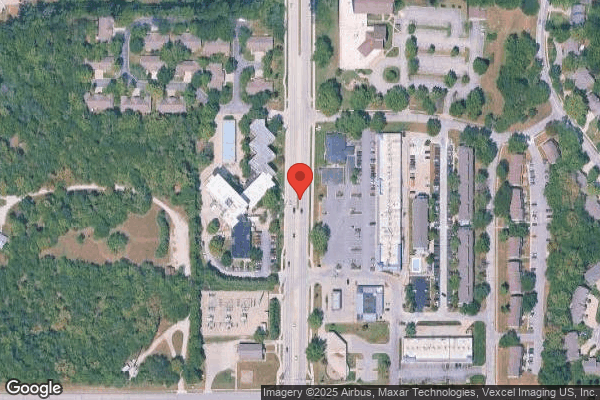
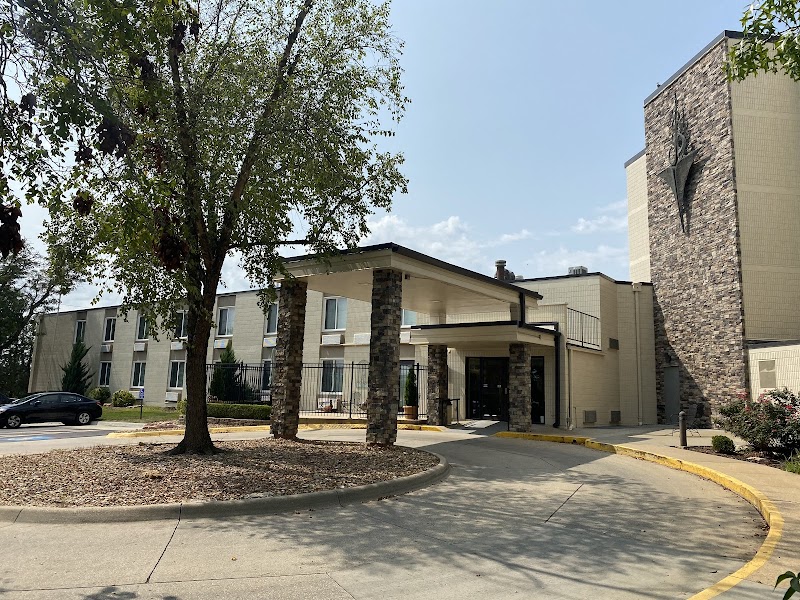
1429 KASOLD DR, LAWRENCE, KS 66049 (785) 841-4262
For profit - Corporation 40 Beds PRESBYTERIAN MANORS OF MID-AMERICA Data: November 2025
Trust Grade
90/100
#23 of 295 in KS
Last Inspection: May 2024

Within standard 12-15 month inspection cycle. Federal law requires annual inspections.

Overview

Lawrence Presbyterian Manor has an impressive Trust Grade of A, indicating excellent quality and high recommendations for care. It ranks #23 out of 295 nursing homes in Kansas, placing it in the top half of facilities in the state, and is the best option among five homes in Douglas County. However, the facility's trend is concerning as it has worsened from 2 issues in 2022 to 7 in 2024. Staffing is a strength, with a perfect 5-star rating and a turnover rate of 42%, which is below the state average. There have been no fines recorded, and the facility offers more RN coverage than 92% of Kansas facilities, ensuring better care for residents. Despite these strengths, there are significant weaknesses highlighted by recent inspections. For instance, two Certified Nurse Aides did not have their yearly performance evaluations completed, risking inadequate care for residents. Additionally, a resident's air loss mattress was not set correctly, increasing the risk for pressure ulcers, and another resident's CPAP mask was not stored hygienically, which could lead to respiratory infections. While the facility shines in staffing and RN support, families should be aware of the recent inspection findings that indicate areas needing improvement.

Trust Score
A
90/100
In Kansas
#23/295
Top 7%
Safety Record
Low Risk
No red flags
Inspections
Getting Worse
2 → 7 violations
Staff Stability
○ Average
42% turnover. Near Kansas's 48% average. Typical for the industry.
Penalties
✓ Good
No fines on record. Clean compliance history, better than most Kansas facilities.
Skilled Nurses
✓ Good
Each resident gets 84 minutes of Registered Nurse (RN) attention daily — more than 97% of Kansas nursing homes. RNs are the most trained staff who catch health problems before they become serious.
Violations
○ Average
9 deficiencies on record. Average for a facility this size. Mostly minor or procedural issues.
★★★★★
5.0
Overall Rating
★★★★★
5.0
Staff Levels
★★★★★
5.0
Care Quality
★★★★☆
4.0
Inspection Score
Stable
2022: 2 issues
2024: 7 issues

The Good

  • 5-Star Staffing Rating · Excellent nurse staffing levels
  • 5-Star Quality Measures · Strong clinical quality outcomes
  • Full Sprinkler Coverage · Fire safety systems throughout facility
  • No fines on record
  • Staff turnover below average (42%)

    6 points below Kansas average of 48%

Facility shows strength in staffing levels, quality measures, fire safety.

The Bad

Staff Turnover: 42%

Near Kansas avg (46%)

Typical for the industry

Chain: PRESBYTERIAN MANORS OF MID-AMERICA

Part of a multi-facility chain

Ask about local staffing decisions and management

The Ugly 9 deficiencies on record

May 2024 7 deficiencies
CONCERN (D)

Potential for Harm - no one hurt, but risky conditions existed

Pressure Ulcer Prevention (Tag F0686)

Could have caused harm · This affected 1 resident

**NOTE- TERMS IN BRACKETS HAVE BEEN EDITED TO PROTECT CONFIDENTIALITY** The facility identified a census of 35 residents. The sample included 12 residents with one resident reviewed for treatment and ...

Read full inspector narrative →
**NOTE- TERMS IN BRACKETS HAVE BEEN EDITED TO PROTECT CONFIDENTIALITY** The facility identified a census of 35 residents. The sample included 12 residents with one resident reviewed for treatment and services to prevent pressure ulcers (localized injury to the skin and underlying tissue usually over a bony prominence, because of pressure, or pressure in combination with shear and friction). Based on observation, record review, and interviews, the facility failed to ensure Resident (R) 2's low air loss mattress was set at the appropriate setting for R2's weight, who was prone to pressure-related injury. This placed R2 at increased risk for the development of pressure ulcers and the development of new pressure ulcers. Findings included: - R2's Electronic Medical Record (EMR) from the Diagnoses tab documented diagnoses of dementia (a progressive mental disorder characterized by failing memory, and confusion), Parkinson's disease (a slowly progressive neurologic disorder characterized by resting tremor, rolling of the fingers, masklike faces, shuffling gait, muscle rigidity, and weakness)with Lewy body's, neurocognitive disorder (a type of progressive dementia that leads to a decline in thinking, reasoning, and independent function) psychotic disorder (a collection of symptoms that affect the mind, where there has been some loss of contact with reality), and hypertension (HTN-elevated blood pressure). The Significant Change in Status Minimum Data Set (MDS) dated [DATE] for R2 documented a Brief Interview of Mental Status (BIMS) score of zero. The MDS documented R2 was at risk for developing pressure ulcers. The MDS documented R2 was dependent on staff for all activities of daily living (ADLs). The Pressure Ulcer Care Area Assessment (CAA) dated 04 /01/24 documented R2 was at risk for pressure injury. The CAA documented a Braden (a tool developed to foster early identification of patients at risk for forming pressure ulcers) and pressure ulcer risk screening was completed. R2 had no skin issues at that time. R2's Care Plan dated 04/04/24 documented R2 was at risk for pressure ulcers and other skin impairments. The plan of care documented that every nursing shift would check to ensure a low-loss air mattress was plugged in and inflated. The plan of care for R2 dated 04/30/24 documented that every nursing shift would check the redness on R2's left gluteal (pertaining to the buttocks or buttocks muscles) area and apply barrier cream after incontinence care. The plan of care did not indicate the setting for a low-air loss mattress. R2's EMR under the Orders tab dated 04/01/24 revealed the following physician orders: Every nursing shift to check and ensure the air mattress was plugged in and inflated. R2's EMR under the Weights/Vital Sign tab revealed her current weight was 140.50 pounds on 05/05/24. On 05/29/24 at 01:35 PM R2 laid in her bed, turned to her left side. She had a washcloth on her forehead. R2's low air loss mattress was set at 210 pounds. On 05/30/24 at 07:07 AM R2 laid in her bed on her back with her eyes shut. R2's low air loss mattress was set at 210 pounds. On 05/08/24 at 09:41 AM, Licensed Nurse (LN) G stated the adjustments for setting on R2's bed were not in the EMR. She stated the order directed nursing to check to ensure the bed was plugged in and the mattress was inflated. LN G stated she thought checking settings was part of the order. LN G said she thought the setting on the mattress should be closer to R2's weight, but she was unsure. On 05/08/24 at 12:44 PM, Administrative Nurse D stated the facility did not take care of the low air loss mattress settings. He stated the settings were adjusted when the hospice set up the mattress. Administrative Nurse D stated facility staff had an order to check the mattress, not the settings. He stated the facility was working on putting something in place to ensure the settings were correct on mattresses that had weight settings. The facility's Skin Integrity policy revised on 10/22 documented that all residents are considered to some risk for the development of pressure ulcers and injuries. Nursing staff will evaluate skin integrity and tissue tolerance, implement preventative measures as indicated, and treat skin breakdown. The primary care provider admission orders authorize approval to begin using established skin and wound treatment guidelines. Dressing changes are performed by a licensed nurse. Licensed nurses may delegate minor skin tear treatments and preventative treatments in closed areas. The facility failed to ensure the low air loss mattress was set at the appropriate setting for R2's weight, who was prone to pressure-related injury. This placed R2 at increased risk for the development of pressure ulcers and the development of new pressure ulcers.
CONCERN (D)

Potential for Harm - no one hurt, but risky conditions existed

Respiratory Care (Tag F0695)

Could have caused harm · This affected 1 resident

**NOTE- TERMS IN BRACKETS HAVE BEEN EDITED TO PROTECT CONFIDENTIALITY** The facility identified a census of 35 residents. The sample included 12 residents with one resident reviewed for respiratory ca...

Read full inspector narrative →
**NOTE- TERMS IN BRACKETS HAVE BEEN EDITED TO PROTECT CONFIDENTIALITY** The facility identified a census of 35 residents. The sample included 12 residents with one resident reviewed for respiratory care. Based on observation, record review, and interviews, the facility failed to ensure Resident (R) 27's continuous positive airway pressure (CPAP- ventilation device that blows a gentle stream of air into the nose to keep the airway open during sleep) mask was stored in a sanitary manner to decrease exposure and contamination. This deficient practice placed R27 at an increased risk of developing respiratory infection. Findings included: - R27's Electronic Medical Record (EMR) from the Diagnoses tab documented diagnoses of asthma (a disorder of narrowed airways that causes wheezing and shortness of breath), pulmonary nodule, and obstructive sleep apnea (a disorder of sleep characterized by periods without respirations). The Significant Change Minimum Data Set (MDS) dated [DATE] documented a Brief Interview of Mental Status (BIMS) score of 14 which indicated intact cognition. The Quarterly MDS dated 03/18/24 documented a BIMS score of 14 which indicated intact cognition. The MDS documented that R27 used a non-invasive mechanical ventilator during the observation period. R27's Activities of Daily Living (ADLs)Functional/Rehabilitation Potential Care Area Assessment (CAA) dated 01/04/24 documented R27 required extensive assistance with her ADLs. R27's Care Plan dated 03/26/24 documented R27 was to wear her CPAP at night with no oxygen. R27's EMR under the Orders tab revealed the following physician orders: CPAP at night for obstructive sleep apnea dated 01/03/24. On 05/06/24 at 10:20 AM R27 lay on her bed. Her CPAP mask laid directly on her bedside table unbagged. On 05/08/24 at 09:07 AM R27 laid on her bed as she watched TV. R27's CPAP mask laid directly on the bedside table unbagged. On 05/08/24 at 10:25 AM, Certified Nurse Aide (CNA) O stated she believed the CPAP mask should be stored in a plastic bag like oxygen was stored when R27 was not wearing it. CNA O stated she had never removed R27's CPAP mask in the morning, R27 was usually awake when she entered R27's room. On 05/08/24 at 10:35 AM, Licensed Nurse (LN) G stated R27's CPAP mask should be bagged when not in use. LN G stated R27's daughter replaced the CPAP mask and cleaned the mask periodically when she visited her mother. On 05/08/24 at 12:44 PM, Administrative Nurse D stated CPAP masks should be stored in a container on the table, along with a cleaning solution. Administrative Nurse D stated the nursing staff should clean the CPAP mask. The facility was unable to provide a policy related care of respiratory equipment. The facility failed to ensure R27's CPAP mask was stored in a sanitary manner to decrease exposure and contamination. This deficient practice placed R27 at an increased risk of developing respiratory infection.
CONCERN (D)

Potential for Harm - no one hurt, but risky conditions existed

Medication Errors (Tag F0758)

Could have caused harm · This affected 1 resident

**NOTE- TERMS IN BRACKETS HAVE BEEN EDITED TO PROTECT CONFIDENTIALITY** The facility had a census of 35 residents. The sample included 12 residents with five reviewed for unnecessary medications. Base...

Read full inspector narrative →
**NOTE- TERMS IN BRACKETS HAVE BEEN EDITED TO PROTECT CONFIDENTIALITY** The facility had a census of 35 residents. The sample included 12 residents with five reviewed for unnecessary medications. Based on observation, record review, and interview, the facility failed to ensure nonpharmacological interventions were attempted and documented prior to administration of an antipsychotic (class of medications used to treat a mental disorder characterized by a gross impairment testing) medication for Resident (R) 2, who had a diagnosis of dementia (a progressive mental disorder characterized by failing memory, confusion). This placed the resident at risk for unnecessary psychotropic (alters perception, mood, consciousness, cognition, or behavior) medications and related complications. Findings included: - R2's Electronic Medical Record (EMR) from the Diagnoses tab documented diagnoses of dementia, Parkinson's disease (a slowly progressive neurologic disorder characterized by resting tremor, rolling of the fingers, masklike faces, shuffling gait, muscle rigidity, and weakness)with Lewy body's, neurocognitive disorder (a type of progressive dementia that leads to a decline in thinking, reasoning, and independent function), psychotic disorder (a collection of symptoms that affect the mind, where there has been some loss of contact with reality), and hypertension (HTN-elevated blood pressure). The Significant Change in Status Minimum Data Set (MDS) dated [DATE] for R2 documented a Brief Interview of Mental Status (BIMS) score of zero. The MDS documented R2 received antipsychotic drugs during the observation period. R2's Psychotropic Drug Use Care Area Assessment (CAA) dated 04/01/2024 documented a psychotropic drug medication side effect screening on 03/15/24, and psychotropic drug use side effects will be part of the plan of care. R2's Care Plan dated 04/04/24 documented R2 took Seroquel (antipsychotic medication) for Parkinson's psychosis. Staff would monitor for potential side effects such as urinary retention, skin changes, slurred speech, mental status, and behavioral changes. Staff would report side effects to the charge nurse for further evaluation. The Physician's Order dated 12/18/23 directed to give Seroquel 50 milligram (mg) tablet once daily for psychotic disorder with delusions. R2's EMR lacked documentation or evidence of nonpharmacological symptom management interventions that were implemented and failed before starting Seroquel. On 05/08/24 at 09:41 AM Licensed Nurse (LN) G stated that antipsychotic medications were ok to give to a resident with a dementia diagnosis. She stated residents with a diagnosis of psychosis needed antipsychotic medication. LN G stated she would try nonpharmacological interventions first if that was possible. On 05/08/24 at 12:44 PM Administrative Nurse D stated a nonpharmacological approach would be the best approach. He stated he would do talk therapy, but he had no residents who needed the therapy yet. He stated residents came into the facility on an antipsychotic and the facility tried to get the residents to the lowest dose. Administrative Nurse D stated the facility worked closely with physicians and pharmacists to ensure the resident was on the lowest dose of each medication. The facility's Psychotropic Medication Use policy, revised on 07/22 documented that psychoactive medications will not be used for discipline or convenience and will not be used unless necessary to treat medical symptoms. Residents receiving psychoactive medications will be monitored and observed for improvement or decline in functional status, target behaviors, and side effects. For any of the types of antipsychotics, gradual dose reductions and behavioral interventions will be done per physician orders, unless clinically contraindicated in an effect to discontinue the medication or to reach the lowest effective dose. Psychotropic medications are given to treat a specific condition diagnosed and documented in eh clinical record. The facility failed to ensure nonpharmacological interventions were attempted prior to the administration of an antipsychotic medication for R2, who had a diagnosis of dementia. This placed the resident at risk for unnecessary psychotropic medications and related complications.
CONCERN (D)

Potential for Harm - no one hurt, but risky conditions existed

Deficiency F0849 (Tag F0849)

Could have caused harm · This affected 1 resident

**NOTE- TERMS IN BRACKETS HAVE BEEN EDITED TO PROTECT CONFIDENTIALITY** The facility identified a census of 35 residents. The sample included 12 residents with one resident reviewed for hospice. Based...

Read full inspector narrative →
**NOTE- TERMS IN BRACKETS HAVE BEEN EDITED TO PROTECT CONFIDENTIALITY** The facility identified a census of 35 residents. The sample included 12 residents with one resident reviewed for hospice. Based on observation, record review, and interviews, the facility failed to ensure a communication process was implemented, which included how the communication would be documented between the facility and the hospice provider. This deficient practice created a risk for missed or delayed services and impaired care for Resident (R)32. Findings included: - R32s Electronic Medical Record (EMR) from the Diagnoses tab documented diagnoses of Alzheimer's disease (progressive mental deterioration characterized by confusion and memory failure), dementia (progressive mental disorder characterized by failing memory, confusion), hearing loss, anxiety (mental or emotional reaction characterized by apprehension, uncertainty, and irrational fear), and dysphagia (swallowing difficulty). The Significant Change Minimum Data Set (MDS) dated [DATE] documented R32 had severely impaired cognition, and never or rarely made decisions. The MDS documented R32 was dependent on two staff assistants for all activities of daily living (ADLs). The MDS documented R32 received hospice services during the observation period. R32's Cognitive Loss/Dementia Care Area Assessment (CAA) dated 04/15/24 documented R32 was unable to participate in a Brief Interview of Mental Status (BIMS) assessment; the causes included general decline, advanced age, dementia, and cognitive communication deficit. R32's risk factors include falls, agitation, behaviors, weight loss, and communication. R32's Care Plan dated 04/25/24 documented the facility would coordinate R32's care and services with the hospice provider. The plan of care directed the facility to communicate with hospice regarding R32's preferences, care concerns, and needs. The plan of care documented a nurse would visit weekly to assess for changes, symptoms management, pain, discomfort, dyspnea (difficulty breathing), air hunger, mobility, and skin and recommend and implement changes. The hospice aide was to have one-on-one visits with reading, music, personal hygiene, preventative skin care, eating, drinking, and toileting. A review of the communication binder provided by the hospice revealed R32 was admitted to hospice services on 04/15/24. The hospice communication binder lacked the plan of care for R32 and the physician-signed terminal diagnosis for admission to hospice. The last documentation of hospice care was dated 05/02/24. On 05/08/24 at 09:35 AM Certified Nursing Aide (CNA) P stated there were binders in the front halls by the nursing station that contained hospice information. CNA P stated the binders contained R32's care needs. CNA P stated he was unsure what to look for in the binder and stated there were tabs with different instructions for nursing staff. On 05/08/24 at 09:41 AM Licensed Nurse (LN) H stated all hospice binders were kept in the cabinet next to the nursing charting station. LN H stated the facility had its care plan for communication of care, and hospice also had a care plan for each resident. R32 ' s care would be found in both care plans. On 05/08/24 at 12:44 Administrated Nurse D stated the facility had care plans for everyone. He stated R32 ' s Care Plan was found in medical records; the document had been scanned into his file instead of being put in the hospice binder. Administrative Nurse D stated the facility collaborated with hospice through the care plans. He stated all hospice providers were welcome to attend the weekly care plan meetings. The facility was unable to provide a policy related to hospice services. The facility failed to ensure a communication process was implemented, which included how the communication would be documented between the facility and the hospice provider. This deficient practice created a risk for missed or delayed services and impaired care for R32.
CONCERN (D)

Potential for Harm - no one hurt, but risky conditions existed

Deficiency F0883 (Tag F0883)

Could have caused harm · This affected 1 resident

The facility identified a census of 35 residents. The sample included 12 residents with five residents reviewed for pneumococcal (a disease that refers to a range of illnesses that affect various part...

Read full inspector narrative →
The facility identified a census of 35 residents. The sample included 12 residents with five residents reviewed for pneumococcal (a disease that refers to a range of illnesses that affect various parts of the body and are caused by infection) vaccinations. Based on record review and interviews, the facility failed to obtain a signed consent or declination for pneumococcal vaccination Prevnar 20 (PCV20) for Resident (R) 2, R25, and R86. This deficient practice placed the residents at risk of acquiring, spreading, and experiencing complications from pneumococcal disease. Findings included: - R2's clinical record documented she received Prevnar 13 (pneumococcal vaccination used for the prevention of pneumococcal disease caused by 13 serotypes of Streptococcus pneumoniae [bacteria that causes pneumonia]) on 04/01/15 and Pneumovax 23 (pneumococcal vaccination used for the prevention of pneumococcal disease caused by 23 serotypes of Streptococcus pneumoniae) on 05/01/17. R2's clinical record lacked evidence she received Prevnar 20 (pneumococcal vaccination used for the prevention of pneumococcal disease caused by 20 serotypes of Streptococcus pneumoniae) or had a signed declination for Prevnar 20 vaccination. R25's clinical record documented she received Pneumovax 23 on 01/01/97 and Prevnar 13 on 01/01/16. R25's clinical record lacked evidence she received Prevnar 20 or had a signed declination for Prevnar 20 vaccination. R86's clinical record documented she received Pneumovax 23 on 01/01/07 and Prevnar 13 on 10/09/18. R86's clinical record lacked evidence she received Prevnar 20 or had a signed declination for Prevnar 20 vaccination. On 05/08/24 at 10:28 AM, Licensed Nurse (LN) H stated when a resident was admitted to the facility, she asked them about their immunizations and the dates they were immunized or reviewed their admission records for their immunization history. She stated that was all she did with immunizations on admission. On 05/08/24 at 10:31 AM, Administrative Nurse E stated when a resident was admitted to the facility, if they had received Pneumovax 23 but not the Prevnar 13 or Prevnar 20, the resident was asked if they wanted to receive the vaccination. She stated if a resident had not received Prevnar 20, staff called the physician for immunization verification or to get an order to give the vaccination. She stated the resident or their representative then signed the consent form. Administrative Nurse E stated if the resident or their representative refused the vaccination, they signed a declination. On 05/08/24 at 10:57 AM, Administrative Nurse E stated the facility received the guidance on Prevnar 20 last week but she had heard the guidance was happening, so she started looking at who needed Prevnar 20 in April. She stated the facility received an order for R25 to receive Prevnar 20 on 05/01/24. Administrative Nurse E stated R2 was receiving end-of-life care and the facility did not receive an order to give Prevnar 20 yet. On 05/08/24 at 01:00 PM, Administrative Nurse D stated Administrative Nurse F was in charge of immunizations. He stated the facility found out about four weeks ago that Prevnar 20 was important and they started working on it two weeks ago. Administrative Nurse D stated the pharmacy informed the facility of new immunization guidance and if corporate received new guidance, they sent it to the facility too. On 05/08/24 at 01:03 PM, Administrative Nurse F stated when a resident was admitted to the facility, she looked through their immunization record or obtained their records for their immunizations. She stated she reviewed for Prevnar 13 and Pneumovax 23 but the guidance just changed to include Prevnar 20. Administrative Nurse F stated if a resident received Prevnar 13 or Pneumovax 23 over five years ago, it was recommended the resident receive Prevnar 20 with a physician order and family approval. She stated she tried to get consent or declinations within a couple of weeks after admission. The facility's Immunization- Pneumococcal policy, last revised 01/31/22, directed residents were provided the opportunity and were encouraged to receive the pneumococcal vaccination(s). The policy directed the facility to provide educational material regarding risks and benefits to residents and obtained the resident's consent for, or refusal of, each pneumococcal vaccination(s). If vaccination status was unknown, the pneumococcal vaccinations were offered upon admission. The facility failed to obtain a signed consent or declination for the PCV 20 for R2, R25, and R86. This deficient practice placed the residents at risk of acquiring, spreading, and experiencing complications from pneumococcal disease.
CONCERN (F)

Potential for Harm - no one hurt, but risky conditions existed

Deficiency F0730 (Tag F0730)

Could have caused harm · This affected most or all residents

The facility identified a census of 35 residents. The sample included 12 residents and five Certified Nurse Aides (CNAs) reviewed for performance evaluations and the associated in-service training. Ba...

Read full inspector narrative →
The facility identified a census of 35 residents. The sample included 12 residents and five Certified Nurse Aides (CNAs) reviewed for performance evaluations and the associated in-service training. Based on record review and interview, the facility failed to ensure two of the five CNA staff reviewed had the required yearly performance evaluations completed. This placed the residents at risk for inadequate care. Findings included: - A review of the facility's staffing list revealed the following CNAs were employed with the facility for more than 12 months: CNA N, hired on 01/10/14 had no yearly performance evaluations upon request. CNA M, hired on 05/26/22 had no yearly performance evaluations upon request. On 05/08/24 at 12:44 PM, Administrative Nurse D stated in August 2023, he started to get all the nursing staff's yearly performance reviews up to date. Administrative Nurse D stated he had not completed CNA M and CNA N at this time. Administrative Nurse D stated he had not received the self-performance paperwork back from CNA M and CNA N. Administrative Nurse D stated he started a performance improvement plan on the topic in December 2023. The facility's Staff Competency policy last reviewed on 10/11/21 documented all staff would receive education and training applicable to their position and job description. Checklists, Relias courses, and competency testing would be used to ensure staff are appropriately trained for the position. All clinical employees must complete the competency test at their annual review. The facility failed to ensure two of the five CNA staff reviewed had the required yearly performance evaluations completed. This placed the residents at risk for inadequate care.
MINOR (C)

Minor Issue - procedural, no safety impact

Staffing Information (Tag F0732)

Minor procedural issue · This affected most or all residents

The facility identified a census of 35 residents. Based on observation, record review, and interviews, the facility failed to retain the daily posted nursing staffing data for the 18 months as require...

Read full inspector narrative →
The facility identified a census of 35 residents. Based on observation, record review, and interviews, the facility failed to retain the daily posted nursing staffing data for the 18 months as required. Findings included: - Review of the daily posted nursing staffing data provided by the facility lacked any posted nursing staffing data for December 2023 (31 days). On 05/08/24 at 12:44 PM, Administrative Nurse D stated the nursing staff scheduler was responsible for ensuring the daily posted nursing hours form was retained for the required 18 months. Administrative Nurse D stated the previous staff member who was responsible for maintaining the posted nursing staff hours had not retained the forms as required. The facility ' s Daily Nurse Staffing Report policy last reviewed on 10/11/21 documented that the nursing service was to provide each resident admitted to the health care center with the appropriate level of care to attain his/her optimum level of functioning. Nursing service was staffed, organized, and equipped to provide nursing care on a 24-hour-a-day basis. Daily resident census and staffing information was available to the public. The facility would maintain the Daily Nurse Staffing Form for a minimum of 18 months and file it in the business office. The facility failed to retain the daily posted nursing staffing data for the 18 months as required.
Nov 2022 2 deficiencies
CONCERN (D)

Potential for Harm - no one hurt, but risky conditions existed

Investigate Abuse (Tag F0610)

Could have caused harm · This affected 1 resident

**NOTE- TERMS IN BRACKETS HAVE BEEN EDITED TO PROTECT CONFIDENTIALITY** The facility had a census of 36 residents. The sample included 12 residents with one reviewed for abuse. Based on observation, i...

Read full inspector narrative →
**NOTE- TERMS IN BRACKETS HAVE BEEN EDITED TO PROTECT CONFIDENTIALITY** The facility had a census of 36 residents. The sample included 12 residents with one reviewed for abuse. Based on observation, interview, and record review the facility failed to implement protective measures for the resident immediately after an allegation of abuse. This deficient practice placed Resident (R) 11 at risk for impaired safety and psychosocial wellbeing. Findings included: - R11's Electronic Medical Record (EMR), dated 09/22/22 documented diagnoses of vascular dementia (problems with reasoning, planning, judgment, memory and other thought processes), anxiety disorder (stress that's out of proportion to the impact of the event, inability to set aside a worry, and restlessness), hallucinations (perception of having seen, heard, touched, tasted, or smelled something that wasn't actually there), and depressive disorder (mental health disorder characterized by persistently depressed mood or loss of interest in activities, causing significant impairment in daily life). The Quarterly Minimum Data Set (MDS), dated [DATE], documented R11 was cognitively intact with a Brief Interview for Mental Status (BIMS) score of 14. The MDS documented R11 was verbally abusive one to three times weekly, required limited staff assistance for eating, and extensive staff assistance for bed mobility, transfers, toileting, and hygiene. R11 had range of motion impairment in all extremities, and received antipsychotic (medications used to treat major mental disorders), and antianxiety (medication used to calm fears and stress) medications. The Activities of Daily Living (ADL) Care Plan, dated 08/26/22, directed staff to provide total assistance of one to two nursing staff with ADL such as grooming, repositioning, toileting, bathing, eating, transferring and locomotion. The care plan directed staff to explain each procedure to R11 so she can participate in ADL care to the maximum of her ability. The Progress Note, dated 11/02/22 at 06:55 AM, documented about 04:00 AM staff alerted the nurse that R11 had a very large bowel movement. R11 was crying, and stated she had been raped. The nurse checked on her and R11 was sleeping soundly. The note stated at 05:30 AM the nurse offered R11 tramadol (a narcotic drug used for moderate to moderately severe pain); R11 was awake and refused the medication. The nurse asked R11 how she was doing, and R11 said, you can see for yourself. The Progress Note, dated 11/02/22 at 07:03 AM, documented at 04:43 AM the nurse called the on-call nurse to report R11's crying and allegation. The Progress Note, dated 11/02/22 at 08:56 AM documented the nurse called R11's representative and reported the resident's statement that she had been raped. The nurse documented R11 had an extra-large bowel movement and staff were performing cares when R11 reported being raped. The nurse documented no male staff worked on the night shift when R11 reported being raped. The note documented the nurse offered the representative the choice of sending R11 to the emergency room (ER) for a rape exam. R11's representative reported that he did not think R11 was raped and reported R11 had made allegations of a man taking and doing things to her in the past. R11's representative did not feel it necessary for R11 to be sent to the ER for a rape exam at that time. The Social Worker Progress Note, dated 11/02/22 at 09:11 AM, documented the social worker interviewed R11 regarding her allegation of rape that she made to a nurse that morning. The note documented R11 denied telling anyone that she had been raped, stating I've never told anyone that. R11 denied being touched inappropriately by anyone. The Progress Note, dated 11/02/22 at 09:20 AM, documented staff called R11's hospice services and left a message for hospice to call back regarding pain/burning with urination and R11's report of rape. The Progress Note, dated 11/02/22 at 10:26 AM, documented hospice returned the call and spoke with the nurse regarding resident's report of rape and R11's behavior the last couple of days. On 11/02/22 at 08:34 AM, observation revealed R11 in bed, call light in reach, eyes closed, and lying on her left side. The facility's social worker went into the room to visit the resident. On 11/02/22 at 08:59 AM, observation revealed Certified Nurse Aide (CNA) M and Licensed Nurse G placed non-skid socks on R11, and after three minutes of attempting to get R11 to accept the gait belt, they laid her back down. R11 tried to swing her lags out of bed and self-transfer, she kicked at the blankets, and continued to complain while the aide was getting the lift. The nurse stayed with her. R11 was upset, would not allow them to use the total lift, and told them to leave her alone. R11 stated she knew her rights and wanted to stay where she was, with the lift sling under her. The aide was able to get her to cooperate and they used a gait belt and extensive assistance to transfer R11 to her recliner. On 11/02/22 at 09:35 AM, Administrative Staff A stated the resident denied the allegation of rape when the social worker interviewed her and R11 stated no one had ever raped her. Administrative Staff A stated R11 had a very large bowel movement around that time and said that hurt. Administrative Staff A stated no male aids worked that night and none of the male residents came out of their rooms during the night per nursing staff on duty. Administrative Staff A stated R11 had made false accusations before and when she lived at another facility, she had alleged rape. Administrative Staff A verified the following timeline of notification, intervention, and interviews for 11/02/22: At 03:40 AM, R11's call light activated, and two aides found R11 asleep and she mumbled when asked if anything was needed. The aides left room without providing cares. At 04:00 AM, two aides assisted R11 with incontinence cares and during cares R11 complained that she had been raped. The aides notified the nurse who checked on the resident and found her asleep. Administrative Staff A stated the nurse had come to the room while care was being provided but verified the nurse had not documented an assessment. At 04:43 AM, LN H called the Assistant Director of Nursing (ADON) to report the allegation and that R11 was crying. They discussed if any men were working or if any male residents had been up walking around. Administrative Staff A reported no cameras were reviewed. At 05:30 AM, LN H attempted to administer medications and R11 refused. At 06:15 AM, staff reported the allegation to Administrative Staff A. At 09:00 AM, the social worker interviewed the resident who denied the allegation happened. On 11/02/22 at 01:15 PM Administrative Staff A verified the nurse did not document an assessment of the resident at the time of the allegation. She stated, based on the fact that no men were working or wandering, the facility felt the triggers that caused her to allege rape were events of the past 24 hours of overstimulation and her past behaviors were taken into account. The resident had stated a man came into her room and raped her. The night nurse checked on the resident at 05:30 AM, The day shift supervisor LN G, and Administrative Nurse E both had been to see the resident, but had not assessed her due to the social worker had just interviewed R11 and they felt she might become upset with too much stimulation. Administrative Staff A stated without a potential perpetrator, staff established R11 was in a safe place and verified no immediate safety interventions were implemented from the time of the allegation to R11 denying the allegation. The facility's Abuse Prevention, Intervention, Reporting and Investigation policy, dated 09/07/22, documented upon receiving reports of suspected sexual abuse the executive director and the health services director are immediately notified to arrange for the examination of the resident. Residents will be monitored for possible signs of abuse. Residents are to be protected during investigations. The facility failed to implement protective measures for R11 immediately after an allegation of rape, placing the resident at risk for impaired safety and psychosocial wellbeing.
CONCERN (D)

Potential for Harm - no one hurt, but risky conditions existed

Deficiency F0726 (Tag F0726)

Could have caused harm · This affected 1 resident

**NOTE- TERMS IN BRACKETS HAVE BEEN EDITED TO PROTECT CONFIDENTIALITY** The facility had a census of 36 residents. The sample included 12 residents. Based on observation, interview, and record review ...

Read full inspector narrative →
**NOTE- TERMS IN BRACKETS HAVE BEEN EDITED TO PROTECT CONFIDENTIALITY** The facility had a census of 36 residents. The sample included 12 residents. Based on observation, interview, and record review the facility failed to ensure staff possessed the skills and knowledge necessary to perform and record an immediate physical assessment of Resident (R) 11 after an allegation of rape. This deficient practice placed R11 at risk for unidentified injury and delayed treatment decisions. Findings included: - R11's Electronic Medical Record (EMR), dated 09/22/22 documented diagnoses of vascular dementia (problems with reasoning, planning, judgment, memory and other thought processes), anxiety disorder (stress that's out of proportion to the impact of the event, inability to set aside a worry, and restlessness), hallucinations (perception of having seen, heard, touched, tasted, or smelled something that wasn't actually there), and depressive disorder (mental health disorder characterized by persistently depressed mood or loss of interest in activities, causing significant impairment in daily life). The Quarterly Minimum Data Set (MDS), dated [DATE], documented R11 was cognitively intact with a Brief Interview for Mental Status (BIMS) score of 14. The MDS documented R11 was verbally abusive one to three times weekly, required limited staff assistance for eating, and extensive staff assistance for bed mobility, transfers, toileting, and hygiene. R11 had range of motion impairment in all extremities, and received antipsychotic, and antianxiety medications. The Activities of Daily Living(ADL) Care Plan, dated 08/26/22, directed staff to provide total assistance of one to two nursing staff with ADLs such as grooming, repositioning, toileting, bathing, eating, transferring and locomotion. The care plan directed staff to explain each procedure to R11 so she can participate in ADL care to the maximum of her ability. The Progress Note, dated 11/02/22 at 06:55 AM, documented about 04:00 AM staff alerted the nurse that R11 had a very large bowel movement. R11 was crying and stated she had been raped. The nurse checked on her and R11 was sleeping soundly. The note stated at 05:30 AM the nurse offered R11 tramadol (a narcotic drug used for moderate to moderately severe pain),R11 was awake and refused the medication. The nurse asked R11 how she was doing, and R11 said, you can see for yourself. R11's medical record lacked a physical or mental assessment of the resident after the allegation of rape. On 11/02/22 at 08:34 AM, observation revealed R11 in bed, call light in reach, eyes closed, and lying on her left side. The facility's social worker went into the room to visit the resident. On 11/02/22 at 09:35 AM, Administrative Staff A verified the following timeline of notification, intervention, interviews for 11/02/22: At 03:40 AM, R11's call light activated, and two aides found R11 asleep and she mumbled when asked if anything was needed. The aides left room without providing cares. At 04:00 AM, two aides assisted R11 with incontinence cares and during cares R11 complained that she had been raped. The aides notified the nurse who checked on the resident and found her asleep. Administrative Staff A stated the nurse had come to the room while care was being provided but verified the nurse had not documented an assessment. On 11/02/22 at 01:15 PM Administrative Staff A verified the nurse did not document an assessment of the resident at the time of the allegation. Administrative Staff A verified the day shift supervisor LN G, and Administrative Nurse E both had been to see the resident but had not assessed her due to the social worker had just interviewed R11 and they felt she might become upset with too much stimulation. Administrative Staff A verified no immediate safety interventions were implemented and no physical assessment had been completed from the time of the allegation to when R11 denied the allegation. The facility's Abuse Prevention, Intervention, Reporting and Investigation policy, dated 09/07/22, documented upon receiving reports of suspected sexual abuse the executive director and the health services director are immediately notified to arrange for the examination of the resident. Residents will be monitored for possible signs of abuse. Residents are to be protected during investigations. The facility failed to ensure licensed nurse staff possessed the skills and knowledge necessary to perform a full assessment to assess for injuries and attempt to preserve the scene in the presence of a rape allegation. placing R11 at risk for unidentified injuries.
Understanding Severity Codes (click to expand)
Life-Threatening (Immediate Jeopardy)
J - Isolated K - Pattern L - Widespread
Actual Harm
G - Isolated H - Pattern I - Widespread
Potential for Harm
D - Isolated E - Pattern F - Widespread
No Harm (Minor)
A - Isolated B - Pattern C - Widespread

Questions to Ask on Your Visit

  • "Can I speak with families of current residents?"
  • "What's your RN coverage like on weekends and overnight?"

Our Honest Assessment

Strengths
  • • Grade A (90/100). Above average facility, better than most options in Kansas.
  • • No major safety red flags. No abuse findings, life-threatening violations, or SFF status.
  • • No fines on record. Clean compliance history, better than most Kansas facilities.
  • • 42% turnover. Below Kansas's 48% average. Good staff retention means consistent care.
Concerns
  • • No significant concerns identified. This facility shows no red flags across CMS ratings, staff turnover, or federal penalties.
Bottom line: Generally positive indicators. Standard due diligence and a personal visit recommended.

About This Facility

What is Lawrence Presbyterian Manor's CMS Rating?

CMS assigns LAWRENCE PRESBYTERIAN MANOR an overall rating of 5 out of 5 stars, which is considered much above average nationally. Within Kansas, this rating places the facility higher than 99% of the state's 100 nursing homes. This rating reflects solid performance across the metrics CMS uses to evaluate nursing home quality.
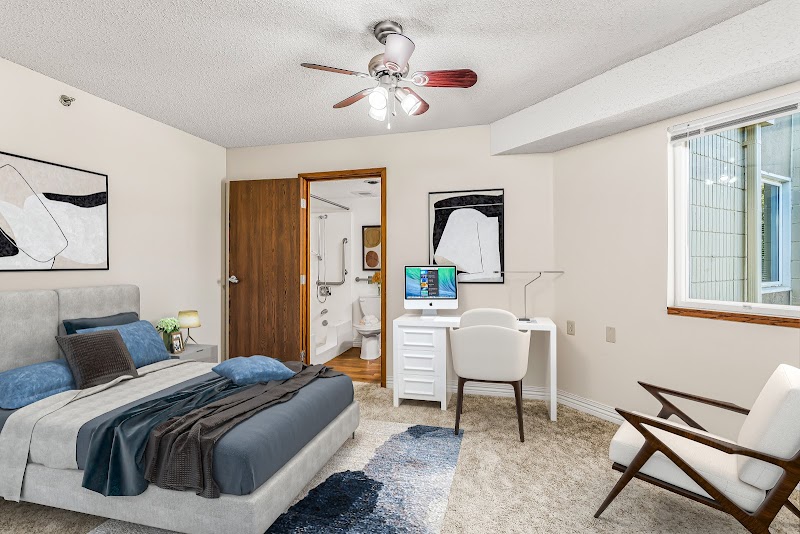
How is Lawrence Presbyterian Manor Staffed?

CMS rates LAWRENCE PRESBYTERIAN MANOR's staffing level at 5 out of 5 stars, which is much above average compared to other nursing homes. Staff turnover is 42%, compared to the Kansas average of 46%. This relatively stable workforce can support continuity of care.

What Have Inspectors Found at Lawrence Presbyterian Manor?

State health inspectors documented 9 deficiencies at LAWRENCE PRESBYTERIAN MANOR during 2022 to 2024. These included: 8 with potential for harm and 1 minor or isolated issues.
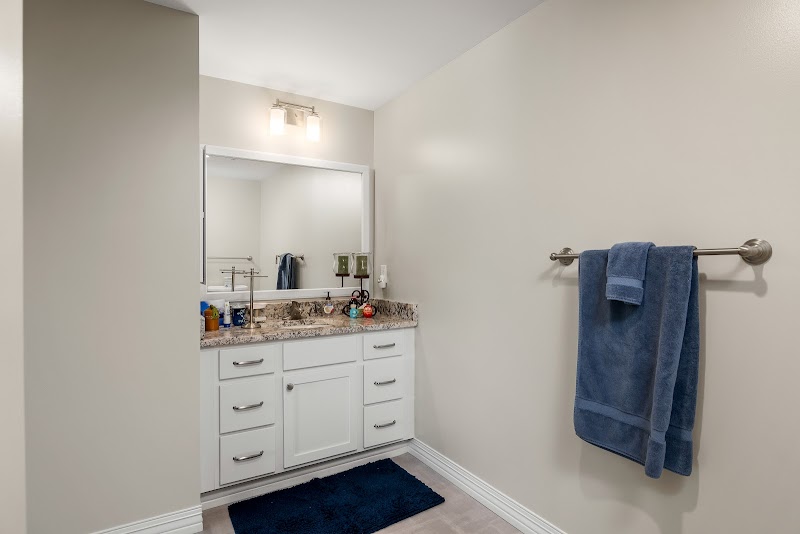
Who Owns and Operates Lawrence Presbyterian Manor?

LAWRENCE PRESBYTERIAN MANOR is owned by a for-profit company. For-profit facilities operate as businesses with obligations to shareholders or private owners. The facility is operated by PRESBYTERIAN MANORS OF MID-AMERICA, a chain that manages multiple nursing homes. With 40 certified beds and approximately 38 residents (about 95% occupancy), it is a smaller facility located in LAWRENCE, Kansas.
How Does Lawrence Presbyterian Manor Compare to Other Kansas Nursing Homes?

Compared to the 100 nursing homes in Kansas, LAWRENCE PRESBYTERIAN MANOR's overall rating (5 stars) is above the state average of 2.9, staff turnover (42%) is near the state average of 46%, and health inspection rating (4 stars) is above the national benchmark.

What Should Families Ask When Visiting Lawrence Presbyterian Manor?

Based on this facility's data, families visiting should ask: "Can I visit during a mealtime to observe dining assistance and food quality?" "How do you handle medical emergencies, and what is your hospital transfer rate?" "Can I speak with family members of current residents about their experience?"

Is Lawrence Presbyterian Manor Safe?

Based on CMS inspection data, LAWRENCE PRESBYTERIAN MANOR has a clean safety record: no substantiated abuse findings (meaning no confirmed cases of resident harm), no Immediate Jeopardy citations (the most serious violation level indicating risk of serious injury or death), and is not on the Special Focus Facility watch list (a federal program monitoring the lowest-performing 1% of nursing homes). The facility has a 5-star overall rating and ranks #1 of 100 nursing homes in Kansas. While no facility is perfect, families should still ask about staff-to-resident ratios and recent inspection results during their visit.

Do Nurses at Lawrence Presbyterian Manor Stick Around?

LAWRENCE PRESBYTERIAN MANOR has a staff turnover rate of 42%, which is about average for Kansas nursing homes (state average: 46%). Moderate turnover is common in nursing homes, but families should still ask about staff tenure and how the facility maintains care continuity when employees leave.

Was Lawrence Presbyterian Manor Ever Fined?

LAWRENCE PRESBYTERIAN MANOR has no federal fines on record. CMS issues fines when nursing homes fail to meet care standards or don't correct problems found during inspections. The absence of fines suggests the facility has either maintained compliance or corrected any issues before penalties were assessed. This is a positive indicator, though families should still review recent inspection reports for the full picture.

Is Lawrence Presbyterian Manor on Any Federal Watch List?

LAWRENCE PRESBYTERIAN MANOR is not on any federal watch list. The most significant is the Special Focus Facility (SFF) program, which identifies the bottom 1% of nursing homes nationally based on persistent, serious quality problems. Not being on this list means the facility has avoided the pattern of deficiencies that triggers enhanced federal oversight. This is a positive indicator, though families should still review the facility's inspection history directly.