PIONEER RIDGE RETIREMENT COMMUNITY
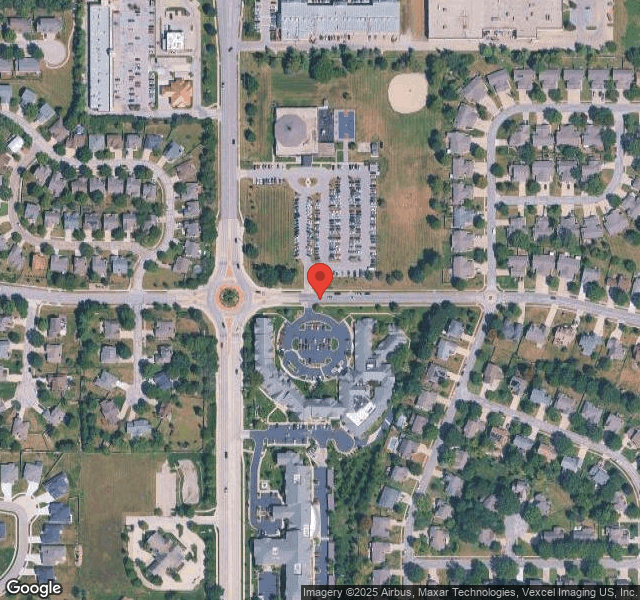
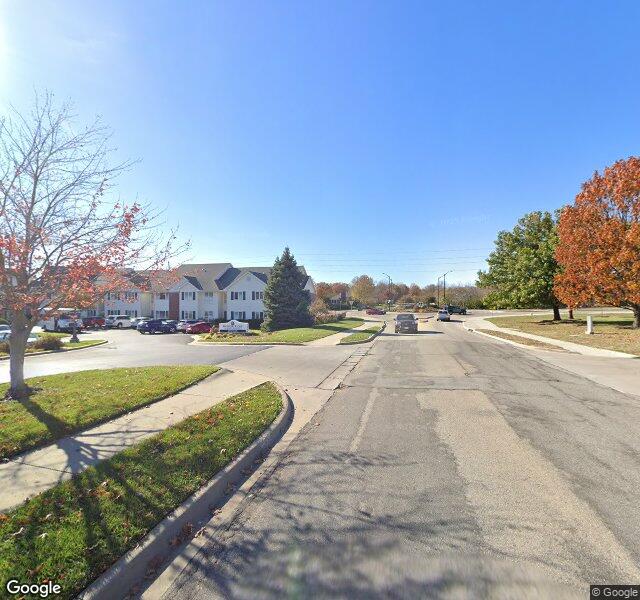
4851 HARVARD ROAD, LAWRENCE, KS 66049 (785) 749-2000
For profit - Limited Liability company 76 Beds MIDWEST HEALTH Data: November 2025 1 Immediate Jeopardy citation
Trust Grade
23/100
#216 of 295 in KS
Last Inspection: October 2024

Within standard 12-15 month inspection cycle. Federal law requires annual inspections.

Overview

Pioneer Ridge Retirement Community has a Trust Grade of F, indicating significant concerns and a poor overall quality of care. It ranks #216 out of 295 nursing homes in Kansas, placing it in the bottom half of facilities statewide, and #4 out of 5 in Douglas County, meaning there is only one local option that is better. The facility is showing signs of improvement, with issues decreasing from 15 in 2024 to 3 in 2025, though it still has a high staffing turnover rate of 56%, which is about average for the state. While the staffing rating is relatively strong at 4 out of 5 stars, there are serious incidents that raise alarms, such as a resident experiencing an anaphylactic reaction due to being served a peanut butter cookie despite documented allergies, and another resident falling and sustaining injuries due to improper assistance during a transfer. Additionally, the facility has $32,236 in fines, which is concerning and reflects ongoing compliance issues.

Trust Score
F
23/100
In Kansas
#216/295
Bottom 27%
Safety Record
High Risk
Review needed
Inspections
Getting Better
15 → 3 violations
Staff Stability
⚠ Watch
56% turnover. Above average. Higher turnover means staff may not know residents' routines.
Penalties
○ Average
$32,236 in fines. Higher than 60% of Kansas facilities. Some compliance issues.
Skilled Nurses
✓ Good
Each resident gets 43 minutes of Registered Nurse (RN) attention daily — more than average for Kansas. RNs are trained to catch health problems early.
Violations
⚠ Watch
40 deficiencies on record. Higher than average. Multiple issues found across inspections.
★★☆☆☆
2.0
Overall Rating
★★★★☆
4.0
Staff Levels
★★★☆☆
3.0
Care Quality
★★☆☆☆
2.0
Inspection Score
Stable
2024: 15 issues
2025: 3 issues

The Good

  • 4-Star Staffing Rating · Above-average nurse staffing levels
  • Full Sprinkler Coverage · Fire safety systems throughout facility
  • No fines on record

Facility shows strength in staffing levels, fire safety.

The Bad

2-Star Overall Rating

Below Kansas average (2.9)

Below average - review inspection findings carefully

Staff Turnover: 56%

Near Kansas avg (46%)

Frequent staff changes - ask about care continuity

Federal Fines: $32,236

Below median ($33,413)

Moderate penalties - review what triggered them

Chain: MIDWEST HEALTH

Part of a multi-facility chain

Ask about local staffing decisions and management

Staff turnover is elevated (56%)

8 points above Kansas average of 48%

The Ugly 40 deficiencies on record

1 life-threatening 1 actual harm
Aug 2025 1 deficiency
CONCERN (D) 📢 Someone Reported This

A family member, employee, or ombudsman was alarmed enough to file a formal complaint

Potential for Harm - no one hurt, but risky conditions existed

Report Alleged Abuse (Tag F0609)

Could have caused harm · This affected 1 resident

The facility identified a census of 67 residents. The sample included three residents. Based on observations, record review, and interviews, the facility failed to report an allegation of abuse betwee...

Read full inspector narrative →
The facility identified a census of 67 residents. The sample included three residents. Based on observations, record review, and interviews, the facility failed to report an allegation of abuse between staff and Resident (R) 1 to the State Agency (SA) as required. This deficient practice placed R1 at risk for unidentified and ongoing abuse.Findings included:- R1's Electronic Medical Record (EMR) documented diagnoses of pain, insomnia (inability to sleep), and anxiety disorder (mental or emotional reaction characterized by apprehension, uncertainty, and irrational fear).The admission Minimum Data Set (MDS) dated 02/20/25, documented R1 had a Brief Interview for Mental Status (BIMS) score of 15, which indicated intact cognition.The Quarterly MDS dated 05/15/25, documented R1 had a BIMS score of 15, which indicated intact cognition.The Functional Abilities Care Area Assessment (CAA) dated 02/25/25, documented R1 had intact cognition and was able to let staff know his needs and wants.R1's Care Plan dated 07/25/25, documented staff provided R1 with medications and other measures to maintain his comfort per his pain care plan. R1's plan of care documented hospice provided the medications associated with pain.Review of the facility's grievances for the last 60 days revealed a Resident Grievance/Complaint Investigation Report Form dated 08/13/25 for R1. The grievance documented Licensed Nurse (LN) G went into R1's room to give him his 03:00 AM pain medication. R1 stated in the grievance that he held his hand out and LN G jabbed him with his walking stick two times. He R1 stated he told LN G that he had his hand out and LN G jabbed him three more times. R1 stated LN G gave him his medicine then walked out. The grievance documented Administrative Nurse D noticed the mark that morning and when R1's representative visited that afternoon, the mark was not visible. The grievance form documented the corrective action taken was Administrative Staff A spoke with LN G. Further action taken included LN G no longer cared for R1 and if he was scheduled then another staff member took over R1's care.The facility's Initial Report- Alleged Physical Altercation investigation, not dated, documented on 08/12/25, Administrative Nurse D notified Administrative Staff A around 10:00 AM of an allegation. Administrative Staff A immediately visited R1 to discuss the incident. R1 reported that at approximately 03:00 AM on 08/12/25, LN G attempted to wake R1 up by jabbing him with a stick. R1 stated that this occurred during the administration of his pain medication. R1 stated his eyes were not closed while he laid in bed at that time, and he was alone in his room during the incident. The investigation documented an interview with LN G on 08/12/25 who stated he did not poke R1 with a stick but gently tapped R1's knee to get his attention. He stated R1 rolled over and took his medication and gave no indication of pain when LN G tapped him. LN G stated he brought his walker in with him to assist him with walking, and he did not use it to poke R1. The investigation documented the facility reviewed video surveillance on 08/12/25 that revealed at approximately 03:06 AM, LN G grabbed pills from the medication cart and proceeded to R1's room with his walker and entered R1's room with the walker at 03:07:41 AM. LN G exited R1's room at 03:08:26 AM with his walker. The video and audio surveillance did not reveal any voices or sounds heard during the time LN G entered R1's room. The investigation documented immediate protective actions included LN G did not work during the investigation, and moving forward, LN G would not interact with R1 or handle his medications.R1's EMR revealed a Communication Note on 08/19/25 at 10:27 AM that documented the facility put a call out to R1's representative in regard to a grievance filed. Staff let R1's representative know of the facility's findings and that the staff member involved would no longer care for R1.On 08/20/25 at 01:12 PM, R1 laid in his bed and watched television. He stated LN G carried his walker in with him on the incident date and jabbed him without saying a word. R1 stated it hurt when LN G jabbed him, and he showed Administrative Nurse D the next morning. He stated he was really scared and wanted LN G kept far away from him.On 08/20/25 at 12:01 PM, Administrative Staff A stated the facility did not turn R1's allegation towards LN G into the SA. She stated that when staff reported the allegation, she sent the information on to the regional team and immediately started investigating. Administrative Staff A stated she asked R1 what happened, and he stated LN G jabbed him with his stick at 03:00 AM, and R1's eyes were open. She stated R1 reported LN G poked his stomach and caused him pain, then stated he did not want LN G in his room. Administrative Staff A stated she called all of the staff who worked that night, and nobody heard any stories of LN G being abusive. She stated LN G stated he used a walker, but it was not a stick that could poke. LN G stated he tapped R1 on his knee to give him pain medication. Administrative Staff A stated she received a recommendation not to report the allegation to the SA because it was not believed R1 was actually harmed. She stated the facility was required to report all allegations of abuse, and she confirmed R1's report was an allegation. On 08/20/25 at 02:04 PM, LN H stated if she received an allegation of abuse, she reported it to Administrative Nurse D.On 08/20/25 at 02:09 PM, Administrative Nurse D stated R1 reported the allegation to the hospice nurse, and he overheard it while he walked to his office. He stated he notified Administrative Staff A who followed up with LN G and R1. Administrative Nurse D stated he assessed R1 but did not see any marking or bruising on his abdomen. He stated when an allegation was made, typically they gathered all the information and sent it to the regional consultants who analyzed it and made suggestions. Administrative Nurse D stated allegations of abuse, neglect, and exploitation were reported to the SA. He stated the facility was required to report within 24 hours or two hours for more serious allegations.The facility's Abuse, Neglect, and Exploitation policy, revised 11/28/17, directed the facility reported all alleged violations involving abuse, neglect, exploitation or mistreatment including injuries of unknown source and misappropriation of resident property to the SA no later than two hours after the allegation was made if the allegation involved abuse or resulted in serious bodily injury or no later than 24 hours if the allegation did not involve abuse and did not result in serious bodily injury.
Mar 2025 2 deficiencies 1 IJ
CRITICAL (J) 📢 Someone Reported This

A family member, employee, or ombudsman was alarmed enough to file a formal complaint

Immediate Jeopardy (IJ) - the most serious Medicare violation

Deficiency F0806 (Tag F0806)

Someone could have died · This affected 1 resident

**NOTE- TERMS IN BRACKETS HAVE BEEN EDITED TO PROTECT CONFIDENTIALITY** The facility reported a census of 61 residents, with 9 sampled. Based on observation, interview, and record review the facility ...

Read full inspector narrative →
**NOTE- TERMS IN BRACKETS HAVE BEEN EDITED TO PROTECT CONFIDENTIALITY** The facility reported a census of 61 residents, with 9 sampled. Based on observation, interview, and record review the facility failed to ensure the staff provided Resident (R) 1 a peanut-free meal, per his reported allergies upon admission. On 03/07/25 at 06:30 PM, the staff provided R1 a peanut butter cookie with his dinner and the staff failed to verify his documented allergies on his meal ticket. R1 had an anaphylaxis allergic reaction to the peanut butter that resulted in vomiting. The facility could not provide epinephrine to R1 to prevent further potential anaphylaxis-related symptoms and the facility transferred R1 to the hospital. R1 received the epinephrine at the hospital and was admitted to the hospital on [DATE] for anaphylaxis. This deficient practice placed R1 in immediate jeopardy and any resident with a food allergy at risk to their health and safety. Findings Included: - The Medical Diagnosis section within R1's Electronic Medical Records (EMR) included diagnoses of Parkinson's Disease (a slowly progressive neurologic disorder characterized by resting tremors, rolling of the fingers, masklike faces, shuffling gait, muscle rigidity, and weakness), blindness of right eye, acute kidney failure, and fracture (broken bone) of the right femur (thigh bone). R1's EMR indicated he admitted on [DATE] for therapy services related to his recent right femur fracture. R1's EMR indicated a Minimum Data Set (MDS) was not completed. No Brief Interview for Mental Status (BIMS) or Care Area Assessments (CAAs) were completed. R1's Care Plan completed 03/06/25 indicated he was admitted to the facility for therapy services and would return to his home upon discharge. The plan noted he had vision and hearing impairments. The plan noted he had allergies to peanut-based foods. The plan noted he required assistance from one staff for personal hygiene, toileting, dressing, bathing, transfers, bed mobility, and walking. The plan noted he was alert and cognitively intact. The plan noted he was on a regular diet and preferred to eat in his room. R1's EMR under Assessments revealed his admission Assessment completed on 03/06/25 noted he had peanut allergies. R1's EMR under Progress Note revealed a Nutrition Note completed on 03/07/25 at 10:00 AM. The note indicated he was admitted on [DATE] with an order for a regular diet. The note indicated he ate in his room without assistance or adaptive equipment. The note indicated he had no issues with chewing or swallowing. The note indicated he was allergic to peanuts. R1's provided Meal Ticket dated 03/07/25 for his dinner meal indicated he was served pork tenderloin on a bun, sweet potato puffs, creamy coleslaw, and an assorted dessert. The ticket noted he had peanut allergies. R1's EMR under Progress Note revealed a Communication Note completed 03/07/25 at 06:45 PM. The note indicated R1's nurse was notified by his representative that R1 had an allergic reaction to a peanut butter cookie he was served for dinner. The note revealed R1 had facial swelling and vomited. The note revealed R1 was transported to an acute care facility for emergency treatment. R1's EMR under Progress Note revealed a Communication Note completed 03/07/25 at 11:45 PM. The note revealed R1 was admitted to the acute care facility for anaphylaxis. A Facility Incident Report #4060 completed on 03/11/25 indicated R1 was sent out for emergency medical treatment on 03/06/25. The report noted Licensed Nurse (LN) H responded to R1's room for an allergic reaction from a peanut butter cookie he was served on his dinner plate. The note indicated the nurse failed to locate an epinephrine injection pen during the episode and called for emergency medical services. The note indicated EMS arrived and immediately transported R1 to an acute medical facility for emergency treatment. The Staff Witness Statement completed on 03/11/25 by Dietary Staff CC noted on 03/07/24 at 05:30 PM Dietary Staff CC went to the Rapid Recovery hall to assist with meal delivery. The statement noted as she delivered R1's meal tray she noticed his tray had no dessert. The statement noted Dietary Staff DD placed a cookie on his tray as Dietary Staff CC delivered the food to the room. The statement noted Dietary staff DD did not see what kind of cookie it was before delivery. The Staff Witness Statement completed on 03/13/25 by Dietary Staff DD documented Dietary Staff DD assisted in plating the food in the dining hall for room delivery. The statement noted she accidentally put a peanut butter cookie on R1's tray instead of a raisin cookie. During an observation on 03/19/25 at 12:05 PM, dining hall service began for lunch. An inspection of prepared meal trays revealed each tray had a ticket. Dietary Staff EE inspected the meal tickets as he plated the food. The meal tickets remained on the tray as they were delivered to the residents. On 03/19/25 at 03:35 PM, an inspection of the facility's emergency medication kit (E-Kit) revealed the facility supplied epinephrine in vials instead of injectable pens. A review medication record revealed the facility had epinephrine in the facility during the emergency. On 03/19/25 at 02:15 PM, Dietary Staff BB stated the facility used an electronic meal ticket system that printed out the daily meals for each resident. She stated the tickets contained the type of diet, menu, allergies, and resident information. She stated staff were expected to use the tickets to verify the correct diet for plating food and during delivery to the resident. She stated all staff were expected to inspect the meals upon delivery to verify the correct diet and food allergies. On 03/19/25 at 02:45 PM, Certified Nurse Aide (CNA) M stated meal tickets were provided for each resident during meal service. She stated staff were expected to check the meal tickets before serving the food to ensure the residents received the correct diet and avoided potential food allergies. She stated the tickets clearly identified what food allergies each resident had and their dietary needs. On 03/19/25 at 03:30 PM, Administrative Nurse D stated all staff were expected to verify the diet and potential food allergies with the food being served during meal service. The facility's Meal Identification / Resident Meal Card policy revised on 04/13/20 indicated the facility safely provided meal services. The policy noted staff was to utilize meal cards to identify each resident's food preferences, dietary orders, food allergies, and other nutritional needs. The facility failed to follow R1's dietary restrictions related to his peanut allergy. This deficient practice resulted in a severe allergic reaction and hospitalization for anaphylaxis. On 03/19/25 at 05:04 PM Administrative Staff A was provided a copy of the IJ template and notified the facility failured to provide R1 with a meal that aligned with his dietary restrictions in regard to his peanut allergy and caused him to suffer an anaphylaxis allergic reaction and hospitalization, placed the resident in immediate jeopardy. The facility implemented and completed the following corrective actions related to this incident: 1. R1 was immediately assessed and provided emergency medical treatment. 03/07/25 2. The facility identified all at-risk residents with potential food allergies. 03/07/25 3. The facility provided in-service education for all staff related to reviewing meal cards, dietary requirements, and allergies. 03/08/25 4. The facility provided one-to-one education for the Dietary Staff CC and DD. 5. The facility completed interviews with three identified residents with potential food allergies. 03/11/25 6. The facility will provide ongoing routine in-services related to food services to all staff. Due to the corrective actions completed on 03/11/25, prior to the onsite visit on 03/19/25, the deficient practice was deemed past non-compliance at a J (isolated, actual harm) scope and severity.
CONCERN (E) 📢 Someone Reported This

A family member, employee, or ombudsman was alarmed enough to file a formal complaint

Potential for Harm - no one hurt, but risky conditions existed

Deficiency F0726 (Tag F0726)

Could have caused harm · This affected multiple residents

**NOTE- TERMS IN BRACKETS HAVE BEEN EDITED TO PROTECT CONFIDENTIALITY** The facility identified a census of 61 residents. The sample included nine, with one reviewed for competent staffing. Based on i...

Read full inspector narrative →
**NOTE- TERMS IN BRACKETS HAVE BEEN EDITED TO PROTECT CONFIDENTIALITY** The facility identified a census of 61 residents. The sample included nine, with one reviewed for competent staffing. Based on interviews and record reviews, the facility failed to ensure staff possessed the appropriate skills and knowledge to identify the available epinephrine (medication used to alleviate symptoms of severe allergic reactions) during Resident (R) 1's anaphylaxis episode. This deficient practice placed R1 and all residents with allergies at risk for impaired quality of care. Findings included: - The Medical Diagnosis section within R1's Electronic Medical Records (EMR) included diagnoses of Parkinson's Disease (a slowly progressive neurologic disorder characterized by resting tremors, rolling of the fingers, masklike faces, shuffling gait, muscle rigidity, and weakness), blindness of right eye, acute kidney failure, and fracture (broken bone) of the right femur (thigh bone). R1's EMR indicated he was admitted on [DATE] for therapy services related to his recent right femur fracture. R1's EMR indicated a Minimum Data Set (MDS) was not completed. No Brief Interview for Mental Status (BIMS) or Care Area Assessments (CAAs) were completed. R1's Care Plan completed 03/06/25 indicated he was admitted to the facility for therapy services and would return to his home upon discharge. The plan noted he had vision and hearing impairments. The plan noted he had allergies to peanut-based foods. The plan noted he required assistance from one staff for personal hygiene, toileting, dressing, bathing, transfers, bed mobility, and walking. The plan noted he was alert and cognitively intact. The plan noted he was on a regular diet and preferred to eat in his room. R1's EMR under Progress Note revealed a Communication Note completed by Licensed Nurse (LN) H on 03/07/25 at 06:45 PM. The note indicated she was in the hallway and was notified by R1's Representative that R1 had an allergic reaction to a peanut butter cookie he was served for dinner. LN H noted that R1 had facial swelling and had vomited. The note indicated his breathing was non-labored and regular. The note revealed that R1 was transported to an acute care facility for emergency treatment. A Facility Incident Report #4060 completed on 03/11/25 indicated R1 was sent out for emergency medical treatment on 03/06/25. The report indicated LN H responded to R1's room for an allergic reaction to a peanut butter cookie he was served on his dinner plate. The report indicated the nurse was not able to find an epinephrine injectable pen (Epi-pen - spring-loaded injection pen for immediate administration) in the facility's emergency medication kit (E-kit) during the episode and called for emergency medical services. The note indicated EMS arrived and immediately transported R1 to an acute medical facility for emergency treatment. The report noted that R1 received epinephrine while at the acute care facility. A Staff Witness Statement was completed on 03/12/25 by LH N. LN H noted in the report she responded to R1's severe allergic reaction. She noted that R1 reported eating part of the peanut butter cookie and felt unwell. LN H noted left-side facial swelling, but unlabored breathing. The report noted R's representative informed LN H that R1 kept an Epi-pen at home for emergencies. LN H noted she went to the medication room to look for an Epi-pen. LN H noted she was unable to find an Epi-pen in the E-kit. LN H noted she returned to R1's room and found him vomiting. LN H noted she called for emergency medical services (EMS). LN H noted EMS arrived and immediately transported R1 to an acute care facility. On 03/19/25 at 03:35 PM, an inspection of the facility E-kit revealed the facility supplied epinephrine in vials instead of injectable pens. A review medication record revealed the facility had epinephrine vials in the E-kit during the episodes. The E-kits medication list identified the kit contained a one-milligram by one-milliliter vial of epinephrine for emergency administration. An inspection of the facility revealed one E-kit in each medication room (two total). On 03/19/25 at 03:00 PM, LN G stated each medication kit came with a list that noted all the medications within the kit. She stated nurses would quickly identify the medications on the list during an emergency to save time. She stated the kits included epinephrine and emergency-based medications. On 03/19/25 at 03:30 PM, Administrative Nurse D stated each medication room contained an E-kit. He stated each E-kit had an attached list of medications within the kits that included epinephrine. He stated LN H may not have looked at the list due to the emergency. He stated staff were expected to check the medication listed or ask when unable to find medications. The facility failed to provide a policy related to staff competencies as requested on 03/19/25. The facility failed to ensure staff possessed the appropriate skills and knowledge to identify the available epinephrine during R1's anaphylaxis episode. This deficient practice placed R1 and all residents with allergies at risk for impaired quality of care.
Oct 2024 15 deficiencies
CONCERN (D) 📢 Someone Reported This

A family member, employee, or ombudsman was alarmed enough to file a formal complaint

Potential for Harm - no one hurt, but risky conditions existed

Deficiency F0558 (Tag F0558)

Could have caused harm · This affected 1 resident

**NOTE- TERMS IN BRACKETS HAVE BEEN EDITED TO PROTECT CONFIDENTIALITY** The facility identified a census of 45 residents. The sample included 13 residents. One resident was sampled for reasonable acco...

Read full inspector narrative →
**NOTE- TERMS IN BRACKETS HAVE BEEN EDITED TO PROTECT CONFIDENTIALITY** The facility identified a census of 45 residents. The sample included 13 residents. One resident was sampled for reasonable accommodations of resident needs. Based on observation, record review, and interview, the facility failed to ensure Resident (R)45 had a call light within her reach. This deficient practice left R45 vulnerable to unmet care needs due to the inability to call for staff assistance. Findings included: - R45's Electronic Medical Record (EMR) from the Diagnoses tab documented diagnoses of aphasia (condition with disordered or absent language function) following cerebral infarction (stroke - sudden death of brain cells due to lack of oxygen caused by impaired blood flow to the brain by blockage or rupture of an artery to the brain), hemiparesis/hemiplegia (weakness and paralysis on one side of the body) affecting left dominant side, dysphagia (swallowing difficulty), diabetes mellitus (DM-when the body cannot use glucose, not enough insulin is made, or the body cannot respond to the insulin), major depressive disorder (major mood disorder that causes persistent feelings of sadness), anemia (an inadequate number of healthy red blood cells to carry adequate oxygen to body tissues), hypertension (HTN-elevated blood pressure), and anxiety (mental or emotional reaction characterized by apprehension, uncertainty, and irrational fear). The Significant Change Minimum Data Set (MDS) dated [DATE] documented a Brief Interview of Mental Status (BIMS) score of 11 which indicated moderately impaired cognition. The MDS documented R45 was dependent on staff for toileting, bathing, and dressing, and was independent with eating. R45's Activity of Daily Living Functional/Rehabilitation Potential Care Area Assessment (CAA) dated 09/02/24 documented R45 could feed herself after staff set-up, R45 was dependent on staff for all other activities of daily living (ADLs). She required a mechanical lift and used a Broda chair (a specialized wheelchair with the ability to tilt and recline). R45's Care Plan dated 06/13/24 documented R45 had left-sided paralysis and was a fall risk. Staff were to help R45 with bed positioning, and to propel her wheelchair. R45's plan of care did not include any direction regarding her call light placement. On 10/14/24 at 08:35 AM, R45 sat in her room in her Broda chair. R45's call light was clipped to her blanket, and R45's blanket was down by her lower legs, feet, and the floor. R45's call light and blanket were out of R45's reach. On 10/15/24 at 08:50 AM R45 sat in her Broda chair watching TV. R45's call light lay on her bed, out of her reach. On 10/17/24 at 11:33 PM Licensed Nurse (LN) G stated call lights should be clipped to the resident or be within the resident's reach. LN G stated staff were trained to put the call light within the resident's reach even if the call light was not addressed in the plan of care. On 10/17/24 at 11:47 PM, Certified Nurse's Aide (CNA) M stated call lights should always be within the resident's reach, and staff should let the resident know where the call light has been placed. CNA M stated residents need their call light to call for assistance. On 10/17/24 at 01:01 PM Administrative Nurse D stated the resident's call light should be placed anywhere the resident can reach the light. The facility's Accommodation of Needs policy documented the facility's environment and staff behaviors are directed toward assisting the resident in maintaining and achieving safe independent functioning, dignity, and well-being. The resident's individual needs and preferences will be accommodated to the extent possible, except when the health and safety of the individual or other residents would be endangered. The resident's individual needs and preferences, including the need for adaptive devices and modifications to the physical environment, shall be evaluated upon admission and reviewed on an ongoing basis. The facility failed to ensure R45's call light was within her reach. This deficient practice left R45 vulnerable to unmet care needs due to the inability to call for staff assistance.
CONCERN (D) 📢 Someone Reported This

A family member, employee, or ombudsman was alarmed enough to file a formal complaint

Potential for Harm - no one hurt, but risky conditions existed

Transfer Notice (Tag F0623)

Could have caused harm · This affected 1 resident

**NOTE- TERMS IN BRACKETS HAVE BEEN EDITED TO PROTECT CONFIDENTIALITY** The facility identified a census of 45 residents. The sample included 13 residents with two residents reviewed for hospitalizati...

Read full inspector narrative →
**NOTE- TERMS IN BRACKETS HAVE BEEN EDITED TO PROTECT CONFIDENTIALITY** The facility identified a census of 45 residents. The sample included 13 residents with two residents reviewed for hospitalization. Based on observation, record review, and interviews, the facility failed to provide written notice for a facility-initiated transfer as soon as practicable for Resident (R) 31. This deficient practice placed R31 at risk of uninformed choices and miscommunication regarding care needs. Findings included: - R31's Electronic Medical Record (EMR) from the Diagnoses tab documented diagnoses of hypertension (HTN-elevated blood pressure), diabetes mellitus (DM-when the body cannot use glucose, not enough insulin is made, or the body cannot respond to the insulin), urinary incontinence, overweight, neoplasm (tumor) of right breast, and back pain. The Annual Minimum Data Set (MDS) dated [DATE] documented a Brief Interview of Mental Status (BIMS) score of 12 which indicated moderately impaired cognition. The MDS documented that R31 needed substantial to maximum assistance with transfers. R31's Falls Care Area Assessment (CAA) dated 09/12/24 documented she had a recent fall that resulted in a laceration that required sutures. R31's Care Plan dated 11/06/22 documented that staff would place a note to remind her to use her call light for all assistance. R31's EMR under the Progress Notes tab revealed a Social Services Note on 09/16/24 at 08:11 AM that documented R31 was transferred to the hospital and admitted . On 09/17/24 at 04:54 PM a Social Services Progress Note documented R31 was admitted from the hospital. The facility was unable to provide evidence a written notice of transfer or discharge notification was provided to R31 or the legal representative when R31 transferred to the hospital on the above dates. On 10/15/24 at 07:26 AM R31 sat in her wheelchair. R31 waited to go to the dining room for breakfast. On 10/17/24 at 01:45 PM, Administrative Staff A verified he was unable to locate the written notification provided to the resident or his legal representative regarding R31's facility-initiated transfer to the hospital. The facility's Discharge Criteria policy dated 11/28/17 documented that residents are permitted to remain in the facility and not be transferred or discharged unless appropriate discharge criteria are met. The resident may be transferred or discharged if the resident's welfare and the resident's needs cannot be met in the facility. The facility would l provide a written notice of transfer or discharge to the resident or the resident's legal representative. The facility failed to provide written notice of transfer as soon as practicable for R31's facility-initiated transfers. This deficient practice placed R31 at risk of uninformed choices and miscommunication regarding care needs.
CONCERN (D) 📢 Someone Reported This

A family member, employee, or ombudsman was alarmed enough to file a formal complaint

Potential for Harm - no one hurt, but risky conditions existed

Deficiency F0625 (Tag F0625)

Could have caused harm · This affected 1 resident

**NOTE- TERMS IN BRACKETS HAVE BEEN EDITED TO PROTECT CONFIDENTIALITY** The facility identified a census of 45 residents. The sample included 13 residents with two residents reviewed for hospitalizati...

Read full inspector narrative →
**NOTE- TERMS IN BRACKETS HAVE BEEN EDITED TO PROTECT CONFIDENTIALITY** The facility identified a census of 45 residents. The sample included 13 residents with two residents reviewed for hospitalization. Based on observations, record review, and interview the facility failed to provide a bed hold notice with the required information to Resident (R) 31 and/or their legal representative when R31 transferred to the hospital. This deficient practice placed R31 at risk for impaired ability to return to the facility or her same room. Findings included: - R31's Electronic Medical Record (EMR) from the Diagnoses tab documented diagnoses of hypertension (HTN-elevated blood pressure), diabetes mellitus (DM-when the body cannot use glucose, not enough insulin is made, or the body cannot respond to the insulin), urinary incontinence, overweight, neoplasm (tumor) of right breast, and back pain. The Annual Minimum Data Set (MDS) dated [DATE] documented a Brief Interview of Mental Status (BIMS) score of 12 which indicated moderately impaired cognition. The MDS documented that R31 needed substantial to maximum assistance with transfers. R31's Falls Care Area Assessment (CAA) dated 09/12/24 documented she had a recent fall that resulted in a laceration that required sutures. R31's Care Plan dated 11/06/22 documented that staff would place a note to remind her to use her call light for all assistance. R31's EMR under the Progress Notes tab revealed a Social Services Note on 09/16/24 at 08:11 AM R31 was transferred to the hospital and admitted . R31's EMR lacked evidence a bed hold policy was provided to R31 or their representative. On 09/17/24 at 04:54 PM a Social Services Progress Note documented R31 was admitted from the hospital. The facility was unable to provide, as requested, evidence a bed hold notice was provided to R31 when she was discharged from the hospital. On 10/15/24 at 07:26 AM R31 sat in her wheelchair. R31 waited to go to the dining room for breakfast. On 10/17/24 at 01:45 PM, Administrative Staff A verified he was unable to locate evidence a bed-hold notification was provided to the resident or his legal representative regarding R31's facility-initiated transfer to the hospital. The facility's Bed-Hold Policy Notice dated 11/28/17 documented a written notice that specifies the duration of the bed-hold policy would be provided at the time of transfer of a resident for hospitalization or therapeutic leave. The notice would specify the duration of the bed-hold policy. The facility failed to provide a bed hold notice to R31 and/or her representative when transferred to the hospital. This deficient practice placed R31 at risk for impaired ability to return to the facility or his same room.
CONCERN (D) 📢 Someone Reported This

A family member, employee, or ombudsman was alarmed enough to file a formal complaint

Potential for Harm - no one hurt, but risky conditions existed

Pressure Ulcer Prevention (Tag F0686)

Could have caused harm · This affected 1 resident

**NOTE- TERMS IN BRACKETS HAVE BEEN EDITED TO PROTECT CONFIDENTIALITY** The facility identified a census of 45 residents. The sample included 13 residents with three residents reviewed for treatment a...

Read full inspector narrative →
**NOTE- TERMS IN BRACKETS HAVE BEEN EDITED TO PROTECT CONFIDENTIALITY** The facility identified a census of 45 residents. The sample included 13 residents with three residents reviewed for treatment and services to prevent and heal pressure ulcers (localized injury to the skin and/or underlying tissue usually over a bony prominence, because of pressure, or pressure in combination with shear and/or friction). Based on observation, record review, and interviews, the facility failed to ensure Resident (R) 45's offloading boots were applied to her heels to prevent pressure ulcers. The facility also failed to ensure that R29's pressure-relieving cushion was in his wheelchair. This placed R45 and R29 at increased risk for worsening pressure ulcers and the development of new pressure ulcers. Findings Included: - R45's Electronic Medical Record (EMR) from the Diagnoses tab documented diagnoses of aphasia (a condition with disordered or absent language function) following cerebral infarction (stroke - the sudden death of brain cells due to lack of oxygen caused by impaired blood flow to the brain by blockage or rupture of an artery to the brain), hemiparesis/hemiplegia (weakness and paralysis on one side of the body) affecting left dominant side, dysphagia (swallowing difficulty), diabetes mellitus (DM-when the body cannot use glucose, not enough insulin is made, or the body cannot respond to the insulin), major depressive disorder (major mood disorder that causes persistent feelings of sadness), anemia (an inadequate number of healthy red blood cells to carry adequate oxygen to body tissues), hypertension (HTN-elevated blood pressure), and anxiety (mental or emotional reaction characterized by apprehension, uncertainty, and irrational fear). The Significant Change Minimum Data Set (MDS) dated [DATE] documented a Brief Interview of Mental Status (BIMS) score of 11 which indicated moderately impaired cognition. The MDS documented R45 was dependent on staff for toileting, bathing, dressing, and independent with eating. R45's MDS documented R45 was at risk for developing pressure ulcers. R45's Pressure Ulcer/ Injury Care Area Assessment dated 09/02/24 documented R45 could feed herself after set-up but was dependent on all other activities of daily living (ADLs). She requires a mechanical lift and uses a Broda chair (a specialized wheelchair with the ability to tilt and recline). R45's CAA documented she was incontinent of bowel and bladder. R45's Care Plan dated 06/23/24 documented that R45 needed nursing staff to do weekly skin checks. Staff were to keep a pressure always relieving cushion in R45's wheelchair. Staff were to monitor R45's skin every time she bathes. Staff were to place a pressure-relieving mattress on R45's bed. R45's Braden Scale for Prediction Pressure Sore Risk dated 05/03/24 documented a score of 13 indicating a high risk for pressure ulcers. R45's Weekly Wound Assessment dated 09/30/24 documented the right heel wound. The assessment was in progress. R45's physician's orders under the Orders tab revealed the following orders: Skin-prep (liquid skin protectant) to left and right heels every evening dated 09/30/24. Offloading boots on always, every shift for wound dated 10/14/24. On 10/14/24 at 08:35 AM, R45 sat in her room, in her Broda chair. R45 had one boot on her right heel. On 10/15/24 at 08:50 AM R45 sat in her Broda chair watching TV. R45 had one boot on her right heel. R45 stated the facility could not find her other boot, for her left foot. She stated staff put the one boot on, and she was still waiting for another boot. On 10/17/24 at 11:33 AM Certified Nurse's Aide (CNA) M stated if a resident needed boots, staff would know by looking at the plan of care. CNA M stated if R45's boots were not in place, they might have been sent to the laundry. On 10/17/24 at 11:47 AM Licensed Nurse (LN) G stated if a resident needed to wear boots, it would show on the Treatment Administration Record (TAR). She stated the nurse was responsible for any treatments on the TAR. LN G stated the nurse would ensure the pressure-relieving boots were placed on the residents' heels. On 10/17/24 at 01:01 PM Administrative Nurse D stated if a resident needed pressure relieving boots, the boots should be available. She stated nursing could go to the therapy rooms to get extra boots for residents if the residents' boots were in the laundry or missing. Administrative D stated the nurses and CNAs would know that a resident required offloading boots by reviewing the resident's plan of care. The facility's Wound Assessment, Prevention, and Treatment policy dated 11/28/17 documented that a resident who enters the facility without pressure ulcers would not develop them unless the individual's clinical condition demonstrates that they were unavoidable. Residents would be evaluated and monitored to prevent the development of pressure ulcers and to promote rapid healing of any pressure ulcers that are present. A comprehensive, individualized care plan would be developed to address the prevention of pressure ulcers, management of risk factors, and treatment strategies for residents with pressure ulcers. The strategies would be developed through collaboration between the resident, his/her representative, the physician, the dietitian, and the clinical staff. The facility failed to ensure R45's offloading boots were applied to both heels to prevent the worsening of pressure ulcers. This placed R45 at increased risk for worsening pressure ulcers and developing new pressure ulcers. - R29's Electronic Medical Record (EMR) from the Diagnoses tab documented diagnoses of hemiparesis (muscular weakness of one half of the body), hemiplegia (paralysis of one side of the body), and cerebrovascular accident (CVA-stroke- sudden death of brain cells due to lack of oxygen caused by impaired blood flow to the brain by blockage or rupture of an artery to the brain) affecting the dominate right side. The Annual Minimum Data Set (MDS) dated [DATE] documented a Brief Interview of Mental Status (BIMS) score of 15 which indicated intact cognition. The MDS documented R29 was independent with transfers, changes in position, and ambulation was not tested. The MDS recorded R29 used a manual wheelchair. The MDS documented R29 was at risk for the development of pressure-related injuries. The MDS documented R29 had pressure-reducing devices on his bed and in his chair. The Quarterly MDS dated 08/08/24 documented a BIMS score of 14 which indicated intact cognition. The MDS documented that R29 was independent with transfers, changes in position, and ambulation. The MDS documented R29 was at risk for the development of pressure-related injuries. The MDS documented R29 had pressure-reducing devices on his bed and in his chair. R29's Falls Care Area Assessment (CAA) dated 02/21/24 documented he was at risk for adverse effects. R29's Care Plan dated 02/14/23 documented he had a pressure-reducing mattress on his bed and a pressure-reducing cushion in his wheelchair to prevent skin breakdown. On 10/15/24 at 10:18 AM R29 sat reclined in his recliner with his call light on the floor at the foot of his bed outside his reach. R29's wheelchair lacked a pressure-reducing cushion. On 10/17/24 at 11:19 AM, Licensed Nurse (LN) G stated the nursing staff would ensure pressure relieving devices were in place for each of the residents who are at risk for the development of pressure-related injuries. LN G stated that R29 should have a pressure-reducing cushion in his wheelchair. On 10/17/24 at 11:46 AM, Certified Nurse Aide (CNA) M stated R29 transfers himself at times from his wheelchair. CNA M stated she was not sure if R29 should have a pressure-reducing cushion in his wheelchair. On 10/17/24 at 01:00 PM, Administrative Nurse D stated the nursing staff monitors the pressure-reducing devices in place for the residents who are at risk of pressure-related injuries. Administrative Nurse D stated R29 should have a pressure-reducing cushion in his wheelchair if he was at risk for the development of pressure-related injuries. The facility's Wound Assessment, Prevention, and Treatment policy dated 11/28/17 documented that a resident who enters the facility without pressure ulcers would not develop them unless the individual's clinical condition demonstrates that they were unavoidable. Residents would be evaluated and monitored to prevent the development of pressure ulcers and to promote rapid healing of any pressure ulcers that are present. A comprehensive, individualized care plan would be developed to address the prevention of pressure ulcers, management of risk factors, and treatment strategies for residents with pressure ulcers. The strategies would be developed through collaboration between the resident, his/her representative, the physician, the dietitian, and the clinical staff. The facility failed to ensure pressure pressure-reducing device was in place in R29's wheelchair. This deficient practice placed R29 at risk of developing pressure ulcers.
CONCERN (D) 📢 Someone Reported This

A family member, employee, or ombudsman was alarmed enough to file a formal complaint

Potential for Harm - no one hurt, but risky conditions existed

Deficiency F0688 (Tag F0688)

Could have caused harm · This affected 1 resident

**NOTE- TERMS IN BRACKETS HAVE BEEN EDITED TO PROTECT CONFIDENTIALITY** The facility identified a census of 45 residents. The sample included 13 residents with two residents reviewed for positioning a...

Read full inspector narrative →
**NOTE- TERMS IN BRACKETS HAVE BEEN EDITED TO PROTECT CONFIDENTIALITY** The facility identified a census of 45 residents. The sample included 13 residents with two residents reviewed for positioning and mobility. Based on observation, record review, and interviews, the facility failed to ensure Resident (R) 45's palm splint was applied. This deficient practice placed the resident at risk for discomfort and decreased range of motion (ROM- the full movement potential of a joint, usually its range of flexion and extension). Findings included: - R45's Electronic Medical Record (EMR) from the Diagnoses tab documented diagnoses of aphasia (condition with disordered or absent language function) following cerebral infarction (stroke - sudden death of brain cells due to lack of oxygen caused by impaired blood flow to the brain by blockage or rupture of an artery to the brain), hemiparesis/hemiplegia (weakness and paralysis on one side of the body) affecting left dominant side, dysphagia (swallowing difficulty), diabetes mellitus (DM-when the body cannot use glucose, not enough insulin is made, or the body cannot respond to the insulin), major depressive disorder (a major mood disorder that causes persistent feelings of sadness), anemia (an inadequate number of healthy red blood cells to carry adequate oxygen to body tissues), hypertension (HTN-elevated blood pressure), and anxiety (mental or emotional reaction characterized by apprehension, uncertainty, and irrational fear). The Significant Change Minimum Data Set (MDS) dated [DATE] documented a Brief Interview of Mental Status (BIMS) score of 11 which indicated moderately impaired cognition. The MDS documented R45 was dependent on staff for toileting, bathing, and dressing, and was independent with eating. R45's Activity of Daily Living Functional / Rehabilitation Potential Care Area Assessment (CAA) dated 09/02/24 documented R45 could feed herself after staff set-up. R45 was dependent on all other activities of daily living (ADLs). She required a mechanical lift and used a Broda chair (a specialized wheelchair with the ability to tilt and recline). R45's Care Plan dated 06/13/24 documented that staff would remove R45's palm splint twice daily and perform gentle ROM and hand hygiene. R45's plan of care revised on 09/24/24 documented R45 had a left-hand contracture (abnormal permanent fixation of a joint or muscle) and would wear a palm splint on her left hand. R45's EMR reviewed on 10/17/24 lacked documentation or evidence of any refusals to wear the palm splint. On 10/14/24 at 08:35 AM, R45 sat in her room, in her Broda chair. R45's fingers on her left hand were curled and her hand was closed. R45 did not have her palm splint on her hand. On 10/15/24 at 08:50 AM R45 sat in her Broda chair watching TV. R45's fingers on her left hand were curled and her hand was closed. R45 did not have her palm splint on her hand. On 10/17/24 at 10:33 AM Licensed Nurse (LN) G stated she was unaware of a palm sprint for R45. She stated the palm splint was not on her Treatment Administration Record (TAR). She stated the CNAs would know if a resident needed a palm splint, by the resident's plan of care. On 10/17/24 at 11:47 AM Certified Nurse's Aide (CNA)M stated nursing would know if a resident needed special devices by the plan of care. She stated all devices would pull up on each resident's chart. CNA M stated residents' hands should be opened as far as possible and hand splints should be placed daily. On 10/17/24 at 01:01 PM, Administrative Nurse D stated nursing was responsible for ensuring each resident received any special devices such as splints. Administrative Nurse D stated if a palm splint was on a resident's care plan, the splint would pull up on the CNA's resident plan of care. Administrative Staff D stated R45's splint should have been in her left palm, and she should wear the splint as long as tolerated. The facility's Restorative policy documented that residents would receive restorative nursing services to promote the ability to adapt and adjust to living as independently and safely as possible. The facility failed to ensure R45 palm splint was placed in her left palm. This deficient practice placed the resident at risk for discomfort and decreased ROM.
CONCERN (D) 📢 Someone Reported This

A family member, employee, or ombudsman was alarmed enough to file a formal complaint

Potential for Harm - no one hurt, but risky conditions existed

Incontinence Care (Tag F0690)

Could have caused harm · This affected 1 resident

**NOTE- TERMS IN BRACKETS HAVE BEEN EDITED TO PROTECT CONFIDENTIALITY** The facility identified a census of 45 residents. The sample included 13 residents with one resident observed for bowel and blad...

Read full inspector narrative →
**NOTE- TERMS IN BRACKETS HAVE BEEN EDITED TO PROTECT CONFIDENTIALITY** The facility identified a census of 45 residents. The sample included 13 residents with one resident observed for bowel and bladder. Based on observation, record reviews, and interviews the facility failed to assess, identify, and implement interventions related to Resident(R)31's incontinence. This deficient practice placed R31 at risk of impaired dignity and increased risk for urinary tract infections (UTI). Finding included: - R31's Electronic Medical Record (EMR) from the Diagnoses tab documented diagnoses of hypertension (HTN-elevated blood pressure), diabetes mellitus (DM-when the body cannot use glucose, not enough insulin is made, or the body cannot respond to the insulin), urinary incontinence, overweight, neoplasm (tumor) of right breast, and back pain. The Annual Minimum Data Set (MDS) dated [DATE] documented a Brief Interview of Mental Status (BIMS) score of 12 which indicated moderately impaired cognition. The MDS documented that R31 needed substantial to maximum assistance with toileting hygiene. The MDS documented that R31 did not have a trial of a toileting program. The MDS documented R31 was occasionally incontinent of bladder, and occasionally incontinent of bowel. R31's Urinary Incontinence and Indwelling Catheter Care Area Assessment (CAA) dated 09/12/24 documented R31 needed assistance with toileting, transfers, and hygiene. R31's clinical record lacked evidence staff assessed R31's bladder incontinence to evaluate causative factors and voiding patterns. R31's Care Plan dated 09/24/24 documented R31 wanted a licensed nurse to check her skin weekly, and staff to provide a pressure relieving device to her bed and wheelchair. The plan of care lacked direction regarding toileting and incontinence care. R31's EMR under the Orders tab revealed the following physician orders: Keflex (antibiotic) 500 milligrams (mg) every 12 hours times five days for UTI dated 05/16/24. Macrobid (antibiotic)100 mg by mouth twice a day for UTI dated 06/27/24. Cefpodoxime (antibiotic) 100 mg oral tabled one tablet by mouth every 12 hours times five days for UTI dated 07/01/24. Cephalexin (antibiotic) oral tablet 250 mg give one tablet by mouth one time a day related to urinary incontinence for 90 Days dated 09/24/24. On 10/14/24 at 07:10 AM R31 sat in her wheelchair in the dining room visiting with peers. On 10/15/24 at 07:26 AM R31 sat in her wheelchair. R31 waited to go to the dining room for breakfast. On 10/17/24 at 11:33 AM, Licensed Nurse (LN) G stated the nursing staff should toilet residents when the residents wake up, after each meal, before going to bed, and anytime the resident asks to go to the restroom. LN G stated the plan of care for the resident should address toileting and incontinence. She stated that if staff did not know when a resident needed to be toileted, that could cause urinary tract infections if the resident was sitting in a wet brief or retaining urine. On 10/17/24 at 11:47 AM, Certified Nurse Aide (CNA)M stated there was usually a toileting schedule for all residents She stated if there was not a schedule, the staff would ask the resident or wait until the resident put on their call light. CNA M stated nursing staff would know how often the residents should be toileted, and how much help the residents needed for toileting, by their plan of care. On 10/17/24 at 01:01 PM, Administrative Nurse D stated bladder incontinence and toileting schedules should be addressed in the plan of care for each resident. Administrative Nurse D stated if a toileting program was anticipated, the resident's book would be at the nurse's station for CNAs to document when the resident voided. The facility did not provide a urinary incontinence policy. The facility failed to assess, identify, and implement interventions to address R31's incontinence. This deficient practice placed R31 at risk of complications and further UTIs.
CONCERN (D) 📢 Someone Reported This

A family member, employee, or ombudsman was alarmed enough to file a formal complaint

Potential for Harm - no one hurt, but risky conditions existed

Respiratory Care (Tag F0695)

Could have caused harm · This affected 1 resident

**NOTE- TERMS IN BRACKETS HAVE BEEN EDITED TO PROTECT CONFIDENTIALITY** The facility identified a census of 45 residents. The sample included 13 residents with two residents reviewed for respiratory c...

Read full inspector narrative →
**NOTE- TERMS IN BRACKETS HAVE BEEN EDITED TO PROTECT CONFIDENTIALITY** The facility identified a census of 45 residents. The sample included 13 residents with two residents reviewed for respiratory care. Based on observation, record review, and interviews, the facility failed to ensure Resident(R) 21's continuous positive airway pressure (CPAP- ventilation device that blows a gentle stream of air into the nose to keep the airway open during sleep) mask was stored in a sanitary manner. This placed R21 at an increased risk for respiratory infection and complications. Findings included: - R21's Electronic Medical Record (EMR) from the Diagnoses tab documented diagnoses of sleep apnea (a disorder of sleep characterized by periods without respirations), diabetes mellitus (DM-when the body cannot use glucose, not enough insulin is made, or the body cannot respond to the insulin), congestive heart failure (CHF-a condition with low heart output and the body becomes congested with fluid), thrombocytopenia (abnormally low number of platelets, the parts of the blood that help blood to clot, sometimes associated with abnormal bleeding), and major depressive disorder (major mood disorder that causes persistent feelings of sadness). The admission Minimum Data Set (MDS) dated [DATE] documented a Brief Interview of Mental Status (BIMS) score of 11 which indicated moderately impaired cognition. The MDS documented R21 needed partial to moderate assistance with toileting, bathing, and dressing. The MDS documented R21 used a CPAP during the observation period. R21's Activities of Daily Living/Rehabilitation Potential Care Area Assessment (CAA) dated 07/30/24 documented R21's goal was to go home. R21's Care Plan focus for diabetes dated 08/24/24 documented that nursing staff were to monitor R21's blood glucose as ordered by my physician and as needed. R21's focus for respiratory lacked any interventions or direction related to R21's respiratory equipment including her CPAP. R21's EMR under the Orders tab revealed the following physician orders: Nursing was to change oxygen (O2) tubing and rinse the filter every week on Wednesday for oxygen use; nursing was to date the tubing when changed and to add the number of liters ordered for the resident to the sticker on the tank dated 07/31/24. Albuterol inhalation solution (medication inhaled to open airways) 2.5-3.0 give 3 milligrams (mg)per 3 milliliters (ml) nursing to give one vial nebulizer (a device that changes liquid medication into a mist easily inhaled into the lungs) every six hours for wheezing as needed and shortness of breath, dated 07/23/24. CPAP at bedtime is related to obstructive sleep apnea (a sleep disorder that occurs when the throat muscles relax and narrow the airway during sleep, interrupting breathing) in the evening and off in the morning. Clean CPAP every Tuesday once a week dated 07/26/24. On 10/15/24 at 08:33 AM R21 sat in her chair, talking to her peer. R21's CPAP lay in the middle of her bed, and R21's CPAP mask was not stored in a sanitary container. On 10/15/24 at 02:50 PM, R21 sat in her chair and visited. R21's CPAP lay in the middle of her bed with a blanket thrown over her mask. R21's CPAP mask was not stored in a sanitary container. On 10/17/24 at 11:33 AM Licensed Nurse (LN)G stated all respiratory equipment should have a covering, or be placed in a bag, and the bag should be dated. On 10/17/24 at 11:47 AM, Certified Nurse's Aide (CNA) M stated staff should place the CPAP mask on the bedside table. CNA M did not believe the CPAP mask would need any type of container. On 10/17/24 at 01:01 PM, Administrative Nurse D stated all respiratory equipment should be contained when not in use. She stated the bags should have the resident's name and date on the bag. The facility did not provide a policy for sanitary storage of respiratory equipment. The facility failed to ensure R21's CPAP mask was stored in a sanitary manner. This placed R21 at an increased risk for respiratory infection and respiratory complications.
CONCERN (D) 📢 Someone Reported This

A family member, employee, or ombudsman was alarmed enough to file a formal complaint

Potential for Harm - no one hurt, but risky conditions existed

Deficiency F0700 (Tag F0700)

Could have caused harm · This affected 1 resident

**NOTE- TERMS IN BRACKETS HAVE BEEN EDITED TO PROTECT CONFIDENTIALITY** The facility identified a census of 45 residents. The sample included 13 residents with three residents reviewed for accidents. ...

Read full inspector narrative →
**NOTE- TERMS IN BRACKETS HAVE BEEN EDITED TO PROTECT CONFIDENTIALITY** The facility identified a census of 45 residents. The sample included 13 residents with three residents reviewed for accidents. Based on observation, record review, and interviews, the facility failed to ensure that Residents (R)12 and R46 had a documented safety assessment for the use of side rails that addressed entrapment, consent for the use of the side rails, and failed to ensure the resident and/or responsible party were advised of the risks and/or benefits of the use of the side rails. This placed the residents at risk for uninformed decisions and impaired safety related to the risks associated with the use of side rails. Findings Included: - The Medical Diagnosis section within R12's Electronic Medical Records (EMR) noted diagnoses of hemiparesis/hemiplegia (weakness and paralysis on one side of the body), aphasia (difficulty speaking), dysphagia (difficulty swallowing), and dementia (a progressive mental disorder characterized by failing memory and confusion). R12's Quarterly Minimum Data Set (MDS) dated [DATE] documented a Brief Interview of Mental Status (BIMS) score of five indicating severe cognitive impairment. The MDS indicated he had no upper and lower extremity impairments. The MDS indicated he was dependent on staff assistance for oral hygiene, bed mobility, toileting, bathing, dressing, and transfers. The MDS indicated he had no side rails. R12's Functional Abilities Care Area Assessment (CAA) completed 11/27/23 indicated he required staff assistance for all his activities of daily living (ADLs). The CAA noted a care plan would be completed to minimize the risks. R12 Care Plan initiated 07/18/19 indicated he required extensive assistance from staff for dressing, personal hygiene, bathing, toileting, bed mobility, and transfers. The plan noted he required the use of a Hoyer lift (full-body mechanical lift) and two staff for all transfers. The plan noted he used quarter rails when being transferred in and out of bed. R12's EMR under the Assessments tab revealed a Quarterly Assessment completed on 08/08/24. The assessment included a Bed Mobility Device evaluation that indicated R12 had quarter-side rails installed on his bed for mobility. The evaluation noted the rails were used to assist him with bed positioning. The evaluation did not acknowledge the use of R12's low air-loss mattress. R12's EMR lacked evidence of a safety assessment for the use of his side rail which addressed the risk of entrapment between the device and the mattress, consent for the use, and documentation that the resident and/or responsible party were advised of the risks and/or benefits of the use of the bed rails. The facility was unable to provide this documentation as requested on 10/17/24. A review of the low air-loss mattress manufacturer's operation (Drive Model #14000 Series) manual indicated the usage of bed rails with the air mattress system should be assessed based on the risk of entrapment. On 10/15/24 at 08:03 AM R12 rested in his bed. His bed had bilateral side rails in the up position. R12's bed had a low air-loss mattress system. On 10/17/24 at 11:45 AM Certified Nurse's Aide (CNA) M stated staff checked to ensure the bed rails had no gaps and would notify the nurses of any concerns found. On 10/17/24 at 12:04 PM Licensed Nurse G stated the bed rails should be assessed every quarter for safety but checked by staff each time they enter the room. On 10/17/24 at 01:01 PM, Administrative Nurse D stated the facility completed bed rail assessments with each quarterly, annual, and significant change nursing assessment. She stated the evaluation should include the type of rail used, reason for use, risks associated with use, and type of bed the resident required to include low air-loss mattresses. The facility's Bed Mobility Device revised 11/2017 indicated all residents would be assessed for the need for bed mobility devices. The policy noted the bed mobility device assessments would be completed on admission, readmission, quarterly, and with significant changes. The policy noted the assessments would be completed before the utilization of the devices. The facility failed to ensure that R12 had a safety assessment for the use of side rails that acknowledged the risks from the low air-loss mattress, consent for the use of the side rails, and failed to ensure the resident and/or responsible party were advised of the risks and/or benefits of the use of the side rails. This placed R12 at risk for uninformed decisions and impaired safety related to the risks associated with the use of side rails. - The Medical Diagnosis section within R46's Electronic Medical Records (EMR) noted diagnoses of dementia (a progressive mental disorder characterized by failing memory and confusion), depression (a mood disorder that causes a persistent feeling of sadness and loss of interest), restlessness, and agitation. R46's Significant Change Minimum Data Set (MDS) dated [DATE] documented a Brief Interview of Mental Status (BIMS) score of three indicating severe cognitive impairment. The MDS indicated she had upper and lower extremity impairments. The MDS indicated she required supervision or touch assistance from staff assistance for oral hygiene, bed mobility, toileting, bathing, dressing, and transfers. The MDS indicated she had no bed rails. The MDS indicated she weighed 156 pounds (lbs.). R46's Falls Care Area Assessment (CAA) completed on 08/07/24 indicated she was at risk for falls related to her limited mobility and medical diagnoses. The CAA noted she had previous falls, and a care plan would be completed to minimize the risks. R46's Care Plan initiated 05/02/24 indicated she required supervision and sometimes touch assistance with transfers, bed mobility, ambulation with her walker, personal hygiene, toileting, and bathing. The plan did not acknowledge her bed's bilateral side rails. R46's EMR under the Assessments tab revealed a Quarterly Assessment completed on 07/29/24. The assessment included a Bed Mobility Device evaluation that indicated R46 had quarter-side rails installed on her bed for mobility. The evaluation noted the rails were used to assist her with bed positioning. The evaluation did not acknowledge the use of R46's low air-loss mattress. R46's EMR lacked evidence of a safety assessment for the use of his side rail which addressed the risk of entrapment between the device and the mattress, consent for the use, and documentation that the resident and/or responsible party were advised of the risks and/or benefits of the use of the bed rails. The facility was unable to provide this documentation as requested on 10/17/24. A review of the low air-loss mattress manufacturer's operation (Drive Model #14000 Series) manual indicated the usage of bed rails with the air mattress system should be assessed based on the risk of entrapment. On 10/15/24 at 12:19 PM, R46 lay in her bed with her lunch tray pulled up over her waist. Her bed had bilateral side rails in the up position. R46's bed had a low air-loss mattress system. The weight was set to 300 lbs. On 10/17/24 at 11:45 AM Certified Nurse's Aide (CNA) M stated staff checked to ensure the bed rails had no gaps and would notify the nurses of any concerns found. On 10/17/24 at 12:04 PM Licensed Nurse G stated the bed rails should be assessed every quarter for safety but checked by staff each time they enter the room. On 10/17/24 at 01:01 PM, Administrative Nurse D stated the facility completed bed rail assessments with each quarterly, annual, and significant change nursing assessment. She stated the evaluation should include the type of rail used, reason for use, risks associated with use, and type of bed the resident required to include low air-loss mattresses. The facility's Bed Mobility Device revised 11/2017 indicated all residents would be assessed for the need for bed mobility devices. The policy noted the bed mobility device assessments would be completed on admission, readmission, quarterly, and with significant changes. The policy noted the assessments will be completed before the utilization of the devices. The facility failed to ensure that R46 had a safety assessment for the use of side rails that acknowledged the risks from the low air-loss mattress, consent for the use of the side rails, and failed to ensure the resident and/or responsible party were advised of the risks and/or benefits of the use of the side rails. This placed R46 at risk for uninformed decisions and impaired safety related to the risks associated with the use of side rails.
CONCERN (D) 📢 Someone Reported This

A family member, employee, or ombudsman was alarmed enough to file a formal complaint

Potential for Harm - no one hurt, but risky conditions existed

Deficiency F0757 (Tag F0757)

Could have caused harm · This affected 1 resident

**NOTE- TERMS IN BRACKETS HAVE BEEN EDITED TO PROTECT CONFIDENTIALITY** The facility identified a census of 45 residents. The sample included 13 residents with six residents reviewed for unnecessary m...

Read full inspector narrative →
**NOTE- TERMS IN BRACKETS HAVE BEEN EDITED TO PROTECT CONFIDENTIALITY** The facility identified a census of 45 residents. The sample included 13 residents with six residents reviewed for unnecessary medications. Based on observation, record review, and interviews, the facility failed to notify Resident (R)21's physician according to the physician-ordered parameters for blood glucose monitoring. This deficient practice placed R21 at risk for delayed treatment of hyperglycemia (greater than the normal amount of glucose in the blood) and unnecessary medication complications. Findings included: - R21's Electronic Medical Record (EMR) from the Diagnoses tab documented diagnoses of sleep apnea (a disorder of sleep characterized by periods without respirations), diabetes mellitus (DM-when the body cannot use glucose, not enough insulin is made, or the body cannot respond to the insulin), congestive heart failure (CHF-a condition with low heart output and the body becomes congested with fluid), thrombocytopenia (abnormally low number of platelets, the parts of the blood that help blood to clot, sometimes associated with abnormal bleeding), and major depressive disorder (major mood disorder that causes persistent feelings of sadness). The admission Minimum Data Set (MDS) dated [DATE] documented a Brief Interview of Mental Status (BIMS) score of 11 which indicated moderately impaired cognition. The MDS documented R21 needed partial to moderate assistance with toileting, bathing, and dressing. The MDS documented R21 had DM. The MDS documented R21 received insulin (a hormone that lowers the level of glucose in the blood) during the observation period. R21's Activities of Daily Living/Rehabilitation Potential Care Area Assessment (CAA) dated 07/30/24 documented R21's goal was to go home. R21's Care Plan initiated on 08/28/24 documented R21 wanted her blood glucose levels to remain within the parameters set by her physician. Nursing was to administer her insulin as ordered by her physician. The plan of care documented that if R21's blood glucose level was greater than 300 milliliters (ml) per deciliter (dL) or less than 70 ml/dl, nursing was to notify the physician. R21's plan of care documented nursing was to monitor R21's blood glucose as ordered by her physician and as needed (PRN). R21's EMR under Orders revealed the following physicians' orders: Blood Glucose monitoring in the morning, notify the physician if blood glucose was greater than (>) 300 ml/dl or less than (<) 70 ml/dl, and as needed for elevated blood sugars dated 07/23/24. Basaglar insulin (long-acting insulin) Kwik Pen inject 10 units at bedtime for DM; notify the physician if blood glucose is greater than 300 ml/dl or less than 70 ml/dl dated 09/01/24. Novelin insulin (fast-acting insulin) injection solution injects as per sliding scale: if 70 - 150 = 0 units; 151 - 200 = 2 units; 201 - 250 = 4 units; 251 - 300 = 6 units; 301 - 350 = 8 units; 351 - 400 = 10 units; 401 - 500 = 12 units 401 and higher give 12 units AND call physician, two times a day for DM dated 09/06/24. Basaglar insulin Kwik Pen solution, inject 30 units in the morning for diabetes dated 09/20/24. R21's EMR under the Treatment Administration Record (TAR) recorded the following blood glucose levels above 400 ml/dl that lacked evidence the physician was notified: 09/09/24 478 ml/dl, 09/12/24 410 ml/dl 09/13/24 420 ml/dl 09/22/24 412 ml/dl R21's EMR under TAR documented R21's blood glucose was over 300 on 08/22/24, 09/01/24, 09/07/24, 09/09/24, 09/10/24, 09/11/24, 09/14/24, 09/15/24, 09/18/24, 09/20/24, 09/21/24, 09/23/24, 09/24/24, 09/27/24, 10/02/24, 10/05/24, and 10/06/24. R21's clinical record lacked indication R21's physician was notified of the elevated blood glucoses. On 10/15/24 at 07:33 AM R21 sat in his wheelchair eating breakfast and visiting with peers. On 10/17/24 at 11:47 PM Licensed Nurse (LN) G stated it was the nurse's duty to follow up with the physician for all blood glucose readings outside of the parameters given by the physician. She stated if the glucose reading was over 300 ml/dl, nursing should have called the physician. On 10/17/24 at 01:01 PM Administrative Nurse D stated the order to call the physician if the blood glucose was over 300 ml/dl was the facility's order. She stated the facility places the standing order to ensure nurses are paying close attention to blood glucose readings. Administrative Nurse D stated she would expect nursing to call the physician if any glucose reading was over 300 ml/dl. The facility did not provide a policy for blood glucose monitoring. The facility failed to notify R21's physician of blood glucose outside the ordered parameters for glucose monitoring related to insulin use. This deficient practice placed R21 at risk for complications related to hyperglycemia and unnecessary medications.
CONCERN (D) 📢 Someone Reported This

A family member, employee, or ombudsman was alarmed enough to file a formal complaint

Potential for Harm - no one hurt, but risky conditions existed

Medication Errors (Tag F0758)

Could have caused harm · This affected 1 resident

**NOTE- TERMS IN BRACKETS HAVE BEEN EDITED TO PROTECT CONFIDENTIALITY** The facility had a census of 45 residents. The sample included 13 residents with six reviewed for unnecessary medications. Based...

Read full inspector narrative →
**NOTE- TERMS IN BRACKETS HAVE BEEN EDITED TO PROTECT CONFIDENTIALITY** The facility had a census of 45 residents. The sample included 13 residents with six reviewed for unnecessary medications. Based on observation, record review, and interview, the facility failed to ensure Resident (R)34 and R32 had a stop date for as-needed (PRN) lorazepam (anxiety medication). This placed the residents at risk for adverse effects from psychotropic (alters mood or thoughts) medication. Findings included: - R34's Electronic Medical Record (EMR) from the Diagnoses tab documented diagnoses of hemiparesis/hemiplegia (weakness and paralysis on one side of the body) following cerebral infarction (stroke - the sudden death of brain cells due to lack of oxygen caused by impaired blood flow to the brain by blockage or rupture of an artery to the brain) of the left non-dominant side, anxiety (mental or emotional reaction characterized by apprehension, uncertainty, and irrational fear, attention deficit disorder, hypertension (HTN-elevated blood pressure), major depressive disorder (major mood disorder that causes persistent feelings of sadness), epilepsy (brain disorder characterized by repeated seizures), and respiratory failure with hypoxia (inadequate supply of oxygen). The admission Minimum Data Set (MDS) for R34 dated 08/16/24 recorded a Brief Interview for Mental Status (BIMS) score of six which indicated severely impaired cognition. The MDS documented R34 had impairment of one side of her body. The MDS documented R34 needed maximum to substantial assistance with upper and lower body dressing and was dependent on staff for hygiene needs. The MDS documented R34 received antianxiety medications during the observation period. R34's Psychotropic Drug Use Care Area Assessment (CAA) dated 08/16/24 documented R34 was at risk for adverse side effects. R34's Care Plan dated 09/04/24 documented R34 had depression and anxiety and did not want adverse effects from psychotropic medications, and nursing staff would give her medications as ordered by the physician. R34's plan of care documented that staff were to watch for any side effects of R34's antidepressant and antianxiety medications. R34's EMR under the Orders tab revealed the following physician's orders: Ativan (lorazepam-antianxiety medication) tablet give 0.5 milligrams (mg) by mouth every four hours PRN for anxiety for end-of-life care. Nursing staff to apply nonpharmacological interventions before administration dated 09/27/24. R34's order did not indicate a stop date for the PRN lorazepam. On 10/15/24 at 07:53 AM, R34 lay in her bed, awaiting her breakfast. On 10/17/24 at 08:34 AM R34 laid in her bed. R34 was visiting with the nursing staff. On 10/17/24 at 11:19 AM, Licensed Nurse (LN) G stated that PRN lorazepam should have a 14-day stop date. LN G stated the nurse who enters the order should enter the 14-day end date on the order. On 10/17/24 at 01:00 PM, Administrative Nurse D stated she expected all PRN lorazepam orders to have an automatic 14-day stop date placed on the order unless a specific duration of time was ordered by the physician with the documentation for the continued use beyond the 14-day stop date. The facility's Psychoactive Medications policy dated 11/28/17 documented psychoactive medications include antipsychotics, anti-anxiety, antidepressants, and hypnotics/sedatives. As needed antianxiety, antidepressant, hypnotic, and sedative medication had a time limitation of 14 days. An order may be extended beyond 14 days if the attending physician or prescribing practitioner believes it was appropriate to extend the order. Required actions: The attending physician or prescribing practitioner must document the rationale for the extended duration in the medical record and indicate a specific duration. The facility failed to ensure R34 had a stop date for PRN lorazepam This placed the R34 at risk for unnecessary medication administration and possible adverse side effects. - R32's Electronic Medical Record (EMR) from the Diagnoses tab documented diagnoses of amyotrophic lateral sclerosis (ALS-a progressive neurological disorder that causes the gradual death of nerve cells in the brain and spinal cord, depressive disorder (a mood disorder that causes a persistent feeling of sadness and loss of interest), and anxiety (mental or emotional reaction characterized by apprehension, uncertainty, and irrational fear). The admission Minimum Data Set (MDS) dated [DATE] documented a Brief Interview of Mental Status (BIMS) score of 15 which indicated intact cognition. The MDS documented R32 received antipsychotic (a class of medications used to treat major mental conditions that cause a break from reality) medication and antidepressant (a class of medications used to treat mood disorders) medication during the observation period. R32's Psychotropic Drug Use Care Area Assessment (CAA) dated 08/01/24 documented she was at risk for side effects. R32's Care Plan dated 07/22/24 documented staff would monitor for adverse reactions and notify the physician. R32 's EMR under the Orders tab revealed the following physician orders: Lorazepam (antianxiety medication) intensol concentrate two mg/milliliter (ml) give 0.25 ml every four hours as needed for anxiety or shortness of air dated 10/11/24. The as-needed antianxiety medication lacked a 14-day stop date or a physician-ordered specific duration. On 10/15/24 at 12:22 PM R32 laid on her bed as she ate her lunch. On 10/17/24 at 11:19 AM, Licensed Nurse (LN) G stated the as-needed lorazepam should have a 14-day stop date. LN G stated the nurse who enters the order should enter the 14-day end date on the order. On 10/17/24 at 01:00 PM, Administrative Nurse D stated she expected all as-needed lorazepam orders to have an automatic 14-day stop date placed on the order unless a specific duration of time was ordered by the physician with the documentation for the continued use beyond the 14-day stop date. The facility's Psychoactive Medications policy dated 11/28/17 documented psychoactive medications include antipsychotics, anti-anxiety, antidepressants, and hypnotics/sedatives. As needed antianxiety, antidepressant, hypnotic, and sedative medication had a time limitation of 14 days. An order may be extended beyond 14 days if the attending physician or prescribing practitioner believes it was appropriate to extend the order. The attending physician or prescribing practitioner must document the rationale for the extended duration in the medical record and indicate a specific duration. The facility failed to ensure R32's as-needed lorazepam had a stop date or a physician-ordered specified duration for administration. This placed R32 at risk for unnecessary medication administration and possible adverse side effects.
CONCERN (D) 📢 Someone Reported This

A family member, employee, or ombudsman was alarmed enough to file a formal complaint

Potential for Harm - no one hurt, but risky conditions existed

Deficiency F0775 (Tag F0775)

Could have caused harm · This affected 1 resident

**NOTE- TERMS IN BRACKETS HAVE BEEN EDITED TO PROTECT CONFIDENTIALITY** The facility identified a census of 45 residents. The sample included 13 residents. Based on observation, record review, and int...

Read full inspector narrative →
**NOTE- TERMS IN BRACKETS HAVE BEEN EDITED TO PROTECT CONFIDENTIALITY** The facility identified a census of 45 residents. The sample included 13 residents. Based on observation, record review, and interviews, the facility failed to ensure that physician-ordered laboratory test results for Resident (R) 31 were included in R31's clinical record. This deficient practice could result in unnecessary tests and delayed treatment. Findings included: - R31's Electronic Medical Record (EMR) from the Diagnoses tab documented diagnoses of hypertension (HTN-elevated blood pressure), diabetes mellitus (DM-when the body cannot use glucose, not enough insulin is made, or the body cannot respond to the insulin), urinary incontinence, overweight, neoplasm (tumor) of right breast, and back pain. The Annual Minimum Data Set (MDS) dated [DATE] documented a Brief Interview of Mental Status (BIMS) score of 12 which indicated moderately impaired cognition. The MDS documented that R31 needed substantial to maximum assistance with toileting hygiene. The MDS documented that R31 did not have a trial of a toileting program. The MDS documented R31 was occasionally incontinent of bladder, and occasionally incontinent of bowel. R31's Urinary Incontinence and Indwelling Catheter Care Area Assessment (CAA) dated 09/12/24 documented R31 needed assistance with toileting, transfers, and hygiene. R31's Care Plan dated 09/24/24 documented R31 wanted a licensed nurse to check her skin weekly, and staff to provide a pressure relieving device to her bed and wheelchair. The plan of care lacked direction regarding toileting and incontinence care. R31's EMR under the Nursing Communication Notes documented urine analyses were ordered on 05/14/24, 06/16/24, and 09/12/24 for possible urinary tract infection (UTI). A review of R31's clinical record lacked evidence of the culture and sensitivity results for the urinalysis test ordered by the physician. The facility provided unsigned copies of the culture and sensitivity results upon request on 10/15/24. On 10/14/24 at 07:10 AM R31 sat in her wheelchair in the dining room visiting with peers. On 10/15/24 at 10:05 AM, Administrative Nurse D stated the cultures were sent to the physician from the lab for review; the nurses called the physician to follow up on all lab results. She stated the cultures were supposed to be scanned into the resident's medical record. She verified that R31's cultures had not been scanned into the resident medical record. The facility did not provide a policy related to laboratory tests. The facility failed to ensure that physician-ordered laboratory test results for R31 were included in R31's clinical record. This deficient practice could result in unnecessary tests and delayed treatment.
CONCERN (D) 📢 Someone Reported This

A family member, employee, or ombudsman was alarmed enough to file a formal complaint

Potential for Harm - no one hurt, but risky conditions existed

Deficiency F0849 (Tag F0849)

Could have caused harm · This affected 1 resident

**NOTE- TERMS IN BRACKETS HAVE BEEN EDITED TO PROTECT CONFIDENTIALITY** The facility identified a census of 45 residents. The sample included 13 residents with two residents reviewed for hospice (a ty...

Read full inspector narrative →
**NOTE- TERMS IN BRACKETS HAVE BEEN EDITED TO PROTECT CONFIDENTIALITY** The facility identified a census of 45 residents. The sample included 13 residents with two residents reviewed for hospice (a type of health care that focuses on the terminally ill patient's pain and symptoms and attending to their emotional and spiritual needs at the end of life) services. Based on observation, record review, and interview, the facility failed to ensure a coordinated plan of care, which coordinated care and services provided by the facility with the care and services provided by hospice, was developed and available for Resident (R)45. This placed the resident at risk for inappropriate end-of-life care. Finding Included: - R45's Electronic Medical Record (EMR) from the Diagnoses tab documented diagnoses of aphasia (condition with disordered or absent language function) following cerebral infarction (stroke - sudden death of brain cells due to lack of oxygen caused by impaired blood flow to the brain by blockage or rupture of an artery to the brain), hemiparesis/hemiplegia (weakness and paralysis on one side of the body) affecting left dominant side, dysphagia (swallowing difficulty), diabetes mellitus (DM-when the body cannot use glucose, not enough insulin is made, or the body cannot respond to the insulin), major depressive disorder (major mood disorder that causes persistent feelings of sadness), anemia (an inadequate number of healthy red blood cells to carry adequate oxygen to body tissues), hypertension (HTN-elevated blood pressure), and anxiety (mental or emotional reaction characterized by apprehension, uncertainty, and irrational fear). The Significant Change Minimum Data Set (MDS) dated [DATE] documented a Brief Interview of Mental Status (BIMS) score of 11 which indicated moderately impaired cognition. The MDS documented R45 was dependent on staff for toileting, bathing, and dressing, and was independent with eating. The MDS recorded R45 received hospice care. R45's The Activity of Daily Living Functional /Rehabilitation Potential Care Area Assessment (CAA) dated 09/02/24 documented R45 could feed herself after staff set-up. R45 was dependent on all other activities of daily living (ADLs). She requires a mechanical lift and uses a Broda chair (a specialized wheelchair with the ability to tilt and recline). R45's Care Plan dated 09/24/24 documented that staff would coordinate R45's care with the hospice staff to ensure all her needs were being met. R45's plan of care documented that hospice would provide comfort medications. R45's plan of care documented that staff would need to help and ensure R45 could spend quality time with her family and that they were helped to feel comfortable. R45's plan of care did not include what services hospice would provide, such as medication, supplies, or frequency and availability of hospice worker visits. A review of the hospice-provided communication binder revealed that R45 was admitted to hospice services on 08/26/24. R45's Hospice Plan of Care developed by hospice and provided to the facility included a section for medication but none were listed. There was a section for DME [durable medical equipment] and Supplies which listed incontinence and hygiene supplies as well as gloves. On 10/14/24 at 08:35 AM, R45 sat in her room, in her Broda chair, and visited. On 10/17/24 at 11:33 AM Licensed Nurse (LN) G stated she was unsure what hospice provided for R45. LN G stated she did not think what hospice provided would need to be on the facility's care plan for the resident. LN G stated hospice aides and nurses would tell the facility what equipment and supplies they brought to the resident. On 10/17/24 at 11:47 AM Certified Nursing Aide (CNA) M stated she was unsure what hospice provided for the residents. She stated the hospice aides would let the staff know if the hospice provider left any supplies or gave a shower. CNA M stated she didn't think what hospice provided to R45 was on the CNA plan of care. On 10/17/24 at 01:01 PM, Administrated Nurse D said she knew the hospice providers developed detailed care plans and the facility staff would know specific services by those. She stated she thought everything hospice provided should be on the care plan, so staff know who to call and when the hospice staff were to be at the facility. The facility's Hospice and End of Life policy documented Social Services would meet with the resident, family, and resident representative to discuss options for end-of-life service including hospice. A significant change in status assessment will be initiated and the plan of care will be updated to reflect coordination of care and services with hospice. The facility failed to ensure a coordinated plan of care, which coordinated care and services provided by the facility with the care and services provided by hospice, was developed and available for R45. This placed the resident at risk for inappropriate end-of-life care.
CONCERN (D) 📢 Someone Reported This

A family member, employee, or ombudsman was alarmed enough to file a formal complaint

Potential for Harm - no one hurt, but risky conditions existed

Infection Control (Tag F0880)

Could have caused harm · This affected 1 resident

The facility identified a census of 45 residents. The facility identified five residents on Enhanced Barrier Precautions (EBP-infection control interventions designed to reduce transmission of resista...

Read full inspector narrative →
The facility identified a census of 45 residents. The facility identified five residents on Enhanced Barrier Precautions (EBP-infection control interventions designed to reduce transmission of resistant organisms that employ targeted gown and glove use during high contact care). Based on record reviews, observations, and interviews, the facility failed to implement signage or indicators within the physical environment to alert staff and visitors of the required EBP and personal protective equipment (PPE) for Resident (R) 7 and R32. The facility additionally failed to store respiratory equipment in a sanitary manner. These deficient practices placed the residents at risk for infectious diseases. Included Findings: - On 10/14/24 at 07:05 AM a walkthrough of the facility was completed with the following observations noted: An inspection of R7's room revealed no EBP indicator signage or personal protective equipment in or around her room related to her wounds. An inspection of R32's room revealed no EBP indicator signage or personal protective equipment in or around her room related to her Foley catheter (a tube inserted into the bladder to drain urine into a collection bag). On 10/15/24 at 07:28 AM an inspection of R34's room revealed her wheelchair's supplemental oxygen tank tubing and nasal cannula rested on the seat of her wheelchair. No sanitary storage bag was present. On 10/17/24 at 11:42 PM, Certified Nurse's Aide (CNA) M stated all oxygen tubing and equipment should be stored in a clean plastic bag to prevent contamination and respiratory infections. She stated that EBP meant taking extra steps to ensure the resident was not exposed to other diseases. She was not sure what the precautions meant but would ask the nurse. On 10/17/24 at 11:45 PM, Licensed Nurse (LN) G stated any resident with open wounds or stoma (surgical opening), or catheters should be on EBP. She stated signs should be posted outside the rooms and PPE readily available during care. On 10/17/24 at 01:01 PM Administrative Nurse D stated EBP signage should be placed outside of each room. She stated that R32's neighbor had an EBP signage and moved to another hallway. She stated staff took the sign for R32 resulting in no signage. She stated all respiratory equipment and masks were to be stored in a clean manner and use a clean plastic bag when not in use. The facility's CPAP and Oxygen Equipment policy revised 11/in 2017 indicated all respiratory equipment will be maintained and stored in a sanitary manner to prevent contamination and the spread of disease. The facility's Enhanced Barrier Precautions policy revised 04/2024 indicated the facility will identify and assess individuals at risk for infections related to open wounds or bacterial colonization. The policy stated the facility would provide the appropriate PPE including gowns and gloves to use during high-contact care. The policy noted the facility will utilize High Contact Care signage for residents on EBP. The facility failed to implement signage or indicators within the physical environment to alert staff and visitors of the required EBP and PPE. for R7 and R32. The facility additionally failed R21's respiratory equipment in a sanitary manner. These deficient practices placed the residents at risk for infectious diseases.
CONCERN (E) 📢 Someone Reported This

A family member, employee, or ombudsman was alarmed enough to file a formal complaint

Potential for Harm - no one hurt, but risky conditions existed

Accident Prevention (Tag F0689)

Could have caused harm · This affected multiple residents

**NOTE- TERMS IN BRACKETS HAVE BEEN EDITED TO PROTECT CONFIDENTIALITY** R34's Electronic Medical Record (EMR) from the Diagnoses tab documented diagnoses of hemiparesis/hemiplegia (weakness and paraly...

Read full inspector narrative →
**NOTE- TERMS IN BRACKETS HAVE BEEN EDITED TO PROTECT CONFIDENTIALITY** R34's Electronic Medical Record (EMR) from the Diagnoses tab documented diagnoses of hemiparesis/hemiplegia (weakness and paralysis on one side of the body) following cerebral infarction (stroke - the sudden death of brain cells due to lack of oxygen caused by impaired blood flow to the brain by blockage or rupture of an artery to the brain) of the left non-dominant side, anxiety (mental or emotional reaction characterized by apprehension, uncertainty, and irrational fear, attention deficit disorder, hypertension (HTN-elevated blood pressure), major depressive disorder (major mood disorder that causes persistent feelings of sadness), epilepsy (brain disorder characterized by repeated seizures), and respiratory failure with hypoxia (inadequate supply of oxygen). The admission Minimum Data Set (MDS) for R34 dated 08/16/24 recorded a Brief Interview for Mental Status (BIMS) score of six which indicated severely impaired cognition. The MDS documented R34 had impairment of one side of her body. The MDS documented R34 needed maximum to substantial assistance with upper and lower body dressing and was dependent on staff for hygiene needs. The MDS documented R34 had no falls since admission. R34's Falls Care Area Assessment dated 08/16/24 documented R34 was at risk for falls related to left-sided hemiplegia and R34 received hospice services. R34's Care Plan dated 09/04/24 documented R34 was a fall risk and needed assistance with mobility and activities of daily living (ADLs). R34's plan of care dated 09/18/24 documented she did not want to fall during her stay at the facility, and for her safety, she had had a fall mat placed next to her bed. The plan of care documented R34 needed assistance to stand, pivot, and transfer from her bed to a chair. R34's plan of care stated she needed staff to propel her wheelchair and to keep her call light within reach. On 10/14/24 at 07:05 AM R34 laid in bed on her back, with her right leg hanging off the bed, R34's fall mat lay on top of the empty bed in her room. R34's call light was on the floor. On 10/15/24 at 07:51 AM R34 laid on her bed on her back. R34's fall mat was folded in half on the empty bed in her room. On 10/17/24 at 11:33 AM Certified Nurse's Aide (CNA)M stated fall mats should be placed next to the bed, and call lights should be within the resident's reach. CNA M stated she would be able to see who used a fall mat by the resident's plan of care. She stated nursing should have noticed and corrected the fall mat being on top of the extra bed in the resident's room instead of where it belonged. On 10/17/24 at 11:47 AM Licensed Nurse (LN) G stated all nurses were responsible for ensuring the residents did not fall. She stated the fall mat should have been in place next to R34's bed, not on the empty bed. She stated call lights should be on the resident, or within the resident's reach. On 10/17/24 at 01:01 PM Administrative Nurse D stated the fall mat should be in place if the resident was in bed. She stated the CNAs would be able to find the fall intervention information in the resident's plan of care. She stated call lights should always be within reach. The facility's Occurrences policy dated 11/28/17 documented that the facility would ensure that each resident received adequate supervision and assistive devices to reduce the risk of occurrences. All residents would be assessed for fall risk and those determined to be at risk would have interventions implemented. The interventions would be reviewed periodically and would be revised, or additional ones added as needed. Any accident or occurrence would be thoroughly investigated to rule out abuse and neglect and to determine a root cause. Appropriate interventions would be developed based on the root cause analysis. The facility failed to ensure R34's fall mat was in place next to her bed and further failed to ensure her call light was within her reach. This deficient practice placed R34 at risk for falls and fall-related injury. The facility identified a census of 45 residents. The sample included 13 with three reviewed for accidents. Based on observation, record review, and interview the facility failed to secure potentially hazardous cleaning chemicals in a safe, locked area, and out of reach of seven cognitively impaired independently mobile residents. The facility additionally failed to ensure fall interventions were implemented per the residents' plan of care for Residents (R)29 and R34. This placed the affected residents at risk for injuries from preventable accidents. Findings Included: - On 10/15/24 at 07:04 AM an inspection of the facility Red Hall revealed an unsecured shower room with the door propped open. An inspection of an unlocked closet revealed a spray bottle of multi-purpose cleaner and a bottle of isopropyl alcohol. Both items contained the warning, Keep out of reach of children, hazardous to humans can cause eye irritation, harmful if swallowed. On 10/15/24 at 07:09 AM Certified Nurse's Aide (CNA) N stated the items should be secured in a locked area. On 10/17/24 at 01:01 PM Administrative Nurse D stated potentially hazardous chemicals should remain locked up away from the residents. She stated areas that contained potentially hazardous equipment and chemicals should be locked. The facility's Chemical and Hazardous Material Storage policy revised 11/2018 indicated the facility was to ensure all potentially hazardous items were stored in a manner that protected the residents. The policy indicated the bottles were to be stored in a locked area and supervised when in use. The facility failed to ensure a safe environment free from accident hazards for seven cognitively impaired independently mobile residents. This deficient practice placed the residents at risk for preventable accidents and injuries.- R29's Electronic Medical Record (EMR) from the Diagnoses tab documented diagnoses of hemiparesis (muscular weakness of one half of the body), hemiplegia (paralysis of one side of the body), and cerebrovascular accident (CVA-stroke- sudden death of brain cells due to lack of oxygen caused by impaired blood flow to the brain by blockage or rupture of an artery to the brain) affecting the dominate right side. The Annual Minimum Data Set (MDS) dated [DATE] documented a Brief Interview of Mental Status (BIMS) score of 15 which indicated intact cognition. The MDS documented R29 was independent with transfers, changes in position, and ambulation was not tested. The MDS documented R29 had no falls during the observation period. The Quarterly MDS dated 08/08/24 documented a BIMS score of 14 which indicated intact cognition. The MDS documented that R29 was independent with transfers, changes in position, and ambulation. The MDS documented R29 had no falls during the observation period. R29's Falls Care Area Assessment (CAA) dated 02/21/24 documented he was at risk for adverse effects. R29's Care Plan dated 02/14/23 documented he ambulated short distances with a walker and stand-by assistance of one staff member. The plan of care documented R29 had the ability to roll from side to side but required staff assistance of one staff member to go from lying to a sitting position and from a sitting position to a lying position. The plan of care documented that R29 was able to transfer himself with staff supervision or touch assistance using his walker. The plan of care documented R29 used his wheelchair for transportation and was able to propel himself short distances. The plan of care documented R29 wanted to continue to work with physical therapy and occupational therapy to increase his strength and safety with transfers and ambulation. The plan of care dated 04/27/24 documented that staff would encourage him to use his call light and wait for assistance for all his transfers. The plan of care dated 04/29/24 documented that staff would place non-skid strips in front of his recliner. The plan of care dated 05/23/24 documented that antiroll back brakes would be added to R29's wheelchair. The plan of care dated 07/08/24 documented that Dycem (non-slip material) was added to R29's recliner. A review of R29's EMR under the Progress Notes tab revealed a Nurse Note dated 04/27/24 at 05:24 PM, documenting that R29 was found on the floor. He stated he had attempted to transfer himself into his wheelchair. On 05/21/24 at 10:07 AM an eInteract Situation, Background, Assessment, and Recommendation (SBAR) note documented R29 was sent to the hospital for an evaluation following a fall. On 07/07/24 at 04:00 PM a SBAR note documented an evaluation for an unwitnessed fall. R29 was found on the floor. R29 had stated he had slid from his chair. On 09/21/24 at 05:30 AM, an SBAR note documented an evaluation for an unwitnessed fall. R29 was unable to state what had happened. On 10/14/24 at 10:34 AM R29 lay on his bed. His call light lay directly on the floor at the foot of his bed. R29's recliner next to the bed lacked the Dycem. On 10/15/24 at 10:18 AM R29 sat reclined in his recliner with his call light on the floor at the foot of his bed outside his reach. R29's recliner lacked the Dycem. On 10/17/24 at 11:19 AM, Licensed Nurse (LN) G stated everyone's call light should always be within their reach. LN G stated if a resident did not have their call light in reach, that could result in an injury from a fall. LN G stated it was everyone's responsibility to ensure each resident's fall interventions were in place to prevent further falls. On 10/17/24 at 11:46 AM, Certified Nurse Aide (CNA) M stated R29 was a fall risk. CNA M stated R29 would fall attempting to transfer himself to or from his wheelchair. CNA M stated that R29 had antiroll brakes on his wheelchair and said he should have his call light in his reach. On 10/17/24 at 01:00 PM, Administrative Nurse D stated expected everyone's call light to within their reach. Administrative Nurse D stated the nursing staff was responsible for ensuring all the fall interventions were in place for each resident. The facility's Occurrences policy dated 11/28/17 documented that the facility would ensure that each resident received adequate supervision and assistive devices to reduce the risk of occurrences. All residents would be assessed for fall risk and those determined to be at risk would have interventions implemented. The interventions would be reviewed periodically and would be revised, or additional ones added as needed. Any accident or occurrence would be thoroughly investigated to rule out abuse and neglect and to determine a root cause. Appropriate interventions would be developed based on the root cause analysis. The facility failed to ensure Dycem was in the recliner per R29's plan of care and failed to ensure his call light was within reach. This deficient practice placed R29 at further risk for injuries related to falls.
CONCERN (E) 📢 Someone Reported This

A family member, employee, or ombudsman was alarmed enough to file a formal complaint

Potential for Harm - no one hurt, but risky conditions existed

Deficiency F0883 (Tag F0883)

Could have caused harm · This affected multiple residents

The facility identified a census of 45 residents. The sample included 13 residents with five reviewed for immunization status. Based on record reviews, and interviews, the facility failed to obtain co...

Read full inspector narrative →
The facility identified a census of 45 residents. The sample included 13 residents with five reviewed for immunization status. Based on record reviews, and interviews, the facility failed to obtain consent or declinations for the Pneumococcal Conjugate Vaccine (PCV20- vaccination for bacterial infections) pneumococcal (type of bacterial infection) vaccination for Resident (R) 32, R10, R46, and R34. This placed the residents at increased risk for complications related to pneumonia. Findings included: - Review of R32's clinical record revealed the PCV13 was administered on 11/09/23. R32's clinical record lacked documentation the PCV20 was offered or declined and lacked documentation of a historical administration. A review of R10's clinical record revealed the PCV13 was administered on 10/24/19. R10's clinical record lacked documentation the PCV20 was offered or declined and lacked documentation of a historical administration. A review of R46's clinical record lacked documentation the PCV20 was offered or declined and lacked documentation of any historical administration. A review of R34's clinical record revealed the PCV13 was administered on 02/03/14 and the PPSV23 was administered on 06/06/15. R34's clinical record lacked documentation the PCV20 was offered or declined and lacked documentation of a historical administration or a physician-documented contraindication. On 10/15/24 at 10:45 AM Administrative Nurse D, the facility's Infection Preventionist, stated she had not started offering and getting consent for the PCV20. Administrative Nurse D stated she had been talking with the physician regarding who he wanted to receive and who needed the PCV20. The facility's Immunizations: Pneumococcal policy is documented at the time of admission, the resident, resident representative, or attending physician will be contacted to obtain a history of previous pneumococcal vaccination. PCV13 and PPSV23 vaccines will be available. At that time, they will be provided a copy of the CDC vaccination information summary (VIS) to provide them with risk information. In the event of non-availability of the vaccine beyond the facility's control, standard precautions will continue to be followed for the health and well-being of the residents. Residents will be offered the vaccination as soon as available. The facility failed to offer the PCV20 or obtain informed declinations for R32, R10, R46, and R34. This placed the residents at increased risk for complications related to pneumonia.
Jul 2023 13 deficiencies
CONCERN (D)

Potential for Harm - no one hurt, but risky conditions existed

Resident Rights (Tag F0550)

Could have caused harm · This affected 1 resident

**NOTE- TERMS IN BRACKETS HAVE BEEN EDITED TO PROTECT CONFIDENTIALITY** - On 07/17/23 at 08:30AM R30 was heard yelling in the Red Hall. Certified Medication Aide (CMA) R was heard saying Stop Yelling ...

Read full inspector narrative →
**NOTE- TERMS IN BRACKETS HAVE BEEN EDITED TO PROTECT CONFIDENTIALITY** - On 07/17/23 at 08:30AM R30 was heard yelling in the Red Hall. Certified Medication Aide (CMA) R was heard saying Stop Yelling and was observed walking away from R30's room. R30 continued to yell for staff to assist him. At 08:41AM Certified Nurse Aide (CNA) N asked R30 why he continued to yell. R30 stated to her that he needed a Kleenex for his nose. On 07/17/23 at 09:05AM R30 reported he had difficulty hearing and communicating. He stated he kept asking staff for Kleenex due to his nose being stopped up. He stated staff kept walking past his room and no one would give him one. On 07/19/23 at 01:32 PM CNA M stated that if a resident was yelling, she would talk to the resident to find out why. She stated that she would not just tell them to stop yelling. On 07/19/23 at 01:46 PM Licensed Nurse (LN) H stated that even if a resident was yelling or talking loudly, it was not ok for a staff member to tell that resident to stop yelling. She stated that staff should speak with the resident and find out why they were yelling. On 07/19/23 at 02:14 PM Administrative Nurse D stated that the expectation for staff was staff should find out why a ersident was yelling or calling out. She stated that it would not be ok for a staff member to simply tell the resident to stop yelling. The facility did not provide a policy on dignity. The facility failed to ensure R30 was treated in a dignified manner. This deficient practice placed the resident at risk for decreased psychosocial well-being. The facility identified a census of 51. The sample included 13 residents with two reviewed for dignity. Based on interviews and record review, the facility failed to provide dignified care for Residents (R)206 and R30. This deficient practice placed the residents at risk for decreased psychosocial well-being. Findings Included: - The Medical Diagnosis section within R206's Electronic Medical Records (EMR) included diagnoses of spinal stenosis (degenerative condition of the spine that could cause weakness and loss of use of extremities), hemiplegia (left sided paralysis of one side of the body), hemiparesis (left sided muscular weakness of one half of the body), major depressive disorder (major mood disorder), insomnia (difficulty sleeping), and Parkinson's Disease (slowly progressive neurologic disorder characterized by resting tremor, rolling of the fingers, masklike faces, shuffling gait, muscle rigidity and weakness). R206 admitted to the facility on [DATE] for respite care. R206 had not had a Minimum Data Set (MDS) and Brief Interview for Mental Status (BIMS) assessment completed due to her recent admission to the facility. R206's Care Plan initiated 07/10/23 indicated she was dependent of staff for all activities of daily living (ADLs). The plan indicated she was incontinent of bowel and bladder. The plan noted she required staff assistance with all toileting needs. On 07/17/23 at 08:45AM R206 slept in her bed. R206 had a low air loss mattress set to her approximate weight, pancake style call-light, and fall mat placed on the right side of her bed. At 09:07AM staff were heard out in the Rapid Recovery hallway discussing the unit's incontinent residents. An unidentified staff member then loudly stated I checked on [R206], [R206] is dry down the hall to another staff member before leaving the area. On 07/19/23 at 01:45PM Certified Nurse's Aide (CNA) M stated staff should never discuss a resident's care or private information in public areas. She stated staff should go to an office or private area to pass on care related information. On 07/19/23 at 02:00PM Licensed Nurse (LN) H stated staff should never yell out or talk about personal information in front of other residents or visitors. She stated most staff relay information in the resident's room during turnover (shift change) or at the nurse's station. On 07/19/23 at 02:23PM Administrative Nurse D stated staff were expected to respect each resident's privacy and dignity. Staff should move to another area away from residents and visitors to discuss care concerns and information. The facility did not provide a policy related to dignity as requested on 07/19/23. The facility failed to provide dignified care for R206. This deficient practice placed the residents at risk for decreased psychosocial well-being.
CONCERN (D)

Potential for Harm - no one hurt, but risky conditions existed

Deficiency F0582 (Tag F0582)

Could have caused harm · This affected 1 resident

The facility identified a census of 51 residents. The sample included 13 residents with three residents reviewed for beneficiary notices review. Based on observation, record review, and interviews, th...

Read full inspector narrative →
The facility identified a census of 51 residents. The sample included 13 residents with three residents reviewed for beneficiary notices review. Based on observation, record review, and interviews, the facility failed to provide Resident (R)6 with an Notice of Medicare Non-coverage (NOMNC CMS-form 10123) and Advanced Beneficiary Notice (ABN CMS-10055) with Medicare-Part A days remaining. This deficient practice placed R6 at risk for delayed care and missed services. Findings Included: - A review of R6 EMR revealed an Medicare End of Stay Minimum Data Set (MDS) completed on 04/14/23 noting she was being discharge for Medicare part A services but expected to remain in the facility. A review of R6's EMR indicated her last covered day for Medicare part A services was 04/15/23. On 07/19/23 R6's Beneficiary Notification Review was completed. The review indicated the facility-initiated her discharge from therapy services but R6 was not provided an ABN or NOMNC form. A review of the Centers for Medicare and Medicaid Services (CMS) requirements indicated the facility was required to issue both forms when R6 remained in the facility after her facility-initiated discharge from services with days remaining. On 07/19/23 at 01:30PM Social Service X reported the facility had interdisciplinary meetings Tuesday to discuss upcoming discharges. She stated the facility completes NOMNC and ABN paperwork three days prior to the last covered date. She stated she was out of the facility the week R6 was due to be discharged and does not know why R6 never received the forms. The facility did not provide a policy related for beneficiary notices. The facility failed to provide R6 with ABN and NOMNC forms upon her facility-initiated discharge from Medicare-Part A services. This deficient practice placed R6 at risk for delayed care and missed services.
CONCERN (D)

Potential for Harm - no one hurt, but risky conditions existed

Assessment Accuracy (Tag F0641)

Could have caused harm · This affected 1 resident

**NOTE- TERMS IN BRACKETS HAVE BEEN EDITED TO PROTECT CONFIDENTIALITY** The facility identified a census of 51 residents. The sample included 13 residents. Based on observation, record review, and int...

Read full inspector narrative →
**NOTE- TERMS IN BRACKETS HAVE BEEN EDITED TO PROTECT CONFIDENTIALITY** The facility identified a census of 51 residents. The sample included 13 residents. Based on observation, record review, and interviews, the facility failed to complete an accurate Minimum Data Set (MDS) assessment for Resident (R) 9 for special treatment and programs when the MDS documented she received dialysis (a process of removing excess water, solutions, and toxins from the blood) during the look back period. This deficient practice placed R9 at risk for inappropriate care planning and care needs. Findings included: - R9's Electronic Medical Record (EMR) from the Diagnoses tab documented diagnoses of dementia (progressive mental disorder characterized by failing memory, confusion), unspecified psychosis (any major mental disorder characterized by a gross impairment in reality testing), and major depressive disorder (major mood disorder). The Significant Change Minimum Data Set (MDS) dated [DATE] documented a Brief Interview of Mental Status (BIMS) score of nine which indicated moderately impaired cognition. The MDS documented that R9 required extensive assistance of one staff member for activities of daily living (ADLs). The MDS documented R9 received hospice services. The Quarterly MDS dated 04/20/23 documented a BIMS score of nine which indicated moderately impaired cognition. The MDS documented that R9 required extensive assistance of two staff members for ADLs. The MDS documented R9 had received hospice services and dialysis. R9's ADL Functional/Rehabilitation Potential Care Area Assessment (CAA) dated 08/05/22 documented R9 was on hospice care and a decline in ADLs was anticipated. R9's Care Plan revised on 02/02/22 documented R9 was incontinent of bowel and bladder and would need assistance with completing peri-care. On 07/18/23 at 01:46 PM R9 sat in wheelchair next to her bed. She smiled and was cheerful during a conversation. On 07/17/23 at 07:56 AM Administrative Nurse D stated the facility had no residents on dialysis services. On 07/19/23 at 11:45 AM Administrative Nurse E stated R9's quarterly MDS on 04/20/23 had been marked in error for dialysis services. Administrative Nurse E stated R9 had never been on dialysis. The facility's Minimum Data Ser (MDS) policy last revised 11/28/17 documented the facility would conduct a comprehensive assessment (Minimum Data Set) according to Federal regulations and Medicare guidelines. The data gathering may be done by a licensed nurse or other member of the interdisciplinary team and reviewed by a registered nurse for completion. The facility staff would follow the current Resident Assessment Instrument (RAI) manual for proper procedures on completing the MDS. The facility failed to accurately reflect the status of R9 during the look back periods. This placed residents at risk for inappropriate care planning and care needs.
CONCERN (D)

Potential for Harm - no one hurt, but risky conditions existed

Deficiency F0657 (Tag F0657)

Could have caused harm · This affected 1 resident

**NOTE- TERMS IN BRACKETS HAVE BEEN EDITED TO PROTECT CONFIDENTIALITY** The facility identified a census of 51 residents. The sample included 13 residents with two residents reviewed for respiratory c...

Read full inspector narrative →
**NOTE- TERMS IN BRACKETS HAVE BEEN EDITED TO PROTECT CONFIDENTIALITY** The facility identified a census of 51 residents. The sample included 13 residents with two residents reviewed for respiratory care. Based on observation, record review, and interviews, the facility failed to revise Resident (R) 42's comprehensive care plan to include administration of oxygen. This deficient practice placed R42 at risk for the potential alteration of continuous care among nursing home staff, that could result in adverse consequences related to respiratory distress and adverse side effects. Findings included: - R42's Electronic Medical Record (EMR) from the Diagnoses tab documented diagnoses of anxiety (mental or emotional reaction characterized by apprehension, uncertainty, and irrational fear), sleep apnea (disorder of sleep characterized by periods without respirations), and major depressive disorder (major mood disorder). The Annual Minimum Data Set (MDS) dated [DATE] documented a Brief Interview of Mental Status (BIMS) score of 14 which indicated intact cognition. The MDS documented that R42 required extensive assistance of two staff members for activities of daily living (ADLs). The MDS documented R42 received oxygen therapy during look back period. R42 's ADL Functional/Rehabilitation Potential Care Area Assessment (CAA) dated 04/26/23 documented R42 required assistance of staff for ADLs. R42's Care Plan lacked direction to nursing staff for oxygen therapy. Review of the EMR under Orders tab revealed physician orders: Oxygen per nasal cannula at bedtime two liter per minute dated 04/18/22. On 07/17/23 at 09:27 AM R42 laid on the bed, with the head of bed was elevated. She was awake and had the nasal cannula in her right hand. On 07/19/23 at 01:33 PM Certified Nurse Aide (CNA) M stated all the staff had access to the [NAME] (a medical information system used by nursing staff as a way to communicate important information on their patients. It is a quick summary of individual patient needs that is updated at every shift change) which has the information on each resident and individualized information. CNA M stated if a resident was on oxygen therapy, that infomration should be on the [NAME]. On 07/19/23 at 01:46 PM Licensed Nurse (LN) H stated everyone had access to the [NAME] which comes from the information the care plan. LN H stated the care plans were updated by the director of nursing and the MDS coordinator. LN H stated care plan/[NAME] should contain direction for a resident who was on oxygen therapy. On 07/19/23 at 02:14 PM Administrative Nurse D stated everyone had access to the care plan /[NAME] for each resident. Administrative Nurse D stated that her and the MDS coordinator updated the care plans with any new updates. Administrative Nurse D stated oxygen therapy should be placed on the care plan. The facility's Care Plan policy last revised 11/28/17 documented a care plan would be developed for each resident that includes measurable objectives to meet a resident's medical, nursing, mental and psychosocial needs and are consistent with the resident's desires and preferences. The care plan should be updated on an ongoing basis as the resident achieves goals and progresses toward discharge. The facility failed to revise R42's comprehensive care plan to include her use of oxygen therapy. This deficient practice placed R42 at risk for the potential alteration of continuous care among nursing home staff, that could result in adverse consequences related to respiratory distress.
CONCERN (D)

Potential for Harm - no one hurt, but risky conditions existed

Quality of Care (Tag F0684)

Could have caused harm · This affected 1 resident

**NOTE- TERMS IN BRACKETS HAVE BEEN EDITED TO PROTECT CONFIDENTIALITY** The facility identified a census of 51 residents. The sample included 13 residents. Based on observation, record review and inte...

Read full inspector narrative →
**NOTE- TERMS IN BRACKETS HAVE BEEN EDITED TO PROTECT CONFIDENTIALITY** The facility identified a census of 51 residents. The sample included 13 residents. Based on observation, record review and interview, the facility failed to ensure that physician ordered daily weights were obtained and monitored for Resident (R) 45 who had congestive heart failure (CHF - a condition with low heart output and the body becomes congested with fluid). This deficient practice placed R45 at risk for unwanted weight/fluid gain and possible complications. Findings included: - The electronic medical record (EMR) for R45 documented diagnoses of CHF, chronic kidney disease (condition characterized by a gradual loss of kidney function over time), biventricular heart failure (a condition of both left and right-sided heart of the resulting in shortness of breath and a build-up of fluid), and diabetes mellitus (when the body cannot use glucose, not enough insulin made or the body cannot respond to the insulin). The admission Minimum Data Set (MDS) dated [DATE] documented R45 had a Brief Interview for Mental Status (BIMS) score of 14 which indicated intact cognition. R45 required extensive assistance of one staff member for her activities of daily living (ADLS) and utilized the use of a walker and wheelchair to aide in ambulation. R45 was on a urinary training program and had occasional urinary incontinence. R45 had shortness of breath and required the use of supplemental oxygen. R45 had a history of falls. R45 had unhealed pressure ulcers (localized injury to the skin and/or underlying tissue usually over a bony prominence, as a result of pressure, or pressure in combination with shear and/or friction) that were present on entry R45 was on a prescribed weight loss regimen. R45 was on an anticoagulant (medications that prevent blood clots) and a diuretic (medication to promote the formation and excretion of urine to remove excess fluid build-up in the body). The Nutritional Care Area Assessment (CAA) dated 06/18/23 documented R45 had recent diuresis (increased formation and secretion of urine) in the hospital for a 20-pound weight gain/fluid overload. The Cardiac (Diuretic) Care Plan initiated 06/30/23 for R45 directed staff to administer diuretic medication as prescribed. Staff was to monitor lab work as ordered by physician. Staff was to observe for any edema (swelling) and report changes to physician. Under the Orders tab of the R45's EMR documented a physician's order dated 05/20/23 to weigh daily per physician orders every day shift notify physician if weight gain more than three pounds in one day or five pounds in one week. Under the Orders tab of the EMR R45 had a physician's order dated 05/20/23 for fluid restriction of two liters or 2000 milliliters (ml) per day. Under the Orders tab of the EMR R45 had a physician's order dated 05/22/23 for Lasix (a diuretic medication) 20 milligrams (mg) tablet give 20 mg by mouth one time only related to CHF. This order was discontinued 05/22/23. Under the Orders tab of the EMR R45 had a physician's order dated 05/22/22 Lasix 20 mg give 20 mg by mouth in the morning related to CHF. This order was discontinued 06/05/23. Under the Orders tab of the EMR R45 had a physician's order dated 06/05/23 for Lasix to give 80 mg by mouth two times a day for edema. This order was discontinued on 07/18/23. Under the Orders tab of the EMR R45 had a physician's order dated 06/13/23 for daily weight, needs to be accurate as possible per physician, get weight before breakfast per provider related to CHF. Under the Orders tab of the EMR R45 had a physician's order dated 07/18/23 Lasix 40mg give on tablet by mouth two times a day related to CHF. Upon review of the May 2023 Medication Administration Record/Treatment Administration Record (MAR/TAR) for R45 revealed R45's physician ordered daily weight was not obtained on six (05/20/23, 05/24/23, 05/26/23, 05/27/23, 05/28/23 and 05/31/23) of 12 opportunities, and R45 refused to be weighed on 05/25/23. Upon review of R45's June 2023 MAR/TAR revealed R45's physician ordered daily weight was not obtained on seven (06/05/23, 06/12/23, 06/20/23, 06/25/23, and 06/26/23) of 26 opportunities. Upon review of R45's July 2023 MAR/TAR revealed R45's physician ordered daily weight was not obtained on 10 (07/05/23 through 07/11/23, 07/13/23, 07/17/23, and 07/18/23) of 18 opportunities. Review of R45's Progress Notes in the EMR lacked documentation to reflect that R45's weight had not been obtained on the above noted dates nor had the physician been notified of the missed daily weight being obtained. The record lacked evidence of refusals for the dates listed. On 07/18/23 at 10:40 AM R45 laid in bed, head of bed elevated, no sign/symptoms of distress or shortness of breath. R45 stated at times she had not felt like getting out of bed to be weighed so staff would come in with the lift and weight her that way. R45 stated obtained her weight that day after she returned from her morning doctor's appointment. On 07/19/23 at 01:28 PM Certified Nurse Aide (CNA) M stated the aides were given a list daily of which residents were a daily weight or needed to be weighed. CNA M stated R45 had never refused getting her weight that she could recall, but she had to get the lift and use that to obtain the weight on occasion. CNA M stated R45's weight was typically obtained before breakfast and the weights were then given to the charge nurse. On 07/19/23 at 01:46 PM Licensed Nurse (LN) H stated each morning the charge nurse would hand the aides a list of residents that were to be weighed that day. LN H stated R45 was a daily weight but normally would not refuse to get her weights done. LN H stated R45 had not felt like getting out of bed at times so staff would have to bring in the lift scale to get her weight. LN H stated the nurse was expected document the daily weight on the MAR/TAR and document a progress note and notify the physician when R45's daily weight had not been obtained. On 07/19/23 at 02:14 PM Administrative Nurse D stated the charge nurse would hand out a list of who was to be weighed each day. Administrative Nurse D state she could not say for fact who all the daily weights were but did know that R45 was to be weighed each morning before breakfast. Administrative Nurse D stated that the aides documented monthly weights in their point of care (POC), but the nurses had to document daily weights on the MAR/TAR. Administrative Nurse D stated she would expect the nurses to document a progress note and notify the physician when a daily weight was not obtained. The facility did not provide a policy related to CHF. The facility failed to ensure that staff obtained physician ordered daily weights and failed to notify the physician when ordered daily weight was not obtained for R45 who had CHF. This deficient practice placed R45 at risk for unwanted weight/fluid gain and possible complications due to disease process.
CONCERN (D)

Potential for Harm - no one hurt, but risky conditions existed

Accident Prevention (Tag F0689)

Could have caused harm · This affected 1 resident

**NOTE- TERMS IN BRACKETS HAVE BEEN EDITED TO PROTECT CONFIDENTIALITY** The facility identified a census of 51 residents. The sample included 13 residents. Based on observation, record review, and int...

Read full inspector narrative →
**NOTE- TERMS IN BRACKETS HAVE BEEN EDITED TO PROTECT CONFIDENTIALITY** The facility identified a census of 51 residents. The sample included 13 residents. Based on observation, record review, and interview, the facility failed to ensure care planned fall interventions were followed for Resident (R) 1 after a fall on 06/25/23. This deficient practice placed R1 at risk for additional falls and possible injury. Findings included: - The electronic medical record (EMR) for R1 documented diagnoses of dementia (progressive mental disorder characterized by failing memory, confusion), peripheral vascular disease (PVD- abnormal condition affecting the blood vessels), osteoarthritis (chronic arthritis without inflammation), and constipation (difficulty passing stools). The Annual Minimum Data Set (MDS) dated [DATE] for R1 documented a Brief Interview for Mental Status (BIMS) score of nine which indicated moderately impaired cognition. R1 required extensive assist of one staff for activities of daily living (ADLs). R1's balance was not steady and was only able to stabilize with staff assistance. R1 utilized the use of a walker and a wheelchair for mobility. R1 was frequently incontinent of bowel and bladder. R1 had a history of falls and has had two or more falls without injury since the prior assessment. The Falls Care Area Assessment (CAA) dated 06/22/23 documented R1 had a history of falling. R1 had advanced dementia and occasionally rejected cares. R1 was able to make simple needs known, R1 sometimes understood others and had hearing and vision loss. The Falls/Mobility Care Plan last revised 06/29/23 directed staff R1 used her wheelchair for locomotion and needed assistance of a staff member to propel her to/from the bathroom, R1 may not always remember to use call light so if staff saw R1 up staff was to assist her. Staff was to assist and provide guidance for R1 before she sat on the toilet to prevent from missing the toilet. An intervention was put in place 06/27/23 directing staff to start a three-day voiding diary to help determine her toileting schedule. A Un-witnessed Fall Report #1021 dated 06/25/23 for R1 documented at approximately 03:00 PM staff reported that R1 was on the floor of her bathroom. R1 was observed lying on the floor on her right side with her head up against the wall. R1 was assisted back to her wheelchair with assist of three staff and use of a gait belt. A head-to-toe skin assessment revealed a hematoma (swelling) to back of her head. R1 was unable to give a description of the incident. R1 was placed in the commons area next to the nurse's station and neurological checks were initiated. Staff was educated to ensure that R1 was not to be left in her room in her wheelchair. A Note dated 06/27/23 added to Un-witnessed Fall Report #1021 documented R1 was laying on her bathroom floor on her back and her head against the wall, the call light was not used. R1 was using her walker, non-skid socks were in place and her brief was wet. R1 was unable to state what happened. A head-to-toe assessment was performed and R1 was noted to have a four centimeter (cm) by 4.5 cm hematoma to the posterior (back) left side of her head. R1 was assisted up to the toilet and a three-day voiding diary needed to be initiated to help determine appropriate voiding schedule in an attempt to better predict when R1 would need to be assisted. R1's clinical record lacked evidence a three-day voiding diary, or an assessment and analysis of R1's voiding patterns, was completed. On 07/18/23 at 10:30 AM R1 was resting in her recliner in her room, call light within reach. On 07/19/23 at 01:07 PM R1 sat in her recliner in her room resting. On 07/19/23 at 10:54 AM Administrative Nurse D stated she was unable to locate or find any indication that the voiding diary for R1 had been completed. On 07/19/23 at 01:32 PM Certified Nurse Aide (CNA) M stated R1 had dementia and would not always remember to use her call light when she needed to go to the bathroom. CNA M stated R1 was known for trying to take herself to the bathroom without calling for staff assistance. CNA M stated R1 had several falls while in the bathroom. CNA M said she was not aware of or did not know about R1 having a three-day voiding diary recently. On 07/19/23 at 01:46 PM Licensed Nurse (LN) H stated the nurses did have access to update the care plan with new interventions after a fall or something new was needed, but typically the MDS Coordinator or Administrative Nurse D would put new interventions in the care plan or update the care plan. LN H stated she did not know about a voiding diary for R1, that would be something that Administrative Nurse D would have initiated after R1's fall. On 07/19/23 at 02:14 PM Administrative Nurse D stated at the time of R1's fall on 06/25/23 she had been working from home and had told staff to initiate the three-day voiding diary for R1 but upon her return to the facility she had noted that there was no documentation to reflect that the voiding diary had been completed or documented. Administrative Nurse D stated that was an error that the voiding diary had not been completed. The facility policy Occurrences documented any incident or occurrence was thoroughly investigated to rule out abuse and neglect and to determine a root cause. Appropriate interventions were developed based on the root cause analysis. The facility failed to ensure staff followed a post-fall intervention to complete a three-day voiding analysis for R1 who had a history of falls while attempting to go to or be toileted. This placed R1 at increased risk of falls and/or injury.
CONCERN (D)

Potential for Harm - no one hurt, but risky conditions existed

Deficiency F0692 (Tag F0692)

Could have caused harm · This affected 1 resident

The facility identified a census of 51 residents. The sample included 13 with two reviewed for nutrition. Based on observation, interviews, and record review, the facility failed to provide consist we...

Read full inspector narrative →
The facility identified a census of 51 residents. The sample included 13 with two reviewed for nutrition. Based on observation, interviews, and record review, the facility failed to provide consist weekly weight monitoring as identified on Resident (R)14's nutritional care plan. This deficient practice placed R14 at risk for complication related to weight loss and malnutrition (condition that develops when the body is deprived of vitamins, minerals and other nutrients). Finding included: - The Medical Diagnosis section within R14's Electronic Medical Records (EMR) included diagnoses of protein-calorie malnutrition, legal blindness, dementia (progressive mental disorder characterized by failing memory, confusion), and spondylosis (age-related condition where the joints and cartilage lined discs of the neck are affected). R14's Annual Minimum Data Set (MDS) completed 06/08/2023 noted a Brief Interview for Mental Status (BIMS) assessment was not completed due to severe cognitive impairment. The MDS indicated she required extensive assistance from two staff for transfers, bed mobility, locomotion, dressing, personal hygiene, toileting, and bathing. The MDS indicated she required extensive assistance from one staff for meals. The MDS indicated her weight was 103 pounds (lbs.). The MDS indicated no significant weight loss. R14's Dementia Care Area Assessment (CAA) completed 06/22/23 indicated she had severe dementia and staff were to anticipate her needs. R14's Nutritional CAA completed 06/22/23 noted her oral intake was adequate. The CAA noted she had a puree diet and took supplements when offered. The CAA indicated she was dependent on staff for meals. The CAA noted she would maintain her current weight. R14's Activities of Daily Living CAA was not triggered. R14's Care Plan revised 06/24/21 indicated she was legally blind. The plan indicated she required extensive assistance from staff for bathing, meals, toileting, dressing, and personal hygiene. The plan noted she required assistance from two staff for transfer and repositioning (side to side) in bed. The plan noted she required a Hoyer lift (full body mechanical sling-lift) for transfers. R14's Care Plan 07/02/20 noted her nutritional status needed to be assessed at least once yearly or with changes in condition. The plan noted her diet be provided as ordered. The plan instructed staff to monitor her weight weekly. R14's EMR under Physician's Order revealed an order started 06/04/20 and discontinued 07/06/20 instructing staff weigh her one time weekly for four weeks. R14's EMR under Weight History revealed periods of weight loss between 04/25/22 to 07/13/22 (13.6 lbs. loss), 1/4/23 to 02/09/23 (nine-pound loss), and 05/01/23 to 05/15/23 (six-pound loss). R14's Weight History between 02/01/2023 through 07/19/23 (170 days reviewed) indicated she was being weighed on Mondays. A review of the history revealed no weekly weights on seven occasions (3/27, 4/17, 5/29, 6/12, 6/26, 7/10, and 7/17). A Dietary Note completed 07/06/22 indicated R14 had a recent weight loss and instructed staff to continue with her nutritional plan of offering assistance and protein supplementation. The instructed continued monitoring of R14's weight and oral intake. R14's Annual Dietary Assessment completed 06/02/22 indicated she was at risk for weight loss due to her medical diagnoses. The assessment indicated her weight was 95.6 lbs. The assessment noted her Nutritional Plan included protein supplementation, fortified foods, and monitoring weights. A Dietary Note completed 05/04/23 indicated R14's documented weight loss may have been an inaccurate entry. The note instructed staff to continue to weigh R14 weekly and aid/supplementation as ordered. R14's Annual Dietary Assessment completed 06/02/23 indicated she remained underweight due to her diagnosis of protein calorie malnutrition. The assessment indicated her weight was 96.4lbs. The assessment indicated no changes in her dietary plan would be made. The plan indicated weight loss and oral intake changes were to be expected. On 07/17/23 at 11:50AM R14 sat in her Broda chair (specialized wheelchair with the ability to tilt and recline) near the back area of the dining room. R14's food arrived at 12:03PM. R14's food was pureed protein, mashed potatoes, and pureed green vegetables. Staff placed clothing protector on R14 and sat to her right side. Staff assisted R14 with her meal and juice. On 07/19/23 at 01:45PM Certified Nurse's Aide (CNA) M indicated she worked with R14 and frequently weighed her when she was on the provided weight list. She stated the unit nurse would provide the list needed for daily weights to the direct care staff in the morning. She stated she was not sure what weight schedule R14 was on, and could not remember if she was weekly or monthly. She stated all direct care staff had access to review the care plans. On 07/19/23 at 02:00PM Licensed Nurse (LN) H stated she was not sure when R14 was to be weighed. She stated residents with identified weight loss or at risk should have an order entered signifying when they were to be weighed. She stated at risk resident were usually weighed weekly unless on a medication requiring daily monitoring. She stated the care plan would also show if a resident required additional weight interventions. She stated R14 was at risk for weight loss due to her inability to feed herself and dementia. On 07/19/23 at 02:23PM Administrative Nurse D stated she expected staff to follow the orders and recommendations related to the resident's nutritional plans and weight monitoring. She stated staff should be reviewing the weights taken and reporting to the dietician and physician of changes. A review of the facility's Weight Loss Prevention policy revised 04/2020 indicated residents identified at risk for weight loss would be provided with nutritional interventions and dietary consults. The policy indicated care planned interventions will be implemented and followed per recommendations. The facility failed to provide consist weekly weight monitoring as identified on R14's nutritional care plan. This deficient practice placed R14 at risk for complication related to weight loss and malnutrition.
CONCERN (D)

Potential for Harm - no one hurt, but risky conditions existed

Deficiency F0757 (Tag F0757)

Could have caused harm · This affected 1 resident

**NOTE- TERMS IN BRACKETS HAVE BEEN EDITED TO PROTECT CONFIDENTIALITY** - R7's Electronic Medical Record (EMR) documented diagnoses of type two diabetes mellitus (DM-when the body cannot use glucose, ...

Read full inspector narrative →
**NOTE- TERMS IN BRACKETS HAVE BEEN EDITED TO PROTECT CONFIDENTIALITY** - R7's Electronic Medical Record (EMR) documented diagnoses of type two diabetes mellitus (DM-when the body cannot use glucose, not enough insulin made or the body cannot respond to the insulin) and dementia (progressive mental disorder characterized by failing memory, confusion). R7's Annual Minimum Data Set (MDS) dated 04/13/23, documented a Brief Interview for Mental Status (BIMS) score of 13 which indicated intact cognition. R7 received insulin (hormone that lowers the level of glucose in the blood) seven days in the seven-day look back period. The Falls Care Area Assessment (CAA) dated 04/13/23, documented R7 had a diagnosis of dementia. The Care Plan with interventions dated 05/26/21, directed staff to notify R7's provider if her blood glucose level was greater than 300 milligrams per deciliter (mg/dl) or less than 70 mg/dl and to monitor her blood glucose as ordered by her physician and as needed. A Physician's Order with a start date of 04/28/21, directed staff to monitor R7's blood glucose four times a day for diabetes mellitus and to notify the physician if her blood glucose was greater than 400 mg/dl or less than 70 mg/dl. Review of R7's EMR revealed a blood glucose level below 70 mg/dl with no evidence of physician's notification documented for the following days: 02/05/23 - 62 mg/dl 02/13/23 - 67 mg/dl 02/14/23 - 61 mg/dl 02/25/23 - 48 mg/dl 02/26/23 - 68 mg/dl 02/27/23 - 60 mg/dl 02/28/23 - 51 mg/dl 03/07/23 - 69 mg/dl 03/20/23 - 67 mg/dl 03/26/23 - 52 mg/dl 04/03/23 - 67 mg/dl 04/10/23 - 68 mg/dl 04/20/23 - 68 mg/dl 04/22/23 - 64 mg/dl 04/26/23 - 68 mg/dl 05/02/23 - 67 mg/dl 05/04/23 - 53 mg/dl 05/16/23 - 66 mg/dl 05/17/23 - 69 mg/dl 05/27/23 - 66 mg/dl 05/28/23 - 61 mg/dl 06/17/23 - 44 mg/dl 06/18/23 - 68 mg/dl 07/01/23 - 61 mg/dl 07/17/23 - 68 mg/dl On 07/18/23 R7 sat in her wheelchair, in her room, and watched TV. On 07/19/23 at 11:16 AM Licensed Nurse (LN) G stated that if she had to report a blood glucose level that was outside of ordered parameters to the physician, she would enter that information into a progress note after the physician had been notified. She stated that she did not believe there was another location to chart physician notifications. On 07/19/23 at 01:46 PM LN H stated that staff were supposed to call the doctor and then enter a progress note if they checked a resident's blood glucose level and found that it was outside of ordered parameters. She stated that a progress note should be entered regardless of whether the results were called or faxed to the doctor. On 07/19/23 at 02:14 PM Administrative Nurse D stated that if a staff member checked a resident's blood glucose and found it to be outside of ordered parameters, once the doctor was notified, staff were expected to enter a nurses note or an eINTERACT notification in the resident's chart. The facility's Clinician Notification policy revised on 11/28/27, documented that it is the policy that notification of physicians and other clinicians will be done on a timely basis. The facility failed to ensure staff notified R7's physician for blood glucose readings below 70 mg/dl as directed by R7's orders. This placed the resident at risk for unnecessary complications related to her DM and insulin use. The facility identified a census of 51 residents. The sample included 13 residents with five residents reviewed for unnecessary medications. Based on observation, record review, and interviews, the facility failed to ensure the physician was notified when antihypertensive medication (class of medication used to treat hypertension (high blood pressure) was not administered for Resident (R) 39 and blood sugars were outside of parameters for R7. This deficient practice placed these residents at risk for unnecessary medication use and possible unwarranted side effects. Findings included: - R39's Electronic Medical Record (EMR) from the Diagnoses tab documented diagnoses of Parkinson's disease (slowly progressive neurologic disorder characterized by resting tremor, rolling of the fingers, masklike faces, shuffling gait, muscle rigidity and weakness), major depressive disorder (major mood disorder), and dementia (progressive mental disorder characterized by failing memory, confusion). The Annual Minimum Data Set (MDS) dated [DATE] documented a Brief Interview of Mental Status (BIMS) score of 11 which indicated moderately impaired cognition. The MDS documented that R39 required extensive assistance of two staff members for activities of daily living (ADLs). The MDS documented R39 had received anticoagulant (class of medications used to prevent the formation of blood clots) for seven days, antipsychotic (class of medications used to treat psychosis {any major mental disorder characterized by a gross impairment in reality testing} and other mental emotional conditions) for six days, and antidepressant (class of medications used to treat mood disorders and relieve symptoms of depression) for four days during the look back period. R39's Psychotropic Drug Use Care Area Assessment (CAA) dated 05/12/23 documented R39 did not have an increase in behaviors. R39's Care Plan dated 04/17/21 documented R39 received medication that had a black box warning (BBWs-the most serious medication warning put in the labeling of prescription medications by the U.S. Food and Drug Administration when there is reasonable evidence of an association of a serious hazard with the drug). The nursing staff would monitor and notify the physician if indicated. Review of the EMR under Orders tab revealed physician orders: Cozaar tablet (antihypertensive) 50 milligrams (mg) give one tablet by mouth in the morning for hypertension (elevated blood pressure) dated 10/09/21. Review of the Medication Administration Record (MAR) revealed in June 2023 (30 days) cozaar was held due to R39 was asleep on the following dates (six days): 06/07/23, 06/17/23, 06/18/23, 06/22/23, 06/29/23, and 06/30/23. The MAR documented resident had refused medication on the following dates (eight days): 06/02/23, 06/03/23, 06/08/23, 06/10/23, 06/12/23, 06/24/23, 06/25/23, and 06/27/23. R39's clinical record lacked documentation of physician notification of resident refusal of antihypertensive medication or the resident's inability to take the medication related to being asleep. On 07/18/23 at 10:14 AM R39 sat in a wheelchair next to the bed; the bedside table was out of her reach, and her left shoe was on the floor in front of the wheelchair. She was not wearing Thrombo-Embolic-Deterrent (T.E.D. hose- specialized compression stockings designed to help manage swelling of the feet/legs). On 07/19/23 at 01:46 PM Licensed Nurse (LN) H stated the physician should be notified when antihypertensive medication was held or refused frequently. LN H stated the notification would be documented in the clinical record under the Progress note tab. On 07/19/23 at 02:14 PM Administrative Nurse D stated she expected the physician to be notified of a resident's continued refusal or if staff had a medication frequently. Administrative Nurse D stated the notification would be documented in the clinical record under the Assessment or Progress Note tab. The facility's Clinical Notification policy last revised 11/28/17 documented it was the policy that notification of physicians and other clinicians would be done on a timely basis. The resident's physician and/or other pertinent clinicians would be notified if a need to alter treatment significantly (that is, a need to discontinue or change an existing form of treatment due to adverse consequences, or to commence a new form of treatment). Decision making regarding notification parameters for clinical signs and symptoms would be based on physician orders and physician specific parameters. The facility failed to ensure the physician was notified when antihypertensive medication were not consistently administered as ordered for R39. This deficient practice placed her at risk of risk for unnecessary medication use and possible unwarranted side effects.
CONCERN (D)

Potential for Harm - no one hurt, but risky conditions existed

Medication Errors (Tag F0758)

Could have caused harm · This affected 1 resident

**NOTE- TERMS IN BRACKETS HAVE BEEN EDITED TO PROTECT CONFIDENTIALITY** - R36's Electronic Medical Record (EMR) documented diagnosis of dementia (progressive mental disorder characterized by failing m...

Read full inspector narrative →
**NOTE- TERMS IN BRACKETS HAVE BEEN EDITED TO PROTECT CONFIDENTIALITY** - R36's Electronic Medical Record (EMR) documented diagnosis of dementia (progressive mental disorder characterized by failing memory, confusion), anxiety (mental or emotional reaction characterized by apprehension, uncertainty, and irrational fear) and psychotic disturbance (psychosis - any major mental disorder characterized by a gross impairment in reality testing). The Significant Change Minimum Data Set (MDS) dated 05/30/23, documented a Brief Interview for Mental Status (BIMS) score of 10 which indicated moderate cognitive impairment. R36 received antipsychotic (class of medications used to treat psychosis and other mental emotional conditions) medications seven days in the seven-day look back period. The Cognitive Impairment/Dementia Care Area Assessment (CAA) dated 05/30/23, documented R36 had a BIMS score of 10, had a diagnosis of dementia and that he had an order for Seroquel (antipsychotic medication) for psychosis. The Psychotropic Drug Use CAA dated 05/30/23, documented R36 continued taking Seroquel 25 milligrams (mg) daily and that the dosage had been decreased from 37.5mg on 05/30/23. The Care Plan with an intervention dated 06/05/23 documented R36 was confused at times and had difficulty making his needs known. It directed staff to allow R36 to have time to talk while communicating with him. The Care Plan with an intervention dated 06/05/23 documented R36 took Seroquel to manage his behaviors and for staff to administer it as ordered. The Orders tab of R36's EMR documented an order with a start date of 06/29/23 for Seroquel 25mg to be given in the evening for psychotic disturbance related to dementia in other diseases classified elsewhere, moderate, without behavioral disturbance, psychotic disturbance, mood disturbance and anxiety. Two Note to Attending Physician/Prescriber pharmacy recommendations dated 05/18/23 documented that R36 was taking Seroquel 37.5mg and that the order lacked a Food and Drug Administration (FDA) approved indication for continued use. The pharmacy recommendations also requested that the Seroquel dosage be reduced to 25mg. Both pharmacy recommendations were signed by the provider on 05/24/23 and marked that the provider agreed with the pharmacy recommendation statement, the dosage was decreased; however, the indication was not changed to an FDA approved indication for continued use and no rationale was provided. A Consultant Pharmacist's Medication Regimen Review dated for recommendations created between 04/21/23 and 05/23/23, documented a request for clarification for the indication of the Seroquel order and further documented that the current indication was listed as dementia without behaviors and was not appropriate. R36's clinical record lacked evidence of a documented physician rationale which included the multiple unsuccessful attempts for nonpharmacological symptom management and risk versus benefits for the continued use of an antipsychotic. On 07/18/23 at 12:55 PM R36 sat in a wheelchair in his room and spoke with staff. On 07/19/23 at 01:46 PM Licensed Nurse (LN) H stated that she knew that there was certain diagnosis required to take a medication such as Seroquel; however, she stated that other than schizophrenia (psychotic disorder characterized by gross distortion of reality, disturbances of language and communication and fragmentation of thought), she was not sure what other diagnoses were acceptable. She stated that she did not believe dementia was an acceptable diagnosis for Seroquel. On 07/19/23 at 02:14 PM Administrative Nurse D stated that schizophrenia, Huntington's (rare abnormal hereditary condition characterized by progressive mental deterioration; a disabling central nervous system movement disorder) and Tourette's (disorder that involves repetitive movements or unwanted sounds that can't be easily controlled.) were appropriate diagnosis for Seroquel and that dementia would not be considered and appropriate diagnosis. The Unnecessary Medications policy revised on 11/28/17, documented antipsychotic medications are indicated for the treatment of schizophrenia, Tourette's, and Huntington's. The use of antipsychotic medications for any other diagnosis must include physician documentation of the rationale. The facility failed to ensure that R36 had an appropriate diagnosis or required physician documentation for antipsychotic medication usage. This deficient practice had the risk for unnecessary medication use and unwarranted physical complications. The facility identified a census of 51 residents. The sample included 13 residents with five residents reviewed for unnecessary medications. Based on observation, interview, and record review, the facility failed to ensure Resident (R) 9 did not receive antipsychotic (class of medications used to treat psychosis and other mental emotional conditions) for an extended duration when staff failed to change a scheduled dose in response to a physician ordered gradual dose reduction (GDR) and failed to ensure the as needed (PRN) antipsychotic medication did not extend for a duration longer than 14 days without physician visit and rationale. The facility further failed to ensure an appropriate indication, or the required physician documentation, for continued use for R36's Seroquel (antipsychotic medication). This deficient practice placed R9 and R36 at risk for unnecessary psychotropic (alters mood or thought) medications and adverse side effects. Findings included: - R9's Electronic Medical Record (EMR) from the Diagnoses tab documented diagnoses of dementia (progressive mental disorder characterized by failing memory, confusion), unspecified psychosis (any major mental disorder characterized by a gross impairment in reality testing), and major depressive disorder (major mood disorder). The Significant Change Minimum Data Set (MDS) dated [DATE] documented a Brief Interview of Mental Status (BIMS) score of nine which indicated moderately impaired cognition. The MDS documented that R9 required extensive assistance of one staff member for activities of daily living (ADLs). The MDS documented R9 had received antidepressant (class of medications used to treat mood disorders and relieve symptoms of depression) for six days, and antipsychotic (class of medications used to treat psychosis {any major mental disorder characterized by a gross impairment in reality testing} and other mental emotional conditions) seven days during the look back period. The Quarterly MDS dated 04/20/23 documented a BIMS score of nine which indicated moderately impaired cognition. The MDS documented that R9 required extensive assistance of two staff members for ADLs. The MDS documented R9 had received antidepressant medication for seven days, antipsychotic medication for six days, and opioid (a class of medication used to treat pain) for one days during the look back period. R9's Psychotropic Drug Use Care Area Assessment (CAA) dated 08/05/22 documented R9 was on hospice services and had received comfort medications. R9's Care Plan dated 05/27/21 documented staff would administer psychotropic medication as ordered by the physician. The Care Plan documented nursing staff would verify with the physician and have him document the benefit of R9's psychoactive medication outweighed the risk if the physician indicated a dose reduction should not be done. Review of the Monthly Medication Review (MMR) for May 2023 revealed a physician order dated 05/25/23 to change Seroquel to 12.5 milligram (mg) by mouth at hour of sleep as needed for agitation/sundowning. Notify if worsening condition. Review of the Medication Administration Record for May 2023 and June 2023 revealed Seroquel was administered daily from 05/25/23 to 06/28/23 (35 days). Review of the EMR under Orders tab revealed physician orders: Seroquel tablet 25mg give 12.5 mg by mouth every 24 hours as needed for anxiety/ risk of harm to themselves or others hospice provides give at approximately hour of sleep. Physician aware of off-label use, call physician if increased in behaviors with this change dated 07/10/23. Seroquel tablet 25mg give 12.5 mg by mouth at bedtime for agitation, threatening others, physician aware of the off-label use, call if increase in behavior with this change dated 07/11/23. On 07/18/23 at 01:46 PM R9 sat in wheelchair next to her bed. She smiled and was cheerful during a conversation. No behaviors noted. On 07/19/23 at 11:24 AM Administrative Staff B stated all as needed antipsychotic medication should have a 14 day stop date. Administrative Staff B stated the facility was unable to locate the order for the continued Seroquel for daily administration. Administrative Staff B stated the facilty was unable to locate the documentation for the as needed Seroquel dated for 07/10/23. The Unnecessary Medications policy revised on 11/28/17, documented antipsychotic medications are indicated for the treatment of schizophrenia (psychotic disorder characterized by gross distortion of reality, disturbances of language and communication and fragmentation of thought), Tourette's (disorder that involves repetitive movements or unwanted sounds that can't be easily controlled), and Huntington's (rare abnormal hereditary condition characterized by progressive mental deterioration; a disabling central nervous system movement disorder). The use of antipsychotic medications for any other diagnosis must include physician documentation of the rationale. The facility failed to ensure R9 did not receive antipsychotic medication for an extended duration when staff failed to change a scheduled dose in response to a physician ordered GDR and failed to ensure the PRN antipsychotic medication did not extend for a duration longer than 14 days without physician visit and rationale. This deficient practice placed R9 at risk for unnecessary psychotropic medications and adverse side effects.
CONCERN (E)

Potential for Harm - no one hurt, but risky conditions existed

Deficiency F0679 (Tag F0679)

Could have caused harm · This affected multiple residents

The facility identified a census of 51. The sample included 13 residents. Based on interviews and record review, the facility failed to provide activities on the weekends which reflected the residents...

Read full inspector narrative →
The facility identified a census of 51. The sample included 13 residents. Based on interviews and record review, the facility failed to provide activities on the weekends which reflected the residents' interests, and preferences. This placed the residents at risk for boredom, isolation, and decreased quality of life. Findings included: - A review of the facility's activity calendars for April, May, June, and July 2023 indicated church services on Sundays and Always Available Items marked for Saturdays. The calendars noted no other activities on the weekends. The activity calendar for April, May, and June 2023 revealed no activities scheduled on any Sunday except afternoon church services. In a confidential interview with the resident council on 07/18/2023, several residents reported that though there were weekday activities, the facility did not provide any structured activities on most Saturdays and Sundays. The council reported they had church on Sundays, but the rest of the day had no scheduled activities. On 07/19/2023 at 01:20pm Activities Staff Z reported the facility provided the residents with movies on the weekends. She stated the direct care staff were responsible for assembling the residents for the movie-time. She reported that games, puzzles, and other items were also left out on weekends for the residents to complete self-initiated activities for resident who were able. She stated cognitively impaired residents received one-one activities and attention based on their needs assessment. She stated the facility provided sensory activities and objects for them to use. On 07/19/2023 at 01:30pm Certified Nurse's Aide (CNA) M reported the facility did not have organized activities due to the Activities Staff Z being off on the weekends, but staff would still take the residents outside or watch television or movies. On 07/19/2023 at 01:40pm Licensed Nurse (LN) H stated a lot of self-activities occurred on the weekends. She stated games and activities pages were provided to the residents. She stated sometimes movies and sports events would be played on the big television at the end of the hall. A review of the facility's Activities policy revised 04/2018 indicated the facility would provide ongoing program to support the choice of activities and interest. The policy noted consistent facility sponsored group activities would be provided to meet the needs of the residents. The facility failed to provide activities on the weekends which reflected the residents' interests, and preferences. This placed the residents at risk for boredom, isolation, and decreased quality of life.
CONCERN (E)

Potential for Harm - no one hurt, but risky conditions existed

Food Safety (Tag F0812)

Could have caused harm · This affected multiple residents

The facility identified a census of 51 residents with one kitchen. Based on observation, record review, and interviews, the facility failed to maintain sanitary dietary standards related to food stora...

Read full inspector narrative →
The facility identified a census of 51 residents with one kitchen. Based on observation, record review, and interviews, the facility failed to maintain sanitary dietary standards related to food storage. This deficient practice placed the residents who received food from the facility kitchen at risk related to food borne illnesses and food safety concerns. Findings included: - On 07/17/23 at 07:40 AM an observation in the kitchen's dry food storage room revealed one opened bag of marshmallows. The bag was open to air and undated. On 07/17/23 at 07:42 AM an observation in the kitchen's dry food storage room revealed one opened bag of elbow macaroni. The bag was undated. On 07/17/23 at 07:43 AM an observation in the kitchen's dry food storage room revealed one opened package of spaghetti noodles. The package was undated. On 07/17/23 at 07:46 AM an observation in the kitchen's dry food storage room revealed one plastic storage container of rice. The container was not labeled and lacked a date. On 07/17/23 at 07:48 AM an observation in the main kitchen area revealed a plastic storage container of brown sugar. The container was not labeled and lacked a date. On 07/17/23 at 07:50 AM an observation in the kitchen's walk-in freezer revealed two opened bags of frozen veggie burger patties. The bags were undated. On 07/17/23 at 07:51 AM an observation in the kitchen's walk-in freezer revealed one opened box of frozen beef patties. The box was open to air and the patties were uncovered. On 07/19/23 at 12:54 PM Dietary BB stated that he was taking the course to become a certified dietary manager (CDM). He reported that Administrative Staff C and Administrative Staff A were both CDMs and provided oversight while he took the CDM course. He stated that opened food items should be labeled and dated. He further stated that plastic storage containers of food items such and rice and flour should be labeled and dated. He reported that staff were expected to put a date on the cap when opening milk and to use it within five days. On 07/19/23 at 01:03 PM Administrative Staff C stated that he checked in with Dietary BB in the kitchen almost every day. He stated that food items should be labeled and dated no matter what it is. He further stated that food, such as flour and rice, stored in plastic containers, should have a label and date of when the food was placed in the container. The facility's Food Storage policy revised 04/06/20, documented under general storage guidelines to be followed: label all food items. The label must include the name of the food and the date it was opened or prepared, or the date it should be sold, consumed, or discarded. The facility failed to maintain sanitary dietary standards related to food storage. This deficient practice placed the residents at risk related to food borne illnesses and food safety concerns.
CONCERN (E)

Potential for Harm - no one hurt, but risky conditions existed

Infection Control (Tag F0880)

Could have caused harm · This affected multiple residents

The facility identified a census of 51 residents. Based on observations, record review, and interviews, the facility failed to ensure proper infection control standards were followed related to hand h...

Read full inspector narrative →
The facility identified a census of 51 residents. Based on observations, record review, and interviews, the facility failed to ensure proper infection control standards were followed related to hand hygiene, medical equipment storage/cleaning, and catheter care. This deficient practice placed the residents at risk for complications related to infectious diseases. Findings Included: - On 07/17/23 the facility reported no residents were on transmission-based precautions. On 07/17/23 at 0709 AM an inspection of the Blue Hall revealed an oxygen tank (cylindrical tank used to provide supplemental oxygen), tubing, and nasal cannula (tubing that delivers oxygen directly through both nostrils of the nose) stored on the back of a wheelchair outside Resident (R)45's room. The nasal cannula and tubing hung down the back of the wheelchair and rested against the back of wheelchairs seat. No storage bag or protective barrier was present. The oxygen tank's gauge meter was in the red (empty). The tubing was not dated and labeled. On 07/17/23 at 07:11AM an inspection of the Blue Hall transfer equipment storage area revealed a Hoyer (full body mechanical lift)sling placed on a chair. The sling strap dangled off the seat and rested on the floor. On 07/18/23 at 11:01 AM Certified Nurse Aide (CNA) M and CNA O donned gloves and asked R18 if she was ready to get into her recliner. CNA M pulled the privacy curtain and explained the procedure to R18. CNA M unfastened R18's brief and wiped with wipe in a downward motion one time to R18's perineal (genital)area, CNA O assisted CNA M with turning R18 onto her left side. CNA M removed the soiled brief and cleaned R18's rectal area. CNA M placed soiled brief into the trash can. Wearing the same gloves, CNA M placed a clean brief under R18, CNA M doffed gloves and donned new gloves with no hand hygiene between glove change. CNA M wiped in a downward motion with wipes to R18's perineal area and around catheter (tube inserted into the bladder to drain urine) tubing. CNA M fastened the clean brief, doffed gloves, and hand sanitized. CNA M donned new gloves and assisted CAN O with positioning R18 onto the sling. CNA O and CNA M transferred R18 into the recliner. CNA O removed the Hoyer lift from the room and placed the lift back into the hallway corridor storage area without disinfecting the lift. On 07/19/23 at 01:45PM CNA M stated hand hygiene should be completed before, during, and after providing care to residents. She stated hand hygiene should be completed in between glove changes. She stated medical equipment should be sanitized before and after use with the disinfectant wipes. She stated oxygen equipment should be stored in plastic bags when not in use. On 07/19/23 at 02:00PM Licensed Nurse (LN) H stated shared equipment was disinfected in between uses. Staff used the sanitary wipes to clean before and after using the transfer equipment. She stated oxygen tubing was stored in plastic bags hung off the machines or tanks. She stated hand hygiene should be completed upon taking off gloves and before putting new ones. On 07/19/23 at 02:23PM Administrative Nurse D stated staff were expected to completed hand hygiene before, during, and after cares were provided to the residents. She stated facility holds annual in-services and she provided routine training regarding hand hygiene, equipment maintaining/cleaning, and personal protective equipment. She stated hand hygiene and proper disinfecting of equipment was essential for preventing transmission of infectious diseases. She stated shared equipment should have been disinfected in between use and cleaned using the sanitizing disinfectant wipes. A review of the facility's Oxygen Safety and Management policy revised 03/2019 indicated all equipment will be used and maintained in a safe and sanitary manner. The policy indicated tubing and cannulas will stored in plastic bags when not in use to prevent contamination. A review of the facility's Hand Hygiene policy revised 11/2017 indicated staff were required to complete hand hygiene before during, and after resident/environmental contact. The policy indicated hand hygiene was to be completed after removing personal protective equipment (PPE). The facility did not provide policies related to Catheter Care as requested on 07/19/23. The facility failed to ensure proper infection control standards were followed related to hand hygiene practices, medical equipment storage/cleaning, and catheter care. This deficient practice placed the residents at risk for complications related to infectious diseases.
MINOR (C)

Minor Issue - procedural, no safety impact

Staffing Data (Tag F0851)

Minor procedural issue · This affected most or all residents

The facility identified a census of 51 residents. Based on interview, and record review the facility failed to submit accurate staffing hours to the federal regulatory agency through Payroll Based Jou...

Read full inspector narrative →
The facility identified a census of 51 residents. Based on interview, and record review the facility failed to submit accurate staffing hours to the federal regulatory agency through Payroll Based Journaling (PBJ), when the facility failed to accureately submit staffing hour data for all nursing personnel as required. Findings included: - The PBJ report provided by the Centers for Medicare & Medicaid Services (CMS) for Fiscal Year (FY) 2022 Quarters three and four documented the facility failed to have Licensed Nursing Coverage 24 hours a day during quarter three and four (05/14/22, 05/15/22, 05/28/22, 06/03/22, 07/03/22; 07/10/22; 07/24/22; 07/31/22, 08/07/22, and 08/21/22. On 07/19/23 at 11:15 PM Administrative Staff A provided a list of LN's punch times for the requested dates above. The list revealed that there was 24-hour LN coverage on each of the days noted above on the PBJ report. On 07/19/23 at 02:14 PM Administrative Nurse D stated she made out the scheduled for the nurses but she was not certain who submitted the nursing hour but that was done by the corporate office. On 07/19/23 at 02:25 PM Administrative Nurse B stated the corporate office was responsible for keeping track of the nursing hours and submitting staffing hours for the PBJ report and was unable to state what might have happened during those quarters where inaccurate data might have been submitted. The facility did not provide a PBJ policy. The facility failed to ensure accurate staffing hours information was submitted to the federal regulatory agency in a timely manner through PBJ, when the facility failed to accurately report staffing hours for FY 2022 quarters three and four.
Feb 2023 1 deficiency 1 Harm
SERIOUS (G) 📢 Someone Reported This

A family member, employee, or ombudsman was alarmed enough to file a formal complaint

Actual Harm - a resident was hurt due to facility failures

Accident Prevention (Tag F0689)

A resident was harmed · This affected 1 resident

**NOTE- TERMS IN BRACKETS HAVE BEEN EDITED TO PROTECT CONFIDENTIALITY** The facility reported a census of 49 residents. The sample included three residents at risk for falls. Based on record review, o...

Read full inspector narrative →
**NOTE- TERMS IN BRACKETS HAVE BEEN EDITED TO PROTECT CONFIDENTIALITY** The facility reported a census of 49 residents. The sample included three residents at risk for falls. Based on record review, observations, and interviews, the facility failed to ensure staff provided care planned fall interventions for Resident (R) 1 to prevent a fall. On 01/26/22 at 01:34 PM, R1 fell from a Sit-To-Stand lift (mechanical device used to help mobility impaired residents transition from a seated to a standing position) when one staff member assisted in the transfer, instead of the care planned two staff assistance. Consequently, the inappropriately applied lift sling, separated on one side of the lift, and caused R1 to fall backwards, striking R1's head on the tile floor. R1 sustained a scalp laceration which bled profusely, required emergency medical treatment, seven staples, and a four day stay at a local hospital. Findings include: - R1's Electronic Medical Record (EMR), under the Diagnosis tab, listed diagnoses of: hemiplegia and hemiparesis following cerebral infarction affecting the left side, (a stroke which caused paralysis of partial or total body function on one side of the body), cerebral palsy (a group of disorders that affect a person's ability to move and maintain balance and posture), and traumatic subarachnoid hemorrhage with loss of conscious (bleeding in the brain and loss of consciousness following an injury to the head). The Quarterly Minimum Data Set (MDS) assessment dated [DATE] documented R1 had a Brief Interview for Mental Status score of 14 which indicated R1's cognition was intact. The MDS documented R1 required extensive assistance of two staff members with most activities of daily living (ADL), such as bed mobility, transfers, dressing, toilet use, and personal hygiene. The MDS recorded R1 had impairment of upper and lower extremities on one side of R1's body. The assessment further documented R1 was unsteady and unable to stabilize without human assistance during transfers. R1 was six feet, one inch tall, weighed 205 pounds, and used a wheelchair maneuvered by staff for ambulation. Review of R1's Care Plan revised 10/17/22 recorded R1 was at risk for falls, and documented R1 could not ambulate, used a wheelchair propelled by staff for locomotion. The care plan documented R1 transferred by use of a Sit-to-Stand lift and two staff member assistance. Staff were further directed to assist R1 with placement of R1's right upper extremity on the lift. A Nurse Progress Notes dated 01/26/23 at 03:27 PM recorded staff notified R1's responsible party of R1's fall and transfer to the hospital emergency department. A Nurse Progress Notes dated 01/26/23 at 04:17 PM recorded R1 transferred to the hospital with a diagnosis of subarachnoid hemorrhage (brain bleed). The EMR lacked further documentation related to the residents fall which included analysis of how the fall occurred or nursing observations of the resident at the time of the fall. The Hospital Consultation/Progress Notes dated 01/27/23 at 06:52 PM documented R1 had a fall with small bifrontal contusions (blood or bleeding under the skin due to trauma) and possible scattered traumatic subarachnoid hemorrhage (SAH) in the left frontal area. R1's posterior scalp laceration was washed and repaired at the bedside with 5 milliliters (ml) lidocaine (local anesthetic) and seven staples. A dressing was applied using Xeroform (petrolatum based non-adherent bandage to maintain a moist wound area) gauze, four by four pads, and bleeding was controlled. A Nurse Progress Notes dated 01/30/23 at 05:18 PM recorded R1 returned to the facility at 03:49 PM (four days after a fall) with two emergency medical staff, on a stretcher. Multiple bruises were noted, with incision to the posterior area of the head, and seven staples in place. This same note documented that per the hospital, R1 was to be transferred with a Hoyer lift (full body lift). Review of the Facility's Investigation documented on 01/26/23 at approximately 01:45 PM, Certified Nurse Aide (CNA) N reported R1's shirt was put on while R1 was seated; then the staff stood R1 up with the Sit-To-Stand lift to pull R1's pants up. CNA N maintained the lift harness and/or sling was attached correctly. The investigation speculated that the left sided loop of the sling/harness became dislodged while CNA N pulled in an upward motion and adjusted R1's pants. The investigation concluded that if an additional staff member had been present while the lift was moved toward the wheelchair, it would have been unlikely that the fall could have been prevented. The notarized Witness Statement dated 01/26/23 signed by CNA N documented CNA N gave R1 a shower and placed R1 in the Sit-To-Stand Lift. The loops on the lift sling were secured. During the transfer, R1 fell from the lift in the middle of the transfer and hit his head on the tile floor. The notarized Witness Statement dated 01/26/23 signed by Licensed Nurse (LN) G documented someone screamed come here. LN G went to the shower room and found R1 on the floor laying on his back with his legs laid across the base of the stand-up lift; the sling remained attached to the lift, on one side. R1 had his clothes on. LN G noted there was a large amount of blood on the floor beneath R1's head and R1 stated he fell. LN G raised R1's head and noted gushing blood and told the other nurse to call 911. LN G documented CNA N was in the shower room with the resident. The notarized Witness Statement dated 01/26/23 signed by LN I documented on 01/26/23 at 01:40 PM, LN G was near the shower room and heard yelling and banging noises. The statement noted LN G opened the door and CNA N stated the lift sling fell off the lift. LN I documented R1 was laying on R1's back on the floor, with the Sit-to-Stand lift in front of R1, and the sling hung from the side of the lift. On 02/07/23 at 10:30 AM CNA M demonstrated use of the Sit-to-Stand lift with the sling and stated, two people were typically used with the Sit-To-Stand lifts. On 02/07/23 at 11:03 AM R1 sat in a Broda (a specialty cushioned wheelchair) chair in the facility dining room engaged in a bingo game with other residents. R1's scalp wound was clean and dry, with seven metal staples clearly visible. Interviewed on 02/07/23 at 11:03 AM, R1 remembered the event up to the fall but could not remember immediately after the fall. R1 stated he was in the shower and had his shirt, socks, and shoes on. R1 said his pants and brief were pulled up to his knees. R1 said he was raised in the lift and the young man was not very experienced. R1 said he was unsure what happened but though staff said the loop came off. R1 could not recall if the sling waist belt was attached. He said he fell and hit the floor and maybe blacked out because he did not remember much after that. R1 said he could not remember if the lift tipped and or the base lift legs were widened. R1 stated the young man who performed the transfer was just not quick enough to keep R1 from falling. R1 stated he never had any previous falls. Interviewed on 02/07/23 at 12:00 PM, LN H said she was not working when R1 fell but stated there was supposed to be two persons assisting with the lifts. Interviewed on 02/07/23 at 12:10 PM, LN I stated she responded to the shower room after the resident fell, the other nurse was already there, so LN I activated emergency medicals services (EMS). LN, I said she observed the lift sling was hanging on the right side of the lift. Interviewed on 02/07/23 at 12:45 PM, Administrative Nurse D reported he was not present in the facility when R1 fell but said she assisted with the investigation. Administrative Nurse D noted the investigation omitted if CNA N operated the lift alone. Interviewed on 02/07/23 at 12:45 PM, Administrative Staff A acknowledged the lift was used improperly and stated CNA N, as well as all staff, received instruction on the use of lifts. The facility's undated Following the Care Plan policy directed the certified nursing assistant worksheet was updated with the care plan either daily or as needed and must be followed when assisting residents with their activities of daily living. The facility failed to ensure staff followed R1's care plan which directed two staff for use of the lift for transfers. As a result, R1 fell from the lift and received an injury that required emergent hospitalization, treatment, and staples. On 01/27/23, prior to the survey, the facility completed corrections related to the incident which included, training and in-service education on following resident care plans, and use of the lift which included ensuring adequate staff were present. Due to the corrective measures implemented prior to the survey, the deficient practice was cited as past noncompliance at a G (isolated, with actual harm) scope and severity.
Nov 2021 8 deficiencies
CONCERN (D)

Potential for Harm - no one hurt, but risky conditions existed

Deficiency F0661 (Tag F0661)

Could have caused harm · This affected 1 resident

The facility identified a census of 58 residents. The sample included 16 residents. Based on observation, record review, and interviews, the facility failed to document a recapitulation of the facilit...

Read full inspector narrative →
The facility identified a census of 58 residents. The sample included 16 residents. Based on observation, record review, and interviews, the facility failed to document a recapitulation of the facility stay upon discharge from the facility for Resident (R) 54, who was sampled for discharge. Findings included: - R54's electronic medical record (EMR) from the Diagnoses tab documented diagnoses of dementia (progressive mental disorder characterized by failing memory, confusion) and anxiety (mental or emotional reaction characterized by apprehension, uncertainty and irrational fear). The Minimum Data Set (MDS) was not completed during stay. R54's Baseline Care Plan dated 10/18/21, under Initial Admission/Discharge Goals, documented R54 intended to return to the community. Review of the EMR under Progress Notes dated 10/20/21 at 03:23 PM titled Discharge Note family had decided to transfer R54 to another facility. R54 left the facility in a private vehicle accompanied by family. The EMR lacked a recapitulation of R54's stay. The facility was unable to provide the recapitulation of R54's stay. On 11/17/21 at 03:28 PM in an interview, Licensed Nurse (LN) G stated the nurse on duty prepared the discharge summary and documented in the progress note. LN G stated she was not on duty when R54 was discharged . On 11/17/21 at 04:24 PM in an interview, Administrative Nurse D stated the nurse on duty at the time of the discharge was responsible for completing the discharge summary form which included the recapitulation. The facility Discharge Criteria policy date 11/28/17 lacked instructions of recapitulation of stay. The facility failed to document a recapitulation for R54's stay at the facility after her discharge to another facility. This placed her at risk for an interruption in the continuity of care.
CONCERN (D)

Potential for Harm - no one hurt, but risky conditions existed

Deficiency F0688 (Tag F0688)

Could have caused harm · This affected 1 resident

**NOTE- TERMS IN BRACKETS HAVE BEEN EDITED TO PROTECT CONFIDENTIALITY** The facility identified a census of 58 residents. The sample included 16 residents. Based on observation, record review, and int...

Read full inspector narrative →
**NOTE- TERMS IN BRACKETS HAVE BEEN EDITED TO PROTECT CONFIDENTIALITY** The facility identified a census of 58 residents. The sample included 16 residents. Based on observation, record review, and interviews, the facility failed to ensure restorative care (care provided to maintain a person's highest level of physical, mental, and psychosocial function in order to prevent declines that impact quality of life) was performed for Resident (R) 32. This deficient practice placed R32 at increased risk for possible development of contractures and decreased range of motion (ROM- the full movement potential of a joint, usually its range of flexion and extension), which could effect his ability provide self-care and cause decreased self-esteem. Findings included: - R32's electronic medical record (EMR) from the Diagnoses tab documented diagnoses of hemiplegia (paralysis of one side of the body), hypertension (elevated blood pressure), and depression (abnormal emotional state characterized by exaggerated feelings of sadness, worthlessness and emptiness). The Annual Minimum Data Set (MDS) dated [DATE] documented a Brief Interview of Mental Status (BIMS) score of 11 which indicated moderately impaired cognition. The MDS documented that R32 required limited assistance of one staff member activities of daily living (ADL's). The MDS documented R32 had not received restorative nursing services during the look back period. The Quarterly MDS dated 10/14/21 documented a BIMS score of 12 which indicated moderately impaired cognition. The MDS documented that R32 required limited assistance of one staff member assistance of for ADL's. The MDS documented R32 had not received nursing restorative services during the look back period R32's Activities of Daily Functional/Rehabilitation Potential Care Area Assessment (CAA) dated 04/17/21 documented he was independent with bed mobility, required assistance of one staff member for transfer, bathing and dressing. R32's Care Plan dated 09/30/21 documented restorative programs were resolved. Review of the EMR under Reports tab Look Back- Clinical Assessments for Restorative Nursing: nursing program of ambulation three times weekly with rolled walker, gait belt (belt used to help transfer a person from one place to another) and side by assistance. Remind R32 to shift his weight to left if his right foot was drug behind during ambulation. Document if R32 chose not to participate with the ambulation program but with the NuStep for 15 minutes. ROM and stretching program, staff to remind R32 to place right leg on a chair. Reviewed from August 1, 2021 to November 15, 2021. August 2021 documented R32 had not received restorative nursing services. September 2021 documented he received restorative services on 09/27/21. October 2021 documented he received restorative services on 10/18/21; 10/20/21 and 10/25/21. November 2021 documented he received restorative nursing services on 11/04/21 and 11/10/21. Review of the EMR under Progress Notes tab documented: 09/01/21 at 11:13 AM R32 continued restorative program of walking 300 feet using his walker and wheelchair following along behind him three/five times a week. When R32 refused to walk he was able to use the Nu-Step/Sci-fi (a medical device that combines lower and upper body movement for a full body work out) for 15 minutes, he had participated in the restorative program and would continue the current program 10/01/21 at 12:56 PM documented R32 had decided not to participate in the ambulation restorative program but continued to use the Nu-step three/five times a week. R32 also had a stretching/ROM program. R32 participated with the current restorative programs and would continue current programs. 11/01/21 at 12:22 PM R32 decided not to participate in the ambulation restorative program but continue to use the Nu-step three/five times a week. R32 also had a stretching/ROM program. R32 had participated with the current restorative programs and would continue current programs. On 11/15/21 at 08:03 AM in an interview R32 stated he would like to maintain his ability to do things. On 11/16/21 at 11:13 AM R32 propelled himself in the wheelchair from the dining room to his room with his left hand. His right foot was bent under the wheelchair. On 11/17/21 at 08:31 AM R32 propelled himself in the wheelchair from the dining room to his room with his left hand and his right foot was bent under the wheelchair. Nursing staff stopped to direct him to the right side of the hallway so they could pass by him. On 11/17/21 at 02:33 PM in an interview, Certified Nurse's Aide (CNA) G stated she did not know much about the nursing restorative programs. On 11/17/21 at 03:28 PM in an interview, Licensed Nurse (LN) G stated she knew that some residents had restorative programs. LN G stated she sis not know if R32 had a nursing restorative program. On 11/17/21 at 04:12 PM in an interview, Administrative Nurse E stated she was in charge of the nursing restorative programs at the facility. Administrative Nurse E stated that R32 was currently on a restorative program. Administrative Nurse E stated that the restorative aide, therapy and herself met monthly to discuss the residents on restorative programs and review their participation. The facility Restorative Nursing policy with revision date 11/28/17 documented a restorative nursing program would be utilized to maintain and/or improve ROM, mobility and ADL's. The facility failed to provide restorative care for R32 which had the risk for a decline in functional mobility and ability to perform ADLs.
CONCERN (D)

Potential for Harm - no one hurt, but risky conditions existed

Deficiency F0825 (Tag F0825)

Could have caused harm · This affected 1 resident

**NOTE- TERMS IN BRACKETS HAVE BEEN EDITED TO PROTECT CONFIDENTIALITY** The facility identified a census of 58 residents. The sample included 16 residents and two residents were reviewed for therapy s...

Read full inspector narrative →
**NOTE- TERMS IN BRACKETS HAVE BEEN EDITED TO PROTECT CONFIDENTIALITY** The facility identified a census of 58 residents. The sample included 16 residents and two residents were reviewed for therapy services. Based on observation, interview, and record review, the facility failed to provide physical and occupational therapy services for Resident (R)204. This deficient practice placed the resident at increased risk for physical impairment and decreased mobility. Findings included: A review of R204's Electronic Health Record (EHR) under Medical Diagnosis indicated the resident had hemiplegia (paralysis of one side of the body) and hemiparesis (muscular weakness of one half of the body) following a cerebral infarction (sudden death of brain cells due to lack of oxygen caused by impaired blood flow to the brain by blockage or rupture of an artery to the brain) affecting left non-dominant side. Other listed diagnoses were primary osteoarthritis (degenerative changes to one or many joints characterized by swelling and pain), oropharyngeal dysphagia (swallowing difficulty), and polyneuropathy (weakness, numbness, and pain in multiple areas of the body). The admission Minimum Data Set (MDS) dated [DATE] was not completed at the time of the survey. The baseline Care Plan dated 11/08/21 documented R204 planned to stay in long term care and directed staff to follow the care plan. The baseline Care Plan lacked directions regarding physical mobility and activities of daily living (ADL's). A review of R204's EHR under Physician's Progress Note dated 11/5/2021 noted orders for a physical and occupational therapy evaluation. R204's EHR dated 11/5/2021 noted an active order dated 11/05/21 for Physical Therapy: Evaluate and treat as indicated. R204 had a speech therapy consult order placed on 11/08/21. A review of the clinical records from 11/5/2021 through 11/15/2021 for R204 lacked documentation showing that a physical therapy evaluation had been completed. An Occupational Therapy Plan of Care (POC) dated 11/15/2021 recorded therapy was necessary for contracture (inability to move a joint) management and splint trial and carryover. The POC documented that without therapy, R204 was at risk for further contracture, wounds, and hospitalizations. The document noted the start date of care for R204's hand contractures began on 11/15/2021 Observation on 11/16/20212 at 08:30 AM R204 sat in the dining area and ate his breakfast. He wore prescribed supportive braces. On 11/16/2012 at 01:26 PM R204 sat in his room and watched television. He reported that occupational therapy finally came by to see him and change out the type of supportive braces he needed. Interview on 11/15/2021 at 09:00 AM R204 stated that the doctor told him that he would continue his occupational therapy that he started at his previous facility. R204 stated that he has not heard anything about this since his admission. He stated that he only has two working fingers on his right hand, and he can barely move his left arm or hand. Interview on 11/17/2021 at 04:15 PM Administrative Nurse D stated that she was the one who notified the therapy department on 11/15/2021 of the consult. She was not sure why the delay occurred but thought maybe it was due to not enough therapy staff available. Interview on 11/17/2021 at 10:49 AM Therapy Consultant HH stated that he had been informed about the consult of Monday (11/15/2021) by the Director of Nursing. He was not sure of any reason for the delay of the therapy evaluation and reported he evaluated and staretd therapy services as soon as he was informed of the order. Review of the facility policy Specialized Rehabilitative Services revised April 2018 noted: The facility will provide or obtain from an outside resource specialized rehabilitative services such as, but not limited to, physical therapy, speech-language pathology, occupational therapy, respiratory therapy, and rehabilitative services for mental illness and intellectual disability based on the individual resident needs as identified by the comprehensive assessment and individualized plan of care. Specialized therapy services, including physical therapy, occupational therapy, speech-language pathology, are provided for the facility by the corporate therapy team. The facility failed to provide the physician ordered therapy services to R204 in a timely manner.The resident did not receive therapy services until 10 days after his admission and the date of the therapy order. This deficient practice placed the patient at increased risk for physical impairment and decreased mobility.
CONCERN (E)

Potential for Harm - no one hurt, but risky conditions existed

ADL Care (Tag F0677)

Could have caused harm · This affected multiple residents

**NOTE- TERMS IN BRACKETS HAVE BEEN EDITED TO PROTECT CONFIDENTIALITY** The facility identified a census of 58 residents. The sample included 16 residents; nine residents reviewed for bathing. Based o...

Read full inspector narrative →
**NOTE- TERMS IN BRACKETS HAVE BEEN EDITED TO PROTECT CONFIDENTIALITY** The facility identified a census of 58 residents. The sample included 16 residents; nine residents reviewed for bathing. Based on observations, record reviews, and interviews, the facility failed to provide consistent bathing for Resident (R) 17, R51, R154, R27, R32, R33, and R41. This deficient practice had the risk for poor hygiene and decreased self-esteem and dignity for the affected residents. Findings included: - The Diagnoses tab of R17's Electronic Medical Record (EMR) documented diagnoses of displaced fracture of lower end of left femur (thigh bone) and essential hypertension (high blood pressure). The admission Minimum Data Set (MDS) dated 09/09/21, documented R17 had a Brief Interview for Mental Status (BIMS) score of 13 which indicated intact cognition. R17 required extensive physical assistance with two staff for bed mobility, transfers, dressing, toileting, bathing, and personal hygiene. The Activities of Daily Living (ADL) Functional/Rehabilitation Potential Care Area Assessment (CAA) dated 09/09/21, documented R17 required assistance with two staff with ADLs due to non-weight bearing status (NWB). The ADL Care Plan dated 09/20/21, documented R17 needed help arranging her bathing and preferred showers in the evening on Wednesday and Saturdays and wanted to bathe two times a week. The ADL Care Plan documented R17 needed assistance with washing legs, feet, and back but assisted with washing in the shower if she was handed a soapy washcloth. Review of the Lookback Report between 09/03/21 and 11/17/21 (75 days) revealed R17 received nine showers/baths (09/14/21, 09/19/21, 09/25/21, 10/03/21, 10/12/21, 10/16/21, 10/23/21, 11/02/21, 11/14/21) and refused once (09/11/21). Bathing task was documented Not Applicable on 12 occasions on the following dates: 09/07/21, 09/08/21, 09/21/21, 09/22/21, 09/28/21, 09/29/21, 10/05/21, 10/19/21, 10/26/21, 11/03/21, 11/09/21, and 11/10/21. Upon request, the facility provided a Rapid Recovery Bathing Schedule which did not reflect bathing days for R17. On 11/17/21 at 08:56 AM, R17 sat up in bed and ate breakfast independently. She appeared comfortable, no signs of distress or discomfort. On 11/17/21 at 12:50 PM, R17 stated she did not get showers/baths regularly, maybe once a week. She stated when she did not get baths regularly, it made her feel like she was not important enough. On 11/17/21 at 02:32 PM, Certified Nurse Aide (CNA) M stated the aides were assigned showers and they were documented in Point of Care (POC- EMR charting system) and on a shower sheet. She stated there were new aides in the facility who documented Not Applicable and it could have meant they were unable to give the shower, or they were busy. She stated refusals were also documented in POC. She stated R17 did not refuse bathing. On 11/17/21 at 03:22 PM, Licensed Nurse (LN) G stated the charge nurse was responsible for making sure bathing was completed by the aides as assigned. She stated bathing was documented in POC and on a bath sheet and should have been documented as given or refused, Not Applicable made her wonder if bathing got done or not. On 11/17/21 at 04:24 PM, Administrative Nurse D stated aides were responsible for bathing and it was documented in POC if it was given or refused. She stated she assumed Not Applicable was documented when it was not the resident's shower day. She stated there was a bathing schedule that was updated if residents changed when they preferred their shower along with type of bathing provided. She stated there have been issues getting bathing done, sometimes the resident refused, sometimes staffing was a reason. The facility's Bath and Shower policy, dated 11/28/17, directed residents' baths and showers were performed and documented as scheduled according to resident preference to maintain each resident's hygiene and dignity. The policy directed the person that gave the resident his/her bath documented on the touchscreen which ensured documentation was included in the resident's electronic medical record. The facility failed to provide consistent bathing for R17. This deficient practice had the risk for poor hygiene and decreased self-esteem and dignity. - The Diagnoses tab of R51's Electronic Medical Record (EMR) documented diagnoses of dementia (progressive mental disorder characterized by failing memory, confusion) without behavioral disturbance and psychosis (any major mental disorder characterized by a gross impairment in reality testing) not due to a substance or known physiological condition. The admission Minimum Data Set (MDS) dated 05/06/21, documented R51 had a Brief Interview for Mental Status (BIMS) score of seven which indicated severe cognitive impairment. R51 required limited physical assistance with one staff for bed mobility, transfers, dressing, toileting, and personal hygiene and extensive physical assistance with one staff for bathing. The Quarterly MDS dated 11/04/21, documented R51 had a BIMS score of 10 which indicated moderate cognitive impairment. R51 required supervision with one staff for bed mobility, toileting, and personal hygiene; limited physical assistance with one staff for transfers; and extensive physical assistance with one staff for bathing. The Cognitive Loss/Dementia Care Area Assessment (CAA) dated 05/06/21, documented R51 was alert and oriented to self and was able to make her needs and wants known. Her BIMS assessment indicated severe cognitive impairment. The Activities of Daily Living (ADL) Functional/Rehabilitation Potential CAA dated 05/06/21, documented R51 needed supervision assistance with bathing. The ADL Care Plan dated 05/27/21, documented staff helped R51 arrange bathing and she preferred showers in the evenings three times a week on Monday, Wednesday, and Saturday. The Care Plan documented R51 did most of her own washing in the shower with a soapy washcloth but needed staff to assist with washing feet and back. Upon request, the facility provided the bathing schedule which documented R51 had scheduled bathing on Monday, Wednesday, and Saturday. Review of the Lookback Report between 08/01/21 and 11/17/21 (108 days) revealed R51 received five showers/baths (08/08/21, 08/11/21, 08/18/21, 10/28/21, and 10/30/21) and refused bathing on ten occasions (08/15/21, 08/16/21, 09/06/21, 09/19/21, 10/10/21, 10/27/21, 11/01/21, 11/06/21, 11/08/21, and 11/13/21). Bathing task was documented Not Applicable on 31 occasions (08/01/21, 08/02/21, 08/03/21, 08/04/21, 08/09/21, 08/22/21, 08/23/21, 08/25/21, 08/29/21, 08/30/21, 09/01/21, 09/05/21, 09/08/21, 09/13/21, 09/15/21, 09/20/21, 09/22/21, 09/26/21, 09/29/21, 10/03/21, 10/04/21, 10/06/21, 10/11/21, 10/13/21, 10/17/21, 10/18/21, 10/20/21, 10/24/21, 10/31/21, 11/10/21, and 11/15/21). On 11/16/21 at 08:32 AM, R51 ambulated independently with walker in the hallway. She appeared comfortable and without signs of distress or discomfort. On 11/17/21 at 02:32 PM, Certified Nurse Aide (CNA) M stated the aides were assigned showers and they were documented in Point of Care (POC- EMR charting system) and on a shower sheet. She stated there were new aides in the facility who documented Not Applicable and it could have meant they were unable to give the shower, or they were busy. She stated refusals were also documented in POC. On 11/17/21 at 03:22 PM, Licensed Nurse (LN) G stated the charge nurse was responsible for making sure bathing was completed by the aides as assigned. She stated bathing was documented in POC and on a bath sheet and should have been documented as given or refused, Not Applicable made her wonder if bathing got done or not. On 11/17/21 at 04:24 PM, Administrative Nurse D stated aides were responsible for bathing and it was documented in POC if it was given or refused. She stated she assumed Not Applicable was documented when it was not the resident's shower day. She stated there was a bathing schedule that was updated if residents changed when they preferred their shower along with type of bathing provided. She stated there have been issues getting bathing done, sometimes the resident refused, sometimes staffing was a reason. The facility's Bath and Shower policy, dated 11/28/17, directed residents' baths and showers were performed and documented as scheduled according to resident preference to maintain each resident's hygiene and dignity. The policy directed the person that gave the resident his/her bath documented on the touchscreen which ensured documentation was included in the resident's electronic medical record. The facility failed to provide consistent bathing for R51. This deficient practice had the risk for poor hygiene and decreased self-esteem and dignity. - The Diagnoses tab of R154's Electronic Medical Record (EMR) documented diagnoses of metabolic encephalopathy (problem in the brain caused by a chemical imbalance in the blood) and dementia (progressive mental disorder characterized by failing memory, confusion) without behavioral disturbance. The admission Minimum Data Set (MDS) dated 11/08/21, documented R154 had a Brief Interview for Mental Status (BIMS) score of 12 which indicated moderate cognitive impairment. R154 required limited physical assistance with one staff for bed mobility, transfers, walking, and dressing; extensive physical assistance with one staff for toileting, bathing, and personal hygiene. The Activities of Daily Living (ADL) Functional/Rehabilitation Potential Care Area Assessment (CAA) dated 11/08/21, documented R154 had a BIMS score of 12 which indicated she was moderately impaired and she required assist of a staff member for bed mobility, transfers, dressing, toilet use, and personal hygiene. The ADL Care Plan dated 11/16/21, documented staff helped R154 arrange bathing and she preferred showers in the evening two times a week on Wednesday and Saturday. R154 assisted with washing in the shower with a soapy washcloth but needed assistance with washing legs, feet, and back. Upon request, the facility provided a Rapid Recovery Bathing Schedule that documented R154 was scheduled for bathing on evening shift Wednesdays and Saturdays. The Lookback Report reviewed since R154's admission on [DATE] to present revealed Not Applicable documented on 11/03/21, 11/09/21, 11/10/21, and 11/16/21. The facility provided a Bathing Refusal Sheet dated 11/06/21 that documented R154 refused bathing because she thought she was going home the next day. On 11/16/21 at 10:54 AM, R154 sat in recliner and applied her makeup. She appeared comfortable and without signs of distress. On 11/17/21 at 12:52 PM, R154 stated she had not received bathing regularly and had not received a shower since she admitted . She stated not getting bathed made her feel not quite right. On 11/17/21 at 02:32 PM, Certified Nurse Aide (CNA) M stated the aides were assigned showers and they were documented in Point of Care (POC- EMR charting system) and on a shower sheet. She stated there were new aides in the facility who documented Not Applicable and it could have meant they were unable to give the shower, or they were busy. She stated refusals were also documented in POC. CNA M stated R154 refused showers a lot depending on her mood. On 11/17/21 at 03:22 PM, Licensed Nurse (LN) G stated the charge nurse was responsible for making sure bathing was completed by the aides as assigned. She stated bathing was documented in POC and on a bath sheet and should have been documented as given or refused, Not Applicable made her wonder if bathing got done or not. On 11/17/21 at 04:24 PM, Administrative Nurse D stated aides were responsible for bathing and it was documented in POC if it was given or refused. She stated she assumed Not Applicable was documented when it was not the resident's shower day. She stated there was a bathing schedule that was updated if residents changed when they preferred their shower along with type of bathing provided. She stated there have been issues getting bathing done, sometimes the resident refused, sometimes staffing was a reason. The facility's Bath and Shower policy, dated 11/28/17, directed residents' baths and showers were performed and documented as scheduled according to resident preference to maintain each resident's hygiene and dignity. The policy directed the person that gave the resident his/her bath documented on the touchscreen which ensured documentation was included in the resident's electronic medical record. The facility failed to provide consistent bathing for R154. This deficient practice had the risk for poor hygiene and decreased self-esteem and dignity. - R27's electronic medical record (EMR) from the Diagnoses tab documented diagnoses of dementia (progressive mental disorder characterized by failing memory, confusion), Parkinson's disease (slowly progressive neurologic disorder characterized by resting tremor, rolling of the fingers, masklike faces, shuffling gait, muscle rigidity and weakness), and depression (abnormal emotional state characterized by exaggerated feelings of sadness, worthlessness and emptiness). The admission Minimum Data Set (MDS) dated [DATE] documented a Brief Interview of Mental Status (BIMS) score of 10 which indicated moderately impaired cognition for R27. The MDS documented that R27 required extensive assistance of two staff members for activities of daily living (ADL's). The MDS documented R27 was dependent with bathing of two staff member during look back period. The Quarterly MDS dated 09/30/21 documented a BIMS score of nine which indicated moderately impaired cognition for R27. The MDS documented that R27 required extensive assistance of two staff members for ADL's. The MDS documented R27 was dependent on one staff member for bathing during the look back period. R27's Activities of Daily Functional/Rehabilitation Potential Care Area Assessment (CAA) dated 04/13/21 documented she required assistance of one staff member for bathing. R27's Care Plan dated 04/20/21 documented she required assistance with bathing. The Care Plan with revision date of 11/02/21 documented her bath/shower days were on Monday, Wednesday and Friday day shift. Review of the Lookback Report between 08/01/21 and 11/15/21 (106 days) revealed R8 received 22 showers/baths (08/02/21, 08/04/21, 08/09/21, 08/13/21, 08/18/21, 08/20/21, 08/25/2, 08/30/21, 09/01/21, 09/06/21, 09/17/21, 1, 09/20/21, 09/29/21, 10/01/21, 10/11/21, 10/13/21, 10/20/21, 10/22/21, 10/25/21, 10/27/21, 11/08/21 and 11/12/21). Bathing task was documented Not Applicable on the following 25 occasions; 08/06/21, 08/11/21, 08/16/21, 08/23/21, 08/27/21, 09/08/21,09/03/21, 09/08/21, 09/10/21, 09/13/21, 09/15/21, 09/22/21, 09/24/21, 09/27/21, 10/04/21, 10/06/21, 10/08/21, 10/15/21, 10/18/21, 10/29/21, 11/01/21, 11/03/21 11/05/21, 11/10/21, and 11/15/21. On 11/16/21 at 11:10 AM R27 sat in her wheelchair next to her bed, her right arm hung over the side of the wheelchair, her eyes were closed and her hair uncombed. On 11/17/21 at 02:32 PM, Certified Nurse Aide (CNA) M stated the aides were assigned showers and they were documented in Point of Care (POC- EMR charting system) and on a shower sheet. She stated there were new aides in the facility who documented Not Applicable and it could have meant they were unable to give the shower, or they were busy. She stated R27 did refuse bathing at times. On 11/17/21 at 03:22 PM, Licensed Nurse (LN) G stated the charge nurse was responsible for making sure bathing was completed by the aides as assigned. She stated bathing was documented in POC and on a bath sheet and should have been documented as given or refused, Not Applicable made her wonder if bathing got done or not. On 11/17/21 at 04:24 PM, Administrative Nurse D stated aides were responsible for bathing and it was documented in POC if it was given or refused. She stated she assumed Not Applicable was documented when it was not the resident's shower day. She stated there was a bathing schedule that was updated if residents changed when they preferred their shower along with type of bathing provided. She stated there have been issues getting bathing done, sometimes the resident refused, sometimes staffing was a reason. The facility's Bath and Shower policy, dated 11/28/17, directed residents' baths and showers were performed and documented as scheduled according to resident preference to maintain each resident's hygiene and dignity. The policy directed the person that gave the resident his/her bath documented on the touch screen which ensured documentation was included in the resident's electronic medical record. The facility failed to provide consistent bathing for R27. This deficient practice had the risk for poor hygiene and decreased self-esteem and dignity. - R32's electronic medical record (EMR) from the Diagnoses tab documented diagnoses of hemiplegia (paralysis of one side of the body), hypertension (elevated blood pressure), and depression (abnormal emotional state characterized by exaggerated feelings of sadness, worthlessness and emptiness). The Annual Minimum Data Set (MDS) dated [DATE] documented a Brief Interview of Mental Status (BIMS) score of 11 which indicated moderately impaired cognition. The MDS documented that R32 required limited assistance of one staff member activities of daily living (ADL's). The MDS documented R32 required assistance of one staff member for bathing during the look back period. The Quarterly MDS dated 10/14/21 documented a BIMS score of 12 which indicated moderately impaired cognition. The MDS documented that R32 required limited assistance of one staff member assistance of for ADL's. The MDS documented R32 required assistance of one staff member for bathing during the look back period R32's Activities of Daily Functional/Rehabilitation Potential Care Area Assessment (CAA) dated 04/17/21 documented he was independent with bed mobility, required assistance of one staff member for transfer, bathing and dressing. R32's Care Plan with revision date of 11/02/21 documented he preferred to shower two times weekly on Tuesday and Saturday on evening shift. Review of the Lookback Report between 08/01/21 and 11/16/21 (107 days) revealed R32 received 10 baths/showers (08/03/21, 08/10/21,08/14/21, 08/31/21, 09/11/21, 09/25/21, 10/02/21, 10/05/21, 10/09/21, and 11/09/21) and refused 11 times (08/17/21, 08/21/21, 08/24/21, 08/28/21, 09/03/21, 09/07/21, 09/14/21, 09/21/21, 09/28/21, 10/19/21, and 11/16/21). Bathing task was documented Not Applicable on eight occasions: 09/18/21, 10/12/21, 10/16/21, 10/23/21, 10/30/21, 11/02/21, 11/06/21, and 11/13/21. On 11/17/21 at 08:31 AM R32 propelled himself in the wheelchair from the dining room to his room with his left hand and his right foot was bent under the wheelchair. Nursing staff stopped to direct him to the right side of the hallway so they could pass by him. On 11/16/21 at 11:09 AM, during an interview with R32, he stated he does not refuse his shower/bath and always wanted his bath/shower two times a week at least. On 11/17/21 at 02:32 PM, Certified Nurse Aide (CNA) M stated the aides were assigned showers and they were documented in Point of Care (POC- EMR charting system) and on a shower sheet. She stated there were new aides in the facility who documented Not Applicable and it could have meant they were unable to give the shower, or they were busy. He stated R32 did not refuse bathing. On 11/17/21 at 03:22 PM, Licensed Nurse (LN) G stated the charge nurse was responsible for making sure bathing was completed by the aides as assigned. She stated bathing was documented in POC and on a bath sheet and should have been documented as given or refused, Not Applicable made her wonder if bathing got done or not. On 11/17/21 at 04:24 PM, Administrative Nurse D stated aides were responsible for bathing and it was documented in POC if it was given or refused. She stated she assumed Not Applicable was documented when it was not the resident's shower day. She stated there was a bathing schedule that was updated if residents changed when they preferred their shower along with type of bathing provided. She stated there have been issues getting bathing done, sometimes the resident refused, sometimes staffing was a reason. The facility's Bath and Shower policy, dated 11/28/17, directed residents' baths and showers were performed and documented as scheduled according to resident preference to maintain each resident's hygiene and dignity. The policy directed the person that gave the resident his/her bath documented on the touch screen which ensured documentation was included in the resident's electronic medical record. The facility failed to provide consistent bathing for R32. This deficient practice had the risk for poor hygiene and decreased self-esteem and dignity. - R33's electronic medical record (EMR) from the Diagnoses tab documented diagnoses of dementia (progressive mental disorder characterized by failing memory, confusion), depression disorder (abnormal emotional state characterized by exaggerated feelings of sadness, worthlessness, emptiness and hopelessness), and anxiety (mental or emotional reaction characterized by apprehension, uncertainty and irrational fear). The admission Minimum Data Set (MDS) dated [DATE] documented a Brief Interview of Mental Status (BIMS) score of 10 which indicated moderately impaired cognition. The MDS documented that R33 required assistance of one staff member for bathing during look back period. R33's Activities of Daily Functional/Rehabilitation Potential Care Area Assessment (CAA) dated 10/22/21 documented she required assistance of one staff member for ADL's. R33's Care Plan dated 10/25/21 documented she preferred to take a shower in the evening two times a week on Sunday and Thursday. Review of the Lookback Report between 10/01/21 and 11/14/21 (32 days) revealed R33 received two baths/showers (10/21/21 and 10/28/21). No refusals were recorded. Bathing task was documented Not Applicable on two occasions: 11/04/21, and 11/07/21. On 11/16/21 at 02:18 PM R33 stood next to the nurses station, hair greasy and uncombed. R33's skirt slid down and she held the skirt up as she ambulated. On 11/17/21 at 02:32 PM, Certified Nurse Aide (CNA) M stated the aides were assigned showers and they were documented in Point of Care (POC- EMR charting system) and on a shower sheet. She stated there were new aides in the facility who documented Not Applicable and it could have meant they were unable to give the shower, or they were busy. LN G stated that she was not sure if R33 refused her shower/bath. On 11/17/21 at 03:22 PM, Licensed Nurse (LN) G stated the charge nurse was responsible for making sure bathing was completed by the aides as assigned. She stated bathing was documented in POC and on a bath sheet and should have been documented as given or refused, Not Applicable made her wonder if bathing got done or not. On 11/17/21 at 04:24 PM, Administrative Nurse D stated aides were responsible for bathing and it was documented in POC if it was given or refused. She stated she assumed Not Applicable was documented when it was not the resident's shower day. She stated there was a bathing schedule that was updated if residents changed when they preferred their shower along with type of bathing provided. She stated there have been issues getting bathing done, sometimes the resident refused, sometimes staffing was a reason. The facility's Bath and Shower policy, dated 11/28/17, directed residents' baths and showers were performed and documented as scheduled according to resident preference to maintain each resident's hygiene and dignity. The policy directed the person that gave the resident his/her bath documented on the touch screen which ensured documentation was included in the resident's electronic medical record. The facility failed to provide consistent bathing for R33. This deficient practice had the risk for poor hygiene and decreased self-esteem and dignity. - R41's electronic medical record (EMR) from the Diagnoses tab documented diagnoses of dementia (progressive mental disorder characterized by failing memory, confusion), depression (abnormal emotional state characterized by exaggerated feelings of sadness, worthlessness and emptiness), and Parkinson's disease (slowly progressive neurologic disorder characterized by resting tremor, rolling of the fingers, masklike faces, shuffling gait, muscle rigidity and weakness). The Annual Minimum Data Set (MDS) dated [DATE] documented a Brief Interview of Mental Status (BIMS) score of six which indicated severely impaired cognition. The MDS documented that R41 required assistance of one staff member for bathing during the look back period. R41's Activities of Daily Functional/Rehabilitation Potential Care Area Assessment (CAA) dated 11/02/21 documented he required assistance of two staff member for bathing. R41's Care Plan dated 08/06/19 documented he preferred to take a shower anytime in the evening on Tuesday, Thursday and Sunday. Review of the EMR under Look Back Report from 08/01/21 to 11/16/21 (108 days) revealed R41 received 18 bath/showers (08/03/21, 08/08/21, 08/17/21, 08/19/21, 08/22/21, 08/26/21, 08/29/21, 08/31/21, 09/12/21, 09/14/21, 09/19/21, 09/26/21, 10/05/21, 10/10/21, 11/01/21, 11/09/21. 11/11/21 and 11/14/21) and refused on three occasions (08/15/21, 10/03/21, and 10/19/21). Bathing task was documented Not Applicable on 21 occasions (08/01/21, 08/10/21, 08/24/21, 09/02/21, 09/05/21, 09/07/21, 09/09/21, 09/10/21, 09/16/21, 09/21/21, 09/23/21, 09/28/21, 10/12/21, 10/14/21, 10/17/21,10/21/21, 10/24/21, 10/31/21, 11/04/21, 11/07/21, and 11/16/21). 11/16/21 at 09:26 AM R41 propelled himself in the wheelchair down the hallway from the dining room. The wheelchair lacked anti roll back brakes (a device placed on wheelchair wheel that are weight sensitive braking mechanism). On 11/17/21 at 02:32 PM, Certified Nurse Aide (CNA) M stated the aides were assigned showers and they were documented in Point of Care (POC- EMR charting system) and on a shower sheet. She stated there were new aides in the facility who documented Not Applicable and it could have meant they were unable to give the shower, or they were busy. She stated R41 did not refuse bathing, the staff would just take him into the shower room. On 11/17/21 at 03:22 PM, Licensed Nurse (LN) G stated the charge nurse was responsible for making sure bathing was completed by the aides as assigned. She stated bathing was documented in POC and on a bath sheet and should have been documented as given or refused, Not Applicable made her wonder if bathing got done or not. On 11/17/21 at 04:24 PM, Administrative Nurse D stated aides were responsible for bathing and it was documented in POC if it was given or refused. She stated she assumed Not Applicable was documented when it was not the resident's shower day. She stated there was a bathing schedule that was updated if residents changed when they preferred their shower along with type of bathing provided. She stated there have been issues getting bathing done, sometimes the resident refused, sometimes staffing was a reason. The facility's Bath and Shower policy, dated 11/28/17, directed residents' baths and showers were performed and documented as scheduled according to resident preference to maintain each resident's hygiene and dignity. The policy directed the person that gave the resident his/her bath documented on the touch screen which ensured documentation was included in the resident's electronic medical record. The facility failed to provide consistent bathing for R41. This deficient practice had the risk for poor hygiene and decreased self-esteem and dignity.
CONCERN (E)

Potential for Harm - no one hurt, but risky conditions existed

Deficiency F0725 (Tag F0725)

Could have caused harm · This affected multiple residents

The facility identified a census of 58 residents. The sample included 16 residents; nine residents reviewed for bathing. Based on observations, record reviews, and interviews, the facility failed to h...

Read full inspector narrative →
The facility identified a census of 58 residents. The sample included 16 residents; nine residents reviewed for bathing. Based on observations, record reviews, and interviews, the facility failed to have sufficient staffing available to meet the bathing needs of the residents in a manner that promoted each resident's physical, mental, and psychosocial well-being. This deficient practice had the risk for poor hygiene and low self-esteem and dignity for affected residents. Findings included: - The facility failed to ensure sufficient staffing was available to provide consistent bathing for affected residents. (Reference F677) On 11/16/21 at 02:20 PM, Resident (R) 40 stated she was angry that she could never get a bath when she wanted one and she felt that she was not being bathed enough throughout the week. She stated she felt that the facility did not have enough staff and that she had to go without baths some days. She stated she asked for a bath the night before and was told that that did not have enough staff to help but a student assisted her with her bath. She stated the student did the best they could but the Certified Nurse Aide (CNA) should have completed the bath. R40 appeared visibly upset during the interview. On 11/16/21 at 02:20 PM, R10 stated even though she completed her own bathing, she felt like the facility could have done better with assisting residents with baths. She felt that the facility is so short on staffing that most of the residents had to wait and miss showers. On 11/16/21 at 02:34 PM, during Resident Council meeting with surveyors, residents voiced concerns with facility not having enough staff for proper bathing when requested. On 11/16/21 at 02:34 PM, R24 stated she was not receiving baths when requested, she requested a bath the previous night and staff would not give her one. On 11/16/21 at 03:30 PM, R33 wore a baggy skirt that appeared too large for her frame. R33's hair appeared to be greasy and unwashed. On 11/17/21 at 12:50 PM, R17 stated she did not get showers/baths regularly, maybe once a week. She stated when she did not get baths regularly, it made her feel like she was not important enough. On 11/17/21 at 12:52 PM, R154 stated she had not received bathing regularly and had not received a shower since she admitted . She stated not getting bathed made her feel not quite right. On 11/17/21 at 02:32 PM, Certified Nurse Aide (CNA) M stated the aides were assigned showers and they were documented in Point of Care (POC- EMR charting system) and on a shower sheet. She stated there were new aides in the facility who documented Not Applicable and it could have meant they were unable to give the shower, or they were too busy to get showers done that shift. On 11/17/21 at 04:24 PM, Administrative Nurse D stated aides were responsible for bathing and it was documented in POC if it was given or refused. She stated there was a bathing schedule that was updated if residents changed when they preferred their shower along with type of bathing provided. She stated there had been issues getting bathing done. she stated the reason was occassionaly the resident refused, but sometimes staffing was the reason baths/showers were not completed. The facility's Nursing Services policy, last revised 04/27/18, directed nursing services were provided to maintain resident safety and attained or maintained the highest practicable physical, mental, and psychosocial well-bring of each resident. The policy directed the facility provided sufficient nursing staff with the appropriate competencies and skill sets to provide nursing and related services. The facility failed to provide sufficient staffing to meet the bathing needs of residents in a manner that promoted each resident's physical, mental, and psychosocial well-being. This deficient practice had the risk of poor hygiene and low self-esteem and dignity for affected residents.
CONCERN (E)

Potential for Harm - no one hurt, but risky conditions existed

Deficiency F0761 (Tag F0761)

Could have caused harm · This affected multiple residents

The facility identified a census of 58 residents; two medication rooms and four medication carts. Based on observations, record review, and interviews, the facility failed to discard expired supposito...

Read full inspector narrative →
The facility identified a census of 58 residents; two medication rooms and four medication carts. Based on observations, record review, and interviews, the facility failed to discard expired suppository medications; failed to properly store and date insulin (medication used to treat a chronic condition that affected the way the body processed blood sugar) vials and pens; and failed to properly store medications. This deficient practice had the risk for unwarranted physical complications and ineffective treatment for affected residents. Findings included: - On 11/16/21 at 09:01 AM, the Healthcare medication room revealed the following expired acetaminophen (analgesic- medication used to treat pain and inflammation) suppositories mixed in a bag with non-expired acetaminophen suppositories: Eight suppositories with expiration of October 2021 Five suppositories with expiration of August 2021 Two suppositories with expiration of January 2021 One suppository with expiration of September 2020 One suppository with expiration of April 2020 On 11/16/21 at 11:20 AM, the Rapid Recovery medication cart revealed the following: One Novolin R insulin vial, opened and not dated One Lantus insulin vial, opened and not dated One Insulin Aspart vial, opened and not dated One Humulin N vial, opened and not dated One Lantus insulin pen, open date 10/16/21 One Lantus insulin pen, opened and not dated On 11/16/21 at 03:28 PM, the Red Hall medication cart revealed four unidentified white round pills in a medication cup, not labeled, in the top drawer of the cart. On 11/16/21 at 03:34 PM, the Red Hall treatment cart revealed four Novolog insulin pens opened and not dated; and one Tresiba insulin pen, opened and not dated. A review of the manufacturer's instructions for Novolin R directed opened vials of Novolin R were discarded after 42 days. A review of the manufacturer's instructions for Lantus vials and pens directed opened Lantus vials and pens were discarded after 28 days. A review of the manufacturer's instructions for Insulin Aspart vials directed opened Insulin Aspart vials were discarded after 28 days. A review of the manufacturer's instructions for Humulin N vials directed opened vials of Humulin N were discarded after 31 days. A review of the manufacturer's instructions for Tresiba insulin pens directed opened Tresiba pens were discarded after 56 days. On 11/16/21 at 09:01 AM, Licensed Nurse (LN) I stated the pharmacy was responsible for disposing of medications that were expired and came into the facility monthly. On 11/17/21 at 03:22 PM, LN G stated the pharmacy came into facility monthly to check for expired medication and the nurse also checked for outdated medications. LN G stated when insulin was opened, it was dated and labeled with the resident's name. She stated most insulins were good for less than 30 days once opened, there was a reference guide in the medication room. LN G stated no medications were stored loose in medication cups, medications were given as soon as they were popped into the cup. On 11/17/21 at 04:24 PM, Administrative Nurse D stated the pharmacy came in monthly to check the medication cart and rooms and nurses checked for expired medications. She stated new vials/pens of insulin were dated and placed in a bag with the resident's name; loose medications were not stored in medication cup in the medication cart and expired medications were not stored with non-expired medications. The facility's Medication Storage policy, January 2021, directed medications and biologicals were stored safely, securely, and properly following manufacturer's recommendations or those of the supplier. The policy directed outdated, contaminated, or deteriorated medications and those in containers that are cracked, soiled, or without secure closure were removed from stock and disposed of according to procedures for medication disposal. The facility failed to discard expired medicated suppositories, failed to properly store and date multiple insulin vials/pens, and failed to properly store medications. This deficient practice had the risk for unwarranted physical complications and ineffective treatment for affected residents.
CONCERN (E)

Potential for Harm - no one hurt, but risky conditions existed

Infection Control (Tag F0880)

Could have caused harm · This affected multiple residents

The facility identified a census of 58 resident. Based on observations, record reviews, and interviews, the facility failed to ensure proper hand hygiene during meal service and failed to ensure appro...

Read full inspector narrative →
The facility identified a census of 58 resident. Based on observations, record reviews, and interviews, the facility failed to ensure proper hand hygiene during meal service and failed to ensure appropriate hand hygiene and glove usage during wound care and peri-care (involves washing the genital and rectal areas of the body or peri-area) for Resident (R) 29. This deficient practice had the risk for cross-contamination and increased risk for infection for all residents. Findings included: - On 11/15/21 at 07:37 AM, Dietary BB wore gloves and served food onto a plate in the serving window then left through the kitchen door to deliver the plate to a resident's table. She returned to the kitchen, touched the doorknob and keys to enter the kitchen, and began serving another plate. She left kitchen again by opening kitchen door and delivered breakfast plate to a female resident. Dietary BB returned to the kitchen door, used her keys to unlock the door, and enter the kitchen. She continued to wear the same gloves and proceeded with breakfast serving. On 11/15/21 at 11:25 AM, Dietary CC brought extra cups out of the kitchen for resident use, picked up multiple cups, touched the outside of straws after removing the paper, touched table and silverware for a resident. He grabbed inside his pocket for his keys to unlock kitchen door. He delivered two drinks to resident, placed clothing protector on resident, then poured chocolate milk from carton into cup and dropped a straw onto the ground. He performed hand hygiene after placing straw into trash. Dietary CC grabbed two drinks, delivered to residents, grabbed two more drinks and delivered to another resident, placed his hands on his hips. Dietary CC assisted a resident with clothing protector, reached into pocket to grab keys to unlock kitchen door for entry, no hand hygiene observed. On 11/17/21 at 09:45 AM, LN H set up wound supplies for R29's dressing change on a table with a clean barrier and left the room to get assistance. At 09:51 AM, LN H and Administrative Nurse K entered R29's room, performed hand hygiene, and donned gloves. LN H removed R29's left sock then cleansed top and side of R29's left food with wound cleanser and gauze. Wearing the same gloves, she opened a packet of skin prep and applied to both areas, then left open to air. Administrative Nurse K removed R29's right sock. LN H cleansed right shin with wound cleanser and gauze, doffed (remove) gloves and performed hand hygiene then donned new gloves. Administrative Nurse K used wound cleanser and gauze to cleanse right shin again then doffed gloves, performed hand hygiene, and donned new gloves. LN H applied skin prep to right shin and left open to air, doffed gloves, performed hand hygiene, and donned new gloves. Administrative Nurse K removed blanket and unfastened brief then raised the bed. Certified Nurse Aide (CNA) N donned gloves and assisted in rolling R29 over in bed, then removing brief to expose buttocks. LN H cleansed right buttock with wound cleanser. Administrative Nurse K grabbed wipes for CNA N and LN H then doffed gloves, performed hand hygiene, and donned new gloves. LN H cleansed barrier cream and bowel movement off buttocks/anal region then used the wound cleanser again to clean the buttocks wound wearing the same gloves. LN H used another wipe to clean bowel movement off anal region, doffed gloves, performed hand hygiene, then donned new gloves. LN H applied skin prep to bilateral buttocks, placed dressings to open areas on buttocks, doffed gloves, performed hand hygiene, then donned new gloves to help reposition R29 in bed. CNA N removed soiled draw sheet and pad then placed soiled linen on floor. Administrative Nurse K doffed gloves, performed hand hygiene, and exited room. CNA N tucked new draw sheet and pad under R29 and R29 rolled onto her back. LN H cleaned R29's peri-area from the front. LN H doffed gloves, performed hand hygiene, then donned new gloves. CNA N fastened brief, pulled R29 up in bed with LN H, touched her pillow and R29's head then pulled blanket on R29's body. LN H elevated R29's head of bed to assist her with changing shirts. LN H assisted R29 with removing soiled shirt. LN H placed soiled shirt on floor with other soiled linens, LN H doffed gloves and performed hand hygiene. Both LN H and CNA N helped R29 put a clean shirt on, CNA N touched R29's arm during dressing assistance. LN H lowered head of bed to position R29 on her left side. CNA N placed pillow under right side then placed pillows under R29's feet then doffed gloves. CNA N grabbed a trash bag for soiled linen, attempted to pick soiled linen up using the bag but was unable to grab it all so she picked soiled linen up without gloves, touched her mask on her way to sink, washed hands in sink. LN H returned R29's table and items within her reach then performed hand hygiene before exiting room. CNA N brought soiled linen bag and trash bag to soiled linen room down the hallway, no hand hygiene observed. CNA N then went to clean storage to grab new wipes and pillowcases and returned to R29's room. CNA N exited R29's room with more soiled linen, outside of a bag, and placed in soiled utility, no hand hygiene observed. On 11/17/21 at 01:24 PM, Dietary BB stated all employees were required to perform hand hygiene in between touching any dirty area and after taking off gloves. She stated that employees were required to wash hands before and after shift, hand hygiene after touching counters, tables, and any surfaces that may have been dirty. She stated gloves were changed in between serving residents food and when preparing food. On 11/17/21 at 02:32 PM, CNA M stated hand hygiene was performed before and after cares and after doffing gloves and before donning new gloves. She stated gloves were doffed with hand hygiene and donning new gloves when moving from a dirty area during cares to a clean area and she did not touch any clean surfaces with the same gloves worn during peri-care. CNA M stated soiled linen was placed in a trash bag and put in soiled utility room and were not to be carried loosely outside of a bag. On 11/17/21 at 03:22 PM, LN M stated hand hygiene was performed when she entered rooms, hand hygiene between glove changes. She stated she removed gloves after peri-care before touching clean areas or putting on a new brief. LN M stated soiled linens were transported in a bag to soiled utility, gloves were worn for transportation. LN M stated IV medication balls were carried in her hand, not inside a scrub pocket. On 11/17/21 at 04:24 PM, Administrative Nurse D stated hand hygiene was performed before and after cares and after removing gloves. She stated gloves were changed during wound care after removing soiled dressing and new gloves donned before clean dressing change. Gloves were doffed after peri-care and new gloves donned before moving to clean surfaces. Administrative Nurse D stated soiled linen were transported in a trash bag and taken to soiled utility. She stated hand hygiene was performed after touching anything during meal service. The facility's Guidelines for Dining Services Staff Fundamentals to Prevent Food Borne Illness, last revised 04/27/20, directed dirty hands or gloves spread germs/bacteria and hands/fingernails were washed thoroughly using correct procedure that included soap and water before work, anytime they are soiled, after handling raw foods, between work tasks, and anytime the employee leaves and re-enters the kitchen. Gloves were used only one time and were changed anytime they became soiled and between tasks and were treated like a food contact surface. Gloves were changed if they encountered an unclean surface, door, or piece of equipment. Proper handwashing occurred prior to putting on and after removing gloves. The facility's Hand Hygiene policy, dated 11/28/17, directed hand hygiene was performed before and after contact with the resident, after contact with blood, body fluids, or visibly contaminated surfaces or other objects and surfaces in the resident's environment and after removing gloves. The facility's Linen Transportation policy, revised 11/28/17, directed soiled linens were placed in bags for transportation to the soiled utility rooms or to the laundry. The facility failed to ensure proper hand hygiene during meal service and failed to ensure appropriate hand hygiene and glove usage during wound care and peri-care for R29. This deficient practice had the risk for cross-contamination and increased risk for infection for all residents.
CONCERN (F)

Potential for Harm - no one hurt, but risky conditions existed

Food Safety (Tag F0812)

Could have caused harm · This affected most or all residents

The facility had a census of 58 residents with one kitchen and one main dining room. Based on observation, and interview, and record review, the facility failed to ensure sanitary food storage. This d...

Read full inspector narrative →
The facility had a census of 58 residents with one kitchen and one main dining room. Based on observation, and interview, and record review, the facility failed to ensure sanitary food storage. This deficient practice placed residents at risk for foodborne illness and contamination. Findings include: - During an observation on 11/15/2021 at 07:37 AM the main walk-in freezer in the kitchen had a significant water leak on the unit compressor/blower unit hanging on the ceiling of the freezer unit. Ice build-up located around the compressor unit was leaking down onto the rack underneath the compressor. Metal sheet pans were placed underneath the leak to catch the leaking water. Boxes stored underneath the sheet pans contained open packages of cinnamon rolls and southern biscuits with direct exposure to the leaking water. The thermometer temperature for the walk-in freezer unit read -10 degrees Fahrenheit. While observing the walk-in refrigerator unit, an inspection of the refrigerator compressor/blower unit located on the ceiling revealed debris covering a hose. A large tray of uncovered Jell-O bowls being prepared for lunch service were stored directly below the hose with the hanging debris. In an interview on 11/17/2021 at 01:30 PM Dietary Staff DD stated that if equipment was broken maintenance would be notified by a service ticket and a sign would be placed over the item. Dietary Staff DD reported that food suspected to be contaminated would be immediately thrown out and an investigation of the cause would be completed. In an interview on 11/17/2021 at 01:45 PM Dietary Staff BB stated that contaminated food should be thrown out if suspected. Food should be stored in a sanitary manner when not being served. A review of the Facilities Food Storage policy revised 04/06/2020 noted that food shall be stored on shelves in a clean, dry area, free from contaminants. Food shall be stored at appropriate temperatures and using appropriate methods to ensure the highest level of food safety. Under Frozen Storage Guidelines of the Food Storage policy revealed the freezer should be defrosted on a regular basis and not to overload the freezer unit. The policy stated that overloading the unit makes it work harder, reduces cold air circulation, and makes it difficult to store and rotate food properly. Under Refrigerated Storage Guidelines of the Food Storage policy stated to wrap food properly and never leave any food items uncovered. The facility failed to ensure sanitary food storage by allowing food to be stored directly underneath contaminant sources within the storage unit and not properly covering food items. This deficient practice placed residents at risk for food borne illnesses and food safety concerns.
Understanding Severity Codes (click to expand)
Life-Threatening (Immediate Jeopardy)
J - Isolated K - Pattern L - Widespread
Actual Harm
G - Isolated H - Pattern I - Widespread
Potential for Harm
D - Isolated E - Pattern F - Widespread
No Harm (Minor)
A - Isolated B - Pattern C - Widespread

Questions to Ask on Your Visit

  • "What changes have you made since the serious inspection findings?"
  • "Why is there high staff turnover? How do you retain staff?"
  • "Can I speak with families of current residents?"
  • "What's your RN coverage like on weekends and overnight?"

Our Honest Assessment

Strengths
  • • Licensed and certified facility. Meets minimum state requirements.
Concerns
  • • Multiple safety concerns identified: 1 life-threatening violation(s), 1 harm violation(s), $32,236 in fines. Review inspection reports carefully.
  • • 40 deficiencies on record, including 1 critical (life-threatening) violation. These warrant careful review before choosing this facility.
  • • $32,236 in fines. Higher than 94% of Kansas facilities, suggesting repeated compliance issues.
  • • Grade F (23/100). Below average facility with significant concerns.
Bottom line: Trust Score of 23/100 indicates significant concerns. Thoroughly evaluate alternatives.

About This Facility

What is Pioneer Ridge Retirement Community's CMS Rating?

CMS assigns PIONEER RIDGE RETIREMENT COMMUNITY an overall rating of 2 out of 5 stars, which is considered below average nationally. Within Kansas, this rating places the facility higher than 0% of the state's 100 nursing homes. A rating at this level reflects concerns identified through health inspections, staffing assessments, or quality measures that families should carefully consider.

How is Pioneer Ridge Retirement Community Staffed?

CMS rates PIONEER RIDGE RETIREMENT COMMUNITY's staffing level at 4 out of 5 stars, which is above average compared to other nursing homes. Staff turnover is 56%, which is 10 percentage points above the Kansas average of 46%. High turnover can affect care consistency as new staff learn residents' individual needs. RN turnover specifically is 67%, which is notably high. RNs provide skilled clinical oversight, so turnover in this role can affect medical care quality.

What Have Inspectors Found at Pioneer Ridge Retirement Community?

State health inspectors documented 40 deficiencies at PIONEER RIDGE RETIREMENT COMMUNITY during 2021 to 2025. These included: 1 Immediate Jeopardy (the most serious level, indicating potential for serious harm or death), 1 that caused actual resident harm, 37 with potential for harm, and 1 minor or isolated issues. Immediate Jeopardy findings are rare and represent the most serious regulatory concerns. They require immediate corrective action.

Who Owns and Operates Pioneer Ridge Retirement Community?

PIONEER RIDGE RETIREMENT COMMUNITY is owned by a for-profit company. For-profit facilities operate as businesses with obligations to shareholders or private owners. The facility is operated by MIDWEST HEALTH, a chain that manages multiple nursing homes. With 76 certified beds and approximately 60 residents (about 79% occupancy), it is a smaller facility located in LAWRENCE, Kansas.

How Does Pioneer Ridge Retirement Community Compare to Other Kansas Nursing Homes?

Compared to the 100 nursing homes in Kansas, PIONEER RIDGE RETIREMENT COMMUNITY's overall rating (2 stars) is below the state average of 2.9, staff turnover (56%) is near the state average of 46%, and health inspection rating (2 stars) is below the national benchmark.

What Should Families Ask When Visiting Pioneer Ridge Retirement Community?

Based on this facility's data, families visiting should ask: "What changes have been made since the serious inspection findings, and how are you preventing similar issues?" "How do you ensure continuity of care given staff turnover, and what is your staff retention strategy?" "Can I visit during a mealtime to observe dining assistance and food quality?" "How do you handle medical emergencies, and what is your hospital transfer rate?" These questions are particularly relevant given the facility's Immediate Jeopardy citations and the facility's high staff turnover rate.

Is Pioneer Ridge Retirement Community Safe?

Based on CMS inspection data, PIONEER RIDGE RETIREMENT COMMUNITY has documented safety concerns. Inspectors have issued 1 Immediate Jeopardy citation (the most serious violation level indicating risk of serious injury or death). The facility has a 2-star overall rating and ranks #100 of 100 nursing homes in Kansas. Families considering this facility should ask detailed questions about what corrective actions have been taken since these incidents.

Do Nurses at Pioneer Ridge Retirement Community Stick Around?

Staff turnover at PIONEER RIDGE RETIREMENT COMMUNITY is high. At 56%, the facility is 10 percentage points above the Kansas average of 46%. Registered Nurse turnover is particularly concerning at 67%. RNs handle complex medical decisions and coordinate care — frequent RN changes can directly impact care quality. High turnover means new staff may not know residents' individual needs, medications, or preferences. It can also be disorienting for residents, especially those with dementia who rely on familiar faces. Families should ask: What is causing the turnover? What retention programs are in place? How do you ensure care continuity during staff transitions?

Was Pioneer Ridge Retirement Community Ever Fined?

PIONEER RIDGE RETIREMENT COMMUNITY has been fined $32,236 across 2 penalty actions. This is below the Kansas average of $33,401. While any fine indicates a compliance issue, fines under $50,000 are relatively common and typically reflect isolated problems that were subsequently corrected. Families should ask what specific issues led to these fines and confirm they've been resolved.

Is Pioneer Ridge Retirement Community on Any Federal Watch List?

PIONEER RIDGE RETIREMENT COMMUNITY is not on any federal watch list. The most significant is the Special Focus Facility (SFF) program, which identifies the bottom 1% of nursing homes nationally based on persistent, serious quality problems. Not being on this list means the facility has avoided the pattern of deficiencies that triggers enhanced federal oversight. This is a positive indicator, though families should still review the facility's inspection history directly.