THE HEALTHCARE RESORT OF LEAWOOD - IRON HORSE HLTH
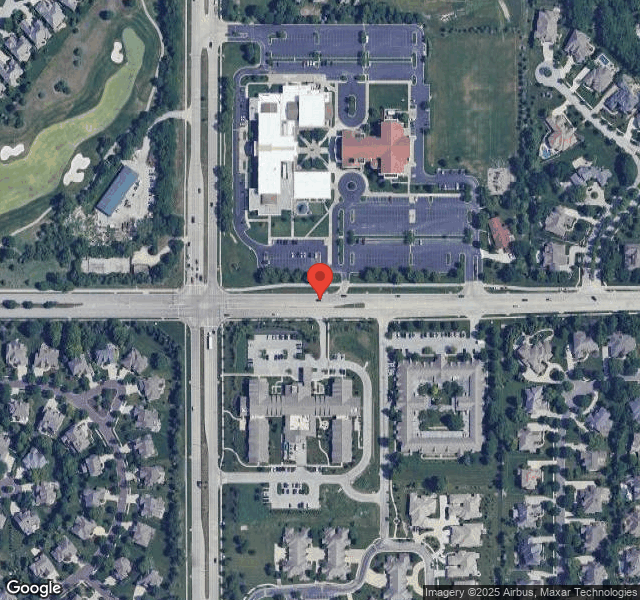
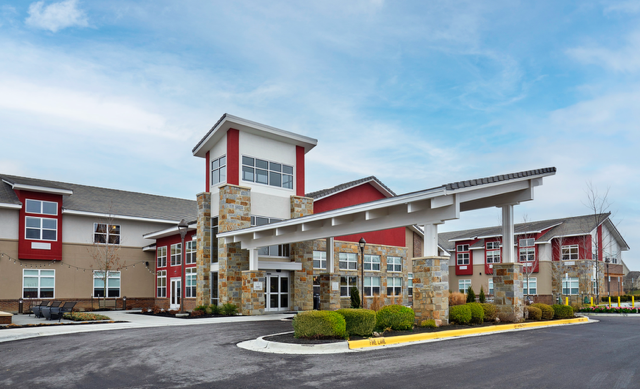
5401 W 143RD STREET, LEAWOOD, KS 66224 (913) 249-3600
For profit - Limited Liability company 70 Beds THE ENSIGN GROUP Data: November 2025
Trust Grade
55/100
#164 of 295 in KS
Last Inspection: August 2025

Inspected within the last 6 months. Data reflects current conditions.

Overview

The Healthcare Resort of Leawood has a Trust Grade of C, indicating it is average and sits in the middle of the pack among nursing homes. It ranks #164 out of 295 facilities in Kansas, placing it in the bottom half, and #19 out of 35 in Johnson County, showing there are better local options available. Unfortunately, the facility is worsening, with the number of reported issues increasing from 12 in 2023 to 14 in 2025. Staffing is a concern, with a turnover rate of 60%, higher than the Kansas average of 48%, although the RN coverage is average, which provides some support. While the facility has no fines on record, it has been cited for significant concerns, such as not conducting required yearly performance evaluations for some staff, and failing to follow proper food safety protocols, including not labeling and dating opened food items properly, which could risk residents' health.

Trust Score
C
55/100
In Kansas
#164/295
Bottom 45%
Safety Record
Low Risk
No red flags
Inspections
Getting Worse
12 → 14 violations
Staff Stability
⚠ Watch
60% turnover. Above average. Higher turnover means staff may not know residents' routines.
Penalties
✓ Good
No fines on record. Clean compliance history, better than most Kansas facilities.
Skilled Nurses
✓ Good
Each resident gets 46 minutes of Registered Nurse (RN) attention daily — more than average for Kansas. RNs are trained to catch health problems early.
Violations
⚠ Watch
35 deficiencies on record. Higher than average. Multiple issues found across inspections.
★★★☆☆
3.0
Overall Rating
★★★☆☆
3.0
Staff Levels
★★★★★
5.0
Care Quality
★★☆☆☆
2.0
Inspection Score
Stable
2023: 12 issues
2025: 14 issues

The Good

  • 5-Star Quality Measures · Strong clinical quality outcomes
  • Full Sprinkler Coverage · Fire safety systems throughout facility
  • No fines on record

Facility shows strength in quality measures, fire safety.

The Bad

3-Star Overall Rating

Near Kansas average (2.9)

Meets federal standards, typical of most facilities

Staff Turnover: 60%

13pts above Kansas avg (46%)

Frequent staff changes - ask about care continuity

Chain: THE ENSIGN GROUP

Part of a multi-facility chain

Ask about local staffing decisions and management

Staff turnover is elevated (60%)

12 points above Kansas average of 48%

The Ugly 35 deficiencies on record

Aug 2025 14 deficiencies
CONCERN (D)

Potential for Harm - no one hurt, but risky conditions existed

Deficiency F0558 (Tag F0558)

Could have caused harm · This affected 1 resident

The facility identified a census of 64 residents. The sample included 16 residents, with two reviewed for reasonable accommodation of needs related to assistive devices. Based on observation, record r...

Read full inspector narrative →
The facility identified a census of 64 residents. The sample included 16 residents, with two reviewed for reasonable accommodation of needs related to assistive devices. Based on observation, record review, and interviews, the facility failed to ensure Resident (R) 51 had a way to communicate her needs due to her call light being left out of reach. This deficient practice placed the R51 at risk for preventable accidents and injuries. Findings Included:- The Medical Diagnosis section within R51's Electronic Medical Records (EMR) included diagnoses of muscle weakness, overactive bladder, need for assistance with personal care, history of falling, and cognitive communication disorder (an impairment in organization, sequencing, attention, memory, planning, problem-solving, and safety awareness). R51's Quarterly Minimum Data Set (MDS) completed 04/08/25 noted a Brief Interview for Mental Status (BIMS) score of six, indicating mild cognitive impairment. The MDS noted she required substantial to maximal assistance for transfer, bathing, toileting, bed mobility, dressing, and personal hygiene. The MDS noted she had no falls. R51's Fall Care Area Assessment (CAA) completed 04/07/25 indicated she was at risk for a decline in her activities of daily living (ADL) related to her medical diagnoses. The CAA noted she will work with therapy services on strength training and provide interventions to minimize the risk related to her decline in ADL and potential falls. R51's Care Plan initiated on 02/25/25 indicated she was at risk for falls and a deficit of her ADLs related to her medical diagnoses. The plan indicated she required substantial to maximal assistance from staff for transfers, toileting, bathing, personal hygiene, dressing, and bed mobility. The plan noted she had a history of falls and instructed staff to ensure her call light was within reach. The plan instructed staff to ensure she had a Dycem (a nonslip mat placed to prevent sliding in her wheelchair and maintain a clear path in her room. The plan noted she required two staff members for transfer assistance. The plan instructed staff to ensure her call light remained within reach while in her room. On 08/04/25 at 07:05 AM, R51 slept in her bed. R51's soft-touch call light was located on top of her bedside table. R51's bedside table was across the room next to her recliner and out of her reach. On 08/04/25 at 08:15 AM, R51 remained asleep in her bed. R51's soft-touch call light remained on her bedside table next to her recliner. On 08/06/25 at 12:23 PM, Certified Nurse's Aide (CNA) M stated call lights were to be placed within reach or clipped onto the resident's clothing. On 08/06/25 at 12:45 PM, Licensed Nurse (LN) G stated staff were expected to ensure the call light remained within reach during each interaction. On 08/06/25 at 01:04 PM, Administrative Nurse D stated staff were expected to check the call light placement each shift and ensure the residents had access to the lights if they needed assistance. The facility's Fall Management System dated 06/2018 indicated the facility promoted an environment that remains free from accident hazards. The policy indicated that the facility assessed and provided the appropriate equipment to ensure resident safety. The policy indicated the facility appropriately assessed and implemented interventions to prevent falls and minimize complications if falls occurred.
CONCERN (D)

Potential for Harm - no one hurt, but risky conditions existed

Deficiency F0628 (Tag F0628)

Could have caused harm · This affected 1 resident

The facility identified a census of 64 residents. The sample included 16 residents, with two residents reviewed for hospitalization. Based on observation, record review, and interviews, the facility f...

Read full inspector narrative →
The facility identified a census of 64 residents. The sample included 16 residents, with two residents reviewed for hospitalization. Based on observation, record review, and interviews, the facility failed to provide a final summary of the resident's status at discharge for Resident (R) 6. This deficient practice placed R6 at risk of delayed care or uncommunicated care needs.Findings included:- R6's Electronic Medical Records (EMR) documented diagnoses infection and inflammatory reaction due to internal right knee prosthesis (an artificial body part), Methicillin-Resistant Staphylococcus Aureus (MRSA- a type of bacteria resistant to many antibiotics), pain, need for assistance with personal care, age related cognitive decline (related to the mental process), major depressive disorder (major mood disorder that causes persistent feelings of sadness), and dysphagia (swallowing difficulty). R6's Admissions Minimum Data Set (MDS) completed 07/13/25 noted a Brief Interview for Mental Status (BIMS) score of 13, indicating intact cognition. The MDS documented she had an impairment of her lower extremity. The MDS documented R6 needed setup or cleanup assistance with eating and oral hygiene. The MDS documented R6 was dependent on staff for toileting.R6's Functional Abilities (Self-Care Mobility) Care Area Assessment (CAA), dated 07/13/25, documented R6 had a reduction in activities of daily living (ADL), and she needed increased staff assistance with ADLs, which included transfers, bed mobility, toileting, and hygiene. The CAA documented R6 continued with skilled services to regain strength and return to the highest functioning level. R6's goal was to return home. The CAA for R6 documented the risk factors, including further ADL decline, falls, incontinence, skin breakdown, and pain. The care plan would be initiated and reviewed to improve or maintain current ADL status and functional ability, maintain or improve continence status, decrease pain, decrease falls, and pressure ulcer risk.R6's EMR recorded a Discharge Assessment-Return Not Anticipated MDS documenting R6's discharge date d 07/14/25.R6's Care Plan, revised 08/01/25, documented that the facility would establish a pre-discharge plan with R6 and her family and caregivers, and evaluate progress and revise the plan as needed.R6's EMR under Progress Notes revealed a Nursing Note completed on 07/14/25, documenting R6's husband was in the facility, stated he was going to pack R6's belongings, and take her home. Nursing explained to R6's guardian the facility was waiting for labs for her wound. R6's guardian stated he was taking R6 home. Nursing called the physician to inform him of R6's discharge from the facility.R6's medical record lacked documentation showing recompilation of her stay in the facility.On 08/06/25 at 12:39 PM, Licensed Nurse (LN) I stated it was the responsibility of the nurse in charge on the day the resident was discharged to do a summary of the resident's stay. She stated this would include how the facility cared for the resident, medications, and follow-up appointments.On 08/06/25 at 01:13 PM, Administrative Nurse D stated it was the charge nurse's duty to ensure a recompilation of stay was documented. She stated if the charge nurse did not document the resident's stay, it was the director of nursing's responsibility.The facility's Discharge policy dated 05/17 documented it was the policy of this facility to set forth the circumstances and conditions under which the facility could require the resident to be involuntarily transferred, discharged , or evicted.
CONCERN (D)

Potential for Harm - no one hurt, but risky conditions existed

Comprehensive Care Plan (Tag F0656)

Could have caused harm · This affected 1 resident

The facility identified a census of 64 residents. The sample included 16 residents, with 16 reviewed for care planning. Based on observation, record review, and interviews, the facility failed to iden...

Read full inspector narrative →
The facility identified a census of 64 residents. The sample included 16 residents, with 16 reviewed for care planning. Based on observation, record review, and interviews, the facility failed to identify the level of care assistance needed for activities of daily living (ADL) on Resident (R) 54's care plan. This deficient practice placed R54 at risk for ineffective treatment and preventable accidents.Findings Included: - The Medical Diagnosis section within R54's Electronic Medical Records (EMR) included diagnoses of dementia (a progressive mental disorder characterized by failing memory and confusion), cognitive communication disorder (an impairment in organization, sequencing, attention, memory, planning, problem-solving, and safety awareness), need for assistance with personal care, muscle weakness, and diabetes mellitus (DM- when the body cannot use glucose, not enough insulin is made, or the body cannot respond to the insulin).R54's Quarterly Minimum Data Set (MDS) completed 01/07/25 noted a Brief Interview for Mental Status (BIMS) score of 12, indicating mild cognitive impairment. The MDS noted no upper or lower extremity impairments. The MDS noted she required partial to moderate assistance for lower body dressing, footwear, bathing, toileting, and oral hygiene. The MDS noted she required supervision or touch assistance with upper body dressing, personal hygiene, bed mobility, and walking. R54's Functional Abilities Care Area Assessment (CAA) completed 06/16/25 indicated she needed assistance from staff for her ADLs and self-care related to her medical diagnoses. R54's Care Plan initiated on 11/15/24 indicated she was at risk for an ADL deficit related to her medical diagnoses. The plan noted she would maintain her current level of function in bed mobility, transfers, eating, dressing, grooming, toileting, and personal hygiene. The plan noted she preferred assistance with personal hygiene and instructed staff to wash her hair with her showers. The plan lacked documentation showing R54's level of functioning and the required level of assistance needed to complete bathing, transfers, dressing, oral hygiene, meals, and bed mobility. On 08/04/25 at 08:05 AM, R54 walked from the hallway to the dining area with her walker. R54 sat down at the dining room table and prepared herself for breakfast. R54 reported no issues or concerns related to her care. R54 was clean and well-groomed. On 08/06/25 at 12:23 PM, Certified Nurse's Aide (CNA) M stated the care plans needed to include the resident's current level of functioning and assistance needed. She stated the Kardex should also include this information. On 08/06/25 at 12:45 PM, Licensed Nurse (LN) G stated care plans were updated to reflect each resident's level of functioning and assistance needed. On 08/06/25 at 01:04 PM, Administrative Nurse D stated the care plan should identify each resident's required level of functioning and assistance needed. She stated that the interdisciplinary team meets each week to review the plans and update them with changes. The facility's Comprehensive Person-Centered Planning policy, revised 08/2017, indicated each resident was to have a comprehensive assessment and provided individualized interventions to reflect their treatment needs. The policy indicated care plans were reviewed and updated to reflect changes that may occur with the resident's goals and care needs.
CONCERN (D)

Potential for Harm - no one hurt, but risky conditions existed

Quality of Care (Tag F0684)

Could have caused harm · This affected 1 resident

The facility identified a census of 64 residents. The sample included 16 residents, with one resident reviewed for quality of care. Based on observation, record review, and interviews, the facility fa...

Read full inspector narrative →
The facility identified a census of 64 residents. The sample included 16 residents, with one resident reviewed for quality of care. Based on observation, record review, and interviews, the facility failed to ensure the physician's order was followed for a daily weight for R5 to monitor for congestive heart failure (CHF - a condition with low heart output and the body becomes congested with fluid). This deficient practice placed R5 at risk of delayed treatment and untreated illness.Findings included:- R5's Electronic Medical Record (EMR) from the Diagnosis tab documented diagnoses of overactive bladder, pain, congestive heart failure (CHF- a condition with low heart output and the body becomes congested with fluid), dementia (a progressive mental disorder characterized by failing memory and confusion), cellulitis (a common bacterial infection of the skin and underlying tissues) of right lower limb, lack of coordination, communication deficit, need for assistance with personal car, closed fracture with routine healing, and Parkinson's disease (a slowly progressive neurologic disorder characterized by resting tremors, rolling of the fingers, masklike faces, shuffling gait, muscle rigidity, and weakness).The admission Minimum Data Set (MDS) dated 07/15/25 documented a Brief Interview of Mental Status (BIMS) score of 13, which indicated intact cognition. The MDS documented R5 had received diuretic (a medication to promote the formation and excretion of urine) medication during the observation period. R5's Psychotropic Drug Use Care Area Assessment (CAA) dated 07/18/25 documented a licensed nurse would monitor for adverse effects of R5's medication every shift.R5's Care Plan, dated 07/18/25, documented nursing staff would administer medications as ordered. The plan of care documented the nursing staff would monitor for side effects and document the effectiveness.R5‘s EMR under the Orders tab revealed the following physician orders: Lasix (diuretic) oral tablet 20 milligram (mg) (Furosemide) give one tablet by mouth one time a day every Tuesday, Thursday, and Saturday for edema, dated 07/09/25.Daily weight for the next three days, dated 07/09/25. Weekly weights every seven days, dated 07/09/25.Review of R5's July 2025 Medication Administration Record (MAR), Treatment Administration Record (TAR), and the Weights/Vital Signs tab lacked evidence of documentation of daily weights for 07/10/25, 07/11/25, and 07/12/25. R5's EMR also lacked evidence of weekly weights for 07/17/25 and 07/31/25. On 08/05/25 at 02:12 PM, R5 sat on her wheelchair in her room, as she listened to her book on her tablet. R5 stated she walked 75 feet with therapy.On 08/06/25 at 12:14 PM, Certified Nurse Aide (CNA) M stated everyone worked to obtain the resident's weights as ordered. CNA M stated the charge nurse would let the staff know every day which residents needed to be weighed that day. CNA M stated she would let the charge nurse know the weight after she obtained the weight.On 08/06/25 at 12:40 PM, Licensed Nurse (LN) I stated the nurse was the person responsible to ensure a physician's order was followed. LN I stated if the physician had ordered a resident to be weighed daily or weekly that order would be placed on the MAR or TAR to prompt the nurse to ensure the weight was obtained and documented in the resident's EMR. On 08/06/25 at 01:14 PM, Administrative Nurse D stated the charge nurse was responsible for ensuring the physician's orders were followed. Administrative Nurse D stated the physician order for daily or weekly weights would be placed on the MAR or TAR to prompt the nurse to obtain the weight as ordered.The facility's Quality of Care policy, revised on 01/25/25, documented based on comprehensive assessments. The facility would ensure that residents receive treatment and care by qualified persons in accordance with professional standards of practice, the comprehensive person-centered care plans, and the residents' choices.
CONCERN (D)

Potential for Harm - no one hurt, but risky conditions existed

Pressure Ulcer Prevention (Tag F0686)

Could have caused harm · This affected 1 resident

**NOTE- TERMS IN BRACKETS HAVE BEEN EDITED TO PROTECT CONFIDENTIALITY** The facility identified a census of 64 residents. The sample included 16 residents, with five residents reviewed for pressure ul...

Read full inspector narrative →
**NOTE- TERMS IN BRACKETS HAVE BEEN EDITED TO PROTECT CONFIDENTIALITY** The facility identified a census of 64 residents. The sample included 16 residents, with five residents reviewed for pressure ulcers (localized injury to the skin and/or underlying tissue usually over a bony prominence, because of pressure, or pressure in combination with shear and/or friction). Based on observation, record review, and interviews, the facility failed to ensure pressure-reducing devices were in place for Resident (R) 12, who was at risk for the development of pressure ulcers. This deficient practice placed R12 at risk for complications related to skin breakdown.Findings included:- R12's Electronic Medical Record (EMR) from the Diagnosis tab documented diagnoses of difficulty walking, dementia (a progressive mental disorder characterized by failing memory and confusion), lack of coordination, muscle weakness, and need for assistance with personal care.The admission Minimum Data Set (MDS) dated 04/22/25 documented a Brief Interview of Mental Status (BIMS) score of 15, which indicated intact cognition. The MDS documented R12 was at risk for the development of pressure-related injuries. The Quarterly MDS dated [DATE] documented a BIMS score of 10, which indicated moderately impaired cognition. The MDS documented that R12 was at risk for the development of pressure-related injuries.R12's Pressure Ulcer Care Area Assessment (CAA), dated 05/10/25, documented he was at risk for the development of pressure ulcers related to his incontinence and impaired mobility. R12's Care Plan, dated 04/16/25, documented R12 required monitoring, reminding, and assistance for turning and repositioning.R12‘s EMR under the Orders tab revealed the following physician orders: Cushion to wheelchair, dated 06/05/25.On 08/04/25 at 12:06 PM, R12 laid on his bed. R12's wheelchair was next to the bed and lacked a cushion. R12 stated he used the wheelchair frequently.On 08/05/25 at 01:58 PM, R12 laid on his bed with the wheelchair next to the bed. R12's wheelchair lacked a cushion, and no cushion was seen in the room.On 08/06/25 at 12:14 PM, Certified Nurse Aide (CNA) M stated the therapy department would do staff education for each resident on any pressure-reducing devices for any new resident. CNA M stated it was everyone's responsibility to ensure any pressure-reducing devices for all the residents were in place. CNA M stated the pressure-reducing devices should be listed on the resident's individualized care plan or on their Kardex (a nursing tool that gives a brief overview of the care needs of each resident). CNA M stated she was not sure if every resident who was in a wheelchair required a pressure-reducing device on the chair.On 08/06/25 at 12:40 PM, Licensed Nurse (LN) I stated the nurse would be the person who would be responsible for ensuring pressure-reducing devices were in place. LN I stated everyone was to assist with ensuring pressure-reducing services were in place. LN I stated that every resident who used a wheelchair for mobility should have a pressure-reducing device. LN I stated the resident's pressure-reducing devices should be listed on the resident's individualized care plan or on their Kardex. On 08/06/25 at 01:14 PM, Administrative Nurse D stated that all staff were responsible for ensuring the resident's pressure-reducing devices were in place. Administrative Nurse D stated she would expect the resident's pressure-reducing devices to be listed on their care plans.The facility's Pressure Injury Prevention policy, last revised on 03/2022, documented the purpose of the policy was to provide for early detection and intervention of all breakdowns evident upon admission to the facility. To maintain the integrity of the residents' skin, a significant factor in health. To minimize the risks and prevent the occurrence of skin breakdown. To promote prompt evaluation and intervention of any changes in skin integrity during the facility stay. For individuals restricted to a chair was to use pressure-reducing devices for seating surfaces.
CONCERN (D)

Potential for Harm - no one hurt, but risky conditions existed

Respiratory Care (Tag F0695)

Could have caused harm · This affected 1 resident

**NOTE- TERMS IN BRACKETS HAVE BEEN EDITED TO PROTECT CONFIDENTIALITY** The facility identified a census of 64 residents. The sample included 15 residents, with one resident reviewed for respiratory c...

Read full inspector narrative →
**NOTE- TERMS IN BRACKETS HAVE BEEN EDITED TO PROTECT CONFIDENTIALITY** The facility identified a census of 64 residents. The sample included 15 residents, with one resident reviewed for respiratory care. Based on observation, record review, and interviews, the facility failed to ensure Resident (R) 3's nebulizer (a device that changes liquid medication into a mist easily inhaled into the lungs) mask was stored in a sanitary manner. This placed R3 at an increased risk for respiratory infection and complications. Findings included:- R3's Electronic Medical Record (EMR) from the Diagnosis tab documented diagnoses of hypertension (HTN- elevated blood pressure), benign prostatic hyperplasia (urinary frequency, urgency, a weak or intermittent stream, needing to strain, a sense of incomplete emptying, and nocturia (frequent urination at night), acquired absence of right leg below the knee, acquired absence of left leg below the knee, peripheral vascular disease (a circulatory disorder where narrowed or blocked blood vessels reduce blood flow to the limbs, affection the arms, hands and limbs), colostomy (surgical creation of an artificial opening on the stomach wall to excrete feces from the body), communication deficit, muscle weakness, need for assistance with personal care, unsteadiness on feet, and anxiety (mental or emotional reaction characterized by apprehension, uncertainty, and irrational fear).The Quarterly Minimum Data Set (MDS) dated [DATE] documented a Brief Interview of Mental Status (BIMS) score of 13, which indicated intact cognition. The MDS documented R3 needed setup and clean-up assistance from staff for eating and oral care. The MDS documented R3 was dependent on staff for toileting and showers, and needed substantial/maximal assistance with dressing.R3's Functional Abilities (Self-Care Mobility) Care Area Assessment (CAA) dated 03/29/25 documented R3 had a reduction in activities of daily living (ADL); he needs increased staff assistance with ADLs, including transfers, bed mobility, toileting, and hygiene. Staff assist with ADLs and encourage guests to fully participate.R3's Care Plan dated 02/17/23 documented R3 had a risk for alteration in comfort, and staff were to monitor and report any signs to nursing. R3's care plan lacked an indication for a nebulizer and the storage of a nebulizer mask.R3‘s EMR under the Orders tab revealed the following physician order:Ipratropium-Albuterol solution 0.5-2.5 milligram (mg) per 3milliliters (ml), inhale orally three times a day for wheezing, dated 07/31/25.On 08/04/25 at 08:23 AM, R3 sat in his room, and his nebulizer mask was sitting on his bedside table. The nebulizer mask was not stored in a sanitary manner.On 08/04/25 at 01:18 PM, he sat in his room talking on his phone. R3's nebulizer mask laid on his bedside table. R3's nebulizer mask was not stored in a sanitary manner.On 08/06/25 at 12:14 PM, Certified Nurse's Aide (CNA) M stated the nebulizer mask was rinsed, air dried, and then placed in a bag with the date on the bag.On 08/06/25 at 12:39 PM, Licensed Nurse (LN) I stated that nebulizer masks were washed and placed in a plastic bag. LN I stated that anyone from nursing can put the mask in a bag to store when not in use.On 08/06/25 at 01:13 PM, Administrative Nurse D stated nebulizer masks were to be placed in a plastic bag with the date on the bag. She stated nebulizer mask should not be left on the bedside table.The facility did not provide a policy for the storage of a nebulizer mask.
CONCERN (D)

Potential for Harm - no one hurt, but risky conditions existed

Deficiency F0775 (Tag F0775)

Could have caused harm · This affected 1 resident

The facility identified a census of 64 residents. The sample included 16 residents. Based on observation, record review, and interviews, the facility failed to ensure physician-ordered laboratory test...

Read full inspector narrative →
The facility identified a census of 64 residents. The sample included 16 residents. Based on observation, record review, and interviews, the facility failed to ensure physician-ordered laboratory test results for Resident (R) 42, R5, and R75 were included in the clinical record. This deficient practice could result in unnecessary tests and delayed treatment.Findings included:- R5's Electronic Medical Record (EMR) from the Diagnosis tab documented diagnoses of Overactive bladder, pain, congestive heart failure (CHF- a condition with low heart output and the body becomes congested with fluid), dementia (a progressive mental disorder characterized by failing memory and confusion), cellulitis (a common bacterial infection of the skin and underlying tissues) of right lower limb, lack of coordination, communication deficit, need for assistance with personal car, closed fracture with routine healing, and Parkinson's disease (a slowly progressive neurologic disorder characterized by resting tremors, rolling of the fingers, masklike faces, shuffling gait, muscle rigidity, and weakness.The admission Minimum Data Set (MDS) dated 07/15/25 documented a Brief Interview of Mental Status (BIMS) score of 13, which indicated intact cognition. The MDS documented R5 had received diuretic (a medication to promote the formation and excretion of urine) medication during the observation period. R5's Psychotropic Drug Use Care Area Assessment (CAA) dated 07/18/25 documented a licensed nurse would monitor for adverse effects of R5's medication every shift.R5's Care Plan, dated 07/17/25, documented a complete blood count (CBC- laboratory blood test) and complete metabolic panel (CMP- laboratory blood test) would be obtained weekly. R5‘s EMR under the Orders tab revealed the following physician orders:CBC and CMP weekly, dated 07/09/25. Review of R5's clinical record lacked evidence of the results of the physician-ordered laboratory tests. The facility was not able to provide a copy of the results dated 07/16/25 and 07/30/25.On 08/05/2025 at 02:12 PM, R5 sat on her wheelchair in her room, as she listened to her book on her tablet. R5 stated she walked 75 feet with therapy.On 08/06/25 at 12:40 PM, Licensed Nurse (LN) I stated the physician would order the laboratory tests, and then the nurse would verify the orders. LN I stated that the lab order would be entered into the laboratory provided system to be obtained as ordered. LN I stated the results would be printed and reviewed by the physician. LN I stated the physician would initial and date the results when reviewed, and signed results would be placed in the folder to be scanned into the resident's EMR.On 08/06/25 at 01:14 PM, Administrative Nurse D stated the physician ordered laboratory orders would be entered into the laboratory provider's system to be obtained as ordered. Administrative Nurse D stated the order would be placed on the Medication Administration Record or the Treatment Administration Record. Administrative Nurse D stated the results should be printed, then reviewed by the physician, and placed in the folder to be scanned into the resident's EMR. Administrative Nurse D stated the lab results should be scanned into the resident's EMR within 24 to 48 hours after being reviewed by the physician. The facility's Laboratory, Radiology, Other Diagnostic Services policy last reviewed 01/2025 documented it was the policy of the facility to obtain laboratory and radiology services when ordered by a Physician, Physician Assistant (PA), Nurse Practitioner (NP), or Clinical Nurse Specialist (CNS) and to promptly notify the ordering provider of test results. Laboratory and radiology services would be arranged as ordered. Results of laboratory, radiological, and diagnostic tests outside the clinical reference ranges would be promptly reported to the resident's attending physician, PA, NP, or CNS, or as specified in the order. Notification of test results would be documented in the resident's clinical record. Results of lab, radiology, and diagnostic services would be made a part of the resident's medical record.- R42's Electronic Medical Record (EMR) from the Diagnosis tab documented diagnoses of venous thrombosis (a clot that develops within a blood vessel), embolism (an obstruction in a blood vessel due to a blood clot or other foreign matter that gets stuck while traveling through the bloodstream), and dementia (a progressive mental disorder characterized by failing memory and confusion).The admission Minimum Data Set (MDS) dated 07/23/25 documented a Brief Interview of Mental Status (BIMS) score of 12, which indicated moderately impaired cognition.R42's Functional Abilities (Self-Care and Mobility) Care Area Assessment (CAA) dated 07/28/25 documented she had a decline in activities of daily living and required an increase in staff assistance. R42's Care Plan, last revised on 08/.04/25 documented labs would be obtained as ordered by the physician. The plan of care documented the staff would report any abnormal lab results to the physician. The plan of care documented the nursing staff would obtain R42's international normalized ratio (INR) (laboratory blood test to check for blood clotting time) on Monday and Thursday.R42‘s EMR under the Orders tab revealed the following physician orders:Warfarin sodium (anticoagulant - a class of medications used to prevent the blood from clotting) oral tablet five milligram (mg) give one tablet by mouth at bedtime for embolism, dated 07/31/25.Review of R42's clinical record lacked evidence of the results of the physician-ordered laboratory tests. The facility was able to provide a copy of the results dated 07/28/25 and 07/31/25. On 08/05/2025 at 01:58 PM, R42 laid on her bed with the head of her bed elevated as she watched TV. R42 stated she was happy to be out of isolation. On 08/06/25 at 12:40 PM, Licensed Nurse (LN) I stated the physician would order the laboratory tests, and then the nurse would verify the orders. LN I stated that the lab order would be entered into the laboratory provided system to be obtained as ordered. LN I stated the results would be printed and reviewed by the physician. LN I stated the physician would initial and date the results when reviewed, and signed results would be placed in the folder to be scanned into the resident's EMR.On 08/06/25 at 01:14 PM, Administrative Nurse D stated the physician ordered laboratory orders would be entered into the laboratory provider's system to be obtained as ordered. Administrative Nurse D stated the order would be placed on the Medication Administration Record or the Treatment Administration Record. Administrative Nurse D stated the results should be printed, then reviewed by the physician, and placed in the folder to be scanned into the resident's EMR. Administrative Nurse D stated the lab results should be scanned into the resident's EMR within 24 to 48 hours after being reviewed by the physician. The facility's Laboratory, Radiology, Other Diagnostic Services policy last reviewed 01/2025 documented it was the policy of the facility to obtain laboratory and radiology services when ordered by a Physician, Physician Assistant (PA), Nurse Practitioner (NP), or Clinical Nurse Specialist (CNS) and to promptly notify the ordering provider of test results. Laboratory and radiology services would be arranged as ordered. Results of laboratory, radiological, and diagnostic tests outside the clinical reference ranges would be promptly reported to the resident's attending physician, PA, NP, or CNS or as specified in the order. Notification of test results would be documented in the resident's clinical record. Results of lab, radiology, and diagnostic services would be made a part of the resident's medical record.- R75's Electronic Medical Record (EMR) from the Diagnosis tab documented diagnoses of anemia (an inadequate number of healthy red blood cells to carry adequate oxygen to body tissues), fracture of left femur, hypertension (high blood pressure), congestive heart failure (CHF- a condition with low heart output and the body becomes congested with fluid), anxiety (mental or emotional reaction characterized by apprehension, uncertainty, and irrational fear), heart failure, and dysphagia (swallowing difficulty). The admission Minimum Data Set (MDS) dated 06/05/25 documented a Brief Interview of Mental Status (BIMS) score of five, which indicated severely impaired cognition. The MDS documented R75 had heart failure and CHF.R75's Functional Abilities (Self-Care and Mobility) Care Area Assessment (CAA) dated 06/06/25 documented she required staff assistance with her activities of daily living.R75's Care Plan, dated 06/16/25, documented the nursing staff would administer as ordered. The plan of care documented the nursing staff would monitor and document any adverse effects or side effects. R75‘s EMR under the Orders tab revealed the following physician orders:Complete blood count (CBC- laboratory blood test) and complete metabolic panel (CMP-laboratory blood test) weekly on Wednesday, dated 06/02/25.Review of R75's clinical record lacked evidence of the results of the physician-ordered laboratory tests for 06/04/25, 06/11/25, 06/18/25, 06/25/25, 07/02/25, 07/09/25, 07/16/25, and 07/30/25. The facility was able to provide a copy of the results dated 06/25/25, 07/02/25, 07/09/25, 07/16/25, and 07/30/25. The facility was unable to provide results for the following dates: 06/04/25, 06/11/25, and 06/18/25. On 08/05/25 at 01:58 PM, R75 laid awake on her bed. R75 stated she was okay and did not need anything at that time.On 08/06/25 at 12:40 PM, Licensed Nurse (LN) I stated the physician would order the laboratory tests, and then the nurse would verify the orders. LN I stated that the lab order would be entered into the laboratory provided system to be obtained as ordered. LN I stated the results would be printed and reviewed by the physician. LN I stated the physician would initial and date the results when reviewed, and signed results would be placed in the folder to be scanned into the resident's EMR.On 08/06/25 at 01:14 PM, Administrative Nurse D stated the physician ordered laboratory orders would be entered into the laboratory provider's system to be obtained as ordered. Administrative Nurse D stated the order would be placed on the Medication Administration Record or the Treatment Administration Record. Administrative Nurse D stated the results should be printed, then reviewed by the physician, and placed in the folder to be scanned into the resident's EMR. Administrative Nurse D stated the lab results should be scanned into the resident's EMR within 24 to 48 hours after being reviewed by the physician. The facility's Laboratory, Radiology, Other Diagnostic Services policy last reviewed 01/2025 documented it was the policy of the facility to obtain laboratory and radiology services when ordered by a Physician, Physician Assistant (PA), Nurse Practitioner (NP), or Clinical Nurse Specialist (CNS) and to promptly notify the ordering provider of test results. Laboratory and radiology services would be arranged as ordered. Results of laboratory, radiological, and diagnostic tests outside the clinical reference ranges would be promptly reported to the resident's attending physician, PA, NP, or CNS, or as specified in the order. Notification of test results would be documented in the resident's clinical record. Results of lab, radiology, and diagnostic services would be made a part of the resident's medical record.
CONCERN (D)

Potential for Harm - no one hurt, but risky conditions existed

Deficiency F0849 (Tag F0849)

Could have caused harm · This affected 1 resident

**NOTE- TERMS IN BRACKETS HAVE BEEN EDITED TO PROTECT CONFIDENTIALITY** The facility identified a census of 64 residents. The sample included 15 residents, with two residents reviewed for hospice (a t...

Read full inspector narrative →
**NOTE- TERMS IN BRACKETS HAVE BEEN EDITED TO PROTECT CONFIDENTIALITY** The facility identified a census of 64 residents. The sample included 15 residents, with two residents reviewed for hospice (a type of health care that focuses on the terminally ill patient's pain and symptoms and attending to their emotional and spiritual needs at the end of life) services. Based on observation, record review, and interview, the facility failed to ensure a coordinated plan of care, which coordinated care and services provided by the facility with the care and services provided by hospice, was developed and available for Resident (R) 13. This placed the resident at risk for inappropriate end-of-life care. Findings included:- R13's Electronic Medical Record (EMR) from the Diagnosis tab documented diagnoses of fibromyalgia (condition of musculoskeletal pain, spasms, stiffness, fatigue, and severe sleep disturbance), hypertension (high blood pressure), peripheral vascular disease (a circulatory disorder where narrowed or blocked blood vessels reduce blood flow to the limbs, often affection the arms, hands, legs, and feet), major depressive disorder (major mood disorder that causes persistent feelings of sadness), diabetes mellitus (DM- when the body cannot use glucose, not enough insulin is made, or the body cannot respond to the insulin), muscle weakness, senile degeneration of the brain (age-related cognitive decline, including memory loss and other thinking problems), muscle weakness, need for assistance with personal care. The Significant Change Minimum Data Set (MDS) dated [DATE] documented a Brief Interview of Mental Status (BIMS) score of six, which indicated severely impaired cognition. The MDS documented R13 needed set-up or cleanup for oral hygiene, supervision or touching assistance for toileting, and partial to moderate assistance for bathing. The MDS documented R13 was dependent on staff for toileting, bathing, and dressing, and was independent with eating. R13's The Functional Activities (Self-Care Mobility) Care Area Assessment (CAA) dated 06/12/25 documented R13 had a reduction in activities of daily living (ADL); she needs increased staff assistance with ADLs, including transfers, bed mobility, toileting, and hygiene. R13 had risk factors included further ADL decline, falls, incontinence, skin breakdown, and pain. R13's Care Plan dated 06/27/25 documented R13 was admitted to hospice, with staff to maintain R13's comfort. The plan of care documented dignity and autonomy would be maintained. The plan of care documented staff were to encourage R13 to express feelings, listen with non-judgmental acceptance, and compassion. The plan of care documented staff were to keep R13's environment quiet and calm and observe R13 closely for signs of pain; nursing was to administer pain medications as ordered and notify the physician immediately if there is breakthrough pain. The plan of care for R13 documented hospice services would supply her supplies as needed. A review of the hospice-provided communication binder revealed R13 was admitted to hospice services on 06/12/25. On 08/04/25 at 10:14 AM, R13 sat in her chair doing crossword puzzles in her room.On 08/05/25 at 09:50 AM, R13 sat on her bed with her elbows leaning on her bedside table.On 08/06/25 at 12:14 PM, Certified Nursing Aide (CNA) M stated nursing had a notebook at the nurse's station with sheets that were printed every day, which told the CNA's pertinent information about each resident. CNA M stated the hospice providers communicated with the nursing staff, and they know when they are giving showers and what supplies they have brought to the resident. CNA M stated she could also look in the notebook provided by the hospice supplier. She stated she did not think hospice information was in the facility's care plan. On 08/06/25 at 12:39 PM, Licensed Nurse (LN) I stated she communicates with the hospice service provider, which was how she knew when hospice aides would be coming to the building. She stated she could also look in the hospice binder kept at the nurse's station. LN I stated she did not think supplies and when hospice staff would be in the building were in the facility care plan. She stated she thought the care plans should match. On 08/06/25 at 01:13 PM, the Administrator Nurse D stated the facility had good communication with nursing and the CNAs. She stated the nursing staff would know when the hospice provider would be in the building and what supplies the hospice provider brings to the facility through communication and the hospice binder kept at the nurse's desk. She stated there should be collaboration of care, and the care plans for the facility and the care plan provided by hospice should match. The facility's Quality of Care policy dated 07/19 documented it was the policy of the facility to provide end-of-life care for dying residents that emphasizes prevention and relief of symptoms as well as compassionate attention to the resident's dignity and preferences. Through continuing interdisciplinary assessment, individualized plans would be developed and implemented to address the resident's physical, intellectual, emotional, social, spiritual, and practical needs. Support and reassurance for the family and friends close to the resident would be an integral part of the plan.
CONCERN (E)

Potential for Harm - no one hurt, but risky conditions existed

Accident Prevention (Tag F0689)

Could have caused harm · This affected multiple residents

The facility identified a census of 64 residents. The sample included 16, with three reviewed for accidents. Based on observation, record review, and interview, the facility failed to secure potential...

Read full inspector narrative →
The facility identified a census of 64 residents. The sample included 16, with three reviewed for accidents. Based on observation, record review, and interview, the facility failed to secure potentially hazardous cleaning chemicals in a safe, locked area and out of reach of eight cognitively impaired, independently mobile residents. The facility additionally failed to ensure Resident (R) 29's fall interventions were implemented. This placed the affected residents at risk for preventable accidents.Findings Included: - On 08/04/25 at 07:10 AM, an initial walkthrough of the facility was completed. An inspection of the Hallbrook unit revealed an unsecured soiled utility closet. An inspection of the closet revealed a bottle of solution under the sink. The bottle contained the warning, Keep out of reach of children, hazardous to humans, can cause eye irritation, harmful if swallowed.An inspection of the Hallbrook unit revealed an unsecured medical supply storage closet. An inspection of the closet revealed numerous medicated supplies. The bottles contained the warning, Keep out of reach of children, hazardous to humans, can cause eye irritation, harmful if swallowed.An inspection of the Hallbrook unit revealed purple sanitary wipes left unsecured on the counter of the nurse's station. The container contained the warning, Keep out of reach of children, hazardous to humans, can cause eye irritation, harmful if swallowed. An inspection of the Bridgewood unit revealed an unsecured soiled utility closet. An inspection of the closet revealed a bottle of solution under the sink. The bottle contained the warning, Keep out of reach of children, hazardous to humans, can cause eye irritation, harmful if swallowed. On 08/06/25 at 12:23 PM, Certified Nurse's Aide (CNA) M Certified Nurse's Aide (CNA) QQ stated cleaning products should be kept locked up when not being used or supervised. On 08/06/25 at 12:45 PM, Licensed Nurse (LN) G stated that cleaning wipes and bottles were to be locked up in the utility closet and away from the residents. On 08/06/25 at 01:04 PM, Administrative Nurse D stated that staff were expected to lock up the cleaning chemicals when not in use. The facility's Chemical Storage policy, revised 03/2016, indicated the facility would ensure an environment free from potentially hazardous materials, chemicals, and equipment.- The Medical Diagnosis section within R29's Electronic Medical Records (EMR) included diagnoses of dementia (a progressive mental disorder characterized by failing memory and confusion), cognitive communication disorder (an impairment in organization, sequencing, attention, memory, planning, problem-solving, and safety awareness), need for assistance with personal care, muscle weakness, and history of falls. R29's Quarterly Minimum Data Set (MDS) completed 06/26/25 noted a Brief Interview for Mental Status (BIMS) score of 15, indicating no cognitive impairment. The MDS indicated she had no upper or lower extremity impairments. The MDS noted she required supervision or touch assistance during toileting, bathing, dressing, bed mobility, transfers, and walking. The MDS indicated she had no falls since her last assessment. R29's Fall Care Area Assessment (CAA) completed 03/20/25 indicated she was at risk for falls related to her recent increase in assistance for her activities of daily living (ADL), muscle weakness, and cognitive impairment. The CAA noted care-planned interventions were implemented to minimize the risks associated with falls. R29's Care Plan initiated on 03/10/25 indicated she was at risk for falls related to her medical diagnoses. The plan indicated she required staff assistance for personal hygiene, bed mobility, transfers, meal setup, bathing, and toileting. The plan instructed staff to ensure her call light was within reach and to encourage her to use it. The plan instructed staff to keep needed items within reach and avoid rearranging her room's furniture. The plan noted she had a non-injury fall on 07/23/25. On 07/23/25, R29's plan added a call before you fall sign posted at her bedside to prevent further falls. On 08/04/25 at 09:20 AM, R29 sat in her recliner and ate her breakfast. She stated she had a recent fall due to her attempting to take herself to the restroom. She stated she fell backwards onto the bed as she attempted to stand up. An inspection of R29's bed and room revealed no signage posted to call staff. R29 reported she's never seen signs in her room alerting her to call staff. On 08/04/25 at 11:50 AM, R29 sat in her room and watched television. An inspection of her room revealed no signage posted to alert staff to call them for assistance. On 08/06/25 at 12:23 PM, Certified Nurse's Aide (CNA) M stated R29's signage should be posted next to her bed in a visible area. On 08/06/25 at 12:45 PM, Licensed Nurse (LN) G indicated the call before you fall signs were posted next to the bed to prevent residents from attempting to self-transfer. She stated staff were expected to ensure the signage was in place and remind the residents to call for assistance. On 08/06/25 at 01:04 PM, Administrative Nurse D stated the signs were placed with bright colors next to the bed to encourage residents to call before attempting to transfer or complete their own ADLs. She stated staff were expected to ensure the signage was in place each shift. The facility's Fall Management System policy, revised 06/2018, stated the facility would ensure a safe environment for all residents. The policy indicated staff would assess each resident's potential risks, including functional abilities, potential falls, assistive devices, and environment, to ensure resident safety. The policy noted interventions were implemented based on each resident's needs to minimize complications.
CONCERN (E)

Potential for Harm - no one hurt, but risky conditions existed

Deficiency F0761 (Tag F0761)

Could have caused harm · This affected multiple residents

The facility reported a census of 64 residents. The facility identified two medication carts and two treatment carts. Based on observations, record review, and interviews, the facility failed to secur...

Read full inspector narrative →
The facility reported a census of 64 residents. The facility identified two medication carts and two treatment carts. Based on observations, record review, and interviews, the facility failed to secure its two treatment carts. This deficient practice placed the residents at risk for unnecessary medication and administration errors.Findings Included-- On 08/04/25 at 07:00 AM, an initial walkthrough of the facility was completed. An inspection of the Hallbrook unit revealed an unlocked treatment cart in the back nurses' station. An inspection of the cart revealed medical ointments and wound cleansers. An inspection of the Bridgewood unit revealed an unlocked treatment cart in the hallway. An inspection of the cart revealed medical ointments and wound cleansers. On 08/05/25 at 01:23 PM, an inspection of the medication storage room on the Hallbrook unit was completed. An inspection of the medication storage refrigerator revealed two vials of tuberculin serum. One vial was opened and lacked dates related to its opening and expiration. The second vial was opened on 05/30/25 and had passed the 30-day expiration date. On 08/06/25 at 12:45 PM, Licensed Nurse (LN) G stated the treatment carts were to be locked when not in use. On 08/06/25 at 01:04 PM, Administrative Nurse D staff were expected to secure the carts and patient information when stepping away from the carts. The facility's Medication Access and Storage policy, revised 10/2023, indicated the facility was to ensure all medications and biologicals remained locked and secured to prevent tampering or exposure to the environment.
CONCERN (E)

Potential for Harm - no one hurt, but risky conditions existed

Infection Control (Tag F0880)

Could have caused harm · This affected multiple residents

The facility identified a census of 64 residents. The facility identified 14 residents on Enhanced Barrier Precautions (EBP- infection control interventions designed to reduce transmission of resistan...

Read full inspector narrative →
The facility identified a census of 64 residents. The facility identified 14 residents on Enhanced Barrier Precautions (EBP- infection control interventions designed to reduce transmission of resistant organisms that employ targeted gown and glove use during high contact care). Based on record reviews, observations, and interviews, the facility failed to store linens in a sanitary manner, the facility further failed to ensure dirty linens were not placed on the floor, and the facility further failed to ensure a barrier was placed on the countertop, before Accu-check (blood glucose monitoring test) monitor was laid on counter. The facility additionally failed to store Resident (R) 3 and R42's respiratory equipment in a sanitary manner. These deficient practices placed the residents at risk for infectious diseases. Findings included: - On 08/04/25 at 07:05 AM, a walkthrough of the facility was completed.On 08/04/25 at 07:28 AM, towels, washcloths, and a bed sheet were laid on top of R42's Personal Protective Equipment (PPE) cart in the hallway. On 08/04/25 at 01:18 PM, R3 sat in his room talking on his phone. R3's nebulizer mask laid on his bedside table. R3's nebulizer mask was not stored in a sanitary manner.On 08/05/25 at 11:25 AM, soiled linen was on the floor of R75's room.On 08/05/25 at 11:32 AM, Licensed Nurse (LN) I removed the blood glucose machine from the medication cart and placed the machine directly onto the medication cart. LN G picked the machine from the medication cart, then walked into the shower room and placed the machine directly onto the counter by the sink. LN G donned gloves picked the glucose machine from the counter and then placed the machine onto the arm of an empty Broda chair (specialized wheelchair with the ability to tilt and recline). LN G then picked the glucose machine from the arm of the Broda chair, obtained the blood sugar, and then placed the glucose machine directly onto the medication cart and the Accu-Chek monitor should always have a barrier placed.On 08/05/25 at 12:28 PM, R42's nasal oxygen tubing laid on top of her cannister in her room. The nasal cannula was thrown on top of the canister and was at the bottom of R42's bed. On 08/06/25 at 12:14 PM, Certified Nurse's Aide (CNA) M stated all oxygen tubing and nebulizer mask equipment should be stored in a clean plastic bag to prevent contamination and respiratory infections. She stated clean linens should not be placed outside a resident's room, and dirty laundry should never be left on a resident's floor.On 08/06/25 at 12:39 PM, Licensed Nurse (LN) I stated nurses should always place a barrier before setting down an Accu-Check machine. She stated oxygen therapy tubing and nebulizer mask should be placed in a dated plastic bag, due to contamination. LN I stated clean linens should not be placed on a resident's PPE cart. She stated linens should be taken into the residents' rooms. LN I stated dirty laundry should be bagged and taken out of the resident's room and never laid on the resident's floor.On 08/06/25 at 01:13 PM, Administrative Nurse D stated that Accu-Check machines should have a clean barrier placed before setting the machine down. She stated nasal cannulas and nebulizer masks should be placed in a dated plastic bag when not in use. Administrative Nurse D stated that clean linens should not be placed on a PPE cart, and dirty linens should never be laid on a resident's floor.The facility's Infection Control policy dated 03/24 documented it was the policy of the facility to implement infection control measures to prevent the spread of communicable diseases and conditions. In long-term care, it was appropriate to make idealized decisions regarding resident placement, balancing infection risks with the need for more than one occupant in the room, the presence of risk factors that increase the likelihood of transmission, and the potential for adverse psychological impact on the infected or colonized resident.
CONCERN (E)

Potential for Harm - no one hurt, but risky conditions existed

Deficiency F0883 (Tag F0883)

Could have caused harm · This affected multiple residents

The facility identified a census of 64 residents. The sample included 16 residents, with five residents reviewed for immunization status. Based on record reviews and interviews, the facility failed to...

Read full inspector narrative →
The facility identified a census of 64 residents. The sample included 16 residents, with five residents reviewed for immunization status. Based on record reviews and interviews, the facility failed to obtain consent or declinations for the Pneumococcal Conjugate Vaccine (PCV20- vaccination for bacterial infections), pneumococcal (type of bacterial infection) vaccination for Resident (R) 12 and R75. This placed the residents at increased risk for complications related to pneumonia.Findings included:- Review of R12's clinical record revealed a declination for PCV13 and PPSV23. The clinical record lacked documentation the PCV20 was offered or declined, and lacked documentation of a historical administration. Review of R75's clinical record revealed the PPSV23 was administered on 09/14/18, and PCV13 was administered on 09/13/19. R75's clinical record lacked documentation the PCV20 was offered or declined, and lacked documentation of a historical administration. On 08/06/25 at 01:13 AM, Administrative Nurse D stated she was unsure what immunizations were offered. She stated she was not sure if the facility offered the PCV20. The facility did not provide a policy for immunizations.
CONCERN (F)

Potential for Harm - no one hurt, but risky conditions existed

Deficiency F0730 (Tag F0730)

Could have caused harm · This affected most or all residents

The facility had a census of 64 residents. The sample included 14 residents. Five Certified Nurse Aides (CNA) were reviewed for yearly performance evaluations and in-service training. Based on record ...

Read full inspector narrative →
The facility had a census of 64 residents. The sample included 14 residents. Five Certified Nurse Aides (CNA) were reviewed for yearly performance evaluations and in-service training. Based on record review and interview, the facility failed to ensure one of the five reviewed CNA staff had the required yearly performance evaluations completed. This placed the residents at risk for inadequate care. Findings included: - Review of the facility's performance evaluation and in-service records revealed the following: CNA N, hired on 10/11/23, had no yearly performance evaluations provided upon request. On 08/06/25 at 12:15 PM, Administrative Nurse D stated the facility did not have the required yearly performance evaluations for CNA N. She stated that yearly performance evaluations were completed annually for all CNA staff. The facility's Staff Requirement policy 07/2010 indicated performance reviews will be conducted on each employee at least annually to identify employee strengths and goals. The policy noted the evaluation will be utilized to determine training needs for the employee.
CONCERN (F)

Potential for Harm - no one hurt, but risky conditions existed

Food Safety (Tag F0812)

Could have caused harm · This affected most or all residents

The facility identified a census of 64 residents. The facility had one kitchen and two kitchenettes. Based on observation, record review, and interviews, the facility failed to follow sanitary dietary...

Read full inspector narrative →
The facility identified a census of 64 residents. The facility had one kitchen and two kitchenettes. Based on observation, record review, and interviews, the facility failed to follow sanitary dietary standards related to a dirty top of the convection oven with a water bucket on the floor with dripping water, no hairnets worn, and improper food storage. This deficient practice placed the residents at risk for food-borne illness.Findings included:- During the initial tour on 08/04/25 at 07:14 AM, observation revealed the following:Dietary staff CC and dietary staff DD were not wearing hairnets in the kitchen.In the walk-in refrigerator, there was a steam table pan with hot dogs, hamburgers, a bowl with cut-up watermelon, a bowl of lettuce, and a steam table pan with corn salad that were not labeled and were undated. The foods were covered with cling wrap. The dishwasher had documented temperatures on 08/04/25 in the dishwasher temperature monitoring notebook for August. The top of the convection oven had dirt, black gloves, and pan cover sheets that were dirty. The convection oven had a white plastic bucket catching dirty water placed on the floor. The walk-in freezer had French-fried potatoes in a canister that were unlabeled and undated. On 08/04/25 at 08:46 AM, Dietary Staff BB stated all foods should be dated and labeled. He stated that a pipe had broken and was being fixed over the convection oven. Dietary Staff BB stated he was training a new employee who had worked over the weekend, and he would be working with the new employee to ensure the kitchen was kept clean. He stated he would have the kitchen cleaned for the recheck of the kitchen.The facility did not provide a policy for foodborne illness or food storage.
Nov 2023 12 deficiencies
CONCERN (D)

Potential for Harm - no one hurt, but risky conditions existed

Resident Rights (Tag F0550)

Could have caused harm · This affected 1 resident

The facility identified a census of 63 residents. The sample included 17 residents. Based on observation, record review, and interview, the facility failed to ensure that resident's rights and dignity...

Read full inspector narrative →
The facility identified a census of 63 residents. The sample included 17 residents. Based on observation, record review, and interview, the facility failed to ensure that resident's rights and dignity were respected by staff when Resident (R) 16 and R1, both dependent residents, sat at the dining table as staff stood in between these residents to assist them with eating. This placed the residents at risk for decreased self-esteem and impaired dignity. Findings included: - On 11/13/23 at 12:48 PM R16 sat in his wheelchair at a dining room table and R1 sat in her Broda chair (specialized wheelchair with the ability to tilt and recline) on the other side of the same table. Certified Nurse Aide (CNA) O stood in between R16 and R1 while she assisted the two residents to eat. On 11/16/23 at 01:14 PM CNA N stated that staff should sit down beside a resident when assisting them to eat. CNA N stated staff should not ever stand to assist a resident to eat to respect their dignity. On 11/16/23 at 01:27 PM Licensed Nurse G stated staff should be seated next to a resident while assisting with eating to respect their dignity. On 11/16/23 at 02:50 PM Administrative Nurse D stated she expected staff members to be seated beside a resident when assisting with eating and not standing in front of or beside them. The facility policy Promoting/Maintaining Resident Dignity revised 01/01/23 documented: It was the practice of this facility to protect and promote resident rights and treat each resident with respect and dignity as well as care for each resident in a manner and in an environment, that maintains or enhances resident's quality of life by recognizing each resident's individuality. All staff members were involved in providing care to residents to promote and maintain resident dignity and respect resident rights. The facility failed to ensure that resident's rights and dignity were respected by staff when staff stood in between R16 and R1 to feed them their meal. This placed the residents at risk for decreased self-esteem and impaired dignity.
CONCERN (D) 📢 Someone Reported This

A family member, employee, or ombudsman was alarmed enough to file a formal complaint

Potential for Harm - no one hurt, but risky conditions existed

ADL Care (Tag F0677)

Could have caused harm · This affected 1 resident

**NOTE- TERMS IN BRACKETS HAVE BEEN EDITED TO PROTECT CONFIDENTIALITY** The facility identified a census of 63 residents. The sample included 17 residents with five residents reviewed for activities o...

Read full inspector narrative →
**NOTE- TERMS IN BRACKETS HAVE BEEN EDITED TO PROTECT CONFIDENTIALITY** The facility identified a census of 63 residents. The sample included 17 residents with five residents reviewed for activities of daily living (ADLs). Based on observation, record review, and interviews, the facility failed to provide consistent bathing opportunities for Resident (R)26, R4, and R15. This deficient practice placed both residents at risk for infections, skin breakdown, and impaired dignity. Findings Included: - The Medical Diagnosis section within R26's Electronic Medical Records (EMR) included diagnoses of quadriplegia (inability to move the arms, legs and trunk of the body below the level of an associated injury to the spinal cord)., major depressive disorder (major mood disorder), muscle weakness, abnormal posture, and multiple sclerosis (MS- progressive disease of the nerve fibers of the brain and spinal cord). R26's Quarterly Minimum Data Set (MDS) dated 08/22/23 noted a Brief Interview for Mental Status (BIMS) score of 15 indicating intact cognition. The MDS indicated she was dependent on staff for bed mobility, transfers, bathing, personal hygiene, toileting, and dressing. R26's Activities of Daily Livings (ADLs) Care Area Assessment (CAA) completed 01/26/23 indicated she required staff assistance with most of her Activities of Daily Living (ADLs) including meal set-up. The CAA noted she was at risk for ADL decline. R26's Care Plan initiated 01/20/21 noted she was dependent on staff for toileting, personal hygiene, and bathing. The plan noted she preferred female staff for bathing and personal cares. The plan indicated she was schedule for bathing twice weekly and as needed. R26's Documentation Survey Report from 09/01/23 through 11/16/23 (76 days reviewed) indicated she received bathing on eight occasions (9/2, 9/9, 9/12, 9/23, 10/3, 10/10, 11/4, 11/13). The report indicated she refused bathing on two occasions (9/26 and 10/14). On 11/14/23 at 03:30PM R26 sat in her wheelchair in the activities room. She stated she has had issues with the facility not consistently giving her baths. She reported she had one the previous evening but was supposed to have two baths a week. On 11/16/23 at 10:30AM R26's representative indicated recently the facility had consistently failed to provide the resident with bathing. He stated there were weeks when R26 would only have one bath and he would have to remind the facility. He stated he comes in to help R26 out with her personal hygiene and bathing whenever it did not get completed by the facility. On 11/16/23 at 01:23PM Certified Nurse's Aide (CNA) N stated R26 received shower and bed baths depending on what she preferred at the time. She stated R26 required two staff for transfer and her shower chair. CNA N stated direct care staff would follow the bathing scheduled in the EMR and documented the type of bathing given or if refused. CNA N stated the nurse would be notified if refusals occurred. On 11/16/23 at 02:30PM Administrative Nurse D reported staff were to follow the bathing schedule for each resident. She stated staff were expected to document refusals in the EMR and notify nursing of missed occurrences or documentation. She stated the nurse was expected report frequent occurrences for review. The facility's Activities of Daily Living (ADLs) policy dated 01/01/23 documented the facility would, based on the resident's comprehensive assessment and consistent with the resident's needs and choices, ensure a resident's abilities in ADLs do not deteriorate unless deterioration is unavoidable. Refusal of care and treatment by the resident or his/her representative to maintain functional abilities after efforts by the facility to inform and educate about the benefits/risks of the proposed care and treatment; counsel and/or offer alternatives to the resident or representative. The facility would develop a comprehensive care plan to assist the resident in achieving and maintaining the highest practicable outcome based on the comprehensive assessment. A resident who was unable to carry out activities of daily living would receive the necessary services to maintain good nutrition, grooming, and personal and oral hygiene. The facility would identify resident triggers through the Care Area Assessment (CAA) process to assess causal factors for decline, potential decline, or lack of improvement. The facility failed to provide consistent bathing opportunities for R26. This deficient practice placed the resident at risk for infections, skin breakdown and impaired dignity. - R4's Electronic Medical Record (EMR) from the Diagnoses tab documented diagnoses of Alzheimer's disease (progressive mental deterioration characterized by confusion and memory failure), and depressive disorder (a mood disorder that causes a persistent feeling of sadness and loss of interest). The Annual Minimum Data Set (MDS) dated [DATE] documented a Brief Interview of Mental Status (BIMS) score of five which indicated severely impaired cognition. The MDS documented that R4 required partial/moderate assistance with shower/bathe herself for the observation period. The Quarterly MDS dated 08/05/23 lacked an assessment of R4's BIMS. The MDS documented that R4 required partial/moderate assistance with shower/bathe herself for the observation period. R4's Activities of Daily Living Functional/Rehabilitation Potential Care Area Assessment (CAA) dated 11/04/22 documented R4 required assistance with her ADLs. R4's Care Plan revised 09/30/23 documented she was able to perform showering/bathing with partial/moderate assistance. Review of the EMR under Documentation Survey Reports tab for bathing reviewed for the following dates for R4 from 08/01/23 to 11/12/23 (104 days) documented one Shower (SH) on 10/02/23, one Resident Refused (RR) 08/28/23, and Not Applicable (NA) was documented 24 days on the following dates 08/03/23, 08/07/23, 08/10/23, 08/14/23, 08/17/23, 8/21/23, 08/31/23, 09/04/23, 09/07/23, 09/18/23, 09/21/23, 09/25/23, 09/28/23, 10/05/23, 10/09/23, 10/12/23, 10/16/23, 10/19/23, 10/23/23, 10/26/23, 10/30/23, 11/02/23, 11/06/23, and 11/09/23. R4's clinical record revealed one refusal documented. Observation on 11/13/23 at 01:04 PM R4 sat in her room in a wheelchair. Her hair was combed back and appeared oily and stringy. On 11/16/23 at 08:14 AM Certified Medication Aide (CMA) R stated the shower/bath list shows on the [NAME] (nursing tool that gives a brief overview of the care needs of each resident). CMA R stated the nursing staff would approach the resident several times during the day and offer a bath. CMA R stated if the resident continued to refuse, the staff would report the refusal to the nurse and document the refusal in the resident's clinical record under the bathing task. On 11/16/23 at 02:05 PM Certified Nurse Aide (CNA) N stated R4 refused most everything. CNA N stated the staff would offer alternative bathing for any resident that refused a bath. On 11/16/23 at 02:54 PM Administrative Nurse D stated the shower/bath list was found on the [NAME]. Administrative Nurse D stated if the resident was to refuse their bath the CNAs would report the refusal to the nurse and the nurse would talk with the resident and document the reason in EMR under the nurse's notes. The facility's Activities of Daily Living (ADLs) policy dated 01/01/23 documented the facility would, based on the resident's comprehensive assessment and consistent with the resident's needs and choices, ensure a resident's abilities in ADLs do not deteriorate unless deterioration is unavoidable. Refusal of care and treatment by the resident or his/her representative to maintain functional abilities after efforts by the facility to inform and educate about the benefits/risks of the proposed care and treatment; counsel and/or offer alternatives to the resident or representative. The facility would develop a comprehensive care plan to assist the resident in achieving and maintaining the highest practicable outcome based on the comprehensive assessment. A resident who was unable to carry out activities of daily living would receive the necessary services to maintain good nutrition, grooming, and personal and oral hygiene. The facility would identify resident triggers through the Care Area Assessment (CAA) process to assess causal factors for decline, potential decline, or lack of improvement. The facility failed to provide consistent bathing for R4. This deficient practice had the risk for poor hygiene and decreased self-esteem and dignity. - R15's Electronic Medical Record (EMR) from the Diagnoses tab documented diagnoses of diabetes mellitus (DM-when the body cannot use glucose, not enough insulin made or the body cannot respond to the insulin), dementia (progressive mental disorder characterized by failing memory, confusion), and neuromuscular dysfunction of bladder (the muscles that control the flow of urine out of the body do not relax and prevent the bladder from fully emptying). The Significant Change Minimum Data Set (MDS) dated [DATE] documented a Brief Interview of Mental Status (BIMS) score of zero which indicated severely impaired cognition. The MDS documented R15 required substantial/maximal assistance for shower/bathe self and transfer during bathing activities. R15's Cognitive Loss/Dementia Care Area Assessment (CAA) dated 10/24/23 documented she was at risk for alterations in her cognition, but she was able to make her needs known. R15's Care Plan revised 10/02/23 documented R15 was able to perform showering/bathing task with staff supervision. Review of the EMR under Documentation Survey Reports tab for bathing reviewed for the dates R15 was in the facility, from 08/01/23 to 08/30/23 (30 days was discharged to hospital), documented Sponge Bath (SB) was provided one day on 08/04/23, Shower (SH) was provided three days on 08/08/23, 08/11/23, and 08/29/23, Resident Refused (RR) one day on 08/15/23 and Not Applicable (NA) was documented 12 days on 08/05/23, 08/09/23, 08/12/23, 08/13/23, 08/17/23, 8/18/23, 08/19/23, 08/22/23, 08/23/23, 08/24/23, 08/26/23, and 08/27/23. Reviewed from 09/02/23 to 09/23/23 (22 days was discharged to the hospital) documented a SH was provided one day on 09/05/23, SB bath was provided one day on 09/23/23 and NA was documented 11 days on 09/03/23, 09/04/23, 09/08/23, 09/10/23, 09/12/23, 09/13/23, 09/15/23, 09/16/23, 09/19/23, 09/21/23, and 09/22/23. Reviewed from 09/26/23 to 09/28/23 (3 days was discharged to the hospital) documented one SB on 09/27/23. Reviewed from 10/03/23 to 11/13/23 (42 days) documented Full Body Bath (FB) two days on 10/06/23, and 10/13/23, SB three days on 10/10/23, 10/13/23, and 10/17/23 and NA was documented 12 days on 10/3/23, 10/5/23, 10/09/23, 10/13/23, 10/16/23, 10/20/23, 10/31/23, 11/03/23, 11/05/23, 11/07/23, 11/10/23, and 11/13/23. R15's clinical record revealed one refusal documented. Observation on 11/13/23 at 10:47 AM R15 sat in her wheelchair next to the bed in her room. R15 stated she was not sure what days were her scheduled bath days. R15 stated she was not always offered a shower/bath on a consistent basis. R15 stated she felt dirty at times when she did not get her bath. On 11/16/23 at 08:14 AM Certified Medication Aide (CMA) R stated the shower/bath list shows on the [NAME] (nursing tool that gives a brief overview of the care needs of each resident). CMA R stated the nursing staff would approach the resident several times during the day and offer a bath. CMA R stated if the resident continued to refuse, the staff would report the refusal to the nurse and document the refusal in the resident's clinical record under the bathing task. On 11/16/23 at 02:05 PM Certified Nurse Aide (CNA) N stated R15 refused most everything. CNA N stated the staff would offer alternative bathing for any resident that refused a bath. On 11/16/23 at 02:54 PM Administrative Nurse D stated the shower/bath list was found on the [NAME]. Administrative Nurse D stated if the resident was to refuse their bath the CNAs would report the refusal to the nurse and the nurse would talk with the resident and document the reason in EMR under the nurse's notes. The facility's Activities of Daily Living (ADLs) policy dated 01/01/23 documented the facility would, based on the resident's comprehensive assessment and consistent with the resident's needs and choices, ensure a resident's abilities in ADLs do not deteriorate unless deterioration is unavoidable. Refusal of care and treatment by the resident or his/her representative to maintain functional abilities after efforts by the facility to inform and educate about the benefits/risks of the proposed care and treatment; counsel and/or offer alternatives to the resident or representative. The facility would develop a comprehensive care plan to assist the resident in achieving and maintaining the highest practicable outcome based on the comprehensive assessment. A resident who was unable to carry out activities of daily living would receive the necessary services to maintain good nutrition, grooming, and personal and oral hygiene. The facility would identify resident triggers through the Care Area Assessment (CAA) process to assess causal factors for decline, potential decline, or lack of improvement. The facility failed to provide consistent bathing for R15. This deficient practice had the risk for poor hygiene and decreased self-esteem and dignity.
CONCERN (D) 📢 Someone Reported This

A family member, employee, or ombudsman was alarmed enough to file a formal complaint

Potential for Harm - no one hurt, but risky conditions existed

Incontinence Care (Tag F0690)

Could have caused harm · This affected 1 resident

**NOTE- TERMS IN BRACKETS HAVE BEEN EDITED TO PROTECT CONFIDENTIALITY** The facility identified a census of 63 residents. The sample included 17 residents. Based on observation, record review, and int...

Read full inspector narrative →
**NOTE- TERMS IN BRACKETS HAVE BEEN EDITED TO PROTECT CONFIDENTIALITY** The facility identified a census of 63 residents. The sample included 17 residents. Based on observation, record review, and interviews, the facility failed to ensure the standard of care was provided during catheter (a flexible tube inserted through a narrow opening into a body cavity, particularly the bladder, for removing fluid) care and failed to prevent the catheter drainage bag from touching the floor for Resident (R)15 who had a history of frequent urinary tract infection (UTI-an infection in any part of the urinary system). This deficient practice placed R15 at risk of catheter related complications and further UTIs. Findings included: - R15's Electronic Medical Record (EMR) from the Diagnoses tab documented diagnoses of diabetes mellitus (DM-when the body cannot use glucose, not enough insulin made or the body cannot respond to the insulin), dementia (progressive mental disorder characterized by failing memory, confusion), and neuromuscular dysfunction of bladder (the muscles that control the flow of urine out of the body do not relax and prevent the bladder from fully emptying). The Significant Change Minimum Data Set (MDS) dated [DATE] documented a Brief Interview of Mental Status (BIMS) score of zero which indicated severely impaired cognition. The MDS documented R15 had an indwelling catheter during the observation period. The MDS documented R15 required substantial/maximal assistance with toileting hygiene during observation period. R15's Urinary Incontinence and Indwelling Catheter Care Area Assessment (CAA) dated 10/24/23 documented she had a Foley catheter. R15's Care Plan dated 10/03/23 documented staff would provide catheter care every shift and as needed. Review of the EMR under Orders tab revealed physician orders: Nitrofurantoin microcrystal oral capsule (antibiotic)100 milligrams (mg) give 100 mg by mouth two times a day for UTI for 5 Days dated 06/19/23. Ciprofloxacin HCL tablet (antibiotic) 500mg give one tablet by mouth every 12 hours for UTI for seven days dated 07/27/23. Levaquin oral tablet (antibiotic) 750mg give one tablet by mouth daily for UTI for seven days dated 08/28/23. Bactrim DS tablet (antibiotic) 800-160mg give one tablet by mouth every 12 hours for UTI for 10 Days dated 09/02/23. Linezolid Tablet (antibiotic) 600mg give one tablet by mouth every 12 hours for UTI for 8 days dated 09/26/23. Bactrim DS oral tablet (antibiotic) 800-160mg give one tablet by mouth every 12 hours for UTI for seven days dated 11/04/23. Observation on 11/14/23 at 04:10 PM R15 laid on her bed. Her catheter bag, which contained dark amber urine, laid directly on the floor. R15 stated her legs hurt, but the staff gave her something for the pain. Observation on 11/16/23 at 01:27 PM R15 laid on her bed. Certified Nurse Aide (CNA) M asked R15 if she could provide catheter care. CNA M gathered the supplies to provide catheter care, then placed items on a clean barrier on the bedside table. CNA M washed her hands, donned gloves, unfastened R15's incontinence brief, doffed gloves, then donned a clean pair of gloves without performing hand hygiene. CNA M provided catheter care then doffed gloves and donned a new pair of gloves without performing hand hygiene and replaced the incontinent brief. CNA M doffed gloves washed her hands and donned new gloves. CNA M applied cream to R15 buttocks with her right hand. CNA M doffed her glove from her right hand and, without performing hand hygiene, donned a new glove on her right hand. CNA M assisted the resident with repositioning her clothes. On 11/16/23 at 01:40 PM Certified Nurse Aide (CNA) M stated she should complete hand hygiene after two glove changes. On 11/16/23 at 02:30 PM Administrative Nurse E, the facility Infection Preventionist, stated she expected staff to perform hand hygiene between glove changes and catheter bags should never be placed on the floor. Administrative Nurse E stated R15 had a history of frequent UTIs. On 11/16/23 at 02:54 PM Administrative Nurse D stated catheter bags should never be placed on the floor and hand hygiene should be performed between glove changes. The facility's Catheter Care policy dated 01/01/23 documented it was the policy of this facility to ensure that residents with indwelling catheters received appropriate catheter care and maintain their dignity and privacy when indwelling catheters are in use. The facility failed to ensure the standard of care was provided during catheter care and failed to prevent the catheter drainage bag from touching the floor for R15 who had a history of frequent UTIs. This deficient practice placed R15 at risk of catheter related complications and further UTIs.
CONCERN (D)

Potential for Harm - no one hurt, but risky conditions existed

Deficiency F0692 (Tag F0692)

Could have caused harm · This affected 1 resident

**NOTE- TERMS IN BRACKETS HAVE BEEN EDITED TO PROTECT CONFIDENTIALITY** The facility identified a census of 63 residents. The sample included 17 residents with five residents sampled for nutrition. Ba...

Read full inspector narrative →
**NOTE- TERMS IN BRACKETS HAVE BEEN EDITED TO PROTECT CONFIDENTIALITY** The facility identified a census of 63 residents. The sample included 17 residents with five residents sampled for nutrition. Based on observations, record review, and interviews, the facility failed to ensure ordered dietary supplements, to promote increased calorie intake, were monitored for effectiveness and failed to ensure weekly weights were obtained as ordered for Resident (R) 59. This deficient practice placed R59 at risk for continued weight loss and possible malnutrition. Findings included: - R59's Electronic Medical Record (EMR) documented diagnoses of hemiplegia (paralysis of one side of the body) and hemiparesis (muscular weakness of one half of the body) following cerebral infarction (stroke - sudden death of brain cells due to lack of oxygen caused by impaired blood flow to the brain by blockage or rupture of an artery to the brain) affecting left side, generalized muscle weakness, other lack of coordination, and cognitive communication deficit (an impairment in organization, sequencing, attention, memory, planning, problem-solving, and safety awareness). The admission Minimum Data Set (MDS) dated [DATE] documented a Brief Interview of Mental Status (BIMS) score of 11 which indicated moderately impaired cognition. The MDS documented R59 required partial/moderate assistance with less than half the effort required by staff for eating. The MDS further documented R59 had functional limitation in range of motion of the upper extremity with impairment on one side. R59's Nutritional Status Care Area Assessment (CAA) dated 10/27/23, documented R59 was at risk for alterations in nutritional status related to his diagnosis of hemiparesis and hemiplegia following the stroke and required assistance with eating. The CAA further documented R59 had supplements ordered and weights were monitored as ordered. R59's Care Plan with an initiated date of 10/23/23, documented R59 was at risk for alteration in nutritional status related to hemiparesis and hemiplegia following a stroke. An intervention with an initiated date of 10/23/23 directed staff to monitor and report to R59's physician as needed for signs of unexpected weight loss. An intervention with an initiated date of 11/13/23 directed staff to administer nutritional supplements as ordered. A Physician's Order with a start date of 11/04/23, documented an order for carnation instant breakfast, eight ounces, three times a day for supplement with medication pass. Review of R59's EMR included documentation which indicated if staff had administered R59's carnation instant breakfast supplement or not; however, R59's EMR lacked evidence that the facility monitored the actual intake of the dietary supplements for R59. A Physician's Order with a start date of 10/24/23, directed staff to obtain weekly weights every seven days on day shift. R59's EMR documented a weight of 195.0 pounds on 10/23/23 the day he was admitted to the facility and a second weight was documented on 11/13/23 for 188.6 with a loss of 3.28%. R59's EMR lacked evidence that weekly weights were obtained for the following weeks (2): 10/29/23 - 11/04/23 and 11/05/23 - 11/11/23. On 11/14/23 at 03:51 PM an observation reveled R59 rested in bed in his room. On 11/16/23 at 02:16 PM Certified Nurse Aide (CNA) P stated the nurses documented in a book at the nurses' station or would verbally tell the CNA what residents needed to be weighed for that day. CNA P stated there was no other way for the CNAs to know what resident needed to have their weight obtained during their shift if the nurse did not document it in the book to tell them verbally. CNA P stated there was nothing in the CNA charting that would have alerted them to weigh a resident otherwise. On 11/16/23 at 02:17 PM Licensed Nurse (LN) H stated the nurses documented in a book at the nurses' station the names of the residents that required a weight that shift. LN H stated if it was not recorded in the book that the nurses would verbally notify the CNAs to obtain the required weights. LN H sated if the nurse noticed there was any weight loss, the weight would be re-checked and if the new weight confirmed the loss that the nurse would follow up with the dietitian. On 11/16/23 at 02:52 PM Administrative Nurse D stated resident weights were being done sporadically and the facility changed the process and had a designated CNA that came in every Tuesday to ensure weights had been done consistently. Administrative Nurse D stated nurses gave CNAs a list of the residents the required a weight in the mornings and there was no list/task in the CNAs charting for them to know who needed a weight. Administrative Nurse D further stated the dietitian would notify staff if there were any missing or offset weights documented in a resident's EMR. The facility provided Weight Monitoring policy dated 01/01/23, documented a comprehensive nutritional assessment will be completed upon admission on residents to identify those at risk for unplanned weight loss/gain or compromised nutritional status. The policy further documented interventions will be identified, implemented, monitored ad modified consistent with the resident's assessed needs, choices, preferences, goals, and current professional standard to maintain acceptable parameters of nutritional status. The policy further documented weight monitoring schedule will be developed upon admission for all residents and newly admitted residents' weight would be monitored weekly for four weeks. The facility failed to ensure ordered dietary supplements, to promote increased calorie intake, was monitored for effectiveness and weekly weights were obtained as ordered for R59. This deficient practice placed R59 at risk for continued weight loss and possible malnutrition.
CONCERN (D)

Potential for Harm - no one hurt, but risky conditions existed

Drug Regimen Review (Tag F0756)

Could have caused harm · This affected 1 resident

**NOTE- TERMS IN BRACKETS HAVE BEEN EDITED TO PROTECT CONFIDENTIALITY** The facility identified a census of 63 residents. The sample included 17 residents with five residents sampled for unnecessary m...

Read full inspector narrative →
**NOTE- TERMS IN BRACKETS HAVE BEEN EDITED TO PROTECT CONFIDENTIALITY** The facility identified a census of 63 residents. The sample included 17 residents with five residents sampled for unnecessary medications. Based on observation, record review and interview, the facility failed to ensure the Consultant Pharmacist (CP) identified and reported that Resident (R) 18's pulse was not being monitored as physician ordered prior to administration of carvedilol (beta blocker-medication used to treat high blood pressure and heart failure). This placed R18 at risk of unnecessary medication administration and possible adverse side effects. Findings included: - The electronic medical record (EMR) for R18 documented diagnosis of hypertension (HTN - elevated blood pressure), coronary artery disease (CAD- abnormal condition that may affect the flow of oxygen to the heart), and chronic obstructive pulmonary disease (COPD- progressive and irreversible condition characterized by diminished lung capacity and difficulty or discomfort in breathing). The admission Minimum Data Set (MDS) dated 01/25/23 documented a Brief Interview for Mental Status (BIMS) score of nine which indicated moderately impaired cognition. R18 was independent for cares but required partial to moderate assistance of staff for toileting. R18 utilized a walker to assist with ambulation. R18 required supplemental oxygen. The Quarterly MDS dated 09/26/23 for R18 documented a BIMS score of 13 which indicated intact cognition. R18 required supervision to partial assistance from staff for functional abilities. R18 used a manual wheelchair for mobility assistance. R18 required the use of supplemental oxygen. The Cognition Care Area Assessment (CAA) dated 01/31/23 documented R18 had impaired cognition related to respiratory failure (low level of oxygen in the blood), COPD, HTN, and pneumonia (inflammation of the lungs). R18 was able to make his needs known. The Hypertension Care Plan revised on 01/22/23 for R18 directed staff to administer carvedilol as ordered. The Order Summary for R18 documented an order dated 01/19/23 for carvedilol 25 milligrams (mg) by mouth two times daily for HTN. Hold and notify provider if systolic blood pressure (SBP- top number, the force your heart exerts on the walls of your arteries each time it beats) was below 110 and/or heart rate was below 60. Review of the CP's monthly Medication Regimen Review (MRR) of R18's medications from January 2023 to October 2023 revealed that the CP did not identify and report that R18's pulse was not being monitored prior to administration of carvedilol. Upon review of R18's Medication Administration Record (MAR) from admission on [DATE] to present revealed that R18's pulse was not being monitored and documented prior to administration of the carvedilol. (26 opportunities in January 2023; 56 opportunities in February 2023; 62 opportunities in March 2023; 60 opportunities in April 2023; 62 opportunities in May 2023; 60 opportunities in June 2023; 62 opportunities in July 2023; 62 opportunities in August 2023; 60 opportunities in September 2023; 62 opportunities in October 2023; and 28 opportunities in November 2023). On 11/13/23 at 09:26 AM R18 sat in his wheelchair in his room with a nasal cannula (medical device to provide supplemental oxygen therapy to people who have lower oxygen levels) on. On 11/16/23 at 02:50 PM Administrative Nurse D stated that if there were hold parameters for the blood pressure and/or pulse then she would expect them to be monitored prior to administration of the medication. Administrative Nurse D stated the CP reviewed the medical charts monthly and made recommendations for irregularities found. On 11/20/23 at 09:54 Consultant GG stated that typically recommendations would be reported if a resident's pulse was not being monitored prior to administration of a beta blocker but would also depend on if the resident has had a history of bradycardia (low heart rate, less than 60 beats per minute) and would need to be closely monitored. The facility policy Medication Regimen Review last revised 01/01/23 documented: the drug regimen of each resident was reviewed at least once a month by a licensed pharmacist and included a review of the resident's medical chart. The pharmacist shall document either that no irregularity was identified or the nature of any identified irregularities. The pharmacist shall communicate any irregularities to the facility. The facility failed to ensure the CP identified and reported that facility staff was not monitoring R18's pulse prior to the administration of carvedilol as physician ordered. This placed R18 at risk for unnecessary medication administration and possible adverse side effects.
CONCERN (D)

Potential for Harm - no one hurt, but risky conditions existed

Deficiency F0757 (Tag F0757)

Could have caused harm · This affected 1 resident

**NOTE- TERMS IN BRACKETS HAVE BEEN EDITED TO PROTECT CONFIDENTIALITY** - The electronic medical record (EMR) for R18 documented diagnosis of hypertension (HTN - elevated blood pressure), coronary art...

Read full inspector narrative →
**NOTE- TERMS IN BRACKETS HAVE BEEN EDITED TO PROTECT CONFIDENTIALITY** - The electronic medical record (EMR) for R18 documented diagnosis of hypertension (HTN - elevated blood pressure), coronary artery disease (CAD- abnormal condition that may affect the flow of oxygen to the heart), and chronic obstructive pulmonary disease (COPD- progressive and irreversible condition characterized by diminished lung capacity and difficulty or discomfort in breathing). The admission Minimum Data Set (MDS) dated 01/25/23 documented a Brief Interview for Mental Status (BIMS) score of nine which indicated moderately impaired cognition. R18 was independent for cares but required partial to moderate assistance of staff for toileting. R18 utilized a walker to assist with ambulation. R18 required supplemental oxygen. The Quarterly MDS dated 09/26/23 for R18 documented a BIMS score of 13 which indicated intact cognition. R18 required supervision to partial assistance from staff for functional abilities. R18 used a manual wheelchair for mobility assistance. R18 required the use of supplemental oxygen. The Cognition Care Area Assessment (CAA) dated 01/31/23 documented R18 had impaired cognition related to respiratory failure (low level of oxygen in the blood), COPD, HTN and pneumonia (inflammation of the lungs). R18 was able to make his needs known. The Hypertension Care Plan revised on 01/22/23 for R18 directed staff to administer carvedilol (beta-blocker) as ordered. The Order Summary for R18 documented an order dated 01/19/23 for carvedilol 25 milligrams (mg) by mouth two times daily for HTN. Hold and notify provider if systolic blood pressure (SBP- top number, the force your heart exerts on the walls of your arteries each time it beats) was below 110 and/or heart rate was below 60. Upon review of R18's Medication Administration Record (MAR) from admission on [DATE] to present revealed that R18's pulse was not being monitored and documented prior to administration of the carvedilol. (26 opportunities in January 2023; 56 opportunities in February 2023; 62 opportunities in March 2023; 60 opportunities in April 2023; 62 opportunities in May 2023; 60 opportunities in June 2023; 62 opportunities in July 2023; 62 opportunities in August 2023; 60 opportunities in September 2023; 62 opportunities in October 2023; and 28 opportunities in November 2023). On 11/13/23 at 09:26 AM R18 sat in his wheelchair in his room with a nasal cannula (medical device to provide supplemental oxygen therapy to people who have lower oxygen levels) on. On 11/16/23 at 01:21 PM Certified Medication Aide (CMA) R stated for the medication carvedilol the pulse should be monitored. CMA R stated some of the physicians do have parameters for medications for certain residents but not all. CMA R stated she was not aware that R18's pulse was not being monitored prior to administration of the carvedilol. On 11/16/23 at 01:27 PM Licensed Nurse (LN) G stated that R18 did have a hold parameter on his carvedilol and his pulse should have been monitored prior to administration of the medication. On 11/16/23 at 02:50 PM Administrative Nurse D stated it was up to the physician whether a medication had parameters. Administrative Nurse D stated that if there were hold parameters for the blood pressure and/or pulse then she would expect them to be monitored prior to administration of the medication. The facility policy Unnecessary Drugs - Without Adequate Indication for Use dated 01/01/23 documented: The attending physician will assume leadership in medication management by developing, monitoring, and modifying the medication regimen. Each resident's drug regimen would be reviewed on an ongoing basis which would include adequate monitoring for efficacy and adverse consequences. The facility failed to ensure staff monitored R18's pulse prior to the administration of carvedilol as physician ordered. This placed R18 at risk for unnecessary medication administration and possible adverse side effects. The facility identified a census of 63 residents. The sample included 17 residents with five residents reviewed for unnecessary medications. Based on observation, record review, and interviews, the facility failed to ensure dosing instructions for Voltaren (topical pain reliever medication) gel for Resident (R) 15. The facility also failed to follow physician ordered parameters for R18's antihypertensive beta-blocker (class of medication used to treat high blood pressure). This deficient practice had the risk for unnecessary medication use and physical complications for the affected residents. Findings included: - R15's Electronic Medical Record (EMR) from the Diagnoses tab documented diagnoses of diabetes mellitus (DM-when the body cannot use glucose, not enough insulin made or the body cannot respond to the insulin), dementia (progressive mental disorder characterized by failing memory, confusion), and neuromuscular dysfunction of bladder (the muscles that control the flow of urine out of the body do not relax and prevent the bladder from fully emptying). The Significant Change Minimum Data Set (MDS) dated [DATE] documented a Brief Interview of Mental Status (BIMS) score of zero which indicated severely impaired cognition. The MDS documented R15 had received scheduled and as needed pain medication during the observation period. The MDS documented R15 had not received non-medication interventions. The MDS documented a pain assessment interview should be conducted and documented pain was not present at the time of the interview but lacked documentation of the frequency of the pain or of the pain effected R15's sleep. R15's Cognitive Loss/Dementia Care Area Assessment (CAA) dated 10/24/23 documented she was at risk for alterations in her cognition, but she was able to make her needs known. R15's Care Plan dated 06/17/23 documented staff would administer medications as ordered and would monitor/document for any side effects and effectiveness. Review of the EMR under Orders tab revealed physician orders: Voltaren external gel (anti-inflammatory class of medication used to reduce inflammation) one percent (%) (diclofenac sodium) (topical), apply to knee topically every morning and at bedtime for pain dated 10/19/23. The order lacked a dose. Observation on 11/14/23 at 04:10 PM R15 laid on her bed. Her catheter (a flexible tube inserted through a narrow opening into a body cavity, particularly the bladder, for removing fluid) bag which contained dark amber urine laid directly on the floor. R15 stated her legs hurt, but the staff had given her something for the pain. On 11/16/23 at 01:25 PM Licensed Nurse (LN) G stated she was unable to locate R15's Voltaren topical medication. LN G stated she had just reordered the medication that morning. LN G stated she would call the physician and clarify the dosage for R15's Voltaren medication. On 11/26/23 at 02:54 PM Administrative Nurse D stated she expected the nurse administering the topical medication to clarify the dose that the physician wanted applied. The facility's Unnecessary Drugs-Without Adequate Indication for Use policy dated 01/01/23 documented it was the facility's policy that each resident's drug regimen was managed and monitored to promote or maintain the resident's highest practicable mental, physical, and psychosocial well-being free from unnecessary drugs. Dose was the total amount/strength/concentration of a medication given at one time or over a period of time. The individual dose is the amount/strength/concentration received at each administration. The amount received over a 24-hour period may be referred to as the daily dose. The facility failed to ensure dosing instructions for Voltaren gel for R15. This deficient practice placed R15 at risk for unnecessary medication use, side effects and physical complications.
CONCERN (D)

Potential for Harm - no one hurt, but risky conditions existed

Menu Adequacy (Tag F0803)

Could have caused harm · This affected 1 resident

The facility identified a census of 63 residents. The sample included 17 residents with three reviewed for dietary preferences. Based on observation, record review, and interviews, the facility failed...

Read full inspector narrative →
The facility identified a census of 63 residents. The sample included 17 residents with three reviewed for dietary preferences. Based on observation, record review, and interviews, the facility failed to follow Resident (R)26's cultural dietary preferences. This deficient practice placed R26 at risk for decreased psychosocial wellbeing and weight loss. Findings Included: - The Medical Diagnosis section within R26s Electronic Medical Records (EMR) included diagnoses of quadriplegia (inability to move the arms, legs and trunk of the body below the level of an associated injury to the spinal cord), major depressive disorder (major mood disorder), muscle weakness, abnormal posture, and multiple sclerosis (MS- progressive disease of the nerve fibers of the brain and spinal cord). R26's Quarterly Minimum Data Set (MDS) dated 08/22/23 noted a Brief Interview for Mental Status (BIMS) score of 15 indicating intact cognition. The MDS noted she required set-up assistance from meals. The MDS noted no weight loss or swallowing disorders. R26's Nutritional Care Area Assessment (CAA) completed 01/26/23 indicated she was at risk for weight loss due to her medical diagnoses. The CAA indicated she required staff assistance with most of her activities of daily living (ADLs) including meal set-up. The CAA encouraged staff to provide assistance with meals when needed. R26's Care Plan initiated 01/20/21 noted she was at risk for an alteration in nutrition related to her medical diagnoses. The plan instructed staff to encourage and reinforce the importance of maintaining her ordered diet. The plan indicated she was able to feed herself. The plan indicated she was on a regular diet but directed no pork (01/20/21). R26's Physician's Orders revealed a dietary order dated 02/02/21 R26 was served a regular textured diet with thin liquids. The order specified no pork. On 11/15/23 at 11:05AM R26 stated the facility continually served her pork products even though she preferred not to eat pork products. On 11/16/23 at 08:05AM R26 sat in her room and stated she was waiting on breakfast to arrive. At 08:10AM Certified Nurse's Aide (CNA) N entered the room with R26's meal tray. CNA N brought R26's plate to her bedside table and stated it was biscuits and gravy. R26 immediately refused the plate. An inspection of the plate revealed the gravy had pepper sausage. CNA N stated all the resident received the same meals for breakfast. An inspection of the meal ticket revealed the sausage gravy was scratched out. CNA N confirmed the sausage-based gravy was on the plate. On 11/16/23 at 12:13PM Dietary staff BB stated each resident's diet and preferences were recorded in a binder kept in the kitchen. He stated staff were to review each dietary ticket for accuracy. He stated the food was delivered to the kitchenette and served to the residents based on the tickets. He stated the gravy served at breakfast was pork based and staff should have checked the ticket before it was served. On 11/16/23 at 02:23 Administrative Nurse D stated direct care staff were responsible for checking each resident's dietary meal ticket during meals service. A review of the facility's Nutritional Management policy dated 01/2023 indicated the facility would provide cares and service to ensure each resident's diet was maintained based on their nutritional status, weight, risk factors, and preferences. The policy indicated staff will strictly follow the dietary orders and care planned interventions provided by the interdisciplinary team. The facility failed to follow R26's cultural dietary preferences related to pork products at meal services. This deficient practice placed R26 at risk for decreased psychosocial wellbeing and weight loss.
CONCERN (E)

Potential for Harm - no one hurt, but risky conditions existed

Deficiency F0565 (Tag F0565)

Could have caused harm · This affected multiple residents

The facility reported a census of 63. Based on observations, record review, and interviews, the facility failed to adequately address and resolve recurring issues reported by the Resident Council. Thi...

Read full inspector narrative →
The facility reported a census of 63. Based on observations, record review, and interviews, the facility failed to adequately address and resolve recurring issues reported by the Resident Council. This deficient practice placed the residents at risk for decreased psychosocial wellbeing and impaired quality of life. Findings Included- - A review of the facility's Resident Council Minutes from 11/2022 through 11/2023 indicated the council had recurring concerns with staff not verifying meal tickets, offering choices, availability of snacks and fruits and vegetables, not taking orders before meal service, and posting the daily menus. Further recurring issues were call light response times. The Resident Council Minutes form instructed any old business that was unresolved be moved to new business. The 11/2022 Resident Council Minutes documented new business (concerns) that meal menus were not displayed, there were no snacks and fruit and/or vegetables were not always available. Further concerns included nursing staff were not asking the residents what they wanted or offering choices, staff were turning off call lights without providing services and lack of staff to attend to call lights during meals. The 12/2022 Resident Council Minutes listed new business concerns included lack of options at mealtimes, and no snacks were available. Further new business concerns included low availability of supplies and lack of restocking of towels and supplies. The minutes lacked actions taken or outcomes for the repeat concerns. The 01/2023 Resident Council Minutes listed new business concerns included lack of options at mealtimes, lack of vegetable variety, cold food and meal tickets. Further new business concerns included nursing staff were not asking the residents what they wanted or offering choices. The minutes lacked actions taken or outcomes for the repeat concerns. The 02/2023 Resident Council Minutes listed new business concerns included fresh fruits and vegetable availability, and small portion sizes. Further new business concerns included nursing staff were not asking the residents what they wanted at meals. The minutes lacked actions taken or outcomes for the repeat concerns. The 04/2023 Resident Council Minutes lacked documentation of concerns on the form but included a handwritten page which listed topics under Dietary heading including double portion not consistent and under Nursing call light times/issues. The minutes lacked actions taken or outcomes for the repeat concerns. The 05/2023 Resident Council Minutes listed new business concerns included meal tickets again. Further new business concerns included nursing staff were not asking the residents what they wanted at meals and call light times. The minutes lacked actions taken or outcomes for the repeat concerns. The 06/2023 Resident Council Minutes listed new business concerns the lack of fresh fruit and problems with snack availability again. Further new business concerns included call light times. Notes under appreciation listed the food was getting better. The minutes lacked actions taken or outcomes for the repeat concerns. The 07/2023 Resident Council Minutes listed new business concerns included snacks not available/stocked, no stocking of supplies such as napkins and utensils in kitchenette, and no fresh fruit again. Further new business concerns included nursing staff were not asking the residents what they wanted at meals, food trays were served late, and staff would say be right back and not return and poor call light times again. The minutes did record action taken was to stock the kitchenette with sandwiches and snacks. The issue was marked as resolved. Further actions included management staff would be dining rooms for lunch and dinner meals and staff were educated on mealtimes. Call light times were reviewed. The concerns were marked as resolved. The 08/2023 Resident Council Minutes listed new business concerns which included running out of food and nursing staff were still not asking residents regarding meal preferences. Further new business concerns included call light times again. The minutes listed actions taken were the facility made a large back stock order and provided staff education. No outcomes were indicated for the repeat concerns. The 09/2023 Resident Council Minutes listed new business concerns which included poor availability of utensils, fresh fruit items, The minutes listed actions taken were the facility would prep and order more options and would stock the kitchenettes for late night snacks. No outcomes were indicated for the repeat concerns. The 10/2023 Resident Council Minutes listed new business concerns which included inconsistent portion seizes, meal ticket issues, and poorly stocked kitchenettes. The minutes listed actions taken were the facility restocked the kitchenette and provided staff education on portion size. No outcomes were indicated for the repeat concerns. The 11/2023 Resident Council Minutes listed new business concerns which included cold food and meal ticket issues again. Further new business concerns included nursing staff were not asking the residents what they wanted at meals. The minutes lacked actions taken or outcomes for the repeat concerns. On 11/15/22 at 11:43AM the Resident Council reported the facility continually struggled to ensure meal tickets were followed. The council reported the facility provided staff education, but the meal tickets were still not matching what was ordered or requested. The council reported staff were not verifying the meals choices with all the residents before meal service and the menu boards were not updated daily. The council reported concerns with only one hallway's meal preferences being checked but the other hallway being ignored. The council reported concerns with the timing of meals and portion sizes being inconsistent. On 11/16/23 at 08:05AM R26 sat in her room and stated she was waiting on breakfast to arrive. At 08:10AM Certified Nurse's Aide (CNA) N entered the room with R26's meal tray. CNA N brought R26's plate to her bedside table and stated it was biscuits and gravy. R26 immediately refused the plate. An inspection of the plate revealed the gravy had pepper sausage. CNA N stated all the resident received the same meals for breakfast. An inspection of the meal ticket revealed the sausage gravy was scratched out. CNA N confirmed the sausage-based gravy was on the plate. R26 stated staff did not asked her about her meals choices before serving her biscuits and gravy. On 11/16/23 at 01:12PM Dietary Staff BB stated the facility was still improving at ticket verification and the staff should be asking the residents their food choices before each meal service and review the tickets for accuracy of the food served. He stated the daily menu were posted in both dining areas daily for the residents to review. On 11/16/23 at 02:26PM Activities Staff Z stated she helped the council arrange meeting each month and reported concerns to the responsible department. She stated each concern should have a prompt response from staff and be resolved as quickly as possible. A review of the facility's Resident Rights policy revised 01/2023 indicated the facility will make prompt efforts to address grievances or reported concerns by the residents. The policy indicated the residents have the rights to receive care and services based upon the needs and preferences of the residents. The facility failed to adequately address and resolve recurring issues reported by the Resident Council. This deficient practice placed the residents at risk for decreased psychosocial wellbeing and impaired quality of life.
CONCERN (E)

Potential for Harm - no one hurt, but risky conditions existed

Grievances (Tag F0585)

Could have caused harm · This affected multiple residents

The facility identified a census of 63 residents. The sample included 17 residents with two reviewed for grievances. Based on observation, record review, and interviews, the facility failed to adequat...

Read full inspector narrative →
The facility identified a census of 63 residents. The sample included 17 residents with two reviewed for grievances. Based on observation, record review, and interviews, the facility failed to adequately resolve Resident (R)26's grievances related to her ongoing dietary concerns. This deficient practice placed R26 at risk for decreased psychosocial wellbeing. Findings Included: - The Medical Diagnosis section within R26s Electronic Medical Records (EMR) included diagnoses of quadriplegia (inability to move the arms, legs and trunk of the body below the level of an associated injury to the spinal cord), major depressive disorder (major mood disorder), muscle weakness, abnormal posture, and multiple sclerosis (MS- progressive disease of the nerve fibers of the brain and spinal cord). R26's Quarterly Minimum Data Set (MDS) dated 08/22/23 noted a Brief Interview for Mental Status (BIMS) score of 15 indicating intact cognition. The MDS noted she required set-up assistance from meals. The MDS noted no weight loss or swallowing disorders. R26's Nutritional Care Area Assessment (CAA) completed 01/26/23 indicated she was at risk for weight loss due to her medical diagnoses. The CAA indicated she required staff assistance with most of her activities of daily living (ADLs) including meal set-up. The CAA encouraged staff to provide assistance with meals when needed. R26's Care Plan initiated 01/20/21 noted she was at risk for an alteration in nutrition related to her medical diagnoses. The plan instructed staff to encourage and reinforce the importance of maintaining her ordered diet. The plan indicated she was able to feed herself. The plan indicated she was on a regular diet but directed no pork (01/20/21). R26's Physician's Orders revealed a dietary order dated 02/02/21 R26 was served a regular textured diet with thin liquids. The order specified no pork. A review of the facility's Grievance Logs indicated R26 had one grievance filed 07/06/23 related to her dietary concerns. The grievance log indicated Dietary Staff BB had resolved the grievance. The facility was unable to provide the grievance form related to the grievance for 07/06/23. On 11/15/23 at 11:05AM R26 stated she had complained to the facility and staff multiple times related to the facility serving her pork during mealtimes. She stated she voiced grievances month prior, but they continue to serve her pork. On 11/16/23 at 08:05AM R26 sat in her room and stated she was waiting on breakfast to arrive. At 08:10AM Certified Nurse's Aide (CNA) N entered the room with R26's meal tray. CNA N brought R26's plate to her bedside table and stated it was biscuits and gravy. R26 immediately refused the plate. An inspection of the plate revealed the gravy had pepper sausage. CNA N stated all the resident received the same meals for breakfast. An inspection of the meal ticket revealed the sausage gravy was scratched out. CNA N confirmed the sausage-based gravy was on the plate. On 11/16/23 at 10:30AM R26's representative stated the facility was not checking the dietary tickets before serving the meals. He stated he also complained to the facility about her dietary preferences on multiple occasions, but the occurrences didn't stop after complaining. On 11/16/23 at 01:45PM Social Service X stated all grievance were turned over to the designated department head for review. She stated the facility would ensure the grievances were resolved in a timely manner and the issues would not return. On 11/16/23 at 12:13PM Dietary staff BB stated each resident's diet and preferences were recorded in a binder kept in the kitchen. He stated staff reeducation had been provided to ensure each resident was provide the correct diet. He stated staff should be verifying with the cook in the kitchenette before serving meals to the residents. He stated the dietician and himself meet with the quality assurance to address concerns or other dietary needs the occur. He stated staff was to verify R26's meals before serving her. A review of the facility's Grievance policy revised 01/2023 indicated any resident or family member had the right to voice a grievance with the facility. The policy indicated grievances may be filed in writing, verbally, or anonymously. The policy indicated the grievance will be documented and addressed by the appropriate department. The policy indicated the facility will take prompt efforts to resolve he grievances and the record will be maintained for a period of no less than three years. The facility failed to adequately resolve R26's grievances related to her ongoing dietary concerns. This deficient practice placed R26 at risk for decreased psychosocial wellbeing.
CONCERN (E)

Potential for Harm - no one hurt, but risky conditions existed

Accident Prevention (Tag F0689)

Could have caused harm · This affected multiple residents

The facility had a census of 63 residents. The sample included 17 residents with five residents reviewed for accidents and/or hazards. Based on observation, record review, and interview, the facility ...

Read full inspector narrative →
The facility had a census of 63 residents. The sample included 17 residents with five residents reviewed for accidents and/or hazards. Based on observation, record review, and interview, the facility failed to secure rooms containing hazardous materials out of reach of 17 cognitively impaired /independently mobile residents. This deficient practice placed the affected residents at risk for preventable injuries and accidents. Findings included: - On 11/13/23 at 07:08AM a walkthrough of the facility revealed two Spa rooms with doors propped open. Both rooms contained boxes of COVID-19 (highly contagious respiratory virus) testing kits in an unsecured closet. Both rooms had opened germicidal cylindrical containers of wipes stored on counter with the Keep out of reach from children warning. Certified Nurse's Aide (CNA) N secured the room. She reported the rooms should not be left open and unattended. On 11/16/23 at Licensed Nurse H stated cleaning solutions and hazardous chemicals should be locked in the cabinets when not in use or closely monitored. On 11/16/23 at 02:23PM Administrative Nurse D reported chemical solutions should not be stored in an area residents could access. She stated the doors were usually left propped open in the morning, but the COVID-19 test kits and cleaning solutions should be secured in a locked cabinet. A review of the facility's Accidents and Supervision 01/2023 indicated that the resident environment will remain of accident hazards (elements of the resident environment that have the potential to cause injury or illness). The policy noted that the facility will make reasonable efforts to identify the hazards and risks in the environment. The facility failed to secure chemicals in a safe, locked area, and out of reach of the 17 cognitively impaired independently mobile residents. This placed the affected residents at risk for accidents.
CONCERN (E)

Potential for Harm - no one hurt, but risky conditions existed

Infection Control (Tag F0880)

Could have caused harm · This affected multiple residents

The facility identified a census of 63 residents. Based on observations, record review, and interviews, the facility failed to ensure proper infection control standards were followed related to cathet...

Read full inspector narrative →
The facility identified a census of 63 residents. Based on observations, record review, and interviews, the facility failed to ensure proper infection control standards were followed related to catheter (a flexible tube inserted through a narrow opening into a body cavity, particularly the bladder, for removing fluid) care, disinfecting shared equipment, and storage of oxygen tubing when not in use. This deficient practice placed the residents at risk for complications related to infectious diseases. Findings included: - On 11/13/23 at 09:26 AM Resident (R) 18 sat in his wheelchair in his room with a nasal cannula (a device that delivers extra oxygen through a tube and into your nose) on. In R18's bathroom, there was an oxygen concentrator (a device that provides supplemental oxygen) and the nasal cannula was lying on the floor. R18's continuous positive airway pressure (CPAP - a machine that used mild air pressure to keep breathing airways open while you sleep) mask was draped over the bedrail and not stored in a bag. Observation on 11/14/23 at 04:10 PM R15 laid on her bed. Her catheter bag laid directly on the floor. R15 stated her legs hurt, but the staff gave her something for the pain. Observation on 11/16/23 at 08:21 AM Certified Nurse Aide (CNA) M completed a Hoyer (total body mechanical lift) transfer for R23. CNA M pushed the Hoyer lift from the room and into the hallway without disinfecting the lift. CNA M then left the Hoyer lift in the hallway and entered another room. Observation on 11/16/23 at 01:27 PM R15 laid on her bed. CNA M asked R15 if she could provide catheter care. CNA M gathered the supplies to provide catheter care, then placed items on a clean barrier on the bedside table. CNA M washed her hands, donned gloves, unfastened R15's incontinence brief, doffed gloves, then donned a clean pair of gloves without performing hand hygiene. CNA M provided catheter care then doffed gloves and donned a new pair of gloves without performing hand hygiene and replaced the incontinent brief. CNA M doffed gloves washed her hands and donned new gloves. CNA M applied cream to R15 buttocks with her right hand. CNA M doffed her glove from her right hand and without performing hand hygiene, donned a new glove on her right hand. CNA M assisted the resident with repositioning her clothes. On 11/16/23 at 08:41 AM CNA M stated the mechanical lifts were disinfected on the night shift. On 11/16/23 at 01:14 PM Certified Nurse Aide (CNA) N stated that the nasal cannula and CPAP masks should be stored in a plastic bag when not being used. On 11/16/23 at 01:27 PM Licensed Nurse (LN) G stated oxygen tubing and the CPAP masks should be stored in a bag when not being used. On 11/16/23 at 02:30 PM Administrative Nurse E, the facility Infection Preventionist, stated she expected staff to perform hand hygiene between glove changes and catheter bags should never be placed on the floor. Administrative Nurse E stated R15 had a history of frequent UTIs. On 11/16/23 at 02:50 PM Administrative Nurse D stated she expected staff to ensure that nasal cannulas and CPAP masks should be stored in a plastic bag when not in use. Administrative Nurse D stated R18 had been educated numerous times about the proper storage of this cannula and mask. Administrative Nurse D stated catheter bags should never be placed on the floor and hand hygiene should be performed between glove changes. The facility's Cleaning and Disinfection of Resident-Care Equipment policy dated 01/01/23 documented resident-care equipment could be a source of indirect transmission of pathogens. Reusable resident-care equipment would be cleaned and disinfected in accordance with current Center of Disease Control recommendations in order to break the chain of infection. Disinfection refers to thermal or chemical destruction of pathogenic and other types of microorganisms. Staff would follow established infection control principles for cleaning and disinfecting reusable, non critical equipment. General guidelines include: Each user is responsible for routine cleaning and disinfection of multi-resident items after each use, particularly before use for another resident. The facility failed to ensure proper infection control standards were followed related to hand hygiene during catheter care, catheter bags resting on the floor, disinfecting of shared equipment, and storage of oxygen tubing when not in use. This deficient practice placed the residents at risk for complications related to infectious diseases.
CONCERN (F)

Potential for Harm - no one hurt, but risky conditions existed

Food Safety (Tag F0812)

Could have caused harm · This affected most or all residents

The facility identified a census of 63 residents. The facility had one main kitchen and two kitchenette serving areas. Based on observation, record review and interview, the facility failed to ensure ...

Read full inspector narrative →
The facility identified a census of 63 residents. The facility had one main kitchen and two kitchenette serving areas. Based on observation, record review and interview, the facility failed to ensure that dietary staff appropriately dated, labeled, and stored opened foods. This deficient practice had the potential for food borne illnesses for residents. Findings included: - On 11/13/23 at 07:37 AM during the initial tour of the facility's main kitchen observation revealed an opened box of cream of wheat in the dry storage area with a piece of plastic wrap over the top of the box; it was not in a sealed bag/container. There was a bag of spaghetti that was wrapped in plastic wrap that did not have a date on it. On 11/13/23 at 07:40 AM observation of the walk-in refrigerator revealed an open gallon plastic container of hard-boiled eggs. The lid was not closed to the container and there was no label that indicated the open date. There was an opened bag of diced potatoes that was not labeled and/or dated and was not stored in a sealed bag. There was an opened bag of pepperoni in a box that had not been placed in a sealed bag and did not have an open date on it. On 11/13/23 at 07:50 AM Dietary Staff BB stated he did his best to keep everything labeled and dated and in sealed containers, but he was just one person and was not always able to make sure everything was labeled and dated as they should be. On 11/14/23 at 10:30 AM Dietary Staff CC stated she had been working with dietary staff to ensure that they dated and labeled and stored opened items in a sealed container. Dietary Staff CC stated she had been educating staff on the proper storage of foods. The facility policy Food Safety Requirements revised 01/01/23 documented: It is the policy of this facility to procure food from sources approved or considered satisfactory by federal, state, and local authorities. Food will be stored, prepared, distributed, and served in accordance with professional standards for food service safety. Storage of food in a manner that prevents deterioration or contamination of the food, including growth of microorganisms (a living thing that cannot be seen with the naked eye). Facility staff shall inspect all food, food products, and beverages for safe transport and quality upon delivery/receipt and ensure timely and proper storage. Dry food storage - keep foods/beverages in a clean, dry area off the floor and clear of ceiling sprinklers, sewer/waste disposal pipes, and vents. Labeling, dating, and monitoring refrigerated food, including, but not limited to leftovers, so it was used by its use-by date, or frozen/discarded; and keeping foods covered or in a tight container. The facility failed to ensure that dietary staff appropriately dated, labeled, and stored opened foods. This deficient practice had the potential for food borne illnesses for residents.
Mar 2022 9 deficiencies
CONCERN (D)

Potential for Harm - no one hurt, but risky conditions existed

Deficiency F0655 (Tag F0655)

Could have caused harm · This affected 1 resident

**NOTE- TERMS IN BRACKETS HAVE BEEN EDITED TO PROTECT CONFIDENTIALITY** The facility had a census of 53 residents. The sample included 14 residents. Based on record review and interview, the facility ...

Read full inspector narrative →
**NOTE- TERMS IN BRACKETS HAVE BEEN EDITED TO PROTECT CONFIDENTIALITY** The facility had a census of 53 residents. The sample included 14 residents. Based on record review and interview, the facility failed to develop a baseline care plan for one sampled resident, Resident (R) 50, upon admission. This placed the resident at risk for inappropriate care. Findings included: - The Electronic Medical Record (EMR) for R50 recorded diagnoses of type 2 diabetes mellitus (when a body cannot use glucose, not enough insulin made or the body cannot respond to the insulin), depression (abnormal emotional state characterized by exaggerated feelings of sadness, worthlessness, and emptiness), and malignant neoplasm of lower inter quadrant of the left breast (breast cancer). R50's EMR recorded the resident was admitted to the facility on [DATE]. R50's EMR lacked documentation a baseline care plan was developed upon admission to the facility. The Nurse's Note, dated 01/14/22 at 12:27 PM, documented R50 had been living at home with home health services and had become weak and required more assistance. The note further documented the resident was able to voice all needs, used a walker with stand by assistance, had a history of breast cancer, and received cancer treatments. The Nurse's Note, dated 01/18/22 at 03:59 PM, documented R50 had an oncology (a branch of medicine that deals with the prevention, diagnosis, and treatment of cancer) appointment and the resident's physician admitted her to the hospital due to nausea. The resident's medications were sent with R50's sister and her room was cleaned out. On 03/03/22 at 01:17 PM, Licensed Nurse (LN) H stated initial care plans were completed upon admission and verified an initial care plan was not completed for R50. On 03/07/22 at 11:00 AM, Administrative Nurse D stated an initial care plan should be completed upon admission. The facility's Comprehensive Person Centered Care Planning policy, dated 01/15/22, documented, within 48 hours of the resident's admission the facility would develop and implement a base line care plan that included instructions needed to provide effective and person centered care: the base line care plan would include minimum healthcare information necessary to properly care for a resident including, but not limited to initial goals based on admission orders, physician orders, therapy services, and social services. The facility failed to develop a baseline care plan for R50, placing her at risk for inappropriate care.
CONCERN (D)

Potential for Harm - no one hurt, but risky conditions existed

Comprehensive Care Plan (Tag F0656)

Could have caused harm · This affected 1 resident

The facility had a census of 53 residents. The sample included 14 residents. Based on observation, record review, and interview, the facility failed to develop a comprehensive care plan for Resident (...

Read full inspector narrative →
The facility had a census of 53 residents. The sample included 14 residents. Based on observation, record review, and interview, the facility failed to develop a comprehensive care plan for Resident (R) 39, who had a fluid restriction related to his dialysis (the process of removing excess water, solutes and toxins from the blood in people whose kidneys can no longer perform). This placed R39 at risk of complications related to fluid overload or dehydration. Findings include: - R39's diagnoses include end stage renal disease (ESRD), dependence on renal (kidney) dialysis, polycystic kidney disease (noncancerous sacs of fluid on the kidneys that lead to need of dialysis), obesity (condition of being overweight), and anemia (condition without enough healthy red blood cells to carry adequate oxygen to body tissues). The Quarterly Minimum Data Set, dated 02/09/22, recorded R39 had intact cognition, required supervision to extensive assistance with activities of daily living, on a therapeutic diet, and received dialysis. The Nutritional Care Area Assessment (CAA), dated 07/27/21, recorded R39 was at risk for alteration in nutrition related to ESRD, obesity, dementia (progressive mental disorder characterized by failing memory, confusion) and anemia. The Alternation in Nutrition Care Plan, dated 02/01/22, documented R39 was at risk for alteration in nutrition related to diagnosis of ESRD, obesity, anemia, dementia, required assistance of one staff with activities of daily living, and diet as ordered by the physician. The Care Plan lacked documentation of a fluid restriction. The Physician Order, dated 12/16/21, directed staff to implement a renal and cardiac regular texture diet and a 1500 cubic centimeter (cc) fluid restriction. The Registered Dietician Progress Note dated 12/16/21 recorded a quarterly review triggered for clinically significant weight changes related to dialysis. The note documented R39 continued on a renal diet and a 1500 cc fluid restriction. Review of the electronic record Fluid Intake Task for March 2022 documented the following daily fluid intakes: 03/01/22 2300 cc 03/02/22 285 cc 03/03/22 1400 cc 03/04/22 2300 cc 03/05/22 1150 cc 03/06/22 1450 cc On 03/02/22 at 08:44 AM, observation revealed R39 leaving the dining room after finishing his breakfast. He took a 480 cc glass of lemonade to his room. On 03/02/22 at 09:02 AM, R39 reported he was to be on a fluid restriction and admitted he did not always stick to the parameters. Observation revealed two clear, empty 500 cc cups/pitcher on the table in the resident's room. On 03/07/22 at 11:21 AM, Certified Nurse Aide (CNA) M stated she was not sure if R39 was on a fluid restriction. CNA M said it was the nurses' responsibility to record the fluid intake. CNA M reported the resident had milk for his cereal and 240 cc of water at breakfast. On 03/07/22 at 11:23 AM, Licensed Nurse (LN) G reviewed R39's electronic physician order to verify the resident was on a fluid restriction. LN G stated the nurse was responsible for the documentation of fluid intake for the resident. On 03/07/22 at 12:08 PM, Administrative Nurse D reported it was the Assistant Director of Nursing who monitored the fluid restrictions. She stated it was her expectation the fluid restrictions were care planned and followed by nursing staff. Administrative Nurse D stated the fluid restriction was not included on the care plan. The facility's Comprehensive Person-Centered Care Planning policy, dated 01/15/22 documented the interdisciplinary team (IDT) shall develop a comprehensive person-centered care plan for each resident that includes measurable objectives and time frames to meet resident's medical, nursing, mental and psychosocial needs that are identified in the comprehensive assessment. The care plan developed by the IDT will include the resident's needs, identified in the comprehensive assessment, any specialized services. In the event that a resident refuses certain services posing a risk to the resident's health and safety, the comprehensive care plan will identify care or services declined, the associated risks, IDT's efforts to educate the resident or resident representative and any alternated means to address risk. The resident's comprehensive plan of care will be reviewed and/or revised by the IDT after each assessment. The facility failed to develop a comprehensive care plan related to R39's fluid restriction, placing the resident at risk for possible fluid overload or dehydration.
CONCERN (D)

Potential for Harm - no one hurt, but risky conditions existed

Deficiency F0657 (Tag F0657)

Could have caused harm · This affected 1 resident

**NOTE- TERMS IN BRACKETS HAVE BEEN EDITED TO PROTECT CONFIDENTIALITY** The facility had a census of 53 residents. The sample included 14 residents, with three reviewed for skin condition not pressure...

Read full inspector narrative →
**NOTE- TERMS IN BRACKETS HAVE BEEN EDITED TO PROTECT CONFIDENTIALITY** The facility had a census of 53 residents. The sample included 14 residents, with three reviewed for skin condition not pressure related. Based on observation, record review, and interview, the facility failed to revise the care plan with interventions to prevent skin tears for one sampled resident, Resident (R) 157, who received two skin tears during cares. This placed R157 at risk for further injury. Findings included: - The Electronic Medical Record (EMR) for R157 documented diagnoses of cerebral infarction (sudden loss of circulation to an area of the brain that results in an acute loss of cerebral function), hemiplegia (paralysis of one side of the body) and displaced fracture of the later malleolus of the left fibula (broken ankle). The admission Minimum Data Set (MDS), dated [DATE], documented R157 had intact cognition and required extensive assistance of two staff for bed mobility, transfers, dressing and toileting. The MDS further documented the resident did not have any skin issues. The Skin Integrity Care Plan, dated 02/21/22, directed staff to administer ointment to the resident's face for rosacea (a skin condition causing red patches and visible blood vessels on the face), monitor skin underneath the boot as ordered for signs of skin irritation or breakdown, complete a skin assessment as ordered, and report to the physician as needed. The Care Plan lacked interventions to prevent skin tears on the resident. The Nurse's Note, dated 02/26/22 at 01:00 PM, documented the resident sustained a self-inflicted skin tear on the back of his left hand as his hand bumped against the toilet seat during positioning to transfer to the toilet. The note further documented the nurse applied pressure to stop the bleeding, cleansed the skin tear, and applied a band-aid. The Physician Order, dated 03/03/22, directed staff to cleanse the wound to R157's left forearm skin tear with wound cleanser, apply bacitracin (an antibiotic ointment typically used topically for skin), cover with a nonadherent pad, wrap with kerlex (a white gauze dressing), secure with tape, every dayshift for wound management, and may discontinue when healed. The medical record lacked documentation how the resident received the skin tear to his left forearm. R157's clinical record lacked evidence of analysis of the root cause for the skin tears, and lacked evidence preventative measures were evaluated and implemented. On 03/02/22 at 09:33 AM, observation revealed R157 had on a light weight jacket with the sleeves pulled up on his forearms. He had a band aid to the top of his left hand, and a skin tear to left forearm that was bleeding. Certified Nurse Aide (CNA) O stated the skin tear was obtained during a transfer. On 03/03/22 at 11:11 AM, observation revealed R157 wore short sleeves and had a bandage to his left forearm and a bandage to the top of his left hand. R157 had multiple scars from previous skin injuries. On 03/02/22 at 09:20 AM, Certified Nurse Aide (CNA) O stated facility staff did not put long sleeves on the resident but they tried to be careful during transfers On 03/03/22 at 02:00 PM, R157 stated he had very thin skin, like an onion and had many skin tears before he was admitted to the facility. R157 further stated he obtained a new skin tear during a transfer in the bathroom. R157 stated staff do not usually put long sleeves on him but further stated he would wear them as he had some in his drawer. On 03/03/22 at 02:18 PM, Licensed Nurse (LN) H stated staff try to prevent skin tears by having two staff transfer the resident and would look for other interventions like putting long sleeves on the resident. On 03/07/22 at 11:00 AM, Administrative Staff D stated the care plan should have interventions to prevent skin tears due to his fragile skin. The facility's Comprehensive Care Plan policy, dated 01/15/22, documented the residents comprehensive care plan would be reviewed and or revised by the interdisciplinary team after each assessment. The facility failed to revise R157's care plan with interventions to prevent skin tears for R157, who had fragile skin and had obtained two skin tears, placing the resident at risk for further injury.
CONCERN (D)

Potential for Harm - no one hurt, but risky conditions existed

Deficiency F0661 (Tag F0661)

Could have caused harm · This affected 1 resident

**NOTE- TERMS IN BRACKETS HAVE BEEN EDITED TO PROTECT CONFIDENTIALITY** The facility had a census of 53 residents. The sample included 14 residents with one resident reviewed for discharge. Based on o...

Read full inspector narrative →
**NOTE- TERMS IN BRACKETS HAVE BEEN EDITED TO PROTECT CONFIDENTIALITY** The facility had a census of 53 residents. The sample included 14 residents with one resident reviewed for discharge. Based on observation, record review, and interview, the facility failed to complete a discharge summary for Resident (R) 49 that included a recapitulation (a concise summary of the resident's stay and course of treatment in the facility) summary of the resident's stay in the facility. This placed R49 at risk for miscommunication or interruptions in the continuum of care after discharge. Findings included: - R49's medical record revealed the resident admitted to the facility on [DATE]. The admission Minimum Data Set (MDS) was not completed for R49. The Discharge Care Plan, dated 01/19/22, directed staff to establish a pre-discharge plan with R49 and care giver and to evaluate and revise the plan as needed as the resident wished to return to home. R49's admission Social Service Assessment, dated 01/21/22, documented the resident had a care giver at home and the resident planned to discharge to home with home health services as he was here for a short rehabilitation stay. The Nurse's Note, dated 01/15/22, documented R49 had a right hip arthroplasty (hip replacement), was weight bearing as tolerated, and hoped to regain his strength and return home. The Nurse's Note, dated 01/22/22 at 02:22 PM, documented R49's care giver was rolling the resident's belongings on a cart outside and stated the resident was leaving and there was nothing the nurse could do to change that. The noted further documented the nurse verbalized the risks. The resident was given a against medical advice form to sign and left the facility. R49's medical record lacked a summary of his overall wellness, to included significant changes identified throughout the assessment process, and current condition at the time of discharge. On 03/03/22 at 11:00 AM, Administrative Staff A verified they had not been completing discharge summaries or recapitulations for residents when discharged from the facility. The facility Admission/Discharge/Transfer and Continuum of Care policy, dated January 2022, documented, when a discharge was anticipated and not an emergency discharge, hospitalization for an acute condition or due to the resident's death, the facility would complete a discharge summary or a recapitulation that included a recapitulation of the residents stay that included but was not limited to the diagnosis, course of illness, treatment or therapy, and pertinent lab, radiology, and consultation results. The policy further documented the final summary of the residents status at the time of the discharge that was available for release to authorized personal and agencies with the consent of the resident or resident's representative reconciliation of all pre-discharge medications with the resident's post discharge medications. The facility failed to develop a discharge summary that included a recapitulation summary of R49's stay in the facility.
CONCERN (D)

Potential for Harm - no one hurt, but risky conditions existed

Deficiency F0676 (Tag F0676)

Could have caused harm · This affected 1 resident

**NOTE- TERMS IN BRACKETS HAVE BEEN EDITED TO PROTECT CONFIDENTIALITY** The facility had a census of 53 residents. The sample included 14 residents, with one reviewed for communication. Based on obser...

Read full inspector narrative →
**NOTE- TERMS IN BRACKETS HAVE BEEN EDITED TO PROTECT CONFIDENTIALITY** The facility had a census of 53 residents. The sample included 14 residents, with one reviewed for communication. Based on observation, record review, and interview, the facility failed to use alternative communication methods for one sampled resident, Resident (R) 17, who had a diagnosis of cognitive communication deficit (difficulty with any aspect of communication that is affected by disruption of cognition). This placed the resident at risk for ineffective communication and frustration. Findings included: - The Electronic Medical Record (EMR) documented R17 had diagnoses of cognitive communication deficit, cerebral infarction (sudden loss of circulation to an area of the brain that results in an acute loss of cerebral function), vascular dementia with behavioral disturbance (a progressive mental disorder characterized by failing memory and confusion caused by decreased blood flow to the brain), and Parkinson's disease (slowly progressive neurologic disorder characterized by resting tremor, rolling of the fingers, masklike faces, shuffling gait, muscle rigidity, and weakness). R17's Significant Change Minimum Data Set (MDS), dated [DATE], documented the resident's cognition could not be assessed, and he required limited assistance of one staff for all activities of daily living (ADLs) except for dressing with required extensive assistance of one staff. The assessment further documented R17 had clear speech and could make himself understood during the look-back period. The Communication Care Area Assessment, dated 01/13/22, documented staff used communication techniques which enhanced interaction that allowed the resident adequate time to respond. The Communication Care Plan, dated 01/19/22, directed staff to identify, anticipate and meet R17's needs, assist with work finding as needed and appropriate, and encourage him to continue stating thoughts even if resident was having difficulty by focusing on a word or phrase that made sense. The Care Plan further directed staff to use communication techniques which enhanced interaction, use simple brief consistent words or cues and to use alternative communication tools such as the resident communication board, writing pad, gestures and to monitor for nonverbal indicators of distress. It directed staff not to rush the resident. On 03/02/22 at 10:54 AM, observation revealed R17 sat in the dining room and attempted to talk to Certified Nurse Aide (CNA) O. CNA O had difficulty understanding what R17 wanted and asked the resident questions. R17 finally spelled out what he wanted, which was a felt tip pen. CNA O stated Lets go back to your room so we can see if you have a felt tip pen in your room. CNA O ambulated with R17 back to his room, sat him in his recliner and continued to ask him questions regarding the pen. R17 was unable to verbalize what he wanted to CNA O so she handed him his television remote and left his room. On 03/02/22 at 11:00 AM, observation revealed R17 tried to get up out of his recliner without assistance. Upon request, CNA N entered the room and asked R17 what he needed. R17 held his television remote in his hand and pointed to the calendar on the wall and to his bed. CNA N took the remote and asked R17 if he needed to set the remote down on the nightstand. R17 shook his head no and tried to verbalize what he needed but it was unintelligible (difficult to understand). A communication board was observed on R17's wall by his recliner. The board had various pictures of items in the room which staff could point at to assist in determining R17's needs. CNA N did not use the board, and continued to ask R17 what he wanted repeatedly. R17 had a frown on his face and kept shaking his head no. On 03/02/22 at 11:10 AM, observation revealed Licensed Nurse (LN) I entered R17's room and asked R17 what she could do to help him. R17 pointed to the small calendar on the wall. LN I assisted R17 up from the recliner and walked with him closer to the calendar and asked him if he wanted something written on the calendar. R17 was unable to say what he wanted. LN I asked R17 several more times what he wanted but R17 was unable to tell her. LN I asked R17 if he wanted to lay down in bed and he nodded yes. LN I and CNA N sat R17 down on the bed and put his legs onto the bed. Continued observation revealed R17 laid in bed and appeared uncomfortable. He had a scowl (angry expression) on his face and LN I stated, you do not look comfortable, and tried to arrange him to a better position in bed. LN I asked R17 if there was something else she could do for him, but R17 did not answer. LN I stated, he is not happy. On 03/02/22 at 11:00 AM, CNA N stated she had not worked with R17 before and did not know how else to communicate with him except to keep asking him questions and try to figure out what he wanted. CNA N verified she had not tried to use the communication board on R17's wall. On 03/02/22 at 11:15 AM, LN I stated she knew R17 wanted something written on his calendar but could not figure out what he wanted and verified he got frustrated. On 03/07/22 at 11:00 AM, Administrative Staff D stated she expected staff to use the communication board. She stated she would work with Speech Therapy to make a smaller book with more pictures for staff and planned to educate staff on the communication book. The facility's Non-Verbal Communication policy, dated January 2022, documented the policy of the facility was that all residents who are nonverbal would be able to communicate their needs as desired by the resident. The facility would supply residents, staff and or family members with the use of a communication board/binders/signage that has universally known drawings, whenever desired, The resident, family, and staff caring for the resident would be familiarized with the communication tool and it would be maintained in the resident's room for use as needed. The facility failed to effectively communicate with R17 by using his communication board placing the resident at risk for ineffective communication and frustration.
CONCERN (D)

Potential for Harm - no one hurt, but risky conditions existed

Quality of Care (Tag F0684)

Could have caused harm · This affected 1 resident

**NOTE- TERMS IN BRACKETS HAVE BEEN EDITED TO PROTECT CONFIDENTIALITY** The facility had a census of 53 residents. The sample included 14 residents, with three reviewed for skin condition not pressure...

Read full inspector narrative →
**NOTE- TERMS IN BRACKETS HAVE BEEN EDITED TO PROTECT CONFIDENTIALITY** The facility had a census of 53 residents. The sample included 14 residents, with three reviewed for skin condition not pressure related. Based on observation, record review, and interview, the facility failed to implement interventions to prevent skin tears for one sampled resident, Resident (R) 157, who received two skin tears during cares. This placed R157 at risk for further injury. Findings included: - The Electronic Medical Record (EMR) for R157 documented diagnoses of cerebral infarction (sudden loss of circulation to an area of the brain that results in an acute loss of cerebral function), hemiplegia (paralysis of one side of the body) and displaced fracture of the later malleolus of the left fibula (broken ankle). The admission Minimum Data Set (MDS), dated [DATE], documented R157 had intact cognition and required extensive assistance of two staff for bed mobility, transfers, dressing and toileting. The MDS further documented the resident did not have any skin issues. The Skin Integrity Care Plan, dated 02/21/22, directed staff to administer ointment to the resident's face for rosacea (a skin condition causing red patches and visible blood vessels on the face), monitor skin underneath the boot as ordered for signs of skin irritation or breakdown, complete a skin assessment as ordered, and report to the physician as needed. The Care Plan lacked interventions to prevent skin tears on the resident. The Nurse's Note, dated 02/26/22 at 01:00 PM, documented the resident sustained a self-inflicted skin tear on the back of his left hand as his hand bumped against the toilet seat during positioning to transfer to the toilet. The note further documented the nurse applied pressure to stop the bleeding, cleansed the skin tear, and applied a band-aid. The Physician Order, dated 03/03/22, directed staff to cleanse the wound to R157's left forearm skin tear with wound cleanser, apply bacitracin (an antibiotic ointment typically used topically for skin), cover with a nonadherent pad, wrap with kerlex (a white gauze dressing), secure with tape, every dayshift for wound management and may discontinue when healed. The medical record lacked documentation how the resident received the skin tear to his left forearm. R157's clinical record lacked evidence of analysis of the root cause for the skin tears, and lacked evidence preventative measures were evaluated and implemented. On 03/02/22 at 09:33 AM, observation revealed R157 had on a light weight jacket with the sleeves pulled up on his forearms. He had a band aid to the top of his left hand, and a skin tear to left forearm that was bleeding. Certified Nurse Aide (CNA) O stated the skin tear was obtained during a transfer. On 03/03/22 at 11:11 AM, observation revealed R157 wore short sleeves and had a bandage to his left forearm and a bandage to the top of his left hand. R157 had multiple scars from previous skin injuries. On 03/02/22 at 09:20 AM, CNA O stated facility staff did not put long sleeves on the resident but they tried to be careful during transfers On 03/03/22 at 02:00 PM, R157 stated he had very thin skin, like an onion and had many skin tears before he was admitted to the facility. R157 further stated he obtained a new skin tear during a transfer in the bathroom. R157 stated staff do not usually put long sleeves on him but further stated he would wear them as he had some in his drawer. On 03/03/22 at 02:18 PM, Licensed Nurse (LN) H stated staff try to prevent skin tears by having two staff transfer the resident and would look for other interventions like putting long sleeves on the resident. On 03/07/22 at 11:00 AM, Administrative Staff D stated she expected staff to protect the resident's arms from skin tears and bruising by using long sleeved shirts or geri-sleeves (sleeves worn to protect fragile skin on the arms). Upon request, a policy for prevention of skin tears was not provided by the facility. The facility failed to implement interventions to prevent skin tears for R157, who had fragile skin and had obtained two skin tears, placing the resident at risk for further injury.
CONCERN (D)

Potential for Harm - no one hurt, but risky conditions existed

Deficiency F0698 (Tag F0698)

Could have caused harm · This affected 1 resident

The facility had a census of 53 residents. The sample included 14 residents with one reviewed for dialysis (the process of removing excess water, solutes and toxins from the blood in people whose kidn...

Read full inspector narrative →
The facility had a census of 53 residents. The sample included 14 residents with one reviewed for dialysis (the process of removing excess water, solutes and toxins from the blood in people whose kidneys can no longer perform). Based on observation, record review, and interview, the facility failed to implement a physician ordered fluid restriction for Resident (R) 39, who had dialysis treatment. This placed R39 at risk of complications related to fluid overload or dehydration. Findings include: - R39's diagnoses include end stage renal disease (ESRD), dependence on renal (kidney) dialysis, polycystic kidney disease (noncancerous sacs of fluid on the kidneys that lead to need of dialysis), obesity (condition of being overweight), and anemia (condition without enough healthy red blood cells to carry adequate oxygen to body tissues). The Quarterly Minimum Data Set, dated 02/09/22, recorded R39 had intact cognition, required supervision to extensive assistance with activities of daily living, on a therapeutic diet, and received dialysis. The Nutritional Care Area Assessment (CAA), dated 07/27/21, recorded R39 was at risk for alteration in nutrition related to ESRD, obesity, dementia (progressive mental disorder characterized by failing memory, confusion) and anemia. The Alternation in Nutrition Care Plan, dated 02/01/22, documented R39 was at risk for alteration in nutrition related to diagnosis of ESRD, obesity, anemia, dementia, required assistance of one staff with activities of daily living, and diet as ordered by the physician. The Care Plan lacked documentation of a fluid restriction. The Physician Order, dated 12/16/21, directed staff to implement a renal and cardiac regular texture diet and a 1500 cubic centimeter (cc) fluid restriction. The Registered Dietician Progress Note dated 12/16/21 recorded a quarterly review triggered for clinically significant weight changes related to dialysis. The note documented R39 continued on a renal diet, and a 1500 cc fluid restriction. Review of the electronic record Fluid Intake Task for March 2022 documented the following daily fluid intakes: 03/01/22 2300 cc 03/02/22 285 cc 03/03/22 1400 cc 03/04/22 2300 cc 03/05/22 1150 cc 03/06/22 1450 cc On 03/02/22 at 08:44 AM, observation revealed R39 leaving the dining room after finishing his breakfast. He took a 480 cc glass of lemonade to his room. On 03/02/22 at 09:02 AM, R39 reported he was to be on a fluid restriction and admitted he did not always stick to the parameters. Observation revealed two clear, empty 500 cc cups/pitcher on the table in the resident's room. On 03/07/22 at 11:21 AM, Certified Nurse Aide (CNA) M stated she was not sure if R39 was on a fluid restriction. CNA M said it was the nurses' responsibility to record the fluid intake. CNA M reported the resident had milk for his cereal and 240 cc of water at breakfast. On 03/07/22 at 11:23 AM, Licensed Nurse (LN) G reviewed R39's electronic physician order to verify the resident was on a fluid restriction. LN G stated the nurse was responsible for the documentation of fluid intake for the resident. On 03/07/22 at 12:08 PM, Administrative Nurse D reported it was the Assistant Director of Nursing who monitored the fluid restrictions. She stated it was her expectation the fluid restrictions were care planned and followed by nursing staff. Administrative Nurse D stated the fluid restriction was not included on the care plan. The facility Fluid Restriction policy, dated February 2022, documented a fluid restriction is often prescribed for residents that are on dialysis or have fragile congestive heart failure or other medical conditions or diagnosis. Purpose to outline parameters and to accurately provide liquids for those residents that have a written order for fluid restrictions. The Dietary and Nursing departments are to ensure adequate fluids are consumed and parameters for fluid restrictions are maintained. The facility failed to incorporate a fluid restriction for R39, who had dialysis treatments. This placed R39 at risk of complications related to fluid overload or dehydration.
CONCERN (D)

Potential for Harm - no one hurt, but risky conditions existed

Deficiency F0760 (Tag F0760)

Could have caused harm · This affected 1 resident

**NOTE- TERMS IN BRACKETS HAVE BEEN EDITED TO PROTECT CONFIDENTIALITY** The facility had a census of 53 residents. The sample included 14 residents. Based on record review and interview, the facility ...

Read full inspector narrative →
**NOTE- TERMS IN BRACKETS HAVE BEEN EDITED TO PROTECT CONFIDENTIALITY** The facility had a census of 53 residents. The sample included 14 residents. Based on record review and interview, the facility failed to ensure medication was administered per physician orders for Resident (R) 158. This deficient practice placed the resident at risk for decreased well-being and ineffective medication regimen. Findings included: - The Electronic Medical Record (EMR) for R158 recorded diagnoses of dementia without behavior disturbance (progressive mental disorder characterized by failing memory, confusion), and Parkinson's Disease (slowly progressive neurologic disorder characterized by resting tremor, rolling of the fingers, masklike faces, shuffling gait, muscle rigidity, and weakness). R158's admission Minimum Data Set (MDS), dated [DATE], documented the resident had moderately impaired cognition and required extensive assistance of one staff for bed mobility, transfers, dressing, and toileting. The Cognition Care Plan, dated 09/16/21, documented R158 was at risk for impaired cognitive processes related to dementia and mild cognitive impairment. The Care Plan directed staff to identify themselves at each interaction, face the resident when speaking, make eye contact, use simple direct sentences, provide necessary cues, and to stop and return later if agitated. The admission Orders, dated 09/15/21, directed staff to administer Aricept (medication used to treat mild to moderate dementia), 5 milligrams (mg), by mouth, at bedtime. The September 2021 Medication Administration Record (MAR) lacked evidence the resident received the physician ordered Aricept until 09/24/21. (9 days after admission) The Nurse's Note, dated 09/24/21 at 12:21 PM, documented the resident's family member requested a meeting with the Director of Nursing to discuss the resident's appointment with the neurologist (a medical specialist in the diagnosis and treatment of disorders of the nervous system) and had asked why the resident had not been receiving his Aricept medication. The nurse's noted further documented an investigation would be started and corrective action taken to ensure the resident received his medication as ordered. The resident was discharged from the facility on 10/12/21 and returned to assisted living. On 03/07/22 at 11:00 AM, Administrative Staff E stated an investigation was completed and the facility had made a medication error. Administrative Staff E stated she would expect staff to make sure all the physician orders were correctly placed on the MAR. The facility's Medication Errors policy, dated February 2022, documented the facility would ensure that medications and treatments were delivered as ordered and to report medication errors when they occurred. A medication error was defined as failure to prescribe or administer the correct drug or formulation for a disease or condition and all orders are audited by the respective nurse manager. When an error was discovered, staff immediately notified the charge nurse, and the charge nurse would notify the physician immediately and follow orders, A medication error report would be completed, and the Director of Nursing would provide a discipline inservice or individual education. The pharmacy would act as a resource to review medication errors to identify a root cause or symptoms analysis to avoid or prevent further medication errors. The facility failed to order R158's Aricept medication as ordered upon admission to the facility for nine days, placing the resident at risk for physical and psychosocial decline.
CONCERN (F)

Potential for Harm - no one hurt, but risky conditions existed

Infection Control (Tag F0880)

Could have caused harm · This affected most or all residents

The facility had a census of 53 residents. The sample included 14 residents. Based on observation, record review, and interview, the facility failed to handle linens appropriately in order to reduce t...

Read full inspector narrative →
The facility had a census of 53 residents. The sample included 14 residents. Based on observation, record review, and interview, the facility failed to handle linens appropriately in order to reduce transmission of infectious diseases when the facility failed to cover clean laundry while delivering to resident rooms, and wear protective equipment (gown) when sorting soiled linens. The facility further failed to ensure appropriate use of cleaning products and techniques for disinfection of clostridioides difficile (C-Diff- a bacterium that causes diarrhea and inflammation of the colon which can be life-threatening) rooms which placed the residents and staff at increased risk for infection. Findings included: - On 03/02/22 at 02:11 PM, observation revealed Housekeeping Staff V rolled an uncovered cart with clean, folded, and hanging clothes to resident rooms. On 03/02/22 at 02:22 PM during inspection of the facility's laundry area, Housekeeping Staff V explained she wore gloves and no gown while sorting of the soiled laundry. She further stated she had not been informed of a resident with C-Diff infection in the facility. She stated she was aware of the use of bleach for sanitizing laundry. On 03/07/22 at 02:19 PM, Maintenance Staff U reported the facility used a cleaning product Betco BTB to clean and sanitize the C-diff precaution room. Review of the label revealed the product did not eliminate the organism for C-Diff. On 03/07/22 at 03:16 PM, observation revealed Housekeeping Staff V and W wore masks, gloves, gowns, shoe covers, and face shields to clean the C-diff room. They used a bleach solution to clean the room. They used a bristle brush to sweep the floor, then a long-handled dustpan which was placed on the floor to gather loose debris off the floor. Housekeeping V and W then placed the bristled brush and dustpan outside of the room without cleaning the equipment. They gathered cleaning supplies from the housekeeping cart placed outside the room wearing the same soiled gloves as inside the C-Diff room. They further placed the mop pole back onto the housekeeping cart without sanitizing the items touched with the soiled gloves. On 03/03/22 at 10:25 AM, Maintenance Staff U verified clean laundry should be covered during transportation to resident rooms and staff should have worn gloves and gowns while sorting soiled linens. On 03/07/22 at 03:16 PM, Maintenance Staff U verified the use of bleach products to sanitize C-Diff and said staff should follow the facility policy for cleaning a C-Diff room. He also verified any equipment or supplies that are used in the C-Diff room should be sanitized before placing the items back onto the housekeeping cart. The facility's Infection Prevention and Control Program policy, dated April 2021, documented soiled laundry shall be handled in a manner that prevents gross microbial contamination of the air and persons handling the linens. The policy further documented anyone who handled soiled laundry should wear protective gloves and other appropriate protective equipment. The facility's undated Resident Room Daily Cleaning Procedure, Isolation C-Diff Cleaning Protocol policy documented staff to apply gowns, shoe covers, gloves, and goggles or facemask, and use of Clorox Healthcare Germicidal Cleaner to high touch surfaces daily with no exceptions. The facility failed to handle linens appropriately in order to reduce transmission of infectious diseases when the facility failed to cover clean laundry while delivering to resident rooms and wear protective equipment (gown) when handling soiled linens. The facility further failed to ensure appropriate use of cleaning products and techniques for disinfection of C-Diff rooms which placed the residents and staff at increased risk for infection.
Understanding Severity Codes (click to expand)
Life-Threatening (Immediate Jeopardy)
J - Isolated K - Pattern L - Widespread
Actual Harm
G - Isolated H - Pattern I - Widespread
Potential for Harm
D - Isolated E - Pattern F - Widespread
No Harm (Minor)
A - Isolated B - Pattern C - Widespread

Questions to Ask on Your Visit

  • "Why is there high staff turnover? How do you retain staff?"
  • "Can I speak with families of current residents?"
  • "What's your RN coverage like on weekends and overnight?"

Our Honest Assessment

Strengths
  • • No major safety red flags. No abuse findings, life-threatening violations, or SFF status.
  • • No fines on record. Clean compliance history, better than most Kansas facilities.
Concerns
  • • 35 deficiencies on record. Higher than average. Multiple issues found across inspections.
  • • Grade C (55/100). Below average facility with significant concerns.
  • • 60% turnover. Above average. Higher turnover means staff may not know residents' routines.
Bottom line: Mixed indicators with Trust Score of 55/100. Visit in person and ask pointed questions.

About This Facility

What is The Healthcare Resort Of Leawood - Iron Horse Hlth's CMS Rating?

CMS assigns THE HEALTHCARE RESORT OF LEAWOOD - IRON HORSE HLTH an overall rating of 3 out of 5 stars, which is considered average nationally. Within Kansas, this rating places the facility higher than 99% of the state's 100 nursing homes. This mid-range rating indicates the facility meets federal standards but may have areas for improvement.

How is The Healthcare Resort Of Leawood - Iron Horse Hlth Staffed?

CMS rates THE HEALTHCARE RESORT OF LEAWOOD - IRON HORSE HLTH's staffing level at 3 out of 5 stars, which is average compared to other nursing homes. Staff turnover is 60%, which is 13 percentage points above the Kansas average of 46%. High turnover can affect care consistency as new staff learn residents' individual needs.

What Have Inspectors Found at The Healthcare Resort Of Leawood - Iron Horse Hlth?

State health inspectors documented 35 deficiencies at THE HEALTHCARE RESORT OF LEAWOOD - IRON HORSE HLTH during 2022 to 2025. These included: 35 with potential for harm.

Who Owns and Operates The Healthcare Resort Of Leawood - Iron Horse Hlth?

THE HEALTHCARE RESORT OF LEAWOOD - IRON HORSE HLTH is owned by a for-profit company. For-profit facilities operate as businesses with obligations to shareholders or private owners. The facility is operated by THE ENSIGN GROUP, a chain that manages multiple nursing homes. With 70 certified beds and approximately 63 residents (about 90% occupancy), it is a smaller facility located in LEAWOOD, Kansas.

How Does The Healthcare Resort Of Leawood - Iron Horse Hlth Compare to Other Kansas Nursing Homes?

Compared to the 100 nursing homes in Kansas, THE HEALTHCARE RESORT OF LEAWOOD - IRON HORSE HLTH's overall rating (3 stars) is above the state average of 2.9, staff turnover (60%) is significantly higher than the state average of 46%, and health inspection rating (2 stars) is below the national benchmark.

What Should Families Ask When Visiting The Healthcare Resort Of Leawood - Iron Horse Hlth?

Based on this facility's data, families visiting should ask: "How do you ensure continuity of care given staff turnover, and what is your staff retention strategy?" "Can I visit during a mealtime to observe dining assistance and food quality?" "How do you handle medical emergencies, and what is your hospital transfer rate?" "Can I speak with family members of current residents about their experience?" These questions are particularly relevant given the facility's high staff turnover rate.

Is The Healthcare Resort Of Leawood - Iron Horse Hlth Safe?

Based on CMS inspection data, THE HEALTHCARE RESORT OF LEAWOOD - IRON HORSE HLTH has a clean safety record: no substantiated abuse findings (meaning no confirmed cases of resident harm), no Immediate Jeopardy citations (the most serious violation level indicating risk of serious injury or death), and is not on the Special Focus Facility watch list (a federal program monitoring the lowest-performing 1% of nursing homes). The facility has a 3-star overall rating and ranks #1 of 100 nursing homes in Kansas. While no facility is perfect, families should still ask about staff-to-resident ratios and recent inspection results during their visit.

Do Nurses at The Healthcare Resort Of Leawood - Iron Horse Hlth Stick Around?

Staff turnover at THE HEALTHCARE RESORT OF LEAWOOD - IRON HORSE HLTH is high. At 60%, the facility is 13 percentage points above the Kansas average of 46%. High turnover means new staff may not know residents' individual needs, medications, or preferences. It can also be disorienting for residents, especially those with dementia who rely on familiar faces. Families should ask: What is causing the turnover? What retention programs are in place? How do you ensure care continuity during staff transitions?

Was The Healthcare Resort Of Leawood - Iron Horse Hlth Ever Fined?

THE HEALTHCARE RESORT OF LEAWOOD - IRON HORSE HLTH has no federal fines on record. CMS issues fines when nursing homes fail to meet care standards or don't correct problems found during inspections. The absence of fines suggests the facility has either maintained compliance or corrected any issues before penalties were assessed. This is a positive indicator, though families should still review recent inspection reports for the full picture.

Is The Healthcare Resort Of Leawood - Iron Horse Hlth on Any Federal Watch List?

THE HEALTHCARE RESORT OF LEAWOOD - IRON HORSE HLTH is not on any federal watch list. The most significant is the Special Focus Facility (SFF) program, which identifies the bottom 1% of nursing homes nationally based on persistent, serious quality problems. Not being on this list means the facility has avoided the pattern of deficiencies that triggers enhanced federal oversight. This is a positive indicator, though families should still review the facility's inspection history directly.