WESTCHESTER VILLAGE OF LENEXA
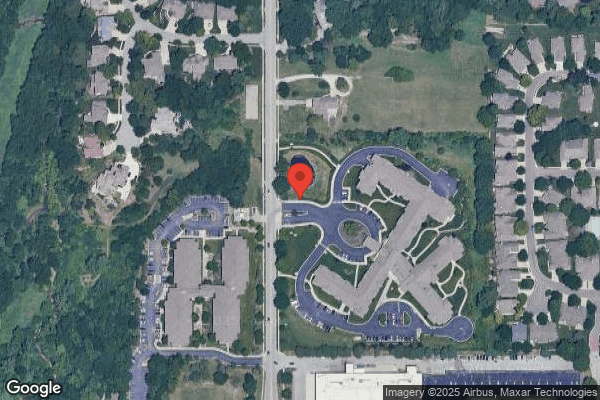

8505 PFLUMM ROAD, LENEXA, KS 66215 (913) 307-2000
For profit - Corporation 34 Beds PIVOTAL HEALTH CARE Data: November 2025
Trust Grade
65/100
#102 of 295 in KS
Last Inspection: March 2025

Within standard 12-15 month inspection cycle. Federal law requires annual inspections.

Overview

Westchester Village of Lenexa has a Trust Grade of C+, indicating it is slightly above average but not without concerns. Ranking #102 out of 295 facilities in Kansas places it in the top half, while its position at #10 out of 35 in Johnson County suggests there are only a few local options that perform better. Unfortunately, the facility's trend is worsening, with issues increasing from 7 in 2023 to 8 in 2025. Staffing is relatively strong, rated 4 out of 5 stars, but the turnover rate is concerning at 63%, which is higher than the state average. Notably, the facility received no fines, which is a positive sign, and it has more RN coverage than 95% of Kansas facilities, ensuring better oversight of resident care. However, there are several weaknesses to consider. Recent inspections revealed that agency staff lacked required training on resident rights, potentially putting residents at risk for impaired care. Additionally, there were complaints about the lack of weekend activities that reflect residents' interests, which could lead to boredom and isolation. Lastly, there was an incident where a resident was not adequately clothed, compromising their dignity and well-being. While there are strengths in staffing and oversight, families should weigh these concerns carefully when considering this facility.

Trust Score
C+
65/100
In Kansas
#102/295
Top 34%
Safety Record
Low Risk
No red flags
Inspections
Getting Worse
7 → 8 violations
Staff Stability
⚠ Watch
63% turnover. Above average. Higher turnover means staff may not know residents' routines.
Penalties
✓ Good
No fines on record. Clean compliance history, better than most Kansas facilities.
Skilled Nurses
✓ Good
Each resident gets 89 minutes of Registered Nurse (RN) attention daily — more than 97% of Kansas nursing homes. RNs are the most trained staff who catch health problems before they become serious.
Violations
⚠ Watch
22 deficiencies on record. Higher than average. Multiple issues found across inspections.
★★★★☆
4.0
Overall Rating
★★★★☆
4.0
Staff Levels
★★☆☆☆
2.0
Care Quality
★★★★☆
4.0
Inspection Score
Stable
2023: 7 issues
2025: 8 issues

The Good

  • 4-Star Staffing Rating · Above-average nurse staffing levels
  • Full Sprinkler Coverage · Fire safety systems throughout facility
  • No fines on record

Facility shows strength in staffing levels, fire safety.

The Bad

Staff Turnover: 63%

17pts above Kansas avg (46%)

Frequent staff changes - ask about care continuity

Chain: PIVOTAL HEALTH CARE

Part of a multi-facility chain

Ask about local staffing decisions and management

Staff turnover is elevated (63%)

15 points above Kansas average of 48%

The Ugly 22 deficiencies on record

Mar 2025 8 deficiencies
CONCERN (D) 📢 Someone Reported This

A family member, employee, or ombudsman was alarmed enough to file a formal complaint

Potential for Harm - no one hurt, but risky conditions existed

Resident Rights (Tag F0550)

Could have caused harm · This affected 1 resident

**NOTE- TERMS IN BRACKETS HAVE BEEN EDITED TO PROTECT CONFIDENTIALITY** The facility identified a census of 26 residents. The sample included 12 residents with one resident reviewed for dignity. Based...

Read full inspector narrative →
**NOTE- TERMS IN BRACKETS HAVE BEEN EDITED TO PROTECT CONFIDENTIALITY** The facility identified a census of 26 residents. The sample included 12 residents with one resident reviewed for dignity. Based on observation, record review, and interviews, the facility failed to ensure Resident (R) 19 was appropriately clothed when his bare thigh and leg were showing, and his door was left open. This deficient practice placed R19 at risk for impaired dignity and decreased psychosocial well-being. Findings included: - R19's Electronic Medical Record (EMR) from the Diagnosis tab documented diagnoses of cognitive communication deficient (an impairment in organization, sequencing, attention, memory, planning, problem-solving, and safety awareness), difficulty in walking, hypertension (high blood pressure), transient ischemic attack (TIA - temporary episode of inadequate blood supply to the brain), malnutrition (not enough calories), cerebral infarction (stroke - sudden death of brain cells due to lack of oxygen caused by impaired blood flow to the brain by blockage or rupture of an artery to the brain), insomnia (inability to sleep), and hypokalemia (low level of potassium in the blood). The Quarterly Minimum Data Set (MDS) dated [DATE] documented a Brief Interview of Mental Status (BIMS) score of 13 which indicated intact cognition. The MDS documented that R19 impaired on one side of his body and used a wheelchair or walker. The MDS documented R19 required set up or clean up for eating, oral hygiene, and toileting. The MDS documented he required supervision or touching for dressing and required setup or clean up for lying to sitting on the side of the bed. The Modified Significant Change MDS dated 08/09/24 documented a BIMS score of 15 which indicated intact cognition. R19 was independent with oral hygiene and toileting and used a walker or wheelchair. The MDS documented R19 required substantial to maximum assistance of staff for upper body dressing and need staff to setup or cleanup for eating. The MDS documented R19 was independent for the lying to sitting on the side of the bed. R19's The Functional Abilities (Self-Care Mobility) Care Area Assessment (CAA) dated 08/09/24 documented R19 was alert and oriented with some forgetfulness and confusion. R19 had difficulty hearing, and usually understands others. R19 had clear speech and could make himself understood. R19 required staff assistance with his activities of daily living (ADL), he self-propels in his wheelchair and will walk short distances in his room with his walker and assistance. R19 was at risk for fall related a history of falling, not calling for assistance when he was wanting to transfer, and he takes psychotropic (alters mood or thought) medications. R19's Care Plan dated 06/19/23 documented R19 walked with a gait belt in his room with staff assistance and used his wheelchair for the rest of the time. R19 was able to self-propel his wheelchair and at times might ask staff to push him. R19's plan of care dated 09/09/23 documented he needed assistance of one staff for toileting, transfers, and dressing. On 03/17/25 at 07:24 AM, R19 laid in his bed on his back, staff members where assisting R19 with sitting on the side of his bed. R19's right thigh and leg were visible from the hall, through his room door. On 03/19/25 at 11:16 AM, Certified Nursing Aide (CNA) M stated all staff should close the curtains, talk to the resident, and ensure the door was closed when a resident was not completely dressed. On 03/19/25 at 11:22 AM, Licensed Nurse (LN) G stated all staff were to train to ensure residents have privacy, doors were closed, and curtains are pulled when residents were dressing. On 03/19/25 at 11:33 AM, Administrative Nurse D stated the facility addressed privacy and dignity daily in their huddles. Staff should talk to residents while doing cares, pull curtains if the residents was in a double occupancy room, and ensure the door was closed if the resident is not clothed. The facility's Quality of Life revised on 01/25 policy documented resident would be cared for in a manner that promotes and enhances quality of life, dignity, respect and individuality. Residents shall be always treated with dignity and respect. Treated with dignity means the resident will be assisted in maintaining and enhancing his or her self-esteem and self-worth. Residents shall be groomed as they wish to be groomed. Residents shall be encouraged and assisted to dress in their own clothes. Residents would be assisted in attending the activities of their choice, including activities outside the facility. Residents' private space and property shall be always respected. Staff would knock and request permission before entering residents' rooms. Staff would not handle or move a resident's personal belongings (including radios and televisions) without the resident's permission. dignity and assist residents as needed. The facility failed to ensure R19 was appropriately clothed while his door was open. R19's bare leg and thigh were showing when his door was left open. This deficient practice placed R19 at risk for impaired dignity and decreased psychosocial well-being.
CONCERN (D) 📢 Someone Reported This

A family member, employee, or ombudsman was alarmed enough to file a formal complaint

Potential for Harm - no one hurt, but risky conditions existed

Notification of Changes (Tag F0580)

Could have caused harm · This affected 1 resident

**NOTE- TERMS IN BRACKETS HAVE BEEN EDITED TO PROTECT CONFIDENTIALITY** The facility identified a census of 26 residents. The sample included 12 residents. Based on record review, interview, and obser...

Read full inspector narrative →
**NOTE- TERMS IN BRACKETS HAVE BEEN EDITED TO PROTECT CONFIDENTIALITY** The facility identified a census of 26 residents. The sample included 12 residents. Based on record review, interview, and observation, the facility failed to ensure the physician was notified of Resident (R) 2's daily weights that were missed or notified related to weight gain which could lead to fluid overload. The facility further failed to notify R15's physician related to his blood sugar monitoring. This deficient practice placed the residents at risk for further decline and a delay in treatment. - R2's Electronic Medical Record (EMR) from the Diagnosis tab documented diagnoses of diabetes mellitus (DM - when the body cannot use glucose, not enough insulin is made, or the body cannot respond to the insulin), congestive heart failure (CHF - a condition with low heart output and the body becomes congested with fluid), dementia (a progressive mental disorder characterized by failing memory and confusion), and anxiety (mental or emotional reaction characterized by apprehension, uncertainty, and irrational fear). The Annual Minimum Data Set (MDS) dated [DATE] documented a Brief Interview of Mental Status (BIMS) score of 12 which indicated moderately impaired cognition. The MDS documented R2 had received an anticoagulant, antidepressant (a class of medications used to treat mood disorders), diuretic (a medication to promote the formation and excretion of urine), hyperglycemic (medication that raises blood sugar levels), and opioid (a class of controlled drugs used to treat pain) medications. R2's Nutritional Status Care Area Assessment (CAA) dated 01/03/25 documented her weight would fluctuate related to her diagnosis of CHF and diuretic medication. R2's Care Plan dated 02/01/24 documented the nursing staff would obtain and monitor her lab work and diagnostic work as ordered. The plan of care also documented the nursing staff would report results to the physician and follow up as indicated with the physician. R2's EMR under the Orders tab revealed the following physician orders: Spironolactone (diuretic) oral tablet 25 milligram (mg) give a half of tablet by mouth in the morning for edema (swelling resulting from an excessive accumulation of fluid in the body tissues) dated 12/22/23. Daily weight related to CHF in the morning for edema. Notify physician of weight gain of two pounds in 24 hours. Document accordingly dated 01/29/24. Lasix (diuretic) oral tablet 40 mg (Furosemide) give one tablet by mouth in the morning for CHF dated 04/18/24. Review of R2's EMR under the Weights/Vital Sign tab, review of the Medication Administration Record (MAR) and the Treatment Administration Record (TAR) from 01/01/25 through 03/16/25 (75 days) revealed five times R2 refused on the following dates 01/04/25, 01/05/25, 01/07/25, 01/08/25, and 02/08/25. Documented Other, See Progress Notes four times on the following dates 01/09/25, 01/11/25, 01/15/25, and 01/16/25. R2's MAR and TAR lacked documentation four times on the following dates 01/19/25, 01/23/25, 01/28/25, and 02/07/25. Weight gain was noted greater than two pounds eight times on the following dates 01/20/25, 01/25/25, 01/29/25, 03/03/25, 03/06/25, 03/09/25, 03/10/25, and 03/14/25. The clinical record lacked documentation of physician notification of daily weight was not obtained or outside the ordered parameter. On 03/18/25 at 11:02 AM, R2 sat in her wheelchair in her room as she looked through her dresser drawers. On 03/19/25 at 11:19 AM, Licensed Nurse (LN) G stated the physician should be notified of any daily weight that are not obtained or outside the physician ordered parameter for R2 related to her CHF. LN G stated the notification should be documented in R2's clinical record and the physician response should also be documented. On 03/19/25 at 11:35 AM, Administrative Nurse D stated she would expect the physician order to be followed. Administrative Nurse D stated she would expect the physician to be notified of any daily weights not obtained for any reason and if the weight was outside the physician ordered parameter. Administrative Nurse D stated she would expect the nurse to document a note under the progress notes with physician's response. The facility's Guidelines for Notifying Physician of Clinical Problems policy last revised 09/2017 documented these guidelines are intended to help ensure that medical care problems are communicated to the medical staff in a timely, efficient, and effective manner and that all significant changes in resident / patient status are assessed and documented in the medical record. The facility failed to ensure R2's physician was notified of his missed weights or weights that recorded more then a two pound weight gain within 24 hours. This deficient practice placed R2 at risk for complications related to his CHF for further decline and a delay in treatment. - R15's Electronic Medical Record (EMR) from the Diagnosis tab documented diagnoses of diabetes mellitus (DM - when the body cannot use glucose, not enough insulin is made, or the body cannot respond to the insulin) and hypertension (HTN - elevated blood pressure). The admission Minimum Data Set (MDS) dated [DATE] documented a Brief Interview of Mental Status (BIMS) score of 14 which indicated intact cognition. The MDS documented R15 had received insulin (medication to regulate blood sugar) and antidepressant (a class of medications used to treat mood disorders) medication during the observation period. The Quarterly MDS dated 12/09/24 documented a BIMS score of 14 which indicated intact cognition. The MDS documented that R15 had received insulin and antidepressant medication. R15's Functional Abilities (Self-Care and Mobility) Care Area Assessment (CAA) dated 09/16/24 documented required assistance with activities of daily living. R15's Care Plan last revised 03/17/25 documented nursing staff would administer diabetic medication as ordered. The plan of care documented the nursing staff would monitor for side effects and document the effectiveness. R15's EMR under the Orders tab revealed the following physician orders: -Check blood glucose (BG) before meals and at bedtime for DM. Notify physician if BG less than (<) 70 and greater than (>) 350. Document in a progress note dated 09/03/24. -Insulin lispro injection solution (Insulin) Inject six unit subcutaneously (SQ) with meals for DM. Give with food, not before meal arrives. Hold if BG is < 80 or he has not eating (contact provider) dated 09/19/24. -Insulin lispro injection solution inject as per sliding scale for DM: If BG 151 - 200 = give 4 units SQ; If BG 201 - 250 = give six units SQ; If BG 251 - 300 = give eight units; If BG 301 - 350 = give 10 units SQ; If BG 351- 399 = If BG give 12 units SQ, If BG 400 - 9999 = give 14 units SQ. If > 400, give 14 units SQ and contact provider. Rotate injection sites dated 10/29/24. -Lantus (insulin) solo star subcutaneous solution pen-injector 100 unit/milliliter (ml) (insulin glargine) inject 16-unit SQ at bedtime for DM. Contact provider if BG<80 prior to administration. Rotate injection sites dated 01/10/25. Review of R15's Medication Administration Record (MAR) from 01/01/25 to 03/16/25 (75 days) revealed R15's BG was > 350 26 times on the following dates: 01/01/25, 01/02/25, 01/04/25, 01/05/25, 01/07/25, 01/08/25, 01/09/25, 01/10/25, 01/13/25, 01/14/25, 01/21/25, 01/22/25, 01/25/25, 01/28/25, 02/01/25, 02/07/25,02/08/25,02/13/25, 02/18/25, 02/23/25, 02/27/25, 03/05/25, 03/07/25, 03/09/25, 03/11/25, and 03/14/25. The clinical record lacked documentation of physician notification of out of parameter BG. On 03/18/25 at 07:43 AM, R15 sat at the dining room table in his wheelchair. R15 visited with the other residents at the dining room table as he ate his breakfast. On 03/19/25 at 11:19 AM, Licensed Nurse (LN) G stated the physician should be notified of any BG that was outside the physician ordered parameter for R15 related to DM. LN G stated the notification should be documented in R15's clinical record and the physician response should also be documented. On 03/19/25 at 11:35 AM, Administrative Nurse D stated she would expect the physician order to be followed. Administrative Nurse D stated she would expect the physician to be notified of any BG outside the physician ordered parameter. Administrative Nurse D stated she would expect the nurse to document a note under the progress notes with physician's response. The facility's Guidelines for Notifying Physician of Clinical Problems policy last revised 09/2017 documented these guidelines are intended to help ensure that medical care problems are communicated to the medical staff in a timely, efficient, and effective manner and that all significant changes in resident / patient status are assessed and documented in the medical record. The facility failed to notify R15's physician of BG that was out of parameters 26 times over 75 days. This deficient practice placed R15 at risk for further decline and a delay in treatment.
CONCERN (D) 📢 Someone Reported This

A family member, employee, or ombudsman was alarmed enough to file a formal complaint

Potential for Harm - no one hurt, but risky conditions existed

Deficiency F0625 (Tag F0625)

Could have caused harm · This affected 1 resident

**NOTE- TERMS IN BRACKETS HAVE BEEN EDITED TO PROTECT CONFIDENTIALITY** The facility identified a census of 26 residents. The sample included 12 residents, with one resident sampled for discharge. Bas...

Read full inspector narrative →
**NOTE- TERMS IN BRACKETS HAVE BEEN EDITED TO PROTECT CONFIDENTIALITY** The facility identified a census of 26 residents. The sample included 12 residents, with one resident sampled for discharge. Based on observation, record review, and interview, the facility failed to provide a bed hold with the required information to Resident (R) 7 or to their family representative when R7 was transferred to the hospital. This deficient practice placed R7 at risk for impaired ability to return to the facility or his same room. Finding include: - The electronic medical record (EMR) documented diagnoses of malnutrition (not enough calories to maintain), chronic obstructive pulmonary disease (COPD - a progressive and irreversible condition characterized by diminished lung capacity and difficulty or discomfort in breathing), hypertension (high blood pressure), depression (a mood disorder that causes a persistent feeling of sadness and loss of interest), congestive heart failure (CHF - a condition with low heart output and the body becomes congested with fluid), over active bladder, edema (swelling resulting from an excessive accumulation of fluid in the body tissues), and dementia (a progressive mental disorder characterized by failing memory and confusion). The Significant Change Minimum Data Set (MDS) dated 01/17/25 documented a Brief Interview of Mental Status (BIMS) score of 10 which indicated moderately impaired cognition. The MDS indicated R7 was independent with eating and needed setup and cleanup from staff with oral hygiene and required substantial to maximum assistance from staff for bathing and toileting. R7's Functional Abilities (Self-Care Mobility) Care Area Assessment (CAA) dated 01/17/25 documented R7 required staff assistance with mobility and repositioning and was at risk for wounds, pressure ulcers and other skin breakdown related to incontinence and needing more assistance. The Discharge MDS dated 11/07/24 for R7 documented an unplanned discharge to an acute hospital with an anticipated return to the facility. R7's Entry MDS dated 11/10/24 documented a reentry to the facility from an acute hospital. R7's Care Plan dated 12/10/24 documented R7 was at risk of unintentional weight loss due to COPD and CHF. R7's weight fluctuated due to edema and diuretic use. R7's plan of care documented R7 would maintain her weight, have no signs of malnutrition, and consume at least 50 percent of two meals daily. Staff were to provide R7's diet as ordered and record intake of each meal. A Progress Note dated 11/07/24 documented R7 was lethargic and would be going to the hospital emergency department for evaluation. The provider gave a verbal order to send R7 to the emergency department by ambulance. A Progress Note dated 11/10/24 documented that R7 was readmitted to the facility from an acute care hospital visit. The facility was unable to provide evidence a bed hold notification was provided to the legal representative when R7 was transferred to the hospital from [DATE] to 11/10/24. On 03/17/25 at 08:00 AM, R7 set at the dining room table waiting for her breakfast. On 03/19/25 at 11:22 AM, Licensed Nurse (LN) G stated the nurse on duty was to try to get the bed hold signed by the resident or the guardian. On 03/19/25 at 11:33 AM, Administrative Nurse D stated it was the nurse's duty to ensure the bed hold was signed either by the resident or their guardian. She stated if the nurse does not get the bed hold signed, the social worker would ensure the bed hold was signed. Administrative Nurse D stated the facility started a notebook that has all information to be signed before the resident left the facility. The facility Bed Hold and Returns policy undated documented prior to transfers and therapeutic leaves, residents or resident representatives will be informed in writing of the bed-hold and return policy. Residents may return to and resume residence in the Community after hospitalization or therapeutic leave as outlined in this policy. The current bed-hold and return policy established by the state (if applicable) will apply to Medicaid residents in the Community. Prior to a transfer, written information will be given to the residents and the resident representatives that explains in detail: The rights and limitations of the resident regarding bed-holds; The reserve bed payment policy as indicated by the state plan (Medicaid residents). The Community per diem rate required to hold a bed (non-Medicaid residents), or to hold a bed beyond the state bed-hold period (Medicaid residents. The details of the transfer (per the Notice of Transfer). Medicaid residents who exceed the state's bed hold limit and/or non-Medicaid residents who request a bed-hold are responsible for the Community's Standard Daily Rate while his or her bed is held. If a Medicaid resident exceeds the state bed-hold period, he or she will be permitted to return to the Community, to his or her previous room (if available) or immediately upon the first availability of a bed in a semi-private room provided that the resident: The facility failed to provide a bed hold with the required information to R7 and his family representative when R7 transferred to the hospital. This deficient practice placed R7 at risk for impaired ability to return to the facility or his same room.
CONCERN (D) 📢 Someone Reported This

A family member, employee, or ombudsman was alarmed enough to file a formal complaint

Potential for Harm - no one hurt, but risky conditions existed

Pressure Ulcer Prevention (Tag F0686)

Could have caused harm · This affected 1 resident

The facility identified a census of 26 residents. The sample included 12 residents, with two residents reviewed for treatment and services to prevent and heal pressure ulcers (localized injury to the ...

Read full inspector narrative →
The facility identified a census of 26 residents. The sample included 12 residents, with two residents reviewed for treatment and services to prevent and heal pressure ulcers (localized injury to the skin and/or underlying tissue usually over a bony prominence, because of pressure, or pressure in combination with shear and/or friction). Based on observation, record review, and interviews, the facility failed to ensure Resident (R) 9's heels were offloading while in bed to prevent pressure ulcers. This placed R9 at increased risk for pressure ulcer development. Findings Included: - R9's Electronic Medical Record (EMR) from the Diagnosis tab documented diagnoses of mood disorder (category of mental health problems, feelings of sadness, helplessness, guilt, and wanting to die were more intense and persistent than what may normally be felt from time to time), cerebral infarction (stroke - sudden death of brain cells due to lack of oxygen caused by impaired blood flow to the brain by blockage or rupture of an artery to the brain), chronic pain, overactive bladder, major depressive disorder (major mood disorder that causes persistent feelings of sadness), fibromyalgia (condition of musculoskeletal pain, spasms, stiffness, fatigue, and severe sleep disturbance), dementia (a progressive mental disorder characterized by failing memory and confusion), anemia (an inadequate number of healthy red blood cells to carry adequate oxygen to body tissues), and anxiety (mental or emotional reaction characterized by apprehension, uncertainty, and irrational fear). The Quarterly Minimum Data Set (MDS) for R9 dated 02/06/25 recorded a Brief Interview for Mental Status (BIMS) score of seven which indicated severely impaired cognition. The MDS documented R9 was dependent on staff for bathing, R9 required substantial to maximum assistance for toileting, and dressing. The MDS documented R9 was at risk for pressure ulcers and had a pressure reducing device in wheelchair and her bed. The MDS documented R9 had moisture associated skin damage during the observation period. The Significant Change MDS for R9 dated 08/16/24 recorded a BIMS score of four, which indicated severely impaired cognition. The MDS documented R9 required set up or clean up for eating and oral hygiene and was dependent on staff for toileting. The MDS documented R9 required substantial to maximum assistance for dressing. The MDS documented R9 was at risk for pressure ulcers and had a pressure reducing device in her wheelchair and bed. R9's Pressure Ulcer/ Injury Care Area Assessment dated 08/16/24 documented R9 was removed from hospice due to her overall health/condition improving. R9 had started therapy and was working on developing a restorative program. R9 was alert and oriented with some confusion. R9 required assistance with her activities of daily living (ADL) and was a one-to-two-person lift. R9 uses a wheelchair for mobility and propels herself. R9 incontinence and needing assistance with bed mobility and repositioning puts her at risk for pressure ulcers and other skin break down. R9's Care Plan dated 11/15/23 documented R9 was at risk for wounds, pressure ulcers, and other skin break down related to incontinence and needing assistance with ADLs, nursing was to administer treatment to skin as ordered. R9's plan of care documented R9 used a low air loss mattress pressure reduction mattress on her bed. Nursing was to complete weekly skin assessment sand report any skin issues to the physician. R9's Braden Scale for Prediction Pressure Sore Risk dated 02/01/25 documented a score of 16 indicating a risk for pressure ulcers. R9's physician's orders under the Orders tab revealed the following orders: Low air loss mattress:390 alternating every shift for mattress functioning dated 01/26/25. Offload bilateral (both sides) heels while in bed every shift for wound prevention dated 02/01/24. Apply Skin-prep (liquid skin protectant) to bilateral heels twice daily for wound prevention, please report any signs or symptoms of deterioration to physician immediately dated 02/01/24. On 03/18/25 at 07:05 AM, R9 laid on her bed covered up, R9's heels laid directly on the mattress. On 03/19/25 at 07: 19 AM, R9 laid on her bed, Licensed Nurse (LN) applied skin prep to R9's heels. R9's heels laid directly on the mattress. On 03/19/25 at 11:16 AM, Certified Nurse's Aide (CNA) M stated it was the charge nurse's responsibility to ensure a resident's heels were floating. CNA M stated the nurse could as the CNAs to help with those duties. On 03/19/25 at 11:22 AM, LN G stated all nursing staff could ensure a resident's heels were floated. LN G stated she believed the charge nurse was the one who would sign off on the Treatment Administration Record (TAR) to ensure the heels were being floated. On 03/19/25 at 11:33 AM, Administrative Nurse D stated the task was on the TAR for the charge nurse to be the final check, to ensure the task was performed. The facility's Prevention of Pressure Injuries dated 08/24 documented review the resident's care plan and identify the risk factors as well as the interventions designed to reduce or eliminate those considered modifiable. Assess the resident on admission (within eight hours) for existing pressure injury risk factors. Repeat the risk assessment weekly and upon any changes in condition. Use a standardized pressure injury screening tool to determine and document risk factors. Supplement the use of a risk assessment tool with assessment of additional risk factors. The facility failed to ensure pressure R9's heels were offloading while in bed to prevent pressure ulcers. This placed R9 at increased risk for pressure ulcer development.
CONCERN (D) 📢 Someone Reported This

A family member, employee, or ombudsman was alarmed enough to file a formal complaint

Potential for Harm - no one hurt, but risky conditions existed

Incontinence Care (Tag F0690)

Could have caused harm · This affected 1 resident

**NOTE- TERMS IN BRACKETS HAVE BEEN EDITED TO PROTECT CONFIDENTIALITY** The facility identified a census of 26 residents. The sample included 12 residents, with one resident observed for bowel and bla...

Read full inspector narrative →
**NOTE- TERMS IN BRACKETS HAVE BEEN EDITED TO PROTECT CONFIDENTIALITY** The facility identified a census of 26 residents. The sample included 12 residents, with one resident observed for bowel and bladder. Based on observation, record reviews, and interviews, the facility failed to ensure Resident (R) 14's catheter (a flexible tube inserted through a narrow opening into a body cavity, particularly the bladder, for removing fluid) tubing did not drag on the floor. This deficient practice placed R14 at risk of complications and possible urinary tract infections due to potential urine backflow. Finding included: - R14's Electronic Medical Record (EMR) from the Diagnosis tab documented diagnoses of hydroureter (a condition where the ureter, the tube that carries urine from the kidney to the bladder, becomes dilated (enlarged) due to a blockage in the urinary tract), diabetes mellitus (DM - when the body cannot use glucose, not enough insulin is made, or the body cannot respond to the insulin), hypertension (high blood pressure), retention of urine, need for assistance with persona care, weakness, Parkinson's disease (a slowly progressive neurologic disorder characterized by resting tremors, rolling of the fingers, masklike faces, shuffling gait, muscle rigidity, and weakness), depression (a mood disorder that causes a persistent feeling of sadness and loss of interest), and neurogenic bladder (dysfunction of the urinary bladder caused by a lesion of the nervous system). The Quarterly Minimum Data Set (MDS) dated [DATE] documented a Brief Interview of Mental Status (BIMS) score of 13 which indicated intact cognition. The MDS documented R14 had an impairment on both sides of his body. The MDS documented R14 was dependent on staff for eating, oral hygiene, bathing, toileting, and dressing. The MDS documented R14 had a neurogenic bladder. The Significant Change MDS dated 06/13/24 documented a BIMS of 14 which indicated intact cognition. The MDS documented R14 had no impairment of his body and used a wheelchair for mobility. The MDS documented R14 required substantial to maximum assistance with eating, and was dependent on staff for bathing, toileting, and dressing. R14's Urinary Incontinence and Indwelling Catheter Care Area Assessment (CAA) dated 06/13/24 documented R14 had a Significant Change done because he had recently lost weight. R14 was requiring more assistance with activities of daily living (ADL) and had a Stage 3 (full-thickness pressure injury extending through the skin into the tissue below) on his sacrum (large triangular bone/area between the two hip bones). R14 was alert and oriented with forgetfulness at times. He had clear speech, could make himself understood, and understood others. He had adequate hearing and vision with his glasses. He uses a wheelchair that staff pushed for mobility, a sit to stand lift for transfers, and he needed assistance from staff with his ADLs. He was at risk for falls related to generalized weakness and requiring staff assistance for transfers. He had a suprapubic catheter (urinary bladder catheter inserted through the abdomen into the bladder) and had bowel incontinence. His incontinence and needed assistance with bed mobility and repositioning which puts him at risk for pressure ulcers and other skin break down. R14's Care Plan revised on 01/31/24 documented R14 had a neurogenic bladder and had a supra pubic catheter. Staff were to monitor for signs and symptoms of urinary tract infection (UTI - an infection in any part of the urinary system) such as pain, blood-tinged urine, and cloudiness. The plan of care dated 06/14/24 documented staff would complete catheter care each shift and as needed (PRN), catheter bag was emptied each shift, and place catheter bag inside a dignity bag. R14's EMR under Orders tab documented change supra pubic catheter dressing every shift, cleanse site with normal saline pat dry, cover with a 4x4 dressing and secure with tape, may change PRN and every shift dated 07/07/2023. R14's EMR under Orders tab documented may use leg bag during the day, and use large bag at night, rinse out bag when not in use and place in a plastic bag in the bathroom for bladder health dated 07/07/23. On 03/17/25 at 07:23 AM, R14 sat at the breakfast table in his wheelchair awaiting breakfast. R14's catheter bag tubing was dragging on the floor. On 03/17/25 at 11:24 AM, R14 sat at the dining room table awaiting lunch, visiting with peers. R14's catheter bag tubing was on the floor. On 03/19/25 at 11:16 AM, Certified Nurse Aide (CNA) M stated all catheter bags should have a dignity bag, and staff should wear gloves when taking care of a resident with a catheter. CNA M stated all tubing should be off the floor. On 03/19/25 at 11:22 AM, Licensed Nurse (LN) G stated the catheter bag tubing had a clamp to curl the tubing off the floor. She stated all catheter bag tubing should be on the floor. On 03/19/25 at 11:33 AM, Administrative Nurse D stated all catheter tubing should be off the floor, she stated the facility was doing staff competences for catheter care. The facility failed to provide a policy for catheter care. The facility failed to ensure R14's catheter tubing was placed below the level of the bladder. This deficient practice placed R14 at risk of complications and further urinary tract infections due to potential urine backflow.
CONCERN (D) 📢 Someone Reported This

A family member, employee, or ombudsman was alarmed enough to file a formal complaint

Potential for Harm - no one hurt, but risky conditions existed

Deficiency F0757 (Tag F0757)

Could have caused harm · This affected 1 resident

**NOTE- TERMS IN BRACKETS HAVE BEEN EDITED TO PROTECT CONFIDENTIALITY** The facility identified a census of 26 residents. The sample included 12 residents, with five residents reviewed for unnecessary...

Read full inspector narrative →
**NOTE- TERMS IN BRACKETS HAVE BEEN EDITED TO PROTECT CONFIDENTIALITY** The facility identified a census of 26 residents. The sample included 12 residents, with five residents reviewed for unnecessary medications. Based on observation, record review, and interviews, the facility failed to ensure dosing instructions for as needed Voltaren (topical pain reliever medication) gel and failed to follow a physician order for daily weights to monitor for fluid overload for Resident (R) 2. The facility also failed to follow a physician order for blood sugar monitoring for R15. The facility further failed to ensure R6's anticoagulant (a class of medications sued to prevent the blood from clotting) medication was administered as ordered. These deficient practices placed the residents at risk of unnecessary medication use, side effects, physical complications, and fluid overload. Findings included: - R2's Electronic Medical Record (EMR) from the Diagnosis tab documented diagnoses of diabetes mellitus (DM - when the body cannot use glucose, not enough insulin is made, or the body cannot respond to the insulin), congestive heart failure (CHF - a condition with low heart output and the body becomes congested with fluid), dementia (a progressive mental disorder characterized by failing memory and confusion), and anxiety (mental or emotional reaction characterized by apprehension, uncertainty, and irrational fear). The Annual Minimum Data Set (MDS) dated [DATE] documented a Brief Interview of Mental Status (BIMS) score of 12 which indicated moderately impaired cognition. The MDS documented R2 had received an anticoagulant, antidepressant (a class of medications used to treat mood disorders), diuretic (a medication to promote the formation and excretion of urine), hyperglycemic (medication that raises blood sugar levels), medication to regulate blood sugar), and opioid (a class of controlled drugs used to treat pain) medications. R2's Nutritional Status Care Area Assessment (CAA) dated 01/03/25 documented her weight would fluctuate related to her diagnosis of CHF and diuretic medication. R2's Care Plan dated 02/01/24 documented the nursing staff would obtain and monitor her lab work and diagnostic work as ordered. The plan of care also documented the nursing staff would report results to the physician and follow up as indicated with the physician. R2's EMR under the Orders tab revealed the following physician orders: Spironolactone (diuretic medication) oral tablet 25 milligrams (mg) give a half of tablet by mouth in the morning for edema (swelling resulting from an excessive accumulation of fluid in the body tissues) dated 12/22/23. Daily weight related to CHF in the morning for edema. Notify physician of weight gain of two pounds in 24 hours. Document accordingly dated 01/29/24. Lasix (diuretic medication) oral tablet 40 mg (Furosemide) give one tablet by mouth in the morning for CHF dated 04/18/24. Voltaren arthritis pain external gel one percent (diclofenac sodium (topical)) applies to right distal scapula (shoulder blade) topically every six hours as needed for pain management. Apply round dressing and use dosing card to measure dose dated 02/03/25. The order lacked a dosing instruction. Review of R2's EMR under the Weights/Vital Sign tab, review of the Medication Administration Record (MAR) and the Treatment Administration Record (TAR) from 01/01/25 through 03/16/25 (75 days) revealed five times R2 refused on the following dates: 01/04/25, 01/05/25, 01/07/25, 01/08/25, and 02/08/25. Documented Other, See Progress Notes four times on the following dates: 01/09/25, 01/11/25, 01/15/25, and 01/16/25. R2's MAR and TAR lacked documentation four times on the following dates: 01/19/25, 01/23/25, 01/28/25, and 02/07/25. Weight gain was noted greater than two pounds eight times on the following dates: 01/20/25, 01/25/25, 01/29/25, 03/03/25, 03/06/25, 03/09/25, 03/10/25, and 03/14/25. The clinical record lacked documentation of physician notification of daily weight was not obtained or outside the ordered parameter. On 03/18/25 at 11:02 AM, R2 sat in her wheelchair in her room as she looked through her dresser drawers. On 03/19/25 at 11:19 AM, Licensed Nurse (LN) G stated the physician should be notified of any daily weight that are not obtained or outside the physician ordered parameter for R2 related to her CHF. LN G stated the notification should be documented in R2's clinical record and the physician response should also be documented. On 03/19/25 at 11:35 AM, Administrative Nurse D stated she would expect the physician order to be followed. Administrative Nurse D stated she would expect the physician to be notified of any daily weights not obtained for any reason and if the weight was outside the physician ordered parameter. Administrative Nurse D stated she would expect the nurse to document a note under the progress notes with physician's response. The facility's Guidelines for Notifying Physician of Clinical Problems policy last revised 09/2017 documented these guidelines are intended to help ensure that medical care problems are communicated to the medical staff in a timely, efficient, and effective manner and that all significant changes in resident/patient status are assessed and documented in the medical record. The facility failed to ensure dosing instructions for Voltaren gel and to follow a physician order for daily weights to monitor weight gain for fluid overload for R2. This deficient practice placed R2 at risk for unnecessary medication use, side effects, physical complications, and fluid overload. - R15's Electronic Medical Record (EMR) from the Diagnosis tab documented diagnoses of diabetes mellitus (DM - when the body cannot use glucose, not enough insulin is made, or the body cannot respond to the insulin) and hypertension (HTN - elevated blood pressure). The admission Minimum Data Set (MDS) dated [DATE] documented a Brief Interview of Mental Status (BIMS) score of 14 which indicated intact cognition. The MDS documented R15 had received insulin (medication to regulate blood sugar) and antidepressant (a class of medications used to treat mood disorders) medication during the observation period. The Quarterly MDS dated 12/09/24 documented a BIMS score of 14 which indicated intact cognition. The MDS documented that R15 had received insulin and antidepressant medication. R15's Functional Abilities (Self-Care and Mobility) Care Area Assessment (CAA) dated 09/16/24 documented required assistance with activities of daily living. R15's Care Plan last revised 03/17/25 documented nursing staff would administer diabetic medication as ordered. The plan of care documented the nursing staff would monitor for side effects and document the effectiveness. R15's EMR under the Orders tab revealed the following physician orders: -Check blood glucose (BG) before meals and at bedtime for DM. Notify physician if BG less than (<) 70 and greater than (>) 350. Document in a progress note dated 09/03/24. -Insulin lispro injection solution (Insulin) Inject six unit subcutaneously (SQ) with meals for DM. Give with food, not before meal arrives. Hold if BG is < 80 or he has not eaten (contact provider) dated 09/19/24. -Insulin lispro injection solution inject as per sliding scale for DM: If BG 151 - 200 = give 4 units SQ; If BG 201 - 250 = give six units SQ; If BG 251 - 300 = give eight units; If BG 301 - 350 = give 10 units SQ; If BG 351- 399 = If BG give 12 units SQ, If BG 400 - 9999 = give 14 units SQ. If > 400, give 14 units SQ and contact provider. Rotate injection sites dated 10/29/24. -Lantus (insulin) solo star subcutaneous solution pen-injector 100 unit/milliliters (ml) (insulin glargine) inject 16-unit SQ at bedtime for DM. Contact provider if BG < 80 prior to administration. Rotate injection sites dated 01/10/25. Review of R15's Medication Administration Record (MAR) from 01/01/25 to 03/16/25 (75 days) revealed R15's BG was > 350 26 times on the following dates: 01/01/25, 01/02/25, 01/04/25, 01/05/25, 01/07/25, 01/08/25, 01/09/25, 01/10/25, 01/13/25, 01/14/25, 01/21/25, 01/22/25, 01/25/25, 01/28/25, 02/01/25, 02/07/25, 02/08/25, 02/13/25, 02/18/25, 02/23/25, 02/27/25, 03/05/25, 03/07/25, 03/09/25, 03/11/25, and 03/14/25. The clinical record lacked documentation of physician notification of out of parameter BG. On 03/18/25 at 07:43 AM, R15 sat at the dining room table in his wheelchair. R15 visited with the other residents at the dining room table as he ate his breakfast. On 03/19/25 at 11:19 AM, Licensed Nurse (LN) G stated the physician should be notified of any BG that was outside the physician ordered parameter for R15 related to DM. LN G stated the notification should be documented in R15's clinical record and the physician response should also be documented. On 03/19/25 at 11:35 AM, Administrative Nurse D stated she would expect the physician order to be followed. Administrative Nurse D stated she would expect the physician to be notified of any BG outside the physician ordered parameter. Administrative Nurse D stated she would expect the nurse to document a note under the progress notes with physician's response. The facility's Guidelines for Notifying Physician of Clinical Problems policy last revised 09/2017 documented these guidelines are intended to help ensure that medical care problems are communicated to the medical staff in a timely, efficient, and effective manner and that all significant changes in resident / patient status are assessed and documented in the medical record. The facility failed to ensure to follow a physician order for blood glucose to monitor diabetic mellitus for R15. This deficient practice placed R15 at risk for unnecessary medication use, side effects and physical complications. - R6's Electronic Medical Record (EMR) from the Diagnosis tab documented diagnoses of hypertension (high blood pressure), hemiplegia (paralysis of one side of the body) affecting the right dominant side, open wound, anemia (an inadequate number of healthy red blood cells to carry adequate oxygen to body tissues), major depressive disorder (major mood disorder that causes persistent feelings of sadness), anxiety (mental or emotional reaction characterized by apprehension, uncertainty, and irrational fear), and venous insufficiency (a condition where the veins in the legs fail to return blood effectively to the heart). The Quarterly Minimum Data Set (MDS) dated [DATE] documented a Brief Interview of Mental Status (BIMS) score of 11 which indicated moderately impaired cognition. The MDS documented R6 needed partial to moderate assistance with bathing and dressing. The MDS documented R6 took anticoagulant during the observation period. R6s Functional Abilities (Self-Care Mobility) Care Area Assessment (CAA) dated 03/26/25 documented R6 needs assistance with activities of daily living (LTC) and uses a wheelchair for locomotion. The CAA documented R6 Was at risk for falls due to generalized weakness and unsteady gait. The CAA documented R6 had incontinence of bowel and bladder and required staff assistance with toileting. R6's Care Plan dated 09/01/24 documented R6 was able to perform her personal hygiene at times she might need staff to hand her a towel. R6's plan of cart documented R6 needed assistance of two staff for dressing and transfers. R6 plan of care documented R6 required set up assistance for eating. R6's plan of care documented R6 was able to help with upper body dressing and required staff to put on her socks. The EMR under Physician Encounter dated 01/16/24 documented therapeutic drug level monitoring. Prothrombin Time (PT) with International Normalized Ratio (INR), (a blood test that measures how long it takes for blood to clot, and interpret results) PT 13.8 and INR 1.2, INR subtherapeutic. New order given: increase total dose to 24 milligrams (mg) previously 21 mg: give warfarin (medication used to thin blood) three mg Tuesday, Thursday, Saturday, and Sunday. Give warfarin four mg Monday, Wednesday, and Friday, follow up with lab the following week. The EMR under Progress Note Orders Entered dated 01/16/25 documented the order you have entered Warfarin Sodium Oral Tablet three mg (Warfarin Sodium). Give one tablet by mouth at bedtime for atrial fibrillation (a-fib), (irregular heartbeat) anticoagulation. R6 Warfarin order of three mg was transcribed incorrectly. R6's EMR under Medication Administration Record MAR documented from 01/17/25 to 01/31/25 Warfarin Sodium Oral Tablet three mg (Warfarin Sodium) Give one tablet by mouth at bedtime every Tuesday, Thursday, Saturday and, Sunday for a-fib anticoagulation Start Date of 01/16/25 and discontinued (D/C) date of 02/03/25. The EMR under Physicians Encounter dated 01/24/25 documented labs on 01/23/25 subtherapeutic PT with INR 1.1. Orders not implemented as entered last week so R6 had only received warfarin three mg Tuesday, Thursday, Saturday, and Sunday. Reviewed with the facility administrator and nursing, reordered warfarin four mg Monday, Wednesday, and Friday, and three mg Tuesday, Thursday, Saturday, and Sunday. The orders were confirmed to be present in facility MAR and in medication list. Staff to repeat lab in one week. The Monthly Medication Review (MMR) dated 01/27/25 documented Per provider progress noted dated 01/16/25 R6 was to receive warfarin three mg on Tuesday, Thursday, Saturday, and Sunday, and four mg on Monday, Wednesday, and Friday. This order was transcribed on the chart correctly and R6 received three mg. Subsequent INR was subtherapeutic and dose was corrected at that time. Please ensure transcription of orders was verified accuracy. On 03/18/25 at 08:21 AM, R6 laid in her bed looking at her phone. On 03/18/25 at 10:24 AM, Consultant GG stated the physician now puts the orders in, and the nurse was the double check. Consultant GG stated she would expect the nursing facility to call her if an order was put in wrong. On 03/19/25 at 11:22 AM, Licensed Nurse (LN) G stated the physician now puts the or the facility has a nurse on staff for both sides of the building, the other nurse could be the second check. On 03/19/25 at 11:33 AM, Administrative Nurse D the physician inters orders in the facilities system, she stated a nurse had to verify the order after the physician puts the order in Administrative Nurse D stated if a nurse takes a verbal order, there was not a second check to ensure the medication order was accurate. The facility's Notifying the Physician of Clinical Problems dated 09/17 documented guidelines were intended to help ensure that medical care problems were communicated to the medical staff in a timely, efficient, and effective manner. All significant changes in resident or patient status were assessed and documented in the medical record. The immediate and non-immediate problems were not meant to be all-inclusive. The charge nurse or supervisor should contact the attending physician if a clinical situation appears to require immediate discussion and management. The facility failed to ensure the transcription of R6's blood thinner was transcribed correctly according to physician orders. This deficient practice placed R6 at risk for blood clots from forming or growing larger.
CONCERN (D) 📢 Someone Reported This

A family member, employee, or ombudsman was alarmed enough to file a formal complaint

Potential for Harm - no one hurt, but risky conditions existed

Deficiency F0883 (Tag F0883)

Could have caused harm · This affected 1 resident

The facility identified a census of 26 residents. The sample included 12 residents, with five reviewed for immunization status. Based on record reviews and interviews, the facility failed to administe...

Read full inspector narrative →
The facility identified a census of 26 residents. The sample included 12 residents, with five reviewed for immunization status. Based on record reviews and interviews, the facility failed to administer Pneumococcal Conjugate Vaccine (PCV20 - vaccination for bacterial pneumonia infections) vaccination after obtaining a signed consent for Resident (R) 4. This placed the residents at increased risk for complications related to pneumonia. Findings included: - Review of R4's clinical record lacked documentation the PCV20 was given, after obtaining a signed consent or a physician documented contraindication. On 03/18/25 at 08:33 AM, Administrative Nurse E stated the facility had begun putting the consent for vaccinations in the admission packet. He stated the charge nurse would get the consent and order the medication. On 3/19/25 at 11:33 AM, Administrative Nurse D stated the facility was ensuring all immunizations were offered and given, by putting the consent and declination in the admission packet. Administrative Nurse D stated it was ultimately the charge nurse's responsibility to ensure the consent was signed or declined and then order the vaccine from the pharmacy. The facility's Pneumococcal Vaccine policy undated documented all residents are offered pneumococcal vaccines to aid in preventing pneumonia/pneumococcal infections. Prior to or upon admission, residents were assessed for eligibility to receive the pneumococcal vaccine series, and when indicated, were offered the vaccine series within thirty days of admission to the facility unless medically contraindicated, or the resident has completed the current recommended vaccine series. Assessments of pneumococcal vaccination status are conducted within five working days of the resident's admission, if not conducted prior to admission. Before receiving a pneumococcal vaccine, the resident or legal representative received information and education regarding the benefits and potential side effects of the pneumococcal vaccine. Pneumococcal vaccines are administered to residents (unless medically contraindicated, already given, or refused) per our facility's physician-approved pneumococcal vaccination protocol. Residents/representatives have the right to refuse vaccination. If refused, appropriate information was documented in the resident's medical record indicating the date of the refusal of the pneumococcal vaccination. For each resident who receives the vaccine, the date of vaccination, lot number, expiration date, person administering, and the site of vaccination are documented in the resident's medical record. Administration of the pneumococcal vaccines are made in accordance with current Centers for Disease Control and Prevention (CDC) recommendations at the time of the vaccination. The facility failed to offer the PCV20 after a consent was obtain for R4. This placed the resident at increased risk for complications related to pneumonia.
CONCERN (F) 📢 Someone Reported This

A family member, employee, or ombudsman was alarmed enough to file a formal complaint

Potential for Harm - no one hurt, but risky conditions existed

Deficiency F0942 (Tag F0942)

Could have caused harm · This affected most or all residents

The facility identified a census of 26 residents. Based on record review and interviews, the facility failed to ensure agency staff received the required resident rights training. This placed the resi...

Read full inspector narrative →
The facility identified a census of 26 residents. Based on record review and interviews, the facility failed to ensure agency staff received the required resident rights training. This placed the residents at risk for impaired care and decreased quality of life. Findings included: - On 03/19/25 at 08:40 AM a review of the training provided by the facility for agency Certified Nurse Aide (CNA) N, CNA O, CNA P, and Certified Medication Aide (CMA) R revealed the following: The facility was unable to provide documentation of CNA N had completed on resident rights training. The facility was unable to provide documentation of CNA O had completed on resident rights training. The facility was unable to provide documentation of CNA P had completed on resident rights training. The facility was unable to provide documentation of CMA R had completed on resident rights training. On 03/19/25 at 10:11 AM, Administrative Staff A stated the facility would start having the charge nurse ensure the agency staff had the required education before working at the facility. The facility failed to provide a policy related to required staff education. The facility failed to ensure the completion of the required resident rights training for staff who provided care in the facility. This placed the residents at risk for impaired care and decreased quality of life.
Jul 2023 7 deficiencies
CONCERN (D)

Potential for Harm - no one hurt, but risky conditions existed

Comprehensive Care Plan (Tag F0656)

Could have caused harm · This affected 1 resident

The facility identified a census of 35. The sample included 12 with 12 reviewed for comprehensive care plans. Based on observation, record review and interview, the facility failed to develop a compre...

Read full inspector narrative →
The facility identified a census of 35. The sample included 12 with 12 reviewed for comprehensive care plans. Based on observation, record review and interview, the facility failed to develop a comprehensive care plan related to preventative wound care for Resident (R)22. This deficient practice placed him at risk for complication related to skin injuries and pressure ulcers due to uncommunicated care needs. Findings Included: - The Medical Diagnosis section within R22's Electronic Medical Records (EMR) included diagnoses of dementia (progressive mental disorder characterized by failing memory, confusion), major depressive disorder (major mood disorder), restlessness, agitation, reduced mobility, and benign prostatic hyperplasia (BPH-non-cancerous enlargement of the prostate which can lead to interference with urine flow, urinary frequency, and urinary tract infections). R22's Quarterly Minimum Data Set (MDS) completed 06/03/23 noted a Brief Interview for Mental Status (BIMS) score of nine indicating moderate cognitive impairment. The MDS indicated he required extensive assistance from staff for transfers, bed mobility, personal hygiene, toileting, locomotion, dressing, and bathing. The MDS indicated he had frequent bowel and bladder incontinence with no toileting program. The MDs indicated he was at risk for pressure ulcers (localized injury to the skin and/or underlying tissue usually over a bony prominence, as a result of pressure, or pressure in combination with shear and/or friction). The MDS indicated no unhealed pressure ulcers at the time of assessment. R22's Activities of Daily Living (ADLs) Care Area Assessment (CAA) completed 12/21/22 indicated he required extensive assistance from staff for his ADLs due to his medical and prevent injuries and falls. R22's Urinary Incontinence CAA completed 12/21/22 indicated he had frequent bladder incontinence due to general weakness and depended on staff for toileting. The MDS indicated most of the time he called staff too late for incontinence assistance. The CAA indicated staff were to assist with transfers, toileting, and peri-care to prevent skin issues. R22's Pressure Injury CAA completed 12/21/22 indicated he was a risk for potential skin issues and pressure ulcers (localized injury to the skin and/or underlying tissue usually over a bony prominence, because of pressure, or pressure in combination with shear and/or friction) due to incontinence and mobility issues. The CAA indicated staff were to assist him to prevent skin issues. R22 Care Plan indicated 06/29/22 indicated he required assist from two staff for bed mobility, toileting, transfers, and bathing. The plan noted he used a wheelchair for mobility and sit-to-stand (mechanical lift) for transfers. The plan indicated he was incontinent of bladder and used a portable urinal. The plan indicated he sometimes would spill the urinal. The plan lacked preventative interventions related to his coccyx (small triangular bone at the base of the spine) wound. R22's EMR under Physician's Orders revealed an order dated 09/03/22 for weekly skin assessments every Saturday. R22's EMR under Physician's Orders revealed an order dated 04/25/23 instructing staff to provide skin treatment for his coccyx area every other day. The order instructed staff to cleanse, pat dry, and apply zinc cream. The order instructed staff to apply an Opti-Foam dressing (silicone bordered adhesive dressing). R22's Skin Assessment Note dated 05/20/23 indicated he had continued excoriation (injury to the skin) on his coccyx. R22's EMR indicated a Braden Assessment (scale used to assess the risk of developing pressure ulcers) was completed on 06/29/23. The assessment revealed a score of 14 (Moderate Risk). On 07/11/23 at 10:00AM R22 lay in his bed. R4 had pressure reduction mattress on his bed. His wheelchair had a pressure reduction pad on it. R4 reported he did have incontinence and used a urinal during the nighttime. He reported he had limited range of motion and sometimes spilled his urinal. He reported no concerns related to bathing. On 07/12/23 at 02:27PM Certified Nurse Aide (CNA) M reported all staff had access to the care plans. She stated staff had access to the care plan. She stated skin interventions should be provided for staff in the plans. She stated if a care plan is missing interventions or needs something added she would notify the charge nurse. On 07/12/23 at 02:44PM Licensed Nurse (LN) G reported R22 had frequent incontinence and used a urinal due to mobility issues. She stated his coccyx excoriation went away but came back recently. She stated the care plan should have interventions to prevent it from declining. She stated he had orders. She stated staff should be repositioning him, providing peri-care, and wound care cares weekly to assess him. She stated if the care plan is missing interventions, she would contact Administrative Nurse F. On 07/12/23 at 03:14PM Administrative Nurse F stated care plans haven't been updated as quickly as they should have due to lack of staffing. She stated established care plans should be updated immediately as an issue had been identified. She stated all direct care staff have access to the care plans and should report if information is outdated or missing. A review of the facility's Pressure Ulcer revised 07/2017 indicated the facility will identify risk factors related to pressure injuries and provide preventive skin treatments. The policy indicted the facility will assess and identify interventions and ongoing assessments of residents at risk. The facility failed to develop a comprehensive care plan related to preventative wound care for R22. This deficient practice placed him at risk for complication related to skin injuries and pressure ulcers due to uncommunicated care needs.
CONCERN (D)

Potential for Harm - no one hurt, but risky conditions existed

Quality of Care (Tag F0684)

Could have caused harm · This affected 1 resident

The facility identified a census of 35 residents. The sample included 12 residents with three reviewed for non-pressure related skin conditions. Based on observations, record review, and interviews, t...

Read full inspector narrative →
The facility identified a census of 35 residents. The sample included 12 residents with three reviewed for non-pressure related skin conditions. Based on observations, record review, and interviews, the facility failed to implement interventions to identify, treat, and prevent Resident (R)4's traumatic skin injuries. These deficient practices placed R4 at risk for complications related to skin injuries and infections. Findings included: - The Medical Diagnosis section within R4's Electronic Medical Records (EMR) included diagnoses of dementia (progressive mental disorder characterized by failing memory, confusion), muscle weakness, dysphagia (swallowing difficulty), myocardial infarction (heart attack), and unsteadiness on feet. R4's Quarterly Minimum Data Set (MDS) completed 06/03/23 noted a Brief Interview for Mental Status (BIMS) score of nine indicating moderate cognitive impairment. The MDS indicated she required extensive assistance from one staff for all activities of daily living (ADLs). The MDS indicated she had one non-injury fall. The MDS noted she weighed 109 pounds (lbs.) and had no weight loss. The MDS indicated she had skin tears noted and used preventative bed and chair devices. R4's ADLs Care Area Assessment (CAA) completed 12/25/22 indicated she required extensive assistance from one staff for ADL's related to her medical diagnoses. R4's Pressure Injuries CAA completed 12/25/22 indicated she was at risk for potential skin issues related to her incontinence and mobility issues. The CAA instructed staff to assist with all ADLs to prevent falls and skin injuries. R4's Care Plan initiated 06/28/23 indicated she had full thickness traumatic wounds to her right and left legs. The plan instructed staff to identify and resolved causative factors for her wound and monitor for infections. The plan indicated wound care treatments would be carried out by nursing staff per wound care providers orders. The care plan lacked documentation showing the causative factors of the wound and how to prevent further injuries. The plan instructed staff to encourage good nutrition and hydration and provide weekly skin assessments. The plan instructed staff to provide dressing changes per providers orders. The plan indicated she required assistance from one staff for all ADL activities. The plan indicated staff were to use a gait belt for transfers. The plan lacked interventions related to identified injuries caused by R4's wheelchair. R4's EMR under Wound Care Note completed on 07/11/23 indicated R4 had three established wounds identified on her treatment plan. The report indicated she had a right anterior lower leg full thickness traumatic wound measuring 3.8 centimeters (cm) in length, 1.8cm in width, and 0.1cm in depth (3.8cm x 1.8cm x 0.1cm). The report indicated she had a right posterior (back) lower leg traumatic wound measured at 2.2cm in length, 1.2cm in width, and 0.1cm in depth. The report indicated she had a lower lateral (side of leg) traumatic wound measured at 6.7cm in length, 2.7cm in width, and 0.1cm in depth. The report indicated she had a new wound assessed as a full thickness open wound measured at 0.7cm in length, 0.7cm in width, and 0.1cm in depth. The report indicated on 05/16/23 and 05/23/23 R13's wheelchair was identified as rubbing the back of her leg and causing erythema (redness or inflammation of the skin). The report did indicate R4 had a history of taking off her dressing and bandages. On 07/11/23 at 11:14AM Consultant HH and Administrative Nurse E completed wound care for R4. R4 sat in her chair in her room. Staff asked R4 if wound care could be completed before lunch and R4 approved. R4 sat in her chair with her feet on the ground and her foot pedals in the up position. At 11:16AM an unidentified CNA came into the room and pushed R4 from the center of the shared room to her bed causing her feet to drag. The staff member then transferred R4 from her wheelchair to a seated position on her bed without using a gait belt. Upon assessment of R4's wounds, staff identified a new open area below R4's initial right leg's injury and stated it may have been from hitting against her wheelchair. Staff completed wound care and assisted R4 to lunch. On 07/12/23 at 09:34AM Certified Nurse's Aide (CNA) N stated she probably hit her legs during transfer on the foot pedals or the side of the wheelchair. She stated R4 sometimes transfers herself to her bed without asking for help. She stated staff should be using her foot pedals when pushing her and putting them up when transferring her to her bed. On 07/12/23 at 02:27 Licensed Nurse (LN) G stated the direct care staff should ensure that foot pedals were removed before attempting to transfer R14. She stated staff should have used a gait belt. She stated R4 had very fragile skin and easily could have skin tears but not sure what caused the tears on her legs. On 07/12/23 at 03:41PM Administrative Nurse E reported R4 may have been caused by rubbing of her wheelchair. She stated R4 refused to wear legging and socks and would often take her dressings off. She stated staff were expected to move the foot pedals out of the way before transferring and ensuring she did not attempt to self-transfer. She stated the facility will attempt putting a nylon blocking on her chair over hard parts. A review of the facility's Safe Handling and Mobility policy revised 07/2017 indicated the facility will ensure staff follow the correct and safe method of transferring each resident as indicated by the individualized care plan. A review of the facility's Preventative Skin Care policy revised 09/2013 indicated the facility will identify, assess, and implement care planned interventions for residents at risk for skin impairments and injuries. The policy indicated the facility will ensure avoidable injuries and hazards are identified to prevent falls, accidents, and infections. The facility failed to implement measures to identify, treat, and prevent R4's traumatic skin injuries. The deficient practice placed R4 at risk for complications related to skin injuries and infections.
CONCERN (D)

Potential for Harm - no one hurt, but risky conditions existed

Accident Prevention (Tag F0689)

Could have caused harm · This affected 1 resident

The facility identified a census of 35 residents. The sample included 12 residents. Based on observation, record review and interview the facility failed to ensure adequate interventions were in place...

Read full inspector narrative →
The facility identified a census of 35 residents. The sample included 12 residents. Based on observation, record review and interview the facility failed to ensure adequate interventions were in place to address hazards on Resident (R)4's wheelchair and failed to to provide safety provisions, including use of gait belt and foot pedals, for R4. The deficient practice placed R4 at risk for accidents and injuries. Findings included: - The Medical Diagnosis section within R4's Electronic Medical Records (EMR) included diagnoses of dementia (progressive mental disorder characterized by failing memory, confusion), muscle weakness, dysphagia (swallowing difficulty), myocardial infarction (heart attack), and unsteadiness on feet. A review of R4's Quarterly Minimum Data Set (MDS) completed 06/03/23 noted a Brief Interview for Mental Status (BIMS) score of nine indicating moderate cognitive impairment. The MDS indicated she required extensive assistance from one staff for all activities of daily living (ADLs). The MDS indicated she had one non-injury fall. The MDS noted she weighed 109 pounds (lbs.) and had no weight loss. The MDS indicated she had skin tears noted and used preventative bed and chair devices. R4's ADLs Care Area Assessment (CAA) completed 12/25/22 indicated she required extensive assistance from one staff for ADL's related to her medical diagnoses and recent COVID-19 (highly contagious viral infection) illness. R4's Pressure Injuries CAA completed 12/25/22 indicated she was at risk for potential skin issues related to her incontinence and mobility issues. The CAA instructed staff to assist with all ADLs to prevent falls and skin injuries. R4's Care Plan initiated 06/28/23 indicated she had full thickness traumatic wounds to her right and left legs. The plan instructed staff to identify and resolved causative factors for her wound and monitor for infections. The plan indicated wound care treatments would be carried out by nursing staff per wound care providers orders. The care plan lacked documentation showing the causative factors of the wound and how to prevent further injuries. The plan instructed staff to encourage good nutrition and hydration and provide weekly skin assessments. The plan instructed staff to provide dressing changes per providers orders. The plan indicated she required assistance from one staff for all ADL activities. The plan indicated staff were to use a gait belt for transfers. The plan lacked interventions related to identified injuries caused by R4's wheelchair. R4's EMR under Wound Care Note completed on 07/11/23 indicated R4 had three established wounds identified on her treatment plan. The report indicated she had a right anterior lower leg full thickness traumatic wound measuring 3.8 centimeters (cm) in length, 1.8cm in width, and 0.1cm in depth (3.8cm x 1.8cm x 0.1cm). The report indicated she had a right posterior (back) lower leg traumatic wound measured at 2.2cm in length, 1.2cm in width, and 0.1cm in depth. The report indicated she had a lower lateral (side of leg) traumatic wound measured at 6.7cm in length, 2.7cm in width, and 0.1cm in depth. The report indicated she had a new wound assessed as a full thickness open wound measured at 0.7cm in length, 0.7cm in width, and 0.1cm in depth. The report indicated on 05/16/23 and 05/23/23 R13's wheelchair was identified as rubbing the back of her leg and causing erythema (redness or inflammation of the skin). The report did indicate R4 had a history of taking off her dressing and bandages. On 07/11/23 at 11:14AM Consultant HH and Administrative Nurse E completed wound care for R4. R4 sat in her chair in her room. Staff asked R4 if wound care could be completed before lunch and R4 approved. R4 sat in her chair with her feet on the ground and her foot pedals in the up position. At 11:16AM an unidentified CNA came into the room and pushed R4 from the center of the shared room to her bed causing her feet to drag. The staff member then transferred R4 from her wheelchair to a seated position on her bed without using a gait belt. Upon assessment of R4's wounds staff identified a new opened area below R4's initial right leg injury and stated it may have been from hitting against her wheelchair. Staff completed wound care and assisted her to lunch. On 07/12/23 at 09:34AM Certified Nurse's Aide (CNA) N stated R4 probably hit her legs during transfer on the foot pedals or the side of the wheelchair. She stated R4 sometimes transfered herself to her bed without asking for help. She stated staff should be using her foot pedals when pushing her and putting them up when transferring her to her bed. On 07/12/23 at 02:27 Licensed Nurse (G) stated the direct care staff should ensure that foot pedals were removed before attempting to transfer R4. She stated staff should have used a gait belt. She stated R4 had very fragile skin and easily could have skin tears but not sure what caused the tears on her legs. On 07/12/23 at 03:41PM Administrative Nurse E reported R4 may have been caused by rubbing of her wheelchair. She stated R4 refused to wear legging and socks and would often take her dressings off. She stated staff were expected to move the foot pedals out of the way before transferring and ensuring she did not attempt to self-transfer. She stated the facility will attempt putting a nylon blocking on her chair over hard parts. A review of the facility's Safe Handling and Mobility policy revised 07/2017 indicated the facility will ensure staff follow the correct and safe method of transferring each resident as indicated by the individualized care plan. A review of the facility's Falls/Accidents Prevention policy revised 03/2018 indicated the facility will identify and provide interventions resident risks. The policy indicated the facility will ensure each residents environment, medical equipment/devices, and cares is evaluated to minimize the consequences of injuries and accidents. The facility failed implement interventions to prevent injuries caused by R4's wheelchair. The facility additionally failed to safety utilize medical devices (wheelchair foot pedals and gait belt) while providing care to R4. These deficient practices placed R4 at risk for preventable injuries and accidents.
CONCERN (D)

Potential for Harm - no one hurt, but risky conditions existed

Deficiency F0692 (Tag F0692)

Could have caused harm · This affected 1 resident

The facility identified a census of 35 residents. The sample included 12 residents with three reviewed for nutrition. Based on observation, record review, and interviews, the facility failed to ensure...

Read full inspector narrative →
The facility identified a census of 35 residents. The sample included 12 residents with three reviewed for nutrition. Based on observation, record review, and interviews, the facility failed to ensure Resident (R)6 was weighed weekly per his physician's orders. This deficient practice placed R6 at risk for complications related to unintended weight loss. Findings included: - The Medical Diagnosis section within R6's Electronic Medical Records (EMR) included diagnoses of insomnia (inability to sleep), edema (swelling resulting from an excessive accumulation of fluid in the body tissues), cellulitis (skin infection caused by bacteria characterized by heat, redness and swelling), major depressive disorder (major mood disorder), dementia (progressive mental disorder characterized by failing memory, confusion), dysphagia (swallowing difficulty), muscle weakness, and neuropathy (pain caused by nerve damage). R6's Quarterly Minimum Data Set (MDS) completed 04/01/23 noted a Brief Interview for Mental Status (BIMS) assessment could not be competed due to severe impaired cognition. The MDS indicated he required extensive assistance from staff for all his activities of daily living (ADLs). The MDS indicated he used a wheelchair for mobility. The MDS indicated he was on hospice services. The MDS indicated he had no weight loss. The MDS indicated he had coughing and choking during swallowing. R6's Nutritional Care Area Assessment (CAA) completed 01/10/23 indicated he was on a puree diet with nectar thick liquids. The CAA indicated he was at risk of weight loss due to his medical diagnoses, decreased mobility, and continued decline. R6's Care Plan revised 12/16/22 indicated he was at risk for weight loss related to his dementia diagnosis and diuretic medication. The instructed staff to monitoring his weight weekly and report significant weight loss. R6's EMR under Physician's Orders noted an order dated 02/20/23 for staff to weigh R6 every Monday for weight management. R6's Weight History and Medication Administration Report revealed he was not weighed on six (weekly) occasions as ordered (02/27/23, 03/13/23, 03/27/23, 04/09/23, 04/23/23, and 06/25/23). A review of his EMR revealed no refusals or notes for the missed weights. On 07/11/23 at 12:04PM R6 sat in the dining room with staff. R6 consumed his pureed chicken meal and beans. R6 had thickened juice with his meal. R6 consumed his meal whole meal and drink. R6 reported he enjoyed his meal. On 07/12/23 at 02:27 PM Licensed Nurse (LN) G reported the nurses were responsible for ensuring the weights were reviewed and entered in the EMR. She reported if a resident refused the nurse would attempt to intervene, but the action would be documented in the EMR. She reported R6's weight was closely monitored due to his medications and cognitive decline. She stated if a weight loss occurred, she would report it to the nurse immediately. On 07/12/23 at 02:34 PM Certified Nurse's Aide (CNA) N stated the nurse provided the daily weight schedule for all residents. She stated each resident is weighed based on their orders. She stated if a resident refused to be weighed it would be noted in the EMR. She stated R6 had never refused his weights or care. She stated R6 was at risk for weight loss due to his dementia. She stated she would report a significant weight loss to Registered Dietician (RD). On 07/12/23 at 03:50PM Administrative Nurse D reported staff were expected to report when weight was not being completed and documented. She stated that if a resident missed being weighed, staff were expected to get the weight the next day. A review of the facility's Weight Assessment and Intervention policy revised 03/2022 indicated all residents would be monitored and assessed for the risk of undesirable weight loss. The policy noted the residents will be monitored. The facility failed to ensure R6 was weighed weekly per his physician's orders. This deficient practice placed R6 at risk for complications related to unintended weight loss.
CONCERN (D)

Potential for Harm - no one hurt, but risky conditions existed

Medication Errors (Tag F0758)

Could have caused harm · This affected 1 resident

The facility identified a census of 35 residents. The sample included 12 residents with five residents reviewed for unnecessary medications. Based on observation, record review and interview, the faci...

Read full inspector narrative →
The facility identified a census of 35 residents. The sample included 12 residents with five residents reviewed for unnecessary medications. Based on observation, record review and interview, the facility failed to ensure the physician indicated an appropriate indication, or a documented physician rationale which included the multiple unsuccessful attempts for nonpharmacological symptom management and risk versus benefits, for the use of an antipsychotic medication (class of medications used to treat psychosis and other mental emotional conditions) for Resident (R) 22, who had a diagnosis of dementia (a progressive mental disorder characterized by failing memory, confusion). This placed R22 at risk for administration of unnecessary psychotropic (alters mood or thought) medications and adverse side effects. Findings Included: - The Medical Diagnosis section within R22's Electronic Medical Records (EMR) included diagnoses of dementia,, major depressive disorder (major mood disorder), restlessness (the inability to relax), agitation (feeling of aggravation or restlessness brought on by a provocation or a medical condition), reduced mobility, and benign prostatic hyperplasia (BPH- a non-cancerous enlargement of the prostate which can lead to interference with urine flow, urinary frequency and urinary tract infections). R22's Minimum Data Set (MDS) completed 06/03/23 noted a Brief Interview for Mental Status (BIMS) score of nine indicating moderate cognitive impairment. The MDS indicated he required extensive assistance from staff for transfers, bed mobility, personal hygiene, toileting, locomotion, dressing, and bathing. The MDS indicated he had frequent bowel and bladder incontinence with no toileting program. The MDS indicated he was taking antipsychotic medication. R22's Activities of Daily Living (ADLs) Care Area Assessment (CAA) completed 12/21/22 indicated he required extensive assistance from staff for his ADLs due to his medical and prevent injuries and falls. R22's Psychotropic Medication CAA completed 12/21/22 indicated he took Risperdal (antipsychotic) medication. The CAA instructed staff to monitor R22 for side effects and notify the medical provider of issues. R22's Care Plan created initiated 06/29/22 indicated he took antipsychotic medication related to his paranoid personality disorder and behaviors. The plan instructed staff to completed monitoring of side effects and follow the recommended medical providers orders. The plan also instructed staff to monitor for abnormal behaviors or changes in cognitive status. R22's EMR under Physicians Orders revealed an order dated 06/26/23 for staff to administer 0.5 milligrams (mg) of Risperdal by mouth two times a day for unspecified dementia. A review of the Consultant Pharmacist (CP) Note to Attending Physician medication regimen review (MRR) dated 12/19/22 documented R22's antipsychotic Risperdal lacked an allowable diagnosis to support its use. A review of the CP 's 01/30/23 MRR for R22 recommended to the physician an allowable diagnosis to support the use of Risperdal. The physician responded on 02/02/23 stating the medication was ordered per psychiatry and marked depression with psychotic features for an appropriate diagnosis. A review 06/19/23 CP's MRR Note to Attending Physician stated R22 was currently taking Risperdal with a diagnosis of restlessness. Per Centers for Medicaid & Medicare Services (CMS) guidelines only approved indications for use were allowed for the continued use of antipsychotics in patients with dementia due to the increased rate of mortality and lack of efficacy when used in patients with dementia-related psychosis. The CP recommended to consider a trial reduction to Risperdal in an attempt to reduce inappropriate antipsychotic use. R22's clinical record lacked a documented physician rationale which included the multiple unsuccessful attempts for nonpharmacological symptom management and risk versus benefits. On 07/11/23 at 10:00AM R22 laid in his bed. R22 had pressure reduction mattress on his bed. His wheelchair had pressure reduction mat on it. R22 reported he did have incontinence and used a urinal during the nighttime. He reported he had limited range of motion and sometimes spills his urinal. On 07/12/23 at 02:15 PM Certified Medication Aide (CMA) R stated she could not say what an appropriate diagnosis or indication for use for Risperdal would be. On 07/12/23 at 02:48 PM Licensed Nurse (LN) H stated a correct diagnosis for Risperdal might be depression, but it should not be given for residents with dementia. On 07/12/23 at 03:58 PM Administrative Nurse D stated they based the order on the physician's order and physician indication for use. Administrative Nurse D stated that dementia was not an appropriate indication for use for R22's Risperdal. The Psychoactive Drug Monitoring policy dated 01/21 documented: For deviation from the recommended dosage and dosage reduction criteria, the clinical record contains evidence to support justification for use of a drug not meeting the dosage criteria but considered clinically appropriate. Examples include: A medical or psychiatric consultation or evaluation supporting the physician's conclusion. The physician, nurse, or other health professional documentation that the resident was being monitored for adverse consequences or complications of therapy. The Consultant Pharmacist reviewed and analyzed data related to psychoactive drug use in the facility as part of the quality assurance process. The facility utilizes the data presented by the consultant pharmacist (and others) to formulate and monitor psychoactive drug use improvements plans. The facility failed to ensure an appropriate indication or appropriate documentation for R22's antipsychotic medication Risperdal. This placed R22 at risk for risk for unnecessary medication administration and adverse side effects.
CONCERN (D)

Potential for Harm - no one hurt, but risky conditions existed

Deficiency F0883 (Tag F0883)

Could have caused harm · This affected 1 resident

The facility identified a census of 35 residents. The sample included 16 residents which five residents reviewed for immunizations. Based on record review and interviews, the facility failed to obtain...

Read full inspector narrative →
The facility identified a census of 35 residents. The sample included 16 residents which five residents reviewed for immunizations. Based on record review and interviews, the facility failed to obtain pneumococcal (pneumonia infection that inflames air sacs in one or both lungs which may fill with fluid) vaccination consents, declinations, or administration information for Residents (R) 7 and R22. This deficient practice placed residents at increased risk for pneumonia and related complications. Findings included - Review of the Electronic Medical Record (EMR) for R7 and R22 revealed the clinical record lacked documentation indicating that the residents had been offered, consented, refused, or had received the pneumonia vaccination. The facility was unable to provide a consent, declination, or record of administration of pneumonia vaccination for R7 and R22. On 07/12/23 at 03:32 PM Administrative Nurse E stated at the time of admission residents were asked about their immunization status and that information was documented under the Immunization tab in the clinical record. Administrative Nurse E stated the admitting nurse would notify her if a resident needed a vaccination after admission. Administrative Nurse E stated she would now start tracking the immunization status of all new admission. On 07/12/23 at 04:02 PM Administrative Nurse D stated the facility was unable to locate the consent, declination, or administration of the pneumonia vaccination for R7 and R22. Administrative Nurse D stated each resident at the time of admission are offered vaccinations or interviewed about their vaccination status and that information would be entered into the clinical record. Administrative Nurse D stated the Infection Preventionist (IP) would be tracking the new admission immunizations and their consent or declination would be placed in the resident's clinical record The facility's Pneumococcal Vaccine policy last revised August 2016 documented all residents would be offered the pneumococcal vaccines to aid in preventing pneumonia/pneumococcal infections. Prior to or upon admission, residents would be assessed for eligibility to receive the pneumococcal vaccine series, and when indicated, would be offered the vaccine series within thirty (30) days of admission to the facility unless medically contraindicated or the resident has already been vaccinated. The facility failed to provide pneumococcal vaccinations or informed refusals for R7 and R22. This deficient practice placed the residents at risk for complication related to pneumonia.
CONCERN (E)

Potential for Harm - no one hurt, but risky conditions existed

Deficiency F0679 (Tag F0679)

Could have caused harm · This affected multiple residents

**NOTE- TERMS IN BRACKETS HAVE BEEN EDITED TO PROTECT CONFIDENTIALITY** The facility identified a census of 35. The sample included 12 residents. Based on interview and record review, the facility fai...

Read full inspector narrative →
**NOTE- TERMS IN BRACKETS HAVE BEEN EDITED TO PROTECT CONFIDENTIALITY** The facility identified a census of 35. The sample included 12 residents. Based on interview and record review, the facility failed to provide activities on the weekends which reflected the residents' interests, and preferences. This placed the residents at risk for boredom, isolation, and decreased quality of life. Findings included: - Review of the facility's activity calendars for April 2023 and May 2023 revealed each Saturday had activities of snacks and chat, and family visits except for 04/08/23 when an Easter egg hunt and a musical Yakety [NAME] Quartet was provided. The activity calendar for April, May, and June 2023 revealed no activities scheduled on any Sunday except afternoon church services. On 07/11/23 at 03:37 PM, in a confidential interview with the resident council, several residents reported that though the weekday activities were ongoing and fun, the facility did not provide any activities on Sundays. The council reported the facility had church on Sundays, but the rest of the day had no scheduled activities, and Sundays were often boring. On 07/13/2023 at 03:14 PM Activities Staff Z reported that she was at the facility Monday through Friday but usually staff would coordinate activities for Saturday. She stated Sunday was church services. She stated the residents also have computers access, music, and television. The facility did not provide an activities policy. The facility failed to provide activities on the weekends which reflected the residents' interests, and preferences. This placed the residents at risk for boredom, isolation, and decreased quality of life.
Dec 2021 7 deficiencies
CONCERN (D)

Potential for Harm - no one hurt, but risky conditions existed

Resident Rights (Tag F0550)

Could have caused harm · This affected 1 resident

The facility had a census of 28 residents. The sample included 12 residents. Based on observation, record review, and interviews the facility failed to promote care in a manner to maintain and enhance...

Read full inspector narrative →
The facility had a census of 28 residents. The sample included 12 residents. Based on observation, record review, and interviews the facility failed to promote care in a manner to maintain and enhance dignity and respect, when staff obtained Resident (R) 23's blood pressure and R7's oxygen saturation at the dining room table, and administered a topical cream to R7's neck at the dining room table, with multiple residents in full view. This created the risk for impaired dignity and psychosocial wellbeing for R23 and R7. Findings included: - On 12/27/21 at 11:27 AM, observation revealed Licensed Nurse (LN) G obtained R23's blood pressure at the dining room table, while eating her meal, with five residents at the same table. On 12/29/21 at 11:38 AM, observation revealed Certified Medication Aide (CMA) R obtained R23's blood pressure at the dining room table, with five residents at the same table. On 12/30/21 at 08:48 AM, observation revealed LN H obtained R7's oxygen saturation and administered a topical cream to R7's neck, with four residents at the same table. On 12/30/21 at 08:20 AM, Administrative Nurse D stated vitals and treatments were not to be done in the dining room because it was a dignity issue. The facility's undated Resident Rights, policy documented the resident had a right to a dignified existence and be treated with respect, dignity, and care for each resident in manner and in an environment that promotes maintenance or enhancement of his or her quality of life. The facility failed to promote care for R23 and R7 in a manner to maintain and enhance dignity and respect.
CONCERN (D)

Potential for Harm - no one hurt, but risky conditions existed

Deficiency F0661 (Tag F0661)

Could have caused harm · This affected 1 resident

**NOTE- TERMS IN BRACKETS HAVE BEEN EDITED TO PROTECT CONFIDENTIALITY** The facility had a census of 28 residents. The sample included 12 residents with one resident reviewed for discharge. Based on i...

Read full inspector narrative →
**NOTE- TERMS IN BRACKETS HAVE BEEN EDITED TO PROTECT CONFIDENTIALITY** The facility had a census of 28 residents. The sample included 12 residents with one resident reviewed for discharge. Based on interview and record review, the facility failed to complete a discharge summary for Resident (R)32 that included a recapitulation (a concise summary of the resident's stay and course of treatment in the facility) summary of the resident's stay in the facility. This placed R32 at risk for miscommunication or interruptions in the continuum of care after. Findings included: - R32's medical record revealed the resident admitted to facility on 08/20/21. The admission Minimum Data Set, (MDS), dated [DATE], documented R32 had moderately impaired cognition and required extensive assistance of two staff for bed mobility, transfers, toileting, personal hygiene, and extensive assistance of one staff for locomotion on and off the unit and dressing. The MDS documented ambulation did not occur during the look back period and R32 expected to be discharged to independent living. The Discharge Care Plan, dated 09/16/21, documented R32 had impaired cognition and directed staff to evaluate, discuss with R32 and her family the prognosis for independent or assisted living, identify limitations, risks and benefits needed for maximum independence. The Care Plan directed staff to establish a pre-discharge plan with R32 and her family, evaluate progress and revise the plan of care if needed. The Care Plan further directed staff to make arrangements with required community resources to support independence post-discharge or outpatient therapy. The admission Nurse's Note, dated 08/19/21 at 09:06 AM, documented R32 was admitted due to a hip fracture (broken hip), had skilled therapy orders, and was alert with some forgetfulness. The Nurse's Note, dated 10/02/21 at 07:05 PM, documented R32 was discharged from the facility. The Recap Discharge Summary, dated 10/04/21, lacked a summary of R32's overall wellness, to include significant changes identified throughout the assessment process, and current condition at time of discharge. On 12/29/21 at 10:07 AM, Social Service X verified the Recap Discharge Summary lacked the recapitulation of the resident's stay in the facility. The facility's Discharge Summary Checklist, dated 05/1917, documented the checklist to be completed with course of illness, treatment, therapy during nursing stay , reconciliation of all pre-discharge medications and post discharged medications, post discharge medical and non-medical services, radiology or other tests and results most recent, consultations along with findings and recommendations. The facility failed to develop a discharge summary that included a recapitulation summary of the resident's stay in the facility for R32.
CONCERN (D)

Potential for Harm - no one hurt, but risky conditions existed

Quality of Care (Tag F0684)

Could have caused harm · This affected 1 resident

**NOTE- TERMS IN BRACKETS HAVE BEEN EDITED TO PROTECT CONFIDENTIALITY** The facility had a census of 28 residents. The sample included 12 residents with one reviewed for positioning and mobility. Base...

Read full inspector narrative →
**NOTE- TERMS IN BRACKETS HAVE BEEN EDITED TO PROTECT CONFIDENTIALITY** The facility had a census of 28 residents. The sample included 12 residents with one reviewed for positioning and mobility. Based on observation, record review, and interview the facility failed to recognize and provide the necessary cares and services to ensure appropriate wheelchair and bed positioning for Resident (R) 10 which placed R10 at increased risk for increased pain and decreased function. Findings included: - R10's Electronic Medical Record (EMR) listed diagnoses of hemiplegia (paralysis of one side of the body) and hemiparesis (muscular weakness of one half of the body) following cerebral infarction (a brain lesion in which a cluster of brain cells die when they don't get enough blood) affecting left non dominant side, and muscle weakness. The Quarterly Minimum Data Set (MDS), dated [DATE], documented R10 had a Brief Interview for Mental Status (BIMS) score of 15, which indicated intact cognition. The MDS documented R10 required total staff assistance with toileting, extensive staff assistance with bed mobility, transfer, dressing, personal hygiene, limited staff assistance with locomotion on and off the unit, and supervision with eating. The MDS documented R10 had upper and lower extremity impairment on one side, was on a turning/repositioning program, and used a wheelchair for mobility. The Activity of Daily Living (ADL) Care Plan, revised on 10/22/2, documented R10 had limited range of motion (ROM) of left upper and lower extremities, muscle weakness, and poor balance. The Care Plan instructed staff to reposition the resident in bed or wheelchair frequently. The Care Plan instructed staff to position R10 with proper body alignment. On 12/28/21 at 12:40 PM, observation revealed R10 rested in bed with her eyes closed, Certified Nurse Aide (CNA) M and Certified Medication Aide (CMA) R repositioned the resident by using a bed pad to lift her up in bed. R10's head was positioned to the right with her neck stretched to the right and her torso was straight . On 12/28/21 at 03:11 PM, observation revealed R10 rested in bed on her back, with her head positioned to the right, neck stretched to the right, and her torso straight. On 12/28/21 at 03:58 PM, observation revealed staff entered R10's room, provided incontinent cares, placed a pillow behind each side of the resident's upper torso. R10's legs werestraight, and her head bent to the right, with her neck stretched to the right. On 12/29/21 at 08:11 AM, observation revealed R10 rested in bed with her eyes closed. She was positioned on her back. Herhead leaed to the right, and her neck stretched to the right. On 12/29/21 at 09:32 AM, observation revealed Licensed Nurse (LN) J and CNA N entered R10's room, provided a dressing change and incontinent cares, and repositioned R10 onto her back with her head bent to the right, stretching her neck. R10' torso was straight and her legs were positioned to the right. CNA N started to cover the resident up. When R10 was asked by the surveyor if she was comfortable, R10 stated No. CNA N and LN J then repositioned the R10's torso, but left her head bent to the right with neck stretched to the right . On 12/29/21 at 01:46 PM, observation revealed R10 sat in a wheelchair in her room with her head leaning to the right, stretching her neck. On 12/30/21 at 08:15 AM, observation revealed R10 sat in a wheelchair with a neck pillow supporting her head. On 12/29/21 at 01:43 PM, CNA O stated R10 required extensive staff assistance with most ADLs. CNA O stated she did not know how long the resident had a neck pillow. On 12/30/21 at 03:04 PM, Administrative Nurse D stated she observed R10 in R10's room on 12/29/21 at noon, and R10 appeared uncomfortable. Administrative Nurse D offered R10 a neck pillow, and the resident accepted it. Administrative Nurse D stated R10 had a neck pillow since she was first admitted to the facility on [DATE]. Upon request the facility did not provide a policy regarding positioning. The facility failed to provide the necessary cares and services to ensure appropriate wheelchair and bed posture and positioning for R10, placing the resident at risk for pain and decreased function.
CONCERN (D)

Potential for Harm - no one hurt, but risky conditions existed

Accident Prevention (Tag F0689)

Could have caused harm · This affected 1 resident

**NOTE- TERMS IN BRACKETS HAVE BEEN EDITED TO PROTECT CONFIDENTIALITY** The facility had a census of 28 residents. The sample included 12 residents, with four reviewed for accidents. Based on observat...

Read full inspector narrative →
**NOTE- TERMS IN BRACKETS HAVE BEEN EDITED TO PROTECT CONFIDENTIALITY** The facility had a census of 28 residents. The sample included 12 residents, with four reviewed for accidents. Based on observation, record review, and interview, the facility failed to follow Resident (R)7's toileting and fall interventions as directed in the plan of care. This placed R7 at increased risk for injuries related to accidents and/or hazards. Findings included: - The Electronic Medical Record (EMR) for R7 recorded diagnoses of overactive bladder (sudden need to urinate), and anxiety (mental or emotional reaction characterized by apprehension, uncertainty and irrational fear). R7's admission Minimum Data Set(MDS) dated [DATE], documented R7 had moderately impaired cognition and required extensive assistance of one staff for bed mobility, transfers, and toileting. R7 had unsteady balance, no functional impairment, frequently incontinent of bladder, and had one non injury fall. The Quarterly MDS, dated 10/02/21, documented the resident had intact cognition and required extensive assistance of one staff for bed mobility, transfers, and toileting. R7 had unsteady balance, had no functional impairment, frequently incontinent of bladder, and had no falls. The Fall Risk Assessments, dated 01/10/21, 04/11/21, 07/07/21, 08/05/21,10/11/21, and 10/22/2, documented R7 was at high risk for falls. The revised Fall Care Plan. dated 12/07/21, originally dated 01/08/21, directed staff to assist R7 with toileting, and make sure there was an unobstructed pathway to the bathroom. The update, dated 02/10/21, directed staff to check and offer toileting to R7 before and after meals. The update, dated 07/23/21, directed staff to ensure the bed was at wheelchair height. The update, dated 11/30/21, directed staff to offer to assist R7 to the restroom at or around 06:30 AM. The Fall Investigation, dated 07/23/21, at 10:45 PM, documented R7 fell trying to go to the bathroom. R7 told staff she was trying to get to her wheelchair to go to the bathroom, got weak, and lowered herself to the floor. The Fall Investigation, dated 10/22/21 at 02:15 PM, documented the resident fell in the bathroom. R7 stated she took herself to the bathroom and forgot to lock her brakes during her transfer. The investigation documented the resident had a skin tear (a traumatic wound caused by mechanical forces) to her right elbow 1 centimeter (cm) long. The October Toileting Log documented R7 was last toileted at 11:05 AM. The Fall Investigation, dated 10/28/21 at 10:48 AM, documented R7 was seated on the floor towards the end of the bed. R7 told staff she was trying to go to the bathroom and slid off the bed. The October Toileting Log documented R7 was last toileted at 05:59 AM. The Fall Investigation, dated 11/20/21 at 07:30 AM, documented the resident was on the floor in her room. R7 told staff she was trying to go to the bathroom and slid off the bed. The investigation documented R7 was reminded to call for assistance and directed staff to offer to take her to the bathroom near or around 07:30 AM. The November Toileting Log documented the resident was last toileted at 03:16 AM. The Fall Investigation, dated 11/30/21 at 07:25 AM, documented the resident was on the floor in her room and had last been toileted at 04:00 AM. R7's pajamas and socks were soaking wet, and R7 stated she was trying to go the bathroom. The staff were directed to take the resident to the bathroom around 06:30 AM. On 12/29/21 at 01:12 PM, observation revealed Certified Nurse Aide (CNA) P pushed R7 into her room after lunch and placed her beside the bed. CNA M placed a gait belt around her waist and transferred the resident into bed, put a pillow under her feet, and gave the resident her call light. CNA P took the control to the bed and laid it by the resident. CNA M put R7's wheelchair beside the bed and told her not to go to the bathroom by herself. Observation revealed R7 was not offered toileting before she was transferred into bed. On 12/30/21 at 09:50 AM, R7 told Certified Medication Aide (CMA) S that she was finished with her lunch. CMA S stated ok, and left the resident at the dining room table. Further observation revealed R7 propelled herself down the hall, nearly running into the walls several times, and into her room. Continued observation revealed Activity Aide Z came into R7's room and took her to an activity. R7 was not offered toileting after the breakfast meal or before going to the activity. On 12/28/21 at 08:14 AM CNA M stated R7 was at risk for falls and staff toileted the resident during the night and between 05:00 and 06:00 AM On 12/29/21 at 11:45 AM Licensed Nurse (LN) I stated R7 had a camera in her room so staff can visualize her when she was in her room. LN I further stated the night shift toileted the resident between 05:30 AM and 06:00 AM because of her history of falls. On 12/29/21 at 01:24 PM, CNA P verified R7 was not offered toileting after lunch. On 12/30/21 at 08:25 AM, Administrative Nurse D stated staff should follow R7's care plan and the toileting plan to prevent further falls. On 12/30/21 at 09:54 AM, R7 stated she often forgo to call for assistance and has had falls from her bed trying to go to the bathroom. R7 stated she was unsure when staff were supposed to take her to the bathroom. The facility's Accidents and Occurrences undated policy, documented each resident received adequate supervision and assistive devices to prevent occurrences. All occurrences on the facility premises must be investigated and reported to the Director of Nursing (DON) or designee. Immediate interventions are communicated, and the care plan was updated to prevent further falls. The DON or designee would review documentation to ensure relevant individualized interventions had been added to the care plan. The resident is reviewed at a weekly risk meeting to evaluate effectiveness of the interventions and to revise interventions if needed. The staff are notified via the 24-hour report of any new interventions. The facility failed to follow R7's toileting schedule as directed by her plan of care to prevent falls placing the resident at increased risk for injuries related to accidents and/or hazards.
CONCERN (D)

Potential for Harm - no one hurt, but risky conditions existed

Drug Regimen Review (Tag F0756)

Could have caused harm · This affected 1 resident

**NOTE- TERMS IN BRACKETS HAVE BEEN EDITED TO PROTECT CONFIDENTIALITY** The facility had a census of 28 residents. The sample included 12 residents, with five reviewed for unnecessary medications. Bas...

Read full inspector narrative →
**NOTE- TERMS IN BRACKETS HAVE BEEN EDITED TO PROTECT CONFIDENTIALITY** The facility had a census of 28 residents. The sample included 12 residents, with five reviewed for unnecessary medications. Based on observation, record review, and interview, the facility's Consultant Pharmacist (CP) failed to identify and report multiple episodes of blood pressures outside of physician ordered parameter for Resident (R)8. This placed R8 at risk for physical decline and complications related to low blood pressure. Findings included: - R8's Physician Order Sheet (POS), dated 11/22/21, documented diagnoses of chronic diastolic heart failure (occurs when your left ventricle can no longer relax between heartbeats because the tissues have become still and won't fill up with blood before the next heart beat), coronary artery disease (damage or disease in the hearts major blood vessels), pulmonary hypertension (high blood pressure), and atrial fibrillation (rapid, irregular heart beat). The admission Minimum Data Set (MDS), dated [DATE], documented R8 had intact cognition and required extensive assistance of two staff for bed mobility, toileting, and extensive assistance of one staff for transfers, dressing and personal hygiene. The assessment further documented R8 received three days of a diuretic (medication to promote the formation and excretion of urine) during the lookback period. The Coronary Artery Disease Care Plan, dated 10/13/21, directed staff to monitor blood pressure and notify physician of any abnormal readings. The Physicians Order, dated 10/01/21, directed staff to notify the physician if weekly vital signs were outside of the following parameters : systolic blood pressure (SBP-the maximum pressure the heart exerts while beating) greater than 200 or less than 90 beats per minute (bpm), diastolic blood pressure (DBP-the amount of pressure in the arteries between beats) greater than 115 bpm or less than 50 bpm. The Vital Sign Record, dated 12/02/21, documented R8's blood pressure was 85/50. The medical record lacked documentation the physician was notified of the out of parameter blood pressure. The Vital Sign Record, dated 12/08/21, documented R8's blood pressure was 89/42. The medical record lacked documentation the physician was notified of the out of parameter blood pressure. The Vital Sign Record, dated 12/12/21, documented R8's blood pressure was 83/51. The medical record lacked documentation the physician was notified of the out of parameter blood pressure. The Medication Regimen Review, dated 12/21/21, lacked evidence the CP identified and reported R8's blood pressures outside of physician ordered parameters. On 12/29/21 at 12:00 PM, observation revealed R8 in the hallway talking with staff. On 12/29/21 at 11:45 AM, Licensed Nurse (LN) I verified the blood pressures were out of the physician ordered parameters and verified the physician had not been notified. On 12/30/21 at 08:30 AM, Administrative Nurse D stated staff were to follow the orders set by the physician and should notify the physician when the residents' vital signs were outside of ordered parameters and was unaware the pharmacist did not address the concern On 01/03/22 at 10:22 AM, Consultant Pharmacist GG stated she was aware of the low blood pressures and verified she had not notified the facility. The facility's Medication Regimen Review Monthly Report policy, dated January 2021, documented the facility assured that the consultant pharmacist had access to resident's medical record, and the providers medication profiles. The Medication Regimen Review of each resident would occur at least monthly; however a more frequent review may be deemed necessary and the consultant would identify irregularities through a variety of sources including, prescribes orders, progress notes, care plan, lab, diagnostic test results, behavior monitoring, interviews, assessing, and observations. The facility's CP failed to identify and report to the director of nursing, physician, and/or medical director R8's blood pressures outside of the physician ordered parameters, placing the resident at risk for physical decline.
CONCERN (D)

Potential for Harm - no one hurt, but risky conditions existed

Deficiency F0757 (Tag F0757)

Could have caused harm · This affected 1 resident

**NOTE- TERMS IN BRACKETS HAVE BEEN EDITED TO PROTECT CONFIDENTIALITY** The facility had a census of 28 residents. The sample included 12 residents, with five reviewed for unnecessary medications. Bas...

Read full inspector narrative →
**NOTE- TERMS IN BRACKETS HAVE BEEN EDITED TO PROTECT CONFIDENTIALITY** The facility had a census of 28 residents. The sample included 12 residents, with five reviewed for unnecessary medications. Based on observation, record review, and interview, the facility failed to notify the physician of out of parameter blood pressures for Resident (R)8. This placed R8 at risk for physical decline and complications related to low blood pressure. Findings included: - R8's Physician Order Sheet (POS), dated 11/22/21, documented diagnoses of chronic diastolic heart failure (occurs when your left ventricle can no longer relax between heartbeats because the tissues have become still and won't fill up with blood before the next heart beat), coronary artery disease (damage or disease in the hearts major blood vessels), pulmonary hypertension (high blood pressure), and atrial fibrillation (rapid, irregular heart beat). The admission Minimum Data Set (MDS), dated [DATE], documented R8 had intact cognition and required extensive assistance of two staff for bed mobility, toileting, and extensive assistance of one staff for transfers, dressing and personal hygiene. The assessment further documented R8 received three days of a diuretic (medication to promote the formation and excretion of urine) during the lookback period. The Coronary Artery Disease Care Plan, dated 10/13/21, directed staff to monitor blood pressure and notify physician of any abnormal readings. The Physicians Order, dated 10/01/21, directed staff to notify the physician if weekly vital signs were outside of the following parameters : systolic blood pressure (SBP-the maximum pressure the heart exerts while beating) greater than 200 or less than 90 beats per minute (bpm), diastolic blood pressure (DBP-the amount of pressure in the arteries between beats) greater than 115 bpm or less than 50 bpm. The Vital Sign Record, dated 12/02/21, documented R8's blood pressure was 85/50. The medical record lacked documentation the physician was notified of the out of parameter blood pressure. The Vital Sign Record, dated 12/08/21, documented R8's blood pressure was 89/42. The medical record lacked documentation the physician was notified of the out of parameter blood pressure. The Vital Sign Record, dated 12/12/21, documented R8's blood pressure was 83/51. The medical record lacked documentation the physician was notified of the out of parameter blood pressure. On 12/29/21 at 12:00 PM, observation revealed R8 in the hallway talking with staff. On 12/29/21 at 11:45 AM, Licensed Nurse (LN) I verified the blood pressures were out of the physician ordered parameters and verified the physician had not been notified. On 12/30/21 at 08:30 AM, Administrative Nurse D stated staff were to follow the orders set by the physician and should notify the physician when the residents' vital signs were outside of ordered parameters. The facility's Vital Sign Monitoring undated policy, documented each resident's vital signs are to be monitored at least monthly. If the physician has ordered more frequent vital sign monitoring, they are to be obtained and documented on the Medication Administration Record (MAR) or Treatment Administration Record (TAR). The staff obtaining the vital signs would compare the resident's vital signs to the ordered parameters, if the obtained vital signs are outside of the ordered parameters for the resident, the nurse would evaluate, and the physician would be notified. The facility failed to report blood pressures which were outside of the physician ordered parameters for R8, placing him at risk for physical decline and complications related to low blood pressure.
CONCERN (D)

Potential for Harm - no one hurt, but risky conditions existed

Infection Control (Tag F0880)

Could have caused harm · This affected 1 resident

The facility had a census of 28 residents. The sample included 12 residents. Based on observation, record review, and interview the facility failed to ensure staff performed appropriate hand hygiene a...

Read full inspector narrative →
The facility had a census of 28 residents. The sample included 12 residents. Based on observation, record review, and interview the facility failed to ensure staff performed appropriate hand hygiene and/or glove usage during perineal care (involves washing the genital and rectal areas of the body or perineal area) for Resident (R) 10. This deficient practice placed R10 at risk for cross-contamination and increased risk for infection. Findings included: - On 12/29/21 at 09:32 AM, observation revealed Licensed Nurse (LN) J and Certified nurse Aid (CNA) N entered R10's room and explained to the resident they were going to provide incontinent cares. Both staff applied gloves. LN J removed R10's wet incontinent brief, removed and discarded gloves, and applied new gloves. Observation revealed CNA N provided perineal care to R 10's front perineal area, then with the same soiled gloves, assisted LN J in applying a new incontinent brief. CNA N then touched R10's bed remote, shirt back, bed pad, and rolled up wash cloth in the resident's left hand contracture (abnormal permanent fixation of a joint) , with the same soiled gloves. On 12/29/21 at 09:55 AM CNA N stated she should have done a better job washing the resident's front perineal area. CNA N verified she had not changed gloves after providing perineal cares and before touching clean items. CNA N verified she should have changed her gloves. On 12/30/21 at 11:00 AM, Administrative Nurse D stated she would expect staff to change gloves between dirty and clean when providing incontinent cares. Upon request the facility did not provide a hand hygiene policy. The facility staff failed to change gloves between dirty and clean when providing R10 incontinent cares, placing the resident at risk for development of a communicable disease and infection.
Understanding Severity Codes (click to expand)
Life-Threatening (Immediate Jeopardy)
J - Isolated K - Pattern L - Widespread
Actual Harm
G - Isolated H - Pattern I - Widespread
Potential for Harm
D - Isolated E - Pattern F - Widespread
No Harm (Minor)
A - Isolated B - Pattern C - Widespread

Questions to Ask on Your Visit

  • "Why is there high staff turnover? How do you retain staff?"
  • "Can I speak with families of current residents?"
  • "What's your RN coverage like on weekends and overnight?"

Our Honest Assessment

Strengths
  • • No major safety red flags. No abuse findings, life-threatening violations, or SFF status.
  • • No fines on record. Clean compliance history, better than most Kansas facilities.
Concerns
  • • 22 deficiencies on record. Higher than average. Multiple issues found across inspections.
  • • 63% turnover. Above average. Higher turnover means staff may not know residents' routines.
Bottom line: Mixed indicators with Trust Score of 65/100. Visit in person and ask pointed questions.

About This Facility

What is Westchester Village Of Lenexa's CMS Rating?

CMS assigns WESTCHESTER VILLAGE OF LENEXA an overall rating of 4 out of 5 stars, which is considered above average nationally. Within Kansas, this rating places the facility higher than 99% of the state's 100 nursing homes. This rating reflects solid performance across the metrics CMS uses to evaluate nursing home quality.
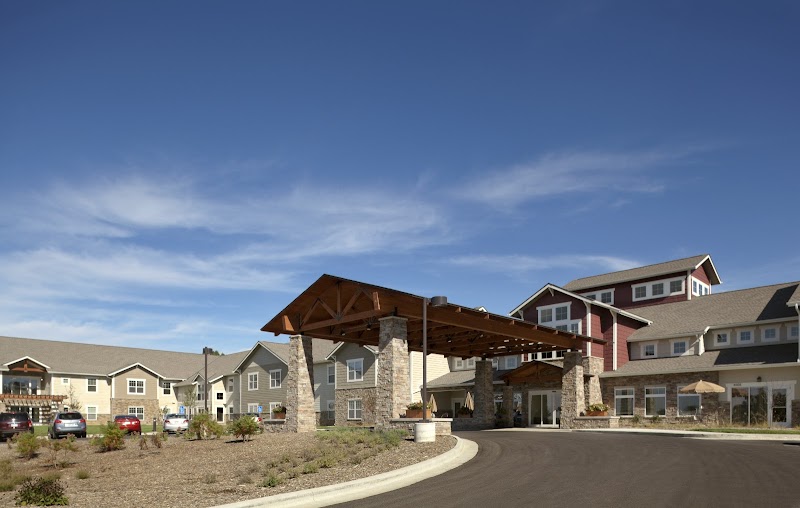
How is Westchester Village Of Lenexa Staffed?

CMS rates WESTCHESTER VILLAGE OF LENEXA's staffing level at 4 out of 5 stars, which is above average compared to other nursing homes. Staff turnover is 63%, which is 17 percentage points above the Kansas average of 46%. High turnover can affect care consistency as new staff learn residents' individual needs.

What Have Inspectors Found at Westchester Village Of Lenexa?

State health inspectors documented 22 deficiencies at WESTCHESTER VILLAGE OF LENEXA during 2021 to 2025. These included: 22 with potential for harm.
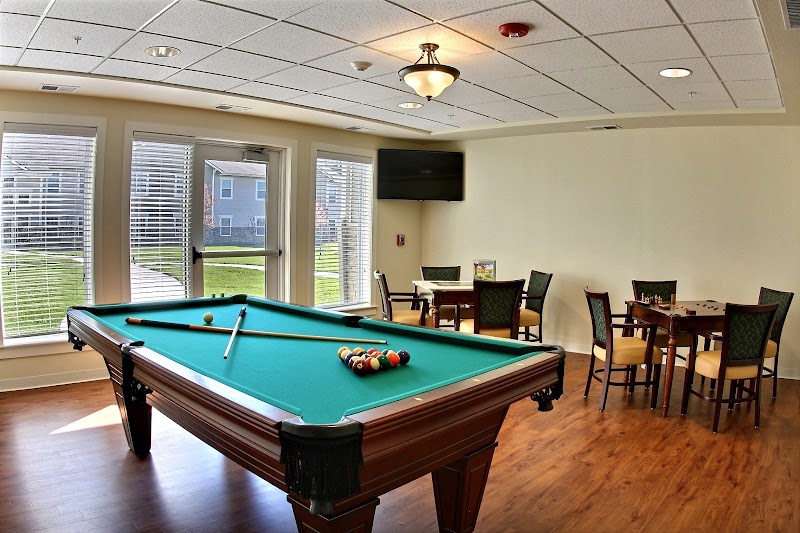
Who Owns and Operates Westchester Village Of Lenexa?

WESTCHESTER VILLAGE OF LENEXA is owned by a for-profit company. For-profit facilities operate as businesses with obligations to shareholders or private owners. The facility is operated by PIVOTAL HEALTH CARE, a chain that manages multiple nursing homes. With 34 certified beds and approximately 29 residents (about 85% occupancy), it is a smaller facility located in LENEXA, Kansas.
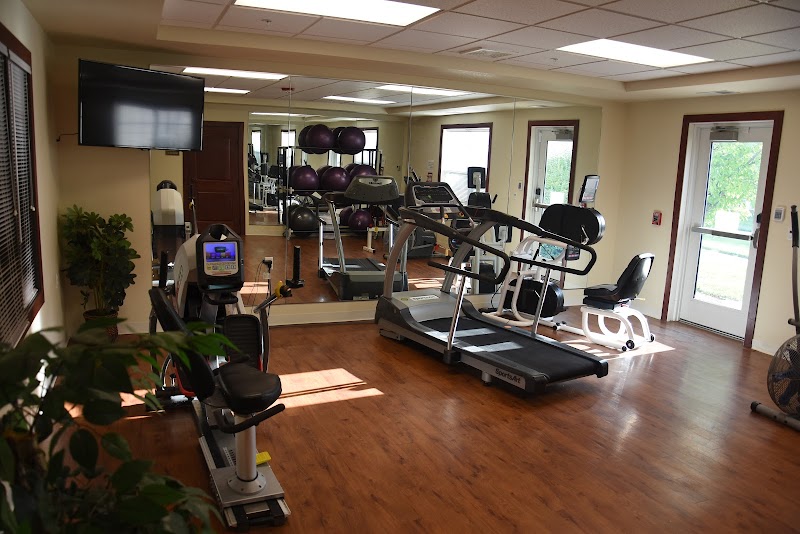
How Does Westchester Village Of Lenexa Compare to Other Kansas Nursing Homes?

Compared to the 100 nursing homes in Kansas, WESTCHESTER VILLAGE OF LENEXA's overall rating (4 stars) is above the state average of 2.9, staff turnover (63%) is significantly higher than the state average of 46%, and health inspection rating (4 stars) is above the national benchmark.

What Should Families Ask When Visiting Westchester Village Of Lenexa?

Based on this facility's data, families visiting should ask: "How do you ensure continuity of care given staff turnover, and what is your staff retention strategy?" "Can I visit during a mealtime to observe dining assistance and food quality?" "How do you handle medical emergencies, and what is your hospital transfer rate?" "Can I speak with family members of current residents about their experience?" These questions are particularly relevant given the facility's high staff turnover rate.

Is Westchester Village Of Lenexa Safe?

Based on CMS inspection data, WESTCHESTER VILLAGE OF LENEXA has a clean safety record: no substantiated abuse findings (meaning no confirmed cases of resident harm), no Immediate Jeopardy citations (the most serious violation level indicating risk of serious injury or death), and is not on the Special Focus Facility watch list (a federal program monitoring the lowest-performing 1% of nursing homes). The facility has a 4-star overall rating and ranks #1 of 100 nursing homes in Kansas. While no facility is perfect, families should still ask about staff-to-resident ratios and recent inspection results during their visit.

Do Nurses at Westchester Village Of Lenexa Stick Around?

Staff turnover at WESTCHESTER VILLAGE OF LENEXA is high. At 63%, the facility is 17 percentage points above the Kansas average of 46%. High turnover means new staff may not know residents' individual needs, medications, or preferences. It can also be disorienting for residents, especially those with dementia who rely on familiar faces. Families should ask: What is causing the turnover? What retention programs are in place? How do you ensure care continuity during staff transitions?

Was Westchester Village Of Lenexa Ever Fined?

WESTCHESTER VILLAGE OF LENEXA has no federal fines on record. CMS issues fines when nursing homes fail to meet care standards or don't correct problems found during inspections. The absence of fines suggests the facility has either maintained compliance or corrected any issues before penalties were assessed. This is a positive indicator, though families should still review recent inspection reports for the full picture.

Is Westchester Village Of Lenexa on Any Federal Watch List?

WESTCHESTER VILLAGE OF LENEXA is not on any federal watch list. The most significant is the Special Focus Facility (SFF) program, which identifies the bottom 1% of nursing homes nationally based on persistent, serious quality problems. Not being on this list means the facility has avoided the pattern of deficiencies that triggers enhanced federal oversight. This is a positive indicator, though families should still review the facility's inspection history directly.