LEONARDVILLE NURSING HOME
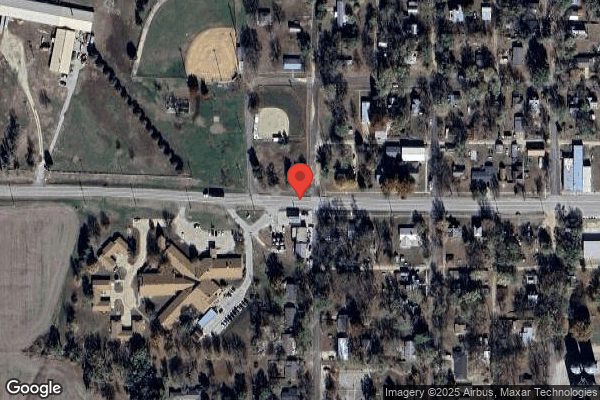
409 W BARTON STREET, LEONARDVILLE, KS 66449 (785) 293-5244
Non profit - Corporation 55 Beds Independent Data: November 2025 1 Immediate Jeopardy citation
Trust Grade
64/100
#75 of 295 in KS
Last Inspection: October 2024

Within standard 12-15 month inspection cycle. Federal law requires annual inspections.

Overview

Leonardville Nursing Home has received a Trust Grade of C+, indicating it is slightly above average, but still has room for improvement. It ranks #75 out of 295 facilities in Kansas, placing it in the top half, and #2 out of 4 in Riley County, meaning only one other local option is better. The facility is improving, as it reduced the number of issues from 6 in 2023 to 4 in 2024. Staffing is a strong point with a 5/5 star rating and a low turnover of 29%, which is well below the state average of 48%, suggesting that staff are experienced and familiar with the residents. However, there have been some concerning incidents, including a critical failure to supervise a cognitively impaired resident who left the facility undetected, and a lack of a certified dietary manager in the kitchen, which could affect residents' nutrition. Additionally, there were issues related to the protection of residents' health information, indicating that confidentiality protocols need to be strengthened. Overall, while there are notable strengths, families should be aware of these weaknesses when considering this facility for their loved ones.

Trust Score
C+
64/100
In Kansas
#75/295
Top 25%
Safety Record
High Risk
Review needed
Inspections
Getting Better
6 → 4 violations
Staff Stability
✓ Good
29% annual turnover. Excellent stability, 19 points below Kansas's 48% average. Staff who stay learn residents' needs.
Penalties
○ Average
$7,446 in fines. Higher than 67% of Kansas facilities. Some compliance issues.
Skilled Nurses
○ Average
Each resident gets 32 minutes of Registered Nurse (RN) attention daily — about average for Kansas. RNs are the most trained staff who monitor for health changes.
Violations
⚠ Watch
13 deficiencies on record. Higher than average. Multiple issues found across inspections.
★★★★☆
4.0
Overall Rating
★★★★★
5.0
Staff Levels
★☆☆☆☆
1.0
Care Quality
★★★★★
5.0
Inspection Score
Stable
2023: 6 issues
2024: 4 issues

The Good

  • 5-Star Staffing Rating · Excellent nurse staffing levels
  • Low Staff Turnover (29%) · Staff stability means consistent care
  • Full Sprinkler Coverage · Fire safety systems throughout facility
  • No fines on record
  • Staff turnover is low (29%)

    19 points below Kansas average of 48%

Facility shows strength in staffing levels, staff retention, fire safety.

The Bad

Federal Fines: $7,446

Below median ($33,413)

Minor penalties assessed

The Ugly 13 deficiencies on record

1 life-threatening
Oct 2024 4 deficiencies
CONCERN (D)

Potential for Harm - no one hurt, but risky conditions existed

Accident Prevention (Tag F0689)

Could have caused harm · This affected 1 resident

**NOTE- TERMS IN BRACKETS HAVE BEEN EDITED TO PROTECT CONFIDENTIALITY** The facility had a census of 48 residents. The sample included 12 residents with eight reviewed for accidents. Based on observat...

Read full inspector narrative →
**NOTE- TERMS IN BRACKETS HAVE BEEN EDITED TO PROTECT CONFIDENTIALITY** The facility had a census of 48 residents. The sample included 12 residents with eight reviewed for accidents. Based on observation, interview, and record review the facility failed to identify causative factors for falls and implement meaningful, resident-centered interventions, including adequate supervision, to prevent falls for Resident (R) 13 who experienced repeated falls in the past year. The facility failed to assess interventions that were in place to ensure the interventions were appropriate and to monitor the effectiveness of the interventions. This deficient practice placed R13 at risk for ongoing falls and injuries. Findings included: - R13's Electronic Medical Record documented diagnoses of vascular dementia (a progressive mental disorder characterized by failing memory and confusion caused by a decreased blood flow to the brain), macular degeneration (progressive deterioration of the retina), unsteadiness, repeated falls, age-related cognitive decline, chronic left leg weakness, and an ataxic gait (difficulty walking in a straight line and may stagger or shuffle). The Quarterly Minimum Data Set (MDS), dated [DATE], documented a Brief Interview for Mental Status (BIMS) score of five, indicating severely impaired cognition. The MDS documented R13 had no behaviors. R13 required staff supervision for transfers, moderate staff assistance with upper body dressing, maximum assistance for toileting, and total assistance for lower body dressing, footwear, and wheelchair mobility. The MDS documented R13 was frequently incontinent of bowel and bladder. R13 had more than two non-injury falls, and one fall with minor injury since the prior MDS. The MDS documented R13 received anticoagulant (medication that stops blood from clotting too easily) medication. R13 had a bed and chair alarm used daily. R13's Fall Care Plan, dated 08/12/24, listed the following undated fall interventions: R13 will be reminded to use a call light for staff when he has needs. He is educated to wait for staff to help him. Staff will provide stand-by to maximal assistance when assisting R13 to the bathroom and or when he is up ambulating. He will have his shoes on or gripper socks when he wants to get up. R13's call light will remain within reach. A pressure alarm system will be used when in bed and chair. R13 would have a room with straight access to the room, without turns in the hallway during the nights. R13's water cups and other personnel items will remain within his reach. R13 uses a walker, and his walker will remain within reach. R13 has been more unsteady, his strength was declining, and a walker will be used as he is able, but a wheelchair is being utilized as well. R13's bed will remain in a low position. Staff will assist R13 with bathroom needs and incontinent care and will keep floors clutter-free and dry. R13 will be toileted every two hours and no longer than three hours. Staff will make frequent visual checks. Staff were to assist R13 with bedtime care when he walked back to his room after supper. There were two extra sensitive call pads in place and staff continued training to the sensor alerts. Staff were to offer to take R13 to the bathroom more often to reduce how often his wife tried to take him. Staff will call for extra help when R13 is not standing, walking, or transferring. Staff were to place a sensor alert in a location that can be heard if staff are not in the dining room. Staff were to encourage R13 to move more slowly when adjusting positions. The Neighborhood Care Plan directed staff to use one to two staff for activity of daily living (ADL) assistance for R13 with a walker or a wheelchair. R13's Fall Risk Assessment dated 02/08/24, 05/06/24, and 08/05/24 all indicated R13 was at high risk of falling. A review of the fall note documentation revealed the following falls: 04/30/24 Staff responded to the call light. Upon entering the room, R13 was found on his knees next to his bed with his spouse in front of him with the wheelchair. He denies pain or hurting himself. He was assisted off the floor via assistance from two staff, Staff then assisted him to the bathroom. He was able to R13 ' s souse was getting back in bed when staff came out of the bathroom. Staff told her R13 would be done soon and then she could go in, and she said, No I just was in there. Staff have verbalized that R13's spouse does not always realize whether R13 has been to the bathroom so when she has to use the bathroom, she wakes him to get up as well. Most of those times, staff report they had toileted R13 between 30 minutes to one hour prior. R13 did not void when he got up and his pull-up was dry. Staff will offer R13 ' s spouse toileting after he is assisted to let her know that R13 has been to the bathroom. Staff assisted R13 back to bed, the call lights were in place, and the sensor pads were in place. 05/15/24 R13's call light went off and staff immediately responded. Upon reaching the room, R13's spouse was leaving the room to get help for R13, who was on the floor. R13 was found on the right side of the bed, sitting on his buttocks. He was alert and smiling when staff greeted him. He said he got out of bed alone and was going to the bathroom and he lost his balance and fell. No injuries were noted. The note documented the resident used a pressure sensor alert to assist staff to reach him when he got up, but the sensor pad did not go off. Staff tested and the staff were unable to get it to alert. The resident had a chair pressure sensor that was functioning, so staff placed the chair pad in R13 ' s bed to help ensure alert notifications. Staff reminded R13 to allow staff to help him get up. He smiled and nodded. The note recorded the call light and both bed and chair alarms were placed. On this date at 11:52 AM a new bed sensor was put on this and working correctly. 05/19/24 R13 was self-transferring in his room with his spouse, lost balance, and fell. He was not using a walker. Staff assisted him into a wheelchair and then into the bathroom and he voided well. Staff assisted R13 back to bed; there was a pressure pad on the bed with an alarm set. The call light was within reach. The floors were dry and clutter-free. 06/10/24 At around 07:35 PM R13's spouse came down the hall, stood outside the dining room, and informed staff that R13 was on the floor. Staff assessed and noted R13 sitting on the floor with his legs bent, extended out, facing towards the door, between the recliner and window end table. His back was against the recliner and table. He had shoes on his feet, and he stated he was trying to get up to go to the bathroom. Staff emphasized to R13 and his wife that it was extremely important for R13 to use his call light before he got up. Staff assisted R13 to the bathroom. 06/11/24 Staff immediately responded to R13's call light. When staff entered the room, R13 was sitting at the side of his bed smiling. When asked what he was doing he said he was just getting up. R13's spouse said he just slid off the side of the bed. Staff educated both on the importance of calling for help. And R13's spouse said, Well we don't need to do that every time, and the staff instructed her Yes every time. R13's spouse did not respond and walked away. Staff assisted R13 off the floor with maximal assistance and helped R13 into the wheelchair. Staff assisted R13 into the bathroom and he voided with no difficulty and then back to bed. His call light was within reach and positioned to alert staff quickly if he started to get up alone. His pressure pad alert system was on the bed, but this did not send out an alert tone. Staff checked the pad, and it did respond appropriately with tests. Staff were educated on the appropriate placement of the pad. 06/20/24 A staff member went to answer R13's call light and he was sitting on the floor in front of his recliner reading a magazine. He laughed when the staff entered and said he was trying to get his magazine when he slid out of his chair. His chair sensor was not working. Staff questioned if a wire was broken within the chair alarm. Staff placed a new sensor alert sensor alert in place. 06/21/24 R13's spouse was in the hall looking for help due to R13 was on the floor. When staff entered the room, R13 sat with his back against the wall. He was alert and pleasantly confused and stated he was going to the toilet and fell. Staff assisted R13 to a standing position and then assisted him into the wheelchair and to the toilet. R13's brief was dry, and he voided in the toilet with no difficulty. R13's call light was on the floor and his pressure pad did not alert. Staff tested the pad and it worked appropriately. The note recorded the resident was assisted to bed and positioned appropriately for the pressure pad to work. R13's pancake call light was at his side and an additional call light as well. Staff provided verbal education and explained the consequences of falling. 07/06/24 Staff heard R13's sensor going off and went to the resident ' s room when she got off the phone. R13 was sitting on the floor. R13's spouse was trying to help him up. Staff assisted R13 up. Staff were in other residents' rooms and did not hear the sensor. Staff noted they would place the alarm where it would be better heard when staff were not in the great room. 07/16/24 Staff were alerted to the R13's room by the sensor alert. As staff entered, staff observed R13 take a few steps with his walker following his spouse. She was in the walkway, at the foot of the bed and he was not in reach of me. He looked up as staff came in, lost his balance, and fell. Staff received education to get R13 out to lunch at 11:15 AM since his spouse watched the clock and he was following her out. 07/17/24 At 11:05 AM, R13's sensor alerted staff to his room. R13 was sitting on the floor a few feet from his recliner. He said he was trying to see his calendar that was hanging up to find out the date to order his books. His wheelchair was close to the recliner, but his walker was not in reach. 07/18/24 At 9:50 PM the CNA reported R13 fell in the bathroom. Upon assessment staff noted R13 sitting on the floor with his back against the wall, facing the sink and commode. He had his shoes on. Staff assisted R13 to his feet and then helped with toileting. The note documented that neither R13's wheelchair nor walker were in sight. 07/22/24 at 09:10 PM the CNA reported that R13 was on the floor in his bathroom. Upon assessment, staff noted R13 sitting on the floor with his legs extended and his knees slightly bent. His back was up against the toilet. 07/30/24 R13 was assisted off the floor. He had an abrasion to his left lower lateral back. 08/04/24 At 06:15 PM, the Certified Medication Aide (CMA) alerted the nurse that R13 was sitting on the floor in his room. Staff entered to find another CNA with R13. The CNA stated she was coming in to assist R13 because the resident's alarm was sounding but she could not get to the resident in time. R13 had already stood up from his recliner and it appeared his lower legs gave out and he sat down on the floor. He had shoes on. R13 stated he was trying to go to the bathroom. 08/17/24 At 04:32 PM R13 self-transferred from the toilet to his wheelchair and fell to the floor. He landed on his bottom and denied any pain. Staff transferred him to the bathroom, but R13 did not use the call light after he was done using the toilet. He had a very small 0.3-centimeter (cm) skin tear on his right hand. The area was cleansed, and staff placed adhesive closure strips. 08/29/24 At 03:45 PM staff found R13 on the floor. Upon assessment, staff noted R13 sitting on the floor between his recliner and his spouse's. His legs were extended R13 stated he was trying to go the bathroom; staff assisted him to his feet and into the wheelchair. 09/03/24 At 04:00 PM staff found R13 on the floor between his recliner and his spouse's recliner. He was facing towards the back wall with his legs extended. He was trying to sit up and his spouse was standing over him. Staff asked R13 if he hit anything or had any pain and R13 answered no to each. 09/19/24 At 02:57 AM, R13's spouse came out into the hall and said R13 was on the floor. R13's call light was not on; the pressure alarm did not alarm. Upon entering the room, staff observed R13 sitting on his buttock/right hip in front of the bathroom door. He was awake and pleasantly confused per his baseline. He just smiled at the staff and denied hitting his head. Staff assisted R13 into his wheelchair and then assisted him to the bathroom. R13 voided with no difficulty. Staff checked the alarm prior to sitting the resident on it to check for proper functioning and placed additional call lights around the resident for early notification. Staff reminded R13 and his spouse to call staff for help. On 10/30/24 at 12:39 PM, observation revealed CMA S assisted R13 in his wheelchair to his room to the toilet. R13's wheelchair had an anti-rollback, anti-tip devices, and a non-slide pad in the seat along with a sensor alarm. R13 had problems lifting his feet when turning into the bathroom. Observation revealed no non-slip strips in the bathroom, but there were some in front of his recliner. When he stood at the toilet, the sensor alarm alerted other staff who came to check. CNA S did not use a gait belt for the transfers but instead assisted R13 by pulling on the resident's pants. There was a gait belt on R13's dresser. On 10/31/24 at 09:39 AM, Administrative Nurse D stated the staff had attempted numerous interventions to prevent R13's falls and she verified some of the interventions in place were not effective. She stated the facility had issues with the sensor alarms not working and had replaced three of them. She agreed staff should use a gait belt instead of pulling R13's clothing for transfers when the resident demonstrated weakness. The facility's Fall Prevention Protocol stated each elder residing in the facility would be provided care and services to ensure the elder's environment remained as free from accident hazards as possible and each elder received adequate supervision and assistive devices to prevent accidents. The protocol stated the neighborhood team would develop a plan for services to improve or maintain the elder's standing and sitting balance and other interventions to reduce the elder's risk for falls. The plan would include information about the elder's routine and personal habits that may place the elder at risk for falls. Every team member would be responsible for checking either the care plan of elders who were at risk for falls or the neighborhood care tracker. Fall would be evaluated on a weekly basis by the leadership team and by the QAPI committee. The teams would review the number of falls and the effectiveness of implemented care plan interventions. Interdisciplinary team members would contribute to finding alternative interventions if indicated. The facility failed to identify causative factors for falls and implement meaningful, resident-centered interventions, including adequate supervision, to prevent falls for R13. The facility further failed to assess interventions that were in place to ensure the interventions were appropriate and to monitor the effectiveness of the interventions. This deficient practice placed R13 at risk for ongoing falls and injuries.
CONCERN (D)

Potential for Harm - no one hurt, but risky conditions existed

Medication Errors (Tag F0758)

Could have caused harm · This affected 1 resident

**NOTE- TERMS IN BRACKETS HAVE BEEN EDITED TO PROTECT CONFIDENTIALITY** The facility had a census of 48 residents. The sample included 12 residents. Based on observation, record review, and interview ...

Read full inspector narrative →
**NOTE- TERMS IN BRACKETS HAVE BEEN EDITED TO PROTECT CONFIDENTIALITY** The facility had a census of 48 residents. The sample included 12 residents. Based on observation, record review, and interview the facility failed to ensure an appropriate indication for the use of an antipsychotic (a class of medications used to treat a mental disorder characterized by gross impairment testing) or the required physician documentation for two of five residents, Resident (R) 26, and R31, reviewed for unnecessary medications. This placed the residents at risk for unnecessary psychotropic (alters mood or thought) medications. Findings included: - R26's Electronic Medical Record (EMR) documented R26 had diagnoses of restlessness, agitation, and anxiety disorder (mental or emotional reaction characterized by apprehension, uncertainty, and irrational fear). R26's Quarterly Minimum Data Set (MDS), dated [DATE] documented R26 had a Brief Interview of Mental Status (BIMS) score of zero, which indicated severe cognitive impairment. The MDS documented R26 required substantial to maximal staff assistance with showering and dressing. R26 required partial to moderate staff assistance with toileting hygiene and personal hygiene. He required set-up assistance for eating and was independent with bed mobility, most transfers, and ambulation. The MDS documented that R26 received an antipsychotic medication during the observation period. R26's Care Plan, revised 10/21/24, documented R26 could be anxious and exit-seeking. The plan noted R26 received Seroquel (an antipsychotic medication) and instructed staff to monitor for Black Box Warning (BBW- the highest safety-related warning that medications can have assigned by the Food and Drug Administration) and adverse reactions of the medication. The Physician Order, dated 08/18/23, instructed staff to administer Seroquel, 150 milligrams (mg), by mouth once daily at bedtime, for agitation and restlessness. The Consultant Pharmacist [CP] Regimen Review, documented the use of antipsychotics for diagnoses other than schizophrenia (a mental disorder characterized by gross distortion of reality, disturbances of language and communication, and fragmentation of thought), Huntington's disease (a rare abnormal hereditary condition characterized by progressive mental deterioration, a disabling central nervous system movement disorder), or Tourette's (condition of the nervous syndrome causing uncontrollable repetitive movements or unwanted sounds) was discouraged and requested the physician provide one of the three diagnoses for R16's Seroquel order on the following dates but lacked evidence that the physician addressed the recommendations on the following review dates: 01/05/24, 02/04/24, 03/06/24, 04/03/24, 05/06/24, 07/08/24, 08/05/24, 09/02/24, and 10/08/24. R26's clinical record lacked evidence of physician documentation which included a rationale and risks versus benefits for R26's continued use of Seroquel. On 10/29/24 at 09:00 AM, observation revealed R26 sat quietly at the kitchenette counter and visited with another female resident sitting by her. On 10/31/24 at 09:34 AM, Administrative Nurse D verified the resident's Seroquel had an inappropriate indication and stated the facility staff tried to get the physicians on board with the proper documentation for antipsychotic medications. The facility's Psychotropic Medication Use Policy, undated, documented the physician's order for a psychotropic drug would include both a qualifying diagnosis for the drug and a list of behaviors that the staff would monitor during the drug administration. The facility failed to ensure an appropriate indication for use, or the required physician documentation for R26's Seroquel. This placed the resident at risk for unnecessary psychotropic medications. - R31's Electronic Medical Record (EMR) documented R31 had a diagnosis of dementia (a progressive mental disorder characterized by failing memory and confusion). R31's Quarterly Minimum Data Set (MDS), dated [DATE], documented R31 had a Brief Interview of Mental Status (BIMS) score of five, which indicated severe cognitive impairment. The MDS documented the resident received antipsychotic medications every day during the observation period. R31's Care Plan, revised 09/09/24, documented R31 had physician orders for routine Seroquel (antipsychotic medication). The plan noted R31 could be agitated and would yell. The Physician Order, dated 07/15/24, instructed staff to administer R31 Seroquel, 25 milligrams (mg) tablet twice a day for unspecified dementia, without behavioral disturbance, psychotic (a term used to describe a collection of symptoms that cause [NAME] to lose touch with reality) disturbance, mood disturbance, and anxiety (mental or emotional reaction characterized by apprehension, uncertainty, and irrational fear ). The Physician Order dated 09/26/24 instructed staff to administer R31 Seroquel, 50 mg tablet twice a day for unspecified dementia, unspecified severity, without behavioral disturbance. The Consultant Pharmacist [CP] Regimen Review, documented the use of antipsychotics for diagnosis other than schizophrenia (a mental disorder characterized by gross distortion of reality, disturbances of language and communication, and fragmentation of thought), Huntington's disease (a rare abnormal hereditary condition characterized by progressive mental deterioration, a disabling central nervous system movement disorder), or Tourette's (condition of the nervous syndrome causing uncontrollable repetitive movements or unwanted sounds) was discouraged and requested the physician provide one of the three diagnoses for R31's Seroquel order on the following dates, but the physician did not address the recommendation: 08/06/24, 09/09/24, and 10/01/24. R31's clinical record lacked physician documentation which included the rationale and risks versus benefits for R31's continued Seroquel use. On 10/30/24 at 10:49 AM, observation revealed R31 sat quietly in a wheelchair at the dining room table at an activity. On 10/31/24 at 09:34 AM, Administrative Nurse D verified the resident's Seroquel had an inappropriate indication for use and stated the facility staff tried to get the physicians on board with proper documentation for antipsychotic medications. The facility's Psychotropic Medication Use Policy, undated, documented the physician's order for a psychotropic drug would include both a qualifying diagnosis for the drug and a list of behaviors that the staff would monitor during the drug administration. The facility failed to ensure an appropriate indication for use, or the required physician documentation for R31's Seroquel. This placed the resident at risk for unnecessary psychotropic medications.
CONCERN (D)

Potential for Harm - no one hurt, but risky conditions existed

Deficiency F0849 (Tag F0849)

Could have caused harm · This affected 1 resident

**NOTE- TERMS IN BRACKETS HAVE BEEN EDITED TO PROTECT CONFIDENTIALITY** The facility had a census of 48 residents. The sample included 12 residents with two reviewed for hospice (a type of health care...

Read full inspector narrative →
**NOTE- TERMS IN BRACKETS HAVE BEEN EDITED TO PROTECT CONFIDENTIALITY** The facility had a census of 48 residents. The sample included 12 residents with two reviewed for hospice (a type of health care that focuses on the terminally ill patient's pain and symptoms and attending to their emotional and spiritual needs at the end of life) services. Based on observation, record review, and interview, the facility failed to ensure a coordinated plan of care, which coordinated care and services provided by the facility with the care and services provided by hospice, was developed and available for Resident (R)16 and R11. This placed the residents at risk for inadequate end-of-life care. Findings included: - R16's Electronic Medical Record (EMR) documented the resident had diagnoses of dementia (a progressive mental disorder characterized by failing memory, and confusion) with agitation (feeling of aggravation or restlessness brought on by a provocation or a medical condition), senile degeneration of the brain (age-related cognitive decline), hypothyroidism (a condition characterized by decreased activity of the thyroid gland), and hypertension (HTN-elevated blood pressure). R16's Quarterly Minimum Data Set (MDS), dated [DATE], documented that R16 had a Brief Interview of Mental Status (BIMS) score of three which indicated severe cognitive impairment. The MDS documented R16 required total staff assistance with toileting hygiene, showering, lower body dressing, putting on and taking off footwear, and personal hygiene. R16 required partial to moderate staff assistance with rolling left and right in bed, lying to sitting position, and sit to stand transfers. R16 required supervision with oral hygiene, upper body dressing, transfers, and ambulation. The MDS documented R16 received hospice services. R16's Care Plan, revised 10/25/24, documented R16 required one staff assist with a gait belt for transfers. R16 ambulated with a front-wheeled walker, and used a wheelchair with a cushion when she was tired. The care plan lacked documentation with guidance for staff regarding contact information for hospice services, hospice visit frequency, and the medications, equipment, and supplies hospice would provide. The Physician Order, dated 06/14/2024 at 09:26 AM, instructed staff to admit R16 to hospice service. On 10/31/24 at 02:00 PM, observation revealed a hospice notebook at the Serenity House nurse's station. On 10/30/24 at 02:12 PM, observation revealed R16 sat in a recliner in her room without signs or symptoms of pain. On 10/30/24 at 04:13 PM, Administrative Nurse E verified R16's hospice section of the care plan lacked information for staff regarding the hospice service contact information, visit frequency, medications, and supplies hospice would supply. Administrative Nurse E stated she was responsible for updating care plans and said she should update the care plans with that information. On 10/31/24 at 10:00 AM, Administrative Nurse D verified that R16's hospice section in her care plan lacked information regarding hospice contact information, visit frequency, medications, and supplies hospice would provide and stated she was unaware that information should be included in the facility's care plan. The facility's undated End of Life, Palliative and Hospice Care documented palliative assessment and documentation are interdisciplinary and coordinated between the facility, physician, and any hospice provider involved in the care of the resident. The facility failed to ensure a coordinated plan of care, which coordinated care and services provided by the facility and the hospice provider for R16. This placed the resident at risk for inadequate end-of-life care. - R11's Electronic Medical Record (EMR) included a diagnosis of atherosclerotic heart disease (damage or disease in the heart's major blood vessels). The Significant Change Minimum Data Set (MDS), dated [DATE], documented a Brief Interview for Mental Status (BIMS) score of two, which indicated severely impaired cognition. The MDS documented R11 required maximum assistance to total dependence on staff for activities of daily living. The MDS documented R11 received as-needed (PRN) pain medications and had frequent moderate pain. R11 received hospice services. R11's Care Plan, dated 08/09/24, stated R11 was on hospice related to multiple hospitalizations and atherosclerotic heart disease. The plan directed staff to see the Terminal Prognosis [SOP] Standards of Protocol. The plan included sections to list durable medical equipment and supplies provided however none were listed. The plan directed staff to notify the hospice provider of changes and to avoid hospitalizations. R11's Care Plan lacked specific information regarding the hospice contact information, the medications, supplies, and equipment provided by the hospice, and the frequency of hospice staff visits. The hospice provided Hospice Care Plan, dated 07/27/24, stated the hospice nurse would visit six times as needed, one to three times per week for 12 weeks. The plan noted the social worker would visit one to three times per month for three months. The care plan included goals and interventions. On 10/30/24 at 10:50 AM, observation revealed R11 sat in a wheelchair in her room with one shoe off, watching TV. There were two hospice staff visiting with her. On 10/29/24 at 01:55 PM, Licensed Nurse (LN) G stated hospice staff visited the resident that day and they usually come twice per week. LN G said the hospice nursing staff communicated with facility nursing staff through faxes and the hospice notebook. She verified the name of the hospice, and their contact phone number was not in the facility care plan. On 10/31/24 at 09:33 AM, Administrative Nurse D verified the name of the hospice, their contact phone number, and what medications and supplies they were responsible for were not in the facility's care plan for R11. The facility's End of Life, Palliative and Hospice Care policy stated the interdisciplinary team in collaboration with the resident, family, and other involved health care professionals, would develop the care plan. When possible, hospice program staff participate in each other's team meeting to promote regular professional communication, collaboration, and an integrated plan of care. The facility failed to ensure collaboration between the nursing home and hospice services to identify hospice-supplied services, supplies, medication, and equipment for R11. This deficient practice placed R11 at risk for inadequate end-of-life care.
CONCERN (D)

Potential for Harm - no one hurt, but risky conditions existed

Infection Control (Tag F0880)

Could have caused harm · This affected 1 resident

The facility had a census of 48 residents. The sample included 12 residents. Based on observation, interview, and record review the facility failed to ensure staff followed appropriate infection contr...

Read full inspector narrative →
The facility had a census of 48 residents. The sample included 12 residents. Based on observation, interview, and record review the facility failed to ensure staff followed appropriate infection control standards related to a urinary catheter (a tube inserted into the bladder to drain the urine into a collection bag) care for Resident (R) 19. This deficient practice placed R19 at increased risk for infections. Findings included: - On 10/30/24 at 07:55 AM, observation revealed Certified Medication Aide (CMA) R and Certified Nurse Aide (CNA) N donned personal protective equipment (PPE-gloves and gowns) and entered R19's room. R19 was in a low bed. R19's urinary catheter bag was uncovered and lay directly on the bare floor. CMA R verified the bag should not be touching the floor. CMA R provided peri-care, and cleaning around the catheter insertion site and tubing. CMA R provided bowel incontinence care, then removed her soiled gloves and washed her hands. CMA R applied new gloves, wiped R19's bottom one more time, and then emptied the catheter bag wearing the same contaminated gloves. She used an alcohol wipe on the catheter port, removed her soiled gloves, and then removed her other PPE before leaving the room. On 10/31/24 at 09:30 AM, Administrative Nurse D verified staff should change gloves after providing peri-care and before touching the catheter bag and tubing. She verified the catheter bag should not have been allowed to lie on the floor. The facility's Indwelling Catheter Protocol states staff should wash hands or perform hand hygiene immediately before and after any manipulation of the catheter site or drainage bag. The staff were not to allow the catheter bag or tubing to touch the floor. The facility failed to provide proper infection control practices during urinary catheter care for R19, placing R19 at risk for infection.
Jul 2023 2 deficiencies
CONCERN (E) 📢 Someone Reported This

A family member, employee, or ombudsman was alarmed enough to file a formal complaint

Potential for Harm - no one hurt, but risky conditions existed

Deficiency F0583 (Tag F0583)

Could have caused harm · This affected multiple residents

The facility identified a census of 43 residents. Based on observation, record review and interview, the facility failed to provide protection and confidentiality of the residents protected health inf...

Read full inspector narrative →
The facility identified a census of 43 residents. Based on observation, record review and interview, the facility failed to provide protection and confidentiality of the residents protected health information. This deficient practice placed the residents at risk for having their confidentiality of treatment at risk for public disclosure. Findings included: - The Facility Incident Report, dated 07/10/23, documented on 07/07/23 Administrative Staff A was notified by staff members, Licensed Nurse (LN) G and LN H that Certified Nurse's Aide (CNA) M was texting with CNA N (a CNA on the evening shift). The texts indicated that the day shift had a lot of residents with loose stools and was wondering if something had happened on the night shift when Certified Medication Aide (CMA) R (CNA H's immediate family member) was working. LN H showed Administrative Staff A screenshots of the text conversation between CNA M and CNA N that suggested CMA R may have administered laxatives purposely to certain residents, so the day shift would have to clean up incontinent bowel movements during the day. Administrative Staff A called CNA N and CMA R into the facility and met with them. Administrative Staff A informed CNA N and CMA R that they were called into the facility due to seven residents had excessive incontinent bowel movements according to the day shift. Administrative Staff A asked for an explanation of the texted conversation between CNA M and CNA N. CMA R denied giving any medications or suppositories to the residents to help them have bowel movements. CMA R stated CNA N, overheard her talking to her husband about the bowel list and she joked to her husband that the residents should be given suppositories to help them have bowel movements. CNA N then passed on the information that she overheard CMA R to the day shift staff (CNA M). CNA N admitted that she overheard the conversation between CMA R and CMA R's husband but may not have heard the conversation correctly and took it out of context thinking CMA R gave the residents something to make them go. CNA N then texted CNA M that she was sorry about all of the incontinent bowel movements the day shift was having to clean up. CNA N admitted she should not have passed on information that was not confirmed. Administrative Staff A interviewed one of the residents that had allegedly had excessive bowel movements and she denied receiving a suppository the night before. The other residents cognitive status was impaired, and they were not interviewed. Administrative Staff A reviewed the bowel and bladder charting for the forty-eight hours around the day in questions and there was not anything out of ordinary in respect to the number of incidents of bowel incontinence. Administrative Staff A interviewed the night shift charge nurse, LN I, about the night in question and LN I stated she had not observed CMA R administer any suppositories to any residents. Administrative Staff A interviewed CNA O, who worked with CMA R on the night in question and he stated he and CMA R were joking around about all of the residents on the bowel list, but he had not observed CMA R give any suppositories on their shift. CNA O stated he and CMA R did all of their rounds together and only and only noted one resident bowel movement on their shift. CNA M's Witness Statement, dated 07/07/23, documented CNA M received a snap saying, Sorry about everyone pooping. We thought CNA Q was working. CNA M replied, What did you do? CNA M documented CNA N then told her that CMA R gave something to the residents to make them poop because she doesn't like CNA Q. CNA M documented CNA N told her she did not know who CMA R gave the stuff to. CNA M documented she was told not to say a word to anyone about it. CMA R's Witness Statement, dated 07/07/23, documented CMA R and CNA O saw the bowel list on the counter and joked about giving suppositories to those residents on the bowel list. CMA R documented that she did not give any residents medications other that what she had charted on the Medication Administration Record (MAR). CMA R stated when she got home from work that morning she was telling her husband about it and CNA N overheard her and took it seriously. CNA N's Witness Statement, dated 07/07/23, documented CNA N overheard her CMA R talking about her night at work and joking around. CNA N recorded she was not there for the whole conversation. CNA N documented CNA M started texting her about how many residents were having bowel movements and CNA N told CNA M what She thought She heard CMA R say. CNA N documented she thought she told CNA M the truth and told her not to mention it. CNA N stated she should have never said anything to CNA M without knowing the whole story. LN I's Witness Statement, dated 07/07/23, documented CMA R always asked LN I if it was okay to give as needed medications to the residents. LN I documented the residents had beef stew the evening before and beef stew was a food that caused loose bowel movements. CNA O's Witness Statement, dated 07/08/23, documented he and CMA R saw the list of all of the residents that had not had a bowel movement and laughed that other staff were going to blame them for not charting bowel movements. CNA O documented he and CMA R performed their first rounds at 01:00 AM and then again at 04:00 AM. CNA O reported that CMA R did not give any suppositories or other medications to anyone. On 07/26/23 at 11:00 AM, CNA M stated that she believed CMA R gave the residents something to make them have incontinent bowel movements and make them sick. CNA M stated that CNA N snap-chatted her that CMA R gave the residents something to make them have bowel movements, but CNA N was not sure which residents received the medication. CNA M stated CMA R thought another CNA was going to be working that morning; CMA R did not like that CNA and wanted her to have a bad day. On 07/26/23 at 12:30 PM, CMA R stated that she realized that she shouldn't have been talking about what happened at the nursing facility at home. CMA R stated that she had been educated regarding confidentiality. On 07/26/23 at 01:00 AM, Administrative Staff A stated that she investigated the incident and determined that there was no harm done to any elder; there was no proof that anything was given to the elders. Administrative Staff A stated the elders ate beef stew the evening before for supper and that the beef stew tended to cause the residents loose bowel movements the following day. Administrative Staff A stated that the elders bowel movements were not out of the ordinary compared to other days, and suppositories were not counted at the facility but there was no suppositories noted to be missing in large quantities. Administrative Staff A stated that the staff working at the facility were educated on not talking about facility happenings at home to protect the privacy of the residents. Administrative Staff A stated that she had not called the incident into the state because she had already investigated the incident and determined there was no harm done to the elders. The facility's undated Confidentiality Policy, documented protected health information should not be discussed outside the care team. Conversations regarding an individual's protected health information should not take place in public areas such as hallways, dining rooms, break rooms, or at any off-premise site such as home or in the extended community. The facility failed to provide protection and confidentiality of the residents protected health information. This deficient practice placed the residents cared for at risk for having their confidentiality of treatment at risk for public disclosure.
CONCERN (E) 📢 Someone Reported This

A family member, employee, or ombudsman was alarmed enough to file a formal complaint

Potential for Harm - no one hurt, but risky conditions existed

Report Alleged Abuse (Tag F0609)

Could have caused harm · This affected multiple residents

The facility identified a census of 43 residents. Based on observation, record review and interview, the facility failed to report alleged abuse and mistreatment to the State Agency (SA)within require...

Read full inspector narrative →
The facility identified a census of 43 residents. Based on observation, record review and interview, the facility failed to report alleged abuse and mistreatment to the State Agency (SA)within required timeframes. This deficient practice placed the residents residing at the facility at risk for continued abuse and neglect. Findings included: - The Facility Incident Report, dated 07/10/23, documented on 07/07/23 Administrative Staff A was notified by staff members, Licensed Nurse (LN) G and LN H that Certified Nurse's Aide (CNA) M was texting with CNA N (a CNA on the evening shift). The texts indicated that the day shift had a lot of residents with loose stools and was wondering if something had happened on the night shift when Certified Medication Aide (CMA) R (CNA H's immediate family member) was working. LN H showed Administrative Staff A screenshots of the text conversation between CNA M and CNA N that suggested CMA R may have administered laxatives purposely to certain residents, so the day shift would have to clean up incontinent bowel movements during the day. Administrative Staff A called CNA N and CMA R into the facility and met with them. Administrative Staff A informed CNA N and CMA R that they were called into the facility due to seven residents had excessive incontinent bowel movements according to the day shift. Administrative Staff A asked for an explanation of the texted conversation between CNA M and CNA N. CMA R denied giving any medications or suppositories to the residents to help them have bowel movements. CMA R stated CNA N, overheard her talking to her husband about the bowel list and she joked to her husband that the residents should be given suppositories to help them have bowel movements. CNA N then passed on the information that she overheard CMA R to the day shift staff (CNA M). CNA N admitted that she overheard the conversation between CMA R and CMA R's husband but may not have heard the conversation correctly and took it out of context thinking CMA R gave the residents something to make them go. CNA N then texted CNA M that she was sorry about all of the incontinent bowel movements the day shift was having to clean up. CNA N admitted she should not have passed on information that was not confirmed. Administrative Staff A interviewed one of the residents that had allegedly had excessive bowel movements and she denied receiving a suppository the night before. The other residents cognitive status was impaired, and they were not interviewed. Administrative Staff A reviewed the bowel and bladder charting for the forty-eight hours around the day in questions and there was not anything out of ordinary in respect to the number of incidents of bowel incontinence. Administrative Staff A interviewed the night shift charge nurse, LN I, about the night in question and LN I stated she had not observed CMA R administer any suppositories to any residents. Administrative Staff A interviewed CNA O, who worked with CMA R on the night in question and he stated he and CMA R were joking around about all of the residents on the bowel list, but he had not observed CMA R give any suppositories on their shift. CNA O stated he and CMA R did all of their rounds together and only and only noted one resident bowel movement on their shift. CNA M's Witness Statement, dated 07/07/23, documented CNA M received a snap saying, Sorry about everyone pooping. We thought CNA Q was working. CNA M replied, What did you do? CNA M documented CNA N then told her that CMA R gave something to the residents to make them poop because she doesn't like CNA Q. CNA M documented CNA N told her she did not know who CMA R gave the stuff to. CNA M documented she was told not to say a word to anyone about it. CMA R's Witness Statement, dated 07/07/23, documented CMA R and CNA O saw the bowel list on the counter and joked about giving suppositories to those residents on the bowel list. CMA R documented that she did not give any residents medications other that what she had charted on the Medication Administration Record (MAR). CMA R stated when she got home from work that morning she was telling her husband about it and CNA N overheard her and took it seriously. CNA N's Witness Statement, dated 07/07/23, documented CNA N overheard her CMA R talking about her night at work and joking around. CNA N recorded she was not there for the whole conversation. CNA N documented CNA M started texting her about how many residents were having bowel movements and CNA N told CNA M what She thought She heard CMA R say. CNA N documented she thought she told CNA M the truth and told her not to mention it. CNA N stated she should have never said anything to CNA M without knowing the whole story. LN I's Witness Statement, dated 07/07/23, documented CMA R always asked LN I if it was okay to give as needed medications to the residents. LN I documented the residents had beef stew the evening before and beef stew was a food that caused loose bowel movements. CNA O's Witness Statement, dated 07/08/23, documented he and CMA R saw the list of all of the residents that had not had a bowel movement and laughed that other staff were going to blame them for not charting bowel movements. CNA O documented he and CMA R performed their first rounds at 01:00 AM and then again at 04:00 AM. CNA O reported that CMA R did not give any suppositories or other medications to anyone. On 07/26/23 at 11:00 AM, CNA M stated that she believed CMA R gave the residents something to make them have incontinent bowel movements and make them sick. CNA M stated that CNA N snap-chatted her that CMA R gave the residents something to make them have bowel movements, but CNA N was not sure which residents received the medication. CNA M stated CMA R thought another CNA was going to be working that morning; CMA R did not like that CNA and wanted her to have a bad day. On 07/26/23 at 01:00 AM, Administrative Staff A stated that she investigated the incident and determined that there was no harm done to any elder; there was no proof that anything was given to the elders. Administrative Staff A stated the elders ate beef stew the evening before for supper and that the beef stew tended to cause the residents loose bowel movements the following day. Administrative Staff A stated that the elders bowel movements were not out of the ordinary compared to other days, and suppositories were not counted at the facility but there was no suppositories noted to be missing in large quantities. Administrative Staff A stated that the staff working at the facility were educated on not talking about facility happenings at home to protect the privacy of the residents. Administrative Staff A stated that she had not called the incident into the state because she had already investigated the incident and determined there was no harm done to the elders. The facility's undated Abuse, Neglect, and Exploitation Policy, documented all allegations of abuse, neglect or exploitation will be reported to the State Agency Complaint Hotline prior to the completion of the facility investigation. The facility failed to report alleged abuse and/or mistreatment to the SA within the required timeframes. This deficient practice placed the residents at risk for continued abuse and mistreatment.
Jun 2023 3 deficiencies
CONCERN (D)

Potential for Harm - no one hurt, but risky conditions existed

Deficiency F0657 (Tag F0657)

Could have caused harm · This affected 1 resident

**NOTE- TERMS IN BRACKETS HAVE BEEN EDITED TO PROTECT CONFIDENTIALITY** The facility had a census of 45 residents. The sample included 12 residents with one reviewed for accidents. Based on observatio...

Read full inspector narrative →
**NOTE- TERMS IN BRACKETS HAVE BEEN EDITED TO PROTECT CONFIDENTIALITY** The facility had a census of 45 residents. The sample included 12 residents with one reviewed for accidents. Based on observation, interview, and record review the facility failed to review or revise Resident (R)37's care plan with interventions which addressed the causative factor to prevent further falls after he slid out of his recliner or off his bed numerous times. This deficient practice placed R37 at risk for injuries related to falls. Findings included: - R37's Electronic Medical Record documented diagnoses of kidney stones (small, hard deposit that forms in the kidneys and is often painful when passed), macular degeneration (causes loss in the center of the field of vision), retinopathy (disease of the retina which results in impairment or loss of vision), anxiety disorder (mental health disorder characterized by feelings of worry, anxiety, or fear that are strong enough to interfere with one's daily activities), osteoarthritis (degenerative wearing down of the protective tissue at the ends of bones (cartilage) often resulting in chronic pain, atrial fibrillation (irregular, often rapid heart rate), hypertension (high blood pressure), and a history of ribs, and femur (thigh bone) fractures. The Quarterly Minimum Data Set (MDS), dated [DATE], documented a Brief Interview for Mental Status (BIMS) score of nine which indicated moderately impaired cognition. The MDS documented R37 required supervision for eating and extensive staff assistance for bed mobility, transfers, toileting, dressing; R37 did not walk. The MDS documented R37's balance was unsteady and he was unable to stabilize without assistance. He used a wheelchair, had two or more non injury falls, and two or more minor injury falls since the prior MDS three months earlier. The MDS documented R37 had almost constant pain which interfered with his sleep and activities of daily living (ADLs), was short of breath with exertion, and received opioid (class of drug used to reduce moderate to severe pain) medications seven days of the lookback period. The Fall Care Area Assessment (CAA), dated 03/15/23, documented R37 was at risk for falls with a history of frequent falls (12 in past year) and he needs limited to extensive assistance with ADLs, a lift for transfers, and a wheelchair for mobility. The Fall Care Plan, dated 04/06/23, stated staff would educate and remind R37 to use the call light prior to getting up and ensure that R37 always had a call light within reach, a wheelchair at bedside and a pressure pad alarm. R37 would wear his shoes and/or gripper socks when out of his bed or recliner. The care plan directed staff to use a sit to stand lift for transfers and R37 was encouraged to call for staff with transfers. R37 was educated on calling for assistance with transfers. The care plan directed staff to ensure gripper socks were in good condition. The Fall Note, dated 12/19/22 at 01:37 PM, documented R37 slid out of his recliner, got himself up and notified staff. The note documented the nurse educated him to use the call light for assistance and he voiced understanding. Staff had a fall prevention meeting and discussed that R37 needed some new gripper socks because he did not like the ones the nursing home provided; R37 felt they were too loose on his feet and felt like they were going to fall off. R37 received a smaller pair to see if that helped. Staff would continue to offer help with cares, and remind him to put call light on for assistance, and continue with one-hour checks The Fall Note, dated 01/09/23 at 06:02 AM, documented staff found R37 sitting on the floor next to his bed. R37 stated he had just returned from the bathroom and slid off the bed. He was able to move his lower extremities, no unusual rotation or shortening noted, no other injuries found. The Fall Note, dated 01/15/23 at 03:30 AM, documented staff heard yelling and upon entering room, found R37 lying on the floor next to the bed. R37 stated he slipped off trying to move his leg and hit his head on the right side. Staff reported R37 did not sleep Friday night, but just sat on the side of his bed. The note documented R37 had not slept well and continued to get up alone; he had the call light within reach yet did not use it to call for help. The note stated staff educated him frequently of the importance to use the call light for help. The Fall Note, dated 02/24/23 at 02:15 AM, documented staff found R37 on his knees next to his bed. R37 stated he was getting up and fell. The note documented no injuries. He had gripper socks on, and staff assisted R37 to the toilet and reminded him to use the call light before getting out of bed alone. The Fall Note, dated 03/09/23 at 08:17 AM, documented staff found R37 sitting on the floor with his back against the side of the bed. R37 stated he slid off the side of the bed and landed on his bottom. R37 had one gripper sock on and one bare foot. The Fall Note, dated 04/08/23 at 02:53 PM, documented staff heard R37 calling for help and found him sitting beside his bed holding on to the bed rail trying to get himself up. R37 denied stated his feet had slipped of the bed so he tried to stand up to get himself better repositioned in bed. He said his feet slipped and he sat on the floor. Staff assisted him up and noted that his gripper socks did not grip. The rubber to the socks was broke down and staff replaced his socks with ones that did grip. Staff would ensure the gripper socks were in good condition. The Fall Note, dated 04/19/23 at 04:30 AM, documented staff heard noise from R37's room and found R37's recliner tipped over forward and R37 sitting on the floor. R37 said that he slid out of the chair when it tipped over. The Fall Note, dated 05/07/23 at 10:21 AM, documented R37 slid out of his recliner and onto the floor and was found by staff sitting on the floor on his bottom. R37 stated he sat forward in recliner and slid out. The Fall Note, dated 05/09/23 at 07:10 PM, documented R37 was holding on to his bed rail with his legs across the bottom of the bed side table wheels and staff assisted him to the floor. R37 stated he was trying to go to bed. Staff noted R37's nonskid socks had very little tread left on them and removed and threw the socks away. New nonskid socks placed. On 06/14/23 at 08:30 AM, observation revealed R37 sat in his recliner in his room with a call light on each arm of his recliner. R37 stated he thought his bare feet were better than the non-slip socks he had on. Certified Nurse Aide (CNA) R straightened the socks, so the grippers aligned on bottom. R37 followed staff direction and leaned forward with arms crossed over his stomach and staff waited until he could grip the lift bars. CNA R and CNA S used a sit to stand lift to transfer R37 to the toilet. At 08:51 AM, CNA S assisted R37 to his wheelchair. On 06/14/23 at 01:26 PM, CNA T stated the soft touch call pad was placed by R37's legs so it would activate when he moved around. She stated staff provided frequent checks, a soft touch call light on the other arm of his recliner, gripper socks at all times, and low bed position when he was in it. On 06/14/23 at 01:50 PM, Administrative Nurse D stated R37's BIMS score was not that accurate and stated she thought the staff was doing all they could. Administrative Nurse D stated staff discussed falls and reviewed care plans for potential changes at the weekly risk meetings. On 06/14/23 at 02:40 PM, LN H stated staff changed R37's recliners, provided transfers with a sit to stand lift, and more one to one attention and frequent checks. LN H stated R37 liked to sit on the side of his bed at times and falls asleep sometimes. LN H stated staff were to come up with preventive interventions for falls after each fall. On 06/19/23 at 1055 AM, Administrative Nurse E stated the floor nurse should address the care plan with pertinent fall prevention after a fall. Administrative Nurse E verified nurses should document they reviewed the care plan after each fall. She stated at the weekly risk management meeting staff reviewed falls to determine interventions to prevent further falls. The facility's Fall Prevention Protocol policy, undated, stated falls and the effectiveness of care plan interventions would be evaluated on a weekly basis by the leadership team and by the QAPI committee. The Person Centered Comprehensive Care Plans policy, undated, stated the facility would provide an individualized, person centered, interdisciplinary plan of care appropriate to the resident's needs, strengths and limitations based initial, continual, and recurrent needs of the resident. Care, treatment, and services would be planned and provided to each resident to ensure that all interventions were appropriate to the needs of the resident. The interdisciplinary team would collaborate on the review and revision of the care plan for care, treatment, and services. The care plan may be amended at any time the team determines it is necessary to ensure the resident received appropriate care and services. The facility failed to review or revise the care plan with interventions which addressed the causative factor to prevent further falls for R37 after he slid out of his recliner or off his bed numerous times, placing R37 at risk for injuries related to falls.
CONCERN (D)

Potential for Harm - no one hurt, but risky conditions existed

Accident Prevention (Tag F0689)

Could have caused harm · This affected 1 resident

**NOTE- TERMS IN BRACKETS HAVE BEEN EDITED TO PROTECT CONFIDENTIALITY** The facility had a census of 45 residents. The sample included 12 residents with one reviewed for accidents. Based on observatio...

Read full inspector narrative →
**NOTE- TERMS IN BRACKETS HAVE BEEN EDITED TO PROTECT CONFIDENTIALITY** The facility had a census of 45 residents. The sample included 12 residents with one reviewed for accidents. Based on observation, interview, and record review the facility failed to provide interventions which addressed the causative factor to prevent further falls for Resident (R) 37 after he slid out of his recliner or off his bed numerous times. This deficient practice placed R37 at risk for injuries related to falls. Findings included: - R37's Electronic Medical Record documented diagnoses of kidney stones (small, hard deposit that forms in the kidneys and is often painful when passed), macular degeneration (causes loss in the center of the field of vision), retinopathy (disease of the retina which results in impairment or loss of vision), anxiety disorder (mental health disorder characterized by feelings of worry, anxiety, or fear that are strong enough to interfere with one's daily activities), osteoarthritis (degenerative wearing down of the protective tissue at the ends of bones (cartilage) often resulting in chronic pain, atrial fibrillation (irregular, often rapid heart rate), hypertension (high blood pressure), and a history of ribs, and femur (thigh bone) fractures. The Quarterly Minimum Data Set (MDS), dated [DATE], documented a Brief Interview for Mental Status (BIMS) score of nine which indicated moderately impaired cognition. The MDS documented R37 required supervision for eating and extensive staff assistance for bed mobility, transfers, toileting, dressing; R37 did not walk. The MDS documented R37's balance was unsteady and he was unable to stabilize without assistance. He used a wheelchair, had two or more non injury falls, and two or more minor injury falls since the prior MDS three months earlier. The MDS documented R37 had almost constant pain which interfered with his sleep and activities of daily living (ADLs), was short of breath with exertion, and received opioid (class of drug used to reduce moderate to severe pain) medications seven days of the lookback period. The Fall Care Area Assessment (CAA), dated 03/15/23, documented R37 was at risk for falls with a history of frequent falls (12 in past year) and he needs limited to extensive assistance with ADLs, a lift for transfers, and a wheelchair for mobility. The Fall Care Plan, dated 04/06/23, stated staff would educate and remind R37 to use the call light prior to getting up and ensure that R37 always had a call light within reach, a wheelchair at bedside and a pressure pad alarm. R37 would wear his shoes and/or gripper socks when out of his bed or recliner. The care plan directed staff to use a sit to stand lift for transfers and R37 was encouraged to call for staff with transfers. R37 was educated on calling for assistance with transfers. The care plan directed staff to ensure gripper socks were in good condition. The Fall Note, dated 12/19/22 at 01:37 PM, documented R37 slid out of his recliner, got himself up and notified staff. The note documented the nurse educated him to use the call light for assistance and he voiced understanding. Staff had a fall prevention meeting and discussed that R37 needed some new gripper socks because he did not like the ones the nursing home provided; R37 felt they were too loose on his feet and felt like they were going to fall off. R37 received a smaller pair to see if that helped. Staff would continue to offer help with cares, and remind him to put call light on for assistance, and continue with one-hour checks The Fall Note, dated 01/09/23 at 06:02 AM, documented staff found R37 sitting on the floor next to his bed. R37 stated he had just returned from the bathroom and slid off the bed. He was able to move his lower extremities, no unusual rotation or shortening noted, no other injuries found. The Fall Note, dated 01/15/23 at 03:30 AM, documented staff heard yelling and upon entering room, found R37 lying on the floor next to the bed. R37 stated he slipped off trying to move his leg and hit his head on the right side. Staff reported R37 did not sleep Friday night, but just sat on the side of his bed. The note documented R37 had not slept well and continued to get up alone; he had the call light within reach yet did not use it to call for help. The note stated staff educated him frequently of the importance to use the call light for help. The Fall Note, dated 02/24/23 at 02:15 AM, documented staff found R37 on his knees next to his bed. R37 stated he was getting up and fell. The note documented no injuries. He had gripper socks on, and staff assisted R37 to the toilet and reminded him to use the call light before getting out of bed alone. The Fall Note, dated 03/09/23 at 08:17 AM, documented staff found R37 sitting on the floor with his back against the side of the bed. R37 stated he slid off the side of the bed and landed on his bottom. R37 had one gripper sock on and one bare foot. The Fall Note, dated 04/08/23 at 02:53 PM, documented staff heard R37 calling for help and found him sitting beside his bed holding on to the bed rail trying to get himself up. R37 denied stated his feet had slipped of the bed so he tried to stand up to get himself better repositioned in bed. He said his feet slipped and he sat on the floor. Staff assisted him up and noted that his gripper socks did not grip. The rubber to the socks was broke down and staff replaced his socks with ones that did grip. Staff would ensure the gripper socks were in good condition. The Fall Note, dated 04/19/23 at 04:30 AM, documented staff heard noise from R37's room and found R37's recliner tipped over forward and R37 sitting on the floor. R37 said that he slid out of the chair when it tipped over. The Fall Note, dated 05/07/23 at 10:21 AM, documented R37 slid out of his recliner and onto the floor and was found by staff sitting on the floor on his bottom. R37 stated he sat forward in recliner and slid out. The Fall Note, dated 05/09/23 at 07:10 PM, documented R37 was holding on to his bed rail with his legs across the bottom of the bed side table wheels and staff assisted him to the floor. R37 stated he was trying to go to bed. Staff noted R37's nonskid socks had very little tread left on them and removed and threw the socks away. New nonskid socks placed. On 06/14/23 at 08:30 AM, observation revealed R37 sat in his recliner in his room with a call light on each arm of his recliner. R37 stated he thought his bare feet were better than the non-slip socks he had on. Certified Nurse Aide (CNA) R straightened the socks, so the grippers aligned on bottom. R37 followed staff direction and leaned forward with arms crossed over his stomach and staff waited until he could grip the lift bars. CNA R and CNA S used a sit to stand lift to transfer R37 to the toilet. At 08:51 AM, CNA S assisted R37 to his wheelchair. On 06/14/23 at 01:26 PM, CNA T stated the soft touch call pad was placed by R37's legs so it would activate when he moved around. She stated staff provided frequent checks, a soft touch call light on the other arm of his recliner, gripper socks at all times, and low bed position when he was in it. On 06/14/23 at 01:50 PM, Administrative Nurse D stated R37's BIMS score was not that accurate and stated she thought the staff was doing all they could. Administrative Nurse D stated staff discussed falls and reviewed care plans for potential changes at the weekly risk meetings. On 06/14/23 at 02:40 PM, LN H stated staff changed R37's recliners, provided transfers with a sit to stand lift, and more one to one attention and frequent checks. LN H stated R37 liked to sit on the side of his bed at times and falls asleep sometimes. LN H stated staff were to come up with preventive interventions for falls after each fall. On 06/19/23 at 1055 AM, Administrative Nurse E stated the floor nurse should address the care plan with pertinent fall prevention after a fall. Administrative Nurse E verified nurses should document they reviewed the care plan after each fall. She stated at the weekly risk management meeting staff reviewed falls to determine interventions to prevent further falls. The facility's Fall Prevention Protocol policy, undated, stated every elder would be assessed for causal risk factors for falling at the time of admission and after every fall in the facility. The policy directed staff to use the initial care plan and communication tool to identify activities or habits that placed the resident at risk for falls. Falls and the effectiveness of care plan interventions would be evaluated on a weekly basis by the leadership team and by the QAPI committee. The Person Centered Comprehensive Care Plans policy, undated, stated the facility would provide an individualized, person centered, interdisciplinary plan of care appropriate to the resident's needs, strengths and limitations based initial, continual, and recurrent needs of the resident. Care, treatment, and services would be planned and provided to each resident to ensure that all interventions were appropriate to the needs of the resident. The interdisciplinary team would collaborate on the review and revision of the care plan for care, treatment, and services. The care plan may be amended at any time the team determines it is necessary to ensure the resident received appropriate care and services. The facility failed to provide interventions which addressed the causative factor to prevent further falls for R37 after he slid out of his recliner or off his bed numerous times, placing R37 at risk for injuries related to falls.
CONCERN (F)

Potential for Harm - no one hurt, but risky conditions existed

Deficiency F0801 (Tag F0801)

Could have caused harm · This affected most or all residents

The facility had a census of 45 residents. Based on observation, interview, and record review the facility failed to employ a certified dietary manager to supervise the preparation of meals and organi...

Read full inspector narrative →
The facility had a census of 45 residents. Based on observation, interview, and record review the facility failed to employ a certified dietary manager to supervise the preparation of meals and organization in the facility's kitchen. This deficient practice placed the 45 residents who received meals from the kitchen at risk for receiving inadequate nutrition. Findings included: - On 06/15/23 at 12:30 PM, observation revealed Dietary Staff BB performed a chemical test for disinfection of the three-compartment sink which used Quat sanitizer. On 06/13/23 at 08:25 AM, Dietary Staff BB verified he was the dietary manager but was not certified. He stated he would be taking the test. The facility's Dietary Supervisor policy, undated, stated the Dietary Manager would work with nutritionist to plan and execute menus and meal plans designed around the unique needs of each resident. Qualifications for Dietary Manager included successful completion of the state's Certified Dietary Manager certification course. The facility failed to employ a certified dietary manager to supervise the preparation of meals and organization in the facility's kitchen, placing the 45 residents who received meals from the kitchen at risk for receiving inadequate nutrition.
Apr 2023 1 deficiency 1 IJ
CRITICAL (J) 📢 Someone Reported This

A family member, employee, or ombudsman was alarmed enough to file a formal complaint

Immediate Jeopardy (IJ) - the most serious Medicare violation

Accident Prevention (Tag F0689)

Someone could have died · This affected 1 resident

The facility identified a census of 44 residents. The sample included four residents with three residents reviewed for accidents. Based on observations, record review, and interviews the facility fail...

Read full inspector narrative →
The facility identified a census of 44 residents. The sample included four residents with three residents reviewed for accidents. Based on observations, record review, and interviews the facility failed to provide adequate supervision to identify and immediately intercept Resident (R) 1, a cognitively impaired resident at risk for elopement (when a cognitively impaired resident leaves the facility without staff knowledge) and falls, when he left the locked memory care unit through an alarmed door on 04/19/23 at 05:53 AM. The door alarm sounded, but Licensed Nurse (LN) G silenced the alarm without checking which door was alarming and why. The facility did not immediately implement protocols to ensure all residents were accounted for. When Certified Nurse Aide (CNA) N arrived at the facility for duty, she reported to LN H that on her way to the facility, she observed a possible resident walking down the road. Staff did an immediate search for R1, but could not locate R1 inside the facility, so a search outside was initiated. Staff located R1 on the road, five blocks away from the facility. The facility's failure to respond to the door alarm appropriately and safely intercept R1 to prevent him from leaving the facility unattended, placed R1 in immediate jeopardy. Findings included: - R1's Electronic Medical Record (EMR) documented diagnoses of Alzheimer's disease (progressive mental deterioration characterized by confusion and memory failure), dementia (progressive mental disorder characterized by failing memory, confusion) without behavioral disturbance, and restlessness and agitation. The admission Minimum Data Set (MDS) dated 01/05/23, documented R1 had a Brief Interview for Mental Status (BIMS) score of three, which indicated severe cognitive impairment. R1 exhibited wandering behaviors four to six days in the lookback period. R1 required supervision with setup help for walking and bed mobility; and was independent with transfers. R1 had one noninjury fall since admission and did not have an elopement alarm. The Quarterly MDS dated 04/06/23, documented R1 had a BIMS score of four, which indicated severe cognitive impairment. R1 exhibited wandering behaviors daily and required supervision with activities of daily living. R1 had one noninjury fall and one injury fall since the last assessment. R1 did not have an elopement alarm. The Cognitive Loss/Dementia Care Area Assessment (CAA) dated 01/06/23, documented R1 had inattention and disorganized thinking. The Behavioral Symptoms CAA dated 01/06/23, documented R1 had wandered during the lookback period and had Alzheimer's disease with a BIMS score of three. The Falls CAA dated 01/06/23, documented R1 had an unsteady gait at times and walked without an assistive device. The Care Plan dated 12/30/22, documented R1 was at risk for falls and staff provided frequent visual checks. The Care Plan dated 01/06/23, documented R1 had agitation, wandered, and had exit seeking behaviors. The Care Plan dated 01/11/23, documented R1 had Alzheimer's dementia and had confusion, inattention, and disorganized thinking. He had a previous silver alert (alert for missing elderly person) prior to moving to the facility. The Care Plan directed there were signs on the memory unit doors to prevent exiting/elopement and staff were directed to give R1 a book to redirect him, as he loved reading. The Care Plan dated 01/11/23, documented R1 was independent with eating and transfers, but needed assistance with other activities of daily living (ADL). The Care Plan directed R1 walked without an assistive device but could be unsteady and leaned. R1's EMR revealed a 01/05/23 Fall Risk assessment score of 19, which indicated R1 was at a high risk for falls. The facility's Investigation dated 04/21/23, documented Staff notified Administrative Staff A on 04/19/23 at 06:17 AM that R1 had eloped from the memory care unit and were actively conducting a search at that time. R1 had a BIMS score of four (severe cognitive impairment). CNA M had been in R1's room to do first of day cares with him. CNA N stated she thought she saw an older person walking on the highway when she was coming to work, so she reported it to LN H. R1 was not located in his room, in the unit dining room, or on the unit. The staff notified LN G and began an immediate full search of the facility, but R1 was not in the facility. At 06:15 AM, all available staff were directed to complete a search outside for R1. At 06:35 AM, R1 was accompanied back to the facility by LN H and LN I, who found him five blocks away near the local library. The LN completed a full assessment of R1 with no issues noted. Upon investigation of the facility's video camera, R1 exited the memory care unit outside door at 05:52 AM and the door alarm did sound. LN G silenced the alarm at the main panel, without verifying what door was alarming before resetting it. The magnetic lock that was in place on the memory care unit doors had disengaged prior to the elopement when the power had blinked in the 05:00 AM hour so the magnetic lock alarm did not sound, alerting the memory care unit staff to the door. In a Witness Statement on 04/19/23, CNA N noted she was on her way to work and observed an older man walking on the highway. She alerted LN H when she got to work and then began a search of the facility. In a Witness Statement on 04/19/23, CNA M noted on 04/19/23 at approximately 05:30 AM, he started his last rounds. R1 was the second to last resident that he helped at approximately 05:40 AM to 05:45 AM. CNA M noted after he assisted R1, he went to his last resident of the shift and was there about 10 minutes. When he exited the room, he put his materials away and did final notations to charting. CNA M noted he went to check on R1 and saw he was not in his room. He searched the hall and notified the nurse that R1 was not on the hall. In a Witness Statement on 04/19/23, LN G noted at 05:53 AM, the door alarms went off and she silenced them. With the next shift arriving, it became very chaotic with doors opening and shutting with door alarms frequently going off. At 06:00 AM, staff notified her that R1 was not in his room or in the dining room. The staff completed an immediate search on the unit and R1 was not found on the unit. LN G noted she immediately instructed a full search of the facility and R1 was not found. At 06:15 AM, she initiated a complete search outside the facility and she and four others started searching in vehicles. LN G documented she notified the police department at 06:35 AM and while she was notifying dispatch of the elopement, staff informed her R1 was found near the library. LN G noted staff brought R1 back to the facility and LN H completed a full assessment. In a Witness Statement on 04/19/23, LN H noted at 06:15 AM, she and LN I left the building to search outside of the facility by car. LN I notified Administrative Staff A and Administrative Nurse D at 06:17 AM. They searched [NAME] of the facility then turned around and drove back to town. She noted they located R1 walking North near the local library at 06:32 AM. LN I called the facility, Administrative Staff A, and Administrative Nurse D to update them. LN H got out of the car and approached R1. He was appropriately dressed in a long-sleeved shirt, pants, shoes, and a hat. R1 was pleasant and willingly got into the car. She stated they arrived back to the facility at 06:35 AM and walked R1 back into the facility. The LN completed a full assessment of R1. In a Witness Statement on 04/19/23, LN I noted at 06:15 AM, she and LN H left the building to search outside of the facility by car. She notified Administrative Staff A and Administrative Nurse D at 06:17 AM. They searched the roads [NAME] of the facility then turned around and drove back to town. LN I stated they located R1 walking North near the local library at 06:32 AM. They arrived back to the facility at 06:35 AM and the LN completed a full assessment of R1. According to the Kansas State University Historical Weather website, the weather on 04/19/23 at 05:00 AM was 68.1 degrees Fahrenheit and was 67.3 degrees Fahrenheit at 06:00 AM. On 04/24/23 09:20 AM, observation revealed the road in front of the facility transitioned from a highway with a speed limit of 45 miles per hour (mph) to a town road with a speed limit of 30 mph right before the entrance to the facility. On 04/24/23 at 11:36 AM, R1 laid in his bed and watched television. On 04/24/23 at 11:06 AM, Administrative Nurse D stated CNA M conducted R1's cares about 05:43 AM on 04/19/23, then went to the next resident's room for about 10 minutes. On video review, R1 exited out the backdoor on the locked unit and set the alarm off, which the LN silenced at the main panel without checking the door. R1 was outside the facility for seven minutes before staff realized he was not in his room, after the staff searched the unit for him without finding him. Administrative Nurse D stated staff searched the facility for R1 but could not locate R1 and available staff left the premises to locate R1. At about 06:35 AM, two staff located R1 by the public library, about four to five blocks away, and R1 was pleasantly confused but willingly got into the vehicle. She stated they educated the staff on responding to door alarms upon hire and everyone knew to check the source of the alarm, not just silence the alarms. On 04/24/23 at 01:31 PM, LN H stated when a door alarm sounded, staff checked the main panel to see which door alarmed then checked the door. On 04/24/23 at 01:56 PM, LN I stated a staff member from the memory care unit arrived to work and said she saw someone that looked like R1 down the road. The staff checked the unit for R1, but did not find him, so the staff checked the main halls and then started looking outside. LN I stated she and LN H got in the car to look for R1. They went down the highway, then came back to town, and found R1 by the library walking North. She stated R1 was wearing jeans, shoes, a long-sleeved shirt, and a hat. R1 had no problems getting into the car with the staff. LN I stated when a door alarm sounded, staff made sure the doors were checked before the alarm was cleared. On 04/26/23 at 10:34 AM, LN G stated she was in report on 04/19/23 at 06:00 AM and staff stated they could not find R1. She stated she went back to the unit and staff said they looked but could not find him. LN G stated a staff member said she thought she saw an elderly man walking right before she pulled into work. She said she then got in her car and drove around to find R1. LN G stated LN H and LN I found R1. She stated the door alarm went off at shift change with staff coming and going and she turned the alarm off without looking at which door alarmed for some reason. LN G stated if a door alarm went off, staff checked what door code was on and visually checked the door. On 04/26/23 at 02:55 PM, CNA M stated he started his last rounds at 05:30 AM on 04/19/23 and went into R1's room about 05:45 AM and helped R1 change into new pants then R1 stayed in his room while CNA M moved onto the next resident for rounds. He stated he checked R1's room about 06:03 AM and the unit then told the nurse they could not find him. CNA M stated if a door alarm sounded on the unit, staff checked to make sure all of the residents were on the unit before turning off the alarm. The facility's undated Elopement Policy directed, in the case of a door alarm sounding, staff immediately went to the door indicated on the enunciator system and checked both inside and outside the door to determine who/why the door alarm sounded. Under no circumstance was a door alarm to be deactivated until the source of the activation was determined. The facility's undated Door Alarm System policy, directed when the door alarm was activated, all available staff immediately responded to the central panel located to determine location of the alarm trigger. Upon determination of which door was activated, staff went to the triggered door to assess the source including going outside if no source was apparent. If a source was not determined, the facility completed an immediate head count of all elders. When the source was determined, the alarm on the panel was cancelled and reset. The facility failed to provide adequate supervision to identify and immediately intercept R1 when he left the locked memory care unit through an alarmed door. The door alarm sounded, but staff silenced the alarm without checking which door alarmed or why it had alarmed. R1 was located by staff five blocks from the facility. The facility's failure to respond to the door alarm appropriately and safely interrupt R1 to prevent him from leaving the facility unattended, placed R1 in immediate jeopardy. The facility completed the following corrections by 04/21/23: 1. R1's care plan was updated on 04/19/23. 2. Quality Assurance and Performance Improvement (QAPI) meeting held on 04/19/23 for elopement with interventions including monthly elopement drill, first elopement drill scheduled for 04/28/23. 3. Education on the facility's elopement policy and alarm system policy on 04/19/23 and 04/20/23 4. Maintenance inspected exit doors on 04/21/23 and contacted company to replace magnetic locks, scheduled for 04/24/23. This deficient practice was cited at past non-compliance.
Oct 2021 3 deficiencies
CONCERN (D)

Potential for Harm - no one hurt, but risky conditions existed

Drug Regimen Review (Tag F0756)

Could have caused harm · This affected 1 resident

**NOTE- TERMS IN BRACKETS HAVE BEEN EDITED TO PROTECT CONFIDENTIALITY** The facility had a census of 48 residents. The sample included 12 residents, with five reviewed for unnecessary medications. Bas...

Read full inspector narrative →
**NOTE- TERMS IN BRACKETS HAVE BEEN EDITED TO PROTECT CONFIDENTIALITY** The facility had a census of 48 residents. The sample included 12 residents, with five reviewed for unnecessary medications. Based on observation, record review, and interview, the facility's Consultant Pharmacist failed to report to the Director of Nursing, medical director, or physician the lack of a proper diagnosis for one of five sampled residents, Resident (R) 41's Seroquel (class of medications used to treat major mental disorder characterized by a gross impairment in reality and other mental emotional conditions). Findings included: - R41's Physician Order Sheet (POS), dated 06/16/21, documented diagnoses of dementia with behavioral disturbance (progressive mental disorder characterized by failing memory and confusion) and Alzheimer's disease (progressive mental deterioration characterized by confusion and memory failure). The Quarterly Minimum Data Set (MDS), dated [DATE], documented R41 had a Brief Interview for Mental Status (BIMS) score of 99, indicating severe cognitive impairment. The MDS documented the resident required limited to extensive assistance of one to two staff for bed mobility, transfer, dressing, toileting, personal hygiene and bathing. The resident required supervision for eating, walking in room, walking in unit, and locomotion on unit. The MDS further documented R41 had received an antipsychotic (class of medications used to treat any major mental disorder characterized by a gross impairment in reality testing and other mental emotional conditions) on a routine basis, a gradual dose reduction (GDR) had not been attempted, and no physician documentation stating that a GDR was contraindicated. The Care Area Assessment (CAA), dated 03/18/21, documented R41 received routine administration of the antipsychotic, Seroquel 25 milligrams (mg) by mouth every night at bedtime. The Psychotropic Care Plan, dated 09/16/21, documented R41 received routine administration of Seroquel and would not experience any adverse side effects from the administration of Seroquel. The Physician's Order, dated 06/30/21, directed staff to administer Seroquel 50 mg twice a day at noon and at bedtime for dementia with behavioral disturbance and staff could administer Seroquel 25 mg every four hours as needed for dementia with behavioral disturbance. Review of R41's Medication Regimen Reviews, dated 03/23/21, 04/05/21, 05/03/21, 06/01/21, 07/06/21, 08/05/21, 09/07/21, and 10/04/21 failed to address the inappropriate diagnosis for Seroquel. On 10/13/21 at 10:30 AM, Licensed Nurse (LN) G stated that dementia with behavioral disturbance was not an appropriate diagnosis for the administration of Seroquel. On 10/13/21 at 10:05 AM, Administrative Nurse D verified an appropriate diagnosis should be used for the administration of an antipsychotic medication. The facility's undated Drug Regimen Review policy, documented the consultant pharmacist will perform a drug regimen review on each resident living in this facility at the time of the resident's admission to the facility and at least monthly and when requested by team members of the facility. All medications will be reviewed for: resident allergies or potential sensitivities, existing or potential interactions between the medications ordered and food and other medications the resident is on, adequate and appropriate indications (diagnosis) for each ordered medication, appropriate monitoring by facility staff for efficacy and adverse side effects and need for gradual dose reduction. The facility's Consultant Pharmacist failed to report to the Director of Nursing, the medical director, or the physician the lack of an appropriate diagnosis for R41's Seroquel, placing the resident at risk for receiving unnecessary psychotropic medications.
CONCERN (D)

Potential for Harm - no one hurt, but risky conditions existed

Medication Errors (Tag F0758)

Could have caused harm · This affected 1 resident

**NOTE- TERMS IN BRACKETS HAVE BEEN EDITED TO PROTECT CONFIDENTIALITY** - R41's Physician Order Sheet (POS), dated 06/16/21, documented diagnoses of dementia with behavioral disturbance (progressive m...

Read full inspector narrative →
**NOTE- TERMS IN BRACKETS HAVE BEEN EDITED TO PROTECT CONFIDENTIALITY** - R41's Physician Order Sheet (POS), dated 06/16/21, documented diagnoses of dementia with behavioral disturbance (progressive mental disorder characterized by failing memory, confusion) and Alzheimer's disease (progressive mental deterioration characterized by confusion and memory failure). The Quarterly Minimum Data Set (MDS), dated [DATE], documented R41 had a Brief Interview for Mental Status (BIMS) score of 99, indicating severe cognitive impairment. The MDS documented the resident required limited to extensive assistance of one to two staff for bed mobility, transfer, dressing, toileting, personal hygiene and bathing. The resident required supervision for eating, walking in room, walking in unit, and locomotion on unit. The MDS further documented R41 had received an antipsychotic (class of medications used to treat any major mental disorder characterized by a gross impairment in reality testing and other mental emotional conditions) on a routine basis, a gradual dose reduction (GDR) had not been attempted, and no physician documentation stating that a GDR was contraindicated. The Care Area Assessment (CAA), dated 03/18/21, documented R41 received routine administration of the antipsychotic, Seroquel 25 milligrams (mg) by mouth every night at bedtime. The Psychotropic Care Plan, dated 09/16/21 documented R41 received routine administration of Seroquel and would not experience any adverse side effects from the administration of Seroquel. The Physician's Order, dated 06/30/21, directed staff to administer Seroquel, 50 mg twice a day at noon and at bedtime for dementia with behavioral disturbance and staff could administer Seroquel, 25 mg every four hours as needed for dementia with behavioral disturbance. Review of R41's Medication Regimen Reviews, dated 03/23/21, 04/05/21, 05/03/21, 06/01/21, 07/06/21, 08/05/21, 09/07/21, and 10/04/21 failed to address the inappropriate diagnosis for Seroquel. On 10/13/21 at 10:30 AM, Licensed Nurse (LN) G stated that dementia with behavioral disturbance was not an appropriate diagnosis for the administration of Seroquel. On 10/13/21 at 10:05 AM, Administrative Nurse D verified an appropriate diagnosis should be used for the administration of an antipsychotic medication. The undated Psychotropic Medications Use policy, documented CMS regulations state that each resident's drug regimen must be free from unnecessary drugs and define an unnecessary drug. An unnecessary drug is any drug used: in excessive dose, for excessive duration, without adequate indication, without adequate monitoring for without adequate indications for its use, or in the presence of adverse consequences, which indicate the dosage should be reduced or discontinued. The physician's order for a psychotropic drug will include both a qualifying diagnosis for the drug and a list of behaviors which the staff will monitor during the drug administration. The drug dosage should be attempted to be periodically reduced with the goal of discontinuing it or replacing it with another less potent prescription. The facility failed to ensure an appropriate diagnosis for R41's Seroquel, placing the resident at risk for adverse side effects. The facility had a census of 48 residents. The sample included 12 residents, with five reviewed for unnecessary medications. Based on observation, record review, and interview, the facility failed to identify an inappropriate diagnosis for the use of an antipsychotic medication (class of medications used to treat any major mental disorder characterized by a gross impairment in reality testing and other mental emotional conditions) for three of five sampled residents, Resident (R) 47, R48 and R41. Findings included: - R47's Physician Order Sheet, dated 10/01/21, recorded the diagnoses of dementia (progressive mental disorder characterized by failing memory and confusion) with behavioral disturbance. The Quarterly Minimum Data Set (MDS), dated [DATE], recorded the resident had a Brief Interview for Mental Status (BIMS) score of zero, indicating severely impaired cognition. The MDS recorded the resident required extensive assistance with bed mobility and transfers. The MDS further recorded the resident received antipsychotic medication on a daily basis. The Medication Care Plan, dated 04/10/21, directed staff to monitor the resident for behaviors. The care plan recorded the resident received Seroquel (an antipsychotic medication) with the following Black Box warning (BBW - strictest warning put in the labeling of prescription drugs or drug products by the Food and Drug Administration (FDA) when there is reasonable evidence of an association of a serious hazard with the drug). Seroquel was not approved for dementia due to the medication was not effective for the treatment of dementia, and could increase mortality (death) risk and adverse side effects in the elderly. The Physician Order, dated 04/10/21, directed the staff to administer Seroquel 25 milligrams (mg) by mouth (PO) every am and Seroquel 50 mg PO at bedtime (HS). The facility's Behavior Monitoring documentation for May, June, July, August, September and October 1-7, 2021 revealed no documented behaviors. The facility's Registered Pharmacist Consultant recommendation on 05/03/21, stated the use of antipsychotic medications for diagnoses other than Schizophrenia (psychotic disorder characterized by gross distortion of reality, disturbances of language and communication and fragmentation of thought), Huntington's (rare abnormal hereditary condition characterized by progressive mental deterioration; a disabling central nervous system movement disorder), or Tourette's (a nervous system disorder involving repetitive movements or unwanted sounds) was discouraged. Antipsychotics for behavior of dementia showed a 35% increase in mortality and 50% increase in hospitalization. The facility sent this recommendation to the physician and the response back from the physician stated the resident was doing well and wanted no changes to the medication. On 10/11/21 at 8:10 AM, observation revealed the resident seated in her wheelchair in the [NAME] dining room at a table eating breakfast. On 10/13/21 at 10:00 AM, Administrative Nurse D verified the resident diagnosis of dementia with behavioral disturbance for the use of the Seroquel was not an appropriate diagnosis. The facility's undated policy for Antipsychotic Drugs stated the physician order for a psychotropic drug will include a qualifying diagnosis for the drug and a list of behaviors which the staff are to monitor for the use of the drug. The facility failed to have an appropriate diagnosis for the use of the antipsychotic medication Seroquel for R47, placing the resident at risk for adverse side effects. - R48's Physician Order Sheet, dated 10/01/21, recorded the diagnoses dementia (progressive mental disorder characterized by failing memory, confusion) with behavioral disturbance. The Quarterly Minimum Data Set, (MDS), dated [DATE], recorded the resident had a Brief Interview for Mental Status (BIMS) score of four indicating severely impaired cognition. The MDS recorded the resident required extensive assistance with bed mobility and transfers. The MDS further recorded the resident received antipsychotic medication on a daily basis. The Medication Care Plan, dated 09/28/21 directed staff to monitor the resident for behaviors. The care plan recorded the resident received Seroquel (an antipsychotic medication) with the following Black Box warning (BBW - strictest warning put in the labeling of prescription drugs or drug products by the Food and Drug Administration (FDA) when there is reasonable evidence of an association of a serious hazard with the drug). Seroquel was not approved for dementia due to the medication was not effective for the treatment of dementia, and could increase mortality (death) risk and adverse side effects in the elderly. The Physician Order, dated 06/28/21, directed the staff to administer Seroquel 25 milligrams (mg) by mouth (PO) at bedtime (HS). The facility's Behavior Monitoring documentation for June, July, August, September and October 1-7, 2021 revealed no documented behaviors. The facility's Registered Pharmacist Consultant recommendation on 09/08/21, stated the use of antipsychotic medications for diagnoses other than Schizophrenia (psychotic disorder characterized by gross distortion of reality, disturbances of language and communication and fragmentation of thought), Huntington's (rare abnormal hereditary condition characterized by progressive mental deterioration; a disabling central nervous system movement disorder), or Tourette's (a nervous system disorder involving repetitive movements or unwanted sounds) was discouraged. Antipsychotics for behavior of dementia showed a 35% increase in mortality and 50% increase in hospitalization. The facility sent this recommendation to the physician and the response back from the physician stated the resident was doing well and wanted no changes to the medication. On 10/11/21 at 9:50 AM, observation revealed the resident seated in her wheelchair in the [NAME] dining room attending an exercise activity. On 10/13/21 at 10:00 AM, Administrative Nurse D verified the resident diagnosis of dementia with behavioral disturbance for the use of the Seroquel was not an appropriate diagnosis. The facility's undated policy for Antipsychotic Drugs stated the physician order for a psychotropic drug will include a qualifying diagnosis for the drug and a list of behaviors which the staff are to monitor for the use of the drug. The facility failed to have an appropriate diagnosis for the use of the antipsychotic medication, Seroquel for R48 placing the resident at risk for adverse side effects.
CONCERN (E)

Potential for Harm - no one hurt, but risky conditions existed

Deficiency F0761 (Tag F0761)

Could have caused harm · This affected multiple residents

**NOTE- TERMS IN BRACKETS HAVE BEEN EDITED TO PROTECT CONFIDENTIALITY** The facility had a census of 48 residents. Based on observation, record review, and interview, the facility failed to store drug...

Read full inspector narrative →
**NOTE- TERMS IN BRACKETS HAVE BEEN EDITED TO PROTECT CONFIDENTIALITY** The facility had a census of 48 residents. Based on observation, record review, and interview, the facility failed to store drugs and biologicals in a safe manner in one of three medications carts. Findings included: - On [DATE] at 09:31 AM, observation during the initial tour revealed the medication cart on Serenity Neighborhood had multiple medications cups with an assortment of pills in them in the top drawer of the medication cart that had been prepared before the administration times. Observation further revealed a Novolog insulin pen that was dated as opened on [DATE] and expired on [DATE]. On [DATE] at 09:44 AM, Certified Medication Aide (CMA) R stated that she had set up the medications before they were due to be administered and that was not her normal practice, but she knew they were going to be short staffed that day. On [DATE] at 10:20 AM, Administrative Nurse D verified setting up the mediation before they were due to be administered was not a practice they liked to do and should not be done. Administrative Nurse D verified the insulin pen was outdated and must have been missed when the cart was checked. The undated Medication Labeling and Storage policy, documented medications are labeled in accordance with facility requirements and Kansas and Federal laws. All drug containers will be labeled, and drug labels must be clear, consistent, legible, and in compliance with state and federal requirements. The facility failed to store drugs and biologicals in a safe manner, placing the residents at risk for receiving the wrong medications and ineffective medications.
Understanding Severity Codes (click to expand)
Life-Threatening (Immediate Jeopardy)
J - Isolated K - Pattern L - Widespread
Actual Harm
G - Isolated H - Pattern I - Widespread
Potential for Harm
D - Isolated E - Pattern F - Widespread
No Harm (Minor)
A - Isolated B - Pattern C - Widespread

Questions to Ask on Your Visit

  • "What changes have you made since the serious inspection findings?"
  • "Can I speak with families of current residents?"
  • "What's your RN coverage like on weekends and overnight?"

Our Honest Assessment

Strengths
  • • 29% annual turnover. Excellent stability, 19 points below Kansas's 48% average. Staff who stay learn residents' needs.
Concerns
  • • Multiple safety concerns identified: 1 life-threatening violation(s). Review inspection reports carefully.
  • • 13 deficiencies on record, including 1 critical (life-threatening) violation. These warrant careful review before choosing this facility.
Bottom line: Mixed indicators with Trust Score of 64/100. Visit in person and ask pointed questions.

About This Facility

What is Leonardville's CMS Rating?

CMS assigns LEONARDVILLE NURSING HOME an overall rating of 4 out of 5 stars, which is considered above average nationally. Within Kansas, this rating places the facility higher than 99% of the state's 100 nursing homes. This rating reflects solid performance across the metrics CMS uses to evaluate nursing home quality.

How is Leonardville Staffed?

CMS rates LEONARDVILLE NURSING HOME's staffing level at 5 out of 5 stars, which is much above average compared to other nursing homes. Staff turnover is 29%, compared to the Kansas average of 46%. This relatively stable workforce can support continuity of care.

What Have Inspectors Found at Leonardville?

State health inspectors documented 13 deficiencies at LEONARDVILLE NURSING HOME during 2021 to 2024. These included: 1 Immediate Jeopardy (the most serious level, indicating potential for serious harm or death) and 12 with potential for harm. Immediate Jeopardy findings are rare and represent the most serious regulatory concerns. They require immediate corrective action.

Who Owns and Operates Leonardville?

LEONARDVILLE NURSING HOME is owned by a non-profit organization. Non-profit facilities reinvest revenue into operations rather than distributing to shareholders. The facility operates independently rather than as part of a larger chain. With 55 certified beds and approximately 47 residents (about 85% occupancy), it is a smaller facility located in LEONARDVILLE, Kansas.

How Does Leonardville Compare to Other Kansas Nursing Homes?

Compared to the 100 nursing homes in Kansas, LEONARDVILLE NURSING HOME's overall rating (4 stars) is above the state average of 2.9, staff turnover (29%) is significantly lower than the state average of 46%, and health inspection rating (5 stars) is much above the national benchmark.

What Should Families Ask When Visiting Leonardville?

Based on this facility's data, families visiting should ask: "What changes have been made since the serious inspection findings, and how are you preventing similar issues?" "Can I visit during a mealtime to observe dining assistance and food quality?" "How do you handle medical emergencies, and what is your hospital transfer rate?" "Can I speak with family members of current residents about their experience?" These questions are particularly relevant given the facility's Immediate Jeopardy citations.

Is Leonardville Safe?

Based on CMS inspection data, LEONARDVILLE NURSING HOME has documented safety concerns. Inspectors have issued 1 Immediate Jeopardy citation (the most serious violation level indicating risk of serious injury or death). The facility has a 4-star overall rating and ranks #1 of 100 nursing homes in Kansas. Families considering this facility should ask detailed questions about what corrective actions have been taken since these incidents.

Do Nurses at Leonardville Stick Around?

Staff at LEONARDVILLE NURSING HOME tend to stick around. With a turnover rate of 29%, the facility is 17 percentage points below the Kansas average of 46%. Low turnover is a positive sign. It means caregivers have time to learn each resident's needs, medications, and personal preferences. Consistent staff also notice subtle changes in a resident's condition more quickly.

Was Leonardville Ever Fined?

LEONARDVILLE NURSING HOME has been fined $7,446 across 1 penalty action. This is below the Kansas average of $33,153. While any fine indicates a compliance issue, fines under $50,000 are relatively common and typically reflect isolated problems that were subsequently corrected. Families should ask what specific issues led to these fines and confirm they've been resolved.

Is Leonardville on Any Federal Watch List?

LEONARDVILLE NURSING HOME is not on any federal watch list. The most significant is the Special Focus Facility (SFF) program, which identifies the bottom 1% of nursing homes nationally based on persistent, serious quality problems. Not being on this list means the facility has avoided the pattern of deficiencies that triggers enhanced federal oversight. This is a positive indicator, though families should still review the facility's inspection history directly.