BETHANY HOME ASSOCIATION
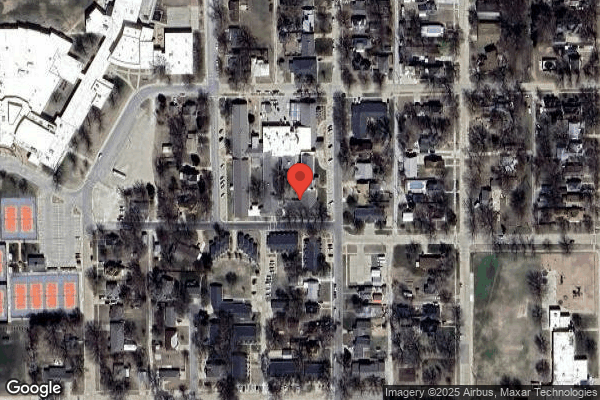
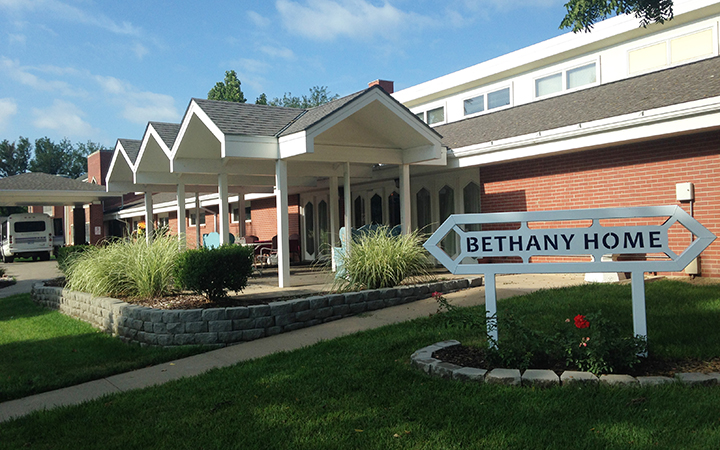
321 N CHESTNUT STREET, LINDSBORG, KS 67456 (785) 227-2334
Non profit - Corporation 85 Beds Independent Data: November 2025 1 Immediate Jeopardy citation
Trust Grade
46/100
#110 of 295 in KS
Last Inspection: August 2024

Within standard 12-15 month inspection cycle. Federal law requires annual inspections.

Overview

Bethany Home Association has received a Trust Grade of D, which indicates below-average performance with some concerns about care quality. It ranks #110 out of 295 nursing homes in Kansas, placing it in the top half of state facilities, and #2 out of 7 in McPherson County, meaning only one local option is rated higher. The facility's trend is improving, as the number of issues identified decreased from four in 2024 to three in 2025. Staffing is a relative strength, with a rating of 4 out of 5 stars and a turnover rate of 44%, which is below the state average. However, the facility has concerning RN coverage, as it has less than 90% of Kansas facilities, which can impact the quality of care. Specific incidents of concern include a critical finding where a cognitively impaired resident was able to leave the facility unnoticed due to inadequate supervision, raising safety alarms. Another issue involved the facility's failure to provide consistent RN coverage for eight consecutive hours daily, putting residents at risk for inadequate assessments and care. Additionally, there was a concern about the lack of a water management program to prevent Legionella disease and other infections, which could pose health risks to residents. Overall, families should weigh these strengths and weaknesses when considering Bethany Home Association for their loved ones.

Trust Score
D
46/100
In Kansas
#110/295
Top 37%
Safety Record
High Risk
Review needed
Inspections
Getting Better
4 → 3 violations
Staff Stability
○ Average
44% turnover. Near Kansas's 48% average. Typical for the industry.
Penalties
○ Average
$8,326 in fines. Higher than 74% of Kansas facilities. Some compliance issues.
Skilled Nurses
○ Average
Each resident gets 31 minutes of Registered Nurse (RN) attention daily — about average for Kansas. RNs are the most trained staff who monitor for health changes.
Violations
⚠ Watch
21 deficiencies on record. Higher than average. Multiple issues found across inspections.
★★★☆☆
3.0
Overall Rating
★★★★☆
4.0
Staff Levels
★★★★☆
4.0
Care Quality
★★★☆☆
3.0
Inspection Score
Stable
2024: 4 issues
2025: 3 issues

The Good

  • 4-Star Staffing Rating · Above-average nurse staffing levels
  • 4-Star Quality Measures · Strong clinical quality outcomes
  • Full Sprinkler Coverage · Fire safety systems throughout facility
  • No fines on record
  • Staff turnover below average (44%)

    4 points below Kansas average of 48%

Facility shows strength in staffing levels, quality measures, fire safety.

The Bad

3-Star Overall Rating

Near Kansas average (2.9)

Meets federal standards, typical of most facilities

Staff Turnover: 44%

Near Kansas avg (46%)

Typical for the industry

Federal Fines: $8,326

Below median ($33,413)

Minor penalties assessed

The Ugly 21 deficiencies on record

1 life-threatening
Sept 2025 2 deficiencies
CONCERN (D) 📢 Someone Reported This

A family member, employee, or ombudsman was alarmed enough to file a formal complaint

Potential for Harm - no one hurt, but risky conditions existed

Notification of Changes (Tag F0580)

Could have caused harm · This affected 1 resident

**NOTE- TERMS IN BRACKETS HAVE BEEN EDITED TO PROTECT CONFIDENTIALITY** The facility had a census of 75 residents. The sample included three residents, with one reviewed for a change of condition. Bas...

Read full inspector narrative →
**NOTE- TERMS IN BRACKETS HAVE BEEN EDITED TO PROTECT CONFIDENTIALITY** The facility had a census of 75 residents. The sample included three residents, with one reviewed for a change of condition. Based on observation, record review, and interview, the facility failed to notify Resident (R) 1's representative when R1 had a change in condition. This deficient practice placed R1 at risk for a lack of required decision from her representative for treatment.Findings included:- R1's Electronic Medical Record (EMR) documented R1 had diagnoses of cerebral infarction (stroke - sudden death of brain cells due to lack of oxygen caused by impaired blood flow to the brain by blockage or rupture of an artery to the brain) and thrombophilia (blood disorder that makes the blood in your veins (blood vessels that carry oxygen filled blood towards the heart) and arteries (blood vessels that carry blood away from the heart) more likely to clot).R1's Quarterly Minimum Data Set (MDS) dated [DATE], documented the resident had a Brief Interview of Mental Status (BIMS) of nine, which indicated moderately impaired cognition. The MDS documented R1 had no upper or lower extremity impairment and used a walker for mobility. The MDS documented R1 required supervision with transfers and ambulation 10 feet (ft).R1's Care Plan, revised 08/05/25, documented R1 required limited one staff assistance with mobility in the room with a walker. The Nurse's Note dated 07/12/25 at 10:34 PM documented the nurse observed R1 with vomiting and diarrhea throughout the day. Staff administered Maalox (antacid medication), 10 milliliters (ml), and two Imodium (over-the-counter medication used to treat diarrhea), 2 milligrams (mg), tablets to R1. Review of R1's clinical record revealed a lack of documentation. R1's representative was informed of the change in condition.The Nurse's Note dated 07/14/25 at 01:17 PM documented R1 had a rough weekend with nausea, vomiting, and diarrhea, and had a hard time transferring. The note documented R1 slept in, took her morning medications, got up for lunch, and ate some of her meal. The note documented staff checked her vitals, and they were within normal limits for R1. The nurse assessed R1's hand grasp, and they were equal on both sides. The note documented R1 had a hard time cutting up her meat, and the nurse notified the physician and R1's representative three days after R1's initial change in condition.On 09/02/25 at 10:22 AM, Administrative Nurse D verified a lack of documentation in R1's clinical record, regarding staff notifying the resident's representative of R1's change of condition on 07/12/25. Administrative Nurse D stated she would expect staff to notify the representative as soon as R1 had nausea, vomiting, and diarrhea.Upon request, the facility failed to provide a change in condition policy.
CONCERN (D) 📢 Someone Reported This

A family member, employee, or ombudsman was alarmed enough to file a formal complaint

Potential for Harm - no one hurt, but risky conditions existed

Incontinence Care (Tag F0690)

Could have caused harm · This affected 1 resident

**NOTE- TERMS IN BRACKETS HAVE BEEN EDITED TO PROTECT CONFIDENTIALITY** The facility had a census of 75 residents. The sample included three residents. Based on observation, record review, and intervi...

Read full inspector narrative →
**NOTE- TERMS IN BRACKETS HAVE BEEN EDITED TO PROTECT CONFIDENTIALITY** The facility had a census of 75 residents. The sample included three residents. Based on observation, record review, and interview, the facility failed to notify the physician regarding issues with red drainage from a urinary catheter (a tube inserted into the bladder to drain urine) and the lack of urine output for the night shift for one resident, Resident (R) 2. This placed the resident at risk for physical decline and urinary tract infections (UTI- infection in any part of the urinary system).Findings included:- The Electronic Medical Record (EMR) for R2 documented diagnoses of urinary retention (lack of the ability to urinate and empty the bladder), benign prostatic hyperplasia (BPH- non-cancerous enlargement of the prostate which can lead to interference with urine flow, urinary frequency, and urinary tract infections), and chronic kidney disease (a long term condition characterized by the gradual loss of kidney function over time).The admission Minimum Data Set (MDS) dated [DATE] documented R2 had intact cognition. R2 was dependent upon staff for assistance with toileting hygiene, transfers, and lower-body dressing. The MDS further documented R2 had a catheter and no UTIs during the observation period.The Quarterly MDS, dated 08/14/25, documented R2 had intact cognition. R2 was dependent upon staff for toileting hygiene, lower body dressing, and transfers. The MDS further documented R2 had a catheter and no UTIs during the observation period. R2's Care Plan dated 08/26/25, initiated on 11/27/24, directed staff to monitor for signs and symptoms of discomfort on urination and frequency, change the catheter as ordered by the physician, and monitor and document intake and output as per facility policy. The care plan further directed staff to monitor for pain/discomfort due to the catheter, monitor and report to the physician for signs and symptoms of UTIs, frequency, no output, altered mental status, and change in eating patterns. The Physician's Orders dated 02/16/25 directed staff to change the catheter using a 16 French, 10 cc (cubic centimeter) balloon, every one hour as needed, and on the night shift, every 30 days.The Nurse's Note dated 06/17/25, at 12:59 PM, documented that the nurse placed a 16 French catheter in the resident as it was due to be changed. The resident tolerated it well, and urine was returned once the catheter was inserted. The note further documented staff emptied out 600 milliliters (ml) of urine from the previous catheter and would continue to monitor.The Nurse's Note dated 06/18/25 at 02:41 PM, documented R2 complained of pain and little urine output. Nursing staff attempted to flush the catheter with 30 cc of sterile water, with no relief. Nursing staff attempted to advance the catheter with no output and removed 10cc of sterile water from the balloon. The catheter was removed, and a large amount of dark red drainage came out. The note further documented the nursing staff changed the catheter, and there was an immediate cloudy yellow return. Nursing staff inflated the bulb with 10 cc of sterile water per order, and the resident stated he felt better, but the red drainage continued.The Nurse's Note dated 06/18/25 at 07:34 PM, documented that R2's Foley catheter was changed yesterday, and then he complained of pain. The day shift staff changed the Foley catheter this morning, and a moderate amount of red drainage was noted, with some in the drainage bag as well. The resident stated he felt ok and the red drainage was probably caused by trauma.The Nurse's Note dated 06/19/25 at 08:52 AM, documented that nursing staff reported to the nurse that R2 had not had any urine output all night. The nurse went in and put in a new Foley catheter. When she removed the old Foley catheter, the nurse did notice some blood-tinged color. The note further documented that R2 tolerated it well, and the urine was yellow in the tube. The note documented that the nurse would continue to monitor. The EMR lacked documentation that the physician or responsible party was notified of the lack of urine output or the red drainage.The Nurse's Note dated 06/19/25 at 10:26 AM, documented that staff reported R2 had emesis (vomit) at breakfast. R2 stated he was nauseous and felt his medication caused this; no temperature was noted, and nursing staff would continue to monitor R2. The Nurse's Note dated 06/19/25 at 02:00 PM, documented that staff reported to the physician that R2 had increased drowsiness, was hard to arouse, had vital signs on the lower end, urine output and color, and the physician directed staff to send him to the emergency room for evaluation.The Nurse's Note dated 06/19/25 at 05:28 PM, documented R2's spouse reported that he was transferred from the local hospital to the hospital in [NAME], where he was admitted for a UTI.On 09/02/25 at 01:15 PM, R2 was in his room, in bed. His catheter bag was fastened to his bed. On 09/02/25 at 12:05 PM, Certified Nurse Aide (CNA) M stated she would contact the nurse if the resident did not act right or out of his normal behaviors. On 09/02/25 at 12:17 PM, Licensed Nurse (LN) G stated that if she had to change R2's catheter more than once in a short time, she would contact the physician. LN G further stated R2's spouse was very involved with his care, and she would make sure she was notified of any changes in his health. LN G further stated that nursing staff had recently been reeducated on when to contact the physician and responsible parties when there was a change in the status of residents.On 09/02/25 at 10:28 AM, Administrative Nurse D stated she would expect the physician to be notified if R2 had not had any output of urine in his catheter and any changes with the resident.The facility's Indwelling Catheter Protocol policy, dated 08/27/24, documented that every resident with an indwelling catheter would be reassessed by a licensed nurse every shift. Each resident with an indwelling catheter would be assessed for pain/discomfort related to the use of the catheter, and if any, the location of the pain/discomfort and what non-pharmacological interventions were attempted. If the bladder had been overly distended for a period of time, urine may become bloody. If clots are noted or bleeding appears excessively, notify the physician immediately.
Jun 2025 1 deficiency
CONCERN (F) 📢 Someone Reported This

A family member, employee, or ombudsman was alarmed enough to file a formal complaint

Potential for Harm - no one hurt, but risky conditions existed

Deficiency F0727 (Tag F0727)

Could have caused harm · This affected most or all residents

The facility identified a census of 73 residents. Based on observation, record review, and interview, the facility failed to provide consistent Registered Nurse (RN) coverage for eight consecutive hou...

Read full inspector narrative →
The facility identified a census of 73 residents. Based on observation, record review, and interview, the facility failed to provide consistent Registered Nurse (RN) coverage for eight consecutive hours a day, seven days a week. This placed all the residents who resided in the facility at risk of a lack of assessment and inappropriate care. Findings included: - A review of the facility's submitted Payroll Based Journal (PBJ) documented the facility had triggered for the Fiscal Year second quarter (January 1, 2025, to March 31, 2025) for four or more days within the quarter with no RN coverage for eight consecutive hours. Upon review of the facility's working schedule and daily posted staffing revealed that no accounted RN hours were posted for two days (04/27/25 and 05/11/25). The facility was not able to provide documentation for the two missing days of RN coverage as requested on 06/25/25. On 06/25/25 at 12:00 PM, Administrative Staff A stated the facility should not have any days without eight hours of consecutive RN coverage. Administrative Staff A stated he would provide supporting documentation, and if he could not find the supporting documentation, then the facility would get the deficient practice fixed. The facility lacked a policy regarding providing consistent RN coverage for eight consecutive hours a day, seven days a week.
Aug 2024 4 deficiencies
CONCERN (D)

Potential for Harm - no one hurt, but risky conditions existed

Incontinence Care (Tag F0690)

Could have caused harm · This affected 1 resident

**NOTE- TERMS IN BRACKETS HAVE BEEN EDITED TO PROTECT CONFIDENTIALITY** The facility had a census of 70 residents. The sample included 18 residents with four reviewed for urinary catheters (a flexible...

Read full inspector narrative →
**NOTE- TERMS IN BRACKETS HAVE BEEN EDITED TO PROTECT CONFIDENTIALITY** The facility had a census of 70 residents. The sample included 18 residents with four reviewed for urinary catheters (a flexible tube inserted through a narrow opening into a body cavity, particularly the bladder, for removing fluid). Based on observation, interview, and record review the facility failed to provide adequate catheter care per standards of practice for Resident (R)36's urinary catheter. This deficient practice placed R36 at risk for urinary tract infections (UTI- an infection in any part of the urinary system) and other catheter-related complications. Findings included: - R36's Electronic Medical Record (EMR) documented diagnoses of bladder-neck obstruction and retention of urine (inability to empty the bladder completely). The Quarterly Minimum Data Set (MDS), dated [DATE], documented a Brief Interview for Mental Status (BIMS) score of 15, indicating intact cognition. The MDS documented R36 was independent with eating and required staff assistance for toileting hygiene and transfers. The MDS documented R36 had a urinary catheter. R36's Care Plan, dated [DATE], documented R36 had a urinary catheter and directed staff to administer antibiotics for a UTI when ordered by the physician, monitor for changes in mood, urine odor or color as well as pain, and general feelings of malaise (vague uneasy feeling of body weakness, distress or discomfort). The plan directed to change the catheter every two weeks and as needed and monitor intake and output per facility policy. Staff was to report to the physician signs and symptoms of a UTI such as pain, burning, blood-tinged urine, cloudiness, no output, deepening of urine color, increased pulse, increased temperature, urinary frequency, foul smelling urine, fever, chills, altered mental status, changes in behavior, or changes in eating patterns. The plan documented the resident was able to manage his catheter, and staff were to assist and provide support as the resident requested. An intervention dated [DATE] directed staff to provide enhanced barrier precautions (EBP-infection control interventions designed to reduce transmission of resistant organisms which employs targeted gown and glove use during high contact care) for the urinary catheter with colonized proteus mirabilis (bacteria). Staff were to provide a sign on R36's door to alert staff of the need for EBP and update the report sheet with this information. Staff would clean their hands with alcohol sanitizer or wash with soap and water, then don the required personal protective equipment (PPE) before entering the resident's room for high-contact care activities. The Progress Note, dated [DATE] at 10:12 PM, documented R36 reported he had lower body aches and chills. Staff checked his vital signs and noted an increased temperature and increased blood pressure. The resident reported increased confusion and began talking about a UTI four years prior where he could have died if he waited until morning. The note recorded the nurse recommended that R36 go to the emergency room as he was displaying symptoms of a UTI. His charge nurse immediately called his urologist's on-call number to advise them of the situation and they recommended sending the resident to the emergency room for evaluation. R36's EMR documented an unplanned discharge to an acute hospital on [DATE] and re-admission to the facility on [DATE]. The Progress Note, dated [DATE], recorded staff discussed all R36's lab results with him and discussed that R36 was colonized with bacteria and awaiting the urine culture. The note recorded that R36 stated that unless he was symptomatic, his urologist requested he not be treated with antibiotic therapy. The Physician Order, dated [DATE], directed staff to administer cefuroxime axetil (antibiotic) 500 milligrams (mg), twice daily for seven days for a UTI. R36's Urine Culture Lab, dated [DATE], documented abnormally high values for bacteria and identified proteus mirabilis as the organism. The Progress Note, dated [DATE] at 04:27 PM, R36 reported he had chills and just did not feel right; he asked to have his vital signs taken. His vital signs were within normal limits and he refused further assessment. The note recorded the resident requested a registered nurse (RN) come to see him and at 04:50 PM, an RN assessed R36's vital signs and identified a low-grade temperature with elevated blood pressure and shaking. The note documented R36 reported he had chills for the past 30-40 minutes and brain fog. The Progress Note, dated [DATE] at 10:55 AM, documented R36 returned to the facility from the hospital with a diagnosis of urosepsis (a condition where a urinary tract infection leads to a systemic infection that spreads throughout the body). The Progress Note, dated [DATE] at 10:55 AM, documented the physician called the facility and stated that R36's cultures grew back and because of his history he will have intravenous (IV-administered directly into the bloodstream via a vein) antibiotics every 12 hours for 10 days. The note directed to keep R36's catheter bag below the suprapubic line (insertion site on the abdomen) to prevent backflow and to not allow R36 to get in a whirlpool tub as this could cause infection. The Urologist Note, dated [DATE], documented R36 had two UTIs over the past few months and staff were to change the catheter every four weeks. The Physician Order, dated [DATE], directed staff to change the suprapubic catheter and replace the drainage bag with each catheter change. The urinal is to be replaced and dated with each catheter change. On [DATE] at 02:50 PM, R36 sat in his recliner in his room and stated his catheter bag was hung on the chair below bladder level. He stated staff emptied the bag usually at 06:00 AM and also around lunchtime. R36 stated he had a UTI in February and April this year and said he was able to tell when he needed to have that checked as he went from UTI to sepsis (systemic infection) very fast. On [DATE] at 01:40 PM, observation revealed R36 sat in his recliner with the catheter drainage bag hung on the inside of the trash can with several used tissues. Certified Nurse Aide (CNA) N washed her hands and gloved but did not don a gown. CNA N then set the urinal canister inside the trash can on top of the used tissues. She held the catheter drainage bag over the canister and emptied it. She wiped the port with a moist wipe and then an alcohol pad. She collected 1400 milliliters of clear yellow urine which she dumped in the toilet. CNA N rinsed the urinal canister with water and stored it in a cabinet. When asked, CNA N stated she had never been told to wear a protective gown while emptying the catheter bag. On [DATE] at 01:52 PM, Administrative Nurse E verified staff were to wear PPE including gowns to provide catheter care and emptying of the catheter bag. She agreed it was not the best practice to set the catheter bag inside a trash can with soiled tissues. On [DATE] at 09:50 AM, Administrative Nurse D verified staff were to wear PPE consisting of a gown and gloves while performing catheter care. The facility's Indwelling Urinary Catheter Care policy, undated, lacked guidance for emptying the drainage bag. The facility failed to provide adequate catheter care for R36's urinary catheter. This placed R36 at risk for further UTI and catheter-related complications.
CONCERN (D)

Potential for Harm - no one hurt, but risky conditions existed

Deficiency F0699 (Tag F0699)

Could have caused harm · This affected 1 resident

**NOTE- TERMS IN BRACKETS HAVE BEEN EDITED TO PROTECT CONFIDENTIALITY** The facility had a census of 70 residents. The sample included 18 residents. Based on observation, record review, and interview,...

Read full inspector narrative →
**NOTE- TERMS IN BRACKETS HAVE BEEN EDITED TO PROTECT CONFIDENTIALITY** The facility had a census of 70 residents. The sample included 18 residents. Based on observation, record review, and interview, the facility failed to ensure Resident (R) 12 received trauma-informed care to eliminate or mitigate triggers that may cause re-traumatization. This placed the resident at risk for unmet mental healthcare needs and impaired psychosocial well-being. Finding included: - R12's Electronic Medical Record (EMR) included diagnoses of post-traumatic stress disorder (PTSD- a mental disorder characterized by an acute emotional response to a traumatic event or situation involving severe environmental stress), generalized anxiety disorder (mental or emotional reaction characterized by apprehension, uncertainty, and irrational fear), major depressive disorder (major mood disorder which causes persistent feelings of sadness) urinary retention, and cardiac murmur. The Quarterly Minimum Data Set (MDS), dated [DATE], documented R12 had intact cognition, no delirium (sudden severe confusion, disorientation, and restlessness), psychosis (any major mental disorder characterized by a gross impairment in reality perception), or behaviors. R12 was independent with most functional abilities and mobility. The MDS recorded an active diagnosis of PTSD, depression, and anxiety disorder. R12 received an antipsychotic (class of medications used to treat major mental conditions that cause a break from reality), antianxiety (class of medications that calm and relax people), antidepressant (class of medications used to treat mood disorders), and diuretic (medication to promote the formation and excretion of urine). The antipsychotic was received on a routine basis only; there was a gradual dose reduction (GDR) on 07/09/24 and no physician documented contraindication for GDR. The Psychotropic Care Area Assessment(CAA), dated 10/24/23, documented R12 received an antipsychotic and antidepressant for diagnoses of major depressive disorder and PTSD. R12 was seen routinely by a mental health practitioner. R12's Care Plan, dated 06/17/24, documented R12 had a mood problem related to a history of depression, PTSD, and generalized anxiety disorder. The care plan directed staff to administer medications as ordered, monitor and document for side effects and effectiveness, and assist the resident, family, and caregivers to identify strengths and positive coping skills, and to reinforce them. The Physician Order, dated 11/22/22, directed staff to administer clonazepam (antianxiety) 0.5 milligrams (mg) in the afternoon and at bedtime for verbal expressions of anxiety, religious doubts, and isolation related to PTSD. The Mental Health Medication Management note, dated 07/19/24, documented R12's PTSD was stable and a chronic condition, and clonazepam doses had not changed. On 08/13/24 at 01:31 PM observation revealed R12 sat in her recliner with her eyes closed. She was dressed and groomed for the day. On 08/13/24 at 02:58 PM, Certified Nurse Aide (CNA) M reported she was not aware of R12's PTSD diagnosis or was not aware of what R12's triggers were. On 08/13/24 at 04:21 PM, Licensed Nurse (LN) G reported she thought R12 had a diagnosis of PTSD but was not aware of R12's triggers. On 08/14/24 at 09:29 AM Social Service X reported the Trauma Informed Care Assessment had been done by social services staff. Social Service X reported knowledge of R12's PTSD diagnosis, which stemmed from when the resident was young. Social Service X reported R12's Care Plan lacked trauma triggers. On 08/14/24 at 10:26 AM, Administrative Nurse D reported R12's PTSD occurred many years back and the care plan is where that information including triggers for prevention of re-traumatization should be recorded. The facility's undated Standard of Practice for Trauma Informed Care policy, documented the facility would ensure the residents who are trauma survivors receive culturally competent, trauma-informed care in accordance with professional standards of practice and accounting for each resident's experiences and preferences in order to eliminate or mitigate triggers that may cause re-traumatization of the resident. The facility failed to ensure R12 received trauma-informed care to eliminate or mitigate triggers that may cause re-traumatization. This placed the resident at risk for unmet mental healthcare needs.
CONCERN (D)

Potential for Harm - no one hurt, but risky conditions existed

Medication Errors (Tag F0758)

Could have caused harm · This affected 1 resident

**NOTE- TERMS IN BRACKETS HAVE BEEN EDITED TO PROTECT CONFIDENTIALITY** - R41's Electronic Medical Record (EMR) recorded diagnoses of anxiety (mental or emotional reaction characterized by apprehensio...

Read full inspector narrative →
**NOTE- TERMS IN BRACKETS HAVE BEEN EDITED TO PROTECT CONFIDENTIALITY** - R41's Electronic Medical Record (EMR) recorded diagnoses of anxiety (mental or emotional reaction characterized by apprehension, uncertainty, and irrational fear), and dementia (progressive mental disorder characterized by failing memory, and confusion). R41's Significant Change Minimum Data Set (MDS), dated [DATE], recorded R41 had severely impaired cognition. The MDS recorded R41 was dependent for most activities of daily living (ADL) and required extensive staff assistance. The MDS recorded R41 received an antianxiety and antidepressant medication during the observation period. R41's Care Plan, dated 06/11/24 recorded R41 received the antianxiety medication lorazepam (antianxiety medication) per physician order. The care plan documented the staff would monitor, document, and report as needed any adverse side effects to the medication such as drowsiness, lack of energy, clumsiness, slow reflexes, slurred speech, confusion, impaired thinking and judgment, memory loss, forgetfulness, nausea, slurred speech, and double vision. The Physician's Order, dated 06/22/24, directed the staff to administer lorazepam oral concentrate 1 milligram (mg)/milliliter (ml), Give 1.0 ml every two hours as needed for anxiety. The order lacked a stop date. R41's EMR lacked evidence of s specified duration which included a physician's rationale for the extended use. R41's Consultant Pharmacist monthly review completed on 07/17/24 documented that the pharmacist identified the PRN lorazepam with no stop date. The recommendation lacked a response. On 08/12/24 at 01:45 PM, observation revealed R41 sat in a Broda chair (specialized wheelchair with the ability to tilt and recline) in the living room area on the [NAME] Hall dressed in street clothes. R41's eyes were closed, and the resident held a stuffed dog. Continued observation revealed Certified Medication Aide (CMA) R administered the resident's morning medications. On 08/14/24 at 08:40 AM, Administrative Nurse D verified the resident received lorazepam PRN that lacked a stop date. The facility's Use of Psychotropic Drug Use policy, undated, documented the facility would make every effort to comply with State and Federal regulations related to the use of psychopharmacological medications in the facility to include regular review for continued need, appropriate dosage, side effects, risk and/or benefits. The facility supports the appropriate use of psychopharmacological medications that are therapeutic and enabling for residents suffering from mental illness while recognizing that the use of psychopharmacological medications for dementia-related behaviors is inappropriate in most cases but rather the use of non-pharmacological interventions based on individual resident needs, preferences and routines is the most appropriate and first-line treatment for dementia-related behaviors. The facility failed to ensure R41's lorazepam had a 14-day stop date or specified duration placing R41 at risk for adverse side effects. The facility had a census of 70 residents. The sample included 18 residents with five reviewed for unnecessary drugs. Based on observation, interview, and record review the facility failed to ensure an approved indication for use or the required physician documentation as well as ongoing monitoring for effectiveness and the ongoing necessity for the use of antipsychotic drugs (class of medications used to treat psychosis and other mental-emotional conditions) and psychotropic (alters mood or thought) drugs for Resident (R)121 and failed to ensure a stop date for as needed (PRN) lorazepam (antianxiety drug) for R41. This deficient practice placed R41 and R121 at risk for unnecessary antipsychotic and psychotropic drugs and related side effects. Findings included: - R121's Electronic Medical Record (EMR) documented diagnoses including vascular dementia (a progressive mental disorder characterized by failing memory and confusion caused by a decreased blood flow to the brain) without psychosis (any major mental disorder characterized by a gross impairment in reality perception). The admission Minimum Data Set (MDS) was in process. R121's Care Plan, dated 8/14/24, directed staff to obtain periodic gradual dose reduction (GDR) evaluations by a pharmacist or the physician per Center for Medicare and Medicaid Services (CMS) guidelines. The Physician Order, dated 08/01/24, directed staff to administer quetiapine (antipsychotic) 25 milligrams (mg) at bedtime, and stated the diagnosis was pending. The Physician Order, dated 08/02/24, directed staff to administer sertraline (antidepressant) 50 mg, in the morning, and stated the diagnosis was pending. The Progress Note, dated 08/04/24 at 01:57 AM, documented R121 was slightly upset at being left here. Staff talked with R121 about her being a bus driver and was able to redirect her. The resident asked if she had to stay here forever now. R121 visited with another resident next door and then went to bed for the night. The Social Services Note, dated 08/06/24 at 01:43 PM, documented that R121 was upset at the time and confused as to why she was here and not at the other place. She became a bit angry, demanding answers as to what is going on. She was easily redirectable with assurances provided. She had very limited memory recall and was only oriented to person. She had difficulty tracking the entirety of the conversation. R121 stated that she becomes depressed and angry sometimes and felt lonely often. She had frequent visitors and interacted with other residents often. The Progress Note, dated 08/12/24 at 01:06 PM, documented that staff contacted the physician to report an increase in anxiety and tearfulness and were awaiting a return call. R121's progress notes and physician notes lacked notation of behaviors other than anxiety and depression. R121's behavior monitoring lacked a specific targeted behavior for the use of quetiapine and sertraline and documented no behaviors observed since admission. On 08/12/24 at 01:31 PM, observation revealed R121 independently ambulated out of her room with a walker and steady steps. R121 wore walking shoes, walked to the small commons area by a side exit, and sat down. She stated she had one fall where she slipped out of bed and had no injury. R121 stated she had been here at the facility for two weeks. On 08/13/24 at 07:58 AM, CMA T administered medications to R121. The CMA asked the resident if she took them whole or crushed and the resident reached out, took the medication cup, and took them whole, all at one time with water to follow. On 08/14/24 at 10:05 AM, Administrative Nurse D verified the physician had not given a diagnosis for the prescription for quetiapine and sertraline. She stated they had trouble getting answers back from her physician. During the interview, Administrative Nurse D received communication from the physician's office of the diagnoses: quetiapine for vascular dementia with psychosis and sertraline for depression. The facility's Psychotropic Medication Monitoring, policy, dated 06/07/2018, stated the facility would use and administer psychotropic medications appropriately to ensure the appropriate use, evaluation, and monitoring. Physician responsibilities included orders for psychotropic medication only for the treatment of specific medical or psychiatric conditions when the medication meets the needs of the resident to alleviate significant distress not met using non-pharmacological approaches. The physician would document the rationale and diagnosis for use and identify target symptoms. The policy stated upon admission of a resident with ordered psychoactive medication and a diagnosis of dementia, the nursing staff would obtain from the physician an approved diagnosis for the antipsychotic medications and a specific behavior for its use. The facility failed to ensure R121 had a CMS-approved indication for the use of quetiapine, or the required physician documentation and failed to monitor for targeted behaviors to determine the effectiveness and ongoing necessity of psychoactive medications. This placed the resident at risk of receiving unnecessary antipsychotic and psychotropic drugs.
CONCERN (F)

Potential for Harm - no one hurt, but risky conditions existed

Infection Control (Tag F0880)

Could have caused harm · This affected most or all residents

**NOTE- TERMS IN BRACKETS HAVE BEEN EDITED TO PROTECT CONFIDENTIALITY** The facility had a census of 70 residents. The sample included 18 residents. Based on observation, record review, and interview ...

Read full inspector narrative →
**NOTE- TERMS IN BRACKETS HAVE BEEN EDITED TO PROTECT CONFIDENTIALITY** The facility had a census of 70 residents. The sample included 18 residents. Based on observation, record review, and interview the facility failed to implement a water management program for Legionella disease (Legionella is a bacterium spread through mist, such as from air-conditioning units for large buildings. Adults over the age of 50 and people with weak immune systems, chronic lung disease, or heavy tobacco use are most at risk of developing pneumonia caused by Legionella) and other waterborne pathogens. The facility further failed to implement Enhanced Barrier Precautions (EBP-infection control interventions designed to reduce transmission of resistant organisms which employ targeted gown and glove use during high contact care) when providing high-contact care to Resident (R) 36. This placed the residents in the facility at risk for infectious disease. Findings Included: - On 08/13/24 at 03:00 PM, Maintenance Staff U verified he was not aware of any routine facility water management checks and verified the facility had some rooms presently unoccupied. Maintenance Staff U stated staff do not flush water in the unoccupied rooms. On 08/14/24 at 08:00 AM, Administrative Nurse D verified the facility lacked a system to check regarding standing water and potential growth inside the facility and lacked a system to mitigate the risk of Legionella. The facility's Legionella Water Management Procedure policy, dated 05/01/24, documented the purpose of the policy was to ensure as far as possible, all users of the facility are protected from the incidence of Legionnaire's disease. The Director of Environmental Services is responsible for all relevant details regarding roles and responsibilities and testing regimens contained in the policy and procedure. It is the policy of the facility to ensure that appropriate precautions for the control of Legionella bacteria are identified through the Legionella risk assessment process and appropriate control measures implemented to ensure, so far as is reasonably practicable, the health, safety, and welfare of residents, visitors, staff members, and volunteers. The minimum standards to be met included but not limited to: Carrying out suitable and sufficient Legionella assessments. Description of building water systems. Identification of areas where Legionella could grow and spread. Preparation of an action plan or written scheme for preventing or controlling the risk, where appropriate. (Inclusion in the plan of any area where medical procedures may expose residents to water mists including hydrotherapy and respiratory therapy services) Implementation. Management monitoring and recording of precautions to include regular inspection, microbiological monitoring, temperature checks, and flushing where appropriate. Plans to intervene when control limits are not met. Continuous monitoring of program compliance. Documentation of all monitoring. Seeking suitable advice and assistance from competent persons and Specialist consultants, where appropriate. Appointment of a person or persons to be managerially responsible for the water system at each premise. To otherwise meet the requirements of CMS Center for Clinical Standards and Quality/Survey and Certification Group, Survey and Certification letter 17-30, dated 02/2017 related to the requirement to reduce Legionella Risk in Healthcare Facility Water Systems to Prevent Cases and Outbreaks of Legionnaire's Disease. The facility has established and maintained, an infection prevention and control group designated to provide a safe, sanitary, and comfortable environment and to help prevent the development and transmission of communicable diseases and infections. The policy further documented the requirements will be met by the following: inspection of water storage tanks, water would be measured at 86 degrees or below after two minutes of running, and hot water storage or distribution would be measured at 122 degrees at outlets after one minute of running. All cases of Legionella would be reported to the local health department and the State health departments. The facility failed to implement a water management program to test and manage waterborne pathogens placing the residents who resided in the facility at risk of contracting Legionella disease. - R36's Electronic Medical Record (EMR) documented diagnoses of bladder-neck obstruction and retention of urine (inability to empty the bladder completely). The Quarterly Minimum Data Set (MDS), dated [DATE], documented a Brief Interview for Mental Status (BIMS) score of 15, indicating intact cognition. The MDS documented R36 was independent with eating and required staff assistance for toileting hygiene and transfers. The MDS documented R36 had a urinary catheter. R36's Care Plan, dated 05/30/24, documented R36 had a urinary catheter and directed staff to administer antibiotics for a UTI when ordered by the physician, monitor for changes in mood, urine odor or color as well as pain, and general feelings of malaise (vague uneasy feeling of body weakness, distress or discomfort). The plan directed to change the catheter every two weeks and as needed and monitor intake and output per facility policy. Staff was to report to the physician signs and symptoms of a UTI such as pain, burning, blood-tinged urine, cloudiness, no output, deepening of urine color, increased pulse, increased temperature, urinary frequency, foul smelling urine, fever, chills, altered mental status, changes in behavior, or changes in eating patterns. The plan documented the resident was able to manage his catheter, and staff were to assist and provide support as the resident requested. An intervention dated 03/28/24 directed staff to provide enhanced barrier precautions (EBP-infection control interventions designed to reduce transmission of resistant organisms which employs targeted gown and glove use during high contact care) for the urinary catheter with colonized proteus mirabilis (bacteria). Staff were to provide a sign on R36's door to alert staff of the need for EBP and update the report sheet with this information. Staff would clean their hands with alcohol sanitizer or wash with soap and water, then don the required personal protective equipment (PPE) before entering the resident's room for high-contact care activities. On 08/13/24 at 01:40 PM, observation revealed R36 sat in his recliner with the catheter drainage bag hung on the inside of the trash can with several used tissues. Certified Nurse Aide (CNA) N washed her hands and gloved but did not don a gown. CNA N then set the urinal canister inside the trash can on top of the used tissues. She held the catheter drainage bag over the canister and emptied it. She wiped the port with a moist wipe and then an alcohol pad. She collected 1400 milliliters of clear yellow urine which she dumped in the toilet. CNA N rinsed the urinal canister with water and stored it in a cabinet. When asked, CNA N stated she had never been told to wear a protective gown while emptying the catheter bag. On 08/13/24 at 01:52 PM, Administrative Nurse E verified staff were to wear PPE including gowns to provide catheter care and emptying of the catheter bag. She agreed it was not best practice to set the catheter bag inside a trash can with soiled tissues. On 08/14/24 at 09:50 AM, Administrative Nurse D verified staff were to wear PPE of gown and gloves while performing catheter cares. The facility's Enhance Barrier Precautions policy, undated, stated EBP would be implemented in addition to standard precautions when standard precautions do not prevent pathogen (any organism or agent that can produce disease) transmission. Clear signage would be placed on the door outside the resident room as well as inside the resident's room to identify the type of precautions and PPE to be used: gown and gloves during high contact care. The Infection Prevention Nurse would update the care plan, educate facility workers, resident, their representative, and their visitors PPE use and disposal. The facility failed to provide adequate infection prevention during care for R36's urinary catheter. This placed R36 at risk for infection.
Aug 2023 1 deficiency
CONCERN (D) 📢 Someone Reported This

A family member, employee, or ombudsman was alarmed enough to file a formal complaint

Potential for Harm - no one hurt, but risky conditions existed

Pharmacy Services (Tag F0755)

Could have caused harm · This affected 1 resident

The facility identified a census of 67 residents. Based on record review and interviews, the facility failed to ensure the availability of physician-ordered medications for Resident (R) 1. This defici...

Read full inspector narrative →
The facility identified a census of 67 residents. Based on record review and interviews, the facility failed to ensure the availability of physician-ordered medications for Resident (R) 1. This deficient practice had the risk for physical complications and less than desired/therapeutic effects of prescribed medications for R1. Findings included: - The Diagnoses tab of R1's Electronic Medical Record (EMR) documented diagnoses of paroxysmal atrial fibrillation (rapid, irregular heart beat) and hypertensive heart disease (long-term condition that develops in people who have high blood pressure) with heart failure (a progressive heart disease that affects pumping action of the heart muscles). The Significant Change Minimum Data Set (MDS) dated 05/30/23, documented R1 had a Brief Interview for Mental Status (BIMS) score of 15 which indicated intact cognition. The Activities of Daily Living (ADL)/Function Care Plan dated 03/24/23, directed R1 required limited to total assistance with ADLs. The Orders tab of R1's EMR documented an order with a start date of 07/15/23 for metolazone (diuretic medication that increases the amount of urine made and causes the body to get rid of excess water) 2.5 milligrams (mg) in the morning every other day for fluid overload. The Miscellaneous tab of R1's EMR revealed an order written by Consultant GG, dated 07/14/23 at 09:01 AM, for metolazone 2.5 mg every other day with a note that said the prescription was sent to the pharmacy. R1's Medication Administration Record (MAR) for July 2023, revealed metolazone 2.5 mg was not administered as scheduled on 07/15/23 and 07/17/23. The Notes tab of R1's revealed the following: A Communication with Physician note on 07/14/23 at 09:52 AM, documented a call was placed to Consultant GG's office regarding the order for metolazone. The medication was ordered from the pharmacy and the facility waited to hear back regarding the order for metolazone. An Orders- Administration Note on 07/15/23 at 08:26 AM, documented metolazone 2.5 mg was not administered due to waiting on medication from pharmacy. An Orders- Administration Note on 07/17/23 at 07:57 AM, documented metolazone 2.5 mg was not administered due to not being available. A Health Status Note on 07/17/23 at 11:19 AM, documented the nurse called the pharmacy to check on metolazone 2.5 mg and the pharmacy first stated they did not get the order. Pharmacy then stated they did receive it last week and left a message at the facility, but no one called back due to the doctor stating it was already sent to the pharmacy. The pharmacist checked and the medication was to be sent out that day. On 08/31/23 at 01:58 PM, Licensed Nurse (LN) G stated when a medication was ordered, the order was faxed to the pharmacy and if it did not come by the next day then the nurse called the pharmacy. She stated if the medication was in the emergency kit (E-kit) then it could be pulled from there. LN G stated the facility implemented a pharmacy communication in progress notes which was helpful to track communication between the facility and the pharmacy. She stated missing one dose was an acceptable amount of time a resident could go without a medication. On 08/31/23 at 02:08 PM, Administrative Nurse D stated when a medication was ordered, the doctor usually faxed the order straight to the pharmacy but if it came from an outside provider then the facility faxed the order to the pharmacy. She stated depending on the medication, it usually arrived that day or the next day. Administrative Nurse D stated new medications should have started as soon as they can and if the medication did not come in then the doctor was notified if the pharmacy did not have the medication. She stated after R1 missed the first dose, the nurse should have called the pharmacy to check on the medication. The facility's Pharmacy Services policy, last revised 09/06/00, directed the facility provided routine and emergency drugs to it's residents and ensured that all drugs were administered to residents in accordance with a physician's order and acceptable medical practice. The facility failed to ensure the availability of physician-ordered medications for R1. This deficient practice had the risk for physical complications and less than desired/therapeutic effects of prescribed medications for R1.
Jun 2023 1 deficiency 1 IJ
CRITICAL (J) 📢 Someone Reported This

A family member, employee, or ombudsman was alarmed enough to file a formal complaint

Immediate Jeopardy (IJ) - the most serious Medicare violation

Accident Prevention (Tag F0689)

Someone could have died · This affected 1 resident

The facility identified a census of 63 residents with three reviewed for accidents and hazards. Based on record review, observation, and interview, the facility failed to provide adequate supervision ...

Read full inspector narrative →
The facility identified a census of 63 residents with three reviewed for accidents and hazards. Based on record review, observation, and interview, the facility failed to provide adequate supervision and failed to respond appropriately to door alarms to prevent an elopement (when a cognitively impaired resident leaves the facility without staff knowledge and /or supervision) for Resident (R)1. On 06/13/23 at approximately 02:05 PM, R1, a severely cognitively impaired resident at high risk for elopement, exited the facility's [NAME] door without staff knowledge and/or supervision. Prior to R1 exiting the building, a family member of another resident exited the same door with their resident and set off the alarm. Certified Medication Aide (CMA) R entered the code to cancel the alarm and, during that time, R1 walked out the door without CMA R's knowledge. CMA R did not check the area in response to the alarm or check to ensure all residents at risk for elopement were accounted for. R1 walked around the block and down the street approximately one block away from the facility until she encountered members of the community. The community members visited with R1 for a few minutes and then put her in their car and took her back to the facility. The facility staff did not know R1 was outside of the building until the community members alerted the facility staff of the incident. Staff went outside and verified R1 was a resident at the facility and staff accompanied R1 back into the building at 02:30 PM. The facility failures which resulted in an elopement placed R1 in immediate jeopardy. Findings included: - R1's Electronic Medical Record (EMR) documented R1 had diagnoses of Alzheimer's disease (progressive mental deterioration characterized by confusion and memory failure), dementia (progressive mental disorder characterized by failing memory, confusion), and anxiety (mental or emotional reaction characterized by apprehension, uncertainty, and irrational fear). The Quarterly Minimum Data Set (MDS), dated 05/11/23, documented R1 had a Brief Interview for Mental Status (BIMS) score of three, which indicated severe cognitive impairment. The MDS documented R1 had exhibited verbal behavioral symptoms directed towards others (threatening others, screaming at others, cursing at others) one to three days during the look back period. The MDS documented R1 had other behavioral symptoms not directed towards others (hitting or scratching self, pacing, disrobing in public, or verbal/vocal symptoms like screaming) for one to three days during the look back period. The MDS documented R1 exhibited wandering behavior during one to three days during the look back period. The MDS documented R1 required supervision of one staff for bed mobility, transfer, walking in her room, walking in the corridor, locomotion on and off of the unit, and personal hygiene. The Cognitive Loss/Dementia Care Area Assessment (CAA), dated 02/12/23, documented R1 could not participate in the BIMS, exhibited short- and long-term memory problems, often misunderstood communication from others, and displayed increased irritability with others. The CAA documented R1's activities of daily living (ADL) were supervised due to R1's impaired balance. The Fall CAA, dated 02/12/23, documented R1 had two falls during the last 90 days due to impaired balance with transitions. The Elopement Care Plan, dated 05/05/23, documented R1 would remain safe and directed staff to engage R1 in purposeful activity, provide clear and simple instructions, provide orientation to surroundings and environment, and Wander Guard (bracelet to alert staff when a resident gets close to an exit door) number 12 applied to her left wrist. The nursing staff were to verify the placement and function of the Wander Guard, every shift. The Elopement Assessment, dated 05/05/23, documented R1 had an elopement score of two which indicated R1 was at risk for elopement. The evaluation documented R1 expressed the desire to go home, packed belongings to go home, and/or stayed near exit doors. The evaluation documented R1's wandering behavior was patterned or goal-directed, likely to affect the safety or well-being of others and likely to affect the privacy of others. The Health Status Note, dated 05/05/23 at 10:12 AM, documented R1 was exit seeking with a packed bag and staff applied a Wander Guard. The Behavior Note, dated 05/06/23 at 10:59 AM, documented R1 was pacing and exit seeking that morning. R1 carried around her personal belongings, and cursed at staff when R1 did not get the answer she wanted. The Behavior Note, dated 05/06/23 at 01:57 PM, documented R1 changed her clothes and wrapped things in other clothes and carried it around with her. The Behavior Note, dated 05/06/23 at 09:07 PM, documented R1 tried to empty her room out and leave. The nurse redirected R1 back to her room but R1 continued to bring out her belongings. The Behavior Note, dated 05/07/23 at 09:43 AM, documented R1 was up and had two sacks full of her belongings at 07:00 AM. Staff were able to redirect R1 back to her room and placed the sacks in R1's closet and accompanied R1 to breakfast. R1 paced and would not sit still even in her room. R1 stated to staff she was moving out. The Alert Note, dated 06/13/23 at 02:40 PM, documented the receptionist alerted staff R1 got out of the facility and was brought back to the facility by personal car. R1's vital signs were obtained and recorded, and her skin was checked with no problems noted. R1 wore a purplish colored sweater and blue pants. The Alert Note, dated 06/13/23 at 02:52 PM, documented R1's Wander Guard was blinking red at that time. The Health Status Note, dated 06/13/23 at 03:02 PM, documented the nurse was notified at 02:29 PM that R1 exited the building. A community member observed R1 down the street and returned R1 to the facility by private vehicle. The temperature was 81 degrees and humid. R1 wore a purple sweater, black slacks, socks, and shoes. Staff notified the director of nursing immediately and initiated an investigation. The charge nurse observed R1's skin and reported no new skin areas. A charge nurse notified R1's primary care physician, hospice, and family. The facility's Information Technology (IT) employee checked the cameras in the facility for further information. R1's Wander Guard had a blinking red light, which indicated the battery was working and the Wander Guard was tested at the door and was in working order. Maintenance was notified to ensure all door checks were performed and maintenance confirmed the Wander Guard system was checked on all doors that morning and functioned properly. The Facility Incident Report, dated 06/21/23, documented on the afternoon of Tuesday, 06/13/23, R1 exited the facility without supervision at approximately 02:05 PM. R1 returned to the facility at 02:26 PM by private vehicle accompanied by two community members. One of the community members came into the building and notified the front receptionist she and her husband had R1 in their car. Medical records personnel notified nursing staff and went out to the car at 02:28 PM and confirmed R1 was a resident at the facility. Nursing staff accompanied R1 back into the building at 02:30 PM. The community member stated he was mowing his lawn when R1 stopped to talk to him. The community member and his wife conversed with R1 and then drove R1 back to the facility. R1 wore a purple sweater, black slacks, socks and shoes. Staff assessed R1's skin and found no issues. After reviewing the cameras, it was noted a family member took another resident out of the facility through the [NAME] door. CMA R then entered the code to clear the alarm to the [NAME] door and R1 walked behind CMA R out the door. On 06/21/23 at 10:30 AM, R1 sat in a resident led exercise group sleeping with her chin on her chest. Her Wander guard bracelet was on her left wrist. On 06/21/23 at 11:00 AM, CNA M stated R1 wandered and would exit seek frequently. On 06/21/23 at 12:00 PM, Administrative Nurse E stated that a lot of things went wrong on 06/13/23 including CMA R not checking to see if any residents had exited when canceling the door code, the resident's family not seeing R1 walking out of the building, and no one seeing R1 walking around the outside of the building. Administrative Nurse E stated CMA R had a plan for improvement in place that stated she should always evaluate which resident caused the alarm to sound and observe residents until the doors lock, and to always check surrounding, inside and outside, prior to overriding the alarm, to assure residents safety. On 06/21/23 at 12:30 PM, CMA R stated that she knew family just left out the [NAME] door with their resident and she figured the alarm went off because they left the door open too long, so she cleared the alarm. CMA R stated she did not see R1 exit behind her and did not go outside looking for any resident. CMA R stated she knows now to let the alarm continue to sound and stay by the door to ensure resident safety. On 06/21/23 at 02:00 PM, Administrative Staff A stated it was a perfect storm and everything that could have gone wrong, went wrong, and the facility was just happy R1 returned to the facility without any injury. The facility Elopement Policy, reviewed 06/14/23, documented all staff that hear an audible door alarm will respond immediately. A door alarm will never be reset until the source of the alarm has been identified and if a resident has exited through the door the alarm will be disengaged only after the resident has been re-directed back to a safe location or with appropriate supervision. The facility failed to provide adequate supervision and failed to respond appropriately to door alarms to prevent an elopement for R1 which placed R1 in immediate jeopardy. The facility implemented corrective actions to address the deficient practice including staff education regarding responding to door alarms, supervision of residents, and elopement protocols and policies. The facility Quality Assurance and Performance Improvement (QAPI) team evaluated the occurrences, identified causative factors, and implemented facility and individual performance improvement plans. The corrective actions were completed on 06/16/23, prior to the onsite survey event, therefore the deficient practice was cited as past noncompliance at the scope and severity of a J.
Mar 2023 6 deficiencies
CONCERN (D)

Potential for Harm - no one hurt, but risky conditions existed

Drug Regimen Review (Tag F0756)

Could have caused harm · This affected 1 resident

**NOTE- TERMS IN BRACKETS HAVE BEEN EDITED TO PROTECT CONFIDENTIALITY** The facility had a census of 60 residents. The sample included 15 residents with five reviewed for unnecessary drugs. Based on o...

Read full inspector narrative →
**NOTE- TERMS IN BRACKETS HAVE BEEN EDITED TO PROTECT CONFIDENTIALITY** The facility had a census of 60 residents. The sample included 15 residents with five reviewed for unnecessary drugs. Based on observation, interview, and record review the facility failed to ensure the Consultant Pharmacist (CP) notified the physician and director of nursing services of the requirement for a stop date or rationale for the continued use of an as needed (prn) psychotropic (altering mood or thought) drug, lorazepam (antianxiety drug) for Resident (R) 40. This deficient practice placed R40 at risk for unnecessary continuation of the prn lorazepam and its potential side effects. Findings included: - R40's Electronic Medical Record (EMR) documented diagnoses of multiple myeloma (a rare blood cancer that affects blood plasma cells), diabetes (long-term medical condition in which the body does not use insulin properly, resulting in unusual blood sugar levels), chronic kidney disease (condition in which the kidneys are damaged and cannot filter blood as well as they should), and cerebral autosomal dominant arteriopathy (an inherited condition that causes stroke and affects blood flow in small blood vessels, particularly within the brain) The Significant Change Minimum Data Set (MDS), dated [DATE], documented a Brief Interview for Mental Status (BIMS) score of seven, indicating severely impaired cognition. The MDS documented R40 had no behaviors, required supervision for eating, limited staff assistance for bed mobility, transfers, walking, hygiene, and extensive staff assistance for dressing and toileting. The MDS documented R40 received antianxiety drugs during the look back period. The Psychotropic Drug Care Area Assessment (CAA), dated 12/15/22, stated R40 took the prn lorazepam once during the look back week. The Medication Care Plan, dated 12/15/22, directed staff to obtain and monitor lab or diagnostic work as ordered, report results to the physician, and follow up as indicated; monitor for side effects and effectiveness of the medications. The Physician Order, dated 12/09/22, directed staff to administer lorazepam 0.5 milligrams (mg) tablets every two hours as needed for restlessness. The order also directed staff to give one to two tabs every two hours prn. The order lacked a stop date. The Medication Regimen Reviews by the CP documented no irregularities found during the 12/22/22, 01/22/23, and 02/21/23 reviews. On 03/14/23 at 07:45 AM, observation revealed R40 in bed, independently eating breakfast. He took his medications whole without problems. On 03/14/23 at 08:45 AM, Licensed Nurse G stated the resident usually had no anxiety during the day, but in the evening he became anxious, and got up without staff assistance. On 03/14/23 at 02:38 PM, Administrative Nurse D verified the prn lorazepam order should have a stop date. She stated the CP had not brought that to the facility's attention. The facility's Consultant Pharmacist Agreement, dated 03/19/12, documented the consultant pharmacist would perform a monthly medication regimen review and provide recommendation reports and physician letters. The facility failed to ensure the CP idenitfied and reported the lack of a stop date and/or rationale for the continued use of lorazepam for R40. This deficient practice placed R40 at risk for unnecessary continuation of the prn lorazepam and its potential side effects.
CONCERN (D)

Potential for Harm - no one hurt, but risky conditions existed

Medication Errors (Tag F0758)

Could have caused harm · This affected 1 resident

**NOTE- TERMS IN BRACKETS HAVE BEEN EDITED TO PROTECT CONFIDENTIALITY** The facility had a census of 60 residents. The sample included 15 residents with five reviewed for unnecessary drugs. Based on o...

Read full inspector narrative →
**NOTE- TERMS IN BRACKETS HAVE BEEN EDITED TO PROTECT CONFIDENTIALITY** The facility had a census of 60 residents. The sample included 15 residents with five reviewed for unnecessary drugs. Based on observation, interview, and record review the facility failed to obtain a stop date or a rationale for the continued use of an as needed (prn) psychotropic (altering mood or thought) drug, lorazepam (antianxiety drug) for Resident (R) 40. This deficient practice placed R40 at risk for unnecessary continuation of the prn lorazepam and its potential side effects. Findings included: - R40's Electronic Medical Record (EMR) documented diagnoses of multiple myeloma (a rare blood cancer that affects your plasma cells), diabetes (long-term medical condition in which your body doesn't use insulin properly, resulting in unusual blood sugar levels), chronic kidney disease (condition in which the kidneys are damaged and cannot filter blood as well as they should), and cerebral autosomal dominant arteriopathy (an inherited condition that causes stroke and affects blood flow in small blood vessels, particularly within the brain) The Significant Change Minimum Data Set (MDS), dated [DATE], documented a Brief Interview for Mental Status (BIMS) score of seven, indicating severely impaired cognition. The MDS documented R40 had no behaviors, required supervision for eating, limited staff assistance for bed mobility, transfers, walking, hygiene, and extensive staff assistance for dressing and toileting. The MDS documented R40 received antianxiety drugs during the look back period. The Psychotropic drug Care Area Assessment (CAA), dated 12/15/22, stated R40 took the prn lorazepam once during the look back week. The Medication Care Plan, dated 12/15/22, directed staff to obtain and monitor lab or diagnostic work as ordered,report results to the physician, and follow up as indicated; monitor for side effects and effectiveness of the medications. The Physician Order, dated 12/09/22, directed staff to administer lorazepam 0.5 milligrams (mg) tablets every two hours as needed for restlessness. The order also directed staff to give one to two tabs every two hours prn. The order lacked a stop date. On 03/14/23 at 07:45 AM, observation revealed R40 in bed, independently eating breakfast. He took his medications whole without problems. On 03/14/23 at 08:45 AM, Licensed Nurse G stated the resident usually had no anxiety during the day, but in the evening he became anxious, and got up without staff assistance. On 03/14/23 at 02:38 PM, Administrative Nurse D verified the prn lorazepam order should have a stop date. She stated the Pharmacist Consultant had not brought that to their attention. The facility's Psychotropic Medication Use policy, dated 06/07/2018, documented that residents who use antipsychotic drugs would receive gradual dose reductions and behavioral interventions unless clinically contraindicated. The policy stated both the physician and the nursing staff would evaluate the effectiveness of as needed orders for psychotropic drugs. The facility failed to obtain a stop date or rationale for the continued use of the prn psychotropic drug, lorazepam placing R40 at risk for unnecessary continuation of the prn lorazepam and its potential side effects.
CONCERN (D)

Potential for Harm - no one hurt, but risky conditions existed

Deficiency F0804 (Tag F0804)

Could have caused harm · This affected 1 resident

The facility had a census of 60 residents. Based on observation, record review, and interview the facility kitchen staff failed to provide food prepared by methods that conserve nutritive value, flavo...

Read full inspector narrative →
The facility had a census of 60 residents. Based on observation, record review, and interview the facility kitchen staff failed to provide food prepared by methods that conserve nutritive value, flavor and appearance, when dietary staff failed to follow a recipe while preparing two residents' pureed diets. This placed the residents at risk for impaired nutrition. Findings included: - On 03/13/23 at 08:50 AM, observation during pureed food preparation revealed Dietary Staff (DS) BB, with Dietary Manager (DM) CC overlooking, stated the facility had two pureed diets, but she was preparing three because she always made extra in case one resident would like more. DS BB opened a 14.5 ounce (oz) can of creamed corn, poured it into the blender container, blended, poured unmeasured dry thickener into the cream corn, blended to consistency of pudding, used a spatula and poured the pureed corn into a section of metal container, lined with plastic wrap. Further observation revealed DS BB retrieved a new blender container, placed three (4 oz) Salisbury steaks into the blender, added unmeasured brown beef gravy with onions and mushrooms, blended to consistency of pudding, and used a spatula to transfer it into the other half of the pureed corn pan. DSBB stated the residents would receive mashed potatoes and gravy and ice cream for dessert. Further observation revealed DS BB had not followed a recipe for the food items and had not prepared bread for the residents. DS BB first stated the dietary department did not have recipes, then went to a shelf and pulled off a notebook with the recipes. When asked how the residents received their bread, DS BB stated she usually placed it in the vegetable. DS BB said she forgot and did not add bread to the creamed corn. The facility's Basic Pureed Vegetable Recipe, instructed staff when preparing a vegetable (canned or frozen) to provide one-half cup per serving of the vegetable, add enough vegetable juice in which the vegetable was packed to get a smooth mashed potato consistency, add one-quarter cup of butter and salt to taste, and one slice of bread per resident to the food item. On 03/13/23 at 09:30 AM, DM CC stated staff should follow the recipe when preparing pureed diets, and they should add bread to the vegetable. On 03/15/23 at 1:08 PM, Registered Dietician (RD) GG, per telephone interview, stated dietary staff should follow a recipe when preparing residents' pureed diets, but they recipes they were using were old and needed to be updated. RD GG stated she preferred staff prepared the residents pureed bread separately from the vegetable, due to the resident would get more protein and nutritional portion without the bread in them. Upon request the facility failed to provide a policy regarding following a pureed diet recipe. The facility kitchen staff failed to follow the recipe when preparing two resident's pureed diet, placing the residents at risk for impaired nutrition.
CONCERN (E)

Potential for Harm - no one hurt, but risky conditions existed

Food Safety (Tag F0812)

Could have caused harm · This affected multiple residents

The facility had a census of 60 residents. The sample included 15 residents. Based on observation, record review, and interview the facility failed to distribute and serve food in accordance with prof...

Read full inspector narrative →
The facility had a census of 60 residents. The sample included 15 residents. Based on observation, record review, and interview the facility failed to distribute and serve food in accordance with professional standards for food service safety when staff used contaminated gloves to transfer food items from one container to another while preparing the three residents mechanical soft diets. This placed the residents at risk for foodborne illness. Findings included: - On 03/13/23 at 08:50 AM, observation, during preparation of the three residents mechanical soft diets, revealed Dietary Staff (DS) BB placed a glove on her right hand, retrieved a blender container, touched the counter and side of the blender, then picked up four individual Salisbury steaks one at a time, with the contaminated right gloved hand, and placed them into the blender. DS BB added unmeasured brown beef gravy with onions and mushrooms, using a large spoon, blended the items, then placed her same contaminated right gloved hand into the mixture and transferred it into a metal pan, then removed and discarded her glove. DS BB verified the above finding and stated she liked to use her hand to make sure the Salisbury steak was the right consistency. On 03/13/23 at 09:30 AM, Dietary Manager (DM) CC stated staff should use tongs to pick up meat and a spatula to transfer a food item from a blender to a container. The facility's Food Preparation-Employee Sanitary Practices Policy, undated, documented all employees should use proper utensils and gloves to handle food and avoid touching hands to mouth or face while preparing food. The facility failed to store, prepare, and serve food in accordance with professional standards for food service safety for the 60 residents who resided in the facility and received their food from the facility kitchen. This placed the 60 residents at risk for foodborne illness.
CONCERN (F)

Potential for Harm - no one hurt, but risky conditions existed

Deficiency F0868 (Tag F0868)

Could have caused harm · This affected most or all residents

The facility identified a census of 60 residents. Based on record review and interview, the facility failed to ensure their Medical Director attended the Quality Assessment and Assurance (QAA) committ...

Read full inspector narrative →
The facility identified a census of 60 residents. Based on record review and interview, the facility failed to ensure their Medical Director attended the Quality Assessment and Assurance (QAA) committee meetings at least quarterly. The deficient practice placed the residents of the facility at risk for decreased quality of care. Findings include: - On 03/15/23 at 09:50 AM, Administrative Nurse D provided examples of the QAA committee's performance improvement projects for the past year and sign in sheets of attending staff. The Medical Director of the facility had not attended any of the monthly meetings in 2022 and through the current date, 03/15/23. On 03/15/23 at 09:50 AM, Administrative Nurse D stated the Medical Director had not attended any of the QAA meetings for the past year. She stated the committee had provided their schedule to the Medical Director and asked if those times were okay for him to attend. On 03/15/23 at 01:05 PM, Administrative Staff A stated the Medical Director had not attended QAA meetings at least quarterly for the past two years. The undated Quality Assurance Performance Plan (QAPI) documented the QAPI committee would meet at least monthly and the Medical Director would attend the meeting in person at least quarterly. The facility failed to ensure their Medical Director attended the QAA committee meetings at least quarterly, placing the 60 residents of the facility at risk for decreased quality of care.
MINOR (C)

Minor Issue - procedural, no safety impact

Staffing Information (Tag F0732)

Minor procedural issue · This affected most or all residents

The facility had a census of 60 residents. The sample included 15 residents. Based on observation, record review, and interview, the facility failed to ensure the daily staff nursing hours were posted...

Read full inspector narrative →
The facility had a census of 60 residents. The sample included 15 residents. Based on observation, record review, and interview, the facility failed to ensure the daily staff nursing hours were posted for two of four days of the onsite survey. Findings included: - On 03/09/23 (Thursday) at 12:52 PM, observation revealed the posted daily nurse staffing hours for 03/07/23 (Tuesday). On 03/13/23 (Monday) at 07:30 AM, observation revealed the posted daily nurse staffing hours was dated 03/07/23 (Tuesday of the prior week). On 03/13/23 at 01:36 PM , Administrative Staff B stated verified the daily nurse staffing hours were not posted for the correct day and stated she was responsible for making out the nurse staffing each morning. On 03/15/23 at 08:48 AM , Administrative Staff A stated the daily nurse staffing hours should be posted daily with the correct date including weekends. Upon request the facility failed to provide a policy regarding posting daily nurse staffing hours. The facility failed to post the correct daily nurse staffing hours for two of four days of the onsite survey.
Aug 2021 6 deficiencies
CONCERN (D)

Potential for Harm - no one hurt, but risky conditions existed

Resident Rights (Tag F0550)

Could have caused harm · This affected 1 resident

**NOTE- TERMS IN BRACKETS HAVE BEEN EDITED TO PROTECT CONFIDENTIALITY** The facility had a census of 84 residents. The sample included 18 residents. Based on observation, interview, and record review,...

Read full inspector narrative →
**NOTE- TERMS IN BRACKETS HAVE BEEN EDITED TO PROTECT CONFIDENTIALITY** The facility had a census of 84 residents. The sample included 18 residents. Based on observation, interview, and record review, the facility failed to protect the dignity of one of 18 sampled residents, Resident (R) 66, related to staff posting a toileting schedule on the resident's room wall in sight of any visitor. Findings included: - R66's Quarterly Minimum Data Set (MDS), dated [DATE], documented a Brief Interview for Mental Status (BIM) score of three, indicating severely impaired cognition. The MDS documented the resident required supervision for eating, extensive staff assistance for all other activities of daily living, had a toilet program, and occasional urinary incontinence. R66's Urinary Care Plan, dated 07/08/21, documented R66 had bladder incontinence (loss of bladder control), and directed staff to monitor, document, and report any possible causes of incontinence. The care plan lacked specific instruction regarding toileting assistance. On 08/16/21 at 09:49 AM, observation revealed a small poster on R66's room wall, between the bathroom door and her recliner, visible upon entering the room, stating R66's Toileting Schedule. The poster directed staff to assist the resident to toilet upon waking, before breakfast, before lunch, after lunch, before supper, and before bed. On 08/17/21 at 08:17 AM, observation revealed R66 yelled out Help. Licensed Nurse (LN) G responded and the resident informed her she needed to toilet. LN G assisted R66 to the bathroom. On 08/12/21 at 11:20 AM, Certified Nurse Aide (CNA) N stated the resident usually rang for staff to assist her with toileting and did not have a schedule for toileting. On 08/17/21 at 08:18 AM, LN G stated staff have toileting times listed on the wall in her room. LN G stated the resident had a history of urinary tract infections (UTI-infection in any part of your urinary system) and recently had one. On 08/18/21 at 10:30 AM, Administrative Nurse E verified having the toileting scheduled posted on R66's bedroom wall was undignified for the resident. The facility's undated Resident Rights policy documented each resident would be treated with dignity. The facility failed to promote dignity for R66 when they posted a toileting schedule with her name on it in the main area of her room.
CONCERN (D)

Potential for Harm - no one hurt, but risky conditions existed

Deficiency F0657 (Tag F0657)

Could have caused harm · This affected 1 resident

**NOTE- TERMS IN BRACKETS HAVE BEEN EDITED TO PROTECT CONFIDENTIALITY** The facility had a census of 84 residents. The sample included 18 residents. Based on observation, interview, and record review,...

Read full inspector narrative →
**NOTE- TERMS IN BRACKETS HAVE BEEN EDITED TO PROTECT CONFIDENTIALITY** The facility had a census of 84 residents. The sample included 18 residents. Based on observation, interview, and record review, the facility failed to implement care plan interventions to observe for adverse side effects of medication for two of eighteen sampled residents, Resident (R) 22, who received Eliquis (blood thinning medication), and R51, who received insulin (hormone that lowers the level of glucose{blood sugar}). Findings included: - R22's admission Minimum Data Set (MDS), dated [DATE], documented R22 cognitively intact with a Brief Interview for Mental Status (BIMS) score of 15. The MDS documented the resident required supervision for eating, limited staff assistance for hygiene and locomotion, and extensive staff assistance for dressing, toileting, bed mobility, and transfers. The MDS documented the resident received anticoagulant (blood thinning) medication seven days of the lookback period. The Medication Care Plan, dated 06/04/21, lacked staff direction for monitoring adverse side effects related to the use of anticoagulant medication. The Physician's Order, dated 06/02/21, directed staff to administer R22 Eliquis, 2.5 milligrams (mg) twice daily for atrial fibrillation (irregular and often rapid heart rate). On 08/16/21 at 11:11 AM, observation revealed Licensed Nurse (LN) I obtained R22's blood sugar level while the resident sat in her recliner with feet elevated and a splint on her right leg. On 08/17/21 at 01:25 PM, LN G stated R22 received blood thinning medication Eliquis and was at higher risk for abnormal bleeding. LN G verified the care plan lacked direction to monitor for abnormal bleeding. On 08/17/21 at 01:44 PM, Certified Nurse Aide (CNA) M verified R22's care plan did not include direction to the staff to observe for bleeding. On 08/18/21 at 10:30 AM, Administrative Nurse D verified the care plan lacked direction for staff to observe for side effects of blood thinning medication. Upon request, the facility did not provide a care plan policy. The facility failed to care plan interventions to monitor R22 for adverse effects of blood thinning medication, placing the resident at risk for excessive bleeding. - R51's Physician Order Sheet (POS), dated 08/11/21, documented a diagnosis of diabetes mellitus (disease in which the body's ability to produce or respond to the hormone insulin is impaired). The Quarterly MDS, dated 07/01/21, documented R51 had intact cognition with a BIMS score of 15. The MDS documented R51 required supervision for eating, extensive staff assistance for all other activities of daily living (ADLs), and received insulin (hormone that lowers the level of glucose{blood sugar) seven days of the lookback period. The Medication Care Plan, dated 07/05/21, lacked diabetic interventions and did not even indicate R51 was diabetic and received insulin. The Physician's Orders, dated 04/20/21, directed staff to administer: Basaglar (long-acting insulin used to control high blood sugar), 40 units in the morning and at bedtime. Novolog (rapid-acting insulin that helps lower mealtime blood sugar spikes), 22 units before meals. On 08/16/21 at 11:45 AM, observation revealed the resident finished her lunch meal in her room and ate 100%. On 08/17/21 at 01:15 PM, LN G verified R51's physician orders did not include parameters for when to notify the physician of high blood sugar. LN G stated, per nursing knowledge, she would notify the physician of blood sugars over 450 mg/dL. LN G verified R51's care plan lacked interventions for hypo or hyperglycemia (low or high blood sugar). On 08/18/21 at 10:30 AM, Administrative Nurse F verified the lack of diabetic related interventions in the care plan. On 08/18/21 at 02:50 PM, Administrative Nurse E verified the lack of a diabetic care plan. Upon request, the facility did not provide a care plan policy. The facility failed to implement specific interventions related to care of a diabetic resident in R51's care plan, placing R51 at risk not to have her diabetic needs met.
CONCERN (D)

Potential for Harm - no one hurt, but risky conditions existed

Drug Regimen Review (Tag F0756)

Could have caused harm · This affected 1 resident

**NOTE- TERMS IN BRACKETS HAVE BEEN EDITED TO PROTECT CONFIDENTIALITY** The facility had a census of 84 residents. The sample included 18 residents, with five reviewed for unnecessary medications. Bas...

Read full inspector narrative →
**NOTE- TERMS IN BRACKETS HAVE BEEN EDITED TO PROTECT CONFIDENTIALITY** The facility had a census of 84 residents. The sample included 18 residents, with five reviewed for unnecessary medications. Based on observation, record review, and interview, the facility's Consultant Pharmacist failed to identify and report to the Director of Nursing, facility's medical director, or physician, lack of medication diagnoses for Resident (R)19, lack of monitoring side effects for R22's Eliquis (medication that increase the time it takes for blood to clot) and lack blood sugar parameters for R51. Findings included: - R19's Quarterly Minimum Data Set (MDS), dated [DATE], documented the resident had a Brief Interview for Mental Status (BIMS) score of nine, indicating moderately impaired cognition. The MDS documented the resident required extensive staff assistance with locomotion on and off unit, limited staff assistance with bed mobility, transfers, walking in room or corridor, dressing, personal hygiene, and staff supervision with eating. The MDS documented the resident received an antipsychotic (class of medications used to treat any major mental disorder characterized by a gross impairment in reality testing and other mental emotional conditions), antidepressant (class of medications used to treat mood disorders and relieve symptoms of abnormal emotional state characterized by exaggerated feelings of sadness, worthlessness and emptiness), anticoagulant (medication that increase the time it takes for blood to clot), and opioid (narcotic pain medication), every day during the seven day look back period. The revised Anticoagulation Care Plan, dated 06/03/21, directed staff to administer Eliquis (anticoagulant medication) to the resident as physician ordered, evaluate the effectiveness and side effects of the medication, and report any new bruising, dark stool, bleeding gums, or blood in the resident's urine to the charge nurse. The revised Hypertension Care Plan, dated 06/03/21, directed staff to administer Eliquis, Losartan Potassium (medication used to treat high blood pressure), Potassium Chloride (medication used to prevent or to treat low blood levels of potassium), and Metoprolol Tartrate (medication used to treat high blood pressure) to the resident as physician ordered. The care plan instructed staff to monitor and document the resident's blood pressure, edema, abnormalities for urinary output, and report significant changes to the physician. The Hospice Physician's Orders, dated 07/01/21, instructed staff to administer the following medications to the resident without diagnoses: Systane balance solution 0.6% prn in both eyes (implemented 05/03/21) Potassium chloride crystals extended release, 20 milliequivalent (meq) in the evening (implemented 05/03/21) Metoprolol tartrate tablet, 25 milligram (mg) two times daily (implemented 05/03/21) Losartan potassium tablet, 100 mg in the morning (implemented 05/03/21) Eliquis tablet, 5 mg two times daily (implemented 05/03/21) Review of the resident's May, June, July and August 2021 Medication Administration Record (MAR) lacked diagnoses for the above medications. The consultant pharmacist regimen review from 05/19/21-07/25/21 lacked documentation regarding the above missing medication diagnoses. On 08/16/21 at 08:51 AM, observation revealed the resident sat in a recliner in her room with her eyes open and the television on. On 08/18/21 at 10:54 AM, Licensed Nurse (LN) H verified the above medications lacked diagnoses in the resident's medical record and stated when the facility changed electronic health systems the diagnoses were not carried over to the new system. On 08/18/21 at 12:05 PM, Administrative Nurse D verified the above medications lacked diagnoses, and stated when the facility switched electronic health systems the diagnoses did not get transferred to the new system, but they should have. Administrative Nurse D verified the pharmacist had not addressed the missing diagnosis. The Consultant Pharmacist Job Description, dated 01/19/21, documented resident records would be reviewed monthly for current diagnosis and need for each medication. The facility's Consultant Pharmacist failed to identify and report to the attending physician, the facility's medical director, and Director of Nursing, five of R19's medications lacked diagnoses, placing the residents at risk for adverse side effects from medications. - R22's admission MDS, dated 06/06/21, documented R22 cognitively intact with a Brief Interview for Mental Status (BIMS) score of 15. The MDS documented the resident required supervision for eating, limited staff assistance for hygiene and locomotion, and extensive staff assistance for dressing, toileting, bed mobility, and transfers. The MDS documented the resident received anticoagulant (blood thinning) medication seven days of the lookback period. The Medication Care Plan, dated 06/04/21, lacked staff direction for monitoring adverse effects related to the use of anticoagulant medication. The Physician's Order, dated 06/02/21, directed staff to administer R22 Eliquis, 2.5 mg twice daily for atrial fibrillation (irregular and often rapid heart rate). The 06/05/21 and 07/25/21 Consultant Pharmacist medication reviews documented no issues noted. On 08/16/21 at 11:11 AM, observation revealed LN I obtained R22's blood sugar level while the resident sat in her recliner with feet elevated and a splint on her right leg. On 08/17/21 at 01:25 PM, LN G stated R22 received blood thinning medication Eliquis and was at higher risk for abnormal bleeding. LN G verified the care plan lacked direction to monitor for abnormal bleeding. On 08/17/21 at 01:44 PM, Certified Nurse Aide (CNA) M verified R22's care plan did not include direction to the staff to observe for bleeding. On 08/18/21 at 10:30 AM, Administrative Nurse D verified the care plan lacked direction for staff to observe for side effects of blood thinning medication. On 08/18/21 at 04:10 PM, Administrative Nurse F verified the consultant pharmacist did not notify the facility of the lack of side effect monitoring of effects of Eliquis use. The facility's Consultant Pharmacist Agreement, dated 03/19/12, documented the consultant pharmacist would perform a monthly medication review and provide recommendation reports. The facility's Consultant Pharmacist failed to identify and report to the attending physician, the facility's medical director, and Director of Nursing, the lack of monitoring for adverse effects of a blood thinner, placing the resident at risk for excessive bleeding. - R51's Physician Order Sheet (POS), dated 08/11/21, documented a diagnosis of diabetes mellitus (disease in which the body's ability to produce or respond to the hormone insulin is impaired). The Quarterly MDS, dated 07/01/21, documented R51 had intact cognition with a BIMS score of 15. The MDS documented R51 required supervision for eating, extensive staff assistance for all other activities of daily living (ADLs), and received insulin (hormone that lowers the level of glucose{blood sugar}) seven days of the lookback period. The Care Plan, dated 07/05/21, lacked diabetic interventions and did not even indicate R51 was diabetic and received insulin. The Physician's Orders, dated 04/20/21, directed staff to administer: Basaglar (long-acting insulin used to control high blood sugar), 40 units in the morning and at bedtime. Novolog (rapid-acting insulin that helps lower mealtime blood sugar spikes), 22 units before meals. R51's July and August 2021 Medication Administration Record (MAR) documented the following blood sugars: 07/29/21 = 438 milligrams per deciliter (mg/dL), 465 mg/dL, and 450 mg/dL 07/30/21= 464 mg/dL 08/09/21= 457 mg/dL The American Diabetes Association recommendation for blood sugar levels for a diabetic person were 80-130 mg/dL, or below 180 mg/dL. On 08/16/21 at 11:45 AM, observation revealed the resident finished her lunch meal in her room and ate 100%. On 08/17/21 at 01:15 PM, LN G verified R51's physician orders did not include parameters for when to notify the physician of high blood sugar. LN G stated, per nursing knowledge, she would notify the physician of blood sugars over 450 mg/dL. LN G verified R51's care plan lacked interventions for hypo or hyperglycemia (low or high blood sugar). On 08/18/21 at 10:30 AM, Administrative Nurse F stated she had asked the physician for blood sugar parameters but received no orders and verified the lack of diabetic related interventions in the care plan. On 08/18/21 at 02:50 PM, Administrative Nurse E verified the facility should have blood sugar parameters to notify physician and verified the lack of a diabetic care plan. On 08/18/21 at 04:10 PM, Administrative Nurse F verified the consultant pharmacist did not notify the facility of the lack of blood sugar parameters. The facility's Consultant Pharmacist Agreement, dated 03/19/12, documented the consultant pharmacist would perform a monthly medication review and provide recommendation reports. The facility's Consultant Pharmacist failed to identify and report to the attending physician, the facility's medical director, and Director of Nursing, the lack of blood sugar parameters for R51, placing the resident at risk for continued high blood sugars.
CONCERN (D)

Potential for Harm - no one hurt, but risky conditions existed

Medication Errors (Tag F0758)

Could have caused harm · This affected 1 resident

**NOTE- TERMS IN BRACKETS HAVE BEEN EDITED TO PROTECT CONFIDENTIALITY** The facility had a census of 84 residents. The sample included 18 residents with five reviewed for unnecessary medications. Base...

Read full inspector narrative →
**NOTE- TERMS IN BRACKETS HAVE BEEN EDITED TO PROTECT CONFIDENTIALITY** The facility had a census of 84 residents. The sample included 18 residents with five reviewed for unnecessary medications. Based on observation, record review and interview, the facility failed to ensure a stop date for a PRN (as needed) psychotropic medication (medications that affect a person's mental state) for one of five sampled residents, Resident (R) 78. Findings included: - The Quarterly Minimum Data Set (MDS), dated [DATE], recorded R78 had a Brief Interview for Mental Status (BIMS) score of three (severe cognitive impairment), and no behaviors. The MDS recorded R78 required extensive staff assistance with most activities of daily living (ADLs), and received antipsychotic (class of medication used to treat behavioral and emotional mental conditions) and antidepressant medications (class of medication used to treat mood disorders and relieve symptoms of exaggerated feelings of sadness, worthlessness and emptiness) seven days a week. The Mood and Behavior Care Plan, dated 07/29/21, recorded R78 had anger and aggression issues, and directed staff to administer PRN lorazepam (antianxiety medication to calm and relax people with excessive anxiety, nervousness or tension), and monitor for effectiveness. The Physician's Order, dated 05/03/21, directed staff to administer lorazepam 0.5 milligrams (mg) every four hours as needed to R78 for anxiety and/or agitation. The Pharmacist Recommendation Note to the Physician, dated 05/19/21, recorded R78's lorazepam 0.5 mg every four hours PRN required a stop date, or discontinue the medication. The Physician's Response, dated 05/28/21, directed staff to continue R78's lorazepam 0.5 mg every four hours PRN until 08/01/21. Review of R78's August 2021 Medication Administration Record (MAR) lacked documentation to stop the lorazepam 0.5 mg every four hours PRN on 08/01/21. On 08/17/21 at 08:54 AM, observation revealed R78 sat in a Broda chair (wheeled chair used to promote comfort and prevent skin breakdown) in his room, and drank independently from a lidded cup with a straw. On 08/17/21 at 11:11 AM, Licensed Nurse (LN) J stated R78 had aggressive behaviors directed towards staff at times, and staff could administer PRN lorazepam for R78's agitation and aggressive behaviors. On 08/18/21 at 09:17 AM, Administrative Nurse E stated PRN psychotropic medications should have a 14 day stop date, or a physician's rationale and order for extended duration of use. The facility's Psychotropic Medication Monitoring policy, dated June 2018, lacked documentation for staff to ensure PRN psychotropics had a 14 day stop date, or a physician's rationale and order for extended duration of use. The facility failed to ensure a stop date for R78's PRN psychotropic medication, lorazepam, placing the resident at risk for adverse side effects.
CONCERN (E)

Potential for Harm - no one hurt, but risky conditions existed

Deficiency F0757 (Tag F0757)

Could have caused harm · This affected multiple residents

**NOTE- TERMS IN BRACKETS HAVE BEEN EDITED TO PROTECT CONFIDENTIALITY** - R19's Quarterly MDS, dated 06/03/21, documented the resident had a BIMS score of nine, indicating moderately impaired cognitio...

Read full inspector narrative →
**NOTE- TERMS IN BRACKETS HAVE BEEN EDITED TO PROTECT CONFIDENTIALITY** - R19's Quarterly MDS, dated 06/03/21, documented the resident had a BIMS score of nine, indicating moderately impaired cognition. The MDS documented the resident required extensive staff assistance with locomotion on and off unit, limited staff assistance with bed mobility, transfers, walking in room or corridor, dressing, personal hygiene, and staff supervision with eating. The MDS documented the resident received an antipsychotic (class of medications used to treat any major mental disorder characterized by a gross impairment in reality testing and other mental emotional conditions), antidepressant (class of medications used to treat mood disorders and relieve symptoms of abnormal emotional state characterized by exaggerated feelings of sadness, worthlessness and emptiness), anticoagulant (medication that increase the time it takes for blood to clot), and opioid (narcotic pain medication), every day during the seven day look back period. The revised Anticoagulation Care Plan, dated 06/03/21, directed staff to administer Eliquis (anticoagulant medication) to the resident as physician ordered, evaluate the effectiveness and side effects of the medication, and report any new bruising, dark stool, bleeding gums, or blood in the resident's urine to the charge nurse. The revised Hypertension Care Plan, dated 06/03/21, directed staff to administer Eliquis, Losartan Potassium (medication used to treat high blood pressure), Potassium Chloride (medication used to prevent or to treat low blood levels of potassium) and Metoprolol Tartrate (medication used to treat high blood pressure) to the resident as physician ordered. The care plan instructed staff to monitor and document the resident's blood pressure, edema, abnormalities for urinary output, and report significant changes to the physician. The Hospice Physician Orders, dated 07/01/21, instructed staff to administer the following medications to the resident without diagnoses: Systane balance solution 0.6% prn in both eyes Potassium chloride crystals extended release, 20 milliequivalent (meq) in the evening Metoprolol tartrate tablet, 25 milligram (mg) two times daily Losartan potassium tablet, 100 mg in the morning Eliquis tablet, 5 mg two times daily Review of the resident's August 2021 Medication Administration Record (MAR) lacked diagnoses for the above medications. On 08/16/21 at 08:51 AM, observation revealed the resident sat in a recliner in her room with her eyes open and the television on. On 08/18/21 at 10:54 AM, LN H verified the above medications lacked diagnoses in the resident's medical record, and stated when the facility changed electronic health systems the diagnoses were not carried over to the new system. On 08/18/21 at 12:05 PM, Administrative Nurse D verified the above medications lacked diagnoses, and stated when the facility switched electronic health systems the diagnoses did not get transferred to the new system but they should have. Upon request, the facility failed to provide a policy regarding obtaining medication diagnoses. The facility failed to obtain medication diagnoses for five of R19's physician ordered medications, placing the resident at risk for receiving inappropriate medications. - R181's Quarterly MDS, dated 05/06/21, documented the resident had a BIMS score of 11, indicating moderately impaired cognition. The MDS documented the resident required extensive staff assistance with activities of daily living (ADLs) except supervision with eating. The MDS documented the resident received insulin (medication used to regulate blood sugar levels in the blood), antipsychotic, antidepressant, anticoagulant, and opioid medications daily during the seven day look back period. The revised Hypertension Care Plan, dated 08/10/21, instructed staff to administer the resident hypertensive medications as physician ordered, and monitor and document for side effects and effectiveness. The revised Chronic Pain Care Plan, dated 08/10/21, instructed staff to administer Calcitonic (medication used to treat certain bone problems), monitor the resident for adverse reactions and effects of the medication, and record and report to the nurse if the resident complained of pain or requested pain treatment. The Physician Order Sheet, dated 06/30/21, instructed staff to administer the following medications without diagnoses: Calcitonin solution, 200 unit/act, one spray in both nostrils at bedtime Prednisone tablet, 20 mg daily Lasix, 40 mg daily Review of the resident's August 2021 MAR lacked diagnoses for the above medications. On 08/16/21 at 08:44 AM, observation revealed the resident rested quietly in bed with eyes closed. On 08/18/21 at 10:51 AM, LN H verified the above medications lacked diagnoses in the resident's medical record. On 08/18/21 at 11:58 AM, Administrative Nurse D verified the above medications lacked diagnoses in the resident's medical record, and stated when the facility changed electronic medical records systems the diagnoses had not been carried over to the new system but they should have been. Upon request, the facility failed to provide a policy regarding obtaining medication diagnoses. The facility failed to obtain medication diagnoses for three of R181's physician ordered medications, placing the resident at risk for receiving inappropriate medications. The facility had a census of 84 residents. The sample included 18 residents, with five reviewed for unnecessary medications. Based on observation, interview, and record review, the facility failed to thoroughly monitor for adverse side effects of medication for Resident (R) 22's Eliquis (blood thinning medication), lack of blood sugar parameters for R51, and obtain medication diagnoses for R19 and R181. Findings included: - R22's admission Minimum Data Set (MDS), dated [DATE], documented R22 cognitively intact with a Brief Interview for Mental Status (BIMS) score of 15. The MDS documented the resident required supervision for eating, limited staff assistance for hygiene and locomotion, and extensive staff assistance for dressing, toileting, bed mobility, and transfers. The MDS documented the resident received anticoagulant (blood thinning) medication seven days of the lookback period. The Medication Care Plan, dated 06/04/21, lacked staff direction for monitoring adverse effects related to the use of anticoagulant medication. The Physician's Order, dated 06/02/21, directed staff to administer R22 Eliquis, 2.5 milligrams (mg) twice daily for atrial fibrillation (irregular and often rapid heart rate). On 08/16/21 at 11:11 AM, observation revealed Licensed Nurse (LN) I obtained R22's blood sugar level while the resident sat in her recliner with feet elevated and a splint on her right leg. On 08/17/21 at 01:25 PM, LN G stated R22 received blood thinning medication Eliquis and was at higher risk for abnormal bleeding. LN G verified the care plan lacked direction to monitor for abnormal bleeding. On 08/17/21 at 01:44 PM, Certified Nurse Aide (CNA) M verified R22's care plan did not include direction to the staff to observe for bleeding. On 08/18/21 at 10:30 AM, Administrative Nurse D verified the care plan lacked direction for staff to observe for side effects of blood thinning medication. The facility's Medication Administration policy, dated 08/19/21, documented if giving a medication that requires pulse, blood pressure, blood sugar, etc, the vitals will be obtained and documented prior to administration. Parameters must be in place and checked prior to administration. The facility failed to monitor R22 for adverse effects of blood thinning medication, placing the resident at risk for excessive bleeding. - R51's Physician Order Sheet (POS), dated 08/11/21, documented a diagnosis of diabetes mellitus (disease in which the body's ability to produce or respond to the hormone insulin is impaired). The Quarterly MDS, dated 07/01/21, documented R51 had intact cognition with a BIMS score of 15. The MDS documented R51 required supervision for eating, extensive staff assistance for all other activities of daily living (ADLs), and received insulin (hormone that lowers the level of glucose{blood sugar}) seven days of the lookback period. The Care Plan, dated 07/05/21, lacked diabetic interventions and did not even indicate R51 was diabetic and received insulin. The Physician's Orders, dated 04/20/21, directed staff to administer: Basaglar (long-acting insulin used to control high blood sugar), 40 units in the morning and at bedtime. Novolog (rapid-acting insulin that helps lower mealtime blood sugar spikes), 22 units before meals. R51's July and August 2021 Medication Administration Record (MAR) documented the following blood sugars: 07/29/21 = 438 milligrams per deciliter (mg/dL), 465 mg/dL, and 450 mg/dL 07/30/21= 464 mg/dL 08/09/21= 457 mg/dL The American Diabetes Association recommendation for blood sugar levels for a diabetic person were 80-130 mg/dL, or below 180 mg/dL. On 08/16/21 at 11:45 AM, observation revealed the resident finished her lunch meal in her room and ate 100%. On 08/17/21 at 01:15 PM, LN G verified R51's physician orders did not include parameters for when to notify the physician of high blood sugar. LN G stated, per nursing knowledge, she would notify the physician of blood sugars over 450 mg/dL. LN G verified R51's care plan lacked interventions for hypo or hyperglycemia (low or high blood sugar). On 08/18/21 at 10:30 AM, Administrative Nurse F stated she had asked the physician for blood sugar parameters but received no orders and verified the lack of diabetic related interventions in the care plan. On 08/18/21 at 02:50 PM, Administrative Nurse E verified the facility should have blood sugar parameters to notify physician and verified the lack of a diabetic care plan. The facility's Routine Standing Orders, dated 05/20/20, lacked orders or instruction related to high blood sugars. The facility failed to obtain physician directed diabetic monitoring parameters for high blood sugar for R51, placing the resident at risk for continued hyperglycemia.
CONCERN (F)

Potential for Harm - no one hurt, but risky conditions existed

Infection Control (Tag F0880)

Could have caused harm · This affected most or all residents

The facility had a census of 84 residents. Based on record review and interview, the facility failed to perform thorough ongoing surveillance of infections in the facility. Findings included: - The ...

Read full inspector narrative →
The facility had a census of 84 residents. Based on record review and interview, the facility failed to perform thorough ongoing surveillance of infections in the facility. Findings included: - The facility's Infection Control Illness Log, dated August 2021, documented staff and resident illness symptom details, testing, contact, and release to work or from isolation date. The log contained one resident entry, for COVID-19 (a mild to severe respiratory illness caused by a new strain of coronavirus, characterized by fever, cough, shortness of breath). The facility's Nursing Risk Report, dated 08/02/21 to 08/08/21, included nine residents with skin, Hospice, or infections. The infections listed the antibiotic used. The facility's Nursing Risk Report, dated 08/09/21 to 08/15/21, lacked follow up information for the Urinary Tract Infection (UTI) for which antibiotics were started the week before and ended 08/13/21. On 08/18/21 at 08:45 AM, Licensed Nurse (LN) K stated the facility's infection surveillance plan included the illness log for general illness of residents and staff. LN K verified the log contained no follow up documentation, even when the resident was still on antibiotics the next week. LN K verified each week documented separately, and thorough tracking of the facility could not be completed from that. She stated the nurses documented in each resident's progress notes any follow up to the infection or antibiotic. On 08/18/21 at 02:50 PM, Administrative Nurse E verified the infection control tracking and surveillance lacked adequate information to reflect trends or determine education needs. The facility's Infection Control policy, dated 07/12/21, documented surveillance includes but is not limited to: Resident name, unit, admission date, infection onset date, site of infection, diagnosis, if culture ordered and completed and result, organism identified, antibiotic ordered, isolation procedure implemented, where acquired, and date resolved. Monthly analysis of tracking and trending including action plan based on findings of surveillance. Based on identified surveillance, a root cause analysis would be conducted for every infection/outbreak with identified performance improvement actions The facility failed to provide thorough, ongoing surveillance of infections in the facility, placing the residents of the facility at risk for infection.
Understanding Severity Codes (click to expand)
Life-Threatening (Immediate Jeopardy)
J - Isolated K - Pattern L - Widespread
Actual Harm
G - Isolated H - Pattern I - Widespread
Potential for Harm
D - Isolated E - Pattern F - Widespread
No Harm (Minor)
A - Isolated B - Pattern C - Widespread

Questions to Ask on Your Visit

  • "What changes have you made since the serious inspection findings?"
  • "Can I speak with families of current residents?"
  • "What's your RN coverage like on weekends and overnight?"

Our Honest Assessment

Strengths
  • • 44% turnover. Below Kansas's 48% average. Good staff retention means consistent care.
Concerns
  • • Multiple safety concerns identified: 1 life-threatening violation(s). Review inspection reports carefully.
  • • 21 deficiencies on record, including 1 critical (life-threatening) violation. These warrant careful review before choosing this facility.
  • • Grade D (46/100). Below average facility with significant concerns.
Bottom line: Trust Score of 46/100 indicates significant concerns. Thoroughly evaluate alternatives.

About This Facility

What is Bethany Home Association's CMS Rating?

CMS assigns BETHANY HOME ASSOCIATION an overall rating of 3 out of 5 stars, which is considered average nationally. Within Kansas, this rating places the facility higher than 99% of the state's 100 nursing homes. This mid-range rating indicates the facility meets federal standards but may have areas for improvement.
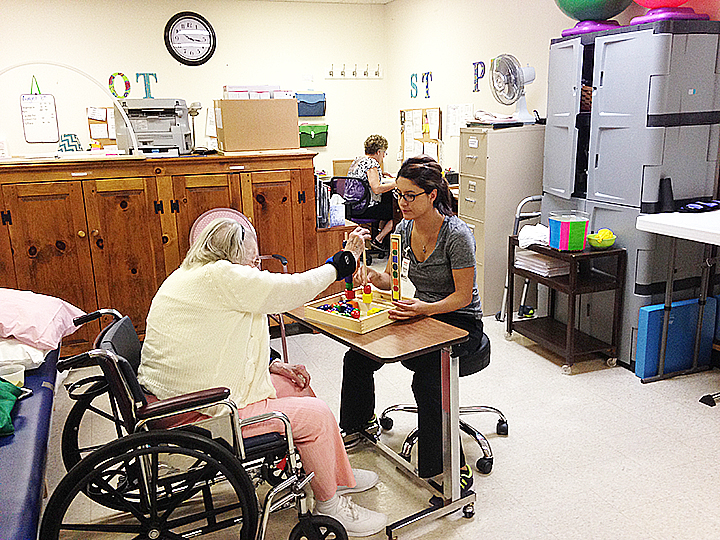
How is Bethany Home Association Staffed?

CMS rates BETHANY HOME ASSOCIATION's staffing level at 4 out of 5 stars, which is above average compared to other nursing homes. Staff turnover is 44%, compared to the Kansas average of 46%. This relatively stable workforce can support continuity of care.

What Have Inspectors Found at Bethany Home Association?

State health inspectors documented 21 deficiencies at BETHANY HOME ASSOCIATION during 2021 to 2025. These included: 1 Immediate Jeopardy (the most serious level, indicating potential for serious harm or death), 19 with potential for harm, and 1 minor or isolated issues. Immediate Jeopardy findings are rare and represent the most serious regulatory concerns. They require immediate corrective action.
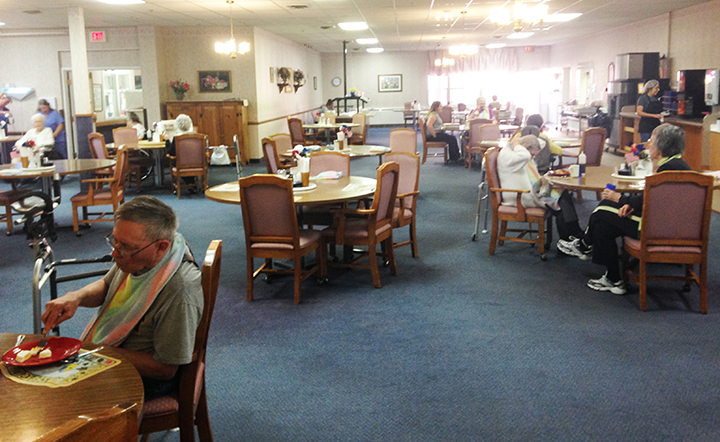
Who Owns and Operates Bethany Home Association?

BETHANY HOME ASSOCIATION is owned by a non-profit organization. Non-profit facilities reinvest revenue into operations rather than distributing to shareholders. The facility operates independently rather than as part of a larger chain. With 85 certified beds and approximately 71 residents (about 84% occupancy), it is a smaller facility located in LINDSBORG, Kansas.
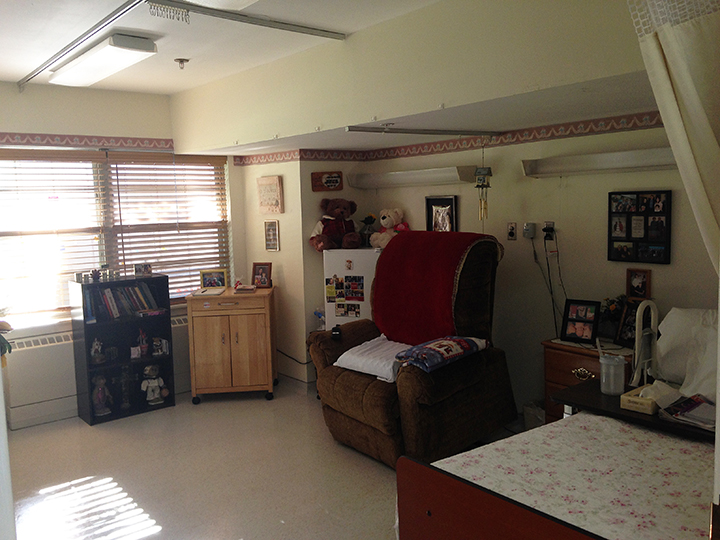
How Does Bethany Home Association Compare to Other Kansas Nursing Homes?

Compared to the 100 nursing homes in Kansas, BETHANY HOME ASSOCIATION's overall rating (3 stars) is above the state average of 2.9, staff turnover (44%) is near the state average of 46%, and health inspection rating (3 stars) is at the national benchmark.

What Should Families Ask When Visiting Bethany Home Association?

Based on this facility's data, families visiting should ask: "What changes have been made since the serious inspection findings, and how are you preventing similar issues?" "Can I visit during a mealtime to observe dining assistance and food quality?" "How do you handle medical emergencies, and what is your hospital transfer rate?" "Can I speak with family members of current residents about their experience?" These questions are particularly relevant given the facility's Immediate Jeopardy citations.

Is Bethany Home Association Safe?

Based on CMS inspection data, BETHANY HOME ASSOCIATION has documented safety concerns. Inspectors have issued 1 Immediate Jeopardy citation (the most serious violation level indicating risk of serious injury or death). The facility has a 3-star overall rating and ranks #1 of 100 nursing homes in Kansas. Families considering this facility should ask detailed questions about what corrective actions have been taken since these incidents.

Do Nurses at Bethany Home Association Stick Around?

BETHANY HOME ASSOCIATION has a staff turnover rate of 44%, which is about average for Kansas nursing homes (state average: 46%). Moderate turnover is common in nursing homes, but families should still ask about staff tenure and how the facility maintains care continuity when employees leave.

Was Bethany Home Association Ever Fined?

BETHANY HOME ASSOCIATION has been fined $8,326 across 1 penalty action. This is below the Kansas average of $33,162. While any fine indicates a compliance issue, fines under $50,000 are relatively common and typically reflect isolated problems that were subsequently corrected. Families should ask what specific issues led to these fines and confirm they've been resolved.

Is Bethany Home Association on Any Federal Watch List?

BETHANY HOME ASSOCIATION is not on any federal watch list. The most significant is the Special Focus Facility (SFF) program, which identifies the bottom 1% of nursing homes nationally based on persistent, serious quality problems. Not being on this list means the facility has avoided the pattern of deficiencies that triggers enhanced federal oversight. This is a positive indicator, though families should still review the facility's inspection history directly.