LOUISBURG HEALTHCARE & REHAB CENTER
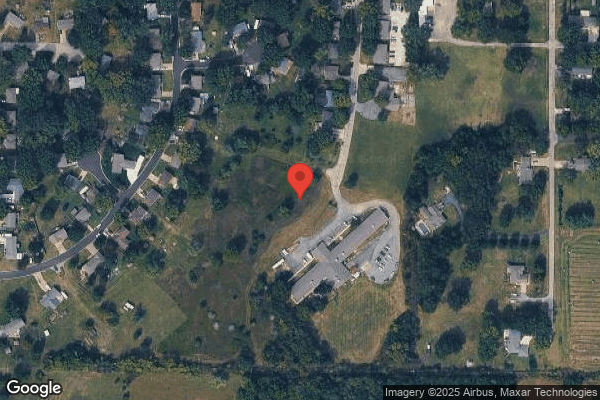
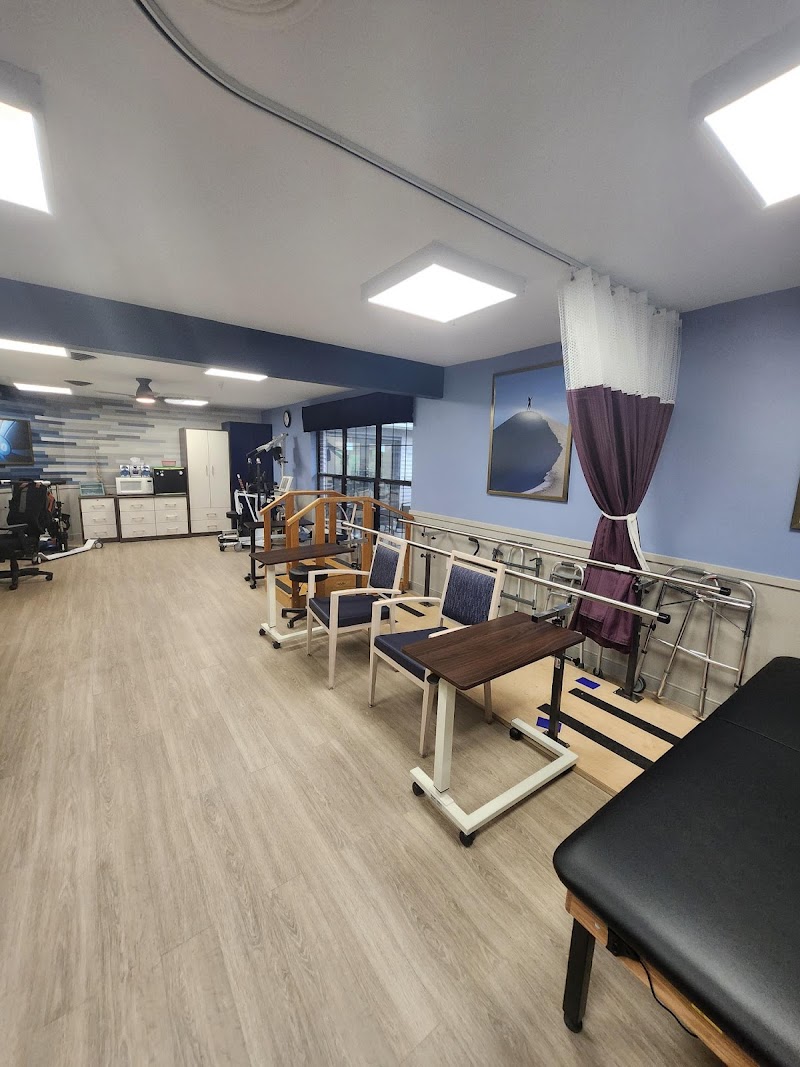
1200 S BROADWAY, LOUISBURG, KS 66053 (913) 837-2916
For profit - Limited Liability company 60 Beds RECOVER-CARE HEALTHCARE Data: November 2025
Trust Grade
53/100
#138 of 295 in KS
Last Inspection: August 2025

Inspected within the last 6 months. Data reflects current conditions.

Overview

Louisburg Healthcare & Rehab Center has received a Trust Grade of C, which indicates they are average compared to other facilities. They rank #138 out of 295 in Kansas, placing them in the top half, and #2 out of 3 in Miami County, meaning there is only one local option rated higher. The facility's trend is stable, as they reported eight issues both in 2023 and 2025. Staffing is a point of strength with a turnover rate of 30%, which is well below the Kansas average of 48%, indicating that staff remain long-term and likely know the residents well. However, there are concerns to consider; they have fines totaling $19,218, which is average but still raises some red flags. The facility also has received multiple inspection findings, including one serious issue where food preparation areas were found unsanitary, risking foodborne illnesses, and another concerning the laundry environment, which was cluttered and potentially contaminated. While there are strengths in staffing stability, families should weigh these concerns when considering care options.

Trust Score
C
53/100
In Kansas
#138/295
Top 46%
Safety Record
Moderate
Needs review
Inspections
Holding Steady
8 → 8 violations
Staff Stability
○ Average
30% turnover. Near Kansas's 48% average. Typical for the industry.
Penalties
✓ Good
$19,218 in fines. Lower than most Kansas facilities. Relatively clean record.
Skilled Nurses
⚠ Watch
Each resident gets only 28 minutes of Registered Nurse (RN) attention daily — below average for Kansas. Fewer RN minutes means fewer trained eyes watching for problems.
Violations
⚠ Watch
24 deficiencies on record. Higher than average. Multiple issues found across inspections.
★★★☆☆
3.0
Overall Rating
★★★☆☆
3.0
Staff Levels
★★☆☆☆
2.0
Care Quality
★★★☆☆
3.0
Inspection Score
Stable
2023: 8 issues
2025: 8 issues

The Good

  • Full Sprinkler Coverage · Fire safety systems throughout facility
  • No fines on record
  • Staff turnover below average (30%)

    18 points below Kansas average of 48%

Facility shows strength in fire safety.

The Bad

3-Star Overall Rating

Near Kansas average (2.9)

Meets federal standards, typical of most facilities

Staff Turnover: 30%

16pts below Kansas avg (46%)

Typical for the industry

Federal Fines: $19,218

Below median ($33,413)

Minor penalties assessed

Chain: RECOVER-CARE HEALTHCARE

Part of a multi-facility chain

Ask about local staffing decisions and management

The Ugly 24 deficiencies on record

1 actual harm
Aug 2025 8 deficiencies
CONCERN (D)

Potential for Harm - no one hurt, but risky conditions existed

Resident Rights (Tag F0550)

Could have caused harm · This affected 1 resident

**NOTE- TERMS IN BRACKETS HAVE BEEN EDITED TO PROTECT CONFIDENTIALITY** The facility reported a census of 54 residents. The sample included 16 residents including one resident reviewed for dignity. Ba...

Read full inspector narrative →
**NOTE- TERMS IN BRACKETS HAVE BEEN EDITED TO PROTECT CONFIDENTIALITY** The facility reported a census of 54 residents. The sample included 16 residents including one resident reviewed for dignity. Based on observation, interview, and record review, the facility failed to show respect and dignity to one Resident (R) 10 when staff left the window-blinds open during cares. This placed the resident at risk for impaired dignity and embarrassment. Findings included:- Review of R10's Electronic Medical Record (EMR) documented a diagnosis of dementia (a progressive mental disorder characterized by failing memory and confusion).R10's admission Minimum Data Set (MDS), dated [DATE], documented the resident had a Brief Interview for Mental Status (BIMS) score of nine, indicating moderately impaired cognition. She was frequently incontinent of bowel and bladder and was dependent on staff for toileting.The Care Area Assessments, dated 05/08/25, lacked analysis of findings.R10's Quarterly MDS, dated 08/08/25, documented that the resident had a BIMS score of three, indicating severe cognitive impairment. She was always incontinent of bowel and bladder and was dependent on staff for toileting.R10's Care Plan, revised 06/11/25, instructed staff that the resident was incontinent of bowel and bladder and wore incontinent products.On 08/25/25 at 08:59 AM, Administrative Nurse F and Certified Nurse Aide (CNA) N entered R10's room to perform peri-care. Staff removed the cover from the resident, unfastened her incontinent brief, and turned her toward the window. The window in the resident's room looked out onto the front parking lot with the window blinds raised approximately 12 inches. Staff GG requested Administrative Nurse F to close the blinds before continuing with the residents' cares.On 08/25/25 at 08:59 AM, Administrative Nurse F stated she should have closed the window blinds before the initiation of the cares.On 08/25/25 at 08:59, CNA N stated she had not thought to close the blinds before the cares were initiated.On 08/26/25 at 08:17 AM, Administrative Nurse E stated it was the expectation for the staff to close the window blinds before doing resident cares.The undated facility policy for Resident Rights included: Residents have the right to be treated with respect and dignity.
CONCERN (D)

Potential for Harm - no one hurt, but risky conditions existed

Comprehensive Assessments (Tag F0636)

Could have caused harm · This affected 1 resident

**NOTE- TERMS IN BRACKETS HAVE BEEN EDITED TO PROTECT CONFIDENTIALITY** The facility reported a census of 54 residents; the sample included 16 residents. Based on observation, interview, and record re...

Read full inspector narrative →
**NOTE- TERMS IN BRACKETS HAVE BEEN EDITED TO PROTECT CONFIDENTIALITY** The facility reported a census of 54 residents; the sample included 16 residents. Based on observation, interview, and record review the facility failed to complete a thorough Minimum Data Set (MDS) for Resident (R)10, when staff did not complete the analysis of findings for the triggered Care Area Assessments (CAA). This placed the resident at risk for impaired care due to unidentified care needs. Findings included:- R10's Electronic Medical Record (EMR) documented a diagnosis of dementia (a progressive mental disorder characterized by failing memory and confusion).R10's admission Minimum Data Set (MDS), dated [DATE], documented the resident had a Brief Interview for Mental Status (BIMS) score of nine, indicating moderately impaired cognition. She was frequently incontinent of bowel and bladder and was dependent on staff for toileting. The Care Area Assessments, dated 05/08/25, lacked analysis of findings. R10's Care Plan, revised 06/11/25, instructed staff the resident was incontinent of bowel and bladder and wore incontinent products. On 08/26/25 at 08:17 AM, Administrative Nurse D stated it is the expectation for staff to thoroughly complete the MDS, including the triggered CAAs. The facility utilized the RAI manual for the accurate and thorough completion of the MDS, including the triggered CAAs.
CONCERN (D)

Potential for Harm - no one hurt, but risky conditions existed

Infection Control (Tag F0880)

Could have caused harm · This affected 1 resident

The facility reported a census of 54 residents; the sample included 16 residents. Based on interviews, record reviews and observation, the facility staff failed to implement adequate Enhanced Barrier ...

Read full inspector narrative →
The facility reported a census of 54 residents; the sample included 16 residents. Based on interviews, record reviews and observation, the facility staff failed to implement adequate Enhanced Barrier Precautions (EBP-infection control interventions designed to reduce transmission of resistant organisms which employ targeted gown and glove use during high contact care) personal protective equipment (PPE- gowns, face shields and/or eyeglasses/goggles, and gloves) for Resident (R) 8 while accessing her gastrostomy tube (G-tube: tube surgically placed through an artificial opening into the stomach) for flushing. The facility failed to ensure a sanitary environment in the laundry area. This deficient practice placed the resident at risk infections related to lack of proper PPE usage and possible contaminated laundry.Findings included:- During an observation on 08/25/2025 at 08:15 AM, the ceiling in clean linen processing room had paint flaking and missing in multiple areas above the resident's clean laundry. The clean linen folding counter was cluttered with items that were not resident clean laundry, that included a staff purse, a laptop, and a desk organizer with pens/pencils/scissors.During an observation on 08/25/25 at 08:30 AM, the dirty laundry washing area was cluttered and backed up with resident linen and clothes in bags that were stacked on the floor that blocked the staff hand-washing sink, the eye-wash station, and the washer laundry-soap refill. Multiple areas of the ceiling had paint chipped and missing, and the wall on the dryer side had multiple areas of chipped and missing paint. During an observation on 08/25/25 at 10:42 AM, Licensed Nurse (LN) G and LN H accessed and flushed R8's G-tube with tap water. LN G and H performed proper hand hygiene before and after the procedure and donned gloves, but neither LN G nor LN H wore a gown as required.R8's electronic health record had an order dated 05/16/25, for EBP of gown and gloves due to a feeding tube for all cares.During an interview on 08/25/25 at 08:40 AM, Administrative Staff A stated that paint flaking and chipping in or around the clean laundry was not appropriate and presented an infection concern and acknowledged that the only items that should be on the clean laundry folding area was clean laundry.During an interview on 08/25/25 at 08:45 AM, Maintenance U stated that he had been unaware of the missing paint on the ceilings and walls in the laundry management areas and acknowledged that it should not have been that way. During an interview on 08/25/25 at 08:47 AM, Housekeeping V stated that one of the washers had been down for repairs and that laundry had been backed up while maintenance was awaiting parts. Housekeeping V further reported that she had been unaware that non-laundry items should not have been on the laundry folding counter.During an interview on 08/25/25 at 11:00 AM, LN H stated that the proper PPE to be worn while accessing a G-tube should have been gown and gloves, and acknowledged that she had only worn gloves while performing the G-tube flushing on R8.During an interview on 08/25/25 at 03:38 PM, Administrative Staff A stated that EBP PPE should have been used on residents that had chronic wounds, any open wounds being treated, had multiple drug-resistant organisms (MDRO-common bacteria that have developed resistance to multiple types of antibiotics), or had any implanted medical devices.During an interview on 08/25/25 at 03:52 PM, Administrative Nurse E stated EBP was utilized for residents who had chronic wounds, any implanted medical devices, or if they had an MDRO.The facility policy Preventive Maintenance Program, dated 10/25/19, documented that the maintenance director would be responsible for developing and maintaining a schedule of maintenance services to ensure that the buildings, grounds, and equipment are maintained in a safe and operable manner.The facility policy Enhanced Barrier Precautions, dated 04/01/24, documented that an order for enhanced barrier precautions will be obtained for residents that had wounds (e.g., chronic wounds such as pressure ulcers, diabetic foot ulcers, unhealed surgical wounds, and chronic venous ulcers) and/or implanted medical devices (e.g., central lines, urinary catheter devices, feeding tubes, tracheostomy/ventilator tubes) even if the resident is not known to be infected or colonized with an MDRO.
CONCERN (E)

Potential for Harm - no one hurt, but risky conditions existed

Deficiency F0552 (Tag F0552)

Could have caused harm · This affected multiple residents

**NOTE- TERMS IN BRACKETS HAVE BEEN EDITED TO PROTECT CONFIDENTIALITY** The facility reported a census of 54 residents; the sample included 16 residents. Based on interview, observation, and record re...

Read full inspector narrative →
**NOTE- TERMS IN BRACKETS HAVE BEEN EDITED TO PROTECT CONFIDENTIALITY** The facility reported a census of 54 residents; the sample included 16 residents. Based on interview, observation, and record review, the facility failed to inform Resident (R) 4, R8, R18, R43 and R49 and/or their representative regarding the risks related to psychotropic (alters mood or thoughts) medications. These practices had the potential to lead to uninformed decisions regarding treatment.Findings included:- Review of the Electronic Health Record (EHR) for R4 included diagnoses of altered mental status (a change in a person's level of consciousness, awareness, and cognitive function), metabolic encephalopathy (a condition in which brain function is disturbed either temporarily or permanently due to different diseases or toxins in the body), cognitive communication deficit (an impairment in organization, sequencing, attention, memory, planning, problem-solving, and safety awareness), and anxiety disorder (mental or emotional reaction characterized by apprehension, uncertainty, and irrational fear). R4’s Admit Minimum Data Set (MDS), dated [DATE], documented a Brief Interview of Mental Status (BIMS) score of 14, indicating intact cognition. The MDS documented that R4 used a walker for mobility; R4 required substantial to maximum assistance for bathing, toileting, and personal hygiene, partial to moderate assistance for eating and upper body dressing, set-up and clean-up assistance for oral hygiene, and was dependent on staff for lower body dressing and putting on shoes. R4’s MDS section for high-risk drug classes documented she used an antidepressant (a class of medications used to treat mood disorders). The Falls Care Area Assessment (CAA), dated 07/07/25, documented R4 had been taking an antidepressant. The Psychotropic Drug Use CAA, dated 07/07/25, documented R4 had been taking an antidepressant. R4's “Medicare-A MDS,” dated 08/06/25, documented a BIMS score of nine, which indicated moderate cognitive impairment. The MDS documented that R4 used a wheelchair or walker for mobility, required set-up and clean-up assistance for eating, and substantial to maximum assistance for all other care and activities of daily living (ADLs). The MDS further documented that R4 used antidepressant medication. R4's Care Plan, dated 05/28/25, documented R4 had been prescribed psychotropic medications and was at risk for complications. An intervention dated 07/15/25 included the administration of ordered medications and for staff to monitor for side effects and effectiveness every shift. R4’s EHR revealed a psychotropic consent signed and dated 05/04/25, listed psychotropic medication types with side effects, but lacked the names of individual medications and prescribed dosages.R4's EHR documented orders, dated 05/25/25, for Buspar (an antidepressant medication) 75 milligrams (mg) in the afternoon, and Cymbalta (an antidepressant medication), delayed release, 60 mg to be given in the afternoon. Observed on 08/26/25 at 09:48 AM, R4 was still in bed sleeping. During an interview on 08/25/25 at 01:00 PM, Administrative Staff A stated that the psychotropic consents had been completed as required by having the type of medication listed on the consent. Administrative Staff A further stated that the resident had been verbally educated about the individual medication, the medication dosage, and why they were prescribed it, but that was not documented. The facility policy for Use of Psychotropic Medications, dated 02/05/25, included: Prior to initiating or increasing a psychotropic medication, the resident and/or resident representative must be informed of the benefits, risks, and alternatives for the medication. The facility shall document that the resident and/or the resident representative was informed in advance of the risks and benefits of the proposed care. - Review of the Electronic Health Record (EHR) for R8 included diagnoses of borderline personality disorder (a disorder characterized by disturbed and unstable interpersonal relationships and self-image along with impulsive, reckless, and often self-destructive behavior), cerebral palsy (a progressive disorder of movement, muscle tone, or posture caused by injury or abnormal development in the immature brain, most often before birth), major depressive disorder (major mood disorder that causes persistent feelings of sadness), anxiety disorder (mental or emotional reaction characterized by apprehension, uncertainty, and irrational fear), cognitive communication deficit (an impairment in organization, sequencing, attention, memory, planning, problem-solving, and safety awareness), insomnia (inability to sleep). R8’s Admit Minimum Data Set (MDS), dated [DATE], documented a Brief Interview for Mental Status (BIMS) score of six, indicating severe cognitive impairment. The MDS documented that R8 used a wheelchair for mobility and required a mechanical lift; R8 required partial to moderate assistance for eating and oral hygiene and was dependent on staff for all other care and activities of daily living (ADL). R8’s MDS section for high-risk drug classes documented she used antipsychotics (a class of medications used to treat major mental conditions that cause a break from reality), antianxiety (a class of medications that calm and relax people), and an antidepressant. The Falls Care Area Assessment (CAA), dated 07/07/25, documented R8 had been taking antianxiety and antidepressant medication. The Psychotropic Drug Use CAA, dated 07/07/25, documented R8 had been taking antipsychotic, antianxiety, and antidepressant medication. R8's “Quarterly MDS,” dated 08/08/25, documented a BIMS of 10 which indicated moderate cognitive impairment. The MDS documented that R8 used a wheelchair for mobility and was dependent on staff for all cares and ADLs. The MDS further documented that R8 used antipsychotic, antianxiety, and antidepressant medication. R8's Care Plan, dated 05/22/25, documented R8 had been prescribed psychotropic medications and was at risk for complications, and R8 had a mood problem related to borderline personality disorder, major depression, and anxiety disorder. As an intervention, staff were to administer medications as prescribed and monitor R8 for side effects and effectiveness. R8's Care Plan, dated 06/17/25, documented R8 experienced trouble sleeping related to placement. Interventions included the administration of medications that promoted sleep for staff to obtain a sleep history and review her current medications that may have interfered with or promoted sleep. R8's Care Plan, dated 06/18/25, documented R8 had impaired thought processes at times and required assistance. Interventions included the administration of medications as ordered, and for staff to monitor and document side effects and effectiveness. R8’s EHR revealed a psychotropic consent signed and dated 05/17/25 that listed psychotropic medication types with side effects but lacked the names of individual medications and prescribed dosages. R8's EHR documented orders, dated 07/18/25, for olanzapine (an antipsychotic medication) 10 mg twice a day, lorazepam (an antianxiety medication) one mg four times a day, fluoxetine (an antidepressant medication) 40 mg in the morning, and temazepam (an insomnia medication) 15 mg at bedtime. Observed on 08/25/25 at 10:35 AM, R8 became anxious and defiant when this surveyor asked to witness facility staff flush her gastrostomy tube (G-tube: tube surgically placed through an artificial opening into the stomach). During an interview on 08/25/25 at 01:00 PM, Administrative Staff A stated that the psychotropic consents had been completed as required by having the type of medication listed on the consent. Administrative Staff A further stated that the resident had been verbally educated about the individual medication, the medication dosage, and why they were prescribed it, but that was not documented. The facility policy for Use of Psychotropic Medications, dated 02/05/25, included: Prior to initiating or increasing a psychotropic medication, the resident and/or resident representative must be informed of the benefits, risks, and alternatives for the medication. The facility shall document that the resident and/or the resident representative was informed in advance of the risks and benefits of the proposed care. - R18’s Electronic Medical Record (EMR) revealed diagnoses, which included schizophrenia (a mental disorder characterized by gross distortion of reality, disturbances of language and communication, and fragmentation of thought) and major depressive disorder (MDD-major mood disorder that causes persistent feelings of sadness). R18’s “Annual Minimum Data Set” (MDS), dated [DATE], documented the resident had a Brief Interview for Mental Status (BIMS) score of 15, indicating intact cognition. He received antipsychotic (medication used to treat psychosis, a major mental disorder characterized by a gross impairment in reality perception) and antidepressant (a medication used to treat symptoms of depression) medications during the assessment period. R18’s “Psychotropic Drug Use Care Area Assessment” (CAA), dated 12/03/24, documented the staff shall monitor the resident for adverse side effects of the medications. R18’s “Quarterly MDS,” dated 06/05/25, documented the resident had a BIMS score of 15. He received antipsychotic and antidepressant medication during the assessment period. R18’s Care Plan, revised 07/11/25, instructed staff to monitor the resident for side effects of his psychotropic medications. R18’s EMR, under “Orders,” included the following physician’s orders: Abilify (an antipsychotic medication), 30 milligrams (mg), by mouth (PO), every hour of sleep (QHS), for a diagnosis of paranoid schizophrenia, ordered 06/10/25. Zoloft (an antidepressant medication), 25 mg, PO, every morning (QAM), for a diagnosis of MDD, ordered 03/24/25. R18’s EMR under “Misc” lacked a thoroughly completed psychotropic consent form. On 08/25/25 at 01:00 PM, Administrative Staff A stated the facility’s psychotropic consent forms are signed by the resident and/or the resident representative. The consent forms only include the classification of the medication, but no other specifics. Administrative Staff A said the facility will verbally explain risks, benefits, dose and name of medication, but they do not document the conversation. The facility policy for Use of Psychotropic Medications, dated 02/05/25, included: Prior to initiating or increasing a psychotropic medication, the resident and/or resident representative must be informed of the benefits, risks, and alternatives for the medication. The facility shall document that the resident and/or the resident representative was informed in advance of the risks and benefits of the proposed care. - Review of the Electronic Health Record (EHR) for R43 included diagnoses of alcohol induced dementia (a progressive mental disorder characterized by failing memory and confusion), alcohol induced psychosis (any major mental disorder characterized by a gross impairment in reality perception), anxiety (mental or emotional reaction characterized by apprehension, uncertainty, and irrational fear), and depression (a mood disorder that causes a persistent feeling of sadness and loss of interest). R43's Annual Minimum Data Set (MDS), dated [DATE], documented a Brief Interview of Mental Status (BIMS) score of 15, indicating intact cognition. R43 had a mood score of 0, indicating no depression, and no behaviors were documented. The MDS section for high-risk drug classes documented she used an antidepressant (a class of medications used to treat mood disorders). The Psychotropic Drug Use Care Area Assessment, dated 01/04/25, documented R43 had been taking an antidepressant. R43's “Quarterly MDS” dated 08/012/25, documented a BIMS score of 15 and mood score of 0. The MDS documented that R43 used antidepressant medication and an antipsychotic (a class of medications used to treat major mental conditions that cause a break from reality). R43’s “Physicians’ Orders” noted an order for Seroquel (an antipsychotic medication) 25 milligrams (mg) at bedtime for depression; ordered on 07/18/25. R43 also took Sertraline (an antidepressant medication) 75mg for depression; ordered on 07/21/25. R43’s EHR revealed a psychotropic consent signed and dated 09/04/24. The psychotropic consent documented R43 took an antidepressant and an antipsychotic medication with side effects for the medication class, but lacked the names of individual medications and prescribed dosages and reason for taking the medications. The consent did not show that R43 was notified of the required information when the dosages were changed or when the Seroquel was discontinued and later restarted. On 08/26/25 at 10:16 AM, R43 laid in bed with the cover up over her head. During an interview on 08/25/25 at 01:00 PM, Administrative Staff A stated that the psychotropic consents had been completed as required by having the type of medication listed on the consent. Administrative Staff A further stated that the resident had been verbally educated about the individual medication, the medication dosage, and why they were prescribed it, but confirmed that it was not documented. The facility policy for Use of Psychotropic Medications, dated 02/05/25, included: Prior to initiating or increasing a psychotropic medication, the resident and/or resident representative must be informed of the benefits, risks, and alternatives for the medication. The facility shall document that the resident and/or the resident representative was informed in advance of the risks and benefits of the proposed care. - Review of the Electronic Health Record (EHR) for R49 included diagnoses of anxiety disorder (mental or emotional reaction characterized by apprehension, uncertainty, and irrational fear) and depression (a mood disorder that causes a persistent feeling of sadness and loss of interest). R49’s Annual Minimum Data Set (MDS), dated [DATE], documented a Brief Interview of Mental Status (BIMS) score of 15, indicating intact cognition. R43 had a mood score of 0, indicating no depression, and no behaviors were documented. The MDS documented R49 took an antidepressant (a class of medications used to treat mood disorders). The Psychotropic Drug Use Care Area Assessment, dated 07/07/25, documented R40 took an antidepressant medication. R49 Care Plan documented R49 was at risk for complications related to taking psychotropic medications; dated 06/05/25. R49 took Trazodone (antidepressant) for depression related to loss of independence and past traumas; dated 06/05/25. R49’s “Physicians’ Orders” noted an order for trazodone (an antidepressant) 100 milligrams (mg) at bedtime for depression; ordered on 03/03/25. R49’s EHR revealed a psychotropic consent signed and dated 07/21/25 that listed psychotropic medication types with side effects, but lacked the names of individual medications and prescribed dosages Observation on 08/26/25 at 10:30 AM, R49 had been sleeping and just got up into his wheelchair. R49 got irritated when asked about his antidepressant medication. He said he did not want to take an antidepressant, but that he was told it would help with his pain. He then stated it is not helping with his pain. During an interview on 08/25/25 at 01:00 PM, Administrative Staff A stated that the psychotropic consents had been completed as required by having the type of medication listed on the consent. Administrative Staff A further stated that the resident had been verbally educated about the individual medication, the medication dosage, and why they were prescribed it, but that was not documented. The facility policy for Use of Psychotropic Medications, dated 02/05/25, included: Prior to initiating or increasing a psychotropic medication, the resident and/or resident representative must be informed of the benefits, risks, and alternatives for the medication. The facility shall document that the resident and/or the resident representative was informed in advance of the risks and benefits of the proposed care.
CONCERN (F)

Potential for Harm - no one hurt, but risky conditions existed

Food Safety (Tag F0812)

Could have caused harm · This affected most or all residents

The facility reported a census of 54 residents, one kitchen and one kitchenette. Based on observation, record review, and interview, the facility failed to prepare and serve food under sanitary condit...

Read full inspector narrative →
The facility reported a census of 54 residents, one kitchen and one kitchenette. Based on observation, record review, and interview, the facility failed to prepare and serve food under sanitary conditions, to prevent the potential for food borne bacteria. This placed the residents at risk of food borne illnesses. Findings included:- During an initial tour of the kitchen on 08/24/25 at 09:23 AM, observation revealed the following areas of concern: 1. One black two-tiered cart utilized to hold milk, juice, clean cups, and other supplies at mealtimes had food debris on both tiers. 2. One three-tiered blue, plastic cart utilized to deliver food to residents at mealtimes had food debris on all tiers. 3. One two-tiered black, plastic cart utilized for holding desserts during mealtimes had several dried-on sticky areas. 4. The inside of a two-doored reach-in refrigerator had a dried-on red liquid on the bottom along with food debris. 5. The inside of a two-doored reach-in refrigerator contained three one-gallon containers of dressings with dried-on dressing around the top and sides of the containers. 6. One prep table had food debris on the bottom shelf. On 08/26/25 at 09:13 AM, Dietary Staff BB confirmed the areas of concern would need to be added to the kitchen's cleaning schedules. The facility did not provide a policy for the cleanliness of the kitchen.
CONCERN (F)

Potential for Harm - no one hurt, but risky conditions existed

Safe Environment (Tag F0921)

Could have caused harm · This affected most or all residents

The facility reported a census of 54 residents; the sample included 16 residents. Based on interviews, record reviews and observation, the facility failed to ensure a safe and sanitary environment in ...

Read full inspector narrative →
The facility reported a census of 54 residents; the sample included 16 residents. Based on interviews, record reviews and observation, the facility failed to ensure a safe and sanitary environment in all areas of the facility including the laundry area. This deficient practice placed the residents at risk for contaminated laundry.Findings included:- During an observation on 08/25/2025 at 08:15 AM, the ceiling in clean linen processing room had paint flaking and missing in multiple areas above the resident's clean laundry. The clean linen folding counter was cluttered with items that were not resident clean laundry, that included a staff purse, a laptop, and a desk organizer with pens/pencils/scissors.During an observation on 08/25/25 at 08:30 AM, the dirty laundry washing area was cluttered and backed up with resident linen and clothes in bags that were stacked on the floor that blocked the staff hand-washing sink, the eye-wash station, and the washer laundry-soap refill. Multiple areas of the ceiling had paint chipped and missing, and the wall on the dryer side had multiple areas of chipped and missing paint. During an interview on 08/25/25 at 08:40 AM, Administrative Staff A stated that paint flaking and chipping in or around the clean laundry was not appropriate and presented an infection concern and acknowledged that the only items that should be on the clean laundry folding area was clean laundry.During an interview on 08/25/25 at 08:45 AM, Maintenance U stated that he had been unaware of the missing paint on the ceilings and walls in the laundry management areas and acknowledged that it should not have been that way. During an interview on 08/25/25 at 08:47 AM, Housekeeping V stated that one of the washers had been down for repairs and that laundry had been backed up while maintenance was awaiting parts. Housekeeping V further reported that she had been unaware that non-laundry items should not have been on the laundry folding counter.The facility policy Preventive Maintenance Program, dated 10/25/19, documented that the maintenance director would be responsible for developing and maintaining a schedule of maintenance services to ensure that the buildings, grounds, and equipment are maintained in a safe and operable manner.
MINOR (C)

Minor Issue - procedural, no safety impact

Staffing Information (Tag F0732)

Minor procedural issue · This affected most or all residents

The facility reported a census of 54 residents. Based on observation, interview, and record review, the facility failed to ensure the posted daily nurse staffing sheets included accurate and identifia...

Read full inspector narrative →
The facility reported a census of 54 residents. Based on observation, interview, and record review, the facility failed to ensure the posted daily nurse staffing sheets included accurate and identifiable information to include the daily licensed and unlicensed staff actual worked hours.Findings included:- Observed on 08/24/25 at 08:15 AM, the facility's posted daily staffing sheet did not list the actual number of hours worked. Also posted were the daily staffing sheets for 08/23/25 and 08/22/25, which also lacked the actual hours worked.Observed on 08/26/25 at 11:09 AM, the actual hours worked were not posted on the daily staffing sheet for 08/26/25. Record review for the month of August 2025 revealed the following daily staffing sheets did not list the actual hours worked: 08/20, 08/19, 08/17, 08/16, 08/12, 08/11, 08/10, 08/05, 08/08, 08/07, 08/06, 08/05, 08/04, 08/03, 08/02, and 08/01.During an interview on 08/26/25 at 08:30 AM, Administrative Staff A stated that if the actual hours worked was the same as the total number of hours worked, she did not rewrite it on the daily staffing sheet.The facility policy Nursing Services and Sufficient Staff, dated 02/05/25, documented that it was facility policy to provide sufficient staff with appropriate competencies and skill sets to assure resident safety and attain or maintain the highest practicable physical, mental, and psychosocial well-being of each resident. The policy further documented that the facility was responsible for submitting timely and accurate staffing data through the CMS Payroll-Based Journal (PBJ) system.
MINOR (C)

Minor Issue - procedural, no safety impact

Staffing Data (Tag F0851)

Minor procedural issue · This affected most or all residents

The facility reported a census of 54 residents. Based on interview and record review, the facility failed to electronically submit complete and accurate staffing information to the Federal regulatory ...

Read full inspector narrative →
The facility reported a census of 54 residents. Based on interview and record review, the facility failed to electronically submit complete and accurate staffing information to the Federal regulatory agency through Payroll-Based Journaling (PBJ) when the facility failed to accurately submit hourly staffing data for all weekend personnel. The facility failed to submit complete and accurate staffing information to the Federal regulatory agency through PBJ when the facility failed to accurately submit hourly staffing data for all weekend personnel.Findings included: - Review of the PBJ Staffing Data Report for Fiscal Year (FY) for Quarter 4 - 2024 (July 1 - September 30), FY Quarter 1-2025 (October 1 - December 31), and FY Quarter 2 - 2025 (January 1 - March 31) the facility failed to have sufficient staffing for the weekends.Review of the Nursing Schedule and Payroll Data Sheets for the weekends of the above months revealed the facility had sufficient weekend staff coverage.During an interview on 08/26/25 at 08:30 AM, Administrative Staff A stated that reported time had not been accurately recorded as it relates to how staff were scheduled to work, and that every staff member has a half-hour automatically deducted from the worked time by corporate for lunch. Administrative Staff A also stated that she ensures that staffing was sufficient for the questioned weekends.The facility policy Nursing Services and Sufficient Staff, dated 02/05/25, documented that it was facility policy to provide sufficient staff with appropriate competencies and skill sets to assure resident safety and attain or maintain the highest practicable physical, mental, and psychosocial well-being of each resident. The policy further documented that the facility was responsible for submitting timely and accurate staffing data through the CMS Payroll-Based Journal (PBJ) system.
Oct 2023 5 deficiencies
CONCERN (D)

Potential for Harm - no one hurt, but risky conditions existed

Deficiency F0688 (Tag F0688)

Could have caused harm · This affected 1 resident

**NOTE- TERMS IN BRACKETS HAVE BEEN EDITED TO PROTECT CONFIDENTIALITY** The facility reported a census of 33 residents with 16 residents selected for review, which included two residents reviewed for ...

Read full inspector narrative →
**NOTE- TERMS IN BRACKETS HAVE BEEN EDITED TO PROTECT CONFIDENTIALITY** The facility reported a census of 33 residents with 16 residents selected for review, which included two residents reviewed for range of motion. Based on observation, interview, and record review, the facility failed to provide consistent restorative services to one Resident (R)6 of the two residents reviewed for range of motion. Findings included: - Review of Resident (R)6's Physician Order Sheet, dated 10/01/23, revealed diagnoses included cerebral vascular accident (stroke-sudden death of brain cells due to lack of oxygen caused by impaired blood flow to the brain by blockage or rupture of an artery to the brain), left hemiplegia (paralysis of one side of the body muscular weakness of one half of the body), dysphagia (swallowing difficulty), diabetes (when the body cannot use glucose, not enough insulin made or the body cannot respond to the insulin), major depressive disorder (major mood disorder), and anxiety (mental or emotional reaction characterized by apprehension, uncertainty and irrational fear). The admission Minimum Data Set (MDS), dated [DATE], assessed the resident with a Brief Interview of Mental Status (BIMS) score of 13, which indicated normal cognitive function. The resident required extensive assistance of two staff for bed mobility, transfer, and toileting and extensive assistance of one staff for dressing and personal hygiene. The resident had impairment in functional range of motion on one side in the upper and lower extremities. The ADL (Activity of Daily Living) Functional/Rehabilitation Potential Care Area Assessment (CAA), dated 07/21/23, assessed the resident required staff assistance for ADL cares and therapy services for increase in functional mobility. The Care Plan, revised 10/25/23, instructed staff that the resident received restorative care for active and passive range of motions to the left lower and upper left extremities. Staff instructed to encourage the resident to attend the morning group exercise program and utilize the home exercise program set up prior to admission. The recommendation from physical therapy included standing in the hallway with the use of a handrail, gait belt, and sling for left upper extremity, and assistance of one staff to shift weight daily as tolerated. Review of the Restorative Nursing Task, from 10/02/23 through 10/30/234 for passive, active assist range of motion to left lower extremities all planes for 10 repetitions in two sets, daily as tolerated, and may use the floor bike revealed staff provided restorative services seven times, with resident refusal twice. Review of the Restorative Nursing Task, from 10/02/23 through 10/30/23 for the morning group exercise with staff, revealed the resident attended this activity 10 times and refused twice. Review of the Restorative Nursing Task, from 10/18/23 through 10/30/23 for ambulation revealed staff provided the service three times. Observation, on 10/25/23 at 09:45 AM, revealed the resident seated in her wheelchair in her room. The resident had a foam protective boot on her left foot. The resident stated she had a stroke that paralyzed her left arm and leg. The resident stated she would like to overcome her disability and return home, and had received therapy, but no longer qualified for it, and staff were to do a restorative therapy. The resident stated she did not consistently receive restorative therapy as the staff had other duties. The resident displayed depressed affect. Observation, on 10/25/23 at 10:00 AM, revealed an exercise group in the common dining room, and the resident did not attend. Observation, on 10/26/23 at 08:55 AM, revealed Certified Nurse Aide (CNA) N and O provided morning care and transferred the resident from her bed to her wheelchair. Observation, on 10/26/23 at 09:30 AM, revealed Licensed Nurse (LN) G, administered the resident her morning dose of insulin prior to the resident eating her breakfast. Observation, on 10/26/23 at 10:00 AM, revealed the resident continued to eat her breakfast. The morning exercise group began at 10:00 AM. Interview, on 10/30/23 at 12:18 PM, with CNA Q, revealed she did provide restorative services to the resident as much as time allowed, but did get pulled from restorative services to provide resident care. Interview, on 10/30/23 at 01:21 PM with LN H, confirmed the restorative CNA got pulled from restorative therapy to provide resident care. Interview, on 10/30/23 at 02:45 PM, with Administrative Nurse D, revealed the facility had plans to train the direct care staff to provide restorative services, and confirmed during the past month, the restorative CNA got pulled from restorative services to provide resident care. The undated facility policy Restorative Nursing Program, instructed staff to provide maintenance and restorative services to residents. The facility failed to provide consistent restorative services to this resident to enhance her physical abilities and sense of wellbeing.
CONCERN (D)

Potential for Harm - no one hurt, but risky conditions existed

Accident Prevention (Tag F0689)

Could have caused harm · This affected 1 resident

**NOTE- TERMS IN BRACKETS HAVE BEEN EDITED TO PROTECT CONFIDENTIALITY** The facility reported a census of 33 residents, with 16 residents sampled, including six residents reviewed for accidents. Based...

Read full inspector narrative →
**NOTE- TERMS IN BRACKETS HAVE BEEN EDITED TO PROTECT CONFIDENTIALITY** The facility reported a census of 33 residents, with 16 residents sampled, including six residents reviewed for accidents. Based on interview, record review, and observation, the facility failed to ensure appropriate interventions initiated for one Resident (R)12, and failed to utilize appropriate interventions to prevent a fall for R 139, which resulted in a non-injury fall when staff failed to utilize a gait belt while toileting the resident. Findings included: - Review of Resident (R)139's electronic medical record (EMR) revealed a diagnosis of dementia (progressive mental disorder characterized by failing memory, confusion). The Five-day Minimum Data Set (MDS), dated [DATE], documented the resident admitted to the facility on [DATE] from an acute care hospital. His Brief Interview for Mental Status (BIMS) score was six, which indicated severe cognitive impairment. He required extensive assistance of two staff for toileting and transfers and required limited assistance of two staff for ambulation. His balance was not steady, and he was only able to stabilize with staff assistance. He used a walker and a wheelchair. He had one non-injury fall since admission to the facility and had one fall in month prior to admission which resulted in a fracture. He had a recent orthopedic surgery which required skilled nursing care. The Discharge MDS, dated 09/20/23, documented the resident discharged to the hospital with his return anticipated. The falls care plan, dated 09/18/23, instructed staff the resident was at risk for falls. Staff were to utilize a gait belt while transferring and ambulating with the resident. Review of the resident's EMR revealed a fall assessment on 09/18/23, which placed the resident at a high risk for falls. Review of a Fall Report, dated 09/18/23, provided by the facility, included: At 05:37 PM, Certified Nurse Aide (CNA) M assisted the resident to the toilet in his bathroom. When CNA M assisted the resident up from the toilet, he lost his balance and fell to the floor. CNA M had not utilized a gait belt while toileting the resident. The resident did not receive an injury during the fall. On 10/30/23 at 02:12 PM, Administrative Nurse D stated the CNA had not used a gait belt at the time of the resident's fall. It was the expectation of the facility for staff to use gait belts while ambulating with residents. The facility policy for Accidents and Supervision, undated, included: Each resident shall receive adequate supervision and assistive devices to prevent accidents. The facility failed to utilize a gait belt while caring for this dependent resident which led to a non-injury fall. - Review of Resident (R)12's Physician Order Sheet, dated 10/01/23, revealed diagnoses included cerebral vascular disease (impaired blood flow to the brain), diabetes (when the body cannot use glucose, not enough insulin made, or the body cannot respond to the insulin), and generalized anxiety (mental or emotional reaction characterized by apprehension, uncertainty, and irrational fear). The admission Minimum Data Set (MDS), dated [DATE], assessed the resident with a Brief Interview for Mental Status (BIMS) score of 14, indicating intact cognition. The resident was occasionally incontinent of urine and required limited assistance of one person for transfer and toileting. The Falls Care Area Assessment (CAA), dated 06/19/23, assessed the resident required staff anticipation of the resident's care needs to prevent the resident from performing activities of daily living without staff assistance. Staff were to provide opportunities to participate in the resident's care to promote independence. The Urinary Incontinence and Indwelling Catheter Care Area Assessment (CAA), dated 06/19/23, instructed staff to provide incontinence cares as needed to minimize the risks of incontinence . The Quarterly MDS, dated 09/19/23 assessed the resident with a BIMS of 13. The resident required extensive assistance of two person for transfers and toileting use. The resident's balance was not steady. The resident was frequently incontinent of urine. The Care Plan, reviewed 10/17/23, instructed staff the resident had a toileting schedule to offer/encourage toileting when getting out of bed, before/after meals, and before bed. Times listed as 07:00 AM-09:00 AM, 11:00 AM-01:00 PM, 05:00 PM-07:00 PM, and 08:00 PM-10:00 PM. The resident had an overall decline and required extensive assistance with cares. An entry dated 06/28/23 instructed staff the resident used a urinal and to monitor for need to empty. Review of the Fall Investigations for falls that occurred on 07/15/23, 07/23/23, 07/27/23 and 08/10/23, all involved the resident toileting with the intervention for the fall on 08/10/23 to develop and follow a toileting plan. Observation, on 10/26/23 at 11:39 AM, revealed the resident positioned in his bed. The resident's bed was in a raised position (not in the lowest position) as the resident had the bed control in his hand. The resident responded appropriately to verbal cues. Certified Nurse Aide CNA N and O checked the resident's brief and found the brief to be dry (unsoiled). CNA N and O did not offer a toileting opportunity at that time and transferred the resident from his bed to the wheelchair with a full body mechanical lift. CNA N stated the resident did not use a urinal as he frequently spilled it in the past, and now staff checked and changed the resident due to his decline and admission to hospice. Interview, on 10/30/23 at 02:45 PM, with Administrative Nurse D, confirmed the resident was on a toileting plan after a fall in August 2023, when she determined the previous falls involved toileting. Administrative Nurse D stated she would expect staff to provide toileting opportunities to the resident before/after meals as an intervention for fall prevention. The facility policy Accidents and Supervision, revised 2017, instructed staff to implement specific interventions to reduce the resident's risk from hazards. The facility failed to offer this resident with multiple falls a toileting opportunity as care planned, to reduce the risk of falls.
CONCERN (E)

Potential for Harm - no one hurt, but risky conditions existed

Deficiency F0883 (Tag F0883)

Could have caused harm · This affected multiple residents

**NOTE- TERMS IN BRACKETS HAVE BEEN EDITED TO PROTECT CONFIDENTIALITY** The facility reported a census of 33 residents. Based on interview and record review, the facility failed to provide residents o...

Read full inspector narrative →
**NOTE- TERMS IN BRACKETS HAVE BEEN EDITED TO PROTECT CONFIDENTIALITY** The facility reported a census of 33 residents. Based on interview and record review, the facility failed to provide residents opportunities to change their declinations for the influenza/pneumococcal vaccine. Findings included: - Review of Resident (R) 23's electronic medical record Immunization task revealed consent refused for influenza pneumonia and COVID. A COVID declination was signed by the resident on 10/27/22. A declination for pneumococcal and influenza vaccine was signed by the resident on 11/04/21. Review of the Annual Minimum Data Set (MDS) dated [DATE], indicated the resident had a Brief Interview for Mental Status (BIMS) score of 08, that indicated moderately impaired cognition. Review of R 15's electronic medical record, under the Immunization tab contained undated entries which revealed the resident declined the pneumococcal vaccination once and the influenza vaccine three times. A pneumococcal vaccination declination was signed by the resident on 07/29/22. The resident signed an agreement for the influenza vaccination on 09/11/20. No signed influenza declinations were found for the influenza vaccine. Review of R13's electronic medical record, under the Immunization tab contained two undated entries that the resident declined the influenza immunization and one undated entry that the resident declined the pneumococcal vaccine. Further review of the electronic medical record revealed the resident signed the pneumococcal declination dated 11/04/21. The resident agreed to the influenza vaccine dated 11/04/21. The medical record lacked declinations for the influenza vaccine. Review of R3's electronic medical record, under the Immunization tab revealed an undated entry for pneumovax vaccine as refused. Further review of the medical record revealed the resident's responsible party verbally declined the pneumococcal vaccine dated 12/10/21. Interview, on 10/30/23 at 02:45 PM, with Administrative Nurse E, confirmed the above and stated she would conduct an audit of the charts. Administrative Nurse E stated the facility administered influenza and pneumococcal vaccines on 09/28/23. The last COVID clinic was 06/23/23. The facility's policy for Infection Prevention and Control Program dated 05/11/23, instructed staff to offer the influenza vaccine annually and the pneumococcal vaccine upon admission and offer residents the opportunity to refuse the immunization and document the education provided and details regarding whether the resident received the immunizations. The facility failed to provide residents opportunities to change their influenza and pneumococcal vaccination declination status as required.
CONCERN (E)

Potential for Harm - no one hurt, but risky conditions existed

Deficiency F0887 (Tag F0887)

Could have caused harm · This affected multiple residents

The facility reported a census of 33 residents. Based on interview and record review, the facility failed to provide residents opportunities to change their declinations for the COVID vaccination. Fi...

Read full inspector narrative →
The facility reported a census of 33 residents. Based on interview and record review, the facility failed to provide residents opportunities to change their declinations for the COVID vaccination. Findings included: - Review of Resident (R)23's electronic medical record, under the Immunization task tab, revealed an entry consent refused for the COVID vaccination with the entry undated. A COVID declination was signed by the resident on 10/27/22. Review of R15's electronic medical record, under the Immunization tab contained an undated entry which revealed the resident declined the COVID vaccination. Further review of the medical record revealed a signed Covid declination undated, and three signed declinations dated 06/02/21, 05/04/21, and 12/23/21. Review of R13's electronic medical record, under the Immunization tab contained an undated entry that the resident declined the COVID vaccine. Further review of the electronic medical record revealed the resident signed a COVID declination dated 12/17/21 and 10/10/22. Interview, on 10/30/23 at 02:45 PM, with Administrative Nurse E, confirmed the above and stated she would conduct an audit of the charts. The last COVID vaccine clinic was conducted on 06/23/23. Administrative Nurse E stated the local pharmacy had difficulty getting the newest booster. The facility policy Infection Prevention and Control Program dated 05/11/23, instructed staff to offer the COVID-19 vaccine when available so the residents could accept or refuse the vaccine and change their decisions based on current guidance. The facility failed to provide residents opportunities to change their COVID vaccination declination status as required.
CONCERN (F)

Potential for Harm - no one hurt, but risky conditions existed

Food Safety (Tag F0812)

Could have caused harm · This affected most or all residents

The facility reported a census of 33 residents. Based on observation, record review, and interview, the facility failed to prepare and serve food under sanitary conditions, to the residents of the fac...

Read full inspector narrative →
The facility reported a census of 33 residents. Based on observation, record review, and interview, the facility failed to prepare and serve food under sanitary conditions, to the residents of the facility appropriately to prevent the potential for food borne bacteria. Findings included: - During an initial tour of the kitchen on 10/25/23 at 11:31 AM, the following areas of concerns identified: 1. The stationary can opener had a dried-on, sticky substance on the tip. 2. A half-gallon of sour cream in the reach-in refrigerator was undated. 3. Two reach-in refrigerators had food debris on the bottom. 4. There were two half-gallon jugs of apple juice stored directly on the floor of the dry storage room, without a barrier. 5. A three-gallon box of grape juice and a three-gallon box of cranberry juice for the juice machine stored directly on the kitchen floor, without a barrier. 6. Four pans stored on a shelf beneath one prep table had food debris in the lip of the pans. 7. Two food scales, used to weigh food, had a layer of a dust type substance. 8. The shelf over the range contained a build-up of a dusty food debris. 9. A shelf under a food prep table held cookie sheets which contained food debris. 10. The grate of the juice machine lacked the protective coating on multiple areas of the grate. 11. The inside of the microwave had dried-on food. On 10/30/23 at 01:01 PM, Administrative staff A stated the facility did not currently have a Certified Dietary Manger (CDM). They were actively looking to hire a CDM. Administrative staff A stated the above areas would be taken care of. The Cleaning and Sanitation of Dining and Food Services Areas, dated 2017, included: The nutrition and food services staff will maintain the cleanliness and sanitation of the dining and food service areas through compliance with a written, comprehensive cleaning schedule. The facility failed to prepare and serve food under sanitary conditions for the residents of the facility appropriately to prevent the potential for food borne bacterial.
Jul 2023 3 deficiencies
CONCERN (F) 📢 Someone Reported This

A family member, employee, or ombudsman was alarmed enough to file a formal complaint

Potential for Harm - no one hurt, but risky conditions existed

Safe Environment (Tag F0584)

Could have caused harm · This affected most or all residents

The facility reported a census of 32 residents. Based on observation, interview, and record review, the facility failed to provide necessary housekeeping and maintenance services to maintain a sanitar...

Read full inspector narrative →
The facility reported a census of 32 residents. Based on observation, interview, and record review, the facility failed to provide necessary housekeeping and maintenance services to maintain a sanitary, orderly, and comfortable interior in resident areas that included the dining room, resident hallways, and resident rooms. This failure affected all the residents that resided in the facility. Findings included: - An environmental tour of the facility, on 07/10/23 at 04:00 PM, and an extended tour of the facility on 07/11/23 at 01:45 PM, with Maintenance staff U revealed the following areas of concern: The front lobby and 100 hall included 12 resident rooms, a shower room and a beauty shop closed off and in a remodel mode due to a major water break/flooding that previously occurred on that hallway and side of the facility. Construction/remodel was evident in various areas of the lobby and resident areas. The facility identified the water break of the sprinkler system occurred on December 22, 2022, over 6 months previously. The 200 hall had the following areas of concern: 1. The fire doors from the nurses' station area had large areas that lacked paint. 2. A resident room that lacked paint across the lower edge of the entrance door frame. 3. A resident room wall had two areas that lacked paint that measured approximately four inches in length and another that measured approximately 14 inches in length. The wall by the shower door had approximately 16 inches of scrapes that lacked paint. 4. A shared resident's bathroom had both doors that lacked paint on the door. The floor at the toilet base had a rusty brown color and lacked caulking around the base, which left a gap between the floor and the toilet. In addition, the floor had linoleum with dark brown permanent type discoloration. Furthermore, the sink had a dark brown, dull discoloration and a dark brown ring that surrounded the drainage pipe. 5. A shared resident's bathroom had dark brown rings between the toilet base and the floor. The toilet base lacked caulking. In addition, there were six holes in the wall tile and each hole measured approximately one/fourth inches diameter. Furthermore, the floor covering had open cracks near the door. 6. A resident's room had floor tile that pulled away from the floor. In addition, the bedroom wall lacked paint that measured approximately one-half inch diameter. 7. A resident's bedroom door had gouges that exposed the raw wood. The bedroom wall had missing paint areas along the wall where the resident's television was. 8. A resident's room had numerous large gouges in the wall that exposed the sheet rock underneath. The wall by the bathroom also had areas that lacked paint. The resident's shower was a private shower and lacked a shower head. The air conditioning unit lacked a cover. 9. A resident's bedroom door frame had large areas of missing paint. 10. A resident's bedroom door lacked numerous areas that lacked a protective finish. 11. A resident's bedroom wall had areas of mismatched paint. 12. A resident's entrance door lacked areas of a protective finish. In addition, there was an area that lacked a finish board on top of the panel that exposed the raw wood. Furthermore, the bathroom had worn linoleum that appeared to have a permanent brown discoloration to it. 13. A resident's room had a wooden panel along the wall. This panel had a hole that measured approximately one-half inch. 14. A resident's bedroom had numerous gouges in the walls that exposed sheet rock. 15. A resident's toilet had areas of missing caulking from the toilet base to the floor. 16. The entire length on both sides of the hall corridors at the height of the handrails lacked any type of finish. The lack of finish exposed areas of raw sheetrock. Maintenance staff U identified the area where wooden trim board had been dyed. 17. The entire length of the hall corridors where the ceilings met the walls were white and lighter in coloration. Unable to determine if this lighter color was a different color of paint, raw sheet rock exposure, or sheet rock compound. 18. The hall corridors had numerous areas of cracks in the walls. 19. The hall corridors above the resident doors had an area of white sheetrock compound and lacked paint. 20. A community shower room door had numerous areas of missing paint. 21. The housekeeping door had numerous areas of missing paint. 22. Two clean linen doors lacked paint. 23. The vent on the ceiling in the hall corridor had discolored stains around the vent. 24. The air vents on the ceiling in the hall corridor had a build-up layer of dust. 25. The carpet had numerous worn spots. There were over 93 carpet stains down the corridor and measured from approximately the size of a quarter to an approximate 3 feet diameter stains. 26. The corner of the wall in the resident hallway near the crash cart stored, lacked sheet rock compound and the metal corner strip exposed. 27. A shared resident room had a strong urine odor that lingered on both days of the complaint survey on 07/10/23 and 07/11/23. The dining room had numerous areas above the cove base that lacked paint as well as over 30 areas on the walls at approximately chair level height that lacked paint. Review of a design company, dated 11/04/2022 (before the sprinkler flood), revealed a plan, without bid/costs for demolition plan, design plan, interior elevation plan, wall finish plan, floor finish plan, furniture plan, interior detail, and interior finish notes. The facility was able to provide one proposal, dated 05/08/23, for Phase 11- all the other res.[resident] rooms, corridors, lobby and offices. The proposal was valid until 08/08/23. On 7/10/23 at 02:32 PM, Administrative staff B, reported the carpets in the resident hallway was dirty, and staff attempted to shampoo the carpets, but they were uncleanable. The facility was supposed to get a remodel, but it's a long waiting period. On 07/10/23 at 03:22 PM, Resident (R)1 reported he resided on the other hallway until his room flooded. He was aware of the dirty and stained hallway carpet but did not really pay attention to the hallway walls, because that's the way it always looked. On 7/10/23 at 3:33 PM, R2 reported the hallways were not clean. The hallway carpets were horribly and terrible and the hallways were filthy. Housekeeping staff may vacuum maybe three times a week, but those carpets are in dire need of work. Carpet can't be that expensive anymore. On 07/10/23 at 04:14 PM, Administrative staff A reported the facility had insurance issues. Our crew consists of one maintenance person and 1 transportation person that had been working on the 100 hall when they were able. The original plan was to repair/remodel the 100 hall, front area, then move to the 200 hall where residents resided. The longer it has drug on, the less she was aware of the time frames for starting/completing the remodel. Staff A worked in the facility since 2021, and the walls had not changed. The facility was unable to do major things or maintenance without corporate approval. The facility had not hired any outside contractors to help with the renovation. On 07/11/23 at 09:12 AM, Licensed Nurse (LN) G reported she worked at the facility for over a year and a half. The 100 resident hallway walls and the stained worn carpet have been the same way since she started. On 07/11/23 at 11:23 AM, a complainant (who wished to remain anonymous) reported by phone that the facility needed to be cleaned Badly. The complainant reported the environment was always dirty looking. On 07/11/23 at 02:00 PM, Maintenance staff U verified the above concerns. He started in February 2023 and reported he has been busy keeping up with the regular maintenance. The hallway carpet was in disrepair, worn and stained since he started working at the facility. He was told insurance has to come through before we can start remodeling. Remodels are on hold on the closed hall (100 hall, front lobby and rooms throughout the 100 hall) right now because of insurance issues. He was unable to purchase paints until corporation would approve it for the damaged 200 hall. The hallway walls have been in the same disrepair since he started and he was told to leave that alone. The facility's policy for Preventative Maintenance Program dated 10/25/19, revealed a preventative maintenance program shall be developed and implemented to ensure the provision of a safe, functional, sanitary, and comfortable environment for residents, staff, and the public. The facility failed to provide necessary housekeeping and maintenance services to maintain a sanitary, orderly, and comfortable interior in resident areas that included the dining room, resident hallways, and resident rooms. This failure affected all the residents that resided in the facility.
CONCERN (F) 📢 Someone Reported This

A family member, employee, or ombudsman was alarmed enough to file a formal complaint

Potential for Harm - no one hurt, but risky conditions existed

Accident Prevention (Tag F0689)

Could have caused harm · This affected most or all residents

The facility reported a census of 32 residents. Based on observation, interview and record review, the facility failed to ensure the residents environment remained as free of accident hazards as possi...

Read full inspector narrative →
The facility reported a census of 32 residents. Based on observation, interview and record review, the facility failed to ensure the residents environment remained as free of accident hazards as possible related to a resident's transfer pole, sharp jagged edges on bedroom doors, hallway carpet pulled away from the threshold strip in occupied resident doorways, and bubbled tile near an ambulatory resident's dresser. Findings included: - An environmental tour on 07/10/23 at 04:00 PM with Maintenance Staff U, revealed the following areas of accident hazardous concerns: 1. Four occupied resident room entry ways had carpet which pulled away from the threshold, that created a possible trip accident hazard for those four residents. 2. Several resident bedroom entry doors had broken laminate across the lower section of the doors. The laminate had loose areas that had been pulled away from the broken laminate, that created sharp, jagged edges, creating possible accident hazards to residents' arms that used a wheelchair for mobility, and with broken, jagged edges that had the potential to create sharp accident hazards for any passing residents' legs. One of the laminate coverings had loosened vertically so that the laminate was extremely loose. 3. A resident's transfer pole that went from the ceiling to the floor broke thru the ceiling sheet rock. The transfer pole was currently being used by a resident. Maintenance staff U reported that when the transfer pole was positioned, staff failed to place the transfer pole on a ceiling stud to secure it and it went through the ceiling. This failure placed the resident at risk for an accident when transferring to/from his bed to wheelchair with the transfer pole being very loose and not steady when pulled on. 4. A resident's room had a floor tile near his built-in dresser that lay warped and bubbled. This resident was ambulatory and used an ambulatory device, which created a trip hazard for the resident. 5. A shared resident bathroom had several areas with part of the non-skid strip/strips worn away. 6. A resident's bedroom had two areas of worn anti-skid strips. There were missing areas on each of the set of strips. On 07/10/23 at 03:22 PM, Resident (R)1 reported he resided on the other hallway until his room flooded. He reported the ceiling had been a problem for a while and the part of the transfer pole went through the ceiling since staff moved the transfer pole into his current room. On 07/10/23 at 4:00 PM, Maintenance staff U reported he was aware of the broken door laminates, worn anti-skid strips, carpet pulled away from the threshold and bubbled floor tile. He was not made aware the transfer pole broke through into the sheetrock from the ceiling because no one told him about it and apparently no one looks up at the ceiling. The facility's policy for Preventative Maintenance Program dated 10/25/19, revealed a preventative maintenance program shall be developed and implemented to ensure the provision of a safe, functional, sanitary, and comfortable environment for residents, staff, and the public. The facility failed to ensure all of the facility 32 residents environment remained as free of accident hazards as possible to prevent injury from; a loose transfer pole, multiple sharp jagged laminate edges on multiple resident bedroom doors, from the hallway carpet that pulled away from the threshold strips in occupied resident doorways, and a bubbled tile near an ambulatory resident's dresser.
CONCERN (F) 📢 Someone Reported This

A family member, employee, or ombudsman was alarmed enough to file a formal complaint

Potential for Harm - no one hurt, but risky conditions existed

QAPI Program (Tag F0867)

Could have caused harm · This affected most or all residents

The facility reported a census of 32 residents. Based on observation, interview and record review, the facility QA (Quality Assurance) program failed to develop and implement appropriate and effective...

Read full inspector narrative →
The facility reported a census of 32 residents. Based on observation, interview and record review, the facility QA (Quality Assurance) program failed to develop and implement appropriate and effective action plans to timely correct infractions of the residents' multiple environment and accident hazards, for the residents of the facility. Findings included: - Interview, on 07/11/23 at 12:59 PM, Administrative staff A, revealed the Quality Assurance and Performance Improvement QAPI) committee met monthly to identify infractions and to develop performance improvement plans. However, the facility continued with multiple areas in the residents' environment in need of repair or housekeeping, since at least December 22, 2022, over 6 months, when one resident hallway experienced flood from broken water pipes. The facility also continued with multiple areas of accident hazards to the residents of the facility. Refer to F584, the facility failed to provide necessary housekeeping and timely maintenance services to maintain a sanitary, orderly, and comfortable interior in resident areas that included the dining room, resident hallways, and resident rooms, for the residents of the facility. Refer to F689, the facility failed to ensure the residents environment remained as free of accident hazards as possible regarding a resident's loose transfer pole, multiple sharp jagged laminate edges on residents' bedroom doors, the hallway carpet that pulled away from the threshold strip in occupied resident doorways, and a bubbled tile near an ambulatory resident's dresser. The facility did not provide a policy related to QA. The facility QA (Quality Assurance) program failed to develop and implement appropriate and effective action plans to timely correct infractions of the residents' multiple environment and accident hazards, for the residents of the facility.
Jan 2022 8 deficiencies 1 Harm
SERIOUS (G)

Actual Harm - a resident was hurt due to facility failures

Accident Prevention (Tag F0689)

A resident was harmed · This affected 1 resident

**NOTE- TERMS IN BRACKETS HAVE BEEN EDITED TO PROTECT CONFIDENTIALITY** - Review of Resident (R) 15's Physician Order Sheet, dated 05/14/2021 revealed diagnoses included unspecified dementia (progress...

Read full inspector narrative →
**NOTE- TERMS IN BRACKETS HAVE BEEN EDITED TO PROTECT CONFIDENTIALITY** - Review of Resident (R) 15's Physician Order Sheet, dated 05/14/2021 revealed diagnoses included unspecified dementia (progressive mental disorder characterized by failing memory, confusion), without behavioral disturbance, difficulty in walking, muscle weakness, spondylosis (a painful condition of the spine resulting from degeneration of the intervertebral disks), thoracic region (a part of the body between the neck and the abdomen), cervical region (a part of the body relating to the neck), osteoarthritis (degenerative changes to one or may joints characterized by swelling and pain), need for assistance with personal care, diabetes type 2 (when the body cannot use glucose, not enough insulin made or the body cannot respond to the insulin), unspecified signs and symptoms involving cognitive (a mental action or process of acquiring knowledge and understanding through though, experience, and the senses), functions and awareness, insomnia (inability to sleep), and unspecified injury of the head. The Quarterly Minimum Data Set (MDS), dated [DATE], assessed the resident required extensive assist of three to transfer, toilet, for bed mobility, personal hygiene, transfers, dressing and locomotion on and off the unit. She had five falls since admission at the time of Quarterly Assessment. Her Brief Interview for Mental Status (BIMS) scored her at a one, that revealed severe cognitively impairment. The Falls Care Area Assessment (CAA), dated 05/20/21, assessed the resident with balance problems during transition and the resident required assistance of two for transfers, bed mobility and for standing from a sitting position. The CAA indicated that the resident had a history of falls prior to admission in the past two to six months. The Care Plan, dated 12/07/2021, instructed staff to assist with transfers, mobility, bed mobility, walking/ambulation, and toileting with an assist of one person. The resident identified as a fall risk related to impaired mobility, confusion and unaware of safety needs. The facility failed to implement fall interventions for unwitnessed falls when the resident was found down on the floor on 10/22/2021, 12/05/2021, 12/12/2021, 12/13/2021, and 01/01/2022. Review of the Fall Scene Investigation Report, dated 10/17/21 at 08:41 AM, documented the resident had a witnessed fall and she slid out of her wheelchair to the floor. After the fall on 10/17/2021 at 08:41 AM, an intervention instructed staff to allow the resident freedom to change position/planes independently while monitoring for safety. Review of the Fall Scene Investigation Report, dated 10/17/21 at 08:00 PM, documented resident was witnessed crawling on her hands and knees across her room and getting into the empty bed in her room. The report stated that the bed alarm was functioning, but the tone was so low that with normal noise on the unit it was not audible unless in the resident's room. The report lacked documentation of how the resident got to the floor to crawl prior to be witnessed crawling. After the fall on 10/17/2021 at 08:00 PM, an intervention instructed staff that the resident would intentionally crawl on her hands and knees in her room. A review of Nurses Notes in the electronic medical record (EMR), under the progress notes, indicated that the resident had been found sitting on her floor mat next to the bed on 10/22/21 at 05:53 PM by a direct care staff. In the note, when asked what happened, she stated I scooted. An Interdisciplinary team (IDT) note dated 10/25/21, located in the EMR under IDT note, indicated that the IDT team reviewed the fall that occurred on 10/22/21 and documented the incident as a change in plane by the resident. The IDT note was completed by Administrative Nurse D. A Review of Nurses Notes located in the progress notes of the EMR, indicated that the resident was found on the floor on 12/5/21, 12/12/21, 12/13/21, 1/1/22. A Fall scene investigation report was not completed for these dates and the Care Plan was not updated with an intervention. Details of being found on the floor on the above dates as follows. 1) On 12/5/21 (unwitnessed fall) in the EMR, progress notes dated 12/05/2021 at 07:43 PM, documented staff found the resident on the floor in the commons area. 2) On 12/12/21 (unwitnessed fall) in the EMR, progress notes dated 12/12/2021 at 04:03 PM, documented the resident had slid herself out of the wheelchair in the dining room while watching tv with several people were around. The report did not document if the people with her were residents or staff members, and a fall investigation report was not completed. 3) On 12/13/2021 (unwitnessed fall) in the EMR, progress notes, dated 12/13/2021 at 07:56 PM, documented that staff had found the resident on the floor in the resident's room. 4) On 1/1/2022 (unwitnessed fall) in the EMR, progress notes, dated 1/1/2022 at 02:54 PM documented staff found the resident on the floor in another resident's room. It also documented that the resident had just been pulled up in the chair. Interview with Administrative Nurse D, on 01/04/2021, at 10:00 AM, stated the wording of the progress note is incorrect because the resident slid out of the wheelchair. Administrative Nurse D stated she spoke to the nurse that completed the progress note and said the wording would be updated by the nurse. She stated that the resident is care planned to allow herself to slide out. Morse Fall Assessments, a method of assessing a patient's likelihood of falling, completed on the following dates place the resident at a high risk for falls based on a score range of 55-75 as a high risk for falls. Morse Fall Scoring range is High Risk for a score of 45 and higher The dates of the falls assessments completed on 9/27/21, 9/29/21, 9/30/21, 10/11/21, 10/17/21, 10/18/21, 10/22/21, 10/26/21, 11/2/21, 11/10/21 Observation on 12/29/2021 at 10:08 AM, revealed Certified Nurse Aide (CNA) N, transferred the resident from the toilet to her wheelchair. The resident wore shoes on both her feet and bore full weight on both feet. The resident held the handrail and followed staff instructions and turn slowly and pivoted to the wheelchair and sat down. Interview on 01/03/22 at 10:08 AM with CNA N, revealed the resident does not use the call light. She stated the resident started propelling with it attached to her clothing and pulled the cord from the wall attachment. Interview on 01/04/22 at 12:35 AM with CNA NN, revealed when a resident fell, the charge nurse on the hall was notified immediately. The CNA should obtain vitals (blood pressure, pulse, respiration, and temperature) and should check for skin tears. She stated that the nurses filled out paperwork. Interview on 01/04/22 at 12:05 PM with Licensed Practical Nurse (LPN) G, revealed the resident cannot communicate her needs and has had a few falls. She likes to propel herself in the wheelchair down the hall and has been found in another resident's room and is then redirected back down the hall towards her room. The facility policy Accidents and Supervision, undated, instructed staff to document interventions based on results of the evaluation and analysis of information about hazards and risks and to use specific interventions to try to reduce a resident's risks from hazards in the environment. The facility failed to implement fall interventions for unwitnessed falls when the resident was found down on the floor on 10/22/2021, 12/5/2021, 12/12/2021, 12/13/2021, and 01/01/2022, to ensure the resident was as safe as possible from further falls. The facility reported a census of 39 residents, with 15 residents sampled, including four residents reviewed for accidents. Based on interview, record review, and observation, the facility failed to ensure appropriate interventions were initiated for three Residents (R)135, R 7 and R 15, following falls. R135 with a history of falls without interventions experienced a fall with a head laceration (wound to the skin) requiring approximately 20 staples to close. In addition, the facility failed to ensure resident living areas remained free from environmental hazards in one resident room and failed to ensure one resident room door panel did not have exposed sharp edges. Findings included: - The Physician Order Sheet (POS), dated 07/21/21, documented Resident (R)135 had a diagnosis of dementia (progressive mental disorder characterized by failing memory, confusion). The admission Minimum Data Set (MDS), dated [DATE], documented the resident had a Brief Interview for Mental Status (BIMS) score of three, indicating severely impaired cognition. She had no rejection of care and required supervision and assistance of one staff for walking in her room or hallway. Her balance was always steady, and she used no mobility devices. She had a fall within the month prior to admission, but no falls since admission. The Falls Care Area Assessment (CAA), dated 07/04/21, documented the resident was at high risk for falls and ambulated without an assistive device. She had poor safety awareness. The discharge MDS, dated 08/21/21, documented the staff assessment for cognition revealed severe impairment. She required extensive assistance with walking in her room and corridor. Review of the resident's Activities of Daily Living (ADL) Care Plan, dated 07/03/21, instructed staff the resident required supervision while walking. Review of the resident's Falls Care Plan, dated 07/03/21, instructed staff the resident was at risk for falls related to impaired mobility. Staff were to ensure the resident was wearing appropriate footwear while ambulating and to provide a safe environment. Review of the resident's electronic medical record (EMR), under the Assessments tab, revealed the following Fall Risk Assessments which placed the resident at a high risk for falls, dated: 06/28/21, 07/16/21, 07/21/21, 07/23/21, 07/26/21, 08/04/21, and 08/07/21. The Fall Report dated 07/26/21, revealed staff discovered the resident on the floor in the dining room. The resident had a hematoma (collection of blood trapped in the tissues of the skin or in an organ, resulting from traumas) to her forehead and the side of her head, and a skin tear to her left forearm. No measurements were available. Staff sent the resident to the emergency room (ER) for evaluation, and she returned later that day to the facility. (The facility failed to investigate the resident's fall thoroughly and determine the root cause of the resident's fall, and failed to initiate an immediate, appropriate intervention following the resident's fall to prevent possible further falls.) A Fall Report dated 08/03/21, revealed the resident had an un-witnessed fall in her room. The resident had no injuries from the fall. (The facility failed to investigate the resident's fall thoroughly and determine the root cause of the resident's fall and initiate an immediate, appropriate intervention following the resident's fall to prevent possible further falls.) A Fall Report on 08/07/21, revealed the resident bent over to pick something up from the floor and fell forward and hit her head. The resident received a skin tear to her left elbow. No measurements were available. (The facility failed to investigate the resident's fall thoroughly and determine the root cause of the resident's fall and initiate an immediate intervention following the resident's fall to prevent possible further falls.) Another Fall Report on 08/07/21, revealed the resident experienced a second fall. Staff discovered the resident on the floor on her left side in the hallway. There was blood on the floor around the resident's head and the left side of her forehead was peeled back with her eyebrow hanging down over her left eye. Emergency Medical Service (EMS) transported the resident to the ER for evaluation. No measurements were available. (The facility failed to investigate resident's fall thoroughly and determine the root cause of the resident's fall and initiate an immediate intervention following the resident's fall, to prevent further falls.) The Hospital Report, dated 08/08/21, no time available, included: The scalp and upper forehead lacerations repaired with approximately 20 simple staples. A clean pressure dressing applied and hemostasis (stopping of active bleeding) obtained. The discharge plan instructed the facility staff to complete clean dressing changes daily, continue with her prior medications, and to recheck with the facility physician in one day. The resident returned to the facility. Wound measurements were not made available. The resident discharged from the facility on 08/21/21. On 01/04/22 at 03:21 PM, Licensed Nurse (LN) G stated when a resident had a fall, staff were to assess the resident for injury and send them to the ER if needed. The nurse working when a resident fell, was to initiate an immediate intervention following each fall. The resident had multiple falls and the Director of Nursing (DON) would usually initiate the fall interventions for that resident. On 01/04/22 at 02:45 PM, LN H stated the resident paced the halls often. The nurse on duty would initiate an intervention at the time of a fall. On 01/05/22 at 11:30 AM, Administrative Nurse E stated the resident had dementia and was anxious. When a resident fell, the nurse would assess the resident for injuries. Staff should implement a fall intervention. On 01/05/22 at 10:58 AM, Administrative Nurse D stated when a resident fell, the nurse should assess them. The resident would be monitored for any changes. A new intervention should be initiated immediately, based on the cause of the fall. The undated facility policy for Accidents and Supervision included: Interventions are based on the results of the evaluation and analysis of information about hazards and risks and are consistent with relevant standards. The facility failed to implement appropriate, immediate interventions to prevent this resident with a history of falls who experienced a fall with a head laceration, requiring approximately 20 staples to close. - Review of resident R7 Physician Order Sheet, dated 12/30/21, revealed diagnoses included Parkinson's disease (slowly progressive neurologic disorder characterized by resting tremor, rolling of the fingers, masklike faces, shuffling gait, muscle rigidity and weakness), dementia (progressive mental disorder characterized by failing memory, confusion) and abnormality of gait and mobility. - The Quarterly Minimum Data Set (MDS), dated [DATE], assessed the resident Brief Interview for Mental Status (BIMS) of 15, that indicated the resident had normal cognition. The resident required supervision for transfers and ambulated with a walker. The resident's balance was always steady and the resident had no impairment in functional range of motion in her upper or lower extremities. The Significant Change Minimum Data Set, (MDS) dated [DATE], assessed the resident had severe cognitive impairment, required extensive assistance of two persons for transfers, toileting and personal hygiene, and was dependent on one staff for mobility. The resident had impairment in balance and required staff assistance for stabilization. The resident had no impairment of functional range of motion in upper or lower extremities and required a walker or wheelchair for mobility. The resident had an indwelling urinary catheter (a device to drain urine from the bladder connected to a drainage bag.) The Falls Care Area Assessment, (CAA), dated 10/25/21, assessed the resident was at risk for falls due to impaired balance and decreased physical and functional abilities. The resident received skilled therapy services to increase her strength and endurance and improve her balance. The resident required extensive assistance of one to two staff for activity of daily living. The Care Plan revealed the following fall interventions: On 02/08/21- Ensure appropriate footwear when ambulating/mobilizing in the wheelchair. Alter/remove any potential causes of falls. On 02/03/21- Encourage the resident to use the call light for assistance/supervision while in the bathroom. On 04/29/21 -Nonskid strips on the floor in the bathroom for safety. On 03/08/21- Therapy for evaluation and treatment. On 12/23/21 -Unwitnessed fall of 12/23/21; order to discontinue the urinary catheter. On 11/18/21 -Unwitnessed fall on 11/18/21; Occupational therapy to evaluate the resident's wheelchair for appropriate size, and work on transfer safety. On 12/09/21 - Witnessed fall on 12/09/21; roommate educated not to ask the resident to hand her things and to use her call light to ask staff. Review of the facility Unwitnessed/Witnessed Fall Reports, revealed the following falls: Unwitnessed fall, on 08/07/21 at 10:00 AM, revealed the resident was found on her left side, on the floor, close to the bathroom door, in her room. Immediate intervention included an ice pack to her forehead and neurological checks. Staff observed no injuries post fall. The facility failed to thoroughly investigate the root cause of the resident's fall and failed to implement an appropriate intervention to prevent further falls. Unwitnessed fall, on 09/08/21 at 08:15Pm, revealed staff found the resident on the floor in her bathroom, leaning against the wall. The immediate action included neurological checks. Staff observed no injuries post fall. The facility failed to thoroughly investigate the root cause of the resident's fall and failed to implement an appropriate intervention to prevent further falls. Unwitnessed fall on 10/23/21 at 11:40 AM, revealed staff found the resident lying on the floor of her room with her head toward her roommate's legs pointing toward her bed. The resident's catheter tubing/urine collection bag remained attached to the resident's bed frame. Staff determined the resident tripped over the catheter tubing. Staff place a mattress on the floor beside her low bed. The resident sustained no injuries. (Administrative Nurse D stated the physician ordered removal of the catheter as the intervention). However, the resident's care plan documented the urinary catheter removed on 12/23/21 as a fall intervention. Unwitnessed fall, on 11/18/21 at 07:00 PM, revealed staff found the resident on the floor in a sitting position, and faced her bed with her wheelchair behind her. The resident stated she slipped on the floor. The intervention was to consult occupational therapy for an appropriate size wheelchair and transfer safety. Interview on 01/05/21 at 12:58 PM with Administrative Nurse D revealed the wheelchair was not sized appropriately for the resident at the time of the fall and the wheelchair was changed by therapy. Witnessed fall, on 12/09/21 at 05:30PM, revealed the resident was on the floor in a sitting position, in front of a small dresser next to her bed. The resident reported she tried to find her roommate a book. The resident's roommate told staff the resident walked without her walker and fell. The immediate intervention was to educate the roommate to not request the resident to retrieve things and call for staff instead. Interview on 01/05/21 at 12:58 PM, with Administrative nurse D revealed the resident attempted to give her roommate a book, so the intervention was staff reminded the roommate to call staff for assistance.) Unwitnessed fall, on 12/28/21 at 05:45 PM, revealed staff found the resident on the floor with her sheet and blanket. The facility failed to determine a root cause for the resident's fall. The immediate intervention was to place a fall mat next to the bed. Unwitnessed fall, on 12/28/21 at 09:00 PM, revealed , staff found the resident on the floor with her back to her bed. The resident did not have appropriate foot wear. The immediate intervention was staff to provide visual checks through the night and discontinue her Buspar (an antidepressant medication discontinued on 12/29/21, the following day.) Interview on 01/05/21 at 12:58 PM with Administrative Nurse D revealed medications were reviewed, and Buspar discontinued, however the resident remained on Remeron 15 mg (milligrams) at night for major depressive disorder the physician ordered on 12/07/21._ Unwitnessed fall, on 12/30/21 at 12:15AM, revealed the roommate called staff as the resident was found in a sitting position on the floor, with the resident's on the linens on the floor, with her back against the bed. The resident told staff she was getting dressed. The Immediate intervention was for staff to increase visual checks, and get a hospice evaluation on 01/04/22, due to decline. Interview on 01/05/21 at 12:58 PM with Administrative Nurse D revealed increased visual checks were initiated but staff did not document the checks in the electronic record. Unwitnessed fall, on 01/03/21 at 02:45AM, staff found the resident on the fall mat by the bed. The immediate intervention was to assist the resident back to the bed, and bolsters (mattress with raised perimeter edges) added to the bed on 01/04/21 by hospice. Records evidence this was the third fall from the bed since 12/28/21. Observation, on 01/03/21 at 08:00 AM, revealed the resident asleep in her low bed, with fall mat in place beside the bed. The resident's room door closed. The resident lay curled in her bed with two blankets around her. Observation, on 01/03/21 at 10:00 AM, revealed the resident remained asleep in bed, the door to the room remained closed. Observation, on 01/03/21 at 12:00 PM, revealed CNA MM, awakened the resident to offer her assistance to get up out of bed for lunch, the resident declined and continued to lay curled up in her bed. CNA MM stated the resident had decline mentally and physically. CNA MM stated fall safety included the low bed and fall mat, and frequent checks on the resident. CNA MM stated the resident's roommate usually goes to the dining room for lunch and so the door is kept open. Interview, on 01/04/22 at 08:44AM, with consulting therapy staff GG, stated the resident had decrease cognition and pain in her hips, but did receive therapy for balance. Interview, on 01/04/22 at 03:37 PM, with CNA Q, revealed the resident did not usually get out of her bed on the second shift. CNA Q stated had not witnessed the resident falls, and stated fall interventions included a low bed with a fall mat beside the bed. Interview, on 01/04/22 at 03:26 PM with Licensed Nurse (LN) H, revealed the resident fell frequently after return from acute care in October 2021. LN H stated the resident had poor safety awareness. Interview, on 01/04/21 at 03:40 PM with LN,J stated the resident did walk with therapy, and she had observed the resident taking herself to the bathroom. Staff should keep the resident's bed in a low position with a fall mat in place. Interview, on 01/05/21 at 12:59 PM, with Administrative Nurse D, revealed the fall reviews should contain root cause analysis, (however, the facility failed to provide them to the surveyors at this time.) Administrative Nurse D stated the charge nurse should fill out the fall document should add interventions to the care plan. Administrative Nurse D stated administrative staff determined the root cause of the falls but did not provide them to the surveyors at that time. Administrative Nurse D confirmed not all new interventions were on the care plan, which would transfer to the KIOSK (electronic computer terminal for CNA use which contains the care plan and daily documentation by certified staff for cares provided) but the CNA did not rely on this for resident care. The facility policy Accident and Supervision, undated, instructed staff to ensure the resident environment remains as free of accident hazards as is possible. Staff instructed to identify, evaluate hazards and risks and implement and monitor interventions to reduce hazards and risks. The facility failed to provide fall interventions consistently for this resident's falls, which included two falls from her bed, to promote resident safety. - Observation, on 01/05/21 at 11:00 AM, with maintenance staff U, confirmed the following areas of concerns: A resident room contained chair railing near the head of his bed that contained an area of approximately 10 inches that splintered with an approximate five-inch sliver of wood sticking out and approximately a one-inch nail sticking out. A resident room hall door contained a buckled lower door panel in a triangle shape approximately two feet in length with sharp edges of the plastic exposed. The facility policy Accident and Supervision, undated, instructed staff to ensure the resident environment remains as free of accident hazards as is possible. Staff instructed to identify, evaluate hazards and risks and implement and monitor interventions to reduce hazards and risks. The facility failed to maintain the environment in a safe, homelike manner, to prevent possible resident injuries.
CONCERN (D)

Potential for Harm - no one hurt, but risky conditions existed

Safe Environment (Tag F0584)

Could have caused harm · This affected 1 resident

The facility reported a census of 39 residents. Based on observation, record review, and interview the facility failed to maintain a comfortable room temperature for one resident's room. Findings inc...

Read full inspector narrative →
The facility reported a census of 39 residents. Based on observation, record review, and interview the facility failed to maintain a comfortable room temperature for one resident's room. Findings included: - Interview, on 12/29/21 at 09:30 AM, with alert resident (R)13, revealed his heating unit malfunctioned for the past two days and he was cold and uncomfortable. The resident stated he had notified an unidentified staff member two days ago. He stated the heater ran for a while two days ago, then shut off. Observation, on 12/29/21 at 09:30AM, revealed a room temperature of 66 degrees Fahrenheit. The heating unit did not turn on when the power switch attempts to be activated. The resident positioned in his bed, wrapped in a thick blanket. Interview, on 12/29/21 at 09:45 AM, with Maintenance staff U, revealed staff did not notify him of the problem. Maintenance staff U determined the breaker on the plug needed reset. Maintenance staff U reset the breaker and the unit produced heat. The facility policy Safe and Homelike Environment, dated 10/25/19, instructed staff to strive to maintain comfortable and safe temperature levels. The policy instructed staff to keep the temperature in common resident areas between 71- and 81-degrees Fahrenheit. The facility failed to ensure this resident's room heating unit maintained a comfortable temperature as required.
CONCERN (D)

Potential for Harm - no one hurt, but risky conditions existed

Assessment Accuracy (Tag F0641)

Could have caused harm · This affected 1 resident

**NOTE- TERMS IN BRACKETS HAVE BEEN EDITED TO PROTECT CONFIDENTIALITY** The facility reported a census of 39 residents with 15 residents sampled. Based on interview and record review, the facility fai...

Read full inspector narrative →
**NOTE- TERMS IN BRACKETS HAVE BEEN EDITED TO PROTECT CONFIDENTIALITY** The facility reported a census of 39 residents with 15 residents sampled. Based on interview and record review, the facility failed to complete an accurate quarterly assessment for one Resident (R)135, regarding falls. Findings included: - The Physician Order Sheet (POS), dated 07/21/21, documented Resident (R)135 had a diagnosis of dementia (progressive mental disorder characterized by failing memory, confusion). The admission Minimum Data Set (MDS), dated [DATE], documented the resident had a Brief Interview for Mental Status (BIMS) score of three, indicating severe cognitive impairment. The resident had no falls since admission. The Falls Care Area Assessment, dated 07/04/21, documented the resident was at a high risk for falls. The discharge MDS, dated 07/26/21, documented the staff assessment for cognition revealed modified independence for cognition. She had no falls since the prior assessment. The falls care plan, dated 07/03/21, instructed staff the resident was at a high risk for falls and to anticipate and meet the resident's needs. Review of the resident's electronic medical record (EMR) revealed the resident had at least four falls between admission and the completion of the 07/26/21 discharge MDS. On 01/05/22 at 11:30 AM, Administrative Nurse E stated the MDS, completed on 07/26/21, was inaccurate. The resident had several falls which should have been indicated on the MDS and were not. On 01/05/22 at 10:58 AM, Administrative Nurse D stated she would expect the staff to correctly complete the MDSs. The facility used the Resident Assessment Instrument (RAI) manual for guidance in completing the MDSs. The facility failed to accurately complete the discharge MDS for this resident related to falls.
CONCERN (D)

Potential for Harm - no one hurt, but risky conditions existed

Deficiency F0657 (Tag F0657)

Could have caused harm · This affected 1 resident

**NOTE- TERMS IN BRACKETS HAVE BEEN EDITED TO PROTECT CONFIDENTIALITY** - Review of Resident (R) 15's Physician Order Sheet, dated 05/14/2021 revealed diagnoses included unspecified dementia (progress...

Read full inspector narrative →
**NOTE- TERMS IN BRACKETS HAVE BEEN EDITED TO PROTECT CONFIDENTIALITY** - Review of Resident (R) 15's Physician Order Sheet, dated 05/14/2021 revealed diagnoses included unspecified dementia (progressive mental disorder characterized by failing memory, confusion), without behavioral disturbance, difficulty in walking, muscle weakness, spondylosis (a painful condition of the spine resulting from degeneration of the intervertebral disks), thoracic region (a part of the body between the neck and the abdomen), cervical region (a part of the body relating to the neck), osteoarthritis (degenerative changes to one or may joints characterized by swelling and pain), need for assistance with personal care, diabetes type 2 (when the body cannot use glucose, not enough insulin made or the body cannot respond to the insulin), unspecified signs and symptoms involving cognitive (a mental action or process of acquiring knowledge and understanding through though, experience, and the senses), functions and awareness, insomnia (inability to sleep), and unspecified injury of the head. The Quarterly Minimum Data Set (MDS), dated [DATE], assessed the resident required extensive assist of three to transfer, toilet, for bed mobility, personal hygiene, transfers, dressing and locomotion on and off the unit. She had five falls since admission at the time of Quarterly Assessment. Her Brief Interview for Mental Status (BIMS) scored her at a one, that revealed severe cognitively impairment. The Falls Care Area Assessment (CAA), dated 05/20/21, assessed the resident with balance problems during transition and the resident required assistance of two for transfers, bed mobility and for standing from a sitting position. The CAA indicated that the resident had a history of falls prior to admission in the past two to six months. The Care Plan, dated 12/07/2021, instructed staff to assist with transfers, mobility, bed mobility, walking/ambulation, and toileting with an assist of one person. The resident identified as a fall risk related to impaired mobility, confusion and unaware of safety needs. The facility failed to implement fall interventions for unwitnessed falls when the resident was found down on the floor on 10/22/2021, 12/05/2021, 12/12/2021, 12/13/2021, and 01/01/2022. Review of the Fall Scene Investigation Report, dated 10/17/21 at 08:41 AM, documented the resident had a witnessed fall and she slid out of her wheelchair to the floor. After the fall on 10/17/2021 at 08:41 AM, an intervention instructed staff to allow the resident freedom to change position/planes independently while monitoring for safety. Review of the Fall Scene Investigation Report, dated 10/17/21 at 08:00 PM, documented resident was witnessed crawling on her hands and knees across her room and getting into the empty bed in her room. The report stated that the bed alarm was functioning, but the tone was so low that with normal noise on the unit it was not audible unless in the resident's room. The report lacked documentation of how the resident got to the floor to crawl prior to be witnessed crawling. After the fall on 10/17/2021 at 08:00 PM, an intervention instructed staff that the resident would intentionally crawl on her hands and knees in her room. A review of Nurses Notes in the electronic medical record (EMR), under the progress notes, indicated that the resident had been found sitting on her floor mat next to the bed on 10/22/21 at 05:53 PM by a direct care staff. In the note, when asked what happened, she stated I scooted. An Interdisciplinary team (IDT) note dated 10/25/21, located in the EMR under IDT note, indicated that the IDT team reviewed the fall that occurred on 10/22/21 and documented the incident as a change in plane by the resident. The IDT note was completed by Administrative Nurse D. A Review of Nurses Notes located in the progress notes of the EMR, indicated that the resident was found on the floor on 12/5/21, 12/12/21, 12/13/21, 1/1/22. A Fall scene investigation report was not completed for these dates and the Care Plan was not updated with an intervention. Details of being found on the floor on the above dates as follows. 1) On 12/5/21 (unwitnessed fall) in the EMR, progress notes dated 12/05/2021 at 07:43 PM, documented staff found the resident on the floor in the commons area. 2) On 12/12/21 (unwitnessed fall) in the EMR, progress notes dated 12/12/2021 at 04:03 PM, documented the resident had slid herself out of the wheelchair in the dining room while watching tv with several people were around. The report did not document if the people with her were residents or staff members, and a fall investigation report was not completed. 3) On 12/13/2021 (unwitnessed fall) in the EMR, progress notes, dated 12/13/2021 at 07:56 PM, documented that staff had found the resident on the floor in the resident's room. 4) On 1/1/2022 (unwitnessed fall) in the EMR, progress notes, dated 1/1/2022 at 02:54 PM documented staff found the resident on the floor in another resident's room. It also documented that the resident had just been pulled up in the chair. Interview with Administrative Nurse D, on 01/04/2021, at 10:00 AM, stated the wording of the progress note was incorrect because the resident slid out of the wheelchair. Administrative Nurse D stated she spoke to the nurse that completed the progress note and said the wording would be updated by the nurse. She stated that the resident is care planned to allow herself to slide out. Morse Fall Assessments, a method of assessing a patient's likelihood of falling, completed on the following dates place the resident at a high risk for falls based on a score range of 55-75 as a high risk for falls. Morse Fall Scoring range is High Risk for a score of 45 and higher The dates of the falls assessments completed on 9/27/21, 9/29/21, 9/30/21, 10/11/21, 10/17/21, 10/18/21, 10/22/21, 10/26/21, 11/2/21, 11/10/21. Observation on 12/29/2021 at 10:08 AM, revealed Certified Nurse Aide (CNA) N, transferred the resident from the toilet to her wheelchair. The resident wore shoes on both her feet and bore full weight on both feet. The resident held the handrail and followed staff instructions and turn slowly and pivoted to the wheelchair and sat down. Interview on 01/03/22 at 10:08 AM with CNA N, revealed the resident does not use the call light. She stated the resident started propelling with it attached to her clothing and pulled the cord from the wall attachment. Interview on 01/04/22 at 12:35 AM with CNA NN, revealed when a resident fell, the charge nurse on the hall was notified immediately. The CNA should obtain vitals (blood pressure, pulse, respiration, and temperature) and should check for skin tears. She stated that the nurses filled out paperwork. Interview on 01/04/22 at 12:05 PM with Licensed Practical Nurse (LPN) G, revealed the resident cannot communicate her needs and has had a few falls. She likes to propel herself in the wheelchair down the hall and has been found in another resident's room and is then redirected back down the hall towards her room. The facility policy Accident and Supervision, undated, instructed staff to document interventions based on results of the evaluation and analysis of information about hazards and risks and to use specific interventions to try to reduce a resident's risks from hazards in the environment. The facility failed to update the care plan for unwitnessed falls when the resident was found down on the floor on 10/22/2021, 12/5/2021, 12/12/2021, 12/13/2021, and 01/01/2022, to ensure the resident was as safe as possible from further falls. The facility reported a census of 39 residents with 15 residents sampled. Based on observation, interview, and record review, the facility failed to review and revise the care plans for three Residents (R)7, R 15, and R 135, regarding falls. Findings included: - The Physician Order Sheet (POS), dated 07/21/21, documented Resident (R)135 had a diagnosis of dementia (progressive mental disorder characterized by failing memory, confusion). The admission Minimum Data Set (MDS), dated [DATE], documented the resident had a Brief Interview for Mental Status (BIMS) score of three, indicating severely impaired cognition. She had no rejection of care and required supervision and assistance of one staff for walking in her room or hallway. Her balance was always steady, and she used no mobility devices. She had a fall within the month prior to admission, but no falls since admission. The Falls Care Area Assessment (CAA), dated 07/04/21, documented the resident was at high risk for falls and ambulated without an assistive device. She had poor safety awareness. Review of the resident's Falls Care Plan, dated 07/03/21, instructed staff the resident was at risk for falls related to impaired mobility. Staff were to ensure the resident was wearing appropriate footwear while ambulating and to provide a safe environment. The care plan lacked revision for interventions of the falls the resident experienced. Review of the resident's electronic medical record (EMR), under the Assessments tab, revealed the following Fall Risk Assessments which placed the resident at a high risk for falls, dated: 06/28/21, 07/16/21, 07/21/21, 07/23/21, 07/26/21, 08/04/21, and 08/07/21. On 01/04/22 at 02:45 PM, Licensed Nurse (LN) H stated all nurses are able to update the care plans with any new interventions. On 01/04/22 at 03:21 PM, LN G stated any staff can update the care plans with new interventions. On 01/05/22 at 11:30 AM, Administrative Nurse E stated following each fall, the nurse will implement a new intervention and update the care plan. On 01/05/22 at 10:58 AM, Administrative Nurse D stated an immediate intervention needed to be initiated following each fall and the care plan updated. The facility policy for Comprehensive Care Plans, implemented 02/01/20, included: The comprehensive care plan will be reviewed and revised by the interdisciplinary team after each comprehensive and quarterly MDS assessment. The facility failed to review and revise this resident's care plan following multiple falls. - Review of resident R7 Physician Order Sheet, dated 12/30/21, revealed diagnoses included Parkinson's disease (slowly progressive neurologic disorder characterized by resting tremor, rolling of the fingers, masklike faces, shuffling gait, muscle rigidity and weakness), dementia (progressive mental disorder characterized by failing memory, confusion) and abnormality of gait and mobility. The Quarterly Minimum Data Set (MDS), dated [DATE], assessed the resident Brief Interview for Mental Status (BIMS) of 15, that indicated the resident had normal cognition. The resident required supervision for transfers and ambulated with a walker. The resident's balance was always steady, and the resident had no impairment in functional range of motion in her upper or lower extremities. The Significant Change Minimum Data Set, (MDS) dated [DATE], assessed the resident had severe cognitive impairment, required extensive assistance of two persons for transfers, toileting and personal hygiene, and was dependent on one staff for mobility. The resident had impairment in balance and required staff assistance for stabilization. The resident had no impairment of functional range of motion in upper or lower extremities and required a walker or wheelchair for mobility. The resident had an indwelling urinary catheter (a device to drain urine from the bladder connected to a drainage bag.) The Falls Care Area Assessment, (CAA), dated 10/25/21, assessed the resident was at risk for falls due to impaired balance and decreased physical and functional abilities. The resident received skilled therapy services to increase her strength and endurance and improve her balance. The resident required extensive assistance of one to two staff for activity of daily living. The Care Plan revealed the following fall interventions: On 02/08/21- Ensure appropriate footwear when ambulating/mobilizing in the wheelchair. Alter/remove any potential causes of falls. On 02/03/21- Encourage the resident to use the call light for assistance/supervision while in the bathroom. On 03/08/21- Therapy for evaluation and treatment. On 04/29/21 -Nonskid strips on the floor in the bathroom for safety. On 10/23/21 -Unwitnessed fall of 10/23/21; order to discontinue the urinary catheter. On 11/18/21 -Unwitnessed fall on 11/18/21; Occupational therapy to evaluate the resident's wheelchair for appropriate size, and work on transfer safety. On 12/09/21 - Witnessed fall (by resident's roommate) on 12/09/21; roommate educated not to ask the resident to hand her things and to use her call light to ask staff. Review of the facility Unwitnessed/Witnessed Fall Reports, revealed the following falls: Unwitnessed fall, on 08/07/21 at 10:00 AM, revealed the resident was found on her left side, on the floor, close to the bathroom door, in her room. Immediate intervention included an ice pack to her forehead and neurological checks. Staff observed no injuries post fall. The facility failed to thoroughly investigate the root cause of the resident's fall and failed to implement an appropriate intervention to prevent further falls. Unwitnessed fall, on 09/08/21 at 08:15Pm, revealed staff found the resident on the floor in her bathroom, leaning against the wall. The immediate action included neurological checks. Staff observed no injuries post fall. The facility determined the resident needed to keep her walker with her when using the sink. The care plan lacked this update. Unwitnessed fall on 10/23/21 at 11:40 AM, revealed staff found the resident lying on the floor of her room with her head toward her roommate's legs pointing toward her bed. The resident's catheter tubing/urine collection bag remained attached to the resident's bed frame. Staff determined the resident tripped over the catheter tubing. Staff place a mattress on the floor beside her low bed. The resident sustained no injuries. (Administrative Nurse D stated the physician ordered removal of the catheter as the intervention). However, the resident's care plan documented the urinary catheter removed on 10/23/21 as a fall intervention. Unwitnessed fall, on 11/18/21 at 07:00 PM, revealed staff found the resident on the floor in a sitting position, and faced her bed with her wheelchair behind her. The resident stated she slipped on the floor. The roommate stated the resident missed sitting in her wheelchair. The intervention was to consult occupational therapy for an appropriate size wheelchair and transfer safety (per interview on 01/05/21 at 12:58 PM with Administrative Nurse D revealed the wheelchair was not sized appropriately for the resident at the time of the fall and the wheelchair was changed by therapy.) Witnessed fall, on 12/09/21 at 05:30PM, revealed the resident was on the floor in a sitting position, in front of a small dresser next to her bed. The resident reported she tried to find her roommate a book. The resident's roommate told staff the resident walked without her walker and fell. The immediate intervention was to educate the roommate to not request the resident to retrieve things and call for staff instead.( Interview on 01/05/21 at 12:58 PM, with Administrative nurse D revealed the resident attempted to give her roommate a book, so the intervention was staff reminded the roommate to call staff for assistance.) Unwitnessed fall, on 12/28/21 at 05:45 PM, revealed staff found the resident on the floor with her sheet and blanket. The facility failed to determine a root cause for the resident's fall. The immediate intervention was to place a fall mat next to the bed. Unwitnessed fall, on 12/28/21 at 09:00 PM, revealed , staff found the resident on the floor with her back to her bed. The resident did not have appropriate foot wear. The immediate intervention was staff to provide visual checks through the night and discontinue her Buspar (an antidepressant medication discontinued on 12/29/21, the following day.) Interview on 01/05/21 at 12:58 PM with Administrative Nurse D revealed medications were reviewed, and Buspar discontinued, however the resident remained on Remeron 15 mg (milligrams) at night for major depressive disorder the physician ordered on 12/07/21._ Unwitnessed fall, on 12/30/21 at 12:15AM, revealed the roommate called staff as the resident was found in a sitting position on the floor, with the resident on the linens on the floor, with her back against the bed. The resident told staff she was getting dressed. The Immediate intervention was for staff to increase visual checks, and get a hospice evaluation on 01/04/22, due to decline. Interview on 01/05/21 at 12:58 PM with Administrative Nurse D revealed increased visual checks were initiated but staff did not document the checks in the electronic record. No interventions added to the care plan. Unwitnessed fall, on 01/03/21 at 02:45AM, staff found the resident on the fall mat by the bed. The immediate intervention was to assist the resident back to the bed, and bolsters (mattress with raised perimeter edges) added to the bed on 01/04/21 by hospice. Records evidence this was the third fall from the bed since 12/28/21. Observation, on 01/03/21 at 08:00 AM, revealed the resident asleep in her low bed, with fall mat in place beside the bed. The resident's room door closed. The resident lay curled in her bed with two blankets around her. Observation, on 01/03/21 at 10:00 AM, revealed the resident remained asleep in bed, the door to the room remained closed. Observation, on 01/03/21 at 12:00 PM, revealed CNA MM, awakened the resident to offer her assistance to get up out of bed for lunch, the resident declined and continued to lay curled up in her bed. CNA MM stated the resident had decline mentally and physically. CNA MM stated fall safety included the low bed and fall mat, and frequent checks on the resident. CNA MM stated the resident's roommate usually goes to the dining room for lunch and so the door is kept open. Interview, on 01/04/22 at 08:44AM, with consulting therapy staff GG, stated the resident had decrease cognition and pain in her hips, but did receive therapy for balance. Interview, on 01/04/22 at 03:37 PM, with CNA Q, revealed the resident did not usually get out of her bed on the second shift. CNA Q stated had not witnessed the resident falls, and stated fall interventions included a low bed with a fall mat beside the bed. Interview, on 01/04/22 at 03:26 PM with Licensed Nurse (LN) H, revealed the resident fell frequently after return from acute care in October 2021. LN H stated the resident had poor safety awareness. Interview, on 01/04/21 at 03:40 PM with LN,J stated the resident did walk with therapy, and she had observed the resident taking herself to the bathroom. Staff should keep the resident's bed in a low position with a fall mat in place. Interview, on 01/05/21 at 12:59 PM, with Administrative Nurse D, revealed the fall reviews should contain root cause analysis, (however, the facility failed to provide them to the surveyors at this time.) Administrative Nurse D stated the charge nurse should fill out the fall document should add interventions to the care plan. Administrative Nurse D stated administrative staff determined the root cause of the falls but did not provide them to the surveyors at that time. Administrative Nurse D confirmed not all new interventions were on the care plan, which would transfer to the KIOSK (electronic computer terminal for CNA use which contains the care plan and daily documentation by certified staff for cares provided) but the CNA did not rely on this for resident care. The facility policy Accident and Supervision, undated, instructed staff to ensure the resident environment remains as free of accident hazards as is possible. Staff instructed to identify, evaluate hazards and risks and implement and monitor interventions to reduce hazards and risks. The facility failed to review and revise the plan of care with fall interventions consistently for this resident's falls, to promote resident safety.
CONCERN (D)

Potential for Harm - no one hurt, but risky conditions existed

ADL Care (Tag F0677)

Could have caused harm · This affected 1 resident

**NOTE- TERMS IN BRACKETS HAVE BEEN EDITED TO PROTECT CONFIDENTIALITY** The facility reported a census of 39 residents with 15 residents included in the sample, including four residents reviewed for A...

Read full inspector narrative →
**NOTE- TERMS IN BRACKETS HAVE BEEN EDITED TO PROTECT CONFIDENTIALITY** The facility reported a census of 39 residents with 15 residents included in the sample, including four residents reviewed for Activities of Daily Living (ADLs). Based on observation, interview, and record review, the facility failed to ensure appropriate personal hygiene was provided for two dependent Residents (R)33, regarding facial shaving and R 29, regarding nail care. Findings included: - The Physician Order Sheet (POS), dated 12/30/21 for Resident (R)33, documented a diagnosis of Parkinson's (slowly progressive neurologic disorder characterized by resting tremor, rolling of the fingers, masklike faces, shuffling gait, muscle rigidity and weakness). The annual Minimum Data Set (MDS), dated [DATE], documented the staff assessment for cognition revealed the resident had severe cognitive impairment. She did not refuse cares and required total assistance of two staff for personal hygiene. The Activities of Daily Living (ADL) Functional/Rehabilitation Potential Care Area Assessment (CAA), dated 05/07/21, did not trigger. The quarterly MDS, dated 12/02/21, documented the staff assessment for cognition revealed the resident had severe cognitive impairment. She did not refuse cares and required total assistance of two staff for personal hygiene. The ADL care plan, updated 12/01/21, instructed staff the resident was dependent for bathing and grooming. Review of the resident's electronic medical record (EMR), under the Tasks tab, from 12/05/21 through 01/02/22, revealed the resident required total dependence with personal hygiene, such as shaving. On 12/29/21 at 10:00 AM, the resident sat in the dining room. She had long facial hair on her chin. On 01/03/22 at 10:27 AM, Certified Nurse Aide (CNA) NN took the resident to her room to give cares. The resident remained with long facial hair on her chin. On 01/03/22 at 03:56 PM, CNA MM gave cares to the resident in her room. The resident remained with long facial hair on her chin. On 01/04/22 at 09:39 AM, the resident sat at the dining room table for breakfast. She remained with long facial hair on her chin. On 01/03/22 at 10:27 AM, CNA NN stated the resident was to be shaven on her shower days. CNA NN confirmed the resident's chin hair was long. On 01/03/22 at 03:56 PM, CNA MM stated the resident needed to be shaven. CNA MM stated residents were shaven on their shower days. On 01/04/22 at 03:21 PM, Licensed Nurse (LN) G stated residents should be shaven on their shower days. On 01/05/22 at 12:52 PM, Administrative Nurse D stated residents should be shaven whenever they like to be shaven. The facility had been out of razors, so the resident had not been able to be shaven. The facility policy for Grooming a Resident's Facial Hair, undated, included: It is the practice of the facility to assist residents with grooming facial hair to help maintain proper hygiene. The facility failed to shave this dependent resident in a timely manner. - The Physician Order Sheet (POS), dated 12/30/21, documented Resident (R)29 had a diagnosis of Alzheimer's (progressive mental deterioration characterized by confusion and memory failure). The annual Minimum Data Set (MDS), dated [DATE], documented the resident had a Brief Interview for Mental Status (BIMS) score of three, indicating severe cognitive impairment. She had no rejection of care and required extensive assistance of two staff for personal hygiene. The Activities of Daily Living (ADL) Functional/Rehabilitation Potential Care Area Assessment (CAA), dated 05/18/21, did not trigger. The quarterly MDS, dated 11/18/21, documented the resident's BIMS score was three, indicating severely impaired cognition. She had no rejection of care and required extensive assistance of two staff for personal hygiene. The ADL care plan, updated 12/01/21, instructed staff the resident required assistance of one staff for grooming. Review of the resident's electronic medical record (EMR) under the Tasks tab, from 12/07/21 through 01/02/22, revealed staff failed to do nail care with the resident. On 12/29/21 at 09:55 AM, the resident sat at the bird aviary. She had long fingernails with a brown, crusty substance underneath them. On 01/03/22 at 09:13 AM, the resident sat at the dining room table. Her fingernails remained long and dirty with a crusty brown substance. On 01/04/22 at 10:41 AM, Certified Nurse Aide (CNA) P and Licensed Nurse (LN) G toileted the resident in her bathroom. She remained with long, dirty fingernails. On 01/03/22 at 11:24 AM, CNA NN stated residents had their fingernails cut and cleaned during their showers. CNA NN was unsure of when the resident was to receive showers. On 01/04/22 at 10:41 AM, CNA P confirmed the resident's fingernails were long and dirty and needed to be cut and cleaned. On 01/04/22 at 10:41 AM, LN G stated the resident's fingernails were long and dirty and needed to be cleaned. On 01/05/22 at 12:52 PM, Administrative Nurse D stated residents' fingernails were to be cut and cleaned per the resident's preferences. Staff usually took care of nail care on the resident's shower days. The facility policy for Activities of Daily Living (ADLs), undated, included: A resident who is unable to carry out activities of daily living will receive the necessary services to maintain good grooming. The facility failed to provide appropriate nail care for this dependent resident in a timely manner.
CONCERN (D)

Potential for Harm - no one hurt, but risky conditions existed

Quality of Care (Tag F0684)

Could have caused harm · This affected 1 resident

**NOTE- TERMS IN BRACKETS HAVE BEEN EDITED TO PROTECT CONFIDENTIALITY** The facility reported a census of 39 residents with 15 selected for review which included three residents reviewed for skin cond...

Read full inspector narrative →
**NOTE- TERMS IN BRACKETS HAVE BEEN EDITED TO PROTECT CONFIDENTIALITY** The facility reported a census of 39 residents with 15 selected for review which included three residents reviewed for skin conditions/non-pressure wounds. Based on observation, interview and record review, the facility failed to provide wound care in a sanitary manner to one resident (R)7's vascular heel ulcer (a wound caused by poor circulation.) Findings included: - Review of Resident R7 Physician Order Sheet, dated 12/30/21, revealed diagnoses included Parkinson's disease (slowly progressive neurologic disorder characterized by resting tremor, rolling of the fingers, masklike faces, shuffling gait, muscle rigidity and weakness), dementia (progressive mental disorder characterized by failing memory, confusion) and abnormality of gait and mobility. The Quarterly Minimum Data Set (MDS), dated [DATE], assessed the resident had a Brief Interview for Mental Status(BIMS) score of 15 , that revealed normal cognition. The resident required supervision for bed mobility, transfers, ambulation, toileting and personal hygiene. The resident had no current pressure ulcers but was assessed as at risk for the development of pressure ulcers. The resident had no venous ulcers and had applications of ointment other than to feet. The Significant Change Minimum Data Set, (MDS) dated [DATE], assessed the resident had severe cognitive impairment, required extensive assistance of two persons for transfers, toileting and personal hygiene, and was dependent on one person for mobility. The resident had impairment in balance and required staff assistance for stabilization. The resident had no impairment of functional range of motion in upper or lower extremities and used a walker or wheelchair for mobility. The resident had no current pressure ulcers, however, was assessed at risk for the development of pressure ulcers. The resident had no venous ulcers and had applications of ointment other than to feet. The Pressure Ulcer Care Area Assessment, (CAA) dated 10/25/21, revealed the resident was at risk for alteration in skin integrity related to the aging process, decreased skin elasticity and required two staff for bed mobility, and currently had intact skin integrity. The care plan lacked interventions for skin issues. Review of the Physician's Orders, dated 12/20/21, instructed staff to float the resident's heels with pillows and use a foam boot for the left heel. A Physician's Order, dated 12/21/21, instructed staff to clean the resident's left heel with Dakin's (a solution made from bleach) solution, pat dry, apply collagen (a substance that promotes wound healing) powder mixed with normal saline and apply to the wound bed, then apply Puracol collagen (a type of dressing which contains collagen) to fit the wound bed, apply skin prep (a skin protective solution on a pad) to the peri-wound (skin around the wound) and apply a foam heel cup, wrap with kerlix ( a type of elastic gauze wrap), non-skid socks, and no shoes. Review of the Skin/Wound tab in the electronic medical record, entry dated 01/03/22, revealed the computerized program determined the wound area measured 6.73 centimeter (cm [ a form of measurement]) with the length of 2.34 by 3.33 cm with 90 percent eschar (dead tissue.) Observation, on 01/03/21 at 08:00AM, revealed the resident asleep in her low bed The resident lacked a pressure relieving device on her left foot, and the boot was at the foot of the bed. No pillows or device to offload the resident's heels observed. Observation on 01/03/21 at 08:15AM, revealed the resident continued in the same position in the bed, with a breakfast tray on the over bed table, uneaten. Observation at 08:30 AM, 08:45 AM, 09:00 AM, 09:15 AM, 09:30 AM, and 09:45 AM, the resident remained in same position. Observation, on 01/03/21 at 10:00 AM, revealed the resident remained asleep in bed. Certified Nurse Aide (CNA) N brought in a magic cup (fortified ice-cream like food) and health shake for nutrition. The resident did not awaken. Interview at that time with CNA N, revealed the resident's dementia worsened, and she often refused meals. CNA N thought the resident wore the pressure relieving device to her right foot. CNA N did not know if the resident had any interventions for pressure ulcer prevention other than her air mattress. Observation, on 01/03/21 at 10:12AM, revealed Licensed Nurse (LN) I, gathered supplies to provide wound care to the resident's left heel ulcer. LN I placed the Dakin's solution in a cup, sterile water, wound cleanser, and gauze pads directly on the resident's overbed table without sanitization of the surface or placement of a barrier. LN I placed the container of wound cleanser directly on the resident's bed. With gloved hands, LN I removed the dressing from the left foot and revealed an area of moist black eschar and dried skin in the peri wound area. LN I touched the camera/tablet with these same gloved hands to obtain a picture for measurements. The resident had difficulty with movement of her lower extremities, and indicated her legs hurt. LN I removed her gloves, performed hand hygiene, donned clean gloves and sprayed wound cleanser on the wound, and patted the wound with the gauze pads, then applied Dakin's solution on a piece of gauze and used a back and forth motion to apply it to the wound. With the same gloved hands, LN I applied the calcium alginate paste, and then the Pracol dressing cut with unsanitized scissors. LN I applied skin prep around the wound, applied the foam padding and wrapped the foot with Keflex (elastic type gauze.) LN I placed the resident's foot in the foam boot. Observation revealed the foot portion of the air mattress was in place at the head of the bed. (the resident's head was positioned on the foot portion of the mattress.) Interview, at that time with LN I confirmed she should provide a clean surface and barrier to set supplies on, and don and doff gloves and perform hand hygiene after cleansing the wound before applying the collagen and the dressing. Interview, on 01/04/22 at 02:54 PM with LN I revealed the resident did not cooperate with wearing the foam boot and did not know if alternative boots were tried or other methods for off loading her left heel would be effective. LN I stated the wound started as a stage 1 pressure ulcer, when staff discovered a blister on 10/30/21 and treatment included skin prep. LN I stated on 11/30/21, she obtained measurements of the area as 3.49 cm by 1.54 cm with an area of 4.15 cm. LN I stated she assessed the wound on 12/20/21 and determined it deteriorated, and the physician was contacted with new orders for treatment that included use of Dakin's solution and collagen along with a positioning wedge, turning and repositioning, and a heel suspension device along with nutritional supplements (in place since 07/21/21). Interview, on 01/05/22 at 08:00 AM, with consulting staff HH, revealed he considered the wound a non-healing vascular ulcer and was aware of it worsening. Interview, on 01/05/21 at 12:59 PM, with Administrative Nurse D, revealed she would expect staff to provide wound care in a sanitary manner. The facility policy Clean Dressing Change, dated 01/01/202, instructed staff to provide wound care in a manner to decrease the potential for infection and/or cross contamination. This policy instructed staff to set a clean field on the overbed table and place supplies on the field. Staff instructed to cleanse the wound outward from the center of the wound, and if performing photo documentation remove gloves and wash hands to avoid contamination of the camera/tablet. Wash hands and apply clean gloves to apply ointments or creams and dress the wound as ordered. The facility failed to provide sanitary wound care to this resident with worsening vascular left heel ulcer.
CONCERN (F)

Potential for Harm - no one hurt, but risky conditions existed

Food Safety (Tag F0812)

Could have caused harm · This affected most or all residents

The facility reported a census of 39 residents. Based on observation, interview, and record review, the facility failed to store, prepare, and serve food under sanitary conditions to prevent the sprea...

Read full inspector narrative →
The facility reported a census of 39 residents. Based on observation, interview, and record review, the facility failed to store, prepare, and serve food under sanitary conditions to prevent the spread of food borne illnesses to the residents of the facility. Findings included: - An environment tour of the facility on 01/04/22 at 11:36 AM, noted the following areas of concern: 1. The dish drying rack by the dishwasher had multiple areas of rust, making it unable to sanitize. 2. The covered trash can by the hand washing sink had dried food substances on the lid and the front of the trash can. 3. The juice machine grate had multiple rusty areas, making it unable to sanitize. 4. The inside of the toaster had a heavy build- up of crumbs. 5. The condiments container had crumbs and food debris in the bottom of all six compartments. 6. The shelf underneath the steam table where the pans and lids stored for the steam table, had a build- up of food debris. 7. Three skillets had the non-stick coating missing from the cookware. On 01/05/22 at 09:19 AM, dietary staff BB stated, the toaster and juice machine should be cleaned after each use. The trash can and condiment container should be wiped down weekly and as needed. The skillets need to be replaced. The facility policy for Cleaning and Sanitation of Dining and Food Service Areas, dated 2017, included: The nutrition and food services staff will maintain the cleanliness and sanitation of the dining and food service areas through compliance with a written, comprehensive cleaning schedule. The facility failed to store, prepare, and serve food under sanitary conditions to prevent the spread of food borne illnesses to the residents of the facility.
CONCERN (F)

Potential for Harm - no one hurt, but risky conditions existed

Safe Environment (Tag F0921)

Could have caused harm · This affected most or all residents

The facility had a census of 39 residents. Based on observation, record review, and interview, the facility failed to provide a sanitary environment for residents and staff in the kitchen. Findings in...

Read full inspector narrative →
The facility had a census of 39 residents. Based on observation, record review, and interview, the facility failed to provide a sanitary environment for residents and staff in the kitchen. Findings included: - On 01/04/22 at 11:36 AM, observation revealed an accumulation of built-up grime, dirt and food debris on the floor of the kitchen including underneath the appliances, shelving, and around the perimeter of the kitchen floor. On 01/05/22 at 09:19 AM, Dietary staff BB stated, staff are to clean the kitchen floor at least twice daily. The staff are not getting the floor as clean as they should be. The facility policy for Cleaning and Sanitation of Dining and Food Service Areas, dated 2017, included: The nutrition and food services staff will maintain the cleanliness and sanitation of the dining and food service areas through compliance with a written, comprehensive cleaning schedule. The facility failed to provide a safe and sanitary environment for the residents and staff related to the dirt, debris on the kitchen floor, appliances, shelving and parameter of the floor.
Understanding Severity Codes (click to expand)
Life-Threatening (Immediate Jeopardy)
J - Isolated K - Pattern L - Widespread
Actual Harm
G - Isolated H - Pattern I - Widespread
Potential for Harm
D - Isolated E - Pattern F - Widespread
No Harm (Minor)
A - Isolated B - Pattern C - Widespread

Questions to Ask on Your Visit

  • "Can I speak with families of current residents?"
  • "What's your RN coverage like on weekends and overnight?"

Our Honest Assessment

Strengths
  • • 30% turnover. Below Kansas's 48% average. Good staff retention means consistent care.
Concerns
  • • 24 deficiencies on record, including 1 serious (caused harm) violation. Ask about corrective actions taken.
  • • $19,218 in fines. Above average for Kansas. Some compliance problems on record.
  • • Grade C (53/100). Below average facility with significant concerns.
Bottom line: Mixed indicators with Trust Score of 53/100. Visit in person and ask pointed questions.

About This Facility

What is Louisburg Healthcare & Rehab Center's CMS Rating?

CMS assigns LOUISBURG HEALTHCARE & REHAB CENTER an overall rating of 3 out of 5 stars, which is considered average nationally. Within Kansas, this rating places the facility higher than 99% of the state's 100 nursing homes. This mid-range rating indicates the facility meets federal standards but may have areas for improvement.
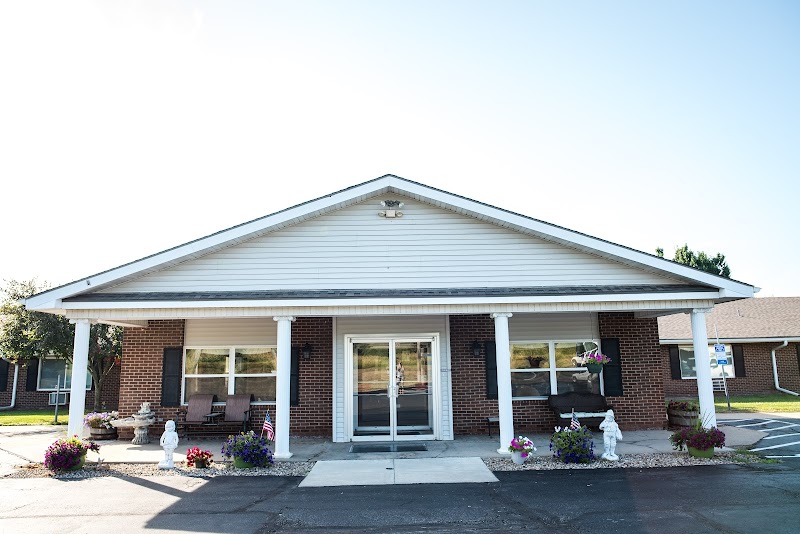
How is Louisburg Healthcare & Rehab Center Staffed?

CMS rates LOUISBURG HEALTHCARE & REHAB CENTER's staffing level at 3 out of 5 stars, which is average compared to other nursing homes. Staff turnover is 30%, compared to the Kansas average of 46%. This relatively stable workforce can support continuity of care.

What Have Inspectors Found at Louisburg Healthcare & Rehab Center?

State health inspectors documented 24 deficiencies at LOUISBURG HEALTHCARE & REHAB CENTER during 2022 to 2025. These included: 1 that caused actual resident harm, 21 with potential for harm, and 2 minor or isolated issues. Deficiencies causing actual harm indicate documented cases where residents experienced negative health consequences.
Who Owns and Operates Louisburg Healthcare & Rehab Center?

LOUISBURG HEALTHCARE & REHAB CENTER is owned by a for-profit company. For-profit facilities operate as businesses with obligations to shareholders or private owners. The facility is operated by RECOVER-CARE HEALTHCARE, a chain that manages multiple nursing homes. With 60 certified beds and approximately 48 residents (about 80% occupancy), it is a smaller facility located in LOUISBURG, Kansas.
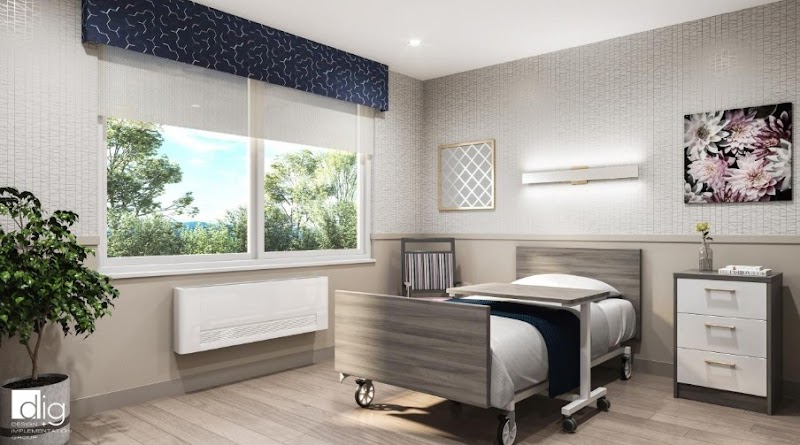
How Does Louisburg Healthcare & Rehab Center Compare to Other Kansas Nursing Homes?

Compared to the 100 nursing homes in Kansas, LOUISBURG HEALTHCARE & REHAB CENTER's overall rating (3 stars) is above the state average of 2.9, staff turnover (30%) is significantly lower than the state average of 46%, and health inspection rating (3 stars) is at the national benchmark.

What Should Families Ask When Visiting Louisburg Healthcare & Rehab Center?

Based on this facility's data, families visiting should ask: "Can I visit during a mealtime to observe dining assistance and food quality?" "How do you handle medical emergencies, and what is your hospital transfer rate?" "Can I speak with family members of current residents about their experience?"

Is Louisburg Healthcare & Rehab Center Safe?

Based on CMS inspection data, LOUISBURG HEALTHCARE & REHAB CENTER has a clean safety record: no substantiated abuse findings (meaning no confirmed cases of resident harm), no Immediate Jeopardy citations (the most serious violation level indicating risk of serious injury or death), and is not on the Special Focus Facility watch list (a federal program monitoring the lowest-performing 1% of nursing homes). The facility has a 3-star overall rating and ranks #1 of 100 nursing homes in Kansas. While no facility is perfect, families should still ask about staff-to-resident ratios and recent inspection results during their visit.

Do Nurses at Louisburg Healthcare & Rehab Center Stick Around?

LOUISBURG HEALTHCARE & REHAB CENTER has a staff turnover rate of 30%, which is about average for Kansas nursing homes (state average: 46%). Moderate turnover is common in nursing homes, but families should still ask about staff tenure and how the facility maintains care continuity when employees leave.

Was Louisburg Healthcare & Rehab Center Ever Fined?

LOUISBURG HEALTHCARE & REHAB CENTER has been fined $19,218 across 1 penalty action. This is below the Kansas average of $33,271. While any fine indicates a compliance issue, fines under $50,000 are relatively common and typically reflect isolated problems that were subsequently corrected. Families should ask what specific issues led to these fines and confirm they've been resolved.

Is Louisburg Healthcare & Rehab Center on Any Federal Watch List?

LOUISBURG HEALTHCARE & REHAB CENTER is not on any federal watch list. The most significant is the Special Focus Facility (SFF) program, which identifies the bottom 1% of nursing homes nationally based on persistent, serious quality problems. Not being on this list means the facility has avoided the pattern of deficiencies that triggers enhanced federal oversight. This is a positive indicator, though families should still review the facility's inspection history directly.