ST LUKE LIVING CENTER
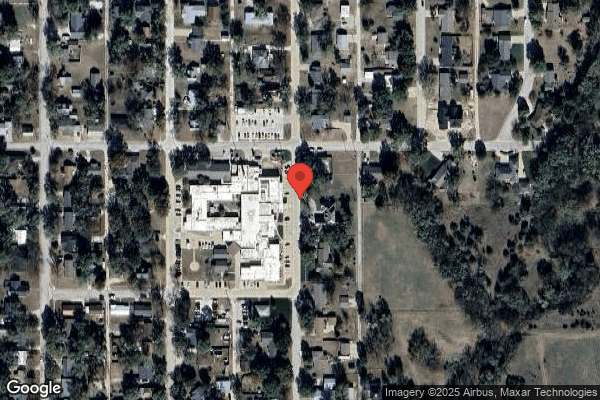
535 SOUTH FREEBORN, MARION, KS 66861 (620) 382-2177
Government - Hospital district 32 Beds Independent Data: November 2025
Trust Grade
73/100
#92 of 295 in KS
Last Inspection: February 2024

Within standard 12-15 month inspection cycle. Federal law requires annual inspections.

Overview

St. Luke Living Center in Marion, Kansas, has a Trust Grade of B, indicating a good reputation and solid choice for families considering care options. It ranks #92 out of 295 facilities statewide, placing it in the top half of Kansas nursing homes, although it is #4 out of 5 in Marion County, suggesting limited local choices. However, the facility is experiencing a worsening trend, with issues increasing from 4 in 2022 to 11 in 2024. Staffing is a strong point, earning a perfect 5/5 rating with a low turnover rate of 29%, which is significantly better than the state average. On the downside, the facility has faced concerns related to food safety and infection control, including unsanitary food preparation areas and inadequate infection monitoring protocols, which are critical for resident health. Despite these weaknesses, the absence of any fines and excellent RN coverage are positive aspects to consider.

Trust Score
B
73/100
In Kansas
#92/295
Top 31%
Safety Record
Low Risk
No red flags
Inspections
Getting Worse
4 → 11 violations
Staff Stability
✓ Good
29% annual turnover. Excellent stability, 19 points below Kansas's 48% average. Staff who stay learn residents' needs.
Penalties
✓ Good
No fines on record. Clean compliance history, better than most Kansas facilities.
Skilled Nurses
✓ Good
Each resident gets 78 minutes of Registered Nurse (RN) attention daily — more than 97% of Kansas nursing homes. RNs are the most trained staff who catch health problems before they become serious.
Violations
⚠ Watch
24 deficiencies on record. Higher than average. Multiple issues found across inspections.
★★★★☆
4.0
Overall Rating
★★★★★
5.0
Staff Levels
★★☆☆☆
2.0
Care Quality
★★★☆☆
3.0
Inspection Score
Stable
2022: 4 issues
2024: 11 issues

The Good

  • 5-Star Staffing Rating · Excellent nurse staffing levels
  • Low Staff Turnover (29%) · Staff stability means consistent care
  • Full Sprinkler Coverage · Fire safety systems throughout facility
  • No fines on record
  • Staff turnover is low (29%)

    19 points below Kansas average of 48%

Facility shows strength in staffing levels, staff retention, fire safety.

The Bad

No Significant Concerns Identified

This facility shows no red flags. Among Kansas's 100 nursing homes, only 1% achieve this.

The Ugly 24 deficiencies on record

Feb 2024 11 deficiencies
CONCERN (D)

Potential for Harm - no one hurt, but risky conditions existed

Resident Rights (Tag F0550)

Could have caused harm · This affected 1 resident

**NOTE- TERMS IN BRACKETS HAVE BEEN EDITED TO PROTECT CONFIDENTIALITY** The facility reported a census of 29 residents with 14 residents sampled, including one resident reviewed for dignity. Based on ...

Read full inspector narrative →
**NOTE- TERMS IN BRACKETS HAVE BEEN EDITED TO PROTECT CONFIDENTIALITY** The facility reported a census of 29 residents with 14 residents sampled, including one resident reviewed for dignity. Based on observation, interview, and record review, the facility failed to show respect and dignity to one Resident (R)25, while transporting the resident in a sit to stand mechanical lift from her bed to the bathroom with the blinds partially open. Findings included: - Review of Resident (R)25's electronic medical record (EMR) revealed the following diagnoses: hemiparesis/hemiplegia (weakness and paralysis on one side of the body) and dementia (progressive mental disorder characterized by failing memory, confusion). The Annual Minimum Data Set (MDS), dated [DATE], documented the resident had a Brief Interview for Mental Status (BIMS) score of six, indicating severe cognitive impairment. She required extensive assistance of two staff for toileting and had impairment on one side of her upper and lower extremities. The Activity of Daily Living (ADL) Functional/Rehabilitation Potential Care Area Assessment (CAA), dated 06/28/23, documented staff used the sit to stand lift (a mechanical device designed to assist individuals in moving from a sitting to a standing position and vice versa) to transfer the resident. The Quarterly MDS, dated 12/27/23, documented the resident had a BIMS score of 14, indicating intact cognition. She required substantial to maximum staff assistance for transferring to the toilet. The revised care plan for mobility, dated 01/17/24, instructed staff the resident had limited physical mobility and required two staff for transfers using the sit to stand lift. On 02/21/24 at 08:34 AM, Certified Nurse Aide (CNA) O and Certified Medication Aide (CMA) R transferred the resident with a sit to stand mechanical lift from her bed to the bathroom to the toilet. The window blinds in the resident's room, which looked out to the facility's patio area, were pulled up approximately 12 inches (in). The resident's brief hung down low, that exposed most of her buttocks to anyone outside on the patio. On 02/21/24 at 08:34 AM, CNA O confirmed the blinds in the resident's room were not completely closed and should have been while the staff gave cares to the resident to ensure the resident's dignity. On 02/21/24 at 08:34 AM, CMA R confirmed the blinds in the resident's room were not fully closed while staff gave cares to the resident. On 02/22/24 at 09:15 AM, Licensed Nurse (LN) G stated the staff should close resident's window blinds while giving cares to residents. On 02/22/24 at 09:03 AM, Administrative Nurse D stated it was the expectation for staff to close the window blinds in a resident's room when giving cares to protect the resident's dignity. The facility policy for Resident Rights, effective 2023, included: The facility will treat each resident with dignity and respect in full recognition of their individuality. The facility failed to show respect and dignity to this dependent resident while giving cares.
CONCERN (D)

Potential for Harm - no one hurt, but risky conditions existed

Deficiency F0655 (Tag F0655)

Could have caused harm · This affected 1 resident

**NOTE- TERMS IN BRACKETS HAVE BEEN EDITED TO PROTECT CONFIDENTIALITY** The facility reported a census of 29 residents, with 14 residents sampled. Based on observation, interview and record review, th...

Read full inspector narrative →
**NOTE- TERMS IN BRACKETS HAVE BEEN EDITED TO PROTECT CONFIDENTIALITY** The facility reported a census of 29 residents, with 14 residents sampled. Based on observation, interview and record review, the facility failed to develop an individualized baseline plan of care for one Resident (R)130 regarding an indwelling urinary catheter (tube placed in the bladder to drain urine into a collection bag). Findings included: - Review of Resident (R)130's electronic medical record (EMR) revealed the resident admitted to the facility on [DATE] with a diagnosis of urinary retention (the inability to pass urine). Review of the resident's admitting orders to the facility revealed the following physician's order: Urinary catheter, ordered 02/08/24. On 02/21/24 at 09:02 AM, Certified Nurse Aide (CNA) O entered the resident's room to provide catheter care. On 02/21/24 at 09:06 AM, CNA O stated the resident admitted to the facility with the urinary catheter. On 02/22/24 at 09:15 AM, Licensed Nurse (LN) G stated staff would look at the resident's care plan in order to find instruction on caring for the urinary catheter. On 02/22/24 at 09:03 AM, Administrative Nurse D stated it was the expectation for staff to include a urinary catheter on the resident's baseline care plan, including the size of the catheter. The facility policy for Nursing Care Plan, revised July 2003, included: The nursing care plan is a personalized plan outlining the care of an individual resident with specific needs, desires and goals. The plan should indicate long-term and short-term goals in a measurable time frame for the resident and all members of the care team. The facility failed to develop a baseline care plan for this resident with an indwelling urinary catheter.
CONCERN (D)

Potential for Harm - no one hurt, but risky conditions existed

Deficiency F0657 (Tag F0657)

Could have caused harm · This affected 1 resident

**NOTE- TERMS IN BRACKETS HAVE BEEN EDITED TO PROTECT CONFIDENTIALITY** The facility reported a census of 29 residents with 14 residents included in the sample. Based on observation, record review, an...

Read full inspector narrative →
**NOTE- TERMS IN BRACKETS HAVE BEEN EDITED TO PROTECT CONFIDENTIALITY** The facility reported a census of 29 residents with 14 residents included in the sample. Based on observation, record review, and interview, the facility failed to review and revise the care plans for one Resident (R)4, regarding the use of an anti-depressant (medication used to treat depression) medication. Findings included: - Review of Resident (R)4's electronic medical record (EMR) revealed a diagnosis of major depressive disorder ([MDD]major mood disorder which causes persistent feelings of sadness). The Significant Change Minimum Data Set (MDS), dated [DATE], documented the staff assessment for cognition revealed the resident had severe impairment. The resident received anti-depressant medication during the assessment period. The Psychotropic Drug Use Care Area Assessment (CAA), dated 11/29/23, documented the resident received an anti-depressant medication for MDD. The Quarterly MDS, dated 10/18/23, documented the resident had a Brief Interview for Mental Status (BIMS) score of seven, indicating severe cognitive impairment. She received an anti-depressant medication during the assessment period. The care plan, revised 02/07/24, lacked staff instruction regarding the resident's use of an anti-depressant medication. Review of the resident's EMR revealed the following physician's order: Wellbutrin (an anti-depressant medication), 100 milligrams (mg), by mouth (po), twice daily (BID), for MDD, ordered 01/19/24. On 02/22/24 at 11:00 AM, Administrative Nurse D stated it was the expectation for staff to include anti-depressant medication on a resident's care plan. Administrative Nurse D confirmed the resident's care plan lacked staff instruction regarding the use of the anti-depressant medication. The facility policy for Nursing Care Plan, revised July 2003, included: The nursing care plan is a personalized plan outlining the care of an individual resident with specific needs, desires and goals. The plan should indicate long-term and short-term goals in a measurable time frame for the resident and all members of the care team. The facility failed to review and revise this resident's care plan to include staff instruction regarding the use of anti-depressant medication.
CONCERN (D)

Potential for Harm - no one hurt, but risky conditions existed

ADL Care (Tag F0677)

Could have caused harm · This affected 1 resident

**NOTE- TERMS IN BRACKETS HAVE BEEN EDITED TO PROTECT CONFIDENTIALITY** The facility reported a census of 29 residents with 14 selected for review, which included two residents reviewed for activities...

Read full inspector narrative →
**NOTE- TERMS IN BRACKETS HAVE BEEN EDITED TO PROTECT CONFIDENTIALITY** The facility reported a census of 29 residents with 14 selected for review, which included two residents reviewed for activities of daily living. Based on observation, interview, and record review, the facility failed to provide one Resident (R) 21, with shaving opportunities in the manner of his preference. Findings included: - Review of Resident (R)21's medical record revealed diagnoses that included unspecified dementia (progressive mental disorder characterized by failing memory, confusion) cerebral vascular accident (stroke - sudden death of brain cells due to lack of oxygen caused by impaired blood flow to the brain by blockage or rupture of an artery to the brain), chronic kidney disease and diabetes (when the body cannot use glucose, not enough insulin made or the body cannot respond to the insulin). The admission Minimum Data Set (MDS), dated [DATE], assessed the resident with a Brief Interview for Mental Status (BIMS) score of 15, which indicated normal cognitive function. R21 had impairment in both lower extremities and no impairment in upper extremities. The resident required partial/moderate assistance with personal hygiene. The Activity of Daily Living (ADL) Functional/Rehabilitation Care Area Assessment (CAA), dated 10/10/23, assessed the resident as dependent on others for assistance. The Care Plan, revised 01/24/24, instructed staff the resident received a shower on Monday and Thursdays. The care plan lacked instructions for shaving. Observation, on 02/20/24 at 09:00 AM, revealed the resident with several days of facial hair growth beneath his chin and on his neck area. The resident revealed he had an electric shaver, and staff assisted him with set up for shaving, but he could not shave the area under his chin and neck area as he preferred. Interview, on 02/21/24 at 09:11 AM, with Certified Medication Aide (CMA) R, revealed the resident could shave himself, but needed set up assistance and supervision. Interview, on 02/21/24 at 03:17 PM, with Certified Nurse Aide (CNA) P, revealed the resident usually shaved himself when propped up in bed and he used his electric razor. CNA P stated occasionally the resident may need staff assistance and staff should ensure his electric razor has a full charge. Interview, on 02/22/24 at 01:53 PM, with Administrative Nurse D, revealed she would expect staff to assist the resident as needed and he would let staff know his needs by manually ringing the jingle bells attached to his bed or chair. The facility policy Resident Rights, reviewed 04/19/22, instructed staff the residents have a right to a dignified existence. The facility must care for the resident in a manner that enhances the resident's quality of life. The facility failed to ensure this resident received assistance to shave beneath his chin and neck region in the manner he preferred to enhance his sense of wellbeing.
CONCERN (D)

Potential for Harm - no one hurt, but risky conditions existed

Deficiency F0692 (Tag F0692)

Could have caused harm · This affected 1 resident

**NOTE- TERMS IN BRACKETS HAVE BEEN EDITED TO PROTECT CONFIDENTIALITY** The facility reported a census of 29 residents with 14 residents selected for review, which included two residents reviewed for ...

Read full inspector narrative →
**NOTE- TERMS IN BRACKETS HAVE BEEN EDITED TO PROTECT CONFIDENTIALITY** The facility reported a census of 29 residents with 14 residents selected for review, which included two residents reviewed for hydration. Based on observation, interview, and record review, the facility failed to provide one Resident (R) 21, with access to fresh water throughout the day. Findings included: - Review of Resident (R)21's medical record revealed diagnoses that included unspecified dementia (progressive mental disorder characterized by failing memory, confusion) cerebral vascular accident (stroke - sudden death of brain cells due to lack of oxygen caused by impaired blood flow to the brain by blockage or rupture of an artery to the brain), chronic kidney disease and diabetes (when the body cannot use glucose, not enough insulin made or the body cannot respond to the insulin). The admission Minimum Data Set (MDS), dated [DATE], assessed the resident with a Brief Interview for Mental Status (BIMS) score of 15, which indicated normal cognitive function. R21 had impairment in both lower extremities and no impairment in upper extremities. The resident was independent with eating. The Activity of Daily Living (ADL) Functional/Rehabilitation Care Area Assessment (CAA), dated 10/10/23, assessed the resident as dependent on others for assistance. The Care Plan, revised 01/24/24, instructed staff to ensure the resident had access to fresh ice water whenever possible. Observation, on 02/21/24 at 09:11 AM, revealed the resident seated in his wheelchair in the family room. Certified Nurse Aide (CNA) M and Certified Medication Aide (CMA) R transferred R21 from his wheelchair to the recliner in the family room. R21 did not have water available to him. Interview, at that time with CNA M, revealed the resident would be able to manually ring his jingle bells if he wanted anything and CNA M or CMA R did not obtain water for him. Observation, on 02/21/24 at 02:30 PM, revealed the resident seated in his wheelchair feeding himself lunch. The resident stated he was not hungry earlier and CNA M warmed his food up for him. The resident drank 240 cubic centimeters (cc) of milk and 240 cc of juice. Observation, on 02/21/24 at 03:17 PM, revealed the resident seated in the recliner in the family room. The resident did not have water available but did have an over the bed table beside the recliner with a box of Kleenex on it. Interview, on 02/21/24 at 03:17 PM, with Certified Nurse Aide (CNA) P, revealed the resident had two water containers, one for in his room and one for when he was out, and he should have a water container within reach when he was sitting in his recliner. CNA P obtained the water container for the resident, and he accepted a drink of water. Observation, on 02/22/24 at 09:07 AM, revealed the resident seated in the family room in the recliner. The resident did not have water available to him and did not have his jingle bells. Interview, on 02/22/24 at 09:15 AM, with Licensed Nurse G, revealed the resident notified staff of his needs by ringing the jingle bells. LN G did not know the Care Plan instructed staff to provide fresh water to the resident whenever possible. Interview, on 02/22/24 at 01:53 PM, with Administrative Nurse D, revealed she would expect staff to assist the resident as needed and he would let staff know his needs by manually ringing the jingle bells attached to his bed or chair. The facility policy Hydration and Fluids dated 2022, instructed staff the residents' hydration needs are addressed in the individualized care plans. Staff to ensure fluids to prevent dehydration. The facility failed to ensure R21 had access to water when seated in his wheelchair and recliner as care planned to ensure adequate hydration.
CONCERN (D)

Potential for Harm - no one hurt, but risky conditions existed

Antibiotic Stewardship (Tag F0881)

Could have caused harm · This affected 1 resident

**NOTE- TERMS IN BRACKETS HAVE BEEN EDITED TO PROTECT CONFIDENTIALITY** The facility reported a census of 29 residents with 14 residents selected for review. Based on observation, interview, and recor...

Read full inspector narrative →
**NOTE- TERMS IN BRACKETS HAVE BEEN EDITED TO PROTECT CONFIDENTIALITY** The facility reported a census of 29 residents with 14 residents selected for review. Based on observation, interview, and record review, the facility failed to ensure one Resident (R)9 received antibiotics appropriately for a urinary tract infection. Findings included: - Review of Resident (R) 9's medical record, revealed diagnoses included cerebral vascular accident (stroke - sudden death of brain cells due to lack of oxygen caused by impaired blood flow to the brain by blockage or rupture of an artery to the brain), Alzheimer's disease ((progressive mental deterioration characterized by confusion and memory failure) with dementia (progressive mental disorder characterized by failing memory, confusion). The Annual Minimum Data Set (MDS), dated [DATE], assessed the resident with a Brief Interview for Mental Status Score (BIMS) score of nine, which indicated moderate cognitive impairment. The resident was frequently incontinent of urine. The Urinary Incontinence and Indwelling Catheter Care Area Assessment (CAA) dated 03/15/23, assessed the resident with mild stress incontinence (leakage of urine during coughing, sneezing laughing or exercise). The Quarterly Minimum Data Set , dated 10/11/23, assessed the resident with a Brief Interview for Mental Status score of 12, which indicated moderate cognitive impairment. The resident was frequently incontinent of urine. The Care Plan, reviewed 01/18/23, instructed staff to check the resident every two hours for toileting. On 11/24/23, the physician instructed staff to obtain a urine specimen for analysis and send for culture and sensitivity. The physician instructed staff to administer Keflex (an antibiotic), 500 milligrams, twice a day, for seven days. The physician instructed staff to administer Pyridium, 100 milligrams, three times a day, for bladder discomfort. Review of the medical record revealed the lack of culture results. Interview, on 02/22/24 at 03:25 PM, with Licensed Nurse (LN) G, revealed the original urinalysis was done by a manual method and staff failed to properly process the urine for culture and sensitivity to determine and verify the antibiotic was appropriate for the causative organism. Interview, on 02/22/24 at 10:15 AM, with Administrative Nurse D, confirmed the culture results were not available, due to a glitch in the registration of the laboratory order. The facility policy Antibiotic Stewardship dated 10/18/23, instructed staff when applicable, cultures will be obtained prior to the first dose of antibiotics. The facility failed to ensure this resident's urinalysis was processed in a manner to obtain culture results to ensure proper antibiotic use.
CONCERN (D)

Potential for Harm - no one hurt, but risky conditions existed

Deficiency F0883 (Tag F0883)

Could have caused harm · This affected 1 resident

The facility reported a census of 29 residents. Based on interview and record review, the facility failed to ensure one Residents (R)13 was offered the influenza vaccine. Findings included: - Review o...

Read full inspector narrative →
The facility reported a census of 29 residents. Based on interview and record review, the facility failed to ensure one Residents (R)13 was offered the influenza vaccine. Findings included: - Review of Resident (R)13 electronic medical records (EMR) revealed she lacked the influenza vaccine. On 02/22/24 at 09:03 AM, Administrative Nurse D stated the facility failed to offer the influenza vaccine to the resident. The facility policy for Immunizations, revised 2023, included: The facility will provide education to residents regarding the health risks associated with influenza and pneumococcal pneumonia and COVID-19 and will offer ever resident the opportunity to receive immunizations unless contraindicated. The facility failed to offer the influenza vaccine to this dependent resident.
CONCERN (F)

Potential for Harm - no one hurt, but risky conditions existed

Food Safety (Tag F0812)

Could have caused harm · This affected most or all residents

The facility reported a census of 29 residents. Based on observation, interview, and record review, the facility failed to ensure foods were stored, prepared, and distributed in a manner to prevent fo...

Read full inspector narrative →
The facility reported a census of 29 residents. Based on observation, interview, and record review, the facility failed to ensure foods were stored, prepared, and distributed in a manner to prevent foodborne illness to the residents. Findings included: - Observation on 02/21/24 at 01:30 PM, during the environmental tour with Dietary Staff CC and Administrative Staff A, revealed the following areas of concern: 1. The food preparation and serving areas contained 18 approximately two feet by three-foot ceiling tiles which contained black dust like substances and grime. Several tiles contained brown discolorations resembling handprints. 2. The ceiling light in the food preparation area contained a black dust like substance and white dust like substance. The ceiling light in the kitchen entrance area also contained black and white dust like substances. 3. The front two stove vents contained an accumulation of grime. 4. Three large cookie sheets contained an accumulation of a black substance around the perimeter and extending into the mid area. 5. Two small skillets contained scratches and build up of grime over the entire interior surface. 6. One large and one small cutting board contained multiple deeply grooved scratches, making sanitation difficult. 7. The bottom shelf of the True Freezer contained food debris. 8. The dishwasher top contained an accumulation of a lime like substance. Interview on 02/21/24 at 02:00 PM, with Administrative Staff A confirmed the above areas of concern. Observation, on 02/21/24 at 02:50 PM, revealed the refrigerator freezer in the family room contained shelves with debris and food particles. Observation on 2/21/24 at 03:00 PM, revealed the dining room activity area contained a popcorn machine with a yellow substance dripping down the interior walls. Interview, at that time with Activity staff Z, stated she used the machine approximately seven days ago and it should be cleaned after each use. The facility policy Cleaning the Reach in Refrigerator dated 09/17/14, instructed staff to wipe up spills and thoroughly clean the interior of the refrigerator to reduce the risk of food borne illness and cross contamination. The facility policy Pots and Pans dated 06/2005, instructed staff to remove heavy soil from pots and pans before washing. The facility failed to ensure staff-maintained food storage, preparation and serving area were maintained in a sanitary manner to prevent food borne illness amongst the residents of the facility.
CONCERN (F)

Potential for Harm - no one hurt, but risky conditions existed

Staffing Data (Tag F0851)

Could have caused harm · This affected most or all residents

The facility reported a census of 29 residents. Based on interview and record review the facility failed to electronically submit to Centers for Medicare and Medicaid Services (CMS) with complete and ...

Read full inspector narrative →
The facility reported a census of 29 residents. Based on interview and record review the facility failed to electronically submit to Centers for Medicare and Medicaid Services (CMS) with complete and accurate direct staffing information, based on payroll and other verifiable and auditable data in a uniform format according to specifications established by CMS (i.e., Payroll Base Journal (PBJ), related to licensed nursing staffing information, when the facility failed to accurately report Licensed Nurse Coverage for 24 hours a day on 12 days during the third quarter 2023. Findings Included: - Review of the 'Payroll Base Journal (PBJ) Staffing Data Report for fiscal year (FY) Quarter 3, 2023 (April 1-June 30) revealed lack of Licensed Nurse for the following 12 days: On 04/01 Saturday (SA). On 04/23 Sunday (SU). On 05/06 SA. On 05/07 SU. On 05/14 SU. On 05/27 SA. On 05/28 SU. On 06/20 SA. On 06/11 SU. On 06/17 SA. On 06/24 SA. On 06/35 SU. Review of the Staff Posting and Schedule revealed Licensed Nurse coverage for the above days. Interview, on 02/22/24 at 01:30 PM, with Administrative Nurse D, confirmed the finding that the facility provided 24-hour licensed nurse coverage for the above dates and stated the PBJ was submitted by the business office staff, and did not know how the error occurred. The facility did not furnish a policy for PBJ submission. The facility failed to electronically submit to Centers for Medicare and Medicaid Services (CMS) with complete and accurate direct staffing information, based on payroll and other verifiable and auditable data in a uniform format according to specifications established by CMS (i.e., Payroll Base Journal (PBJ), related to licensed nursing staffing information when the facility failed to accurately report 24 hour per day Licensed Nurse coverage on 12 dates between 04/01/23 and 06/30/23 as required.
CONCERN (F)

Potential for Harm - no one hurt, but risky conditions existed

Infection Control (Tag F0880)

Could have caused harm · This affected most or all residents

The facility reported a census of 29 residents. Based on interview and record review, the facility failed to maintain an infection prevention and control program to proactively monitor infections in t...

Read full inspector narrative →
The facility reported a census of 29 residents. Based on interview and record review, the facility failed to maintain an infection prevention and control program to proactively monitor infections in the facility to help prevent the spread among the residents of the facility. Findings included: - The facility lacked a surveillance plan for identifying, tracking, monitoring and reporting infections among residents. On 02/22/24 at 01:15 PM, Administrative Nurse D stated the facility did not currently use any criteria for tracking and trending infections. The facility lacked a policy for infection control surveillance. The facility failed to maintain an infection prevention and control program to proactively monitor infections in the facility to help prevent the spread of infections among the residents of the facility.
MINOR (C)

Minor Issue - procedural, no safety impact

Staffing Information (Tag F0732)

Minor procedural issue · This affected most or all residents

The facility reported a census of 29 residents. Based on interview and record review, the facility failed to post the Direct Care Staff Nursing Hours in a manner to reflect the scheduled hours and act...

Read full inspector narrative →
The facility reported a census of 29 residents. Based on interview and record review, the facility failed to post the Direct Care Staff Nursing Hours in a manner to reflect the scheduled hours and actual hours worked by staff as required. Findings included: - Review of the Direct Care Staff Nursing Hours for December 2023, January 2024, and February 2024, revealed the document lacked indication of the actual hours worked by staff at the end of the shift. Interview, on 02/22/24 at 01:30 PM, with Administrative Nurse D, revealed the night shift nurse filled in the document with the scheduled hours worked, but did not update the document upon completion of the shift to reflect the actual hours worked. The facility did not provide a policy for updating the Direct Care Staff Nursing Hours. The facility failed to update the Direct Care Staff Nursing Hours to reflect the actual hours worked by nursing staff as required.
Jun 2022 4 deficiencies
CONCERN (D)

Potential for Harm - no one hurt, but risky conditions existed

Comprehensive Assessments (Tag F0636)

Could have caused harm · This affected 1 resident

**NOTE- TERMS IN BRACKETS HAVE BEEN EDITED TO PROTECT CONFIDENTIALITY** The facility reported a census of 19 residents with eight residents included in the sample. Based on observation, interview and ...

Read full inspector narrative →
**NOTE- TERMS IN BRACKETS HAVE BEEN EDITED TO PROTECT CONFIDENTIALITY** The facility reported a census of 19 residents with eight residents included in the sample. Based on observation, interview and record review, the facility failed to complete the triggered areas of the Minimum Data Set (MDS) of the Care Area Assessment (CAA), for three residents, including Resident (R)16, regarding Cognitive Loss/Dementia, Behavioral Symptoms, Psychotropic Drug Use, Psychosocial Well-Being and Mood State, R 17, regarding Cognitive Loss/Dementia, Behavioral Symptoms, Psychosocial Well-Being, Psychotropic Drug Use and Nutritional Status, and R 19, regarding Activities of Daily Living (ADL) Functional/Rehabilitation Potential and Psychotropic Drug Use. Findings included: - The Physician Order Sheet (POS), dated 05/09/22, for Resident (R)16, documented diagnoses, which included: hypertension (HTN--elevated blood pressure), psychotic disorder (mental disorder characterized by a gross impairment in reality testing), anxiety (mental or emotional reaction characterized by apprehension, uncertainty and irrational fear) and Alzheimer's disease (progressive mental deterioration characterized by confusion and memory failure). The annual Minimum Data Set (MDS), dated [DATE], documented the resident had a Brief Interview for Mental Status (BIMS) score of 0, indicating severe cognitive impairment. She had no delirium or psychosis. The resident had physical behavioral symptoms one to three days of the assessment period with no impact on the resident or other residents. She had scheduled pain medications with no evidence of pain, per staff. She took antipsychotic (medications to control psychotic symptoms), antianxiety (medications to control anxiety), antidepressant (medication to ease the symptoms of depression), and opioids (narcotic medication for pain) seven of the seven days of the assessment period. The Cognitive Loss/Dementia Care Area Assessment (CAA), Behavioral Symptoms CAA, Psychotropic Drug Use CAA, Psychosocial Well-Being CAA and Mood State CAA, dated 05/25/22, triggered but lacked an analysis of findings. The quarterly MDS, dated 02/22/22, documented the resident had a BIMS score of 0, indicating severely impaired cognition. She had inattention and disorganized thinking behavior present, which fluctuated. She had no psychosis and physical behavioral symptoms directed towards others and rejection of care one to three days of the assessment period. She took scheduled pain medications and had no evidence of pain, per staff. She took antipsychotics, antianxiety, antidepressant and opioid medications seven of the seven- day assessment period. The care plan for psychotropic medications, revised 06/13/22, instructed staff to administer and monitor for effectiveness of the resident's medications. The care plan for cognition, revised 06/13/22, instructed staff the resident had cognitive impairment due to dementia and had difficulty making decisions. The care plan for pain, revised 06/13/22, instructed staff the resident took routine pain medications due to pain symptoms. Staff were to report any complaints of pain to the nurse. On 06/16/22 at 09:24 AM, Certified Nurse Aide (CNA) N and CNA M entered the resident's room to get her up for the day. Staff explained cares to the resident as they toileted and dressed her. The resident was cooperative with cares. On 06/16/22 at 09:24 AM, CNA N stated the resident could be resistant at times with getting up in the mornings, but otherwise did not have behaviors. On 06/16/22 at 10:03 AM, CNA M stated the resident did not resist cares or complain of pain. On 06/20/22 at 08:59 AM, Administrative Nurse E stated she was unaware of the need to complete the CAAs. On 06/21/22 at 10:12 AM, Administrative Nurse D stated she would expect for the triggered CAAs to be completed with the completion of each comprehensive MDS. The facility policy for The Care Area Assessment (CAA) Process and Care Plan Completion, dated April 2014, included: Staff use the CAA process to identify and evaluate the resident's strengths, problems and needs and further investigate resident specific issues. The facility failed to complete the triggered areas of the MDS for this resident with psychotropic medications and pain. - The Physician Order Sheet (POS), dated 04/04/22, for Resident (R)17, documented the following diagnoses: type II diabetes mellitus (DM-when the body cannot use glucose, not enough insulin made or the body cannot respond to the insulin), anxiety (mental or emotional reaction characterized by apprehension, uncertainty and irrational fear) and dementia (progressive mental disorder characterized by failing memory, confusion). The significant change Minimum Data Set (MDS), dated [DATE], documented the resident had a Brief Interview for Mental Status (BIMS) score of two, indicating severe cognitive impairment. He had physical and verbal behavioral symptoms directed toward others and rejection of care one to three days of the assessment period. He had no evidence of pain. The resident received insulin, antipsychotic (medications to treat psychosis), antianxiety (medications to treat anxiety), and a diuretic (medication to remove excess fluid from the cells) seven of the seven days of the look back period of the assessment. The Cognitive Loss/Dementia Care Area Assessment (CAA), Behavioral Symptoms CAA, Psychosocial well-Being CAA, Psychotropic Drug Use CAA and Nutritional Status CAA, dated 02/23/22, triggered but lacked an analysis of findings. The quarterly MDS, dated 05/26/22, documented the resident had a BIMS score of 8, indicating moderately impaired cognition. He had no delirium, psychosis, behavioral problems, rejection of care or wandering. The staff assessment for pain revealed the resident had no pain. He took insulin, antipsychotic and antianxiety medications seven of the seven day look back period of the assessment. The cognition care plan, revised 06/07/22, instructed staff the resident required assistance with making daily decisions. The psychotropic drug care plan, revised 06/07/22, instructed staff to monitor and document the resident behavioral symptoms. On 06/16/22 at 06:27 AM, the resident sat in a chair outside of the nurses' station. There were no outward indications of distress. On 06/20/22 at 10:00 AM, Certified Nurse Aide (CNA) N stated the resident did most activity of daily living (ADLs) on his own. He would require staff assistance at times with toileting. He had no behaviors. On 06/20/22 at 08:59 AM, Administrative Nurse E stated she was unaware of the need to complete the CAAs. On 06/21/22 at 10:12 AM, Administrative Nurse D stated she would expect for the triggered CAAs to be completed with the completion of each comprehensive MDS. The facility policy for The Care Area Assessment (CAA) Process and Care Plan Completion, dated April 2014, included: Staff use the CAA process to identify and evaluate the resident's strengths, problems and needs and further investigate resident specific issues. The facility failed to complete the triggered areas of the MDS for this resident with psychotropic medications and pain. - The Physician Order Sheet (POS), dated 06/09/22, documented Resident (R)19 had diagnosis of malignant neoplasm of colon (colon cancer). The annual Minimum Data Set (MDS), dated [DATE], documented the resident had a Brief Interview for Mental Status (BIMS) score of 13, indicating intact cognition. She had scheduled and as needed (PRN) pain medications and reported occasional pain. She took an antidepressant (medication used to treat depression) and an anticoagulant (blood thinner) seven of the seven days of the look back period. The Activities of Daily Living (ADL) Functional/Rehabilitation Potential Care Area Assessment (CAA) and Psychotropic Drug Use CAA, dated 05/11/22, triggered but lacked an analysis of findings. The quarterly MDS, dated 02/08/22, documented the resident had a BIMS score of 15, indicating intact cognition. She had no delirium, psychosis, behavioral symptoms, rejection of care or wandering. She took antidepressant and anticoagulant medications seven of the seven days of the look back period. The pain care plan, revised 05/29/22, instructed staff to evaluate the effectiveness of pain interventions. On 06/15/22 at 09:30 AM, the resident ambulated in the hallway with her walker, wearing appropriate footwear. She had no evidence of pain or discomfort. On 06/20/22 at 08:59 AM, Administrative Nurse E stated she was unaware of the need to complete the CAAs. On 06/21/22 at 10:12 AM, Administrative Nurse D stated she would expect for the triggered CAAs to be completed with the completion of each comprehensive MDS. The facility policy for The Care Area Assessment (CAA) Process and Care Plan Completion, dated April 2014, included: Staff use the CAA process to identify and evaluate the resident's strengths, problems and needs and further investigate resident specific issues. The facility failed to complete the triggered areas of the MDS for this resident with psychotropic medications and pain.
CONCERN (E)

Potential for Harm - no one hurt, but risky conditions existed

Safe Environment (Tag F0584)

Could have caused harm · This affected multiple residents

The facility reported a census of 19 residents. Based on observation, interview and record review, the facility failed to provide housekeeping and maintenance services to maintain a sanitary, orderly,...

Read full inspector narrative →
The facility reported a census of 19 residents. Based on observation, interview and record review, the facility failed to provide housekeeping and maintenance services to maintain a sanitary, orderly, and comfortable interior for residents in the facility, on one of three halls. Findings included: - During an environmental tour on 06/20/22 at 10:00 AM with Housekeeping/Maintenance staff U revealed the following concerns: 1. Three resident fall mats rested on their sides directly on the floor in the soiled utility room. 2. A full box of disposable briefs and a partial, opened bag of briefs rested directly on the floor in the clean utility room. On 06/21/22 at 10:12 AM, Administrative Nurse D stated, the briefs and floor mats should not rest directly on the floor. All supplies need to have a barrier from the floor. The facility lacked a policy for the storage of resident supplies. The facility failed to provide housekeeping and maintenance services to maintain a sanitary, orderly, and comfortable interior for the residents of the facility, on one of three halls.
CONCERN (F)

Potential for Harm - no one hurt, but risky conditions existed

Deficiency F0730 (Tag F0730)

Could have caused harm · This affected most or all residents

**NOTE- TERMS IN BRACKETS HAVE BEEN EDITED TO PROTECT CONFIDENTIALITY** The facility reported a census of 19 residents. Based on interview and record review, the facility failed to provide direct care...

Read full inspector narrative →
**NOTE- TERMS IN BRACKETS HAVE BEEN EDITED TO PROTECT CONFIDENTIALITY** The facility reported a census of 19 residents. Based on interview and record review, the facility failed to provide direct care staff annual evaluations/performance reviews to determine strengths and weaknesses in providing resident care. Findings included: - Review of five Certified Nursing Assistant (CNA) personnel files revealed the following: Review of CNA M, with hire date of 07/05/19, revealed lack of an annual review. Review of CNA N, with hire date of 05/21/14, revealed lack of an annual review. Review of CNA O, with hire date of 12/18/20, revealed lack of an annual review. Review of CNA P, with hire date of 09/09/20, revealed lack of an annual review. Review of CNA Q, with hire date of 12/01/21, revealed lack of an annual review. On 06/21/22 at 10:49 AM, Administrative Staff A stated the facility did not complete individualized staff evaluations. On 06/21/22 at 10:49 AM, Administrative Nurse D stated, annual staff evaluations should be completed, but were not. The facility policy for Employee Annual Performance Evaluation, revised February 2021, included: The purpose of the policy was to ensure the competency of the staff of St. [NAME] Living Center, to be completed at the end of the conditional period and in January of every year. The facility failed to provide direct care staff an annual evaluation to determine strengths and weakness.
CONCERN (F)

Potential for Harm - no one hurt, but risky conditions existed

Food Safety (Tag F0812)

Could have caused harm · This affected most or all residents

The facility reported a census of 19 residents. Based on observation, record review and interview, the facility failed to store food under sanitary conditions to prevent the spread of food borne illne...

Read full inspector narrative →
The facility reported a census of 19 residents. Based on observation, record review and interview, the facility failed to store food under sanitary conditions to prevent the spread of food borne illnesses to residents of the facility. Findings included: - During an environmental tour on 06/20/22 at 10:00 AM, with Housekeeping/Maintenance Staff U, revealed the following concerns in the kitchenette area in the resident area on the 500 hall: 1. The resident's common microwave had a large amount of dried food on the inside. 2. The residents' refrigerator had dried food and food debris that littered the bottom shelf of the refrigerator on the bottom shelf. 3. There was a plate of raw vegetables, dated 06/13/22. 4. There was an unopened bag of kale and turnips, undated. 5. There was an unopened bag of spinach, dated 05/27/22. 6. An opened, undated bag of baby carrots, contained slime and had a strong odor. On 06/21/22 at 10:12 AM, Administrative Nurse D stated, the night shift staff were responsible for cleaning out the resident refrigerator. Any staff who put food into the refrigerator should ensure the food items are dated. The facility policy for Refrigeration of Food, Storage, Disposal and Cleaning--Resident Use, undated, included: Food placed in the resident refrigerator by residents will be dated. Food will be thrown out after three days. If no date is present on the food, it will be thrown out immediately. Personnel in the work area will clean the refrigerators and/or freezers every three days and as necessary. The facility failed to store food under sanitary conditions to prevent the spread of food borne illnesses to residents of the facility.
Oct 2020 9 deficiencies
CONCERN (D)

Potential for Harm - no one hurt, but risky conditions existed

Free from Abuse/Neglect (Tag F0600)

Could have caused harm · This affected 1 resident

The facility reported a census of 29 residents. The sample included 13 residents. Based on observation, interview, and record review the facility staff failed to remove fentanyl patches (a narcotic/op...

Read full inspector narrative →
The facility reported a census of 29 residents. The sample included 13 residents. Based on observation, interview, and record review the facility staff failed to remove fentanyl patches (a narcotic/opioid pain medication which releases medication over an extended amount of time) for one of the six residents reviewed, Resident (R) 21, on 04/05/2020 and on 04/08/2020, prior to applying a new one on 04/11/2020, which likely led to the resident's altered mental status. Findings included: - The signed Physician Order Sheet for R21, dated 09/18/20, documented the resident had a diagnosis of dementia (progressive mental disorder characterized by failing memory, confusion) and joint pain. A Significant Change Minimum Data Set (MDS) dated , 04/22/20, documented R21 had severe cognitive impairment. Review of Functional Status section of the MDS documented the resident required extensive assistance with bed mobility, transfer, toileting, dressing, and personal hygiene. He received scheduled and as needed pain medication. R21 reported no pain during the look back period. The Cognitive Loss/Dementia Care Area Assessment (CAA), completed 04/27/20, documented R21 answered simple conversation with staff regarding basic needs such as hunger, thirst, pain and toileting. The Pain CAA did not trigger. R21's Pain Care Plan, dated 03/24/20 instructed nursing staff to change the fentanyl patch every 72 hours. A signed Physician Order, dated 03/24/20, ordered a fentanyl patch 12 micrograms (mcg) transdermal (applied to the skin) every three days. A signed Physician Order, dated 04/02/20, increased the fentanyl patch to 25 mcg transdermal every three days. The Electronic Medication Administration Record (E-MAR), dated April 2020, documented applications of the fentanyl patch on 04/05/20, 04/08, and 04/11/20. Removal of the patches for 04/05/20 and 04/08/20 lacked documentation. Progress notes documented the following: On 04/05/20, R21 was busy going up and down the hallway in his wheelchair. R21 ate breakfast, but not lunch. On 04/06/20, R21 was calmer, and leaned against the door jam in his wheelchair. On 04/08/20, R21 fell from his wheelchair, and had constipation. On 04/09/20, R21 moved and talked less, and was hollow eyed. On 4/10/20, the nurse notified the doctor that R21 was not eating or drinking. On 04/11/20, R21 was sent to the emergency room and admitted to the hospital with dehydration. A Discharge Summary, signed 04/20/20 by Physician C, documented admitting diagnoses of dehydration and altered mental status (AMS). It was discovered patient had three fentanyl patches on at the time of admission and looking back at nursing home MAR no one had initialed that these had been removed before the next was placed. This likely was part of his AMS. On 10/14/20 at11:30 AM, Administrative Nurse E verified the hospital made the facility aware R21 had three fentanyl patches in place, and that R21's E-MAR lacked documentation of removal of the patches on 04/05/20 and 04/08/20. Administrative Nurse E stated staff were expected to remove the old patch before placement of a new patch. On 10/14/20 at 03:45 PM, Physician C verified only the prescribed fentanyl patch should be in place on the resident and staff would remove the other patch prior to placement of the new patch. Physician C stated R21 had dehydration, infection, and AMS. R21 admitted to the hospital, where the admission nursing skin check revealed three fentanyl patches present on R21. Physician C verified the three fentanyl patches likely contributed to R21's altered mental status. A facility policy titled Administering Medications, revised April 2019, instructed staff to administer medications in accordance with prescriber orders. The facility neglected to remove fentanyl patches from R21 on 04/05/20 and 04/08/20. As a result of this deficient practice, R21 had three fentanyl patches in place on 4/11/2020. These unremoved fentanyl patches likely contributed to R21's altered mental status and subsequent hospital admission.
CONCERN (D)

Potential for Harm - no one hurt, but risky conditions existed

Report Alleged Abuse (Tag F0609)

Could have caused harm · This affected 1 resident

The facility reported a census of 29 residents. The sample included 13 residents, with six residents reviewed for unnecessary medications. Based on observation, interview, and record review the facili...

Read full inspector narrative →
The facility reported a census of 29 residents. The sample included 13 residents, with six residents reviewed for unnecessary medications. Based on observation, interview, and record review the facility failed to report to the state agency an allegation of neglect when facility staff failed to remove fentanyl patches (a narcotic/opioid pain medication which releases medication over an extended amount of time) for one of the six residents reviewed, Resident (R) 21, on 04/05/2020 and on 04/08/2020, prior to applying a new one on 04/11/2020, which likely led to the resident's altered mental status. Findings included: - The signed Physician Order Sheet for R21, dated 09/18/20, documented the resident had a diagnosis of dementia (progressive mental disorder characterized by failing memory, confusion) and joint pain. A Significant Change Minimum Data Set (MDS) dated , 04/22/20, documented R21 had severe cognitive impairment. Review of Functional Status section of the MDS documented the resident required extensive assistance with bed mobility, transfer, toileting, dressing, and personal hygiene. He received scheduled and as needed pain medication. R21 reported no pain during the look back period. The Cognitive Loss/Dementia Care Area Assessment (CAA), completed 04/27/20, documented R21 answered simple conversation with staff regarding basic needs such as hunger, thirst, pain and toileting. The Pain CAA did not trigger. R21's Pain Care Plan, dated 03/24/20 instructed nursing staff to change the fentanyl patch every 72 hours. A signed Physician Order, dated 03/24/20, ordered a fentanyl patch 12 micrograms (mcg) transdermal (applied to the skin) every three days. A signed Physician Order, dated 04/02/20, increased the fentanyl patch to 25 mcg transdermal every three days. The Electronic Medication Administration Record (E-MAR), dated April 2020, documented applications of the fentanyl patch on 04/05/20, 04/08, and 04/11/20. Removal of the patches for 04/05/20 and 04/08/20 lacked documentation. Progress notes documented the following: On 04/05/20, R21 was busy going up and down the hallway in his wheelchair. R21 ate breakfast, but not lunch. On 04/06/20, R21 was calmer, and leaned against the door jam in his wheelchair. On 04/08/20, R21 fell from his wheelchair, and had constipation. On 04/09/20, R21 moved and talked less, and was hollow eyed. On 4/10/20, the nurse notified the doctor that R21 was not eating or drinking. On 04/11/20, R21 was sent to the emergency room and admitted to the hospital with dehydration. A Discharge Summary, signed 04/20/20 by Physician C, documented admitting diagnoses of dehydration and altered mental status (AMS). It was discovered patient had three fentanyl patches on at the time of admission and looking back at nursing home MAR no one had initialed that these had been removed before the next was placed. This likely was part of his AMS. On 10/14/20 at11:30 AM, Administrative Nurse E verified the hospital made the facility aware R21 had three fentanyl patches in place, and that R21's E-MAR lacked documentation of removal of the patches on 04/05/20 and 04/08/20. Administrative Nurse E stated staff were expected to remove the old patch before placement of a new patch. She further stated the facility did not notify the State Agency. The interdisciplinary team did discuss the incident, but did not conduct an investigation, did not educate the nurses, did not educate or counsel the nurse who failed to sign off the removal of patches on the 4/05 and 4/08 EMAR. The facility policy, Abuse Investigation and Reporting, dated July,2017 evidenced, All reports of neglect shall be promptly reported to local, state, and federal agencies as defined by current regulations. The facility failed to report to the state agency, as required an allegation of neglect related to failure to remove fentanyl patches from R21 on 04/05/20 and 04/08/20. R21 had three fentanyl patches in place on 4/11/2020.
CONCERN (D)

Potential for Harm - no one hurt, but risky conditions existed

Investigate Abuse (Tag F0610)

Could have caused harm · This affected 1 resident

The facility reported a census of 29 residents. The sample included 13 residents, with 6 residents reviewed for unnecessary medications. Based on observation, interview, and record review the facility...

Read full inspector narrative →
The facility reported a census of 29 residents. The sample included 13 residents, with 6 residents reviewed for unnecessary medications. Based on observation, interview, and record review the facility failed to thoroughly investigate an allegation of neglect when facility staff failed to remove fentanyl patches (a narcotic/opioid pain medication which releases medication over an extended amount of time) for one of the six residents reviewed, Resident (R) 21, on 04/05/2020 and on 04/08/2020, prior to applying a new one on 04/11/2020, which likely led to the resident's altered mental status. Findings included: - The signed Physician Order Sheet for R21, dated 09/18/20, documented the resident had a diagnosis of dementia (progressive mental disorder characterized by failing memory, confusion) and joint pain. A Significant Change Minimum Data Set (MDS) dated , 04/22/20, documented R21 had severe cognitive impairment. Review of Functional Status section of the MDS documented the resident required extensive assistance with bed mobility, transfer, toileting, dressing, and personal hygiene. He received scheduled and as needed pain medication. R21 reported no pain during the look back period. The Cognitive Loss/Dementia Care Area Assessment (CAA), completed 04/27/20, documented R21 answered simple conversation with staff regarding basic needs such as hunger, thirst, pain and toileting. The Pain CAA did not trigger. R21's Pain Care Plan, dated 03/24/20 instructed nursing staff to change the fentanyl patch every 72 hours. A signed Physician Order, dated 03/24/20, ordered a fentanyl patch 12 micrograms (mcg) transdermal (applied to the skin) every three days. A signed Physician Order, dated 04/02/20, increased the fentanyl patch to 25 mcg transdermal every three days. The Electronic Medication Administration Record (E-MAR), dated April 2020, documented applications of the fentanyl patch on 04/05/20, 04/08, and 04/11/20. Removal of the patches for 04/05/20 and 04/08/20 lacked documentation. Progress notes documented the following: On 04/05/20, R21 was busy going up and down the hallway in his wheelchair. R21 ate breakfast, but not lunch. On 04/06/20, R21 was calmer, and leaned against the door jam in his wheelchair. On 04/08/20, R21 fell from his wheelchair, and had constipation. On 04/09/20, R21 moved and talked less, and was hollow eyed. On 4/10/20, the nurse notified the doctor that R21 was not eating or drinking. On 04/11/20, R21 was sent to the emergency room and admitted to the hospital with dehydration. A Discharge Summary, signed 04/20/20 by Physician C, documented admitting diagnoses of dehydration and altered mental status (AMS). It was discovered patient had three fentanyl patches on at the time of admission and looking back at nursing home MAR no one had initialed that these had been removed before the next was placed. This likely was part of his AMS. On 10/14/20 at11:30 AM, Administrative Nurse E verified the hospital made the facility aware R21 had three fentanyl patches in place, and that R21's E-MAR lacked documentation of removal of the patches on 04/05/20 and 04/08/20. Administrative Nurse E stated staff were expected to remove the old patch before placement of a new patch. She further stated the facility did not notify the State Agency. The interdisciplinary team did discuss the incident, but did not conduct an investigation, did not educate the nurses, did not educate or counsel the nurse who failed to sign off the removal of patches on the 4/05 and 4/08 EMAR. The facility policy, Abuse Investigation and Reporting, dated July,2017 evidenced, All reports of neglect shall be promptly reported to local, state, and federal agencies as defined by current regulations and thoroughly investigated by facility management. The facility failed to thoroughly investigate, as required, an allegation of neglect related to failure to remove fentanyl patches from R21 on 04/05/20 and 04/08/20. R21 had three fentanyl patches in place on 4/11/2020.
CONCERN (D)

Potential for Harm - no one hurt, but risky conditions existed

Pressure Ulcer Prevention (Tag F0686)

Could have caused harm · This affected 1 resident

The facility reported a census of 29 residents. The sample included 13 residents, with two reviewed for pressure injury. Based on observation, interview and record review the facility failed to provid...

Read full inspector narrative →
The facility reported a census of 29 residents. The sample included 13 residents, with two reviewed for pressure injury. Based on observation, interview and record review the facility failed to provide a timely repositioning to reduce the risk for pressure injury for one of the two residents reviewed, Resident (R) 21. Findings included: - The signed Physician Order Sheet for R21, dated 09/18/2020, documented the resident had a diagnosis of dementia (progressive mental disorder characterized by failing memory, confusion) diabetes mellitus (when the body cannot use glucose, not enough insulin made or the body cannot respond to the insulin), and chronic venous insufficiency (leg veins with a problem returning blood to the heart). A significant change Minimum Data Set (MDS), dated , 04/22/2020, documented R21 had severe cognitive impairment, and needed extensive assistance for bed mobility, transfer, toileting, dressing, and personal hygiene. R21 required a wheelchair for mobility and was at risk for pressure injury. The Pressure Ulcer/Injury Care Area Assessment (CAA) documented R21 was incontinent, immobile, and at risk for pressure injury. A quarterly MDS, dated 07/21/2020, documented R21 had severe cognitive impairment, needed extensive assistance for bed mobility, transfer, toileting, and dressing, and was at risk for pressure injury. A Braden Scale for Predicting Pressure Sore Risk, dated 07/21/2020, identified R21 as at High Risk for pressure injury. R21's care plan section titled Customary Routines and Preferences for Evening and Night Time Assistance, dated 07/30/2020 instructed staff to reposition R21 every two hours since R21 cannot do that for himself. On 10/13/2020 at 10:11 AM, while seated in wheelchair, R21 placed his hands on the armrests and tried to push himself up but was unable to raise his bottom off the seat. On 10/14/2020 at 09:40, Certified Nurses Aide (CNA) NN moved R21 in his wheelchair from dining to the area in front of nurses' office, which was beside the chapel room where surveyors were working. R21 was visualized by the surveyors, and sat unassisted by staff, until CNA P propelled R21 in his wheelchair directly to the dining table at 12:00 PM (a period of 2 hours and 20 minutes before taken to the dining room) where R21 sat in the wheelchair and ate lunch. On 10/13/2020 at 11:50 AM CNA NN stated R21 needs two staff to transfer to and from his wheelchair. On 10/14/2020 at 12:28 Licensed Nurse (LN) G stated staff are to reposition R21 from his wheelchair into a recliner. R21 gets antsy in the morning when in the recliner so staff are expected to toilet R21 and transfer him back into his wheelchair. R21 cannot effectively reposition himself. He needs to actually stand up so he is not sitting on his bottom the entire time. LN G verified staff were expected to reposition R21, taking him to the toilet. A facility policy titled, Repositioning, revised May 2013, instructed staff that Residents who are in a chair should be on an every one hour repositioning schedule. The facility failed to provide repositioning for resident R21 every 2 hours, as planned to reduce his risk for pressure injury.
CONCERN (D)

Potential for Harm - no one hurt, but risky conditions existed

Drug Regimen Review (Tag F0756)

Could have caused harm · This affected 1 resident

**NOTE- TERMS IN BRACKETS HAVE BEEN EDITED TO PROTECT CONFIDENTIALITY** The facility identified a census of 29 residents with 13 residents sampled, including 6 residents reviewed for unnecessary medic...

Read full inspector narrative →
**NOTE- TERMS IN BRACKETS HAVE BEEN EDITED TO PROTECT CONFIDENTIALITY** The facility identified a census of 29 residents with 13 residents sampled, including 6 residents reviewed for unnecessary medications. Based on observation, interview, and record review, the facility Consultant Phamacist failed to identify drug irregularities for one of the six residents reviewed, Resident (R) 12 regarding the continued use of an antianxiety medication 14 days after ordered without consultation of the physician and rationale for continued use. Findings included: - The Physician Order Sheet (POS), dated 09/29/20, documented Resident (R) 12 had a diagnosis of anxiety (mental or emotional reaction characterized by apprehension, uncertainty and irrational fear). The annual Minimum Data Set (MDS), dated [DATE], documented the resident had a Brief Interview for Mental Status (BIMS) score of 1, indicating severe cognitive impairment. She had not received any anti-anxiety medications during the seven day look back period. The Care Area Assessment CAA for Psychotropic Drug Use, dated 07/14/20, lacked documentation of an anti-anxiety medication. The care plan, dated 07/26/20, lacked instructions regarding an anti-anxiety medication. Review of the resident's electronic medical record (EMR) revealed an order for Lorazepam (an anti-anxiety medication), 0.5 mg (milligrams) po (by mouth), as needed (PRN) for increased anxiety for up to 6 months, twice daily (BID), ordered 05/14/20. Review of the EMR physician documentation lacked evidence the physician had reassessed the resident following the 14 days after ordered to extend the use of the medication and document the rationale for the continued use. Review of the resident's EMR revealed the Lorazepam was administered six times in October with effective results and eight times in September with effective results. On 10/14/20 at 09:47 AM, Licensed Nurse (LN) G stated, PRN anti-anxiety medications needed to be reordered every 14 days. If a resident used the medication consistently, the physician may order it for a longer amount of time, like 6 months. On 10/14/20 at 10:06 AM, Consultant GG stated, she was unaware of a PRN anti-anxiety medication needing to be reordered every 14 days by the physician. On 10/14/20 at 11:00 AM, Administrative Nurse D stated, the facility was not getting PRN anti-anxiety medications reordered on a 14 day basis. The facility lacked a policy for PRN anti-anxiety medications. The facility pharmacist failed to dentify irregularities for this resident who received an anti-anxiety medication beyond 14 days after ordered without review by the physician.
CONCERN (D)

Potential for Harm - no one hurt, but risky conditions existed

Medication Errors (Tag F0758)

Could have caused harm · This affected 1 resident

**NOTE- TERMS IN BRACKETS HAVE BEEN EDITED TO PROTECT CONFIDENTIALITY** The facility identified a census of 29 residents with 13 residents sampled, including six residents reviewed for unnecessary med...

Read full inspector narrative →
**NOTE- TERMS IN BRACKETS HAVE BEEN EDITED TO PROTECT CONFIDENTIALITY** The facility identified a census of 29 residents with 13 residents sampled, including six residents reviewed for unnecessary medications. Based on interview and record review, the facility failed to ensure one of the six residents reviewed, Resident (R) 12 remained free from unnecessary medications related to the facility's failure to have a stop date for an as needed (PRN) anti-anxiety (medication to relieve anxiety) medication, Lorazepam. Findings included: - The Physician Order Sheet (POS), dated 09/29/20, documented Resident (R) 12 had a diagnosis of anxiety (mental or emotional reaction characterized by apprehension, uncertainty and irrational fear). The annual Minimum Data Set (MDS), dated [DATE], documented the resident had a Brief Interview for Mental Status (BIMS) score of 1, indicating severe cognitive impairment. She had not received any anti-anxiety medications during the seven day look back period. The Care Area Assessment CAA for Psychotropic Drug Use, dated 07/14/20, lacked documentation of an anti-anxiety medication. The care plan, dated 07/26/20, lacked instructions regarding an anti-anxiety medication. Review of the resident's electronic medical record (EMR) revealed an order for Lorazepam (an anti-anxiety medication), 0.5 mg (milligrams) po (by mouth), as needed (PRN) for increased anxiety for up to 6 months, twice daily (BID), ordered 05/14/20. Review of the EMR physician documentation lacked evidence the physician had reassessed the resident following the 14 days after ordered to extend the use of the medication and document the rationale for the continued use. Review of the resident's EMR revealed the Lorazepam was administered six times in October with effective results and eight times in September with effective results. On 10/14/20 at 09:47 AM, Licensed Nurse (LN) G stated, PRN anti-anxiety medications needed to be reordered every 14 days. If a resident used the medication consistently, the physician may order it for a longer amount of time, like 6 months. On 10/14/20 at 10:06 AM, Consultant GG stated, she was unaware of a PRN anti-anxiety medication needing to be reordered every 14 days by the physician. On 10/14/20 at 11:00 AM, Administrative Nurse D stated, the facility was not getting PRN anti-anxiety medications reordered on a 14 day basis. The facility lacked a policy for PRN anti-anxiety medications. The facility failed to ensure this resident remained free from unnecessary medications when they failed to consult the physician for further use of this antianxiety medication.
CONCERN (E)

Potential for Harm - no one hurt, but risky conditions existed

Comprehensive Care Plan (Tag F0656)

Could have caused harm · This affected multiple residents

**NOTE- TERMS IN BRACKETS HAVE BEEN EDITED TO PROTECT CONFIDENTIALITY** - The Annual Minimum Data Set (MDS), dated [DATE], documented Resident (R) 22 admitted to the facility on [DATE]. The MDS reveal...

Read full inspector narrative →
**NOTE- TERMS IN BRACKETS HAVE BEEN EDITED TO PROTECT CONFIDENTIALITY** - The Annual Minimum Data Set (MDS), dated [DATE], documented Resident (R) 22 admitted to the facility on [DATE]. The MDS revealed the resident had a Brief Interview for Mental Status (BIMS) score of 9, indicating she had moderately impaired cognition. The resident's functional status was documented as the resident needed limited one-person assistance for locomotion on the unit. Her balance was unsteady and was only able to stabilize with assist from staff. She used a walker and a wheelchair. R22 had no functional limitations to Range of Motion (ROM). The Activity of Daily Living (ADL) Functional/Rehabilitation Care Area Assessment (CAA), dated 05/19/2020, documented R22 was legally blind and needed assistance with all ADL's. The Quarterly MDS, dated 08/11/2020, documented R22 had a BIMS of 4, indicating severely impaired cognition. There were no other changes in ADL's from previous assessment. The care plan for ADL's, dated 09/30/2020, instructed staff R22 required limited one-person physical assistance and use of a walker to walk. The care plan lacked instruction to staff for placing the foot pedals on the w/c when staff were going to transport the resident. On 10/12/2020 at 12:05 PM, Certified Nurse Aide (CNA) M pushed R22 in a wheelchair in the hallway. The wheelchair lacked foot pedals and R22's feet skimmed the floor. On 10/13/2020 at 09:00 AM, CNA N pushed R22 in a wheelchair in the hallway. The wheelchair lacked foot pedals and R22's feet skimmed the floor. On 10/13/2020 at 09:05 AM, CNA N stated, she knew the resident had foot pedals and they are kept at the end of the resident's bed. The resident will at times propel herself with her feet in the wheelchair for mobility. Staff do not put on the foot pedals when they propel the resident. On 10/14/20 at 09:47 AM, Licensed Nurse (LN) G stated, the MDS nurse was responsible for writing the care plans. On 10/14/20 at 11:13 AM, Administrative Nurse D stated, the MDS nurse was responsible for creating the care plans for the residents. On 10/14/2020 at 11:13 AM, Administrative Nurse D stated, staff are expected to put foot pedals on wheelchairs of residents who are being propelled by staff. The facility lacked a policy related to development of care plans The facility failed to develop a care plan to direct staff to place the foot pedals on the wheelchair when staff are going to transport the resident to prevent accidents and injury. The facility reported a census of 29 residents, with 13 selected for review. Based on observation, record review, and interview, the facility failed to develop a plan of care to direct staff in the use of foot pedals on wheelchairs during transport of dependent residents for four residents, Resident (R) 27, R1, R 4, and R22. - The Physician Order Sheet (POS), dated 09/28/20, documented Resident (R) 27 had a diagnosis of Alzheimer's disease (progressive mental deterioration characterized by confusion and memory failure). The admission Minimum Data Set (MDS), dated [DATE], documented R27 had a Brief Interview for Mental Status (BIMS) score of 1, indicating she had severe cognitive impairment. She required extensive assistance of two staff for wheelchair mobility. The Care Area Assessment (CAA) for Activities of Daily Living Function/Rehabilitation (ADLs), dated 06/16/20, documented the resident used a wheelchair for locomotion in the facility. The care plan for mobility instructed staff to use a wheelchair for locomotion in the facility for weakness. The care plan lacked instruction to staff for placing the foot pedals on the w/c when staff were going to transport the resident. Review of documentation in the resident's electronic medical record (EMR) from September 15, 2020 through October 13, 2020, revealed the resident required total assistance of 1-2 staff with locomotion in the wheelchair while in the facility. On 10/13/20 at 10:15 AM, Certified Nurse Aide (CNA) P, took the resident to the dining room for breakfast. As the CNA pushed the resident in her wheelchair, her feet skimmed the floor. The wheelchair lacked foot pedals. On 10/13/20 at 01:24 PM, CNA M took the resident from the dining room to the TV room. As the CNA pushed the resident in her wheelchair, her feet skimmed the floor. The wheelchair lacked foot pedals. On 10/13/20 at 10:15 AM, CNA stated the staff propel the resident in her wheelchair in the facility. Her wheelchair did not have foot pedals. On 10/13/20 at 01:26 PM, CNA M stated the staff do not use foot pedals on her wheelchair due to the resident trying to stand up on her own from the wheelchair. Staff do not want her to fall. On 10/14/20 at 09:47 AM, Licensed Nurse (LN) G stated, the MDS nurse was responsible for writing the care plans. On 10/14/20 at 10:00 AM, LN H stated, all nurses were responsible for the care plans. On 10/14/20 at 11:13 AM, Administrative Nurse D stated, the MDS nurse was responsible for creating the care plans for the residents. The facility lacked a policy related to development of care plans. The facility failed to develop a care plan to direct staff to place foot pedals on the wheelchair when staff are going to transport the resident to prevent accidents and injury. - The Physician Order Sheet (POS), dated 08/12/20, documented Resident (R) 1 had a diagnosis of dementia (progressive mental disorder characterized by failing memory, confusion). The annual Minimum Data Set (MDS), dated [DATE], documented the resident had a Brief Interview for Mental Status (BIMS) score of 4, indicating she had severe cognitive impairment. She required extensive assistance of one staff for locomotion in the facility with the use of a wheelchair. The Care Area Assessment (CAA) for Falls, dated 03/10/20, documented the resident used a wheelchair for locomotion. The quarterly MDS, dated 09/01/20, documented the resident had a BIMS score of 0, indicating severe cognitive impairment. She required extensive assistance of two staff for locomotion on the unit with the use of a wheelchair. The care plan for Activities of Daily Living (ADLs), dated 06/23/20, instructed staff the resident required a wheelchair for locomotion. The care plan lacked instruction to staff for placing the foot pedals on the w/c when staff were going to transport the resident. Review of the resident's electronic medical record (EMR) from September 15, 2020 through October 13, 2020, revealed the resident required physical assistance of one staff for locomotion on the unit with the use of a wheelchair. On 10/12/20 at 09:15 AM, Activity staff Z took the resident to the dining room in her wheelchair. The resident's feet skimmed the floor as staff propelled her in the wheelchair. The wheelchair lacked foot pedals. On 10/13/20 at 10:15 AM, Licensed Nurse (LN) G took the resident down the hall in her wheelchair. The resident's feet skimmed the floor as staff propelled her in the wheelchair. The wheelchair lacked foot pedals. On 10/12/20 at 09:15 AM, Activity staff Z stated the resident did not have foot pedals on her wheelchair. The resident was only able to propel herself in the wheelchair for very short distances. On 10/13/20 at 01:50 PM, Certified Nurse Aide (CNA) M stated the staff do not use foot pedals on the resident's wheelchair. On 10/14/20 at 09:47 AM, Licensed Nurse (LN) G stated, the MDS nurse was responsible for writing the care plans. On 10/14/20 at 10:00 AM, LN H stated, all nurses were responsible for the care plans. On 10/14/20 at 11:13 AM, Administrative Nurse D stated, the MDS nurse was responsible for creating the care plans for the residents. The facility lacked a policy related to development of care plans The facility failed to develop a care plan to direct staff to place the foot pedals on the wheelchair when staff are going to transport the resident to prevent accidents and injury. - The Physician Order Sheet (POS), dated 09/18/20, documented Resident (R) 4 had a diagnosis of hemiplegia (paralysis of one side of the body) and hemiparesis (muscular weakness of one half of the body). The admission Minimum Data Set (MDS), dated [DATE], documented the resident had a Brief Interview for Mental Status (BIMS) score of 15, indicating she was cognitively intact. She required limited assistance of one staff member for locomotion on the unit using a wheelchair. The Care Area Assessment (CAA) for Activities of Daily Living (ADLs) Function/Rehabilitation, dated 08/06/20, documented the resident required limited to extensive assistance with ADLs and used a wheelchair. The care plan, dated 08/14/20, lacked instruction to staff for placing the foot pedals on the w/c when staff were going to transport the resident. On 10/12/20 at 09:10 AM, Certified Nurse Aide (CNA) MM pushed the resident down the hall in her wheelchair. The resident's socked feet were underneath the wheelchair during the transport, skimming the floor. The wheelchair lacked foot pedals. On 10/14/20 at 09:30 AM, CNA NN pushed the resident in her wheelchair to the dining room. The resident's feet skimmed the floor during transport. The wheelchair lacked foot pedals. On 10/12/20 at 09:10 AM, CNA MM stated the resident would propel herself in the wheelchair at times. She did not have foot pedals for her wheelchair. On 10/14/20 at 09:35 AM, CNA NN stated she does push the resident in her wheelchair without foot pedals. On 10/14/20 at 09:47 AM, Licensed Nurse (LN) G stated, the MDS nurse was responsible for writing the care plans. On 10/14/20 at 10:00 AM, LN H stated, all nurses were responsible for the care plans. On 10/14/20 at 11:13 AM, Administrative Nurse D stated, the MDS nurse was responsible for creating the care plans for the residents . The facility lacked a policy related to development of care plans The facility failed to develop a care plan to direct staff to place the foot pedals on the wheelchair when staff are going to transport the resident to prevent accidents and injury.
CONCERN (E)

Potential for Harm - no one hurt, but risky conditions existed

Accident Prevention (Tag F0689)

Could have caused harm · This affected multiple residents

**NOTE- TERMS IN BRACKETS HAVE BEEN EDITED TO PROTECT CONFIDENTIALITY** The facility reported a census of 29 residents with 13 residents sampled, including five residents reviewed for accidents. Based...

Read full inspector narrative →
**NOTE- TERMS IN BRACKETS HAVE BEEN EDITED TO PROTECT CONFIDENTIALITY** The facility reported a census of 29 residents with 13 residents sampled, including five residents reviewed for accidents. Based on observation, interview and record review, the facility failed to ensure placement of foot pedals on wheelchairs before transport by staff for these five residents, Resident (R) 22, R27, R1, R4 and R21 to prevent accidents. Findings included: - The Physician Order Sheet (POS), for Resident (R) 22, dated 8/31/2020, documented the resident had the following diagnoses: repeated falls, diabetes mellitus (when the body cannot use glucose, not enough insulin made or the body cannot respond to insulin), and legally blind, The Annual Minimum Data Set (MDS), dated [DATE], documented the resident admitted to the facility on [DATE]. The MDS revealed the resident had a Brief Interview for Mental Status (BIMS) score of 9, indicating she had moderately impaired cognition. The resident's functional status was documented as the resident needed limited one-person assistance for locomotion on the unit. Her balance was unsteady and was only able to stabilize with assist from staff. She used a walker and a wheelchair. R22 had no functional limitations to Range of Motion (ROM). The Activity of Daily Living (ADL) Functional/Rehabilitation Care Area Assessment (CAA), dated 05/19/2020, documented R22 was legally blind and needed assistance with all ADL's. The Quarterly MDS, dated 08/11/2020, documented R22 had a BIMS of 4, indicating severely impaired cognition. There were no other changes in ADL's from previous assessment. The care plan for ADL's, dated 09/30/2020, instructed staff R22 required limited one-person physical assistance and use of a walker to walk. The care plan lacked instruction to staff for placing the foot pedals on the w/c when staff were going to transport the resident. On 10/12/2020 at 12:05 PM, Certified Nurse Aide (CNA) M pushed R22 in a wheelchair in the hallway. The wheelchair lacked foot pedals and R22's feet skimmed the floor. On 10/13/2020 at 09:00 AM, CNA N pushed R22 in a wheelchair in the hallway. The wheelchair lacked foot pedals and R22's feet skimmed the floor. On 10/13/2020 at 09:05 AM, CNA N stated, she knew the resident had foot pedals and they are kept at the end of the resident's bed. The resident will at times propel herself with her feet in the wheelchair for mobility. Staff do not put on the foot pedals when they propel the resident. On 10/14/2020 at 09:47 AM, Licensed Nurse (LN) G stated, foot pedals should be used for residents who are unable to propel themselves in a wheelchair. Foot pedals should be put onto the wheelchairs when staff push the residents in their wheelchairs. On 10/14/2020 at 11:13 AM, Administrative Nurse D stated, staff are expected to put foot pedals on wheelchairs of residents who are being propelled by staff. The facility lacked a policy for use of foot pedals on wheelchairs when staff transported residents. The facility failed to place foot pedals on the resident's wheelchair prior to transport by staff which created an accident hazard and placed the resident at risk for accidents and injury. - The Physician Order Sheet (POS), dated 09/28/20, documented Resident (R) 27 had a diagnosis of Alzheimer's disease (progressive mental deterioration characterized by confusion and memory failure). The admission Minimum Data Set (MDS), dated [DATE], documented R27 had a Brief Interview for Mental Status (BIMS) score of 1, indicating she had severe cognitive impairment. She required extensive assistance of two staff for wheelchair mobility. The Care Area Assessment (CAA) for Activities of Daily Living Function/Rehabilitation (ADLs), dated 06/16/20, documented the resident used a wheelchair for locomotion in the facility. The quarterly MDS, dated 09/08/20, documented the resident had a BIMS score of 2, indicating she had severe cognitive impairment. She required extensive assistance of two staff for wheelchair mobility. The care plan for mobility instructed staff to use a wheelchair for locomotion in the facility for weakness. The care plan lacked instruction to staff for placing the foot pedals on the w/c when staff were going to transport the resident. Review of documentation in the resident's electronic medical record (EMR) from September 15, 2020 through October 13, 2020, revealed the resident required total assistance of 1-2 staff with locomotion in the wheelchair while in the facility. On 10/13/20 at 10:15 AM, Certified Nurse Aide (CNA) P, took the resident to the dining room for breakfast. As the CNA pushed the resident in her wheelchair, her feet skimmed the floor. The wheelchair lacked foot pedals. On 10/13/20 at 01:24 PM, CNA M took the resident from the dining room to the TV room. As the CNA pushed the resident in her wheelchair, her feet skimmed the floor. The wheelchair lacked foot pedals. On 10/13/20 at 10:15 AM, CNA stated the staff propel the resident in her wheelchair in the facility. Her wheelchair did not have foot pedals. On 10/13/20 at 01:26 PM, CNA M stated the staff do not use foot pedals on her wheelchair due to the resident trying to stand up on her own from the wheelchair. Staff do not want her to fall. On 10/14/20 at 09:47 AM, Licensed Nurse (LN) G stated, staff should put foot pedals on the resident's wheelchair when they propel the resident. On 10/14/20 at 11:13 AM, Administrative Nurse D stated, staff were strongly encouraged to use foot pedals when pushing residents in their wheelchairs. The facility lacked a policy regarding foot pedal use with wheelchairs when staff transported residents. The facility failed to place foot pedals on this dependent resident's wheelchair prior to transport by staff which created an accident hazard and placed the resident at risk for accidents and injury. - The Physician Order Sheet (POS), dated 08/12/20, documented Resident (R) 1 had a diagnosis of dementia (progressive mental disorder characterized by failing memory, confusion). The annual Minimum Data Set (MDS), dated [DATE], documented the resident had a Brief Interview for Mental Status (BIMS) score of 4, indicating she had severe cognitive impairment. She required extensive assistance of one staff for locomotion in the facility with the use of a wheelchair. The Care Area Assessment (CAA) for Falls, dated 03/10/20, documented the resident used a wheelchair for locomotion. The quarterly MDS, dated 09/01/20, documented the resident had a BIMS score of 0, indicating severe cognitive impairment. She required extensive assistance of two staff for locomotion on the unit with the use of a wheelchair. The care plan for Activities of Daily Living (ADLs), dated 06/23/20, instructed staff the resident required a wheelchair for locomotion. The care plan lacked instruction to staff for placing the foot pedals on the w/c when staff were going to transport the resident. Review of the resident's electronic medical record (EMR) from September 15, 2020 through October 13, 2020, revealed the resident required physical assistance of one staff for locomotion on the unit with the use of a wheelchair. On 10/12/20 at 09:15 AM, Activity staff Z took the resident to the dining room in her wheelchair. The resident's feet skimmed the floor as staff propelled her in the wheelchair. The wheelchair lacked foot pedals. On 10/13/20 at 10:15 AM, Licensed Nurse (LN) G took the resident down the hall in her wheelchair. The resident's feet skimmed the floor as staff propelled her in the wheelchair. The wheelchair lacked foot pedals. On 10/12/20 at 09:15 AM, Activity staff Z stated the resident did not have foot pedals on her wheelchair. The resident was only able to propel herself in the wheelchair for very short distances. On 10/13/20 at 01:50 PM, Certified Nurse Aide (CNA) M stated the staff do not use foot pedals on the resident's wheelchair. On 10/14/20 at 09:47 AM, Licensed Nurse (LN) G stated staff should put foot pedals on a resident's wheelchair when they propel the resident. On 10/14/20 at 11:13 AM, Administrative Nurse D stated staff were strongly encouraged to use foot pedals when pushing residents in their wheelchairs. The facility lacked a policy regarding foot pedal use with wheelchairs when staff transported residents. The facility failed to place foot pedals on this dependent resident's wheelchair prior to transport by staff which created an accident hazard and placed the resident at risk for accidents and injury. - The Physician Order Sheet (POS), dated 09/18/20, documented Resident (R) 21 had a diagnosis of dementia (progressive mental disorder characterized by failing memory, confusion). The significant change Minimum Data Set (MDS), dated [DATE], documented the resident had a Brief Interview for Mental Status (BIMS) score of 0, indicating severe cognitive impairment. He required extensive assistance of one staff for locomotion on the unit with a wheelchair. The Care Area Assessment (CAA) for Activities of Daily Living (ADLs) Function/Rehabilittation, dated 04/22/20, did not trigger. The quarterly MDS, dated 07/21/20, documented the resident had a BIMS score of 1, indicating severe cognitive impairment. He required extensive assistance of one staff for locomotion on the unit with a wheelchair. The care plan for ADLs, dated 11/14/19, instructed staff the resident was able to propel himself in his wheelchair at times. The care plan lacked instruction to staff for placing the foot pedals on the w/c when staff were going to transport the resident. On 10/14/20 at 09:30 AM, Certified Nurse Aide (CNA) N brought the resident out to the front commons area of the facility. The resident's feet skimmed the floor as staff propelled him. The wheelchair lacked foot pedals. On 10/14/20 at 12:00 PM, CNA P took the resident in his wheelchair to the dining room for lunch. The resident was unable to lift his feet so CNA P turned the wheelchair around and took the resident into the dining backwards, with his feet dragging the floor. The wheelchair lacked foot pedals. On 10/13/20 at 04:10 PM, CNA Q stated, the resident will propel himself in his wheelchair occasionally, but staff will propel him in the wheelchair down the hall. On 10/14/20 at 09:47 AM, Licensed Nurse (LN) G stated, staff should put foot pedals on a resident's wheelchair when they propel the resident. On 10/14/20 at 11:13 AM, Administrative Nurse D stated, staff were strongly encouraged to use foot pedals when pushing residents in their wheelchairs. The facility lacked a policy regarding foot pedal use with wheelchairs when staff transported residents. The facility failed to place foot pedals on this dependent resident's wheelchair prior to transport by staff which created an accident hazard and placed the resident at risk for accidents and injury. - The Physician Order Sheet (POS), dated 09/18/20, documented Resident (R) 4 had a diagnosis of hemiplegia (paralysis of one side of the body) and hemiparesis (muscular weakness of one half of the body). The admission Minimum Data Set (MDS), dated [DATE], documented the resident had a Brief Interview for Mental Status (BIMS) score of 15, indicating she was cognitively intact. She required limited assistance of one staff member for locomotion on the unit using a wheelchair. The Care Area Assessment (CAA) for Activities of Daily Living (ADLs) Function/Rehabilitation, dated 08/06/20, documented the resident required limited to extensive assistance with ADLs and used a wheelchair. The care plan, dated 08/14/20, lacked instruction to staff for placing the foot pedals on the w/c when staff were going to transport the resident. On 10/12/20 at 09:10 AM, Certified Nurse Aide (CNA) MM pushed the resident down the hall in her wheelchair. The resident's socked feet were underneath the wheelchair during the transport, skimming the floor. The wheelchair lacked foot pedals. On 10/14/20 at 09:30 AM, CNA NN pushed the resident in her wheelchair to the dining room. The resident's feet skimmed the floor during transport. The wheelchair lacked foot pedals. On 10/12/20 at 09:10 AM, CNA MM stated the resident would propel herself in the wheelchair at times. She did not have foot pedals for her wheelchair. On 10/14/20 at 09:35 AM, CNA NN stated she does push the resident in her wheelchair without foot pedals. On 10/14/20 at 09:47 AM, Licensed Nurse (LN) G stated staff should put foot pedals on a resident's wheelchair when they propel the resident. On 10/14/20 at 11:13 AM, Administrative Nurse D stated staff were strongly encouraged to use foot pedals when pushing residents in their wheelchairs. The facility lacked a policy regarding foot pedal use with wheelchairs when staff transported residents. The facility failed to place foot pedals on the resident's wheelchair prior to transport by staff which created an accident hazard and placed the resident at risk for accidents and injury.
CONCERN (E)

Potential for Harm - no one hurt, but risky conditions existed

Deficiency F0923 (Tag F0923)

Could have caused harm · This affected multiple residents

The facility reported a census of 29 residents. Based on observation and interview. The facility failed to have a working ventilation in the beauty shop. Findings included: - On 10/13/2020 at 09:27 A...

Read full inspector narrative →
The facility reported a census of 29 residents. Based on observation and interview. The facility failed to have a working ventilation in the beauty shop. Findings included: - On 10/13/2020 at 09:27 AM, observed the beauty shop in the facility had no working ventilation, the exhaust fan would not hold a tissue when held up to it. On 10/13/2020 at 09:33 AM, Administrative Nurse D confirmed there was no working ventilation in the beauty shop. She further stated there should be adequate ventilation and she had no idea how long the fan had not worked On 10/13/20 at 01:11 PM, Maintenance Staff U confirmed the exhaust fan in the beauty shop was not working and would not hold a tissue when held up to the exhaust. He further stated he had no idea how long the fan had not worked, because he did not check it on a regular basis. The facility lacked a policy related to preventative maintenance of the ventilation (exhaust fan) in the beauty shop. The facility failed to have adequate ventilation to control the odors from chemicals and products used in the beauty shop.
Understanding Severity Codes (click to expand)
Life-Threatening (Immediate Jeopardy)
J - Isolated K - Pattern L - Widespread
Actual Harm
G - Isolated H - Pattern I - Widespread
Potential for Harm
D - Isolated E - Pattern F - Widespread
No Harm (Minor)
A - Isolated B - Pattern C - Widespread

Questions to Ask on Your Visit

  • "Can I speak with families of current residents?"
  • "What's your RN coverage like on weekends and overnight?"

Our Honest Assessment

Strengths
  • • No major safety red flags. No abuse findings, life-threatening violations, or SFF status.
  • • No fines on record. Clean compliance history, better than most Kansas facilities.
  • • 29% annual turnover. Excellent stability, 19 points below Kansas's 48% average. Staff who stay learn residents' needs.
Concerns
  • • 24 deficiencies on record. Higher than average. Multiple issues found across inspections.
Bottom line: Mixed indicators with Trust Score of 73/100. Visit in person and ask pointed questions.

About This Facility

What is St Luke Living Center's CMS Rating?

CMS assigns ST LUKE LIVING CENTER an overall rating of 4 out of 5 stars, which is considered above average nationally. Within Kansas, this rating places the facility higher than 99% of the state's 100 nursing homes. This rating reflects solid performance across the metrics CMS uses to evaluate nursing home quality.

How is St Luke Living Center Staffed?

CMS rates ST LUKE LIVING CENTER's staffing level at 5 out of 5 stars, which is much above average compared to other nursing homes. Staff turnover is 29%, compared to the Kansas average of 46%. This relatively stable workforce can support continuity of care.

What Have Inspectors Found at St Luke Living Center?

State health inspectors documented 24 deficiencies at ST LUKE LIVING CENTER during 2020 to 2024. These included: 23 with potential for harm and 1 minor or isolated issues.

Who Owns and Operates St Luke Living Center?

ST LUKE LIVING CENTER is owned by a government entity. Government-operated facilities are typically run by state, county, or municipal agencies. The facility operates independently rather than as part of a larger chain. With 32 certified beds and approximately 23 residents (about 72% occupancy), it is a smaller facility located in MARION, Kansas.

How Does St Luke Living Center Compare to Other Kansas Nursing Homes?

Compared to the 100 nursing homes in Kansas, ST LUKE LIVING CENTER's overall rating (4 stars) is above the state average of 2.9, staff turnover (29%) is significantly lower than the state average of 46%, and health inspection rating (3 stars) is at the national benchmark.

What Should Families Ask When Visiting St Luke Living Center?

Based on this facility's data, families visiting should ask: "Can I visit during a mealtime to observe dining assistance and food quality?" "How do you handle medical emergencies, and what is your hospital transfer rate?" "Can I speak with family members of current residents about their experience?"

Is St Luke Living Center Safe?

Based on CMS inspection data, ST LUKE LIVING CENTER has a clean safety record: no substantiated abuse findings (meaning no confirmed cases of resident harm), no Immediate Jeopardy citations (the most serious violation level indicating risk of serious injury or death), and is not on the Special Focus Facility watch list (a federal program monitoring the lowest-performing 1% of nursing homes). The facility has a 4-star overall rating and ranks #1 of 100 nursing homes in Kansas. While no facility is perfect, families should still ask about staff-to-resident ratios and recent inspection results during their visit.

Do Nurses at St Luke Living Center Stick Around?

Staff at ST LUKE LIVING CENTER tend to stick around. With a turnover rate of 29%, the facility is 17 percentage points below the Kansas average of 46%. Low turnover is a positive sign. It means caregivers have time to learn each resident's needs, medications, and personal preferences. Consistent staff also notice subtle changes in a resident's condition more quickly.

Was St Luke Living Center Ever Fined?

ST LUKE LIVING CENTER has no federal fines on record. CMS issues fines when nursing homes fail to meet care standards or don't correct problems found during inspections. The absence of fines suggests the facility has either maintained compliance or corrected any issues before penalties were assessed. This is a positive indicator, though families should still review recent inspection reports for the full picture.

Is St Luke Living Center on Any Federal Watch List?

ST LUKE LIVING CENTER is not on any federal watch list. The most significant is the Special Focus Facility (SFF) program, which identifies the bottom 1% of nursing homes nationally based on persistent, serious quality problems. Not being on this list means the facility has avoided the pattern of deficiencies that triggers enhanced federal oversight. This is a positive indicator, though families should still review the facility's inspection history directly.