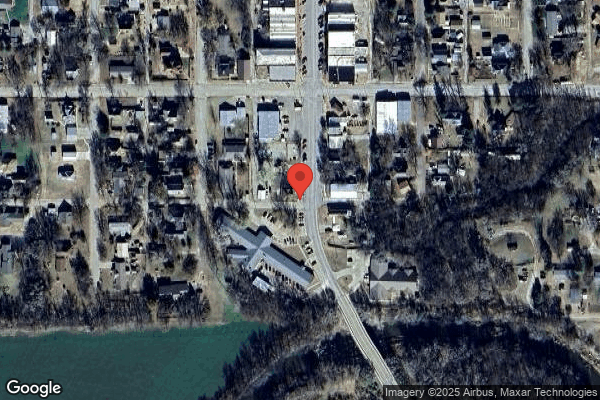
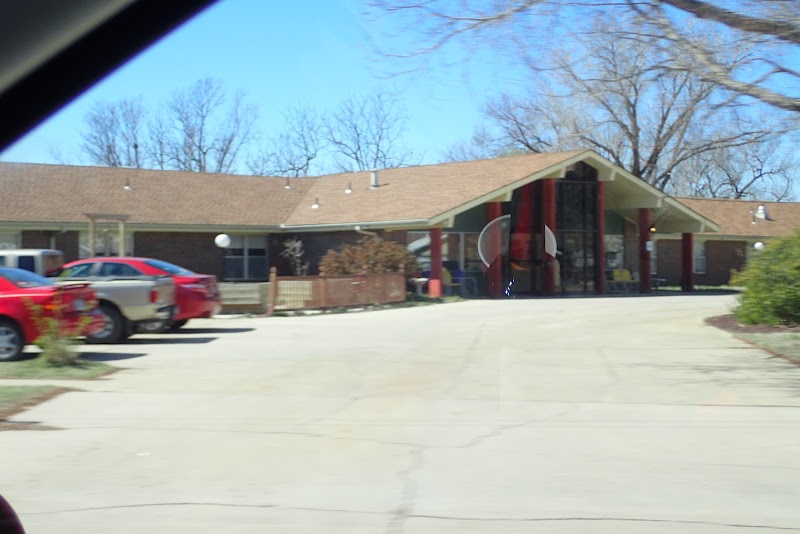
RIVERVIEW ESTATES

202 S WASHINGTON STREET, MARQUETTE, KS 67464 (785) 546-2211
Non profit - Corporation 36 Beds Independent Data: November 2025 1 Immediate Jeopardy citation
Trust Grade
1/100
#278 of 295 in KS
Last Inspection: March 2025

Within standard 12-15 month inspection cycle. Federal law requires annual inspections.

Overview

Riverview Estates in Marquette, Kansas has received a Trust Grade of F, indicating significant concerns and a poor overall performance. It ranks #278 out of 295 facilities in Kansas, placing it in the bottom half, and #7 out of 7 in McPherson County, meaning there are no better local options. The trends are worsening, with the number of issues doubling from 5 in 2023 to 12 in 2025. While staffing is a strength with a 5/5 star rating and a turnover rate of 40%, which is below the state average, the facility has concerning fines of $24,483, higher than 81% of Kansas facilities. Specific incidents include a resident with sepsis who did not receive timely care, and another resident who suffered a fall due to staff not following the care plan, indicating significant risks in resident safety. Overall, while the staffing is strong, the facility has serious deficiencies that families should carefully consider.

Trust Score
F
1/100
In Kansas
#278/295
Bottom 6%
Safety Record
High Risk
Review needed
Inspections
Getting Worse
5 → 12 violations
Staff Stability
○ Average
40% turnover. Near Kansas's 48% average. Typical for the industry.
Penalties
○ Average
$24,483 in fines. Higher than 71% of Kansas facilities. Some compliance issues.
Skilled Nurses
✓ Good
Each resident gets 54 minutes of Registered Nurse (RN) attention daily — more than average for Kansas. RNs are trained to catch health problems early.
Violations
⚠ Watch
26 deficiencies on record. Higher than average. Multiple issues found across inspections.
★☆☆☆☆
1.0
Overall Rating
★★★★★
5.0
Staff Levels
★☆☆☆☆
1.0
Care Quality
★☆☆☆☆
1.0
Inspection Score
Stable
2023: 5 issues
2025: 12 issues

The Good

  • 5-Star Staffing Rating · Excellent nurse staffing levels
  • Full Sprinkler Coverage · Fire safety systems throughout facility
  • No fines on record
  • Staff turnover below average (40%)

    8 points below Kansas average of 48%

Facility shows strength in staffing levels, fire safety.

The Bad

1-Star Overall Rating

Below Kansas average (2.9)

Significant quality concerns identified by CMS

Staff Turnover: 40%

Near Kansas avg (46%)

Typical for the industry

Federal Fines: $24,483

Below median ($33,413)

Minor penalties assessed

The Ugly 26 deficiencies on record

1 life-threatening 2 actual harm
Jun 2025 1 deficiency 1 Harm
SERIOUS (G) 📢 Someone Reported This

A family member, employee, or ombudsman was alarmed enough to file a formal complaint

Actual Harm - a resident was hurt due to facility failures

Free from Abuse/Neglect (Tag F0600)

A resident was harmed · This affected 1 resident

**NOTE- TERMS IN BRACKETS HAVE BEEN EDITED TO PROTECT CONFIDENTIALITY** The facility identified a census of 27 residents, with three residents reviewed for abuse, neglect, and exploitation. Based on r...

Read full inspector narrative →
**NOTE- TERMS IN BRACKETS HAVE BEEN EDITED TO PROTECT CONFIDENTIALITY** The facility identified a census of 27 residents, with three residents reviewed for abuse, neglect, and exploitation. Based on record review, observation, and interview, the facility failed to ensure Resident (R) 2 and R1 remained free from verbal and mental abuse. This placed R2 and R1 at risk for continued abuse, embarrassment, humiliation, and decreased quality of life due to impaired psychosocial well-being. Findings included: - R2 ' s Electronic Medical Record (EMR) documented R2 had diagnoses of multiple sclerosis (MS- progressive disease of the nerve fibers of the brain and spinal cord), anxiety (mental or emotional reaction characterized by apprehension, uncertainty, and irrational fear), depression (a mood disorder that causes a persistent feeling of sadness and loss of interest), and pain. R2's Quarterly Minimum Data Set, (MDS) dated [DATE], documented R2 had a Brief Interview for Mental Status score of 15, which indicated intact cognition. The MDS documented R2 had an indwelling urinary catheter (a tube inserted into the bladder to drain the urine into a collection bag) and was always incontinent of bowel. The MDS documented R2 as dependent on staff for all his activities of daily living (ADL) except for eating. The ADL Functional/Rehabilitation Potential Care Area Assessment, (CAA) dated 12/23/24, documented R2 as at risk for continued functional decline due to his diagnosis of MS and chronic pain. R2 was dependent on staff assistance for ADLs, including transfers and hygiene needs. R2 could feed himself finger foods but usually required staff assistance with his meals. R2 had severe contractures (abnormal fixation of the joints or muscles) of his hands and legs due to MS. R2 ' s Care Plan interventions dated 10/06/23 directed staff to know R2 was incontinent of bowel and staff were to check and change R2 every two to three hours. The plan directed staff to not rush R2, allow extra time to complete ADLs, and have a consistent approach among caregivers. The plan directed staff to allow R2 to have control over situations, establish a trusting relationship with R2, and encourage R2 to become involved in social interactions. The Facility Incident Report, dated 05/28/25, documented on 05/26/25, R2 was scheduled to have a bath. Certified Nurse Aide (CNA) O had two orientees, CNA P and CNA Q, go with her to R2 ' s room to train them on how to transfer and bathe R2. The report documented CNA P reported while they assisted R2 in his bed, R2 was incontinent of stool, which was normal for him. The report documented CNA O stated to R2, You are going to clean my shoes, you are going to buy me new shoes, you need to stop pooping so we can get you in the shower chair, and Oh, that ' s great. You ' re still pooping. The report documented R2 apologized repeatedly. The report noted after R2 ' s shower, the CNAs transferred R2 back to his room in the shower chair, CNA O stopped at the nurse ' s desk and told the staff present R2 pooped in the bathhouse, and it needed to be cleaned up. The report recorded R2 was interviewed and stated he felt embarrassed by what CNA O said to him. The report documented after questioning, CNA O admitted she said some of the things reported, but she was joking, and said she felt R2 knew she was joking. The report documented the facility terminated CNA O from employment. CNA P ' s Witness Statement, notarized on 05/27/25, documented at 03:00 PM, CNA O, CNA P, and CNA Q were getting R2 up for his shower. The statement noted when staff placed R2 in the lift sling, R2 began having bowel movements. CNA P stated CNA O started making remarks to R2 stating, You are going to clean my shoes, and You are going to buy me new shoes. CNA P stated CNA O kept repeating the comments and R2 kept saying, I ' m so sorry girls. CNA P documented CNA O glared at R2 whenever he looked at her. CNA P documented that CNA O then said, You need to stop pooping so we can get you in the shower, and Oh that ' s great. You are still pooping. CNA P noted the three CNA staff got R2 cleaned up and into the shower, R2 started to have incontinent stools again, and CNA O stated, You need to stop pooping. It ' s going all over the place,. CNA O kept giving R2 dirty looks. CNA P wrote when CNA O finished with R2 ' s shower, CNA O pushed R2 back to his room and then stopped at the nurse ' s desk and announced in front of everyone that R2 pooped again after the shower, and it needed to be cleaned up. CNA O ' s Witness Statement, notarized on 05/27/25, documented on 05/26/25 she assisted R2 to the shower. CNA O wrote she showed the other CNAs how to get R2 into the shower chair, R2 was incontinent of bowel movement at that time and asked if it got on their shoes. CNA O noted she jokingly replied, Yes, but they are washable and everyone laughed. CNA O documented that R2 kept apologizing, and CNA O reassured R2 that it was okay because her shoes and clothes were washable. On 06/02/25 at 11:30 AM, R2 sat up in bed with a neck pillow behind his neck and watched a program on his iPad. R2 had contractures to his bilateral hands but was able to use a stylus to run the iPad. R2 stated he had no control over his bowels and when staff assisted him up in the lift for transfers, he was always incontinent of stool. R2 confirmed the things CNA O said to him, and he stated she made him feel bad and humiliated in the shower room that day. R2 said everyone else at the facility treated him very well. On 06/02/25 at 11:45 AM, CNA P stated that R2 was such a sweet man, and he had no control over his bowels due to his diagnosis of MS. CNA P stated that making R2 feel bad for something he had no control over was wrong. CNA P stated she recently received education on ANE and reporting suspected abuse or neglect immediately. On 06/02/25 at 11:55 AM, Administrative Nurse D stated there were several times CNA O would say things to other staff, would have to be redirected not to say things like that, then she would say she was just joking. Administrative Nurse D stated at first, CNA O would not admit what she said to R2, but then CNA O did finally admit what she said after she already filled out her Witness Statement. Administrative Nurse D stated this kind of behavior of staff degrading residents would not be tolerated by any of the staff working at the facility, CNA O was terminated from employment, all staff were assigned ANE education in Relias (a training portal) and received the education verbally before working their next shift. The facility ' s Abuse, Neglect, and Exploitation Policy, revised 04/12/22, documented the facility had developed and implemented this policy and procedure to prohibit abuse, neglect, exploitation, or misappropriation of property by any perpetrator, including but not exclusive to any staff member or volunteer of the facility or any contracted agency staff, vendors, family member or visitors of the elder or other elders, or any other elders. Facility staff will not allow others to use verbal, mental, sexual, or physical abuse, corporal punishment, or involuntary seclusion. - R1 ' s Electronic Medical Record (EMR) documented R1 had diagnoses of Alzheimer ' s disease (progressive mental deterioration characterized by confusion and memory failure), dementia (progressive mental disorder characterized by failing memory, and confusion), major depressive disorder (major mood disorder which causes persistent feelings of sadness), psychosis (any major mental disorder characterized by a gross impairment in reality perception), anxiety (mental or emotional reaction characterized by apprehension, uncertainty and irrational fear), restlessness, and agitation. R1's Significant Change Minimum Data Set (MDS) dated [DATE] documented R1 had a Brief Interview for Mental Status (BIMS) score of three, which indicated severely impaired cognition. The MDS documented R1 had physical behaviors directed toward others during the observation period. The MDS documented R1 required the use of a wheelchair pushed by staff for locomotion and required maximum staff assistance for all her activities of daily living (ADL). The Cognitive Loss/Dementia Care Area Assessment (CAA) dated 03/24/25 documented R1 had a diagnosis of Alzheimer ' s disease and was alert and oriented to herself only. The CAA noted R1 was placed on hospice care due to Alzheimer ' s disease and was at risk for impaired cognition related to end-of-life care. The CAA documented R1 could become agitated with staff when she was in pain, she required substantial assistance due to total dependence with ADL care and was non-ambulatory. The Psychosocial Well-Being CAA, dated 03/24/25, documented R1 did not do well with groups of people or loud noises and would become agitated. The CAA documented R1 was offered one-on-one activities from staff as she would allow. The Communication CAA, dated 03/24/25, documented R1 ' s diagnoses of Alzheimer ' s disease and major depressive disorder increased R1 ' s risk for impaired communication. The CAA documented R1 was not always able to communicate her needs to staff. The CAA documented R1 typically showed agitation when she needed something. R1 ' s Care Plan documented R1 could have behaviors of cussing and hitting, which typically occurred during baths and bowel movements. The plan directed staff R1 liked to listen and sing to country music (03/27/25). The plan directed staff to explain to R1 step by step what staff were doing when providing care, as this helped calm R1 down to know what was going to happen (11/13/24). The plan directed staff to provide R1 with a calm environment when she was agitated (12/13/23). The plan directed staff to provide R1 maximum to total assistance for all her cares (12/13/23). The Facility Incident Report, dated 05/05/25, documented on 05/01/25 at approximately 07:00 PM, Certified Nurse Aide (CNA) M and CNA N provided peri-care and bedtime care for R1. The report noted R1 became agitated, and CNA N attempted to calm R1 by assuring her cares were almost done. The report documented that CNA M stated, No [R1], I ' m going to make this take longer just to [expletive] you off. The report documented CNA N reported the occurrence to LN G at 07:15 PM and Licensed Nurse (LN) G reported the incident to Administrative Nurse D. The facility told CNA M to immediately exit the facility. The report documented CNA M refused to write a statement and was terminated from employment on 05/02/25. CNA N ' s Witness Statement, notarized on 05/05/25, documented while providing care to R1, CNA M told R1 to shut up. CNA N stated she told R1 they were almost done, and CNA M stated, No, R1. I ' m going to make this take longer just to [expletive] you off. CNA N stated she stayed quiet, she and CNA M exited R1 ' s room together, and CNA N reported the incident to LN G. On 06/02/25 at 10:00 AM, R1 sat in a recliner in the day room, watched a western on TV, and fidgeted in the recliner, restless. R1 would not answer questions or communicate. On 06/02/25 at 10:30 AM, CNA N stated that R1 was easy to take care of and was very sweet. CNA N stated that R1 did not like to be exposed for long periods of time when cares were provided, but if R1 started to get agitated, she was easily redirected. CNA N stated the facility provided education regarding ANE and knew if she saw or heard something, she would report it immediately. On 06/02/25 at 10:45 AM, LN H stated that R1 was easy to care for and easily redirectable. LN H stated she was educated regarding ANE and knew to report any possible instances of abuse immediately to administrative staff and to keep residents safe. On 06/02/25 at 11:30 AM, Administrative Nurse D stated the incident of verbal abuse by CNA M was unacceptable. Administrative Nurse D said CNA M refused to provide a witness statement regarding the incident and refused to talk to administrative personnel about the incident. Administrative Nurse D stated the facility assigned ANE training to all staff in Relias (a training portal), and the facility verbally educated staff on all shifts until all staff were trained. The facility ' s Abuse, Neglect, and Exploitation Policy, revised 04/12/22, documented the facility had developed and implemented this policy and procedure to prohibit abuse, neglect, exploitation, or misappropriation of property by any perpetrator, including but not exclusive to any staff member or volunteer of the facility or any contracted agency staff, vendors, family member or visitors of the elder or other elders, or any other elders. Facility staff will not allow others to use verbal, mental, sexual, or physical abuse, corporal punishment, or involuntary seclusion. The facility identified the above deficient practices and implemented immediate corrective actions, which were all completed on 05/31/25 and included: All nursing staff re-educated on recognizing and reporting abuse, neglect, and exploitation, and the CNA perpetrators were terminated from employment. Due to the corrective action completed before the onsite survey, the citation was deemed past noncompliance at a G scope and severity to represent R2's actual psychosocial harm evidenced by embarrassment and humiliation.
Mar 2025 11 deficiencies 1 IJ
CRITICAL (J)

Immediate Jeopardy (IJ) - the most serious Medicare violation

Free from Abuse/Neglect (Tag F0600)

Someone could have died · This affected 1 resident

**NOTE- TERMS IN BRACKETS HAVE BEEN EDITED TO PROTECT CONFIDENTIALITY** The facility had a census of 23 residents. The sample size included 12 residents, with 12 residents reviewed for neglect. Based ...

Read full inspector narrative →
**NOTE- TERMS IN BRACKETS HAVE BEEN EDITED TO PROTECT CONFIDENTIALITY** The facility had a census of 23 residents. The sample size included 12 residents, with 12 residents reviewed for neglect. Based on record review and interview, the facility failed to prevent the neglect of Resident (R) 26, when staff failed to timely and competently assess and provide care for R26, who had a known history of sepsis (a life-threatening systemic reaction that developed due to infections which cause inflammation throughout the entire body). On 01/05/25 at 06:58 PM, R26 struggled to talk and drink liquids. Licensed Nurse (LN) H contacted the on-call physician and reported R26 acted similar to the last time R26 was septic. Based on this information, the physician ordered one gram of Rocephin (an antibiotic) every 24 hours for seven days and stated if R26 did not show any signs of improvement, or her condition worsened, then LN H was to send R26 to the Emergency Room. On 01/06/25 at 02:55 AM, R26 had oxygen on at two liters per minute, with shallow, labored respirations. R26's skin was pale and moist to the touch. R26 had the head of her bed elevated to 30 degrees due to respirations with coarse lung sounds throughout. R26 did not respond when staff called her name, nor did she communicate with staff and LN H failed to call the physician or send R26 to the ER. Just over 2 hours later, at 05:10 AM, Certified Nurse Aide (CNA) M called LN H to R26's room and R26 had no pulse and no respirations. These failures ultimately resulted in R26's expiration at the facility on 01/06/25 sometime between 02:55 AM and 05:10 AM and placed R26 in immediate jeopardy. Findings included: - R26's Electronic Medical Record (EMR) documented diagnoses of sepsis, ulcer of the esophagus (the tube that carries food and liquids from the mouth to the stomach) with bleeding, fracture (broken bone) of shaft of the right humerus (upper arm bone), and age-related osteoporosis (abnormal loss of bone density and deterioration of bone tissue with an increased fracture risk). R26's Care Plan, dated 11/22/24, directed staff to assist with activities of daily living (ADL) as needed and staff was to notify the resident's physician of any changes in condition. The care plan directed staff to monitor and report signs of respiratory distress. The Progress Note, dated 01/03/25 at 09:25 PM, documented during care for R26 the nurse noted a bulge in her right mid-lower abdomen. The area was soft to the touch but had a ridge in the circumference of the bulge measuring 10 centimeters (cm) in diameter. R26 denied any pain with it or when gently touched. No further assessment of this concern was documented. The Progress Note, dated 01/04/25 at 05:25 AM, documented blood pressures today of 107/52 millimeters of mercury (mmHg) and 90/53 mmHg (normal for a person over [AGE] years old would be 140/80 mmHg), pulses of 58 and 103 beats per minute (normal range 60-100 bpm). R26 was very lethargic and took only two bites of the noon meal. R26 refused to come out of her room for supper. LN H notified the physician who stated her vital signs (blood pressure and pulse) were within normal limits. The physician-directed staff to notify her primary physician of her condition by fax. The Progress Note, dated 01/05/25 at 12:24 AM, documented R26 complained of increased pain and the scheduled Percocet (narcotic pain relief drug) was not effective in pain management this evening. The Progress Note, dated 01/05/25 at 06:58 PM, documented R26 was hypotensive (low blood pressure) with tachycardia (rapid heartbeat greater than 100 beats per minute - bpm). R26 was struggling to talk and drink liquids. The note stated LN H contacted the physician and informed him R26 acted similarly the last time she was septic. The physician ordered R26 to have one gram of Rocephin every 24 hours for 7 days and if R26 did not show any improvement, or her condition worsened send her to the emergency room (ER). On 01/06/25 at 01:50 AM, vital sign documentation revealed R26's blood pressure was 94/46 mmHg, pulse 131 bpm, and respirations were 18 breaths per minute. On 01/06/25 at 02:52 AM, vital sign documentation revealed R26's blood pressure was 95/55 mmHg, pulse 77 bpm, and respirations were 22 breaths per minute. The Progress Note, dated 01/06/25 at 02:55 AM, documented R26 required oxygen supplementation at two liters per minute due to her respirations were shallow and labored. R26's skin was pale and moist to the touch. R26 refused fluids and pursed her lips tight when oral care was offered. The note documented LN H elevated the head of her bed due to respirations with lung sounds, which were course throughout. R26 did not respond to staff when they called her name, but she repeatedly shook her head no. On 01/06/25 there was no further assessment of R26 documented until 05:10 AM. The Progress Note, dated 01/06/25 at 05:10 AM, documented a CNA (certified nurse aide) M called LN H to R26's room. R26 had no pulse and no respiration. On 03/19/25 at 11:16 AM, Administrative Nurse D stated she was unaware of the bulge the nurse noted in the resident's abdomen on 01/03/25. Administrative Nurse D verified there was no further follow-up of that issue. Administrative Nurse D verified on 01/06/25 at 02:55 AM, that staff should have called Emergency Medical Services (EMS) or the physician when R26 worsened per the physician's order eight hours earlier. The facility's Standards of Care policy, dated 09/18/21, stated the Lippincott Manual for Nursing Procedures (7th edition) would serve as the basis for standard nursing practice. The policy stated it would not replace the responsibilities of professional nursing education and policies, protocols or guidelines may be developed by the facility to specifically address the long-term care environment. Nurses were to refer to the [NAME] for standards of care, utilize, and revise as needed under the guidance of the director of nursing and the infection preventionist. The facility's admission Assessment and Follow Up policy, dated September 2012, directed nursing staff to notify the supervisor and attending physician of immediate needs the resident may have and report any other information in accordance with facility policy and professional standards of practice. The facility's Abuse and Neglect- Clinical Protocol, dated March 2018, stated the nurse would assess the resident and document related findings. The physician, staff, and management would identify situations that could be construed as neglect. The physician would provide adequate documentation regarding significant negative outcomes that have resulted from a resident's underlying medical illness or conditions, despite appropriate care. The medical director would advise staff and management on ways to ensure that basic medical, functional, and psychosocial needs were being met and that potentially preventable or treatable conditions affecting function and quality of life were addressed appropriately. The facility failed to prevent the neglect of R26, when staff failed to timely and competently assess and provide care for R26, who had a known history of sepsis. On 01/05/25 at 06:58 PM, R26 struggled to talk and drink liquids. LN H contacted the on-call physician and reported R26 acted similar to the last time R26 was septic. Based on this information, the physician ordered one gram of antibiotic every 24 hours for seven days and stated if R26 did not show any signs of improvement, or her condition worsened, then LN H was to send R26 to the Emergency Room. On 01/06/25 at 02:55 AM, R26 had oxygen on at two liters per minute, with shallow, labored respirations. R26's skin was pale and moist to the touch. R26 had the head of her bed elevated to 30 degrees due to respirations with coarse lung sounds throughout. R26 did not respond when staff called her name, nor did she communicate with staff and LN H failed to call the physician or send R26 to the ER. Just over 2 hours later, at 05:10 AM, CNA M called LN H to R26's room and R26 had no pulse and no respirations. These failures ultimately resulted in R26's expiration at the facility on 01/06/25 sometime between 02:55 AM and 05:10 AM and placed R26 in immediate jeopardy. The following citations represent the findings of a partial extended annual survey. On 03/19/25 at 05:41 PM Administrative Staff A received a copy of the Immediate Jeopardy Template and was informed of the immediate jeopardy for Resident (R) 26. The facility completed the following corrective actions to remove the immediacy for R26: Immediate education regarding F600 began 03/19/25 and was completed 03/20/25 at 12:30 PM. Nursing staff were not allowed to work until they were educated on the policy and clinical protocols for assessing residents and notification to the physician upon changes in condition. On 03/20/25, an onsite verified the completion of the corrective actions to remove the immediacy. After the immediacy was removed the deficient practice remained at a scope and severity of G to represent the actual harm to R26.
CONCERN (D)

Potential for Harm - no one hurt, but risky conditions existed

Notification of Changes (Tag F0580)

Could have caused harm · This affected 1 resident

**NOTE- TERMS IN BRACKETS HAVE BEEN EDITED TO PROTECT CONFIDENTIALITY** The facility had a census of 23 residents. The sample size included 12 residents. Based on record review and interview, the faci...

Read full inspector narrative →
**NOTE- TERMS IN BRACKETS HAVE BEEN EDITED TO PROTECT CONFIDENTIALITY** The facility had a census of 23 residents. The sample size included 12 residents. Based on record review and interview, the facility failed to notify Resident (R) 26's physician or family when staff noted an abnormal bulge in R26's right abdomen on 01/03/25. The facility nursing staff also failed to notify the physician on 01/06/25 when R26 had a further deterioration in condition with shallow, labored respirations. R26's skin was pale and moist to the touch, and she had coarse lung sounds throughout. R26 did not respond when staff called her name, nor did she communicate with staff. LN H failed to call the physician or send R26 to the ER at that time. This deficient practice placed R26 at risk for serious health consequences. Findings included: - R26's Electronic Medical Record (EMR) documented diagnoses of sepsis, ulcer of the esophagus (the tube that carries food and liquids from the mouth to the stomach) with bleeding, fracture (broken bone) of shaft of the right humerus (upper arm bone), and age-related osteoporosis (abnormal loss of bone density and deterioration of bone tissue with an increased fracture risk). R26's Care Plan, dated 11/22/24, directed staff to assist with activities of daily living (ADL) as needed and staff was to notify the resident's physician of any changes in condition. The care plan directed staff to monitor and report signs of respiratory distress. The Progress Note, dated 01/03/25 at 09:25 PM, documented that during care for R26 the nurse noted a bulge in her right mid-lower abdomen. The area was soft to the touch but had a ridge in the circumference of the bulge measuring 10 centimeters (cm) in diameter. R26 denied any pain with it or when gently touched. No further assessment of this concern was documented. The Progress Note, dated 01/04/25 at 05:25 AM, documented blood pressures today of 107/52 millimeters of mercury (mmHg) and 90/53 mmHg (normal for a person over [AGE] years old would be 140/80 mmHg), pulses of 58 and 103 beats per minute (normal range 60-100 bpm). R26 was very lethargic and took only two bites of the noon meal. R26 refused to come out of her room for supper. LN H notified the physician who stated her vital signs (blood pressure and pulse) were within normal limits. The physician-directed staff to notify her primary physician of her condition by fax. The Progress Note, dated 01/05/25 at 12:24 AM, documented R26 complained of increased pain and the scheduled Percocet (narcotic pain relief drug) was not effective in pain management this evening. The Progress Note, dated 01/05/25 at 06:58 PM, documented R26 was hypotensive (low blood pressure) with tachycardia (rapid heartbeat greater than 100 beats per minute - bpm). R26 was struggling to talk and drink liquids. The note stated LN H contacted the physician and informed him R26 acted similarly the last time she was septic. The physician ordered R26 to have one gram of Rocephin every 24 hours for 7 days and if R26 did not show any improvement, or her condition worsened send her to the emergency room (ER). On 01/06/25 at 01:50 AM, vital sign documentation revealed R26's blood pressure was 94/46 mmHg, pulse 131 bpm, and respiration were 18 breaths per minute. On 01/06/25 at 02:52 AM, vital sign documentation revealed R26's blood pressure was 95/55 mmHg, pulse 77 bpm, and respirations were 22 breaths per minute. The Progress Note, dated 01/06/25 at 02:55 AM, documented R26 required oxygen supplementation at two liters per minute due to her respirations were shallow and labored. R26's skin was pale and moist to the touch. R26 refused fluids and pursed her lips tight when oral care was offered. The note documented LN H elevated the head of her bed due to respirations with lung sounds, which were coarse throughout. R26 did not respond to staff when they called her name, but she repeatedly shook her head no. On 01/06/25 there was no further assessment of R26 documented until 05:10 AM. The Progress Note, dated 01/06/25 at 05:10 AM, documented a CNA (certified nurse aide) M called LN H to R26's room. R26 had no pulse and no respiration. On 03/19/25 at 11:16 AM, Administrative Nurse D stated she was unaware of the bulge the nurse noted in the resident's abdomen on 01/03/25. Administrative Nurse D verified there was no further follow-up of that issue and she would expect nursing to follow up with further assessment. Administrative Nurse D verified on 01/06/25 at 02:55 AM, that staff should have called Emergency Medical Services (EMS) or the physician when R26 worsened per the physician's order eight hours earlier. The facility's Standards of Care policy, dated 09/18/21, stated the Lippincott Manual for Nursing Procedures (7th edition) would serve as the basis for standard nursing practice. The policy stated it would not replace the responsibilities of professional nursing education and policies, protocols or guidelines may be developed by the facility to specifically address the long-term care environment. Nurses were to refer to the [NAME] for standards of care, utilize, and revise as needed under the guidance of the director of nursing and the infection preventionist. The facility's admission Assessment and Follow Up policy, dated September 2012, directed nursing staff to notify the supervisor and attending physician of immediate needs the resident may have and report any other information in accordance with facility policy and professional standards of practice. The facility failed to notify R26's physician or family when staff noted an abnormal bulge in R26's right abdomen on 01/03/25. The facility nursing staff also failed to notify the physician on 01/06/25 when R26 had a further deterioration in condition with shallow, labored respirations. R26's skin was pale and moist to the touch, and she had coarse lung sounds throughout. R26 did not respond when staff called her name, nor did she communicate with staff. LN H failed to call the physician or send R26 to the ER at that time. This deficient practice placed R26 at risk for serious health consequences.
CONCERN (D)

Potential for Harm - no one hurt, but risky conditions existed

Transfer Notice (Tag F0623)

Could have caused harm · This affected 1 resident

**NOTE- TERMS IN BRACKETS HAVE BEEN EDITED TO PROTECT CONFIDENTIALITY** The facility had a census of 23 residents. The sample included 12 residents. Based on interviews and record review, the facility...

Read full inspector narrative →
**NOTE- TERMS IN BRACKETS HAVE BEEN EDITED TO PROTECT CONFIDENTIALITY** The facility had a census of 23 residents. The sample included 12 residents. Based on interviews and record review, the facility failed to notify the State Long term Care Ombudsman (LTCO) of Resident (R)13's facility-initiated discharge to the hospital. This placed R13 at risk for impaired rights. Findings included: - R13's Electronic Health Record (EHR) revealed diagnoses of dementia (a progressive mental disorder characterized by failing memory and confusion) with behavioral disturbance, arteriosclerotic heart disease (ASHD, is a condition where the arteries that supply blood to the heart become narrowed and hardened due to buildup of plaque, a sticky substance), and anxiety (mental or emotional reaction characterized by apprehension, uncertainty, and irrational fear). R13's Significant Change Minimum Data Set (MDS), dated [DATE], recorded R13 had severe cognitive impairment. The MDS recorded she required extensive staff assistance with transfers and activities of daily living (ADL). The MDS documented the resident received hospice service. The Care Area Assessment (CAA), dated 02/14/25, recorded R13 required partial to dependent assistance with ADLs and mobility and required substantial assistance of two staff and a sit-to-stand mechanical lift for transfers. The CAA documented the resident had a diagnosis of dementia, was pleasantly confused, and as the disease progressed she had a functional decline. R13's Care Plan, dated 03/04/25, recorded R13 required extensive staff assistance with most ADL care. R13's Care Plan documented the resident had a diagnosis of dementia and required hospice services. The care plan directed the staff to provide comfort and encourage family and friends' support system. The care plan directed staff to observe closely for signs of pain and administer medications as ordered. The facility care plan lacked instruction on the services provided by hospice including the frequency and type of support visits, supplies and medical equipment provided by hospice, medications covered by hospice, and the hospice contact information. On 08/19/24 at 05:34 PM, Nurse's Notes documented the resident had emesis while eating dinner and had not finished. On 8/21/24 at 09:17 AM, Nurses Notes documented the resident continued to refuse to get out of bed, color pale, and had a moist cough, blood pressure 90/60 (normal 120/80) pulse 88 (normal 60-100) and oxygen saturation 89% (normal between 95% and 100%.) On 08/21/24 at 12:56 PM, Nurse's Notes documented the resident was admitted to the hospital for dehydration and acute kidney failure. The relative was notified. On 08/24/24 at 11:40 AM, Nurse's Notes documented the resident returned to the facility per facility staff. The resident entered the facility in a wheelchair and staff assistance. Observation revealed the resident was alert to person fatigue, and weak. The physician ordered Amoxicillin-pot clavulanate (antibiotic) 875-125 milligrams (mg), one tablet for five days for a diagnosis of pneumonia and dehydration. R13's clinical record lacked documentation staff notified the LTCO of the resident's discharge from the facility. On 03/19/25 at 08:30 AM, Administrative Staff A stated they did not have any notification to the Ombudsman regarding the residents' discharge. Administrative Staff A stated the facility had started sending the Ombudsman monthly Admission/Leave/Discharges notification in February 2025, after she attended a meeting with the LTCO president and was informed what should be sent to them and the information needed to be sent regarding the discharges from the facility. Administrative Staff A stated it was her understanding they were to notify the Ombudsman only if it was a facility-initiated discharge. The facility's Admission, Transfer, and Discharge, policy, dated 08/31/21, documents that when facility staff mandates a transfer out of the facility or discharge from the facility, staff will document the reason(s) for and conditions under which the resident is mandated to transfer out of the facility or to be discharged and the method for transitioning the responsibility for the resident's care from the clinician, organization, program or services to another. In addition, the following documentation requirements include: The resident's response to medical treatment and care. admission information, current medical findings, diet prescribed, the resident's functional status at the time of admission, and the time of discharge. Medical observation and recommendations were made after the initial medical assessment, as well as progress notes that were reported at the time of observation and that described significant changes in the resident's condition. Progress notes recorded at each visit. Compete transfer form and discharge summary. If the resident dies in the facility, the course of events leading to the resident's death. Evidence that the attending physician had reviewed the consulting physician's order for consistency with the interdisciplinary plan of care. Facility staff would document in the clinical record discharge information provided to the resident and the receiving organization, if applicable. Medical findings and diagnosis; a summary of the care, treatment, services provided, and progress reached toward goals. The policy documented the State Ombudsman would be notified of any/all involuntary discharges for assistance with transition and support of the resident and the representative. The facility failed to notify the LTCO of R13's discharge. This deficient practice placed the resident at risk for impaired rights.
CONCERN (D)

Potential for Harm - no one hurt, but risky conditions existed

Deficiency F0625 (Tag F0625)

Could have caused harm · This affected 1 resident

**NOTE- TERMS IN BRACKETS HAVE BEEN EDITED TO PROTECT CONFIDENTIALITY** The facility had a census of 23 residents. The sample included 12 residents, with two residents reviewed for discharge. Based on...

Read full inspector narrative →
**NOTE- TERMS IN BRACKETS HAVE BEEN EDITED TO PROTECT CONFIDENTIALITY** The facility had a census of 23 residents. The sample included 12 residents, with two residents reviewed for discharge. Based on observation, record review, and interview, the facility failed to provide Resident (R) 13 with written information regarding the facility's bed hold policy when she was transferred to the hospital. This placed the resident at risk of not being permitted to return and resume residence in the nursing facility. Findings included: - R13's Electronic Health Record (EHR) revealed diagnoses of dementia (a progressive mental disorder characterized by failing memory and confusion) with behavioral disturbance, arteriosclerotic heart disease (ASHD - is a condition where the arteries that supply blood to the heart become narrowed and hardened due to buildup of plaque, a sticky substance), and anxiety (mental or emotional reaction characterized by apprehension, uncertainty, and irrational fear). R13's Significant Change Minimum Data Set (MDS), dated [DATE], recorded R13 had severe cognitive impairment (an impairment in organization, sequencing, attention, memory, planning, problem-solving, and safety awareness). The MDS recorded she required extensive staff assistance with transfers and activities of daily living (ADL). The MDS documented the resident received hospice service. The Care Area Assessment (CAA), dated 02/14/25, recorded R13 required partial to dependent assistance with ADLs and mobility and requires substantial assistance of two staff and a sit-to-stand mechanical lift for transfers. The CAA documented the resident had a diagnosis of dementia, was pleasantly confused, and as the disease progress she has functional decline. R13's facility Care Plan, dated 03/04/25, recorded R13 required extensive staff assistance with most ADL care. R13's Care Plan documented the resident had a diagnosis of dementia and required hospice services. The care plan directed the staff to provide comfort and encourage family and friends support system. The care plan directed staff to observe closely for signs of pain and administer medications as ordered. The facility care plan lacked instruction on the services provided by hospice including the frequency and type of support visits, supplies and medical equipment provided by hospice, medications covered by hospice, and the hospice contact information. On 08/19/24 at 05:34 PM, the Nurse's Notes documented the resident had emesis while eating dinner and did not finish eating. On 8/21/24 at 09:17 AM, the Nurses Notes documented the resident continued to refuse to get out of bed. R13's color was pale and had a moist cough, blood pressure 90/60 (normal 120/80), pulse 88 (normal 60-100), and oxygen saturation 89% (normal between 95% and 100%). On 08/21/24 at 12:56 PM, the Nurse's Notes documented R13 admitted to the hospital for dehydration and acute kidney failure. R13's relative was notified. On 08/24/24 at 11:40 AM, the Nurse's Notes documented R13 returned to the facility per facility staff. R13 entered the facility in a wheelchair and staff assistance. Observation revealed R13 was alert to person, fatigued, and weak. The physician ordered Amoxicillin-pot clavulanate (an antibiotic) 875-125 milligrams (mg), one tablet for five days for a diagnosis of pneumonia and dehydration. R13's clinical record lacked a bed hold policy notice. On 03/19/25 at 10:30 AM, Social Service Staff X stated the facility does not provide bed hold notices to the residents or their representative until 10 days after the discharge if they are Medicaid, and at that time would obtain a signed bed hold policy. On 03/19/25 at 10:45 AM, Administrative Nurse D verified the facility lacked evidence of a signed bed hold policy notice that had been verbally acknowledged, provided, or signed by the resident's representative when R13 was transferred and admitted to the hospital on [DATE]. The facility's Bed Hold policy dated 09/06/21 documented before the facility transfers a resident to the hospital or the resident goes on therapeutic leave, the facility would provide written information to the resident and/or the resident representative that specifies the duration of the state bed-hold policy during which the resident is permitted to return and resume residency in the facility; the reserve bed payment policy is the state plan; the facilities' policies regarding bed-hold period, which are consistent with the law permitting the resident to return. The facility will allow the resident whose hospitalization or therapeutic leave exceeds the bed-hold policy under the state plan may return to the facility to the resident's previous room if available or immediately upon the first availability of a bed in a semi-private room if the resident requires the services provided by the facility and is eligible for Medicare skilled nursing services or Medicaid nursing facility services. Prior to transferring a resident to a hospital or if a resident goes on therapeutic leave, facility nursing staff will provide written information to the resident and/or representative and family that specifies: a. The duration of the bed-hold policy under Kansas law and regulations, during which the resident is permitted to return and resume residence in the facility b. The facility's police regarding bed-hold periods. On admission, the resident and/or the representative/legal guardian and interested family member would be provided verbally and a written copy of the bed-hold policy. The bed-hold policy would have information about any charges the resident would incur when out of the facility overnight. The nurses responsible for the preparation of information that would accompany a resident when transferred to another healthcare facility would include the facility policy for retaining the resident's current bedroom while absent from the facility. If the representative or designated family member is not present at the time of transfer to another health care facility, a copy of the policy would be mailed to the resident's representative or designated family member the next working day. It is the responsibility of the facility nurse or Social Service staff to ensure that the resident, the resident's representative, or designated family member are aware of their responsibilities if they wish to hold the bedroom during the resident's absence from the facility. The facility failed to provide R13's representative with a copy of the facility bed hold policy when she was transferred to the hospital. This placed the resident at risk for not being permitted to return and resume residence in the nursing facility.
CONCERN (D)

Potential for Harm - no one hurt, but risky conditions existed

Deficiency F0661 (Tag F0661)

Could have caused harm · This affected 1 resident

**NOTE- TERMS IN BRACKETS HAVE BEEN EDITED TO PROTECT CONFIDENTIALITY** The facility had a census of 23 residents. The sample included 12 residents. Based on record review and interview, the facility ...

Read full inspector narrative →
**NOTE- TERMS IN BRACKETS HAVE BEEN EDITED TO PROTECT CONFIDENTIALITY** The facility had a census of 23 residents. The sample included 12 residents. Based on record review and interview, the facility failed to develop a discharge summary that included a complete recapitulation (a concise summary of the resident's stay and course of treatment in the facility) of the resident's stay and post-discharge plan for Resident (R) 27. This placed the resident at risk for receiving inadequate care. Findings included: - R27's Electronic Medical Record (EMR) revealed the resident admitted to the facility on [DATE]. R27's admission Minimum Data Set (MDS), dated [DATE], documented R27 required limited staff assistance with activities of daily living (ADL). The MDS documented there are active discharge plans in place for returning R27 to return to the community. The Activities of Daily Living (ADLs) Care Area Assessment (CAA), dated 12/26/24, documented the resident was recently hospitalized for treatment of pneumonia and would receive physical therapy and occupational therapy. The CAA documented that staff would manage the resident's chronic pain. R27's admission Care Plan, dated 01/03/25, documented the resident was at risk for shortness of air related to respiratory disease. The Care plan documented the resident and the physician fully anticipated her return to the community. The Nurse's Note, dated 01/24/25 at 12:30 PM, documented R27 was discharged from the facility to home. Review of R27's EMR lacked a discharge summary, which included a complete recapitulation of her stay. On 03/19/25 at 08:10 AM, Administrative Staff A verified R27's discharge summary had an incomplete recapitulation of her stay and stated nursing was responsible for completing the discharge summary. The facility's Admission, Transfer, and Discharge policy, dated 08/31/21, documented that when facility staff mandates a transfer out of the facility or discharge from the facility, staff will document the reason(s) for and conditions under which the resident is mandated to transfer out of the facility or to be discharged and the method for transitioning the responsibility for the resident's care from the clinician, organization, program or services to another. In addition, the following documentation requirements include: The resident's response to medical treatment and care. admission information, current medical findings, diet prescribed, the resident's functional status at the time of admission, and the time of discharge. Medical observation and recommendations were made after the initial medical assessment, as well as progress notes that were reported at the time of observation and that described significant changes in the resident's condition. Progress notes recorded at each visit. Compete transfer form and discharge summary. If the resident dies in the facility, the course of events leading to the resident's death. Evidence that the attending physician had reviewed the consulting physician's order for consistency with the interdisciplinary plan of care. Facility staff would document in the clinical record discharge information provided to the resident and the receiving organization, if applicable. Medical findings and diagnosis; a summary of the care, treatment, services provided, and progress reached toward goals. The facility failed to develop a discharge summary that included a complete recapitulation of R27's stay and post-discharge plan. This placed the resident at risk for receiving inadequate care.
CONCERN (D)

Potential for Harm - no one hurt, but risky conditions existed

Incontinence Care (Tag F0690)

Could have caused harm · This affected 1 resident

**NOTE- TERMS IN BRACKETS HAVE BEEN EDITED TO PROTECT CONFIDENTIALITY** The facility had a census of 23 residents. The sample included 12 residents with one reviewed for urinary catheter (insertion of...

Read full inspector narrative →
**NOTE- TERMS IN BRACKETS HAVE BEEN EDITED TO PROTECT CONFIDENTIALITY** The facility had a census of 23 residents. The sample included 12 residents with one reviewed for urinary catheter (insertion of a catheter into the bladder to drain the urine into a collection bag). Based on observation, interview, and record review, the facility failed to provide Resident (R) 11 a device to secure the catheter tubing to keep it from pulling and causing discomfort. This deficient practice placed R11 at risk for pain or injury related to the catheter use and R11 developed two open sores related to the catheter rubbing. Findings included: - R11's Electronic Medical Record (EMR) documented diagnoses of an open wound of the penis (male organ with urethra tube which carries urine to outside the body), pain, and Urinary Tract Infection (UTI - an infection in any part of the urinary system). The Quarterly Minimum Data Set (MDS), dated [DATE], documented a Brief Interview for Mental Status (BIMS) score of 13, indicating intact cognition. The MDS documented R11 required maximum staff assistance for toileting, had a urinary catheter, and occasional moderate pain. The MDS documented R11 had no skin issues. R11's Care Plan for urinary catheter, dated 01/03/25, directed staff to provide a 16Fr. (French) 30 cubic centimeters (cc) catheter, and change the catheter per physician's order. The staff were directed to not allow tubing or any part of the drainage system to touch the floor and provide catheter care daily and as needed. The staff were to change the catheter bag weekly, assess the drainage, and record the amount, type, color, and odor. The staff were to observe for leakage and irrigate the catheter only if an obstruction was suspected. The staff were to keep the catheter system a closed system as much as possible, manipulate tubing as little as possible during care, and measure and record the urine output. The staff was to position the catheter collection bag below the level of the bladder and store the collection bag inside a protective dignity pouch. The staff was to use a catheter strap as needed and ensure enough slack was left in the catheter tubing between the meatus (opening on the penis which leads into the body) and the strap. The Physician Order, dated 10/17/24, directed staff to ensure a 16Fr.30 cc catheter was in place. The Progress Note, dated 03/12/2025 at 09:06 AM documented R11's catheter change was completed. When changing the catheter, R11's penis was found to have two sores. The sores were approximately 0.5 centimeters (cm) in diameter. R11's catheter rubbed against the sores. The physician was faxed and the family was notified regarding the issue. The Progress Note, dated 03/17/2025 at 11:43 AM documented R11 denied abuse or neglect and nursing staff reported that catheter tubing was rubbing against the penis area. The note stated licensed nurses were to apply protective barrier cream to the area until healed and after healed to prevent skin impairments. The care plan was reviewed and updated to ensure the catheter tubing was not pressing or rubbing against his perineal area or penis which could cause skin impairments. On 03/19/25 at 12:00 PM, Licensed Nurse (LN) H donned personal protective equipment (PPE) and took gauze, Calmoseptine, and wound cleanser into R11's room. R11 was in bed and LN H performed wound care to the two penis wounds as ordered. R11 had no catheter secure device or strap-on. On 03/19/25 at 12:00 PM, LN H stated that R11 did not leave the device on due to the adhesive. LN H thought he had signed a risk agreement to not wear the securing device. On 03/19/25 at 12:10 PM, Administrative Nurse D verified staff should have placed a secure device for the resident's catheter tubing to prevent pulling on it as care planned and he had no risk agreement to not wear a secure device or strap. The facility's Urinary Catheter Care policy, dated August 2022, directed staff to ensure the catheter remained secured with a securement device to reduce friction and movement at the insertion site. The policy stated staff should record any problems noted at the insertion site such as redness, bleeding, irritation, or pain. The facility failed to provide R 11 a device to secure the catheter tubing to keep it from pulling and causing discomfort. This deficient practice placed R11 at risk for pain or injury related to the catheter use and R11 developed two open sores related to the catheter rubbing.
CONCERN (D)

Potential for Harm - no one hurt, but risky conditions existed

Deficiency F0849 (Tag F0849)

Could have caused harm · This affected 1 resident

**NOTE- TERMS IN BRACKETS HAVE BEEN EDITED TO PROTECT CONFIDENTIALITY** The facility had a census of 23 residents. The sample included 12 residents with one reviewed for hospice (a type of health care...

Read full inspector narrative →
**NOTE- TERMS IN BRACKETS HAVE BEEN EDITED TO PROTECT CONFIDENTIALITY** The facility had a census of 23 residents. The sample included 12 residents with one reviewed for hospice (a type of health care that focuses on the terminally ill patient's pain and symptoms and attending to their emotional and spiritual needs at the end of life) services. Based on observation, record review, and interview, the facility failed to ensure coordinated care and services provided by the facility with the care and services provided by hospice for Resident (R) 13. This placed the residents at risk for inadequate end-of-life care. Findings included: - R13's Electronic Health Record (EHR) revealed diagnoses of dementia (a progressive mental disorder characterized by failing memory and confusion) with behavioral disturbance, arteriosclerotic heart disease (ASHD - is a condition where the arteries that supply blood to the heart become narrowed and hardened due to buildup of plaque, a sticky substance), and anxiety (mental or emotional reaction characterized by apprehension, uncertainty, and irrational fear). R13's Significant Change Minimum Data Set (MDS), dated [DATE], recorded R13 had severe cognitive impairment. The MDS recorded she required extensive staff assistance with transfers and activities of daily living (ADLs). The MDS documented the resident received hospice services. R13's facility Care Plan, dated 03/04/25, recorded R13 required extensive staff assistance with most ADL care. R13's Care Plan documented the resident had a diagnosis of dementia and required hospice services. The care plan directed the staff to provide comfort and encourage family and friends' support system. The care plan directed staff to observe closely for signs of pain and administer medications as ordered. The facility care plan lacked instruction on the services provided by hospice including the frequency and type of support visits, supplies and medical equipment provided by hospice, medications covered by hospice, and the hospice contact information. Review of R13's clinical record revealed the resident was admitted to hospice care on 03/04/25. The facility had a plan of care provided by hospice in the electronic health record. On 03/13/25 at 12:45 PM, R13 was dressed in street clothes in a recliner in her room. R13 was talking about house insulation coming down and the house was very cold, continued to talk but had word salad. On 03/19/25 at 10:30 AM, Administrative Nurse D verified the facility lacked specific information on the facility care plan that coordinated with the hospice care plan. The facility's Hospice Program policy, dated July 2021, documented hospice services are available to residents at the end of life. The facility has an agreement in place with at least one Medicare-certified hospice to ensure that residents who wish to participate in a hospice program may do so. When a resident has been diagnosed as terminally ill, the Director of Nursing Services would contact the hospice agency and request that a visit/interview with the resident/family be conducted to determine the resident's wishes relative to participate in the hospice program. It is the responsibility of the hospice to manage the resident's care as it relates to the terminal illness and related conditions, including: Determining the appropriate hospice plan of care. Change the level of services provided when it is deemed appropriate. Provide medical direction, nursing, and clinical management of the terminal illness. Provide spiritual, bereavement, and/or psychosocial counseling and social services as needed; and Providing medical supplies, durable medical supplies, durable medical equipment, and medications necessary for the palliation of pain and symptoms. In general, it is the responsibility of the facility to meet the resident's personal care and nursing needs in coordination with hospice representatives and ensure the level of care provided is appropriately based on the individual resident's needs. Coordinated care plans for the resident's hospice services would include the most recent hospice plan of care as well as the care and services provided by the facility including the responsible provided and discipline assigned to specific tasks, in order to maintain the resident's highest practicable physical, mental and psychosocial well-being. The coordinated care plan would reflect the resident's goals and wishes, as stated in his/her advanced directive and during ongoing communications with the resident's representative, including: a. Palliative goals and objectives. b. Palliative interventions. c. medical treatment and diagnostic tests. The coordinated care plan would be revised and updated as necessary to reflect the resident's current status. The facility failed to coordinate care between the facility and the hospice provider for R13, who received hospice services. This deficient practice placed her at risk for inadequate end-of-life care.
CONCERN (E)

Potential for Harm - no one hurt, but risky conditions existed

Abuse Prevention Policies (Tag F0607)

Could have caused harm · This affected multiple residents

The facility had a census of 23 residents. Based on observation, interview, and record review, the facility failed to perform background checks as required for four employees. The employees were allow...

Read full inspector narrative →
The facility had a census of 23 residents. Based on observation, interview, and record review, the facility failed to perform background checks as required for four employees. The employees were allowed access to residents without knowing if they had been found guilty of abuse, neglect, exploitation, misappropriation of property, or mistreatment by a court of law. This deficient practice placed the 23 residents of the facility at risk for potential abuse, neglect, or exploitation. Findings included: - On 03/18/25 a review of staffing for background checks for facility staff was completed. Upon request and review the facility was unable to provide evidence a criminal background check had been completed before four employees began working around and with residents. The facility records revealed the following staff started employment at the facility before the background checks returned: Certified Nurse Aide (CNA) N started on 07/09/22 and the background check was not verified until 02/04/24. CNA O started on 01/24/24 and the background check was not verified until 02/12/24. Housekeeping Staff U started on 11/05/21 and the background check was not verified until 12/03/24. Maintenance Staff V started on 02/20/24 and the background check was not verified until 02/22/24. On 03/18/25 at 01:39 PM, Administrative Staff A verified the facility had not received the background checks for four staff prior to those staff working in the facility. The facility's Monitoring Background Checks policy, dated 09/06/2021, stated following each background check on each newly hired employee, human resource personnel would routinely check the state website for the results of the checks. The date of the background check, the result, and the date the result was recorded would be tracked. The facility failed to perform background checks as required for four employees who were allowed access to residents without knowing if they had been found guilty of abuse, neglect, exploitation, misappropriation of property, or mistreatment by a court of law.
CONCERN (E)

Potential for Harm - no one hurt, but risky conditions existed

Deficiency F0883 (Tag F0883)

Could have caused harm · This affected multiple residents

**NOTE- TERMS IN BRACKETS HAVE BEEN EDITED TO PROTECT CONFIDENTIALITY** The facility had a census of 23 residents. The sample includes 12 residents, with seven residents reviewed for immunizations, Re...

Read full inspector narrative →
**NOTE- TERMS IN BRACKETS HAVE BEEN EDITED TO PROTECT CONFIDENTIALITY** The facility had a census of 23 residents. The sample includes 12 residents, with seven residents reviewed for immunizations, Resident (R) 5, R10, R11, R13, R16, R21, and R22, to include pneumococcal (a disease that refers to a range of illnesses that affect various parts of the body and are caused by infection) vaccinations. Based on record review and interviews, the facility failed to offer, or obtain an informed declination or a physician-documented contraindication for the pneumococcal PCV20 vaccination per the latest guidance from the Centers for Disease Control and Prevention (CDC). This placed the residents at risk for pneumococcal infection and related complications. Findings included: - Review of R10, R11, R13, R16, and R21 clinical medical records lacked evidence the facility or the resident representative received or signed a consent to receive or informed declination for the pneumococcal vaccine PCV20. Review of R5's electronic health record revealed the resident was admitted to the facility on [DATE]. R5 had not been offered or received a pneumococcal vaccine since admission. Review of R22's electronic health record revealed the resident was admitted to the facility on [DATE]. R22 had not been offered or received a pneumococcal vaccine since admission. On 03/19/25 at 02:00 PM, Administrative Nurse E stated residents are offered the pneumonia vaccines on admission and as indicated. Administrative Nurse E said the facility would sign a consent or deny receiving the vaccine. Administrative Nurse E verified that every resident in the building had not been reviewed to determine if they were eligible to receive the PVC20 vaccine or not. Administrative Nurse E verified they did not have a definitive system in place to determine who was eligible, if they were eligible if they had been offered or declined the vaccinations, and it was something they had recently been working on. On 02/13/25 at 2:35 PM, Administrative Nurse D verified the facility lacked a system in place to identify which residents were eligible for which pneumococcal vaccination. Administrative Nurse D stated they did not have a system in place to identify which pneumococcal vaccine the residents were eligible for or if they were eligible and if so for which one. The facility's Pneumococcal Vaccine policy dated; October 2019 documented all residents were offered pneumococcal vaccines to aid in the prevention of pneumonia/pneumococcal infections. Prior to or upon admission, residents are assessed for eligibility to receive the pneumococcal vaccine series, and when indicated, are offered the vaccine series within thirty days of admission to the facility unless medically contraindicated or the resident has completed the current recommended vaccine series. Assessment of pneumococcal vaccination status was conducted within five working days of the resident's admission if not conducted prior to admission. Before receiving a pneumococcal vaccine, the resident or legal representative receives information and education regarding the benefits and potential side effects of the pneumococcal vaccine. Provision of such education is documented in the resident's medical record. Pneumococcal vaccines are administered to residents per the facilities physician approved pneumococcal vaccination protocol. Residents/representatives have the right to refuse vaccinations. If refused, appropriate information is documented in the resident's medical record indicating the date of refusal of the pneumococcal vaccine. Administration of the pneumococcal vaccines was made in accordance with the current Centers for Disease Control and Prevention (CDC) recommendations at the time of the vaccination. The facility failed to offer the PCV20 pneumococcal vaccination for R5, R10, R11, R13, R16, R21 and R22. This deficient practice placed the residents at risk of acquiring, spreading, and experiencing complications from pneumonia.
CONCERN (F)

Potential for Harm - no one hurt, but risky conditions existed

Food Safety (Tag F0812)

Could have caused harm · This affected most or all residents

The facility had a census of 23 residents. The sample included 12 residents. Based on observation, interview, and record review, the facility failed to properly date opened bags of food with the open ...

Read full inspector narrative →
The facility had a census of 23 residents. The sample included 12 residents. Based on observation, interview, and record review, the facility failed to properly date opened bags of food with the open date and the expiration date. This practice placed the 23 residents at risk for foodborne illness and poor-quality food. Findings included: - On 03/13/25 at 08:20 AM, an inspection of the facility kitchen cold storage revealed the #4 upright freezer had seven opened, undated bags of frozen vegetables and potato items. The #5 freezer contained an opened box of hamburger patties with the plastic bag open to the air and undated. On 03/13/25 at 08:20 AM, Dietary Staff BB verified the bags were undated or the date was not readable. She stated the marker staff used for frozen foods was not appropriate as the ink rubbed off. The facility's Food Receiving and Storage policy, dated October 2017, stated foods would be received and stored in a manner that complied with safe food handling practices. The policy stated all foods stored in the refrigerator or freezer would be covered, labeled, and dated with a use-by date. The freezer must keep frozen foods solid, and wrappers of frozen food must stay intact until thawing, opened containers must be dated and sealed or covered during storage. The facility failed to properly date opened bags of food with the open date and the expiration date. This deficient practice placed the 23 residents at risk for foodborne illness and poor-quality food.
CONCERN (F)

Potential for Harm - no one hurt, but risky conditions existed

Infection Control (Tag F0880)

Could have caused harm · This affected most or all residents

The facility had a census of 23 residents. The sample size included 12 residents. Based on observation, record review, and interview, the facility failed to adhere to infection control for enhanced ba...

Read full inspector narrative →
The facility had a census of 23 residents. The sample size included 12 residents. Based on observation, record review, and interview, the facility failed to adhere to infection control for enhanced barrier precautions (EBP - an infection control intervention designated to reduce transmission of resistant organisms that employs targeted gown and glove used during high contact resident care activities), for Resident (R) 13 who had Influenza A (a contagious viral infection of the nose, throat and lungs that is spread from person to person through respiratory droplets). This placed the residents at increased risk for infection. Findings included: - On 03/13/25 at 09:30 AM, observation revealed License Nurse (LN) I entered the room of R13, who was on Droplet Precautions EBP. Observation revealed a sign posted on the resident's door of the resident's room giving instruction on personal protection equipment (PPE - gown and gloves). The PPE equipment and supplies were located in an over-the-door hanging container in the resident's room. Continued observation revealed LN I entered the resident's room and donned only gloves. LN I sat down beside the resident while she was in bed and began to talk to her about how she was feeling and conversing back and forth. LN I was in the room for approximately eight minutes when LN J observed LN I in the resident room and explained to LN I the resident required staff and visitors to don a gown due to R13 being on contact and droplet precautions. LN I stood up and went to the PPE that was stored on the resident's door and donned a gown then sat down next to the resident in her bed and started talking to her again. On 03/19/25 at 09:45 AM, Administrative Nurse D verified R13's room door had a Contact Isolation sign posted on the door and instructions for wearing appropriate PPE. Administrative Nurse D verified the resident's door had a sign that stated, Contact Precautions and anyone entering the room should wash their hands, don gloves, and a mask. The sign did not indicate to wear a gown. Administrative Nurse D stated she would discuss the Isolation precautions with Administrative Nurse E, the Infection Preventionist, and verify the Isolation Precautions the resident should be on due to the resident had been diagnosed with Influenza A. Administrative Nurse D stated she would wear a gown if the resident had droplet precautions. On 03/19/25 at 01:00 PM, Administrative Nurse E verified after reviewing the infection control protocol Droplet Precautions and Contact Precautions that the staff should wear PPE when providing care for R13 which would include washing hands, donned gloves, mask, and gown. Administrative Nurse E stated she obtained the signs and the guidelines from the CDC website. Administrative Nurse E said the facility would do some education with the staff regarding EBP and wearing PPE for resident care. The facility's Enhanced Barrier Precautions policy, dated March 2024, documented EBP's are utilized to reduce the transmission of multi-drug resistant organisms (MDROs) to residents. EBP was used as an infection prevention and control intervention to reduce the transmission of multi-drug resistant organisms (MDROs) to residents. EBPs employ targeted gown and gloves used in addition to standard precautions during high-contact resident care activities when contact precautions do not otherwise apply. Gloves and gown are applied prior to performing the high-contact resident care activities (as opposed to before entering the room) PPE is changed before caring for another resident. Face protection may be used if there is also a risk of splash or spray. Examples of high-contact residents are activities requiring the use of gowns and gloves for EBP's including: Dressing Bathing/showering Transferring Providing hygiene Changing linens Changing briefs or assisting with toileting Device care or use (central line, urinary catheter, feeding tube, tracheostomy/ventilator.); and Wound care (any skin opening requiring a dressing). The facility's Isolation-Categories of Transmission-Based Precautions, policy, dated September 2020, documented that Transmission-Based Precautions were initiated when a resident develops signs and symptoms of a transmissible infection; arrives for admission with symptoms of an infection; or has a laboratory-confirmed infection, and is at risk of transmitting the infection to other residents. Standard precautions are used when caring for residents at all times regardless of their suspected or confirmed infection status. Transmission-based precautions are additional measures that protect staff, visitors, and other residents from becoming infected. These measures are determined by the specific pathogen and how it is spread from person to person. The three types of transmission-based precautions are contact, droplet, and airborne. The Centers for Disease Control and Prevention (CDC) maintains a list of diseases, modes of transmission, and recommended precautions. When a resident is placed on transmission-based precautions, appropriate notification is placed on the room entrance door and on the front of the chart so that personnel and visitors are aware of the need for any type of precautions. a. The signage informs the staff of the type of CDC precautions, instructions for the use of PPE, and/or instructions to see a nurse before entering the room. b. Signs and notifications comply with the resident's right to confidentiality or privacy. When transmission-based precautions are in effect, non-critical resident-care equipment items such as a stethoscope, and digital thermometer would be dedicated to a single resident when possible. If re-use of items is necessary, then the items would be cleaned and disinfected according to current guidelines before use with another resident. Droplet Precautions are implemented for an individual documented or suspected to be infected with microorganisms transmitted by droplets (large particles that can be generated by the individual coughing, sneezing, talking, or by performance of procedures such as suctioning). Residents on droplet precautions are placed in private room if possible. Mask are worn when entering the room. Gloves, gown, and goggles are worn if there is a risk of spraying respiratory secretions. The facility failed to ensure staff applied the appropriate PPE required for EBP for R13. This placed the resident at increased risk for infection.
Jun 2023 4 deficiencies
CONCERN (D)

Potential for Harm - no one hurt, but risky conditions existed

PASARR Coordination (Tag F0644)

Could have caused harm · This affected 1 resident

**NOTE- TERMS IN BRACKETS HAVE BEEN EDITED TO PROTECT CONFIDENTIALITY** The facility had a census of 31 residents. The sample included 12 residents with one reviewed for Preadmission Screening and Res...

Read full inspector narrative →
**NOTE- TERMS IN BRACKETS HAVE BEEN EDITED TO PROTECT CONFIDENTIALITY** The facility had a census of 31 residents. The sample included 12 residents with one reviewed for Preadmission Screening and Resident Review (PASSAR-short series of questions designed to determine whether or not a more in-depth assessment for mental health services is required). Based on observation, record review and interview the facility failed to conduct a PASSAR Level II (an in-depth assessment for the purpose of determining whether the individual requires the level of services provided by a nursing facility or the level of services provided in a specialized program for persons with mental illness or developmental disabilities) for Resident (R)18 when it was noted on the PASSAR I R18 needed further evaluation (Level II). This placed the resident at risk for unmet needs. Findings included: - R18's Electronic Medical Record (EMR) documented R18 had diagnoses of paranoid schizophrenia (a thought process believed to be heavily influenced by anxiety or fear to the point of irrational thinking with a psychotic disorder characterized by gross distortion of reality, disturbances of language and communication and fragmentation of thought) and bipolar disorder (major mental illness that caused people to have episodes of severe high and low moods). R18's Quarterly Minimum Data Set (MDS), dated [DATE], documented R18 had a Brief Interview of Mental Status (BIMS) score of 14 which indicated intact cognition. The MDS documented R18 received an antipsychotic medication for seven days during the lookback period. R18's Mood Care Plan, dated 05/09/23, instructed staff if R18 felt tired or had little energy, due to not moving around enough, encourage her to participate in activities, or ride the exercise bike, take R18 outside, and provide comfort measures before she retired. R18's Hallucinations Care Plan, dated 05/09/23, documented R18 at times made statements or ask questions that are not reality and instructed staff to documented when she makes these comments. The care plan documented R18 received antipsychotic medications for paranoid schizophrenia and instructed staff to watch R18 for side effects from the medications. The care plan asked staff not to talk about R18's previous spouse with her. The care plan documented at times R18 would hit herself or yell and curse and instructed staff to distract R18 from hallucinations by having her watch television and painting and tell her not to hit herself. The PASAAR I, dated 05/15/18, documented R18 indicated a need for further evaluation. R18's clinical record lacked evidence further evaluation was provided. The facility was unable to provide evidence a PASSAR Level II was requested and provided as indicated from the PASSAR I. On 06/05/23 at 01:12 PM, observation revealed R18 sat quietly in a black recliner in the living room area by the entrance door, with her eyes closed. On 06/07/23 at 02:30 PM, Licensed Nurse (LN) G stated R18 had behaviors which included closing blinds in her room and delusions (altered reality that is persistently held despite evidence or agreement to the contrary, generally in reference to a mental disorder). LN G stated staff opened the blinds when R18 was not in her room and said staff went along with R18's delusions or tried to redirect her to an activity. On 06/7/23 at 12:30 PM, Administrative Nurse D stated she was not employed with the facility at the time of R18's PASSAR I assessment and said she was unaware R18 needed a follow up assessment. Administrative Nurse D stated she could not find R18's PASAAR II. Administrative Nurse D stated she talked to staff at the agency which provides the PASSAR assessment, per telephone, and it was relayed to her that facility staff should have sent documentation to the appropriate state designated authority regarding R18's need for a PASAAR II evaluation. The facility's admission Criteria Policy, revised March 2019, documented all new admissions and readmissions are screened for mental disorder (MD) intellectual disabilities (ID) or related disorders (RD) per the Medicaid PASAAR process. If a level I scree indicated the individual may meet the criteria for a MD, ID or RD, he or she is referred to the state PASARR representative for the level II (evaluation and determination ) screening process. The admitting social worker is responsible for making referrals to the appropriate state- designated authority. The facility failed to ensure R18 received a PASSAR II evaluation when R18's PASSAR I recommended the resident had a need for further evaluation. This placed R18 at risk for unmet needs.
CONCERN (D)

Potential for Harm - no one hurt, but risky conditions existed

Incontinence Care (Tag F0690)

Could have caused harm · This affected 1 resident

**NOTE- TERMS IN BRACKETS HAVE BEEN EDITED TO PROTECT CONFIDENTIALITY** The facility had a census of 31 residents. The sample included 12 residents with one reviewed for urinary tract infection (UTI-a...

Read full inspector narrative →
**NOTE- TERMS IN BRACKETS HAVE BEEN EDITED TO PROTECT CONFIDENTIALITY** The facility had a census of 31 residents. The sample included 12 residents with one reviewed for urinary tract infection (UTI-an infection in any part of the urinary system}. Based on observation, record review, and interview the facility staff failed to change gloves when providing incontinent cares for Resident (R) 16 and continued to provide care with the same soiled gloves. This placed R16 at risk for infection Findings included. - R16's Electronic Medical Record (EMR) documented R16 had diagnoses of UTI and retrocede (condition when the tissue wall which separates the rectum from the vagina is weakened and leads to the vaginal wall to bulge). R16's Quarterly Minimum Data Set (MDS), dated [DATE], documented R16 had a Brief Interview of Mental Status (BIMS) score of three, which indicated severely impaired cognition. The MDS documented the resident required extensive staff assistance with dressing, toilet use and independent with rest of activities of daily living (ADLs). The MDS noted R16 had a UTI. The UTI Care Plan, revised 04/25/23, documented the resident received UTIStat ( nutritional supplement) routinely to prevent UTI re-occurrence. The care plan instructed staff to provide perineal (private area) care as soon as possible after incontinent episodes and be sure to cleanse the perineal area well from front to back. The care plan instructed staff to encourage fluid intake, monitor R16's vital signs, for presence of fever, encourage prompt , complete bladder emptying, ensure meticulous personal hygiene especially after elimination, assess R16 for signs and symptoms of UTI and report them to the physician. The plan instructed staff to use principles of infection control and universal/standard precautions when providing R16 perineal care. The Physician Order, dated 05/18/23, instructed staff to administer ceftriaxone (antibiotic medication), 500 milligrams (mg), twice a day for seven days for UTI. The urine cultures on the following dates documented R16 had a UTI and listed an antibiotic to treat the UTIs: 12/16/22 12/24/22 05/17/23 On 06/06/23 at 12:33 PM, observation revealed Certified Nurse Aide (CNA) M assisted R16 to the bathroom with stand by assist. CNA M cued the resident to pivot transfer using a walker to the toilet, then applied gloves and offered to assist R16 in pulling down R16's pants and incontinent brief. R16 refused and then removed her wet incontinent pad, rolled it up, and handed it to CNA M. CNA M then discarded it in the trash, CNA M assisted the resident in removing the wet incontinent brief, provided incontinent care to the area, then without changing gloves, placed a new incontinent brief, and assisted R16 in pulling up her pants. CNA M also touched R16's pants, and bath robe with the soiled gloves, then removed and discarded the gloves. On 06/06/23 at 12:33 PM, CNA M verified she had not changed her gloves after providing incontinent cares and stated she should have. On 06/08/23 at 09:30 AM, Administrative Nurse D stated staff should change gloves after they provide perineal care and before continuing to provide care. Upon request the facility did not provide a policy for incontinent cares. The facility staff failed to change gloves after providing perineal care for R16 and continued to provide care with the same soiled gloves. This placed the resident at increased risk for infection.
CONCERN (D)

Potential for Harm - no one hurt, but risky conditions existed

Deficiency F0804 (Tag F0804)

Could have caused harm · This affected 1 resident

The facility had a census of 31 residents. Based on observation, record review, and interview the facility kitchen staff failed to provide food prepared by methods that conserve nutritive value, flavo...

Read full inspector narrative →
The facility had a census of 31 residents. Based on observation, record review, and interview the facility kitchen staff failed to provide food prepared by methods that conserve nutritive value, flavor and appearance, when dietary staff failed to follow a recipe while preparing two residents' pureed diets. This placed the residents at risk for impaired nutrition. Findings included: - On 06/06/23 at 10:44 AM, Dietary Staff (DS) CC, with Dietary Manager (DM) BB overlooking, stated the facility had two residents with pureed diets, and one with a mechanical soft diet. DS CC placed three cups of diced chicken into the blender container with one cup chicken broth, one tablespoon (TB) thickener and blended the contents to consistency of pudding without following a recipe. DS CC placed it in a metal pan, covered, and placed on the steam table. Further observation revealed DS CC placed six ounces of peas, unmeasured water from the sink, one TB thickener, and blended to the consistency of pudding without following recipe. On 06/06/23 at 10:44 AM, DS CC verified she had not followed a recipe and stated sometimes she followed one depending on what food it was. She said she knew some of the recipes by heart. On 06/06/23 at 11:00 AM, DS BB stated staff should follow a recipe when preparing residents pureed diet. DS BB stated she had the recipes out earlier. Upon request the facility did not provide a pureed diet recipe policy. The facility kitchen staff failed to follow a recipe when preparing two residents' pureed diet. This placed the residents for impaired nutrition.
CONCERN (F)

Potential for Harm - no one hurt, but risky conditions existed

Deficiency F0801 (Tag F0801)

Could have caused harm · This affected most or all residents

The facility had a census of 31 residents. The sample included 12 residents. Based on observation, record review, and interview the facility failed to employ a full time certified dietary manager for ...

Read full inspector narrative →
The facility had a census of 31 residents. The sample included 12 residents. Based on observation, record review, and interview the facility failed to employ a full time certified dietary manager for the 31 residents who resided in the facility and received meals from the facility kitchen. This placed the residents at risk for inadequate nutrition. Findings included: - On 06/05/23 at 11:30 AM, review of the posted Noon Meal Sheet revealed it consisted of crumb-topped baked fish, tater tots, Brussel sprouts, coconut creme pie and garnished lemon wedge. On 06/05/23 at 9:00 AM, observation revealed Dietary Staff (DS) BB in the kitchen overseeing the preparation of the noon meal. On 06/05/23 at 09:10 AM, DS BB verified she was uncertified. On 06/08/23 at 10:00 AM, Administrative Staff A verified Dietary Staff BB had no dietary manager certification; Dietary Staff BB had completed the course but had not taken the test. The facility's Food and Nutrition Services Staff Policy, revised October 2017, documented the food services department would be staffed by food and nutrition services personnel who have demonstrated the skill and competency to carry out the functions of the department. The facility failed to employ a full time Certified Dietary Manager, for the 31 residents who resided in the facility and received meals from the kitchen. This placed the residents at risk for receiving inadequate nutrition. .
Feb 2023 1 deficiency 1 Harm
SERIOUS (G) 📢 Someone Reported This

A family member, employee, or ombudsman was alarmed enough to file a formal complaint

Actual Harm - a resident was hurt due to facility failures

Accident Prevention (Tag F0689)

A resident was harmed · This affected 1 resident

The facility identified a census of 30 residents with three residents reviewed for falls. Based on record review and interview, the facility failed to follow Resident (R) 1's care plan and provide her...

Read full inspector narrative →
The facility identified a census of 30 residents with three residents reviewed for falls. Based on record review and interview, the facility failed to follow Resident (R) 1's care plan and provide her with the correct supervision resulting in a fall with injury. On 01/05/23 at approximately 07:50 AM, Certified Nurse Aide (CNA) M assisted R1 to the toilet and placed all of R1's clothing in the bathroom with her, and then shut the curtain to the bathroom. R1 reached down to pick up a sock on the floor, fell to her left side, sustained skin tears to her left hand and elbow, a minimally displaced zygomatic arch (the bone that forms the prominent part of the cheek and the outer side of the eye socket) fracture (broken bone), and soft tissue swelling overlying the left orbit (the socket of the skull in which the eye and its appendages are situated). The facility failed to follow R1's care plan which documented the staff were not to leave R1 unattended in the bathroom and R1 required limited to extensive staff assistance for dressing. This deficient practice placed R1 at risk for falls and pain. Findings included: - R1's Electronic Medical Record (EMR) documented R1 had diagnoses of hypertension (high blood pressure), peripheral vascular disease (PVD, abnormal condition affecting the blood vessels), and anemia (condition without enough healthy red blood cells to carry adequate oxygen to body tissues). The admission Minimal Data Set (MDS), dated 01/03/23, documented R1 had a Brief Interview for Mental Status (BIMS) score of 10 which indicated moderately impaired cognition. The MDS documented R1 required extensive assistance of one staff for toileting, dressing, hygiene, bathing, bed mobility, and transfers. The MDS further documented R1 was unsteady and required staff assistance for stability during transitions (moving from a seated to standing position, walking, turning around and facing the opposite direction, moving on and off the toilet, and surface-to-surface transfers). The Cognitive Loss/Dementia Care Area Assessment (CAA), dated 01/03/23, documented R1 had forgetfulness and nursing staff were to cue and re-orientate R1 as needed. The Activities of Daily Living (ADL) CAA, dated 01/03/23, documented R1 required limited to extensive assistance with ADLs and was at risk for decline in ADL function, pain incontinence, and falls due to requiring assistance with function of daily cares. The Fall CAA, dated 01/03/23, documented R1 had impaired balance which put R1 at risk for falls. The Fall CAA also documented R1 could make unsafe decisions putting her at risk for falls. The Activities of Daily Living Care Plan, dated 09/26/22, directed staff that R1 required limited to extensive assistance of one to two staff for bed mobility, transfers, ambulation, locomotion, dressing, toileting, hygiene, and bathing. The Decision-Making Care Plan, dated 09/26/23, directed staff to provide R1 supervision with decision making to allow her to be safe and to function at the highest level possible. The Fall Care Plan, dated 12/05/22, directed staff to not leave R1 unattended in the bathroom while she used the toilet. The John Hopkins Fall Risk Scale, dated 01/03/23 documented R1 had a fall risk score of 19 which indicated R1 was a high risk for falls. The Witness Report, dated 01/05/23, documented CNA M stated he was picking up clothes while R1 got dressed in the bathroom. While hanging the clothes up, CNA M heard a crash. CNA M stated he turned around and saw R1 on the floor. CNA M turned on the bathroom call light and asked R1 what had happened. R1 told CNA M that she was reaching for her sock and leaned too far and fell. CNA M noted R1 had newly opened skin tear on the back of her hand. CNA M stated he ran to get the licensed nurse and when they got back to the room blood was pooling under R1's left elbow. CNA M stated that staff took R1's vital signs and sat her in a wheelchair. The Hospital Radiology Report, dated 01/05/23, documented R1 had sustained a minimally displaced left zygomatic arch fracture with soft tissue swelling overlying her left orbit. The Facility Incident Report, dated 01/06/23, documented R1 had a history of falls and was on the shooting star program and staff were to check on R1 frequently. On the morning of 01/05/23, CNA M reported that he was in R1's bedroom and had assisted R1 to the bathroom and onto the toilet. CNA M stated he had placed R1's clothing in the bathroom and closed R1's bathroom curtain for privacy. CNA M reported while R1 was in the bathroom he was hanging up R1's clothing and heard a noise coming from the bathroom. CNA M then observed R1 on the bathroom floor. CNA M notified licensed nursing staff. Licensed nursing staff observed R1 on the bathroom floor on her left side. Licensed nursing staff observed red drainage from R1's left hand and elbow. R1 had range of motion within normal limits and staff assisted R1 to a standing position and was full weight bearing without pain. Staff provided treatment to R1's left arm and elbow and licensed nursing staff noted R1's left eyebrow had bruising and swelling. R1 stated that she was reaching for her sock and leaned forward too far and fell. Neurological checks were initiated, and staff transferred R1 to the local hospital for evaluation. The Nursing Department Communication Form, dated 02/13/23, documented all care plans must be followed as the care plan interventions are stated. If a resident is care planned not to be left unattended whether that be in the bathroom, wheelchair, dining room etc. not leaving unattended entails the following: the nursing staff member must be present at all times. Nursing staff member must always have visualization on the resident. If a resident is not to be left unattended in the bathroom, and the resident requests the bathroom curtain be closed for privacy, and that the staff member resides on the other side of the curtain, nursing staff needs to immediately notify licensed staff by way of activating the call light system and not leaving the resident so that licensed staff can intervene at that time. Licensed staff need to educate and encourage residents that a staff member needs to be present at all times on any item that is mentioned in the care plan that is not to be left unattended. Failure to follow the plan of care can be considered abuse and/or neglect and have disciplinary action. The communication form/education was only signed by CNA M on 02/13/23. On 02/14/23 R1 was unavailable for observation or interview. On 02/14/23, CNA M was unavailable for interview. On 02/14/23 at 11:30 AM, Administrative Staff A reviewed R1's care plan directive which indicated not to leave R1 unattended and said CMA M was still in R1's attendance as he never left her room. Administrative Staff A stated it depended on what definition was used for unattended. On 02/14/23 at 11:35 AM, Administrative Nurse D stated that she expected all of the staff at the facility to follow the residents care plan. Administrative Nurse D verified that education regarding following care plans had only been given to CNA M. The facility's Fall and Fall Risk Policy, revised April 2018, documented staff will identify pertinent interventions to try and prevent falls and to address the risks of significant consequences of falling. Staff will try various relevant interventions until falling reduces or stops or until a reason is identified for fall continuation. The facility failed to provide adequate supervision, ADL assistance, and follow R1's care plan, to prevent a fall with a facial fracture for R1.
Oct 2021 9 deficiencies
CONCERN (D)

Potential for Harm - no one hurt, but risky conditions existed

Pressure Ulcer Prevention (Tag F0686)

Could have caused harm · This affected 1 resident

**NOTE- TERMS IN BRACKETS HAVE BEEN EDITED TO PROTECT CONFIDENTIALITY** The facility had a census of 31 residents. The sample included 12 residents with one reviewed for pressure ulcers (PU) (injuries...

Read full inspector narrative →
**NOTE- TERMS IN BRACKETS HAVE BEEN EDITED TO PROTECT CONFIDENTIALITY** The facility had a census of 31 residents. The sample included 12 residents with one reviewed for pressure ulcers (PU) (injuries to skin and underlying tissue resulting from prolonged pressure on the skin). Based on observation, interview, and record review, the facility failed to evaluate Resident (R) 11's PUs on her buttocks and toes each week from April to July 2021. Findings included: - R11's Quarterly Minimum Data Set (MDS), dated [DATE], documented a Brief Interview of Mental Status (BIMS) score of 99, short and long term memory problems. The MDS documented R11 required staff supervision for eating, extensive assistance of two staff for most activities of daily living (ADLs) and total staff assistance for toileting. The MDS documented R11 weighed 104 pounds and had two unstageable pressure ulcers (ulcers covered with slough (dead tissue) or eschar (dead tissue) that were present on admission. Pressure relief measures included air mattress overlay on bed, repositioning, PU care, and nutrition program. The Pressure Ulcer Care Plan, dated 08/23/21, documented the resident at risk for skin breakdown related to the need for assistance with bed mobility, positioning and incontinence, directed staff to ensure feet positioned properly in foot protectors so that the resident's toes were not pressed against the foot protectors or other surfaces that could cause pressure to her toes, and pressure relieving heel protectors to bilateral feet. The Care Plan directed staff to use a sheet and bed spread only over feet, drape covers over foot board to keep pressure off toes, reposition every one to two hours per tissue tolerance, and maintain offloading positioning while in bed. Use moisture barrier or Vaseline to perineal area/buttocks after perineal care. The nurse would report any signs of skin breakdown (sore, tender, red, or broken areas) to the resident's physician. Pressure reducing cushion in wheelchair and weekly nurse skin inspection. Pressure ulcer to the resident's second toe on her left foot and staff would attempt to keep the resident's blankets and socks from coming in contact with her feet as she would allow. The resident frequently refused to go without socks. Nursing would use aseptic techniques (applying the strictest rules to minimize the risk of infection) when performing dressing changes. Assess pain and observe wound and surrounding skin for redness, swelling, severe pain, warmth, increased drainage, and report to the physician. The nurse would assess condition of surrounding skin and report emergence of skin excoriation (abrasion of skin) to the resident's physician. The nurse would record the color, consistency, and location of exudate (drainage). The 09/30/21 update directed staff to use a turn sheet when repositioning the resident and air mattress overlay on the pressure reducing mattress. Skin Assessment documentation revealed the following: 04/14/21 - scabbed areas on second and third right toes. 0.3 centimeter (cm) x 0.3 cm. Open coccyx (area of the small triangular bone at the base of the spinal column) 0.5 cm x 0.5 cm, no further assessment information. 04/21/21 - open buttocks area, no further assessment information. 04/28/21 - ointment to buttocks, no further assessment information. 05/05/21 - open area on buttocks, no further assessment information. 05/12/21 - reddened buttocks, no further assessment information on condition of toes. 05/19/21 - open area on buttocks, no toe issues, no further assessment information. The Progress Note, dated 05/26/21 at 04:28 PM, documented R11 had scabs on the mid-section knuckle of her second left toe and end of third toe. The nurse documented the area was measured and appeared to possibly be from pressure and staff notified the physician. The Skin Assessment, dated 06/02/21, documented sheering (friction) to coccyx, second right toe scabbed, no further assessment information. The Skin Assessment, dated 06/16/21, documented no areas of concern. The Skin Assessment, dated 06/24/21, documented the left second toe with a 1 cm x 1 cm Stage 2 PU (partial-thickness skin loss into but no deeper than the second layer of skin, including intact or ruptured blisters and abrasions), with no further assessment information. The Skin Assessment, dated 07/07/21, documented 1 cm x 1 cm stage 3 (involves the full thickness of the skin and may extend into the subcutaneous (third or innermost layer of skin), with 50% slough. On 10/26/21 at 01:48 PM, observation revealed R11 lying in bed, feet elevated, and the blanket draped over a foot cradle on bed. On 10/28/21 at 08:46 AM, observation revealed Licensed Nurse (LN) H checked the resident's skin and found the second left toe had a dry scab on the last joint. Further observation of both feet revealed no redness and the coccyx area revealed no open skin or redness. On 10/26/21 at 03:30 PM, Administrative Nurse D verified she was aware of the lack of wound assessment details and had educated staff to document wound measurements and assessments. The facility's Skin Assessment and Surveillance including Pressure Ulcer Risk policy, dated 06/09/21, documented all wounds would be documented in observation skin assessment for each skin injury type and location. Wound surveillance would occur weekly and as needed, until healed and include redness, drainage, odor, wound stage, dimensions and healing process. The policy stated staff would document interventions to prevent skin injury from occurring again in the care plan. The facility failed to evaluate/assess the condition of R11's pressure ulcers to determine what further treatment was needed, placing the resident at risk for continued wounds.
CONCERN (D)

Potential for Harm - no one hurt, but risky conditions existed

Deficiency F0692 (Tag F0692)

Could have caused harm · This affected 1 resident

**NOTE- TERMS IN BRACKETS HAVE BEEN EDITED TO PROTECT CONFIDENTIALITY** The facility had a census of 31 residents. The sample included 12 residents with two reviewed for nutrition. Based on observatio...

Read full inspector narrative →
**NOTE- TERMS IN BRACKETS HAVE BEEN EDITED TO PROTECT CONFIDENTIALITY** The facility had a census of 31 residents. The sample included 12 residents with two reviewed for nutrition. Based on observation, record review, and interview, the facility failed to develop and implement effective nutritional interventions to prevent weight loss for one of five sampled residents, Resident (R) 20 who had a weight loss. Findings included: - R20's Physician Order Sheet, dated 09/02/21, documented diagnoses of major depression with psychotic features (abnormal emotional state characterized by exaggerated feelings of sadness, worthlessness, emptiness and hopelessness), dementia (progressive mental disorder characterized by failing memory, confusion), Parkinson's disease (slowly progressive neurologic disorder characterized by resting tremor, rolling of the fingers, masklike faces, shuffling gait, muscle rigidity and weakness), and anxiety (mental or emotional reaction characterized by apprehension, uncertainty and irrational fear.) The Annual Minimum Data Set (MDS), dated [DATE], recorded the resident had a Brief Interview for Mental Status (BIMS) score of 15 indicating intact cognition. The MDS recorded the resident was independent with all activities of daily living (ADLs). The Nutrition Care Area Assessment (CAA) did not trigger. The Nutrition Care Plan, dated 10/01/21, documented the resident received a regular diet, and directed staff to obtain weights weekly, if the resident had greater than 5% change up or down, staff would re-weigh the next day to verify the weight. Nursing would notify the physician, and dietary would notify the Registered Dietician (RD) for recommendations. R20's Vital Signs-Weights documented the following weights: 09/06/21 - 162.0 lbs. 09/27/21 - 160.0lbs. 10/05/21 - 150.0 lbs. 10/22/21 - 148.2 lbs. (weight loss of 13.8 lbs) The Facility lacked a Meal Intake Log, to document the resident's oral dietary intake. The Physician Order, dated 10/15/21, directed staff to administer the resident a regular diet. The RD Assessment, dated 09/27/21, documented the resident currently weighed 160.0 lbs. and weight gain had been desired. The assessment documented staff served the resident a regular diet and diet and level of intake are adequate to meet estimated needs as evidenced by weight gain. The dietician recommended to continue with current dietary plan. The RD Assessment, dated 10/12/21, documented staff notified her of the resident's weight loss recorded at 150.0 lbs. which is a significant weight loss of 7.4% in one month. The resident received a regular diet with intake variable at times. Recommended providing house shakes twice a day to increase protein and calories and fortified juice at breakfast. The RD recommended to monitor and make recommendations as needed. On 10/26/21 at 12:10 PM, observation revealed the resident seated in a recliner in his room with the bedside table in front of him eating lunch. Continued observation revealed the resident had a plate of meatloaf, roasted potatoes, green beans, custard pie, dinner roll and a glass of water. Continued observation revealed the resident ate a few bites of the meatloaf, and roasted potatoes then asked the staff to take the food away. The resident stated his stomach was queasy and he felt lightheaded. On 10/27/21 at 12:25 PM, Administrative Nurse D verified the resident had a weight loss of 7.4 lbs. in one month and verified the registered dietician reviewed the resident's dietary status due to the significant weight loss. Administrative Nurse D verified the RD had completed an assessment on 10/12/21 and made recommendation to provide house shakes twice a day to increase protein and calories and fortified juice at breakfast and verified she did not see the RD recommendation and the interventions had not been implemented until she reviewed the RD notes today. The Routine Standing Order, documented if a resident had weight loss, upon dietary recommendations staff would administer 2 calorie supplement, 60 cubic centimeter (cc) twice a day, 120 cc twice a day or 120 cc three times a day, Boost supplement, one can two or three times a day, or Ensure one serving two or three times a day. Upon request the facility lacked a nutrition or weight loss policy. The facility failed to implement timely and effective interventions to prevent weight loss for R20, who had weight loss which placed the resident at risk for further weight loss.
CONCERN (D)

Potential for Harm - no one hurt, but risky conditions existed

Deficiency F0698 (Tag F0698)

Could have caused harm · This affected 1 resident

**NOTE- TERMS IN BRACKETS HAVE BEEN EDITED TO PROTECT CONFIDENTIALITY** The facility had a census of 31 residents. The sample included 12 residents. Based on observation, interview, and record review,...

Read full inspector narrative →
**NOTE- TERMS IN BRACKETS HAVE BEEN EDITED TO PROTECT CONFIDENTIALITY** The facility had a census of 31 residents. The sample included 12 residents. Based on observation, interview, and record review, the facility failed to collaborate care consistently with the treating dialysis (the clinical purification of blood by dialysis, as a substitute for the normal function of the kidney) facility for one resident reviewed, Resident (R) 7. Findings included: - R7's Physician Order Sheet (POS), dated 10/21/21, documented diagnoses of hypertensive (elevated blood pressure) chronic kidney disease with stage five chronic kidney disease or end state renal disease (ESRD) (a condition where the kidney reaches advanced state of loss of function) , type two diabetes mellitus (when the body cannot use glucose, not enough insulin made or the body cannot respond to the insulin), and heart failure. The Quarterly Minimum Data Set (MDS), dated [DATE], documented R7 had intact cognition, independent with activities of daily living, had end stage renal disease, received insulin and dialysis treatment. The Care Area Assessment, dated 03/08/21, documented the resident had ESRD and received dialysis three times per week. The Care Plan, dated 08/25/21, documented R7 required hemodialysis (procedure where impurities or wastes were removed from the blood) due to end stage renal disease and blood pressure and weights would be monitored before and after dialysis and reported results to the dialysis center. The Physician's Order, dated 08/06/21, directed staff to weigh and take blood pressure before and after dialysis and send results to dialysis appointment twice a day on Monday, Wednesday, and Friday. Correspondence to the dialysis center from 02/25/21 to 10/26/21 lacked documentation of blood pressures and weights on Mondays, Wednesdays and Fridays when R7 went for treatment. The Progress Note, dated 10/15/21 at 01:00 PM, documented R7 returned from dialysis, weight and vital signs obtained, and the resident said she did not feel good. (The note lacked any documentation regarding information sent to or received from the dialysis center.) On 10/26/21 at 02:28 PM, observation revealed R7 in her room, alert, and independently mobile. She reported her weight and vital signs were taken before and after she returned from dialysis treatment and was not aware of any paperwork being exchanged between the facility and the dialysis treatment center On 10/27/21 at 03:13 PM, Licensed Nurse (LN) G, stated the staff obtained R7's weight, blood sugar, and vital signs before and after dialysis. LN G stated she did not send information to the dialysis unit nor did she receive information from the dialysis unit regularly on Mondays, Wednesdays, or Fridays. On 10/28/21 at 08:08 AM, Administrative Nurse D, stated the facility does not send information with the resident to the dialysis unit regarding the resident's weights, medication, blood sugar levels, or vital signs. The facility's Care of a Resident with End-Stage Renal Disease policy, dated September 2010, documented residents with end-stage renal disease will be cared for according to currently recognized standards of care. The facility's Long Term Care Facility Outpatient Dialysis Service Coordination Agreement, dated 10/26/21, documented the long term care facility shall ensure all appropriate medical and administrative information accompanies the resident at time of referral to the dialysis unit, the interchange of information useful or necessary for the care of the ESRD resident. The facility failed to send or obtain collaborative information regarding R7's medical condition prior to or following the dialysis treatment placing the resident at risk for health concerns of ESRD treatment.
CONCERN (D)

Potential for Harm - no one hurt, but risky conditions existed

Drug Regimen Review (Tag F0756)

Could have caused harm · This affected 1 resident

**NOTE- TERMS IN BRACKETS HAVE BEEN EDITED TO PROTECT CONFIDENTIALITY** - R23's Physician's Order, dated 09/07/21, recorded the following diagnoses of vascular dementia without behavior disturbance (p...

Read full inspector narrative →
**NOTE- TERMS IN BRACKETS HAVE BEEN EDITED TO PROTECT CONFIDENTIALITY** - R23's Physician's Order, dated 09/07/21, recorded the following diagnoses of vascular dementia without behavior disturbance (progressive mental disorder characterized by failing memory and confusion), paranoid schizophrenia (psychotic disorder characterized by gross distortion of reality, disturbances of language and communication and fragmentation of thought with a thought process believed to be heavily influenced by anxiety or fear to the point of irrational thinking) and depression (abnormal emotional state characterized by exaggerated feelings of sadness, worthlessness and emptiness). The admission Minimum Data Set (MDS), dated [DATE], recorded the resident had severely impaired cognition. The MDS recorded the resident required limited staff assistance with bed mobility, dressing, toileting, personal hygiene, and walked independently without an assistive mobility device. The MDS further recorded the resident received an antipsychotic medication seven days a week. The Annual Care Area Assessment (CAA) for Psychotropic Drug Use, dated 12/16/20, recorded the resident received scheduled Seroquel (antipsychotic medication). The CAA recorded the resident had a diagnosis of vascular dementia with behavioral disturbances. The Psychotropic Care Plan, dated 07/15/21, recorded the resident had behaviors, and the nurse would assess if her behavioral symptoms presented a danger to herself and/or others and staff should intervene as needed. The Care Plan recorded the resident received Seroquel with a Black Box Warning (BBW) (strictest warning put in the labeling of prescription drugs or drug products by the Food and Drug Administration (FDA) when there is reasonable evidence of an association of a serious hazard with the drug) that Seroquel was not approved for dementia-related psychosis due to the medication was not effective for the treatment of dementia related behaviors, and could increase mortality (death) risk and adverse side effects in elderly dementia residents. The Physician Order, dated 07/14/21, directed staff to administer Seroquel, 12.5 milligrams (mg), one time a day for diagnosis of vascular dementia with behavioral disturbance. The Monthly Drug Regimen Review, dated 07/26/21, 08/23/21, 09/26/21 and 10/25/21 lacked any recommendations regarding the inappropriate diagnosis for the medication. On 10/28/21 at 11:30 AM, observation revealed the resident walked independently from her recliner to the door to her room. Continued observation revealed the resident was dressed in street clothes and wanting to go out of her room but staff directed her to stay in her room due to the facility was on lock down due to the outbreak of COVID (highly contagious respiratory disease). On 10/27/21 at 01:45 PM, Certified Medication Aide (CMA) M stated the resident refused cares, showers, and medications in the past but presently she had not had any behaviors. CMA M stated it was the approach of staff towards the resident and it depended on what staff cared for her as to how she responded and if she had behaviors. On 10/28/21 at 11:00 AM, Administrative Nurse D stated the resident had behaviors in the past and refusal of care. Administrative Nurse D stated the resident received scheduled Seroquel medication for dementia with behaviors, and this was not an appropriate diagnosis for the use of an antipsychotic medication. Administrative Nurse D verified the pharmacist had not addressed the inappropriate diagnosis for the use of Seroquel. Upon request the facility lacked a policy for pharmacist consult review. The facility's consultant pharmacist failed to identify and report to the Director of Nursing, facility medical director, and physician, an inappropriate diagnosis for the use of Seroquel for R23, placing the resident at risk for inappropriate use of an antipsychotic medication. The facility had a census of 31 residents. The sample included 12 residents with five review for unnecessary medications. Based on observation, interview, and record review the facility's consultant pharmacist failed to notify the Director of Nursing (DON), physician, or medical director of three of five sampled residents' medication irregularities. Resident (R) 5 had blood pressures lower than physician ordered parameters without physician notification, R11 had a physician order for Lorazepam (anti-anxiety drug), as needed (PRN), without a required stop date, and R23 had an inappropriate diagnosis for the use of Seroquel (class of medications used to treat psychosis and other mental emotional conditions). Findings included: - R5's Physician Order Sheet (POS), dated 10/21/21, documented diagnoses including congestive heart failure (CHF- progressive heart disease that affects pumping action of the heart muscles) and hypertension (high blood pressure). The Annual Minimum Data Set (MDS), dated [DATE], documented a Brief Interview for Mental Status (BIMS) score of 15, indicating cognitively intact. The MDS documented R5 was independent with all activities of daily living (ADLs), and received antidepressant medication seven days of the lookback period. The Medication Care Plan, dated 08/11/21, documented nursing would assess and record effectiveness of drug treatment, intervene as needed, and observe the resident for dizziness/fainting. The Care Plan directed the nurse to alert the resident's physician of any changes in condition, such as systolic (top number) blood pressure greater than (>)160 or diastolic (lower number) blood pressure less than (<) 50 and pulse <50. The pharmacy consultant would review monthly. The Physician Orders included the following: Toprol XL (antihypertensive medication), 25 milligrams (mg) daily, started on 09/16/21. Call the doctor if systolic blood pressure >90 or diastolic blood pressure <50. Zestril (antihypertensive medication), 5 mg daily, started on 09/16/21, hold if blood pressure <90 or pulse <50. The Physician's Order, dated 09/17/21, directed staff to notify the physician if systolic blood pressure >180 or < 90, and pulse > 120 or < 50. The Physician's Order, dated 10/16/21, directed staff to hold blood pressure medications if blood pressures were 90/40 or less. Review of R5's Medication Administration Record (MAR) and vital sign record revealed the following blood pressures with no documentation the physician was notified: 10/12/21 - 83/52 10/15/21 - 88/60 and 73/38 10/16/21 - 85/54 10/18/21 - 75/47 and 75/47 10/19/21 - 86/57 10/22/21 - 80/47 10/23/21 - 80/62 10/24/21 - 74/56 and 78/51 The Progress Note, dated 10/15/21 at 06:54 AM, documented staff notified R5's representative of the fall and of the decision to send him to the emergency room (ER) for evaluation due to the fluctuation in blood pressures and tachycardia. The Progress Note stated the resident was having a hard time, very shaky, and unable to stand without assistance of two staff. Review of the medical record revealed no further documentation related to notifying the physician of the lower than parameters blood pressures. The Pharmacist Review, dated 10/25/21, documented no concerns. On 10/26/21 at 02:30 PM, observation revealed Licensed Nurse (LN) G administered Voltaren gel 1% (pain reliever) to R5's right shoulder and neck. On 10/27/21 at 03:00 PM, Administrative Nurse D stated nurses notified the physician by phone or fax and should document a note. Administrative Nurse D stated nurses should notify physician of the low blood pressures. The facility's Drug Regimen Review policy, dated 09/26/2017, stated the consultant pharmacist would use the monthly drug regimen review to help identify potentially problematic medications. The consultant pharmacist would review for appropriate monitoring by facility staff for efficacy and adverse side effects. The facility's consultant pharmacist failed to notify the Director of Nursing, physician, and medical director of the blood pressures less than the physician ordered parameters for notification for R5, placing the resident at risk for adverse clinical effects of low blood pressures. - R11's Quarterly Minimum Data Set (MDS), dated [DATE], documented Brief Interview for Mental Status (BIMS) score of 99, indicating severely impaired decision making, and short and long term memory problems. The MDS documented R11 required staff supervision for eating, extensive assistance of two staff for most activities of daily living (ADLs) and total staff assistance for toileting. R11 received scheduled, PRN pain management medications, and no antianxiety medication. The Medication Care Plan, dated 08/23/21, directed nursing to monitor for black box warning (signifies that medical studies indicate that the drug carries a significant risk of serious or even life-threatening adverse effects) side effects listed on the Medication Administration Record (MAR) daily, and notify the resident's physician as needed. The Physician Orders, dated 09/04/21, included Lorazepam 0.5 milligrams (mg), PRN, every 12 hours for restlessness or anxiety, and no stop date written. The MAR documented nursing administered Lorazepam on 10/18/21 for anxiety and on 10/25/21 for anxiousness and tearfulness. The Pharmacist Review, dated 09/26/21, did not address the physician's order for Lorazepam 0.5 mg, PRN, without a stop date. The Pharmacist Review, dated 10/25/21 documented Lorazepam 0.5 mg PRN needed to be reviewed for continued use and benefit and a specific duration was required. On 10/27/21 at 11:30 AM, observation revealed the resident lying in bed with her eyes closed. R11 awoke when housekeeping started to clean the room but did not talk to the housekeeper. On 10/27/21 at 02:50 PM, Administrative Nurse D verified the lack of a stop date for the Lorazepam and verified the facility's consultant pharmacist had not noted the lack of a stop date on the 09/24/21 Medication Regimen Review. Upon request the facility did not provide a policy regarding psychotropic drug use. The facility's Drug Regimen Review policy, dated 09/26/2017, stated the consultant pharmacist would use the monthly drug regimen review to help identify potentially problematic medications. The consultant pharmacist would review for appropriate monitoring by facility staff for efficacy and adverse side effects. The facility's consultant pharmacist failed to identify and notify the Director of Nursing, physician, and medical director of the lack of a stop date for the use of Lorazepam for R11.
CONCERN (D)

Potential for Harm - no one hurt, but risky conditions existed

Deficiency F0757 (Tag F0757)

Could have caused harm · This affected 1 resident

**NOTE- TERMS IN BRACKETS HAVE BEEN EDITED TO PROTECT CONFIDENTIALITY** The facility had a census of 31 residents. The sample included 12 residents with five reviewed for unnecessary medications. Base...

Read full inspector narrative →
**NOTE- TERMS IN BRACKETS HAVE BEEN EDITED TO PROTECT CONFIDENTIALITY** The facility had a census of 31 residents. The sample included 12 residents with five reviewed for unnecessary medications. Based on observation, interview, and record review the facility failed to notify the physician in a timely manner of Resident (R) 5's blood pressures which were lower than physician ordered parameters. Findings included: - R5's Physician Order Sheet (POS), dated 10/21/21, documented diagnoses including congestive heart failure (CHF- progressive heart disease that affects pumping action of the heart muscles), and hypertension (high blood pressure). The Annual Minimum Data Set (MDS), dated [DATE], documented a Brief Interview for Mental Status (BIMS) score of 15, indicating cognitively intact. The MDS documented R5 was independent with all activities of daily living (ADLs) and received antidepressant medication seven days of the lookback period. The Medication Care Plan, dated 08/11/21, documented nursing would assess and record effectiveness of drug treatment, intervene as needed, and observe the resident for dizziness/fainting. The Care Plan directed the nurse to alert the resident's physician of any changes in condition, such as systolic (top number) blood pressure greater than (>)160 or diastolic (lower number) blood pressure less than (<) 50 and pulse <50. The pharmacy consultant would review monthly. The Physician Orders included the following: Toprol XL (antihypertensive medication), 25 milligrams (mg) daily, started on 09/16/21. Call the doctor if systolic blood pressure >90 or diastolic blood pressure <50. Zestril (antihypertensive medication), 5 mg daily, started on 09/16/21, hold if blood pressure <90 or pulse <50. The Physician's Order, dated 09/17/21, directed staff to notify the physician if systolic blood pressure >180 or < 90, and pulse > 120 or < 50. The Physician's Order, dated 10/16/21, directed staff to hold blood pressure medications if blood pressures were 90/40 or less. Review of R5's Medication Administration Record (MAR) and vital sign record revealed the following blood pressures with no documentation the physician was notified: 10/12/21 - 83/52 10/15/21 - 88/60 and 73/38 10/16/21 - 85/54 10/18/21 - 75/47 and 75/47 10/19/21 - 86/57 10/22/21 - 80/47 10/23/21 - 80/62 10/24/21 - 74/56 and 78/51 The Progress Note, dated 10/15/21 at 06:54 AM, documented staff notified R5's representative of the fall and of the decision to send him to the emergency room (ER) for evaluation due to the fluctuation in blood pressures and tachycardia. The Progress Note stated the resident was having a hard time, very shaky, and unable to stand without assistance of two staff. Review of the medical record revealed no further documentation related to notifying the physician of the lower than parameters blood pressures. The Pharmacist Review, dated 10/25/21, documented no concerns. On 10/26/21 at 02:30 PM, observation revealed Licensed Nurse (LN) G administered Voltaren gel 1% (pain reliever) to R5's right shoulder and neck. On 10/27/21 at 03:00 PM, Administrative Nurse D stated nurses notified the physician by phone or fax and should document a note. Administrative Nurse D stated nurses should notify the physician of the low blood pressures. The facility's Drug Regimen Review policy, dated 09/26/2017, stated for any new onset or clinically significant symptoms, the physician and staff would review possible contribution of one or more medications to the problem. The facility failed to notify the physician of the blood pressures less than the physician ordered parameters for notification for R5, placing the resident at risk for adverse clinical effects of low blood pressures.
CONCERN (D)

Potential for Harm - no one hurt, but risky conditions existed

Medication Errors (Tag F0758)

Could have caused harm · This affected 1 resident

**NOTE- TERMS IN BRACKETS HAVE BEEN EDITED TO PROTECT CONFIDENTIALITY** - R23's Physician's Order, dated 09/07/21, recorded the following diagnoses of vascular dementia without behavior disturbance (p...

Read full inspector narrative →
**NOTE- TERMS IN BRACKETS HAVE BEEN EDITED TO PROTECT CONFIDENTIALITY** - R23's Physician's Order, dated 09/07/21, recorded the following diagnoses of vascular dementia without behavior disturbance (progressive mental disorder characterized by failing memory and confusion), paranoid schizophrenia (psychotic disorder characterized by gross distortion of reality, disturbances of language and communication and fragmentation of thought with a thought process believed to be heavily influenced by anxiety or fear to the point of irrational thinking) and depression (abnormal emotional state characterized by exaggerated feelings of sadness, worthlessness and emptiness). The admission Minimum Data Set (MDS), dated [DATE], recorded the resident had severely impaired cognition. The MDS recorded the resident required limited staff assistance with bed mobility, dressing, toileting, personal hygiene, and walked independently without an assistive mobility device. The MDS further recorded the resident received an antipsychotic medication seven days a week. The Annual Care Area Assessment (CAA) for Psychotropic Drug Use, dated 12/16/20, recorded the resident received scheduled Seroquel (antipsychotic medication). The CAA recorded the resident had a diagnosis of vascular dementia with behavioral disturbances. The Psychotropic Care Plan, dated 07/15/21, recorded the resident had behaviors, and the nurse would assess if her behavioral symptoms presented a danger to herself and/or others and staff should intervene as needed. The Care Plan recorded the resident received Seroquel with a Black Box Warning (BBW) (strictest warning put in the labeling of prescription drugs or drug products by the Food and Drug Administration (FDA) when there is reasonable evidence of an association of a serious hazard with the drug) that Seroquel was not approved for dementia-related psychosis due to the medication was not effective for the treatment of dementia related behaviors, and could increase mortality (death) risk and adverse side effects in elderly dementia residents. The Physician Order, dated 07/14/21, directed staff to administer Seroquel, 12.5 milligrams (mg), one time a day for diagnosis of vascular dementia with behavioral disturbance. The Monthly Drug Regimen Review, dated 07/26/21, 08/23/21, 09/26/21 and 10/25/21 lacked any recommendations regarding the inappropriate diagnosis for the medication. On 10/28/21 at 11:30 AM, observation revealed the resident walked independently from her recliner to the door to her room. Continued observation revealed the resident was dressed in street clothes and wanting to go out of her room but staff directed her to stay in her room due to the facility was on lock down due to the outbreak of COVID (highly contagious respiratory disease). On 10/27/21 at 01:45 PM, Certified Medication Aide (CMA) M stated the resident refused cares, showers, and medications in the past but presently she had not had any behaviors. CMA M stated it was the approach of staff towards the resident and it depended on what staff cared for her as to how she responded and if she had behaviors. On 10/28/21 at 11:00 AM, Administrative Nurse D stated the resident had behaviors in the past and refusal of care. Administrative Nurse D stated the resident received scheduled Seroquel medication for dementia with behaviors, and this was not an appropriate diagnosis for the use of an antipsychotic medication. Upon request the facility lacked a policy for psychotropic medication use. The facility failed to ensure an appropriate diagnosis for the use of the antipsychotic medication, Seroquel for R23, placing the resident at risk for adverse side effects. The facility had a census of 31 residents. The sample included 12 residents with five reviewed for unnecessary medications. Based on observation, interview, and record review, the facility failed to obtain a required stop date for the as needed (PRN) use of Lorazepam (anti-anxiety drug) for Resident (R) 11 and to obtain an appropriate diagnosis for the use of Seroquel (class of medications used to treat psychosis and other mental emotional conditions) for R23. Findings included: - R11's Quarterly Minimum Data Set (MDS), dated [DATE], documented Brief Interview for Mental Status (BIMS) score of 99, indicating severely impaired decision making, and short and long term memory problems. The MDS documented R11 required staff supervision for eating, extensive assistance of two staff for most activities of daily living (ADLs) and total staff assistance for toileting. R11 received scheduled, PRN pain management medications, and no antianxiety medication. The Medication Care Plan, dated 08/23/21, directed nursing to monitor for black box warning (signifies that medical studies indicate that the drug carries a significant risk of serious or even life-threatening adverse effects) side effects listed on the Medication Administration Record (MAR) daily and notify the resident's physician as needed. The Physician Orders, dated 09/04/21, included Lorazepam, 0.5 milligrams (mg) PRN every 12 hours for restlessness or anxiety, and no stop date written. The MAR documented nursing administered Lorazepam on 10/18/21 for anxiety and on 10/25/21 for anxiousness and tearfulness. The Pharmacist Review, dated 09/26/21, did not address the physician's order for Lorazepam 0.5 mg, PRN, without a stop date. The Pharmacist Review, dated 10/25/21 documented Lorazepam 0.5 mg PRN needed to be reviewed for continued use and benefit and a specific duration was required. On 10/27/21 at 11:30 AM, observation revealed the resident lying in bed with her eyes closed. R11 awoke when housekeeping started to clean the room but did not talk to the housekeeper. On 10/27/21 at 02:50 PM, Administrative Nurse D verified the lack of a stop date for the Lorazepam. Upon request the facility did not provide a policy regarding psychotropic drug use. The facility failed to obtain a stop date for the use of the PRN Lorazepam for R11, placing the resident at risk for receiving unnecessary psychotropic medications.
CONCERN (D)

Potential for Harm - no one hurt, but risky conditions existed

Deficiency F0804 (Tag F0804)

Could have caused harm · This affected 1 resident

The facility had a census of 31 residents. The sample included 12 residents. Based on observation, record review and interview, the facility failed to correctly prepare a pureed diet for two residents...

Read full inspector narrative →
The facility had a census of 31 residents. The sample included 12 residents. Based on observation, record review and interview, the facility failed to correctly prepare a pureed diet for two residents, Resident (R) 5 and R24. Findings included: - On 10/19/21 at 10:40 AM, observation revealed Dietary Staff (DS) CC prepared a pureed diet. DS CC placed four ounces of meatloaf in the Robot Coup (a food processor) and added an unmeasured amount of gravy. DS CC stated she started with approximately two tablespoons of gravy and added more if needed to get the correct consistency. DS CC blended the meat to a thin consistency, emptied the blended meatloaf into a metal pan and placed the pan into the warming well. Observation revealed DS CC then placed two ounces of green beans in the Immersion Stick blender (hand held-blender that mixed the ingredients to puree texture ) then added an unmeasured amount of bean juice and blended. DS CC emptied the pureed green beans into a metal pan and placed the pan into the warming well. Continued observation revealed DS CC placed the pureed meatloaf, pureed green beans, mashed potatoes with gravy in a Styrofoam container for staff to deliver to the resident's rooms. All the residents ate in their rooms due to four resident's positive for COVID. On 10/19/21 at 11:40 AM, DS BB verified DS CC did not follow a pureed recipe. DS BB stated he had started working at the facility five days ago and was unaware if there was a puree recipe book for the staff to follow and he would talk to the distributors or dietician and obtain a pureed recipe book. The facility's Therapeutic Diet's Served and Prepared policy, dated May 2006, documented all therapeutic diets and texture modifications are referenced in the current diet manual and are prepared and served in the facility with daily written instructions. The Dietary Manager, with consultation from the Consulting Dietician, is responsible for the correct purchasing, preparation and service of all therapeutic diets and texture modifications. The Dietary Manager and Consulting Dietician are responsible for training the dietary employees for proper therapeutic diet and texture modification preparation. The facility failed to prepare two pureed diets using professional standards for food service safety for R5 and R24, placing the residents at risk for choking.
CONCERN (E)

Potential for Harm - no one hurt, but risky conditions existed

Safe Environment (Tag F0584)

Could have caused harm · This affected multiple residents

**NOTE- TERMS IN BRACKETS HAVE BEEN EDITED TO PROTECT CONFIDENTIALITY** The facility identified a census of 31 residents. Based on observations, interviews, and record review, the facility failed to p...

Read full inspector narrative →
**NOTE- TERMS IN BRACKETS HAVE BEEN EDITED TO PROTECT CONFIDENTIALITY** The facility identified a census of 31 residents. Based on observations, interviews, and record review, the facility failed to provide comfortable sound levels to allow for privacy and unwanted noise for the overhead intercom paging system. This placed all residents at risk for unwanted noise/sound levels in the facility. Findings included: - On 10/26/21 at 01:20 PM and 03:00 PM, observation revealed the office staff made generalized announcements on the overhead paging system that started off as a shrill noise followed by the announcement that pertained to staff and not the residents. On 10/27/2021 at 09:58 AM, observation revealed the office staff announced on the overhead paging system, morning meeting activity room, morning meeting activity room. At 10:15 AM, observation revealed the office staff announced on the overhead paging system, Carol you have a call on 800, Carol you have a call on 800. At 10:56 AM, observation revealed the office staff announced on the overhead paging system, Monica call [NAME], Monica call [NAME]. At 11:11 AM, observation revealed the office staff announced on the overhead paging system, Care Plan meeting in Medical Records office, Care Plan meeting in Medical Records office. At 03:30 PM, observation revealed the office staff announced on the overhead paging system, Missy park on 800, Missy park on 800. On 10/28/21 at 01:01 AM, observation revealed the office staff announced on the overhead paging system, Missy please come to the business office, Missy please come to the business office. At 11:33 AM, observation revealed the office staff announced on the overhead paging system, Sheila you have a park on 800, Sheila you have a park on 800. On 10/26/21 at 04:30 PM, Resident (R) 182 asked the surveyors if anything could be done about that Foghorn, intercom system. R182 stated it was a very loud noise sound that went off frequently during the day. On 10/28/21 at 03:30 PM, Administrative Staff A stated the intercom paging system had been in the building for years and verified it was very loud and noisy and they needed to get something to replace the system. Upon request the facility lacked an overhead paging system policy. The facility failed to provide a comfortable sound level intercom paging system which allowed staff to communicate with other staff in the building. This placed residents at risk for excess noise and an uncomfortable home like environment.
CONCERN (F)

Potential for Harm - no one hurt, but risky conditions existed

Food Safety (Tag F0812)

Could have caused harm · This affected most or all residents

The facility had a census of 31 residents. The sample included 12 residents. Based on observation, record review, and interview the facility failed to prepare, store, distribute, and serve food under ...

Read full inspector narrative →
The facility had a census of 31 residents. The sample included 12 residents. Based on observation, record review, and interview the facility failed to prepare, store, distribute, and serve food under sanitary conditions for the 31 residents in the facility, who received their meals from the facility kitchen. Findings included: - On 10/19/21 at 08:10 AM, during initial tour, observation revealed the following: 2- eight by eight-inch square air vents located in front of exhaust hood and stove with rust stains noted on the grill. 2- eight by eight-inch square air vents located between the food preparation table and the dishwasher with rust stains noted on the grill. 1 - 24 inch by 24-inch square air vent located between the food preparation table and the hot warming well cart with brown greasy substance and gray fuzzy substance on the grill. The two foot by five-foot fluorescent light, located above the food preparation area with a three inch by five-inch section of the plastic light cover missing and the fluorescent bulbs exposed. Continued observation of the stove hood revealed the water three sprinkler spigots had gray fuzzy substance covering the spigot top, side and the pipes connecting the system. Continued observation revealed the next cleaning date for the hood by the commercial cleaning system was July 2021 (approximately three months earlier.) On 10/19/21 at 11:40 AM, Dietary Staff (DS) BB verified the missing plastic cover on the overhead fluorescent light fixture, dirty stove hood and the dirty rusted ceiling register/vents. DS CC verified the stove hood had not been cleaned July 2021 and the company was contacted and would be to the facility to clean the hood in the next few weeks. The facility's Cleaning Rotation policy, dated 2016, documented equipment and utensils would be cleaned according to the following guidelines, or manufactures instructions. The policy documented the oven hood would be cleaned at least once a month, and lacked cleaning instructions for the overhead fluorescent light fixtures, and the register or grills in the ceiling. The facility failed to prepare, store, distribute and serve food under sanitary conditions for the 31 residents residing in the facility, who received meals from the facility kitchen.
Understanding Severity Codes (click to expand)
Life-Threatening (Immediate Jeopardy)
J - Isolated K - Pattern L - Widespread
Actual Harm
G - Isolated H - Pattern I - Widespread
Potential for Harm
D - Isolated E - Pattern F - Widespread
No Harm (Minor)
A - Isolated B - Pattern C - Widespread

Questions to Ask on Your Visit

  • "What changes have you made since the serious inspection findings?"
  • "What safeguards are in place to prevent abuse and neglect?"
  • "Can I speak with families of current residents?"
  • "What's your RN coverage like on weekends and overnight?"

Our Honest Assessment

Strengths
  • • 40% turnover. Below Kansas's 48% average. Good staff retention means consistent care.
Concerns
  • • Multiple safety concerns identified: Federal abuse finding, 1 life-threatening violation(s), 2 harm violation(s). Review inspection reports carefully.
  • • 26 deficiencies on record, including 1 critical (life-threatening) violation. These warrant careful review before choosing this facility.
  • • $24,483 in fines. Higher than 94% of Kansas facilities, suggesting repeated compliance issues.
  • • Grade F (1/100). Below average facility with significant concerns.
Bottom line: This facility has a substantiated abuse finding. Extreme caution advised. Explore alternatives.

About This Facility

What is Riverview Estates's CMS Rating?

CMS assigns RIVERVIEW ESTATES an overall rating of 1 out of 5 stars, which is considered much below average nationally. Within Kansas, this rating places the facility higher than 0% of the state's 100 nursing homes. A rating at this level reflects concerns identified through health inspections, staffing assessments, or quality measures that families should carefully consider.

How is Riverview Estates Staffed?

CMS rates RIVERVIEW ESTATES's staffing level at 5 out of 5 stars, which is much above average compared to other nursing homes. Staff turnover is 40%, compared to the Kansas average of 46%. This relatively stable workforce can support continuity of care.

What Have Inspectors Found at Riverview Estates?

State health inspectors documented 26 deficiencies at RIVERVIEW ESTATES during 2021 to 2025. These included: 1 Immediate Jeopardy (the most serious level, indicating potential for serious harm or death), 2 that caused actual resident harm, and 23 with potential for harm. Immediate Jeopardy findings are rare and represent the most serious regulatory concerns. They require immediate corrective action.

Who Owns and Operates Riverview Estates?

RIVERVIEW ESTATES is owned by a non-profit organization. Non-profit facilities reinvest revenue into operations rather than distributing to shareholders. The facility operates independently rather than as part of a larger chain. With 36 certified beds and approximately 26 residents (about 72% occupancy), it is a smaller facility located in MARQUETTE, Kansas.

How Does Riverview Estates Compare to Other Kansas Nursing Homes?

Compared to the 100 nursing homes in Kansas, RIVERVIEW ESTATES's overall rating (1 stars) is below the state average of 2.9, staff turnover (40%) is near the state average of 46%, and health inspection rating (1 stars) is much below the national benchmark.

What Should Families Ask When Visiting Riverview Estates?

Based on this facility's data, families visiting should ask: "What changes have been made since the serious inspection findings, and how are you preventing similar issues?" "What safeguards and monitoring systems are in place to protect residents from abuse or neglect?" "Can I visit during a mealtime to observe dining assistance and food quality?" "How do you handle medical emergencies, and what is your hospital transfer rate?" These questions are particularly relevant given the facility's Immediate Jeopardy citations and the substantiated abuse finding on record.

Is Riverview Estates Safe?

Based on CMS inspection data, RIVERVIEW ESTATES has documented safety concerns. The facility has 1 substantiated abuse finding (meaning confirmed case of resident harm by staff or other residents). Inspectors have issued 1 Immediate Jeopardy citation (the most serious violation level indicating risk of serious injury or death). The facility has a 1-star overall rating and ranks #100 of 100 nursing homes in Kansas. Families considering this facility should ask detailed questions about what corrective actions have been taken since these incidents.

Do Nurses at Riverview Estates Stick Around?

RIVERVIEW ESTATES has a staff turnover rate of 40%, which is about average for Kansas nursing homes (state average: 46%). Moderate turnover is common in nursing homes, but families should still ask about staff tenure and how the facility maintains care continuity when employees leave.

Was Riverview Estates Ever Fined?

RIVERVIEW ESTATES has been fined $24,483 across 2 penalty actions. This is below the Kansas average of $33,324. While any fine indicates a compliance issue, fines under $50,000 are relatively common and typically reflect isolated problems that were subsequently corrected. Families should ask what specific issues led to these fines and confirm they've been resolved.

Is Riverview Estates on Any Federal Watch List?

RIVERVIEW ESTATES is not on any federal watch list. The most significant is the Special Focus Facility (SFF) program, which identifies the bottom 1% of nursing homes nationally based on persistent, serious quality problems. Not being on this list means the facility has avoided the pattern of deficiencies that triggers enhanced federal oversight. This is a positive indicator, though families should still review the facility's inspection history directly.