MCPHERSON OPERATOR, LLC
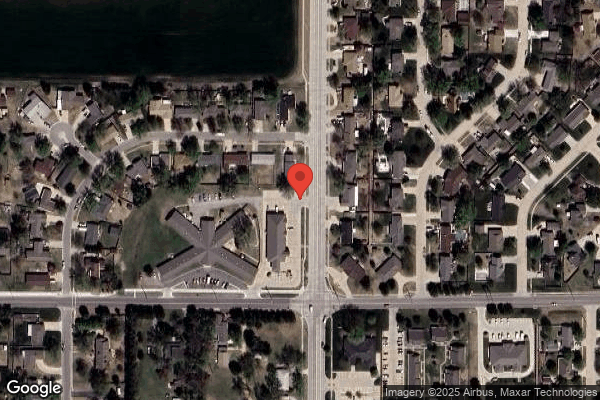
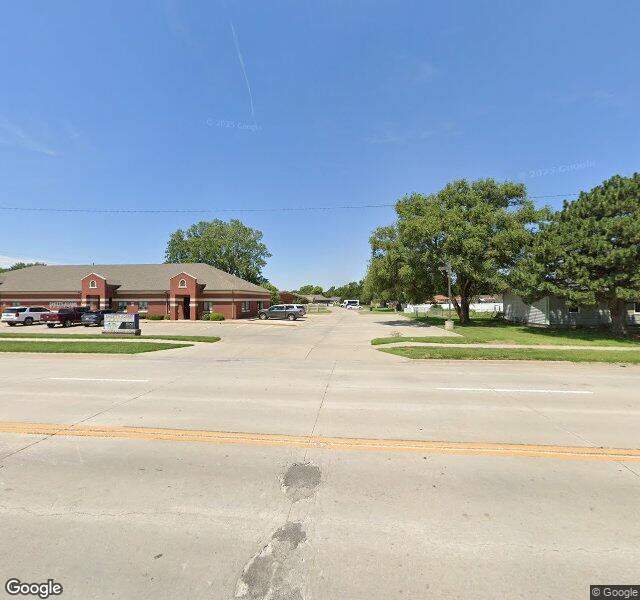
1601 N MAIN STREET, MCPHERSON, KS 67460 (620) 241-5360
For profit - Limited Liability company 45 Beds MISSION HEALTH COMMUNITIES Data: November 2025
Trust Grade
55/100
#140 of 295 in KS
Last Inspection: April 2025

Within standard 12-15 month inspection cycle. Federal law requires annual inspections.

Overview

McPherson Operator, LLC has a Trust Grade of C, which means it is average and sits in the middle of the pack among nursing homes. In Kansas, it ranks #140 out of 295 facilities, placing it in the top half, and is #3 out of 7 in McPherson County, indicating only two local options are better. The facility is improving, as it reduced its issues from 13 in 2023 to 6 in 2025, but it still has notable weaknesses, particularly in staffing, which received a poor rating of 1 out of 5 stars and a turnover rate of 49%. While there have been no fines, recent inspections revealed serious concerns, such as a resident suffering a wrist fracture due to an unlocked shower door and failure to maintain proper food safety standards, which could expose residents to foodborne illnesses. Despite these challenges, the facility has a strong performance in quality measures, indicating that when care is delivered, it meets high standards.

Trust Score
C
55/100
In Kansas
#140/295
Top 47%
Safety Record
Moderate
Needs review
Inspections
Getting Better
13 → 6 violations
Staff Stability
⚠ Watch
49% turnover. Above average. Higher turnover means staff may not know residents' routines.
Penalties
✓ Good
No fines on record. Clean compliance history, better than most Kansas facilities.
Skilled Nurses
⚠ Watch
Each resident gets only 29 minutes of Registered Nurse (RN) attention daily — below average for Kansas. Fewer RN minutes means fewer trained eyes watching for problems.
Violations
⚠ Watch
25 deficiencies on record. Higher than average. Multiple issues found across inspections.
★★★☆☆
3.0
Overall Rating
★☆☆☆☆
1.0
Staff Levels
★★★★★
5.0
Care Quality
★★★☆☆
3.0
Inspection Score
Stable
2023: 13 issues
2025: 6 issues

The Good

  • 5-Star Quality Measures · Strong clinical quality outcomes
  • Full Sprinkler Coverage · Fire safety systems throughout facility
  • No fines on record

Facility shows strength in quality measures, fire safety.

The Bad

3-Star Overall Rating

Near Kansas average (2.9)

Meets federal standards, typical of most facilities

Staff Turnover: 49%

Near Kansas avg (46%)

Higher turnover may affect care consistency

Chain: MISSION HEALTH COMMUNITIES

Part of a multi-facility chain

Ask about local staffing decisions and management

The Ugly 25 deficiencies on record

1 actual harm
Apr 2025 6 deficiencies 1 Harm
SERIOUS (G) 📢 Someone Reported This

A family member, employee, or ombudsman was alarmed enough to file a formal complaint

Actual Harm - a resident was hurt due to facility failures

Accident Prevention (Tag F0689)

A resident was harmed · This affected 1 resident

**NOTE- TERMS IN BRACKETS HAVE BEEN EDITED TO PROTECT CONFIDENTIALITY** The facility had a census of 42 residents. The sample included 12 residents. Based on observation, record review, and interview,...

Read full inspector narrative →
**NOTE- TERMS IN BRACKETS HAVE BEEN EDITED TO PROTECT CONFIDENTIALITY** The facility had a census of 42 residents. The sample included 12 residents. Based on observation, record review, and interview, the facility failed to ensure an environment free from accident hazards when staff left an unlocked shower door open on Country Hall and Resident (R) 12 entered, fell, and sustained a fractured wrist. This placed the residents at risk for preventable accidents or injuries. Findings included: - R12's Electronic Medical Record (EMR) recorded diagnoses of chronic obstructive pulmonary disease (COPD - a progressive and irreversible condition characterized by diminished lung capacity and difficulty or discomfort in breathing), osteoporosis (abnormal loss of bone density and deterioration of bone tissue with an increased fracture risk), delusional disorder (untrue persistent belief or perception held by a person although evidence shows it was untrue), anxiety (mental or emotional reaction characterized by apprehension, uncertainty, and irrational fear), and muscle weakness. R12's Quarterly Minimum Data Set (MDS), dated [DATE], recorded a Brief Interview for Mental Status (BIMS) score of 15, which indicated intact cognition. R12 required partial to moderate staff assistance with most Activities of Daily Living (ADL) and with tub to shower transfer. The Fall Care Area Assessment (CAA), dated 0716/24, was triggered but lacked a reason for the triggered area. R12's ADL Care Plan, dated 01/08/25, directed staff to provide one staff to assist with bathing and required supervision to one staff assistance with personal hygiene tasks, including brushing hair, oral care, and perineal cleansing. The care plan documented R12 frequently did not wait for assistance and would self-transfer and would frequently refuse staff assistance with ADLs. The care plan documented R12 would remove her oxygen at times and/or ambulate out of the room with her oxygen on, and staff would have to assist her to reapply her oxygen to avoid respiratory complications. R12's Fall Care Plan, dated 02/08/25, documented that the resident was at risk for falls, staff would place non-slip strips on the floor in front of the recliner, wear skid socks or shoes when ambulating, and staff to check on the resident frequently. The Fall Care Plan directed staff to place a non-slip pad on the wheelchair or chair and to use the call light when she needed assistance. The Fall Risk Evaluation, dated 12/09/24, documented a score of 14.0 (a score of 10.0 or greater indicated a high risk for falls). On 04/21/25 at 08:15 AM, observation revealed the shower room door on Country Hall was locked. The Nurses Note, dated 02/08/25 at 10:34 PM, recorded R12 was at the nurse's station around 07:45 PM and asked when her shower days were. The nurse aide stated on Tuesdays and Thursdays with hospice. The resident stated hospice was not here, and she wanted a shower. The nurse told the resident the staff were busy at the time, but they would get someone to assist her when things were less busy. R 12 went back to her room. The nurse was passing medications to other residents at the nurses' station. At approximately 10:00 PM, the nurse walked down the hall to take medications to another resident when someone was calling out from the shower room. The nurse entered the shower room and observed R12 sitting on her buttocks, naked on the floor, with her legs crossed. Observation revealed the resident's wheelchair was sitting in the doorway with her oxygen tank on her walker in her room across the hall from the shower house. The resident had a pull-up and her pajamas sitting on the counter, and her dirty clothes were folded on the counter in the shower room. The nurse reached for the resident's arm to obtain her blood pressure, and the resident requested her right arm be used. She held up her left arm and stated, This wrist is broken. Observation revealed the left wrist was swollen and deformed on the radial side (side closest to the wrist). The resident denied hitting her head, no other injuries were noted at that time, and her vital signs were obtained. The nurse asked the resident how she got into the shower room, and R12 stated, I just opened the door. The resident apologized and stated it was a bad idea. The Director of Nursing was notified of the fall at 10:06 PM, and the resident was sent to the hospital by Emergency Medical Services at 10:35 PM. The resident was transported to the hospital out of town due to the fractured wrist. R12's Facility Report Investigation undated, documented on 02/08/25 at 10:00 PM, License Nurse (LN) H was passing medications down Country Hall and heard someone yelling from the shower house. LN H opened the door and observed R12 naked on the floor in the shower, sitting on her buttocks, with her legs crossed. LN H stated the water was on, the shower chair positioned behind the resident LN H observed the wheelchair just inside the shower room door, and the resident's walker with the oxygen tank was still in the resident's room. The investigation documented the resident was alert and oriented, and R12 reported the shower room door was not closed, and she went into the shower house independently and slipped, falling on her left wrist. The resident reported to the nurse that her wrist was broken. The resident reported pain of a 10 out of 10 to the left wrist but denied any other pain or injury and denied hitting her head. Emergency Medical Services were contacted at 10:06 PM for transport to the Emergency Room. The resident returned to the facility on [DATE] and was diagnosed with a left radial and ulnar fracture. The facility had a staff in-service to educate on keeping all doors closed with keypads or locks shut, including the shower house, public restrooms. Laundry room, kitchen, ect. to prevent injury. The facility installed self-closures on all shower house doors. The investigation revealed the resident was interviewed for preference for showers days/times, and the information was updated on the care plan, nurse aide tasks, and the shower schedule. On 04/21/25 at 04:00 PM, observation revealed R12 sat in the recliner in her room, with oxygen on per nasal cannula, and watching TV. On 04/22/25 at 09:15 AM, Administrative Nurse D verified R12 entered the open shower house unattended and had the fall that resulted in a fractured left wrist. Administrative Nurse D stated the keypad on the door was locked; however, the door was not pulled shut, so the resident was able to enter the shower house. Administrative Nurse D verified the facility had an in-service and educated staff to keep all doors with keypads or locks shut, and the maintenance staff had installed self-closures on all the shower house doors. On 04/23/25 at 01:30 PM, Administrative Staff A verified R12 fell in the shower house that resulted in a fractured wrist. Administrative Staff A verified that they did an investigation and determined the door was not completely closed, and the resident was able to enter on her own. Administrative Staff A verified that they did an investigation but did not report to the state due to the resident was able to state what happened. The facility's Accidents policy, dated October 2024, documented the facility strives to make the environment as free from accident hazards as possible. Resident safety, supervision, and assistance to prevent accidents are facility-wide priorities. The facility-oriented and resident-oriented approaches to safety are used together to implement a system approach to safety, which considers the hazards identified in the environment and individual resident risk factors, and then adjusted interventions accordingly. Resident supervision is a core component of the systems approach to safety. The type and frequency of resident supervision is determined by the individual resident's assessed needs and identified hazards in the environment. The type and frequency of resident supervision may vary among residents and over time for the same resident. The facility completed the following corrective actions prior to the surveyors entering the facility. The facility submitted education regarding shower room doors: assuring the shower room doors were closed and locked at all times for resident safety, the facility added a self-locking number pad lock to the shower doors, added self-closure to shower door, added self-closure springs to door hinges as added security and back up, and the facility purchased and attached self-closures to utilize in place of the hinge springs for added protection and back up and was completed by 03/20/25. This deficient practice was deemed to be Past Non-Compliance (PNC) as all corrections were completed prior to the surveyors entering the building. The scope and severity of the deficient practice remained at a G.
CONCERN (D) 📢 Someone Reported This

A family member, employee, or ombudsman was alarmed enough to file a formal complaint

Potential for Harm - no one hurt, but risky conditions existed

Report Alleged Abuse (Tag F0609)

Could have caused harm · This affected 1 resident

**NOTE- TERMS IN BRACKETS HAVE BEEN EDITED TO PROTECT CONFIDENTIALITY** The facility had a census of 42 residents. The sample included 12 residents, with three reviewed for abuse. Based on observation...

Read full inspector narrative →
**NOTE- TERMS IN BRACKETS HAVE BEEN EDITED TO PROTECT CONFIDENTIALITY** The facility had a census of 42 residents. The sample included 12 residents, with three reviewed for abuse. Based on observation, record review, and interview, the facility staff failed to immediately report to the nurse in charge an incident between Resident (R) 12 and R17. This placed R17 at risk for ongoing abuse and/or mistreatment and a lack of adequate supervision. Findings included: - R17's Electronic Health Record (EHR) revealed diagnoses of dementia (a progressive mental disorder characterized by failing memory and confusion), osteoporosis (abnormal loss of bone density and deterioration of bone tissue with an increased fracture risk), and muscle weakness. R17's Quarterly Minimum Data Set (MDS), dated [DATE], recorded R17 had moderately impaired cognitive function. The MDS recorded R17 required extensive assistance with transfers, activities of daily living (ADL), and propelled in a wheelchair. The MDS documented the resident received Hospice services. The MDS documented the resident had no behaviors and received antidepressants (a class of medications used to treat mood disorders), antipsychotics (a class of medications used to treat major mental conditions that cause a break from reality), and opioids (a class of controlled drugs used to treat pain). R17's Activities of Daily Living (ADL) Care Plan, dated 03/24/25, recorded R17 required extensive staff assistance with most ADL care. R17's Care Plan documented the resident had bilateral lower extremity contractures, and staff would monitor for skin breakdown and increased immobility. R17's Smoking Care Plan, dated 03/24/25, recorded R17 had the potential for injuries related to smoking. R17's plan of care documented the resident had been placed in Group 2 for supervised smoking breaks, and staff assisted the resident with smoking, including lighting and extinguishing the cigarettes, and the resident would wear a smoking apron. R17's Behaviors Care Plan, dated 03/24/25, recorded R17 had behaviors related to dementia, anxiety, and the disease progression. R17's plan of care recorded the resident had behaviors related to smoking and had attempted to get cigarettes out of the smoking box, had been more anxious and fixated on supervised smoke breaks, and would yell out for a cigarette as soon as the residents went outside for the smoke break. R17's plan of care directed staff to intervene as necessary, protect the rights and safety of others, and be removed from the situation and taken to an alternate location as needed. The Nurses Notes dated 03/14/25 at 11:00 PM (late entry) documented Certified Medication Aide (CMA) R reported to the charge nurse that R12 had made contact with her open hand to R17's left shoulder just prior to a smoke break. CMA R reported R12 was wheeling onto Presidential hallway with her wheelchair, and she tried to maneuver around R17 when R12 made contact with an open hand to R17's left shoulder in an attempt to get R17 to move out of the way. R17 recounted the event to nursing staff, stating R12 was behind her in the wheelchair, and R12 tried to get around her, and R17 stated, I guess I did not move fast enough. CMA R immediately separated the residents. The charge nurse performed a skin assessment, and no redness or signs of injury were noted at the time of the incident. R17's Facility Report Investigation dated 03/20/25, documented on 03/14/25 at 08:00 PM, CMA R witnessed the incident between R12 and R17 and did not report the incident to the charge nurse until approximately 09:45 PM on 03/14/25. The charge nurse made contact with the administrative staff and the Director of Nursing. The charge nurse completed a skin assessment following the incident and noted no redness, discoloration, or pain, or any other signs of injury in the area where the contact was made. The nurse asked R17 what happened, and the resident stated, I guess I did not move quickly enough. R12 was put on 1:1, the primary care physician saw R12 the following day, and psychiatric staff saw R12 the following Monday. The intervention was to put the two residents on different smoke breaks to eliminate the potential for further encounters. CMA R completed a witness statement regarding the encounter. On 04/22/25 at 09:30 AM, R17 sat in a wheelchair, dressed in street clothes, on the patio outside the Presidential hallway exit door. The resident was smoking a cigarette with 4 other residents and a staff member present. On 04/22/25 at 08:45 AM, Administrative Nurse D stated that on 03/14/25 at 08:00 PM, R17 was hit on the shoulder by R12, and CMA R stated the residents were friends, so he thought it was no big deal and failed to report it until 09:45 PM. Administrative Nurse D verified it was the facility policy to have staff report and incident of this nature immediately, and the facility would investigate and determine what further action was needed to be done. On 04/22/25 at 08:50 AM, Administrative Staff A stated CMA R failed to report the incident to the nurse in charge immediately, and he should have. Administrative Staff A verified that they investigated, gathered CMA R's witness statement, and reported to the State agency. Administrative Staff A verified that R12 was put on 1:1 after the incident was reported at 09:45 PM, and R12 was seen the following day by the primary care physician and psychiatric the following Monday. The facility's Abuse, Neglect, and Exploitation policy, dated August 2024, recorded it was the responsibility of the employees, facility consultants, Attending Physicians, family member, visitors etc. to promptly report any incident or suspected incident of neglect, exploitation, or resident abuse, including injuries of unknow source, and theft or misappropriation of resident's property to facility management as outlined below. Failure to report such an incident may result in legal/criminal action being filed against the individual(s) withholding such information. The policy documented when an incident of resident abuse is suspected or confirmed, the incident must be immediately reported to facility management, regardless of the time lapse since the incident occurred. Reporting procedures should be followed as outlined in this policy: 1. A licensed nurse or physician shall immediately examine the resident. 2. Findings of the examination must be recorded in the resident's medical record. c. 3. The person performing the examination must document the examination findings in the resident's record and obtain a written, signed, and dated statement from the person reporting the incident. 4. A completed copy of documentation forms and written statements from witnesses, if any, must be provided to the Administrator. Reporting to the state is per state guidelines. 5. Upon receiving information concerning a report of abuse, staff shall be assigned to monitor the resident's reactions to statements regarding the incident and his/her involvement in the investigation 6. All phases of the investigation would be kept confidential in accordance with the facility's policies governing the confidentiality of medical records. 7.Administrative policies governing the notification of the resident's representative (sponsor) and Attending Physician are located in our facility's resident rights policies and procedures. Inquiries concerning abuse reporting and investigations should be referred to the Administrator or Abuse Coordinator.
CONCERN (D) 📢 Someone Reported This

A family member, employee, or ombudsman was alarmed enough to file a formal complaint

Potential for Harm - no one hurt, but risky conditions existed

Deficiency F0625 (Tag F0625)

Could have caused harm · This affected 1 resident

**NOTE- TERMS IN BRACKETS HAVE BEEN EDITED TO PROTECT CONFIDENTIALITY** The facility had a census of 42 residents. The sample included 12 residents, with two reviewed for hospitalizations. Based on ob...

Read full inspector narrative →
**NOTE- TERMS IN BRACKETS HAVE BEEN EDITED TO PROTECT CONFIDENTIALITY** The facility had a census of 42 residents. The sample included 12 residents, with two reviewed for hospitalizations. Based on observation, record review, and interview, the facility failed to provide one resident, Resident (R) 27, with written information regarding the facility's bed hold policy when R27 was transferred to the hospital. This placed the resident at risk for not being permitted to return and resume residence in the nursing facility. Findings included: - The Electronic Medical Record (EMR) for R27 documented diagnoses of osteomyelitis (local or generalized infection of the bone and bone marrow), chronic kidney disease (moderate decline in kidney function) stage 3, diabetes mellitus (DM - when the body cannot use glucose, not enough insulin is made, or the body cannot respond to the insulin) type two, adult failure to thrive (includes not doing well, feeling poorly, weight loss, and poor self-care that could be seen in elderly individuals), hypertension (high blood pressure), lymphedema (swelling caused by accumulation of lymph fluid in the body), neuromuscular dysfunction of the bladder (the muscles that control the flow of urine out of the body do not relax and prevent the bladder from fully emptying), and Parkinson's disease (a slowly progressive neurologic disorder characterized by resting tremors, rolling of the fingers, masklike faces, shuffling gait, muscle rigidity, and weakness). The Quarterly Minimum Data Set (MDS), dated [DATE], documented R27 had moderately impaired cognition. R27 was dependent upon staff for toileting hygiene, lower body dressing, mobility, and transfers. The MDS documented R27 was at risk for pressure ulcer (localized injury to the skin and/or underlying tissue usually over a bony prominence, as a result of pressure, or pressure in combination with shear and/or friction), had one unhealed pressure ulcer, and had a pressure relieving device for her bed and chair. The Medicare 5-Day MDS, dated 04/01/25, documented R27 had moderately impaired cognition. R27 was dependent upon staff for mobility, toileting hygiene, lower body dressing, transfers, and R27 did not ambulate. The MDS further documented R27 was at risk for pressure ulcers, had one unhealed pressure ulcer, had a pressure-relieving device for her bed and chair, and had a Foley catheter (a tube inserted into the bladder to drain urine into a collection bag). R27's Care Plan, dated 02/17/25, initiated on 03/16/23, directed staff to encourage frequent position changes to reduce potential pressure, encourage good nutrition and hydration, educate on the causes of skin breakdown, and R27 had a pressure-reducing cushion in her wheelchair. The update, dated 09/17/24, directed staff to administer treatments as ordered and monitor for effectiveness. The care plan further documented R27 had an air mattress (a specialized mattress designed to prevent and treat pressure ulers by providing constant, low level air loss through tiny hols in the mattress) help offload pressure and prevent further skin breakdown, and she had a history of refusing to use the mattress to prevent skin breakdown. R27's Progress Notes dated 03/20/25 at 10:31 AM, documented R27's skin as warm to the touch and grey. R27 had an episode of yellow emesis (vomit) upon swallowing one pill. R27 was repositioned in bed when she leaned to one side and was unable to hold her position. R27 had intermittent confusion, and the physician was notified. Staff were advised to call the ambulance for further evaluation at the hospital, and they were subsequently admitted . R27's clinical record lacked evidence that a copy of the bed hold policy was provided to the resident or representative when he was transferred to the hospital. On 04/22/25 at 09:10 AM, observation revealed R27 watching television in bed. On 04/22/25 at 02:30 PM, Social Service X stated she had not provided R27 or her representative the written bed hold notice when he went to the hospital. On 04/23/25 at 09:30 AM, Licensed Nurse G stated that the bed hold policy should be given to the resident or the representative before discharge to the hospital. On 04/23/25 at 10:00 AM, Administrative Nurse D stated they should have had a bed hold notice provided to R27 and her responsible party. Upon request, a policy for bed hold notification was not provided by the facility.
CONCERN (D) 📢 Someone Reported This

A family member, employee, or ombudsman was alarmed enough to file a formal complaint

Potential for Harm - no one hurt, but risky conditions existed

Deficiency F0849 (Tag F0849)

Could have caused harm · This affected 1 resident

**NOTE- TERMS IN BRACKETS HAVE BEEN EDITED TO PROTECT CONFIDENTIALITY** The facility had a census of 42 residents. The sample included 12 residents, with one reviewed for hospice (a type of health car...

Read full inspector narrative →
**NOTE- TERMS IN BRACKETS HAVE BEEN EDITED TO PROTECT CONFIDENTIALITY** The facility had a census of 42 residents. The sample included 12 residents, with one reviewed for hospice (a type of health care that focused on the terminally ill patient's pain and symptoms and attending to their emotional and spiritual needs at the end of life) services. Based on observation, record review, and interview, the facility failed to ensure coordinated care and services provided by the facility with the care and services provided by hospice for Resident (R) 17. This placed the residents at risk for inadequate end-of-life care. Findings included: - R17's Electronic Health Record (EHR) revealed diagnoses of dementia (a progressive mental disorder characterized by failing memory and confusion), osteoporosis (abnormal loss of bone density and deterioration of bone tissue with an increased fracture risk), and muscle weakness. R17's Quarterly Minimum Data Set (MDS), dated [DATE], recorded R17 had moderately impaired cognition. The MDS recorded she required extensive staff assistance with transfers and activities of daily living (ADL). The MDS documented R17 received hospice services. R17's Activities of Daily living (ADL) Care Plan, dated 03/24/25, recorded R17 required extensive staff assistance with most ADL care. R17's plan of care documented the resident had bilateral lower extremity contractures and staff would monitor for skin breakdown and increased. immobility. R17's Hospice Care Plan, dated 03/24/25, documented the resident received hospice services due to the end-of-life process. R17's care plan documented staff would administer medication for comfort and keep the resident as comfortable as possible. The care plan lacked instructions on the services provided by hospice, including the frequency and type of support visits, supplies and medical equipment provided by hospice, medications covered by hospice, and the hospice contact information. Review of R17's clinical record revealed the resident was admitted to hospice care on 01/14/24 with a diagnosis of sarcopenia (a condition characterized by the gradual loss of muscle mass and function, primarily occurring with age). The facility had a plan of care provided by hospice in the electronic health record. On 04/22/25 at 11:15 AM, R17 was dressed in street clothes in a recliner in her room. R17 was eating some candy and visiting with her husband. On 04/22/25 at 04:30 PM, Administrative Nurse D verified that the facility lacked specific information on the facility care plan that coordinated with the hospice care plan. The facility's Hospice Program policy, dated October 2024, documented the community may contract for hospice services for residents who wish to participate in such programs, including services that would be provided and the coordination of services. The facility would obtain a physician's order for Hospice services to include diagnosis, including physician orders for the prognosis and the basis for prognosis that matched the hospice information on the certification of terminal illness. The policy documented the facility would clarify the residents' advance directives and preferences for end-of-life planning. Identify in writing the services that Hospice would be providing and address in the resident's person-centered care plan. The policy documented hospice would along with the Hospice provider, discuss, plan and obtain orders for preferences in pain management, symptom control, treatment of acute illnesses, and choices regarding hospitalization. Although the Hospice provider retains the primary responsibility for the provision of the hospice care and services, including but not limited to, the community must coordinate the care and ensure the resident receives all necessary care and services.
CONCERN (E) 📢 Someone Reported This

A family member, employee, or ombudsman was alarmed enough to file a formal complaint

Potential for Harm - no one hurt, but risky conditions existed

Abuse Prevention Policies (Tag F0607)

Could have caused harm · This affected multiple residents

The facility identified a census of 42 residents. Based on interviews and record review, the facility failed to conduct a criminal background check as required for one facility employee. The employee ...

Read full inspector narrative →
The facility identified a census of 42 residents. Based on interviews and record review, the facility failed to conduct a criminal background check as required for one facility employee. The employee was allowed access to residents without knowing if they had been found guilty of abuse, neglect, exploitation, misappropriation of property, or mistreatment by a court of law. This deficient practice placed the affected residents at risk for abuse, neglect, misappropriation, or mistreatment. Findings included: - On 04/22/25 at 03:40 PM review of staffing for background checks was completed for facility Staff. Upon request and review, the facility was unable to provide evidence a criminal background check was completed for Certified Medication Aide (CMA) R, who had worked at the facility since his hire date of 08/29/24. On 04/22/25 at 04:30 PM, Administrative Staff A stated the business manager would obtain criminal background/record checks on all employees prior to the employee working at the facility. Administrative Staff A verified facility staff could not find a criminal record check for CMA R, and the business office manager who was at the facility started in August 2024. Administrative Staff A verified CMA R would be placed on suspension and not work in the building until they obtained a criminal background check. The facility's Abuse Prevention Program, Screening of Employees dated October 2024 documented the community will not employ or otherwise engage individuals who have been found guilty of abuse, neglect, exploitation, misappropriation of property, or mistreatment by a court of law, entered into the State nurse aide registry or against the professional license they hold with the state licensure body. The facility administration and employees were committed to protect residents from abuse by anyone including, but not necessarily limited to: facility staff, other residents, consultants, volunteers, and staff from the agencies providing services to our residents, family members, legal guardians, surrogates, sponsors, friends, visitors, or any there individual. Background checks were completed per state guidelines on each employee. The community would not knowingly employ an individual who: Has been found guilty of abuse, neglect, exploitation, misappropriation of property, or mistreatment by a court of law; Have a finding entered into the State nurse aide registry concerning abuse, neglect, exploitation, mistreatment of residents, or misappropriation of their property, or; Have a disciplinary action in effect against his or her professional license by a state licensure body as a result of a finding of abuse. Neglect, exploitation, mistreatment of residents, or misappropriation of resident property. Pre-employment screening would consist, at a minimum: Employment history, Information from former employers as available, and Documentation of status and any disciplinary actions from license or registration boards or registries. The facility would report to the state nurse aide registry or licensing authorities any knowledge of actions by a court of law if found during a background check or ongoing employment. Regardless of the source of the check, the facility would maintain the document that the screening occurred.
CONCERN (F) 📢 Someone Reported This

A family member, employee, or ombudsman was alarmed enough to file a formal complaint

Potential for Harm - no one hurt, but risky conditions existed

Food Safety (Tag F0812)

Could have caused harm · This affected most or all residents

The facility had a census of 42 residents. The sample included 12 residents. Based on observation, record review, and interview, the facility failed to measure and record food temperatures for food it...

Read full inspector narrative →
The facility had a census of 42 residents. The sample included 12 residents. Based on observation, record review, and interview, the facility failed to measure and record food temperatures for food items at mealtime and the daily refrigerator and freezer temperatures for the evening shift. The facility further failed to record the chemical Parts Per Million (PPM) of the sanitizing solution (Chemical PPM- 50-400) on the Sanitizer Bucket Log three times a day. This placed the residents at risk for food borne illnesses. Findings included: - On 04/21/25 at 07:45 AM, during the initial kitchen tour, the daily temperature logs for the refrigerator and freezer for April 2025, lacked documentation of the temperatures were taken during the following days on the evening shift: 04/10/25, 04/11/25, 04/12/25, 04/13/25, 04/15/25, 04/16/25, 04/17/25, 04/18/25, 04/19/25, and 04/20/25 On 04/21/25 at 07:50 AM, Dietary Staff BB verified the lack of documentation and stated the temperatures of the refrigerator and freezer were supposed to be taken daily in the morning and in the evening. On 04/22/25 at 11:30 AM, during the full kitchen tour, the daily temperature logs for the refrigerator and freezer that previously lacked daily temperatures on the initial tour were filled in with identical temperatures for each day. Dietary Staff CC verified that a dietary staff member had filled in the log and was unsure if the numbers on the log were the accurate temperatures for the refrigerator and freezer. On 04/22/25 at 12:10 PM, Dietary Staff BB obtained the temperatures of the noon meal (taco meat and refried beans) and documented the temperatures in the weekly Temperature Log. Upon record review, the logs for April 2025, the log lacked documentation of daily food temperatures for the following days and mealtimes: 04/01/25- dinner 04/02/25-dinner 04/03/25-dinner 04/04/25-breakfast, lunch, and dinner 04/05/25-dinner 04/06/25-dinner 04/07/25-dinner 04/10/25-dinner 04/11/25-dinner 04/12/25-dinner 04/13/25-dinner 04/14/25-dinner 04/15/25-dinner 04/16/25-dinner 04/17/25-dinner 04/18/25-breakfast and lunch 04/20/25-dinner On 04/22/25 at 12:15 PM, Dietary Staff CC verified the lack of documentation and stated the meal temperatures were to be taken for every meal served. On 04/22/25 at 12:25 PM, Dietary Staff BB plated the noon meal. On two separate occasions, Dietary Staff BB found plates with dried food particles on them and set them both on the meal preparation table. On 04/22/25 at 12:30 PM, Dietary Staff CC stated they were aware of resident complaints of dirty dishes and stated they adjusted the spot treatment solution and were using a type of brillo pad (a scouring pad used for cleaning dishes, made from steel wool) to clean the cups. Dietary Staff CC stated staff were to record the PPM three times a day to make sure they have the right solution when cleaning the kitchen areas. Upon review of the facility's daily Sanitizer Bucket Log for April 2025 the log lacked documentation of the chemical PPM for the sanitizing solution for the following: Morning: 15 times out of 22 opportunities Afternoon:15 out of 21 opportunities Evening: 20 out of 21 opportunities The facility's Food Preparation and Service policy, dated 10/24, documented, residents are provided with meals that were prepared by methods that conserve value, flavor, and appearance. Residents were provided with food and drink that was palatable, attractive, and at a safe and appetizing temperature. Food service employees shall prepare and serve food in a manner that complies with safe food handling practices. Thermometers would be placed in hot and cold storage areas and checked for accuracy by accepted public health standards. The temperature of foods held in steam tables would be monitored by food service staff. The facility's Sanitation policy, dated 10/24, documented that equipment, food contact surfaces, and utensils shall be washed to remove or completely loosen soils by using the manual or mechanical means necessary and sanitized using hot water and/or chemical sanitizing solutions. Between uses, cloths and towels used to wipe kitchen surfaces would be soaked in containers filled with approved sanitizing solution. Sanitizing solution would be changed at least once per shift or if the solution becomes cloudy or visibly dirty.
Aug 2023 13 deficiencies
CONCERN (D)

Potential for Harm - no one hurt, but risky conditions existed

Notification of Changes (Tag F0580)

Could have caused harm · This affected 1 resident

**NOTE- TERMS IN BRACKETS HAVE BEEN EDITED TO PROTECT CONFIDENTIALITY** The facility had a census of 39 residents. The sample included 15 residents with five reviewed for unnecessary medications. Base...

Read full inspector narrative →
**NOTE- TERMS IN BRACKETS HAVE BEEN EDITED TO PROTECT CONFIDENTIALITY** The facility had a census of 39 residents. The sample included 15 residents with five reviewed for unnecessary medications. Based on observation, interview, and record review the facility failed to notify the physician of Resident (R) 24's out of parameter blood pressures. This deficient practice placed R24 at risk for abnormally low blood pressures without physician awareness. Findings included: - R24's Electronic Medical Record (EMR) documented diagnoses of hypertension (high blood pressure) and congestive heart failure (chronic condition in which the heart doesn't pump blood as well as it should). The Annual Minimum Data Set (MDS), dated [DATE], documented a Brief Interview for Mental Status (BIMS) score of 15, indicating intact cognition. The MDS documented R24 required supervision for eating, toileting, bed mobility, transfers, and total staff assistance with dressing. The MDS documented R24 received diuretic (help rid the body of salt (sodium) and water, commonly used to treat high blood pressure) medications. The Medication Care Plan, dated 06/15/23, documented R24 took medications with black box warnings including atenolol (blood pressure drug) and Lasix (diuretic). The care plan directed staff to administer medications per physician order, monitor for side effects and effectiveness. The Physician Order, dated 06/19/2023, directed staff to administer atenolol, 25 milligrams (mg), twice daily, for hypertension. The order stated to hold the medication if the systolic blood pressure (SBP-the pressure caused by the heart contracting and pushing out the blood) was less than 110 millimeters of mercury (mmHg) and or the diastolic blood pressure (DBP-the pressure in the arteries when the heart rests between beats) was less than 60 mmHg and notify the physician. The July 2023 Medication Administration Record (MAR) documented R24's SBP was less than 110 mmHg on 15 days. The documentation indicated the atenolol was not held per physician orders and the recrod lacked evidence the physician was notified. On 08/01/23 at 12:20 PM, observation revealed R24 sat in a wheelchair in his room. On 08/02/23 at 11:34 AM, observation revealed Licensed Nurse (LN) G administered medications to R24, who took the pills whole with water. On 08/03/23 at 01:44 PM, LN H stated staff send the physician a fax with abnormal blood pressures and should document that in a progress note. On 08/03/23 at 03:04 PM, Administrative Nurse D stated staff should follow the order for administration of atenolol and notify the physician as ordered. Administrative Nurse D verified the lack of documentation of holding atenolol as ordered and notification of the physician. Upon request the facility did not provide a policy for physician notification of change. The facility failed to notify the physician of the out of parameter blood pressures, placing R24 at risk for abnormally low blood pressures without physician awareness.
CONCERN (D)

Potential for Harm - no one hurt, but risky conditions existed

Report Alleged Abuse (Tag F0609)

Could have caused harm · This affected 1 resident

**NOTE- TERMS IN BRACKETS HAVE BEEN EDITED TO PROTECT CONFIDENTIALITY** The facility had a census of 39 residents. The sample included 15 residents with one reviewed for abuse. Based on observation, r...

Read full inspector narrative →
**NOTE- TERMS IN BRACKETS HAVE BEEN EDITED TO PROTECT CONFIDENTIALITY** The facility had a census of 39 residents. The sample included 15 residents with one reviewed for abuse. Based on observation, record review, and interview the facility failed to ensure staff identified a resident-to-resident altercation as an allegation of abuse and report to the facility abuse coordinator immediately for Resident (R)22. This placed the residents at risk for ongoing abuse and/or mistreatment. Findings included: - R22's Electronic Health Record (EHR) documented the resident had diagnoses of major depressive disorder (major mood disorder), dementia (progressive mental disorder characterized by failing memory, confusion), and anxiety (mental or emotional reaction characterized by apprehension, uncertainty and irrational fear). R22's Quarterly Minimum Data Set (MDS), dated [DATE], documented the resident had a Brief Interview for Mental Status (BIMS) score of 12, indicating moderately impaired cognition. The MDS further indicated the resident required extensive staff assistance with bed mobility, transfers, toilet use, personal hygiene, and locomotion on and off the unit did not occur. The MDS recorded the resident had delirium symptoms (sudden severe confusion, disorientation and restlessness) and behavioral symptoms daily. R22's Behavior Care Plan, dated 04/20/23, documented the resident had a history of wandering and was more anxious after a smoke break. The care plan documented the resident would yell out for a cigarette as soon as she entered the building. R22 was noted to have behaviors in the dining room of continuously attempting to sit and interact with another resident that did not want it, and staff were instructed to intervene as necessary to protect the rights and safety of others. Staff were to approach/speak in a calm manner, divert her attention, and remove her from the situation and take to an alternate location as needed. The care plan directed staff to monitor the resident for new and increased behaviors. The Nurse Note dated 06/30/23 at 02:18 PM, documented R22's husband reported to administrative staff that another resident told him R22 was hit by another resident in the face the previous day during the 08:00 PM smoke break. R22 had a head-to-toe assessment by the facility nurse. An investigation and report were initiated to the state entity and the local police department was notified. The Facility Investigation documented on 06/30/23 Administrative Staff A and Social Services X received notification from R22's representative of an incident which occurred on 06/29/23 where R22 was hit by another resident. The investigation recorded on 06/29/23 around 08:00 PM, R22 reported to Licensed Nurse (LN) I that R22 was struck in the face by another resident. The investigation documented LN I failed to report the incident to facility administrative staff. On 08/02/23 at 02:00 PM, observation revealed R22 sat in her wheelchair, at the end of Presidential Hall, dressed in street clothes, awaiting staff to take the residents out to smoke. On 08/02/23 at 02:00 PM, Administrative Nurse D and Nurse Consultant GG verified the incident occurred 06/29/23 at approximately 08:00 PM. They verified a facility nurse had been notified of the incident and failed to report and complete an investigation regarding the potential resident to resident altercation. The facility's Abuse Prevention Program, Prevention of Abuse, policy, dated August 2022, documented residents have the right to be free from abuse, neglect, misappropriation of resident's property, corporal punishment, exploitation and involuntary seclusion and any physical or chemical restraints not required to treat the resident's medical condition. The facility administration and employees are committed to protecting residents from abuse by anyone including, but not necessarily limited to facility staff, other residents, consultants, volunteers, and staff from other agencies providing services to the residents, family members, legal guardians, surrogates, sponsors, friends, visitors, or any other individual. The abuse prevention program provides policies and procedures that govern, the protection of residents during abuse investigation, the development of investigative protocols governing resident to resident abuse, theft/misappropriation of resident property, resident to resident abuse and resident to staff abuse. The facility failed to ensure staff identified a resident-to-resident altercation as an allegation of abuse and report to the facility abuse coordinator immediately. This placed the residents at risk for ongoing abuse and/or mistreatment.
CONCERN (D)

Potential for Harm - no one hurt, but risky conditions existed

Deficiency F0645 (Tag F0645)

Could have caused harm · This affected 1 resident

**NOTE- TERMS IN BRACKETS HAVE BEEN EDITED TO PROTECT CONFIDENTIALITY** The facility had a census of 39 residents. The sample included 15 residents, with three reviewed for a Pre-admission Screening a...

Read full inspector narrative →
**NOTE- TERMS IN BRACKETS HAVE BEEN EDITED TO PROTECT CONFIDENTIALITY** The facility had a census of 39 residents. The sample included 15 residents, with three reviewed for a Pre-admission Screening and Resident Review (PASARR- screening for individuals with mental disorder and individuals with intellectually disability). The facility failed to ensure a PASARR was completed for Resident (R)15 prior to admission to the facility. This placed the resident at risk for unidentified needs and inadequate care. Findings include: - R15 admitted to the facility on [DATE]. R15's Electronic Health Record (EHR), recorded the diagnoses of major depressive disorder (MDD-a mental disorder characterized by a persistently depressed mood and long-term loss of pleasure or interest in life), anxiety disorder (mental or emotional reaction characterized by apprehension, uncertainty and irrational fear,) and delusional disorder (untrue persistent belief or perception held by a person although evidence shows it was untrue). R15's Quarterly Minimum Data Set (MDS), dated [DATE], recorded the resident had a Brief Interview for Mental Status (BIMS) score of 11, which indicated moderately impaired cognition. The MDS documented the resident had delusions with rejection of care 4-6 days a week. The Behavior Care Plan, dated 05/05/23, indicated R15 had delusional behavior and was resistive to care frequently. The care plan directed staff to allow R15 to make decisions about her treatment routine, to provide a sense of control. The care plan directed the staff to intervene as necessary to ensure safety of resident's and others and leave and return 5-10 minutes later and try again with cares. R15' EHR lacked evidence a PASARR assessment was completed as required. The facility was unable to provide a PASARR screening for R15 upon request. On 08/03/23 at 10:45 AM, observation revealed R15 sat in a wheelchair in her room with oxygen on per nasal cannula awaiting breakfast. R15 was dressed in pajamas and her hair was uncombed. On 08/02/23 at 09:00 AM, Social Service X verified R15 lacked a PASARR assessment prior to admission to the facility and stated the facility would get one completed tomorrow. The facility's Preadmission Screening and Annual Resident Review (PASARR) policy dated May 2023 documented the community would coordinate assessments with the preadmission screening and resident review PASARR program. The policy documented upon admission, the Social Worker or designee would, within the context of the established assessment process, the recommendations of the PASARR Lever 11 and the PASARR evaluation report would be incorporated into the resident's assessment care planning and transitions of care. The assessment process would include incorporating the recommendations from the PASARR Level 11 determination and the PASARR evaluation report into the assessment, care planning and transitions of care. The facility failed to adequately assess the resident for placement in the facility by obtaining a PASARR screening, placing R15 at risk for inadequate facility care and treatment.
CONCERN (D)

Potential for Harm - no one hurt, but risky conditions existed

Deficiency F0657 (Tag F0657)

Could have caused harm · This affected 1 resident

**NOTE- TERMS IN BRACKETS HAVE BEEN EDITED TO PROTECT CONFIDENTIALITY** The facility had a census of 39 residents. The sample included 15 residents with two residents reviewed for non-pressure skin is...

Read full inspector narrative →
**NOTE- TERMS IN BRACKETS HAVE BEEN EDITED TO PROTECT CONFIDENTIALITY** The facility had a census of 39 residents. The sample included 15 residents with two residents reviewed for non-pressure skin issues. Based on observation, interview, and record review the facility failed to review or revise the care plan to include the physician ordered skin protective measures to prevent further skin damage for Resident (R) 34. This deficient practice placed R34 at risk for continued skin tears. Findings included: - R34's Electronic Medical Record documented diagnoses of left hand contracture (condition of shortening and hardening of muscles, anxiety disorder (group of mental conditions characterized by excessive fear), age-related osteoporosis (medical condition in which the bones become brittle and fragile), hemiplegia (muscle weakness on one side of the body), Alzheimer's disease (progressive disease that destroys memory and other important mental functions), and accidental puncture and laceration of skin tissue. The Quarterly Minimum Data Set (MDS), dated [DATE], documented a Brief Interview for Mental Status (BIMS) score of two which indicated severely impaired cognition. The MDS documented R34 had hallucinations (perception of having seen, heard, touched, tasted, or smelled something that wasn't actually there), and delusions (belief or altered reality that is persistently held despite evidence or agreement to the contrary). R34 had physical, and verbal behaviors and rejection of care behaviors. The MDS documented R34 required limited staff assistance for eating, extensive assistance for bed mobility, hygiene, and total assistance for dressing, transfers, toileting. The MDS documented R34 had range of motion impairment in one upper extremity and had a skin tear. R34 received scheduled pain medication. The Skin Care Plan, dated 06/01/23, stated R34 was at risk of skin breakdown related to dementia (progressive mental disorder characterized by failing memory, confusion), impaired mobility, and incontinence. The care plan directed staff to trim her nails regularly to prevent skin breakdown: R34 tended to pick at her skin. R34 had a glove for her left hand to prevent skin breakdown from her hand contracture. R34 had history of causing skin tears to herself or skin tears obtained during periods of agitation and combativeness, dated 07/04/2023. The licensed nurse was to perform weekly skin assessments. The Physician Order, dated 07/18/23, directed staff to perform dressing changes to a right arm skin tear, cleanse and apply dry dressing daily, discontinue when healed in the evening for skin tear. The Physician Order, dated 07/20/23, directed staff to apply tubigrips (elasticated tubular bandage) to both arms for skin integrity, to be placed on in the morning and removed at bedtime. The Progress Note, dated 07/25/23 at 10:28 AM, documented R34 had been agitated and aggressive towards staff, refused medications and threw water. R34 wore tubigrips on both arms for protection. On 08/01/23 at 09:30 AM, observation revealed R34 in bed with bare forearms (no tubigrips in place). She had bruising to both wrists and hands. On 08/01/23 at 11:54 AM, observation revealed R34 in her wheelchair in the living room with a short-sleeved shirt on. R34 was very confused and had numerous bruises on her forearms and hands. R34 had no tubigrip sleeves on. On 08/03/23 at 12:57 PM, observation revealed Certified Nurse Aide (CNA) M and CNA N wheeled R34 to her room, offered toileting and R34 allowed them to toilet her. On 08/03/23 at 01:10 PM, CNA M and CNA N both stated they were unaware the resident was to wear tubigrips to both arms. The CNAs searched for the tubigrips and found clean ones in R34's nightstand. Observation revealed as CNA M pulled up R34's left sleeve, she found an open skin area on the left forearm, with a blood smear noted to the arm of the sweatshirt. On 08/07/23 at 12:45 PM, Administrative Nurse D verified staff were to apply tubigrips to R34's arms as physician ordered and verified the care plan should have been updated with the intervention. The facility's Skin Integrity, Pressure Injuries Nursing Protocol, dated 05/2022, stated staff would implement interventions for the prevention and care of skin issues. The facility failed to revise the care plan to include the physician ordered intervention of tubigrips to both arms to prevent skin tears, placing R34 at risk for further skin injury.
CONCERN (D)

Potential for Harm - no one hurt, but risky conditions existed

Quality of Care (Tag F0684)

Could have caused harm · This affected 1 resident

**NOTE- TERMS IN BRACKETS HAVE BEEN EDITED TO PROTECT CONFIDENTIALITY** The facility had a census of 39 residents. The sample included 15 residents with two residents reviewed for non-pressure skin is...

Read full inspector narrative →
**NOTE- TERMS IN BRACKETS HAVE BEEN EDITED TO PROTECT CONFIDENTIALITY** The facility had a census of 39 residents. The sample included 15 residents with two residents reviewed for non-pressure skin issues. Based on observation, interview, and record review the facility failed to provide physician ordered skin protective measures to prevent further skin damage for Resident (R) 34. This deficient practice placed R34 at risk for continued skin tears. Findings included: - R34's Electronic Medical Record documented diagnoses of left hand contracture (condition of shortening and hardening of muscles, anxiety disorder (group of mental conditions characterized by excessive fear), age-related osteoporosis (medical condition in which the bones become brittle and fragile), hemiplegia (muscle weakness on one side of the body), Alzheimer's disease (progressive disease that destroys memory and other important mental functions), and accidental puncture and laceration of skin tissue. The Quarterly Minimum Data Set (MDS), dated [DATE], documented a Brief Interview for Mental Status (BIMS) score of two which indicated severely impaired cognition. The MDS documented R34 had hallucinations (perception of having seen, heard, touched, tasted, or smelled something that wasn't actually there), and delusions (belief or altered reality that is persistently held despite evidence or agreement to the contrary). R34 had physical, and verbal behaviors and rejection of care behaviors. The MDS documented R34 required limited staff assistance for eating, extensive assistance for bed mobility, hygiene, and total assistance for dressing, transfers, toileting. The MDS documented R34 had range of motion impairment in one upper extremity, and had a skin tear. R34 received scheduled pain medication. The Skin Care Plan, dated 06/01/23, stated R34 was at risk of skin breakdown related to dementia (progressive mental disorder characterized by failing memory, confusion), impaired mobility, and incontinence. The care plan directed staff to trim her nails regularly to prevent skin breakdown: R34 tended to pick at her skin. R34 had a glove for her left hand to prevent skin breakdown from her hand contracture. R34 had history of causing skin tears to herself or skin tears obtained during periods of agitation and combativeness, dated 07/04/2023. The licensed nurse was to perform weekly skin assessments. The Physician Order, dated 07/18/23, directed staff to perform dressing changes to a right arm skin tear, cleanse and apply dry dressing daily, discontinue when healed in the evening for skin tear. The Physician Order, dated 07/20/23, directed staff to apply tubigrips (elasticated tubular bandage) to both arms for skin integrity, to be placed on in the morning and removed at bedtime. The Progress Note, dated 07/25/23 at 10:28 AM, documented R34 had been agitated and aggressive towards staff, refused medications and threw water. R34 wore tubigrips on both arms for protection. On 08/01/23 at 09:30 AM, observation revealed R34 in bed with bare forearms (no tubigrips in place). She had bruising to both wrists and hands. On 08/01/23 at 11:54 AM, observation revealed R34 in her wheelchair in the living room with a short-sleeved shirt on. R34 was very confused, and had numerous bruises on her forearms and hands. R34 had no tubigrip sleeves on. On 08/03/23 at 12:57 PM, observation revealed Certified Nurse Aide (CNA) M and CNA N wheeled R34 to her room, offered toileting and R34 allowed them to toilet her. On 08/03/23 at 01:10 PM, CNA M and CNA N both stated the resident did not have tubigrips to wear. They stated therapy had R34 wear something in her left hand for a while but that had been discontinued. CNA M stated the current bandage was worn due to R34's fingernails might dig into her palm. The CNAs searched for the tubigrips and found clean ones in R34's nightstand. Observation revealed as CNA M pulled up R34's left sleeve, she found an open skin area on the left forearm, with a blood smear noted to the arm of the sweatshirt. On 08/03/23 at 01:18 PM, Licensed Nurse (LN) H verified staff should have been placing the tubigrips on R34 daily. On 08/07/23 at 012:45 PM, Administrative Nurse D verified staff were to apply tubigrips to R34's arms as physician ordered and verified the care plan should have been updated with the intervention. The facility's Skin Integrity, Pressure Injuries Nursing Protocol, dated 05/2022, stated staff would implement interventions for the prevention and care of skin issues. The facility failed to apply the physician ordered intervention of tubigrips to both arms to prevent skin tears, placing R34 at risk for further skin injury.
CONCERN (D)

Potential for Harm - no one hurt, but risky conditions existed

Accident Prevention (Tag F0689)

Could have caused harm · This affected 1 resident

**NOTE- TERMS IN BRACKETS HAVE BEEN EDITED TO PROTECT CONFIDENTIALITY** The facility had a census of 39 residents. The sample included 15 residents with six reviewed for accidents. Based on observatio...

Read full inspector narrative →
**NOTE- TERMS IN BRACKETS HAVE BEEN EDITED TO PROTECT CONFIDENTIALITY** The facility had a census of 39 residents. The sample included 15 residents with six reviewed for accidents. Based on observation, record review, and interview, the facility failed to ensure the environment remained free of accident hazards from unlocked chemicals and failed to povide a safe environment for Resident (R)17 who had a new electric lift recliner and fell from the recliner. This placed the affected residents at risk for injury due to preventable accidents and hazards Findings included: - On 08/01/23 at 08:20 AM, observation during initial facility tour revealed an unlocked shower room door on Country Hall. Further observation revealed the door contained a keypad to open the shower room door however was unlocked. The shower room contained the following: in an unlocked closet: 2-32 Ounce (oz) bottles of BNC-15 one step disinfectant with the warning keep out of reach of children, hazardous to humans and domestic animals, causes eye damage and skin burns. 4- 32 oz Bottles of Betco Ocean [NAME] disinfectant/deodorizer, with the warning keep out of reach of children, may cause allergic skin reaction. 2-32 oz spray bottles of Bid D-WSD (water soluble detergent), with the warning keep out of reach of children, causes serious eye irritation. The shower room contained the following in an two door cabinet across from the shower: 4-32 Ounce (oz) bottles of BNC-15 one step disinfectant with the warning keep out of reach of children, hazardous to humans and domestic animals, causes eye damage and skin burns 1- 32 oz Bottles of Betco Ocean [NAME] disinfectant/deodorizer, with the warning keep out of reach of children, may cause allergic skin reaction. The whirlpool room on Country Hall contained the following in a two door cabinet across from the whirlpool tub: 1- 32 oz Bottles of Betco Ocean [NAME] disinfectant/deodorizer, with the warning keep out of reach of children, may cause allergic skin reaction. On 08/01/23 at 08:30 AM, Licensed Nurse (LN) G verified the chemicals in the unlocked shower and whirlpool room, stated the shower and whirlpool room doors should have been locked, and chemicals were to be stored and in a secure location. On 08/01/23 at 08:35 AM, Maintenance Staff U verified the shower room door was to be locked at all times and chemicals needed to be kept behind a locked door. Maintenance Staff U verified the cabinets have padlocks and one in the shower room was missing a padlock and the key did not open the other lock. Maintenance Staff U verified he would purchase a new padlock and lock the chemicals up. Upon request the facility did not provide a chemical storage policy. The facility failed to store hazardous chemicals in a safe environment, placing the five cognitively impaired independently mobile residents on Country Hall at risk for injury - R17's Electronic Medical Record (EMR) recorded dementia without behavioral disturbance (progressive mental disorder characterized by failing memory, confusion,) cognitive communication deficit (difficulty with thinking and how a person uses language,) cerebral vascular accident (CVA-) (stroke) - sudden death of brain cells due to lack of oxygen caused by impaired blood flow to the brain by blockage or rupture of an artery to the brain,) and anxiety (mental or emotional reaction characterized by apprehension, uncertainty and irrational fear). R17's Annual Minimum Data Set (MDS), dated [DATE], recorded the resident had a Brief Interview for Mental Status (BIMS) score of 14 which indicated intact cognition. The MDS recorded R17 required staff assistance with bed mobility and transfers and had one fall with minor injury. The Cognitive Loss Care Area Assessment (CAA), dated 6/23/23 lacked a description of the reason it triggered. The Fall Care Plan, dated 07/19/23, recorded R17 was at risk for falls due to impaired mobility and R17 failed to use the call light and wait for staff assistance with transfers. The Activities of Daily Living (ADL) Care Plan, dated 07/19/23 documented the resident had performance deficit due to dementia and impaired balance and directed staff to provide R17 one to two assistance with transferring and bed mobility. R17's clinical record lacked evidence the facility assessed the resident and chair for safe use. The Nurses Note, dated 07/01/23 at 08:18 PM, recorded R17 had a fall from her electric lift recliner and was observed in front of the recliner. R17 stated she slid out of her new recliner onto the floor. Staff assisted R17 to the wheelchair, educated the resident to sit back in the recliner, not forward on the edge and to use the call light for assistance. R17 denied she hit her head denied pain or injury. The Physical Therapy Treatment Encounter Notes dated 07/04/23 documented R17 was evaluated by therapy and therapy facilitated a skilled transfer training program including transfer training with her new lift chair. The note documented R17 required moderate verbal and tactile cueing on operating her chair correctly. On 08/01/23 at 12:30 PM, observation revealed R17 sat in her electric lift recliner and demonstrated she was able to push the lift controller and raise her feet up and down. R17 was dressed in street clothes and nicely groomed. On 08/03/23 at 01:40 PM interview with Administrative Nurse D verified an electric lift chair safety assessment had not been completed on the resident since she newly purchased the recliner approximately one month ago. Administrative Nurse D verified the electric lift recliner assessments should be completed on admission, with a change in condition, yearly, and if the resident obtained a new recliner while in the facility. The facility's Falls and Fall Risk, Management policy, dated October 2022, stated the facility would identify interventions, related to the resident's specific risks and causes to try to prevent the resident from falling and try to minimize complications from falling. The interdisciplinary team would attempt to identify appropriate interventions to reduce the risk of falls including exercise and balance training or a rearrangement of room furniture. If a medication is suspected as a possible cause of the resident's falls, the initial intervention might be to taper or stop the medication. The staff would monitor and document each resident's response to intervention intended to reduce falling or the risk of falling. The facility failed to assess R17 for safe use of an electric lift chair, placing the resident at risk for preventable accidents or injury.
CONCERN (D)

Potential for Harm - no one hurt, but risky conditions existed

Deficiency F0700 (Tag F0700)

Could have caused harm · This affected 1 resident

**NOTE- TERMS IN BRACKETS HAVE BEEN EDITED TO PROTECT CONFIDENTIALITY** The facility had a census of 39 residents. The sample included 15 residents, with three reviewed for side rails. Based on observ...

Read full inspector narrative →
**NOTE- TERMS IN BRACKETS HAVE BEEN EDITED TO PROTECT CONFIDENTIALITY** The facility had a census of 39 residents. The sample included 15 residents, with three reviewed for side rails. Based on observation, record review, and interview, the facility failed to assess the actual rail being used to assure safety for Resident (R)40, R7 and R24. This placed the affected residents at risk for injury. Findings included: - R40 's diagnoses included myocardial infarction (MI-heart attack), diabetes mellitus (when the body cannot use glucose, not enough insulin made, or the body cannot respond to the insulin), fracture of radius (one of the bones going from the wrist to the elbow) and ulna (one of the bones going from the wrist to the elbow), morbid obesity (being 100 pounds or more above ideal body weight), and muscle weakness. R40's admission Minimum Data Set (MDS), dated [DATE], recorded the resident had a Brief Interview for Mental Status (BIMS) score of 12, indicating moderately impaired cognition. The MDS documented R40 required extensive assistance of two staff with bed mobility and transfers. The MDS lacked documentation the resident had siderails. The Side Rails Care Plan, dated 07/05/23 indicated R40 required the right-side rail to assist with entering and exiting the bed more safely. The Care Plan documented R40 used a right sided bed rail to assist in exiting the bed more safely. R40's medical record recorded a bed cane was applied to the resident's bed on 07/05/23. R40's Electronic Medical Record (EMR) recorded a Side Rail Assessment dated 07/05/23 which recorded the resident had a one-third cane on the right side of the bed and documented the resident utilized the rail to assist with self-positioning or bed mobility, and used for exiting or entering the bed safely per therapy request. On 08/02/23 at 08:40 AM, observation revealed the one-third side rail on the right side of the bed. The top two openings measured approximately 12 inches by 4 inches and the bottom two openings measured 5 inches by 4 inches. On 08/02/23 at 10:00 AM, Nurse Consultant GG and Maintenance Staff U verified the bed rails on R40's bed had too large of openings. The facility's Bed Safety policy, dated 12/2021 documented the community shall strive to provide a safe sleeping environment for the residents. To try to prevent deaths/injuries from the beds and related equipment (including the frame, mattress, side rails, headboard, footboard, and bed accessories), the facility shall promote the following approaches: Inspection by maintenance staff of all beds and related equipment as part of the regular bed safety program to identify risks and problems including potential entrapment risk. Review that gaps within the bed system are within dimensions established by the FDA. Ensure that bed rails are properly installed using the manufacturer's instructions and other pertinent safety guidance to ensure proper fit. If bed rails are used, there shall be an interdisciplinary assessment of the resident, consultation within the Attending Physician, and input from the resident and/or legal representative. Bed rails may be used if assessment and consultation with the Attending Physician has determined they are needed to help manage a medical symptom or condition, or to help the resident reposition or move in bed and transfer, and no other reasonable alternative can be identified. The facility failed to adequately assess R40's actual rail in use, placing him at risk for accident or injury. - R7's Electronic Medical Record documented diagnoses of repeated falls, dementia (condition characterized by progressive or persistent loss of intellectual functioning), anxiety (intense, excessive, and persistent worry and fear about everyday situations) and insomnia (inability to sleep). The Quarterly Minimum Data Set (MDS), dated [DATE], documented a Brief Interview for Mental Status (BIMS) score of two, indicating severe cognitive impairment. The MDS documented R7 had delusions and wandered daily. The MDS documented R7 required extensive staff assistance for mobility and total staff assistance for dressing, toileting, and transfers. R7 had range of motion impairment in one upper extremity and used a wheelchair. The MDS documented R7 used a bed rail daily. The Side Rail Care Plan, dated 05/11/23, stated R7 may utilize side rails on her bed per family and resident preference to enhance bed mobility and independence, initiated 04/12/23. R7 uses side rail for safety awareness (perception of rolling out of bed). Resident uses a side rail to assist in holding self to one side. Side rail precautions have been discussed and consent has been obtained. For bed mobility, R7 utilized one or two staff to reposition and turn in bed. The Side Rail Assessment, dated 04/12/23, stated R7 may utilize side rails on her bed per family and resident preference to enhance bed mobility and independence. The Side Rail Assessment, dated 07/28/23, documented: Bed Rail Potential Risks Addressed with Resident and or Representative: Climbing over, through, around or between rails. Body parts getting caught between rails, mattress, or openings. Climbing over footboard. Hinders normal movement or freedom of movement. Creates a barrier to normal routine (bathroom). Negative physical outcomes (decline, skin integrity). Dignity and isolation. Increased agitation or anxiety. The assessment documented R7 continued to utilize bed rails to assist staff with turning in bed, no attempts to get out of bed without staff assistance, and no injuries that quarter. On 08/01/23 at 12:25 PM, observation revealed R7's bed with one bed rail in the up position for use. The gap between the rails measured seven and a half by three inches. On 08/01/23 at 12:25 PM, Maintenance Staff U verified the above gaps and showed paperwork of his assessments regarding the side rails safety regarding secured to bed. Maintenance Staff U stated he did not know of the Food and Drug Administration (FDA) recommendations as to the size of gaps between rails regarding safety. On 08/02/23 at 08:50 AM, Nurse Consultant GG verified the gaps in the side rails were too large for safety. The FDA Bed Rail Guidance stated a potential zone of entrapment was within the rail and openings in the rail should be small enough to prevent the head from entering less than 120 mm (4 ¾ inches). The facility's Bed Safety policy, dated 05/2021, stated the facility would strive to provide a safe sleeping environment for the resident including: inspection by maintenance staff of all beds to identify risks and problems including potential entrapment risks. Review that gap within the bed system were within the dimensions established by the Food and Drug Administration (FDA). The facility failed to ensure bed side rails did not have unsafe gaps between the rails, placing R7 at risk for entrapment. - R24's Electronic Medical Record documented diagnoses of hypertension (high blood pressure) and congestive heart failure (chronic condition in which the heart doesn't pump blood as well as it should). The Annual Minimum Data Set (MDS), dated [DATE], documented a Brief Interview for Mental Status (BIMS) score of 15, indicating intact cognition. The MDS documented R24 required supervision for eating, toileting, bed mobility, transfers, and total staff assistance with dressing. The MDS documented R24 used bed rails daily. The Side Rail Care Plan, dated 06/15/23, stated side rails were utilized on the resident's bed per his preference for mobility. The resident used side rails to assist in turning side to side, initiated 03/25/21. The care plan stated R24 uses side rail to assist pulling self from a laying position to a sitting position, to provide a sense of security and safety awareness, and side rail precautions have been discussed and consent has been obtained. The Side Rail Assessment, dated 07/12/23, stated no alternative available, and uses one quarter side rails for enhanced bed mobility. The assessment documented the risks were discussed. On 08/01/23 at 12:25 PM, observation revealed R24's bed side rails with two gaps within the bed rail of twelve by four inches, and two gaps of five and a half inches by four inches on each bed rail. On 08/01/23 at 12:25 PM, Maintenance Staff U verified the above gaps and showed paperwork of his assessments regarding the side rails safety regarding secured to bed. Maintenance Staff U stated he did not know of the Food and Drug Administration (FDA) recommendations as to the size of gaps between rails regarding safety. On 08/02/23 at 08:50 AM, Nurse Consultant GG verified the gaps in the side rails were too large for safety. The FDA Bed Rail Guidance stated a potential zone of entrapment was within the rail and openings in the rail should be small enough to prevent the head from entering less than 120 mm (4 ¾ inches). The facility's Bed Safety policy, dated 05/2021, stated the facility would strive to provide a safe sleeping environment for the resident including: inspection by maintenance staff of all beds to identify risks and problems including potential entrapment risks. Review that gaps within the bed system were within the dimensions established by the Food and Drug Administration (FDA). The facility failed to ensure bed side rails did not have unsafe gaps between the rails, placing R24 at risk for entrapment.
CONCERN (D)

Potential for Harm - no one hurt, but risky conditions existed

Drug Regimen Review (Tag F0756)

Could have caused harm · This affected 1 resident

**NOTE- TERMS IN BRACKETS HAVE BEEN EDITED TO PROTECT CONFIDENTIALITY** The facility had a census of 39 residents. The sample included 15 residents with five reviewed for unnecessary medications. Base...

Read full inspector narrative →
**NOTE- TERMS IN BRACKETS HAVE BEEN EDITED TO PROTECT CONFIDENTIALITY** The facility had a census of 39 residents. The sample included 15 residents with five reviewed for unnecessary medications. Based on observation, interview, and record review the facility's consultant pharmacist failed to notify the physician or director of nursing that staff had not held (not administered) a blood pressure medication per the physician ordered parameters for Resident (R)24. This deficient practice placed R24 at risk for medication related issues. Findings included: - R24's Electronic Medical Record documented diagnoses of hypertension (high blood pressure) and congestive heart failure (chronic condition in which the heart doesn't pump blood as well as it should). The Annual Minimum Data Set (MDS), dated [DATE], documented a Brief Interview for Mental Status (BIMS) score of 15, indicating intact cognition. The MDS documented R24 required supervision for eating, toileting, bed mobility, transfers, and total staff assistance with dressing. The MDS documented R24 received diuretic (help rid your body of salt (sodium) and water, commonly used to treat high blood pressure) medications. The Medication Care Plan, dated 06/15/23, documented R24 took medications with black box warnings including atenolol (blood pressure drug) and Lasix (diuretic). The care plan directed staff to administer medications per physician order, monitor for side effects and effectiveness. The Physician Order, dated 06/19/2023, directed staff to administer atenolol, 25 milligrams (mg), twice daily, for hypertension. The order stated to hold the medication if the systolic blood pressure (SBP-the pressure caused by the heart contracting and pushing out the blood) was less than 110 millimeters of mercury (mmHg) and or the diastolic blood pressure (DBP-the pressure in the arteries when the heart rests between beats) was less than 60 mmHg and notify the physician. The July 2023 Medication Administration Record (MAR) documented R24's SBP was less than 110 mmHg on 15 days. The documentation indicated the atenolol was not held per physician orders. The Pharmacist Consultant Monthly Drug Regimen Reviews, including the review sent to the facility 08/02/23, did not document staff had not held the atenolol for out of parameter blood pressures. On 08/01/23 at 12:20 PM, observation revealed R24 sat in a wheelchair in his room. On 08/02/23 at 11:34 AM, observation revealed Licensed Nurse (LN) G administered medications to R24, who took the pills whole with water. On 08/03/23 at 01:44 PM, LN H stated staff send the physician a fax with abnormal blood pressures and should document that in a progress note. On 08/03/23 at 03:04 PM, Administrative Nurse D stated staff should follow the order for administration of atenolol and notify the physician as ordered. Administrative Nurse D verified the lack of documentation of holding atenolol as ordered and notification of the physician. On 08/07/23 at 12:49 PM, Administrative Nurse D verified the consultant pharmacist had not reported the lack of holding the atenolol as ordered for out of parameter blood pressures. The facility's Medication Regimen Review policy, dated 05/2022, stated the Consultant Pharmacist shall review the medication regimen per state and federal guidelines, report irregularities to the physician, the facility medical director, and the director of nursing. The facility's consultant pharmacist failed to notify the physician or director of nursing that staff had not held a blood pressure medication per the physician ordered parameters, placing R24 at risk for medication related issues.
CONCERN (D)

Potential for Harm - no one hurt, but risky conditions existed

Deficiency F0757 (Tag F0757)

Could have caused harm · This affected 1 resident

**NOTE- TERMS IN BRACKETS HAVE BEEN EDITED TO PROTECT CONFIDENTIALITY** The facility had a census of 39 residents. The sample included 15 residents with five reviewed for unnecessary medications. Base...

Read full inspector narrative →
**NOTE- TERMS IN BRACKETS HAVE BEEN EDITED TO PROTECT CONFIDENTIALITY** The facility had a census of 39 residents. The sample included 15 residents with five reviewed for unnecessary medications. Based on observation, interview, and record review the facility failed to hold (not administer) a blood pressure medication per the physician ordered parameters for Resident (R)24. This deficient practice placed R24 at risk for abnormally low blood pressures. Findings included: - R24's Electronic Medical Record documented diagnoses of hypertension (high blood pressure) and congestive heart failure (chronic condition in which the heart doesn't pump blood as well as it should). The Annual Minimum Data Set (MDS), dated [DATE], documented a Brief Interview for Mental Status (BIMS) score of 15, indicating intact cognition. The MDS documented R24 required supervision for eating, toileting, bed mobility, transfers, and total staff assistance with dressing. The MDS documented R24 received diuretic (help rid your body of salt (sodium) and water, commonly used to treat high blood pressure) medications. The Medication Care Plan, dated 06/15/23, documented R24 took medications with black box warnings including atenolol (blood pressure drug) and Lasix (diuretic). The care plan directed staff to administer medications per physician order, monitor for side effects and effectiveness. The Physician Order, dated 06/19/2023, directed staff to administer atenolol, 25 milligrams (mg), twice daily, for hypertension. The order stated to hold the medication if the systolic blood pressure (SBP-the pressure caused by the heart contracting and pushing out the blood) was less than 110 millimeters of mercury (mmHg) and or the diastolic blood pressure (DBP-the pressure in the arteries when the heart rests between beats) was less than 60 mmHg and notify the physician. The July 2023 Medication Administration Record (MAR) documented R24's SBP was less than 110 mmHg on 15 days. The documentation indicated the atenolol was not held per physician orders. On 08/01/23 at 12:20 PM, observation revealed R24 sat in a wheelchair in his room. On 08/02/23 at 11:34 AM, observation revealed Licensed Nurse (LN) G administered medications to R24, who took the pills whole with water. On 08/03/23 at 03:04 PM, Administrative Nurse D stated staff should follow the order for administration of atenolol and notify the physician as ordered. Administrative Nurse D verified the lack of documentation of holding atenolol as ordered and notification of the physician. The facility's Documentation of Medication Administration policy, dated 05/2022, stated a Nurse or Certified Medication Aide shall document all medications administered to each resident and include the reason if a medication was withheld, not administered, or refused. The facility failed to hold a blood pressure medication per the physician ordered parameters for R24, placing R24 at risk for abnormally low blood pressures.
CONCERN (F)

Potential for Harm - no one hurt, but risky conditions existed

Food Safety (Tag F0812)

Could have caused harm · This affected most or all residents

The facility had a census of 39 residents. The sample included 15 residents. Based on observation, record review and interview, the facility failed to prepare and serve food in a sanitary condition fo...

Read full inspector narrative →
The facility had a census of 39 residents. The sample included 15 residents. Based on observation, record review and interview, the facility failed to prepare and serve food in a sanitary condition for the 39 resident's who resided in the facility placing them at risk for food borne illness. Findings included: - On 08/01/23 at 08:15 AM, observation revealed the following: The large silver freezer, pulled out approximately 12 inches from the wall with multiple dead bugs, leaves, and dirt on the floor. The wall beside the large silver refrigerator had dried red liquid splattered from the floor up to the ceiling. Two dirty rags were on the floor next to a cart that had dirty rags. The inside of the door of the microwave had dried food debris. The small toaster had dried food debris on the sides of the toaster. On 08/01/23 at 12:00 PM, observation revealed three plates with the noon meal of two soft tacos, Spanish rice, and lettuce on a cart. Further observation revealed flies around the plates landing on the food as the plates were uncovered as the dietary staff prepared three other plates of food. On 08/01/23 at 12:05 PM, Dietary BB stated she did not know where the flies had come from, but the kitchen had bug traps that were cleaned monthly by the exterminator. On 08/01/23 at 12:25 PM, Dietary CC stated there was a daily cleaning schedule for the AM and PM cook that gave them their tasks. Dietary CC verified the dirty wall, and stated, something must have exploded, and staff could not get the whole wall clean without getting a step ladder the clean the ceiling. Dietary CC verified the bugs and debris from behind the freezer and stated the pest control company had just replaced the bulbs in the bug traps and that the pest control came to the facility monthly. The facility's AM [NAME] Duties form, dated 07/31/23, stated the following would be completed and signed daily: Clean all equipment after use, including toasters. Sweep and mop floors The AM Dining Aide Duties form, dated 07/31/23, included the following: Ensure the wall around the dishwasher was free of food splatter/debris. Sweep and mop the floor in your area. The facility's Sanitation F812 policy, dated 10/2022, stated the food service area should be maintained in a clean and sanitary manner. All kitchen areas and dining areas shall be kept clean, free from litter and rubbish and protected from rodents, roaches, flies, and other insects. Kitchen and dining room surfaces not in contact with food would be cleaned on a regular schedule and frequently enough to prevent accumulation of grime. Utensils, counters, shelves, and equipment shall be kept clean. The facility failed to prepare and serve food in a sanitary condition for all residents who resided in the facility and received meals from the facility kitchen, placing them at risk for food borne illness.
CONCERN (F)

Potential for Harm - no one hurt, but risky conditions existed

Deficiency F0882 (Tag F0882)

Could have caused harm · This affected most or all residents

The facility had a census of 39 residents. Based on record review and interview, the facility failed to ensure the staff person designated as the Infection Preventionist, who was responsible for the f...

Read full inspector narrative →
The facility had a census of 39 residents. Based on record review and interview, the facility failed to ensure the staff person designated as the Infection Preventionist, who was responsible for the facility's Infection Prevention and Control Program, completed the specialized training and possessed the required certification in infection prevention and control. This placed the residents at risk for lack of identification and treatment of infections. Findings included: - On 8/03/23 at 02:30 PM, Administrative Nurse D stated she was responsible for the Infection Prevention and Control Program and lacked certification as an Infection Preventionist. Administrative Nurse D stated she had not completed the training modules and had not taken the test for certification. The facility ' s Infection Preventionist policy, dated October 2022 documented the InfectionControl Preventionist is responsible for assessing, implementing, developing, monitoring the infection prevention and control program, coordinating and implementation with updating the established infection control policies and practices. The facility would designate a qualified individual on-site, who is responsible for implementing programs and activities to prevent and control infections. The Infection Control Preventionist is recommended to have a background in nursing, medical technology, microbiology, epidemiology or other related fields, and educated in Infection Control and knowledge of natural guidelines. The facility failed to ensure the person designated as the Infection Preventionist possessed the required certification, placing the residents at risk for lack of identification and treatment of infections.
CONCERN (F)

Potential for Harm - no one hurt, but risky conditions existed

Deficiency F0925 (Tag F0925)

Could have caused harm · This affected most or all residents

The facility had a census of 39 residents. Based on observation, interview, and record review the facility failed to ensure effective pest control in the facility kitchen. This deficient practice plac...

Read full inspector narrative →
The facility had a census of 39 residents. Based on observation, interview, and record review the facility failed to ensure effective pest control in the facility kitchen. This deficient practice placed the residents of the facility at risk for decreased health and wellness. Findings included: - On 08/01/23 at 11:50 AM, observation during the noon meal service revealed a lot of flies in the kitchen landing on plates of residents' food and the food service utensils. Dietary Staff (DS) BB plated food slowly (first time doing this task) and the flies were getting on the food. On 08/01/23 at 12:00 PM, observation revealed, three plates with the noon meal of two soft tacos, Spanish rice, and lettuce on a cart with flies around the plates, landing on the food as the plates were uncovered while the dietary staff prepared three other plates of food. On 08/01/23 at 12:05 PM, Dietary BB stated she did not know where the flies had come from, but the kitchen had bug traps that were cleaned monthly by the exterminator. On 08/01/23 at 12:25 PM, Dietary CC stated the pest control company had just replaced the bulbs in the bug traps and they came to the facility monthly. On 08/01/23 at 12:25 PM, Maintenance Staff U stated the pest control company came monthly and had recently checked all the fly and rodent traps. He stated they were also responsible to clean out the bug traps, they facility was not allowed to. The facility's Pest Control policy, dated 02/2020, stated the facility shall maintain an effective pest control program to ensure the building is kept free of insects and rodents. The facility failed to ensure effective pest control in the facility kitchen, placing the residents of the facility at risk for decreased health and wellness.
MINOR (C)

Minor Issue - procedural, no safety impact

Deficiency F0576 (Tag F0576)

Minor procedural issue · This affected most or all residents

The facility had a census of 39 residents. The sample included 15 residents. Based on record review and interview the facility failed to deliver mail to the facility residents on Saturdays. Findings ...

Read full inspector narrative →
The facility had a census of 39 residents. The sample included 15 residents. Based on record review and interview the facility failed to deliver mail to the facility residents on Saturdays. Findings included: - On 08/01/23 at 01:46 PM during the resident council meeting, the residents verbalized there was no mail delivery on Saturdays. On 08/07/23 at 01:30 PM, Administrative Staff A verified the mail was delivered directly to the facility's mailbox located outside of the facility, beside the entrance driveway, from the Post Office Monday through Saturday. Administrative Staff A verified Monday through Friday, the Activity Director or Social Services Designee would deliver the mail to residents; on Saturday, the charge nurse would deliver the mail to the residents but was unsure if the nurse would deliver it to the residents. On 08/07/23 at 11:30 AM interview with Licensed Nurse (LN) H verified she did work weekends and had not gotten the mail from the mailbox since she had been employed at the facility. On 08/07/23 at 11:40 AM, interview with Certified Nurse Aide (CNA) O verified she did work weekends and got mail one time (but did not deliver it to the residents) since she had been employed at the facility for five years. The facility Mail policy, dated May 2023, documented the residents are allowed to communicate privately with individuals of their choice and may send and receive their personal mail unopened unless otherwise advised by the Attending Physician and documented in the residents' medical records. The policy documented would be delivered to the resident within twenty-four hours of delivery on premises or to the facility's postoffice box (including Saturday deliveries), and the resident's outgoing mail would be picked up by the United States Postal Service and/or delivered to the postal service within twenty-four hours of deposit of such mail with the facility, except when there is no regularly scheduled postal delivery and pick-up service. The facility failed to deliver mail to the residents in the facility on Saturdays.
Jan 2022 6 deficiencies
CONCERN (D)

Potential for Harm - no one hurt, but risky conditions existed

Deficiency F0698 (Tag F0698)

Could have caused harm · This affected 1 resident

The facility had a census of 37 residents. The sample included 12 residents with one reviewed for dialysis. Based on observation, record review, and interview, the facility failed to provide ongoing c...

Read full inspector narrative →
The facility had a census of 37 residents. The sample included 12 residents with one reviewed for dialysis. Based on observation, record review, and interview, the facility failed to provide ongoing communication and assessment of the resident's dialysis (the process of removing waste products and excess fluid from the body when the kidneys are not able to adequately filter the blood) treatment, including monitoring for Resident (R) 14. This placed the resident at risk for complications and health decline. Findings included: - R14's Physician's Order Sheet, dated 11/10/21 documented the resident had diagnoses of end stage renal disease (decline in kidney function) and diabetes mellitus (when the body cannot use glucose, not enough insulin made, or the body cannot respond to the insulin). R14's Quarterly Minimum Data Set (MDS), dated 11/19/21, recorded R14 had a Brief Interview for Mental Status (BIMS) score of 15 which indicated intact cognition. The MDS recorded he required extensive assistance of two staff for bed mobility, dressing, toileting, and personal hygiene. The MDS further recorded R14 had limited range of motion to one side of his upper and lower extremities and received dialysis treatment. The Dialysis Care Plan, dated 12/16/21, documented R14 received dialysis three times a week and the facility would transport him to the appointments with the facility vehicle. The Medication Administration Record (MAR) or Treatment Administration Record (TAR), dated 01/01/22 to 01/19/22 lacked documentation staff assessed the resident's left forearm fistula (a connection from a blood vessel that carries blood away from your heart to a vein) and checked for thrill (a fine vibration felt which reflects the blood flow by a dialysis resident's shunt) and bruit (blowing or swishing sound heard which reflects the blood flow with a dialysis resident's shunt). The facility lacked evidence of communication and collaboration from the dialysis center to the facility for orders, guidance or direction. On 01/13/22 at 12:15 PM, observation revealed R14 sat in his wheelchair with the bedside table in front of him eating lunch. On 01/18/22 at 10:00 AM, LN H verified R14 received dialysis three times a week and the facility failed to send a communication sheet with the resident when he left the facility. LN H stated the facility had not received a communication sheet from the dialysis center when R14 returned to the facility. On 01/13/22 at 10:15 AM, Administrative Nurse D verified the facility failed to send a communication sheet with the resident to dialysis and the dialysis center failed to send a communication sheet to the facility after the resident completed his treatment. Administrative Nurse D verified the facility lacked a physician order for dialysis and lacked direction and documentation which indicated staff monitored R14's forearm fistula. The facility's Dialysis, Care for a Resident, policy, dated May 2021, documented a resident with end stage renal disease (ESRD) would be cared for accordingly to current recognized standards of care. The facility would assist the resident in establishing a placement with a dialysis center and obtain orders for dialysis to be provided at a certain dialysis center. Agreements between the facility and the contracted ESRD facility would include all aspects of how the resident's care would be managed, and care plan implemented. The policy documented the information would be exchanged between the facilities, including how and when dialysis is refused or declined. Communication between the community and the dialysis shall contain: Information if medication was administered not according to the plan of care. New orders and results of labs, current vital signs and weights. Advanced Directive and code status. Nutritional and fluid management, including resident's compliance with diet, during and/or after dialysis. Response to dialysis and any behaviors which may impede treatment. Changes or declines in condition unrelated to dialysis and recommendations for monitoring. Concerns with vascular access sites and Concerns and risk regarding transport to dialysis. The facility failed to provide R14 dialysis communication with the dialysis facility, failed to have a dialysis physician order, and failed to monitor the fistula site, placing the resident at risk for complications and health decline
CONCERN (D)

Potential for Harm - no one hurt, but risky conditions existed

Drug Regimen Review (Tag F0756)

Could have caused harm · This affected 1 resident

**NOTE- TERMS IN BRACKETS HAVE BEEN EDITED TO PROTECT CONFIDENTIALITY** The facility had a census of 37 residents. The sample included 12 residents with five reviewed for unnecessary medications. Base...

Read full inspector narrative →
**NOTE- TERMS IN BRACKETS HAVE BEEN EDITED TO PROTECT CONFIDENTIALITY** The facility had a census of 37 residents. The sample included 12 residents with five reviewed for unnecessary medications. Based on observation, record review and interview, the facility failed follow up on the facility's consultant pharmacist recommendatons for a 14 day stop date on as needed (PRN) Haldol (antipsychotic medication used to treat severe behaviors) for Resident (R) 6, and laboratory tests to monitor blood iron levels for R18. This placed R6 and R18 at risk for adverse medication side effects. Findings included: - The Physician Order Sheet, dated 01/06/22, recorded R6 had diagnoses of dementia with behaviors (persistent mental disorder marked by memory loss and impaired reasoning), major depression (mental health disorder characterized by persistent depressed mood, causing significant impairment of daily life), delusions (untrue persistent beliefs or perceptions held by a person although evidence shows it was untrue) and anxiety (mental health disorder characterized by worry and fear that interferes with daily life). The Quarterly Minimum Data Set (MDS), dated [DATE], recorded R6 had severe cognitive impairment with inattention, disorganized thinking, altered level of consciousness, and delusions. The MDS recorded R6 required limited staff assistance with most activities of daily living (ADLs) and received scheduled antipsychotic medication (medications used to treat significant mental health problems) and antidepressant medication (medication used to treat moods and symptoms associated with depression) seven days a week. The Medication Care Plan, dated 01/02/22, recorded R6 had frequent physical and verbal behaviors related to delusions, agitation, and restlessness. The care plan directed staff to administer R6's medications as ordered by the physician, and monitor the medications for effectiveness, and/or adverse side effects. The Physician's Order, dated 09/28/21, directed staff to administer Haldol (antipsychotic medication used to treat severe behavior problems) 2.5 milligrams (mg) intramuscularly (IM) every 4 hours PRN to R6 for anxiety. The Pharmacist Medication Review, dated 10/14/21, recorded Haldol 2.5 mg IM every 4 hours PRN required a 14 day stop date and a physician's evaluation to continue for another 14 day stop date. Review of R6's medical record lacked documentation the PRN Haldol had a 14 day stop date. On 01/18/22 at 10:02 AM, observation revealed R6 walked independently in the dining room and adjacent hall with staff supervision. Continued observation revealed staff attempted to redirect R6 to sit at the dining table to eat breakfast. On 01/19/22 at 10:59 AM, Administrative Nurse D stated the pharmacist had not addressed R6's PRN Haldol without a 14 day stop date. The facility's Medication Regimen Review policy, dated 05/20/21, recorded the pharmacist would ensure appropriate 14 day stop dates for PRN psychotropic medications, make recommendations to monitor medication effectiveness, and report irregularities to the physician, medical director and DON. The facility failed to follow up on the facility's consultant pharmacist's recommendation for a 14 day stop date on R6's PRN Haldol was not completed, placing the resident at risk for unnecessary psychotropic medications and adverse medication side effects. - R18's Physician Order Sheet, dated 12/03/21, recorded diagnoses of Parkinson's Disease (slowly progressive neurologic disorder characterized by tremors, muscle rigidity, and weakness), iron deficiency anemia (low iron levels in blood cause lack of oxygen to internal organs), and protein-calorie malnutrition (lack of iron and other nutrients in blood cells). The Annual Minimum Data Set (MDS), dated [DATE], recorded R18 had a Brief Interview for Mental Status score of 11 (moderate cognitive impairment), and required extensive staff assistance with activities of daily living (ADLs). The Medication Care Plan, dated 12/03/21, recorded R18 received scheduled ferrous sulfate (medication used to treat low iron levels in the blood) and directed staff to monitor the medication for effectiveness and adverse side effects. The Physician's Order, dated 12/26/20, directed staff to administer ferrous sulfate 325 milligrams (mg) every day to R18 for iron deficiency anemia. The Pharmacist Medication Review, dated 10/14/21, recorded the pharmacist recommended the following laboratory tests to monitor the effectiveness of R18's scheduled ferrous sulfate 325 mg every day: Ferritin (measures iron levels in the blood) TIBC (total iron-binding capacity measures the function of iron levels in the body) TSAT (transferrin saturation measures the amount of iron stored in the blood to manufacture new blood cells) Review of R18's Electronic Medical Record (EMR) lacked documentation the pharmacist addressed the ferritin, TIBC and TSAT laboratory tests were not completed. On 01/13/22 at 12:12 PM, observation revealed R18 sat in a wheelchair in her room, and ate lunch served on a room tray. On 01/19/22 at 10:59 AM, Administrative Nurse D stated the pharmacist had not addressed the uncompleted laboratory tests to monitor R18's blood oxygen levels. The facility's Medication Regimen Review policy, dated 05/20/21, recorded the pharmacist would ensure appropriate 14 day stop dates for PRN psychotropic medications, make recommendations to monitor medication effectiveness, and report irregularities to the physician, medical director and DON. The facility failed to follow up on the facility's consultant pharmacist's recommendation to complete laboratory tests to adequately monitor R18's blood iron levels, placing the resident at risk for ineffective medication results and adverse side effects.
CONCERN (D)

Potential for Harm - no one hurt, but risky conditions existed

Deficiency F0757 (Tag F0757)

Could have caused harm · This affected 1 resident

**NOTE- TERMS IN BRACKETS HAVE BEEN EDITED TO PROTECT CONFIDENTIALITY** The facility had a census of 37 residents. The sample included 12 residents with five reviewed for unnecessary medications. Base...

Read full inspector narrative →
**NOTE- TERMS IN BRACKETS HAVE BEEN EDITED TO PROTECT CONFIDENTIALITY** The facility had a census of 37 residents. The sample included 12 residents with five reviewed for unnecessary medications. Based on observation, record review and interview the facility failed to complete pharmacist recommended laboratory tests to adequately monitor blood iron levels (ability of blood cells to carry oxygen) for one of five sampled residents, Resident (R) 18. This placed R18 at risk for ineffective medication results and adverse side effects. Findings included: - The Physician Order Sheet, dated 12/03/21, recorded diagnoses of Parkinson's Disease (slowly progressive neurologic disorder characterized by tremors, muscle rigidity, and weakness), iron deficiency anemia (low iron levels in blood cause lack of oxygen to internal organs), and protein-calorie malnutrition (lack of iron and other nutrients in blood cells). The Annual Minimum Data Set (MDS), dated [DATE], recorded R18 had a Brief Interview for Mental Status score of 11 (moderate cognitive impairment), and required extensive staff assistance with activities of daily living (ADLs). The Medication Care Plan, dated 12/03/21, recorded R18 received scheduled ferrous sulfate (medication used to treat low iron levels in the blood) and directed staff to monitor the medication for effectiveness and adverse side effects. The Physician's Order, dated 12/26/20, directed staff to administer ferrous sulfate 325 milligrams (mg) every day to R18 for iron deficiency anemia. The Pharmacist Medication Review, dated 10/14/21, recorded the pharmacist recommended the following laboratory tests to monitor the effectiveness of R18's ferrous sulfate: Ferritin (measures iron levels in the blood) TIBC (total iron-binding capacity measures the function of iron levels in the body) TSAT (transferrin saturation measures the amount of iron stored in the blood to manufacture new blood cells) Review of R18's Electronic Medical Record - Labs (EMR) lacked documentation staff completed the ferritin, TIBC and TSAT laboratory tests to monitor iron levels in the resident's blood. On 01/13/22 at 12:12 PM, observation revealed R18 sat in a wheelchair in her room and ate lunch served on a room tray. On 01/19/22 at 01:44 PM, Licensed Nurse (LN) G stated staff administered scheduled ferrous sulfate 325 mg to R18 every day and staff should complete laboratory tests to monitor for medication effectiveness and adverse side effects. On 01/19/22 at 10:59 AM, Administrative Nurse D stated staff had not completed the laboratory test to monitor R18's blood oxygen levels as recommended by the pharmacist. The facility's Unnecessary Medication policy, dated May 2021, directed staff to monitor medications for effectiveness and adverse side effects. The facility failed to complete pharmacist recommended laboratory tests to adequately monitor R18's blood iron levels, placing the resident at risk for ineffective medication results and adverse side effects.
CONCERN (D)

Potential for Harm - no one hurt, but risky conditions existed

Medication Errors (Tag F0758)

Could have caused harm · This affected 1 resident

**NOTE- TERMS IN BRACKETS HAVE BEEN EDITED TO PROTECT CONFIDENTIALITY** The facility had a census of 37 residents. The sample included 12 residents with five reviewed for unnecessary medications. Base...

Read full inspector narrative →
**NOTE- TERMS IN BRACKETS HAVE BEEN EDITED TO PROTECT CONFIDENTIALITY** The facility had a census of 37 residents. The sample included 12 residents with five reviewed for unnecessary medications. Based on observation, record review and interview, the facility failed to ensure a 14 day stop date or physician's rationale for extended use for PRN (as needed) psychotropic medication (medications that affect a person's mental state) for one sampled resident, Residents (R) 6. This placed R6 at risk to receive unnecessary psychotropic medications and adverse medication side effects. Findings included: - The Physician Order Sheet, dated 01/06/22, recorded R6 had diagnoses of dementia with behaviors (persistent mental disorder marked by memory loss and impaired reasoning), major depression (mental health disorder characterized by persistent depressed mood, causing significant impairment of daily life), delusions (untrue persistent beliefs or perceptions held by a person although evidence shows it was untrue) and anxiety (mental health disorder characterized by worry and fear that interferes with daily life). The Quarterly Minimum Data Set (MDS), dated [DATE], recorded R6 had severe cognitive impairment with inattention, disorganized thinking, altered level of consciousness, and delusions. The MDS recorded R6 required limited staff assistance with most activities of daily living (ADLs), and received scheduled antipsychotic medication (medications used to treat significant mental health problems) and antidepressant medication (medication used to treat moods and symptoms associated with depression) seven days a week. The Medication Care Plan, dated 01/02/22, recorded R6 had frequent physical and verbal behaviors related to delusions, agitation, and restlessness. The care plan directed staff to administer R6's medications as ordered by the physician, and monitor the medications for effectiveness, and/or adverse side effects. The Physician's Order, dated 09/28/21, directed staff to administer Haldol (antipsychotic medication used to treat severe behavior problems) 2.5 milligrams (mg) intramuscularly (IM) every 4 hours PRN to R6 for anxiety. The Pharmacist Medication Review, dated 10/14/21, recorded Haldol 2.5 mg IM every 4 hours PRN required a 14 day stop date and a physician's evaluation to continue for another 14 day stop date. The Physician's Order, dated 12/23/21, directed staff to administer Xanax (antianxiety medication used to reduce symptoms of anxiety and agitation distress) 0.25 mg every two hours PRN to R6 for increased anxiety and agitation. The Pharmacist Medication Review, dated 12/27/21, recorded Xanax 0.25 mg every 2 hours PRN required a 14 day stop date or physician's rationale for extended use. Review of R6's medical record lacked documentation the PRN Haldol or Xanax had a 14 day stop date or physician's rationale for extended use. On 01/18/22 at 10:02 AM, observation revealed R6 walked independently in the dining room and adjacent hall with staff supervision. Continued observation revealed staff attempted to redirect R6 to sit at the dining table to eat breakfast. On 01/19/22 at 09:09 AM, Administrative Nurse D stated the facility had not addressed R6's PRN psychotropic medications without a 14 day stop date or physician's rationale for extended use. The facility's Unnecessary Psychotropic Medication policy, dated May 2021, directed staff to ensure PRN psychotropic medications had a 14 day stop date, or a physician's rationale for extended use. The policy also directed staff to ensure PRN antipsychotic medications had a 14 day stop date and required a physician's evaluation to continue for another 14 day stop date. The facility failed to ensure a 14 day stop date or physician's rationale for extended use for R6's PRN psychotropic medications, placing the resident at risk to receive unnecessary psychotropic medications and adverse medication side effects.
CONCERN (F)

Potential for Harm - no one hurt, but risky conditions existed

Food Safety (Tag F0812)

Could have caused harm · This affected most or all residents

The facility had a census of 37 residents. Based on observation, record review, and interview, the facility failed to provide a backflow device (unwanted flow of water in the reverse direction) or flo...

Read full inspector narrative →
The facility had a census of 37 residents. Based on observation, record review, and interview, the facility failed to provide a backflow device (unwanted flow of water in the reverse direction) or floor drain with a two inch air gap for the drainage system of the kitchen ice machine, and failed to store, prepare, and serve food under sanitary conditions for the 37 residents who received ice and food from the facility kitchen. This placed the affected residents at risk to receive contaminated ice and food. Findings Included: - On 01/18/22 at 01:30 PM, observation revealed one flex hose (flexible water supply tubes that connect plumbing fixtures and appliances to the plumbing system) from the back of the ice machine connected to plastic drainpipes. Continued observation revealed the drainpipes extended thru the dining room wall into the kitchen wall, then along the wall behind the dishwasher, approximately 12 feet into a floor drain. Further observation revealed the ends of the drainpipes were in the floor without a gap. On 01/18/22 at 01:35 PM, Maintenance Staff U verified the ice machine drainage system did not have a backflow device, and the drainpipes should have a two to three-inch air gap above the floor drain to prevent possible backflow contamination into the ice supply. On 01/18/22 at 01:38 PM, Dietary Staff BB stated the ice machine drainage system did not have an air gap above the floor drain to prevent possible backflow contamination into the residents' ice supply. The facility's Ice Machine and Ice Storage Chest policy, dated April 2021, documented the ice storage/distribution containers would be used and maintained to assure a safe and sanitary supply of ice. The facility failed to provide a backflow device or two-inch air gap for the drainage system of the kitchen ice machine, placing the 37 residents who resided in the facility and received ice from the machine, at risk for contaminated ice. - On 01/13/22 at 12:45 PM, during kitchen follow up tour, observation revealed the following: Three - 12 x 12 inch square air vents located above the food preparation area with brown greasy substance and gray fuzzy substance on the vent covers. Two - 18 x 18 inch square return air vents located between the food preparation tables with brown greasy substance and gray fuzzy substance on the vent covers. The 2 foot x 4 foot fluorescent light, located above the dishwasher area lacked a plastic light cover. The fixture had four fluorescent tube light bulbs, three shatter resistant bulbs and one glass bulb. The 2 foot x 6 foot fluorescent light, located above the freezer area lacked a plastic light cover. The fixture had four fluorescent tube glass light bulbs . Observation of the fire suppression line from the entrance to the kitchen door to the stove hood had grey fuzzy substance covering the top of the pipes connecting to the system. This fire suppression line was located above the cooking and serving areas. Observation of the kitchen cabinets and drawers revealed white pain flaking off around the handles. On 01/18/22 at 01:35 PM, Maintenance Staff U verified the overhead fluorescent light fixtures missing covers, the dirty ceiling register/vents, dirty fire suppression pipe, and flaking paint. The facility's Sanitization policy, dated November 2017, documented the food service area shall be maintained in a clean and sanitary manner. Equipment shall be clean, maintained in good repair and shall be free from breaks, corrosions, open seams, cracks, chipped areas that may affect their use or proper cleaning. Seals, hinges and fasteners will be kept in good repair. The facility failed to prepare, store, distribute and serve food under sanitary conditions for the 37 residents residing in the facility who received meals from the facility kitchen.
CONCERN (F)

Potential for Harm - no one hurt, but risky conditions existed

Safe Environment (Tag F0921)

Could have caused harm · This affected most or all residents

The facility had a census of 37 residents. The sample included 12 residents. Based on observation, record review, and interview, the facility failed to provide a safe, sanitary, and comfortable enviro...

Read full inspector narrative →
The facility had a census of 37 residents. The sample included 12 residents. Based on observation, record review, and interview, the facility failed to provide a safe, sanitary, and comfortable environment for the residents who received their meals from the facility kitchen. This placed the 37 residents who resided in the facility and received their meals from the facility kitchen at risk for foodborne illness. Findings included: - On 01/13/22 at 08:30 AM, during initial tour, observation revealed the following: Six 12 inch x 12 inch square floor tiles chipped and pieces missing around the dishwasher area, with brownish debris/grime between the tiles and along the baseboard. Continued observation revealed the floor had chipped and missing linoleum throughout the kitchen . The baseboard and kitchen floor with brownish debris/grime between the tiles and along the baseboard. The facility's Sanitization policy, dated November 2017, documented the food service area shall be maintained in a clean and sanitary manner. Equipment should be cleaned, maintained, and in good repair, free from breaks, corrosions, open seams, cracks, chipped areas that may affect their use or proper cleaning. The policy documented hinges, seals, and fasteners will be kept in good repair The facility failed to provide a safe, sanitary, and comfortable environment for the 37 residents residing in the facility who received their meals from the facility kitchen.
Understanding Severity Codes (click to expand)
Life-Threatening (Immediate Jeopardy)
J - Isolated K - Pattern L - Widespread
Actual Harm
G - Isolated H - Pattern I - Widespread
Potential for Harm
D - Isolated E - Pattern F - Widespread
No Harm (Minor)
A - Isolated B - Pattern C - Widespread

Questions to Ask on Your Visit

  • "Can I speak with families of current residents?"
  • "What's your RN coverage like on weekends and overnight?"

Our Honest Assessment

Strengths
  • • No fines on record. Clean compliance history, better than most Kansas facilities.
Concerns
  • • 25 deficiencies on record, including 1 serious (caused harm) violation. Ask about corrective actions taken.
  • • Grade C (55/100). Below average facility with significant concerns.
Bottom line: Mixed indicators with Trust Score of 55/100. Visit in person and ask pointed questions.

About This Facility

What is Mcpherson Operator, Llc's CMS Rating?

CMS assigns MCPHERSON OPERATOR, LLC an overall rating of 3 out of 5 stars, which is considered average nationally. Within Kansas, this rating places the facility higher than 99% of the state's 100 nursing homes. This mid-range rating indicates the facility meets federal standards but may have areas for improvement.

How is Mcpherson Operator, Llc Staffed?

CMS rates MCPHERSON OPERATOR, LLC's staffing level at 1 out of 5 stars, which is much below average compared to other nursing homes. Staff turnover is 49%, compared to the Kansas average of 46%. RN turnover specifically is 57%, which is notably high. RNs provide skilled clinical oversight, so turnover in this role can affect medical care quality.

What Have Inspectors Found at Mcpherson Operator, Llc?

State health inspectors documented 25 deficiencies at MCPHERSON OPERATOR, LLC during 2022 to 2025. These included: 1 that caused actual resident harm, 23 with potential for harm, and 1 minor or isolated issues. Deficiencies causing actual harm indicate documented cases where residents experienced negative health consequences.

Who Owns and Operates Mcpherson Operator, Llc?

MCPHERSON OPERATOR, LLC is owned by a for-profit company. For-profit facilities operate as businesses with obligations to shareholders or private owners. The facility is operated by MISSION HEALTH COMMUNITIES, a chain that manages multiple nursing homes. With 45 certified beds and approximately 41 residents (about 91% occupancy), it is a smaller facility located in MCPHERSON, Kansas.

How Does Mcpherson Operator, Llc Compare to Other Kansas Nursing Homes?

Compared to the 100 nursing homes in Kansas, MCPHERSON OPERATOR, LLC's overall rating (3 stars) is above the state average of 2.9, staff turnover (49%) is near the state average of 46%, and health inspection rating (3 stars) is at the national benchmark.

What Should Families Ask When Visiting Mcpherson Operator, Llc?

Based on this facility's data, families visiting should ask: "Can you walk me through typical staffing levels on day, evening, and night shifts?" "Can I visit during a mealtime to observe dining assistance and food quality?" "How do you handle medical emergencies, and what is your hospital transfer rate?" "Can I speak with family members of current residents about their experience?" These questions are particularly relevant given the below-average staffing rating.

Is Mcpherson Operator, Llc Safe?

Based on CMS inspection data, MCPHERSON OPERATOR, LLC has a clean safety record: no substantiated abuse findings (meaning no confirmed cases of resident harm), no Immediate Jeopardy citations (the most serious violation level indicating risk of serious injury or death), and is not on the Special Focus Facility watch list (a federal program monitoring the lowest-performing 1% of nursing homes). The facility has a 3-star overall rating and ranks #1 of 100 nursing homes in Kansas. While no facility is perfect, families should still ask about staff-to-resident ratios and recent inspection results during their visit.

Do Nurses at Mcpherson Operator, Llc Stick Around?

MCPHERSON OPERATOR, LLC has a staff turnover rate of 49%, which is about average for Kansas nursing homes (state average: 46%). Moderate turnover is common in nursing homes, but families should still ask about staff tenure and how the facility maintains care continuity when employees leave.

Was Mcpherson Operator, Llc Ever Fined?

MCPHERSON OPERATOR, LLC has no federal fines on record. CMS issues fines when nursing homes fail to meet care standards or don't correct problems found during inspections. The absence of fines suggests the facility has either maintained compliance or corrected any issues before penalties were assessed. This is a positive indicator, though families should still review recent inspection reports for the full picture.

Is Mcpherson Operator, Llc on Any Federal Watch List?

MCPHERSON OPERATOR, LLC is not on any federal watch list. The most significant is the Special Focus Facility (SFF) program, which identifies the bottom 1% of nursing homes nationally based on persistent, serious quality problems. Not being on this list means the facility has avoided the pattern of deficiencies that triggers enhanced federal oversight. This is a positive indicator, though families should still review the facility's inspection history directly.