MERRIAM GARDENS HEALTHCARE & REHABILITATION
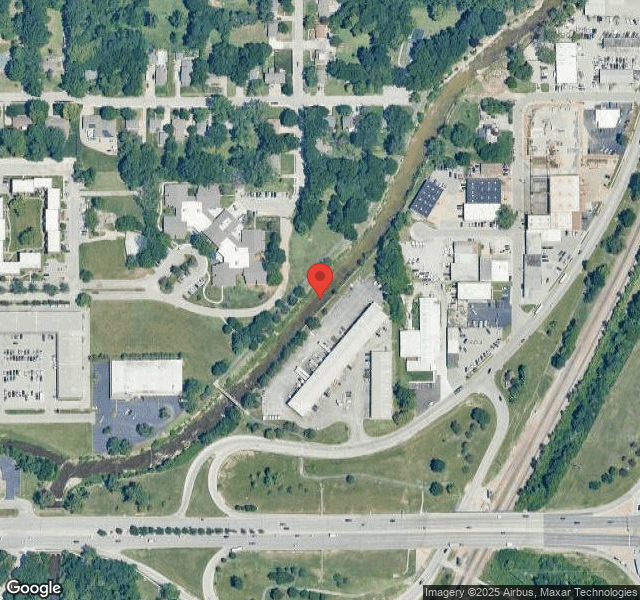
9700 W 62ND STREET, MERRIAM, KS 66203 (913) 384-0800
For profit - Limited Liability company 120 Beds RECOVER-CARE HEALTHCARE Data: November 2025
Trust Grade
25/100
#270 of 295 in KS
Last Inspection: October 2024

Within standard 12-15 month inspection cycle. Federal law requires annual inspections.

Overview

Merriam Gardens Healthcare & Rehabilitation has received a Trust Grade of F, indicating significant concerns about the quality of care provided. It ranks #270 out of 295 facilities in Kansas, placing it in the bottom half, and #31 out of 35 in Johnson County, meaning there are very few local options that perform worse. The facility is worsening in quality, with the number of issues increasing from 19 in 2023 to 22 in 2024. Staffing is rated poorly with a turnover of 57%, which is above the state average, suggesting instability among caregivers. Additionally, the facility has accumulated $74,562 in fines, higher than 80% of Kansas facilities, indicating ongoing compliance issues. There is also concerningly low RN coverage, as the facility has less than 78% of Kansas facilities, which raises the risk of missed health problems. Inspector findings revealed serious issues, such as staff not completing yearly performance evaluations for several CNAs, which could lead to inadequate care, and numerous food safety violations that put residents at risk for foodborne illnesses. Overall, while there may be some staff who are dedicated, the facility's numerous problems raise red flags for families considering care for their loved ones.

Trust Score
F
25/100
In Kansas
#270/295
Bottom 9%
Safety Record
Moderate
Needs review
Inspections
Getting Worse
19 → 22 violations
Staff Stability
⚠ Watch
57% turnover. Above average. Higher turnover means staff may not know residents' routines.
Penalties
✓ Good
$74,562 in fines. Lower than most Kansas facilities. Relatively clean record.
Skilled Nurses
⚠ Watch
Each resident gets only 25 minutes of Registered Nurse (RN) attention daily — below average for Kansas. Fewer RN minutes means fewer trained eyes watching for problems.
Violations
⚠ Watch
47 deficiencies on record. Higher than average. Multiple issues found across inspections.
★☆☆☆☆
1.0
Overall Rating
★☆☆☆☆
1.0
Staff Levels
★★☆☆☆
2.0
Care Quality
★☆☆☆☆
1.0
Inspection Score
Stable
2023: 19 issues
2024: 22 issues

The Good

  • Full Sprinkler Coverage · Fire safety systems throughout facility
  • No fines on record

Facility shows strength in fire safety.

The Bad

1-Star Overall Rating

Below Kansas average (2.9)

Significant quality concerns identified by CMS

Staff Turnover: 57%

11pts above Kansas avg (46%)

Frequent staff changes - ask about care continuity

Federal Fines: $74,562

Well above median ($33,413)

Moderate penalties - review what triggered them

Chain: RECOVER-CARE HEALTHCARE

Part of a multi-facility chain

Ask about local staffing decisions and management

Staff turnover is elevated (57%)

9 points above Kansas average of 48%

The Ugly 47 deficiencies on record

Oct 2024 22 deficiencies
CONCERN (D)

Potential for Harm - no one hurt, but risky conditions existed

Deficiency F0558 (Tag F0558)

Could have caused harm · This affected 1 resident

**NOTE- TERMS IN BRACKETS HAVE BEEN EDITED TO PROTECT CONFIDENTIALITY** The facility identified a census of 74 residents. The sample included 18 residents. Two residents were sampled for reasonable ac...

Read full inspector narrative →
**NOTE- TERMS IN BRACKETS HAVE BEEN EDITED TO PROTECT CONFIDENTIALITY** The facility identified a census of 74 residents. The sample included 18 residents. Two residents were sampled for reasonable accommodations of needs. Based on observation, record review, and interview, the facility failed to ensure Resident (R)47 was given a lipped plate and his meat was cut up into bite-size portions. The facility further failed to ensure R50's call light was within her reach. This deficient practice left R47 and R50 vulnerable to unmet care needs. Findings included: - R47's Electronic Medical Record (EMR) from the Diagnoses tab documented diagnoses of congestive heart failure (CHF-a condition with low heart output and the body becomes congested with fluid), hypertension (HTN-elevated blood pressure), hemiparesis/hemiplegia (weakness and paralysis on one side of the body) following a cerebral infarction (stroke - the sudden death of brain cells due to lack of oxygen caused by impaired blood flow to the brain by blockage or rupture of an artery to the brain) affecting the right dominant side, aphasia (condition with disordered or absent language function), and anemia (an inadequate number of healthy red blood cells to carry adequate oxygen to body tissues). R47's Quarterly Minimum Data Set (MDS) dated [DATE] documented a Brief Interview for Mental Status (BIMS) score of zero which indicated severely impaired cognition. The MDS documented R47 was impaired on one side of his body. The MDS documented R47 needed substantial to maximum assistance with oral hygiene, bathing, toileting, dressing, and cueing or touching assistance with eating. R47's Functional Abilities (Self-Care and Mobility) Care Area Assessment (CAA) dated 01/14/24 documented R47 was at risk for impaired functional abilities related to chronic conditions with hemiplegia. R47's CAA documented he would need nursing and care staff to continue to observe activities of daily living (ADL) function and aid as indicated. R47's Care Plan revised on 08/04/24 documented R47 was at risk for nutritional problems, and weight loss related to hemiplegia and hemiparesis. R47's plan of care documented R47 needed a lipped plate for all meals to help him with scooping his food. R47's EMR under Orders revealed the following physician's order: Fortified Foods diet, regular texture, thin consistency [liquid], cut up meat into bite-size pieces. Divided-lipped plate, and a Magic Cup (frozen nutritional supplement) with the evening meal dated 05/02/24. On 10/02/24 at 09:37 AM, R47 sat up in his bed with his breakfast plate on his bedside table. R47 had a sausage patty, scrambled eggs, hot cereal, and toast. R47's sausage patty was not cut into bite-size pieces and R47 did not have a lipped plate. Observation revealed R47 used his left hand to grasp a spoon and attempted to cut his sausage patty with the spoon but was unable to do so. R47 used the spoon to try to pick up some eggs though the eggs just slid across the plate and onto the tray. R47 did not eat his eggs or sausage patty. On 10/02/24 at 10:23 AM Certified Nurse's Aide (CNA)RR stated the trays were plated in the kitchen, but the nursing staff passed the trays and were to read the residents meal ticket to ensure each resident received what food each resident ordered, or any special equipment needed. On 10/02/24 at 12:48 PM Dietary Staff BB stated the cook plated the trays for each resident. She stated each resident's ticket stated if there were any special utensils, trays, or diet orders. Dietary Staff BB stated the cook was the first check, and the nursing staff was the second check ensuring each resident was getting what was ordered. She stated the lipped plates were not very deep, but they were called lipped plates. She stated she had ordered new lipped plates that are deeper. On 10/02/24 at 03:11 PM Administrative Nurse D stated trays are plated in the kitchen with a meal ticket. She stated when trays come out to the nursing floor, nursing was to check each ticket, before giving the tray to the resident. The facility's Accommodation of Needs policy documented the facility would treat each resident with respect and dignity and would evaluate and make reasonable accommodations for the individual needs and preferences of a resident, except when the health and safety of the individual or other residents would be endangered. The facility failed to ensure R47 was given a lipped plate, and his meat was cut up into bite-size portions. This deficient practice left R47 vulnerable to unmet care needs. - R50's Electronic Medical Record (EMR) documented diagnosis of hypertension (HTN- elevated blood pressure), cerebral infarction (stroke - sudden death of brain cells due to lack of oxygen caused by impaired blood flow to the brain by blockage or rupture of an artery to the brain), and congestive heart failure (CHF-a condition with low heart output and the body becomes congested with fluid). R50's Annual Minimum Data Set (MDS) dated [DATE] documented a Brief Interview for Mental Status (BIMS) score of zero which indicated severely impaired cognition. R50 had impairment on one side of both upper and lower extremities. R50 was dependent on staff for all functional abilities. R50's Quarterly MDS dated 08/05/24 documented a BIMS score of zero which indicated severely impaired cognition. R50 had impairment on both sides of her lower extremities. R50 was dependent on staff for all functional abilities. R50's Cognitive Loss/Dementia Care Area Assessment (CAA) dated 11/11/23 documented she had a nontraumatic intracranial hemorrhage (a type of stroke that occurs when a hematoma forms in the brain without trauma). R50's Care Plan revised on 08/15/24 documented R50's communication was impaired; staff were to anticipate and meet her needs by nonverbal indicators of discomfort or distress and follow up. R50's plan of care documented that staff should use the following techniques to enhance communication with her: simple words, cues, asking yes or no questions, and speaking clearly and slowly. On 09/30/24 at 07:02 AM R50 was sat up at 45 degrees in her bed. R50's call light was under her bed at the head of her bed, the call light was out of R50's reach. On 10/02/24 at 10:23 AM Certified Nurse's Aide (CNA) R stated call lights should always be in the resident's reach if the resident was in bed. On 10/02/24 at 10:17 AM Licensed Nurse (LN) G stated call lights should never be left behind or under the bed. She stated all nursing staff were to ensure call lights were placed where the resident could reach the light. On 10/02/24 at 02:24 PM Administrative Nurse D stated call lights should always be within reach or on the resident, and the call light should never be out of reach if the resident was in their room or bed. The facility's Accommodation of Needs policy documented the facility would treat each resident with respect and dignity and would evaluate and make reasonable accommodations for the individual needs and preferences of a resident, except when the health and safety of the individual or other residents would be endangered. The facility failed to ensure R50 had a call light to communicate her needs. This deficient practice placed the resident at risk for unmet care needs.
CONCERN (D)

Potential for Harm - no one hurt, but risky conditions existed

Deficiency F0582 (Tag F0582)

Could have caused harm · This affected 1 resident

The facility identified a census of 74 residents. The sample included 18 residents with three reviewed for Center for Medicare and Medicaid Services (CMS) Beneficiary Liability notices. Based on recor...

Read full inspector narrative →
The facility identified a census of 74 residents. The sample included 18 residents with three reviewed for Center for Medicare and Medicaid Services (CMS) Beneficiary Liability notices. Based on record review and interviews, the facility failed to provide form CMS-10055, Skilled Nursing Facility (SNF) Advance Beneficiary Notice of Non-coverage (ABN) for Resident (R) 3 and R132. This deficient practice placed these residents at risk for uninformed decisions. Findings included: - A review of R3 ' s Electronic Medical Record (EMR) documented that the Medicare Part A episode began on 07/09/24 and ended on 7/16/24. R3 remained in the facility for custodial care. The facility issued R3 form CMS-R-131 instead of the required CMS-10055. A review of R132 ' s EMR documented that the Medicare Part A episode began on 01/31/24 and ended on 03/12/24. R33 remained in the facility for custodial care. The facility issued R132 form CMS-R-131 instead of the required CMS-10055. On 10/01/24 at 12:25 PM, Social Services X stated the ABN form the facility had instructed her to use was different from the form CMS-R-131. She stated the regional manager had provided her with an updated CMS-10055 form two weeks ago that she was to start issuing now. The facility's Advance Beneficiary Notices policy dated 11/01/19 documented it was the policy of this facility to provide timely notices regarding Medicare eligibility and coverage. For Part A items and services, the facility would use the Skilled Nursing Facility Advance Beneficiary Notice (SNFABN), Form CMS-10055. The current CMS-approved version of the forms would be used at the time of issuance to the beneficiary (resident or resident representative). Contents of the form shall comply with related instructions and regulations regarding the use of the form. The facility failed to issue R3 and R132 the correct SNF ABN form CMS-10055. This deficient practice placed these residents at risk for uninformed decisions.
CONCERN (D)

Potential for Harm - no one hurt, but risky conditions existed

Transfer Notice (Tag F0623)

Could have caused harm · This affected 1 resident

**NOTE- TERMS IN BRACKETS HAVE BEEN EDITED TO PROTECT CONFIDENTIALITY** The facility identified a census of 74 residents. The sample included 18 residents with two sampled residents reviewed for hospi...

Read full inspector narrative →
**NOTE- TERMS IN BRACKETS HAVE BEEN EDITED TO PROTECT CONFIDENTIALITY** The facility identified a census of 74 residents. The sample included 18 residents with two sampled residents reviewed for hospitalization. Based on observation, record review, and interviews, the facility failed to provide written notification of transfer to Resident (R) 45 or their representatives for their facility-initiated transfers. The facility also failed to notify to the long-term care ombudsman (LTCO) for R45. This deficient practice had the risk of miscommunication between the facility and resident/family and possible missed opportunities for healthcare service for R45. Findings included: - R45's Electronic Medical Record (EMR) documented diagnoses of cerebral infarction (stroke - sudden death of brain cells due to lack of oxygen caused by impaired blood flow to the brain by blockage or rupture of an artery to the brain), hemiplegia and hemiparesis (weakness and paralysis on one side of the body), and a pressure ulcer (localized injury to the skin and underlying tissue usually over a bony). R45's Annual Minimum Data Set (MDS) dated 07/17/24 documented a Brief Interview for Mental Status (BIMS) score of zero which indicated a severely impaired cognition. R45 had impairment on both sides of his upper and lower extremities. R45 required the use of a Broda chair (specialized wheelchair with the ability to tilt and recline) for mobility. R45 was dependent on staff for all functional abilities. R45 was always incontinent of bowel and bladder. R45 required enteral nutrition (provision of nutrients through the gastrointestinal tract when the resident cannot ingest, chew, or swallow food). R45's Quarterly MDS dated 09/10/24 documented both long and short-term memory loss and severely impaired cognitive skills for daily decision-making. R45 had impairment on both sides of his upper and lower extremities. R45 required the use of a Broda chair for mobility. R45 was dependent on staff for all functional abilities. R45 was always incontinent of bowel and bladder. R45 required enteral nutrition. R45's Cognition Care Area Assessment dated 08/01/24 documented R45 had cognitive loss and memory loss. R45's Care Plan directed staff that R45 planned to remain in the facility. Staff was directed to provide services according to his care plan to enhance optimum functioning and well-being. R45's Discharge MDS dated 11/27/23 documented he had an unplanned discharge to a short-term acute hospital with a return anticipated. R45's Discharge MDS dated 04/09/24 documented he had an unplanned discharge to a short-term acute hospital with a return anticipated. R45's Discharge MDS dated 09/04/24 documented he had an unplanned discharge to a short-term acute hospital with a return anticipated. The facility was unable to provide evidence that written notification of transfer was issued for R45 for the hospitalizations on 11/27/24, 04/09/24, and 09/04/24. The facility was unable to provide evidence that the LTCO was notified of R45's facility-initiated transfers to the hospital on [DATE], 04/09/2, or 09/04/24. On 10/02/24 at 09:34 AM R45 lay in bed, with the head of the bed elevated slightly. His enteral nutrition infused via a kangaroo pump (a portable pump used to deliver enteral nutrition). R45's left knee was propped on a pillow. On 10/01/24 at 11:52 AM, Administrative Staff B stated the facility had not been doing the bed hold or the written notification as they should have been. Administrative Staff B stated the written notification of transfer should be provided to the resident and the resident representative for each discharge as well as the notification sent to the LTCO. On 10/02/24 at 10:5 AM Social Services X stated that the written notification of transfers had not been done. Social Services X stated the facility had started a Performance Improvement Plan (PIP) on 04/01/24 to improve on submitting the discharge reports to the LTCO but had not provided the written notification of transfers as they should have. The facility did not provide a policy regarding notification of transfer or notification to the LTCO as requested. The facility failed to provide written notification of transfer to R45 or their representatives for their facility-initiated transfers. The facility failed to provide notification to the LTCO for R45. This deficient practice had the risk of miscommunication between the facility and resident/family and possible missed opportunities for healthcare service for R45.
CONCERN (D)

Potential for Harm - no one hurt, but risky conditions existed

Deficiency F0625 (Tag F0625)

Could have caused harm · This affected 1 resident

The facility identified a census of 74 residents. The sample included 18 residents with two sampled residents reviewed for hospitalization. Based on observation, record review, and interviews, the fac...

Read full inspector narrative →
The facility identified a census of 74 residents. The sample included 18 residents with two sampled residents reviewed for hospitalization. Based on observation, record review, and interviews, the facility failed to provide a bed hold policy notice to Resident (R) 45 or their representatives when they transferred to the hospital. This deficient practice had the risk of impaired ability to return to the facility and to his previous room for R45. Findings included: - R45's Electronic Medical Record (EMR) documented diagnoses of cerebral infarction (stroke - sudden death of brain cells due to lack of oxygen caused by impaired blood flow to the brain by blockage or rupture of an artery to the brain), hemiplegia and hemiparesis (weakness and paralysis on one side of the body), and a pressure ulcer (localized injury to the skin and underlying tissue usually over a bony). R45's Annual Minimum Data Set (MDS) dated 07/17/24 documented a Brief Interview for Mental Status (BIMS) score of zero which indicated a severely impaired cognition. R45 had impairment on both sides of his upper and lower extremities. R45 required the use of a Broda chair (specialized wheelchair with the ability to tilt and recline) for mobility. R45 was dependent on staff for all functional abilities. R45 was always incontinent of bowel and bladder. R45 required enteral nutrition (provision of nutrients through the gastrointestinal tract when the resident cannot ingest, chew, or swallow food). R45's Quarterly MDS dated 09/10/24 documented both long and short-term memory loss and severely impaired cognitive skills for daily decision-making. R45 had impairment on both sides of his upper and lower extremities. R45 required the use of a Broda chair for mobility. R45 was dependent on staff for all functional abilities. R45 was always incontinent of bowel and bladder. R45 required enteral nutrition. R45's Cognition Care Area Assessment dated 08/01/24 documented R45 had cognitive loss and memory loss. R45's Care Plan directed staff that R45 planned to remain in the facility. Staff was directed to provide services according to his care plan in an effort to enhance optimum functioning and well-being. R45's Discharge MDS dated 11/27/23 documented he had an unplanned discharge to a short-term acute hospital with a return anticipated. R45's Discharge MDS dated 04/09/24 documented he had an unplanned discharge to a short-term acute hospital with a return anticipated. R45's Discharge MDS dated 09/04/24 documented he had an unplanned discharge to a short-term acute hospital with a return anticipated. The facility was unable to provide evidence a bed hold was issued for R45 for the hospitalizations on 11/27/23 or 09/04/24. On 10/02/24 at 09:34 AM R45 lay in bed, with the head of the bed elevated slightly. His enteral nutrition infused via a kangaroo pump (a portable pump used to deliver enteral nutrition). R45's left knee was propped on a pillow. On 10/01/24 at 11:52 AM, Administrative Staff B provided R45's bed hold notice for 04/09/24. Administrative Staff B stated the facility had not been doing the bed hold or the written notification as they should have been. Administrative Staff B stated the bed hold should be provided to the resident and the resident representative for each discharge. The facility's Bed Hold Notice Upon Transfer policy, not dated, directed at the time of transfer for hospitalization or therapeutic leave, the facility provided the resident and/or their representative a written notice that specified the duration of the bed-hold policy and addressed information explaining the return of the resident to the next available bed. The facility failed to provide a bed hold notice to R45 or their representative when R45 was transferred to the hospital. This deficient practice had the risk of impaired ability to return to the facility or the same room for R45.
CONCERN (D)

Potential for Harm - no one hurt, but risky conditions existed

Comprehensive Assessments (Tag F0636)

Could have caused harm · This affected 1 resident

The facility identified a census of 74 residents. The sample included 18 residents. Based on observation, record review, and interviews, the facility failed to fully complete the annual comprehensive ...

Read full inspector narrative →
The facility identified a census of 74 residents. The sample included 18 residents. Based on observation, record review, and interviews, the facility failed to fully complete the annual comprehensive Minimum Data Set (MDS) for Resident (R) 45 by not completing documentation analysis for triggered care areas. This placed this resident at risk for inaccurate reflections of the resident's status and an inaccurate care plan. Findings included: - R45's Electronic Medical Record (EMR) documented diagnoses of cerebral infarction (stroke - sudden death of brain cells due to lack of oxygen caused by impaired blood flow to the brain by blockage or rupture of an artery to the brain), hemiplegia and hemiparesis (weakness and paralysis on one side of the body), and a pressure ulcer (localized injury to the skin and underlying tissue usually over a bony area). R45's Annual MDS dated 07/17/24 documented a Brief Interview for Mental Status (BIMS) score of zero which indicated a severely impaired cognition. R45 had impairment on both sides of his upper and lower extremities. R45 required the use of a Broda chair (specialized wheelchair with the ability to tilt and recline) for mobility. R45 was dependent on staff for all functional abilities. R45 was always incontinent of bowel and bladder. R45 required enteral nutrition (provision of nutrients through the gastrointestinal tract when the resident cannot ingest, chew, or swallow food). R45's Quarterly MDS dated 09/10/24 documented both long and short-term memory loss and severely impaired cognitive skills for daily decision-making. R45 had impairment on both sides of his upper and lower extremities. R45 required the use of a Broda chair for mobility. R45 was dependent on staff for all functional abilities. R45 was always incontinent of bowel and bladder. R45 required enteral nutrition. R45's Cognition Care Area Assessment (CAA) dated 08/01/24 documented R45 had cognitive loss and memory loss. R45's CAA dated 08/01/24 lacked documented analysis of findings for the triggered care areas for communication, urinary incontinence, psychosocial well-being, activities, falls, feeding tube (tube for introducing high-calorie fluids into the stomach), pressure ulcer, and pain. R45's Care Plan last revised on 08/09/24 directed staff that R45 was dependent on staff for all functional abilities due to his medical condition. Staff was directed to provide services according to his care plan to enhance optimum functioning and well-being. On 10/02/24 at 09:34 AM R45 lay in bed, with the head of the bed elevated slightly. His enteral nutrition infused via a kangaroo pump (a portable pump used to deliver enteral nutrition). R45's left knee was propped on a pillow. On 10/02/24 at 02:06 PM Administrative Nurse F stated either she or the unit nurses completed the MDS assessments and then the assessments would be given to the MDS coordinator when she was at the facility. Administrative Nurse F stated the MDS coordinator was responsible for completing the CAA and updating of the care plans. On 10/02/24 at 02:24 PM Administrative Nurse D stated the MDS coordinator was responsible for ensuring that the MDS was completed including the CAA all the information was documented and the care plan was updated. The undated facility Resident Assessment - RAI policy documented: Documentation of the summary information regarding the additional assessment performed on the care areas triggered by the completion of the MDS. The assessment process would include direct observation and communication with the resident, as well as communication with licensed and non-licensed direct care staff members on all shifts. The facility failed to ensure staff fully completed the annual comprehensive MDS for R45 when staff did not complete the documentation analysis for triggered care areas. This placed R45 at risk for inaccurate reflections of the resident's status and an incomplete comprehensive plan of care.
CONCERN (D)

Potential for Harm - no one hurt, but risky conditions existed

Deficiency F0676 (Tag F0676)

Could have caused harm · This affected 1 resident

The facility reported a census of 74 residents. The sample included 18 residents with two reviewed for activities of daily living (ADLs). Based on records review, interviews, and observations, the fac...

Read full inspector narrative →
The facility reported a census of 74 residents. The sample included 18 residents with two reviewed for activities of daily living (ADLs). Based on records review, interviews, and observations, the facility failed to provide the required ADL assistance for Resident (R)11 for dressing. This deficient practice placed R11 at risk for impaired independence and a loss of ADL function. Findings Including: - The Medical Diagnosis section within R11's Electronic Medical Records (EMR) included diagnoses of altered mental status, cognitive communication deficit, major depressive disorder (major mood disorder), and unsteadiness on his feet. R11s Annual Minimum Data Set (MDS) completed 08/12/24 noted a Brief Interview for Mental Status (BIMS) score of 10 indicating moderate cognitive impairment. The MDS indicated he required supervision or touch assistance for dressing and personal hygiene. The MDS indicated he required partial to moderate assistance from staff for bathing, transfers, and toileting. The MDS indicated he required set-up assistance from staff for meals. The MDS indicated he was at risk but had no pressure ulcers (localized injury to the skin and/or underlying tissue usually over a bony prominence, as a result of pressure, or pressure in combination with shear and/or friction) or skin impairments. R11's Functional Abilities Care Area Assessment (CAA) completed 08/25/24 indicated staff will assist with care as needed. The CAA instructed staff to anticipate his care needs and promote his independence. R11's Care Plan initiated 05/28/24 indicated he required supervision or touch assistance with bathing, transfers, toileting, personal hygiene, dressing, and meals. The plan instructed staff to allow adequate time to express his needs and ensure he understood staff requests. On 09/30/24 at 07:45 AM R11 sat at his bedside with his pants around his ankle. R11's bed was next to his room's door. R11 had an incontinence brief on. R11 stood up several times to pull his pants up but was unable. R11 sat back down on his bed. At 08:09 AM R11 reported he was having difficulty with pulling his pants up. He reported staff would often come in to assist him, but they may be busy. At 08:15 R11 was able to maneuver his feet, raise his pants, and pull them up over his brief. R11 reported staff brought his meals but did not supervise or help during meals. On 10/02/24 at 10:31 AM Certified Nurses Aide (CNA) QQ stated some residents may require assistance for dressing in their rooms and staff should provide assistance when needed. She stated R11 was more independent and would often try to dress himself. She states staff should provide supervision to ensure his needs are met and he is safe. On 10/02/24 at 10:40 AM Licensed Nurse (LN) G stated all staff had access to the care plan and what level of assistance each resident required. She stated some residents required assistance from staff for ADL care. She stated staff expected to review the level of assistance listed in the care plans and provide it. She stated staff were expected to check the residents while in their rooms to see if they needed assistance or wanted something. On 10/02/24 at 02:30 PM Administrative Nurse D stated staff were expected to assist the residents per their care-planned needs. She stated staff should ensure the residents were safe in their rooms and the call lights were within reach. The facility's Activities of Daily Living (ADLs) policy revised 10/2019 indicated the facility will assess each resident's needs based upon the comprehensive assessment. The policy indicates the facility will identify the level of assistance needed for each resident and ensure staff follows the care-planned interventions. The policy noted interventions will be routinely monitored for effectiveness. The facility failed to provide assistance for R11 with dressing. This deficient practice placed R11 at risk for impaired independence with a loss of ADL function.
CONCERN (D)

Potential for Harm - no one hurt, but risky conditions existed

Quality of Care (Tag F0684)

Could have caused harm · This affected 1 resident

The facility identified a census of 74 residents. The sample included 18 residents with one resident reviewed for quality of care. Based on observation, record review, and interviews, the facility fai...

Read full inspector narrative →
The facility identified a census of 74 residents. The sample included 18 residents with one resident reviewed for quality of care. Based on observation, record review, and interviews, the facility failed to follow a physician's order for weight monitoring for fluid overload and further failed to ensure Resident (R) 73's as-needed (PRN) diuretic (a medication used to promote formation and excretion of urine) was administered per orders when needed. This deficient practice placed R73 at risk for fluid overload and related complications. Findings included: - R73's Electronic Medical Record (EMR) from the Diagnoses tab documented diagnoses of mood disorder (category of mental health problems, feelings of sadness, helplessness, guilt, and wanting to die were more intense and persistent than what may normally be felt from time to time), malnutrition (lack of proper nutrition, caused by not having enough to eat), cerebral infarction (stroke - sudden death of brain cells due to lack of oxygen caused by impaired blood flow to the brain by blockage or rupture of an artery to the brain), congestive heart failure (CHF-a condition with low heart output and the body becomes congested with fluid), dementia (a progressive mental disorder characterized by failing memory and confusion), anxiety (mental or emotional reaction characterized by apprehension, uncertainty, and irrational fear), diabetes mellitus (DM-when the body cannot use glucose, not enough insulin is made, or the body cannot respond to the insulin), and blindness of both eyes. The Quarterly Minimum Data Set (MDS) for R73 dated 08/20/24 recorded a Brief Interview for Mental Status (BIMS) score of 11 which indicated moderately impaired cognition. The MDS documented R73 was dependent on staff for eating, bathing, toileting, and dressing. The MDS documented R73 was not on a diuretic during the observation period. R73's Urinary Incontinent and Indwelling Catheter Care Area Assessment (CAA) dated 02/26/24 documented R73 was dependent on staff for toileting transfer and toileting hygiene. R73 was frequently incontinent of urine during the observation period. R73's Care Plan revised on 06/10/24 documented R73 had CHF and was at risk of developing complications. Staff were to administer medication as ordered and monitor for effectiveness. A review of the EMR under the Orders tab revealed the following physician orders: Weekly weights every dayshift on Mondays dated 09/23/24. Furosemide (a diuretic) oral tablet every 24 hours as needed for fluid overload/CHF taken for a weight gain of greater than three pounds in one day, and five pounds in two days dated 09/20/24. A review of R73's EMR under the Weights and Vitals tab revealed the following recorded weights: On 09/23/24 weight of 142.0 pounds. On 09/24/24 weight of 150.0 pounds. On 09/25/24 weight of 154.0 pounds. On 09/30/24 weight of 125.8 pounds. On 10/01/24 weighed 124.0 pounds. R73's Treatment Administration Record (TAR) documented that the PRN furosemide was not given from 09/20/24-10/01/24. On 09/30/24 at 07:05 AM R73 laid in bed on her right side. R73 was asleep. On 10/01/24 at 06:52 AM R73 lay in bed. R73 was on her right side. R73 was asleep. On 10/02/24 at 10:01 AM Certified Nurse's Aide (CNA) QQ stated nursing would make a list of anyone who needed to be weighed. She stated the aides obtained the weights and returned the list to the nurse. On 10/02/24 at 10:17 AM Licensed Nurse (LN) G stated nurses gave the CNA staff a list of residents needed weighted for the day. LN G stated the nurse should follow up to ensure the weights were done and call the physician if needed. On 10/02/24 at 02:24 PM Administrative Nurse D stated nursing was to ensure weights were obtained. Administrative Nurse D said nurses would then report to the physician or follow the orders as prescribed. The facility's Accommodation of Needs policy documented the facility will treat each resident with respect and dignity and will evaluate and make reasonable accommodations for the individual needs and preferences of a resident, except when the health and safety of the individual or other residents would be endangered. The facility failed to follow a physician's order for weight monitoring for fluid overload and further failed to ensure R73's PRN diuretic was administered per orders when needed. This deficient practice placed R73 at risk for fluid overload and related complications.
CONCERN (D)

Potential for Harm - no one hurt, but risky conditions existed

Deficiency F0688 (Tag F0688)

Could have caused harm · This affected 1 resident

**NOTE- TERMS IN BRACKETS HAVE BEEN EDITED TO PROTECT CONFIDENTIALITY** The facility identified a census of 74 residents. The sample included 18 residents with one resident reviewed for positioning an...

Read full inspector narrative →
**NOTE- TERMS IN BRACKETS HAVE BEEN EDITED TO PROTECT CONFIDENTIALITY** The facility identified a census of 74 residents. The sample included 18 residents with one resident reviewed for positioning and mobility. Based on observation, record review, and interviews, the facility failed to ensure Resident (R)47's palm splint was available. This deficient practice placed the resident at risk for discomfort and decreased range of motion (ROM- the full movement potential of a joint, usually its range of flexion and extension). Findings included: - R47's Electronic Medical Record (EMR) from the Diagnoses tab documented diagnoses of congestive heart failure (CHF-a condition with low heart output and the body becomes congested with fluid), hypertension (HTN-elevated blood pressure), hemiparesis/hemiplegia (weakness and paralysis on one side of the body) following a cerebral infarction (stroke - the sudden death of brain cells due to lack of oxygen caused by impaired blood flow to the brain by blockage or rupture of an artery to the brain) affecting the right dominant side, aphasia (condition with disordered or absent language function), and anemia (an inadequate number of healthy red blood cells to carry adequate oxygen to body tissues). R47's Quarterly Minimum Data Set (MDS) dated [DATE] documented a Brief Interview for Mental Status (BIMS) score of zero which indicated severely impaired cognition. The MDS documented R47 was impaired on one side of his body. The MDS documented R47 needed substantial to maximum assistance with oral hygiene, bathing, toileting, dressing, and cueing or touching assistance with eating. The MDS documented R47 did not receive restorative care or physical therapy during the observation period. R47's Functional Abilities (Self-Care and Mobility) Care Area Assessment (CAA) dated 01/14/24 documented R47 was at risk for impaired functional abilities related to chronic conditions with hemiplegia. R47's CAA documented he would need nursing and care staff to continue to observe activities of daily living (ADL) function and aid as indicated. R47's Care Plan revised 08/04/24 documented R47 was at risk for skin breakdown due to hemiplegia and hemiparesis following a cerebral infraction affecting his right dominant side. R47's plan of care documented R47 was to wear a palm protector to the right hand as tolerated throughout the day. R47's EMR under Task lacked direction for staff to apply the palm splint. R47's EMR lacked documentation or evidence of any refusals to wear the plan splint on 10/01/24. On 10/01/24 at 09:01 AM R47 laid in his bed on his back. R47 's fingers on his right hand were curled and his hand was closed. R47 pointed to his right hand. R47 did not have his splint in his palm. On 10/01/24 at 01:55 AM R47 laid in his bed on his back on his bed watching a cartoon, R47's right arm lay under the blank, his fingers were curled, and his hand was closed. R47 pointed to his right hand, R47 did not have his splint in his palm. On 10/02/24 at 10:23 AM Certified Nurse's Aide (CNA) RR stated staff would know what devices each resident needed either by the resident's care plan or in the nursing report each morning. CNA RR said occasionally therapy hangs a list on each resident's wall. On 10/02/24 at 10:34 AM Licensed Nurse (LN) G stated all staff have access to care plans. She stated if the nursing staff does not check the care plan, therapies usually hang a duty list for devices in each resident's room. LN G stated it was the duty of all nurses to ensure residents have and use their devices. On 10/02/24 at 02:26 PM, Administrative Nurse D stated she expected each staff to read or know what the resident's care plan states. She said she expected an order to be placed on the EMR for splints and devices to so that nursing staff had a second check to ensure all devices were being placed. The facility's Prevention of Decline in Range of Motion policy documented residents who enter the facility without a limited range of motion will not experience a reduction in range of motion unless the resident's clinical condition demonstrates that a reduction in range of motion was unavoidable. The facility failed to ensure R47 palm splint was placed in his right palm. This deficient practice placed the resident at risk for discomfort and decreased ROM.
CONCERN (D)

Potential for Harm - no one hurt, but risky conditions existed

Drug Regimen Review (Tag F0756)

Could have caused harm · This affected 1 resident

The facility identified a census of 74 residents. The sample included 18 residents with five sample residents reviewed for unnecessary medications. Based on observation, record review, and interview, ...

Read full inspector narrative →
The facility identified a census of 74 residents. The sample included 18 residents with five sample residents reviewed for unnecessary medications. Based on observation, record review, and interview, the facility failed to ensure the Consultant Pharmacist (CP) identified and reported when Resident (R) 67's blood pressure medication was given outside of the physician-ordered parameter. This placed R67 at risk for unnecessary medication administration and adverse side effects. Findings included: - R67's Electronic Medical Record (EMR) documented diagnoses of respiratory failure (inadequate gas exchange by the respiratory system), and hepatic failure (a condition that can occur when the liver is damaged and can no longer function properly). R67's Annual Minimum Data Set (MDS) dated 04/23/24 documented that R67 had a Brief Interview for Mental Status (BIMS) score of 15 which indicated intact cognition. R67 was independent with her functional abilities. R67 used a wheelchair for mobility. R67's Quarterly MDS dated 07/22/24 documented R67 had a BIMS score of 15 which indicated intact cognition. R67 required set up to partial assistance with her functional abilities. R67 used a wheelchair for mobility. R67 received insulin (a hormone that lowers the level of glucose in the blood) injections during the observation period. R67's Functional Ability Care Area Assessment (CAA) dated 04/28/24 documented she had impaired functional abilities due to general weakness, impaired balance, and mobility. R67's Care Plan last revised 07/31/24 directed staff to administer medications as directed. Staff was to monitor and document for side effects and effectiveness. R67's Orders tab of the EMR documented a physician's order dated 05/01/24 for midodrine (a medication used to increase blood pressure), give one five milligrams (mg) tablet by mouth three times a day for low blood pressure (BP). If the systolic blood pressure (SBP- top number, the force your heart exerts on the walls of your arteries each time it beats) is over 130 millimeters (mm) of Mercury (Hg), hold the medication. This order was discontinued on 07/03/24. R67's Orders tab of the EMR documented a physician's order dated 07/04/24 for midodrine to give one five mg tablet by mouth three times a day for low blood pressure. If the SBP was over 130 mm/Hg hold the medication. A review of R67's Medication Administration Record (MAR) for June 2024 revealed her midodrine was administered outside of the physician-ordered parameter on six of 90 opportunities. A review of R67's Medication Administration Record (MAR) for July 2024 revealed her midodrine was administered outside of the physician-ordered parameter on four of 93 opportunities. A review of R67's Medication Administration Record (MAR) for August 2024 revealed her midodrine was administered outside of the physician-ordered parameter on 12 of 93 opportunities. A review of R67's Medication Administration Record (MAR) for September 2024 revealed her midodrine was administered outside of the physician-ordered parameter on two of 90 opportunities. A review of the CP's Note to Attending Physician/Prescriber recommendations from July 2023 to present for R67 revealed no evidence that the CP made a recommendation to ensure staff administered midodrine within the physician's ordered parameter. On 10/02/24 at 02:24 PM Administrative Nurse D stated the pharmacist made recommendations monthly and were reviewed and forwarded to the physician for responses. Administrative Nurse D stated she would expect the CP to make a recommendation when medication had been given and when it should have been held. Administrative Nurse D stated it was also the responsibility of the nurse administering the medication to make sure the physician's recommended parameter was followed. The facility did not provide a policy for pharmacy recommendations as requested. The facility failed to ensure the CP identified and reported when R67's midodrine was given outside of the physician-ordered parameter. This placed R67 at risk for unnecessary medication administration and adverse side effects.
CONCERN (D)

Potential for Harm - no one hurt, but risky conditions existed

Deficiency F0757 (Tag F0757)

Could have caused harm · This affected 1 resident

The facility identified a census of 74 residents. The sample included 18 residents with five sampled residents reviewed for unnecessary medications. Based on observation, record review, and interview,...

Read full inspector narrative →
The facility identified a census of 74 residents. The sample included 18 residents with five sampled residents reviewed for unnecessary medications. Based on observation, record review, and interview, the facility failed to ensure Resident (R) 67's blood pressure medication was given within the physician-ordered parameter. This placed R67 at risk for unnecessary medication administration and adverse side effects. Findings included: - R67's Electronic Medical Record (EMR) documented diagnoses of respiratory failure (inadequate gas exchange by the respiratory system), and hepatic failure (a condition that can occur when the liver is damaged and can no longer function properly). R67's Annual Minimum Data Set (MDS) dated 04/23/24 documented that R67 had a Brief Interview for Mental Status (BIMS) score of 15 which indicated intact cognition. R67 was independent with her functional abilities. R67 used a wheelchair for mobility. R67's Quarterly MDS dated 07/22/24 documented R67 had a BIMS score of 15 which indicated intact cognition. R67 required set up to partial assistance with her functional abilities. R67 used a wheelchair for mobility. R67 received insulin (a hormone that lowers the level of glucose in the blood) injections during the observation period. R67's Functional Ability Care Area Assessment (CAA) dated 04/28/24 documented she had impaired functional abilities due to general weakness, impaired balance, and mobility. R67's Care Plan last revised 07/31/24 directed staff to administer medications as directed. Staff was to monitor and document for side effects and effectiveness. R67's Orders tab of the EMR documented a physician's order dated 05/01/24 for midodrine (a medication used to increase blood pressure), give one five milligrams (mg) tablet by mouth three times a day for low blood pressure (BP). If the systolic blood pressure (SBP- top number, the force your heart exerts on the walls of your arteries each time it beats) is over 130 millimeters (mm) of Mercury (Hg), hold the medication. This order was discontinued on 07/03/24. R67's Orders tab of the EMR documented a physician's order dated 07/04/24 for midodrine to give one five mg tablet by mouth three times a day for low blood pressure. If the SBP was over 130 mm/Hg hold the medication. A review of R67's Medication Administration Record (MAR) for June 2024 revealed her midodrine was administered outside of the physician-ordered parameter on six of 90 opportunities. A review of R67's MAR for July 2024 revealed her midodrine was administered outside of the physician-ordered parameter on four of 93 opportunities. A review of R67's MAR for August 2024 revealed her midodrine was administered outside of the physician-ordered parameter on 12 of 93 opportunities. A review of R67's MAR for September 2024 revealed her midodrine was administered outside of the physician-ordered parameter on two of 90 opportunities. On 10/01/24 at 10:38 AM R67 self-propelled herself in her wheelchair to the dining room to play bingo. On 10/02/24 at 01:25 PM Licensed Nurse (LN) G stated that R67 did have parameters for her midodrine and should not be given when her SBP was over 130 mm/Hg. LN G stated that the blood pressure was documented before medication was given but did not recall that the module would flag a notification when the reading was outside the written parameter. On 10/02/24 at 02:24 PM Administrative Nurse D stated she would expect staff to hold a medication when a blood pressure was outside of the parameters. Administrative Nurse D stated it was the responsibility of the nurse administering the medication to make sure the physician's recommended parameter was followed. The undated facility policy Medication Administration documented that medications were to be administered by licensed nurses, or other staff who were legally authorized to do so in this state, as ordered by the physician and in accordance with the professional standard of practice, in a manner to prevent contamination or infection. Obtain and record vital signs. When applicable, hold medication for those vital signs outside the physician's prescribed parameters. The facility failed to ensure R67's midodrine was given within the physician-ordered parameters. This placed R67 at risk for unnecessary medication administration and adverse side effects.
CONCERN (D)

Potential for Harm - no one hurt, but risky conditions existed

Deficiency F0849 (Tag F0849)

Could have caused harm · This affected 1 resident

**NOTE- TERMS IN BRACKETS HAVE BEEN EDITED TO PROTECT CONFIDENTIALITY** The facility identified a census of 74 residents. The sample included 18 residents with two residents reviewed for (a type of he...

Read full inspector narrative →
**NOTE- TERMS IN BRACKETS HAVE BEEN EDITED TO PROTECT CONFIDENTIALITY** The facility identified a census of 74 residents. The sample included 18 residents with two residents reviewed for (a type of health care that focuses on the terminally ill patient's pain and symptoms and attending to their emotional and spiritual needs at the end of life) services. Based on observation, record review, and interview, the facility failed to ensure a coordinated plan of care, which coordinated care and services provided by the facility with the care and services provided by hospice, was developed and available for Resident (R)3. This placed the resident at risk for inappropriate end-of-life care. Finding Included: - R3's Electronic Medical Record (EMR) from the Diagnoses tab documented diagnoses of muscle weakness, unsteadiness on her feet, dysphagia (swallowing difficulty), cognitive-communication deficit, dementia (a progressive mental disorder characterized by failing memory and confusion), Cerebral arteriosclerosis (a disease that occurs when the arteries in the brain become hard, thick, and narrow due to the buildup of plaque), diabetes mellitus (DM-when the body cannot use glucose, not enough insulin is made, or the body cannot respond to the insulin), schizophrenia (a mental disorder characterized by gross distortion of reality, disturbances of language and communication, and fragmentation of thought), and depression (a mood disorder that causes a persistent feeling of sadness and loss of interest). The Significant Change Minimum Data Set (MDS) dated [DATE] documented R3 had a Brief Interview for Mental Status (BIMS) score of seven, which indicated moderately impaired cognition. The MDS documented R3 was dependent on staff for toileting, bathing, and dressing. The MDS documented that R3 received hospice services during the observation period. R3's Communication Care Area Assessment (CAA) dated 07/31/24 documented R3 was on hospice for cerebral atherosclerosis, this disease process tends to affect her ability to communicate effectively. R3's Care Plan dated 08/02/24 documented R3 was started on hospice on 07/17/24. The plan of care documented nursing staff would assess for pain restlessness, agitation, constipation, and other symptoms of discomfort. The plan of care documented nursing staff would medicate as ordered and evaluate for effectiveness. R3's plan of care documented that hospice would provide bereavement to R3's family, and staff was to notify the hospice provider of any changes or clinical complications. R3's plan of care documented hospice provider had not provided any equipment. R3's plan of care documented nursing would provide medications per hospice and physician orders R3's plan of care did not include what services hospice would provide, such as medication, supplies, or hospice worker visits. A review of the hospice-provided communication binder revealed R3 was admitted to hospice services on 07/17/24. On 09/30/24 at 08:05 AM R3 lay on her bed sleeping. On 10/01/24 at 09:14 R3 sat in her wheelchair, awaiting her breakfast meal. On 10/02/24 at 10:23 AM Certified Nursing Aide (CNA) RR stated he was unsure what hospice provided for residents, but if he needed to find out he could ask the charge nurse or look at her plan of care. CNA RR stated all nursing staff have access to the resident's care plan. On 10/02/24 at 02:02 PM, Licensed Nurse (LN) F stated what the hospice provided should be collaborated on the care plan, but she did not believe medication or when the hospice staff was coming to the facility needed care planned. LN F stated the medication and when staff were to come to the facility was in the resident's hospice binder. On 10/02/24 at 02:26 PM, Administrated Nurse D stated she had been with the facility a short time and did not know what this facility's care planned for each resident. She stated anything hospice provided, and when the nurse and aide were to provide services, should be part of the resident's care plan. The facility's Coordination of Hospice Services policy documents that when a resident chooses to receive hospice care and services, the facility will coordinate and provide care in cooperation with hospice staff to promote the resident's highest practicable, mental, and psychosocial well-being. The facility failed to ensure a coordinated plan of care, which coordinated care and services provided by the facility with the care and services provided by hospice, was developed and available for R3. This placed the resident at risk for inappropriate end-of-life care.
CONCERN (D)

Potential for Harm - no one hurt, but risky conditions existed

Deficiency F0883 (Tag F0883)

Could have caused harm · This affected 1 resident

The facility identified a census of 74 residents. The sample included 18 residents with five reviewed for immunization status. Based on record reviews, and interviews, the facility failed to administe...

Read full inspector narrative →
The facility identified a census of 74 residents. The sample included 18 residents with five reviewed for immunization status. Based on record reviews, and interviews, the facility failed to administer the Pneumococcal Conjugate Vaccine (PCV20- vaccination for bacterial infections) pneumococcal (type of bacterial infection) vaccination for Resident (R) 10. This placed the residents at increased risk for complications related to pneumonia. Findings included: - A review of R10 ' s clinical record revealed a Pneumovax was administered on 05/07/15. Upon request for R10 ' s declination or administration of the PCV20 vaccine, the facility provided a signed consent dated 04/30/24. R10 ' s EMR lacked documentation she had received the PCV20. On 10/01/24 at 03:22 PM, Administrative Nurse D, the facility Infection Preventionist, stated she was unable to find documentation R10 had received the PCV20 in April 2024. Administrative Nurse D stated the Infection Preventionist should track the resident vaccination status. The facility ' s Pneumococcal Vaccine policy last reviewed on 01/31/22 documented it was their policy to offer the residents, staff, and volunteer workers immunization against pneumococcal disease in accordance with current Centers for Disease Control (CDC) guidelines and recommendations. The facility failed to provide R10 with the PCV20 vaccination as consented. This placed R10 at increased risk for acquiring, transmitting, or experiencing complications from the pneumococcal disease.
CONCERN (E)

Potential for Harm - no one hurt, but risky conditions existed

Deficiency F0565 (Tag F0565)

Could have caused harm · This affected multiple residents

The facility reported a census of 74. The sample included 18 residents. Based on observations, record reviews, and interviews, the facility failed to address and resolve recurring issues reported by t...

Read full inspector narrative →
The facility reported a census of 74. The sample included 18 residents. Based on observations, record reviews, and interviews, the facility failed to address and resolve recurring issues reported by the Resident Council. This deficient practice placed the residents at risk for decreased psychosocial well-being. Findings Included- - A review of the facility's Resident Council Minutes from 09/2023 through 09/2024 indicated the council had recurring concerns with the food choices, menus, temperatures, and availability. The minutes also noted concerns related to maintaining and cleaning the shower rooms. The 09/2023 Resident Council Minutes documented concerns that the residents were not getting their showers on time, the food was being served cold, and residents were not being offered options. The minutes also documented concerns noting the [NAME] hall's right shower room was out-of-order and needed to be fixed. The minutes lacked actions taken or outcomes for the repeat concerns. The 10/2023 Resident Council Minutes documented concerns indicating the facility needed a plumber for the shower room. The minutes lacked actions taken or outcomes for the repeat concerns. The 11/2023 Resident Council Minutes documented concerns instructing staff to ensure cleaning and sanitizing of the shower rooms after use. The minutes lacked actions taken or outcomes for the repeat concerns. The 12/2023 Resident Council Minutes documented concerns related to direct care staff not asking the residents what they wanted for meals and noted meals were still served cold. The minutes lacked actions taken or outcomes for the repeat concerns. The 01/2024 Resident Council Minutes noted continued concerns with residents not getting showers in the evening. The minutes noted that the residents were not asked what they wanted to eat and the food was often served cold. The minutes noted the resident would have to ask staff to warm their food. The minutes lacked actions taken or outcomes for the repeat concerns. The 02/2024 Resident Council Minutes documented concerns related to not being provided condiments and options for meals. The minutes lacked actions taken or outcomes for the repeat concerns. The 03/2024 Resident Council Minutes documented concerns related to the residents not being offered tickets to choose what they want for meals. The minutes lacked actions taken or outcomes for the repeat concerns. The 04/2024 Resident Council Minutes documented concerns that the food needed to be served hot. The minutes lacked actions taken or outcomes for the repeat concerns. The 05/2024 Resident Council Minutes documented concerns that the menus didn't match the meals served and the residents wanted condiments served with their meals. The minutes lacked actions taken or outcomes for the repeat concerns. The 06/2024 Resident Council Minutes documented concerns that the residents did not get their meal of choice for May 2023. The minutes lacked actions taken or outcomes for the repeat concerns. The 08/2024 Resident Council Minutes documented concerns that the showers needed to be cleaned and sanitized after each use. The minutes documented concerns that the kitchen always ran out of food items and food was continually served cold. The minutes lacked actions taken or outcomes for the repeat concerns. The 08/2024 Resident Council Minutes documented concerns the direct care staff were not removing the soiled laundry out of the shower rooms after use. The minutes documented continued concerns the food was served cold. The 09/2024 Resident Council Minutes documented that food was still being served cold. The report indicated the resident's choice meal for September was requested as pizza, but the facility served pulled pork. The minutes lacked actions taken or outcomes for the repeat concerns. On 10/01/24 at 01:30 PM, the Resident Counsel reported continued concerns related to the serving of cold meals. The council reported the kitchen continually runs out of food products on the menu and condiments. The council reported the [NAME] Hall shower had been out of service for over a year. They reported the lack of two shower rooms resulted in either missed showers or late showers. On 10/02/24 at 10:45 AM inspection of the facility's [NAME] Hall shower room revealed the right shower room was closed due to maintenance issues. An inspection of the left shower room revealed soiled towels on the floor, feces in the toilet, and a reddish rust-like substance on the lower wall inside the shower area. On 10/02/24 at 01:45 PM Dietary Staff BB stated she was not aware of concerns related to food continually being served cold or running out of food items. She stated the floor staff could always notify the kitchen if there were issues related to food services. Dietary staff BB stated the facility no longer uses the tickets for the residents to select their meals for the day. She stated the residents will get what's on the menu or can ask staff to request something else for their meals. She stated sometimes the kitchen will run out of certain items due to the request of doubles or preferring more of one kind of food item. She stated everyone should be served first before staff serve extras. She stated the facility was making up the missed pizza day for June. She stated staff should be offering condiments with each meal service. On 10/02/24 at 01:45 PM Administrative Nurse D stated staff should offer showers per the resident's preferences and selected times. She stated the [NAME] Hall shower has been out of service but the left side shower still works and staff should be using it. She stated staff were expected to ensure the resident areas remained clean. She stated soiled laundry should never be left on the floor. On 10/02/24 at 02:01 PM Maintenance Staff V stated the facility was looking for bids to fix the busted pipe in the shower room. He was not sure how long the showers had been out of service or when it would be fixed. A review of the facility's Resident Council policy indicated the resident response form was to be utilized to track council concerns and facility resolution. The policy indicated the department related to any issue will be responsible for addressing the concerns. The policy indicates the facility shall act upon the concerns and recommendations of the council in a timely manner and make attempts to accommodate the presented recommendations. The facility failed to adequately address and resolve recurring issues reported by the Resident Council. This deficient practice placed the residents at risk for decreased psychosocial well-being and impaired quality of life.
CONCERN (E)

Potential for Harm - no one hurt, but risky conditions existed

Safe Environment (Tag F0584)

Could have caused harm · This affected multiple residents

The facility identified a census of 74 residents. The sample included 18 residents. Based on observation, record review, and interviews, the facility failed to promote a safe, homelike environment. Th...

Read full inspector narrative →
The facility identified a census of 74 residents. The sample included 18 residents. Based on observation, record review, and interviews, the facility failed to promote a safe, homelike environment. This deficient practice had the potential for decreased psychosocial well-being and impaired safety and comfort for the affected residents. Findings Included: - On 09/30/24 at 07:01 AM a walkthrough of the facility was completed with the following observation noted: An inspection of the 100-hallway revealed two wedge cushions, a bathroom commode, a walker, and an intravenous (IV) pole in the hall. An inspection of the 200 hallway revealed a shower bed and two wheelchairs stored out in the resident area. An inspection of the 300 hallway revealed a two-step ladder, walker, and wheelchair stored in the resident area. An inspection of the 400 hallway revealed a wheelchair and Broda chair (specialized wheelchair with the ability to tilt and recline) stored next to the emergency exit in the hall. An inspection of the [NAME] Hall - (left side) bathroom revealed soiled towels on the floor and a rust-colored substance on the floor of the lower tiles of the shower. On 10/01/24 at 01:30 PM, the Resident Council reported repeated concerns related to the cleanliness of the bathroom. The council reported concerns that medical equipment should not be stored in or around the resident common areas. The council stated they have complained to staff multiple times about sanitizing the bathrooms after use and picking up used towels and clothing. The council reported the west hall had only one working shower and the other one could be used to store the equipment until it gets fixed. On 10/01/24 and 10/02/24 the facility made numerous non-emergency overhead pages heard throughout the facility for communication to staff. On 10/02/24 at 10:45 AM inspection of the facility's [NAME] Hall shower room revealed the right shower room was closed due to maintenance issues. An inspection of the left shower room revealed soiled towels on the floor, feces in the toilet, and a reddish rust-like substance on the lower wall inside the shower area. On 10/02/24 at 10:50 AM Housekeeping Staff V stated direct care staff were responsible for cleaning the showers after giving the residents care. He stated cleaning staff usually cleaned the shower rooms daily or when needed. On 10/02/24 at 02:30 PM Administrative Nurse D stated the facility's 500-hallway was under construction and the equipment was moved into some of the hallways. The facility's Safe and Homelike Environment policy dated 10/25/19 documented in accordance with residents' rights the facility will provide a safe, clean, comfortable, and homelike environment, allowing the resident to use his or her personal belongings to the extent possible. This includes ensuring that the resident can receive care and services safely and that the physical layout of the facility maximizes resident independence and does not pose a safety risk. The facility will maintain comfortable sound levels in the facility Overhead paging will be limited to emergency situations and as needed for providing prompt care and treatment of the residents. The facility failed to promote a safe, homelike environment. This deficient practice had the potential for decreased psychosocial well-being and impaired safety and comfort for the affected residents.
CONCERN (E)

Potential for Harm - no one hurt, but risky conditions existed

Accident Prevention (Tag F0689)

Could have caused harm · This affected multiple residents

- R73's Electronic Medical Record (EMR) from the Diagnoses tab documented diagnoses of mood disorder (category of mental health problems, feelings of sadness, helplessness, guilt, and wanting to die w...

Read full inspector narrative →
- R73's Electronic Medical Record (EMR) from the Diagnoses tab documented diagnoses of mood disorder (category of mental health problems, feelings of sadness, helplessness, guilt, and wanting to die were more intense and persistent than what may normally be felt from time to time), malnutrition (lack of proper nutrition, caused by not having enough to eat), cerebral infarction (stroke - sudden death of brain cells due to lack of oxygen caused by impaired blood flow to the brain by blockage or rupture of an artery to the brain), congestive heart failure (CHF-a condition with low heart output and the body becomes congested with fluid), dementia (a progressive mental disorder characterized by failing memory and confusion), anxiety (mental or emotional reaction characterized by apprehension, uncertainty, and irrational fear), diabetes mellitus (DM-when the body cannot use glucose, not enough insulin is made, or the body cannot respond to the insulin), and blindness of both eyes. The Quarterly Minimum Data Set (MDS) for R73 dated 08/20/24 recorded a Brief Interview for Mental Status (BIMS) score of 11 which indicated moderately impaired cognition. The MDS documented R73 had one fall since admission. The MDS documented R73 was dependent on staff for eating, bathing, toileting, and dressing. R73's Falls Care Area Assessment dated 02/26/24 documented R73 was at risk for falls related to general weakness, impaired mobility, and use of psychotropic (alters mood or thought) medications. R73 needed nursing to continue to assess fall risks and provide interventions to minimize risks. R73's Care Plan dated 04/13/24 documented R73 was at risk for fall-related injury due to dementia and blindness of both eyes. R73's plan of care dated 06/10/24 documented that staff was to make sure R73's call light was within her reach. R73 had a fall on 07/10/24, with the intervention of a wedge to be placed on R73's side to ensure the resident does not slide out of bed. R73 had a fall on 07/23/24; the intervention was bolsters for her bed. R73 had a fall on 08/31/24, the intervention was a fall mat at the bedside. On 09/22/24 R73 had a fall, and the intervention for her fall was her bedroom was rearranged and the fall mat reapplied. On 09/30/24 at 07:05 AM R73 laid in bed on her right side. R73's wedge was at the bottom of her bed. On 10/01/24 at 06:52 AM R73 lay in bed. R73 was on her right side. R73's pancake call light lay at the bottom of the bed, on the air conditioner, out of her reach. R73's wedge was in her Broda chair (specialized wheelchair with the ability to tilt and recline), with her boots. On 10/02/24 at 10:01 AM Certified Nurse's Aide (CNA) QQ stated fall interventions could be viewed on the resident's care plan. She stated staff should review the plans to ensure the fall interventions were in place for each resident. She stated R73's call light was to be placed within her reach and the wedge should have been in place. On 10/02/24 at 10:17 AM Licensed Nurse (LN) G stated if the intervention was to ensure R73's call light was within reach and a wedge to her side, all the nurses were responsible for ensuring those things were in place. On 10/02/24 at 02:24 PM Administrative Nurse D stated staff were expected to ensure all interventions put in place for the residents were implemented appropriately. She stated staff were expected to read the care plans. The facility's Accidents and Supervision policy revised 11/2017 indicated the facility will ensure all residents are assessed for potential fall risk and provided individualized interventions. The policy noted the facility staff will monitor that interventions were implemented correctly and consistently. The facility failed to ensure R73's call light was within her reach and further failed to ensure R73's wedge was placed appropriately to ensure she would not roll out of bed. This deficient practice placed R73 at risk for further falls. The facility identified a census of 74 residents. The sample included 18 with three reviewed for accidents. Based on observation, record review, and interview the facility failed to secure potentially hazardous cleaning chemicals in a safe, locked area, and out of reach of ten cognitively impaired independently mobile residents. The facility additionally failed to ensure implemented care-planned fall interventions were in place for Resident (R)9 and R73. This placed the affected residents at risk for preventable accidents and injuries. Findings Included: - On 09/30/24 at 07:10 AM an inspection of the 300 hallway revealed a bottle of purple Sani-wipes left unsecured on a table in the television area. The bottle contained the warning, Keep out of reach of children, hazardous to humans can cause eye irritation, harmful if swallowed. An inspection of the 500 Hallway revealed an unlocked shower room. An inspection of the room revealed an unlocked cabinet that contained a bottle of Virex II disinfecting solution. The bottle contained the warning, Keep out of reach of children, hazardous to humans can cause eye irritation, harmful if swallowed. On 10/02/24 at 10:02 AM, Certified Nurse's Aide (CNA) QQ stated cleaning products should be kept locked up when not being used or supervised. On 10/02/24 at 10:31 AM, Licensed Nurse (LN) G stated cleaning wipes and bottles were to be locked up in the utility closet and away from the residents. On 10/02/24 at 02:30 PM Administrative Nurse D stated staff were expected to lock up the cleaning chemicals when not in use. The facility's Accidents and Supervision policy revised 11/2017 indicated the facility will ensure an environment free from potentially hazardous materials, chemicals, and equipment. The facility failed to ensure a safe environment free from hazardous chemicals for ten cognitively impaired independently mobile residents. This deficient practice placed the residents at risk for preventable accidents and injuries. - The Medical Diagnosis section within R9's Electronic Medical Records (EMR) included diagnoses of Huntington's disease (a rare abnormal hereditary condition characterized by progressive mental deterioration, a disabling central nervous system movement disorder), dysphagia (difficulty swallowing), muscle weakness, quadriplegia (inability to move the arms, legs, and trunk of the body below the level of an associated injury to the spinal cord), restlessness, and agitation. R9's Quarterly Minimum Data Set (MDS) completed on 09/06/24 noted a Brief Interview for Mental Status (BIMS) score of zero indicating severe cognitive impairment. The MDS indicated both upper and lower extremity impairments. The MDS indicated he required total staff assistance for bathing, dressing, bed mobility, transfers, personal hygiene, and toileting. R9's Falls Care Area Assessment (CAA) completed on 12/01/23 indicated he was at risk related to his medical diagnoses. The CAA indicated his interdisciplinary team will continue to assess his fall risks and provide interventions to minimize the risks. R9's Care Plan initiated 01/06/20 indicated he was at risk for an activities of daily living (ADLs) decline and falls related to his medical diagnoses. The plan indicated he required total staff assistance with bathing, transfers, dressing, bed mobility, personal hygiene, and toileting. The plan indicated he was at risk for falls and injuries related to his Huntington's disease. The plan instructed staff to anticipate his needs and provide prompt responses to his requests. The plan instructed staff to ensure his bed remained in a low position when occupied and provide a landing mat for injury prevention. On 09/30/24 at 08:16 AM R9 slept in his bed. His bed was in a low position. His bed contained a low air-loss mattress and mattress bolsters. The room lacked a landing pad next to R9's bed. On 10/02/24 at 07:06 AM R9 slept in his bed. R9's bed was in a high position with no landing mat next to his bed. At 08:30 AM his bed remained in the high position with no landing mat in place. On 10/02/24 at 10:01 AM Certified Nurses Aid (CNA) G stated fall interventions could be viewed on the resident's care plan. She stated staff should review the plans to ensure the fall interventions were in place for each resident. She stated R9 should have a fall mat due to his high fall risk. On 10/02/24 at 10:17 AM Licensed Nurse (LN) G stated R9 should have a fall mat and his bed was to be in a low position. On 10/02/24 at 02:24 PM Administrative Nurse D stated staff were expected to ensure all intervention put in place for the residents was used. She stated staff were expected to read the care plans. The facility's Accidents and Supervision policy revised 11/2017 indicated the facility will ensure all residents are assessed for potential fall risk and provided individualized interventions. The policy noted the facility staff will monitor that interventions were implemented correctly and consistently. The facility failed to promote a safe care environment related to implementing his care-planned fall mat and ensuring his bed remained in a low position. This deficient practice placed the resident at risk for falls and related injuries.
CONCERN (E)

Potential for Harm - no one hurt, but risky conditions existed

Pharmacy Services (Tag F0755)

Could have caused harm · This affected multiple residents

The facility identified a census of 74 residents, two medication rooms, and five medication carts. Based on observation, record review, and interviews, the facility failed to ensure controlled substan...

Read full inspector narrative →
The facility identified a census of 74 residents, two medication rooms, and five medication carts. Based on observation, record review, and interviews, the facility failed to ensure controlled substances were accounted for and reconciled between shifts. This placed the residents at risk for misappropriation and/or diversion of controlled substances. Findings included: - On 10/01/24 at 07:24 AM a review of the July, August, and September 2024 Narcotic Shift Count Sheet on the 500 and the 600 halls revealed a missing signature either for the on-coming nurse or the off-going nurse for the morning shift on 07/29, 09/01, 09/06, 09/11, 09/12, 09/14, 09/15, 09/16, 09/18, 09/22, and 09/25. On 10/01/24 at 07:34 PM a review of the July, August, and September 2024 Narcotic Hand Off Count Sheet on the 500 and 600 halls revealed a missing signature either for the on-coming nurse signature or the off-going nurse for the evening shift on 07/29, 08/05, 08/07, 09/06, 09/08, 09/11, 09/12, 09/14, 09/15, 09/16, 09/18, and 09/22. On 10/01/24 at 10:34 AM Licensed Nurse (LN) G stated each nurse or Certified Medication Aide (CMA) was to count on the on-coming and off-going nurse daily. She stated nursing staff were not supposed to leave the facility until the narcotic count was correct. On 10/02/24 at 02:26 PM Administrative Nurse D said she expected anyone on the medication carts to count with the oncoming nurse each shift. The facility's Controlled Substance Administration and Accountability policy dated 01/01/2020 documented that the facility was to promote safe, high-quality patient care compliant with state and federal regulations regarding monitoring the use of controlled substances. The facility would have safeguards in place to prevent loss, diversion, or accidental exposure. The facility failed to ensure an accurate reconciliation of controlled medications was completed. This placed residents at risk of medication misappropriation and diversion.
CONCERN (E)

Potential for Harm - no one hurt, but risky conditions existed

Menu Adequacy (Tag F0803)

Could have caused harm · This affected multiple residents

The facility identified a census of 74 residents. The facility identified one main kitchen and one dining room. Based on observation, record review, and interview the facility failed to ensure dietary...

Read full inspector narrative →
The facility identified a census of 74 residents. The facility identified one main kitchen and one dining room. Based on observation, record review, and interview the facility failed to ensure dietary staff provided posted menu items to residents when the kitchen ran out of bacon and sausage for the breakfast meal on 09/30/24. This placed residents at risk of nutritional needs and preferences not being met. Findings included: - Observation of the breakfast meal on 09/30/24 at 08:30 AM in the dining revealed Resident (R) 6, R25, R75, R24, and R182 complained the menu for breakfast said they should get either bacon or sausage. R24 further stated that the kitchen would frequently run out of food on the weekend, the menu items were not available and all they would get would be a grilled cheese sandwich and some chips. R24 stated the kitchen today did not offer any alternative for not having the bacon or sausage and did not have extra eggs available if wanted. The resident's plates when served had toast, scrambled eggs, and jelly on them. The Week At A Glance - Week1 Menu for Monday Day 2 (09/30/24) documented for Breakfast: Assorted juice, choice of hot or cold cereal, egg of choice, two strips of bacon or sausage, toast, margarine and syrup, and milk or beverage. On 10/02/24 at 10:58 AM Consultant HH reported she was unaware that the facility had run out of protein products. Consultant HH stated she had received no concerns from the staff or residents she had spoken to about shortages of food. On 10/02/24 at 01:48 PM, Dietary BB stated that she was aware that some residents did not receive bacon or sausage on 09/30/24. Dietary BB stated that the kitchen had run out of those items and was not able to serve all residents the bacon or sausage. The facility failed to ensure dietary staff provided posted menu items to residents when the kitchen ran out of bacon and sausage for the breakfast meal on 09/30/24. This placed residents at risk of nutritional needs and preferences not being met.
CONCERN (E)

Potential for Harm - no one hurt, but risky conditions existed

Deficiency F0804 (Tag F0804)

Could have caused harm · This affected multiple residents

The facility identified a census of 74 residents. The sample included 18 residents with two reviewed for nutritive diets. Based on observation, record review, and interviews, the facility failed to en...

Read full inspector narrative →
The facility identified a census of 74 residents. The sample included 18 residents with two reviewed for nutritive diets. Based on observation, record review, and interviews, the facility failed to ensure meals were served at a palatable, safe, and appetizing temperature for Residents (R)8, R11, R24, and R27. This deficient practice placed the residents at risk for risks related to impaired nutrition and weight loss. Findings Included: - On 09/30/24 at 07:14 AM R24 sat in the dining room. R24 stated he was waiting for breakfast. He stated the food was often served cold. He stated even the food coming out of the kitchen to the dining room was often served cold. On 09/30/24 at 08:25 AM, R27 sat in his room preparing for breakfast. R27 reported his breakfast was often cold by the time it reached him. A temperature check of his eggs revealed them to be at 90 degrees Fahrenheit. His oatmeal was at 107 degrees Fahrenheit. On 09/30/24 at 08:34 AM, R11 sat in his room at the side of his bed. He reported that the facility's food was often cold and lacked alternative options. On 09/30/24 at 09:00 AM, R32 stated meals served in the rooms were often cold. On 10/01/24 at 08:10 AM, R24 was served his breakfast in the dining room. R24 reported his eggs and oatmeal were not warm. A temperature check of his eggs revealed them to be at 97 degrees Fahrenheit. His oatmeal was 101 degrees Fahrenheit upon testing. His sausage patty tested at 98 degrees Fahrenheit. On 10/01/24 at 12:30 PM, R11 sat at his bedside in his room. He reported he just got his meal. He stated that the chicken sandwich was cold and not good. He stated he wanted pizza but was not offered it. A temperature check of his chicken patty revealed it was 108 degrees Fahrenheit. On 10/01/24 at 01:30 PM, the facility's Resident Council reported continued concerns related to cold food being served in the dining and resident's rooms. On 10/02/24 at 08:05 AM, R24 was served his breakfast in the dining room. A temperature check of his meal was completed. His biscuits and sausage gravy tested at 104 degrees Fahrenheit, and his oatmeal was 109 degrees Fahrenheit after stirring. On 10/02/24 at 08:33 AM, R8 sat in the hallway outside her room. R8 reported her food was cold and needed sugar. A temperature check of her meal revealed her oatmeal was 101 degrees Fahrenheit. Her biscuits and sausage gravy tested at 98 degrees Fahrenheit. On 10/02/24 at 10:22 AM, Certified Nurse's Aide (CNA) QQ stated staff signed out the carts from the kitchen and delivered them directly to the residents. She stated she was not sure how long the meals sit on the cart before staff get them. She stated she sometimes had to warm up the meals for residents. On 10/02/24 at 10:40 AM Licensed Nurse (LN) G stated the food carts were often delivered to the unit within 15 minutes of being served. She stated the meals should never be served cold, but the residents would often complain about the food temperatures. She stated staff could heat the meals up if needed. On 10/02/24 at 11:21 AM Dietary Staff BB stated the meals were prepped and placed on the serving racks for staff to deliver and pass out. She stated it shouldn't take more than a couple of minutes for staff to sign out and deliver the meals to the residents. She stated staff should not be allowing the meals to sit more than 15 minutes before serving them to maintain their temperatures. She stated the nursing staff should communicate to the kitchen if meals were cold or needed reheating. She stated direct care staff were required to sign out the meal carts and deliver the meals to the residents eating in the room. She stated meals in the dining room were served directly from the kitchen. The facility's Dining Experience policy (undated) indicated residents will receive food that is nourishing, attractive, and palatable. The policy indicated resident meals will maintain the appropriate texture, consistency, and safe serving temperatures. The facility failed to ensure meals were served at a palatable, safe, and appetizing temperature. This deficient practice placed the residents at risk for risks related to impaired nutrition and weight loss.
CONCERN (E)

Potential for Harm - no one hurt, but risky conditions existed

Infection Control (Tag F0880)

Could have caused harm · This affected multiple residents

The facility identified a census of 74 residents. The facility identified 10 residents on Enhanced Barrier Precautions (EBP-infection control interventions designed to reduce transmission of resistant...

Read full inspector narrative →
The facility identified a census of 74 residents. The facility identified 10 residents on Enhanced Barrier Precautions (EBP-infection control interventions designed to reduce transmission of resistant organisms that employ targeted gown and glove use during high contact care). Based on record review, observations, and interviews, the facility failed to implement signage or indicators within the physical environment to alert staff and visitors of the required EBP. The facility additionally failed to follow sanitary infection control practices related to oxygen equipment, laundry services, and wearing personal protective equipment (PPE). These deficient practices placed the residents at risk for infectious diseases. Findings Included: - An initial walkthrough of the facility was completed on 09/30/24 at 07:10 AM to identify signage and PPE for residents on EBP. An inspection of Resident(R)36's room revealed PPE posted outside her room but lacked EBP signage for her percutaneous endoscope gastrostomy tube (PEG-a tube inserted through the wall of the abdomen directly into the stomach) care. An inspection of the R40's room revealed PPE but no EBP signage posted for her Foley catheter (a tube inserted into the bladder to drain urine into a collection bag) care. An inspection of R45's room revealed PPE but no EBP signage posted for his PEG-tube care. An inspection of R66's room revealed no EBP signage or PPE for her hemodialysis care. An inspection of R182's room revealed he had personal protective equipment due to wound care but lacked EBP signage in or around his room to identify his needed precautions. On 09/30/244 at 07:10 AM R182's oxygen tubing and nasal cannula rested on top of his bed. No sanitary bag was present. On 09/30/24 at 07:15 AM a plastic bag of soiled clothing rested directly on the ground in front of the 300 Hall environmental service door. On 09/30/24 at 07:30 AM R64's nasal cannula and oxygen tubing rested in the seat of her wheelchair. No sanitary storage bag was present. On 09/30/24 at 07:34 AM R24 propelled himself into the dining room from his room in his wheelchair. R24's Foley catheter collection bag was inside a privacy bag. His collection bag leaked urine from his room to the dining room table. On 09/30/24 at 07:55 AM R3's nasal cannula tubing was laid on the floor the tubing was draped over the left-hand bed rail, and the tubing was not contained in a container. On 09/30/24 at 12:10 PM R3's nasal cannula was laid on the floor in her room behind her wheelchair, R3's cannula was not contained in a sanitary container. On 10/01/24 at 01:06 PM Licensed Nurse (LN) H provided wound care for R182. LN H did not wear the required protective gown during the wound care. On 10/01/24 at 02:00 PM Housekeeping Staff U reported the facility did not monitor the laundry temperatures and had no record to provide. She stated the facility used temperature-controlled clothes washing machines in the laundry room. The facility was unable to provide logs or evidence showing the hot water temperature was monitored to appropriately sanitize during the wash cycle. On 10/02/24 at 10:45 AM inspection of the facility's [NAME] Hall shower room revealed the right shower room was closed due to maintenance issues. An inspection of the left shower room revealed soiled towels on the floor, feces in the toilet, and a reddish rust-like substance on the lower wall inside the shower area. On 10/02/24 at 10:45 AM Certified Nurse's Aide (CNA) QQ stated staff should never place laundry directly on the floor. She stated oxygen tubing and equipment should be stored in a clean plastic bag. She stated the EBP signage was posted on the doors of each room or in a visible place. On 10/02/23 at 10:55 AM Licensed Nurse (LN) G stated EBP signage should be in a place visible to staff and visitors. She stated staff were required to follow EBP practices when dealing with wounds, dialysis ports, catheters, and surgical wounds. She stated laundry should always be taken directly to the soiled linen room and never left on the floor. On 10/02/23 at 02:34 PM Administrative Nurse D stated staff were expected to follow the EBP signage for the listed residents. She stated staff were expected to ensure the oxygen equipment was stored in a sanitary plastic bag when not in use. She stated soiled linens or bags should never be left on the floor. Administrative Nurse D stated signage should be in a highly visible place in or outside the resident's room. The facility's Enhanced Barrier Precautions 04/20244 indicated the facility will ensure all residents assessed and identified as at risk for multidrug-resistant organisms were placed on EBP. The policy noted staff will be provided training and guidance on the proper PPE. The policy indicated the facility would provide the required PPE but lacked information related to signage. The facility failed to implement signage or indicators within the physical environment to alert staff and visitors of the required EBP. The facility additionally failed to follow sanitary infection control practices related to oxygen equipment, laundry services, and wearing PPE. These deficient practices placed the residents at risk for infectious diseases.
CONCERN (E)

Potential for Harm - no one hurt, but risky conditions existed

Room Equipment (Tag F0908)

Could have caused harm · This affected multiple residents

The facility identified a census of 74 residents. The sample included 18 residents. Based on record review, interviews, and observations, the facility failed to ensure necessary equipment remained in ...

Read full inspector narrative →
The facility identified a census of 74 residents. The sample included 18 residents. Based on record review, interviews, and observations, the facility failed to ensure necessary equipment remained in safe and functional status. This deficient practice placed the residents at risk for impaired quality of life. Findings Included: - A review of the facility's Resident Council Minutes for September 2023 revealed the council reported concerns that the right-side shower room of the [NAME] Hall needed to be fixed. An attached grievance form indicated a plumber assessed the drain and found a broken pipe three feet down in the drain. A review of the Resident Council Minutes for October 2023 again mentioned the need for a plumber related to the shower rooms. The Resident Council Minutes from November 2023 through September 2024 did not mention the out-of-order shower room. On 09/30/24 at 07:05 AM a walkthrough of the facility was completed. An inspection of the [NAME] Hallway revealed an out-of-order sign on the right shower room. On 10/01/24 at 01:30 PM, the facility's Resident Council reported the [NAME] Shower room had been closed for over a year. The council stated the lack of two shower rooms had caused residents to miss bathing opportunities or be wheeled across the building to the other shower rooms. On 10/01/24 at 02:52 PM an inspection of the East Hallway medication room revealed the sink was taped up and out of order. Licensed Nurse (LN) G stated the sink had been taped off and out of order for over a year. On 10/02/24 at 02:01 PM Maintenance Staff V stated the facility was looking for bids to fix the busted pipe in the shower room. He stated he was not aware of the out-of-order sink in the medication room. He was not sure how long the shower had been out of service or when it would be fixed. On 10/02/24 at 02:12 PM Administrative Nurse D stated she was not sure when the west shower would be fixed. She stated she had no complaints or concerns reported to her from the residents. She stated the medication room sink may have been shut off due to the maintenance of the 500 hallway. On 10/02/24 at 03:00 PM Administrative Staff A stated the facility was currently working on remodeling the shower rooms and the 500 unit, which was currently closed. The facility's Preventative Maintenance Program policy revised 10/2019 indicated the facility will ensure a safe, comfortable, functional, and sanitary environment. The facility failed to ensure necessary equipment remained in safe and functional status. This deficient practice placed the residents at risk for impaired quality of life.
CONCERN (F)

Potential for Harm - no one hurt, but risky conditions existed

Deficiency F0730 (Tag F0730)

Could have caused harm · This affected most or all residents

The facility identified a census of 74 residents. The sample included 18 residents and five Certified Nurse Aides (CNA) were reviewed for yearly performance evaluations and the associated in-service t...

Read full inspector narrative →
The facility identified a census of 74 residents. The sample included 18 residents and five Certified Nurse Aides (CNA) were reviewed for yearly performance evaluations and the associated in-service training. Based on record review and interview, the facility failed to ensure three of the five CNA staff reviewed had yearly performance evaluations completed. This placed the residents at risk for inadequate care. Findings included: - A review of the facility's staffing list revealed the following: CNA N, hired on 09/01/22, had no yearly performance evaluation upon request. CNA P, hired 09/07/22, had no yearly performance evaluation upon request. CNA Q, hired on 11/15/22, had no yearly performance evaluation upon request. On 10/01/24 at 01:28 PM Administrative Staff C stated she did not have the performance reviews for the three CNAs. On 10/02/24 at 02:24 PM, Administrative Nurse D stated she was responsible for completing the nursing staff's yearly performance reviews. The facility ' s Evaluation Process policy dated 12/01/19 documented it was the policy of our facility to review the work performance of employees with a formal written evaluation annually. The facility failed to ensure three of the five CNA staff reviewed had the required yearly performance evaluations completed. This placed the residents at risk for inadequate care.
CONCERN (F)

Potential for Harm - no one hurt, but risky conditions existed

Food Safety (Tag F0812)

Could have caused harm · This affected most or all residents

The facility identified a census of 74 residents. The facility had one main kitchen. Based on observation and interview, the facility failed to ensure staff stored food items in accordance with the pr...

Read full inspector narrative →
The facility identified a census of 74 residents. The facility had one main kitchen. Based on observation and interview, the facility failed to ensure staff stored food items in accordance with the professional standards for food service safety. This placed residents at risk of foodborne illness and cross-contamination (the transfer of harmful substances to food). Findings included: - The initial tour of the kitchen on 09/30/24 at 07:13 AM revealed a large open bag of oats stored on the floor of the dry storage area. The refrigerator contained open and undated condiments. Another refrigerator contained an undated and uncovered silver pan with two heads of lettuce in an unsealed bag on top of wilted lettuce. The side-by-side freezer contained an undated and uncovered silver pan of a dessert. On 10/02/24 at 01:48 PM, Dietary Staff BB stated all items should be labeled, dated, and stored off the floor. Dietary Staff BB stated all food in the freezers and refrigerator must be covered, sealed, labeled, and dated. The Facility ' s undated Food Storage (Dry, Refrigerated and Frozen) policy documented that food would be stored on shelves in a clean, dry area free from contaminants. Food would be stored at appropriate temperatures and using appropriate methods to ensure the highest level of food safety. All food items would be labeled. The label must include the name of the food and the date by which it should be sold, consumed, or discarded. The facility failed to ensure dietary staff stored food items in accordance with the professional standards for food service safety. These deficient practices placed residents at risk for contamination and food-borne illness.
Apr 2023 11 deficiencies
CONCERN (D) 📢 Someone Reported This

A family member, employee, or ombudsman was alarmed enough to file a formal complaint

Potential for Harm - no one hurt, but risky conditions existed

Notification of Changes (Tag F0580)

Could have caused harm · This affected 1 resident

**NOTE- TERMS IN BRACKETS HAVE BEEN EDITED TO PROTECT CONFIDENTIALITY** The facility identified a census of 90 residents. The sample included 17 residents. Based on interview and record review the fac...

Read full inspector narrative →
**NOTE- TERMS IN BRACKETS HAVE BEEN EDITED TO PROTECT CONFIDENTIALITY** The facility identified a census of 90 residents. The sample included 17 residents. Based on interview and record review the facility failed to inform Resident (R) 17's physician of abnormal lab values. This placed R17 at risk for health complications due to delayed physician involvement or uncommunicated care needs. Findings included: - R17's electronic medical record (EMR) documented diagnoses of hemiplegia (paralysis of one side of the body) left side dominant, muscle weakness, dysphagia (trouble swallowing), and cerebral infarction (damage to tissues in the brain due to a loss of oxygen to the area). The Significant Change Minimum Data Set (MDS) dated [DATE] documented a Brief Interview for Mental Status (BIMS) score of six, which indicated severely impaired cognition. R17 required extensive assistance of two staff members for bed mobility, transfers, and toilet use. R17 required extensive assistance of one staff member for personal hygiene, eating, dressing,and locomotion on and off the unit. R17 had not received any intravenous (IV, administration directly into a vein) medications. The Quarterly MDS dated 04/04/23 documented a BIMS score of nine, which indicated moderately impaired cognition. R17 required extensive assistance of two staff members for bed mobility, transfers, walk in room, walk in corridor, dressing, toilet use, and personal hygiene. R17 required extensive assistance of one staff member for locomotion on and off the unit, and limited assistance of one staff member with eating. R17 had received IV medications both while not in the facility and while in the facility. The Activities of Daily Living (ADL) Care Area Assessment (CAA) dated 08/19/22 documented R17 had a self-care performance deficit related to a history of cerebral infarction with hemiplegia, left sided dominant. R17 required extensive assistance of one to two staff members with care needs. The Black Box Warning Care Plan intervention dated 03/16/21 directed staff to monitor labs and report findings to the nurse practitioner or physician as indicated. The Nutrition Care Plan intervention dated 03/17/21 directed staff to obtain and monitor lab/diagnostic work as ordered, report results to the physician and follow up as indicated. The Physician Orders noted the following orders: Complete blood count (CBC) with differential (laboratory blood test), comprehensive metabolic panel (CMP-laboratory blood test), magnesium (Mag - laboratory blood test to check magnesium levels), and C-reactive protein (CRP - laboratory blood test to measure protein in the blood) STAT (immediately), dated 04/05/23. Review of the Lab results for the CBC with differential dated 04/05/23 documented R17's white blood cell (WBC)count was 17.1 times 10 (3)/uL, which was noted as high. The reference range was 4.5 - 10.5 times 10(3)/uL. The Transfer to Hospital Summary dated 04/06/23 at 04:00 PM documented R17 was on IV antibiotics, which were evaluated to be less effective than needed. It was determined R17 needed to be sent back to the hospital for further evaluation of the left leg amputation and correlated infection. The Progress Notes lacked physician notification related to the abnormal labs on 04/05/23. On 04/26/23 at 02:50 PM Administrative Nurse E stated the staff should notify the physician of abnormal lab values. The facility's Notification of Changes policy dated 01/01/20 documented the purpose of this policy was to ensure the facility promptly informed the resident, consulted with the resident's physician, and notified resident's representative when there was a change that required notification. The facility failed to ensure staff notified the physician when R17 had elevated WBC count, noted as high on 04/05/23. This placed R17 at risk for health complications due to delayed physician involvement or uncommunicated care needs.
CONCERN (D) 📢 Someone Reported This

A family member, employee, or ombudsman was alarmed enough to file a formal complaint

Potential for Harm - no one hurt, but risky conditions existed

ADL Care (Tag F0677)

Could have caused harm · This affected 1 resident

**NOTE- TERMS IN BRACKETS HAVE BEEN EDITED TO PROTECT CONFIDENTIALITY** The facility reported a census of 90 residents. The sample included five residents. Based on observation, record review, and int...

Read full inspector narrative →
**NOTE- TERMS IN BRACKETS HAVE BEEN EDITED TO PROTECT CONFIDENTIALITY** The facility reported a census of 90 residents. The sample included five residents. Based on observation, record review, and interview the facility failed to ensure Resident (R)1 and R9 received assistance to maintain the residents physical and psychosocial wellbeing, when the facility failed to ensure staff offered and provided the residents a shower based on their individual preferences. This placed the residents at risk for poor hygiene and impaired psychosocial wellbeing. Findings included: - R1's electronic medical record (EMR) documented diagnoses of quadriplegia (paralysis of the arms, legs and trunk of the body below the level of an associated injury to the spinal cord), severe protein-calorie malnutrition, muscle weakness, abnormal posture, neuromuscular dysfunction of bladder (dysfunction of the urinary bladder caused by a lesion of the nervous system), and muscle spasms. The Quarterly Minimum Data Set (MDS) dated [DATE] documented a Brief Interview for Mental Status (BIMS) score of 15 which indicated intact cognition. R1 required total dependence on two staff members for bed mobility and transfers. R1 required extensive assistance of two staff members for personal hygiene, toilet use, dressing, and locomotion on and off of the unit. R1 required extensive assistance of one staff member with eating. R1 had no behaviors noted. The Annual MDS dated 04/02/23 documented a BIMS score of 15 which indicated intact cognition. The Activities of Daily Living (ADL) Care Area Assessment (CAA) dated 04/07/23 documented R1 was dependent on staff for assistance with ADL related to quadriplegia. The ADL Care Plan interventions dated 04/03/22 directed R1 preferred showers and required total assistance of one staff member for shower, using the reclining shower chair. Staff were directed to apply lotion to R1's upper and lower extremities after bathing, and as needed, to help keep R1's skin soft and supple and decrease risk of dry, itchy skin and skin injury. It further directed staff to apply moisture barrier cream to R1's buttocks and peri area as needed to protect R1's skin. R1 was dependent on one staff member for personal hygiene tasks. R1 preferred to be clean shaved and had an electric razor for R1's shaving needs. The Progress Notes 02/01/23 through 04/24/23 lacked any documentation regarding R1's bathing or bathing refusals. Review of February Bathing/Showers revealed R1 received two showers and four bed baths: 02/01/23 Bed Bath 02/05/23 Bed Bath 02/08/23 Refused 02/12/23 (seven days since prior bed bath), Bed Bath 02/15/23 documented yes a shower occurred but the self performance, support provided, and mode of bath was marked as not applicable (NA) 02/16/23 Shower 02/19/23 Refused 02/22/23 (six days since prior shower) Bed Bath 02/26/23 Refused Review of March Bathing/Showers revealed R1 received two showers and six bed baths: 03/01/23 Bed Bath 03/05/23 Bed Bath 03/08/23 Bed Bath 03/12/23 lacked documentation 03/15/23 (seven days since prior bed bath and 27 days since prior shower) documented yes a shower occurred but the self-performance, support provided, and mode of bath were marked NA 03/19/23 Bed Bath 03/22/23 Bed Bath 03/26/23 Bed Bath 03/29/23 Shower Review of April Bathing/Showers revealed R1 received no showers and four bed baths: 04/02/23 Bed Bath 04/05/23 Marked NA 04/09/23 Marked NA 04/12/23 (10 days since prior bed bath) Bed Bath 04/16/23 Bed Bath 04/19/23 Bed Bath 04/23/23 Marked NA On 04/25/23 at 12:03 PM R1 laid in his bed on his back with his knees pulled up to his right side. R1 was covered with a blanket up to his chin. R1 appeared to have flaky white particles in his hair. R1's hair appeared unkempt and greasy in appearance. R1's face was noted to have dry skin in his grown-out beard on both sides of his face; his nose was ashy in appearance. R1 stated he could not recall the last time his hair was cleansed. R1 stated the staff hardly ever got him up into the shower. R1 revealed he preferred a close shave, to a beard on his face, but staff never cut it when R1 asked. R1 further revealed at times his face itched intensely and it embarrassed him to have a dry flaky face. R1 stated, at times he felt sorry for himself when he was not taken to the shower to get washed up and clean shaved. R1 further stated he had stopped asking staff for too much help because staff body language made him feel like a burden and a bother. On 04/26/23 at 01:50 PM R1 was returning to his room. R1 stated he received a shower and he felt so good. R1 had no flaky white particles in his hair and was clean shaved. R1 further stated he felt he received a shower as a result of the survey, and said he was thankful. (Per record review 28 days lapsed between R1's last shower, which occurred on 03/29/23, to the shower on 04/26/23). On 04/26/23 at 01:45 PM Certified Nurse Aide (CNA) M stated she could get to the showers assigned to her on her shift. On 04/26/23 at 01:10 PM Licensed Nurse (LN) G stated showers should just be done. LN G revealed showers in the shower should be the first option for residents. LN G stated it was good for the residents to get up and into the shower to be bathed, if a resident refused or was not able to get up, then another type of bath needed to be offered for that day. LN G further stated if staff were not able to complete all of the showers scheduled on that shift, it needed to be reported to the oncoming shift to attempt to get it completed, and if that failed then the shower needed to be offered the following day. LN G stated when that happened, it would need to be documented in the chart. On 04/26/23 at 02:45 PM Administrative Nurse E stated showers should be done per the schedule and if a resident wanted a shower verses a bed bath, the resident could get that. The facility's Activities of Daily Living (ADLs) policy dated 08/01/19 documented a resident who was unable to carry out activities of daily living would receive the necessary services to maintain good nutrition, grooming, and personal and oral hygiene. The facility failed to ensure R1 received a shower and/or bath twice a week. This deficient practice placed R1 for decreased quality of life and negative psychosocial impact due to not getting bathed or shaved regularly. - R9's electronic medical record (EMR) documented diagnoses of muscle weakness, lack of coordination, dysphagia (swallowing difficulty), and severe protein-calorie malnutrition. The Quarterly Minimum Data Set (MDS) dated [DATE] documented a Brief Interview for Mental Status (BIMS) score of 14 which indicated intact cognition. R9 required total dependence of two staff members for transfers. R9 required extensive assistance of two staff members for bed mobility, dressing, toilet use, and personal hygiene. R9 required extensive assistance of one staff member for mobility on and off the unit. R9 required limited assistance of one staff member for eating. The Activities of Daily Living (ADL) Care Area Assessment (CAA) dated 10/29/22 documented R9 required one to two staff extensive to total assistance with R9's daily ADL. The ADL Care Plan interventions dated 10/21/21 directed staff R9 preferred showers. Staff were directed to apply lotion to R9's upper and lower extremities after bathing and as needed to keep R9's skin soft and supple and to decrease the risk of dry itchy skin and skin injury; also apply moisture barrier cream to my buttocks and peri area as need to protect R9's skin. The Progress Notes 02/01/23 through 04/24/23 lacked any documentation that R9 had received or refused to take a shower. Review of February Bathing/Showers noted R9 received two showers and four bed baths: 02/03/23 lacked documentation 02/07/23 Bed Bath 02/08/23 Not Applicable (NA) 02/10/23 Bed Bath 02/13/23 documented yes a shower occurred but the self-performance, support provided, and mode of bath was NA 02/14/23 NA 02/17/23 Bed Bath 02/21/23 documented yes a shower occurred but the self-performance, support provided, and mode of bath was NA 02/24/23 lacked documentation 02/28/23 Refused Review of March Bathing/Showers revealed R9 received two showers and two bed baths: 03/01/23 NA 03/03/23 (10 days since prior shower) Bed Bath 03/07/23 Bed Bath 03/08/23 NA 03/10/23 documented yes a shower occurred but the self-performance, support provided, and mode of bath was NA 03/14/23 documented yes a shower occurred but the self-performance, support provided, and mode of bath was NA 03/17/23 lacked documentation 03/18/23 NA 03/19/23 NA 03/21/23 lacked documentation 03/21/23 NA 03/22/23 NA 03/24/23 lacked documentation 03/28/23 lacked documentation 03/31/23 NA Review of April Bathing/Showers revealed R9 received no showers and four bed baths: 04/04/23 (21 days since prior bathing activity) Bed Bath 04/05/23 NA 04/07/23 NA x 2 04/11/23 (seven days since prior bed bath) Bed Bath 04/13/23 NA 04/14/23 Bed Bath 04/18/23 Bed Bath 04/21/23 lacked documentation On 04/25/23 at 11:41 AM R9 stated that she felt terrible and not clean. R9 stated she only got a bed bath but preferred to get up and get a shower. R9 revealed to get a bed bath she had to ask repeatedly, over and over, just to get staff to finally give her one. R9 laid in her bed on her back with her hair underneath a hair bonnet and bedding pulled up to her chest. R9 appeared to have dry skin on both arms. R9 revealed she would love to get up during the day, not all of the time, but at least sometimes but even that did not happen. On 04/26/23 at 01:45 PM Certified Nurse Aide (CNA) M stated she could get to the showers assigned to her on her shift. On 04/26/23 at 01:10 PM Licensed Nurse (LN) G stated showers should just be done. LN G revealed showers in the shower should be the first option for residents. LN G stated it was good for the residents to get up and into the shower to be bathed, if a resident refused or was not able to get up, then another type of bath needed to be offered for that day. LN G further stated if staff were not able to complete all of the showers scheduled on that shift, it needed to be reported to the oncoming shift to attempt to get it completed, and if that failed then the shower needed to be offered the following day. LN G stated when that happened, it would need to be documented in the chart. On 04/26/23 at 02:45 PM Administrative Nurse E stated showers should be done per the schedule and if a resident wanted a shower verses a bed bath, the resident could get that. The facility's Activities of Daily Living (ADLs) policy dated 08/01/19 documented a resident who was unable to carry out activities of daily living would receive the necessary services to maintain good nutrition, grooming, and personal and oral hygiene. The facility failed to ensure R9 received a shower and/or bath twice a week, per R9's assessed and care planned preference. This deficient practice placed R9 for decreased quality of life and negative psychosocial impact due to not receiving bathing regularly.
CONCERN (D) 📢 Someone Reported This

A family member, employee, or ombudsman was alarmed enough to file a formal complaint

Potential for Harm - no one hurt, but risky conditions existed

Deficiency F0694 (Tag F0694)

Could have caused harm · This affected 1 resident

**NOTE- TERMS IN BRACKETS HAVE BEEN EDITED TO PROTECT CONFIDENTIALITY** The facility identified a census of 90 residents. The sample included 17 residents with one resident reviewed for Intravenous (I...

Read full inspector narrative →
**NOTE- TERMS IN BRACKETS HAVE BEEN EDITED TO PROTECT CONFIDENTIALITY** The facility identified a census of 90 residents. The sample included 17 residents with one resident reviewed for Intravenous (IV, administration directly into a vein) antibiotic (used in the prevention and treatment of infectious diseases) therapy. Based on interview and record review the facility failed to ensure R17 received the appropriate orders, treatment, maintenance, and services related to IV administrations. This placed R17 at risk for increased risk of infection, clotting, and IV related complications. Findings included: - R17's electronic medical record (EMR) under the Diagnosis tab documented diagnoses of hemiplegia (paralysis of one side of the body) left side dominant, muscle weakness, dysphagia (trouble swallowing), and cerebral infarction (damage to tissues in the brain due to a loss of oxygen to the area). The Significant Change Minimum Data Set (MDS) dated [DATE] documented a Brief Interview for Mental Status (BIMS) score of six which indicated severely impaired cognition. R17 required extensive assistance of two staff members for bed mobility, transfers, and toilet use. R17 required extensive assistance of one staff member for personal hygiene, eating, dressing, locomotion on and off the unit. R17 had not received any IV medications. The Quarterly MDS dated 04/04/23 documented a BIMS score of nine, which indicated moderately impaired cognition. R17 required extensive assistance of two staff members for bed mobility, transfers, walk in room, walk in corridor, dressing, toilet use, and personal hygiene. R17 required extensive assistance of one staff member for locomotion on and off the unit, and limited assistance of one staff member with eating. R17 had received IV medications both while not in the facility and while in the facility. The Activities of Daily Living (ADL) Care Area Assessment (CAA) dated 08/19/22 documented R17 had a self-care performance deficit related to a history of cerebral infarction with hemiplegia left sided dominant. R17 required extensive assistance of one to two staff member with care needs. The Care Plan lacked any interventions related to IV antibiotic administration, monitoring the peripherally inserted central catheter (PICC - a form of intravenous access that can be used for a prolonged period of time) line site, monitoring R17s above the knee amputation (AKA) surgical site, or pain related to post-surgical AKA. The Physician Orders revealed the following orders: Order dated 03/29/23 for Meropenem Solution (antibiotic) reconstituted one gram (GM) intravenously every eight hours for infection until 04/15/23. Order dated 03/30/23 for Meropenem Solution reconstituted one GM intravenously every eight hours for infection until 04/06/23. Order dated 03/30/23 for Daptomycin (antibiotic) intravenous solution reconstituted 350 milligrams (mg) use one application intravenously one time a day for infection until 04/06/23. Order dated 03/31/23 instructing staff to change transparent dressing and needleless connector to midline or PICC site, and to measure external catheter length with each dressing change, as needed for wet, soiled, loose, or otherwise compromised dressing. The orders lacked orders for, or any directions related to normal saline flushes in conjunction with the IV antibiotics and/or flushes to maintain the line patency (unobstructed). Review of the March Medication Administration Record (MAR) noted two out of seven opportunities to administer Meropenem were documented as Other / See Progress Notes on 03/29/23 at 11:00 PM and 03/31/23 at 07:00 AM. Review of the Lab results for the complete blood count (CBC) with differential (laboratory blood test) dated 04/05/23 documented R17's white blood cell count was 17.1 times 10(3)/uL which was noted as high. The reference range was 4.5 - 10.5 times 10(3)/uL. Review of the April MAR noted that one out of six opportunities lacked evidence of administration for the Daptomycin at bedtime. The Meropenem noted that out of 17 opportunities, one lacked evidence of administration on 04/03/23 at 03:00 PM, two were documented as Other/ See Progress Notes (04/03/23 at 07:00 AM and 04/06/23 at 03:00 PM) and the last was documented as Hold / See Progress Notes 04/01/23 at 11:00 PM . The Activity Participation Note dated 03/29/23 at 07:07 PM documented R17 arrived at the facility and had an IV in the right arm. The Orders Administration Note dated 04/01/23 at 10:14 PM documented medication on order. The Orders Administration Note dated 04/03/23 at 01:03 PM documented medication not available. The Orders Administration Note dated 04/06/23 03:14 PM documented R17 was being sent out to the hospital and not to administer. The Transfer to Hospital Summary dated 04/06/23 at 04:00 PM documented R17 was on IV antibiotics, which were evaluated to be less effective then needed. It was determined that R17 needed to be sent back to the hospital for further evaluation of the left leg amputation and correlated infection. The Progress Notes lacked a description of the PICC access site, measurements of the PICC line, evidence the site was assessed for signs of infection or indications that a saline flush was utilized prior or post antibiotic administration. On 04/26/23 at 01:10 PM Licensed Nurse (LN) G stated when administering IV medications, orders would need to be checked first to make sure all supplies were gathered. LN G further stated when going to administer the medication, first wash your hands, and cleanse the IV port with alcohol swab wiping it for 15 seconds. Once completed the hub and insertion site were assessed and then the line was flushed with normal saline or whatever the physician ordered, the IV medication was ran, then the IV would be flushed at the end and then clamped. LN G revealed that all IV lines should be flushed, and all flushes needed a physician order. LN G further stated if the MAR had a blank area, the treatment or medication was not completed as ordered. On 04/26/23 at 02:19 PM Administrative Nurse E stated that if a resident had and IV site there needed to be a physician order to flush the line, the site should be monitored, and if the MAR had a blank it was not completed. The facility's Medication Ordering, Receiving and Storage policy dated 10/01/15 documented that orders for flushing protocols would also be written at the time of the IV medication order being written if not already present in the residents medical record. The facility failed to ensure R17 received appropriate cares and services in accordance with the standards of care and the facility policy for a PICC line. This placed R17 at increased risk for infections and PICC related complications.
CONCERN (D) 📢 Someone Reported This

A family member, employee, or ombudsman was alarmed enough to file a formal complaint

Potential for Harm - no one hurt, but risky conditions existed

Deficiency F0761 (Tag F0761)

Could have caused harm · This affected 1 resident

The facility identified a census 90 residents with a sample of 25 residents. Based on observation, interview, and record review the facility failed to ensure medications were labeled and stored proper...

Read full inspector narrative →
The facility identified a census 90 residents with a sample of 25 residents. Based on observation, interview, and record review the facility failed to ensure medications were labeled and stored properly when staff left Resident (R)12's cup of morning medications unsupervised and unmarked in his room. This placed residents at risk for accidental ingestion of medication and related complications Findings included: - On 04/25/23 at 11:50 AM a medication cup with 15 unlabeled, various shapes and color pills were noted in the cup and left unattended in R12's room, on top of his dresser. R12 was not located in his room, at that time. On 04/25/23 at 11:58 AM Certified Medication Aide (CMA) R verified the medication cup held 15 pills and was left unattended in R12's room. CMA R revealed the medications should not be left out unsupervised and that CMA R had walked away from R12 when R12 became upset and refused to take his medication. CMA R stated the medication was left to give R12 time to take the medications. CMA R further stated the medications should not have been left unattended and CMA R had actually forgotten CMA R had left them there. On 04/25/23 at 12:50 PM Administrative Nurse E confirmed medications were not to be left in a resident's room unattended. Administrative Nurse E revealed the staff were to witness residents taking medications. The facility's Preventing Medication Errors policy dated 01/01/20 documented staff were to observe resident consumption of medication. The facility failed to ensure medications were labeled and stored properly when staff left R12's cup of morning medications unsupervised and unmarked in his room. This placed residents at risk for accidental ingestion of medication and related complications.
CONCERN (E) 📢 Someone Reported This

A family member, employee, or ombudsman was alarmed enough to file a formal complaint

Potential for Harm - no one hurt, but risky conditions existed

Resident Rights (Tag F0550)

Could have caused harm · This affected multiple residents

The facility identified a census of 90 residents. The sample included 16 residents. Based on record review, interview, and observation, the facility failed to provide dignity to Resident (R)9, R3, R16...

Read full inspector narrative →
The facility identified a census of 90 residents. The sample included 16 residents. Based on record review, interview, and observation, the facility failed to provide dignity to Resident (R)9, R3, R16, R5, R6, and R15 when R3, R5, and R6 lacked the appropriate utensils to eat their meal, R14 was served cold meals, R16 sat across from table mates that were eating while R16 had not been served, and R15 was served food that was to hot and not offered a drink to help cool the hot food R15 was served. This placed R9, R3, R16, R5, R6, and R15 at risk for impaired psychosocial well-being due to not being served with the appropriate utensils, being served the same times as tablemates, being served warm food, or being assisted to prevent a negative dining experience. Findings included: - On 04/25/23 at 11:41 AM R9, who had a Brief Interview for Mental Status (BIMS) of 14, which indicated intact cognition, stated that meals were changed from the menu a lot and were always cold when the meal trays were brought to her room. R9 further stated that sometimes she was able to get a staff member to heat her meal tray up if a staff member responded to her call light during meals. On 04/26/23 at 08:43 AM R3, who had a BIMS of 11, which indicated moderately intact cognition, stated that breakfast was awful. R3 further stated that he had to beg for a spoon just to eat the warm cereal that was served to him. R3 stated the dining room service in the facility made him feel inhuman because he had to ask for a spoon and then waited for staff to go and get him one, which took a few minutes. On 04/26/23 at 08:50 AM R16, who had a BIMS of 15, which indicated intact cognition, stated that he was in the dining room since 07:30 AM. He was provided coffee, but no one had brought him breakfast. R16 waved his hand towards to other side of the table he was seated at and stated that the residents seated across from R16 were eating for a while. R16 further stated that he had ordered what he wanted for breakfast the night before, but still had to wait for over an hour for food, which still had not arrived. On 04/26/23 at 09:23 AM R5, who had a BIMS of 15, which indicated intact cognition, asked how he was expected to eat a rock-hard waffle. R5 took the waffle and banged it on his glass plate, and it was noted to clank loudly. R5 asked how he was supposed to cut this hard waffle when no resident was set up with a knife. On 04/26/23 at 09:24 AM R6, who had a BIMS of 15, which indicated intact cognition, stated he waited for over ten minutes for a knife to cut his waffle. R6 further stated the waffles were too hard to eat with a fork. R6 tapped the waffle on the table, which made a knocking sound, and then asked R16 if they wanted to play catch with his waffle Frisbee. R6 gestured throwing the waffle as a Frisbee to R16 but did not release the waffle. R6 sat on one side of the dining room near the wall and R16 sat across the dining room near the opposite wall. On 04/26/23 at 09:36 AM R15, who had a BIMS of 15, which indicated intact cognition was assisted with eating warm cereal. Certified Nurse Aide (CNA) M spooned the warm cereal into R15s mouth without checking to see if the food temperature was appropriate. Staff scooped a full spoonful of warm cereal into R15's mouth, at which time R15 immediately turned his head to the left, proceeded to spit out the warm cereal and attempted to rub his tongue on the clothing protector that wore. R15 stated the warm cereal was really hot. CNA M asked R15 if it was too hot, to which R15 shook his head yes. CNA M stated Oh, and proceeded to give R15 other food from his breakfast tray without offering a drink of fluid to aide in cooling R15's mouth. On 04/26/23 at 09:40 AM Administrative Nurse E stated staff needed to check the temperature of the food before staff just feed it to assisted residents. Administrative Nurse E further stated that when staff served the residents, all of the residents at a table needed to be fed before moving to a different table, half of a table should not be left unserved and sit to watch the other half at the same table enjoy their meal. The facility's Dining Room Service policy date 2017 documented adequate staff would be available in the dining areas to help individuals who needed assistance and to handle any situation that may arise. The facility's In-Room Dining (Room Service) policy dated 2017 documented that food preferences and choices would be honored as appropriate. Flatware would be clean, without spots, neatly placed, and in good condition. All meals served must include a minimum, fork, and spoon (and a knife when appropriate). The facility failed to ensure R9, R3, R16, R5, R6, and R15 had a positive dining experience when R3, R5, and R6 lacked the appropriate utensils to eat their meal, R14 was served cold meals, R16 sat across from table mates that were eating while R16 had not been served, and R15 was served food that was to hot and not offered a drink to help cool the hot food R15 was served. This placed R9, R3, R16, R5, R6, and R15 at risk for impaired psychosocial well-being due to staff not provided the appropriate utensils, staff not serving at the same times as tablemates, staff not checking temperature of food when assisting to eat to ensure food was not too hot to eat safely, , or being assisted to prevent a negative dining experience.
CONCERN (F) 📢 Someone Reported This

A family member, employee, or ombudsman was alarmed enough to file a formal complaint

Potential for Harm - no one hurt, but risky conditions existed

Safe Environment (Tag F0584)

Could have caused harm · This affected most or all residents

**NOTE- TERMS IN BRACKETS HAVE BEEN EDITED TO PROTECT CONFIDENTIALITY** The facility identified a census of 90 residents. The sample included 17 residents. Based on observation, record review, and int...

Read full inspector narrative →
**NOTE- TERMS IN BRACKETS HAVE BEEN EDITED TO PROTECT CONFIDENTIALITY** The facility identified a census of 90 residents. The sample included 17 residents. Based on observation, record review, and interviews the facility failed to provide a clean, safe, comfortable, and sanitary homelike environment for residents housed in the facility throughout the building. Findings included: - On 04/25/23 at 11:25 AM observation of R7's room noted dirty linens laid on the floor below the window. The linen was noted to have a tan spill on the sheet. The room smelled of urine and there was also a soiled chuck (cloth bed pad) laying under the window. Near the room's bathroom were a used pair of rubber gloves, pulled into each other, and thrown on the floor at the bathroom doorway and with a pillowcase. The IV pole next to the bed by the window was noted to have a dirty base, with what appeared to be dried tube feeding residue, spilled on the feet of the pole. The low air loss mattress on the bed by the window was noted to be dirty and have particles on the mattress. On 04/25/23 at 11:26 AM in R18's room there was a ripped incontinence brief laying in the middle of the floor. On 04/25/23 at 11:27 AM R2's room noted used gloves lying on the floor, and a kidney shaped brown stain by the wall behind the doorway, approximately two inches in length at the longest part. There was also a raised brown stain, diamond shaped, by the foot of the resident's bed to the right side, upon entering the room. There is also an untouched pureed breakfast tray set on the over the bedside table. It was also noted that there was oxygen tubing attached to an oxygen concentrator, undated. On 04/25/23 at 11:48 AM R15's room was noted to have mouse droppings on the floor by R15's dresser and his shoes set underneath the window. Mouse droppings noted by the room divider curtain and R15 stated he had seen a mouse in his room recently but could not recall the date. There was also various debris noted on the floor. On 04/25/23 at 11:52 AM R11's room with the bed by the window was noted to have approximately eight drops of dried blood from pea shaped size, up to dime size on the side of the bed, beside the window. The pillowcase that laid on the bed was noted to have various amounts of what looked like blood stained drops that had dried on the same side as the sheet. There was a large amount of debris located on the floor. The closet on the window side of the room was noted to bulge out approximately one foot with a large curtain covering it, underneath the curtain there was a spider web and debris noted to be on the floor next to the boxes behind the curtain. On 04/25/23 at 11:41 AM R9's room was noted to have a catheter laying on the floor, there was debris noted on the floor by the dresser in the corner opposite the doorway. R9 reported that housekeeping hardly came to the room to clean the floor or pick up. On 04/25/23 at 11:50 AM R12's room noted that there was trash on the floor, there was an oxygen tubing attached to the concentrator that lacked a date, and a nebulizer machine laying on the floor at the head of the bed by the window. The over the bedside table next to the bathroom was noted to have an untouched pureed lunch dated 04/24/23 (the day before). On 04/25/23 at 11:54 AM R14 and R13's room had eight mouse droppings between R14's fridge beside the door and a dresser. Along the wall underneath R14's small table by the bed there were two mouse droppings mixed in with R14's shoes. R13, who shared a room with R14, was noted to have a box with the top open sitting on the floor. Inside the box there were four bags of crackers with two of the bags had gnawed on areas, with one bag with the top cracker nibbed on and the second bag noted to only have three full crackers left with only the chewed area noted to have opened the bag. A single serving container of peanut butter that had a foil seal was noted to have chewed areas into the foil and all the peanut butter had been cleaned out. The box also contained a box of rice Krispie's, unopened or gnawed on; a bag of plain lay chips, unopened or gnawed on; a zip lock bag of Cheeto puffs, unopened or gnawed on, and a gift bag that appeared untouched. The box was noted to have multiple mouse droppings in the bottom when the crackers were moved to the side. There were mouse droppings noted at the base of R13's furnace. Also at the base of the furnace were two empty sticky traps. When R13 was asked about mouse activity, R13 revealed he had poor eyesight and would not have seen them even if they were running in the room. R13 further revealed no staff member told him about a concern with mice. When asked about the mouse activity in R13's box, R13 stated he did not know and asked if a staff member planned on cleaning the area. On 04/25/23 at 12:03 PM R1's room was noted to have 43 mouse droppings in the second drawer from the top of R1's dresser throughout his clothing. R1's bottom drawer of the dresser had numerous [NAME] kisses in it with the silver foil shredded. R1 stated that approximately four days ago a mouse was on his bed. R1 stated that normally if he could move, he would not have had a problem with a mouse on his bed, but since R1 is a quadriplegic (paralysis of the arms, legs and trunk of the body below the level of an associated injury to the spinal cord) and is unable to move, the mouse on his bed scared him the hell out of R1. R1 revealed he called for staff. An unidentified staff member came and shook R1's bed to get the mouse off of it. The side of the low air loss mattress on the side facing the window was noted to have TWOCAL (nutritional supplement drink) spilled down the sides, the foot pedals to the IV pole was noted to have spilled TWOCAL spilled and dried on the four legs of the pole. R1 revealed no one hardly came in to help clean his room or organize his closet. On 04/25/23 at 12:40 PM Administrative Staff A stated when reviewing R13's room, it appeared not that messy, that the mess was on R13's over the bed side table and underneath the table near the open box. Administrative Staff A stated she would not feel comfortable living or sleeping in a room with mice. Administrative Staff A confirmed that the room tray in R13's room was dated 04/24/23 dinner and that the tray should have been removed by staff. Administrative Staff A further stated the residents in the facility were not expected to remove the trays when a resident was done eating. On 04/25/23 at 12:43 PM Administrative Nurse E stated there appeared to be mouse droppings between R14's fridge and dresser. Administrative Nurse E looked at R13's side of the room and confirmed the cracker packages had been gnawed on, there were mouse dropping in the resident's box, and on the floor by the furnace. Administrative Nurse E revealed it would be uncomfortable to live with mice. Administrative Nurse E revealed that catheters should not be laid on the floor but be up on the railing of the bed. Administrative Nurse E further revealed that it was not sanitary. Administrative Nurse E confirmed that the tray in room [ROOM NUMBER] was from lunch on 04/24/23 and needed to be removed from the room promptly. On 04/25/23 at 02:08 PM Maintenance V stated he was called into R9's room related to a mouse being stuck in the furnace. Maintenance V stated the mouse tail was hung up in the furnace on something. Maintenance V revealed that the mouse was alive and appeared to be a young tiny mouse. Maintenance V further revealed it looked like a baby. Maintenance V stated that when he entered rooms to check on the sticky traps for mouse activity, resident rooms appeared to still be dirty, and the floors were sticky with debris on them. Maintenance V further stated now that it was getting warmer outside, the mice would hopefully stay outside and not be a problem any longer. The facility's Safe and Homelike Environment policy dated 10/25/19 documented the facility would provide sufficient individual closet space in each residents' room. The facility would provide and maintain bed and bath linens that are clean and in good condition. Housekeeping and maintenance services would be provided as necessary to maintain a sanitary, orderly, and comfortable environment. The policy further documented the facility would minimize odors by disposing of soiled linens promptly and reporting lingering odors and bathrooms needing cleaning to the housekeeping department. The facility failed to provide a clean, safe, comfortable, and sanitary homelike environment to residents who resided in the facility. This placed those residents at risk for impaired health and well-being.
CONCERN (F) 📢 Someone Reported This

A family member, employee, or ombudsman was alarmed enough to file a formal complaint

Potential for Harm - no one hurt, but risky conditions existed

Deficiency F0730 (Tag F0730)

Could have caused harm · This affected most or all residents

The facility reported a census of 90 residents. Based on interview and record review the facility failed to complete an annual performance review at least once every 12 months for seven of seven Certi...

Read full inspector narrative →
The facility reported a census of 90 residents. Based on interview and record review the facility failed to complete an annual performance review at least once every 12 months for seven of seven Certified Nurses Aides (CNA) reviewed, CNA N, CNA O, CNA P, CNA Q, CNA GG, CNA HH, and CNA II, to identify further education needs, to provide cares to the residents of the facility. Findings included: - The facility identified seven staff as employees who worked over a year in the facility. Review of these seven employee files, revealed the following concerns: 1. Certified Nurse Aide (CNA) N, hired 08/03/21, lacked an annual performance review in her personnel file. 2. CNA O, hired 09/02/2014, lacked an annual performance review in her personnel file. 3. CNA P, hired 01/13/22, lacked an annual performance review in her personnel file. 4. CNA Q, hired 01/12/05, lacked an annual performance review in her personnel file. 5. CNA GG, hired 07/07/20, lacked an annual performance review in her personnel file. 6. CNA HH, hired 12/22/21, lacked an annual performance review in her personnel file. 7. CNA II, hired 09/26/06, lacked an annual performance review in her personnel file. On 04/26/23 at 01:50 PM Administrative Staff A revealed no performance evaluations could be located in any CNAs personnel file who had worked for the facility for over a year. The facility lacked a policy for the completion of the required employees' annual evaluations. The facility failed to complete annual performance reviews for staff CNAs, who had been an employee for over one year, to identify further areas of education needs, to provide cares to the residents of the facility.
CONCERN (F) 📢 Someone Reported This

A family member, employee, or ombudsman was alarmed enough to file a formal complaint

Potential for Harm - no one hurt, but risky conditions existed

Deficiency F0804 (Tag F0804)

Could have caused harm · This affected most or all residents

The facility identified a census of 90 residents. The sample included 17 residents. Based on observation, record review, and interviews, the facility failed to ensure safe and palatable food temperatu...

Read full inspector narrative →
The facility identified a census of 90 residents. The sample included 17 residents. Based on observation, record review, and interviews, the facility failed to ensure safe and palatable food temperatures for Resident (R)9, R3, R16, R5, R6, and R15. This deficient practice placed the residents at risk for malnutrition and decreased psychosocial wellbeing. Findings included: - On 04/25/23 at 11:41 AM R9, who had a Brief Interview for Mental Status (BIMS) of 14 which indicated intact cognition, stated that meals were changed from the menu a lot and were always cold when the meal trays were brought to her room. R9 further stated that sometimes she was able to get a staff member to heat her meal tray up if a staff member responded to her call light during meals. On 04/26/23 at 08:27 AM Dietary CC stated that the trays were prepared and then the staff took them out to be served to the residents. Dietary CC stated he was not sure if they were left on the cart a long time or not, but the residents should get warm food. On 04/26/23 at 08:43 AM R3, who had a BIMS of 11 which indicated moderately intact cognition, stated that breakfast was awful. R3 further stated that he had to beg for a spoon just to eat the warm cereal that was served to him. R3 stated the dining room service in the facility made him feel like less than a person because he had to ask for a spoon and then waited for staff to go and get him one, which took a while. On 04/26/23 at 08:50 AM R16, who had a BIMS of 15 which indicated intact cognition, stated that he was in the dining room since 07:30 AM. He said in that time, he received coffee, but no one brought him breakfast. R16 waved his hand towards to other side of the table where he sat and stated the residents seated across from him were eating for a while. R16 further stated that he ordered what he wanted for breakfast last night but still had to wait over an hour for his food, which still had not arrived. On 04/26/23 at 09:23 AM R5, who had a BIMS of 15, asked how he was expected to eat a rock-hard waffle. R5 took the waffle and banged it on his glass plate, and it was noted to clank loudly. R5 asked how he was supposed to cut the hard waffle when no resident had received a knife. On 04/26/23 at 09:24 AM R6, who had a BIMS of 15, stated he had waited for over ten minutes for a knife to cut his waffle. R6 further stated the waffles were too hard to eat. R6 was noted to tap the waffle on the table, to which a knocking sound was heard, and then asked R16 if R16 wanted to play catch with the waffle calling it a Frisbee. R6 made a throwing motion with his arm but did not release the waffle. R6 sat on one side of the dining room near the wall and R16 sat across the dining room near the opposite wall. On 04/26/23 at 09:36 AM R15, who had a BIMS of 15, was assisted with cooked cereal. Certified Nurse Aide (CNA) M spooned the cooked cereal into R15s mouth with out checking to see if the temperature was appropriate. R15 got a full spoonful of the cooked cereal scooped into his mouth, and R15 immediately turned his head to the left, spit out the cereal and attempted to rub his tongue on his clothing protector. R15 stated the cereal was really hot. CNA M asked R15 if it was too hot, to which R15 shook his head yes. CNA M stated Oh, and proceeded to give R15 other food from his breakfast tray without offering a drink of fluid to aide in cooling R15's mouth. On 04/26/23 at 09:40 AM Administrative Nurse E stated that staff needed to check the temperature of the food before staff fed it to residents. The facility's Dining Room Service dated 2017 documented effective equipment would be provided and guidelines established to maintain food at appropriate and palatable temperatures during meal services. Food would be delivered promptly to assure quality. It further documented meals would be served promptly to maintain adequate temperature and appearance. The facility's In-Room Dining (Room Service) policy dated 2017 documented hot food must be hot and cold food must be cold (as acceptable to the individual being served). The facility failed to ensure safe and palatable food during meal services. This deficient practice placed the residents at risk for malnutrition and decreased psycho-social wellbeing.
CONCERN (F) 📢 Someone Reported This

A family member, employee, or ombudsman was alarmed enough to file a formal complaint

Potential for Harm - no one hurt, but risky conditions existed

Food Safety (Tag F0812)

Could have caused harm · This affected most or all residents

The facility identified a census of 90 residents. The facility had one kitchen. Based on observation, interview, and record review the facility failed to store, prepare, and serve meals in a sanitary ...

Read full inspector narrative →
The facility identified a census of 90 residents. The facility had one kitchen. Based on observation, interview, and record review the facility failed to store, prepare, and serve meals in a sanitary manner for all the residents at the facility that received food from the kitchen. This deficient practice placed the affected residents at risk for food borne illness. Findings included: - On 04/26/23 at 08:15 AM the dry food storage area in the kitchen had two mouse sticky traps underneath two different shelving units. There were dark brown rice shaped objects on the floor that appeared to be mouse droppings. The floor was also noted to have various debris spread out through the entire dry food storage area. On 04/26/23 at 08:20 AM Dietary BB confirmed that the dark brown rice shaped objects on the floor were mouse droppings. On 04/26/23 at 08:27 AM Dietary CC stated that he would sweep out the dry food storage area when he had time. Dietary CC revealed it had been a long time since it had been swept out. On 04/26/23 at 11:55 AM Dietary DD checked the temperature of the uncovered chicken breasts on the hot table and the initial temperature was 132.0 degrees Fahrenheit (F) with one thermometer and 159.0 degrees F on a second thermometer. Dietary BB covered the chicken breasts with tin foil. Dietary DD proceeded to check the temperature of the mashed potatoes, which were 198.0 degrees F. Dietary DD moved to check the temperature of the mechanical chicken breasts which measured 150.4 degrees F. The buttered noodles were 180.0 degrees F. Dietary DD rechecked the chicken breasts that had been underneath the tin foil and they were now 160.2 degrees F. On 04/26/23 at 11:58 AM Dietary DD stated that the temperatures were not where they needed to be to be safe to serve. The facilities Dining Room Service Policy dated 2017 directed that effective equipment would be provided and guidelines established to maintain food at appropriate and palatable temperatures during meal service. The facility failed to store, prepare, and serve meals in a sanitary manner for the residents at the facility. This deficient practice placed the affected residents who receive meals from the kitchen at risk for food borne illness.
CONCERN (F) 📢 Someone Reported This

A family member, employee, or ombudsman was alarmed enough to file a formal complaint

Potential for Harm - no one hurt, but risky conditions existed

Infection Control (Tag F0880)

Could have caused harm · This affected most or all residents

**NOTE- TERMS IN BRACKETS HAVE BEEN EDITED TO PROTECT CONFIDENTIALITY** The facility reported a census of 90 residents. The sample included 17 residents. Based on observation, interviews, and record r...

Read full inspector narrative →
**NOTE- TERMS IN BRACKETS HAVE BEEN EDITED TO PROTECT CONFIDENTIALITY** The facility reported a census of 90 residents. The sample included 17 residents. Based on observation, interviews, and record reviews, the facility failed to provide ensure appropriate infection control measures regarding care for an indwelling catheter (a flexible tube inserted through a narrow opening into a body cavity, particularly the bladder, for removing fluid) for Resident (R)9 and failed to store oxygen tubing in a sanitary manner for R12. The facility failed to provide a safe, sanitary, and comfortable environment to help prevent the development and transmissions of communicable diseases and infections. Findings included: - On 04/25/23 at 11:25 AM R7's room had dirty linens on the floor below the window. The linen had a tan stain on the sheet. There was a urine smell in the room and there was also a soiled chuck (cloth bed pad) on the floor under the window. Near the bathroom, a used pair of rubber gloves, pulled into each other was on the floor at the bathroom doorway as well as a pillowcase. The tube feeding pole (a pole used to hold tube feeding bags while being administered) next to the bed by the window was noted to have a dirty base, with what appeared to be dried tube feeding formula spilled on the feet of the pole. The low air loss mattress on the bed by the window was dirty and had particles on the mattress. On 04/25/23 at 11:26 AM in R18's room there was a ripped incontinence brief laying in the middle of the floor. On 04/25/23 at 11:27 AM R2's room had used gloves lying on the floor, and a kidney shaped brown stain by the wall behind the doorway approximately two inches in length at the longest part. There was also a raised brown stain, diamond shaped, by the foot of the resident's bed to the right side upon entering the room. There was an untouched pureed breakfast tray on the bedside table. further observation revealed oxygen tubing attached to an oxygen concentrator; undated, uncovered, and draped across the concentrator. On 04/25/23 at 11:48 AM R15's room had mouse droppings on the floor by R15's dresser and his shoes laying underneath the window. Mouse droppings were observed by the room divider curtain. R15 stated he saw a mouse in his room recently but could not recall the date. There was also various debris noted on the floor. On 04/25/23 at 11:52 AM R11's room had approximately eight drops of dried blood from pea shaped size up to dime size on the side of the bed beside the window. The pillowcase that laid on the bed had various amounts of blood-stained drops that had dried on the same side as the sheet. There was a large amount of debris located on the floor. The closet on the window side of the room bulged out approximately one foot with a large curtain covering it; underneath the curtain there was a spider web and debris noted on the floor next to the boxes behind the curtain. On 04/25/23 at 11:41 AM R9's indwelling catheter tubing/bag touched the floor. There was debris on the floor by the dresser in the corner opposite the doorway. R9 reported that housekeeping hardly came to the room to clean the floor or pick up. R9 stated that she saw mice in her room. R9 further stated that her two daughters also saw mice in the room. R9 went on to say a therapist had even seen a mouse trapped in the heater in R9's room. R9 revealed that when the mouse was trapped in the heater, maintenance had to be called to get it out of the heater. On 04/25/23 at 11:50 AM R12's room noted that there was trash on the floor, there was an oxygen tubing attached to the concentrator that lacked a date and was draped uncovered across R12's bed, and a nebulizer machine laying on the floor at the head of the bed by the window. The over the bedside table next to the bathroom was noted to have an untouched pureed lunch dated 04/24/23 (the day before). On 04/25/23 at 11:54 AM R14's room had eight mouse droppings between R14's fridge. Along the wall underneath R14's small table by the bed, there were two mouse droppings mixed in with R14's shoes. R13, who shared a room with R14, was noted to have a box with the top open sitting on the floor. Inside the box, there were four bags of crackers. Two of the bags had areas which appeared to be gnawed on; one bag had the top cracker nibbed on and the second bag had only three full crackers left thought the bag had not been opened except the chewed area. A single serving container of peanut butter that had a foil seal had chewed areas into the foil and all the peanut butter had been cleaned out. The box also contained a box of rice cereal, unopened or gnawed on; a bag of plain potato chips, unopened or gnawed on; a zip lock bag of cheese puffs, unopened or gnawed on, and a gift bag that appeared untouched. The box had multiple mouse droppings in the bottom when the crackers were moved to the side. There were mouse droppings noted at the base of R13's furnace. Also at the base of the furnace were two empty sticky mouse traps. When asked, R13 revealed he had poor eyesight and would not have seen any mice even if they were running in the room. R13 further revealed no staff member had informed him about a concern with mice or about the mouse activity in R13's snack box. R13 stated he did not know and asked if a staff member planned on cleaning the area. On 04/25/23 at 12:03 PM R1's room was noted to have 43 mouse droppings in the second drawer from the top of R1's dresser throughout his clothing. R1's bottom drawer of the dresser had numerous chocolate kisses in it with the silver foil shredded. R1 stated that approximately four days ago a mouse was on his bed. R1 stated that normally, if he could move, he would not have had a problem with a mouse on his bed, but since R1 is a quadriplegic (paralysis of the arms, legs and trunk of the body below the level of an associated injury to the spinal cord) and is unable to move, the mouse on his bed scared him. R1 revealed he called for staff. An unidentified staff member came and shook R1's bed to get the mouse off it. The side of the low air loss mattress on the side facing the window had a nutritional supplement drink spilled down the sides, the foot pedals to the medical pole was noted to have spilled, dried, tube feeding formula on the four legs of the pole. R1 revealed staff rarely came in to help clean his room or organize his closet. On 04/25/23 at 12:40 PM Administrative Staff A stated R13's room was not that messy. She said that the mess was on R13's bedside table and underneath the table near the open box. Administrative Staff A stated she would not feel comfortable living or sleeping in a room with mice. Administrative Staff A confirmed that the room tray in R13's room was dated 04/24/23 dinner and that the tray should have been removed by staff. Administrative Staff A further stated the residents in the facility were not expected to remove the trays when a resident was done eating. On 04/25/23 at 12:45 PM Administrative Nurse E stated that the catheter bag/tubing should not be on the floor but attached to the bed rail below the mattress. On 04/25/23 at 12:43 PM Administrative Nurse E stated there appeared to be mouse droppings between R14's fridge and dresser. Administrative Nurse E looked at R13's side of the room and confirmed the cracker packages had been gnawed on, there were mouse dropping in the resident's box, and on the floor by the furnace. Administrative Nurse E revealed it would be uncomfortable and unsanitary to live with mice. Administrative Nurse E revealed that catheters should not be laid on the floor but be up on the railing of the bed. Administrative Nurse E confirmed that the tray in room [ROOM NUMBER] was from lunch on 04/24/23 and needed to be removed from the room promptly. On 04/25/23 at 02:08 PM Maintenance V stated he was called into R9's room related to a mouse being stuck in the furnace. Maintenance V stated the mouse tail was hung up in the furnace on something. Maintenance V revealed that the mouse was alive and appeared to be a tiny young mouse. Maintenance V further revealed it looked like a baby. Maintenance V stated that when he entered rooms to check on the sticky traps for mouse activity, resident rooms appeared to still be dirty, and the floors were sticky with debris on them. Maintenance V further stated now that it was getting warmer outside, the mice would hopefully stay outside and not be a problem any longer. On 04/26/23 at 10:41 AM R1's room was noted to have numerous mouse droppings in the second drawer from the top of R1's dresser that was now located underneath R1's clothing. It appeared that the top layer of clothing in R1's dresser had been brushed off, but the droppings remained in the drawer. R1's bottom drawer of the dresser still contained numerous chocolate kisses in it with the silver foil shredded. R1 stated that he had asked that the candy be thrown away, but it had not yet been done. On 04/26/23 at 12:35 PM R11 stated that her bedding had not been changed in quite some time and she cleaned up the mouse droppings on her over the bedside table because staff had not entered her room to clean in a long time. R11 could not recall the last time her room was cleaned. On 04/26/23 at 02:25 PM Administrative Nurse E stated that oxygen tubing needed to be dated and was to be changed out weekly or when sooner if it was needed. The facility's Catheter Care Policy dated 10/01/19 documented to provide catheter care to all residents that had an indwelling catheter in an effort to reduce bladder and kidney infections. The facility's Oxygen Administration policy dated 01/01/20 documented that oxygen tubing and mask/cannula was changed weekly and as needed if it became soiled or contaminated. The policy lacked directions on dated tubing. The facility's Infection Prevention and Control Program policy dated 11/01/19 documented the facility had established and maintained an infection prevention and control program designed to provide a safe, sanitary, and comfortable environment and to help prevent the development and transmission of communicable diseases and infections as per accepted national standards and guidelines. The policy further documented soiled linens were collected at the bedside and placed in a linen bag. When the task was completed, the bag was closed securely and placed in the soiled utility room. The policy further documented that soiled linens would not be kept in a resident's room or bathroom. The facility failed to provide a safe, sanitary, and comfortable environment to help prevent the development and transmissions of communicable diseases and infections when the facility staff failed to keep R9's catheter bag off of the floor, R11's oxygen tubing dated and nebulizer machine off of the floor, keep rodents out of resident rooms and the kitchen dry storage, clean resident rooms and the kitchen dry storage area regularly to keep the rodent feces and debris particles cleaned up, and failed to update the Infection Prevention and Control Policy annually.
CONCERN (F) 📢 Someone Reported This

A family member, employee, or ombudsman was alarmed enough to file a formal complaint

Potential for Harm - no one hurt, but risky conditions existed

Deficiency F0925 (Tag F0925)

Could have caused harm · This affected most or all residents

**NOTE- TERMS IN BRACKETS HAVE BEEN EDITED TO PROTECT CONFIDENTIALITY** The facility reported a census of 90 residents with 54 residents on the west side of the facility. The sample included 11 reside...

Read full inspector narrative →
**NOTE- TERMS IN BRACKETS HAVE BEEN EDITED TO PROTECT CONFIDENTIALITY** The facility reported a census of 90 residents with 54 residents on the west side of the facility. The sample included 11 residents. Based on observation, record review, and interview, the facility failed to have an effective pest control program and ensure residents dressers, floors, and items were cleaned during an ongoing pest treatment for rodents in the facility. Findings included: - Review of the Pest Log Issues noted there was a mouse caught in the kitchen on 01/23/23, mouse droppings noted in rooms [ROOM NUMBERS] on 02/07/23, a mouse noted in the dry storage on 02/08/23, mouse droppings noted in room [ROOM NUMBER] on 02/24/23, a mouse noted in room [ROOM NUMBER] on 03/08/23, a mouse in the furnace in room [ROOM NUMBER] B on 03/09/23, a mouse in room [ROOM NUMBER] on 03/15/23, a mouse caught in the vent in room [ROOM NUMBER] on 03/30/23, and a mouse in room [ROOM NUMBER] A on 04/12/23. Review of the pest control invoice dated 03/28/23 documented house mice activity found. Review of recommendations noted that cracks or damage to walls allowing pest access, please repair to prevent pest entry. Review also noted in the kitchen there was an accumulation of food product from damaged goods noted, please remove food product to prevent attraction by pests. General comments noted spoke with staff before service and staff expressed seeing mice and mouse droppings in the kitchen. Inspected the kitchen and placed out interior rodent traps and found one dead mouse in the trap in the pantry. Moved a couple of mechanical rodent traps into different locations. Also placed out containerized glue boards, serviced the exterior rodent bait stations and replenished bait as needed. Review of the pest control invoice dated 04/03/23 documented house mice activity found in laundry, droppings found in rooms upon request, and house mice activity found in another area of the facility. Review of the pest control invoice dated 04/18/23 documented house mice activity found in the kitchen, and rooms upon request. The kitchen was noted to have 75% to 100 % infestation. Two other areas in the facility noted to have 75% to 100% infestations. General comments noted spoke with staff before service and staff stated they were still seeing the occasional mouse. Set traps for mice in rooms [ROOM NUMBERS]. Inspected interior mechanical rodent traps and found two dead mice in traps in the kitchen. Serviced the rodent bait stations and replenished bait as needed. On 04/25/23 at 11:41 AM room [ROOM NUMBER], R9 stated that she had seen mice in her room. R9 further stated that her two daughters had seen mice in the room, one of R9's daughters boyfriend, and a therapist had even seen a mouse trapped in the furnace to her room. R9 revealed that when the mouse was trapped in the furnace maintenance had to be called to get it out of the furnace. On 04/25/23 at 11:48 AM room [ROOM NUMBER] was noted to have mouse droppings on the floor by R15's dresser and his shoes laying underneath the window. Mouse droppings noted by the room divider curtain. R15 stated he had seen a mouse in his room recently but could not recall the date. On 04/25/23 at 11:54 AM room [ROOM NUMBER] had eight mouse droppings between R14's fridge beside the door and a dresser. Along the wall underneath R14's small table by the bed there were two mouse droppings mixed in with R14's shoes. R13, who shared a room with R14, was noted to have a box with the top open sitting on the floor. Inside the box there were 4 bags of crackers with two of the bags had gnawed on areas, with one bag with the top cracker nibbled on and the second bag noted to only have three full crackers left with only the chewed area noted to have opened the bag. A single serving container of peanut butter that had a foil seal was noted to have chewed areas into the foil and all the peanut butter had been cleaned out. The box also contained a box of rice Krispie's, unopened or gnawed on; a bag of plain lay chips, unopened or gnawed on; a zip lock bag of Cheeto puffs, unopened or gnawed on, and a gift bag that appeared untouched. The box was noted to have multiple mouse droppings in the bottom when the crackers were moved to the side. There were mouse droppings noted at the base of R13's furnace. Also at the base of the furnace were two empty sticky traps. When R13 was asked about mouse activity, R13 revealed he had poor eyesight and would not have seen them even if they were running in the room. R13 further revealed no staff member told him about a concern with mice and when asked about the mouse activity in R13's box, R13 stated he did not know and asked if a staff member planned on cleaning the area. On 04/25/23 at 12:03 PM R1's room was noted to have 43 mouse droppings in the second drawer from the top of R1's dresser through out his clothing. R1's bottom drawer of the dresser had numerous Hershey kisses in it with the silver foil shredded. R1 stated that approximately four days ago a mouse was on his bed. R1 stated that normally if he could move, he would not have had a problem with a mouse on his bed, but since R1 is a quadriplegic (paralysis of the arms, legs and trunk of the body below the level of an associated injury to the spinal cord) and is unable to move, the mouse on his bed scared him the hell out of R1. R1 revealed he called for staff. An unidentified staff member came and shook R1's bed to get the mouse off of it. On 04/25/23 at 12:40 PM Administrative Staff A stated when reviewing R13's room, it appeared not that messy, that the mess was on R13's over the bed side table and underneath the table near the open box. Administrative Staff A stated she would not feel comfortable living or sleeping in a room with mice. On 04/25/23 at 12:43 PM Administrative Nurse E stated there appeared to be mouse droppings between R14's fridge and dresser. Administrative Nurse E looked at R13's side of the room and confirmed the cracker packages had been gnawed on, there were mouse dropping in the resident's box, and on the floor by the furnace. Administrative Nurse E revealed it would be uncomfortable to live with mice. On 04/25/23 at 02:08 PM Maintenance V stated he was called into R9's room related to a mouse being stuck in the furnace. Maintenance V stated the mouse tail was hung up in the furnace on something. Maintenance V revealed that the mouse was alive and appeared to be a young tiny mouse. Maintenance V further revealed it looked like a baby. Maintenance V stated that when he entered rooms to check on the sticky traps for mouse activity, resident rooms appeared to still be dirty, and the floors were sticky with debris on them. Maintenance V further stated now that it was getting warmer outside, the mice would hopefully stay outside and not be a problem any longer. The facility's Safe and Homelike Environment dated 10/25/19 documented sanitary includes, but is not limited to, preventing the spread of disease-causing organisms by keeping resident care equipment clean and properly stored. It further documented housekeeping and maintenance services would be provided as necessary to maintain a sanitary, orderly, and comfortable environment. The facility's Pest Control Program dated 10/25/19 documented the facility would maintain an effective pest control program that eradicates and contains common household pests and rodents. It further documented the facility would utilize a variety of methods in controlling certain seasonal pests. The facility failed to ensure an effective pest control program and provide the residents a safe and homelike environment when the facility failed to ensure that pests were cleaned up and areas were sanitized in the resident areas. It further failed to ensure that the area surrounding where residents received their dry food was cleaned up and sanitized when mouse droppings were discovered in the dry food storage area.
Feb 2023 8 deficiencies
CONCERN (D)

Potential for Harm - no one hurt, but risky conditions existed

Deficiency F0657 (Tag F0657)

Could have caused harm · This affected 1 resident

**NOTE- TERMS IN BRACKETS HAVE BEEN EDITED TO PROTECT CONFIDENTIALITY** The facility had a census of 75 residents. The sample included 18 residents. Based on observations, record review, and interview...

Read full inspector narrative →
**NOTE- TERMS IN BRACKETS HAVE BEEN EDITED TO PROTECT CONFIDENTIALITY** The facility had a census of 75 residents. The sample included 18 residents. Based on observations, record review, and interview, the facility failed to update two resident care plans, Resident (R) 58 for falls and R63 for a Foley catheter (tube inserted directly into the bladder to drain urine). This placed the resident's at risk for unmet needs and cares. Findings included: - The electronic medical record (EMR) for R58 documented diagnosis of hypertension (high blood pressure), congestive heart failure (a condition with low heart output and the body becomes congested with fluid), unsteadiness on feet, and disorientation (loss of direction). The admission Minimum Data Set (MDS), dated [DATE], documented R58 had severely impaired cognition and required extensive assistance of one staff for transfers, ambulation, dressing, and toileting. The assessment further documented R58 had unsteady balance, no functional impairment, and had falls prior to admission. The Quarterly MDS, dated 01/27/23, documented R58 had severely impaired cognition and required extensive assistance of one staff for bed mobility, transfers, dressing, toileting, and limited assistance of one staff for ambulation. The assessment further documented R58 had unsteady balance, no upper or lower functional impairment, and no falls. The Fall Risk Assessments, dated 06/20/22, 09/19/22, 10/05/22, and 01/09/23 documented the resident was a high risk for falls. The Fall Care Plan, dated 04/06/22, directed staff to keep R58's personal items within reach and educate R58 on the risks of overreaching; educate the resident to where his call light was; educate to stand still a moment when he first stands up, and raise his bed up when providing cares but return the bed to a height where his feel would be flat on the floor when he sat on the edge of the bed. The update, dated 04/19/22, directed staff to ensure that R58 wore appropriate non-skid footwear when ambulating. The update, dated 06/20/22, directed staff to remind R58 to use his call light for assistance with ambulation. The Fall Investigation, dated 06/20/22 at 02:31 PM, documented R58 was on his hands and knees in his room and had stated he had tried to go to the bathroom. The investigation documented R58 did not have any injuries, and staff educated the resident to use his call light. The Fall Investigation, dated 09/17/22 at 03:40 PM, documented R58 was found on the floor in his room, and R58 could not explain what he was doing. The investigation further documented the facility sent R58 to the hospital where he received eight staples to a laceration (a deep cut) to the back of his head. The Fall Investigation, dated 10/05/22 at 12:17 PM, documented R58 was found on the floor by therapy, had no injuries, and could not state what he was trying to do. The investigation further documented R58 did not receive any injuries. On 02/15/23 at 08:18 AM, observation revealed R58 in bed, Certified Nurse Aide (CNA) M took R58's hands to assist him to stand. CNA M did not put a gait belt on R58 but stood the resident, and had to tell him multiple times to turn and sit down into the wheelchair. On 02/15/23 at 08:20 AM, CNA M stated that the resident was a fall risk and a one-person transfer. CNA M further stated he had not had any falls when she was on duty. On 02/15/23 at 08:49 PM, Licensed Nurse (LN) G stated R58's bed should be lowered all the way to the floor because he would get up out of bed by himself and fall. On 02/15/23 at 03:30 PM, Administrative Nurse D stated R58's cognition was severely impaired, and he could not be re-educated to use a call light. Administrative Nurse D stated new interventions for his falls should have been implemented to prevent further falls. The facility Care Plan Revisions Upon Status Change policy, dated 02/01/20, documented the care plan would be reviewed and revised as necessary when a resident experienced a status change, and the care plan would be updated with new or modified interventions. The facility failed to implement appropriate, resident -centered fall interventions for cognitively impaired R58 who was severely cognitively impaired and had multiple falls. This placed the resident at risk for further falls and injury. - R63 was admitted to the hospital for a diagnosis of pneumonia (infection that inflames air sacs in one or both lungs which may fill with fluid) on 01/27/23 and returned to the facility on [DATE] with a urinary catheter. The Quarterly Minimum Data Set dated 01/08/23, documented the resident with moderately impaired cognition, required total assistance with bed mobility, transfers and toileting. Resident frequently incontinent of urine. The Bowel and Bladder care plan dated 01/08/23, directed the staff to provide incontinent care as needed. The Physician Orders for Readmission from the hospital on [DATE],documented the resident had a urinary catheter and lacked a diagnosis for the use of the urinary catheter. R63's medical record lacked a care plan update for the use of the urinary catheter. On 02/14/23 at 07:55AM, observation revealed R63 laid on her bed on her left side. Further observation revealed a urinary catheter drainage bag attached to the side of the bed. On 02/14/23 at 10:00AM, Licensed Nurse (LN) I verified R63 had a urinary catheter and the medical record lacked a diagnosis for the use of the urinary catheter. LM I verified there were no care plan updates for the use of the urinary catheter. On 02/14/23 at 04:00PM, Administrative Nurse D verified R63 had a urinary catheter and the medical record lacked a diagnosis for the use of the urinary catheter. Administrative Nurse D verified R63 returned to the facility from the hospital with the urinary catheter thought R63 did not have one when she was transferred to the hospital from the facility on 01/27/23. Administrative Nurse D verfied R63 lacked a care plan update for the use of the urinary catheter. The Care Plan Revision policy dated 01/01/20, the facility will provide a consistent process for reviewing and revising the care plan for residents experiencing a status change. The Appropriate Use of Indwelling Catheter facility policy dated 09/09/20, stated an indwelling urinary catheter will be utilized only when a resident's clinical condition demonstrates the catheterization was necessary. The use of a urinary catheter will include diagnosis of clinical condition making the use of the catheter necessary. The facility failed to revise and update the care plan for the use of the urinary catheter for R63, placing her at risk for inadequate urinary catheter care.
CONCERN (D)

Potential for Harm - no one hurt, but risky conditions existed

Accident Prevention (Tag F0689)

Could have caused harm · This affected 1 resident

**NOTE- TERMS IN BRACKETS HAVE BEEN EDITED TO PROTECT CONFIDENTIALITY** The facility had a census of 75 residents. The sample included 18 residents, with five reviewed for accidents. Based on observat...

Read full inspector narrative →
**NOTE- TERMS IN BRACKETS HAVE BEEN EDITED TO PROTECT CONFIDENTIALITY** The facility had a census of 75 residents. The sample included 18 residents, with five reviewed for accidents. Based on observation, record review, and interview, the facility failed to idenitfy and implement appropriate, resident-centered interventions for Resident (R) 58, who had multiple falls. This placed the resident at risk for further falls. Findings included: - The Electronic Medical Record (EMR) for R58 documented diagnosis of hypertension (high blood pressure), congestive heart failure (a condition with low heart output and the body becomes congested with fluid), unsteadiness on feet, and disorientation (loss of direction). The admission Minimum Data Set (MDS), dated [DATE], documented R58 had severely impaired cognition and required extensive assistance of one staff for transfers, ambulation, dressing, and toileting. The assessment further documented R58 had unsteady balance, no functional impairment, and had falls prior to admission. The Quarterly MDS, dated 01/27/23, documented R58 had severely impaired cognition and required extensive assistance of one staff for bed mobility, transfers, dressing, toileting, and limited assistance of one staff for ambulation. The assessment further documented R58 had unsteady balance, no upper or lower functional impairment, and no falls. The Fall Risk Assessments, dated 06/20/22, 09/19/22, 10/05/22, and 01/09/23 documented the resident was a high risk for falls. The Fall Care Plan, dated 04/06/22, directed staff to keep R58's personal items within reach and educate R58 on the risks of overreaching; educate the resident to where his call light was; educate to stand still a moment when he first stands up, and raise his bed up when providing cares but return the bed to a height where his feel would be flat on the floor when he sat on the edge of the bed. The update, dated 04/19/22, directed staff to ensure that R58 wore appropriate non-skid footwear when ambulating. The update, dated 06/20/22, directed staff to remind R58 to use his call light for assistance with ambulation. The Fall Investigation, dated 06/20/22 at 02:31 PM, documented R58 was on his hands and knees in his room and had stated he had tried to go to the bathroom. The investigation documented R58 did not have any injuries, and staff educated the resident to use his call light. The Fall Investigation, dated 09/17/22 at 03:40 PM, documented R58 was found on the floor in his room, and R58 could not explain what he was doing. The investigation further documented the facility sent R58 to the hospital where he received eight staples to a laceration (a deep cut) to the back of his head. The Fall Investigation, dated 10/05/22 at 12:17 PM, documented R58 was found on the floor by therapy, had no injuries, and could not state what he was trying to do. The investigation further documented R58 did not receive any injuries. On 02/15/23 at 08:18 AM, observation revealed R58 in bed. Certified Nurse Aide (CNA) M took R58's hands to assist him to stand. CNA M did not put a gait belt on R58 but stood the resident, and had to tell him multiple times to turn and sit down into the wheelchair. On 02/15/23 at 08:20 AM, CNA M stated that the resident was a fall risk and a one-person transfer. CNA M further stated he had not had any falls when she was on duty. On 02/15/23 at 08:49 PM, Licensed Nurse (LN) G stated R58's bed should be lowered all the way to the floor because he would get up out of bed by himself and fall. On 02/15/23 at 03:30 PM, Administrative Nurse D stated R58's cognition was severely impaired, and he could not be re-educated to use a call light. Administrative Nurse D stated new interventions for his falls should have been implemented to prevent further falls. The facility Accidents and Supervision policy, undated, documented the resident's environment remained as free of accident hazards as was possible and each resident received adequate supervision and assistive devices to prevent accidents. The facility would use interventions based on the evaluation and analysis of information about hazards and risks, development of interim safety measures may be necessary. The facility failed to implement appropriate, resident -centered fall interventions for cognitively impaired R58 who was severely cognitively impaired and had multiple falls. This placed the resident at risk for further falls and injury.
CONCERN (D)

Potential for Harm - no one hurt, but risky conditions existed

Incontinence Care (Tag F0690)

Could have caused harm · This affected 1 resident

**NOTE- TERMS IN BRACKETS HAVE BEEN EDITED TO PROTECT CONFIDENTIALITY** - The Electronic Medical Record (EMR) for R58 documented diagnosis of hypertension (high blood pressure), congestive heart failu...

Read full inspector narrative →
**NOTE- TERMS IN BRACKETS HAVE BEEN EDITED TO PROTECT CONFIDENTIALITY** - The Electronic Medical Record (EMR) for R58 documented diagnosis of hypertension (high blood pressure), congestive heart failure (a condition with low heart output and the body becomes congested with fluid), unsteadiness on feet, disorientation (loss of direction), and edema (puffiness caused by excess fluid trapped in the body's tissue. The Quarterly Minimum Data Set (MDS), dated [DATE], documented R58 had severely impaired cognition and required extensive assistance of one staff for bed mobility, transfers, dressing, toileting, and limited assistance of one staff for ambulation. The assessment further documented R58 was frequently incontinent of bladder and bowel. The Care Plan, dated 01/19/23, directed staff to establish voiding patterns, offer toileting upon rising, before and after meals, before lying down and assist when she voiced the urge to use the bathroom. The care plan further directed staff to provide frequent reminders to call for assistance to ambulate to the bathroom, and check R58 every two to three hours for wetness and soiling, and provide continent care with peri wipes or soap and water. The Bowel and Bladder Assessment, dated 04/09/22, documented R58 was incontinent of urine, wore incontinence pads, was forgetful but followed commands, was sometimes mentally aware of toileting needs and was a candidate for schedule time voiding. On 02/15/23 at 08:18 AM, observation revealed R58 in bed. Certified Nurse Aide (CNA) M stated she was going to check and change R58. CNA M removed his soiled incontinence brief, performed pericare, put a clean incontinence brief on and got him dressed for the day, and did not offer to take him to the bathroom. On 02/15/23 at 08:20 AM, CNA M stated she just checked and changed R58 throughout the day and did not take him into the bathroom. On 02/15/23 at 08:49 AM, Licensed Nurse (LN) G stated staff assisted R58 with toileting when he needed it, he would sometimes tell staff when he needed to go to the bathroom. On 02/15/23 at 09:35 AM, CNA P stated staff take R58 to the bathroom two or three times in a shift and staff often asked the resident if he needed to go to the bathroom. On 02/1523 at 03:30 PM, Administrative Nurse D stated staff should follow R58's toileting care plan. The facility Incontinence policy, dated 09/09/20, documented, based on the comprehensive assessment, all residents that were incontinent would receive appropriate treatment and services. The facility must ensure that residents who are continent of bladder and bowel upon admission received appropriate treatment, services and assistance to maintain continence unless his or her clinical condition was or becomes such that continence was not possible to maintain. The resident that were incontinent of bladder or bowel would receive appropriate treatment to prevent infections and to restore continence to the extent possible. The facility failed to follow R58's toileting plan, placing him at risk for infections and skin breakdown. The facility had a census of 75 residents. The sample included 18 residents. Two residents were reviewed for urinary incontinence and urinary catheter (a tube in the bladder to drain urine) . Based on observation, record review and interview the facility failed to have an appropriate indication for the use of a urinary catheter for Resident (R) 63 and failed to offer toileting for R58 placing the residents at increased risk for bladder infection and incontinence related complications. Findings included: - R63 was admitted to the hospital for a diagnosis of pneumonia (infection that inflames air sacs in one or both lungs which may fill with fluid) on 01/27/23 and returned to the facility on [DATE] with a urinary catheter. R63's Quarterly Minimum Data Set dated 01/08/23, documented the resident had moderately impaired cognition, and required total assistance with bed mobility, transfers and toileting. R63 was frequently incontinent of urine. The Bowel and Bladder care plan dated 01/08/23, directed the staff to provide incontinent care as needed. The Physician Orders for readmission from the hospital on [DATE] documented R63 had a urinary catheter and lacked a diagnosis for the use of the urinary catheter. On 02/14/23 at 07:55AM, observation revealed R63 laid on her bed on her left side. Further observation revealed a urinary catheter drainage bag attached to the side of the bed. On 02/14/23 at 10:00AM, Licensed Nurse (LN) I verified R63 had a urinary catheter and verified R63's medical record lacked a diagnosis for the use of the urinary catheter. On 02/14/23 at 04:00PM, Administrative Nurse D verified R63 had a urinary catheter and the medical record lacked a diagnosis for the use of the urinary catheter. Administrative Nurse D verified R63 returned to the facility from hospital with the urinary catheter and did not have one when she was transferred to the hospital from the facility on 01/27/23. The Appropriate Use of Indwelling Catheter facility policy dated 09/09/20, stated an indwelling urinary catheter will be utilized only when a resident's clinical condition demonstrates the catheterization was necessary. The use of a urinary catheter will include diagnosis of clinical condition making the use of the catheter necessary. The facility failed to have an appropriate indication or diagnosis for the use of the urinary catheter for R63, placing her at increased risk for infection and incontinence.
CONCERN (D)

Potential for Harm - no one hurt, but risky conditions existed

Deficiency F0692 (Tag F0692)

Could have caused harm · This affected 1 resident

**NOTE- TERMS IN BRACKETS HAVE BEEN EDITED TO PROTECT CONFIDENTIALITY** The facility had a census of 75 residents. The sample included 18 residents, with one reviewed for hydration. Based on observati...

Read full inspector narrative →
**NOTE- TERMS IN BRACKETS HAVE BEEN EDITED TO PROTECT CONFIDENTIALITY** The facility had a census of 75 residents. The sample included 18 residents, with one reviewed for hydration. Based on observation, record review, and interview, the facility failed to adequately monitor and ensure staff were aware that Resident (R) 27 was on a 1500 milliliter (ml) daily physician ordered fluid restriction so they could educate the resident and update the providers on his fluid consumption. This placed the resident at risk for fluid overload. Findings included: - The Electronic Medical Record (EMR) for R27 documented diagnoses of chronic obstructive pulmonary disease (progressive and irreversible condition characterized by diminished lung capacity ad difficulty or discomfort in breathing), chronic respiratory failure (a condition that occurs when the lungs cannot get enough oxygen into the blood or eliminate enough carbon dioxide from the body), chronic myeloid leukemia (a type of blood-cell cancer), anxiety (mental or emotional reaction characterized by apprehension, uncertainty and irrational fear, bipolar disorder (major mental illness that caused people to have episodes of severe high and low moods, and congestive heart failure (a condition with low heart output and the body becomes congested with fluid). The Annual Minimum Data Set (MDS), dated [DATE], documented R27 had intact cognition and required extensive assistance of one staff for bed mobility, dressing, toileting and personal hygiene. The assessment further documented R27 was independent with set up assistance for eating. The Congestive Heart Failure Care Plan, dated 11/22/22, documented R27 chose to not follow the fluid restriction and directed staff to remind him of his ordered fluid restriction then honor his right to choose, provide the requested liquids; do not leave water pitchers or cups in R27's room. The Dehydration/Fluid Volume Care Plan, dated 11/22/22, documented R27 had fluid overload related to his choice not to follow his fluid restriction and directed staff to encourage him to adhere to the fluid restriction, ensure all snacks and beverages offered at activities comply with diet ad fluid restrictions, monitor vital signs as ordered observe parameters, notify physician of significant abnormalities, monitor for any signs and symptoms of fluid overload such as increased respirations, difficulty breathing, edema, confusion, anxiety, and congestion or cough. The Physician's Order, dated 12/18/20, directed staff to obtain daily weights and if R27's weight was greater than 235 pounds (lbs), or if R27 had increased difficulty breathing, swelling, bloating or gained 2 lbs. in 24 hours or 5 lbs. in 1 week , call the heart failure clinic. The Medication Administration Record for December 2022 documented weights on the following days that were over the 2 lbs in 24 hours and the heart failure clinic was not notified: 12/12/22- 175.2 lb 12/13/22- 186.6 lb The Medication Administration Record or February 2023 documented weights on the following days that were over the 2 lbs in 24 hours and the heart failure clinic was not notified: 02/03/23 - 184.4 02/04/23 - 186.6 The Physician's Order, dated 12/17/20, directed staff to implement a 1500 ml fluid restriction for R27 consisting of clinical staff to provide 300 ml on 7 AM-3 PM shift, 210 ml on 3 PM-11 PM shift, 100 ml on the 11 PM-7 AM shift, 30 ml for medication pass, and for dietary to supply 250 ml at each meal. The order further directed staff to documented ml intake each shift. Review of the Medication Administration Record for December 2022 documented the following daily fluid intakes: 12/02/22- 2900 ml 12/03/22- 1800 ml 12/04/22- 2500 ml 12/05/22- 2480 ml 12/06/22- 2200 ml 12/07/22- 2280 ml 12/09/22- 2200 ml 12/10/22- 2800 ml 12/11/22- 3460 ml 12/12/22- 3450 ml 12/13/22- 1750 ml 12/14/22- 3500 ml 12/15/22- 1700 ml 12/16/22- 2500 ml 12/17/22- 2450 ml 12/18/22- 2800 ml 12/18/22- 3120 ml 12/20/22- 3100 ml 12/21/22- 1900 ml 12/22/22- 2100 ml 12/23/22- 2400 ml 12/26/22- 3500 ml 12/27/22- 2400 ml 12/28/22- 2800 ml 12/29/22- 2000 ml 12/30/22- 2200 ml 12/31/22 4600 ml Review of the Medication Administration Record for January 2023 documented the following daily fluid intakes: 01/01/23- 4000 ml 01/02/23- 2800 ml 01/04/23- 2900 ml 01/05/23- 4200 ml 01/06/23- 4700 ml 01/07/23- 2900 ml 01/09/23- 3200 ml 01/10/23- 3600 ml 01/11/23- 4100 ml 01/12/23- 3900 ml 01/13/23- 4000 ml 01/14/23- 4000 ml 01/15/23- 3400 ml 01/16/23- 3900 ml 01/17/23- 1800 ml 01/18/23- 3400 ml 01/19/23- 3800 ml 01/20/23- 3700 ml 01/21/23- 2360 ml 01/23/23- 3480 ml 01/24/23- 2800 ml 01/27/23- 2300 ml 01/28/23- 2900 ml 01/29/23- 3600 ml 01/30/23- 4000 ml 01/31/23- 2400 ml Review of the Medication Administration Record for February 2023 documented the following daily fluid intakes: 02/01/23- 2700 ml 02/02/23- 3800 ml 02/03/23- 4000 ml 02/04/23- 2610 ml 02/05/23- 3300 ml 02/07/23- 4200 ml 02/09/23- 1900 ml 02/10/23- 2150 ml 02/11/23- 3000 ml 02/12/23- 2300 ml 02/13/23- 5000 ml On 02/14/23 at 91:30 PM, observation revealed two 34 ounce (oz) pink mugs of ice chips on R27's bedside table. On 02/14/23 at 01:00 PM, Administrative Nurse D stated R27 was non-compliant with his fluid restriction and that staff encourage him not to go over the 1500 ml but he does it anyway. Administrative Nurse D thought he was care planned for one large mug of ice chips at his bedside but verified that it was not in the care plan. Administrative Nurse D stated they have educated the resident but did not have evidence the education was provided and understood by the resident. On 02/15/23 at 07:54 AM, observation revealed R27 at the medication cart talking to the nurse, further observation revealed R27 holding two- 34 oz pink mugs full of ice chips to the top of the mug. On 02/15/23 at 11:51 AM, observation revealed R27 at the dining table with two 34 oz pink mugs full of ice chips, a coffee cup, and a small glass of chocolate milk. On 02/15/23 at 08:45 AM, Certified Nurse Aide (CNA) M stated she did not know of any residents who were on a fluid restriction that she was caring for in R27's household On 02/15/23 at 10:00 AM, CNA P stated he was unaware of any residents on a fluid restriction that he was caring for in R27's household. On 02/15/23 at 08:55 AM, Licensed Nurse (LN) G stated there was not any residents that she was the nurse for that were on a fluid restriction for R27's household. On 02/15/23 at 03:30 PM, Administrative Nurse D stated all staff should be aware of the resident's fluid restriction and stated, the staff who are not aware must be agency staff. The facility Fluid Restriction policy, undated, documented the policy of the facility was to ensure that fluid restrictions would be followed in accordance to physician's orders, the resident had a right to refuse the fluid restriction, and if he/she refused, documentation should support the reason for the refusal, education benefits and risks, and any supporting documentation of the resident's continued refusal, an assessment for any changes in condition related to the refusal, notification to the physician about the resident's refusal, and the food and nutrition department would be notified of the facility communication methods of the fluid restriction. The facility failed to adequately monitor and ensure staff were aware of the resident's physician ordered fluid restriction. This placed the resident at risk for fluid overload.
CONCERN (D)

Potential for Harm - no one hurt, but risky conditions existed

Respiratory Care (Tag F0695)

Could have caused harm · This affected 1 resident

**NOTE- TERMS IN BRACKETS HAVE BEEN EDITED TO PROTECT CONFIDENTIALITY** The facility had a census of 75. The sample included 18 residents of which one was reviewed for respiratory care. Based on obser...

Read full inspector narrative →
**NOTE- TERMS IN BRACKETS HAVE BEEN EDITED TO PROTECT CONFIDENTIALITY** The facility had a census of 75. The sample included 18 residents of which one was reviewed for respiratory care. Based on observation, record review, and interview, the facility staff failed to provide cares that included checking oxygen amounts in portable oxygen canister for Resident (R) 5. This placed the R5 at risk for running out of oxygen causing respiratory distress (severe shortness of breath). Findings included: - R5's Electronic Medical Record (EMR) documented the resident had diagnoses of shortness of breath and chronic obstructive pulmonary disease (COPD- progressive and irreversible condition characterized by diminished lung capacity and difficulty or discomfort in breathing). R5's Quarterly Minimum Data Assessment (MDS), dated [DATE], documented the resident required extensive staff assistance with transfers, limited staff assistance with dressing and toilet use and staff supervision with bed mobility, locomotion on and off unit, and personal hygiene. The MDS documented the resident received oxygen. R5's Respiratory Care Plan, revised 12/06/22, documented the resident had emphysema (long-term, progressive disease of the lungs characterized by shortness of breath) and COPD and instructed staff to monitor the resident every shift for shortness of breath with activity, and while lying flat. The plan directed staff to monitor for cyanosis (physical sign causing bluish discoloration of the skin and lips, gums, nail beds, and around the eyes), use of accessory intercostal (muscle groups that are situated in between the ribs that create and move the chest wall) which assist with breathing) use, chest wall movement and/or shape abnormalities, presence of cough and or sputum, peripheral (outside, surface, or surrounding area of an organ, other structure or field of vision) edema (swelling resulting from an excessive accumulation of fluid in the body tissues), change in level of consciousness and check pulse oximetry (oxygen saturation of the blood and the pulse rate) with abnormal findings. The care plan instructed staff to monitor/document/report as needed (PRN) any signs symptoms of respiratory infection: fever, chills, an increase in sputum (document the amount, color and consistency), chest pain, increased difficulty breathing and increased coughing or wheezing. The care plan lacked directions to staff on how often to check R5's portable oxygen canister to see if it had oxygen. The Physician Order, dated 10/07/22, instructed staff to provide R5 with continuous oxygen at three liters per nasal cannula every shift. On 02/13/23 at 3:20 PM, observation revealed R5 sat on the edge of her bed and reported she was short of breath. The portable oxygen canister hooked to her oxygen tubing was out of oxygen. Certified Nurse Aide (CNA) O was notified; she came into R5's room and stated the portable oxygen canister was out of oxygen. CNA O, then removed the canister, took it to the oxygen closet to fill with oxygen but did not provide another source of supplemental oxygen for R5, who continued to be short of breath. Further observation revealed CNA O was notified again R5 was still short of breath, and she returned to R5's room, without the portable oxygen canister, and hooked R5's nasal cannula tubing to the oxygen concentrator (electric device which concentrates the oxygen from the air by selectively removing nitrogen to supply an oxygen-enriched product gas stream)and turned it to four liters. Observation revealed the nurse arrived, listened to R5's lungs and checked the resident's oxygen saturation which was at 97%. On 01/13/23 at 03:20 PM, CNA O stated she does not routinely check R5's portable oxygen canister because R5 was alert and oriented and R5 would call staff when the canister was out of oxygen. On 02/16/23 at 08:09 AM, Licensed Nurse (LN) H stated staff do not routinely check R5's portable oxygen canister to see if it had oxygen, R5 could alert staff when it was out. On 02/15/23 at 03:37 PM, Administrative Nurse D stated staff should be checking R5's portable oxygen canister when they get her out of bed and when they lie her down. Administrative Nurse D stated the oxygen in the portable canister lasted for different amounts of time depending on how many liters a resident required. Upon request the facility failed to provide a policy regarding checking oxygen in a portable oxygen concentrator. The facility failed to provide routine oxygen checks for R5's portable oxygen concentrator, causing R5 to run out of oxygen. This placed R5 at risk for respiratory distress.
CONCERN (E)

Potential for Harm - no one hurt, but risky conditions existed

Deficiency F0565 (Tag F0565)

Could have caused harm · This affected multiple residents

The facility had a census of 75 residents. The sample included 18 residents. Based on observation, record review, and interview, the facility failed to follow-up or resolve resident grievances, placin...

Read full inspector narrative →
The facility had a census of 75 residents. The sample included 18 residents. Based on observation, record review, and interview, the facility failed to follow-up or resolve resident grievances, placing the residents at risk for unresolved concerns. Findings included: - On 02/14/23 at 10:30AM, during private discussion with the residents of the resident council, residents verbalized an ongoing unpleasant experience with the facility meals, stating the facility does not always have items on the menu, or on the alternate menu. Council members verbalized no resolution from the facility regarding the council's grievances. During the council meeting one of the Residents (R) stated he was given a breadstick instead of the cheeseburger he ordered. Council members verbalized a salad was served for supper and facility did not have any salad dressing for the residents' salads. Review of the council meeting minutes for October, November, December 2022 and January 2023, lacked documentation of the facility's action to resolve menu and food grievances. Review of the facility's grievance log lacked documentation of grievances verbalized by the council. On 02/13/23 at 12:15PM, observation of the noon meal revealed three residents requesting crackers to eat with the beef stew which was served. Further observation revealed dietary staff informed the residents the facility was out of crackers. On 02/15/23 at 01:15PM, Activity Staff Z stated she takes notes at every resident council meeting and the resident grievances regarding food had been ongoing. Activity Staff Z stated grievances during resident council were given to the department responsible for the grievance and then there was to be follow up by that department with the resident council. On 02/15/23 at 03:00PM, Administrative Staff A verified she reviewed resident council meeting minutes. Administrative Staff A verified menu and food item problems and confirmed she had not addressed these grievances with the council. Administrative Staff A verified grievance resolutions were to be addressed with the council. The facility's Resident Rights dated 10/23/19, state the residents have the right to voice grievances. The facility must make prompt efforts to resolve grievances. The facility's Resident and Family Grievance policy dated 2017, stated the facility will make reasonable efforts to ensure grievances are adequately resolved. The facility will advise the residents of the outcome of the grievance. The facility will develop steps of the resolution to include if residents were satisfied with the resolution of the grievance. The facility failed to respond to resident council grievances, placing the residents in the facility at risk for unresolved issues.
CONCERN (E)

Potential for Harm - no one hurt, but risky conditions existed

Menu Adequacy (Tag F0803)

Could have caused harm · This affected multiple residents

The facility had a census of 75 residents. The sample included 18 residents. Based on observation, record review, and interview, the facility failed to prepare and serve their planned menus for 02/13/...

Read full inspector narrative →
The facility had a census of 75 residents. The sample included 18 residents. Based on observation, record review, and interview, the facility failed to prepare and serve their planned menus for 02/13/23 and 2/14/23, due to unavailable food items and failed to update or notify the residents when food items were substituted so they were given the opportunity to change their order on two of the onsite days of the survey . This placed the residents at risk for disappointment and inadequate food intake. Findings included: - The Lunch Planned Menu Sheet, for 02/13/23 documented the lunch meal would Mexican baked chicken, fiesta rice black beans, sour cream, pineapple tidbits, milk, coffee, fruit punch. The Standing Chalkboard located inside the entrance to the dining room read the same as above. On 02/13/23 at 12:00 PM, observation revealed dietary staff served the residents beef stew, cottage cheese, cubed pineapples, and a roll. On 02/13/23 at 12:10PM, observation during dining services revealed four residents seated at a table together, two of the residents asked the dietary aide for crackers for the beef stew, and the dietary staff informed the residents the facility was out of crackers. On 02/13/23 at 9:00 AM, Registered Dietician (RD) DD stated the planned lunch meals for 02/13/23 would be substituted due to the facility kitchen did not have the planned food items in stock. On 02/13/23 at 12:52 PM, observation revealed RD DD temped a room tray food items and reported she could not serve the tray to the resident if warmed up because she had stuck her thermometer in it. RD DD stated she would have to go see what the resident would like to eat for lunch due to the kitchen was out of the beef stew. On 02/13/23 at 01:34 PM, Administrative Nurse D stated the facility did not have extra beef stew due to the facility kitchen was on a tight food budget. On 02/13/23 at 02:09 PM, R32 stated the facility kitchen runs out of food often. The Lunch Planned Menu Sheet, for 02/14/23 documented consist of lasagna with meat sauce, sugar snap peas, garlic Texas toast, margarine, sliced apples, and milk, coffee, and fruit punch. The Standing Chalkboard located inside the entrance to the dining room read the same as above. On 2/14/23 at 11:39 AM, Dietary Staff (DS) BB stated yesterday the facility kitchen had no items to serve on the planned lunch menu, so the RD changed the menu to canned beef soup because that is what they had, same with today's menu supposed to be lasagna with meat sauce, sugar snap peas, garlic Texas toast, margarine, sliced apples, milk, coffee, fruit punch changed to smothered beef steak, cooked carrots, mashed potatoes and gravy and sherbet ice cream. On 02/14/22 at 12:00 PM, observation revealed dietary staff served the residents burnt smothered beef steak, cooked carrots, mashed potatoes and gravy and sherbet ice cream. On 02/14/22 at 12:00 PM, observation revealed dietary staff served the residents burnt smothered beef steak, cooked carrots, mashed potatoes and gravy and sherbet ice cream. On 02/14/23 at 12:46 PM, R11 stated staff served the wrong menu for lunch and the steak was burnt, it happens all the time, and he was not happy. On 02/14/23 at1 02:52 PM, Administrative Nurse D stated residents received a weekly chronicle paper which listed the planned menus and staff post the menu change on the standing chalk board in the dining room. Observation revealed the breakfast menu still on the chalk board. Administrative Nurse D verified the breakfast menu was on the standing chalk board. On 02/14/23 at 3:40PM, Licensed Nurse (LN) I stated she workedthe 7AM-7PM shift. She said the kitchen staff brought snacks to the nourishment room for the residents to have but it was primarily just crackers. LN I said there were never any sandwiches or protein snacks. On 02/15/23 at 01:56 PM, R5 and R10 stated they did not receive their room tray until 07:00PMthe previous night and it was cold. R10 and R5 stated the kitchen changed the menu all the time without letting residents know about the change until the residents received their meals. The residents stated the kitchen runs out of food a lot, so residents cannot have seconds if they were still hungry. The facility's Resident Rights, revised 10/23/19, documented the resident had the right to make choices about aspects of his or her life in the facility that are significant to the resident. The resident had the right to a dignified existence, self-determination, and communication with and access to persons and services inside and outside the facility. The facility kitchen failed to notify the 68 residents, who received their meals from the facility kitchen, when staff changed the planned lunch menu so they were giving an opportunity to change their order. This placed the residents at risk for disappointment and inadequate food intake.
CONCERN (E)

Potential for Harm - no one hurt, but risky conditions existed

Food Safety (Tag F0812)

Could have caused harm · This affected multiple residents

The facility had a census of 75 residents. The sample included 18 residents. Based on observation, record review, and interview the facility failed to distribute and serve food in accordance with prof...

Read full inspector narrative →
The facility had a census of 75 residents. The sample included 18 residents. Based on observation, record review, and interview the facility failed to distribute and serve food in accordance with professional standards for food service safety and the prevention of food borne illness, for the 68 residents who resided in the facility and received their food from the facility kitchen when the facility failed to ensure clean and sanitary food prep and storage areas, and when staff failed to provide a room tray at the proper temperature for Resident (R) 38. This placed the residents at risk for foodborne illness. Findings included: - On 02/13/23 AM at 09:00 AM, observation in the kitchen revealed the following: A refrigerator had an open bag with a half of a green pepper, onion peelings, and an open bag of celery stalks. The walk-in freezer floor made a crunching noise and felt unstable when stepped on. On 02/13/23 at 9:00 AM, Registered Dietician (RD) DD verified the above finding and stated the bag with the onion peeling and green pepper should be in a closed bag; she said she was unaware the celery needed to be in a closed bag, because celery was not in a closed bag in the grocery store. RD DD took the items and tossed them in the trash. RD DD verified the walk-in freezer floor instability and stated she always stepped very slowly into it. On 02/14/23 at 10:30 AM, observation in the kitchen revealed the following: The white wall behind the oven and grill down to the deep fat fryer had numerous size yellow and black substances on it. The three flour, sugar, and bread crumb bins were not dated. The fluorescent ceiling lights located by the oven hood had numerous different size black spots in them. Four ceiling vents had gray fuzzy substance on them. On 02/14/23 at 10:30 AM, Dietary Staff CC verified the above findings and stated the fluorescent ceiling lights and vents needed to be cleaned Dietary CC said staff should date the flour, sugar, and bread crumb bins with the date the items are placed in them; and the wall behind the oven and grill did need cleaned. Dietary Staff CC stated she was unaware of the kitchen cleaning schedule because she was only filling in for the regular dietary manager. On 2/15/23 at 04:00 PM, Administrative Staff A verified the walk-in freezer floor did not seem safe when walking on it, and stated she would notify maintenance to see if maintenence could fix it. The facility's Cleaning and Sanitation of Dining and Food Service Areas Policy, revised 5/01/17, documented the nutrition and food services staff would maintain the cleanliness and sanitation of the dining and food service areas through compliance with a written, comprehensive cleaning schedule. Tasks shall be designated to be the responsibility of specific positions in the department. A cleaning schedule would be posted for all cleaning tasks, and staff would initial the tasks as completed. The facility's Preventative Maintenance Program Policy, implemented 10/25/19, documented the maintenance director was responsible for developing and maintaining a schedule of maintenance services to ensure that the buildings, grounds, and equipment are maintained in a safe and operable manner. The maintenance director shall assess all aspects of the physical plant to determine if preventative maintenance is required from recommendations, maintenance requests, grand rounds, live safety requirements , or experience. and would decide what tasks needed to be completed and how often to complete them. The Kitchen Cleaning Schedule, undated, had different daily, weekly, monthly, and as needed (prn) cleaning tasks for staff to complete. The facility failed to distribute and serve food in accordance with professional standards for food service safety and the prevention of food borne illness, for the 68 residents who resided in the facility and received their food from the facility kitchen, This placed the residents at risk for foodborne illness. - On 02/13/23 at 12:52 PM, dietary staff delivered R38's room tray to the nurse's station across and placed it on the counter; all food items were covered. Several staff walked passed the meal tray. At 01:14 PM the meal tray remained on the counter. There were two physical therapy staff in the nurses station visiting about charting. An aide walked up to the cart of drinks in front of the nurse's station and stated another aide had went on break, then took a glass of milk to a resident. Another staff walked by the resident's tray. Observation revealed at 01:19 PM, an aide and the resident care coordinator walked by the tray and continued walking to the front of the facility. At 01:20 PM, Administrative Nurse D picked up R38's tray and started to deliver it. Upon request Registered Dietician (RD) DD checked the food items with a thermometer. The cottage cheese was 86 degrees Fahrenheit (F), the beef stew was 108 degrees F, and the cubed pineapples were 78 degrees F. RD DD stated the beef stew was too cold, the cottage cheese was too warm and the food could not be served; RD DD took the food back to the kitchen. Upon request the facility failed to provide a policy regarding food temperature. The facility failed to serve food in accordance with professional standards for food service safety, when staff tried to deliver R38's meal tray with food items at an inappropriate temperature. This placed the residents at risk for foodborne illness.
Jun 2021 6 deficiencies
CONCERN (D)

Potential for Harm - no one hurt, but risky conditions existed

Medication Errors (Tag F0758)

Could have caused harm · This affected 1 resident

The facility had a census of 63 residents. The sample included 16 residents with six reviewed for unnecessary medications. Based on interview, observation, and record review, the facility failed to en...

Read full inspector narrative →
The facility had a census of 63 residents. The sample included 16 residents with six reviewed for unnecessary medications. Based on interview, observation, and record review, the facility failed to ensure an appropriate diagnosis for Resident (R) 20 and R34's Seroquel (antipsychotic medication). Findings included: - R20's Physician Order Sheet, dated 05/30/19, documented diagnoses of diabetes mellitus (when the body cannot use glucose, not enough insulin made or the body cannot respond to the insulin), dementia with behavioral disturbance (progressive mental disorder characterized by failing memory, confusion), and hypertension (high blood pressure). The Quarterly Minimum Data Set (MDS), , dated 04/13/21, documented the resident had a Brief Interview for Mental Status (BIMS) score of 13, intact cognition, and independent with all activities of daily living (ADLs). The MDS documented the resident received routine antipsychotic medications (class of medication used to treat any major mental disorder characterized by a gross impairment testing) seven of seven days during the look back period. The Care Plan, dated 03/23/21, recorded the resident displayed behaviors related to a diagnosis of dementia with behavioral disturbances. The behaviors included verbal aggression, calling staff names, agitation, refusing medications, and refusing blood sugars. The care plan recorded the resident received antipsychotic medications as ordered by the physician, and staff monitored for side effects and effectiveness. The care plan recorded the consulting pharmacist would consider dose reduction. The Physician Order, dated 04/22/21, directed staff to administer R20 Seroquel, 125 milligrams (mg), three times a day for dementia with behavioral disturbance. The Monthly Drug Regimen Review, dated 04/27/21, recorded the facility's Consultant Pharmacist identified and reported the inappropriate diagnosis for the resident's Seroquel to the physician, and to taper and discontinue or document the reason for the use of the medication. The physician documented to continue the medication for R20's pacing and wandering, agitation, and inappropriate response to verbal communication. The suggestion was noted but the diagnosis was not changed. On 06/16/21 at 10:20 AM, observation revealed the resident walked independently with his walker in the hall. Continued observation revealed the resident well groomed, neatly dressed, and no signs of anxiety or behaviors. On 06/16/21 at 10:30 AM, Licensed Nurse (LN) G stated the resident had occasional agitation and anxiety, would raise his voice at staff and call staff names, and was easily redirected. LN G stated the resident received scheduled Seroquel for dementia with behaviors. On 06/21/21 at 10:20 AM, Administrative Nurse D stated the resident received scheduled Seroquel medication for dementia with behaviors and this was not an appropriate diagnosis for the use of an antipsychotic medication. The facility's Antipsychotic Medication policy, dated 01/01/20, documented residents are not given psychotropic drugs unless the medication is necessary to treat a specific condition, as diagnosed and documented in the clinical record, and the medication is beneficial to the resident, as demonstrated by monitoring and documentation of the resident's response to the medication. The indications for use of any psychotropic drug will be documented in the medical record documentation and will include the specific condition as diagnosed by the physician. The facility failed to ensure an appropriate diagnosis for the use of R20's Seroquel, placing the resident at risk for adverse side effects. - R34's Physician's Order Sheet, dated 05/30/19, documented diagnoses of dementia and hypertension. The admission MDS, dated 04/27/21, documented the resident had a BIMS score of six, severely impaired cognition, and required supervision with all ADLs. The MDS documented the resident received routine antipsychotic medications seven of seven days during the look back period The Care Plan, dated 04/16/21, recorded the resident had an alteration in cognition related to diagnoses of dementia and anxiety as evidenced by memory impairments and intermittent confusion. The care plan recorded the resident received antipsychotic medication as ordered by the physician and directed staff to monitor side effects and effectiveness. The care plan recorded the consulting pharmacist would consider dose reduction The Physician Order, dated 04/16/21, directed staff to administer Seroquel, 25 mg, two times a day for dementia. The order was discontinued. The Physician Order, dated 05/30/21, directed staff to administer Seroquel, 25 mg, two times a day for dementia. The Monthly Drug Regimen Review, dated 04/27/21, recorded the facility's Consultant Pharmacist identified and reported the inappropriate diagnosis for the resident's Seroquel to the physician, and to taper and discontinue or document the reason for the use of the medication. The physician documented to continue the medication for R34's pacing and wandering, agitation, and inappropriate response to verbal communication. The suggestion was noted but the diagnosis was not changed. On 06/15/21 at 08:45 AM, observation revealed the resident sat on the side of the bed and LN G applied a Lidocaine patch (pain patch) to the resident's right knee. Continued observation revealed the resident well groomed, neatly dressed, and no signs of anxiety or behaviors. On 06/17/21 at 01:45 PM, LN G stated the resident had recently been admitted to the facility for decline in health and ability to care for self. LN G verified the resident received scheduled Seroquel medication for dementia. On 06/21/21 at 10:20 AM, Administrative Nurse D stated the resident received scheduled Seroquel medication for dementia with behaviors and this was not an appropriate diagnosis for the use of an antipsychotic medication. The facility's Antipsychotic Medication policy, dated 01/01/20, documented residents are not given psychotropic drugs unless the medication is necessary to treat a specific condition, as diagnosed and documented in the clinical record, and the medication is beneficial to the resident, as demonstrated by monitoring and documentation of the resident's response to the medication. The indications for use of any psychotropic drug will be documented in the medical record and documentation will include the specific condition as diagnosed by the physician. The facility failed to ensure an appropriate diagnosis for R34's Seroquel, placing the resident at risk for adverse side effects.
CONCERN (D)

Potential for Harm - no one hurt, but risky conditions existed

Infection Control (Tag F0880)

Could have caused harm · This affected 1 resident

The facility had a census of 63 residents. The sample included 16 residents. Based on observation, record review, and interview the facility failed to prevent the development of communicable diseases ...

Read full inspector narrative →
The facility had a census of 63 residents. The sample included 16 residents. Based on observation, record review, and interview the facility failed to prevent the development of communicable diseases and infections for two of 19 residents who received blood glucose testing (a blood sample test which measures the amount of sugar in the blood), Resident (R) 20, and R35. Findings included: - On 06/15/21 at 09:00 AM, observation revealed License Nurse (LN) G obtained a blood glucose test for R35. After completing the blood glucose test LN G cleaned the blood glucose testing device with an alcohol wipe. LN G went and obtained R20's blood glucose test. After completing the blood glucose test LN G cleaned the blood glucose testing device with an alcohol wipe. On 06/15/21 at 09:15 AM, LN G verified she used alcohol wipes to clean the blood glucose testing device and had not used a disinfectant wipe On 06/21/21 at 09:30 AM, Administrative Nurse D verified LN G should clean the blood glucose testing device with a disinfectant cleaner after each use. The facility's Glucometer Disinfection policy, dated 11/01/19, stated the blood glucose meter is to be cleaned and disinfected after each use. The policy documented the purpose of the procedure is to provide guidelines for the disinfecting of the sample device to prevent transmission of blood borne diseases to residents and employees. Disinfecting is a process that eliminates many or all pathogenic microorganisms, except bacterial spores, on inanimate objects. The facility ensures blood glucometers will be cleaned and disinfected after each use and accordance with the manufacturer's instructions for multi resident use. The Assure Platinum blood glucose monitor manufacturers Operational Manual documented the meter should be cleaned and disinfected between each patient. The approved cleaning products are, Microdot Bleach Wipe, Clorox Dispatch hospital Cleaner Disinfectant Towels with Bleach, Clorox Healthline Bleach Germicidal Wipes, Micro Kill, Cavi wipes Super Sani cloth Germicidal Disposable Wipes, and Accel TB Hydrogen Peroxide Cleaner/Disinfectant. The disinfecting process reduces the risk of transmitting infectious diseases if it is properly performed. The facility failed to properly disinfectant the blood glucose meter between resident uses, placing the residents at risk for infections.
CONCERN (E)

Potential for Harm - no one hurt, but risky conditions existed

Accident Prevention (Tag F0689)

Could have caused harm · This affected multiple residents

The facility had a census of 63 residents. Based on observation, record review, and interview, the facility failed to provide a safe environment for the 15 cognitively impaired, independently mobile r...

Read full inspector narrative →
The facility had a census of 63 residents. Based on observation, record review, and interview, the facility failed to provide a safe environment for the 15 cognitively impaired, independently mobile residents in the facility. Findings included: - On 06/15/21 at 08:50 AM, observation revealed two janitorial closet doors unlocked on the east side of the building. The closet contained the following items: One bottle of 3M deodorizer Material Safety Data Sheet (MSDS) documented Flammable liquid and vapor. Harmful if swallowed. Causes Severe skin burns and eye damage. Suspected of damaging fertility or the unborn child. One container of I-Shine High Solid Floor Finish. MSDS documented May be harmful if swallowed. May cause eye irritation. May cause skin irritation. Inhalation of vapors or mist may cause respiratory irritation. Keep out of reach of children. One container of Butcher's Baseboard Build-up Stripper. MSDS documented Eye contact: Corrosive. Causes permanent eye damage, including blindness. Skin contact: Corrosive. Causes permanent damage. Inhalation: May cause irritation and corrosive effects to nose, throat and respiratory tract. Ingestion: Corrosive. Causes burns to mouth, throat and stomach. One can of WD-40. MSDS sheet documented: May be fatal if swallowed and enters airways. May cause drowsiness. One container of Reno Floor Stripper. MSDS documented: Hazard Statements: H314: Causes severe burns and eye damage. On 06/15/21 at 08:50 AM, Administrative Staff E verified the two janitorial closet doors were unlocked. Administrative Staff E stated she was unsure if the doors should be locked. On 06/15/21 at 09:00 AM, Housekeeping Staff (HS) U stated all the janitorial doors should be kept locked. On 06/21/21 at 01:00 PM, Administrative Nurse D stated she expected all janitorial doors to be locked due to the caustic (able to burn organic tissue by chemical action) substances kept in them. The facility's Environmental Services Safety Procedures policy, dated 10/01/19, documented staff will ensure equipment (e.g., cords, ladders, or chemicals) is properly stored and not left unattended in areas that are accessible to residents. When not in use, equipment will be stored in a locking closet, cabinet or storage area for safety. The facility failed to provide a safe environment for the 15 cognitively impaired, independently mobile residents, placing the resident's at risk for injury.
CONCERN (F)

Potential for Harm - no one hurt, but risky conditions existed

Deficiency F0800 (Tag F0800)

Could have caused harm · This affected most or all residents

The facility had a census of 63 residents. Based on observations, record review, and interview, the facility failed to routinely monitor the food temperatures on the steam table for the 61 residents w...

Read full inspector narrative →
The facility had a census of 63 residents. Based on observations, record review, and interview, the facility failed to routinely monitor the food temperatures on the steam table for the 61 residents who received meals from the facility kitchen. Findings included: - On 06/15/21 at 09:05 AM, during the initial tour of the kitchen, Dietary Staff (DS) BB failed to provide daily food temperature logs of foods that were on the steam table and served to residents of the facility for the month of June. On 06/15/21 at 09:30 AM, DS BB stated the food temperature logs disappeared. On 06/21/21 at 01:00 PM, Administrative Nurse D stated she expected the food temperature logs to be completed daily and to be kept on file for one year. The facility's Food Temperatures policy, dated 2017, documented the temperatures of all food items will be taken and properly recorded prior to service of each meal. The facility failed to routinely monitor and log food temperatures for the 61 residents who received meals from the facility kitchen placing the residents at risk for food borne illnesses.
CONCERN (F)

Potential for Harm - no one hurt, but risky conditions existed

Deficiency F0801 (Tag F0801)

Could have caused harm · This affected most or all residents

The facility had a census of 63 residents. Based on observations, record review, and interview, the facility failed to provide a certified dietary manager to carry out the functions of food and nutrit...

Read full inspector narrative →
The facility had a census of 63 residents. Based on observations, record review, and interview, the facility failed to provide a certified dietary manager to carry out the functions of food and nutritional services for the 61 residents who resided in the facility and received meals from the facility kitchen. Findings included: - On 06/16/21 at 11:00 AM, observations revealed Dietary Staff (DS) BB participated and provided oversight of the lunch meal preparation and service. On 06/16/21 at 11:00 AM, observations revealed DS BB participated and provided oversight of the lunch meal preparation and service. On 06/15/21 at 09:05 AM, DS BB stated he was not certified but was currently taking classes to become certified. On 06/21/21 at 01:00 PM, Administrative Nurse D stated DS BB was not certified and was taking classes to become certified. The facility's Food, Nutrition, and Dietary Services Policy and Procedure, policy, dated 2020, documented the facility must have a qualified dietitian or other clinically qualified nutrition professional either full-time, part-time, or on a consultant basis. The facility failed to provide a certified dietary manager to carry out the function of food and nutritional services, placing the 61 residents who received meals from the facility kitchen at risk for nutritional problems and weight loss.
CONCERN (F)

Potential for Harm - no one hurt, but risky conditions existed

Food Safety (Tag F0812)

Could have caused harm · This affected most or all residents

The facility had a census of 63 residents. Based on observations, record review, and interview, the facility failed to prepare, store, and serve meals under sanitary conditions for the 61 residents wh...

Read full inspector narrative →
The facility had a census of 63 residents. Based on observations, record review, and interview, the facility failed to prepare, store, and serve meals under sanitary conditions for the 61 residents who received meals from the facility kitchen. Findings included: -On 06/15/21 at 09:05 AM, observations during the initial tour of the kitchen revealed the following: Food debris and smashed dried cherry tomatoes on the floor in dry storage area. Food debris and grease smears from shoes all over the kitchen flooring around the food preparation area. Review of the May Dishwasher Temperature Log revealed 24 of 31 missing temperature notations. Upon request, Dietary Staff (DS) BB was unable to provide a cleaning schedule for the kitchen and June temperature logs for the high temperature dishwasher. On 06/17/21 at 01:15 PM, observation revealed DS CC filled cereal bowls for the next days breakfast by taking the bowl with bare hands and scooping the cereal from the dry storage container. On 06/15/21 at 09:30 AM, DS BB stated the cooks and dietary aides just follow the cleaning schedule and he did not have them sign off that they completed the cleaning duties. DS BB stated the food temperature logs disappeared and the dishwasher temperature logs had not been completed. On 06/21/21 at 01:00 PM, Administrative Nurse D stated she expected the food temperature logs to be completed daily and to be kept on file. She also expected for the dishwasher temperature to be completed daily and kept on file. She expected all staff to use gloves and utensils when handling food and expected the cleaning log to be signed off by the staff completing the cleaning duties and kept on file. The facility's General Food Preparation and Handling policy, dated 2017, documented food will be prepared and served with clean tongs, scoops, forks, spoons, spatulas, or other suitable implements to avoid manual contact of prepared foods. Any utensil or serving dish must be thoroughly cleaned and sanitized prior to use. The facility's Food Temperatures policy, dated 2017, documented the temperatures of all food items will be taken and properly recorded prior to the service of each meal. The facility's Cleaning and Sanitation of Dining and Food Service Areas policy, dated 2017, documented a cleaning schedule will be posted for all cleaning tasks, and staff will initial the tasks as completed. Staff will be held accountable for cleaning assignments. The facility's Dish Machine Temperature Log policy, dated 2017, documented dishwashing staff will monitor and record dish machine temperatures to assure proper sanitizing of dishes. The director of food and nutrition services will post a log near the dish machine for the staff to document temperatures. Staff will monitor dish machine temperatures throughout the dishwashing process. Staff will record dish machine temperature for the wash and rinse cycles at each meal. The director of food and nutrition services will spot check this log to assure temperatures are appropriate and staff is correctly monitoring dish machine temperatures. The facility failed to prepare, store, distribute, and serve food under sanitary conditions for the 61 residents who received meals from the facility kitchen, placing the residents at risk for food borne illnesses.
Understanding Severity Codes (click to expand)
Life-Threatening (Immediate Jeopardy)
J - Isolated K - Pattern L - Widespread
Actual Harm
G - Isolated H - Pattern I - Widespread
Potential for Harm
D - Isolated E - Pattern F - Widespread
No Harm (Minor)
A - Isolated B - Pattern C - Widespread

Questions to Ask on Your Visit

  • "Why is there high staff turnover? How do you retain staff?"
  • "Can I speak with families of current residents?"
  • "What's your RN coverage like on weekends and overnight?"

Our Honest Assessment

Strengths
  • • Licensed and certified facility. Meets minimum state requirements.
Concerns
  • • 47 deficiencies on record. Higher than average. Multiple issues found across inspections.
  • • $74,562 in fines. Extremely high, among the most fined facilities in Kansas. Major compliance failures.
  • • Grade F (25/100). Below average facility with significant concerns.
  • • 57% turnover. Above average. Higher turnover means staff may not know residents' routines.
Bottom line: Trust Score of 25/100 indicates significant concerns. Thoroughly evaluate alternatives.

About This Facility

What is Merriam Gardens Healthcare & Rehabilitation's CMS Rating?

CMS assigns MERRIAM GARDENS HEALTHCARE & REHABILITATION an overall rating of 1 out of 5 stars, which is considered much below average nationally. Within Kansas, this rating places the facility higher than 0% of the state's 100 nursing homes. A rating at this level reflects concerns identified through health inspections, staffing assessments, or quality measures that families should carefully consider.
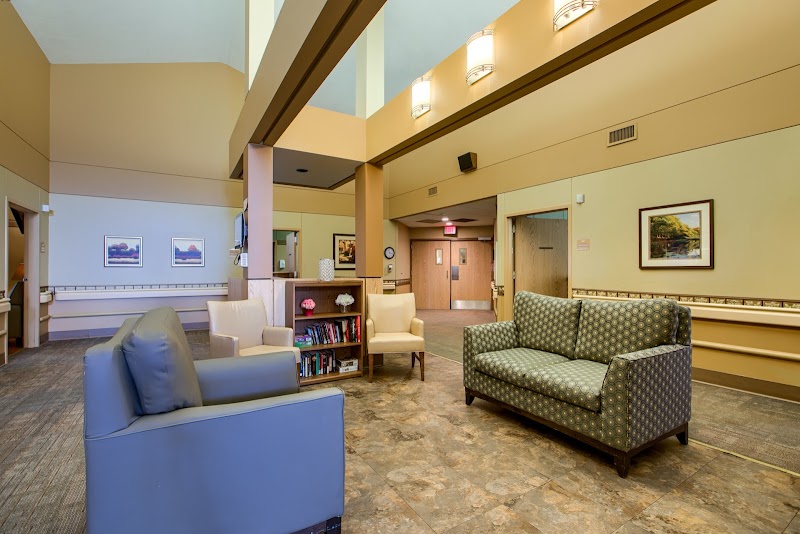
How is Merriam Gardens Healthcare & Rehabilitation Staffed?

CMS rates MERRIAM GARDENS HEALTHCARE & REHABILITATION's staffing level at 1 out of 5 stars, which is much below average compared to other nursing homes. Staff turnover is 57%, which is 11 percentage points above the Kansas average of 46%. High turnover can affect care consistency as new staff learn residents' individual needs.

What Have Inspectors Found at Merriam Gardens Healthcare & Rehabilitation?

State health inspectors documented 47 deficiencies at MERRIAM GARDENS HEALTHCARE & REHABILITATION during 2021 to 2024. These included: 47 with potential for harm.
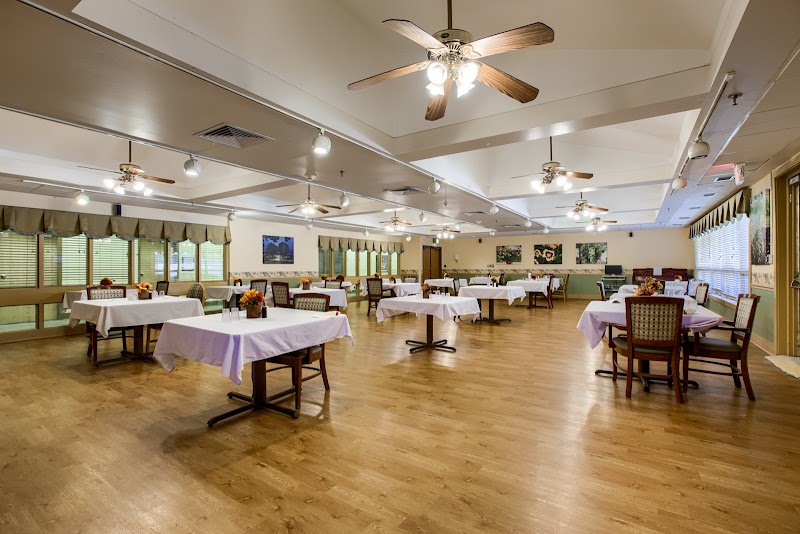
Who Owns and Operates Merriam Gardens Healthcare & Rehabilitation?

MERRIAM GARDENS HEALTHCARE & REHABILITATION is owned by a for-profit company. For-profit facilities operate as businesses with obligations to shareholders or private owners. The facility is operated by RECOVER-CARE HEALTHCARE, a chain that manages multiple nursing homes. With 120 certified beds and approximately 76 residents (about 63% occupancy), it is a mid-sized facility located in MERRIAM, Kansas.
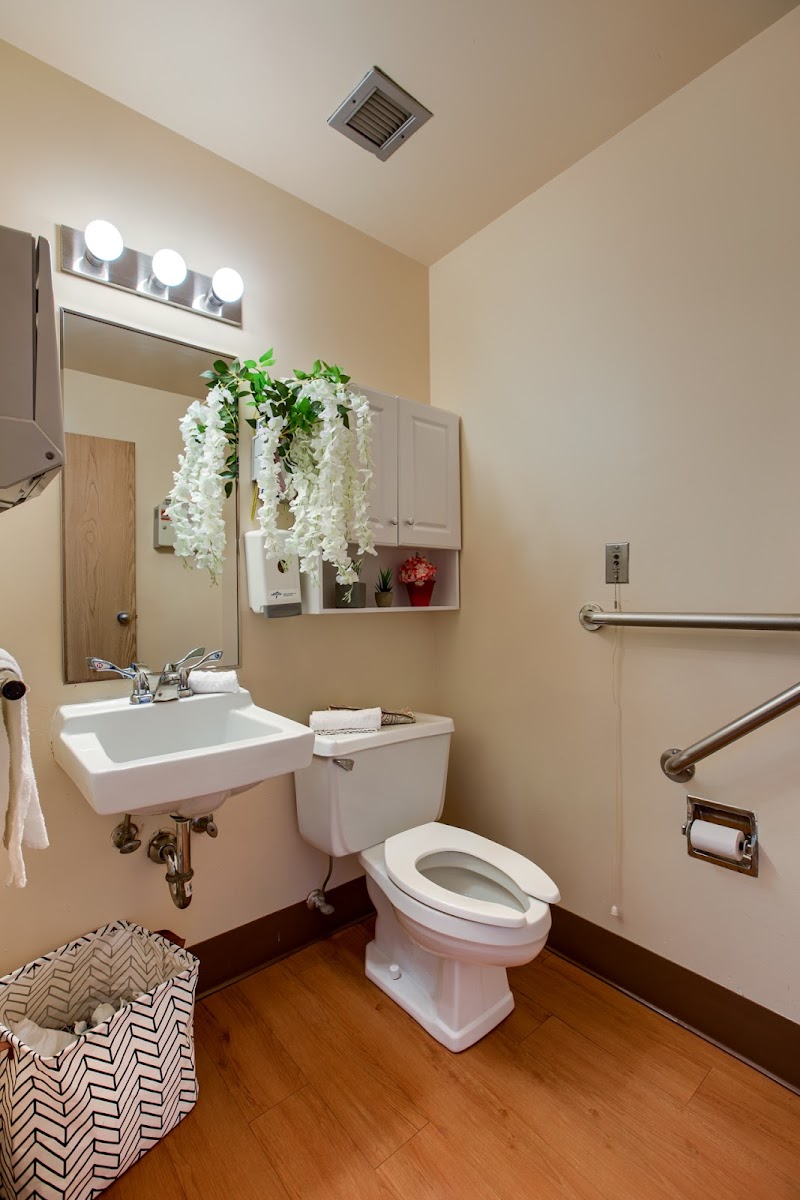
How Does Merriam Gardens Healthcare & Rehabilitation Compare to Other Kansas Nursing Homes?

Compared to the 100 nursing homes in Kansas, MERRIAM GARDENS HEALTHCARE & REHABILITATION's overall rating (1 stars) is below the state average of 2.9, staff turnover (57%) is significantly higher than the state average of 46%, and health inspection rating (1 stars) is much below the national benchmark.

What Should Families Ask When Visiting Merriam Gardens Healthcare & Rehabilitation?

Based on this facility's data, families visiting should ask: "How do you ensure continuity of care given staff turnover, and what is your staff retention strategy?" "Can you walk me through typical staffing levels on day, evening, and night shifts?" "Can I visit during a mealtime to observe dining assistance and food quality?" "How do you handle medical emergencies, and what is your hospital transfer rate?" These questions are particularly relevant given the facility's high staff turnover rate and the below-average staffing rating.

Is Merriam Gardens Healthcare & Rehabilitation Safe?

Based on CMS inspection data, MERRIAM GARDENS HEALTHCARE & REHABILITATION has a clean safety record: no substantiated abuse findings (meaning no confirmed cases of resident harm), no Immediate Jeopardy citations (the most serious violation level indicating risk of serious injury or death), and is not on the Special Focus Facility watch list (a federal program monitoring the lowest-performing 1% of nursing homes). The facility has a 1-star overall rating and ranks #100 of 100 nursing homes in Kansas. While no facility is perfect, families should still ask about staff-to-resident ratios and recent inspection results during their visit.

Do Nurses at Merriam Gardens Healthcare & Rehabilitation Stick Around?

Staff turnover at MERRIAM GARDENS HEALTHCARE & REHABILITATION is high. At 57%, the facility is 11 percentage points above the Kansas average of 46%. High turnover means new staff may not know residents' individual needs, medications, or preferences. It can also be disorienting for residents, especially those with dementia who rely on familiar faces. Families should ask: What is causing the turnover? What retention programs are in place? How do you ensure care continuity during staff transitions?

Was Merriam Gardens Healthcare & Rehabilitation Ever Fined?

MERRIAM GARDENS HEALTHCARE & REHABILITATION has been fined $74,562 across 10 penalty actions. This is above the Kansas average of $33,824. Fines in this range indicate compliance issues significant enough for CMS to impose meaningful financial consequences. Common causes include delayed correction of deficiencies, repeat violations, or care failures affecting resident safety. Families should ask facility leadership what changes have been made since these penalties.

Is Merriam Gardens Healthcare & Rehabilitation on Any Federal Watch List?

MERRIAM GARDENS HEALTHCARE & REHABILITATION is not on any federal watch list. The most significant is the Special Focus Facility (SFF) program, which identifies the bottom 1% of nursing homes nationally based on persistent, serious quality problems. Not being on this list means the facility has avoided the pattern of deficiencies that triggers enhanced federal oversight. This is a positive indicator, though families should still review the facility's inspection history directly.