
ABERDEEN VILLAGE

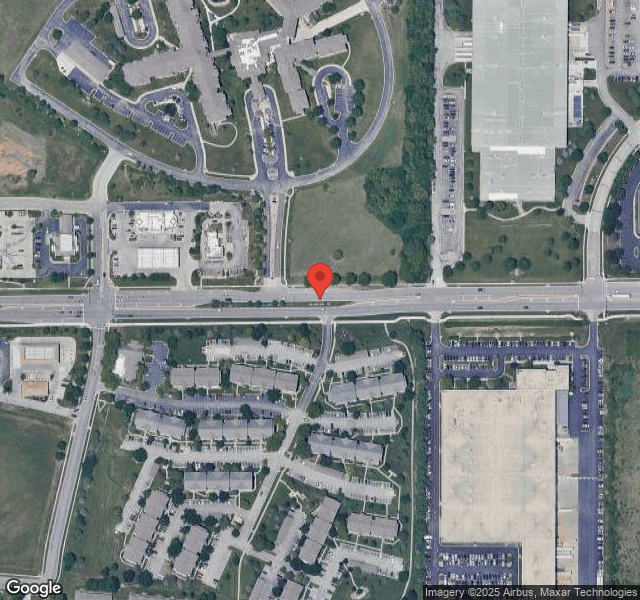
17500 W 119TH STREET, OLATHE, KS 66061 (913) 599-6100
Non profit - Corporation 60 Beds PRESBYTERIAN MANORS OF MID-AMERICA Data: November 2025 1 Immediate Jeopardy citation
Trust Grade
56/100
#49 of 295 in KS
Last Inspection: May 2024

Within standard 12-15 month inspection cycle. Federal law requires annual inspections.

Overview

Aberdeen Village in Olathe, Kansas, has a Trust Grade of C, which means it is average and sits in the middle of the pack among nursing homes. It ranks #49 out of 295 facilities in Kansas, placing it in the top half, and #7 out of 35 in Johnson County, indicating that only six local facilities are rated higher. Unfortunately, the facility's trend is worsening, with the number of issues increasing from 2 in 2022 to 10 in 2024. Staffing is a strong point here, with a 5/5 star rating and a turnover rate of 41%, which is below the state average of 48%. However, the facility has received $8,021 in fines, which is concerning but average compared to other facilities in the area. Despite having good RN coverage, more than 78% of Kansas facilities, there have been some serious concerns. For example, a cognitively impaired resident was able to leave the building unsupervised, which posed a significant safety risk. Additionally, the facility failed to follow proper sanitary practices in the kitchen and did not lock the medication room, putting residents at risk for medication errors. While there are strengths in staffing and RN coverage, these incidents highlight the need for improvements in supervision and safety protocols.

Trust Score
C
56/100
In Kansas
#49/295
Top 16%
Safety Record
High Risk
Review needed
Inspections
Getting Worse
2 → 10 violations
Staff Stability
○ Average
41% turnover. Near Kansas's 48% average. Typical for the industry.
Penalties
○ Average
$8,021 in fines. Higher than 60% of Kansas facilities. Some compliance issues.
Skilled Nurses
✓ Good
Each resident gets 68 minutes of Registered Nurse (RN) attention daily — more than 97% of Kansas nursing homes. RNs are the most trained staff who catch health problems before they become serious.
Violations
⚠ Watch
22 deficiencies on record. Higher than average. Multiple issues found across inspections.
★★★★☆
4.0
Overall Rating
★★★★★
5.0
Staff Levels
★★☆☆☆
2.0
Care Quality
★★★☆☆
3.0
Inspection Score
Stable
2022: 2 issues
2024: 10 issues

The Good

  • 5-Star Staffing Rating · Excellent nurse staffing levels
  • Full Sprinkler Coverage · Fire safety systems throughout facility
  • No fines on record
  • Staff turnover below average (41%)

    7 points below Kansas average of 48%

Facility shows strength in staffing levels, fire safety.

The Bad

Staff Turnover: 41%

Near Kansas avg (46%)

Typical for the industry

Federal Fines: $8,021

Below median ($33,413)

Minor penalties assessed

Chain: PRESBYTERIAN MANORS OF MID-AMERICA

Part of a multi-facility chain

Ask about local staffing decisions and management

The Ugly 22 deficiencies on record

1 life-threatening
Oct 2024 1 deficiency 1 IJ
CRITICAL (J) 📢 Someone Reported This

A family member, employee, or ombudsman was alarmed enough to file a formal complaint

Immediate Jeopardy (IJ) - the most serious Medicare violation

Accident Prevention (Tag F0689)

Someone could have died · This affected 1 resident

**NOTE- TERMS IN BRACKETS HAVE BEEN EDITED TO PROTECT CONFIDENTIALITY** The facility identified a census of 55 residents. The sample included three residents. Based on observation, record review, and ...

Read full inspector narrative →
**NOTE- TERMS IN BRACKETS HAVE BEEN EDITED TO PROTECT CONFIDENTIALITY** The facility identified a census of 55 residents. The sample included three residents. Based on observation, record review, and interview, the facility failed to provide adequate supervision to prevent an elopement for cognitively impaired Resident (R)1, who required staff assistance for activities of daily living (ADL) including safe ambulation with her walker and was at risk for falls. On 10/17/24 between 04:00 AM and 04:30 AM, Certified Nurse Aide (CNA) M heard R1's toilet flush, entered R1's bathroom, and asked R1 if she needed anything. R1 responded No and CNA M left to assist another resident without assisting R1 back to bed as CNA M assumed the resident would go back to bed. At approximately 04:40 AM, per camera footage, R1 ambulated to the elevator, took the elevator to the first floor, walked to a set of double doors, passed through them into the main lobby area, and proceeded to exit the main entrance doors on the south side of the facility without staff knowledge or supervision. At approximately 05:30 AM, Licensed Nurse (LN) G received a call informing her that Law Enforcement (LE) was with R1 at a nearby gas station. LN G confirmed R1 was a resident of the facility and at 05:22 AM LE returned R1 to the facility. Staff assessed R1 and noted her temperature to be 97.5 degrees Fahrenheit and her oxygen saturation was 94 percent (%) on room air (normal range is 97-100 %). She wore pajamas, shoes, and a jacket. The temperature outside on 10/17/24 was 36 degrees Fahrenheit at 04:53 AM and 34 degrees Fahrenheit at 05:53 AM. The lack of supervision allowed R1 to exit the facility without staff knowledge or supervision placing R1 in immediate jeopardy. Findings Included: - R1's Electronic Medical Record (EMR) documented diagnosis of Alzheimer's disease (progressive mental deterioration characterized by confusion and memory failure), unspecified dementia (progressive mental disorder characterized by failing memory, confusion), age-related osteoporosis (abnormal loss of bone density and deterioration of bone tissue with an increased fracture risk), syncope and collapse (fainting or passing out), and history of falling. The Quarterly Minimum Data Set (MDS) dated [DATE] documented a Brief Interview for Mental Status (BIMS) score of nine which indicated moderate cognitive impairment. The MDS documented R1 used a walker and required supervision or touching assistance during ambulation. The MDS further documented R1 required partial, or moderate assistance with dressing and personal hygiene. The MDS documented R1 had no wandering behaviors. The ADL Functional/Rehabilitation Potential CAA, dated 05/07/24, documented R1 was admitted from home due to the need for 24-hour care and supervision related to Alzheimer's disease. The CAA documented staff provided supervision and limited assistance with daily care tasks. The CAA further documented R1 used a walker, due to an unsteady gait, and R1 forgot to use the walker at times and needed to be reminded by staff. The CAA documented R1 had orders for physical therapy (PT) and occupational therapy (OT) for strengthening, ambulation, and ADL training to reach the highest level of function and safety possible. R1's Falls CAA, dated 05/07/24, documented R1 had Alzheimer's disease and was not a reliable historian about recent falls; however, R1 reported they had a fall within the last 30 days where R1 had a loss of balance. The CAA documented staff noted R1 had an unsteady gait and R1 was provided with a walker which helped when walking, but R1 often did not remember to use it and needed reminders. The CAA documented R1 worked on balance and ambulation using the walker as well as strengthening and safety with ADLs reducing R1's risk for falls with PT and OT. The CAA further documented staff offered toileting throughout the day and night to reduce incontinence and attempts to take herself to the bathroom without assistance. R1's Care Plan with a start date of 05/14/24, documented R1 had an alteration in thought processes, memory problems, and impaired decision-making that impacted R1's communication related to Alzheimer's disease. The care plan, with a start date of 05/14/24, documented R1 had a self-care deficit. An approach with a start date of 05/14/24, documented R1 used a walker with ambulation and an assist of one. An approach with a start date of 05/14/24 documented R1 required supervision for bed mobility, transfers, and ambulation and limited assistance of one with dressing, grooming, and toileting. The approach further documented R1's ability may fluctuate due to cognition and episodes of elevated blood pressure. R1's Care Plan with a start date of 05/14/24 documented R1 was at risk for falls, due to a history of falls and syncope. R1 had Alzheimer's disease, impaired safety awareness, increased risk for fractures from falls due to osteoporosis, and R1's blood pressure ran high at times which could have caused R1 to fall. R1's plan of care did not address elopement potential prior to R1's elopement. An Elopement Risk Screen dated 04/29/24, documented R1 had a score of eight which indicated R1 was not at risk for elopement. The Elopement Risk Screen documented R1 had no elopement attempts in the previous 90 days. A Fall Risk Assessment Tool completed on 04/29/24 documented R1 had a total fall risk score of seven and was a moderate fall risk. An Elopement Risk Screen dated 10/17/24, after the incident, documented R1 had a score of 16 which indicated R1 was a risk for elopement. A Registered Nurse (RN) Note dated 10/17/24 at 05:54 AM, documented at approximately 05:30 AM, the nurse received a telephone call from the assisted living (AL) nurse reporting that LE called and were asking if staff knew R1, and said R1 was at a gas station. The note documented the nurse called dispatch back and confirmed that the staff knew R1 and R1 resided at the facility. LE brought the resident back to the main entrance door and staff assisted R1 back to her room. The note documented R1 was noted with her walker, wearing top and bottom pajamas, a black jacket, and shoes. Staff assessed R1 for injuries, with no injury or skin issues noted on the assessment. The note further documented R1 stated she was just walking around the neighborhood and was going to the gas station. R1 also stated she did not know how she got out the door. The note further documented the facility initiated a WanderGuard (a bracelet that sets off an alarm when residents wearing one attempt to exit the building without an escort) and placed it on R1's left arm for elopement risk. The note documented R1's representative was notified, and they stated R1 had that problem at home and that was one of the reasons the representative brought R1 to the facility. The note documented vital signs were obtained as follows: 127 millimeters of mercury (mmHg) over 59 mmHg, pulse 80 beats per minute, temperature 97.5 degrees Fahrenheit, respirations 18 breaths per minute, and oxygen saturation was 94 percent on room air. Undated investigation documents provided by the facility recorded that on the morning of 10/17/24 at approximately 05:30 AM, the facility received a phone call from LE that reported R1 was at a gas station in front of the property. LE returned R1 to the facility. Upon return to the building, R1 was asked by the RN what she was doing and R1 told the RN she was going for a walk and went to the gas station. R1 was wearing pajamas, shoes, and a jacket and had her walker with her. RN performed a physical and skin assessment on R1 and did not identify any physical concerns, R1's representative and her durable power of attorney (DPOA- a legal document that named a person to make healthcare decisions when the resident was no longer able to), physician and administration were notified. The investigation documents recorded that a WanderGuard was applied to R1's left wrist. The investigation documents further recorded that R1 scored an eight on the BIMS indicating moderately impaired cognition. The investigation documents recorded staff interviews revealed that R1 was last seen by staff between 04:00 AM to 04:30 AM. CNA M had been assisting a resident directly across the hall from R1's room. CNA M heard a noise in R1's room and went over to investigate. R1 was in the bathroom and was pulling her pajama pants up after toileting. CNA M asked R1 if she needed assistance with anything else, and R1 replied No. CNA M went back across the hall to finish with the resident in the other room. The investigation documents recorded that neither CNA M nor the charge nurse had noticed R1 behaving any differently than usual prior to this and R1 had no recent illness or medication changes. When the administrator arrived at the facility, R1's actions were confirmed by video as having left the facility via the main front entrance. R1 has had no previous attempts to leave the facility. The investigation documents recorded staff reported that in conversation with R1's representative, her representative informed the staff that R1 had episodes like that when she lived in the community. The investigation documents record it was the first time that information related to elopement behaviors was shared with the facility. The investigation documents further recorded R1 was seen on video leaving the front entrance at 04:40 AM and re-entering the facility at 05:22 AM accompanied by LE. It was estimated that R1 ambulated approximately 1,018 feet, the weather conditions were clear, parking lot lights were on, the wind was [NAME] at nine miles per hour, and the temperature was 36 degrees Fahrenheit. CNA M's Witness Statement with a signed date of 10/21/24, documented CNA M was working on R1's neighborhood the night shift of 10/17/24. Sometime between 04:00 AM and 04:30 AM CNA M was in the room across the hall from R1's room when CNA M heard some noise and a toilet flush. CNA M documented they left the room and entered R1's room and found R1 in the bathroom pulling her pants up and it appeared R1 had finished toileting. CNA M documented they asked R1 if she needed some help with anything else and R1 stated No. CNA M documented they thought R1 was going back to bed as R1 usually did and CNA M went back across the hallway to finish assisting the resident in that room. CNA M documented they did not see or hear anything from R1's room while assisting the other resident. Licensed Nurse (LN) G's Witness Statement with a signed date of 10/21/24, documented LN G was scheduled for night shift on 10/17/24. LN G first saw R1 at 11:00 PM when LN G did their first rounds and R1 was asleep in her bed. LN G documented they next checked on R1 again around 01:00 AM and R1 was in bed asleep. LN G documented that at approximately 04:30 AM CNA M called LN G to a room via walkie-talkie to help her with a bed that wasn't working. LN G documented staff worked on the bed for a while and when they couldn't fix it, they decided to move a bed from an empty room to accommodate the resident until maintenance could fix the bed. LN G documented that at approximately 05:15 AM to 05:30 AM LN G received a call from an assisted living nurse informing LN G that LE had called and asked about R1. LN G returned the call to LE and confirmed R1 was our resident. LE escorted R1 back to the building and LN G performed a physical assessment and did not observe anything unusual for R1. LN G documented they asked R1 where she had been. R1 stated she was just taking a walk through the neighborhood and went to the gas station. LN G documented they asked R1 how she got out and R1 stated she didn't know. R1 was then assisted back to her room, and she went to sleep. LN G documented they notified R1's family, the doctor, and the nurse manager. On 10/22/24 at 10:41 AM, an observation was made inside the facility along the route R1 took to exit the facility with Administrative Staff A. Administrative Staff A stated the route inside the facility was verified by a review of camera footage. Administrative Staff A walked from R1's room down to the unit elevator and took it down to the first floor. Administrative Staff A stated the elevator was the only way off the unit without an access code. All exit doors on the unit were noted to have access keypads. The elevator had a WanderGuard alarm and Administrative Staff A stated if a resident had a WanderGuard the elevator would not function or allow the resident to access the other floor. Administrative Staff A then walked to a set of double doors on the first floor. Administrative Staff A stated the double doors had a WanderGuard alarm as well and would stop access to residents that had a WanderGuard on; however, if a resident did not have a WanderGuard they could walk through the door by pressing it or pressing an access button on the wall. Administrative Staff A stated this was the door R1 accessed to get out into the main lobby area and out the main entrance doors of the facility. The double doors did not have a keypad lock and opened when an access button was pressed on the wall. All other doors en route to the main entrance had locks or keypad access on them. Observation of the facility's South (front) parking lot, and surrounding area, revealed the main entrance door opened to a sidewalk that ran South along the edge of the facility driveway. To the [NAME] of the sidewalk, there were several bushes and a steep hill that went down to another section of the facility. A curb ran the length of the East side of the sidewalk. The facility's main driveway continued South and connected to a smaller facility drive that ran East and West. The south end of the facility drive connected to a busy road with two lanes of traffic that ran East and two lanes that ran West. The two-lane roads had a posted speed of 45 mph. The smaller facility driveway that ran East and [NAME] sat between the South side (front) of the facility and the North (rear) side of the gas station R1 was found at by LE. The facility drive that traveled East and [NAME] had a posted speed of 25 mph and had to be crossed to get to the gas station parking lot. The East and [NAME] facility drive are attached to other access roads near the gas station and these other access roads are connected to apartment complexes, other local businesses, and the two-lane road on the South side of the facility with a posted speed of 45 mph. On 10/22/24 at 03:28 PM, R1 sat out in a common area, with another resident, and watched TV. R1 had a walker within reach and a WanderGuard bracelet was on her right wrist. On 10/22/24 at 10:22 AM a joint interview was conducted with Administrative Nurse D and Administrative Staff A. Administrative Nurse D stated no one saw the R1 leave the unit or facility. Administrative Nurse D stated R1 went down to the first floor and accessed a set of double doors that opened into the main lobby area and then left through the main entrance facility entrance. Administrative Nurse D stated the facility was in the process of installing a keypad for the double doors R1 went through so that the doors cannot be accessed without a code in the future. Administrative Nurse D stated R1 now has a WanderGuard in place and the elevator would not work if a resident with a WanderGuard attempted to access it. Administrative Nurse D stated the other doors on the unit all had keypads and required a code for access. Administrative Nurse D further stated once the door on the main level is coded, even if a resident made their way downstairs, the resident would not be able to gain access to the main entrance doors without a code. Administrative Nurse D stated there was no one at the main lobby desk after 01:00 AM and no one would have been down there to witness R1 leave the facility when she did. Administrative Nurse D stated they had staff that acted as security, but that staff left at 01:00 AM. Administrative Nurse D stated R1 had no history of elopement at the facility and R1 has never gone outside without staff or family. Administrative Staff A stated R1 had never attempted to elope from the unit or facility since admission. Administrative Staff A stated he reviewed the camera footage and confirmed R1 had made it outside of the facility. Administrative Staff A stated he contacted the contractor the facility used for the facility doors, and the facility's maintenance staff, to inspect the locks on the other doors on the unit to ensure there were no other points of failure. Administrative Staff A stated now that R1 had a WanderGuard R1 would not be able to access the elevator to exit the unit. Administrative Staff A stated the double doors R1 accessed to get out into the main lobby area were inspected and the facility ordered parts to have that door coded with a keypad so it could not be accessed by residents in the future. Administrative Staff A stated he believed the contractor planned to install the new keypad locks for the double door on 10/29/24. On 10/22/24 at 04:17 PM Administrative Nurse D stated she had provided staff education related to elopement, wandering, and missing residents to staff after the event; however, she stated she had not met with all the facility staff. Administrative Nurse D stated she believed there were about 20 more staff that needed to complete that education. Administrative Nurse D stated the WanderGuard was placed on R1 when she was brought back to the facility, another elopement screening was completed and her elopement score was changed to reflect the new risk. Administrative Nurse D stated staff updated R1's care plan to reflect the use and monitoring of the WanderGuard. The facility's Hazardous Wandering and Elopement (Unwitnessed Exit) policy with a revised date of 10/12/22, documented the community will define what constitutes a risk for injury of a resident based on the physical location and attributes of the manor and identification of residents at risk. The community will exercise reasonable care to prevent injuries and ensure a secure environment for residents. The unwitnessed exit policy procedure will be reviewed with each staff member during orientation and reviewed thereafter, at least annually. On 10/22/24 at 04:46 PM, the facility received the Immediate Jeopardy [IJ] Template and was informed that the facility failed to provide adequate supervision to prevent R1, who was cognitively impaired, required staff assistance for ADLs including safe ambulation with her walker and was at risk for falls, from exiting the facility without staff supervision or knowledge and entering an unsafe location placed R1 in IJ. The facility submitted an acceptable plan of corrective actions for removal on 10/22/24. The plan included the following actions: A WanderGuard was placed on R1 with orders to monitor and document function each shift. R1's care plan was updated to include an intervention and monitoring for R1's WanderGuard. Staff completed an updated Elopement screening on R1 to reflect R1's new risk and behavior. The facility contacted maintenance and the facility door contractor to inspect the unit door's locking systems to ensure there was no other point of failure. The facility ordered parts to have a set of double doors R1 went through on 10/17/24 coded with a keypad lock to prevent future elopements through those doors. Administrative Nurse D was in the process of providing education for all staff related to elopement, wandering, and missing residents. Implementation of the corrective actions and removal of the immediacy was verified during the onsite survey on 10/22/24 at 04:17 PM. The deficient practice remained at a scope and severity of D.
May 2024 9 deficiencies
CONCERN (D) 📢 Someone Reported This

A family member, employee, or ombudsman was alarmed enough to file a formal complaint

Potential for Harm - no one hurt, but risky conditions existed

Resident Rights (Tag F0550)

Could have caused harm · This affected 1 resident

**NOTE- TERMS IN BRACKETS HAVE BEEN EDITED TO PROTECT CONFIDENTIALITY** The facility identified a census of 56 residents. The sample included 15 residents. Based on observation and interview, the faci...

Read full inspector narrative →
**NOTE- TERMS IN BRACKETS HAVE BEEN EDITED TO PROTECT CONFIDENTIALITY** The facility identified a census of 56 residents. The sample included 15 residents. Based on observation and interview, the facility failed to ensure residents' rights and dignity were respected by staff when staff failed to honor Resident (R) 37's request during dining. The facility further failed to ensure R46's dignity was maintained during care provided in the common area. This placed the residents at risk for decreased self-esteem and decreased self-worth. Findings included: - On 05/14/24 at 08:19 AM R37 sat in his wheelchair at the dining table with other residents and was a given chocolate shake. On 05/14/24 at 08:21 AM R37 sat in his wheelchair in the dining room. R37 asked staff if he could go into the TV room to eat. R37 asked staff repeatedly to take him to the TV room. Licensed Nurse (LN) H, Certified Nurse Aide (CNA) N, and Certified Medication Aide (CMA) R continued to stay seated assisting other residents. On 05/14/24 at 08:26 AM, CNA N gave R37 some apricots. R37 asked staff if he could go to the TV room. The staff did not respond to R37. R37 stated he was not able to move his wheelchair. Observation revealed the wheelchair was locked. The staff did not assist him in moving his wheelchair. On 05/14/24 at 08:30 AM, R37 continued to ask staff if he could go into the TV room. Staff told R37 that he needed to wait for his breakfast to be served. On 05/14/24 at 08:41 AM, CNA N asked R37 if he wanted his coffee warmed. CNA N got up from assisting another resident and warmed up R37's coffee. On 05/14/24 at 08:46 AM R37 asked staff again if he could go to the TV room. Staff ignored R37's request and did not reply. On 05/14/24 at 08:47 AM R37 pointed at CMA R and asked the CMA if he could go over to the recliner and pointed at the recliner. CMA R did not answer R37. On 05/14/24 at 08:48 AM LN H N served R37 bacon and eggs. On 05/14/24 at 08:53 AM R37 took his napkin and wiped food from the table onto the floor. On 05/14/24 at 08:51 AM R37 asked twice for some water. CNA N came to get R37's water cut and filled it for him. On 05/14/24 at 08:54 AM R37 began to cough as he ate his bacon. R37 spit out his bacon. A male resident at another table asked if R37 was okay. R37 stated the staff didn't care. On 05/14/24 at 08:55 AM R37 asked CNA N what her name was. CNA N told R37 her name. R37 continued to cough and LN H continued to sit and assist another resident to eat. CNA N told R37 to take a drink of water. On 05/14/24 at 08:57 AM LN H approached R37 and stood next to him while he continued to cough. On 05/14/24 at 08:59 AM LN H cleaned off R37's lap which was full of crumbs and then walked away. LN H made no vocal interaction with R37. On 05/14/24 at 09:01 AM Social Services X started talking to R37 at the dining table. R37 told Social Services X he wanted to go to the TV room. Social Services X propelled R37 in his wheelchair to the TV room. On 05/14/24 at 09:04 AM Social Services X asked R37 to talk about when he played in his band. On 05/14/24 at 01:26 PM, CNA N stated staff should be interacting with the residents at meals and should respond when the resident speaks to them. CNA N stated that in the locked unit, staff was not always able to assist a resident right away if the staff was assisting another resident at that time. On 05/15/24 at 08:17 AM LN H stated staff on the locked unit tried their best to interact at meals with the residents. LN H stated several residents required staff assistance with eating, so staff would assist other residents as they were able to. LN H stated R37 was restless a lot and did not like to stay in one place very long. On 05/15/24 at 12:45 PM Administrative Nurse D stated she expected staff to interact with the residents and try to accommodate a choice or request by a resident to go to another room. Administrative Nurse D stated staff tried not to overstimulate the residents in the locked unit but should still be conversing with them at meals and be attentive to a resident's request when voiced. The Resident Rights and Responsibilities policy last revised on 11/16/21 documented that the community would ensure the residents' right to a dignified existence, self-determination, and person-centered care access to persons and services inside and outside the community. The community would protect and promote the rights of each resident. The community would treat each resident with respect and dignity and care for each resident in a manner and in an environment that promoted maintenance or enhancement of his/her quality of life, recognizing each resident's individuality. The community would provide equal access to quality care regardless of diagnosis, severity, condition, or payment source. The community would support the resident in the exercise of his or her rights. The community would ensure a resident could exercise his/her rights without interference, coercion, discrimination, or reprisal. The facility failed to ensure that R37's rights and dignity were respected when staff failed to acknowledge R37's request to go to another room. This placed the resident at risk for decreased self-esteem and decreased self-worth. - R46's Electronic Medical Record (EMR) from the Diagnoses tab documented diagnoses of cerebral infarction (stroke - the sudden death of brain cells due to lack of oxygen caused by impaired blood flow to the brain by blockage or rupture of an artery to the brain), dementia (a progressive mental disorder characterized by failing memory, confusion), and depression (a mood disorder that causes a persistent feeling of sadness and loss of interest). The admission Minimum Data Set (MDS) dated [DATE] documented a Brief Interview of Mental Status (BIMS) score of three which indicated severely impaired cognition. The MDS documented R46 required substantial to maximum staff assistance with chair-to-chair transfers and rolling left and right. R46's Cognitive Loss/Dementia Care Area Assessment (CAA) dated 02/22/24 documented she had a diagnosis of dementia and she could make some of her needs known to the staff; staff would anticipate her other needs. On 05/13/24 at 09:26 AM R46 sat in her wheelchair in the common TV area, Licensed Nurse (LN) G placed a gait belt around R46's abdomen. LN G stood in front of R46 and asked her to stand. R46's knees were bent and her heels were off the floor with only the tips of her toes touching the floor. LN G lifted R46 from the wheelchair and the gait belt slid upward, which raised R46's shirt upward and exposed R46's skin from her waist to her breast area during the transfer. No pivot disc or walker was used during the transfer. On 05/14/24 at 09:29 AM LN G pushed R46 in her wheelchair from the dining room area to the TV common area. LN G placed a gait belt around R46's abdomen and asked R46 to stand. LN G lifted R46 with the gait belt. R46 did not bear weight as LN G transferred her from the wheelchair. During the transfer from the wheelchair to the recliner the gait belt slid upward pulling R46's shirt up and exposing her back from the waist to her shoulders. No pivot disc or walker was used during the transfer. On 05/15/24 at 10:00 AM, Certified Nurse Aide (CNA) M stated a resident should never be exposed in a common area. CNA M stated they should be covered to ensure their dignity. On 05/15/24 at 10:15 AM, Licensed Nurse (LN) G stated never should a resident be exposed in a common area. LN G stated he had realized she had become exposed during the transfer and that should have not happened. On 05/15/24 at 12:45 PM, Administrative Nurse D stated never should any resident be exposed in a common area. The facility's Resident Rights and Responsibilities policy last revised on 11/16/21 documented that the community would ensure the residents' right to a dignified existence, self-determination, and person centered care with access to persons and services inside and outside the community. The community would protect and promote the rights of each resident. The community would treat each resident with respect and dignity and care for each resident in a manner and in an environment that promotes maintenance or enhancement of his/her quality of life, recognizing each resident's individuality. The community would provide equal access to quality care regardless of diagnosis, severity, condition, or payment source. The community would support the resident in the exercise of his or her rights. The community would ensure residents can exercise his/her rights without interference, coercion, discrimination, or reprisal. The facility failed to ensure R46 was treated with respect and dignity. This deficient practice placed R46 at risk for negative psychosocial outcomes and decreased autonomy and dignity.
CONCERN (D) 📢 Someone Reported This

A family member, employee, or ombudsman was alarmed enough to file a formal complaint

Potential for Harm - no one hurt, but risky conditions existed

Deficiency F0676 (Tag F0676)

Could have caused harm · This affected 1 resident

**NOTE- TERMS IN BRACKETS HAVE BEEN EDITED TO PROTECT CONFIDENTIALITY** The facility identified a census of 56 residents. The sample included 15 residents with four residents reviewed for activities o...

Read full inspector narrative →
**NOTE- TERMS IN BRACKETS HAVE BEEN EDITED TO PROTECT CONFIDENTIALITY** The facility identified a census of 56 residents. The sample included 15 residents with four residents reviewed for activities of daily living (ADL). Based on observation, record review, and interviews, the facility failed to ensure Resident (R) 46 received the necessary assistive services for transfers. This deficient practice placed R46 at risk for loss of independence, decreased self-esteem, and impaired dignity. Findings included: - R46's Electronic Medical Record (EMR) from the Diagnoses tab documented diagnoses of cerebral infarction (stroke - the sudden death of brain cells due to lack of oxygen caused by impaired blood flow to the brain by blockage or rupture of an artery to the brain), dementia (a progressive mental disorder characterized by failing memory, confusion), and depression (a mood disorder that causes a persistent feeling of sadness and loss of interest). The admission Minimum Data Set (MDS) dated [DATE] documented a Brief Interview of Mental Status (BIMS) score of three which indicated severely impaired cognition. The MDS documented R46 required substantial to maximum staff assistance with chair-to-chair transfers and rolling left and right. R46's Fall Care Area Assessment (CAA) dated 02/22/24 documented she had right-sided weakness related to a past stroke. R46's diagnosis of dementia placed her at a higher risk for falls. R46's Care Plan dated 03/05/24 documented R46 used a pivot disc and walker for transfers. On 05/13/24 at 09:26 AM R46 sat in her wheelchair in the common TV area, Licensed Nurse (LN) G placed a gait belt around R46's abdomen. LN G stood in front of R46 and asked her to stand. R46's knees were bent and her heels were off the floor with only the tips of her toes touching the floor. LN G lifted R46 from the wheelchair and the gait belt slid upward, which raised R46's shirt upward and exposed R46's skin from her waist to her breast area during the transfer. No pivot disc or walker was used during the transfer. On 05/14/24 at 09:29 AM LN G pushed R46 in her wheelchair from the dining room area to the TV common area. LN G placed a gait belt around R46's abdomen and asked R46 to stand. LN G lifted R46 with the gait belt. R46 did not bear weight as LN G transferred her from the wheelchair. During the transfer from the wheelchair to the recliner the gait belt slid upward pulling R46's shirt up and exposing her back from the waist to her shoulders. No pivot disc or walker was used during the transfer. On 05/15/24 at 10:00 AM, Certified Nurse Aide (CNA) M stated the staff would know how a resident was to be transferred from the care plan. CNA M stated R46 was transferred with the assistance of a gait belt and one staff person. CNA M stated R46 had declined; she may have used a pivot disc and walker before her decline but she had not used a pivot disc or walker for a long time. On 05/15/24 at 10:15 AM, Licensed Nurse (LN) G stated R46 was transferred with the assistance of a gait belt and one staff assistance. LN G stated he was unsure if therapy was working with R46 for transfer training using a pivot disc and walker. LN G stated R46 had difficulty with transfers. On 05/15/24 at 12:45 PM, Administrative Nurse D stated staff would find how much assistance and how each resident was to be transferred from the Care Guide (a nursing tool that gives a brief overview of the care needs of each resident) which contained information from the care plan. Administrative Nurse D stated staff should follow the guide when care is provided. Administrative Nurse D stated if a resident's status had changed nursing staff should notify her to ensure the resident was evaluated for a significant change. The facility's Resident Rights and Responsibilities policy last revised on 11/16/21 documented that the community would ensure the residents' right to a dignified existence, self-determination, and person centered care with access to persons and services inside and outside the community. The community would protect and promote the rights of each resident. The community would treat each resident with respect and dignity and care for each resident in a manner and in an environment that promotes maintenance or enhancement of his/her quality of life, recognizing each resident's individuality. The community would provide equal access to quality care regardless of diagnosis, severity, condition, or payment source. The community would support the resident in the exercise of his or her rights. The community would ensure residents can exercise his/her rights without interference, coercion, discrimination, or reprisal. The facility failed to ensure R46 was provided with the necessary assistive devices for transfers. This deficient practice placed R46 at risk for loss of independence, decreased self-esteem, and impaired dignity.
CONCERN (D) 📢 Someone Reported This

A family member, employee, or ombudsman was alarmed enough to file a formal complaint

Potential for Harm - no one hurt, but risky conditions existed

Pressure Ulcer Prevention (Tag F0686)

Could have caused harm · This affected 1 resident

**NOTE- TERMS IN BRACKETS HAVE BEEN EDITED TO PROTECT CONFIDENTIALITY** The facility identified a census of 56 residents. The sample included 15 residents with four reviewed for pressure ulcers (local...

Read full inspector narrative →
**NOTE- TERMS IN BRACKETS HAVE BEEN EDITED TO PROTECT CONFIDENTIALITY** The facility identified a census of 56 residents. The sample included 15 residents with four reviewed for pressure ulcers (localized injury to the skin and/or underlying tissue usually over a bony prominence, because of pressure, or pressure in combination with shear and/or friction). Based on interviews, observations, and record reviews, the facility failed to ensure Resident (R)47's pressure-reducing interventions were implemented correctly when the low air-loss mattress pump was set at an inaccurate weight for the resident. The facility additionally failed to complete weekly wound assessments on R37. This deficient practice placed all affected residents at risk for complications related to skin breakdown and pressure ulcers. Findings Included: - The Medical Diagnosis section within R47's Electronic Medical Records (EMR) included diagnoses of Alzheimer's disease (progressive mental deterioration characterized by confusion and memory failure), major depressive disorder (major mood disorder), pressure ulcer, anxiety disorder (mental or emotional reaction characterized by apprehension, uncertainty, and irrational fear), and insomnia (difficulty sleeping). R47's Significant Change Minimum Data Set (MDS) completed 04/02/24 noted a Brief Interview for Mental Status (BIMS) score of four indicating severe cognitive impairment. The MDS noted she required substantial to maximal assistance for bed mobility, transfers, personal hygiene, dressing, bathing, and toileting. The CAA indicated she had a Stage 3 pressure ulcer (full-thickness pressure injury extending through the skin into the tissue below). The MDS indicated she had pressure-reducing devices for her bed and wheelchair. The MDS indicated no restraint in use. The MDS indicated she received hospice services (end-of-life comfort care). R47's Pressure Ulcer Care Area Assessment (CAA) completed 04/03/24 noted R47 received hospice services and had a Stage 3 pressure ulcer on her coccyx (area at the base of the spine). The CAA indicated hospice provided a low air-loss mattress for her bed and a pressure-reducing cushion for her wheelchair. The CAA indicated the care plan will include wound management interventions. R47's Care Plan dated 03/07/24 indicated she was at risk for impaired nutrition, falls, activities of daily living (ADL) decline, and pressure ulcers. The plan indicated she required staff assistance with grooming, dressing, toileting, bathing, transferring, and locomotion. The plan indicated she required the use of bilateral transfer bars on her bed for repositioning, transfers, and bed mobility. The plan indicated R47's hospice service provided a low air-loss mattress to reduce pressure on her body. The plan instructed staff to check her bed function and settings each shift. The plan indicated she had a bolstered overlay on her low air-loss mattress to help R47 distinguish the perimeter of her mattress. R47's EMR indicated she weighed 107 pounds (lbs.) on 05/08/24. R47's EMR under Physician Orders revealed an order dated 02/19/24. The order instructed staff to check the functioning of her low air-loss mattress and ensure it was suitably set and adjusted based on her weight. A review of the low air-loss mattress manufacturer's operation guide (ProActive Protekt Aire 6000) indicated the pump and mattress were intended to reduce the incidence of pressure ulcers while optimizing comfort. The guide indicated that firmness can be adjusted based on the recommendations of the health care professional and the patient's weight. On 05/13/24 at 07:03 AM R47 slept in her bed. R47's low air-loss mattress was set to 280 lbs. The mattress pump had fixed weight settings of 80lbs, 120lbs, 160lbs, 200lbs, 240lbs, 280lbs, 320lbs. and 350lbs. R47's bed had bilateral transfer bars installed on both sides of her bed and bolstered mats loosely next to the assist bars. On 05/14/24 at 2:03 PM, R47 slept in her bed. Her low air-loss mattress remained set at 280lbs. On 05/15/24 at 09:20 AM R47's low air-loss mattress was set to 280lbs. Licensed Nurse (LN) I stated the low air-loss mattresses were set by the resident's current weight. She stated nurses were expected to check the pump settings each shift. She stated R47's bed should be set at 120 lbs. per her current weight. On 05/15/24 at 12:46 PM Administrative Nurse D stated staff were expected to set the low air-loss mattress pumps to the closest weight range. She stated the pump should be set by R47's current weight. The facility's Skin Integrity: Pressure Ulcers/Injury Prevention policy revised 10/2022 indicated the facility will utilize therapeutic support surfaces along with nutrition, repositioning, and clinically proven treatment regimens to manage wounds. The policy indicated the facility was to ensure the appropriate usage of pressure redistribution support surfaces per the manufacturer's guidelines and the medical provider's intended orders. The facility failed to ensure that R47's low air-loss mattress pump was appropriately set to her current weight. This deficient practice placed R47 at risk for complications related to skin breakdown and pressure ulcers. - The electronic medical record (EMR) for R37 documented diagnoses of cerebral infarction (stroke - the sudden death of brain cells due to lack of oxygen caused by impaired blood flow to the brain by blockage or rupture of an artery to the brain), early onset Alzheimer's disease (progressive mental deterioration characterized by confusion and memory failure), psychosis (any major mental disorder characterized by gross impairment in reality perception), and hemiplegia (weakness and paralysis on one side of the body). R37's Significant Change Minimum Data Set (MDS) dated 01/04/24 documented R37 had a Brief Interview for Mental Status (BIMS) score of six which indicated severely impaired cognition. R37 required maximal assistance from staff for upper body dressing. R37 was dependent on staff for activities of daily living (ADLs). R37 was at risk of developing pressure ulcers. A formal and clinical assessment had been completed for R37. R37 had a pressure-reducing device for his chair and his bed. R37's Quarterly MDS dated 04/03/24 documented a BIMS score of eight which indicated moderately impaired cognition. R37 was dependent on staff for his ADLS. R37 was at risk for pressure ulcers and had one unhealed Stage 2 pressure ulcer (partial-thickness skin loss into but no deeper than the dermis including intact or ruptured blisters). R37 used a pressure-reducing device for his chair and bed. R37 received pressure ulcer care and the application of ointments or medications. R37's Pressure Ulcer Care Area Assessment (CAA) dated 01/11/24 documented R37 was at risk for skin breakdown and pressure injury related to incontinence and his decreased mobility. R37 had a pressure-reducing mattress and pressure-reducing cushion in his wheelchair. Staff was to toilet R37 before and/or after meals and activities. R37 was working with skilled therapies on functional ADLs and increased mobility. R37's Pressure Ulcer Care Plan last updated 05/01/24 directed staff to ensure he had a cushion in his wheelchair and switch it to the recliner and dining room chair with transfers. Staff was to assist R37 with repositioning hourly when in a wheelchair or recliner and every two hours when in bed. Staff was to apply Magic Butt Paste (a medicated cream used to treat skin issues) twice daily to buttocks. The care plan lacked staff direction for weekly skin or wound assessments. R37 Physician Orders documented an order dated 12/29/23 that directed staff may use skin and wound care treatment guidelines and an order dated 04/30/24 to apply Magic Butt Paste to bilateral buttocks twice daily for redness/excoriation until healed. R37's Braden Scale for Predicting Pressure Sore Risk assessment dated [DATE] documented a score of 13, which indicated a moderate risk for pressure ulcer development. A Skin Evaluation Form dated 03/05/24 for R37 documented a full-thickness pressure wound to the right buttock. The evaluation lacked measurements for the wound. R37's EMR lacked evidence of further wound assessment from 03/05/24 until 03/19/24, 14 days later. A Skin Evaluation Form dated 03/19/24 for R37 documented a circular-shaped superficial wound. The wound bed had 100 percent (%) red granulation tissue (new tissue formed during wound healing). Wound measurements were one centimeter (cm) in length and one cm in width. The wound was a stage two wound. The treatment was an Aquacel foam dressing (a medicated dressing used for wound healing). R37's EMR lacked evidence of further wound assessment from 03/19/24 to 04/23/24, 34 days later. A Skin Evaluation Form dated 04/23/24 at 01:49 PM for R37 documented a partial thickness pressure wound. The resident returned from hospitalization with a superficial open area. The resident returned with an order for a topical cream/ointment. The resident's wife was updated on the wound's progress and treatment change. Wound measurements were 2.0 cm in length, 0.6 cm in width, and 0.1 cm in depth. The treatment was to apply Magic Butt Paste twice daily. R37's EMR lacked evidence of a weekly wound assessment from 04/24/24 through the review date of 05/13/24. On 05/14/24 at 07:38 AM R37 sat in his wheelchair in the TV room. A cushion was present in the seat of the wheelchair. On 05/14/24 at 09:33 AM R37 lay in bed resting. R37's call light was within reach; the bed was in a low position. On 05/14/24 at 08:17 AM Licensed Nurse (LN) H stated that she typically was responsible to do the weekly skin assessments on the unit. LN H stated the wound care nurse should come around weekly to check R37's wound. On 05/14/24 at 12:45 PM Administrative Nurse D stated that the unit charge nurse should be doing weekly skin checks on the residents. Administrative Nurse D stated the wound nurse should come weekly to assess any active wounds and document the findings appropriately. Administrative Nurse D stated that R37 was not always cooperative with his wound care and those missed assessments should have been documented. Administrative Nurse D stated she had inadvertently missed R37's assessment on 05/07/24. The Skin Integrity: Pressure Ulcer/Injury Prevention, Nursing Intervention and Wound Treatment policy last revised on 10/28/22 documented that skin integrity and tissue tolerance would be evaluated. Staff was to identify residents at risk for pressure ulcer/injury development. Staff would implement pressure ulcer/injury preventative measures to maintain intact skin. Staff would initiate and implement wound treatment orders when pressure ulcers/injuries and/or wounds were present or acquired. Staff was to do a full skin evaluation on admission and weekly by a licensed nurse. The facility failed to ensure staff appropriately assessed and monitored R37's pressure injury at least weekly. This placed R37 at risk for complications related to skin breakdown and pressure ulcers.
CONCERN (D) 📢 Someone Reported This

A family member, employee, or ombudsman was alarmed enough to file a formal complaint

Potential for Harm - no one hurt, but risky conditions existed

Incontinence Care (Tag F0690)

Could have caused harm · This affected 1 resident

**NOTE- TERMS IN BRACKETS HAVE BEEN EDITED TO PROTECT CONFIDENTIALITY** The facility identified a census of 56 residents. The sample included 15 residents with three residents reviewed for catheters (...

Read full inspector narrative →
**NOTE- TERMS IN BRACKETS HAVE BEEN EDITED TO PROTECT CONFIDENTIALITY** The facility identified a census of 56 residents. The sample included 15 residents with three residents reviewed for catheters (a flexible tube inserted through a narrow opening into a body cavity, particularly the bladder, for removing fluid) and urinary tract infection (UTI infection in any part of the urinary system). Based on observation, record review, and interviews, the facility failed to provide appropriate treatment for Resident (R) 31 with an indwelling catheter (a tube inserted into the bladder to drain urine into a collection bag) when the facility failed to prevent the drainage bag from resting on the floor. This deficient practice placed R31 at risk for catheter complications including infection. Findings included: - R31's Electronic Medical Record (EMR) from the Diagnoses tab documented diagnoses of bladder cancer, dementia (a progressive mental disorder characterized by failing memory, and confusion), and urinary retention (lack of ability to urinate and empty the bladder). The Annual Minimum Data Set (MDS) dated [DATE] documented a Brief Interview of Mental Status (BIMS) score of six which indicated severely impaired cognition. The MDS documented R31 had an indwelling catheter during the observation period. The Quarterly MDS dated 04/09/24 documented a BIMS score of three which indicated severely impaired cognition. The MDS documented that R31 had an indwelling catheter during the observation period. R31's Urinary Incontinence and Indwelling Catheter Care Area Assessment (CAA) dated 07/25/23 documented R31 required an indwelling catheter related to his diagnosis. R31 required assistance from staff for proper hygiene related to the care of his indwelling catheter. R31 had a recent hospitalization related to a UTI. R31's Care Plan dated 01/19/24 documented staff would provide R31 with catheter care per facility policy. R31's EMR under the Orders tab revealed the following physician orders: Catheter care per facility policy every shift for urinary retention dated 06/20/23. R31's EMR under the Medication Administration Record (MAR) reviewed from 04/01/23 to 05/13/24 revealed the following physician orders: Macrobid (antibiotic) 100 milligrams (mg) capsule, give one capsule by mouth two times daily for five days for UTI dated 04/10/23. Macrobid 100 mg capsule give one capsule by mouth daily for 60 days for UTI prophylaxis (preventative in nature) dated 04/15/23. Cefuroxime axetil (antibiotic) 250 mg tablet give one tablet by mouth every 12 hours for 10 days for UTI dated 06/21/23. Cipro (antibiotic) 250mg give one tablet by mouth two times a day times seven days for UTI dated 09/28/23 and discontinued on 09/29/23. Cipro 250mg give one tablet by mouth two times a day times seven days for UTI dated 01/16/24. Doxycycline hyclate 100mg capsule give one capsule by mouth two times daily times 10 days for UTI dated 01/17/24. Doxycycline hyclate 100mg capsule give one capsule by mouth two times daily times seven days for UTI dated 02/13/24. Doxycycline hyclate 100mg capsule give one capsule by mouth two times daily times seven days for UTI dated 03/12/24. Doxycycline hyclate 100mg capsule give one capsule by mouth two times daily times seven days for UTI and pneumonia (inflammation of the lungs) dated 05/05/24. On 05/15/24 at 06:57 AM R31 lay on his bed. His urinary catheter bag contained dark amber urine. The bad lay directly on the floor at the foot of R31's bed. On 05/15/24 at 07:10 AM, Certified Nurse Aide (CNA) M stated R31's catheter drainage bag should never be placed on the floor. CNA M stated the catheter bag should be placed in a dignity bag and attached to the bed not touching the floor. On 05/15/24 at 10:15 AM, Licensed Nurse (LN) G stated R31's catheter drainage bag should never be stored on the floor. LN G stated the catheter drainage bag should be placed on the bed off the floor. On 05/15/24 at 12:45 PM, Administrative Nurse D stated to prevent infections, R31's catheter drainage bag should never be placed on the floor. The facility's Catheter Care-Urinary Foley policy last reviewed on 10/08/21 documented catheter care is performed appropriately by qualified nursing staff to prevent complications caused by the presence of an indwelling urethral catheter. The facility failed to prevent the catheter drainage bag from touching the floor for R31 who had frequent UTIs. This deficient practice placed R31 at risk of catheter-related complications and further UTIs.
CONCERN (D) 📢 Someone Reported This

A family member, employee, or ombudsman was alarmed enough to file a formal complaint

Potential for Harm - no one hurt, but risky conditions existed

Respiratory Care (Tag F0695)

Could have caused harm · This affected 1 resident

**NOTE- TERMS IN BRACKETS HAVE BEEN EDITED TO PROTECT CONFIDENTIALITY** The facility identified a census of 56 residents. The sample included 15 residents with one resident reviewed for respiratory ca...

Read full inspector narrative →
**NOTE- TERMS IN BRACKETS HAVE BEEN EDITED TO PROTECT CONFIDENTIALITY** The facility identified a census of 56 residents. The sample included 15 residents with one resident reviewed for respiratory care. Based on observation, record review, and interviews, the facility failed to ensure Resident (R) 5's continuous positive airway pressure (CPAP- ventilation device that blows a gentle stream of air into the nose to keep the airway open during sleep) mask was stored in a sanitary manner. This placed R5 at an increased risk for respiratory infection and complications. Findings included: - R5's Electronic Medical Record (EMR) from the Diagnoses tab documented diagnoses of hypertension (HTN-elevated blood pressure), kidney disease (a condition in which the kidneys are damaged and cannot filter blood as well as they should), depressive disorder (a mood disorder that causes a persistent feeling of sadness and loss of interest), edema (swelling resulting from an excessive accumulation of fluid in the body tissues), obstructive sleep apnea (an open airway during typical breathing during sleep and a blocked airway), and glaucoma (abnormal condition of elevated pressure within an eye caused by obstruction to the outflow). The Quarterly Minimum Data Set (MDS) dated [DATE] documented a Brief Interview of Mental Status (BIMS) score of 10 which indicated moderately impaired cognition. The MDS documented R5 was dependent on staff for all activities of daily living (ADLs). R5's Functional Abilities Care Area Assessment (CAA) dated 09/29/23 documented R5 required moderate to extensive assistance for all ADLs with the assistance of one to two staff members. R5 worked well with skilled therapy to improve her functional abilities. R5 had edema to the left lower extremity and an ace wrap was applied for edema; the left lower extremity was elevated on a pillow. R5 was able to feed herself after setup. R5 was not ambulatory with nursing and was wheelchair-bound. She required staff assistance to propel her wheelchair. R5's Care Plan lacked staff direction for the care of R5's CPAP mask. R5's EMR dated 09/25/24 under the Orders tab revealed the following physician orders: Apply CPAP at bedtime; staff to take off the mask in the morning. On 05/13/24 at 01:58 PM, R5 sat in the commons area in her wheelchair watching TV. R5's CPAP mask was laid directly on her bedside table without containment. On 05/14/24 at 07:08 AM R5 laid in her bed, with the head of the bed elevated. R5's CPAP mask was laid directly on the bedside table without containment. On 05/15/24 at 06:47 AM Certified Nurse's Aide (CNA) P stated staff removed R5's CPAP mask in the mornings and placed it on the bedside table. CNA P stated she had never seen the mask stored any other way. On 05/15/24 at 09:20 AM Licensed Nurse (LN) I stated that CPAP masks were to be stored in a dated plastic bag, not laid on the bedside table. On 05/15/24 at 12:44 PM, Administrative Nurse D stated CPAP masks should be stored in a bag and dated; the mask should not be laid over the bedside table. She stated the masks were cleaned by the house staff. The facility's Oxygen Therapy policy revised on 10/08/21 documented that when the device is not in use, stored in plastic or other bag to keep tubing and the device off the floor. The facility failed to ensure R5's CPAP was stored in a sanitary manner. This placed R5 at increased risk for respiratory infection and complications.
CONCERN (D) 📢 Someone Reported This

A family member, employee, or ombudsman was alarmed enough to file a formal complaint

Potential for Harm - no one hurt, but risky conditions existed

Deficiency F0700 (Tag F0700)

Could have caused harm · This affected 1 resident

The facility identified a census of 56 residents. The sample included 15 residents with four reviewed for siderails. Based on observations, record review, and interviews, the facility failed to identi...

Read full inspector narrative →
The facility identified a census of 56 residents. The sample included 15 residents with four reviewed for siderails. Based on observations, record review, and interviews, the facility failed to identify Resident (R)47's low air-loss mattress and bolstered overlay as possible risks on R47's side rail assessment. This deficient practice placed R47 at risk for inadequate care due to unidentified care needs. Findings Included: - The Medical Diagnosis section within R47's Electronic Medical Records (EMR) included diagnoses of Alzheimer's disease (progressive mental deterioration characterized by confusion and memory failure), major depressive disorder (major mood disorder), pressure ulcer, anxiety disorder (mental or emotional reaction characterized by apprehension, uncertainty, and irrational fear), and insomnia (difficulty sleeping). R47's Significant Change Minimum Data Set (MDS) completed 04/02/24 noted a Brief Interview for Mental Status (BIMS) score of four indicating severe cognitive impairment. The MDS noted she required substantial to maximal assistance for bed mobility, transfers, personal hygiene, dressing, bathing, and toileting. The CAA indicated she had a Stage 3 pressure ulcer (full-thickness pressure injury extending through the skin into the tissue below). The MDS indicated she had pressure-reducing devices for her bed and wheelchair. The MDS indicated no restraints were in use. The MDS indicated she received hospice services (end-of-life comfort care). R47's Pressure Ulcer Care Area Assessment (CAA) completed 04/03/24 noted R47 received hospice services and had a stage three pressure ulcer on her coccyx (area at the base of the spine). The CAA indicated hospice provided a low air-loss mattress for her bed and a pressure-reducing cushion for her wheelchair. The CAA indicated the care plan will include wound management interventions. R47's Fall CAA completed 04/03/24 indicated she had a history of falls related to her impaired safety awareness and attempts to self-transfer without assistance. The CAA indicated she had a bolstered overlay mat placed on her low air-loss mattress to assist with positional awareness in her bed. R47's Care Plan dated 03/07/24 indicated she was at risk for impaired nutrition, falls, activity of daily living (ADLs) decline, and pressure ulcers. The plan indicated she required staff assistance with grooming, dressing, toileting, bathing, transferring, and locomotion. The plan indicated R47's hospice service provided a low air-loss mattress to reduce pressure on her body. The plan indicated she had a bolstered overlay on her low air-loss mattress to help R47 distinguish the perimeter of her mattress. The plan indicated she required the use of bilateral transfer bars on her bed for repositioning, transfers, and bed mobility. R47's EMR under Physician Orders revealed an order dated 02/19/24. The order instructed staff to check the functioning of her low air-loss mattress and ensure it was suitably set and adjusted based on her weight. R47's EMR under Physician Orders revealed an order dated 02/19/24. The order indicated she had bilateral transfer assist bars placed on her bed to assist with mobility and transfers. R47's EMR under Forms revealed an Assistive Device for Bed Screening completed on 02/19/24. The form indicated she had a history of falls and difficulty with balance. The form indicated she required repeated use of the bed rails during transfers. The form indicated the device was in working condition and she had a high/low bed. The form did not identify the low air-loss mattress or bolstered mattress overlay on her bed as a risk. No other device screenings were completed for R47. On 05/13/24 at 07:03 AM R47 slept in her bed. R47's low air-loss mattress was set to 280 lbs. R47's bed had bilateral transfer bars installed on both sides of her bed and bolstered mats positioned next to the assist bars. On 05/15/24 at 09:20 AM Licensed Nurse (LN) I stated the bed's side rails and attachments were assessed upon R47's admission to the facility. She stated she was not sure if the risk assessments differentiated between mattress types and overlays. On 05/15/24 at 12:46 PM Administrative Nurse D stated the charge nurse completed the risk assessments on the bed rails. She stated the assessment should identify the type of mattress and adaptive equipment used on the bed. She stated the assessment should be used to identify possible risks related to gaps between the rail and bed, possible strangulation hazards, and the effectiveness of the assist rails. The facility's Assistive Devices Used for Bed policy dated 06/2023 indicated the facility would provide continual assessment for assistive devices attached to beds to ensure safety and the need for use. The policy indicated the evaluation would include environmental hazards to identify potential risks to the resident's implemented interventions, and goals to improve mobility. The facility failed to identify R47's low air-loss mattress and bolstered overlay as possible risks on R47's side rail assessment. This deficient practice placed R47 at risk for inadequate care due to unidentified care needs.
CONCERN (E) 📢 Someone Reported This

A family member, employee, or ombudsman was alarmed enough to file a formal complaint

Potential for Harm - no one hurt, but risky conditions existed

Deficiency F0761 (Tag F0761)

Could have caused harm · This affected multiple residents

The facility reported a census of 56 residents. The facility identified one medication room and four medication carts. Based on observations, record review, and interviews, the facility failed to stor...

Read full inspector narrative →
The facility reported a census of 56 residents. The facility identified one medication room and four medication carts. Based on observations, record review, and interviews, the facility failed to store medications and biologicals appropriately when the facility failed to lock the medication room and additionally failed to appropriately label Resident (R)31's insulin (a hormone that lowers the level of glucose in the blood) medication once opened. This deficient practice placed the residents at risk for unnecessary medication and administration errors. Findings Included: -On 05/13/24 at 08:15 AM a walkthrough of the facility's second floor was completed. An inspection of the medication room revealed the entry door was not locked. The room contained a secured digital medication storage system for the facility's prescription medications, a locked medication refrigerator, and a shelf with unsecured stock (over-the-counter medications) medications. The room was secured by Licensed Nurse (LN) J upon completion of the medication room inspection. On 05/14/24 at 08:47 AM an inspection of Northgate hallway's medication cart was completed with LN G. An inspection of R31's insulin (hormone that lowers the level of glucose in the blood) revealed one opened Basaglar (long-acting insulin) pen and one opened Novolog (fast-acting insulin) pen were not dated when opened. LN G immediately removed the unlabeled insulin pens from the medication carts. On 05/13/24 at 08:20 AM LN J stated staff were expected to pull the medication room door fully shut and ensure it was always locked. She stated residents should never have access to medications and nursing equipment stored within the medication room. On 05/14/24 at 08:47 AM LN G stated insulin pens should be labeled with the open date once opened and discarded within 28 days after being opened. On 05/15/24 at 12:26 PM Administrative Nurse D stated the medication rooms were expected to be locked at all times. She stated staff were expected to ensure the doors closed properly upon exiting the rooms. She stated insulin pens were to be labeled with an open date once opened and stored in the medication carts. The facility's Medication Storage policy revised 05/2021 indicated all medications and biologicals were to be stored safely following the manufacturer's storage recommendations. The policy indicated medications should be properly labeled with the recommended expiration dates and stored in a manner appropriate for the specific medication. Medlineplus.gov documents opened, unrefrigerated vials or pens of Basaglar and novolog insulin can be used within 28 days; after that time they must be discarded. The facility failed to store medications and biologicals appropriately when the facility failed to lock the medication room and additionally failed to appropriately label R31's insulin medication once opened. This deficient practice placed the residents at risk for unnecessary medication and administration errors.
CONCERN (E) 📢 Someone Reported This

A family member, employee, or ombudsman was alarmed enough to file a formal complaint

Potential for Harm - no one hurt, but risky conditions existed

Infection Control (Tag F0880)

Could have caused harm · This affected multiple residents

The facility identified a census of 56 residents. The facility identified six residents on enhanced barrier precautions (EBP-infection control interventions designed to reduce transmission of resistan...

Read full inspector narrative →
The facility identified a census of 56 residents. The facility identified six residents on enhanced barrier precautions (EBP-infection control interventions designed to reduce transmission of resistant organisms which employs targeted gown and glove use during high contact care) and one resident on contact precautions (transmission-based precautions for infectious disease that may spread with direct or indirect contact). Based on record review, observations, and interviews, the facility failed to ensure adequate infection control standards related to following enhanced barrier precautions, wearing personal protective equipment (PPE), and indwelling catheter maintenance (tube placed in the bladder to drain urine into a collection bag). These deficient practices placed the residents at risk for infectious diseases. Findings Included: - On 05/13/24 at 08:11 AM an inspection of Resident (R)6's room revealed no enhanced barrier precaution signage or personal protective equipment was posted in or around his room for his wound care. On 05/13/24 at 08:13 AM an inspection of R14's room revealed no enhanced barrier precaution signage or personal protective equipment was posted in or around his room for his indwelling urinary catheter. On 05/13/24 at 08:14 AM an inspection of R24's room revealed no enhanced barrier precaution signage or personal protective equipment (PPE) was posted in or around his room for his indwelling urinary catheter. On 05/13/24 at 08:16 AM an inspection of R31's room revealed no enhanced barrier precaution signage or personal protective equipment was posted in or around his room for his indwelling urinary catheter. On 05/13/24 at 10:30 AM enhanced barrier precaution signage and PPE were placed outside R6, R14, R24, and R31's rooms. On 05/14/24 at 01:45 PM, an inspection of R40's room revealed a contact isolation sign and PPE posted outside her room. Certified Nurse Aide (M) entered the room at 01:45 PM and completed peri-cares without donning the required PPE to prevent exposure to R40's bacterial urinary infection. On 05/13/24 at 10:35 AM Licensed Nurse (LN) L stated the enhanced barrier precautions signs indicated residents were at risk for infections and staff were expected to wear gloves and gowns while providing high contact care. She stated the signs and PPE should be placed in a room for residents on enhanced barrier precautions. On 05/15/24 at 06:57 AM R31 slept on his bed. His urinary catheter bag contained dark amber urine and laid directly on the floor at the foot of R31's bed. On 05/14/24 at 01:45 PM, CNA M acknowledged they should have donned PPE while entering R40's room and providing peri-cares to her. CNA M stated R40 had just been placed on contact precautions. On 05/15/24 at 12:46 AM Administrative Staff B stated each room identified on enhanced barrier precautions should have the signage and personal protective equipment. She stated that PPE should be utilized when performing direct care for residents with open wounds, stomas (surgically made holes in the body), and catheters. She stated staff had an infection control related skills fair the previous month that covered enhanced barrier precautions, PPE, hand hygiene, and contact precautions. She stated staff were educated and should have been aware of the appropriate precautions. She stated catheter bags should always be hung below the level of the bladder and never allowed to touch the floor. The facility's Infection Control policy dated 04/2024 indicated facility will educate and ensure staff follow the facility's training related to providing, maintaining, and wearing the proper personal protective equipment for residents with special precautions. The policy indicated enhanced barrier precautions will be implemented on residents at risk for wound or indwelling medical device infections. The facility's Catheter Care-Urinary Foley policy last reviewed on 10/08/21 documented that catheter care is performed appropriately by qualified nursing staff to prevent complications caused by the presence of an indwelling urethral catheter. The facility failed to follow sanitary infection control standards related to enhanced barrier precautions, wearing PPE, and indwelling catheter maintenance. These deficient practices placed the residents at risk for infectious diseases.
CONCERN (F) 📢 Someone Reported This

A family member, employee, or ombudsman was alarmed enough to file a formal complaint

Potential for Harm - no one hurt, but risky conditions existed

Food Safety (Tag F0812)

Could have caused harm · This affected most or all residents

The facility identified a census of 56 residents, one kitchen, four serving areas, and dining rooms. Based on observation, record review, and interviews, the facility failed to follow sanitary dietary...

Read full inspector narrative →
The facility identified a census of 56 residents, one kitchen, four serving areas, and dining rooms. Based on observation, record review, and interviews, the facility failed to follow sanitary dietary standards related to cleaning, food storage, equipment storage, and food preparation practices. These deficient practices placed the residents at risk related to food-borne illnesses and food safety concerns. Findings include: - On 05/13/24 at 08:09 AM during the initial tour, observation revealed the following: Bowls were stored upright on the rack by the delivery doors instead of inverted. Three refrigerator and four freezer temperature logs lacked evidence staff checked the temperature on Sunday, 05/12/24 in the main kitchen. The walk-in freezer had breaded chicken breasts that were uncovered and not dated. The commercial meat slicer was uncovered but not in use. The dishwasher temperature logbook lacked evidence staff checked the water temperature on 05/09/24 and 05/11/24. The cottage cheese and milk were open and not dated. On 05/15/24 at 11:40 AM Dietary Staff (DS) CC prepared the pureed food. DS CC did not do hand hygiene before beginning the food preparation task. DS CC donned gloves and then touched unclean surfaces which included the preparation counter and the warmer handle as well as unclean utensils. Wearing the same gloves, DS CC grabbed the ham loaf directly from the pan with her gloved hand and placed it in the blender. DS CC then doffed her gloves and without performing hand hygiene, proceeded to wipe the counter and sink. On 05/15/24 at 11:50 AM DS CC used her ungloved hand to get a spatula from the hanging rack by grabbing the spatula by the end that touched food. On 05/15/24 at 11:51 AM DS BB stated staff were expected to ensure clean hygienic food preparation and use clean utensils while serving or preparing meals. DS BB stated staff were to store cooking utensils and plates and bowls with the eating surface downward. She stated staff were expected to check refrigerator and freezer temperatures every shift; dishwasher temperatures should be checked before each meal. DS BB stated she expected staff to do hand hygiene and wear gloves to protect residents from potential foodborne illnesses and cross-contamination. She said staff were expected to check stored food to ensure opened items were labeled and dated. A review of the facility's Cura Hospitality Operations policy and procedure dated 9/2022 indicated the facility would promote a system that identified proper service, cleaning, and food storage. The policy noted all surfaces within the dining room and kitchen were to be cleaned and sanitized per professional standards. The policy indicated food would be labeled/dated and stored safely. The policy noted all kitchen and dining equipment be stored in a manner that prevents soiling or contamination of clean items. A review of the facility's Hand Hygiene policy and procedure dated 10/07/22 indicated staff were to ensure safe food handling practices to prevent cross-contamination and food-borne illness. The policy indicated staff should complete hand hygiene in between touching surfaces related to direct food preparation, handling, and serving. The facility failed to follow sanitary dietary standards related to cleaning, food storage, equipment storage, and food preparation practices. These deficient practices placed the residents at risk related to food-borne illnesses and food safety concerns.
Sept 2022 2 deficiencies
CONCERN (D)

Potential for Harm - no one hurt, but risky conditions existed

Deficiency F0744 (Tag F0744)

Could have caused harm · This affected 1 resident

**NOTE- TERMS IN BRACKETS HAVE BEEN EDITED TO PROTECT CONFIDENTIALITY** The facility identified a census of 49 residents. The sample included 15 residents with two residents reviewed for dementia care...

Read full inspector narrative →
**NOTE- TERMS IN BRACKETS HAVE BEEN EDITED TO PROTECT CONFIDENTIALITY** The facility identified a census of 49 residents. The sample included 15 residents with two residents reviewed for dementia care (progressive mental disorder characterized by failing memory, confusion). Based on observations, record reviews, and interviews, the facility failed to provide dementia care and services which included adequate supervision and activities to support Resident (R)43 and R49's highest practicable level of well-being. This deficient practice placed the residents at risk for decreased quality of life and impaired well-being due related to dementia. Findings Included: - The Medical Diagnosis section within R43's Electronic Medical Records (EMR) included diagnoses of dementia, major depressive disorder (major mood disorder), general anxiety disorder (mental or emotional reaction characterized by apprehension, uncertainty and irrational fear), retention of urine (lack of ability to urinate and empty the bladder), benign prostatic hyperplasia (BPH- non-cancerous enlargement of the prostate which can lead to interference with urine flow, urinary frequency and urinary tract infections), osteoarthritis (degenerative changes to one or many joints characterized by swelling and pain), left artificial hip. R43's admission Minimum Data Set (MDS) dated [DATE] noted a Brief Interview for Mental Status (BIMS) score of four indicating severe cognitive impairment The MDS noted that he required extensive assistance from one staff member for all activities of daily living (ADL's) and utilized a wheelchair for locomotion. The MDS indicated he had hallucinations (sensing things while awake that appear to be real, but the mind created) but no other behaviors. A review of R43's Dementia Care Area Assessment (CAA) dated [DATE] indicated that he had advanced cognitive impairment with forgetfulness and hallucinations. The CAA indicated that staff should anticipate his needs and provide reorientation as needed. R43's Falls CAA dated [DATE] indicated that he had a history of falls related to his weakness and medical diagnoses. The CAA noted that staff should provide toileting assistance throughout the day and night to prevent unassisted attempts and wandering. A review of R43's Care Plan dated [DATE] noted that he had an alteration of thought processes, memory problems, and impaired decision making related to dementia. The care plan noted that he had poor safety awareness and required extensive assistance with dressing, grooming, toileting, bathing, transferring, and locomotion. The care plan noted that staff should provide activities, meal choices, and social interactions to decrease depression, anxiety, or hallucination symptoms. The care plan noted that R43 did wander around the unit exploring the area but was not exit seeking. The plan instructed staff to assist R43 with locating his room and to talk about things of interest to him such as his family or his cats to help reorient him to his environment. A review of R43's Nursing Note dated [DATE] revealed that he attempted to exit the memory care unit by attempting to open the patio doors to go outside. The note indicated that he became agitated when staff moved him into the television room. The note indicated he continued to exhibit exit seeking behaviors the rest of the day and received his ordered medication for anxiety with no improvement. The note lacked documentation showing that non-pharmacological interventions were offered or attempted. On [DATE] at 07:58AM R43 wandered the unit hallway, confused. R43 said he was looking for his wife. He entered R9's (cognitively impaired resident) room, looked around and then exited. He then wandered back up the hall and toward the main entry area to the memory care unit. He entered R49's (cognitively impaired resident) room and sat for five minutes. He then exited the room and went to the dining room area. On [DATE] at 11:11AM R43 led R49 throughout the unit searching for an exit. R43 continued to ask for the exit while going throughout the halls until he entered R29's (cognitively impaired resident) room. R43 watched R29 sleeping in her recliner for five minutes then exited the room. R43 rejoined R49 in the hallway and continued to search for an exit. On [DATE] at 11:58 AM R43 returned back to R29's room. R43 remained in her room until housekeeping staff found him while delivering clean clothing and brought him back out to the main dining area at 12:09PM. R43 had acquired a blue ink pen which he carried while he remained in a state of confusion. At 12:15PM R43 went to the rear exit and pushed on the exit door. R43 then came back down the hallway and sat outside his room. R43 punched towards the hallway's handrail twice without making contact to the railing and staff finally met with him. On [DATE] at 02:00PM R43 wandered the memory care unit again leading R49 in search of an exit. At 02:08PM R43 went into R21's (cognitively impaired resident) room and sat watching her as she slept in bed. R43 exited the room after three minutes and returned to wandering with R49. In an interview on [DATE] at 02:30PM with Certified Medication Aid (CMA) R, he stated that R43 did wander around and looked for his wife. He stated that R43 was often easily redirected and participated in activities such as music and exercise groups when engaged by staff. He stated that sometimes the memory care unit got busy with the needs of the residents and often staff were preoccupied with providing care but most of the time the staff was available to supervise the common areas and hallways. He stated that R43 did go into other resident's roomd but should not. In an interview on [DATE] at 02:47PM with Licensed Nurse (LN) G reported that R43 was often confused when he was wandering and often searched for his wife. She stated that staff reoriented him with which room was his and showed him the names and room numbers on the doors to help him understand where he was. She stated that unit activities were provided to keep the residents interested and engaged. She stated that staff provided distractions for wandering residents to help reorient them to the unit such as snacks, games, music, or one to one attention. She stated that staff provided frequent restroom breaks and offer daily cares to the residents. A review of the facility's Behavioral Health Services policy revised 09/2022 noted that the facility will provide meaningful activities that encourage engagement with staff, families, and other residents. The policy noted that the necessary and person-centered care will be provided with dignity, autonomy, choice, and safety. The facility failed to provide dementia care and services to include adequate levels of supervision and activities to support R43's highest practicable level of well-being. This deficient practice placed him at risk for decreased quality of life and impaired well-being due related to dementia. - The Medical Diagnosis section within R49's Electronic Medical Records (EMR) included diagnoses of dementia, generalized anxiety disorder, unspecified psychosis (any major mental disorder characterized by a gross impairment in reality testing), osteoarthritis, instability of the right hip. R49's Quarterly MDS dated [DATE] indicated a BIMS score of one indicating severe cognitive impairment. The MDS indicated that she had physical behaviors one to three days a week and verbal behaviors four to six days a week but did not indicate hallucinations (sensing things while awake that appear to be real, but the mind created) or delusions (untrue persistent belief or perception held by a person although evidence shows it was untrue). The MDS noted no wandering behaviors. The MDS noted she required extensive assistance for dressing, transfers, locomotion, toileting, personal hygiene, and bathing from one staff member. A review of R49's Dementia CAA dated [DATE] noted that she often yells help but cannot articulate what she needs but can make her needs known to staff. The CAA noted for staff to learn her routine and anticipate her needs. R49's Psychosocial Well-Being CAA dated [DATE] noted she was still adjusting to the neighborhood. The CAA noted she could be anxious and easily agitated. The CAA noted that she usually calmed down with direct staff attention and provided activities. R49's Behavioral CAA dated [DATE] noted that that she was anxious much of the time and became combative with attempts to hit staff. The CAA noted that she is easily calmed when staff interact with her or provide one to one attention. A review of R49's Care Plan created [DATE] noted the she would become agitated and resistive to care . The plan instructed staff to ensure her safety and give her space to calm down. The plan noted that R49 would see her deceased cousin and yell out for her, become physical aggressive , entering other resident's rooms, and hitting the exit doors. The plan instructed staff to remain calm ensure she has a consistent routine, offer activities and conversations, and give her an item she can fold or fiddle with for entertainment. On [DATE] at 11:11AM R49 was observed in the memory care unit hallway following R43 (severely cognitively impaired resident) down the memory hallway towards room eleven. R49 continued to yell out loudly what am I doing and where will I go. R49 continued yelling out for help; no staff responded to her. She then followed R43 up the hallway to the other end of the memory care unit. She continued to ask R43 for help and repeatedly referred to him as Elsie. No staff were not observed in the hallways or common areas during this timeframe. At 11:46AM R49 remained outside of R29's room as R43 entered the room. R49 yelled out for R43 to get out of the room Elsie several times before making her way back down the hall to the dining room. At 11:56AM R49 called out for help and stated Elsie we need to leave now several times to R21. At 11:58AM R49 yelled out I need to go to the bathroom, but staff did not respond. At 12:16PM R49 aggressively grabbed R21's arm and stated, we need to leave now. Staff intervened and moved R49 to the area on the opposite side of the room. R49 continued to ask for help and then grabbed R24's wheelchair armrest asking R24 to help her get out of here. On [DATE] at 02:08PM R49 followed R43 down the memory care hallway to R21's room. R49 remained outside the room yelling come out of there Elsie to R43. R49 returned then wandered the hallways toward the main entry door. R49 continued to call out for help until staff returned to the hallway at 02:45PM. In an interview on [DATE] at 02:30PM with Certified Medication Aid (CMA) R, he stated that R49 often yelled out when wanting attention or someone to talk to. CMA R stated that R49 was easily calmed down if someone sat down and gave her attention. He stated that sometimes the residents wandered the units but residents should never be going into peer's rooms. He stated staff needed to ensure the residents had frequent restroom breaks and were assisted with their basic care needs to reduce wandering. He stated that the residents were often provided activities and entertainment to prevent behaviors. In an interview on [DATE] at 02:47PM with Licensed Nurse (LN) G reported that R49 often wandered the unit yelling out for help. She stated that R49 called out the name Elsie when she became anxious or agitated. LN G stated that staff often sat with her and gave her direct attention. She stated that R49 was easily redirected when agitated and she often seeked company when wandering the unit. She stated that R49 liked country-gospel music, snacks, and one to one interaction with staff rather then being around groups of people. A review of the facility's Behavioral Health Services policy revised 09/2022 noted that the facility will provide meaningful activities that encourage engagement with staff, families, and other residents. The policy noted that the necessary and person-centered care will be provided with dignity, autonomy, choice, and safety. The facility failed to provide dementia care and services which included adequate supervision and activities to support R49's highest practicable level of well-being. This deficient practice placed her at risk for decreased quality of life and impaired well-being due related to dementia.
CONCERN (E)

Potential for Harm - no one hurt, but risky conditions existed

Accident Prevention (Tag F0689)

Could have caused harm · This affected multiple residents

The facility had a census of 49 residents. The sample included 15 residents. Based on observation, record review and interview the facility failed to secure chemicals in a safe, locked area, and out o...

Read full inspector narrative →
The facility had a census of 49 residents. The sample included 15 residents. Based on observation, record review and interview the facility failed to secure chemicals in a safe, locked area, and out of reach of the 13 cognitively impaired independently mobile residents. This placed the affected residents at risk for accidents. Findings Included: - On 09/21/22 at 07:10AM an observation of the secured memory care unit revealed an unlocked sink cabinet in the kitchenette area accessible to the dementia care (progressive mental disorder characterized by failing memory, confusion) residents. Further investigation revealed two quart-size bottles which contained bleach disinfectant. The label stated, keep out of reach of children, hazardous to humans can cause eye irritation, harmful if swallowed. On 09/22/22 at 07:30AM an inspection of the sink cabinet revealed the door to be secured. Licensed Nurse (LN) H stated that staff should be checking the cabinets and drawers daily before and after meal services to ensure they were locked. In an interview on 09/27/22 at 02:30PM Licensed Nurse (LN) G identified that hazardous chemicals should always be secured in a locked area and not accessible to the residents. In an interview on 09/27/22 at 03:13PM Administrative Nurse E stated the facility had been educating staff on the importance of ensuring that potential hazardous materials were secured and had installed magnetic locks on the door and cabinets to protect the residents from access to these chemicals. A review of the facility's Routine Cleaning and Disinfectant policy revised 04/2020 indicated that all hazardous cleaning solutions be locked while in resident care area and should never be left unattended. A review of the facility's In-service training indicated that the facility has annual hazardous chemical training scheduled in December 2022. The facility failed to store chemical disinfectant in a secure area placing the 13 cognitively impaired independently mobile residents at risk for injury.
May 2021 10 deficiencies
CONCERN (D)

Potential for Harm - no one hurt, but risky conditions existed

Resident Rights (Tag F0550)

Could have caused harm · This affected 1 resident

The facility identified a census of 48 residents. The sample included 15 residents. Based on observation, record review, and interview, the facility failed to promote care in a manner to maintain and ...

Read full inspector narrative →
The facility identified a census of 48 residents. The sample included 15 residents. Based on observation, record review, and interview, the facility failed to promote care in a manner to maintain and enhance dignity and respect when staff placed residents, dependent upon staff for locomotion, at the dining table for extended period of time prior to meals being served and also used disposable plates and utensils on the Friendship Heights unit. Findings include: - Observation on 05/04/21 at 08:05 AM Staff wheeled Resident (R)15 in Broda chair (a specialized wheelchair with the ability to tilt and recline) from her room and placed her at a dining table. No food or drink noted on the table. At 08:40 AM R15 received a drink, 35 minutes later. At 09:13 AM R15 received a bowl of pineapple tidbits, one hour and eight minutes after arriving in the dining room. At 09:16 AM a staff member sat down next to R15 to assist with eating. Observation on 05/04/21 at 08:39 AM, revealed R29 sat at the dining room table in a wheelchair. No food or drink noted on the table in front of R29. At 09:14 AM, R29 was given a bowl of fruit, 35 minutes after being in the dining room. Observation on 05/05/21 at 07:33 AM revealed R15 and R32 sat in Broda chairs at the dining room tables. R32 had a drink on the table. No food or drink was noted on the table for R15. At 08:26 AM, R15 and R32 were given a shake supplement to drink, 53 minutes later. At 08:49 R15 and R32 were given a breakfast meal, one hour and 16 minutes after being in the dining room. Observation on 05/05/21 at 08:00 AM revealed R29 sat at the dining room table in a wheelchair. At 08:36 AM R29 was given a coffee to drink, 36 minutes later. At 08:49 R29 was given a breakfast meal, 49 minutes after being in the dining room Observation on 05/05/21 at 08:39 AM revealed that the meal trays were prepared with disposable plates and disposable utensils. Interview on 5/6/21 at 12:34 PM revealed Certified Nurse Aide (CNA) N stated residents that were in the dining room before meals were served drinks and shake supplements. CNA N also stated that staff offered sips of drinks to those residents that were unable to feed themselves while waiting for meals. Interview on 5/6/21 at 12:35 PM revealed Licensed Nurse (LN) G stated that residents in the dining room before meals were served drinks and shake supplements. She stated staff were to assist any resident that needed assistance by offering sips of drinks until meals were served. She also stated that they did not provide activities for anyone in the dining room prior to the meals being served. Interview on 5/6/21 at 01:16 PM with Administrative Nurse D revealed that the expectation was for a resident to have a drink within 15 minutes of arrival in the dining room and have a meal served within 45 minutes of arrival into the dining room. Administrative Nurse D stated that over an hour is too long of a wait time and that the staff should have at least offered something while waiting. Administrative Nurse D also stated that he is unsure of how the determination was made of which residents are brought out to the dining room and when they are brought out based on the level of assistance needed. The facility's Dining Profile policy revised on April 26, 2019, documented that a Dining Profile will be completed by conducting a resident interview to determine resident dining and food preferences, and gathering nutritional data. The facility failed to provide a dining environment that promotes dignity and respect for their residents. This put the residents at both potential nutritional and psychosocial risks.
CONCERN (D)

Potential for Harm - no one hurt, but risky conditions existed

Deficiency F0679 (Tag F0679)

Could have caused harm · This affected 1 resident

**NOTE- TERMS IN BRACKETS HAVE BEEN EDITED TO PROTECT CONFIDENTIALITY** The facility identified a census of 48 residents. The sample included 15 residents; one resident reviewed for activities. Based ...

Read full inspector narrative →
**NOTE- TERMS IN BRACKETS HAVE BEEN EDITED TO PROTECT CONFIDENTIALITY** The facility identified a census of 48 residents. The sample included 15 residents; one resident reviewed for activities. Based on observations, record reviews, and interviews, the facility failed to consistently provide personalized, resident-centered activities to Resident (R) 10. Findings included: - The Diagnoses tab of R10's electronic medical record (EMR) documented diagnoses of Alzheimer's disease (progressive mental deterioration characterized by confusion and memory failure), dementia (progressive mental disorder characterized by failing memory, confusion) without behavioral disturbance, and major depressive disorder (major mood disorder). The Annual Minimum Data Set (MDS) dated [DATE] documented R10 had a Brief Interview for Mental Status (BIMS) score of five which indicated severe cognitive impairment. R10 had activity preferences documented that it was very important to have magazines, newspapers, and books to read; music to listen to; keep up with the news; do things with groups of people, do her favorite activities; go outside for fresh air when weather is good; and participate in religious services. R10 required limited physical assistance with one staff member for walking and extensive physical assistance with one staff member for transfers. The Quarterly MDS dated 02/22/21 documented R10 had a BIMS score of three which indicated severe cognitive impairment. R10 required limited physical assistance with one staff member for walking and extensive physical assistance with one staff member for transfers. The Cognitive Loss/Dementia Care Area Assessment (CAA) dated 11/25/20 documented R10 had dementia and struggled with short term memory. Staff attempted to anticipate R10's needs and recognized at times she required more supervision for safety purposes. The Life Enrichment Care Plan dated 09/10/19 documented R10 had a potential for low attendance/participation in activities due to personal preferences with interventions that R10 enjoyed listening to music, staff provided crosswords for R10 to challenge her brain and for her enjoyment, R10 attended Catholic services, and R10 loved to watch sports of all kinds on the television. The Daily Point of Care (POC) Charting tab of R10's EMR documented activity participation. R10 participated in activities five out of 28 days in February 2021, six out of 31 days in March 2021, eight out of 30 days in April 2021, and one out of five days in May 2021. In an observation on 05/04/21 at 02:40 PM, R10 sat in recliner in day area, eyes open. Tray table with cup of water in front of R10, television on but R10 was not watching it. No activities observed. In an observation on 05/04/21 at 04:05 PM, R10 sat in recliner in day area, eyes closed. Tray table with cup of water to the side of the recliner. No activities observed. In an observation on 05/05/21 at 08:52 AM, R10 sat in recliner in day area, tray table in front of her with breakfast on it. R10 appeared comfortable and ate breakfast independently. No activities observed. In an observation on 05/05/21 at 02:29 PM, R10 sat in recliner in day area, eyes closed, appeared to be resting comfortably. No activities observed. In an observation on 05/05/21 at 02:47 PM, R10 ambulated with walker and staff assistance from recliner in day area to restroom in hallway. In an observation on 05/05/21 at 02:56 PM, R10 ambulated with walker and staff assistance from restroom in hallway back to recliner in day area. In an observation on 05/05/21 at 03:27 PM, R10 sat in recliner in day room, eyes closed. R10 appeared to be resting comfortably. No activities observed. In an observation on 05/06/21 at 07:47 AM, R10 sat in recliner in day room, eyes open. R10 appeared to be comfortable with no signs of distress and watched television on and off. In an observation on 05/06/21 at 09:14 AM, R10 sat in recliner in day room, eyes open. R10 ate breakfast independently and without signs of distress. No activities observed. In an interview on 05/06/21 at 11:50 AM, Certified Nurse Aide (CNA) M stated the aides charted on activities and the activities staff also charted on activities. She stated the activity director oversaw activities. In an in interview on 05/06/21 at 12:46 PM, Licensed Nurse (LN) G stated the activity staff member for that unit was responsible for activities. In an interview on 05/06/21 at 01:06 PM, Activity staff AA stated she was responsible for activities and the activity assistants charted on activities. She stated R10 really liked music, visits with family, naps, and group activities. She stated she expected activities to be provided to residents in the morning and afternoon every day. She stated activities were charted in POC and she encouraged her activity staff to chart a progress note too. In an interview on 05/06/21 at 01:16 PM, Administrative Nursing Staff D stated he expected activities to be provided at least daily. The facility's Life Enrichment Programming policy last revised 04/26/19 directed an ongoing program of activities were designed to meet the interests and physical, mental, and psychosocial well-being of residents. The policy directed the program of activities included a combination of large and small groups, one-to-one, and self-directed activities and staff recognized that there were times residents preferred not to participate in any planned Life Enrichment programming but would prefer to sit idly independent which was appropriate as long as it was the resident's choice, was not prolonged, and was not the result of lack of appropriate stimulation. The facility failed to provide consistent activities for R10 which had the risk for a decline in physical, mental, and psychosocial well-being and independence.
CONCERN (D)

Potential for Harm - no one hurt, but risky conditions existed

Deficiency F0692 (Tag F0692)

Could have caused harm · This affected 1 resident

**NOTE- TERMS IN BRACKETS HAVE BEEN EDITED TO PROTECT CONFIDENTIALITY** - The Diagnoses tab of R15's electronic medical record (EMR) documented diagnoses of Parkinson's (slowly progressive neurologic ...

Read full inspector narrative →
**NOTE- TERMS IN BRACKETS HAVE BEEN EDITED TO PROTECT CONFIDENTIALITY** - The Diagnoses tab of R15's electronic medical record (EMR) documented diagnoses of Parkinson's (slowly progressive neurologic disorder characterized by resting tremor, rolling of the fingers, masklike faces, shuffling gait, muscle rigidity and weakness) disease and dementia (progressive mental disorder characterized by failing memory, confusion) without behavioral disturbances. The admission Minimum Data Set (MDS) dated [DATE] documented R15 had a Brief Interview for Mental Status (BIMS) score of six which indicated severe cognitive impairment. R15 required extensive physical assistance with two staff members for transfers and supervision with one staff member for eating. R15 did not have any swallowing difficulties during the assessment period. The Quarterly MDS dated 03/01/21 documented R15 was unable to complete a BIMS assessment. R15 required extensive physical assistance with two staff members for transfers and extensive physical assistance with one staff member for eating. R15 had coughing or choking with meals during the assessment period. The Nutritional Status Care Area Assessment (CAA) dated 09/20/20 documented R15 was on a regular diet and fed herself with set up and verbal cues to stay on task. The Nutritional Status Care Plan dated 08/31/20 documented R15 experienced weight loss related to end-stage Parkinson's disease and required set up assistance with eating and at times required more assistance. The Care Plan documented an intervention dated 03/09/21 that R15 was on a regular, fortified foods diet. The Interdisciplinary (ID) Notes of R15's EMR documented a note on 03/30/21 at 10:07 PM that R15 had choked during dinner and had difficulty breathing. Heimlich maneuver (first-aid procedure for dislodging an obstruction from a person's windpipe in which a sudden strong pressure is applied on the abdomen between the naval and rib cage) was performed and was able to get pieces of food out. Hospice nurse was notified, and new order obtained for mechanical soft diet. The Orders tab of R15's EMR documented an order with a start date of 03/30/21 for a mechanical soft diet (diet designed for people who have trouble chewing and swallowing). In an observation on 05/04/21 at 09:14 AM, R15 sat in a Broda wheelchair (specialized wheelchair with the ability to tilt and recline) at the dining room table. Staff served R15 a bowl of canned pineapple tidbits. R15 attempted to feed herself with left hand but pineapple fell off the spoon and was unable to feed herself. In an observation on 05/06/21 at 09:13 AM, R15 sat in a Broda wheelchair at the dining room table. A bowl of tropical fruit including pineapple sat in front of her within her reach. She was not attempting to feed self at that time. In an interview on 05/06/21 at 11:23 AM, Dietary staff CC stated mechanical soft diet can have soft fruits and that pineapple was okay, she assumed, because it was soft. She stated she was not sure if there was a list or reference in the kitchen to what foods were acceptable on mechanical soft diet. In an interview on 05/06/21 at 12:04 PM, Dietary staff BB stated typically a mechanical soft diet included soft, canned fruit but pineapple was not acceptable. He stated there was a binder in the dietary office that listed what foods were acceptable for mechanical soft diet. In an interview on 05/06/21 at 01:11 PM, Certified Nurse Aide (CNA) N stated the resident care profile listed the resident's diet. She stated acceptable fruits for mechanical soft diet were mandarin oranges, peaches, and soft fruits but she was unsure about pineapple. In an interview on 05/06/21 at 01:12 PM, Licensed Nurse (LN) G stated the resident care profile listed the resident's diet and most of the time dietary brought the food up from the kitchen. She stated pineapple was acceptable if cut up in small pieces for mechanical soft diet. In an interview on 05/06/21 at 01:16 PM, Administrative Nursing Staff D stated nursing relied on kitchen to send acceptable mechanical soft foods and that pineapple was not acceptable since it was not soft. According to https://Dysphagia-Diet.com and the National Dysphagia Diet: Standardization for Optimal Care. American Dietetic Association for mechanical soft diets: fresh, canned, or cooked pineapple should be avoided. The facility's Diet Orders policy, last revised 03/07/2019, directed the physician determined the resident's diet and consistency of the diet on admission as well as for any diet change. The policy lacked direction of mechanical soft diets. The facility failed to follow the order for a mechanical soft diet for R15 when she was served canned pineapple. This deficient practice had the risk for choking, aspiration, and unwarranted physical complications. The facility identified a census of 48 residents. The sample included 15 residents. Based on observations, interviews, and record reviews the facility failed to maintain acceptable parameters for nutritional status when they did not consistently monitor the meal percentages (%) and supplements consumed for Resident (R)20 with a documented weight loss in two months and failed to ensure the proper food consistency was served to R15, to enhance her ability to eat her meal. Findings included: - R20's electronic medical record (EMR) documented diagnoses of Parkinson's disease (slowly progressive neurologic disorder characterized by resting tremor, rolling of the fingers, masklike faces, shuffling gait, muscle rigidity and weakness) and protein-calorie malnutrition. The admission Minimum Data Set dated 03/17/21 documented a Brief Interview for Mental Status score of 11 which, indicated moderately impaired cognition. She required supervision with eating. R20 had no weight loss during the look back period and no trouble swallowing or trouble with her teeth. The Nutritional Status Care Area Assessment dated 03/24/21 documented R20 was on a regular diet with thin liquids. She had a good appetite and made her preferences known. She was weighed weekly and received nutritional interventions for pressure ulcer (localized injury to the skin and/or underlying tissue usually over a bony prominence, as a result of pressure, or pressure in combination with shear and/or friction) healing. The Care Plan dated 03/31/21 documented R20 was at risk for an alteration in nutrition related to her history of malnutrition. She received a regular diet, fortified shakes twice daily, and was weighed weekly. R20 required set up assistance with her meals. Weight fluctuations were possible due to edema (swelling resulting from an excessive accumulation of fluid in the body tissues). The Physician's Order Sheet documented orders for: Fortified shakes 120 cubic centimeters (ccs.) three times daily for supplement dated 03/11/21 Fortified food with meals dated 03/11/21 Regular diet dated 04/29/21 Review of the Physician's Initial History and Physical report dated 03/16/21 documented R20 had protein-calorie malnutrition and was on nutritional supplements. R20's weights and oral intake were monitored. Review of the Eating tab from 03/16/21 through 5/4/21 revealed a lack of percentages of meals eaten in March and April and nine of 12 meals in May. Review of the Supplement Intake tab reviewed from 03/11/21 to 05/04/21 revealed no documentation for percentages consumed two of 61 doses in March, seven of 93 does in April, and two of 12 doses in May. The EMR documented the following weights: 03/15/21= 107.2 pounds (lbs.) 03/22/21= 109.7 lbs. 03/29/21= 101.8 lbs. 04/05/21=101.1 lbs. 04/12/21= 103.1 lbs. 04/19/21= 99.7 lbs. 04/26/21= 101.7 lbs. 05/3/21= 100.1 lbs Review of the General Skin Checks tab from 03/11/21 through 04/29/21 revealed no documentation for the presence of edema. On 05/06/21 at 11:01 AM Certified Nurse Aide (CNA) P stated the CNAs documented the percentages of meals eaten by the residents. On O5/06/21 at Licensed Nurse H stated weights are obtained at monthly on all residents. The CNAs documented the percentages of meals and supplements consumed by the residents. R20 had been eating and had taken nutritional supplements well this week. On 05/06/21 at 01:12 PM Administrative Nurse D stated the facility considered a substantial weight loss of more than 5% in a month substantial. The staff documented the amount of meals and nutritional supplements consumed by the residents. The facility's Nutritional Status policy dated 06/07/19 documented an unplanned weight loss of greater than 5% in one month and 7.5% in three months was considered severe. The facility failed to ensure consistent monitoring of nutritional supplement and meal intake for R20. This had the potential for inaccurate assessments of nutritional status.
CONCERN (D)

Potential for Harm - no one hurt, but risky conditions existed

Deficiency F0698 (Tag F0698)

Could have caused harm · This affected 1 resident

**NOTE- TERMS IN BRACKETS HAVE BEEN EDITED TO PROTECT CONFIDENTIALITY** The facility identified a census of 48 residents. The sample included 15 residents, with one resident reviewed for hemodialysis ...

Read full inspector narrative →
**NOTE- TERMS IN BRACKETS HAVE BEEN EDITED TO PROTECT CONFIDENTIALITY** The facility identified a census of 48 residents. The sample included 15 residents, with one resident reviewed for hemodialysis (procedure using a machine to remove excess water, solutes, and toxins from the blood in people whose kidneys can no longer perform these functions naturally). Based on observations, record reviews, and interviews, the facility failed to retain dialysis communication sheets and obtain or document vital signs and/or assessments after dialysis for Resident (R) 40. Findings included: - The Diagnoses tab of R40's electronic medical record (EMR) documented diagnoses of end stage renal disease (ESRD- inability of the kidneys to excrete wastes, concentrate urine and conserve electrolytes) and dependence on renal dialysis. The admission Minimum Data Set (MDS) dated [DATE] documented R40 had a Brief Interview for Mental Status (BIMS) score of 10 which indicated moderate cognitive impairment. R40 received dialysis while a resident during the assessment period. The Urinary Incontinence (involuntary loss of bladder) and Indwelling Catheter (tube inserted into the bladder to drain urine into a collection bag) Care Area Assessment (CAA) dated 04/05/21 documented R40 had ESRD and required dialysis three times a week. The Dialysis Care Plan dated 03/30/21 documented R40 required assistance with management of dialysis care and instructed staff assisted R40 with management of dialysis care per nursing standards and physician orders and to observe for signs and symptoms of hypotension (low blood pressure), bleeding, and pain. The Orders tab of R40's EMR documented an order with a start date of 03/30/21 for dialysis Monday, Wednesday, and Friday. The Hemodialysis Communication Form used by facility included three sections: medications received and vital signs before dialysis, section for dialysis facility to complete, and vital signs with assessment of dialysis site to be completed by facility after dialysis. The Hemodialysis Communication Forms were reviewed in R40's physical chart. The following dates had partial completion of the communication form with no vital signs and/or assessment documented upon return to facility from dialysis: 04/02/21, 04/19/21. The following dates were dialysis dates the resident attended but no communication form was in the chart: 04/16/21, 04/21/21, 04/23/21, 04/26/21, 04/30/21, and 05/05/21. In an observation on 05/05/21 at 02:04 PM, R40 was propelled in wheelchair by transportation staff to transportation van for her dialysis appointment. R40 smiled and stated she was finally leaving for her appointment. In an interview on 05/06/21 at 11:50 AM, Certified Nurse Aide (CNA) M stated she only assisted dialysis residents with getting ready for their appointment. In an interview on 05/06/21 at 12:46 PM, Licensed Nurse (LN) G stated the facility had documentation to fill out before and after resident dialysis appointments and included vital signs and assessment of the dialysis site. In an interview on 05/06/21 at 01:16 PM, Administrative Nursing Staff D stated he expected the dialysis communication form to be completed before and after dialysis and was to be sent with the resident to dialysis for the dialysis center to fill out their portion as well. The Dialysis- Coordination Care policy last revised November 2015 directed it was the responsibility of the facility for the delivery of care and services to the resident before and after dialysis and directed the resident was assessed before and after transfer to dialysis center. The facility failed to retain dialysis communication sheets and obtain or document vital signs and/or assessments after dialysis for R40 which had the potential for adverse outcomes and unwarranted physical complications.
CONCERN (D)

Potential for Harm - no one hurt, but risky conditions existed

Drug Regimen Review (Tag F0756)

Could have caused harm · This affected 1 resident

**NOTE- TERMS IN BRACKETS HAVE BEEN EDITED TO PROTECT CONFIDENTIALITY** The facility identified a census of 48 residents. The sample included 15 residents; five residents were sampled for unnecessary ...

Read full inspector narrative →
**NOTE- TERMS IN BRACKETS HAVE BEEN EDITED TO PROTECT CONFIDENTIALITY** The facility identified a census of 48 residents. The sample included 15 residents; five residents were sampled for unnecessary medication review. Based on observation, record reviews, and interviews, the facility failed to act upon medication regimen review (MRR) by the Consultant Pharmacist (CP) for R12 and failed to ensure the CP identified and reported insulin (medication used to treat diabetes mellitus [when the body cannot use glucose, not enough insulin made, or the body cannot respond to the insulin]) given outside of ordered parameters and failure to notify physician as ordered for blood sugar (concentration of glucose in the blood) below parameters for Resident (R) 12, the facility's lack of current Abnormal Involuntary Movement Scale Assessment (AIMS) for R1, and the facility's failure to administer as needed (PRN) medications as ordered for constipation for a resident who had not had a bowel movement for more than three days for R1. Findings included: - The Diagnoses tab of R12's electronic medical record (EMR) documented a diagnosis of diabetes mellitus, dementia (progressive mental disorder characterized by failing memory, confusion) with behavioral disturbance, and Alzheimer's disease (progressive mental deterioration characterized by confusion and memory failure). The Significant Change Minimum Data Set (MDS) dated [DATE] documented R12 had a Brief Interview for Mental Status (BIMS) score of zero which indicated severe cognitive impairment. R12 received insulin seven days in the seven day look back period. The Quarterly MDS dated 02/15/21 documented R12 had a BIMS score of zero which indicated severe cognitive impairment. R12 received insulin seven days in the seven day look back period. The Cognitive Loss/Dementia Care Area Assessment (CAA) dated 06/08/20 documented R12 had Alzheimer's disease and did not answer any of the assessment questions. She stated staff anticipated her needs. The Diseases/Conditions Care Plan dated 07/29/19 documented R12 had the potential for hypo/hyper glycemia (low/high blood sugar) due to diagnoses of diabetes and directed staff to notify physician if blood sugar was below 70 milligrams per deciliter (mg/dL) and/or above 400 mg/dL. The Care Plan directed staff to administer insulin per physician orders and monitor for any signs or symptoms of adverse reactions of insulin. The Orders tab of R12's EMR documented an order with a start date of 12/31/20 for Lantus (insulin medication) 30 units daily for diabetes mellitus with directions to hold if blood glucose was less than 100 mg/dL and an order with a start date of 10/22/20 for finger-stick blood sugar (FSBS) twice daily for diabetes mellitus with directions to notify the medical doctor if results were less than 70 mg/dL or greater than 400 mg/dL. Review of R12's Medication Administration Record (MAR) from February 2021 to May 2021 revealed the following dates where blood glucose was documented less than 70 mg/dL: 03/02/21, 03/15/21, 03/18/21, 03/29/21, 03/30/21, 04/02/21, and 04/06/21. The following dates documented that Lantus was given outside of ordered parameters: 03/13/21, 03/28/21, and 04/24/21. Review of the Interdisciplinary Notes tab of R12's EMR lacked documentation of provider notification for ordered parameters of blood sugar less than 70 mg/dL. R12's MRR for November 2020 revealed a CP recommendation to ensure lab results were up-to-date and that the last glycated hemoglobin (hemoglobin A1c- test that measures the level of hemoglobin A1c in the blood as a means of determining the average blood sugar concentrations for the preceding two to three months) was in 2019. Review of the EMR and physical chart lacked evidence of A1c after November 2020. Review of R12's MRRs for February 2021 to May 2021 lacked evidence the CP identified and reported the facility's failure of notification to provider when blood sugar readings were outside of parameters as ordered and failure to hold Lantus when blood sugar readings were outside of parameters as ordered. In an observation on 05/04/21 at 04:17 PM, R12 sat in a Broda wheelchair (specialized wheelchair with the ability to tilt and recline) in day area, eyes open. R15 smiled and laughed at staff, she appeared comfortable with no signs of distress. In an interview on 05/06/21 at 12:46 PM, Licensed Nurse (LN) G stated the MRRs came to the floor nurses after the doctor reviewed them and responded to the recommendations. She stated it was the floor nurse's responsibility to put new orders in. She stated majority of the time, the orders for blood pressure or insulin medications had parameters and if there was a blood sugar outside of parameters then she notified the doctor. She stated if there was an insulin order with parameters to hold if less than 100 mg/dL then she held the medication and documented a nurses note that it was held. She stated if the doctor was notified then it was documented in a nurse note. In an interview on 05/06/21 at 01:16 PM, Administrative Nursing Staff D stated the CP sent monthly report to him or another staff member who sent the recommendation to the provider. The nurses received the new orders and ensured they were placed in the EMR. He stated he expected nursing to follow the parameters on the orders and call the provider if blood sugar was outside of parameters as ordered. He stated the notification should be documented. He stated if a blood sugar was outside of parameters, he expected nursing to hold insulin and call provider. In an interview on 05/10/21 at 10:21 AM, CP GG stated she reviewed blood sugars monthly to determine if insulin was given outside of ordered parameters. She stated she was not always able to find notification to provider of blood sugar outside of ordered parameters in the ID notes. The facility's Drug Regimen Review, (DRR) last revised 06/10/18 directed that if an irregularity did not require urgent action but should have been addressed before the next DRR, the facility staff and CP conferred on the timeliness of attending physician responses to identified irregularities based on the specific resident's condition. Pharmacist recommendations were noted in resident record. The facility's Notification Parameters- Primary Care Provider (PCP) policy, last revised 06/10/19, directed licensed nurses had the responsibility of contacting the PCP any time a resident had developed a clinical problem requiring PCP intervention and if it was a non-immediate notification then the PCP was informed during normal office hours, no later than the next regular office day. The facility's Blood Glucose Monitoring policy, last revised 05/15/19, directed the PCP order contained specific parameters for notifying PCP of abnormal results. The facility failed to act upon recommendations by CP for lab testing and failed to ensure CP identified and reported the facility's failure to notify the physician when blood sugar was outside of parameters and when Lantus insulin was given outside of ordered parameters for R12. This failure had the risk for unnecessary medication use and unwarranted physical complications. - R1's electronic medical record (EMR) from the Diagnoses tab documented diagnoses of Alzheimer's disease (progressive mental deterioration characterized by confusion and memory failure), psychosis (any major mental disorder characterized by a gross impairment testing), and dementia (progressive mental disorder characterized by failing memory, confusion). The Significant Change Minimum Data Set (MDS) dated [DATE] documented a Brief Interview of Mental Status (BIMS) score of three, which indicated severely impaired cognition. The MDS documented R1 required extensive assistance of one staff member for activities of daily living (ADLs). The MDS also documented R1 received antipsychotic (class of medications used to treat psychosis and other mental emotional conditions) medications for seven days during the look back period. R1's Psychotropic Drug Use Care Area Assessment (CAA) dated 02/02/21 documented she received Seroquel (an antipsychotic medication) for psychosis. She tolerated the medication without side effects R1's Care Plan dated 11/01/19 documented that the pharmacist would review her medication monthly to monitor for side effects. Review of the EMR Forms tab revealed an Abnormal Involuntary Movement Scale assessment (AIMS) was completed on 04/19/20. The EMR lacked a more recent AIMS assessment. Review of the Physician Orders tab revealed the following orders: Seroquel 50 milligrams (mgs) at bedtime (HS) for psychosis dated 03/19/21. Seroquel 25mg daily for psychosis dated 03/10/21. Bisacodyl (laxative medication used to stimulate or facility evacuation of the bowels) rectal suppository daily as needed (PRN) for constipation dated 02/10/21. Docusate sodium (laxative) 100mg twice daily for hard stools dated 10/31/20. MiraLAX (laxative) 17 gram mix with four ounces of water or juice daily PRN for constipation dated 03/12/20. R1's Point of Care tab in the EMR reviewed from January 2021 to May 7, 2021 revealed no bowel movements documented between: 01/28/21 to 02/02/21 (six days); 02/05/02/09/21 (4 days- Bisacodyl was administered on 02/05/21); 02/20/21 to 02/23/21 (four days); 04/13/21 to 04/17/21 (four days); 04/21/21 to 05/19/21 (nine days). The MMR, performed by the CP, reviewed from May 2020 through May 2021 did not address the lack of an AIMS assessment for R1 who had received an antipsychotic medication during the reviews. The MRR's failed to address the lack of bowel monitoring for R1 during the review period. Observation on 05/06/21 at 08:03 AM R1 sat in the common area and visited with another resident. No abnormal facial or extremality movement noted. On 05/06/21 at 12:04 PM during an interview, Licensed Nurse (LN) I stated the night shift nurse [NAME] a bowel report for the previous three days or nine shifts and the day nurse reviewed if there were no administration of any PRN's or notifications to the physician. LN, I stated that the AIMS assessment was completed by the nurse on the unit for any resident that received an antipsychotic medication. LN I also stated that the Director of Nursing (DON) notified the nurse when an AIMS assessment was due. On 05/06/21 at 01:12 PM during an interview with Administrative Nurse D stated that every morning the nurse managers on each unit reviewed the bowel report for the past three days or nine shifts for every resident. The nurse managers directed the nurse on the unit of the resident bowel list. Administrative Nurse D stated that AIMS assessments are completed every six months for any residents on antipsychotic medication. On 05/10/21 at 10:21 AM during an interview with CP GG, she stated that she reviewed the AIMS during MMR's. CP GG also had stated that the facility had recently talked to her about review of the resident's bowel movements monthly. The Drug Regimen Review policy dated 06/10/19 documented that the review of the drug regimen was to identify and if possible to prevent potential clinically significant medication adverse consequences. The facility failed to ensure the CP GG recognized and reported the lack of an AIMS assessment in the past year for R1 which put her at risk for adverse side effects and consequences of unnecessary psychotropic medication. The CP failed to identify and report the lack of bowel movement monitoring for R1. This deficient practice placed R1 at risk for adverse consequences related to unnecessary medication and potential delay in identifying and treating constipation.
CONCERN (D)

Potential for Harm - no one hurt, but risky conditions existed

Deficiency F0757 (Tag F0757)

Could have caused harm · This affected 1 resident

**NOTE- TERMS IN BRACKETS HAVE BEEN EDITED TO PROTECT CONFIDENTIALITY** The facility identified a census of 48 residents. The sample included 15 residents; five residents were sampled for unnecessary ...

Read full inspector narrative →
**NOTE- TERMS IN BRACKETS HAVE BEEN EDITED TO PROTECT CONFIDENTIALITY** The facility identified a census of 48 residents. The sample included 15 residents; five residents were sampled for unnecessary medication review. Based on observation, record reviews, and interviews, the facility failed to perform a glycated hemoglobin (hemoglobin A1c- test that measures the level of hemoglobin A1c in the blood as a means of determining the average blood sugar concentrations for the preceding two to three months) since 2019, failed to hold insulin (medication used to treat diabetes mellitus [when the body cannot use glucose, not enough insulin made, or the body cannot respond to the insulin]) when blood sugar (concentration of glucose in the blood) was outside of ordered parameters and failed to notify physician as ordered for blood sugar below parameters for Resident (R) 12. The facility failed to administer as needed (PRN) medications as ordered for constipation for a resident who had not had a bowel movement for more than three days for R1. Findings included: - The Diagnoses tab of R12's electronic medical record (EMR) documented a diagnosis of diabetes mellitus, dementia (progressive mental disorder characterized by failing memory, confusion) with behavioral disturbance, and Alzheimer's disease (progressive mental deterioration characterized by confusion and memory failure). The Significant Change Minimum Data Set (MDS) dated [DATE] documented R12 had a Brief Interview for Mental Status (BIMS) score of zero which indicated severe cognitive impairment. R12 received insulin seven days in the seven day look back period. The Quarterly MDS dated 02/15/21 documented R12 had a BIMS score of zero which indicated severe cognitive impairment. R12 received insulin seven days in the seven day look back period. The Cognitive Loss/Dementia Care Area Assessment (CAA) dated 06/08/20 documented R12 had Alzheimer's disease and did not answer any of the assessment questions. She stated staff anticipated her needs. The Diseases/Conditions Care Plan dated 07/29/19 documented R12 had the potential for hypo/hyper glycemia (low/high blood sugar) due to diagnoses of diabetes and directed staff to notify physician if blood sugar was below 70 milligrams per deciliter (mg/dL) and/or above 400 mg/dL. The Care Plan directed staff to administer insulin per physician orders and monitor for any signs or symptoms of adverse reactions of insulin. The Orders tab of R12's EMR documented an order with a start date of 12/31/20 for Lantus (insulin medication) 30 units daily for diabetes mellitus with directions to hold if blood glucose was less than 100 mg/dL and an order with a start date of 10/22/20 for finger-stick blood sugar (FSBS) twice daily for diabetes mellitus with directions to notify the medical doctor if results were less than 70 mg/dL or greater than 400 mg/dL. Review of R12's Medication Administration Record (MAR) from February 2021 to May 2021 revealed the following dates where blood glucose was documented less than 70 mg/dL: 03/02/21, 03/15/21, 03/18/21, 03/29/21, 03/30/21, 04/02/21, and 04/06/21. The following dates documented that Lantus was given outside of ordered parameters: 03/13/21, 03/28/21, and 04/24/21. Review of the Interdisciplinary Notes tab of R12's EMR lacked documentation of provider notification for ordered parameters of blood sugar less than 70 mg/dL. R12's physical chart and EMR lacked A1c lab results in 2020 and 2021. In an observation on 05/04/21 at 04:17 PM, R12 sat in a Broda wheelchair (specialized wheelchair with the ability to tilt and recline) in day area, eyes open. R15 smiled and laughed at staff, she appeared comfortable with no signs of distress. In an interview on 05/06/21 at 12:46 PM, Licensed Nurse (LN) G stated majority of the time, the orders for blood pressure or insulin medications had parameters and if there was a blood sugar outside of parameters then she notified the doctor. She stated if there was an insulin order with parameters to hold if less than 100 mg/dL then she held the medication and documented a nurse's note that it was held. She stated if the doctor was notified then it was documented in a nurse note. In an interview on 05/06/21 at 01:16 PM, Administrative Nursing Staff D stated he expected nursing to follow the parameters on the orders and call the provider if blood sugar was outside of parameters as ordered. He stated the notification should be documented. He stated if a blood sugar was outside of parameters, he expected nursing to hold insulin and call provider. The facility's Notification Parameters- Primary Care Provider (PCP) policy, last revised 06/10/19, directed licensed nurses had the responsibility of contacting the PCP any time a resident had developed a clinical problem requiring PCP intervention and if it was a non-immediate notification then the PCP was informed during normal office hours, no later than the next regular office day. The facility's Blood Glucose Monitoring policy, last revised 05/15/19, directed the PCP order contained specific parameters for notifying PCP of abnormal results. The policy lacked direction on A1c lab monitoring. The facility failed to provide A1c lab testing since 2019, failed to hold Lantus insulin when blood sugar was outside of ordered parameters, and failed to notify the physician when blood sugar was outside of parameters as ordered for R12. This failure had the risk for unnecessary medication use and unwarranted physical complications. - R1's electronic medical record (EMR) from the Diagnoses tab documented diagnoses of Alzheimer's disease (progressive mental deterioration characterized by confusion and memory failure), psychosis (any major mental disorder characterized by a gross impairment testing), and dementia (progressive mental disorder characterized by failing memory, confusion). The Significant Change Minimum Data Set (MDS) dated [DATE] documented a Brief Interview of Mental Status (BIMS) score of three, which indicated severely impaired cognition. The MDS documented R1 required extensive assistance of one staff member for activities of daily living (ADLs). The MDS also documented R1 received antipsychotic (class of medications used to treat psychosis and other mental emotional conditions) medications for seven days during the look back period. R1's Psychotropic Drug Use Care Area Assessment (CAA) dated 02/02/21 documented she received Seroquel (an antipsychotic medication) for psychosis. She tolerated the medication without side effects R1's Care Plan dated 11/01/19 documented that the pharmacist would review her medication monthly to monitor for side effects. Review of the Physician Orders tab revealed the following orders: Bisacodyl (laxative medication used to stimulate or facility evacuation of the bowels) rectal suppository daily as needed (PRN) for constipation dated 02/10/21. Docusate sodium (laxative) 100mg twice daily for hard stools dated 10/31/20. MiraLAX (laxative) 17 gram mix with four ounces of water or juice daily PRN for constipation dated 03/12/20. R1's Point of Care tab in the EMR reviewed from January 2021 to May 7, 2021 revealed no bowel movements documented between: 01/28/21 to 02/02/21 (six days); 02/05/02/09/21 (4 days- Bisacodyl was administered on 02/05/21); 02/20/21 to 02/23/21 (four days); 04/13/21 to 04/17/21 (four days); 04/21/21 to 05/19/21 (nine days). Observation on 05/06/21 at 08:03 AM R1 satin the common area as she visited with another resident. No abnormal facial or extremality movement noted. On 05/06/21 at 11:52 AM during an interview with Certified Nurses Aide (CNA) O stated that the nurse notified the staff every shift which residents that had been on the bowel list for that day. The CAN O stated that the staff offered prune and prune juice at meals. On 05/06/21 at 12:04 PM during an interview, Licensed Nurse (LN) I stated the night shift nurse ran a bowel report for the previous three days or nine shifts and the day nurse reviewed if there were no administration of any PRN's or notifications to the physician. On 05/06/21 at 01:12 PM during an interview with Administrative Nurse D stated that every morning the nurse managers on each unit reviewed the bowel report for the past three days or nine shifts for every resident. The nurse managers directed the nurse on the unit of the resident bowel list. The facilitydid not provide related bowel monitoring policy. The facility failed to ensure consistent bowel monitoring was done for R1 which put her at risk for adverse consequences related to unnecessary medication and potential delay in identifying and treating constipation.
CONCERN (D)

Potential for Harm - no one hurt, but risky conditions existed

Medication Errors (Tag F0758)

Could have caused harm · This affected 1 resident

**NOTE- TERMS IN BRACKETS HAVE BEEN EDITED TO PROTECT CONFIDENTIALITY** The facility identified a census of 48 residents. The sample included 15 residents of which five residents were reviewed for unn...

Read full inspector narrative →
**NOTE- TERMS IN BRACKETS HAVE BEEN EDITED TO PROTECT CONFIDENTIALITY** The facility identified a census of 48 residents. The sample included 15 residents of which five residents were reviewed for unnecessary medications. Based on observation, record review, and interviews, the facility failed ensure that R1 had an Abnormal Involuntary Movement Scale assessment (AIMS) completed in an approximate time fame to monitor for adverse side effects of antipsychotic (class of medications used to treat psychosis and other mental emotional conditions) medication use. Findings included: - R1's electronic medical record (EMR) from the Diagnoses tab documented diagnoses of Alzheimer's disease (progressive mental deterioration characterized by confusion and memory failure), psychosis (any major mental disorder characterized by a gross impairment testing), and dementia (progressive mental disorder characterized by failing memory, confusion). The Significant Change Minimum Data Set (MDS) dated [DATE] documented a Brief Interview of Mental Status (BIMS) score of three, which indicated severely impaired cognition. The MDS documented R1 required extensive assistance of one staff member for activities of daily living (ADLs). The MDS also documented R1 received antipsychotic medications for seven days during the look back period. R1's Psychotropic Drug Use Care Area Assessment (CAA) dated 02/02/21 documented she received Seroquel (an antipsychotic medication) for psychosis. She tolerated the medication without side effects R1's Care Plan dated 11/01/19 documented that the pharmacist would review her medication monthly to monitor for side effects. Review of the EMR Forms tab revealed an Abnormal Involuntary Movement Scale assessment (AIMS) was completed on 04/19/20. Review of the Physician Orders tab revealed the following orders: Seroquel 50 milligrams (mgs) at bedtime (HS) for psychosis dated 03/19/21. Seroquel 25mg daily for psychosis dated 03/10/21. Observation on 05/06/21 at 08:03 AM R1 sat in the common area as she visited with another resident. No abnormal facial or extremity movement noted. On 05/06/21 at 12:04 PM during an interview, Licensed Nurse (LN) I stated that the AIMS assessment was completed by the nurse on the unit for any resident that received an antipsychotic medication. LN I also stated that the Director of Nursing (DON) notified the nurse when an AIMS assessment was due. On 05/06/21 at 01:12 PM during an interview with Administrative Nurse D stated that AIMS assessments are completed every six months for any residents on antipsychotic medication. The Psychoactive Psychopharmacological Medications policy dated 06/10/19 documented that an AIMS assessment was completed every six months in the EMR for the residents that take antipsychotic medication. The facility failed to ensure that an AIMS assessment was completed in the past year for R1 which put her at risk for adverse side effects and consequences of psychotropic/antipsychotic medication.
CONCERN (E)

Potential for Harm - no one hurt, but risky conditions existed

Deficiency F0800 (Tag F0800)

Could have caused harm · This affected multiple residents

The facility identified a census of 48 residents. There were four residents on puree diet (diet that are mechanically altered to a pudding-like consistency) in the facility. Based on observations, rec...

Read full inspector narrative →
The facility identified a census of 48 residents. There were four residents on puree diet (diet that are mechanically altered to a pudding-like consistency) in the facility. Based on observations, record reviews, and interviews, the facility failed to follow puree diet recipes during puree meal preparation and failed to ensure hot foods were held at 135 degrees Fahrenheit (F) or higher on the steam table. Findings included: - In an observation on 05/04/21 at 10:36 AM, Dietary DD pureed beef stroganoff with milk, no puree recipe observed. She stated she did not know what a puree recipe was. In an observation on 05/05/21 at 07:15 AM, Dietary CC prepared pureed cinnamon roll. She placed eight cinnamon rolls, measured three-fourths cup of milk, and poured some melted butter into the food processor. She stated it was about half an ounce of butter. Puree recipe laid on the prep surface in staff's view. In an observation on 05/05/21 at 07:24 AM, Dietary CC prepared pureed western scrambled eggs. She emptied a plastic container of prepared scrambled eggs into the food processor then added a measured one-fourth cup of milk. She stated she placed around two cups of scrambled eggs into the food processor and that she measured them before she placed them in the plastic container. Puree recipe laid on the prep surface in staff's view. In an observation on 05/05/21 at 07:29 AM, Dietary CC prepared pureed sausage patties. She grabbed 11 sausage links with gloved hand from a container and placed in the food processor. She looked for a tablespoon but was unable to locate one. She added half a cup of hot water then pureed the sausage links; she added another half a cup of hot water then continued to puree. Puree recipe laid on the prep surface in staff's view. In an observation on 05/05/21 at 08:18 AM, Dietary FF used a food thermometer to test the temperatures of breakfast food items on hall B. Mechanical soft bacon temperature was 100 degrees F, mechanical soft sausage was 120 degrees F, pureed oatmeal was 120 degrees F, pureed sausage was 120 degrees F. The facility's Pureed Cinnamon Roll recipe for five servings called for five cinnamon rolls, three-fourths cup of milk, and one-half ounce of margarine. The facility's Pureed Western Scrambled Eggs recipe for five servings called for two and a half cups of western scrambled eggs and one-fourth cup of milk. The facility's Pureed Sausage Patty recipe for five servings called for five sausage patties, one-half cup of hot water, and one-fourth teaspoon of ham or pork base. In an interview on 05/04/21 at 10:36 AM, Dietary EE stated the puree recipes were in the office, but she was unable to pull them out. In an interview on 05/06/21 at 11:23 AM, Dietary CC stated she asked whoever was in charge how to prepare a puree meal and that sometimes a puree recipe was available and sometimes she followed it. She stated food temperatures were monitored before they left the kitchen then once again before serving on the neighborhoods. She stated if a food item was not at the required temperature, she would have heated the food item up. In an interview on 05/06/21 at 12:04 PM, Dietary BB stated there was a recipe book that dietary staff had access to and referred to. He stated he expected dietary staff to follow the puree recipe and that staff made substitutions if needed. He stated food temperatures were monitored when food was pulled out of the ovens, when delivered to the neighborhoods, and once again before food was served. He stated holding temperature was 145 degrees F and he expected staff to remove an item that was below acceptable holding temperature and heat up before they returned it to the service line. The facility's Food Production Activities policy, last revised 03/07/19, directed standardized recipes were used for all menu items and food was prepared according to the census and type of diets ordered. The facility's Food Handling Practices for Potentially Hazardous Foods and Time/Temperature Controlled Foods policy, last revised 03/07/19, directed dietary staff were aware of critical food handling practices that helped prevent foodborne illness, including cooling procedures, thawing procedures and temperature maintenance, proper internal cooking temperatures and reheating foods. The policy directed foods were cooked to the proper internal cooking temperature and verified with a thermometer before removing for service. The facility failed to ensure dietary staff followed recipe during puree diet preparation and failed to ensure food was held at 135 degrees F at the steam table before serving. This deficient practice had the risk for altered nutritional status, unpalatable food, transmission of food-borne illness to residents, and unwarranted physical complications.
CONCERN (E)

Potential for Harm - no one hurt, but risky conditions existed

Food Safety (Tag F0812)

Could have caused harm · This affected multiple residents

The facility identified a census of 48 residents. Based on observations, record reviews, and interviews, the facility failed to ensure expired milk was discarded, dishes were stored inverted, and food...

Read full inspector narrative →
The facility identified a census of 48 residents. Based on observations, record reviews, and interviews, the facility failed to ensure expired milk was discarded, dishes were stored inverted, and food was handled in a sanitary manner. Findings included: - An observation on 05/04/21 at 07:50 AM revealed there were two unopened half gallons of two percent milk that expired on 05/02/21 and three gallons of unopened whole milk that expired on 05/03/21 in the walk-in refrigerator. An observation on 05/04/21 at 07:59 AM revealed dishes on a storage cart in the employee serving line were not inverted or covered. There was an opened gallon of whole milk that expired 05/03/21 in the refrigerator in the employee serving area. There were dishes stored under the steam tables in the employee serving area that were not inverted or covered. An observation on 05/05/21 at 07:29 AM revealed Dietary CC grabbed container of sausage links and bacon out of warmer then donned (put on) gloves, no hand hygiene performed before donning. She grabbed sausage links with her gloved hand and placed in food processor. An observation on 05/05/21 at 07:52 AM revealed dishes under steam tables in the employee serving line were not inverted or covered. An observation on 05/05/21 at 08:31 AM revealed Certified Nurse Aide (CNA) M performed hand hygiene, donned gloves, removed plastic from food containers then opened drawer to grab food scooper, then grabbed Styrofoam containers. CNA M grabbed sausage and bacon with her gloved hand and placed on Styrofoam container. She grabbed bacon and cinnamon roll with gloved hand and placed on another Styrofoam container. She placed a scoop of oatmeal into a bowl, opened the container of brown sugar and scooped sugar into oatmeal bowl, and opened two creamer packets into bowl of oatmeal. While she wore same gloves, she placed a scoop of eggs onto a Styrofoam container, grabbed a slice of bread from the bag and placed in toaster, then grabbed bacon with hands to place on Styrofoam container. She doffed gloves and passed Styrofoam containers to two residents. An observation on 05/05/21 at 08:39 AM revealed CNA M donned gloves without hand hygiene, grabbed bacon and cinnamon roll with gloved hand, placed on Styrofoam container. An observation on 05/06/21 at 11:21 AM revealed dishes under steam tables in the employee serving line were not inverted or covered. In an interview on 05/04/21 at 07:56 AM, Dietary EE stated the dishwasher staff checked for expired containers on Tuesdays and Fridays. In an interview on 05/04/21 at 08:02 AM, Dietary EE stated the dishes under the employee serving line needed to be taken out and the dish storage cart in the employee serving area was usually covered. In an interview on 05/06/21 at 11:23 AM, Dietary CC stated she washed her hands after she removed her gloves. She stated the dietary staff member who put away the truck shipment checked for expired items. She stated dishes were always covered on the storage cart and dishes were to be stored upside down. She stated the dishes under the employee serving line were not safe from contamination. In an interview on 05/06/21 at 11:50 AM, CNA M stated food should not have been touched after touching other surfaces while wearing same gloves. In an interview on 05/06/21 at 12:04 AM, Dietary BB stated hand hygiene was performed after changing gloves and touching food. He stated food items should have been checked daily for expired items but were checked thoroughly on delivery days on Tuesdays and Fridays. He stated dishes were stored upside down and the dishes under the employee serving line were not safe from contamination. In an interview on 05/06/21 at 12:46 PM, Licensed Nurse (LN) G stated staff did not touch food after touching other surfaces with same gloves. In an interview on 05/06/21 at 01:04 PM, Dietary BB stated staff should not have touched food with gloves after touching other surfaces with same gloves. In an interview on 05/06/21 at 01:16 PM, Administrative Nursing Staff D stated he expected staff not to touch the food directly after touching other surfaces while wearing the same gloves. The facility's Food Storage policy, last revised 03/07/19, directed food was stored on shelves in areas which provided the best preservation and stored at a proper temperature for appropriate lengths of time. The policy lacked direction on expired products. The facility's Food Handling Practices for Potentially Hazardous Foods and Time/Temperature Controlled Foods policy, last revised 03/07/19, directed dietary staff were aware of critical food handling practices that helped prevent foodborne illness, including cooling procedures, thawing procedures and temperature maintenance, proper internal cooking temperatures and reheating foods. The facility did not provide a policy on dish storage. The facility failed to ensure expired milk was discarded, dishes were stored inverted, and food was handled in a sanitary manner. This deficient practice had the risk to spread food-borne illness and infection to residents and staff.
CONCERN (E)

Potential for Harm - no one hurt, but risky conditions existed

Infection Control (Tag F0880)

Could have caused harm · This affected multiple residents

The facility reported a census 48 residents. The sample included 15 residents. Based on observations, record reviews and interviews, the facility failed to ensure staff practiced standard infection co...

Read full inspector narrative →
The facility reported a census 48 residents. The sample included 15 residents. Based on observations, record reviews and interviews, the facility failed to ensure staff practiced standard infection control practices regarding appropriate hand hygiene and use of personal protective equipment (PPE) in order to prevent the spread of infection. This had the potential to increase the residents' risk for transmission of infectious disease. Findings included: - On 05/04/21 at 08:40 AM Activity Staff Z washed her hands with soap and water, cut an orange into pieces, placed the pieces in a cup, rinsed the knife off with water, dried it with a paper towel, and placed the knife in a drawer. Activity Staff Z covered the oranges with plastic wrap, placed them on a wheeled cart, walked to the meal service counter and looked through papers, filled a glass of water and placed it on the cart and took the cart down the hall. Activity Staff Z did not don gloves or sanitize her hands. On 05/04/21 at 09:15 AM a female staff member unwrapped a utensil package and placed the utensils on R 23's bowl and plate. She filled two Styrofoam cups with ice as she held them with two fingers inside the cup. She dispensed utensils to a female resident and gave the resident a bite of food. She then walked to the meal counter, received a bowl and plate and took to another female resident. She walked back to the kitchenette placed something in the cabinet, took a juice container from the refrigerator and poured a glass of juice to a resident. She did not sanitize her hands or don gloves. She placed the juice back in the refrigerator and washed her hands with soap and water. On 05/04/21 at 09:18 AM an unidentified staff member placed meal trays in the dirty container and proceeded to assist a female resident with breakfast and did not perform hand hygiene. On 05/05/21 at 07:15 AM Dietary Staff (DS) CC donned gloves, pureed cinnamon rolls, butter, and milk, doffed gloves, donned new gloves, placed the pureed food in three containers, took a wet cloth from a red disinfectant container, doffed gloves, donned new gloves, and did not perform hand hygiene. On 05/05/21 at 07:44 AM Licensed Nurse (LN) H washed hands with soap and water, donned gloves, detached the tabs from the left side of R20's incontinence brief, took the soiled bandage off of her pressure wound (localized injury to the skin and/or underlying tissue usually over a bony prominence, as a result of pressure, or pressure in combination with shear and/or friction), placed it on R20's brief, removed packing from the inside of the wound with a clean cotton tipped swab, placed on the soiled bandage, cleaned the wound with spray wound cleanser and gauze pad, placed the cleanser bottle on the bed and checked the wound with the soiled cotton tip swab, placed the swab on top of the soiled gauze, doffed gloves, donned a new pair of gloves and did not sanitize hands. LN H took a pair of scissors out of his pocket, cut a strip of calcium alginate (a dressing used to soak up loose debris from a wound and provide an optimal environment for healing), placed it in the wound with a new cotton tipped swab, placed a clean bandage on the wound, took a pen out his pocket and wrote the date on the bandage, wrapped the soiled items in his gloves as he doffed. LN H placed the gloves on a clean box of bandages, then on the bedside table, and then disposed them in the trashcan. LN H washed his hands with soap and water. On 05/05/21 at 08:31 AM Certified Nurse Aide (CNA) M performed hand hygiene and donned gloves. CNA M removed plastic wrap from some food, retrieved sausage, bacon, and a cinnamon roll with her hands and placed them on a food tray, placed a scoop of oatmeal in a bowl, opened a brown sugar container and two creamer containers into the oatmeal, placed a scoop of eggs on a plate, placed a slice of bread in a toaster and did not sanitize her hands. On 05/06/21 at 07:14 AM LN H took a Dynamap (machine used to measure blood pressures and pulses) into R12's room. LN H placed a glucometer (machine used to test blood sugar levels), an alcohol pad, and a bottle of test strips (used to obtain the blood sample used to measure blood sugar levels) on top of R12's bedspread, obtained the blood sample, placed the glucometer and test strip bottle in a plastic bag and placed in the Dynamap basket. LN H doffed gloves and placed the soiled test strip and lancet (needled device used to obtain a blood sample) in the soiled gloves, placed the soiled gloves on R12's bedspread, donned new gloves, did not sanitize hands, and gave an insulin injection (medication used to treat diabetes-when the body can't use glucose, not enough insulin is made, or the body can't respond to the insulin), doffed the gloves and washed with soap and water. LN H took the Dynamap to the dining room and took a female resident's blood pressure with a wrist cuff, placed the cuff back in the Dynamap basket, wrote something on a piece of paper, and proceeded to take another resident's blood pressure with the wrist cuff. Neither the Dynamap nor wrist cuff were sanitized between residents. LN had not sanitized hands or donned gloves. On 05/06/21 at 08:54 AM an unidentified female staff ate food while she served food in the kitchenette on Friendship Heights. She had her protective mask under her chin with her nose and mouth exposed. On 05/06/21 at 11:04 AM LN H stated he had received in-services on donning/doffing PPE and hand hygiene. The administrative staff had done spot checks on the staff's techniques for donning/doffing and hand hygiene. Hand sanitizer was used between tasks like medication administration, before treatments and doffing gloves, and soap and water were used when hands were visibly soiled. Sani-wipes (disinfecting cleaning cloths) were used to clean reusable equipment after use. On 05/06/21 at 11:23 AM DS CC stated a staff member showed her how to perform hand hygiene properly. Hands were sanitized between tasks and after gloves were doffed On 05/06/21 at 01:32 PM Administrative Nurse D stated staff sanitized their hands during meals, before and after providing resident cares, and after doffed gloves. The facility staff had received in-services on hand hygiene, donning/doffing PPE and sanitizing reusable medical equipment. The reusable medical equipment should be sanitized after each use. The facility's Emergent Infectious Disease (EID) Outbreak Management policy dated 04/15/21 documented part of routine education of staff included methods of prevention such as hand hygiene and PPE usage. Measures to contain, control, and or prevent infections included but, were not limited to the use of PPE. The facility failed to ensure staff practiced standard infection control precautions in order to prevent the spread of infection when staff failed to perform proper hand hygiene and PPE use. This had the potential to increase the risk for transmission of infectious disease to residents.
Understanding Severity Codes (click to expand)
Life-Threatening (Immediate Jeopardy)
J - Isolated K - Pattern L - Widespread
Actual Harm
G - Isolated H - Pattern I - Widespread
Potential for Harm
D - Isolated E - Pattern F - Widespread
No Harm (Minor)
A - Isolated B - Pattern C - Widespread

Questions to Ask on Your Visit

  • "What changes have you made since the serious inspection findings?"
  • "Can I speak with families of current residents?"
  • "What's your RN coverage like on weekends and overnight?"

Our Honest Assessment

Strengths
  • • 41% turnover. Below Kansas's 48% average. Good staff retention means consistent care.
Concerns
  • • Multiple safety concerns identified: 1 life-threatening violation(s), Payment denial on record. Review inspection reports carefully.
  • • 22 deficiencies on record, including 1 critical (life-threatening) violation. These warrant careful review before choosing this facility.
  • • Grade C (56/100). Below average facility with significant concerns.
Bottom line: Mixed indicators with Trust Score of 56/100. Visit in person and ask pointed questions.

About This Facility

What is Aberdeen Village's CMS Rating?

CMS assigns ABERDEEN VILLAGE an overall rating of 4 out of 5 stars, which is considered above average nationally. Within Kansas, this rating places the facility higher than 99% of the state's 100 nursing homes. This rating reflects solid performance across the metrics CMS uses to evaluate nursing home quality.

How is Aberdeen Village Staffed?

CMS rates ABERDEEN VILLAGE's staffing level at 5 out of 5 stars, which is much above average compared to other nursing homes. Staff turnover is 41%, compared to the Kansas average of 46%. This relatively stable workforce can support continuity of care.

What Have Inspectors Found at Aberdeen Village?

State health inspectors documented 22 deficiencies at ABERDEEN VILLAGE during 2021 to 2024. These included: 1 Immediate Jeopardy (the most serious level, indicating potential for serious harm or death) and 21 with potential for harm. Immediate Jeopardy findings are rare and represent the most serious regulatory concerns. They require immediate corrective action.

Who Owns and Operates Aberdeen Village?

ABERDEEN VILLAGE is owned by a non-profit organization. Non-profit facilities reinvest revenue into operations rather than distributing to shareholders. The facility is operated by PRESBYTERIAN MANORS OF MID-AMERICA, a chain that manages multiple nursing homes. With 60 certified beds and approximately 51 residents (about 85% occupancy), it is a smaller facility located in OLATHE, Kansas.

How Does Aberdeen Village Compare to Other Kansas Nursing Homes?

Compared to the 100 nursing homes in Kansas, ABERDEEN VILLAGE's overall rating (4 stars) is above the state average of 2.9, staff turnover (41%) is near the state average of 46%, and health inspection rating (3 stars) is at the national benchmark.

What Should Families Ask When Visiting Aberdeen Village?

Based on this facility's data, families visiting should ask: "What changes have been made since the serious inspection findings, and how are you preventing similar issues?" "Can I visit during a mealtime to observe dining assistance and food quality?" "How do you handle medical emergencies, and what is your hospital transfer rate?" "Can I speak with family members of current residents about their experience?" These questions are particularly relevant given the facility's Immediate Jeopardy citations.

Is Aberdeen Village Safe?

Based on CMS inspection data, ABERDEEN VILLAGE has documented safety concerns. Inspectors have issued 1 Immediate Jeopardy citation (the most serious violation level indicating risk of serious injury or death). The facility has a 4-star overall rating and ranks #1 of 100 nursing homes in Kansas. Families considering this facility should ask detailed questions about what corrective actions have been taken since these incidents.

Do Nurses at Aberdeen Village Stick Around?

ABERDEEN VILLAGE has a staff turnover rate of 41%, which is about average for Kansas nursing homes (state average: 46%). Moderate turnover is common in nursing homes, but families should still ask about staff tenure and how the facility maintains care continuity when employees leave.

Was Aberdeen Village Ever Fined?

ABERDEEN VILLAGE has been fined $8,021 across 1 penalty action. This is below the Kansas average of $33,159. While any fine indicates a compliance issue, fines under $50,000 are relatively common and typically reflect isolated problems that were subsequently corrected. Families should ask what specific issues led to these fines and confirm they've been resolved.

Is Aberdeen Village on Any Federal Watch List?

ABERDEEN VILLAGE is not on any federal watch list. The most significant is the Special Focus Facility (SFF) program, which identifies the bottom 1% of nursing homes nationally based on persistent, serious quality problems. Not being on this list means the facility has avoided the pattern of deficiencies that triggers enhanced federal oversight. This is a positive indicator, though families should still review the facility's inspection history directly.