EVERGREEN COMMUNITY OF JOHNSON COUNTY


11875 S SUNSET DRIVE, SUITE 100, OLATHE, KS 66061 (913) 477-8227
Non profit - Corporation 86 Beds Independent Data: November 2025
Trust Grade
40/100
#122 of 295 in KS
Last Inspection: May 2024

Within standard 12-15 month inspection cycle. Federal law requires annual inspections.

Overview

Evergreen Community of Johnson County has a Trust Grade of D, indicating below-average quality and some concerns regarding care. With a state rank of #122 out of 295 facilities in Kansas, they are in the top half, but this ranking still reflects significant room for improvement. Unfortunately, the facility is worsening, with issues increasing from 1 in 2023 to 7 in 2024. Staffing is a relative strength, rated 4 out of 5 stars, though the turnover rate of 49% is average, suggesting staff may not stay long-term. However, the facility has faced serious incidents, including a resident suffering a second-degree burn from unsafe heat therapy practices and another resident falling and sustaining fractures due to inadequate adherence to their care plan, highlighting a mix of strengths and serious weaknesses in care quality.

Trust Score
D
40/100
In Kansas
#122/295
Top 41%
Safety Record
High Risk
Review needed
Inspections
Getting Worse
1 → 7 violations
Staff Stability
⚠ Watch
49% turnover. Above average. Higher turnover means staff may not know residents' routines.
Penalties
✓ Good
$32,972 in fines. Lower than most Kansas facilities. Relatively clean record.
Skilled Nurses
✓ Good
Each resident gets 46 minutes of Registered Nurse (RN) attention daily — more than average for Kansas. RNs are trained to catch health problems early.
Violations
⚠ Watch
30 deficiencies on record. Higher than average. Multiple issues found across inspections.
★★★☆☆
3.0
Overall Rating
★★★★☆
4.0
Staff Levels
★★☆☆☆
2.0
Care Quality
★★★☆☆
3.0
Inspection Score
Stable
2023: 1 issues
2024: 7 issues

The Good

  • 4-Star Staffing Rating · Above-average nurse staffing levels
  • Full Sprinkler Coverage · Fire safety systems throughout facility
  • No fines on record

Facility shows strength in staffing levels, fire safety.

The Bad

3-Star Overall Rating

Near Kansas average (2.9)

Meets federal standards, typical of most facilities

Staff Turnover: 49%

Near Kansas avg (46%)

Higher turnover may affect care consistency

Federal Fines: $32,972

Below median ($33,413)

Moderate penalties - review what triggered them

The Ugly 30 deficiencies on record

3 actual harm
May 2024 7 deficiencies 1 Harm
SERIOUS (G) 📢 Someone Reported This

A family member, employee, or ombudsman was alarmed enough to file a formal complaint

Actual Harm - a resident was hurt due to facility failures

Accident Prevention (Tag F0689)

A resident was harmed · This affected 1 resident

The facility identified a census of 70 residents. The sample included 19 with seven reviewed for accidents. Based on record review, interviews, and observations, the facility failed to utilize safe he...

Read full inspector narrative →
The facility identified a census of 70 residents. The sample included 19 with seven reviewed for accidents. Based on record review, interviews, and observations, the facility failed to utilize safe heat therapy practices for Resident (R) 64. This deficient practice resulted in a second degree (potentially painful burn which affects the first and second layer of the skin) burn on R64's right knee. The facility additionally failed to ensure a safe environment related to maintaining R22's wheelchair and bed fall-prevention alarm. This deficient practice placed R22 at risk for preventable accidents and injuries. Findings Included: - The Medical Diagnosis section within R64's Electronic Medical Records (EMR) included diagnoses of epilepsy (brain disorder characterized by repeated seizures), seizures (violent involuntary series of contractions of a group of muscles), osteoarthritis (degenerative changes to one or many joints characterized by swelling and pain), muscle weakness, and Alzheimer's disease (progressive mental deterioration characterized by confusion and memory failure). R64's Quarterly Minimum Data Set (MDS) completed 04/15/24 noted a Brief Interview for Mental Status (BIMS) score of 15 indicating intact cognition. The MDS indicated he was independent with toileting, transfers, bathing, dressing, and personal hygiene. The MDS indicated he had no skin impairments or pressure ulcers (localized injury to the skin and/or underlying tissue usually over a bony prominence, as a result of pressure, or pressure in combination with shear and/or friction). R64's Functional Abilities Care Area Assessment (CAA) completed 01/19/24 indicated he was independent with all of his activities of daily living (ADLs). The CAA indicated he had times of urinary incontinence and was at risk for skin breakdown. The CAA instructed staff to assist him as needed. R64's Care Plan initiated 02/11/23 indicated he was at risk for altered skin integrity. The plan instructed staff to complete weekly skin checks. The plan noted he received a second-degree burn on his right knee related to heat therapy (04/18/24). The plan indicated he would not have any heating packs applied to his right knee until his wound healed. A Facility Reported Incident (FRI) report 7318 dated 04/17/24 indicated Consultant GG worked with R64 in the therapy room. The report indicated R64 complained of knee pain and Consultant GG applied a moist heating pack to R64's right knee. The report indicated the heating pack did not have a protective cover and Consultant GG improvised using multiple layers of towels. The report indicated Consultant GG completed R64's therapy treatment, removed the towels, and noted R64 acquired a blister with clear fluid on the outside of his right knee from the heating packs. The burn measured 2.1 centimeters in length and one centimeter wide. Consultant GG reported the injury to nursing services, R64's medical practitioner, and R64's representative. The report's video review documented Consultant GG applied a gait belt around the towels on R64's right knee. Heat therapy services were immediately suspended by the facility until protective covers for the heating packs could be found or ordered. On 04/30/24 at 01:05 PM R64 sat in his recliner with his meal. R64 reported his burn no longer hurt but was still present. R64 pulled up his right pant leg to reveal his burn wound. R64's wound bed was clean with no signs of infection. The blister was no longer present. R64 denied pain or itching at the wound site. R64 stated the wound occurred when therapy did not use the right cover on their heating packs. He stated he did not realize the wound was occurring during his therapy treatment until the pack was removed. He stated he had never been burned or injured during therapy before or since this incident. He stated therapy was holding off on his treatments until his wound recovered. On 05/01/24 at 08:30 AM Consultant GG stated on 04/17/24 she provided therapy services for R64 when he complained of right knee pain, and she attempted to use a heating pack. She stated she searched throughout the facility for the appropriate safety covers for the heating packs but was unable to find them. Consultant GG stated she worked at the facility since 2020 and always had the covers for the packs but was unable to find them on that day. She stated she used multiple layers of terry cloths over the pack to provide a barrier and it was common practice to use two or more layers of towels on heating packs if the appropriate covers were not available. She stated she checked with R64 throughout his therapy to ensure he was okay and not in pain. She stated she checked his skin throughout his therapy service and once they completed his therapy she removed the pack and found the burn. She stated she immediately reported it to nursing staff. She stated she reported to Administrative Nurse D about not having the correct protective covers for the heating packs. On 05/01/24 at 12:41 PM Administrative Nurse D stated the facility had the correct covers and Consultant GG just needed to ask staff where the covers were. She stated the facility investigation indicated the burn may have come from Consultant GG applying an inappropriate barrier around the heating pack and the pressure from the gait belt during his physical therapy exercises. She stated the facility ordered extra safety covers and completed in-service training with both nursing and therapy staff related to burns, accidents, heating packs, and skin protection. She stated R64's therapy services would be held until his wound healed. The facility's Hydrocollator (thermostatically controlled water bath used to heat cloth pads) Pack Usage policy dated 01/2024 indicated hot moist pack treatments are to be used as a component of a patients plan of care for skilled therapy services. The policy indicated moist hot packs will be the appropriate size and pack cover for the area being treated. The policy noted staff would utilize the appropriate equipment and placement for heat therapy. The facility failed to utilize safe heat therapy practices during therapy for R64. These deficient practices resulted in a second degree burn on R64's right knee. - The Medical Diagnosis section within R22's Electronic Medical Records (EMR) included diagnoses of dementia (a progressive mental disorder characterized by failing memory, and confusion), anxiety disorder (mental or emotional reaction characterized by apprehension, uncertainty, and irrational fear), cognitive-communication deficit, muscle weakness, and a need for assistance with personal cares. R22's Quarterly Minimum Data Set (MDS) completed 04/02/24 noted a Brief Interview for Mental Status (BIMS) score of four indicating severe cognitive impairment. The MDS indicated she required partial to moderate assistance with dressing, toileting, bathing, transfers, and personal hygiene. The MDS indicated she was occasionally incontinent of bowel and frequently incontinent of the bladder. The MDS indicated she had two non-injury falls since her admission. The MDS indicated she had no behavioral concerns or refusals of care. R22's Dementia Care Area Assessment (CAA) completed 01/09/24 indicated she had a cognitive decline but was able to make her needs known. The CAA indicated intervention will be put in place to minimize her risks related to her cognitive impairment. R22's Fall CAA completed 01/09/24 indicated she had a history of falls related to her impaired mobility. The CAA indicated staff were to assist her with her activities of daily living (ADLs) and care as needed. R22's Care Plan initiated 11/01/21 indicated she was at risk for falls due to poor safety awareness and balance. The plan indicated she was able to ambulate independently in her wheelchair but required the assistance of one staff member for transfers (01/05/24). The care plan indicated R22 had a non-injury on 03/27/24 while she attempted to self-transfer from her bed. The plan indicated a pressure sensor pad was implemented for her bed and wheelchair (03/28/24). On 04/30/24 at 07:08 AM R22 was awake in her bed. She appeared confused and was attempting to transfer herself from her bed to her wheelchair. R22 attempted several times to reposition herself in her bed. The pressure sensor pad was underneath her. At 07:15 AM R22 lifted herself from her bed and moved to her wheelchair. R22 wheeled herself outside her room and down the hallway to the medication room. Staff did not come to the room to intervene in the self-transfer. On 04/30/24 at 07:38 AM an inspection and pressure test of R22's bed pressure sensor pad revealed the alarm did not relay to the relay box posted in the nurse's station in response to the pressure test. On 05/01/24 at 07:25 AM A test of R22's pressure sensor pad in her wheelchair revealed the alarm did not relay to the audible relay box posted in the nurse's station in response to the pressure test. Certified Nurses Aid (CNA) P acknowledged the pressure pad was not functioning and the relay box should have a loud audible alarm when R22 attempted to move from surface to surface. She stated the relay box should alarm for both R22's bed and chair alarms. She stated the bed alarms were usually checked weekly, but she was not sure why the sensors were not working. On 05/01/24 at 07:30 AM the facility posted a direct care staff member in R22's room until her bed alarms could be replaced. On 05/01/24 at 07:45 AM Licensed Nurse (LN) G stated staff was expected to check to functionality of the pressure sensor pads each shift to ensure they were working. She stated R22 frequently transferred without asking for staff assistance and was a fall risk On 05/01/24 at 12:41 PM Administrative Nurse D stated staff were expected to check the alarms each shift to ensure their function. She stated the facility will be replacing R22's alarm due to it not operating consistently. She stated the facility ordered extra alarms to keep on hand in case other alarms malfunctioned. The facility's Fall Prevention and Management policy (undated) indicated the facility would identify residents at risk for falls and implement interventions to reduce to risks identified. The policy indicated staff were to ensure environmental conditions remained safe for residents at risk and equipment remained in working functional order. The facility failed to ensure a safe environment related to maintaining R22's wheelchair and bed fall prevention alarm. This deficient practice placed R22 at risk for preventable falls and injuries.
CONCERN (D) 📢 Someone Reported This

A family member, employee, or ombudsman was alarmed enough to file a formal complaint

Potential for Harm - no one hurt, but risky conditions existed

Deficiency F0558 (Tag F0558)

Could have caused harm · This affected 1 resident

- R39's Electronic Medical Record (EMR) from the Diagnoses tab documented diagnoses of dementia (a progressive mental disorder characterized by failing memory), dysplasia oropharyngeal phase (difficul...

Read full inspector narrative →
- R39's Electronic Medical Record (EMR) from the Diagnoses tab documented diagnoses of dementia (a progressive mental disorder characterized by failing memory), dysplasia oropharyngeal phase (difficulty initiating a swallow), combined systolic and diastolic heart failure (the heart cannot effectively contract with each heartbeat in diastolic heart failure your heart cannot relax between heartbeats), hypertension (HTN-elevated blood pressure), and anxiety (an emotion characterized by feelings of tension, worried thoughts, and physical changes). R39's Quarterly MDS dated 02/06/24 documented that a Brief Interview of Mental Status (BIMS) was not performed due to R39 being unable to. The MDS documented R39 was dependent on two staff for all toileting needs. The MDS documented R39 was dependent on two staff for positioning, transfers, and all activities of daily living (ADL). R39's Communication Care Area Assessment (CAA) dated 12/27/23 documented R39 had difficulty with communication at times. Staff were to allow time for communication, repeat things as needed, and anticipate R39's needs. R39's Fall CAA dated 12/27/23 documented she had impaired mobility and weakness. R39 used psychotropic (mind-altering) drugs and was at risk of falling. R39's Care Plan dated 12/20/22 documented R39 was a fall risk and staff should avoid using pillows behind R39 when in bed. R39 should support a side-lying position, and her bed was to be in a low position. R39's fall mat should be in place when she was unattended. Staff were to recline R39 in her Broda chair (specialized wheelchair with the ability to tilt and recline) chair when not sitting at the table to eat or performing an activity. On 04/29/24 at 07:16 AM R39's push-button call light was pinned to the call light cord. The call light was out of reach of R39 as she sat in her Broda chair, reclined. On 05/01/24 at 09:17 AM R39's push-button call light was placed in the middle of the bed, out of reach of the resident, who sat in her Broda chair. On 05/01/24 at 09:20 AM Certified Nursing Aide (CNA) M stated all call lights should be within the resident's reach, and a call light should be placed on the resident's chest or lap. CNA M stated R39 was unable to push the button on the call light and staff were to check on her periodically. On 05/01/24 at 12:42 PM Administrative Nurse D stated she expected staff to place the call lights where residents could reach them. The facility's Call Light Monitoring policy dated 09/23 documented the facility is equipped with a call light system that includes a wireless paper system. When the system is activated by residents in their bedrooms, an alert is sent to the pagers carried by direct care staff, nursing staff, nursing administration staff, and the Administrator. When any call light is reset, the pagers reflect it has been cleared. The facility failed to ensure that R39's call light was within reach. This placed R39 at risk for impaired physical, mental, and psychosocial well-being. The facility identified a census of 70 residents. The sample included 19 residents with two residents reviewed for accommodation of needs related to assistive devices. Based on observation, record review, and interviews, the facility failed to provide Resident (R)47 with a wheelchair lap meal tray as care planned for his meals. The facility additionally failed to ensure R39's call light remained within reach while unsupervised in her room. This deficient practice placed both residents at risk for impaired quality of life and care. Findings Included: -The Medical Diagnosis section within R47's Electronic Medical Records (EMR) included diagnoses of senile degeneration of the brain, Parkinson's disease (a slowly progressive neurologic disorder characterized by resting tremor, rolling of the fingers, masklike faces, shuffling gait, muscle rigidity, and weakness), dysphagia (swallowing difficulty), memory deficit, left-sided hemiplegia (paralysis of one side of the body), left-sided hemiparesis (muscular weakness of one half of the body), and dementia (progressive mental disorder characterized by failing memory, confusion). R47's Quarterly Minimum Data Set (MDS) completed 04/09/24 noted a Brief Interview for Mental Status (BIMS) score of 12 indicating mild cognitive impairment. The MDS indicated he required partial assistance during meals. The MDS indicated he utilized a manual wheelchair for mobility. The MDS indicated he had upper and lower extremity impairments on one side of his body. The MDS indicated he displayed coughing and choking while swallowing meals or medications. The MDS indicated he received hospice services (end-of-life comfort care). R47's Functional Abilities Care Area Assessment (CAA) completed 01/14/24 indicated he required maximum assistance from staff for all his activities of daily living (ADLs) and care as needed. R47's Care Plan initiated on 11/01/21 indicated he was at risk for a decline in his ADLs, nutrition, and communication related to his Parkinson's disease and left-sided paralysis. The plan indicated he required staff assistance for dressing, bed mobility, bathing, personal hygiene, and toileting. The plan noted he could independently eat his food by himself (01/09/24). The plan indicated staff was to set up his wheelchair lap tray during meals and anytime he is drinking. The plan noted the lap tray was to be removed when he completed his meal or drink (01/31/24). On 04/30/24 at 12:30 PM, R47 sat in the assisted dining room. R47 was assisted by staff as he ate his lunch. R47's lap tray lay on the floor next to the television area. At 01:11 PM R47 remained in his chair alone in the assisted dining area. R47's drink was positioned close to his left side on the table. R47's lap tray remained on the floor under the television. R47 struggled to grab his drink from the table and had to reposition his Broda chair (specialized wheelchair with the ability to tilt and recline) several times to get closer to the drink. On 05/01/24 at 09:51 AM R47 sat in his Broda chair in the assisted dining room. R47's drink was on the table to his left side. R47 attempted to reach the drink with his right arm several times but was unable to grab the covered cup. R47 moved his Broda chair with his right leg several times. R47's left leg pressed against the table metal bar. R47 grabbed his cup with his right hand. R47's lap tray remained on the floor under the television. On 05/01/24 at 9:56 AM Certified Nurse's Aide (CNA) P approached R47 and prepared to take him to his room. CNA P stated she was not sure why the lap tray was not being used. On 05/01/24 at 09:57 AM Licensed Nurse (LN) G stated staff were not using the lap tray due to it not fitting his new Broda chair. She stated hospice replaced his Broda chair, but the lap tray did not fit his wheelchair. She stated staff was expected to assist him during meals. On 05/01/24 at 12:41 PM Administrative Nurse D stated she was unaware staff were not using R47's lap tray. She stated she put it in place to prevent him from having to reach out further for his meals and to prevent any fall risks. She stated staff should have notified her of the concerns with the tray table not fitting so it could be replaced. The facility's Assistive Devices and Ambulatory Aids policy (undated) indicated the facility would ensure assistive eating devices would be provided to residents as care was planned and assessed. The facility failed to provide R47 with a wheelchair lap meal tray as care planned for his meals. This deficient practice placed the resident at risk for impaired quality of life and care.
CONCERN (D) 📢 Someone Reported This

A family member, employee, or ombudsman was alarmed enough to file a formal complaint

Potential for Harm - no one hurt, but risky conditions existed

Deficiency F0676 (Tag F0676)

Could have caused harm · This affected 1 resident

The facility identified a census of 70 residents. The sample included 19 residents with five residents reviewed for activities of daily living (ADLs). Based on observation, record review, and intervie...

Read full inspector narrative →
The facility identified a census of 70 residents. The sample included 19 residents with five residents reviewed for activities of daily living (ADLs). Based on observation, record review, and interviews, the facility failed to ensure Resident (R)39 received the required assistance with ADLs. This placed R39 at risk for complications including skin breakdown, discomfort, and impaired psychosocial well-being. Findings included: - R39's Electronic Medical Record (EMR) from the Diagnoses tab documented diagnoses of dementia (a progressive mental disorder characterized by failing memory), dysplasia oropharyngeal phase (difficulty initiating a swallow), combined systolic and diastolic heart failure (the heart cannot effectively contract with each heartbeat in diastolic heart failure your heart cannot relax between heartbeats), hypertension (HTN-elevated blood pressure), and anxiety (an emotion characterized by feelings of tension, worried thoughts, and physical changes). R39's Quarterly Minimum Data Set dated 02/06/24 documented that a Brief Interview of Mental Status (BIMS) was not performed due to R39 being unable. The MDS documented R39 was dependent on two staff for all toileting needs. The MDS documented R39 was dependent on two staff for positioning, transfers, and all ADL. R39's Urinary Incontinence and Indwelling Catheter Care Assessment Area (CAA) dated 12/27/23 documented R39 had bladder incontinence, and she was at risk for skin breakdown and infection. Staff were to assist R39 with all toileting needs and incontinent care. R39's Pressure Injury CAA dated 12/27/23 documented R39 had impaired mobility, weakness, and incontinence. She was at risk for skin breakdown. She had a recent wound to her great toe with a treatment in place. Staff were to assist R39 with all mobility, positioning, and toileting care as needed. R39's Care Plan revised 10/12/23 directed staff to assist R39 in repositioning every two hours during the daytime and every four hours when sleeping/nighttime. The plan dated 10/26/23 documented R39 was incontinent of bowel and bladder. The plan directed two staff to check and change R39 between 3-4 AM, 8-9 AM, 11-12 PM, 2-3 PM, 4-5 PM, 7-8 PM 7-8 PM, 10-11 PM and as needed per R39's three-day bowel and bladder diary. On 04/30/24 at 08:14 AM, R39 sat in a Broda chair (specialized wheelchair with the ability to tilt and recline) in her room. There were two staff also present in the room. R39's chair was tilted, and the TV was on. The staff placed a call light and a pink stuffed animal in R39's lap and exited the room at 08:17 AM. Continued observation revealed at 09:20 R39 remained awake and in the same position and the stuffed animal fell to the floor. At 09:35 R39 closed her eyes. At 09:50 AM R39 had her eyes open and remained in the same position. Ongoing observation revealed at 10:23 AM R39 remained in the same position in her Broda chair. A staff member entered the room and then immediately exited. At 11:00 AM, two staff entered R39's room and the door remained open. Staff picked up R39's stuffed animal from the floor. At 11:02 AM one staff left the room. At 11:05 AM, R39 remained in the same position as the entire observation, A staff member stood at R39's side and visited with R39 from 11:05 AM through 11:12 AM. Ongoing observation revealed R39 remained in the chair in the same position until 11:36 AM when staff entered the room and propelled R39 in the chair to the dining area. On 04/30/24 at 11:37 AM R39 sat in her Broda chair in the dining room where she remained until 01:35 PM. On 04/30/24 at 01:35 PM, Certified Nursing Aide (CNA) N brought R39 back to her room from lunch. CNA N stated she would be back to change R39. CNA N stated she knew what time R39 should be checked and changed even though she was agency staff; she stated she picked up the care plan for each resident she cared for at the nurse's nook. She stated R39 should have her brief checked and changed every other hour. CNA N stated she was going to get help since R39 was a two-person Hoyer (total body mechanical lift) for changes. On 05/01/24 at 10:28 AM Licensed Nurse (LN) I stated each CNA was assigned to residents each morning by the nurse in charge. LN I stated the CNA assigned to a resident was to read the care plan and take care of the resident as assigned. LN I stated if the resident was to be toileted or repositioned at a certain time, that was the CNA's duty. LN I indicated the CNA could get help from another unit. On 05/01/24 at 12:42 PM Administrative Nurse D stated she expected the CNA staff to change all residents by the bowel and bladder program documented in the care plan. Administrative Nurse D said the only time she would not expect the resident to be checked and changed during the care-planned time is if the resident refused. She stated that residents had the right to refuse. The facility's Activities of Daily Living documented the facility provides each resident with care, treatment, and services according to the resident's individualized care plan. Based on the individual resident's comprehensive assessment, community staff will ensure that each resident's abilities in activities of daily living do not diminish unless the circumstances of the resident clinic condition demonstrate that the decline was unavoidable. The facility failed to ensure R39 was assisted with ADLs as directed in her plan of care. This placed R39 at risk for complications including skin breakdown, discomfort, and impaired psychosocial well-being.
CONCERN (D) 📢 Someone Reported This

A family member, employee, or ombudsman was alarmed enough to file a formal complaint

Potential for Harm - no one hurt, but risky conditions existed

Deficiency F0679 (Tag F0679)

Could have caused harm · This affected 1 resident

**NOTE- TERMS IN BRACKETS HAVE BEEN EDITED TO PROTECT CONFIDENTIALITY** The facility identified a census of 70 residents. The sample included 19 residents, with one resident reviewed for activities. B...

Read full inspector narrative →
**NOTE- TERMS IN BRACKETS HAVE BEEN EDITED TO PROTECT CONFIDENTIALITY** The facility identified a census of 70 residents. The sample included 19 residents, with one resident reviewed for activities. Based on observation, record review, and interviews, the facility failed to provide Resident (R)39 the opportunity to go to the activities she enjoys. This deficient practice placed R39 at risk for decreased psychosocial well-being. Findings included: - R39's Electronic Medical Record (EMR) from the Diagnoses tab documented diagnoses of dementia (a progressive mental disorder characterized by failing memory), dysplasia oropharyngeal phase (difficulty initiating a swallow), combined systolic and diastolic heart failure (the heart cannot effectively contract with each heartbeat in diastolic heart failure your heart cannot relax between heartbeats), hypertension (HTN-elevated blood pressure), and anxiety (an emotion characterized by feelings of tension, worried thoughts, and physical changes). R39's Significant Change Minimum Data Set (MDS) dated [DATE] lacked documented the interview for residents' preferences for customary routines and activities (section F) was not completed with R39, a representative, or per staff interview. R39's Quarterly MDS dated 02/06/24 documented that a Brief Interview of Mental Status (BIMS) was not performed due to R39 being unable to. The MDS documented R39 was dependent on two staff for all toileting needs. R39's Communication Care Area Assessment (CAA) dated 12/27/23 documented R39 had difficulty with communication at times. The CAA documented staff should R39 allow time for communication and repeat as needed; staff should anticipate R39's needs. R39's Care Plan documented R39 relied on staff to propel her in her Broda (a specialized wheelchair with the ability to tilt and recline). An intervention dated 06/29/21 directed staff to invite R39 to any church services as she enjoyed spiritual and religious activities. The plan, dated 12/08/22, documented R39 would engage in facility activities five times a week for social interaction and activities of leisure and interest, R39 enjoyed music. The plan documented an intervention dated 09/29/23 that documented that staff should invite R39 to all music-related activities. A review of the facility's Activity Calendar for 04/30/24 revealed Bible Study at 10:00 AM and live music in the Dug Out at 01:00 PM. On 04/30/24 at 09:50 AM R39 reclined in her Broda chair in her room. She was awake and looking at the TV. A continuous observation of R39 revealed staff did not offer or invite her to attend Bible Study. On 04/30/24 at 10:20 AM R39 reclined in her Broda chair next to her bed. On 04/30/24 at 10:21 AM one staff member entered R39's room. The staff member picked up R39's stuffed animal and placed it in her lap but did not offer to take the resident to the Bible Study which was in progress. On 04/30/24 at 11:36 AM staff took R39 out to lunch. R39 remained in the dining room until 01:35 PM when staff brought R39 back to her room. Staff did not offer or encourage R39 to attend the music activity that started at 01:00 PM. On 05/01/24 at 08:41 AM Certified Nurse Aide (CNA) O stated all CNAs knew what activities each resident liked to attend by their plan of care. CNA O stated she forgot to take R39 to the activities she enjoyed on 04/30/24 and stated the activity calendars were being changed and she did not see there were activities R39 would have enjoyed. On 05/01/24 at 10:00 AM Social Service X stated she oversaw the activities for R39's unit. Social Service X stated there were activity calendars posted everywhere. She stated there was one on the whiteboard in the dining area for all staff and residents to see daily. Social Service X stated there were also activity calendars in each resident's room. She stated the team for R39 was responsible for getting the resident to activities. She stated she saw R39 in the dining area so she did not take the resident to the live music playing in the Dug Out. The facility did not provide a policy for activities. The facility failed to ensure R39 was invited, encouraged, and assisted to go to activities she enjoyed. This deficient practice placed the resident at risk for decreased psychosocial well-being.
CONCERN (D) 📢 Someone Reported This

A family member, employee, or ombudsman was alarmed enough to file a formal complaint

Potential for Harm - no one hurt, but risky conditions existed

Medication Errors (Tag F0758)

Could have caused harm · This affected 1 resident

**NOTE- TERMS IN BRACKETS HAVE BEEN EDITED TO PROTECT CONFIDENTIALITY** The facility identified a census of 70 residents. The sample included 19 residents with five residents reviewed for unnecessary ...

Read full inspector narrative →
**NOTE- TERMS IN BRACKETS HAVE BEEN EDITED TO PROTECT CONFIDENTIALITY** The facility identified a census of 70 residents. The sample included 19 residents with five residents reviewed for unnecessary medication. Based on observation, record review, and interviews, the facility failed to ensure a physician-documented rationale for extended use of an as-needed psychotropic (alters mood or thought) medication for Resident (R) 29, and R40. This deficient practice placed these residents at risk for unnecessary medication administration thus leading to possible harmful side effects. Findings included: - R29's Electronic Medical Record (EMR) from the Diagnoses tab documented diagnoses of Alzheimer's disease (progressive mental deterioration characterized by confusion and memory failure), delusion (untrue persistent belief or perception held by a person although evidence shows it was untrue), and anxiety (mental or emotional reaction characterized by apprehension, uncertainty, and irrational fear). The Annual Minimum Data Set (MDS) dated [DATE] documented a staff interview that indicated severely impaired cognition. The Quarterly MDS dated 02/18/24 documented a staff interview which indicated severely impaired cognition. The MDS documented that R29 had received antipsychotics (a class of medications used to treat major mental conditions that cause a break from reality), antidepressants (a class of medications used to treat mood disorders), antianxiety (a class of medications that calm and relax people), and a diuretic (medication to promote the formation and excretion of urine) medication during the observation period. R29's Psychotropic Drug Use Care Area Assessment (CAA) dated 09/07/23 documented she received psychotropic medication which placed her at risk for adverse reactions. R29's Care Plan dated 12/28/22 documented that staff would provide comfort medication for pain, anxiety, and air hunger as ordered. R29's EMR under the Orders tab revealed the following physician orders: Lorazepam (antianxiety medication) oral concentrate 2 milligrams (mg) mg/milliliters (ml) give 0.25 ml by mouth three times a day for agitation, anxiety, and restlessness related to Alzheimer's disease for six months dated 03/17/24. Lorazepam oral concentrate 2 mg/ml give 0.25 ml every two hours as needed for mild to moderate anxiety or restlessness for six months and give 0.5 ml every two hours as needed for moderate to severe anxiety or restlessness for six months dated 03/17/24. A review of R29's EMR lacked evidence of physician rationale for the extended duration for the as-needed lorazepam. The facility was unable to provide a physician-documented rationale for the extended duration for the as-needed lorazepam upon request. On 04/30/24 at 09:28 AM R29 sat reclined in her Broda chair (specialized wheelchair with the ability to tilt and recline) next to her bed asleep. On 05/01/24 at 09:49 AM, Licensed Nurse (LN) H stated the physician reviewed the monthly pharmacy reviews and made any changes. LN H stated the physician decided the duration for any medication. On 05/01/24 at 12:39 PM, Administrative Nurse D stated she was unable to locate any documented physician rationale for the extended duration for R29's as-needed lorazepam. The facility's undated Antipsychotic Drug policy documented based on a comprehensive assessment of each resident, the interdisciplinary team would ensure a resident who had not used antipsychotic drugs was not given an antipsychotic drug unless antipsychotic drug therapy was necessary to treat a specific condition as diagnosed and documented in the resident's clinical record. After other non-pharmacologic interventions or alternatives have been considered or used. Antipsychotic medication was prescribed at the lowest effective therapeutic dose for the shortest effective duration. The facility failed to ensure the physician documented a rationale for the extended duration of use of as-needed lorazepam for R29. This deficient practice placed R29 at risk for the potential of unnecessary medication administration thus leading to possible harmful side effects. - R40's Electronic Medical Record (EMR) from the Diagnoses tab documented diagnoses of Alzheimer's disease (progressive mental deterioration characterized by confusion and memory failure), antianxiety (class of medications that calm and relax people), depression (a mood disorder that causes a persistent feeling of sadness and loss of interest), and dementia (a progressive mental disorder characterized by failing memory, confusion). The Significant Change Minimum Data Set (MDS) dated [DATE] documented a staff interview that indicated moderately impaired cognition. The Quarterly MDS dated 03/18/24 documented a staff interview which indicated severely impaired cognition. The MDS documented that R40 received antianxiety (a class of medications that calm and relax people), antidepressant (a class of medications used to treat mood disorders), antipsychotic (a class of medications used to treat major mental conditions that cause a break from reality), a diuretic (medication to promote the formation and excretion of urine), and opioid medication during the observation period. R40's Psychotropic Drug Use Care Area Assessment (CAA) dated 06/30/23 documented she received psychotropic medication which placed her at risk for adverse reactions. R40's Care Plan dated 05/31/23 documented staff would provide medication as ordered. The plan documented staff would monitor and notify her physician of any adverse reactions. R40's EMR under the Orders tab revealed the following physician orders: Lorazepam (antianxiety medication) intensol oral concentrate two milligrams (mg)/milliliters (ml). Give 0.5 ml by mouth every hour as needed for increased restlessness and/or anxiety for six months dated 01/24/24. A review of R40's EMR lacked evidence of a physician-documented rationale for the extended duration of R40's as-needed lorazepam. The facility was unable to provide a physician-documented rationale for the extended duration for the lorazepam upon request. On 04/29/24 at 09:12 AM R40 lay in bed with her eyes closed. The bed was lowered to the floor and there was a fall mat on the floor next to the bed. On 05/01/24 at 09:49 AM, Licensed Nurse (LN) H stated the physician reviewed the monthly pharmacy reviews and made any changes. LN H stated the physician decided the duration for any medication. On 05/01/24 at 12:39 PM, Administrative Nurse D stated she was unable to locate any documented physician rationale for the extended duration for R40's as-needed lorazepam. The facility's undated Antipsychotic Drug policy documented based on a comprehensive assessment of each resident, the interdisciplinary team would ensure a resident who had not used antipsychotic drugs was not given an antipsychotic drug unless antipsychotic drug therapy was necessary to treat a specific condition as diagnosed and documented in the resident's clinical record. After other non-pharmacologic interventions or alternatives have been considered or used. Antipsychotic medication was prescribed at the lowest effective therapeutic dose for the shortest effective duration. The facility failed to ensure the physician documented a rationale for the extended duration for as-needed lorazepam for R40. This deficient practice placed R40 at risk for the potential of unnecessary medication administration thus leading to possible harmful side effects.
CONCERN (D) 📢 Someone Reported This

A family member, employee, or ombudsman was alarmed enough to file a formal complaint

Potential for Harm - no one hurt, but risky conditions existed

Deficiency F0849 (Tag F0849)

Could have caused harm · This affected 1 resident

The facility identified a census of 70 residents. The sample included 19 residents with one resident reviewed for hospice services. Based on observation, record review, and interviews, the facility fa...

Read full inspector narrative →
The facility identified a census of 70 residents. The sample included 19 residents with one resident reviewed for hospice services. Based on observation, record review, and interviews, the facility failed to ensure collaboration between the nursing home and hospice services to identify hospice-supplied services, supplies, medication, and equipment for Resident (R)47. This deficient practice placed the resident at risk for delayed services and uncommunicated care needs. Findings Included: - The Medical Diagnosis section within R47's Electronic Medical Records (EMR) included diagnoses of senile degeneration of the brain, Parkinson's disease (a slowly progressive neurologic disorder characterized by resting tremor, rolling of the fingers, masklike faces, shuffling gait, muscle rigidity, and weakness), dysphagia (swallowing difficulty), memory deficit, left-sided hemiplegia (paralysis of one side of the body), left-sided hemiparesis (muscular weakness of one half of the body), and dementia (progressive mental disorder characterized by failing memory, confusion). R47's Quarterly Minimum Data Set (MDS) completed 04/09/24 noted a Brief Interview for Mental Status (BIMS) score of 12 indicating mild cognitive impairment. The MDS indicated he required partial assistance during meals. The MDS indicated he utilized a manual wheelchair for mobility. The MDS indicated he had upper and lower extremity impairments on one side of his body. The MDS indicated he displayed coughing and choking while swallowing meals or medications. The MDS indicated he received hospice services (end-of-life comfort care). R47's Functional Abilities Care Area Assessment (CAA) completed 01/14/24 indicated he required maximum assistance from staff for all his activities of daily living (ADLs) and care as needed. R47's Care Plan initiated 01/09/24 indicated he was on hospice services related to his medical diagnoses. The plan indicated he would be supported through the dying process. The plan noted he would remain comfortable through the next review period. The plan indicated the facility and selected hospice service provider would coordinate a care plan and invite hospice staff to care plan meetings. The plan lacked documentation related to the hospice equipment, medications, services, and scheduled visits from hospice staff. On 05/01/24 at 09:51 AM, R47 sat in his Broda chair (specialized wheelchair with the ability to tilt and recline) in the assisted dining room. R47's drink was on the table to his left side. R47 attempted to reach the drink with his right arm several times but was unable to grab the covered cup. R47 moved his Broda chair with his right leg several times. R47's left leg pressed against the table metal bar. R47 grabbed his cup with his right hand. R47's lap tray remained on the floor under the television. On 05/01/24 at 09:51 AM Licensed Nurse (LN) G stated staff was not using the lap tray due to it did not fit R47's new chair. She stated hospice replaced his Broda chair, but the lap tray did not fit his new chair. She stated staff was to assist R47 during meals. On 05/01/24 at 10:10 AM Certified Nurse's Aide (CNA) P stated the care plans did not include information related to equipment, medications, supplies, and staffing visits provided by hospice. She stated she was not sure if any of the care plans had hospice information other than the name of the hospice company. On 05/01/24 at 12:41 PM Administrative Nurse D stated the care plans should at least include the hospice contact information, staff visits, and services provided. The facility's Hospice Services policy revised indicated the facility will coordinate with the selected hospice agency to provide services necessary for effective end-of-life care. The facility failed to ensure collaboration between the nursing home and hospice services to identify hospice-supplied services, supplies, medication, and equipment for R47. This deficient practice placed R47 at risk for delayed services and uncommunicated care needs.
CONCERN (F) 📢 Someone Reported This

A family member, employee, or ombudsman was alarmed enough to file a formal complaint

Potential for Harm - no one hurt, but risky conditions existed

Food Safety (Tag F0812)

Could have caused harm · This affected most or all residents

The facility identified a census of 70 residents with one kitchen and two main dining rooms. Based on observation, record review, and interviews, the facility failed to follow sanitary dietary standar...

Read full inspector narrative →
The facility identified a census of 70 residents with one kitchen and two main dining rooms. Based on observation, record review, and interviews, the facility failed to follow sanitary dietary standards related to cleaning, food storage, equipment storage, and food preparation practices. These deficient practices placed the residents at risk related to food-borne illnesses and food safety concerns. Finding Included: - On 04/29/24 at 07:04 AM an initial walkthrough of the kitchen was completed. An inspection of a utensil storage rack next to the kitchen main entry revealed two Crock-pot lids and a water pitcher lid stored with the food/beverage side upward. An inspection of the kitchen's fryer station revealed old crumbs and food particles covering the outside of the fryer and the side of the baking oven next to it. An inspection of the kitchen's dry food storage revealed old pieces of food on the floor throughout the storage room. On 04/30/24 at 02:30 PM Dietary Staff CC completed hand hygiene and prepped the dinner puree meal. Dietary Staff CC prepared to make pureed tuna noodle casserole. Dietary Staff CC added three cups of pre-prepped tuna noodle casserole and one-half cup of chicken stock to the food processing machine. Dietary Staff CC started to food processor. Dietary Staff CC donned gloves without completing hand hygiene. Dietary Staff CC opened a drawer below the food processor, pulled out a four-ounce scoop (ice cream style scoop), and placed the scoop face down directly on the dirty food preparation area without a clean barrier. Dietary Staff CC stopped the food processor and prepared a tin food bin for the pureed meal. Dietary Staff CC utilized the scoop to transfer the pureed casserole into the food bin. An inspection of Connie's Place dining room refrigerator revealed six opened and unlabeled quart containers of ice cream and one opened bag of tater tots. An inspection of the walk-in freezer revealed an opened but undated bag of breaded chicken. On 05/01/24 at 10:10 AM Dietary Staff BB stated staff were expected to ensure clean hygienic food preparation and use clean utensils while serving or preparing meals. He stated staff were expected to store cooking utensils and plates with the food or eating surface downward. He stated staff cleaned the kitchen daily and checked stored food to ensure opened items were labeled and dated. A review of the facility's Food Services and Nutrition policy (undated) indicated the facility would promote a system that identified proper service, cleaning, and food storage. The policy noted all surfaces within the dining room and kitchen were to be cleaned and sanitized per professional standards. The policy indicated food would be labeled/dated and stored in a manner that is safe and maintains nutritional value. The policy indicated staff were to ensure safe food handling practices to prevent cross-contamination and food-borne illness. The policy indicated staff should complete hand hygiene in between touching surfaces related to direct food preparation, handling, and serving. The policy noted all kitchen and dining equipment be stored in a manner that prevents soiling or contamination of clean items. The facility failed to follow sanitary dietary standards related to cleaning, food storage, equipment storage, and food preparation practices. These deficient practices placed the residents at risk related to food-borne illnesses and food safety concerns.
Oct 2023 1 deficiency 1 Harm
SERIOUS (G) 📢 Someone Reported This

A family member, employee, or ombudsman was alarmed enough to file a formal complaint

Actual Harm - a resident was hurt due to facility failures

Accident Prevention (Tag F0689)

A resident was harmed · This affected 1 resident

The facility identified a census of 78 residents. The sample included three residents reviewed for falls. Based on observations, record review, and interviews, the facility failed to ensure staff foll...

Read full inspector narrative →
The facility identified a census of 78 residents. The sample included three residents reviewed for falls. Based on observations, record review, and interviews, the facility failed to ensure staff followed Resident (R) 1's care planned interventions to prevent falls. As a result of this deficient practice, R1 fell and sustained fractures of the right superior (upper) and inferior (lower) pubic rami (two sections of bone that branch off the pubic body). Findings included: - The Diagnoses tab of R1's Electronic Medical Record (EMR) documented diagnoses of dementia (progressive mental disorder characterized by failing memory, confusion) moderate without behavioral disturbance, dizziness and giddiness, fracture of left pubis (pair of bones forming two sides of the pelvis) subsequent encounter for fracture with routine healing, orthostatic hypotension (blood pressure dropping with change of position), need for assistance with personal care, lack of coordination, and unsteadiness on feet. The admission Minimum Data Set (MDS) dated 03/24/23 documented R1 had a Brief Interview for Mental Status (BIMS) score of three which indicated severe cognitive impairment. R1 required supervision with one staff for bed mobility; limited assistance with one staff for transfers, walking, locomotion, toileting, and personal hygiene; and extensive assistance with one staff for dressing. R1 had one noninjury fall since admission. The Quarterly MDS dated 09/14/23, documented R1 had a BIMS score of one which indicated severe cognitive impairment. R1 required extensive assistance with two staff for bed mobility, transfers, walking, dressing, and toileting; limited assistance with one staff for personal hygiene; and extensive assistance with one staff for locomotion. R1 had two or more noninjury falls since last assessment. The Cognitive Loss/Dementia Care Area Assessment (CAA) dated 03/24/23, documented the team reported some days R1 was more confused than others and she scored a three on her BIMS assessment. The Falls CAA dated 03/27/23, documented R1 had poor cognition, weakness, history of falls, and a recent fall. R1 was at risk for falls and staff assisted with all activities of daily living (ADLs) and cares as needed. R1's Falls Care Plan, initiated 03/27/23, documented R1 had diagnoses of dementia, weakness, dizziness, giddiness, and a history of falling which placed her at risk for falls. R1 had experienced multiple falls at home and had poor safety awareness and at times. She initiated transfers and mobility independently. The Care Plan documented an intervention, dated 05/30/23, which directed staff to encourage R1 to rise slowly from a seated position and to stand in place for a minute before walking. R1's ADLs Care Plan, initiated 04/03/23, documented R1 needed help with her ADLs. The Care Plan documented an intervention, dated 04/22/23, which included R1 used a gait belt with contact guard assist of one staff for transfers and mobility; R1 used a two-wheeled walker for short distance ambulation; staff were to follow with her wheelchair for longer distances. The plan directed if staff to provide assistance if they observed R1 self-transferring or walking by herself. The facility's Investigation dated 09/29/23, documented on 09/22/23 at approximately 09:45 AM, Certified Nurse Aide (CNA) M assisted R1 to stand from R1's bed using a gait belt and walker. R1 took a few steps toward the bathroom and communicated to CNA M she did not think she could stand much longer. CNA M wrote in her statement the wheelchair was across the room; she let go of R1 and ran to grab the wheelchair. She stated she almost made it behind R1 when R1 toppled to the right with her walker in hand and yelled ow when she hit the floor. The staff notified Emergency Medical Services (EMS), who then transported R1 to the hospital, where the hospital obtained a computed tomography (CT scan- test that used x-ray technology to make multiple cross-sectional views of organs, bone, soft tissue and blood vessels) scan of R1's pelvis. The scan revealed nondisplaced (remained aligned) fractures (broken bone) of the right superior and inferior pubic rami (pelvic bone). R1 returned to the facility in the evening hours of 09/22/23. In a Witness Statement on 09/22/23, CNA M stated on 09/22/23 at 09:30 AM, she asked the other CNAs what she needed to do next, and they gave her a list of people who needed help. She stated she chose R1 because R1 was a one-person assist. When she went to R1's room, R1 was still in bed, in her nightgown. CNA M and R1 talked about what she wanted to wear for the day and R1 chose a flannel t-shirt, pants, and socks. CNA M put on R1's socks, shoes, and gait belt then set her walker in front of her. CNA M stated she encouraged R1 to stand up on the count of three and they tried three times before she felt R1 could walk. CNA M stated once R1 was up, she took a few steps toward the bathroom and her right leg seemed to have been having trouble. R1 told CNA M she did not think she could stand much longer. CNA M stated the wheelchair was across the room, so she was hesitant to let go of R1, but she did, and ran across R1's room to grab the wheelchair. She stated she almost made it behind R1 when she toppled to her right with the walker in hand, yelling ow when she hit the floor. CNA M stated R1 hit her head/shoulder on the closet door and laundry basket on the way down. She moved the walker because R1 was wrapped up in it then went to the hall and yelled for the nurse. She stated the nurse and Certified Medication Aide (CMA) arrived to R1's room and asked CNA M and R1 questions and called EMS for possible injury to the head and neck. In a Witness Statement dated 09/29/23, Licensed Nurse (LN) G stated on 09/22/23 at around 09:45 AM, CNA M yelled for her. She stated she went into R1's room and saw R1's legs first. R1 laid on the floor directly in front of her closet, with her head on the inside of the closet. There was a basket on the floor in her closet and her neck/head were on that basket. LN G stated R1 laid on her right side and when asked if she hit her head, R1 stated yes, she thought she did. LN G asked R1 if she had any pain and R1 stated yes, her neck. LN G stated she told R1 not to move and she obtained R1's vital signs. After obtaining R1's vital signs, R1 stated she felt like she was going to throw up. LN G sent the CNA to call for EMS and tell them R1 possibly hit her head and had neck pain. The Miscellaneous tab of R1's EMR revealed a CT Pelvis without contrast on 09/22/23 that documented R1 had a nondisplaced fracture involving the right inferior ramus and a nondisplaced fracture of the right superior pubic ramus. On 10/03/23 at 12:45 PM, R1 sat in her recliner in her room and watched television. On 10/03/23 at 12:35 PM, CNA M stated on 09/22/23, R1 started taking a few slow steps while CNA M held onto her, then R1 stated she did not think she could stand up anymore. CNA M stated she asked R1 if she could stand for a just a moment while she got her wheelchair which she stated she could. CNA M said she was hesitant to let go of the gait belt but went to get the wheelchair on the other side of her room when R1's right leg gave out. She stated she did notice her right leg was having trouble while R1 was walking. CNA M stated she almost made it behind her with the wheelchair when R1 fell. She stated she did not know there was an option of an assisted fall, but she did know that now. CNA M stated R1's walker was wrapped around her. CNA M moved it off of R1, then immediately went to the door to yell for the nurse. The nurse and CMA came by and asked both her and R1 questions. They called EMS because R1 was hurting, and EMS got her onto a stretcher then took her to the hospital. CNA M stated she had access to the care plans and usually had a care plan that they carried around with them. She stated, at the time, R1 was a one-person assist with gait belt, and she did not know about the orthostatic changes intervention. She stated she knew now that she could have lowered R1 to the ground slowly and prevented injury and if R1 got back to her previous level of function, she would have R1 stand for a second before walking. On 10/03/23 at 01:02 PM, LN H stated nursing staff had access to the care plans and knew how to care for residents by following the care plan. She stated falls were prevented depending on each resident's fall interventions. LN H stated CNA M should have held onto R1's gait belt and called for help. She stated if R1 was starting to fall, CNA M could have helped lower her down. On 10/03/23 at 01:14 PM, Administrative Nurse D stated on 09/22/23, CNA M was getting R1 up and it took some time for R1 to get up. She stated R1 was close to the bathroom and closet when she told CNA M she needed to sit down and could not walk anymore. R1's wheelchair was across the room and CNA M went to get the wheelchair when R1 fell. Administrative Nurse D stated CNA M said it was her first-time hearing about assisted falls and the whole community was educated on assisted falls after the incident. She stated CNA M had access to R1's care plan at the time of the incident which had fall interventions on it. On 10/03/23 at 01:17 PM, Administrative Nurse E stated CNA M had never heard of assisted falls and she was educated that if in a situation like that again, CNA M could hold onto the resident and see if they could walk toward the wheelchair. She stated CNA M had access to the care plan at that time and she was educated on the care plan and the orthostatic interventions. Administrative Nurse E stated R1 did not have hypotension but experienced tachycardia (fast heart rate) when she changed positions and there was an intervention in place for R1 to sit on the edge of the bed, stand at the bedside, and allow her time before walking to regulate herself. She stated the CNAs carried the care plan and were expected to know the care plan to care for the residents. The facility's Fall Prevention and Management policy, last updated 09/24/23, directed every team member was responsible for checking the care plan of residents who were at risk for falls when beginning each day and throughout the assigned shift. The Care Plan Competency Policy, not dated, directed it was the responsibility of every staff member to read, understand, and follow the comprehensive and the certified care partner care plans prior to providing direct care to a resident and to report any changes, not matter how slight or significant to the Interdisciplinary Team for immediate care plan revision if indicated. If any staff member failed to adhere to the plan of care, it resulted in disciplinary action. The facility failed to ensure staff followed R1's care plan interventions to prevent falls. This deficient practice resulted in a fall with major injury for R1. The facility completed the following corrections by 09/29/23 CNA M was suspending pending investigation on 09/22/23. Education on falls was completed with community staff from 09/26/23 to 09/29/23. R1's care plan was updated on 09/27/23 with current transfer status. CNA M was educated on falls, orthostatic hypotension, and care plan competency on 09/29/23. Due to the facility corrective actions implemented prior to the start of survey, the deficient practice was cited at past-noncompliance. The scope and severity remained at a G.
Dec 2022 1 deficiency 1 Harm
SERIOUS (G) 📢 Someone Reported This

A family member, employee, or ombudsman was alarmed enough to file a formal complaint

Actual Harm - a resident was hurt due to facility failures

Accident Prevention (Tag F0689)

A resident was harmed · This affected 1 resident

The facility identified a census of 70 residents. The sample included three residents. Based on observations, record review, and interviews, the facility failed to ensure Resident (R) 1 remained free ...

Read full inspector narrative →
The facility identified a census of 70 residents. The sample included three residents. Based on observations, record review, and interviews, the facility failed to ensure Resident (R) 1 remained free from accidents when Certified Nurse Aide (CNA) M transferred R1 from R1's wheelchair to the bed alone though R1's plan of care directed a two-person transfer. This deficient practice resulted in R1's right leg getting trapped under the bed and she suffered a fracture that required surgical intervention. Findings included: - The Diagnoses tab of R1's Electronic Medical Record (EMR) documented diagnoses of dementia (progressive mental disorder characterized by failing memory, confusion) without behavioral disturbance, fracture of shaft of right tibia (bone of the lower leg) subsequent encounter for closed fracture with routine healing, and history of falling. The Significant Change Minimum Data Set (MDS) dated 01/30/22, documented a Brief Interview for Mental Status (BIMS) score was not conducted due to R1 rarely/never understood. R1 required extensive physical assistance with one staff for bed mobility, transfers, dressing, and toileting; independent with locomotion; supervision with one staff for eating; and limited physical assistance with one staff for personal hygiene. R1 had no falls since the last assessment. The Quarterly MDS dated 10/19/22, documented a BIMS score of two, which indicated severe cognitive impairment. R1 required extensive physical assistance with one staff for bed mobility, dressing, and personal hygiene; extensive physical assistance with two staff for transfers and toileting; limited physical assistance with one staff for locomotion; and supervision with one staff for eating. R1 had two or more noninjury falls and one injury fall since the last assessment. The Cognitive Loss/Dementia Care Area Assessment (CAA) dated 01/28/22, lacked an analysis of findings. The Falls CAA dated 02/02/22, documented R1 was at risk of falling and staff assisted with all activities of daily living (ADLs) and cares as needed. The Care Plan, last revised 09/21/21, directed R1 needed one assist with ADLs and staff encouraged her to ask for assistance with ADLs. The Care Plan documented an intervention, initiated on 09/01/21 (resolved on 12/15/22), that R1 needed assistance with two staff for transfers with Hoyer (mechanical lift) lift if she showed increased weakness and when she felt stronger, two staff assistance. The Care Plan documented an intervention, initiated on 12/15/22 after the incident, that R1 required two staff assistance with Hoyer lift for transfers. The facility's Investigation dated 12/15/22, documented on 12/08/22 around 08:30 PM, Administrative Nurse E received a call from Administrative Nurse F that R1 was being sent to the hospital for further evaluation due to possible right leg fracture. Upon investigation, it was reported that CNA M attempted to transfer R1 and during the transfer, R1's right leg got caught under the bed. Root cause analysis of the incident indicated R1 required two persons assist for all transfers. When a one-person assist was performed, R1's leg was not properly positioned during the transfer causing her leg to break. Staff statements were reviewed, and though the statements were inconsistent, there was a failure to follow R1's care plan. The X-ray report on 12/08/22 documented an acute mildly displaced right distal tibia and fibular (bone of the lower leg) fractures. In a notarized Witness Statement on 12/09/22, CNA M stated she walked into R1's room between 07:30 PM and 08:00 PM to help her get ready for bed. CNA M propelled R1 to the bathroom but R1 was too weak to stand so CNA M went to get help from another CNA. She returned with CNA N and assisted R1 with toileting and putting her pajamas on. CNA M stated she and CNA N took R1 back into R1's room by the bed and R1 was able to hold onto the bed rail while CNA M transferred her. CNA N stood beside R1 while CNA M transferred her and R1 complained of right leg pain. CNA M stated she put R1 back into the wheelchair to see what R1 was talking about. Both CNAs noticed that R1 was holding her leg, stating it hurt. CNA N went to get the nurse for assessment. Licensed Nurse (LN) G assessed R1 and told CNA M to put R1 in the bed while she called to notify someone about R1's leg. In a notarized Witness Statement on 12/09/22, CNA N stated she asked CNA M if she needed help and CNA M said yes. CNA N stated she entered R1's room and R1 was sitting on the toilet. CNA N put on gloves and assisted CNA M with care. Both CNAs transferred R1 from the toilet to her wheelchair without any issues. CNA M propelled R1 out of the bathroom while CNA N picked up trash from R1's bathroom. CNA N exited R1's bathroom and saw CNA M transferring R1, she noted CNA M lifted R1 and turned her inwards to the bed when her right foot got caught under the bed and twisted. CNA N stated she heard a pop and told CNA M that she thought R1's leg looked broken. CNA N left the room and told LN G that there was an incident in R1's room and it appeared R1's leg was broken. LN G stated CNA N alerted her at approximately 07:05 PM that R1 needed to be assessed for a possible broken leg. In a notarized Witness Statement on 12/13/22, Administrative Nurse D stated on 12/09/22 around 11:00 AM, she called the hospital for a report regarding R1's status in the emergency room (ER). She spoke with the nurse taking care of R1 who stated R1's tibia was broken and R1 was to have surgery that day. In a notarized Witness Statement on 12/14/22, Administrative Nurse E stated on 12/08/22 around 08:30 PM, she was the on-call nurse manager when she received a call from Administrative Nurse F reporting that R1 was being sent to the hospital for further evaluation due to possible right leg fracture. She stated she directed Administrative Nurse F to find out what happened and how R1 broke her leg and obtain staff statements regarding the incident. Administrative Nurse E stated Administrative Nurse F informed her that LN G told her that CNA N was in R1's bathroom cleaning up trash and clothing while CNA M was with R1 in her bedroom. CNA N stated to LN G that she heard a pop and looked over to see CNA M transferring R1 from her wheelchair to her bed and that R1's right foot got caught under the bed and twisted. In a notarized Witness Statement on 12/15/22, LN G stated upon arrival to R1's room, R1 was sitting on the edge of her bed with legs in front of her. LN G immediately noticed that there was an area on the right lower leg that appeared concave with moderate swelling above the concave area, the skin was slightly discolored and warm to touch. LN G stated when she gently touched the area, R1 stated ooh, that's sore and she was moving her ankle and toes without the appearance of pain. During this movement, LN G witnessed what looked like two bones under the skin separating. LN G advised CNA M to stay with R1 while she made a phone call to the doctor. R1 was transported to the hospital via EMS at 08:13 PM. LN G stated she asked CNA N what happened, and CNA N told her she was in R1's bathroom picking up trash and clothing while CNA M was with R1 in her bedroom. CNA N stated she heard a pop and looked over to see CNA M transferring R1 from her wheelchair to her bed. CNA N told LN G that R1's foot got caught under her bed and twisted. On 12/27/22 at 02:21 PM, R1 laid in bed with her eyes closed, there was a pillow under her right side, and she appeared comfortable. On 12/27/22 at 02:30 PM, CNA O stated she knew how to transfer a resident by looking at their care plan that she carried with her. She stated if a resident required two staff for transfers, they always had two staff for transfers. On 12/27/22 at 02:49 PM, LN H stated staff knew how to transfer a resident by looking at the care plan and staff always carried the care plan on them. She stated staff were always expected to have two staff for transfers if the resident required two staff for transfers. On 12/27/22 at 03:00 PM, Administrative Nurse D stated staff knew how to transfer a resident by looking at the care plans which they were expected to always carry on them. She expected staff to always have two staff for transfers if the resident required two staff for transfers. She stated she did immediate education to staff that were present and working on 12/09/22 and most of the staff had been educated on following care plans and transfers by the end of the investigation on 12/15/22 with education ongoing for any staff new to the building. The facility's Fall and Accident Prevention and Management policy, last revised 2022, directed each resident was provided services and care that ensured the resident's environment remained as free from accident hazards as was possible and each resident received adequate supervision and assistive devices to prevent accidents. The facility's non-mechanical lift transfers policy, last revised 2022, directed staff followed individualized comprehensive care plan related to type of transfer and staff followed care plan instructions for number of assistants required. The facility failed to ensure R1 remained free from accidents when CNA M transferred R1 from her wheelchair to her bed by herself for a two-person transfer. This deficient practice resulted in R1's right leg getting trapped under the bed and she suffered a fracture that required surgical intervention. The facility completed the following corrective measures: On 12/09/22, CNA M was terminated from the facility. On 12/09/22, staff working the day of the incident were educated on following care plans and transfers. Between 12/10/22 to 12/15/22 all facility staff were educated on following care plans and transfers. On 12/15/22 R1's care plan was updated to reflect that R1 required a two-person Hoyer lift with transfers. This deficient practice was cited as past non-compliance.
Sept 2022 14 deficiencies
CONCERN (D)

Potential for Harm - no one hurt, but risky conditions existed

Resident Rights (Tag F0550)

Could have caused harm · This affected 1 resident

The facility identified a census of 72 residents. The sample included 18 residents with four reviewed for resident rights. Based of observations, record review, and interviews, the facility failed to ...

Read full inspector narrative →
The facility identified a census of 72 residents. The sample included 18 residents with four reviewed for resident rights. Based of observations, record review, and interviews, the facility failed to provide dignified urinary catheter care while transferring R9's to the spa. The facility further failed to ensure a dignified dining experience for R15 and R68. This deficient practice placed the affected residents at risk for impaired psychosocial well-being. - The Medical Diagnosis section within R9's Electronic Medical Records (EMR) included diagnoses of urinary tract infection (UTI's), bladder obstruction, abdominal pain, edema (swelling resulting from an excessive accumulation of fluid in the body tissues), and pyelonephritis (sudden and severe inflammation of kidney due to a bacterial infection). R9's Quarterly Minimum Data Set (MDS) dated 07/18/22 noted a Brief Interview for Mental Status (BIMS) score of 15 indicating intact cognition. The MDS indicated that he had an indwelling catheter (tube placed in bladder to facilitate urine drainage). The MDS indicated that he was taking antibiotic (medication used to fight bacterial infections) medication. A review of R9's Indwelling Catheter Care Area Assessment (CAA) dated 09/20/21 noted that he was at risk for complications related to his bladder obstruction and required staff to monitor signs of infections and urine retention. A review of R9's Care Plan revised 09/12/22 revealed he had a suprapubic catheter (urinary bladder catheter inserted through the skin) placed on 09/14/21. The care plan indicated that staff were to monitor the catheter for sings of infections, flush the catheter, and provide catheter care as ordered. On 09/13/22 at 10:30AM R9 sat in his room. R9 reported that he often preferred to handle and empty his own catheter, but the facility provided education on hand hygiene before and after use. R9's catheter bag was observed inside a black privacy barrier (bag) located underneath his wheelchair. On 09/15/22 at 03:32PM staff pushed R9 in a wheelchair on the Mount Chalet hallway towards the spa room. R9's catheter urine collection bag hung loosely off the left side of his wheelchair with the bottom of the collection bag and the tubing dragging on the hallway floor. The bag contained visible urine with no dignity bag in place. In an interview completed on 09/19/22 at 02:30 PM with Certified Nurses Aid (CNA) M, she stated that even though R9 liked to empty and manage his catheter, staff were still responsible for ensuring the it was placed properly and emptied on a regular basis. She stated that the resident should always have a dignity or privacy bag in place. In an interview on 09/19/22 at 09/19/22 at 02:40 PM Licensed Nurse (LN) G stated that R9's catheter bag should be positioned lower than the level of his bladder and should never touch a soiled surface. She stated that the residents should have two dignity/privacy bag for both the bed and the wheelchair. She stated that the catheter bag should always be covered to protect the resident's privacy. A review of the facility's Dignity policy revised 01/2017 indicated that staff will refrain from any practice considered demeaning to a resident including leaving urinary catheters uncovered, refusing to comply with the resident's toileting request, or not providing privacy during clinical or personal cares. The facility failed to provide dignified urinary catheter management while transferring R9 to the spa. This deficient practice placed R9 at risk for complications related to decreased psychosocial well-being. - On 09/14/22 at 12:03 PM R15 sat in a Broda chair (special wheelchair) in the dining room. Her drink on the table was placed out of her reach. R15 sat in the dining room table from 12:03 PM to 12:25 PM with a drink she was unable to reach until staff sat down next R15 to assist her with lunch. On 09/14/22 at 12:14 PM Certified Nurse Aide (CNA) M stood beside R68 in the dining room as she assisted R68 with her lunch. On 09/19/22 at 02:01 PM Certified Medication Aide (CMA) R stated staff should sit down next to the resident that they are assisting at meals times and talk to the resident not other staff members. CMA R stated the staff try to deliver the food to everyone at the table around the same time. On 09/19/22 at 02:18 PM Licensed Nurse (LN) H stated staff should always sit next to the residents at meal time to encourage and assist them if needed. LN H stated the staff tried to serve everyone at the same table at the same time. On 09/19/22 at 04:35 PM Administrative Nurse D stated staff should sit down next to the resident when they assist with a meal. Administrative Nurse D stated staff should deliver every resident seated at a table their meal as close together as possible. The facility Right to Dignity policy lasted revised 01/11/17 documented staff would provide each resident with independence and dignity during dining experience regardless of the amount of assistance the resident required. Staff would sit next to the resident to assist with their meal. The facility failed to ensure R15, who required assistance, did not wait for long periods of time at the table without staff assistance and failed to ensure R68 was treated in a dignified manner when staff stood over the resident to assist with dining, instead of sitting next to the resident. This had the risk for an undignified dining experience.
CONCERN (D)

Potential for Harm - no one hurt, but risky conditions existed

Deficiency F0558 (Tag F0558)

Could have caused harm · This affected 1 resident

The facility identified a census of 72 residents. The sample included 18 residents with two reviewed for accommodation of needs. Based of observations, record review, and interviews, the facility fail...

Read full inspector narrative →
The facility identified a census of 72 residents. The sample included 18 residents with two reviewed for accommodation of needs. Based of observations, record review, and interviews, the facility failed to ensure R10's Broda chair (specialized wheelchair with the ability to tilt and recline) had foot pedals/rests. This deficient practice placed R10 at risk for injuries related to the lack of foot pedals. Findings included: - The Medical Diagnosis section within R10's Electronic Medical Records (EMR) included diagnoses of dementia (progressive mental disorder characterized by failing memory, confusion), hypertension (high blood pressure), Alzheimer's disease (progressive mental deterioration characterized by confusion and memory failure), insomnia (inability to sleep), major depressive disorder (major mood disorder), and morbid obesity (severely overweight). R10's Quarterly Minimum Data Set (MDS) dated 07/20/22 noted a Brief Interview for Mental Status (BIMS) assessment could not be completed due to severe cognitive impairment. The MDS indicated that she required extensive assistance from two staff to move to areas off the unit. A review of R10's Falls Care Area Assessment (CAA) dated 12/06/21 indicated that she was a high risk for injuries related to medication use, medical diagnoses, impaired mobility and weakness. R10's Care Plan dated 05/24/21 noted the she required extensive assistance from two staff for transfers, dressing, personal hygiene, toileting, and bathing. The care plan noted that she required a Hoyer lift (total body mechanical lift used to transfer residents) for all transfers. The care plan indicated that she utilized a pedaled Broda chair. The plan noted that R10 could propel herself around but needed assistance from staff when going to the dining room. On 09/15/22 at 07:55AM Certified Nurses Aid (CNA) O propelled R10 in her Broda chair from her room to the Mount Chalet dining hall. R10's chair had no foot pedals or foot rest and her feet were drug on the floor as staff pushed her to the dining area. R10 wore slip-on house shoes. In an interview on 09/19/22 at 04:30PM with CNA O, she stated that a resident's leg/feet should never drag on the floor while being propelled in the chair. She stated that the wheelchairs should have pedals for the residents to rest their legs. In an interview on 09/19/22 at 04:45PM, Administrative Nurse D stated that staff should never allow a resident's feet to drag or slide while being transferred or assisted with locomotion in a wheelchair. She stated that R10's current chair did not have the foot pedals, but the facility had ordered her a new chair with the pedals. A review of the facility's Fall Prevention and Management Protocol revised 02/2019 indicated that each resident's care plan will identify individualized interventions for assessed risks associated with falls. The care plan noted that staff will seek to identify environmental factors that may contribute to falls. The facility failed to ensure R10's Broda chair had foot pedals in place to prevent R10's feet from dragging on the floor when staff propelled the wheelchair. This deficient practice placed R10 at risk for injuries related to the lack of the foot pedals.
CONCERN (D)

Potential for Harm - no one hurt, but risky conditions existed

Deficiency F0661 (Tag F0661)

Could have caused harm · This affected 1 resident

**NOTE- TERMS IN BRACKETS HAVE BEEN EDITED TO PROTECT CONFIDENTIALITY** The facility identified a census of 79 residents. The sample included 18 residents. Based on record review and interviews, the f...

Read full inspector narrative →
**NOTE- TERMS IN BRACKETS HAVE BEEN EDITED TO PROTECT CONFIDENTIALITY** The facility identified a census of 79 residents. The sample included 18 residents. Based on record review and interviews, the facility failed to document a recapitulation of the facility stay upon discharge from the facility for Resident (R) 74, sampled for discharge. This placed R74 at risk for an interruption in the continuity of care and/or unidentified care needs. Findings included: - R74's Electronic Medical Record (EMR) from the Diagnoses tab documented diagnoses of hypertension (elevated blood pressure) and osteoarthritis (degenerative changes to one or many joints characterized by swelling and pain). The Annual Minimum Data Set (MDS) dated [DATE] documented a Brief Interview of Mental Status (BIMS) score of 15 which indicated intact cognition. The MDS documented that R74 required supervision of one staff member for activities of daily living (ADL's). R74's Psychotropic Drug Use Care Area Assessment (CAA) dated 04/07/22 documented she received an antidepressant medication (class of medications used to treat mood disorders and relieve symptoms of depression (abnormal emotional state characterized by exaggerated feelings of sadness, worthlessness and emptiness). R74's Care Plan dated 02/02/22 documented R74 would like to be asked about returning to the community. Review of the EMR under Progress Note tab documented on 06/21/22 at 09:36 AM R74 left the facility at 09:20 AM. R74 and her representative signed the inventory form, removed R74's personal belongs and were given a copy of the community transfer form. The facility was unable to provide the recapitulation of R74's stay. On 09/19/22 at 02:08 PM Licensed Nurse (LN) H stated the charge obtained a discharge order from the physician for a resident's discharge from the facility, which would include all the resident's current orders. LN H stated the charge nurse then completed the discharge summary under the Assessment tab and documented the discharge under the Progress Notes tab. On 09/19/22 at 04:34 PM Administrative Nurse D stated the charge nurse on the unit obtained a physician order to discharge the resident with current medication and treatments, then notified the receiving facility of the current orders. Administrative Nurse D stated the charge nurse completed the discharge summary and recapitulation of the resident's stay at the facility. The facility Move In, Transfer, and Move Out policy last revised 11/14/17 documented staff would complete the transform form and discharge summary. The facility failed to document a recapitulation for R74's stay at the facility after her discharge to another facility. This placed her at risk for an interruption in the continuity of care and/or unidentified care needs.
CONCERN (D)

Potential for Harm - no one hurt, but risky conditions existed

Quality of Care (Tag F0684)

Could have caused harm · This affected 1 resident

**NOTE- TERMS IN BRACKETS HAVE BEEN EDITED TO PROTECT CONFIDENTIALITY** The facility identified a census of 72 residents. The sample included 18 residents with two reviewed for quality of care. Based ...

Read full inspector narrative →
**NOTE- TERMS IN BRACKETS HAVE BEEN EDITED TO PROTECT CONFIDENTIALITY** The facility identified a census of 72 residents. The sample included 18 residents with two reviewed for quality of care. Based of observations, record review, and interviews, the facility failed to follow the physician's orders to complete daily weights for Resident (R)6 and weekly weights for R17 in order to monitor for fluid retention related to heart disease. This deficient practice placed the residents at risk for complications related to heart failure. Findings Included: - The Medical Diagnosis section within R6's Electronic Medical Records (EMR) included diagnoses of hemiplegia (paralysis of one side of the body), hemiparesis (muscular weakness of one half of the body), hypertension (high blood failure), chronic kidney disease, heart failure, edema (swelling resulting from an excessive accumulation of fluid in the body tissues), type two diabetes mellitus (when the body cannot use glucose, not enough insulin made or the body cannot respond to the insulin), cardiovascular disease (any abnormal condition characterized by dysfunction of the heart and blood vessels), and benign prostatic hyperplasia (BPH- non-cancerous enlargement of the prostate which can lead to interference with urine flow, urinary frequency and urinary tract infections). R6's Quarterly Minimum Data Set (MDS) dated 07/14/22 noted a Brief Interview for Mental Status (BIMS) score of 14 indicating intact cognition. The MDS indicated no weight changes within the last six months. The MDS noted he received diuretic (medication to promote the formation and excretion of urine) medication. The MDS noted he required extensive assistance from two staff for all activities of daily living (ADL's) A review of R6's Urinary Incontinence Care Area Assessment (CAA) dated 04/19/22 indicated he was taking diuretic medication with a diagnosis of congestive heart failure (CHF - a condition with low heart output and the body becomes congested with fluid). R6's Care Plan initiated 04/04/22 indicated that he was at risk for weight fluctuations related to his heart failure and medications. The care plan noted that R6 was on furosemide (diuretic medication) for congestive heart failure and staff were to obtain and monitor his weights as ordered. The care plan noted that he required a Hoyer Lift (total body mechanical lift used to transfer residents) and two staff for assistance with all transfers. A review of R6's EMR under Physician's Orders revealed an order dated 04/15/22 for staff to obtain daily weights related to his heart failure. A review of R6's EMR under Medication Administration Record (MAR) and Tasks between 05/01/22 through 09/15/22 (77 days reviewed) revealed 27 missed daily weight occurrences for tracking weight loss related to his heart failure. On 09/13/22 at 08:20AM R6 was in his room talking to his roommate. R6 sat in his Broda chair (specialized wheelchair with the ability to tilt and recline) with his feet resting on the foot pedals. He had his lower left leg foot brace on and reported that he had already ate his breakfast. In an interview completed on 09/19/22 at 02:30 PM with Certified Nurses Aid (CNA) M, she stated that the nurses created the daily weights list for the CNA staff to follow. She stated that the list was made based on the residents' care plan and physician orders. CNA M stated that each morning the nurse printed out a communication sheet for the CNA staff that contained the residents' required assistance levels, transfer status, weights, and individual care needs. On 09/19/22 at 02:51 PM Licensed Nurse (LN) G stated that the daily weight list was printed out and given to the direct care staff each morning. She said the residents were weighed based upon what their physicians order indicated. She noted that all residents were weighed monthly, but some residents may be weighed weekly or daily. She stated nurses and CNA staff could review the residents' care plans to see how a resident was transferred for weighing. On 09/19/22 at 04:40 PM Administrative Nurse D stated that all weights obtained should have been documented. She stated that if a resident missed a weigh-in or was not available to be weighed, the nurse should have completed a progress note showing why it was missed. She stated that it could have also been noted on the MAR. The facility did not provide a weight monitoring policy. The facility failed follow the physician's orders to complete daily weights for R6. This deficient practice placed R6 at risk for complications related to congestive heart failure and fluid overload. - The electronic medical record for R17 documented diagnosis of congestive heart failure (CHF-a condition with low heart output and the body becomes congested with fluid), hypertension (an elevated blood pressure), and atrial fibrillation (A-fib: a rapid, irregular heartbeat). The admission Minimum Data Set (MDS) dated [DATE] documented R17 had a Brief Interview for Mental Status (BIMS) score of three which indicated severely impaired cognition. R17 required supervision to limited assistance of one staff for her activities of daily living (ADLs). R17 received a diuretic (a medication used to promote the formation and excretion of urine). The Quarterly MDS dated 08/06/22 documented R17 had a BIMS score of two which indicated severely impaired cognition. R17 required limited assistance of one staff with her ADLs. R17 received a diuretic on seven of seven days during the lookback period. The Cognition Care Area Assessment (CAA) dated 05/10/22 documented R17 had some confusion and scored a three on her BIMS. R17 needed help at times with decision making. The Falls Care Area Assessment (CAA) dated 05/10/22 documented R17 had weakness, impaired mobility and staff assisted with all ADLs and cares as needed. The Nutritional Care Plan dated 05/12/22 directed staff to obtain and monitor weights as ordered and notify the physician of significant weight changes. Under the Orders tab, R17 had an order dated 07/05/22 for a weekly weight every Wednesday for edema. The Weights/Vitals tab for R17 documented weights on 07/07/22, 08/03/22, and 09/08/22. The Treatment Administration Record (TAR) lacked documentation for a weekly weight to be obtained. R17's clinical record lacked evidence a weekly weight was obtained. On 09/14/22 R17 laid in her bed asleep. She had her oxygen (O2) canula (a hollow tube used to deliver supplemental oxygen) on. On 09/19/22 at 07:51AM R17 sat in her wheelchair in her room with her O2 canula on. On 09/19/22 at 3:17 PM Licensed Nurse (LN) H stated the aides normally got the resident's weight. LN H said some of the residents did have parameters with their weights which directed when the physician should be notified if there was a significant change. On 09/19/22 at 3:34 PM Certified Nurse Aide (CNA) P stated that the aides were responsible for obtaining the weights and the care plan should tell staff how often each resident should be weighed. CNA P said after staff obtained the weight, the weights were turned in to the nurse. On 09/19/22 at 04:29 PM Administrative Nurse D stated that weights were normally only obtained monthly unless a resident had a specific order from the physician that required a more frequent weight. Administrative Nurse D said the nurse gave the aides a list of the residents that needed weights. The facility failed to provide a policy addressing weights. The facility failed to ensure R17 had a weekly weight for edema as ordered by the physician. This deficient practice put R17 at increased risk for excess weight/fluid retention and adverse side effects.
CONCERN (D)

Potential for Harm - no one hurt, but risky conditions existed

Deficiency F0688 (Tag F0688)

Could have caused harm · This affected 1 resident

**NOTE- TERMS IN BRACKETS HAVE BEEN EDITED TO PROTECT CONFIDENTIALITY** The facility identified a census of 70 residents. The sample included 18 residents with two residents reviewed for limited range...

Read full inspector narrative →
**NOTE- TERMS IN BRACKETS HAVE BEEN EDITED TO PROTECT CONFIDENTIALITY** The facility identified a census of 70 residents. The sample included 18 residents with two residents reviewed for limited range of motion (ROM). Based on observation, record review and interview the facility failed to ensure that staff obtained and applied Resident (R)66's physician ordered splint to her right hand. This placed R66 at risk for further decrease in ROM. Findings included: - The electronic medical record (EMR) documented diagnoses of cerebral infarction (damage to tissues in the brain due to a loss of oxygen to the area), hypertension (elevated blood pressure), hemiplegia (paralysis of one side of the body, and kidney failure (the kidney is no longer able to function on its own). The Annual Minimum Data Set (MDS) dated [DATE] documented R66 had both long and short-term memory loss. R66 required extensive assist of two staff members for her activities of daily living (ADLS). R66 required the use of a wheelchair for mobility. R66 had one fall since the last assessment. The Fall Care Area Assessment (CAA) dated 08/20/22 documented R66 was at the facility for long-term care service care with a history of acute kidney failure. Staff anticipated and met R66's needs, followed facility fall protocol in the event of a fall, and provided a safe environment. The ADL Care Plan dated 11/23/21 for R66 directed staff that R66 was to wear a resting splint on her right hand with a pillow to elevate. Team member should place splint to R66's right hand for up to three hours every morning as tolerated making sure it was snug but not tight. Staff were to check skin integrity when splint was applied and removed. R66 also wore a compression glove to her right hand to decrease edema that was to be applied in the morning and removed at night. R66 used an arm tray for her right arm to rest on when she was up in her wheelchair to help elevate her right arm and decrease edema. Under the Orders tab in the EMR R66 had an order dated 05/18/22 to place resting splint to right hand for up to three hours every morning as tolerated to decrease risk of contracture (an abnormal permanent fixation of a joint). On 09/14/22 at 07:48 AM an observation revealed a sign taped to R66's wall next to her bed that said Apply resting splint to right hand for three hours in the morning. Apply edema splint under if edema present. On 09/14/22 at 08:52 AM R66 sat in her wheelchair in her room watching tv, her right arm rested on the arm tray attached to her wheelchair. R66's resting splint was not present on R66's right hand. Further observations revealed R66 did not wear the splint during the AM hours on this date. On 09/15/22 at 08:47 AM R66 did not wear her splint. R66 stated that she had not had her splint since she returned from the hospital on [DATE] and she had told staff that it was missing. R66 further stated that she was unsure if the facility ordered or tried getting her a new one. On 09/19/22 at 3:15PM Licensed Nurse (LN) H stated as far as she knew, R66 had her splint on everyday in the morning. LN H was not aware that if the splint was missing. On 09/19/22 at 3:34 PM Certified Nurse Aide (CNA) P stated that R66 should wear her splint in the morning for three hours but R66's splint was missing since she returned from the hospital. On 09/19/22 at 4:29 PM Administrative Nurse D stated she was aware that R66 had not had her splint for her right hand since her return from the hospital; the facility ordered R66 a new one that had not arrived yet. The facility policy for splint application was not provided by the facility. The facility failed to ensure the splint was available and applied to R66's right hand which placed R66 at risk for development of contractures and further loss of use of her right hand.
CONCERN (D)

Potential for Harm - no one hurt, but risky conditions existed

Accident Prevention (Tag F0689)

Could have caused harm · This affected 1 resident

**NOTE- TERMS IN BRACKETS HAVE BEEN EDITED TO PROTECT CONFIDENTIALITY** The facility identified a census of 72 residents. The sample included 18 residents with five residents reviewed for accidents. B...

Read full inspector narrative →
**NOTE- TERMS IN BRACKETS HAVE BEEN EDITED TO PROTECT CONFIDENTIALITY** The facility identified a census of 72 residents. The sample included 18 residents with five residents reviewed for accidents. Based on observation, record review and interview the facility failed to ensure resident (R)36's bed was placed at a safe level while occupied. The facility failed to ensure R67 was transferred with the required assistance as directed in the plan of care. This deficient practice placed R36 and R67 at risk for accidents and related injuries. Findings included: -The electronic medical record for R36 documented diagnoses of obstructive and reflux uropathy (obstruction prevents flow of urine), benign prostatic hyperplasia (BPH-a non-cancerous enlargement of the prostate which can lead to interference with urine flow, urinary frequency and urinary tract infections), spinal stenosis (a degenerative condition of the spine that could cause weakness and loss of use of extremities), and malignant neoplasm of prostate (a cancerous tumor of the prostate). The Annual Minimum Data Set (MDS) dated [DATE] documented R36 had a Brief Interview for Mental Status (BIMS) score of 14 which indicated intact cognition. R36 required extensive assistance of one to two staff members for his activities of daily living (ADLs). R36 had no history of falls. The Quarterly MDS dated 07/09/22 documented R36 had a BIMS score of 14. R36 required extensive assistance of one to two staff for ADLs. R36 had no history of falls since the prior assessment. The Fall Care Area Assessment (CAA) dated 04/14/22 for R36 documented weakness and impaired mobility. R36 was at risk for falling. Staff assisted R36 with all ADLs and cares. R36 used a wheelchair for mobility. The ADL Care Plan revised 09/09/22 documented R36 had quarter rails on the bed to assist with repositioning and transfers. R36 needed assistance of one for his ADLs and transfers and if R36 was tired or weak, he may need assistance of two. The care plan lacked information regarding any documented preference for R36 to have his bed in the highest position. A 07/22/22 a Fall Risk Assessment documented a score of 13 which indicated moderate risk. On 08/05/22 at 07:55 AM a Health Status Note documented R36 was confused at night, kept singing and was ready to get up and go to work. No agitation noted. On 8/17/22 at 06:44 AM a Health Status Note documented R36 was singing at night in his sleep. R36 stated that he was experiencing weird dreams at night. He also felt like he was in a different place. On 09/13/22 at 01:35 PM observation revealed R36 laid in his bed. The bed was in the high position (equal to or greater than three feet high). R36 said he did not request his bed to be left in the high position, but he was ok with it. On 09/14/22 at 09:00AM R36 laid in bed asleep; his bed height was at a level equal to three feet or less. On 09/15/22 at 07:16 AM R36 laid in bed resting; his bed was at the high position. On 09/19/22 at 02:38 PM Licensed Nurse (LN) H stated the height of the bed should be at a knee to thigh high level while occupied. LN H said a resident's bed should not normally be in real high position, but R36 has been known to move his bed up to a high level. R36 had been educated on the risk of falling when his bed was in a high position. On 09/19/22 at 3:34 PM Certified Nurse Aide (CNA) P stated that at times R36 moved his bed height into a high raised position; staff had talked with R36 about the potential risk of him falling due to the bed being so high. On 09/19/22 at 4:29PM Administrative Nurse D stated that the bed height really depended on the resident's preference and the bed height should not be high in the air. Administrative Nurse D said some residents liked the bed to be at a height where their feet touch the floor while sitting on the bed. She further stated R36 did raise his bed to a high position now and then and R36 had been told about the risk of falling when his bed was that high. The facility policy Fall Prevention and Management Protocol updated 02/23/19 documented that each resident would be assessed for the risk factors for falling at move in, return from a health care facility and after a fall in the neighborhood. The interdisciplinary team (IDT) will develop a plan for care with interventions that would reduce the resident's risk for falls. The plan would include specific information about the resident's routine and personal habits that may place the resident at risk for falls. The facility failed to ensure that R36's bed was maintained at an safe level. This deficient practice placed R36 at risk of an injury related to falls. - R67's Electronic Medical Record (EMR) from the Diagnoses tab documented diagnoses of difficulty walking, cognitive communication deficit, muscle weakness, hemiplegia (paralysis of one side of the body) affecting left nondominate side, depending on other enabling machines and devices. The Annual Minimum Data Set (MDS) dated [DATE] documented a Brief Interview of Mental Status (BIMS) score of 15 which indicated intact cognition. The MDS documented that R67 required extensive assistance of two staff members for transfers. The MDS documented walking and moving from a seated to a standing position did not occur during the look back period for R67. The Quarterly MDS dated 07/23/22 documented a BIMS score of 15 which indicated intact cognition. The MDS documented that R67 was totally dependent on two staff members for transfers. The MDS documented walking and moving from a seated to a standing position did not occur during the look back period for R67. R67's Fall Care Area Assessment (CAA) dated 02/03/22 documented R67 had impaired mobility, weakness, and medications which increased his risk for falls. Staff assisted R67 with all his cares as needed. R67 had impaired mobility, weakness, use of an antidepressant, and risk for falling. R67's Care Plan last revised 10/13/21 directed staff he required assistance of two staff members and a Hoyer (total body mechanical lift) lift for transfers. On 09/14/22 12:12 AM Certified Nurse Aide (CNA) O and Licensed Nurse (LN) J left the Hoyer lift in the hallway out side R67's door. Staff entered the room to dress R67 prior to transfer into his wheelchair. On 09/14/22 at 12:26 PM LN O exited R67's room and stated R67 was in his wheelchair. LN O stated he walked R67 to the wheelchair and staff did not use the Hoyer lift. Observation revealed R67 sat upright in a wheelchair next to the bedside table. On 0915/22 at 03:40 PM CNA N stated she was the restorative aide and was currently worked with R67 for strengthening and walking. CNA N stated not all staff had been trained for safe transferring without the use of the Hoyer for R67. On 09/19/22 at 02:01 PM Certified Medication Aide (CMA) R stated the care plan contained the information for how to care for each resident and how much assistance each resident required for activities of daily living (ADLs)s. CMA R stated staff should follow the care plan for safety. CMA R stated staff were able to view the care plan on the [NAME] (a medical information system used by nursing staff to communicate important information on their patients. It is a quick summary of individual patient needs that is updated at every shift change). On 09/19/22 at 02:18 PM LN H stated all staff had access to the care plan on the [NAME] and the nurses could make changes to the care plan when needed. LN H stated the staff refer to the care plan to find out how much assistance was needed for each resident. On 09/19/22 at 04:34 PM Administrative Nurse D stated staff had access to the care plan from the [NAME] on the computer to review the assistance each resident need for their ADL's. Administrative Nurse D stated therapy assessed the resident for safety related to transfers. The facility Fall Prevention and Management Protocol policy last revised 02/23/19 documented each resident would be assessed for the risk factors for falling at move in, return from a health care facility and after a fall in the neighborhood. The interdisciplinary team (IDT) will develop a plan for care with interventions that would reduce the resident's risk for falls. The plan would include specific information about the resident's routine and personal habits that may place the resident at risk for falls. Each resident would be assessed after each fall by a licensed nurse. The nurse will attempt to identify the cause of the fall and document in the nursing notes. The staff would seek to identify environmental factors that may contribute to falls. The plan of care would be reviewed, and a new intervention would be added to help prevent future falls if indicated. The IDT would review the fall in the Risk Meeting for two weeks to ensure appropriate interventions were working to help prevent falls. The facility failed to follow the care plan for transfers for R67, which placed him at risk of injury from falls.
CONCERN (D)

Potential for Harm - no one hurt, but risky conditions existed

Incontinence Care (Tag F0690)

Could have caused harm · This affected 1 resident

**NOTE- TERMS IN BRACKETS HAVE BEEN EDITED TO PROTECT CONFIDENTIALITY** The facility identified a census of 72 residents. The sample included 18 residents with two reviewed for urinary catheter (inser...

Read full inspector narrative →
**NOTE- TERMS IN BRACKETS HAVE BEEN EDITED TO PROTECT CONFIDENTIALITY** The facility identified a census of 72 residents. The sample included 18 residents with two reviewed for urinary catheter (insertion of a catheter into the bladder to drain the urine into a collection bag) care. Based of observations, record review, and interviews, the facility failed to provide care and services required for catheter care for Residents (R) 9 and R36. This deficient practice placed both residents at risk for complications related to urinary tract infections and catheter related complication. Findings Included: - The Medical Diagnosis section within R9's Electronic Medical Records (EMR) included diagnoses of urinary tract infection (UTI's), bladder obstruction, abdominal pain, edema (swelling resulting from an excessive accumulation of fluid in the body tissues), and pyelonephritis (sudden and severe inflammation of kidney due to a bacterial infection). R9's Quarterly Minimum Data Set (MDS) dated 07/18/22 noted a Brief Interview for Mental Status (BIMS) score of 15 indicating intact cognition. The MDS indicated that he had an indwelling catheter. The MDS indicated that he was taking antibiotic (medication used to fight bacterial infections) medication. A review of R9's Indwelling Catheter Care Area Assessment (CAA) dated 09/20/21 noted that he was at risk for complications related to his bladder obstruction and required staff to monitor signs of infections and urine retention. A review of R9's Care Plan revised 09/12/22 revealed he had a suprapubic catheter (urinary bladder catheter inserted through the skin) placed on 09/14/21. The care plan indicated that staff were to monitor the catheter for sings of infections, flush the catheter, and provide catheter care as ordered. A review of R9's Health Status note dated 05/06/22 indicated that he acquired a MRSA (Methicillin-resistant Staphylococcus aureus- a type of bacteria resistant to many antibiotics) in his urine and took Macrobid (antibiotic medication). A Health Status note dated 08/28/22 indicated that R9's catheter became clogged and was replaced. On 09/06/22 a Health Status note indicated that R9 complained that his catheter needed to be flushed because it was hurting. The note indicated that staff attempted to flush the tubing without success and the catheter had to be removed. The note stated that once the catheter was removed a large amount of urine drained from the ostomy site (surgical opening in the abdominal wall). The note indicated that the catheter was reinserted with immediate urine flow into the tubing with R9 expressing immediate relief. On 09/10/22 a Status Note indicated that staff identified thick looking urine and completed a urinalysis. On 09/12/22 R9's Health Status notes indicated positive culture of bacteria in his urine and he was started on antibiotics for seven days. On 09/15/22 at 03:32PM staff pushed R9 in a wheelchair on the Mount Chalet hallway towards the spa room. R9's catheter bag was loosely hanging off the left side of his wheelchair with the bottom of the collection bag and the tubing dragging on the hallway floor. The bag contained visible urine with no dignity bag in place. In an interview completed on 09/19/22 at 02:30 PM with Certified Nurses Aid (CNA) M, she stated that even though R9 liked to empty and manage his indwelling catheter, staff were still responsible for ensuring the it was placed properly and emptied on a regular basis. She stated that the facility did not track output on urinary catheters. She stated that the urinary catheter bags should be positioned below the resident's bladder and never should touch the floor or soiled surfaces. In an interview on 09/19/22 at 04:05PM with Administrative Nurse E, she stated that the facility recently has increased training towards ensuring infection control practices are being followed to prevent infections from poor hand hygiene and cares provided to the residents. She stated that staff should have ensured that the catheter never touched the ground and was placed properly. A review of the facility's Catheter Care policy (no revision date) indicated that catheter care will be provided to all residents with indwelling catheter as least twice daily. The policy noted that the purpose of catheter care is to prevent possible urinary tract infections from bacteria spreading into the bladder. The policy noted that staff were to monitor for signs of UTI's, blockages within the tubing, and placement of the tubing and catheter bag. The facility failed to provide sanitary urinary catheter care for R9, who had a history of UTI. This deficient practice placed both residents at risk for complications related to urinary tract infections and catheter related complication. -The electronic medical record for R36 documented diagnoses of obstructive and reflux uropathy (obstruction prevents flow of urine), benign prostatic hyperplasia (BPH-a non-cancerous enlargement of the prostate which can lead to interference with urine flow, urinary frequency and urinary tract infections), spinal stenosis (a degenerative condition of the spine that could cause weakness and loss of use of extremities), and malignant neoplasm of prostate (a cancerous tumor of the prostate). The Annual Minimum Data Set (MDS) dated [DATE] documented R36 had a Brief Interview for Mental Status (BIMS) score of 14 which indicated intact cognition. R36 required extensive assistance of one to two staff members for his activities of daily living (ADLs). R36 required the use of an indwelling catheter for urinary continence. R36 had no history of falls. The Quarterly MDS dated 07/09/22 documented R36 had a BIMS score of 14. R36 required extensive assistance of one to two staff for ADLs. R36 required the use of an indwelling catheter for urinary continence. R36 had no history of falls since the prior assessment. The Urinary Catheter Care Area Assessment (CAA) dated 04/14/22 for R36 documented weakness and impaired mobility. R36 had a Foley catheter in place which place him at risk for infection. Staff managed all cares. The Catheter Care Plan revised 07/20/21 directed staff that R36 had a 16 French (fr) 10 cubic centimeters (CC)Foley catheter. A licensed nurse would change the catheter every month and as needed. Position the catheter bag and tubing below the level of the bladder. Change the urinary leg bag and bedside drainage bag every seven days on Sunday night and as needed. Monitor/record/report to the physician for signs and symptoms of urinary tract infection (UTI) such as: blood tinged urine, cloudiness, and no urine output. The July Treatment Administration Record (TAR) documented orders dated 06/27/22 to change urinary leg bag and bedside drainage bag every seven days on Sunday night and as needed due to catheter. The July TAR documented an order dated 12/15/21 for a catheter 16 fr 10 cc. Change every month and as needed every evening shift on the 16th of the month for infection prevention. The clinical record lacked documentation staff monitored urine output. On 07/15/22 at 10:00 AM a Health Status Note documented R36 had complaints of pain down in lower umbilical area stated it may be around catheter area. Staff noted the catheter drainage bag was empty. The nurse had not received report of no urine output for R36. Staff attempted to reach the night shift Certifed Nurse Aid (CNA) but were unable. The nurse changed the catheter with no comfort or relief noted. The morning nurse received report of the issue and was advised of R36's baseline and that he may need to be sent to the hospital after an assessment. On 07/15/22 at 11:47 AM a Health Status Note documented the nurse assisted with trouble shooting the lack of urine output. The nurse received report that the catheter had just been changed by the night shift nurse and irrigated with but still had no urine output. The resident was uncomfortable with a visibly distended abdomen. Bladder irrigation was performed with two to three cubic centimeters (cc) of sterile water, which caused the resident to be in increased discomfort. The catheter balloon was emptied, and the catheter was repositioned. Urine was visualized in the catheter tubing and approximately 500-600 ccs of urine drained and the resident verbalized relief. Emergency Medical Services (EMS) arrived on scene; R36 verbalized a desire to stay at the facility and not go to hospital. On 07/15/2022 06:15 PM a Health Status Note documented at approximately 06:00 PM the nurse sent R36 out via EMS to be further evaluated due to the resident's complaints of abdominal pain and unstable vital signs. The nurse noted 1250 cc of output of urine from resident's Foley catheter. This nurse administered as needed pain medication but the medication was not effective in treating the resident's abdominal pain almost one hour after administration. The nurse notified the doctor and family and called EMS to transport the resident to the hospital. The resident left the facility at 06:15 PM via stretcher with EMS to the hospital. A Physician's Report dated 09/07/22 documented R36 had several UTIs since April 2022 (April, July, August). On 09/13/22 at 07:55 AM an R36 laid in his bed, the bed was in a high position (equal to or greater than three feet high). R36's catheter bag that hung from his bed was visibly full of urine. On 09/15/22 at 12:01 AM R36 laid in bed. His catheter bag was in a shopping bag on the floor. On 09/19/22 at 01:35 PM Certified Medication Aide (CMA) R stated that the facility does not record the urine output on residents with a catheter unless there is a specific order from the physician. Staff should be checking the urine output from the catheter frequently throughout the shift and report any excessive or decrease output to the nurse. On 09/19/22 at 02:38 PM Licensed Nurse (LN) H stated that typically the facility does not keep track of urine output on residents with a catheter unless there was a specific order from their physician to do so. On 09/19/22 at 04:29 PM Administrative Nurse D stated that as a rule the facility generally did not document or keep a record of a resident's urine output. Administrative Nurse D said she expected the aides to let the nurse know if a resident had a change in the amount of urine output noted. On 09/19/22 at 05:43 PM Administrative Nurse F stated that the night shift nurse on 07/14/22 changed R36's catheter, but had not been made aware that R36 had no urine output until later that morning when she went to assist with reinserting/adjust R36's catheter. R36 had complaints of discomfort and his abdomen was distended. EMS was called initially but R36 did not want to go. The facility did not keep a record of urine output for the residents that have a catheter unless a physician specifically asked for one. A review of the facility's Catheter Care policy (no revision date) indicated that catheter care will be provided to all residents with indwelling catheter as least twice daily. The policy noted that the purpose of catheter care is to prevent possible urinary tract infections from bacteria spreading into the bladder. The policy noted that staff were to monitor for signs of UTI's, blockages within the tubing, and placement of the tubing and catheter bag. The facility failed to provide adequate care and services related to R36's catheter which resulted in no urine output for many hours and subsequently R36 required treatment at the hospital. The deficient practice placed R36 at risk for infection or further urinary problems.
CONCERN (D)

Potential for Harm - no one hurt, but risky conditions existed

Deficiency F0692 (Tag F0692)

Could have caused harm · This affected 1 resident

**NOTE- TERMS IN BRACKETS HAVE BEEN EDITED TO PROTECT CONFIDENTIALITY** The facility identified a census of 72 residents. The sample included 18 residents which two residents reviewed for hydration. B...

Read full inspector narrative →
**NOTE- TERMS IN BRACKETS HAVE BEEN EDITED TO PROTECT CONFIDENTIALITY** The facility identified a census of 72 residents. The sample included 18 residents which two residents reviewed for hydration. Based on observation, record review, and interviews, the facility failed ensure fluids were available within reach for Resident (R) 68, which placed her at risk of dehydration and adverse consequences. Findings included: - R68's Electronic Medical Record (EMR) from the Diagnoses tab documented diagnoses of Alzheimer's disease (progressive mental deterioration characterized by confusion and memory failure), lack of coordination, and need for personal care. The admission Minimum Data Set (MDS) dated [DATE] documented a Brief Interview of Mental Status (BIMS) score of 99, staff interview documented moderately impaired cognition. The MDS documented that R68 required supervision of one staff member assistance for consumption of nourishment and fluids. The MDS documented R68 pocketed food in her mouth during the look back period. The Quarterly MDS dated 06/23/22 documented a BIMS score of zero which indicated severely impaired cognition. The MDS documented that R68 required extensive assistance of one staff member to provide nourishment and fluids. The MDS documented R68 pocketed food in her mouth during the look back period. R68's Activities of Daily Living [ADLs] Functional/Rehabilitation Potential Care Area Assessment (CAA) dated 03/31/22 documented she required assistance for ADL's. R68's Care Plan dated 03/08/22 directed staff to keep a blue coffee cup with a lid and straw with ice water at her bedside; R68 did better with lighter weight cups. Review of the EMR under the Orders tab revealed and order for regular diet with regular texture dated 03/21/22. On 09/15/22 at 07:34 AM R68 laid on her right side on the bed with her eyes closed. R68's water cup was on the bedside table located across the room by the recliner and out of reach of R68. On 09/15/22 at 11:28 AM R68 sat in a wheelchair in her room and watched TV. R68's water cup was located on the bedside table out of reach. On 09/19/22 at 08:34 AM R68 laid on the bed with her water cup on the bedside table which was pushed up against the wall out of her reach. On 09/19/22 at 03:11 PM Licensed Nurse (LN) I stated every resident should be offered the fluids of their choice. LN I stated residents should not be forced to drink fluids. LN I stated fluids of their choice should be in reach of the resident when in their rooms. On 09/19/22 at 03:36 PM Certified Nurses Aide (CNA) N stated fluids of the resident's choice should be offered at meals. CNA N stated several cups should be offered to each resident or refilled after the resident had consumed the fluids. CNA N stated their water pitcher or fluids should be in reach when the resident was in their room. On 09/19/22 at 04:34 PM Administrative Nurse D stated the resident should be offered the drinks of their choice. Administrative Nurse D stated the care plans should document the resident's favorite beverage. Administrative Nurse D stated the resident's water should always be in their reach when they are in their rooms. The facility Resident Hydration policy last revised 2022 documented since most elder residents are at risk of dehydration, team members who work in the neighborhoods would be provided education about the signs and symptoms of dehydration. Offering fluids to residents who are at risk for dehydration would be the responsibility of all neighborhood team that are qualified to assist a resident with fluid intake. Nursing staff would offer and assist residents with fluids before and after ADL care and between meals. The facility failed to ensure R68's fluids were within her reach which placed her at increased risk of dehydration and other unwanted adverse consequences.
CONCERN (D)

Potential for Harm - no one hurt, but risky conditions existed

Pharmacy Services (Tag F0755)

Could have caused harm · This affected 1 resident

The facility identified a census of 79 residents. The sample included 18 residents. Based on observation, record review, and interviews, the facility failed to ensure consistent reconciliation of cont...

Read full inspector narrative →
The facility identified a census of 79 residents. The sample included 18 residents. Based on observation, record review, and interviews, the facility failed to ensure consistent reconciliation of controlled drugs at the end of daily work shifts. This placed residents at risk for misappropriation of medications by staff. Findings included: - On 09/13/22 observation on the 200-hall medication room revealed a binder with reconciliation sheets. The sheets, reviewed from 09/06/22 through 09/13/22, revealed lack of documentation of signed reconciliation on 09/06/22, 09/08/22, 09/09/22, 09/11/22, 09/13/22. On 09/19/22 further review of the 200-hall controlled medication reconciliation sheets revealed lack of evidence of reconciliation, 09/14/22, 09/16/22, and 09/17/22. On 09/19/22 at 02:08 PM Licensed Nurse (LN) H stated the expectation was for the off going LN or Certified Medication Aide (CMA) count the scheduled controlled medication with the oncoming LN or CMA. On 09/19/22 at 04:34 PM Administrative Nurse D stated she expectated the off going LN or CMA to count the scheduled controlled medication with the oncoming LN or CMA. Administrative Nurse D stated CMA's did not pass as needed controlled medications. The facility Storage of Medication policy last revised 03/18/17 documented facility would store all drugs in a safe, secure, and orderly manner. The facility failed to ensure reconciliation of controlled drugs at the end of daily work shifts, placing residents at risk for misappropriation of medications by staff.
CONCERN (D)

Potential for Harm - no one hurt, but risky conditions existed

Drug Regimen Review (Tag F0756)

Could have caused harm · This affected 1 resident

**NOTE- TERMS IN BRACKETS HAVE BEEN EDITED TO PROTECT CONFIDENTIALITY** The facility identified a census of 72 residents. The sample included 18 residents with seven sampled residents reviewed for unn...

Read full inspector narrative →
**NOTE- TERMS IN BRACKETS HAVE BEEN EDITED TO PROTECT CONFIDENTIALITY** The facility identified a census of 72 residents. The sample included 18 residents with seven sampled residents reviewed for unnecessary medication review. Based on observation, record review and interview the facility failed to acknowledge and/or act upon the Consultant Pharmacist (CP) recommendation to obtain a hold pulse rate parameter for digoxin (a medication used to treat heart failure and certain types of irregular heartbeats) for Resident (R)17. This deficient practice had the potential risk for unnecessary medication administration and unwarranted side effects for those two sampled residents. Findings included: -The electronic medical record for R17 documented diagnosis of congestive heart failure (CHF-a condition with low heart output and the body becomes congested with fluid), hypertension (an elevated blood pressure), and atrial fibrillation (A-fib: a rapid, irregular heartbeat). The admission Minimum Data Set (MDS) dated [DATE] documented R17 had a Brief Interview for Mental Status (BIMS) score of three which indicated severely impaired cognition. R17 required supervision to limited assistance of one staff for her activities of daily living (ADLs). R17 received a diuretic (a medication used to promote the formation and excretion of urine). The Quarterly MDS dated 08/06/22 documented R17 had a BIMS score of two which indicated severely impaired cognition. R17 required limited assistance of one staff with her ADLs. R17 received a diuretic on seven of seven days during the lookback period. The Cognition Care Area Assessment (CAA) dated 05/10/22 documented R17 had some confusion and scored a three on her BIMS. R17 needed help at times with decision making. The Falls Care Area Assessment (CAA) dated 05/10/22 documented R17 had weakness, impaired mobility and staff assisted with all ADLs and cares as needed. The Medication Care Plan dated 05/04/22 directed staff to monitor pulse, blood pressure, orthostatic BP, headache, dizziness, unresolved peripheral edema (swelling), respiratory difficulty or new cough, unresolved fatigue, or unusual weight gain. The Medication Administration Record (MAR) for R17 documented an order with a start date of 05/04/22 for digoxin tablet to 0.0625 milligrams (mg) by mouth daily for irregular heartbeat. The MAR did not have a pulse parameter for the digoxin. The 05/25/22 monthly Medication Regimen Review (MRR) CP recommendation documented a nursing recommendation to obtain a heart rate hold parameter for digoxin. On 09/14/22 R17 laid in her bed asleep. She had her oxygen (O2) canula (a hollow tube used to deliver supplemental oxygen) on. On 09/19/22 at 03:17 PM Licensed Nurse (LN) H stated that unless a resident had a specific order for the blood pressure or pulse reading then the blood pressure and pulse was only obtained on a weekly or monthly basis. LN H said some residents had parameters for their medications. LN H stated she was not positive if R17 had any parameters for her digoxin. LN H stated that she would only receive the pharmacy recommendations after they had been addressed by Administrative Nurse D and would only chart them after she received them. On 09/19/22 at 04:29 PM Administrative Staff D stated that she had overlooked the CP recommendation for a parameter for R17's digoxin. The administrative staff received the CP recommendations monthly and forwarded to the physicians; when received back, the recommendations were handed out to the unit nurses. The facility policy Pharmacy Consultant Expectations Policy updated 01/30/18 documented: the CP will provide expertise and oversight in all aspect of pharmaceutical services in the community. The CP will conduct MRR's for each resident in the community. The CP will address the expected time frames for conducting the review and reporting the findings. The CP will address irregularities and document and report the results of the review. The facility failed to ensure nursing staff acknowledged and/or acted uopn the CP recommendation to obtain a pulse rate parameter for the administration of R17's digoxin. This deficient practice put R17 at risk for unnecessary medication administration and adverse side effects.
CONCERN (D)

Potential for Harm - no one hurt, but risky conditions existed

Deficiency F0757 (Tag F0757)

Could have caused harm · This affected 1 resident

**NOTE- TERMS IN BRACKETS HAVE BEEN EDITED TO PROTECT CONFIDENTIALITY** The facility identified a census of 72 residents. The sample included 18 residents with seven reviewed for unnecessary medicatio...

Read full inspector narrative →
**NOTE- TERMS IN BRACKETS HAVE BEEN EDITED TO PROTECT CONFIDENTIALITY** The facility identified a census of 72 residents. The sample included 18 residents with seven reviewed for unnecessary medication review. Based on observation, record review and interview the facility failed to ensure adequate monitoring for Resident (R) 36's of Metoprolol (a medication used to lower the blood pressure and/or pulse). This placed the resident at risk for adverse medication effects. Findings included: -The electronic medical record (EMR) for R36 documented diagnoses hypertension (HTN-an elevated blood pressure), obstructive and reflux uropathy (obstruction prevents flow of urine), benign prostatic hyperplasia (BPH-a non-cancerous enlargement of the prostate which can lead to interference with urine flow, urinary frequency and urinary tract infections), spinal stenosis (a degenerative condition of the spine that could cause weakness and loss of use of extremities), and malignant neoplasm of prostate (a cancerous tumor of the prostate). The Annual Minimum Data Set (MDS) dated [DATE] documented R36 had a Brief Interview for Mental Status (BIMS) score of 14 which indicated intact cognition. R36 required extensive assistance of one to two staff members for his activities of daily living (ADLs). The Quarterly MDS dated 07/09/22 documented R36 had a BIMS score of 14. R36 required extensive assistance of one to two staff for ADLs. The Fall Care Area Assessment (CAA) dated 04/14/22 for R36 documented weakness and impaired mobility. R36 was at risk for falling. Staff assisted R36 with all ADLs and cares. R36 used a wheelchair for mobility. The Medication Care Plan revised 06/20/22 did not address staff direction for R36's use of Metoprolol. The Orders tab in the EMR for R36 recorded an order dated 07/22/22 to withhold all blood pressure medications for a systolic blood pressure (SBP-the pressure exerted when the heart beats and blood is ejected into the arteries) reading of less than 100. The Orders tab for R36 recorded an order dated 07/25/22 for Metoprolol Extended Release 24-hour sprinkle for 25 milligrams (mg) by mouth daily for hypertension. The Medication Administration Record (MAR) for July and August 2022 lacked at documented blood pressure or pulse with the administration of Metoprolol. Review of the clinical record for R36's revealed the last documented blood pressure reading was on 07/25/22. On 09/13/22 at 07:55 AM an R36 laid in his bed; the bed was in a high position (equal to or greater than three feet high). On 09/19/22 at 01:35 PM Certified Medication Aide (CMA) R stated some of the doctors did not require a daily blood pressure or pulse reading before administering some medications for hypertension but a resident should be monitored if they were on a beta blocker medication (Metoprolol) and the medication held if the reading was out of parameters. On 09/19/22 at 03:17 PM Licensed Nurse (LN) H stated that unless a resident had a specific order for the blood pressure or pulse reading then the blood pressure and pulse was only obtained on a weekly or monthly basis. LN H said some residents have parameters for their medications. LN H stated she was not positive if R36 had any parameters for his blood pressure medication. On 09/19/22 at 04:29 PM Administrative Staff D stated a resident that was on Metoprolol should have a parameter and the blood pressure and pulse reading to be taken prior to administration. Administrative Nurse D was not aware that R36 was not getting a daily blood pressure or pulse. Review of the Evergreen Community of [NAME] County Standing Orders dated 04/21/22 documented parameters for blood pressure/pulse after 30 days obtained weekly and notify physician if SBP was less than 90 or greater than 200 or pulse less than 50 .beta-blockers (a blood pressure reducing medication the cause the heart to beat more slowly and with less force) . The facility policy Administering Medications documented medications shall be administered in a safe and timely manner, and as prescribed. Only persons licensed or permitted by the state to prepare, administer, and document the administration of medications may do so. The facility failed to ensure nursing staff monitored blood pressure and pulse for R36 who received Metoprolol. This deficient practice placed R36 at risk for unnecessary medication use and possible harmful side effects.
CONCERN (D)

Potential for Harm - no one hurt, but risky conditions existed

Medication Errors (Tag F0758)

Could have caused harm · This affected 1 resident

**NOTE- TERMS IN BRACKETS HAVE BEEN EDITED TO PROTECT CONFIDENTIALITY** - The Medical Diagnosis section within R10's Electronic Medical Records (EMR) included diagnoses of dementia (progressive mental...

Read full inspector narrative →
**NOTE- TERMS IN BRACKETS HAVE BEEN EDITED TO PROTECT CONFIDENTIALITY** - The Medical Diagnosis section within R10's Electronic Medical Records (EMR) included diagnoses of dementia (progressive mental disorder characterized by failing memory, confusion), hypertension (high blood pressure), Alzheimer's disease (progressive mental deterioration characterized by confusion and memory failure), insomnia (inability to sleep), major depressive disorder (major mood disorder), and morbid obesity (severely overweight). R10's Quarterly Minimum Data Set (MDS) dated 07/20/22 noted a Brief Interview for Mental Status (BIMS) assessment could not be completed due to severe cognitive impairment. The MDS indicated that R10 received antipsychotic (class of medications used to treat psychosis and other mental emotional conditions) medications. R10's Psychotropic (medications that chemically alter behavior, mood, thoughts, or perception) Drug Use Care Area Assessment (CAA) dated 12/06/21 indicated that she was taking antipsychotic medication and at risk for adverse reactions. The CAA instructed staff to monitor effects and notify the medical doctor as needed. The CAA noted that a gradual dose reduction (GDR) as indicated. R10's Care Plan dated 01/12/21 noted the she was on medications with potential reactions and adverse side effects (unintended harmful reaction to a drug administered at normal dosage). The care plan indicated that Risperdal (antipsychotic) had a black box warning noting increased mortality in elderly patients with dementia related psychosis. R10's EMR under Physician's Orders noted an order started on 03/25/21 for staff to give 0.5 milligrams (mg) of Risperdal twice daily related to dementia with behavioral disturbances. The order was discontinued on 07/01/22 and restarted on 07/01/22 with the diagnosis changed to refractory major depression. A review of the R10's Consulting Pharmacist Recommendation for 06/2022 indicated that the Consulting Pharmacist (CP) identified that R10 was receiving risperidone (Risperdal) but lacked an allowable diagnosis. The recommendation noted that the use of antipsychotics in elderly patients carries a black box warning for increased risk of death. R10's physician responded by changing the diagnosis to refractory major depression. On 09/13/22 at 11:00AM R10 was in her room watching television. She sat in her Broda chair (specialized wheelchair with the ability to tilt and recline) with drinking water next to her on her bedside table. She was well groomed. On 09/19/22 at 03:33AM Licensed Nurse (LN) H stated that dementia was not an appropriate diagnosis for an antipsychotic but said she usually would not question the order if it came from the resident's physician. She noted that if an issue occurred with a medication the nurse was responsible for notifying the physician. On 09/19/22 at 04:00AM Administrative Nurse D stated that dementia was not an appropriate diagnosis. She stated that medication reviews were completed monthly on each resident and reviewed by the facility's physician and nursing staff for updates and changes. She stated that schizophrenia (psychotic disorder characterized by gross distortion of reality, disturbances of language and communication and fragmentation of thought) was an appropriate diagnosis for Risperdal. A review of the facility's Pharmacy Consultant's Expectation policy updated 01/2018 indicated that the facility will meet the needs of each resident accurately, and safely by collaborating with the CP to guide the community with the system consistent with clinical best practice, quality resident care, and regulatory compliance. The pharmacy consultant will review psychotropic medication utilization and collaborate on the development of an action plan consistent with best practices and regulatory requirements. The facility failed to ensure an appropriate diagnosis for R10's antipsychotic medication. This deficient practice placed R10 at risk for complications related to unnecessary psychotropic medications. The facility identified a census of 72 residents. The sample included 18 residents with seven residents review for unnecessary medications. Based on observation, record review, and interviews, the facility failed to ensure an appropriate diagnosis for antipsychotic medication (class of medications used to treat psychosis (any major mental disorder characterized by a gross impairment in reality testing) and other mental emotional conditions) use for Resident (R)8 and R10, who had a diagnosis of dementia (progressive mental disorder characterized by failing memory, confusion). This placed R8 and R10 at risk for unnecessary medications leading to adverse side effects. Findings included: - R8's electronic medical record (EMR) from the Diagnoses tab documented diagnoses of Alzheimer's disease (progressive mental deterioration characterized by confusion and memory failure), and dementia (progressive mental disorder characterized by failing memory, confusion). The admission Minimum Data Set (MDS) dated [DATE] documented a Brief Interview of Mental Status (BIMS) score of two which indicated severely impaired cognition. The MDS documented that R8 required extensive assistance of two staff members for activities of daily living (ADL's). The MDS documented R8 received antidepressant medication (class of medications used to treat mood disorders and relieve symptoms of depression which is an abnormal emotional state characterized by exaggerated feelings of sadness, worthlessness and emptiness) for seven days and diuretic medication (medication to promote the formation and excretion of urine) for six days during the look back period. R8's Psychotropic Drug Use Care Area Assessment (CAA) dated 07/27/22 documented he received antidepressant medication and the consultant pharmacist would review the psychotropic (medications which alter mood or thought) medication and make recommendations as needed. R8's Care Plan dated 08/17/22 directed staff to monitor for side effects of the antipsychotic medication ordered. Review of the EMR under Orders tab revealed the following physician orders: Seroquel (antipsychotic) tablet 25 milligrams (mg) give half of a tablet by mouth at bedtime for dementia with behaviors dated 08/16/22, discontinued 09/01/22. Seroquel Tablet 25 mg give half of a tablet by mouth at bedtime for refractory major depression (major mood disorder) dated 09/01/22. On 09/14/22 at 07:47 AM R8 walked in the hallway; staff approached R8 and redirected him into his room. On 09/19/22 at 03:33 PM Licensed Nurse (LN) H stated that dementia was not an appropriate diagnosis for an antipsychotic but said she usually would not question the order if it came from the resident's physician. She noted that if an issue occurred with a medication the nurse was responsible for notifying the physician. On 09/19/22 at 04:00 PM Administrative Nurse D stated that dementia was not an appropriate diagnosis for the use of Seroquel. She stated that schizophrenia (psychotic disorder characterized by gross distortion of reality, disturbances of language and communication and fragmentation of thought) was an appropriate diagnosis for Seroquel. The facility Pharmacy Consultant's Expectation policy lasted revised January 2018documented the facility will meet the needs of each resident accurately, and safely by collaborating with the CP to guide the community with the system consistent with clinical best practice, quality resident care, and regulatory compliance. The pharmacy consultant will review psychotropic medication utilization and collaborate on the development of an action plan consistent with best practices and regulatory requirements. The facility failed to ensure an appropriate diagnosis for antipsychotic medication use for R8, who had a diagnosis of dementia. This placed R8 at risk for unnecessary medications leading to adverse side effects.
CONCERN (D)

Potential for Harm - no one hurt, but risky conditions existed

Infection Control (Tag F0880)

Could have caused harm · This affected 1 resident

The facility identified a censes of 72 residents. Based of observations, record review, and interviews, the facility failed to ensure infection control practices were followed while providing personal...

Read full inspector narrative →
The facility identified a censes of 72 residents. Based of observations, record review, and interviews, the facility failed to ensure infection control practices were followed while providing personal care to Residents (R)9, R10, and R67. The facility additionally failed to ensure infection control practices were followed for laundry services. This deficient practice placed the residents at risk for preventable infections. Findings Included: - On 09/14/22 at 08:15 AM Housekeeping Staff U pushed the laundry cart down the 100's hallway. The cart was full of personal clothing for the residents. The cart was only covered by a small cloth at the top leaving the clothing fully exposed to the environment during transport. She then hung up a tan pair of pants outside of R20's door. She then hung up a blue shirt and brown pants outside of R11's door. On 09/14/22 at 11:09 AM soiled bed linens were observed on the hall floor outside of R49's room. On 09/15/22 at 08:10 AM R10 sat at the Mount Chalet dining hall waiting to be assisted with her breakfast. Certified Nurses Aid (CNA) O donned gloves and pulled up a chair to next to R10. CNA O adjusted R10's wheelchair and then touched the table. Wearing the same gloves, CNA O picked up a slice of toast with her gloved hand and fed R9 her toast. CNA O then picked up the silverware and continued to feed R10 her meal. On 09/15/22 at 11:07 AM CNA O completed hand hygiene and donned a pair of gloves. CNA O picked up food off the floor and threw it away. She then changed her gloves and unfastened R67's brief. CNA O cleaned R67's groin area and rolled him onto his side. She then folded his soaked brief and removed his boots from his feet. Wearing the same gloves, CNA O then cleansed R67's coccyx area with a wipe, folded the wipe, and cleaned his rectal area. CNA O then placed the contaminated wipe on the bed with feces visible on the wipe. CNA O picked up the soiled wipe, folded it, and then wiped R67's rectum three more times. Continuing with the same gloves, she then placed a clean brief under R67's buttocks and rolled him onto his right side. CNA O then fastened the brief and removed her gloves. CNA O completed hand hygiene. On 09/15/22 at 11:24 AM Housekeeping Staff U stated that she was instructed to hang to clothes outside of resident's room if they were recently on isolation precautions. She stated that during the COVID-19 (highly contagious potentially life-threatening respiratory virus) outbreak all the laundry was left outside the rooms to limit exposure to the residents. She stated that all laundry should be transported covered. On 09/15/22 at 03:32 PM an unidentified staff pushed R9 in a wheelchair on the Mount Chalet hallway towards the spa room. R9's catheter bag hung loosely off the left side underneath his wheelchair with the bottom of the collection bag and the tubing dragging on the hallway floor. On 09/19/22 at 03:00PM CNA O reported that hand hygiene should be completed before and after providing care to residents and when visibly soiled. She stated that it also should be complete in between touching soiled surfaces. She stated that hand hygiene should be completed after removing gloves. On 09/19/22 at 04:05PM Administrative Nurse E stated that one of the recent facility goals was to increase hand hygiene awareness. She stated that staff recently started emphasizing infection control practices during personal cares for the residents and providing staff education for preventing urinary tract infections (UTI's) and other contagious disease. She stated that staff completed annual skills checkoffs and frequent in-service training for personal cares provided for the residents. A review of the facility's Laundry policy revised 2022 indicated that all personal clothing and linen will be transported in a covered laundry cart. The policy noted that all laundry will be handled, processed, stored, and transported in a manner designated to prevent transmission of infection. A review of the facility's Catheter Care policy (no revision date) indicated that catheter care will be provided to all residents with indwelling catheter as least twice daily. The policy noted that the purpose of catheter care is to prevent possible urinary tract infections from bacteria spreading into the bladder. A review of the facility's Infection Control revised 08/2012 noted that staff are required to complete hand hygiene before and after providing cares to the residents, when visibly soiled, immediately after removing gloves, during contact with bodily fluids, and when touching environmental items. The facility failed to ensure infection control practices were followed for R9, R10, and R67. The facility additionally failed to ensure infection control practices were followed for laundry services. This deficient practice placed the residents at risk for preventable infections.
CONCERN (E)

Potential for Harm - no one hurt, but risky conditions existed

Food Safety (Tag F0812)

Could have caused harm · This affected multiple residents

The facility identified a census of 72 residents. The facility had one main kitchen and three satellite kitchens. Based on observation and interview the facility failed to ensure food stored in the sa...

Read full inspector narrative →
The facility identified a census of 72 residents. The facility had one main kitchen and three satellite kitchens. Based on observation and interview the facility failed to ensure food stored in the satellite kitchen refrigerator was properly stored, labeled and dated. The facility failed to ensure that expired items in the satellite refrigerators were discarded. The deficient practice left the resident at risk of food borne illnesses. Findings included: - An inspection of a satellite kitchen/dining closest to the main lobby on 09/13/22 at 08:29 AM revealed the following: One gallon jug of milk sat directly on the serving counter without a cooling ice bath or any way to maintain adequate temperature. A large bin of ice sat on a wheeled cart with the ice scoop stuck directly in the ice. A dish storage cart was stored in the dining room with the clean dishes (plates and bowls) stored eating surface up and uncovered. An inspection of a satellite kitchen area refrigerator on 09/13/22 at 08:49 AM revealed the following: Several pieces of bacon wrapped in a paper towel that was not in a sealed bag and was not labeled or dated. A tomato was stored in sealed plastic zip lock bag that was not labeled or dated. A sealed plastic bag with hard-boiled eggs had an expiration date of 08/27/22 that had not been discarded. A container of cottage cheese had an expiration date of 08/26/22 that had not been discarded. There were four dessert cups with an expiration date of 09/07/22 that had not been discarded. On 09/19/22 at 02:47 PM Dietary CC stated that all foods stored in the refrigerator should be labeled and dated. The homemakers and aides were responsible for ensuring that food items were thrown away daily if expired or did not have labels on them. The facility failed to ensure that food items stored in the satellite kitchen was stored properly, labeled and dated and discarded when items were expired and failed to ensure sanitary storage of dishes for resident use. This deficient practice placed residents at risk for food borne illnesses.
Apr 2021 7 deficiencies
CONCERN (D)

Potential for Harm - no one hurt, but risky conditions existed

Assessment Accuracy (Tag F0641)

Could have caused harm · This affected 1 resident

The facility identified a census of 81 residents, with 22 identified in the sample. Based on observations, interviews, and record reviews the facility failed to accurately reflect the status of three ...

Read full inspector narrative →
The facility identified a census of 81 residents, with 22 identified in the sample. Based on observations, interviews, and record reviews the facility failed to accurately reflect the status of three residents in Section O (special treatment, procedures and programs) of their Minimum Data Set (MDS) assessments during the look back period of the Assessment Reference Date (ARD). This placed residents at risk for inappropriate care planning and care needs. Findings included: - A review of Comprehensive MDS Assessment with an ARD 8/25/20, revealed Section O question O0100J2 R17 received dialysis while a resident. Review of the Electronic Medical Record (EMR) lacked documentation to support coding O0100J2 as yes, received dialysis. A review of Quarterly MDS Assessment with an ARD of 11/25/20, revealed Section O question O0100J2 s received dialysis while a resident. Review of the EMR lacked documentation to support coding O0100J2 as yes, received dialysis. A review of Quarterly MDS Assessment with an ARD of 01/28/21, revealed Section O question O0100J2 R17 received dialysis. Review of the EMR lacked documentation to support coding O0100J2 as yes, received dialysis. A review of Quarterly MDS Assessment an ARD of 4/20/21, revealed Section O question O0100H2 R14 received Intravenous (IV-given through the veins) medication. Review of the EMR lacked documentation to support coding O0100H2 as yes, received IV medication. A review of Comprehensive MDS Assessment ARD of 04/19/21, revealed Section O question O0100K2 was coded no, R75 did not receive hospice services. Documentation in EMR revealed R75 was admitted to hospice services on 04/09/21. Interview on 4/29/21 at 1:51 PM with Administrative Nurse E revealed that the coding of R75 on the MDS assessment with an ARD of 04/19/21 question O0100K2 should have been coded yes, receiving hospice services. Administrative Nurse E stated that the coding of R14 on quarterly MDS Assessment with an ARD of 04/20/21 question O0100H2 should have been coded no, not on IV medication. Administrative Nurse E stated that the coding of R17 on the MDS Assessment with an ARD of 08/25/20, quarterly MDS Assessment with an ARD of 11/25/20 and quarterly MDS Assessment with an ARD of 01/28/21, question O0100J2 should have been coded no, not receiving dialysis. The facility's Coordination and Completion of Resident Assessment Instrument (RAI) Process by Interdisciplinary Team Plan of Care updated on 09/11/19, section O is to be completed by the MDS Coordinator and is responsible for negotiating with the team to ensure the accuracy of the information contained on the MDS assessment. The facility failed to accurately reflect the status of R17's, R14's, and R75's assessments during the look back periods. This placed residents at risk for inappropriate care planning and care needs.
CONCERN (D)

Potential for Harm - no one hurt, but risky conditions existed

Deficiency F0688 (Tag F0688)

Could have caused harm · This affected 1 resident

**NOTE- TERMS IN BRACKETS HAVE BEEN EDITED TO PROTECT CONFIDENTIALITY** - R67's electronic medical record (EMR) documented diagnoses of Alzheimer's disease (progressive mental deterioration characteri...

Read full inspector narrative →
**NOTE- TERMS IN BRACKETS HAVE BEEN EDITED TO PROTECT CONFIDENTIALITY** - R67's electronic medical record (EMR) documented diagnoses of Alzheimer's disease (progressive mental deterioration characterized by confusion and memory failure), encephalopathy (damage or disease that affects the brain), vitamin D deficiency (a deficiency of vitamin D in the blood) and urinary tract infection (an infection in any part of your urinary system). The Significant Change Comprehensive Minimum Data Set (MDS) dated 10/20/20 indicated a Brief Interview of Mental Status (BIMS) score of 99 which indicated unable to answer. Staff assessment of R67's cognition on the MDS indicated cognitive impairment. The MDS indicated R67 required extensive assistance of one to two staff members with bed mobility, transfers, dressing, toileting, personal hygiene and bathing. The MDS indicated that R67 required total assistance of locomotion in room and hall of one staff member. The MDS indicated the resident required limited assistance of one staff member with eating. The MDS indicated R67 was not steady and required staff assistance with sitting to standing, to and from the toilet and surface to surface transfers. The MDS indicated no falls since previous MDS assessment. The MDS indicated two deep tissue skin injuries. The MDS indicated R67 was incontinent of bladder and bowel. The Quarterly MDS dated 03/29/21 indicated a BIMS of 00 which indicated severe cognitive impairment. The MDS indicated the R67 required extensive assistance of one to two staff members with bed mobility, transfers, dressing, toileting, personal hygiene and bathing. The MDS indicated R67 required total assistance with locomotion in room and hall of one staff member. The MDS indicated R67 required supervision of one staff member with eating. The MDS indicated R67 was not steady and required staff assistance with sitting to standing, to and from the toilet and surface to surface transfers. The MDS indicated no falls since previous MDS assessment. The MDS indicated no skin issues identified. The MDS indicated R67 was incontinent of bowel and bladder. R67's Activity of Daily Living (ADL) Care Area Assessment (CAA) was not triggered on the most recent comprehensive ADL assessment. R67's Fall CAA completed on 10/20/20 indicated R67 required two staff members for transfers but was able to stabilize with staff assistance. The CAA indicated that she had significant decline which put her at risk for falls. R67's Care Plan initiated on 02/13/19 indicated R67 needed to be repositioned every two hours and as needed. The Care Plan documented R67 relied on staff members to do her personal hygiene and dressing. It indicated R67 had a low air loss mattress and required her heels to be floated while in bed. The Care Plan indicated R67 was on a restorative program. It further indicated she required two staff members for transfers and while toileting. The Nursing Rehab program for active range of motion (AROM), reviewed from January 2021 through April 2021 revealed lack of documentation ten days in January and one day in March. The Nursing Rehab program for dressing/grooming, reviewed from January 2021 through April 2021 revealed lack of documentation five days in January; one day in February; three days in March and one day in April. The Nursing Rehab program for walk to dine, reviewed from January 2021 through April 2021 revealed lack of documentation three days in January; two days in March and one day in April. In an interview on 04/29/21 at 12:58 PM, Certified Nurse Aide (CNA) P stated there were two restorative aides but the certified nurse aides performed some restorative care too. In an interview on 04/29/21 at 01:28 PM, CNA Q stated there were two restorative aides and there was a list of people in the restorative book with who received restorative care and what restorative care they received. She stated they charted in the restorative book weekly but did not document after each restorative encounter. In an interview on 04/29/21 at 01:51 PM, Administrative Nurse E stated restorative program was updated as needed and was printed and reviewed monthly. She stated the restorative tasks were put into the Task tab in EMR for the aides to document on. In an interview on 04/29/21 at 02:18 PM, Administrative Nurse D stated she could not answer how the restorative program was completed as she was not in charge of it. The facility's Restorative Nursing Program policy, last updated 09/11/18, directed the facility believed each resident was provided the opportunity to regain skills and abilities lost due to illness and disability and directed that each resident received restorative services which included assistance with ADLs. The facility failed to provide restorative care for R67 which placed her at risk for a decline in functional mobility and ability to perform ADLs. The facility identified a census of 81 residents. The sample included 22 residents; three residents were sampled for positioning and limited range of motion (ROM) of extremities. Based on observations, record reviews, and interviews, the facility failed to ensure restorative care (care provided to maintain a person's highest level of physical, mental, and psychosocial function in order to prevent declines that impact quality of life) was performed for Resident (R) 13, R42, and R67. Findings included: - The Diagnoses tab of R13's electronic medical record (EMR) documented diagnoses of generalized muscle weakness, hemiplegia (paralysis of one side of the body) affecting left nondominant side, and difficulty in walking. The admission Minimum Data Set (MDS) dated [DATE] documented R13 had a Brief Interview for Mental Status (BIMS) score of 15 which indicated intact cognition. R13 required extensive physical assistance with two staff with bed mobility, transfers, walking, dressing, and toileting; extensive physical assistance with one staff with personal hygiene. The Quarterly MDS dated 04/21/21 documented R13 had a BIMS score of 14 which indicated intact cognition. R13 required extensive physical assistance with two staff with bed mobility, walking, dressing, toileting, and personal hygiene; total physical dependence with two staff for transfers. The Activities of Daily Living (ADL) Functional/Rehabilitation (Rehab) Potential Care Area Assessment (CAA) dated 02/01/21 documented R13 needed help with his ADLs. The Care Plan dated 02/04/21 documented R13 needed help with his ADLs and an intervention dated 03/03/21 directed R13 had a restorative program. The Task tab of R13's EMR documented two Nursing Rehab tasks with a start date of 03/03/21 for Active ROM (AROM- resident performs exercise unassisted): Arms and Legs AROM daily for 15 minutes for day and evening shift and Transfers: sit-to-stand trainer with no weighted assistance to help stand daily for 15 minutes for day and evening shift. Review of the Documentation Survey Report revealed missing documentation for Nursing Rehab- AROM for 16 out of 58 possible shifts for March 2021 and 32 out of 54 possible shifts for April 2021, missing documentation for Nursing Rehab- Transfers for nine out of 58 possible shifts for March 2021 and 12 out of 54 possible shifts for April 2021. In an observation on 04/28/21 at 01:36 PM, R13 laid in bed with his eyes open, he listened to music on his tablet. He appeared comfortable and without signs of distress. In an interview on 04/26/21 at 10:36 AM, R13 stated he had limited ROM in his left arm and left leg and that he had not been receiving restorative care like he should have been. In an interview on 04/29/21 at 12:58 PM, Certified Nurse Aide (CNA) P stated there were two restorative aides but the certified nurse aides performed some restorative care too. In an interview on 04/29/21 at 01:28 PM, CNA Q stated there were two restorative aides and there was a list of people in the restorative book with who received restorative care and what restorative care they received. She stated they charted in the restorative book weekly but did not document after each restorative encounter. In an interview on 04/29/21 at 01:51 PM, Administrative Nurse E stated restorative program was updated as needed and was printed and reviewed monthly. She stated the restorative tasks were put into the Task tab in EMR for the aides to document on. In an interview on 04/29/21 at 02:18 PM, Administrative Nurse D stated she could not answer how the restorative program was completed as she was not in charge of it. The facility's Restorative Nursing Program policy, last updated 09/11/18, directed the facility believed each resident was provided the opportunity to regain skills and abilities lost due to illness and disability and directed that each resident received restorative services which included assistance with ADLs. The facility failed to provide restorative care for R13 which had the risk for a decline in functional mobility and ability to perform ADLs. - The Diagnoses tab of R42's electronic medical record (EMR) documented diagnoses of Alzheimer's disease (progressive mental deterioration characterized by confusion and memory failure), essential tremors (neurological disorder that causes rhythmic shaking mostly occurs in hands when doing tasks), and spasmodic torticollis (a condition causing asymmetrical head or neck position due to problem in the neck muscles). The Annual Minimum Data Set (MDS) dated [DATE] documented a Brief Interview for Mental Status (BIMS) score of 15, which indicated intact cognition. She required limited assistance with bed mobility, transfers, and dressing, extensive assistance with toileting, supervision with personal hygiene, and was independent with eating. She required assistance to stabilize with transfers. She had no functional limitation in range of motion with her arms or legs. She received physical therapy two days and restorative services three days in the look back period. The Quarterly MDS dated 03/02/21 documented a BIMS score of 15. She was independent with bed mobility, transfers, personal hygiene, toileting, eating, and dressing and required supervision when she walked in her room. She was able to stabilize without assistance with transfers. She had no functional limitation in range of motion with her arms or legs. She received Occupation and Physical Therapy three days and restorative services seven days in the look back period. The ADL Functional/Rehabilitation Potential Care Area Assessment dated 11/19/20 documented R42 required assistance with her ADLs and was able to direct her care. The Comprehensive Care Plan revised 04/08/20 documented R42 was on a Restorative program. She had opted out of having a surgical shoulder repair. The Tasks tab under Nursing Rehab reviewed from January 2021 to April 27th 2021 lacked documentation for restorative charting. Active Range of Motion (ROM- the full movement potential of a joint, usually its range of flexion and extension). Complete arm and leg seated exercises in her room lacked documentation for: January 2021 19 shifts out of 62 opportunities; February 2021 18 shifts out of 52 opportunities; March 2021 18 shifts out of 62 opportunities; April 2021 26 shifts out of 54 opportunities. Active ROM. Complete standing exercises at roller walker level with help from team for safety while maintaining toe touch weight bearing. Standing: left leg heel raise 1 x 10 times. Standing: right leg hip flexion 1 x 10 times. Standing: left leg squats 1 x 10 times. Standing: right leg/knee extension 1 x 10 times, lacked documentation for: January 2021 16 shifts out of 62 opportunities; February 2021 11 out of 52 opportunities; March 2021 16 shifts out of 62 opportunities; April 27th 2021 nine shifts out of 54 opportunities. ROM-R42 will do supine trunk stabilizer exercises following printed home exercise program with the restorative aide for guidance as needed lacked documentation for: January 2021 16 shifts. ROM-Exercise bike for 15 minutes daily lacked documentation for: April 2021 eight shifts out of 27 opportunities. Walk with walker to and from therapy room with supervision daily for at least 15 minutes lacked documentation for: April 2021 nine shifts out of 27 opportunities. Observation on 04/29/21 at 12:59 PM R42 sat in her recliner beside the bed, ate her lunch with out assistance. She was in good spirits, as she reported that she had walked today with the restorative aide. In an interview on 04/29/21 at 12:58 PM, Certified Nurse Aide (CNA) P stated there were two restorative aides but the certified nurse aides performed some restorative care too. In an interview on 04/29/21 at 01:28 PM, CNA Q stated there were two restorative aides and there was a list of people in the restorative book with who received restorative care and what restorative care they received. She stated they charted in the restorative book weekly but did not document after each restorative encounter. In an interview on 04/29/21 at 01:51 PM, Administrative Nurse E stated restorative program was updated as needed and was printed and reviewed monthly. She stated the restorative tasks were put into the Task tab in EMR for the aides to document on. In an interview on 04/29/21 at 02:18 PM, Administrative Nurse D stated she could not answer how the restorative program was completed as she was not in charge of it. The facility's Restorative Nursing Program policy, last updated 09/11/18, directed the facility believed each resident was provided the opportunity to regain skills and abilities lost due to illness and disability and directed that each resident received restorative services which included assistance with ADLs. The facility failed to provide restorative care for R42 which placed her at risk for a decline in functional mobility and ability to perform ADLs.
CONCERN (D)

Potential for Harm - no one hurt, but risky conditions existed

Respiratory Care (Tag F0695)

Could have caused harm · This affected 1 resident

**NOTE- TERMS IN BRACKETS HAVE BEEN EDITED TO PROTECT CONFIDENTIALITY** The facility identified a census of 81 residents. The sample included 22 residents with two residents sampled for respiratory se...

Read full inspector narrative →
**NOTE- TERMS IN BRACKETS HAVE BEEN EDITED TO PROTECT CONFIDENTIALITY** The facility identified a census of 81 residents. The sample included 22 residents with two residents sampled for respiratory services. Based on observations, record reviews, and interviews, the facility failed to provide necessary respiratory care and services for Resident (R) 26. Findings included: - The Diagnoses tab of R26's electronic medical record (EMR) documented diagnoses of chronic obstructive pulmonary disease (COPD - progressive and irreversible condition characterized by diminished lung capacity and difficulty or discomfort in breathing), sleep apnea (disorder of sleep characterized by periods without respirations), and heart failure (a condition with low heart output and the body becomes congested with fluid). The Annual Minimum Data Set (MDS) dated [DATE], documented R26 had a Brief Interview for Mental Status (BIMS) score of 15 which indicated intact cognition and he had received oxygen while a resident. The Quarterly MDS dated 02/10/21, documented R26 had a BIMS score of 13 which indicated intact cognition and he had received oxygen while a resident. The Activities of Daily Living (ADL) Functional/Rehabilitation Potential Care Area Assessment (CAA) dated 09/03/20 documented R26 was alert and oriented and able to direct his own care. The Care Plan dated 04/14/16 documented R26 had a history of falls with an intervention dated 11/13/19 that directed R26 had as needed (PRN) oxygen that could be titrated up to five liters to keep his oxygen saturation (measure of how much oxygen the blood carried as a percentage of the maximum it could carry) greater than 90%. The Orders tab of R26's EMR revealed an order with a start date of 03/23/21, end date of 04/07/21 to change oxygen nasal cannula (device used to deliver supplemental oxygen or increased airflow to a person in need of respiratory help) and tubing and clear plastic bag every two weeks on night shift for oxygen use; an order with a start date of 04/07/21 to change oxygen nasal cannula and tubing and clear plastic bag every two weeks on night shift for oxygen use; an order with a start date of 03/09/21, end date of 04/07/21 to change humidifier bottle monthly and to label, date, and initial the bottle; and an order with a start date of 04/20/21 to change humidifier bottle monthly and to label, date, and initial the bottle. The Treatment Administration Record (TAR) documented oxygen nasal cannula and tubing and plastic bag were changed on 04/07/21 and 04/21/21. The TAR did not document the humidifier bottle was changed in March or April 2021. An observation on 04/26/21 at 08:00 AM revealed R26's oxygen nasal cannula tubing dated 03/31/21 and humidifier bottle dated 03/09/21. An observation on 04/27/21 at 09:05 AM revealed R26 laid in bed with his eyes open, appeared comfortable without signs of distress. Oxygen nasal cannula tubing dated 03/31/21 and humidifier bottle dated 03/09/21. An observation on 04/28/21 at 01:43 PM revealed R26's oxygen nasal cannula tubing dated 03/31/21 and humidifier bottle dated 03/09/21. In an interview on 04/29/21 at 12:58 PM, Certified Nurse Aide (CNA) P stated the nurses changed the oxygen tubing but was unsure when it was changed. In an interview on 04/29/21 at 02:01 PM, Licensed Nurse (LN) I stated the night shift nurse changed oxygen tubing every Sunday night along with the concentrator bottles and both were dated when changed. In an interview on 04/29/21 at 02:18 PM, Administrative Nurse D stated the night nurses changed the oxygen tubing when the order stated it was scheduled to be changed and stated the oxygen tubing was dated when it was changed. The facility failed to provide a policy on oxygen therapy. The facility failed to change oxygen tubing and humidifier bottle as ordered for R26. This deficient practice placed R26 at risk for infection and unwarranted physical complications.
CONCERN (D)

Potential for Harm - no one hurt, but risky conditions existed

Medication Errors (Tag F0758)

Could have caused harm · This affected 1 resident

**NOTE- TERMS IN BRACKETS HAVE BEEN EDITED TO PROTECT CONFIDENTIALITY** The facility identified a census of 81. The sample included 22 residents; five residents were sampled for unnecessary medication...

Read full inspector narrative →
**NOTE- TERMS IN BRACKETS HAVE BEEN EDITED TO PROTECT CONFIDENTIALITY** The facility identified a census of 81. The sample included 22 residents; five residents were sampled for unnecessary medication review. Based on observations, record reviews, and interviews, the facility failed to provide consistent behavior monitoring for R70, R12, and R45 Findings included: - The Diagnoses tab of R70's electronic medical record (EMR) documented diagnoses of major depressive disorder (major mood disorder) and dementia (progressive mental disorder characterized by failing memory, confusion) with behavioral disturbances. The admission Minimum Data Set (MDS) dated [DATE] documented a Brief Interview for Mental Status (BIMS) was not conducted for R70 due to her being unable to complete the interview. R70 had delusions during the assessment period. R70 received antipsychotic (class of medications used to treat psychosis and other mental emotional conditions) medications and antidepressant (class of medications used to treat mood disorders and relieve symptoms of depression) medications seven days in the seven-day look back period of the assessment. The Quarterly MDS dated 03/31/21 documented R70 had a BIMS score of two which indicated severe cognitive impairment and she had delusions during the assessment period. R70 received antipsychotic and antidepressant medications seven days in the seven-day look back period of the assessment. The Cognitive Loss/Dementia Care Area Assessment (CAA) dated 01/19/21 documented R70 had dementia with behavioral disturbances and was confused and forgetful. R70 was able to make her needs known at times but staff anticipated her needs much of the time. The Psychotropic Drug Use CAA dated 01/19/21 documented R70 took a daily antipsychotic and antidepressant medication. The Care Plan dated 01/12/21 documented R70 was on a medication regimen with potential reactions and adverse side effects and directed staff to monitor for worsening depression. The Orders tab of R70's EMR revealed an order with a start date of 03/25/21 for Risperdal (antipsychotic) 0.5 mg twice a day for dementia with behavioral disturbances, and an order with a start date of 02/26/21 for venlafaxine hydrochloride (HCl) (antidepressant medication- used to treat depression) 100 mg twice a day for major depression. The Task tab of R70's EMR revealed a task for behavior monitoring every shift. Review of the Documentation Survey Report revealed missing behavior monitoring 11 out of 59 possible shifts for January 2021, 15 out of 84 possible shifts for February 2021, 13 out of 93 possible shifts for March 2021, and 23 out of 81 possible shifts for April 2021. In an observation on 04/29/21 at 12:25 PM, R70 sat in her bed with her eyes open and head of the bed elevated while staff assisted her with eating lunch. R70 appeared comfortable with no behaviors observed. In an interview on 04/29/21 at 12:58 PM, Certified Nurse Aide (CNA) P stated behaviors were charted by the aides every shift. In an interview on 04/29/21 at 01:37 PM, Licensed Nurse (LN) I stated the nurses and aides charted on behaviors and the aides notified the nurse if there was a behavior so the nurse could document the behavior in a progress note. In an interview on 04/29/21 at 02:18 PM, Administrative Nurse D stated she expected the aides to chart every shift on behaviors. The facility's Managing and Monitoring Actions and Reactions policy, last updated 01/03/17, directed the purpose of dementia care in the facility was to provide a quality of life with respect, dignity and caring in a friendly, clean, and non-abusive atmosphere and directed that documentation of behaviors was recorded in the resident's medical record and in the Tasks tab of the EMR. The facility failed to provide consistent behavior monitoring for R70. This deficient practice had the risk for unnecessary psychotropic (any medication capable of affecting the mind, emotions, and behavior) medication use and unwarranted physical complications. - R12's electronic medical record (EMR) from the Diagnoses tab documented diagnoses of dementia (progressive mental disorder characterized by failing memory, confusion), depression (abnormal emotional state characterized by exaggerated feelings of sadness, worthlessness and emptiness), and anxiety (mental or emotional reaction characterized by apprehension, uncertainty and irrational fear). The Significant Change Minimum Data Set (MDS) dated [DATE] documented severely impaired cognition. The MDS documented R12 required extensive assistance of two staff members for Activities of Daily Living (ADL's). The MDS documented R12 received antipsychotic medication (class of medications used to treat psychosis (major mental disorder characterized by a gross impairment testing) and other mental emotional conditions), and antidepressant medication (class of medications used to treat mood disorders and relieve symptoms of depression) for seven days during look back period. The Quarterly MDS dated 01/29/21 documented a severely impaired cognition for R12. The MDS documented R12 required extensive assistance of one staff member for ADL's. R12 received antipsychotic medication and antidepressant medication for seven days during the look back period. R12's Psychotropic Drug Use Care Area Assessment (CAA) dated 10/19/20 documented R12 received antipsychotic and antidepressant medications daily which put R12 at risk of negative side effects of the medication. R12's Care Plan dated 11/14/17 documented R12 received antipsychotic medication for hallucinations and directed staff monitored for side effects The Physician's Order tab listed orders for: Depakote (anticonvulsant medication used to prevent or reduce the severity of epileptic fits or other convulsions) delayed release 250 milligram (mg), give half tablet daily for psychotic disorder dated 10/23/20. Depakote delayed release 250mg give one tablet daily for psychotic disorder dated 10/22/20. Remeron (antidepressant) 15mg at bedtime for anxiety dated 02/11/202. Risperdal (antipsychotic medication) 0.5mg give two tablets daily for psychotic disorder with hallucinations dated 09/03/20. Review of the Tasks under Behavior Monitoring reviewed from January 2021 to April 27th 2021 revealed lack of documentation for behavior monitoring. January 2021 lacked four out of 93 opportunities; February 2021 lacked four out of 84 opportunities; March 2021 lacked 11 out of 84 opportunities; April 2021 lacked 20 out of 81 opportunities. Observation on 04/28/21 at 08:54 AM R12 propelled her wheelchair down the hallway, no behavior noted. On 04/29/21 at 01:25 PM during an interview with Certified Nurses Aide (CNA) M stated that the direct care staff chart the behaviors in the EMR every shift and every day. CNA M stated that if the behavior charting lacked documentation, then it had not been completed. On 04/29/21 at 01:45 PM during an interview with Licensed Nurse (LN) G stated that the nurses chart resident's behavior in the progress note. On 04/29/21 at 02:18 PM during an interview with Administrative Nurse D stated that the nurses monitor for behaviors and chart in the progress notes. Administrative Nurse D stated that if the behavior charting lacked documentation that meant it had not been done. The facility failed to provide upon request a policy related to behavior monitoring. The facility failed to ensure that behavior monitoring was documented for R12, which had the potential of unnecessary psychotropic medication administration, thus leading to possible harmful potential side effects. - The Diagnoses tab of R45's electronic medical record (EMR) documented diagnoses of psychosis (any major mental disorder characterized by a gross impairment in reality-testing), depression abnormal emotional state characteraized by exaggerated feelings of sadness, worthlessness and emptiness), and dementia (progressive mental disorder characterized by failing memory, confusion). The Significant Change Minimum Data Set dated 03/04/21 documented R45 had short and long-term memory deficits. She had delusions (untrue persistent belief or perception held by a person although evidence shows it was untrue). R45 displayed physical and verbal behaviors directed to others and rejected cares one to three days in the look back period. The Behavioral Symptoms Care Area Assessment dated 03/11/21 documented R45 had dementia with behavioral disturbances. She wandered frequently and, at times, rejected cares. The Care Plan dated 05/22/17 documented staff will monitor for adverse side effects. The Physician's Order tab listed orders for: Seroquel (medication used to treat psychosis)100 milligrams (mgs.) at bedtime dated 04/23/21. Seroquel 50 mgs. one time daily dated 04/22/21. Divalproex (anticonvulsant medication used to prevent or reduce the severity of epileptic fits or other convulsions) 250 mgs. twice daily for dementia with behaviors disturbances dated 04/16/21. Review of the Tasks under Behavior Monitoring reviewed from January 2021 to April 26th 2021 revealed lack of documentation for behavior monitoring. January 2021 lacked eight out of 93 opportunities; February 2021 lacked four out of 84 opportunities; March 2021 lacked 14 out of 84 opportunities; April 2021 lacked 20 out of 78 opportunities. Observation on 04/29/21 at 08:16 AM R45 sat in her wheelchair at the dining room table ste her breakfast with staff encouragement, no behaviors noted. On 04/29/21 at 01:45 PM during an interview with Licensed Nurse (LN) G stated that the nurses chart resident's behavior in the progress note. On 04/29/21 at 02:18 PM during an interview with Administrative Nurse D stated that the nurses monitor for behaviors and chart in the progress notes. Administrative Nurse D stated that if the behavior charting lacked documentation that meant it had not been done. The facility failed to provide upon request a policy related to behavior monitoring. The facility failed to ensure that behavior monitoring was documented for R45, which had the potential of unnecessary psychotropic medication administration, thus leading to possible harmful potential side effects.
CONCERN (E)

Potential for Harm - no one hurt, but risky conditions existed

Drug Regimen Review (Tag F0756)

Could have caused harm · This affected multiple residents

**NOTE- TERMS IN BRACKETS HAVE BEEN EDITED TO PROTECT CONFIDENTIALITY** - The Diagnosis tab in R14's electronic medical record (EMR) documented diagnoses of diabetes mellitus (when the body cannot use...

Read full inspector narrative →
**NOTE- TERMS IN BRACKETS HAVE BEEN EDITED TO PROTECT CONFIDENTIALITY** - The Diagnosis tab in R14's electronic medical record (EMR) documented diagnoses of diabetes mellitus (when the body cannot use glucose, not enough insulin made or the body cannot respond to the insulin), congestive heart failure (a condition with low heart output and the body becomes congested with fluid), hemiplegia (paralysis of one side of the body), and anxiety (mental or emotional reaction characterized by apprehension, uncertainty and irrational fear). The Annual Minimum Data Set (MDS) dated [DATE] documented a Brief Interview for Mental Status (BIMS) score of 14 which, indicated intact cognition. She required limited staff assistance with transfers, dressing, and personal hygiene. R14 required extensive assistance with toileting, bed mobility, and walking in room. She was able to stabilize without assistance with transfers. She had no functional limitations of her arms or legs and used a walker and wheelchair for mobility. She received insulin seven of the seven day look back period. The Quarterly MDS dated 02/03/21 documented a BIMS score of 15 which, indicated intact cognition. She required extensive staff assistance with bed mobility, transfers, dressing, toileting, and personal hygiene. She required staff assistance with transfers. She had functional limitation in range of motion for one side of her arms and legs. She used a wheelchair for mobility. She received insulin seven of the seven day look back period. The ADL Functional/Rehabilitation Potential Care Area Assessment dated 09/02/20 documented R14 was alert, oriented and able to direct her care. She required assistance with her ADLs. The Comprehensive Care Plan dated 10/17/19 documented R14 goals related to her diabetes and blood sugar levels might change daily. R14's EMR documented orders for: Lantus Solostar (insulin-medication used to treat diabetes) 15 units at bedtime dated 12/09/20 Insulin Aspart solution 11 units three times a day hold if blood sugar was under 150 dated 01/19/21 and discontinued 03/02/21 Insulin Aspart solution 13 units three times a day hold if the blood sugar was under 150 dated 03/02/21 Review of the Medication Administration Record (MAR) 01/19/21 thru 04/27/21 revealed the insulin spart was given outside of physician ordered parameters six times in February, and three times in April. Review of the CP's Monthly Medication Review from January 2021 through April 2021 lacked documentation regarding the insulins given outside of physician ordered parameters. Observation on 04/28/21 at 07:40 AM of R14 revealed resident lying in bed with eyes closed. Dressing to left chest intact. R14 did not appear to have any signs or symptoms of pain. Interview on 04/29/21 at 12:39 PM with Licensed Nurse (LN) H, revealed that when a blood sugar value is below the parameter, she would hold the insulin and use the correct indicator on the MAR. Interview on 04/29/21 at 02:18 PM with Administrative Nurse D, revealed that her expectation for the nurses is when a blood sugar falls below the parameter on an order, they nurse should hold the insulin and call the physician. On 05/03/21 at 02:09 PM the CP stated that she reviewed every resident's MAR and only does random checks for medication parameter notifications. The facility's Insulin Administration Policy update 09/27/14, the type of insulin, dosage requirements, strength, and method of administration must be verified before administration, to assure that is corresponds with the order on the medication sheet and the physician's order. The facility failed to ensure the CP identified and reported when staff failed the physician orders to hold the insulin Aspart when R14's blood sugar readings were under 150. This had the potential for unwarranted side effects from unnecessary insulin administration. The facility identified a census of 81. The sample included 22 residents; five residents were sampled for unnecessary medication review. Based on observations, record reviews, and interviews, the facility failed to ensure the Consultant Pharmacist (CP) identified and reported the facility's lack of notification to provider for blood pressure outside parameters as ordered for Resident (R) 70, the facility's lack of consistent behavior monitoring for R70, R12, and R45, the facility's failure to administer as needed (PRN) medications as ordered for constipation for residents who had not had a bowel movement for more than three days for R12 and R45, and the facility's administration of insulin given outside of ordered parameters for R14. Findings included: - The Diagnoses tab of R70's electronic medical record (EMR) documented diagnoses of hypertension (high blood pressure) major depressive disorder (major mood disorder), and dementia (progressive mental disorder characterized by failing memory, confusion) with behavioral disturbances. The admission Minimum Data Set (MDS) dated [DATE] documented a Brief Interview for Mental Status (BIMS) was not conducted for R70 due to her being unable to complete the interview. R70 had delusions during the assessment period. R70 received antipsychotic (class of medications used to treat psychosis and other mental emotional conditions) medications and antidepressant (class of medications used to treat mood disorders and relieve symptoms of depression) medications seven days in the seven-day look back period of the assessment. The Quarterly MDS dated 03/31/21 documented R70 had a BIMS score of two which indicated severe cognitive impairment and she had delusions during the assessment period. R70 received antipsychotic and antidepressant medications seven days in the seven-day look back period of the assessment. The Cognitive Loss/Dementia Care Area Assessment (CAA) dated 01/19/21 documented R70 had dementia with behavioral disturbances and was confused and forgetful. R70 was able to make her needs known at times but staff anticipated her needs much of the time. The Psychotropic Drug Use CAA dated 01/19/21 documented R70 took a daily antipsychotic and antidepressant medication. The Care Plan dated 01/12/21 documented R70 was on a medication regimen with potential reactions and adverse side effects and directed staff to monitor for worsening depression and monitor blood pressure. The Orders tab of R70's EMR revealed an order with a start date of 02/15/20 for Coreg (antihypertensive- medication used to treat high blood pressure) 12.5 milligrams (mg) twice a day for hypertension with directions to hold medication and notify provider if systolic (the force your heart exerts on the walls of your arteries each time it beats) blood pressure was less than 110 millimeters of mercury (mmHg) or if pulse was less than 50 beats per minute, an order with a start date of 03/25/21 for Risperdal (antipsychotic) 0.5 mg twice a day for dementia with behavioral disturbances, and an order with a start date of 02/26/21 for venlafaxine hydrochloride (HCl) (antidepressant medication- used to treat depression) 100 mg twice a day for major depression. The Task tab of R70's EMR revealed a task for behavior monitoring every shift. Review of the Medication Administration Record revealed multiple dates where Coreg was held for blood pressure outside ordered parameters with no documentation in the Notes tab of the EMR that the provider was notified. The following were dates where Coreg was held with no documentation of provider notification in EMR from January 2021 to April 2021: 01/19/21 evening (PM), 01/26/21 morning (AM) and PM, 01/28/21 AM, 02/16/21 AM and PM, 02/17/21 PM, 02/18/21 AM and PM, 04/01/21 AM, 04/12/21 PM, and 04/15/21 PM. Review of the Documentation Survey Report revealed missing behavior monitoring 11 out of 59 possible shifts for January 2021, 15 out of 84 possible shifts for February 2021, 13 out of 93 possible shifts for March 2021, and 23 out of 81 possible shifts for April 2021. Review of the Medication Regiment Reviews for January 2021 to April 2021 lacked evidence the CP identified and reported the facility's failure of notification to provider when blood pressure was outside of parameters as ordered and lack of consistent behavior monitoring for January 2021 to April 2021. In an observation on 04/29/21 at 12:25 PM, R70 sat in her bed with her eyes open and head of the bed elevated while staff assisted her with eating lunch. R70 appeared comfortable with no behaviors observed. In an interview on 04/29/21 at 12:58 PM, Certified Nurse Aide (CNA) P stated behaviors were charted by the aides every shift. In an interview on 04/29/21 at 01:37 PM, Licensed Nurse (LN) I stated the nurses and aides charted on behaviors and the aides notified the nurse if there was a behavior so the nurse could document the behavior in a progress note. She stated the medication aides obtained blood pressures before they administered blood pressure medication and if there was a blood pressure outside parameters then they notified the nurse. She stated if a blood pressure was below the ordered parameters, the medication aide held the medication and notified the nurse, the nurse then notified the provider of the blood pressure outside parameters and documented the notification in a progress note in EMR. In an interview on 04/29/21 at 01:57 PM, Certified Medication Aide (CMA) S stated she reviewed blood pressure parameters before she administered blood pressure medication and if there was a blood pressure outside of parameters, she notified the nurse and documented it in a progress note. In an interview on 04/29/21 at 02:18 PM, Administrative Nurse D stated she expected nursing to follow the doctor's orders. If a blood pressure was outside ordered parameters, then she expected staff to recheck the blood pressure and notify the doctor if the blood pressure was still outside ordered parameters. She stated she expected nursing staff to document in a progress note that the doctor was notified. She stated she expected the aides to chart every shift on behaviors. In an interview on 05/03/21 at 02:09 PM, CP GG stated she spot checked for notification to provider during pharmacy reviews, but she did not review every day of the medication. She stated she spot checked behavior charting and made recommendations with new medications as needed. The facility's Managing and Monitoring Actions and Reactions policy, last updated 01/03/17, directed the purpose of dementia care in the facility was to provide a quality of life with respect, dignity and caring in a friendly, clean, and non-abusive atmosphere and directed that documentation of behaviors was recorded in the resident's medical record and in the Tasks tab of the EMR. The facility's Notification of Physician or Nurse Practitioner policy, dated 2008, directed licensed nurses were responsible for reporting to the resident's physician any time they believe the resident has a critical issue that requires physician notification and the nurse documented in the clinical record any attempts to notify the physician and the physician's response. The facility failed to ensure the CP identified and reported the facility's failure to notify the provider for blood pressure readings outside of parameters as ordered by a physician and inconsistent behavior monitoring for R70. This deficient practice had the risk for unnecessary medication use and unwarranted physical complications. - R12's electronic medical record (EMR) from the Diagnoses tab documented diagnoses of dementia (progressive mental disorder characterized by failing memory, confusion), depression (abnormal emotional state characterized by exaggerated feelings of sadness, worthlessness and emptiness), and anxiety (mental or emotional reaction characterized by apprehension, uncertainty and irrational fear). The Significant Change Minimum Data Set (MDS) dated [DATE] documented severely impaired cognition. The MDS documented R12 required extensive assistance of two staff members for Activities of Daily Living (ADL's). The MDS documented R12 received antipsychotic medication (class of medications used to treat psychosis (major mental disorder characterized by a gross impairment testing) and other mental emotional conditions), and antidepressant medication (class of medications used to treat mood disorders and relieve symptoms of depression) for seven days during look back period. The Quarterly MDS dated 01/29/21 documented a severely impaired cognition for R12. The MDS documented R12 required extensive assistance of one staff member for ADL's. R12 received antipsychotic medication and antidepressant medication for seven days during the look back period. R12's Psychotropic Drug Use Care Area Assessment (CAA) dated 10/19/20 documented R12 received antipsychotic and antidepressant medications daily which put R12 at risk of negative side effects of the medication. R12's Care Plan dated 11/14/17 documented R12 received antipsychotic medication for hallucinations and directed staff monitored for side effects The Physician's Order tab listed orders for: Depakote (anticonvulsant medication used to prevent or reduce the severity of epileptic fits or other convulsions) delayed release 250 milligram (mg), give half tablet daily for psychotic disorder dated 10/23/20. Depakote delayed release 250 mg give one tablet daily for psychotic disorder dated 10/22/20. Remeron (antidepressant) 15 mg at bedtime for anxiety dated 02/11/202. Risperdal (antipsychotic medication) 0.5 mg give two tablets daily for psychotic disorder with hallucinations dated 09/03/20. Senna plus (medication used to stimulate or facility evacuation of the bowels) 8.6-50 mg give two tablets two times a day for constipation dated 2/23/21. Review of the Tasks tab under Bowel Elimination reviewed from January 2021 to April 26th 2021 revealed no bowel movements documented between 01/04/21 to 01/08/21 (four days); 01/20/21 to 01/24/21 (four days); 02/08/21 to 02/15/21(eight days); 02/18/21 to 02/22/21 (four days); 02/24/21 to 02/27/21 (four days); 03/31/21 to 04/05/21 (six days); 04/08/21 to 04/12/21 (five days). Review of the Tasks under Behavior Monitoring reviewed from January 2021 to April 27th 2021 revealed lack of documentation for behavior monitoring. January 2021 lacked four out of 93 opportunities; February 2021 lacked four out of 84 opportunities; March 2021 lacked 11 out of 84 opportunities; April 2021 lacked 20 out of 81 opportunities. The Monthly Medication Review (MMR) reviewed for June 2020 through April 2021 did not address the lack of documentation for behavior and bowel monitoring. Observation on 04/28/21 at 08:54 AM R12 propelled her wheelchair down the hallway, no behavior noted. On 04/29/21 at 01:25 PM during an interview with Certified Nurses Aide (CNA) M stated that the direct care staff chart the behaviors and bowel movements in the EMR every shift and every day. CNA M stated that if the behavior charting lacked documentation, then it had not been completed. On 04/29/21 at 01:45 PM during an interview with Licensed Nurse (LN) G stated that the nurses chart resident's behavior in the progress note. LN G stated that night shift monitored the EMR charting for resident's bowel movements and notified the next shift of the list of residents that had not had a bowel movement for three days. On 04/29/21 at 02:18 PM during an interview with Administrative Nurse D stated that the nurses monitor for behaviors and chart in the progress notes. Administrative Nurse D stated that if the behavior charting lacked documentation that meant it had not been done. Administrative Nurse D stated the nurses would complete a bowel assessment and notify the physician for any resident that had not had a bowel movement in three days. Administrative Nurse D stated that assessment would then be charted in the progress note. On 05/03/21 at 02:09 PM during an interview with CP GG stated that she reviews every resident's MAR monthly, spot checks behavior monitoring and did not review bowel monitoring because most facilities have EMR, which have systems in place with alerts that come up at the three day mark, so it would be redundant. The facility unable to provide a policy related consultant pharmacist review. The facility failed to ensure the CP recognized and reported missing documentation of behavior monitoring and bowel movement monitoring for R12. This deficient practice placed R12 at risk for adverse consequences related to unnecessary medication and potential delay in identifying and treating constipation. - The Diagnoses tab of R45's electronic medical record (EMR) documented diagnoses of psychosis (any major mental disorder characterized by a gross impairment in reality-testing), depression abnormal emotional state characterized by exaggerated feelings of sadness, worthlessness and emptiness), and dementia (progressive mental disorder characterized by failing memory, confusion). The Significant Change Minimum Data Set dated 03/04/21 documented R45 had short and long-term memory deficits. She had delusions (untrue persistent belief or perception held by a person although evidence shows it was untrue). R45 displayed physical and verbal behaviors directed to others and rejected cares one to three days in the look back period. The Behavioral Symptoms Care Area Assessment dated 03/11/21 documented R45 had dementia with behavioral disturbances. She wandered frequently and, at times, rejected cares. The Care Plan dated 05/22/17 documented staff will monitor for adverse side effects. The Physician's Order tab listed orders for: Seroquel (medication used to treat psychosis)100 milligrams (mgs.) at bedtime dated 04/23/21. Seroquel 50 mgs. one time daily dated 04/22/21. Senna-Docusate Sodium (medication used to treat constipation) 8.6 mgs.- 50mgs. daily for constipation dated 01/12/21. Milk of Magnesia (medication used to treat constipation) 30 milliliters every 24 hours as needed for constipation dated 01/15/21. Divalproex (anticonvulsant medication used to prevent or reduce the severity of epileptic fits or other convulsions) 250 mgs. twice daily for dementia with behaviors disturbances dated 04/16/21. Review of the Tasks tab under Bowel Elimination reviewed from February 2021 to April 2021 revealed no bowel movements documented between 02/08/21 to 02/14/21 (seven days); 02/19/21 to 02/24/21 (six days); 03/11/21 to 03/14/21 (four days); 03/18/21 to 03/21/21 (four days); 03/24/21 to 03/29/21 (six days). Review of the Tasks under Behavior Monitoring reviewed from January 2021 to April 26th 2021 revealed lack of documentation for behavior monitoring. January 2021 lacked eight out of 93 opportunities; February 2021 lacked four out of 84 opportunities; March 2021 lacked 14 out of 84 opportunities; April 2021 lacked 20 out of 78 opportunities. Review of the CP Monthly Medication Review from December 2020 to April 2021 revealed the CP did not address the lack of behavior monitoring or the lack of Milk of Magnesia administration when R45 exceeded three days without having a bowel movement. Observation on 04/29/21 at 08:16 AM R45 sat in her wheelchair at the dining room table ate her breakfast with staff encouragement, no behaviors noted. On 04/29/21 at 01:45 PM during an interview with Licensed Nurse (LN) G stated that the nurses chart resident's behavior in the progress note. LN G stated that night shift monitored the EMR charting for resident's bowel movements and notified the next shift of the list of residents that had not had a bowel movement for three days. On 04/29/21 at 02:18 PM during an interview with Administrative Nurse D stated that the nurses monitor for behaviors and chart in the progress notes. Administrative Nurse D stated that if the behavior charting lacked documentation that meant it had not been done. Administrative Nurse D stated the nurses would complete a bowel assessment and notify the physician for any resident that had not had a bowel movement in three days. Administrative Nurse D stated that assessment would then be charted in the progress note. On 05/03/21 at 02:09 PM during an interview with CP GG stated that she reviews every resident's MAR monthly, spot checks behavior monitoring and did not review bowel monitoring because most facilities have EMR, which have systems in place with alerts that come up at the three day mark, so it would be redundant. The facility unable to provide a policy related consultant pharmacist review. The facility failed to ensure the CP recognized and reported missing documentation of behavior monitoring and bowel movement monitoring for R45. This deficient practice placed R45 at risk for adverse consequences related to unnecessary medication and potential delay in identifying and treating constipation.
CONCERN (E)

Potential for Harm - no one hurt, but risky conditions existed

Deficiency F0757 (Tag F0757)

Could have caused harm · This affected multiple residents

**NOTE- TERMS IN BRACKETS HAVE BEEN EDITED TO PROTECT CONFIDENTIALITY** - The Diagnoses tab in R14's electronic medical record (EMR) documented diagnoses of diabetes mellitus (when the body cannot use...

Read full inspector narrative →
**NOTE- TERMS IN BRACKETS HAVE BEEN EDITED TO PROTECT CONFIDENTIALITY** - The Diagnoses tab in R14's electronic medical record (EMR) documented diagnoses of diabetes mellitus (when the body cannot use glucose, not enough insulin made or the body cannot respond to the insulin), congestive heart failure (a condition with low heart output and the body becomes congested with fluid), hemiplegia (paralysis of one side of the body), and anxiety (mental or emotional reaction characterized by apprehension, uncertainty and irrational fear). The Annual Minimum Data Set (MDS) dated [DATE] documented a Brief Interview for Mental Status (BIMS) score of 14 which, indicated intact cognition. She required limited staff assistance with transfers, dressing, and personal hygiene. R14 required extensive assistance with toileting, bed mobility, and walking in room. She was able to stabilize without assistance with transfers. She had no functional limitations of her arms or legs and used a walker and wheelchair for mobility. She received insulin seven of the seven day look back period. The Quarterly MDS dated 02/03/21 documented a BIMS score of 15 which, indicated intact cognition. She required extensive staff assistance with bed mobility, transfers, dressing, toileting, and personal hygiene. She required staff assistance with transfers. She had functional limitation in range of motion for one side of her arms and legs. She used a wheelchair for mobility. She received insulin seven of the seven day look back period. The ADL Functional/Rehabilitation Potential Care Area Assessment dated 09/02/20 documented R14 was alert, oriented and able to direct her care. She required assistance with her ADLs. The Comprehensive Care Plan dated 10/17/19 documented R14 goals related to her diabetes and blood sugar levels might change daily. R14's EMR documented orders for: Lantus Solostar (insulin-medication used to treat diabetes) 15 units at bedtime dated 12/09/20 Insulin Aspart solution 11 units three times a day hold if blood sugar was under 150 dated 01/19/21 and discontinued 03/02/21 Insulin Aspart solution 13 units three times a day hold if the blood sugar was under 150 dated 03/02/21 Review of the Medication Administration Record (MAR) 01/19/21 thru 04/27/21 revealed the insulin spart was given outside of physician ordered parameters six times in February, and three times in April. Observation on 04/28/21 at 07:40 AM of R14 revealed resident lying in bed with eyes closed. Dressing to left chest intact. R14 does not appear to have any signs or symptoms of pain. Interview on 04/29/21 at 12:39 PM with Licensed Nurse (LN) H, revealed that when a blood sugar value is below the parameter, she would hold the insulin and use the correct indicator on the MAR . Interview on 04/29/21 at 02:18 PM with Administrative Nurse D, revealed that her expectation for the nurses is when a blood sugar falls below the parameter on an order, they nurse should hold the insulin and call the physician. The facility's Insulin Administration Policy update 09/27/14, the type of insulin, dosage requirements, strength, and method of administration must be verified before administration, to assure that is corresponds with the order on the medication sheet and the physician's order. The facility failed to follow the physician orders to hold the insulin Aspart when R14's blood sugar readings were under 150. This put R14 at risk for the potential for unwarranted side effects from unnecessary insulin administration. The facility identified a census of 81. The sample included 22 residents; five residents were sampled for unnecessary medication review. Based on observations, record reviews, and interviews, the facility failed to notify the provider for blood pressure outside parameters as ordered for Resident (R) 70, failed to administer as needed (PRN) medications as ordered for constipation for residents who had not had a bowel movement for more than three days for R12 and R45, and failed to ensure insulin was not given outside of ordered parameters for R14. Findings included: - The Diagnoses tab of R70's electronic medical record (EMR) documented diagnoses of hypertension (high blood pressure). The admission Minimum Data Set (MDS) dated [DATE] documented a Brief Interview for Mental Status (BIMS) was not conducted for R70 due to her being unable to complete the interview. The Quarterly MDS dated 03/31/21 documented R70 had a BIMS score of two which indicated severe cognitive impairment. The Cognitive Loss/Dementia Care Area Assessment (CAA) dated 01/19/21 documented R70 was confused and forgetful. R70 was able to make her needs known at times but staff anticipated her needs much of the time. The Care Plan dated 01/12/21 documented R70 was on a medication regimen with potential reactions and adverse side effects and directed staff to monitor blood pressure. The Orders tab of R70's EMR revealed an order with a start date of 02/15/20 for Coreg (antihypertensive- medication used to treat high blood pressure) 12.5 milligrams (mg) twice a day for hypertension with directions to hold medication and notify provider if systolic (the force your heart exerts on the walls of your arteries each time it beats) blood pressure was less than 110 millimeters of mercury (mmHg) or if pulse was less than 50 beats per minute. Review of the Medication Administration Record revealed multiple dates where Coreg was held for blood pressure outside ordered parameters with no documentation in the Notes tab of the EMR that the provider was notified. The following were dates where Coreg was held with no documentation of provider notification in EMR from January 2021 to April 2021: 01/19/21 evening (PM), 01/26/21 morning (AM) and PM, 01/28/21 AM, 02/16/21 AM and PM, 02/17/21 PM, 02/18/21 AM and PM, 04/01/21 AM, 04/12/21 PM, and 04/15/21 PM. In an observation on 04/29/21 at 12:25 PM, R70 sat in her bed with her eyes open and head of the bed elevated while staff assisted her with eating lunch. R70 appeared comfortable with no behaviors observed. In an interview on 04/29/21 at 01:37 PM, Licensed Nurse (LN) I stated the medication aides obtained blood pressures before they administered blood pressure medication and if there was a blood pressure outside parameters then they notified the nurse. She stated if a blood pressure was below the ordered parameters, the medication aide held the medication and notified the nurse, the nurse then notified the provider of the blood pressure outside parameters and documented the notification in a progress note in EMR. In an interview on 04/29/21 at 01:57 PM, Certified Medication Aide (CMA) S stated she reviewed blood pressure parameters before she administered blood pressure medication and if there was a blood pressure outside of parameters, she notified the nurse and documented it in a progress note. In an interview on 04/29/21 at 02:18 PM, Administrative Nurse D stated she expected nursing to follow the doctor's orders. If a blood pressure was outside ordered parameters, then she expected staff to recheck the blood pressure and notify the doctor if the blood pressure was still outside ordered parameters. She stated she expected nursing staff to document in a progress note that the doctor was notified. The facility's Notification of Physician or Nurse Practitioner policy, dated 2008, directed licensed nurses were responsible for reporting to the resident's physician any time they believe the resident has a critical issue that requires physician notification and the nurse documented in the clinical record any attempts to notify the physician and the physician's response. The facility failed to notify the provider when blood pressure was outside parameters as ordered by provider for R70. This deficient practice had the risk for unnecessary medication use and unwarranted physical complications. - R12's electronic medical record (EMR) from the Diagnoses tab documented diagnoses of dementia (progressive mental disorder characterized by failing memory, confusion), depression (abnormal emotional state characterized by exaggerated feelings of sadness, worthlessness and emptiness), and anxiety (mental or emotional reaction characterized by apprehension, uncertainty and irrational fear). The Significant Change Minimum Data Set (MDS) dated [DATE] documented severely impaired cognition. The MDS documented R12 required extensive assistance of two staff members for Activities of Daily Living (ADL's). The MDS documented R12 received antipsychotic medication (class of medications used to treat psychosis (major mental disorder characterized by a gross impairment testing) and other mental emotional conditions), and antidepressant medication (class of medications used to treat mood disorders and relieve symptoms of depression) for seven days during look back period. The Quarterly MDS dated 01/29/21 documented a severely impaired cognition for R12. The MDS documented R12 required extensive assistance of one staff member for ADL's. R12 received antipsychotic medication and antidepressant medication for seven days during the look back period. R12's Psychotropic Drug Use Care Area Assessment (CAA) dated 10/19/20 documented R12 received antipsychotic and antidepressant medications daily which put R12 at risk of negative side effects of the medication. R12's Care Plan dated 11/14/17 documented R12 received antipsychotic medication for hallucinations and directed staff monitored for side effects The Physician's Order tab listed orders for: Senna plus (medication used to stimulate or facility evacuation of the bowels) 8.6-50mg give two tablets two times a day for constipation dated 2/23/21. Review of the Tasks tab under Bowel Elimination reviewed from January 2021 to April 26th 2021 revealed no bowel movements documented between 01/04/21 to 01/08/21 (four days); 01/20/21 to 01/24/21 (four days); 02/08/21 to 02/15/21(eight days); 02/18/21 to 02/22/21 (four days); 02/24/21 to 02/27/21 (four days); 03/31/21 to 04/05/21 (six days); 04/08/21 to 04/12/21 (five days). Observation on 04/28/21 at 08:54 AM R12 propelled her wheelchair down the hallway, no behavior noted. On 04/29/21 at 01:25 PM during an interview with Certified Nurses Aide (CNA) M stated that the direct care staff chart the bowel movements in the EMR every shift and every day. On 04/29/21 at 01:45 PM during an interview with Licensed Nurse (LN) G stated that the night shift monitored the EMR charting for resident's bowel movements and notified the next shift of the list of residents that had not had a bowel movement for three days. On 04/29/21 at 02:18 PM during an interview with Administrative Nurse D stated that the nurses would complete a bowel assessment and notify the physician for any resident that had not had a bowel movement in three days. Administrative Nurse D stated that assessment would then be charted in the progress note. The facility failed to provide a policy upon request related to medication monitoring. The facility failed to ensure constant bowel monitoring was done for R12 which put her at risk for adverse consequences related to unnecessary medication and potential delay in identifying and treating constipation. - The Diagnoses tab of R45's electronic medical record (EMR) documented diagnoses of psychosis (any major mental disorder characterized by a gross impairment in reality-testing), depression abnormal emotional state characterized by exaggerated feelings of sadness, worthlessness and emptiness), and dementia (progressive mental disorder characterized by failing memory, confusion). The Significant Change Minimum Data Set dated 03/04/21 documented R45 had short and long-term memory deficits. She had delusions (untrue persistent belief or perception held by a person although evidence shows it was untrue). R45 displayed physical and verbal behaviors directed to others and rejected cares one to three days in the look back period. The Behavioral Symptoms Care Area Assessment dated 03/11/21 documented R45 had dementia with behavioral disturbances. She wandered frequently and, at times, rejected cares. The Care Plan dated 05/22/17 documented staff will monitor for adverse side effects. The Physician's Order tab listed orders for: Senna-Docusate Sodium (medication used to treat constipation) 8.6 mgs.- 50mgs. daily for constipation dated 01/12/21. Milk of Magnesia (medication used to treat constipation) 30 milliliters every 24 hours as needed for constipation dated 01/15/21. Review of the Tasks tab under Bowel Elimination reviewed from February 2021 to April 2021 revealed no bowel movements documented between 02/08/21 to 02/14/21 (seven days); 02/19/21 to 02/24/21 (six days); 03/11/21 to 03/14/21 (four days); 03/18/21 to 03/21/21 (four days); 03/24/21 to 03/29/21 (six days). Review of the CP Monthly Medication Review from December 2020 to April 2021 revealed the CP did not address the lack of behavior monitoring or the lack of Milk of Magnesia administration when R45 exceeded three days without having a bowel movement. Observation on 04/29/21 at 08:16 AM R45 sat in her wheelchair at the dining room table ste her breakfast with staff encouragement, no behaviors noted. On 04/29/21 at 01:25 PM during an interview with Certified Nurses Aide (CNA) M stated that the direct care staff chart the bowel movements in the EMR every shift and every day. On 04/29/21 at 01:45 PM during an interview with Licensed Nurse (LN) G stated that the night shift monitored the EMR charting for resident's bowel movements and notified the next shift of the list of residents that had not had a bowel movement for three days. On 04/29/21 at 02:18 PM during an interview with Administrative Nurse D stated that the nurses would complete a bowel assessment and notify the physician for any resident that had not had a bowel movement in three days. Administrative Nurse D stated that assessment would then be charted in the progress note. The facility failed to provide a policy upon request related to medication monitoring. The facility failed to ensure constant bowel monitoring was done for R45 which put her at risk for adverse consequences related to unnecessary medication and potential delay in identifying and treating constipation.
CONCERN (E)

Potential for Harm - no one hurt, but risky conditions existed

Infection Control (Tag F0880)

Could have caused harm · This affected multiple residents

**NOTE- TERMS IN BRACKETS HAVE BEEN EDITED TO PROTECT CONFIDENTIALITY** The facility reported a census of 81 residents. The sample included 22 residents. Based on observation, record review and interv...

Read full inspector narrative →
**NOTE- TERMS IN BRACKETS HAVE BEEN EDITED TO PROTECT CONFIDENTIALITY** The facility reported a census of 81 residents. The sample included 22 residents. Based on observation, record review and interview, the facility failed to ensure staff practiced standard infection control precautions in order to prevent the spread of infection when staff failed to perform hand hygiene. This has the potential to increase the residents' risk for transmission of infectious disease. Findings included: - On 04/26/21 at 12:22 PM a female staff member prepared drinks in the 300-dining room. She washed her hands with soap and water, filled four glasses with ice and sodas from the soda machine, placed plastic wrap on top of the glasses, took a Sharpie pen from her pocket, wrote on the plastic wrap, did not sanitize her hands, took the plastic wrap off of the glasses, served two drinks to a resident, came back to the counter, did not sanitize her hands and served the remaining two glasses to another resident. On 04/26/21 at 12:34 PM, Certified Nurse Aide (CNA) M brought three glasses into the 100-hall dining area from hallway leading from the 200-hall dining area and filled the glasses with beverages. She left the 100-hall dining area towards 200-hall dining area with the uncovered, filled glasses. On 04/27/21 at 10:13 AM, Licensed Nurse (LN) I performed a wound dressing change on R226. LN I removed the soiled dressing to R226's coccyx wound, doffed gloves then donned new gloves, no hand hygiene performed between doffing and donning. LN I cleansed coccyx wound with normal saline and gauze then used a sterile applicator to apply Santyl (a sterile enzymatic debriding ointment) ointment around the wound. She placed calcium alginate (highly absorbent, biodegradable dressing derived from seaweed that promotes healing and formation of tissue) in the wound, covered with two gauze dressings, then covered with bordered dressing. LN I then prepared R226 for a transfer from the bed to a wheelchair. On 04/27/21 at 10:20 AM, CNA P doffed gloves and exited R226's room to get a new lift sling (used to support a resident when transferred with a mechanical lift), no hand hygiene performed after doffing or exiting room. On 04/29/21 at 12:58 PM CNA O entered room [ROOM NUMBER] and did not perform hand hygiene. CNA O assisted the resident to the dining room via her wheelchair, obtained a cup from a cabinet, dispensed a drink from the soda fountain and gave the drink to the resident. CNA O did not perform hand hygiene. On 04/29/21 at 01:54 PM, Dietary BB stated she performed hand hygiene after any resident contact or after touching anything in the kitchen. On 04/29/21 at 01:37 PM, LN I stated hand hygiene was performed before donning and after doffing gloves, before and after any resident cares, and after delivering trays. She stated drinks or cups were covered before leaving the dining room. On 04/29/21 at 02:16 PM Administrative Nurse D stated hand hygiene was performed before and after care and between donning and doffing gloves. Hand hygiene in-services were held at least annually and at random times. The facility's Covid-19 (an infectious disease caused by a severe acute respiratory syndrome which caused an ongoing world-wide pandemic) Prevention and Management policy dated 03/19/21 documented hand hygiene was performed upon entering community, before and after all resident contact, prior to donning and doffing PPE, including gloves, and prior to leaving community. The facility failed to ensure staff practiced standard infection control precautions in order to prevent the spread of infection when staff failed to perform hand hygiene. This has the potential to increase the residents' risk for transmission of infectious disease
Understanding Severity Codes (click to expand)
Life-Threatening (Immediate Jeopardy)
J - Isolated K - Pattern L - Widespread
Actual Harm
G - Isolated H - Pattern I - Widespread
Potential for Harm
D - Isolated E - Pattern F - Widespread
No Harm (Minor)
A - Isolated B - Pattern C - Widespread

Questions to Ask on Your Visit

  • "Can I speak with families of current residents?"
  • "What's your RN coverage like on weekends and overnight?"

Our Honest Assessment

Strengths
  • • Licensed and certified facility. Meets minimum state requirements.
Concerns
  • • Multiple safety concerns identified: 3 harm violation(s), $32,972 in fines, Payment denial on record. Review inspection reports carefully.
  • • 30 deficiencies on record, including 3 serious (caused harm) violations. Ask about corrective actions taken.
  • • $32,972 in fines. Higher than 94% of Kansas facilities, suggesting repeated compliance issues.
  • • Grade D (40/100). Below average facility with significant concerns.
Bottom line: Trust Score of 40/100 indicates significant concerns. Thoroughly evaluate alternatives.

About This Facility

What is Evergreen Community Of Johnson County's CMS Rating?

CMS assigns EVERGREEN COMMUNITY OF JOHNSON COUNTY an overall rating of 3 out of 5 stars, which is considered average nationally. Within Kansas, this rating places the facility higher than 99% of the state's 100 nursing homes. This mid-range rating indicates the facility meets federal standards but may have areas for improvement.
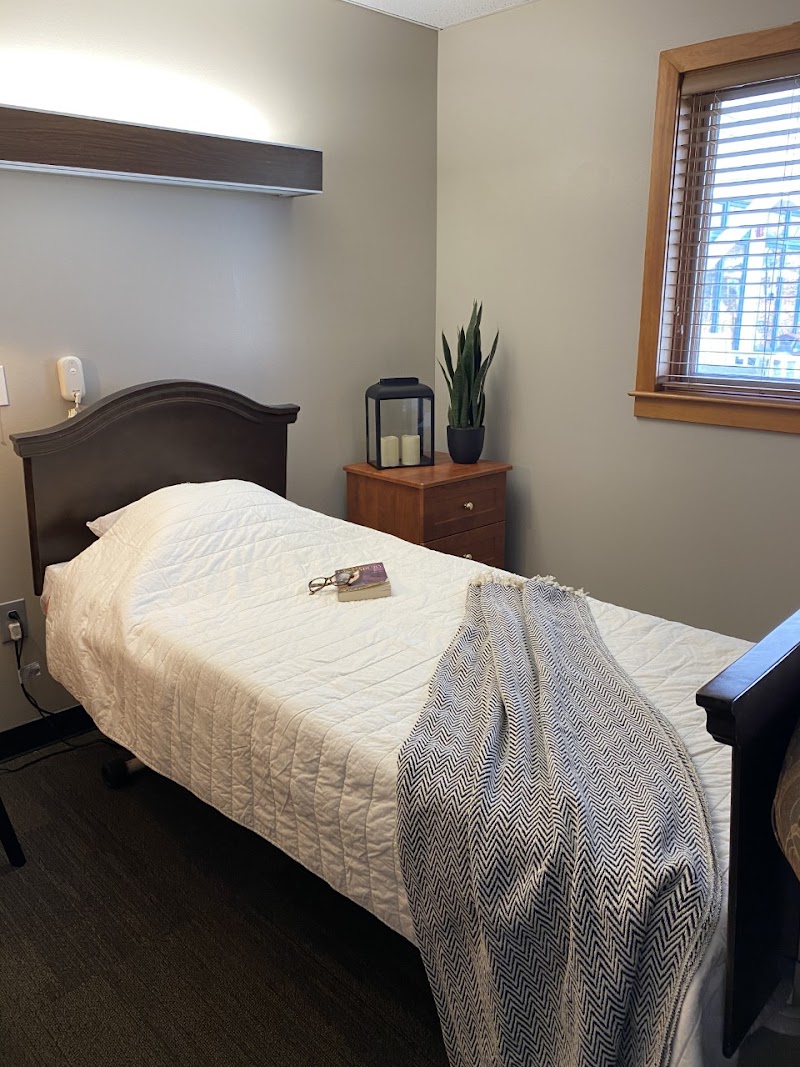
How is Evergreen Community Of Johnson County Staffed?

CMS rates EVERGREEN COMMUNITY OF JOHNSON COUNTY's staffing level at 4 out of 5 stars, which is above average compared to other nursing homes. Staff turnover is 49%, compared to the Kansas average of 46%. RN turnover specifically is 61%, which is notably high. RNs provide skilled clinical oversight, so turnover in this role can affect medical care quality.

What Have Inspectors Found at Evergreen Community Of Johnson County?

State health inspectors documented 30 deficiencies at EVERGREEN COMMUNITY OF JOHNSON COUNTY during 2021 to 2024. These included: 3 that caused actual resident harm and 27 with potential for harm. Deficiencies causing actual harm indicate documented cases where residents experienced negative health consequences.
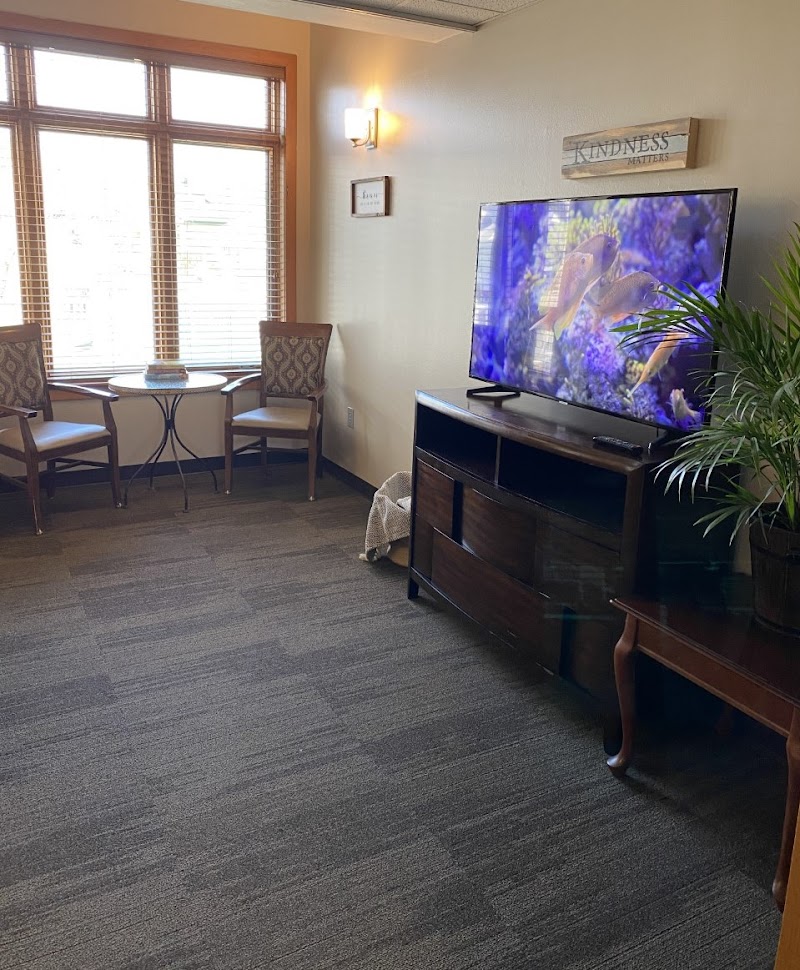
Who Owns and Operates Evergreen Community Of Johnson County?

EVERGREEN COMMUNITY OF JOHNSON COUNTY is owned by a non-profit organization. Non-profit facilities reinvest revenue into operations rather than distributing to shareholders. The facility operates independently rather than as part of a larger chain. With 86 certified beds and approximately 77 residents (about 90% occupancy), it is a smaller facility located in OLATHE, Kansas.

How Does Evergreen Community Of Johnson County Compare to Other Kansas Nursing Homes?

Compared to the 100 nursing homes in Kansas, EVERGREEN COMMUNITY OF JOHNSON COUNTY's overall rating (3 stars) is above the state average of 2.9, staff turnover (49%) is near the state average of 46%, and health inspection rating (3 stars) is at the national benchmark.

What Should Families Ask When Visiting Evergreen Community Of Johnson County?

Based on this facility's data, families visiting should ask: "Can I visit during a mealtime to observe dining assistance and food quality?" "How do you handle medical emergencies, and what is your hospital transfer rate?" "Can I speak with family members of current residents about their experience?"

Is Evergreen Community Of Johnson County Safe?

Based on CMS inspection data, EVERGREEN COMMUNITY OF JOHNSON COUNTY has a clean safety record: no substantiated abuse findings (meaning no confirmed cases of resident harm), no Immediate Jeopardy citations (the most serious violation level indicating risk of serious injury or death), and is not on the Special Focus Facility watch list (a federal program monitoring the lowest-performing 1% of nursing homes). The facility has a 3-star overall rating and ranks #1 of 100 nursing homes in Kansas. While no facility is perfect, families should still ask about staff-to-resident ratios and recent inspection results during their visit.

Do Nurses at Evergreen Community Of Johnson County Stick Around?

EVERGREEN COMMUNITY OF JOHNSON COUNTY has a staff turnover rate of 49%, which is about average for Kansas nursing homes (state average: 46%). Moderate turnover is common in nursing homes, but families should still ask about staff tenure and how the facility maintains care continuity when employees leave.

Was Evergreen Community Of Johnson County Ever Fined?

EVERGREEN COMMUNITY OF JOHNSON COUNTY has been fined $32,972 across 3 penalty actions. This is below the Kansas average of $33,409. While any fine indicates a compliance issue, fines under $50,000 are relatively common and typically reflect isolated problems that were subsequently corrected. Families should ask what specific issues led to these fines and confirm they've been resolved.

Is Evergreen Community Of Johnson County on Any Federal Watch List?

EVERGREEN COMMUNITY OF JOHNSON COUNTY is not on any federal watch list. The most significant is the Special Focus Facility (SFF) program, which identifies the bottom 1% of nursing homes nationally based on persistent, serious quality problems. Not being on this list means the facility has avoided the pattern of deficiencies that triggers enhanced federal oversight. This is a positive indicator, though families should still review the facility's inspection history directly.