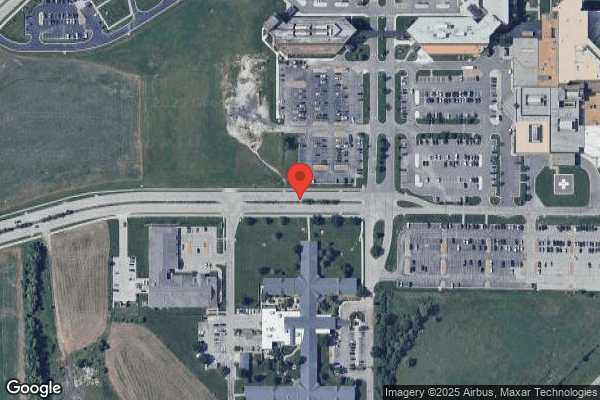
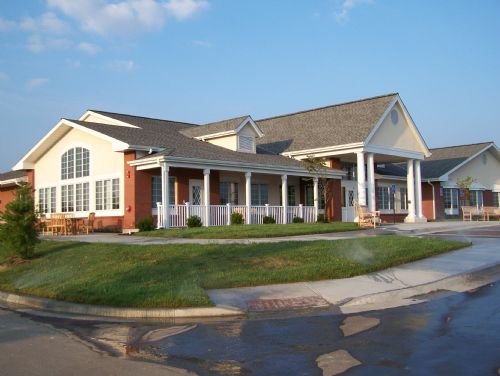
HOEGER HOUSE

20911 WEST 153RD STREET, OLATHE, KS 66061 (913) 397-2900
Non profit - Corporation 34 Beds GOOD SAMARITAN SOCIETY Data: November 2025
Trust Grade
80/100
#20 of 295 in KS
Last Inspection: May 2025

Inspected within the last 6 months. Data reflects current conditions.

Overview

Hoeger House in Olathe, Kansas has a Trust Grade of B+, indicating it is recommended and above average compared to other facilities. It ranks #20 out of 295 in Kansas, placing it in the top half, and #2 out of 35 in Johnson County, meaning only one other local option is rated higher. The facility is improving, with issues decreasing from 7 in 2023 to 3 in 2025, and it has good staffing levels with a 4/5 star rating and RN coverage better than 97% of state facilities. However, there are some concerns, including a serious incident where a resident fell from a wheelchair due to improper safety measures, resulting in a broken femur, alongside issues related to food safety and sanitation in the kitchen. On a positive note, the facility has not incurred any fines, which is reassuring for families considering care options.

Trust Score
B+
80/100
In Kansas
#20/295
Top 6%
Safety Record
Moderate
Needs review
Inspections
Getting Better
7 → 3 violations
Staff Stability
⚠ Watch
50% turnover. Above average. Higher turnover means staff may not know residents' routines.
Penalties
✓ Good
No fines on record. Clean compliance history, better than most Kansas facilities.
Skilled Nurses
✓ Good
Each resident gets 95 minutes of Registered Nurse (RN) attention daily — more than 97% of Kansas nursing homes. RNs are the most trained staff who catch health problems before they become serious.
Violations
⚠ Watch
20 deficiencies on record. Higher than average. Multiple issues found across inspections.
★★★★★
5.0
Overall Rating
★★★★☆
4.0
Staff Levels
★★★★★
5.0
Care Quality
★★★★☆
4.0
Inspection Score
Stable
2023: 7 issues
2025: 3 issues

The Good

  • 4-Star Staffing Rating · Above-average nurse staffing levels
  • 5-Star Quality Measures · Strong clinical quality outcomes
  • Full Sprinkler Coverage · Fire safety systems throughout facility
  • No fines on record

Facility shows strength in staffing levels, quality measures, fire safety.

The Bad

Staff Turnover: 50%

Near Kansas avg (46%)

Higher turnover may affect care consistency

Chain: GOOD SAMARITAN SOCIETY

Part of a multi-facility chain

Ask about local staffing decisions and management

The Ugly 20 deficiencies on record

1 actual harm
May 2025 3 deficiencies
CONCERN (D) 📢 Someone Reported This

A family member, employee, or ombudsman was alarmed enough to file a formal complaint

Potential for Harm - no one hurt, but risky conditions existed

Deficiency F0628 (Tag F0628)

Could have caused harm · This affected 1 resident

**NOTE- TERMS IN BRACKETS HAVE BEEN EDITED TO PROTECT CONFIDENTIALITY** The facility had a census of 28 residents. The sample included 12 residents, with one reviewed for re-hospitalization. Based on ...

Read full inspector narrative →
**NOTE- TERMS IN BRACKETS HAVE BEEN EDITED TO PROTECT CONFIDENTIALITY** The facility had a census of 28 residents. The sample included 12 residents, with one reviewed for re-hospitalization. Based on observation, interview, and record review, the facility failed to notify the State Long Term Care Ombudsman (LTCO) of Resident (R) 16's discharge from the facility. This deficient practice placed R16 at risk for impaired resident rights. Findings include: - R16's Electronic Medical Record (EMR) documented diagnoses of fracture of left lower leg, atrial fibrillation (rapid irregular heartbeat), end-stage renal disease with dialysis (a procedure where impurities or wastes were removed from the blood), diabetes mellitus (DM - when the body cannot use glucose, not enough insulin made or the body cannot respond to the insulin), congestive heart failure (CHF - a condition with low heart output and the body becomes congested with fluid), and thrombosis (a clot that developed within a blood vessel) of deep veins of both lower extremities. R16's admission Minimum Data Set (MDS), dated [DATE], documented a Brief Interview for Mental Status (BIMS) score of 15, indicating intact cognition. The MDS documented R16 required assistance with set up for eating and dressing and was dependent on staff for transfers, toileting, and lower body dressing. The MDS documented R16 received antibiotics and blood thinner drugs. R16's Care Plan, dated 04/06/25, directed staff to report to the health care provider, as needed, any signs or symptoms of infection or pneumonia (inflammation of the lungs). R16's EMR documented she was hospitalized from [DATE] to 03/27/25 for fluid overload. R16's EMR documented she was hospitalized from [DATE] to 04/05/25 for thrombosis (clot that developed within a blood vessel) of the deep veins of the lower extremities. The facility lacked documentation that the state LTCO was notified of the discharge and transfers to the hospital for both hospitalizations. On 05/12/25 at 09:09 AM, R16 was in her wheelchair in her room and reported no concerns with staff care and services. On 05/13/25 at 02:55 PM, Administrative Nurse D and Social Services Staff X stated neither one had notified the ombudsman of discharges. They were unaware they were required to. The facility's Discharge and Transfer policy, dated 03/28/2025, stated when a resident was temporarily transferred on an emergency basis to an acute care center, a notice of transfer must be provided to the resident and their representative as soon as practicable, and a copy of the notice must be sent to the ombudsman.
CONCERN (D) 📢 Someone Reported This

A family member, employee, or ombudsman was alarmed enough to file a formal complaint

Potential for Harm - no one hurt, but risky conditions existed

Infection Control (Tag F0880)

Could have caused harm · This affected 1 resident

The facility had a census of 28 residents. The sample included 12 residents. Based on observation, record review, and interview, the facility failed to ensure a sanitary and comfortable environment to...

Read full inspector narrative →
The facility had a census of 28 residents. The sample included 12 residents. Based on observation, record review, and interview, the facility failed to ensure a sanitary and comfortable environment to help prevent the development and transmission of communicable diseases and infections when the facility failed to ensure Enhanced Barrier Precautions (EBP - infection control interventions designed to reduce transmission of resistant organism which employ targeted gown and glove use during high contact care) were used for Resident (R) 23, who had a surgical incision (a surgical cut made in the skin). The deficient practice placed residents in the facility at risk of infectious disease processes. Findings included: -On 05/13/25 at 03:35 PM, R23's room door had an EBP sign. R23 propelled herself into the bathroom, she had an elastic bandage wrapped from her foot to her knee around her left ankle and started to try to transfer herself onto the toilet. Further observation revealed Licensed Nurse (LN) G went into the bathroom and shut the door. After a short time, LN G came out and sanitized her hands. LN G stated that R23 was on EBP due to her surgical incision and stated that R23's Person Protective Equipment (PPE) of gowns and gloves were in the cabinet beside her room. LN G stated that R23 had a surgical incision, and staff were to wear PPE when they provided wound care, but she has not had to do that yet. LN G stated she had assisted R23 on and off the toilet, but R23 was able to do her own personal care. On 05/13/25 at 12:26 PM, Certified Nurse Aide (CNA) M went into R23's room, put a gait belt around R23's waist, and maneuvered her wheelchair to the side of the bed. CNA M grabbed the gait belt and transferred R23 into R23's wheelchair. CNA M wheeled R23 to the recliner and transferred R23 into it. Further observation revealed CNA M grabbed the footrest of the recliner and lifted it so that R23 could elevate her legs. CNA M gave R23 her call light, fixed the covers on R23's bed, and walked out of the room. CNA M had not donned a gown or gloves and had not sanitized her hands after she left the room. R23 stated staff only had to wear a gown and gloves when staff assisted R23 with toileting. CNA M stated the facility had monthly skills checks and CNA M was reeducated about EBP and infection control monthly. On 05/13/25 at 01:00 PM, Administrative Nurse E stated staff were reeducated monthly about EBP and infection control. Administrative Nurse E further stated staff were to wear PPE while performing high contact care, especially with transfers and personal care. Administrative Nurse E stated that LN G asked her about when to wear PPE with R23, and Administrative Nurse E reeducated LN G that LN G should have worn a gown and gloves when LN G assisted R23. Administrative Nurse E stated CNA M should have worn a gown and gloves and should have sanitized her hands after she assisted R23. On 05/14/25 at 10:30 AM, Administrative Nurse D stated that staff received education about EBP and PPE monthly, and as needed. Administrative Nurse D stated that staff were to wear PPE with high contact care like transfers and toileting, care of any kind. The facility's Standard, Enhanced Barrier and Transmission Based Precautions policy, dated 04/05/25, documented Enhanced Barrier Precautions (EBP) that expand the use of personal protective equipment beyond situations in which exposure to blood and body fluids is anticipated. EBP is used for residents who are infected or colonized with a CDC (Centers for Disease Control)- targeted MDRO (Multidrug-Resistant Organism), or an epidemiologically important MDRO (per facility discretion), when contact precautions do not otherwise apply. The policy documented high-contact resident care activities included transfers, dressing, toileting, and bathing. Staff were to also wear PPE when changing linens, devices, wound care, and during therapy. The policy further documented, that residents on EBP would have clear signage posted on the door or wall outside of the resident's room, indicating the type of precautions and required PPE.
CONCERN (F) 📢 Someone Reported This

A family member, employee, or ombudsman was alarmed enough to file a formal complaint

Potential for Harm - no one hurt, but risky conditions existed

Food Safety (Tag F0812)

Could have caused harm · This affected most or all residents

The facility had a census of 28 residents. The sample included 12 residents. Based on observation, record review, and interview, the facility failed to store, prepare, distribute, and serve food by pr...

Read full inspector narrative →
The facility had a census of 28 residents. The sample included 12 residents. Based on observation, record review, and interview, the facility failed to store, prepare, distribute, and serve food by professional standards for food service safety and failed to consistently document dish machine temperatures. This placed the resident at risk for foodborne illnesses. Findings included: - On 05/12/25 at 07:45 AM, during the initial kitchen tour, the two-door refrigerator had dried food particles all across the bottom shelf, and the handles to the refrigerator had dried food on them. The two-door freezer beside the refrigerator had a large, approximately 36 inches in diameter, round milky white frozen substance on the bottom shelf. The ninja blender had brown, crusty, dried food debris around the top of the base of the blender, the microwave was dirty on the outside and had dried red substance all on the walls inside. The toaster had dried food on the front of the toaster and the knobs of it. The second two-door silver refrigerator by the steam table had dried food particles inside it. On 05/12/25 at 08:30 AM, Dietary BB was asked for the daily meal temperature logs, Dietary BB was unable to produce any of the logs for April 2025 or the first 11 days of May. Dietary BB stated he was the interim Dietary Manager (DM) and stated Dietary CC knew the procedures of cleaning the kitchen and how to take the food temperatures prior to meal service. On 05/12/25 at 09:00 AM, Administrative Nurse D stated she could not find any food temperature logs. Administrative Nurse D stated that the Registered Dietician (RD) came to the facility weekly and reviewed the logs, but the previous DM had not left on good terms. Administrative Nurse D was unsure where the logs could be and could not prove that the meal temperatures were taken. On 05/12/25 at 11:55 AM, during the noon meal service, a review of the Dish Machine Temperature and Thermal Sanitizing sheet for March 2025 lacked documentation. The temperature was not taken during the following days: 03/20/25 03/21/25 03/22/25 03/24/25 03/25/25 03/26/25 03/26/25 03/27/25 03/28/25 03/29/25 03/30/25 03/31/25 A review of the Dish Machine Temperature and Thermal Sanitizing sheet for April 2025 lacked documentation. The temperature was not taken during the following days: 04/08/25 04/09/25 04/10/25 04/11/25 04/15/25 04/16/25 04/17/25 04/23/25 04/24/25 04/29/25 04/30/25 A review of the Dish Machine Temperature and Thermal Sanitizing sheet for May 2025 lacked documentation. The temperature was not taken during the following days: 05/01/25 05/02/25 05/03/25 05/04/25 05/05/25 05/06/25 05/07/25 05/08/25 05/09/25 On 05/12/25 at 12:15 PM, Dietary CC stated he did not know where the April 2025 food temperature log was and verified that he had not taken breakfast temperatures that day. He stated he had taken them in the past, but did not know where the paperwork was. Dietary CC further stated his coworker, who works opposite of him, did not clean the kitchen, so he did not feel like he needed to clean either. Dietary CC stated he did not know when the kitchen was last cleaned. The facility's Food Temperature Monitoring-Food and Nutrition Services policy, dated 12/16/24, documented that food temperatures were taken and recorded before each meal service. Periodically, temperatures were taken at other times during or at the end of meal service to ensure temperatures were held within acceptable ranges. Food was served at proper serving temperatures. The facility's General Sanitation-Food and Nutrition policy, dated 06/25/24, documented that the facility stored, prepared, distributed, and served food under sanitary conditions at all times. The policy documented cleaning and sanitizing equipment surfaces was a two-step process, surfaces are cleaned and rinsed before being sanitized. The policy documented that all food contact surfaces would be washed, rinsed, and sanitized. When cleaning fixed/immobile equipment such as mixers and slicers, removable parts are washed and sanitized, while non-removable parts are cleaned with detergent and hot water, rinsed, air-dried, and sprayed with sanitizing solution at an effective concentration. If any food contact surfaces are contaminated during reassembly, re-sanitize. The staff were to wipe down equipment and food spills.
Aug 2023 7 deficiencies 1 Harm
SERIOUS (G) 📢 Someone Reported This

A family member, employee, or ombudsman was alarmed enough to file a formal complaint

Actual Harm - a resident was hurt due to facility failures

Accident Prevention (Tag F0689)

A resident was harmed · This affected 1 resident

**NOTE- TERMS IN BRACKETS HAVE BEEN EDITED TO PROTECT CONFIDENTIALITY** The facility documented a census of 28 residents. The sample included 13 residents with three reviewed for falls. Based on recor...

Read full inspector narrative →
**NOTE- TERMS IN BRACKETS HAVE BEEN EDITED TO PROTECT CONFIDENTIALITY** The facility documented a census of 28 residents. The sample included 13 residents with three reviewed for falls. Based on record review and interview, the facility failed to ensure a safe environment free from preventable accidents when staff failed to ensure Resident (R) 67 had foot pedals on her wheelchair before staff propelled the resident down the hallway to her room. The resident was unable to hold her legs up and placed her foot on the floor which caused the resident to fall forward out of the wheelchair. The fall resulted in a broken left femur (thigh bone). Findings included: - R67's Electronic Medical Record (EMR) from the Diagnoses tab documented diagnoses of weakness, altered mental status (change in mental function that stems from illnesses, disorders and injuries affecting your brain), and generalized muscle weakness. The admission Minimum Data Set (MDS) dated [DATE] documented a Brief Interview for Mental Status (BIMS) score of 12, which indicated moderately impaired cognition. The MDS documented R67 required limited assistance of one staff for many of her activities of daily living and transfers. The Cognitive Loss /Dementia Care Area Assessment (CAA), dated 07/11/23, documented R67 had impaired memory and a BIMS of 12. The Falls CAA dated 07/11/23, documented R67 had impaired gait and balance and required staff assistance with mobility. R67's Care Plan recorded an intervention dated 06/29/23, which documented R67 had bilateral lower extremity weakness and needed assistance with bed mobility, transfers, dressing, toilet use, and bathing. An Incident Note dated 07/11/23, documented R67 propelled herself to her room in her wheelchair. The note documented R67 stopped Certified Medication Aide (CMA) R and asked if CMA R could push her to her room. The note documented Licensed Nurse (LN) J heard her name being yelled and came around the corner and found R67 on the floor, on her right side, with CMA R next to her. The note documented CMA R stated R67 put her foot down, which caused her to tip out of the wheelchair. The note further documented R67 complained of left knee pain and had a skin tear to her right elbow. The note documented that the skin tear was bandaged, and R67 was assisted back into her wheelchair by staff with the use of a Hoyer lift (total body mechanical lift used to transfer residents). A Complaint Investigation Witness Statement dated 07/11/23, documented CMA R was walking to the kitchen when R67 asked CMA R to push her back to her room, in the wheelchair. The statement documented that CMA R asked R67 to put her feet up before pushing R67 toward her room. The statement further documented R67's feet fell, which caused her to tumble out of the wheelchair. The Investigation Report documented R67 propelled herself in her wheelchair when she asked CMA R to help push her back to her room. The report documented CMA R requested R67 pick her feet up before she transported her down the hallway. As CMA R transported R67 down the hallway, R67's feet dropped to the floor, which caused R67 to fall forward out of the wheelchair with her arms out in front of her and she rolled to her right side after she had landed. The report further documented R67 complained of left knee pain and had a skin tear to her right upper extremity, which was dressed, and staff assisted R67 back into her wheelchair with use of the Hoyer lift. The report documented R67 received an X-Ray, for her left knee, on 07/11/23 with no acute fracture or negative findings. R67 continued to complain of bilateral knee pain, she continued on a pain regimen, and planned to discharge home with her daughter. The report documented R67 was sent to the hospital for further evaluation and was found to have a left femur fracture. On 08/31/23 at 09:50 AM CMA R stated if there were no foot pedals on a resident's wheelchair, and the resident asked to be pushed by staff, staff would have to get the foot pedals and put them on the wheelchair first. She stated staff were never supposed to push residents without having the pedals in place. On 08/31/23 at 09:54 AM LN K stated staff must make sure residents have foot pedals on their wheelchairs before pushing them. She stated if there were no foot pedals then staff could not push the residents in the wheelchairs. On 08/31/23 at 12:22 PM Administrative Nurse D stated staff were expected to have footrests in place before pushing residents in their wheelchairs. She further stated if there were no foot pedals on the resident's wheelchair, and the resident wanted to be pushed by staff, then staff were expected to find the foot pedals and put them on, or the resident can self-propel. She stated the foot pedals were normally stored in a bag on the back of the wheelchair. She stated all staff had received education and signed off that they will not push residents without foot pedal on the wheelchairs. The facility policy Fall Prevention and Management revised 03/29/23, documented the risk of falling for residents in long-term care locations substantially increases due to decreased mobility, frailty, muscle weakness, gait disturbance and disease progression. The facility failed to ensure a safe environment free from preventable accidents when staff failed to ensure R67 had foot pedals on her wheelchair before staff propelled the resident down the hallway to her room. The resident was unable to hold her legs up and placed her foot on the floor which caused the resident to fall forward out of the wheelchair. The fall resulted in a broken left femur for R67. On 07/21/23 the facility completed corrective actions, which included education to all staff regarding wheelchair safety and ensuring footrests were in place prior to transporting residents. Footrest bags were placed on the back of each wheelchair for footrest placement when not in use to ensure availability when needed. Staff audits were conducted, and the issue was reviewed by the Quality Assurance and Performance Improvement committee. All corrective measures were completed prior to the onsite survey therefore the citation was issued as past noncompliance which existed at a G to represent the isolated, actual harm for R67.
CONCERN (D) 📢 Someone Reported This

A family member, employee, or ombudsman was alarmed enough to file a formal complaint

Potential for Harm - no one hurt, but risky conditions existed

Pressure Ulcer Prevention (Tag F0686)

Could have caused harm · This affected 1 resident

**NOTE- TERMS IN BRACKETS HAVE BEEN EDITED TO PROTECT CONFIDENTIALITY** The facility identified a census of 28 residents. The sample included 13 residents with two residents reviewed for treatment/ser...

Read full inspector narrative →
**NOTE- TERMS IN BRACKETS HAVE BEEN EDITED TO PROTECT CONFIDENTIALITY** The facility identified a census of 28 residents. The sample included 13 residents with two residents reviewed for treatment/services to prevent/heal pressure ulcers (localized injury to the skin and/or underlying tissue usually over a bony prominence, because of pressure, or pressure in combination with shear and/or friction). Based on observation, record review, and interviews, the facility failed to ensure pressure reducing measures according to the plan of care were implemented for Resident (R) 69's bilateral lower extremities and a cushion in the wheelchair to prevent worsening of pressure ulcers. This placed R69 at increased risk for pressure ulcer development and worsening of right heel pressure ulcer. Findings included: - R69's Electronic Medical Record (EMR) from the Diagnoses tab documented diagnoses of need for assistance for personal care, diabetes mellitus (when the body cannot use glucose, not enough insulin made or the body cannot respond to the insulin), epilepsy (brain disorder characterized by repeated seizures), and embolism (an obstruction in a blood vessel due to a blood clot or other foreign matter that gets stuck while traveling through the blood stream) of lower extremities. The admission Minimum Data Set (MDS) was in progress. R69's Care Area Assessment (CAA) was not completed. R69's Care Plan dated 08/20/23 documented staff would provide a pressure relieving/reducing device on the bed and in wheelchair. The Care Plan dated 08/23/23 documented staff would float R69's heels when in bed. Review of the EMR under Orders tab revealed the following physician orders: Wound order: skin prep to bilateral heels, float heels every day and night shift dated 08/19/23. Review of EMR under Assessment tab revealed a Wound Assessment dated 08/23/23 which documented a stage one (pressure are with red, non-blanchable skin but not open) pressure ulcer on R69's right heel. On 08/29/23 at 12:18 PM R69 sat upright on his bed, with his left arm in a sling, and his bilateral heels rested directly on the mattress. R69's wheelchair sat next to the bed and lacked a cushion. On 08/30/23 at 07:24 AM R69 was asleep on the bed, with left arm in a sling, and his bilateral heels rested directly on the mattress. R69's wheelchair was next to the bed and lacked a cushion. On 08/30/23 09:34 AM R69 was asleep on his bed, with a sling on his left arm, and his bilateral heel rested directly on the mattress. Licensed Nurse (LN) I entered the room to apply skin prep (liquid skin barrier) to R69's bilateral heels. LN I applied skin prep to the left heel, then placed R69's left foot back on the bed. LN I opened second package of skin prep, removed R69's right sock to his toes, applied skin prep to right heel, then placed right foot back onto mattress. LN I pulled left sock back onto R69's foot and then pulled his right sock back onto his right foot and placed heels directly onto the mattress. LN I doffed gloves and removed R69's breakfast tray from room. On 08/30/23 at 12:30 PM R69 sat in his wheelchair in the dining room with out a wheelchair cushion. On 08/31/23 at 08:14 AM R69 propelled self into the hallway to talk with nursing staff, no cushion was on the seat of the wheelchair. On 08/31/23 at 10:55 AM Certified Medication Aide (CMA) R stated she was not sure if R69's heels should be floated. CMA R stated she would find that information on the [NAME] (a medical information system used by nursing staff as a way to communicate important information on their patients. It is a quick summary of individual patient needs that is updated at every shift change). CMA R stated a pressure reducing cushion should be in the wheelchair most of the time. On 08/31/23 at 11:05 AM LN I stated she did not float R69's heels after his treatment because he moved his feet a lot. LN I stated every wheelchair should have a pressure reducing cushion in the wheelchair. LN I stated it was everyone's responsibility to ensure the wheelchair had a cushion. On 08/31/23 at 12:22 PM Administrative Nurse D stated all the mattresses at the facility were pressure reducing. Administrative Nurse D stated every wheelchair needed a pressure reducing cushion and R69's heels should be floated when he was in bed. Administrative Nurse D stated heels were floated on a pillow. The facility's Skin Assessment Pressure Ulcer Prevention and documentation Requirements-Rehabilitation/Skilled policy last reviewed 04/26/23 documented the purpose was to systematically assess residents regarding risk of skin breakdown, to accurately document observations and assessments of residents, and to appropriately use prevention techniques and pressure redistribution surfaces on those residents at risk for pressure ulcers. Residents who were unable to reposition themselves independently, as indicated on the clinical assessment, should be repositioned as often as directed by the care plan approaches. Developing an individualized repositioning schedule was required for those residents unable to position themselves and was based on nutrition, hydration, incontinence, diagnoses, mobility, and observation of the resident's skin over a period of time. The Positioning Assessment and Evaluation was a required tool that is used to determine an individualized repositioning plan. The positioning schedule would be communicated to the nursing assistants using the [NAME]. Any resident at risk would be placed on a pressure redistribution surface as determined appropriate. The facility failed to implement the pressure reducing measures according to the plan of care for R69, who had a pressure ulcer on his right heel and was at risk for pressure injuries. This placed R69 at increased risk for worsening pressure ulcers and pressure/skin injuries.
CONCERN (D) 📢 Someone Reported This

A family member, employee, or ombudsman was alarmed enough to file a formal complaint

Potential for Harm - no one hurt, but risky conditions existed

Incontinence Care (Tag F0690)

Could have caused harm · This affected 1 resident

**NOTE- TERMS IN BRACKETS HAVE BEEN EDITED TO PROTECT CONFIDENTIALITY** The facility identified a census of 28 residents. The sample included 13 residents with one reviewed for bowel and bladder manag...

Read full inspector narrative →
**NOTE- TERMS IN BRACKETS HAVE BEEN EDITED TO PROTECT CONFIDENTIALITY** The facility identified a census of 28 residents. The sample included 13 residents with one reviewed for bowel and bladder management. Based on observation, record review, and interviews, the facility failed to implement individualized interventions to improve Resident (R)167's bladder incontinence or prevent further loss. This deficient practice placed R167 at risk for complications related to incontinence. Findings Included: -The Medical Diagnosis section within R167's Electronic Medical Records (EMR) included diagnoses of anxiety disorder (mental or emotional reaction characterized by apprehension, uncertainty, and irrational fear), repeated falls, chronic obstructive pulmonary disorder (progressive and irreversible condition characterized by diminished lung capacity and difficulty or discomfort in breathing), neuralgia (severe nerve pain), and insomnia (inability to sleep). A review of the EMR indicated R167 admitted on [DATE]. No Minimum Data Set (MDS) or Care Area Assessments were completed for R167. R167's Care Plan initiated 08/23/23 indicated he required extensive assistance from one staff for toileting. The plan noted he required a gait belt and limited assistance from one staff for transfers between surfaces. The plan indicated he had bladder incontinence and used incontinence briefs. The plan indicated he had a history of falling related to significant changes in his safety awareness, gait, and mobility. The plan did not mention a portable urinal. The plan lacked individualized interventions or toileting program to maintain and promote R167's highest level of functioning related to incontinence. A Bladder Evaluation for R167 completed on 08/27/23 indicated he had daily incontinence in both day and nighttime. The evaluation indicated he used incontinence products. The evaluation noted obesity and mobility as factors related to his incontinence. The evaluation noted he used the toilet but not a bedpan or portable urinal. The evaluation recommended he be provided a toileting program and staff were to provide check/change. R167's clinical record lacked evidence staff developed and implemented a toileting program. On 08/29/23 at 10:00AM R167 sat on his bed with his bedside table pulled to him for breakfast. R167 wore only his underwear as he ate his breakfast. R167's room smelled heavily of urine and a half-full portable urinal sat next to the resident's breakfast tray. R167 stated staff had not emptied the urinal in the morning. He stated he had urinary incontinence but he was not sure if the facility had implemented a program for it. On 08/30/23 at 07:09AM a full urinal sat on R167's bedside table as he slept in his bed. On 08/31/23 at 08:23AM Certified Nurse's Aide (CNA) M stated she was not sure if R167 had a toileting program. She stated he utilized a portable urinal and staff would empty it. On 08/31/23 at 09:05AM Licensed Nurse (LN) G stated R167 was not on a toileting plan. She stated he did have urinary incontinence and wore incontinence products but was not aware if any individualized interventions were in place to maintain his bladder function. On 08/31/23 at 12:23PM Administrative Nurse D stated residents were screened for incontinence upon admission. She stated staff were expected to provide toileting and peri-care to prevent skin breakdown. She stated the interventions listed on the evaluations would be implemented and available for staff to review on the [NAME]. A review of the facility's Bowel and Bladder policy revised 04/2023 stated that resident will be evaluated for bowel and bladder incontinence management. The policy noted that residents noted without irreversible causes will be evaluated for potential bowel and bladder management. The policy noted that pattern evaluations will be provided to residents for individualized continence management programs. The policy indicated implemented interventions would have included prompted toileting, bladder training, and dietary monitoring. The facility failed to implement individualized toileting program related to urinary incontinence for R167. This deficient practice placed R167 at risk for complications related to incontinence.
CONCERN (D) 📢 Someone Reported This

A family member, employee, or ombudsman was alarmed enough to file a formal complaint

Potential for Harm - no one hurt, but risky conditions existed

Medication Errors (Tag F0758)

Could have caused harm · This affected 1 resident

The facility reported a census of 28. The sample included 13 residents with five residents reviewed for unnecessary medications. Based on observations, interviews, and record reviews, the facility fai...

Read full inspector narrative →
The facility reported a census of 28. The sample included 13 residents with five residents reviewed for unnecessary medications. Based on observations, interviews, and record reviews, the facility failed to implement monitoring for behaviors and side effects associated with Residents (R)9's psychotropic medications (class of medications that chemically alter the brain to effect mood, perception, and behaviors). This deficient practice placed the residents at risk for ineffective treatment and unnecessary side effects. Findings included: - The Medical Diagnosis section within R9's Electronic Medical Records (EMR) included diagnoses of anxiety disorder (mental or emotional reaction characterized by apprehension, uncertainty, and irrational fear), major depressive disorder (major mood disorder), depression (abnormal emotional state characterized by exaggerated feelings of sadness, worthlessness and emptiness), hallucinations (sensing things while awake that appear to be real, but the mind created), and obstructive sleep apnea (absence of breathing). R9's Quarterly Minimum Data Set (MDS) completed 08/04/23 noted a Brief Interview for Mental Status (BIMS) score 15 indicating intact cognition. The MDS noted no behaviors. The MDS noted he had antianxiety (class of medications that calm and relax people with excessive anxiety, nervousness, or tension) and antidepressant medications (class of medications used to treat mood disorders and relieve symptoms of depression). R9's Psychotropic Medication Care Area Assessment (CAA) completed 03/14/23 indicated he was being treated for mood disorder and took alprazolam (antianxiety medication). The CAA also indicated he took escitalopram (antidepressant medication). R9's Psychosocial Well-being CAA completed 03/14/23 indicated he had little desire to participate in his favorite activities. A review of R9's Care Plan initiated 03/13/23 indicated he took antianxiety medication. The plan indicated staff were to monitor and document the medications side effects and effectiveness. The plan instructed staff to monitor R9's condition based on clinical practice guidelines or clinical standards of practice related to the alprazolam. The plan noted he took antidepressant medication. The plan instructed staff to monitor R9's condition based on clinical practice guidelines or clinical standards of practice related to the escitalopram (antidepressant medication). R9's EMR indicated under Physician's Orders he received alprazolam (0.25 milligrams (mg)) two times a day for mood started 04/27/23. R9's EMR indicated under Physician's Orders he received escitalopram (10mg) one time daily for mood. A review of R9's EMR revealed no documentation showing staff consistently monitored the alprazolam and escitalopram's side effects or behaviors for the medication efefctiveness and continued use. On 08/31/23 at 09:54AM, Licensed Nurse (LN) K stated staff should be documenting side effects and behaviors in the progress notes as they occurred. She stated she was not sure of any other place it could be documented in the EMR. She stated the direct cares staff would any behaviors observed to the nurse for documenting. On 08/31/23 at 12:24PM Administrative Nurse D stated behaviors were not documented on an everyday basis; they were put in the EMR as needed. She stated staff would put in progress notes if behaviors occurred or might also be listed in tasks section or in an assessment. She stated behaviors usually were more stable due to the facility being short stay and the residents were more adjusted to their medications. She stated if the residents had behaviors social services would assess and report what behaviors needed to be monitored. A review of the facility's Psychotropic Medications revised 12/2022 indicated the facility must provide documentation of psychotropic medications side effects and behavioral monitoring for residents on the medications. The Policy indicated documentation would include mood, behavior changes, sleep disturbances, restlessness, dizziness, nausea, or any adverse reactions associated with the class of medications. The facility failed to implement monitoring for behaviors and side effects associated with R9's alprazolam and escitalopram medications. This deficient practice placed the residents at risk for ineffective treatment and unnecessary medication side effects
CONCERN (D) 📢 Someone Reported This

A family member, employee, or ombudsman was alarmed enough to file a formal complaint

Potential for Harm - no one hurt, but risky conditions existed

Deficiency F0761 (Tag F0761)

Could have caused harm · This affected 1 resident

The facility had a census of 28 residents. The sample included 13 residents. Based on observation, interview, and record review, the facility failed to label Resident (R)218's insulin (hormone which a...

Read full inspector narrative →
The facility had a census of 28 residents. The sample included 13 residents. Based on observation, interview, and record review, the facility failed to label Resident (R)218's insulin (hormone which allows cells throughout the body to uptake glucose) pen with the date opened and discard date and failed store his medications securely. This placed R218 at risk for ineffective or diverted medications. Findings included: - On 08/29/23 at 07:10 AM an observation in the cabinet outside of R218's room revealed an unlocked medication storage drawer that contained the following: R218's Humalog (fast-acting insulin) pen. The pen lacked a date opened, and discard date. R218's Lantus (long-acting insulin) pen. The pen lacked a date opened, and discard date. Seven cards that contained various prescription medications. The inside of the cabinet door revealed a sign that documented insulin expired 28 days after opening. On 08/29/23at 07:23 AM Licensed Nurse (LN) I stated medication drawers should be locked if not being used. She stated that the insulin pens were R218's home medications, and she was not sure when they were opened. She further stated insulins were no longer good if opened for longer than 28 days. On 08/31/23 at 12:22 PM Administrative Nurse D stated medication drawers should always be locked if no one was present. She stated that on average, most insulins expired 28 days after they were opened. She stated there were some exceptions, with certain insulins that lasted longer than 28 days and that had been discussed with their pharmacy consultant; however, she was unsure if the policy had been updated to reflect those changes. The facility policy Medications: Acquisition Receiving Dispensing and Storage revised 03/02/23, documented medications will be stored in a locked medication cart, drawer, or cupboard. Only the person passing medication and the director of nursing services and/or designees will be permitted to have access to the keys to the medication storage areas. The location will routinely check for expired medications and necessary disposal will be done in accordance with state/pharmacy regulations. The facility failed to label R218's insulin pens with the dates opened and discard dates and failed to store his medications securely. This placed R218 at risk for ineffective or diverted medications.
CONCERN (F) 📢 Someone Reported This

A family member, employee, or ombudsman was alarmed enough to file a formal complaint

Potential for Harm - no one hurt, but risky conditions existed

Food Safety (Tag F0812)

Could have caused harm · This affected most or all residents

The facility identified a census of 28 residents with one kitchen and one kitchenette. Based on observation, record review, and interviews, the facility failed to maintain sanitary dietary standards r...

Read full inspector narrative →
The facility identified a census of 28 residents with one kitchen and one kitchenette. Based on observation, record review, and interviews, the facility failed to maintain sanitary dietary standards related to sanitary food and equipment storage. This deficient practice placed the residents at risk related to food borne illnesses and food safety concerns. Findings Included: - On 08/29/23 at 07:05AM a walkthrough of the facility's kitchen was completed. An inspection of the facility's freezer unit revealed opened but undated/unlabeled bags of potato wedges, breaded meat patties, and sliced strawberries. An inspection of the equipment storage rack revealed a large pasta strainer on the top shelf stored upward (not inverted) towards the ceiling. An inspection of the facility's deep fryer station revealed a sheet pan covering the fryer unit. Large amounts of old food particles floated in the oil at the top of the deep fryer unit. An inspection of the preparation area revealed dust/debris covering the spice bottles on the rack. On 08/29/23 at 08:30AM a walkthrough of the facility kitchenette was completed. An inspection of the kitchenette's microwave revealed old food particles inside the cooking unit. An inspection of the kitchenette's refrigerator/ top freezer unit revealed three upon and undated one-gallon ice cream containers. The upper freezer unit also contained a frost covered black grocery bag with unknown contents inside. The lower refrigerator unit contained opened condiments and an unlabeled jar of salsa. On 08/31/23 at 09:02AM Dietary Staff BB indicated staff were expected to clean each kitchen area daily and in between services. He stated kitchen staff would clean the ovens and deep fryer daily after use and filter out the oil daily. He stated a deep clean of the kitchen was to be completed once weekly including a checking the food products for refrigerator labels and dates. He stated all open food should be labeled with the open date and rotated out before expiration. He stated the kitchenette was cleaned weekly and staff should not be leaving personal food in it. A review of the facility's Food and Equipment Storage revised 05/2023 policy noted that all food preparation areas and equipment will be maintained in a clean serviceable manner. The policy noted all equipment used in the handling of food shall be cleaned, sanitized, and handled in a manner that prevents contamination. The facility failed to maintain sanitary dietary standards related to food and equipment storage. This deficient practice placed the residents at risk related to food borne illnesses and food safety concerns.
CONCERN (F) 📢 Someone Reported This

A family member, employee, or ombudsman was alarmed enough to file a formal complaint

Potential for Harm - no one hurt, but risky conditions existed

Infection Control (Tag F0880)

Could have caused harm · This affected most or all residents

**NOTE- TERMS IN BRACKETS HAVE BEEN EDITED TO PROTECT CONFIDENTIALITY** - The Medical Diagnosis section within R169's Electronic Medical Records (EMR) included diagnoses of type two diabetes mellitus ...

Read full inspector narrative →
**NOTE- TERMS IN BRACKETS HAVE BEEN EDITED TO PROTECT CONFIDENTIALITY** - The Medical Diagnosis section within R169's Electronic Medical Records (EMR) included diagnoses of type two diabetes mellitus (when the body cannot use glucose, not enough insulin made or the body cannot respond to the insulin), neuralgia (severe nerve pain), insomnia (inability to sleep), fracture of left humerus (break in upper arm bone), anxiety disorder (mental or emotional reaction characterized by apprehension, uncertainty and irrational fear), and dementia (progressive mental disorder characterized by failing memory, confusion). A review of the EMR indicated R169 admitted on [DATE]. No Minimum Data Set (MDS) or Care Area Assessments were completed yet for R169. R169's EMR under Physician's Orders revealed an active order dated 08/28/23 indicating Enhanced Barrier Precautions (precautions that required staff to complete hand hygiene, don gloves, and wear gowns while high contact cares activities were provided to residents with wounds, indwelling medical devices, or had multidrug resistant organism infections) were implemented related to a Methicillin-resistant Staphylococcus aureus (MRSA - a type of bacteria resistant to many antibiotics) infection on his right shoulder. The order indicated a sign was placed on his door to alert staff to apply the proper personal protective equipment (PPE) during high contact cares on all shifts. R169's EMR revealed a Wound Culture completed on 08/24/23. The culture indicated he tested positive for heavy growth of MRSA on his right chest and neck. On 08/29/23 at 07:43AM an inspection of R169's room revealed an Enhanced Barrier Precaution sign on R169's entry door. The sign indicated all entrants must complete hand hygiene when entering and exiting the room. The sign indicated staff were required to wear protective gloves and gowns when high contact care activities were provided. On 08/29/23 at 03:20PM, R169's Enhanced Barrier Precaution sign was not posted on his door. On 08/30/23 at 09:13AM, R169's Enhanced Barrier Precaution sign was not posted on his door. On 08/30/23 at 03:35PM, Licensed Nurse (LN) H and Consultant HH prepared outside R169's room for wound care. LN H reviewed R169's orders before entering the room. R169's door had no enhanced barrier precautions signage posted at the time of entry. LN H completed hand hygiene and donned gloves. LN H assisted R169 to sit onf the side of the bed and removed R169's shirt. LN H completed hand hygiene and changed her gloves. Consultant HH assessed R169's right side shoulder wound and instructed LN H to clean the wound, but said it would not require a dressing to cover due to the healing stage. LN H cleansed the wound with a saline solution and placed a clean shirt on R169. Both staff completed hand hygiene and exited the room. Neither staff wore a gown during the encounter. On 08/31/23 at 10:03AM an Enhanced Barrier Precautions sign was again on R169's door. On 08/31/23 at 09:14AM, Certified Nurses Aid (CNA) M stated she was assigned to care for R169 but was not sure if he was still on enhanced barrier precautions. She stated the nurse instructed staff which residents were on precautions, or the signs would be placed on the door. She stated staff were to complete hand hygiene, don gloves, and wear gowns for residents on enhanced barrier precautions. She stated she would ask the nurse. On 08/31/23 at 09:21AM, LN G stated residents on enhanced barrier precautions should have an order in the EMR or a sign on their door. She stated she was not sure if R169 was still on precautions but would check his orders. On 08/31/23 at 12:24PM, Administrative Nurse D stated all residents on enhanced barrier precautions would have signs on the door indicating the required personal protective equipment (PPE) required to perform cares. She stated staff were expected to completed hand hygiene and were gloves/gowns for all cares. She stated the resident's physician orders should also have reflected if the resident required the precautions. A review of the facility's Transmission Based Precautions revised 12/2021 indicated special precautions were meant to reduce the transmission of contagious organism between residents and lower the risks of healthcare associate illness and infections that lead to hospitalizations and death A review of the facility's Multi-drug Resistant Organisms policy revised 02/2022 indicated enhanced barrier precautions expanded the use of PPE beyond situations in which exposure to blood and body fluids was anticipated and referred to the use of gown and gloves during high-contact care activities. The facility failed to ensure transmission based precautions were followed during R169's wound care. This deficient practice placed R169 and other residents at risk related to the spread of infectious diseases. The facility identified a census of 28 residents. The sample included 13 residents. Based on record review, observations, and interviews, the facility failed to track and analyze infectious organisms related to its infection surveillance. The facility also failed to follow transmission-based precautions during wound care for Resident (R)169. This deficient practice placed the residents at risk related to infectious diseases. Findings included: - Review of the facility Antibiotic Stewardship Surveillance Logbook from July 2022 to July 2023 revealed that the contributing organism was not being tracked with trends noted on the surveillance log. On 08/31/23 at 09:25 AM Administrative Nurse E stated she was the Infection Preventionist since September 2022 and was certified since December 2022. Administrative Nurse E stated she had not been told that the causative organism or bacteria needed to be listed or tracked. Administrative Nurse E stated she was taught that only the antibiotic needed to be listed with the start date and resolution date. The Infection Prevention and Control Program policy last revised 02/15/22 documented: The infection prevention and control program will attempt to meet federal and state regulations for infection control where applicable. The program included infection prevention, control and education. The infection preventionist and the Quality Assurance and Performance Improvement (QAPI) committee would direct the functions of the infection and prevention and control program. The system of identifying, reporting, investigating, and controlling infections and communicable diseases for all residents will be tracked where possible on the Infection and Antimicrobial Tracing Tool and reviewed by the who will keep a record of any corrective action taken. The facility failed to track and analyze organisms for infection surveillance. This deficient practice placed the residents at risk related to infectious diseases.
Jan 2022 10 deficiencies
CONCERN (D)

Potential for Harm - no one hurt, but risky conditions existed

Deficiency F0558 (Tag F0558)

Could have caused harm · This affected 1 resident

**NOTE- TERMS IN BRACKETS HAVE BEEN EDITED TO PROTECT CONFIDENTIALITY** The facility identified a census of 21 residents. The sample included 15 residents with two residents reviewed for reasonable ac...

Read full inspector narrative →
**NOTE- TERMS IN BRACKETS HAVE BEEN EDITED TO PROTECT CONFIDENTIALITY** The facility identified a census of 21 residents. The sample included 15 residents with two residents reviewed for reasonable accommodation. Based on observations, record reviews, and interviews, the facility failed to provide Resident (R)12 an alternate method of summoning assistance which relayed directly to nursing staff during a call light system failure on 01/20/22. The deficient practice placed the resident at risk for a delay in care or assistance. Findings included: -The electronic medical records (EMR) documented the following diagnosis for R12: congestive heart failure (a condition with low heart output and the body becomes congested with fluid), hypertension (high blood pressure), hypokalemia (low potassium levels in the blood), acute kidney failure, osteoarthritis (degenerative changes to one or many joints characterized by swelling and pain), and chronic pain. A review of R12's admission Minimum Data Set dated 01/11/22 documented a Brief Interview for Mental Status (BIMS) score of 14 indicating intact cognition. The MDS recorded R12 required extensive assistance of two staff members for bed mobility, and transfers and extensive assistance of one staff member for toileting. R12's Nutrition Care Area Assessment (CAA) triggered for monitoring related history of pressure injuries and forgetfulness . The Dehydration CAA also triggered related use of diuretics. The Activities for Daily Living CAA triggered related to decline in strength, generalized weakness and history of pressure injuries. The Falls CAA triggered for impaired gait and weakness. R12's Care Plan states she had an activities of daily living (ADL'S) self-care deficit and she required one staff to assist her with transfers, bed mobility, hygiene, bathing, and toileting. On 01/25/22 at 09:00 AM R12 reported that on Thursday (1/20/22) she woke up and needed to use the restroom in the morning. She pushed her call light to signal the nurse and then waited 40 minutes for the nurse to come in and check on her. R12 reported when the nurse entered the room, she told R12 that the call light system was being worked on and the resident would have to wait on staff to complete rounds. R12 reported that she was given no other way to communicate with staff if an emergency did occur. R12 stated she had a room phone. R12 stated that she was not notified when the call light system went down or when it came back on. R12 stated that every time she does use the call light, it takes the staff 15-25 minute to respond. R12 reported that if she had a real emergency, it would be too late. An interview completed on 01/27/22 at 01:44 PM with Licensed Nurse (LN) G stated when the call light system went out the nurses continually went around and checked on each resident. In an interview with Administrative Nurse D on 01/27/22 at 01:50 PM, she reported that Thursday 01/20/22 the facility's call light system went down due to a bad battery. The residents should have been notified by the nursing staff about the outage. Staff completed continuous room checks until the system was fixed. Administrative Nurse D stated she had not heard any complaints or grievance about the issue. In an email communication dated 02/09/22 at 02:22 PM, Administrative Staff A wrote the call light system failed a little after 05:00 AM on 01/20/22 and remained out until approximately 09:00 AM She wrote when Administrative Nurse D arrived at the facility, she went into the residents' rooms and confirmed that each resident had been alerted to the outage. Administrative Staff A further wrote that review of the camera revealed the following timeline regarding R12 on the [NAME] of 01/20/22: Staff entered R12's room at 05:22 AM and exited 05:24 AM. One hour later, Administrative Nurse D entered R12's room at 06:24 AM, then exited at 06:28 AM. One hour later, staff entered R12's room at 07:30 AM for medication administration and exited at 07:34 AM. Staff reentered the room at 07:36 AM and exited 07:38 AM. Breakfast arrived at 07:52 AM and staff exited the room at 07:56 AM. Thirty-five minutes later, multiple staff entered R12's room at 08:31 AM, 08:32 AM and therapy staff entered at 08:33 AM. Staff left at 08:33 AM,and 08:34 AM, reentered at 08:35 AM and then exited again at 08:39 AM. Therapy staff exited at 09:08 AM. The facility failed to provide an alternate method, which relayed directly to nursing staff, for Resident (R)12 to summon staff for assistance during an call light system failure on 01/20/22. The deficient practice placed the resident at risk for a delay in care or assistance.
CONCERN (D)

Potential for Harm - no one hurt, but risky conditions existed

Deficiency F0655 (Tag F0655)

Could have caused harm · This affected 1 resident

**NOTE- TERMS IN BRACKETS HAVE BEEN EDITED TO PROTECT CONFIDENTIALITY** The facility identified a census of 21 residents. The sample included 15 residents. Based on observation, record review, and int...

Read full inspector narrative →
**NOTE- TERMS IN BRACKETS HAVE BEEN EDITED TO PROTECT CONFIDENTIALITY** The facility identified a census of 21 residents. The sample included 15 residents. Based on observation, record review, and interview, the facility failed to implement a person-centered care plan that included the minimum information necessary to properly care for one resident (R), R14 who required off-site dialysis services, and failed to implement a baseline care plan for R18 who required the use of pressure reducing devices, which had the potential for R14 and R18 to have unmet care needs. Findings included: - R14's electronic medical record (EMR) documented under the Diagnoses tab diagnoses of congestive heart failure (CHF - a condition with low heart output and the body becomes congested with fluid), end stage renal disease (ESRD- a state in which there has been irreversible loss of renal function which requires dialysis), type 2 diabetes mellitus (DM-when the body cannot use glucose, not enough insulin made or the body cannot respond to the insulin). The admission Minimum Data Set (MDS) dated [DATE] documented R14 had a Brief Interview of Mental Status (BIMS) score of 15 which indicated intact cognition. R14 required supervision to limited assistance of one staff for activities of daily living (ADLs). R14 also received dialysis. The Dehydration/Fluid Care Area Assessment (CAA) dated 01/20/22 documented that R14 required diuretic (a medication that promotes the production of urine) use and dialysis. The Dialysis Baseline Care Plan initiated 01/10/22 for R14 documented: The resident needs dialysis related to renal failure; Work with resident to relieve discomfort for side effects of treatment, cramping, fatigue, headaches, itching; observe hydration status; observe for dry skin and apply lotion as needed. Under the Orders tab in the EMR the Order Summary report documented an active order dated 01/21/22 for dialysis on Tuesdays, Thursdays, and Saturdays at 11:00 AM. On 01/27/22 at 01:18 PM Certified Medication Aide (CMA) R stated that the care plan or [NAME] should have all the information about cares for the residents that need dialysis care. The nurses were responsible for the assessments for the residents on dialysis. On 01/27/22 at 01:44 PM Licensed Nurse (LN) G stated that the staff nurse that is admitting a resident usually initiated and input information into the baseline care plan and the care plan is updated with any new interventions or care areas as needed. On 01/27/22 at 02:18 PM Administrative Nurse D stated that the admitting nurse entered information into the EMR for a resident's baseline care plan. The baseline care plan should have information about when and where a resident went for dialysis services off-site as well as any special instructions, any monitoring, etc. that staff should need to do. The facility policy Care Plan-Rehab/Skilled revised 09/17/21 defined a baselien care plan includes instructions needed to provide effective and person centered care of the resident that meet professional standards of quality care. The policy further recorded a baseline care plan will be developed upon admission according to federal and state regulations. The facility failed to ensure that R14's baseline care plan included the minimum healthcare information necessary to properly care for the resident immediately upon her admission that addressed resident-specific goals and interventions (time, days, location of dialysis; monitoring weight, monitoring fluid intake, documentation pre and post dialysis) needed for dialysis services which placed resident R14 at risk for decline and possible unwarranted adverse side effect and ineffective dialysis treatment.- R18's electronic medical record (EMR) from the Diagnoses tab documented diagnoses of atrial fibrillation (rapid, irregular heart beat), chronic obstructive pulmonary disease (COPD, progressive and irreversible condition characterized by diminished lung capacity and difficulty or discomfort in breathing), and cerebrovascular accident (CVA- stroke, sudden death of brain cells due to lack of oxygen caused by impaired blood flow to the brain by blockage or rupture of an artery to the brain). The admission Minimum Data Set (MDS) dated [DATE] documented a Brief Interview of Mental Status (BIMS) score of 12 which indicated moderately impaired cognition. The MDS documented that R18 required extensive assistance of two staff member for activities of daily living (ADL's). The MDS documented R18 was at risk for pressure ulcers and had no pressure areas noted on admission. R18's Pressure Ulcer Care Area Assessment (CAA) dated 01/21/22 documented she had impaired mobility, left side weakness, and required staff assistance with repositioning. R18's Care Plan dated 01/13/22 documented a pressure reducing mattress on her bed and cushion placed in wheelchair. The Care Plan documented R18 required assistance with being turned and repositioned at least every two hours. The Care Plan lacked documentation of the Bunny boot (pressure reducing device used to prevent and heal decubitus ulcers) and Prafo/Roylan boot (pressure ankle foot orthotic boot) to be worn by R18 when in bed. Review of the EMR under Orders documented physician orders: Skin prep (a solution when applied that forms a protective waterproof barrier on the skin) applied every shift to the back of left heel. If shoes or brace are rubbing on this area pad with foam or mepilex (an absorbent, foam dressing used to treat wounds and pressure ulcers) every shift dated 01/21/2022. Bunny boot to right foot while in bed for skin protection dated 01/17/202. Prafo/Roylan boot to left ankle while in bed related to foot drop (inability or difficulty in moving the ankle and toes upward), apply every shift dated 01/13/2022. On 01/26/22 at 10:46 AM R18 laid in bed on her back, bilateral lower extremities (BLE) rested on the mattress with no boots observed. On 01/26/22 at 03:07 PM R18 laid in bed, head of bed was elevated and her BLE rested directly on the mattress with no boots observed. On 01/27/22 at 07:56 AM R18 was in bed and her BLE rested directly on the mattress. R18 did not wear any boots on either foot. On 01/27/22 at 09:00 AM R18 sat in her wheelchair. Her BLE rested on her foot pedals of her wheelchair. She did not have any boots on. Licensed Nurse (LN) H applied skin prep to R18's right heel. LN H removed R18's left foot socks and noted her left heel to have a reddened area. LN H placed a pillow behind R18's BLE, to prevent BLE resting on the foot pedals. On 01/27/22 at 01:18 PM in an interview, Certified Medication Aide (CMA) R stated the charge nurse prints a report sheet every day for the staff working on the floor. CMA R stated that on that report sheet has what special equipment each resident needed. On 01/27/22 at 01:44 PM in an interview, Licensed Nurse (LN) G stated the staff nurse that is admitting a resident usually initiated and input information into the baseline care plan and the care plan is updated with any new interventions or care areas as needed. LN H stated the staff working on the floor know what pressure reducing equipment and other measures in place for each resident from the [NAME]. LN G stated the [NAME] information is pulled from the care plan and if the information is not placed on the care plan it will not show up on the [NAME]. On 01/27/22 at 02:17 PM in an interview, Administrative Nurse D stated the admitting nurse entered information into the EMR for a resident's baseline care plan. The baseline care plan should have information about the pressure reducing devices and equipment for each resident's needed. Administrative nurse stated the staff working on the floor would know what special pressure reducing equipment and other devices in place from the [NAME] for R18. Administrative Nurse D stated everything on the care plans pull forward to the [NAME]. The facility policy Care Plan-Rehab/Skilled revised 09/17/21 defined a baselien care plan includes instructions needed to provide effective and person centered care of the resident that meet professional standards of quality care. The policy further recorded a baseline care plan will be developed upon admission according to federal and state regulations. The facility failed to develop a person centered baseline care plan that included pressure reducing devices ordered for R18, which placed her as risk of development and worsening pressure ulcers.
CONCERN (D)

Potential for Harm - no one hurt, but risky conditions existed

Pressure Ulcer Prevention (Tag F0686)

Could have caused harm · This affected 1 resident

**NOTE- TERMS IN BRACKETS HAVE BEEN EDITED TO PROTECT CONFIDENTIALITY** The facility identified a census of 21 residents. The sample included 15 residents, with one resident reviewed for pressure ulce...

Read full inspector narrative →
**NOTE- TERMS IN BRACKETS HAVE BEEN EDITED TO PROTECT CONFIDENTIALITY** The facility identified a census of 21 residents. The sample included 15 residents, with one resident reviewed for pressure ulcer (localized injury to the skin and/or underlying tissue usually over a bony prominence, because of pressure, or pressure in combination with shear and/or friction). Based on observation, record review, and interviews, the facility failed ensure pressure reducing measures were placed on Resident (R) 18's bilateral lower extremities to prevent pressure ulcers. This placed R18 at increased risk for pressure ulcer development. Findings included: - R18's electronic medical record (EMR) from the Diagnoses tab documented diagnoses of atrial fibrillation (rapid, irregular heart beat), chronic obstructive pulmonary disease (COPD, progressive and irreversible condition characterized by diminished lung capacity and difficulty or discomfort in breathing), and cerebrovascular accident (CVA- stroke, sudden death of brain cells due to lack of oxygen caused by impaired blood flow to the brain by blockage or rupture of an artery to the brain). The admission Minimum Data Set (MDS) dated [DATE] documented a Brief Interview of Mental Status (BIMS) score of 12 which indicated moderately impaired cognition. The MDS documented that R18 required extensive assistance of two staff member for activities of daily living (ADL's). The MDS documented R18 was at risk for pressure ulcers and had no pressure areas noted on admission. R18's Pressure Ulcer Care Area Assessment (CAA) dated 01/21/22 documented she had impaired mobility, left side weakness, and required staff assistance with repositioning. R18's Care Plan dated 01/13/22 documented a pressure reducing mattress on her bed and cushion placed in wheelchair. The Care Plan documented R18 required assistance with being turned and repositioned at least every two hours. Review of the EMR under Orders documented physician orders: Skin prep (a solution when applied that forms a protective waterproof barrier on the skin) applied every shift to the back of left heel. If shoes or brace are rubbing on this area pad with foam or mepilex (an absorbent, foam dressing used to treat wounds and pressure ulcers) every shift dated 01/21/2022. Bunny boot (pressure reducing device used to prevent and heal decubitus ulcers) to right foot while in bed for skin protection dated 01/17/202. Prafo/Roylan boot (pressure ankle foot orthotic boot) to left ankle while in bed related to foot drop (inability or difficulty in moving the ankle and toes upward), apply every shift dated 01/13/2022. On 01/26/22 at 10:46 AM R18 laid in bed on her back, bilateral lower extremities (BLE) rested on the mattress with no boots observed. On 01/26/22 at 03:07 PM R18 laid in bed, head of bed was elevated and her BLE rested directly on the mattress with no boots observed. On 01/27/22 at 07:56 AM R18 was in bed and her BLE rested directly on the mattress. R18 did not wear any boots on either foot. On 01/27/22 at 09:00 AM R18 sat in her wheelchair. Her BLE rested on her foot pedals of her wheelchair. She did not have any boots on. Licensed Nurse (LN) H applied skin prep to R18's right heel. LN H removed R18's left foot socks and noted her left heel to have a reddened area. LN H placed a pillow behind R18's BLE, to prevent BLE resting on the foot pedals. On 01/27/22 at 01:18 PM in an interview, Certified Medication Aide (CMA) R stated the charge nurse prints a report sheet every day for the staff working on the floor. CMA R stated that on that report sheet has what special equipment each resident needed. CMA H stated the nurse would sign off for the pressure reducing equipment on the Treatment Administration Record (TAR). On 01/27/22 at 01:44 PM in an interview, Licensed Nurse (LN) G stated the staff working on the floor know what pressure reducing equipment and other measures in place for each resident from the [NAME]. LN G stated the [NAME] information is pulled from the care plan and if the information is not placed on the care plan it will not show up on the [NAME]. LN G stated the charge nurse does sign off on the TAR for the special pressure reducing equipment ordered for the resident on the TAR. On 01/27/22 at 02:17 PM in an interview, Administrative Nurse D stated the staff working on the floor know what special pressure reducing equipment and other devices in place from the [NAME] for R18. Administrative Nurse D stated everything on the care plans pull forward to the [NAME]. The facility Pressure Ulcers-Rehab/Skilled, Therapy and Rehab policy with reviewed/revised date of 02/10/21 documented to provide appropriate assessment and prevention of pressure ulcers, as well as treatment when necessary. The facility failed to implement pressure reducing measures for R18, who was at risk for pressure injuries. This placed R18 at increased risk for pressure/skin injuries.
CONCERN (D)

Potential for Harm - no one hurt, but risky conditions existed

Deficiency F0698 (Tag F0698)

Could have caused harm · This affected 1 resident

**NOTE- TERMS IN BRACKETS HAVE BEEN EDITED TO PROTECT CONFIDENTIALITY** The facility identified a census of 21 residents. The sample included 15 residents. One resident (R) was sampled for dialysis (a...

Read full inspector narrative →
**NOTE- TERMS IN BRACKETS HAVE BEEN EDITED TO PROTECT CONFIDENTIALITY** The facility identified a census of 21 residents. The sample included 15 residents. One resident (R) was sampled for dialysis (a procedure using a machine to remove excess water, solutes, and toxins from the blood in people whose kidneys can no longer perform these functions naturally). Based on observation, record review and interview, the facility failed to ensure there was ongoing communication and collaboration with the dialysis facility regarding dialysis care and services, and failed to monitor R14's dialysis access port (a vascular access to the bloodstream) daily, which had the potential for unwarranted and unidentified physical complications related to dialysis. Findings included: - R14's electronic medical record (EMR) documented under the Diagnoses tab diagnoses of congestive heart failure (CHF - a condition with low heart output and the body becomes congested with fluid), end stage renal disease (ESRD- a state in which there has been irreversible loss of renal function which requires dialysis), type 2 diabetes mellitus (DM-when the body cannot use glucose, not enough insulin made or the body cannot respond to the insulin). The admission Minimum Data Set (MDS) dated [DATE] documented R14 had a Brief Interview of Mental Status (BIMS) score of 15 which indicated intact cognition. R14 required supervision to limited assistance of one staff for activities of daily living (ADLs). R14 also received dialysis. The Dehydration/Fluid Care Area Assessment (CAA) dated 01/20/22 documented that R14 required diuretic (a medication that promotes the production of urine) use and dialysis. The Dialysis Care Plan initiated 01/10/22 documented that R14 needs dialysis related to renal failure and to monitor dialysis site in right chest for signs and symptoms of infection. Under the Orders tab the Order Summary documented an order dated 01/21/22 for dialysis on Tuesdays, Thursdays and Saturdays at 11:00AM. The Treatment Administration Record lacked any documentation for monitoring R14's right chest port area for signs and symptoms of infection. The facility provided two Dialysis Communication Sheet that were reviewed from R14's visits one was dated 01/18/22 and signed by facility staff and the dialysis clinic staff. The other communication sheet was not dated nor was it signed by any staff member or dialysis staff. The following were dialysis dates that R14 attended but the facility was unable to provide a communication sheet on 01/11/22, 01/13/22, 01/15/22, 01/20/22, 01/22/22, and 01/25/22. The Treatment Administration Record lacked any documentation for monitoring R14's right chest port area for signs and symptoms of infection. On 01/26/22 at 01:15PM R14 sat in her wheelchair in her room watching television, her bedside table in front of her, her call light was in reach. On 01/27/22 at 01:18PM Certified Medication Aide (CMA) R stated that on the days that a resident goes to dialysis the aide would get the weight and vital signs for the resident, and the nurse assessed the resident. On 01/27/22 at 01:58 PM Licensed Nurse (LN) D stated when the facility admits a resident who required dialysis, staff would get a referral and case management from the hospital would notify facility management. Facility management would then set up transportation, get the resident scheduled for dialysis according to the orders that were received. The night shift nurse typically prepared all the paperwork for any appointments for the next day, including the Dialysis Communication Sheet. The staff nurse assessed the resident prior to going to dialysis and would enter any new information received when the resident returned from dialysis. She further stated that the facility did not always get the communication sheets back when a resident returned from their appointment. On 01/27/22 at 02:18PM Administrative Nurse D stated that they have been trying to get the dialysis clinic to do a better job at making sure that the communication sheet is sent back with resident when a resident is finished at the appointment. The facility typically does not call the dialysis clinic to request them to send them the form unless the resident had and issued upon returning to the facility. The night shift nurse was responsible for preparing any paperwork for the next day appointments. The day shift nurse would obtain the resident's vital signs and get their weights prior to the dialysis appointment, then would send the packet with the paperwork along with the resident and the driver. Upon return to the facility if the paperwork was returned the resident would be assessed again, and any paperwork would be entered into the resident EMR in a communication note. The facility has been working to improve on the communication with the dialysis facility. The facility policy Dialysis Services-Rehab/Skilled revised 09/17/21 documented: Locations caring for residents receiving dialysis services must have an agreement in place with the provider of the service. Residents who require dialysis services may have those services provided at an outside dialysis service or by a contract dialysis company which assist with the provision of dialysis services at the location. The Clinical Monitoring-Dialysis UDA is available in Point Click Care (PCC) for use in monitoring the resident receiving dialysis The facility failed to retain dialysis communication sheets, and failed to monitor R14's dialysis access port daily, which had the potential for adverse outcomes and unwarranted physical complications related to dialysis.
CONCERN (D)

Potential for Harm - no one hurt, but risky conditions existed

Deficiency F0757 (Tag F0757)

Could have caused harm · This affected 1 resident

The facility identified a census of 21 residents. The sample included 15 residents, which five residents reviewed for unnecessary medication. Based on observation, record review, and interviews, the f...

Read full inspector narrative →
The facility identified a census of 21 residents. The sample included 15 residents, which five residents reviewed for unnecessary medication. Based on observation, record review, and interviews, the facility failed to ensure antihypertensive medications (class of medication used to treat high blood pressure) were administered as ordered and physician notification for blood sugar outside ordered parameters for Resident (R) 120. This placed R120 at risk for unnecessary medication use and unwarranted side effects. Findings included: - R120's electronic medical record (EMR) from the Diagnoses tab documented diagnoses of hypertension (elevated blood pressure), and diabetes mellitus (when the body cannot use glucose, not enough insulin made, or the body cannot respond to the insulin). The admission Minimum Data Set (MDS) was in progress. R120's Care Area Assessment (CAA) was in progress. R120's Care Plan dated 01/15/22 documented he would be free from any signs or symptoms of hyperglycemia. The Care Plan documented he would be free from discomfort or preventable adverse reactions related to medication. Review of the EMR under the Orders tab revealed physician orders: Metoprolol succinate (antihypertensive) tablet extended release (ER) 24 hour, give 25 milligrams (mg) by mouth one time a day for hypertension, hold for systolic (relating to the phase of the heartbeat when the heart muscle contracts and pumps blood from the chambers into the arteries) blood pressure (SBP) less than (<) 110 millimeters of mercury (mmHg) or heart rate (HR) <60 beats dated 01/18/2022. Blood sugars before meals and at bedtime, notify physician of blood sugars greater than (>) 350 or < 60 dated 01/14/2022. Review of the EMR under Reports under Medication Administration Record (MAR) revealed 01/21/22 metoprolol succinate ER was administered with a HR was 59 beats. Review of R120s' clinical record and EMR lacked documentation of physician notification of blood sugar on 01/22/22 of 398. On 01/26/22 at 12:00 PM R120 sat on the side of his bed, consumed 100% of his lunch without assistance. On 01/27/22 at 01:44 PM in an interview, Licensed Nurse (LN) G stated the Certified Medication Aides (CMA) would notify the charge nurse of and vital signs obtained that were outside the physician ordered parameters. LN G stated the charge nurse would complete an assessment and notify the physician if needed. LN G stated the charge nurse would document in the EMR under the progress notes and new orders, assessments or physician notification. On 01/27/22 at 02:17 PM in an interview, Administrative Nurse D stated the charge nurse would complete an assessment of the resident if any vital signs or blood sugar was outside the physician ordered parameters. Administrative Nurse D stated she had been unable to locate the documentation that the physician was notified on 01/22/22 of the blood sugar of 398. The facility Medication-Drug Regimen Review-Rehab/Skilled policy with a reviewed/revised date of 01/25/22 documented the purpose is to prevent medication errors that could cause harm to a resident or result in hospitalizationand to identify the potential for adverse reaction. The facility Notification of Change-Rehab/Skilled policy with a reviewed/revised date of 05/27/21 documented the facility must immediately notify the physician when a need to alter treatment significantly- a need to discontinue or change an existing form of treatment or to commence a new form of treatment. The facility failed to ensure that the physician was notified when blood sugar was > 350 and failed to ensure antihypertensive medication was held as ordered for R120. This deficient practice had the potential for unnecessary medication use and possible unwarranted side effects.
CONCERN (D)

Potential for Harm - no one hurt, but risky conditions existed

Deficiency F0806 (Tag F0806)

Could have caused harm · This affected 1 resident

The facility identified a census of 21 residents. The sample included 15 residents with one resident reviewed for food preferences. Based on observations, record reviews, and interviews, the facility ...

Read full inspector narrative →
The facility identified a census of 21 residents. The sample included 15 residents with one resident reviewed for food preferences. Based on observations, record reviews, and interviews, the facility failed to provide R11 with food ordered on his dietary menu and did not notify of changes or substitutions to his meal. This deficient practice placed the resident at risk for malnutrition and impaired quality of life. Findings included: -The electronic medical record (EMR) documented the following diagnosis for R11: hypertension (high blood pressure), depression (abnormal emotional state characterized by exaggerated feelings of sadness, worthlessness, emptiness and hopelessness), hypothyroidism (condition characterized by decreased activity of the thyroid gland), Irritable bowel syndrome (abnormally increased motility of the small and large intestines), constipation (difficulty passing stools), malaise (vague uneasy feeling of body weakness, distress or discomfort), fibromyalgia (condition of musculoskeletal pain, spasms, stiffness, fatigue and severe sleep disturbance), anxiety (mental or emotional reaction characterized by apprehension, uncertainty and irrational fear), osteoarthritis (degenerative changes to one or many joints characterized by swelling and pain), and aftercare for joint replacement surgery. A review of R11's admission Minimum Data Set dated 01/14/22 documented a Brief Interview for Mental Status (BIMS) score of 14 indicating intact cognition. R11's Nutrition Care Area Assessment (CAA) was triggered for monitoring related to his recent right hip replacement. The Dehydration CAA also triggered related to his poor fluid intake and history of falls. A review of R11's Care Plan dated 01/20/22 revealed he was on a cardiac diet related to excessive calorie intake and a high body mass index (BMI- a weight-to-height ratio) of 34.5. The Care Plan indicated R11 was at risk for skin breakdown and dehydration. The intervention listed on the plan of care indicated monitoring nutritional intake, offer resident drinks of choice, and monitor resident. On 01/25/22 at 11:00 AM R11 reported that every time he would order food from the kitchen, he would be missing items he ordered. He would order coffee and no milk or sugar. He stated that he would have to ask multiple times until he either got what he needed or just gave up. R11 stated the dietary department would not tell him if they were running low or out of something. He stated that he is not notified if something on his chosen menu was being substituted. On 01/27/22 at 10:20 AM interview with Dietary Staff CC stated that the resident's meals are prepared based on the dietary tickets the residents complete. If a resident is on a special diet, we cannot give them certain food that may be restricted due to health concerns. If an item is not available, we can offer a choice of a substitute item. I have not received any complaints about missing items or resident meal concerns. An interview completed on 01/27/22 at 01:44 PM with Licensed Nurse (LN) G stated that she was aware the some of the residents complained about residents missing things they order or getting things they didn't order. If a resident has a concern or issue staff can easily fix the issue by contacting the kitchen. An interview with Administrative Nurse D on 01/27/22 at 01:50 PM reported that she was aware of some complaints about the resident's food orders and have talked to the dietary department about looking at the tickets before the food is taken to the resident. The facility failed to provide R11 with food ordered on the dietary menu and did not notify of changes or substitutions to his meal. This deficient practice placed the resident at risk for malnutrition and impaired quality of life.
CONCERN (D)

Potential for Harm - no one hurt, but risky conditions existed

Deficiency F0807 (Tag F0807)

Could have caused harm · This affected 1 resident

The facility identified a census of 21 residents. The sample included 15 residents with one resident reviewed for dietary drinks. Based on observations, record reviews, and interviews, the facility fa...

Read full inspector narrative →
The facility identified a census of 21 residents. The sample included 15 residents with one resident reviewed for dietary drinks. Based on observations, record reviews, and interviews, the facility failed to provide R11 with drinks during meal service. This deficient practice placed the resident at risk for dehydration and health complications. Findings included: - The electronic medical record (EMR) documented the following diagnosis for R11: hypertension (high blood pressure), depression (abnormal emotional state characterized by exaggerated feelings of sadness, worthlessness, emptiness and hopelessness), hypothyroidism (condition characterized by decreased activity of the thyroid gland), Irritable bowel syndrome (abnormally increased motility of the small and large intestines), constipation (difficulty passing stools), malaise (vague uneasy feeling of body weakness, distress or discomfort), fibromyalgia (condition of musculoskeletal pain, spasms, stiffness, fatigue and severe sleep disturbance), anxiety (mental or emotional reaction characterized by apprehension, uncertainty and irrational fear), osteoarthritis (degenerative changes to one or many joints characterized by swelling and pain), and aftercare for joint replacement surgery. A review of R11's admission Minimum Data Set dated 01/14/22 documented a Brief Interview for Mental Status (BIMS) score of 14 indicating intact cognition. R11's Nutrition Care Area Assessment (CAA) was triggered for monitoring related to his recent right hip replacement. The Dehydration CAA also triggered related to his poor fluid intake and history of falls. A review of R11's Care Plan dated 01/20/22 revealed he was on a cardiac diet related to excessive calorie intake and a high body mass index (BMI- a weight-to-height ratio) of 34.5. The Care Plan indicated R11 was at risk for skin breakdown and dehydration. The intervention listed on the plan of care indicated monitoring nutritional intake, offer resident drinks of choice, and monitor resident. On 01/25/22 at 11:00 AM R11 reported that his food always arrives at his room cold to lukewarm. He stated that he felt it was because he was the last room being served and it took a long time for the other rooms to be served. He reported that for the first five days of his admission at the facility he did not receive drinks with his meals. He reported that every time he would order food from the kitchen, he would be missing items he ordered. He stated that he would have to ask multiple times until he either got what he needed or just gave up. R11 appeared to have fresh water in his room next to his bed. An interview with Certified Medication Aid (CMA) R stated that staff will frequently go into room to check if the residents need anything. Staff can easily get drinks and water if requested by a resident at any time. CMA R stated she wasnot aware of R11 making request for drinks during meal service. An interview with Licensed Nurse (LN) G stated that she was not aware of R11 not receiving a drink with his meals but would have notified the dietary department or got him a drink if she had known. An interview with Administrative Nurse D on 01/27/22 at 01:50 PM stated that she had been notified about this concern by the therapy staff and verified that the dietary ticket had a drink circled. The dietary staff was then notified and the issue should have been corrected by the third day. The facility failed to provide R11 with drinks as promoted in his care plan during meal service. This deficient practice placed the resident at risk for dehydration and further health complications.
CONCERN (E)

Potential for Harm - no one hurt, but risky conditions existed

Deficiency F0804 (Tag F0804)

Could have caused harm · This affected multiple residents

The facility identified a census of 21 residents. The sample included 15 residents with five residents reviewed for food services. Based on observations, record reviews, and interviews, the facility f...

Read full inspector narrative →
The facility identified a census of 21 residents. The sample included 15 residents with five residents reviewed for food services. Based on observations, record reviews, and interviews, the facility failed to serve food at an appetizing temperature to resident (R) 8, R11, R12, R13, and R123. This deficient practice placed the residents at risk for decreased nutrition and a delay in recovery. Findings Include: - The electronic medical record (EMR) documented the following diagnosis for R8: fracture of right tibia, osteoarthritis (degenerative changes to one or many joints characterized by swelling and pain), acute respiratory failure, hypercholesterolemia (greater than normal amounts of cholesterol in the blood), major depressive disorder (major mood disorder), insomnia (inability to sleep), malaise (vague uneasy feeling of body weakness, distress or discomfort), hypoosmolality (decrease in the levels of electrolytes, chemicals, and other fluids in the blood required for adequate functioning), and hyponatremia (low sodium levels in the blood), and protein-calorie malnutrition ( body is deprived of vitamins, minerals and other nutrients it needs to maintain healthy tissues and organ function). A review of R8's admission Minimum Data Set dated 01/14/22 documented a Brief Interview for Mental Status (BIMS) score of 15 indicating intact cognition. R8's Nutrition Care Area Assessment (CAA) was triggered for monitoring related to her recent right tibia (leg bone) fracture. The assessment noted concern that R8 was forgetful but does not address the diagnoses listed in the resident's EMR. A review of R8's Care Plan indicated a cardiac diet and a high body mass index (BMI- a weight-to-height ratio) of 48.6. The Care Plan indicated R8 would express that her nutritional needs are being met and she would feel supported in dining decisions. On 01/25/22 at 10:05 AM R8 reported that every time the food arrived to her room, it arrived cold. She reported that she would have to ask staff to reheat it but most the time she just did not feel like eating it. On 01/26/22 at 12:20 PM R8 reported that her breakfast and lunch for the day were not very warm. An Inspection of the lunch plate indicated that the butter was not melting when she put it on her sweet potatoes. On 01/27/22 at 0750 An observation of the morning breakfast service was completed. Around 08:00AM the food was plated and loaded onto the transport carts. The food was served on glass plates with either a plastic or metal dome top covering the food. The food arrived in the resident hallway at 08:08 AM. The unit staff began taking trays to the resident's room around 08:10 AM. At 08:28 AM R8's breakfast tray was delivered to her room. At 08:33 AM R8 asked to have her food temperature tested for quality. The test revealed her food to be around 85 degrees Fahrenheit. R8 did not eat her breakfast and fell back asleep. A temperature inspection of the food on 01/26/22 at 11:13 AM revealed the food temperatures in the kitchen to be at or above the acceptable temperature range for dining service. On 01/27/22 at 10:20 AM interview with Dietary Staff CC stated that food temperature is checked for every service than loaded onto the carts to be delivered to the resident's room. He has not been notified of any complaints from the residents of the food being cold during service. An interview completed on 01/27/22 at 01:44 PM with Licensed Nurse (LN) G stated that she was aware that some of the residents complained that the food was cold but not very often. She reported that a microwave was available to reheat the food if a resident needed the food to be reheated. An interview with Administrative Nurse D on 01/27/22 at 01:50 PM reported that she was aware of some complaints about the food temperature and the facility recently acquired dome tops for the plates to help keep the food warm while being transported to the rooms. The facility failed to serve food at an appetizing temperature to resident R8. The deficient practice placed the resident at risk for decreased nutrition and a delay in recovery from rehabilitative services. - The electronic medical record (EMR) documented the following diagnosis for R11: hypertension (high blood pressure), depression (abnormal emotional state characterized by exaggerated feelings of sadness, worthlessness, emptiness and hopelessness), hypothyroidism (condition characterized by decreased activity of the thyroid gland), Irritable bowel syndrome (abnormally increased motility of the small and large intestines), constipation (difficulty passing stools), malaise (vague uneasy feeling of body weakness, distress or discomfort), fibromyalgia (condition of musculoskeletal pain, spasms, stiffness, fatigue and severe sleep disturbance), anxiety (mental or emotional reaction characterized by apprehension, uncertainty and irrational fear), osteoarthritis (degenerative changes to one or many joints characterized by swelling and pain), and aftercare for joint replacement surgery. A review of R11's admission Minimum Data Set dated 01/14/22 documented a Brief Interview for Mental Status (BIMS) score of 14 indicating intact cognition. R11's Nutrition Care Area Assessment (CAA) was triggered for monitoring related to his recent right hip replacement. The DehydrationCAA also triggered related to his poor fluid intake and history of falls. A review of R11's Care Plan dated 01/20/22 revealed he was on a cardiac diet related to excessive calorie intake and a high body mass index (BMI- a weight-to-height ratio) of 34.5. The Care Plan indicated R11 was at risk for skin breakdown and dehydration. The intervention listed on the plan of care indicated monitoring nutritional intake, offer resident drinks of choice, and monitor resident. On 01/25/22 at 11:00 AM R11 reported that his food always arrives at his room cold to lukewarm. He stated that he felt it was because he was the last room being served and it took a long time for the other rooms to be served. He reported that for the first five days of his admission to the facility he did not receive drinks with his meals. He reported that every time he would order food from the kitchen, he would be missing items he ordered. He stated that he would have to ask multiple times until he either got what he needed or just gave up. A temperature inspection of the food on 01/26/22 at 11:13 AM revealed the food temperatures in the kitchen to be at or above the acceptable temperature range for dining service. On 01/27/22 at 10:20 AM interview with Dietary Staff CC stated that food temperature is checked for every service than loaded onto the carts to be delivered to the resident's room. He has not been notified of any complaints from the residents of the food being cold during service. An interview completed on 01/27/22 at 01:44 PM with Licensed Nurse (LN) G stated that she was aware the some of the residents complained that the food was cold but not very often. She reported that a microwave is available to reheat the food if a resident needs the food to be reheated. An interview with Administrative Nurse D on 01/27/22 at 01:50 PM reported that she was aware of some complaints about the food temperature and the facility recently acquired dome tops for the plates to help keep the food warm while being transported to the rooms. The facility failed to serve food at an appetizing temperature to resident R11. The deficient practice placed the resident at risk for decreased nutrition and a delay in recovery from rehabilitative services. - The electronic medical records (EMR) documented the following diagnosis for R12: congestive heart failure (a condition with low heart output and the body becomes congested with fluid), hypertension (high blood pressure), hypokalemia (low potassium levels in the blood), acute kidney failure, osteoarthritis (degenerative changes to one or many joints characterized by swelling and pain), and chronic pain. A review of R12's admission Minimum Data Set dated 01/11/22 documented a Brief Interview for Mental Status (BIMS) score of 14 indicating intact cognition. R12's Nutrition Care Area Assessment (CAA) triggered for monitoring related history of pressure injuries and forgetfulness . The Dehydration CAAalso triggered related use of diuretics. A review of R12's Care Plan dated 01/18/22 indicated a potential nutritional problem related to excessive calories evidenced by a body mass index (BMI- a weight-to-height ratio) of 32.9. R12 will express that her nutritional needs are being met, and she feels supported in dining decisions. The care plan indicated interventions of daily weights, and positive coping behaviors. On 01/25/22 at 09:00 AM R12 reported that the food served most of the time was between warm and cool. She reported that she didn't want to complain about it to make anyone mad or upset. R12 reported that her breakfast and coffee was cold. On 01/26/22 at 12:30 PM R12 reported that her breakfast was cold in the morning, but her lunch was hot. She reported that she was missing a cookie that she ordered with her lunch. On 01/27/22 at 07:50 AM observation of the morning breakfast service was completed. Around 08:00AM the food was plated and loaded onto the transport carts. The food was served on glass plates with either a plastic or metal dome top covering the food. The food arrived in the resident hallway at 08:08 AM. The unit staff began taking trays to the resident's room around 08:10 AM. R8's food tray was delivered to her room at 08:21 AM. R8 reported that the food and coffee were cool to the touch. She stated that it seems to get worse each day. A temperature inspection of the food on 01/26/22 at 11:13 AM revealed the food temperatures in the kitchen to be at or above the acceptable temperature range for dining service. On 01/27/22 at 10:20 AM interview with Dietary Staff CC stated that food temperature is checked for every service than loaded onto the carts to be delivered to the resident's room. He has not been notified of any complaints from the residents of the food being cold during service. An interview completed on 01/27/22 at 01:44 PM with Licensed Nurse (LN) G stated that she was aware the some of the residents complained that the food was cold but not very often. She reported that a microwave is available to reheat the food if a resident needs the food to be reheated. An interview with Administrative Nurse D on 01/27/22 at 01:50 PM reported that she was aware of some complaints about the food temperature and the facility recently acquired dome tops for the plates to help keep the food warm while being transported to the rooms. The facility failed to serve food at an appetizing temperature to resident R12. The deficient practice placed the resident at risk for decreased nutrition and a delay in recovery from rehabilitative services. - The electronic medical record (EMR) documented the following diagnosis for R13: Hypotension (low blood pressure), localized edema (swelling resulting from an excessive accumulation of fluid in the body tissues), spinal stenosis (degenerative condition of the spine that could cause weakness and loss of use of extremities), acute kidney failure, hypoxemia (abnormal deficiency in the concentration of oxygen in arterial blood), type two diabetes (when the body cannot use glucose, not enough insulin made or the body cannot respond to the insulin), osteoarthritis (degenerative changes to one or many joints characterized by swelling and pain ), and malaise (vague uneasy feeling of body weakness, distress or discomfort). A review of R13's admission Minimum Data Set dated 01/11/22 documented a Brief Interview for Mental Status (BIMS) score of 13 indicating intact cognition. R13's Nutrition Care Area Assessment (CAA) triggered related to her diagnosis of type two diabetes and the Dehydration CAA related to her use of diuretics. A review of R13's Care Plan dated 01/19/22 indicated she is on a controlled carbohydrate diet. The Care Plan stated R12 will express that her nutritional needs are being met and she feels supported in dining decisions. On 01/25/22 at 08:45 R13 reported that her only complaint about the facility is that the food always cold. She always had to ask staff to reheat it. It never arrived hot or even warm. She reported it tasted good but never hot. On 01/26/22 at 12:45 PM R13 stated that breakfast arrived cold for the morning, but lunch was a little better. On 01/27/22 at 07:50 AM observation of the morning breakfast service was completed. Around 08:00AM the food was plated and loaded onto the transport carts. The food was served on glass plates with either a plastic or metal dome top covering the food. The food arrived in the resident area at 08:08 AM. The unit staff began taking trays to the residents' room around 08:10 AM. R13's food tray was delivered to her room at 08:47 AM. The resident reported that the food was cold when she ate it. A temperature inspection of the food on 01/26/22 at 11:13 AM revealed the food temperatures in the kitchen to be at or above the acceptable temperature range for dining service. On 01/27/22 at 10:20 AM interview with Dietary Staff CC stated that food temperature is checked for every service than loaded onto the carts to be delivered to the resident's room. He has not been notified of any complaints from the residents of the food being cold during service. An interview completed on 01/27/22 at 01:44 PM with Licensed Nurse (LN) G stated that she was aware the some of the residents complained that the food was cold but not very often. She reported that a microwave is available to reheat the food if a resident needs the food to be reheated. An interview with Administrative Nurse D on 01/27/22 at 01:50 PM reported that she was aware of some complaints about the food temperature and the facility recently acquired dome tops for the plates to help keep the food warm while being transported to the rooms. The facility failed to serve food at an appetizing temperature to resident R13. The deficient practice placed the resident at risk for decreased nutrition and a delay in recovery from rehabilitative services. -The electronic medical record (EMR) documented the following diagnosis for R123: fibromyalgia (condition of musculoskeletal pain, spasms, stiffness, fatigue and severe sleep disturbance), irritable bowel syndrome (abnormally increased motility of the small and large intestines), osteoarthritis (degenerative changes to one or many joints characterized by swelling and pain), depression (abnormal emotional state characterized by exaggerated feelings of sadness, worthlessness and emptiness), anxiety (mental or emotional reaction characterized by apprehension, uncertainty and irrational fear), hypertension (high blood pressure), hypothyroidism (condition characterized by decreased activity of the thyroid gland), and aftercare following joint replacement surgery. A review of R123's Medicare Minimum Data Set dated 01/11/22 documented a Brief Interview for Mental Status (BIMS) score of 15 indicating intact cognition. No Care Area Assessments (CAA) completed due to recent admission. R123's Care Plan dated 01/24/22 indicated she requires assistance from one staff at all times to complete activities for daily living related to transfers, ambulation, hygiene, and toileting. The care plan states that R123 will express that her nutritional needs are being met and she feels supported in dining decisions. The Care Plan noted that she is on a regular diet with no restrictions. On 01/25/22 at 10:05 AM R123 reported that every morning the food is either cold or missing items. She stated that items missing from her tray ranged from coffee creamer to being given the wrong foods. She reported her breakfast arrived cold and she did not want to eat it. On 01/26/22 at 12:05 PM she reported that her lunch was nice and hot but her breakfast was cold again. On 01/27/22 at 07:50 AM an observation of the morning breakfast service was completed. Around 08:00AM the food was plated and loaded onto the transport carts. The food was served on glass plates with either a plastic or metal dome top covering the food. The food arrived in the resident hallway at 08:08 AM. The unit staff began taking trays to the resident's room around 08:10 AM. At 08:48 AM R123's food tray arrived at her room. With permission of the resident the food was temperature tested for quality. The food on the resident's plate ranged between 75-80 degrees Fahrenheit. A temperature inspection of the food on 01/26/22 at 11:13 AM revealed the food temperatures in the kitchen to be at or above the acceptable temperature range for dining service. On 01/27/22 at 10:20 AM interview with Dietary Staff CC stated that food temperature is checked for every service than loaded onto the carts to be delivered to the resident's room. He has not been notified of any complaints from the residents of the food being cold during service. An interview completed on 01/27/22 at 01:44 PM with Licensed Nurse (LN) G stated that she was aware the some of the residents complained that the food was cold but not very often. She reported that a microwave is available to reheat the food if a resident needs the food to be reheated. An interview with Administrative Nurse D on 01/27/22 at 01:50 PM reported that she was aware of some complaints about the food temperature and the facility recently acquired dome tops for the plates to help keep the food warm while being transported to the rooms. The facility failed to serve food at an appetizing temperature to resident R123. The deficient practice placed the resident at risk for decreased nutrition and a delay in recovery from rehabilitative services.
CONCERN (E)

Potential for Harm - no one hurt, but risky conditions existed

Food Safety (Tag F0812)

Could have caused harm · This affected multiple residents

The facility identified a census of 21 residents with one kitchen and one main dining room. Based on observation, interview, and record review, the facility failed to ensure sanitary food services and...

Read full inspector narrative →
The facility identified a census of 21 residents with one kitchen and one main dining room. Based on observation, interview, and record review, the facility failed to ensure sanitary food services and failed to document the daily cleaning and sanitation process. This deficient practice placed residents at risk for food borne illnesses and food safety concerns. Findings Include: - During the initial inspection of the kitchen on 01/25/22 at 07:15 AM the facility's dishwasher sanitation log was missing documentation in December of 2021 for 13 dates (12/13, 12/14,12/17, 12/18, 12/19, 12/21, 12/22, 12/24, 12/25, 12/26, 12/29, 12/30, and 12/31). An inspection of the main oven and fryer area revealed grease covering the top surfaces of the fryer and oven. Several old, cooked French fries sat in area between top burners and fryer. The inside of the oven was covered in a black grease residue with cooked food debris on floor of the oven. The spice rack on the rear wall had dust and spice particles covering the rack and spice bottles. The trash can lid in the oven area had a red sauce dried on it. Inspection of the rear sink area revealed a square pan of apples topped with cinnamon sat uncovered and unattended for more then 10 minutes. The main refrigerator revealed an orange marmalade bottle with no opened date indicating how long it had been opened. Inspection of the ice machine found the outside dirty with grease smudges around the opening. An interview with dietary staff CC on 01/27/22 at 10:00 AM stated that the kitchen staff should be cleaning daily the main areas of the kitchen and a deep cleaning once a week. Kitchen staff are responsible for checking the food stored in the kitchen for dates and expirations. The kitchen staff clean as they go and try not to leave messes behind for the next shift to clean up. The dishwasher should be cleaned twice daily and sanitized. It gets recorded on our daily log. A review the facility's Food Handling policy states that food should be handled in a manner that minimizes the risk of contamination. Food and nutrition employees ensure that food preparation equipment, dishes, and utensils are effectively cleaned, sanitized to destroy potential disease carrying organism and stored in a protective manner. The facility failed to ensure sanitary food services and failed to document the daily cleaning and sanitation process which placed residents at risk for food borne illnesses and food safety concerns.
CONCERN (E)

Potential for Harm - no one hurt, but risky conditions existed

Infection Control (Tag F0880)

Could have caused harm · This affected multiple residents

**NOTE- TERMS IN BRACKETS HAVE BEEN EDITED TO PROTECT CONFIDENTIALITY** The facility identified a census of 21 residents. The sample included 15 residents. Based on observation, record review and inte...

Read full inspector narrative →
**NOTE- TERMS IN BRACKETS HAVE BEEN EDITED TO PROTECT CONFIDENTIALITY** The facility identified a census of 21 residents. The sample included 15 residents. Based on observation, record review and interview, the facility failed to ensure that staff did appropriate hand hygiene in between cares for residents and proper disinfecting of equipment used in between resident cares. This deficient practice placed the residents at risked for increased infection and transmission of communicable disease. Findings included: - Observation on 01/26/22 07:43 AM Certified Medication Aid (CMA) S failed to do hand hygiene between rooms 21 to room [ROOM NUMBER] and she used the vital machine on room [ROOM NUMBER] and room [ROOM NUMBER] without disinfecting the blood pressure cuff or pulse oximeter after use. Observation on 01/27/22 08:08 AM unidentified facility direct care staff removed a Hoyer lift (a mechanical lift used to raise and aide in transferring residents from one place to another) from room [ROOM NUMBER] and placed into room [ROOM NUMBER] without disinfecting the equipment. On 01/27/22 at 01:25PM Certified Medication Aide (CMA) R stated that hand hygiene should be done anytime between residents, before and after you enter a resident's room, if your gloves get soiled. The equipment should be sanitized after used with each resident. On 01/27/22 Licensed Nurse (LN) G stated that hand hygiene should be done before entry into a resident's room, before any task with a patient, after any dirty tasks where gloves would get soiled, and when leaving a resident's room. All equipment should be wiped down/sanitized in between patients. On 01/27/21 at 02:18PM Administrative Nurse D stated she would expect staff to do hand hygiene any time the enter or exit a resident's room, before any cares, when gloves get soiled and after taking off gloves. Staff was to clean any equipment used for a resident before and after each resident. The facility policy Infection Prevention and Control Program revised 12/01/19 directed each Society maintained and infection prevention and control program and provided a safe, sanitary and comfortable environment for the residents and employees. The facility failed to ensure that staff demonstrated proper use of hand sanitizer/hand washing in between residents while providing services to residents, and failed to ensure staff properly sanitized shared equipment in between residents after use. These facility failures had the potential to increase the risk for infection and disease to the residents in the facility.
Understanding Severity Codes (click to expand)
Life-Threatening (Immediate Jeopardy)
J - Isolated K - Pattern L - Widespread
Actual Harm
G - Isolated H - Pattern I - Widespread
Potential for Harm
D - Isolated E - Pattern F - Widespread
No Harm (Minor)
A - Isolated B - Pattern C - Widespread

Questions to Ask on Your Visit

  • "Can I speak with families of current residents?"
  • "What's your RN coverage like on weekends and overnight?"

Our Honest Assessment

Strengths
  • • Grade B+ (80/100). Above average facility, better than most options in Kansas.
  • • No fines on record. Clean compliance history, better than most Kansas facilities.
Concerns
  • • 20 deficiencies on record, including 1 serious (caused harm) violation. Ask about corrective actions taken.
Bottom line: Generally positive indicators. Standard due diligence and a personal visit recommended.

About This Facility

What is Hoeger House's CMS Rating?

CMS assigns HOEGER HOUSE an overall rating of 5 out of 5 stars, which is considered much above average nationally. Within Kansas, this rating places the facility higher than 99% of the state's 100 nursing homes. This rating reflects solid performance across the metrics CMS uses to evaluate nursing home quality.

How is Hoeger House Staffed?

CMS rates HOEGER HOUSE's staffing level at 4 out of 5 stars, which is above average compared to other nursing homes. Staff turnover is 50%, compared to the Kansas average of 46%.

What Have Inspectors Found at Hoeger House?

State health inspectors documented 20 deficiencies at HOEGER HOUSE during 2022 to 2025. These included: 1 that caused actual resident harm and 19 with potential for harm. Deficiencies causing actual harm indicate documented cases where residents experienced negative health consequences.

Who Owns and Operates Hoeger House?

HOEGER HOUSE is owned by a non-profit organization. Non-profit facilities reinvest revenue into operations rather than distributing to shareholders. The facility is operated by GOOD SAMARITAN SOCIETY, a chain that manages multiple nursing homes. With 34 certified beds and approximately 32 residents (about 94% occupancy), it is a smaller facility located in OLATHE, Kansas.

How Does Hoeger House Compare to Other Kansas Nursing Homes?

Compared to the 100 nursing homes in Kansas, HOEGER HOUSE's overall rating (5 stars) is above the state average of 2.9, staff turnover (50%) is near the state average of 46%, and health inspection rating (4 stars) is above the national benchmark.

What Should Families Ask When Visiting Hoeger House?

Based on this facility's data, families visiting should ask: "Can I visit during a mealtime to observe dining assistance and food quality?" "How do you handle medical emergencies, and what is your hospital transfer rate?" "Can I speak with family members of current residents about their experience?"

Is Hoeger House Safe?

Based on CMS inspection data, HOEGER HOUSE has a clean safety record: no substantiated abuse findings (meaning no confirmed cases of resident harm), no Immediate Jeopardy citations (the most serious violation level indicating risk of serious injury or death), and is not on the Special Focus Facility watch list (a federal program monitoring the lowest-performing 1% of nursing homes). The facility has a 5-star overall rating and ranks #1 of 100 nursing homes in Kansas. While no facility is perfect, families should still ask about staff-to-resident ratios and recent inspection results during their visit.

Do Nurses at Hoeger House Stick Around?

HOEGER HOUSE has a staff turnover rate of 50%, which is about average for Kansas nursing homes (state average: 46%). Moderate turnover is common in nursing homes, but families should still ask about staff tenure and how the facility maintains care continuity when employees leave.

Was Hoeger House Ever Fined?

HOEGER HOUSE has no federal fines on record. CMS issues fines when nursing homes fail to meet care standards or don't correct problems found during inspections. The absence of fines suggests the facility has either maintained compliance or corrected any issues before penalties were assessed. This is a positive indicator, though families should still review recent inspection reports for the full picture.

Is Hoeger House on Any Federal Watch List?

HOEGER HOUSE is not on any federal watch list. The most significant is the Special Focus Facility (SFF) program, which identifies the bottom 1% of nursing homes nationally based on persistent, serious quality problems. Not being on this list means the facility has avoided the pattern of deficiencies that triggers enhanced federal oversight. This is a positive indicator, though families should still review the facility's inspection history directly.