NOTTINGHAM HEALTH AND REHABILITATION
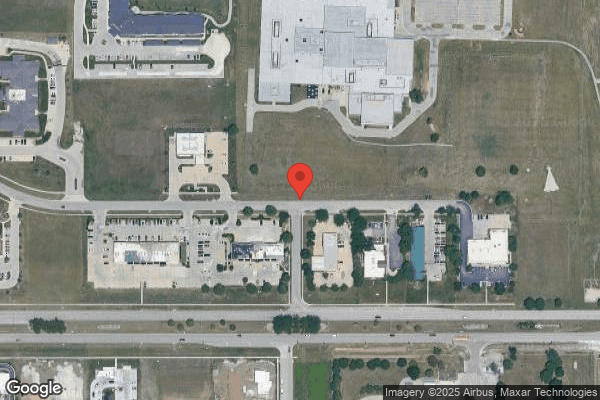
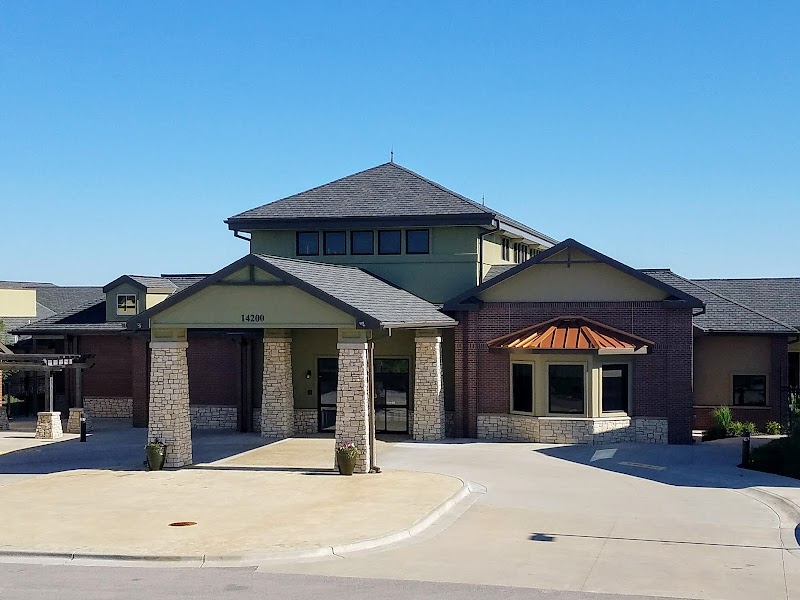
14200 W 134TH PLACE, OLATHE, KS 66062 (913) 322-3111
For profit - Limited Liability company 77 Beds Independent Data: November 2025
Trust Grade
85/100
#32 of 295 in KS
Last Inspection: June 2024

Within standard 12-15 month inspection cycle. Federal law requires annual inspections.

Overview

Nottingham Health and Rehabilitation in Olathe, Kansas, has a Trust Grade of B+, which indicates they are above average and recommended for care. They rank #32 out of 295 facilities in Kansas, placing them in the top half, and #3 of 35 in Johnson County, suggesting only two local options are better. However, the facility's trend is concerning as the number of reported issues has worsened, increasing from 3 in 2022 to 8 in 2024. Staffing is a strength with a 5/5 rating and a turnover rate of 33%, which is well below the state average, but they have less RN coverage than 92% of Kansas facilities, which may affect the quality of care. While there have been no fines, which is a positive sign, there have been specific incidents that raise concerns, such as improper food storage that could lead to food-borne illnesses and failure to follow infection control procedures, which poses a risk for infectious diseases. Overall, while Nottingham Health and Rehabilitation has strengths in staffing and overall ratings, families should be aware of the increasing number of issues and specific areas needing improvement.

Trust Score
B+
85/100
In Kansas
#32/295
Top 10%
Safety Record
Low Risk
No red flags
Inspections
Getting Worse
3 → 8 violations
Staff Stability
○ Average
33% turnover. Near Kansas's 48% average. Typical for the industry.
Penalties
✓ Good
No fines on record. Clean compliance history, better than most Kansas facilities.
Skilled Nurses
⚠ Watch
Each resident gets only 29 minutes of Registered Nurse (RN) attention daily — below average for Kansas. Fewer RN minutes means fewer trained eyes watching for problems.
Violations
⚠ Watch
19 deficiencies on record. Higher than average. Multiple issues found across inspections.
★★★★★
5.0
Overall Rating
★★★★★
5.0
Staff Levels
★★★★★
5.0
Care Quality
★★★★☆
4.0
Inspection Score
Stable
2022: 3 issues
2024: 8 issues

The Good

  • 5-Star Staffing Rating · Excellent nurse staffing levels
  • 5-Star Quality Measures · Strong clinical quality outcomes
  • Full Sprinkler Coverage · Fire safety systems throughout facility
  • No fines on record
  • Staff turnover below average (33%)

    15 points below Kansas average of 48%

Facility shows strength in staffing levels, quality measures, fire safety.

The Bad

Staff Turnover: 33%

13pts below Kansas avg (46%)

Typical for the industry

The Ugly 19 deficiencies on record

Jun 2024 8 deficiencies
CONCERN (D)

Potential for Harm - no one hurt, but risky conditions existed

Resident Rights (Tag F0550)

Could have caused harm · This affected 1 resident

**NOTE- TERMS IN BRACKETS HAVE BEEN EDITED TO PROTECT CONFIDENTIALITY** The facility identified a census of 74 residents. The sample included 19 residents with one resident reviewed for dignity. Based...

Read full inspector narrative →
**NOTE- TERMS IN BRACKETS HAVE BEEN EDITED TO PROTECT CONFIDENTIALITY** The facility identified a census of 74 residents. The sample included 19 residents with one resident reviewed for dignity. Based on observation, record review, and interviews, the facility failed to ensure Resident (R) 40's right to be treated with respect and dignity when staff provided personal care with the window blinds open to the side street of the facility. This deficient practice placed the R40 at risk for negative psychosocial outcomes and decreased dignity. Findings included: - R40's Electronic Medical Record (EMR) from the Diagnoses tab documented diagnoses of heart failure, hypertension (HTN-elevated blood pressure), and peripheral vascular disease (PVD- slow and progressive circulation disorder causing narrowing, blockage, or spasms in a blood vessel). The admission Minimum Data Set (MDS) dated [DATE] documented a Brief Interview of Mental Status (BIMS) score of 12 which indicated moderately impaired cognition. The MDS documented R40 required the assistance of two staff members with dressing. The Quarterly MDS dated 03/19/24 documented a BIMS score of 13 which indicated intact cognition. The MDS documented that R40 required substantial to maximum assistance from staff for dressing. R40's Cognitive Loss/Dementia Care Area Assessment (CAA) dated 07/03/23 documented she was at risk of not having the ability to make her needs known and staff would reorient her as needed. Staff would anticipate her needs. R40's Care Plan dated 03/27/24 documented she required one staff member's assistance for dressing. On 06/17/24 at 07:34 AM, Certified Nurse Aide (CNA) N and Certified Medication Aide (CMA) T transferred R40 with the Hoyer (total body mechanical lift) from her bed into the wheelchair with her window blinds open to the street on the side of the facility. CNA N removed R40's top and assisted her with redressing. The window blinds remained open. On 06/20/24 at 11:20 AM, CMA S stated the window blinds should always be closed when providing care for a resident to ensure their dignity. On 06/20/24 at 11:30 AM, Licensed Nurse (LN) I stated the window blinds should be closed when staff provide any personal care to ensure a resident's dignity. On 06/20/24 at 12:28 PM, Administrative Nurse D stated she expected the staff to close the window blinds when providing any personal care to ensure the resident's dignity. The facility ' s Right to Dignity policy reviewed on 01/31/24 indicated the facility will ensure the residents were provided an environment that promotes resident-centered care, respect, and dignity. The policy indicated the facility will ensure the resident ' s right to voice grievances, choices, and receive care in a manner that promotes autonomy and dignity. The facility failed to ensure R40's right to be treated with respect, and dignity, related to staff providing personal care with the window blinds open to the side street of the facility. This deficient practice placed the R40 at risk for negative psychosocial outcomes and decreased autonomy and dignity.
CONCERN (D)

Potential for Harm - no one hurt, but risky conditions existed

Deficiency F0657 (Tag F0657)

Could have caused harm · This affected 1 resident

The facility identified a census of 74 residents. The sample included 19 residents with one reviewed for care plan revisions. Based on observation, record review, and interviews, the facility failed t...

Read full inspector narrative →
The facility identified a census of 74 residents. The sample included 19 residents with one reviewed for care plan revisions. Based on observation, record review, and interviews, the facility failed to revise Resident (R) 44's care plan to reflect toileting needs after meals. This deficient practice placed R44 at risk for preventable accidents and falls related to uncommunicated care needs. Findings Included: - The Medical Diagnosis section within R44's Electronic Medical Records (EMR) included diagnoses of hemiparesis/hemiplegia (weakness and paralysis on one side of the body), osteoarthritis (degenerative changes to one or many joints characterized by swelling and pain), anxiety disorder (mental or emotional reaction characterized by apprehension, uncertainty, and irrational fear), cerebral infarction (stroke - the sudden death of brain cells due to lack of oxygen caused by impaired blood flow to the brain by blockage or rupture of an artery to the brain), and recent femur fracture (bone break in the large leg bone). A review of R44's Significant Change Minimum Data Set (MDS) completed 05/28/24 noted a Brief Interview for Mental Status (BIMS) score of 10 indicating mild cognitive impairment. The MDS indicated she had impairments to one side of her upper and lower extremities. The MDS indicated she required substantial to maximal assistance for personal hygiene, toileting, bathing, grooming, transfers, and dressing. The MDS indicated she was frequently incontinent of bowel and bladder. The MDS noted she had two falls since her last assessment. R44's Fall Care Area Assessment (CAA) completed 06/04/24 indicated she was at risk for falls related to her medical diagnoses, medications, and cognitive decline. The CAA indicated staff will incorporate interventions to decrease her fall risks. The CAA indicated she was able to use her call light, wore non-skid footwear, and required assistance with her activities of daily living (ADLs). R44's Functional Abilities CAA completed 06/04/24 indicated she required assistance with her ADLs related to her medical diagnoses. The CAA noted she suffered a right hip fracture on 05/13/24. The CAA noted she had a decline and started hospice services. The CAA indicated her needs would be met. R44's Care Plan initiated 09/08/22 indicated she was at risk for falls related to her medical diagnoses and overall weakness. The plan indicated she required two staff for assistance with her bed mobility, dressing, toileting, bathing, and transfers. The plan instructed staff to provide a two-hour toileting check and change (09/09/22). A review of R44's physical and electronic care plan lacked instructions to toilet her after meals as discussed in her interdisciplinary team note on 05/13/24. R44's EMR revealed a Nursing Progress note dated 05/10/24. The note indicated she was found on the floor next to her bed. Staff noted R44 informed them she attempted to use the restroom and fell from her chair. The note indicated R44 denied pain or discomfort at the time of her fall and was assessed by the nurse. R44's EMR revealed an Interdisciplinary Team (IDT) note dated 05/13/24. The note indicated a root-cause analysis was completed for R44's fall on 05/10/24. The note listed decreased safety awareness and impulsivity as causative factors to her fall. The note indicated she would be toileted after meals as she allowed as an intervention. On 06/18/24 at 08:10 AM R44 rested in her bed. She stated she was waiting for breakfast. R44's wheelchair sat next to her bed. R44 wore non-skid socks. Staff entered the room and assisted her with toileting. On 06/20/24 at 10:15 AM Certified Nurse's Aide (CNA) O stated all staff had access to the care plans and could review the paper plans for updated information. She stated staff were expected to review the care plans before caring for each resident. She stated that fall and toileting interventions should be reviewed to ensure safe care. On 06/20/24 at 12:32 PM Administrative Nurse D stated the interdisciplinary team met every Monday to discuss care for residents. She stated that implemented interventions provided by the team should be included in the resident's care plans. The facility ' s Care Plan Revisions policy reviewed on 01/31/24 indicated the facility will provide ongoing care-related assessments to ensure the care plan reflects the accurate care needs, preferences, and changes to ensure the resident's treatments meet each resident ' s care goals. The facility failed to revise R44's care plan to reflect toileting after meals. This deficient practice placed R44 at risk for preventable accidents and falls related to uncommunicated care needs.
CONCERN (D)

Potential for Harm - no one hurt, but risky conditions existed

Deficiency F0698 (Tag F0698)

Could have caused harm · This affected 1 resident

**NOTE- TERMS IN BRACKETS HAVE BEEN EDITED TO PROTECT CONFIDENTIALITY** The facility identified a census of 74 residents. The sample included 19 residents with one resident reviewed for hemodialysis (...

Read full inspector narrative →
**NOTE- TERMS IN BRACKETS HAVE BEEN EDITED TO PROTECT CONFIDENTIALITY** The facility identified a census of 74 residents. The sample included 19 residents with one resident reviewed for hemodialysis (a procedure using a machine to remove excess water, solutes, and toxins from the blood in people whose kidneys can no longer perform these functions naturally). Based on observation, record review, and interviews, the facility failed to consistently communicate Resident (R) 7's medical condition with a pre-dialysis assessment prior to hemodialysis. This deficient practice placed R7 at risk of potential adverse outcomes and physical complications related to dialysis. Findings included: - R7's Electronic Medical Record (EMR) from the Diagnoses tab documented diagnoses of diabetes mellitus (DM-when the body cannot use glucose, not enough insulin made or the body cannot respond to the insulin), hypertension (HTN-elevated blood pressure), muscle weakness, difficulty in walking, renal failure (inability of the kidneys to excrete wastes, concentrate urine and conserve electrolytes), dependence on dialysis (procedure where impurities or wastes were removed from the blood), epilepsy (brain disorder characterized by repeated seizures), cognitive communication deficit, and protein calorie malnutrition ( a nutritional status in which reduced availability of nutrients leads to changes in the body composition and function). The admission Minimum Data Set (MDS) dated [DATE] documented, a Brief Interview of Mental Status (BIMS) score of 11 which indicated moderately impaired cognition. The MDS documented R7 had renal failure and required hemodialysis during the observation period. The Functional Abilities (Self-Care and Mobility) Care Area Assessment (CAA) dated 05/10/24 documented R7 needed assistance with activities of daily living (ADLs), was at risk for further decline, and was care planned to improve. The assessment documented R7 would be assisted with ADLs and work with therapy as ordered. R7's Care Plan dated 06/13/24 documented R7 requires hemodialysis related to end-stage renal failure, was at risk for fluid and electrolyte imbalance, variable weights, and increased risk of infection. The plan of care documented that nursing staff would communicate R7's condition with dialysis per written communication form with each visit and as necessary. The plan of care documented that nursing would consult with the dietician as needed, monitor the port site daily, and staff would offer breakfast and/or snack prior to leaving facility R7's plan of care documented nursing staff was to report signs and symptoms of infection to physician, and R7 was to receive dialysis three times a week. The EMR under the Orders tab dated 05/09/24 revealed the following nursing order: nursing to assess the dialysis port to ensure proper dressing was in place every shift. The EMR under the Orders tab dated 05/29/24 revealed the following physician order: nursing to complete hemodialysis assessment every Monday, Wednesday, and Friday under the assessment tab every afternoon. Review of R7's clinical record including the facility communication forms lacked evidence of pre-hemodialysis assessment for the dialysis dates of 04/24/24, 04/26/24, 05/08/24, 05/12/24, 05/20/24, 06/03/24, 06/07/24, 06/10/24, and 06/14/24. On 06/20/24 at 09:37 AM Licensed Nurse (LN) stated the night shift fills out the pre-assessment with vitals, medications given, and possibly R7's condition then the assessment would go into a folder and was sent with R7 to the dialysis center. LN stated when R7 returns to the facility, the afternoon nurse documents any orders and a post-assessment for R7. On 06/20/24 at 12:27 PM Administrative Nurse D stated the process for dialysis was the nurse on duty fills out a communication sheet with any information that is pertinent to the resident. The communication sheet was then put in a folder to be sent with the resident to the dialysis center. Administrative Nurse D said the communication sheet was then sent back to the facility for nursing to review. The afternoon nurse does the post-assessment and documents that assessment in the EMR. The facility ' s Hemo-Dialysis policy 01/31/24 indicated the facility will ensure accurate and consistent communication between dialysis services to maintain medical management, comprehensive care planning, and coordination of care. The facility will ensure coordinated services will include weight monitoring, assessment, lab services, and changes in condition. The facility failed to consistently communicate R7's medical condition with a pre-dialysis assessment prior to hemodialysis. This deficient practice placed R7 at risk of potential adverse outcomes and physical complications related to dialysis.
CONCERN (D)

Potential for Harm - no one hurt, but risky conditions existed

Deficiency F0700 (Tag F0700)

Could have caused harm · This affected 1 resident

**NOTE- TERMS IN BRACKETS HAVE BEEN EDITED TO PROTECT CONFIDENTIALITY** The facility identified a census of 74 residents. The sample included 19 residents with nine residents reviewed for accidents. B...

Read full inspector narrative →
**NOTE- TERMS IN BRACKETS HAVE BEEN EDITED TO PROTECT CONFIDENTIALITY** The facility identified a census of 74 residents. The sample included 19 residents with nine residents reviewed for accidents. Based on observation, record review, and interviews, the facility failed to ensure that Resident (R) 60 had a documented risk assessment for the use of side rails, consent for the use of the side rails, and failed to ensure the resident and/or responsible party were advised of the risks and/or benefits of the use of the side rails. This placed the R60 at risk for uninformed decisions and impaired safety related to the risks associated with the use of side rails. Findings included: - R60's Electronic Medical Record (EMR) from the Diagnoses tab documented diagnoses of generalized muscle weakness, need for assistance with personal care, difficulty with walking, and hypertension (HTN-elevated blood pressure). The admission Minimum Data Set (MDS) dated [DATE] documented a Brief Interview of Mental Status (BIMS) score of 13 which indicated intact cognition. The MDS documented R60 required partial to moderate assistance moving from lying to a sitting position on the side of the bed. R60's Functional Abilities Care Area Assessment (CAA) dated 04/24/24 documented he required assistance with his activities of daily living. R60's Care Plan dated 06/09/24 documented he required setup and supervision with dressing and toileting needs. The plan of care lacked evidence of documentation related to a safety assessment and the use of bed rails. A review of R60's EMR lacked evidence of a safety assessment for side rails prior to the installation of bed canes. The facility was unable to provide a risk assessment and consent for the use of the side rails (bed canes) for R60. The facility provided a Side rail Assessment printed from the EMR system but with handwritten resident information and a date of 04/13/24 that documented R60 needed assistance with transfers The assessment documented R60 demonstrated poor bed mobility and/or difficulty moving to a sitting position. R60 had difficulty with balance and poor trunk control. The assessment was located anywhere in the resident's clinical record. The facility provided a TELS form (a web-based software for maintenance) dated 06/18/24 that documented beds-electric: bed rail. This was marked done on time by Maintenance Director U. The TELS form lacked documentation of which rooms the side rails had been checked. A review of R60's EMR under the Progress Notes tab revealed the following nurse note: On 04/29/24 at 09:15 AM Nurse Progress Note documented R60 had complained of pain in his right elbow. R60 had stated one to two days prior he had hit his right elbow on the small side rail of his bed when he was trying to reach his phone. The note documented R60's right elbow was swollen and painful to touch or to rotate his right elbow. On 06/21/24, the facility provided a Side Rail Assessment printed from the EMR system but with handwritten resident information and a date of 04/13/24 that documented R60 needed assistance with transfers The assessment documented R60 demonstrated poor bed mobility and/or difficulty moving to a sitting position. R60 had difficulty with balance and poor trunk control. The assessment was signed by Licensed Nurse (LN) I. The assessment was not located anywhere in the resident's clinical record during the survey. On 06/17/24 at 09:53 AM R60 lay on his bed. The head of R60's bed was slightly elevated, and the bed canes were noted on both sides of his bed. R60's phone sat on the bedside table with the bed cane between him and the phone. R60 stated he had caught and injured his right arm in the bed cane as he attempted to answer his phone. R60 stated his elbow had become swollen and painful for a long period of time and still caused him discomfort at times. On 04/20/24 at 11:30 AM, LN I stated she had never completed a side rail assessment on any of the residents. LNI stated in order to get side rails installed on a resident's bed, staff filled out a work order. LN I stated she would let the director of nursing of the work order and the director of nursing would make the final decision for the side rails. On 04/20/24 at 12:28 PM, Administrative Nurse D stated a side rail assessment was completed upon admission and then annually. Administrative Nurse D stated the admitting nurse would complete the assessment. Administrative Nurse D stated the interdisciplinary team (IDT) would review the side rail assessment and make the final decision for the safety of the side rails. Administrative Nurse D stated the maintenance staff completed weekly safety assessments on all the side rails installed in the facility. The facility ' s Bed Cane policy approved 01/31/24 indicated the facility will ensure each resident ' s assisted bed devices were assessed for need and inspected for safety and appropriate use to prevent accidents or restraint. The policy indicated bed devices would never be used for restraint or staff convenience. The facility failed to ensure that R60 had a documented side rail risk assessment, a consent for the use of the side rails, and failed to ensure the resident and/or responsible party were advised of the risks and/or benefits of the use of the side rails. This placed the resident at risk for uninformed decisions and impaired safety related to the risks associated with the use of side rails.
CONCERN (D)

Potential for Harm - no one hurt, but risky conditions existed

Deficiency F0883 (Tag F0883)

Could have caused harm · This affected 1 resident

**NOTE- TERMS IN BRACKETS HAVE BEEN EDITED TO PROTECT CONFIDENTIALITY** The facility identified a census of 74 residents. The sample included 19 residents with five residents reviewed for immunization...

Read full inspector narrative →
**NOTE- TERMS IN BRACKETS HAVE BEEN EDITED TO PROTECT CONFIDENTIALITY** The facility identified a census of 74 residents. The sample included 19 residents with five residents reviewed for immunization status. Based on record review and interviews, the facility failed to offer and/or obtain the Pneumococcal Conjugate Vaccine (PCV20- vaccination for bacterial infections) pneumococcal (type of bacterial infection) vaccination, and influenza (highly contagious viral infection that attacks the lungs, nose, and throat and can be deadly in high-risk groups) vaccination consents or informed declinations for Resident (R) 17. This placed R17 at increased risk for influenza, pneumonia, and related complications. Findings included: - R17 was admitted [DATE]. A review of R17's clinical record lacked documentation that the PCV20 vaccine or the influenza vaccine for the last flu season was offered and given or declined. Upon request for R17's declination or administration of the PCV20 vaccine or the influenza vaccine, the facility provided a declination dated 10/06/22. On 06/20/24 at 11:21 AM, Administrative Nurse E, the infection preventionist stated the facility would review vaccine consent during care plans. Administrative Nurse E stated the facility did not require the resident or resident representative to sign yearly for declinations. The facility's Immunization Policy dated 01/31/24 documented the facility recognized the major impact and mortality of vaccine-preventable diseases on residents of nursing homes; and the effectiveness of vaccines in reducing healthcare costs and preventing illness, hospitalization, and death. The facility failed to obtain PCV20 or influenza vaccine consents or declinations for R17, who was eligible to receive the vaccinations. This placed R17 at increased risk for acquiring, transmitting, or experiencing complications from pneumococcal disease or influenza.
CONCERN (E)

Potential for Harm - no one hurt, but risky conditions existed

Accident Prevention (Tag F0689)

Could have caused harm · This affected multiple residents

**NOTE- TERMS IN BRACKETS HAVE BEEN EDITED TO PROTECT CONFIDENTIALITY** - R2's Electronic Medical Record (EMR) from the Diagnoses tab documented diagnoses of hemiparesis/hemiplegia (weakness and paral...

Read full inspector narrative →
**NOTE- TERMS IN BRACKETS HAVE BEEN EDITED TO PROTECT CONFIDENTIALITY** - R2's Electronic Medical Record (EMR) from the Diagnoses tab documented diagnoses of hemiparesis/hemiplegia (weakness and paralysis on one side of the body) following cerebral infarction (stroke - sudden death of brain cells due to lack of oxygen caused by impaired blood flow to the brain by blockage or rupture of an artery to the brain), malnutrition (lack of proper nutrition, caused by not having enough to eat), edema (swelling resulting from an excessive accumulation of fluid in the body tissues), hypotension (low blood pressure), muscle weakness, adult failure to thrive (a syndrome of weight loss, decreased appetite and poor nutrition, and inactivity), and communication deficit. The Significant Change Minimum Data Set (MDS) for R2 dated 06/11/24 recorded a Brief Interview for Mental Status (BIMS) score of 10 which indicated moderately impaired cognition. The MDS recorded R2 had falls during the observation period. R2's Falls Care Assessment (CAA) dated 06/11/24 documented R2's falls exhibited a significant change in health condition. The CAA documented the need for assistance with activities of daily living (ADLs). The CAA documented R2 had falls since admission and was taking medication that could increase the risk for falls. The CAA documented R2 will be assisted with ADLs, wear nonskid footwear, and work with therapy. R2's Functional Abilities CAA dated 06/11/24 documented R2 was at an increased risk of decline due to her need for assistance with ADLs. The CAA documented nursing would continue to assist with ADLs to reduce decline. R2's Care Plan dated 06/20/24 documented R2 was at risk for falls due to falls related to weakness, a history of falls, and medications that increase the risk for falls. The plan of care dated 03/26/24 documented that staff would toilet R2 before she was laid down after meals. The plan of care dated 05/03/24 documented that staff would offer and assist with toileting after her meals. The plan of care dated 05/31/24 documented that staff would place R2's wheelchair by her when she was not in the wheelchair. The plan of care dated 06/02/24 documented that staff would leave R2's door open and increase monitoring as allowed. The plan of care dated 06/04/24 documented R2 would use a perimeter mattress. On 06/17/24 at 02:35 PM R2 laid flat in her bed on her back awake. Her bed was in the lowest position, her call light was at her side, and her wheelchair was placed at the foot of her bed. R2's wheelchair was not by her side. On 06/20/24 at 09:42 AM R2 was reclined in her recliner with her feet elevated. R2's call light was on her lap, and her wheelchair was placed across her room by the door. R2's wheelchair was not placed beside her. On 06/20/24 at 10:17 AM Certified Nursing Aide (CNA) M stated all CNAs can read the care plans anytime. CNA M stated all updated care plans were kept at the nursing station. CNA M stated she did know R2 was to be toileted after meals and have her call light within reach. CNA M said R2's wheelchair should be kept away from her, to ensure she doesn't try to get into the wheelchair. On 06/20/24 at AM Licensed Nurse (LN) G stated all nursing staff should follow the care plan. LN G stated all staff can read the care plan anytime. LN G stated staff are notified by nursing when a care plan is updated. On 06/20/24 at 11:46 AM Administrative Nurse D stated all nursing staff were to put an intervention into the care plan after a fall. She stated the care plans were kept on the houses at the nursing station and nursing was notified when new interventions were put in place by the facility's internal communications system. She stated all nursing staff should follow the plan of care put into place for each resident. The facility ' s Accident and Incident Policy revised 01/31/24 indicated the facility will ensure a safe care environment and minimize the risks of accidents and hazards. The policy indicated the facility will implement fall prevention strategies based on individual resident assessment. The facility failed to ensure that R2's fall interventions were followed. This deficient practice placed R2 at risk for falls and fall-related injuries. The facility had a census of 74 residents. The sample included 19 residents with two reviewed for accidents. Based on observation, record review, and interview the facility failed to secure electrical panels and cleaning chemicals in a safe, locked area, and out of reach of the nine cognitively impaired, independently mobile residents. This placed the affected residents at risk for preventable accidents. The facility additionally failed to implement fall interventions for Resident (R) 43 and R2. Findings Included: - On 06/17/24 at 07:23 AM a walkthrough of the facility's [NAME] unit revealed an unlocked laundry room. The room contained two unlocked high-voltage circuit panels labeled P1W and E1W. The room also contained laundry detergent pods (the product contained the Keep out of reach from children warning) and an unknown chemical inside a spray bottle. On 06/17/24 at 07:32 AM a walkthrough of the facility's [NAME] unit revealed an unlocked laundry room. The room contained two unlocked high-voltage circuit panels labeled P1E and E1E. At 07:35 AM Licensed Nurse (LN) H secured the door. He stated the door should be locked and residents were not permitted to enter the room. On 06/20/24 at 12:32 PM Administrative Nurse D stated the laundry rooms have electronic keypads but should be always locked. She stated the resident should not have access to the rooms due to the hazardous chemicals and equipment stored in the rooms. The facility ' s Control of Hazardous Chemicals policy reviewed 01/31/24 indicated the facility will ensure areas containing hazardous material and chemicals remain inaccessible to the residents and visitors. The policy indicated staff will be educated to eliminate resident exposure to potentially hazardous materials and designated by the facility. The facility failed to secure electrical panels and chemicals in a safe, locked area, and out of reach of the nine cognitively impaired, independently mobile residents. This placed the affected residents at risk for preventable accidents. - R43's Electronic Medical Record (EMR) from the Diagnoses tab documented diagnoses of hemiparesis/hemiplegia (weakness and paralysis on one side of the body), hypertension (HTN-elevated blood pressure) and atrial fibrillation (rapid, irregular heartbeat). The Annual Minimum Data Set (MDS) dated [DATE] documented moderately impaired cognition with poor decision-making ability under staff interview. The MDS documented R43 had functional limitation of his range of motion (ROM- the full movement potential of a joint, usually its range of flexion and extension) on one side of his upper extremities. The MDS documented R43 required partial to moderate assistance from staff for transfers from the bed to the wheelchair. The MDS documented R43 had two non-injury falls since the prior MDS assessment. R43's Falls Care Area Assessment (CAA) dated 04/16/24 documented he had multiple falls. Staff would assist R43 with his activities of daily living and place his wheelchair next to the bed. On 06/18/24 at 01:06 PM, R43 lay on his bed asleep with his call light on his left side. The floor mat was on the floor next to his bed and his wheelchair sat at the foot of his bed and faced the wall. On 06/20/24 at 09:15 AM R43 lay on his bed asleep with his call light on his left side. The floor mat lay on the floor next to his bed. R43's wheelchair sat across the room in front of his closet out of his reach. On 06/20/24 at 11:20 AM, Certified Medication Aide (CMA) S stated everyone can review a resident's care plan. CMA S stated the care plan or [NAME] (a nursing tool that gives a brief overview of the care needs of each resident) lists what fall interventions that are in place for each resident. CMA S stated R43's wheelchair should be placed by his bed within his reach. On 06/20/24 at 11:30 PM, Licensed Nurse (LN) I stated everyone had access to the [NAME] to review the fall interventions in place for each resident. LN I stated the nurse would care plan a new intervention after each fall and the interdisciplinary team (IDT) would review the fall and the intervention. LN I stated she would communicate the fall and all the fall interventions that were in place prior to the current fall to all the nursing staff taking care of the resident through the facility's internal communications system. On 06/20/24 at 12:28 PM, Administrative Nurse D stated all nursing staff were to put an intervention into the care plan after a fall. Administrative Nurse D stated the care plans were kept on the houses at the nursing station and nursing was notified when new interventions were put in place by the facility's internal communications system. Administrative Nurse D stated all nursing staff should follow the plan of care put into place for each resident. Administrative Nurse D stated she expected staff to place R43's wheelchair next to his bed within his reach if that was what was care planned. The facility ' s Accident and Incident Policy revised 01/31/24 indicated the facility will ensure a safe care environment and minimize the risks of accidents and hazards. The policy indicated the facility will implement fall prevention strategies based on individual resident assessment. The facility failed to ensure the R43's wheelchair was placed next to his bed within his reach. This deficient practice placed R43 at risk of falls and possible injuries.
CONCERN (E)

Potential for Harm - no one hurt, but risky conditions existed

Food Safety (Tag F0812)

Could have caused harm · This affected multiple residents

**NOTE- TERMS IN BRACKETS HAVE BEEN EDITED TO PROTECT CONFIDENTIALITY** The facility identified a census of 74 residents. The facility had four kitchens. Based on observation, record review, and inter...

Read full inspector narrative →
**NOTE- TERMS IN BRACKETS HAVE BEEN EDITED TO PROTECT CONFIDENTIALITY** The facility identified a census of 74 residents. The facility had four kitchens. Based on observation, record review, and interviews, the facility failed to ensure that food items were properly stored in a safe and sanitary manner after the original sealed package had been opened. The facility failed to ensure all foods were labeled and dated after opening. This placed the affected residents who ate food from the facility at risk for food-borne illness. Findings included: - During the initial tour on 06/17/24 at 07:06 AM, observation revealed the following: The Uptown Bistro storage area revealed an ice machine with the lid up and a clear plastic bowl sitting on top of the ice. A small steam table pan in the freezer revealed ground meat in a plastic bag without a label or date. A bag of mixed vegetables and a bag of frozen cookie dough opened to air, and undated in the freezer. In the [NAME]/[NAME] house pantry, a bag of flour sat on the shelf that was opened and not dated. Bags of lime gelatin, packets of au gratin cheese mix, bags of pasta, and boxes of cream of wheat, were on the shelf without dates. In the [NAME]/[NAME] hallway refrigerator, bags of sliced turkey and ham were undated. In the small refrigerator in [NAME]'s kitchen, a box of egg whites was open to air with no label or date, and small bags of tomatoes, cabbage, and onions were in the vegetable container without labels and dates. On 06/18/24 at 011:30 AM Dietary staff BB stated foods should be labeled and dated as soon as they are opened. The facility ' s Dietary Food Storage policy reviewed 03/13/24 indicated food will be stored in a manner that maintains nutritional freshness and value. The policy indicates all opened food will be dated and stored in a manner that prevents spoilage or contamination. The policy indicated dietary equipment will be properly cleaned and maintained in a sanitary manner to prevent food-borne illness or contamination. The facility failed to store food in a safe, sanitary manner. This deficient practice placed the affected residents at risk for contamination and food-borne illness.
CONCERN (E)

Potential for Harm - no one hurt, but risky conditions existed

Infection Control (Tag F0880)

Could have caused harm · This affected multiple residents

The facility identified a census of 74 residents. The facility identified 14 residents on enhanced barrier precautions (EBP-infection control interventions designed to reduce transmission of resistant...

Read full inspector narrative →
The facility identified a census of 74 residents. The facility identified 14 residents on enhanced barrier precautions (EBP-infection control interventions designed to reduce transmission of resistant organisms which employs targeted gown and glove use during high contact care). Based on record review, observations, and interviews, the facility failed to follow sanitary infection control standards related to enhanced barrier precautions, hand hygiene, and disinfection of shared mechanical lifts. These deficient practices placed the residents at risk for infectious diseases. Findings Included- - On 06/17/24 at 07:19 AM Certified Nurse Aide (CNA) T pushed the Hoyer lift (total body mechanical lift) out of Resident (R)12's room to the hallway and walked back into the room without sanitizing the lift. On 06/17/24 at 09:07 AM, soiled linens sat on the floor of R24's room. On 06/18/24 at 08:38 CNA M exited R1's room with the Hoyer lift while wearing an enhanced barrier precaution gown. CNA M removed the gown and discarded it in the Utility room. The mechanical lift was not sanitized after use. CNA M retrieved a glass of orange juice and took it to a resident at the dining room table. CNA M did not complete hand hygiene after handling the Hoyer lift and removing her gown, and before or after she served drinks to residents. On 06/20/24 at 10:14 AM, CNA M stated gloves and gowns should be removed before exiting the room. She stated the lift was to be sanitized using sanitary bleach wipes before and after use. On 06/20/24 at 11:03 AM Licensed Nurse (LN) I stated hand hygiene should be completed in between changing out personal protective equipment (PPE) or when visibly soiled. She stated the Hoyer lift should be cleaned and wiped down with sanitizing wipes before and after being used. She stated soiled linen should be placed in a biohazard bag and taken to the soiled utility room. On 06/20/24 at 12:32 PM Administrative Nurse D stated staff were expected to complete hand hygiene in between resident cares and when visibly soiled. She stated that shared equipment should be clean and sanitized in between uses. She stated staff were expected to complete hand hygiene before serving drinks and meals to the residents. The facility's Infection Control policy revised on 01/31/24 indicated staff will be educated on and follow safe infection prevention practices to reduce the risks of transmission of infectious organisms. The policy indicated staff will complete hand hygiene when in direct contact with soiled surfaces or potential contaminants. The policy indicated staff will ensure the proper storage, cleaning, and sanitization of medical equipment. The facility failed to follow sanitary infection control standards related to enhanced barrier precautions, hand hygiene, and disinfection of mechanical lifts. These deficient practices placed the residents at risk for infectious diseases.
Oct 2022 3 deficiencies
CONCERN (D)

Potential for Harm - no one hurt, but risky conditions existed

Incontinence Care (Tag F0690)

Could have caused harm · This affected 1 resident

**NOTE- TERMS IN BRACKETS HAVE BEEN EDITED TO PROTECT CONFIDENTIALITY** The facility identified a census of 40 residents. The sample included 12 residents with two reviewed for incontinence. Based of ...

Read full inspector narrative →
**NOTE- TERMS IN BRACKETS HAVE BEEN EDITED TO PROTECT CONFIDENTIALITY** The facility identified a census of 40 residents. The sample included 12 residents with two reviewed for incontinence. Based of observations, record review, and interviews, the facility failed to failed to assess and identify the services and assistance necessary to promote bladder continence for Resident (R)24 and R13. This deficient practice placed them at risk from decreased psycho-social wellbeing and increased incontinence. Findings Included: - The Medical Diagnosis section within R24's Electronic Medical Records (EMR) included diagnoses of macular degenerations (progressive deterioration of the retina), overactive bladder , muscle weakness, cognitive communication deficit, unsteadiness of feet, and left femur fracture (broken bone) with routine healing. R24's admission Minimum Data Set (MDS) dated 08/29/22 noted a Brief Interview for Mental Status (BIMS) score of five indicating severe cognitive impairment. The MDS noted that no toileting program had been attempted on admission. The MDS noted that she was frequently incontinent of both bowel and bladder with no toileting program. A review of R24's Pressure Ulcer Care Area Assessment (CAA) dated 09/28/22 indicated that she was frequently incontinent of bowel and bladder. A review of R24's Urinary Incontinence CAA dated 09/28/22 noted that she had urinary urgency (involuntary passage of urine occurring soon after a strong sense of urgency to void) and needed assistance in toileting. The CAA noted modifiable factors of her incontinence as restricted mobility and urinary tract infections. R24's clinical record lacked evidence the facility assessed the type of incontinence or R24's voiding patterns. A review of R24's Care Plan created 08/23/22 indicated that she was incontinent of bowel and bladder related to decreased mobility. The care plan noted that R24 reported that she feels that she will have a decrease in incontinence once she is feeling better and moving better. The care plan instructed staff to toilet R24 every two to three hours. The care plan indicated that she required assistance from one staff member for all activities of daily living and utilized a wheelchair for locomotion. A review of a Daily Skilled Evaluation dated 08/23/22 noted that R24 was able to verbalize her needs appropriately and oriented. The evaluation noted that she was incontinent of bladder but continent of bowel. The evaluation noted that she was dependent on staff for toileting hygiene and required touch assistance and supervision for toileting transfers. A review of Summary of Skill note dated 09/28/22 for R24 indicated that she was receiving self-care management training for ADL's tasks of donning clothing and safety training for transfers. The note indicated that R24 demonstrated a decrease in participation due to reduced activity tolerance and was discharged from skilled services on 09/29/22 due to maximized functional potential. On 10/03/22 at 02:30PM R24 rested in her bed. On 10/04/22 at 10:15AM an interview with Certified Nurses Aid (CNA) N, he stated that R24 was checked every two hours for incontinence. He stated that she wore briefs and had an incontinence pad on her bed. He stated that when she first arrived, she struggled to moved due to her recent surgery but improved. He stated that she was able to let staff know her needs and if she had to use the restroom. He stated that R24 improved to the point of moving herself around her room by herself and staff would need to remind her to call for assistance. CNA N stated that R24 recently declined and started hospice services on 10/03/22. On 10/04/22 at 10:30AM an interview with Licensed Nurse (LN) H, she stated that all residents are checked every two hours for incontinence and repositioning. She stated that when R24 first arrived she had difficulties being toileted due to her immobility. She stated that R24's mobility improved with therapy and she was walking and improving until her decline and admission to hospice. She stated that R24's family recently purchased a Purewick device (external urinary collection device used for female urinary incontinence) but had not brought it to the facility yet. On 10/04/22 at 12:43PM Administrative Nurse D stated that the resident's bowel and bladder treatment was based upon staff's knowledge of the resident's known history of incontinence and was dependent upon each resident's individualized care needs. The facility did not provide a policy related to bowel and bladder management. The facility failed to assess and identify the services and assistance necessary to promote bladder and bowel continence for R24. This deficient practice placed her at risk from decreased psycho-social wellbeing and increased incontinence. - R13's electronic medical record (EMR) from the Diagnoses tab documented diagnoses of need for assistant with personal care, anxiety (mental or emotional reaction characterized by apprehension, uncertainty and irrational fear), and diabetes mellitus (when the body cannot use glucose, not enough insulin made, or the body cannot respond to the insulin). The admission Minimum Data Set (MDS) dated [DATE] documented R13 had a Brief Interview of Mental Status (BIMS) score of 12 which indicated moderately impaired cognition. The MDS documented that R13 required extensive assistance of one staff member for toileting, personal hygiene, dressing and transfers. The MDS documented R13 was frequently incontinent (seven episodes of urinary incontinence but at least one episode of continent voiding) and R13 was not on a toileting program. The Quarterly MDS dated 08/10/22 documented a BIMS score of 13 which indicated intact cognition. The MDS documented that R13 required supervision of one staff member for personal hygiene, transfers, toileting and bed mobility. The MDS documented R13 was frequently incontinent of bladder and was not on a toileting program. R13's Urinary Incontinence and Indwelling Catheter Care Area Assessment (CAA) dated 12/02/21 lacked documentation. R13's Care Plan dated 01/28/22 documented to toilet R13 every two to three hours and as necessary. Review of the EMR under Assessment tab revealed an admission assessment dated [DATE] and under the Bladder/Bowel section, the assessment documented R13 was not incontinent of bladder. The clinical record lacked evidence R13 was assessed for the type of urinary incontinence, suitability for bladder retraining program or voiding patterns for personalized toileting schedule. On 10/03/22 at 01:12 PM R13 walked with assistance of a walker off the unit, therapy staff was stand by assistance as they pushed her wheelchair. On 10/04/22 at 11:05 AM Certified Nurses Aide (CNA) M stated R13 was continent of her bladder prior to her last hospital visit. CNA M stated R13 was now incontinent of her bowels and bladder and called when she needed assistance with toileting. CNA M stated she did not believe R13 was on a toileting program. On10/04/22 at 12:20 PM Licensed Nurse (LN) H stated R13 was incontinent of bladder and was not aware of a toileting program for R13 at this time. LN H stated a bladder assessment was completed on admission. On 10/04/22 at 12:45 PM Administrative Staff A stated the resident's bowel and bladder treatment was based upon staff's knowledge of the resident's known history of incontinence and was dependent upon each resident's individualized care needs. Administrative Staff A stated the MDS coordinator reviewed the CNA documentation when completing the MDS. Administrative Staff A stated therapy would help to develop the individualized toileting programs. The facility was unable to provide a policy related bowel and bladder assessment or individualized toileting plan. The facility failed to identify and develop an individualized toileting program and/or bladder retraining for R13 to promote continence and maintain her dignity and well-being.
CONCERN (D)

Potential for Harm - no one hurt, but risky conditions existed

Deficiency F0697 (Tag F0697)

Could have caused harm · This affected 1 resident

**NOTE- TERMS IN BRACKETS HAVE BEEN EDITED TO PROTECT CONFIDENTIALITY** The facility identified a census of 40 residents. The sample included 12 residents with one resident reviewed for pain. Based on...

Read full inspector narrative →
**NOTE- TERMS IN BRACKETS HAVE BEEN EDITED TO PROTECT CONFIDENTIALITY** The facility identified a census of 40 residents. The sample included 12 residents with one resident reviewed for pain. Based on observation, record review, and interviews, the facility failed to address and treat Resident (R) 17's pain when providing care. This placed R17 at risk of ongoing pain, impaired psychosocial wellbeing, and diminished quality of life. Findings included: - R17's Electronic Medical Record (EMR) from the Diagnoses tab documented diagnoses of hypertension (elevated blood pressure), depression (abnormal emotional state characterized by exaggerated feelings of sadness, worthlessness and emptiness), and abdominal pain. The admission Minimum Data Set (MDS) dated [DATE] documented a Brief Interview of Mental Status (BIMS) score of 10 which indicated moderately impaired cognition. The MDS documented that R17 required extensive assistance of two staff members for activities of daily living (ADL's). The MDS documented R17 had pain and had not received any non-medication intervention or opioid medication (a class of medication used to treat pain) during the look back period. The MDS documented R17 had an injury from a fall. R17's Cognitive Loss/Dementia Care Area Assessment (CAA) dated 08/23/22 documented she was confused but was able to make herself understood. R17's Care Plan dated 08/23/22 documented staff were to address complaints of pain promptly and administer medication as ordered. Staff were to allow rest periods when care was provided and conduct a pain assessment every shift; staff were to assist R17 with identifying the level of pain. Staff were to monitor for signs of pain such as refusal of care, agitation or refusal to eat. Review of the EMR under Orders tab revealed the following physician orders: Acetaminophen (analgesic - class of medication used to treat pain) tablet 650 milligrams (mg) give one tablet by mouth every four hours as needed for general discomfort (do not exceed (NTE) three grams (g) in 24-hour period) dated 08/11/22. Morphine sulfate (concentrate) solution (opioid) 100 mg/ five milliliters (ml) give 0.25 ml by mouth every three hours as needed for pain and shortness of breath dated 08/20/22. Norco tablet 5-325 mg (opioid) give one tablet by mouth every six hours as needed for pain (NTE three grams of acetaminophen in 24 hours from all sources dated 09/09/22. Observation on 10/04/22 at 09:56 AM Certified Nurses Aide (CNA) O and CNA M entered R17's room, explained they were there to assist her with dressing and getting her ready for the day. CNA O began to assist R17 onto her left side, R17 began to cry out and moan. CNA M asked R17 was she in pain and R17 replied yes. CNA staff continued to provide peri-care and dress R17 as she moaned and cried during cares. CNA O and CNA M assisted R17 into an upright position on the side of the bed and R17 cried out. Staff asked R17 if her back hurt and R17 replied yes. CNA staff then transferred R17 into the wheelchair. CNA staff stated R17 always cried out that way and stated staff report complaints of pain to the nurse. On 10/04/22 at 11:55 AM Certified Nurse's Aide (CNA) M stated R17 always acted that way (crying, moaning) during cares. CNA M stated she would report any resident that was in pain to the charge nurse and she said she reported R17's pain to the nurse. On 10/04/22 at 12:20 PM Licensed Nurse (LN) H stated she did not remember if the CNAs had reported R17's complaint of pain. LN H stated she had not assessed R17 or administered any as needed pain medication. On 10/04/22 at 12:45 PM Administrative Staff A stated it would depend upon the situation whether the nursing staff would stop during cares when a resident was moaning and complained of pain. Administrative Staff A stated every situation and all residents were different. The facility Pain Management policy undated documented effective pain management can remove the adverse psychological and physiological effects unrelieved pain. Optimal management of the resident experiencing pain enhances the healing and promotes both physical and psychological wellbeing. Negative verbalizations and vocalizations (groaning, crying, whimpering, screaming). The facility failed to address and treat R17's pain. This placed R17 at risk of untreated pain, impaired psychosocial wellbeing and diminished quality of life.
CONCERN (E)

Potential for Harm - no one hurt, but risky conditions existed

Deficiency F0761 (Tag F0761)

Could have caused harm · This affected multiple residents

The facility identified a census of 40 residents and had three medications carts. Based on observation, record review, and interview, the facility failed to date one insulin (a hormone which regulates...

Read full inspector narrative →
The facility identified a census of 40 residents and had three medications carts. Based on observation, record review, and interview, the facility failed to date one insulin (a hormone which regulates blood sugar) pen and failed to discard one expired l insulin pen in one of the three medication carts. This deficient practice left the residents at risk for adverse consequences or ineffective medication treatment. Findings included: - On 09/28/22 at 01:38 AM, the nurse's medication cart on the 200 hall contained the following insulin pens: one Novolin N flex pen (an intermediate-acting insulin that starts to work in two to four hours, and keeps working for 12 to 18 hours) that was opened and not dated ; one Lantus pen (a long-acting insulin) that was opened had an expiration date of 09/13/22. On 09/28/22 at 01:46 PM Licensed Nurse (LN) G stated that the medication carts should be checked by staff daily for outdated medications or insulin pens. All insulin pens should be dated upon being opened and discarded when expired. On 10/04/22 at 12:54 PM Administrative Nurse D stated she expected staff nurses to date any insulin pen upon opening and put the expiration date on them. The insulin pens should be discarded when expired. The medication carts should be checked daily by staff for any undated or expired medications. On 10/04/22 at 01:07 PM Administrative Staff A stated that the medication carts should be checked by staff daily. The carts are audited by numerous staff members weekly. The undated facility policy Medication Labeling and Storage documented: upon opening of insulin pens, the licensed nurse will write the date opened along with resident's name on the pen itself. The facility failed to ensure that nursing staff properly dated resident's insulin pens when opened, and failed to ensure expired medications were disposed of, which had the potential to cause adverse consequences or ineffective treatment to the residents.
May 2021 8 deficiencies
CONCERN (D)

Potential for Harm - no one hurt, but risky conditions existed

Resident Rights (Tag F0550)

Could have caused harm · This affected 1 resident

The facility identified a census of 35 residents. The sample included 16 residents. Based on observation, record review, and interview, the facility failed to promote care in a manner to maintain and ...

Read full inspector narrative →
The facility identified a census of 35 residents. The sample included 16 residents. Based on observation, record review, and interview, the facility failed to promote care in a manner to maintain and enhance dignity and quality of life when staff placed Resident (R) 2, who was nonverbal and dependent on staff for activities of daily living (ADLs) at the dining table for extended periods of time prior to meals being served with no activity or interaction offered. Findings include: - The Diagnoses Tab in the electronic medical record (EMR) indicates R2 has diagnoses of Alzheimer's Disease (progressive mental deterioration characterized by confusion and memory failure), muscle weakness (condition of weak muscles) and rheumatoid arthritis (chronic inflammatory disease that affected joints and other organ systems). The Quarterly Minimum Data Set (MDS) Assessment dated 02/17/21 indicated R2 required extensive assistance with ADLs including locomotion and eating. The MDS indicated that R2 had functional limitation on both upper and lower sides of her body. The MDS recorded R2 was rarely or never able to express her ideas or wants. The Annual MDS Assessment dated 12/02/20 indicated R2 required extensive assistance with ADLs including locomotion and eating. The MDS indicated that R2 had functional limitation on both upper and lower sides of her body. R2 had severe cognitive impairment. The MDS recorded R2's family reported it was very important for to R2 to able participate in her favorite activities and to listen to music. The ADL Care Area Assessment (CAA) was not triggered with the Annual MDS dated 12/20/20. The ADL Comprehensive Care Plan revised on 04/16/20 indicated that R2 required extensive assistance of one staff member for locomotion in the wheelchair and she requires encouragement and assistance with eating of one staff member. The Activity Comprehensive Care Plan revised on 10/06/20 indicated R2 enjoyed coloring and listening to music. The Cognition Comprehensive Care Plan revised on 12/11/20 indicated R2 would be provided with a homelike environment. The Comprehensive Care Plan revised on 04/16/21 lacked documentation for dining room preferences. Observation on 05/18/21 at 08:07 AM revealed staff wheeled Resident (R) 2 in a wheelchair from her room and placed at a dining table. R2's contracted hands laid her in lap. R2 remained at the dining table without food or drink, interaction with staff or activity until at least 08:47 AM, when the observation ended. This was at least 40 minutes after being placed at the dining table. Observation on 05/19/21 at 11:13 AM revealed R2 sat in her wheelchair at a dining room table. R2 had bilateral contracted hands, placed in lap. No food or drink was provided. Staff walked by R2 several times but did not interact with her and did not provide her with an activity or music. At 11:30 AM, R2 continued to sit in wheelchair at the dining room table. Staff continued to walk by R2 and did not interact with her and did not provide her with any activity. Observation on 05/19/21 at 11:52 AM revealed R2 continued to sit in the wheelchair but now leaned to the right side of the wheelchair with her right elbow leaning on the armrest of the wheelchair. No food or drink was provided on the table. Staff did not interact with R2 and they did not provide her with an activity. Observation on 05/19/21 at 12:12 PM revealed R2 continued to sit in wheelchair and leaned to the right side, with no attention or interaction from staff. R2 was provided food and drink at 12:14 PM by staff, after being steated at the table with no interaction and/or activity for at least one hour. On 05/20/21 at 11:35AM, Certified Nurse Aide (CNA) P stated R2 requires assistance with eating. On 05/20/21 at 11:10AM, Licensed Nurse (G) stated R2 rarely feeds herself meals. She stated that staff had to feed her most of her meals. LN G was unaware of any specific preferences for activity or dining for R2. On 05/20/21 at 02:55PM, Administrative Nurse D stated it may be some resident's preference to sit in a wheelchair in the dining room prior to meals being served, but she was uncertain if R2 had a documented preference to do so. She also stated that the information regarding preferences would be located in the care plan. The facility did not provide a policy regarding dining environment. The facility failed to provide a dining environment that promotes dignity and maintains or enhances quality of life for R2 when facility staff placed this dependant, nonverbal resident at the table before meals for more than 30 minutes with no interaction and did not offer her preferred activities. This placed her at risk for impaired dignity and decreased quality of life.
CONCERN (D)

Potential for Harm - no one hurt, but risky conditions existed

Accident Prevention (Tag F0689)

Could have caused harm · This affected 1 resident

**NOTE- TERMS IN BRACKETS HAVE BEEN EDITED TO PROTECT CONFIDENTIALITY** - The Medical Diagnoses tab of R20's electronic medical record (EMR) documented diagnoses of hypertension (elevated blood pressu...

Read full inspector narrative →
**NOTE- TERMS IN BRACKETS HAVE BEEN EDITED TO PROTECT CONFIDENTIALITY** - The Medical Diagnoses tab of R20's electronic medical record (EMR) documented diagnoses of hypertension (elevated blood pressure), and diabetes mellitus (when the body cannot use glucose, not enough insulin is made or the body cannot respond to the insulin). The Quarterly Minimum Data Set (MDS) dated [DATE] documented R20 required extensive assistance of two staff for toileting and extensive assistance of one staff for transfers. The Significant Change MDS dated 04/16/21 documented a Brief Interview for Mental Status score of 13, which indicated intact cognition. She required extensive assistance of one person for toileting and extensive assistance of two staff for transfers. The Fall Care Area Assessment dated 04/29/21 documented R20 had balance problems and required assistance with ADLs. She had sustained recent falls and the current plan of care was continued. The CAA recorded she would wear nonskid footwear and would receive assistance with ADLs as required. The Care Plan, located in R20's EMR under the Care Plan tab, for ADL/Mobility Focus with a Last Care Plan Review Completed date of 05/18/21 recorded an intervention revised on 02/01/21 which directed R20 required extensive assistance of two staff members for toileting. Another intervention, revised on 02/01/21, directed R20 required extensive assistance of two staff for transfers. She was encouraged to use her call light for transfer assistance. The Care Plan for Falls Focus with a Last Care Plan Review Completed date of 05/18/21 recorded an intervention initiated on 01/30/21 and revised on 02/01/21 directed R20 required 2 staff for all transfers A scanned image of the Care Plan, provided via email on 05/20/21 recorded a Last Care Plan Review Completed date of 03/03/21. The Falls Focus documented a typed intervention with the date cut off of 2 staff for all transfers. The intervention had a 1- handwritten before the typed intervention and the handwritten change was not dated or initialed. This image also listed a handwritten intervention, dated 04/04/21 which noted NIF [non injury fall] Intervention:Non-skid socks/footwear with transfers as resident allows. This same scanned image listed a typed intervention which directed TOILETING ext assist of 2 staff. The 2 was crossed out and 1-2 was added in handwriting and dated 03/11/21 and initialed by Administrative Nurse D. A Nursing Progress Note dated 01/30/21 documented R20 fell in her bathroom when her knees buckled underneath her. One staff member was present during fall. Per facility Fall Investigation documentation dated 01/31/21, the intervention put in place after the fall on 01/30/21 directed two staff members would assist with transfers. A Nursing Progress Note dated 04/05/21 documented on 04/04/21 at 10:56 PM R20 was being assisted with transfer to the toilet by one staff member. R20's legs became weak and she was lowered to the floor. On 05/20/21 at 11:35 AM Certified Nurse Aide (CNA) P revealed that there is a [NAME] (tool used to inform staff of resident specific cares) which lets her know what kind of assistance R20 needed with ADLs. She stated R20 needed assist of one, sometimes two staff members with transfers. On 05/20/21 at 11:10 AM Licensed Nurse (LN) G stated that fall interventions are immediately placed on the Treatment Administration Record (TAR) and care plan after a fall. She also stated she is only aware of the care plan found on the EMR. She also stated that she was not aware R20 required two staff members per her care plan, for all transfers. She stated that she requires one to two staff members. On 05/20/21 at 02:56 PM Administrative Nurse D stated that fall interventions are immediately placed on the TAR for documentation for three days and then put on the care plan in the care plan book. Administrative Nurse D also stated that the care plan located in the EMR drives the Point of Care (POC) software for the CNAs to know what the interventions are in place for a fall. The facility's untitled, undated policy regarding falls recorded Each patient residing at this facility is provided services and care that ensures that the patient's environment remains as free from accident hazards as possible and that injuries are minimized. It further documented direct care staff would observe for, and report, environmental conditions that could increase a patient's risk for falls. The facility failed to use two members to toilet R20 as required in her plan of care. This placed R20 at increased risk injuries related to falls. - R182's electronic medical record (EMR) from the Diagnoses tab documented diagnoses of diabetes mellitus (when the body cannot use glucose, not enough insulin made, or the body cannot respond to the insulin), atrial fibrillation (rapid, irregular heart beat), and hypertension (elevated blood pressure). The admission Minimum Data Set (MDS) was not yet completed for R182. R182's Baseline Care Plan dated 05/04/21 documented, under the Safety section, R182 required nonskid foot wear. Staff were to assist her with activities of daily living (ADL) if requested. Staff were to encourage her to use the call light. The Baseline Care Plan lacked mention of an intervention placed after her fall on 05/07/21. A Fall Note in R182's EMR recorded a nurse found R182 on the floor at the foot of R182's bed. R182 stated she was attempting to get her stuffed bear that fell on the floor. R182 was noted to have a skin tear on her left upper extremity. Review of R182's May 2021 Treatment Administration Record (TAR) revealed an order dated 05/08/21 for fall follow up for three days. The order directed staff to document adverse reaction in progress note. The order also recorded Intervention: Ensure stuffed bear is within reach while in bed two times a day for Fall Follow up for 3 Days . The TAR was signed off by nursing staff on both day and night shift from 05/08/21 through 05/10/21. The order was then auto-stopped. R182's clinical records and EMR lacked evidence a different intervention was implemented for the fall on 05/07/21. Observation on 05/19/21 at 11:13 AM R182 laid in bed, positioned on her left side. Her stuffed bear sat on the top of her dresser, across the room. Observation on 05/20/21 at 10:16 AM R182 laid in bed, with the head of bed elevated slightly. She was positioned on her left side. R182's stuffed bear was on the dresser across the room. On 05/20/21 at 10:28 AM during an interview, Certified Nurses Aide (CNA) M stated R182's fall interventions was to have her call light in reach and bed in lowest position. On 05/20/21 at 11:10 AM during an interview, Licensed Nurse (LN) G stated that after each fall and/or incident, an order was placed on the TAR, which documented the intervention that was put in place for the fall and/or incident. LN G said the care plan was updated with the interventions put in place. On 05/20/21 at 03:00 PM during an interview, Administrative Nurse D stated that the nurse completed an assessment on every fall, an intervention was placed on the TAR, along with the three day follow up charting. The intervention was placed onto the care plan and she also stated that the staff was notified of the new intervention from group meeting (huddles), email (for the staff who had email) and the care plan. The facility's untitled, undated policy regarding falls recorded Each patient residing at this facility is provided services and care that ensures that the patient's environment remains as free from accident hazards as possible and that injuries are minimized. It further documented direct care staff would observe for, and report, environmental conditions that could increase a patient's risk for falls. The facility failed to implement the fall intervention for R182 past three days, or replace with an updated intervention, which placed her at risk for injury from future falls. The facility identified a census of 35 residents. The sample included 16 residents. Based on interviews, observations, and record reviews the facility failed to ensure the environment remained free of accident hazards as much as possible for three of six Residents (R), (R5, R182, and R20) sampled for accidents. Findings included: - The Medical Diagnoses tab of R5's electronic medical record (EMR) documented diagnoses of muscle weakness, anxiety (mental or emotional reaction characterized by apprehension, uncertainty and irrational fear) and chronic obstructive pulmonary disease (progressive and irreversible condition characterized by diminished lung capacity and difficulty or discomfort in breathing). The admission Minimum Data Set dated 03/15/20 documented a Brief Interview for Mental Status score of 15, which indicated intact cognition. She required supervision with her Activities of Daily Living (ADLs). R5 had sustained a bone fracture in the last six months prior to admission to the facility. She used a walker and a wheelchair for mobility in the facility. The Falls Care Area Assessment dated 03/15/20 documented R5 required staff assistance with her ADLs due to balance issues. She was encouraged to use her call light. The Comprehensive Care Plan dated 04/22/21 documented R5 was a high fall risk. The staff ensured her call light was within her reach. A Progress Note dated 03/25/21 documented R5 slipped and fallen in her bathroom. The staff reiterated the importance of using a call light to R5. A Progress Note dated 05/17/21 documented R5 had fallen in her room, when she had walked toward her door without a walker. On 05/19/21 at 08:15 AM R5 walked from her bathroom toward her recliner without a walker. The bathroom call light was placed on her bedside table near the recliner. There was no call light in the bathroom. On 05/20/21 at 10:08 AM R5 sat in her recliner. The bathroom call light was on her bedside table. R5 stated she guessed she would yell if she had forgotten her call light and had fallen in the bathroom. There was no call light in the bathroom. On 05/20/21 at 10:27 AM Certified Nurse Aide M stated R5's bathroom call light was given to her and she took it with her when she walked to the bathroom. On 05/20/21 at 10:54 AM Licensed Nurse G stated R5's room call light cord did not reach her recliner and the staff placed the bathroom light within her reach. R5 was to carry the light with her when she went to the bathroom. Interview on 05/20/21 at 02:56 PM Administrative Nurse D stated the call light boxes were meant to be taken off and used as mobile call lights. She said the residents could remove it, or staff could, if they decided it was appropriate. Administrative Nurse D stated using the bathroom call light boxes as mobile units allowed the residents to use them in all areas of the facility and outside if desired. Administrative Nurse D said if there was ever an issue where the resident's bathroom would require the call light box while it being used as a mobile unit outside the bathroom, the facility kept extra call light boxes located in the maintenance close, which staff were able to access. The facility's untitled, undated policy regarding falls recorded Each patient residing at this facilty is provided services and care that ensures that the patient's environment remains as free from accident hazards as possible and that injuries are minimized. It further documented direct care staff would observe for, and report, environmental conditions that could increase a patient's risk for falls. The facility failed ensure an environment free of risks and hazards when they failed to provide a bathroom call light for R5, who had a prior fall in the bathroom. This placed R5 at risk for injuries due to accidents.
CONCERN (D)

Potential for Harm - no one hurt, but risky conditions existed

Drug Regimen Review (Tag F0756)

Could have caused harm · This affected 1 resident

The facility identified a census of 35 residents. The sample included 16 residents with five residents reviewed for medications. Based on observation, record review and interview, the facility failed ...

Read full inspector narrative →
The facility identified a census of 35 residents. The sample included 16 residents with five residents reviewed for medications. Based on observation, record review and interview, the facility failed to ensure the Consultant Pharmacist (CP) identified and reported the facility's failure to administer medications to Resident (R) 20 following the physician order. Findings Include: - The Medical Diagnoses tab of R20's electronic medical record (EMR) documented diagnoses of hypertension (elevated blood pressure), and diabetes mellitus (when the body cannot use glucose, not enough insulin is made or the body cannot respond to the insulin). The Significant Change Minimum Data Set dated 04/16/21 documented a Brief Interview for Mental Status score of 13, which indicated intact cognition. She required extensive staff assistance with her activities of daily living. The Activities of Daily Living (ADL) Functional/Rehabilitation Potential Care Area Assessment (CAA) dated 04/29/21 documented R20 required a significant change assessment related to a decline in ADLs and admission to hospice services. The Comprehensive Care Plan initiated on 11/15/2019 documented to administer medications as ordered. The Physician's Order Sheet revealed an order for Lisinopril-Hydrochlorothiazide (antihypertensive-to reduce blood pressure; diuretic-to reduce extra fluid in the body) medication. The order indicated Lisinopril-Hydrochlorothiazide tablet 20-25mg table to be given by mouth every morning and to hold the medication if blood pressure was less than 140 systolic millimeter of mercury (mmHg) and 90 diastolic mmHg (140/90mmHg), on 12/31/20. Review of the Medication Administration Record (MAR)from February 2021 through May 2021 revealed the following: February-Eleven days were documented medication given with blood pressure lower than 140/90mmHg March- 14 days were documented medication given with blood pressure lower than 140/90mmHg. April- Two days were documented medication given with blood pressure lower than 140/90mmHg. May- Two days were documented medication given with blood pressure lower than 140/90mmHg. Review of the EMR from February 2021 through May 2021 lacked documentation indicating the Lisinopril-Hydrochlorothiazide was held as instructed per order . Review of the CP's Monthly Medication Regimen Review from May 2020 through May 2021 lacked documentation for the need to hold medications when outside physician order parameters. Observation on 05/19/21 at 02:06PM revealed R20 in a wheelchair sitting in the dining room watching a movie with the other residents. On 05/21/21 at 01:47PM Licensed Nurse (LN) G stated that medications that are to be held are entered as no not given and a prompt is given to indicate why it was not given. On 05/24/21 at 09:18AM Consultant GG stated she does review the EMR for every resident in the facility monthly. She said she does not review every medication for R20 every month, and she only checks the medication administration randomly. On 05/21/21 at 02:56PM Administrative Nurse D stated a medication given outside of the hold parameter would be a medication error and she would have to investigate that. The facility's Administering Medication Policy revised on 05/01/2019 instructed that medication must be administered in accordance with the orders, including time frame. The facility failed to ensure the CP identified and reported the facility's failure to administer medications to R20 following the order parameters. This put R20 at risk for medical complications such as low blood pressure and dehydration.
CONCERN (D)

Potential for Harm - no one hurt, but risky conditions existed

Deficiency F0757 (Tag F0757)

Could have caused harm · This affected 1 resident

The facility identified a census of 35 residents. The sample included 16 residents with five residents reviewed for medications. Based on observation, record review and interview, the facility failed ...

Read full inspector narrative →
The facility identified a census of 35 residents. The sample included 16 residents with five residents reviewed for medications. Based on observation, record review and interview, the facility failed failure to administer medications to Resident (R) 20 following the physician order. Findings Include: - The Medical Diagnoses tab of R20's electronic medical record (EMR) documented diagnoses of hypertension (elevated blood pressure), and diabetes mellitus (when the body cannot use glucose, not enough insulin is made or the body cannot respond to the insulin). The Significant Change Minimum Data Set dated 04/16/21 documented a Brief Interview for Mental Status score of 13, which indicated intact cognition. She required extensive staff assistance with her activities of daily living. The Activities of Daily Living (ADL) Functional/Rehabilitation Potential Care Area Assessment (CAA) dated 04/29/21 documented R20 required a significant change assessment related to a decline in ADLs and admission to hospice services. The Comprehensive Care Plan initiated on 11/15/2019 documented to administer medications as ordered. The Physician's Order Sheet revealed an order for Lisinopril-Hydrochlorothiazide (antihypertensive-to reduce blood pressure; diuretic-to reduce extra fluid in the body) medication. The order indicated Lisinopril-Hydrochlorothiazide tablet 20-25mg table to be given by mouth every morning and to hold the medication if blood pressure was less than 140 systolic millimeter of mercury (mmHg) and 90 diastolic mmHg (140/90mmHg), on 12/31/20. Review of the Medication Administration Record (MAR)from February 2021 through May 2021 revealed the following: February-Eleven days were documented medication given with blood pressure lower than 140/90mmHg March- 14 days were documented medication given with blood pressure lower than 140/90mmHg. April- Two days were documented medication given with blood pressure lower than 140/90mmHg. May- Two days were documented medication given with blood pressure lower than 140/90mmHg. Review of the EMR from February 2021 through May 2021 lacked documentation indicating the Lisinopril-Hydrochlorothiazide was held as instructed per order . Observation on 05/19/21 at 02:06PM revealed R20 in a wheelchair sitting in the dining room watching a movie with the other residents. On 05/21/21 at 01:47PM Licensed Nurse (LN) G stated that medications that are to be held are entered as no not given and a prompt is given to indicate why it was not given. On 05/21/21 at 02:56PM Administrative Nurse D stated a medication given outside of the hold parameter would be a medication error and she would have to investigate that. The facility's Administering Medication Policy revised on 05/01/2019 instructed that medication must be administered in accordance with the orders, including time frame. The facility failed to administer medications to R20 following the physician order parameters. This put R20 at risk for medical complications such as low blood pressure and dehydration.
CONCERN (D)

Potential for Harm - no one hurt, but risky conditions existed

Deficiency F0760 (Tag F0760)

Could have caused harm · This affected 1 resident

The facility identified a census of 35 residents. The sample included 16 residents with five residents reviewed for medications. Based on observation, interview, and record review, the facility failed...

Read full inspector narrative →
The facility identified a census of 35 residents. The sample included 16 residents with five residents reviewed for medications. Based on observation, interview, and record review, the facility failed to administer intravenous (IV-given in the vein) antibiotic medication to Resident (R) 24 for the correct number of doses as ordered by the physician. This put R24 at risk for unwarranted side effects, complications or prolonged infection. Findings Include: -The Medical Diagnoses Tab of R24's electronic medical record (EMR) documented diagnoses of diabetes mellitus type two (condition of too much sugar in the blood), urinary tract infection (an infection of the urinary system) and urinary retention (the retention of urine in the bladder). The admission Minimum Data Set (MDS) Assessment dated 04/22/21 indicated that R24 requires extensive assistance of one to two staff members with her Activity of Daily Living (ADL)s. The MDS indicated she scored a 15 on her Brief Interview for Mental Status (BIMS), which indicated intact cognition. The Activity of Daily Living Function/Rehabilitation Potential Care Area Assessment (CAA) dated 04/30/21 documented R24 required assistance with ADL's as indicated and would be working with therapy. The Comprehensive Care Plan initiated on 05/11/21 directed staff to administer medications as ordered. The Physician's Order Sheet revealed an order dated 04/04/21 for Meropenem (antibiotic for treating bacterial infection) solution reconstituted 500 milligrams (mg). The order was to administer 500 mg intravenously every six hours for urinary tract infection (UTI) until 04/10/2021 at 11:59. It documented a start Date 04/04/2021 at 12:01 AM Review of the Medication Administration Record (MAR) for April 2021 revealed the Meropenem 500MG, lacked documentation of administration for seven out of 28 doses. Review of the Progress Notes in April 2021, lacked documentation of why Meropenem 500MG was not given and lacked documentation the physician was notified. On 05/20/21 at 01:51 PM R24 stated she was not aware if she missed doses of her IV medication. On 05/20/21 at 01:05PM Licensed Nurse (LN) I stated that when an IV medication is not given it would be noted as not given by answering a no to the question in the MAR. She stated once answered as a no, then a progress note would need to be completed explaining why the medication was not given. She also stated that there is an alert on the MAR that indicated when a medication is not given. On 05/20/21 at 01:47PM LN G stated that when an IV medication is held or not given, a no is selected on the MAR and a progress note is needed to confirm why a medication is not given. She stated that if there was lack of documentation on a medication, it may not have been given. On 05/20/21 at 02:56PM Administrative Nurse D stated that if the MAR lacked a signature indicating administration was completed, she would need to investigate it. She was unaware of any concerns with R24's medication administration. The facility's Administering Medication Policy Revised 05/2019 states that medication must be administered in accordance with the orders, including required time frame. The facility failed to ensure staff administered IV Meropenem 500MG to R24 as ordered by the physician, which placed R24 at risk for unwarranted side effects, complications and prolonged illness.
CONCERN (E)

Potential for Harm - no one hurt, but risky conditions existed

Deficiency F0565 (Tag F0565)

Could have caused harm · This affected multiple residents

**NOTE- TERMS IN BRACKETS HAVE BEEN EDITED TO PROTECT CONFIDENTIALITY** The facility had a census of 35 residents. The sample included 16 residents. Based on observation, record review, and interview,...

Read full inspector narrative →
**NOTE- TERMS IN BRACKETS HAVE BEEN EDITED TO PROTECT CONFIDENTIALITY** The facility had a census of 35 residents. The sample included 16 residents. Based on observation, record review, and interview, the facility failed to resolve grievances recorded during resident council meetings. Findings included: - Review of the Nottingham Health and Rehab Resident Council Survey September 2020, under the Nursing section recorded resident statement that employees should have their name tags on. The Nursing response noted on the form indicated nursing department would be reeducated on wearing name tags. The Nottingham Health and Rehabilitation Resident Council Survey February 2021, under the Nursing section recorded residents stated that multiple employees were not wearing their name badges. The Nursing response noted the subject of employee badges would be discussed with nursing staff. The Nottingham Health and Rehabilitation Resident Council Survey March 2021, under the Nursing section recorded residents stated multiple employees are still not wearing their name badges. The Nursing response noted name tags has been discussed in huddle. Review of the education log reviewed for September 2020 through May 2021 lacked evidence education was provided regarding the resident-expressed concern about staff failing to wear a name/employee badge. Observation on 05/18/21 at 07:18 AM revealed two unidentified female nursing staff on [NAME] House with no name tag or name tape. Observation on 05/19/21 at 07:54 AM revealed unidentified female staff member in blue scrubs on [NAME] House with no name/employee badge. A female staff member in black scrubs placed a piece of tape with her name on it on her scrub top. Observation on 05/19/21 at 07:58 AM revealed a female staff member seated at the nursing station with no name/employee badge. There was a piece of tape on the staff's scrub top however the name and title were not legible. Observation on 05/19/21 at 03:46 PM on [NAME] House, an unidentified male staff member wearing blue scrubs walked down the hall. He did not have a name/employee badge, or a name tape. Observation on 05/19/21 at 03:48 PM on [NAME] House revealed an unidentified female staff in burgundy scrubs walked from the linen cabinet to room [ROOM NUMBER]. She did not have a name/employee badge, or name tape. Observation on 05/19/21 at 03:51 PM revealed an unidentified female staff with purple scrubs wore a piece of tape on her scrub top but the name and title were difficult to read. On 05/18/21 at 08:36 AM R132 stated she wished staff would wear a name badge. She said she felt this would help her remember their name, if she could see it on their name badge. She also stated she would like to know if she was speaking to a nurse, or to a certified nurse assistant (CNA) when she was speaking with staff. She said some staff do wear a name badge, but most of the nursing staff did not. On 05/19/21 at 04:17 PM CNA N stated he received a name badge when he was hired. He said the badge was part of his uniform and he should be wearing it. He then removed the name badge from his pocket and attached it to his scrub top. On 05/19/21 at 04:19 PM CNA O stated she worked at the facility for about a month. She further stated she was unsure if she needed to wear a name/employee badge as she had never received one. On 5/20/21 at 10:28 AM CNA M stated he was issued a name tag upon hire and he verbalized it was considered part of the uniform. CNA M then pulled his name badge from his pocket, showed it to surveyor, and then placed back in his pocket. On 05/20/21 at 02:12 PM Activity Staff Z stated if issues are brought up in resident council, she sent the issues via email to the appropriate department. She said she would also include Administrative Staff A depending on the nature of the concern. Activity Staff Z reported the department leader would respond to her and let her know what the resolution was regarding the concern and then she would document that on the council minutes. Activity Staff Z stated that she was aware the residents had brought up the employee name badge concern on more than one occasion. She stated the machine was not working at one point in time, but it had been repaired and she thought staff had been issued a name badge. On 05/20/21 at 02:56 PM Administrative Nurse D stated Activity Staff Z sent out follow up emails from resident council. Administrative Nurse D said the concerns were then discussed at the daily clinical meeting or team call. She stated the issue had been discussed at Quality Assurance/ Performance Improvement (QAPI) at some point. She stated she did not even have a name badge. She had received one when she started last fall but had not been able to replace as the machine did not work consistently. She reported the facility was able to get it working for a short period of time so some staff did have a name badge She also reported if the staff had a badge, she expected them to wear it. Administrative Nurse D stated the huddles were informal education provided with the staff on duty. She also said if a huddle was used as a grievance resolution or as documented education, it should be formally recorded and kept on record somewhere. The undated facility Grievance/Concern Policy recorded if a problem is not satisfactorily resolved, the Administrator will follow up with further investigation and will take appropriate action as indicated. The facility failed to respond to resident council grievances, placing the residents in the facility at risk for unresolved issues and a negative psychosocial outcome.
CONCERN (E)

Potential for Harm - no one hurt, but risky conditions existed

Deficiency F0761 (Tag F0761)

Could have caused harm · This affected multiple residents

The facility identified a census of 35 residents, two medication carts, two treatment carts, and two medication rooms. Based on observations, record reviews, and interviews, the facility failed to ens...

Read full inspector narrative →
The facility identified a census of 35 residents, two medication carts, two treatment carts, and two medication rooms. Based on observations, record reviews, and interviews, the facility failed to ensure medication carts and medication rooms were free of expired medications; failed to properly label and store three opened insulin (medication used to treat a chronic condition that affected the way the body processed blood sugar) pens, medicated eye drops, one medication inhaler (device used for administering a medication that was breathed in to relieve asthma or other lung disorders), and two topical (application or action on the surface of a part of the body) patches/powders; failed to properly store medications; failed to ensure two influenza vaccine vials were discarded after expiration date; and failed to ensure one insulin pen was discarded after expiration date. Findings included: - On 05/18/21 at 07:30 AM the 200-hall medication room contained the following expired medications: Ztildo 1.8 percent patch (topical analgesic used to treat pain) 12 patches which expired February 2021 On 05/18/21 at 07:27 AM, the 200-hall medication cart contained the following medications that were expired, topical powder that was not labeled properly, and medication not stored or labeled properly: Vitamin C tablet bottle, expired October 2020 Aspirin (Nonsteroidal Anti-inflammatory Drug [NSAID]- medication used to treat pain, fever, and inflammation) 325 milligram tablet bottle, expired January 2021 Neuriva (brain performance supplements) capsule bottle, expired January 2021 Sodium Bicarbonate (antacid- medication used to treat heartburn, indigestion, and upset stomach) tablet bottle, expired January 2020 Nystatin (antifungal medication) powder bottle- opened but no resident name on bottle Five unidentified white, round tablets in a clear pill-crush packet On 05/18/21 at 07:44 AM, the 100-hall treatment cart contained the following insulin pens and topical ointment: One Levemir insulin pen observed on top of treatment cart, no open date One Novolog insulin pen observed on top of treatment cart, no open date One Basaglar insulin pen, no name or open date One Humalog insulin pen, opened 04/15/21 On 05/18/21 at 07:52 AM, the 100-hall medication cart contained the following medicated eye drops, medicated inhaler, nebulizer (device which changes liquid medication into a mist easily inhaled into the lungs) medications, and medications that were expired: Two bottles of Lantanoprost eye drops (medication used to lower pressure in the eye by increasing the flow of natural eye fluids out of the eye) opened, no open date One inhaler of Stiolto Respimat (medication used to control and prevent symptoms caused by ongoing lung disease) opened, no open date One foil packet of budesonide (medication used to control and prevent symptoms caused by asthma) nebulizer treatment vials opened, no open date Bisacodyl (laxative) tablet bottle, expired February 2020 Rena Vite (multivitamin) tablet bottle, expired May 2020 Vitamin D3 tablet bottle, expired May 2020 Sodium Bicarbonate tablet bottle, expired March 2021 Geri-Lanta (antacid) bottle, expired February 2021 On 05/18/21 at 08:25 AM, 100-hall medication room contained the following expired medications: Prostat (liquid formulated to provide 15 grams of protein for wounds or malnutrition) bottle, expired 03/18/21 Two influenza vaccination vials in refrigerator, expired 06/30/20 A review of the manufacturer's instructions for Levemir insulin pens directed Levemir pens stored at room temperature should be discarded after 42 days. A review of the manufacturer's instructions for Humalog insulin pens and multi-use vials directed Humalog pens and vials stored at room temperature should be discarded after 28 days. A review of the manufacturer's instructions for Basaglar insulin pens directed Basaglar pens stored at room temperature should be discarded after 28 days. A review of the manufacturer's instructions for Novolog insulin pens directed Novolog pens stored at room temperature should be discarded after 28 days. A review of the manufacturer's instructions for Lantanoprost eye drops directed Latanoprost eye drops stored at room temperature should be discarded after six weeks. A review of the manufacturer's instructions for budesonide nebulizer vials directed budesonide nebulizer vials stored in an opened foil package should be discarded after two weeks. A review of the manufacturer's instructions for Stiolto Respimat inhaler directed Stiolto Respimat inhalers, once assembled, should be discarded after three months. On 05/18/21 at 07:30 AM Certified Medication Aid (CMA) R stated Administrative Nurse D was responsible for the disposition of all expired and unused medications. She stated if she identified any medications that were expired, she would take them immediately to Administrative Nurse D. On 05/20/21 at 02:56 PM Administrative Nurse D stated the facility had a system for checking for expired medications. She stated she was surprised to hear there were expired medication since she and a few others had spent a day the previous week cleaning out the medication rooms. Administrative Nurse D stated the task of checking for expired medications was assigned to whoever was on duty, primarily night shift. She also reported that recently, the consulting pharmacist had started making onsite visits again and would be assisting in medication disposition. The facility policy Storage of Medications dated 08/01/19 documented drugs and biologicals would be stored in the package, container or dispensing system in which they were received and only the issuing pharmacy was authorized to transfer medications between containers. It further recorded the facility would not use discontinued, outdated or deteriorated drugs or biologicals. All such drugs would be returned to the pharmacy or destroyed. The facility failed to ensure medications were stored, labeled and dated properly, and failed to ensure expired and outdated medications were disposed of properly. This placed residents at risk for decreased or ineffective therapeutic treatments and increased risk for complications related to illness treated by the affected medications.
CONCERN (E)

Potential for Harm - no one hurt, but risky conditions existed

Infection Control (Tag F0880)

Could have caused harm · This affected multiple residents

**NOTE- TERMS IN BRACKETS HAVE BEEN EDITED TO PROTECT CONFIDENTIALITY** The facility identified a census of 35 residents. Based on observation, record review and interviews the facility failed to ensu...

Read full inspector narrative →
**NOTE- TERMS IN BRACKETS HAVE BEEN EDITED TO PROTECT CONFIDENTIALITY** The facility identified a census of 35 residents. Based on observation, record review and interviews the facility failed to ensure staff practiced standard infection control practices regarding appropriate hand hygiene in order to prevent the spread of infection. This had the potential to increase the residents' risk for transmission of infectious disease. Findings included: - Observation on 05/19/21 at 11:18 AM Licensed Nurse (LN) H washed her hands with soap and water, donned gloves, detached the tabs from the right side of R182's incontinent brief, removed a soiled dressing from the coccyx pressure wound (localized injury to the skin and/or underlying tissue usually over a bony prominence, as a result of pressure, or pressure in combination with shear and/or friction), and tossed the soiled dressing into the trash can. She then doffed her gloves and donned a clean pair of gloves but did not sanitize hands between dirty and clean gloves. LN H then cleansed the wound bed, doffed gloves and donned a new pair of gloves, again without hand sanitizing. LN H cut a strip of calcium alginate (a dressing used to soak up loose debris from a wound and provide an optimal environment for healing), placed it in the wound, covered the wound with a new foam dressing. LN H doffed her gloves, washed her hands with soap and water donned a new pair of gloves, removed a soiled dressing from a pressure wound on R182's left heel, doffed her gloves, and immediately donned a new pair of gloves without performing hand hygiene. She sprayed wound cleaner on to the wound, doffed gloves and donned a new pair of gloves, again without performing hand sanitization. She dried the wound area with a gauze pad, applied skin prep (a solution when applied that forms a protective waterproof barrier on the skin) to the perimeter of wound and triple antibiotic ointment (topical antibiotic used to prevent minor skin injuries from becoming infected). She then doffed gloves and without hand sanitizing, donned a new pair of gloves, and applied a foam dressing. LN H pulled the bedding over R182's lower extremities, doffed her gloves, raised the head of R182's bed, and adjusted the pillows before she washed her hands with soap and water. Observation on 05/19/21 at 12:00 PM Consultant HH entered the [NAME] household wearing a pair of blue surgical gloves. He stopped and talked with two unidentified residents at one table, he shook their hands, touched their shoulders, and then he moved to another table where he was observed examining a different unidentified resident's right eye. Consultant HH touched the residents face and around her right eye. Consulted HH then exited the unit without removing his gloves or washing his hands. On 05/20/21 at 11:35 AM Certified Nurse Aid (CNA) P stated had received hand hygiene training. She said facility nurse managers do review hand hygiene with staff. CNA P stated she washed hands with soap and water anytime she felt her hands were dirty or visibly soiled, otherwise she used hand sanitizer. On 05/20/21 at 03:00 PM Administrative Nurse D stated during an interview that she expected the staff to wash their hands when visibly soiled otherwise the staff could use hand sanitizer. Administrative Nurse D stated nursing staff should perform hand hygiene between donning and doffing gloves when care was given. She stated multiple trainings and education had been provided to all staff regarding hand hygiene and infection control. The Handwashing/Hand Hygiene facility policy dated 05/01/19 documented all personnel shall be trained and regularly in-serviced on the importance of hand hygiene to prevent the transmission n of healthcare associated infections. The policy also documented that the use of gloves did not replace handwashing or hand hygiene. The facility failed to ensure staff practiced standard infection control precautions in order to prevent the spread of infection when staff failed to perform proper hand hygiene. This had the potential to increase the risk for transmission of infectious disease to residents.
Understanding Severity Codes (click to expand)
Life-Threatening (Immediate Jeopardy)
J - Isolated K - Pattern L - Widespread
Actual Harm
G - Isolated H - Pattern I - Widespread
Potential for Harm
D - Isolated E - Pattern F - Widespread
No Harm (Minor)
A - Isolated B - Pattern C - Widespread

Questions to Ask on Your Visit

  • "Can I speak with families of current residents?"
  • "What's your RN coverage like on weekends and overnight?"

Our Honest Assessment

Strengths
  • • Grade B+ (85/100). Above average facility, better than most options in Kansas.
  • • No major safety red flags. No abuse findings, life-threatening violations, or SFF status.
  • • No fines on record. Clean compliance history, better than most Kansas facilities.
  • • 33% turnover. Below Kansas's 48% average. Good staff retention means consistent care.
Concerns
  • • 19 deficiencies on record. Higher than average. Multiple issues found across inspections.
Bottom line: Generally positive indicators. Standard due diligence and a personal visit recommended.

About This Facility

What is Nottingham's CMS Rating?

CMS assigns NOTTINGHAM HEALTH AND REHABILITATION an overall rating of 5 out of 5 stars, which is considered much above average nationally. Within Kansas, this rating places the facility higher than 99% of the state's 100 nursing homes. This rating reflects solid performance across the metrics CMS uses to evaluate nursing home quality.

How is Nottingham Staffed?

CMS rates NOTTINGHAM HEALTH AND REHABILITATION's staffing level at 5 out of 5 stars, which is much above average compared to other nursing homes. Staff turnover is 33%, compared to the Kansas average of 46%. This relatively stable workforce can support continuity of care.

What Have Inspectors Found at Nottingham?

State health inspectors documented 19 deficiencies at NOTTINGHAM HEALTH AND REHABILITATION during 2021 to 2024. These included: 19 with potential for harm.

Who Owns and Operates Nottingham?

NOTTINGHAM HEALTH AND REHABILITATION is owned by a for-profit company. For-profit facilities operate as businesses with obligations to shareholders or private owners. The facility operates independently rather than as part of a larger chain. With 77 certified beds and approximately 74 residents (about 96% occupancy), it is a smaller facility located in OLATHE, Kansas.

How Does Nottingham Compare to Other Kansas Nursing Homes?

Compared to the 100 nursing homes in Kansas, NOTTINGHAM HEALTH AND REHABILITATION's overall rating (5 stars) is above the state average of 2.9, staff turnover (33%) is significantly lower than the state average of 46%, and health inspection rating (4 stars) is above the national benchmark.

What Should Families Ask When Visiting Nottingham?

Based on this facility's data, families visiting should ask: "Can I visit during a mealtime to observe dining assistance and food quality?" "How do you handle medical emergencies, and what is your hospital transfer rate?" "Can I speak with family members of current residents about their experience?"

Is Nottingham Safe?

Based on CMS inspection data, NOTTINGHAM HEALTH AND REHABILITATION has a clean safety record: no substantiated abuse findings (meaning no confirmed cases of resident harm), no Immediate Jeopardy citations (the most serious violation level indicating risk of serious injury or death), and is not on the Special Focus Facility watch list (a federal program monitoring the lowest-performing 1% of nursing homes). The facility has a 5-star overall rating and ranks #1 of 100 nursing homes in Kansas. While no facility is perfect, families should still ask about staff-to-resident ratios and recent inspection results during their visit.

Do Nurses at Nottingham Stick Around?

NOTTINGHAM HEALTH AND REHABILITATION has a staff turnover rate of 33%, which is about average for Kansas nursing homes (state average: 46%). Moderate turnover is common in nursing homes, but families should still ask about staff tenure and how the facility maintains care continuity when employees leave.

Was Nottingham Ever Fined?

NOTTINGHAM HEALTH AND REHABILITATION has no federal fines on record. CMS issues fines when nursing homes fail to meet care standards or don't correct problems found during inspections. The absence of fines suggests the facility has either maintained compliance or corrected any issues before penalties were assessed. This is a positive indicator, though families should still review recent inspection reports for the full picture.

Is Nottingham on Any Federal Watch List?

NOTTINGHAM HEALTH AND REHABILITATION is not on any federal watch list. The most significant is the Special Focus Facility (SFF) program, which identifies the bottom 1% of nursing homes nationally based on persistent, serious quality problems. Not being on this list means the facility has avoided the pattern of deficiencies that triggers enhanced federal oversight. This is a positive indicator, though families should still review the facility's inspection history directly.