THE HEALTHCARE RESORT OF OLATHE
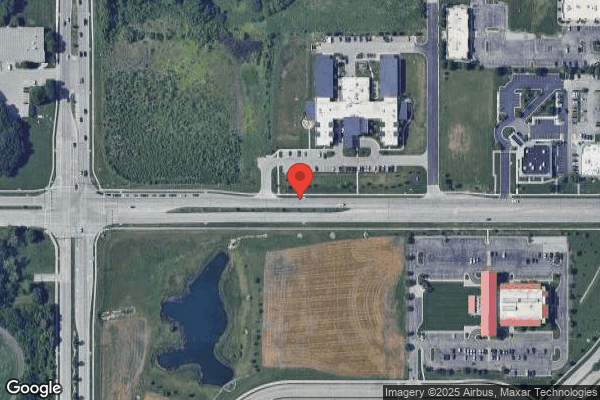
21250 WEST 151ST STREET, OLATHE, KS 66061 (913) 390-0444
For profit - Corporation 70 Beds THE ENSIGN GROUP Data: November 2025 4 Immediate Jeopardy citations
Trust Grade
0/100
#291 of 295 in KS
Last Inspection: April 2025

Within standard 12-15 month inspection cycle. Federal law requires annual inspections.

Overview

The Healthcare Resort of Olathe has a Trust Grade of F, which indicates poor performance with significant concerns. It ranks #291 out of 295 facilities in Kansas, placing it in the bottom half, and #34 out of 35 in Johnson County, meaning there is only one local option that is better. The facility is worsening, with issues increasing from 8 in 2024 to 14 in 2025. While staffing received a 3/5 rating, indicating average levels, the 69% turnover rate is concerning compared to the state average of 48%. Additionally, the facility has accrued $53,279 in fines, which is higher than 83% of Kansas facilities, suggesting ongoing compliance problems. RN coverage is average, but specific incidents highlight serious neglect, such as a resident falling and being left on the floor overnight, and another resident being able to exit the facility unnoticed. Overall, while there are some strengths, the numerous critical incidents and poor ratings raise serious concerns for families considering this nursing home.

Trust Score
F
0/100
In Kansas
#291/295
Bottom 2%
Safety Record
High Risk
Review needed
Inspections
Getting Worse
8 → 14 violations
Staff Stability
⚠ Watch
69% turnover. Above average. Higher turnover means staff may not know residents' routines.
Penalties
⚠ Watch
$53,279 in fines. Higher than 84% of Kansas facilities, suggesting repeated compliance issues.
Skilled Nurses
○ Average
Each resident gets 38 minutes of Registered Nurse (RN) attention daily — about average for Kansas. RNs are the most trained staff who monitor for health changes.
Violations
⚠ Watch
59 deficiencies on record. Higher than average. Multiple issues found across inspections.
★☆☆☆☆
1.0
Overall Rating
★★★☆☆
3.0
Staff Levels
★★★★☆
4.0
Care Quality
★☆☆☆☆
1.0
Inspection Score
Stable
2024: 8 issues
2025: 14 issues

The Good

  • 4-Star Quality Measures · Strong clinical quality outcomes
  • Full Sprinkler Coverage · Fire safety systems throughout facility
  • No fines on record

Facility shows strength in quality measures, fire safety.

The Bad

1-Star Overall Rating

Below Kansas average (2.9)

Significant quality concerns identified by CMS

Staff Turnover: 69%

23pts above Kansas avg (46%)

Frequent staff changes - ask about care continuity

Federal Fines: $53,279

Above median ($33,413)

Moderate penalties - review what triggered them

Chain: THE ENSIGN GROUP

Part of a multi-facility chain

Ask about local staffing decisions and management

Staff turnover is elevated (69%)

21 points above Kansas average of 48%

The Ugly 59 deficiencies on record

4 life-threatening 2 actual harm
Apr 2025 13 deficiencies
CONCERN (D)

Potential for Harm - no one hurt, but risky conditions existed

Resident Rights (Tag F0550)

Could have caused harm · This affected 1 resident

The facility identified a census of 57 residents. The sample included 15 residents, with two residents reviewed for dignity. Based on observation, record review, and interviews, the facility failed to...

Read full inspector narrative →
The facility identified a census of 57 residents. The sample included 15 residents, with two residents reviewed for dignity. Based on observation, record review, and interviews, the facility failed to ensure staff assisted Resident (R) 26 with cutting her whiskers per her preference. This deficient practice placed R26 at risk for impaired dignity and decreased psychosocial well-being. Findings Included: - R26's Electronic Medical Record (EMR) from the Diagnosis tab documented diagnoses of lymphedema (swelling caused by accumulation of lymph), diabetes mellitus (DM - when the body cannot use glucose, not enough insulin is made, or the body cannot respond to the insulin), muscle weakness, need for assistance with personal care, hypertension (high blood pressure), anxiety (mental or emotional reaction characterized by apprehension, uncertainty, and irrational fear), edema (swelling resulting from an excessive accumulation of fluid in the body tissues), insomnia (inability to sleep), reduced mobility, dementia (a progressive mental disorder characterized by failing memory and confusion), hyperlipidemia (condition of elevated blood lipid levels), peripheral vascular disease (PVD - slow and progressive circulation disorder causing narrowing, blockage, or spasms in a blood vessel), cognitive communication deficit, difficulty walking, and depression (a mood disorder that causes a persistent feeling of sadness and loss of interest). The Annual Minimum Data Set (MDS) dated 12/26/24 documented a Brief Interview of Mental Status (BIMS) score of 13 which indicated intact cognition. The MDS documented R26 required set up and clean up by staff for eating and oral hygiene. The MDS documented R26 was dependent on staff for bathing and toileting and was frequently incontinent of bowel and bladder. R26's Functional Abilities (Self-Care Mobility) Care Area Assessment (CAA) completed 12/26/24 documented the activities of daily living (ADL) function CAA triggered secondary to R26 requiring assistance with ADLs, impaired balance and transition during transfers, and functional impairment in activity. The contributing factors include generalized weakness and decreased safety awareness. Risk factors include further ADL decline, falls, incontinence, skin breakdown, and pain. R26's plan of care would be reviewed to maintain current ADL status and functional ability, maintain continence status, decrease pain, and decrease fall and pressure ulcer risk. R26's Care Plan revised on 03/29/23 documented ADL self-care performance deficit related to a left fourth toe amputation, staff were to encourage R26 to fully participate possible with each interaction. R26's plan of care documented bathing would be provided on Thursday and Sunday and R26 required the assistance of one staff. R26's plan of care dated 06/07/23 documented resistance to care related to adjustment to a nursing home, anxiety, and dementia. At times R26 declines assistance with care: medications, toileting assistance, repositioning wound care, and bathing. The plan documented R26 would be allowed time to make decisions about the treatment regime, to provide a sense of control. Staff were to try and negotiate a time for ADLs to ensure the resident participated in the decision-making process. On 04/14/25 at 07:22 AM, R26 laid in her bed, R26 had long grey hairs on her chin. On 04/15/25 at 08:17 AM, R26 sat in her wheelchair, R26 had long grey hairs on her chin. On 04/14/25 at 07:22 AM, R26 stated she does not like her chin to have long whiskers. R26 stated when she got a shower, the staff always cut her hair. R26 stated she could cut the whiskers herself if the staff helped her. On 04/16/25 at 07:15 AM, Licensed Nurse (LN) H stated shaving a lady's chin could be part of bathing, or any staff member could ask if a resident was uncomfortable having long chin hairs. LN H stated it was all the nursing staff's duties to ensure the residents were well groomed. LN H was unsure if a lady's chin hair needed to be cut should be in the care plan. On 04/16/25 at 08:15 AM, Certified Nurse Aide (CNA) M stated she was unsure what was care planned for each resident. She stated she would ask her nurse if she was unsure of a resident's preference. CNA M stated when she gave baths, she would ask the residents what their preferences were. On 04/16/25 at 01:10 PM, Administrative Nurse D stated she did not believe a lady who required shaving of her chin would need to be care planned. She stated staff should have a keen eye and ask the residents about their preferences, and that could be done during bathing. The facility's Dignity and Respect policy revised on 10/15 documented all residents be treated with kindness, dignity, and respect. The staff would display respect for residents when speaking with, caring for, or talking about them, as a constant affirmation of their individuality and dignity as human beings. Schedules of daily activities allowed maximum flexibility for residents to exercise choices about what they would do and when they would do it. The resident's individual preferences regarding such things as menus, clothing, religious activities, friendships, activity programs, and entertainment were elicited and respected by the facility. Residents would be appropriately dressed in clean clothes arranged comfortably on their persons and be well groomed.
CONCERN (D)

Potential for Harm - no one hurt, but risky conditions existed

Deficiency F0558 (Tag F0558)

Could have caused harm · This affected 1 resident

The facility identified a census of 57 residents. The sample included 15 residents, with two reviewed for reasonable accommodation of needs related to assistive devices. Based on observation, record r...

Read full inspector narrative →
The facility identified a census of 57 residents. The sample included 15 residents, with two reviewed for reasonable accommodation of needs related to assistive devices. Based on observation, record review, and interviews, the facility failed to ensure Residents (R) 37 and R42 had a way to communicate their needs due to their call lights being left out of reach. This deficient practice placed the residents at risk for preventable accidents and injuries. Findings Included: - On 04/14/25 at 07:00 AM, an inspection of R37's (a physically impaired resident unable to self-transfer) room revealed her asleep in her bed. R37's call light was on the floor to the left side of her bed. On 04/15/25 at 07:37 AM, R42 (a cognitively and physically impaired resident unable to self-transfer) slept in her bed. Her bed remained in a low position. R42's call light was pinned to a pillow placed on her recliner across from her bed. The call light was out of reach. At 07:40 AM, Administrative Nurse D entered the room, moved the call light to R42's bed, and stated staff were expected to ensure the call lights remained within reach at all times. On 04/16/25 at 12:03 PM, Certified Nurse Aide (CNA) M stated staff was expected to ensure the call lights were pinned to the residents or placed within the resident's reach. On 04/16/25 at 12:33 PM, Licensed Nurse (LN) G stated call lights needed to be kept within reach of the residents when staff left the room. On 04/16/25 at 01:10 PM, Administrative Nurse D staff were expected to ensure the residents had access to their call lights. She stated the call lights were to be pinned to the residents or their beds within the resident's reach. The facility's Fall Management System dated 12/2024 indicated the facility promoted an environment that remains free from accident hazards. The policy indicated the facility assessed and provided the appropriate equipment to ensure resident safety. The policy indicated the facility appropriately assessed and implemented interventions to prevent falls and minimize complications if falls occurred. The facility did not provide a policy related to the accommodation of needs as requested on 04/16/25.
CONCERN (D)

Potential for Harm - no one hurt, but risky conditions existed

Quality of Care (Tag F0684)

Could have caused harm · This affected 1 resident

**NOTE- TERMS IN BRACKETS HAVE BEEN EDITED TO PROTECT CONFIDENTIALITY** The facility identified a census of 57 residents. The sample included 15 residents with three reviewed for quality of care. Base...

Read full inspector narrative →
**NOTE- TERMS IN BRACKETS HAVE BEEN EDITED TO PROTECT CONFIDENTIALITY** The facility identified a census of 57 residents. The sample included 15 residents with three reviewed for quality of care. Based on observation, record review, and interviews, the facility failed to implement a physician's order for a fluid restriction for Resident (R) 28. The facility also failed to ensure the physician's order was followed for a daily weight for R34 to monitor for congestive heart failure (CHF - a condition with low heart output and the body becomes congested with fluid). The facility failed to ensure the physician's order was followed to wrap R26's bilateral lower extremities. These deficient practices placed these residents at risk of delayed treatment and untreated illness. Findings included: - R28's Electronic Medical Record (EMR) from the Diagnosis tab documented diagnoses of edema (swelling resulting from an excessive accumulation of fluid in the body tissues), chronic kidney disease, congestive heart failure, muscle weakness, need for assistance with personal care, and pain. The Annual Minimum Data Set (MDS) dated 06/17/24 documented a Brief Interview of Mental Status (BIMS) score of 15 which indicated intact cognition. The MDS documented R28 required partial to moderate assistance with toileting and mobility. The MDS also documented R28 required substantial to maximum assistance with bathing, lower extremity dressing, and transfers. The MDS documented R28 was at risk for the development of pressure ulcers and placed pressure-reducing devices on her bed and in her chair. The MDS documented R28 had received antipsychotic (a class of medications used to treat major mental conditions that cause a break from reality) medication, anticoagulant (a class of medications used to prevent the blood from clotting) medication, antidepressant (a class of medications used to treat mood disorders) medication, antianxiety (a class of medications that calm and relax people) medication, diuretic (a medication to promote the formation and excretion of urine) medication, and opioid (a class of controlled drugs used to treat pain) medication. The Quarterly MDS dated 01/17/25 documented a BIMS score of 15 which indicated intact cognition. The MDS documented that R28 was dependent on staff for bathing, transfers, toileting, lower extremity dressing, mobility, repositioning in bed, and personal hygiene. The MDS documented R28 was at risk for the development of pressure ulcers. The MDS documented R28 had pressure-reducing devices on her bed and in her chair. The MDS documented R28 had received antipsychotic medication, anticoagulant medication, antidepressant medication, antianxiety medication, diuretic medication, antibiotic medication, and opioid medication. R28's Functional Abilities (Self-Care and Mobility) Care Area Assessment (CAA) dated 07/01/24 documented she had generalized weakness and decreased safety awareness. R28's risk factors included further decline in activities of daily living, falls, incontinence, skin breakdown, and pain. R28's Care Plan dated 07/23/21 documented staff would administer medication as ordered by the physician and monitor for side effects or effectiveness. R28's EMR under the Orders tab revealed the following physician orders: Two-gram low sodium diet and a two-liter (2000 milliliters) fluid restriction due to CHF dated 02/05/2025. Review of R28's EMR lacked documentation or monitoring of her fluid restriction. On 04/15/25 at 08:06 AM, R28 sat on her bed with the head of the bed elevated. R28's mattress had slid forward and was bending back toward R28. R28's bilateral heels pressed against the bent portion of the mattress without any pressure-reducing devices. On 04/16/25 at 12:32 PM, Licensed Nurse (LN) I stated when a new diet order or a fluid restriction was received from a physician a copy would be sent to dietary. LN I stated the fluid restriction would be documented on the Treatment Administration Record (TAR). On 04/16/25 at 01:10 PM, Administrative Nurse D stated R28's new diet and fluid restriction order had been entered into R28's EMR incorrectly and was overlooked. Administrative Nurse D stated once the physician entered a new order a nurse must confirm the new order and ensure the correct departments were notified of the new order. Administrative Nurse D stated the fluid restriction would be documented and monitored on the resident's TAR. The facility's Provision of Quality Care policy last reviewed on 01/25/25 documented that based on comprehensive assessments, the facility would ensure that residents receive treatment and care by qualified persons in accordance with professional standards of practice, comprehensive person-centered care plans, and the residents' choices. - R34's Electronic Medical Record (EMR) from the Diagnosis tab documented diagnoses of congestive heart failure (CHF - a condition with low heart output and the body becomes congested with fluid), dementia (a progressive mental disorder characterized by failing memory and confusion), urinary tract infection (UTI - an infection in any part of the urinary system) and need for assistance with personal care. The admission Minimum Data Set (MDS) dated 08/12/24 documented a Brief Interview of Mental Status (BIMS) score of 10 which indicated moderately impaired cognition. The MDS documented R34 had an indwelling catheter (a flexible tube inserted through a narrow opening into a body cavity, particularly the bladder, for removing fluid) during the observation period. The MDS documented R34 required substantial to maximum assistance of staff for toileting. The MDS documented R34 had received diuretic (a medication to promote the formation and excretion of urine) medication during the observation period. The Quarterly MDS dated 12/21/24 documented a BIMS score of 14 which indicated intact cognition. The MDS documented R34 had an indwelling catheter. The MDS documented that R34 was dependent on assistance for toileting. The MDS documented R34 had received diuretic medication during the observation period. R34's Functional Abilities (Self-Care and Mobility) Care Area Assessment (CAA), dated 08/16/24 documented she had generalized weakness and decreased safety awareness. R34's risk factors were a possible decline in her ability to perform activities of daily living, falls, pain, or skin breakdown. R34's Care Plan, dated 09/02/24 documented weight fluctuations were expected related to her diuretic medication. R34's EMR under the Orders tab revealed the following physician orders: Daily weight. Call physician if a three-pound gain in one day or five-pound weight in one week dated 08/05/24. Spironolactone (diuretic) oral tablet 25 milligrams (mg) give one tablet by mouth daily for CHF dated 08/05/24. Lasix (furosemide - diuretic) tablet 20 mg give 0.5 tablet by mouth daily for CHF dated 11/28/24. Review of R34's Medication Administration Record (MAR), Treatment Administration Record (TAR), and under the Vital Signs reviewed from 01/01/25 to 04/14/25 (103 days) lacked evidence staff measured and recorded R34's weight on following 18 dates: 01/05/25, 01/25/25, 01/29/25, 02/07/25, 02/08/25, 02/14/25, 02/18/25, 02/20/25, 02/24/25, 03/04/25, 03/07/25, 03/11/25, 03/14/25, 03/17/25, 03/18/25, 03/27/25, 03/29/25, and 04/12/25. R34 refused on the following 10 dates: 01/06/25, 01/09/25, 01/10/25, 01/11/25, 01/12/25, 01/15/25, 01/17/25, 01/26/25, 02/17/25, and 03/16/25. The clinical record lacked evidence of physician notification the daily weights were not obtained or refused. On 04/14/25 at 08:40 AM, R34 sat in her recliner with her feet elevated. R34's catheter bag with amber-colored urine in the drainage bag laid directly on the floor under the footrest of her recliner. The catheter drainage bag did not have a privacy bag. On 04/16/25 at 02:03 PM, Certified Nurse Aide (CNA) N stated everyone works together to get the daily weights and report the weight to the charge nurse. CNA N stated that R34 never refused to be weighed. On 04/16/25 at 12:32 PM, Licensed Nurse (LN) I stated everyone would be responsible for ensuring daily weights were obtained as ordered. LN I stated the physician should be notified if a daily weight was refused frequently. LN I stated the physician notification was documented under the progress notes. On 04/16/25 at 01:10 PM, Administrative Nurse D stated she expected all staff to ensure daily weights were obtained as ordered. Administrative Nurse D stated she expected the physician to be notified if a resident refused frequently and the notification would be documented under the progress notes. The facility's Provision of Quality Care policy last reviewed on 01/25/25 documented based on comprehensive assessments, the facility would ensure that residents receive treatment and care by qualified persons in accordance with professional standards of practice, comprehensive person-centered care plans, and the residents' choices. - R26's Electronic Medical Record (EMR) from the Diagnosis tab documented diagnoses of lymphedema (swelling caused by accumulation of lymph), diabetes mellitus (DM - when the body cannot use glucose, not enough insulin is made, or the body cannot respond to the insulin), muscle weakness, need for assistance with personal care, hypertension (high blood pressure), anxiety (mental or emotional reaction characterized by apprehension, uncertainty, and irrational fear), edema (swelling resulting from an excessive accumulation of fluid in the body tissues), insomnia (inability to sleep), reduced mobility, dementia (a progressive mental disorder characterized by failing memory and confusion), hyperlipidemia (condition of elevated blood lipid levels), peripheral vascular disease (PVD - slow and progressive circulation disorder causing narrowing, blockage, or spasms in a blood vessel), cognitive communication deficit, difficulty walking, and depression (a mood disorder that causes a persistent feeling of sadness and loss of interest). The Annual Minimum Data Set (MDS) dated [DATE] documented a Brief Interview of Mental Status (BIMS) score of 13 which indicated intact cognition. The MDS documented R26 required set up and clean up by staff for eating and oral hygiene. The MDS documented R26 was dependent on staff for bathing and toileting and was frequently incontinent of bowel and bladder. The MDS documented R26 was at risk for pressure ulcers, and no unhealed pressure ulcers. The MDS documented R26 required a pressure-reducing mattress for her bed, and a pressure-reducing cushion for her chair. R26's Pressure Ulcer/ Injury Care Area Assessment (CAA) dated 12/26/24 documented Pressure Ulcers CAA triggered secondary to potential for pressure ulcers. Contributing factors include activities of daily living (ADL), functional mobility impairment, and incontinence. Risk factors include pain, development of pressure ulcers, skin conditions, and fluid deficit risk. A Licensed Nurse (LN) assessed R26's skin each week and put proper interventions in place to prevent skin breakdown. Skin was also assessed by caregivers with each bath and each time the resident was dressed. The physician was to be notified of any abnormal findings and treatment orders were to be obtained. The dietitian was monitoring R26's food and fluid intake, and implementing dietary interventions, as necessary. R26's plan of care would be initiated to improve current ADL status and functional ability, maintain continence status, prevent pain, and decrease pressure ulcer, and fluid deficit risk. R26's Care Plan revised 06/24/24 documented R26 had an actual skin impairment related to a history of venous ulcers, lymphedema, itchy skin, psoriasis (a chronic skin disorder characterized by red patches covered by thick, dry silvery adherent scales), and bilateral lymphedema. R26's plan of care dated 03/20/23 documented nursing staff would apply lymphedema pumps to bilateral extremities as ordered. R26 was to avoid scratching and keep hands and body parts from excessive moisture, staff were directed to keep R26's fingernails short. R26's plan of care dated 02/15/24 documented staff were to evaluate and offload or float heels while in bed or wheelchair, and staff were to always apply soft boots. Staff were to encourage good nutrition and hydration to promote healthier skin. R26's plan of care dated 02/14/24 documented staff were to encourage R26 to allow pumps and treatments to be completed. at times. R26's Braden Scale for Prediction Pressure Sore Risk dated 02/05/25 documented a score of 16 indicating a low risk for pressure ulcers. R26's Skin Evaluation dated 04/13/25 documented R26 was without new or existing compromise of skin integrity to bilateral lower extremities, with dryness and lymphedema to bilateral lower extremities. R26's physician's orders under the Orders tab revealed the following orders: Heel protector boots should be always worn when in the wheelchair or in bed every shift, dated 05/24/24. Pressure-reducing device to bilateral extremities while in chair or bed, every shift to offload bilateral extremities, float heels, or apply soft boots to bilateral extremities for pressure relief, dated 05/04/24. Pressure-reducing cushion in wheelchair every shift, dated 05/04/24. Pressure-reducing mattress every shift, dated 05/04/24. Apply Skin-prep (liquid skin protectant) to bilateral heels every shift for wound prevention, dated 05/04/24. Apply barrier cream to buttocks and coccyx reddened areas every shift for wound prevention, dated 05/04/24. No ace wraps to bilateral extremities per vascular, dated 12/04/24. Use compression socks, or tub grips on legs, wash legs every day with soap and water, pat dry apply Eucerin (moisturizing lotion) or lotion on the legs daily, and apply tub grips. Every day shift for lymphedema management, dated 04/04/25. On 04/15/25 R26 at 07:22 AM, R26 sat in her wheelchair, R26 bilateral lower extremities were wrapped with ace wraps, and she did not have tubi grips applied to her bilateral lower extremities. On 04/15/25 at 12:50 PM, Licensed Nurse (LN) G stated R26 did have an order for Kerlix (wound dressing) and ace wraps, for bilateral lower extremities, when her legs were weeping. She stated R26's vascular physician stated no ace wraps to bilateral lower extremities. LN G stated the nurse on duty would have applied the ace wraps to R26's legs, and it should have been tubi grips and boots. On 04/16/25 at 01:20 PM, Administrative Nurse D stated all physician's orders should be followed. The facility's Infection Prevention Control policy revised 12/23 documented it is the policy of this facility that: a resident who enters the facility without pressure injury does not develop pressure injury unless the individual's clinical condition or other factors demonstrate that a developed pressure injury was unavoidable; and a resident having pressure injury's receives necessary treatment and services to promote healing, prevent infection, and prevent new, avoidable pressure injuries from developing.
CONCERN (D)

Potential for Harm - no one hurt, but risky conditions existed

Accident Prevention (Tag F0689)

Could have caused harm · This affected 1 resident

**NOTE- TERMS IN BRACKETS HAVE BEEN EDITED TO PROTECT CONFIDENTIALITY** The facility identified a census of 57 residents. The sample included 15 residents, with five reviewed for accidents. Based on r...

Read full inspector narrative →
**NOTE- TERMS IN BRACKETS HAVE BEEN EDITED TO PROTECT CONFIDENTIALITY** The facility identified a census of 57 residents. The sample included 15 residents, with five reviewed for accidents. Based on record review, interviews, and observations, the facility failed to ensure a safe care environment free from potential hazards related to following Residents (R) 50, R29, and R26's implemented fall interventions. This deficient practice placed the residents at risk for preventable falls and injuries. Findings Included: - The Medical Diagnosis section within R50's Electronic Medical Records (EMR) noted diagnoses of senile degeneration of the brain (a progressive mental disorder characterized by failing memory and confusion), anxiety disorder (mental or emotional reaction characterized by apprehension, uncertainty, and irrational fear), and overactive bladder. R50's Annual Minimum Data Set (MDS) completed 03/14/25 revealed a Brief Interview for Mental Status Score of three indicating severe cognitive impairment. The MDS noted she had no upper or lower extremity impairments. The MDS indicated she was dependent on staff assistance for bed mobility, transfers, toileting, bathing, dressing, personal hygiene, and wheelchair mobility. The MDS indicated she had two non-injury falls since her last assessment. R50's Falls Care Area Assessment completed 04/14/25 noted she was at high risk for falls related to her weakness and required assistance to complete her activities of daily living (ADL). The CAA noted a care plan was implemented to prevent falls with major injuries. R50's Care Plan initiated on 03/21/24 indicated she was at risk for an ADL deficit and falls related to her impaired cognitive status, impulsiveness, and poor balance. The plan noted she required assistance from staff to complete bathing, transfers, bed mobility, dressing, personal hygiene, and toileting (03/21/24). The plan instructed staff to ensure her call light was within reach and her bed was maintained in the lowest position (03/21/24). The plan indicated she had a non-injury fall on 12/28/24. R50's plan was updated on 01/03/25 to implement the use of a Dycem (non-slip mat used to prevent falls) under the cushion of her wheelchair cushion. The plan noted she had a minor injury fall on 02/24/25. R50's plan was updated on 02/25/25 to implement the use of an anti-rollback device on her wheelchair. On 04/14/25 at 07:35 AM, R50 slept in her bed. Her bed was in the lowest position. Her call light was pinned to her covered within reach. An inspection of R50's wheelchair revealed no anti-rollback device or Dycem mat. On 04/15/25 at 08:00 AM, R50 was in the west dining room for breakfast. R50's ate her entire breakfast without concerns. R50's wheelchair had no anti-rollback device. R50 was taken back to her room. Upon transfer, R50's wheelchair had no Dycem in place. On 04/15/25 at 12:20 PM, R50 sat in the dining room in her wheelchair for lunch. R50's wheelchair had no anti-rollback device or Dycem. On 04/16/25 at 12:03 PM, Certified Nurse Aide (CNA) M stated that R50's chair may have been recently switched out and the equipment may not have been applied to the new chair. She stated staff had access to the care plan to view the fall interventions and would have reported to the nurses if something was not in place. On 04/16/25 at 12:32 PM, Licensed Nurse (LN) G stated that R50's chair should have had the fall interventions implemented. She stated if the interventions were dropped or no longer needed, they should have been removed from the care plan. She stated that R29 was a high fall risk and needed the floor mat in place. On 04/16/25 at 01:10 PM, Administrative Nurse D stated staff were expected to review the implemented fall interventions and ensure they were in place for the residents in their care. The facility's Fall Management System dated 12/2024 indicated the facility promoted an environment that remains free from accident hazards. The policy indicated the facility appropriately assessed and implemented interventions to prevent falls and minimize complications if falls occurred. - The Medical Diagnosis section within R29's Electronic Medical Records (EMR) noted diagnoses of hemiplegia and hemiparesis (weakness and paralysis on one side of the body), major depressive disorder (major mood disorder), and dysphagia (difficulty swallowing). R29's Quarterly Minimum Data Set (MDS) completed 01/13/25 revealed a Brief Interview for Mental Status Score of zero indicating severe cognitive impairment. The MDS indicated he had bilateral upper and lower extremity impairments. The MDS indicated he was dependent on staff assistance for bed mobility, transfers, toileting, bathing, dressing, personal hygiene, and Broda chair (specialized wheelchair with the ability to tilt and recline) mobility. The MDS indicated no falls since his last assessment. R29's Falls Care Area Assessment (CAA) completed 10/07/24 indicated he required total assistance from staff and was at risk for falls, skin breakdown, pressure injury development, and incontinence. The CAA noted he was a high fall risk. The CAA noted staff would continue to provide safety cues for him and care plan interventions were implemented to reduce the risks associated with falls. R29's Care Plan initiated on 11/28/20 indicated he required assistance with his activities of daily living (ADLs). The plan indicated he required assistance from one staff for bathing, dressing, toileting, bed mobility, and transfers. The plan noted he had a history of non-injury falls. The plan instructed staff to ensure his personal items were left within reach. The plan instructed staff to encourage him to use his call light and provide two-hour repositioning. The plan indicated he was to have a fall mat next to his bed while in bed. On 04/14/25 at 07:24 AM, R29 slept in his bed. His bed was in the lowest position. His call light was within reach. His fall mat was propped up against the wall by his dresser. On 04/14/25 at 0820 AM, R29's fall mat was propped against the wall next to his dresser. R29 slept in his bed. On 04/15/25 at 07:21 AM, R29 slept in his bed. His fall mat was placed on the floor next to his bed. On 04/16/25 at 12:03 PM, Certified Nurse Aide (CNA) M stated direct care staff were expected to ensure fall mats were placed next to the beds after transferring the residents back to bed. She stated R29's ability to move has declined but he was still a fall risk. On 04/16/25 at 12:32 PM, Licensed Nurse (LN) G stated if the interventions were dropped or no longer needed, they should have been removed from the care plan. She stated that R29 was a high fall risk and needed the floor mat in place. On 04/16/25 at 01:10 PM, Administrative Nurse D stated staff were expected to review the implemented fall interventions and ensure they were in place for the residents in their care. The facility's Fall Management System dated 12/2024 indicated the facility promoted an environment that remains free from accident hazards. The policy indicated the facility appropriately assessed and implemented interventions to prevent falls and minimize complications if falls occurred.- R26's Electronic Medical Record (EMR) from the Diagnosis tab documented diagnoses of lymphedema (swelling caused by accumulation of lymph), diabetes mellitus (DM - when the body cannot use glucose, not enough insulin is made, or the body cannot respond to the insulin), muscle weakness, need for assistance with personal care, hypertension (high blood pressure), anxiety (mental or emotional reaction characterized by apprehension, uncertainty, and irrational fear), edema (swelling resulting from an excessive accumulation of fluid in the body tissues), insomnia (inability to sleep), reduced mobility, dementia (a progressive mental disorder characterized by failing memory and confusion), hyperlipidemia (condition of elevated blood lipid levels), peripheral vascular disease (PVD - slow and progressive circulation disorder causing narrowing, blockage, or spasms in a blood vessel), cognitive communication deficit, difficulty walking, and depression (a mood disorder that causes a persistent feeling of sadness and loss of interest). The Annual Minimum Data Set (MDS) dated [DATE] documented a Brief Interview of Mental Status (BIMS) score of 13 which indicated intact cognition. The MDS documented R26 required to set up and clean up by staff for eating and oral hygiene. The MDS documented R26 was dependent on staff for bathing and toileting and was frequently incontinent of bowel and bladder. The MDS documented R26 was at risk for pressure ulcers, and no unhealed pressure ulcers. The MDS documented R26 required a pressure-reducing mattress for her bed and a pressure-reducing cushion for her chair. R26's Falls Care Area Assessment dated 12/26/24 documented staff would continue with the current plan of care to prevent injury. R26's Care Plan dated 02/21/25 documented R26 was at risk for falls related to weakness, medication, and history of falls. R26's plan of care documented therapy would perform an evaluation and treatment per physicians' orders. R26's plan of care dated 02/21/25 documented a non-injury fall, and the intervention was for staff to ensure R26's bed was in the lowest position and the call light was within her reach. R26's plan of care dated 03/14/25 documented a non-injury fall the intervention put in place was to place access furniture placement and environment to mimic her home. On 04/14/25 at 07:23 AM, R26 laid on her bed, R26's bed was elevated approximately three feet. R26's bed was not in a low position. On 04/15/25 at 07:28 AM, R26 laid on her bed, R26's bed was elevated approximately three feet. R26's bed was not in a low position. On 04/16/24 at 07:15 AM, Licensed Nurse (LN) H stated all nursing staff have access to each resident's care plan. He stated CNAs could ask the nurse to ensure the beds were in the correct position. LN H stated that R26's bed should be in a low position. On 04/16/25 at 08:15 AM, Certified Nurses Aide (CNA) M stated the CNA's get a brief overall description of what task should be performed for each resident. CNA M stated if the CNAs were unsure, they could always ask the LN. On 04/16/25 at 01:10 PM, Administrative Nurse D stated all nursing staff have access to the resident's care plan, and specific interventions should be followed for every situation. The facility's Fall Management System policy dated 12/24 documented it was the policy of this facility to provide an environment that remains as free of accident hazards as possible. It was also the policy of this facility to provide each resident with appropriate assessment and interventions to prevent falls and to minimize complications if a fall occurs.
CONCERN (D)

Potential for Harm - no one hurt, but risky conditions existed

Incontinence Care (Tag F0690)

Could have caused harm · This affected 1 resident

The facility identified a census of 57 residents. The sample included 15 residents, with two residents reviewed for catheters (a flexible tube inserted through a narrow opening into a body cavity, par...

Read full inspector narrative →
The facility identified a census of 57 residents. The sample included 15 residents, with two residents reviewed for catheters (a flexible tube inserted through a narrow opening into a body cavity, particularly the bladder, for removing fluid). Based on observation, record review, and interviews, the facility failed to ensure the standard of care was provided for Resident (R) 34 who had a history of urinary tract infection (UTI - an infection in any part of the urinary system) when her catheter drainage bag laid directly on the floor. This deficient practice placed R34 at risk of catheter-related complications and further UTIs. Findings included: - R34's Electronic Medical Record (EMR) from the Diagnosis tab documented diagnoses of congestive heart failure (CHF - a condition with low heart output and the body becomes congested with fluid), dementia (a progressive mental disorder characterized by failing memory and confusion), urinary tract infection (UTI - an infection in any part of the urinary system), and need for assistance with personal care. The admission Minimum Data Set (MDS) dated 08/12/24 documented a Brief Interview of Mental Status (BIMS) score of 10 which indicated moderately impaired cognition. The MDS documented R34 had an indwelling catheter (a flexible tube inserted through a narrow opening into a body cavity, particularly the bladder, for removing fluid) during the observation period. The MDS documented R34 required substantial to maximum assistance of staff for toileting. The MDS documented R34 had received diuretic (a medication to promote the formation and excretion of urine) medication during the observation period. The Quarterly MDS dated 12/21/24 documented a BIMS score of 14 which indicated intact cognition. The MDS documented R34 had an indwelling catheter. The MDS documented that R34 was dependent on assistance for toileting. The MDS documented R34 had received diuretic medication during the observation period. R34's Urinary Incontinence and Indwelling Catheter Care Area Assessment (CAA) dated 08/16/24 documented she required assistance with toileting needs and she had recurrent UTIs. R34's Care Plan, dated 08/28/24 documented she had an indwelling catheter 16 French with a 30-milliliter (ml) bulb. The plan of care documented staff would provide her with catheter care every shift and as needed. R34's EMR under the Orders tab revealed the following physician orders: Indwelling catheter French 16 with a 30 ml to closed drainage system, diagnosis to support use: neuromuscular dysfunction of the bladder (the muscles that control the flow of urine out of the body do not relax and prevent the bladder from fully emptying) dated 03/18/25. Ciprofloxacin (antibiotic) hci tablet 250 milligrams (mg) give one tablet by mouth every 12 hours for UTI for seven days dated 08/26/24. Doxycycline hyclate (antibiotic) tablet 100 mg give one tablet by mouth two times a day for UTI for seven days dated 08/29/24. Merrem (antibiotic) intravenous solution reconstituted 500 mg (Meropenem) administer 500 mg intravenously every eight hours for UTI for five days dated 09/25/24. Doxycycline hyclate tablet 100 mg give one tablet by mouth two times a day for UTI, for seven days dated 12/04/24. On 04/14/25 at 08:40 AM, R34 sat in her recliner with her feet elevated. R34's catheter bag with amber-colored urine in the drainage bag that laid directly on the floor under the footrest of her recliner. The catheter drainage bag did not have a privacy bag. On 04/16/25 at 2:03 PM, Certified Nurse Aide (CNA) N stated a resident's catheter should never be placed on the floor. CNA N stated there should be a privacy bag to put the catheter drainage bag in to prevent the bag from touching the floor. On 04/16/25 at 12:32 PM, Licensed Nurse (LN) I stated a resident's catheter bag should never be placed on the. LN I stated the catheter drainage bag should be placed below the resident's bladder and not be placed where it possibly could pull on the catheter tubing. On 04/16/25 at 01:10 PM, Administrative Nurse D stated she would expect a catheter bag to be placed below the bladder, in a privacy bag, and not on the floor. The facility's Indwelling Catheter Care policy documented it was the policy of this facility that each resident with an indwelling catheter will receive catheter care daily and as needed (PRN) to promote hygiene, and comfort, and decrease the risk of infection.
CONCERN (D)

Potential for Harm - no one hurt, but risky conditions existed

Deficiency F0757 (Tag F0757)

Could have caused harm · This affected 1 resident

The facility identified a census of 57 residents. The sample included 15 residents, with five residents reviewed for unnecessary medications. Based on record review and interviews, the facility failed...

Read full inspector narrative →
The facility identified a census of 57 residents. The sample included 15 residents, with five residents reviewed for unnecessary medications. Based on record review and interviews, the facility failed to ensure dosing instructions for Voltaren (topical pain reliever medication) gel for Resident (R) 28. This deficient practice placed R28 at risk for unnecessary medication use and physical complications for the affected residents. Findings included: - R28's Electronic Medical Record (EMR) from the Diagnosis tab documented diagnoses of edema (swelling resulting from an excessive accumulation of fluid in the body tissues), chronic kidney disease, congestive heart failure, muscle weakness, need for assistance with personal care, and pain. The Annual Minimum Data Set (MDS) dated 06/17/24 documented a Brief Interview of Mental Status (BIMS) score of 15 which indicated intact cognition. The MDS documented R28 required partial to moderate assistance with toileting and mobility. The MDS also documented R28 required substantial to maximum assistance with bathing, lower extremity dressing, and transfers. The MDS documented R28 was at risk for the development of pressure ulcers and placed pressure-reducing devices on her bed and in her chair. The MDS documented R28 had received antipsychotic (a class of medications used to treat major mental conditions that cause a break from reality) medication, anticoagulant (a class of medications used to prevent the blood from clotting) medication, antidepressant (a class of medications used to treat mood disorders) medication, antianxiety (a class of medications that calm and relax people) medication, diuretic (a medication to promote the formation and excretion of urine) medication, and opioid (a class of controlled drugs used to treat pain) medication. The Quarterly MDS dated 01/17/25 documented a BIMS score of 15 which indicated intact cognition. The MDS documented that R28 was dependent on staff for bathing, transfers, toileting, lower extremity dressing, mobility, repositioning in bed, and personal hygiene. The MDS documented R28 was at risk for the development of pressure ulcers and placed pressure-reducing devices on her bed and in her chair. The MDS documented R28 had received antipsychotic medication, anticoagulant medication, antidepressant medication, antianxiety medication, diuretic medication, antibiotic medication, and opioid medication. R28's Functional Abilities (Self-Care and Mobility) Care Area Assessment (CAA) dated 07/01/24 documented she had generalized weakness, and decreased safety awareness. R28 risk factors included further decline in activities of daily living, falls, incontinence, skin breakdown, and pain. R28's Care Plan dated 07/23/21 documented staff administered medication as ordered by the physician and monitored for side effects or effectiveness. R28's EMR under the Orders tab revealed the following physician orders: Voltaren external gel (anti-inflammatory class of medication used to reduce inflammation) one percent (%) (diclofenac sodium) (topical), apply to knee and shoulder topically every 12 hours as needed for pain dated 04/12/25. The order lacked a dose. On 04/16/25 at 12:32 PM, Licensed Nurse (LN) I stated every medication should have the dosage included in the physician's order. On 04/16/25 at 01:10 PM, Administrative Nurse D stated she would expect the pharmacy to catch any medication that lacked a dosage. Administrative Nurse D stated Voltaren gel should have a dosage included in the order. The facility's undated policy Pharmacy Services/Nursing Services documented it was the policy of this facility that drugs would be administered only upon the written order of a person duly licensed and authorized to prescribe such drugs. It was the policy of this facility to accurately implement orders in addition to medication orders (treatment, procedures) only upon the written order of a person duly licensed and authorized to do so in accordance with the resident's plan of care.
CONCERN (D)

Potential for Harm - no one hurt, but risky conditions existed

Deficiency F0808 (Tag F0808)

Could have caused harm · This affected 1 resident

The facility identified a census of 57 residents. The sample included 15 residents, with one resident reviewed for a therapeutic diet. Based on observation, record review, and interviews, the facility...

Read full inspector narrative →
The facility identified a census of 57 residents. The sample included 15 residents, with one resident reviewed for a therapeutic diet. Based on observation, record review, and interviews, the facility failed to implement a therapeutic diet as ordered by the physician order for Resident (R) 28, who had a diagnosis of congestive heart failure (CHF - a condition with low heart output and the body becomes congested with fluid). This deficient practice placed R28 at risk of adverse side effects from unnecessary medication or complications related to CHF. Findings included: - R28's Electronic Medical Record (EMR) from the Diagnosis tab documented diagnoses of edema (swelling resulting from an excessive accumulation of fluid in the body tissues), chronic kidney disease, congestive heart failure, muscle weakness, need for assistance with personal care, and pain. The Annual Minimum Data Set (MDS) dated 06/17/24 documented a Brief Interview of Mental Status (BIMS) score of 15 which indicated intact cognition. The MDS documented R28 required partial to moderate assistance with toileting and mobility. The MDS also documented R28 required substantial to maximum assistance with bathing, lower extremity dressing, and transfers. The MDS documented R28 was at risk for the development of pressure ulcers and placed pressure-reducing devices on her bed and in her chair. The MDS documented R28 had received antipsychotic (a class of medications used to treat major mental conditions that cause a break from reality) medication, anticoagulant (a class of medications used to prevent the blood from clotting) medication, antidepressant (a class of medications used to treat mood disorders) medication, antianxiety (a class of medications that calm and relax people) medication, diuretic (a medication to promote the formation and excretion of urine) medication, and opioid (a class of controlled drugs used to treat pain) medication. The Quarterly MDS dated 01/17/25 documented a BIMS score of 15 which indicated intact cognition. The MDS documented that R28 was dependent on staff for bathing, transfers, toileting, lower extremity dressing, mobility, repositioning in bed, and personal hygiene. The MDS documented R28 was at risk for the development of pressure ulcers and placed pressure-reducing devices on her bed and in her chair. The MDS documented R28 had received antipsychotic medication, anticoagulant medication, antidepressant medication, antianxiety medication, diuretic medication, antibiotic medication, and opioid medication. R28's Nutritional Status Care Area Assessment (CAA) dated 07/01/24 documented a gradual weight loss was highly recommended for her overall health. R28's weight was trending down. R28's Care Plan, dated 05/26/23 documented the facility would provide her diet as ordered by the physician. R28's EMR under the Orders tab revealed the following physician orders: Regular diet with thin liquids consistency, staff would cut her food if needed dated 01/30/25. Two-gram low sodium diet and a two-liter (2000 milliliters) fluid restriction due to CHF dated 02/05/2025. Review of R28's dietary meal ticket listed her diet as regular. On 04/15/25 at 08:06 AM, R28 sat on her bed with the head of the bed elevated. R28's mattress had slid forward and was bending back toward R28 with her bilateral heels pressed against the bent portion of the mattress without any pressure-reducing devices. On 04/16/25 at 11:23 PM, Certified Nurse Aide (CNA) N stated the staff reviewed the diet slip when serving the resident their meal tray. CNA N stated the nurse would print the resident's current diet list. On 04/16/25 at 12:32 PM, Licensed Nurse (LN) I stated when a new diet order or a fluid restriction was received from a physician a copy would be sent to dietary. LN I stated the fluid restriction would be documented on the Treatment Administration Record (TAR). On 04/16/25 at 01:10 PM, Administrative Nurse D stated that R28's new diet and fluid restriction order had been entered into R28's EMR incorrectly and was overlooked. Administrative Nurse D stated once the physician entered a new order, a nurse must confirm the new order, and ensure the correct departments were notified of the new order. Administrative Nurse D stated the fluid restriction would be documented and monitored on the resident's TAR. The facility's Nutritional Status Management dated 12/23 documented it was the policy of this facility to assess each resident's nutritional status and needs, including medications and medical conditions to ensure that all residents maintain acceptable parameters of nutritional status, such as body weight and other available data, unless the resident's clinical condition demonstrates that this is not possible.
CONCERN (E)

Potential for Harm - no one hurt, but risky conditions existed

Grievances (Tag F0585)

Could have caused harm · This affected multiple residents

The facility identified a census of 57 residents. The sample includes 15 residents. Based on observation, record review, and interviews, the facility failed to implement a system to allow residents an...

Read full inspector narrative →
The facility identified a census of 57 residents. The sample includes 15 residents. Based on observation, record review, and interviews, the facility failed to implement a system to allow residents and/or their representatives to file grievances anonymously. This deficient practice placed the residents at risk for decreased psychosocial well-being and unresolved grievances and concerns. Findings Included: - On 04/14/25 at 7:55 AM, an inspection of the facility revealed no designated grievance drop boxes or system available in the areas accessible to the residents and visitors of the facility. On 04/15/25 at 01:30 PM, the Resident Council members reported they were not aware if the facility provided a way to complete anonymous grievances. The council reported they must take the grievance to a staff member. The Resident Council stated the staff helped the residents fill out grievances. The Resident Council stated residents could also talk to the social services person. On 04/15/25 at 02:35 PM, Activities Director Z stated there was not an anonymous grievance box. She stated the residents were able to call the facility hotline and leave an anonymous report. On 04/15/25 at 03:04 PM, Administrator Nurse D stated the facility did not have an anonymous reporting box. She stated the residents gave the grievance to a staff member or an administrative person. Administrator D stated the facility had a hotline, and staff could call for the resident if the resident was unable to make the phone call. The facility's Grievance policy dated 12/24 documented that it was the policy of this facility to establish a grievance process that allowed the resident(s) a way to execute their right to voice concerns or grievances to the facility or other agency/entity without fear of discrimination or reprisal. Such grievances included those concerning care and treatment that has been furnished as well as that which has not been furnished, the behavior of staff and other residents, and other concerns regarding their facility stay. The facility would make information on how to file a grievance available to the residents and make prompt efforts to resolve grievances that the residents may have.
CONCERN (E)

Potential for Harm - no one hurt, but risky conditions existed

Deficiency F0679 (Tag F0679)

Could have caused harm · This affected multiple residents

The facility identified a census of 57 residents. The sample includes 15 residents. Based on observation, record review, and interviews, the facility failed to provide consistent weekend activities. T...

Read full inspector narrative →
The facility identified a census of 57 residents. The sample includes 15 residents. Based on observation, record review, and interviews, the facility failed to provide consistent weekend activities. This deficient practice placed the affected residents at risk for decreased psychosocial well-being. Findings included: - A review of the facility's Activity Calendar for February, March, and April 2025 was completed. The review revealed in February 2024 the following weekend activities were scheduled: a movie matinee, and residents' choice. Activities in March revealed the following weekend activities were scheduled: a movie matinee, and residents' choice. Activities for April on each Sunday revealed a movie matinee, residents' choice, on Saturday 04/05/25 an easter egg hunt, and on 04/12/25 a jazz concert. On 04/15/25 at 01:30 PM, Resident Council members reported activities rarely occurred on weekends. The council reported there were movie matinees upstairs on the assisted living floor. The council reported they would like activities on the weekends, with interactive groups The Resident Council stated they would like to have staff lead the activities. On 04/15/25 at 02:25 PM, Activities Staff Z confirmed the facility did not have consistent scheduled activities on the weekends. Activity Staff Z stated she did have an assistant who helped on the weekends, and the facility was working on weekend activities. She stated she was going to start more weekend activities in April. On 04/16/25 at 08:15 AM, Certified Nurses Aid (CNA) M stated she was unsure if there were weekend activities. She stated she did not work many weekends in the facility. The facility's Activities Program policy dated 12/24 documented it was the policy of this facility was to ensure that activities were available to meet resident needs and interests that support the physical, mental, and psychosocial well-being of the resident. Activities may be facility-sponsored group or independent. The facility failed to provide consistent activities for the residents during weekends. This deficient practice placed the affected residents at risk for decreased psychosocial well-being.
CONCERN (E)

Potential for Harm - no one hurt, but risky conditions existed

Pressure Ulcer Prevention (Tag F0686)

Could have caused harm · This affected multiple residents

- R28's Electronic Medical Record (EMR) from the Diagnosis tab documented diagnoses of edema (swelling resulting from an excessive accumulation of fluid in the body tissues), chronic kidney disease, c...

Read full inspector narrative →
- R28's Electronic Medical Record (EMR) from the Diagnosis tab documented diagnoses of edema (swelling resulting from an excessive accumulation of fluid in the body tissues), chronic kidney disease, congestive heart failure (CHF-a condition with low heart output and the body becomes congested with fluid), muscle weakness, need for assistance with personal care, and pain. The Annual Minimum Data Set (MDS) dated 06/17/24 documented a Brief Interview of Mental Status (BIMS) score of 15 which indicated intact cognition. The MDS documented R28 required partial to moderate assistance with toileting and mobility. The MDS also documented R28 required substantial to maximum assistance with bathing, lower extremity dressing, and transfers. The MDS documented R28 was at risk for the development of pressure ulcers and placed pressure-reducing devices on her bed and in her chair. The MDS documented R28 received antipsychotic (a class of medications used to treat major mental conditions that cause a break from reality) medication, anticoagulant (a class of medications used to prevent the blood from clotting) medication, antidepressant (a class of medications used to treat mood disorders) medication, antianxiety (a class of medications that calm and relax people) medication, diuretic (a medication to promote the formation and excretion of urine) medication, and opioid (a class of controlled drugs used to treat pain) medication. The Quarterly MDS dated 01/17/25 documented a BIMS score of 15 which indicated intact cognition. The MDS documented that R28 was dependent on staff for bathing, transfers, toileting, lower extremity dressing, mobility, repositioning in bed, and personal hygiene. The MDS documented R28 was at risk for the development of pressure ulcers and placed pressure-reducing devices on her bed and in her chair. The MDS documented R28 received antipsychotic medication, anticoagulant medication, antidepressant medication, antianxiety medication, diuretic medication, antibiotic medication, and opioid medication. R28's Pressure Ulcer Care Area Assessment (CAA) dated 07/01/24 documented she had the potential for the development of pressure ulcers. R28's contributing factors included her impaired mobility, incontinence, and fluid deficit risk. R28's Care Plan dated 12/13/24 documented the staff would educate R28 on causative factors and measures to prevent skin injury. R28's EMR under the Orders tab revealed the following physician orders: Pressure-reducing boots to bilateral lower extremities while in bed dated 08/27/24. On 04/15/25 at 08:06 AM, R28 sat on her bed with the head of the bed elevated. R28's mattress had slid forward and was bending back toward R28. R28's bilateral heels pressed against the bent portion of the mattress, without any pressure-reducing devices. On 04/16/25 at 07:15 AM, Licensed Nurse (LN) H stated the nurse was responsible to floating of heels or applying soft boots to heels. He stated the order was on the Treatment Administrative Report (TAR). He stated the nurse could delegate the task to a Certified Nurse's Aide (CNA), but the nurse should verify the task was performed before signing the TAR. On 04/16/25 at 08:15 AM, CNA M stated the CNAs get a brief overall description of what task should be performed for each resident. CNA M stated if the CNAs were unsure, they could always ask the LN. On 04/16/25 at 01:10 PM, Administrative Nurse D stated specific interventions should be followed, and any resident at risk of pressure ulcers should have their heels floated or soft boots applied to heels. The facility's Skin and Wound Monitoring and Management policy revised on 12/2023 indicated the facility was to promote interventions that prevent pressure injury development and heal injuries that were present. The policy identified nutritional monitoring, repositioning, weekly wound assessments, and pressure-reducing devices.The facility reported a census of 57 residents. The sample included 15 residents with six reviewed for pressure ulcers (localized injury to the skin and/or underlying tissue usually over a bony prominence, as a result of pressure, or pressure in combination with shear and/or friction). Based on record review, interviews, and observations, the facility failed to follow preventative wound care practices related to Residents (R) 29 and R42's low air-loss mattress (specialized mattress used to reduce pressure on the body) settings. The facility additionally failed to float R28 and R37's heels per their wound care interventions. This deficient practice placed both residents at risk for complications related to skin breakdown and pressure ulcers. Findings included: - The Medical Diagnosis section within R29's Electronic Medical Records (EMR) noted diagnoses of hemiplegia and hemiparesis (weakness and paralysis on one side of the body), major depressive disorder (major mood disorder), and dysphagia (difficulty swallowing). R29's Quarterly Minimum Data Set (MDS) completed 01/13/25 revealed a Brief Interview for Mental Status Score of zero indicating severe cognitive impairment. The MDS indicated he had bilateral upper and lower extremity impairments. The MDS indicated he was dependent on staff assistance for bed mobility, transfers, toileting, bathing, dressing, personal hygiene, and Broda chair (specialized wheelchair with the ability to tilt and recline) mobility. The MDS indicated he was at risk for developing pressure ulcers (localized injury to the skin and/or underlying tissue usually over a bony prominence, as a result of pressure, or pressure in combination with shear and/or friction). The MDS indicated he had pressure-relieving devices for his bed and chair. The MDS noted he weighed 186 pounds (lbs). R29's Pressure Ulcer Care Area Assessment (CAA) completed 10/07/24 indicated he required total assistance from staff and was at risk for falls, skin breakdown, pressure injury development, and incontinence. The CAA noted he was provided pressure-reducing devices. The CAA noted staff would continue to provide repositioning and care plan interventions were implemented to reduce the risks associated with pressure injuries. R29's Care Plan initiated on 11/28/20 indicated he required assistance with his activities of daily living (ADL). The plan indicated he required assistance from one staff for bathing, dressing, toileting, bed mobility, and transfers. The plan noted he was at risk for pressure ulcer development. The plan indicated he had pressure-reducing devices, preventative skin care, repositioning, and nutritional management in place. The plan noted he had a low air-loss mattress in place and instructed staff to check its function every shift. The plan lacked documentation related to the mattress's setting or care instructions. A review of the manual of low air-loss mattress manufacturers' operation (Drive Model) indicated that the mattress system was intended to reduce the incidence of pressure ulcers while optimizing comfort. The manual indicated the mattress pump's pressure levels and firmness were preset based on the weight range and comfort settings. The manual indicated an optimal bed system assessment should be conducted on each patient by a qualified clinician or medical provider to ensure maximum safety. R29's EMR under Vitals indicated he weighed 190.2 lbs. on 04/14/24. On 04/14/25 at 07:57 AM, R29 slept in his bed. His bed was set to a low height with his call light next to him within reach. R29's low air-loss mattress was set to 450 lbs. The mattress pump had fixed weight settings of 250lbs or less, 300lbs, 350lbs, 400lbs, 450lbs, 500lbs, 550lbs, and 600 to 1000lbs. On 04/16/25 at 12:03 PM, Certified Nurse Aide (CNA) M stated the air mattress settings were by the resident's current weight. She stated staff would check if the bed alarms or pump alarms were going off. On 04/16/25 at 12:33 PM, Licensed Nurse (LN) G stated the mattress pumps were set by weight. She stated staff should be checking them each shift to ensure the correct settings were entered. On 04/16/25 at 01:10 PM, Administrative Nurse D stated the mattresses should be set by the resident's weight per the manufacturer's recommendation. She stated staff were also to perform a softness check with their hands to ensure the beds were not too firm. The facility's Skin and Wound Monitoring and Management policy revised 12/2023 indicated the facility was to promote interventions that prevent pressure injury development and heal injuries that were present. The policy identified nutritional monitoring, repositioning, weekly wound assessments, and pressure-reducing devices. - The Medical Diagnosis section within R42's Electronic Medical Records (EMR) noted diagnoses of Dementia (a progressive mental disorder characterized by failing memory and confusion), insomnia (difficulty sleeping), muscle weakness, and cognitive communication disorder (an impairment in organization, sequencing, attention, memory, planning, problem-solving, and safety awareness). R42's Quarterly Minimum Data Set (MDS) completed 01/13/25 revealed a Brief Interview for Mental Status (BIMS) score of ten indicating moderate cognitive impairment. The MDS indicated she required substantial to maximal assistance for bed mobility, transfers, toileting, bathing, dressing, personal hygiene, and wheelchair mobility. The MDS indicated she had frequent bowel and bladder incontinence. The MDS noted she was at risk for the development of pressure ulcers (localized injury to the skin and/or underlying tissue usually over a bony prominence, as a result of pressure, or pressure in combination with shear and/or friction). The MDS indicated she had pressure-reducing devices for her bed and wheelchair in place. The MDS indicated she weighed 136 pounds (lbs.). R42's Functional Abilities Care Area Assessment (CAA) completed 08/30/24 indicated she required assistance from staff related to her impaired mobility, poor cognition, and medical diagnoses. The CAA noted she had generalized weakness and decreased safety awareness. The CAA noted care planned interventions were implemented to address her risks. R42's Pressure Ulcer CAA completed 08/30/24 indicated she was at risk for the development of pressure ulcers. The CAA noted she had incontinence, decreased mobility, cognitive loss, and recurrent urinary tract infections (UTIs) as risk factors for pressure ulcer development. The plan instructed staff to complete weekly skin assessments and provide preventative care. The CAA noted care planned interventions were implemented to address her risks. R42's Care Plan initiated on 06/22/23 indicated was at risk for the development of pressure ulcers due to decreased mobility and her medical diagnoses. The plan noted she required assistance from staff for bed mobility, transfers, toileting, dressing, bathing, and personal hygiene. The plan indicated she had a history of pressure injuries but no current wounds. The plan instructed staff to provide repositioning throughout the day. The plan instructed staff to complete weekly wound assessments. The plan noted she had a pressure-reducing device for her wheelchair and a low air-loss mattress (specialized air mattress used to reduce pressure applied to the body). The plan lacked documentation related to the mattress's setting or care instructions. A review of the manual of low air-loss mattress manufacturers' operation (Drive Model) indicated that the mattress system was intended to reduce the incidence of pressure ulcers while optimizing comfort. The manual indicated the mattress pump's pressure levels and firmness were preset based on the weight range and comfort settings. The manual indicated an optimal bed system assessment should be conducted on each patient by a qualified clinician or medical provider to ensure maximum safety. R42's EMR under Vitals noted her weight was 130.4 lbs. on 04/07/25. On 04/14/25 at 07:20 AM, R42 slept in her bed. Her bed was set to a low height with her call light next to her bed within reach. R42's low air-loss mattress was set to 350 lbs. (maximum setting). The mattress pump had fixed weight settings of 50lbs, 100lbs, 150lbs, 170lbs, 200lbs, 250lbs, 300lbs, and 350lbs. Her call light was pinned to her blanket. On 04/15/25 at 07:37 AM, R42 slept in her bed. Her bed remained in a low position. Her mattress pump was set to 350lbs. R42's call light was pinned to a pillow placed on her recliner next to her bed. The call light was out of reach. At 07:40 AM, Administrative Nurse D entered the room moved the call light to R42's bed, and stated staff were expected to ensure the call lights were within reach at all times. She stated the low air-loss settings were set by the manufacturer's recommendation and assessments. On 04/16/25 at 09:21 AM, R42 at her breakfast in bed. Her mattress settings were set to 350lbs. On 04/16/25 at 12:03 PM, Certified Nurse Aide (CNA) M stated the air mattress settings were by the resident's current weight. She stated staff would check if the bed alarms or pump alarms were going off. On 04/16/25 at 12:33 PM, Licensed Nurse (LN) G stated the mattress pumps were set by weight. She stated staff should be checking them each shift to ensure the correct settings were entered. On 04/16/25 at 01:10 PM, Administrative Nurse D stated the mattresses should be set by the resident's weight per the manufacturer's recommendation. She stated staff were also to perform a softness check with their hands to ensure the beds were not too firm. The facility's Skin and Wound Monitoring and Management policy revised on 12/2023 indicated the facility was to promote interventions that prevent pressure injury development and heal injuries that were present. The policy identified nutritional monitoring, repositioning, weekly wound assessments, and pressure-reducing devices. - R37's Electronic Medical Record (EMR) from the Diagnosis tab documented diagnoses of end stage renal disease (the final stage of chronic kidney disease where the kidneys can no longer function adequately), congestive heart failure (CHF - a condition with low heart output and the body becomes congested with fluid), hyperlipidemia (condition of elevated blood lipid levels), hypertension (high blood pressure), diabetes mellitus (DM - when the body cannot use glucose, not enough insulin is made, or the body cannot respond to the insulin), anemia (an inadequate number of healthy red blood cells to carry adequate oxygen to body tissues), depression (a mood disorder that causes a persistent feeling of sadness and loss of interest), open wound right foot, acquired absence of right toes, cognitive communication deficit, need for assistance with personal care, muscle weakness difficulty walking, anxiety (mental or emotional reaction characterized by apprehension, uncertainty, and irrational fear), and respiratory failure with hypoxia (occurs when the lungs cannot adequately exchange oxygen and carbon dioxide in the blood). The admission Minimum Data Set (MDS) dated 01/28/25 documented a Brief Interview of Mental Status (BIMS) score of 15, which indicated intact cognition. The MDS documented R37 had impairment on one side of her lower body. The MDS documented R37 was dependent on staff for toileting and needed substantial to maximal assistance for bathing. The MDS documented R37 had a recent surgery and shortness of breath or trouble breathing. R37's Pressure Ulcer/ Injury Care Area Assessment (CAA) dated 01/28/25 triggered secondary to the potential for pressure ulcers. Contributing factors include activities of daily living (ADL), functional, mobility impairment, and incontinence. Risk factors include pain, development of pressure ulcers, and skin condition. The CAA documented a Licensed Nurse (LN) would assess skin each week and put proper interventions in place to prevent skin breakdown. The CAA documented skin was also assessed by caregivers with each bath and each time the resident was dressed. The CAA documented the physician was to be notified of any abnormal findings, and treatment orders were to be obtained. The CAA documented the dietitian would monitor R37's food and fluid intake, and implement dietary interventions, as necessary. The CAA documented R37's plan of care would be initiated to improve current ADL status and functional ability, maintain continence status, prevent pain, and decrease pressure ulcer and fluid deficit risk. R37s Care Plan dated 01/23/25 documented R37 had a pressure ulcer or potential for pressure ulcer development related to impaired mobility. R37's plan of care documented a pressure ulcer, and the surgical wound showed signs of healing and remained free from infection, and staff were to administer treatments as ordered by the physician. The care plan for R37 documented staff would educate residents, family, and caregivers as to causes of skin breakdown, including transfer and positioning requirements; the importance of taking care during ambulating and mobility, good nutrition, and frequent repositioning. R37's plan of care documented staff would encourage fluid intake and assist in keeping skin hydrated, nursing would be notified of any new areas of skin breakdown. The plan of care documented R37 required a pressure relieving and reducing device on the bed and wheelchair, and nursing staff would perform a head-to-toe weekly head-to-toe assessment. R37's Braden Scale for Prediction Pressure Sore Risk dated 03/26/25 documented a score of 15 indicating a low risk for pressure ulcers. R37s Licensed Nurse (LN) Weekly and as needed (PRN) Skin Assessment dated 04/12/25 documented a surgical incision to the right foot from the amputation of toes, treatment was in the plan. Followed by the wound care provider. R37's EMR under the Orders tab documented the following physician's orders: -Wound treatment: Apply skin-prep (liquid skin protectant) to the right dorsal foot every day shift, every Tuesday, Thursday, and Saturday for wound care dated 04/03/25. -Wound treatment: cleanse right toe amputation site for wound care, apply gauze, abdominal pad (ABD), wrap with kerlix, and apply tub grip, every day shift every Tuesday, Thursday, and Saturday for wound care and PRN for wound care If dressing is removed or soiled dated 04/03/25. -Pressure-reducing device to bilateral extremities while in chair or bed, every shift to offload bilateral extremities, or apply soft boots to bilateral extremities for pressure relief dated 03/24/25. On 04/14/25 at 07:10 AM, R37 laid on the bed, R37's heels laid directly on her mattress. R37's heels were not offloaded, and R37 did not have soft boots applied to her feet. On 04/15/25 at 07:12 AM, R37 laid on her bed. R37's heels laid directly on her mattress. R37's heels were not offloaded, and R37 did not have soft boots applied to her feet. On 04/16/25 at 07:15 AM, LN H stated floating of heels or applying soft boots to heels, would fall on the nurse. He stated the order was on the Treatment Administrative Report (TAR) he stated the nurse could delegate the task to a Certified Nurse's Aide (CNA), but the nurse should verify the task was performed before signing the TAR. On 04/16/25 at 08:15 AM, CNA M stated the CNAs got a brief overall description of what task should be performed for each resident. CNA M stated if the CNAs were unsure, they could always ask the LN. On 04/16/25 at 01:10 PM, Administrative Nurse D stated specific interventions should be followed, and any resident at risk of pressure ulcers should have their heels floated or soft boots applied to heels. The facility's Infection Prevention Control policy revised on 12/23 documented it is the policy of this facility that: a resident who entered the facility without pressure injury does not develop pressure injury unless the resident's clinical condition or other factors demonstrated that a developed pressure injury was unavoidable; and a resident having pressure injury's received necessary treatment and services to promote healing, prevent infection, and prevent new, avoidable pressure injuries from developing.
CONCERN (E)

Potential for Harm - no one hurt, but risky conditions existed

Deficiency F0761 (Tag F0761)

Could have caused harm · This affected multiple residents

The facility reported a census of 57 residents. The facility identified two medication rooms and four medication carts. Based on observations, record reviews, and interviews, the facility failed to se...

Read full inspector narrative →
The facility reported a census of 57 residents. The facility identified two medication rooms and four medication carts. Based on observations, record reviews, and interviews, the facility failed to secure one of four medication carts. This deficient practice placed the residents at risk for unnecessary medication and administration errors. Findings Included: - On 04/14/25 at 07:26 AM, an inspection of the west wing was completed. The west wing inspection revealed an unsecured medication cart next to the oxygen storage room revealed prescribed medications, ointments, and treatment care supplies accessible without staff supervision. On 04/14/25 at 07:30 AM, Certified Medication Aide (CMA) R came around the corner from the medication storage area and secured the cart. She stated the carts were to be locked when not supervised. On 04/16/25 at 12:33 PM, Licensed Nurse (LN) G stated the medication carts and computers were to be locked while staff were away from them. On 04/16/25 at 01:03 PM, Administrative Nurse D stated staff were expected to lock the medication carts when not in use or unsupervised. The facility's Medication Storage policy revised 12/2024 indicated the facility was to secure all medication in a clean, locked, and organized manner to ensure safe handling and administration.
CONCERN (E)

Potential for Harm - no one hurt, but risky conditions existed

Infection Control (Tag F0880)

Could have caused harm · This affected multiple residents

The facility identified a census of 57 residents. The facility identified 17 residents on Enhanced Barrier Precautions (EBP - infection control interventions designed to reduce transmission of resista...

Read full inspector narrative →
The facility identified a census of 57 residents. The facility identified 17 residents on Enhanced Barrier Precautions (EBP - infection control interventions designed to reduce transmission of resistant organisms that employ targeted gown and glove use during high contact care). Based on record reviews, observations, and interviews, the facility failed to store Resident (R) 5, R9, and R37's respiratory equipment in a sanitary manner. The facility additionally failed to store clean linens in a sanitary manner and further failed to ensure R34's Foley catheter (a tube inserted into the bladder to drain urine into a collection bag) remained off the floor. These deficient practices placed the residents at risk for infectious diseases. Included Findings: - On 04/14/25 at 07:10 AM, a walkthrough of the facility was completed, and noted: An inspection of R5's room revealed oxygen nasal tubing wrapped around a standing oxygen canister handle. No sanitary storage was present. An inspection of R9's room revealed a nebulizer mask laid directly on a bedside table. No sanitary storage was present. An inspection of R37's room revealed her wheelchair's supplemental oxygen tank tubing and nasal cannula rested on the seat of her wheelchair. No sanitary storage bag was present. On 04/14/25 at 08:40 AM, R34 sat in her recliner with her feet elevated. R34's catheter bag contained amber-colored urine in the drainage bag. R34's catheter drainage bag laid directly on the floor. The catheter drainage bag did not have a privacy bag cover. On 04/14/25 at 08:46 AM, clean linens were placed on the EBP cart outside R42's room. On 04/16/25 at 07:15 AM, Licensed Nurse (LN) H stated nebulizer mask and nasal oxygen should be stored in a sanitary bag with the resident's name. He stated linens should not be left outside of a resident's room, and urine catheter bags should never be on the floor. On 04/16/25 at 08:15 AM, Certified Nursing Aide (CNA) M stated oxygen tubing could be wrapped around the canister; staff were to ensure the tubing was not on the floor. She stated linens should be placed in the residents' rooms, not outside the rooms. CNA M stated urine catheters should be off the floor and covered. On 04/16/24 at 01:20 PM, Administrative Nurse D stated nasal tubing should be stored in a sanitary bag when not in use and nebulizers should be rinsed and placed on a barrier to dry. She stated linen should not be placed in the hall, catheters should never be on the floor, and should always have a privacy cover. The facility's Infection Control policy dated 10/24 documented the infection prevention and control program was a facility-wide effort involving all disciplines and individuals and was an integral part of the quality assurance and performance improvement program. The Infection program would be carried out by the facility's infection preventionist. The goal of the facility was to decrease the risk of infection to residents and personnel. The facility would recognize infection control practices while providing care, and Identify and correct problems related to infection control.
CONCERN (F)

Potential for Harm - no one hurt, but risky conditions existed

Staffing Data (Tag F0851)

Could have caused harm · This affected most or all residents

The facility reported a census of 57 residents. The sample included 15 residents. Based on record review and interviews, the facility failed to submit accurate staffing information to the federal regu...

Read full inspector narrative →
The facility reported a census of 57 residents. The sample included 15 residents. Based on record review and interviews, the facility failed to submit accurate staffing information to the federal regulatory agency through Payroll Based Journaling (PBJ - Staffing Data Report), when the facility failed to submit accurate weekend staffing hours. This placed the residents at risk for unidentified and ongoing inadequate staffing. Findings included: - The PBJ provided by CMS for Fiscal Year (FY) 2024 of the fourth quarter (07/01/24 through 09/30/24) indicated the facility was triggered for low weekend staff. The PBJ provided by CMS for Fiscal Year (FY) 2025 of the first quarter (10/01/24 through 12/31/24) indicated the facility was triggered for low weekend staff. A review of the facility's working schedule, time sheets /punches, and posted staffing hours was completed for missed weekend coverages between 07/01/24 to 09/30/24 and 10/01/24 to 12/31/24. The review revealed no missed coverage or gaps. On 04/16/24 at 01:22 PM, Administrative Nurse D stated the facility had no missed licensed nurse shifts and utilized agency staff to fill in the gaps on the schedules. She stated some of the shifts may not have been accurately reported during the PBJ submission hours to reflect agency and administrative nurse shift fill-ins. On 04/16/25 at 01:35 PM, Administrator AA stated the facility had worked hard to cover staffing and believed the triggering was due to an error related to the administrative nurse's hours not being included while filling in the weekend shift. She also stated some agency staff hours may not have been reported. The facility's Payroll Based Journaling policy revised 12/2024 indicated the facility would provide complete and accurate payroll data that could be validated and auditable.
Jan 2025 1 deficiency 1 IJ
CRITICAL (J) 📢 Someone Reported This

A family member, employee, or ombudsman was alarmed enough to file a formal complaint

Immediate Jeopardy (IJ) - the most serious Medicare violation

Free from Abuse/Neglect (Tag F0600)

Someone could have died · This affected 1 resident

**NOTE- TERMS IN BRACKETS HAVE BEEN EDITED TO PROTECT CONFIDENTIALITY** The facility identified a census of 59 residents. The sample included three residents. Based on observation, record review, and ...

Read full inspector narrative →
**NOTE- TERMS IN BRACKETS HAVE BEEN EDITED TO PROTECT CONFIDENTIALITY** The facility identified a census of 59 residents. The sample included three residents. Based on observation, record review, and interviews, the facility failed to ensure Resident (R) 1 remained free from neglect. On 01/15/25 between 08:00 PM and 09:00 PM, R1 propelled himself in his wheelchair to the bathroom. He reached for the grab bar beside the toilet and the momentum of that action caused him to slip from his wheelchair and fall to the right, into the walk-in shower. R1 laid on the floor, unable to move or reach the call light beside the toilet. R1 remained on the floor until Licensed Nurse (LN) G discovered him on 01/16/25 at approximately 05:10 AM when she entered his room to empty his catheter (a flexible tube inserted through a narrow opening into a body cavity, particularly the bladder, for removing fluid) bag. R1 told LN G he hit his head and he complained of right rib pain. The facility sent R1 to the hospital for evaluation where the hospital found no acute injuries. Upon investigation, the facility discovered Certified Nurse Aide (CNA) M failed to complete two-hour rounding on her assigned residents. This deficient practice placed R1 in immediate jeopardy. Findings included: - R1's Electronic Medical Record (EMR) documented diagnoses of contracture (abnormal permanent fixation of a joint or muscle) of the right and left hand, lack of coordination, repeated falls, and osteoarthritis (degenerative changes to one or many joints characterized by swelling and pain). The Annual Minimum Data Set (MDS) dated 09/26/24, documented R1 had a Brief Interview for Mental Status (BIMS) score of 13, which indicated intact cognition. R1 required partial to moderate assistance with toileting, upper and lower body dressing, bed mobility, and chair transfers. R1 required substantial to maximal assistance with sit-to-standing, toilet transfers, and bathing transfers. R1 had an indwelling catheter and was occasionally incontinent of bowel movements. R1 had no falls since the last assessment. The Quarterly MDS dated 12/21/24, documented a BIMS score of 13. R1 required partial to moderate assistance with toileting hygiene, rolling left to right, toilet transfers, and bathing transfers. R1 required substantial to maximal assistance with upper body dressing, from sitting to standing, and chair/bed to chair transfers. R1 required staff dependence with lower body dressing. R1 had no falls since the last assessment. The ADL Functional/Rehabilitation Potential Care Area Assessment (CAA) dated 10/09/24, documented R1 needed assistance with activities of daily living (ADL). R1's Care Plan dated 10/25/21, documented R1 had an ADL self-care performance deficit related to back pain and falls and R1 required assistance of one staff with toileting and transfers. R1's Care Plan documented R1 was at risk for falls related to required assistance with ADL, cognitive loss, medication side effects, and a history of falls. The Care Plan included R1 needed a safe environment including a working and reachable call light. The facility's 01/21/25 Investigation documented on 01/16/25 at approximately 05:10 AM LN G found R1 on his bathroom floor. R1's care plan included he needed one staff assistance for toilet transfers, however, R1 attempted to transfer himself without calling staff for help. R1 stated he fell on [DATE] at approximately 09:00 PM and could not reach the call light for help. During the post-fall assessment completed by LN G, R1 stated he hit his head. LN G notified Administrative Nurse E, the provider, and R1's family with a decision made at that time to send R1 to the hospital for further evaluation. The hospital found no major injuries. The investigation concluded CNA M did not complete her two-hour rounds on the residents in her care. LN G received a final written warning to ensure CNAs completed their two-hour rounding. R1's EMR revealed the following: A Nursing note on 01/16/25 at 06:52 AM documented LN G entered R1's room to empty his catheter bag at the end of the shift on 01/16/25 at approximately 05:05 AM. Upon entering R1's room, LN G found R1 lying on the bathroom floor on his back with the upper half of his body in the shower. R1 used his jacket as a pillow behind his head. LN G asked R1 what happened and R1 stated he tried to go to the bathroom last night before bed at approximately 09:30 PM and he slipped out of his wheelchair onto the floor. R1 stated he hit his head and had some pain in his right-sided ribs, and he complained of soreness from lying on the bathroom floor. R1 stated he was okay, and he just wanted to get off the floor. LN G took R1's vital signs before picking him up off the floor. LN G asked R1 if he tried to scream for help and R1 stated what was the point, you guys would not have heard me. LN G sent R1 to the hospital for evaluation and treatment and notified the provider and Administrative Nurse E. A Fall Committee Interdisciplinary Team (IDT) note on 01/16/25 at 03:10 PM documented the Fall Committee met to discuss R1's fall in his bathroom last night at approximately 09:00 PM. R1 was at the hospital in the emergency room (ER) after he voiced he laid on the floor after his fall, for an extended period of time. When LN G found R1, he voiced he fell and hit his head. R1 complained of head pain and LN G immediately sent him to the hospital. R1 was unable to pull his bathroom call light as it was wrapped around the bar, and he had hand contractures. A Computed Tomography (CT scan- a test that used x-ray technology to make multiple cross-sectional views of organs, bone, soft tissue, and blood vessels) scan on 01/16/25 at 07:36 AM documented no acute intracranial (within the skull) process and no acute fracture noted in the cervical (neck), thoracic (middle back), or lumbar (low back) spine. In a witness statement on 01/17/25, LN G stated she went to give R1 his medications at approximately 06:45 PM to 07:00 PM and he was in the bathroom. She stated she went back to give him his medications and he refused his eye drops and neck cream. LN G stated CNA M entered R1's room a couple of minutes later and emptied R1's trash. She stated she did not go back into R1's room and she did not know that he needed help to bed. She stated she saw R1 again a little before 05:00 AM on 01/16/25 when she went to empty his catheter bag and found him on the floor. On 01/23/25 at 01:21 PM, R1 sat in his wheelchair in his room. He had a pendant call light around his neck. On 01/23/25 at 01:53 PM, R1's bathroom had a call light cord beside the toilet. The shower had a small lip on the floor to separate from the bathroom floor. On 01/23/25 at 01:21 PM, R1 stated on 01/15/25 he tried to get on the toilet and made the mistake of sitting on the edge of the cushion and the momentum of going forward caused him to slide off and fall onto the floor in the shower. He stated he fell onto the shower floor with his head under the shower seat and only his feet were not in the shower. R1 stated his hands and feet were useless so he could not crawl out of the shower to reach the call light for help. He stated when he laid on the floor, he prayed a lot, sang songs to himself, thought over things, went stir-crazy, and was thirsty. R1 stated the doors were thick so he did not scream for help because staff would not have been able to hear him. He stated he thought he was dying while he laid on the floor, he was cold and did not have a pillow. R1 stated his family almost lost him due to negligence. On 01/23/25 at 02:14 PM, CNA N stated not checking on residents, leaving them soiled, not providing cares that needed done, and not doing rounds were neglect. She stated she completed two-hour checks and for fall risk residents, she checked on them every time she walked past their room. CNA N stated she made sure every resident was where they needed to be and hopefully not on the floor. On 01/23/25 at 02:39 PM, LN H stated not feeding a resident, not changing someone, not giving medications, and not doing rounds were neglect. She stated staff completed rounds every two hours and laid eyes on the residents. LN H stated agency staff read through the agency book policies with the facility staff. On 01/23/25 at 02:45 PM, Administrative Nurse D stated not answering call lights timely, not turning/repositioning, not following treatment orders, and not completing rounds appropriately and timely were neglect. She stated she expected staff to do rounds every two hours, even if the resident was sleeping to make sure their needs were met. She expected facility staff to go over the agency book with the agency staff and the CNA received report. Administrative Nurse D stated the report did state that R1 would pop his head out when he wanted to go to bed. On 01/23/25 at 02:56 PM, Administrative Staff A stated not answering call lights, not checking on residents, and not changing residents were neglect. She stated she expected staff to do two-hour rounds and put eyes on the residents. She stated before agency staff touched a resident, they reviewed the agency book with facility staff, signed it, and then received report. Administrative Staff A stated on 01/16/25, LN G found R1 on the floor and sent him to the hospital. She stated R1 reported he fell around 08:00 PM to 09:00 PM on 01/15/25. She stated she started the investigation, and they determined the root cause analysis was CNA M failed to complete two-hour rounding. On 01/29/25 at 09:00 AM, CNA M stated on 01/15/25 she last saw R1 when she emptied his trash and asked if he needed anything which he did not, but she was unable to recall the time. She stated she received report that R1 would call when he wanted to go to bed. CNA M stated she found it strange that he never called to go to bed, but she did her best to trust what was told in report. She stated she completed rounds every two hours but could not remember going into his room again. On 01/29/25 at 09:04 AM, LN G was unavailable for interview. The facility's Abuse: Prevention and Prohibition Against policy, last revised December 2023, directed each resident had the right to be free from abuse, neglect, misappropriation of resident property, exploitation, and mistreatment. The policy defined neglect as the failure of the facility to provide goods and services to a resident that were necessary to avoid physical harm, pain, mental anguish, or emotional distress. The facility failed to ensure R1 remained free from neglect. On 01/15/25 between 08:00 PM and 09:00 PM, R1 fell onto the bathroom floor and remained there until LN G found him on 01/16/25 at approximately 05:10 AM. The facility sent R1 to the hospital for evaluation where the hospital found no acute injuries. Upon investigation, the facility discovered CNA M failed to complete two-hour rounding on her assigned residents. This deficient practice placed R1 in immediate jeopardy. On 01/29/25 at 04:08 PM, Administrative Staff A was provided a copy of the IJ template and notified of the facility's failure to ensure R1 remained from neglect which placed him in immediate jeopardy. The facility identified and implemented the following corrective measures, completed by 01/20/25: The facility placed CNA M on the do not return list on 01/16/25. LN G received a final written warning for not completing rounding on 01/17/25. The facility started two-hour rounding check sheets at night on 01/16/25. The facility started two-hour rounding check sheets all day on 01/18/25 The facility updated R1's care plan to include a call-light pendant on 01/20/25. The facility completed staff education on rounding, agency education, and abuse/neglect/exploitation by 01/20/25. The surveyor verified the implemented corrective actions on 01/29/25 at 04:14 PM. Due to the facility's corrective actions completed prior to the surveyor's arrival onsite, the deficient practice was deemed past non-compliance at a J scope and severity.
Sept 2024 2 deficiencies 1 IJ
CRITICAL (J) 📢 Someone Reported This

A family member, employee, or ombudsman was alarmed enough to file a formal complaint

Immediate Jeopardy (IJ) - the most serious Medicare violation

Accident Prevention (Tag F0689)

Someone could have died · This affected 1 resident

**NOTE- TERMS IN BRACKETS HAVE BEEN EDITED TO PROTECT CONFIDENTIALITY** The facility identified a census of 62 residents. The sample included three residents. Based on observation, record review, and ...

Read full inspector narrative →
**NOTE- TERMS IN BRACKETS HAVE BEEN EDITED TO PROTECT CONFIDENTIALITY** The facility identified a census of 62 residents. The sample included three residents. Based on observation, record review, and interview, the facility failed to provide adequate staff response to door alarms to prevent cognitively impaired and independently mobile Resident (R)1 from eloping from the facility. On 09/11/24 at 07:26 AM R1 pressed the release bar on the northwest emergency exit door for 15 seconds, opened the door, and exited the facility. The door alarm sounded but no staff responded, therefore, staff were unaware R1 exited the facility. R1 wheeled herself down the sidewalk of the rear parking lot. Therapy Consultant GG arrived for work around 07:32 AM and observed R1 outside near the facility dumpsters on the northwest side of the building and alerted facility staff. Staff assisted R1 back inside the facility and assessed for injuries though none were noted. The failure of facility staff to respond to the door alarms in order to ensure R1's safety and prevent cognitively impaired R1 from exiting the facility without staff supervision or knowledge, placed R1 in immediate jeopardy. Findings Included: - R1's Electronic Medical Record (EMR) documented diagnosis of Alzheimer's disease (progressive mental deterioration characterized by confusion and memory failure), altered mental status, dementia (progressive mental disorder characterized by failing memory, confusion), generalized muscle weakness, repeated falls, cognitive communication deficit (an impairment in organization, sequencing, attention, memory, planning, problem-solving, and safety awareness), and a need for assistance with personal care. The Quarterly Minimum Data Set (MDS) dated [DATE] documented a Brief Interview for Mental Status (BIMS) score of five, which indicated severe cognitive impairment. The MDS documented R1 used a wheelchair and was independently mobile. The MDS further documented R1 was independent for most activities of daily living (ADL). The MDS documented R1 had no wandering behaviors. The Cognitive Loss / Dementia Care Area Assessment (CAA), dated 09/30/23, documented R1 triggered the CAA due to a BIMS score of less than 13 and disorganized thinking. The ADL Functional / Rehabilitation Potential CAA, dated 09/30/23, documented R1 had both self-care and mobility deficits. The CAA further documented R1 had problems with balance and cognition. The CAA documented nursing provided ADL, mobility, and transfer assistance for R1. R1's Care Plan with an initiated date of 10/25/21, documented R1 was at risk for impaired cognitive function, dementia, or impaired thought process related to psychotropic (alters mood or thought) drug use and dementia. An intervention dated 11/05/21 directed staff to monitor, document, and report to the physician (MD) any changes in cognitive function, specifically changes in decision-making ability, memory, recall, general awareness, difficulty expressing self, difficulty understanding others, level of consciousness, and mental status. Interventions dated 10/28/21 documented R1 was independent with wheelchair propulsion and required assistance of one staff member for transfers. R1's plan of care did not address elopement potential. R1's EMR recorded a Nursing note dated 09/11/24 at 10:00 AM that documented staff placed a Wander Guard (bracelet that sets off an alarm when residents wearing one attempt to exit the building without an escort) on R1's right wrist. A Social Services note dated 09/11/24 at 10:01 AM documented staff contacted R1's representative to discuss recent exit seeking behaviors. The director of nursing (DON) communicated a Wander Guard was placed on R1. The note documented R1's representative expressed that she had noticed increased a decline in R1's cognition in the last month. The note further documented staff discussed with R1's representative the possibility of exploring memory care facilities if R1's exit seeking behaviors continued. R1's EMR lacked any further documentation related to R1's elopement on 09/11/24. An investigation document provided by the facility titled [R1] Investigation dated 09/11/24 documented a timeline of events related to R1's elopement. The document recorded the following: On 09/11/24 at 07:15 AM to 07:20 AM Certified Nurse Aide (CNA) M entered R1's room and woke her up, ensured R1 had what she needed, and oversaw the transfer from R1's bed to her wheelchair. On 09/11/24 at 07:26 AM facility camera footage revealed R1 left her room and went straight to the northwest exit door, where R1 exited the building. On 09/11/24 at 07:32 AM R1 was seen at the back door with staff as they brought R1 back inside the building. On 09/11/24 at 07:33 AM staff contacted the Assistant Directors of Nursing (ADON) and made them aware. On 09/11/24 at 07:36 AM staff contacted Administrative Nurse D and made him aware. Administrative Nurse D requested a head-to-toe assessment on R1 and a head count of the entire unit. On 09/11/24 at 07:37 AM Administrative Nurse D called Administrative Staff A. The investigation document further recorded R1 did make it outside of the building for six minutes. The document recorded when R1 was at the northwest door, R1 did press on the door for 15 seconds before the door released. The door was checked by the Administrative Staff A, Administrative Nurse D, and the maintenance director. The documented further recorded the door alarm was working and functioned properly; however, they all felt as though the door alarm could have been louder to draw more attention to the door being opened. An electronic communication from Social Services X to Administrative Nurse D and Administrative Staff A dated 09/11/24 at 08:42 AM documented Social Services X reviewed camera footage for 09/11/24 from 07:00 AM to 07:45 AM. The documented recorded R1 wheeled herself to the northwest end of the hallway. R1 then pushed the door open on her own at 07:26 AM and wheeled herself outside. R1 was then brought back in at 07:32 AM via a therapist and nursing staff. An undated and unnotarized interview with CNA M conducted by Administrative Nurse D and titled [R1] Investigation documented CNA M got R1 up between 07:15 AM and 07:20 AM. CNA M informed R1 it was time for breakfast and supervised R1's transfer from her bed to her wheelchair. CNA M informed R1 she could go to the dining room when she was ready. CNA M then left R1's room between 07:25 AM and 07:30 AM to get the next resident up for the day. CNA M reported they were still helping another resident when they were made aware R1 had left the unit and it had been within five to ten minutes of leaving R1. CNA M reported that he was informed R1 was brought in from the parking lot. An undated and unnotarized interview with Licensed Nurse (LN) G conducted by Administrative Nurse D and titled [R1] Investigation documented LN G was getting medications ready for residents at 07:33 AM when Consultant GG and Certified Medication Aide (CMA) R came up to LN G and stated they found R1 in the rear parking lot and brought her in. LN G reported they asked CNA M when he got R1 up and CNA M reported about 10 minutes before. LN G reported they contacted the ADONs at 07:36 AM and informed Administrative Nurse E that R1 got out of the building. LN G reported they did a head to toe assessment, R1's vitals were in normal limits and no new skin issues were found. LN G reported they checked the door alarm when they were on the phone with Administrative Nurse E and the alarm was working, but the alarm did not go off when R1 got out. Consultant GG's untitled and undated statement, provided by the facility, documented R1 was found in the parking lot around 07:30 AM when Consultant GG pulled into the parking lot that morning. The statement documented R1 appeared okay and reported she had used the back door to get out. Consultant GG documented she took R1 inside. CNA M's untitled statement dated 09/11/24, provided by the facility, documented CNA M woke R1 up and waited for her to sit in her wheelchair at 07:15 AM. CNA M documented he went to assist another resident and staff found R1 outside with Consultant GG. LN G's untitled statement dated 09/11/24, provided by the facility, documented Consultant GG and CMA R approached her with R1. The statement documented Consultant GG stated R1 was found in the back parking lot. CNA M came over and stated that he had gotten R1 up and dressed for the day 10 minutes prior. LN G documented they contacted the ADON and then assessed R1's skin and took R1's vital signs. LN G documented R1 had no new skin issues and R1's vital signs were within normal limits. LN G documented staff performed a head count of residents on the west side. On 09/16/24 at 01:38 PM observation of the facility rear parking lot, and surrounding area, revealed the northwest door opened to a sidewalk with one on and off ramp on the east side of the sidewalk. The area surrounding the sidewalk had a tall curb that connected to the parking lot. The sidewalk near the northwest door was close to the facility's dumpsters. The edges of the rear parking lot had tall curbs that surrounded the entire perimeter. The east side of the parking lot had one entrance and exit for vehicles and connected to a road that ran north and south and had a posted speed limit of 10 miles per hour (mph). The road on the east side of the building connected to a busy road toward the front of the building with two lanes of traffic that ran each direction and posted speeds of 45 miles per hour. On 09/16/24 at 02:22 PM R1 sat in her wheelchair, in her room. R1 had a WanderGuard bracelet to her right wrist . On 09/16/24 at 01:43 PM CNA M stated he got R1 up six to seven minutes prior to R1 being found outside. CNA M stated R1 got out of the back door and he wasn't sure how she got through the door. CNA M stated he thought perhaps staff had taken the trash outside and the door may not have shut all the way, and she may have been able to get out because of that. CNA M stated he heard the door beep one time when R1 went out. CNA M stated he did not hear a door alarm, only the single beep. CNA M stated he believed R1 had only been outside for about 10 minutes at the longest and had no distress when she was brought inside. CNA M stated staff placed a Wander Guard on R1 and checked it daily. On 09/16/24 at 01:26 PM Consultant GG stated she found R1 around 07:30 AM when she pulled into the parking lot. Consultant GG stated she was not sure of the exact date when she found R1 outside, but stated it was recent and within the last week. Consultant GG stated she asked R1 how she got outside and felt R1's skin and hands to see if R1 was cold. Consultant GG stated R1's hands and skin felt okay and R1 was not cold. Consultant GG stated she took R1 to the back door, knocked on it, and staff opened it to let them inside. Consultant GG stated she reported to the nurse what had happened, and the nurse took R1 and assessed her. Consultant GG stated R1 did not appear to be in distress at the time. On 09/16/24 at 01:38 PM Consultant GG walked out to the rear parking lot and pointed out the area R1 was found in. Consultant GG stated R1 was found in a section of the rear parking lot, on the northwest side of the building, near the facility's dumpsters. Consultant GG stated R1 had made it down from the sidewalk and into the actual parking lot when she found R1. On 09/17/24 at 01:25 PM CNA N stated staff can hear the door alarms on either end of the hallway even if they are on the opposite end of the hallway. CNA N stated all staff are supposed to respond to the doors when the alarms are going off. CNA N stated the facility recently provided door alarm and elopement education for staff. On 09/17/24 at 01:18 PM LN H stated there were no issues with the door alarms that she was aware of. LN H stated the door alarms could be heard at either end of the hallway, even if staff stood at the end of the opposite hall from where the alarm was sounding. LN H stated if a resident exhibited exit seeking behavior staff would notify the DON and the resident's doctor about the behavior and request a WanderGuard from maintenance. LN H stated she would have documented a note if she witnessed exit seeking behaviors, and who was notified, in the resident's progress notes or under risk assessments. LN H stated the facility provided elopement education, what to do and who to contact as well as education on door alarms after R1's elopement. On 09/17/24 at 01:34 PM Maintenance U stated they check the door alarms weekly and then perform a more extensive inspection monthly. Maintenance U stated there were no issues with the door R1 went out on 09/1/24 and that everything was working as intended. Maintenance U further stated the facility placed a louder alarm on the door because they felt it could be louder. On 09/17/24 at 12:09 PM in a joint interview with Administrative Staff A and Administrative Nurse D, Administrative Staff A and Administrative Nurse D stated they were not aware of any exit seeking behaviors prior to R1's elopement. They reported R1 had some confusion but was at baseline. Administrative Nurse D stated R1 started out in the assisted living (AL) and he was not aware of any exit seeking behaviors while there. Administrative Staff A and Administrative Nurse D stated R1 had never left or attempted to leave the facility, and never vocalized that she wanted to leave the facility that they were aware of. Administrative Staff A and Administrative Nurse D stated they expected staff to document if they witnessed exit seeking behaviors from any of the residents. They expected nurses to document a skin assessment, complete vitals, and have the social worker notify family in this incident. Administrative Nurse D stated because there was no fall, or medical related issues, there was no expectation for nurses to document anything other than the assessment and a statement for their soft file. Administrative Nurse D stated the notification for the family was documented by the social worker as there was no injury or medical related issues resulting from the elopement. Administrative Nurse D stated he expected staff to notify family and facility leadership. Administrative Nurse D stated they reviewed the camera footage, interviewed staff and created a timeline of events related to the incident. Administrative Nurse D stated CNA M helped R1 out of bed, R1 was seen in the hallway while CNA M went into another resident room to assist them. He stated R1 then went to the right down the hall, pressed the door for 15 seconds, the door opened, and R1 went outside. Administrative Nurse D stated there were no other staff in the hallway within camera view at the time, and staff were either in the dining room or in other resident rooms. Administrative Nurse D stated the door alarms were working, and staff reported they could hear them, but the facility felt the door alarms were not as loud as they could be. Administrative Nurse D stated maintenance installed new speakers so the alarm could be louder. Administrative Nurse D and Administrative Staff A stated they believe staff may have been complacent in responding to the alarm, and that perhaps they thought someone else would get the alarm, as they were busy helping other residents. Administrative Nurse D stated staff were educated that everyone will respond to a door alarm regardless moving forward. Administrative Nurse D and Administrative Staff A stated the facility have conducted door alarm drills to test staff after education was provided and will have an all staff Inservice over elopements tomorrow. Administrative Nurse D stated R1's care plan was updated to reflect the new behavior, a WanderGuard was placed, and R1's representative was notified. Administrative Nurse D stated if R1's exit seeking behaviors worsen, the facility may look at locked unit placement for R1 and this was discussed with the family. Administrative Nurse D stated for now, the interventions were working, and it hasn't come to that. Administrative Nurse D stated he felt staff responded well in notifying leadership and getting the resident back inside the building. The facility's Elopement/Unsafe Wandering policy with an original date of 06/2018 documented it is the policy of this facility to provide a safe environment, as free of accidents as possible, for all residents through appropriate assessment, interventions, and adequate supervision to prevent accidents related to unsafe wandering or elopement while maintaining the least restrictive manner for those at risk for elopement. The facility will notify the appropriate State Agency in accordance with state requirements: [SPECIFY REQUIREMENTS HERE]. Notification to the appropriate State Agency will be made within twenty-four (24) hours of the serious accident/incident. A narrative summary of each incident/accident will be forwarded to the appropriate State Agency within five (5) days. On 9/17/24 at 03:31 PM, the facility received the Immediate Jeopardy [IJ] Template and was informed that the facility failure to respond to door alarms in order to prevent cognitively impaired R1 from exiting the facility without staff supervision or knowledge and entering an unsafe location placed R1 in IJ. The facility submitted an acceptable plan of corrective actions for removal on 09/17/24. The plan included the following actions: R1's Care Plan was updated to include the current status of R1's exit seeking. Staff placed a Wander Guard on R1. A full in-service was given to [nursing] staff to discuss R1 and the procedure for answering door alarms, The maintenance director assessed the door, door alarms, and added a louder door alarm for the northwest door. Nursing staff were educated on answering alarms immediately. Any resident suspected of exit seeking would be assessed by the interdisciplinary team (IDT) and protective action taken immediately. An all-staff in-service on elopement prevention and response to door alarms was scheduled for 09/18/24. Implementation of the corrective actions and removal of the immediacy was verified during the onsite survey on 09/17/24 at 04:14 PM. The deficient practice remained at a scope and severity of D.
CONCERN (D) 📢 Someone Reported This

A family member, employee, or ombudsman was alarmed enough to file a formal complaint

Potential for Harm - no one hurt, but risky conditions existed

Report Alleged Abuse (Tag F0609)

Could have caused harm · This affected 1 resident

The facility identified a census of 62 residents. The sample included three residents. Based on observation, record review, and interview, the facility failed to identify an elopement for Resident (R)...

Read full inspector narrative →
The facility identified a census of 62 residents. The sample included three residents. Based on observation, record review, and interview, the facility failed to identify an elopement for Resident (R) 1 as potential neglect and report to the State Agency (SA) as required. This placed R1 at risk for unidentified and ongoing neglect. Findings Included: - R1's Electronic Medical Record (EMR) documented diagnosis of Alzheimer's Disease (progressive mental deterioration characterized by confusion and memory failure), altered mental status, dementia (progressive mental disorder characterized by failing memory, confusion), generalized muscle weakness, repeated falls, cognitive communication deficit (an impairment in organization, sequencing, attention, memory, planning, problem-solving, and safety awareness), and a need for assistance with personal care. The Quarterly Minimum Data Set (MDS) dated 06/13/24 documented a Brief Interview for Mental Status (BIMS) score of five, which indicated severe cognitive impairment. The MDS documented R1 used a wheelchair and was independently mobile. The MDS further documented R1 was independent for most activities of daily living (ADL). The MDS documented R1 had no wandering behaviors. The Cognitive Loss / Dementia Care Area Assessment (CAA), dated 09/30/23, documented R1 triggered for the Cognitive Loss / Dementia CAA due to a BIMS score of less than 13 and disorganized thinking. The Functional / Rehabilitation Potential CAA, dated 09/30/23, documented R1 had both self-care and mobility deficits. The CAA further documented R1 had problems with balance and cognition. The CAA documented nursing provided ADL, mobility, and transfer assistance for R1. R1's Care Plan with an initiated date of 10/25/21, documented R1 was at risk for impaired cognitive function, dementia, or impaired thought process related to psychotropic (alters mood or thought) drug use and dementia. An intervention with an initiated date of 11/05/21 directed staff to monitor, document and report to the physician (MD) any changes in cognitive function, specifically changes in decision making ability, memory, recall, general awareness, difficulty expressing self, difficulty understanding others, level of consciousness, and mental status. Interventions with an initiated date of 10/28/21 documented R1 was independent with wheelchair propulsion and required assistance of one staff member for transfers. R1's plan of care did not address elopement potential. An investigation document provided by the facility titled [R1] Investigation dated 09/11/24 documented a timeline of events related to R1's elopement. The document recorded the following: On 09/11/24 at 07:15 AM to 07:20 AM Certified Nurse Aide (CNA) M entered R1's room and woke her up, ensured R1 had what she needed, and oversaw the transfer from R1's bed to her wheelchair. On 09/11/24 at 07:26 AM facility camera footage revealed R1 left her room and went straight to the northwest exit door, where R1 exited the building. On 09/11/24 at 07:32 AM R1 was seen at the back door with staff as they brought R1 back inside the building. On 09/11/24 at 07:33 AM staff contacted the Assistant Directors of Nursing (ADON) and made them aware. On 09/11/24 at 07:36 AM staff contacted Administrative Nurse D and made him aware. Administrative Nurse D requested a head-to-toe assessment on R1 and a head count of the entire unit. On 09/11/24 at 07:37 AM Administrative Nurse D called Administrative Staff A The investigation document further recorded R1 did make it outside of the building for six minutes. The document recorded when R1 was at the northwest door, R1 did press on the door for 15 seconds before the door released. The door was checked by the Administrative Staff A, Administrative Nurse D, and the maintenance director. The documented further recorded the door alarm was working and functioned properly; however, they all felt as though the door alarm could have been louder to draw more attention to the door being opened. An undated and unnotarized interview with CNA M conducted by Administrative Nurse D and titled [R1] Investigation documented CNA M got R1 up between 07:15 AM and 07:20 AM. CNA M informed R1 it was time for breakfast and supervised R1's transfer from her bed to her wheelchair. CNA M informed R1 she could go to the dining room when she was ready. CNA M then left R1's room between 07:25 AM and 07:30 AM to get the next resident up for the day. CNA M reported they were still helping another resident when they were made aware R1 had left the unit and it had been within five to ten minutes of leaving R1. CNA M reported that he was informed R1 was brought in from the parking lot. Consultant GG's untitled and undated statement, provided by the facility, documented R1 was found in the parking lot around 07:30 AM when Consultant GG pulled into the parking lot that morning. The statement documented R1 appeared okay and reported she had used the back door to get out. Consultant GG documented she took R1 inside. On 09/16/24 at 01:38 PM observation of the facility rear parking lot, and surrounding area, revealed the northwest door opened to a sidewalk with one on and off ramp on the east side of the sidewalk. The area surrounding the sidewalk had a tall curb that connected to the parking lot. The sidewalk near the northwest door was close to the facility's dumpsters. The edges of the rear parking lot had tall curbs that surrounded the entire perimeter. The east side of the parking lot had one entrance and exit for vehicles and connected to a road that ran north and south and had a posted speed limit of 10 miles per hour (mph). The road on the east side of the building connected to a busy road toward the front of the building with two lanes of traffic that ran each direction and posted speeds of 45 miles per hour. On 09/16/24 at 02:22 PM R1 sat in her wheelchair, in her room. R1 had a Wander Guard bracelet to her right wrist. On 09/17/24 at 12:09 PM in a joint interview with Administrative Staff A and Administrative Nurse D, Administrative Staff A and Administrative Nurse D stated they believe staff may have been complacent in responding to the alarm, and that perhaps they thought someone else would get the alarm as they were busy helping other residents. Administrative Nurse D stated elopements would be reported to the SA on a case-by-case basis. Administrative Nurse D stated he had spoken with the regional staff about the elopement and said if R1 had been at risk for elopement or if there would have been harm or an injury then it would have been reported to the SA. Administrative Nurse D stated it happened so quick; the facility didn't report it. Administrative Nurse D stated they wanted to make sure they got interventions in place and discussed it with the regionals. He further stated the facility made the final decisions on whether it was reported, but took the advice from the regionals, and their advice was no, that it did not need to be reported because of how quick it was and there was no harm. Administrative Nurse D stated the facility was on top of it with interventions and education, and if it would have been a bigger thing then it would have been reported. The facility's Elopement/Unsafe Wandering policy with an original date of 06/2018 documented it is the policy of this facility to provide a safe environment, as free of accidents as possible, for all residents through appropriate assessment, interventions, and adequate supervision to prevent accidents related to unsafe wandering or elopement while maintaining the least restrictive manner for those at risk for elopement. The facility will notify the appropriate State Agency in accordance with state requirements: [SPECIFY REQUIREMENTS HERE]. Notification to the appropriate State Agency will be made within twenty-four (24) hours of the serious accident/incident. A narrative summary of each incident/accident will be forwarded to the appropriate State Agency within five (5) days . The facility's Reporting Alleged Violations of Abuse, Neglect, Exploitation or Mistreatment policy with an original date of 11/2017, documented in response to allegations of abuse, neglect, exploitation, or mistreatment, the facility will: ensure that all alleged violations involving abuse, neglect, exploitation, or mistreatment, including injuries of unknown source and misappropriation of resident property, are reported immediately but: not later than two (2) hours after the allegation is made if the events that cause the allegation involves abuse or results in serious bodily injury. Not later than twenty-four (24) hours if the events that cause the allegation does not involve abuse and does not result in serious bodily injury. Ensure that all alleged violations involving abuse, neglect, exploitation or mistreatment, including injuries of unknown source and misappropriation of resident property, are reported to: the administrator, the State Survey Agency, and Adult Protective Services (as appropriate). The facility failed to identify an elopement for R1 as potential neglect and report to the SA as required. This placed R1 at risk for unidentified and ongoing neglect.
Aug 2024 1 deficiency 1 IJ
CRITICAL (J) 📢 Someone Reported This

A family member, employee, or ombudsman was alarmed enough to file a formal complaint

Immediate Jeopardy (IJ) - the most serious Medicare violation

Free from Abuse/Neglect (Tag F0600)

Someone could have died · This affected 1 resident

The facility identified a census of 69 residents. The sample included three residents. Based on observation, record review, and interview, the facility failed to ensure Resident (R) 1 remained free fr...

Read full inspector narrative →
The facility identified a census of 69 residents. The sample included three residents. Based on observation, record review, and interview, the facility failed to ensure Resident (R) 1 remained free from neglect. On 07/22/24, R1, who was cognitively intact but diabetic (individual with a chronic disease that results in too much glucose in the blood), legally blind, and had bilateral lower extremity amputations (surgical removal of a limb), wheeled himself outside around 08:00 PM without letting staff know and without his cell phone. R1 tipped over in his wheelchair and was unable to get up or contact staff for assistance. R1 laid on the ground and called out for staff to assist him though no one came to help. R1 remained outside on the ground from around 08:00 PM on 07/22/24 until early the next morning. On the morning of 07/23/24, another resident's family member observed R1 on the ground outside, alerted the staff, and the staff then went outside and assisted R1 back inside. The facility neglected to provide the standard of care and follow R1's Care Plan to check on R1 overnight every two to three hours. As a result, R1 laid outside in the tall grass on the ground overnight, for at least 10 hours while the weather ranged from 77 degrees Fahrenheit (F) to 65 degrees F . The facility's neglect in providing the necessary care for R1, placed R1 in immediate jeopardy. Findings Included: - R1's Electronic Medical Record (EMR) documented diagnosis of hemiplegia (paralysis of one side of the body), hemiparesis (muscular weakness of one half of the body), cerebral infarction (stroke - sudden death of brain cells due to lack of oxygen caused by impaired blood flow to the brain by blockage or rupture of an artery to the brain), diabetes mellitus (DM-when the body cannot use glucose, not enough insulin made or the body cannot respond to the insulin), absence of right leg below knee, absence of left leg above knee, legal blindness, neuromuscular dysfunction of bladder (the muscles that control the flow of urine out of the body do not relax and prevent the bladder from fully emptying), visuospatial deficit (difficulties with processing information about 3D objects, which can affect a person's spatial awareness and ability to judge distances), a need for assistance with personal care, and weakness. The Quarterly Minimum Data Set (MDS) dated 07/06/24 documented a Brief Interview for Mental Status (BIMS) score of 15, which indicated intact cognition. The MDS documented R1 used a wheelchair and had limb prosthesis (artificial body part). The MDS further documented R1 as independent for oral, personal, and toileting hygiene, and changing from lying to seated position on side of the bed. The MDS document R1 required set up or clean up assistance for eating, upper body dressing, change from a sit to lying position, and chair to bed, or bed to chair transfers. The MDS documented R1 required substantial, maximal assistance for bathing, lower body dressing, and shower or tub transfers. The ADL [Activities of Daily Living] Functional / Rehabilitation Potential Care Area Assessment (CAA), dated 09/23/23, documented R1 needed help with ADL and mobility. The CAA documented contributing factors of neuromuscular dysfunction of bladder, right below knee amputation, and left above knee amputation. Risk factors that impacted ADLs were legal blindness, balance deficits during transfers, and potential for further decline in ADLS and mobility. The Visual Function CAA dated 09/23/23, documented R1 was legally blind, had diabetes mellitus with retinopathy (noninflammatory disorders that damage the retina, the light-sensitive tissue at the back of the eye that senses light) and cerebrovascular accident (stroke) with left side vision loss. R1's Care Plan with an initiated date of 09/16/22, documented R1 had an ADL self-care performance deficit. R1's Care Plan with an initiated date of 10/12/22, documented R1 had impaired visual function related to legal blindness, diabetes mellitus with and cerebrovascular accident with left side vision loss and neglect. An intervention with an initiated date of 10/12/22 directed staff to arrange items in R1's room in order to promote independence. An intervention with an initiated date of 11/17/22, documented R1 used an assistive device, right bed assist bar, and staff were to reposition and turn in bed. R1's Care Plan with an initiated date of 10/12/22 documented R1 had bowel and bladder incontinence related to mobility impairment and neuromuscular dysfunction of bowel and bladder. R1's Care Plan intervention with an initiated date of 10/12/22 (revised and resolved date on 08/02/24, after the incident) documented R1 was incontinent and directed staff to check as required for incontinence. An intervention with an initiated date of 09/12/23 (revised and resolved on 08/02/24) directed staff to offer upon R1 rising, before and after meals, at bedtime, and every two to three hours as needed. R1's Care Plan lacked interventions related to R1's ability to go outside without staff assistance or supervision until after the occurrence. The plan was updated on 07/23/24 to direct the resident should have his cell phone on him when he goes outside. An Encounter note dated 07/23/24 documented R1 exited the building during the previous evening and went with his wheelchair off the sidewalk into a field next to the building. The note documented R1 was blind, got lost and turned around, and R1's wheelchair tipped backwards into the long grass. The note documented R1 was unable to get himself off the ground and was outside of the building overnight. The note further documented the morning of 07/23/24, R1 was seen in the field and brought inside. A Nursing note dated 07/23/24 documented a witness saw R1 as he sat outside by his wheelchair around 06:30 AM. The note documented day shift staff approached R1 as he sat next to his wheelchair, and R1 was alert, oriented and he stated he had gone outside for fresh air and went off the sidewalk path. The note further documented R1 stated his wheelchair started to tip backwards slowly and he landed on his backside. A Nursing note dated 07/23/24 documented a witness found R1 outside in the grass with his wheelchair behind him and a nurse and two Certified Nurse Aides (CNA) assisted R1 from the ground to his wheelchair and brought him back inside. The note documented R1 stated he went outside to get fresh air, got turned around, and got lost. The note further documented R1 stated while he attempted to find his way back, his wheelchair slowly fell backwards, and he fell onto the ground. An Encounter note dated 07/30/24 documented R1 sustained a fall during the previous week in the middle of the night, from his wheelchair. The note documented R1 was outside the building overnight. An untitled document, provided by the facility, documented the dates and times R1 accessed the facility doors and elevators. The document noted R1 accessed the main entrance on 07/22/24 at 08:15 PM. The document lacked evidence of R1 accessed any facility doors after 08:15 PM. An untitled document provided by the facility recorded a timeline of events related to R1 on 07/22/24. The document recorded the following: 07/22/24 at 07:27 PM R1 depressed his call light. 07/22/24 at 07:30 PM staff answered and silenced the call light. 07/22/24 at 08:15 PM R1 punched his room number at the front door keypad to exit the building. 07/22/24 at 08:16 PM Licensed Nurse (LN) I saw resident outside in front of the building, LN I approached R1 and let him know the clouds were dark and it may rain. The document recorded R1 stated he wanted to catch a breath of fresh air and then he would be back in. LN I approached R1's nurse on duty, LN G, and let her know R1 was out front. LN G stated R1 was fine to be outside by himself, as he always did that, and he would be alright. 07/23/24 at 06:30 AM a visiting family member alerted staff that there was someone outside sitting in the grass next to his wheelchair. 07/23/24 at 06:30 AM staff exited the building and went to where R1 was at. The documented recorded at that time R1 stated he got off his normal path, then it got too dark, and he could not see anything. R1 stated his wheelchair got stuck and he tried to get it unstuck and it slowly tipped backwards, and he landed on his back in the tall grass. The document further recorded R1 stated he did not lose consciousness at any point. R1 stated he did not normally go out after dark and stated it was later than he usually went out. R1 stated he wheeled around the building and tried to find the door but was unable to. The documented recorded R1 stated he did not take his cellphone with him and that he usually took it out with him. R1 denied pain. 07/23/24 at 06:35 AM R1 was brought into the building and taken to his room where he was transferred into bed and a nurse assessed R1's skin. R1's skin was intact with a slight rash to his backside. The document recorded R1 did not have any pain or itching to the rash and R1 thought it was due to the grass. 07/23/24 at 06:57 AM R1 depressed call light and staff responded and silenced call light at 07:01 AM. 07/23/24 at 07:00 AM the nurse practitioner was onsite and assessed the resident and new orders were obtained. 07/23/24 at 08:49 AM the lab company arrived to draw stat (immediate) labs. 07/23/24 at 09:24 AM the lab results finalized in their computer. 07/23/24 at 12:30 PM an order was received to start intravenous (IV-administered directly into the blood stream via a vein) fluids times one bag total . LN I's untitled, undated, statement documented that on 07/22/24 at around 08:15 PM, LN I heard the front door alarm going off. LN I went and found R1 had opened the doors to get outside and the doors had not closed properly, which set the alarm off. The document recorded R1 sat in his wheelchair right outside the main doors. LN I asked R1 if he was okay to be out there, and R1 responded he was okay, he wanted some fresh air, and he would be back in after a while. LN I documented he went and asked R1's nurse if R1 was okay to be out there, and R1's nurse verbalized that R1 was okay adding that R1 always went out and came back. LN G's untitled statement provided by the facility, dated 07/23/24, documented LN G gave R1 his medications and insulin (hormone used to lower blood glucose levels) at approximately 07:00 PM. LN G documented she saw R1 about 08:30 PM to 09:00 PM going down the hallway. The statement further documented shortly after, LN I asked LN G if R1 was okay to be outside and LN G told LN I Yes and that R1 sometimes went outside for fresh air. The statement further documented CNA M told LN G she gave R1 some Sprite and ice at about 12:30 AM. The statement documented R1 normally slept through with one to two bathroom stops and put his call light on for assistance back to his bed from the toilet. The statement further documented LN G reported she spoke with R1 and R1 told her he went outside a second time without letting anyone know. CNA M's untitled statement, provided by the facility and dated 07/23/24, documented CNA M saw R1 around 08:30 PM or 09:00 PM in a hallway. CNA M documented LN I came and asked LN G if it was okay to let R1 outside. The statement further documented R1 asked CNA M for a diet Shasta and ice and the statement recorded CNA M gave them to R1 around 12:30 AM. The statement documented R1 usually put on his call light when he needed something, or when he needed help in the bathroom. The statement further documented R1 went back out without saying anything to staff. LN H's untitled statement, provided by the facility and dated 07/23/24, documented that around 06:30 AM, LN H was notified R1 was found outside. LN H documented she assessed R1's skin, assessed his vital signs and blood glucose, and R1 denied any pain or discomfort. The statement further documented R1 stated he went outside at 10:00 PM on 07/22/24 and fell backwards out of their wheelchair. The statement documented R1 denied he hit his head, R1 was alert and oriented, had no new skin issues and his range of motion was within normal limits. Staff initiated neurological checks and the nurse practitioner was onsite and assessed R1. Certified Medication Aide (CMA) R's untitled statement, provided by the facility and dated 07/23/24, documented night shift was giving report when another resident's daughter-in -law came out into the hallway to notify staff that there was a resident in the field next to his wheelchair. CMA R documented CNA M, and LN G ran out the dining room door and found R1 on the far corner of the field as he sat next to his wheelchair and yelled for help. The statement further documented as staff approached R1, they asked if he was okay and how long he had sat outside. R1 stated he was okay and said he wanted to get back inside. CMA R documented staff transferred R1 into his wheelchair and brought him back inside and then a nurse began to assess him. According to Wunderground.com the temperature at 08:00 PM on 07/22/24 was 77 degrees F. and the temperatures dropped to a low of 65 degrees F. at 06:00 AM on 07/23/24. On 08/19/24 at 12:04 PM R1 sat on a bed in his room. He had a right leg below the knee amputation and left leg above the knee amputation. R1 stated that he was unable to see out of his right eye and was only able to see about 10 feet in front of him out of his left eye as long as there was light. R1 stated if the area was too dark, he would be unable to see anything at all. R1 stated that he went outside, through the main door, around 08:00 PM on 07/22/24. R1 stated he liked to go out around sunset to relax and said that he believed the staff were unaware he went outside initially. R1 stated he did not intend to be outside for long; however, as it got dark, he found it difficult to see. He became disoriented and was unable to find his way back to the main entrance to the facility. R1 further stated he managed to stay on the sidewalk for part of the evening and propelled himself up and down the sidewalk yelling for help as he searched for a way back inside. R1 stated he expected someone to come look for him eventually, but no one did. R1 stated as the night went on, one of the wheels on his wheelchair went off the edge of the sidewalk. He stated he attempted to use his one prosthetic leg to push himself back onto the sidewalk; however, his wheelchair went backwards off the sidewalk, and he ended up tipping over, on his back, in a small field on the left side of the building. R1 stated he laid on his back, in the tall grass, and was unable to get himself off the ground and back into his wheelchair. R1 further stated that he was scared and believed it may have been over for him as he laid on the ground. He stated he was unsure where he was and was not sure anyone would ever find him. R1 stated he was also afraid that his blood glucose may drop overnight, due to his diabetes, and that he may not have made it if someone did not find him. R1 stated he did not have his cell phone with him at that time and was unable to call the facility for help. R1 stated staff found him in the early morning and that he had been outside all evening. He stated CMA R was the staff member that found him; however, he stated there were other staff that came out to assist. R1 stated one of the staff members asked him what time he had gone outside, and after he told them, he heard one of the staff stated, you have been outside for almost 12 hours. On 08/19/24 at 12:54 PM Administrative Nurse D stated if a resident was care planned for scheduled checks, such as a check and change for incontinence, then the expectation was that staff would check the resident and pass that information on to other staff. Administrative Nurse D stated he did not believe there was documentation of when staff checked on the residents; however, the expectation was that information would have been passed on verbally during report. On 08/19/24 at 03:24 PM CMA R stated she was one of the staff that found the resident outside. CMA R stated she was in report and another resident's family member told staff a resident was outside on the ground in the grass. CMA R stated she went outside with the two-night shift staff, LN G and CNA M, to get R1 and found him in the small field, on the left side of the facility, near the base of a small hill in the tall grass. CMA R stated the resident was facing the toward the street and was hollering for help. She stated R1 was a little confused at the time and that R1 stated it was too dark for him to see during the night and he got turned around and went down the hill near the sidewalk before he tipped over into the grass. CMA R stated facility administration viewed the camera footage and R1 had gone outside around 08:00 PM the night before and had not come back inside. CMA R stated the grassy area was bumpy and she did not believe the resident could have got back into his wheelchair or made it back to the facility on his own once he went out into the grass. CMA R stated LN H held the door open for staff to bring R1 back into the facility but did not go out to assist that morning. CMA R stated LN G and CNA M were the two staff that worked during the night shift with R1 and were let go due to the incident. CMA R stated she believed R1 was likely scared out there all night and staff would sometimes see coyotes or other animals out in that field during the early morning hours. On 08/19/24 at 03:46 PM LN H was unavailable for interview. On 08/19/24 at 04:04 PM Administrative Staff A stated she got a call at 07:00 AM, the morning R1 was found, informing her the resident was outside. Administrative Staff A stated her understanding was R1 had lowered his wheelchair to the ground outside and he was spotted through a window waving to staff. Administrative Staff A stated the previous Director of Nursing (DON) spoke to LN G and CNA M about the incident and the two staff no longer worked at the facility. Administrative Staff A stated at first, staff believed R1 went out that morning and lowered himself to the ground during the early morning hours; however, she stated after the facility completed a full investigation, and spoke with R1, they realized R1 was outside overnight. Administrative Staff A stated the facility staff reviewed video footage and saw R1 had went out that evening and used his own code to exit the building through the main entrance. Administrative Staff A further stated the facility did not report the incident as neglect due to the resident had a BIMS of 15, R1 wanted to go outside, it was his right to go outside and R1 did not suffer any injuries. She further stated LN G and CNA M reported that they had checked on the resident and brought him things during the night. Administrative Staff A stated the resident does not like people in his space and would use his call light if he wanted or needed something, and that may have been why LN G and CNA M did not check on him during the night. Administrative Staff A stated staff not checking on the resident was not part of the focus, and they were more concerned to find out if R1 had been outside all night. She further stated she believed it was a quick incident at first and it was discussed with the previous DON, and the regionals, and it was decided the facility would not report the incident. Administrative Staff A stated the reasons discussed for not reporting the incident were related to R1's high BIMS score, the fact R1 wanted to go outside and that he did not have any harm. Administrative Staff A stated it was fair to assume if staff would have checked on R1, during the night, they would have known he was not in the building. Administrative Staff A stated LN G and CNA M did tell her they checked on R1 during the night and brought him items he requested; however, the facility realized this was not true after they reviewed video footage and door access records for that evening. The facility's Abuse: Prevention of and Prohibition Against policy with an original date of 11/2017, documented it is the policy of this facility that each resident has the right to be free from abuse, neglect, misappropriation of resident property, exploitation, and mistreatment. Neglect is the failure of the facility, its employees or service providers to provide goods and services to a resident that are necessary to avid physical harm, pain, mental anguish, or emotional distress. Neglect occurs when the facility is aware of, or should have been aware of, goods or services that a resident requires but the facility fails to provide them to the resident that has resulted in or mat result in physical harm, pain, mental anguish, or emotional distress. Neglect includes cases where the facility's indifference or disregard for resident care, comfort, or safety, resulted in or could have resulted in, physical harm, pain, anguish, or emotional distress. On 08/19/24 at 06:09 PM, the facility received the Immediate Jeopardy [IJ] Template and was informed that the facility failure to ensure R1 remained free from neglect placed R1 in IJ. On 08/07/24 the facility completed corrective actions which included an all-staff in-service on preventing abuse, neglect, and exploitation, elopement policy and procedure, Quality Assurance and Performance Improvement, and various other care areas. The facility provided staff training on resident rounding every two hours, locating residents not noted upon two-hour checks, and the resident sign out policy. The facility Interdisciplinary team (IDT) reviewed all residents to determine other residents at risk and reviewed and updated the care plans as needed. The facility provided a lanyard for R1's phone when he goes outside and provided education to R1 on the process and use of the lanyard. The facility implemented an intervention for staff to check on R1 every 30 minutes when R1 was outside. The corrective actions were completed prior to the onsite survey therefore the deficient practice was cited as past noncompliance and remained at a scope and severity of J.
May 2024 3 deficiencies
CONCERN (D) 📢 Someone Reported This

A family member, employee, or ombudsman was alarmed enough to file a formal complaint

Potential for Harm - no one hurt, but risky conditions existed

Free from Abuse/Neglect (Tag F0600)

Could have caused harm · This affected 1 resident

**NOTE- TERMS IN BRACKETS HAVE BEEN EDITED TO PROTECT CONFIDENTIALITY** The facility identified a census of 59 residents. The sample included three residents. Based on observation, record review, and ...

Read full inspector narrative →
**NOTE- TERMS IN BRACKETS HAVE BEEN EDITED TO PROTECT CONFIDENTIALITY** The facility identified a census of 59 residents. The sample included three residents. Based on observation, record review, and interview the facility failed to ensure Resident (R) 1 remained free from verbal abuse when staff made inappropriate statements to R1. On 05/16/24 Certified Nurse Aide (CNA) M became irritated with R1 and made disparaging remarks about the size of R1's genitals. This placed R1 at risk for impaired psychosocial well-being including humiliation and degradation. Findings included: - R1's Electronic Medical Record (EMR) from the Diagnosis tab documented diagnoses of muscle weakness, reduced mobility, need for assistance with personal care, anxiety (mental or emotional reaction characterized by apprehension, uncertainty, and irrational fear), and depression (a mood disorder that causes a persistent feeling of sadness and loss of interest). The admission Minimum Data Set (MDS) dated [DATE] documented a Brief Interview for Mental Status (BIMS) score of 15 which indicated intact cognition. R1 had impairment on one side for the upper and lower extremities. R1 required supervision or touching assistance with eating and oral hygiene. R1 was dependent for toileting hygiene and required staff to complete the activity. R1 was dependent on staff for bed mobility and transfers. R1 had no behaviors. The Activities of Daily Living [ADL] Care Area Assessment (CAA) dated 03/22/24 documented R1 needed assistance with transfers and ADLs related to weakness associated with neuropathy (weakness, numbness, and pain from nerve damage, usually in the hands and feet). The Pressure Ulcer CAA dated 03/22/24 documented R1 needed assistance with bed mobility and weakness. R1 triggered for pressure ulcers (localized injury to the skin and/or underlying tissue usually over a bony prominence, because of pressure, or pressure in combination with shear and/or friction) due to R1's ADL and mobility impairment and incontinence. The Urinary CAA dated 03/22/24 documented R1 had a Foley catheter (a tube inserted into the bladder to drain urine into a collection bag) The Mood CAA and Behavior CAA did not trigger. R1's Care Plan revised 03/28/24 directed staff that R1 required assistance to use the toilet. R1 required substantial to maximum assistance with rolling left and right, sitting to lying, and lying to sitting. R1's Care Plan directed staff that he was dependent for toileting hygiene. R1 required staff supervision or touching assistance with eating. R1's care plan documented R1 had excessive worry. A review of the undated Facility Investigation documented CNA M told R1 that R1 had a small penis while providing peri-care on 05/15/24. CNA N reported the incident on 05/16/24. Staff spoke with R1 about the event but R1 did not want to discuss the incident. R1 confirmed that the staff said something inappropriate while giving R1 care. R1 was embarrassed. R1 refused to share who made the inappropriate comment but confirmed CNA M, CNA N, and CNA P were in R1's room providing care. The Facility Investigation lacked witness statements from CNA N and CNA P. A review of CNA M's typed statement documented CNA M cleaned R1's penis and testicles. CNA M documented she tried to pull back R1's foreskin and CNA N stated she should pull the foreskin back further. CNA M documented she told CNA N that she could not see any more skin to pull back. CNA M documented R1 made a statement regarding the size of his penis that she felt it was inappropriate but she said nothing. On 05/21/24 at 10:46 AM R2 stated that there were times that staff would be rude to the residents but nothing more than that, not heavy abuse in his opinion, but staff did get upset with R1 because R1 pushed his call light too much. On 05/21/24 at 10:50 AM R1 stated he felt terrible when CNA M talked about his genitals. R1 stated that is not how staff should operate. R1 further stated that he was afraid to say too much because he was concerned the direct care staff would punish him. On 05/21/24 at 01:39 PM, CNA N stated that R1 required three staff members in there to change him. CNA N stated that when CNA M was cleaning R1's catheter, she said something about R1's penis being small and not being able to see it. CNA N noticed that this upset R1 because R1 started to say that it was not always that small and began to describe it as it was. CNA N stated that the statement made him very uncomfortable and he later pulled CNA M aside and informed her that what she said to R1 was inappropriate. CNA N stated he was not sure how to approach what happened in R1's room as he was so upset with himself over it. CNA N again reiterated that he felt very uncomfortable when CNA M said that to R1, and he approached Administrative Nurse D about it. CNA N said he realized he should have reported it sooner, but he was unsure what to do. On 05/21/24 at 01:47 PM CNA P was unavailable for interview. On 05/21/24 at 01:51 PM, CNA M stated that when she was assisting CNA N in getting R1 up, she did say something about R1's genitals, but it was due to not being able to see them anymore with R1's catheter. CNA M stated she did not know if R1 or CNA N interpreted her meaning correctly. CNA M stated that R1 then commented on the size his genitals used to be. On 05/21/24 at 02:47 PM Licensed Nurse (LN) G stated that if there was a concern of verbal abuse, she would report it to a manager immediately and investigate to see what needed to happen for the resident. LN G stated she would remove the staff member from the situation and follow up with the resident to see that the resident was ok. On 05/21/24 at 03:05 PM Administrative Nurse D stated that during the investigation he could not find out what exactly was said. Administrative Nurse D stated because he was unable to find out what exactly was said to R1, he could not substantiate that any abuse happened to R1. Administrative Nurse D stated he spoke with all three staff members but only had CNA M write anything out. On 05/21/24 at 03:09 PM Administrative Staff A asked if R1 reported exactly what was said to him. Administrative Staff A stated R1 would only say that it embarrassed him. Administrative Staff A stated the facility could not substantiate any abuse without knowing what exactly was said to R1. Administrative Staff A stated that CNA N, CNA M, and CNA P were verbally interviewed but CNA M and CNA P were not asked by the facility to write a witness statement. The facility's Abuse: Prevention and Prohibition Against Freedom from Abuse, Neglect Exploitation revised December 2023 documented each resident had the right to be free from abuse, neglect, misappropriation of resident property, exploitation, and mistreatment. The facility would provide oversight and monitoring to ensure that its staff, who are agents of the facility, deliver care and services in a way that promotes and respects the rights of the residents to be free from abuse. Instances of abuse of all residents, irrespective of any mental or physical condition, cause physical harm, pain, or mental anguish. Abuse included verbal abuse, sexual abuse, physical abuse, and mental abuse including abuse facilitated or enabled through the use of technology. Mental abuse included, but is not limited to humiliation, harassment, and threats of punishment or deprivation. Verbal abuse included the use of oral, written, or gestured language that willfully included disparaging and derogatory terms to residents or their representatives, or within their hearing distance, regardless of their age, ability to comprehend, or disability. The facility failed to ensure R1 remained free from verbal abuse. This placed R1 at risk for impaired psychosocial well-being including humiliation and degradation.
CONCERN (D) 📢 Someone Reported This

A family member, employee, or ombudsman was alarmed enough to file a formal complaint

Potential for Harm - no one hurt, but risky conditions existed

Report Alleged Abuse (Tag F0609)

Could have caused harm · This affected 1 resident

**NOTE- TERMS IN BRACKETS HAVE BEEN EDITED TO PROTECT CONFIDENTIALITY** The facility identified a census of 59 residents. The sample included three residents reviewed for abuse. Based on observation, ...

Read full inspector narrative →
**NOTE- TERMS IN BRACKETS HAVE BEEN EDITED TO PROTECT CONFIDENTIALITY** The facility identified a census of 59 residents. The sample included three residents reviewed for abuse. Based on observation, interview, and record review, the facility failed to ensure staff identified an incident as verbal abuse and reported the incident to the Administrator immediately. This deficient practice created the risk of unidentified and ongoing abuse. Findings included: - R1's Electronic Medical Record (EMR) from the Diagnosis tab documented diagnoses of muscle weakness, reduced mobility, need for assistance with personal care, anxiety (mental or emotional reaction characterized by apprehension, uncertainty, and irrational fear), and depression (a mood disorder that causes a persistent feeling of sadness and loss of interest). The admission Minimum Data Set (MDS) dated [DATE] documented a Brief Interview for Mental Status (BIMS) score of 15 which indicated intact cognition. R1 had impairment on one side for the upper and lower extremities. R1 required supervision or touching assistance with eating and oral hygiene. R1 was dependent for toileting hygiene and required staff to complete the activity. R1 was dependent on staff for bed mobility and transfers. R1 had no behaviors. The ADL Care Area Assessment (CAA) dated 03/22/24 documented R1 needed assistance with transfers and ADLs related to weakness associated with neuropathy (weakness, numbness, and pain from nerve damage, usually in the hands and feet). The Pressure Ulcer CAA dated 03/22/24 documented R1 needed assistance with bed mobility and weakness. R1 triggered for pressure ulcers (localized injury to the skin and/or underlying tissue usually over a bony prominence, as a result of pressure, or pressure in combination with shear and/or friction) due to R1's ADL and mobility impairment and incontinence. The Urinary CAA dated 03/22/24 documented R1 had a Foley catheter (a tube inserted into the bladder to drain urine into a collection bag). R1's Care Plan revised 03/28/24 directed staff that R1 required assistance to use the toilet. R1 required substantial to maximum assistance with rolling left and right, sitting to lying, and lying to sitting. R1's Care Plan directed staff that he was dependent for toileting hygiene. R1 required staff supervision or touching assistance with eating. R1's care plan documented R1 had excessive worry. A review of the undated Facility Investigation documented CNA M told R1 that R1 had a small penis while providing peri-care on 05/15/24. CNA N reported the incident on 05/16/24. Staff spoke with R1 about the event but R1 did not want to discuss the incident. R1 confirmed that the staff said something inappropriate while giving R1 care. R1 was embarrassed. R1 refused to share who made the inappropriate comment but confirmed CNA M, CNA N, and CNA P were in R1's room providing care. On 05/21/24 at 01:25 PM Administrative Nurse D stated he expected staff to report an incident like this right away and not wait. Administrative Nurse D stated they had received training related to reporting timely. On 05/21/24 at 01:39 PM, CNA N stated that R1 required three staff members in there to change him. CNA N stated that when CNA M was cleaning R1's catheter, she said something about R1's penis being small and not being able to see it. CNA N noticed that this upset R1 because R1 started to say that it was not always that small and began to describe it as it was. CNA N stated that the statement made him very uncomfortable and he later pulled CNA M aside and informed her that what she said to R1 was inappropriate. CNA N stated he was not sure how to approach what happened in R1's room as he was so upset with himself over it. CNA N again reiterated that he felt very uncomfortable when CNA M said that to R1, and he approached Administrative Nurse D about it. CNA N said he realized he should have reported it sooner, but he was unsure what to do. On 05/21/24 at 02:47 PM Licensed Nurse (LN) G stated that if there was a concern of abuse or neglect, she would report it to a manager immediately and investigate to see what needed to happen for the resident. LN G stated she would remove the staff member from the situation and follow up with the resident to see that the resident was ok. On 05/21/24 at 03:00 PM Administrative Staff A stated staff were expected to report all allegations or events of abuse immediately. The facility's Abuse: Prevention and Prohibition Against Freedom From Abuse, Neglect Exploitation revised December 2023 documented that all allegations of abuse, neglect, misappropriation of resident property, or exploitation should be reported immediately to the Administrator. The facility failed to ensure staff identified an incident as verbal abuse and reported the incident to the Administrator immediately. This deficient practice created the risk of unidentified and ongoing abuse.
CONCERN (D) 📢 Someone Reported This

A family member, employee, or ombudsman was alarmed enough to file a formal complaint

Potential for Harm - no one hurt, but risky conditions existed

ADL Care (Tag F0677)

Could have caused harm · This affected 1 resident

**NOTE- TERMS IN BRACKETS HAVE BEEN EDITED TO PROTECT CONFIDENTIALITY** The facility identified a census of 59 residents. The sample included three residents. Based on observation, record review, and ...

Read full inspector narrative →
**NOTE- TERMS IN BRACKETS HAVE BEEN EDITED TO PROTECT CONFIDENTIALITY** The facility identified a census of 59 residents. The sample included three residents. Based on observation, record review, and interview the facility failed to ensure Resident (R) 1 received the required assistance with activities of daily living (ADL). This placed R1 at risk for skin breakdown, poor hygiene, and impaired psychosocial well-being. Findings included: - R1's Electronic Medical Record (EMR) from the Diagnosis tab documented diagnoses of muscle weakness, reduced mobility, need for assistance with personal care, anxiety (mental or emotional reaction characterized by apprehension, uncertainty, and irrational fear), and depression (a mood disorder that causes a persistent feeling of sadness and loss of interest). The admission Minimum Data Set (MDS) dated [DATE] documented a Brief Interview for Mental Status (BIMS) score of 15 which indicated intact cognition. R1 had impairment on one side for the upper and lower extremities. R1 required supervision or touching assistance with eating and oral hygiene. R1 was dependent for toileting hygiene and required staff to complete the activity. R1 was dependent on staff for bed mobility and transfers. R1 had no behaviors. The ADL Care Area Assessment (CAA) dated 03/22/24 documented R1 needed assistance with transfers and ADLs related to weakness associated with neuropathy (weakness, numbness, and pain from nerve damage, usually in the hands and feet). The Pressure Ulcer CAA dated 03/22/24 documented R1 needed assistance with bed mobility and weakness. R1 triggered for pressure ulcers (localized injury to the skin and/or underlying tissue usually over a bony prominence, as a result of pressure, or pressure in combination with shear and/or friction) due to R1's ADL and mobility impairment and incontinence. R1's Care Plan revised 03/28/24 directed staff that R1 required assistance to use the toilet. R1 required substantial to maximum assistance with rolling left and right, sitting to lying, and lying to sitting. R1's Care Plan directed staff that he was dependent for toileting hygiene. R1 required staff supervision or touching assistance with eating. The Progress Notes from 03/01/24 through 05/21/24 lacked any documentation regarding the refusal of staff assistance with toileting hygiene and /or eating. On 05/21/24 at 10:50 AM R1 laid in his bed on his back. R1 was covered with a blanket from his legs to his lower abdomen. R1 had a folded washcloth laid on his chest with 11 various-sized brown crumbs from breakfast on the washcloth. R1 wore a hospital gown with a brown clump on it which appeared to be food on the right upper chest area. R1's room had a distinct foul odor present. On 05/21/24 at 02:35 PM, R1 lay in bed, in the same position as previously seen but with his blanket pulled down to his mid-thighs. R1 had the soiled washcloth from that morning still in place. The cloth had additional food including taco salad spilled on it, and to the left of the washcloth on R1's bare chest. R1 stated he was waiting for staff assistance to be cleaned up. R1 had a brownish-black smear on his brief and left upper thigh. R1 stated he had been waiting for assistance since breakfast. R1 indicated he was not too worried about the food on him, but he was concerned by his soiled brief. R1 verified he had asked for staff assistance at breakfast time and was told he had to wait. R1 appeared distressed and upset with having to wait for assistance from staff. On 05/21/24 at 02:38 PM, Certified Nurses Aid (CNA) O verified she needed to get down to R1's room to help him. CNA O stated R1 had asked to get up after breakfast, but CNA O needed two other staff members to get him up. CNA O further stated she knew R1 needed to be cleaned up, but after breakfast, the staff were so busy running around. CNA O revealed that an unidentified CNA was on lunch break, and upon that CNAs return, R1 would hopefully be assisted. CNA O confirmed R1 had been waiting a while but said she had also taken her lunch break due to being hungry. On 05/21/24 at 02:41 PM Administrative Staff A stated that R1 should not have waited since breakfast to be assisted. Administrative Staff A verified it was unacceptable for a resident to sit in a soiled brief for any extended period. Administrative Staff A verified R1 had food on his chest and needed staff assistance. On 05/21/24 at 02:42 PM Administrative Nurse D stated that he expected staff to provide care to the residents promptly. On 05/21/24 at 02:47 PM Licensed Nurse (LN) G stated that if there were not enough staff available when a resident needed assistance, she would alert the staff that upon completion of their current task, the staff needed to attend to the other resident in need. LN G stated she would help provide ADL care so the resident received care in a timely manner. LN G stated a resident should not have to wait as long as R1 had that day. LN G stated it should never have happened. The facility's Quality of Care: ADL, Services to Carry Out policy revised in January 2024 documented it was the policy of the facility that residents were given the appropriate treatment and services to maintain or improve his or her abilities. The policy directed residents who were unable to carry out ADLS to receive the necessary services to maintain good nutrition, grooming, personal hygiene, and oral hygiene. The facility failed to ensure R1 received ADL assistance as required. This deficient practice placed R1 at risk for skin breakdown, a decreased quality of life, and impaired psychosocial well-being.
Feb 2024 2 deficiencies
CONCERN (D) 📢 Someone Reported This

A family member, employee, or ombudsman was alarmed enough to file a formal complaint

Potential for Harm - no one hurt, but risky conditions existed

Deficiency F0657 (Tag F0657)

Could have caused harm · This affected 1 resident

The facility identified a census of 63 residents. The sample included three residents reviewed for care medications used. Based on record review, observation, and interview, the facility failed to rev...

Read full inspector narrative →
The facility identified a census of 63 residents. The sample included three residents reviewed for care medications used. Based on record review, observation, and interview, the facility failed to revise the comprehensive care plan for resident R1's use of an injectable medication for a diagnosed skin condition. This placed R1 at risk for impaired care related to uncommunicated care needs. Findings included: - R1's Electronic Medical Record (EMR) documented R1 had diagnoses of chronic kidney disease, chronic lymphedema (swelling of the leg or arm) diabetes mellitus (DM-a condition characterized by high blood sugar levels and the body's inability to metabolize sugar), and psoriasis (a chronic, sometimes painful skin disease that causes a rash with itchy, scaly patches, on the knees, elbows, trunk, and scalp). The Annual Minimum Data Set (MDS), dated 12/26/23, documented R1 had a Brief Interview for Mental Status score of 15 which indicated R1's cognition was intact. The MDS documented R1 had no mobility problems and used a wheelchair for ambulation. R1 had occasional incontinence and had no pressure sores. The MDS documented R1 received insulin (hormone used in the treatment of DM) injections, antidepressant (medication used to treat mood disorders), hypnotic (medication which alters mood or thought and has sedative qualities), diuretic (used to promote the formation and excretion of urine), anti-platelet (medication used to thin the blood), and opioid (narcotic medication used to treat pain) medications. R1's EMR documented a Physician's Order dated 01/13/23 for Skyrizi (prescription medication used to treat psoriasis) subcutaneous (under the skin) solution prefilled syringe 150 milligrams/milliliter (mg/ml); inject 150 mg (1 ml) subcutaneously one time a day every 84 day(s) for plaque psoriasis. R1's Care Plan revised on 01/04/24 and 02/06/24 lacked documentation to address the resident's use of, as well as directions and/or precautions, the quarterly Skyrizi injections. R1's Care Plan further lacked any measures of monitoring for effectiveness and/or unwanted side effects of the medication. A review of R1's Medication Administration Record (MAR) for September 2023 documented R1 last received the Skyrizi injection on 09/22/23. The Medication Administration Record (MAR) for December 2023 lacked documentation R1 received the medication on 12/15/23 per the physician's order. On 02/06/24 at 10:43 A.M. R1 sat in a wheelchair in her room dressed nicely and wearing protective soft boots (for prevention/treatment of heel sores). Interviewed on 02/06/24 at 10:43 A.M. R1 acknowledged that she receives an injectable mediation every couple of months for psoriasis, R1 stated the facility missed a dose in December (2023) but stated she received the shot recently. R1 denied any itching and/or flare up of psoriasis at this time, Interviewed on 02/06/24 at 02:56 PM, Administrative Nurse D acknowledged R1's Care Plan lacked reference to the Skyrizi medication. Administrative licensed nurse D noted because the order was for every 84 days and was supplied by a different pharmacy it was inadvertently missed on the order sheet and R1's Care Plan. The facility's Care Planning policy revised 11/2023, documented a comprehensive care plan was developed within seven days of completion of the Comprehensive Minimum Data Set (MDS); and the residents plan of care was reviewed and revised on an ongoing basis quarterly, at a minimum and/or as needed with changes in condition. The facility failed to review and revise R1's comprehensive care plan to reflect the residents use of an injectable medication to treat a chronic skin condition. This placed R1 at risk for impaired care related to uncommunicated care needs. (Refer to F760)
CONCERN (D) 📢 Someone Reported This

A family member, employee, or ombudsman was alarmed enough to file a formal complaint

Potential for Harm - no one hurt, but risky conditions existed

Deficiency F0760 (Tag F0760)

Could have caused harm · This affected 1 resident

The facility identified a census of 63 residents. The sample included three residents reviewed for medications. Based on record review, observation, and interviews, the facility failed to prevent a si...

Read full inspector narrative →
The facility identified a census of 63 residents. The sample included three residents reviewed for medications. Based on record review, observation, and interviews, the facility failed to prevent a significant medication error when Resident (R)1 did not receive a scheduled injectable medication for the treatment of psoriasis (a chronic, sometimes painful skin disease that causes a rash with itchy, scaly patches, on the knees, elbows, trunk, and scalp). On 01/21/24, after an inquiry from R1's representative, it was identified R1's quarterly injection was overdue by 40 days. This placed R1 at risk for decreased therapeutic effect of the medication and complications related to R1's skin disease. Findings included: - R1's Electronic Medical Record (EMR) documented R1 had diagnoses of chronic kidney disease, chronic lymphedema (swelling of the leg or arm) diabetes mellitus (DM-a condition characterized by high blood sugar levels and the body's inability to metabolize sugar), and psoriasis. The Annual Minimum Data Set (MDS), dated 12/26/23, documented R1 had a Brief Interview for Mental Status score of 15 which indicated R1's cognition was intact. The MDS documented R1 had no mobility problems and used a wheelchair for ambulation. R1 had occasional incontinence and had no pressure sores. The MDS documented R1 received insulin (hormone used in the treatment of DM) injections, antidepressant (medication used to treat mood disorders), hypnotic (medication which alters mood or thought and has sedative qualities), diuretic (used to promote the formation and excretion of urine), anti-platelet (medication used to thin the blood), and opioid (narcotic medication used to treat pain) medications. R1's EMR documented a Physician's Order dated 01/13/23 for Skyrizi (prescription medication used to treat psoriasis) subcutaneous (under the skin) solution prefilled syringe 150 milligrams/milliliter (mg/ml); inject 150 mg (1 ml) subcutaneously one time a day every 84 day(s) for plaque psoriasis. R1's Care Plan revised on 01/04/24 and 02/06/24 lacked documentation to address the resident's use of, as well as directions and/or precautions, the quarterly Skyrizi injections. R1's Care Plan further lacked any measures of monitoring for effectiveness and/or unwanted side effects of the medication. A review of R1's Medication Administration Record (MAR) for September 2023 documented R1 last received the Skyrizi injection on 09/22/23. The Medication Administration Record (MAR) for December 2023 lacked documentation R1 received the medication on 12/15/23 per the physician's order. A Nurses Progress Note by the Consultant Nurse Practitioner GG dated 01/21/23 at 11:25 AM documented R1's representative brought it to Consultant GG's attention that R1 did not get her anti-psoriatic shot (Skyrizi) that she gets every 84 days and R1's representative felt frustrated that he had to follow up all the time. The note recorded a nurse on duty informed R1's representative the medication did not populate for administration that day. R1's representative was worried, so Consultant GGI requested an administration history be printed out so Consultant GG and R1's representative could trace when R1 received the last dose. Consultant GG documented they identified that R1 had a missed dose due to hospitalization, therefore the schedule was reset in R1's EMR but not with the pharmacy that delivered the medication routinely. The note documented Consultant GG also verified the history of administration to ensure R1 was within a safe window to receive the next dose and authorized R1 to receive the injection that day and continue the next 84 days as ordered by dermatology (skin specialists). The nurse supervisor also set a monitoring protocol and delegated the task to herself for further management. Consultant GG directed to continue the Skyrizi subcutaneous solution 150 mg/ml one time a day every 84 days for psoriasis and supervise to ensure treatment compliance. Subsequent review of R1's Nurses progress notes and MAR lacked documentation the medication was administered on 01/21/24 however, it was confirmed as given by R1's representative. On 02/06/24 at 10:43 A.M. R1 sat in a wheelchair in her room dressed nicely and wearing protective soft boots (for prevention/treatment of heel sores). Interviewed on 02/06/24 at 10:43 A.M. R1 stated she was supposed to receive an injectable medication every couple of months for psoriasis, R1 stated the facility missed a dose in December (2023) but verified she received the shot recently. R1 denied any itching and/or flare-up of psoriasis at that time. Interviewed on 02/06/24 at 02:56 PM, Administrative Nurse D acknowledged the lack of a medication error report and/or documentation in the EMR regarding R1's missed dose of medication. Administrative Nurse D stated that because the order was for every 84 days, when R1 readmitted the order did not get placed on the order sheet and scheduled for administration. Administrative Nurse D said the medication was supplied by a different pharmacy and sometimes was brought to the facility by R1's representative. Administrative Nurse D stated the facility confirmed by telephone that the nursing supervisor did give R1 the medication on 01/21/24. Administrative Nurse D stated the facility was working with the resident's physician, the facility pharmacist to address a method of tracking the medication. The facility's Medication Administration policy revised 01/2023, documented: It is the policy of this facility to retain, store, administer, and document medications in compliance with Federal and State regulations and accordance with current standards of practice and guidelines, The facility's Medication Errors and Adverse Reactions policy revised 05/2023, documented that a significant medication error causes the resident discomfort or jeopardizes his or her health and safety. A detailed account of the incident must be recorded on an incident report. Clinically relevant information about the follow-up of the resident should be recorded in the chart, including the date and time of the incident, the kind of medication error or adverse reaction, the name of the physician the date and time the physician was contacted, the physicians order, resident condition, and other information as necessary or appropriate. This same policy documented documentation of the resident's condition and response to treatment must be recorded during the monitoring period, and the medical director of nursing services and consulting pharmacist must be informed of all medication errors and adverse reactions. The facility failed to prevent a significant medication error when R1's scheduled dose of psoriasis medication was not administered per the physician's order. This placed R1 at risk for decreased therapeutic effect of the medication and complications related to R1's skin disease.
Oct 2023 4 deficiencies 1 Harm
SERIOUS (G) 📢 Someone Reported This

A family member, employee, or ombudsman was alarmed enough to file a formal complaint

Actual Harm - a resident was hurt due to facility failures

Accident Prevention (Tag F0689)

A resident was harmed · This affected 1 resident

**NOTE- TERMS IN BRACKETS HAVE BEEN EDITED TO PROTECT CONFIDENTIALITY** The facility identified a census of 69 residents. The sample included three residents reviewed for falls. Based on observations,...

Read full inspector narrative →
**NOTE- TERMS IN BRACKETS HAVE BEEN EDITED TO PROTECT CONFIDENTIALITY** The facility identified a census of 69 residents. The sample included three residents reviewed for falls. Based on observations, record review, and interviews, the facility failed to follow fall interventions to prevent a fall with major injury for Resident (R) 1. On 09/16/23, Certified Nurse Aide (CNA) M forgot to place the fall mat on the floor, next to R1's bed. R1 was subsequently found on the floor with a hematoma (collection of blood trapped in the tissues of the skin or in an organ, resulting from trauma), skin tear, and a right thumb fracture. The injuries resulting from the deficient practice also placed R1 at increased risk for pain. Findings included: - The Diagnoses tab of R1's Electronic Medical Record (EMR) documented diagnoses of encephalopathy (damage or disease that affects the brain), need for assistance with personal care, generalized muscle weakness, and dementia (progressive mental disorder characterized by failing memory, confusion) with other behavioral disturbance. The admission Minimum Data Set (MDS) dated 08/25/23, documented R1 had a Brief Interview for Mental Status (BIMS) score of 10, which indicated moderate cognitive impairment. R1 required extensive assistance with two staff for bed mobility, transfers, dressing, and toileting and extensive assistance with one staff for personal hygiene. R1 had no falls since admission. The Cognitive Loss/Dementia Care Area Assessment (CAA) date 08/30/23, documented R1 had a BIMS score of 10, with cognitive communication deficits as the problem. The Activities of Daily Living (ADL) Functional/Rehabilitation Potential CAA dated 08/30/23, documented R1 needed help with ADLs and mobility. R1's Care Plan dated 08/14/23, documented R1 was at risk for falls related to frequent falls, weakness, medication side effects, and impulsivity. The Care Plan documented an intervention, dated 08/27/23, that directed R1 had a minor injury fall and a fall mat was placed next to the bed. The Notes tab of R1's EMR revealed the following: A Nursing Note on 09/17/23 at 04:10 AM documented R1 left on a stretcher to the hospital due to the development of a hematoma on the back of his head and swelling, bruising, and pain on his right thumb related to falls. A Nursing Note on 09/17/23 at 06:17 AM documented R1 was found sitting on the floor next to his bed. He had a skin tear on his forehead above the left eye and no other injuries were noted at that time. Staff assisted R1 off the floor. Staff cleaned the skin tear and applied a band-aid. The note documented the unidentified CNA that assisted R1 to bed forgot to place the floor mat next to R1's bed. The CNA was reminded to always place mat next to R1's bed in order to prevent falls and the CNA voiced understanding. During a follow-up skin assessment, a quarter-sized hematoma was noticed at the back of R1's head and some bruising and swelling were noticed to his right hand and thumb area. R1 voiced pain and tenderness with touch. Staff notified the physician of the changes and received an order to send R1 to hospital for x-ray of the right hand and a computed tomography (CT scan- test that used x-ray technology to make multiple cross-sectional views of organs, bone, soft tissue and blood vessels) of the head. A Nursing Note on 09/17/23 at 04:06 PM documented R1 returned from hospital on [DATE] at 06:30 AM. He came back with a contusion (bruise), a fracture to his right hand, and a head injury. R1 was to follow-up with orthopedics and had a splint in place. The note documented an intervention, staff were to get R1 in bed between 08:00 PM and 09:00 PM with a fall mat in place by the bed. R1 sat comfortably in wheelchair in sight of nurse and the CNAs were aware of updated interventions. A Nursing Note on 09/18/23 at 12:15 PM documented the Interdisciplinary Team (IDT) met to review R1 related to second fall from 09/16/23. The note documented R1 was found lying on the floor next to his bed with a small skin tear above the left eye and he had been checked on approximately 15 to 20 minutes prior to the fall and was resting in bed comfortably. The note documented an intervention for R1 to have a parameter overlay applied to his bed to help him establish the edge of the bed during bed mobility. A Nursing Note on 09/18/23 at 12:18 PM documented IDT met to review R1 related to his incidents from 09/16/23 and 09/17/23. The note documented R1 had two falls and sustained small skin tears to the forehead at his hairline and above his eye. The note documented R1 started exhibiting pain to his right hand, had bruising to his right hand, and was sent to the hospital for evaluation and treatment. R1 returned on 09/17/23 with a right hand/thumb fracture. The note documented R1 had a splint in place to his right hand but continued to remove it despite redirection. Upon request, the facility provided the x-ray report from 09/17/23. The x-ray report documented R1 had an acute traumatic fracture at the base of the first metacarpal (thumb). The facility's investigative report, dated 09/25/23, documented on 09/16/23 at approximately 11:03 PM, R1 fell and was noted to have a small hematoma and pain to his right hand. The facility sent R1 to the hospital for evaluation and treatment and family and medical doctor were notified at the time of the fall. Staff checked on R1 approximately 15 to 30 minutes prior to the fall due to R1 was being on increased monitoring related to fall precautions. R1 had a fracture to his right hand and a laceration (cut) to the left side of his forehead. R1 returned to the facility on [DATE] at approximately 06:30 AM with a splint in place and a follow-up appointment scheduled with orthopedics. Certified Nurse Aide (CNA) M from the shift was educated on the importance of completing fall interventions and ensuring the fall mat was in place. On 10/17/23 at 12:24 PM, R1 sat in his wheelchair in the dining room. He attempted to stand up from his wheelchair and staff quickly attended to him. He stated he wanted to go to the restroom and staff assisted him to the shower room for toileting. He wore splints on both hands/wrists. On 10/17/23 at 03:28 PM, CNA N stated the [NAME] (nursing tool that gives a brief overview of the care needs of each resident) told staff how to care for residents including how to transfer and how many staff were needed for assistance. She stated R1's fall preventions included a fall mat on the floor when the resident was in bed and a perimeter mattress. CNA N stated she did not open the [NAME] unless she was not 100 percent sure about how to take care of someone. CNA N said if there was a new intervention, then the nurse or therapy staff told the CNA. On 10/17/23 at 03:49 PM, Licensed Nurse (LN) G stated staff knew how to care for residents by looking at the care plan which was updated between nursing and therapy staff. She stated the CNAs had access to the [NAME] which told them how a resident transferred, what staff assistance with ADLs were required, and any fall interventions such as a fall mat. LN G stated falls were prevented with R1 by keeping him entertained including giving him a snack, giving him coffee, having him do the fidget board or activities, and bringing him to the dining room; if R1 was in his bed, he had a fall mat placed beside the bed and was on frequent checks. On 10/17/23 at 04:15 PM, Administrative Nurse D stated the [NAME] told staff how to care for a resident as well as the Tasks tab of the EMR. The [NAME] told staff transfer status, diet type, fall interventions, and any assistance needed with meals. Administrative Nurse D stated fall interventions for R1 included the bed in low position, toileting schedule, fall mat, and bolsters on the mattress to show R1 the edge of the bed. CNA M was unavailable for interview on 10/23/23 at 07:17 PM. The facility's Fall Management System policy, last revised June 2023, directed residents with high risk factors identified on the Fall Risk Evaluation had an individualized care plan developed that included measurable objectives and timeframes. The care plan interventions were developed to prevent falls by addressing the risk factors and considered the particular elements of the evaluation that put the resident at risk. The facility failed to follow fall interventions to prevent a fall with major injury for R1. This deficient practice resulted in R1 suffered a right thumb fracture. The facility implemented the following corrections by 09/29/23: R1's care plan was updated on 09/16/23. CNA M received education on fall precautions and interventions on 09/18/23. CNA M received counseling on inadequate implementation of fall interventions on 09/18/23. Staff were educated on falls during monthly in-service on 09/29/23. This deficient practice was cited at past noncompliance. The scope and severity remained at a G.
CONCERN (D) 📢 Someone Reported This

A family member, employee, or ombudsman was alarmed enough to file a formal complaint

Potential for Harm - no one hurt, but risky conditions existed

Report Alleged Abuse (Tag F0609)

Could have caused harm · This affected 1 resident

The facility identified a census of 69 residents. One resident was reviewed for abuse. Based on observations, record review, and interviews, the facility failed to ensure Resident (R) 1 received the n...

Read full inspector narrative →
The facility identified a census of 69 residents. One resident was reviewed for abuse. Based on observations, record review, and interviews, the facility failed to ensure Resident (R) 1 received the necessary protective oversight to prevent potential abuse and/or neglect when the facility failed to report a fracture of unknown origin as potential abuse or neglect to the State Agency (SA), within the mandated time frame. This deficient practice placed R1 at risk for unresolved and ongoing abuse, a decrease in psychosocial well-being, and further injuries. Findings included: - The Diagnoses tab of R1's Electronic Medical Record (EMR) documented diagnoses of encephalopathy (damage or disease that affects the brain), need for assistance with personal care, generalized muscle weakness, and dementia (progressive mental disorder characterized by failing memory, confusion) with other behavioral disturbance. The admission Minimum Data Set (MDS) dated 08/25/23, documented R1 had a Brief Interview for Mental Status (BIMS) score of 10 which indicated moderate cognitive impairment. R1 required extensive assistance with two staff for bed mobility, transfers, dressing, and toileting and extensive assistance with one staff for personal hygiene. R1 had no falls since admission. The Cognitive Loss/Dementia Care Area Assessment (CAA) date 08/30/23, documented R1 had a BIMS score of 10 with cognitive communication deficits as the problem. The Activities of Daily Living (ADL) Functional/Rehabilitation Potential CAA dated 08/30/23, documented R1 needed help with ADLs and mobility. R1's Care Plan dated 08/14/23, documented R1 was at risk for impaired cognitive function and impaired thought processes related to dementia. The care plan documented an intervention, dated 08/22/23, that directed staff kept routine consistent and tried to provide consistent caregivers as much as possible in order to decrease confusion. R1's Care Plan dated 08/14/23, documented R1 was at risk for falls related to frequent falls, weakness, medication side effects, and impulsivity. The care plan documented interventions initiated 08/14/23 that directed staff made sure the call light was within reach and encouraged R1 to use it to call for assistance as needed, staff educated R1 about safety reminders and what to do if a fall occurred, staff ensured R1 wore appropriate footwear when ambulating or wheeling in wheelchair, staff maintained a clear pathway free of obstacles, and R1 needed a safe environment. The Notes tab of R1's EMR revealed the following: A Nursing note on 10/10/23 at 10:16 PM that documented the nurse was summoned to R1's room by the Certified Nurse Aide (CNA) and found R1 lying on the floor next to the bed. The CNA explained he left R1's room to get sheets for the bed and by the time he came back, R1 was on the floor. R1 could not explain what happened; he denied any pain or discomfort upon range of motion (ROM- the full movement potential of a joint, usually its range of flexion and extension) assessment, and there were no visible injuries noted. Staff assisted R1 back in his wheelchair and later into bed with bed in lowest position. A Nursing note on 10/12/23 at 06:45 AM documented R1's left wrist was red and swollen but not edematous (swelling resulting from an excessive accumulation of fluid in the body tissues). Staff notified the on-call for the primary care provider and received orders for a STAT (urgent) x-ray of R1's left wrist. Staff notified R1's family of the swollen wrist and intended x-ray. An Encounter note on 10/12/23 at 12:00 AM, electronically signed by Consultant GG on 10/13/23 at 03:30 PM, documented R1 had multiple falls with a new right hand fracture that was followed by the joint and bone clinic. The note documented R1 had a splint on his right hand. and also had some swelling and ecchymosis (redness) of the left hand. The note documented x-rays of the right ribs and left wrist were completed due to pain. Both were reviewed, and R1 did have a new hairline fracture with no displacement of the left ulna/radius (bones in the arm). The note documented Consultant GG offered R1's representative the choice between an orthopedic appointment or a visit to the emergency room but R1's representative could not decide so the facility would order a splint and with a consult to orthopedic clinic. She wrote the plan for R1 that included R1 had a new left wrist hairline fracture with no displacement, nursing to splint the wrist, and continue pain management; R1 to follow-up with orthopedics. Upon request of the investigation into R1's left fracture of unknown cause, the facility provided a timeline of the incident which included the following: R1 had a fall on 10/10/23 with no injury noted; increased complaints of pain on 10/12/23, change in condition noted, and x-ray orders obtained; x-rays from 10/12/23 noted severe osteopenia (loss of bone density which weakens the bone) and a hairline fracture to left wrist; appointment follow up on 10/13/23 where no fracture to left wrist was noted; facility awaited another follow-up appointment scheduled for 10/20/23 to confirm if the hairline fracture seen on facility x-ray was an acute fracture versus chronic osteopenia. The investigation included information on R1's fall on 10/10/23, the Notes related to R1's fall on 10/10/23, the Progress Note related to R1's left wrist redness and swelling on 10/12/23, Consultant GG's Note on 10/12/23, x-ray results for 10/12/23, and appointment date for orthopedic on 10/20/23 to confirm acute hairline left hand fracture vs chronic osteopenia. There was a lack of evidence of a thorough investigation to rule out abuse and neglect. Upon request, the facility provided x-ray results for the x-rays performed in the facility on 10/12/23 for R1's left wrist. The x-ray documented acute fractures of the distal (away from the farthest point of origin or attachment) radius and ulna. Upon request, the facility provided orthopedic Progress Notes from R1's visit on 10/13/23 that documented R1 returned to the clinic for urgent evaluation with concerns of an injury to his left hand and wrist. R1's family member stated that the staff at the facility noted that the resident's left hand was swollen and painful. Exam of the left wrist and hand demonstrated moderate swelling. Imaging was ordered, performed, and interpreted in the office that day with evidence of an acute distal radius fracture. R1 was fitted with a wrist splint to wear on a full-time basis over the next week and he was recommended to return in one week for repeat evaluation and placement into a short arm cast. On 10/17/23 at 12:24 PM, R1 sat in his wheelchair in the dining room. He attempted to stand up from his wheelchair and staff quickly attended to him. He stated he wanted to go to the restroom and staff assisted him to the shower room for toileting. He wore splints on both hands/wrists. On 10/17/23 at 11:55 AM, R1's family member stated on 10/12/23, the day nurse noticed R1's left hand was red and swollen so the provider was contacted, and x-rays were ordered. The nurse called her and informed her his left hand was broken. R1's family member stated she was at the orthopedic appointment with R1 on 10/13/23 and they confirmed that his left wrist was broken and due to the swelling, the provider was going to wait a week to put the cast on. On 10/17/23 at 03:28 PM, CNA N stated if there was an injury of unknown cause, she told the first nurse she saw and got Administrative Nurse D to look at it. On 10/17/23 a 03:49 PM, Licensed Nurse (LN) G stated if there was an injury of unknown cause, she immediately checked it out and notified the doctor, Administrative Nurse D, and family. She stated the Assistant Director of Nursing (ADON) and Administrative Nurse D then completed an investigation. LN G stated from what she heard, R1's left wrist was broken. On 10/17/23 at 04:15 PM, Administrative Nurse D stated R1's fall from 10/10/23 was reviewed and he had no issues or complaints at that time. He stated 48 hours later, the nurse noticed R1's left wrist was red, swollen, and had some pain. The facility got an x-ray and his wife was notified about an acute fracture. Administrative Nurse D stated R1 went to the orthopedic clinic and Consultant GG documented in her note that there was no acute fracture. R1 had another follow-up with orthopedics on 10/20/23. He stated the fracture was pathological because he had osteopenia (loss of bone density which weakens the bone) and had so many falls. He stated it was hard telling what caused the fracture, but he did not think it was related to the fall on 10/10/23. Administrative Nurse D stated the facility did not receive or request any progress notes or results from the orthopedic visit on 10/13/23. He stated there was some confusion on whether the left wrist was fractured or not fractured, and it was not reported to state. Generally, injuries of unknown origin were reported to the SA and the facility had four hours to report to the SA. The facility's Abuse: Prevention of and Prohibition Against policy, last revised/reviewed October 2023, directed allegations of abuse, neglect, misappropriation of resident property, or exploitation were reported outside the facility and to the appropriate State or Federal agencies in the applicable timeframes, as per the policy and applicable regulations. The facility failed to ensure R1 received the necessary protective oversight to prevent potential abuse and/or neglect when the facility failed to report a fracture of unknown origin as potential abuse or neglect to the SA, within the mandated time frame. This deficient practice placed R1 at risk for unresolved and ongoing abuse, a decrease in psychosocial well-being, and further injuries.
CONCERN (D) 📢 Someone Reported This

A family member, employee, or ombudsman was alarmed enough to file a formal complaint

Potential for Harm - no one hurt, but risky conditions existed

Investigate Abuse (Tag F0610)

Could have caused harm · This affected 1 resident

The facility identified a census of 69 residents. One resident was reviewed for abuse. Based on observations, record review, and interviews, the facility failed to ensure Resident (R) 1 received the n...

Read full inspector narrative →
The facility identified a census of 69 residents. One resident was reviewed for abuse. Based on observations, record review, and interviews, the facility failed to ensure Resident (R) 1 received the necessary protective oversight to prevent potential abuse and/or neglect when the facility failed to investigate a fracture of unknown origin as potential abuse or neglect and send the completed investigation to the State Agency (SA) within the required timeframe. This deficient practice placed R1 at risk for unresolved and ongoing abuse, a decrease in psychosocial well-being, and further injuries. Findings included: - The Diagnoses tab of R1's Electronic Medical Record (EMR) documented diagnoses of encephalopathy (damage or disease that affects the brain), need for assistance with personal care, generalized muscle weakness, and dementia (progressive mental disorder characterized by failing memory, confusion) with other behavioral disturbance. The admission Minimum Data Set (MDS) dated 08/25/23, documented R1 had a Brief Interview for Mental Status (BIMS) score of 10 which indicated moderate cognitive impairment. R1 required extensive assistance with two staff for bed mobility, transfers, dressing, and toileting and extensive assistance with one staff for personal hygiene. R1 had no falls since admission. The Cognitive Loss/Dementia Care Area Assessment (CAA) date 08/30/23, documented R1 had a BIMS score of 10 with cognitive communication deficits as the problem. The Activities of Daily Living (ADL) Functional/Rehabilitation Potential CAA dated 08/30/23, documented R1 needed help with ADLs and mobility. R1's Care Plan dated 08/14/23, documented R1 was at risk for impaired cognitive function and impaired thought processes related to dementia. The care plan documented an intervention, dated 08/22/23, that directed staff kept routine consistent and tried to provide consistent caregivers as much as possible in order to decrease confusion. R1's Care Plan dated 08/14/23, documented R1 was at risk for falls related to frequent falls, weakness, medication side effects, and impulsivity. The care plan documented interventions initiated 08/14/23 that directed staff made sure the call light was within reach and encouraged R1 to use it to call for assistance as needed, staff educated R1 about safety reminders and what to do if a fall occurred, staff ensured R1 wore appropriate footwear when ambulating or wheeling in wheelchair, staff maintained a clear pathway free of obstacles, and R1 needed a safe environment. The Notes tab of R1's EMR revealed the following: A Nursing note on 10/10/23 at 10:16 PM that documented the nurse was summoned to R1's room by the Certified Nurse Aide (CNA) and found R1 lying on the floor next to the bed. The CNA explained he left R1's room to get sheets for the bed and by the time he came back, R1 was on the floor. R1 could not explain what happened; he denied any pain or discomfort upon range of motion (ROM- the full movement potential of a joint, usually its range of flexion and extension) assessment, and there were no visible injuries noted. Staff assisted R1 back in his wheelchair and later into bed with bed in lowest position. A Nursing note on 10/12/23 at 06:45 AM documented R1's left wrist was red and swollen but not edematous (swelling resulting from an excessive accumulation of fluid in the body tissues). Staff notified the on-call for the primary care provider and received orders for a STAT (urgent) x-ray of R1's left wrist. Staff notified R1's family of the swollen wrist and intended x-ray. An Encounter note on 10/12/23 at 12:00 AM, electronically signed by Consultant GG on 10/13/23 at 03:30 PM, documented R1 had multiple falls with a new right hand fracture that was followed by the joint and bone clinic. The note documented R1 had a splint on his right hand. and also had some swelling and ecchymosis (redness) of the left hand. The note documented x-rays of the right ribs and left wrist were completed due to pain. Both were reviewed, and R1 did have a new hairline fracture with no displacement of the left ulna/radius (bones in the arm). The note documented Consultant GG offered R1's representative the choice between an orthopedic appointment or a visit to the emergency room but R1's representative could not decide so the facility would order a splint and with a consult to orthopedic clinic. She wrote the plan for R1 that included R1 had a new left wrist hairline fracture with no displacement, nursing to splint the wrist, and continue pain management; R1 to follow-up with orthopedics. Upon request of the investigation into R1's left fracture of unknown cause, the facility provided a timeline of the incident which included the following: R1 had a fall on 10/10/23 with no injury noted; increased complaints of pain on 10/12/23, change in condition noted, and x-ray orders obtained; x-rays from 10/12/23 noted severe osteopenia (loss of bone density which weakens the bone) and a hairline fracture to left wrist; appointment follow up on 10/13/23 where no fracture to left wrist was noted; facility awaited another follow-up appointment scheduled for 10/20/23 to confirm if the hairline fracture seen on facility x-ray was an acute fracture versus chronic osteopenia. The investigation included information on R1's fall on 10/10/23, the Notes related to R1's fall on 10/10/23, the Progress Note related to R1's left wrist redness and swelling on 10/12/23, Consultant GG's Note on 10/12/23, x-ray results for 10/12/23, and appointment date for orthopedic on 10/20/23 to confirm acute hairline left hand fracture vs chronic osteopenia. There was a lack of evidence of a thorough investigation to rule out abuse and neglect. Upon request, the facility provided x-ray results for the x-rays performed in the facility on 10/12/23 for R1's left wrist. The x-ray documented acute fractures of the distal (away from the farthest point of origin or attachment) radius and ulna. Upon request, the facility provided orthopedic Progress Notes from R1's visit on 10/13/23 that documented R1 returned to the clinic for urgent evaluation with concerns of an injury to his left hand and wrist. R1's family member stated that the staff at the facility noted that the resident's left hand was swollen and painful. Exam of the left wrist and hand demonstrated moderate swelling. Imaging was ordered, performed, and interpreted in the office that day with evidence of an acute distal radius fracture. R1 was fitted with a wrist splint to wear on a full-time basis over the next week and he was recommended to return in one week for repeat evaluation and placement into a short arm cast. On 10/17/23 at 12:24 PM, R1 sat in his wheelchair in the dining room. He attempted to stand up from his wheelchair and staff quickly attended to him. He stated he wanted to go to the restroom and staff assisted him to the shower room for toileting. He wore splints on both hands/wrists. On 10/17/23 at 11:55 AM, R1's family member stated on 10/12/23, the day nurse noticed R1's left hand was red and swollen so the provider was contacted, and x-rays were ordered. The nurse called her and informed her his left hand was broken. R1's family member stated she was at the orthopedic appointment with R1 on 10/13/23 and they confirmed that his left wrist was broken and due to the swelling, the provider was going to wait a week to put the cast on. On 10/17/23 at 03:28 PM, CNA N stated if there was an injury of unknown cause, she told the first nurse she saw and got Administrative Nurse D to look at it. On 10/17/23 a 03:49 PM, Licensed Nurse (LN) G stated if there was an injury of unknown cause, she immediately checked it out and notified the doctor, Administrative Nurse D, and family. She stated the Assistant Director of Nursing (ADON) and Administrative Nurse D then completed an investigation. LN G stated from what she heard, R1's left wrist was broken. On 10/17/23 at 04:15 PM, Administrative Nurse D stated R1's fall from 10/10/23 was reviewed and he had no issues or complaints at that time. He stated 48 hours later, the nurse noticed R1's left wrist was red, swollen, and had some pain. The facility got an x-ray and his wife was notified about an acute fracture. Administrative Nurse D stated R1 went to the orthopedic clinic and Consultant GG documented in her note that there was no acute fracture. R1 had another follow-up with orthopedics on 10/20/23. He stated the fracture was pathological because he had osteopenia (loss of bone density which weakens the bone) and had so many falls. He stated it was hard telling what caused the fracture, but he did not think it was related to the fall on 10/10/23. Administrative Nurse D stated the facility did not receive or request any progress notes or results from the orthopedic visit on 10/13/23. He stated there was some confusion on whether the left wrist was fractured or not fractured, and it was not reported to state. Generally, injuries of unknown origin were reported to the SA and the facility had four hours to report to the SA then five days to send in the completed investigation. The facility's Abuse: Prevention of and Prohibition Against policy, last revised/reviewed October 2023, directed all identified events were reported to the Administrator immediately. All allegations of abuse, neglect, misappropriation of resident property, and exploitation were promptly and thoroughly investigated by the Administrator or his/her designee. The investigation and the results of the investigation were documented. The policy did not direct the timeframe for when the completed investigation was sent to the SA. The facility failed to ensure R1 received the necessary protective oversight to prevent potential abuse and/or neglect when the facility failed to investigate a fracture of unknown origin as potential abuse or neglect and send the completed investigation to the SA within the required timeframe. This deficient practice placed R1 at risk for unresolved and ongoing abuse, a decrease in psychosocial well-being, and further injuries.
CONCERN (D) 📢 Someone Reported This

A family member, employee, or ombudsman was alarmed enough to file a formal complaint

Potential for Harm - no one hurt, but risky conditions existed

Deficiency F0692 (Tag F0692)

Could have caused harm · This affected 1 resident

The facility identified a census of 69 residents. Three residents were reviewed for weight loss. Based on observations, record review, and interviews, the facility failed to follow recommendations fro...

Read full inspector narrative →
The facility identified a census of 69 residents. Three residents were reviewed for weight loss. Based on observations, record review, and interviews, the facility failed to follow recommendations from the dietitian and failed to provide consistent weight loss interventions for Resident (R) 1 who had a significant weight loss of 16.3% from 08/14/23 to 10/09/23. This deficient practice placed R1 at risk for further weight loss and physical complications. Findings included: - The Diagnoses tab of R1's Electronic Medical Record (EMR) documented diagnoses of encephalopathy (damage or disease that affects the brain), need for assistance with personal care, generalized muscle weakness, dementia (progressive mental disorder characterized by failing memory, confusion) with other behavioral disturbance, mild protein-calorie malnutrition (condition that results from lack of sufficient nutrients in the body), type 2 diabetes mellitus (DM-when the body cannot use glucose, not enough insulin made or the body cannot respond to the insulin), and dysphagia (swallowing difficulty). The admission Minimum Data Set (MDS) dated 08/25/23, documented R1 had a Brief Interview for Mental Status (BIMS) score of 10 which indicated moderate cognitive impairment. R1 required extensive assistance with two staff for bed mobility, transfers, dressing, and toileting and extensive assistance with one staff for personal hygiene. R1 had no falls since admission. The Cognitive Loss/Dementia Care Area Assessment (CAA) date 08/30/23, documented R1 had a BIMS score of 10 with cognitive communication deficits as the problem. The Activities of Daily Living (ADL) Functional/Rehabilitation Potential CAA dated 08/30/23, documented R1 needed help with ADLs and mobility. The Nutritional Status CAA dated 08/30/23, documented R1 ate 50 to 75 percent of his meals, ate in the dining room, was able to make food preferences known, stated the food was good, and was eating well. R1's Mini Nutritional Assessment (MNA- a screening tool used to help identify elderly people who were malnourished or at risk of malnutrition) score was nine which indicated he was at risk of malnutrition. R1's Care Plan dated 08/14/23, documented R1 was at risk for impaired cognitive function and impaired thought processes related to dementia. The care plan documented an intervention, dated 08/22/23, that directed staff kept routine consistent and tried to provide consistent caregivers as much as possible in order to decrease confusion. R1's Care Plan dated 08/14/23, documented R1 had a nutritional problem related to DM and protein calorie-malnutrition. The care plan documented interventions dated 08/14/23 that directed staff honored resident rights to make personal dietary choices and provided dietary education as needed; staff invited R1 to activities that promoted additional intake; R1 ate meals in dining room when he agreed; staff monitored/recorded/reported to medical doctor as needed (PRN) signs and symptoms of decreased appetite, nausea and vomiting, unexpected weight loss, and complaints of stomach pain; and staff monitored/recorded/reported to medical doctor PRN signs and symptoms of malnutrition including emaciation (the state of being abnormally thin or weak), muscle wasting, and significant weight loss. The care plan documented an intervention dated 08/25/23 that directed staff provided and served supplements as ordered. The Assessments tab of R1's EMR revealed a Nutrition- admission Evaluation on 08/24/23 that documented R1's most recent weight was 181.6 pounds (lbs), his usual weight was 182 lbs, and his desirable weight was 160 lbs. The Orders tab of R1's EMR documented an order with a start date of 08/14/23 and discontinued date of 08/21/23 for daily weights for three days then weekly weight every Monday; an order with a start date of 08/22/23 for daily weights for three days then weekly weight every Monday; an order with a start date of 08/23/23 to offer and provide protein snacks per resident choice three times a day; an order with a start date of 09/14/23 to weigh daily in the morning for weight monitoring for seven days, and an order with a start date of 10/05/23 for megestrol acetate (Megace- appetite stimulant medication) 400 milligrams/10 milliliters (mL) give 10 mL one time a day for appetite stimulant. The Weights/Vitals tab of R1's EMR documented the following weights: 181.3 lbs on 08/14/23, 181.6 lbs on 08/23/23, 182.0 lbs on 08/24/23, 181.0 lbs on 09/03/23, 160.0 lbs on 09/14/23, 164.2 lbs on 09/15/23, 167.0 lbs on 09/16/23, 167.0 lbs on 09/17/23, 164.8 lbs on 09/18/23, 163.2 lbs on 09/25/23, 158.0 lbs on 10/02/23, and 151.8 lbs on 10/09/23. There was an 11.7% significant weight loss from 08/14/23 to 09/14/23 and a 16.3% significant weight loss from 08/14/23 to 10/09/23. Review of R1's Medication Administration Record (MAR) for 08/14/23 to 10/16/23 revealed the following: a lack of documentation that weights were obtained as ordered on 08/16/23, 08/25/23, 08/28/23, 09/04/23, 09/11/23, 09/20/23, and 10/16/23; a lack of documentation that snacks were offered and provided on 08/24/23 at 03:00 PM and 08/28/23 at 03:00 PM, no snack was offered and provided on 09/03/23 at 03:00 PM and 09/15/23 at 09:00 PM; R1 was sleeping and did not receive snack on 09/22/23 at 03:00 PM and 09:00 PM; and R1 refused snack on 08/26/23 at 09:00 PM, 08/31/23 at 09:00 PM, 09/08/23 at 09:00 PM, 09/09/23 at 10:00 AM, 09/10/23 at 09:00 PM, 09/24/23 at 10:00 AM and at 09:00 PM, 10/03/23 at 09:00 PM, 10/07/23 at 03:00 PM, and 10/16/23 at 09:00 PM. The Notes tab of R1's EMR revealed the following: A Weight Change Note on 09/14/23 at 10:17 AM documented R1 was discussed with Interdisciplinary Team (IDT) that day for risk related to significant weight change. The note documented the registered dietitian (RD) added Glucerna (supplemental shake) twice a day (BID) for supplement and daily weights for one week to monitor for accuracy. The note documented the Medical Doctor (MD) and family were aware. A Weekly Clinical/IDT Review note on 09/21/23 at 09:35 AM documented IDT and RD met ro review R1. The note documented R1 weighed 164.8 lbs which was down 9.1% from 08/14/23. The note documented weight monitoring was to increase to three times a week and the RD was to update Glucerna order to half a carton four times a day. The note documented the MD and family were aware. A Weight Change Note on 09/21/23 at 11:28 AM documented R1 was discussed with IDT that day for risk related to significant weight change. The note documented R1 was on Glucerna BID with 50% intake at best with a recommendation to change supplement to 120 mL or half a bottle four times a day for better intake. A Nursing note on 09/28/23 at 10:36 AM documented R1's weight was 163.2 lbs which was down 10.1% from 08/23/23 and R1 had an average intake of 25 to 75% of meals. The note documented weight monitoring was to increase to three times a week. The note documented the MD and family were aware. An Encounter note on 10/05/23 at 12:00 AM documented R1 had protein calorie malnutrition with poor appetite and weight loss. The note documented weights and labs were followed, the RD was consulted, supplements were continued, and R1 would start on Megace 400 mg daily for an appetite stimulant. A Weekly Clinical/IDT Review on 10/05/23 at 11:47 AM documented IDT and RD met to review R1. The note documented R1's weight was 158 lbs which was down 12.9% from 08/14/23 and R1 had an average intake of 25 to 75% of meals. The note documented weight monitoring was to increase to three times a week. The note documented a referral was made to the MD to assess. A Weight Change Note on 10/05/23 at 03:33 PM documented R1 was discussed with IDT that day for risk related to significant weight change. The note documented a referral was made to the MD to consider an appetite stimulant. An Encounter note on 10/12/23 at 12:00 AM documented R1 had protein calorie malnutrition with poor appetite and weight loss. The note documented weights and labs were followed, the RD was consulted, supplements were continued, and R1 started on Megace 400 mg daily for an appetite supplement. A Weekly Clinical/IDT Review on 10/12/23 at 09:50 AM documented IDT and RD met to review R1. The note documented R1's weight was 151.8 lbs and R1 had an average intake of 25 to 75% of meals. The note documented R1 started on Megace on 10/06/23. The note documented weight monitoring was to increase to three times a week and a referral was made to the MD to assess. A Weight Change Note on 10/12/23 at 01:01 PM documented R1 was discussed with IDT that day for risk related to significant weight change. The note documented it was discussed to consider offering sandwiches to help redirect R1 when he was more alert/awake since he fell asleep during meals. An Encounter note on 10/14/23 at 12:00 AM documented R1 had protein calorie malnutrition with poor appetite and weight loss. The note documented weight monitoring continued, supplements were continued as directed by RD, and R1 was on Megace 400 mg for appetite supplement. R1's EMR lacked evidence weight monitoring was increased to three times a week as recommended by RD. On 10/17/23 at 12:24 PM, R1 sat in his wheelchair in the dining room and ate lunch. He attempted to stand up from his wheelchair and staff quickly attended to him. He stated he wanted to go to the restroom and staff assisted him to the shower room for toileting. On 10/17/23 at 12:34 PM, R1 exited the shower room with staff and returned to the dining room table. Staff asked R1 if he was done eating lunch and he stated he was. R1 ate about 90% of his lunch and was offered coffee to which he accepted. On 10/17/23 at 03:28 PM, Certified Nurse Aide (CNA) N stated she helped prevent weight loss by encouraging residents to eat in the dining room with other residents because sometimes when they see others eating, they eat. She stated she was not sure if R1 had any interventions for weight loss, but he did good at eating his meals and staff gave him snacks when he asked. On 10/17/23 at 03:49 PM, Licensed Nurse (LN) G stated R1 had a weight loss, weighed 181 lbs on admission and his most recent weight was 151 lbs. She stated R1 received Megace for appetite stimulant which started on 10/06/23, the nurses gave Glucerna half a bottle four times a day, and he ate his snacks. LN G stated weights were mainly obtained by the CNAs every Monday for weekly weights, but everyone helped get the weights and the nurses documented them. She stated blank documentation in the MAR probably meant the order did not get signed out or was not done. LN G stated the RD sometimes asked the nurses questions about weight losses in the residents and talked about what interventions they might add. On 10/17/23 at 04:15 PM, Administrative Nurse D stated R1 had weight loss interventions of Glucerna, assistance with meals, and snacks provided by nursing. He stated R1 did not want to initiate eating or wanting to eat and his family member did not want him to have any snacks that were not diabetic snacks. Administrative Nurse D stated the nurses provided snacks and Glucerna and documented the consumption percentage in the MAR. He stated blank documentation in the MAR meant nothing was documented, did not mean that it did not get done but he would have liked nurses to document. Administrative Nurse D stated the RD visited the facility on Mondays and Thursdays. He stated in Risk meetings on Thursdays, the RD or nursing managers put interventions in place or communicated with the doctor for an appetite stimulant or lab orders. The nurse managers or RD changed the weight frequency on the orders and weights were obtained by the CNAs or nurses. Administrative Nurse D stated the facility reviewed weights weekly in the Risk meeting and if there were any missing, they tried to catch them up. The facility's Nutrition Status Management policy, last revised/reviewed August 2023, directed the nurse, CNA, or designee obtained the weight as ordered by the MD and record weight in the designated weight binder or directly in Point Click Care (PCC- EMR system). Weights were reconciled by IDT during risk review and added to PCC as needed. The policy directed once the resident was evaluated for nutrition status, the nurse supervisor/designee and dietary supervisor/designee determined if there was a significant change in the resident's condition and initiate resident at risk (RAI) process. If so, additional nutrition was offered to those residents including all high-risk residents. The facility failed to follow recommendations from the dietitian and failed to provide consistent weight loss interventions for R1 who had a significant weight loss of 16.3% from 08/14/23 to 10/09/23. This deficient practice placed R1 at risk for further weight loss and physical complications.
Aug 2023 21 deficiencies
CONCERN (D)

Potential for Harm - no one hurt, but risky conditions existed

Resident Rights (Tag F0550)

Could have caused harm · This affected 1 resident

The facility identified a census of 61 residents. The sample included 15 residents with one resident reviewed for dignity. Based on observation, record review, and interviews, the facility failed to e...

Read full inspector narrative →
The facility identified a census of 61 residents. The sample included 15 residents with one resident reviewed for dignity. Based on observation, record review, and interviews, the facility failed to ensure Resident (R) 103's window blinds/curtain that open to a street was closed during peri-care and wound treatment to coccyx area. This deficient practice placed R103 at risk for impaired dignity and decreased psychosocial well-being. Findings included: - R103's Electronic Medical Record (EMR) from the Diagnoses tab documented diagnoses of diabetes mellitus (when the body cannot use glucose, not enough insulin made or the body cannot respond to the insulin), and malnutrition (lack of proper nutrition, caused by not having enough to eat, not eating enough of the right things, or being unable to use the food that one does eat). The admission Minimum Data Set (MDS) was in progress. R103's Care Area Assessment (CAA) was in progress. R103's Baseline Care Plan dated 08/04/23 documented staff would engage in simple, structured activities that avoid overly demanding tasks. On 08/08/23 at 03:33 PM R103's window blinds remained open the street during peri-care and wound care to his coccyx (tailbone area) area. On 08/09/23 at 02:11 PM Certified Nurse Aide (CNA) M stated the door to the hallway, and curtain/blinds to the window should be closed during cares, or if a semiprivate room the privacy curtain should be pulled to provide privacy. On 08/09/23 at 02:50 PM Licensed Nurse (LN) J stated staff should explain to the resident what they were going to do before doing anything. LN J stated staff should close the door and close the window blinds when staff provide any personal care. On 08/09/23 at 03:53 PM Administrative Nurse D stated staff should close the door to the hallway and close the window blinds in the resident's room when they provide any personal care. Administrative Nurse D stated staff should keep the resident covered as much as possible when providing any personal hygiene. The facility's Dignity' policy last revised 10/2015 documented it was the policy of this facility that all residents be treated with kindness, dignity, and respect. Privacy of a Resident's body shall be maintained during toileting, bathing, and other activities of personal hygiene, except when staff assistance is needed for the Resident's safety. The facility failed to ensure R103's window blinds/curtains were closed during peri-care and wound care of R103's coccyx area. This deficient practice placed R103 at risk for impaired dignity and decreased psychosocial well-being.
CONCERN (D)

Potential for Harm - no one hurt, but risky conditions existed

Deficiency F0558 (Tag F0558)

Could have caused harm · This affected 1 resident

**NOTE- TERMS IN BRACKETS HAVE BEEN EDITED TO PROTECT CONFIDENTIALITY** The facility identified a census of 61 residents and the sample included 15 residents. Based on observation, record review, and ...

Read full inspector narrative →
**NOTE- TERMS IN BRACKETS HAVE BEEN EDITED TO PROTECT CONFIDENTIALITY** The facility identified a census of 61 residents and the sample included 15 residents. Based on observation, record review, and interviews, the facility failed to ensure Resident (R)31's call light was within reach. This deficient practice placed R31 at risk for preventable accidents and injuries. Findings Included: - The electronic medical record (EMR) for R31 documented diagnoses of hemiplegia (paralysis of one side of the body) and hemiparesis (muscular weakness of one half of the body) following a cerebral infarction (stroke - sudden death of brain cells due to lack of oxygen caused by impaired blood flow to the brain by blockage or rupture of an artery to the brain) affecting right dominant side, speech and language deficits following cerebral infarction, and generalized muscle weakness. R31's Significant Change Minimum Data Set (MDS) dated [DATE] documented a staff interview which indicated the resident had short-term and long-term memory problems. R31 was extensive assistance and required two-person physical assistance with many of his activities of daily living (ADL). The Cognitive Loss / Dementia Care Area Assessment (CAA) dated 04/21/23, documented R31 had severe impairment in decision making which may result in unsafe behavior and potential for injury or difficulty with performance of ADL. A review of R31's Care Plan with an intervention dated 11/28/20 directed staff to be sure the call light was within reach and encourage R31 to use it to call for assistance as needed. The Care Plan with an intervention dated 12/09/20 directed staff to keep R31's call light in reach. On 08/07/23 at 10:02 AM an observation revealed R31 laid in his bed and his call light was placed on the far end of his night stand out of reach of R31. On 08/07/23 at 10:18 AM two unidentified staff members came out of R31's room. At 08/07/23 at 10:27 AM observation revealed R31 had been moved to his Broda chair (specialized wheelchair with the ability to tilt and recline). R31's chair was placed approximately one to two feet from the mid-point of his bed. His bed was on his right side. His call light was on his bed and was near the foot of the bed, out of reach of R31. On 08/09/23 at 02:11 PM Certified Nurse Aide (CNA) M stated R31 had right sided weakness and that it would not be appropriate for his call light to be sitting on his nightstand. CNA M stated that he places it on R31's lap so that R31 can access it. CNA M further stated that if R31 had been sitting in his chair near the mid-point of his bed and the call light was laying on R31's bed closer to the foot of the bed, that R31 would probably not be able to reach it if needed. CNA M stated that R31 was unable to communicate vocally and that he used a laminated paper that he pointed to that says yes or no on it. He stated that R31 was likely not able to holler out/yell to get anyone's attention if he needed help and could nott reach his call light. On 08/09/23 at 02:50 PM Licensed Nurse (LN) J stated R31 would not be able to reach his call light if he was laying in bed and the call light was on his nightstand. She stated that staff should keep it attached to him or keep it on his lap. She further stated that his call light should not be on his bed while he is sitting in his chair. LN J stated that she didn't think R31 could let anyone know that he needed help if he was unable to reach his call light. She stated that she didn't believe he could make loud enough noises to let anyone know and that he needs to have his call light in reach. She further stated that requesting staff keep a resident's call light in reach can be entered on the resident's care plan so that everyone would know to put his call light on him or in reach of him. She stated that R31 can and does use the call light when he needs something. On 08/09/23 at 03:48 PM Administrative Nurse D stated that he would like R31's call light to be clipped to him or on his bedside table. He stated that he would not want staff to place R31's call light outside of his reach. The facility's Accommodation of Needs policy, revised on 04/2009, directed staff to have resident's call light in reach. The facility failed to ensure R31's call light was within reach. This deficient practice placed R31 at risk for preventable accidents and injuries.
CONCERN (D)

Potential for Harm - no one hurt, but risky conditions existed

Transfer Notice (Tag F0623)

Could have caused harm · This affected 1 resident

**NOTE- TERMS IN BRACKETS HAVE BEEN EDITED TO PROTECT CONFIDENTIALITY** The facility identified a census of 61 residents. The sample included 15 residents with two residents reviewed for hospitalizati...

Read full inspector narrative →
**NOTE- TERMS IN BRACKETS HAVE BEEN EDITED TO PROTECT CONFIDENTIALITY** The facility identified a census of 61 residents. The sample included 15 residents with two residents reviewed for hospitalization. Based on observation, record review, and interviews, the facility failed to provide a written notification of transfers with the required information to Resident (R)18 or to their family/durable power of attorney (DPOA- legal document that named a person to make healthcare decisions when the resident was no longer able to) in a practicable amount of time for a facility-intiated transfer. This deficient practice had the risk of miscommunication between facility and resident/family and possible missed opportunity for healthcare service for R18. Findings included: - The Diagnoses tab of R18's Electronic Medical Record (EMR) documented diagnoses of spondylosis (a condition in which there is abnormal wear on the cartilage and bones of the neck), chronic respiratory failure with hypoxia (a serious condition that makes it difficult to breathe on your own), and congestive heart failure (a serious condition in which the heart doesn't pump blood as efficiently as it should). The admission Minimum Data Set (MDS) dated 10/12/22, documented R18 had a Brief Interview for Mental Status (BIMS) score of 14 which indicated intact cognition. R318 required extensive assistance to total dependence on staff of one to two staff for activities of daily living (ADLs). The Quarterly MDS dated 04/14/23 for R18 documented he had a BIMS score of 14 which indicated intact cognition. R18 required extensive assistance to total dependence one or two (two or more for transfers and bed mobility) staff for her ADLs. Thee ADL Care Area Assessment (CAA) dated 10/24/22 for R18 documented he needed help with ADLS and mobility. Related risk factors impacting ADL status included opioid (class of drugs used to reduce pain) use, limitation in range of motion (ROM), and potential for further decline in ADLS and mobility. R18 was admitted for a short stay rehabilitation. Nursing provided ADL, mobility, and transfer assistance as needed. The Mood Problem Care Plan revised 08/02/23 for R18 directed staff to administer medications as ordered and to monitor/document for side effects and effectiveness. Staff was to assist to identify strengths, positive coping skills and reinforce. Staff was directed to monitor/report to the physician mood patterns, signs and symptoms of depression, anxiety, or sad mood. Staff was directed that R18 needed encouragement/assistance/support to maintain as much independence and control as possible. R18 admitted to the facility on [DATE], R18 was transferred to the hospital and admitted on the following dates 04/03/23, 05/26/23, and 07/08/23. Upon request, the facility was unable to provide proof of written notification of transfer/discharge for R18's transfers on 04/03/23, 05/26/23, and 07/08/23. On 08/09/23 at 11:57 AM Administrative Staff A stated that no written notification of transfer or discharge form was completed or mailed to the DPOA only the bed hold for was completed. Administrative Staff A was unaware a written notification was needed upon transfer. The facility policy Discharge Policy revised May 2017 documented: it was the policy of this facility to set forth the circumstance and conditions under which the facility may require the resident to be involuntary transferred, discharged , or evicted. The policy had not been revised to reflect current discharge regulations for written notification of transfer/discharge. The facility failed to provide a written notification of transfers with the required information to R18 or to their family/DPOA in a practicable amount of time for facility-intiated transfers. This deficient practice had the risk of miscommunication between facility and resident/family and possible missed opportunity for healthcare service for R18.
CONCERN (D)

Potential for Harm - no one hurt, but risky conditions existed

Deficiency F0625 (Tag F0625)

Could have caused harm · This affected 1 resident

**NOTE- TERMS IN BRACKETS HAVE BEEN EDITED TO PROTECT CONFIDENTIALITY** The facility identified a census of 61 residents. The sample included 15 with two reviewed for bed holds. Based on record review...

Read full inspector narrative →
**NOTE- TERMS IN BRACKETS HAVE BEEN EDITED TO PROTECT CONFIDENTIALITY** The facility identified a census of 61 residents. The sample included 15 with two reviewed for bed holds. Based on record review, observations, and interviews, the facility failed to provide a bed hold for Resident (R)202 when hospitalized . This deficient practice placed R202 at risk of delayed care or uninformed choices. Findings Included: - The Medical Diagnosis section within R202's Electronic Medical Records (EMR) included chronic kidney disease, type two diabetes mellitus (when the body cannot use glucose, not enough insulin made or the body cannot respond to the insulin), congestive heart failure (a condition with low heart output and the body becomes congested with fluid), dementia (progressive mental disorder characterized by failing memory, confusion), and dysphagia (swallowing difficulty). A review of R202's EMR revealed she admitted on [DATE]. A review of R202's Discharge Minimum Data Set (MDS) indicated she discharged to an acute care facility on 06/14/22. R202's Care Plan initiated 06/07/23 indicated she had oxygen therapy due to her medical diagnoses and history of pneumonia (inflammation of the lungs). The plan noted she would return home with family support upon completion of rehab. R202's EMR under Progress Notes revealed a Nursing note on 06/14/22 indicating she was sent to an acute care facility due to bilateral arm pain and increased edema (swelling resulting from an excessive accumulation of fluid in the body tissues) in her lower extremities. The plan noted she was at risk for impaired cognitive function related to her dementia diagnosis. R202's EMR lacked evidence a bed hold was issued related to her hospitalization on 06/14/22. The facility did could provide R202's bed hold requested on 08/09/23. On 08/09/23 at 11:58 AM Administrative Staff A stated she was unable to locate the bed hold for R202's transfer from the facility to the hospital. The facility did not provide a policy related to bed holds as requested on 08/09/23. The facility failed to provide bed hold for R202's hospitalization. This deficient practice placed R202 at risk of delayed care or uninformed choices.
CONCERN (D)

Potential for Harm - no one hurt, but risky conditions existed

Comprehensive Care Plan (Tag F0656)

Could have caused harm · This affected 1 resident

**NOTE- TERMS IN BRACKETS HAVE BEEN EDITED TO PROTECT CONFIDENTIALITY** The facility identified a census of 61 residents. The sample included 15 residents. Based on observation, record review, and int...

Read full inspector narrative →
**NOTE- TERMS IN BRACKETS HAVE BEEN EDITED TO PROTECT CONFIDENTIALITY** The facility identified a census of 61 residents. The sample included 15 residents. Based on observation, record review, and interviews, the facility failed to develop person-centered comprehensive care plan for Resident (R) 104 related to her ability to participate in activities of daily living (ADLs) and storage /use of her nebulizer (an electrically powered machine that turns liquid medication into a mist so that it can be breathed directly into the lungs through a face mask or mouthpiece) mouthpiece. This deficient practice placed R104 at risk of lack of care related to ADL's, possible injuries, skin breakdown, uncommunicated needs, or possible further respiratory infections. Findings included: - R104's Electronic Medical Record (EMR) from the Diagnoses tab documented diagnoses of dementia (progressive mental disorder characterized by failing memory, confusion), Parkinson's disease (slowly progressive neurologic disorder characterized by resting tremor, rolling of the fingers, masklike faces, shuffling gait, muscle rigidity and weakness), pneumonia (inflammation of the lungs), muscle weakness, and need for care with personal care. The admission Minimum Data Set (MDS) dated [DATE] documented cognition was not assessed. The MDS documented that R104 was dependent on two staff members assistance for activities of daily living (ADLs). The MDS documented the activity of bathing had occurred during the look back period for R104. R104's Communication Care Area Assessment (CAA) dated 08/02/23 documented the resident was at risk for a problem of potential for miscommunication of safety cues and instructions during therapy sessions, which may impede progress in ADL, related to her communication deficit. R104's Care Plan lacked documented, or direction related to ADLs and storage of nebulizer equipment. Review of the Reports tab, in the EMR, for bathing reviewed from 07/14/23 to 07/18/23 (five days) and 07/24/23 to 08/07/23 (15 days) revealed R104 had not received a bath/shower during this time frame. The Bathing task was documented Not Applicable (NA) on three occasions on the following dates: 07/16/23, 07/30/23, and 08/02/23. The clinical record lacked documentation of resident's refusal for bathing. Review of the EMR under Orders tab revealed physician orders: Ipratropium-albuterol solution (bronchodilators-a drug that causes widening of the bronchi, e.g., any of those taken by inhalation for the alleviation of asthma) 0.5-2.5 (3) milligrams (mg)/3 milliliters (ml) 3ml inhale orally every four hours as needed for shortness of breath via nebulizer dated 07/24/23. On 08/08/23 at 07:16 AM R104 laid on her right side on the bed, her hair was uncombed and had an oily appearance. On 08/09/23 at 07:32 AM R104 sat in a reclined Broda chair (specialized wheelchair with the ability to tilt and recline) chair without a pressure reducing cushion next to her bed. R104's nebulizer mouthpiece sat uncovered and undated on the bedside table next to the bed. On 08/09/23 at 01:28 PM R104 sat reclined in a Broda chair without a pressure reducing cushion. R104's nebulizer mouthpiece was uncovered and undated on her bedside table. On 08/09/23 at 02:11 PM Certified Nurse Aide (CNA) M stated oxygen and nebulizer equipment should be stored in a clear bag when not in use. CNA M stated he believed the oxygen equipment was changed weekly. CNA M stated everyone had access to the care plan and [NAME] and staff would refer to the [NAME] to find out how to care for the residents. On 08/09/23 at 02:35 PM Certified Nurse Aide (CNA) N stated everyone had access to the care plan and the [NAME] (a medical information system used by nursing staff as a way to communicate important information on their patients). CNA N stated the care plan information/interventions would be what direct the staff from the [NAME]. CNA N stated bathing information for each resident was found on the [NAME] and each resident had assigned days of week for their bath/shower. CNA N stated each resident were to receive or offered a bath/shower two times a week. CNA N stated she had never bathed R104 and was not sure if she had ever refused a bath/shower. On 08/09/23 at 02:50 PM Licensed Nurse (LN) J stated oxygen and nebulizer equipment should be stored in a specific place when not in use. LN J stated she would discard old tubing and replace the nebulizer equipment if soiled or touched the floor. LN J stated she was not sure how often and when the nebulizer tubing or mouthpiece was changed. LN J the [NAME] provided the information to the staff for each resident. On 08/09/23 at 03:21 PM Licensed Nurse (LN) H stated every resident had assigned bath schedule for two times a week. LN H stated alternatives had been offered to resident that refused a bath. LN H stated if a resident had refused the CNA was to notify the nurse and the nurse was to find out why the resident had refused their bath/shower. LN H stated the CNA would document the refusal in the EMR. LN H stated the staff was not supposed to chart NA for the bathing task. LN H stated he was not sure if R104 had ever refused a bath/shower. LN G stated everyone had access to the care plan/[NAME] and bathing should be included. On 08/09/23 at 03:53 PM Administrative Nurse D stated each resident was interviewed at the time of their admission to find out what their preference was for bathing. Administrative Nurse D stated each resident was scheduled for at least two baths per week. Administrative Nurse D stated the resident's scheduled days were listed in the EMR under the bathing task, which would then show up the scheduled days on the [NAME]. Administrative Nurse D stated the CNAs would report to the nurse if a resident refused their bath/shower and the nurse would interview the resident to find out why they refused. Administrative Nurse D stated the staff would document the bath/show or the refusal in the EMR. Administrative Nurse D stated bathing activity should be on the care plan. Administrative Nurse D stated oxygen and nebulizer equipment should be stored in a plastic bag when not in use. Administrative Nurse D stated nebulizer equipment was changed weekly and was documented on the Treatment Administration Record and should be dated. The facility's Comprehensive Person-Centered Care Planning policy last revised 08/2017 documented it was the facility's policy that the interdisciplinary team (IDT) would develop a comprehensive person-centered care plan for each resident that includes measurable objectives and time frames to meet a resident's medical, nursing, mental and psychosocial needs that are identified in the comprehensive assessment. The IDT team w would also develop and implement a baseline care plan for each resident, within 48 hours of admission, that includes minimum healthcare information necessary to properly care for each resident and instructions needed to provide effective and person-centered care that meet professional standards of quality care. The comprehensive care plan would be developed by the IDT within seven days of completion of the resident's MDS and will include resident's needs identified in the comprehensive assessment, any specialized services and desired outcomes, preferences for future discharge and discharge plans. The facility failed to develop person-centered comprehensive care plan for R104. This deficient practice placed R104 at risk of lack of care related to her unmet or uncommunicated needs.
CONCERN (D)

Potential for Harm - no one hurt, but risky conditions existed

Deficiency F0657 (Tag F0657)

Could have caused harm · This affected 1 resident

**NOTE- TERMS IN BRACKETS HAVE BEEN EDITED TO PROTECT CONFIDENTIALITY** The facility identified a census of 61 residents. The sample included 15 residents with 15 reviewed for care plan revisions. Bas...

Read full inspector narrative →
**NOTE- TERMS IN BRACKETS HAVE BEEN EDITED TO PROTECT CONFIDENTIALITY** The facility identified a census of 61 residents. The sample included 15 residents with 15 reviewed for care plan revisions. Based on observations, interviews, and record reviews, the facility failed to revise Resident (R)27's care plan to reflect her timed toileting schedule. This deficient practice placed R27 at risk for complications related to uncommunicated care needs. Finding Included: -The Medical Diagnosis section within R27's Electronic Medical Records (EMR) included diagnoses of reduced mobility, need with help for personal cares, anxiety disorder (mental or emotional reaction characterized by apprehension, uncertainty and irrational fear), insomnia (difficulty sleeping), type two diabetes mellitus (when the body cannot use glucose, not enough insulin made or the body cannot respond to the insulin), chronic kidney disease, osteoarthritis (degenerative changes to one or many joints characterized by swelling and pain), muscle weakness, and dementia (progressive mental disorder characterized by failing memory, confusion). R27's Quarterly Minimum Data Set (MDS) completed 06/20/23 noted a Brief Interview for Mental Status (BIMS) score of 15 indicating intact cognition. The MDS noted she required extensive assistance from one staff for transfers, dressing, toileting, and bathing. The MDS indicated she had occasional bladder and frequent bowel incontinence with no toileting program in place. The MDS noted she had non-injury falls since her last assessment. The MDS indicated she had frequent bladder incontinence and occasional bowel incontinence but no toileting program. R27's Urinary Incontinence Care Area Assessment (CAA) completed 12/27/22 noted she required extensive assistance for toileting. The CAA noted she had occasional urinary incontinence. R27's Care Plan initiated 12/21/22 indicated she had an ADL deficit related to her medical diagnoses. The plan indicated she required assistance from one staff for toileting, transfers, bed mobility, personal hygiene, dressing, and bathing (03/29/23). The plan indicated R27 had a history of falls related to self-transferring and not calling for assistance when needed. The care plan lacked documentation or interventions related to her bowel and bladder incontinence. A review of R27's EMR under Order Summery revealed an order dated 12/30/22 instructing staff to provide toileting before/after meals and every two hours to prevent accidents (incontinent episodes). On 08/07/23 at 11:15AM R27 sat in her wheelchair in her room. R27 stated she had concerns with incontinence, but staff usually would provide bathroom checks for her. She stated she did have concerns with being toileted at nighttime and still had episode of incontinence. She staff were not always quick to respond to the call lights and she had fallen in the past. R27's call light was on her and functioned properly when tested. On 08/09/23 at 09:30AM Certified Nurse's Aide (CNA) N stated R27 required extensive assistance during transfers and a gait belt. She stated R27 had a history of falls and would often attempt to self-transfer without calling for help. She stated staff should help with frequent checks to make sure she was okay. She stated all staff had access to view the care planned interventions for each resident in the [NAME] (a medical information system used by nursing staff to communicate important information on their patients). On 08/09/23 at 02:53PM Licensed Nurse (LN) J stated R27 had a history of falling. She stated R27 should have a fall mat in her room and a yellow star on her door indicating she was a fall risk. She stated staff also should have toileted the residents frequently to prevent night falls. She stated R27 would often use her call light for assistance, but staff should provide reminders. She stated all staff were to review each resident's care need in the [NAME] before assuming care. On 08/09/23 at 03:45PM Administrative Nurse D indicated staff were expected follow the interventions listed in the care plans. He stated staff were expected to provide frequent checks on each resident and ensure needed items remained within reach. He stated staff should encourage R27 to utilize her call light when needing assistance. He said care plans were to be reviewed and updated by the interdisciplinary team after falls or changes in status. A review of the facility's Person Centered Care Planning policy revised 08/2017 indicated care plans will be reviewed and updated by the interdisciplinary team to reflect goals, treatments, and changes to the resident's care with appropriate revision reviewed. The facility failed to revise R27's care plan to reflect her timed toileting schedule. This deficient practice placed R27 at risk for complicationsrelated to uncommunicated care needs
CONCERN (D)

Potential for Harm - no one hurt, but risky conditions existed

ADL Care (Tag F0677)

Could have caused harm · This affected 1 resident

**NOTE- TERMS IN BRACKETS HAVE BEEN EDITED TO PROTECT CONFIDENTIALITY** The facility identified a census of 61 residents. The sample included 15 residents with five reviews activities of daily living ...

Read full inspector narrative →
**NOTE- TERMS IN BRACKETS HAVE BEEN EDITED TO PROTECT CONFIDENTIALITY** The facility identified a census of 61 residents. The sample included 15 residents with five reviews activities of daily living (ADLs). Based on observations, interviews, and record reviews, the facility failed to provide consistent bathing opportunities to Residents (R)209 and R104. This deficient practice placed both residents at risk for infections and skin breakdown. Finding Included: - The Medical Diagnosis section within R209s Electronic Medical Records (EMR) included diagnoses of cellulitis of let lower legs (skin infection caused by bacteria characterized by heat, redness and swelling), atrial fibrillation (rapid, irregular heart beat), osteoarthritis (degenerative changes to one or many joints characterized by swelling and pain), cognitive communication deficit, reduced mobility, morbid obesity (severely overweight), need for assistance with personal care, and anxiety disorder (mental or emotional reaction characterized by apprehension, uncertainty and irrational fear). A review of R209's EMR revealed he admitted on [DATE]. R209's admission Minimum Data Set completed 07/31/23 noted a Brief Interview for Mental Status (BIMS) score of 11 indicating moderate cognitive impairment. The MDS indicated he required limited assistance from one staff for bed mobility, transfers, dressing, and personal hygiene. The MDS noted he required extensive assistance for toileting and bathing. The MDs indicated he was at risk for pressure injuries /ulcers (localized injury to the skin and/or underlying tissue usually over a bony prominence, as a result of pressure, or pressure in combination with shear and/or friction). The MDS noted he had a surgical wound but no pressure ulcers. The MDS noted he required pressure reducing devices for his bed and chair. A review of R209's Pressure Ulcer Care Area Assessment (CAA) 08/07/23 indicated he was at risk for skin breakdown related to decreased mobility, left knee surgical incision, and need for assistance with personal cares. The CAA noted there was no evidence of skin breakdown. The CAA instructed staff to provide incontinence cares and repositioning. The CAA noted he required prn (as needed) moisture barrier cream, a wheelchair cushion, and a specialty mattress. R209's ADL CAA completed 08/07/23 noted he required assistance with personal cares related to his total knee arthroplasty (joint replacement in the knee), reduced mobility, and difficulty walking. R209's Care Plan created 07/28/23 indicated he was he was a risk for impaired skin integrity and pressure ulcers related to decreased mobility. The plan instructed staff to educate R209 as to causes of skin breakdown and provide education on repositioning, transferring, and good nutrition. The plan instructed struct to report new areas of skin breakdown noted during his bathing or daily cares. The plan indicated he had a pressure reducing mattress and device in his chair. The plan indicated he was at risk for impaired cognitive function and staff were to keep his routine consistent. The plan indicated he required assistance from one staff for bed mobility, transfers, personal hygiene, dressing, toileting, and bathing. On 08/08/23, R209's EMR under Task revealed his preferred bathing occurred on Wednesdays and Saturdays during the day shift. The EMR, as of 08/08/23 documented the resident received a bath on 07/28/23, 07/29/23, and 08/01/23. The EMR indicated he refused bathing on one occasion (07/29/23) but received a bath later in the shift. Shower task was marked not applicable on 07/30/23, 07/31/23 (7 days with no bathing). On 08/07/23 at 08:09AM R209 report he had not received his bath since the previous week. He reported he was to have two baths a week but had not been consistently getting them since his arrival two weeks ago. He stated that the cellulitis in his legs and constant sweating caused in him have redness and sore areas in his groin area due to not being bathed properly. R209's skin was dry and flaky around his legs and feet. His toenails were untrimmed and dirty. His hair was uncombed and oily. On 08/07/23 at 01:56PM R209's representative reported since R209 arrived at the facility, he had a rash develop in his groin and buttock areas. She said she placed Calmoseptine ointment (used to treat minor skin irritation) on to prevent it from worsening. She stated she told staff last week to make sure R209 was showered but she was not sure it was done. She stated R209 will not always ask for cares or report skin issues, but said the redness or skin irritation should have been caught if staff had bathed him. She was not aware if the facility knew about his rash. On 08/09/23 at 07:40AM R209 reported he still had not received his bath. He reported his groin area still was sore and had a rash. On 08/09/23 at 07:45AM Licensed Nurse (LN) I reported that he had assessed R209 on 08/08/23 and found some redness. He stated he applied ointment to R209 at that time but had not seen him today. (A review of R209's EMR revealed no documented skin concerns since his admission.) On 08/09/23 at 09:50AM Administrative Nurse D assessed R209's for skin issues. Administrative Nurse D identified some pink areas under R209's groin but no rash or skin breakdown was present upon assessment. R209 reported he had some tenderness in the groin area that may have been healed because his representative used ointment on the area. Administrative Nurse D stated he would have ointment available for staff to give during cares. On 08/09/23 at 02:35 PM Certified Nurse Aide (CNA) N stated everyone had access to the care plan and the [NAME] (a medical information system used by nursing staff as a way to communicate important information on their patients. It is a quick summary of individual patient needs that is updated at every shift change). CNA N stated care plan interventions would be what direct the staff from the [NAME]. CNA N stated bathing information for each resident was found on the [NAME] and each resident had assigned days of week for their bath/shower. CNA N stated each resident were to receive or offered a bath/shower two times a week. CNA N stated R209 required assistance of one staff and gait belt for transfers. He stated R209 chose to use a bedside urinal at night and evenings, but staff should perform frequent checks on his skin. A review of the facility's Skin Management policy revised 12/2019 indicated direct care staff would report skin concerns during bathing to the licensed nurse on duty. On 08/09/23 at 03:45PM Administrative Nurse D indicated staff were expected to bath each resident based upon their preferred bathing days listed on the bath schedule. He stated staff were expected to monitor skin during cares and report concerns to the nurse. He stated bathing should be documented in each resident's EMR under Tasks. On 08/10/23 the facility provided a bath sheet and an updated TAsk:Bathing report which indicated R209 refused his shower on 08/05/23. A review of the facility's Bathing policy revised 05/2007 indicated the facility would promote cleanliness, relaxation, and stimulate circulation by providing consistent bathing opportunities. The policy indicated all bathing occurrences would be documented by staff. The policy indicated reddened areas or skin break would be reported during bathing to the licensed nurse. He stated if a resident refused bathing or could not be bathed, staff would attempt to reschedule it at a more convenient time for the resident. The facility failed to provide consistent bathing opportunities to R209 per his preference. This deficient practice placed the resident at risk for infections and skin breakdown. - R104's Electronic Medical Record (EMR) from the Diagnoses tab documented diagnoses of dementia (progressive mental disorder characterized by failing memory, confusion), Parkinson's disease (slowly progressive neurologic disorder characterized by resting tremor, rolling of the fingers, masklike faces, shuffling gait, muscle rigidity and weakness), pneumonia (inflammation of the lungs), muscle weakness, and need for care with personal care. The admission Minimum Data Set (MDS) dated [DATE] documented cognition was not assessed. The MDS documented that R104 was dependent on two staff members assistance for activities of daily living (ADLs). The MDS documented the activity of bathing had occurred during the look back period for R104. R104's Communication Care Area Assessment (CAA) dated 08/02/23 documented the resident was at risk for a problem of potential for miscommunication of safety cues and instructions during therapy sessions, which may impede progress in ADL, related to her communication deficit. R104's Care Plan lacked documented, or direction related to ADLs. Review of the Reports tab, in the EMR, for bathing reviewed from 07/14/23 to 07/18/23 (five days) and 07/24/23 to 08/07/23 (15 days) revealed R104 had not received a bath/shower during this time frame. The Bathing task was documented Not Applicable (NA) on three occasions on the following dates: 07/16/23, 07/30/23, and 08/02/23. The clinical record lacked documentation of resident's refusal for bathing. On 08/08/23 at 07:16 AM R104 laid on her right side on the bed, her hair was uncombed and had an oily appearance. On 08/09/23 at 02:35 PM Certified Nurse Aide (CNA) N stated everyone had access to the care plan and the [NAME] (a medical information system used by nursing staff as a way to communicate important information on their patients). CNA N stated the care plan information/interventions would be what direct the staff from the [NAME]. CNA N stated bathing information for each resident was found on the [NAME] and each resident had assigned days of week for their bath/shower. CNA N stated each resident were to receive or offered a bath/shower two times a week. CNA N stated she had never bathed R104 and was not sure if she had ever refused a bath/shower. On 08/09/23 at 03:21 PM Licensed Nurse (LN) H stated every resident had assigned bath schedule for two times a week. LN H stated alternatives had been offered to resident that refused a bath. LN H stated if a resident had refused the CNA was to notify the nurse and the nurse was to find out why the resident had refused their bath/shower. LN H stated the CNA would document the refusal in the EMR. LN H stated the staff was not supposed to chart NA for the bathing task. LN H stated he was not sure if R104 had ever refused a bath/shower. LN G stated everyone had access to the care plan/[NAME] and bathing should be included. On 08/09/23 at 03:53 PM Administrative Nurse D stated each resident was interviewed at the time of their admission to find out what their preference was for bathing. Administrative Nurse D stated each resident was scheduled for at least two baths per week. Administrative Nurse D stated the resident's scheduled days were listed in the EMR under the bathing task, which would then show up the scheduled days on the [NAME]. Administrative Nurse D stated the CNAs would report to the nurse if a resident refused their bath/shower and the nurse would interview the resident to find out why they refused. Administrative Nurse D stated the staff would document the bath/show or the refusal in the EMR. Administrative Nurse D stated bathing activity should be on the care plan. The facility's Bath, Shower policy last revised 05/2007 documented bathing was the policy of the facility to promote cleanliness, stimulate circulation and assist in relaxation. To assist resident to shower and to document all appropriate information in medical record. The facility failed to ensure staff provided a shower/bath for R104, who was dependent on staff assistance with ADLs, which had the potential to cause skin breakdown and/or skin complications due to poor personal hygiene and impaired psychosocial wellbeing.
CONCERN (D)

Potential for Harm - no one hurt, but risky conditions existed

Pressure Ulcer Prevention (Tag F0686)

Could have caused harm · This affected 1 resident

**NOTE- TERMS IN BRACKETS HAVE BEEN EDITED TO PROTECT CONFIDENTIALITY** The facility identified a census of 61 residents. The sample included 15 residents with three residents reviewed for pressure ul...

Read full inspector narrative →
**NOTE- TERMS IN BRACKETS HAVE BEEN EDITED TO PROTECT CONFIDENTIALITY** The facility identified a census of 61 residents. The sample included 15 residents with three residents reviewed for pressure ulcer/injury (localized injury to the skin and/or underlying tissue usually over a bony prominence, because of pressure, or pressure in combination with shear and/or friction). Based on observation, record review, and interviews, the facility failed to ensure pressure reducing measures were placed on Resident (R) 104's bilateral lower extremities to prevent pressure ulcers. The facility also failed to ensure R103's pressure reducing boots on when in bed and to ensure staff implemented appropriate infection control practices during wound care, who was on an antibiotic (medication used to treat bacterial infections). This placed these residents at increased risk for pressure ulcer development and worsening of current wounds. Findings included: - R104's Electronic Medical Record (EMR) from the Diagnoses tab documented diagnoses of dementia (progressive mental disorder characterized by failing memory, confusion), Parkinson's disease (slowly progressive neurologic disorder characterized by resting tremor, rolling of the fingers, masklike faces, shuffling gait, muscle rigidity and weakness), pneumonia (inflammation of the lungs), muscle weakness, and need for care with personal care. The admission Minimum Data Set (MDS) dated [DATE] documented cognition was not assessed. The MDS documented that R104 was dependent on two staff members assistance for activities of daily living (ADLs). The MDS documented the activity of bathing had occurred during the look back period for R104. The MDS documented R104 was at risk for development of pressure ulcers/injuries. The MDS documented R104 would have a pressure reducing devices for her bed and chair. R104's Pressure Ulcer Care Area Assessment (CAA) dated 08/02/23 documented R104 required assistance with bed mobility from staff. R104 had pressure reducing devices in place. R104's Care Plan dated 07/24/23 documented R104 required pressure relieving devices on her bed and chair. The Care Plan lacked direction for pressure relieving measures for her bilateral lower extremities (BLE). Review of the EMR under the Assessment tab revealed a Braden scale (a standardized tool to assess pressure ulcer risk) which documented R104 was at moderate risk for skin breakdown. R104's EMR lacked documentation of a therapy assessment determining R104 did not need a pressure reducing device/cushion in her Broda (specialized wheelchair with the ability to tilt and recline) chair. On 08/07/23 at 01:30 PM R104 laid on her right on the bed with her BLE resting directly on the mattress. On 08/08/23 at 07:16 AM R104 laid on her right side on the bed, her hair was uncombed and had an oily appearance, her BLE rested directly on the mattress. On 08/09/23 at 07:32 AM R104 sat in a reclined Broda chair, without a pressure reducing cushion, next to her bed. R104's nebulizer mouthpiece sat uncovered and undated on the bedside table next to the bed. On 08/09/23 at 01:28 PM R104 sat reclined in a Broda chair,without a pressure reducing cushion. R104's nebulizer mouthpiece was uncovered and undated on her bedside table. On 08/09/23 at 02:11 PM Certified Nurse Aide (CNA) M stated the resident's pressure reducing devices would show on the [NAME] (a medical information system used by nursing staff to communicate important information on their patients) for the staff to know what each resident's needs. On 08/09/23 at 03:21 PM Licensed Nurse (LN) H stated a resident at moderate risk should have preventive pressure relieving measures in place to prevent the development of pressure ulcer /injury occurring. LN H stated the facility did not have a protocol for what was put in place for a resident who was at risk for development of pressure ulcer/injury. On 08/09/23 at 03:53 PM Administrative Nurse D stated R104's Broda chair did not need a pressure reducing cushion, as physical therapy had assessed R104's Broda chair. Administrative Nurse D stated a Braden scale assessment did not always correctly indicate a resident's risk for skin breakdown or development of pressure ulcers/injuries. The facility's Skin Management System policy last revised 12/2019 documented it was the facility's policy that any resident who enters the facility without pressure ulcers would have appropriate preventive measures taken to ensure that the resident did not develop pressure ulcers, or that residents admitted with wounds would not develop signs and symptoms of infection, unless the resident's clinical condition made the development unavoidable. Residents would have a head-to-toe skin assessment by a licensed nurse at the time of admission. Any skin lesions would be documented on the Nursing admission Assessment. A treatment order would be obtained from the attending physician for areas requiring treatment. (i.e., pressure injury, surgical wounds, open skin tears, abrasions, lacerations etc.). A Braden Scale Assessment would also be completed on admission to identify residents at risk for skin breakdown. A score of 10 or lower is considered high risk and would have a plan of care developed to address particular elements of the assessment that put resident at risk for breakdown. A plan of care would also be initiated to address areas of actual skin breakdown. The plan of care would be reviewed and revised as needed. Residents would have ongoing head to toe assessment done weekly, incorporated into the LN Weekly Summary review by the licensed nursing staff. CNAs would complete a Body Shower Check Sheet daily on every resident and turn it in to the charge nurse for possible follow up of any new skin concerns. A report of all wounds and their progress would be updated by the treatment nurse weekly. When any signs and symptoms of infection, the licensed nurse would be responsible for notifying the resident's physician regarding assessment findings and completing a change of condition form. The facility failed to implement pressure reducing measures for R104 who was dependent on two staff members assistance for bed mobility and transfers. This deficient practice placed R104 at risk of development of pressure ulcers/injuries. - R103's Electronic Medical Record (EMR) from the Diagnoses tab documented diagnoses of diabetes mellitus (when the body cannot use glucose, not enough insulin made or the body cannot respond to the insulin), and malnutrition (lack of proper nutrition, caused by not having enough to eat, not eating enough of the right things, or being unable to use the food that one does eat). The admission Minimum Data Set (MDS) was in progress. R103's Care Area Assessment (CAA) was in progress. R103's Baseline Care Plan dated 08/04/23 documented R103 required pressure reducing devices in the chair and on the bed but lacked documentation or direction for application/provision of pressure reducing measures for lower extremities. Review of the EMR under Assessment tab lacked an admission wound assessment for R103's for bilateral heels, right shin and right buttocks that included measurements. Review of the Physician Progress Note dated 08/06/23 documented bilateral heel wounds, left unstageable worse than right. Continue with wound care. Review of the EMR under Orders tab revealed physician orders: Santyl (a sterile enzymatic debriding ointment) external ointment 250 units/gram (gm), apply y to left heel topically every day for wound dated 08/04/23 and discontinued 08/08/23. Cleanse left and right heel with normal saline or wound cleanser, apply Santyl nickel thickness, cover with hydrofera blue (a type of moist wound dressing), dressing, kerlix (gauze bandage dressing) wrap and ace wrap (an elasticated bandage used to restrict blood flow to the site of an injury) from toe to knee every day dated 08/04/23 (discontinued 08/08/23). Pressure reducing cushion in wheelchair as needed dated 08/04/23. Pressure reducing mattress as needed dated 08/04/23. Ertapenem sodium (a broad-spectrum antibiotic) injection solution reconstituted one gram (gm), use one gram intravenously at bedtime bacteremia (viable bacteria in the blood stream) for 10 days dated 08/04/23. Cleanse left and right heel with normal saline or wound cleanser, apply Silvadene cream (sulfa antibiotic cream), cover with hydrofera blue, wrap with kerlix gauze and ace wrap from toe to knees daily for wound care. Notify physician of any signs/symptoms of infection dated 08/08/23. Review of the pharmacy delivery list from 08/04/23 and 08/05/23 lacked evidence R103's Santyl was filled and delivered to the facility. Review of R103's August 2023 Medication Administration Record/Treatment Administration Record (MAR/TAR) revealed staff signed off Santly as administered on 08/05/23 and 08/06/23 and staff signed off the dressing to the left heel which included Santyl on 08/05/23 and 08/06/23. On 08/08/23 at 07:15 AM R103 laid on the bed with his bilateral lower extremities rested directly on the mattress. His pressure reducing boots laid on the chair, unused. On 08/08/23 at 03:33 PM Licensed Nurse (LN) G and LN H entered R103's room. LN G explained the procedure to R103, and he agreed to allow staff to change his wound dressings. LN G and LN H washed hands donned gloves. LN G removed R103's teeth from the bedside table and placed them into a denture cup. LN G doffed gloves then donned new gloves without performing hand hygiene. LN G placed a clean barrier onto the bedside table, then placed her wound care supplies onto the clean barrier. LN H removed pressure relieving boots from R103's lower extremities, LN H doffed gloves and washed hands. LN H left the room and returned to room with a chux, donned new gloves and placed the chux under R103's lower extremities. LN G removed the ace wraps, dry kerlix gauze and soiled dressing from left heel pressure wound. LN H supported R103's left leg. LN G doffed soiled gloves, then donned new gloves with no hand hygiene preformed. LN G cleansed left heel wound with wound cleaner. LN G doffed gloves, but did not perform hand hygiene. LN G donned new glove,s applied Silvadene cream to R103's left heel wound with a cotton applicator, and covered left heel with dressing, LN H held the dressing in place as LN G wrapped R103's left lower extremity with kerlix gauze and covered kerlix with an ace wrap. On 08/09/23 at 09:24 AM R103 laid on the bed asleep, his bilateral heels rested directly on the mattress and his pressure reducing boots were on the chair in room. On 08/08/23 at 03:33 PM Licensed Nurse (LN) G stated R103 had not received Santyl as a treatment to his heels at the facility but had received Santyl at the hospital. LN G stated the facility did not use Santyl, it was not in the facility's medication formula and the facility used Silvadene cream instead. LN G stated R103 had received a pain pill before his wound care because the treatment caused him so much pain. On 08/09/23 at 02:11 PM Certified Nurse Aide (CNA) M stated the care plan/[NAME] (a medical information system used by nursing staff as a way to communicate important information on their patients. It is a quick summary of individual patient needs that is updated at every shift change) was where the staff would know what pressure relieving measures each resident had in place to prevent skin breakdown. On 08/09/23 at 02:50 PM Licensed Nurse (LN) J stated the admission nurse completed the initial skin assessment at the time of the admission. LN J stated the resident's pressure relieving measures was listed on the Treatment Administration Record (TAR), the resident's care plan and [NAME]. On 08/09/23 at 03:21 PM Licensed Nurse (LN) H stated a Braden scale was filled out on each resident at the time of admission. LN H stated a resident that was scored at moderate risk for skin breakdown should have preventive skin measures in place. LN H stated the pressure reducing measures in place would be listed on the TAR, care plan and [NAME]. LN H stated a skin assessment was not always completed at the time of admission that included measurements. LN H stated the facility relied on the wound care company to complete the wound assessment. On 08/09/23 at 03:53 PM Administrative Nurse D stated a Braden scale score did not always indicate a resident that could be at risk, the interdisciplinary team (IDT) would decide what pressure relieving measure would be initiated for each resident. Administrative Nurse D stated therapy had stated a Broda chair did not require an added pressure reliving cushion to prevent pressure ulcer/injuries. Administrative Nurse D stated the admission nurse would review a new resident's wounds and the wound care team came to the facility weekly to complete the assessment with an evaluation, with measurements. Administrative Nurse D stated measurements are not completed by the admission nurse. Administrative Nurse D stated LN G had missed spoke about the Santyl for R103. Administrative Nurse D stated the wound care physician preferred to use Silvadene cream for wounds. The facility's Skin Management System policy last revised 12/2019 documented it was the facility's policy that any resident who enters the facility without pressure ulcers would have appropriate preventive measures taken to ensure that the resident did not develop pressure ulcers, or that residents admitted with wounds would not develop signs and symptoms of infection, unless the resident's clinical condition made the development unavoidable. Residents would have a head-to-toe skin assessment by a licensed nurse at the time of admission. Any skin lesions would be documented on the Nursing admission Assessment. A treatment order would be obtained from the attending physician for areas requiring treatment. (i.e., pressure injury, surgical wounds, open skin tears, abrasions, lacerations etc.). A Braden Scale Assessment would also be completed on admission to identify residents at risk for skin breakdown. A score of 10 or lower is considered high risk and would have a plan of care developed to address particular elements of the assessment that put resident at risk for breakdown. A plan of care would also be initiated to address areas of actual skin breakdown. The plan of care would be reviewed and revised as needed. Residents would have ongoing head to toe assessment done weekly, incorporated into the LN Weekly Summary review by the licensed nursing staff. CNAs would complete a Body Shower Check Sheet daily on every resident and turn it in to the charge nurse for possible follow up of any new skin concerns. A report of all wounds and their progress would be updated by the treatment nurse weekly. When any signs and symptoms of infection, the licensed nurse would be responsible for notifying the resident's physician regarding assessment findings and completing a change of condition form. The facility failed to follow wound care as ordered by the physician when staff omitted Santyl, failed to ensure pressure reducing devices where in place and failed to ensure staff implemented appropriate infection control practices during wound care, who was on an antibiotic for a blood infection. This placed R103 at increased risk for wound worsening and complications related to infections.
CONCERN (D)

Potential for Harm - no one hurt, but risky conditions existed

Accident Prevention (Tag F0689)

Could have caused harm · This affected 1 resident

**NOTE- TERMS IN BRACKETS HAVE BEEN EDITED TO PROTECT CONFIDENTIALITY** The facility identified a census of 61 residents. The sample included 15 residents with five reviewed for accidents/falls. Based...

Read full inspector narrative →
**NOTE- TERMS IN BRACKETS HAVE BEEN EDITED TO PROTECT CONFIDENTIALITY** The facility identified a census of 61 residents. The sample included 15 residents with five reviewed for accidents/falls. Based on observations, interviews, and record reviews, the facility failed to identify causative factors and implement fall interventions related to Resident (R)27's non-injury fall. This deficient practice placed R27 at risk for further falls and injuries. Finding Included: - The Medical Diagnosis section within R27's Electronic Medical Records (EMR) included diagnoses of reduced mobility, need with help for personal cares, anxiety disorder (mental or emotional reaction characterized by apprehension, uncertainty and irrational fear), insomnia (difficulty sleeping), type two diabetes mellitus (when the body cannot use glucose, not enough insulin made or the body cannot respond to the insulin), chronic kidney disease, osteoarthritis (degenerative changes to one or many joints characterized by swelling and pain), muscle weakness, and dementia (progressive mental disorder characterized by failing memory, confusion). R27's Quarterly Minimum Data Set (MDS) completed 06/20/23 noted a Brief Interview for Mental Status (BIMS) score of 15 indicating intact cognition. The MDS noted she required extensive assistance from one staff for transfers, dressing, toileting, and bathing. The MDS indicated she had occasional bladder and frequent bowel incontinence with no toileting program in place. The MDS noted she had non-injury falls since her last assessment. R27's Urinary Incontinence Care Area Assessment (CAA) completed 12/27/22 noted she required extensive assistance for toileting. The CAA noted she had occasional urinary incontinence. R27's MDS CAA indicated she was not triggered for Activities of Daily Living (ADLs). R27's Care Plan initiated 12/21/22 indicated she had an ADL deficit related to her medical diagnoses. The plan indicated she required assistance from one staff for toileting, transfers, bed mobility, personal hygiene, dressing, and bathing (03/29/23). The plan noted she was at risk and had a history of falls. The plan instructed staff to provide a safe environment (12/21/22), ensure appropriate footwear (12/21/22), ensure needed items were within reach (12/21/22), provide R27 with fall prevention education, and ensure she used her call light for assistance (12/21/22). The plan noted she had a fall on 03/01/23 and instructed staff to encourage R27 to call for assistance and ensure the floor was free from clutter. The plan indicated R27 had a fall on 04/07/23 and noted a fall mat was placed next to her bed. The plan lacked documentation and interventions related to her fall on 10/28/22. A review of R27's Fall Report completed 10/28/22 noted staff heard R27 yell for help and found her on the floor in her room. The report noted her lower extremities were underneath the bed and her head rested on the floor. The note indicated R27 was unable to recall what caused the fall but had bruising on her forehead. The note indicated R27 was sent out to an acute care facility for assessment and returned with no injuries. The report lacked interventions related to the fall. A review of R27's Fall Report on 04/07/23 indicated she was found on the floor next to her bed by staff. The note indicated she was unwilling to tell staff what caused her fall. The report indicated a fall mat was added to her fall interventions to prevent injuries. On 08/07/23 at 11:15AM R27 sat in her wheelchair in her room. She stated she had concerns about how the facility handled her falls. She stated she had some falls related to staff not always responding quick enough to her call light. R27's call light was on her and functioned properly when tested. The fall mat was in her room. On 08/09/23 at 09:30AM Certified Nurse's Aide (CNA) N stated R27 required extensive assistance during transfers and a gait belt. She stated R27 had a history of falls and would often attempt to self-transfer without calling for help. She stated staff should help with frequent checks to make sure she was okay. She stated all staff had access to view the care planned interventions for each resident in the [NAME] (a medical information system used by nursing staff to communicate important information on their patients. It is a quick summary of individual patient needs that is updated at every shift change). On 08/09/23 at 02:53PM Licensed Nurse (LN) J stated R27 had a history of falling. She stated R27 should have a fall mat in her room and a yellow star on her door indicating she was a fall risk. She stated staff also should have toileted the resident frequently to prevent night falls. She stated R27 would often use her call light for assistance, but staff should provide reminders. She stated all staff were to review each resident's care need in the [NAME] before assuming care. On 08/09/23 at 03:45PM Administrative Nurse D indicated staff were expected follow the interventions listed in the care plans. He stated staff were expected to provide frequent checks on each resident and ensure needed items remained within reach. He stated staff should encourage R27 to utilize her call light when needing assistance. He stated care plans were reviewed and updated by the interdisciplinary team after falls or changes in status. A review of the facility's Fall Management System policy indicated the facility was to assess and provide interventions for each resident's identified fall concerns to minimize accidents and injuries. The policy indicated the care plan would be updated after fall occurrences. The facility failed to identify causative factors and implement fall interventions related to R27's non-injury fall on 10/28/22. This deficient practice placed R27 at risk for further falls and injuries.
CONCERN (D)

Potential for Harm - no one hurt, but risky conditions existed

Respiratory Care (Tag F0695)

Could have caused harm · This affected 1 resident

**NOTE- TERMS IN BRACKETS HAVE BEEN EDITED TO PROTECT CONFIDENTIALITY** The facility identified a census of 61 residents. The sample included 15 residents with five residents reviewed for respiratory ...

Read full inspector narrative →
**NOTE- TERMS IN BRACKETS HAVE BEEN EDITED TO PROTECT CONFIDENTIALITY** The facility identified a census of 61 residents. The sample included 15 residents with five residents reviewed for respiratory care. Based on observation, record review, and interviews, the facility failed to store Resident (R) 104's nebulizer (an electrically powered machine that turns liquid medication into a mist so that it can be breathed directly into the lungs through a face mask or mouthpiece) mouthpiece in a sanitary manner. This deficient practice placed R104, who was being treated for pneumonia (inflammation of the lungs), at increased risk to develop other respiratory infections or delay of recovery. Findings included: - R104's Electronic Medical Record (EMR) from the Diagnoses tab documented diagnoses of dementia (progressive mental disorder characterized by failing memory, confusion), Parkinson's disease (slowly progressive neurologic disorder characterized by resting tremor, rolling of the fingers, masklike faces, shuffling gait, muscle rigidity and weakness), pneumonia, muscle weakness, and need for care with personal care. The admission Minimum Data Set (MDS) dated [DATE] documented cognition was not assessed. The MDS documented that R104 was dependent on two staff members assistance for activities of daily living (ADLs). The MDS documented the activity of bathing had occurred during the look back period for R104. R104's Communication Care Area Assessment (CAA) dated 08/02/23 documented the resident was at risk for a problem of potential for miscommunication of safety cues and instructions during therapy sessions, which may impede progress in ADL, related to her communication deficit. R104's Care Plan dated 08/01/23 documented staff was to administer medication as ordered. Review of the EMR under Orders tab revealed physician orders: Ipratropium-albuterol solution (bronchodilators-a drug that causes widening of the bronchi, e.g., any of those taken by inhalation for the alleviation of asthma) 0.5-2.5 (3) milligrams (mg)/3 milliliters (ml) 3ml inhale orally every four hours as needed for shortness of breath via nebulizer dated 07/24/23. On 08/09/23 at 07:32 AM R104 sat in a reclined Broda chair (specialized wheelchair with the ability to tilt and recline) chair without a pressure reducing cushion next to her bed. R104's nebulizer mouthpiece sat uncovered and undated on the bedside table next to the bed. On 08/09/23 at 01:28 PM R104 sat reclined in a Broda chair with out a pressure reducing cushion. R104's nebulizer mouthpiece was uncovered and undated on her bedside table. On 08/09/23 at 02:11 PM Certified Nurse Aide (CNA) M stated oxygen and nebulizer equipment should be stored in a clear bag when not in use. CNA M stated he believed the oxygen equipment was changed weekly. On 08/09/23 at 02:50 PM Licensed Nurse (LN) J stated oxygen and nebulizer equipment should be stored in a specific place when not in use. LN J stated she would discard old tubing and replace the nebulizer equipment if soiled or touched the floor. LN J stated she was not sure how often and when the nebulizer tubing or mouthpiece was changed. On 08/09/23 at 03:53 PM Administrative Nurse D stated oxygen and nebulizer equipment should be stored in a plastic bag when not in use. Administrative Nurse D stated nebulizer equipment was changed weekly and was documented on the Treatment Administration Record. He said it should be dated. The facility's Oxygen Equipment policy last revised 01/2022 documented it was the facility's policy to maintain all oxygen therapy equipment in a clean and sanitary manner and to use humidifiers, tubing, masks and cannulas for residents receiving oxygen. This equipment was to be discarded after use by a resident. The facility wouldl maintain clean tanks, connectors and concentrators. Nebulizer equipment generates aerosols small enough to be readily deposited in the lungs. Careful technique is required to prevent infecting the resident. Medication would be added to the nebulizer immediately before use and after each use dismantle entire breathing assembly, rinse well and ensure parts are dry, then reassemble pieces and store clean, and dry until next use covered. The facility failed to store nebulizer mouthpiece in accordance with professional standards of practice placing R104 who has pneumonia at risk for a delayed recovery or further respiratory infections and/or illness.
CONCERN (D)

Potential for Harm - no one hurt, but risky conditions existed

Drug Regimen Review (Tag F0756)

Could have caused harm · This affected 1 resident

The facility identified a census of 61 residents. The sample included 15 residents with five sampled for unnecessary medications. Based on observation, record review and interview, the facility failed...

Read full inspector narrative →
The facility identified a census of 61 residents. The sample included 15 residents with five sampled for unnecessary medications. Based on observation, record review and interview, the facility failed to ensure the Consultant Pharmacist (CP) identified and reported Resident (R)16's Zyprexa (anti-psychotic -class of medications used to treat psychosis and other mental emotional conditions) medication had an appropriate indication for use, or the required physician documentation. This deficient practice placed R16 at risk of unnecessary psychotropic (alters mood or thought) medication administration and possible adverse side effects. Findings included: - The Diagnoses tab of R16's Electronic Medical Record (EMR) documented diagnoses of Alzheimer's disease (progressive mental deterioration characterized by confusion and memory failure), anxiety disorder (mental health disorder characterized by feelings of worry, anxiety, or fear that are strong enough to interfere with one's daily activities), and major depressive disorder (abnormal emotional state characterized by exaggerated feelings of sadness, worthlessness, emptiness and hopelessness). The Annual Minimum Data Set (MDS) dated 09/30/22 documented R16's Brief Interview for Mental Status (BIMS) score was not assessed and the staff assessment for mental status was not completed. R16 showed no signs or symptoms of delirium (sudden severe confusion, disorientation and restlessness). R16 was independent to supervision for her activities of daily living (ADLs). R16 required the administration of an antipsychotic medication on seven of seven days during the lookback period. The Quarterly MDS dated 05/31/23 documented R16 had a BIMS score of 11 which indicated moderately impaired cognition. R16 required supervision to limited assistance of one staff for her ADLs. R16 required the administration of an antipsychotic medication seven of seven days during the lookback period. A gradual dose reduction (GDR) was last attempted on 05/20/23. Thee Psychotropic Drug Use Care Area Assessment (CAA) dated 10/13/22, documented R16 triggered due to daily antidepressant, antianxiety and antipsychotic medications. R16 received Zyprexa for anxiety and dementia. Her mood was stable and she did not report nor exhibit any adverse side effects. Medications were reviewed by pharmacy routinely with recommendations for GDR shared with the physician as indicated. The Psychotropic Care Plan for R16 revised 03/01/22 directed staff to monitor episodes of psychotic behavior. Staff was directed to speak in a calm manner, ensure to explain what staff was doing when R16 displayed episodes of agitation. Staff was directed to provide non-pharmacological interventions. Under the Orders tab for R16 was an order dated 07/15/22 for Zyprexa 2.5 milligram (mg) tablet by mouth in the evening for anxiety with psychosis. Review of the CP's Medication Regimen Review (MRR) from August 2022 to July 2023 noted on 12/09/22 the CP had a recommended a GDR for the Zyprexa. The Physician's response on 12/15/22 indicated a GDR could cause decompensation as R16 had intermittent hallucinations (sensing things while awake that appear to be real, but the mind created). Review of the CP's MMR from August 2022 to July 2023 lacked a recommendation to the physician for appropriate indication for use or the required physician documentation/rationale for the use of Zyprexa. R16's EMR lacked evidence of the physician rationale which included unsuccessful attempts for nonpharmacological symptom management and risk versus benefit for the medication use of Zyprexa. On 08/08/23 at 09:44 AM R16 sat in her wheelchair in her room visiting with the social worker. On 08/09/23 at 02:50 PM Licensed Nurse (LN) J stated that she only documented the nursing recommendations and Administrative Nurse E dealt with the MRR and responses from the physician. On 08/09/23 at 03:54PM Administrative Nurse D stated that the pharmacist came monthly to do the MRR and would fax the recommendations to the facility and the physicians. The physicians would typically respond to the recommendations within a week or so. Administrative Nurse D stated he was not aware that R16 did not have an appropriate indication for use for her Zyprexa but did know that antipsychotics should only be used for certain diagnoses. Administrative Nurse D stated he did not recall the pharmacist ever making a recommendation for a R16's Zyprexa. On 08/10/23 at 03:54PM Consultant GG stated a GDR had been recommended. Consultant GG stated a recommendation made in June 2022 specifically mentioned R16's Alzheimer's diagnosis and the increased risk of cardiac death with the use of Zyprexa. The facility policy Medication (Drug) Regimen Review MRR revised January 2022 documented the MRR included identification of irregularities, medication-related errors, adverse consequences, and use of unnecessary drugs (in excessive dosage; for excessive duration; without adequate monitoring; without adequate indications for its use; and in the presence of adverse consequences which indicate the dose should be reduced or discontinued). The report was provided by the Pharmacist or facility to the responsible physician, facility's Medical Director and the Director of Nursing withing seven working days of review. The attending physician will document in the resident's medical record that the identified irregularity has been reviewed and what, if any, action had been taken to address it. If there had been no change in the medication, the attending physician will document his or her rationale in the resident medical record. The facility failed to ensure the CP identified and reported R16's Zyprexa lacked an appropriate indication for use, or the required physician documentation. This deficient practice placed R16 at risk of unnecessary medication administration and possible adverse side effects.
CONCERN (D)

Potential for Harm - no one hurt, but risky conditions existed

Deficiency F0757 (Tag F0757)

Could have caused harm · This affected 1 resident

The facility identified a census of 61 residents. The sample included 15 residents with five reviewed for unnecessary medications. Based on observations, record review, and interviews, the facility fa...

Read full inspector narrative →
The facility identified a census of 61 residents. The sample included 15 residents with five reviewed for unnecessary medications. Based on observations, record review, and interviews, the facility failed to ensure ordered parameters were followed for Resident (R) 11's antihypertensive medications (medications used to treat high blood pressure). This deficient practice had the risk for physical complications and unnecessary medication usage. Findings included: - The Diagnoses tab of R38's Electronic Medical Record (EMR) documented diagnoses of hypertension (high blood pressure), heart failure, atrial fibrillation (rapid, irregular heartbeat) and a cardiac pacemaker (implanted device to regulate the beating of the heart). The Quarterly Review Minimum Data Set (MDS) dated 06/02/2023, documented R11 had a Brief Interview for Mental Status (BIMS) score of 15 which indicated intact cognition. R11 required supervision of one staff member for locomotion, dressing, eating and personal hygiene. R11 required limited assistance of one staff member for toileting, bed mobility and transfers. The Falls Care Area Assessment (CAA) dated 12/11/22, documented R11 had a history of hypertension, heart failure, pacemaker and received transfer and mobility assistance from staff as needed. The Care Plan revised on 02/08/21, documented that R11 had hypertension and an intervention dated 03/11/17 directed staff to give antihypertensive medications as ordered. The Orders tab of R11's EMR documented an order with a start date of 01/17/22 for hydralazine (antihypertensive medication) 50 milligrams (mg) one tablet four times a day for hypertension and to hold the medication for a systolic blood pressure (SBP- top number, the force your heart exerts on the walls of your arteries each time it beats) less than 120 millimeters of mercury (mmHg). The medication had a stop date of 06/01/23. Review of R11's Medication Administration Record (MAR) for 03/01/23 to 05/31/23 revealed the following days (18) when hydralazine was given outside of ordered parameters: 03/03/23, 03/07/23, 03/10/23, 03/12/23, 03/14/23, 03/24/23, 03/29/23, 03/31/23, 04/03/23, 04/11/23, 04/13/23, 04/18/23, 04/24/23, 04/25/23, 05/01/23, 05/05/23, 05/09/23, and 05/29/23. The Orders tab of R11's EMR documented an order with a start date of 06/16/23 for hydralazine 50mg one and a half tablets four times a day for hypertension and to hold for SBP less than 120 mmHg. Review of R11's MAR for 06/01/23 to 08/08/23 revealed the following days (6) when hydralazine was given outside of ordered parameters: 06/21/23, 06/28/23, 07/04/23, 07/08/23, 07/17/23, and 07/31/23. The Orders tab of R11's EMR documented an order with a start date of 05/27/23 for clonidine (antihypertensive medication) 0.1mg one tablet every 12 hours as needed for SBP greater than 180 mmHg or diastolic blood pressure (minimum level of blood pressure measured between contractions of the heart; the bottom number of a blood pressure reading) greater than 100 mmHg. Review of R11's MAR for 05/27/23 to 08/08/23 revealed the following days (15) where R11 had a documented SBP greater than 180 mmHg and clonidine was not administered during that day/shift: 5/30/2023, 6/2/2023, 6/3/2023, 6/7/2023, 6/8/2023, 6/15/2023, 6/16/2023, 6/17/2023, 6/18/2023, 7/11/2023, 7/17/2023, 7/19/2023, 7/24/2023, 7/31/2023, and 8/7/2023. On 08/08/23 at 09:03 AM R11 propelled herself down the hallway in her wheelchair. On 08/09/23 at 02:50 PM Licensed Nurse (LN) J stated if a resident had an order for a blood pressure medication that had hold parameters on it, and the resident was outside of those parameters, she would hold that medication. LN J further stated that she would let the director of nursing (DON) know (and the doctor if she held the medication. She stated that if a blood pressure medication was held, that she would go back and recheck the resident's blood pressure to see if it came back up or to see if she needed to notify their provider. LN J stated that if a resident had an order to administer an as needed blood pressure medication for a SBP over 180 mmHg and found the resident's SBP blood pressure was above 180 mmHg, she would administer the as needed blood pressure medication per the order. On 08/09/23 at 03:48 PM Administrative Nurse D stated that if staff were to administer a blood pressure medication, he expected staff would check the resident's blood pressure and pulse and if their blood pressure or pulse was outside of the ordered parameters for those medications, staff were to hold the medications. He further stated that if a resident had an as needed blood pressure medication with a parameter to give for a SBP over 180 mmHg and staff found that the resident's blood pressure was over 180 mmHg , he expected staff to administer that medication. The facility's Medication Administration General Guidelines policy revised on August 2014; documented medications are administered in accordance with written orders of the prescriber. The facility failed to ensure ordered parameters were followed for R11's antihypertensive medications. This deficient practice had the risk for physical complications and unnecessary medication usage.
CONCERN (D)

Potential for Harm - no one hurt, but risky conditions existed

Medication Errors (Tag F0758)

Could have caused harm · This affected 1 resident

The facility identified a census of 61 residents. The sample included 15 residents with five sampled for unnecessary medications. Based on observation, record review and interview, the facility failed...

Read full inspector narrative →
The facility identified a census of 61 residents. The sample included 15 residents with five sampled for unnecessary medications. Based on observation, record review and interview, the facility failed to ensure Resident (R)16's Zyprexa (antipsychotic -a class of medications used to treat psychosis and other mental emotional conditions) medication had an appropriate indication for use, or the required physician documentation. This deficient practice placed R16 at risk of unnecessary psychotropic (alters mood or thought) medication administration and possible adverse side effects. Findings included: - The Diagnoses tab of R16's Electronic Medical Record (EMR) documented diagnoses of Alzheimer's disease (progressive mental deterioration characterized by confusion and memory failure), anxiety disorder (mental health disorder characterized by feelings of worry, anxiety, or fear that are strong enough to interfere with one's daily activities), and major depressive disorder (abnormal emotional state characterized by exaggerated feelings of sadness, worthlessness, emptiness and hopelessness). The Annual Minimum Data Set (MDS) dated 09/30/22 documented R16's Brief Interview for Mental Status (BIMS) score was not assessed and the staff assessment for mental status was not completed. R16 showed no signs or symptoms of delirium (sudden severe confusion, disorientation, and restlessness). R16 was independent to supervision for her activities of daily living (ADLs). R16 required the administration of an antipsychotic medication on seven of seven days during the lookback period. The Quarterly MDS dated 05/31/23 documented R16 had a BIMS score of 11 which indicated moderately impaired cognition. R16 required supervision to limited assistance of one staff for her ADLs. R16 required the administration of an antipsychotic medication seven of seven days during the lookback period. A gradual dose reduction (GDR) was last attempted on 05/20/23. Thee Psychotropic Drug Use Care Area Assessment (CAA) dated 10/13/22, documented R16 triggered due to daily antidepressant, antianxiety and antipsychotic medications. R16 received Zyprexa for anxiety and dementia. Her mood was stable, and she did not report nor exhibit any adverse side effects. Medications were reviewed by pharmacy routinely with recommendations for GDR shared with the physician as indicated. The Psychotropic Care Plan for R16 revised 03/01/22 directed staff to monitor episodes of psychotic behavior. Staff was directed to speak in a calm manner, ensure to explain what staff was doing when R16 displayed episodes of agitation. Staff was directed to provide non-pharmacological interventions. Under the Orders tab for R16 was an order dated 07/15/22 for Zyprexa 2.5 milligram (mg) tablet by mouth in the evening for anxiety with psychosis. R16's EMR lacked evidence of the physician rationale which included unsuccessful attempts for nonpharmacological symptom management and risk versus benefit for the medication use of Zyprexa. On 08/08/23 at 09:44 AM R16 sat in her wheelchair in her room visiting with the social worker. On 08/09/23 at 02:50 PM Licensed Nurse (LN) G stated that she was not positive what an appropriate use for an antipsychotic medication was, so she did not want to state the wrong answer. On 08/09/23 at 03:54PM Administrative Nurse D stated he was not aware that R16 did not have an appropriate indication for use for her Zyprexa but did know that antipsychotics should only be used for certain diagnoses. Administrative Nurse D stated that the physicians did do the risk versus benefit when a GDR was made but could not state if one had been completed for R16's Zyprexa. The facility policy Psychotropic Drug Use revised August 2017 documented: residents who used psychotropic drugs receive gradual dose reductions, and behavioral interventions, unless clinically contraindicated, in an effort to discontinue these drugs. Psychotropic medications shall not be administered for the purpose of discipline or convenience. They are to be administered only when required to treat the resident's medical symptoms and will be considered only after non-pharmacological interventions have been attempted and failed. The attending physician will review the resident's treatment plan, in collaboration with the consultant pharmacist, to re-evaluate the use of the psychotropic medication and consider whether or not medication can be reduced or discontinued upon admission or soon after admission, during initial physician admission visit. The facility failed to ensure R16's Zyprexa had an appropriate indication for use, or the required physician documentation. This deficient practice placed R16 at risk of unnecessary medication administration and possible adverse side effects. .
CONCERN (D)

Potential for Harm - no one hurt, but risky conditions existed

Deficiency F0760 (Tag F0760)

Could have caused harm · This affected 1 resident

**NOTE- TERMS IN BRACKETS HAVE BEEN EDITED TO PROTECT CONFIDENTIALITY** The facility identified a census of 61 residents. The sample included 15 residents. Based on observation, record review, and int...

Read full inspector narrative →
**NOTE- TERMS IN BRACKETS HAVE BEEN EDITED TO PROTECT CONFIDENTIALITY** The facility identified a census of 61 residents. The sample included 15 residents. Based on observation, record review, and interviews, the facility failed to ensure Resident (R) 104 was free from medication errors when twelve medications were crushed and mixed together then administered via percutaneous endoscope gastrostomy (PEG-a tube inserted through the wall of the abdomen directly into the stomach) without a physician order. This deficient practice placed R104 at risk for increased complications and adverse side effects related medication interaction. Findings included: - R104's Electronic Medical Record (EMR) from the Diagnoses tab documented diagnoses of dementia (progressive mental disorder characterized by failing memory, confusion), Parkinson's disease (slowly progressive neurologic disorder characterized by resting tremor, rolling of the fingers, masklike faces, shuffling gait, muscle rigidity and weakness), pneumonia (inflammation of the lungs), muscle weakness, and need for care with personal care. The admission Minimum Data Set (MDS) dated [DATE] documented cognition was not assessed. The MDS documented that R104 was dependent on two staff members assistance for activities of daily living (ADLs). The MDS documented the activity of bathing had occurred during the look back period for R104. R104's Feeding Tube Care Area Assessment (CAA) dated 08/02/23 documented R104's had aspiration pneumonia and staff would keep the head of her bed elevated. R104's Care Plan dated 07/17/23 documented staff would elevate R104's head of her bed 45 degrees during and thirty minutes after administration of her tube feeding. Review of the EMR under Orders tab revealed physician orders: Ascorbic acid oral tablet (vitamin C supplement) 500 milligrams (mg) give one tablet via PEG-tube in the morning for supplement dated 07/24/23. Aspirin 81mg oral tablet chewable (anti-inflammatory-class of medication used to reduce inflammation), give one tablet via PEG-tube in the morning for blood thinner dated 07/24/23. Cholecalciferol oral tablet (vitamin D supplement) give 25 micrograms (mcg) via PEG-tube in the morning for supplement dated 07/24/23. Clopidogrel bisulfate oral tablet (an antiplatelet medicine that prevents blood clots) 75mg give one tablet via PEG-tube in the morning for blood thinner dated 07/24/23. Cyanocobalamin oral tablet (vitamin B12 supplement) 1000mcg give one tablet via PEG-tube in the morning for supplement dated 07/24/23. Fluoxetine HCl oral tablet antidepressant -class of medications used to treat mood disorders and relieve symptoms of depression) 20mg give one tablet via PEG-tube one time a day for depression dated 07/24/23. Magnesium oxide oral tablet (magnesium supplement) 400mg give one tablet via PEG-tube in the morning for supplement dated 07/24/23. Metamucil oral (bulk forming fiber supplement) packet 28 percent (%) give one packet via PEG-tube one time a day for bowel management dated 07/27/23. Cefpodoxime proxetil (antibiotic that treats bacterial infections) tablet 200mg give one tablet via PEG-tube every 12 hours for pneumonia for 10 Days dated 07/31/23. Lactobacillus capsule (probiotic used to help grow healthy bacteria in the stomach) give one capsule via PEG-tube two times a day for supplement for three days dated 08/07/23. Metformin HCl (anti-diabetic medication) oral tablet 500mg give one tablet via PEG-tube two times a day for diabetes mellitus dated 07/24/23. Methenamine Hippurate (urinary antibacterial agent) oral tablet one mg give one tablet via PEG-tube two times a day for urinary tract antiseptic dated 07/24/23. R104's clinical record lacked a physician order to crush and combine medication prior to administration via PEG-tube. The EMR also lacked instruction for water for flush between each medication and the amount of water each medication was to be dissolved with. On 08/08/23 at 07:16 AM R104 laid on her right side on the bed, her hair was uncombed and had an oily appearance. On 08/08/23 at 09:22 AM an observation of Licensed Nurse (LN) G had a paper towel on the bedside table next R104 bed with a glass of medication mixed in water. LN G stated she administered R104 medication by gravity after crushing and mixing them together. On 08/08/23 at 02:50 PM Licensed Nurse (LN) J stated physician order was needed to crush medications, mix the medication together and dissolve in water prior to administration via PEG-tube. On 08/09/23 at 03:53 PM Administrative Nurse D stated a physician order was needed to crush and combine medication prior to administration via PEG-tube. Administrative Nurse D stated the medication order should include the amount of water the medication was to be dissolved in and amount of water flushed between each medication. The facility's Medication Administration via Feeding Tube policy dated 01/2022 documented a physician's order was required for the administration of any medication via feeding tube. Liquid dosage forms should be ordered if available. Tablets that must be crushed prior to administration via feeding tube require a specific order. The order must specify the medication, dose route (tube), frequency, and volume of water to be administered with the medication. The amount of water used to flush, mix, and administer the medication must be considered when calculating the total free water prescribed by the physician. Many medications require special consideration and care when administered via feeding tube. Examples include antibiotics, bulk-forming agents. Different medications should not be mixed for administration. If administering several medications, administer each one separately. The tube should be flushed with at least five milliliters (ml) of water between medications. Flush tube with at least 30ml of water or prescribed flush to clear tube and decrease chance of clogging. The facility failed to ensure R104 was free from medication errors when her 12 medications were crushed and mixed and administered via PEG-tube without a physician order. This placed R104 at risk for potential adverse side effects related medication interactions.
CONCERN (D)

Potential for Harm - no one hurt, but risky conditions existed

Deficiency F0849 (Tag F0849)

Could have caused harm · This affected 1 resident

The facility identified a census of 61 residents. The sample included 15 residents with two residents reviewed for hospice and end of life care. Based on observation, record review, and interviews, th...

Read full inspector narrative →
The facility identified a census of 61 residents. The sample included 15 residents with two residents reviewed for hospice and end of life care. Based on observation, record review, and interviews, the facility failed to collaborate with hospice to determine and direct the services, medication, and equipment provided to Resident (R)34 by hospice services. This deficient practice created a risk for missed opportunities for services and delayed treatment. Findings included: - The Diagnoses tab of R34's Electronic Medical Record (EMR) documented diagnoses of dementia (progressive mental disorder characterized by failing memory, confusion), anxiety disorder (a mental health disorder characterized by feelings of worry, anxiety, or fear that are strong enough to interfere with one's daily), depression (abnormal emotional state characterized by exaggerated feelings of sadness, worthlessness and emptiness), and Parkinson's disease (a chronic and progressive movement disorder that initially causes tremor in one hand, stiffness or slowing of movement). The Significant Change Minimum Data Set (MDS) dated 07/08/23 for R34 documented R34's cognition, mood, and behavior was not assessed. R34 required limited to extensive assistance of one to two staff of for activities of daily living (ADLs). R34 utilized the use of a walker and wheelchair for mobility. R34 used hospice services. The Urinary Care Area Assessment (CAA) dated 07/14/23 documented she needed assist for toilet use and transfers. Contributing factors included dementia, retention of urine (the inability to urinate and the bladder to fully empty), and Parkinson's. Risk factors included potential for urinary incontinence as well as potential for further skin breakdown and recurrent urinary tract infections (UTI- an infection involving organs of the urinary tract). Nursing provided toileting assistance and toilet transfers, skin cleansing and inspection, incontinent care as needed and application of moisture barrier product after each incontinent episode. The Hospice Care Plan initiated 07/10/23 and revised 07/14/23 for R34 directed staff to adjust provisions of ADLs to compensate for R34s changing abilities. Staff was to encourage participation to the extent the resident wished to participate. Staff was to encourage resident to express feelings, listen with non-judgmental acceptance, compassion. Staff was to encourage a support system of family and friends. Staff was to observe R34 closely for signs of pain, administer pain medications as ordered, and notify physician immediately if there was breakthrough pain. Staff was to work cooperatively with the hospice team to ensure the resident's spiritual, emotional, and intellectual, physical, and social needs were met. Staff was to work together to provide maximum comfort for the resident. The Hospice Care Plan lacked identification of the contact information for the Hospice provider. The care plan lacked information related to the services provided by hospice including the nursing, spiritual nd social services provided and frequency. The plan lacked information regarding which medications were provided by hospice and what equipment and supplies were provided by hospice. On 08/07/23 at 10:00 AM R34 propelled herself in her wheelchair down the hallway and entered another resident's room, a staff member noted R34 in the other resident's room and wheeled her out of the room and back to her own room. On 08/09/23 at 02:11 PM Certified Nurse Aide (CNA) N stated he knew that R34 was on hospice and knew hospice provided the briefs, beds and things like that for the resident. On 08/09/23 at 02:50 PM Licensed Nurse (LN) J stated the hospice care plan should list the hospice service the resident was using and typically listed the supplies that hospice provide and things like that. LN J stated she could not say without looking at R34's care plan to know if R34's care plan included that information. On 08/09/23 at 03:54 PM Administrative Nurse D stated the care plan for residents on hospice should let staff know what services and such was provided by hospice. Administrative Nurse D stated R34's care plan should have been updated to reflect what was provided for the resident by hospice. The End of Life Care; Hospice and/or Palliative Care facility policy revised January 2023 documented hospice services would be offered as appropriate and as ordered by the physician. These services would be integrated into the overall individualized, interdisciplinary care plan. Collaboration with hospice would include the processes for orientating staff to facility policies and procedures which may include: resident rights, documentation and record keeping requirements. The facility would continue to update and implement and individualized, interdisciplinary plan of care. The facility failed to collaborate with hospice in order to provide a description of the services, medication, and equipment provided to R34 by hospice. This deficient practice created a risk for missed opportunities for services and delayed treatment.
CONCERN (E) 📢 Someone Reported This

A family member, employee, or ombudsman was alarmed enough to file a formal complaint

Potential for Harm - no one hurt, but risky conditions existed

Deficiency F0679 (Tag F0679)

Could have caused harm · This affected multiple residents

The facility identified a census of 61 residents. The sample included 15 residents. Based on observation, record review, and interviews, the facility failed to provide resident-centered activities for...

Read full inspector narrative →
The facility identified a census of 61 residents. The sample included 15 residents. Based on observation, record review, and interviews, the facility failed to provide resident-centered activities for cognitively impaired residents on weekends. This deficient practice placed eight cognitively impaired residents at risk for decreased psychosocial wellbeing. Findings Included: - The facility's Activity Calendar for June, July, and August of 2023 revealed Movie Matinee at 02:00PM on Saturdays and Independent Game Groups on Sundays. The Calendars had no staff led activities noted on the weekends. On 08/08/23 at 01:00PM, the Resident Council reported the facility did not provide staff-led activities on the weekends. The council reported residents could complete independent games and puzzles provided by the facility. The council reported staff would put a movie in the movie player for residents to watch on Saturdays to watch. The council reported the residents just had to push the play button on the player. The council reported that facility had no specific activities set up for residents with cognitive impairment, but other residents would often try to include them in games and other activities. On 08/09/23 at 02:00PM Activities Coordinator (AC) Z led residents in funnel cakes and game activity. On 08/09/23 at 02:20PM AC Z reported that staff were responsible for ensuring impaired residents had activities over the weekend and joined the provided games. She stated a movie was left in the movie player for the resident to watch. She stated staff should help start and monitor the activities on the weekend. AC Z stated she did not come in on weekends. On 08/09/23 03:45PM Administrative Nurse D sated he was not sure who covered activities on weekend but he stated the direct care staff should work closely with the cognitively impaired residents and the facility had volunteers to come in every now and then. A review of the facility's Activity Program policy revised 07/2007 indicated each resident will be provided with activities that are designed to stimulate and support the resident's mental and physical capabilities to maintain their highest attainable social, physical, and emotional functioning. The facility failed to provide resident-centered activities for cognitively impaired residents on weekends. This deficient practice placed eight cognitively impaired residents at risk for decreased psychosocial wellbeing.
CONCERN (E) 📢 Someone Reported This

A family member, employee, or ombudsman was alarmed enough to file a formal complaint

Potential for Harm - no one hurt, but risky conditions existed

Food Safety (Tag F0812)

Could have caused harm · This affected multiple residents

The facility identified a census of 61 residents with one kitchen. Based on observation, record review, and interviews, the facility failed to maintain sanitary dietary standards related to storage of...

Read full inspector narrative →
The facility identified a census of 61 residents with one kitchen. Based on observation, record review, and interviews, the facility failed to maintain sanitary dietary standards related to storage of food. This deficient practice placed the residents at risk related to food borne illnesses and food safety concerns. Findings included: - On 08/07/23 at 07:30 AM an observation in the kitchen's dry food storage room revealed two opened packages of cream soup base. The packages were undated. On 08/07/23 at 07:32 AM an observation in the kitchen's dry food storage room revealed one opened package of spaghetti noodles. The package was undated. On 08/07/23 at 07:35 AM an observation in the kitchen's walk-in refrigerator revealed one sealable plastic container of mixed fruit. The container was not labeled or dated. On 08/07/23 at 07:37 AM an observation in the kitchen's walk-in refrigerator revealed one opened roll of raw hamburger meat. The meat was in plastic packaging and wrapped in plastic wrap. The packaging/wrapping was undated. On 08/07/23 at 07:38 AM an observation in the kitchen's walk-in freezer revealed one opened plastic bag of frozen biscuits. The plastic bag was undated. On 08/09/23 at 12:12 PM Dietary BB stated that when a box of food comes in it should be dated when it arrived. If staff take packages out of a box and open them, then those packages need to be dated with the date they were opened. He stated that meat is pulled from the freezer and stored in the refrigerator on trays and that he typically pulls enough meat to make a scheduled meal. He stated that staff may have decided to use some of the hamburger that was being thawed for a meal and didn't put a date on it. He stated that if someone opens a package of meat that any left-over should be dated and anything that isn't dated should be thrown out. Dietary BB further stated that any food items that have been opened require a date. Dietary BB stated that it was everyone's reasonability to date food that they open. He stated that he does rounds in the morning to look for undated food items and discards them. The facility's undated General Food Handling/Storage/Preparation policy directed staff to cover, label and date refrigerated items and indicate an expiration date for all items. The facility failed to maintain sanitary dietary standards related to food storage. This deficient practice placed the residents at risk related to food borne illnesses and food safety concerns.
CONCERN (E)

Potential for Harm - no one hurt, but risky conditions existed

Infection Control (Tag F0880)

Could have caused harm · This affected multiple residents

**NOTE- TERMS IN BRACKETS HAVE BEEN EDITED TO PROTECT CONFIDENTIALITY** The facility identified a census of 51 residents. The sample included 15 residents. Based on record review, observations, and in...

Read full inspector narrative →
**NOTE- TERMS IN BRACKETS HAVE BEEN EDITED TO PROTECT CONFIDENTIALITY** The facility identified a census of 51 residents. The sample included 15 residents. Based on record review, observations, and interviews, the facility failed to maintain sanitary infection control practices related to the storage of oxygen therapy equipment, performing hand hygiene during cares, and sanitization of shared equipment. This deficient practice placed the residents at risk for complications related to infectious diseases. Findings Included: - On 08/07/23 at 09:31AM, Licensed Nurse (LN) J did not sanitize a shared blood pressure cuff before using it on different residents. On 08/07/23 at 10:44AM, R37's continuous positive airway pressure (CPAP- mask used to treat sleep disturbances) mask was on the floor in his room with the face side down touching the floor. R37 reported he was not sure why the mask was on the floor. No storage bag was in the room. On 08/07/23 at 01:26 PM, R28's CPAP mask sat out on his dresser bedside his bed with no storage bag present. On 08/08/23 at 03:33 PM Licensed Nurse (LN) G and LN H entered R103's room. LN G explained the procedure to R103 and he agreed to allow staff to change his wound dressings. LN G and LN H washed hands and donned gloves. LN G removed R103's teeth from the bedside table and placed them into a denture cup. LN G doffed gloves then donned new gloves without performing hand hygiene. LN G placed a clean barrier onto the bedside table, then placed her wound care supplies onto the clean barrier. LN H removed pressure relieving boots from R103's lower extremities, LN H doffed gloves and washed hands. LN H left the room and returned to room with a chux donned new gloves and placed chux under R103's lower extremities. LN G removed ace wraps, dry kerlix gauze and soiled dressing from left heel pressure wound. LN H supported R103's left leg. LN G doffed soiled gloves, then doffed new gloves with no hand hygiene preformed. On 08/08/23 at 10:12 AM, R1 sat in her recliner watching television. R1's bilevel positive airway pressure (BiPAP- mask used to treat sleep disturbances) mask sat on top on her bedside table with no storage bag present. On 08/09/23 at 07:32 AM, R104 sat in a reclined Broda chair (specialized wheelchair with the ability to tilt and recline) chair without a pressure reducing cushion next to her bed. R104's nebulizer mouthpiece sat uncovered and undated on the bedside table next to the bed. On 08/09/23 at 01:28 PM, R104 sat reclined in a Broda chair without a pressure reducing cushion. R104's nebulizer mouthpiece was uncovered and undated on her bedside table. On 08/09/23 at 01:45PM Administrative Nurse E stated the facility held frequent in-service training related to infection control. She stated the facility monitored trends in infection control monitoring and provided training in the specific areas identified by the quality assurance team. She stated all oxygen therapy equipment should be cleaned and stored in the provided bags when not in use to prevent contamination. She stated all shared equipment should be sanitized in between residents with the provided sanitary cleaning wipes. She stated staff were to take soiled linens to the [NAME] containers. She stated hand hygiene needed to be completed in between changing gloves and when hands were visibly soiled. On 08/09/23 at 02:30PM Certified Nurse's Aide (CNA) N stated hand hygiene needed to be completed before, during, and after cares. She stated hands should be washed when visibly soiled and after glove removal. She sated oxygen equipment should be stored in a protective bag when not in use. On 08/09/23 at 02:53PM LN H stated staff were expected to complete hand hygiene in in between glove changes and when in direct contact with the resident or environment. He stated shared equipment should be sanitized in between use and when soiled or dirty. A review of the facility's Hand Hygiene policy revised 10/2022 indicated staff were expected to complete hand hygiene before, during, and after cares provided to the residents. The policy noted staff were to complete hand hygiene in between changing gloves. A review of the facility's Infection Control policy revised 10/2022 noted staff were to ensure soiled equipment, waste, linens, and medical products be transported in a manner that minimizes the risk of contamination of the environment. The policy indicated shared equipment must be properly sanitized in between uses by trained staff. A review of the facility's Oxygen Equipment policy revised 01/2022 indicated oxygen therapy equipment must be covered and stored properly when not in use to prevent contamination. The facility failed to maintain sanitary infection control practices related to the storage of oxygen therapy equipment, hand hygiene during cares and sanitizations of shared equipment. This deficient practice placed the residents at risk for complications related to infectious diseases.
CONCERN (F) 📢 Someone Reported This

A family member, employee, or ombudsman was alarmed enough to file a formal complaint

Potential for Harm - no one hurt, but risky conditions existed

Grievances (Tag F0585)

Could have caused harm · This affected most or all residents

The facility identified a census of 61 residents. The sample include 15 residents. Based on observation, record review, and interviews, the facility failed to implement a system to allow residents and...

Read full inspector narrative →
The facility identified a census of 61 residents. The sample include 15 residents. Based on observation, record review, and interviews, the facility failed to implement a system to allow residents and/or their representatives to file grievances anonymously. This deficient practice placed the residents at risk for decreased psychosocial wellbeing. Findings Included: - On 08/08/23 at 11:50 AM during Resident Council, Resident (R)22 stated that he was not aware of a way to file a grievance without staff assistance/anonymously. On 08/09/23 at 11:26 AM Activity Z stated residents reported grievances to her, but she was not aware of a way that residents, or families, could file a grievance anonymously. On 08/09/23 at 02:50 PM Licensed Nurse (LN) J stated that grievance forms were in a folder at the desks/nurse's stations on each hall and residents could ask staff for the forms. She stated that she was not aware if there were boxes that residents could put the completed forms in without giving directly to a staff member. The facility's Grievances policy revised on 01/2022, documented that part of the grievance process is to address resident concerns without fear of discrimination or reprisal and ensure information regarding how to file a grievance is made available to the resident, either individually or through postings in prominent areas throughout the facility, and includes the name and contact information of who to file a grievance and policy. The facility failed to implement a system to allow residents and/or their representatives to file grievances anonymously. This deficient practice placed the residents at risk for decreased psychosocial wellbeing.
MINOR (C)

Minor Issue - procedural, no safety impact

Deficiency F0576 (Tag F0576)

Minor procedural issue · This affected most or all residents

The facility identified a census of 61 residents. The sample included 15 residents. Based on record review, and interviews, the facility failed to provide mail services on Saturdays. Findings include...

Read full inspector narrative →
The facility identified a census of 61 residents. The sample included 15 residents. Based on record review, and interviews, the facility failed to provide mail services on Saturdays. Findings included: - On 08/08/23 at 01:49 PM in a private interview with Resident Council members, a member reported the facility did not provide mail services for the residents on Saturdays at that time. The council member reported that the weekend receptionist had left and most of the mail had not been passed on Saturday since then. The resident reported that had been about a month or longer. On 08/09/23 at 11:26 AM Activities Director Z stated the weekend receptionist was responsible for passing the resident's mail on the weekend. Activities Director Z stated the receptionist had been gone for a month and no other staff person was responsible to pass the mail on Saturdays. The facility was unable to provide a policy related to mail delivery on Saturday's. The facility failed to provide mail services on Saturdays.
MINOR (C)

Minor Issue - procedural, no safety impact

Deficiency F0577 (Tag F0577)

Minor procedural issue · This affected most or all residents

The facility identified a census of 61 residents. The sample included 15 residents. Based on observation, record review, and interviews, the facility failed to post the previous state inspection infor...

Read full inspector narrative →
The facility identified a census of 61 residents. The sample included 15 residents. Based on observation, record review, and interviews, the facility failed to post the previous state inspection information in a location accessible to residents and visitors, which placed the residents at risk for impaired rights. Findings included: - On 08/08/23 01:49 PM review of the state agency results book that was available in the lobby area lacked the Statement of Deficiencies which included citations from a complaint survey conducted on 06/26/23. On 08/09/23 at 11:58 AM Administrative Staff A stated she was responsible for ensuring the most recent state inspection results were placed into the book and available to residents and family. The facility was unable to provide a policy related to posting of state inspection results. The facility failed to post state inspection results of the recent complaint survey on 06/26/23 for residents and families. This deficient practice placed the residents at risk for impaired rights.
Jun 2023 1 deficiency 1 IJ
CRITICAL (J) 📢 Someone Reported This

A family member, employee, or ombudsman was alarmed enough to file a formal complaint

Immediate Jeopardy (IJ) - the most serious Medicare violation

Deficiency F0760 (Tag F0760)

Someone could have died · This affected 1 resident

**NOTE- TERMS IN BRACKETS HAVE BEEN EDITED TO PROTECT CONFIDENTIALITY** The facility identified a census of 53 residents. The sample included three residents. Based on record review and interviews, th...

Read full inspector narrative →
**NOTE- TERMS IN BRACKETS HAVE BEEN EDITED TO PROTECT CONFIDENTIALITY** The facility identified a census of 53 residents. The sample included three residents. Based on record review and interviews, the facility failed to ensure Resident (R) 1 remained free of significant medication errors. On [DATE] at approximately 09:00 AM, Licensed Nurse (LN) G administered R2's medications to R1, which included three antihypertensive (medication used to treat hypertension [high blood pressure]) medications, one antianxiety (medication used to treat anxiety [mental or emotional reaction characterized by apprehension, uncertainty and irrational fear]) medication, one antidepressant (medication used to treat depression [major mood disorder]) medication, one narcotic (medication used to treat pain) medication, and eight other medications. LN G did not verify R1's name before she gave R1 the medications. When LN G identified the error, she called Consultant GG who gave orders to monitor R1 and ordered a medication to help increase R1's blood pressures. At 09:30 to 09:50 PM, R1's blood pressure was 90/64 millimeters per mercury (mmHg) with a pulse of 49 beats per minute (bpm). About two hours later, R1's oxygen saturation began declining. LN H notified the on-call provider on [DATE] at 12:35 AM and received an order to send R1 to the hospital. When Emergency Medical Services (EMS) arrived, R1 was unresponsive, and EMS began cardiopulmonary resuscitation (CPR- emergency medical procedure for restoring normal heartbeat and breathing to victims of heart failure, drowning, et cetera) until confirmation of her do not resuscitate (DNR) status. R1 passed away in the facility on [DATE] at 01:26 AM. The facility failure to ensure R1 remained free from significant mediation errors placed R1 in immediate jeopardy. Findings included: - The Diagnoses tab of R1's Electronic Medical Record (EMR) documented diagnoses of cognitive communication deficit, need for assistance with personal care, and generalized muscle weakness. The Significant Change Minimum Data Set (MDS) dated [DATE], documented R1 had a Brief Interview for Mental Status (BIMS) score of 11, which indicated moderate cognitive impairment. R1 required extensive assistance with one staff for bed mobility; extensive assistance with two staff for transfers and toileting; supervision with one staff for locomotion, eating, and personal hygiene; and limited assistance with one staff for dressing. The Cognitive Loss/Dementia (progressive mental disorder characterized by failing memory, confusion) Care Area Assessment (CAA) dated [DATE], documented R1 had a BIMS score of 11. The Activities of Daily Living (ADL) Functional/Rehabilitation Potential CAA dated [DATE], documented R1 needed help with ADLs and mobility. The Care Plan dated [DATE] and last revised on [DATE], documented R1 had an ADL self-care performance deficit and directed staff to explain all procedures/tasks before starting. The facility's Investigation dated [DATE], documented on [DATE] at approximately 09:00 AM, LN G administered R2's medications to R1. The medications given to R1 were carvedilol (antihypertensive medication) 25 milligrams (mg), losartan potassium (antihypertensive medication) 50 mg, metoprolol tartrate (antihypertensive medication) 50 mg, gabapentin (medication used to treat seizures and neuropathy [nerve pain]) 100 mg, guaifenesin (expectorant- medication used to thin mucus in the air passages to make it easier to cough and clear the airways) 400 mg, Tylenol (pain medication) 650 mg, buspirone (antianxiety medication) hydrochloride (HCl) 5 mg, cholecalciferol (vitamin) 1000 Units, Claritin (allergy medication) 10 mg, duloxetine HCl (antidepressant medication), levothyroxine (medication used to treat hypothyroidism [condition characterized by decreased activity of the thyroid gland]) 25 micrograms (mcg), multivitamin, omeprazole (medication used to treat acid reflux [backflow of stomach contents to the esophagus]), and oxycodone (narcotic pain medication) 5 mg. LN G discovered her error within 10 minutes and immediately called Consultant GG. She received orders to monitor R1's condition and blood pressure and to administer midodrine (medication used to increase blood pressure) five mg with meals for one day. Consultant GG assessed R1 within a couple of hours and R1 was stable at that time. There were orders to continue to monitor R1's condition and to take her blood pressure every four hours. Throughout the afternoon and evening, R1 was stable without any changes in her blood pressure. At 09:30 PM, LN H noted R1's blood pressure dropped to 90/60 mmHg. LN H administered extra oral fluids and oxygen as her oxygen saturations were dropping, as well. She called the provider since R1 was not responding to the interventions and was told to send her to the hospital. When EMS arrived, they found R1 unresponsive and R1 was a DNR. R1 passed away shortly after EMS arrival. In a Witness Statement on [DATE], LN G stated on [DATE], she passed morning medications. She asked LN H if it was R1 or R2 sitting at the table. She stated she heard LN H say it was R2 sitting at the table, so she got R2's medications ready. LN G stated she checked the resident's blood pressure and then gave her the medications. She continued to pass medications down the hallway and when she got to R1's room, she saw she had already labeled a cup to put her medications in. She then realized R1 received the wrong medications, and she went in to check on her and got a full set of vitals with assessment. LN G stated she called the on-call number and was advised to call the on-call nurse practitioner. She stated she called Consultant GG and did what she told her to do. LN G stated Consultant GG came by later to check on R1. She stated Consultant GG put orders in to check R1's blood pressure at designated intervals which she stated she did. LN G stated at the end of her shift, R1 was stable, and she reported to the oncoming shift about the new orders and the medication error. In a Witness Statement on [DATE], LN H stated she was asked by LN G which resident was in the dining room. She explained the resident in the dining room was R1 and that R2 usually stayed in her room for meals. About an hour and a half later, LN G stated she thought she had given the wrong medications to the wrong resident. LN H stated she advised LN G to call the staffing number to get instructions on what to do next. She stated she was instructed to help LN G fill out the risk assessment form. LN H stated that was all the involvement she had in the situation, and she never saw or evaluated R1. In a Witness Statement on [DATE], LN I stated she reported for her scheduled night shift on [DATE]. She received report from LN G and was told that a medication error was made involving R1, who was given the wrong medications. LN I stated she was told that an order for midodrine two doses had been administered before 05:00 PM and that R1's blood pressures did come up. She stated frequent blood pressures were to be done. LN I stated when she saw R1 at approximately 06:30 PM, R1 was lethargic and almost asleep. She asked R1 if she was going to eat her dinner and R1 stated, no she did not want it. LN I stated she gave R1 her bedtime medications and left the room. At approximately 09:30 PM, she took R1's blood pressure and pulse which were 90/54 mmHg and 49 bpm. R1 was still lethargic but continued to converse and answer questions. Two Certified Nurse Aides (CNAs) assisted with making R1 comfortable and blood pressures were taken many times with systolic blood pressure (SBP- top number, the force your heart exerts on the walls of your arteries each time it beats) ranging from 85 to 78 mmHg and pulses in the 50's, 40's, and 30's bpm. LN I stated at that time, her blood oxygen level was noted to be in the high 70's to middle 80's, she then placed R1 on oxygen. She stated R1 remained conversant and answered questions until approximately 12:00 AM. She called the on-call provider and received an order to send R1 to the hospital then called 911. LN I stated R1 had coded in her room and paramedics were working on her. EMS did chest compressions until they were told to stop by EMS direction, as R1 had a DNR order. R1's time of death was 01:26 AM. On [DATE] at 11:03 AM, Administrative Nurse D stated on [DATE], LN G was passing morning medications and asked LN H if a resident was R1 or R2. LN G thought she heard LN H say it was R2. He stated when LN G got to R2's room, she saw R2 was in her room and realized she made a medication error. Administrative Nurse D stated LN G notified Consultant GG, who saw R1. He stated R1's blood pressure and heart rate dropped, and staff administered two doses of midodrine and R1 stabilized until later that night. Around 10:00 PM to 12:00 AM, LN I noted R1 was more lethargic, and LN I encouraged fluids, as her blood pressure and pulse were low, and R1's blood oxygen level was dropping, so LN I placed R1 on oxygen. LN I notified the provider and received an order to send R1 to the hospital. Administrative Nurse D stated when EMS arrived, they found R1 unresponsive and started compressions but stopped when they confirmed R1's DNR status. On [DATE] at 12:26 PM, LN I stated she was told in report on [DATE] that R1 received R2's medications. She stated when she saw R1, R1 was more tired but carried on a conversation. She went to give R1 her medications around 06:30 PM because R1 liked to go to bed early and noticed something was not quite right with R1. LN I stated she took R1's blood pressure around 09:00 PM, not knowing she had scheduled hourly blood pressures, and R1's blood pressure kept dropping along with her blood oxygen level. She stated R1 was drinking fluids and carried on a conversation. LN I stated she notified the provider around 11:30 PM to 12:00 AM. On [DATE] at 04:11 PM, Consultant GG stated on [DATE] around 09:00 to 09:30 AM, she received a call about R1's medication error. She stated she gave a stat (immediate) order to administer midodrine and to call her back in 15 minutes with a full set of vitals. Consultant GG stated she was on her way to the facility and saw R1, who was alert and oriented. She stated she put an order in for scheduled midodrine because she was given antihypertensive medications and an order to check BP and pulse with a directive to call the provider if R1's SBP was less than 90 mmHg, or her pulse was less than 50 bpm. On [DATE] at 07:03 PM, LN G stated on [DATE] she started labeling medication cups and reviewed the Medication Administration Record (MAR) and Treatment Administration Record (TAR) for what she had to do. She stated around breakfast, she was passing medications to residents in the dining room first and saw a resident in the dining room. She asked a coworker if the resident was R1 or R2 and the coworker said the wrong name. LN G stated she gave the resident medications and continued down the hallway. When she got to R1's room some time after breakfast, saw her in her room, saw she still had a medication cup labeled with R1's room number, and realized she had given R1 the wrong medications earlier in the dining room. LN G stated she notified Consultant GG who gave an order for midodrine and blood pressure monitoring every 15 minutes then every four hours. She stated R1 was stable the rest of her shift. She stated R1 had an order to monitor blood pressure and pulse with parameters to call the provider if they were below a certain number. LN G stated she passed the order on in report. The facility's Six Rights of Medication Administration dated [DATE] directed the facility administered medications in accordance with care and practice and while typically five rights of medication were commonly acknowledged, the policy included an additional protocol for consideration of administration of medications. The policy directed the six rights of medication administration as right medication, right dose, right route, right time, right resident, and right documentation. The policy directed staff checked resident photo and addressed resident by their name. The facility failed to ensure R1 remained free of significant medication errors on [DATE] at approximately 09:00 AM, when LN G administered R1's morning medications to R2. This deficient practice resulted in R1 becoming hypotensive and placed R1 in immediate jeopardy. The facility implemented the following corrective action, which were completed by [DATE]: LN G was suspended pending investigation, was counseled, and received education [DATE]. She was assigned computer training and observation and performance of skills training before she worked by herself again in the facility. Inservice with all Certified Medication Aides (CMAs) and nurses on the Six Rights of Medication Administration on [DATE]. An emergency Quality Assurance Performance Improvement (QAPI) meeting was held on [DATE] with a Root Cause Analysis (RCA) and Performance Improvement Plan (PIP) identified and put into place. Name alerts for residents with similar names were placed in the EMR on [DATE]. Name plates outside of residents' rooms were updated with first and last names on [DATE]. Medication administration observations were initiated on [DATE] with a plan to be completed for five residents daily for five days then five residents weekly for five weeks. Completion of the corrective actions were verified onsite and therefore the deficient practice was deemed past noncompliance and remained at the scope and severity of J.
Dec 2021 11 deficiencies 1 Harm
SERIOUS (G)

Actual Harm - a resident was hurt due to facility failures

Accident Prevention (Tag F0689)

A resident was harmed · This affected 1 resident

The facility identified a census of 66 residents. The sample included 18 residents. Based on observation, interview, and record review the facility failed to monitor hot liquid temperatures and failed...

Read full inspector narrative →
The facility identified a census of 66 residents. The sample included 18 residents. Based on observation, interview, and record review the facility failed to monitor hot liquid temperatures and failed to properly assess and ensure resident (R)9 was able to independently handle and drink hot liquids safely, which resulted in R9 receiving second degree burns when she spilled hot tea on herself. Findings included: - The Electronic Medical Record (EMR) for R9 documented diagnoses of quadriplegia (paralysis of the arms, legs and trunk of the body below the level of an associated injury to the spinal cord), neuropathy (a condition that causes weakness, numbness, and pain from nerve damage), and myelitis (inflammation of the spinal cord causing dysfunction in motor and sensory tracts). The admission Minimum Data Set (MDS) dated 07/07/21 documented R9 had a Brief Interview for Mental Status (BIMS) score of 15, which indicated intact cognition. She required extensive assistance of one staff for activities of daily living (ADLs) The MDS documented R9 was totally dependent on assistance from one staff for eating. She had functional limitation in range of motion of both upper extremities and required the use of a wheelchair for mobility. The Quarterly MDS dated 10/07/21 documented R9 had a BIMS of 15, which indicated intact cognition. She required extensive assistance of one staff with eating. She had functional limitation in range of motion of both upper extremities and required the use of a wheelchair for mobility. The ADLs Care Area Assessment (CAA) dated 07/21/21 documented R9 required extensive assistance of one staff with eating due to limited range of motion in arms. She used a wheelchair for mobility that she was able to propel herself short distances. Occupational therapy worked with the resident to improve her abilities and worked on being more independent. Under the Assessment tab of the EMR was an Interdisciplinary Team (IDT) Review of Resident Functional Abilities dated 10/07/21 that documented R9 had the ability to use suitable utensils to bring food and/or liquid to the mouth and swallow food and/or liquid once the meal is placed before resident. Her performance was independent. The ADLs Care Plan initiated 07/02/21 and revised 07/20/21 documented R9 required assistance of one with eating. The Impaired Skin Integrity Care Plan revised on 12/08/21 documented R9 spilled hot tea on her chest and left hip and thigh on 12/02/21 and was to use a cup with a lid and a straw for beverages. Under the Progress Notes tab in the EMR was a note dated 12/02/21 at 07:21 PM that documented R9 spilled a hot cup of tea on her chest and left hip. The physician had been notified. Under the Progress Notes tab in the EMR was a note dated 12/02/21 at 07:30 PM that documented R9 was given a cup of tea and while attempting to drink the tea, she spilled the coffee on her chest and left thigh. R9 told staff that she spilled the tea on herself. She was assessed and noted with redness to her upper torso and left upper thigh. Blisters appeared to her chest area and left thigh. Under the Progress Notes tab in the EMR on 12/03/21 at 10:44 AM was an IDT note that documented the IDT met to review an incident that occurred on 12/02/21 at 07:30 PM. R9 reportedly was given a cup of tea and while attempting to drink the tea, she spilled the tea on her chest and left thigh. Blisters appeared to her chest area and left thigh. The physician was notified at the time of the accident. Orders for silver sulfadiazine cream 1% (a topical medicated antibiotic cream used to treat partial thickness burns) had been ordered to be applied twice daily to burn sites. R9s call light was not on at the time of the incident. R9 told staff the drink was placed near her. The cup was hot and did not have a lid. New interventions placed included R9 educated to use call light and ask for assistance as needed, cups were to have a lid and straw. An order was placed for wound care doctor to follow weekly. A Hot Liquid Safety Assessment was done on R9 on 12/03/21 with results that showed that R9 was not able to manage a coffee cup. She required the use of a lid with a cup and had experienced a burn from a spill. The assessment outcome indicated R9 required staff set up for drinking hot liquids with a lid. Under the Assessment tab was a Licensed Nurse Skin Non-Ulcer Pressure Weekly assessment done on 12/08/21 that documented R9's burns to abdomen measured 4.5 centimeters (cm) by 2.2 cm, with a depth of 0.1cm, full thickness; left hip burn measured 13.0 cm by 4.3 cm, with a depth of 0.1cm, full thickness; treatment with Silvadene cream, a single layer of xeroform (a dressing made of fine absorbent mesh gauze that contains petroleum jelly used for wound care), and cover with dry dressing twice daily and as needed. On 12/27/21 at 12:15 PM R9 sat in her wheelchair in her room, bedside table in front of her, with her lunch tray on the table. There were several cold drinks on the tray with her meal, none of which had a lid or a straw, other than her own personal mug/cup she drank from. On 12/28/21 at 10:25 AM the water temperatures of the hot liquids from the coffee/hot water machine measured 157 degrees Fahrenheit (F) on the east unit and 161 degrees F on the west unit. On 12/28/2021 at 11:05 AM R9 sat in her room and watched television. She had a drinking cup with a straw for ice water. She reported she had not ordered hot liquids since the incident and the facility did not provide a special cup for tea since the incident. R9 said she did not use a special cup the day she was burned by the tea. Staff brought the hot tea in and set it down on the bedside table. R9 stated when she tried to reach for it, the cup spilled. In an interview with R9 on 12/28/21 at 12:14 PM R9 stated she did not have lids with her drinks, but did get a straw prior to the incident. When the incident occurred on 12/02/21 the cup of hot tea was a good arm's length away from her. R9he put her hand over the top of the cup to try to pull it towards her, which caused the cup to tip over and spill on her chest and thigh. She did not turn on her call light because the aide was right next door, so she yelled for help and the aide came right away. In an interview with Certified Nurse Aide (CNA) M on 12/28/21 at 09:10 AM stated that drinks were prepared in the kitchen area usually before food service and then they delivered the drinks to the residents. She stated facility staff did not use lids over mugs, staff put plastic wrap over the top when cups were transported. The therapy department let staff know about the special requirements for drinks, and staff also checked the service ticket. Staff did not check the temperatures of (hot) drinks before serving to residents. An interview with Dietary Manager BB on 12/28/21 at 09:00AM stated that each resident had a service ticket that identified the resident's diet and drink preferences and required equipment. Hot drinks were made by the aides and nurses and the kitchen staff prepared the plates of food. Hot drinks were served in a mug and transported with plastic wrap over the top of them. The kitchen staff did not check the drinks or temperatures of the drinks before serving them. On 12/28/21 at 11:22 AM Dietary Manager BB further stated that dietary staff checked the brewing temperatures of the coffee, but not daily. Dietary Manager BB said the coffee/hot water machine temperature was set at 170 F. The temperature of the hot liquid dropped when it was poured into the carafe pots. She stated maintenance completed daily checks of the hot water going into the line to the coffee/hot water machine, but dietary staff did not do a daily check on the temperature of the liquid coming out of the machine. On 12/28/21 at 10:45AM Administrative Nurse D stated the spill occurred after dinner time. The resident was in her room and staff brought her hot tea in a cup that she usually did not use. R9 struggled using the cup and spilled the hot tea. The nurse immediately came into her room, assessed her, and helped her change clothes. Orders were received for Silvadene cream. R9 never had issues with eating before and would only spill food sometimes. At the time of the incident, R9 was on antibiotic therapy and Administrative Nurse D believed that made R9 more unsteady. He stated for most meals R9 just required set-up assistance. R9 had a special cup with a straw/lid that she would normally use. Staff would get drinks from the kitchenette, but dietary was responsible for testing the temperatures. Administrative Nurse D said according to R9's care plan, she required eating assistance of one staff as of 07/20/21 and the use of a cup with a lid and straw for beverages was added with the revision on 12/23/21. On 12/30/21 at 10:08 AM Consultant HH stated therapy assessed R9 over the time she had been in the facility. She was seen twice weekly for physical therapy. Physical Therapy had never done a hot liquid assessment prior to the one completed 12/03/21. Physical Therapy staff were completing hot liquid assessments for all residents this last week. Consultant GG stated R9 would get hot tea most mornings and never had a problem drinking hot tea until the day of the incident. On 12/28/21 at 12:02 PM Administrative Staff A stated the IDT just added a performance improvement plan to add a daily temperature reading of the hot liquid/coffee/water to the food temperature log. The liquid hits the cup at a temperature of 170 degrees F. The Precautions for Hot Beverages Policy dated 2020, documented: The temperature for brewing and serving hot beverages will be based on the manufacturer recommendations for the beverage equipment utilized in each facility. It is recommended that the temperature of the equipment be set at the lowest possible temperature for adequate brewing, anticipated to be between 160 to170 degrees F. The serving temperature should be approximately 10 to 15 degrees less than the brewing temperature. It is suggested that brewing and serving temperatures of beverages are monitored on a monthly or quarterly basis to assure proper functioning of equipment. Additional precautions may be implemented based on the needs of each resident and may include: Assessing and identifying those individuals served who are at high risk for burning themselves with hot beverages; Ensuring staff monitors the identified high risk resident during meal times and/or when hot beverages are served; Utilizing specialized spill proof lids and cups for those individuals identified as high risk for spillage and potential for burning; and Assessing those individuals who request beverages served hotter than the guidelines outlines above for the ability to consume hot beverages independently and safely. The facility failed to properly assess R9's the ability of safe handling of hot liquids unassisted to prevent an avoidable accident from occurring and failed to monitor the temperatures of hot liquids from the coffee/hot water machine, which resulted in a second degree burn for R9 to her chest and left hip and thigh, after spilling hot tea on herself.
CONCERN (D)

Potential for Harm - no one hurt, but risky conditions existed

Deficiency F0561 (Tag F0561)

Could have caused harm · This affected 1 resident

**NOTE- TERMS IN BRACKETS HAVE BEEN EDITED TO PROTECT CONFIDENTIALITY** The facility identified a census of 66 residents. The sample included 18 residents. Based on observation, record review, and int...

Read full inspector narrative →
**NOTE- TERMS IN BRACKETS HAVE BEEN EDITED TO PROTECT CONFIDENTIALITY** The facility identified a census of 66 residents. The sample included 18 residents. Based on observation, record review, and interviews, the facility failed to ensure R31 choice was honored for his preferred bathing schedule and choice of bathing, which placed the resident at risk for negative psychosocial impact and increased feelings of shame and worthlessness. Findings included: - R31's electronic medical record (EMR) from the Diagnoses tab documented diagnoses of depression (abnormal emotional state characterized by exaggerated feelings of sadness, worthlessness and emptiness), pressure ulcer (localized injury to the skin and/or underlying tissue usually over a bony prominence, as a result of pressure, or pressure in combination with shear and/or friction), and need for assistance with personal care. The admission Minimum Data Set (MDS) dated [DATE] documented a Brief Interview of Mental Status (BIMS) score of 13 which indicated intact cognition. The MDS documented that R31 required extensive assistance of two staff members for activities of daily living (ADL's). The MDS documented bathing activity for R31 did not occur during the look back period. The MDS documented an interview for daily activities and preferences should have been completed and the interview section was blank. The Quarterly MDS dated 10/19/21 documented R31 required extensive assistance of two staff member for ADL's. The MDS documented bathing activity for R31 did not occur during the look back period. R31's ADL Functional/Rehabilitation Potential Care Area Assessment (CAA) dated 02/15/21 documented he required assistance with all ADL's except eating. R31's Care Plan with a revision date of 09/15/21 documented he required assistance of one staff member for bathing. The Care Plan documented he preferred Sunday and Thursday evening for bath/showers. Review of the EMR under Reports tab for bathing reviewed from 10/13/21 to 12/27/21 (76 days) revealed R31 received eight baths/showers (10/21/21, 10/29/21, 11/21/21, 11/26/21, 12/04/21, 12/09/21, 12/18/21, and 12/24/21). The Bathing task was documented Activity Did Not Occur 48 occasions on the following dates: 10/13/21, 10/16/21, 10/18/21, 10/19/21, 10/20/21, 10/23/21, 10/24/21, 10/25/21, 10/26/21, 10/27/21, 10/30/21, 10/31/21, 11/01/21, 11/02/21, 11/04/21, 11/05/21, 11/06/21, 11/07/21, 11/09/21, 11/10/21, 11/12/21, 11/13/21, 11/14/21, 11/15/21, 11/17/21, 11/18/21, 11/20/21, 11/23/21, 11/24/21, 11/25/21, 11/27/21, 11/28/21, 11/29/21, 12/02/21, 12/05/21, 12/06/21, 12/07/21, 12/08/21, 12/11/21, 12/14/21, 12/15/21, 12/16/21, 12/19/621, 12/20/21, 12/21/21, 12/22/21, 12/25/21, and 12/27/21. On 12/27/21 at 10:08 AM R31 stated he did not receive his bath as scheduled, and reported he was told last night there was no clean towels for him to get a shower. R31 stated he was told there was not enough staff to give showers, and on some occasions, he was just not offered a bath on his scheduled days. R31 stated he had asked several times for his bath days to be moved from evenings to days. R31 stated he would rather have a shower but was only offered a sponge bath. R31 sat in bed, his hair was oily and uncombed. R31 stated it was hard going from taking a shower daily to not ever knowing when he was going to get a bath. He stated it did not make him feel good when he did not get his shower. On 12/30/21 at 12:20 PM in an interview, Certified Medication Aide (CMA) R stated the shower list was just changed in the past couple weeks. CMA R stated that every resident had been asked what their preference was, and the list was changed to reflect their choice. On 12/30/21 at 12:45 PM in an interview, Licensed Nurse (LN) G stated the bath/shower list was updated just recently by the assistant director of nursing. She stated the bath/shower list changes factored in the resident choice, resident room number and staffing on each shift. LN G stated the resident can change their bath schedule to their preference by asking any staff person or in their care plan meeting. On 12/30/21 at 01:05 PM in an interview, Administrative Nurse D stated he had only been with the facility for two months and had put in place a new shower sheet system that required staff to sign off and report missed showers. Administrative Nurse D stated the new bath/shower list was developed by the resident's preferences. The facility did not provide a policy for related resident rights. The facility failed to ensure R31's preferred bath schedule and type of bath was honor, which placed the resident at risk to have negative psychosocial impact and increased feelings of shame and worthlessness.
CONCERN (D)

Potential for Harm - no one hurt, but risky conditions existed

Safe Environment (Tag F0584)

Could have caused harm · This affected 1 resident

**NOTE- TERMS IN BRACKETS HAVE BEEN EDITED TO PROTECT CONFIDENTIALITY** The facility identified a census of 66 residents. The sample included 18 residents. Based on observation, record review, and int...

Read full inspector narrative →
**NOTE- TERMS IN BRACKETS HAVE BEEN EDITED TO PROTECT CONFIDENTIALITY** The facility identified a census of 66 residents. The sample included 18 residents. Based on observation, record review, and interviews, the facility failed to provide a sanitary and comfortable, homelike environment for Resident (R)45. This placed R45 at risk for impaired psychosocial wellbeing. Findings Include: - The electronic medical record (EMR) documented the following diagnoses for R45: lymphedema (swelling caused by accumulation of lymph), hypertension(high blood pressure), hypothyroidism (condition characterized by decreased activity of the thyroid gland), localized edema (swelling resulting from an excessive accumulation of fluid in the body tissues), type two diabetes (when the body cannot use glucose, not enough insulin made or the body cannot respond to the insulin), anxiety disorder (mental or emotional reaction characterized by apprehension, uncertainty and irrational fear), major depressive disorder (major mood disorder), insomnia (inability to sleep), gastro-esophageal reflux disease (backflow of stomach contents to the esophagus), heart failure, and chronic pain syndrome. R45's Quarterly Minimum Data Set (MDS) dated [DATE] noted a Brief Interview for Mental Status (BIMS) score of 15 indicating intact cognition. R45's Care Plan initiated 09/23/21 indicated she had a communication problem related to hearing deficits. The intervention directed staff to anticipate and meet the resident's needs, ensure her call light was within reach and encourage her to use it to call for assistance when needed. On 12/27/21 at 07:15 AM R45 reported that she was hanging out in the main lobby because the noise was too much to stay in her room. R45 reported that her hall and room was very loud due to a television set with the volume as loud as possible. R45 reported that she asked the facility for noise canceling headphones but had not received them. R45 stated that she was also told that she would be moving rooms in a few days. She then stated that she doesn't want the next person to receive that room to have to listen to the noise. At 12/27/21 at 09:30 AM this surveyor heard from the outside hallway of R45's room extremely loud television sounds coming through the walls of the adjacent room. R45 reported that the television was sometimes on all day and night. R45 reported that she was deaf but still heard everything on that television. She also reported that she asked staff to clean her restroom five days ago and it still had not happened. Inspection of the restroom revealed used/dirty towels on the floor, a full trash can, and dried feces stuck to the inside of the toilet. R45 reported that she asked a staff member to clean it and staff replied, it's not my job. She reported that she has not received any new towels to take a shower in two weeks. At 12/28/21 at 07:45 AM R45 reported that the toilet bowl had been cleaned but she still had no towels available. Inspection of the room revealed the television noise still present from adjacent room. At 12/29/21 at 02:10 PM R45 reported that she was notified by staff that residents must request clean towels from staff instead of staff bringing the towels routinely for the residents. Observation of the restroom revealed the used towels were removed from the restroom but loud television noises still present in neighbors room. In an interview completed on 12/29/21 at 12:20 PM Certified Medication Aid (CMA) R stated she was aware of the noise from R45's neighbor but was unaware if a grievance had been filed by the resident regarding the noise or if the facilty planned to do anything about it. In an interview completed on 12/30/21 with Administrative Nurse D, he stated he was unaware of any grievances filed by R45. He stated that he did have noise cancelling devices ordered for the residents. He reported that R45 would be changing rooms in a few days. A review of the facility's Grievance policy revised 04/2021 stated it is the policy of this facility to make prompt efforts to resolve grievances the resident may have. The facility failed to promote a home-like environment by not providing clean towels, failing to clean R45's restroom as requested, and failing to resolve R45's concerns regarding noise levels which placed R45 at risk for impaired psychosocial wellbeing.
CONCERN (D)

Potential for Harm - no one hurt, but risky conditions existed

Deficiency F0692 (Tag F0692)

Could have caused harm · This affected 1 resident

**NOTE- TERMS IN BRACKETS HAVE BEEN EDITED TO PROTECT CONFIDENTIALITY** The facility identified a census of 66 residents. The sample included 18 residents. Based on observation, record review, and int...

Read full inspector narrative →
**NOTE- TERMS IN BRACKETS HAVE BEEN EDITED TO PROTECT CONFIDENTIALITY** The facility identified a census of 66 residents. The sample included 18 residents. Based on observation, record review, and interviews, the facility failed to obtain weekly weights for Resident (R) 3 who had an unintended weight loss, which had the potential for physical complications related to nutritional deficits. Findings included: - R3's electronic medical record (EMR) from the Diagnoses tab documented diagnoses of depression (abnormal emotional state characterized by exaggerated feelings of sadness, worthlessness and emptiness), pressure ulcers (localized injury to the skin and/or underlying tissue usually over a bony prominence, as a result of pressure, or pressure in combination with shear and/or friction), and rheumatoid arthritis (chronic inflammatory disease that affected joints and other organ systems). The Significant Change Minimum Data Set (MDS) dated [DATE] documented a Brief Interview of Mental Status (BIMS) score of 14 which indicated intact cognition. The MDS documented R3 was independent with eating after setting up assistance. No weight loss was documented on the MDS. The Quarterly MDS dated 09/27/21 documented R3 was independent with eating after set up assistance. No weight loss documented on the MDS. R3's Nutritional Status Care Area Assessment (CAA) dated 06/02/21 documented she had pressure ulcers. The CAA documented R3 received a regular diet, Prostat (liquid protein supplement) and Gelatein (protein supplement). R3 was independent with eating after set-up assistance. R3's Care Plan with revision date of 12/27/21 documented she required assistance with eating and she needed special equipment at meals. Review of the EMR under the Orders tab revealed the following physician orders: Regular diet, regular texture, and thin liquids consistency dated 02/15/21. Weekly weight one time daily every seven days dated 02/16/21. Prostat, two times a day for protein supplement/ wound healing. Give 30 millimeter (ml) by mouth three times a day dated 07/09/21. Half sandwich of choice daily for snack in the afternoon and/or evening per patient request. Two times a day for Snack/calories/protein half sandwich of choice dated 07/25/21. Gelatein 20 two times a day for protein supplement dated 11/05/21. Review of the EMR under the Vitals tab revealed recorded weights from February 16, 2021 to December 28, 2021 lacked documentation of weekly weights for 04/13/21; 06/15/21; 06/22/21; 06/29/21; 11/23/21; 12/07/21; 12/14/21 and 12/28/21. Weekly weight on 12/03/21 was 104.4 pounds (lbs.) and weekly weight on 12/21/21 was 98.6 lbs., which was a 5.2 lbs loss and 5.88 percent (%) loss in 18 days. Review of the EMR under Progress Notes tab revealed an interdisciplinary team (IDT) note dated 12/23/21 at 01:50 PM documented R3's weights were reviewed, and she had a 5.2 lbs weight loss. She remained on regular diet with an average intake between 25 to 75 %, was currently on Prostat and Gelatien twice a day. The note documented R3 was to have assistance with meals to increase intake with meals. On 12/28/21 at 08:54 AM nursing staff delivered R3's breakfast tray to her room. Nursing staff exited room after tray set up for R3 without providing assistance. R3 laid on her back, head of bed elevated, bedside table and breakfast tray in reach. On 12/30/21 at 10:42 AM, Certified Medication Aide (CMA) R stated the certified nurse's aides (CNAs) obtained the weights that were assigned and reported them to the nurses. On 12/30/21 at 11:25 AM, Licensed Nurse (LN) G stated CNAs obtained the weights and the nurses recorded the weights into the EMR. LN G stated the nurses reviewed the weights for specific parameters ordered by the physician. On 12/30/21 at 12:10, Administrative Nurse D stated staff worked together on obtaining the weights. The nurses entered the weights into the computer and reviewed the weights entered to identify if weight was within ordered parameters set by the physician. Administrative Nurse D stated the IDT also reviewed the weights and discussed possible interventions. The facility Nutrition policy with revision date of January 2021 documented the facility was to ensure that all residents maintain acceptable parameters of nutritional status, such as body weight and protein level. Defining and implementation of interventions for maintaining or improving nutritional status that are consistent with a resident's needs, goals, and recognized standards of practice. The facility failed to obtain weekly weights for Resident (R) 3. This deficit practice had the potential for physical complications related to nutritional deficits.
CONCERN (D)

Potential for Harm - no one hurt, but risky conditions existed

Respiratory Care (Tag F0695)

Could have caused harm · This affected 1 resident

**NOTE- TERMS IN BRACKETS HAVE BEEN EDITED TO PROTECT CONFIDENTIALITY** The facility identified a census of 66 residents. The sample included 18 residents. Based on observation, record review, and int...

Read full inspector narrative →
**NOTE- TERMS IN BRACKETS HAVE BEEN EDITED TO PROTECT CONFIDENTIALITY** The facility identified a census of 66 residents. The sample included 18 residents. Based on observation, record review, and interviews, the facility failed to provide respiratory services per the standards of practice when staff failed to store oxygen (O2) tubing (device used to deliver supplemental oxygen or increased airflow to a patient or person in need of respiratory help) and store/clean the equipment for bilevel positive airway pressure (BiPAP/BPAP -a ventilation device used to treat sleep apnea [disorder of sleep characterized by periods without respirations], that uses mild air pressure to keep airways open during sleep) for R20. This deficient practice placed R20 at increased risk for development of respiratory complications. Findings included: - R20's electronic medical record (EMR) from the Diagnoses tab documented diagnoses of atrial fibrillation (rapid, irregular heart beat), congestive heart failure (CHF-a condition with low heart output and the body becomes congested with fluid), chronic obstructive pulmonary disease (COPD- progressive and irreversible condition characterized by diminished lung capacity and difficulty or discomfort in breathing) and need for assistance with personal care. The Annual Minimum Data Set (MDS) dated [DATE] documented that R20 required extensive assistance of one staff member for activities of daily living (ADL's). The MDS documented R20 received oxygen therapy and BiPAP equipment during look back period. The Quarterly MDS dated 10/27/21 documented a Brief Interview of Mental Status (BIMS) score of 10 which indicated moderately impaired cognition. The MDS documented that R20 required extensive assistance of one staff for ADL's. The MDS documented R20 received oxygen therapy during look back period. R20's Psychotropic Drug Use Care Area Assessment (CAA) dated 04/13/21 documented he had a diagnosis of depression (abnormal emotional state characterized by exaggerated feelings of sadness, worthlessness and emptiness), which he received routine medication with no unwanted adverse side effects noted. R20 's Care Plan dated 01/02/20 documented oxygen settings as ordered via nasal cannula (tubing used to deliver concentrated oxygen via the nostrils). The Care Plan dated 01/10/20 recorded R20 received continuous positive airway pressure (CPAP- a ventilation device that is used to treat sleep apnea, that blows a gentle stream of air into the nose to keep airway open during sleep) at night and while sleeping as ordered. Review of the EMR under Orders tab revealed the following physician orders: BiPAP O2 bleed-in to maintain O2 saturations at or equal to 88 percent (%) at bedtime dated 12/23/2019. Apply oxygen via nasal cannula continuous, titrate to keep saturation at or above 90% every shift dated 05/22/2021. Change oxygen tubing and humidifier bottle weekly on night shift every Tuesday for infection control. Keep in plastic bag when not in use dated 05/25/21. Rinse oxygen concentrator filters weekly every Tuesday for infection control dated 05/25/2021. Please ensure patients CPAP is set up at bedtime for sleep apnea dated 08/31/21. On 12/27/21 at 11:21 AM R20 stated his oxygen tubing was changed weekly but said he did not have a bag to store the oxygen tubing in when not in use. R20 stated he was not aware of any time that his BiPAP equipment was cleaned or stored in a plastic bag. Observation revealed the BiPAP mask laid on the machine, unbagged, on his bedside table. On 12/29/21 at 07:42 AM R20's nasal cannula hung from his window sill, unbagged, in his room On 12/30/21 at 10:40 AM in an interview, Certified Medication Aide (CMA) R stated R20 would change from his oxygen concentrator to his portable oxygen tank to leave his room. CMA R stated that night shift changed the oxygen equipment weekly, but was not sure when BiPAP equipment was changed or cleaned On 12/30/21 at 11:25 AM in an interview, Licensed Nurse (LN) G stated oxygen and BiPAP equipment was cleaned and changed weekly on night shift. LN G stated that oxygen and BiPAP equipment was stored in a plastic bag when not in use for infection control purposes. On 12 /30/21 at 12:10 PM in an interview, Administrative Nurse D stated oxygen and BiPAP equipment was cleaned and changed weekly on night shift. He stated that it was documented on the Treatment Administrative Record. Administrative Nurse D stated the oxygen and BiPAP equipment was stored in a plastic bag when not in use. The facility BiPAP/CPAP policy with the revision date of April 2021 documented BiPAP to be administered as the physician ordered. The facility failed to clean and/or store oxygen and BiPAP equipment in accordance with professional standards of practice placing R20 at risk for developing a respiratory infection and/or illness.
CONCERN (D)

Potential for Harm - no one hurt, but risky conditions existed

Drug Regimen Review (Tag F0756)

Could have caused harm · This affected 1 resident

**NOTE- TERMS IN BRACKETS HAVE BEEN EDITED TO PROTECT CONFIDENTIALITY** The facility identified a census of 66 residents. The sample included 18 residents. Five residents were reviewed for unnecessary...

Read full inspector narrative →
**NOTE- TERMS IN BRACKETS HAVE BEEN EDITED TO PROTECT CONFIDENTIALITY** The facility identified a census of 66 residents. The sample included 18 residents. Five residents were reviewed for unnecessary medications. Based on observation, record review, and interviews, the facility failed to ensure the Consultant Pharmacist (CP) identified and reported irregularities for R37's hypertensive medication (class of medication used to treat hypertension (high blood pressure) given outside the physician ordered parameters, which had the potential of unnecessary medication administration thus leading to possible harmful side effects. Findings included: - R37 's electronic medical record (EMR) from the Diagnoses tab documented diagnoses of depression (abnormal emotional state characterized by exaggerated feelings of sadness, worthlessness and emptiness), dementia (progressive mental disorder characterized by failing memory, confusion), hypertension (elevated blood pressure), and need for assistance with personal care. The admission Minimum Data Set (MDS) dated [DATE] documented that R37 was dependent on two staff members assistance for activities of daily living (ADL's). The MDS documented bathing activity did not occur for R37 during look back period. The MDS documented R37 received insulin (medication to regulate blood sugar), antianxiety medication (class of medications that calm and relax people with excessive anxiety, (mental or emotional reaction characterized by apprehension, uncertainty and irrational fear) nervousness, or tension), antidepressant medication (class of medications used to treat mood disorders and relieve symptoms of depression), anticoagulant medication (class of medications used to prevent the formation of blood clots), for seven days and opioid medication (a class of medication used to treat pain) for five days during the look back period. The Quarterly MDS dated 11/23/21 documented a Brief Interview of Mental Status (BIMS) score of 14 which indicated intact cognition. The MDS documented that R37 required extensive assistance of two staff members for ADL's. The MDS documented R37 was dependent on one staff member for bathing activity during the look back period. The MDS documented R37 received insulin, antianxiety medication, antidepressant medication, anticoagulant medication and opioid medication for seven days during the look back period. R37's Psychotropic Drug Use Care Area Assessment (CAA) dated 07/13/21 documented he was monitored for adverse side effects of medication given and no side effects were noted. R37's Care Plan dated 12/06/21 documented medication given, and vital signs as ordered. The Care Plan documented the physician was notified of any abnormal readings. Review of the EMR under the Orders tab revealed physician orders: Carvedilol tablet (antihypertensive) 12.5 milligrams (mg) give one tablet by mouth two times a day for hypertension. Hold for systolic blood pressure (SBP-relating to the phase of the heartbeat when the heart muscle contracts and pumps blood from the chambers into the arteries) less (<) than 110 millimeters of mercury (mmHg). and/or pulse < 60 beats dated 06/30/2021. Verapamil HCl extended release (antihypertensive) 180mg give one tablet by mouth one time a day for high blood pressure. Hold for SBP < 100 or pulse < 60 beats dated 06/30/2021. Review of the Medication Administration Record (MAR) from 10/01/21 to 12/27/21 documented Carvedilol was given 10 times outside parameters (10/01/21, 10/05/21, 10/12/21, 10/19/21, 11/01/21, 11/21/21, 12/08/21, 12/10/21, and 12/18/21 (twice). Verapamil was given three times outside physician ordered parameters (11/21/21, 12/08/21 and 12/18/21). Review of the Monthly Medication Review (MMR) from January 2021 to November 2021 lacked evidence of notification from the CP to the facilty regarding R37's medication given outside of physician ordered parameters. On 12/29/21 at 07:42 AM R37 laid in bed, eyes closed, resting quietly with no distress noted. On 12/30/21 at 10:42 AM in an interview, Certified Medication Aide (CMA) R stated she would notify the nurse when a resident's vital signs were outside the physician ordered parameters and recheck their vital signs. On 12/30/21 at 11:25 AM in an interview, Licensed Nurse (LN) G stated she had no participation with MMR sheets from the pharmacist. LN G stated she thought the director of nursing and the assistant director of nursing took care of the MMR. LN G stated medications that had physician ordered parameters were held when vital signs were outside parameters and the physician was notified when needed. On 12/30/21 at 12:10 PM in an interview, Administrative Nurse D stated the CP sent the MMRs to him, the director of nursing, and the physician via email. Administrative Nurse D stated the physician reviewed the MMR and updated her own orders. On 01/05/22 at 12:40 PM in an interview, CP GG stated she reviewed each resident's medical record monthly. CP GG stated she reviewed labs, medication, and vital signs. CP GG stated she would notify the facility if medication were given outside physician ordered parameters if it was greater then three times in that month. The facility Medication Regimen Review (MRR) with revision date of April/2021 documented MRRs would include identified irregularities, medication-related errors, adverse consequences, and use of unnecessary drugs. The facility failed to ensure to ensure the CP identified and reported irregularities when antihypertensive medication for R37 were administered outside the physician ordered parameters, which had the potential of unnecessary medication administration thus leading to possible harmful side effects.
CONCERN (D)

Potential for Harm - no one hurt, but risky conditions existed

Deficiency F0757 (Tag F0757)

Could have caused harm · This affected 1 resident

**NOTE- TERMS IN BRACKETS HAVE BEEN EDITED TO PROTECT CONFIDENTIALITY** The facility identified a census of 66 residents. The sample included 18 residents, with five residents reviewed for unnecessary...

Read full inspector narrative →
**NOTE- TERMS IN BRACKETS HAVE BEEN EDITED TO PROTECT CONFIDENTIALITY** The facility identified a census of 66 residents. The sample included 18 residents, with five residents reviewed for unnecessary medications. Based on observation, record review, and interviews, the facility failed to follow a physician order for Resident (R) 20 and failed to hold antihypertensive (class of medication used to treat high blood pressure ) medication when indicated by the parameters set by the physician for R37. This deficient practice had the potential for unnecessary medication use and possible unwarranted side effects. Findings included: - R20's electronic medical record (EMR) from the Diagnoses tab documented diagnoses of atrial fibrillation (rapid, irregular heart beat), congestive heart failure (CHF- a condition with low heart output and the body becomes congested with fluid), chronic obstructive pulmonary disease (COPD- progressive and irreversible condition characterized by diminished lung capacity and difficulty or discomfort in breathing) and need for assistance with personal care. The Annual Minimum Data Set (MDS) dated [DATE] documented that R20 required extensive assistance of one staff member for activities of daily living (ADL's). The MDS documented R20 received oxygen therapy during look back period. The Quarterly MDS dated 10/27/21 documented a Brief Interview of Mental Status (BIMS) score of 10 which indicated moderately impaired cognition. The MDS documented that R20 required extensive assistance of one staff for ADL's. The MDS documented R20 received oxygen therapy during look back period. R20's Psychotropic Drug Use Care Area Assessment (CAA) dated 04/13/21 documented he had a diagnosis of depression (abnormal emotional state characterized by exaggerated feelings of sadness, worthlessness and emptiness), which he received routine medication with no unwanted adverse side effects noted. R20's Care Plan dated 01/10/20 directed staff to administer medication as ordered and monitor for side effects/effectiveness. Review of the Monthly Medication Review (MMR) performed by the consultant pharmacist revealed a recommendation to decrease fluticasone propionate suspension (corticosteroids- class of steroid hormones used to inflammation) 50 microgram (MCG) to one spray in each nostril two times a day for nasal congestion, discomfort. The physician agreed and ordered the change on 03/25/21. Review of the EMR under Orders tab revealed the following physician orders: Fluticasone propionate suspension 50mcg two sprays in each nostril two times a day for nasal congestion discomfort discontinued date 10/26/21. Fluticasone propionate suspension 50mcg one spray in each nostril two times a day for nasal congestion discomfort dated 10/26/21. On 12/27/21 at 11:21 AM R20 stated his oxygen tubing was changed weekly but said he did not have a bag to store the oxygen tubing in when not in use. R20 stated he was not aware of any time that his BiPAP equipment was cleaned or stored in a plastic bag. Observation revealed the BiPAP mask laid on the machine, unbagged, on his bedside table. On 12/30/21 at 11:25 AM in an interview, Licensed Nurse (LN) G stated she had no participation with MMR sheets from the pharmacist. LN G stated she thought the director of nursing and the assistant director of nursing took care of the MMR. On 12/30/21 at 12:10 PM in an interview, Administrative Nurse D stated pharmacist sends the MMR to him, the director of nursing, and the physician by email. Administrative Nurse D stated the physician reviewed the MMR and updated her own orders. The facility Medication Administration-General Guidelines with revision date of August 2014 documented five rights: right resident, right drug, right dose, right route, and right time, are applied for each medication administered. The facility failed to implement a physician order given on 03/25/21 until 10/26/21 for R20, which put him at risk for adverse consequences related to unnecessary medication and se and possible unwarranted side effects. - R37 's electronic medical record (EMR) from the Diagnoses tab documented diagnoses of depression (abnormal emotional state characterized by exaggerated feelings of sadness, worthlessness and emptiness), dementia (progressive mental disorder characterized by failing memory, confusion), hypertension (elevated blood pressure), and need for assistance with personal care. The admission Minimum Data Set (MDS) dated [DATE] documented that R37 was dependent on two staff members assistance for activities of daily living (ADL's). The MDS documented bathing activity did not occur for R37 during look back period. The MDS documented R37 received insulin (medication to regulate blood sugar), antianxiety medication (class of medications that calm and relax people with excessive anxiety, (mental or emotional reaction characterized by apprehension, uncertainty and irrational fear) nervousness, or tension), antidepressant medication (class of medications used to treat mood disorders and relieve symptoms of depression), anticoagulant medication (class of medications used to prevent the formation of blood clots), for seven days and opioid medication (a class of medication used to treat pain) for five days during the look back period. The Quarterly MDS dated 11/23/21 documented a Brief Interview of Mental Status (BIMS) score of 14 which indicated intact cognition. The MDS documented that R37 required extensive assistance of two staff members for ADL's. The MDS documented R37 was dependent on one staff member for bathing activity during the look back period. The MDS documented R37 received insulin, antianxiety medication, antidepressant medication, anticoagulant medication and opioid medication for seven days during the look back period. R37's Psychotropic Drug Use Care Area Assessment (CAA) dated 07/13/21 documented he was monitored for adverse side effects of medication given and no side effects were noted. R37's Care Plan dated 12/06/21 documented medication given, and vital signs as ordered. The Care Plan documented the physician was notified of any abnormal readings. Review of the EMR under the Orders tab revealed physician orders: Carvedilol tablet (antihypertensive) 12.5 milligrams (mg) give one tablet by mouth two times a day for hypertension. Hold for systolic blood pressure (SBP-relating to the phase of the heartbeat when the heart muscle contracts and pumps blood from the chambers into the arteries) less (<) than 110 millimeters of mercury (mmHg). and/or pulse < 60 beats dated 06/30/2021. Verapamil HCl extended release (antihypertensive) 180mg give one tablet by mouth one time a day for high blood pressure. Hold for SBP < 100 or pulse < 60 beats dated 06/30/2021. Review of the Medication Administration Record (MAR) from 10/01/21 to 12/27/21 documented Carvedilol was given 10 times outside parameters (10/01/21, 10/05/21, 10/12/21, 10/19/21, 11/01/21, 11/21/21, 12/08/21, 12/10/21, and twice on 12/18/21). Verapamil was given three times outside physician ordered parameters (11/21/21, 12/08/21 and 12/18/21). On 12/29/21 at 07:42 AM R37 laid in bed, eyes closed, resting quietly with no distress noted. On 12/30/21 at 10:42 AM in an interview, Certified Medication Aide (CMA) R stated she would notify the nurse when a resident's vital signs were outside the physician ordered parameters and recheck their vital signs. On 12/30/21 at 11:25 AM in an interview, Licensed Nurse (LN) G stated medication that had physician ordered parameters were held when vital signs were outside parameters and the physician was notified when needed. The facility Medication Administration-General Guidelines with revision date of August 2014 documented five rights: right resident, right drug, right dose, right route, and right time, are applied for each medication administered. The facility failed to ensure antihypertensive medication for R37 was administered within the physician ordered parameters, which had the potential of unnecessary medication administration thus leading to possible harmful side effects.
CONCERN (D)

Potential for Harm - no one hurt, but risky conditions existed

Deficiency F0806 (Tag F0806)

Could have caused harm · This affected 1 resident

**NOTE- TERMS IN BRACKETS HAVE BEEN EDITED TO PROTECT CONFIDENTIALITY** The facility identified a census of 66 residents. The sample included 18 residents with one resident reviewed for food concerns....

Read full inspector narrative →
**NOTE- TERMS IN BRACKETS HAVE BEEN EDITED TO PROTECT CONFIDENTIALITY** The facility identified a census of 66 residents. The sample included 18 residents with one resident reviewed for food concerns. Based on observations, record reviews, and interviews, the facility failed to review Resident (R) 45's indicated allergies and offer nutritional substitutes to meet R45's dietary needs. This placed the resident at risk for malnutrition, complications from allergic reactions, and further dietary concerns. Findings Include: -The electronic medical record (EMR) documented the following diagnosis for R45: lymphedema (swelling caused by accumulation of lymph), hypertension(high blood pressure), hypothyroidism (condition characterized by decreased activity of the thyroid gland), localized edema(swelling resulting from an excessive accumulation of fluid in the body tissues), type two diabetes(when the body cannot use glucose, not enough insulin made or the body cannot respond to the insulin), anxiety disorder (mental or emotional reaction characterized by apprehension, uncertainty and irrational fear), major depressive disorder (major mood disorder), insomnia (inability to sleep), gastro-esophageal reflux disease (backflow of stomach contents to the esophagus), and heart failure, chronic pain syndrome. A review of R45's Quarterly Minimum Data Set (MDS) dated [DATE] noted a Brief Interview for Mental Status (BIMS) score of 15 indicating intact cognition. R45's Nutritional Status Care Area Assessment (CAA) documented R45 had alterations in nutrition related to her protein calorie malnutrition. R45 received a regular diet with thin liquids. She was able to communicate her dietary wishes. R45's Care Plan instructed staff to follow the diet as ordered by the physician, monitor food allergies of garlic, oregano, and sage. It further directed staff to monitor and report to the medical doctor any sign or symptoms of decreased appetite, nausea/vomiting , unexpected weight loss, and stomach pain. A review of R45's EMR indicated the allergies listed included garlic, oregano, and sage. On 12/27/21 at 07:15 AM R45 reported that she was very dissatisfied with the facility food. She reported the facility staff tried to give her foods to which she was allergic, and they did not offer her reasonable alternatives for meals that she refused When asked to give a specific example, R45 reported the past week, the kitchen staff attempted to give her sausage. R45 reported to staff that sausage had sage in it and she was alelrgic to sage, and the staff would not give her a substitution for it. On 12/27/21 at 01:10 PM R45 reported that she was served garlic bread but refused to eat it. On 12/28/21 at 12:20 PM R45 reported that she was offered a chicken plate with mashed potatoes. R45 reported that she could not eat the chicken or mashed potatoes because they had garlic in them. She asked for an alternative meal of cottage cheese but was told that the facility was out and unable to provide. She reported that the kitchen staff offered her chicken strips instead. She reported that she cannot chew the chicken strip because of her dentures. R45 reported that she is on a protein rich diet and cottage cheese is the one food she liked. R45 reported she did not eat lunch. On 12/28/21 at 11:00 AM with Dietary Staff BB stated that each resident had a dietary ticket made showing the residents dietary needs and restrictions. The kitchen staff prepared the meals and the tickets were reviewed each service. In an interview completed on 12/29/2021 at 1245 PM with Licensed Nurse (LN) G, LN G stated that all allergies were reviewed before serving food and if a resident could not eat a certain food, the resident would be offered an alternative choice. Residents were given an alternative menu with choices they have if they choose something other than the main item. A review of the facilities Diet Orders policy revised 04/2021 noted the dietary department shall prepare the tray identification card to correspond to the diet transmittal/order. The tray care is to be individualized as needed to assist food service personnel in serving the diet accurately. The facility failed to review indicated allergies by allowing food listed on the resident's allergy list to be offered to resident and not offering substitute foods the she could consume for her dietary needs. This placed the resident at risk for malnutrition and further dietary concerns.
CONCERN (D)

Potential for Harm - no one hurt, but risky conditions existed

Deficiency F0849 (Tag F0849)

Could have caused harm · This affected 1 resident

**NOTE- TERMS IN BRACKETS HAVE BEEN EDITED TO PROTECT CONFIDENTIALITY** The facility identified at census of 66 resident. The sample included 18 residents. Based on observation, interview, and record ...

Read full inspector narrative →
**NOTE- TERMS IN BRACKETS HAVE BEEN EDITED TO PROTECT CONFIDENTIALITY** The facility identified at census of 66 resident. The sample included 18 residents. Based on observation, interview, and record review, the facility failed to ensure that a communication process was implemented, which included how the communication was documented, between the facility and the hospice (type of health care that focuses on a terminally ill patient's pain and symptoms and attends to their emotional and spiritual needs at the end of life) provider, and a failed to provide a description of the services, medication, and equipment provided by hospice to Resident (R)16 and R48. This deficient practice created a risk for missed opportunities for hospice services, miscommunication between hospice and facility, and delayed treatment. Findings included: - The electronic medical record (EMR) for R16 documented diagnoses of malignant neoplasm of the breast and bone (a cancer/disease in which abnormal cells divide uncontrollably and destroy body tissue, cirrhosis of the liver (a chronic degenerative disease of the liver), neurogenic bladder (dysfunction of the urinary bladder caused by a lesion of the nervous system), and cauda equina syndrome (a rare disorder of extreme pressure and swelling of the nerves at the end of the spinal cord). The Significant Change Minimum Data Set (MDS) dated [DATE] documented a Brief Interview for Mental Status was not assessed. R16 required extensive assistance of one to two staff for activities of daily living (ADLs). R16 was able to eat independently. She had an indwelling catheter, and she received hospice care. The Urinary Incontinence Care Area Assessment (CAA) dated 11/09/21 documented R16 had and indwelling catheter due to neurogenic bladder. She was being treated for a urinary tract infection (UTI). She had end stage breast, spine and bone cancer. She was at risk for skin break down and further UTIs. The Hospice Care Plan revised on 11/09/21 documented R16 was hospice for breast cancer; directed staff to work cooperatively with hospice team to ensure the resident's spiritual, emotional, intellectual, physical and social need were met. An order, under the Orders tab in the EMR dated 10/20/21 for hospice agency to evaluate and treat. The EMR lacked any documentation or communication notes from the hospice agency. The facility failed to provide any documentation of communication between the hospice agency and the facility, which included a hospice care plan, a description of services, medications, and equipment provided to the resident. On 12/28/21at 2:38 PM R16 laid in her bed. She stated she talked to the activity lady yesterday regarding her anxiety about being alone. On 12/30/21 at 10:00 AM Certified Medication Aide (CMA) S stated there were hospice books for the residents who received hospice services, but she had not really ever looked at them. On 12/30/21 at 10:05 AM Licensed Nurse (LN) G stated that hospice was pretty consistent with coming to the facility at least twice a week to visit residents, more if warranted. LN G stated the hospice agency used to leave books to communicate information with the facility, but the hospice books had not been very consistent lately. She reported that she has not ever seen any hospice communication notes although hospice typically did communicate to the staff any concerns regarding the residents. On 12/30/21 at 12:08 PM Administrative Nurse D stated the facility had stopped doing the hospice communication book with the previous director of nursing (DON). When a resident was placed on hospice, staff had a meeting with hospice, the resident, and the family. Administrative Nurse D stated the hospice agency would review what was covered, the plan of care and what supplies and services was provided at that time. The facility policy Licensed Nurse Procedures- End of Life Care revised April 2021 documented: It is the policy of this facility to provide end of life care for dying residents that emphasizes prevention and relief of symptoms as well as compassionate attention to the resident's dignity and preferences. On admission of a resident with a terminal diagnosis, or when a change in diagnosis or prognosis indicates a terminal condition. An order may be obtained for Hospice to evaluate and treat as indicated. A care plan will be developed based on the individualized assessments, the desire of the resident/surrogate decision-maker, and the physician's orders. The facility failed to ensure that a communication process was in place to communicate necessary information regarding R16's care between the nursing home and the hospice 24 hours a day, seven days a week including documentation of these communications, and failed to ensure that R16's plan of care included both the hospice plan of care and a description of the services furnished, which had the potential for negative outcomes for R16. - R48's electronic medical record (EMR) from the Diagnoses tab documented diagnoses of diabetes mellitus (when the body cannot use glucose, not enough insulin made, or the body cannot respond to the insulin), depression (abnormal emotional state characterized by exaggerated feelings of sadness, worthlessness and emptiness), and need for assistance with personal care. The Significant Change Minimum Data Set (MDS) dated [DATE] documented a Brief Interview of Mental Status (BIMS) score of four, which indicated severely impaired cognition. The MDS documented that R48 required extensive assistance of two staff members for activities of daily living (ADL's). The MDS documented bathing activity did not occur during the look back period. The MDS documented that R48 had received hospice services during look back period. R48's Cognitive Loss Care Area Assessment (CAA) dated 12/13/21 documented her BIMS of four which placed her at risk of impaired decision making which could result in unsafe behavior and potential injury, or difficulty with performance of ADL's. R48's Care Plan dated 12/13/21 directed staff to work cooperatively with the hospice team to ensure her spiritual, emotional, intellectual, physical and social needs were met. Review of the EMR under Orders tab revealed a physician order dated 11/22/21 for a hospice evaluation. Review of the EMR lacked any documentation or communication notes from the hospice agency. The facility failed to provide any documentation of communication between the hospice agency and the facility, which included a hospice care plan, a description of services, medications, and equipment provided to the resident. On 12/30/21 at 08:58 AM R48 laid on her back, head of bed elevated, her eyes closed, rested peaceful at that time. R48's family sat at her bedside. On 12/30/21 at 10:00 AM Certified Medication Aide (CMA) S stated there were hospice books for the residents who received hospice services, but she had not ever looked at them. On 12/30/21 at 10:05 AM Licensed Nurse (LN) G stated that hospice was consistent with coming to the facility at least twice a week to visit residents, more if warranted. LN G stated the hospice agency used to leave books to communicate information with the facility, but the hospice books had not been very consistent lately. She reported that she has not ever seen any hospice communication notes although hospice typically did communicate to the staff any concerns regarding the residents. On 12/30/21 at 12:08 PM Administrative Nurse D stated the facility had stopped doing the hospice communication book with the previous director of nursing (DON). When a resident was placed on hospice, staff had a meeting with hospice, the resident, and the family. Administrative Nurse D stated the hospice agency would review what was covered, the plan of care and what supplies and services was provided at that time. The facility policy Licensed Nurse Procedures- End of Life Care revised April 2021 documented: It is the policy of this facility to provide end of life care for dying residents that emphasizes prevention and relief of symptoms as well as compassionate attention to the resident's dignity and preferences. On admission of a resident with a terminal diagnosis, or when a change in diagnosis or prognosis indicates a terminal condition. An order may be obtained for Hospice to evaluate and treat as indicated. A care plan will be developed based on the individualized assessments, the desire of the resident/surrogate decision-maker, and the physician's orders. The facility failed to ensure that a communication process was in place to communicate necessary information regarding R48's care between the nursing home and the hospice 24 hours a day, seven days a week including documentation of these communications, and failed to ensure that R48's plan of care included both the hospice plan of care and a description of the services furnished, which had the potential for negative outcomes for R48.
CONCERN (E)

Potential for Harm - no one hurt, but risky conditions existed

ADL Care (Tag F0677)

Could have caused harm · This affected multiple residents

**NOTE- TERMS IN BRACKETS HAVE BEEN EDITED TO PROTECT CONFIDENTIALITY** The facility identified a census of 66 residents. The sample included 18 residents with 10 residents reviewed for activities of ...

Read full inspector narrative →
**NOTE- TERMS IN BRACKETS HAVE BEEN EDITED TO PROTECT CONFIDENTIALITY** The facility identified a census of 66 residents. The sample included 18 residents with 10 residents reviewed for activities of daily living (ADLs). Based on observations, record reviews, and interviews, the facility failed to provide consistent bathing per the residents ' preferences and bathing schedules for Residents (R) 28, R32, R9, R16, R55, R18, R20, R31, R37, and R48. This placed the residents at risk for poor hygiene and decreased self-esteem. Findings include- - The electronic medical record (EMR) documented the following diagnosis for R28: bipolar disorder (major mental illness that caused people to have episodes of severe high and low moods), chronic kidney disease, osteoarthritis (degenerative changes to one or many joints characterized by swelling and pain), hypothyroidism( condition characterized by decreased activity of the thyroid gland), hyperlipidemia(abnormally high level of protein in the blood), major depressive disorder(major mood disorder), acute kidney failure (disease characterized by a relatively sudden onset of symptoms that are usually severe), congestive heart failure (CHF- a condition with low heart output and the body becomes congested with fluid), and right above knee amputation (surgical removal of the leg above the knee). A review of R28's Quarterly Minimum Data Set (MDS) dated [DATE] noted a Brief Interview for Mental Status (BIMS) score 15 indicating intact cognition. R28's Activity of daily Living (ADL) Care Area Assessment (CAA) documented R28 required assistance with all ADL's, strength training with physical therapy, and assistance from occupational therapy to manage decline related to osteoarthritis. R28 received an above the knee amputation of the right leg in December 2021. R28's Care Plan dated 2/2/21 indicated R28 required assistance of one staff member since her admission in February. R28 required extensive assistance from staff regarding transfers, hygiene, bathing, and used a Broda chair (specialized wheelchair with the ability to tilt and recline) for mobility. A review of the facility's Bath Schedule revealed R28 wanted her bath every Sunday and Wednesday evenings. A review of the resident's Lookback Report between 09/01/21 and 12/26/21 (118 days) revealed R28 received bathing twice (11/10 and 10/28) and refused bathing six times (11/13, 11/21, 11/25, 12/6, 12/8, and 12/12). The Bathing task was documented NA (Not Applicable) on ten occasions (9/1, 9/16, 11/7, 11/14, 11/18, 11/29, 12/1, 12/15, 12/20, and 12/22). In an interview on 12/27/21 at 10:00 AM R28 reported she had not received a bath since returning from her surgery on 12/15/21. R28 wore the same clothes as the previous evening. Her hair was not washed or combed. She was lying in bed watching television. Observation on 12/28/21 revealed R28 wore different clothing but still appeared unwashed. An interview completed on 12/29/21 at 12:20 PM Certified Medication Aid (CMA) R stated staff review the shower schedule to see which residents will have shower for the day. Staff have shower sheets that are completed each day and turned into the nurse for review. If a resident refused to shower, staff were asked to sign off on the sheet documenting the staff offering. CMA R stated that does not always happen. She said usually staff can get the resident to shower by offering a different time or day that the resident prefers. If the facility was short on linens, staff could go directly to the laundry room and get towels on the extra cart. CMA R stated she had not heard of any residents missing showers due to lack of linens. An interview completed on 12/29/21 at 1245 PM with Licensed Nurse (LN) G stated that there have been instances were residents had not received their scheduled baths due to limited staffing or call-offs that day. LN G stated if a resident refused a bath, staff would attempt to reschedule it at another time or date preferable to the resident. When a resident arrived at the facility, they were included in a care plan meeting that covered bathing and hygiene. LN G stated staff received updates when a care plan changed or if a resident preferred something different. LN G had not heard of a resident missing a shower due to towels being unavailable. She said the facility had extra towels available in the laundry room. In an interview completed on 12/29/21 at 01:05 PM with Administrative Nurse D, he stated that he had only been with the facility for two months and had put in place a new shower sheet system that required staff to sign off and report missed showers. The facility Bathing policy revised 04/2021 indicated that staff are to assist dependent residents with bathing, thoroughly towel dry resident, report unusual observations or skin breakdown, and assist resident with dressing. The facility is to promote cleanliness and assist in relaxation. The facility failed to ensure a shower/bath was provided for R28, who required extensive assistance with bathing, which had the potential to cause skin breakdown and/or skin complications due to poor personal hygiene and impaired psychological wellbeing. -The electronic medical record review (EMR) documented the following diagnosis for R32: hypertension (high blood pressure), hyperkalemia (high levels of potassium in blood), major depressive disorder (major mood disorder), gastro-esophageal reflux disease (backflow of stomach contents to the esophagus), dysphagia (difficulty swallowing), cerebral infarction (stroke - sudden death of brain cells due to lack of oxygen caused by impaired blood flow to the brain by blockage or rupture of an artery to the brain), aphasia (difficulty speaking), hemiplegia (paralysis of one side of the body), hemiparesis muscular weakness of one half of the body), and traumatic subdural hemorrhage (result of blood vessel bursting in the subdural space, area just outside the brain, and this area fills with blood). A review of R32's Quarterly Minimum Data Set (MDS) indicated a Brief Interview for Mental Status (BIMS) score of 99. Staff unable to complete the interview for the assessed areas. R32 was non-verbal and required assistance for all ADL's. R32 was a high fall risk with recent fall with major injury on 11/22/21. R32's ADL Care Area Assessment (CAA) recorded he required extensive assistance with bathing, transfers, hygiene, tube feedings and mobility. Related risk factors impacting his status including range of motion (ROM), balance deficits, and potential further decline of his ADL's. A review of R32's Care Plan revised 11/23/21 noted that R32 had ADL self-care performance deficit related to his recent cerebrovascular accident (stroke). The care plan instructed he required assistance of one staff for bathing. The care plan indicated he prefered mornings for his daily hygiene care. A review of the facility's Bath Schedule revealed R32 wanted his bath every Wednesday and Friday Mornings. A review of the resident's Lookback Report between 09/01/21 and 12/26/2021 (118 days) revealed R32 received 12 baths (9/1, 9/8, 9/10, 9/22, 9/24, 10/22, 10/29, 11/5, 11/19, 11/26, 12/2, and 12/24) and refused twice (12/10 and 12/15). The Bathing task was documented not applicable (NA) on 11 occasions (10/6, 10/13, 10/20, 10/27, 11/3, 11/10, 11/12, 11/17, 12/1, 12/8, 12/22) A review of the facility's Grievance Log revealed R32's responsible party filed the following grievances this year: On 04/12/21 R32's responsible party was concerned about R32's overall appearance, unkept fingernails, face unshaved, soiled bedsheets, and furtehr expressed concerns R32's showers were not provided routinely. On 05/05/21 R32's responsible party reported R32 was still in pajama's at 04:00 PM. In a telephone interview on 12/28/21 at 04:00 PM R32's responsible party expressed concerns that R32 had not received his scheduled showers and reported feeling the need for a personal camera in the room to supervise his care. An interview completed on 12/29/21 at 12:20 PM Certified Medication Aid (CMA) R stated staff review the shower schedule to see which residents will have shower for the day. Staff have shower sheets that are completed each day and turned into the nurse for review. If a resident refused to shower, staff were asked to sign off on the sheet documenting the staff offering. CMA R stated that does not always happen. She said usually staff can get the resident to shower by offering a different time or day that the resident prefers. If the facility was short on linens, staff could go directly to the laundry room and get towels on the extra cart. CMA R stated she had not heard of any residents missing showers due to lack of linens. An interview completed on 12/29/21 at 1245 PM with Licensed Nurse (LN) G stated that there have been instances were residents had not received their scheduled baths due to limited staffing or call-offs that day. LN G stated if a resident refused a bath, staff would attempt to reschedule it at another time or date preferable to the resident. When a resident arrived at the facility, they were included in a care plan meeting that covered bathing and hygiene. LN G stated staff received updates when a care plan changed or if a resident preferred something different. LN G had not heard of a resident missing a shower due to towels being unavailable. She said the facility had extra towels available in the laundry room. In an interview completed on 12/29/21 at 01:05 PM with Administrative Nurse D, he stated that he had only been with the facility for two months and had put in place a new shower sheet system that required staff to sign off and report missed showers. The facility Bathing policy revised 04/2021 indicated that staff are to assist dependent residents with bathing, thoroughly towel dry resident, report unusual observations or skin breakdown, and assist resident with dressing. The facility is to promote cleanliness and assist in relaxation. The facility failed to ensure a shower/bath was provided for R32, who required extensive assistance with bathing, which had the potential to cause skin breakdown and/or skin complications due to poor personal hygiene and impaired psychological wellbeing. - The electronic medical record (EMR) for R9 documented diagnoses of quadriplegia (paralysis of the arms, legs and trunk of the body below the level of an associated injury to the spinal cord), neuropathy (a condition that causes weakness, numbness, and pain from nerve damage) ,and myelitis (inflammation of the spinal cord causing dysfunction in motor and sensory tracts). The admission Minimum Data Set (MDS) dated 07/07/21 documented that R9 had a Brief Interview for Mental Status (BIMS) score of 15, which indicated intact cognition. For activities of daily living (ADLs), she was totally dependent on one staff for bathing. She had functional limitation in range of motion of both upper and lower extremities. The Quarterly MDS dated 10/07/21 documented that R9 had a BIMS of 15 which indicated intact cognition. She was totally dependent on one staff for bathing She had functional limitation in range of motion of both upper and lower extremities and required the use of a wheelchair for mobility. The ADLs Care Area Assessment (CAA) dated 07/21/21 documented that R9 required total staff assistance of one staff with bathing due to limited use of arms and legs and relied on staff for transfers and use of a Hoyer lift (a mobility tool used to help assist with transfers). Occupational therapy worked with the resident to improve her abilities and worked on being more independent. The ADLs Care Plan initiated 07/02/21 and revised 07/20/21 documented that R9 required the assistance of one staff for bathing. She required the assistance of two staff with transfers using a Hoyer lift. The Tasks tab in the EMR documented that R9's scheduled/preferred bath/shower days were on Wednesday and Saturday night shift. Review of the Lookback Report between 09/01/21 and 12/28/21 (118 days) revealed R9 received 26 baths/showers (09/15/21, 09/22/21, 09/25/21, 09/29/21, 10/01/21, 10/02/21, 10/06/21, 10/13/21, 10/16/21, 10/20/21, 10/27/21, 10/31/21, 11/03/21, 110/06/21, 11/14/21, 11/17/21, 11/20/21, 11/24/21, 11/27/21, 12/01/04/21, 12/04/21, 12/05/21, 12/15/21, 12/19/21, and 12/22/21). The Bathing task was documented Not Applicable (NA) on 69 occasions from 10/01/21 to 12/28/21 (10/03/21, 10/04/21, 10/05/21, 10/07/21, 10/08/21, 10/09/21, 10/10/21, 10/11/21, 10/12/21, 10/14/21, 10/15/21, 10/17/21, 10/18/21, 10/19/21, 10/21/21, 10,/22/21, 10/23/21, 10/24/21, 10/25/21, 10/26/21, 10/28/21, 10/29/21, 10/30/21, 11/01/21, 11/02/21, 11/04/21, 11/05/21, 11/07/21, 11/08/21, 11/09/21, 11/11/21, 11/12/21, 11/13/21, 11/15/21, 11/16/21, 11/18/21, 11/19/21, 11/21/21, 11/22/21, 11/23/21, 11/25/21, 11/26/21, 11/28/21, 11/29/21, 11/30/21, 12/02/21, 12/03/21, 12/06/21, 12/07/21, 12/08/21, 12/09/21, 12/10/21, 12/12/21, 12/13/21, 12/14/21, 12/16/21, 12/18/21, 12/20/21, 12/21/21, 12/23/21, 12/24/21, 12/25/21, 12/26/21, and 12/27/21). On 12/27/21 at 12:15PM R9 sat in her wheelchair in her room, bedside table in front of her, lunch tray on the table. She fed herself. She stated that she did not always get her bath/showers as scheduled for her and she had told staff about not getting bathed as often as she would like but the problem persisted. On 12/30/21 at 10:00 AM Certified Medication Aide (CMA) S stated that each hall had a bath schedule that went by room numbers and residents were asked which day/time was preferred for their bath. The facility had a bath sheet that was completed after a bath was given to resident, then the aide charted the bath and how much assistance was needed under bathing task. If a resident would refuse a bath staff would try again later in the shift to complete the bath and if a resident still refused the aide should tell the nurse and the nurse would have the resident sign the shower sheet as a refusal and the nurse also would sign the sheet. If NA was charted that usually meant that a shower was not scheduled that day. There was no specific staff member that is assigned to just give baths, aides area assigned to certain residents and if those assigned resident are on the list for a bath that day, that aide would be responsible for bathing those listed residents. On 12/30/21 at 11:26 AM Licensed Nurse (LN) G stated that staff had been having some issues getting the bath/showers completed due to a limited amount of staff. Attempts had been made to redirect showers/baths to the evening staff and piggy-back to the day staff the next day if needed to get them done. A shower/bath sheet was completed any time a bath was given as well as one completed when a resident refused a bath/shower then the sheet would be signed by the resident that refused as well as the nurse. The shower sheets are given to the charge nurse or Assistant Director of Nursing (ADON) at the end of the day. The aides are responsible for charting the bath after being given, and the nurse should chart a progress note stating when a resident had refused a bath. On 12/30/21 at 12:08 PM Administrative Nurse D stated he had started doing audits on bathing recently. A bath sheet should be completed with each bah/shower that was given each day. The bath sheets are reviewed daily by him. NA should not be charted unless maybe it was not a scheduled shower day. A shower sheet should be completed and signed by both the resident and the nurse if a resident refused at bath after several attempts. A staff member would receive disciplinary action if it was noted that baths had not been given repeatedly. Since the changes, it was still work in progress on getting the baths/showers completed. The facility policy Bath, Shower revised 04/2021 documented: It is the policy of this facility to promote cleanliness, stimulate circulation and assist in relaxation. After shower document all appropriate information in the medical record. The facility failed to ensure that R9 who was totally dependent on staff for bathing, received the necessary services from staff to maintain personal hygiene, which had the potential to cause skin breakdown and/or skin complications due to poor personal hygiene and impaired psychosocial wellbeing. - The electronic medical record (EMR) for R16 documented diagnoses of malignant neoplasm of the breast and bone (a cancer/disease in which abnormal cells divide uncontrollably and destroy body tissue, cirrhosis of the liver (a chronic degenerative disease of the liver), neurogenic bladder (dysfunction of the urinary bladder caused by a lesion of the nervous system), and cauda equina syndrome (a rare disorder of extreme pressure and swelling of the nerves at the end of the spinal cord). The Significant Change Minimum Data Set (MDS) dated [DATE] documented a Brief Interview for Mental Status was not assessed. R16 required extensive assistance of one to two staff for activities of daily living (ADLs), bathing activity itself did not occur during the entire lookback period. The Urinary Incontinence Care Area Assessment (CAA) dated 11/09/21 documented R16 had and indwelling catheter due to neurogenic bladder. She was being treated for a urinary tract infection (UTI). She had end stage breast, spine and bone cancer. She was at risk for skin break down and further UTIs. The ADL CAA was not triggered for R9. The ADL Self Care Performance Deficit Care Plan revised on 05/20/21 documented R16 required assist of one for bathing. The Tasks tab in the EMR documented that R16's scheduled/preferred bath/shower days were on Tuesday and Friday night shift. Review of the Lookback Report between 09/01/21 and 12/28/21 (118 days revealed) R16 received nine baths/showers (09/04/21, 11/07/21, 11/10/21, 11/14/21, 11/30/21, 12/01/21, 12/06/21, 12/07/21), and R16 refused on six occasions (09/28/21, 10/02/21, 10/03/21, 10/09/21, 10/11/21, and 11/26/21). The Bathing task was documented Not Applicable (NA) on 95 occasions (09/01/21, 09/02/21, 09/03/21, 09/06/21, 09/08/21, 09/10/21, 09/13/21, 09/14/21, 09/15/21, 09/16/21, 09/17/21, 09/18/21, 09/19/21, 09/20/21, 09/21/21, 09/22/21, 09/23/21, 09/25/21, 09/26/21, 09/29/21, 09/30/21, 10/01/21, 10/04/21, 10/05/21, 10/06/21, 10/07/21, 10/08/21, 10/12/21, 10/13/21, 10/14/21, 10/15/21, 10/16/21, 10/17/21, 10/18/21, 10/19/21, 10/20/21, 10/21/21, 10/22/21, 10/23/21, 1024/21, 10/25/21, 10/26/21, 10/27/21, 10/28/21, 10/29/21, 10/30/21, 10/31/21, 11/01/21, 11/02/21, 11/03/21, 11/04/21, 11/06/21, 11/08/21, 11/09/21, 11/11/21, 11/12/21, 11/13/21, 11/15/21, 11/16/21, 11/17/21, 11/18/21, 11/19/21, 11/20/21, 11/21/21, 11/22/21, 11/23/21, 11/24/21, 11/25/21, 11/26/21, 11/27/21, 11/28/21, 11/29/21, 1202/21, 12/04/21, 12/05/21, 12/08/21, 12/09/21, 12/10/21, 12/12/21, 12/13/21, 12/14/21, 12/15/21, 12/16/21, 17/21, 12/18/21, 12/19/21, 12/20/21, 12/21/21, 12/22/21, 12/23/21, 12/24/21, 12/25/21, 12/26/21, 12/27/21, 12/28/21). On 12/27/21 at 03:10 PM R16 had stated that she doesn't always get her baths when she should, but hospice had been giving her a bed bath at least once a week when hospice visited her. On 12/30/21 at 10:00 AM Certified Medication Aide (CMA) S stated that each hall had a bath schedule that went by room numbers and residents were asked which day/time was preferred for their bath. The facility had a bath sheet that was completed after a bath was given to resident, then the aide charted the bath and how much assistance was needed under bathing task. If a resident would refuse a bath staff would try again later in the shift to complete the bath and if a resident still refused the aide should tell the nurse and the nurse would have the resident sign the shower sheet as a refusal and the nurse also would sign the sheet. If NA was charted that usually meant that a shower was not scheduled that day. There was no specific staff member that is assigned to just give baths, aides area assigned to certain residents and if those assigned resident are on the list for a bath that day, that aide would be responsible for bathing those listed residents. On 12/30/21 at 11:26 AM Licensed Nurse (LN) G stated that staff had been having some issues getting the bath/showers completed due to a limited amount of staff. Attempts had been made to redirect showers/baths to the evening staff and piggy-back to the day staff the next day if needed to get them done. A shower/bath sheet was completed any time a bath was given as well as one completed when a resident refused a bath/shower then the sheet would be signed by the resident that refused as well as the nurse. The shower sheets are given to the charge nurse or Assistant Director of Nursing (ADON) at the end of the day. The aides are responsible for charting the bath after being given, and the nurse should chart a progress note stating when a resident had refused a bath. On 12/30/21 at 12:08 PM Administrative Nurse D stated he had started doing audits on bathing recently. A bath sheet should be completed with each bah/shower that was given each day. The bath sheets are reviewed daily by him. NA should not be charted unless maybe it was not a scheduled shower day. A shower sheet should be completed and signed by both the resident and the nurse if a resident refused at bath after several attempts. A staff member would receive disciplinary action if it was noted that baths had not been given repeatedly. Since the changes, it was still work in progress on getting the baths/showers completed. The facility policy Bath, Shower revised 04/2021 documented: It is the policy of this facility to promote cleanliness, stimulate circulation and assist in relaxation. After shower document all appropriate information in the medical record. The facility failed to ensure that R16 who was totally dependent on staff for ADLs, received the necessary services from staff to maintain personal hygiene, which had the potential to cause skin breakdown and/or skin complications due to poor personal hygiene and impaired psychosocial wellbeing. -The electronic medical record (EMR) for R55 documented diagnoses of hemiplegia and hemiparesis following cerebral infarction affecting non-dominant side (paralysis of partial body function and weakness as a result of a stroke), heart failure (the heart is unable to pump blood adequately), and aphasia following cerebral infarction (the loss or ability to produce or understand language after a stroke). The Significant Change Minimum Data Set (MDS) dated 12/06/21 documented that R55 had a Brief Interview for Mental Status (BIMS) score of seven which indicated severely impaired cognition. She required extensive assistance of one staff for activities of daily living (ADLs) and total dependence of one staff for bathing. The ADLs Care Area Assessment (CAA) dated 12/20/21 documented R55 was extensive assist and total dependence for bathing. She needed help with ADLs and mobility due to cerebral vascular accident and left hemiplegia. The ADL Self Care Performance Care Plan revised 07/08/21 documented R55 required assistance of one for bathing. The Tasks tab in the EMR documented that R55's scheduled bath/shower days were on Thursday and Sunday day shift. Review of the Lookback Report between 09/01/21 and 12/28/21 (118 days revealed) R55 received 20 baths/showers (09/02/21, 09/20/21, 09/23/21, 09/26/21, 10/10/21, 10/14/21, 10/21/21, 10/23/21, 10/31/21, 11/04/21, 11/07/21, 11/18/21, 11/25/21, 12/02/21, 12/05/21, 12/09/21, 12/16/21, 12/19/21, and 12/23/21), R55 refused once (09/30/21), R55 was unavailable 10/25/21 to 10/28/21 and 11/26/21 to 11/30/21). The Bathing task was documented Not Applicable (NA) on 67 occasions (09/01/21, 09/03/21, 09/04/21, 09/05/21, 09/06/21, 09/07/21, 09/08/21, 09/09/21, 09/10/21, 09/12/21, 09/14/21, 09/15/21, 09/16/21, 09/17/21, 09/18/21, 09/21/21, 09/22/21, 09/24/21, 09/25/21, 09/27/21, 09/28/21, 09/29/21, 10/01/21, 10/04/21, 10/05/21, 10/06/21, 1008/21, 10/11/21, 10/12/21, 10/13/21, 10/15/21, 10/16/21, 10/19/21, 10/20/21, 10/22/21, 10/29/21, 11/01/21, 11/02/21, 11/03/21, 11/05/21, 11/06/21, 11/08/21, 11/09/21, 11/10/21, 11/12/21, 11/16/21, 11/17/21, 11/20/21, 11/24/21, 12/01/21, 12/03/21, 12/04/21, 12/06/21, 12/07/21, 12/08/21, 12/10/21, 12/11/21, 12/13/21, 12/14/21, 12/17/21, 12/18/21, 12/21/21, 12/22/21, 12/24/21, 12/27/21 and 12/28/21). On 12/29/21 at 08:24 AM R55 sat in her wheelchair out in the main hallway near nurse's station. She had a portable oxygen tank on the back of the wheelchair, and a nasal cannula (a hollow tube that helps supply supplemental oxygen through it) in her nose. On 12/30/21 at 10:00 AM Certified Medication Aide (CMA) S stated that each hall had a bath schedule that went by room numbers and residents were asked which day/time was preferred for their bath. The facility had a bath sheet that was completed after a bath was given to resident, then the aide charted the bath and how much assistance was needed under bathing task. If a resident would refuse a bath staff would try again later in the shift to complete the bath and if a resident still refused the aide should tell the nurse and the nurse would have the resident sign the shower sheet as a refusal and the nurse also would sign the sheet. If NA was charted that usually meant that a shower was not scheduled that day. There was no specific staff member that is assigned to just give baths, aides area assigned to certain residents and if those assigned resident are on the list for a bath that day, that aide would be responsible for bathing those listed residents. On 12/30/21 at 11:26 AM Licensed Nurse (LN) G stated that staff had been having some issues getting the bath/showers completed due to a limited amount of staff. Attempts had been made to redirect showers/baths to the evening staff and piggy-back to the day staff the next day if needed to get them done. A shower/bath sheet was completed any time a bath was given as well as one completed when a resident refused a bath/shower then the sheet would be signed by the resident that refused as well as the nurse. The shower sheets are given to the charge nurse or Assistant Director of Nursing (ADON) at the end of the day. The aides are responsible for charting the bath after being given, and the nurse should chart a progress note stating when a resident had refused a bath. On 12/30/21 at 12:08 PM Administrative Nurse D stated he had started doing audits on bathing recently. A bath sheet should be completed with each bah/shower that was given each day. The bath sheets are reviewed daily by him. NA should not be charted unless maybe it was not a scheduled shower day. A shower sheet should be completed and signed by both the resident and the nurse if a resident refused at bath after several attempts. A staff member would receive disciplinary action if it was noted that baths had not been given repeatedly. Since the changes, it was still work in progress on getting the baths/showers completed. The facility policy Bath, Shower revised 04/2021 documented: It is the policy of this facility to promote cleanliness, stimulate circulation and assist in relaxation. After shower document all appropriate information in the medical record. The facility failed to ensure that R55 who was totally dependent on staff for bathing, received the necessary services from staff to maintain personal hygiene, which had the potential to cause skin breakdown and/or skin complications due to poor personal hygiene and impaired psychosocial wellbeing. - R18's electronic medical record (EMR) from the Diagnoses tab documented diagnoses of diabetes mellitus (when the body cannot use glucose, not enough insulin made, or the body cannot respond to the insulin), osteoarthritis (degenerative changes to one or many joints characterized by swelling and pain) and need for assistance with personal care. The admission Minimum Data Set (MDS) dated [DATE] documented a Brief Interview of Mental Status (BIMS) score of 14 which indicated intact cognition. The MDS documented that R18 required extensive assistance of one staff member for activities of daily living (ADL's). The MDS documented bathing activity did not occur during the look back period. R18's Activities of Daily Functional/Rehabilitation Potential Care Area Assessment (CAA) dated 11/05/21 documented he required assistance with his ADL's related to his self-care and mobility deficits. R18's Care Plan dated 10/28/21 documented he required assistance of one staff member for bathing Review of the EMR under Reports tab for bathing reviewed from 10/22/21 to 12/29/21 (68 days) revealed R18 received 12 baths/showers (11/04/21, 11/07/21, 11/09/21, 11/11/21, 11/18/21, 11/20/21, 12/05/21, 12/08/21, 12/16/21, 12/19/21, 12/23/21, and 12/29/21). The Bathing task documented Resident Refused for three baths/showers (11/02/21, 11/30/21, and 12/06/21) the Bathing task was documented Activity Did Not Occur 50 occasions on the following dates: 10/22/21, 10/23/21, 10/24/21, 10/25/21, 10/26/21, 10/27/21, 10/28/21, 10/29/21, 10/31/21, 11/01/21, 11/03/21, 11/05/21, 11/06/21, 11/08/21, 11/10/21, 11/12/21, 11/13/21, 11/15/21, 11/16/21, 11/17/21, 11/19/21, 11/21/21, 11/22/21, 11/23/21, 11/24/21, 11/25/21, 11/26/21, 11/27/21, 11/28/21, 11/29/21, 12/01/21, 12/02/21, 12/03/21, 12/04/21, 12/07/21, 12/09/21, 12/10/21, 12/12/21, 12/13/21, 12/14/21, 12/15/21, 12/17/21, 12/18/21, 12/20/21, 12/21/21, 12/22/21, 12/24/21, 12/25/21, 12/27/21, and 12/28/21. On 12/27/21 at 01:44 PM R18 stated he had just moved from the east unit of the facility to the west and had not received a bath/shower since the move. R18 stated that made him feel dirty. On 12/28/21 at 08:22 AM R18 asked a nursing staff member if he could have a bath/shower, R18 did not receive a bath/shower on this date. On 12/29/21 at 08:33 AM R18 asked a nursing staff member for a shower/bath as as staff pushed R18 in his wheelchair to the dining room. Nursing staff informed R18 that there were no clean linens at that time so he could not have a bath/shower. In an interview on 12/29/21 at 12:20 PM Certified Medication Aid (CMA) R stated staff review the shower schedule to see which residents will have shower for the day. Staff have shower sheets that are completed each day and turned into the nurse for review. If a resident refused to shower, staff were asked to sign off on the sheet documenting the staff offering. CMA R stated that does not always happen. She said usually staff can get the resident to shower by offering a different time or day that the resident prefers. If the facility was short on linens, staff could go directly to the laundry room and get towels on the extra cart. CMA R stated she had not heard of any residents missing showers due to lack of linens. In an interview on 12/29/21 at 1245 PM with Licensed Nurse (LN) G stated that there have been instances were residents had not received their scheduled baths due to limited staffing or call-offs that day. LN G stated if a resident refused a bath, staff would attempt to reschedule it at another time or date preferable to the resident. When a resident arrived at the facility, they were included in a care plan meeting that covered bathing and hygiene. LN G stated staff received updates when a care plan changed or if a resident preferred something different. LN G had not heard of a resident missing a shower due to towels being unavailable. She said the facility had extra towels available in the laundry room. On 12/30/21 at 01:05 PM in an interview, Administrative Nurse D stated he had only been with the fa[TRUNCATED]
CONCERN (E)

Potential for Harm - no one hurt, but risky conditions existed

Infection Control (Tag F0880)

Could have caused harm · This affected multiple residents

The facility identified a census of 66 residents with 18 residents sampled. Based on observations, record reviews, and interviews, the facility failed to ensure appropriate hand hygiene during meal pa...

Read full inspector narrative →
The facility identified a census of 66 residents with 18 residents sampled. Based on observations, record reviews, and interviews, the facility failed to ensure appropriate hand hygiene during meal pass and failed to ensure sanitary laundry handling. This deficient practice increased the risk of the spread of illness and infection to the residents. Findings Include: - On 12/27/21 at 09:35 AM an unidentified nursing staff carried a resident's blanket to the resident's room and allowed the blanket to drag on the floor past the nurse's station. Observation on 12/28/21 at 10:00 AM revealed the laundry cart containing clean linen sat in the west hallway, uncovered and unattended. On 12/28/21 at 12:30 PM kitchen staff served plates to several residents in the west dining room. Staff performed hand hygiene prior to lunch service and then assisted several residents with no hand hygiene performed between individual residents. Kitchen staff washed hands and donned gloves to serve resident meals. The kitchen staff did not change their gloves after serving resident's plates and then returned to the kitchenette prep area and continued food serving/prep activity with the same gloves. On 12/29/21 at 09:12 AM Housekeeping U stated that clean laundry was transported in covered carts. The soiled linens must be placed in bags and transported to the laundry room in a way to prevent contamination. An interview completed on 12/29/21 at 12:20 PM Certified Medication Aid (CMA) R stated laundry was placed in bags and taken to the laundry room. All clean laundry/linens were transported from the laundry room by a covered cart and put away immediately to avoid contamination. A review of the facility's Infection Control policy revised 04/2021 stated that laundry shall be handled in a manner that prevents gross microbial contamination of the air and persons handling the linen. A review of the facility's General Food Handling policy states the facility is to provide a safe food handling of all food. The facility followed proper sanitation and food handling guidelines to prevent the outbreak of foodborne illness. The facility failed to ensure appropriate hand hygiene during meal pass and sanitary laundry handling. This deficient practice increased the risk of illness and infection to the residents.
Understanding Severity Codes (click to expand)
Life-Threatening (Immediate Jeopardy)
J - Isolated K - Pattern L - Widespread
Actual Harm
G - Isolated H - Pattern I - Widespread
Potential for Harm
D - Isolated E - Pattern F - Widespread
No Harm (Minor)
A - Isolated B - Pattern C - Widespread

Questions to Ask on Your Visit

  • "What changes have you made since the serious inspection findings?"
  • "What safeguards are in place to prevent abuse and neglect?"
  • "Why is there high staff turnover? How do you retain staff?"
  • "Can I speak with families of current residents?"
  • "What's your RN coverage like on weekends and overnight?"

Our Honest Assessment

Strengths
  • • Licensed and certified facility. Meets minimum state requirements.
Concerns
  • • Multiple safety concerns identified: Federal abuse finding, 4 life-threatening violation(s), 2 harm violation(s), $53,279 in fines. Review inspection reports carefully.
  • • 59 deficiencies on record, including 4 critical (life-threatening) violations. These warrant careful review before choosing this facility.
  • • $53,279 in fines. Extremely high, among the most fined facilities in Kansas. Major compliance failures.
  • • Grade F (0/100). Below average facility with significant concerns.
Bottom line: This facility has a substantiated abuse finding. Extreme caution advised. Explore alternatives.

About This Facility

What is The Healthcare Resort Of Olathe's CMS Rating?

CMS assigns THE HEALTHCARE RESORT OF OLATHE an overall rating of 1 out of 5 stars, which is considered much below average nationally. Within Kansas, this rating places the facility higher than 0% of the state's 100 nursing homes. A rating at this level reflects concerns identified through health inspections, staffing assessments, or quality measures that families should carefully consider.
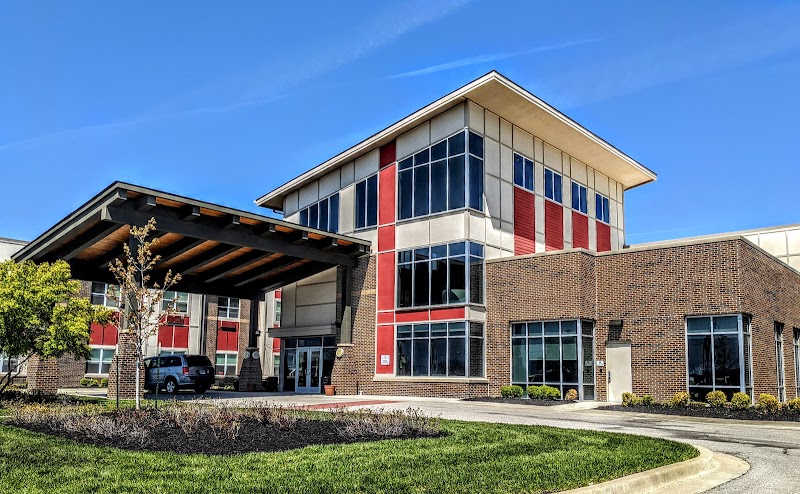
How is The Healthcare Resort Of Olathe Staffed?

CMS rates THE HEALTHCARE RESORT OF OLATHE's staffing level at 3 out of 5 stars, which is average compared to other nursing homes. Staff turnover is 69%, which is 23 percentage points above the Kansas average of 46%. High turnover can affect care consistency as new staff learn residents' individual needs.

What Have Inspectors Found at The Healthcare Resort Of Olathe?

State health inspectors documented 59 deficiencies at THE HEALTHCARE RESORT OF OLATHE during 2021 to 2025. These included: 4 Immediate Jeopardy (the most serious level, indicating potential for serious harm or death), 2 that caused actual resident harm, 51 with potential for harm, and 2 minor or isolated issues. Immediate Jeopardy findings are rare and represent the most serious regulatory concerns. They require immediate corrective action.
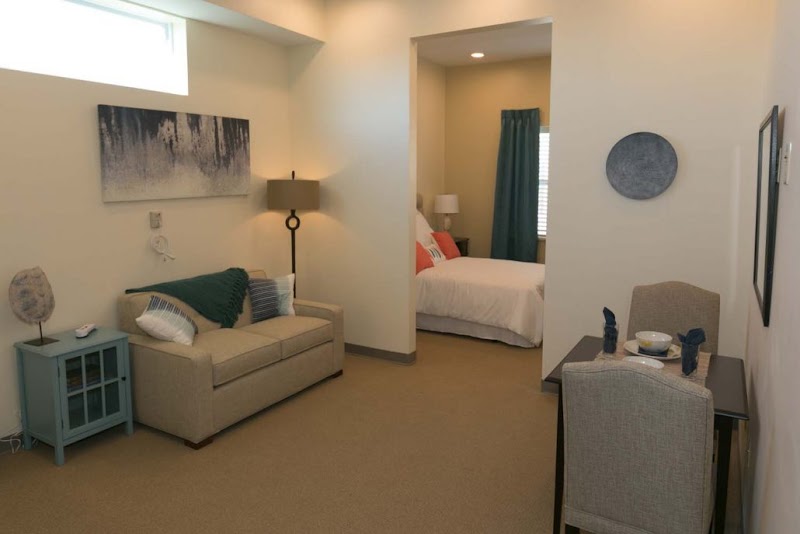
Who Owns and Operates The Healthcare Resort Of Olathe?

THE HEALTHCARE RESORT OF OLATHE is owned by a for-profit company. For-profit facilities operate as businesses with obligations to shareholders or private owners. The facility is operated by THE ENSIGN GROUP, a chain that manages multiple nursing homes. With 70 certified beds and approximately 60 residents (about 86% occupancy), it is a smaller facility located in OLATHE, Kansas.
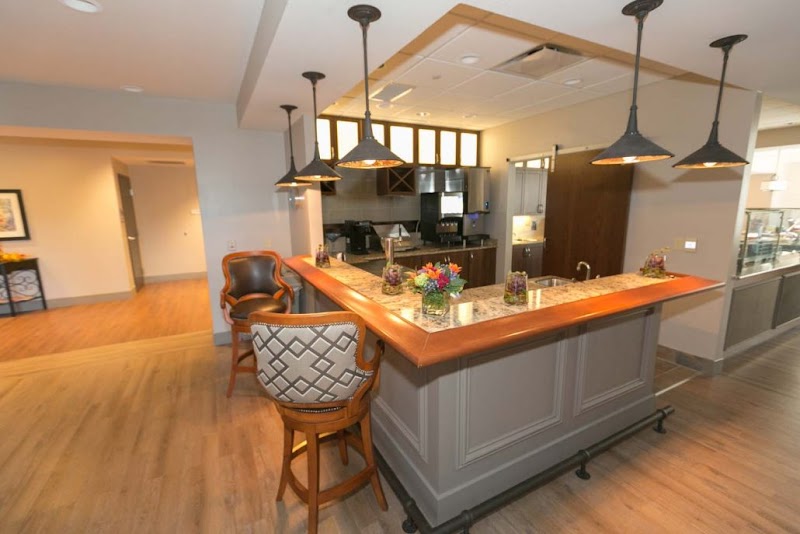
How Does The Healthcare Resort Of Olathe Compare to Other Kansas Nursing Homes?

Compared to the 100 nursing homes in Kansas, THE HEALTHCARE RESORT OF OLATHE's overall rating (1 stars) is below the state average of 2.9, staff turnover (69%) is significantly higher than the state average of 46%, and health inspection rating (1 stars) is much below the national benchmark.

What Should Families Ask When Visiting The Healthcare Resort Of Olathe?

Based on this facility's data, families visiting should ask: "What changes have been made since the serious inspection findings, and how are you preventing similar issues?" "What safeguards and monitoring systems are in place to protect residents from abuse or neglect?" "How do you ensure continuity of care given staff turnover, and what is your staff retention strategy?" "Can I visit during a mealtime to observe dining assistance and food quality?" These questions are particularly relevant given the facility's Immediate Jeopardy citations, the substantiated abuse finding on record, and the facility's high staff turnover rate.

Is The Healthcare Resort Of Olathe Safe?

Based on CMS inspection data, THE HEALTHCARE RESORT OF OLATHE has documented safety concerns. The facility has 1 substantiated abuse finding (meaning confirmed case of resident harm by staff or other residents). Inspectors have issued 4 Immediate Jeopardy citations (the most serious violation level indicating risk of serious injury or death). The facility has a 1-star overall rating and ranks #100 of 100 nursing homes in Kansas. Families considering this facility should ask detailed questions about what corrective actions have been taken since these incidents.

Do Nurses at The Healthcare Resort Of Olathe Stick Around?

Staff turnover at THE HEALTHCARE RESORT OF OLATHE is high. At 69%, the facility is 23 percentage points above the Kansas average of 46%. High turnover means new staff may not know residents' individual needs, medications, or preferences. It can also be disorienting for residents, especially those with dementia who rely on familiar faces. Families should ask: What is causing the turnover? What retention programs are in place? How do you ensure care continuity during staff transitions?

Was The Healthcare Resort Of Olathe Ever Fined?

THE HEALTHCARE RESORT OF OLATHE has been fined $53,279 across 4 penalty actions. This is above the Kansas average of $33,612. Fines in this range indicate compliance issues significant enough for CMS to impose meaningful financial consequences. Common causes include delayed correction of deficiencies, repeat violations, or care failures affecting resident safety. Families should ask facility leadership what changes have been made since these penalties.

Is The Healthcare Resort Of Olathe on Any Federal Watch List?

THE HEALTHCARE RESORT OF OLATHE is not on any federal watch list. The most significant is the Special Focus Facility (SFF) program, which identifies the bottom 1% of nursing homes nationally based on persistent, serious quality problems. Not being on this list means the facility has avoided the pattern of deficiencies that triggers enhanced federal oversight. This is a positive indicator, though families should still review the facility's inspection history directly.