ONAGA OPERATOR, LLC

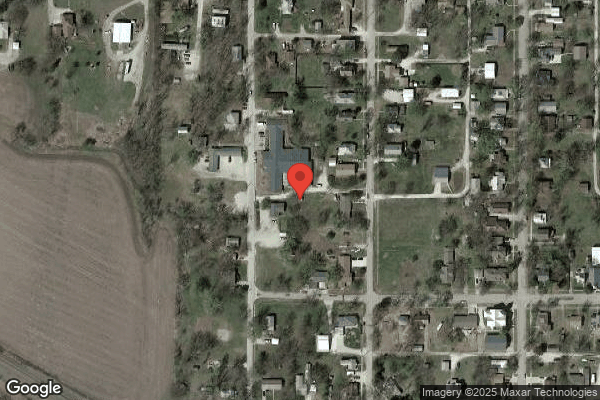
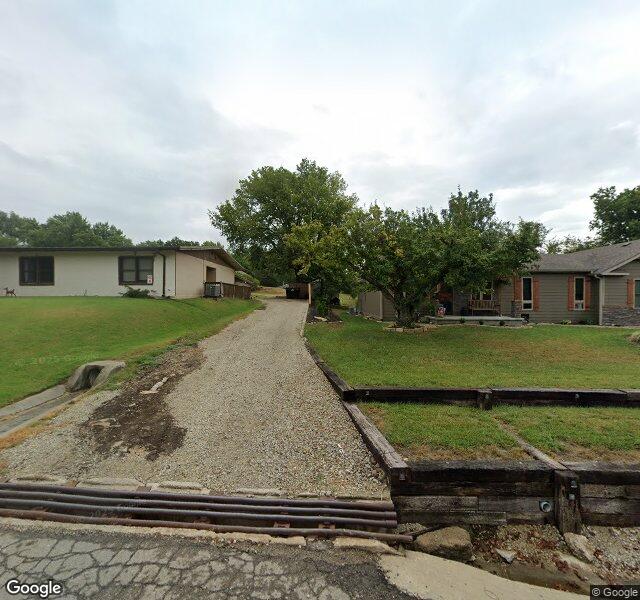
500 WESTERN STREET, ONAGA, KS 66521 (785) 889-4227
For profit - Limited Liability company 45 Beds MISSION HEALTH COMMUNITIES Data: November 2025 5 Immediate Jeopardy citations
Trust Grade
0/100
#213 of 295 in KS
Last Inspection: October 2024

Within standard 12-15 month inspection cycle. Federal law requires annual inspections.

Overview

Onaga Operator, LLC has received a Trust Grade of F, indicating significant concerns and overall poor performance. With a state rank of #213 out of 295 in Kansas, they are in the bottom half of facilities, and they rank #4 out of 4 in Pottawatomie County, meaning there are no better local options. The facility is currently improving, having reduced issues from 8 in 2024 to just 1 in 2025, but they still face serious challenges. Staffing is a relative strength with a 3/5 star rating and a turnover rate of 35%, which is better than the state average of 48%. However, they have incurred fines totaling $39,826, which is concerning and suggests ongoing compliance problems, alongside critical incidents involving staff misconduct and medication errors that have put residents at risk. Additionally, RN coverage is below that of 90% of Kansas facilities, which may impact the level of care residents receive.

Trust Score
F
0/100
In Kansas
#213/295
Bottom 28%
Safety Record
High Risk
Review needed
Inspections
Getting Better
8 → 1 violations
Staff Stability
○ Average
35% turnover. Near Kansas's 48% average. Typical for the industry.
Penalties
✓ Good
$39,826 in fines. Lower than most Kansas facilities. Relatively clean record.
Skilled Nurses
⚠ Watch
Each resident gets only 21 minutes of Registered Nurse (RN) attention daily — below average for Kansas. Fewer RN minutes means fewer trained eyes watching for problems.
Violations
⚠ Watch
24 deficiencies on record. Higher than average. Multiple issues found across inspections.
★★☆☆☆
2.0
Overall Rating
★★★☆☆
3.0
Staff Levels
★★★☆☆
3.0
Care Quality
★★☆☆☆
2.0
Inspection Score
Stable
2024: 8 issues
2025: 1 issues

The Good

  • Full Sprinkler Coverage · Fire safety systems throughout facility
  • No fines on record
  • Staff turnover below average (35%)

    13 points below Kansas average of 48%

Facility shows strength in fire safety.

The Bad

2-Star Overall Rating

Below Kansas average (2.9)

Below average - review inspection findings carefully

Staff Turnover: 35%

11pts below Kansas avg (46%)

Typical for the industry

Federal Fines: $39,826

Above median ($33,413)

Moderate penalties - review what triggered them

Chain: MISSION HEALTH COMMUNITIES

Part of a multi-facility chain

Ask about local staffing decisions and management

The Ugly 24 deficiencies on record

5 life-threatening
Jul 2025 1 deficiency 1 IJ
CRITICAL (J) 📢 Someone Reported This

A family member, employee, or ombudsman was alarmed enough to file a formal complaint

Immediate Jeopardy (IJ) - the most serious Medicare violation

Free from Abuse/Neglect (Tag F0600)

Someone could have died · This affected 1 resident

**NOTE- TERMS IN BRACKETS HAVE BEEN EDITED TO PROTECT CONFIDENTIALITY** The facility identified a census of 32 residents, with three residents reviewed for abuse and neglect. Based on record review, o...

Read full inspector narrative →
**NOTE- TERMS IN BRACKETS HAVE BEEN EDITED TO PROTECT CONFIDENTIALITY** The facility identified a census of 32 residents, with three residents reviewed for abuse and neglect. Based on record review, observation, and interview, the facility failed to prevent sexual abuse when Resident (R)2 used topical pain medication as lubrication and penetrated cognitively impaired resident R1 anally and vaginally. On 07/11/25 at 03:05 PM, cognitively impaired R1 reported to LN G she felt nauseated, and LN G noted R1 to be anxious. R1 stated R2 utilized topical pain medication (Voltaren) during a sexual encounter, as lubrication, R1 felt sick, and reported hurting and bleeding. LN G asked R1 to clarify if it was used in her vagina or rectum, and R1 stated vagina. R1 reported R2 had put it on himself, and then it went in. R1 was unable to provide a date or time when the incident with R2 occurred, but stated it was a couple of days ago. R1 was tearful, voiced embarrassment, reported feeling ashamed, and said she told R2 to stop, but R2 did not stop. The Social Services Staff X took R1 to the hospital, where R1 reported sexual activity and bleeding. R1 told the emergency room (ER) doctors she was penetrated anally by R2. The examination revealed a small internal hemorrhoid and excoriation of the rectal tissue. R1 stated when R2 touched her, she felt afraid, helpless, and scared. R1 continued to have uncontrolled anxiety and tearfulness, was found shaking uncontrollably in bed, and was very difficult to calm. This deficient practice placed R1 in immediate jeopardy, and other female residents at risk for sexual abuse.Findings included:- R1's Electronic Medical Record (EMR) documented R1 had diagnoses of stroke, hemiplegia (paralysis of one side of the body) affecting the left non-dominant side, hypertension (high blood pressure), peripheral vascular disease (PVD- slow and progressive circulation disorder causing narrowing, blockage, or spasms in a blood vessel), aphasia (condition with disordered or absent language function), and depression (a mood disorder that causes a persistent feeling of sadness and loss of interest).The Quarterly Minimum Data Set (MDS), dated [DATE], documented R1 had a Brief Interview for Mental Status score of eight, which indicated moderately impaired cognition. The MDS documented R1 had no behaviors, required set-up/clean-up assistance with eating, required moderate staff assistance with bathing, and was independent with all other activities of daily living (ADL).The Cognitive Loss/Dementia Care Area Assessment (CAA), dated 10/29/24, documented R1 was at risk for a decline in cognitive status. The staff oriented R1 frequently, R1 required extra time to respond to questions, and the staff were to ask simple, direct questions which were easier for R1 to answer.The Communication CAA, dated 10/29/25, documented R1 was at risk for decline in functional communication. The CAA documented R1 was able to answer simple, direct questions if given the time.The Functional Abilities CAA, dated 10/29/25, documented R1 as at risk for a decline in functional ability with ADLs. The CAA documented R1 was mostly independent with her ADLs.R1's Care Plan documented R1 had a BIMS of eight and directed staff to speak about one topic at a time and wait on her response for understanding (10/28/24). The care plan documented R1 had a diagnosis of depression and directed staff to engage R1 in conversation when she felt sad and provide emotional support (02/19/25). The care plan documented R1 had anxiety attacks and directed staff to reassure R1 when she had negative thoughts that brought her stress and anxiety (06/25/25).The Nurses Note, dated 07/10/25, documented R1 reported she had moderate (about a tablespoon) of bright red blood after having a soft stool this evening. R1 stated she strained a little bit, denied a history of bleeding or hemorrhoids, stated she did not know if the bleeding was rectal or vaginal, and denied pain or discomfort. R1 declined an emergency room visit for evaluation but agreed staff could contact her provider in the morning and schedule an office visit. R1 agreed she would notify staff of further episodes and not flush before the nurse visualized.The Social Services Note, dated 07/11/25 at 02:18 PM, documented Certified Nurse Aide (CNA) M came to Social Services Staff X's office at about 02:09 PM and reported R1 was very tearful. Social Services Staff X went to R1's room, and R1 wanted her door shut during the visit. R1 stated a male resident had her cream and told R1 she was not lubricated enough. R1 admitted to having sex with the male resident [R2]. R1 was tearful because she noticed blood coming from her rectum. The note documented R1 expressed embarrassment. Administrative Staff A asked R1 if the sexual activities were consensual or not, and R1 replied, No, I did not want to do it. R1 was calming down and weeping less and agreed to get examined by a doctor, in case her sexual activity had harmed her in any way, especially using arthritis cream [as lubrication]. Social Services Staff X transported R1 to the emergency room, where a Sexual Assault Nurse Examiner (SANE) saw R1. R1 provided the nurse with her story and claimed she was a bad girl. The SANE nurse asked R1 if the sex was consensual, and R1 replied, Yes. The SANE nurse stated the exam would not be necessary and any evidence collected would most likely not be found since the event occurred two days to a week ago. The SANE nurse stated that this may be the case due to R1 showering, changing clothes, and so on. The emergency room doctor arrived, asked R1 about her rectal bleeding, and R1 did not mention anything about her sexual activity or any possible penetration wounds. The doctor examined R1's rectal area and noted she had obvious internal hemorrhoids. The hospital treated R1with a suppository and released the resident.The Nurses Note, dated 07/11/25 at 02:40 PM, documented R1 reported she felt nauseated and like she was going to be sick. The note documented R1 appeared anxious and displayed evidence of picking at several lesions on her left hand and abdomen. R1 asked LN G to go to her art table and get that tube. LN G retrieved a tube of diclofenac 1% gel (topical pain medication). R1 asked LN G, What is that for? LN G told R1 it was a topical medication used for pain. LN G asked R1 where she got the medication, and R1 replied, [R2]. LN G told R1 the medication was usually kept on the nurse's cart. R1 stated she had felt sick ever since she used it. LN G asked R1 where she had applied the medication, and R1 was hesitant to discuss but stated, [R2] got it out of his drawer. I was in his room, and we were messing around, and I was having a problem. I am so embarrassed. LN G provided R1 emotional support. R1 told LN G, [R2] got it out of his drawer and said we can use this, indicating the diclofenac gel, for lubrication. LN G asked R1 to clarify if she meant the gel was used for lubrication. R1 answered, Yes. R1 stated, Ever since then, it has been hurting and I have been bleeding. LN G asked R1 to clarify if she meant in her rectum or her vagina, and R1 stated, vagina. R1 stated, [R2] put it on himself, and then it went in. LN G asked R1 when this occurred, and R1 said a couple of days ago. R1 was tearful and voiced embarrassment. LN G continued to provide emotional support. LN G asked R1 if she felt threatened or unsafe by R2, and R1 said, No. The emergency room Provider Note, dated 07/11/25, documented R1 presented to the emergency room with the complaint of rectal bleeding and sexual assault. R1 presented with bright red blood per the rectum and reported constipation over the last several days since consensual penile penetration to the rectum. The exam showed a small internal hemorrhoid and excoriation of the rectal tissue. The staff administered Anusol (topical steroid used to treat hemorrhoids or rectal irritation) 25 milligrams (mg) via suppository, gave discharge instructions with supportive care, and encouraged R1 to avoid further activity.The Nurses Note, dated 07/12/25, documented the nurse found R1 sobbing in her recliner. When asked what was wrong, R1 stated, I'm so upset with myself. When asked why R1 was upset with herself, R1 stated, It was something that happened with another resident. It wasn't his fault. It was mine. When asked if she was upset about her sexual encounter, R1 nodded her head. R1 stated, I am just so ashamed of myself. It should not have happened. R1 stated, I am such a weak person, and I should not have given him the opportunity.I did tell him to stop, but he didn't. Everyone thinks [R2] is pure as snow, but he is not.I can't stop my mind from running, it's going and going and going. The Nurses Note, dated 07/13/25, documented R1 continued to have uncontrolled anxiety and tearfulness regarding a sexual encounter with another resident. R1 was able to come out for the morning meal but remained tearful. R1 was found shaking uncontrollably in bed and was difficult to calm.On 07/28/25 at 09:30 AM, observation revealed R1 sat in her recliner staring out the window. The room was dark, and the TV was off. R1 was wringing her hands, breathing hard, and was tearful.On 07/28/25 at 09:30 AM, R1 stated she had been more depressed lately. R1 stated she did a bad thing and let R2 take advantage of her. R1 stated she did not want to talk about R2 or think about R2. She just wanted to forget anything ever happened. R1 stated she did not want R2 to do the things he did to her, but she was an old lady, and he was a man. She did not know what to do. R1 stated R2 was gone, and she did not have to worry about him coming into her room anymore. R1 stated she still wanted her door shut all the time because she was afraid someone else would come into her room. R1 stated when R2 touched her, she felt afraid, helpless, and scared.On 07/28/25 at 11:00 AM, Administrative Staff A stated she thought something happened between R1 and R2, but was unable to prove what happened. Administrative Staff A stated by the time the investigation started, R2 transferred to a higher-level of care hospital for heart issues, so he was unable to be interviewed by her, but the police interviewed him, and R2 denied knowing R1. Administrative Staff A stated the local police ran a background search on R2 and said if Administrative Staff A would have run that, she would not have accepted R2 into the facility because R2 had a history of abuse of women in another state. The police stated they could not charge R2 with anything because R1 told them it was consensual.On 07/28/25 at 12:15 PM, CNA M stated R1 called her into her room and asked to talk to her. R1 was crying and anxious and told her that [R2] had touched her, and she was not feeling well. CNA M stated she was not sure how to handle it, so she told the social worker. CNA M stated [R2] threw up red flags because he was able to leave the facility and get drunk, so you never knew what he was going to do.On 07/28/25 at 12:30 PM, Social Service Staff X stated she wished she had done a better job representing R1 at the emergency room. Social Services Staff X stated she did not tell the SANE nurse or the doctor R1 had cognitive deficits, and she was not sure R1 even knew what consensual meant. Social Services Staff X stated she did not know how much she should tell the SANE nurse or the doctor because she did not want to skew the findings or anything, and she is not R1's responsible party.The facility's Reporting Abuse to Facility Management, Including Sexual Consent F600 Policy, dated August 2024, documented it is the responsibility of the employees, facility consultants, Attending Physicians, family members, visitors, etc., to promptly report any incident or suspected incident of neglect, exploitation, or resident abuse. The community does not condone resident abuse by anyone, including staff members, physicians, consultants, volunteers, staff of other agencies, family members, legal guardians, sponsors, other residents, friends, or other individuals.On 07/28/25 at 03:15 PM, Administrative Staff A was provided the IJ template and notified of the facility's failure to ensure R1 was protected from sexual abuse, which placed R1 in immediate jeopardy.The facility identified and implemented immediate corrective actions, which were completed on 07/17/25 and included: R2 was placed on 1:1 on 07/11/25 at 03:00 PM and has since been discharged .All staff were re-educated on Abuse, Neglect, and Exploitation (ANE) after the incident, completed 07/17/25. The social worker will meet with R1 weekly for 4 weeks. The facility interviewed alert and oriented female residents regarding safety.Due to the corrective action completed before the onsite survey, the citation was deemed past noncompliance at a J scope and severity.
Oct 2024 7 deficiencies
CONCERN (D)

Potential for Harm - no one hurt, but risky conditions existed

Comprehensive Care Plan (Tag F0656)

Could have caused harm · This affected 1 resident

**NOTE- TERMS IN BRACKETS HAVE BEEN EDITED TO PROTECT CONFIDENTIALITY** The facility had a census of 25 residents. The sample included 13 residents. Based on observation, record review, and interview,...

Read full inspector narrative →
**NOTE- TERMS IN BRACKETS HAVE BEEN EDITED TO PROTECT CONFIDENTIALITY** The facility had a census of 25 residents. The sample included 13 residents. Based on observation, record review, and interview, the facility failed to develop a comprehensive care plan with instruction to staff on providing interventions for the prevention of constipation (difficulty passing stools) for one resident, Resident (R) 26, who had a history of constipation and had been admitted to hospital for constipation. This placed R26 at risk for impaired care due to uncommunicated care needs. Findings included: - R26's Electronic Medical Record (EMR) documented that R26 had a diagnosis of constipation. R26's Quarterly Minimum Data Set (MDS), dated [DATE], documented that R26 had a Brief Interview of Mental Status (BIMS) score of 15, which indicated intact cognition. The MDS documented the resident was independent with most activities of daily living (ADLs). The MDS documented R26 was frequently incontinent of bowel. R26's Care Plan, revised 10/01/24, documented that R26 required one staff assistance with toileting at times; when he was up in a wheelchair, he was continent of bowel and bladder, and when in bed he was incontinent at times. The care plan lacked a section regarding interventions to avoid constipation. The Progress Note, dated 07/06/24 at 09:34 AM, documented that R26 had difficulty having a bowel movement (BM) and had a long history of constipation. The note documented R26 requested he be administered Colace (stool softener). The Progress Note, dated 07/11/24 at 02:45 PM, documented R26 did not participate in therapy that day because he had severe constipation. The note documented R26 endorsed extreme straining when attempting to have a BM and had small bright blood from the rectum. Staff administered a Fleets enema (procedure of inserting liquid directly into the rectum to induce a BM). The Progress Note, dated 07/13/2024 at 11:55 AM, documented R26 was admitted to the hospital for constipation and hypotension (low blood pressure). On 09/30/24 at 03:07 PM, observation revealed R26 sat on the edge of the bed with eyes open. On 10/02/24 at 10:18 AM, Administrative Nurse E verified R26's Care Plan lacked information with interventions for staff to implement for R26 to help him avoid constipation. On 10/02/24 at 11:45 AM, Administrative Nurse D verified R26's Care Plan lacked information with interventions for staff to implement for R26 to help him avoid constipation. The facility's Comprehensive Care Plans Policy, revised 08/24, documented the facility would provide a comprehensive centered care plan that included measurable objectives and time frames to meet the resident's medical, nursing, mental, cultural, and psychological (the most basic things that everyone needs to survive) needs would be developed for each resident. The facility failed to develop a comprehensive care plan for R26 with instructions to staff on interventions to provide him to avoid constipation. This placed R26 at risk for impaired care due to uncommunicated care needs.
CONCERN (D)

Potential for Harm - no one hurt, but risky conditions existed

Drug Regimen Review (Tag F0756)

Could have caused harm · This affected 1 resident

**NOTE- TERMS IN BRACKETS HAVE BEEN EDITED TO PROTECT CONFIDENTIALITY** The facility had a census of 25 residents. The sample included 13 residents, with six reviewed for unnecessary medications. Base...

Read full inspector narrative →
**NOTE- TERMS IN BRACKETS HAVE BEEN EDITED TO PROTECT CONFIDENTIALITY** The facility had a census of 25 residents. The sample included 13 residents, with six reviewed for unnecessary medications. Based on observation, record review, and interview, the facility failed to ensure the Consultant Pharmacist (CP) identified and reported the inappropriate indication for Seroquel (an antipsychotic medication) for Resident (R)19 and failed to identify and report the lack of a stop date for R19, R7 and R23's as needed (PRN) lorazepam (an antianxiety medication). This placed the residents at risk for unnecessary psychotropic medication side effects. Findings included: - R19's Electronic Medical Record (EMR) had diagnoses of dementia with other behavioral disturbances (a progressive mental disorder characterized by failing memory, confusion), anxiety (cognitive or emotional reaction characterized by apprehension uncertainty, and irrational fear), depression (a mood disorder that causes a persistent feeling of sadness and loss of interest), and bipolar disorder (a major mental illness that causes people to have episodes of severe high and low moods). The admission Minimum Data Set (MDS), dated [DATE], documented R19 had severely impaired cognition. R19 was dependent upon staff for eating, toileting, mobility, and transfers, and required substantial assistance for personal hygiene. R19 had inattention, disorganized thinking that fluctuates, verbal behaviors, and rejection of care daily. The MDS documented that R19 received antipsychotics, antidepressants (a class of medications used to treat mood disorders), and anti-anxiety medications. The Quarterly MDS, dated 09/06/24, documented R19 had severely impaired cognition and was dependent upon staff for toileting, mobility, showers, dressing, personal hygiene, and transfers. R19 had inattention, disorganized thinking that fluctuates, verbal behaviors, and rejection of care daily. The MDS documented that R19 received antipsychotic, antidepressant, antianxiety, and opioid (a class of controlled drugs used to treat pain) medication. R19's Care Plan, dated 08/25/24 and initiated on 04/01/24, directed staff to administer medications as ordered, monitor and document side effects, and monitor occurrences for target behaviors. The plan directed staff to ask one question at a time and wait for his response, contact his spouse for all medical changes, and minimize distractions while speaking to him. The Physician's Order, dated 03/28/24, directed staff to administer Seroquel (an antipsychotic medication), 125 milligrams (mg), once daily, for hallucinations. The Physician's Order, dated 06/01/24, directed staff to administer lorazepam (an antianxiety medication), 0.25 milliliters (ml), by mouth, every hour, as needed for anxiety. The order lacked a stop date. R19's EMR lacked a documented physical rationale which included unsuccessful attempts for nonpharmacological symptom management and risk versus benefit for the continued Seroquel. The Drug Regimen Review, dated 5/06/24, 07/04/24, 08/06/24, and 09/10/24 failed to address the as-needed lorazepam. The drug regimen review for 06/06/24 documented R19 was on as-needed lorazepam and had no stop date with a response from the physician that R19 was on hospice care services (medical care for people with an anticipated life expectancy of 6 months or less). The EMR lacked further documentation regarding a stop date for R19's as-needed lorazepam. On 10/01/24 at 08:05 AM, observation revealed R19 sat at the dining table with staff present and he would periodically yell out Nurse, Nurse. On 10/01/24 at 09:45 AM, the Certified Nurse Aide (CNA) stated R19 typically yelled out whether staff was with him or not and she notified the nurse when he did that. On 10/02/24 at 11:21 AM, Licensed Nurse (LN) G stated R19 did holler out and received PRN medication as well as he was offered whether to get up out of bed, a snack, or toileting. LN G further stated she was aware of the 14-day stop date for the PRN lorazepam but R19's physician would not put a stop date on the order. On 10/02/24 at 11:44 AM, Administrative Nurse D stated R19's physician would not put a stop date on the PRN lorazepam and was aware it was required but was unaware of the need for risk versus benefit or the indications for the use of an antipsychotic medication with a dementia diagnosis. Administrative Nurse D further stated the Consultant Pharmacist had not documented the lack of the stop date in the monthly reviews. Upon request a policy for Drug Regimen Review was not provided by the facility, The facility failed to ensure the Consultant Pharmacist identified and reported the lack of a documented physician rationale which included the multiple unsuccessful attempts for nonpharmacological symptom management and risk versus benefits for the continued use of antipsychotic medication and failed to identify and report the continued use of as needed lorazepam without a stop-date. This placed the resident at risk for unnecessary psychotropic medication side effects. - The Electronic Medical Record (EMR) for R7's documented diagnoses of depression (abnormal emotional state characterized by exaggerated feelings of sadness, worthlessness, emptiness, and hopelessness), adjustment disorder with mixed anxiety (an extreme emotional or behavioral reaction within three months of a stressful or monumental life event), and pain. The admission Minimum Data Set (MDS), dated [DATE], documented R7 had moderately impaired cognition and was dependent upon staff for eating, mobility, transfers, toileting, and showers. R7 had two to six days of depressed mood and received antidepressant (a class of medications used to treat mood disorders), opioid (a class of controlled drugs used to treat pain), antibiotic (a medicine that inhibits the growth of or destroys microorganisms), and anticoagulant (a class of medications sued to prevent the blood from clotting) medication for seven days. R7's Care Plan, dated 07/30/24 and initiated on 07/07/24, directed staff to allow R7 to voice her fears and concerns, administer medications as ordered, and monitor for side effects and behaviors. The Physician's Order, dated 07/19/24, directed staff to administer lorazepam (an antianxiety medication), 0.25 cubic centimeter (cc), every hour PRN for anxiety and restlessness. The order lacked a stop date. The Drug Regimen Review, dated 07/04/24, 08/06/24, and 09/10/24 failed to address the PRN lorazepam. On 10/01/24 at 08:30 AM, observation revealed R7 in her bed. She received her medication as ordered and without any issues. On 10/01/24 at 09:45 AM, Certified Nurse Aide (CNA) M stated R7 did not have any behaviors but used to; she mainly stayed in her room. On 10/02/24 at 11:21 AM, Licensed Nurse (LN) G stated R7 had periods of delusions (a false belief or judgment about external reality) but otherwise she had no behaviors. LN G further stated she was aware of the 14-day stop date for the PRN lorazepam but R7's physician would not put a stop date on the order. On 10/02/24 at 11:44 AM, Administrative Nurse D stated R7's physician would not put a stop date on the PRN lorazepam and was aware it was required. Administrative Nurse D further stated the Consultant Pharmacist had not documented the lack of the stop date in the monthly reviews. Upon request a policy for Drug Regimen Review was not provided by the facility, The facility failed to ensure the Consultant Pharmacist identified and reported the lack of a stop date for R7's PRN lorazepam. This placed the resident at risk for inappropriate use of as-needed antianxiety medication. - R23's Electronic Medical Record (EMR) documented R23 had a diagnosis of anxiety disorder (mental or emotional reaction characterized by apprehension, uncertainty, and irrational fear). R23's Significant Change Minimum Data Set (MDS), dated [DATE], documented R23 had short and long-term memory problems and severely impaired cognition. The MDS documented that R23 received an antianxiety (a class of medications that calm and relax people) medication during the observation period. R23's Care Plan, revised 09/23/24, instructed staff to provide physical and verbal cues to alleviate anxiety; give positive feedback, assist in verbalization of the source of agitation, and assist in setting goals for more pleasant behavior. The plan directed staff to encourage seeking out of staff members when agitated. The care plan instructed staff to intervene before R23's agitation escalated, guide him away from the source of distress, and engage R23 calmly in conversation or activity. The Physician Order, dated 02/04/23 at 09:57 PM instructed staff to administer Ativan (lorazepam-medication used to treat anxiety) oral concentrate two milligrams (mg)/milliliter (ml) give 0.25 ml orally every hour PRN or give 0.5 ml orally every hour PRN or give 0.75 ml orally every hour PRN or give one ml orally every hour as needed for anxiety with a stop date of indefinitely. The Consultant Pharmacist (CP) Regimen Review from 05/01/24 to 09/30/24 lacked evidence the CP identified and reported that R23's PRN Ativan order lacked a stop date or specified duration with a documented physician rationale for the extended use. On 07/10/24 at 10:00 AM, Administrative Nurse D verified the CP had not alerted the facility of the lack of a stop date for R23's PRN Ativan. Upon request, the facility did not provide a policy regarding CP regimen review. The facility failed to ensure the CP identified and reported R23's PRN Ativan lacked a stop date or specified duration. This placed the resident at risk for unnecessary medication side effects.
CONCERN (D)

Potential for Harm - no one hurt, but risky conditions existed

Medication Errors (Tag F0758)

Could have caused harm · This affected 1 resident

**NOTE- TERMS IN BRACKETS HAVE BEEN EDITED TO PROTECT CONFIDENTIALITY** The facility had a census of 25 residents. The sample included 13 residents, with six reviewed for unnecessary medications. Base...

Read full inspector narrative →
**NOTE- TERMS IN BRACKETS HAVE BEEN EDITED TO PROTECT CONFIDENTIALITY** The facility had a census of 25 residents. The sample included 13 residents, with six reviewed for unnecessary medications. Based on observations, record review, and interview, the facility failed to ensure an appropriate indication, or a documented physician rationale, which included unsuccessful attempts for nonpharmacological symptom management and risk versus benefit for the continued use of Resident (R) 19's antipsychotic (a medication used to treat any major mental disorder characterized by a gross impairment testing) and failed to ensure a 14-day stop date or specified duration for R19, R7 and R23s' ongoing as needed (PRN) antianxiety (a class of medications that calm an relax people with excessive anxiety, nervousness, or tension). This placed the residents at risk for unintended effects related to psychotropic (alters mood or thought) medications. Findings included: - R19's Electronic Medical Record (EMR) had diagnoses of dementia with other behavioral disturbances (a progressive mental disorder characterized by failing memory, confusion), anxiety (cognitive or emotional reaction characterized by apprehension uncertainty, and irrational fear), depression (a mood disorder that causes a persistent feeling of sadness and loss of interest), and bipolar disorder (a major mental illness that causes people to have episodes of severe high and low moods). The admission Minimum Data Set (MDS), dated [DATE], documented R19 had severely impaired cognition. R19 was dependent upon staff for eating, toileting, mobility, and transfers, and required substantial assistance for personal hygiene. R19 had inattention, disorganized thinking that fluctuates, verbal behaviors, and rejection of care daily. The MDS documented that R19 received antipsychotics, antidepressants (a class of medications used to treat mood disorders), and anti-anxiety medications. The Quarterly MDS, dated 09/06/24, documented R19 had severely impaired cognition and was dependent upon staff for toileting, mobility, showers, dressing, personal hygiene, and transfers. R19 had inattention, disorganized thinking that fluctuates, verbal behaviors, and rejection of care daily. The MDS documented that R19 received antipsychotic, antidepressant, antianxiety, and opioid (a class of controlled drugs used to treat pain) medication. R19's Care Plan, dated 08/25/24 and initiated on 04/01/24, directed staff to administer medications as ordered, monitor and document side effects, and monitor occurrences for target behaviors. The plan directed staff to ask one question at a time and wait for his response, contact his spouse for all medical changes, and minimize distractions while speaking to him. The Physician's Order, dated 03/28/24, directed staff to administer Seroquel (an antipsychotic medication), 125 milligrams (mg), once daily, for hallucinations. The Physician's Order, dated 06/01/24, directed staff to administer lorazepam (an antianxiety medication), 0.25 milliliters (ml), by mouth, every hour, as needed for anxiety. The order lacked a stop date. R19's EMR lacked a documented physical rationale which included unsuccessful attempts for nonpharmacological symptom management and risk versus benefit for the continued Seroquel. On 10/01/24 at 08:05 AM, observation revealed R19 sat at the dining table with staff present and he would periodically yell out Nurse, Nurse. On 10/01/24 at 09:45 AM, the Certified Nurse Aide (CNA) M stated R19 typically yelled out whether staff was with him or not and she notified the nurse when he did that. On 10/02/24 at 11:21 AM, Licensed Nurse (LN) G stated R19 did holler out and received PRN medication as well as he was offered whether to get up out of bed, a snack, or toileting. LN G further stated she was aware of the 14-day stop date for the PRN lorazepam but R19's physician would not put a stop date on the order. On 10/02/24 at 11:44 AM, Administrative Nurse D stated R19's physician would not put a stop date on the PRN lorazepam and was aware it was required but was unaware of the need for risk versus benefit or the indications for the use of an antipsychotic medication with a dementia diagnosis. Administrative Nurse D further stated the Consultant Pharmacist had not documented the lack of the stop date in the monthly reviews. The facility's Psychotropic Drug Use policy, dated 04/24, documented that residents would only receive antipsychotic and psychotropic medications when necessary to treat specific conditions for which they are indicated and effective and would not be used for discipline or convenience of the staff. Limit PRN orders for antidepressants hypnotics, and antianxiety medications to 14 days. This may be extended beyond the 14 days through documentation in the medical record by the practitioner as to why this should occur. The facility failed to ensure R19's lorazepam had a 14-day stop date or specified duration and failed to ensure R19 did not receive antipsychotic medication without an appropriate indication or required documentation for its use. This placed the resident at risk for adverse side effects. - The Electronic Medical Record (EMR) for R7's documented diagnoses of depression (abnormal emotional state characterized by exaggerated feelings of sadness, worthlessness, emptiness, and hopelessness), adjustment disorder with mixed anxiety (an extreme emotional or behavioral reaction within three months of a stressful or monumental life event), and pain. The admission Minimum Data Set (MDS), dated [DATE], documented R7 had moderately impaired cognition and was dependent upon staff for eating, mobility, transfers, toileting, and showers. R7 had two to six days of depressed mood and received antidepressant (a class of medications used to treat mood disorders), opioid (a class of controlled drugs used to treat pain), antibiotic (a medicine that inhibits the growth of or destroys microorganisms), and anticoagulant (a class of medications sued to prevent the blood from clotting) medication for seven days. R7's Care Plan, dated 07/30/24 and initiated on 07/07/24, directed staff to allow R7 to voice her fears and concerns, administer medications as ordered, and monitor for side effects and behaviors. The Physician's Order, dated 07/19/24, directed staff to administer lorazepam (an antianxiety medication), 0.25 cubic centimeter (cc), every hour, prn, for anxiety and restlessness. The order lacked a stop date. On 10/01/24 at 08:30 AM, observation revealed R7 in her bed. She received her medication as ordered and without any issues. On 10/01/24 at 09:45 AM, Certified Nurse Aide (CNA) M stated R7 did not have any behaviors but used to; she mainly stayed in her room. On 10/02/24 at 11:21 AM, Licensed Nurse (LN) G stated R7 had periods of delusions (a false belief or judgment about external reality) but otherwise she had no behaviors. LN G further stated she was aware of the 14-day stop date for the PRN lorazepam but R7's physician would not put a stop date on the order. On 10/02/24 at 11:44 AM, Administrative Nurse D stated R7's physician would not put a stop date on the PRN lorazepam and was aware it was required. Administrative Nurse D further stated the Consultant Pharmacist had not documented the lack of the stop date in the monthly reviews. The facility's Psychotropic Drug Use policy, dated 04/24, documented that residents would only receive antipsychotic and psychotropic medications when necessary to treat specific conditions for which they are indicated and effective and would not be used for discipline or convenience of the staff. Limit prn orders for antidepressants hypnotics, and antianxiety medications to 14 days. This may be extended beyond the 14 days through documentation in the medical record by the practitioner as to why this should occur. The facility failed to ensure R7's lorazepam had a 14-day stop date or specified duration. This placed the resident at risk for adverse side effects. - R23's Electronic Medical Record (EMR) documented that R23 had a diagnosis of anxiety disorder (mental or emotional reaction characterized by apprehension, uncertainty, and irrational fear). R23's Significant Change Minimum Data Set (MDS), dated [DATE], documented R23 had short and long-term memory problems and severely impaired cognition. The MDS documented that R23 received an antianxiety (a class of medications that calm and relax people) medication during the observation period. R23's Care Plan, revised 09/23/24, instructed staff to provide physical and verbal cues to alleviate anxiety; give positive feedback, assist in verbalization of the source of agitation, and assist in setting goals for more pleasant behavior. The plan directed staff to encourage seeking out of staff members when agitated. The care plan instructed staff to intervene before R23's agitation escalated, guide him away from the source of distress, and engage R23 calmly in conversation or activity. The Physician Order, dated 02/04/23 at 09:57 PM instructed staff to administer Ativan (lorazepam-medication used to treat anxiety) oral concentrate two milligrams (mg)/milliliter (ml) give 0.25 ml orally every hour PRN or give 0.5 ml orally every hour PRN or give 0.75 ml orally every hour PRN or give one ml orally every hour as needed for anxiety with a stop date of indefinitely. On 07/10/24 at 10:00 AM, Administrative Nurse D verified the R23's PRN Ativan did not have a stop date and it should have one. Administrative Nurse D stated the facility staff were having a hard time getting the physician to place a stop date. The facility's Psychotropic Drug Use Policy, revised 04/24, documented the facility would limit PRN orders for antianxiety drugs to 14 days through documentation in the medical record by the practitioner as to why this should occur. The facility failed to ensure R23's physician order for PRN Ativan had a stop date. This placed the resident at risk for unnecessary psychotropic medications.
CONCERN (D)

Potential for Harm - no one hurt, but risky conditions existed

Menu Adequacy (Tag F0803)

Could have caused harm · This affected 1 resident

The facility had a census of 25 residents. The sample included 13 residents. Based on observation, record review, and interview the facility failed to provide a nourishing, well-balanced diet for one ...

Read full inspector narrative →
The facility had a census of 25 residents. The sample included 13 residents. Based on observation, record review, and interview the facility failed to provide a nourishing, well-balanced diet for one resident who received a pureed diet. This placed the resident at risk for impaired nutrition. Findings included: - On 10/01/24 at 11:50 AM Dietary Staff (DS) CC reported the facility had one resident who received a pureed diet. DS CC placed one 4-ounce (oz) slice of meatloaf in a blender with 2.5 teaspoons (tsp.) of beef broth and blended to the consistency of mashed potatoes. DS CC transferred the meatloaf to a bowl using a spatula. DS CC retrieved a new small blender container and placed two 4-oz scoops of mixed vegetables into the blender, added 2.5 tsp. of liquid from the mixed vegetables, and blended to the consistency of mashed potatoes, then transferred the mixed vegetables into a small bowl. DS CC stated the resident would receive mashed potatoes and lemon pudding. When asked how the resident would receive his bread, DS CC stated she does not prepare pureed bread for the resident. On 10/01/24 at 12:30 PM, DS BB stated normally staff tried to fill in the pureed food item from the grain group with another item. DS CC went on to say it had been an active day, and staff thought that the resident would not eat the pureed bread due to it being soggy, so it was not prepared and offered. The facility's Therapeutic Diets Policy, revised 10/2023, documented those residents on therapeutic diets would not receive extra or reduced portions or modifications that are not part of the diet unless approved by the physician in conjunction with the clinical dietician. The facility failed to provide a nourishing, well-balanced diet to one resident who received a pureed diet. This placed the resident at risk for impaired nutrition.
CONCERN (E)

Potential for Harm - no one hurt, but risky conditions existed

Transfer Notice (Tag F0623)

Could have caused harm · This affected multiple residents

**NOTE- TERMS IN BRACKETS HAVE BEEN EDITED TO PROTECT CONFIDENTIALITY** The facility had a census of 25 residents. The sample included 13 residents, with four reviewed for hospitalization. Based on ob...

Read full inspector narrative →
**NOTE- TERMS IN BRACKETS HAVE BEEN EDITED TO PROTECT CONFIDENTIALITY** The facility had a census of 25 residents. The sample included 13 residents, with four reviewed for hospitalization. Based on observation, record review, and interview, the facility failed to provide written notice for a facility-initiated transfer for Resident (R) 16, R24, R4, and R26 or their representatives when they were transferred to the hospital. The facility also failed to notify the Office of the Long-Term Care Ombudsman (LTCO-a public official who works to resolve resident issues in nursing facilities) of R16, R24, R4, and R26's discharge. This placed the residents at risk for uninformed care choices and impaired rights. Findings included: - R16's Electronic Medical Record (EMR) documented R16 had diagnoses of atrial fibrillation (rapid, irregular heartbeat), diastolic heart failure (the left heart ventricle doesn't relax properly between heartbeats), anxiety (mental or emotional reaction characterized by apprehension, uncertainty, and irrational fear), and pleural effusion (abnormal accumulation of fluid in the lungs). The Quarterly Minimum Data Set (MDS), dated [DATE], documented R16 had moderately impaired cognition and was dependent upon staff for lower body dressing, toileting, and showers. R16 required substantial assistance with personal hygiene, upper body dressing, and transfers. R16 required supervision with ambulation. The Significant Change MDS, dated 09/04/24, documented R16 had moderately impaired cognition and required substantial assistance from staff for showers, lower body dressing, personal hygiene, transfers, and ambulation was not attempted. R16 required set-up assistance with eating. R16's Care Plan, dated 09/17/24 and initiated on 01/27/21, directed staff to administer medications as ordered, monitor for signs and symptoms of respiratory distress, monitor for edema (swelling), and administer oxygen continuously via nasal cannula (a medical device that provides supplemental oxygen) as ordered. R16's Progress Notes, dated 08/28/24 at 03:39 AM documented R16 was transferred to the hospital. R16's clinical record lacked evidence the resident or representative was provided written notice, or the ombudsman was notified of the hospital transfer. On 09/30/24 at 10:49 AM, observation revealed R16 sat in her recliner in her room. Her eyes were closed and she had her oxygen on. On 10/01/24 at 10:00 AM, Administrative Nurse D verified the LTCO had not been notified when R16 went to the hospital on the above date and verified no written notice was provided to R16 or her representative. Administrative Nurse D stated the social service designee was responsible for notifying the LTCO. On 10/02/24 at 01:41 PM, Social Service X verified she had not provided R16 or her representative with written notice when R16 was transferred to the hospital and stated she was unaware she was supposed to. The facility's Transfer and/or Discharge policy, dated 10/22, documented the resident and/or representative would be provided with a notice in writing, the reason for the transfer or discharge, and a copy would be sent to the State Long Term Care Ombudsman. The facility failed to provide R16 or her representative written notice regarding R16's facility-initiated transfer to the hospital and also failed to notify the LTCO. This placed R16 at risk of uninformed care choices and impaired rights. - R24's Electronic Medical Record (EMR) documented diagnoses of fracture (cracked or broken) of the patella (kneecap), unsteadiness on feet, fracture of the femur (the bone of the thigh or upper hind limb articulating at the hip and the knee). The Quarterly Minimum Data Set (MDS), dated [DATE], documented R24 had severely impaired cognition. R24 required extensive assistance of one staff for dressing, and supervision with bed mobility, toileting, and transfers. R24 had no upper or lower extremity impairment. The Quarterly MDS, dated 09/13/24, documented R24 had severely impaired cognition. She required partial assistance with toileting and ambulation, and set-up assistance with eating, mobility, and personal hygiene. R24 had lower functional impairment on one side. R24's Care Plan, dated 09/24/24 and initiated on 01/09/23, documented R24 lacked safety awareness and had a history of falls. The update, dated 12/30/22, directed staff to educate the resident and family about safety reminders and what to do if a fall occurs. The plan directed staff to determine the possible root cause of the falls and alter or remove any potential causes of the falls if possible. R24's Progress Notes, dated 12/03/24 at 03:50 PM, documented R24 was transferred to the hospital. R24's clinical record lacked evidence the resident or representative was provided written notice, or the ombudsman was notified of the hospital transfer. On 10/01/24 at 11:18 AM, observation revealed Certified Nurse Aide (CNA) N placed a gait belt around the resident's waist. R24 stood up, pivoted, and sat down in the wheelchair. On 10/02/24 at 01:41 PM, Social Service X verified she had not provided R24 or her representative with written notice when R24 was transferred to the hospital and stated she was unaware she was supposed to. The facility's Transfer and/or Discharge policy, dated 10/22, documented the resident and/or representative would be provided with a notice in writing, the reason for the transfer or discharge, and a copy would be sent to the State Long Term Care Ombudsman. The facility failed to provide R24 or her representative written notice regarding R24's facility-initiated transfer to the hospital and failed to notify the LTCO. This placed R24 at risk of uninformed care choices and impaired rights. - R4's Electronic Medical Record (EMR) documented that R4 had diagnoses of chest pain and bradycardia (heart rate less than 60 beats per minute). R4's Quarterly Minimum Data Set (MDS), 06/23/24, documented R4 had a Brief Interview of Mental Status (BIMS) score of 15, which indicated intact cognition. The MDS documented the resident had chest pain. R4's Care Plan, revised 09/24/24, documented R4 occasionally complained of chest pain. R4 had a loop recorder (a small device implanted underneath the skin of your chest that records your heart's rate and rhythm) in her mid-chest area. The care plan instructed staff to keep the area clean and dry until healed, observe for any signs or symptoms of infection, administer R4 oxygen as ordered by the physician, and impress upon the resident the importance of letting staff know when her chest pain first began, monitor vital signs during reported chest pain episodes (at least every five minutes), and monitor and document R4's lung fields; report to the physician any abnormal findings. The care plan instructed staff to document the description of R4's chest pain. The Progress Note, dated 01/18/24 at 11:35 AM documented R4 had been admitted to hospital on [DATE]. The Progress Note, dated 02/01/2024 at 08:46 PM documented R4 had been admitted to the hospital. A review of R4's clinical record lacked evidence the resident or representative was provided written notice when she was transferred to the hospital or of notification to the LTCO of R4's discharge. On 09/30/24 at 02:58 PM, observation revealed R4 sat in a recliner in her room with her feet up on a footrest, reading a book. On 10/01/24 at 10:00 AM, Administrative Nurse D verified that the staff had not provided R4 or her representative with written notice of the transfer/discharge and did not notify the LTCO when R4 was admitted to the hospital. Administrative Nurse D stated Social Service X was responsible for the notifications. On 10/02/24 at 01:41 PM, Social Service X verified she had not provided R4 or her representative nor the LTCO with written notice when R4 was admitted to the hospital. Social Service X said she was unaware she was supposed to. The facility's Transfer and /or Discharge, Including Against Medical Advice (AMA) Policy, revised 10/22, documented that if a resident was transferred emergent to a hospital, the resident or representative would be provided, in writing and language they understood, the reason for the transfer or discharge and the facility would send a copy of the notice to the state LTCO. The facility failed to provide R4 or his representative written notice regarding R4's facility-initiated transfer to the hospital and further failed to notify the LTCO. This placed the resident and/or her representative at risk of uninformed care choices and impaired rights. - R26's Electronic Medical Record (EMR) documented that R26 had a diagnosis of constipation. R26's Medicare Five-Day Minimum Data Set (MDS), dated [DATE], documented that R26 had a Brief Interview of Mental Status (BIMS) score of 15, which indicated intact cognition. The MDS documented that R26 was independent with most activities of daily living (ADLs). R26's Care Plan, revised 10/01/24, documented R26 required one staff assistance with toileting at times; when he was up in a wheelchair, he was continent of bowel and bladder, and when in bed he was incontinent at times. The Progress Note, dated 07/11/24 at 09:10 PM documented that R26 was admitted to the hospital. R26's clinical record lacked evidence the resident or representative was provided a written notice when he was transferred to the hospital or notification to the LTCO of R26's discharge. On 09/30/24 at 03:07 PM, observation revealed R26 sat on the edge of his bed with his eyes open. On 10/01/24 at 10:00 AM, Administrative Nurse D verified that the staff had not provided R26 or his representative nor the LTCO with written notice when R26 was admitted to the hospital. Administrative Nurse D stated Social Service X was responsible for notifying them. On 10/02/24 at 01:41 PM, Social Service X verified she had not provided R26 or her representative with written notice and had not notified the LTCO when R26 was admitted to the hospital. Social Service X stated she was unaware she was supposed to. The facility's Transfer and /or Discharge, Including Against Medical Advice (AMA) Policy, revised 10/22, documented that if a resident was transferred emergent to a hospital, the resident or representative would be provided, in writing and language they understood, the reason for the transfer or discharge and the facility would send a copy of the notice to the state LTCO. The facility failed to provide R26 or his representative written notice regarding R26's facility-initiated transfer to the hospital and further failed to notify the LTCO. This placed the resident and/or her representative at risk of uninformed care choices and impaired rights.
CONCERN (F)

Potential for Harm - no one hurt, but risky conditions existed

Deficiency F0801 (Tag F0801)

Could have caused harm · This affected most or all residents

The facility had a census of 25 residents. The sample included 13 residents. Based on observation, record review, and interview, the facility failed to employ a full-time certified dietary manager for...

Read full inspector narrative →
The facility had a census of 25 residents. The sample included 13 residents. Based on observation, record review, and interview, the facility failed to employ a full-time certified dietary manager for the 25 residents who resided in the facility and received meals from the facility kitchen. This placed the residents at risk for inadequate nutrition. Findings included: - On 10/01/24 at 10:30 AM, a review of the noon meal consisted of meatloaf, garlic mashed potatoes, dinner roll, lemon pudding, and California medley vegetables. On 10/01/24 at 11:30 AM, observation revealed Dietary Staff BB in the kitchen overseeing the preparation of the noon meal. On 09/30/24 at 08:39 AM, Dietary Staff BB verified he was not a certified dietary manager. Dietary Staff BB stated he had started taking the classes. On 10/02/24 at 11:00 PM, Administrative Nurse D verified Dietary Staff BB had no dietary manager certification. The facility's Food Service Staffing Policy, revised 10/23, documented a qualified dietitian would help oversee clinical nutritional services to the residents. If a destination was not full time the facility would employ another qualified nutritional professional to serve as the dietary manager. This person must meet one of the following qualifications: a. certified dietary manager b. certified food service manager cl had a similar certification in food service management from a national certifying body d. had an associate's or higher degree in food services management or hospitality if the course study included food service or restaurant management from an accredited institution of higher learning. E. had two or more years of experience in the position of dietary manager in a nursing facility setting and had completed a course of study in food safety and management topics integral to managing dietary operations including, but not limited to foodborne illness, sanitation procedures, and food purchasing, receiving and met the states established standards if applicable. The facility failed to employ a full-time certified dietary manager for 25 residents who resided in the facility and received meals from the kitchen. This placed the residents at risk of not receiving adequate nutrition.
CONCERN (F)

Potential for Harm - no one hurt, but risky conditions existed

Infection Control (Tag F0880)

Could have caused harm · This affected most or all residents

The facility had a census of 25 residents. The sample included 13 residents. Based on observation, record review, and interview the facility failed to ensure a sanitary environment to help prevent the...

Read full inspector narrative →
The facility had a census of 25 residents. The sample included 13 residents. Based on observation, record review, and interview the facility failed to ensure a sanitary environment to help prevent the development and transmission of communicable diseases and infections when staff failed to implement laundry practices to eliminate infectious pathogens. This placed the residents at risk of obtaining an infection or communicable disease. Findings included: - On 10/02/24 at 10:27 AM, observation in the laundry room lacked evidence the staff monitored the washing machine water temperatures. On 10/02/24 at 10:27 AM, Housekeeping Staff (HS) U stated the facility had high-temperature washing machines, and the laundry staff did not check or record the hot water temperatures of the washing machines. She said maintenance was responsible for ensuring the hot water temperature for the washing machines was high enough. HS U stated residents on Enhanced Barrier Precautions (EBP-infection control interventions designed to reduce transmission of resistant organisms which employ targeted gown and glove use during high contact care) clothing and bedding were washed with the other residents' laundry as well. On 10/02/24 at 11:45 AM, Administrative Nurse D stated laundry or maintenance staff should be checking and recording the hot water temperatures for all laundry daily. On 10/02/24 at 10:30 AM, Maintenance Staff (MS) V stated he did not check the washing machine's hot water temperatures, he only checked hot water in areas in which he was monitoring for waterborne pathogens. The facility's Laundry and Bedding, Soiled Policy, revised 09/2023, instructed staff to handle all laundry as contaminated, and place and transport contaminated laundry in a bag or container at the location where it is used. The policy documented the recommendations for laundry cycles are per manufacturer guidelines and the following: hot water should be at 160 degrees Fahrenheit(F) for 25 minutes, low-temperature washing machines' hot water temperature should be 71-77 degrees F plus 125 parts per million (PPM) chlorine bleach rinse. The facility failed to provide a sanitary environment when staff failed to ensure washing machine temperatures were maintained in order to kill infectious pathogens. This placed the resident at risk of obtaining an infection or communicable disease.
Mar 2024 1 deficiency 1 IJ
CRITICAL (J) 📢 Someone Reported This

A family member, employee, or ombudsman was alarmed enough to file a formal complaint

Immediate Jeopardy (IJ) - the most serious Medicare violation

Deficiency F0760 (Tag F0760)

Someone could have died · This affected 1 resident

The facility identified a census of 31 residents with three residents reviewed for medication errors. Based on record review, observation, and interview, the facility failed to ensure Resident (R) 1 r...

Read full inspector narrative →
The facility identified a census of 31 residents with three residents reviewed for medication errors. Based on record review, observation, and interview, the facility failed to ensure Resident (R) 1 remained free of significant medication errors. On 02/12/24 R1 returned to the facility from a cardiology appointment with a new order for metolazone, a diuretic (medication to promote the formation and excretion of urine), 2.5 milligrams (mg) that day, and another dose on 02/14/24. Licensed Nurse (LN) G incorrectly read the order as 25 mg and instructed LN H to administer five of R1's 5 mg metolazone from his PRN (as needed) stock. When the pharmacy delivered the medication to the facility a few hours later, LN G saw the dose was 2.5 mg. LN G called R1's cardiologist and received orders to monitor R1 for depleted fluid volume and to obtain a basic metabolic panel (BMP-laboratory blood test) the next day. On 02/13/24, R1's BMP showed R1's potassium level was critically low at 2.6 millimoles per liter (mmol/L) (normal range is 3.5 to 5.2 mmol/L). R1 admitted to the hospital and received intravenous fluids and potassium. R1's potassium remained critically low through 02/14/24 and low through 02/19/24 when he returned to the facility on oral potassium supplements. The facility's failure to ensure R1 remained free from significant medication errors resulted in R1 receiving ten times the ordered dose of metolazone which placed R1 in immediate jeopardy. Findings included: - R1's Electronic Medical Record (EMR) documented R1 had diagnoses of congestive heart failure (CHF-a condition with low heart output and the body becomes congested with fluid), chronic obstructive pulmonary disease (COPD- a progressive and irreversible condition characterized by diminished lung capacity and difficulty or discomfort in breathing), and chronic kidney disease. The Quarterly Minimum Data Set (MDS), dated 01/18/24, documented R1 had a Brief Interview for Mental Status score of fourteen which indicated intact cognition. The MDS documented R1 had shortness of breath at rest, with exertion, and while lying flat. The MDS documented R1 was on oxygen. The MDS documented R1 required substantial or maximal assistance with toileting, and partial or moderate assistance with bathing and lower body dressing. The Cognitive Loss/Dementia Care Area Assessment (CAA), dated 06/16/23, documented R1 was at risk for cognitive loss and had disorganized thinking. Staff frequently oriented R1 to the date, time, and events. The CAA documented R1's head of bed was elevated due to difficulty breathing when lying flat. The Activities of Daily Living (ADL) Functional Rehabilitation Potential CAA, dated 06/16/23, documented R1 was at risk for decline in his functional ability with ADL. The CAA documented R1 required one staff assistance with most of his ADL, R1 was able to make his needs known, and he used the call light for assistance. R1's Care Plan, dated 06/12/23, directed staff to administer R1's medications as ordered. The plan directed staff to elevate R1's head of the bed to prevent shortness of breath while lying flat. The plan directed staff to administer R1 oxygen as ordered by his physician. Staff were directed to monitor R1 for difficulty breathing, signs and symptoms of respiratory insufficiency, and anxiety. The Progress Note, dated 02/12/24 at 11:25 AM, documented R1 had an appointment with his cardiologist and new orders were received for metolazone 25 mg on Monday 02/12/24 and Wednesday 02/14/24. The facility was ordered to check R1's labs and call the cardiologist with the results on Thursday or Friday. R1's February 2024 Medication Administration Record (MAR) documented R1 received 25 mg of metolazone on 02/12/24. R1's Laboratory Report, dated 02/12/24, documented R1's potassium level was 3.9 mmol/L. The Progress Note, dated 02/12/24 at 12:45 PM, documented the facility received R1's metolazone from the pharmacy. The pharmacy sent metolazone 2.5 mg, but R1 had already received metolazone 25 mg. LN G called R1's cardiologist's nurse and left a message about the 25 mg dose staff administered to R1. The Progress Note, dated 02/12/24 at 12:52 PM, documented R1's cardiologist nurse called the facility with orders from R1's cardiologist to watch R1. R1 should have some urine output getting the fluid off. The office nurse directed if R1 started showing signs of depleted fluid volume the facility staff should contact R1's primary care physician. R1's cardiologist ordered a BMP to be drawn on Tuesday 02/13/24, and Wednesday 02/15/24. The facility was ordered not to give R1 2.5 mg of metolazone on Wednesday. The Progress Note, dated 02/13/24 at 11:08 AM, documented a BMP was obtained from R1 and sent to the lab. The Progress Note, dated 02/13/24 at 12:14 PM, documented the medication error occurred as a result of poor penmanship by the provider and staff not seeing the warning when entering the order into the EMR. The Progress Note, dated 02/13/24 at 02:04 PM, documented R1's primary care physician requested the facility send R1 to the emergency department due to R1's critically low potassium at 2.6 mmol/L. LN G's 02/14/24 Witness Statement documented on Monday, 02/12/24, R1 had a cardiologist appointment at 09:00 AM. R1 returned from his appointment with an orange piece of paper with handwritten orders. LN G read the order as metolazone 25 mg on Monday and Wednesday and to check labs and call the cardiologist's office with the results on Thursday or Friday morning. LN G called R1's responsible party to notify her of the new order. R1's responsible party stated she talked with R1's cardiologist and knew R1 would be getting extra water pills because R1 had lots of extra fluid he needed to get rid of. LN G then showed LN H the orders and LN H commented on the large dose. LN G told LN H R1's responsible party said R1 had a lot of fluid to get rid of. LN G then put the order into the computer EMR to be administered now and again on Wednesday. LN G asked LN H to pull five pills of R1's PRN 5 mg metolazone to equal 25 mg. R1 received the 25 mg of metolazone before noon. LN G stated at about 12:30 PM, the pharmacy delivered a bubble pack of metolazone 2.5 mg with directions to give 2.5 mg on Monday and Wednesday. LN G showed LN H the directions on the bubble pack and proceeded to call R1's cardiologist. R1's cardiologist's nurse answered, and LN G notified her the wrong dose was administered to R1. The cardiologist's nurse told LN G to monitor R1 and if he started showing signs of low fluid volume then R1 would need to go to the emergency department for fluids and to call R1's primary care physician with any other concerns over the next few days. Within two minutes R1's cardiologist's nurse called LN G with orders to not give R1 the metolazone 2.5 mg on Wednesday, and to draw a BMP on Tuesday and Wednesday. The cardiologist's nurse told LN G to monitor R1 for intolerance as the fluid may come off too quickly and if R1 had problems, he would have to go to the emergency department for fluids to replenish his electrolytes. LN G called R1's responsible party and told her the facility would monitor R1 for low fluid volume or signs he was not handling it well. LN H's Witness Statement, dated 02/14/24, documented on Monday, 02/12/24, R1 went to an appointment and upon return, LN G showed LN H the new orders. Upon reading the orders, LN H told LN G the dose was high, and said the physician must be trying to get that fluid off. LN G told LN H R1 had a lot of fluid. LN H told LN G she would have to wait until the pharmacy delivered the medication. LN G told LN H that R1 had PRN metolazone 5 mg. LN G said she would put in the orders and then LN H could get R1 his medication and not have to wait. LN G put the order in the EMR. LN H pulled up the MAR and it directed to give R1 five tablets of 5 mg metolazone. LN H gave R1 the medication as ordered. Later towards the end of LN H's shift, the pharmacy delivered R1's medication. LN G received the medication and the orders read to give R1 2.5 mg of metolazone. The updated Root Cause Analysis, documented the problem was R1 received the wrong dose of medication. The reason for the wrong dose administration was LN G read the order incorrectly, LN G did not use the template in the EMR to enter the order and did not pay attention to the alert from the EMR. LN H, who gave the medication, did not see the alert indicating a dose warning. LN G and LN H did not realize the dose was greater than what was acceptable, and LN G and LN H pulled the medication from R1's PRN dose instead of waiting for the medication to come from the pharmacy. The Progress Note, dated 02/16/24 at 06:45 PM, documented R1 re-admitted to the facility post-hospitalization for low potassium. The Hospital Discharge Summary, dated 02/16/24, documented R1 admitted to the hospital for low potassium on 02/13/24 after nursing staff accidentally gave R1 metolazone 25 mg after his cardiologist ordered metolazone 2.5 mg. R1's BMP on 02/13/24 showed a potassium level of 2.6 mmol/L. R1 admitted to the hospital and received two liters of normal saline with 20 milliequivalents (mEq) of potassium. On 02/14/24 R1's potassium level was 2.4 mmol/L after administration of 40 mEq of potassium intravenously (IV-administered directly into the bloodstream via a vein) and 40 mEq of potassium by mouth. On 02/15/24, R1's potassium level was 3.0 mmol/L despite continued potassium replacement. R1 received an additional 40 mEq of potassium IV in addition to his oral dosing. On 02/16/24, R1's potassium level was 3.1 mmol/L. R1 received a total of 80 mEq of potassium orally and 40 mEq of potassium by IV. A potassium level check in the afternoon showed R1 had a potassium level of 5.0 mmol/L, a normalized potassium level, and discharged back to the nursing home. The Facility Incident Report, dated 02/19/24, documented at approximately 11:42 AM LN H gave R1 25 mg of metolazone instead of 2.5 mg. R1 returned from a cardiology visit and had a new handwritten order for 2.5 mg of metolazone. LN G and LN H interpreted the order as 25 mg. LN G entered the order as 25 mg metolazone and LN H gave the medication dose that was entered into the MAR. LN H gave the medication from R1's PRN card. When the local pharmacy delivered the prescription at approximately 12:40 PM, LN G noticed the pharmacy sent a dose of 2.5 mg of metolazone. LN G immediately called the cardiologist and requested to speak to his nurse. LN G told the nurse what happened. The nurse instructed LN G to monitor R1 for any signs of low fluid volume because R1 would need to go to the emergency department and call R1's primary care physician with any concerns. Approximately two minutes later, R1's cardiologist's nurse called LN G back and ordered LN G to monitor for signs and symptoms of hypovolemic (abnormally low circulating blood volume) shock (an acute medical condition associated with a fall in blood pressure), in which case R1 would need to go to the emergency department, and not to give R1 the 2.5 mg of metolazone on Wednesday, and to draw a BMP on Tuesday, 02/13/24, and Wednesday, 02/14/24. R1 was monitored for low fluid volume. A BMP was drawn as ordered and showed a potassium level of 2.6 mmol/L. The clinic staff notified the facility of the critical lab value and gave the order to transport R1 to the emergency department. On 03/13/24 at 10:30 AM, R1 laid in bed with his oxygen on watching TV. R1 wore pajama pants and slippers. On 03/13/24 at 10:30 AM, R1 stated when he found out he had received the wrong dose of medication, he was scared. R1 stated he was still uneasy about his medication being wrong. On 03/13/24 at 09:45 AM, Administrative Staff A stated the medication error should never have happened because if the nurse putting in the medication had paid attention to the alerts in the EMR, instead of clicking through them, the medication would not have been given. Administrative Staff A stated all the nurses had been trained to pay attention to the alerts and adhere to the alerts. On 03/13/24 at 01:00 PM, LN H stated she thought the dose of metolazone was high and she questioned LN G about it. LN G told her R1 had a lot of fluid that needed to come off and LN G was going to put the order in for now, for 25 mg of metolazone. LN H stated she listened to her charge nurse and administered 25 mg of metolazone. On 03/13/24 at 01:15 PM, LN G stated when she received the order for metolazone she thought the order read 25 mg. LN G stated she knew R1 had as needed metolazone 5 mg tablets, so she put the order in for five 5 mg tablets (metolazone) to be given now. LN G stated she did not wait for the pharmacy to deliver the medication because metolazone was a diuretic and she did not want R1 to be up all-night urinating. LN G denied that she had clicked through the alerts in the EMR when she input the order. The Physician Medication Orders, and Documentation of Medication Administration Policy, revised September 2023, documented medications shall be administered only upon written order of a person duly licensed and authorized to subscribe medications. The facility shall maintain a medication administration record to document all medications administered. The facility's failure to ensure R1 remained free from significant medication errors resulted in R1 receiving ten times the ordered dose of metolazone which placed R1 in immediate jeopardy. On 02/13/24 the facility completed education which included The Rights of Medication Administration, Face to Face Order Entry (using EMR template - if dose is not available get a double check), Pay Attention to Alerts (medication allergy/maximum dose exceeded), and Transcribing Orders and Order Entry into PCC. All corrective actions were completed prior to the onsite survey therefore the deficient practice was deemed past noncompliance. The scope and severity remained at a J.
Dec 2023 2 deficiencies 2 IJ (1 facility-wide)
CRITICAL (J) 📢 Someone Reported This

A family member, employee, or ombudsman was alarmed enough to file a formal complaint

Immediate Jeopardy (IJ) - the most serious Medicare violation

Deficiency F0604 (Tag F0604)

Someone could have died · This affected 1 resident

**NOTE- TERMS IN BRACKETS HAVE BEEN EDITED TO PROTECT CONFIDENTIALITY** The facility identified a census of 32 residents with three residents reviewed for abuse and neglect. Based on record review, ob...

Read full inspector narrative →
**NOTE- TERMS IN BRACKETS HAVE BEEN EDITED TO PROTECT CONFIDENTIALITY** The facility identified a census of 32 residents with three residents reviewed for abuse and neglect. Based on record review, observation, and interview, the facility failed to ensure residents remained free from abuse including physical restraint when staff manually restrained Resident (R) 1 to administer medications. On 11/10/23 at around 06:30 PM, Certified Medication Aide (CMA) R asked Certified Nurse Aide (CNA) M and CNA N to help administer eye ointment to R1. CMA R, CNA M, and CNA N went into R1's room and CMA R climbed on top of R1, straddled him, and pinned his arms under the blankets while R1 attempted to resist. CNA M told CMA R the actions were inappropriate, but CMA R ignored CNA M. The facility staff failed to ensure R1 remained free from abuse when staff physically restrained him. This placed R1 in immediate jeopardy. Findings included: - R1's Electronic Medical Record (EMR) documented R1 had diagnoses of dementia (progressive mental disorder characterized by failing memory, confusion), Alzheimer's disease (progressive mental deterioration characterized by confusion and memory failure), and anxiety (mental or emotional reaction characterized by apprehension, uncertainty and irrational fear). The Quarterly Minimum Data Set (MDS), dated [DATE], documented R1 had a Brief Interview for Mental Status (BIMS) score of four, which indicated severe cognitive impairment. The MDS documented R1 had impairment to one side of his upper and lower extremities. The MDS further documented R1 required the use of a wheelchair, was totally dependent on staff for transfer, bed mobility, oral hygiene, toileting, bathing, and dressing. The Cognitive Loss/Dementia Care Area Assessment (CAA), dated 07/07/23, documented R1 had short-term and long-term memory loss and exhibited behaviors of inattention, disorganized thinking, and altered level of consciousness. The Communication CAA, dated 07/07/23, documented R1 as at risk for social isolation due to only being able to answer mostly yes and no questions; it usually took R1 a little bit of time for him to answer questions. Staff were directed to anticipate R1's needs. The Activities of Daily Living Function/Rehabilitation Potential CAA, dated 07/07/23, documented R1 required assistance of two staff for all activities of daily living and required the use of a sit-to-stand lift for transfers and toileting. R1's Care Plan, revised 04/29/21, directed staff R1 often said no when he meant yes (for example immediately questioning staff why they were leaving and not doing something after R1 had just declined cares). Staff were directed to encourage R1 to allow cares such as incontinence care, going to meals, taking medications, and going to bed per R1's routine. Staff were to provide education to R1 to assure he would understand what he was saying no to. The care plan directed staff to re-approach R1 after refusal of care and take the time to explain cares, medications, and procedures. If R1 refused medications, staff were to provide clear, concise education on the use of each medication. R1 usually took the medications if staff told him what the medication was for. The Progress Note, dated 10/24/23, documented R1 continued to have purulent (producing or containing pus) drainage from both eyes. R1 did not tolerate the gentamycin (antibiotic) eye drops and stated that [expletive] burns. As a result, staff was only able to get one or two drops in once or twice daily. The note recorded the inquiry to the physician asking if erythromycin (antibiotic) ophthalmic (relating to the eyes) ointment, given in the evening or night while R1 was sleeping, would be more effective. The October 2023 Treatment Administration Record (TAR), documented a new order for erythromycin ophthalmic ointment. Instill one centimeter (cm) in both eyes one time a day for conjunctivitis (eye infection). Give when the resident was sleeping soundly. The Progress Note, dated 10/25/23, documented nursing attempted to apply erythromycin ointment to R1's eyes and R1 refused and became very aggressive and combative with both the CMA and charge nurse. R1 said no and started pinching and hitting staff. Staff were unable to instill the ointment. The Progress Note, dated 10/27/23, documented R1 continued to be on erythromycin ointment to both eyes. R1 would not allow the medication to be placed in his eyes and administration must be done when R1 was asleep. The nurse was able to get the ointment on R1's eyes and R1 rubbed his eyes as the ointment was applied. The facility's Incident Report, documented CNA M sent Administrative Nurse D a text message on 11/11/23 at 06:18 AM asking Administrative Nurse D to give her a call. Administrative Nurse D called CNA M at 07:45 AM and CNA M asked Administrative Nurse D if she spoke to CMA R because CMA R had done it again. Administrative Nurse D asked CNA M Did what again? and CNA M replied that CMA R administered eye ointment to R1 in a way that she held his eyes open while R1 resisted. Administrative Nurse D told CNA M that she would talk to CMA R about the situation. Administrative Nurse D spoke to CMA R on the afternoon of 11/14/23 and told her that residents had the right to refuse medication and treatments and the action CMA R took to administer R1's eye ointment could not happen again. On the morning of 11/15/23, Administrative Nurse D reported the incident to Administrative Staff A and an investigation was started. CMA R was suspended. During the investigation, the facility noted CNA M's witness statement said she reached out to Administrative Nurse D because of recurrence. CNA M was asked when the other occurrence happened, and CNA M reported she was unsure. When Administrative Staff A asked CNA M if she reported it the first time, CNA M stated, I think I told [Administrative Nurse D] but I can't remember if it was in text or phone message. Administrative Nurse D stated she did not get a text or message about it. CNA M explained she witnessed (twice) CMA R crawled in the bed and straddled R1 to hold him down in order to get his eye ointment in. CMA R admitted this happened on 11/10/23. Both CNA M and CNA N admit the incident happened on 11/10/23 and from the camera footage, the facility believed the incident happened at approximately 06:30 PM. CNA M reported she had alerted Administrative Nurse D after the event of 11/10/23 because she knew of the need to report. CNA N did not report the event on 11/10/23 because she believed CNA M notified Administrative Nurse D. The root cause analysis documented a failure of staff to ensure management was notified immediately to the events and failure of management staff to get enough information to decide how to proceed. The Social Services Note, dated 11/15/23, documented the facility social worker notified R1's responsible party and explained the incident when CMA R forced R1 to accept his eye ointment. The facility social worker explained to R1's responsible party the method was unacceptable and was considered abuse. CMA R was suspended for the time. Police were called and the facility filed a report. According to administration and other staff, R1 had no injuries. R1's responsible party verbalized understanding and stated he did not plan to press any formal charges. CNA N's Witness Statement, dated 11/16/23, documented CNA N heard CMA R ask CNA M if she was ready to help her give R1 his eye drops. CNA M and CNA N followed CMA R into R1's room. CNA M stood next to R1's head as he laid in bed and CMA R was next to CNA M by the bed. CNA N stated she stood back and was there just in case CNA M and CMA R needed help. CMA R proceeded to climb on top of R1, straddle him like she was sitting on a saddle, with the covers pulled tightly over R1's arms. CNA M told CMA R that she was not supposed to do that. CNA M stated it numerous times, but CMA R said that is what she always did with her kids. R1 tried to move his arms in a motion of trying to fight. CNA N did not hear R1 say anything. Once CMA R had they eye drops in R1's eyes, she climbed off of R1 and CNA N heard CNA M tell CMA R she was going to contact Administrative Nurse D about the incident. CMA R kept telling CNA N that was how she always did her kids and that it always worked. CNA N stated CMA R went back to her medication cart to continue giving medications to the other residents. CNA N stated she did not report the incident to Administrative Nurse D because she knew CNA M was going to. CMA R's Witness Statement, dated 11/17/23, documented CMA R was trying to give R1 his eye ointment and he was resisting so CMA R asked the aides to help. CMA R stated she decided to straddle R1 in the bed in order to get the ointment in his eyes. CNA M's Witness Statement, dated 11/22/23, documented CNA M was unsure of the date, but one evening CMA R asked CNA N and her to help her administer R1's eye ointment. CMA R kept asking CNA N and her if they wanted to see how she did eye medications on her kids. CNA M stated she politely declined and stated R1 was not a child, he was a resident. CMA R then proceeded to crawl on top of R1 and straddle him. CMA R attempted to pull his arms down under her legs to which R1 fought and would not allow. CMA R struggled for a minute with R1 before getting the eye ointment in his eyes. CMA R, CNA M, and CNA N exited the room and went about their shift. CNA M stated she thought she contacted Administrative Nurse D but could not remember how she contacted her. The next shift CNA M worked with CMA R, on 11/10/23, CMA R again asked CNA M and CNA N to help her with R1's eye ointment. CNA M told CMA R that he had been refusing a lot and other medication aides had a much gentler approach. CMA R proceeded to state, This is how I do my kids, and climbed on top of R1 and straddled him again. CNA M stated she told CMA R she should not be doing that, and CMA R ignored her. CNA M stated she stayed until CMA R was finished to ensure no harm to either CMA R or R1 occurred. CNA M stated that she then immediately contacted Administrative Nurse D to inform her of the re-occurrence of the incident via text message. Administrative Nurse D's Witness Statement, dated 11/22/23, documented Administrative Nurse D was alerted via text message to call CMA M on 11/11/23 at 06:18 AM. Administrative Nurse D returned CNA M's call at approximately 07:54 AM. CNA M stated that CMA R had administered eye ointment to R1 in a way that CMA R held R1's eyelids open and R1 was resisting administration. Administrative Nurse D told CNA M she would talk with CMA R. On 11/14/23 in the afternoon, Administrative Nurse D talked to CMA R and told her that every resident had the right to refuse medications and treatments and this action could not ever happen again. Administrative Nurse D stated on 11/15/23, during the morning stand up meeting, she notified Administrative Staff A of what happened. Administrative Staff A immediately educated Administrative Nurse D of the abuse reporting policies and the investigation began immediately. LN G's Witness Statement, dated 11/22/23, documented Licensed Nurse (LN) G stated on 11/10/23, at the end of the shift at 10:00 PM, CMA R told her that she was able to administer R1's eye drops by straddling his leg. On 12/07/23 at 09:30 AM, observation revealed R1 sat in a Broda chair (specialized wheelchair with the ability to tilt and recline) at the breakfast table and ate breakfast. R1 was slow to acknowledge verbal greeting. On 12/07/23 at 10:30 AM, Administrative Staff A stated as soon as she heard about the incident in the morning meeting on 11/15/23, she told staff this was an abuse allegation and an investigation was needed. Administrative Staff A stated she started an investigation and called CMA R in order to suspend her and get her witness statement. Administrative Staff A stated she did not understand why CMA R thought that what she did was appropriate. CMA R was terminated on 11/21/23. Administrative Staff A stated that abuse and neglect and reporting policy education was started for all staff on 11/15/23 and finished on 11/16/23 and a QAPI meeting was held on 12/15/23 with the medical director. On 12/07/23 at 11:00 AM, Administrative Nurse D stated the incident never should have happened and when CNA M reported it to her, she did not think it was as bad as it turned out to be. Administrative Nurse D said she should have done some more investigating and asked questions about the incident to ensure R1's safety. On 12/07/23 at 11:30 AM, CNA M stated this was the second time she saw CMA R crawl up on top of R1 to administer eye ointment. CNA M stated she knew she had told Administrative Nurse D about it, but maybe she did not. CNA M stated R1 struggled and fought both times CMA R gave him eye ointment. CNA M confirmed she did not text Administrative Nurse D until the following morning. The facility Abuse and Neglect Policy, revised August of 2022, documented all residents have the right to be free from abuse, neglect, misappropriation of resident property, corporal punishment, exploitation, and involuntary seclusion and any physical or chemical restraint not required to treat the resident's medical condition. Upon hire and annually, covered individuals will be notified of their obligations to report suspicion of abuse and neglect. The facility through the Administrator or their designee will report alleged violations related to mistreatment, exploitation, neglect, or abuse including injuries of unknown origin and misappropriation of resident property the results of all investigations to the proper authorities in appropriate time frames. The facility staff failed to ensure R1 remained free from abuse when staff physically restrained him. This placed R1 in immediate jeopardy. On 11/16/23 the facility completed the following corrective actions: The facility had a Quality Assurance and Performance Improvement (QAPI) meeting with the facility medical director. Staff completed an assessment of R1 on 11/15/23. All employees were educated on abuse, neglect, restraints, and reporting policies which was completed on 11/16/23. CMA R was suspended on 11/15/23 and then terminated on 11/21/23. All corrective actions were completed prior to the onsite survey therefore the citation was issued as past noncompliance at the scope and severity of J.
CRITICAL (L) 📢 Someone Reported This

A family member, employee, or ombudsman was alarmed enough to file a formal complaint

Immediate Jeopardy (IJ) - the most serious Medicare violation

Report Alleged Abuse (Tag F0609)

Someone could have died · This affected most or all residents

⚠️ Facility-wide issue

**NOTE- TERMS IN BRACKETS HAVE BEEN EDITED TO PROTECT CONFIDENTIALITY** The facility identified a census of 32 residents with three residents reviewed for abuse and neglect. Based on record review, ob...

Read full inspector narrative →
**NOTE- TERMS IN BRACKETS HAVE BEEN EDITED TO PROTECT CONFIDENTIALITY** The facility identified a census of 32 residents with three residents reviewed for abuse and neglect. Based on record review, observation, and interview, the facility failed to ensure staff identified an and reported immediately to the administrator an episode of abuse when staff manually restrained Resident (R)1 to administer medications. On 11/10/23 at around 06:30 PM Certified Medication Aid (CMA) R asked Certified Nurse Aide (CNA) M and CNA N to help administer eye ointment to R1. CMA R, CNA M, and CNA N went into R1's room and CMA R climbed on top of R1, straddled him, and pinned his arms under the blankets while R1 attempted to resist. CNA M told CMA R the actions were inappropriate, but CMA R ignored CNA M. Neither CNA M nor CNA N reported the incident at that time. At 06:18 AM, CNA M texted Administrative Nurse D and at 07:45 AM Administrative Nurse D called CNA M back and CNA M told Administrative Nurse D of the incident with CMA R and R1. On the afternoon of 11/14/23, almost four days after the incident, Administrative Nurse D spoke with CMA R about the incident and stated it could never happen again but did not report to Administrative Staff A until 11/15/23. The facility staff failed to identify and report an episode of abuse to Administrative Staff A immediately as required. This placed R1 and the 31 other residents in the facility in immediate jeopardy. Findings included: - R1's Electronic Medical Record (EMR) documented R1 had diagnoses of dementia (progressive mental disorder characterized by failing memory, confusion), Alzheimer's disease (progressive mental deterioration characterized by confusion and memory failure), and anxiety (mental or emotional reaction characterized by apprehension, uncertainty and irrational fear). The Quarterly Minimum Data Set (MDS), dated [DATE], documented R1 had a Brief Interview for Mental Status (BIMS) score of four, which indicated severe cognitive impairment. The MDS documented R1 had impairment to one side of his upper and lower extremities. The MDS further documented R1 required the use of a wheelchair, was totally dependent on staff for transfer, bed mobility, oral hygiene, toileting, bathing, and dressing. The Cognitive Loss/Dementia Care Area Assessment (CAA), dated 07/07/23, documented R1 had short-term and long-term memory loss and exhibited behaviors of inattention, disorganized thinking, and altered level of consciousness. The Communication CAA, dated 07/07/23, documented R1 as at risk for social isolation due to only being able to answer mostly yes and no questions; it usually took R1 a little bit of time for him to answer questions. Staff were directed to anticipate R1's needs. The Activities of Daily Living Function/Rehabilitation Potential CAA, dated 07/07/23, documented R1 required assistance of two staff for all activities of daily living and required the use of a sit-to-stand lift for transfers and toileting. R1's Care Plan, revised 04/29/21, directed staff R1 often said no when he meant yes (for example immediately questioning staff why they were leaving and not doing something after R1 had just declined cares). Staff were directed to encourage R1 to allow cares such as incontinence care, going to meals, taking medications, and going to bed per R1's routine. Staff were to provide education to R1 to assure he would understand what he was saying no to. The care plan directed staff to re-approach R1 after refusal of care and take the time to explain cares, medications, and procedures. If R1 refused medications, staff were to provide clear, concise education on the use of each medication. R1 usually took the medications if staff told him what the medication was for. The Progress Note, dated 10/24/23, documented R1 continued to have purulent (producing or containing pus) drainage from both eyes. R1 did not tolerate the gentamycin (antibiotic) eye drops and stated that [expletive] burns. As a result, staff was only able to get one or two drops in once or twice daily. The note recorded the inquiry to the physician asking if erythromycin (antibiotic) ophthalmic (relating to the eyes) ointment, given in the evening or night while R1 was sleeping, would be more effective. The October 2023 Treatment Administration Record (TAR), documented a new order for erythromycin ophthalmic ointment. Instill one centimeter (cm) in both eyes one time a day for conjunctivitis (eye infection). Give when the resident was sleeping soundly. The Progress Note, dated 10/25/23, documented nursing attempted to apply erythromycin ointment to R1's eyes and R1 refused and became very aggressive and combative with both the CMA and charge nurse. R1 said no and started pinching and hitting staff. Staff were unable to instill the ointment. The Progress Note, dated 10/27/23, documented R1 continued to be on erythromycin ointment to both eyes. R1 would not allow the medication to be placed in his eyes and administration must be done when R1 was asleep. The nurse was able to get the ointment on R1's eyes and R1 rubbed his eyes as the ointment was applied. The facility's Incident Report, documented CNA M sent Administrative Nurse D a text message on 11/11/23 at 06:18 AM asking Administrative Nurse D to give her a call. Administrative Nurse D called CNA M at 07:45 AM and CNA M asked Administrative Nurse D if she spoke to CMA R because CMA R had done it again. Administrative Nurse D asked CNA M Did what again? and CNA M replied that CMA R administered eye ointment to R1 in a way that she held his eyes open while R1 resisted. Administrative Nurse D told CNA M that she would talk to CMA R about the situation. Administrative Nurse D spoke to CMA R on the afternoon of 11/14/23 and told her that residents had the right to refuse medication and treatments and the action CMA R took to administer R1's eye ointment could not happen again. On the morning of 11/15/23, Administrative Nurse D reported the incident to Administrative Staff A and an investigation was started. CMA R was suspended. During the investigation, the facility noted CNA M's witness statement said she reached out to Administrative Nurse D because of recurrence. CNA M was asked when the other occurrence happened, and CNA M reported she was unsure. When Administrative Staff A asked CNA M if she reported it the first time, CNA M stated, I think I told [Administrative Nurse D] but I can't remember if it was in text or phone message. Administrative Nurse D stated she did not get a text or message about it. CNA M explained she witnessed (twice) CMA R crawled in the bed and straddled R1 to hold him down in order to get his eye ointment in. CMA R admitted this happened on 11/10/23. Both CNA M and CNA N admit the incident happened on 11/10/23 and from the camera footage, the facility believed the incident happened at approximately 06:30 PM. CNA M reported she had alerted Administrative Nurse D after the event of 11/10/23 because she knew of the need to report. CNA N did not report the event on 11/10/23 because she believed CNA M notified Administrative Nurse D. The root cause analysis documented a failure of staff to ensure management was notified immediately to the events and failure of management staff to get enough information to decide how to proceed. The Social Services Note, dated 11/15/23, documented the facility social worker notified R1's responsible party and explained the incident when CMA R forced R1 to accept his eye ointment. The facility social worker explained to R1's responsible party the method was unacceptable and was considered abuse. CMA R was suspended for the time. Police were called and the facility filed a report. According to administration and other staff, R1 had no injuries. R1's responsible party verbalized understanding and stated he did not plan to press any formal charges. CNA N's Witness Statement, dated 11/16/23, documented CNA N heard CMA R ask CNA M if she was ready to help her give R1 his eye drops. CNA M and CNA N followed CMA R into R1's room. CNA M stood next to R1's head as he laid in bed and CMA R was next to CNA M by the bed. CNA N stated she stood back and was there just in case CNA M and CMA R needed help. CMA R proceeded to climb on top of R1, straddle him like she was sitting on a saddle, with the covers pulled tightly over R1's arms. CNA M told CMA R that she was not supposed to do that. CNA M stated it numerous times, but CMA R said that is what she always did with her kids. R1 tried to move his arms in a motion of trying to fight. CNA N did not hear R1 say anything. Once CMA R had they eye drops in R1's eyes, she climbed off of R1 and CNA N heard CNA M tell CMA R she was going to contact Administrative Nurse D about the incident. CMA R kept telling CNA N that was how she always did her kids and that it always worked. CNA N stated CMA R went back to her medication cart to continue giving medications to the other residents. CNA N stated she did not report the incident to Administrative Nurse D because she knew CNA M was going to. CMA R's Witness Statement, dated 11/17/23, documented CMA R was trying to give R1 his eye ointment and he was resisting so CMA R asked the aides to help. CMA R stated she decided to straddle R1 in the bed in order to get the ointment in his eyes. CNA M's Witness Statement, dated 11/22/23, documented CNA M was unsure of the date, but one evening CMA R asked CNA N and her to help her administer R1's eye ointment. CMA R kept asking CNA N and her if they wanted to see how she did eye medications on her kids. CNA M stated she politely declined and stated R1 was not a child, he was a resident. CMA R then proceeded to crawl on top of R1 and straddle him. CMA R attempted to pull his arms down under her legs to which R1 fought and would not allow. CMA R struggled for a minute with R1 before getting the eye ointment in his eyes. CMA R, CNA M, and CNA N exited the room and went about their shift. CNA M stated she thought she contacted Administrative Nurse D but could not remember how she contacted her. The next shift CNA M worked with CMA R, on 11/10/23, CMA R again asked CNA M and CNA N to help her with R1's eye ointment. CNA M told CMA R that he had been refusing a lot and other medication aides had a much gentler approach. CMA R proceeded to state, This is how I do my kids, and climbed on top of R1 and straddled him again. CNA M stated she told CMA R she should not be doing that, and CMA R ignored her. CNA M stated she stayed until CMA R was finished to ensure no harm to either CMA R or R1 occurred. CNA M stated that she then immediately contacted Administrative Nurse D to inform her of the re-occurrence of the incident via text message. Administrative Nurse D's Witness Statement, dated 11/22/23, documented Administrative Nurse D was alerted via text message to call CMA M on 11/11/23 at 06:18 AM. Administrative Nurse D returned CNA M's call at approximately 07:54 AM. CNA M stated that CMA R had administered eye ointment to R1 in a way that CMA R held R1's eyelids open and R1 was resisting administration. Administrative Nurse D told CNA M she would talk with CMA R. On 11/14/23 in the afternoon, Administrative Nurse D talked to CMA R and told her that every resident had the right to refuse medications and treatments and this action could not ever happen again. Administrative Nurse D stated on 11/15/23, during the morning stand up meeting, she notified Administrative Staff A of what happened. Administrative Staff A immediately educated Administrative Nurse D of the abuse reporting policies and the investigation began immediately. LN G's Witness Statement, dated 11/22/23, documented Licensed Nurse (LN) G stated on 11/10/23, at the end of the shift at 10:00 PM, CMA R told her that she was able to administer R1's eye drops by straddling his leg. On 12/07/23 at 09:30 AM, observation revealed R1 sat in a Broda chair (specialized wheelchair with the ability to tilt and recline) at the breakfast table and ate breakfast. R1 was slow to acknowledge verbal greeting. On 12/07/23 at 10:30 AM, Administrative Staff A stated as soon as she heard about the incident in the morning meeting on 11/15/23, she told staff this was an abuse allegation, and an investigation was needed. Administrative Staff A stated she started an investigation and called CMA R in order to suspend her and get her witness statement. Administrative Staff A stated she did not understand why CMA R thought that what she did was appropriate. CMA R was terminated on 11/21/23. Administrative Staff A stated that abuse and neglect and reporting policy education was started for all staff on 11/15/23 and finished on 11/16/23 and a QAPI meeting was held on 12/15/23 with the medical director. On 12/07/23 at 11:00 AM, Administrative Nurse D stated the incident never should have happened and when CNA M reported it to her, she did not think it was as bad as it turned out to be. Administrative Nurse D said she should have done some more investigating and asked questions about the incident to ensure R1's safety. On 12/07/23 at 11:30 AM, CNA M stated this was the second time she saw CMA R crawl up on top of R1 to administer eye ointment. CNA M stated she knew she had told Administrative Nurse D about it, but maybe she did not. CNA M stated R1 struggled and fought both times CMA R gave him eye ointment. CNA M confirmed she did not text Administrative Nurse D until the following morning. The facility Abuse and Neglect Policy, revised August of 2022, documented all residents have the right to be free from abuse, neglect, misappropriation of resident property, corporal punishment, exploitation, and involuntary seclusion and any physical or chemical restraint not required to treat the resident's medical condition. Upon hire and annually, covered individuals will be notified of their obligations to report suspicion of abuse and neglect. The facility through the Administrator or their designee will report alleged violations related to mistreatment, exploitation, neglect, or abuse including injuries of unknown origin and misappropriation of resident property the results of all investigations to the proper authorities in appropriate time frames. The facility staff failed to identify abuse and report to Administrative Staff A immediately as required. This placed R1 and the 31 other residents in the facility in immediate jeopardy. On 11/16/23 the facility completed the following corrective actions: The facility had a Quality Assurance and Performance Improvement (QAPI) meeting with the facility medical director. Staff completed an assessment of R1 on 11/15/23. All employees were educated on abuse, neglect, restraints, and reporting policies which was completed on 11/16/23. CMA R was suspended on 11/15/23 and then terminated on 11/21/23. All corrective actions were completed prior to the onsite survey therefore the citation was issued as past noncompliance at the scope and severity of L.
May 2023 3 deficiencies
CONCERN (D) 📢 Someone Reported This

A family member, employee, or ombudsman was alarmed enough to file a formal complaint

Potential for Harm - no one hurt, but risky conditions existed

Notification of Changes (Tag F0580)

Could have caused harm · This affected 1 resident

**NOTE- TERMS IN BRACKETS HAVE BEEN EDITED TO PROTECT CONFIDENTIALITY** The facility identified a census of 30 residents. The sample included five residents. Based on record review and interviews, the...

Read full inspector narrative →
**NOTE- TERMS IN BRACKETS HAVE BEEN EDITED TO PROTECT CONFIDENTIALITY** The facility identified a census of 30 residents. The sample included five residents. Based on record review and interviews, the facility failed to notify the physician when two urinalysis (UA- examination of urine) samples were not collected and/or tested as ordered for Resident (R) 1. This deficient practice had the risk for miscommunication between the resident, the physician, and the facility and unwarranted physical complications for R1. Findings included: - R1 admitted to the facility on [DATE] and discharged to the hospital on [DATE]. The Diagnoses tab of R1's Electronic Medical Record (EMR) documented a diagnosis of urinary tract infection. The admission Minimum Data Set (MDS) dated 03/13/23, documented R1 had a Brief Interview for Mental Status (BIMS) score of 14 which indicated intact cognition. R1 required extensive physical assistance with two staff for bed mobility, transfers, locomotion, dressing, and toileting; extensive physical assistance with one staff for personal hygiene; and supervision with setup help only for eating. R1 was frequently incontinent of bowel movements and urine; he was not on a toileting program. The Activities of Daily Living (ADL) Functional/Rehabilitation Potential Care Area Assessment (CAA) dated 03/29/23, documented R1 was at a risk for a potential decline in his ADLs and was noted to not want assistance with his ADLs. The Urinary Incontinence and Indwelling Catheter (tube placed in the bladder to drain urine into a collection bag) CAA dated 03/29/23, documented R1 was at risk for a potential increase in his incontinence of bowel and bladder. The Care Plan did not address ADLs or bowel and bladder. The Orders tab of R1's EMR documented an order with a start date of 03/13/23 for urinalysis (UA- examination of urine) in the morning (AM); an order with a start date of 03/16/23 to obtain a UA; and an order with a start date of 03/27/23 to perform straight catherization (intermittent catheterization using a thin tube inserted through the urethra into the bladder to empty the bladder of urine) and repeat UA. R1's medical record revealed the following: A Nursing Note on 03/13/23 at 12:31 AM documented the facility received referral back for Tylenol (pain medication) and ibuprofen (pain medication) as directed for temperature with UA in the morning. R1's medical record lacked evidence the UA was obtained and performed as ordered on 03/13/23 and lacked evidence the physician was notified. A Nursing Note on 03/15/23 at 03:25 PM documented when the nurse was in R1's room, he complained about having cloudy urine and burning with urination. R1 requested that staff collected his urine. The nurse told him they needed an order to obtain a UA and Consultant GG was faxed with the above information. A Nursing Note on 03/16/23 at 07:00 PM documented the facility received an order from Consultant GG to obtain UA. A Skilled Note on 03/19/23 at 02:14 PM documented a clean catch urine specimen was obtained for pending UA with culture and sensitivity (test performed on urine to determine what bacterial organisms were present in the urine and what antibiotic (medication used to treat bacterial infections) medications they were sensitive to) if indicated. R1's medical record lacked evidence the UA ordered on 03/16/23 and collected on 03/19/23 was performed and lacked evidence the physician was notified. On 05/22/23 at 03:04 PM, Licensed Nurse (LN) G stated if there was an order for a UA, staff tried to collect it within 24 hours and sometimes had to request a straight catherization to obtain it. She stated if the UA was collected, it was documented in the nurses notes and it depended on who was working whether it was followed up on or not. LN G stated the UAs were collected within 24 hours and sometimes 48 hours. She stated the provider was notified if a UA was not collected as ordered. R1's UA on 03/19/23 was collected but was not taken to the hospital within the 24-hour window so it could not get performed. She stated three days was a long time to wait to obtain a UA if a resident was symptomatic. LN G stated the UA that was collected in the ER on [DATE] came back contaminated so another one was obtained on 03/29/23 which came back cultured as fungal, but he had already transferred out to the hospital. On 05/22/23 at 03:28 PM, Administrative Nurse D stated they needed an order for a UA and should have been collected within the first six to eight hours after ordered. She stated she preferred the UA to be collected at shift change so the off-going shift could take it to the hospital to be performed. She stated the provider should have been notified if a UA was not collected because an order for a straight catherization may need to be obtained. Administrative Nurse D stated the UA ordered on 03/16/23 should have been collected before 03/19/23 and that sample had sat in the medication room too long and was not able to be processed. She stated samples were not placed in a cooler at the nurse's station. The facility's Laboratory Services policy, last revised November 2017, directed clinical laboratory services to meet the needs of the residents were provided by the community. The policy directed labs were obtained under an order by the practitioner. The facility's Change in a Resident's Condition or Status policy, last revised November 2017, directed the facility staff promptly notified the resident, their attending physician, and resident representative of changes in the resident's medical/mental and or status. The policy directed except in a medical emergency, notifications were made within 24-hours of a change occurring in the resident's medical/mental condition or status. The facility failed to notify the physician when two UA samples were not collected and/or tested as ordered for R1. This deficient practice had the risk for miscommunication between the resident, the physician, and the facility and unwarranted physical complications for R1.
CONCERN (D) 📢 Someone Reported This

A family member, employee, or ombudsman was alarmed enough to file a formal complaint

Potential for Harm - no one hurt, but risky conditions existed

Quality of Care (Tag F0684)

Could have caused harm · This affected 1 resident

**NOTE- TERMS IN BRACKETS HAVE BEEN EDITED TO PROTECT CONFIDENTIALITY** The facility identified a census of 30 residents. The sample included five residents. Based on record review and interviews, the...

Read full inspector narrative →
**NOTE- TERMS IN BRACKETS HAVE BEEN EDITED TO PROTECT CONFIDENTIALITY** The facility identified a census of 30 residents. The sample included five residents. Based on record review and interviews, the facility failed to follow a physician's order to obtain a urinalysis for Resident (R) 1, who had a history of a urinary tract infection (UTI) and had complained of signs and symptoms of a UTI in the facility. This deficient practice had the risk for delayed treatment and unwarranted physical complications for R1. Findings included: - R1 admitted to the facility on [DATE] and discharged to the hospital on [DATE]. The Diagnoses tab of R1's Electronic Medical Record (EMR) documented a diagnosis of urinary tract infection. The admission Minimum Data Set (MDS) dated 03/13/23, documented R1 had a Brief Interview for Mental Status (BIMS) score of 14 which indicated intact cognition. R1 required extensive physical assistance with two staff for bed mobility, transfers, locomotion, dressing, and toileting; extensive physical assistance with one staff for personal hygiene; and supervision with setup help only for eating. R1 was frequently incontinent of bowel movements and urine; he was not on a toileting program. The Activities of Daily Living (ADL) Functional/Rehabilitation Potential Care Area Assessment (CAA) dated 03/29/23, documented R1 was at a risk for a potential decline in his ADLs and was noted to not want assistance with his ADLs. The Urinary Incontinence and Indwelling Catheter (tube placed in the bladder to drain urine into a collection bag) CAA dated 03/29/23, documented R1 was at risk for a potential increase in his incontinence of bowel and bladder. The Care Plan did not address ADLs or bowel and bladder. The Orders tab of R1's EMR documented an order with a start date of 03/13/23 for urinalysis (UA- examination of urine) in the morning (AM); an order with a start date of 03/16/23 to obtain a UA; and an order with a start date of 03/27/23 to perform straight catherization (intermittent catheterization using a thin tube inserted through the urethra into the bladder to empty the bladder of urine) and repeat UA. R1's medical record revealed the following: A Nursing Note on 03/13/23 at 12:31 AM documented the facility received referral back for Tylenol (pain medication) and ibuprofen (pain medication) as directed for temperature with UA in the morning. A Nursing Note on 03/15/23 at 03:25 PM documented when the nurse was in R1's room, he complained about having cloudy urine and burning with urination. R1 requested that staff collected his urine. The nurse told him they needed an order to obtain a UA and Consultant GG was faxed with the above information. R1's medical record lacked evidence the UA was obtained and performed as ordered on 03/13/23. A Nursing Note on 03/16/23 at 07:00 PM documented the facility received an order from Consultant GG to obtain UA. A Skilled Note on 03/19/23 at 02:14 PM documented a clean catch urine specimen was obtained for pending UA with culture and sensitivity (test performed on urine to determine what bacterial organisms were present in the urine and what antibiotic (medication used to treat bacterial infections) medications they were sensitive to) if indicated. R1's medical record lacked evidence the UA ordered on 03/16/23 and collected on 03/19/23 was performed. A Nursing Note on 03/21/23 at 05:13 AM documented R1 began yelling help at 11:30 PM and stated he needed to go to the hospital for his heart ticking backwards. At 03:15 AM, R1 was able to reach the sheriff's office and they sent emergency medical services (EMS) to the facility to transport him to the local hospital. R1 left the facility at 03:30 AM with EMS. A Nursing Clinical Evaluation Note on 03/21/23 at 08:58 AM documented R1 was at the emergency department (ED) after calling 911 to have himself taken to the ED for evaluation of his heart. The only finding in the ED was R1 had a UTI. An ED Note on 03/21/23 documented R1's UA indicated a UTI and he was given a dose of Rocephin (antibiotic) and was to complete a seven-day course of Macrobid (antibiotic) twice daily. R1 was transported back to the nursing home per the facility van. A Nursing Note on 03/25/23 at 04:49 AM documented R1 was confused at that time and thought he was outside instead of lying-in bed. A Skilled Note on 03/26/23 at 05:25 PM documented R1 firmly believed different things throughout the day such as his recliner was not his and firmly believing delusions that were not true. A Nursing Note on 03/27/23 at 11:11 AM documented the last UA culture obtained in the emergency room (ER) grew back contaminated. R1's urine was still cloudy, dark, and had a foul odor. Nursing requested order to straight catharize R1 due to no improvement in urine. R1 was more confused and not acting like himself. A Nursing Note on 03/27/23 at 05:19 PM documented the facility received communication back from Consultant HH stating it was okay to straight catharize R1 and repeat the UA. A Nursing Note on 03/28/23 at 12:57 PM documented the UA was obtained via straight catherization. R1's urine was cloudy and orangish in color, the UA was taken to the hospital to be completed. A Nursing Note on 03/28/23 at 02:44 PM documented the UA results were back with culture indicated. UA results were cloudy with moderate blood, protein, bacteria, and white blood cells. The results were faxed to Consultant HH. R1's culture results from the UA obtained on 03/28/23 revealed his urine cultured candida glabrata (fungal or yeast infection). A Nursing Note on 03/29/23 at 10:37 AM documented the facility received a fax back from Consultant HH who wanted to wait until the culture came back before treating since R1 was already on antibiotics. A Nursing Note on 03/29/23 at 03:54 PM documented R1 had been more lethargic that day and required assistance with eating and drinking. He had very little output that day and his family was concerned. Staff felt that with R1's decline in condition, decrease in fluid intake, and continued UTI, he could have become septic. A fax was sent to Consultant HH for further orders or changes in orders. A Nursing Note on 03/29/23 at 04:53 PM documented the facility received communication back from Consultant HH that R1 needed to be seen by provider and sent to the ER if need. R1's family member wanted him transferred to the ER. An ED Note on 03/29/23 documented R1 arrived to the ED for lethargy and poor oral intake. R1 was diagnosed with sepsis (a systemic reaction that develops when the chemicals in the immune system release into the blood stream to fight an infections which cause inflammation throughout the entire body instead. Severe cases of sepsis can lead to the medical emergency, septic shock) due to UTI and was given intravenous (through a vein) fluids. R1 was increasingly responsive with fluid resuscitation but despite fluid resuscitation, he remained hypotensive (low blood pressure). R1 was transferred to a larger hospital for further treatment. A Nursing Note on 03/29/23 at 09:46 PM documented the nurse spoke to the local hospital staff who notified the nurse R1 was being transferred to a larger hospital for very cloudy urine and low blood pressure. A Hospitalist admission Note on 03/29/23 documented R1 presented with altered mental status, he was diagnosed with a UTI earlier that month and treated with Macrobid but still had symptoms, so another UA was done which was in process. R1 developed altered mental status earlier that day and was taken to the local ER where he was found to be hypotensive, and his urine appeared infected. He was awake and alert although, slow to respond. R1 was admitted to the intensive care unit (ICU) for septic shock/UTI/acute renal failure (when the kidneys suddenly become unable to filter waste products from the blood). Per request, the facility was unable to provide UA results for the UAs ordered on 03/13/23 and 03/16/23. On 05/22/23 at 03:04 PM, Licensed Nurse (LN) G stated if there was an order for a UA, staff tried to collect it within 24 hours and sometimes had to request a straight catherization to obtain it. She stated if the UA was collected, it was documented in the nurses notes and it depended on who was working whether it was followed up on or not. LN G stated the UAs were collected within 24 hours and sometimes 48 hours. She stated the provider was notified if a UA was not collected as ordered. R1's UA on 03/19/23 was collected but was not taken to the hospital within the 24-hour window so it could not get performed. She stated three days was a long time to wait to obtain a UA if a resident was symptomatic. LN G stated the UA that was collected in the ER on [DATE] came back contaminated so another one was obtained on 03/29/23 which came back cultured as fungal, but he had already transferred out to the hospital. On 05/22/23 at 03:28 PM, Administrative Nurse D stated they needed an order for a UA and should have been collected within the first six to eight hours after ordered. She stated she preferred the UA to be collected at shift change so the off-going shift could take it to the hospital to be performed. She stated the provider should have been notified if a UA was not collected because an order for a straight catherization may need to be obtained. Administrative Nurse D stated the UA ordered on 03/16/23 should have been collected before 03/19/23 and that sample had sat in the medication room too long and was not able to be processed. She stated samples were not placed in a cooler at the nurse's station. The facility's Laboratory Services policy, last revised November 2017, directed clinical laboratory services to meet the needs of the residents were provided by the community. The policy directed labs were obtained under an order by the practitioner. The facility's Change in a Resident's Condition or Status policy, last revised November 2017, directed the facility staff promptly notified the resident, their attending physician, and resident representative of changes in the resident's medical/mental and or status. The policy directed except in a medical emergency, notifications were made within 24-hours of a change occurring in the resident's medical/mental condition or status. The facility failed to follow the physician's order to obtain a urinalysis for R1, who had a history of a UTI and had complained of signs and symptoms of a UTI in the facility. This deficient practice had the risk for delayed treatment and unwarranted physical complications for R1.
CONCERN (D) 📢 Someone Reported This

A family member, employee, or ombudsman was alarmed enough to file a formal complaint

Potential for Harm - no one hurt, but risky conditions existed

Incontinence Care (Tag F0690)

Could have caused harm · This affected 1 resident

**NOTE- TERMS IN BRACKETS HAVE BEEN EDITED TO PROTECT CONFIDENTIALITY** The facility identified a census of 30 residents. The sample included five residents with three residents reviewed for bowel and...

Read full inspector narrative →
**NOTE- TERMS IN BRACKETS HAVE BEEN EDITED TO PROTECT CONFIDENTIALITY** The facility identified a census of 30 residents. The sample included five residents with three residents reviewed for bowel and bladder. Based on record review and interviews, the facility failed to provide an individualized toileting program for bowel and bladder as indicated on assessment for Resident (R) 1. This deficient practice had the risk for an increase in incontinence (lack of voluntary control over urination or defecation), a decline in psychosocial well-being, and a loss of dignity for R1. Findings included: - R1 admitted to the facility on [DATE] and discharged to the hospital on [DATE]. The Diagnoses tab of R1's Electronic Medical Record (EMR) documented a diagnosis of urinary tract infection. The admission Minimum Data Set (MDS) dated 03/13/23, documented R1 had a Brief Interview for Mental Status (BIMS) score of 14 which indicated intact cognition. R1 required extensive physical assistance with two staff for bed mobility, transfers, locomotion, dressing, and toileting; extensive physical assistance with one staff for personal hygiene; and supervision with setup help only for eating. R1 was frequently incontinent of bowel movements and urine; he was not on a toileting program. The Activities of Daily Living (ADL) Functional/Rehabilitation Potential Care Area Assessment (CAA) dated 03/29/23, documented R1 was at a risk for a potential decline in his ADLs and was noted to not want assistance with his ADLs. The Urinary Incontinence and Indwelling Catheter (tube placed in the bladder to drain urine into a collection bag) CAA dated 03/29/23, documented R1 was at risk for a potential increase in his incontinence of bowel and bladder. The Care Plan did not address ADLs, bowel and bladder incontinence, or a toileting program. The Assessments tab of R1's EMR revealed the following: A Nursing: Bladder Incontinence Evaluation on 03/11/23 documented R1's bladder incontinence was irreversible but there was potential for continence to be maintained or improved by reducing incontinent episodes through a bladder program. A Nursing: Bowel Incontinence Evaluation on 03/13/23 documented R1 had bowel incontinence present and R1 was to be scheduled at certain times to sit on commode as a routine toilet schedule. A Nursing: Three Day Voiding/Bowel Movement Evaluation on 03/13/23 documented R1 was not continent and based on the voiding diary, R1 was a candidate for habit training and/or scheduled voiding. R1's medical record lacked evidence of a toileting program or scheduled voiding as indicated in the assessments after admission. On 05/22/23 at 02:20 PM, Certified Nurse Aide (CNA) M stated she knew how to care for residents by reading the care plan. She stated the care plan documented how a resident toileted and residents were toileted after waking, before and after each meal, and before bedtime. CNA M stated the care plan documented if a resident was on a toileting program along with ADL assistance needed. On 05/22/23 at 03:04 PM, Licensed Nurse (LN) G stated staff knew how to care for residents by looking at the care plan which included ADLs and incontinence care. She stated residents were toileted before and after meals and every two hours. There was a three-day voiding sheet when the residents first admitted , giving an idea of incontinence. LN G stated a toileting program were placed on the care plan along with toileting preferences during the night. On 05/22/23 at 03:28 PM, Administrative Nurse D stated staff knew how to care for residents through the care plans, communication sheets, and shift report. She stated some residents required a toileting program or two-hour check and changes which were directed on the care plan. Administrative Nurse D stated if the bowel and bladder evaluations indicated a toileting program or schedule then a toileting program or scheduled was initiated and it was placed on the care plan. The facility's Fecal Incontinence- Assessment and Management policy, last revised November 2017, directed residents were evaluated upon admission and quarterly for bowel continence and the care plan addressed the type of fecal incontinence if known and the interventions utilized. The facility's Urinary Continence and Incontinence- Assessment and Management policy, last revised November 2017, directed as part of the initial and ongoing assessments, the nursing staff screened for information related to urinary continence. If after the transient causes of incontinence were treated and the resident remained incontinent, staff initiated a toileting plan. As appropriate, based on assessing the category and type of incontinence, the staff provided scheduled toileting, prompted voiding, or other interventions to try to manage incontinence. The facility failed to provide an individualized toileting program for bowel and bladder as indicated on assessment for R1. This deficient practice had the risk for an increase in incontinence, a decline in psychosocial well-being, and a loss of dignity for R1.
Apr 2023 4 deficiencies
CONCERN (D)

Potential for Harm - no one hurt, but risky conditions existed

Deficiency F0582 (Tag F0582)

Could have caused harm · This affected 1 resident

The facility had a census of 30 residents with three reviewed for Beneficiary Notices. Based on record review and interview, the facility failed to provide two of three sampled residents, Resident (R)...

Read full inspector narrative →
The facility had a census of 30 residents with three reviewed for Beneficiary Notices. Based on record review and interview, the facility failed to provide two of three sampled residents, Resident (R)17 and R26 (or their representative) the completed (SNF ABN) Skilled Nursing Facility Advanced Beneficiary Notice of Non-Coverage Form 10055. Findings included: - The Medicare form 10055 informed the beneficiary that Medicare may not pay for skilled therapy services and provides a cost estimate for continued services. I understand if Medicare does not pay, I will be responsible for payment, but can make an appeal to Medicare, (2) receive therapy listed, but do not bill Medicare, I am responsible for payment for services, (3) I do not want the listed services. A provider must issue advance written notice to enrollees before termination of services in a Skilled Nursing Facility (SNF), Home Health Agency (HHA), or Comprehensive Outpatient Rehabilitation Facility (CORF). If an enrollee files an appeal, then the plan must deliver a detailed explanation of why services should end. The facility lacked documentation staff provided Resident R17, or his representative, form 10055 which included the estimated cost documentation for the services to be able to make an informed choice whether the resident wanted to receive the items or services, knowing he may have to pay out of pocket. The resident's skilled services ended on 11/07/22. The facility lacked documentation staff provided R26, or his representative, form 1055 which included the estimated cost documentation for the services to be able to make an informed choice whether the resident wanted to receive the items or services, knowing he may have to pay out of pocket. The resident's skilled services ended on 10/24/22. On 04/05/23 at 08:40 AM, Social Services X verified she had not provided the 10055 form to R17 or R26. On 4/05/23 at 09:20AM, Administrative Staff A verified the facility had not provided the 10055 form to R17 and R26. The facility's Beneficiary Notice policy, dated March 2023 indicated the facility would ensure that Medicare resident be able to make the decision to determine if skilled services would be covered by Medicare and indicated the facility would ensure that Medicare residents are informed of their right to appeal and request demand billing of services when it is determined that a resident will no longer qualify for Medicare coverage services, as evidenced by the policy. The denial letter would contain CMS Form 10055. The letters would explain the appeal process, with contact addresses and phone number. The resident or the DPOA must choose to continue or not continue services. The facility failed to provide R17 and R26, or their representatives, CMS form 10055, when discharged from skilled care, which placed them at risk to make uninformed decisions about continuation of their skilled care
CONCERN (D) 📢 Someone Reported This

A family member, employee, or ombudsman was alarmed enough to file a formal complaint

Potential for Harm - no one hurt, but risky conditions existed

Free from Abuse/Neglect (Tag F0600)

Could have caused harm · This affected 1 resident

**NOTE- TERMS IN BRACKETS HAVE BEEN EDITED TO PROTECT CONFIDENTIALITY** The facility had a census of 30 resident and the sample included twelve. Based on observation, record review, and interview, the...

Read full inspector narrative →
**NOTE- TERMS IN BRACKETS HAVE BEEN EDITED TO PROTECT CONFIDENTIALITY** The facility had a census of 30 resident and the sample included twelve. Based on observation, record review, and interview, the facility failed to prevent an incident of staff neglect for Resident (R) 7, when R7 slid out of bed on 03/11/23 and Administrative Nurse E failed to document and report the fall to other care staff so staff could provide follow up fall care. On 03/28/23, R7 was diagnosed with a right femur (thigh bone) fracture (broken bone), which was originally classified as an injury of unknown origin until the investigation revealed the resident had a fall which a staff member was aware of but neglected to document, notify the physician and family, and provide after fall care until after the injury was apparent. Findings included: - R7's Electronic Medical Record (EMR) recorded diagnoses which included anxiety (mental or emotional reaction characterized by apprehension, uncertainty and irrational fear), mild cognitive impairment (early stage of memory loss or other cognitive ability loss such as language or visual perception), cerebral infarction (stroke-death of brain cells due to lack of oxygen caused by impaired blood flow to the brain by blockage or rupture of an artery to the brain), anemia (condition without enough healthy red blood cells to carry adequate oxygen to body tissues), and weakness. The Quarterly Minimum Data Set (MDS), dated [DATE], documented R7 had moderately impaired cognition and required extensive assistance of two staff for bed mobility, transfers, dressing, and toileting. The MDS further documented R7 had unsteady balance, functional impairment on one lower extremity, and had one non-injury fall during the look-back period. The Fall Care Area Assessment dated 09/22/22, documented the resident had slow and unsteady balance, ambulated with a walker in her room, and did not always remember to use her call light to call for assistance with mobilization. The Fall Risk Assessments, dated 12/21/22, 01/22/23, and 03/13/23 documented the resident was a high fall risk. The Fall Care Plan, dated 01/07/23, directed staff to ensure R7 had a safe environment with the floors free from spills or clutter, a reachable call light, non-slip shoes or socks, bed in the lowest position at night, and personal items withing reach. The fall care plan documented the resident had a history of vertigo (sensation of spinning, dizziness), which could cause her to fall, and directed staff to remind her to call for assistance if she was dizzy. R7's EMR lacked evidence of the fall which occurred on 03/11/23 and lacked evidence of post fall assessments and investigation related to an unwitnessed fall from bed. A Progress Note in R7's EMR documented on 03/28/23 a Certified Occupational Therapy Assistant (COTA) evaluated R7 and alerted staff that R7 had increased swelling of her right thigh. Nursing staff evaluated the thigh and confirmed it was a change from the previous day. The physician and family were notified, and the resident was transported the hospital. The X-Ray of the right femur revealed an acute fracture of the distal femur (thigh bone). The EMR documented the resident was transferred to a higher level of care on 03/28/23 and had surgical repair of the fractured femur on 03/30/23. On 03/29/23 in Facility Reported Incident KS00179204 the facility reported R7 had an injury of unknown origin. The facility reported R7 had a history of chronic knee pain which had worsened since 03/11/23, when the residnet tested positive for covid (highly contagious potentially fatal respiratory virus). R7 was hospitalized [DATE] and returned to facility 03/13/23 and, due to knee pain and weakness, staff began using the sit to stand lift for transfers. On 03/19/23 some right knee swelling, and shadowing were noted to the right knee. On 03/20/23, R7's physician evaluated R7 and R7 denied any uncontrolled pain. R7 continued to have complaints of right knee pain, right leg pain, back pain, as well as pain all over. Staff administered R7's pain medications as ordered and applied Bio Freeze (topical pain relief gel) applied as ordered. On 03/28/23, R7 had increased bruising around the knee and swelling above the knee, and R7 was sent to the hospital and diagnosed with a femur fracture. The facility's Fall Investigation, dated 04/03/23, documented on 03/11/23 at 07:35 AM, Certified Nurse Aide (CNA) R delivered R7 her room tray and noted the resident had been incontinent and slid off her bed and onto the floor with her back up against the bed; R7 was in a squat position with knees bent and the left knee on the floor. CNA R and Administrative Nurse E assisted R7 to stand and get into the bed. Administrative Nurse E assessed R7 and Administrative Nurse E did not find any injuries and R7's range of motion was per her usual. Staff assessed the resident, provided cares then transferred her from the bed to the recliner per sit to stand lift Family came in later that day and requested the resident go to the hospital for evaluation. The fall investigation further documented the resident was admitted to the hospital for weakness, urinary tract infection (UTI), and Covid (a highly contagious respiratory disease). The resident returned to the facility 03/13/23. On 04/04/22 at 01:00 PM, observation revealed R25 sat in a recliner in the living room. Further observation revealed the resident the resident had her eyes closed and her footrest was elevated. On 04/03/23 at 04:00 PM, Administrative Nurse E verified R7 slid off the bed on 03/11/23 but Administrative Nurse E did not classify that as a fall and do the post-fall protocols and assessments because R7's buttocks did not make contact with the floor so Administrative Nurse E did not think it counted as a fall, therefore she did not report it or do fall protocol. On 04/04/22 at 09:00 AM, Administrative Staff A verified R7 had a fall on 03/11/23 which resulted in a fracture right femur and Administrative Nurse E failed to report the fall to administration until 04/03/23 which did not allow the facility to adequately assess, investigate a report the fall with injury. The facility's Abuse Prevention policy, dated June 2022, documented residents have the right to be free from, abuse, neglect misappropriation of property, corporal punishment, exploitation and involuntary seclusion and any physical or chemical restraint not required to treat the resident's medical director. The facility staff administration and employees are committed to protecting resident from abuse by anyone included, but not necessary limited to facility staff, other residents, consultants volunteers, and staff from other agencies providing services to our resident's, consultants, volunteers, and staff from other agencies providing services to our resident's, family members, legal guardians, surrogates, sponsors, friends, visitors, or any other individual. The facility failed to prevent an incident of staff neglect for R7, when R7 slid out of bed and staff failed to document and report the fall to other care staff so staff could provide follow up fall cares and assessment for R7. This failure placed R7 at risk for unidentified injuries and ongoing neglect and/or abuse.
CONCERN (D)

Potential for Harm - no one hurt, but risky conditions existed

Accident Prevention (Tag F0689)

Could have caused harm · This affected 1 resident

**NOTE- TERMS IN BRACKETS HAVE BEEN EDITED TO PROTECT CONFIDENTIALITY** The facility had a census of 30 residents. The sample included 12 residents. Based on observation, record review and interview t...

Read full inspector narrative →
**NOTE- TERMS IN BRACKETS HAVE BEEN EDITED TO PROTECT CONFIDENTIALITY** The facility had a census of 30 residents. The sample included 12 residents. Based on observation, record review and interview the facility failed to provide an environment free of accident hazards for Resident (R) 25 who smoked cigarettes. This placed R25 at risk for avoidable injuries and fire related hazards. Findings included: - R25's Quarterly Minimum Data Set (MDS), dated [DATE], documented the resident had a Brief Interview for Mental Status (BIMS) score of 15 indicating intact cognition. The MDS documented the resident was independent with activities of daily living (ADLs) and required staff supervision in the facility. R25's Smoking Care Plan directed the staff R25 had a smoking schedule, and she required her cigarettes and lighter kept in a locked box on the medication cart. The care plan further stated the smoking assessment allowed the resident to light her own cigarettes and safely extinguish them, but R25 needed to return her lighter to staff when she came back inside after smoking. The facility's Smoking Acknowledgement signed by the resident on 11/01/22, states R25 agreed with specific smoking times, and agreed smoking materials were to be kept locked up and not kept in the resident's personal possession. On 03/30/23 at 11:45 AM, observation revealed R25 sat on a chair in the dining room. Further observation revealed R25 stood up from her chair and ambulated out the dining room patio door, took a cigarette out of the front pocket of her hoodie and took out a lighter and lit a cigarette. On 03/30/23 at 12:10PM, observation revealed R25 re-entered the dining room and sat back down on a dining chair. At 12:30PM, observation revealed R25 stood up from her chair and ambulated out the dining room patio door, took a cigarette out of the front pocket of her hoodie and took out a lighter and lit a cigarette. On 03/30/23 at 12:40PM, observation revealed R25 re-entered the dining room and sat back down on a dining chair. On 04/03/23 at 08:50AM, observation revealed R25 sat on a chair in the dining room. R25 stood up, and took a lighter and cigarette out of her front hooded sweatshirt pocket. Further observation revealed R25 ambulated out the dining room patio door, and lit a cigarette. On 04/03/23 at 09:15AM, Certified Medication Aide (CMA) R stated resident's smoking materials were to be kept in a locked box on the medication cart and given to resident's at scheduled smoking times. On 04/03/23 at 09:20AM, observation of the locked box which contained resident cigarettes did not contain R25's lighter. On 04/04/23 at 11:50AM, observation revealed R25 stood by the medication cart and stated, I just keep my lighter in my pocket. On 04/04/23 at 03:00PM, Administrative Nurse F verified the care plan directed the staff to lock up R25's cigarettes and lighter and to provide them to her at scheduled smoking times. On 04/05/23 at 09:10AM, Administrative Nurse D verified the facility's expected staff to place R25's cigarettes and lighter in a locked box in the medication cart. The Smoking Policy dated 03/2020, states the facility will establish and maintain safe resident smoking practices, smoking restrictions will be strictly enforced as to protect the safety of resident's who do not smoke. Smoking materials for residents shall be secured at all times. The facility failed to provide a safe environment for R25 which placed the resident at risk for avoidable injuries and fire related hazards.
CONCERN (D) 📢 Someone Reported This

A family member, employee, or ombudsman was alarmed enough to file a formal complaint

Potential for Harm - no one hurt, but risky conditions existed

Deficiency F0726 (Tag F0726)

Could have caused harm · This affected 1 resident

**NOTE- TERMS IN BRACKETS HAVE BEEN EDITED TO PROTECT CONFIDENTIALITY** The facility had a census of 30 resident and the sample included twelve residents. Based on observation, record review, and inte...

Read full inspector narrative →
**NOTE- TERMS IN BRACKETS HAVE BEEN EDITED TO PROTECT CONFIDENTIALITY** The facility had a census of 30 resident and the sample included twelve residents. Based on observation, record review, and interview, the facility failed to ensure staff possessed the skills and knowledge necessary to identify and appropriately follow up on an unwitnessed fall from bed for Resident (R) 7. This failure placed R7 at risk for unidentified injuries and related pain, and delay in adequate diagnostics and treatment. Findings included: - R7's Electronic Medical Record (EMR) recorded diagnoses which included anxiety (mental or emotional reaction characterized by apprehension, uncertainty and irrational fear), mild cognitive impairment (early stage of memory loss or other cognitive ability loss such as language or visual perception), cerebral infarction (stroke-death of brain cells due to lack of oxygen caused by impaired blood flow to the brain by blockage or rupture of an artery to the brain), anemia (condition without enough healthy red blood cells to carry adequate oxygen to body tissues), and weakness. The Quarterly Minimum Data Set (MDS), dated [DATE], documented R7 had moderately impaired cognition and required extensive assistance of two staff for bed mobility, transfers, dressing, and toileting. The MDS further documented R7 had unsteady balance, functional impairment on one lower extremity, and had one non-injury fall during the look-back period. The Fall Care Area Assessment dated 09/22/22, documented the resident had slow and unsteady balance, ambulated with a walker in her room, and did not always remember to use her call light to call for assistance with mobilization. The Fall Risk Assessments, dated 12/21/22, 01/22/23, and 03/13/23 documented the resident was a high fall risk. The Fall Care Plan, dated 01/07/23, directed staff to ensure R7 had a safe environment with the floors free from spills or clutter, a reachable call light, non-slip shoes or socks, bed in the lowest position at night, and personal items withing reach. The fall care plan documented the resident had a history of vertigo (sensation of spinning, dizziness), which could cause her to fall, and directed staff to remind her to call for assistance if she was dizzy. R7's EMR lacked evidence of the fall which occurred on 03/11/23 and lacked evidence of post fall assessments and investigation related to an unwitnessed fall from bed. A Progress Note in R7's EMR documented on 03/28/23 a Certified Occupational Therapy Assistant (COTA) evaluated R7 and alerted staff that R7 had increased swelling of her right thigh. Nursing staff evaluated the thigh and confirmed it was a change from the previous day. The physician and family were notified, and the resident was transported the hospital. The X-Ray of the right femur revealed an acute fracture of the distal femur (thigh bone). The EMR documented the resident was transferred to a higher level of care on 03/28/23 and had surgical repair of the fractured femur on 03/30/23. On 03/29/23 in Facility Reported Incident KS00179204 the facility reported R7 had an injury of unknown origin. The facility reported R7 had a history of chronic knee pain which had worsened since 03/11/23, when the residnet tested positive for covid (highly contagious potentially fatal respiratory virus). R7 was hospitalized [DATE] and returned to facility 03/13/23 and, due to knee pain and weakness, staff began using the sit to stand lift for transfers. On 03/19/23 some right knee swelling, and shadowing were noted to the right knee. On 03/20/23, R7's physician evaluated R7 and R7 denied any uncontrolled pain. R7 continued to have complaints of right knee pain, right leg pain, back pain, as well as pain all over. Staff administered R7's pain medications as ordered and applied Bio Freeze (topical pain relief gel) applied as ordered. On 03/28/23, R7 had increased bruising around the knee and swelling above the knee, and R7 was sent to the hospital and diagnosed with a femur fracture. The facility's Fall Investigation, dated 04/03/23, documented on 03/11/23 at 07:35 AM, Certified Nurse Aide (CNA) R delivered R7 her room tray and noted the resident had been incontinent and slid off her bed and onto the floor with her back up against the bed; R7 was in a squat position with knees bent and the left knee on the floor. CNA R and Administrative Nurse E assisted R7 to stand and get into the bed. Administrative Nurse E assessed R7, and Administrative Nurse E did not find any injuries and R7's range of motion was per her usual. Staff assessed the resident, provided cares then transferred her from the bed to the recliner per sit to stand lift Family came in later that day and requested the resident go to the hospital for evaluation. The fall investigation further documented the resident was admitted to the hospital for weakness, urinary tract infection (UTI), and Covid (a highly contagious respiratory disease). The resident returned to the facility 03/13/23. On 04/04/22 at 01:00 PM, observation revealed R25 sat in a recliner in the living room. Further observation revealed the resident the resident had her eyes closed and her footrest was elevated. On 04/03/23 at 04:00 PM, Administrative Nurse E verified R7 slid off the bed on 03/11/23 but Administrative Nurse E did not classify that as a fall and do the post-fall protocols and assessments because R7's buttocks did not contact the floor so Administrative Nurse E did not think it counted as a fall; therefore, she did not report it or do fall protocol. On 04/04/22 at 09:00 AM, Administrative Staff A verified R7 had a fall on 03/11/23 which resulted in a fracture right femur and Administrative Nurse E failed to report the fall to administration until 04/03/23 which did not allow the facility to adequately assess, investigate a report the fall with injury. The facility's Abuse Prevention policy, dated June 2022, documented residents have the right to be free from, abuse, neglect misappropriation of property, corporal punishment, exploitation, and involuntary seclusion and any physical or chemical restraint not required to treat the resident's medical director. The facility staff administration and employees are committed to protecting resident from abuse by anyone included, but not necessarily limited to facility staff, other residents, consultants' volunteers, and staff from other agencies providing services to our resident's, consultants, volunteers, and staff from other agencies providing services to our resident's, family members, legal guardians, surrogates, sponsors, friends, visitors, or any other individual. The facility failed to ensure staff possessed the skills and knowledge necessary to identify and appropriately follow up on an unwitnessed fall from bed for R 7. This failure placed R7 at risk for unidentified injuries and related pain, and delay in adequate diagnostics and treatment.
Nov 2022 1 deficiency 1 IJ
CRITICAL (J) 📢 Someone Reported This

A family member, employee, or ombudsman was alarmed enough to file a formal complaint

Immediate Jeopardy (IJ) - the most serious Medicare violation

Deficiency F0760 (Tag F0760)

Someone could have died · This affected 1 resident

**NOTE- TERMS IN BRACKETS HAVE BEEN EDITED TO PROTECT CONFIDENTIALITY** The facility identified a census of 30 residents. The sample included three residents reviewed for medication errors. Based on o...

Read full inspector narrative →
**NOTE- TERMS IN BRACKETS HAVE BEEN EDITED TO PROTECT CONFIDENTIALITY** The facility identified a census of 30 residents. The sample included three residents reviewed for medication errors. Based on observations, record review, and interviews, the facility failed to prevent a significant medication error for Resident (R) 1 when facility staff prepared and wrongly administered R2's medications, including psychotropic (any drug that affects brain activities associated with mental processes and behavior) and antipsychotic (class of medications used to treat psychosis and other mental emotional conditions) medications, to R1 on 11/16/22. Certified Medication Aide (CMA) R prepared R1's medications, then realized R1 was in the shower. CMA R labeled the medication cup with R1's name, placed the cup back in the cart, and began to prepare R2's medications. CMA R then observed R1 in the dining room and gave R1 the medications she had prepared for R2. As a result, R1 had a significant change in condition which required transfer to the local hospital where she was intubated (tube inserted down the throat to secure the airway) and transferred to a larger hospital for intensive care. CMA R failed to implement the standards of practice regarding medication administration when she failed to verify the right medication for the right resident, prior to administration, which placed R1 in Immediate Jeopardy. Findings included: - R1 admitted to facility on 09/06/18. The Diagnoses tab of R1's Electronic Medical Record (EMR) documented diagnoses of cellulitis (skin infection caused by bacteria characterized by heat, redness and swelling) of right lower limb, generalized anxiety disorder (mental or emotional reaction characterized by apprehension, uncertainty and irrational fear), major depressive disorder (major mood disorder), orthostatic hypotension (blood pressure dropping with change of position), and mild intermittent asthma (disorder of narrowed airways that caused wheezing and shortness of breath). The Annual Minimum Data Set (MDS) dated 04/05/22, documented R1 had a Brief Interview for Mental Status (BIMS) score of 15, which indicated intact cognition. R1 was independent with activities of daily living (ADL) and required setup help only with eating. R1 received antidepressant (class of medications used to treat mood disorders and relieve symptoms of depression), anticoagulant (medication used to prevent blood from thickening or clotting), and diuretic (medication to promote the formation and excretion of urine) medications seven days in the seven-day lookback period. The Quarterly MDS dated 10/17/22, documented R1 had a BIMS score of 15, which indicated intact cognition. R1 was independent with ADLs and required setup help only with eating. R1 received antidepressant, anticoagulant, antibiotic (medication that inhibits or destroys microorganism that cause infections), and diuretic medications seven days in the seven-day lookback period. The ADL Functional/Rehabilitation Potential Care Area Assessment (CAA) dated 04/19/22, documented R1 was at risk for decreased functional ability to perform ADLs. R1 was dependent with most ADLs with assist of staff as needed. The Psychotropic Drug Use CAA dated 04/19/22, documented R1 was at risk of adverse side effects for antidepressant medication use and nursing monitored R1 for adverse side effects of antidepressant medication daily. The Care Plan, initiated 01/08/21 and revised 02/04/22, documented R1 was at risk for adverse effects of medications because she took medications that had a Black Box Warning (BBW- warnings required by the Food and Drug Administration for certain medications that carry serious safety risks), psychotropic medications, and had medication allergies. The Care Plan documented an intervention, initiated 05/01/21, that directed nursing monitored for adverse effects and side effects of all medications and reported changes in condition to provider in timely manner. The Care Plan documented interventions, initiated 02/04/22, that directed R1 received citalopram and nursing monitored for side effects/adverse effects and efficacy of treatment; and nurse monitored all new prescription for drug interactions and potential allergies. The Care Plan, initiated 01/08/21, documented R1 was at risk for respiratory distress related to asthma and directed staff gave medications as ordered and monitored/documented side effects and effectiveness. The Orders tab of R1's EMR documented an order with a start date of 11/12/22 for Zyvox (antibiotic) 600 milligram (mg) two times a day for wound infection/cellulitis for 10 days. The facility's Investigation, not dated, documented on 11/16/22 at approximately 09:45 AM, CMA R was passing medications and had placed R1's medications into a medication cup. She then realized R1 was in the shower. CMA R labeled the medication cup and placed it in the top drawer of the medication cart then proceeded to prepare R2's medications. CMA R finished preparing R2's medications when R1 walked out of the shower. CMA R handed R1 the cup of pills that she had just prepared. When CMA R went to give R2 her medications, she realized she gave R1 the wrong medications and immediately notified LN G. LN G notified the clinic at 09:55 AM and sent a fax detailing the medications R1 received at 09:58 AM. LN G advised the clinic nurse that there was some urgency because R1 was taking Zyvox and had ingested psychiatric medications as well as an antiparkinsonian agent. R1 went to the dining room at approximately 10:00 AM, ate breakfast, then joined group activities. At 10:25 AM, the activity director notified staff that R1 nodded off which was not unusual for her. LN G asked staff to check R1's vital signs and staff reported R1 was not acting normal. LN G assessed R1 and noted a decreased level of consciousness, muttering speech, was stuporous (a state of near-unconsciousness or insensibility), but responded to verbal and tactile cues. R1 was pale and declined as LN G assessed her. LN G called the clinic and was put on hold, at that time she hung up and called 911 instead. Emergency Medical Services (EMS) arrived at the facility at 10:35 AM. R1's oxygen saturation was 90% on room air, she was placed on supplemental oxygen at 2 liters per minute (lpm). A peripheral intravenous (IV- infusion administration of fluids into a vein by means of a steel needle or plastic catheter) catheter was placed in R1's right forearm and normal saline (saline water solution) infusion was started. R1's blood glucose was checked and was 44 mg per deciliters (mg/dL). The Emergency Medical Technician (EMT) pushed Dextrose 5% in water (D5W- IV solution used to replace lost fluids and limited carbohydrates in the body) via IV. R1 left the facility with EMS at approximately 10:55 AM. LN G gave report to the emergency department (ED) provider and notified R1's family. Consultant GG was in the facility for the Quality Assurance (QA) meeting and informed staff that R1 was intubated and was being transferred to a larger hospital. The root cause analysis of the event was determined to be CMA R did not inquire if R1 was ready for her pills before preparing medications. CMA R was working a task that was not her routine assignment. A Nursing Note on 11/16/22 at 10:01 AM documented CMA R reported to LN G that around 09:30 AM, she gave R1, R2's medications. The medications ingested were: Carbidopa-levodopa (medication used to treat Parkinson's [slowly progressive neurologic disorder characterized by resting tremor, rolling of the fingers, masklike faces, shuffling gait, muscle rigidity and weakness] disease or Parkinson's like symptoms) 50 mg/200 mg two tablets, cephalexin (antibiotic medication) 500 mg, cholecalciferol (vitamin supplement) 1000 mg, clozapine (antipsychotic medication)100 mg, famotidine (medication used to treat acid reflux and stomach ulcers) 20 mg, magnesium oxide (mineral supplement) 400 mg, venlafaxine extended release (antidepressant) 150 mg, and vitamin B12 (vitamin supplement) 1000 mg. R1 had not had her usual morning medications yet and was currently on Zyvox for treatment of a wound infection. Zyvox had several drug interactions. R1's Medical Record revealed a Hospitalist History and Physical on 11/16/22 that documented R1 was accidentally given medications that belonged to another patient that included carbidopa-levodopa, clozapine, and venlafaxine. R1 was taken to an outlying hospital where she was noted to have acute encephalopathy with a low Glasgow Coma Scale (GCS- a tool used to assess and calculate a patient's level of consciousness) of around seven (patients with a GCS score of seven or less were considered comatose) and was intubated to protect her airway. R1's hypoglycemia was treated with dextrose and her hypotension responded to IV fluids. R1 was transferred to a larger hospital for further care. The Intensive Care Unit (ICU) team was consulted and R1 was likely to be extubated (standard procedure to remove a tube that was placed in a patient's airway) the next day if she was doing well. In a Witness Statement on 11/18/22, CMA R stated she prepared R1's medications, unaware she was in the shower at the time. CMA R labeled the medication cup and put them in the top drawer of the med cart. CMA R was working on R2's medications when R1 came out of the shower. She finished R2's medications and handed the wrong cup to R1. CMA R realized what happened and went to R1 to see if she had taken the medication. R1 had just taken them. CMA R went straight to the charge nurse to report what happened. On 11/21/22 at 10:59 AM, R1 sat in her chair in her room and played a game on her phone. She stated on 11/16/22, she had taken her medications before breakfast and had somehow received the wrong medications. On 11/21/22 at 11:45 AM, CMA R stated she did not know that R1 was in the shower before she prepared her medications. CMA R labeled the med cup and placed in med cart then moved on to R2. R1 came out of shower and went to the dining room. CMA R stated she did not know how she did not manage to grab the cup out of the cart, but she gave R1 the medications she had just prepared for R2. CMA R stated she went down the hall to obtain R2's blood pressure when she realized she gave R1 the wrong medications and ran back to the dining room to see if R1 had taken the medications yet. CMA R stated R1 had just taken the medications, so she reported the medication error to the nurse. CMA R stated to prevent med errors, she was to follow the rights of medication administration, which included right resident, medication, dose, route, and time and was to make sure the resident was directly in front of her when preparing medications. On 11/21/22 at 11:54 AM, LN G stated she was charting around 09:40 AM to 09:45 AM when CMA R told her she made a mistake and had given R1, R2's medications. She stated CMA R held R1's pills in the drawer after realizing she was in the shower and continued to pass medications. CMA R was pulling R2's meds and accidently gave R1 the medications. At that point, because R2 had a lot of psychotropic medications and R1 was receiving Zyvox, which had a lot of drug interactions, she pulled both residents' Medication Administration Records (MAR) and printed them out. She stated she went through R2's med list with CMA R to determine what meds she gave to R1. LN G stated she called the doctor at 09:50 AM and faxed a list of medications R1 received at 09:58 AM. She told all staff to watch R1, because if she anything was to happen, it would be around 10:30 AM. R1 finished breakfast and joined exercise group around 10:10 AM and fell asleep, which was not uncommon for her. At 10:25 AM, CMA was sent to check vitals and came back later saying LN G needed to look at R1 as she was not herself and was acting weird. LN G went to dining room, R1's oxygen saturation was 89% on room air, which was not uncommon due to her respiratory status as an asthmatic. LN G had Administrative Nurse D take a peek at R1, because LN G wanted to send her to the emergency room. LN G called the provider and spoke to the receptionist, but hung up and decided to call 911. EMS arrived and they checked R1's blood sugar, which measured 44 mg/dL. D5W was given through right forearm, oxygen had been applied at 2 lpm, and R1 was stable for transport to the hospital. LN G stated she gave report to the ER provider and later the hospital's pharmacist had called for a report on what medications R1 received. She stated she prevented medication errors by following the five rights of administration, checking the MAR against the medication card, recognizing what medications were placed in the cup, and not pulling medications ahead of time. She stated staff stayed with the residents to make sure medications were taken and nobody left pills with R1. On 11/21/22 at 12:00 PM Administrative Nurse D stated she was informed by LN G there was a medication error on the floor. She stated CMA R had popped R1's pills and went to give them to her, but R1 was in the shower. CMA R then labeled the medication cup and placed it in the medication cart drawer then moved on to next resident. R1 came out of the shower and in CMA R's mind, she had R1's pills and handed her the medications that were in her hand. LN G contacted primary care to see how to proceed, informed him of R1's allergies and what medications she took. They were instructed to monitor R1, which they did. Administrative Nurse D stated because R1 was on Zyvox and it had a lot of drug interactions, staff were concerned. She stated R1 had a noticeable change in condition about an hour after ingestion and was transferred to the ER via EMS. Administrative Nurse D stated education was conducted on the policy of administering oral medications. The facility's Administering Oral Medications policy, last revised [DATE], directed staff checked the label on medication and confirmed medication name and dose with the MAR, confirmed the identity of the resident, allowed resident to swallow oral tablets at his/her own pace, remained with the resident until all medications had been taken. The facility's Identifying and Managing Medication Errors and Adverse Consequences policy, last revised April 2017, directed staff followed relevant clinical guidelines and manufacturer's specifications for use, dose, administration, duration, and monitoring of the medication. The facility failed to prevent a significant medication error when facility staff wrongly administered R2's medications, including psychotropic and antipsychotic medications, to R1 on 11/16/22. R1 had a significant change in condition which required transfer to the local hospital where she was intubated and transferred to a larger hospital for care. CMA R failed to implement the standard of practice regarding medication administration when she failed to verify the right medication was given to the right resident. This placed R1 in Immediate Jeopardy. The facility completed the following corrections by 11/18/22: The medication error was reviewed in Quality Assurance and Performance Improvement (QAPI) on 11/16/22 and immediate corrective actions were put into place. A medication drop lock box was ordered on 11/16/22 for discontinued narcotics All CMA and nurses were trained on the facility medication policy, five medication rights, and timely medication dispensing on 11/16/22 to 11/17/22 The facility replaced R2's medications on 11/17/22 Medication administration audits were completed by Administrative Nurse D on 11/17/22 Both medication carts and medication room were audited by Administrative Nurse D on 11/18/22. The deficient practice was cited as past non-compliance.
Sept 2021 5 deficiencies
CONCERN (D)

Potential for Harm - no one hurt, but risky conditions existed

Deficiency F0657 (Tag F0657)

Could have caused harm · This affected 1 resident

**NOTE- TERMS IN BRACKETS HAVE BEEN EDITED TO PROTECT CONFIDENTIALITY** The facility had a census of 27 residents. The sample included 12 residents. Based on observation, record review, and interview,...

Read full inspector narrative →
**NOTE- TERMS IN BRACKETS HAVE BEEN EDITED TO PROTECT CONFIDENTIALITY** The facility had a census of 27 residents. The sample included 12 residents. Based on observation, record review, and interview, the facility failed to update and revise the care plan for one of five residents reviewed for accidents, Resident (R) 21 and one resident reviewed for pressure ulcers, R8. Findings included: - R21's Annual Minimum Date Set (MDS), dated [DATE], recorded the resident had a Brief Interview for Mental Status (BIMS) score of 13 and was cognitively intact. The MDS recorded the resident required limited assistance of one staff for bed mobility, dressing, walking in room and corridor, toileting, and personal hygiene. The MDS recorded the resident was not steady during transition and walking, surface to surface transfers, moving from a sitting to a standing position, but was able to stabilize without staff assistance. The Activities of Daily Living Care Plan, dated 07/19/21, directed staff to assist the resident with transfers using a walker and with transfers due to Parkinson's disease (slowly progressive neurologic disorder characterized by resting tremor, rolling of the fingers, masklike faces, shuffling gait, muscle rigidity and weakness) and hemiplegia (paralysis of one side of the body). The Cognition Care Plan, dated 06/14/21, directed staff to be patient with the resident and allow her time to speak, she had difficulty with her word selection for her communication and required some cueing, discuss one topic at a time, and wait for her to acknowledge the message then repeat if necessary. The care plan documented the resident had a BIMS score of 13 but still had difficulty focusing attention and had disorganized thinking with some unclear flow of ideas that fluctuated. The revised Fall Care Plan, dated 06/20/21, directed staff to assist the resident with transfers due to her history of falling and unsteady gait due to diagnosis of Parkinson's disease and hemiplegia. The care plan directed staff to ensure the resident's wheelchair was locked prior to transfer and remind the resident to check wheel brakes prior to transfers, ensure the resident wore appropriate footwear such as non-skid shoes or slippers socks when ambulating or mobilizing the wheelchair, and remind the resident to slow down when transferring or ambulating, not to hurry secondary to anxiety disorder. (The care plan lacked a new intervention for the 08/02/21 fall.) The Nurses Note, dated 08/02/21 at 12:40 PM, documented the resident hollered out yahoo and summonsed the nurse when she walked by the resident's room. The nurse found the resident seated upright, back leaning against the recliner, knees bent up with feet flat on the floor. The notes documented the resident was seated on a blanket that was partially under her bottom and partially in the chair. The note documented the resident was able to move all extremities, denied pain, was able to bear weight with transfer. The Nurses Note, dated 08/05/21 at 02:17 AM, fall follow up notes documented the resident had some bruising to the underneath corner of her left eye, and the resident stated it happened during her fall. The resident reported she had not hit her head during the fall. Resident denied having any pain or discomfort. The Fall Risk Assessment, dated 06/14/21, recorded a score of 14 (a score of seven or higher indicated a high fall risk). On 09/12/21 at 02:30 PM, observation revealed the resident sat in a recliner in her room watching TV, dressed in street clothes and nicely groomed. On 09/14/21 at 02:00 PM, Administrative Nurse D stated the medical records documented the resident had a fall on 08/02/21 and the facility lacked an investigation and implementation of new interventions with the fall. On 09/14/21 at 02:45 PM, Administrative Staff A verified the residents medical records documented she had a fall on 08/02/21, however she was not aware of the incident and an investigation or incident report was not completed and would do one immediately and report the findings to the State. Administrative Staff A verified the resident's ADL care plan was not updated to document the resident fall with new interventions with each fall. The facility's Care Plan Update policy, dated May 2021, documented the care plan is to be individualized comprehensive person centered that includes measurable objectives and time frames to meet the resident's medical, nursing, mental and psychosocial needs developed for each resident. The Care Planning/Interdisciplinary team is responsible for the periodic review and updating of the care plan; significant change in the resident's condition, when the desired outcome is not met, and when the resident has been readmitted to the facility from a hospital stay and at least quarterly. The facility failed to update R21's care plan after a fall with injury, placing the resident at risk for further injury and accidents. - R8's Significant Change Minimum Data Set (MDS) assessment, dated 07/13/21, recorded the resident had a Brief Interview for Mental Status (BIMS) score of 15, which indicated intact cognition. The assessment revealed the resident required extensive assistance of two staff for bed mobility, transfers, toilet use, personal hygiene, and had functional impairment of bilateral upper and lower extremities. The MDS further documented the resident had no skin issues. The 09/09/21 Activities of Daily Living (ADL) Care Area Assessment (CAA) documented the resident required extensive staff assistance of two, could move his arms and head but unable to move his trunk or legs. The CAA documented the resident had no skin issues. The Braden Scale Assessment for predicting pressure ulcer risk, dated 06/10/21 and 07/01/21, documented a score of 12.0 which indicated the resident a high risk for pressure ulcer development. The ADL Care Plan, dated 06/22/21 directed the staff to monitor for skin break down with cares and showers and report to the nurse. The Care Plan documented the resident had impaired mobility and was at risk for pressure ulcer development. It lacked documentation and interventions regarding the resident's left heel pressure ulcer, including pressure relieving preventions and treatments. The Skin Assessment, dated 07/24/21, documented R8 had one open area noted on his left heel, measuring 4.0 (cm) centimeters by 4.0 cm, with a 3.0 cm by 2.0 cm intact blister and staff were waiting on orders for the skin treatment. The medical record lacked evidence of a treatment order obtained and further lacked documentation of nursing interventions implemented in response to the blister. The Progress Note, dated 07/26/21 at 09:04 AM, recorded the resident was admitted to the hospital at 10:08 AM for cough and shortness of breath. The Progress Note, dated 07/29/21 at 11:25 AM, recorded the resident was discharged from the hospital and returned to the facility. The Skin Assessment, dated 07/29/21, documented the resident's Stage 2 (the skin is open, or is a pus-filled blister) left heel pressure ulcer measured 8.0 cm by 5.0 cm, with a blister on top had a small amount of clear fluid, was drained prior to discharge from the hospital, daily dressing change. The Skin Assessment, dated 08/05/21 documented the left heel pressure ulcer measured 3.7 cm by 5.0 cm with suspected deep tissue injury the area is closed, firm to touch. A new area developed on the lateral left heel, measured 3.5 x 5.0 cm, suspected deep tissue injury with small amount of serosanguinous (discharge that contains both blood and a clear yellow liquid) drainage on the dressing. The Skin Assessment, dated 08/19/21 documented the left heel pressure area 4.1 cm by 4.9 cm suspected deep tissue injury, closed and firm to touch. Lateral left heel measured 4.6 by 3.5 cm suspected deep tissue injury pinpoint open area. The Physician Order, dated 08/26/21 ordered the staff to change the resident's left heel blister dressing twice a day, wash with wound cleanser, apply Mupirocin (antibiotic) ointment, cover with ABD or gauze 4 by 4's, then wrap with gauze roll. The medical records lacked an additional physician orders for the left heel or lateral left heel wound dressing change. On 09/14/21 at 02:30 PM, resident observed lying in bed on back with lights off and eyes closed, with a low air loss mattress and feet elevated on a pillow. On 09/15/21 at 11:10 AM, Administrative Nurse E verified the resident developed the facility acquired Stage 2 pressure ulcer on his left heel on 07/24/21, which increased to an unstageable after a hospital admission for pneumonia. Administrative Nurse E verified the resident had a blister on the left heel and during the hospital admission they opened the blister. Administrative Nurse E verified the resident rubbed his heel on the lip of the pressure relieving mattress they had ordered thinking it would help prevent the pressure ulcer, but it caused the pressure area. Administrative Nurse E verified the resident developed a left heel pressure ulcer after return from his hospital stay. Administrative Nurse E verified the resident skin or pressure ulcer care plan was not updated to document the resident had developed a left heel and lateral left heel pressure ulcer with new interventions after their development. The facility's Care Plan Update policy, dated May 2021, documented the care plan is to be individualized comprehensive person centered that includes measurable objectives and time frames to meet the resident's medical, nursing, mental and psychosocial needs developed for each resident. The Care Planning/Interdisciplinary team is responsible for the periodic review and updating of the care plan; significant change in the resident's condition, when the desired outcome is not met, and when the resident has been readmitted to the facility from a hospital stay and at least quarterly. The facility failed to update R8's care plan after he developed a Stage two pressure ulcer on his left heel and lateral left heel, placing the resident at risk for further skin breakdown.
CONCERN (D)

Potential for Harm - no one hurt, but risky conditions existed

Pressure Ulcer Prevention (Tag F0686)

Could have caused harm · This affected 1 resident

The facility had a census of 27 residents. The sample included 12 residents of which one was reviewed for pressure ulcers. Based on observation, record review and interview, the facility failed to ini...

Read full inspector narrative →
The facility had a census of 27 residents. The sample included 12 residents of which one was reviewed for pressure ulcers. Based on observation, record review and interview, the facility failed to initiate effective interventions according to the standards of care to prevent the development of a left heel stage two pressure ulcer (a pressure sore that expands into deeper layers of the skin. It can look like a scrape (abrasion), blister, or a shallow crater in the skin. Sometimes this stage look like a blister filled with clear fluid.) for Resident (R) 8. Findings included: - R8's Significant Change Minimum Data Set (MDS) assessment, dated 07/13/21, recorded the resident had a Brief Interview for Mental Status (BIMS) score of 15, which indicated intact cognition. The assessment revealed the resident required extensive assistance of two staff for bed mobility, transfers, toilet use, personal hygiene, and had functional impairment of bilateral upper and lower extremities. The MDS further documented the resident had no skin issues. The 09/09/21 Activities of Daily Living (ADL) Care Area Assessment (CAA) documented the resident required extensive staff assistance of two, could move his arms and head but unable to move his trunk or legs. The CAA documented the resident had no skin issues. The Braden Scale Assessment for predicting pressure ulcer risk, dated 06/10/21 and 07/01/21, documented a score of 12.0 which indicated the resident a high risk for pressure ulcer development. The ADL Care Plan, dated 06/22/21 directed the staff to monitor for skin break down with cares and showers and report to the nurse. The Care Plan documented the resident had impaired mobility and was at risk for pressure ulcer development. It lacked documentation and interventions regarding the resident's left heel pressure ulcer, including pressure relieving preventions and treatments. The Skin Assessment, dated 07/24/21, documented R8 had one open area noted on his left heel, measuring 4.0 (cm) centimeters by 4.0 cm, with a 3.0 cm by 2.0 cm intact blister and staff were waiting on orders for the skin treatment. The medical record lacked evidence of a treatment order obtained and further lacked documentation of nursing interventions implemented in response to the blister. The Progress Note, dated 07/26/21 at 09:04 AM, recorded the resident was admitted to the hospital at 10:08 AM for cough and shortness of breath. The Progress Note, dated 07/29/21 at 11:25 AM, recorded the resident was discharged from the hospital and returned to the facility. The Skin Assessment, dated 07/29/21, documented the resident's stage two left heel pressure ulcer measured 8.0 cm by 5.0 cm, with a blister on top had a small amount of clear fluid, was drained prior to discharge from the hospital, daily dressing change. The Skin Assessment, dated 08/05/21 documented the left heel pressure ulcer measured 3.7 cm by 5.0 cm with suspected deep tissue injury the area is closed, firm to touch. A new area developed on the lateral left heel, measured 3.5 x 5.0 cm, suspected deep tissue injury with small amount of serosanguinous (discharge that contains both blood and a clear yellow liquid) drainage on the dressing. The Skin Assessment, dated 08/19/21 documented the left heel pressure area measured 4.1 cm by 4.9 cm suspected deep tissue injury, closed and firm to touch. Lateral left heel measured 4.6 by 3.5 cm suspected deep tissue injury pinpoint open area. The Physician Order, dated 08/26/21 ordered the staff to change the resident's left heel blister dressing twice a day, wash with wound cleanser, apply Mupirocin (antibiotic) ointment, cover with ABD or gauze 4 by 4's, then wrap with gauze roll. The medical records lacked an additional physician orders for the left heel or lateral left heel wound dressing change. On 09/14/21 at 02:30 PM, resident observed lying in bed on back with lights off and eyes closed, with a low air loss mattress and feet elevated on a pillow. On 09/15/21 at 11:10 AM, Administrative Nurse E verified the resident developed the facility acquired stage two pressure ulcer on his left heel on 07/24/21, which increased to an unstageable after a hospital admission for pneumonia. Administrative Nurse E verified the resident had a blister on the left heel and during the hospital admission they opened the blister. Administrative Nurse E verified the resident rubbed his heel on the lip of the pressure relieving mattress they had ordered thinking it would help prevent the pressure ulcer, but it caused the pressure area. Administrative Nurse E verified the resident developed a left heel pressure ulcer after return from his hospital stay. The Prevention of Pressure Injuries, policy dated May 2021, documented the purpose of the policy is to provide information regarding identification of pressure injury risk factors and prevention interventions for specific risk factors, Identify the specific risk factors, establish goals and prevention interventions with the resident/representative's and physician's input. Establish goals and approaches to identify stabilize or minimize clinical co-morbidities as risk factors associated with pressure injuries. Risk factors impaired /decreased mobility and decreased functional ability. Medications such as steroids that may affect wound healing. Cognitive impairment, contracture, resident's refusal of care. The policy documented a bed bound resident should change position at least every two hours and more frequently as needed. The facility would use a special mattress that contains foam, air, gel, or water, float the resident's heels when in bed and place a pillow from knees to ankle or with other devices as recommended. The facility failed to initiate timely interventions to prevent the development of a stage 2 facility acquired pressure ulcer for R8, who was at high risk for pressure ulcers. This deficient practice placed the resident at risk for further skin breakdown.
CONCERN (D)

Potential for Harm - no one hurt, but risky conditions existed

Accident Prevention (Tag F0689)

Could have caused harm · This affected 1 resident

**NOTE- TERMS IN BRACKETS HAVE BEEN EDITED TO PROTECT CONFIDENTIALITY** The facility had a census of 29 residents. The sample included 12 residents, with five reviewed for accidents. Based on observat...

Read full inspector narrative →
**NOTE- TERMS IN BRACKETS HAVE BEEN EDITED TO PROTECT CONFIDENTIALITY** The facility had a census of 29 residents. The sample included 12 residents, with five reviewed for accidents. Based on observation, record review and interview, the facility failed to provide adequate nursing care and supervision to prevent accidents for one sampled resident, Resident (R) 21. Findings included: - R21's Annual Minimum Date Set (MDS), dated [DATE], recorded the resident had a Brief Interview for Mental Status (BIMS) score of 13 and was cognitively intact. The MDS recorded the resident required limited assistance of one staff for bed mobility, dressing, walking in room and corridor, toileting, and personal hygiene. The MDS recorded the resident was not steady during transition and walking, surface to surface transfers, moving from a sitting to a standing position, but was able to stabilize without staff assistance. The Activities of Daily Living Care Plan, dated 07/19/21, directed staff to assist the resident with transfers using a walker and with transfers due to Parkinson's disease (slowly progressive neurologic disorder characterized by resting tremor, rolling of the fingers, masklike faces, shuffling gait, muscle rigidity and weakness) and hemiplegia (paralysis of one side of the body). The Cognition Care Plan, dated 06/14/21, directed staff to be patient with the resident and allow her time to speak, she had difficulty with her word selection for her communication and required some cueing, discuss one topic at a time, and wait for her to acknowledge the message then repeat if necessary. The care plan documented the resident had a BIMS score of 13 but still had difficulty focusing attention and had disorganized thinking with some unclear flow of ideas that fluctuated. The revised Fall Care Plan, dated 06/20/21, directed staff to assist the resident with transfers due to her history of falling and unsteady gait due to diagnosis of Parkinson's disease and hemiplegia. The care plan directed staff to ensure the resident's wheelchair was locked prior to transfer and remind the resident to check wheel brakes prior to transfers, ensure the resident wore appropriate footwear such as non-skid shoes or slippers socks when ambulating or mobilizing the wheelchair, and remind the resident to slow down when transferring or ambulating, not to hurry secondary to anxiety disorder. (The care plan lacked a new intervention for the 08/02/21 fall.) The Nurses Note, dated 08/02/21 at 12:40 PM, documented the resident hollered out yahoo and summonsed the nurse when she walked by the resident's room. The nurse found the resident seated upright, back leaning against the recliner, knees bent up with feet flat on the floor. The notes documented the resident was seated on a blanket that was partially under her bottom and partially in the chair. The note documented the resident was able to move all extremities, denied pain, was able to bear weight with transfer. The Nurses Note, dated 08/05/21 at 02:17 AM, fall follow up notes documented the resident had some bruising to the underneath corner of her left eye, and the resident stated it happened during her fall. The resident reported she had not hit her head during the fall. Resident denied having any pain or discomfort. The Fall Risk Assessment, dated 06/14/21, recorded a score of 14 (a score of seven or higher indicated a high fall risk). On 09/12/21 at 02:30 PM, observation revealed the resident sat in a recliner in her room watching TV, dressed in street clothes and nicely groomed. On 09/14/21 at 02:00 PM, Administrative Nurse D stated the medical records documented the resident had a fall on 08/02/21 and the facility lacked an investigation and implementation of new interventions with the fall. On 9/14/21 at 02:45 PM, Administrative Staff A verified the residents medical records documented she had a fall on 08/02/21, however she was not aware of the incident and an investigation or incident report was not completed and would do one immediately and report the findings to the State. The facility's Assessing Falls and Their Causes policy, dated May 2021, recorded within 24 hours of the fall the nursing staff would begin to try to identify the possible or likely cause of the incident/fall. The staff would clarify the details of the fall, such as when the fall occurred and what individual was trying to do at the time the fall. The policy recorded when a resident falls the following information should be recorded in the resident's medical record; the condition the resident was found in, assessment data, including vitals and any obvious injuries, interventions, first aid or treatment administered. Completion of a fall risk assessment, appropriate interventions taken to prevent future falls, and to notify the residents family, physician, Nursing Supervisor on duty. The facility failed to provide adequate supervision and interventions to prevent falls for R21, who had a fall with injury, placing the resident at risk for further falls.
CONCERN (D)

Potential for Harm - no one hurt, but risky conditions existed

Deficiency F0761 (Tag F0761)

Could have caused harm · This affected 1 resident

The facility had a census of 27 residents. The sample included 12 residents. Based on observation, interview, and record review, the facility failed to label Resident (R) 18's insulin (hormone which a...

Read full inspector narrative →
The facility had a census of 27 residents. The sample included 12 residents. Based on observation, interview, and record review, the facility failed to label Resident (R) 18's insulin (hormone which allows cells throughout the body to uptake glucose) pen with date opened. Findings included: - On 09/12/21 at 11:20 AM, observation of the medication cart, revealed R18's Levemir (a long acting insulin that can work for around 24 hours or longer) flex pen lacked a date opened. On 09/12/21 at 11:30 PM, Administrative Nurse D, verified R18 received insulin daily, and the insulin flex pen lacked a date opened and/or a name. On 09/15/21 at 10:30 AM, Administrative Nurse E stated the nurses were to date the insulin pens/vials when opened, label with the resident's name, and discard expired medications. Upon request the facility failed to provide an insulin storage policy. The facility failed to label and date when opened R18's Levemir flex insulin pen with date opened, placing the residentsat risk for receiving ineffective medication.
CONCERN (E)

Potential for Harm - no one hurt, but risky conditions existed

Safe Environment (Tag F0584)

Could have caused harm · This affected multiple residents

The facility had a census of 27 residents. The sample included 12 residents. Based on observation, interview, and record review, the facility failed to maintain, clean, and replace fluorescent light c...

Read full inspector narrative →
The facility had a census of 27 residents. The sample included 12 residents. Based on observation, interview, and record review, the facility failed to maintain, clean, and replace fluorescent light covers in two of eight overhead fluorescent lights in the dining room. Findings included: - On 09/12/21 at 11:50 AM, observation in the dining room revealed two overhead fluorescent lights with the light covers missing. Continued observation revealed the light fixtures contained four, unsecured tube lights per fixture. On 9/13/21 at 12:10 PM, observation revealed five residents eating in the dining room with two residents seated at a table directly under the unsecured fluorescent light fixtures. On 09/14/21 at 09:15 AM, Maintenance Staff U verified the overhead fluorescent light fixtures were removed because they were crumbling and falling apart. Maintenance Staff U verified she did not have replacement covers and would replace the lights with new fixtures. On 09/15/21 09:45 AM, Administrative Staff A verified the overhead fluorescent lights were missing the covers and needed replacements to secure the light bulbs in the fixtures safely. Administrative Staff A verified maintenance staff documented building maintenance on a computer program TELS (a building management platform designed for Senior Living and integrated Asset Management, Life Safety, maintenance, and repair) report that they checked LIGHTING, inspected all fixtures to ensure they were appropriate and inspected emergency and exit lighting. Upon request the facility lacked a preventative maintenance policy. The facility failed to ensure two of eight overhead fluorescent light covers were on the light fixtures, placing the 27 residents who received their meals in the dining room in danger from the overhead light fixture falling on them during meal service.
Understanding Severity Codes (click to expand)
Life-Threatening (Immediate Jeopardy)
J - Isolated K - Pattern L - Widespread
Actual Harm
G - Isolated H - Pattern I - Widespread
Potential for Harm
D - Isolated E - Pattern F - Widespread
No Harm (Minor)
A - Isolated B - Pattern C - Widespread

Questions to Ask on Your Visit

  • "What changes have you made since the serious inspection findings?"
  • "What safeguards are in place to prevent abuse and neglect?"
  • "Can I speak with families of current residents?"
  • "What's your RN coverage like on weekends and overnight?"

Our Honest Assessment

Strengths
  • • 35% turnover. Below Kansas's 48% average. Good staff retention means consistent care.
Concerns
  • • Multiple safety concerns identified: Federal abuse finding, 5 life-threatening violation(s), $39,826 in fines. Review inspection reports carefully.
  • • 24 deficiencies on record, including 5 critical (life-threatening) violations. These warrant careful review before choosing this facility.
  • • $39,826 in fines. Higher than 94% of Kansas facilities, suggesting repeated compliance issues.
  • • Grade F (0/100). Below average facility with significant concerns.
Bottom line: This facility has a substantiated abuse finding. Extreme caution advised. Explore alternatives.

About This Facility

What is Onaga Operator, Llc's CMS Rating?

CMS assigns ONAGA OPERATOR, LLC an overall rating of 2 out of 5 stars, which is considered below average nationally. Within Kansas, this rating places the facility higher than 0% of the state's 100 nursing homes. A rating at this level reflects concerns identified through health inspections, staffing assessments, or quality measures that families should carefully consider.

How is Onaga Operator, Llc Staffed?

CMS rates ONAGA OPERATOR, LLC's staffing level at 3 out of 5 stars, which is average compared to other nursing homes. Staff turnover is 35%, compared to the Kansas average of 46%. This relatively stable workforce can support continuity of care.

What Have Inspectors Found at Onaga Operator, Llc?

State health inspectors documented 24 deficiencies at ONAGA OPERATOR, LLC during 2021 to 2025. These included: 5 Immediate Jeopardy (the most serious level, indicating potential for serious harm or death) and 19 with potential for harm. Immediate Jeopardy findings are rare and represent the most serious regulatory concerns. They require immediate corrective action.

Who Owns and Operates Onaga Operator, Llc?

ONAGA OPERATOR, LLC is owned by a for-profit company. For-profit facilities operate as businesses with obligations to shareholders or private owners. The facility is operated by MISSION HEALTH COMMUNITIES, a chain that manages multiple nursing homes. With 45 certified beds and approximately 31 residents (about 69% occupancy), it is a smaller facility located in ONAGA, Kansas.

How Does Onaga Operator, Llc Compare to Other Kansas Nursing Homes?

Compared to the 100 nursing homes in Kansas, ONAGA OPERATOR, LLC's overall rating (2 stars) is below the state average of 2.9, staff turnover (35%) is significantly lower than the state average of 46%, and health inspection rating (2 stars) is below the national benchmark.

What Should Families Ask When Visiting Onaga Operator, Llc?

Based on this facility's data, families visiting should ask: "What changes have been made since the serious inspection findings, and how are you preventing similar issues?" "What safeguards and monitoring systems are in place to protect residents from abuse or neglect?" "Can I visit during a mealtime to observe dining assistance and food quality?" "How do you handle medical emergencies, and what is your hospital transfer rate?" These questions are particularly relevant given the facility's Immediate Jeopardy citations and the substantiated abuse finding on record.

Is Onaga Operator, Llc Safe?

Based on CMS inspection data, ONAGA OPERATOR, LLC has documented safety concerns. The facility has 1 substantiated abuse finding (meaning confirmed case of resident harm by staff or other residents). Inspectors have issued 5 Immediate Jeopardy citations (the most serious violation level indicating risk of serious injury or death). The facility has a 2-star overall rating and ranks #100 of 100 nursing homes in Kansas. Families considering this facility should ask detailed questions about what corrective actions have been taken since these incidents.

Do Nurses at Onaga Operator, Llc Stick Around?

ONAGA OPERATOR, LLC has a staff turnover rate of 35%, which is about average for Kansas nursing homes (state average: 46%). Moderate turnover is common in nursing homes, but families should still ask about staff tenure and how the facility maintains care continuity when employees leave.

Was Onaga Operator, Llc Ever Fined?

ONAGA OPERATOR, LLC has been fined $39,826 across 3 penalty actions. The Kansas average is $33,477. While any fine indicates a compliance issue, fines under $50,000 are relatively common and typically reflect isolated problems that were subsequently corrected. Families should ask what specific issues led to these fines and confirm they've been resolved.

Is Onaga Operator, Llc on Any Federal Watch List?

ONAGA OPERATOR, LLC is not on any federal watch list. The most significant is the Special Focus Facility (SFF) program, which identifies the bottom 1% of nursing homes nationally based on persistent, serious quality problems. Not being on this list means the facility has avoided the pattern of deficiencies that triggers enhanced federal oversight. This is a positive indicator, though families should still review the facility's inspection history directly.